window.__IS_SSR__=true
window.__INITIAL_STATE__={
"attachmentsReducer": {
"audio_0": {
"type": "attachments",
"id": "audio_0",
"imgSizes": {
"kqedFullSize": {
"file": "https://ww2.kqed.org/news/wp-content/themes/KQED-unified/img/audio_bgs/background0.jpg"
}
}
},
"audio_1": {
"type": "attachments",
"id": "audio_1",
"imgSizes": {
"kqedFullSize": {
"file": "https://ww2.kqed.org/news/wp-content/themes/KQED-unified/img/audio_bgs/background1.jpg"
}
}
},
"audio_2": {
"type": "attachments",
"id": "audio_2",
"imgSizes": {
"kqedFullSize": {
"file": "https://ww2.kqed.org/news/wp-content/themes/KQED-unified/img/audio_bgs/background2.jpg"
}
}
},
"audio_3": {
"type": "attachments",
"id": "audio_3",
"imgSizes": {
"kqedFullSize": {
"file": "https://ww2.kqed.org/news/wp-content/themes/KQED-unified/img/audio_bgs/background3.jpg"
}
}
},
"audio_4": {
"type": "attachments",
"id": "audio_4",
"imgSizes": {
"kqedFullSize": {
"file": "https://ww2.kqed.org/news/wp-content/themes/KQED-unified/img/audio_bgs/background4.jpg"
}
}
},
"placeholder": {
"type": "attachments",
"id": "placeholder",
"imgSizes": {
"thumbnail": {
"file": "https://cdn.kqed.org/wp-content/uploads/2024/12/KQED-Default-Image-816638274-2000x1333-1-160x107.jpg",
"width": 160,
"height": 107,
"mimeType": "image/jpeg"
},
"medium": {
"file": "https://cdn.kqed.org/wp-content/uploads/2024/12/KQED-Default-Image-816638274-2000x1333-1-800x533.jpg",
"width": 800,
"height": 533,
"mimeType": "image/jpeg"
},
"medium_large": {
"file": "https://cdn.kqed.org/wp-content/uploads/2024/12/KQED-Default-Image-816638274-2000x1333-1-768x512.jpg",
"width": 768,
"height": 512,
"mimeType": "image/jpeg"
},
"large": {
"file": "https://cdn.kqed.org/wp-content/uploads/2024/12/KQED-Default-Image-816638274-2000x1333-1-1020x680.jpg",
"width": 1020,
"height": 680,
"mimeType": "image/jpeg"
},
"1536x1536": {
"file": "https://cdn.kqed.org/wp-content/uploads/2024/12/KQED-Default-Image-816638274-2000x1333-1-1536x1024.jpg",
"width": 1536,
"height": 1024,
"mimeType": "image/jpeg"
},
"fd-lrg": {
"file": "https://cdn.kqed.org/wp-content/uploads/2024/12/KQED-Default-Image-816638274-2000x1333-1-1536x1024.jpg",
"width": 1536,
"height": 1024,
"mimeType": "image/jpeg"
},
"fd-med": {
"file": "https://cdn.kqed.org/wp-content/uploads/2024/12/KQED-Default-Image-816638274-2000x1333-1-1020x680.jpg",
"width": 1020,
"height": 680,
"mimeType": "image/jpeg"
},
"fd-sm": {
"file": "https://cdn.kqed.org/wp-content/uploads/2024/12/KQED-Default-Image-816638274-2000x1333-1-800x533.jpg",
"width": 800,
"height": 533,
"mimeType": "image/jpeg"
},
"post-thumbnail": {
"file": "https://cdn.kqed.org/wp-content/uploads/2024/12/KQED-Default-Image-816638274-2000x1333-1-672x372.jpg",
"width": 672,
"height": 372,
"mimeType": "image/jpeg"
},
"twentyfourteen-full-width": {
"file": "https://cdn.kqed.org/wp-content/uploads/2024/12/KQED-Default-Image-816638274-2000x1333-1-1038x576.jpg",
"width": 1038,
"height": 576,
"mimeType": "image/jpeg"
},
"xxsmall": {
"file": "https://cdn.kqed.org/wp-content/uploads/2024/12/KQED-Default-Image-816638274-2000x1333-1-160x107.jpg",
"width": 160,
"height": 107,
"mimeType": "image/jpeg"
},
"xsmall": {
"file": "https://cdn.kqed.org/wp-content/uploads/2024/12/KQED-Default-Image-816638274-2000x1333-1-672x372.jpg",
"width": 672,
"height": 372,
"mimeType": "image/jpeg"
},
"small": {
"file": "https://cdn.kqed.org/wp-content/uploads/2024/12/KQED-Default-Image-816638274-2000x1333-1-672x372.jpg",
"width": 672,
"height": 372,
"mimeType": "image/jpeg"
},
"xlarge": {
"file": "https://cdn.kqed.org/wp-content/uploads/2024/12/KQED-Default-Image-816638274-2000x1333-1-1020x680.jpg",
"width": 1020,
"height": 680,
"mimeType": "image/jpeg"
},
"full-width": {
"file": "https://cdn.kqed.org/wp-content/uploads/2024/12/KQED-Default-Image-816638274-2000x1333-1-1920x1280.jpg",
"width": 1920,
"height": 1280,
"mimeType": "image/jpeg"
},
"guest-author-32": {
"file": "https://cdn.kqed.org/wp-content/uploads/2025/01/KQED-Default-Image-816638274-1333x1333-1-160x160.jpg",
"width": 32,
"height": 32,
"mimeType": "image/jpeg"
},
"guest-author-50": {
"file": "https://cdn.kqed.org/wp-content/uploads/2025/01/KQED-Default-Image-816638274-1333x1333-1-160x160.jpg",
"width": 50,
"height": 50,
"mimeType": "image/jpeg"
},
"guest-author-64": {
"file": "https://cdn.kqed.org/wp-content/uploads/2025/01/KQED-Default-Image-816638274-1333x1333-1-160x160.jpg",
"width": 64,
"height": 64,
"mimeType": "image/jpeg"
},
"guest-author-96": {
"file": "https://cdn.kqed.org/wp-content/uploads/2025/01/KQED-Default-Image-816638274-1333x1333-1-160x160.jpg",
"width": 96,
"height": 96,
"mimeType": "image/jpeg"
},
"guest-author-128": {
"file": "https://cdn.kqed.org/wp-content/uploads/2025/01/KQED-Default-Image-816638274-1333x1333-1-160x160.jpg",
"width": 128,
"height": 128,
"mimeType": "image/jpeg"
},
"detail": {
"file": "https://cdn.kqed.org/wp-content/uploads/2025/01/KQED-Default-Image-816638274-1333x1333-1-160x160.jpg",
"width": 160,
"height": 160,
"mimeType": "image/jpeg"
},
"kqedFullSize": {
"file": "https://cdn.kqed.org/wp-content/uploads/2024/12/KQED-Default-Image-816638274-2000x1333-1.jpg",
"width": 2000,
"height": 1333
}
}
},
"news_12094740": {
"type": "attachments",
"id": "news_12094740",
"meta": {
"index": "attachments_1716263798",
"site": "news",
"id": "12094740",
"found": true
},
"title": "Eliah Shamir and Juan Salvatierra settle in with their books at Alamo Square in San Francisco, Calif. on Saturday, May 23, 2020. Officials are concerned that parks and other outdoor locations may be magnets for people who want to enjoy the warm Memorial D",
"publishDate": 1786472565,
"status": "inherit",
"parent": 12094593,
"modified": 1786472607,
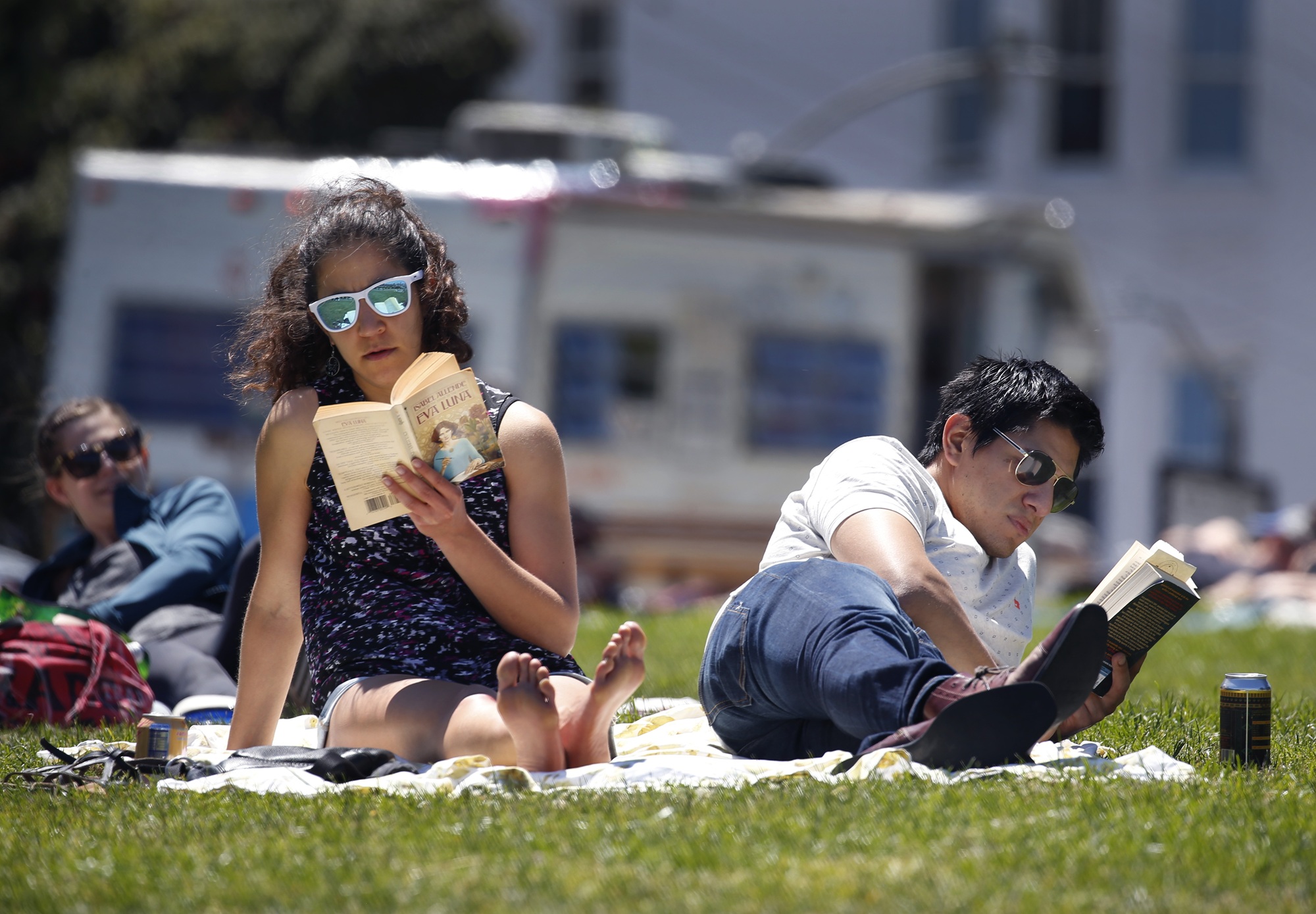
"caption": "Eliah Shamir and Juan Salvatierra settle in with their books at Alamo Square in San Francisco, California, on May 23, 2020. ",
"credit": "Paul Chinn/The San Francisco Chronicle via Getty Images",
"altTag": null,
"description": null,
"imgSizes": {
"thumbnail": {
"file": "https://cdn.kqed.org/wp-content/uploads/sites/10/2026/08/SFAlamoSquareReadingGetty-160x111.jpg",
"width": 160,
"height": 111,
"mimeType": "image/jpeg"
},
"1536x1536": {
"file": "https://cdn.kqed.org/wp-content/uploads/sites/10/2026/08/SFAlamoSquareReadingGetty-1536x1067.jpg",
"width": 1536,
"height": 1067,
"mimeType": "image/jpeg"
},
"post-thumbnail": {
"file": "https://cdn.kqed.org/wp-content/uploads/sites/10/2026/08/SFAlamoSquareReadingGetty-672x372.jpg",
"width": 672,
"height": 372,
"mimeType": "image/jpeg"
},
"twentyfourteen-full-width": {
"file": "https://cdn.kqed.org/wp-content/uploads/sites/10/2026/08/SFAlamoSquareReadingGetty-1038x576.jpg",
"width": 1038,
"height": 576,
"mimeType": "image/jpeg"
},
"npr-cds-wide": {
"file": "https://cdn.kqed.org/wp-content/uploads/sites/10/2026/08/SFAlamoSquareReadingGetty-1200x675.jpg",
"width": 1200,
"height": 675,
"mimeType": "image/jpeg"
},
"npr-cds-square": {
"file": "https://cdn.kqed.org/wp-content/uploads/sites/10/2026/08/SFAlamoSquareReadingGetty-600x600.jpg",
"width": 600,
"height": 600,
"mimeType": "image/jpeg"
},
"kqedFullSize": {
"file": "https://cdn.kqed.org/wp-content/uploads/sites/10/2026/08/SFAlamoSquareReadingGetty.jpg",
"width": 2000,
"height": 1389
}
},
"isLoading": false,
"fetchFailed": false
},
"news_12094819": {
"type": "attachments",
"id": "news_12094819",
"meta": {
"index": "attachments_1716263798",
"site": "news",
"id": "12094819",
"found": true
},
"title": "Under-16s Ban On Social Media Backed By The House of Lords",
"publishDate": 1786479496,
"status": "inherit",
"parent": 12094595,
"modified": 1786479548,
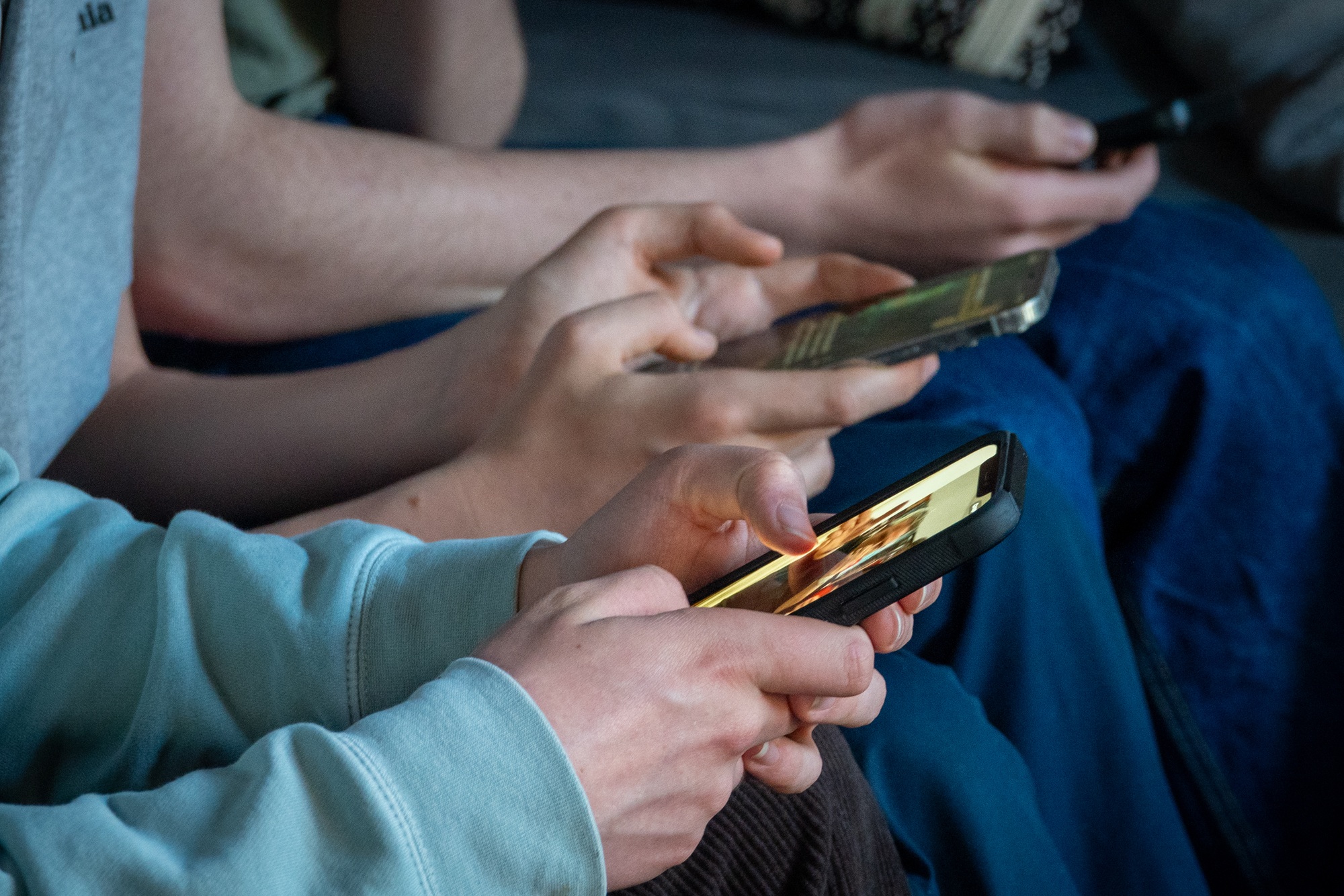
"caption": "Three teenage boys look at their smartphone screens on April 11, 2026. ",
"credit": "Matt Cardy/Getty Images",
"altTag": null,
"description": null,
"imgSizes": {
"thumbnail": {
"file": "https://cdn.kqed.org/wp-content/uploads/sites/10/2026/08/MetaTeensGetty-160x107.jpg",
"width": 160,
"height": 107,
"mimeType": "image/jpeg"
},
"1536x1536": {
"file": "https://cdn.kqed.org/wp-content/uploads/sites/10/2026/08/MetaTeensGetty-1536x1025.jpg",
"width": 1536,
"height": 1025,
"mimeType": "image/jpeg"
},
"post-thumbnail": {
"file": "https://cdn.kqed.org/wp-content/uploads/sites/10/2026/08/MetaTeensGetty-672x372.jpg",
"width": 672,
"height": 372,
"mimeType": "image/jpeg"
},
"twentyfourteen-full-width": {
"file": "https://cdn.kqed.org/wp-content/uploads/sites/10/2026/08/MetaTeensGetty-1038x576.jpg",
"width": 1038,
"height": 576,
"mimeType": "image/jpeg"
},
"npr-cds-wide": {
"file": "https://cdn.kqed.org/wp-content/uploads/sites/10/2026/08/MetaTeensGetty-1200x675.jpg",
"width": 1200,
"height": 675,
"mimeType": "image/jpeg"
},
"npr-cds-square": {
"file": "https://cdn.kqed.org/wp-content/uploads/sites/10/2026/08/MetaTeensGetty-600x600.jpg",
"width": 600,
"height": 600,
"mimeType": "image/jpeg"
},
"kqedFullSize": {
"file": "https://cdn.kqed.org/wp-content/uploads/sites/10/2026/08/MetaTeensGetty.jpg",
"width": 2000,
"height": 1334
}
},
"isLoading": false,
"fetchFailed": false
},
"news_12069332": {
"type": "attachments",
"id": "news_12069332",
"meta": {
"index": "attachments_1716263798",
"site": "news",
"id": "12069332",
"found": true
},
"title": "Male Student Secretly Using Phone Under Table Cheating on Exam",
"publishDate": 1768005219,
"status": "inherit",
"parent": 12069286,
"modified": 1768005230,
"caption": "In September 2024, Governor Gavin Newsom signed the Phone‑Free Schools Act (AB 3216), which requires every school district, charter school, and county education office to adopt policies by July 1, 2026 that limit or prohibit the use of smartphones by students while on campus or under school supervision.\n",
"credit": null,
"altTag": null,
"description": null,
"imgSizes": {
"thumbnail": {
"file": "https://cdn.kqed.org/wp-content/uploads/sites/10/2026/01/phones-at-school-getty-160x107.jpg",
"width": 160,
"height": 107,
"mimeType": "image/jpeg"
},
"1536x1536": {
"file": "https://cdn.kqed.org/wp-content/uploads/sites/10/2026/01/phones-at-school-getty-1536x1024.jpg",
"width": 1536,
"height": 1024,
"mimeType": "image/jpeg"
},
"post-thumbnail": {
"file": "https://cdn.kqed.org/wp-content/uploads/sites/10/2026/01/phones-at-school-getty-672x372.jpg",
"width": 672,
"height": 372,
"mimeType": "image/jpeg"
},
"twentyfourteen-full-width": {
"file": "https://cdn.kqed.org/wp-content/uploads/sites/10/2026/01/phones-at-school-getty-1038x576.jpg",
"width": 1038,
"height": 576,
"mimeType": "image/jpeg"
},
"npr-cds-wide": {
"file": "https://cdn.kqed.org/wp-content/uploads/sites/10/2026/01/phones-at-school-getty-1200x675.jpg",
"width": 1200,
"height": 675,
"mimeType": "image/jpeg"
},
"kqedFullSize": {
"file": "https://cdn.kqed.org/wp-content/uploads/sites/10/2026/01/phones-at-school-getty.jpg",
"width": 2000,
"height": 1333
}
},
"isLoading": false,
"fetchFailed": false
},
"news_11737639": {
"type": "attachments",
"id": "news_11737639",
"meta": {
"index": "attachments_1716263798",
"site": "news",
"id": "11737639",
"found": true
},
"parent": 11737575,
"imgSizes": {
"apple_news_ca_square_4_0": {
"file": "https://ww2.kqed.org/app/uploads/sites/10/2019/04/Oakland-City-Limits-470x460.jpg",
"width": 470,
"mimeType": "image/jpeg",
"height": 460
},
"thumbnail": {
"file": "https://ww2.kqed.org/app/uploads/sites/10/2019/04/Oakland-City-Limits-160x92.jpg",
"width": 160,
"mimeType": "image/jpeg",
"height": 92
},
"post-thumbnail": {
"file": "https://ww2.kqed.org/app/uploads/sites/10/2019/04/Oakland-City-Limits-672x372.jpg",
"width": 672,
"mimeType": "image/jpeg",
"height": 372
},
"kqedFullSize": {
"file": "https://ww2.kqed.org/app/uploads/sites/10/2019/04/Oakland-City-Limits.jpg",
"width": 800,
"height": 460
},
"apple_news_ca_landscape_4_7": {
"file": "https://ww2.kqed.org/app/uploads/sites/10/2019/04/Oakland-City-Limits-632x460.jpg",
"width": 632,
"mimeType": "image/jpeg",
"height": 460
},
"guest-author-50": {
"file": "https://ww2.kqed.org/app/uploads/sites/10/2019/04/Oakland-City-Limits-50x50.jpg",
"width": 50,
"mimeType": "image/jpeg",
"height": 50
},
"guest-author-96": {
"file": "https://ww2.kqed.org/app/uploads/sites/10/2019/04/Oakland-City-Limits-96x96.jpg",
"width": 96,
"mimeType": "image/jpeg",
"height": 96
},
"apple_news_ca_landscape_4_0": {
"file": "https://ww2.kqed.org/app/uploads/sites/10/2019/04/Oakland-City-Limits-536x402.jpg",
"width": 536,
"mimeType": "image/jpeg",
"height": 402
},
"medium": {
"file": "https://ww2.kqed.org/app/uploads/sites/10/2019/04/Oakland-City-Limits-800x460.jpg",
"width": 800,
"mimeType": "image/jpeg",
"height": 460
},
"guest-author-64": {
"file": "https://ww2.kqed.org/app/uploads/sites/10/2019/04/Oakland-City-Limits-64x64.jpg",
"width": 64,
"mimeType": "image/jpeg",
"height": 64
},
"guest-author-32": {
"file": "https://ww2.kqed.org/app/uploads/sites/10/2019/04/Oakland-City-Limits-32x32.jpg",
"width": 32,
"mimeType": "image/jpeg",
"height": 32
},
"apple_news_ca_portrait_4_0": {
"file": "https://ww2.kqed.org/app/uploads/sites/10/2019/04/Oakland-City-Limits-354x460.jpg",
"width": 354,
"mimeType": "image/jpeg",
"height": 460
},
"apple_news_ca_portrait_4_7": {
"file": "https://ww2.kqed.org/app/uploads/sites/10/2019/04/Oakland-City-Limits-414x460.jpg",
"width": 414,
"mimeType": "image/jpeg",
"height": 460
},
"apple_news_ca_portrait_5_5": {
"file": "https://ww2.kqed.org/app/uploads/sites/10/2019/04/Oakland-City-Limits-687x460.jpg",
"width": 687,
"mimeType": "image/jpeg",
"height": 460
},
"apple_news_ca_square_4_7": {
"file": "https://ww2.kqed.org/app/uploads/sites/10/2019/04/Oakland-City-Limits-550x460.jpg",
"width": 550,
"mimeType": "image/jpeg",
"height": 460
},
"guest-author-128": {
"file": "https://ww2.kqed.org/app/uploads/sites/10/2019/04/Oakland-City-Limits-128x128.jpg",
"width": 128,
"mimeType": "image/jpeg",
"height": 128
}
},
"publishDate": 1554332036,
"modified": 1554332112,
"caption": "The City of Piedmont is completely surrounded by the City of Oakland. ",
"description": "The City of Piedmont is completely surrounded by the City of Oakland. ",
"title": "Oakland City Limits",
"credit": "Carto",
"status": "inherit",
"isLoading": false,
"fetchFailed": false
},
"news_12094624": {
"type": "attachments",
"id": "news_12094624",
"meta": {
"index": "attachments_1716263798",
"site": "news",
"id": "12094624",
"found": true
},
"title": "Bishop O'Dowd High School in Oakland on Aug. 10, 2026.",
"publishDate": 1786393239,
"status": "inherit",
"parent": 0,
"modified": 1786393284,
"caption": "Bishop O'Dowd High School in Oakland on Aug. 10, 2026.",
"credit": "Martin do Nascimento/KQED",
"altTag": null,
"description": null,
"imgSizes": {
"thumbnail": {
"file": "https://cdn.kqed.org/wp-content/uploads/sites/10/2026/08/260810-INCLUSIVE-O-MD-03-KQED-160x107.jpg",
"width": 160,
"height": 107,
"mimeType": "image/jpeg"
},
"1536x1536": {
"file": "https://cdn.kqed.org/wp-content/uploads/sites/10/2026/08/260810-INCLUSIVE-O-MD-03-KQED-1536x1025.jpg",
"width": 1536,
"height": 1025,
"mimeType": "image/jpeg"
},
"post-thumbnail": {
"file": "https://cdn.kqed.org/wp-content/uploads/sites/10/2026/08/260810-INCLUSIVE-O-MD-03-KQED-672x372.jpg",
"width": 672,
"height": 372,
"mimeType": "image/jpeg"
},
"twentyfourteen-full-width": {
"file": "https://cdn.kqed.org/wp-content/uploads/sites/10/2026/08/260810-INCLUSIVE-O-MD-03-KQED-1038x576.jpg",
"width": 1038,
"height": 576,
"mimeType": "image/jpeg"
},
"npr-cds-wide": {
"file": "https://cdn.kqed.org/wp-content/uploads/sites/10/2026/08/260810-INCLUSIVE-O-MD-03-KQED-1200x675.jpg",
"width": 1200,
"height": 675,
"mimeType": "image/jpeg"
},
"npr-cds-square": {
"file": "https://cdn.kqed.org/wp-content/uploads/sites/10/2026/08/260810-INCLUSIVE-O-MD-03-KQED-600x600.jpg",
"width": 600,
"height": 600,
"mimeType": "image/jpeg"
},
"kqedFullSize": {
"file": "https://cdn.kqed.org/wp-content/uploads/sites/10/2026/08/260810-INCLUSIVE-O-MD-03-KQED.jpg",
"width": 2000,
"height": 1334
}
},
"isLoading": false,
"fetchFailed": false
},
"news_11992395": {
"type": "attachments",
"id": "news_11992395",
"meta": {
"index": "attachments_1716263798",
"site": "news",
"id": "11992395",
"found": true
},
"title": "101023-AI-College-Toby-Reed-LA-CM-21 copy",
"publishDate": 1719601285,
"status": "inherit",
"parent": 11992394,
"modified": 1719601308,
"caption": "Students walk down a hallway at Fremont High School in Oakland on Oct. 10, 2023. ",
"credit": "Laure Andrillon for CalMatters",
"altTag": null,
"description": null,
"imgSizes": {
"medium": {
"file": "https://cdn.kqed.org/wp-content/uploads/sites/10/2024/06/101023-AI-College-Toby-Reed-LA-CM-21-copy-800x534.jpg",
"width": 800,
"height": 534,
"mimeType": "image/jpeg"
},
"large": {
"file": "https://cdn.kqed.org/wp-content/uploads/sites/10/2024/06/101023-AI-College-Toby-Reed-LA-CM-21-copy-1020x681.jpg",
"width": 1020,
"height": 681,
"mimeType": "image/jpeg"
},
"thumbnail": {
"file": "https://cdn.kqed.org/wp-content/uploads/sites/10/2024/06/101023-AI-College-Toby-Reed-LA-CM-21-copy-160x107.jpg",
"width": 160,
"height": 107,
"mimeType": "image/jpeg"
},
"1536x1536": {
"file": "https://cdn.kqed.org/wp-content/uploads/sites/10/2024/06/101023-AI-College-Toby-Reed-LA-CM-21-copy-1536x1025.jpg",
"width": 1536,
"height": 1025,
"mimeType": "image/jpeg"
},
"post-thumbnail": {
"file": "https://cdn.kqed.org/wp-content/uploads/sites/10/2024/06/101023-AI-College-Toby-Reed-LA-CM-21-copy-672x372.jpg",
"width": 672,
"height": 372,
"mimeType": "image/jpeg"
},
"twentyfourteen-full-width": {
"file": "https://cdn.kqed.org/wp-content/uploads/sites/10/2024/06/101023-AI-College-Toby-Reed-LA-CM-21-copy-1038x576.jpg",
"width": 1038,
"height": 576,
"mimeType": "image/jpeg"
},
"full-width": {
"file": "https://cdn.kqed.org/wp-content/uploads/sites/10/2024/06/101023-AI-College-Toby-Reed-LA-CM-21-copy-1920x1282.jpg",
"width": 1920,
"height": 1282,
"mimeType": "image/jpeg"
},
"kqedFullSize": {
"file": "https://cdn.kqed.org/wp-content/uploads/sites/10/2024/06/101023-AI-College-Toby-Reed-LA-CM-21-copy.jpg",
"width": 2000,
"height": 1335
}
},
"isLoading": false,
"fetchFailed": false
},
"news_12061256": {
"type": "attachments",
"id": "news_12061256",
"meta": {
"index": "attachments_1716263798",
"site": "news",
"id": "12061256",
"found": true
},
"title": "251023-MAYOR LEE PRESSER-MD-09-KQED",
"publishDate": 1761245641,
"status": "inherit",
"parent": 12061224,
"modified": 1783638320,
"caption": "James Beere, assistant chief of police with the Oakland Police Department, speaks at a press conference at Oakland City Hall on Oct. 23, 2025.",
"credit": "Martin do Nascimento/KQED",
"altTag": null,
"description": null,
"imgSizes": {
"thumbnail": {
"file": "https://cdn.kqed.org/wp-content/uploads/sites/10/2025/10/251023-MAYOR-LEE-PRESSER-MD-09-KQED-160x107.jpg",
"width": 160,
"height": 107,
"mimeType": "image/jpeg"
},
"1536x1536": {
"file": "https://cdn.kqed.org/wp-content/uploads/sites/10/2025/10/251023-MAYOR-LEE-PRESSER-MD-09-KQED-1536x1024.jpg",
"width": 1536,
"height": 1024,
"mimeType": "image/jpeg"
},
"post-thumbnail": {
"file": "https://cdn.kqed.org/wp-content/uploads/sites/10/2025/10/251023-MAYOR-LEE-PRESSER-MD-09-KQED-672x372.jpg",
"width": 672,
"height": 372,
"mimeType": "image/jpeg"
},
"twentyfourteen-full-width": {
"file": "https://cdn.kqed.org/wp-content/uploads/sites/10/2025/10/251023-MAYOR-LEE-PRESSER-MD-09-KQED-1038x576.jpg",
"width": 1038,
"height": 576,
"mimeType": "image/jpeg"
},
"npr-cds-wide": {
"file": "https://cdn.kqed.org/wp-content/uploads/sites/10/2025/10/251023-MAYOR-LEE-PRESSER-MD-09-KQED-1600x900.jpg",
"width": 1600,
"height": 900,
"mimeType": "image/jpeg"
},
"kqedFullSize": {
"file": "https://cdn.kqed.org/wp-content/uploads/sites/10/2025/10/251023-MAYOR-LEE-PRESSER-MD-09-KQED.jpg",
"width": 2000,
"height": 1333
}
},
"isLoading": false,
"fetchFailed": false
},
"news_12092905": {
"type": "attachments",
"id": "news_12092905",
"meta": {
"index": "attachments_1716263798",
"site": "news",
"id": "12092905",
"found": true
},
"title": "260728-PierreRushing-02-BL-KQED",
"publishDate": 1785267116,
"status": "inherit",
"parent": 0,
"modified": 1785267171,
"caption": "Demora Henderson stands outside the René C. Davidson Courthouse, part of the Alameda County Superior Court system, in Oakland on July 28, 2026.",
"credit": "Beth LaBerge/KQED",
"altTag": null,
"description": null,
"imgSizes": {
"thumbnail": {
"file": "https://cdn.kqed.org/wp-content/uploads/sites/10/2026/07/260728-PierreRushing-02-BL-KQED-160x107.jpg",
"width": 160,
"height": 107,
"mimeType": "image/jpeg"
},
"1536x1536": {
"file": "https://cdn.kqed.org/wp-content/uploads/sites/10/2026/07/260728-PierreRushing-02-BL-KQED-1536x1024.jpg",
"width": 1536,
"height": 1024,
"mimeType": "image/jpeg"
},
"post-thumbnail": {
"file": "https://cdn.kqed.org/wp-content/uploads/sites/10/2026/07/260728-PierreRushing-02-BL-KQED-672x372.jpg",
"width": 672,
"height": 372,
"mimeType": "image/jpeg"
},
"twentyfourteen-full-width": {
"file": "https://cdn.kqed.org/wp-content/uploads/sites/10/2026/07/260728-PierreRushing-02-BL-KQED-1038x576.jpg",
"width": 1038,
"height": 576,
"mimeType": "image/jpeg"
},
"npr-cds-wide": {
"file": "https://cdn.kqed.org/wp-content/uploads/sites/10/2026/07/260728-PierreRushing-02-BL-KQED-1200x675.jpg",
"width": 1200,
"height": 675,
"mimeType": "image/jpeg"
},
"npr-cds-square": {
"file": "https://cdn.kqed.org/wp-content/uploads/sites/10/2026/07/260728-PierreRushing-02-BL-KQED-600x600.jpg",
"width": 600,
"height": 600,
"mimeType": "image/jpeg"
},
"kqedFullSize": {
"file": "https://cdn.kqed.org/wp-content/uploads/sites/10/2026/07/260728-PierreRushing-02-BL-KQED.jpg",
"width": 2000,
"height": 1333
}
},
"isLoading": false,
"fetchFailed": false
},
"news_12092655": {
"type": "attachments",
"id": "news_12092655",
"meta": {
"index": "attachments_1716263798",
"site": "news",
"id": "12092655",
"found": true
},
"title": "260725-trashblockparty-00132_TV_qed",
"publishDate": 1785010798,
"status": "inherit",
"parent": 12092653,
"modified": 1785010851,
"caption": "A worker helps a resident dispose their bulk items for free at a Bulky Block Party, run by Oakland Public Works, at 7101 Edgewater Drive in Oakland on July 25, 2026.",
"credit": "Tâm Vũ/KQED",
"altTag": null,
"description": null,
"imgSizes": {
"thumbnail": {
"file": "https://cdn.kqed.org/wp-content/uploads/sites/10/2026/07/260725-trashblockparty-00132_TV_qed-160x107.jpg",
"width": 160,
"height": 107,
"mimeType": "image/jpeg"
},
"1536x1536": {
"file": "https://cdn.kqed.org/wp-content/uploads/sites/10/2026/07/260725-trashblockparty-00132_TV_qed-1536x1024.jpg",
"width": 1536,
"height": 1024,
"mimeType": "image/jpeg"
},
"post-thumbnail": {
"file": "https://cdn.kqed.org/wp-content/uploads/sites/10/2026/07/260725-trashblockparty-00132_TV_qed-672x372.jpg",
"width": 672,
"height": 372,
"mimeType": "image/jpeg"
},
"twentyfourteen-full-width": {
"file": "https://cdn.kqed.org/wp-content/uploads/sites/10/2026/07/260725-trashblockparty-00132_TV_qed-1038x576.jpg",
"width": 1038,
"height": 576,
"mimeType": "image/jpeg"
},
"npr-cds-wide": {
"file": "https://cdn.kqed.org/wp-content/uploads/sites/10/2026/07/260725-trashblockparty-00132_TV_qed-1200x675.jpg",
"width": 1200,
"height": 675,
"mimeType": "image/jpeg"
},
"npr-cds-square": {
"file": "https://cdn.kqed.org/wp-content/uploads/sites/10/2026/07/260725-trashblockparty-00132_TV_qed-600x600.jpg",
"width": 600,
"height": 600,
"mimeType": "image/jpeg"
},
"kqedFullSize": {
"file": "https://cdn.kqed.org/wp-content/uploads/sites/10/2026/07/260725-trashblockparty-00132_TV_qed.jpg",
"width": 2000,
"height": 1333
}
},
"isLoading": false,
"fetchFailed": false
},
"news_12084172": {
"type": "attachments",
"id": "news_12084172",
"meta": {
"index": "attachments_1716263798",
"site": "news",
"id": "12084172",
"found": true
},
"title": "250210-SurferSewage-05-BL_qed",
"publishDate": 1779146469,
"status": "inherit",
"parent": 12084476,
"modified": 1779301569,
"caption": "A surfer walks in the water to surf at Ocean Beach in San Francisco on Feb. 10, 2025.",
"credit": "Beth LaBerge/KQED",
"altTag": null,
"description": null,
"imgSizes": {
"thumbnail": {
"file": "https://cdn.kqed.org/wp-content/uploads/sites/10/2026/05/250210-SurferSewage-05-BL_qed-160x107.jpg",
"width": 160,
"height": 107,
"mimeType": "image/jpeg"
},
"1536x1536": {
"file": "https://cdn.kqed.org/wp-content/uploads/sites/10/2026/05/250210-SurferSewage-05-BL_qed-1536x1024.jpg",
"width": 1536,
"height": 1024,
"mimeType": "image/jpeg"
},
"post-thumbnail": {
"file": "https://cdn.kqed.org/wp-content/uploads/sites/10/2026/05/250210-SurferSewage-05-BL_qed-672x372.jpg",
"width": 672,
"height": 372,
"mimeType": "image/jpeg"
},
"twentyfourteen-full-width": {
"file": "https://cdn.kqed.org/wp-content/uploads/sites/10/2026/05/250210-SurferSewage-05-BL_qed-1038x576.jpg",
"width": 1038,
"height": 576,
"mimeType": "image/jpeg"
},
"npr-cds-wide": {
"file": "https://cdn.kqed.org/wp-content/uploads/sites/10/2026/05/250210-SurferSewage-05-BL_qed-1200x675.jpg",
"width": 1200,
"height": 675,
"mimeType": "image/jpeg"
},
"npr-cds-square": {
"file": "https://cdn.kqed.org/wp-content/uploads/sites/10/2026/05/250210-SurferSewage-05-BL_qed-600x600.jpg",
"width": 600,
"height": 600,
"mimeType": "image/jpeg"
},
"kqedFullSize": {
"file": "https://cdn.kqed.org/wp-content/uploads/sites/10/2026/05/250210-SurferSewage-05-BL_qed.jpg",
"width": 1999,
"height": 1333
}
},
"isLoading": false,
"fetchFailed": false
},
"news_12092492": {
"type": "attachments",
"id": "news_12092492",
"meta": {
"index": "attachments_1716263798",
"site": "news",
"id": "12092492",
"found": true
},
"title": "250814-OaklandPushback-12_qed",
"publishDate": 1784912071,
"status": "inherit",
"parent": 12092488,
"modified": 1784918013,
"caption": "At-Large Oakland City Councilmember Rowena Brown speaks during a press conference at Oakland City Hall in Oakland on Aug. 14, 2025, condemning President Donald Trump’s recent remarks about Oakland.",
"credit": "Beth LaBerge/KQED",
"altTag": null,
"description": null,
"imgSizes": {
"thumbnail": {
"file": "https://cdn.kqed.org/wp-content/uploads/sites/10/2026/07/250814-OaklandPushback-12_qed-160x107.jpg",
"width": 160,
"height": 107,
"mimeType": "image/jpeg"
},
"1536x1536": {
"file": "https://cdn.kqed.org/wp-content/uploads/sites/10/2026/07/250814-OaklandPushback-12_qed-1536x1024.jpg",
"width": 1536,
"height": 1024,
"mimeType": "image/jpeg"
},
"post-thumbnail": {
"file": "https://cdn.kqed.org/wp-content/uploads/sites/10/2026/07/250814-OaklandPushback-12_qed-672x372.jpg",
"width": 672,
"height": 372,
"mimeType": "image/jpeg"
},
"twentyfourteen-full-width": {
"file": "https://cdn.kqed.org/wp-content/uploads/sites/10/2026/07/250814-OaklandPushback-12_qed-1038x576.jpg",
"width": 1038,
"height": 576,
"mimeType": "image/jpeg"
},
"npr-cds-wide": {
"file": "https://cdn.kqed.org/wp-content/uploads/sites/10/2026/07/250814-OaklandPushback-12_qed-1200x675.jpg",
"width": 1200,
"height": 675,
"mimeType": "image/jpeg"
},
"npr-cds-square": {
"file": "https://cdn.kqed.org/wp-content/uploads/sites/10/2026/07/250814-OaklandPushback-12_qed-600x600.jpg",
"width": 600,
"height": 600,
"mimeType": "image/jpeg"
},
"kqedFullSize": {
"file": "https://cdn.kqed.org/wp-content/uploads/sites/10/2026/07/250814-OaklandPushback-12_qed.jpg",
"width": 2000,
"height": 1333
}
},
"isLoading": false,
"fetchFailed": false
},
"news_12086149": {
"type": "attachments",
"id": "news_12086149",
"meta": {
"index": "attachments_1716263798",
"site": "news",
"id": "12086149",
"found": true
},
"title": "260601-BRUCELEE-TV-01539-KQED",
"publishDate": 1780519068,
"status": "inherit",
"parent": 0,
"modified": 1784680331,
"caption": "Greglon Lee holds up boxing gloves signed by both Bruce Lee and his father James Lee at the apartment complex he lives in in Berkeley on June 1, 2026. Greglon Lee is the son of James Lee, a martial artist who was once Bruce Lee’s training partner.",
"credit": "Tâm Vũ/KQED",
"altTag": null,
"description": null,
"imgSizes": {
"thumbnail": {
"file": "https://cdn.kqed.org/wp-content/uploads/sites/10/2026/06/260601-BRUCELEE-TV-01539-KQED-160x107.jpg",
"width": 160,
"height": 107,
"mimeType": "image/jpeg"
},
"1536x1536": {
"file": "https://cdn.kqed.org/wp-content/uploads/sites/10/2026/06/260601-BRUCELEE-TV-01539-KQED-1536x1024.jpg",
"width": 1536,
"height": 1024,
"mimeType": "image/jpeg"
},
"post-thumbnail": {
"file": "https://cdn.kqed.org/wp-content/uploads/sites/10/2026/06/260601-BRUCELEE-TV-01539-KQED-672x372.jpg",
"width": 672,
"height": 372,
"mimeType": "image/jpeg"
},
"twentyfourteen-full-width": {
"file": "https://cdn.kqed.org/wp-content/uploads/sites/10/2026/06/260601-BRUCELEE-TV-01539-KQED-1038x576.jpg",
"width": 1038,
"height": 576,
"mimeType": "image/jpeg"
},
"npr-cds-wide": {
"file": "https://cdn.kqed.org/wp-content/uploads/sites/10/2026/06/260601-BRUCELEE-TV-01539-KQED-1200x675.jpg",
"width": 1200,
"height": 675,
"mimeType": "image/jpeg"
},
"npr-cds-square": {
"file": "https://cdn.kqed.org/wp-content/uploads/sites/10/2026/06/260601-BRUCELEE-TV-01539-KQED-600x600.jpg",
"width": 600,
"height": 600,
"mimeType": "image/jpeg"
},
"kqedFullSize": {
"file": "https://cdn.kqed.org/wp-content/uploads/sites/10/2026/06/260601-BRUCELEE-TV-01539-KQED.jpg",
"width": 2000,
"height": 1333
}
},
"isLoading": false,
"fetchFailed": false
}
},
"audioPlayerReducer": {
"postId": "stream_live",
"isPaused": true,
"isPlaying": false,
"pfsActive": false,
"pledgeModalIsOpen": true,
"playerDrawerIsOpen": false,
"liveAudioPlayStartedAt": 0,
"liveAudioPlayContext": ""
},
"authorsReducer": {
"byline_news_11737575": {
"type": "authors",
"id": "byline_news_11737575",
"meta": {
"override": true
},
"slug": "byline_news_11737575",
"name": "Chris Hambrick",
"isLoading": false
},
"rachael-myrow": {
"type": "authors",
"id": "251",
"meta": {
"index": "authors_1716337520",
"id": "251",
"found": true
},
"name": "Rachael Myrow",
"firstName": "Rachael",
"lastName": "Myrow",
"slug": "rachael-myrow",
"email": "rmyrow@kqed.org",
"display_author_email": true,
"staff_mastheads": [
"news"
],
"title": "Senior Editor of KQED's Silicon Valley News Desk",
"bio": "• I write and edit stories about how Silicon Valley power and policies shape everyday life in California. I’m also passionate about making Bay Area history and culture more accessible to a broad public. • I’ve been a journalist for most of my life, starting in high school with The Franklin Press in Los Angeles, where I grew up. While earning my first degree in English at UC Berkeley, I got my start in public radio at KALX-FM. After completing a second degree in journalism at Cal, I landed my first professional job at Marketplace, then moved on to KPCC (now LAist), and then KQED, where I hosted The California Report for more than seven years. • My reporting has appeared on NPR, The World, WBUR’s \u003ci>Here & Now\u003c/i>, and the BBC. I also guest host for KQED’s \u003ci>Forum\u003c/i>, as well as the Commonwealth Club in San Francisco. • I speak periodically on media, democracy and technology issues, and do voiceover work for documentaries and educational video projects. • Outside of the studio, you'll find me hiking Bay Area trails and whipping up Insta-ready meals in my kitchen. • I do not accept gifts, money, or favors from anyone connected to my reporting, I don't pay people for information, and I do not support or donate to political causes. • I strive to treat the people I report on with fairness, honesty, and respect. I also recognize there are often multiple sides to a story and work to verify information through multiple sources and documentation. If I get something wrong, I correct it.",
"avatar": "https://secure.gravatar.com/avatar/3ed8a3c5f26025e4a805ba634cda8cd764906b97438a6d9ce216b044e340da4e?s=600&d=blank&r=g",
"twitter": "rachaelmyrow",
"bluesky": null,
"facebook": null,
"instagram": null,
"linkedin": "https://www.linkedin.com/in/rachaelmyrow/",
"sites": [
{
"site": "arts",
"roles": [
"administrator"
]
},
{
"site": "news",
"roles": [
"edit_others_posts",
"editor"
]
},
{
"site": "futureofyou",
"roles": [
"editor"
]
},
{
"site": "bayareabites",
"roles": [
"editor"
]
},
{
"site": "stateofhealth",
"roles": [
"editor"
]
},
{
"site": "science",
"roles": [
"editor"
]
},
{
"site": "food",
"roles": [
"editor"
]
},
{
"site": "forum",
"roles": [
"editor"
]
},
{
"site": "liveblog",
"roles": [
"author"
]
}
],
"headData": {
"title": "Rachael Myrow | KQED",
"description": "Senior Editor of KQED's Silicon Valley News Desk",
"ogImgSrc": "https://secure.gravatar.com/avatar/3ed8a3c5f26025e4a805ba634cda8cd764906b97438a6d9ce216b044e340da4e?s=600&d=blank&r=g",
"twImgSrc": "https://secure.gravatar.com/avatar/3ed8a3c5f26025e4a805ba634cda8cd764906b97438a6d9ce216b044e340da4e?s=600&d=blank&r=g"
},
"isLoading": false,
"link": "/author/rachael-myrow"
},
"ecruzguevarra": {
"type": "authors",
"id": "8654",
"meta": {
"index": "authors_1716337520",
"id": "8654",
"found": true
},
"name": "Ericka Cruz Guevarra",
"firstName": "Ericka",
"lastName": "Cruz Guevarra",
"slug": "ecruzguevarra",
"email": "ecruzguevarra@kqed.org",
"display_author_email": true,
"staff_mastheads": [
"news"
],
"title": "Producer, The Bay Podcast",
"bio": "Ericka Cruz Guevarra is host of \u003ca href=\"https://www.kqed.org/podcasts/thebay\">\u003cem>The Bay\u003c/em>\u003c/a> podcast at KQED. Before host, she was the show’s producer. Her work in that capacity includes a three-part reported series on policing in Vallejo, which won a 2020 excellence in journalism award from the Society of Professional Journalists. Ericka has worked as a breaking news reporter at Oregon Public Broadcasting, helped produce the Code Switch podcast, and was KQED’s inaugural Raul Ramirez Diversity Fund intern. She’s also an alumna of NPR’s Next Generation Radio program. Send her an email if you have strong feelings about whether Fairfield and Suisun City are the Bay. Ericka is represented by SAG-AFTRA.",
"avatar": "https://secure.gravatar.com/avatar/accefc1de4bafc7e234b69bcb9b6f6536c130fd84709bc3069ef11a78787e1bb?s=600&d=blank&r=g",
"twitter": "NotoriousECG",
"bluesky": null,
"facebook": null,
"instagram": null,
"linkedin": null,
"sites": [
{
"site": "arts",
"roles": [
"subscriber"
]
},
{
"site": "news",
"roles": [
"editor",
"manage_categories"
]
},
{
"site": "futureofyou",
"roles": [
"subscriber"
]
},
{
"site": "stateofhealth",
"roles": [
"subscriber"
]
},
{
"site": "science",
"roles": [
"editor"
]
},
{
"site": "forum",
"roles": [
"subscriber"
]
}
],
"headData": {
"title": "Ericka Cruz Guevarra | KQED",
"description": "Producer, The Bay Podcast",
"ogImgSrc": "https://secure.gravatar.com/avatar/accefc1de4bafc7e234b69bcb9b6f6536c130fd84709bc3069ef11a78787e1bb?s=600&d=blank&r=g",
"twImgSrc": "https://secure.gravatar.com/avatar/accefc1de4bafc7e234b69bcb9b6f6536c130fd84709bc3069ef11a78787e1bb?s=600&d=blank&r=g"
},
"isLoading": false,
"link": "/author/ecruzguevarra"
},
"ahall": {
"type": "authors",
"id": "11490",
"meta": {
"index": "authors_1716337520",
"id": "11490",
"found": true
},
"name": "Alex Hall",
"firstName": "Alex",
"lastName": "Hall",
"slug": "ahall",
"email": "ahall@kqed.org",
"display_author_email": false,
"staff_mastheads": [
"news"
],
"title": "KQED Enterprise & Accountability Reporter",
"bio": "Alex Hall is KQED's Enterprise and Accountability Reporter. She previously covered the Central Valley for five years from KQED's bureau in Fresno. Before joining KQED, Alex was an investigative reporting fellow at Wisconsin Public Radio and the Wisconsin Center for Investigative Journalism. She has also worked as a bilingual producer for NPR's investigative unit and freelance video producer for Reuters TV on the Latin America desk. She got her start in journalism in South America, where she worked as a radio producer and Spanish-English translator for CNN Chile. Her documentary and investigation into the series of deadly COVID-19 outbreaks at Foster Farms won a national Edward R. Murrow award and was named an Investigative Reporters & Editors award finalist. Alex's reporting for Reveal on the Wisconsin dairy industry's reliance on undocumented immigrant labor was made into a film, Los Lecheros, which won a regional Edward R. Murrow award for best news documentary.",
"avatar": "https://secure.gravatar.com/avatar/04c28ad4a7caa7ac2ef39c655c4030c993a3f331481d1da4799bb76ea85b9afa?s=600&d=blank&r=g",
"twitter": "@chalexhall",
"bluesky": null,
"facebook": null,
"instagram": null,
"linkedin": null,
"sites": [
{
"site": "news",
"roles": [
"editor"
]
},
{
"site": "liveblog",
"roles": [
"author"
]
}
],
"headData": {
"title": "Alex Hall | KQED",
"description": "KQED Enterprise & Accountability Reporter",
"ogImgSrc": "https://secure.gravatar.com/avatar/04c28ad4a7caa7ac2ef39c655c4030c993a3f331481d1da4799bb76ea85b9afa?s=600&d=blank&r=g",
"twImgSrc": "https://secure.gravatar.com/avatar/04c28ad4a7caa7ac2ef39c655c4030c993a3f331481d1da4799bb76ea85b9afa?s=600&d=blank&r=g"
},
"isLoading": false,
"link": "/author/ahall"
},
"amontecillo": {
"type": "authors",
"id": "11649",
"meta": {
"index": "authors_1716337520",
"id": "11649",
"found": true
},
"name": "Alan Montecillo",
"firstName": "Alan",
"lastName": "Montecillo",
"slug": "amontecillo",
"email": "amontecillo@kqed.org",
"display_author_email": false,
"staff_mastheads": [
"news"
],
"title": "KQED Contributor",
"bio": "Alan Montecillo is the senior editor of \u003cem>\u003ca href=\"http://kqed.org/thebay\">The Bay\u003c/a>, \u003c/em> KQED's local news podcast. Before moving to the Bay Area, he worked as a senior talk show producer for WILL in Champaign-Urbana, Illinois and at Oregon Public Broadcasting in Portland, Oregon. He has won journalism awards from the Society of Professional Journalists Northern California, the Public Media Journalists Association, The Signal Awards, and has also received a regional Edward R. Murrow award. Alan is a Filipino American from Hong Kong and a graduate of Reed College.",
"avatar": "https://secure.gravatar.com/avatar/268f53a2066899ea9efdd8a5900218b17c822d9862cbc9326cccec53ef41d349?s=600&d=blank&r=g",
"twitter": "alanmontecillo",
"bluesky": null,
"facebook": null,
"instagram": null,
"linkedin": null,
"sites": [
{
"site": "",
"roles": [
"editor"
]
},
{
"site": "news",
"roles": [
"editor",
"manage_categories"
]
}
],
"headData": {
"title": "Alan Montecillo | KQED",
"description": "KQED Contributor",
"ogImgSrc": "https://secure.gravatar.com/avatar/268f53a2066899ea9efdd8a5900218b17c822d9862cbc9326cccec53ef41d349?s=600&d=blank&r=g",
"twImgSrc": "https://secure.gravatar.com/avatar/268f53a2066899ea9efdd8a5900218b17c822d9862cbc9326cccec53ef41d349?s=600&d=blank&r=g"
},
"isLoading": false,
"link": "/author/amontecillo"
},
"nkhan": {
"type": "authors",
"id": "11867",
"meta": {
"index": "authors_1716337520",
"id": "11867",
"found": true
},
"name": "Nisa Khan",
"firstName": "Nisa",
"lastName": "Khan",
"slug": "nkhan",
"email": "nkhan@kqed.org",
"display_author_email": false,
"staff_mastheads": [],
"title": "KQED Contributor",
"bio": "Nisa Khan is a reporter for KQED's Audience News Desk. She was formerly a data reporter at Michigan Radio. She earned a Bachelor of Science in Information from the University of Michigan and a Master of Arts in Communication from Stanford University.",
"avatar": "https://secure.gravatar.com/avatar/8720459eef081ff64582b3506b124d58523e80e120704a0cbd9892533c914991?s=600&d=blank&r=g",
"twitter": "mnisakhan",
"bluesky": null,
"facebook": null,
"instagram": null,
"linkedin": null,
"sites": [
{
"site": "arts",
"roles": [
"editor"
]
},
{
"site": "news",
"roles": [
"editor"
]
},
{
"site": "science",
"roles": [
"editor",
"author"
]
},
{
"site": "forum",
"roles": [
"editor"
]
},
{
"site": "liveblog",
"roles": [
"contributor"
]
}
],
"headData": {
"title": "Nisa Khan | KQED",
"description": "KQED Contributor",
"ogImgSrc": "https://secure.gravatar.com/avatar/8720459eef081ff64582b3506b124d58523e80e120704a0cbd9892533c914991?s=600&d=blank&r=g",
"twImgSrc": "https://secure.gravatar.com/avatar/8720459eef081ff64582b3506b124d58523e80e120704a0cbd9892533c914991?s=600&d=blank&r=g"
},
"isLoading": false,
"link": "/author/nkhan"
},
"kdebenedetti": {
"type": "authors",
"id": "11913",
"meta": {
"index": "authors_1716337520",
"id": "11913",
"found": true
},
"name": "Katie DeBenedetti",
"firstName": "Katie",
"lastName": "DeBenedetti",
"slug": "kdebenedetti",
"email": "kdebenedetti@kqed.org",
"display_author_email": false,
"staff_mastheads": [
"news",
"science"
],
"title": "KQED Contributor",
"bio": "Katie DeBenedetti is a digital reporter covering daily news for the Express Desk. Prior to joining KQED as a culture reporting intern in January 2024, she covered education and city government for the Napa Valley Register.",
"avatar": "https://secure.gravatar.com/avatar/6e31073cb8f7e4214ab03f42771d0f45?s=600&d=blank&r=g",
"twitter": null,
"facebook": null,
"instagram": null,
"linkedin": null,
"sites": [
{
"site": "news",
"roles": [
"author"
]
},
{
"site": "science",
"roles": [
"author"
]
},
{
"site": "liveblog",
"roles": [
"author"
]
}
],
"headData": {
"title": "Katie DeBenedetti | KQED",
"description": "KQED Contributor",
"ogImgSrc": "https://secure.gravatar.com/avatar/6e31073cb8f7e4214ab03f42771d0f45?s=600&d=blank&r=g",
"twImgSrc": "https://secure.gravatar.com/avatar/6e31073cb8f7e4214ab03f42771d0f45?s=600&d=blank&r=g"
},
"isLoading": false,
"link": "/author/kdebenedetti"
},
"emanoukian": {
"type": "authors",
"id": "11925",
"meta": {
"index": "authors_1716337520",
"id": "11925",
"found": true
},
"name": "Elize Manoukian",
"firstName": "Elize",
"lastName": "Manoukian",
"slug": "emanoukian",
"email": "emanoukian@KQED.org",
"display_author_email": false,
"staff_mastheads": [
"news"
],
"title": "Digital News Editor",
"bio": "Elize Manoukian is an award-winning audio producer and editor on the Express Desk, KQED's digital news platform. Her work has appeared on KPFA, Interlochen Public Radio, Oregon Public Broadcast, the New York Daily News, LA Times and the San Diego Union-Tribune. You can reach her at emanoukian@kqed.org.",
"avatar": "https://secure.gravatar.com/avatar/4525f1a8e46ccb30933b32653d9772064cfefe3fa655eb45b3b3a80341f6bdad?s=600&d=blank&r=g",
"twitter": null,
"bluesky": null,
"facebook": null,
"instagram": null,
"linkedin": null,
"sites": [
{
"site": "arts",
"roles": [
"editor"
]
},
{
"site": "news",
"roles": [
"editor"
]
},
{
"site": "science",
"roles": [
"editor"
]
}
],
"headData": {
"title": "Elize Manoukian | KQED",
"description": "Digital News Editor",
"ogImgSrc": "https://secure.gravatar.com/avatar/4525f1a8e46ccb30933b32653d9772064cfefe3fa655eb45b3b3a80341f6bdad?s=600&d=blank&r=g",
"twImgSrc": "https://secure.gravatar.com/avatar/4525f1a8e46ccb30933b32653d9772064cfefe3fa655eb45b3b3a80341f6bdad?s=600&d=blank&r=g"
},
"isLoading": false,
"link": "/author/emanoukian"
},
"skennedy": {
"type": "authors",
"id": "11935",
"meta": {
"index": "authors_1716337520",
"id": "11935",
"found": true
},
"name": "Samantha Kennedy",
"firstName": "Samantha",
"lastName": "Kennedy",
"slug": "skennedy",
"email": "SKennedy@kqed.org",
"display_author_email": false,
"staff_mastheads": [],
"title": "KQED Contributor",
"bio": null,
"avatar": "https://secure.gravatar.com/avatar/adc7b14bf1e801793202a156ecc864d4ad505b0fd63162a2f3da0e5ba57222d0?s=600&d=blank&r=g",
"twitter": null,
"bluesky": null,
"facebook": null,
"instagram": null,
"linkedin": null,
"sites": [
{
"site": "arts",
"roles": [
"author"
]
},
{
"site": "news",
"roles": [
"editor"
]
},
{
"site": "science",
"roles": [
"editor"
]
}
],
"headData": {
"title": "Samantha Kennedy | KQED",
"description": "KQED Contributor",
"ogImgSrc": "https://secure.gravatar.com/avatar/adc7b14bf1e801793202a156ecc864d4ad505b0fd63162a2f3da0e5ba57222d0?s=600&d=blank&r=g",
"twImgSrc": "https://secure.gravatar.com/avatar/adc7b14bf1e801793202a156ecc864d4ad505b0fd63162a2f3da0e5ba57222d0?s=600&d=blank&r=g"
},
"isLoading": false,
"link": "/author/skennedy"
},
"gglueck": {
"type": "authors",
"id": "11946",
"meta": {
"index": "authors_1716337520",
"id": "11946",
"found": true
},
"name": "Gabriela Glueck",
"firstName": "Gabriela",
"lastName": "Glueck",
"slug": "gglueck",
"email": "gglueck@kqed.org",
"display_author_email": false,
"staff_mastheads": [
"news"
],
"title": "KQED Contributor",
"bio": null,
"avatar": "https://secure.gravatar.com/avatar/ec62b7e3f7727ce1070cc7046dde80271d1e63cf2178d6194f68bb8d1440f841?s=600&d=blank&r=g",
"twitter": null,
"bluesky": null,
"facebook": null,
"instagram": null,
"linkedin": null,
"sites": [
{
"site": "news",
"roles": [
"editor"
]
}
],
"headData": {
"title": "Gabriela Glueck | KQED",
"description": "KQED Contributor",
"ogImgSrc": "https://secure.gravatar.com/avatar/ec62b7e3f7727ce1070cc7046dde80271d1e63cf2178d6194f68bb8d1440f841?s=600&d=blank&r=g",
"twImgSrc": "https://secure.gravatar.com/avatar/ec62b7e3f7727ce1070cc7046dde80271d1e63cf2178d6194f68bb8d1440f841?s=600&d=blank&r=g"
},
"isLoading": false,
"link": "/author/gglueck"
},
"aaliahmad": {
"type": "authors",
"id": "11986",
"meta": {
"index": "authors_1716337520",
"id": "11986",
"found": true
},
"name": "Ayah Ali-Ahmad",
"firstName": "Ayah",
"lastName": "Ali-Ahmad",
"slug": "aaliahmad",
"email": "aaliahmad@KQED.org",
"display_author_email": false,
"staff_mastheads": [],
"title": "KQED Contributor",
"bio": null,
"avatar": "https://secure.gravatar.com/avatar/1cf54f187a5e1064b2cfef3f3d2f1e4f93e453395d56912aca6382a6071ec3ed?s=600&d=blank&r=g",
"twitter": "ayahaliahmad",
"bluesky": null,
"facebook": null,
"instagram": null,
"linkedin": null,
"sites": [
{
"site": "news",
"roles": [
"subscriber"
]
}
],
"headData": {
"title": "Ayah Ali-Ahmad | KQED",
"description": "KQED Contributor",
"ogImgSrc": "https://secure.gravatar.com/avatar/1cf54f187a5e1064b2cfef3f3d2f1e4f93e453395d56912aca6382a6071ec3ed?s=600&d=blank&r=g",
"twImgSrc": "https://secure.gravatar.com/avatar/1cf54f187a5e1064b2cfef3f3d2f1e4f93e453395d56912aca6382a6071ec3ed?s=600&d=blank&r=g"
},
"isLoading": false,
"link": "/author/aaliahmad"
}
},
"pagesReducer": {
"news_tag_oakland": {
"type": "terms",
"id": "news_34054",
"meta": {
"index": "terms_1716263798",
"site": "news",
"id": "34054",
"score": 6.8716445
},
"featImg": null,
"name": "oakland",
"description": null,
"taxonomy": "tag",
"headData": {
"twImgId": null,
"twTitle": null,
"ogTitle": null,
"ogImgId": null,
"twDescription": null,
"description": null,
"title": "oakland Archives | KQED News",
"ogDescription": null
},
"ttid": 34071,
"slug": "oakland",
"isLoading": false,
"title": "oakland",
"pageMeta": {
"site": "news",
"WpPageTemplate": "page-topic-editorial",
"currentPage": 7
},
"blocks": [
{
"blockName": "kqed/post-list",
"attrs": {
"layout": "cardArticle2",
"query": "posts/news?tag=oakland",
"seeMore": false,
"paginated": true,
"page": 7
}
},
{
"blockName": "kqed/ad"
}
]
}
},
"pfsSessionReducer": {},
"postsReducer": {
"stream_live": {
"type": "live",
"id": "stream_live",
"audioUrl": "https://hls.kqed.org/hls/kqed_app/playlist.m3u8",
"title": "Live Stream",
"excerpt": "Live Stream information currently unavailable.",
"link": "/radio",
"featImg": "",
"label": {
"name": "KQED Live",
"link": "/"
}
},
"stream_kqedNewscast": {
"type": "posts",
"id": "stream_kqedNewscast",
"audioUrl": "https://www.kqed.org/.stream/anon/radio/RDnews/newscast.mp3?_=1",
"title": "KQED Newscast",
"featImg": "",
"label": {
"name": "88.5 FM",
"link": "/"
}
},
"news_12094593": {
"type": "posts",
"id": "news_12094593",
"meta": {
"index": "posts_1716263798",
"site": "news",
"id": "12094593",
"score": null,
"sort": [
1786636800000
]
},
"guestAuthors": [],
"slug": "the-best-places-to-bring-your-book-in-the-bay-area-performative-reading-accusations-not-included",
"title": "The Best Places to Bring Your Book in the Bay Area (‘Performative Reading’ Accusations Not Included)",
"publishDate": 1786636800,
"format": "standard",
"headTitle": "The Best Places to Bring Your Book in the Bay Area (‘Performative Reading’ Accusations Not Included) | KQED",
"labelTerm": {
"site": "news"
},
"content": "\u003cp>One of the easiest ways to remind myself that life is worth living is grabbing my current read and taking it out of the house with me. It’s an essential tote bag accessory, along with my keys, chapstick and sunscreen. \u003c/p>\n\n\n\n\u003cp>So imagine my surprise when I saw this post from a user whose friend took a picture of them reading — on what appears to be a lovely bench — captioned: “My friends called me performative cause this is how they found me lmao??” \u003c/p>\n\n\n\n\u003cp>Yes, it’s probably a joke — and it definitely sounds like something my friends would say ironically as well. (“Going to bring a book to the BTS concert so RM sees me reading in the audience and knows I’m not like other girls,” etc. etc.) But \u003ca href=\"https://www.instyle.com/elle-fanning-reading-interview-coach-11914208\">being a\u003c/a> \u003ca href=\"https://x.com/Lilys_verses/status/2082914715525611989\">“performative reader”\u003c/a> — \u003ca href=\"https://www.newyorker.com/culture/the-lede/performative-reading?_sp=5af1db0a-9ac4-4ed6-a317-ecbb6b519457.1786058480642\">i.e., reading in public\u003c/a>, in \u003ca href=\"https://www.youtube.com/watch?v=-F_A7qvs5Gs\">various configurations\u003c/a> —\u003cem>has \u003c/em>turned into \u003ca href=\"https://www.nbcnews.com/pop-culture/books/performative-reading-trend-social-media-booktok-readers-weigh-in-rcna237393\">something of a jab\u003c/a> from \u003ca href=\"https://www.theguardian.com/lifeandstyle/2025/jun/30/performative-reading-public-tiktok\">the Very Online\u003c/a>. And it’s for everyone, not just the apparent \u003ca href=\"https://www.gq-magazine.co.uk/article/chore-coats-moustaches-and-female-fiction-meet-the-men-doing-the-performative-reading-meme-irl\">“pretentious guy on a dating app\u003c/a>” archetype.\u003c/p>\n\n\n\n\u003cfigure class=\"wp-block-embed is-type-rich is-provider-x wp-block-embed-x\">\u003cdiv class=\"wp-block-embed__wrapper\">\nhttps://twitter.com/mariahyreva/status/2081521301714284976\n\u003c/div>\u003c/figure>\n\n\n\n\u003cp>But as \u003ca href=\"https://www.newyorker.com/culture/the-lede/performative-reading?_sp=5af1db0a-9ac4-4ed6-a317-ecbb6b519457.1786058480642\">\u003cem>The New Yorker’s \u003c/em>Brady Brickner-Wood\u003c/a> wrote, “If everything is potentially performative, how will we ever work up the courage to step outside of our sphere of normal, to risk being earnest and cringe, and experience something transformative?” \u003c/p>\n\n\n\n\u003cp>And as Brickner-Wood said, “Reading a book is antithetical to scrolling; online platforms cannot replicate the slow, patient, and complex experience of reading a weighty novel.” \u003c/p>\n\n\n\n\u003cp>[ad fullwidth]\u003c/p>\n\u003cp>So in celebration of reading outside — \u003ca href=\"https://www.tiktok.com/@hopeurdoingwellbruh/video/7653930211234336031\">which \u003cem>is\u003c/em> a vibe\u003c/a> — I consulted some of the Bay Area’s writers, librarians and booksellers and went on the hunt to find excellent spots in the region that will let you sit down for a while with a good read. (As always, be sure to check the hours of any businesses on this list before heading out, to make sure it’s still open.)\u003c/p>\n\n\n\n\u003cfigure class=\"wp-block-embed is-type-video is-provider-tiktok wp-block-embed-tiktok\">\u003cdiv class=\"wp-block-embed__wrapper\">\nhttps://www.tiktok.com/@hopeurdoingwellbruh/video/7653930211234336031\n\u003c/div>\u003c/figure>\n\n\n\n\u003cp>And if you don’t have something in your \u003ca href=\"https://www.goodreads.com/shelf/show/tbr\">TBR list\u003c/a> that’s speaking to you right now, you can check out KQED’s Forum episode \u003ca href=\"https://www.kqed.org/forum/2010101914694/whats-on-your-summer-reading-list-4\">interviewing Bay Area booksellers on some popular summer titles\u003c/a>. (I am currently reading \u003cem>The Brothers Karamazov\u003c/em> with a friend, which, I’ll admit, is not helping me beat the performative reading allegations.)\u003c/p>\n\n\n\n\u003cp>Jump straight to the best places to read in:\u003c/p>\n\n\n\n\u003cul class=\"wp-block-list\">\n\u003cli>\u003ca href=\"#east-bay\">East Bay\u003c/a>\u003c/li>\n\n\n\n\u003cli>\u003ca href=\"#north-bay\">North Bay\u003c/a>\u003c/li>\n\n\n\n\u003cli>\u003ca href=\"#peninsula\">South Bay and Peninsula\u003c/a>\u003c/li>\n\u003c/ul>\n\n\n\n\u003ch2 class=\"wp-block-heading\">The best places to read in San Francisco\u003c/h2>\n\n\n\n\u003ch3 class=\"wp-block-heading\">Vesuvio Cafe in North Beach\u003c/h3>\n\n\n\n\u003cp>\u003cem>Recommendation from: Rae Alexandra, KQED Arts and Culture reporter and author of \u003c/em>\u003ca href=\"https://www.kqed.org/news/12077049/unsung-heroines-rebel-girls-of-the-bay-area\">\u003cem>Unsung Heroines: 35 Women Who Changed the Bay Area\u003c/em>\u003c/a>\u003c/p>\n\n\n\n\u003cp>Vesuvio Cafe is a gorgeous bar right next to City Lights, the famous bookstore once frequented by figures like \u003ca href=\"https://www.timeout.com/san-francisco/bars/vesuvio\">Jack Kerouac and Allen Ginsberg\u003c/a> (they also publish books, and \u003cem>Unsung Heroines\u003c/em> is one of them). Alexandra’s preference is at the end of the bar, near the front door.\u003c/p>\n\n\n\n\u003cfigure class=\"wp-block-image size-full\">\u003cimg loading=\"lazy\" decoding=\"async\" width=\"2000\" height=\"1333\" src=\"https://cdn.kqed.org/wp-content/uploads/sites/10/2026/08/VesuvioSFGetty.jpg\" alt=\"\" class=\"wp-image-12094749\" srcset=\"https://cdn.kqed.org/wp-content/uploads/sites/10/2026/08/VesuvioSFGetty.jpg 2000w, https://cdn.kqed.org/wp-content/uploads/sites/10/2026/08/VesuvioSFGetty-160x107.jpg 160w, https://cdn.kqed.org/wp-content/uploads/sites/10/2026/08/VesuvioSFGetty-1536x1024.jpg 1536w\" sizes=\"auto, (max-width: 2000px) 100vw, 2000px\">\u003cfigcaption class=\"wp-element-caption\">Vesuvio Bar in San Francisco, California, on July 13, 2017. (Michael Macor/San Francisco Chronicle via Getty Images)\u003c/figcaption>\u003c/figure>\n\n\n\n\u003cp>\u003cstrong>“\u003c/strong>It’s a habit that started by accident — going book shopping in City Lights and deciding I just \u003cem>had \u003c/em>to start reading what I’d bought immediately, so popping next door to the bar,” Alexandra said. “Vesuvio is quiet in the afternoon, so a nice place to read.” \u003c/p>\n\n\n\n\u003cp>If you want some nature reading with your City Lights read instead, take a 12-minute walk up Columbus Avenue to \u003cstrong>Ina Coolbrith Park,\u003c/strong> a small space with beautiful city views named after \u003ca href=\"https://www.youtube.com/watch?v=vlfR1eeDoME\">the state’s first poet laureate\u003c/a>. Alternatively, a little way up Columbus is \u003cstrong>Washington Square Park. \u003c/strong>\u003c/p>\n\n\n\n\u003ch3 class=\"wp-block-heading\">Golden Gate Park\u003c/h3>\n\n\n\n\u003cp>\u003cem>Recommendation from: \u003c/em>\u003ca href=\"https://www.instagram.com/booknerderika?igsh=NTc4MTIwNjQ2YQ%3D%3D\">\u003cem>Erika Naulu\u003c/em>\u003c/a>\u003cem>, high school librarian in Concord \u003c/em>\u003c/p>\n\n\n\n\u003cp>It’s hard \u003cem>not \u003c/em>to find a pretty spot in Golden Gate Park to read — but \u003ca href=\"https://gggp.org/conservatory-of-flowers/\">the Conservatory of Flowers\u003c/a> is probably my all-time favorite place to spread a blanket and rest.\u003c/p>\n\n\n\n\u003cp>Librarian Naulu agrees. For her, the best spot is the area between the California Academy of Sciences and de Young Museum. “There are fountains and benches where you can sit and relax,” she said.\u003c/p>\n\n\n\n\u003cfigure class=\"wp-block-image size-full\">\u003cimg loading=\"lazy\" decoding=\"async\" width=\"1999\" height=\"1333\" src=\"https://cdn.kqed.org/wp-content/uploads/sites/10/2025/01/009_SanFrancisco_SkyStarWheel_03042021_qed.jpg\" alt=\"\" class=\"wp-image-12022568\" srcset=\"https://cdn.kqed.org/wp-content/uploads/sites/10/2025/01/009_SanFrancisco_SkyStarWheel_03042021_qed.jpg 1999w, https://cdn.kqed.org/wp-content/uploads/sites/10/2025/01/009_SanFrancisco_SkyStarWheel_03042021_qed-800x533.jpg 800w, https://cdn.kqed.org/wp-content/uploads/sites/10/2025/01/009_SanFrancisco_SkyStarWheel_03042021_qed-1020x680.jpg 1020w, https://cdn.kqed.org/wp-content/uploads/sites/10/2025/01/009_SanFrancisco_SkyStarWheel_03042021_qed-160x107.jpg 160w, https://cdn.kqed.org/wp-content/uploads/sites/10/2025/01/009_SanFrancisco_SkyStarWheel_03042021_qed-1536x1024.jpg 1536w, https://cdn.kqed.org/wp-content/uploads/sites/10/2025/01/009_SanFrancisco_SkyStarWheel_03042021_qed-1920x1280.jpg 1920w\" sizes=\"auto, (max-width: 1999px) 100vw, 1999px\">\u003cfigcaption class=\"wp-element-caption\">View from the SkyStar Observation Wheel of the de Young Museum in Golden Gate Park on March 4, 2021. (Beth LaBerge/KQED)\u003c/figcaption>\u003c/figure>\n\n\n\n\u003cp>“There are music performances sometimes at the music concourse that can get distracting if you are looking for a quiet spot,” Naulu said. “I like the background music sometimes though.” \u003c/p>\n\n\n\n\u003cp>What makes the park particularly excellent for readers is the plethora of bookstores also available nearby, including: \u003c/p>\n\n\n\n\u003cul class=\"wp-block-list\">\n\u003cli>\u003ca href=\"https://gggp.org/shop/\">Gardens of Golden Gate Park\u003c/a> has its own bookstore \u003cem>in\u003c/em> the park, near Lincoln Way and Ninth Avenue. \u003ca href=\"https://gggp.org/learn/library-collection/\">The Helen Crocker Russell Library of Horticulture\u003c/a> is also nearby.\u003c/li>\n\n\n\n\u003cli>\u003ca href=\"https://greenapplebooks.com/\">Green Apple Books on the Park\u003c/a> is around a minute walk from the Ninth Street entrance to Golden Gate Park.\u003c/li>\n\n\n\n\u003cli>\u003ca href=\"https://borderlands-books.com/v2/index.html\">Borderlands Books\u003c/a> (science fiction and fantasy focused) is around a 3-minute walk from the Stanyan Street entrance to Golden Gate Park.\u003c/li>\n\n\n\n\u003cli>\u003ca href=\"https://blackbirdsf.com/\">Blackbird Bookstore and Cafe\u003c/a> is around a 6-minute walk from the closest entrance on Lincoln Way to Golden Gate Park.\u003c/li>\n\n\n\n\u003cli>\u003ca href=\"https://booksmith.com/\">The Booksmith\u003c/a> is around a 7-minute walk away from the closest entrance on Stanyan Street to Golden Gate Park.\u003c/li>\n\n\n\n\u003cli>\u003ca href=\"https://www.globusbooks.com/\">Globus Books\u003c/a> is around a 7-minute walk away from the closest entrance on Fulton Street to Golden Gate Park.\u003c/li>\n\n\n\n\u003cli>\u003ca href=\"https://boundtogether.org/\">Bound Together Bookstore\u003c/a> is around an 11-minute walk from the closest entrance on Stanyan Street to Golden Gate Park — but is just around the corner from Buena Vista Park, too.\u003c/li>\n\u003c/ul>\n\n\n\n\u003ch3 class=\"wp-block-heading\">La Promenade Café in the Outer Richmond\u003c/h3>\n\n\n\n\u003cp>\u003cem>Recommendation from: Amy Gloriana, owner of bookstore \u003c/em>\u003ca href=\"https://www.betweenthebookendssf.com/\">\u003cem>Between the Bookends\u003c/em>\u003c/a>\u003c/p>\n\n\n\n\u003cp>Gloriana said that \u003ca href=\"https://www.lapromenadecafe.com/\">La Promenade Café\u003c/a> has “so many options for seating and it’s so cozy!” There are usually a good amount of customers inside, but “never too loud” and “food and coffee is pretty good,” she said.\u003c/p>\n\n\n\n\u003cp>And probably the most winning part of her rec: “It feels like you’re in \u003ca href=\"https://www.youtube.com/watch?v=Y9mRoCerrpY&list=RDY9mRoCerrpY&start_radio=1&pp=ygUQbG9maSBjb2ZmZWUgc2hvcKAHAdIHCQnECwGHKiGM7w%3D%3D\">a coffee shop lofi video\u003c/a>.”\u003c/p>\n\n\n\n\u003ch3 class=\"wp-block-heading\">Charlie’s Cafe in the Mission\u003c/h3>\n\n\n\n\u003cp>\u003cem>Recommendation from: Sirkka Miller, bookseller at Dog Eared Books Valencia\u003c/em>\u003c/p>\n\n\n\n\u003cp>Miller said Charlie’s Cafe has good coffee and, in the morning, is “well lit” and “nice and airy” in addition to being quiet. \u003c/p>\n\n\n\n\u003cp>A bonus for Charlie’s is that it is \u003cem>right\u003c/em> next to Precita Park, which has \u003ca href=\"https://sfrecpark.org/898/Precita-Park\">a butterfly garden\u003c/a>.\u003c/p>\n\n\n\n\u003cfigure class=\"wp-block-image size-full\">\u003cimg loading=\"lazy\" decoding=\"async\" width=\"2000\" height=\"1293\" src=\"https://cdn.kqed.org/wp-content/uploads/sites/10/2026/04/RomanceGetty.jpg\" alt=\"\" class=\"wp-image-12081136\" srcset=\"https://cdn.kqed.org/wp-content/uploads/sites/10/2026/04/RomanceGetty.jpg 2000w, https://cdn.kqed.org/wp-content/uploads/sites/10/2026/04/RomanceGetty-160x103.jpg 160w, https://cdn.kqed.org/wp-content/uploads/sites/10/2026/04/RomanceGetty-1536x993.jpg 1536w\" sizes=\"auto, (max-width: 2000px) 100vw, 2000px\">\u003cfigcaption class=\"wp-element-caption\">People relaxing in the grass at Dolores Park in San Francisco. (Lonely Planet/Getty Images)\u003c/figcaption>\u003c/figure>\n\n\n\n\u003ch3 class=\"wp-block-heading\">Dolores Park in the Mission \u003c/h3>\n\n\n\n\u003cp>\u003cem>Recommendation from: Grace Wathen, bookseller at \u003c/em>\u003ca href=\"https://www.thelovepotionlibrary.com/\">\u003cem>The Love Potion Library\u003c/em>\u003c/a>\u003c/p>\n\n\n\n\u003cp>Wathen said her usual spots are “anywhere I can read under a tree.” Near Dolores Park is \u003cstrong>Dolores Cafe\u003c/strong>, which includes outside seating and a pretty magnificent view of the park.\u003c/p>\n\n\n\n\u003cp>If you need a book, there are also stores near the park, including:\u003c/p>\n\n\n\n\u003cul class=\"wp-block-list\">\n\u003cli>\u003ca href=\"https://www.dogearedbooks.com/\">Dog Eared Books\u003c/a>, around a 6-minute walk away from the closest entrance to Dolores Park.\u003c/li>\n\n\n\n\u003cli>\u003ca href=\"http://fabulosabooks.com/\">Fabulosa Books\u003c/a>, around a 10-minute walk away from the closest entrance to Dolores Park.\u003c/li>\n\u003c/ul>\n\n\n\n\u003ch3 class=\"wp-block-heading\">The International Library of Young Authors in the Mission\u003c/h3>\n\n\n\n\u003cp>This incredible sweet spot — which features titles written by young writers across the country — is a favorite of this reporter, as it’s also the home of literary magazines like McSweeney’s (founded by the Bay Area’s Dave Eggers) and The Believer. The “library” has comfy couches, plenty of sunlight and a pretty whimsical hidden room at the back. \u003c/p>\n\n\n\n\u003cp>The space sometimes hosts workshops for young people, so it’s best to check their schedule beforehand to make sure you’re able to pop in during the quiet, empty hours.\u003c/p>\n\n\n\n\u003ch2 class=\"wp-block-heading\" id=\"east-bay\">The best places to read in East Bay\u003c/h2>\n\n\n\n\u003ch3 class=\"wp-block-heading\">Clio’s in Oakland\u003c/h3>\n\n\n\n\u003cp>\u003cem>Recommendation from: \u003c/em>\u003ca href=\"https://www.instagram.com/gabbi.rose?igsh=NTc4MTIwNjQ2YQ%3D%3D\">\u003cem>Gabbi Sharp\u003c/em>\u003c/a>\u003cem>, host of \u003c/em>\u003ca href=\"https://oaklandlibrary.bibliocommons.com/events/67c8f1a4596bfd2f00183710\">\u003cem>the Black Authors Book Club\u003c/em>\u003c/a>\u003cem> at the West Oakland Branch Library\u003c/em>\u003c/p>\n\n\n\n\u003cp>\u003ca href=\"https://www.cliosbooks.com/\">Clio’s\u003c/a> is a stylish bar and bookstore. As Sharp said, “I always bring my own book to read. They have such cozy couches, a warm atmosphere, and they are open late!” \u003c/p>\n\n\n\n\u003ch3 class=\"wp-block-heading\">Lake Chabot in Castro Valley\u003c/h3>\n\n\n\n\u003cp>\u003cem>Recommendation from: Concord librarian Naulu\u003c/em>\u003c/p>\n\n\n\n\u003cp>Naulu recommends this \u003ca href=\"https://www.ebparks.org/parks/lake-chabot\">gated regional park\u003c/a> where people also boat and fish. “I like to walk the trails while listening to audiobooks,” Naulu said. “There are places to sit and read as well near the lake, but depending on the day, it can get busy and noisy with campers or other people.”\u003c/p>\n\n\n\n\u003cp>You’ll need to pay for parking within the regional park itself, but there’s also parking available on the road just outside the park, which is free.\u003c/p>\n\n\n\n\u003cfigure class=\"wp-block-image size-full\">\u003cimg loading=\"lazy\" decoding=\"async\" width=\"2000\" height=\"1378\" src=\"https://cdn.kqed.org/wp-content/uploads/sites/10/2026/08/LakeMerrittReadingGetty.jpg\" alt=\"\" class=\"wp-image-12094745\" srcset=\"https://cdn.kqed.org/wp-content/uploads/sites/10/2026/08/LakeMerrittReadingGetty.jpg 2000w, https://cdn.kqed.org/wp-content/uploads/sites/10/2026/08/LakeMerrittReadingGetty-160x110.jpg 160w, https://cdn.kqed.org/wp-content/uploads/sites/10/2026/08/LakeMerrittReadingGetty-1536x1058.jpg 1536w\" sizes=\"auto, (max-width: 2000px) 100vw, 2000px\">\u003cfigcaption class=\"wp-element-caption\">A woman reads a book at Lake Merritt in Oakland, California, on Saturday, May 16, 2020. (Paul Chinn/The San Francisco Chronicle via Getty Images)\u003c/figcaption>\u003c/figure>\n\n\n\n\u003ch3 class=\"wp-block-heading\">Lake Merritt in Oakland\u003c/h3>\n\n\n\n\u003cp>\u003cem>Recommendation from: \u003c/em>\u003ca href=\"https://www.instagram.com/ablacklibrarian?igsh=NTc4MTIwNjQ2YQ%3D%3D\">\u003cem>Makayla Walker\u003c/em>\u003c/a>\u003cem>, librarian in Oakland\u003c/em>\u003c/p>\n\n\n\n\u003cp>Lake Merritt is a favorite, especially on sunny days, Walker said. There are also \u003ca href=\"https://www.lakemerritt.org/gardens.html\">specific gardens\u003c/a> within Lake Merritt to choose from. \u003c/p>\n\n\n\n\u003cp>Perhaps Lake Merritt is the place for a nice fantasy novel, considering \u003ca href=\"https://www.lakemerritt.org/fairyland.html\">children’s amusement park Fairyland\u003c/a> is nearby as well.\u003c/p>\n\n\n\n\u003ch3 class=\"wp-block-heading\">Bishop Ranch in San Ramon\u003c/h3>\n\n\n\n\u003cp>\u003cem>Recommendation from: Concord librarian Naulu\u003c/em>\u003c/p>\n\n\n\n\u003cp>As a large, lush open space, Naulu called Bishop Ranch a “hidden gem of San Ramon.” \u003c/p>\n\n\n\n\u003cp>There’s also \u003ca href=\"https://www.bishopranch.com/venue/annabel-lake/\">Annabel Lake \u003c/a>nearby, with “a lot of benches around it that are perfect for reading,” she said.\u003c/p>\n\n\n\n\u003cfigure class=\"wp-block-image size-full\">\u003cimg loading=\"lazy\" decoding=\"async\" width=\"2000\" height=\"1333\" src=\"https://cdn.kqed.org/wp-content/uploads/sites/10/2026/04/BookSociety_Jan2025_001.jpg\" alt=\"\" class=\"wp-image-12081140\" srcset=\"https://cdn.kqed.org/wp-content/uploads/sites/10/2026/04/BookSociety_Jan2025_001.jpg 2000w, https://cdn.kqed.org/wp-content/uploads/sites/10/2026/04/BookSociety_Jan2025_001-160x107.jpg 160w, https://cdn.kqed.org/wp-content/uploads/sites/10/2026/04/BookSociety_Jan2025_001-1536x1024.jpg 1536w\" sizes=\"auto, (max-width: 2000px) 100vw, 2000px\">\u003cfigcaption class=\"wp-element-caption\">Book Society is a wine lounge based in Berkeley. (Courtesy of Kara Brodgesell via Book Society.)\u003c/figcaption>\u003c/figure>\n\n\n\n\u003ch3 class=\"wp-block-heading\">Book Society in Berkeley\u003c/h3>\n\n\n\n\u003cp>A wine lounge with \u003ca href=\"https://www.booksociety.social/menu\">a menu of snacks and nonalcoholic options\u003c/a> to choose from, the Book Society is a stylish space with popular titles for sale as well. There are also couches to lounge on, as well as soft chairs and bar stools. \u003c/p>\n\n\n\n\u003ch2 class=\"wp-block-heading\" id=\"north-bay\">The best places to read in North Bay\u003c/h2>\n\n\n\n\u003ch3 class=\"wp-block-heading\">Mill Valley Depot Café & Bookstore in Mill Valley \u003c/h3>\n\n\n\n\u003cp>This cafe offers \u003ca href=\"https://www.depotcafeandbookstore.com/\">a large menu\u003c/a>, allowing you to spend some time grazing while going through your book.\u003c/p>\n\n\n\n\u003cp>The cafe also doubles as an independent bookstore and an event space — so be sure to \u003ca href=\"https://www.depotcafeandbookstore.com/events\">check out the calendar\u003c/a> if you’d like to see a live music show that day as well (or avoid one, if you’re seeking serenity!).\u003c/p>\n\n\n\n\u003ch3 class=\"wp-block-heading\">The Mill Valley Public Library\u003c/h3>\n\n\n\n\n\n\u003cp>The Mill Valley branch has \u003ca href=\"https://www.instagram.com/mill_valley_library/?hl=en\">wide glass windows, high ceilings and cozy lighting\u003c/a> that allow visitors to really feel like they are engulfed in the surrounding woods. In this reporter’s humble opinion, it’s probably one of the prettiest public libraries in the Bay Area. \u003c/p>\n\n\n\n\u003ch3 class=\"wp-block-heading\">Aqus Cafe in Petaluma\u003c/h3>\n\n\n\n\u003cp>\u003cem>Recommendation from: Danielle Venton, KQED Science and climate reporter, host of \u003c/em>\u003ca href=\"https://www.kqed.org/event/4149/climate-book-club\">\u003cem>KQED’s Climate Book Club\u003c/em>\u003c/a>\u003c/p>\n\n\n\n\u003cp>A little away from the bustling downtown, Venton said that Aqus Cafe is “very welcoming to those bookishly quiet of us, who want to be around other people without necessarily talking to them.” \u003c/p>\n\n\n\n\u003cp>But if you \u003cem>would \u003c/em>like to be closer to downtown, Venton also recommended historic saloon \u003cstrong>McNears, \u003c/strong>adding that the staff there has “been kind and patient with me, letting me hide out upstairs reading and writing.”\u003c/p>\n\n\n\n\u003ch3 class=\"wp-block-heading\">Oak Hill in Petaluma\u003c/h3>\n\n\n\n\u003cp>\u003cem>Recommendation from: Danielle Venton, KQED Science and climate reporter, host of KQED’s Climate Book Club\u003c/em>\u003c/p>\n\n\n\n\u003cp>Venton said that this park has “everything you want.” \u003c/p>\n\n\n\n\u003cp>There are picnic tables, a kid’s playground, dog run, petanque court, basketball hoop and, most importantly for readers, “enormous live oak trees offering abundant shade over a large lawn,” she said. \u003c/p>\n\n\n\n\u003ch2 class=\"wp-block-heading\" id=\"peninsula\">The best places to read in South Bay and the Peninsula\u003c/h2>\n\n\n\n\u003ch3 class=\"wp-block-heading\">Fioli Estate in Woodside\u003c/h3>\n\n\n\n\u003cp>Recommendation from: Yung Le, co-founder of \u003ca href=\"https://www.instagram.com/anovelaffairbookcafe/\">A Novel Affair\u003c/a>\u003c/p>\n\n\n\n\u003cp>This gorgeous, Austenland-like garden was actually Le’s previous recommendation to KQED for \u003ca href=\"https://www.kqed.org/news/12081122/bay-area-book-lovers-we-have-highly-literary-date-or-friend-hang-ideas-for-your-weekend\">a literary-themed date\u003c/a>. \u003c/p>\n\n\n\n\u003cp>At \u003ca href=\"https://51772.blackbaudhosting.com/51772/tickets?tab=2&txobjid=85164de0-552f-49c6-8ba5-ce4be2af4d14\">around $45 for adults\u003c/a>, Filoli is a pricier option for a day out with a book. But people with \u003ca href=\"https://filoli.org/visit/#!\">a SNAP (CalFresh) EBT card or a Discover and Go pass\u003c/a> from the library can get free and reduced admission.\u003c/p>\n\n\n\n\u003cfigure class=\"wp-block-image size-full\">\u003cimg loading=\"lazy\" decoding=\"async\" width=\"2000\" height=\"1333\" src=\"https://cdn.kqed.org/wp-content/uploads/sites/10/2026/04/Filoli-AlbertDros-9.jpg\" alt=\"\" class=\"wp-image-12081141\" srcset=\"https://cdn.kqed.org/wp-content/uploads/sites/10/2026/04/Filoli-AlbertDros-9.jpg 2000w, https://cdn.kqed.org/wp-content/uploads/sites/10/2026/04/Filoli-AlbertDros-9-160x107.jpg 160w, https://cdn.kqed.org/wp-content/uploads/sites/10/2026/04/Filoli-AlbertDros-9-1536x1024.jpg 1536w\" sizes=\"auto, (max-width: 2000px) 100vw, 2000px\">\u003cfigcaption class=\"wp-element-caption\">Fioli, in Woodside, is an historic estate with landscape gardens that brings pure Pemberley vibes to the Peninsula. \u003cbr> (Courtesy of Albert Dros via Fioli)\u003c/figcaption>\u003c/figure>\n\n\n\n\u003ch3 class=\"wp-block-heading\">The A.M. Craft in San José\u003c/h3>\n\n\n\n\u003cp>\u003cem>Recommendation from: Amy Ly, \u003c/em>\u003ca href=\"http://instagram.com/silentbookclubsanjose?igsh=NTc4MTIwNjQ2YQ==\">\u003cem>San José Silent Book Club\u003c/em>\u003c/a>\u003cem> moderator\u003c/em>\u003c/p>\n\n\n\n\u003cp>This cafe and restaurant is located in downtown San José, and Ly called \u003ca href=\"https://am-craft.mailchimpsites.com/about-us\">A.M. Craft\u003c/a> “my little hideout when I want to get some reading done on a Saturday morning.\u003c/p>\n\n\n\n\u003cp>“Gimme a cold brew, pastry and a good read, and I’ll happily read for a few hours,” Ly said.\u003c/p>\n\n\n\n\u003ch3 class=\"wp-block-heading\">Atherton Library in Atherton\u003c/h3>\n\n\n\n\u003cp>\u003cem>Recommendation from: \u003c/em>\u003ca href=\"https://www.instagram.com/sfbookgirl?igsh=NTc4MTIwNjQ2YQ%3D%3D\">\u003cem>Ciera Pasturel\u003c/em>\u003c/a>\u003cem>, San Mateo County librarian\u003c/em>\u003c/p>\n\n\n\n\u003cp>Pasturel recommends specifically the patio of the Atherton Library, which is “under an enormous oak tree.”\u003c/p>\n\n\n\n\u003cp>“There is ample seating as well as a cafe that sells delicious coffee and pastries,” Pasturel added.\u003c/p>\n\n\n\n\u003ch3 class=\"wp-block-heading\">Half Moon Bay Beach\u003c/h3>\n\n\n\n\u003cp>\u003cem>Recommendation from: Concord librarian Naulu\u003c/em>\u003c/p>\n\n\n\n\u003cp>Weather permitting, of course! Naulu said that she tends to take her e-reader to the beach instead of a physical book, since it “does get windy.”\u003c/p>\n\n\n\n\u003cp>[ad floatright]\u003c/p>\n\u003cp>But it makes for a pleasant family outing, since she can settle with a book while her kids build sandcastles next to her.\u003c/p>\n\n",
"blocks": [
{
"blockName": "core/paragraph",
"attrs": [],
"innerHTML": "\n\u003cp>One of the easiest ways to remind myself that life is worth living is grabbing my current read and taking it out of the house with me. It’s an essential tote bag accessory, along with my keys, chapstick and sunscreen. \u003c/p>\n",
"innerContent": [
"\n\u003cp>One of the easiest ways to remind myself that life is worth living is grabbing my current read and taking it out of the house with me. It’s an essential tote bag accessory, along with my keys, chapstick and sunscreen. \u003c/p>\n"
],
"innerBlocks": []
},
{
"blockName": "core/paragraph",
"attrs": [],
"innerHTML": "\n\u003cp>So imagine my surprise when I saw this post from a user whose friend took a picture of them reading — on what appears to be a lovely bench — captioned: “My friends called me performative cause this is how they found me lmao??” \u003c/p>\n",
"innerContent": [
"\n\u003cp>So imagine my surprise when I saw this post from a user whose friend took a picture of them reading — on what appears to be a lovely bench — captioned: “My friends called me performative cause this is how they found me lmao??” \u003c/p>\n"
],
"innerBlocks": []
},
{
"blockName": "core/paragraph",
"attrs": [],
"innerHTML": "\n\u003cp>Yes, it’s probably a joke — and it definitely sounds like something my friends would say ironically as well. (“Going to bring a book to the BTS concert so RM sees me reading in the audience and knows I’m not like other girls,” etc. etc.) But \u003ca href=\"https://www.instyle.com/elle-fanning-reading-interview-coach-11914208\">being a\u003c/a> \u003ca href=\"https://x.com/Lilys_verses/status/2082914715525611989\">“performative reader”\u003c/a> — \u003ca href=\"https://www.newyorker.com/culture/the-lede/performative-reading?_sp=5af1db0a-9ac4-4ed6-a317-ecbb6b519457.1786058480642\">i.e., reading in public\u003c/a>, in \u003ca href=\"https://www.youtube.com/watch?v=-F_A7qvs5Gs\">various configurations\u003c/a> —\u003cem>has \u003c/em>turned into \u003ca href=\"https://www.nbcnews.com/pop-culture/books/performative-reading-trend-social-media-booktok-readers-weigh-in-rcna237393\">something of a jab\u003c/a> from \u003ca href=\"https://www.theguardian.com/lifeandstyle/2025/jun/30/performative-reading-public-tiktok\">the Very Online\u003c/a>. And it’s for everyone, not just the apparent \u003ca href=\"https://www.gq-magazine.co.uk/article/chore-coats-moustaches-and-female-fiction-meet-the-men-doing-the-performative-reading-meme-irl\">“pretentious guy on a dating app\u003c/a>” archetype.\u003c/p>\n",
"innerContent": [
"\n\u003cp>Yes, it’s probably a joke — and it definitely sounds like something my friends would say ironically as well. (“Going to bring a book to the BTS concert so RM sees me reading in the audience and knows I’m not like other girls,” etc. etc.) But \u003ca href=\"https://www.instyle.com/elle-fanning-reading-interview-coach-11914208\">being a\u003c/a> \u003ca href=\"https://x.com/Lilys_verses/status/2082914715525611989\">“performative reader”\u003c/a> — \u003ca href=\"https://www.newyorker.com/culture/the-lede/performative-reading?_sp=5af1db0a-9ac4-4ed6-a317-ecbb6b519457.1786058480642\">i.e., reading in public\u003c/a>, in \u003ca href=\"https://www.youtube.com/watch?v=-F_A7qvs5Gs\">various configurations\u003c/a> —\u003cem>has \u003c/em>turned into \u003ca href=\"https://www.nbcnews.com/pop-culture/books/performative-reading-trend-social-media-booktok-readers-weigh-in-rcna237393\">something of a jab\u003c/a> from \u003ca href=\"https://www.theguardian.com/lifeandstyle/2025/jun/30/performative-reading-public-tiktok\">the Very Online\u003c/a>. And it’s for everyone, not just the apparent \u003ca href=\"https://www.gq-magazine.co.uk/article/chore-coats-moustaches-and-female-fiction-meet-the-men-doing-the-performative-reading-meme-irl\">“pretentious guy on a dating app\u003c/a>” archetype.\u003c/p>\n"
],
"innerBlocks": []
},
{
"blockName": "core/embed",
"attrs": {
"url": "https://twitter.com/mariahyreva/status/2081521301714284976",
"type": "rich",
"providerNameSlug": "x",
"responsive": true
},
"innerHTML": "\n\u003cfigure class=\"wp-block-embed is-type-rich is-provider-x wp-block-embed-x\">\u003cdiv class=\"wp-block-embed__wrapper\">\nhttps://twitter.com/mariahyreva/status/2081521301714284976\n\u003c/div>\u003c/figure>\n",
"innerContent": [
"\n\u003cfigure class=\"wp-block-embed is-type-rich is-provider-x wp-block-embed-x\">\u003cdiv class=\"wp-block-embed__wrapper\">\nhttps://twitter.com/mariahyreva/status/2081521301714284976\n\u003c/div>\u003c/figure>\n"
],
"innerBlocks": []
},
{
"blockName": "core/paragraph",
"attrs": [],
"innerHTML": "\n\u003cp>But as \u003ca href=\"https://www.newyorker.com/culture/the-lede/performative-reading?_sp=5af1db0a-9ac4-4ed6-a317-ecbb6b519457.1786058480642\">\u003cem>The New Yorker’s \u003c/em>Brady Brickner-Wood\u003c/a> wrote, “If everything is potentially performative, how will we ever work up the courage to step outside of our sphere of normal, to risk being earnest and cringe, and experience something transformative?” \u003c/p>\n",
"innerContent": [
"\n\u003cp>But as \u003ca href=\"https://www.newyorker.com/culture/the-lede/performative-reading?_sp=5af1db0a-9ac4-4ed6-a317-ecbb6b519457.1786058480642\">\u003cem>The New Yorker’s \u003c/em>Brady Brickner-Wood\u003c/a> wrote, “If everything is potentially performative, how will we ever work up the courage to step outside of our sphere of normal, to risk being earnest and cringe, and experience something transformative?” \u003c/p>\n"
],
"innerBlocks": []
},
{
"blockName": "core/paragraph",
"attrs": [],
"innerHTML": "\n\u003cp>And as Brickner-Wood said, “Reading a book is antithetical to scrolling; online platforms cannot replicate the slow, patient, and complex experience of reading a weighty novel.” \u003c/p>\n",
"innerContent": [
"\n\u003cp>And as Brickner-Wood said, “Reading a book is antithetical to scrolling; online platforms cannot replicate the slow, patient, and complex experience of reading a weighty novel.” \u003c/p>\n"
],
"innerBlocks": []
},
{
"blockName": "kqed/ad",
"attrs": {
"format": "fullwidth"
},
"innerBlocks": [],
"innerHTML": "",
"innerContent": []
},
{
"blockName": "core/paragraph",
"attrs": [],
"innerHTML": "\n\u003cp>So in celebration of reading outside — \u003ca href=\"https://www.tiktok.com/@hopeurdoingwellbruh/video/7653930211234336031\">which \u003cem>is\u003c/em> a vibe\u003c/a> — I consulted some of the Bay Area’s writers, librarians and booksellers and went on the hunt to find excellent spots in the region that will let you sit down for a while with a good read. (As always, be sure to check the hours of any businesses on this list before heading out, to make sure it’s still open.)\u003c/p>\n",
"innerContent": [
"\n\u003cp>So in celebration of reading outside — \u003ca href=\"https://www.tiktok.com/@hopeurdoingwellbruh/video/7653930211234336031\">which \u003cem>is\u003c/em> a vibe\u003c/a> — I consulted some of the Bay Area’s writers, librarians and booksellers and went on the hunt to find excellent spots in the region that will let you sit down for a while with a good read. (As always, be sure to check the hours of any businesses on this list before heading out, to make sure it’s still open.)\u003c/p>\n"
],
"innerBlocks": []
},
{
"blockName": "core/embed",
"attrs": {
"url": "https://www.tiktok.com/@hopeurdoingwellbruh/video/7653930211234336031",
"type": "video",
"providerNameSlug": "tiktok",
"responsive": true
},
"innerHTML": "\n\u003cfigure class=\"wp-block-embed is-type-video is-provider-tiktok wp-block-embed-tiktok\">\u003cdiv class=\"wp-block-embed__wrapper\">\nhttps://www.tiktok.com/@hopeurdoingwellbruh/video/7653930211234336031\n\u003c/div>\u003c/figure>\n",
"innerContent": [
"\n\u003cfigure class=\"wp-block-embed is-type-video is-provider-tiktok wp-block-embed-tiktok\">\u003cdiv class=\"wp-block-embed__wrapper\">\nhttps://www.tiktok.com/@hopeurdoingwellbruh/video/7653930211234336031\n\u003c/div>\u003c/figure>\n"
],
"innerBlocks": []
},
{
"blockName": "core/paragraph",
"attrs": [],
"innerHTML": "\n\u003cp>And if you don’t have something in your \u003ca href=\"https://www.goodreads.com/shelf/show/tbr\">TBR list\u003c/a> that’s speaking to you right now, you can check out KQED’s Forum episode \u003ca href=\"https://www.kqed.org/forum/2010101914694/whats-on-your-summer-reading-list-4\">interviewing Bay Area booksellers on some popular summer titles\u003c/a>. (I am currently reading \u003cem>The Brothers Karamazov\u003c/em> with a friend, which, I’ll admit, is not helping me beat the performative reading allegations.)\u003c/p>\n",
"innerContent": [
"\n\u003cp>And if you don’t have something in your \u003ca href=\"https://www.goodreads.com/shelf/show/tbr\">TBR list\u003c/a> that’s speaking to you right now, you can check out KQED’s Forum episode \u003ca href=\"https://www.kqed.org/forum/2010101914694/whats-on-your-summer-reading-list-4\">interviewing Bay Area booksellers on some popular summer titles\u003c/a>. (I am currently reading \u003cem>The Brothers Karamazov\u003c/em> with a friend, which, I’ll admit, is not helping me beat the performative reading allegations.)\u003c/p>\n"
],
"innerBlocks": []
},
{
"blockName": "core/paragraph",
"attrs": [],
"innerHTML": "\n\u003cp>Jump straight to the best places to read in:\u003c/p>\n",
"innerContent": [
"\n\u003cp>Jump straight to the best places to read in:\u003c/p>\n"
],
"innerBlocks": []
},
{
"blockName": "core/list",
"attrs": {
"items": [
"East Bay",
"North Bay",
"South Bay and Peninsula"
]
},
"innerHTML": "\n\u003cul class=\"wp-block-list\">\n\n\n\n\u003c/ul>\n",
"innerContent": [
"\n\u003cul class=\"wp-block-list\">",
null,
"\n\n",
null,
"\n\n",
null,
"\u003c/ul>\n"
],
"innerBlocks": [
{
"blockName": "core/list-item",
"attrs": [],
"innerBlocks": [],
"innerHTML": "\n\u003cli>\u003ca href=\"#east-bay\">East Bay\u003c/a>\u003c/li>\n",
"innerContent": [
"\n\u003cli>\u003ca href=\"#east-bay\">East Bay\u003c/a>\u003c/li>\n"
]
},
{
"blockName": "core/list-item",
"attrs": [],
"innerBlocks": [],
"innerHTML": "\n\u003cli>\u003ca href=\"#north-bay\">North Bay\u003c/a>\u003c/li>\n",
"innerContent": [
"\n\u003cli>\u003ca href=\"#north-bay\">North Bay\u003c/a>\u003c/li>\n"
]
},
{
"blockName": "core/list-item",
"attrs": [],
"innerBlocks": [],
"innerHTML": "\n\u003cli>\u003ca href=\"#peninsula\">South Bay and Peninsula\u003c/a>\u003c/li>\n",
"innerContent": [
"\n\u003cli>\u003ca href=\"#peninsula\">South Bay and Peninsula\u003c/a>\u003c/li>\n"
]
}
]
},
{
"blockName": "core/heading",
"attrs": {
"text": "The best places to read in San Francisco",
"level": 2
},
"innerHTML": "\n\u003ch2 class=\"wp-block-heading\">The best places to read in San Francisco\u003c/h2>\n",
"innerContent": [
"\n\u003ch2 class=\"wp-block-heading\">The best places to read in San Francisco\u003c/h2>\n"
],
"innerBlocks": []
},
{
"blockName": "core/heading",
"attrs": {
"level": 3,
"text": "Vesuvio Cafe in North Beach"
},
"innerHTML": "\n\u003ch3 class=\"wp-block-heading\">Vesuvio Cafe in North Beach\u003c/h3>\n",
"innerContent": [
"\n\u003ch3 class=\"wp-block-heading\">Vesuvio Cafe in North Beach\u003c/h3>\n"
],
"innerBlocks": []
},
{
"blockName": "core/paragraph",
"attrs": [],
"innerHTML": "\n\u003cp>\u003cem>Recommendation from: Rae Alexandra, KQED Arts and Culture reporter and author of \u003c/em>\u003ca href=\"https://www.kqed.org/news/12077049/unsung-heroines-rebel-girls-of-the-bay-area\">\u003cem>Unsung Heroines: 35 Women Who Changed the Bay Area\u003c/em>\u003c/a>\u003c/p>\n",
"innerContent": [
"\n\u003cp>\u003cem>Recommendation from: Rae Alexandra, KQED Arts and Culture reporter and author of \u003c/em>\u003ca href=\"https://www.kqed.org/news/12077049/unsung-heroines-rebel-girls-of-the-bay-area\">\u003cem>Unsung Heroines: 35 Women Who Changed the Bay Area\u003c/em>\u003c/a>\u003c/p>\n"
],
"innerBlocks": []
},
{
"blockName": "core/paragraph",
"attrs": [],
"innerHTML": "\n\u003cp>Vesuvio Cafe is a gorgeous bar right next to City Lights, the famous bookstore once frequented by figures like \u003ca href=\"https://www.timeout.com/san-francisco/bars/vesuvio\">Jack Kerouac and Allen Ginsberg\u003c/a> (they also publish books, and \u003cem>Unsung Heroines\u003c/em> is one of them). Alexandra’s preference is at the end of the bar, near the front door.\u003c/p>\n",
"innerContent": [
"\n\u003cp>Vesuvio Cafe is a gorgeous bar right next to City Lights, the famous bookstore once frequented by figures like \u003ca href=\"https://www.timeout.com/san-francisco/bars/vesuvio\">Jack Kerouac and Allen Ginsberg\u003c/a> (they also publish books, and \u003cem>Unsung Heroines\u003c/em> is one of them). Alexandra’s preference is at the end of the bar, near the front door.\u003c/p>\n"
],
"innerBlocks": []
},
{
"blockName": "core/image",
"attrs": {
"id": 12094749,
"sizeSlug": "full",
"linkDestination": "none",
"imageCredit": "Michael Macor/San Francisco Chronicle via Getty Images",
"srcset": "https://cdn.kqed.org/wp-content/uploads/sites/10/2026/08/VesuvioSFGetty.jpg 2000w, https://cdn.kqed.org/wp-content/uploads/sites/10/2026/08/VesuvioSFGetty-160x107.jpg 160w, https://cdn.kqed.org/wp-content/uploads/sites/10/2026/08/VesuvioSFGetty-1536x1024.jpg 1536w",
"sizes": "(min-width: 992px) min(100vw, 1536px), (min-width: 768px) min(100vw, 1280px), min(100vw, 1020px)"
},
"innerHTML": "\n\u003cfigure class=\"wp-block-image size-full\">\u003cimg src=\"https://cdn.kqed.org/wp-content/uploads/sites/10/2026/08/VesuvioSFGetty.jpg\" alt=\"\" class=\"wp-image-12094749\" srcset=\"https://cdn.kqed.org/wp-content/uploads/sites/10/2026/08/VesuvioSFGetty.jpg 2000w, https://cdn.kqed.org/wp-content/uploads/sites/10/2026/08/VesuvioSFGetty-160x107.jpg 160w, https://cdn.kqed.org/wp-content/uploads/sites/10/2026/08/VesuvioSFGetty-1536x1024.jpg 1536w\" sizes=\"(min-width: 992px) min(100vw, 1536px), (min-width: 768px) min(100vw, 1280px), min(100vw, 1020px)\"/>\u003cfigcaption class=\"wp-element-caption\">Vesuvio Bar in San Francisco, California, on July 13, 2017. \u003c/figcaption>\u003c/figure>\n",
"innerContent": [
"\n\u003cfigure class=\"wp-block-image size-full\">\u003cimg src=\"https://cdn.kqed.org/wp-content/uploads/sites/10/2026/08/VesuvioSFGetty.jpg\" alt=\"\" class=\"wp-image-12094749\"/>\u003cfigcaption class=\"wp-element-caption\">Vesuvio Bar in San Francisco, California, on July 13, 2017. \u003c/figcaption>\u003c/figure>\n"
],
"innerBlocks": []
},
{
"blockName": "core/paragraph",
"attrs": [],
"innerHTML": "\n\u003cp>\u003cstrong>“\u003c/strong>It’s a habit that started by accident — going book shopping in City Lights and deciding I just \u003cem>had \u003c/em>to start reading what I’d bought immediately, so popping next door to the bar,” Alexandra said. “Vesuvio is quiet in the afternoon, so a nice place to read.” \u003c/p>\n",
"innerContent": [
"\n\u003cp>\u003cstrong>“\u003c/strong>It’s a habit that started by accident — going book shopping in City Lights and deciding I just \u003cem>had \u003c/em>to start reading what I’d bought immediately, so popping next door to the bar,” Alexandra said. “Vesuvio is quiet in the afternoon, so a nice place to read.” \u003c/p>\n"
],
"innerBlocks": []
},
{
"blockName": "core/paragraph",
"attrs": [],
"innerHTML": "\n\u003cp>If you want some nature reading with your City Lights read instead, take a 12-minute walk up Columbus Avenue to \u003cstrong>Ina Coolbrith Park,\u003c/strong> a small space with beautiful city views named after \u003ca href=\"https://www.youtube.com/watch?v=vlfR1eeDoME\">the state’s first poet laureate\u003c/a>. Alternatively, a little way up Columbus is \u003cstrong>Washington Square Park. \u003c/strong>\u003c/p>\n",
"innerContent": [
"\n\u003cp>If you want some nature reading with your City Lights read instead, take a 12-minute walk up Columbus Avenue to \u003cstrong>Ina Coolbrith Park,\u003c/strong> a small space with beautiful city views named after \u003ca href=\"https://www.youtube.com/watch?v=vlfR1eeDoME\">the state’s first poet laureate\u003c/a>. Alternatively, a little way up Columbus is \u003cstrong>Washington Square Park. \u003c/strong>\u003c/p>\n"
],
"innerBlocks": []
},
{
"blockName": "core/heading",
"attrs": {
"level": 3,
"text": "Golden Gate Park"
},
"innerHTML": "\n\u003ch3 class=\"wp-block-heading\">Golden Gate Park\u003c/h3>\n",
"innerContent": [
"\n\u003ch3 class=\"wp-block-heading\">Golden Gate Park\u003c/h3>\n"
],
"innerBlocks": []
},
{
"blockName": "core/paragraph",
"attrs": [],
"innerHTML": "\n\u003cp>\u003cem>Recommendation from: \u003c/em>\u003ca href=\"https://www.instagram.com/booknerderika?igsh=NTc4MTIwNjQ2YQ%3D%3D\">\u003cem>Erika Naulu\u003c/em>\u003c/a>\u003cem>, high school librarian in Concord \u003c/em>\u003c/p>\n",
"innerContent": [
"\n\u003cp>\u003cem>Recommendation from: \u003c/em>\u003ca href=\"https://www.instagram.com/booknerderika?igsh=NTc4MTIwNjQ2YQ%3D%3D\">\u003cem>Erika Naulu\u003c/em>\u003c/a>\u003cem>, high school librarian in Concord \u003c/em>\u003c/p>\n"
],
"innerBlocks": []
},
{
"blockName": "core/paragraph",
"attrs": [],
"innerHTML": "\n\u003cp>It’s hard \u003cem>not \u003c/em>to find a pretty spot in Golden Gate Park to read — but \u003ca href=\"https://gggp.org/conservatory-of-flowers/\">the Conservatory of Flowers\u003c/a> is probably my all-time favorite place to spread a blanket and rest.\u003c/p>\n",
"innerContent": [
"\n\u003cp>It’s hard \u003cem>not \u003c/em>to find a pretty spot in Golden Gate Park to read — but \u003ca href=\"https://gggp.org/conservatory-of-flowers/\">the Conservatory of Flowers\u003c/a> is probably my all-time favorite place to spread a blanket and rest.\u003c/p>\n"
],
"innerBlocks": []
},
{
"blockName": "core/paragraph",
"attrs": [],
"innerHTML": "\n\u003cp>Librarian Naulu agrees. For her, the best spot is the area between the California Academy of Sciences and de Young Museum. “There are fountains and benches where you can sit and relax,” she said.\u003c/p>\n",
"innerContent": [
"\n\u003cp>Librarian Naulu agrees. For her, the best spot is the area between the California Academy of Sciences and de Young Museum. “There are fountains and benches where you can sit and relax,” she said.\u003c/p>\n"
],
"innerBlocks": []
},
{
"blockName": "core/image",
"attrs": {
"id": 12022568,
"sizeSlug": "full",
"linkDestination": "none",
"imageCredit": "Beth LaBerge/KQED",
"srcset": "https://cdn.kqed.org/wp-content/uploads/sites/10/2025/01/009_SanFrancisco_SkyStarWheel_03042021_qed.jpg 1999w, https://cdn.kqed.org/wp-content/uploads/sites/10/2025/01/009_SanFrancisco_SkyStarWheel_03042021_qed-800x533.jpg 800w, https://cdn.kqed.org/wp-content/uploads/sites/10/2025/01/009_SanFrancisco_SkyStarWheel_03042021_qed-1020x680.jpg 1020w, https://cdn.kqed.org/wp-content/uploads/sites/10/2025/01/009_SanFrancisco_SkyStarWheel_03042021_qed-160x107.jpg 160w, https://cdn.kqed.org/wp-content/uploads/sites/10/2025/01/009_SanFrancisco_SkyStarWheel_03042021_qed-1536x1024.jpg 1536w, https://cdn.kqed.org/wp-content/uploads/sites/10/2025/01/009_SanFrancisco_SkyStarWheel_03042021_qed-1920x1280.jpg 1920w",
"sizes": "(min-width: 992px) min(100vw, 1536px), (min-width: 768px) min(100vw, 1280px), min(100vw, 1020px)"
},
"innerHTML": "\n\u003cfigure class=\"wp-block-image size-full\">\u003cimg src=\"https://cdn.kqed.org/wp-content/uploads/sites/10/2025/01/009_SanFrancisco_SkyStarWheel_03042021_qed.jpg\" alt=\"\" class=\"wp-image-12022568\" srcset=\"https://cdn.kqed.org/wp-content/uploads/sites/10/2025/01/009_SanFrancisco_SkyStarWheel_03042021_qed.jpg 1999w, https://cdn.kqed.org/wp-content/uploads/sites/10/2025/01/009_SanFrancisco_SkyStarWheel_03042021_qed-800x533.jpg 800w, https://cdn.kqed.org/wp-content/uploads/sites/10/2025/01/009_SanFrancisco_SkyStarWheel_03042021_qed-1020x680.jpg 1020w, https://cdn.kqed.org/wp-content/uploads/sites/10/2025/01/009_SanFrancisco_SkyStarWheel_03042021_qed-160x107.jpg 160w, https://cdn.kqed.org/wp-content/uploads/sites/10/2025/01/009_SanFrancisco_SkyStarWheel_03042021_qed-1536x1024.jpg 1536w, https://cdn.kqed.org/wp-content/uploads/sites/10/2025/01/009_SanFrancisco_SkyStarWheel_03042021_qed-1920x1280.jpg 1920w\" sizes=\"(min-width: 992px) min(100vw, 1536px), (min-width: 768px) min(100vw, 1280px), min(100vw, 1020px)\"/>\u003cfigcaption class=\"wp-element-caption\">View from the SkyStar Observation Wheel of the de Young Museum in Golden Gate Park on March 4, 2021.\u003c/figcaption>\u003c/figure>\n",
"innerContent": [
"\n\u003cfigure class=\"wp-block-image size-full\">\u003cimg src=\"https://cdn.kqed.org/wp-content/uploads/sites/10/2025/01/009_SanFrancisco_SkyStarWheel_03042021_qed.jpg\" alt=\"\" class=\"wp-image-12022568\"/>\u003cfigcaption class=\"wp-element-caption\">View from the SkyStar Observation Wheel of the de Young Museum in Golden Gate Park on March 4, 2021.\u003c/figcaption>\u003c/figure>\n"
],
"innerBlocks": []
},
{
"blockName": "core/paragraph",
"attrs": [],
"innerHTML": "\n\u003cp>“There are music performances sometimes at the music concourse that can get distracting if you are looking for a quiet spot,” Naulu said. “I like the background music sometimes though.” \u003c/p>\n",
"innerContent": [
"\n\u003cp>“There are music performances sometimes at the music concourse that can get distracting if you are looking for a quiet spot,” Naulu said. “I like the background music sometimes though.” \u003c/p>\n"
],
"innerBlocks": []
},
{
"blockName": "core/paragraph",
"attrs": [],
"innerHTML": "\n\u003cp>What makes the park particularly excellent for readers is the plethora of bookstores also available nearby, including: \u003c/p>\n",
"innerContent": [
"\n\u003cp>What makes the park particularly excellent for readers is the plethora of bookstores also available nearby, including: \u003c/p>\n"
],
"innerBlocks": []
},
{
"blockName": "core/list",
"attrs": {
"items": [
"Gardens of Golden Gate Park has its own bookstore in the park, near Lincoln Way and Ninth Avenue. The Helen Crocker Russell Library of Horticulture is also nearby.",
"Green Apple Books on the Park is around a minute walk from the Ninth Street entrance to Golden Gate Park.",
"Borderlands Books (science fiction and fantasy focused) is around a 3-minute walk from the Stanyan Street entrance to Golden Gate Park.",
"Blackbird Bookstore and Cafe is around a 6-minute walk from the closest entrance on Lincoln Way to Golden Gate Park.",
"The Booksmith is around a 7-minute walk away from the closest entrance on Stanyan Street to Golden Gate Park.",
"Globus Books is around a 7-minute walk away from the closest entrance on Fulton Street to Golden Gate Park.",
"Bound Together Bookstore is around an 11-minute walk from the closest entrance on Stanyan Street to Golden Gate Park — but is just around the corner from Buena Vista Park, too."
]
},
"innerHTML": "\n\u003cul class=\"wp-block-list\">\n\n\n\n\n\n\n\n\n\n\n\n\u003c/ul>\n",
"innerContent": [
"\n\u003cul class=\"wp-block-list\">",
null,
"\n\n",
null,
"\n\n",
null,
"\n\n",
null,
"\n\n",
null,
"\n\n",
null,
"\n\n",
null,
"\u003c/ul>\n"
],
"innerBlocks": [
{
"blockName": "core/list-item",
"attrs": [],
"innerBlocks": [],
"innerHTML": "\n\u003cli>\u003ca href=\"https://gggp.org/shop/\">Gardens of Golden Gate Park\u003c/a> has its own bookstore \u003cem>in\u003c/em> the park, near Lincoln Way and Ninth Avenue. \u003ca href=\"https://gggp.org/learn/library-collection/\">The Helen Crocker Russell Library of Horticulture\u003c/a> is also nearby.\u003c/li>\n",
"innerContent": [
"\n\u003cli>\u003ca href=\"https://gggp.org/shop/\">Gardens of Golden Gate Park\u003c/a> has its own bookstore \u003cem>in\u003c/em> the park, near Lincoln Way and Ninth Avenue. \u003ca href=\"https://gggp.org/learn/library-collection/\">The Helen Crocker Russell Library of Horticulture\u003c/a> is also nearby.\u003c/li>\n"
]
},
{
"blockName": "core/list-item",
"attrs": [],
"innerBlocks": [],
"innerHTML": "\n\u003cli>\u003ca href=\"https://greenapplebooks.com/\">Green Apple Books on the Park\u003c/a> is around a minute walk from the Ninth Street entrance to Golden Gate Park.\u003c/li>\n",
"innerContent": [
"\n\u003cli>\u003ca href=\"https://greenapplebooks.com/\">Green Apple Books on the Park\u003c/a> is around a minute walk from the Ninth Street entrance to Golden Gate Park.\u003c/li>\n"
]
},
{
"blockName": "core/list-item",
"attrs": [],
"innerBlocks": [],
"innerHTML": "\n\u003cli>\u003ca href=\"https://borderlands-books.com/v2/index.html\">Borderlands Books\u003c/a> (science fiction and fantasy focused) is around a 3-minute walk from the Stanyan Street entrance to Golden Gate Park.\u003c/li>\n",
"innerContent": [
"\n\u003cli>\u003ca href=\"https://borderlands-books.com/v2/index.html\">Borderlands Books\u003c/a> (science fiction and fantasy focused) is around a 3-minute walk from the Stanyan Street entrance to Golden Gate Park.\u003c/li>\n"
]
},
{
"blockName": "core/list-item",
"attrs": [],
"innerBlocks": [],
"innerHTML": "\n\u003cli>\u003ca href=\"https://blackbirdsf.com/\">Blackbird Bookstore and Cafe\u003c/a> is around a 6-minute walk from the closest entrance on Lincoln Way to Golden Gate Park.\u003c/li>\n",
"innerContent": [
"\n\u003cli>\u003ca href=\"https://blackbirdsf.com/\">Blackbird Bookstore and Cafe\u003c/a> is around a 6-minute walk from the closest entrance on Lincoln Way to Golden Gate Park.\u003c/li>\n"
]
},
{
"blockName": "core/list-item",
"attrs": [],
"innerBlocks": [],
"innerHTML": "\n\u003cli>\u003ca href=\"https://booksmith.com/\">The Booksmith\u003c/a> is around a 7-minute walk away from the closest entrance on Stanyan Street to Golden Gate Park.\u003c/li>\n",
"innerContent": [
"\n\u003cli>\u003ca href=\"https://booksmith.com/\">The Booksmith\u003c/a> is around a 7-minute walk away from the closest entrance on Stanyan Street to Golden Gate Park.\u003c/li>\n"
]
},
{
"blockName": "core/list-item",
"attrs": [],
"innerBlocks": [],
"innerHTML": "\n\u003cli>\u003ca href=\"https://www.globusbooks.com/\">Globus Books\u003c/a> is around a 7-minute walk away from the closest entrance on Fulton Street to Golden Gate Park.\u003c/li>\n",
"innerContent": [
"\n\u003cli>\u003ca href=\"https://www.globusbooks.com/\">Globus Books\u003c/a> is around a 7-minute walk away from the closest entrance on Fulton Street to Golden Gate Park.\u003c/li>\n"
]
},
{
"blockName": "core/list-item",
"attrs": [],
"innerBlocks": [],
"innerHTML": "\n\u003cli>\u003ca href=\"https://boundtogether.org/\">Bound Together Bookstore\u003c/a> is around an 11-minute walk from the closest entrance on Stanyan Street to Golden Gate Park — but is just around the corner from Buena Vista Park, too.\u003c/li>\n",
"innerContent": [
"\n\u003cli>\u003ca href=\"https://boundtogether.org/\">Bound Together Bookstore\u003c/a> is around an 11-minute walk from the closest entrance on Stanyan Street to Golden Gate Park — but is just around the corner from Buena Vista Park, too.\u003c/li>\n"
]
}
]
},
{
"blockName": "core/heading",
"attrs": {
"level": 3,
"text": "La Promenade Café in the Outer Richmond"
},
"innerHTML": "\n\u003ch3 class=\"wp-block-heading\">La Promenade Café in the Outer Richmond\u003c/h3>\n",
"innerContent": [
"\n\u003ch3 class=\"wp-block-heading\">La Promenade Café in the Outer Richmond\u003c/h3>\n"
],
"innerBlocks": []
},
{
"blockName": "core/paragraph",
"attrs": [],
"innerHTML": "\n\u003cp>\u003cem>Recommendation from: Amy Gloriana, owner of bookstore \u003c/em>\u003ca href=\"https://www.betweenthebookendssf.com/\">\u003cem>Between the Bookends\u003c/em>\u003c/a>\u003c/p>\n",
"innerContent": [
"\n\u003cp>\u003cem>Recommendation from: Amy Gloriana, owner of bookstore \u003c/em>\u003ca href=\"https://www.betweenthebookendssf.com/\">\u003cem>Between the Bookends\u003c/em>\u003c/a>\u003c/p>\n"
],
"innerBlocks": []
},
{
"blockName": "core/paragraph",
"attrs": [],
"innerHTML": "\n\u003cp>Gloriana said that \u003ca href=\"https://www.lapromenadecafe.com/\">La Promenade Café\u003c/a> has “so many options for seating and it’s so cozy!” There are usually a good amount of customers inside, but “never too loud” and “food and coffee is pretty good,” she said.\u003c/p>\n",
"innerContent": [
"\n\u003cp>Gloriana said that \u003ca href=\"https://www.lapromenadecafe.com/\">La Promenade Café\u003c/a> has “so many options for seating and it’s so cozy!” There are usually a good amount of customers inside, but “never too loud” and “food and coffee is pretty good,” she said.\u003c/p>\n"
],
"innerBlocks": []
},
{
"blockName": "core/paragraph",
"attrs": [],
"innerHTML": "\n\u003cp>And probably the most winning part of her rec: “It feels like you’re in \u003ca href=\"https://www.youtube.com/watch?v=Y9mRoCerrpY&list=RDY9mRoCerrpY&start_radio=1&pp=ygUQbG9maSBjb2ZmZWUgc2hvcKAHAdIHCQnECwGHKiGM7w%3D%3D\">a coffee shop lofi video\u003c/a>.”\u003c/p>\n",
"innerContent": [
"\n\u003cp>And probably the most winning part of her rec: “It feels like you’re in \u003ca href=\"https://www.youtube.com/watch?v=Y9mRoCerrpY&list=RDY9mRoCerrpY&start_radio=1&pp=ygUQbG9maSBjb2ZmZWUgc2hvcKAHAdIHCQnECwGHKiGM7w%3D%3D\">a coffee shop lofi video\u003c/a>.”\u003c/p>\n"
],
"innerBlocks": []
},
{
"blockName": "core/heading",
"attrs": {
"level": 3,
"text": "Charlie’s Cafe in the Mission"
},
"innerHTML": "\n\u003ch3 class=\"wp-block-heading\">Charlie’s Cafe in the Mission\u003c/h3>\n",
"innerContent": [
"\n\u003ch3 class=\"wp-block-heading\">Charlie’s Cafe in the Mission\u003c/h3>\n"
],
"innerBlocks": []
},
{
"blockName": "core/paragraph",
"attrs": [],
"innerHTML": "\n\u003cp>\u003cem>Recommendation from: Sirkka Miller, bookseller at Dog Eared Books Valencia\u003c/em>\u003c/p>\n",
"innerContent": [
"\n\u003cp>\u003cem>Recommendation from: Sirkka Miller, bookseller at Dog Eared Books Valencia\u003c/em>\u003c/p>\n"
],
"innerBlocks": []
},
{
"blockName": "core/paragraph",
"attrs": [],
"innerHTML": "\n\u003cp>Miller said Charlie’s Cafe has good coffee and, in the morning, is “well lit” and “nice and airy” in addition to being quiet. \u003c/p>\n",
"innerContent": [
"\n\u003cp>Miller said Charlie’s Cafe has good coffee and, in the morning, is “well lit” and “nice and airy” in addition to being quiet. \u003c/p>\n"
],
"innerBlocks": []
},
{
"blockName": "core/paragraph",
"attrs": [],
"innerHTML": "\n\u003cp>A bonus for Charlie’s is that it is \u003cem>right\u003c/em> next to Precita Park, which has \u003ca href=\"https://sfrecpark.org/898/Precita-Park\">a butterfly garden\u003c/a>.\u003c/p>\n",
"innerContent": [
"\n\u003cp>A bonus for Charlie’s is that it is \u003cem>right\u003c/em> next to Precita Park, which has \u003ca href=\"https://sfrecpark.org/898/Precita-Park\">a butterfly garden\u003c/a>.\u003c/p>\n"
],
"innerBlocks": []
},
{
"blockName": "core/image",
"attrs": {
"id": 12081136,
"sizeSlug": "full",
"linkDestination": "none",
"imageCredit": "Lonely Planet/Getty Images",
"srcset": "https://cdn.kqed.org/wp-content/uploads/sites/10/2026/04/RomanceGetty.jpg 2000w, https://cdn.kqed.org/wp-content/uploads/sites/10/2026/04/RomanceGetty-160x103.jpg 160w, https://cdn.kqed.org/wp-content/uploads/sites/10/2026/04/RomanceGetty-1536x993.jpg 1536w",
"sizes": "(min-width: 992px) min(100vw, 1536px), (min-width: 768px) min(100vw, 1280px), min(100vw, 1020px)"
},
"innerHTML": "\n\u003cfigure class=\"wp-block-image size-full\">\u003cimg src=\"https://cdn.kqed.org/wp-content/uploads/sites/10/2026/04/RomanceGetty.jpg\" alt=\"\" class=\"wp-image-12081136\" srcset=\"https://cdn.kqed.org/wp-content/uploads/sites/10/2026/04/RomanceGetty.jpg 2000w, https://cdn.kqed.org/wp-content/uploads/sites/10/2026/04/RomanceGetty-160x103.jpg 160w, https://cdn.kqed.org/wp-content/uploads/sites/10/2026/04/RomanceGetty-1536x993.jpg 1536w\" sizes=\"(min-width: 992px) min(100vw, 1536px), (min-width: 768px) min(100vw, 1280px), min(100vw, 1020px)\"/>\u003cfigcaption class=\"wp-element-caption\">People relaxing in the grass at Dolores Park in San Francisco.\u003c/figcaption>\u003c/figure>\n",
"innerContent": [
"\n\u003cfigure class=\"wp-block-image size-full\">\u003cimg src=\"https://cdn.kqed.org/wp-content/uploads/sites/10/2026/04/RomanceGetty.jpg\" alt=\"\" class=\"wp-image-12081136\"/>\u003cfigcaption class=\"wp-element-caption\">People relaxing in the grass at Dolores Park in San Francisco.\u003c/figcaption>\u003c/figure>\n"
],
"innerBlocks": []
},
{
"blockName": "core/heading",
"attrs": {
"level": 3,
"text": "Dolores Park in the Mission "
},
"innerHTML": "\n\u003ch3 class=\"wp-block-heading\">Dolores Park in the Mission \u003c/h3>\n",
"innerContent": [
"\n\u003ch3 class=\"wp-block-heading\">Dolores Park in the Mission \u003c/h3>\n"
],
"innerBlocks": []
},
{
"blockName": "core/paragraph",
"attrs": [],
"innerHTML": "\n\u003cp>\u003cem>Recommendation from: Grace Wathen, bookseller at \u003c/em>\u003ca href=\"https://www.thelovepotionlibrary.com/\">\u003cem>The Love Potion Library\u003c/em>\u003c/a>\u003c/p>\n",
"innerContent": [
"\n\u003cp>\u003cem>Recommendation from: Grace Wathen, bookseller at \u003c/em>\u003ca href=\"https://www.thelovepotionlibrary.com/\">\u003cem>The Love Potion Library\u003c/em>\u003c/a>\u003c/p>\n"
],
"innerBlocks": []
},
{
"blockName": "core/paragraph",
"attrs": [],
"innerHTML": "\n\u003cp>Wathen said her usual spots are “anywhere I can read under a tree.” Near Dolores Park is \u003cstrong>Dolores Cafe\u003c/strong>, which includes outside seating and a pretty magnificent view of the park.\u003c/p>\n",
"innerContent": [
"\n\u003cp>Wathen said her usual spots are “anywhere I can read under a tree.” Near Dolores Park is \u003cstrong>Dolores Cafe\u003c/strong>, which includes outside seating and a pretty magnificent view of the park.\u003c/p>\n"
],
"innerBlocks": []
},
{
"blockName": "core/paragraph",
"attrs": [],
"innerHTML": "\n\u003cp>If you need a book, there are also stores near the park, including:\u003c/p>\n",
"innerContent": [
"\n\u003cp>If you need a book, there are also stores near the park, including:\u003c/p>\n"
],
"innerBlocks": []
},
{
"blockName": "core/list",
"attrs": {
"items": [
"Dog Eared Books, around a 6-minute walk away from the closest entrance to Dolores Park.",
"Fabulosa Books, around a 10-minute walk away from the closest entrance to Dolores Park."
]
},
"innerHTML": "\n\u003cul class=\"wp-block-list\">\n\n\u003c/ul>\n",
"innerContent": [
"\n\u003cul class=\"wp-block-list\">",
null,
"\n\n",
null,
"\u003c/ul>\n"
],
"innerBlocks": [
{
"blockName": "core/list-item",
"attrs": [],
"innerBlocks": [],
"innerHTML": "\n\u003cli>\u003ca href=\"https://www.dogearedbooks.com/\">Dog Eared Books\u003c/a>, around a 6-minute walk away from the closest entrance to Dolores Park.\u003c/li>\n",
"innerContent": [
"\n\u003cli>\u003ca href=\"https://www.dogearedbooks.com/\">Dog Eared Books\u003c/a>, around a 6-minute walk away from the closest entrance to Dolores Park.\u003c/li>\n"
]
},
{
"blockName": "core/list-item",
"attrs": [],
"innerBlocks": [],
"innerHTML": "\n\u003cli>\u003ca href=\"http://fabulosabooks.com/\">Fabulosa Books\u003c/a>, around a 10-minute walk away from the closest entrance to Dolores Park.\u003c/li>\n",
"innerContent": [
"\n\u003cli>\u003ca href=\"http://fabulosabooks.com/\">Fabulosa Books\u003c/a>, around a 10-minute walk away from the closest entrance to Dolores Park.\u003c/li>\n"
]
}
]
},
{
"blockName": "core/heading",
"attrs": {
"level": 3,
"text": "The International Library of Young Authors in the Mission"
},
"innerHTML": "\n\u003ch3 class=\"wp-block-heading\">The International Library of Young Authors in the Mission\u003c/h3>\n",
"innerContent": [
"\n\u003ch3 class=\"wp-block-heading\">The International Library of Young Authors in the Mission\u003c/h3>\n"
],
"innerBlocks": []
},
{
"blockName": "core/paragraph",
"attrs": [],
"innerHTML": "\n\u003cp>This incredible sweet spot — which features titles written by young writers across the country — is a favorite of this reporter, as it’s also the home of literary magazines like McSweeney’s (founded by the Bay Area’s Dave Eggers) and The Believer. The “library” has comfy couches, plenty of sunlight and a pretty whimsical hidden room at the back. \u003c/p>\n",
"innerContent": [
"\n\u003cp>This incredible sweet spot — which features titles written by young writers across the country — is a favorite of this reporter, as it’s also the home of literary magazines like McSweeney’s (founded by the Bay Area’s Dave Eggers) and The Believer. The “library” has comfy couches, plenty of sunlight and a pretty whimsical hidden room at the back. \u003c/p>\n"
],
"innerBlocks": []
},
{
"blockName": "core/paragraph",
"attrs": [],
"innerHTML": "\n\u003cp>The space sometimes hosts workshops for young people, so it’s best to check their schedule beforehand to make sure you’re able to pop in during the quiet, empty hours.\u003c/p>\n",
"innerContent": [
"\n\u003cp>The space sometimes hosts workshops for young people, so it’s best to check their schedule beforehand to make sure you’re able to pop in during the quiet, empty hours.\u003c/p>\n"
],
"innerBlocks": []
},
{
"blockName": "core/heading",
"attrs": {
"text": "The best places to read in East Bay",
"level": 2
},
"innerHTML": "\n\u003ch2 class=\"wp-block-heading\" id=\"east-bay\">The best places to read in East Bay\u003c/h2>\n",
"innerContent": [
"\n\u003ch2 class=\"wp-block-heading\" id=\"east-bay\">The best places to read in East Bay\u003c/h2>\n"
],
"innerBlocks": []
},
{
"blockName": "core/heading",
"attrs": {
"level": 3,
"text": "Clio’s in Oakland"
},
"innerHTML": "\n\u003ch3 class=\"wp-block-heading\">Clio’s in Oakland\u003c/h3>\n",
"innerContent": [
"\n\u003ch3 class=\"wp-block-heading\">Clio’s in Oakland\u003c/h3>\n"
],
"innerBlocks": []
},
{
"blockName": "core/paragraph",
"attrs": [],
"innerHTML": "\n\u003cp>\u003cem>Recommendation from: \u003c/em>\u003ca href=\"https://www.instagram.com/gabbi.rose?igsh=NTc4MTIwNjQ2YQ%3D%3D\">\u003cem>Gabbi Sharp\u003c/em>\u003c/a>\u003cem>, host of \u003c/em>\u003ca href=\"https://oaklandlibrary.bibliocommons.com/events/67c8f1a4596bfd2f00183710\">\u003cem>the Black Authors Book Club\u003c/em>\u003c/a>\u003cem> at the West Oakland Branch Library\u003c/em>\u003c/p>\n",
"innerContent": [
"\n\u003cp>\u003cem>Recommendation from: \u003c/em>\u003ca href=\"https://www.instagram.com/gabbi.rose?igsh=NTc4MTIwNjQ2YQ%3D%3D\">\u003cem>Gabbi Sharp\u003c/em>\u003c/a>\u003cem>, host of \u003c/em>\u003ca href=\"https://oaklandlibrary.bibliocommons.com/events/67c8f1a4596bfd2f00183710\">\u003cem>the Black Authors Book Club\u003c/em>\u003c/a>\u003cem> at the West Oakland Branch Library\u003c/em>\u003c/p>\n"
],
"innerBlocks": []
},
{
"blockName": "core/paragraph",
"attrs": [],
"innerHTML": "\n\u003cp>\u003ca href=\"https://www.cliosbooks.com/\">Clio’s\u003c/a> is a stylish bar and bookstore. As Sharp said, “I always bring my own book to read. They have such cozy couches, a warm atmosphere, and they are open late!” \u003c/p>\n",
"innerContent": [
"\n\u003cp>\u003ca href=\"https://www.cliosbooks.com/\">Clio’s\u003c/a> is a stylish bar and bookstore. As Sharp said, “I always bring my own book to read. They have such cozy couches, a warm atmosphere, and they are open late!” \u003c/p>\n"
],
"innerBlocks": []
},
{
"blockName": "core/heading",
"attrs": {
"level": 3,
"text": "Lake Chabot in Castro Valley"
},
"innerHTML": "\n\u003ch3 class=\"wp-block-heading\">Lake Chabot in Castro Valley\u003c/h3>\n",
"innerContent": [
"\n\u003ch3 class=\"wp-block-heading\">Lake Chabot in Castro Valley\u003c/h3>\n"
],
"innerBlocks": []
},
{
"blockName": "core/paragraph",
"attrs": [],
"innerHTML": "\n\u003cp>\u003cem>Recommendation from: Concord librarian Naulu\u003c/em>\u003c/p>\n",
"innerContent": [
"\n\u003cp>\u003cem>Recommendation from: Concord librarian Naulu\u003c/em>\u003c/p>\n"
],
"innerBlocks": []
},
{
"blockName": "core/paragraph",
"attrs": [],
"innerHTML": "\n\u003cp>Naulu recommends this \u003ca href=\"https://www.ebparks.org/parks/lake-chabot\">gated regional park\u003c/a> where people also boat and fish. “I like to walk the trails while listening to audiobooks,” Naulu said. “There are places to sit and read as well near the lake, but depending on the day, it can get busy and noisy with campers or other people.”\u003c/p>\n",
"innerContent": [
"\n\u003cp>Naulu recommends this \u003ca href=\"https://www.ebparks.org/parks/lake-chabot\">gated regional park\u003c/a> where people also boat and fish. “I like to walk the trails while listening to audiobooks,” Naulu said. “There are places to sit and read as well near the lake, but depending on the day, it can get busy and noisy with campers or other people.”\u003c/p>\n"
],
"innerBlocks": []
},
{
"blockName": "core/paragraph",
"attrs": [],
"innerHTML": "\n\u003cp>You’ll need to pay for parking within the regional park itself, but there’s also parking available on the road just outside the park, which is free.\u003c/p>\n",
"innerContent": [
"\n\u003cp>You’ll need to pay for parking within the regional park itself, but there’s also parking available on the road just outside the park, which is free.\u003c/p>\n"
],
"innerBlocks": []
},
{
"blockName": "core/image",
"attrs": {
"id": 12094745,
"sizeSlug": "full",
"linkDestination": "none",
"imageCredit": "Paul Chinn/The San Francisco Chronicle via Getty Images",
"srcset": "https://cdn.kqed.org/wp-content/uploads/sites/10/2026/08/LakeMerrittReadingGetty.jpg 2000w, https://cdn.kqed.org/wp-content/uploads/sites/10/2026/08/LakeMerrittReadingGetty-160x110.jpg 160w, https://cdn.kqed.org/wp-content/uploads/sites/10/2026/08/LakeMerrittReadingGetty-1536x1058.jpg 1536w",
"sizes": "(min-width: 992px) min(100vw, 1536px), (min-width: 768px) min(100vw, 1280px), min(100vw, 1020px)"
},
"innerHTML": "\n\u003cfigure class=\"wp-block-image size-full\">\u003cimg src=\"https://cdn.kqed.org/wp-content/uploads/sites/10/2026/08/LakeMerrittReadingGetty.jpg\" alt=\"\" class=\"wp-image-12094745\" srcset=\"https://cdn.kqed.org/wp-content/uploads/sites/10/2026/08/LakeMerrittReadingGetty.jpg 2000w, https://cdn.kqed.org/wp-content/uploads/sites/10/2026/08/LakeMerrittReadingGetty-160x110.jpg 160w, https://cdn.kqed.org/wp-content/uploads/sites/10/2026/08/LakeMerrittReadingGetty-1536x1058.jpg 1536w\" sizes=\"(min-width: 992px) min(100vw, 1536px), (min-width: 768px) min(100vw, 1280px), min(100vw, 1020px)\"/>\u003cfigcaption class=\"wp-element-caption\">A woman reads a book at Lake Merritt in Oakland, California, on Saturday, May 16, 2020. \u003c/figcaption>\u003c/figure>\n",
"innerContent": [
"\n\u003cfigure class=\"wp-block-image size-full\">\u003cimg src=\"https://cdn.kqed.org/wp-content/uploads/sites/10/2026/08/LakeMerrittReadingGetty.jpg\" alt=\"\" class=\"wp-image-12094745\"/>\u003cfigcaption class=\"wp-element-caption\">A woman reads a book at Lake Merritt in Oakland, California, on Saturday, May 16, 2020. \u003c/figcaption>\u003c/figure>\n"
],
"innerBlocks": []
},
{
"blockName": "core/heading",
"attrs": {
"level": 3,
"text": "Lake Merritt in Oakland"
},
"innerHTML": "\n\u003ch3 class=\"wp-block-heading\">Lake Merritt in Oakland\u003c/h3>\n",
"innerContent": [
"\n\u003ch3 class=\"wp-block-heading\">Lake Merritt in Oakland\u003c/h3>\n"
],
"innerBlocks": []
},
{
"blockName": "core/paragraph",
"attrs": [],
"innerHTML": "\n\u003cp>\u003cem>Recommendation from: \u003c/em>\u003ca href=\"https://www.instagram.com/ablacklibrarian?igsh=NTc4MTIwNjQ2YQ%3D%3D\">\u003cem>Makayla Walker\u003c/em>\u003c/a>\u003cem>, librarian in Oakland\u003c/em>\u003c/p>\n",
"innerContent": [
"\n\u003cp>\u003cem>Recommendation from: \u003c/em>\u003ca href=\"https://www.instagram.com/ablacklibrarian?igsh=NTc4MTIwNjQ2YQ%3D%3D\">\u003cem>Makayla Walker\u003c/em>\u003c/a>\u003cem>, librarian in Oakland\u003c/em>\u003c/p>\n"
],
"innerBlocks": []
},
{
"blockName": "core/paragraph",
"attrs": [],
"innerHTML": "\n\u003cp>Lake Merritt is a favorite, especially on sunny days, Walker said. There are also \u003ca href=\"https://www.lakemerritt.org/gardens.html\">specific gardens\u003c/a> within Lake Merritt to choose from. \u003c/p>\n",
"innerContent": [
"\n\u003cp>Lake Merritt is a favorite, especially on sunny days, Walker said. There are also \u003ca href=\"https://www.lakemerritt.org/gardens.html\">specific gardens\u003c/a> within Lake Merritt to choose from. \u003c/p>\n"
],
"innerBlocks": []
},
{
"blockName": "core/paragraph",
"attrs": [],
"innerHTML": "\n\u003cp>Perhaps Lake Merritt is the place for a nice fantasy novel, considering \u003ca href=\"https://www.lakemerritt.org/fairyland.html\">children’s amusement park Fairyland\u003c/a> is nearby as well.\u003c/p>\n",
"innerContent": [
"\n\u003cp>Perhaps Lake Merritt is the place for a nice fantasy novel, considering \u003ca href=\"https://www.lakemerritt.org/fairyland.html\">children’s amusement park Fairyland\u003c/a> is nearby as well.\u003c/p>\n"
],
"innerBlocks": []
},
{
"blockName": "core/heading",
"attrs": {
"level": 3,
"text": "Bishop Ranch in San Ramon"
},
"innerHTML": "\n\u003ch3 class=\"wp-block-heading\">Bishop Ranch in San Ramon\u003c/h3>\n",
"innerContent": [
"\n\u003ch3 class=\"wp-block-heading\">Bishop Ranch in San Ramon\u003c/h3>\n"
],
"innerBlocks": []
},
{
"blockName": "core/paragraph",
"attrs": [],
"innerHTML": "\n\u003cp>\u003cem>Recommendation from: Concord librarian Naulu\u003c/em>\u003c/p>\n",
"innerContent": [
"\n\u003cp>\u003cem>Recommendation from: Concord librarian Naulu\u003c/em>\u003c/p>\n"
],
"innerBlocks": []
},
{
"blockName": "core/paragraph",
"attrs": [],
"innerHTML": "\n\u003cp>As a large, lush open space, Naulu called Bishop Ranch a “hidden gem of San Ramon.” \u003c/p>\n",
"innerContent": [
"\n\u003cp>As a large, lush open space, Naulu called Bishop Ranch a “hidden gem of San Ramon.” \u003c/p>\n"
],
"innerBlocks": []
},
{
"blockName": "core/paragraph",
"attrs": [],
"innerHTML": "\n\u003cp>There’s also \u003ca href=\"https://www.bishopranch.com/venue/annabel-lake/\">Annabel Lake \u003c/a>nearby, with “a lot of benches around it that are perfect for reading,” she said.\u003c/p>\n",
"innerContent": [
"\n\u003cp>There’s also \u003ca href=\"https://www.bishopranch.com/venue/annabel-lake/\">Annabel Lake \u003c/a>nearby, with “a lot of benches around it that are perfect for reading,” she said.\u003c/p>\n"
],
"innerBlocks": []
},
{
"blockName": "core/image",
"attrs": {
"id": 12081140,
"sizeSlug": "full",
"linkDestination": "none",
"imageCredit": "Courtesy of Kara Brodgesell via Book Society. ",
"srcset": "https://cdn.kqed.org/wp-content/uploads/sites/10/2026/04/BookSociety_Jan2025_001.jpg 2000w, https://cdn.kqed.org/wp-content/uploads/sites/10/2026/04/BookSociety_Jan2025_001-160x107.jpg 160w, https://cdn.kqed.org/wp-content/uploads/sites/10/2026/04/BookSociety_Jan2025_001-1536x1024.jpg 1536w",
"sizes": "(min-width: 992px) min(100vw, 1536px), (min-width: 768px) min(100vw, 1280px), min(100vw, 1020px)"
},
"innerHTML": "\n\u003cfigure class=\"wp-block-image size-full\">\u003cimg src=\"https://cdn.kqed.org/wp-content/uploads/sites/10/2026/04/BookSociety_Jan2025_001.jpg\" alt=\"\" class=\"wp-image-12081140\" srcset=\"https://cdn.kqed.org/wp-content/uploads/sites/10/2026/04/BookSociety_Jan2025_001.jpg 2000w, https://cdn.kqed.org/wp-content/uploads/sites/10/2026/04/BookSociety_Jan2025_001-160x107.jpg 160w, https://cdn.kqed.org/wp-content/uploads/sites/10/2026/04/BookSociety_Jan2025_001-1536x1024.jpg 1536w\" sizes=\"(min-width: 992px) min(100vw, 1536px), (min-width: 768px) min(100vw, 1280px), min(100vw, 1020px)\"/>\u003cfigcaption class=\"wp-element-caption\">Book Society is a wine lounge based in Berkeley. \u003c/figcaption>\u003c/figure>\n",
"innerContent": [
"\n\u003cfigure class=\"wp-block-image size-full\">\u003cimg src=\"https://cdn.kqed.org/wp-content/uploads/sites/10/2026/04/BookSociety_Jan2025_001.jpg\" alt=\"\" class=\"wp-image-12081140\"/>\u003cfigcaption class=\"wp-element-caption\">Book Society is a wine lounge based in Berkeley. \u003c/figcaption>\u003c/figure>\n"
],
"innerBlocks": []
},
{
"blockName": "core/heading",
"attrs": {
"level": 3,
"text": "Book Society in Berkeley"
},
"innerHTML": "\n\u003ch3 class=\"wp-block-heading\">Book Society in Berkeley\u003c/h3>\n",
"innerContent": [
"\n\u003ch3 class=\"wp-block-heading\">Book Society in Berkeley\u003c/h3>\n"
],
"innerBlocks": []
},
{
"blockName": "core/paragraph",
"attrs": [],
"innerHTML": "\n\u003cp>A wine lounge with \u003ca href=\"https://www.booksociety.social/menu\">a menu of snacks and nonalcoholic options\u003c/a> to choose from, the Book Society is a stylish space with popular titles for sale as well. There are also couches to lounge on, as well as soft chairs and bar stools. \u003c/p>\n",
"innerContent": [
"\n\u003cp>A wine lounge with \u003ca href=\"https://www.booksociety.social/menu\">a menu of snacks and nonalcoholic options\u003c/a> to choose from, the Book Society is a stylish space with popular titles for sale as well. There are also couches to lounge on, as well as soft chairs and bar stools. \u003c/p>\n"
],
"innerBlocks": []
},
{
"blockName": "core/heading",
"attrs": {
"text": "The best places to read in North Bay",
"level": 2
},
"innerHTML": "\n\u003ch2 class=\"wp-block-heading\" id=\"north-bay\">The best places to read in North Bay\u003c/h2>\n",
"innerContent": [
"\n\u003ch2 class=\"wp-block-heading\" id=\"north-bay\">The best places to read in North Bay\u003c/h2>\n"
],
"innerBlocks": []
},
{
"blockName": "core/heading",
"attrs": {
"level": 3,
"text": "Mill Valley Depot Café & Bookstore in Mill Valley "
},
"innerHTML": "\n\u003ch3 class=\"wp-block-heading\">Mill Valley Depot Café & Bookstore in Mill Valley \u003c/h3>\n",
"innerContent": [
"\n\u003ch3 class=\"wp-block-heading\">Mill Valley Depot Café & Bookstore in Mill Valley \u003c/h3>\n"
],
"innerBlocks": []
},
{
"blockName": "core/paragraph",
"attrs": [],
"innerHTML": "\n\u003cp>This cafe offers \u003ca href=\"https://www.depotcafeandbookstore.com/\">a large menu\u003c/a>, allowing you to spend some time grazing while going through your book.\u003c/p>\n",
"innerContent": [
"\n\u003cp>This cafe offers \u003ca href=\"https://www.depotcafeandbookstore.com/\">a large menu\u003c/a>, allowing you to spend some time grazing while going through your book.\u003c/p>\n"
],
"innerBlocks": []
},
{
"blockName": "core/paragraph",
"attrs": [],
"innerHTML": "\n\u003cp>The cafe also doubles as an independent bookstore and an event space — so be sure to \u003ca href=\"https://www.depotcafeandbookstore.com/events\">check out the calendar\u003c/a> if you’d like to see a live music show that day as well (or avoid one, if you’re seeking serenity!).\u003c/p>\n",
"innerContent": [
"\n\u003cp>The cafe also doubles as an independent bookstore and an event space — so be sure to \u003ca href=\"https://www.depotcafeandbookstore.com/events\">check out the calendar\u003c/a> if you’d like to see a live music show that day as well (or avoid one, if you’re seeking serenity!).\u003c/p>\n"
],
"innerBlocks": []
},
{
"blockName": "core/heading",
"attrs": {
"level": 3,
"text": "The Mill Valley Public Library"
},
"innerHTML": "\n\u003ch3 class=\"wp-block-heading\">The Mill Valley Public Library\u003c/h3>\n",
"innerContent": [
"\n\u003ch3 class=\"wp-block-heading\">The Mill Valley Public Library\u003c/h3>\n"
],
"innerBlocks": []
},
{
"blockName": "kqed-v2/related-articles",
"attrs": {
"postIds": [
"news_12081122"
],
"label": "Related Articles",
"maxPosts": 1,
"showImages": false,
"heroImage": "https://cdn.kqed.org/wp-content/uploads/sites/10/2026/04/Literary-Dates-Hangouts.jpg"
},
"innerHTML": "",
"innerContent": [],
"innerBlocks": []
},
{
"blockName": "core/paragraph",
"attrs": [],
"innerHTML": "\n\u003cp>The Mill Valley branch has \u003ca href=\"https://www.instagram.com/mill_valley_library/?hl=en\">wide glass windows, high ceilings and cozy lighting\u003c/a> that allow visitors to really feel like they are engulfed in the surrounding woods. In this reporter’s humble opinion, it’s probably one of the prettiest public libraries in the Bay Area. \u003c/p>\n",
"innerContent": [
"\n\u003cp>The Mill Valley branch has \u003ca href=\"https://www.instagram.com/mill_valley_library/?hl=en\">wide glass windows, high ceilings and cozy lighting\u003c/a> that allow visitors to really feel like they are engulfed in the surrounding woods. In this reporter’s humble opinion, it’s probably one of the prettiest public libraries in the Bay Area. \u003c/p>\n"
],
"innerBlocks": []
},
{
"blockName": "core/heading",
"attrs": {
"level": 3,
"text": "Aqus Cafe in Petaluma"
},
"innerHTML": "\n\u003ch3 class=\"wp-block-heading\">Aqus Cafe in Petaluma\u003c/h3>\n",
"innerContent": [
"\n\u003ch3 class=\"wp-block-heading\">Aqus Cafe in Petaluma\u003c/h3>\n"
],
"innerBlocks": []
},
{
"blockName": "core/paragraph",
"attrs": [],
"innerHTML": "\n\u003cp>\u003cem>Recommendation from: Danielle Venton, KQED Science and climate reporter, host of \u003c/em>\u003ca href=\"https://www.kqed.org/event/4149/climate-book-club\">\u003cem>KQED’s Climate Book Club\u003c/em>\u003c/a>\u003c/p>\n",
"innerContent": [
"\n\u003cp>\u003cem>Recommendation from: Danielle Venton, KQED Science and climate reporter, host of \u003c/em>\u003ca href=\"https://www.kqed.org/event/4149/climate-book-club\">\u003cem>KQED’s Climate Book Club\u003c/em>\u003c/a>\u003c/p>\n"
],
"innerBlocks": []
},
{
"blockName": "core/paragraph",
"attrs": [],
"innerHTML": "\n\u003cp>A little away from the bustling downtown, Venton said that Aqus Cafe is “very welcoming to those bookishly quiet of us, who want to be around other people without necessarily talking to them.” \u003c/p>\n",
"innerContent": [
"\n\u003cp>A little away from the bustling downtown, Venton said that Aqus Cafe is “very welcoming to those bookishly quiet of us, who want to be around other people without necessarily talking to them.” \u003c/p>\n"
],
"innerBlocks": []
},
{
"blockName": "core/paragraph",
"attrs": [],
"innerHTML": "\n\u003cp>But if you \u003cem>would \u003c/em>like to be closer to downtown, Venton also recommended historic saloon \u003cstrong>McNears, \u003c/strong>adding that the staff there has “been kind and patient with me, letting me hide out upstairs reading and writing.”\u003c/p>\n",
"innerContent": [
"\n\u003cp>But if you \u003cem>would \u003c/em>like to be closer to downtown, Venton also recommended historic saloon \u003cstrong>McNears, \u003c/strong>adding that the staff there has “been kind and patient with me, letting me hide out upstairs reading and writing.”\u003c/p>\n"
],
"innerBlocks": []
},
{
"blockName": "core/heading",
"attrs": {
"level": 3,
"text": "Oak Hill in Petaluma"
},
"innerHTML": "\n\u003ch3 class=\"wp-block-heading\">Oak Hill in Petaluma\u003c/h3>\n",
"innerContent": [
"\n\u003ch3 class=\"wp-block-heading\">Oak Hill in Petaluma\u003c/h3>\n"
],
"innerBlocks": []
},
{
"blockName": "core/paragraph",
"attrs": [],
"innerHTML": "\n\u003cp>\u003cem>Recommendation from: Danielle Venton, KQED Science and climate reporter, host of KQED’s Climate Book Club\u003c/em>\u003c/p>\n",
"innerContent": [
"\n\u003cp>\u003cem>Recommendation from: Danielle Venton, KQED Science and climate reporter, host of KQED’s Climate Book Club\u003c/em>\u003c/p>\n"
],
"innerBlocks": []
},
{
"blockName": "core/paragraph",
"attrs": [],
"innerHTML": "\n\u003cp>Venton said that this park has “everything you want.” \u003c/p>\n",
"innerContent": [
"\n\u003cp>Venton said that this park has “everything you want.” \u003c/p>\n"
],
"innerBlocks": []
},
{
"blockName": "core/paragraph",
"attrs": [],
"innerHTML": "\n\u003cp>There are picnic tables, a kid’s playground, dog run, petanque court, basketball hoop and, most importantly for readers, “enormous live oak trees offering abundant shade over a large lawn,” she said. \u003c/p>\n",
"innerContent": [
"\n\u003cp>There are picnic tables, a kid’s playground, dog run, petanque court, basketball hoop and, most importantly for readers, “enormous live oak trees offering abundant shade over a large lawn,” she said. \u003c/p>\n"
],
"innerBlocks": []
},
{
"blockName": "core/heading",
"attrs": {
"text": "The best places to read in South Bay and the Peninsula",
"level": 2
},
"innerHTML": "\n\u003ch2 class=\"wp-block-heading\" id=\"peninsula\">The best places to read in South Bay and the Peninsula\u003c/h2>\n",
"innerContent": [
"\n\u003ch2 class=\"wp-block-heading\" id=\"peninsula\">The best places to read in South Bay and the Peninsula\u003c/h2>\n"
],
"innerBlocks": []
},
{
"blockName": "core/heading",
"attrs": {
"level": 3,
"text": "Fioli Estate in Woodside"
},
"innerHTML": "\n\u003ch3 class=\"wp-block-heading\">Fioli Estate in Woodside\u003c/h3>\n",
"innerContent": [
"\n\u003ch3 class=\"wp-block-heading\">Fioli Estate in Woodside\u003c/h3>\n"
],
"innerBlocks": []
},
{
"blockName": "core/paragraph",
"attrs": [],
"innerHTML": "\n\u003cp>Recommendation from: Yung Le, co-founder of \u003ca href=\"https://www.instagram.com/anovelaffairbookcafe/\">A Novel Affair\u003c/a>\u003c/p>\n",
"innerContent": [
"\n\u003cp>Recommendation from: Yung Le, co-founder of \u003ca href=\"https://www.instagram.com/anovelaffairbookcafe/\">A Novel Affair\u003c/a>\u003c/p>\n"
],
"innerBlocks": []
},
{
"blockName": "core/paragraph",
"attrs": [],
"innerHTML": "\n\u003cp>This gorgeous, Austenland-like garden was actually Le’s previous recommendation to KQED for \u003ca href=\"https://www.kqed.org/news/12081122/bay-area-book-lovers-we-have-highly-literary-date-or-friend-hang-ideas-for-your-weekend\">a literary-themed date\u003c/a>. \u003c/p>\n",
"innerContent": [
"\n\u003cp>This gorgeous, Austenland-like garden was actually Le’s previous recommendation to KQED for \u003ca href=\"https://www.kqed.org/news/12081122/bay-area-book-lovers-we-have-highly-literary-date-or-friend-hang-ideas-for-your-weekend\">a literary-themed date\u003c/a>. \u003c/p>\n"
],
"innerBlocks": []
},
{
"blockName": "core/paragraph",
"attrs": [],
"innerHTML": "\n\u003cp>At \u003ca href=\"https://51772.blackbaudhosting.com/51772/tickets?tab=2&txobjid=85164de0-552f-49c6-8ba5-ce4be2af4d14\">around $45 for adults\u003c/a>, Filoli is a pricier option for a day out with a book. But people with \u003ca href=\"https://filoli.org/visit/#!\">a SNAP (CalFresh) EBT card or a Discover and Go pass\u003c/a> from the library can get free and reduced admission.\u003c/p>\n",
"innerContent": [
"\n\u003cp>At \u003ca href=\"https://51772.blackbaudhosting.com/51772/tickets?tab=2&txobjid=85164de0-552f-49c6-8ba5-ce4be2af4d14\">around $45 for adults\u003c/a>, Filoli is a pricier option for a day out with a book. But people with \u003ca href=\"https://filoli.org/visit/#!\">a SNAP (CalFresh) EBT card or a Discover and Go pass\u003c/a> from the library can get free and reduced admission.\u003c/p>\n"
],
"innerBlocks": []
},
{
"blockName": "core/image",
"attrs": {
"id": 12081141,
"sizeSlug": "full",
"linkDestination": "none",
"imageCredit": "Courtesy of Albert Dros via Fioli",
"srcset": "https://cdn.kqed.org/wp-content/uploads/sites/10/2026/04/Filoli-AlbertDros-9.jpg 2000w, https://cdn.kqed.org/wp-content/uploads/sites/10/2026/04/Filoli-AlbertDros-9-160x107.jpg 160w, https://cdn.kqed.org/wp-content/uploads/sites/10/2026/04/Filoli-AlbertDros-9-1536x1024.jpg 1536w",
"sizes": "(min-width: 992px) min(100vw, 1536px), (min-width: 768px) min(100vw, 1280px), min(100vw, 1020px)"
},
"innerHTML": "\n\u003cfigure class=\"wp-block-image size-full\">\u003cimg src=\"https://cdn.kqed.org/wp-content/uploads/sites/10/2026/04/Filoli-AlbertDros-9.jpg\" alt=\"\" class=\"wp-image-12081141\" srcset=\"https://cdn.kqed.org/wp-content/uploads/sites/10/2026/04/Filoli-AlbertDros-9.jpg 2000w, https://cdn.kqed.org/wp-content/uploads/sites/10/2026/04/Filoli-AlbertDros-9-160x107.jpg 160w, https://cdn.kqed.org/wp-content/uploads/sites/10/2026/04/Filoli-AlbertDros-9-1536x1024.jpg 1536w\" sizes=\"(min-width: 992px) min(100vw, 1536px), (min-width: 768px) min(100vw, 1280px), min(100vw, 1020px)\"/>\u003cfigcaption class=\"wp-element-caption\">Fioli, in Woodside, is an historic estate with landscape gardens that brings pure Pemberley vibes to the Peninsula. \u003cbr>\u003c/figcaption>\u003c/figure>\n",
"innerContent": [
"\n\u003cfigure class=\"wp-block-image size-full\">\u003cimg src=\"https://cdn.kqed.org/wp-content/uploads/sites/10/2026/04/Filoli-AlbertDros-9.jpg\" alt=\"\" class=\"wp-image-12081141\"/>\u003cfigcaption class=\"wp-element-caption\">Fioli, in Woodside, is an historic estate with landscape gardens that brings pure Pemberley vibes to the Peninsula. \u003cbr>\u003c/figcaption>\u003c/figure>\n"
],
"innerBlocks": []
},
{
"blockName": "core/heading",
"attrs": {
"level": 3,
"text": "The A.M. Craft in San José"
},
"innerHTML": "\n\u003ch3 class=\"wp-block-heading\">The A.M. Craft in San José\u003c/h3>\n",
"innerContent": [
"\n\u003ch3 class=\"wp-block-heading\">The A.M. Craft in San José\u003c/h3>\n"
],
"innerBlocks": []
},
{
"blockName": "core/paragraph",
"attrs": [],
"innerHTML": "\n\u003cp>\u003cem>Recommendation from: Amy Ly, \u003c/em>\u003ca href=\"http://instagram.com/silentbookclubsanjose?igsh=NTc4MTIwNjQ2YQ==\">\u003cem>San José Silent Book Club\u003c/em>\u003c/a>\u003cem> moderator\u003c/em>\u003c/p>\n",
"innerContent": [
"\n\u003cp>\u003cem>Recommendation from: Amy Ly, \u003c/em>\u003ca href=\"http://instagram.com/silentbookclubsanjose?igsh=NTc4MTIwNjQ2YQ==\">\u003cem>San José Silent Book Club\u003c/em>\u003c/a>\u003cem> moderator\u003c/em>\u003c/p>\n"
],
"innerBlocks": []
},
{
"blockName": "core/paragraph",
"attrs": [],
"innerHTML": "\n\u003cp>This cafe and restaurant is located in downtown San José, and Ly called \u003ca href=\"https://am-craft.mailchimpsites.com/about-us\">A.M. Craft\u003c/a> “my little hideout when I want to get some reading done on a Saturday morning.\u003c/p>\n",
"innerContent": [
"\n\u003cp>This cafe and restaurant is located in downtown San José, and Ly called \u003ca href=\"https://am-craft.mailchimpsites.com/about-us\">A.M. Craft\u003c/a> “my little hideout when I want to get some reading done on a Saturday morning.\u003c/p>\n"
],
"innerBlocks": []
},
{
"blockName": "core/paragraph",
"attrs": [],
"innerHTML": "\n\u003cp>“Gimme a cold brew, pastry and a good read, and I’ll happily read for a few hours,” Ly said.\u003c/p>\n",
"innerContent": [
"\n\u003cp>“Gimme a cold brew, pastry and a good read, and I’ll happily read for a few hours,” Ly said.\u003c/p>\n"
],
"innerBlocks": []
},
{
"blockName": "core/heading",
"attrs": {
"level": 3,
"text": "Atherton Library in Atherton"
},
"innerHTML": "\n\u003ch3 class=\"wp-block-heading\">Atherton Library in Atherton\u003c/h3>\n",
"innerContent": [
"\n\u003ch3 class=\"wp-block-heading\">Atherton Library in Atherton\u003c/h3>\n"
],
"innerBlocks": []
},
{
"blockName": "core/paragraph",
"attrs": [],
"innerHTML": "\n\u003cp>\u003cem>Recommendation from: \u003c/em>\u003ca href=\"https://www.instagram.com/sfbookgirl?igsh=NTc4MTIwNjQ2YQ%3D%3D\">\u003cem>Ciera Pasturel\u003c/em>\u003c/a>\u003cem>, San Mateo County librarian\u003c/em>\u003c/p>\n",
"innerContent": [
"\n\u003cp>\u003cem>Recommendation from: \u003c/em>\u003ca href=\"https://www.instagram.com/sfbookgirl?igsh=NTc4MTIwNjQ2YQ%3D%3D\">\u003cem>Ciera Pasturel\u003c/em>\u003c/a>\u003cem>, San Mateo County librarian\u003c/em>\u003c/p>\n"
],
"innerBlocks": []
},
{
"blockName": "core/paragraph",
"attrs": [],
"innerHTML": "\n\u003cp>Pasturel recommends specifically the patio of the Atherton Library, which is “under an enormous oak tree.”\u003c/p>\n",
"innerContent": [
"\n\u003cp>Pasturel recommends specifically the patio of the Atherton Library, which is “under an enormous oak tree.”\u003c/p>\n"
],
"innerBlocks": []
},
{
"blockName": "core/paragraph",
"attrs": [],
"innerHTML": "\n\u003cp>“There is ample seating as well as a cafe that sells delicious coffee and pastries,” Pasturel added.\u003c/p>\n",
"innerContent": [
"\n\u003cp>“There is ample seating as well as a cafe that sells delicious coffee and pastries,” Pasturel added.\u003c/p>\n"
],
"innerBlocks": []
},
{
"blockName": "core/heading",
"attrs": {
"level": 3,
"text": "Half Moon Bay Beach"
},
"innerHTML": "\n\u003ch3 class=\"wp-block-heading\">Half Moon Bay Beach\u003c/h3>\n",
"innerContent": [
"\n\u003ch3 class=\"wp-block-heading\">Half Moon Bay Beach\u003c/h3>\n"
],
"innerBlocks": []
},
{
"blockName": "core/paragraph",
"attrs": [],
"innerHTML": "\n\u003cp>\u003cem>Recommendation from: Concord librarian Naulu\u003c/em>\u003c/p>\n",
"innerContent": [
"\n\u003cp>\u003cem>Recommendation from: Concord librarian Naulu\u003c/em>\u003c/p>\n"
],
"innerBlocks": []
},
{
"blockName": "core/paragraph",
"attrs": [],
"innerHTML": "\n\u003cp>Weather permitting, of course! Naulu said that she tends to take her e-reader to the beach instead of a physical book, since it “does get windy.”\u003c/p>\n",
"innerContent": [
"\n\u003cp>Weather permitting, of course! Naulu said that she tends to take her e-reader to the beach instead of a physical book, since it “does get windy.”\u003c/p>\n"
],
"innerBlocks": []
},
{
"blockName": "kqed/ad",
"attrs": {
"format": "floatright"
},
"innerBlocks": [],
"innerHTML": "",
"innerContent": []
},
{
"blockName": "core/paragraph",
"attrs": [],
"innerHTML": "\n\u003cp>But it makes for a pleasant family outing, since she can settle with a book while her kids build sandcastles next to her.\u003c/p>\n",
"innerContent": [
"\n\u003cp>But it makes for a pleasant family outing, since she can settle with a book while her kids build sandcastles next to her.\u003c/p>\n"
],
"innerBlocks": []
}
],
"excerpt": "What’s a better way to enjoy the Bay Area than grabbing a book and reading somewhere?",
"status": "publish",
"parent": 0,
"modified": 1786640867,
"stats": {
"hasAudio": false,
"hasVideo": false,
"hasChartOrMap": false,
"iframeSrcs": [],
"hasGoogleForm": false,
"hasGallery": false,
"hasHearkenModule": false,
"hasPolis": false,
"paragraphCount": 63,
"wordCount": 2292
},
"headData": {
"title": "The Best Places to Bring Your Book in the Bay Area (‘Performative Reading’ Accusations Not Included) | KQED",
"description": "What’s a better way to enjoy the Bay Area than grabbing a book and reading somewhere?",
"ogTitle": "",
"ogDescription": "",
"ogImgId": "",
"twTitle": "",
"twDescription": "",
"twImgId": "",
"schema": {
"@context": "https://schema.org",
"@type": "NewsArticle",
"headline": "The Best Places to Bring Your Book in the Bay Area (‘Performative Reading’ Accusations Not Included)",
"datePublished": "2026-08-13T09:00:00-07:00",
"dateModified": "2026-08-13T10:07:47-07:00",
"image": "https://cdn.kqed.org/wp-content/uploads/2020/02/KQED-OG-Image@1x.png",
"isAccessibleForFree": "True",
"publisher": {
"@type": "NewsMediaOrganization",
"@id": "https://www.kqed.org/#organization",
"name": "KQED",
"logo": "https://cdn.kqed.org/wp-content/uploads/2020/02/KQED-OG-Image@1x.png",
"url": "https://www.kqed.org",
"sameAs": [
"https://www.facebook.com/KQED",
"https://twitter.com/KQED",
"https://www.instagram.com/kqed/",
"https://www.tiktok.com/@kqedofficial",
"https://www.linkedin.com/company/kqed",
"https://www.youtube.com/channel/UCeC0IOo7i1P_61zVUWbJ4nw"
]
}
}
},
"primaryCategory": {
"termId": 34168,
"slug": "guides-and-explainers",
"name": "Guides and Explainers"
},
"sticky": false,
"nprStoryId": "kqed-12094593",
"templateType": "standard",
"featuredImageType": "standard",
"excludeFromSiteSearch": "Include",
"articleAge": "0",
"path": "/news/12094593/the-best-places-to-bring-your-book-in-the-bay-area-performative-reading-accusations-not-included",
"audioTrackLength": null,
"parsedContent": [
{
"type": "contentString",
"content": "\u003cdiv class=\"post-body\">\u003cp>\u003cp>One of the easiest ways to remind myself that life is worth living is grabbing my current read and taking it out of the house with me. It’s an essential tote bag accessory, along with my keys, chapstick and sunscreen. \u003c/p>\n\n\n\n\u003cp>So imagine my surprise when I saw this post from a user whose friend took a picture of them reading — on what appears to be a lovely bench — captioned: “My friends called me performative cause this is how they found me lmao??” \u003c/p>\n\n\n\n\u003cp>Yes, it’s probably a joke — and it definitely sounds like something my friends would say ironically as well. (“Going to bring a book to the BTS concert so RM sees me reading in the audience and knows I’m not like other girls,” etc. etc.) But \u003ca href=\"https://www.instyle.com/elle-fanning-reading-interview-coach-11914208\">being a\u003c/a> \u003ca href=\"https://x.com/Lilys_verses/status/2082914715525611989\">“performative reader”\u003c/a> — \u003ca href=\"https://www.newyorker.com/culture/the-lede/performative-reading?_sp=5af1db0a-9ac4-4ed6-a317-ecbb6b519457.1786058480642\">i.e., reading in public\u003c/a>, in \u003ca href=\"https://www.youtube.com/watch?v=-F_A7qvs5Gs\">various configurations\u003c/a> —\u003cem>has \u003c/em>turned into \u003ca href=\"https://www.nbcnews.com/pop-culture/books/performative-reading-trend-social-media-booktok-readers-weigh-in-rcna237393\">something of a jab\u003c/a> from \u003ca href=\"https://www.theguardian.com/lifeandstyle/2025/jun/30/performative-reading-public-tiktok\">the Very Online\u003c/a>. And it’s for everyone, not just the apparent \u003ca href=\"https://www.gq-magazine.co.uk/article/chore-coats-moustaches-and-female-fiction-meet-the-men-doing-the-performative-reading-meme-irl\">“pretentious guy on a dating app\u003c/a>” archetype.\u003c/p>\n\n\n\n\u003cfigure class=\"wp-block-embed is-type-rich is-provider-x wp-block-embed-x\">\u003cdiv class=\"wp-block-embed__wrapper\">\u003c/p>\u003c/div>",
"attributes": {
"named": {},
"numeric": []
}
},
{
"type": "component",
"content": "",
"name": "singleTwitterStatus",
"attributes": {
"named": {
"id": "2081521301714284976"
},
"numeric": []
}
},
{
"type": "contentString",
"content": "\u003cdiv class=\"post-body\">\u003cp>\n\u003c/div>\u003c/figure>\n\n\n\n\u003cp>But as \u003ca href=\"https://www.newyorker.com/culture/the-lede/performative-reading?_sp=5af1db0a-9ac4-4ed6-a317-ecbb6b519457.1786058480642\">\u003cem>The New Yorker’s \u003c/em>Brady Brickner-Wood\u003c/a> wrote, “If everything is potentially performative, how will we ever work up the courage to step outside of our sphere of normal, to risk being earnest and cringe, and experience something transformative?” \u003c/p>\n\n\n\n\u003cp>And as Brickner-Wood said, “Reading a book is antithetical to scrolling; online platforms cannot replicate the slow, patient, and complex experience of reading a weighty novel.” \u003c/p>\n\n\n\n\u003cp>\u003c/p>\u003c/div>",
"attributes": {
"named": {},
"numeric": []
}
},
{
"type": "component",
"content": "",
"name": "ad",
"attributes": {
"named": {
"label": "fullwidth"
},
"numeric": [
"fullwidth"
]
}
},
{
"type": "contentString",
"content": "\u003cdiv class=\"post-body\">\u003cp>\u003c/p>\n\u003cp>So in celebration of reading outside — \u003ca href=\"https://www.tiktok.com/@hopeurdoingwellbruh/video/7653930211234336031\">which \u003cem>is\u003c/em> a vibe\u003c/a> — I consulted some of the Bay Area’s writers, librarians and booksellers and went on the hunt to find excellent spots in the region that will let you sit down for a while with a good read. (As always, be sure to check the hours of any businesses on this list before heading out, to make sure it’s still open.)\u003c/p>\n\n\n\n\u003cfigure class=\"wp-block-embed is-type-video is-provider-tiktok wp-block-embed-tiktok\">\u003cdiv class=\"wp-block-embed__wrapper\">\nhttps://www.tiktok.com/@hopeurdoingwellbruh/video/7653930211234336031\n\u003c/div>\u003c/figure>\n\n\n\n\u003cp>And if you don’t have something in your \u003ca href=\"https://www.goodreads.com/shelf/show/tbr\">TBR list\u003c/a> that’s speaking to you right now, you can check out KQED’s Forum episode \u003ca href=\"https://www.kqed.org/forum/2010101914694/whats-on-your-summer-reading-list-4\">interviewing Bay Area booksellers on some popular summer titles\u003c/a>. (I am currently reading \u003cem>The Brothers Karamazov\u003c/em> with a friend, which, I’ll admit, is not helping me beat the performative reading allegations.)\u003c/p>\n\n\n\n\u003cp>Jump straight to the best places to read in:\u003c/p>\n\n\n\n\u003cul class=\"wp-block-list\">\n\u003cli>\u003ca href=\"#east-bay\">East Bay\u003c/a>\u003c/li>\n\n\n\n\u003cli>\u003ca href=\"#north-bay\">North Bay\u003c/a>\u003c/li>\n\n\n\n\u003cli>\u003ca href=\"#peninsula\">South Bay and Peninsula\u003c/a>\u003c/li>\n\u003c/ul>\n\n\n\n\u003ch2 class=\"wp-block-heading\">The best places to read in San Francisco\u003c/h2>\n\n\n\n\u003ch3 class=\"wp-block-heading\">Vesuvio Cafe in North Beach\u003c/h3>\n\n\n\n\u003cp>\u003cem>Recommendation from: Rae Alexandra, KQED Arts and Culture reporter and author of \u003c/em>\u003ca href=\"https://www.kqed.org/news/12077049/unsung-heroines-rebel-girls-of-the-bay-area\">\u003cem>Unsung Heroines: 35 Women Who Changed the Bay Area\u003c/em>\u003c/a>\u003c/p>\n\n\n\n\u003cp>Vesuvio Cafe is a gorgeous bar right next to City Lights, the famous bookstore once frequented by figures like \u003ca href=\"https://www.timeout.com/san-francisco/bars/vesuvio\">Jack Kerouac and Allen Ginsberg\u003c/a> (they also publish books, and \u003cem>Unsung Heroines\u003c/em> is one of them). Alexandra’s preference is at the end of the bar, near the front door.\u003c/p>\n\n\n\n\u003cfigure class=\"wp-block-image size-full\">\u003cimg loading=\"lazy\" decoding=\"async\" width=\"2000\" height=\"1333\" src=\"https://cdn.kqed.org/wp-content/uploads/sites/10/2026/08/VesuvioSFGetty.jpg\" alt=\"\" class=\"wp-image-12094749\" srcset=\"https://cdn.kqed.org/wp-content/uploads/sites/10/2026/08/VesuvioSFGetty.jpg 2000w, https://cdn.kqed.org/wp-content/uploads/sites/10/2026/08/VesuvioSFGetty-160x107.jpg 160w, https://cdn.kqed.org/wp-content/uploads/sites/10/2026/08/VesuvioSFGetty-1536x1024.jpg 1536w\" sizes=\"auto, (max-width: 2000px) 100vw, 2000px\">\u003cfigcaption class=\"wp-element-caption\">Vesuvio Bar in San Francisco, California, on July 13, 2017. (Michael Macor/San Francisco Chronicle via Getty Images)\u003c/figcaption>\u003c/figure>\n\n\n\n\u003cp>\u003cstrong>“\u003c/strong>It’s a habit that started by accident — going book shopping in City Lights and deciding I just \u003cem>had \u003c/em>to start reading what I’d bought immediately, so popping next door to the bar,” Alexandra said. “Vesuvio is quiet in the afternoon, so a nice place to read.” \u003c/p>\n\n\n\n\u003cp>If you want some nature reading with your City Lights read instead, take a 12-minute walk up Columbus Avenue to \u003cstrong>Ina Coolbrith Park,\u003c/strong> a small space with beautiful city views named after \u003ca href=\"https://www.youtube.com/watch?v=vlfR1eeDoME\">the state’s first poet laureate\u003c/a>. Alternatively, a little way up Columbus is \u003cstrong>Washington Square Park. \u003c/strong>\u003c/p>\n\n\n\n\u003ch3 class=\"wp-block-heading\">Golden Gate Park\u003c/h3>\n\n\n\n\u003cp>\u003cem>Recommendation from: \u003c/em>\u003ca href=\"https://www.instagram.com/booknerderika?igsh=NTc4MTIwNjQ2YQ%3D%3D\">\u003cem>Erika Naulu\u003c/em>\u003c/a>\u003cem>, high school librarian in Concord \u003c/em>\u003c/p>\n\n\n\n\u003cp>It’s hard \u003cem>not \u003c/em>to find a pretty spot in Golden Gate Park to read — but \u003ca href=\"https://gggp.org/conservatory-of-flowers/\">the Conservatory of Flowers\u003c/a> is probably my all-time favorite place to spread a blanket and rest.\u003c/p>\n\n\n\n\u003cp>Librarian Naulu agrees. For her, the best spot is the area between the California Academy of Sciences and de Young Museum. “There are fountains and benches where you can sit and relax,” she said.\u003c/p>\n\n\n\n\u003cfigure class=\"wp-block-image size-full\">\u003cimg loading=\"lazy\" decoding=\"async\" width=\"1999\" height=\"1333\" src=\"https://cdn.kqed.org/wp-content/uploads/sites/10/2025/01/009_SanFrancisco_SkyStarWheel_03042021_qed.jpg\" alt=\"\" class=\"wp-image-12022568\" srcset=\"https://cdn.kqed.org/wp-content/uploads/sites/10/2025/01/009_SanFrancisco_SkyStarWheel_03042021_qed.jpg 1999w, https://cdn.kqed.org/wp-content/uploads/sites/10/2025/01/009_SanFrancisco_SkyStarWheel_03042021_qed-800x533.jpg 800w, https://cdn.kqed.org/wp-content/uploads/sites/10/2025/01/009_SanFrancisco_SkyStarWheel_03042021_qed-1020x680.jpg 1020w, https://cdn.kqed.org/wp-content/uploads/sites/10/2025/01/009_SanFrancisco_SkyStarWheel_03042021_qed-160x107.jpg 160w, https://cdn.kqed.org/wp-content/uploads/sites/10/2025/01/009_SanFrancisco_SkyStarWheel_03042021_qed-1536x1024.jpg 1536w, https://cdn.kqed.org/wp-content/uploads/sites/10/2025/01/009_SanFrancisco_SkyStarWheel_03042021_qed-1920x1280.jpg 1920w\" sizes=\"auto, (max-width: 1999px) 100vw, 1999px\">\u003cfigcaption class=\"wp-element-caption\">View from the SkyStar Observation Wheel of the de Young Museum in Golden Gate Park on March 4, 2021. (Beth LaBerge/KQED)\u003c/figcaption>\u003c/figure>\n\n\n\n\u003cp>“There are music performances sometimes at the music concourse that can get distracting if you are looking for a quiet spot,” Naulu said. “I like the background music sometimes though.” \u003c/p>\n\n\n\n\u003cp>What makes the park particularly excellent for readers is the plethora of bookstores also available nearby, including: \u003c/p>\n\n\n\n\u003cul class=\"wp-block-list\">\n\u003cli>\u003ca href=\"https://gggp.org/shop/\">Gardens of Golden Gate Park\u003c/a> has its own bookstore \u003cem>in\u003c/em> the park, near Lincoln Way and Ninth Avenue. \u003ca href=\"https://gggp.org/learn/library-collection/\">The Helen Crocker Russell Library of Horticulture\u003c/a> is also nearby.\u003c/li>\n\n\n\n\u003cli>\u003ca href=\"https://greenapplebooks.com/\">Green Apple Books on the Park\u003c/a> is around a minute walk from the Ninth Street entrance to Golden Gate Park.\u003c/li>\n\n\n\n\u003cli>\u003ca href=\"https://borderlands-books.com/v2/index.html\">Borderlands Books\u003c/a> (science fiction and fantasy focused) is around a 3-minute walk from the Stanyan Street entrance to Golden Gate Park.\u003c/li>\n\n\n\n\u003cli>\u003ca href=\"https://blackbirdsf.com/\">Blackbird Bookstore and Cafe\u003c/a> is around a 6-minute walk from the closest entrance on Lincoln Way to Golden Gate Park.\u003c/li>\n\n\n\n\u003cli>\u003ca href=\"https://booksmith.com/\">The Booksmith\u003c/a> is around a 7-minute walk away from the closest entrance on Stanyan Street to Golden Gate Park.\u003c/li>\n\n\n\n\u003cli>\u003ca href=\"https://www.globusbooks.com/\">Globus Books\u003c/a> is around a 7-minute walk away from the closest entrance on Fulton Street to Golden Gate Park.\u003c/li>\n\n\n\n\u003cli>\u003ca href=\"https://boundtogether.org/\">Bound Together Bookstore\u003c/a> is around an 11-minute walk from the closest entrance on Stanyan Street to Golden Gate Park — but is just around the corner from Buena Vista Park, too.\u003c/li>\n\u003c/ul>\n\n\n\n\u003ch3 class=\"wp-block-heading\">La Promenade Café in the Outer Richmond\u003c/h3>\n\n\n\n\u003cp>\u003cem>Recommendation from: Amy Gloriana, owner of bookstore \u003c/em>\u003ca href=\"https://www.betweenthebookendssf.com/\">\u003cem>Between the Bookends\u003c/em>\u003c/a>\u003c/p>\n\n\n\n\u003cp>Gloriana said that \u003ca href=\"https://www.lapromenadecafe.com/\">La Promenade Café\u003c/a> has “so many options for seating and it’s so cozy!” There are usually a good amount of customers inside, but “never too loud” and “food and coffee is pretty good,” she said.\u003c/p>\n\n\n\n\u003cp>And probably the most winning part of her rec: “It feels like you’re in \u003ca href=\"https://www.youtube.com/watch?v=Y9mRoCerrpY&list=RDY9mRoCerrpY&start_radio=1&pp=ygUQbG9maSBjb2ZmZWUgc2hvcKAHAdIHCQnECwGHKiGM7w%3D%3D\">a coffee shop lofi video\u003c/a>.”\u003c/p>\n\n\n\n\u003ch3 class=\"wp-block-heading\">Charlie’s Cafe in the Mission\u003c/h3>\n\n\n\n\u003cp>\u003cem>Recommendation from: Sirkka Miller, bookseller at Dog Eared Books Valencia\u003c/em>\u003c/p>\n\n\n\n\u003cp>Miller said Charlie’s Cafe has good coffee and, in the morning, is “well lit” and “nice and airy” in addition to being quiet. \u003c/p>\n\n\n\n\u003cp>A bonus for Charlie’s is that it is \u003cem>right\u003c/em> next to Precita Park, which has \u003ca href=\"https://sfrecpark.org/898/Precita-Park\">a butterfly garden\u003c/a>.\u003c/p>\n\n\n\n\u003cfigure class=\"wp-block-image size-full\">\u003cimg loading=\"lazy\" decoding=\"async\" width=\"2000\" height=\"1293\" src=\"https://cdn.kqed.org/wp-content/uploads/sites/10/2026/04/RomanceGetty.jpg\" alt=\"\" class=\"wp-image-12081136\" srcset=\"https://cdn.kqed.org/wp-content/uploads/sites/10/2026/04/RomanceGetty.jpg 2000w, https://cdn.kqed.org/wp-content/uploads/sites/10/2026/04/RomanceGetty-160x103.jpg 160w, https://cdn.kqed.org/wp-content/uploads/sites/10/2026/04/RomanceGetty-1536x993.jpg 1536w\" sizes=\"auto, (max-width: 2000px) 100vw, 2000px\">\u003cfigcaption class=\"wp-element-caption\">People relaxing in the grass at Dolores Park in San Francisco. (Lonely Planet/Getty Images)\u003c/figcaption>\u003c/figure>\n\n\n\n\u003ch3 class=\"wp-block-heading\">Dolores Park in the Mission \u003c/h3>\n\n\n\n\u003cp>\u003cem>Recommendation from: Grace Wathen, bookseller at \u003c/em>\u003ca href=\"https://www.thelovepotionlibrary.com/\">\u003cem>The Love Potion Library\u003c/em>\u003c/a>\u003c/p>\n\n\n\n\u003cp>Wathen said her usual spots are “anywhere I can read under a tree.” Near Dolores Park is \u003cstrong>Dolores Cafe\u003c/strong>, which includes outside seating and a pretty magnificent view of the park.\u003c/p>\n\n\n\n\u003cp>If you need a book, there are also stores near the park, including:\u003c/p>\n\n\n\n\u003cul class=\"wp-block-list\">\n\u003cli>\u003ca href=\"https://www.dogearedbooks.com/\">Dog Eared Books\u003c/a>, around a 6-minute walk away from the closest entrance to Dolores Park.\u003c/li>\n\n\n\n\u003cli>\u003ca href=\"http://fabulosabooks.com/\">Fabulosa Books\u003c/a>, around a 10-minute walk away from the closest entrance to Dolores Park.\u003c/li>\n\u003c/ul>\n\n\n\n\u003ch3 class=\"wp-block-heading\">The International Library of Young Authors in the Mission\u003c/h3>\n\n\n\n\u003cp>This incredible sweet spot — which features titles written by young writers across the country — is a favorite of this reporter, as it’s also the home of literary magazines like McSweeney’s (founded by the Bay Area’s Dave Eggers) and The Believer. The “library” has comfy couches, plenty of sunlight and a pretty whimsical hidden room at the back. \u003c/p>\n\n\n\n\u003cp>The space sometimes hosts workshops for young people, so it’s best to check their schedule beforehand to make sure you’re able to pop in during the quiet, empty hours.\u003c/p>\n\n\n\n\u003ch2 class=\"wp-block-heading\" id=\"east-bay\">The best places to read in East Bay\u003c/h2>\n\n\n\n\u003ch3 class=\"wp-block-heading\">Clio’s in Oakland\u003c/h3>\n\n\n\n\u003cp>\u003cem>Recommendation from: \u003c/em>\u003ca href=\"https://www.instagram.com/gabbi.rose?igsh=NTc4MTIwNjQ2YQ%3D%3D\">\u003cem>Gabbi Sharp\u003c/em>\u003c/a>\u003cem>, host of \u003c/em>\u003ca href=\"https://oaklandlibrary.bibliocommons.com/events/67c8f1a4596bfd2f00183710\">\u003cem>the Black Authors Book Club\u003c/em>\u003c/a>\u003cem> at the West Oakland Branch Library\u003c/em>\u003c/p>\n\n\n\n\u003cp>\u003ca href=\"https://www.cliosbooks.com/\">Clio’s\u003c/a> is a stylish bar and bookstore. As Sharp said, “I always bring my own book to read. They have such cozy couches, a warm atmosphere, and they are open late!” \u003c/p>\n\n\n\n\u003ch3 class=\"wp-block-heading\">Lake Chabot in Castro Valley\u003c/h3>\n\n\n\n\u003cp>\u003cem>Recommendation from: Concord librarian Naulu\u003c/em>\u003c/p>\n\n\n\n\u003cp>Naulu recommends this \u003ca href=\"https://www.ebparks.org/parks/lake-chabot\">gated regional park\u003c/a> where people also boat and fish. “I like to walk the trails while listening to audiobooks,” Naulu said. “There are places to sit and read as well near the lake, but depending on the day, it can get busy and noisy with campers or other people.”\u003c/p>\n\n\n\n\u003cp>You’ll need to pay for parking within the regional park itself, but there’s also parking available on the road just outside the park, which is free.\u003c/p>\n\n\n\n\u003cfigure class=\"wp-block-image size-full\">\u003cimg loading=\"lazy\" decoding=\"async\" width=\"2000\" height=\"1378\" src=\"https://cdn.kqed.org/wp-content/uploads/sites/10/2026/08/LakeMerrittReadingGetty.jpg\" alt=\"\" class=\"wp-image-12094745\" srcset=\"https://cdn.kqed.org/wp-content/uploads/sites/10/2026/08/LakeMerrittReadingGetty.jpg 2000w, https://cdn.kqed.org/wp-content/uploads/sites/10/2026/08/LakeMerrittReadingGetty-160x110.jpg 160w, https://cdn.kqed.org/wp-content/uploads/sites/10/2026/08/LakeMerrittReadingGetty-1536x1058.jpg 1536w\" sizes=\"auto, (max-width: 2000px) 100vw, 2000px\">\u003cfigcaption class=\"wp-element-caption\">A woman reads a book at Lake Merritt in Oakland, California, on Saturday, May 16, 2020. (Paul Chinn/The San Francisco Chronicle via Getty Images)\u003c/figcaption>\u003c/figure>\n\n\n\n\u003ch3 class=\"wp-block-heading\">Lake Merritt in Oakland\u003c/h3>\n\n\n\n\u003cp>\u003cem>Recommendation from: \u003c/em>\u003ca href=\"https://www.instagram.com/ablacklibrarian?igsh=NTc4MTIwNjQ2YQ%3D%3D\">\u003cem>Makayla Walker\u003c/em>\u003c/a>\u003cem>, librarian in Oakland\u003c/em>\u003c/p>\n\n\n\n\u003cp>Lake Merritt is a favorite, especially on sunny days, Walker said. There are also \u003ca href=\"https://www.lakemerritt.org/gardens.html\">specific gardens\u003c/a> within Lake Merritt to choose from. \u003c/p>\n\n\n\n\u003cp>Perhaps Lake Merritt is the place for a nice fantasy novel, considering \u003ca href=\"https://www.lakemerritt.org/fairyland.html\">children’s amusement park Fairyland\u003c/a> is nearby as well.\u003c/p>\n\n\n\n\u003ch3 class=\"wp-block-heading\">Bishop Ranch in San Ramon\u003c/h3>\n\n\n\n\u003cp>\u003cem>Recommendation from: Concord librarian Naulu\u003c/em>\u003c/p>\n\n\n\n\u003cp>As a large, lush open space, Naulu called Bishop Ranch a “hidden gem of San Ramon.” \u003c/p>\n\n\n\n\u003cp>There’s also \u003ca href=\"https://www.bishopranch.com/venue/annabel-lake/\">Annabel Lake \u003c/a>nearby, with “a lot of benches around it that are perfect for reading,” she said.\u003c/p>\n\n\n\n\u003cfigure class=\"wp-block-image size-full\">\u003cimg loading=\"lazy\" decoding=\"async\" width=\"2000\" height=\"1333\" src=\"https://cdn.kqed.org/wp-content/uploads/sites/10/2026/04/BookSociety_Jan2025_001.jpg\" alt=\"\" class=\"wp-image-12081140\" srcset=\"https://cdn.kqed.org/wp-content/uploads/sites/10/2026/04/BookSociety_Jan2025_001.jpg 2000w, https://cdn.kqed.org/wp-content/uploads/sites/10/2026/04/BookSociety_Jan2025_001-160x107.jpg 160w, https://cdn.kqed.org/wp-content/uploads/sites/10/2026/04/BookSociety_Jan2025_001-1536x1024.jpg 1536w\" sizes=\"auto, (max-width: 2000px) 100vw, 2000px\">\u003cfigcaption class=\"wp-element-caption\">Book Society is a wine lounge based in Berkeley. (Courtesy of Kara Brodgesell via Book Society.)\u003c/figcaption>\u003c/figure>\n\n\n\n\u003ch3 class=\"wp-block-heading\">Book Society in Berkeley\u003c/h3>\n\n\n\n\u003cp>A wine lounge with \u003ca href=\"https://www.booksociety.social/menu\">a menu of snacks and nonalcoholic options\u003c/a> to choose from, the Book Society is a stylish space with popular titles for sale as well. There are also couches to lounge on, as well as soft chairs and bar stools. \u003c/p>\n\n\n\n\u003ch2 class=\"wp-block-heading\" id=\"north-bay\">The best places to read in North Bay\u003c/h2>\n\n\n\n\u003ch3 class=\"wp-block-heading\">Mill Valley Depot Café & Bookstore in Mill Valley \u003c/h3>\n\n\n\n\u003cp>This cafe offers \u003ca href=\"https://www.depotcafeandbookstore.com/\">a large menu\u003c/a>, allowing you to spend some time grazing while going through your book.\u003c/p>\n\n\n\n\u003cp>The cafe also doubles as an independent bookstore and an event space — so be sure to \u003ca href=\"https://www.depotcafeandbookstore.com/events\">check out the calendar\u003c/a> if you’d like to see a live music show that day as well (or avoid one, if you’re seeking serenity!).\u003c/p>\n\n\n\n\u003ch3 class=\"wp-block-heading\">The Mill Valley Public Library\u003c/h3>\n\n\n\n\n\n\u003cp>The Mill Valley branch has \u003ca href=\"https://www.instagram.com/mill_valley_library/?hl=en\">wide glass windows, high ceilings and cozy lighting\u003c/a> that allow visitors to really feel like they are engulfed in the surrounding woods. In this reporter’s humble opinion, it’s probably one of the prettiest public libraries in the Bay Area. \u003c/p>\n\n\n\n\u003ch3 class=\"wp-block-heading\">Aqus Cafe in Petaluma\u003c/h3>\n\n\n\n\u003cp>\u003cem>Recommendation from: Danielle Venton, KQED Science and climate reporter, host of \u003c/em>\u003ca href=\"https://www.kqed.org/event/4149/climate-book-club\">\u003cem>KQED’s Climate Book Club\u003c/em>\u003c/a>\u003c/p>\n\n\n\n\u003cp>A little away from the bustling downtown, Venton said that Aqus Cafe is “very welcoming to those bookishly quiet of us, who want to be around other people without necessarily talking to them.” \u003c/p>\n\n\n\n\u003cp>But if you \u003cem>would \u003c/em>like to be closer to downtown, Venton also recommended historic saloon \u003cstrong>McNears, \u003c/strong>adding that the staff there has “been kind and patient with me, letting me hide out upstairs reading and writing.”\u003c/p>\n\n\n\n\u003ch3 class=\"wp-block-heading\">Oak Hill in Petaluma\u003c/h3>\n\n\n\n\u003cp>\u003cem>Recommendation from: Danielle Venton, KQED Science and climate reporter, host of KQED’s Climate Book Club\u003c/em>\u003c/p>\n\n\n\n\u003cp>Venton said that this park has “everything you want.” \u003c/p>\n\n\n\n\u003cp>There are picnic tables, a kid’s playground, dog run, petanque court, basketball hoop and, most importantly for readers, “enormous live oak trees offering abundant shade over a large lawn,” she said. \u003c/p>\n\n\n\n\u003ch2 class=\"wp-block-heading\" id=\"peninsula\">The best places to read in South Bay and the Peninsula\u003c/h2>\n\n\n\n\u003ch3 class=\"wp-block-heading\">Fioli Estate in Woodside\u003c/h3>\n\n\n\n\u003cp>Recommendation from: Yung Le, co-founder of \u003ca href=\"https://www.instagram.com/anovelaffairbookcafe/\">A Novel Affair\u003c/a>\u003c/p>\n\n\n\n\u003cp>This gorgeous, Austenland-like garden was actually Le’s previous recommendation to KQED for \u003ca href=\"https://www.kqed.org/news/12081122/bay-area-book-lovers-we-have-highly-literary-date-or-friend-hang-ideas-for-your-weekend\">a literary-themed date\u003c/a>. \u003c/p>\n\n\n\n\u003cp>At \u003ca href=\"https://51772.blackbaudhosting.com/51772/tickets?tab=2&txobjid=85164de0-552f-49c6-8ba5-ce4be2af4d14\">around $45 for adults\u003c/a>, Filoli is a pricier option for a day out with a book. But people with \u003ca href=\"https://filoli.org/visit/#!\">a SNAP (CalFresh) EBT card or a Discover and Go pass\u003c/a> from the library can get free and reduced admission.\u003c/p>\n\n\n\n\u003cfigure class=\"wp-block-image size-full\">\u003cimg loading=\"lazy\" decoding=\"async\" width=\"2000\" height=\"1333\" src=\"https://cdn.kqed.org/wp-content/uploads/sites/10/2026/04/Filoli-AlbertDros-9.jpg\" alt=\"\" class=\"wp-image-12081141\" srcset=\"https://cdn.kqed.org/wp-content/uploads/sites/10/2026/04/Filoli-AlbertDros-9.jpg 2000w, https://cdn.kqed.org/wp-content/uploads/sites/10/2026/04/Filoli-AlbertDros-9-160x107.jpg 160w, https://cdn.kqed.org/wp-content/uploads/sites/10/2026/04/Filoli-AlbertDros-9-1536x1024.jpg 1536w\" sizes=\"auto, (max-width: 2000px) 100vw, 2000px\">\u003cfigcaption class=\"wp-element-caption\">Fioli, in Woodside, is an historic estate with landscape gardens that brings pure Pemberley vibes to the Peninsula. \u003cbr> (Courtesy of Albert Dros via Fioli)\u003c/figcaption>\u003c/figure>\n\n\n\n\u003ch3 class=\"wp-block-heading\">The A.M. Craft in San José\u003c/h3>\n\n\n\n\u003cp>\u003cem>Recommendation from: Amy Ly, \u003c/em>\u003ca href=\"http://instagram.com/silentbookclubsanjose?igsh=NTc4MTIwNjQ2YQ==\">\u003cem>San José Silent Book Club\u003c/em>\u003c/a>\u003cem> moderator\u003c/em>\u003c/p>\n\n\n\n\u003cp>This cafe and restaurant is located in downtown San José, and Ly called \u003ca href=\"https://am-craft.mailchimpsites.com/about-us\">A.M. Craft\u003c/a> “my little hideout when I want to get some reading done on a Saturday morning.\u003c/p>\n\n\n\n\u003cp>“Gimme a cold brew, pastry and a good read, and I’ll happily read for a few hours,” Ly said.\u003c/p>\n\n\n\n\u003ch3 class=\"wp-block-heading\">Atherton Library in Atherton\u003c/h3>\n\n\n\n\u003cp>\u003cem>Recommendation from: \u003c/em>\u003ca href=\"https://www.instagram.com/sfbookgirl?igsh=NTc4MTIwNjQ2YQ%3D%3D\">\u003cem>Ciera Pasturel\u003c/em>\u003c/a>\u003cem>, San Mateo County librarian\u003c/em>\u003c/p>\n\n\n\n\u003cp>Pasturel recommends specifically the patio of the Atherton Library, which is “under an enormous oak tree.”\u003c/p>\n\n\n\n\u003cp>“There is ample seating as well as a cafe that sells delicious coffee and pastries,” Pasturel added.\u003c/p>\n\n\n\n\u003ch3 class=\"wp-block-heading\">Half Moon Bay Beach\u003c/h3>\n\n\n\n\u003cp>\u003cem>Recommendation from: Concord librarian Naulu\u003c/em>\u003c/p>\n\n\n\n\u003cp>Weather permitting, of course! Naulu said that she tends to take her e-reader to the beach instead of a physical book, since it “does get windy.”\u003c/p>\n\n\n\n\u003cp>\u003c/p>\u003c/div>",
"attributes": {
"named": {},
"numeric": []
}
},
{
"type": "component",
"content": "",
"name": "ad",
"attributes": {
"named": {
"label": "floatright"
},
"numeric": [
"floatright"
]
}
},
{
"type": "contentString",
"content": "\u003cdiv class=\"post-body\">\u003cp>\u003c/p>\n\u003cp>But it makes for a pleasant family outing, since she can settle with a book while her kids build sandcastles next to her.\u003c/p>\n\n\u003c/div>\u003c/p>",
"attributes": {
"named": {},
"numeric": []
}
}
],
"link": "/news/12094593/the-best-places-to-bring-your-book-in-the-bay-area-performative-reading-accusations-not-included",
"authors": [
"11867"
],
"categories": [
"news_18540",
"news_34168",
"news_28250",
"news_8"
],
"tags": [
"news_32707",
"news_1386",
"news_35888",
"news_27626",
"news_34054",
"news_18500",
"news_38"
],
"featImg": "news_12094740",
"label": "news"
},
"news_12094595": {
"type": "posts",
"id": "news_12094595",
"meta": {
"index": "posts_1716263798",
"site": "news",
"id": "12094595",
"score": null,
"sort": [
1786532400000
]
},
"guestAuthors": [],
"slug": "meta-faces-up-to-1-4-trillion-reckoning-as-youth-addiction-trial-opens-in-oakland",
"title": "Meta Faces Up to $1.4 Trillion Reckoning as Youth-Addiction Trial Opens in Oakland",
"publishDate": 1786532400,
"format": "standard",
"headTitle": "Meta Faces Up to $1.4 Trillion Reckoning as Youth-Addiction Trial Opens in Oakland | KQED",
"labelTerm": {
"site": "news"
},
"content": "\u003cp>Since the dawn of social media, \u003ca href=\"https://www.kqed.org/news/tag/meta\">Meta\u003c/a> and other platforms have faced lawsuits charging that the sites caused harm to their users. \u003c/p>\n\n\n\n\u003cp>The companies have largely shielded themselves from those legal attacks, arguing they are not responsible for content published on their sites. But in the last two years, plaintiffs’ lawyers and state attorneys general have found success with a new strategy: arguing social media companies knowingly designed their products and policies in ways that could harm children. \u003c/p>\n\n\n\n\u003cp>\u003ca href=\"https://www.kqed.org/forum/2010101913414/addictive-social-media-is-harmful-to-youth-jury-says\">Earlier this year,\u003c/a> Meta attorneys faced two juries and lost in both cases. A Los Angeles jury held Meta and Google’s YouTube liable for negligent design. A New Mexico jury found the company willfully violated state consumer-protection laws. The judge \u003ca href=\"https://www.wsj.com/tech/meta-ordered-to-pay-942-million-to-address-harm-to-kids-from-social-media-8ba5aab7?mod=e2li\">ordered Meta to pay $942 million\u003c/a> and change how its products work for young users in that state. \u003c/p>\n\n\n\n\u003cp>Starting this week in Oakland, the company faces its biggest challenge yet, when a federal trial brought by \u003ca href=\"https://oag.ca.gov/news/press-releases/attorney-general-bonta-files-lawsuit-against-meta-over-harms-youth-mental-health\">four state attorneys general\u003c/a> goes before Judge Yvonne Gonzalez Rogers. California, Colorado, Kentucky and New Jersey argue Meta built features it knew would hook young users, and kept children under 13 on its platforms because they were valuable future customers, while claiming otherwise to parents and regulators. \u003c/p>\n\n\n\n\u003cfigure class=\"wp-block-image size-full\">\u003cimg loading=\"lazy\" decoding=\"async\" width=\"2000\" height=\"1333\" src=\"https://cdn.kqed.org/wp-content/uploads/sites/10/2025/04/230816-Dublin-Womens-Prison-Suit-MD-01_qed.jpg\" alt=\"\" class=\"wp-image-12037105\" srcset=\"https://cdn.kqed.org/wp-content/uploads/sites/10/2025/04/230816-Dublin-Womens-Prison-Suit-MD-01_qed.jpg 2000w, https://cdn.kqed.org/wp-content/uploads/sites/10/2025/04/230816-Dublin-Womens-Prison-Suit-MD-01_qed-800x533.jpg 800w, https://cdn.kqed.org/wp-content/uploads/sites/10/2025/04/230816-Dublin-Womens-Prison-Suit-MD-01_qed-1020x680.jpg 1020w, https://cdn.kqed.org/wp-content/uploads/sites/10/2025/04/230816-Dublin-Womens-Prison-Suit-MD-01_qed-160x107.jpg 160w, https://cdn.kqed.org/wp-content/uploads/sites/10/2025/04/230816-Dublin-Womens-Prison-Suit-MD-01_qed-1536x1024.jpg 1536w, https://cdn.kqed.org/wp-content/uploads/sites/10/2025/04/230816-Dublin-Womens-Prison-Suit-MD-01_qed-1920x1280.jpg 1920w\" sizes=\"auto, (max-width: 2000px) 100vw, 2000px\">\u003cfigcaption class=\"wp-element-caption\">The Federal Courthouse in Oakland on Aug. 16, 2023. (Martin do Nascimento/KQED)\u003c/figcaption>\u003c/figure>\n\n\n\n\u003cp>In a statement released Tuesday, a Meta spokesperson wrote, “We strongly disagree with these allegations and are confident the evidence will show our longstanding commitment to supporting young people. We’ve listened to parents, worked with experts and law enforcement, and conducted in-depth research to understand the issues that matter most. We’re proud of the progress we’ve made, and we’re always working to do better.”\u003c/p>\n\n\n\n\u003cp>[ad fullwidth]\u003c/p>\n\u003cp>In pre-trial documents, the states have calculated Meta \u003ca href=\"https://www.courtlistener.com/docket/67908468/465/5/people-of-the-state-of-california-v-meta-platforms-inc/\">could owe $1.4 trillion\u003c/a>, roughly as much as the company is worth on Wall Street. Legal observers say that demand is not expected to survive the trial or the appeal likely to follow, but money is not the only demand. \u003c/p>\n\n\n\n\u003cp>The states also want the court to order Meta to redesign its platforms to alter some of the very features that have made its products \u003ca href=\"https://www.kqed.org/news/11965392/us-states-sue-meta-for-addictive-apps-fueling-youth-mental-health-crisis\">sticky enough\u003c/a> to attract \u003ca href=\"https://investor.atmeta.com/investor-news/press-release-details/2026/Meta-Reports-Second-Quarter-2026-Results/default.aspx\">3.6 billion people\u003c/a> around the globe.\u003c/p>\n\n\n\n\u003cp>“You’re talking about platforms that were never designed for kids to begin with,” said Dr. Jen King, privacy and data policy fellow at the Stanford Institute for Human-Centered Artificial Intelligence. “So every feature there is really around engaging adults, designed to engage adults, without much thought to what would be developmentally appropriate design.”\u003c/p>\n\n\n\n\u003cp>Internal documents released by \u003ca href=\"https://www.npr.org/2023/11/07/1211339737/meta-failed-to-address-harm-to-teens-whistleblower-testifies-as-senators-vow-act\">whistleblowers\u003c/a> have revealed that Meta’s own research showed how their site’s features could be harmful to teens, and that the company didn’t change course. \u003c/p>\n\n\n\n\n\n\u003cp>Meta has always officially required Facebook and Instagram users to be at least 13 years old, in conformity with federal law. It was not until September of 2024 that the company launched \u003ca href=\"https://www.kqed.org/news/12084499/momfluencers-for-hire-metas-campaign-to-reshape-its-child-safety-image-faces-scrutiny\">age-appropriate versions\u003c/a> of Instagram for users ages 13 to 17, with content filters, screen time limits and parental supervision tools. \u003c/p>\n\n\n\n\u003cp>Meta has long been able to tell when users are underage, King said. “Even if they’ve lied about their age, it’s usually easy to tell by who they’re friends with, or what their activities are, what they like.” She said that internal documents demonstrate Meta platforms actually encouraged underage users, “because that’s their future user base.”\u003c/p>\n\n\n\n\u003cp>The outcome of the Oakland case has the potential to drive a stake through the heart of not just Meta, but social media at large, according to Eric Goldman, associate dean for research and professor at Santa Clara University School of Law.\u003c/p>\n\n\n\n\u003cp>“These lawsuits are really existential in nature. The stakes here are about whether or not players can even exist in the industry,” he told KQED. $1.4 trillion, even if the plaintiffs downsize their demand during the trial, is “a very powerful statement, and from my perspective, a chilling statement,” he said.\u003c/p>\n\n\n\n\u003cp>In Meta’s most recent \u003ca href=\"https://investor.atmeta.com/investor-news/press-release-details/2026/Meta-Reports-Second-Quarter-2026-Results/default.aspx\">earnings report\u003c/a>, CFO Susan Li said, “We continue to see scrutiny on youth-related issues in several markets and have a number of youth-related trials scheduled for this year in the U.S., which may ultimately result in a material loss.”\u003c/p>\n\n\n\n\u003cfigure class=\"wp-block-image size-full\">\u003cimg loading=\"lazy\" decoding=\"async\" width=\"2000\" height=\"1333\" src=\"https://cdn.kqed.org/wp-content/uploads/sites/10/2026/05/TeenagersMetaSocialMediaGetty.jpg\" alt=\"\" class=\"wp-image-12084574\" srcset=\"https://cdn.kqed.org/wp-content/uploads/sites/10/2026/05/TeenagersMetaSocialMediaGetty.jpg 2000w, https://cdn.kqed.org/wp-content/uploads/sites/10/2026/05/TeenagersMetaSocialMediaGetty-160x107.jpg 160w, https://cdn.kqed.org/wp-content/uploads/sites/10/2026/05/TeenagersMetaSocialMediaGetty-1536x1024.jpg 1536w\" sizes=\"auto, (max-width: 2000px) 100vw, 2000px\">\u003cfigcaption class=\"wp-element-caption\">A 14-year-old boy holds an iPhone with various social media and messaging apps on Feb. 23, 2026. (Anna Barclay/Getty Images)\u003c/figcaption>\u003c/figure>\n\n\n\n\u003cp>Since \u003ca href=\"https://www.npr.org/2025/12/10/nx-s1-5639694/social-media-ban-children-australia\">Australia barred children under 16\u003c/a> from using social media in 2025, more than two dozen countries have enacted bans or begun considering similar restrictions. While the Trump administration appears unlikely to follow suit, several states are moving forward on their own.\u003c/p>\n\n\n\n\u003cp>California lawmakers are weighing \u003ca href=\"https://leginfo.legislature.ca.gov/faces/billTextClient.xhtml?bill_id=202520260AB1709\">AB 1709\u003c/a>, which would bar social media companies from serving addictive features to users under 16, and create an online safety commission inside the Department of Justice to advise the attorney general on enforcing it. \u003c/p>\n\n\n\n\u003cp>Meanwhile, social media companies are fighting thousands of lawsuits brought by individuals, school districts and states, with much of that litigation consolidated into large court cases in California. The \u003ca href=\"https://www.kqed.org/forum/2010101913414/addictive-social-media-is-harmful-to-youth-jury-says\">first to reach a jury\u003c/a> was brought by a young woman identified as K.G.M.\u003c/p>\n\n\n\n\u003cp>In May, \u003ca href=\"https://apnews.com/article/meta-school-lawsuit-settlement-tiktok-snap-b20cdfe88dbcb55fb14808fe7f9c7372\">\u003c/a>Meta settled a suit brought by a \u003ca href=\"https://apnews.com/article/meta-school-lawsuit-settlement-tiktok-snap-b20cdfe88dbcb55fb14808fe7f9c7372\">Kentucky school district\u003c/a>. This month, a teenage plaintiff \u003ca href=\"https://www.reuters.com/world/teen-plaintiff-suing-meta-over-mental-health-harms-drops-his-claims-against-2026-07-22/\">dropped his suit\u003c/a> against Meta after settling with co-defendants YouTube, Snap and TikTok. Meta said it would continue to fight “baseless” lawsuits, noting the evidence showed the plaintiff in that case averaged just minutes a day on Facebook and Instagram, and he created most accounts only after hiring a lawyer.\u003c/p>\n\n\n\n\u003cp>Meta has expressed willingness to work with the states to make its products safer while calling the damage request of more than $1 trillion a “staggering” figure. “A sanction of that size has no analog in the history of consumer protection enforcement,” the company said in a \u003ca href=\"https://ecf.cand.uscourts.gov/doc1/035027386042?caseid=419868\">filing\u003c/a> in Oakland.\u003c/p>\n\n\n\n\u003cfigure class=\"wp-block-image size-full\">\u003cimg loading=\"lazy\" decoding=\"async\" width=\"1920\" height=\"1281\" src=\"https://cdn.kqed.org/wp-content/uploads/sites/10/2019/12/cellphone-1920.jpg\" alt=\"\" class=\"wp-image-11789507\" srcset=\"https://cdn.kqed.org/wp-content/uploads/sites/10/2019/12/cellphone-1920.jpg 1920w, https://cdn.kqed.org/wp-content/uploads/sites/10/2019/12/cellphone-1920-160x107.jpg 160w, https://cdn.kqed.org/wp-content/uploads/sites/10/2019/12/cellphone-1920-800x534.jpg 800w, https://cdn.kqed.org/wp-content/uploads/sites/10/2019/12/cellphone-1920-1020x681.jpg 1020w, https://cdn.kqed.org/wp-content/uploads/sites/10/2019/12/cellphone-1920-1200x801.jpg 1200w\" sizes=\"auto, (max-width: 1920px) 100vw, 1920px\">\u003cfigcaption class=\"wp-element-caption\">California, Colorado, Kentucky and New Jersey argue Meta built features it knew would hook young users, and kept children under 13 on its platforms because they were valuable future customers, while claiming otherwise to parents and regulators. (Chandan Khanna/AFP via Getty Images)\u003c/figcaption>\u003c/figure>\n\n\n\n\u003cp>Gonzalez Rogers has shown an appetite for taking on complex Silicon Valley court cases. In April, she presided over Musk v. Altman et al, showing no hesitation in keeping witnesses and lawyers in check, and carefully pruning the focus of the trial. \u003c/p>\n\n\n\n\u003cp>Legal analysts saw many of her moves as strategic, designed to avoid a sprawling trial that could have lasted for months. Close readings of her pre-trial rulings also hinted that she viewed Elon Musk’s claims with \u003ca href=\"https://www.kqed.org/news/12082428/inside-sam-altman-and-elon-musks-battle-over-openai\">more than a dollop of skepticism\u003c/a>. \u003c/p>\n\n\n\n\u003cp>Goldman said he sees evidence the judge is already leaning against Meta. “What has stood out to me is that the defendants just cannot get a break with this judge. Everything they’re arguing is just bouncing right off of her.” \u003c/p>\n\n\n\n\u003cp>Meta gave the judge seven arguments for throwing out the deception claims, including that social media addiction doesn’t exist and can’t be proven. Gonzalez Rogers \u003ca href=\"https://oag.ca.gov/news/press-releases/attorney-general-bonta-secures-court-decision-largely-denying-meta%E2%80%99s-attempt\">rejected all of them\u003c/a>.\u003c/p>\n\n\n\n\u003cp>Meta also said that federal children’s privacy law doesn’t apply, because Facebook and Instagram are built for general audiences and the company doesn’t know which users are under 13. Gonzalez Rogers sent that question to the jury, finding that children “at least partially” could be targets of the platforms.\u003c/p>\n\n\n\n\u003cfigure class=\"wp-block-image size-full\">\u003cimg loading=\"lazy\" decoding=\"async\" width=\"2000\" height=\"1333\" src=\"https://cdn.kqed.org/wp-content/uploads/sites/10/2026/08/TeenAIGetty.jpg\" alt=\"\" class=\"wp-image-12094089\" srcset=\"https://cdn.kqed.org/wp-content/uploads/sites/10/2026/08/TeenAIGetty.jpg 2000w, https://cdn.kqed.org/wp-content/uploads/sites/10/2026/08/TeenAIGetty-160x107.jpg 160w, https://cdn.kqed.org/wp-content/uploads/sites/10/2026/08/TeenAIGetty-1536x1024.jpg 1536w\" sizes=\"auto, (max-width: 2000px) 100vw, 2000px\">\u003cfigcaption class=\"wp-element-caption\">Four states, including California, say Meta built Facebook and Instagram to hook kids and hid what it knew. (Fiordaliso/Getty Images)\u003c/figcaption>\u003c/figure>\n\n\n\n\u003cp>Gonzalez Rogers has demonstrated pre-trial skepticism of both sides. She characterized the states’ proposed penalties as \u003ca href=\"https://www.law360.com/articles/2502815/judge-decries-extreme-penalty-bids-in-social-media-mdl\">extreme\u003c/a>, while also noting that Meta’s counterproposal of $4 million was underwhelming for a business of its size.\u003c/p>\n\n\n\n\u003cp>Meta has said much of the litigation is attempting to fix a multi-faceted societal issue but wouldn’t effectively stop young people from using other types of social media, let alone its own.\u003c/p>\n\n\n\n\u003cp>But King at Stanford said Meta and other social media companies are being challenged in court because they have \u003ca href=\"https://www.kqed.org/news/11905230/do-federal-lawmakers-have-the-stomach-to-rein-in-big-tech\">effectively shut down\u003c/a> most efforts at state and federal regulation. \u003c/p>\n\n\n\n\u003cp>[ad floatright]\u003c/p>\n\u003cp>“The types of heavy-handed policy instruments we are seeing floated right now, the outright bans, the age gating, age verification measures, are really the result of the companies not giving any ground,” King said. “They haven’t been willing to do it, because they know that it will drastically affect their bottom line.”\u003c/p>\n\n",
"blocks": [
{
"blockName": "core/paragraph",
"attrs": {
"dropCap": false
},
"innerHTML": "\n\u003cp>Since the dawn of social media, \u003ca href=\"https://www.kqed.org/news/tag/meta\">Meta\u003c/a> and other platforms have faced lawsuits charging that the sites caused harm to their users. \u003c/p>\n",
"innerContent": [
"\n\u003cp>Since the dawn of social media, \u003ca href=\"https://www.kqed.org/news/tag/meta\">Meta\u003c/a> and other platforms have faced lawsuits charging that the sites caused harm to their users. \u003c/p>\n"
],
"innerBlocks": []
},
{
"blockName": "core/paragraph",
"attrs": {
"dropCap": false
},
"innerHTML": "\n\u003cp>The companies have largely shielded themselves from those legal attacks, arguing they are not responsible for content published on their sites. But in the last two years, plaintiffs’ lawyers and state attorneys general have found success with a new strategy: arguing social media companies knowingly designed their products and policies in ways that could harm children. \u003c/p>\n",
"innerContent": [
"\n\u003cp>The companies have largely shielded themselves from those legal attacks, arguing they are not responsible for content published on their sites. But in the last two years, plaintiffs’ lawyers and state attorneys general have found success with a new strategy: arguing social media companies knowingly designed their products and policies in ways that could harm children. \u003c/p>\n"
],
"innerBlocks": []
},
{
"blockName": "core/paragraph",
"attrs": {
"dropCap": false
},
"innerHTML": "\n\u003cp>\u003ca href=\"https://www.kqed.org/forum/2010101913414/addictive-social-media-is-harmful-to-youth-jury-says\">Earlier this year,\u003c/a> Meta attorneys faced two juries and lost in both cases. A Los Angeles jury held Meta and Google’s YouTube liable for negligent design. A New Mexico jury found the company willfully violated state consumer-protection laws. The judge \u003ca href=\"https://www.wsj.com/tech/meta-ordered-to-pay-942-million-to-address-harm-to-kids-from-social-media-8ba5aab7?mod=e2li\">ordered Meta to pay $942 million\u003c/a> and change how its products work for young users in that state. \u003c/p>\n",
"innerContent": [
"\n\u003cp>\u003ca href=\"https://www.kqed.org/forum/2010101913414/addictive-social-media-is-harmful-to-youth-jury-says\">Earlier this year,\u003c/a> Meta attorneys faced two juries and lost in both cases. A Los Angeles jury held Meta and Google’s YouTube liable for negligent design. A New Mexico jury found the company willfully violated state consumer-protection laws. The judge \u003ca href=\"https://www.wsj.com/tech/meta-ordered-to-pay-942-million-to-address-harm-to-kids-from-social-media-8ba5aab7?mod=e2li\">ordered Meta to pay $942 million\u003c/a> and change how its products work for young users in that state. \u003c/p>\n"
],
"innerBlocks": []
},
{
"blockName": "core/paragraph",
"attrs": {
"dropCap": false
},
"innerHTML": "\n\u003cp>Starting this week in Oakland, the company faces its biggest challenge yet, when a federal trial brought by \u003ca href=\"https://oag.ca.gov/news/press-releases/attorney-general-bonta-files-lawsuit-against-meta-over-harms-youth-mental-health\">four state attorneys general\u003c/a> goes before Judge Yvonne Gonzalez Rogers. California, Colorado, Kentucky and New Jersey argue Meta built features it knew would hook young users, and kept children under 13 on its platforms because they were valuable future customers, while claiming otherwise to parents and regulators. \u003c/p>\n",
"innerContent": [
"\n\u003cp>Starting this week in Oakland, the company faces its biggest challenge yet, when a federal trial brought by \u003ca href=\"https://oag.ca.gov/news/press-releases/attorney-general-bonta-files-lawsuit-against-meta-over-harms-youth-mental-health\">four state attorneys general\u003c/a> goes before Judge Yvonne Gonzalez Rogers. California, Colorado, Kentucky and New Jersey argue Meta built features it knew would hook young users, and kept children under 13 on its platforms because they were valuable future customers, while claiming otherwise to parents and regulators. \u003c/p>\n"
],
"innerBlocks": []
},
{
"blockName": "core/image",
"attrs": {
"id": 12037105,
"sizeSlug": "full",
"linkDestination": "none",
"imageCredit": "Martin do Nascimento/KQED",
"srcset": "https://cdn.kqed.org/wp-content/uploads/sites/10/2025/04/230816-Dublin-Womens-Prison-Suit-MD-01_qed.jpg 2000w, https://cdn.kqed.org/wp-content/uploads/sites/10/2025/04/230816-Dublin-Womens-Prison-Suit-MD-01_qed-800x533.jpg 800w, https://cdn.kqed.org/wp-content/uploads/sites/10/2025/04/230816-Dublin-Womens-Prison-Suit-MD-01_qed-1020x680.jpg 1020w, https://cdn.kqed.org/wp-content/uploads/sites/10/2025/04/230816-Dublin-Womens-Prison-Suit-MD-01_qed-160x107.jpg 160w, https://cdn.kqed.org/wp-content/uploads/sites/10/2025/04/230816-Dublin-Womens-Prison-Suit-MD-01_qed-1536x1024.jpg 1536w, https://cdn.kqed.org/wp-content/uploads/sites/10/2025/04/230816-Dublin-Womens-Prison-Suit-MD-01_qed-1920x1280.jpg 1920w",
"sizes": "(min-width: 992px) min(100vw, 1536px), (min-width: 768px) min(100vw, 1280px), min(100vw, 1020px)",
"alt": ""
},
"innerHTML": "\n\u003cfigure class=\"wp-block-image size-full\">\u003cimg src=\"https://cdn.kqed.org/wp-content/uploads/sites/10/2025/04/230816-Dublin-Womens-Prison-Suit-MD-01_qed.jpg\" alt=\"\" class=\"wp-image-12037105\" srcset=\"https://cdn.kqed.org/wp-content/uploads/sites/10/2025/04/230816-Dublin-Womens-Prison-Suit-MD-01_qed.jpg 2000w, https://cdn.kqed.org/wp-content/uploads/sites/10/2025/04/230816-Dublin-Womens-Prison-Suit-MD-01_qed-800x533.jpg 800w, https://cdn.kqed.org/wp-content/uploads/sites/10/2025/04/230816-Dublin-Womens-Prison-Suit-MD-01_qed-1020x680.jpg 1020w, https://cdn.kqed.org/wp-content/uploads/sites/10/2025/04/230816-Dublin-Womens-Prison-Suit-MD-01_qed-160x107.jpg 160w, https://cdn.kqed.org/wp-content/uploads/sites/10/2025/04/230816-Dublin-Womens-Prison-Suit-MD-01_qed-1536x1024.jpg 1536w, https://cdn.kqed.org/wp-content/uploads/sites/10/2025/04/230816-Dublin-Womens-Prison-Suit-MD-01_qed-1920x1280.jpg 1920w\" sizes=\"(min-width: 992px) min(100vw, 1536px), (min-width: 768px) min(100vw, 1280px), min(100vw, 1020px)\"/>\u003cfigcaption class=\"wp-element-caption\">The Federal Courthouse in Oakland on Aug. 16, 2023.\u003c/figcaption>\u003c/figure>\n",
"innerContent": [
"\n\u003cfigure class=\"wp-block-image size-full\">\u003cimg src=\"https://cdn.kqed.org/wp-content/uploads/sites/10/2025/04/230816-Dublin-Womens-Prison-Suit-MD-01_qed.jpg\" alt=\"\" class=\"wp-image-12037105\"/>\u003cfigcaption class=\"wp-element-caption\">The Federal Courthouse in Oakland on Aug. 16, 2023.\u003c/figcaption>\u003c/figure>\n"
],
"innerBlocks": []
},
{
"blockName": "core/paragraph",
"attrs": {
"dropCap": false
},
"innerHTML": "\n\u003cp>In a statement released Tuesday, a Meta spokesperson wrote, “We strongly disagree with these allegations and are confident the evidence will show our longstanding commitment to supporting young people. We’ve listened to parents, worked with experts and law enforcement, and conducted in-depth research to understand the issues that matter most. We’re proud of the progress we’ve made, and we’re always working to do better.”\u003c/p>\n",
"innerContent": [
"\n\u003cp>In a statement released Tuesday, a Meta spokesperson wrote, “We strongly disagree with these allegations and are confident the evidence will show our longstanding commitment to supporting young people. We’ve listened to parents, worked with experts and law enforcement, and conducted in-depth research to understand the issues that matter most. We’re proud of the progress we’ve made, and we’re always working to do better.”\u003c/p>\n"
],
"innerBlocks": []
},
{
"blockName": "kqed/ad",
"attrs": {
"format": "fullwidth"
},
"innerBlocks": [],
"innerHTML": "",
"innerContent": []
},
{
"blockName": "core/paragraph",
"attrs": {
"dropCap": false
},
"innerHTML": "\n\u003cp>In pre-trial documents, the states have calculated Meta \u003ca href=\"https://www.courtlistener.com/docket/67908468/465/5/people-of-the-state-of-california-v-meta-platforms-inc/\">could owe $1.4 trillion\u003c/a>, roughly as much as the company is worth on Wall Street. Legal observers say that demand is not expected to survive the trial or the appeal likely to follow, but money is not the only demand. \u003c/p>\n",
"innerContent": [
"\n\u003cp>In pre-trial documents, the states have calculated Meta \u003ca href=\"https://www.courtlistener.com/docket/67908468/465/5/people-of-the-state-of-california-v-meta-platforms-inc/\">could owe $1.4 trillion\u003c/a>, roughly as much as the company is worth on Wall Street. Legal observers say that demand is not expected to survive the trial or the appeal likely to follow, but money is not the only demand. \u003c/p>\n"
],
"innerBlocks": []
},
{
"blockName": "core/paragraph",
"attrs": {
"dropCap": false
},
"innerHTML": "\n\u003cp>The states also want the court to order Meta to redesign its platforms to alter some of the very features that have made its products \u003ca href=\"https://www.kqed.org/news/11965392/us-states-sue-meta-for-addictive-apps-fueling-youth-mental-health-crisis\">sticky enough\u003c/a> to attract \u003ca href=\"https://investor.atmeta.com/investor-news/press-release-details/2026/Meta-Reports-Second-Quarter-2026-Results/default.aspx\">3.6 billion people\u003c/a> around the globe.\u003c/p>\n",
"innerContent": [
"\n\u003cp>The states also want the court to order Meta to redesign its platforms to alter some of the very features that have made its products \u003ca href=\"https://www.kqed.org/news/11965392/us-states-sue-meta-for-addictive-apps-fueling-youth-mental-health-crisis\">sticky enough\u003c/a> to attract \u003ca href=\"https://investor.atmeta.com/investor-news/press-release-details/2026/Meta-Reports-Second-Quarter-2026-Results/default.aspx\">3.6 billion people\u003c/a> around the globe.\u003c/p>\n"
],
"innerBlocks": []
},
{
"blockName": "core/paragraph",
"attrs": {
"dropCap": false
},
"innerHTML": "\n\u003cp>“You’re talking about platforms that were never designed for kids to begin with,” said Dr. Jen King, privacy and data policy fellow at the Stanford Institute for Human-Centered Artificial Intelligence. “So every feature there is really around engaging adults, designed to engage adults, without much thought to what would be developmentally appropriate design.”\u003c/p>\n",
"innerContent": [
"\n\u003cp>“You’re talking about platforms that were never designed for kids to begin with,” said Dr. Jen King, privacy and data policy fellow at the Stanford Institute for Human-Centered Artificial Intelligence. “So every feature there is really around engaging adults, designed to engage adults, without much thought to what would be developmentally appropriate design.”\u003c/p>\n"
],
"innerBlocks": []
},
{
"blockName": "core/paragraph",
"attrs": {
"dropCap": false
},
"innerHTML": "\n\u003cp>Internal documents released by \u003ca href=\"https://www.npr.org/2023/11/07/1211339737/meta-failed-to-address-harm-to-teens-whistleblower-testifies-as-senators-vow-act\">whistleblowers\u003c/a> have revealed that Meta’s own research showed how their site’s features could be harmful to teens, and that the company didn’t change course. \u003c/p>\n",
"innerContent": [
"\n\u003cp>Internal documents released by \u003ca href=\"https://www.npr.org/2023/11/07/1211339737/meta-failed-to-address-harm-to-teens-whistleblower-testifies-as-senators-vow-act\">whistleblowers\u003c/a> have revealed that Meta’s own research showed how their site’s features could be harmful to teens, and that the company didn’t change course. \u003c/p>\n"
],
"innerBlocks": []
},
{
"blockName": "kqed-v2/related-articles",
"attrs": {
"postIds": [
"news_12093427"
],
"label": "Related Articles",
"maxPosts": 1,
"showImages": false,
"heroImage": "https://cdn.kqed.org/wp-content/uploads/sites/10/2026/07/GettyImages-2202548335.jpg",
"query": "",
"labelWasCleared": false,
"heroImageAlt": "",
"heroImageLink": "",
"labelLink": "",
"alignment": "right",
"target": "_self",
"manualLinks": [],
"posts": []
},
"innerHTML": "",
"innerContent": [],
"innerBlocks": []
},
{
"blockName": "core/paragraph",
"attrs": {
"dropCap": false
},
"innerHTML": "\n\u003cp>Meta has always officially required Facebook and Instagram users to be at least 13 years old, in conformity with federal law. It was not until September of 2024 that the company launched \u003ca href=\"https://www.kqed.org/news/12084499/momfluencers-for-hire-metas-campaign-to-reshape-its-child-safety-image-faces-scrutiny\">age-appropriate versions\u003c/a> of Instagram for users ages 13 to 17, with content filters, screen time limits and parental supervision tools. \u003c/p>\n",
"innerContent": [
"\n\u003cp>Meta has always officially required Facebook and Instagram users to be at least 13 years old, in conformity with federal law. It was not until September of 2024 that the company launched \u003ca href=\"https://www.kqed.org/news/12084499/momfluencers-for-hire-metas-campaign-to-reshape-its-child-safety-image-faces-scrutiny\">age-appropriate versions\u003c/a> of Instagram for users ages 13 to 17, with content filters, screen time limits and parental supervision tools. \u003c/p>\n"
],
"innerBlocks": []
},
{
"blockName": "core/paragraph",
"attrs": {
"dropCap": false
},
"innerHTML": "\n\u003cp>Meta has long been able to tell when users are underage, King said. “Even if they’ve lied about their age, it’s usually easy to tell by who they’re friends with, or what their activities are, what they like.” She said that internal documents demonstrate Meta platforms actually encouraged underage users, “because that’s their future user base.”\u003c/p>\n",
"innerContent": [
"\n\u003cp>Meta has long been able to tell when users are underage, King said. “Even if they’ve lied about their age, it’s usually easy to tell by who they’re friends with, or what their activities are, what they like.” She said that internal documents demonstrate Meta platforms actually encouraged underage users, “because that’s their future user base.”\u003c/p>\n"
],
"innerBlocks": []
},
{
"blockName": "core/paragraph",
"attrs": {
"dropCap": false
},
"innerHTML": "\n\u003cp>The outcome of the Oakland case has the potential to drive a stake through the heart of not just Meta, but social media at large, according to Eric Goldman, associate dean for research and professor at Santa Clara University School of Law.\u003c/p>\n",
"innerContent": [
"\n\u003cp>The outcome of the Oakland case has the potential to drive a stake through the heart of not just Meta, but social media at large, according to Eric Goldman, associate dean for research and professor at Santa Clara University School of Law.\u003c/p>\n"
],
"innerBlocks": []
},
{
"blockName": "core/paragraph",
"attrs": {
"dropCap": false
},
"innerHTML": "\n\u003cp>“These lawsuits are really existential in nature. The stakes here are about whether or not players can even exist in the industry,” he told KQED. $1.4 trillion, even if the plaintiffs downsize their demand during the trial, is “a very powerful statement, and from my perspective, a chilling statement,” he said.\u003c/p>\n",
"innerContent": [
"\n\u003cp>“These lawsuits are really existential in nature. The stakes here are about whether or not players can even exist in the industry,” he told KQED. $1.4 trillion, even if the plaintiffs downsize their demand during the trial, is “a very powerful statement, and from my perspective, a chilling statement,” he said.\u003c/p>\n"
],
"innerBlocks": []
},
{
"blockName": "core/paragraph",
"attrs": {
"dropCap": false
},
"innerHTML": "\n\u003cp>In Meta’s most recent \u003ca href=\"https://investor.atmeta.com/investor-news/press-release-details/2026/Meta-Reports-Second-Quarter-2026-Results/default.aspx\">earnings report\u003c/a>, CFO Susan Li said, “We continue to see scrutiny on youth-related issues in several markets and have a number of youth-related trials scheduled for this year in the U.S., which may ultimately result in a material loss.”\u003c/p>\n",
"innerContent": [
"\n\u003cp>In Meta’s most recent \u003ca href=\"https://investor.atmeta.com/investor-news/press-release-details/2026/Meta-Reports-Second-Quarter-2026-Results/default.aspx\">earnings report\u003c/a>, CFO Susan Li said, “We continue to see scrutiny on youth-related issues in several markets and have a number of youth-related trials scheduled for this year in the U.S., which may ultimately result in a material loss.”\u003c/p>\n"
],
"innerBlocks": []
},
{
"blockName": "core/image",
"attrs": {
"id": 12084574,
"sizeSlug": "full",
"linkDestination": "none",
"imageCredit": "Anna Barclay/Getty Images",
"srcset": "https://cdn.kqed.org/wp-content/uploads/sites/10/2026/05/TeenagersMetaSocialMediaGetty.jpg 2000w, https://cdn.kqed.org/wp-content/uploads/sites/10/2026/05/TeenagersMetaSocialMediaGetty-160x107.jpg 160w, https://cdn.kqed.org/wp-content/uploads/sites/10/2026/05/TeenagersMetaSocialMediaGetty-1536x1024.jpg 1536w",
"sizes": "(min-width: 992px) min(100vw, 1536px), (min-width: 768px) min(100vw, 1280px), min(100vw, 1020px)",
"alt": ""
},
"innerHTML": "\n\u003cfigure class=\"wp-block-image size-full\">\u003cimg src=\"https://cdn.kqed.org/wp-content/uploads/sites/10/2026/05/TeenagersMetaSocialMediaGetty.jpg\" alt=\"\" class=\"wp-image-12084574\" srcset=\"https://cdn.kqed.org/wp-content/uploads/sites/10/2026/05/TeenagersMetaSocialMediaGetty.jpg 2000w, https://cdn.kqed.org/wp-content/uploads/sites/10/2026/05/TeenagersMetaSocialMediaGetty-160x107.jpg 160w, https://cdn.kqed.org/wp-content/uploads/sites/10/2026/05/TeenagersMetaSocialMediaGetty-1536x1024.jpg 1536w\" sizes=\"(min-width: 992px) min(100vw, 1536px), (min-width: 768px) min(100vw, 1280px), min(100vw, 1020px)\"/>\u003cfigcaption class=\"wp-element-caption\">A 14-year-old boy holds an iPhone with various social media and messaging apps on Feb. 23, 2026. \u003c/figcaption>\u003c/figure>\n",
"innerContent": [
"\n\u003cfigure class=\"wp-block-image size-full\">\u003cimg src=\"https://cdn.kqed.org/wp-content/uploads/sites/10/2026/05/TeenagersMetaSocialMediaGetty.jpg\" alt=\"\" class=\"wp-image-12084574\"/>\u003cfigcaption class=\"wp-element-caption\">A 14-year-old boy holds an iPhone with various social media and messaging apps on Feb. 23, 2026. \u003c/figcaption>\u003c/figure>\n"
],
"innerBlocks": []
},
{
"blockName": "core/paragraph",
"attrs": {
"dropCap": false
},
"innerHTML": "\n\u003cp>Since \u003ca href=\"https://www.npr.org/2025/12/10/nx-s1-5639694/social-media-ban-children-australia\">Australia barred children under 16\u003c/a> from using social media in 2025, more than two dozen countries have enacted bans or begun considering similar restrictions. While the Trump administration appears unlikely to follow suit, several states are moving forward on their own.\u003c/p>\n",
"innerContent": [
"\n\u003cp>Since \u003ca href=\"https://www.npr.org/2025/12/10/nx-s1-5639694/social-media-ban-children-australia\">Australia barred children under 16\u003c/a> from using social media in 2025, more than two dozen countries have enacted bans or begun considering similar restrictions. While the Trump administration appears unlikely to follow suit, several states are moving forward on their own.\u003c/p>\n"
],
"innerBlocks": []
},
{
"blockName": "core/paragraph",
"attrs": {
"dropCap": false
},
"innerHTML": "\n\u003cp>California lawmakers are weighing \u003ca href=\"https://leginfo.legislature.ca.gov/faces/billTextClient.xhtml?bill_id=202520260AB1709\">AB 1709\u003c/a>, which would bar social media companies from serving addictive features to users under 16, and create an online safety commission inside the Department of Justice to advise the attorney general on enforcing it. \u003c/p>\n",
"innerContent": [
"\n\u003cp>California lawmakers are weighing \u003ca href=\"https://leginfo.legislature.ca.gov/faces/billTextClient.xhtml?bill_id=202520260AB1709\">AB 1709\u003c/a>, which would bar social media companies from serving addictive features to users under 16, and create an online safety commission inside the Department of Justice to advise the attorney general on enforcing it. \u003c/p>\n"
],
"innerBlocks": []
},
{
"blockName": "core/paragraph",
"attrs": {
"dropCap": false
},
"innerHTML": "\n\u003cp>Meanwhile, social media companies are fighting thousands of lawsuits brought by individuals, school districts and states, with much of that litigation consolidated into large court cases in California. The \u003ca href=\"https://www.kqed.org/forum/2010101913414/addictive-social-media-is-harmful-to-youth-jury-says\">first to reach a jury\u003c/a> was brought by a young woman identified as K.G.M.\u003c/p>\n",
"innerContent": [
"\n\u003cp>Meanwhile, social media companies are fighting thousands of lawsuits brought by individuals, school districts and states, with much of that litigation consolidated into large court cases in California. The \u003ca href=\"https://www.kqed.org/forum/2010101913414/addictive-social-media-is-harmful-to-youth-jury-says\">first to reach a jury\u003c/a> was brought by a young woman identified as K.G.M.\u003c/p>\n"
],
"innerBlocks": []
},
{
"blockName": "core/paragraph",
"attrs": {
"dropCap": false
},
"innerHTML": "\n\u003cp>In May, \u003ca href=\"https://apnews.com/article/meta-school-lawsuit-settlement-tiktok-snap-b20cdfe88dbcb55fb14808fe7f9c7372\">\u003c/a>Meta settled a suit brought by a \u003ca href=\"https://apnews.com/article/meta-school-lawsuit-settlement-tiktok-snap-b20cdfe88dbcb55fb14808fe7f9c7372\">Kentucky school district\u003c/a>. This month, a teenage plaintiff \u003ca href=\"https://www.reuters.com/world/teen-plaintiff-suing-meta-over-mental-health-harms-drops-his-claims-against-2026-07-22/\">dropped his suit\u003c/a> against Meta after settling with co-defendants YouTube, Snap and TikTok. Meta said it would continue to fight “baseless” lawsuits, noting the evidence showed the plaintiff in that case averaged just minutes a day on Facebook and Instagram, and he created most accounts only after hiring a lawyer.\u003c/p>\n",
"innerContent": [
"\n\u003cp>In May, \u003ca href=\"https://apnews.com/article/meta-school-lawsuit-settlement-tiktok-snap-b20cdfe88dbcb55fb14808fe7f9c7372\">\u003c/a>Meta settled a suit brought by a \u003ca href=\"https://apnews.com/article/meta-school-lawsuit-settlement-tiktok-snap-b20cdfe88dbcb55fb14808fe7f9c7372\">Kentucky school district\u003c/a>. This month, a teenage plaintiff \u003ca href=\"https://www.reuters.com/world/teen-plaintiff-suing-meta-over-mental-health-harms-drops-his-claims-against-2026-07-22/\">dropped his suit\u003c/a> against Meta after settling with co-defendants YouTube, Snap and TikTok. Meta said it would continue to fight “baseless” lawsuits, noting the evidence showed the plaintiff in that case averaged just minutes a day on Facebook and Instagram, and he created most accounts only after hiring a lawyer.\u003c/p>\n"
],
"innerBlocks": []
},
{
"blockName": "core/paragraph",
"attrs": {
"dropCap": false
},
"innerHTML": "\n\u003cp>Meta has expressed willingness to work with the states to make its products safer while calling the damage request of more than $1 trillion a “staggering” figure. “A sanction of that size has no analog in the history of consumer protection enforcement,” the company said in a \u003ca href=\"https://ecf.cand.uscourts.gov/doc1/035027386042?caseid=419868\">filing\u003c/a> in Oakland.\u003c/p>\n",
"innerContent": [
"\n\u003cp>Meta has expressed willingness to work with the states to make its products safer while calling the damage request of more than $1 trillion a “staggering” figure. “A sanction of that size has no analog in the history of consumer protection enforcement,” the company said in a \u003ca href=\"https://ecf.cand.uscourts.gov/doc1/035027386042?caseid=419868\">filing\u003c/a> in Oakland.\u003c/p>\n"
],
"innerBlocks": []
},
{
"blockName": "core/image",
"attrs": {
"id": 11789507,
"sizeSlug": "full",
"linkDestination": "none",
"imageCredit": "Chandan Khanna/AFP via Getty Images",
"srcset": "https://cdn.kqed.org/wp-content/uploads/sites/10/2019/12/cellphone-1920.jpg 1920w, https://cdn.kqed.org/wp-content/uploads/sites/10/2019/12/cellphone-1920-160x107.jpg 160w, https://cdn.kqed.org/wp-content/uploads/sites/10/2019/12/cellphone-1920-800x534.jpg 800w, https://cdn.kqed.org/wp-content/uploads/sites/10/2019/12/cellphone-1920-1020x681.jpg 1020w, https://cdn.kqed.org/wp-content/uploads/sites/10/2019/12/cellphone-1920-1200x801.jpg 1200w",
"sizes": "(min-width: 992px) min(100vw, 1536px), (min-width: 768px) min(100vw, 1280px), min(100vw, 1020px)",
"alt": ""
},
"innerHTML": "\n\u003cfigure class=\"wp-block-image size-full\">\u003cimg src=\"https://cdn.kqed.org/wp-content/uploads/sites/10/2019/12/cellphone-1920.jpg\" alt=\"\" class=\"wp-image-11789507\" srcset=\"https://cdn.kqed.org/wp-content/uploads/sites/10/2019/12/cellphone-1920.jpg 1920w, https://cdn.kqed.org/wp-content/uploads/sites/10/2019/12/cellphone-1920-160x107.jpg 160w, https://cdn.kqed.org/wp-content/uploads/sites/10/2019/12/cellphone-1920-800x534.jpg 800w, https://cdn.kqed.org/wp-content/uploads/sites/10/2019/12/cellphone-1920-1020x681.jpg 1020w, https://cdn.kqed.org/wp-content/uploads/sites/10/2019/12/cellphone-1920-1200x801.jpg 1200w\" sizes=\"(min-width: 992px) min(100vw, 1536px), (min-width: 768px) min(100vw, 1280px), min(100vw, 1020px)\"/>\u003cfigcaption class=\"wp-element-caption\">California, Colorado, Kentucky and New Jersey argue Meta built features it knew would hook young users, and kept children under 13 on its platforms because they were valuable future customers, while claiming otherwise to parents and regulators. \u003c/figcaption>\u003c/figure>\n",
"innerContent": [
"\n\u003cfigure class=\"wp-block-image size-full\">\u003cimg src=\"https://cdn.kqed.org/wp-content/uploads/sites/10/2019/12/cellphone-1920.jpg\" alt=\"\" class=\"wp-image-11789507\"/>\u003cfigcaption class=\"wp-element-caption\">California, Colorado, Kentucky and New Jersey argue Meta built features it knew would hook young users, and kept children under 13 on its platforms because they were valuable future customers, while claiming otherwise to parents and regulators. \u003c/figcaption>\u003c/figure>\n"
],
"innerBlocks": []
},
{
"blockName": "core/paragraph",
"attrs": {
"dropCap": false
},
"innerHTML": "\n\u003cp>Gonzalez Rogers has shown an appetite for taking on complex Silicon Valley court cases. In April, she presided over Musk v. Altman et al, showing no hesitation in keeping witnesses and lawyers in check, and carefully pruning the focus of the trial. \u003c/p>\n",
"innerContent": [
"\n\u003cp>Gonzalez Rogers has shown an appetite for taking on complex Silicon Valley court cases. In April, she presided over Musk v. Altman et al, showing no hesitation in keeping witnesses and lawyers in check, and carefully pruning the focus of the trial. \u003c/p>\n"
],
"innerBlocks": []
},
{
"blockName": "core/paragraph",
"attrs": {
"dropCap": false
},
"innerHTML": "\n\u003cp>Legal analysts saw many of her moves as strategic, designed to avoid a sprawling trial that could have lasted for months. Close readings of her pre-trial rulings also hinted that she viewed Elon Musk’s claims with \u003ca href=\"https://www.kqed.org/news/12082428/inside-sam-altman-and-elon-musks-battle-over-openai\">more than a dollop of skepticism\u003c/a>. \u003c/p>\n",
"innerContent": [
"\n\u003cp>Legal analysts saw many of her moves as strategic, designed to avoid a sprawling trial that could have lasted for months. Close readings of her pre-trial rulings also hinted that she viewed Elon Musk’s claims with \u003ca href=\"https://www.kqed.org/news/12082428/inside-sam-altman-and-elon-musks-battle-over-openai\">more than a dollop of skepticism\u003c/a>. \u003c/p>\n"
],
"innerBlocks": []
},
{
"blockName": "core/paragraph",
"attrs": {
"dropCap": false
},
"innerHTML": "\n\u003cp>Goldman said he sees evidence the judge is already leaning against Meta. “What has stood out to me is that the defendants just cannot get a break with this judge. Everything they’re arguing is just bouncing right off of her.” \u003c/p>\n",
"innerContent": [
"\n\u003cp>Goldman said he sees evidence the judge is already leaning against Meta. “What has stood out to me is that the defendants just cannot get a break with this judge. Everything they’re arguing is just bouncing right off of her.” \u003c/p>\n"
],
"innerBlocks": []
},
{
"blockName": "core/paragraph",
"attrs": {
"dropCap": false
},
"innerHTML": "\n\u003cp>Meta gave the judge seven arguments for throwing out the deception claims, including that social media addiction doesn’t exist and can’t be proven. Gonzalez Rogers \u003ca href=\"https://oag.ca.gov/news/press-releases/attorney-general-bonta-secures-court-decision-largely-denying-meta%E2%80%99s-attempt\">rejected all of them\u003c/a>.\u003c/p>\n",
"innerContent": [
"\n\u003cp>Meta gave the judge seven arguments for throwing out the deception claims, including that social media addiction doesn’t exist and can’t be proven. Gonzalez Rogers \u003ca href=\"https://oag.ca.gov/news/press-releases/attorney-general-bonta-secures-court-decision-largely-denying-meta%E2%80%99s-attempt\">rejected all of them\u003c/a>.\u003c/p>\n"
],
"innerBlocks": []
},
{
"blockName": "core/paragraph",
"attrs": {
"dropCap": false
},
"innerHTML": "\n\u003cp>Meta also said that federal children’s privacy law doesn’t apply, because Facebook and Instagram are built for general audiences and the company doesn’t know which users are under 13. Gonzalez Rogers sent that question to the jury, finding that children “at least partially” could be targets of the platforms.\u003c/p>\n",
"innerContent": [
"\n\u003cp>Meta also said that federal children’s privacy law doesn’t apply, because Facebook and Instagram are built for general audiences and the company doesn’t know which users are under 13. Gonzalez Rogers sent that question to the jury, finding that children “at least partially” could be targets of the platforms.\u003c/p>\n"
],
"innerBlocks": []
},
{
"blockName": "core/image",
"attrs": {
"id": 12094089,
"sizeSlug": "full",
"linkDestination": "none",
"imageCredit": "Fiordaliso/Getty Images",
"srcset": "https://cdn.kqed.org/wp-content/uploads/sites/10/2026/08/TeenAIGetty.jpg 2000w, https://cdn.kqed.org/wp-content/uploads/sites/10/2026/08/TeenAIGetty-160x107.jpg 160w, https://cdn.kqed.org/wp-content/uploads/sites/10/2026/08/TeenAIGetty-1536x1024.jpg 1536w",
"sizes": "(min-width: 992px) min(100vw, 1536px), (min-width: 768px) min(100vw, 1280px), min(100vw, 1020px)",
"alt": ""
},
"innerHTML": "\n\u003cfigure class=\"wp-block-image size-full\">\u003cimg src=\"https://cdn.kqed.org/wp-content/uploads/sites/10/2026/08/TeenAIGetty.jpg\" alt=\"\" class=\"wp-image-12094089\" srcset=\"https://cdn.kqed.org/wp-content/uploads/sites/10/2026/08/TeenAIGetty.jpg 2000w, https://cdn.kqed.org/wp-content/uploads/sites/10/2026/08/TeenAIGetty-160x107.jpg 160w, https://cdn.kqed.org/wp-content/uploads/sites/10/2026/08/TeenAIGetty-1536x1024.jpg 1536w\" sizes=\"(min-width: 992px) min(100vw, 1536px), (min-width: 768px) min(100vw, 1280px), min(100vw, 1020px)\"/>\u003cfigcaption class=\"wp-element-caption\">Four states, including California, say Meta built Facebook and Instagram to hook kids and hid what it knew. \u003c/figcaption>\u003c/figure>\n",
"innerContent": [
"\n\u003cfigure class=\"wp-block-image size-full\">\u003cimg src=\"https://cdn.kqed.org/wp-content/uploads/sites/10/2026/08/TeenAIGetty.jpg\" alt=\"\" class=\"wp-image-12094089\"/>\u003cfigcaption class=\"wp-element-caption\">Four states, including California, say Meta built Facebook and Instagram to hook kids and hid what it knew. \u003c/figcaption>\u003c/figure>\n"
],
"innerBlocks": []
},
{
"blockName": "core/paragraph",
"attrs": {
"dropCap": false
},
"innerHTML": "\n\u003cp>Gonzalez Rogers has demonstrated pre-trial skepticism of both sides. She characterized the states’ proposed penalties as \u003ca href=\"https://www.law360.com/articles/2502815/judge-decries-extreme-penalty-bids-in-social-media-mdl\">extreme\u003c/a>, while also noting that Meta’s counterproposal of $4 million was underwhelming for a business of its size.\u003c/p>\n",
"innerContent": [
"\n\u003cp>Gonzalez Rogers has demonstrated pre-trial skepticism of both sides. She characterized the states’ proposed penalties as \u003ca href=\"https://www.law360.com/articles/2502815/judge-decries-extreme-penalty-bids-in-social-media-mdl\">extreme\u003c/a>, while also noting that Meta’s counterproposal of $4 million was underwhelming for a business of its size.\u003c/p>\n"
],
"innerBlocks": []
},
{
"blockName": "core/paragraph",
"attrs": {
"dropCap": false
},
"innerHTML": "\n\u003cp>Meta has said much of the litigation is attempting to fix a multi-faceted societal issue but wouldn’t effectively stop young people from using other types of social media, let alone its own.\u003c/p>\n",
"innerContent": [
"\n\u003cp>Meta has said much of the litigation is attempting to fix a multi-faceted societal issue but wouldn’t effectively stop young people from using other types of social media, let alone its own.\u003c/p>\n"
],
"innerBlocks": []
},
{
"blockName": "core/paragraph",
"attrs": {
"dropCap": false
},
"innerHTML": "\n\u003cp>But King at Stanford said Meta and other social media companies are being challenged in court because they have \u003ca href=\"https://www.kqed.org/news/11905230/do-federal-lawmakers-have-the-stomach-to-rein-in-big-tech\">effectively shut down\u003c/a> most efforts at state and federal regulation. \u003c/p>\n",
"innerContent": [
"\n\u003cp>But King at Stanford said Meta and other social media companies are being challenged in court because they have \u003ca href=\"https://www.kqed.org/news/11905230/do-federal-lawmakers-have-the-stomach-to-rein-in-big-tech\">effectively shut down\u003c/a> most efforts at state and federal regulation. \u003c/p>\n"
],
"innerBlocks": []
},
{
"blockName": "kqed/ad",
"attrs": {
"format": "floatright"
},
"innerBlocks": [],
"innerHTML": "",
"innerContent": []
},
{
"blockName": "core/paragraph",
"attrs": {
"dropCap": false
},
"innerHTML": "\n\u003cp>“The types of heavy-handed policy instruments we are seeing floated right now, the outright bans, the age gating, age verification measures, are really the result of the companies not giving any ground,” King said. “They haven’t been willing to do it, because they know that it will drastically affect their bottom line.”\u003c/p>\n",
"innerContent": [
"\n\u003cp>“The types of heavy-handed policy instruments we are seeing floated right now, the outright bans, the age gating, age verification measures, are really the result of the companies not giving any ground,” King said. “They haven’t been willing to do it, because they know that it will drastically affect their bottom line.”\u003c/p>\n"
],
"innerBlocks": []
}
],
"excerpt": "Four states, including California, say Meta built Facebook and Instagram to hook kids and hid what it knew. The federal trial opens this month in Oakland.",
"status": "publish",
"parent": 0,
"modified": 1787164388,
"stats": {
"hasAudio": false,
"hasVideo": false,
"hasChartOrMap": false,
"iframeSrcs": [],
"hasGoogleForm": false,
"hasGallery": false,
"hasHearkenModule": false,
"hasPolis": false,
"paragraphCount": 30,
"wordCount": 1480
},
"headData": {
"title": "Meta Faces Up to $1.4 Trillion Reckoning as Youth-Addiction Trial Opens in Oakland | KQED",
"description": "Four states, including California, say Meta built Facebook and Instagram to hook kids and hid what it knew. The federal trial opens this month in Oakland.",
"ogTitle": "",
"ogDescription": "",
"ogImgId": "",
"twTitle": "",
"twDescription": "",
"twImgId": "",
"schema": {
"@context": "https://schema.org",
"@type": "NewsArticle",
"headline": "Meta Faces Up to $1.4 Trillion Reckoning as Youth-Addiction Trial Opens in Oakland",
"datePublished": "2026-08-12T04:00:00-07:00",
"dateModified": "2026-08-19T11:33:08-07:00",
"image": "https://cdn.kqed.org/wp-content/uploads/2020/02/KQED-OG-Image@1x.png",
"isAccessibleForFree": "True",
"publisher": {
"@type": "NewsMediaOrganization",
"@id": "https://www.kqed.org/#organization",
"name": "KQED",
"logo": "https://cdn.kqed.org/wp-content/uploads/2020/02/KQED-OG-Image@1x.png",
"url": "https://www.kqed.org",
"sameAs": [
"https://www.facebook.com/KQED",
"https://twitter.com/KQED",
"https://www.instagram.com/kqed/",
"https://www.tiktok.com/@kqedofficial",
"https://www.linkedin.com/company/kqed",
"https://www.youtube.com/channel/UCeC0IOo7i1P_61zVUWbJ4nw"
]
}
}
},
"primaryCategory": {
"termId": 248,
"slug": "technology",
"name": "Technology"
},
"audioUrl": "https://traffic.omny.fm/d/clips/0af137ef-751e-4b19-a055-aaef00d2d578/ffca7e9f-6831-41c5-bcaf-aaef00f5a073/660231b5-d300-4632-95e9-b4a2011266c4/audio.mp3",
"sticky": false,
"nprStoryId": "kqed-12094595",
"templateType": "standard",
"featuredImageType": "standard",
"excludeFromSiteSearch": "Include",
"articleAge": "0",
"path": "/news/12094595/meta-faces-up-to-1-4-trillion-reckoning-as-youth-addiction-trial-opens-in-oakland",
"audioTrackLength": null,
"parsedContent": [
{
"type": "contentString",
"content": "\u003cdiv class=\"post-body\">\u003cp>\u003cp>Since the dawn of social media, \u003ca href=\"https://www.kqed.org/news/tag/meta\">Meta\u003c/a> and other platforms have faced lawsuits charging that the sites caused harm to their users. \u003c/p>\n\n\n\n\u003cp>The companies have largely shielded themselves from those legal attacks, arguing they are not responsible for content published on their sites. But in the last two years, plaintiffs’ lawyers and state attorneys general have found success with a new strategy: arguing social media companies knowingly designed their products and policies in ways that could harm children. \u003c/p>\n\n\n\n\u003cp>\u003ca href=\"https://www.kqed.org/forum/2010101913414/addictive-social-media-is-harmful-to-youth-jury-says\">Earlier this year,\u003c/a> Meta attorneys faced two juries and lost in both cases. A Los Angeles jury held Meta and Google’s YouTube liable for negligent design. A New Mexico jury found the company willfully violated state consumer-protection laws. The judge \u003ca href=\"https://www.wsj.com/tech/meta-ordered-to-pay-942-million-to-address-harm-to-kids-from-social-media-8ba5aab7?mod=e2li\">ordered Meta to pay $942 million\u003c/a> and change how its products work for young users in that state. \u003c/p>\n\n\n\n\u003cp>Starting this week in Oakland, the company faces its biggest challenge yet, when a federal trial brought by \u003ca href=\"https://oag.ca.gov/news/press-releases/attorney-general-bonta-files-lawsuit-against-meta-over-harms-youth-mental-health\">four state attorneys general\u003c/a> goes before Judge Yvonne Gonzalez Rogers. California, Colorado, Kentucky and New Jersey argue Meta built features it knew would hook young users, and kept children under 13 on its platforms because they were valuable future customers, while claiming otherwise to parents and regulators. \u003c/p>\n\n\n\n\u003cfigure class=\"wp-block-image size-full\">\u003cimg loading=\"lazy\" decoding=\"async\" width=\"2000\" height=\"1333\" src=\"https://cdn.kqed.org/wp-content/uploads/sites/10/2025/04/230816-Dublin-Womens-Prison-Suit-MD-01_qed.jpg\" alt=\"\" class=\"wp-image-12037105\" srcset=\"https://cdn.kqed.org/wp-content/uploads/sites/10/2025/04/230816-Dublin-Womens-Prison-Suit-MD-01_qed.jpg 2000w, https://cdn.kqed.org/wp-content/uploads/sites/10/2025/04/230816-Dublin-Womens-Prison-Suit-MD-01_qed-800x533.jpg 800w, https://cdn.kqed.org/wp-content/uploads/sites/10/2025/04/230816-Dublin-Womens-Prison-Suit-MD-01_qed-1020x680.jpg 1020w, https://cdn.kqed.org/wp-content/uploads/sites/10/2025/04/230816-Dublin-Womens-Prison-Suit-MD-01_qed-160x107.jpg 160w, https://cdn.kqed.org/wp-content/uploads/sites/10/2025/04/230816-Dublin-Womens-Prison-Suit-MD-01_qed-1536x1024.jpg 1536w, https://cdn.kqed.org/wp-content/uploads/sites/10/2025/04/230816-Dublin-Womens-Prison-Suit-MD-01_qed-1920x1280.jpg 1920w\" sizes=\"auto, (max-width: 2000px) 100vw, 2000px\">\u003cfigcaption class=\"wp-element-caption\">The Federal Courthouse in Oakland on Aug. 16, 2023. (Martin do Nascimento/KQED)\u003c/figcaption>\u003c/figure>\n\n\n\n\u003cp>In a statement released Tuesday, a Meta spokesperson wrote, “We strongly disagree with these allegations and are confident the evidence will show our longstanding commitment to supporting young people. We’ve listened to parents, worked with experts and law enforcement, and conducted in-depth research to understand the issues that matter most. We’re proud of the progress we’ve made, and we’re always working to do better.”\u003c/p>\n\n\n\n\u003cp>\u003c/p>\u003c/div>",
"attributes": {
"named": {},
"numeric": []
}
},
{
"type": "component",
"content": "",
"name": "ad",
"attributes": {
"named": {
"label": "fullwidth"
},
"numeric": [
"fullwidth"
]
}
},
{
"type": "contentString",
"content": "\u003cdiv class=\"post-body\">\u003cp>\u003c/p>\n\u003cp>In pre-trial documents, the states have calculated Meta \u003ca href=\"https://www.courtlistener.com/docket/67908468/465/5/people-of-the-state-of-california-v-meta-platforms-inc/\">could owe $1.4 trillion\u003c/a>, roughly as much as the company is worth on Wall Street. Legal observers say that demand is not expected to survive the trial or the appeal likely to follow, but money is not the only demand. \u003c/p>\n\n\n\n\u003cp>The states also want the court to order Meta to redesign its platforms to alter some of the very features that have made its products \u003ca href=\"https://www.kqed.org/news/11965392/us-states-sue-meta-for-addictive-apps-fueling-youth-mental-health-crisis\">sticky enough\u003c/a> to attract \u003ca href=\"https://investor.atmeta.com/investor-news/press-release-details/2026/Meta-Reports-Second-Quarter-2026-Results/default.aspx\">3.6 billion people\u003c/a> around the globe.\u003c/p>\n\n\n\n\u003cp>“You’re talking about platforms that were never designed for kids to begin with,” said Dr. Jen King, privacy and data policy fellow at the Stanford Institute for Human-Centered Artificial Intelligence. “So every feature there is really around engaging adults, designed to engage adults, without much thought to what would be developmentally appropriate design.”\u003c/p>\n\n\n\n\u003cp>Internal documents released by \u003ca href=\"https://www.npr.org/2023/11/07/1211339737/meta-failed-to-address-harm-to-teens-whistleblower-testifies-as-senators-vow-act\">whistleblowers\u003c/a> have revealed that Meta’s own research showed how their site’s features could be harmful to teens, and that the company didn’t change course. \u003c/p>\n\n\n\n\n\n\u003cp>Meta has always officially required Facebook and Instagram users to be at least 13 years old, in conformity with federal law. It was not until September of 2024 that the company launched \u003ca href=\"https://www.kqed.org/news/12084499/momfluencers-for-hire-metas-campaign-to-reshape-its-child-safety-image-faces-scrutiny\">age-appropriate versions\u003c/a> of Instagram for users ages 13 to 17, with content filters, screen time limits and parental supervision tools. \u003c/p>\n\n\n\n\u003cp>Meta has long been able to tell when users are underage, King said. “Even if they’ve lied about their age, it’s usually easy to tell by who they’re friends with, or what their activities are, what they like.” She said that internal documents demonstrate Meta platforms actually encouraged underage users, “because that’s their future user base.”\u003c/p>\n\n\n\n\u003cp>The outcome of the Oakland case has the potential to drive a stake through the heart of not just Meta, but social media at large, according to Eric Goldman, associate dean for research and professor at Santa Clara University School of Law.\u003c/p>\n\n\n\n\u003cp>“These lawsuits are really existential in nature. The stakes here are about whether or not players can even exist in the industry,” he told KQED. $1.4 trillion, even if the plaintiffs downsize their demand during the trial, is “a very powerful statement, and from my perspective, a chilling statement,” he said.\u003c/p>\n\n\n\n\u003cp>In Meta’s most recent \u003ca href=\"https://investor.atmeta.com/investor-news/press-release-details/2026/Meta-Reports-Second-Quarter-2026-Results/default.aspx\">earnings report\u003c/a>, CFO Susan Li said, “We continue to see scrutiny on youth-related issues in several markets and have a number of youth-related trials scheduled for this year in the U.S., which may ultimately result in a material loss.”\u003c/p>\n\n\n\n\u003cfigure class=\"wp-block-image size-full\">\u003cimg loading=\"lazy\" decoding=\"async\" width=\"2000\" height=\"1333\" src=\"https://cdn.kqed.org/wp-content/uploads/sites/10/2026/05/TeenagersMetaSocialMediaGetty.jpg\" alt=\"\" class=\"wp-image-12084574\" srcset=\"https://cdn.kqed.org/wp-content/uploads/sites/10/2026/05/TeenagersMetaSocialMediaGetty.jpg 2000w, https://cdn.kqed.org/wp-content/uploads/sites/10/2026/05/TeenagersMetaSocialMediaGetty-160x107.jpg 160w, https://cdn.kqed.org/wp-content/uploads/sites/10/2026/05/TeenagersMetaSocialMediaGetty-1536x1024.jpg 1536w\" sizes=\"auto, (max-width: 2000px) 100vw, 2000px\">\u003cfigcaption class=\"wp-element-caption\">A 14-year-old boy holds an iPhone with various social media and messaging apps on Feb. 23, 2026. (Anna Barclay/Getty Images)\u003c/figcaption>\u003c/figure>\n\n\n\n\u003cp>Since \u003ca href=\"https://www.npr.org/2025/12/10/nx-s1-5639694/social-media-ban-children-australia\">Australia barred children under 16\u003c/a> from using social media in 2025, more than two dozen countries have enacted bans or begun considering similar restrictions. While the Trump administration appears unlikely to follow suit, several states are moving forward on their own.\u003c/p>\n\n\n\n\u003cp>California lawmakers are weighing \u003ca href=\"https://leginfo.legislature.ca.gov/faces/billTextClient.xhtml?bill_id=202520260AB1709\">AB 1709\u003c/a>, which would bar social media companies from serving addictive features to users under 16, and create an online safety commission inside the Department of Justice to advise the attorney general on enforcing it. \u003c/p>\n\n\n\n\u003cp>Meanwhile, social media companies are fighting thousands of lawsuits brought by individuals, school districts and states, with much of that litigation consolidated into large court cases in California. The \u003ca href=\"https://www.kqed.org/forum/2010101913414/addictive-social-media-is-harmful-to-youth-jury-says\">first to reach a jury\u003c/a> was brought by a young woman identified as K.G.M.\u003c/p>\n\n\n\n\u003cp>In May, \u003ca href=\"https://apnews.com/article/meta-school-lawsuit-settlement-tiktok-snap-b20cdfe88dbcb55fb14808fe7f9c7372\">\u003c/a>Meta settled a suit brought by a \u003ca href=\"https://apnews.com/article/meta-school-lawsuit-settlement-tiktok-snap-b20cdfe88dbcb55fb14808fe7f9c7372\">Kentucky school district\u003c/a>. This month, a teenage plaintiff \u003ca href=\"https://www.reuters.com/world/teen-plaintiff-suing-meta-over-mental-health-harms-drops-his-claims-against-2026-07-22/\">dropped his suit\u003c/a> against Meta after settling with co-defendants YouTube, Snap and TikTok. Meta said it would continue to fight “baseless” lawsuits, noting the evidence showed the plaintiff in that case averaged just minutes a day on Facebook and Instagram, and he created most accounts only after hiring a lawyer.\u003c/p>\n\n\n\n\u003cp>Meta has expressed willingness to work with the states to make its products safer while calling the damage request of more than $1 trillion a “staggering” figure. “A sanction of that size has no analog in the history of consumer protection enforcement,” the company said in a \u003ca href=\"https://ecf.cand.uscourts.gov/doc1/035027386042?caseid=419868\">filing\u003c/a> in Oakland.\u003c/p>\n\n\n\n\u003cfigure class=\"wp-block-image size-full\">\u003cimg loading=\"lazy\" decoding=\"async\" width=\"1920\" height=\"1281\" src=\"https://cdn.kqed.org/wp-content/uploads/sites/10/2019/12/cellphone-1920.jpg\" alt=\"\" class=\"wp-image-11789507\" srcset=\"https://cdn.kqed.org/wp-content/uploads/sites/10/2019/12/cellphone-1920.jpg 1920w, https://cdn.kqed.org/wp-content/uploads/sites/10/2019/12/cellphone-1920-160x107.jpg 160w, https://cdn.kqed.org/wp-content/uploads/sites/10/2019/12/cellphone-1920-800x534.jpg 800w, https://cdn.kqed.org/wp-content/uploads/sites/10/2019/12/cellphone-1920-1020x681.jpg 1020w, https://cdn.kqed.org/wp-content/uploads/sites/10/2019/12/cellphone-1920-1200x801.jpg 1200w\" sizes=\"auto, (max-width: 1920px) 100vw, 1920px\">\u003cfigcaption class=\"wp-element-caption\">California, Colorado, Kentucky and New Jersey argue Meta built features it knew would hook young users, and kept children under 13 on its platforms because they were valuable future customers, while claiming otherwise to parents and regulators. (Chandan Khanna/AFP via Getty Images)\u003c/figcaption>\u003c/figure>\n\n\n\n\u003cp>Gonzalez Rogers has shown an appetite for taking on complex Silicon Valley court cases. In April, she presided over Musk v. Altman et al, showing no hesitation in keeping witnesses and lawyers in check, and carefully pruning the focus of the trial. \u003c/p>\n\n\n\n\u003cp>Legal analysts saw many of her moves as strategic, designed to avoid a sprawling trial that could have lasted for months. Close readings of her pre-trial rulings also hinted that she viewed Elon Musk’s claims with \u003ca href=\"https://www.kqed.org/news/12082428/inside-sam-altman-and-elon-musks-battle-over-openai\">more than a dollop of skepticism\u003c/a>. \u003c/p>\n\n\n\n\u003cp>Goldman said he sees evidence the judge is already leaning against Meta. “What has stood out to me is that the defendants just cannot get a break with this judge. Everything they’re arguing is just bouncing right off of her.” \u003c/p>\n\n\n\n\u003cp>Meta gave the judge seven arguments for throwing out the deception claims, including that social media addiction doesn’t exist and can’t be proven. Gonzalez Rogers \u003ca href=\"https://oag.ca.gov/news/press-releases/attorney-general-bonta-secures-court-decision-largely-denying-meta%E2%80%99s-attempt\">rejected all of them\u003c/a>.\u003c/p>\n\n\n\n\u003cp>Meta also said that federal children’s privacy law doesn’t apply, because Facebook and Instagram are built for general audiences and the company doesn’t know which users are under 13. Gonzalez Rogers sent that question to the jury, finding that children “at least partially” could be targets of the platforms.\u003c/p>\n\n\n\n\u003cfigure class=\"wp-block-image size-full\">\u003cimg loading=\"lazy\" decoding=\"async\" width=\"2000\" height=\"1333\" src=\"https://cdn.kqed.org/wp-content/uploads/sites/10/2026/08/TeenAIGetty.jpg\" alt=\"\" class=\"wp-image-12094089\" srcset=\"https://cdn.kqed.org/wp-content/uploads/sites/10/2026/08/TeenAIGetty.jpg 2000w, https://cdn.kqed.org/wp-content/uploads/sites/10/2026/08/TeenAIGetty-160x107.jpg 160w, https://cdn.kqed.org/wp-content/uploads/sites/10/2026/08/TeenAIGetty-1536x1024.jpg 1536w\" sizes=\"auto, (max-width: 2000px) 100vw, 2000px\">\u003cfigcaption class=\"wp-element-caption\">Four states, including California, say Meta built Facebook and Instagram to hook kids and hid what it knew. (Fiordaliso/Getty Images)\u003c/figcaption>\u003c/figure>\n\n\n\n\u003cp>Gonzalez Rogers has demonstrated pre-trial skepticism of both sides. She characterized the states’ proposed penalties as \u003ca href=\"https://www.law360.com/articles/2502815/judge-decries-extreme-penalty-bids-in-social-media-mdl\">extreme\u003c/a>, while also noting that Meta’s counterproposal of $4 million was underwhelming for a business of its size.\u003c/p>\n\n\n\n\u003cp>Meta has said much of the litigation is attempting to fix a multi-faceted societal issue but wouldn’t effectively stop young people from using other types of social media, let alone its own.\u003c/p>\n\n\n\n\u003cp>But King at Stanford said Meta and other social media companies are being challenged in court because they have \u003ca href=\"https://www.kqed.org/news/11905230/do-federal-lawmakers-have-the-stomach-to-rein-in-big-tech\">effectively shut down\u003c/a> most efforts at state and federal regulation. \u003c/p>\n\n\n\n\u003cp>\u003c/p>\u003c/div>",
"attributes": {
"named": {},
"numeric": []
}
},
{
"type": "component",
"content": "",
"name": "ad",
"attributes": {
"named": {
"label": "floatright"
},
"numeric": [
"floatright"
]
}
},
{
"type": "contentString",
"content": "\u003cdiv class=\"post-body\">\u003cp>\u003c/p>\n\u003cp>“The types of heavy-handed policy instruments we are seeing floated right now, the outright bans, the age gating, age verification measures, are really the result of the companies not giving any ground,” King said. “They haven’t been willing to do it, because they know that it will drastically affect their bottom line.”\u003c/p>\n\n\u003c/div>\u003c/p>",
"attributes": {
"named": {},
"numeric": []
}
}
],
"link": "/news/12094595/meta-faces-up-to-1-4-trillion-reckoning-as-youth-addiction-trial-opens-in-oakland",
"authors": [
"251"
],
"categories": [
"news_6188",
"news_8",
"news_248"
],
"tags": [
"news_21434",
"news_2043",
"news_27626",
"news_2109",
"news_30214",
"news_34054",
"news_34586",
"news_1089",
"news_1631",
"news_20385",
"news_98"
],
"featImg": "news_12094819",
"label": "news"
},
"news_12094824": {
"type": "posts",
"id": "news_12094824",
"meta": {
"index": "posts_1716263798",
"site": "news",
"id": "12094824",
"score": null,
"sort": [
1786528800000
]
},
"guestAuthors": [],
"slug": "leave-your-phone-at-the-door-oakland-unified-bans-cellphones",
"title": "Why Oakland Unified Is Banning Cellphones",
"publishDate": 1786528800,
"format": "standard",
"headTitle": "Why Oakland Unified Is Banning Cellphones | KQED",
"labelTerm": {},
"content": "\u003cp>Class is back in session at OUSD schools this week, with one notable change: A strict phone-free policy. \u003c/p>\n\n\n\n\u003cp>KQED’s Katie DeBenedetti explains how a statewide mandate has pushed districts across the Bay to pass their own policies banning or restricting phones, and how it’s playing out in Oakland. \u003c/p>\n\n\n\n\u003cfigure class=\"wp-block-embed is-type-wp-embed is-provider-megaphone wp-block-embed-megaphone\">\u003cdiv class=\"wp-block-embed__wrapper\">\nhttps://playlist.megaphone.fm/?e=KQINC8565102522\n\u003c/div>\u003c/figure>\n\n\n\n\u003cp>\u003cstrong>Links:\u003c/strong>\u003c/p>\n\n\n\n\u003cul class=\"wp-block-list\">\n\u003cli>\u003ca href=\"https://www.kqed.org/news/12094226/ousd-cellphone-ban-for-students-takes-effect-on-the-first-day-of-the-school-year\">OUSD Cellphone Ban for Students Takes Effect on the First Day of the School Year\u003c/a>\u003c/li>\n\u003c/ul>\n\n\n\n\u003cp>\u003cstrong>Episode transcript\u003c/strong>\u003c/p>\n\n\n\n\u003cp>\u003cem>This transcript is computer-generated. While our team has reviewed it, there may be errors.\u003c/em>\u003c/p>\n\n\n\n\u003cp>[ad fullwidth]\u003c/p>\n\u003cp>\u003cstrong>Ericka Cruz Guevarra: \u003c/strong>\u003cem>[00:00:00] \u003c/em>I’m Ericka Cruz-Gavarra and welcome to The Bay, local news to keep you rooted. I remember about a year ago, I walked into a high school classroom and I was so shocked to find students with AirPods in, phones out on the desks, like so explicitly out. High school me could have never imagined that becoming the norm. But now, phone-free policies at schools have made a comeback. Oakland Unified has banned phones in schools across all grade levels. And districts across the state are banning or limiting phones as well. \u003c/p>\n\n\n\n\u003cp>\u003cstrong>Gabriel Khan: \u003c/strong>\u003cem>[00:00:44] \u003c/em>Although it’s not a silver bullet, I think it is like a necessary condition for a focused classroom that phones are not stealing young people’s attention. \u003c/p>\n\n\n\n\u003cp>\u003cstrong>Ericka Cruz Guevarra: \u003c/strong>\u003cem>[00:00:54] \u003c/em>Today, California’s push towards phone-free schools and what that looks like in Oakland.\u003c/p>\n\n\n\n\u003cp>\u003cstrong>Ericka Cruz Guevarra: \u003c/strong>\u003cem>[00:01:08] \u003c/em>So Katie, it’s the first week of school for Oakland Unified School District students and they came to school with a brand new cell phone policy. Oh, what is it exactly? \u003c/p>\n\n\n\n\u003cp>\u003cstrong>Katie DeBenedetti: \u003c/strong>\u003cem>[00:01:20] \u003c/em>When kids walked into school on Monday, one of the first things that will now be part of every morning is putting their phones away for the whole day. \u003c/p>\n\n\n\n\u003cp>\u003cstrong>Ericka Cruz Guevarra: \u003c/strong>\u003cem>[00:01:30] \u003c/em>Katie DeBenedetti is a reporter for KQED. \u003c/p>\n\n\n\n\u003cp>\u003cstrong>Katie DeBenedetti: \u003c/strong>\u003cem>[00:01:34] \u003c/em>That varies by school site, but in most elementary schools, they’ll have a lock box at the front of their classroom, and they’ll to put their phones in it for the day. And then in middle schools and high schools, they are going to be issued these pouches called Yondr pouches. They’re like canvas bags with a magnet at the top that locks during the day, their first period teacher, at least last year during the pilot phase was the person that kind of went around and made sure everyone. Had their pouch closed with their phone in it at the beginning of the day. \u003c/p>\n\n\n\n\u003cp>\u003cstrong>Ericka Cruz Guevarra: \u003c/strong>\u003cem>[00:02:08] \u003c/em>This is something that is happening at other Bay Area schools in a bunch of different ways as well. Why is this happening? Why are we seeing this sort of wave of no phone policy that schools happening across California? \u003c/p>\n\n\n\n\u003cp>\u003cstrong>Katie DeBenedetti: \u003c/strong>\u003cem>[00:02:21] \u003c/em>In 2024, Governor Gavin Newsom signed the Phone Free School Act, which basically requires all school districts to restrict or prohibit cell phone use, and that went into effect this July. The reasoning behind that was there was research showing that less phones was better for learning, better for attention, and also for kids’ mental health. So… OUSD’s ban is on the stricter side. They’re gonna be a bell-to-bell ban for all students, but you’re right, a lot of Bay Area districts are adopting similar policies. The San Mateo Foster City School District has been using yonder pouches for a couple years, actually, and a couple of high schools on the peninsula have as well. Up in Marin and Tamm Unified School District, they’re introducing a very similar lockable box that are individual for students. And then there are a lot of other districts that don’t have these full bans. So San Francisco actually voted to kind of keep their existing cell phone policy, which is just that mobile communication devices have to be turned off, have to put away during instructional time and passing periods. A lot of Bay Area districts have also put in place these like similar less restrictive rules, though they vary. \u003c/p>\n\n\n\n\u003cp>\u003cstrong>Ericka Cruz Guevarra: \u003c/strong>\u003cem>[00:03:40] \u003c/em>And you mentioned OUSD has one of the more stricter phone policies. What was their rationale behind this specific cell phone band that they went for with these Yondr pouches? \u003c/p>\n\n\n\n\u003cp>\u003cstrong>Katie DeBenedetti: \u003c/strong>\u003cem>[00:03:52] \u003c/em>Yeah, so when administrators were explaining why, you know, full ban versus partial van, they said it’s first of all just for consistency. You know, it’s a little bit easier for kids to understand.\u003c/p>\n\n\n\n\u003cp>\u003cstrong>Denise Saddler: \u003c/strong>\u003cem>[00:04:03] \u003c/em>We want our students to be focused on learning in the classroom.\u003c/p>\n\n\n\n\u003cp>\u003cstrong>Katie DeBenedetti: \u003c/strong>\u003cem>[00:04:08] \u003c/em>Here’s what Superintendent Denise Saddler had to say about the phone policy. That was a clip from ABC 7. \u003c/p>\n\n\n\n\u003cp>\u003cstrong>Denise Saddler: \u003c/strong>\u003cem>[00:04:15] \u003c/em>We also see this policy as a way to deal with some of the social media issues that come up, particularly in middle and high school, quite frankly, you know, bullying and some of the issues that have caused challenges for our students. \u003c/p>\n\n\n\n\u003cp>\u003cstrong>Katie DeBenedetti: \u003c/strong>\u003cem>[00:04:30] \u003c/em>Also, it kind of keeps people interacting during passing periods, during lunch, connecting face-to-face throughout the school day, and it eliminates distractions. Even if you see a text while you’re heading to class or at the lunch table, you might be still thinking about it when you’re in class wondering, am I gonna be able to respond again? But if you just wait until after school to see it to begin with, it’s supposed to be less distracting. \u003c/p>\n\n\n\n\u003cp>\u003cstrong>Ericka Cruz Guevarra: \u003c/strong>\u003cem>[00:04:56] \u003c/em>What has the reaction been from students and parents at OUSD so far? \u003c/p>\n\n\n\n\u003cp>\u003cstrong>Katie DeBenedetti: \u003c/strong>\u003cem>[00:05:01] \u003c/em>I think it’s been somewhat mixed. I think, you know, parents on the first day of school kind of told us that they’re happy that their kids will hopefully be less distracted. What are your thoughts on this new no cell phone policy? One parent, Chris Connolly, spoke with our colleague Farida Jabvala-Romero on the first day at school. \u003c/p>\n\n\n\n\u003cp>\u003cstrong>Chris Connolly: \u003c/strong>\u003cem>[00:05:21] \u003c/em>Personally, I am quite happy about it. I think it will be great for the kids, especially the high schoolers, who can easily be distracted by phones all day. \u003c/p>\n\n\n\n\u003cp>\u003cstrong>Katie DeBenedetti: \u003c/strong>\u003cem>[00:05:33] \u003c/em>Some of them did have some safety concerns and that was really echoed by a student I talked to, Blake Rodgers. She’s an Oakland Tech senior. I do understand. \u003c/p>\n\n\n\n\u003cp>\u003cstrong>Blake Rodgers: \u003c/strong>\u003cem>[00:05:43] \u003c/em>I understand that phones create distractions in classrooms, but I do think that the safety issues that have been like pretty prevalent recently outweigh that goal. \u003c/p>\n\n\n\n\u003cp>\u003cstrong>Katie DeBenedetti: \u003c/strong>\u003cem>[00:05:58] \u003c/em>She went to Skyline High School last year where there was a shooting on campus in the fall and she says it’s scary to think about not having access to her phone if something like that happens again.\u003c/p>\n\n\n\n\u003cp>\u003cstrong>Blake Rodgers: \u003c/strong>\u003cem>[00:06:10] \u003c/em>Its really hard to get in contact with people, even with your phone, because we’re not always sure what’s going on without a phone. I think people will be completely left in the dark and that is a scary thing to be in. \u003c/p>\n\n\n\n\u003cp>\u003cstrong>Ericka Cruz Guevarra: \u003c/strong>\u003cem>[00:06:25] \u003c/em>That is kind of interesting and also a little chilling that sort of the main concern that you’re hearing against these bands is this idea of safety. And I have to imagine like school shootings are probably also top of mind for folks as well. How does OUSD respond to that criticism?\u003c/p>\n\n\n\n\u003cp>\u003cstrong>Katie DeBenedetti: \u003c/strong>\u003cem>[00:06:44] \u003c/em>Yeah, so as part of the rule, OUSD says that students will be able to access their phones if there’s a genuine health or safety emergency or if a teacher or administrator or doctor authorizes it. So there are exceptions in emergencies. And also, administrators have said that the ban could actually help reduce misinformation spread during emergencies or even prevent conflict escalation that could be happening on social media or group messaging. So I think it could go, you know, a couple different ways. \u003c/p>\n\n\n\n\u003cp>\u003cstrong>Ericka Cruz Guevarra: \u003c/strong>\u003cem>[00:07:26] \u003c/em>We’ll have more with KQED’s Katie DiBenedetti right after this break. By the way, if you appreciate the local deep dives that we bring you on the bay, consider becoming a KQED sustaining member. Sustaining members really are the backbone of what we do here at KQED. Just go to donate.kqed.org slash podcasts. And thank you so much. We’ll be right back.\u003c/p>\n\n\n\n\u003cp>\u003cstrong>Ericka Cruz Guevarra: \u003c/strong>\u003cem>[00:08:01] \u003c/em>I mean, the reaction seems a little mixed, but I just have to imagine it’s overall, maybe a good thing that kids don’t have access to their phones at schools, maybe. I mean do we know whether bands like these actually work? \u003c/p>\n\n\n\n\u003cp>\u003cstrong>Katie DeBenedetti: \u003c/strong>\u003cem>[00:08:17] \u003c/em>The research is pretty new because a lot of these bans are just in the last couple of years. But one of the biggest studies that’s come out so far showed that schools that had these strict bans noticed a decrease in student phone use. But they haven’t seen all of the behavioral or academic results that they had kind of hoped for. So in some cases, suspensions actually went up in the immediate period after the ban. Test scores haven’t, you know, had a mark. Improvement. But again, these are still pretty new and teachers at least in Oakland seem pretty excited about it. \u003c/p>\n\n\n\n\u003cp>\u003cstrong>Gabriel Khan: \u003c/strong>\u003cem>[00:08:55] \u003c/em>Phones are engineered to take people’s attention and specifically young people’s intention. And so they really have no place in a focused classroom. \u003c/p>\n\n\n\n\u003cp>\u003cstrong>Katie DeBenedetti: \u003c/strong>\u003cem>[00:09:04] \u003c/em>I talked to Gabriel Kahn, who teaches at Life Academy, and he said he and his colleagues have been really impressed. They’re noticing students are more attentive, they’re less distracted. One thing that he said that was funny to me is they’re using the bathroom a lot less.\u003c/p>\n\n\n\n\u003cp>\u003cstrong>Gabriel Khan: \u003c/strong>\u003cem>[00:09:21] \u003c/em>I would say bathroom use decreased in my classroom by 80%. \u003c/p>\n\n\n\n\u003cp>\u003cstrong>Katie DeBenedetti: \u003c/strong>\u003cem>[00:09:26] \u003c/em>Because I guess that’s one of those places where teachers can’t be watching, so kids would often take their phone to the bathroom for a break. \u003c/p>\n\n\n\n\u003cp>\u003cstrong>Gabriel Khan: \u003c/strong>\u003cem>[00:09:35] \u003c/em>We do a pretty good job of making sure kids aren’t on their phones in the room, but when they go to the bathroom, it’s an unmonitored space, and if their phone isn’t put away in a yonder pouch, you can best believe that they’re on their phone when they take their bathroom break. I believe there’s a direct correlation between our instigating the yonderpouch policy and the massive decrease in bathroom use that we saw because there was no phone motivation to go to bathroom. \u003c/p>\n\n\n\n\u003cp>\u003cstrong>Ericka Cruz Guevarra: \u003c/strong>\u003cem>[00:10:04] \u003c/em>I feel like adults banning something doesn’t always mean that that thing fully goes away. There’s often ways that young people will find work around. Have we seen anything like that when it comes to this no phone policy at schools? \u003c/p>\n\n\n\n\u003cp>\u003cstrong>Katie DeBenedetti: \u003c/strong>\u003cem>[00:10:19] \u003c/em>Yeah, that’s definitely something I was curious about, and it did not take me long to find how students are getting around these bands. \u003c/p>\n\n\n\n\u003cp>\u003cstrong>Tik Tok: \u003c/strong>\u003cem>[00:10:27] \u003c/em>Alright guys so I just got back from school and guess what they’re making us put our phones in these little pouches right here. \u003c/p>\n\n\n\n\u003cp>\u003cstrong>Katie DeBenedetti: \u003c/strong>\u003cem>[00:10:36] \u003c/em>You know, I just did a quick TikTok search and found that kids are already sharing ways to open their pouches. \u003c/p>\n\n\n\n\u003cp>\u003cstrong>Tik Tok: \u003c/strong>\u003cem>[00:10:43] \u003c/em>So today, we’re gonna be making a tutorial so everybody can have their phone at school. Everybody and their mom’s gonna have their phones, all right? \u003c/p>\n\n\n\n\u003cp>\u003cstrong>Katie DeBenedetti: \u003c/strong>\u003cem>[00:10:51] \u003c/em>One of them involves sticking two pencils on the sides of the magnet and like banging the pouch against something hard. And that has like a million views. So kids are learning pretty quickly how to get around these rules. \u003c/p>\n\n\n\n\u003cp>\u003cstrong>Ericka Cruz Guevarra: \u003c/strong>\u003cem>[00:11:06] \u003c/em>The irony of that also, of them recording themselves doing this. \u003c/p>\n\n\n\n\u003cp>\u003cstrong>Ericka Cruz Guevarra: \u003c/strong>\u003cem>[00:11:13] \u003c/em>How does this compare to your experience with your phone in high school? \u003c/p>\n\n\n\n\u003cp>\u003cstrong>Katie DeBenedetti: \u003c/strong>\u003cem>[00:11:17] \u003c/em>There were really no restrictions on it. Our school blocked like certain apps, but even then we knew how to get around that, VPN apps, whatever. So I think it’s a familiar sight to see. Yeah, totally. \u003c/p>\n\n\n\n\u003cp>\u003cstrong>Ericka Cruz Guevarra: \u003c/strong>\u003cem>[00:11:31] \u003c/em>Well, Katie, the school year is I guess just starting and we’ll have to kind of see how this goes, but what big questions are you thinking about around these bands going forward? \u003c/p>\n\n\n\n\u003cp>\u003cstrong>Katie DeBenedetti: \u003c/strong>\u003cem>[00:11:42] \u003c/em>Yeah, I mean, I’m definitely interested to see, you know, how many kids are able to kind of get around the bands. But I’m also excited to see after a couple years, if there is any effect on test scores on how much students are learning and mental health. I think that would be really interesting to see if it really is better for kids not to be staring down at their screens during lunch. \u003c/p>\n\n\n\n\u003cp>\u003cstrong>Ericka Cruz Guevarra: \u003c/strong>\u003cem>[00:12:07] \u003c/em>Yeah and I don’t know, maybe one day our classrooms will go back to like pen and paper? \u003c/p>\n\n\n\n\u003cp>\u003cstrong>Katie DeBenedetti: \u003c/strong>\u003cem>[00:12:13] \u003c/em>We have the option, we have all the tools to do that, so we’ll see. \u003c/p>\n\n\n\n\u003cp>\u003cstrong>Ericka Cruz Guevarra: \u003c/strong>\u003cem>[00:12:20] \u003c/em>Well, Katie, thank you so much for chatting with me about this. Appreciate it. \u003c/p>\n\n\n\n\u003cp>\u003cstrong>Katie DeBenedetti: \u003c/strong>\u003cem>[00:12:24] \u003c/em>Thanks so much.\u003c/p>\n\n\n\n\u003cp>\u003cem>Some members of the KQED podcast team are represented by The Screen Actors Guild, American Federation of Television and Radio Artists, San Francisco-Northern California Local.\u003c/em>\u003c/p>\n\n\n\n\u003cp>[ad floatright]\u003c/p>\n\u003cp>\u003c/p>\n\n",
"blocks": [
{
"blockName": "core/paragraph",
"attrs": [],
"innerHTML": "\n\u003cp>Class is back in session at OUSD schools this week, with one notable change: A strict phone-free policy. \u003c/p>\n",
"innerContent": [
"\n\u003cp>Class is back in session at OUSD schools this week, with one notable change: A strict phone-free policy. \u003c/p>\n"
],
"innerBlocks": []
},
{
"blockName": "core/paragraph",
"attrs": [],
"innerHTML": "\n\u003cp>KQED’s Katie DeBenedetti explains how a statewide mandate has pushed districts across the Bay to pass their own policies banning or restricting phones, and how it’s playing out in Oakland. \u003c/p>\n",
"innerContent": [
"\n\u003cp>KQED’s Katie DeBenedetti explains how a statewide mandate has pushed districts across the Bay to pass their own policies banning or restricting phones, and how it’s playing out in Oakland. \u003c/p>\n"
],
"innerBlocks": []
},
{
"blockName": "core/embed",
"attrs": {
"url": "https://playlist.megaphone.fm/?e=KQINC8565102522",
"type": "wp-embed",
"providerNameSlug": "megaphone"
},
"innerHTML": "\n\u003cfigure class=\"wp-block-embed is-type-wp-embed is-provider-megaphone wp-block-embed-megaphone\">\u003cdiv class=\"wp-block-embed__wrapper\">\nhttps://playlist.megaphone.fm/?e=KQINC8565102522\n\u003c/div>\u003c/figure>\n",
"innerContent": [
"\n\u003cfigure class=\"wp-block-embed is-type-wp-embed is-provider-megaphone wp-block-embed-megaphone\">\u003cdiv class=\"wp-block-embed__wrapper\">\nhttps://playlist.megaphone.fm/?e=KQINC8565102522\n\u003c/div>\u003c/figure>\n"
],
"innerBlocks": []
},
{
"blockName": "core/paragraph",
"attrs": [],
"innerHTML": "\n\u003cp>\u003cstrong>Links:\u003c/strong>\u003c/p>\n",
"innerContent": [
"\n\u003cp>\u003cstrong>Links:\u003c/strong>\u003c/p>\n"
],
"innerBlocks": []
},
{
"blockName": "core/list",
"attrs": {
"items": [
"OUSD Cellphone Ban for Students Takes Effect on the First Day of the School Year"
]
},
"innerHTML": "\n\u003cul class=\"wp-block-list\">\u003c/ul>\n",
"innerContent": [
"\n\u003cul class=\"wp-block-list\">",
null,
"\u003c/ul>\n"
],
"innerBlocks": [
{
"blockName": "core/list-item",
"attrs": [],
"innerBlocks": [],
"innerHTML": "\n\u003cli>\u003ca href=\"https://www.kqed.org/news/12094226/ousd-cellphone-ban-for-students-takes-effect-on-the-first-day-of-the-school-year\">OUSD Cellphone Ban for Students Takes Effect on the First Day of the School Year\u003c/a>\u003c/li>\n",
"innerContent": [
"\n\u003cli>\u003ca href=\"https://www.kqed.org/news/12094226/ousd-cellphone-ban-for-students-takes-effect-on-the-first-day-of-the-school-year\">OUSD Cellphone Ban for Students Takes Effect on the First Day of the School Year\u003c/a>\u003c/li>\n"
]
}
]
},
{
"blockName": "core/paragraph",
"attrs": [],
"innerHTML": "\n\u003cp>\u003cstrong>Episode transcript\u003c/strong>\u003c/p>\n",
"innerContent": [
"\n\u003cp>\u003cstrong>Episode transcript\u003c/strong>\u003c/p>\n"
],
"innerBlocks": []
},
{
"blockName": "core/paragraph",
"attrs": [],
"innerHTML": "\n\u003cp>\u003cem>This transcript is computer-generated. While our team has reviewed it, there may be errors.\u003c/em>\u003c/p>\n",
"innerContent": [
"\n\u003cp>\u003cem>This transcript is computer-generated. While our team has reviewed it, there may be errors.\u003c/em>\u003c/p>\n"
],
"innerBlocks": []
},
{
"blockName": "kqed/ad",
"attrs": {
"format": "fullwidth"
},
"innerBlocks": [],
"innerHTML": "",
"innerContent": []
},
{
"blockName": "core/paragraph",
"attrs": [],
"innerHTML": "\n\u003cp>\u003cstrong>Ericka Cruz Guevarra: \u003c/strong>\u003cem>[00:00:00] \u003c/em>I’m Ericka Cruz-Gavarra and welcome to The Bay, local news to keep you rooted. I remember about a year ago, I walked into a high school classroom and I was so shocked to find students with AirPods in, phones out on the desks, like so explicitly out. High school me could have never imagined that becoming the norm. But now, phone-free policies at schools have made a comeback. Oakland Unified has banned phones in schools across all grade levels. And districts across the state are banning or limiting phones as well. \u003c/p>\n",
"innerContent": [
"\n\u003cp>\u003cstrong>Ericka Cruz Guevarra: \u003c/strong>\u003cem>[00:00:00] \u003c/em>I’m Ericka Cruz-Gavarra and welcome to The Bay, local news to keep you rooted. I remember about a year ago, I walked into a high school classroom and I was so shocked to find students with AirPods in, phones out on the desks, like so explicitly out. High school me could have never imagined that becoming the norm. But now, phone-free policies at schools have made a comeback. Oakland Unified has banned phones in schools across all grade levels. And districts across the state are banning or limiting phones as well. \u003c/p>\n"
],
"innerBlocks": []
},
{
"blockName": "core/paragraph",
"attrs": [],
"innerHTML": "\n\u003cp>\u003cstrong>Gabriel Khan: \u003c/strong>\u003cem>[00:00:44] \u003c/em>Although it’s not a silver bullet, I think it is like a necessary condition for a focused classroom that phones are not stealing young people’s attention. \u003c/p>\n",
"innerContent": [
"\n\u003cp>\u003cstrong>Gabriel Khan: \u003c/strong>\u003cem>[00:00:44] \u003c/em>Although it’s not a silver bullet, I think it is like a necessary condition for a focused classroom that phones are not stealing young people’s attention. \u003c/p>\n"
],
"innerBlocks": []
},
{
"blockName": "core/paragraph",
"attrs": [],
"innerHTML": "\n\u003cp>\u003cstrong>Ericka Cruz Guevarra: \u003c/strong>\u003cem>[00:00:54] \u003c/em>Today, California’s push towards phone-free schools and what that looks like in Oakland.\u003c/p>\n",
"innerContent": [
"\n\u003cp>\u003cstrong>Ericka Cruz Guevarra: \u003c/strong>\u003cem>[00:00:54] \u003c/em>Today, California’s push towards phone-free schools and what that looks like in Oakland.\u003c/p>\n"
],
"innerBlocks": []
},
{
"blockName": "core/paragraph",
"attrs": [],
"innerHTML": "\n\u003cp>\u003cstrong>Ericka Cruz Guevarra: \u003c/strong>\u003cem>[00:01:08] \u003c/em>So Katie, it’s the first week of school for Oakland Unified School District students and they came to school with a brand new cell phone policy. Oh, what is it exactly? \u003c/p>\n",
"innerContent": [
"\n\u003cp>\u003cstrong>Ericka Cruz Guevarra: \u003c/strong>\u003cem>[00:01:08] \u003c/em>So Katie, it’s the first week of school for Oakland Unified School District students and they came to school with a brand new cell phone policy. Oh, what is it exactly? \u003c/p>\n"
],
"innerBlocks": []
},
{
"blockName": "core/paragraph",
"attrs": [],
"innerHTML": "\n\u003cp>\u003cstrong>Katie DeBenedetti: \u003c/strong>\u003cem>[00:01:20] \u003c/em>When kids walked into school on Monday, one of the first things that will now be part of every morning is putting their phones away for the whole day. \u003c/p>\n",
"innerContent": [
"\n\u003cp>\u003cstrong>Katie DeBenedetti: \u003c/strong>\u003cem>[00:01:20] \u003c/em>When kids walked into school on Monday, one of the first things that will now be part of every morning is putting their phones away for the whole day. \u003c/p>\n"
],
"innerBlocks": []
},
{
"blockName": "core/paragraph",
"attrs": [],
"innerHTML": "\n\u003cp>\u003cstrong>Ericka Cruz Guevarra: \u003c/strong>\u003cem>[00:01:30] \u003c/em>Katie DeBenedetti is a reporter for KQED. \u003c/p>\n",
"innerContent": [
"\n\u003cp>\u003cstrong>Ericka Cruz Guevarra: \u003c/strong>\u003cem>[00:01:30] \u003c/em>Katie DeBenedetti is a reporter for KQED. \u003c/p>\n"
],
"innerBlocks": []
},
{
"blockName": "core/paragraph",
"attrs": [],
"innerHTML": "\n\u003cp>\u003cstrong>Katie DeBenedetti: \u003c/strong>\u003cem>[00:01:34] \u003c/em>That varies by school site, but in most elementary schools, they’ll have a lock box at the front of their classroom, and they’ll to put their phones in it for the day. And then in middle schools and high schools, they are going to be issued these pouches called Yondr pouches. They’re like canvas bags with a magnet at the top that locks during the day, their first period teacher, at least last year during the pilot phase was the person that kind of went around and made sure everyone. Had their pouch closed with their phone in it at the beginning of the day. \u003c/p>\n",
"innerContent": [
"\n\u003cp>\u003cstrong>Katie DeBenedetti: \u003c/strong>\u003cem>[00:01:34] \u003c/em>That varies by school site, but in most elementary schools, they’ll have a lock box at the front of their classroom, and they’ll to put their phones in it for the day. And then in middle schools and high schools, they are going to be issued these pouches called Yondr pouches. They’re like canvas bags with a magnet at the top that locks during the day, their first period teacher, at least last year during the pilot phase was the person that kind of went around and made sure everyone. Had their pouch closed with their phone in it at the beginning of the day. \u003c/p>\n"
],
"innerBlocks": []
},
{
"blockName": "core/paragraph",
"attrs": [],
"innerHTML": "\n\u003cp>\u003cstrong>Ericka Cruz Guevarra: \u003c/strong>\u003cem>[00:02:08] \u003c/em>This is something that is happening at other Bay Area schools in a bunch of different ways as well. Why is this happening? Why are we seeing this sort of wave of no phone policy that schools happening across California? \u003c/p>\n",
"innerContent": [
"\n\u003cp>\u003cstrong>Ericka Cruz Guevarra: \u003c/strong>\u003cem>[00:02:08] \u003c/em>This is something that is happening at other Bay Area schools in a bunch of different ways as well. Why is this happening? Why are we seeing this sort of wave of no phone policy that schools happening across California? \u003c/p>\n"
],
"innerBlocks": []
},
{
"blockName": "core/paragraph",
"attrs": [],
"innerHTML": "\n\u003cp>\u003cstrong>Katie DeBenedetti: \u003c/strong>\u003cem>[00:02:21] \u003c/em>In 2024, Governor Gavin Newsom signed the Phone Free School Act, which basically requires all school districts to restrict or prohibit cell phone use, and that went into effect this July. The reasoning behind that was there was research showing that less phones was better for learning, better for attention, and also for kids’ mental health. So… OUSD’s ban is on the stricter side. They’re gonna be a bell-to-bell ban for all students, but you’re right, a lot of Bay Area districts are adopting similar policies. The San Mateo Foster City School District has been using yonder pouches for a couple years, actually, and a couple of high schools on the peninsula have as well. Up in Marin and Tamm Unified School District, they’re introducing a very similar lockable box that are individual for students. And then there are a lot of other districts that don’t have these full bans. So San Francisco actually voted to kind of keep their existing cell phone policy, which is just that mobile communication devices have to be turned off, have to put away during instructional time and passing periods. A lot of Bay Area districts have also put in place these like similar less restrictive rules, though they vary. \u003c/p>\n",
"innerContent": [
"\n\u003cp>\u003cstrong>Katie DeBenedetti: \u003c/strong>\u003cem>[00:02:21] \u003c/em>In 2024, Governor Gavin Newsom signed the Phone Free School Act, which basically requires all school districts to restrict or prohibit cell phone use, and that went into effect this July. The reasoning behind that was there was research showing that less phones was better for learning, better for attention, and also for kids’ mental health. So… OUSD’s ban is on the stricter side. They’re gonna be a bell-to-bell ban for all students, but you’re right, a lot of Bay Area districts are adopting similar policies. The San Mateo Foster City School District has been using yonder pouches for a couple years, actually, and a couple of high schools on the peninsula have as well. Up in Marin and Tamm Unified School District, they’re introducing a very similar lockable box that are individual for students. And then there are a lot of other districts that don’t have these full bans. So San Francisco actually voted to kind of keep their existing cell phone policy, which is just that mobile communication devices have to be turned off, have to put away during instructional time and passing periods. A lot of Bay Area districts have also put in place these like similar less restrictive rules, though they vary. \u003c/p>\n"
],
"innerBlocks": []
},
{
"blockName": "core/paragraph",
"attrs": [],
"innerHTML": "\n\u003cp>\u003cstrong>Ericka Cruz Guevarra: \u003c/strong>\u003cem>[00:03:40] \u003c/em>And you mentioned OUSD has one of the more stricter phone policies. What was their rationale behind this specific cell phone band that they went for with these Yondr pouches? \u003c/p>\n",
"innerContent": [
"\n\u003cp>\u003cstrong>Ericka Cruz Guevarra: \u003c/strong>\u003cem>[00:03:40] \u003c/em>And you mentioned OUSD has one of the more stricter phone policies. What was their rationale behind this specific cell phone band that they went for with these Yondr pouches? \u003c/p>\n"
],
"innerBlocks": []
},
{
"blockName": "core/paragraph",
"attrs": [],
"innerHTML": "\n\u003cp>\u003cstrong>Katie DeBenedetti: \u003c/strong>\u003cem>[00:03:52] \u003c/em>Yeah, so when administrators were explaining why, you know, full ban versus partial van, they said it’s first of all just for consistency. You know, it’s a little bit easier for kids to understand.\u003c/p>\n",
"innerContent": [
"\n\u003cp>\u003cstrong>Katie DeBenedetti: \u003c/strong>\u003cem>[00:03:52] \u003c/em>Yeah, so when administrators were explaining why, you know, full ban versus partial van, they said it’s first of all just for consistency. You know, it’s a little bit easier for kids to understand.\u003c/p>\n"
],
"innerBlocks": []
},
{
"blockName": "core/paragraph",
"attrs": [],
"innerHTML": "\n\u003cp>\u003cstrong>Denise Saddler: \u003c/strong>\u003cem>[00:04:03] \u003c/em>We want our students to be focused on learning in the classroom.\u003c/p>\n",
"innerContent": [
"\n\u003cp>\u003cstrong>Denise Saddler: \u003c/strong>\u003cem>[00:04:03] \u003c/em>We want our students to be focused on learning in the classroom.\u003c/p>\n"
],
"innerBlocks": []
},
{
"blockName": "core/paragraph",
"attrs": [],
"innerHTML": "\n\u003cp>\u003cstrong>Katie DeBenedetti: \u003c/strong>\u003cem>[00:04:08] \u003c/em>Here’s what Superintendent Denise Saddler had to say about the phone policy. That was a clip from ABC 7. \u003c/p>\n",
"innerContent": [
"\n\u003cp>\u003cstrong>Katie DeBenedetti: \u003c/strong>\u003cem>[00:04:08] \u003c/em>Here’s what Superintendent Denise Saddler had to say about the phone policy. That was a clip from ABC 7. \u003c/p>\n"
],
"innerBlocks": []
},
{
"blockName": "core/paragraph",
"attrs": [],
"innerHTML": "\n\u003cp>\u003cstrong>Denise Saddler: \u003c/strong>\u003cem>[00:04:15] \u003c/em>We also see this policy as a way to deal with some of the social media issues that come up, particularly in middle and high school, quite frankly, you know, bullying and some of the issues that have caused challenges for our students. \u003c/p>\n",
"innerContent": [
"\n\u003cp>\u003cstrong>Denise Saddler: \u003c/strong>\u003cem>[00:04:15] \u003c/em>We also see this policy as a way to deal with some of the social media issues that come up, particularly in middle and high school, quite frankly, you know, bullying and some of the issues that have caused challenges for our students. \u003c/p>\n"
],
"innerBlocks": []
},
{
"blockName": "core/paragraph",
"attrs": [],
"innerHTML": "\n\u003cp>\u003cstrong>Katie DeBenedetti: \u003c/strong>\u003cem>[00:04:30] \u003c/em>Also, it kind of keeps people interacting during passing periods, during lunch, connecting face-to-face throughout the school day, and it eliminates distractions. Even if you see a text while you’re heading to class or at the lunch table, you might be still thinking about it when you’re in class wondering, am I gonna be able to respond again? But if you just wait until after school to see it to begin with, it’s supposed to be less distracting. \u003c/p>\n",
"innerContent": [
"\n\u003cp>\u003cstrong>Katie DeBenedetti: \u003c/strong>\u003cem>[00:04:30] \u003c/em>Also, it kind of keeps people interacting during passing periods, during lunch, connecting face-to-face throughout the school day, and it eliminates distractions. Even if you see a text while you’re heading to class or at the lunch table, you might be still thinking about it when you’re in class wondering, am I gonna be able to respond again? But if you just wait until after school to see it to begin with, it’s supposed to be less distracting. \u003c/p>\n"
],
"innerBlocks": []
},
{
"blockName": "core/paragraph",
"attrs": [],
"innerHTML": "\n\u003cp>\u003cstrong>Ericka Cruz Guevarra: \u003c/strong>\u003cem>[00:04:56] \u003c/em>What has the reaction been from students and parents at OUSD so far? \u003c/p>\n",
"innerContent": [
"\n\u003cp>\u003cstrong>Ericka Cruz Guevarra: \u003c/strong>\u003cem>[00:04:56] \u003c/em>What has the reaction been from students and parents at OUSD so far? \u003c/p>\n"
],
"innerBlocks": []
},
{
"blockName": "core/paragraph",
"attrs": [],
"innerHTML": "\n\u003cp>\u003cstrong>Katie DeBenedetti: \u003c/strong>\u003cem>[00:05:01] \u003c/em>I think it’s been somewhat mixed. I think, you know, parents on the first day of school kind of told us that they’re happy that their kids will hopefully be less distracted. What are your thoughts on this new no cell phone policy? One parent, Chris Connolly, spoke with our colleague Farida Jabvala-Romero on the first day at school. \u003c/p>\n",
"innerContent": [
"\n\u003cp>\u003cstrong>Katie DeBenedetti: \u003c/strong>\u003cem>[00:05:01] \u003c/em>I think it’s been somewhat mixed. I think, you know, parents on the first day of school kind of told us that they’re happy that their kids will hopefully be less distracted. What are your thoughts on this new no cell phone policy? One parent, Chris Connolly, spoke with our colleague Farida Jabvala-Romero on the first day at school. \u003c/p>\n"
],
"innerBlocks": []
},
{
"blockName": "core/paragraph",
"attrs": [],
"innerHTML": "\n\u003cp>\u003cstrong>Chris Connolly: \u003c/strong>\u003cem>[00:05:21] \u003c/em>Personally, I am quite happy about it. I think it will be great for the kids, especially the high schoolers, who can easily be distracted by phones all day. \u003c/p>\n",
"innerContent": [
"\n\u003cp>\u003cstrong>Chris Connolly: \u003c/strong>\u003cem>[00:05:21] \u003c/em>Personally, I am quite happy about it. I think it will be great for the kids, especially the high schoolers, who can easily be distracted by phones all day. \u003c/p>\n"
],
"innerBlocks": []
},
{
"blockName": "core/paragraph",
"attrs": [],
"innerHTML": "\n\u003cp>\u003cstrong>Katie DeBenedetti: \u003c/strong>\u003cem>[00:05:33] \u003c/em>Some of them did have some safety concerns and that was really echoed by a student I talked to, Blake Rodgers. She’s an Oakland Tech senior. I do understand. \u003c/p>\n",
"innerContent": [
"\n\u003cp>\u003cstrong>Katie DeBenedetti: \u003c/strong>\u003cem>[00:05:33] \u003c/em>Some of them did have some safety concerns and that was really echoed by a student I talked to, Blake Rodgers. She’s an Oakland Tech senior. I do understand. \u003c/p>\n"
],
"innerBlocks": []
},
{
"blockName": "core/paragraph",
"attrs": [],
"innerHTML": "\n\u003cp>\u003cstrong>Blake Rodgers: \u003c/strong>\u003cem>[00:05:43] \u003c/em>I understand that phones create distractions in classrooms, but I do think that the safety issues that have been like pretty prevalent recently outweigh that goal. \u003c/p>\n",
"innerContent": [
"\n\u003cp>\u003cstrong>Blake Rodgers: \u003c/strong>\u003cem>[00:05:43] \u003c/em>I understand that phones create distractions in classrooms, but I do think that the safety issues that have been like pretty prevalent recently outweigh that goal. \u003c/p>\n"
],
"innerBlocks": []
},
{
"blockName": "core/paragraph",
"attrs": [],
"innerHTML": "\n\u003cp>\u003cstrong>Katie DeBenedetti: \u003c/strong>\u003cem>[00:05:58] \u003c/em>She went to Skyline High School last year where there was a shooting on campus in the fall and she says it’s scary to think about not having access to her phone if something like that happens again.\u003c/p>\n",
"innerContent": [
"\n\u003cp>\u003cstrong>Katie DeBenedetti: \u003c/strong>\u003cem>[00:05:58] \u003c/em>She went to Skyline High School last year where there was a shooting on campus in the fall and she says it’s scary to think about not having access to her phone if something like that happens again.\u003c/p>\n"
],
"innerBlocks": []
},
{
"blockName": "core/paragraph",
"attrs": [],
"innerHTML": "\n\u003cp>\u003cstrong>Blake Rodgers: \u003c/strong>\u003cem>[00:06:10] \u003c/em>Its really hard to get in contact with people, even with your phone, because we’re not always sure what’s going on without a phone. I think people will be completely left in the dark and that is a scary thing to be in. \u003c/p>\n",
"innerContent": [
"\n\u003cp>\u003cstrong>Blake Rodgers: \u003c/strong>\u003cem>[00:06:10] \u003c/em>Its really hard to get in contact with people, even with your phone, because we’re not always sure what’s going on without a phone. I think people will be completely left in the dark and that is a scary thing to be in. \u003c/p>\n"
],
"innerBlocks": []
},
{
"blockName": "core/paragraph",
"attrs": [],
"innerHTML": "\n\u003cp>\u003cstrong>Ericka Cruz Guevarra: \u003c/strong>\u003cem>[00:06:25] \u003c/em>That is kind of interesting and also a little chilling that sort of the main concern that you’re hearing against these bands is this idea of safety. And I have to imagine like school shootings are probably also top of mind for folks as well. How does OUSD respond to that criticism?\u003c/p>\n",
"innerContent": [
"\n\u003cp>\u003cstrong>Ericka Cruz Guevarra: \u003c/strong>\u003cem>[00:06:25] \u003c/em>That is kind of interesting and also a little chilling that sort of the main concern that you’re hearing against these bands is this idea of safety. And I have to imagine like school shootings are probably also top of mind for folks as well. How does OUSD respond to that criticism?\u003c/p>\n"
],
"innerBlocks": []
},
{
"blockName": "core/paragraph",
"attrs": [],
"innerHTML": "\n\u003cp>\u003cstrong>Katie DeBenedetti: \u003c/strong>\u003cem>[00:06:44] \u003c/em>Yeah, so as part of the rule, OUSD says that students will be able to access their phones if there’s a genuine health or safety emergency or if a teacher or administrator or doctor authorizes it. So there are exceptions in emergencies. And also, administrators have said that the ban could actually help reduce misinformation spread during emergencies or even prevent conflict escalation that could be happening on social media or group messaging. So I think it could go, you know, a couple different ways. \u003c/p>\n",
"innerContent": [
"\n\u003cp>\u003cstrong>Katie DeBenedetti: \u003c/strong>\u003cem>[00:06:44] \u003c/em>Yeah, so as part of the rule, OUSD says that students will be able to access their phones if there’s a genuine health or safety emergency or if a teacher or administrator or doctor authorizes it. So there are exceptions in emergencies. And also, administrators have said that the ban could actually help reduce misinformation spread during emergencies or even prevent conflict escalation that could be happening on social media or group messaging. So I think it could go, you know, a couple different ways. \u003c/p>\n"
],
"innerBlocks": []
},
{
"blockName": "core/paragraph",
"attrs": [],
"innerHTML": "\n\u003cp>\u003cstrong>Ericka Cruz Guevarra: \u003c/strong>\u003cem>[00:07:26] \u003c/em>We’ll have more with KQED’s Katie DiBenedetti right after this break. By the way, if you appreciate the local deep dives that we bring you on the bay, consider becoming a KQED sustaining member. Sustaining members really are the backbone of what we do here at KQED. Just go to donate.kqed.org slash podcasts. And thank you so much. We’ll be right back.\u003c/p>\n",
"innerContent": [
"\n\u003cp>\u003cstrong>Ericka Cruz Guevarra: \u003c/strong>\u003cem>[00:07:26] \u003c/em>We’ll have more with KQED’s Katie DiBenedetti right after this break. By the way, if you appreciate the local deep dives that we bring you on the bay, consider becoming a KQED sustaining member. Sustaining members really are the backbone of what we do here at KQED. Just go to donate.kqed.org slash podcasts. And thank you so much. We’ll be right back.\u003c/p>\n"
],
"innerBlocks": []
},
{
"blockName": "core/paragraph",
"attrs": [],
"innerHTML": "\n\u003cp>\u003cstrong>Ericka Cruz Guevarra: \u003c/strong>\u003cem>[00:08:01] \u003c/em>I mean, the reaction seems a little mixed, but I just have to imagine it’s overall, maybe a good thing that kids don’t have access to their phones at schools, maybe. I mean do we know whether bands like these actually work? \u003c/p>\n",
"innerContent": [
"\n\u003cp>\u003cstrong>Ericka Cruz Guevarra: \u003c/strong>\u003cem>[00:08:01] \u003c/em>I mean, the reaction seems a little mixed, but I just have to imagine it’s overall, maybe a good thing that kids don’t have access to their phones at schools, maybe. I mean do we know whether bands like these actually work? \u003c/p>\n"
],
"innerBlocks": []
},
{
"blockName": "core/paragraph",
"attrs": [],
"innerHTML": "\n\u003cp>\u003cstrong>Katie DeBenedetti: \u003c/strong>\u003cem>[00:08:17] \u003c/em>The research is pretty new because a lot of these bans are just in the last couple of years. But one of the biggest studies that’s come out so far showed that schools that had these strict bans noticed a decrease in student phone use. But they haven’t seen all of the behavioral or academic results that they had kind of hoped for. So in some cases, suspensions actually went up in the immediate period after the ban. Test scores haven’t, you know, had a mark. Improvement. But again, these are still pretty new and teachers at least in Oakland seem pretty excited about it. \u003c/p>\n",
"innerContent": [
"\n\u003cp>\u003cstrong>Katie DeBenedetti: \u003c/strong>\u003cem>[00:08:17] \u003c/em>The research is pretty new because a lot of these bans are just in the last couple of years. But one of the biggest studies that’s come out so far showed that schools that had these strict bans noticed a decrease in student phone use. But they haven’t seen all of the behavioral or academic results that they had kind of hoped for. So in some cases, suspensions actually went up in the immediate period after the ban. Test scores haven’t, you know, had a mark. Improvement. But again, these are still pretty new and teachers at least in Oakland seem pretty excited about it. \u003c/p>\n"
],
"innerBlocks": []
},
{
"blockName": "core/paragraph",
"attrs": [],
"innerHTML": "\n\u003cp>\u003cstrong>Gabriel Khan: \u003c/strong>\u003cem>[00:08:55] \u003c/em>Phones are engineered to take people’s attention and specifically young people’s intention. And so they really have no place in a focused classroom. \u003c/p>\n",
"innerContent": [
"\n\u003cp>\u003cstrong>Gabriel Khan: \u003c/strong>\u003cem>[00:08:55] \u003c/em>Phones are engineered to take people’s attention and specifically young people’s intention. And so they really have no place in a focused classroom. \u003c/p>\n"
],
"innerBlocks": []
},
{
"blockName": "core/paragraph",
"attrs": [],
"innerHTML": "\n\u003cp>\u003cstrong>Katie DeBenedetti: \u003c/strong>\u003cem>[00:09:04] \u003c/em>I talked to Gabriel Kahn, who teaches at Life Academy, and he said he and his colleagues have been really impressed. They’re noticing students are more attentive, they’re less distracted. One thing that he said that was funny to me is they’re using the bathroom a lot less.\u003c/p>\n",
"innerContent": [
"\n\u003cp>\u003cstrong>Katie DeBenedetti: \u003c/strong>\u003cem>[00:09:04] \u003c/em>I talked to Gabriel Kahn, who teaches at Life Academy, and he said he and his colleagues have been really impressed. They’re noticing students are more attentive, they’re less distracted. One thing that he said that was funny to me is they’re using the bathroom a lot less.\u003c/p>\n"
],
"innerBlocks": []
},
{
"blockName": "core/paragraph",
"attrs": [],
"innerHTML": "\n\u003cp>\u003cstrong>Gabriel Khan: \u003c/strong>\u003cem>[00:09:21] \u003c/em>I would say bathroom use decreased in my classroom by 80%. \u003c/p>\n",
"innerContent": [
"\n\u003cp>\u003cstrong>Gabriel Khan: \u003c/strong>\u003cem>[00:09:21] \u003c/em>I would say bathroom use decreased in my classroom by 80%. \u003c/p>\n"
],
"innerBlocks": []
},
{
"blockName": "core/paragraph",
"attrs": [],
"innerHTML": "\n\u003cp>\u003cstrong>Katie DeBenedetti: \u003c/strong>\u003cem>[00:09:26] \u003c/em>Because I guess that’s one of those places where teachers can’t be watching, so kids would often take their phone to the bathroom for a break. \u003c/p>\n",
"innerContent": [
"\n\u003cp>\u003cstrong>Katie DeBenedetti: \u003c/strong>\u003cem>[00:09:26] \u003c/em>Because I guess that’s one of those places where teachers can’t be watching, so kids would often take their phone to the bathroom for a break. \u003c/p>\n"
],
"innerBlocks": []
},
{
"blockName": "core/paragraph",
"attrs": [],
"innerHTML": "\n\u003cp>\u003cstrong>Gabriel Khan: \u003c/strong>\u003cem>[00:09:35] \u003c/em>We do a pretty good job of making sure kids aren’t on their phones in the room, but when they go to the bathroom, it’s an unmonitored space, and if their phone isn’t put away in a yonder pouch, you can best believe that they’re on their phone when they take their bathroom break. I believe there’s a direct correlation between our instigating the yonderpouch policy and the massive decrease in bathroom use that we saw because there was no phone motivation to go to bathroom. \u003c/p>\n",
"innerContent": [
"\n\u003cp>\u003cstrong>Gabriel Khan: \u003c/strong>\u003cem>[00:09:35] \u003c/em>We do a pretty good job of making sure kids aren’t on their phones in the room, but when they go to the bathroom, it’s an unmonitored space, and if their phone isn’t put away in a yonder pouch, you can best believe that they’re on their phone when they take their bathroom break. I believe there’s a direct correlation between our instigating the yonderpouch policy and the massive decrease in bathroom use that we saw because there was no phone motivation to go to bathroom. \u003c/p>\n"
],
"innerBlocks": []
},
{
"blockName": "core/paragraph",
"attrs": [],
"innerHTML": "\n\u003cp>\u003cstrong>Ericka Cruz Guevarra: \u003c/strong>\u003cem>[00:10:04] \u003c/em>I feel like adults banning something doesn’t always mean that that thing fully goes away. There’s often ways that young people will find work around. Have we seen anything like that when it comes to this no phone policy at schools? \u003c/p>\n",
"innerContent": [
"\n\u003cp>\u003cstrong>Ericka Cruz Guevarra: \u003c/strong>\u003cem>[00:10:04] \u003c/em>I feel like adults banning something doesn’t always mean that that thing fully goes away. There’s often ways that young people will find work around. Have we seen anything like that when it comes to this no phone policy at schools? \u003c/p>\n"
],
"innerBlocks": []
},
{
"blockName": "core/paragraph",
"attrs": [],
"innerHTML": "\n\u003cp>\u003cstrong>Katie DeBenedetti: \u003c/strong>\u003cem>[00:10:19] \u003c/em>Yeah, that’s definitely something I was curious about, and it did not take me long to find how students are getting around these bands. \u003c/p>\n",
"innerContent": [
"\n\u003cp>\u003cstrong>Katie DeBenedetti: \u003c/strong>\u003cem>[00:10:19] \u003c/em>Yeah, that’s definitely something I was curious about, and it did not take me long to find how students are getting around these bands. \u003c/p>\n"
],
"innerBlocks": []
},
{
"blockName": "core/paragraph",
"attrs": [],
"innerHTML": "\n\u003cp>\u003cstrong>Tik Tok: \u003c/strong>\u003cem>[00:10:27] \u003c/em>Alright guys so I just got back from school and guess what they’re making us put our phones in these little pouches right here. \u003c/p>\n",
"innerContent": [
"\n\u003cp>\u003cstrong>Tik Tok: \u003c/strong>\u003cem>[00:10:27] \u003c/em>Alright guys so I just got back from school and guess what they’re making us put our phones in these little pouches right here. \u003c/p>\n"
],
"innerBlocks": []
},
{
"blockName": "core/paragraph",
"attrs": [],
"innerHTML": "\n\u003cp>\u003cstrong>Katie DeBenedetti: \u003c/strong>\u003cem>[00:10:36] \u003c/em>You know, I just did a quick TikTok search and found that kids are already sharing ways to open their pouches. \u003c/p>\n",
"innerContent": [
"\n\u003cp>\u003cstrong>Katie DeBenedetti: \u003c/strong>\u003cem>[00:10:36] \u003c/em>You know, I just did a quick TikTok search and found that kids are already sharing ways to open their pouches. \u003c/p>\n"
],
"innerBlocks": []
},
{
"blockName": "core/paragraph",
"attrs": [],
"innerHTML": "\n\u003cp>\u003cstrong>Tik Tok: \u003c/strong>\u003cem>[00:10:43] \u003c/em>So today, we’re gonna be making a tutorial so everybody can have their phone at school. Everybody and their mom’s gonna have their phones, all right? \u003c/p>\n",
"innerContent": [
"\n\u003cp>\u003cstrong>Tik Tok: \u003c/strong>\u003cem>[00:10:43] \u003c/em>So today, we’re gonna be making a tutorial so everybody can have their phone at school. Everybody and their mom’s gonna have their phones, all right? \u003c/p>\n"
],
"innerBlocks": []
},
{
"blockName": "core/paragraph",
"attrs": [],
"innerHTML": "\n\u003cp>\u003cstrong>Katie DeBenedetti: \u003c/strong>\u003cem>[00:10:51] \u003c/em>One of them involves sticking two pencils on the sides of the magnet and like banging the pouch against something hard. And that has like a million views. So kids are learning pretty quickly how to get around these rules. \u003c/p>\n",
"innerContent": [
"\n\u003cp>\u003cstrong>Katie DeBenedetti: \u003c/strong>\u003cem>[00:10:51] \u003c/em>One of them involves sticking two pencils on the sides of the magnet and like banging the pouch against something hard. And that has like a million views. So kids are learning pretty quickly how to get around these rules. \u003c/p>\n"
],
"innerBlocks": []
},
{
"blockName": "core/paragraph",
"attrs": [],
"innerHTML": "\n\u003cp>\u003cstrong>Ericka Cruz Guevarra: \u003c/strong>\u003cem>[00:11:06] \u003c/em>The irony of that also, of them recording themselves doing this. \u003c/p>\n",
"innerContent": [
"\n\u003cp>\u003cstrong>Ericka Cruz Guevarra: \u003c/strong>\u003cem>[00:11:06] \u003c/em>The irony of that also, of them recording themselves doing this. \u003c/p>\n"
],
"innerBlocks": []
},
{
"blockName": "core/paragraph",
"attrs": [],
"innerHTML": "\n\u003cp>\u003cstrong>Ericka Cruz Guevarra: \u003c/strong>\u003cem>[00:11:13] \u003c/em>How does this compare to your experience with your phone in high school? \u003c/p>\n",
"innerContent": [
"\n\u003cp>\u003cstrong>Ericka Cruz Guevarra: \u003c/strong>\u003cem>[00:11:13] \u003c/em>How does this compare to your experience with your phone in high school? \u003c/p>\n"
],
"innerBlocks": []
},
{
"blockName": "core/paragraph",
"attrs": [],
"innerHTML": "\n\u003cp>\u003cstrong>Katie DeBenedetti: \u003c/strong>\u003cem>[00:11:17] \u003c/em>There were really no restrictions on it. Our school blocked like certain apps, but even then we knew how to get around that, VPN apps, whatever. So I think it’s a familiar sight to see. Yeah, totally. \u003c/p>\n",
"innerContent": [
"\n\u003cp>\u003cstrong>Katie DeBenedetti: \u003c/strong>\u003cem>[00:11:17] \u003c/em>There were really no restrictions on it. Our school blocked like certain apps, but even then we knew how to get around that, VPN apps, whatever. So I think it’s a familiar sight to see. Yeah, totally. \u003c/p>\n"
],
"innerBlocks": []
},
{
"blockName": "core/paragraph",
"attrs": [],
"innerHTML": "\n\u003cp>\u003cstrong>Ericka Cruz Guevarra: \u003c/strong>\u003cem>[00:11:31] \u003c/em>Well, Katie, the school year is I guess just starting and we’ll have to kind of see how this goes, but what big questions are you thinking about around these bands going forward? \u003c/p>\n",
"innerContent": [
"\n\u003cp>\u003cstrong>Ericka Cruz Guevarra: \u003c/strong>\u003cem>[00:11:31] \u003c/em>Well, Katie, the school year is I guess just starting and we’ll have to kind of see how this goes, but what big questions are you thinking about around these bands going forward? \u003c/p>\n"
],
"innerBlocks": []
},
{
"blockName": "core/paragraph",
"attrs": [],
"innerHTML": "\n\u003cp>\u003cstrong>Katie DeBenedetti: \u003c/strong>\u003cem>[00:11:42] \u003c/em>Yeah, I mean, I’m definitely interested to see, you know, how many kids are able to kind of get around the bands. But I’m also excited to see after a couple years, if there is any effect on test scores on how much students are learning and mental health. I think that would be really interesting to see if it really is better for kids not to be staring down at their screens during lunch. \u003c/p>\n",
"innerContent": [
"\n\u003cp>\u003cstrong>Katie DeBenedetti: \u003c/strong>\u003cem>[00:11:42] \u003c/em>Yeah, I mean, I’m definitely interested to see, you know, how many kids are able to kind of get around the bands. But I’m also excited to see after a couple years, if there is any effect on test scores on how much students are learning and mental health. I think that would be really interesting to see if it really is better for kids not to be staring down at their screens during lunch. \u003c/p>\n"
],
"innerBlocks": []
},
{
"blockName": "core/paragraph",
"attrs": [],
"innerHTML": "\n\u003cp>\u003cstrong>Ericka Cruz Guevarra: \u003c/strong>\u003cem>[00:12:07] \u003c/em>Yeah and I don’t know, maybe one day our classrooms will go back to like pen and paper? \u003c/p>\n",
"innerContent": [
"\n\u003cp>\u003cstrong>Ericka Cruz Guevarra: \u003c/strong>\u003cem>[00:12:07] \u003c/em>Yeah and I don’t know, maybe one day our classrooms will go back to like pen and paper? \u003c/p>\n"
],
"innerBlocks": []
},
{
"blockName": "core/paragraph",
"attrs": [],
"innerHTML": "\n\u003cp>\u003cstrong>Katie DeBenedetti: \u003c/strong>\u003cem>[00:12:13] \u003c/em>We have the option, we have all the tools to do that, so we’ll see. \u003c/p>\n",
"innerContent": [
"\n\u003cp>\u003cstrong>Katie DeBenedetti: \u003c/strong>\u003cem>[00:12:13] \u003c/em>We have the option, we have all the tools to do that, so we’ll see. \u003c/p>\n"
],
"innerBlocks": []
},
{
"blockName": "core/paragraph",
"attrs": [],
"innerHTML": "\n\u003cp>\u003cstrong>Ericka Cruz Guevarra: \u003c/strong>\u003cem>[00:12:20] \u003c/em>Well, Katie, thank you so much for chatting with me about this. Appreciate it. \u003c/p>\n",
"innerContent": [
"\n\u003cp>\u003cstrong>Ericka Cruz Guevarra: \u003c/strong>\u003cem>[00:12:20] \u003c/em>Well, Katie, thank you so much for chatting with me about this. Appreciate it. \u003c/p>\n"
],
"innerBlocks": []
},
{
"blockName": "core/paragraph",
"attrs": [],
"innerHTML": "\n\u003cp>\u003cstrong>Katie DeBenedetti: \u003c/strong>\u003cem>[00:12:24] \u003c/em>Thanks so much.\u003c/p>\n",
"innerContent": [
"\n\u003cp>\u003cstrong>Katie DeBenedetti: \u003c/strong>\u003cem>[00:12:24] \u003c/em>Thanks so much.\u003c/p>\n"
],
"innerBlocks": []
},
{
"blockName": "core/paragraph",
"attrs": [],
"innerHTML": "\n\u003cp>\u003cem>Some members of the KQED podcast team are represented by The Screen Actors Guild, American Federation of Television and Radio Artists, San Francisco-Northern California Local.\u003c/em>\u003c/p>\n",
"innerContent": [
"\n\u003cp>\u003cem>Some members of the KQED podcast team are represented by The Screen Actors Guild, American Federation of Television and Radio Artists, San Francisco-Northern California Local.\u003c/em>\u003c/p>\n"
],
"innerBlocks": []
},
{
"blockName": "kqed/ad",
"attrs": {
"format": "floatright"
},
"innerBlocks": [],
"innerHTML": "",
"innerContent": []
},
{
"blockName": "core/paragraph",
"attrs": [],
"innerHTML": "\n\u003cp>\u003c/p>\n",
"innerContent": [
"\n\u003cp>\u003c/p>\n"
],
"innerBlocks": []
}
],
"excerpt": "Class is back in session at OUSD schools this week, with one notable change: A strict phone-free policy. ",
"status": "publish",
"parent": 0,
"modified": 1786557382,
"stats": {
"hasAudio": false,
"hasVideo": false,
"hasChartOrMap": false,
"iframeSrcs": [],
"hasGoogleForm": false,
"hasGallery": false,
"hasHearkenModule": false,
"hasPolis": false,
"paragraphCount": 56,
"wordCount": 2441
},
"headData": {
"title": "Why Oakland Unified Is Banning Cellphones | KQED",
"description": "Class is back in session at OUSD schools this week, with one notable change: A strict phone-free policy. ",
"ogTitle": "",
"ogDescription": "",
"ogImgId": "",
"twTitle": "",
"twDescription": "",
"twImgId": "",
"socialDescription": "Class is back in session at OUSD schools this week, with one notable change: A strict phone-free policy. ",
"schema": {
"@context": "https://schema.org",
"@type": "NewsArticle",
"headline": "Why Oakland Unified Is Banning Cellphones",
"datePublished": "2026-08-12T03:00:00-07:00",
"dateModified": "2026-08-12T10:56:22-07:00",
"image": "https://cdn.kqed.org/wp-content/uploads/2020/02/KQED-OG-Image@1x.png",
"isAccessibleForFree": "True",
"publisher": {
"@type": "NewsMediaOrganization",
"@id": "https://www.kqed.org/#organization",
"name": "KQED",
"logo": "https://cdn.kqed.org/wp-content/uploads/2020/02/KQED-OG-Image@1x.png",
"url": "https://www.kqed.org",
"sameAs": [
"https://www.facebook.com/KQED",
"https://twitter.com/KQED",
"https://www.instagram.com/kqed/",
"https://www.tiktok.com/@kqedofficial",
"https://www.linkedin.com/company/kqed",
"https://www.youtube.com/channel/UCeC0IOo7i1P_61zVUWbJ4nw"
]
}
}
},
"primaryCategory": {
"termId": 33520,
"slug": "podcast",
"name": "Podcast"
},
"source": "The Bay",
"sourceUrl": "https://www.kqed.org/podcasts/thebay",
"audioUrl": "https://www.podtrac.com/pts/redirect.mp3/traffic.megaphone.fm/KQINC8565102522.mp3",
"sticky": false,
"nprStoryId": "kqed-12094824",
"templateType": "standard",
"featuredImageType": "standard",
"excludeFromSiteSearch": "Include",
"articleAge": "0",
"path": "/news/12094824/leave-your-phone-at-the-door-oakland-unified-bans-cellphones",
"audioTrackLength": null,
"parsedContent": [
{
"type": "contentString",
"content": "\u003cdiv class=\"post-body\">\u003cp>\u003cp>Class is back in session at OUSD schools this week, with one notable change: A strict phone-free policy. \u003c/p>\n\n\n\n\u003cp>KQED’s Katie DeBenedetti explains how a statewide mandate has pushed districts across the Bay to pass their own policies banning or restricting phones, and how it’s playing out in Oakland. \u003c/p>\n\n\n\n\u003cfigure class=\"wp-block-embed is-type-wp-embed is-provider-megaphone wp-block-embed-megaphone\">\u003cdiv class=\"wp-block-embed__wrapper\">\nhttps://playlist.megaphone.fm/?e=KQINC8565102522\n\u003c/div>\u003c/figure>\n\n\n\n\u003cp>\u003cstrong>Links:\u003c/strong>\u003c/p>\n\n\n\n\u003cul class=\"wp-block-list\">\n\u003cli>\u003ca href=\"https://www.kqed.org/news/12094226/ousd-cellphone-ban-for-students-takes-effect-on-the-first-day-of-the-school-year\">OUSD Cellphone Ban for Students Takes Effect on the First Day of the School Year\u003c/a>\u003c/li>\n\u003c/ul>\n\n\n\n\u003cp>\u003cstrong>Episode transcript\u003c/strong>\u003c/p>\n\n\n\n\u003cp>\u003cem>This transcript is computer-generated. While our team has reviewed it, there may be errors.\u003c/em>\u003c/p>\n\n\n\n\u003cp>\u003c/p>\u003c/div>",
"attributes": {
"named": {},
"numeric": []
}
},
{
"type": "component",
"content": "",
"name": "ad",
"attributes": {
"named": {
"label": "fullwidth"
},
"numeric": [
"fullwidth"
]
}
},
{
"type": "contentString",
"content": "\u003cdiv class=\"post-body\">\u003cp>\u003c/p>\n\u003cp>\u003cstrong>Ericka Cruz Guevarra: \u003c/strong>\u003cem>[00:00:00] \u003c/em>I’m Ericka Cruz-Gavarra and welcome to The Bay, local news to keep you rooted. I remember about a year ago, I walked into a high school classroom and I was so shocked to find students with AirPods in, phones out on the desks, like so explicitly out. High school me could have never imagined that becoming the norm. But now, phone-free policies at schools have made a comeback. Oakland Unified has banned phones in schools across all grade levels. And districts across the state are banning or limiting phones as well. \u003c/p>\n\n\n\n\u003cp>\u003cstrong>Gabriel Khan: \u003c/strong>\u003cem>[00:00:44] \u003c/em>Although it’s not a silver bullet, I think it is like a necessary condition for a focused classroom that phones are not stealing young people’s attention. \u003c/p>\n\n\n\n\u003cp>\u003cstrong>Ericka Cruz Guevarra: \u003c/strong>\u003cem>[00:00:54] \u003c/em>Today, California’s push towards phone-free schools and what that looks like in Oakland.\u003c/p>\n\n\n\n\u003cp>\u003cstrong>Ericka Cruz Guevarra: \u003c/strong>\u003cem>[00:01:08] \u003c/em>So Katie, it’s the first week of school for Oakland Unified School District students and they came to school with a brand new cell phone policy. Oh, what is it exactly? \u003c/p>\n\n\n\n\u003cp>\u003cstrong>Katie DeBenedetti: \u003c/strong>\u003cem>[00:01:20] \u003c/em>When kids walked into school on Monday, one of the first things that will now be part of every morning is putting their phones away for the whole day. \u003c/p>\n\n\n\n\u003cp>\u003cstrong>Ericka Cruz Guevarra: \u003c/strong>\u003cem>[00:01:30] \u003c/em>Katie DeBenedetti is a reporter for KQED. \u003c/p>\n\n\n\n\u003cp>\u003cstrong>Katie DeBenedetti: \u003c/strong>\u003cem>[00:01:34] \u003c/em>That varies by school site, but in most elementary schools, they’ll have a lock box at the front of their classroom, and they’ll to put their phones in it for the day. And then in middle schools and high schools, they are going to be issued these pouches called Yondr pouches. They’re like canvas bags with a magnet at the top that locks during the day, their first period teacher, at least last year during the pilot phase was the person that kind of went around and made sure everyone. Had their pouch closed with their phone in it at the beginning of the day. \u003c/p>\n\n\n\n\u003cp>\u003cstrong>Ericka Cruz Guevarra: \u003c/strong>\u003cem>[00:02:08] \u003c/em>This is something that is happening at other Bay Area schools in a bunch of different ways as well. Why is this happening? Why are we seeing this sort of wave of no phone policy that schools happening across California? \u003c/p>\n\n\n\n\u003cp>\u003cstrong>Katie DeBenedetti: \u003c/strong>\u003cem>[00:02:21] \u003c/em>In 2024, Governor Gavin Newsom signed the Phone Free School Act, which basically requires all school districts to restrict or prohibit cell phone use, and that went into effect this July. The reasoning behind that was there was research showing that less phones was better for learning, better for attention, and also for kids’ mental health. So… OUSD’s ban is on the stricter side. They’re gonna be a bell-to-bell ban for all students, but you’re right, a lot of Bay Area districts are adopting similar policies. The San Mateo Foster City School District has been using yonder pouches for a couple years, actually, and a couple of high schools on the peninsula have as well. Up in Marin and Tamm Unified School District, they’re introducing a very similar lockable box that are individual for students. And then there are a lot of other districts that don’t have these full bans. So San Francisco actually voted to kind of keep their existing cell phone policy, which is just that mobile communication devices have to be turned off, have to put away during instructional time and passing periods. A lot of Bay Area districts have also put in place these like similar less restrictive rules, though they vary. \u003c/p>\n\n\n\n\u003cp>\u003cstrong>Ericka Cruz Guevarra: \u003c/strong>\u003cem>[00:03:40] \u003c/em>And you mentioned OUSD has one of the more stricter phone policies. What was their rationale behind this specific cell phone band that they went for with these Yondr pouches? \u003c/p>\n\n\n\n\u003cp>\u003cstrong>Katie DeBenedetti: \u003c/strong>\u003cem>[00:03:52] \u003c/em>Yeah, so when administrators were explaining why, you know, full ban versus partial van, they said it’s first of all just for consistency. You know, it’s a little bit easier for kids to understand.\u003c/p>\n\n\n\n\u003cp>\u003cstrong>Denise Saddler: \u003c/strong>\u003cem>[00:04:03] \u003c/em>We want our students to be focused on learning in the classroom.\u003c/p>\n\n\n\n\u003cp>\u003cstrong>Katie DeBenedetti: \u003c/strong>\u003cem>[00:04:08] \u003c/em>Here’s what Superintendent Denise Saddler had to say about the phone policy. That was a clip from ABC 7. \u003c/p>\n\n\n\n\u003cp>\u003cstrong>Denise Saddler: \u003c/strong>\u003cem>[00:04:15] \u003c/em>We also see this policy as a way to deal with some of the social media issues that come up, particularly in middle and high school, quite frankly, you know, bullying and some of the issues that have caused challenges for our students. \u003c/p>\n\n\n\n\u003cp>\u003cstrong>Katie DeBenedetti: \u003c/strong>\u003cem>[00:04:30] \u003c/em>Also, it kind of keeps people interacting during passing periods, during lunch, connecting face-to-face throughout the school day, and it eliminates distractions. Even if you see a text while you’re heading to class or at the lunch table, you might be still thinking about it when you’re in class wondering, am I gonna be able to respond again? But if you just wait until after school to see it to begin with, it’s supposed to be less distracting. \u003c/p>\n\n\n\n\u003cp>\u003cstrong>Ericka Cruz Guevarra: \u003c/strong>\u003cem>[00:04:56] \u003c/em>What has the reaction been from students and parents at OUSD so far? \u003c/p>\n\n\n\n\u003cp>\u003cstrong>Katie DeBenedetti: \u003c/strong>\u003cem>[00:05:01] \u003c/em>I think it’s been somewhat mixed. I think, you know, parents on the first day of school kind of told us that they’re happy that their kids will hopefully be less distracted. What are your thoughts on this new no cell phone policy? One parent, Chris Connolly, spoke with our colleague Farida Jabvala-Romero on the first day at school. \u003c/p>\n\n\n\n\u003cp>\u003cstrong>Chris Connolly: \u003c/strong>\u003cem>[00:05:21] \u003c/em>Personally, I am quite happy about it. I think it will be great for the kids, especially the high schoolers, who can easily be distracted by phones all day. \u003c/p>\n\n\n\n\u003cp>\u003cstrong>Katie DeBenedetti: \u003c/strong>\u003cem>[00:05:33] \u003c/em>Some of them did have some safety concerns and that was really echoed by a student I talked to, Blake Rodgers. She’s an Oakland Tech senior. I do understand. \u003c/p>\n\n\n\n\u003cp>\u003cstrong>Blake Rodgers: \u003c/strong>\u003cem>[00:05:43] \u003c/em>I understand that phones create distractions in classrooms, but I do think that the safety issues that have been like pretty prevalent recently outweigh that goal. \u003c/p>\n\n\n\n\u003cp>\u003cstrong>Katie DeBenedetti: \u003c/strong>\u003cem>[00:05:58] \u003c/em>She went to Skyline High School last year where there was a shooting on campus in the fall and she says it’s scary to think about not having access to her phone if something like that happens again.\u003c/p>\n\n\n\n\u003cp>\u003cstrong>Blake Rodgers: \u003c/strong>\u003cem>[00:06:10] \u003c/em>Its really hard to get in contact with people, even with your phone, because we’re not always sure what’s going on without a phone. I think people will be completely left in the dark and that is a scary thing to be in. \u003c/p>\n\n\n\n\u003cp>\u003cstrong>Ericka Cruz Guevarra: \u003c/strong>\u003cem>[00:06:25] \u003c/em>That is kind of interesting and also a little chilling that sort of the main concern that you’re hearing against these bands is this idea of safety. And I have to imagine like school shootings are probably also top of mind for folks as well. How does OUSD respond to that criticism?\u003c/p>\n\n\n\n\u003cp>\u003cstrong>Katie DeBenedetti: \u003c/strong>\u003cem>[00:06:44] \u003c/em>Yeah, so as part of the rule, OUSD says that students will be able to access their phones if there’s a genuine health or safety emergency or if a teacher or administrator or doctor authorizes it. So there are exceptions in emergencies. And also, administrators have said that the ban could actually help reduce misinformation spread during emergencies or even prevent conflict escalation that could be happening on social media or group messaging. So I think it could go, you know, a couple different ways. \u003c/p>\n\n\n\n\u003cp>\u003cstrong>Ericka Cruz Guevarra: \u003c/strong>\u003cem>[00:07:26] \u003c/em>We’ll have more with KQED’s Katie DiBenedetti right after this break. By the way, if you appreciate the local deep dives that we bring you on the bay, consider becoming a KQED sustaining member. Sustaining members really are the backbone of what we do here at KQED. Just go to donate.kqed.org slash podcasts. And thank you so much. We’ll be right back.\u003c/p>\n\n\n\n\u003cp>\u003cstrong>Ericka Cruz Guevarra: \u003c/strong>\u003cem>[00:08:01] \u003c/em>I mean, the reaction seems a little mixed, but I just have to imagine it’s overall, maybe a good thing that kids don’t have access to their phones at schools, maybe. I mean do we know whether bands like these actually work? \u003c/p>\n\n\n\n\u003cp>\u003cstrong>Katie DeBenedetti: \u003c/strong>\u003cem>[00:08:17] \u003c/em>The research is pretty new because a lot of these bans are just in the last couple of years. But one of the biggest studies that’s come out so far showed that schools that had these strict bans noticed a decrease in student phone use. But they haven’t seen all of the behavioral or academic results that they had kind of hoped for. So in some cases, suspensions actually went up in the immediate period after the ban. Test scores haven’t, you know, had a mark. Improvement. But again, these are still pretty new and teachers at least in Oakland seem pretty excited about it. \u003c/p>\n\n\n\n\u003cp>\u003cstrong>Gabriel Khan: \u003c/strong>\u003cem>[00:08:55] \u003c/em>Phones are engineered to take people’s attention and specifically young people’s intention. And so they really have no place in a focused classroom. \u003c/p>\n\n\n\n\u003cp>\u003cstrong>Katie DeBenedetti: \u003c/strong>\u003cem>[00:09:04] \u003c/em>I talked to Gabriel Kahn, who teaches at Life Academy, and he said he and his colleagues have been really impressed. They’re noticing students are more attentive, they’re less distracted. One thing that he said that was funny to me is they’re using the bathroom a lot less.\u003c/p>\n\n\n\n\u003cp>\u003cstrong>Gabriel Khan: \u003c/strong>\u003cem>[00:09:21] \u003c/em>I would say bathroom use decreased in my classroom by 80%. \u003c/p>\n\n\n\n\u003cp>\u003cstrong>Katie DeBenedetti: \u003c/strong>\u003cem>[00:09:26] \u003c/em>Because I guess that’s one of those places where teachers can’t be watching, so kids would often take their phone to the bathroom for a break. \u003c/p>\n\n\n\n\u003cp>\u003cstrong>Gabriel Khan: \u003c/strong>\u003cem>[00:09:35] \u003c/em>We do a pretty good job of making sure kids aren’t on their phones in the room, but when they go to the bathroom, it’s an unmonitored space, and if their phone isn’t put away in a yonder pouch, you can best believe that they’re on their phone when they take their bathroom break. I believe there’s a direct correlation between our instigating the yonderpouch policy and the massive decrease in bathroom use that we saw because there was no phone motivation to go to bathroom. \u003c/p>\n\n\n\n\u003cp>\u003cstrong>Ericka Cruz Guevarra: \u003c/strong>\u003cem>[00:10:04] \u003c/em>I feel like adults banning something doesn’t always mean that that thing fully goes away. There’s often ways that young people will find work around. Have we seen anything like that when it comes to this no phone policy at schools? \u003c/p>\n\n\n\n\u003cp>\u003cstrong>Katie DeBenedetti: \u003c/strong>\u003cem>[00:10:19] \u003c/em>Yeah, that’s definitely something I was curious about, and it did not take me long to find how students are getting around these bands. \u003c/p>\n\n\n\n\u003cp>\u003cstrong>Tik Tok: \u003c/strong>\u003cem>[00:10:27] \u003c/em>Alright guys so I just got back from school and guess what they’re making us put our phones in these little pouches right here. \u003c/p>\n\n\n\n\u003cp>\u003cstrong>Katie DeBenedetti: \u003c/strong>\u003cem>[00:10:36] \u003c/em>You know, I just did a quick TikTok search and found that kids are already sharing ways to open their pouches. \u003c/p>\n\n\n\n\u003cp>\u003cstrong>Tik Tok: \u003c/strong>\u003cem>[00:10:43] \u003c/em>So today, we’re gonna be making a tutorial so everybody can have their phone at school. Everybody and their mom’s gonna have their phones, all right? \u003c/p>\n\n\n\n\u003cp>\u003cstrong>Katie DeBenedetti: \u003c/strong>\u003cem>[00:10:51] \u003c/em>One of them involves sticking two pencils on the sides of the magnet and like banging the pouch against something hard. And that has like a million views. So kids are learning pretty quickly how to get around these rules. \u003c/p>\n\n\n\n\u003cp>\u003cstrong>Ericka Cruz Guevarra: \u003c/strong>\u003cem>[00:11:06] \u003c/em>The irony of that also, of them recording themselves doing this. \u003c/p>\n\n\n\n\u003cp>\u003cstrong>Ericka Cruz Guevarra: \u003c/strong>\u003cem>[00:11:13] \u003c/em>How does this compare to your experience with your phone in high school? \u003c/p>\n\n\n\n\u003cp>\u003cstrong>Katie DeBenedetti: \u003c/strong>\u003cem>[00:11:17] \u003c/em>There were really no restrictions on it. Our school blocked like certain apps, but even then we knew how to get around that, VPN apps, whatever. So I think it’s a familiar sight to see. Yeah, totally. \u003c/p>\n\n\n\n\u003cp>\u003cstrong>Ericka Cruz Guevarra: \u003c/strong>\u003cem>[00:11:31] \u003c/em>Well, Katie, the school year is I guess just starting and we’ll have to kind of see how this goes, but what big questions are you thinking about around these bands going forward? \u003c/p>\n\n\n\n\u003cp>\u003cstrong>Katie DeBenedetti: \u003c/strong>\u003cem>[00:11:42] \u003c/em>Yeah, I mean, I’m definitely interested to see, you know, how many kids are able to kind of get around the bands. But I’m also excited to see after a couple years, if there is any effect on test scores on how much students are learning and mental health. I think that would be really interesting to see if it really is better for kids not to be staring down at their screens during lunch. \u003c/p>\n\n\n\n\u003cp>\u003cstrong>Ericka Cruz Guevarra: \u003c/strong>\u003cem>[00:12:07] \u003c/em>Yeah and I don’t know, maybe one day our classrooms will go back to like pen and paper? \u003c/p>\n\n\n\n\u003cp>\u003cstrong>Katie DeBenedetti: \u003c/strong>\u003cem>[00:12:13] \u003c/em>We have the option, we have all the tools to do that, so we’ll see. \u003c/p>\n\n\n\n\u003cp>\u003cstrong>Ericka Cruz Guevarra: \u003c/strong>\u003cem>[00:12:20] \u003c/em>Well, Katie, thank you so much for chatting with me about this. Appreciate it. \u003c/p>\n\n\n\n\u003cp>\u003cstrong>Katie DeBenedetti: \u003c/strong>\u003cem>[00:12:24] \u003c/em>Thanks so much.\u003c/p>\n\n\n\n\u003cp>\u003cem>Some members of the KQED podcast team are represented by The Screen Actors Guild, American Federation of Television and Radio Artists, San Francisco-Northern California Local.\u003c/em>\u003c/p>\n\n\n\n\u003cp>\u003c/p>\u003c/div>",
"attributes": {
"named": {},
"numeric": []
}
},
{
"type": "component",
"content": "",
"name": "ad",
"attributes": {
"named": {
"label": "floatright"
},
"numeric": [
"floatright"
]
}
},
{
"type": "contentString",
"content": "\u003cdiv class=\"post-body\">\u003cp>\u003c/p>\n\u003cp>\u003c/p>\n\n\u003c/div>\u003c/p>",
"attributes": {
"named": {},
"numeric": []
}
}
],
"link": "/news/12094824/leave-your-phone-at-the-door-oakland-unified-bans-cellphones",
"authors": [
"8654",
"11913",
"11946",
"11649"
],
"categories": [
"news_18540",
"news_8",
"news_33520",
"news_248"
],
"tags": [
"news_20013",
"news_33812",
"news_34054",
"news_3366",
"news_1631",
"news_22598"
],
"featImg": "news_12069332",
"label": "source_news_12094824"
},
"news_11737575": {
"type": "posts",
"id": "news_11737575",
"meta": {
"index": "posts_1716263798",
"site": "news",
"id": "11737575",
"score": null,
"sort": [
1786401228000
]
},
"guestAuthors": [],
"slug": "why-is-piedmont-a-separate-city-from-oakland-2",
"title": "Why Is Piedmont a Separate City From Oakland? Bay Curious Explains",
"publishDate": 1786401228,
"format": "standard",
"headTitle": "Why Is Piedmont a Separate City From Oakland? Bay Curious Explains | KQED",
"labelTerm": {},
"content": "\u003cp>\u003cem>\u003ca href=\"#Viewthefullepisodetranscript\">View the full episode transcript\u003c/a>\u003c/em>\u003c/p>\n\u003cp>\u003ci>This story was first published on April 4, 2019, and was updated on Feb. 1, 2024, to reflect updated census data.\u003c/i>\u003c/p>\n\u003cp>The city of Piedmont in the East Bay is a bit of a geographical oddity. It’s not even 2 square miles in size and is surrounded on all sides by Oakland.\u003c/p>\n\u003cp>If you look closely, the \u003ca href=\"https://www.google.com/maps/place/Piedmont,+CA/@37.8249429,-122.2441171,5564m/data=!3m1!1e3!4m5!3m4!1s0x80857d7f7f19c5f5:0xb8deddc8c24bd3f!8m2!3d37.8243715!4d-122.231635\">town’s borders\u003c/a> seem to make no sense. Instead of following streets or physical landmarks — like the borders of most towns do — in Piedmont, the borders snake around, sometimes through the middle of homes.\u003c/p>\n\u003cp>[ad fullwidth]\u003c/p>\n\u003cp>\u003ca href=\"https://www.kqed.org/news/series/baycurious\">Bay Curious\u003c/a> listener David Levine has long wondered what’s up with this doughnut hole in the middle of Oakland. He asked, “Why is Piedmont a separate city from Oakland?”\u003c/p>\n\u003cp>“I think it’s worth understanding the history, and then we can ask questions as a community, ‘Is that still relevant today?'” he said.\u003c/p>\n\u003cp>Now, this is a story about Piedmont, of course, but as soon as we started digging around, we quickly found that the story of Piedmont starts in Oakland.\u003c/p>\n\u003ch2>The Little City That Could\u003c/h2>\n\u003cp>In the late 1800s, Oakland incorporated, going from ranch land and small settlement clusters to becoming an official city. Almost immediately, it started to grow.\u003c/p>\n\u003cp>“Oakland leaders were under a very ambitious program to enlarge the city’s boundaries and increase the population,” said Oakland librarian Steve Lavoie, who curated an exhibit on Piedmont.\u003c/p>\n\u003cp>This program to expand Oakland’s boundaries was called the Greater Oakland Movement. City leaders wanted to add more land and more residents.\u003c/p>\n\u003cfigure id=\"attachment_11737640\" class=\"wp-caption aligncenter\" style=\"max-width: 800px\">\u003cimg loading=\"lazy\" decoding=\"async\" class=\"wp-image-11737640 size-medium\" src=\"https://ww2.kqed.org/news/wp-content/uploads/sites/10/2019/04/oyy29ensdzi7cg2d-800x600.jpg\" alt=\"\" width=\"800\" height=\"600\">\u003cfigcaption class=\"wp-caption-text\">An illustration in the Oakland Tribune on Nov. 17, 1909. \u003ccite>(Oakland Tribune/Oakland History Room)\u003c/cite>\u003c/figcaption>\u003c/figure>\n\u003cp>“This movement was not so much motivated by economic interests, but it was motivated by the anti-monopoly group, who felt that small cities were rife for corruption,” Lavoie said.\u003c/p>\n\u003cp>These leaders thought that the smaller the city, the greater the chance that greedy folks would do something — like raid the treasury or discourage business competition.\u003c/p>\n\u003cp>“The original plan would have created the largest city on the Pacific Coast at the time,” Lavoie said.\u003c/p>\n\u003cp>This large city could come together only if they could convince all of the neighboring towns or communities without their own governments to join Oakland.\u003c/p>\n\u003ch2>Expanding the Boundaries\u003c/h2>\n\u003cp>Oakland started at about 170 city blocks in size. It grew from there by absorbing surrounding towns, whose names you might recognize as neighborhoods today.\u003c/p>\n\u003cp>In 1872, it annexed the town of Brooklyn. Twenty-five years later came Temescal.\u003c/p>\n\u003cp>It tried to get Berkeley, but Berkeley turned Oakland down.\u003c/p>\n\u003cp>Each annexation required a vote by the people in the town.\u003c/p>\n\u003cp>Oakland librarian Dorothy Lazard said, “It wasn’t like an aggressive kinda corporate takeover. It was more negotiation with various town councils.”\u003c/p>\n\u003cfigure id=\"attachment_11737625\" class=\"wp-caption aligncenter\" style=\"max-width: 800px\">\u003cimg loading=\"lazy\" decoding=\"async\" class=\"wp-image-11737625 size-medium\" src=\"https://ww2.kqed.org/news/wp-content/uploads/sites/10/2019/04/1110181710a_HDR-800x450.jpg\" alt=\"\" width=\"800\" height=\"450\" srcset=\"https://cdn.kqed.org/wp-content/uploads/sites/10/2019/04/1110181710a_HDR-800x450.jpg 800w, https://cdn.kqed.org/wp-content/uploads/sites/10/2019/04/1110181710a_HDR-160x90.jpg 160w, https://cdn.kqed.org/wp-content/uploads/sites/10/2019/04/1110181710a_HDR-1020x574.jpg 1020w, https://cdn.kqed.org/wp-content/uploads/sites/10/2019/04/1110181710a_HDR-1200x675.jpg 1200w, https://cdn.kqed.org/wp-content/uploads/sites/10/2019/04/1110181710a_HDR-1920x1080.jpg 1920w, https://cdn.kqed.org/wp-content/uploads/sites/10/2019/04/1110181710a_HDR.jpg 2048w\" sizes=\"auto, (max-width: 800px) 100vw, 800px\">\u003cfigcaption class=\"wp-caption-text\">Oakland librarian Dorothy Lazard points out Oakland’s various annexations. \u003ccite>(Chris Hambrick/KQED)\u003c/cite>\u003c/figcaption>\u003c/figure>\n\u003ch2>A Wrinkle in the Plan\u003c/h2>\n\u003cp>Oakland city leaders kept eyeing new territory, and soon, Piedmont was squarely in its crosshairs.\u003c/p>\n\u003cp>“The City Council took a measure to vote an annexation of all the land in what is now Piedmont and a whole bunch of other East Oakland hamlets,” Steve Lavoie said. Oakland’s City Council set the vote on annexing Piedmont for January 1907.\u003c/p>\n\u003cp>But then something went wrong. In their paperwork, they failed to name one of the districts they wanted to annex, and the vote was postponed until March. This left a really big opening for mayhem.\u003c/p>\n\u003cp>“In the meantime, a group in Piedmont who opposed annexation jumped on the opportunity to try and incorporate Piedmont as a way of preventing annexation into Oakland,” Lavoie said.\u003c/p>\n\u003cfigure id=\"attachment_12081625\" class=\"wp-caption aligncenter\" style=\"max-width: 1920px\">\u003cimg loading=\"lazy\" decoding=\"async\" class=\"size-full wp-image-12081625\" src=\"https://cdn.kqed.org/wp-content/uploads/sites/10/2026/04/250428-OAKLAND-CITY-HALL-FILE-MD-02-KQED-1920x1280-1.jpg\" alt=\"\" width=\"1920\" height=\"1280\" srcset=\"https://cdn.kqed.org/wp-content/uploads/sites/10/2026/04/250428-OAKLAND-CITY-HALL-FILE-MD-02-KQED-1920x1280-1.jpg 1920w, https://cdn.kqed.org/wp-content/uploads/sites/10/2026/04/250428-OAKLAND-CITY-HALL-FILE-MD-02-KQED-1920x1280-1-160x107.jpg 160w, https://cdn.kqed.org/wp-content/uploads/sites/10/2026/04/250428-OAKLAND-CITY-HALL-FILE-MD-02-KQED-1920x1280-1-1536x1024.jpg 1536w\" sizes=\"auto, (max-width: 1920px) 100vw, 1920px\">\u003cfigcaption class=\"wp-caption-text\">Oakland City Hall in Oakland on April 28, 2025. \u003ccite>(Martin do Nascimento/KQED)\u003c/cite>\u003c/figcaption>\u003c/figure>\n\u003cp>During the delay in Oakland’s vote, some Piedmont residents, a mix of bohemian artists and business people, filed a petition to hold their \u003cem>own \u003c/em>election to become a city. They hoped Piedmont would remain rural and undeveloped if they could beat Oakland to the punch. They saw how densely populated Oakland was, and they didn’t want any part of it.\u003c/p>\n\u003cp>Piedmont historian Ann Swift said convincing other Piedmonters to incorporate was no easy feat.\u003c/p>\n\u003cp>“Hugh Craig and James Ballentine were the two leaders of the incorporation effort, and they are having meetings every other night, practically trying to rally the troops and get everybody excited about creating this new city,” she said. “But there was also opposition. It was not a slam dunk.”\u003c/p>\n\u003ch2>A Tragic Loss\u003c/h2>\n\u003cp>Something that happened back in 1892 weighed heavily on the minds of voters.\u003c/p>\n\u003cp>“The \u003ca href=\"http://piedmonthistorical.org/banner1.html\">Piedmont Springs Hotel\u003c/a>, which was a great, huge, three-story white clapboard edifice that sat in the center of the city, caught fire early one morning in November,” Swift said.\u003c/p>\n\u003cp>That grand hotel was Piedmont’s biggest tourist attraction — a place where wealthy San Franciscans came to relax. Piedmont didn’t have city services, so Oakland’s Fire Department was summoned to come put out the fire.\u003c/p>\n\u003cfigure id=\"attachment_11737636\" class=\"wp-caption alignleft\" style=\"max-width: 800px\">\u003cimg loading=\"lazy\" decoding=\"async\" class=\"wp-image-11737636 size-medium\" src=\"https://ww2.kqed.org/news/wp-content/uploads/sites/10/2019/04/newspaperclipping-800x2150.jpg\" alt=\"\" width=\"800\" height=\"2150\" srcset=\"https://cdn.kqed.org/wp-content/uploads/sites/10/2019/04/newspaperclipping-800x2150.jpg 800w, https://cdn.kqed.org/wp-content/uploads/sites/10/2019/04/newspaperclipping-160x430.jpg 160w, https://cdn.kqed.org/wp-content/uploads/sites/10/2019/04/newspaperclipping-446x1200.jpg 446w, https://cdn.kqed.org/wp-content/uploads/sites/10/2019/04/newspaperclipping.jpg 762w\" sizes=\"auto, (max-width: 800px) 100vw, 800px\">\u003cfigcaption class=\"wp-caption-text\">The top story in the Oakland Tribune on Nov. 17, 1892, told the news of the devastating fire. \u003ccite>(\u003ca href=\"https://www.eastbaytimes.com/location/oakland/\">Oakland Tribune/\u003c/a>\u003ca href=\"https://www.newspapers.com/\">Newspapers.com\u003c/a>)\u003c/cite>\u003c/figcaption>\u003c/figure>\n\u003cp>“In those days, there were no fire hydrants. You had to bring the water with you,” Swift said. “Well, imagine a team of horses dragging a big tanker full of water up Oakland Avenue, for instance. Very, very difficult and slow going. So by the time the fire wagon’s got to the hotel, they were just sitting with everybody else watching the embers burn.”\u003c/p>\n\u003cp>It took Oakland’s Fire Department two hours to get to the hotel.\u003c/p>\n\u003cp>“It was completely gone. And that was what happened if your house in the Piedmont hills caught fire,” Swift said. “So Piedmonters were adamant about wanting their own fire service, wanting someone right there in the center of this 1.8 square miles.”\u003c/p>\n\u003ch2>To Join or Not To Join\u003c/h2>\n\u003cp>All the Piedmont residents agreed that they needed a better solution for fire response, but they differed on whether better meant being a part of Oakland or figuring it out as their own city.\u003c/p>\n\u003cp>“Piedmont had no experience with levying taxes and evaluating property and providing all these city services like street sprinkling. Back in the day, the streets were mostly unpaved, and especially in the summer, you had water trucks that went through the city and watered down the streets so that it wasn’t so dusty,” Swift said. “Well, Piedmont had no water street-dusting things, and so all of that was going to have to be created. And there was a sizable part of the city who thought there was no need to go through that.”\u003c/p>\n\u003cp>The big vote on whether Piedmont should incorporate happened in January 1907.\u003c/p>\n\u003cp>“Eighteen more men voted to become a city than voted to not become a city,” Swift said.\u003c/p>\n\u003cp>Piedmont was officially a city.\u003c/p>\n\u003cp>But here’s where it gets tricky. Oakland’s vote to annex Piedmont still went forward. And in March, a majority of Piedmont residents voted to join Oakland. The vote was 63–43. But this was impossible now that Piedmont was its own city.\u003c/p>\n\u003cp>“The only thing that the opponents in the Piedmont hills can do is to hold an election to disincorporate [Piedmont]. So they hold another election in September, and more people voted to become part of the city of Oakland, to disincorporate Piedmont than voted to stay a city,” Swift said.\u003c/p>\n\u003cp>So then, why is Piedmont separate today?\u003c/p>\n\u003cp>“It’s one of those little nuggets of law that people don’t know much about or care much about until they have to. It requires two-thirds vote of the people to disincorporate a city, and they failed to get two-thirds,” Swift said.\u003c/p>\n\u003cfigure id=\"attachment_12094662\" class=\"wp-caption aligncenter\" style=\"max-width: 1980px\">\u003cimg loading=\"lazy\" decoding=\"async\" class=\"size-full wp-image-12094662\" src=\"https://cdn.kqed.org/wp-content/uploads/sites/10/2024/02/GettyImages-1487195128.jpg\" alt=\"\" width=\"1980\" height=\"1273\" srcset=\"https://cdn.kqed.org/wp-content/uploads/sites/10/2024/02/GettyImages-1487195128.jpg 1980w, https://cdn.kqed.org/wp-content/uploads/sites/10/2024/02/GettyImages-1487195128-160x103.jpg 160w, https://cdn.kqed.org/wp-content/uploads/sites/10/2024/02/GettyImages-1487195128-1536x988.jpg 1536w\" sizes=\"auto, (max-width: 1980px) 100vw, 1980px\">\u003cfigcaption class=\"wp-caption-text\">Piedmont Springs Park Club House, Oakland, California, Postcard from 1898 – 1931 \u003ccite>(Sepia Times/Universal Images Group via Getty Images)\u003c/cite>\u003c/figcaption>\u003c/figure>\n\u003cp>Piedmont stayed a separate city, but its edges weave in and out of Oakland. This is because, in their haste to file paperwork to incorporate Piedmont, proponents grabbed the only map they had on hand to define the boundaries — a map of the sewer lines that snaked underneath the houses in Piedmont.\u003c/p>\n\u003cp>What does that mean for the borders of Piedmont today?\u003c/p>\n\u003cp>“It means that there are 136 parcels … a portion of which are in Piedmont and a portion of which are in Oakland, and/or, where one side of the street is in Piedmont and the other side of the street is in Oakland, like Rose Avenue,” Swift said. “Sewer boundaries wouldn’t ever be what you would want to use in defining city boundaries. You’d want to use streets or major roads. But they didn’t have that choice, so we’re stuck with it.”\u003c/p>\n\u003ch2>Piedmont/Oakland Relations Today\u003c/h2>\n\u003cp>The question-asker wondered about the class and racial divide many see separating Piedmont from Oakland. Host Olivia Allen-Price and reporter Chris Hambrick spoke about it at the end of the episode. Here is the transcript.\u003c/p>\n\u003cp>\u003cb>Olivia Allen-Price:\u003c/b>\u003cspan style=\"font-weight: 400\"> Now, I know our question-asker had a few concerns about how Oakland and Piedmont interact. Did any of those issues sort of come to light for you as you were reporting the story? \u003c/span>\u003c/p>\n\u003cp>\u003cb>Chris Hambrick:\u003c/b>\u003cspan style=\"font-weight: 400\"> I learned that both Oakland and Piedmont have an agreement to back each other up when it comes to fire and police services and that Piedmont pays the city of Oakland to use their library since they don’t have any of their own. But when it comes to resident-to-resident interaction, that relationship was a little bit more strained than people would admit on tape. In general, Piedmont residents enjoy having this small-town feel within their city. They know their public officials by name. They know their neighbors. But it seems like some Piedmont residents feel judged for being able to live that way. And on the Oakland side, there’s this feeling that Piedmont residents have been more deliberate and separating themselves and they did that along race and class lines. \u003c/span>\u003c/p>\n\u003cp>\u003cb>Olivia Allen-Price:\u003c/b>\u003cspan style=\"font-weight: 400\"> And why do you think there’s this perception? Where does that come from? \u003c/span>\u003c/p>\n\u003cp>\u003cb>Chris Hambrick:\u003c/b>\u003cspan style=\"font-weight: 400\"> I think it kind of stems from back in the 1920s. Piedmont had a police chief by the name of Burton Becker, and Burton was an active member of the Klu Klux Klan. He held Klan meetings inside of his house, and at a time when Oakland had banned the Klan because the jurisdiction was different, he was shielded a little bit from persecution, being in Piedmont. He could not be banned because Piedmont is its own city. And then, after World War II, when many African Americans were migrating to the Bay Area from the American South, Oakland’s housing stock was more affordable than Piedmont, so people ended up settling in Oakland. And Piedmont residents are 68% white and 21% Asian, according to the 2020 Census. Compare that with Oakland, which has much larger Black and Latino populations. Some people view this as evidence that Piedmont created a community that excludes based on race and class.\u003c/span>\u003c/p>\n\u003cp>\u003cb>Olivia Allen-Price:\u003c/b>\u003cspan style=\"font-weight: 400\"> And I understand there hasn’t been any like super serious effort to, you know, merge Piedmont and Oakland. But there was a social media campaign a few years back. Can you tell me about the Liberate Piedmont movement? \u003c/span>\u003c/p>\n\u003cp>\u003cb>Chris Hambrick:\u003c/b>\u003cspan style=\"font-weight: 400\"> So a high schooler named Noah Goldstein wanted to explore the possibility of merging Piedmont and Oakland because he felt like Piedmont residents enjoy the benefits of Oakland without having to pay for them. And Piedmont residents pay hefty taxes to support their schools and their city services but they pay that money to the city of Piedmont. \u003c/span>\u003c/p>\n\u003cp>\u003cb>Olivia Allen-Price:\u003c/b>\u003cspan style=\"font-weight: 400\"> But it sounds like Piedmont residents weren’t super keen on this idea of becoming a part of Oakland. \u003c/span>\u003c/p>\n\u003cp>\u003cb>Chris Hambrick:\u003c/b> Yeah, that’s what I gather. They have a degree of comfort with the way that their life is now. And even though the city founders weren’t able to keep that development from happening, you know, the area’s just 1.7 square miles. And so they did succeed in creating that small-town feel inside their city.\u003c/p>\n\u003cp>\u003cb>Olivia Allen-Price:\u003c/b>\u003cspan style=\"font-weight: 400\"> All right. Well, Chris, thanks so much for looking into this one for us.\u003cbr>\n\u003c/span>\u003cspan style=\"font-weight: 400\">\u003cbr>\n\u003c/span>\u003cb>Chris Hambrick:\u003c/b>\u003cspan style=\"font-weight: 400\"> You’re welcome. \u003c/span>\u003cspan style=\"font-weight: 400\">\u003cbr>\n\u003c/span>\u003c/p>\n\u003cp>\u003cem>Liam O’Donoghue, host of the \u003ca href=\"https://eastbayyesterday.com/\">East Bay Yesterday podcast\u003c/a>, contributed to the research on this story.\u003c/em>\u003c/p>\n\u003cp>[baycuriousquestion]\u003c/p>\n\u003ch2>\u003ca id=\"Viewthefullepisodetranscript\">\u003c/a>Episode Transcript\u003c/h2>\n\u003cp>\u003cb>Olivia Allen-Price:\u003c/b>\u003cspan style=\"font-weight: 400\"> The city of Piedmont in the East Bay is a bit of geographical oddity. \u003c/span>\u003c/p>\n\u003cp>\u003cb>David Levine:\u003c/b>\u003cspan style=\"font-weight: 400\"> I looked at a map and I saw that Piedmont was almost like a doughnut hole in the center of Oakland. \u003c/span>\u003c/p>\n\u003cp>\u003cb>Olivia Allen-Price:\u003c/b>\u003cspan style=\"font-weight: 400\"> This is David Levine, our question-asker today. On the map, he saw this tiny city, not even two square miles in size, surrounded on all sides by the city of Oakland. \u003c/span>\u003c/p>\n\u003cp>\u003cspan style=\"font-weight: 400\">And if you take a close look, the borders of Piedmont seem to make no sense. Instead of following streets or physical landmarks — like the borders of most towns do — in Piedmont, the borders snake around — sometimes through the middle of homes. All this got David wondering ….\u003c/span>\u003c/p>\n\u003cp>\u003cb>David Levine:\u003c/b>\u003cspan style=\"font-weight: 400\"> Why is Piedmont a separate city from Oakland? \u003c/span>\u003c/p>\n\u003cp>\u003cb>Olivia Allen-Price: \u003c/b>\u003cspan style=\"font-weight: 400\">This is Bay Curious, the podcast that explores the Bay Area one \u003c/span>\u003cspan style=\"font-weight: 400\">question at a time. I’m Olivia Allen-Price. This week we’re bringing you the wild, unexpected origin story of the city of Piedmont. This story first aired in 2019, but it’s a topic we still get questions about on the regular. So, Piedmont fans, Piedmont detractors, and all you generally curious people — stick around for some answers.\u003c/span>\u003c/p>\n\u003cp>\u003cspan style=\"font-weight: 400\">SPONSOR MESSAGE\u003c/span>\u003c/p>\n\u003cp>\u003cb>Olivia Allen-Price: \u003c/b>\u003cspan style=\"font-weight: 400\">Now, this is a story about Piedmont, of course. But as soon as we started digging, we found out…. \u003c/span>\u003c/p>\n\u003cp>\u003cb>Chris Hambrick:\u003c/b>\u003cspan style=\"font-weight: 400\"> … The story of Piedmont starts in Oakland. \u003c/span>\u003c/p>\n\u003cp>\u003cb>Olivia Allen-Price:\u003c/b>\u003cspan style=\"font-weight: 400\"> … Reporter Chris Hambrick brings us the tale. \u003c/span>\u003c/p>\n\u003cp>\u003cb>Chris Hambrick:\u003c/b>\u003cspan style=\"font-weight: 400\"> In the late 1800s, Oakland incorporated, going from ranch land and small settlement clusters to becoming an official city. Almost immediately, it started to grow. \u003c/span>\u003cspan style=\"font-weight: 400\">\u003cbr>\n\u003c/span>\u003cspan style=\"font-weight: 400\">\u003cbr>\n\u003c/span>\u003ci>\u003cspan style=\"font-weight: 400\">(music begins)\u003c/span>\u003c/i>\u003c/p>\n\u003cp>\u003cb>Steve Lavoie:\u003c/b>\u003cspan style=\"font-weight: 400\"> Oakland leaders were under a very ambitious program to enlarge the city’s boundaries and increase the population. \u003c/span>\u003c/p>\n\u003cp>\u003cb>Chris Hambrick:\u003c/b>\u003cspan style=\"font-weight: 400\"> That’s Steve Lavoie. He’s an Oakland librarian who curated an exhibit on Piedmont history. This program to expand Oakland’s boundaries was called the Greater Oakland Movement. City leaders wanted to add more land and more residents. \u003c/span>\u003c/p>\n\u003cp>\u003cb>Steve Lavoie: \u003c/b>\u003cspan style=\"font-weight: 400\">This movement was not so much motivated by economic interests, but it was motivated by the anti-monopoly group who felt that small cities were ripe for corruption. \u003c/span>\u003c/p>\n\u003cp>\u003cb>Chris Hambrick:\u003c/b>\u003cspan style=\"font-weight: 400\"> They thought the smaller the city, the greater the chance that greedy folks would do something like raid the treasury or discourage competition among businesses. \u003c/span>\u003cspan style=\"font-weight: 400\">\u003cbr>\n\u003c/span>\u003cspan style=\"font-weight: 400\">\u003cbr>\n\u003c/span>\u003ci>\u003cspan style=\"font-weight: 400\">(music fades)\u003c/span>\u003c/i>\u003c/p>\n\u003cp>\u003cb>Steve Lavoie:\u003c/b>\u003cspan style=\"font-weight: 400\"> The original plan would have created the largest city on the Pacific coast at the time. \u003c/span>\u003c/p>\n\u003cp>\u003cb>Chris Hambrick:\u003c/b>\u003cspan style=\"font-weight: 400\"> This large city could only come together if they could convince all of the neighboring towns and communities without their own government to join Oakland. \u003c/span>\u003c/p>\n\u003cp>\u003ci>\u003cspan style=\"font-weight: 400\">(music begin)\u003c/span>\u003c/i>\u003cspan style=\"font-weight: 400\">\u003cbr>\n\u003c/span>\u003cspan style=\"font-weight: 400\">\u003cbr>\n\u003c/span>\u003cb>Chris Hambrick:\u003c/b>\u003cspan style=\"font-weight: 400\"> Oakland started at about 170 city blocks in size. It grew from there by absorbing surrounding towns whose names you might recognize as neighborhoods today. \u003c/span>\u003c/p>\n\u003cp>\u003cb>Voices:\u003c/b>\u003cspan style=\"font-weight: 400\"> Temescal. Brooklyn. Fruitvale. Elmhurst. Melrose. \u003c/span>\u003c/p>\n\u003cp>\u003cspan style=\"font-weight: 400\">\u003cb>Chris Hambrick: \u003c/b>They tried to get Berkeley, but Berkeley said, “No, thanks.”\u003c/span> Each annexation required a vote by people in the town.\u003c/p>\n\u003cp>\u003cb>Dorothy Lazard:\u003c/b>\u003cspan style=\"font-weight: 400\"> You know, it wasn’t like an aggressive kind of corporate takeover or anything. It was more negotiation with various town councils. \u003c/span>\u003c/p>\n\u003cp>\u003cb>Chris Hambrick:\u003c/b>\u003cspan style=\"font-weight: 400\"> That’s Oakland librarian Dorothy Lazard. Oakland city leaders kept eyeing new territory, and soon Piedmont was squarely in its crosshairs. \u003c/span>\u003c/p>\n\u003cp>\u003cb>Steve Lavoie:\u003c/b>\u003cspan style=\"font-weight: 400\"> The city council took a measure to vote, an annexation of all the land in what is now Piedmont, and a whole bunch of other East Oakland hamlets. \u003c/span>\u003c/p>\n\u003cp>\u003cb>Chris Hambrick:\u003c/b>\u003cspan style=\"font-weight: 400\"> Oakland City Council set the vote on annexing Piedmont for January 1907. But then something went wrong. In their paperwork, they failed to name one of the districts that they wanted to annex, and the vote was postponed until March. This left a really big opening for mayhem. \u003c/span>\u003cspan style=\"font-weight: 400\">\u003cbr>\n\u003c/span>\u003cspan style=\"font-weight: 400\">\u003cbr>\n\u003c/span>\u003ci>\u003cspan style=\"font-weight: 400\">(dramatic music starts)\u003c/span>\u003c/i>\u003c/p>\n\u003cp>\u003cb>Steve Lavoie:\u003c/b>\u003cspan style=\"font-weight: 400\"> In the meantime, a group in Piedmont who opposes annexation jumped on the opportunity to try and incorporate Piedmont as a way of preventing annexation into Oakland. \u003c/span>\u003c/p>\n\u003cp>\u003cb>Chris Hambrick:\u003c/b>\u003cspan style=\"font-weight: 400\"> During the delay in Oakland’s vote, some Piedmont residents, a mix of bohemian artists and businesspeople, filed a petition to hold their own election to become a city. If they could beat Oakland to the punch, they hoped Piedmont would remain rural and undeveloped. Piedmont historian Ann Swift says convincing other Piedmont to incorporate was no easy feat. \u003c/span>\u003c/p>\n\u003cp>\u003cb>Ann Swift:\u003c/b>\u003cspan style=\"font-weight: 400\"> They’re having meetings every other night, practically trying to rally the troops and get everybody excited about creating this new city. But there was also opposition. \u003c/span>\u003c/p>\n\u003cp>\u003cb>Chris Hambrick:\u003c/b>\u003cspan style=\"font-weight: 400\"> Something that happened back in 1892 weighed heavily on the minds of voters. \u003c/span>\u003c/p>\n\u003cp>\u003cb>Ann Swift:\u003c/b>\u003cspan style=\"font-weight: 400\"> The Piedmont Springs Hotel, which was a great huge three-story white clapboard edifice that sat in the center of the city, caught fire early one morning in November. \u003c/span>\u003c/p>\n\u003cp>\u003cb>Chris Hambrick:\u003c/b>\u003cspan style=\"font-weight: 400\"> That Grand Hotel was Piedmont’s biggest tourist attraction, a place where wealthy San Franciscans came to relax. Piedmont didn’t have city services, so Oakland’s fire department was summoned to come out the fire.\u003c/span>\u003c/p>\n\u003cp>\u003cb>Ann Swift:\u003c/b>\u003cspan style=\"font-weight: 400\"> Because in those days, there were no fire hydrants. You had to bring the water with you. Well, imagine a team of horses dragging a big tanker full of water up Oakland Avenue, for instance. Very, very difficult and slow going. So by the time the fire wagons got to the hotel, they were just sitting with everybody else, watching the embers burn. \u003c/span>\u003c/p>\n\u003cp>\u003cb>Chris Hambrick:\u003c/b>\u003cspan style=\"font-weight: 400\"> It took Oakland’s fire department a whopping two hours to get to the hotel. \u003c/span>\u003c/p>\n\u003cp>\u003cb>Ann Swift:\u003c/b>\u003cspan style=\"font-weight: 400\"> It was completely gone. And that was what happened if your house in the Piedmont hills caught fire. So Pidemonters were adamant about wanting their own fire service. \u003c/span>\u003c/p>\n\u003cp>\u003cb>Chris Hambrick:\u003c/b>\u003cspan style=\"font-weight: 400\"> All the Piedmont residents agreed that they needed a better solution for fire response, but they differed on whether better meant being a part of Oakland or figuring it out as their own city. \u003c/span>\u003c/p>\n\u003cp>\u003cb>Ann Swift:\u003c/b>\u003cspan style=\"font-weight: 400\"> Piedmont had no experience with levying taxes and evaluating property and providing all the city services, and so all of that was going to have to be created. And there was a sizable part of the city who thought there was no need to go through that. \u003c/span>\u003c/p>\n\u003cp>\u003cb>Chris Hambrick:\u003c/b>\u003cspan style=\"font-weight: 400\"> The big vote on whether Piedmont should incorporate happened in January 1907. \u003c/span>\u003c/p>\n\u003cp>\u003cb>Ann Swift:\u003c/b>\u003cspan style=\"font-weight: 400\"> Eighteen more men voted to become a city, than voted to not become a city. \u003c/span>\u003c/p>\n\u003cp>\u003cb>Chris Hambrick:\u003c/b>\u003cspan style=\"font-weight: 400\"> But here’s where it gets tricky. Oakland’s vote to annex Piedmont still went forward, and in March, a majority of Piedmont residents voted to join Oakland. But this was impossible, now that Piedmont was its own city. \u003c/span>\u003c/p>\n\u003cp>\u003cb>Ann Swift:\u003c/b>\u003cspan style=\"font-weight: 400\"> So the only thing that the opponents in the Piedmont hills can do is to hold an election to disincorporate a city. So they hold another election in September, and more people vote to become part of the city of Oakland, to disincorporate Piedmont than vote to stay a city. So I always ask the school kids, well, so how come I’m not talking to you in Oakland City Hall? It’s one of those little nuggets of lore that people don’t know much about or care much about until they have to. It requires two-thirds vote of the people to disincorporate a city, and they failed to get two-thirds. \u003c/span>\u003c/p>\n\u003cp>\u003cb>Chris Hambrick:\u003c/b>\u003cspan style=\"font-weight: 400\"> Piedmont stayed a separate city, with its edges within and out of Oakland. This is because, in their haste to file paperwork to incorporate Piedmont, proponents grabbed the only map they had on hand to define the boundaries. It was a map of the sewer lines that snaked underneath the houses in Piedmont. \u003c/span>\u003cspan style=\"font-weight: 400\">\u003cbr>\n\u003c/span>\u003cspan style=\"font-weight: 400\">\u003cbr>\n\u003c/span>\u003cb>Chris Hambrick (in tape):\u003c/b>\u003cspan style=\"font-weight: 400\"> So what does that mean for the borders of Piedmont today? \u003c/span>\u003c/p>\n\u003cp>\u003cb>Dorothy Lazard:\u003c/b>\u003cspan style=\"font-weight: 400\"> It means that there are 136 parcels, a portion of which are in Piedmont and a portion of which are in Oakland. \u003c/span>\u003c/p>\n\u003cp>\u003cb>Olivia Allen-Price:\u003c/b>\u003cspan style=\"font-weight: 400\"> So, Chris, it sounds like Piedmont will continue to be sort of this city within a city, you know, the Vatican of the East Bay, if you will. Now, I know our question-asker had a few concerns about how Oakland and Piedmont interact. Did any of those issues sort of come to light for you as you were reporting the story? \u003c/span>\u003c/p>\n\u003cp>\u003cb>Chris Hambrick:\u003c/b>\u003cspan style=\"font-weight: 400\"> I learned that both Oakland and Piedmont have an agreement to back each other up when it comes to fire and police services and that Piedmont pays the city of Oakland to use their library since they don’t have any of their own. But when it comes to resident-to-resident interaction, that relationship was a little bit more strained than people would admit on tape. In general, Piedmont residents enjoy having this small-town feel within their city. They know their public officials by name. They know their neighbors. But it seems like some Piedmont residents feel judged for being able to live that way. And on the Oakland side, there’s this feeling that Piedmont residents have been more deliberate and separating themselves and they did that along race and class lines. \u003c/span>\u003c/p>\n\u003cp>\u003cb>Olivia Allen-Price:\u003c/b>\u003cspan style=\"font-weight: 400\"> And why do you think there’s this perception? Where does that come from? \u003c/span>\u003c/p>\n\u003cp>\u003cb>Chris Hambrick:\u003c/b>\u003cspan style=\"font-weight: 400\"> I think it kind of stems from back in the 1920s. Piedmont had a police chief by the name of Burton Becker, and Burton was an active member of the Klu Klux Klan. He held Klan meetings inside of his house, and at a time when Oakland had banned the Klan because the jurisdiction was different, he was shielded a little bit from persecution, being in Piedmont. He could not be banned because Piedmont is its own city. And then, after World War II, when many African Americans were migrating to the Bay Area from the American South, Oakland’s housing stock was more affordable than Piedmont, so people ended up settling in Oakland. And Piedmont residents are 68% white and 21% Asian, according to the 2020 Census. Compare that with Oakland, which has much larger Black and Latino populations. Some people view this as evidence that Piedmont created a community that excludes based on race and class.\u003c/span>\u003c/p>\n\u003cp>\u003cb>Olivia Allen-Price:\u003c/b>\u003cspan style=\"font-weight: 400\"> And I understand there hasn’t been any like super serious effort to, you know, merge Piedmont and Oakland. But there was a social media campaign a few years back. Can you tell me about the Liberate Piedmont movement? \u003c/span>\u003c/p>\n\u003cp>\u003cb>Chris Hambrick:\u003c/b>\u003cspan style=\"font-weight: 400\"> So a high schooler named Noah Goldstein wanted to explore the possibility of merging Piedmont and Oakland because he felt like Piedmont residents enjoy the benefits of Oakland without having to pay for them. And Piedmont residents pay hefty taxes to support their schools and their city services but they pay that money to the city of Piedmont. \u003c/span>\u003c/p>\n\u003cp>\u003cb>Olivia Allen-Price:\u003c/b>\u003cspan style=\"font-weight: 400\"> But it sounds like Piedmont residents weren’t super keen on this idea of becoming a part of Oakland. \u003c/span>\u003c/p>\n\u003cp>\u003cb>Chris Hambrick:\u003c/b>\u003cspan style=\"font-weight: 400\"> Yeah, that’s what I gather. They have a degree of comfort with the way that their life is now. And even though the city founders weren’t able to keep that development from happening, you know, the area’s just 1.7 square miles. And so they did succeed in creating that small-town feel inside their city. \u003c/span>\u003c/p>\n\u003cp>\u003cb>Olivia Allen-Price:\u003c/b>\u003cspan style=\"font-weight: 400\"> All right. Well, Chris, thanks so much for looking into this one for us. \u003c/span>\u003cspan style=\"font-weight: 400\">\u003cbr>\n\u003c/span>\u003cspan style=\"font-weight: 400\">\u003cbr>\n\u003c/span>\u003cb>Chris Hambrick:\u003c/b>\u003cspan style=\"font-weight: 400\"> You’re welcome. \u003c/span>\u003cspan style=\"font-weight: 400\">\u003cbr>\n\u003c/span>\u003cspan style=\"font-weight: 400\">\u003cbr>\n\u003c/span>\u003cb>Olivia Allen-Price:\u003c/b>\u003cspan style=\"font-weight: 400\"> A big thanks to Bay Curious listener David Levine for asking this week’s question. \u003c/span>\u003cspan style=\"font-weight: 400\">\u003cbr>\n\u003c/span>\u003cspan style=\"font-weight: 400\">\u003cbr>\n\u003c/span>\u003cspan style=\"font-weight: 400\">\u003cb>Olivia Allen-Price:\u003c/b> Liam O’Donohue, the host and creator of the East Bay Yesterday podcast, was a big help with the research on this story. If you haven’t checked out Liam’s podcast yet, I highly suggest you give it a try. Just search East Bay yesterday. \u003c/span>\u003c/p>\n\u003cp>\u003cspan style=\"font-weight: 400\">\u003cb>Olivia Allen-Price:\u003c/b> Bay Curious is produced in San Francisco at member-supported KQED. The show is made by Katrina Schwartz, Christopher Beale, and me, Olivia-Allen Price. Additional support from Jen Chien, Katie Sprenger, Cesar Saldana, Maha Sanad, Holly Kernan and the whole KQED Family.\u003c/span>\u003cspan style=\"font-weight: 400\">\u003cbr>\n\u003c/span>\u003cspan style=\"font-weight: 400\">\u003cbr>\n\u003c/span>\u003cspan style=\"font-weight: 400\">\u003cb>Olivia Allen-Price:\u003c/b> I’m Olivia Allen-Price. Thanks so much for listening.\u003c/span>\u003c/p>\n\u003cp>[ad floatright]\u003c/p>\n",
"blocks": [],
"excerpt": "Piedmont is surrounded on all sides by Oakland. A look back at the history of how the city was founded.",
"status": "publish",
"parent": 0,
"modified": 1786402406,
"stats": {
"hasAudio": false,
"hasVideo": false,
"hasChartOrMap": false,
"iframeSrcs": [],
"hasGoogleForm": false,
"hasGallery": false,
"hasHearkenModule": true,
"hasPolis": false,
"paragraphCount": 109,
"wordCount": 4278
},
"headData": {
"title": "Why Is Piedmont a Separate City From Oakland? Bay Curious Explains | KQED",
"description": "Piedmont is surrounded on all sides by Oakland. A look back at the history of how the city was founded.",
"ogTitle": "",
"ogDescription": "",
"ogImgId": "",
"twTitle": "",
"twDescription": "",
"twImgId": "",
"schema": {
"@context": "https://schema.org",
"@type": "NewsArticle",
"headline": "Why Is Piedmont a Separate City From Oakland? Bay Curious Explains",
"datePublished": "2026-08-10T15:33:48-07:00",
"dateModified": "2026-08-10T15:53:26-07:00",
"image": "https://cdn.kqed.org/wp-content/uploads/2020/02/KQED-OG-Image@1x.png",
"isAccessibleForFree": "True",
"publisher": {
"@type": "NewsMediaOrganization",
"@id": "https://www.kqed.org/#organization",
"name": "KQED",
"logo": "https://cdn.kqed.org/wp-content/uploads/2020/02/KQED-OG-Image@1x.png",
"url": "https://www.kqed.org",
"sameAs": [
"https://www.facebook.com/KQED",
"https://twitter.com/KQED",
"https://www.instagram.com/kqed/",
"https://www.tiktok.com/@kqedofficial",
"https://www.linkedin.com/company/kqed",
"https://www.youtube.com/channel/UCeC0IOo7i1P_61zVUWbJ4nw"
]
}
}
},
"primaryCategory": {
"termId": 33520,
"slug": "podcast",
"name": "Podcast"
},
"source": "Bay Curious",
"sourceUrl": "https://www.kqed.org/news/series/baycurious",
"audioUrl": "https://www.podtrac.com/pts/redirect.mp3/pdst.fm/e/chrt.fm/track/G6C7C3/traffic.megaphone.fm/KQINC8608979413.mp3?updated=1706724546",
"sticky": false,
"nprByline": "Chris Hambrick",
"audioTrackLength": 687,
"templateType": "standard",
"featuredImageType": "standard",
"excludeFromSiteSearch": "Include",
"showOnAuthorArchivePages": "No",
"articleAge": "0",
"path": "/news/11737575/why-is-piedmont-a-separate-city-from-oakland-2",
"parsedContent": [
{
"type": "contentString",
"content": "\u003cdiv class=\"post-body\">\u003cp>\u003cp>\u003cem>\u003ca href=\"#Viewthefullepisodetranscript\">View the full episode transcript\u003c/a>\u003c/em>\u003c/p>\n\u003cp>\u003ci>This story was first published on April 4, 2019, and was updated on Feb. 1, 2024, to reflect updated census data.\u003c/i>\u003c/p>\n\u003cp>The city of Piedmont in the East Bay is a bit of a geographical oddity. It’s not even 2 square miles in size and is surrounded on all sides by Oakland.\u003c/p>\n\u003cp>If you look closely, the \u003ca href=\"https://www.google.com/maps/place/Piedmont,+CA/@37.8249429,-122.2441171,5564m/data=!3m1!1e3!4m5!3m4!1s0x80857d7f7f19c5f5:0xb8deddc8c24bd3f!8m2!3d37.8243715!4d-122.231635\">town’s borders\u003c/a> seem to make no sense. Instead of following streets or physical landmarks — like the borders of most towns do — in Piedmont, the borders snake around, sometimes through the middle of homes.\u003c/p>\n\u003cp>\u003c/p>\u003c/div>",
"attributes": {
"named": {},
"numeric": []
}
},
{
"type": "component",
"content": "",
"name": "ad",
"attributes": {
"named": {
"label": "fullwidth"
},
"numeric": [
"fullwidth"
]
}
},
{
"type": "contentString",
"content": "\u003cdiv class=\"post-body\">\u003cp>\u003c/p>\n\u003cp>\u003ca href=\"https://www.kqed.org/news/series/baycurious\">Bay Curious\u003c/a> listener David Levine has long wondered what’s up with this doughnut hole in the middle of Oakland. He asked, “Why is Piedmont a separate city from Oakland?”\u003c/p>\n\u003cp>“I think it’s worth understanding the history, and then we can ask questions as a community, ‘Is that still relevant today?'” he said.\u003c/p>\n\u003cp>Now, this is a story about Piedmont, of course, but as soon as we started digging around, we quickly found that the story of Piedmont starts in Oakland.\u003c/p>\n\u003ch2>The Little City That Could\u003c/h2>\n\u003cp>In the late 1800s, Oakland incorporated, going from ranch land and small settlement clusters to becoming an official city. Almost immediately, it started to grow.\u003c/p>\n\u003cp>“Oakland leaders were under a very ambitious program to enlarge the city’s boundaries and increase the population,” said Oakland librarian Steve Lavoie, who curated an exhibit on Piedmont.\u003c/p>\n\u003cp>This program to expand Oakland’s boundaries was called the Greater Oakland Movement. City leaders wanted to add more land and more residents.\u003c/p>\n\u003cfigure id=\"attachment_11737640\" class=\"wp-caption aligncenter\" style=\"max-width: 800px\">\u003cimg loading=\"lazy\" decoding=\"async\" class=\"wp-image-11737640 size-medium\" src=\"https://ww2.kqed.org/news/wp-content/uploads/sites/10/2019/04/oyy29ensdzi7cg2d-800x600.jpg\" alt=\"\" width=\"800\" height=\"600\">\u003cfigcaption class=\"wp-caption-text\">An illustration in the Oakland Tribune on Nov. 17, 1909. \u003ccite>(Oakland Tribune/Oakland History Room)\u003c/cite>\u003c/figcaption>\u003c/figure>\n\u003cp>“This movement was not so much motivated by economic interests, but it was motivated by the anti-monopoly group, who felt that small cities were rife for corruption,” Lavoie said.\u003c/p>\n\u003cp>These leaders thought that the smaller the city, the greater the chance that greedy folks would do something — like raid the treasury or discourage business competition.\u003c/p>\n\u003cp>“The original plan would have created the largest city on the Pacific Coast at the time,” Lavoie said.\u003c/p>\n\u003cp>This large city could come together only if they could convince all of the neighboring towns or communities without their own governments to join Oakland.\u003c/p>\n\u003ch2>Expanding the Boundaries\u003c/h2>\n\u003cp>Oakland started at about 170 city blocks in size. It grew from there by absorbing surrounding towns, whose names you might recognize as neighborhoods today.\u003c/p>\n\u003cp>In 1872, it annexed the town of Brooklyn. Twenty-five years later came Temescal.\u003c/p>\n\u003cp>It tried to get Berkeley, but Berkeley turned Oakland down.\u003c/p>\n\u003cp>Each annexation required a vote by the people in the town.\u003c/p>\n\u003cp>Oakland librarian Dorothy Lazard said, “It wasn’t like an aggressive kinda corporate takeover. It was more negotiation with various town councils.”\u003c/p>\n\u003cfigure id=\"attachment_11737625\" class=\"wp-caption aligncenter\" style=\"max-width: 800px\">\u003cimg loading=\"lazy\" decoding=\"async\" class=\"wp-image-11737625 size-medium\" src=\"https://ww2.kqed.org/news/wp-content/uploads/sites/10/2019/04/1110181710a_HDR-800x450.jpg\" alt=\"\" width=\"800\" height=\"450\" srcset=\"https://cdn.kqed.org/wp-content/uploads/sites/10/2019/04/1110181710a_HDR-800x450.jpg 800w, https://cdn.kqed.org/wp-content/uploads/sites/10/2019/04/1110181710a_HDR-160x90.jpg 160w, https://cdn.kqed.org/wp-content/uploads/sites/10/2019/04/1110181710a_HDR-1020x574.jpg 1020w, https://cdn.kqed.org/wp-content/uploads/sites/10/2019/04/1110181710a_HDR-1200x675.jpg 1200w, https://cdn.kqed.org/wp-content/uploads/sites/10/2019/04/1110181710a_HDR-1920x1080.jpg 1920w, https://cdn.kqed.org/wp-content/uploads/sites/10/2019/04/1110181710a_HDR.jpg 2048w\" sizes=\"auto, (max-width: 800px) 100vw, 800px\">\u003cfigcaption class=\"wp-caption-text\">Oakland librarian Dorothy Lazard points out Oakland’s various annexations. \u003ccite>(Chris Hambrick/KQED)\u003c/cite>\u003c/figcaption>\u003c/figure>\n\u003ch2>A Wrinkle in the Plan\u003c/h2>\n\u003cp>Oakland city leaders kept eyeing new territory, and soon, Piedmont was squarely in its crosshairs.\u003c/p>\n\u003cp>“The City Council took a measure to vote an annexation of all the land in what is now Piedmont and a whole bunch of other East Oakland hamlets,” Steve Lavoie said. Oakland’s City Council set the vote on annexing Piedmont for January 1907.\u003c/p>\n\u003cp>But then something went wrong. In their paperwork, they failed to name one of the districts they wanted to annex, and the vote was postponed until March. This left a really big opening for mayhem.\u003c/p>\n\u003cp>“In the meantime, a group in Piedmont who opposed annexation jumped on the opportunity to try and incorporate Piedmont as a way of preventing annexation into Oakland,” Lavoie said.\u003c/p>\n\u003cfigure id=\"attachment_12081625\" class=\"wp-caption aligncenter\" style=\"max-width: 1920px\">\u003cimg loading=\"lazy\" decoding=\"async\" class=\"size-full wp-image-12081625\" src=\"https://cdn.kqed.org/wp-content/uploads/sites/10/2026/04/250428-OAKLAND-CITY-HALL-FILE-MD-02-KQED-1920x1280-1.jpg\" alt=\"\" width=\"1920\" height=\"1280\" srcset=\"https://cdn.kqed.org/wp-content/uploads/sites/10/2026/04/250428-OAKLAND-CITY-HALL-FILE-MD-02-KQED-1920x1280-1.jpg 1920w, https://cdn.kqed.org/wp-content/uploads/sites/10/2026/04/250428-OAKLAND-CITY-HALL-FILE-MD-02-KQED-1920x1280-1-160x107.jpg 160w, https://cdn.kqed.org/wp-content/uploads/sites/10/2026/04/250428-OAKLAND-CITY-HALL-FILE-MD-02-KQED-1920x1280-1-1536x1024.jpg 1536w\" sizes=\"auto, (max-width: 1920px) 100vw, 1920px\">\u003cfigcaption class=\"wp-caption-text\">Oakland City Hall in Oakland on April 28, 2025. \u003ccite>(Martin do Nascimento/KQED)\u003c/cite>\u003c/figcaption>\u003c/figure>\n\u003cp>During the delay in Oakland’s vote, some Piedmont residents, a mix of bohemian artists and business people, filed a petition to hold their \u003cem>own \u003c/em>election to become a city. They hoped Piedmont would remain rural and undeveloped if they could beat Oakland to the punch. They saw how densely populated Oakland was, and they didn’t want any part of it.\u003c/p>\n\u003cp>Piedmont historian Ann Swift said convincing other Piedmonters to incorporate was no easy feat.\u003c/p>\n\u003cp>“Hugh Craig and James Ballentine were the two leaders of the incorporation effort, and they are having meetings every other night, practically trying to rally the troops and get everybody excited about creating this new city,” she said. “But there was also opposition. It was not a slam dunk.”\u003c/p>\n\u003ch2>A Tragic Loss\u003c/h2>\n\u003cp>Something that happened back in 1892 weighed heavily on the minds of voters.\u003c/p>\n\u003cp>“The \u003ca href=\"http://piedmonthistorical.org/banner1.html\">Piedmont Springs Hotel\u003c/a>, which was a great, huge, three-story white clapboard edifice that sat in the center of the city, caught fire early one morning in November,” Swift said.\u003c/p>\n\u003cp>That grand hotel was Piedmont’s biggest tourist attraction — a place where wealthy San Franciscans came to relax. Piedmont didn’t have city services, so Oakland’s Fire Department was summoned to come put out the fire.\u003c/p>\n\u003cfigure id=\"attachment_11737636\" class=\"wp-caption alignleft\" style=\"max-width: 800px\">\u003cimg loading=\"lazy\" decoding=\"async\" class=\"wp-image-11737636 size-medium\" src=\"https://ww2.kqed.org/news/wp-content/uploads/sites/10/2019/04/newspaperclipping-800x2150.jpg\" alt=\"\" width=\"800\" height=\"2150\" srcset=\"https://cdn.kqed.org/wp-content/uploads/sites/10/2019/04/newspaperclipping-800x2150.jpg 800w, https://cdn.kqed.org/wp-content/uploads/sites/10/2019/04/newspaperclipping-160x430.jpg 160w, https://cdn.kqed.org/wp-content/uploads/sites/10/2019/04/newspaperclipping-446x1200.jpg 446w, https://cdn.kqed.org/wp-content/uploads/sites/10/2019/04/newspaperclipping.jpg 762w\" sizes=\"auto, (max-width: 800px) 100vw, 800px\">\u003cfigcaption class=\"wp-caption-text\">The top story in the Oakland Tribune on Nov. 17, 1892, told the news of the devastating fire. \u003ccite>(\u003ca href=\"https://www.eastbaytimes.com/location/oakland/\">Oakland Tribune/\u003c/a>\u003ca href=\"https://www.newspapers.com/\">Newspapers.com\u003c/a>)\u003c/cite>\u003c/figcaption>\u003c/figure>\n\u003cp>“In those days, there were no fire hydrants. You had to bring the water with you,” Swift said. “Well, imagine a team of horses dragging a big tanker full of water up Oakland Avenue, for instance. Very, very difficult and slow going. So by the time the fire wagon’s got to the hotel, they were just sitting with everybody else watching the embers burn.”\u003c/p>\n\u003cp>It took Oakland’s Fire Department two hours to get to the hotel.\u003c/p>\n\u003cp>“It was completely gone. And that was what happened if your house in the Piedmont hills caught fire,” Swift said. “So Piedmonters were adamant about wanting their own fire service, wanting someone right there in the center of this 1.8 square miles.”\u003c/p>\n\u003ch2>To Join or Not To Join\u003c/h2>\n\u003cp>All the Piedmont residents agreed that they needed a better solution for fire response, but they differed on whether better meant being a part of Oakland or figuring it out as their own city.\u003c/p>\n\u003cp>“Piedmont had no experience with levying taxes and evaluating property and providing all these city services like street sprinkling. Back in the day, the streets were mostly unpaved, and especially in the summer, you had water trucks that went through the city and watered down the streets so that it wasn’t so dusty,” Swift said. “Well, Piedmont had no water street-dusting things, and so all of that was going to have to be created. And there was a sizable part of the city who thought there was no need to go through that.”\u003c/p>\n\u003cp>The big vote on whether Piedmont should incorporate happened in January 1907.\u003c/p>\n\u003cp>“Eighteen more men voted to become a city than voted to not become a city,” Swift said.\u003c/p>\n\u003cp>Piedmont was officially a city.\u003c/p>\n\u003cp>But here’s where it gets tricky. Oakland’s vote to annex Piedmont still went forward. And in March, a majority of Piedmont residents voted to join Oakland. The vote was 63–43. But this was impossible now that Piedmont was its own city.\u003c/p>\n\u003cp>“The only thing that the opponents in the Piedmont hills can do is to hold an election to disincorporate [Piedmont]. So they hold another election in September, and more people voted to become part of the city of Oakland, to disincorporate Piedmont than voted to stay a city,” Swift said.\u003c/p>\n\u003cp>So then, why is Piedmont separate today?\u003c/p>\n\u003cp>“It’s one of those little nuggets of law that people don’t know much about or care much about until they have to. It requires two-thirds vote of the people to disincorporate a city, and they failed to get two-thirds,” Swift said.\u003c/p>\n\u003cfigure id=\"attachment_12094662\" class=\"wp-caption aligncenter\" style=\"max-width: 1980px\">\u003cimg loading=\"lazy\" decoding=\"async\" class=\"size-full wp-image-12094662\" src=\"https://cdn.kqed.org/wp-content/uploads/sites/10/2024/02/GettyImages-1487195128.jpg\" alt=\"\" width=\"1980\" height=\"1273\" srcset=\"https://cdn.kqed.org/wp-content/uploads/sites/10/2024/02/GettyImages-1487195128.jpg 1980w, https://cdn.kqed.org/wp-content/uploads/sites/10/2024/02/GettyImages-1487195128-160x103.jpg 160w, https://cdn.kqed.org/wp-content/uploads/sites/10/2024/02/GettyImages-1487195128-1536x988.jpg 1536w\" sizes=\"auto, (max-width: 1980px) 100vw, 1980px\">\u003cfigcaption class=\"wp-caption-text\">Piedmont Springs Park Club House, Oakland, California, Postcard from 1898 – 1931 \u003ccite>(Sepia Times/Universal Images Group via Getty Images)\u003c/cite>\u003c/figcaption>\u003c/figure>\n\u003cp>Piedmont stayed a separate city, but its edges weave in and out of Oakland. This is because, in their haste to file paperwork to incorporate Piedmont, proponents grabbed the only map they had on hand to define the boundaries — a map of the sewer lines that snaked underneath the houses in Piedmont.\u003c/p>\n\u003cp>What does that mean for the borders of Piedmont today?\u003c/p>\n\u003cp>“It means that there are 136 parcels … a portion of which are in Piedmont and a portion of which are in Oakland, and/or, where one side of the street is in Piedmont and the other side of the street is in Oakland, like Rose Avenue,” Swift said. “Sewer boundaries wouldn’t ever be what you would want to use in defining city boundaries. You’d want to use streets or major roads. But they didn’t have that choice, so we’re stuck with it.”\u003c/p>\n\u003ch2>Piedmont/Oakland Relations Today\u003c/h2>\n\u003cp>The question-asker wondered about the class and racial divide many see separating Piedmont from Oakland. Host Olivia Allen-Price and reporter Chris Hambrick spoke about it at the end of the episode. Here is the transcript.\u003c/p>\n\u003cp>\u003cb>Olivia Allen-Price:\u003c/b>\u003cspan style=\"font-weight: 400\"> Now, I know our question-asker had a few concerns about how Oakland and Piedmont interact. Did any of those issues sort of come to light for you as you were reporting the story? \u003c/span>\u003c/p>\n\u003cp>\u003cb>Chris Hambrick:\u003c/b>\u003cspan style=\"font-weight: 400\"> I learned that both Oakland and Piedmont have an agreement to back each other up when it comes to fire and police services and that Piedmont pays the city of Oakland to use their library since they don’t have any of their own. But when it comes to resident-to-resident interaction, that relationship was a little bit more strained than people would admit on tape. In general, Piedmont residents enjoy having this small-town feel within their city. They know their public officials by name. They know their neighbors. But it seems like some Piedmont residents feel judged for being able to live that way. And on the Oakland side, there’s this feeling that Piedmont residents have been more deliberate and separating themselves and they did that along race and class lines. \u003c/span>\u003c/p>\n\u003cp>\u003cb>Olivia Allen-Price:\u003c/b>\u003cspan style=\"font-weight: 400\"> And why do you think there’s this perception? Where does that come from? \u003c/span>\u003c/p>\n\u003cp>\u003cb>Chris Hambrick:\u003c/b>\u003cspan style=\"font-weight: 400\"> I think it kind of stems from back in the 1920s. Piedmont had a police chief by the name of Burton Becker, and Burton was an active member of the Klu Klux Klan. He held Klan meetings inside of his house, and at a time when Oakland had banned the Klan because the jurisdiction was different, he was shielded a little bit from persecution, being in Piedmont. He could not be banned because Piedmont is its own city. And then, after World War II, when many African Americans were migrating to the Bay Area from the American South, Oakland’s housing stock was more affordable than Piedmont, so people ended up settling in Oakland. And Piedmont residents are 68% white and 21% Asian, according to the 2020 Census. Compare that with Oakland, which has much larger Black and Latino populations. Some people view this as evidence that Piedmont created a community that excludes based on race and class.\u003c/span>\u003c/p>\n\u003cp>\u003cb>Olivia Allen-Price:\u003c/b>\u003cspan style=\"font-weight: 400\"> And I understand there hasn’t been any like super serious effort to, you know, merge Piedmont and Oakland. But there was a social media campaign a few years back. Can you tell me about the Liberate Piedmont movement? \u003c/span>\u003c/p>\n\u003cp>\u003cb>Chris Hambrick:\u003c/b>\u003cspan style=\"font-weight: 400\"> So a high schooler named Noah Goldstein wanted to explore the possibility of merging Piedmont and Oakland because he felt like Piedmont residents enjoy the benefits of Oakland without having to pay for them. And Piedmont residents pay hefty taxes to support their schools and their city services but they pay that money to the city of Piedmont. \u003c/span>\u003c/p>\n\u003cp>\u003cb>Olivia Allen-Price:\u003c/b>\u003cspan style=\"font-weight: 400\"> But it sounds like Piedmont residents weren’t super keen on this idea of becoming a part of Oakland. \u003c/span>\u003c/p>\n\u003cp>\u003cb>Chris Hambrick:\u003c/b> Yeah, that’s what I gather. They have a degree of comfort with the way that their life is now. And even though the city founders weren’t able to keep that development from happening, you know, the area’s just 1.7 square miles. And so they did succeed in creating that small-town feel inside their city.\u003c/p>\n\u003cp>\u003cb>Olivia Allen-Price:\u003c/b>\u003cspan style=\"font-weight: 400\"> All right. Well, Chris, thanks so much for looking into this one for us.\u003cbr>\n\u003c/span>\u003cspan style=\"font-weight: 400\">\u003cbr>\n\u003c/span>\u003cb>Chris Hambrick:\u003c/b>\u003cspan style=\"font-weight: 400\"> You’re welcome. \u003c/span>\u003cspan style=\"font-weight: 400\">\u003cbr>\n\u003c/span>\u003c/p>\n\u003cp>\u003cem>Liam O’Donoghue, host of the \u003ca href=\"https://eastbayyesterday.com/\">East Bay Yesterday podcast\u003c/a>, contributed to the research on this story.\u003c/em>\u003c/p>\n\u003cp>\u003c/p>\u003c/div>",
"attributes": {
"named": {},
"numeric": []
}
},
{
"type": "component",
"content": "",
"name": "baycuriousquestion",
"attributes": {
"named": {
"label": ""
},
"numeric": []
}
},
{
"type": "contentString",
"content": "\u003cdiv class=\"post-body\">\u003cp>\u003c/p>\n\u003ch2>\u003ca id=\"Viewthefullepisodetranscript\">\u003c/a>Episode Transcript\u003c/h2>\n\u003cp>\u003cb>Olivia Allen-Price:\u003c/b>\u003cspan style=\"font-weight: 400\"> The city of Piedmont in the East Bay is a bit of geographical oddity. \u003c/span>\u003c/p>\n\u003cp>\u003cb>David Levine:\u003c/b>\u003cspan style=\"font-weight: 400\"> I looked at a map and I saw that Piedmont was almost like a doughnut hole in the center of Oakland. \u003c/span>\u003c/p>\n\u003cp>\u003cb>Olivia Allen-Price:\u003c/b>\u003cspan style=\"font-weight: 400\"> This is David Levine, our question-asker today. On the map, he saw this tiny city, not even two square miles in size, surrounded on all sides by the city of Oakland. \u003c/span>\u003c/p>\n\u003cp>\u003cspan style=\"font-weight: 400\">And if you take a close look, the borders of Piedmont seem to make no sense. Instead of following streets or physical landmarks — like the borders of most towns do — in Piedmont, the borders snake around — sometimes through the middle of homes. All this got David wondering ….\u003c/span>\u003c/p>\n\u003cp>\u003cb>David Levine:\u003c/b>\u003cspan style=\"font-weight: 400\"> Why is Piedmont a separate city from Oakland? \u003c/span>\u003c/p>\n\u003cp>\u003cb>Olivia Allen-Price: \u003c/b>\u003cspan style=\"font-weight: 400\">This is Bay Curious, the podcast that explores the Bay Area one \u003c/span>\u003cspan style=\"font-weight: 400\">question at a time. I’m Olivia Allen-Price. This week we’re bringing you the wild, unexpected origin story of the city of Piedmont. This story first aired in 2019, but it’s a topic we still get questions about on the regular. So, Piedmont fans, Piedmont detractors, and all you generally curious people — stick around for some answers.\u003c/span>\u003c/p>\n\u003cp>\u003cspan style=\"font-weight: 400\">SPONSOR MESSAGE\u003c/span>\u003c/p>\n\u003cp>\u003cb>Olivia Allen-Price: \u003c/b>\u003cspan style=\"font-weight: 400\">Now, this is a story about Piedmont, of course. But as soon as we started digging, we found out…. \u003c/span>\u003c/p>\n\u003cp>\u003cb>Chris Hambrick:\u003c/b>\u003cspan style=\"font-weight: 400\"> … The story of Piedmont starts in Oakland. \u003c/span>\u003c/p>\n\u003cp>\u003cb>Olivia Allen-Price:\u003c/b>\u003cspan style=\"font-weight: 400\"> … Reporter Chris Hambrick brings us the tale. \u003c/span>\u003c/p>\n\u003cp>\u003cb>Chris Hambrick:\u003c/b>\u003cspan style=\"font-weight: 400\"> In the late 1800s, Oakland incorporated, going from ranch land and small settlement clusters to becoming an official city. Almost immediately, it started to grow. \u003c/span>\u003cspan style=\"font-weight: 400\">\u003cbr>\n\u003c/span>\u003cspan style=\"font-weight: 400\">\u003cbr>\n\u003c/span>\u003ci>\u003cspan style=\"font-weight: 400\">(music begins)\u003c/span>\u003c/i>\u003c/p>\n\u003cp>\u003cb>Steve Lavoie:\u003c/b>\u003cspan style=\"font-weight: 400\"> Oakland leaders were under a very ambitious program to enlarge the city’s boundaries and increase the population. \u003c/span>\u003c/p>\n\u003cp>\u003cb>Chris Hambrick:\u003c/b>\u003cspan style=\"font-weight: 400\"> That’s Steve Lavoie. He’s an Oakland librarian who curated an exhibit on Piedmont history. This program to expand Oakland’s boundaries was called the Greater Oakland Movement. City leaders wanted to add more land and more residents. \u003c/span>\u003c/p>\n\u003cp>\u003cb>Steve Lavoie: \u003c/b>\u003cspan style=\"font-weight: 400\">This movement was not so much motivated by economic interests, but it was motivated by the anti-monopoly group who felt that small cities were ripe for corruption. \u003c/span>\u003c/p>\n\u003cp>\u003cb>Chris Hambrick:\u003c/b>\u003cspan style=\"font-weight: 400\"> They thought the smaller the city, the greater the chance that greedy folks would do something like raid the treasury or discourage competition among businesses. \u003c/span>\u003cspan style=\"font-weight: 400\">\u003cbr>\n\u003c/span>\u003cspan style=\"font-weight: 400\">\u003cbr>\n\u003c/span>\u003ci>\u003cspan style=\"font-weight: 400\">(music fades)\u003c/span>\u003c/i>\u003c/p>\n\u003cp>\u003cb>Steve Lavoie:\u003c/b>\u003cspan style=\"font-weight: 400\"> The original plan would have created the largest city on the Pacific coast at the time. \u003c/span>\u003c/p>\n\u003cp>\u003cb>Chris Hambrick:\u003c/b>\u003cspan style=\"font-weight: 400\"> This large city could only come together if they could convince all of the neighboring towns and communities without their own government to join Oakland. \u003c/span>\u003c/p>\n\u003cp>\u003ci>\u003cspan style=\"font-weight: 400\">(music begin)\u003c/span>\u003c/i>\u003cspan style=\"font-weight: 400\">\u003cbr>\n\u003c/span>\u003cspan style=\"font-weight: 400\">\u003cbr>\n\u003c/span>\u003cb>Chris Hambrick:\u003c/b>\u003cspan style=\"font-weight: 400\"> Oakland started at about 170 city blocks in size. It grew from there by absorbing surrounding towns whose names you might recognize as neighborhoods today. \u003c/span>\u003c/p>\n\u003cp>\u003cb>Voices:\u003c/b>\u003cspan style=\"font-weight: 400\"> Temescal. Brooklyn. Fruitvale. Elmhurst. Melrose. \u003c/span>\u003c/p>\n\u003cp>\u003cspan style=\"font-weight: 400\">\u003cb>Chris Hambrick: \u003c/b>They tried to get Berkeley, but Berkeley said, “No, thanks.”\u003c/span> Each annexation required a vote by people in the town.\u003c/p>\n\u003cp>\u003cb>Dorothy Lazard:\u003c/b>\u003cspan style=\"font-weight: 400\"> You know, it wasn’t like an aggressive kind of corporate takeover or anything. It was more negotiation with various town councils. \u003c/span>\u003c/p>\n\u003cp>\u003cb>Chris Hambrick:\u003c/b>\u003cspan style=\"font-weight: 400\"> That’s Oakland librarian Dorothy Lazard. Oakland city leaders kept eyeing new territory, and soon Piedmont was squarely in its crosshairs. \u003c/span>\u003c/p>\n\u003cp>\u003cb>Steve Lavoie:\u003c/b>\u003cspan style=\"font-weight: 400\"> The city council took a measure to vote, an annexation of all the land in what is now Piedmont, and a whole bunch of other East Oakland hamlets. \u003c/span>\u003c/p>\n\u003cp>\u003cb>Chris Hambrick:\u003c/b>\u003cspan style=\"font-weight: 400\"> Oakland City Council set the vote on annexing Piedmont for January 1907. But then something went wrong. In their paperwork, they failed to name one of the districts that they wanted to annex, and the vote was postponed until March. This left a really big opening for mayhem. \u003c/span>\u003cspan style=\"font-weight: 400\">\u003cbr>\n\u003c/span>\u003cspan style=\"font-weight: 400\">\u003cbr>\n\u003c/span>\u003ci>\u003cspan style=\"font-weight: 400\">(dramatic music starts)\u003c/span>\u003c/i>\u003c/p>\n\u003cp>\u003cb>Steve Lavoie:\u003c/b>\u003cspan style=\"font-weight: 400\"> In the meantime, a group in Piedmont who opposes annexation jumped on the opportunity to try and incorporate Piedmont as a way of preventing annexation into Oakland. \u003c/span>\u003c/p>\n\u003cp>\u003cb>Chris Hambrick:\u003c/b>\u003cspan style=\"font-weight: 400\"> During the delay in Oakland’s vote, some Piedmont residents, a mix of bohemian artists and businesspeople, filed a petition to hold their own election to become a city. If they could beat Oakland to the punch, they hoped Piedmont would remain rural and undeveloped. Piedmont historian Ann Swift says convincing other Piedmont to incorporate was no easy feat. \u003c/span>\u003c/p>\n\u003cp>\u003cb>Ann Swift:\u003c/b>\u003cspan style=\"font-weight: 400\"> They’re having meetings every other night, practically trying to rally the troops and get everybody excited about creating this new city. But there was also opposition. \u003c/span>\u003c/p>\n\u003cp>\u003cb>Chris Hambrick:\u003c/b>\u003cspan style=\"font-weight: 400\"> Something that happened back in 1892 weighed heavily on the minds of voters. \u003c/span>\u003c/p>\n\u003cp>\u003cb>Ann Swift:\u003c/b>\u003cspan style=\"font-weight: 400\"> The Piedmont Springs Hotel, which was a great huge three-story white clapboard edifice that sat in the center of the city, caught fire early one morning in November. \u003c/span>\u003c/p>\n\u003cp>\u003cb>Chris Hambrick:\u003c/b>\u003cspan style=\"font-weight: 400\"> That Grand Hotel was Piedmont’s biggest tourist attraction, a place where wealthy San Franciscans came to relax. Piedmont didn’t have city services, so Oakland’s fire department was summoned to come out the fire.\u003c/span>\u003c/p>\n\u003cp>\u003cb>Ann Swift:\u003c/b>\u003cspan style=\"font-weight: 400\"> Because in those days, there were no fire hydrants. You had to bring the water with you. Well, imagine a team of horses dragging a big tanker full of water up Oakland Avenue, for instance. Very, very difficult and slow going. So by the time the fire wagons got to the hotel, they were just sitting with everybody else, watching the embers burn. \u003c/span>\u003c/p>\n\u003cp>\u003cb>Chris Hambrick:\u003c/b>\u003cspan style=\"font-weight: 400\"> It took Oakland’s fire department a whopping two hours to get to the hotel. \u003c/span>\u003c/p>\n\u003cp>\u003cb>Ann Swift:\u003c/b>\u003cspan style=\"font-weight: 400\"> It was completely gone. And that was what happened if your house in the Piedmont hills caught fire. So Pidemonters were adamant about wanting their own fire service. \u003c/span>\u003c/p>\n\u003cp>\u003cb>Chris Hambrick:\u003c/b>\u003cspan style=\"font-weight: 400\"> All the Piedmont residents agreed that they needed a better solution for fire response, but they differed on whether better meant being a part of Oakland or figuring it out as their own city. \u003c/span>\u003c/p>\n\u003cp>\u003cb>Ann Swift:\u003c/b>\u003cspan style=\"font-weight: 400\"> Piedmont had no experience with levying taxes and evaluating property and providing all the city services, and so all of that was going to have to be created. And there was a sizable part of the city who thought there was no need to go through that. \u003c/span>\u003c/p>\n\u003cp>\u003cb>Chris Hambrick:\u003c/b>\u003cspan style=\"font-weight: 400\"> The big vote on whether Piedmont should incorporate happened in January 1907. \u003c/span>\u003c/p>\n\u003cp>\u003cb>Ann Swift:\u003c/b>\u003cspan style=\"font-weight: 400\"> Eighteen more men voted to become a city, than voted to not become a city. \u003c/span>\u003c/p>\n\u003cp>\u003cb>Chris Hambrick:\u003c/b>\u003cspan style=\"font-weight: 400\"> But here’s where it gets tricky. Oakland’s vote to annex Piedmont still went forward, and in March, a majority of Piedmont residents voted to join Oakland. But this was impossible, now that Piedmont was its own city. \u003c/span>\u003c/p>\n\u003cp>\u003cb>Ann Swift:\u003c/b>\u003cspan style=\"font-weight: 400\"> So the only thing that the opponents in the Piedmont hills can do is to hold an election to disincorporate a city. So they hold another election in September, and more people vote to become part of the city of Oakland, to disincorporate Piedmont than vote to stay a city. So I always ask the school kids, well, so how come I’m not talking to you in Oakland City Hall? It’s one of those little nuggets of lore that people don’t know much about or care much about until they have to. It requires two-thirds vote of the people to disincorporate a city, and they failed to get two-thirds. \u003c/span>\u003c/p>\n\u003cp>\u003cb>Chris Hambrick:\u003c/b>\u003cspan style=\"font-weight: 400\"> Piedmont stayed a separate city, with its edges within and out of Oakland. This is because, in their haste to file paperwork to incorporate Piedmont, proponents grabbed the only map they had on hand to define the boundaries. It was a map of the sewer lines that snaked underneath the houses in Piedmont. \u003c/span>\u003cspan style=\"font-weight: 400\">\u003cbr>\n\u003c/span>\u003cspan style=\"font-weight: 400\">\u003cbr>\n\u003c/span>\u003cb>Chris Hambrick (in tape):\u003c/b>\u003cspan style=\"font-weight: 400\"> So what does that mean for the borders of Piedmont today? \u003c/span>\u003c/p>\n\u003cp>\u003cb>Dorothy Lazard:\u003c/b>\u003cspan style=\"font-weight: 400\"> It means that there are 136 parcels, a portion of which are in Piedmont and a portion of which are in Oakland. \u003c/span>\u003c/p>\n\u003cp>\u003cb>Olivia Allen-Price:\u003c/b>\u003cspan style=\"font-weight: 400\"> So, Chris, it sounds like Piedmont will continue to be sort of this city within a city, you know, the Vatican of the East Bay, if you will. Now, I know our question-asker had a few concerns about how Oakland and Piedmont interact. Did any of those issues sort of come to light for you as you were reporting the story? \u003c/span>\u003c/p>\n\u003cp>\u003cb>Chris Hambrick:\u003c/b>\u003cspan style=\"font-weight: 400\"> I learned that both Oakland and Piedmont have an agreement to back each other up when it comes to fire and police services and that Piedmont pays the city of Oakland to use their library since they don’t have any of their own. But when it comes to resident-to-resident interaction, that relationship was a little bit more strained than people would admit on tape. In general, Piedmont residents enjoy having this small-town feel within their city. They know their public officials by name. They know their neighbors. But it seems like some Piedmont residents feel judged for being able to live that way. And on the Oakland side, there’s this feeling that Piedmont residents have been more deliberate and separating themselves and they did that along race and class lines. \u003c/span>\u003c/p>\n\u003cp>\u003cb>Olivia Allen-Price:\u003c/b>\u003cspan style=\"font-weight: 400\"> And why do you think there’s this perception? Where does that come from? \u003c/span>\u003c/p>\n\u003cp>\u003cb>Chris Hambrick:\u003c/b>\u003cspan style=\"font-weight: 400\"> I think it kind of stems from back in the 1920s. Piedmont had a police chief by the name of Burton Becker, and Burton was an active member of the Klu Klux Klan. He held Klan meetings inside of his house, and at a time when Oakland had banned the Klan because the jurisdiction was different, he was shielded a little bit from persecution, being in Piedmont. He could not be banned because Piedmont is its own city. And then, after World War II, when many African Americans were migrating to the Bay Area from the American South, Oakland’s housing stock was more affordable than Piedmont, so people ended up settling in Oakland. And Piedmont residents are 68% white and 21% Asian, according to the 2020 Census. Compare that with Oakland, which has much larger Black and Latino populations. Some people view this as evidence that Piedmont created a community that excludes based on race and class.\u003c/span>\u003c/p>\n\u003cp>\u003cb>Olivia Allen-Price:\u003c/b>\u003cspan style=\"font-weight: 400\"> And I understand there hasn’t been any like super serious effort to, you know, merge Piedmont and Oakland. But there was a social media campaign a few years back. Can you tell me about the Liberate Piedmont movement? \u003c/span>\u003c/p>\n\u003cp>\u003cb>Chris Hambrick:\u003c/b>\u003cspan style=\"font-weight: 400\"> So a high schooler named Noah Goldstein wanted to explore the possibility of merging Piedmont and Oakland because he felt like Piedmont residents enjoy the benefits of Oakland without having to pay for them. And Piedmont residents pay hefty taxes to support their schools and their city services but they pay that money to the city of Piedmont. \u003c/span>\u003c/p>\n\u003cp>\u003cb>Olivia Allen-Price:\u003c/b>\u003cspan style=\"font-weight: 400\"> But it sounds like Piedmont residents weren’t super keen on this idea of becoming a part of Oakland. \u003c/span>\u003c/p>\n\u003cp>\u003cb>Chris Hambrick:\u003c/b>\u003cspan style=\"font-weight: 400\"> Yeah, that’s what I gather. They have a degree of comfort with the way that their life is now. And even though the city founders weren’t able to keep that development from happening, you know, the area’s just 1.7 square miles. And so they did succeed in creating that small-town feel inside their city. \u003c/span>\u003c/p>\n\u003cp>\u003cb>Olivia Allen-Price:\u003c/b>\u003cspan style=\"font-weight: 400\"> All right. Well, Chris, thanks so much for looking into this one for us. \u003c/span>\u003cspan style=\"font-weight: 400\">\u003cbr>\n\u003c/span>\u003cspan style=\"font-weight: 400\">\u003cbr>\n\u003c/span>\u003cb>Chris Hambrick:\u003c/b>\u003cspan style=\"font-weight: 400\"> You’re welcome. \u003c/span>\u003cspan style=\"font-weight: 400\">\u003cbr>\n\u003c/span>\u003cspan style=\"font-weight: 400\">\u003cbr>\n\u003c/span>\u003cb>Olivia Allen-Price:\u003c/b>\u003cspan style=\"font-weight: 400\"> A big thanks to Bay Curious listener David Levine for asking this week’s question. \u003c/span>\u003cspan style=\"font-weight: 400\">\u003cbr>\n\u003c/span>\u003cspan style=\"font-weight: 400\">\u003cbr>\n\u003c/span>\u003cspan style=\"font-weight: 400\">\u003cb>Olivia Allen-Price:\u003c/b> Liam O’Donohue, the host and creator of the East Bay Yesterday podcast, was a big help with the research on this story. If you haven’t checked out Liam’s podcast yet, I highly suggest you give it a try. Just search East Bay yesterday. \u003c/span>\u003c/p>\n\u003cp>\u003cspan style=\"font-weight: 400\">\u003cb>Olivia Allen-Price:\u003c/b> Bay Curious is produced in San Francisco at member-supported KQED. The show is made by Katrina Schwartz, Christopher Beale, and me, Olivia-Allen Price. Additional support from Jen Chien, Katie Sprenger, Cesar Saldana, Maha Sanad, Holly Kernan and the whole KQED Family.\u003c/span>\u003cspan style=\"font-weight: 400\">\u003cbr>\n\u003c/span>\u003cspan style=\"font-weight: 400\">\u003cbr>\n\u003c/span>\u003cspan style=\"font-weight: 400\">\u003cb>Olivia Allen-Price:\u003c/b> I’m Olivia Allen-Price. Thanks so much for listening.\u003c/span>\u003c/p>\n\u003cp>\u003c/p>\u003c/div>",
"attributes": {
"named": {},
"numeric": []
}
},
{
"type": "component",
"content": "",
"name": "ad",
"attributes": {
"named": {
"label": "floatright"
},
"numeric": [
"floatright"
]
}
},
{
"type": "contentString",
"content": "\u003cdiv class=\"post-body\">\u003cp>\u003c/p>\n\u003c/div>\u003c/p>",
"attributes": {
"named": {},
"numeric": []
}
}
],
"link": "/news/11737575/why-is-piedmont-a-separate-city-from-oakland-2",
"authors": [
"byline_news_11737575"
],
"programs": [
"news_33523",
"news_34552",
"news_28779"
],
"series": [
"news_17986"
],
"categories": [
"news_31795",
"news_8",
"news_33520"
],
"tags": [
"news_18426",
"news_24374",
"news_160",
"news_34054",
"news_2266",
"news_1573"
],
"featImg": "news_11737639",
"label": "source_news_11737575"
},
"news_12094507": {
"type": "posts",
"id": "news_12094507",
"meta": {
"index": "posts_1716263798",
"site": "news",
"id": "12094507",
"score": null,
"sort": [
1786393608000
]
},
"guestAuthors": [],
"slug": "east-bay-catholic-high-school-removes-and-replaces-pride-flag-with-new-symbol",
"title": "East Bay Catholic High School Removes and Replaces Pride Flag With New Symbol",
"publishDate": 1786393608,
"format": "standard",
"headTitle": "East Bay Catholic High School Removes and Replaces Pride Flag With New Symbol | KQED",
"labelTerm": {
"site": "news"
},
"content": "\u003cp>A Catholic high school in the East Bay removed \u003ca href=\"https://www.kqed.org/news/tag/lgbtq\">pride flags\u003c/a> ahead of students’ return to campus this week, replacing them with a new symbol that it said affirms the LGBTQ+ community. \u003c/p>\n\n\n\n\u003cp>In a \u003ca href=\"https://www.bishopodowd.org/inclusive-o\">letter\u003c/a> to families last week, Bishop O’Dowd High School President Kim Walsh said the school would introduce the “Inclusive O,” a blocky letter washed in rainbow pride colors, after the classic flags became a “lightning rod” on campus last year. \u003c/p>\n\n\n\n\u003cp>Walsh wrote that the new “O” will be displayed across the Oakland Hills campus and is meant to “affirm that our LGBTQ+ students, families, faculty, and staff are seen, known, loved, and belong here.”\u003c/p>\n\n\n\n\u003cfigure class=\"wp-block-image size-full\">\u003cimg loading=\"lazy\" decoding=\"async\" width=\"2000\" height=\"1334\" src=\"https://cdn.kqed.org/wp-content/uploads/sites/10/2026/08/260810-INCLUSIVE-O-MD-05-KQED.jpg\" alt=\"\" class=\"wp-image-12094626\" srcset=\"https://cdn.kqed.org/wp-content/uploads/sites/10/2026/08/260810-INCLUSIVE-O-MD-05-KQED.jpg 2000w, https://cdn.kqed.org/wp-content/uploads/sites/10/2026/08/260810-INCLUSIVE-O-MD-05-KQED-160x107.jpg 160w, https://cdn.kqed.org/wp-content/uploads/sites/10/2026/08/260810-INCLUSIVE-O-MD-05-KQED-1536x1025.jpg 1536w\" sizes=\"auto, (max-width: 2000px) 100vw, 2000px\">\u003cfigcaption class=\"wp-element-caption\">Bishop O’Dowd High School in Oakland on Aug. 10, 2026. (Martin do Nascimento/KQED)\u003c/figcaption>\u003c/figure>\n\n\n\n\u003cp>The Diocese of Oakland asked the school to remove the pride flags after someone in the community saw a “progress” flag — which includes the traditional six pride colors, plus a chevron-shaped overlay to the left side in the transgender pride colors, and black and brown — on campus and reported it to Oakland Archbishop Michael Barber.\u003c/p>\n\n\n\n\u003cp>The school did not immediately comply with the order, but removed flags just before summer break, featuring them in a ceremony in the school’s chapel and replacing them with posters and shirts featuring the “Inclusive O.” \u003c/p>\n\n\n\n\u003cp>[ad fullwidth]\u003c/p>\n\u003cp>Walsh wrote that developing the alternative symbol was a “yearlong process,” during which school leaders “engaged faculty and staff, counselors, parents, the Board of Regents, LGBTQ+ community members, and student leaders” to ask “How do we continue to visibly communicate that every student belongs?”\u003c/p>\n\n\n\n\n\n\u003cp>She said that in recent years, the Catholic Church across the U.S. has begun discussing the flags.\u003c/p>\n\n\n\n\u003cp>In 2023, Barber and Archbishop of San Francisco Salvatore Cordileone issued a joint letter on gender ideology, saying that it “denies certain fundamental aspects of human existence,” including the differences between men and women, and is, as a concept, “opposed to reason, to science, and to a Christian view of the human person.”\u003c/p>\n\n\n\n\u003cp>Walsh wrote that the “Inclusive O,” introduced to students at orientation on Thursday, expresses unwavering commitment to LGBTQ+ members of O’Dowd’s community, which has included openly gay educators for decades, according to previous reporting by \u003ca href=\"https://oaklandside.org/2023/07/20/oakland-catholic-diocese-st-josephs-lgbtq-students-concerned-gender-identity-guidance/\">\u003cem>The\u003c/em> \u003cem>Oaklandside\u003c/em>\u003c/a>. \u003c/p>\n\n\n\n\u003cp>A spokesperson for the school said it has had a unity club for queer students for more than a decade and hosts an annual family day for LGBTQ+ families. \u003c/p>\n\n\n\n\u003cp>\u003c/p>\n\u003cp>Still, alumni who created a social media profile opposed to the decision said replacing the traditional flags “directly affects the LGBTQ+ population of the school by removing pieces of representation.”\u003c/p>\n\n",
"blocks": [
{
"blockName": "core/paragraph",
"attrs": [],
"innerHTML": "\n\u003cp>A Catholic high school in the East Bay removed \u003ca href=\"https://www.kqed.org/news/tag/lgbtq\">pride flags\u003c/a> ahead of students’ return to campus this week, replacing them with a new symbol that it said affirms the LGBTQ+ community. \u003c/p>\n",
"innerContent": [
"\n\u003cp>A Catholic high school in the East Bay removed \u003ca href=\"https://www.kqed.org/news/tag/lgbtq\">pride flags\u003c/a> ahead of students’ return to campus this week, replacing them with a new symbol that it said affirms the LGBTQ+ community. \u003c/p>\n"
],
"innerBlocks": []
},
{
"blockName": "core/paragraph",
"attrs": [],
"innerHTML": "\n\u003cp>In a \u003ca href=\"https://www.bishopodowd.org/inclusive-o\">letter\u003c/a> to families last week, Bishop O’Dowd High School President Kim Walsh said the school would introduce the “Inclusive O,” a blocky letter washed in rainbow pride colors, after the classic flags became a “lightning rod” on campus last year. \u003c/p>\n",
"innerContent": [
"\n\u003cp>In a \u003ca href=\"https://www.bishopodowd.org/inclusive-o\">letter\u003c/a> to families last week, Bishop O’Dowd High School President Kim Walsh said the school would introduce the “Inclusive O,” a blocky letter washed in rainbow pride colors, after the classic flags became a “lightning rod” on campus last year. \u003c/p>\n"
],
"innerBlocks": []
},
{
"blockName": "core/paragraph",
"attrs": [],
"innerHTML": "\n\u003cp>Walsh wrote that the new “O” will be displayed across the Oakland Hills campus and is meant to “affirm that our LGBTQ+ students, families, faculty, and staff are seen, known, loved, and belong here.”\u003c/p>\n",
"innerContent": [
"\n\u003cp>Walsh wrote that the new “O” will be displayed across the Oakland Hills campus and is meant to “affirm that our LGBTQ+ students, families, faculty, and staff are seen, known, loved, and belong here.”\u003c/p>\n"
],
"innerBlocks": []
},
{
"blockName": "core/image",
"attrs": {
"id": 12094626,
"sizeSlug": "full",
"linkDestination": "none",
"imageCredit": "Martin do Nascimento/KQED",
"srcset": "https://cdn.kqed.org/wp-content/uploads/sites/10/2026/08/260810-INCLUSIVE-O-MD-05-KQED.jpg 2000w, https://cdn.kqed.org/wp-content/uploads/sites/10/2026/08/260810-INCLUSIVE-O-MD-05-KQED-160x107.jpg 160w, https://cdn.kqed.org/wp-content/uploads/sites/10/2026/08/260810-INCLUSIVE-O-MD-05-KQED-1536x1025.jpg 1536w",
"sizes": "(min-width: 992px) min(100vw, 1536px), (min-width: 768px) min(100vw, 1280px), min(100vw, 1020px)"
},
"innerHTML": "\n\u003cfigure class=\"wp-block-image size-full\">\u003cimg src=\"https://cdn.kqed.org/wp-content/uploads/sites/10/2026/08/260810-INCLUSIVE-O-MD-05-KQED.jpg\" alt=\"\" class=\"wp-image-12094626\" srcset=\"https://cdn.kqed.org/wp-content/uploads/sites/10/2026/08/260810-INCLUSIVE-O-MD-05-KQED.jpg 2000w, https://cdn.kqed.org/wp-content/uploads/sites/10/2026/08/260810-INCLUSIVE-O-MD-05-KQED-160x107.jpg 160w, https://cdn.kqed.org/wp-content/uploads/sites/10/2026/08/260810-INCLUSIVE-O-MD-05-KQED-1536x1025.jpg 1536w\" sizes=\"(min-width: 992px) min(100vw, 1536px), (min-width: 768px) min(100vw, 1280px), min(100vw, 1020px)\" />\u003cfigcaption class=\"wp-element-caption\">Bishop O’Dowd High School in Oakland on Aug. 10, 2026.\u003c/figcaption>\u003c/figure>\n",
"innerContent": [
"\n\u003cfigure class=\"wp-block-image size-full\">\u003cimg src=\"https://cdn.kqed.org/wp-content/uploads/sites/10/2026/08/260810-INCLUSIVE-O-MD-05-KQED.jpg\" alt=\"\" class=\"wp-image-12094626\" />\u003cfigcaption class=\"wp-element-caption\">Bishop O’Dowd High School in Oakland on Aug. 10, 2026.\u003c/figcaption>\u003c/figure>\n"
],
"innerBlocks": []
},
{
"blockName": "core/paragraph",
"attrs": [],
"innerHTML": "\n\u003cp>The Diocese of Oakland asked the school to remove the pride flags after someone in the community saw a “progress” flag — which includes the traditional six pride colors, plus a chevron-shaped overlay to the left side in the transgender pride colors, and black and brown — on campus and reported it to Oakland Archbishop Michael Barber.\u003c/p>\n",
"innerContent": [
"\n\u003cp>The Diocese of Oakland asked the school to remove the pride flags after someone in the community saw a “progress” flag — which includes the traditional six pride colors, plus a chevron-shaped overlay to the left side in the transgender pride colors, and black and brown — on campus and reported it to Oakland Archbishop Michael Barber.\u003c/p>\n"
],
"innerBlocks": []
},
{
"blockName": "core/paragraph",
"attrs": [],
"innerHTML": "\n\u003cp>The school did not immediately comply with the order, but removed flags just before summer break, featuring them in a ceremony in the school’s chapel and replacing them with posters and shirts featuring the “Inclusive O.” \u003c/p>\n",
"innerContent": [
"\n\u003cp>The school did not immediately comply with the order, but removed flags just before summer break, featuring them in a ceremony in the school’s chapel and replacing them with posters and shirts featuring the “Inclusive O.” \u003c/p>\n"
],
"innerBlocks": []
},
{
"blockName": "kqed/ad",
"attrs": {
"format": "fullwidth"
},
"innerBlocks": [],
"innerHTML": "",
"innerContent": []
},
{
"blockName": "core/paragraph",
"attrs": [],
"innerHTML": "\n\u003cp>Walsh wrote that developing the alternative symbol was a “yearlong process,” during which school leaders “engaged faculty and staff, counselors, parents, the Board of Regents, LGBTQ+ community members, and student leaders” to ask “How do we continue to visibly communicate that every student belongs?”\u003c/p>\n",
"innerContent": [
"\n\u003cp>Walsh wrote that developing the alternative symbol was a “yearlong process,” during which school leaders “engaged faculty and staff, counselors, parents, the Board of Regents, LGBTQ+ community members, and student leaders” to ask “How do we continue to visibly communicate that every student belongs?”\u003c/p>\n"
],
"innerBlocks": []
},
{
"blockName": "kqed-v2/related-articles",
"attrs": {
"postIds": [
"news_12094226"
],
"label": "Related Articles",
"maxPosts": 1,
"showImages": false,
"heroImage": "https://cdn.kqed.org/wp-content/uploads/sites/10/2024/06/101023-AI-College-Toby-Reed-LA-CM-21-copy.jpg"
},
"innerHTML": "",
"innerContent": [],
"innerBlocks": []
},
{
"blockName": "core/paragraph",
"attrs": [],
"innerHTML": "\n\u003cp>She said that in recent years, the Catholic Church across the U.S. has begun discussing the flags.\u003c/p>\n",
"innerContent": [
"\n\u003cp>She said that in recent years, the Catholic Church across the U.S. has begun discussing the flags.\u003c/p>\n"
],
"innerBlocks": []
},
{
"blockName": "core/paragraph",
"attrs": [],
"innerHTML": "\n\u003cp>In 2023, Barber and Archbishop of San Francisco Salvatore Cordileone issued a joint letter on gender ideology, saying that it “denies certain fundamental aspects of human existence,” including the differences between men and women, and is, as a concept, “opposed to reason, to science, and to a Christian view of the human person.”\u003c/p>\n",
"innerContent": [
"\n\u003cp>In 2023, Barber and Archbishop of San Francisco Salvatore Cordileone issued a joint letter on gender ideology, saying that it “denies certain fundamental aspects of human existence,” including the differences between men and women, and is, as a concept, “opposed to reason, to science, and to a Christian view of the human person.”\u003c/p>\n"
],
"innerBlocks": []
},
{
"blockName": "core/paragraph",
"attrs": [],
"innerHTML": "\n\u003cp>Walsh wrote that the “Inclusive O,” introduced to students at orientation on Thursday, expresses unwavering commitment to LGBTQ+ members of O’Dowd’s community, which has included openly gay educators for decades, according to previous reporting by \u003ca href=\"https://oaklandside.org/2023/07/20/oakland-catholic-diocese-st-josephs-lgbtq-students-concerned-gender-identity-guidance/\">\u003cem>The\u003c/em> \u003cem>Oaklandside\u003c/em>\u003c/a>. \u003c/p>\n",
"innerContent": [
"\n\u003cp>Walsh wrote that the “Inclusive O,” introduced to students at orientation on Thursday, expresses unwavering commitment to LGBTQ+ members of O’Dowd’s community, which has included openly gay educators for decades, according to previous reporting by \u003ca href=\"https://oaklandside.org/2023/07/20/oakland-catholic-diocese-st-josephs-lgbtq-students-concerned-gender-identity-guidance/\">\u003cem>The\u003c/em> \u003cem>Oaklandside\u003c/em>\u003c/a>. \u003c/p>\n"
],
"innerBlocks": []
},
{
"blockName": "core/paragraph",
"attrs": [],
"innerHTML": "\n\u003cp>A spokesperson for the school said it has had a unity club for queer students for more than a decade and hosts an annual family day for LGBTQ+ families. \u003c/p>\n",
"innerContent": [
"\n\u003cp>A spokesperson for the school said it has had a unity club for queer students for more than a decade and hosts an annual family day for LGBTQ+ families. \u003c/p>\n"
],
"innerBlocks": []
},
{
"blockName": "core/paragraph",
"attrs": [],
"innerHTML": "\n\u003cp>Still, alumni who created a social media profile opposed to the decision said replacing the traditional flags “directly affects the LGBTQ+ population of the school by removing pieces of representation.”\u003c/p>\n",
"innerContent": [
"\n\u003cp>Still, alumni who created a social media profile opposed to the decision said replacing the traditional flags “directly affects the LGBTQ+ population of the school by removing pieces of representation.”\u003c/p>\n"
],
"innerBlocks": []
}
],
"excerpt": "Bishop O’Dowd High School introduced a rainbow-colored letter “O” after the Oakland Archdiocese asked the school to take the rainbow flags down. ",
"status": "publish",
"parent": 0,
"modified": 1786399915,
"stats": {
"hasAudio": false,
"hasVideo": false,
"hasChartOrMap": false,
"iframeSrcs": [],
"hasGoogleForm": false,
"hasGallery": false,
"hasHearkenModule": false,
"hasPolis": false,
"paragraphCount": 13,
"wordCount": 471
},
"headData": {
"title": "East Bay Catholic High School Removes and Replaces Pride Flag With New Symbol | KQED",
"description": "Bishop O’Dowd High School introduced a rainbow-colored letter “O” after the Oakland Archdiocese asked the school to take the rainbow flags down. ",
"ogTitle": "",
"ogDescription": "",
"ogImgId": "",
"twTitle": "",
"twDescription": "",
"twImgId": "",
"schema": {
"@context": "https://schema.org",
"@type": "NewsArticle",
"headline": "East Bay Catholic High School Removes and Replaces Pride Flag With New Symbol",
"datePublished": "2026-08-10T13:26:48-07:00",
"dateModified": "2026-08-10T15:11:55-07:00",
"image": "https://cdn.kqed.org/wp-content/uploads/2020/02/KQED-OG-Image@1x.png",
"isAccessibleForFree": "True",
"publisher": {
"@type": "NewsMediaOrganization",
"@id": "https://www.kqed.org/#organization",
"name": "KQED",
"logo": "https://cdn.kqed.org/wp-content/uploads/2020/02/KQED-OG-Image@1x.png",
"url": "https://www.kqed.org",
"sameAs": [
"https://www.facebook.com/KQED",
"https://twitter.com/KQED",
"https://www.instagram.com/kqed/",
"https://www.tiktok.com/@kqedofficial",
"https://www.linkedin.com/company/kqed",
"https://www.youtube.com/channel/UCeC0IOo7i1P_61zVUWbJ4nw"
]
}
}
},
"primaryCategory": {
"termId": 18540,
"slug": "education",
"name": "Education"
},
"sticky": false,
"nprStoryId": "kqed-12094507",
"templateType": "standard",
"featuredImageType": "standard",
"excludeFromSiteSearch": "Include",
"articleAge": "0",
"path": "/news/12094507/east-bay-catholic-high-school-removes-and-replaces-pride-flag-with-new-symbol",
"audioTrackLength": null,
"parsedContent": [
{
"type": "contentString",
"content": "\u003cdiv class=\"post-body\">\u003cp>\u003cp>A Catholic high school in the East Bay removed \u003ca href=\"https://www.kqed.org/news/tag/lgbtq\">pride flags\u003c/a> ahead of students’ return to campus this week, replacing them with a new symbol that it said affirms the LGBTQ+ community. \u003c/p>\n\n\n\n\u003cp>In a \u003ca href=\"https://www.bishopodowd.org/inclusive-o\">letter\u003c/a> to families last week, Bishop O’Dowd High School President Kim Walsh said the school would introduce the “Inclusive O,” a blocky letter washed in rainbow pride colors, after the classic flags became a “lightning rod” on campus last year. \u003c/p>\n\n\n\n\u003cp>Walsh wrote that the new “O” will be displayed across the Oakland Hills campus and is meant to “affirm that our LGBTQ+ students, families, faculty, and staff are seen, known, loved, and belong here.”\u003c/p>\n\n\n\n\u003cfigure class=\"wp-block-image size-full\">\u003cimg loading=\"lazy\" decoding=\"async\" width=\"2000\" height=\"1334\" src=\"https://cdn.kqed.org/wp-content/uploads/sites/10/2026/08/260810-INCLUSIVE-O-MD-05-KQED.jpg\" alt=\"\" class=\"wp-image-12094626\" srcset=\"https://cdn.kqed.org/wp-content/uploads/sites/10/2026/08/260810-INCLUSIVE-O-MD-05-KQED.jpg 2000w, https://cdn.kqed.org/wp-content/uploads/sites/10/2026/08/260810-INCLUSIVE-O-MD-05-KQED-160x107.jpg 160w, https://cdn.kqed.org/wp-content/uploads/sites/10/2026/08/260810-INCLUSIVE-O-MD-05-KQED-1536x1025.jpg 1536w\" sizes=\"auto, (max-width: 2000px) 100vw, 2000px\">\u003cfigcaption class=\"wp-element-caption\">Bishop O’Dowd High School in Oakland on Aug. 10, 2026. (Martin do Nascimento/KQED)\u003c/figcaption>\u003c/figure>\n\n\n\n\u003cp>The Diocese of Oakland asked the school to remove the pride flags after someone in the community saw a “progress” flag — which includes the traditional six pride colors, plus a chevron-shaped overlay to the left side in the transgender pride colors, and black and brown — on campus and reported it to Oakland Archbishop Michael Barber.\u003c/p>\n\n\n\n\u003cp>The school did not immediately comply with the order, but removed flags just before summer break, featuring them in a ceremony in the school’s chapel and replacing them with posters and shirts featuring the “Inclusive O.” \u003c/p>\n\n\n\n\u003cp>\u003c/p>\u003c/div>",
"attributes": {
"named": {},
"numeric": []
}
},
{
"type": "component",
"content": "",
"name": "ad",
"attributes": {
"named": {
"label": "fullwidth"
},
"numeric": [
"fullwidth"
]
}
},
{
"type": "contentString",
"content": "\u003cdiv class=\"post-body\">\u003cp>\u003c/p>\n\u003cp>Walsh wrote that developing the alternative symbol was a “yearlong process,” during which school leaders “engaged faculty and staff, counselors, parents, the Board of Regents, LGBTQ+ community members, and student leaders” to ask “How do we continue to visibly communicate that every student belongs?”\u003c/p>\n\n\n\n\n\n\u003cp>She said that in recent years, the Catholic Church across the U.S. has begun discussing the flags.\u003c/p>\n\n\n\n\u003cp>In 2023, Barber and Archbishop of San Francisco Salvatore Cordileone issued a joint letter on gender ideology, saying that it “denies certain fundamental aspects of human existence,” including the differences between men and women, and is, as a concept, “opposed to reason, to science, and to a Christian view of the human person.”\u003c/p>\n\n\n\n\u003cp>Walsh wrote that the “Inclusive O,” introduced to students at orientation on Thursday, expresses unwavering commitment to LGBTQ+ members of O’Dowd’s community, which has included openly gay educators for decades, according to previous reporting by \u003ca href=\"https://oaklandside.org/2023/07/20/oakland-catholic-diocese-st-josephs-lgbtq-students-concerned-gender-identity-guidance/\">\u003cem>The\u003c/em> \u003cem>Oaklandside\u003c/em>\u003c/a>. \u003c/p>\n\n\n\n\u003cp>A spokesperson for the school said it has had a unity club for queer students for more than a decade and hosts an annual family day for LGBTQ+ families. \u003c/p>\n\n\n\n\u003cp>\u003c/p>\n\u003cp>Still, alumni who created a social media profile opposed to the decision said replacing the traditional flags “directly affects the LGBTQ+ population of the school by removing pieces of representation.”\u003c/p>\n\n\u003c/div>\u003c/p>",
"attributes": {
"named": {},
"numeric": []
}
}
],
"link": "/news/12094507/east-bay-catholic-high-school-removes-and-replaces-pride-flag-with-new-symbol",
"authors": [
"11913"
],
"categories": [
"news_18540",
"news_28250",
"news_8"
],
"tags": [
"news_2824",
"news_18352",
"news_20013",
"news_20004",
"news_34054",
"news_33256",
"news_2439"
],
"featImg": "news_12094624",
"label": "news"
},
"news_12094226": {
"type": "posts",
"id": "news_12094226",
"meta": {
"index": "posts_1716263798",
"site": "news",
"id": "12094226",
"score": null,
"sort": [
1786370400000
]
},
"guestAuthors": [],
"slug": "ousd-cellphone-ban-for-students-takes-effect-on-the-first-day-of-the-school-year",
"title": "OUSD Cellphone Ban for Students Takes Effect on the First Day of the School Year",
"publishDate": 1786370400,
"format": "standard",
"headTitle": "OUSD Cellphone Ban for Students Takes Effect on the First Day of the School Year | KQED",
"labelTerm": {
"site": "news"
},
"content": "\u003cp>As \u003ca href=\"https://www.kqed.org/news/tag/oakland-unified-school-district\">Oakland students\u003c/a> arrive back on campus on Monday, they’ll start their school year with a new daily routine — locking their cellphones away in boxes and pouches, instead of having access to them on campus. \u003c/p>\n\n\n\n\u003cp>The Oakland Unified School District in June approved a cellphone ban on its 80 campuses, in line with a state mandate that took effect over the summer. \u003c/p>\n\n\n\n\u003cp>OUSD’s policy, according to Superintendent Denise Saddler, is simple: “Every school day is now a Cell Phone Free Day.”\u003c/p>\n\n\n\n\u003cfigure class=\"wp-block-image size-full\">\u003cimg loading=\"lazy\" decoding=\"async\" width=\"2000\" height=\"1333\" src=\"https://cdn.kqed.org/wp-content/uploads/sites/10/2025/06/250428-OUSD-OFFICE-FILE-MD-04_qed.jpg\" alt=\"\" class=\"wp-image-12043210\" srcset=\"https://cdn.kqed.org/wp-content/uploads/sites/10/2025/06/250428-OUSD-OFFICE-FILE-MD-04_qed.jpg 2000w, https://cdn.kqed.org/wp-content/uploads/sites/10/2025/06/250428-OUSD-OFFICE-FILE-MD-04_qed-160x107.jpg 160w, https://cdn.kqed.org/wp-content/uploads/sites/10/2025/06/250428-OUSD-OFFICE-FILE-MD-04_qed-1536x1024.jpg 1536w\" sizes=\"auto, (max-width: 2000px) 100vw, 2000px\">\u003cfigcaption class=\"wp-element-caption\">The Oakland Unified School District Offices in Oakland on April 28, 2025. (Martin do Nascimento/KQED)\u003c/figcaption>\u003c/figure>\n\n\n\n\u003cp>“During class, between classes, and during lunch, students will not be allowed to use their cell phones except in limited circumstances,” she wrote in a letter to families in July. \u003c/p>\n\n\n\n\u003cp>How schools restrict cellphones on campus has become a controversial issue for districts across the state, as they balance concerns about distraction and cyberbullying with some parents’ desire to maintain communication with their children throughout the day. \u003c/p>\n\n\n\n\u003cp>[ad fullwidth]\u003c/p>\n\u003cp>Bay Area school districts in San Mateo, San José and Marin have tightened cellphone restrictions in recent years, and in 2024, Gov. Gavin Newsom signed new \u003ca href=\"https://www.gov.ca.gov/2024/09/23/governor-newsom-signs-legislation-to-limit-the-use-of-smartphones-during-school-hours/\">legislation\u003c/a> requiring districts to develop rules restricting student cellphone use during school by July 1. \u003c/p>\n\n\n\n\n\n\u003cp>Oakland’s enforcement methods will be two-fold: at most elementary campuses, students will be required to put their phones in classroom lockboxes, while at the secondary level, students will put their devices in individual pouches, called Yondr Pouches, that lock during school hours. \u003c/p>\n\n\n\n\u003cp>Phone bans have already been in effect at some campuses, including Life Academy in East Oakland, which piloted the Yondr Pouch system during the 2025-26 school year. \u003c/p>\n\n\n\n\u003cp>At the sixth through eighth grade campus in East Oakland, students are required to put their phone in the lockable, fabric bag at the start of the school day.\u003c/p>\n\n\n\n\u003cp>Their first period teacher — which for middle schoolers is an advisory and varies for high schoolers depending on their schedule — is required to do a pouch check each morning, according to eighth grade humanities teacher Gabriel Kahn. \u003c/p>\n\n\n\n\u003cp>Students keep their devices, which are locked in their pouch, throughout the day. It is unlocked at dismissal, according to OUSD.\u003c/p>\n\n\n\n\u003cfigure class=\"wp-block-image size-full\">\u003cimg loading=\"lazy\" decoding=\"async\" width=\"2000\" height=\"1333\" src=\"https://cdn.kqed.org/wp-content/uploads/sites/10/2026/07/AIGetty.jpg\" alt=\"\" class=\"wp-image-12092171\" srcset=\"https://cdn.kqed.org/wp-content/uploads/sites/10/2026/07/AIGetty.jpg 2000w, https://cdn.kqed.org/wp-content/uploads/sites/10/2026/07/AIGetty-160x107.jpg 160w, https://cdn.kqed.org/wp-content/uploads/sites/10/2026/07/AIGetty-1536x1024.jpg 1536w\" sizes=\"auto, (max-width: 2000px) 100vw, 2000px\">\u003cfigcaption class=\"wp-element-caption\">A 14-year-old boy looks at an iPhone screen displaying various social media and messaging apps on March 29, 2026, in Bath, England. (Anna Barclay/Getty Images)\u003c/figcaption>\u003c/figure>\n\n\n\n\u003cp>“The results were phenomenal,” Kahn said. “We saw a decrease in school drama, we saw an increase in focus, we saw an increase in attention from our students.”\u003c/p>\n\n\n\n\u003cp>One of the biggest differences, he said, is how often students left class to use the restroom. He said in his classroom, student bathroom use decreased by about 80% compared to previous years.\u003c/p>\n\n\n\n\u003cp>“We do a pretty good job of making sure kids aren’t on their phones in the room, but when they go to the bathroom, it’s an unmonitored space,” Kahn said. “If their phone isn’t put away in a Yondr Pouch, you can best believe that they’re on their phone.”\u003c/p>\n\n\n\n\u003cp>Blake Rodgers, a rising senior at Oakland Tech, said she understands the district’s desire to eliminate distractions, but worries about safety without her phone, especially after a shooting and other recent violence on OUSD campuses. \u003c/p>\n\n\n\n\u003cp>“It’s really hard to get in contact with people, even with your phone,” she said. “Without a phone, I think people will be completely left in the dark, and that is a scary thing to be in.”\u003c/p>\n\n\n\n\u003cp>While OUSD’s policy rolls out next week, other districts have been using Yondr Pouches for years, including the San Mateo-Foster City School District, which rolled out the technology in the fall of 2022. San Mateo’s high school district also utilizes the pouches on multiple campuses. \u003c/p>\n\n\n\n\u003cfigure class=\"wp-block-image size-full\">\u003cimg loading=\"lazy\" decoding=\"async\" width=\"1999\" height=\"1333\" src=\"https://cdn.kqed.org/wp-content/uploads/sites/10/2025/06/250418-SFUSD-01-BL_qed.jpg\" alt=\"\" class=\"wp-image-12046126\" srcset=\"https://cdn.kqed.org/wp-content/uploads/sites/10/2025/06/250418-SFUSD-01-BL_qed.jpg 1999w, https://cdn.kqed.org/wp-content/uploads/sites/10/2025/06/250418-SFUSD-01-BL_qed-160x107.jpg 160w, https://cdn.kqed.org/wp-content/uploads/sites/10/2025/06/250418-SFUSD-01-BL_qed-1536x1024.jpg 1536w\" sizes=\"auto, (max-width: 1999px) 100vw, 1999px\">\u003cfigcaption class=\"wp-element-caption\">The San Francisco Unified School District Administrative Offices in San Francisco on April 18, 2025. (Beth LaBerge/KQED)\u003c/figcaption>\u003c/figure>\n\n\n\n\u003cp>In Marin, the Tam Unified School District has required students to put their phones in numbered pouches during class periods since 2024, but strengthened its policy ahead of this fall, introducing locked plastic storage boxes that will block all use during the school day. \u003c/p>\n\n\n\n\u003cp>San Francisco’s school district avoided implementing a full ban, opting instead to maintain its existing cellphone policy, which states that “mobile communication devices shall be turned off and put away during instructional time, including during passing period.”\u003c/p>\n\n\n\n\u003cp>\u003c/p>\n\u003cp>According to Saddler’s letter, Oakland students will be allowed to access their phones under multiple circumstances per the state law, including if they have a health or safety emergency, or when a teacher, administrator or doctor authorizes it.\u003c/p>\n\n",
"blocks": [
{
"blockName": "core/paragraph",
"attrs": [],
"innerHTML": "\n\u003cp>As \u003ca href=\"https://www.kqed.org/news/tag/oakland-unified-school-district\">Oakland students\u003c/a> arrive back on campus on Monday, they’ll start their school year with a new daily routine — locking their cellphones away in boxes and pouches, instead of having access to them on campus. \u003c/p>\n",
"innerContent": [
"\n\u003cp>As \u003ca href=\"https://www.kqed.org/news/tag/oakland-unified-school-district\">Oakland students\u003c/a> arrive back on campus on Monday, they’ll start their school year with a new daily routine — locking their cellphones away in boxes and pouches, instead of having access to them on campus. \u003c/p>\n"
],
"innerBlocks": []
},
{
"blockName": "core/paragraph",
"attrs": [],
"innerHTML": "\n\u003cp>The Oakland Unified School District in June approved a cellphone ban on its 80 campuses, in line with a state mandate that took effect over the summer. \u003c/p>\n",
"innerContent": [
"\n\u003cp>The Oakland Unified School District in June approved a cellphone ban on its 80 campuses, in line with a state mandate that took effect over the summer. \u003c/p>\n"
],
"innerBlocks": []
},
{
"blockName": "core/paragraph",
"attrs": [],
"innerHTML": "\n\u003cp>OUSD’s policy, according to Superintendent Denise Saddler, is simple: “Every school day is now a Cell Phone Free Day.”\u003c/p>\n",
"innerContent": [
"\n\u003cp>OUSD’s policy, according to Superintendent Denise Saddler, is simple: “Every school day is now a Cell Phone Free Day.”\u003c/p>\n"
],
"innerBlocks": []
},
{
"blockName": "core/image",
"attrs": {
"id": 12043210,
"sizeSlug": "full",
"linkDestination": "none",
"imageCredit": "Martin do Nascimento/KQED",
"srcset": "https://cdn.kqed.org/wp-content/uploads/sites/10/2025/06/250428-OUSD-OFFICE-FILE-MD-04_qed.jpg 2000w, https://cdn.kqed.org/wp-content/uploads/sites/10/2025/06/250428-OUSD-OFFICE-FILE-MD-04_qed-160x107.jpg 160w, https://cdn.kqed.org/wp-content/uploads/sites/10/2025/06/250428-OUSD-OFFICE-FILE-MD-04_qed-1536x1024.jpg 1536w",
"sizes": "(min-width: 992px) min(100vw, 1536px), (min-width: 768px) min(100vw, 1280px), min(100vw, 1020px)"
},
"innerHTML": "\n\u003cfigure class=\"wp-block-image size-full\">\u003cimg src=\"https://cdn.kqed.org/wp-content/uploads/sites/10/2025/06/250428-OUSD-OFFICE-FILE-MD-04_qed.jpg\" alt=\"\" class=\"wp-image-12043210\" srcset=\"https://cdn.kqed.org/wp-content/uploads/sites/10/2025/06/250428-OUSD-OFFICE-FILE-MD-04_qed.jpg 2000w, https://cdn.kqed.org/wp-content/uploads/sites/10/2025/06/250428-OUSD-OFFICE-FILE-MD-04_qed-160x107.jpg 160w, https://cdn.kqed.org/wp-content/uploads/sites/10/2025/06/250428-OUSD-OFFICE-FILE-MD-04_qed-1536x1024.jpg 1536w\" sizes=\"(min-width: 992px) min(100vw, 1536px), (min-width: 768px) min(100vw, 1280px), min(100vw, 1020px)\" />\u003cfigcaption class=\"wp-element-caption\">The Oakland Unified School District Offices in Oakland on April 28, 2025.\u003c/figcaption>\u003c/figure>\n",
"innerContent": [
"\n\u003cfigure class=\"wp-block-image size-full\">\u003cimg src=\"https://cdn.kqed.org/wp-content/uploads/sites/10/2025/06/250428-OUSD-OFFICE-FILE-MD-04_qed.jpg\" alt=\"\" class=\"wp-image-12043210\" />\u003cfigcaption class=\"wp-element-caption\">The Oakland Unified School District Offices in Oakland on April 28, 2025.\u003c/figcaption>\u003c/figure>\n"
],
"innerBlocks": []
},
{
"blockName": "core/paragraph",
"attrs": [],
"innerHTML": "\n\u003cp>“During class, between classes, and during lunch, students will not be allowed to use their cell phones except in limited circumstances,” she wrote in a letter to families in July. \u003c/p>\n",
"innerContent": [
"\n\u003cp>“During class, between classes, and during lunch, students will not be allowed to use their cell phones except in limited circumstances,” she wrote in a letter to families in July. \u003c/p>\n"
],
"innerBlocks": []
},
{
"blockName": "core/paragraph",
"attrs": [],
"innerHTML": "\n\u003cp>How schools restrict cellphones on campus has become a controversial issue for districts across the state, as they balance concerns about distraction and cyberbullying with some parents’ desire to maintain communication with their children throughout the day. \u003c/p>\n",
"innerContent": [
"\n\u003cp>How schools restrict cellphones on campus has become a controversial issue for districts across the state, as they balance concerns about distraction and cyberbullying with some parents’ desire to maintain communication with their children throughout the day. \u003c/p>\n"
],
"innerBlocks": []
},
{
"blockName": "kqed/ad",
"attrs": {
"format": "fullwidth"
},
"innerBlocks": [],
"innerHTML": "",
"innerContent": []
},
{
"blockName": "core/paragraph",
"attrs": [],
"innerHTML": "\n\u003cp>Bay Area school districts in San Mateo, San José and Marin have tightened cellphone restrictions in recent years, and in 2024, Gov. Gavin Newsom signed new \u003ca href=\"https://www.gov.ca.gov/2024/09/23/governor-newsom-signs-legislation-to-limit-the-use-of-smartphones-during-school-hours/\">legislation\u003c/a> requiring districts to develop rules restricting student cellphone use during school by July 1. \u003c/p>\n",
"innerContent": [
"\n\u003cp>Bay Area school districts in San Mateo, San José and Marin have tightened cellphone restrictions in recent years, and in 2024, Gov. Gavin Newsom signed new \u003ca href=\"https://www.gov.ca.gov/2024/09/23/governor-newsom-signs-legislation-to-limit-the-use-of-smartphones-during-school-hours/\">legislation\u003c/a> requiring districts to develop rules restricting student cellphone use during school by July 1. \u003c/p>\n"
],
"innerBlocks": []
},
{
"blockName": "kqed-v2/related-articles",
"attrs": {
"postIds": [
"news_12080861"
],
"label": "Related Articles",
"maxPosts": 1,
"showImages": false,
"heroImage": "https://cdn.kqed.org/wp-content/uploads/sites/10/2026/04/027_KQED_GrassValleyElementarySchoolOakland_04282022_qed.jpg"
},
"innerHTML": "",
"innerContent": [],
"innerBlocks": []
},
{
"blockName": "core/paragraph",
"attrs": [],
"innerHTML": "\n\u003cp>Oakland’s enforcement methods will be two-fold: at most elementary campuses, students will be required to put their phones in classroom lockboxes, while at the secondary level, students will put their devices in individual pouches, called Yondr Pouches, that lock during school hours. \u003c/p>\n",
"innerContent": [
"\n\u003cp>Oakland’s enforcement methods will be two-fold: at most elementary campuses, students will be required to put their phones in classroom lockboxes, while at the secondary level, students will put their devices in individual pouches, called Yondr Pouches, that lock during school hours. \u003c/p>\n"
],
"innerBlocks": []
},
{
"blockName": "core/paragraph",
"attrs": [],
"innerHTML": "\n\u003cp>Phone bans have already been in effect at some campuses, including Life Academy in East Oakland, which piloted the Yondr Pouch system during the 2025-26 school year. \u003c/p>\n",
"innerContent": [
"\n\u003cp>Phone bans have already been in effect at some campuses, including Life Academy in East Oakland, which piloted the Yondr Pouch system during the 2025-26 school year. \u003c/p>\n"
],
"innerBlocks": []
},
{
"blockName": "core/paragraph",
"attrs": [],
"innerHTML": "\n\u003cp>At the sixth through eighth grade campus in East Oakland, students are required to put their phone in the lockable, fabric bag at the start of the school day.\u003c/p>\n",
"innerContent": [
"\n\u003cp>At the sixth through eighth grade campus in East Oakland, students are required to put their phone in the lockable, fabric bag at the start of the school day.\u003c/p>\n"
],
"innerBlocks": []
},
{
"blockName": "core/paragraph",
"attrs": [],
"innerHTML": "\n\u003cp>Their first period teacher — which for middle schoolers is an advisory and varies for high schoolers depending on their schedule — is required to do a pouch check each morning, according to eighth grade humanities teacher Gabriel Kahn. \u003c/p>\n",
"innerContent": [
"\n\u003cp>Their first period teacher — which for middle schoolers is an advisory and varies for high schoolers depending on their schedule — is required to do a pouch check each morning, according to eighth grade humanities teacher Gabriel Kahn. \u003c/p>\n"
],
"innerBlocks": []
},
{
"blockName": "core/paragraph",
"attrs": [],
"innerHTML": "\n\u003cp>Students keep their devices, which are locked in their pouch, throughout the day. It is unlocked at dismissal, according to OUSD.\u003c/p>\n",
"innerContent": [
"\n\u003cp>Students keep their devices, which are locked in their pouch, throughout the day. It is unlocked at dismissal, according to OUSD.\u003c/p>\n"
],
"innerBlocks": []
},
{
"blockName": "core/image",
"attrs": {
"id": 12092171,
"sizeSlug": "full",
"linkDestination": "none",
"imageCredit": "Anna Barclay/Getty Images",
"srcset": "https://cdn.kqed.org/wp-content/uploads/sites/10/2026/07/AIGetty.jpg 2000w, https://cdn.kqed.org/wp-content/uploads/sites/10/2026/07/AIGetty-160x107.jpg 160w, https://cdn.kqed.org/wp-content/uploads/sites/10/2026/07/AIGetty-1536x1024.jpg 1536w",
"sizes": "(min-width: 992px) min(100vw, 1536px), (min-width: 768px) min(100vw, 1280px), min(100vw, 1020px)"
},
"innerHTML": "\n\u003cfigure class=\"wp-block-image size-full\">\u003cimg src=\"https://cdn.kqed.org/wp-content/uploads/sites/10/2026/07/AIGetty.jpg\" alt=\"\" class=\"wp-image-12092171\" srcset=\"https://cdn.kqed.org/wp-content/uploads/sites/10/2026/07/AIGetty.jpg 2000w, https://cdn.kqed.org/wp-content/uploads/sites/10/2026/07/AIGetty-160x107.jpg 160w, https://cdn.kqed.org/wp-content/uploads/sites/10/2026/07/AIGetty-1536x1024.jpg 1536w\" sizes=\"(min-width: 992px) min(100vw, 1536px), (min-width: 768px) min(100vw, 1280px), min(100vw, 1020px)\" />\u003cfigcaption class=\"wp-element-caption\">A 14-year-old boy looks at an iPhone screen displaying various social media and messaging apps on March 29, 2026, in Bath, England.\u003c/figcaption>\u003c/figure>\n",
"innerContent": [
"\n\u003cfigure class=\"wp-block-image size-full\">\u003cimg src=\"https://cdn.kqed.org/wp-content/uploads/sites/10/2026/07/AIGetty.jpg\" alt=\"\" class=\"wp-image-12092171\" />\u003cfigcaption class=\"wp-element-caption\">A 14-year-old boy looks at an iPhone screen displaying various social media and messaging apps on March 29, 2026, in Bath, England.\u003c/figcaption>\u003c/figure>\n"
],
"innerBlocks": []
},
{
"blockName": "core/paragraph",
"attrs": [],
"innerHTML": "\n\u003cp>“The results were phenomenal,” Kahn said. “We saw a decrease in school drama, we saw an increase in focus, we saw an increase in attention from our students.”\u003c/p>\n",
"innerContent": [
"\n\u003cp>“The results were phenomenal,” Kahn said. “We saw a decrease in school drama, we saw an increase in focus, we saw an increase in attention from our students.”\u003c/p>\n"
],
"innerBlocks": []
},
{
"blockName": "core/paragraph",
"attrs": [],
"innerHTML": "\n\u003cp>One of the biggest differences, he said, is how often students left class to use the restroom. He said in his classroom, student bathroom use decreased by about 80% compared to previous years.\u003c/p>\n",
"innerContent": [
"\n\u003cp>One of the biggest differences, he said, is how often students left class to use the restroom. He said in his classroom, student bathroom use decreased by about 80% compared to previous years.\u003c/p>\n"
],
"innerBlocks": []
},
{
"blockName": "core/paragraph",
"attrs": [],
"innerHTML": "\n\u003cp>“We do a pretty good job of making sure kids aren’t on their phones in the room, but when they go to the bathroom, it’s an unmonitored space,” Kahn said. “If their phone isn’t put away in a Yondr Pouch, you can best believe that they’re on their phone.”\u003c/p>\n",
"innerContent": [
"\n\u003cp>“We do a pretty good job of making sure kids aren’t on their phones in the room, but when they go to the bathroom, it’s an unmonitored space,” Kahn said. “If their phone isn’t put away in a Yondr Pouch, you can best believe that they’re on their phone.”\u003c/p>\n"
],
"innerBlocks": []
},
{
"blockName": "core/paragraph",
"attrs": [],
"innerHTML": "\n\u003cp>Blake Rodgers, a rising senior at Oakland Tech, said she understands the district’s desire to eliminate distractions, but worries about safety without her phone, especially after a shooting and other recent violence on OUSD campuses. \u003c/p>\n",
"innerContent": [
"\n\u003cp>Blake Rodgers, a rising senior at Oakland Tech, said she understands the district’s desire to eliminate distractions, but worries about safety without her phone, especially after a shooting and other recent violence on OUSD campuses. \u003c/p>\n"
],
"innerBlocks": []
},
{
"blockName": "core/paragraph",
"attrs": [],
"innerHTML": "\n\u003cp>“It’s really hard to get in contact with people, even with your phone,” she said. “Without a phone, I think people will be completely left in the dark, and that is a scary thing to be in.”\u003c/p>\n",
"innerContent": [
"\n\u003cp>“It’s really hard to get in contact with people, even with your phone,” she said. “Without a phone, I think people will be completely left in the dark, and that is a scary thing to be in.”\u003c/p>\n"
],
"innerBlocks": []
},
{
"blockName": "core/paragraph",
"attrs": [],
"innerHTML": "\n\u003cp>While OUSD’s policy rolls out next week, other districts have been using Yondr Pouches for years, including the San Mateo-Foster City School District, which rolled out the technology in the fall of 2022. San Mateo’s high school district also utilizes the pouches on multiple campuses. \u003c/p>\n",
"innerContent": [
"\n\u003cp>While OUSD’s policy rolls out next week, other districts have been using Yondr Pouches for years, including the San Mateo-Foster City School District, which rolled out the technology in the fall of 2022. San Mateo’s high school district also utilizes the pouches on multiple campuses. \u003c/p>\n"
],
"innerBlocks": []
},
{
"blockName": "core/image",
"attrs": {
"id": 12046126,
"sizeSlug": "full",
"linkDestination": "none",
"imageCredit": "Beth LaBerge/KQED",
"srcset": "https://cdn.kqed.org/wp-content/uploads/sites/10/2025/06/250418-SFUSD-01-BL_qed.jpg 1999w, https://cdn.kqed.org/wp-content/uploads/sites/10/2025/06/250418-SFUSD-01-BL_qed-160x107.jpg 160w, https://cdn.kqed.org/wp-content/uploads/sites/10/2025/06/250418-SFUSD-01-BL_qed-1536x1024.jpg 1536w",
"sizes": "(min-width: 992px) min(100vw, 1536px), (min-width: 768px) min(100vw, 1280px), min(100vw, 1020px)"
},
"innerHTML": "\n\u003cfigure class=\"wp-block-image size-full\">\u003cimg src=\"https://cdn.kqed.org/wp-content/uploads/sites/10/2025/06/250418-SFUSD-01-BL_qed.jpg\" alt=\"\" class=\"wp-image-12046126\" srcset=\"https://cdn.kqed.org/wp-content/uploads/sites/10/2025/06/250418-SFUSD-01-BL_qed.jpg 1999w, https://cdn.kqed.org/wp-content/uploads/sites/10/2025/06/250418-SFUSD-01-BL_qed-160x107.jpg 160w, https://cdn.kqed.org/wp-content/uploads/sites/10/2025/06/250418-SFUSD-01-BL_qed-1536x1024.jpg 1536w\" sizes=\"(min-width: 992px) min(100vw, 1536px), (min-width: 768px) min(100vw, 1280px), min(100vw, 1020px)\" />\u003cfigcaption class=\"wp-element-caption\">The San Francisco Unified School District Administrative Offices in San Francisco on April 18, 2025.\u003c/figcaption>\u003c/figure>\n",
"innerContent": [
"\n\u003cfigure class=\"wp-block-image size-full\">\u003cimg src=\"https://cdn.kqed.org/wp-content/uploads/sites/10/2025/06/250418-SFUSD-01-BL_qed.jpg\" alt=\"\" class=\"wp-image-12046126\" />\u003cfigcaption class=\"wp-element-caption\">The San Francisco Unified School District Administrative Offices in San Francisco on April 18, 2025.\u003c/figcaption>\u003c/figure>\n"
],
"innerBlocks": []
},
{
"blockName": "core/paragraph",
"attrs": [],
"innerHTML": "\n\u003cp>In Marin, the Tam Unified School District has required students to put their phones in numbered pouches during class periods since 2024, but strengthened its policy ahead of this fall, introducing locked plastic storage boxes that will block all use during the school day. \u003c/p>\n",
"innerContent": [
"\n\u003cp>In Marin, the Tam Unified School District has required students to put their phones in numbered pouches during class periods since 2024, but strengthened its policy ahead of this fall, introducing locked plastic storage boxes that will block all use during the school day. \u003c/p>\n"
],
"innerBlocks": []
},
{
"blockName": "core/paragraph",
"attrs": [],
"innerHTML": "\n\u003cp>San Francisco’s school district avoided implementing a full ban, opting instead to maintain its existing cellphone policy, which states that “mobile communication devices shall be turned off and put away during instructional time, including during passing period.”\u003c/p>\n",
"innerContent": [
"\n\u003cp>San Francisco’s school district avoided implementing a full ban, opting instead to maintain its existing cellphone policy, which states that “mobile communication devices shall be turned off and put away during instructional time, including during passing period.”\u003c/p>\n"
],
"innerBlocks": []
},
{
"blockName": "kqed/ad",
"attrs": {
"format": "floatright"
},
"innerBlocks": [],
"innerHTML": "",
"innerContent": []
},
{
"blockName": "core/paragraph",
"attrs": [],
"innerHTML": "\n\u003cp>According to Saddler’s letter, Oakland students will be allowed to access their phones under multiple circumstances per the state law, including if they have a health or safety emergency, or when a teacher, administrator or doctor authorizes it.\u003c/p>\n",
"innerContent": [
"\n\u003cp>According to Saddler’s letter, Oakland students will be allowed to access their phones under multiple circumstances per the state law, including if they have a health or safety emergency, or when a teacher, administrator or doctor authorizes it.\u003c/p>\n"
],
"innerBlocks": []
}
],
"excerpt": "A new California law means school districts must develop new policies prohibiting phone use during school days.",
"status": "publish",
"parent": 0,
"modified": 1786381007,
"stats": {
"hasAudio": false,
"hasVideo": false,
"hasChartOrMap": false,
"iframeSrcs": [],
"hasGoogleForm": false,
"hasGallery": false,
"hasHearkenModule": false,
"hasPolis": false,
"paragraphCount": 22,
"wordCount": 818
},
"headData": {
"title": "OUSD Cellphone Ban for Students Takes Effect on the First Day of the School Year | KQED",
"description": "A new California law means school districts must develop new policies prohibiting phone use during school days.",
"ogTitle": "",
"ogDescription": "",
"ogImgId": "",
"twTitle": "",
"twDescription": "",
"twImgId": "",
"schema": {
"@context": "https://schema.org",
"@type": "NewsArticle",
"headline": "OUSD Cellphone Ban for Students Takes Effect on the First Day of the School Year",
"datePublished": "2026-08-10T07:00:00-07:00",
"dateModified": "2026-08-10T09:56:47-07:00",
"image": "https://cdn.kqed.org/wp-content/uploads/2020/02/KQED-OG-Image@1x.png",
"isAccessibleForFree": "True",
"publisher": {
"@type": "NewsMediaOrganization",
"@id": "https://www.kqed.org/#organization",
"name": "KQED",
"logo": "https://cdn.kqed.org/wp-content/uploads/2020/02/KQED-OG-Image@1x.png",
"url": "https://www.kqed.org",
"sameAs": [
"https://www.facebook.com/KQED",
"https://twitter.com/KQED",
"https://www.instagram.com/kqed/",
"https://www.tiktok.com/@kqedofficial",
"https://www.linkedin.com/company/kqed",
"https://www.youtube.com/channel/UCeC0IOo7i1P_61zVUWbJ4nw"
]
}
}
},
"primaryCategory": {
"termId": 18540,
"slug": "education",
"name": "Education"
},
"audioUrl": "https://traffic.omny.fm/d/clips/0af137ef-751e-4b19-a055-aaef00d2d578/ffca7e9f-6831-41c5-bcaf-aaef00f5a073/fd7ee72b-9ac6-47c2-95c6-b4a2011266c7/audio.mp3",
"sticky": false,
"nprStoryId": "kqed-12094226",
"templateType": "standard",
"featuredImageType": "standard",
"excludeFromSiteSearch": "Include",
"articleAge": "0",
"path": "/news/12094226/ousd-cellphone-ban-for-students-takes-effect-on-the-first-day-of-the-school-year",
"audioTrackLength": null,
"parsedContent": [
{
"type": "contentString",
"content": "\u003cdiv class=\"post-body\">\u003cp>\u003cp>As \u003ca href=\"https://www.kqed.org/news/tag/oakland-unified-school-district\">Oakland students\u003c/a> arrive back on campus on Monday, they’ll start their school year with a new daily routine — locking their cellphones away in boxes and pouches, instead of having access to them on campus. \u003c/p>\n\n\n\n\u003cp>The Oakland Unified School District in June approved a cellphone ban on its 80 campuses, in line with a state mandate that took effect over the summer. \u003c/p>\n\n\n\n\u003cp>OUSD’s policy, according to Superintendent Denise Saddler, is simple: “Every school day is now a Cell Phone Free Day.”\u003c/p>\n\n\n\n\u003cfigure class=\"wp-block-image size-full\">\u003cimg loading=\"lazy\" decoding=\"async\" width=\"2000\" height=\"1333\" src=\"https://cdn.kqed.org/wp-content/uploads/sites/10/2025/06/250428-OUSD-OFFICE-FILE-MD-04_qed.jpg\" alt=\"\" class=\"wp-image-12043210\" srcset=\"https://cdn.kqed.org/wp-content/uploads/sites/10/2025/06/250428-OUSD-OFFICE-FILE-MD-04_qed.jpg 2000w, https://cdn.kqed.org/wp-content/uploads/sites/10/2025/06/250428-OUSD-OFFICE-FILE-MD-04_qed-160x107.jpg 160w, https://cdn.kqed.org/wp-content/uploads/sites/10/2025/06/250428-OUSD-OFFICE-FILE-MD-04_qed-1536x1024.jpg 1536w\" sizes=\"auto, (max-width: 2000px) 100vw, 2000px\">\u003cfigcaption class=\"wp-element-caption\">The Oakland Unified School District Offices in Oakland on April 28, 2025. (Martin do Nascimento/KQED)\u003c/figcaption>\u003c/figure>\n\n\n\n\u003cp>“During class, between classes, and during lunch, students will not be allowed to use their cell phones except in limited circumstances,” she wrote in a letter to families in July. \u003c/p>\n\n\n\n\u003cp>How schools restrict cellphones on campus has become a controversial issue for districts across the state, as they balance concerns about distraction and cyberbullying with some parents’ desire to maintain communication with their children throughout the day. \u003c/p>\n\n\n\n\u003cp>\u003c/p>\u003c/div>",
"attributes": {
"named": {},
"numeric": []
}
},
{
"type": "component",
"content": "",
"name": "ad",
"attributes": {
"named": {
"label": "fullwidth"
},
"numeric": [
"fullwidth"
]
}
},
{
"type": "contentString",
"content": "\u003cdiv class=\"post-body\">\u003cp>\u003c/p>\n\u003cp>Bay Area school districts in San Mateo, San José and Marin have tightened cellphone restrictions in recent years, and in 2024, Gov. Gavin Newsom signed new \u003ca href=\"https://www.gov.ca.gov/2024/09/23/governor-newsom-signs-legislation-to-limit-the-use-of-smartphones-during-school-hours/\">legislation\u003c/a> requiring districts to develop rules restricting student cellphone use during school by July 1. \u003c/p>\n\n\n\n\n\n\u003cp>Oakland’s enforcement methods will be two-fold: at most elementary campuses, students will be required to put their phones in classroom lockboxes, while at the secondary level, students will put their devices in individual pouches, called Yondr Pouches, that lock during school hours. \u003c/p>\n\n\n\n\u003cp>Phone bans have already been in effect at some campuses, including Life Academy in East Oakland, which piloted the Yondr Pouch system during the 2025-26 school year. \u003c/p>\n\n\n\n\u003cp>At the sixth through eighth grade campus in East Oakland, students are required to put their phone in the lockable, fabric bag at the start of the school day.\u003c/p>\n\n\n\n\u003cp>Their first period teacher — which for middle schoolers is an advisory and varies for high schoolers depending on their schedule — is required to do a pouch check each morning, according to eighth grade humanities teacher Gabriel Kahn. \u003c/p>\n\n\n\n\u003cp>Students keep their devices, which are locked in their pouch, throughout the day. It is unlocked at dismissal, according to OUSD.\u003c/p>\n\n\n\n\u003cfigure class=\"wp-block-image size-full\">\u003cimg loading=\"lazy\" decoding=\"async\" width=\"2000\" height=\"1333\" src=\"https://cdn.kqed.org/wp-content/uploads/sites/10/2026/07/AIGetty.jpg\" alt=\"\" class=\"wp-image-12092171\" srcset=\"https://cdn.kqed.org/wp-content/uploads/sites/10/2026/07/AIGetty.jpg 2000w, https://cdn.kqed.org/wp-content/uploads/sites/10/2026/07/AIGetty-160x107.jpg 160w, https://cdn.kqed.org/wp-content/uploads/sites/10/2026/07/AIGetty-1536x1024.jpg 1536w\" sizes=\"auto, (max-width: 2000px) 100vw, 2000px\">\u003cfigcaption class=\"wp-element-caption\">A 14-year-old boy looks at an iPhone screen displaying various social media and messaging apps on March 29, 2026, in Bath, England. (Anna Barclay/Getty Images)\u003c/figcaption>\u003c/figure>\n\n\n\n\u003cp>“The results were phenomenal,” Kahn said. “We saw a decrease in school drama, we saw an increase in focus, we saw an increase in attention from our students.”\u003c/p>\n\n\n\n\u003cp>One of the biggest differences, he said, is how often students left class to use the restroom. He said in his classroom, student bathroom use decreased by about 80% compared to previous years.\u003c/p>\n\n\n\n\u003cp>“We do a pretty good job of making sure kids aren’t on their phones in the room, but when they go to the bathroom, it’s an unmonitored space,” Kahn said. “If their phone isn’t put away in a Yondr Pouch, you can best believe that they’re on their phone.”\u003c/p>\n\n\n\n\u003cp>Blake Rodgers, a rising senior at Oakland Tech, said she understands the district’s desire to eliminate distractions, but worries about safety without her phone, especially after a shooting and other recent violence on OUSD campuses. \u003c/p>\n\n\n\n\u003cp>“It’s really hard to get in contact with people, even with your phone,” she said. “Without a phone, I think people will be completely left in the dark, and that is a scary thing to be in.”\u003c/p>\n\n\n\n\u003cp>While OUSD’s policy rolls out next week, other districts have been using Yondr Pouches for years, including the San Mateo-Foster City School District, which rolled out the technology in the fall of 2022. San Mateo’s high school district also utilizes the pouches on multiple campuses. \u003c/p>\n\n\n\n\u003cfigure class=\"wp-block-image size-full\">\u003cimg loading=\"lazy\" decoding=\"async\" width=\"1999\" height=\"1333\" src=\"https://cdn.kqed.org/wp-content/uploads/sites/10/2025/06/250418-SFUSD-01-BL_qed.jpg\" alt=\"\" class=\"wp-image-12046126\" srcset=\"https://cdn.kqed.org/wp-content/uploads/sites/10/2025/06/250418-SFUSD-01-BL_qed.jpg 1999w, https://cdn.kqed.org/wp-content/uploads/sites/10/2025/06/250418-SFUSD-01-BL_qed-160x107.jpg 160w, https://cdn.kqed.org/wp-content/uploads/sites/10/2025/06/250418-SFUSD-01-BL_qed-1536x1024.jpg 1536w\" sizes=\"auto, (max-width: 1999px) 100vw, 1999px\">\u003cfigcaption class=\"wp-element-caption\">The San Francisco Unified School District Administrative Offices in San Francisco on April 18, 2025. (Beth LaBerge/KQED)\u003c/figcaption>\u003c/figure>\n\n\n\n\u003cp>In Marin, the Tam Unified School District has required students to put their phones in numbered pouches during class periods since 2024, but strengthened its policy ahead of this fall, introducing locked plastic storage boxes that will block all use during the school day. \u003c/p>\n\n\n\n\u003cp>San Francisco’s school district avoided implementing a full ban, opting instead to maintain its existing cellphone policy, which states that “mobile communication devices shall be turned off and put away during instructional time, including during passing period.”\u003c/p>\n\n\n\n\u003cp>\u003c/p>\n\u003cp>According to Saddler’s letter, Oakland students will be allowed to access their phones under multiple circumstances per the state law, including if they have a health or safety emergency, or when a teacher, administrator or doctor authorizes it.\u003c/p>\n\n\u003c/div>\u003c/p>",
"attributes": {
"named": {},
"numeric": []
}
}
],
"link": "/news/12094226/ousd-cellphone-ban-for-students-takes-effect-on-the-first-day-of-the-school-year",
"authors": [
"11913"
],
"categories": [
"news_18540",
"news_28250",
"news_8"
],
"tags": [
"news_2958",
"news_18352",
"news_20013",
"news_27626",
"news_34054",
"news_1826",
"news_3366",
"news_20516",
"news_1631"
],
"featImg": "news_11992395",
"label": "news"
},
"news_12093536": {
"type": "posts",
"id": "news_12093536",
"meta": {
"index": "posts_1716263798",
"site": "news",
"id": "12093536",
"score": null,
"sort": [
1785540014000
]
},
"guestAuthors": [],
"slug": "east-oakland-school-shooting-leaves-1-student-dead-another-injured",
"title": "East Oakland School Shooting Leaves 1 Student Dead, Another Injured",
"publishDate": 1785540014,
"format": "standard",
"headTitle": "East Oakland School Shooting Leaves 1 Student Dead, Another Injured | KQED",
"labelTerm": {
"site": "news"
},
"content": "\u003cp>One person is dead and another injured after a shooting on an \u003ca href=\"https://www.kqed.org/news/tag/east-oakland\">East Oakland\u003c/a> school campus on Friday morning. \u003c/p>\n\n\n\n\u003cp>Oakland Police said that just before 9 a.m., they responded to shots fired at the Parker Community Resource Center on Ney Avenue, where Oakland Unified School District operates an adult education program. \u003c/p>\n\n\n\n\u003cp>On the scene, officers located two victims in their 20s with gunshot wounds. \u003c/p>\n\n\n\n\u003cp>According to Police Chief James Beere, officers attempted to administer lifesaving support before one of the victims was pronounced dead. The other victim was transferred to a local hospital and is in stable condition. \u003c/p>\n\n\n\n\u003cp>“This is a very tragic incident; it’s heartbreaking,” Beere said at a news conference on Friday afternoon. \u003c/p>\n\n\n\n\n\n\u003cp>[ad fullwidth]\u003c/p>\n\u003cp>He said police are investigating the incident and have multiple leads on suspects. According to Beere, the shooting was not a random act. \u003c/p>\n\n\n\n\u003cp>“This was a very intentional crime,” he said, adding that because it is an active investigation, he could not discuss the motive. \u003c/p>\n\n\n\n\u003cp>OUSD spokesperson John Sasaki said that immediately after the shooting, the district locked down the campus, securing people in classrooms and the site’s office.\u003c/p>\n\n\n\n\u003cp>He said he believes about 20 people, including students, were at the resource center during the incident. OUSD operates its Adult and Career Education program on the campus, which offers high school graduation and equivalency courses, career technical education and other programs for adults.\u003c/p>\n\n\n\n\u003cp>The shooting comes after multiple violent events on Oakland school campuses in recent years, including a \u003ca href=\"https://www.kqed.org/news/12063886/at-least-1-person-shot-at-oaklands-skyline-high-school\">shooting at Skyline High School \u003c/a>last fall, which led to a large \u003ca href=\"https://www.kqed.org/news/12064511/after-back-to-back-school-shootings-in-oakland-skyline-high-students-walk-out-of-class\">student walkout\u003c/a> over safety concerns. \u003c/p>\n\n\n\n\u003cp>\u003c/p>\n\u003cp>“Every day we are focused on improving the safety of our campuses – whether it’s an elementary school, middle school, high school, adult school,” Sasaki said Friday. “We’re gonna look at everything we can here to make sure that we’re doing what we can to keep guns, weapons of any kind, off our campuses.”\u003c/p>\n\n",
"blocks": [
{
"blockName": "core/paragraph",
"attrs": [],
"innerHTML": "\n\u003cp>One person is dead and another injured after a shooting on an \u003ca href=\"https://www.kqed.org/news/tag/east-oakland\">East Oakland\u003c/a> school campus on Friday morning. \u003c/p>\n",
"innerContent": [
"\n\u003cp>One person is dead and another injured after a shooting on an \u003ca href=\"https://www.kqed.org/news/tag/east-oakland\">East Oakland\u003c/a> school campus on Friday morning. \u003c/p>\n"
],
"innerBlocks": []
},
{
"blockName": "core/paragraph",
"attrs": [],
"innerHTML": "\n\u003cp>Oakland Police said that just before 9 a.m., they responded to shots fired at the Parker Community Resource Center on Ney Avenue, where Oakland Unified School District operates an adult education program. \u003c/p>\n",
"innerContent": [
"\n\u003cp>Oakland Police said that just before 9 a.m., they responded to shots fired at the Parker Community Resource Center on Ney Avenue, where Oakland Unified School District operates an adult education program. \u003c/p>\n"
],
"innerBlocks": []
},
{
"blockName": "core/paragraph",
"attrs": [],
"innerHTML": "\n\u003cp>On the scene, officers located two victims in their 20s with gunshot wounds. \u003c/p>\n",
"innerContent": [
"\n\u003cp>On the scene, officers located two victims in their 20s with gunshot wounds. \u003c/p>\n"
],
"innerBlocks": []
},
{
"blockName": "core/paragraph",
"attrs": [],
"innerHTML": "\n\u003cp>According to Police Chief James Beere, officers attempted to administer lifesaving support before one of the victims was pronounced dead. The other victim was transferred to a local hospital and is in stable condition. \u003c/p>\n",
"innerContent": [
"\n\u003cp>According to Police Chief James Beere, officers attempted to administer lifesaving support before one of the victims was pronounced dead. The other victim was transferred to a local hospital and is in stable condition. \u003c/p>\n"
],
"innerBlocks": []
},
{
"blockName": "core/paragraph",
"attrs": [],
"innerHTML": "\n\u003cp>“This is a very tragic incident; it’s heartbreaking,” Beere said at a news conference on Friday afternoon. \u003c/p>\n",
"innerContent": [
"\n\u003cp>“This is a very tragic incident; it’s heartbreaking,” Beere said at a news conference on Friday afternoon. \u003c/p>\n"
],
"innerBlocks": []
},
{
"blockName": "kqed-v2/related-articles",
"attrs": {
"postIds": [
"news_12093422"
],
"label": "Related Articles",
"maxPosts": 1,
"showImages": false,
"heroImage": "https://cdn.kqed.org/wp-content/uploads/sites/10/2026/05/260512-Lyle-Prijoles-04-KQED.jpg"
},
"innerHTML": "",
"innerContent": [],
"innerBlocks": []
},
{
"blockName": "core/paragraph",
"attrs": [],
"innerHTML": "\n\u003cp>He said police are investigating the incident and have multiple leads on suspects. According to Beere, the shooting was not a random act. \u003c/p>\n",
"innerContent": [
"\n\u003cp>He said police are investigating the incident and have multiple leads on suspects. According to Beere, the shooting was not a random act. \u003c/p>\n"
],
"innerBlocks": []
},
{
"blockName": "kqed/ad",
"attrs": {
"format": "fullwidth"
},
"innerBlocks": [],
"innerHTML": "",
"innerContent": []
},
{
"blockName": "core/paragraph",
"attrs": [],
"innerHTML": "\n\u003cp>“This was a very intentional crime,” he said, adding that because it is an active investigation, he could not discuss the motive. \u003c/p>\n",
"innerContent": [
"\n\u003cp>“This was a very intentional crime,” he said, adding that because it is an active investigation, he could not discuss the motive. \u003c/p>\n"
],
"innerBlocks": []
},
{
"blockName": "core/paragraph",
"attrs": [],
"innerHTML": "\n\u003cp>OUSD spokesperson John Sasaki said that immediately after the shooting, the district locked down the campus, securing people in classrooms and the site’s office.\u003c/p>\n",
"innerContent": [
"\n\u003cp>OUSD spokesperson John Sasaki said that immediately after the shooting, the district locked down the campus, securing people in classrooms and the site’s office.\u003c/p>\n"
],
"innerBlocks": []
},
{
"blockName": "core/paragraph",
"attrs": [],
"innerHTML": "\n\u003cp>He said he believes about 20 people, including students, were at the resource center during the incident. OUSD operates its Adult and Career Education program on the campus, which offers high school graduation and equivalency courses, career technical education and other programs for adults.\u003c/p>\n",
"innerContent": [
"\n\u003cp>He said he believes about 20 people, including students, were at the resource center during the incident. OUSD operates its Adult and Career Education program on the campus, which offers high school graduation and equivalency courses, career technical education and other programs for adults.\u003c/p>\n"
],
"innerBlocks": []
},
{
"blockName": "core/paragraph",
"attrs": [],
"innerHTML": "\n\u003cp>The shooting comes after multiple violent events on Oakland school campuses in recent years, including a \u003ca href=\"https://www.kqed.org/news/12063886/at-least-1-person-shot-at-oaklands-skyline-high-school\">shooting at Skyline High School \u003c/a>last fall, which led to a large \u003ca href=\"https://www.kqed.org/news/12064511/after-back-to-back-school-shootings-in-oakland-skyline-high-students-walk-out-of-class\">student walkout\u003c/a> over safety concerns. \u003c/p>\n",
"innerContent": [
"\n\u003cp>The shooting comes after multiple violent events on Oakland school campuses in recent years, including a \u003ca href=\"https://www.kqed.org/news/12063886/at-least-1-person-shot-at-oaklands-skyline-high-school\">shooting at Skyline High School \u003c/a>last fall, which led to a large \u003ca href=\"https://www.kqed.org/news/12064511/after-back-to-back-school-shootings-in-oakland-skyline-high-students-walk-out-of-class\">student walkout\u003c/a> over safety concerns. \u003c/p>\n"
],
"innerBlocks": []
},
{
"blockName": "core/paragraph",
"attrs": [],
"innerHTML": "\n\u003cp>“Every day we are focused on improving the safety of our campuses – whether it’s an elementary school, middle school, high school, adult school,” Sasaki said Friday. “We’re gonna look at everything we can here to make sure that we’re doing what we can to keep guns, weapons of any kind, off our campuses.”\u003c/p>\n",
"innerContent": [
"\n\u003cp>“Every day we are focused on improving the safety of our campuses – whether it’s an elementary school, middle school, high school, adult school,” Sasaki said Friday. “We’re gonna look at everything we can here to make sure that we’re doing what we can to keep guns, weapons of any kind, off our campuses.”\u003c/p>\n"
],
"innerBlocks": []
}
],
"excerpt": "The campus is operated by Oakland Unified School District as an adult school. Twenty people were at the resource center during the incident.\n",
"status": "publish",
"parent": 0,
"modified": 1785544996,
"stats": {
"hasAudio": false,
"hasVideo": false,
"hasChartOrMap": false,
"iframeSrcs": [],
"hasGoogleForm": false,
"hasGallery": false,
"hasHearkenModule": false,
"hasPolis": false,
"paragraphCount": 13,
"wordCount": 344
},
"headData": {
"title": "East Oakland School Shooting Leaves 1 Student Dead, Another Injured | KQED",
"description": "The campus is operated by Oakland Unified School District as an adult school. Twenty people were at the resource center during the incident.\n",
"ogTitle": "",
"ogDescription": "",
"ogImgId": "",
"twTitle": "",
"twDescription": "",
"twImgId": "",
"schema": {
"@context": "https://schema.org",
"@type": "NewsArticle",
"headline": "East Oakland School Shooting Leaves 1 Student Dead, Another Injured",
"datePublished": "2026-07-31T16:20:14-07:00",
"dateModified": "2026-07-31T17:43:16-07:00",
"image": "https://cdn.kqed.org/wp-content/uploads/2020/02/KQED-OG-Image@1x.png",
"isAccessibleForFree": "True",
"publisher": {
"@type": "NewsMediaOrganization",
"@id": "https://www.kqed.org/#organization",
"name": "KQED",
"logo": "https://cdn.kqed.org/wp-content/uploads/2020/02/KQED-OG-Image@1x.png",
"url": "https://www.kqed.org",
"sameAs": [
"https://www.facebook.com/KQED",
"https://twitter.com/KQED",
"https://www.instagram.com/kqed/",
"https://www.tiktok.com/@kqedofficial",
"https://www.linkedin.com/company/kqed",
"https://www.youtube.com/channel/UCeC0IOo7i1P_61zVUWbJ4nw"
]
}
}
},
"primaryCategory": {
"termId": 28250,
"slug": "local",
"name": "Local"
},
"sticky": false,
"nprStoryId": "kqed-12093536",
"templateType": "standard",
"featuredImageType": "standard",
"excludeFromSiteSearch": "Include",
"articleAge": "0",
"path": "/news/12093536/east-oakland-school-shooting-leaves-1-student-dead-another-injured",
"audioTrackLength": null,
"parsedContent": [
{
"type": "contentString",
"content": "\u003cdiv class=\"post-body\">\u003cp>\u003cp>One person is dead and another injured after a shooting on an \u003ca href=\"https://www.kqed.org/news/tag/east-oakland\">East Oakland\u003c/a> school campus on Friday morning. \u003c/p>\n\n\n\n\u003cp>Oakland Police said that just before 9 a.m., they responded to shots fired at the Parker Community Resource Center on Ney Avenue, where Oakland Unified School District operates an adult education program. \u003c/p>\n\n\n\n\u003cp>On the scene, officers located two victims in their 20s with gunshot wounds. \u003c/p>\n\n\n\n\u003cp>According to Police Chief James Beere, officers attempted to administer lifesaving support before one of the victims was pronounced dead. The other victim was transferred to a local hospital and is in stable condition. \u003c/p>\n\n\n\n\u003cp>“This is a very tragic incident; it’s heartbreaking,” Beere said at a news conference on Friday afternoon. \u003c/p>\n\n\n\n\n\n\u003cp>\u003c/p>\u003c/div>",
"attributes": {
"named": {},
"numeric": []
}
},
{
"type": "component",
"content": "",
"name": "ad",
"attributes": {
"named": {
"label": "fullwidth"
},
"numeric": [
"fullwidth"
]
}
},
{
"type": "contentString",
"content": "\u003cdiv class=\"post-body\">\u003cp>\u003c/p>\n\u003cp>He said police are investigating the incident and have multiple leads on suspects. According to Beere, the shooting was not a random act. \u003c/p>\n\n\n\n\u003cp>“This was a very intentional crime,” he said, adding that because it is an active investigation, he could not discuss the motive. \u003c/p>\n\n\n\n\u003cp>OUSD spokesperson John Sasaki said that immediately after the shooting, the district locked down the campus, securing people in classrooms and the site’s office.\u003c/p>\n\n\n\n\u003cp>He said he believes about 20 people, including students, were at the resource center during the incident. OUSD operates its Adult and Career Education program on the campus, which offers high school graduation and equivalency courses, career technical education and other programs for adults.\u003c/p>\n\n\n\n\u003cp>The shooting comes after multiple violent events on Oakland school campuses in recent years, including a \u003ca href=\"https://www.kqed.org/news/12063886/at-least-1-person-shot-at-oaklands-skyline-high-school\">shooting at Skyline High School \u003c/a>last fall, which led to a large \u003ca href=\"https://www.kqed.org/news/12064511/after-back-to-back-school-shootings-in-oakland-skyline-high-students-walk-out-of-class\">student walkout\u003c/a> over safety concerns. \u003c/p>\n\n\n\n\u003cp>\u003c/p>\n\u003cp>“Every day we are focused on improving the safety of our campuses – whether it’s an elementary school, middle school, high school, adult school,” Sasaki said Friday. “We’re gonna look at everything we can here to make sure that we’re doing what we can to keep guns, weapons of any kind, off our campuses.”\u003c/p>\n\n\u003c/div>\u003c/p>",
"attributes": {
"named": {},
"numeric": []
}
}
],
"link": "/news/12093536/east-oakland-school-shooting-leaves-1-student-dead-another-injured",
"authors": [
"11913"
],
"categories": [
"news_34167",
"news_28250",
"news_8"
],
"tags": [
"news_17626",
"news_17725",
"news_22434",
"news_18352",
"news_18066",
"news_35784",
"news_34054",
"news_412",
"news_416"
],
"featImg": "news_12061256",
"label": "news"
},
"news_12092956": {
"type": "posts",
"id": "news_12092956",
"meta": {
"index": "posts_1716263798",
"site": "news",
"id": "12092956",
"score": null,
"sort": [
1785358287000
]
},
"guestAuthors": [],
"slug": "pierre-rushing-was-convicted-of-murder-in-2011-the-key-witness-just-recanted-his-testimony",
"title": "Pierre Rushing Was Convicted of Murder in 2011. The Key Witness Just Recanted His Testimony",
"publishDate": 1785358287,
"format": "standard",
"headTitle": "Pierre Rushing Was Convicted of Murder in 2011. The Key Witness Just Recanted His Testimony | KQED",
"labelTerm": {
"site": "news"
},
"content": "\n\u003cp class=\"wp-block-paragraph\">Robert Green’s eyewitness account was central to \u003ca href=\"https://www.kqed.org/news/tag/oakland\">Pierre Rushing’s\u003c/a> conviction for first-degree murder 15 years ago. But on Tuesday, Green testified in an Oakland courtroom that Rushing, now serving 50 years to life, was not the shooter. \u003c/p>\n\n\n\n\u003cp class=\"wp-block-paragraph\">The moment came at the start of a four-day evidentiary hearing in Alameda County Superior Court reexamining the Oakland resident’s 2011 conviction for the murder of Dawonye Taylor.\u003c/p>\n\n\n\n\u003cp class=\"wp-block-paragraph\">Rushing, now 37, has maintained his innocence since he was convicted at 22. His attorneys are asking the court to vacate the conviction, citing Green’s recantation and hundreds of pages of police reports they say prosecutors failed to turn over for more than a decade.\u003c/p>\n\n\n\n\u003cp class=\"wp-block-paragraph\">Rushing entered the courtroom in a yellow jumpsuit with his fist raised, smiling at a gallery nearly full of supporters — roughly two dozen people, some of whom said they had themselves been wrongfully convicted and others who had never met him.\u003c/p>\n\n\n\n\u003cp class=\"wp-block-paragraph\">At trial, prosecutors argued Rushing killed Taylor, 25, in Oakland in 2011 over the belief that Taylor had stolen his iPod. The case rested heavily on Green, who testified he saw Rushing get out of a car and fire a shot. \u003c/p>\n\n\n\n\u003cfigure class=\"wp-block-image size-full\">\u003cimg loading=\"lazy\" decoding=\"async\" width=\"2000\" height=\"1333\" src=\"https://cdn.kqed.org/wp-content/uploads/sites/10/2026/07/260728-PierreRushing-09-BL-KQED.jpg\" alt=\"\" class=\"wp-image-12092907\" srcset=\"https://cdn.kqed.org/wp-content/uploads/sites/10/2026/07/260728-PierreRushing-09-BL-KQED.jpg 2000w, https://cdn.kqed.org/wp-content/uploads/sites/10/2026/07/260728-PierreRushing-09-BL-KQED-160x107.jpg 160w, https://cdn.kqed.org/wp-content/uploads/sites/10/2026/07/260728-PierreRushing-09-BL-KQED-1536x1024.jpg 1536w\" sizes=\"auto, (max-width: 2000px) 100vw, 2000px\" />\u003cfigcaption class=\"wp-element-caption\">The René C. Davidson Courthouse, part of the Alameda County Superior Court system, in Oakland on July 28, 2026. (Beth LaBerge/KQED)\u003c/figcaption>\u003c/figure>\n\n\n\n\u003cp class=\"wp-block-paragraph\">Green’s account this week was different. Under questioning, he said Rushing was not the person he saw, and he had told police it was Rushing because officers indicated they already believed Rushing was involved. \u003c/p>\n\n\n\n\u003cp class=\"wp-block-paragraph\">During cross-examination, Green — who acknowledged he was using drugs around the time of the killing — admitted he had committed perjury at the original trial.\u003c/p>\n\n\n\n\u003cp class=\"wp-block-paragraph\">Rushing’s attorneys pointed instead to a man they identified in court as Charles Dunn, known in the case by the nickname “C,” and alleged that he shot Taylor. The defense also called an investigator, identified in court as Mr. Fine, who was hired to locate Green and interview him in jail, and who helped persuade him to testify. Green is currently serving time in an unrelated case.\u003c/p>\n\n\n\n\u003cp class=\"wp-block-paragraph\">Jordan Grotzinger, Rushing’s lead attorney, has said the district attorney’s office produced 464 pages of police reports in 2024 that were never given to Rushing’s original defense.\u003c/p>\n\n\n\n\u003cp class=\"wp-block-paragraph\">On a \u003ca href=\"https://www.gtlaw.com/en/insights/2026/6/good-in-practice-episode-27\">podcast\u003c/a> from Grotzinger’s law firm, the attorney said the reports described Andre Morris, a man present the night of the killing, committing robberies shortly before and after Taylor’s death alongside “C,” and that details in them — the shooter holding a gun in his left hand, driving a gray or white pickup — matched what Green first told police in 2011.\u003c/p>\n\n\n\n\n\n\u003cp class=\"wp-block-paragraph\">Rushing’s team argues the late disclosure violated the Brady rule, which requires prosecutors to share evidence favorable to the defense. The Alameda County District Attorney’s office said it would not comment on the ongoing case.\u003c/p>\n\n\n\n\u003cp class=\"wp-block-paragraph\">Outside the courthouse, the hearing drew supporters who framed Rushing’s case as another example of convictions built on a single, shaky eyewitness testimony. Among them was Jamal Trulove, an organizer who was convicted of a 2007 San Francisco murder before an appeals court overturned the conviction and \u003ca href=\"https://www.kqed.org/news/11630235\">he was acquitted\u003c/a>.\u003c/p>\n\n\n\n\u003cp class=\"wp-block-paragraph\">A federal jury later found \u003ca href=\"https://www.kqed.org/news/11660586/jury-finds-san-francisco-police-officers-framed-a-man-for-murder\">police had fabricated evidence\u003c/a> and coerced the eyewitness against Trulove. The city later paid him \u003ca href=\"https://www.kqed.org/news/11734209/san-francisco-to-pay-13-1-million-to-man-framed-by-police-for-murder\">a $13.1 million settlement\u003c/a>.\u003c/p>\n\n\n\n\u003cp class=\"wp-block-paragraph\">“I was convicted off of what one person said,” Trulove said. “Having one eyewitness to prove a fact in a murder case is a low burden to convict somebody for the rest of their life.”\u003c/p>\n\n\n\n\u003cp class=\"wp-block-paragraph\">Watching Green recant, he said, brought back his own experience. \u003c/p>\n\n\n\n\u003cp class=\"wp-block-paragraph\">“To really be in that courtroom and remember the feeling that I had of knowing that I was convicted for something I didn’t do,” he said. “Finally hearing the person that said that he did commit this crime, admit that he didn’t commit the crime. It was very emotional.”\u003c/p>\n\n\n\n\u003cp class=\"wp-block-paragraph\">Demora Henderson, who said he also had been wrongfully convicted in 2006 of murder in San Francisco, traveled to support Rushing after seeing his case on \u003cem>CNN\u003c/em>.\u003c/p>\n\n\n\n\u003cp class=\"wp-block-paragraph\">“I’m coming here to show solidarity and show the system that a lot of people [are] wrongfully incarcerated,” he said. He described the experience as “disheartening” and “lonely.” \u003c/p>\n\n\n\n\u003cfigure class=\"wp-block-image size-full\">\u003cimg loading=\"lazy\" decoding=\"async\" width=\"2000\" height=\"1333\" src=\"https://cdn.kqed.org/wp-content/uploads/sites/10/2026/07/260728-PierreRushing-04-BL-KQED.jpg\" alt=\"\" class=\"wp-image-12092906\" srcset=\"https://cdn.kqed.org/wp-content/uploads/sites/10/2026/07/260728-PierreRushing-04-BL-KQED.jpg 2000w, https://cdn.kqed.org/wp-content/uploads/sites/10/2026/07/260728-PierreRushing-04-BL-KQED-160x107.jpg 160w, https://cdn.kqed.org/wp-content/uploads/sites/10/2026/07/260728-PierreRushing-04-BL-KQED-1536x1024.jpg 1536w\" sizes=\"auto, (max-width: 2000px) 100vw, 2000px\" />\u003cfigcaption class=\"wp-element-caption\">A supporter of Pierre Rushing stands outside the René C. Davidson Courthouse, part of the Alameda County Superior Court system, in Oakland on July 28, 2026. (Beth LaBerge/KQED)\u003c/figcaption>\u003c/figure>\n\n\n\n\u003cp class=\"wp-block-paragraph\">“All we do is have faith and hope in the process of us trying to regain our freedom and liberties back,” Henderson said.\u003c/p>\n\n\n\n\u003cp class=\"wp-block-paragraph\">Lori Rothschild Ansaldi, a criminal justice reform advocate, said she has followed Rushing’s case since 2018 and teared up listening to Green. \u003c/p>\n\n\n\n\u003cp class=\"wp-block-paragraph\">“It’s hard to hear it when the truth finally comes out,” she said. “It’s profoundly sad when they get it wrong.”\u003c/p>\n\n\n\n\u003cp class=\"wp-block-paragraph\">The hearing is the first of four days, scheduled to run through the end of the week, and it is not clear when the judge will rule.\u003c/p>\n\n\n\n\u003cp class=\"wp-block-paragraph\">Even if the court finds in Rushing’s favor, a ruling to vacate a conviction does not automatically mean release; it can lead to a new trial or to the charges being dropped.\u003c/p>\n\n\n\n\u003cp class=\"wp-block-paragraph\">“Finally, it feels like the tides are turning,” Trulove said. “The hope is that after these four days, the judge will … deem the 464 pages of evidence that the D.A.’s office didn’t turn over as a Brady violation and his case will be ultimately thrown out and vacated. And Pierre Rushing will be released.”\u003c/p>\n\n\n\n\u003cp class=\"wp-block-paragraph\">\u003cem>KQED’s \u003c/em>\u003ca href=\"https://www.kqed.org/author/mbernal\">\u003cem>Maria Fernanda Bernal\u003c/em>\u003c/a>\u003cem> contributed to this reporting.\u003c/em>\u003c/p>\n",
"blocks": [
{
"blockName": "core/paragraph",
"attrs": {
"dropCap": false
},
"innerHTML": "\n\u003cp>Robert Green’s eyewitness account was central to \u003ca href=\"https://www.kqed.org/news/tag/oakland\">Pierre Rushing’s\u003c/a> conviction for first-degree murder 15 years ago. But on Tuesday, Green testified in an Oakland courtroom that Rushing, now serving 50 years to life, was not the shooter. \u003c/p>\n",
"innerContent": [
"\n\u003cp>Robert Green’s eyewitness account was central to \u003ca href=\"https://www.kqed.org/news/tag/oakland\">Pierre Rushing’s\u003c/a> conviction for first-degree murder 15 years ago. But on Tuesday, Green testified in an Oakland courtroom that Rushing, now serving 50 years to life, was not the shooter. \u003c/p>\n"
],
"innerBlocks": []
},
{
"blockName": "core/paragraph",
"attrs": {
"dropCap": false
},
"innerHTML": "\n\u003cp>The moment came at the start of a four-day evidentiary hearing in Alameda County Superior Court reexamining the Oakland resident’s 2011 conviction for the murder of Dawonye Taylor.\u003c/p>\n",
"innerContent": [
"\n\u003cp>The moment came at the start of a four-day evidentiary hearing in Alameda County Superior Court reexamining the Oakland resident’s 2011 conviction for the murder of Dawonye Taylor.\u003c/p>\n"
],
"innerBlocks": []
},
{
"blockName": "core/paragraph",
"attrs": {
"dropCap": false
},
"innerHTML": "\n\u003cp>Rushing, now 37, has maintained his innocence since he was convicted at 22. His attorneys are asking the court to vacate the conviction, citing Green’s recantation and hundreds of pages of police reports they say prosecutors failed to turn over for more than a decade.\u003c/p>\n",
"innerContent": [
"\n\u003cp>Rushing, now 37, has maintained his innocence since he was convicted at 22. His attorneys are asking the court to vacate the conviction, citing Green’s recantation and hundreds of pages of police reports they say prosecutors failed to turn over for more than a decade.\u003c/p>\n"
],
"innerBlocks": []
},
{
"blockName": "core/paragraph",
"attrs": {
"dropCap": false
},
"innerHTML": "\n\u003cp>Rushing entered the courtroom in a yellow jumpsuit with his fist raised, smiling at a gallery nearly full of supporters — roughly two dozen people, some of whom said they had themselves been wrongfully convicted and others who had never met him.\u003c/p>\n",
"innerContent": [
"\n\u003cp>Rushing entered the courtroom in a yellow jumpsuit with his fist raised, smiling at a gallery nearly full of supporters — roughly two dozen people, some of whom said they had themselves been wrongfully convicted and others who had never met him.\u003c/p>\n"
],
"innerBlocks": []
},
{
"blockName": "core/paragraph",
"attrs": {
"dropCap": false
},
"innerHTML": "\n\u003cp>At trial, prosecutors argued Rushing killed Taylor, 25, in Oakland in 2011 over the belief that Taylor had stolen his iPod. The case rested heavily on Green, who testified he saw Rushing get out of a car and fire a shot. \u003c/p>\n",
"innerContent": [
"\n\u003cp>At trial, prosecutors argued Rushing killed Taylor, 25, in Oakland in 2011 over the belief that Taylor had stolen his iPod. The case rested heavily on Green, who testified he saw Rushing get out of a car and fire a shot. \u003c/p>\n"
],
"innerBlocks": []
},
{
"blockName": "core/image",
"attrs": {
"id": 12092907,
"sizeSlug": "full",
"linkDestination": "none",
"alt": "",
"srcset": "https://cdn.kqed.org/wp-content/uploads/sites/10/2026/07/260728-PierreRushing-09-BL-KQED.jpg 2000w, https://cdn.kqed.org/wp-content/uploads/sites/10/2026/07/260728-PierreRushing-09-BL-KQED-160x107.jpg 160w, https://cdn.kqed.org/wp-content/uploads/sites/10/2026/07/260728-PierreRushing-09-BL-KQED-1536x1024.jpg 1536w",
"sizes": "(min-width: 992px) min(100vw, 1536px), (min-width: 768px) min(100vw, 1280px), min(100vw, 1020px)",
"isDecorative": false
},
"innerHTML": "\n\u003cfigure class=\"wp-block-image size-full\">\u003cimg src=\"https://cdn.kqed.org/wp-content/uploads/sites/10/2026/07/260728-PierreRushing-09-BL-KQED.jpg\" alt=\"\" class=\"wp-image-12092907\" srcset=\"https://cdn.kqed.org/wp-content/uploads/sites/10/2026/07/260728-PierreRushing-09-BL-KQED.jpg 2000w, https://cdn.kqed.org/wp-content/uploads/sites/10/2026/07/260728-PierreRushing-09-BL-KQED-160x107.jpg 160w, https://cdn.kqed.org/wp-content/uploads/sites/10/2026/07/260728-PierreRushing-09-BL-KQED-1536x1024.jpg 1536w\" sizes=\"(min-width: 992px) min(100vw, 1536px), (min-width: 768px) min(100vw, 1280px), min(100vw, 1020px)\"/>\u003cfigcaption class=\"wp-element-caption\">The René C. Davidson Courthouse, part of the Alameda County Superior Court system, in Oakland on July 28, 2026.\u003ccite class=\"wp-inline-image-credit\"> (Beth LaBerge/KQED)\u003c/cite>\u003c/figcaption>\u003c/figure>\n",
"innerContent": [
"\n\u003cfigure class=\"wp-block-image size-full\">\u003cimg src=\"https://cdn.kqed.org/wp-content/uploads/sites/10/2026/07/260728-PierreRushing-09-BL-KQED.jpg\" alt=\"\" class=\"wp-image-12092907\"/>\u003cfigcaption class=\"wp-element-caption\">The René C. Davidson Courthouse, part of the Alameda County Superior Court system, in Oakland on July 28, 2026.\u003ccite class=\"wp-inline-image-credit\"> (Beth LaBerge/KQED)\u003c/cite>\u003c/figcaption>\u003c/figure>\n"
],
"innerBlocks": []
},
{
"blockName": "core/paragraph",
"attrs": {
"dropCap": false
},
"innerHTML": "\n\u003cp>Green’s account this week was different. Under questioning, he said Rushing was not the person he saw, and he had told police it was Rushing because officers indicated they already believed Rushing was involved. \u003c/p>\n",
"innerContent": [
"\n\u003cp>Green’s account this week was different. Under questioning, he said Rushing was not the person he saw, and he had told police it was Rushing because officers indicated they already believed Rushing was involved. \u003c/p>\n"
],
"innerBlocks": []
},
{
"blockName": "core/paragraph",
"attrs": {
"dropCap": false
},
"innerHTML": "\n\u003cp>During cross-examination, Green — who acknowledged he was using drugs around the time of the killing — admitted he had committed perjury at the original trial.\u003c/p>\n",
"innerContent": [
"\n\u003cp>During cross-examination, Green — who acknowledged he was using drugs around the time of the killing — admitted he had committed perjury at the original trial.\u003c/p>\n"
],
"innerBlocks": []
},
{
"blockName": "core/paragraph",
"attrs": {
"dropCap": false
},
"innerHTML": "\n\u003cp>Rushing’s attorneys pointed instead to a man they identified in court as Charles Dunn, known in the case by the nickname “C,” and alleged that he shot Taylor. The defense also called an investigator, identified in court as Mr. Fine, who was hired to locate Green and interview him in jail, and who helped persuade him to testify. Green is currently serving time in an unrelated case.\u003c/p>\n",
"innerContent": [
"\n\u003cp>Rushing’s attorneys pointed instead to a man they identified in court as Charles Dunn, known in the case by the nickname “C,” and alleged that he shot Taylor. The defense also called an investigator, identified in court as Mr. Fine, who was hired to locate Green and interview him in jail, and who helped persuade him to testify. Green is currently serving time in an unrelated case.\u003c/p>\n"
],
"innerBlocks": []
},
{
"blockName": "core/paragraph",
"attrs": {
"dropCap": false
},
"innerHTML": "\n\u003cp>Jordan Grotzinger, Rushing’s lead attorney, has said the district attorney’s office produced 464 pages of police reports in 2024 that were never given to Rushing’s original defense.\u003c/p>\n",
"innerContent": [
"\n\u003cp>Jordan Grotzinger, Rushing’s lead attorney, has said the district attorney’s office produced 464 pages of police reports in 2024 that were never given to Rushing’s original defense.\u003c/p>\n"
],
"innerBlocks": []
},
{
"blockName": "core/paragraph",
"attrs": {
"dropCap": false
},
"innerHTML": "\n\u003cp>On a \u003ca href=\"https://www.gtlaw.com/en/insights/2026/6/good-in-practice-episode-27\">podcast\u003c/a> from Grotzinger’s law firm, the attorney said the reports described Andre Morris, a man present the night of the killing, committing robberies shortly before and after Taylor’s death alongside “C,” and that details in them — the shooter holding a gun in his left hand, driving a gray or white pickup — matched what Green first told police in 2011.\u003c/p>\n",
"innerContent": [
"\n\u003cp>On a \u003ca href=\"https://www.gtlaw.com/en/insights/2026/6/good-in-practice-episode-27\">podcast\u003c/a> from Grotzinger’s law firm, the attorney said the reports described Andre Morris, a man present the night of the killing, committing robberies shortly before and after Taylor’s death alongside “C,” and that details in them — the shooter holding a gun in his left hand, driving a gray or white pickup — matched what Green first told police in 2011.\u003c/p>\n"
],
"innerBlocks": []
},
{
"blockName": "kqed-v2/related-articles",
"attrs": {
"postIds": [
"news_12092384"
],
"label": "Related Articles",
"maxPosts": 1,
"showImages": false,
"heroImage": "https://cdn.kqed.org/wp-content/uploads/sites/10/2025/05/008_KQED_630Sansome_02052020_1470_qed.jpg",
"query": "",
"labelWasCleared": false,
"heroImageAlt": "",
"heroImageLink": "",
"labelLink": "",
"alignment": "right",
"target": "_self",
"manualLinks": [],
"posts": []
},
"innerHTML": "",
"innerContent": [],
"innerBlocks": []
},
{
"blockName": "core/paragraph",
"attrs": {
"dropCap": false
},
"innerHTML": "\n\u003cp>Rushing’s team argues the late disclosure violated the Brady rule, which requires prosecutors to share evidence favorable to the defense. The Alameda County District Attorney’s office said it would not comment on the ongoing case.\u003c/p>\n",
"innerContent": [
"\n\u003cp>Rushing’s team argues the late disclosure violated the Brady rule, which requires prosecutors to share evidence favorable to the defense. The Alameda County District Attorney’s office said it would not comment on the ongoing case.\u003c/p>\n"
],
"innerBlocks": []
},
{
"blockName": "core/paragraph",
"attrs": {
"dropCap": false
},
"innerHTML": "\n\u003cp>Outside the courthouse, the hearing drew supporters who framed Rushing’s case as another example of convictions built on a single, shaky eyewitness testimony. Among them was Jamal Trulove, an organizer who was convicted of a 2007 San Francisco murder before an appeals court overturned the conviction and \u003ca href=\"https://www.kqed.org/news/11630235\">he was acquitted\u003c/a>.\u003c/p>\n",
"innerContent": [
"\n\u003cp>Outside the courthouse, the hearing drew supporters who framed Rushing’s case as another example of convictions built on a single, shaky eyewitness testimony. Among them was Jamal Trulove, an organizer who was convicted of a 2007 San Francisco murder before an appeals court overturned the conviction and \u003ca href=\"https://www.kqed.org/news/11630235\">he was acquitted\u003c/a>.\u003c/p>\n"
],
"innerBlocks": []
},
{
"blockName": "core/paragraph",
"attrs": {
"dropCap": false
},
"innerHTML": "\n\u003cp>A federal jury later found \u003ca href=\"https://www.kqed.org/news/11660586/jury-finds-san-francisco-police-officers-framed-a-man-for-murder\">police had fabricated evidence\u003c/a> and coerced the eyewitness against Trulove. The city later paid him \u003ca href=\"https://www.kqed.org/news/11734209/san-francisco-to-pay-13-1-million-to-man-framed-by-police-for-murder\">a $13.1 million settlement\u003c/a>.\u003c/p>\n",
"innerContent": [
"\n\u003cp>A federal jury later found \u003ca href=\"https://www.kqed.org/news/11660586/jury-finds-san-francisco-police-officers-framed-a-man-for-murder\">police had fabricated evidence\u003c/a> and coerced the eyewitness against Trulove. The city later paid him \u003ca href=\"https://www.kqed.org/news/11734209/san-francisco-to-pay-13-1-million-to-man-framed-by-police-for-murder\">a $13.1 million settlement\u003c/a>.\u003c/p>\n"
],
"innerBlocks": []
},
{
"blockName": "core/paragraph",
"attrs": {
"dropCap": false
},
"innerHTML": "\n\u003cp>“I was convicted off of what one person said,” Trulove said. “Having one eyewitness to prove a fact in a murder case is a low burden to convict somebody for the rest of their life.”\u003c/p>\n",
"innerContent": [
"\n\u003cp>“I was convicted off of what one person said,” Trulove said. “Having one eyewitness to prove a fact in a murder case is a low burden to convict somebody for the rest of their life.”\u003c/p>\n"
],
"innerBlocks": []
},
{
"blockName": "core/paragraph",
"attrs": {
"dropCap": false
},
"innerHTML": "\n\u003cp>Watching Green recant, he said, brought back his own experience. \u003c/p>\n",
"innerContent": [
"\n\u003cp>Watching Green recant, he said, brought back his own experience. \u003c/p>\n"
],
"innerBlocks": []
},
{
"blockName": "core/paragraph",
"attrs": {
"dropCap": false
},
"innerHTML": "\n\u003cp>“To really be in that courtroom and remember the feeling that I had of knowing that I was convicted for something I didn’t do,” he said. “Finally hearing the person that said that he did commit this crime, admit that he didn’t commit the crime. It was very emotional.”\u003c/p>\n",
"innerContent": [
"\n\u003cp>“To really be in that courtroom and remember the feeling that I had of knowing that I was convicted for something I didn’t do,” he said. “Finally hearing the person that said that he did commit this crime, admit that he didn’t commit the crime. It was very emotional.”\u003c/p>\n"
],
"innerBlocks": []
},
{
"blockName": "core/paragraph",
"attrs": {
"dropCap": false
},
"innerHTML": "\n\u003cp>Demora Henderson, who said he also had been wrongfully convicted in 2006 of murder in San Francisco, traveled to support Rushing after seeing his case on \u003cem>CNN\u003c/em>.\u003c/p>\n",
"innerContent": [
"\n\u003cp>Demora Henderson, who said he also had been wrongfully convicted in 2006 of murder in San Francisco, traveled to support Rushing after seeing his case on \u003cem>CNN\u003c/em>.\u003c/p>\n"
],
"innerBlocks": []
},
{
"blockName": "core/paragraph",
"attrs": {
"dropCap": false
},
"innerHTML": "\n\u003cp>“I’m coming here to show solidarity and show the system that a lot of people [are] wrongfully incarcerated,” he said. He described the experience as “disheartening” and “lonely.” \u003c/p>\n",
"innerContent": [
"\n\u003cp>“I’m coming here to show solidarity and show the system that a lot of people [are] wrongfully incarcerated,” he said. He described the experience as “disheartening” and “lonely.” \u003c/p>\n"
],
"innerBlocks": []
},
{
"blockName": "core/image",
"attrs": {
"id": 12092906,
"sizeSlug": "full",
"linkDestination": "none",
"alt": "",
"srcset": "https://cdn.kqed.org/wp-content/uploads/sites/10/2026/07/260728-PierreRushing-04-BL-KQED.jpg 2000w, https://cdn.kqed.org/wp-content/uploads/sites/10/2026/07/260728-PierreRushing-04-BL-KQED-160x107.jpg 160w, https://cdn.kqed.org/wp-content/uploads/sites/10/2026/07/260728-PierreRushing-04-BL-KQED-1536x1024.jpg 1536w",
"sizes": "(min-width: 992px) min(100vw, 1536px), (min-width: 768px) min(100vw, 1280px), min(100vw, 1020px)",
"isDecorative": false
},
"innerHTML": "\n\u003cfigure class=\"wp-block-image size-full\">\u003cimg src=\"https://cdn.kqed.org/wp-content/uploads/sites/10/2026/07/260728-PierreRushing-04-BL-KQED.jpg\" alt=\"\" class=\"wp-image-12092906\" srcset=\"https://cdn.kqed.org/wp-content/uploads/sites/10/2026/07/260728-PierreRushing-04-BL-KQED.jpg 2000w, https://cdn.kqed.org/wp-content/uploads/sites/10/2026/07/260728-PierreRushing-04-BL-KQED-160x107.jpg 160w, https://cdn.kqed.org/wp-content/uploads/sites/10/2026/07/260728-PierreRushing-04-BL-KQED-1536x1024.jpg 1536w\" sizes=\"(min-width: 992px) min(100vw, 1536px), (min-width: 768px) min(100vw, 1280px), min(100vw, 1020px)\"/>\u003cfigcaption class=\"wp-element-caption\">A supporter of Pierre Rushing stands outside the René C. Davidson Courthouse, part of the Alameda County Superior Court system, in Oakland on July 28, 2026.\u003ccite class=\"wp-inline-image-credit\"> (Beth LaBerge/KQED)\u003c/cite>\u003c/figcaption>\u003c/figure>\n",
"innerContent": [
"\n\u003cfigure class=\"wp-block-image size-full\">\u003cimg src=\"https://cdn.kqed.org/wp-content/uploads/sites/10/2026/07/260728-PierreRushing-04-BL-KQED.jpg\" alt=\"\" class=\"wp-image-12092906\"/>\u003cfigcaption class=\"wp-element-caption\">A supporter of Pierre Rushing stands outside the René C. Davidson Courthouse, part of the Alameda County Superior Court system, in Oakland on July 28, 2026.\u003ccite class=\"wp-inline-image-credit\"> (Beth LaBerge/KQED)\u003c/cite>\u003c/figcaption>\u003c/figure>\n"
],
"innerBlocks": []
},
{
"blockName": "core/paragraph",
"attrs": {
"dropCap": false
},
"innerHTML": "\n\u003cp>“All we do is have faith and hope in the process of us trying to regain our freedom and liberties back,” Henderson said.\u003c/p>\n",
"innerContent": [
"\n\u003cp>“All we do is have faith and hope in the process of us trying to regain our freedom and liberties back,” Henderson said.\u003c/p>\n"
],
"innerBlocks": []
},
{
"blockName": "core/paragraph",
"attrs": {
"dropCap": false
},
"innerHTML": "\n\u003cp>Lori Rothschild Ansaldi, a criminal justice reform advocate, said she has followed Rushing’s case since 2018 and teared up listening to Green. \u003c/p>\n",
"innerContent": [
"\n\u003cp>Lori Rothschild Ansaldi, a criminal justice reform advocate, said she has followed Rushing’s case since 2018 and teared up listening to Green. \u003c/p>\n"
],
"innerBlocks": []
},
{
"blockName": "core/paragraph",
"attrs": {
"dropCap": false
},
"innerHTML": "\n\u003cp>“It’s hard to hear it when the truth finally comes out,” she said. “It’s profoundly sad when they get it wrong.”\u003c/p>\n",
"innerContent": [
"\n\u003cp>“It’s hard to hear it when the truth finally comes out,” she said. “It’s profoundly sad when they get it wrong.”\u003c/p>\n"
],
"innerBlocks": []
},
{
"blockName": "core/paragraph",
"attrs": {
"dropCap": false
},
"innerHTML": "\n\u003cp>The hearing is the first of four days, scheduled to run through the end of the week, and it is not clear when the judge will rule.\u003c/p>\n",
"innerContent": [
"\n\u003cp>The hearing is the first of four days, scheduled to run through the end of the week, and it is not clear when the judge will rule.\u003c/p>\n"
],
"innerBlocks": []
},
{
"blockName": "core/paragraph",
"attrs": {
"dropCap": false
},
"innerHTML": "\n\u003cp>Even if the court finds in Rushing’s favor, a ruling to vacate a conviction does not automatically mean release; it can lead to a new trial or to the charges being dropped.\u003c/p>\n",
"innerContent": [
"\n\u003cp>Even if the court finds in Rushing’s favor, a ruling to vacate a conviction does not automatically mean release; it can lead to a new trial or to the charges being dropped.\u003c/p>\n"
],
"innerBlocks": []
},
{
"blockName": "core/paragraph",
"attrs": {
"dropCap": false
},
"innerHTML": "\n\u003cp>“Finally, it feels like the tides are turning,” Trulove said. “The hope is that after these four days, the judge will … deem the 464 pages of evidence that the D.A.’s office didn’t turn over as a Brady violation and his case will be ultimately thrown out and vacated. And Pierre Rushing will be released.”\u003c/p>\n",
"innerContent": [
"\n\u003cp>“Finally, it feels like the tides are turning,” Trulove said. “The hope is that after these four days, the judge will … deem the 464 pages of evidence that the D.A.’s office didn’t turn over as a Brady violation and his case will be ultimately thrown out and vacated. And Pierre Rushing will be released.”\u003c/p>\n"
],
"innerBlocks": []
},
{
"blockName": "core/paragraph",
"attrs": {
"dropCap": false
},
"innerHTML": "\n\u003cp>\u003cem>KQED’s \u003c/em>\u003ca href=\"https://www.kqed.org/author/mbernal\">\u003cem>Maria Fernanda Bernal\u003c/em>\u003c/a>\u003cem> contributed to this reporting.\u003c/em>\u003c/p>\n",
"innerContent": [
"\n\u003cp>\u003cem>KQED’s \u003c/em>\u003ca href=\"https://www.kqed.org/author/mbernal\">\u003cem>Maria Fernanda Bernal\u003c/em>\u003c/a>\u003cem> contributed to this reporting.\u003c/em>\u003c/p>\n"
],
"innerBlocks": []
}
],
"excerpt": "Bay Area advocates said Rushing’s case exemplifies a broader pattern of murder convictions built on false or unreliable testimony.",
"status": "publish",
"parent": 0,
"modified": 1794953127,
"stats": {
"hasAudio": false,
"hasVideo": false,
"hasChartOrMap": false,
"iframeSrcs": [],
"hasGoogleForm": false,
"hasGallery": false,
"hasHearkenModule": false,
"hasPolis": false,
"paragraphCount": 0,
"wordCount": 938
},
"headData": {
"title": "Pierre Rushing Was Convicted of Murder in 2011. The Key Witness Just Recanted His Testimony | KQED",
"description": "Bay Area advocates said Rushing’s case exemplifies a broader pattern of murder convictions built on false or unreliable testimony.",
"ogTitle": "",
"ogDescription": "",
"ogImgId": "",
"twTitle": "",
"twDescription": "",
"twImgId": "",
"schema": {
"@context": "https://schema.org",
"@type": "NewsArticle",
"headline": "Pierre Rushing Was Convicted of Murder in 2011. The Key Witness Just Recanted His Testimony",
"datePublished": "2026-07-29T13:51:27-07:00",
"dateModified": "2026-11-17T14:05:27-08:00",
"image": "https://cdn.kqed.org/wp-content/uploads/2020/02/KQED-OG-Image@1x.png",
"isAccessibleForFree": "True",
"publisher": {
"@type": "NewsMediaOrganization",
"@id": "https://www.kqed.org/#organization",
"name": "KQED",
"logo": "https://cdn.kqed.org/wp-content/uploads/2020/02/KQED-OG-Image@1x.png",
"url": "https://www.kqed.org",
"sameAs": [
"https://www.facebook.com/KQED",
"https://twitter.com/KQED",
"https://www.instagram.com/kqed/",
"https://www.tiktok.com/@kqedofficial",
"https://www.linkedin.com/company/kqed",
"https://www.youtube.com/channel/UCeC0IOo7i1P_61zVUWbJ4nw"
]
}
}
},
"primaryCategory": {
"termId": 34167,
"slug": "criminal-justice",
"name": "Criminal Justice"
},
"audioUrl": "https://traffic.omny.fm/d/clips/0af137ef-751e-4b19-a055-aaef00d2d578/ffca7e9f-6831-41c5-bcaf-aaef00f5a073/cc3d82d5-5b4f-4965-9d95-b49601692795/audio.mp3",
"sticky": false,
"nprStoryId": "kqed-12092956",
"templateType": "standard",
"featuredImageType": "standard",
"excludeFromSiteSearch": "Include",
"articleAge": "0",
"path": "/news/12092956/pierre-rushing-was-convicted-of-murder-in-2011-the-key-witness-just-recanted-his-testimony",
"audioTrackLength": null,
"parsedContent": [
{
"type": "contentString",
"content": "\u003cdiv class=\"post-body\">\u003cp>\n\u003cp class=\"wp-block-paragraph\">Robert Green’s eyewitness account was central to \u003ca href=\"https://www.kqed.org/news/tag/oakland\">Pierre Rushing’s\u003c/a> conviction for first-degree murder 15 years ago. But on Tuesday, Green testified in an Oakland courtroom that Rushing, now serving 50 years to life, was not the shooter. \u003c/p>\n\n\n\n\u003cp class=\"wp-block-paragraph\">The moment came at the start of a four-day evidentiary hearing in Alameda County Superior Court reexamining the Oakland resident’s 2011 conviction for the murder of Dawonye Taylor.\u003c/p>\n\n\n\n\u003cp class=\"wp-block-paragraph\">Rushing, now 37, has maintained his innocence since he was convicted at 22. His attorneys are asking the court to vacate the conviction, citing Green’s recantation and hundreds of pages of police reports they say prosecutors failed to turn over for more than a decade.\u003c/p>\n\n\n\n\u003cp class=\"wp-block-paragraph\">Rushing entered the courtroom in a yellow jumpsuit with his fist raised, smiling at a gallery nearly full of supporters — roughly two dozen people, some of whom said they had themselves been wrongfully convicted and others who had never met him.\u003c/p>\n\n\n\n\u003cp class=\"wp-block-paragraph\">At trial, prosecutors argued Rushing killed Taylor, 25, in Oakland in 2011 over the belief that Taylor had stolen his iPod. The case rested heavily on Green, who testified he saw Rushing get out of a car and fire a shot. \u003c/p>\n\n\n\n\u003cfigure class=\"wp-block-image size-full\">\u003cimg loading=\"lazy\" decoding=\"async\" width=\"2000\" height=\"1333\" src=\"https://cdn.kqed.org/wp-content/uploads/sites/10/2026/07/260728-PierreRushing-09-BL-KQED.jpg\" alt=\"\" class=\"wp-image-12092907\" srcset=\"https://cdn.kqed.org/wp-content/uploads/sites/10/2026/07/260728-PierreRushing-09-BL-KQED.jpg 2000w, https://cdn.kqed.org/wp-content/uploads/sites/10/2026/07/260728-PierreRushing-09-BL-KQED-160x107.jpg 160w, https://cdn.kqed.org/wp-content/uploads/sites/10/2026/07/260728-PierreRushing-09-BL-KQED-1536x1024.jpg 1536w\" sizes=\"auto, (max-width: 2000px) 100vw, 2000px\" />\u003cfigcaption class=\"wp-element-caption\">The René C. Davidson Courthouse, part of the Alameda County Superior Court system, in Oakland on July 28, 2026. (Beth LaBerge/KQED)\u003c/figcaption>\u003c/figure>\n\n\n\n\u003cp class=\"wp-block-paragraph\">Green’s account this week was different. Under questioning, he said Rushing was not the person he saw, and he had told police it was Rushing because officers indicated they already believed Rushing was involved. \u003c/p>\n\n\n\n\u003cp class=\"wp-block-paragraph\">During cross-examination, Green — who acknowledged he was using drugs around the time of the killing — admitted he had committed perjury at the original trial.\u003c/p>\n\n\n\n\u003cp class=\"wp-block-paragraph\">Rushing’s attorneys pointed instead to a man they identified in court as Charles Dunn, known in the case by the nickname “C,” and alleged that he shot Taylor. The defense also called an investigator, identified in court as Mr. Fine, who was hired to locate Green and interview him in jail, and who helped persuade him to testify. Green is currently serving time in an unrelated case.\u003c/p>\n\n\n\n\u003cp class=\"wp-block-paragraph\">Jordan Grotzinger, Rushing’s lead attorney, has said the district attorney’s office produced 464 pages of police reports in 2024 that were never given to Rushing’s original defense.\u003c/p>\n\n\n\n\u003cp class=\"wp-block-paragraph\">On a \u003ca href=\"https://www.gtlaw.com/en/insights/2026/6/good-in-practice-episode-27\">podcast\u003c/a> from Grotzinger’s law firm, the attorney said the reports described Andre Morris, a man present the night of the killing, committing robberies shortly before and after Taylor’s death alongside “C,” and that details in them — the shooter holding a gun in his left hand, driving a gray or white pickup — matched what Green first told police in 2011.\u003c/p>\n\n\n\n\n\n\u003cp class=\"wp-block-paragraph\">Rushing’s team argues the late disclosure violated the Brady rule, which requires prosecutors to share evidence favorable to the defense. The Alameda County District Attorney’s office said it would not comment on the ongoing case.\u003c/p>\n\n\n\n\u003cp class=\"wp-block-paragraph\">Outside the courthouse, the hearing drew supporters who framed Rushing’s case as another example of convictions built on a single, shaky eyewitness testimony. Among them was Jamal Trulove, an organizer who was convicted of a 2007 San Francisco murder before an appeals court overturned the conviction and \u003ca href=\"https://www.kqed.org/news/11630235\">he was acquitted\u003c/a>.\u003c/p>\n\n\n\n\u003cp class=\"wp-block-paragraph\">A federal jury later found \u003ca href=\"https://www.kqed.org/news/11660586/jury-finds-san-francisco-police-officers-framed-a-man-for-murder\">police had fabricated evidence\u003c/a> and coerced the eyewitness against Trulove. The city later paid him \u003ca href=\"https://www.kqed.org/news/11734209/san-francisco-to-pay-13-1-million-to-man-framed-by-police-for-murder\">a $13.1 million settlement\u003c/a>.\u003c/p>\n\n\n\n\u003cp class=\"wp-block-paragraph\">“I was convicted off of what one person said,” Trulove said. “Having one eyewitness to prove a fact in a murder case is a low burden to convict somebody for the rest of their life.”\u003c/p>\n\n\n\n\u003cp class=\"wp-block-paragraph\">Watching Green recant, he said, brought back his own experience. \u003c/p>\n\n\n\n\u003cp class=\"wp-block-paragraph\">“To really be in that courtroom and remember the feeling that I had of knowing that I was convicted for something I didn’t do,” he said. “Finally hearing the person that said that he did commit this crime, admit that he didn’t commit the crime. It was very emotional.”\u003c/p>\n\n\n\n\u003cp class=\"wp-block-paragraph\">Demora Henderson, who said he also had been wrongfully convicted in 2006 of murder in San Francisco, traveled to support Rushing after seeing his case on \u003cem>CNN\u003c/em>.\u003c/p>\n\n\n\n\u003cp class=\"wp-block-paragraph\">“I’m coming here to show solidarity and show the system that a lot of people [are] wrongfully incarcerated,” he said. He described the experience as “disheartening” and “lonely.” \u003c/p>\n\n\n\n\u003cfigure class=\"wp-block-image size-full\">\u003cimg loading=\"lazy\" decoding=\"async\" width=\"2000\" height=\"1333\" src=\"https://cdn.kqed.org/wp-content/uploads/sites/10/2026/07/260728-PierreRushing-04-BL-KQED.jpg\" alt=\"\" class=\"wp-image-12092906\" srcset=\"https://cdn.kqed.org/wp-content/uploads/sites/10/2026/07/260728-PierreRushing-04-BL-KQED.jpg 2000w, https://cdn.kqed.org/wp-content/uploads/sites/10/2026/07/260728-PierreRushing-04-BL-KQED-160x107.jpg 160w, https://cdn.kqed.org/wp-content/uploads/sites/10/2026/07/260728-PierreRushing-04-BL-KQED-1536x1024.jpg 1536w\" sizes=\"auto, (max-width: 2000px) 100vw, 2000px\" />\u003cfigcaption class=\"wp-element-caption\">A supporter of Pierre Rushing stands outside the René C. Davidson Courthouse, part of the Alameda County Superior Court system, in Oakland on July 28, 2026. (Beth LaBerge/KQED)\u003c/figcaption>\u003c/figure>\n\n\n\n\u003cp class=\"wp-block-paragraph\">“All we do is have faith and hope in the process of us trying to regain our freedom and liberties back,” Henderson said.\u003c/p>\n\n\n\n\u003cp class=\"wp-block-paragraph\">Lori Rothschild Ansaldi, a criminal justice reform advocate, said she has followed Rushing’s case since 2018 and teared up listening to Green. \u003c/p>\n\n\n\n\u003cp class=\"wp-block-paragraph\">“It’s hard to hear it when the truth finally comes out,” she said. “It’s profoundly sad when they get it wrong.”\u003c/p>\n\n\n\n\u003cp class=\"wp-block-paragraph\">The hearing is the first of four days, scheduled to run through the end of the week, and it is not clear when the judge will rule.\u003c/p>\n\n\n\n\u003cp class=\"wp-block-paragraph\">Even if the court finds in Rushing’s favor, a ruling to vacate a conviction does not automatically mean release; it can lead to a new trial or to the charges being dropped.\u003c/p>\n\n\n\n\u003cp class=\"wp-block-paragraph\">“Finally, it feels like the tides are turning,” Trulove said. “The hope is that after these four days, the judge will … deem the 464 pages of evidence that the D.A.’s office didn’t turn over as a Brady violation and his case will be ultimately thrown out and vacated. And Pierre Rushing will be released.”\u003c/p>\n\n\n\n\u003cp class=\"wp-block-paragraph\">\u003cem>KQED’s \u003c/em>\u003ca href=\"https://www.kqed.org/author/mbernal\">\u003cem>Maria Fernanda Bernal\u003c/em>\u003c/a>\u003cem> contributed to this reporting.\u003c/em>\u003c/p>\n\u003c/div>\u003c/p>",
"attributes": {
"named": {},
"numeric": []
}
}
],
"link": "/news/12092956/pierre-rushing-was-convicted-of-murder-in-2011-the-key-witness-just-recanted-his-testimony",
"authors": [
"11986"
],
"categories": [
"news_34167",
"news_6188",
"news_28250",
"news_8"
],
"tags": [
"news_260",
"news_17725",
"news_18352",
"news_27626",
"news_19954",
"news_3574",
"news_34054"
],
"featImg": "news_12092905",
"label": "news"
},
"news_12092653": {
"type": "posts",
"id": "news_12092653",
"meta": {
"index": "posts_1716263798",
"site": "news",
"id": "12092653",
"score": null,
"sort": [
1785189799000
]
},
"guestAuthors": [],
"slug": "oakland-tackles-illegal-dumping-with-a-party",
"title": "Oakland Tackles Illegal Dumping With a Bulk Trash ‘Party’",
"publishDate": 1785189799,
"format": "standard",
"headTitle": "Oakland Tackles Illegal Dumping With a Bulk Trash ‘Party’ | KQED",
"labelTerm": {
"site": "news"
},
"content": "\u003cp>It’s possibly the hottest party of the weekend in \u003ca href=\"http://kqed.org/news/tag/oakland\">Oakland\u003c/a>. But the cleanest? Don’t count on it. \u003c/p>\n\n\n\n\u003cp>Dozens of residents lined up their vehicles this morning for the revival of the “Bulky Block Party,” where Oaklanders can discard their large household items for free as the city battles \u003ca href=\"https://www.kqed.org/news/12081003/illegal-dumping-is-a-big-problem-in-oakland-a-new-report-has-ideas-to-clean-up-the-mess\">a costly illegal dumping problem\u003c/a>. \u003c/p>\n\n\n\n\u003cp>It was a party in the loosest sense possible — music blaring from a speaker as drivers pulled in — that the city says gives residents a chance to get rid of items that might otherwise end up on neighborhood streets. The event was last held in 2024 as a monthly disposal, but this is the first of a series of “parties” that will happen quarterly through April 2027. \u003c/p>\n\n\n\n\u003cfigure class=\"wp-block-image size-full\">\u003cimg loading=\"lazy\" decoding=\"async\" width=\"2000\" height=\"1333\" src=\"https://cdn.kqed.org/wp-content/uploads/sites/10/2026/07/260725-trashblockparty-00056_TV_qed.jpg\" alt=\"\" class=\"wp-image-12092656\" srcset=\"https://cdn.kqed.org/wp-content/uploads/sites/10/2026/07/260725-trashblockparty-00056_TV_qed.jpg 2000w, https://cdn.kqed.org/wp-content/uploads/sites/10/2026/07/260725-trashblockparty-00056_TV_qed-160x107.jpg 160w, https://cdn.kqed.org/wp-content/uploads/sites/10/2026/07/260725-trashblockparty-00056_TV_qed-1536x1024.jpg 1536w\" sizes=\"auto, (max-width: 2000px) 100vw, 2000px\">\u003cfigcaption class=\"wp-element-caption\">Vehicles loaded with trash wait in line to enter the Bulky Block Party, run by Oakland Public Works, where residents can dispose of their bulk items for free at 7101 Edgewater Drive in Oakland on July 25, 2026. (Tâm Vũ/KQED)\u003c/figcaption>\u003c/figure>\n\n\n\n\u003cp>Mayor Barbara Lee was there. She told KQED the event was part of a number of strategies the city is enacting to manage its illegal dumping problem.\u003c/p>\n\n\n\n\u003cp>“I keep saying I want Oakland to be the cleanest, safest and greenest city in the country, and that’s about eradicating this,” Lee said. “This is outrageous what we see here in Oakland.” \u003c/p>\n\n\n\n\u003cp>[ad fullwidth]\u003c/p>\n\u003cp>An Alameda County Grand Jury \u003ca href=\"https://grandjury.acgov.org/wp-content/uploads/2026/06/2025-2026-Alameda-County-Grand-Jury-Final-Report.pdf\">report \u003c/a>released this June criticized the city for the longstanding problem, finding that Oakland failed to inform residents about free bulky item disposal and that enforcement of illegal dumping had been “wholly inadequate.” \u003c/p>\n\n\n\n\u003cfigure class=\"wp-block-image size-full\">\u003cimg loading=\"lazy\" decoding=\"async\" width=\"2000\" height=\"1333\" src=\"https://cdn.kqed.org/wp-content/uploads/sites/10/2026/07/260725-trashblockparty-00210_TV_qed.jpg\" alt=\"\" class=\"wp-image-12092658\" srcset=\"https://cdn.kqed.org/wp-content/uploads/sites/10/2026/07/260725-trashblockparty-00210_TV_qed.jpg 2000w, https://cdn.kqed.org/wp-content/uploads/sites/10/2026/07/260725-trashblockparty-00210_TV_qed-160x107.jpg 160w, https://cdn.kqed.org/wp-content/uploads/sites/10/2026/07/260725-trashblockparty-00210_TV_qed-1536x1024.jpg 1536w\" sizes=\"auto, (max-width: 2000px) 100vw, 2000px\">\u003cfigcaption class=\"wp-element-caption\">Mayor Barbara Lee poses for a portrait at a Bulky Block Party, run by Oakland Public Works, at 7101 Edgewater Drive in Oakland on July 25, 2026. (Tâm Vũ/KQED)\u003c/figcaption>\u003c/figure>\n\n\n\n\u003cp>Cleaning up the trash \u003ca href=\"https://www.kqed.org/news/12081003/illegal-dumping-is-a-big-problem-in-oakland-a-new-report-has-ideas-to-clean-up-the-mess\">cost the city\u003c/a> about $14 million in the 2024-25 fiscal year, according to a separate report from the city’s auditor in April. It found that a lot of the trash was from residents themselves, though outsiders do dump in the city as well. \u003c/p>\n\n\n\n\u003cp>That same month, the city \u003ca href=\"https://abc7news.com/post/oakland-doubling-fines-5000-deploying-drones-cracks-down-illegal-dumping-official-now-calling-crisis/18896091/\">doubled \u003c/a>its fines and approved the first step of a pilot program to use drones powered by artificial intelligence to track illegal dumping. Fines for third-time violators jumped to $5,000 and $1,500 for first-time violations. \u003c/p>\n\n\n\n\u003cp>Those fines operate on an equity system that Lee said people can opt for community service instead of paying. \u003c/p>\n\n\n\n\u003cfigure class=\"wp-block-image size-full\">\u003cimg loading=\"lazy\" decoding=\"async\" width=\"2000\" height=\"1333\" src=\"https://cdn.kqed.org/wp-content/uploads/sites/10/2026/04/260423-OAKLANDILLEGALDUMP00086_TV-KQED.jpg\" alt=\"\" class=\"wp-image-12081167\" srcset=\"https://cdn.kqed.org/wp-content/uploads/sites/10/2026/04/260423-OAKLANDILLEGALDUMP00086_TV-KQED.jpg 2000w, https://cdn.kqed.org/wp-content/uploads/sites/10/2026/04/260423-OAKLANDILLEGALDUMP00086_TV-KQED-160x107.jpg 160w, https://cdn.kqed.org/wp-content/uploads/sites/10/2026/04/260423-OAKLANDILLEGALDUMP00086_TV-KQED-1536x1024.jpg 1536w\" sizes=\"auto, (max-width: 2000px) 100vw, 2000px\">\u003cfigcaption class=\"wp-element-caption\">Bags of trash on the ground on 48th Avenue and East 12th Street near an illegal dumping ground in Oakland on April 23, 2026. (Tâm Vũ/KQED)\u003c/figcaption>\u003c/figure>\n\n\n\n\u003cp>The grand jury made several recommendations, including that the city require businesses to subscribe to a waste collection service, enact improved education campaigns to promote bulky item services and designate a single person to manage all illegal dumping efforts\u003c/p>\n\n\n\n\u003cp>Some residents say that economics are part of the reason for illegal dumping. Residential trash removal costs in Oakland are some of the highest in the Bay Area for household garbage bins, the Grand Jury noted. Monthly rates for a 32-gallon container for a single-family curbside collection cost $62.83, $110.31 for a 62-gallon container and $165.42 for 96-gallons. \u003c/p>\n\n\n\n\u003cp>Julia Velasco, an Oakland resident who rented a U-Haul to carry her garbage to the site, said the event was a good start. \u003c/p>\n\n\n\n\u003cp>“There’s a lot of people that are taking advantage of this,” Velasco said. “I think there’s other factors that kind of make it difficult. Sometimes, maybe it’s not people from Oakland, maybe it’s just other people passing by and dumping stuff.” \u003c/p>\n\n\n\n\u003cfigure class=\"wp-block-image size-full\">\u003cimg loading=\"lazy\" decoding=\"async\" width=\"2000\" height=\"1333\" src=\"https://cdn.kqed.org/wp-content/uploads/sites/10/2026/07/260725-trashblockparty-00426_TV_qed.jpg\" alt=\"\" class=\"wp-image-12092657\" srcset=\"https://cdn.kqed.org/wp-content/uploads/sites/10/2026/07/260725-trashblockparty-00426_TV_qed.jpg 2000w, https://cdn.kqed.org/wp-content/uploads/sites/10/2026/07/260725-trashblockparty-00426_TV_qed-160x107.jpg 160w, https://cdn.kqed.org/wp-content/uploads/sites/10/2026/07/260725-trashblockparty-00426_TV_qed-1536x1024.jpg 1536w\" sizes=\"auto, (max-width: 2000px) 100vw, 2000px\">\u003cfigcaption class=\"wp-element-caption\">Julia Velasco poses for a portrait in a U-Haul while she waits in line to enter the Bulky Block Party, run by Oakland Public Works, where residents can dispose of their bulk items for free at 7101 Edgewater Drive in Oakland on July 25, 2026. (Tâm Vũ/KQED)\u003c/figcaption>\u003c/figure>\n\n\n\n\u003cp>Courtney Payne, who was sandwiched between her parents Paul and Susan Payne as they waited in line in a U-Haul, said the city should increase the visibility of the events to ensure higher turnout. \u003c/p>\n\n\n\n\u003cp>“I actually just found out about this like two days ago,” Courtney Payne said. “It’s like, how do people even know about this?” \u003c/p>\n\n\n\n\u003cp>City staff were there handing out flyers to get the word out about other disposal options. John Hillmon, public works operations manager Keep Oakland Clean and Beautiful, said the event allowed them to help educate residents. \u003c/p>\n\n\n\n\u003cp>“We’re excited about having the community come out and find a way to not do illegal dumping and get rid of these items in a legal way,” Hillmon said. \u003c/p>\n\n\n\n\u003cp>\u003c/p>\n\u003cp>The next Bulky Block Party is taking place on Oct. 24, 2026 at 7101 Edgewater Drive and is open to Oakland residents. \u003c/p>\n\n",
"blocks": [
{
"blockName": "core/paragraph",
"attrs": [],
"innerHTML": "\n\u003cp>It’s possibly the hottest party of the weekend in \u003ca href=\"http://kqed.org/news/tag/oakland\">Oakland\u003c/a>. But the cleanest? Don’t count on it. \u003c/p>\n",
"innerContent": [
"\n\u003cp>It’s possibly the hottest party of the weekend in \u003ca href=\"http://kqed.org/news/tag/oakland\">Oakland\u003c/a>. But the cleanest? Don’t count on it. \u003c/p>\n"
],
"innerBlocks": []
},
{
"blockName": "core/paragraph",
"attrs": [],
"innerHTML": "\n\u003cp>Dozens of residents lined up their vehicles this morning for the revival of the “Bulky Block Party,” where Oaklanders can discard their large household items for free as the city battles \u003ca href=\"https://www.kqed.org/news/12081003/illegal-dumping-is-a-big-problem-in-oakland-a-new-report-has-ideas-to-clean-up-the-mess\">a costly illegal dumping problem\u003c/a>. \u003c/p>\n",
"innerContent": [
"\n\u003cp>Dozens of residents lined up their vehicles this morning for the revival of the “Bulky Block Party,” where Oaklanders can discard their large household items for free as the city battles \u003ca href=\"https://www.kqed.org/news/12081003/illegal-dumping-is-a-big-problem-in-oakland-a-new-report-has-ideas-to-clean-up-the-mess\">a costly illegal dumping problem\u003c/a>. \u003c/p>\n"
],
"innerBlocks": []
},
{
"blockName": "core/paragraph",
"attrs": [],
"innerHTML": "\n\u003cp>It was a party in the loosest sense possible — music blaring from a speaker as drivers pulled in — that the city says gives residents a chance to get rid of items that might otherwise end up on neighborhood streets. The event was last held in 2024 as a monthly disposal, but this is the first of a series of “parties” that will happen quarterly through April 2027. \u003c/p>\n",
"innerContent": [
"\n\u003cp>It was a party in the loosest sense possible — music blaring from a speaker as drivers pulled in — that the city says gives residents a chance to get rid of items that might otherwise end up on neighborhood streets. The event was last held in 2024 as a monthly disposal, but this is the first of a series of “parties” that will happen quarterly through April 2027. \u003c/p>\n"
],
"innerBlocks": []
},
{
"blockName": "core/image",
"attrs": {
"id": 12092656,
"sizeSlug": "full",
"linkDestination": "none",
"imageCredit": "Tâm Vũ/KQED",
"srcset": "https://cdn.kqed.org/wp-content/uploads/sites/10/2026/07/260725-trashblockparty-00056_TV_qed.jpg 2000w, https://cdn.kqed.org/wp-content/uploads/sites/10/2026/07/260725-trashblockparty-00056_TV_qed-160x107.jpg 160w, https://cdn.kqed.org/wp-content/uploads/sites/10/2026/07/260725-trashblockparty-00056_TV_qed-1536x1024.jpg 1536w",
"sizes": "(min-width: 992px) min(100vw, 1536px), (min-width: 768px) min(100vw, 1280px), min(100vw, 1020px)"
},
"innerHTML": "\n\u003cfigure class=\"wp-block-image size-full\">\u003cimg src=\"https://cdn.kqed.org/wp-content/uploads/sites/10/2026/07/260725-trashblockparty-00056_TV_qed.jpg\" alt=\"\" class=\"wp-image-12092656\" srcset=\"https://cdn.kqed.org/wp-content/uploads/sites/10/2026/07/260725-trashblockparty-00056_TV_qed.jpg 2000w, https://cdn.kqed.org/wp-content/uploads/sites/10/2026/07/260725-trashblockparty-00056_TV_qed-160x107.jpg 160w, https://cdn.kqed.org/wp-content/uploads/sites/10/2026/07/260725-trashblockparty-00056_TV_qed-1536x1024.jpg 1536w\" sizes=\"(min-width: 992px) min(100vw, 1536px), (min-width: 768px) min(100vw, 1280px), min(100vw, 1020px)\" />\u003cfigcaption class=\"wp-element-caption\">Vehicles loaded with trash wait in line to enter the Bulky Block Party, run by Oakland Public Works, where residents can dispose of their bulk items for free at 7101 Edgewater Drive in Oakland on July 25, 2026.\u003c/figcaption>\u003c/figure>\n",
"innerContent": [
"\n\u003cfigure class=\"wp-block-image size-full\">\u003cimg src=\"https://cdn.kqed.org/wp-content/uploads/sites/10/2026/07/260725-trashblockparty-00056_TV_qed.jpg\" alt=\"\" class=\"wp-image-12092656\" />\u003cfigcaption class=\"wp-element-caption\">Vehicles loaded with trash wait in line to enter the Bulky Block Party, run by Oakland Public Works, where residents can dispose of their bulk items for free at 7101 Edgewater Drive in Oakland on July 25, 2026.\u003c/figcaption>\u003c/figure>\n"
],
"innerBlocks": []
},
{
"blockName": "core/paragraph",
"attrs": [],
"innerHTML": "\n\u003cp>Mayor Barbara Lee was there. She told KQED the event was part of a number of strategies the city is enacting to manage its illegal dumping problem.\u003c/p>\n",
"innerContent": [
"\n\u003cp>Mayor Barbara Lee was there. She told KQED the event was part of a number of strategies the city is enacting to manage its illegal dumping problem.\u003c/p>\n"
],
"innerBlocks": []
},
{
"blockName": "core/paragraph",
"attrs": [],
"innerHTML": "\n\u003cp>“I keep saying I want Oakland to be the cleanest, safest and greenest city in the country, and that’s about eradicating this,” Lee said. “This is outrageous what we see here in Oakland.” \u003c/p>\n",
"innerContent": [
"\n\u003cp>“I keep saying I want Oakland to be the cleanest, safest and greenest city in the country, and that’s about eradicating this,” Lee said. “This is outrageous what we see here in Oakland.” \u003c/p>\n"
],
"innerBlocks": []
},
{
"blockName": "kqed/ad",
"attrs": {
"format": "fullwidth"
},
"innerBlocks": [],
"innerHTML": "",
"innerContent": []
},
{
"blockName": "core/paragraph",
"attrs": [],
"innerHTML": "\n\u003cp>An Alameda County Grand Jury \u003ca href=\"https://grandjury.acgov.org/wp-content/uploads/2026/06/2025-2026-Alameda-County-Grand-Jury-Final-Report.pdf\">report \u003c/a>released this June criticized the city for the longstanding problem, finding that Oakland failed to inform residents about free bulky item disposal and that enforcement of illegal dumping had been “wholly inadequate.” \u003c/p>\n",
"innerContent": [
"\n\u003cp>An Alameda County Grand Jury \u003ca href=\"https://grandjury.acgov.org/wp-content/uploads/2026/06/2025-2026-Alameda-County-Grand-Jury-Final-Report.pdf\">report \u003c/a>released this June criticized the city for the longstanding problem, finding that Oakland failed to inform residents about free bulky item disposal and that enforcement of illegal dumping had been “wholly inadequate.” \u003c/p>\n"
],
"innerBlocks": []
},
{
"blockName": "core/image",
"attrs": {
"id": 12092658,
"sizeSlug": "full",
"linkDestination": "none",
"imageCredit": "Tâm Vũ/KQED",
"srcset": "https://cdn.kqed.org/wp-content/uploads/sites/10/2026/07/260725-trashblockparty-00210_TV_qed.jpg 2000w, https://cdn.kqed.org/wp-content/uploads/sites/10/2026/07/260725-trashblockparty-00210_TV_qed-160x107.jpg 160w, https://cdn.kqed.org/wp-content/uploads/sites/10/2026/07/260725-trashblockparty-00210_TV_qed-1536x1024.jpg 1536w",
"sizes": "(min-width: 992px) min(100vw, 1536px), (min-width: 768px) min(100vw, 1280px), min(100vw, 1020px)"
},
"innerHTML": "\n\u003cfigure class=\"wp-block-image size-full\">\u003cimg src=\"https://cdn.kqed.org/wp-content/uploads/sites/10/2026/07/260725-trashblockparty-00210_TV_qed.jpg\" alt=\"\" class=\"wp-image-12092658\" srcset=\"https://cdn.kqed.org/wp-content/uploads/sites/10/2026/07/260725-trashblockparty-00210_TV_qed.jpg 2000w, https://cdn.kqed.org/wp-content/uploads/sites/10/2026/07/260725-trashblockparty-00210_TV_qed-160x107.jpg 160w, https://cdn.kqed.org/wp-content/uploads/sites/10/2026/07/260725-trashblockparty-00210_TV_qed-1536x1024.jpg 1536w\" sizes=\"(min-width: 992px) min(100vw, 1536px), (min-width: 768px) min(100vw, 1280px), min(100vw, 1020px)\" />\u003cfigcaption class=\"wp-element-caption\">Mayor Barbara Lee poses for a portrait at a Bulky Block Party, run by Oakland Public Works, at 7101 Edgewater Drive in Oakland on July 25, 2026.\u003c/figcaption>\u003c/figure>\n",
"innerContent": [
"\n\u003cfigure class=\"wp-block-image size-full\">\u003cimg src=\"https://cdn.kqed.org/wp-content/uploads/sites/10/2026/07/260725-trashblockparty-00210_TV_qed.jpg\" alt=\"\" class=\"wp-image-12092658\" />\u003cfigcaption class=\"wp-element-caption\">Mayor Barbara Lee poses for a portrait at a Bulky Block Party, run by Oakland Public Works, at 7101 Edgewater Drive in Oakland on July 25, 2026.\u003c/figcaption>\u003c/figure>\n"
],
"innerBlocks": []
},
{
"blockName": "core/paragraph",
"attrs": [],
"innerHTML": "\n\u003cp>Cleaning up the trash \u003ca href=\"https://www.kqed.org/news/12081003/illegal-dumping-is-a-big-problem-in-oakland-a-new-report-has-ideas-to-clean-up-the-mess\">cost the city\u003c/a> about $14 million in the 2024-25 fiscal year, according to a separate report from the city’s auditor in April. It found that a lot of the trash was from residents themselves, though outsiders do dump in the city as well. \u003c/p>\n",
"innerContent": [
"\n\u003cp>Cleaning up the trash \u003ca href=\"https://www.kqed.org/news/12081003/illegal-dumping-is-a-big-problem-in-oakland-a-new-report-has-ideas-to-clean-up-the-mess\">cost the city\u003c/a> about $14 million in the 2024-25 fiscal year, according to a separate report from the city’s auditor in April. It found that a lot of the trash was from residents themselves, though outsiders do dump in the city as well. \u003c/p>\n"
],
"innerBlocks": []
},
{
"blockName": "core/paragraph",
"attrs": [],
"innerHTML": "\n\u003cp>That same month, the city \u003ca href=\"https://abc7news.com/post/oakland-doubling-fines-5000-deploying-drones-cracks-down-illegal-dumping-official-now-calling-crisis/18896091/\">doubled \u003c/a>its fines and approved the first step of a pilot program to use drones powered by artificial intelligence to track illegal dumping. Fines for third-time violators jumped to $5,000 and $1,500 for first-time violations. \u003c/p>\n",
"innerContent": [
"\n\u003cp>That same month, the city \u003ca href=\"https://abc7news.com/post/oakland-doubling-fines-5000-deploying-drones-cracks-down-illegal-dumping-official-now-calling-crisis/18896091/\">doubled \u003c/a>its fines and approved the first step of a pilot program to use drones powered by artificial intelligence to track illegal dumping. Fines for third-time violators jumped to $5,000 and $1,500 for first-time violations. \u003c/p>\n"
],
"innerBlocks": []
},
{
"blockName": "core/paragraph",
"attrs": [],
"innerHTML": "\n\u003cp>Those fines operate on an equity system that Lee said people can opt for community service instead of paying. \u003c/p>\n",
"innerContent": [
"\n\u003cp>Those fines operate on an equity system that Lee said people can opt for community service instead of paying. \u003c/p>\n"
],
"innerBlocks": []
},
{
"blockName": "core/image",
"attrs": {
"id": 12081167,
"sizeSlug": "full",
"linkDestination": "none",
"imageCredit": "Tâm Vũ/KQED",
"srcset": "https://cdn.kqed.org/wp-content/uploads/sites/10/2026/04/260423-OAKLANDILLEGALDUMP00086_TV-KQED.jpg 2000w, https://cdn.kqed.org/wp-content/uploads/sites/10/2026/04/260423-OAKLANDILLEGALDUMP00086_TV-KQED-160x107.jpg 160w, https://cdn.kqed.org/wp-content/uploads/sites/10/2026/04/260423-OAKLANDILLEGALDUMP00086_TV-KQED-1536x1024.jpg 1536w",
"sizes": "(min-width: 992px) min(100vw, 1536px), (min-width: 768px) min(100vw, 1280px), min(100vw, 1020px)"
},
"innerHTML": "\n\u003cfigure class=\"wp-block-image size-full\">\u003cimg src=\"https://cdn.kqed.org/wp-content/uploads/sites/10/2026/04/260423-OAKLANDILLEGALDUMP00086_TV-KQED.jpg\" alt=\"\" class=\"wp-image-12081167\" srcset=\"https://cdn.kqed.org/wp-content/uploads/sites/10/2026/04/260423-OAKLANDILLEGALDUMP00086_TV-KQED.jpg 2000w, https://cdn.kqed.org/wp-content/uploads/sites/10/2026/04/260423-OAKLANDILLEGALDUMP00086_TV-KQED-160x107.jpg 160w, https://cdn.kqed.org/wp-content/uploads/sites/10/2026/04/260423-OAKLANDILLEGALDUMP00086_TV-KQED-1536x1024.jpg 1536w\" sizes=\"(min-width: 992px) min(100vw, 1536px), (min-width: 768px) min(100vw, 1280px), min(100vw, 1020px)\" />\u003cfigcaption class=\"wp-element-caption\">Bags of trash on the ground on 48th Avenue and East 12th Street near an illegal dumping ground in Oakland on April 23, 2026.\u003c/figcaption>\u003c/figure>\n",
"innerContent": [
"\n\u003cfigure class=\"wp-block-image size-full\">\u003cimg src=\"https://cdn.kqed.org/wp-content/uploads/sites/10/2026/04/260423-OAKLANDILLEGALDUMP00086_TV-KQED.jpg\" alt=\"\" class=\"wp-image-12081167\" />\u003cfigcaption class=\"wp-element-caption\">Bags of trash on the ground on 48th Avenue and East 12th Street near an illegal dumping ground in Oakland on April 23, 2026.\u003c/figcaption>\u003c/figure>\n"
],
"innerBlocks": []
},
{
"blockName": "core/paragraph",
"attrs": [],
"innerHTML": "\n\u003cp>The grand jury made several recommendations, including that the city require businesses to subscribe to a waste collection service, enact improved education campaigns to promote bulky item services and designate a single person to manage all illegal dumping efforts\u003c/p>\n",
"innerContent": [
"\n\u003cp>The grand jury made several recommendations, including that the city require businesses to subscribe to a waste collection service, enact improved education campaigns to promote bulky item services and designate a single person to manage all illegal dumping efforts\u003c/p>\n"
],
"innerBlocks": []
},
{
"blockName": "core/paragraph",
"attrs": [],
"innerHTML": "\n\u003cp>Some residents say that economics are part of the reason for illegal dumping. Residential trash removal costs in Oakland are some of the highest in the Bay Area for household garbage bins, the Grand Jury noted. Monthly rates for a 32-gallon container for a single-family curbside collection cost $62.83, $110.31 for a 62-gallon container and $165.42 for 96-gallons. \u003c/p>\n",
"innerContent": [
"\n\u003cp>Some residents say that economics are part of the reason for illegal dumping. Residential trash removal costs in Oakland are some of the highest in the Bay Area for household garbage bins, the Grand Jury noted. Monthly rates for a 32-gallon container for a single-family curbside collection cost $62.83, $110.31 for a 62-gallon container and $165.42 for 96-gallons. \u003c/p>\n"
],
"innerBlocks": []
},
{
"blockName": "core/paragraph",
"attrs": [],
"innerHTML": "\n\u003cp>Julia Velasco, an Oakland resident who rented a U-Haul to carry her garbage to the site, said the event was a good start. \u003c/p>\n",
"innerContent": [
"\n\u003cp>Julia Velasco, an Oakland resident who rented a U-Haul to carry her garbage to the site, said the event was a good start. \u003c/p>\n"
],
"innerBlocks": []
},
{
"blockName": "core/paragraph",
"attrs": [],
"innerHTML": "\n\u003cp>“There’s a lot of people that are taking advantage of this,” Velasco said. “I think there’s other factors that kind of make it difficult. Sometimes, maybe it’s not people from Oakland, maybe it’s just other people passing by and dumping stuff.” \u003c/p>\n",
"innerContent": [
"\n\u003cp>“There’s a lot of people that are taking advantage of this,” Velasco said. “I think there’s other factors that kind of make it difficult. Sometimes, maybe it’s not people from Oakland, maybe it’s just other people passing by and dumping stuff.” \u003c/p>\n"
],
"innerBlocks": []
},
{
"blockName": "core/image",
"attrs": {
"id": 12092657,
"sizeSlug": "full",
"linkDestination": "none",
"imageCredit": "Tâm Vũ/KQED",
"srcset": "https://cdn.kqed.org/wp-content/uploads/sites/10/2026/07/260725-trashblockparty-00426_TV_qed.jpg 2000w, https://cdn.kqed.org/wp-content/uploads/sites/10/2026/07/260725-trashblockparty-00426_TV_qed-160x107.jpg 160w, https://cdn.kqed.org/wp-content/uploads/sites/10/2026/07/260725-trashblockparty-00426_TV_qed-1536x1024.jpg 1536w",
"sizes": "(min-width: 992px) min(100vw, 1536px), (min-width: 768px) min(100vw, 1280px), min(100vw, 1020px)"
},
"innerHTML": "\n\u003cfigure class=\"wp-block-image size-full\">\u003cimg src=\"https://cdn.kqed.org/wp-content/uploads/sites/10/2026/07/260725-trashblockparty-00426_TV_qed.jpg\" alt=\"\" class=\"wp-image-12092657\" srcset=\"https://cdn.kqed.org/wp-content/uploads/sites/10/2026/07/260725-trashblockparty-00426_TV_qed.jpg 2000w, https://cdn.kqed.org/wp-content/uploads/sites/10/2026/07/260725-trashblockparty-00426_TV_qed-160x107.jpg 160w, https://cdn.kqed.org/wp-content/uploads/sites/10/2026/07/260725-trashblockparty-00426_TV_qed-1536x1024.jpg 1536w\" sizes=\"(min-width: 992px) min(100vw, 1536px), (min-width: 768px) min(100vw, 1280px), min(100vw, 1020px)\" />\u003cfigcaption class=\"wp-element-caption\">Julia Velasco poses for a portrait in a U-Haul while she waits in line to enter the Bulky Block Party, run by Oakland Public Works, where residents can dispose of their bulk items for free at 7101 Edgewater Drive in Oakland on July 25, 2026.\u003c/figcaption>\u003c/figure>\n",
"innerContent": [
"\n\u003cfigure class=\"wp-block-image size-full\">\u003cimg src=\"https://cdn.kqed.org/wp-content/uploads/sites/10/2026/07/260725-trashblockparty-00426_TV_qed.jpg\" alt=\"\" class=\"wp-image-12092657\" />\u003cfigcaption class=\"wp-element-caption\">Julia Velasco poses for a portrait in a U-Haul while she waits in line to enter the Bulky Block Party, run by Oakland Public Works, where residents can dispose of their bulk items for free at 7101 Edgewater Drive in Oakland on July 25, 2026.\u003c/figcaption>\u003c/figure>\n"
],
"innerBlocks": []
},
{
"blockName": "core/paragraph",
"attrs": [],
"innerHTML": "\n\u003cp>Courtney Payne, who was sandwiched between her parents Paul and Susan Payne as they waited in line in a U-Haul, said the city should increase the visibility of the events to ensure higher turnout. \u003c/p>\n",
"innerContent": [
"\n\u003cp>Courtney Payne, who was sandwiched between her parents Paul and Susan Payne as they waited in line in a U-Haul, said the city should increase the visibility of the events to ensure higher turnout. \u003c/p>\n"
],
"innerBlocks": []
},
{
"blockName": "core/paragraph",
"attrs": [],
"innerHTML": "\n\u003cp>“I actually just found out about this like two days ago,” Courtney Payne said. “It’s like, how do people even know about this?” \u003c/p>\n",
"innerContent": [
"\n\u003cp>“I actually just found out about this like two days ago,” Courtney Payne said. “It’s like, how do people even know about this?” \u003c/p>\n"
],
"innerBlocks": []
},
{
"blockName": "core/paragraph",
"attrs": [],
"innerHTML": "\n\u003cp>City staff were there handing out flyers to get the word out about other disposal options. John Hillmon, public works operations manager Keep Oakland Clean and Beautiful, said the event allowed them to help educate residents. \u003c/p>\n",
"innerContent": [
"\n\u003cp>City staff were there handing out flyers to get the word out about other disposal options. John Hillmon, public works operations manager Keep Oakland Clean and Beautiful, said the event allowed them to help educate residents. \u003c/p>\n"
],
"innerBlocks": []
},
{
"blockName": "core/paragraph",
"attrs": [],
"innerHTML": "\n\u003cp>“We’re excited about having the community come out and find a way to not do illegal dumping and get rid of these items in a legal way,” Hillmon said. \u003c/p>\n",
"innerContent": [
"\n\u003cp>“We’re excited about having the community come out and find a way to not do illegal dumping and get rid of these items in a legal way,” Hillmon said. \u003c/p>\n"
],
"innerBlocks": []
},
{
"blockName": "kqed/ad",
"attrs": {
"format": "floatright"
},
"innerBlocks": [],
"innerHTML": "",
"innerContent": []
},
{
"blockName": "core/paragraph",
"attrs": [],
"innerHTML": "\n\u003cp>The next Bulky Block Party is taking place on Oct. 24, 2026 at 7101 Edgewater Drive and is open to Oakland residents. \u003c/p>\n",
"innerContent": [
"\n\u003cp>The next Bulky Block Party is taking place on Oct. 24, 2026 at 7101 Edgewater Drive and is open to Oakland residents. \u003c/p>\n"
],
"innerBlocks": []
}
],
"excerpt": "The city revived a free event where residents can dispose of large items in an effort to discourage illegal dumping. ",
"status": "publish",
"parent": 0,
"modified": 1785193540,
"stats": {
"hasAudio": false,
"hasVideo": false,
"hasChartOrMap": false,
"iframeSrcs": [],
"hasGoogleForm": false,
"hasGallery": false,
"hasHearkenModule": false,
"hasPolis": false,
"paragraphCount": 20,
"wordCount": 862
},
"headData": {
"title": "Oakland Tackles Illegal Dumping With a Bulk Trash ‘Party’ | KQED",
"description": "The city revived a free event where residents can dispose of large items in an effort to discourage illegal dumping. ",
"ogTitle": "",
"ogDescription": "",
"ogImgId": "",
"twTitle": "",
"twDescription": "",
"twImgId": "",
"schema": {
"@context": "https://schema.org",
"@type": "NewsArticle",
"headline": "Oakland Tackles Illegal Dumping With a Bulk Trash ‘Party’",
"datePublished": "2026-07-27T15:03:19-07:00",
"dateModified": "2026-07-27T16:05:40-07:00",
"image": "https://cdn.kqed.org/wp-content/uploads/2020/02/KQED-OG-Image@1x.png",
"isAccessibleForFree": "True",
"publisher": {
"@type": "NewsMediaOrganization",
"@id": "https://www.kqed.org/#organization",
"name": "KQED",
"logo": "https://cdn.kqed.org/wp-content/uploads/2020/02/KQED-OG-Image@1x.png",
"url": "https://www.kqed.org",
"sameAs": [
"https://www.facebook.com/KQED",
"https://twitter.com/KQED",
"https://www.instagram.com/kqed/",
"https://www.tiktok.com/@kqedofficial",
"https://www.linkedin.com/company/kqed",
"https://www.youtube.com/channel/UCeC0IOo7i1P_61zVUWbJ4nw"
]
}
}
},
"primaryCategory": {
"termId": 28250,
"slug": "local",
"name": "Local"
},
"sticky": false,
"nprStoryId": "kqed-12092653",
"templateType": "standard",
"featuredImageType": "standard",
"excludeFromSiteSearch": "Include",
"articleAge": "0",
"path": "/news/12092653/oakland-tackles-illegal-dumping-with-a-party",
"audioTrackLength": null,
"parsedContent": [
{
"type": "contentString",
"content": "\u003cdiv class=\"post-body\">\u003cp>\u003cp>It’s possibly the hottest party of the weekend in \u003ca href=\"http://kqed.org/news/tag/oakland\">Oakland\u003c/a>. But the cleanest? Don’t count on it. \u003c/p>\n\n\n\n\u003cp>Dozens of residents lined up their vehicles this morning for the revival of the “Bulky Block Party,” where Oaklanders can discard their large household items for free as the city battles \u003ca href=\"https://www.kqed.org/news/12081003/illegal-dumping-is-a-big-problem-in-oakland-a-new-report-has-ideas-to-clean-up-the-mess\">a costly illegal dumping problem\u003c/a>. \u003c/p>\n\n\n\n\u003cp>It was a party in the loosest sense possible — music blaring from a speaker as drivers pulled in — that the city says gives residents a chance to get rid of items that might otherwise end up on neighborhood streets. The event was last held in 2024 as a monthly disposal, but this is the first of a series of “parties” that will happen quarterly through April 2027. \u003c/p>\n\n\n\n\u003cfigure class=\"wp-block-image size-full\">\u003cimg loading=\"lazy\" decoding=\"async\" width=\"2000\" height=\"1333\" src=\"https://cdn.kqed.org/wp-content/uploads/sites/10/2026/07/260725-trashblockparty-00056_TV_qed.jpg\" alt=\"\" class=\"wp-image-12092656\" srcset=\"https://cdn.kqed.org/wp-content/uploads/sites/10/2026/07/260725-trashblockparty-00056_TV_qed.jpg 2000w, https://cdn.kqed.org/wp-content/uploads/sites/10/2026/07/260725-trashblockparty-00056_TV_qed-160x107.jpg 160w, https://cdn.kqed.org/wp-content/uploads/sites/10/2026/07/260725-trashblockparty-00056_TV_qed-1536x1024.jpg 1536w\" sizes=\"auto, (max-width: 2000px) 100vw, 2000px\">\u003cfigcaption class=\"wp-element-caption\">Vehicles loaded with trash wait in line to enter the Bulky Block Party, run by Oakland Public Works, where residents can dispose of their bulk items for free at 7101 Edgewater Drive in Oakland on July 25, 2026. (Tâm Vũ/KQED)\u003c/figcaption>\u003c/figure>\n\n\n\n\u003cp>Mayor Barbara Lee was there. She told KQED the event was part of a number of strategies the city is enacting to manage its illegal dumping problem.\u003c/p>\n\n\n\n\u003cp>“I keep saying I want Oakland to be the cleanest, safest and greenest city in the country, and that’s about eradicating this,” Lee said. “This is outrageous what we see here in Oakland.” \u003c/p>\n\n\n\n\u003cp>\u003c/p>\u003c/div>",
"attributes": {
"named": {},
"numeric": []
}
},
{
"type": "component",
"content": "",
"name": "ad",
"attributes": {
"named": {
"label": "fullwidth"
},
"numeric": [
"fullwidth"
]
}
},
{
"type": "contentString",
"content": "\u003cdiv class=\"post-body\">\u003cp>\u003c/p>\n\u003cp>An Alameda County Grand Jury \u003ca href=\"https://grandjury.acgov.org/wp-content/uploads/2026/06/2025-2026-Alameda-County-Grand-Jury-Final-Report.pdf\">report \u003c/a>released this June criticized the city for the longstanding problem, finding that Oakland failed to inform residents about free bulky item disposal and that enforcement of illegal dumping had been “wholly inadequate.” \u003c/p>\n\n\n\n\u003cfigure class=\"wp-block-image size-full\">\u003cimg loading=\"lazy\" decoding=\"async\" width=\"2000\" height=\"1333\" src=\"https://cdn.kqed.org/wp-content/uploads/sites/10/2026/07/260725-trashblockparty-00210_TV_qed.jpg\" alt=\"\" class=\"wp-image-12092658\" srcset=\"https://cdn.kqed.org/wp-content/uploads/sites/10/2026/07/260725-trashblockparty-00210_TV_qed.jpg 2000w, https://cdn.kqed.org/wp-content/uploads/sites/10/2026/07/260725-trashblockparty-00210_TV_qed-160x107.jpg 160w, https://cdn.kqed.org/wp-content/uploads/sites/10/2026/07/260725-trashblockparty-00210_TV_qed-1536x1024.jpg 1536w\" sizes=\"auto, (max-width: 2000px) 100vw, 2000px\">\u003cfigcaption class=\"wp-element-caption\">Mayor Barbara Lee poses for a portrait at a Bulky Block Party, run by Oakland Public Works, at 7101 Edgewater Drive in Oakland on July 25, 2026. (Tâm Vũ/KQED)\u003c/figcaption>\u003c/figure>\n\n\n\n\u003cp>Cleaning up the trash \u003ca href=\"https://www.kqed.org/news/12081003/illegal-dumping-is-a-big-problem-in-oakland-a-new-report-has-ideas-to-clean-up-the-mess\">cost the city\u003c/a> about $14 million in the 2024-25 fiscal year, according to a separate report from the city’s auditor in April. It found that a lot of the trash was from residents themselves, though outsiders do dump in the city as well. \u003c/p>\n\n\n\n\u003cp>That same month, the city \u003ca href=\"https://abc7news.com/post/oakland-doubling-fines-5000-deploying-drones-cracks-down-illegal-dumping-official-now-calling-crisis/18896091/\">doubled \u003c/a>its fines and approved the first step of a pilot program to use drones powered by artificial intelligence to track illegal dumping. Fines for third-time violators jumped to $5,000 and $1,500 for first-time violations. \u003c/p>\n\n\n\n\u003cp>Those fines operate on an equity system that Lee said people can opt for community service instead of paying. \u003c/p>\n\n\n\n\u003cfigure class=\"wp-block-image size-full\">\u003cimg loading=\"lazy\" decoding=\"async\" width=\"2000\" height=\"1333\" src=\"https://cdn.kqed.org/wp-content/uploads/sites/10/2026/04/260423-OAKLANDILLEGALDUMP00086_TV-KQED.jpg\" alt=\"\" class=\"wp-image-12081167\" srcset=\"https://cdn.kqed.org/wp-content/uploads/sites/10/2026/04/260423-OAKLANDILLEGALDUMP00086_TV-KQED.jpg 2000w, https://cdn.kqed.org/wp-content/uploads/sites/10/2026/04/260423-OAKLANDILLEGALDUMP00086_TV-KQED-160x107.jpg 160w, https://cdn.kqed.org/wp-content/uploads/sites/10/2026/04/260423-OAKLANDILLEGALDUMP00086_TV-KQED-1536x1024.jpg 1536w\" sizes=\"auto, (max-width: 2000px) 100vw, 2000px\">\u003cfigcaption class=\"wp-element-caption\">Bags of trash on the ground on 48th Avenue and East 12th Street near an illegal dumping ground in Oakland on April 23, 2026. (Tâm Vũ/KQED)\u003c/figcaption>\u003c/figure>\n\n\n\n\u003cp>The grand jury made several recommendations, including that the city require businesses to subscribe to a waste collection service, enact improved education campaigns to promote bulky item services and designate a single person to manage all illegal dumping efforts\u003c/p>\n\n\n\n\u003cp>Some residents say that economics are part of the reason for illegal dumping. Residential trash removal costs in Oakland are some of the highest in the Bay Area for household garbage bins, the Grand Jury noted. Monthly rates for a 32-gallon container for a single-family curbside collection cost $62.83, $110.31 for a 62-gallon container and $165.42 for 96-gallons. \u003c/p>\n\n\n\n\u003cp>Julia Velasco, an Oakland resident who rented a U-Haul to carry her garbage to the site, said the event was a good start. \u003c/p>\n\n\n\n\u003cp>“There’s a lot of people that are taking advantage of this,” Velasco said. “I think there’s other factors that kind of make it difficult. Sometimes, maybe it’s not people from Oakland, maybe it’s just other people passing by and dumping stuff.” \u003c/p>\n\n\n\n\u003cfigure class=\"wp-block-image size-full\">\u003cimg loading=\"lazy\" decoding=\"async\" width=\"2000\" height=\"1333\" src=\"https://cdn.kqed.org/wp-content/uploads/sites/10/2026/07/260725-trashblockparty-00426_TV_qed.jpg\" alt=\"\" class=\"wp-image-12092657\" srcset=\"https://cdn.kqed.org/wp-content/uploads/sites/10/2026/07/260725-trashblockparty-00426_TV_qed.jpg 2000w, https://cdn.kqed.org/wp-content/uploads/sites/10/2026/07/260725-trashblockparty-00426_TV_qed-160x107.jpg 160w, https://cdn.kqed.org/wp-content/uploads/sites/10/2026/07/260725-trashblockparty-00426_TV_qed-1536x1024.jpg 1536w\" sizes=\"auto, (max-width: 2000px) 100vw, 2000px\">\u003cfigcaption class=\"wp-element-caption\">Julia Velasco poses for a portrait in a U-Haul while she waits in line to enter the Bulky Block Party, run by Oakland Public Works, where residents can dispose of their bulk items for free at 7101 Edgewater Drive in Oakland on July 25, 2026. (Tâm Vũ/KQED)\u003c/figcaption>\u003c/figure>\n\n\n\n\u003cp>Courtney Payne, who was sandwiched between her parents Paul and Susan Payne as they waited in line in a U-Haul, said the city should increase the visibility of the events to ensure higher turnout. \u003c/p>\n\n\n\n\u003cp>“I actually just found out about this like two days ago,” Courtney Payne said. “It’s like, how do people even know about this?” \u003c/p>\n\n\n\n\u003cp>City staff were there handing out flyers to get the word out about other disposal options. John Hillmon, public works operations manager Keep Oakland Clean and Beautiful, said the event allowed them to help educate residents. \u003c/p>\n\n\n\n\u003cp>“We’re excited about having the community come out and find a way to not do illegal dumping and get rid of these items in a legal way,” Hillmon said. \u003c/p>\n\n\n\n\u003cp>\u003c/p>\n\u003cp>The next Bulky Block Party is taking place on Oct. 24, 2026 at 7101 Edgewater Drive and is open to Oakland residents. \u003c/p>\n\n\u003c/div>\u003c/p>",
"attributes": {
"named": {},
"numeric": []
}
}
],
"link": "/news/12092653/oakland-tackles-illegal-dumping-with-a-party",
"authors": [
"11935"
],
"categories": [
"news_28250",
"news_8"
],
"tags": [
"news_260",
"news_22185",
"news_1386",
"news_27626",
"news_17996",
"news_34054",
"news_1568"
],
"featImg": "news_12092655",
"label": "news"
},
"news_12092689": {
"type": "posts",
"id": "news_12092689",
"meta": {
"index": "posts_1716263798",
"site": "news",
"id": "12092689",
"score": null,
"sort": [
1785182056000
]
},
"guestAuthors": [],
"slug": "a-bay-area-heat-wave-is-coming-along-with-beach-hazards-and-wildfires",
"title": "A Bay Area Heat Wave Is Coming, Along With Beach Hazards and Wildfire Risk",
"publishDate": 1785182056,
"format": "standard",
"headTitle": "A Bay Area Heat Wave Is Coming, Along With Beach Hazards and Wildfire Risk | KQED",
"labelTerm": {
"site": "news"
},
"content": "\u003cp>The \u003ca href=\"https://www.kqed.org/news/tag/bay-area\">Bay Area\u003c/a> is heading into its hottest stretch of the summer so far, with inland temperatures climbing toward 100 degrees by the weekend. But the heat may not be the most dangerous thing about this week’s weather.\u003c/p>\n\n\n\n\u003cp>As residents head for the coast to escape the heat, forecasters warn they will be walking into the most hazardous surf conditions of the season, driven by two distant hurricanes churning off Mexico. A weekend of dangerous waves has already prompted reports of roughly \u003ca href=\"https://forecast.weather.gov/product.php?site=mtr&issuedby=MTR&product=AFD\">25 water rescues\u003c/a> along the California coast.\u003c/p>\n\n\n\n\u003cp>“We are recommending everyone to stay away from the beach and stay out of the water, “ said Nicole Sarment, a meteorologist with the Weather Service’s Bay Area office. “I know it’s going to be hot. I know people like the beach in the summer. But it’s just so dangerous out there.”\u003c/p>\n\n\n\n\u003cfigure class=\"wp-block-image size-full\">\u003cimg loading=\"lazy\" decoding=\"async\" width=\"2000\" height=\"1358\" src=\"https://cdn.kqed.org/wp-content/uploads/sites/10/2025/07/Heat-Wave-SF-Getty.jpg\" alt=\"\" class=\"wp-image-12047560\" srcset=\"https://cdn.kqed.org/wp-content/uploads/sites/10/2025/07/Heat-Wave-SF-Getty.jpg 2000w, https://cdn.kqed.org/wp-content/uploads/sites/10/2025/07/Heat-Wave-SF-Getty-160x109.jpg 160w, https://cdn.kqed.org/wp-content/uploads/sites/10/2025/07/Heat-Wave-SF-Getty-1536x1043.jpg 1536w\" sizes=\"auto, (max-width: 2000px) 100vw, 2000px\">\u003cfigcaption class=\"wp-element-caption\">People enjoying the sun at the Palace of Fine Arts as a heat wave rolls through San Francisco on July 11, 2024. (Tayfun Coskun/Anadolu via Getty Images)\u003c/figcaption>\u003c/figure>\n\n\n\n\u003cp>Making the ocean even more threatening is that it will appear calm, Sarment said. \u003c/p>\n\n\n\n\u003cp>A long-period swell generated by hurricanes Fausto and Genevieve, the latter evolving into a Category 5 hurricane on Monday morning, is creating sneaker waves that can run far up the beach after 20 minutes or more of flat water, sweeping people and pets off dry sand and into cold, turbulent surf. Rip currents running stronger than normal can then pull even strong swimmers out to sea.\u003c/p>\n\n\n\n\u003cp>[ad fullwidth]\u003c/p>\n\u003cp>“Even if the water seems flat for 20 minutes, you can still have an unsuspecting wave run much farther, up actually on dry sand, getting people who are sleeping, walking their dogs,” Sarment said. \u003c/p>\n\n\n\n\n\n\u003cp>Her advice: stay off jetties, piers and rocks, stay out of the water, and never turn your back on the ocean. Breaking waves could reach \u003ca href=\"https://www.weather.gov/mtr/\">10 feet\u003c/a> at south- and southwest-facing beaches such as Ocean Beach, Pacifica and Santa Cruz. The Weather Service’s beach hazards warning runs through Wednesday afternoon and could extend into the weekend.\u003c/p>\n\n\n\n\u003cp>Heat is expected to peak Saturday, with the interior East Bay and North Bay potentially reaching 100 degrees, Sarment said. Temperatures across the region will run about 10 degrees above normal, though Sarment said that is not unusual for late July. \u003c/p>\n\n\n\n\u003cp>This split between a mild coast and a baking interior is the Bay Area’s signature summer pattern, thanks to \u003ca href=\"https://www.kqed.org/news/12092139/marine-layer-cools-bay-area-after-record-high-temps-with-hotter-weekend-forecast\">the marine layer\u003c/a>, the blanket of cool ocean air that acts as the region’s natural air conditioning. Under high pressure this week, that layer compresses to under 1,000 feet, Sarment said, shrinking the fog’s reach so that cooler air clings to the immediate coastline while inland valleys like Livermore roast unimpeded.\u003c/p>\n\n\n\n\u003cp>The coastal danger is not about tides or towering waves that look threatening. Sarment said it is an ocean that appears calm. The heat dries fuels quickly in the hills, and forecasters say the elevated fire threat, concentrated above the marine layer at about 2,000 feet and higher, will worsen toward the weekend as afternoon humidity in the driest spots drops toward 15%. The interior Central Coast and the region’s higher ranges, including the Diablo Range and the East Bay hills, are the areas of greatest concern.\u003c/p>\n\n\n\n\u003cfigure class=\"wp-block-image size-full\">\u003cimg loading=\"lazy\" decoding=\"async\" width=\"2000\" height=\"1333\" src=\"https://cdn.kqed.org/wp-content/uploads/sites/10/2024/06/026_KQED_HeatWaveConcord_09082022_qed.jpg\" alt=\"\" class=\"wp-image-11992382\" srcset=\"https://cdn.kqed.org/wp-content/uploads/sites/10/2024/06/026_KQED_HeatWaveConcord_09082022_qed.jpg 2000w, https://cdn.kqed.org/wp-content/uploads/sites/10/2024/06/026_KQED_HeatWaveConcord_09082022_qed-800x533.jpg 800w, https://cdn.kqed.org/wp-content/uploads/sites/10/2024/06/026_KQED_HeatWaveConcord_09082022_qed-1020x680.jpg 1020w, https://cdn.kqed.org/wp-content/uploads/sites/10/2024/06/026_KQED_HeatWaveConcord_09082022_qed-160x107.jpg 160w, https://cdn.kqed.org/wp-content/uploads/sites/10/2024/06/026_KQED_HeatWaveConcord_09082022_qed-1536x1024.jpg 1536w, https://cdn.kqed.org/wp-content/uploads/sites/10/2024/06/026_KQED_HeatWaveConcord_09082022_qed-1920x1280.jpg 1920w\" sizes=\"auto, (max-width: 2000px) 100vw, 2000px\">\u003cfigcaption class=\"wp-element-caption\">Children play in sprinklers at Meadow Homes Park in Concord on Sept. 8, 2022, as the temperature soared to 108 degrees. (Beth LaBerge/KQED)\u003c/figcaption>\u003c/figure>\n\n\n\n\u003cp>Sarment said fires \u003ca href=\"https://www.kqed.org/news/12092116/little-fire-in-east-bay-crews-halt-spread-no-structures-damaged-pleasanton-mayor-says\">like the ones so far this summer\u003c/a> frequently trace to cars, either starting as vehicle fires that spread to vegetation, or blazes sparked by people driving or parking on dry grass.\u003c/p>\n\n\n\n\u003cp>Forecasters are urging people to avoid anything that could throw a spark, warning that fires that start now are likely to spread fast.\u003c/p>\n\n\n\n\u003cp>For those who spend the days outside, whether working, camping or home with kids on summer break, the Weather Service’s guidance is to hydrate, take frequent breaks and shift strenuous activity to the cooler parts of the day. Older adults, people without air conditioning, unhoused residents, pregnant women and young children are most at risk in the heat. She reminded to never leave children or pets in an unattended vehicle.\u003c/p>\n\n\n\n\u003cp>\u003c/p>\n\u003cp>The heat is expected to build midweek and peak into the weekend, though forecasters say there is still uncertainty in how hot it ultimately gets. The Weather Service is posting updates on its website and social media accounts.\u003c/p>\n\n",
"blocks": [
{
"blockName": "core/paragraph",
"attrs": [],
"innerHTML": "\n\u003cp>The \u003ca href=\"https://www.kqed.org/news/tag/bay-area\">Bay Area\u003c/a> is heading into its hottest stretch of the summer so far, with inland temperatures climbing toward 100 degrees by the weekend. But the heat may not be the most dangerous thing about this week’s weather.\u003c/p>\n",
"innerContent": [
"\n\u003cp>The \u003ca href=\"https://www.kqed.org/news/tag/bay-area\">Bay Area\u003c/a> is heading into its hottest stretch of the summer so far, with inland temperatures climbing toward 100 degrees by the weekend. But the heat may not be the most dangerous thing about this week’s weather.\u003c/p>\n"
],
"innerBlocks": []
},
{
"blockName": "core/paragraph",
"attrs": [],
"innerHTML": "\n\u003cp>As residents head for the coast to escape the heat, forecasters warn they will be walking into the most hazardous surf conditions of the season, driven by two distant hurricanes churning off Mexico. A weekend of dangerous waves has already prompted reports of roughly \u003ca href=\"https://forecast.weather.gov/product.php?site=mtr&issuedby=MTR&product=AFD\">25 water rescues\u003c/a> along the California coast.\u003c/p>\n",
"innerContent": [
"\n\u003cp>As residents head for the coast to escape the heat, forecasters warn they will be walking into the most hazardous surf conditions of the season, driven by two distant hurricanes churning off Mexico. A weekend of dangerous waves has already prompted reports of roughly \u003ca href=\"https://forecast.weather.gov/product.php?site=mtr&issuedby=MTR&product=AFD\">25 water rescues\u003c/a> along the California coast.\u003c/p>\n"
],
"innerBlocks": []
},
{
"blockName": "core/paragraph",
"attrs": [],
"innerHTML": "\n\u003cp>“We are recommending everyone to stay away from the beach and stay out of the water, “ said Nicole Sarment, a meteorologist with the Weather Service’s Bay Area office. “I know it’s going to be hot. I know people like the beach in the summer. But it’s just so dangerous out there.”\u003c/p>\n",
"innerContent": [
"\n\u003cp>“We are recommending everyone to stay away from the beach and stay out of the water, “ said Nicole Sarment, a meteorologist with the Weather Service’s Bay Area office. “I know it’s going to be hot. I know people like the beach in the summer. But it’s just so dangerous out there.”\u003c/p>\n"
],
"innerBlocks": []
},
{
"blockName": "core/image",
"attrs": {
"id": 12047560,
"sizeSlug": "full",
"linkDestination": "none",
"imageCredit": "Tayfun Coskun/Anadolu via Getty Images",
"srcset": "https://cdn.kqed.org/wp-content/uploads/sites/10/2025/07/Heat-Wave-SF-Getty.jpg 2000w, https://cdn.kqed.org/wp-content/uploads/sites/10/2025/07/Heat-Wave-SF-Getty-160x109.jpg 160w, https://cdn.kqed.org/wp-content/uploads/sites/10/2025/07/Heat-Wave-SF-Getty-1536x1043.jpg 1536w",
"sizes": "(min-width: 992px) min(100vw, 1536px), (min-width: 768px) min(100vw, 1280px), min(100vw, 1020px)"
},
"innerHTML": "\n\u003cfigure class=\"wp-block-image size-full\">\u003cimg src=\"https://cdn.kqed.org/wp-content/uploads/sites/10/2025/07/Heat-Wave-SF-Getty.jpg\" alt=\"\" class=\"wp-image-12047560\" srcset=\"https://cdn.kqed.org/wp-content/uploads/sites/10/2025/07/Heat-Wave-SF-Getty.jpg 2000w, https://cdn.kqed.org/wp-content/uploads/sites/10/2025/07/Heat-Wave-SF-Getty-160x109.jpg 160w, https://cdn.kqed.org/wp-content/uploads/sites/10/2025/07/Heat-Wave-SF-Getty-1536x1043.jpg 1536w\" sizes=\"(min-width: 992px) min(100vw, 1536px), (min-width: 768px) min(100vw, 1280px), min(100vw, 1020px)\" />\u003cfigcaption class=\"wp-element-caption\">People enjoying the sun at the Palace of Fine Arts as a heat wave rolls through San Francisco on July 11, 2024. \u003c/figcaption>\u003c/figure>\n",
"innerContent": [
"\n\u003cfigure class=\"wp-block-image size-full\">\u003cimg src=\"https://cdn.kqed.org/wp-content/uploads/sites/10/2025/07/Heat-Wave-SF-Getty.jpg\" alt=\"\" class=\"wp-image-12047560\" />\u003cfigcaption class=\"wp-element-caption\">People enjoying the sun at the Palace of Fine Arts as a heat wave rolls through San Francisco on July 11, 2024. \u003c/figcaption>\u003c/figure>\n"
],
"innerBlocks": []
},
{
"blockName": "core/paragraph",
"attrs": [],
"innerHTML": "\n\u003cp>Making the ocean even more threatening is that it will appear calm, Sarment said. \u003c/p>\n",
"innerContent": [
"\n\u003cp>Making the ocean even more threatening is that it will appear calm, Sarment said. \u003c/p>\n"
],
"innerBlocks": []
},
{
"blockName": "core/paragraph",
"attrs": [],
"innerHTML": "\n\u003cp>A long-period swell generated by hurricanes Fausto and Genevieve, the latter evolving into a Category 5 hurricane on Monday morning, is creating sneaker waves that can run far up the beach after 20 minutes or more of flat water, sweeping people and pets off dry sand and into cold, turbulent surf. Rip currents running stronger than normal can then pull even strong swimmers out to sea.\u003c/p>\n",
"innerContent": [
"\n\u003cp>A long-period swell generated by hurricanes Fausto and Genevieve, the latter evolving into a Category 5 hurricane on Monday morning, is creating sneaker waves that can run far up the beach after 20 minutes or more of flat water, sweeping people and pets off dry sand and into cold, turbulent surf. Rip currents running stronger than normal can then pull even strong swimmers out to sea.\u003c/p>\n"
],
"innerBlocks": []
},
{
"blockName": "kqed/ad",
"attrs": {
"format": "fullwidth"
},
"innerBlocks": [],
"innerHTML": "",
"innerContent": []
},
{
"blockName": "core/paragraph",
"attrs": [],
"innerHTML": "\n\u003cp>“Even if the water seems flat for 20 minutes, you can still have an unsuspecting wave run much farther, up actually on dry sand, getting people who are sleeping, walking their dogs,” Sarment said. \u003c/p>\n",
"innerContent": [
"\n\u003cp>“Even if the water seems flat for 20 minutes, you can still have an unsuspecting wave run much farther, up actually on dry sand, getting people who are sleeping, walking their dogs,” Sarment said. \u003c/p>\n"
],
"innerBlocks": []
},
{
"blockName": "kqed-v2/related-articles",
"attrs": {
"postIds": [
"news_12092323"
],
"label": "Related Articles",
"maxPosts": 1,
"showImages": false,
"heroImage": "https://cdn.kqed.org/wp-content/uploads/sites/10/2026/04/RomanceGetty.jpg"
},
"innerHTML": "",
"innerContent": [],
"innerBlocks": []
},
{
"blockName": "core/paragraph",
"attrs": [],
"innerHTML": "\n\u003cp>Her advice: stay off jetties, piers and rocks, stay out of the water, and never turn your back on the ocean. Breaking waves could reach \u003ca href=\"https://www.weather.gov/mtr/\">10 feet\u003c/a> at south- and southwest-facing beaches such as Ocean Beach, Pacifica and Santa Cruz. The Weather Service’s beach hazards warning runs through Wednesday afternoon and could extend into the weekend.\u003c/p>\n",
"innerContent": [
"\n\u003cp>Her advice: stay off jetties, piers and rocks, stay out of the water, and never turn your back on the ocean. Breaking waves could reach \u003ca href=\"https://www.weather.gov/mtr/\">10 feet\u003c/a> at south- and southwest-facing beaches such as Ocean Beach, Pacifica and Santa Cruz. The Weather Service’s beach hazards warning runs through Wednesday afternoon and could extend into the weekend.\u003c/p>\n"
],
"innerBlocks": []
},
{
"blockName": "core/paragraph",
"attrs": [],
"innerHTML": "\n\u003cp>Heat is expected to peak Saturday, with the interior East Bay and North Bay potentially reaching 100 degrees, Sarment said. Temperatures across the region will run about 10 degrees above normal, though Sarment said that is not unusual for late July. \u003c/p>\n",
"innerContent": [
"\n\u003cp>Heat is expected to peak Saturday, with the interior East Bay and North Bay potentially reaching 100 degrees, Sarment said. Temperatures across the region will run about 10 degrees above normal, though Sarment said that is not unusual for late July. \u003c/p>\n"
],
"innerBlocks": []
},
{
"blockName": "core/paragraph",
"attrs": [],
"innerHTML": "\n\u003cp>This split between a mild coast and a baking interior is the Bay Area’s signature summer pattern, thanks to \u003ca href=\"https://www.kqed.org/news/12092139/marine-layer-cools-bay-area-after-record-high-temps-with-hotter-weekend-forecast\">the marine layer\u003c/a>, the blanket of cool ocean air that acts as the region’s natural air conditioning. Under high pressure this week, that layer compresses to under 1,000 feet, Sarment said, shrinking the fog’s reach so that cooler air clings to the immediate coastline while inland valleys like Livermore roast unimpeded.\u003c/p>\n",
"innerContent": [
"\n\u003cp>This split between a mild coast and a baking interior is the Bay Area’s signature summer pattern, thanks to \u003ca href=\"https://www.kqed.org/news/12092139/marine-layer-cools-bay-area-after-record-high-temps-with-hotter-weekend-forecast\">the marine layer\u003c/a>, the blanket of cool ocean air that acts as the region’s natural air conditioning. Under high pressure this week, that layer compresses to under 1,000 feet, Sarment said, shrinking the fog’s reach so that cooler air clings to the immediate coastline while inland valleys like Livermore roast unimpeded.\u003c/p>\n"
],
"innerBlocks": []
},
{
"blockName": "core/paragraph",
"attrs": [],
"innerHTML": "\n\u003cp>The coastal danger is not about tides or towering waves that look threatening. Sarment said it is an ocean that appears calm. The heat dries fuels quickly in the hills, and forecasters say the elevated fire threat, concentrated above the marine layer at about 2,000 feet and higher, will worsen toward the weekend as afternoon humidity in the driest spots drops toward 15%. The interior Central Coast and the region’s higher ranges, including the Diablo Range and the East Bay hills, are the areas of greatest concern.\u003c/p>\n",
"innerContent": [
"\n\u003cp>The coastal danger is not about tides or towering waves that look threatening. Sarment said it is an ocean that appears calm. The heat dries fuels quickly in the hills, and forecasters say the elevated fire threat, concentrated above the marine layer at about 2,000 feet and higher, will worsen toward the weekend as afternoon humidity in the driest spots drops toward 15%. The interior Central Coast and the region’s higher ranges, including the Diablo Range and the East Bay hills, are the areas of greatest concern.\u003c/p>\n"
],
"innerBlocks": []
},
{
"blockName": "core/image",
"attrs": {
"id": 11992382,
"sizeSlug": "full",
"linkDestination": "none",
"imageCredit": "Beth LaBerge/KQED",
"srcset": "https://cdn.kqed.org/wp-content/uploads/sites/10/2024/06/026_KQED_HeatWaveConcord_09082022_qed.jpg 2000w, https://cdn.kqed.org/wp-content/uploads/sites/10/2024/06/026_KQED_HeatWaveConcord_09082022_qed-800x533.jpg 800w, https://cdn.kqed.org/wp-content/uploads/sites/10/2024/06/026_KQED_HeatWaveConcord_09082022_qed-1020x680.jpg 1020w, https://cdn.kqed.org/wp-content/uploads/sites/10/2024/06/026_KQED_HeatWaveConcord_09082022_qed-160x107.jpg 160w, https://cdn.kqed.org/wp-content/uploads/sites/10/2024/06/026_KQED_HeatWaveConcord_09082022_qed-1536x1024.jpg 1536w, https://cdn.kqed.org/wp-content/uploads/sites/10/2024/06/026_KQED_HeatWaveConcord_09082022_qed-1920x1280.jpg 1920w",
"sizes": "(min-width: 992px) min(100vw, 1536px), (min-width: 768px) min(100vw, 1280px), min(100vw, 1020px)"
},
"innerHTML": "\n\u003cfigure class=\"wp-block-image size-full\">\u003cimg src=\"https://cdn.kqed.org/wp-content/uploads/sites/10/2024/06/026_KQED_HeatWaveConcord_09082022_qed.jpg\" alt=\"\" class=\"wp-image-11992382\" srcset=\"https://cdn.kqed.org/wp-content/uploads/sites/10/2024/06/026_KQED_HeatWaveConcord_09082022_qed.jpg 2000w, https://cdn.kqed.org/wp-content/uploads/sites/10/2024/06/026_KQED_HeatWaveConcord_09082022_qed-800x533.jpg 800w, https://cdn.kqed.org/wp-content/uploads/sites/10/2024/06/026_KQED_HeatWaveConcord_09082022_qed-1020x680.jpg 1020w, https://cdn.kqed.org/wp-content/uploads/sites/10/2024/06/026_KQED_HeatWaveConcord_09082022_qed-160x107.jpg 160w, https://cdn.kqed.org/wp-content/uploads/sites/10/2024/06/026_KQED_HeatWaveConcord_09082022_qed-1536x1024.jpg 1536w, https://cdn.kqed.org/wp-content/uploads/sites/10/2024/06/026_KQED_HeatWaveConcord_09082022_qed-1920x1280.jpg 1920w\" sizes=\"(min-width: 992px) min(100vw, 1536px), (min-width: 768px) min(100vw, 1280px), min(100vw, 1020px)\" />\u003cfigcaption class=\"wp-element-caption\">Children play in sprinklers at Meadow Homes Park in Concord on Sept. 8, 2022, as the temperature soared to 108 degrees.\u003c/figcaption>\u003c/figure>\n",
"innerContent": [
"\n\u003cfigure class=\"wp-block-image size-full\">\u003cimg src=\"https://cdn.kqed.org/wp-content/uploads/sites/10/2024/06/026_KQED_HeatWaveConcord_09082022_qed.jpg\" alt=\"\" class=\"wp-image-11992382\" />\u003cfigcaption class=\"wp-element-caption\">Children play in sprinklers at Meadow Homes Park in Concord on Sept. 8, 2022, as the temperature soared to 108 degrees.\u003c/figcaption>\u003c/figure>\n"
],
"innerBlocks": []
},
{
"blockName": "core/paragraph",
"attrs": [],
"innerHTML": "\n\u003cp>Sarment said fires \u003ca href=\"https://www.kqed.org/news/12092116/little-fire-in-east-bay-crews-halt-spread-no-structures-damaged-pleasanton-mayor-says\">like the ones so far this summer\u003c/a> frequently trace to cars, either starting as vehicle fires that spread to vegetation, or blazes sparked by people driving or parking on dry grass.\u003c/p>\n",
"innerContent": [
"\n\u003cp>Sarment said fires \u003ca href=\"https://www.kqed.org/news/12092116/little-fire-in-east-bay-crews-halt-spread-no-structures-damaged-pleasanton-mayor-says\">like the ones so far this summer\u003c/a> frequently trace to cars, either starting as vehicle fires that spread to vegetation, or blazes sparked by people driving or parking on dry grass.\u003c/p>\n"
],
"innerBlocks": []
},
{
"blockName": "core/paragraph",
"attrs": [],
"innerHTML": "\n\u003cp>Forecasters are urging people to avoid anything that could throw a spark, warning that fires that start now are likely to spread fast.\u003c/p>\n",
"innerContent": [
"\n\u003cp>Forecasters are urging people to avoid anything that could throw a spark, warning that fires that start now are likely to spread fast.\u003c/p>\n"
],
"innerBlocks": []
},
{
"blockName": "core/paragraph",
"attrs": [],
"innerHTML": "\n\u003cp>For those who spend the days outside, whether working, camping or home with kids on summer break, the Weather Service’s guidance is to hydrate, take frequent breaks and shift strenuous activity to the cooler parts of the day. Older adults, people without air conditioning, unhoused residents, pregnant women and young children are most at risk in the heat. She reminded to never leave children or pets in an unattended vehicle.\u003c/p>\n",
"innerContent": [
"\n\u003cp>For those who spend the days outside, whether working, camping or home with kids on summer break, the Weather Service’s guidance is to hydrate, take frequent breaks and shift strenuous activity to the cooler parts of the day. Older adults, people without air conditioning, unhoused residents, pregnant women and young children are most at risk in the heat. She reminded to never leave children or pets in an unattended vehicle.\u003c/p>\n"
],
"innerBlocks": []
},
{
"blockName": "kqed/ad",
"attrs": {
"format": "floatright"
},
"innerBlocks": [],
"innerHTML": "",
"innerContent": []
},
{
"blockName": "core/paragraph",
"attrs": [],
"innerHTML": "\n\u003cp>The heat is expected to build midweek and peak into the weekend, though forecasters say there is still uncertainty in how hot it ultimately gets. The Weather Service is posting updates on its website and social media accounts.\u003c/p>\n",
"innerContent": [
"\n\u003cp>The heat is expected to build midweek and peak into the weekend, though forecasters say there is still uncertainty in how hot it ultimately gets. The Weather Service is posting updates on its website and social media accounts.\u003c/p>\n"
],
"innerBlocks": []
}
],
"excerpt": "Temperatures inland could hit over 100 degrees by Saturday, but the National Weather Service says the deadlier threat is the surf, where a distant hurricane swell has already driven a weekend of water rescues.",
"status": "publish",
"parent": 0,
"modified": 1785188668,
"stats": {
"hasAudio": false,
"hasVideo": false,
"hasChartOrMap": false,
"iframeSrcs": [],
"hasGoogleForm": false,
"hasGallery": false,
"hasHearkenModule": false,
"hasPolis": false,
"paragraphCount": 16,
"wordCount": 762
},
"headData": {
"title": "A Bay Area Heat Wave Is Coming, Along With Beach Hazards and Wildfire Risk | KQED",
"description": "Temperatures inland could hit over 100 degrees by Saturday, but the National Weather Service says the deadlier threat is the surf, where a distant hurricane swell has already driven a weekend of water rescues.",
"ogTitle": "",
"ogDescription": "",
"ogImgId": "",
"twTitle": "",
"twDescription": "",
"twImgId": "",
"schema": {
"@context": "https://schema.org",
"@type": "NewsArticle",
"headline": "A Bay Area Heat Wave Is Coming, Along With Beach Hazards and Wildfire Risk",
"datePublished": "2026-07-27T12:54:16-07:00",
"dateModified": "2026-07-27T14:44:28-07:00",
"image": "https://cdn.kqed.org/wp-content/uploads/2020/02/KQED-OG-Image@1x.png",
"isAccessibleForFree": "True",
"publisher": {
"@type": "NewsMediaOrganization",
"@id": "https://www.kqed.org/#organization",
"name": "KQED",
"logo": "https://cdn.kqed.org/wp-content/uploads/2020/02/KQED-OG-Image@1x.png",
"url": "https://www.kqed.org",
"sameAs": [
"https://www.facebook.com/KQED",
"https://twitter.com/KQED",
"https://www.instagram.com/kqed/",
"https://www.tiktok.com/@kqedofficial",
"https://www.linkedin.com/company/kqed",
"https://www.youtube.com/channel/UCeC0IOo7i1P_61zVUWbJ4nw"
]
}
}
},
"primaryCategory": {
"termId": 34165,
"slug": "climate",
"name": "Climate"
},
"sticky": false,
"nprStoryId": "kqed-12092689",
"templateType": "standard",
"featuredImageType": "standard",
"excludeFromSiteSearch": "Include",
"articleAge": "0",
"path": "/news/12092689/a-bay-area-heat-wave-is-coming-along-with-beach-hazards-and-wildfires",
"audioTrackLength": null,
"parsedContent": [
{
"type": "contentString",
"content": "\u003cdiv class=\"post-body\">\u003cp>\u003cp>The \u003ca href=\"https://www.kqed.org/news/tag/bay-area\">Bay Area\u003c/a> is heading into its hottest stretch of the summer so far, with inland temperatures climbing toward 100 degrees by the weekend. But the heat may not be the most dangerous thing about this week’s weather.\u003c/p>\n\n\n\n\u003cp>As residents head for the coast to escape the heat, forecasters warn they will be walking into the most hazardous surf conditions of the season, driven by two distant hurricanes churning off Mexico. A weekend of dangerous waves has already prompted reports of roughly \u003ca href=\"https://forecast.weather.gov/product.php?site=mtr&issuedby=MTR&product=AFD\">25 water rescues\u003c/a> along the California coast.\u003c/p>\n\n\n\n\u003cp>“We are recommending everyone to stay away from the beach and stay out of the water, “ said Nicole Sarment, a meteorologist with the Weather Service’s Bay Area office. “I know it’s going to be hot. I know people like the beach in the summer. But it’s just so dangerous out there.”\u003c/p>\n\n\n\n\u003cfigure class=\"wp-block-image size-full\">\u003cimg loading=\"lazy\" decoding=\"async\" width=\"2000\" height=\"1358\" src=\"https://cdn.kqed.org/wp-content/uploads/sites/10/2025/07/Heat-Wave-SF-Getty.jpg\" alt=\"\" class=\"wp-image-12047560\" srcset=\"https://cdn.kqed.org/wp-content/uploads/sites/10/2025/07/Heat-Wave-SF-Getty.jpg 2000w, https://cdn.kqed.org/wp-content/uploads/sites/10/2025/07/Heat-Wave-SF-Getty-160x109.jpg 160w, https://cdn.kqed.org/wp-content/uploads/sites/10/2025/07/Heat-Wave-SF-Getty-1536x1043.jpg 1536w\" sizes=\"auto, (max-width: 2000px) 100vw, 2000px\">\u003cfigcaption class=\"wp-element-caption\">People enjoying the sun at the Palace of Fine Arts as a heat wave rolls through San Francisco on July 11, 2024. (Tayfun Coskun/Anadolu via Getty Images)\u003c/figcaption>\u003c/figure>\n\n\n\n\u003cp>Making the ocean even more threatening is that it will appear calm, Sarment said. \u003c/p>\n\n\n\n\u003cp>A long-period swell generated by hurricanes Fausto and Genevieve, the latter evolving into a Category 5 hurricane on Monday morning, is creating sneaker waves that can run far up the beach after 20 minutes or more of flat water, sweeping people and pets off dry sand and into cold, turbulent surf. Rip currents running stronger than normal can then pull even strong swimmers out to sea.\u003c/p>\n\n\n\n\u003cp>\u003c/p>\u003c/div>",
"attributes": {
"named": {},
"numeric": []
}
},
{
"type": "component",
"content": "",
"name": "ad",
"attributes": {
"named": {
"label": "fullwidth"
},
"numeric": [
"fullwidth"
]
}
},
{
"type": "contentString",
"content": "\u003cdiv class=\"post-body\">\u003cp>\u003c/p>\n\u003cp>“Even if the water seems flat for 20 minutes, you can still have an unsuspecting wave run much farther, up actually on dry sand, getting people who are sleeping, walking their dogs,” Sarment said. \u003c/p>\n\n\n\n\n\n\u003cp>Her advice: stay off jetties, piers and rocks, stay out of the water, and never turn your back on the ocean. Breaking waves could reach \u003ca href=\"https://www.weather.gov/mtr/\">10 feet\u003c/a> at south- and southwest-facing beaches such as Ocean Beach, Pacifica and Santa Cruz. The Weather Service’s beach hazards warning runs through Wednesday afternoon and could extend into the weekend.\u003c/p>\n\n\n\n\u003cp>Heat is expected to peak Saturday, with the interior East Bay and North Bay potentially reaching 100 degrees, Sarment said. Temperatures across the region will run about 10 degrees above normal, though Sarment said that is not unusual for late July. \u003c/p>\n\n\n\n\u003cp>This split between a mild coast and a baking interior is the Bay Area’s signature summer pattern, thanks to \u003ca href=\"https://www.kqed.org/news/12092139/marine-layer-cools-bay-area-after-record-high-temps-with-hotter-weekend-forecast\">the marine layer\u003c/a>, the blanket of cool ocean air that acts as the region’s natural air conditioning. Under high pressure this week, that layer compresses to under 1,000 feet, Sarment said, shrinking the fog’s reach so that cooler air clings to the immediate coastline while inland valleys like Livermore roast unimpeded.\u003c/p>\n\n\n\n\u003cp>The coastal danger is not about tides or towering waves that look threatening. Sarment said it is an ocean that appears calm. The heat dries fuels quickly in the hills, and forecasters say the elevated fire threat, concentrated above the marine layer at about 2,000 feet and higher, will worsen toward the weekend as afternoon humidity in the driest spots drops toward 15%. The interior Central Coast and the region’s higher ranges, including the Diablo Range and the East Bay hills, are the areas of greatest concern.\u003c/p>\n\n\n\n\u003cfigure class=\"wp-block-image size-full\">\u003cimg loading=\"lazy\" decoding=\"async\" width=\"2000\" height=\"1333\" src=\"https://cdn.kqed.org/wp-content/uploads/sites/10/2024/06/026_KQED_HeatWaveConcord_09082022_qed.jpg\" alt=\"\" class=\"wp-image-11992382\" srcset=\"https://cdn.kqed.org/wp-content/uploads/sites/10/2024/06/026_KQED_HeatWaveConcord_09082022_qed.jpg 2000w, https://cdn.kqed.org/wp-content/uploads/sites/10/2024/06/026_KQED_HeatWaveConcord_09082022_qed-800x533.jpg 800w, https://cdn.kqed.org/wp-content/uploads/sites/10/2024/06/026_KQED_HeatWaveConcord_09082022_qed-1020x680.jpg 1020w, https://cdn.kqed.org/wp-content/uploads/sites/10/2024/06/026_KQED_HeatWaveConcord_09082022_qed-160x107.jpg 160w, https://cdn.kqed.org/wp-content/uploads/sites/10/2024/06/026_KQED_HeatWaveConcord_09082022_qed-1536x1024.jpg 1536w, https://cdn.kqed.org/wp-content/uploads/sites/10/2024/06/026_KQED_HeatWaveConcord_09082022_qed-1920x1280.jpg 1920w\" sizes=\"auto, (max-width: 2000px) 100vw, 2000px\">\u003cfigcaption class=\"wp-element-caption\">Children play in sprinklers at Meadow Homes Park in Concord on Sept. 8, 2022, as the temperature soared to 108 degrees. (Beth LaBerge/KQED)\u003c/figcaption>\u003c/figure>\n\n\n\n\u003cp>Sarment said fires \u003ca href=\"https://www.kqed.org/news/12092116/little-fire-in-east-bay-crews-halt-spread-no-structures-damaged-pleasanton-mayor-says\">like the ones so far this summer\u003c/a> frequently trace to cars, either starting as vehicle fires that spread to vegetation, or blazes sparked by people driving or parking on dry grass.\u003c/p>\n\n\n\n\u003cp>Forecasters are urging people to avoid anything that could throw a spark, warning that fires that start now are likely to spread fast.\u003c/p>\n\n\n\n\u003cp>For those who spend the days outside, whether working, camping or home with kids on summer break, the Weather Service’s guidance is to hydrate, take frequent breaks and shift strenuous activity to the cooler parts of the day. Older adults, people without air conditioning, unhoused residents, pregnant women and young children are most at risk in the heat. She reminded to never leave children or pets in an unattended vehicle.\u003c/p>\n\n\n\n\u003cp>\u003c/p>\n\u003cp>The heat is expected to build midweek and peak into the weekend, though forecasters say there is still uncertainty in how hot it ultimately gets. The Weather Service is posting updates on its website and social media accounts.\u003c/p>\n\n\u003c/div>\u003c/p>",
"attributes": {
"named": {},
"numeric": []
}
}
],
"link": "/news/12092689/a-bay-area-heat-wave-is-coming-along-with-beach-hazards-and-wildfires",
"authors": [
"11986"
],
"categories": [
"news_34165",
"news_28250",
"news_8",
"news_356"
],
"tags": [
"news_1386",
"news_34945",
"news_19204",
"news_28199",
"news_2929",
"news_18578",
"news_5525",
"news_34054",
"news_38",
"news_3187",
"news_3"
],
"featImg": "news_12084172",
"label": "news"
},
"news_12092488": {
"type": "posts",
"id": "news_12092488",
"meta": {
"index": "posts_1716263798",
"site": "news",
"id": "12092488",
"score": null,
"sort": [
1784916800000
]
},
"guestAuthors": [],
"slug": "oakland-police-arrest-suspect-in-assault-of-councilmember-rowena-brown",
"title": "Oakland Police Arrest Suspect in Assault of Councilmember Rowena Brown",
"publishDate": 1784916800,
"format": "standard",
"headTitle": "Oakland Police Arrest Suspect in Assault of Councilmember Rowena Brown | KQED",
"labelTerm": {
"site": "news"
},
"content": "\u003cp>A suspect has been arrested after \u003ca href=\"https://www.kqed.org/news/tag/oakland\">Oakland\u003c/a> City Councilmember Rowena Brown was robbed and assaulted in her home last week by an acquaintance she was helping through a hard time. \u003c/p>\n\n\n\n\u003cp>Oakland police arrested Ahshatae Millhouse, 38, of Hayward, in Livermore on Tuesday on suspicion of first-degree burglary, assault and false imprisonment. She was booked into Santa Rita Jail and arraigned in Oakland on Thursday. \u003c/p>\n\n\n\n\u003cp>Brown’s office said in a post \u003ca href=\"https://www.instagram.com/p/DbJBymfPeHD/?utm_source=ig_web_copy_link&igsh=MzRlODBiNWFlZA==\">on social media\u003c/a> this week that the council member at large sought medical treatment after the incident and is recovering with support from loved ones.\u003c/p>\n\n\n\n\u003cp>“She remains focused on her recovery and on continuing to serve the Oakland community,” her office said. “We are grateful to the Oakland Police Department for its swift response, for taking the suspect into custody, and for its continued investigation of the incident.”\u003c/p>\n\n\n\n\u003cfigure class=\"wp-block-image size-full\">\u003cimg loading=\"lazy\" decoding=\"async\" width=\"2000\" height=\"1333\" src=\"https://cdn.kqed.org/wp-content/uploads/sites/10/2026/05/OaklandPoliceCarKQED.jpg\" alt=\"\" class=\"wp-image-12084253\" srcset=\"https://cdn.kqed.org/wp-content/uploads/sites/10/2026/05/OaklandPoliceCarKQED.jpg 2000w, https://cdn.kqed.org/wp-content/uploads/sites/10/2026/05/OaklandPoliceCarKQED-160x107.jpg 160w, https://cdn.kqed.org/wp-content/uploads/sites/10/2026/05/OaklandPoliceCarKQED-1536x1024.jpg 1536w\" sizes=\"auto, (max-width: 2000px) 100vw, 2000px\">\u003cfigcaption class=\"wp-element-caption\">An Oakland Police vehicle in Oakland, California, on Nov. 5, 2025. (Smith Collection/Gado via Getty Images)\u003c/figcaption>\u003c/figure>\n\n\n\n\u003cp>According to court documents, Millhouse was at Brown’s apartment in the early hours of July 19. Brown asked her to leave “because of her escalating behavior,” and on her way to the door, Millhouse allegedly punched Brown twice, causing her to fall to the ground. \u003c/p>\n\n\n\n\u003cp>[ad fullwidth]\u003c/p>\n\u003cp>Millhouse then dragged Brown by her hair into the living room, where she pressed her knee into Brown’s neck, according to court documents. Millhouse placed both of her hands around Brown’s neck and strangled her, the report said, before Brown was able to escape the apartment. \u003c/p>\n\n\n\n\u003cp>Millhouse allegedly fled the scene with Brown’s purse and two cellphones. \u003c/p>\n\n\n\n\u003cp>“Sending you love, healing and support during this difficult time,” Councilmember Janani Ramachandran wrote to Brown \u003ca href=\"https://www.instagram.com/p/DbJBymfPeHD/?utm_source=ig_web_copy_link&igsh=MzRlODBiNWFlZA==\">on social media\u003c/a>. “You are an incredibly strong person and Oakland is lucky to have your leadership!”\u003c/p>\n\n\n\n\n\n\u003cp>According to Brown’s staff, Millhouse was an acquaintance that Brown was helping through a difficult time. \u003c/p>\n\n\n\n\u003cp>Millhouse’s brother, Terrill Millhouse, was shot and killed in East Oakland in November, the night before Thanksgiving. Last week, Oakland police released \u003ca href=\"https://www.facebook.com/reel/1354358532863216\">surveillance footage\u003c/a> of the suspect in the incident. \u003c/p>\n\n\n\n\u003cp>Millhouse and Brown have been acquainted since at least August 2024, when social media posts show Millhouse, who directs a music therapy nonprofit, campaigned for Brown. In February, Brown appointed Millhouse to the city’s Cannabis Regulatory Commission.\u003c/p>\n\n\n\n\u003cp>Oakland Mayor Barbara Lee said \u003ca href=\"https://www.instagram.com/p/DbJHSLBFDTb/?utm_source=ig_web_copy_link&igsh=NTc4MTIwNjQ2YQ==\">on social media\u003c/a> on Thursday that she had been in touch with Brown, and that “she is well and recovering from her injuries.”\u003c/p>\n\n\n\n\u003cp>“I want to thank her friends, family and OPD for their support during this period and ask that her privacy be respected at this time,” she wrote. \u003c/p>\n\n\n\n\u003cp>\u003c/p>\n\u003cp>Millhouse is set to return to court on July 30. She has not yet entered a plea.\u003c/p>\n\n",
"blocks": [
{
"blockName": "core/paragraph",
"attrs": [],
"innerHTML": "\n\u003cp>A suspect has been arrested after \u003ca href=\"https://www.kqed.org/news/tag/oakland\">Oakland\u003c/a> City Councilmember Rowena Brown was robbed and assaulted in her home last week by an acquaintance she was helping through a hard time. \u003c/p>\n",
"innerContent": [
"\n\u003cp>A suspect has been arrested after \u003ca href=\"https://www.kqed.org/news/tag/oakland\">Oakland\u003c/a> City Councilmember Rowena Brown was robbed and assaulted in her home last week by an acquaintance she was helping through a hard time. \u003c/p>\n"
],
"innerBlocks": []
},
{
"blockName": "core/paragraph",
"attrs": [],
"innerHTML": "\n\u003cp>Oakland police arrested Ahshatae Millhouse, 38, of Hayward, in Livermore on Tuesday on suspicion of first-degree burglary, assault and false imprisonment. She was booked into Santa Rita Jail and arraigned in Oakland on Thursday. \u003c/p>\n",
"innerContent": [
"\n\u003cp>Oakland police arrested Ahshatae Millhouse, 38, of Hayward, in Livermore on Tuesday on suspicion of first-degree burglary, assault and false imprisonment. She was booked into Santa Rita Jail and arraigned in Oakland on Thursday. \u003c/p>\n"
],
"innerBlocks": []
},
{
"blockName": "core/paragraph",
"attrs": [],
"innerHTML": "\n\u003cp>Brown’s office said in a post \u003ca href=\"https://www.instagram.com/p/DbJBymfPeHD/?utm_source=ig_web_copy_link&igsh=MzRlODBiNWFlZA==\">on social media\u003c/a> this week that the council member at large sought medical treatment after the incident and is recovering with support from loved ones.\u003c/p>\n",
"innerContent": [
"\n\u003cp>Brown’s office said in a post \u003ca href=\"https://www.instagram.com/p/DbJBymfPeHD/?utm_source=ig_web_copy_link&igsh=MzRlODBiNWFlZA==\">on social media\u003c/a> this week that the council member at large sought medical treatment after the incident and is recovering with support from loved ones.\u003c/p>\n"
],
"innerBlocks": []
},
{
"blockName": "core/paragraph",
"attrs": [],
"innerHTML": "\n\u003cp>“She remains focused on her recovery and on continuing to serve the Oakland community,” her office said. “We are grateful to the Oakland Police Department for its swift response, for taking the suspect into custody, and for its continued investigation of the incident.”\u003c/p>\n",
"innerContent": [
"\n\u003cp>“She remains focused on her recovery and on continuing to serve the Oakland community,” her office said. “We are grateful to the Oakland Police Department for its swift response, for taking the suspect into custody, and for its continued investigation of the incident.”\u003c/p>\n"
],
"innerBlocks": []
},
{
"blockName": "core/image",
"attrs": {
"id": 12084253,
"sizeSlug": "full",
"linkDestination": "none",
"imageCredit": "Smith Collection/Gado via Getty Images",
"srcset": "https://cdn.kqed.org/wp-content/uploads/sites/10/2026/05/OaklandPoliceCarKQED.jpg 2000w, https://cdn.kqed.org/wp-content/uploads/sites/10/2026/05/OaklandPoliceCarKQED-160x107.jpg 160w, https://cdn.kqed.org/wp-content/uploads/sites/10/2026/05/OaklandPoliceCarKQED-1536x1024.jpg 1536w",
"sizes": "(min-width: 992px) min(100vw, 1536px), (min-width: 768px) min(100vw, 1280px), min(100vw, 1020px)"
},
"innerHTML": "\n\u003cfigure class=\"wp-block-image size-full\">\u003cimg src=\"https://cdn.kqed.org/wp-content/uploads/sites/10/2026/05/OaklandPoliceCarKQED.jpg\" alt=\"\" class=\"wp-image-12084253\" srcset=\"https://cdn.kqed.org/wp-content/uploads/sites/10/2026/05/OaklandPoliceCarKQED.jpg 2000w, https://cdn.kqed.org/wp-content/uploads/sites/10/2026/05/OaklandPoliceCarKQED-160x107.jpg 160w, https://cdn.kqed.org/wp-content/uploads/sites/10/2026/05/OaklandPoliceCarKQED-1536x1024.jpg 1536w\" sizes=\"(min-width: 992px) min(100vw, 1536px), (min-width: 768px) min(100vw, 1280px), min(100vw, 1020px)\" />\u003cfigcaption class=\"wp-element-caption\">An Oakland Police vehicle in Oakland, California, on Nov. 5, 2025. \u003c/figcaption>\u003c/figure>\n",
"innerContent": [
"\n\u003cfigure class=\"wp-block-image size-full\">\u003cimg src=\"https://cdn.kqed.org/wp-content/uploads/sites/10/2026/05/OaklandPoliceCarKQED.jpg\" alt=\"\" class=\"wp-image-12084253\" />\u003cfigcaption class=\"wp-element-caption\">An Oakland Police vehicle in Oakland, California, on Nov. 5, 2025. \u003c/figcaption>\u003c/figure>\n"
],
"innerBlocks": []
},
{
"blockName": "core/paragraph",
"attrs": [],
"innerHTML": "\n\u003cp>According to court documents, Millhouse was at Brown’s apartment in the early hours of July 19. Brown asked her to leave “because of her escalating behavior,” and on her way to the door, Millhouse allegedly punched Brown twice, causing her to fall to the ground. \u003c/p>\n",
"innerContent": [
"\n\u003cp>According to court documents, Millhouse was at Brown’s apartment in the early hours of July 19. Brown asked her to leave “because of her escalating behavior,” and on her way to the door, Millhouse allegedly punched Brown twice, causing her to fall to the ground. \u003c/p>\n"
],
"innerBlocks": []
},
{
"blockName": "kqed/ad",
"attrs": {
"format": "fullwidth"
},
"innerBlocks": [],
"innerHTML": "",
"innerContent": []
},
{
"blockName": "core/paragraph",
"attrs": [],
"innerHTML": "\n\u003cp>Millhouse then dragged Brown by her hair into the living room, where she pressed her knee into Brown’s neck, according to court documents. Millhouse placed both of her hands around Brown’s neck and strangled her, the report said, before Brown was able to escape the apartment. \u003c/p>\n",
"innerContent": [
"\n\u003cp>Millhouse then dragged Brown by her hair into the living room, where she pressed her knee into Brown’s neck, according to court documents. Millhouse placed both of her hands around Brown’s neck and strangled her, the report said, before Brown was able to escape the apartment. \u003c/p>\n"
],
"innerBlocks": []
},
{
"blockName": "core/paragraph",
"attrs": [],
"innerHTML": "\n\u003cp>Millhouse allegedly fled the scene with Brown’s purse and two cellphones. \u003c/p>\n",
"innerContent": [
"\n\u003cp>Millhouse allegedly fled the scene with Brown’s purse and two cellphones. \u003c/p>\n"
],
"innerBlocks": []
},
{
"blockName": "core/paragraph",
"attrs": [],
"innerHTML": "\n\u003cp>“Sending you love, healing and support during this difficult time,” Councilmember Janani Ramachandran wrote to Brown \u003ca href=\"https://www.instagram.com/p/DbJBymfPeHD/?utm_source=ig_web_copy_link&igsh=MzRlODBiNWFlZA==\">on social media\u003c/a>. “You are an incredibly strong person and Oakland is lucky to have your leadership!”\u003c/p>\n",
"innerContent": [
"\n\u003cp>“Sending you love, healing and support during this difficult time,” Councilmember Janani Ramachandran wrote to Brown \u003ca href=\"https://www.instagram.com/p/DbJBymfPeHD/?utm_source=ig_web_copy_link&igsh=MzRlODBiNWFlZA==\">on social media\u003c/a>. “You are an incredibly strong person and Oakland is lucky to have your leadership!”\u003c/p>\n"
],
"innerBlocks": []
},
{
"blockName": "kqed-v2/related-articles",
"attrs": {
"postIds": [
"news_12091317"
],
"label": "Related Articles",
"maxPosts": 1,
"showImages": false,
"heroImage": "https://cdn.kqed.org/wp-content/uploads/sites/10/2026/07/250701-OAKLAND-ARTS-FUNDING-PROTEST-MD-15_qed.jpg"
},
"innerHTML": "",
"innerContent": [],
"innerBlocks": []
},
{
"blockName": "core/paragraph",
"attrs": [],
"innerHTML": "\n\u003cp>According to Brown’s staff, Millhouse was an acquaintance that Brown was helping through a difficult time. \u003c/p>\n",
"innerContent": [
"\n\u003cp>According to Brown’s staff, Millhouse was an acquaintance that Brown was helping through a difficult time. \u003c/p>\n"
],
"innerBlocks": []
},
{
"blockName": "core/paragraph",
"attrs": [],
"innerHTML": "\n\u003cp>Millhouse’s brother, Terrill Millhouse, was shot and killed in East Oakland in November, the night before Thanksgiving. Last week, Oakland police released \u003ca href=\"https://www.facebook.com/reel/1354358532863216\">surveillance footage\u003c/a> of the suspect in the incident. \u003c/p>\n",
"innerContent": [
"\n\u003cp>Millhouse’s brother, Terrill Millhouse, was shot and killed in East Oakland in November, the night before Thanksgiving. Last week, Oakland police released \u003ca href=\"https://www.facebook.com/reel/1354358532863216\">surveillance footage\u003c/a> of the suspect in the incident. \u003c/p>\n"
],
"innerBlocks": []
},
{
"blockName": "core/paragraph",
"attrs": [],
"innerHTML": "\n\u003cp>Millhouse and Brown have been acquainted since at least August 2024, when social media posts show Millhouse, who directs a music therapy nonprofit, campaigned for Brown. In February, Brown appointed Millhouse to the city’s Cannabis Regulatory Commission.\u003c/p>\n",
"innerContent": [
"\n\u003cp>Millhouse and Brown have been acquainted since at least August 2024, when social media posts show Millhouse, who directs a music therapy nonprofit, campaigned for Brown. In February, Brown appointed Millhouse to the city’s Cannabis Regulatory Commission.\u003c/p>\n"
],
"innerBlocks": []
},
{
"blockName": "core/paragraph",
"attrs": [],
"innerHTML": "\n\u003cp>Oakland Mayor Barbara Lee said \u003ca href=\"https://www.instagram.com/p/DbJHSLBFDTb/?utm_source=ig_web_copy_link&igsh=NTc4MTIwNjQ2YQ==\">on social media\u003c/a> on Thursday that she had been in touch with Brown, and that “she is well and recovering from her injuries.”\u003c/p>\n",
"innerContent": [
"\n\u003cp>Oakland Mayor Barbara Lee said \u003ca href=\"https://www.instagram.com/p/DbJHSLBFDTb/?utm_source=ig_web_copy_link&igsh=NTc4MTIwNjQ2YQ==\">on social media\u003c/a> on Thursday that she had been in touch with Brown, and that “she is well and recovering from her injuries.”\u003c/p>\n"
],
"innerBlocks": []
},
{
"blockName": "core/paragraph",
"attrs": [],
"innerHTML": "\n\u003cp>“I want to thank her friends, family and OPD for their support during this period and ask that her privacy be respected at this time,” she wrote. \u003c/p>\n",
"innerContent": [
"\n\u003cp>“I want to thank her friends, family and OPD for their support during this period and ask that her privacy be respected at this time,” she wrote. \u003c/p>\n"
],
"innerBlocks": []
},
{
"blockName": "core/paragraph",
"attrs": [],
"innerHTML": "\n\u003cp>Millhouse is set to return to court on July 30. She has not yet entered a plea.\u003c/p>\n",
"innerContent": [
"\n\u003cp>Millhouse is set to return to court on July 30. She has not yet entered a plea.\u003c/p>\n"
],
"innerBlocks": []
}
],
"excerpt": "Brown’s acquaintance, Ahshatae Millhouse, 38, of Hayward, was arraigned Thursday for an assault and robbery that took place in the official’s Oakland home.",
"status": "publish",
"parent": 0,
"modified": 1784918569,
"stats": {
"hasAudio": false,
"hasVideo": false,
"hasChartOrMap": false,
"iframeSrcs": [],
"hasGoogleForm": false,
"hasGallery": false,
"hasHearkenModule": false,
"hasPolis": false,
"paragraphCount": 16,
"wordCount": 487
},
"headData": {
"title": "Oakland Police Arrest Suspect in Assault of Councilmember Rowena Brown | KQED",
"description": "Brown’s acquaintance, Ahshatae Millhouse, 38, of Hayward, was arraigned Thursday for an assault and robbery that took place in the official’s Oakland home.",
"ogTitle": "",
"ogDescription": "",
"ogImgId": "",
"twTitle": "",
"twDescription": "",
"twImgId": "",
"schema": {
"@context": "https://schema.org",
"@type": "NewsArticle",
"headline": "Oakland Police Arrest Suspect in Assault of Councilmember Rowena Brown",
"datePublished": "2026-07-24T11:13:20-07:00",
"dateModified": "2026-07-24T11:42:49-07:00",
"image": "https://cdn.kqed.org/wp-content/uploads/2020/02/KQED-OG-Image@1x.png",
"isAccessibleForFree": "True",
"publisher": {
"@type": "NewsMediaOrganization",
"@id": "https://www.kqed.org/#organization",
"name": "KQED",
"logo": "https://cdn.kqed.org/wp-content/uploads/2020/02/KQED-OG-Image@1x.png",
"url": "https://www.kqed.org",
"sameAs": [
"https://www.facebook.com/KQED",
"https://twitter.com/KQED",
"https://www.instagram.com/kqed/",
"https://www.tiktok.com/@kqedofficial",
"https://www.linkedin.com/company/kqed",
"https://www.youtube.com/channel/UCeC0IOo7i1P_61zVUWbJ4nw"
]
}
}
},
"primaryCategory": {
"termId": 28250,
"slug": "local",
"name": "Local"
},
"sticky": false,
"nprStoryId": "kqed-12092488",
"templateType": "standard",
"featuredImageType": "standard",
"excludeFromSiteSearch": "Include",
"articleAge": "0",
"path": "/news/12092488/oakland-police-arrest-suspect-in-assault-of-councilmember-rowena-brown",
"audioTrackLength": null,
"parsedContent": [
{
"type": "contentString",
"content": "\u003cdiv class=\"post-body\">\u003cp>\u003cp>A suspect has been arrested after \u003ca href=\"https://www.kqed.org/news/tag/oakland\">Oakland\u003c/a> City Councilmember Rowena Brown was robbed and assaulted in her home last week by an acquaintance she was helping through a hard time. \u003c/p>\n\n\n\n\u003cp>Oakland police arrested Ahshatae Millhouse, 38, of Hayward, in Livermore on Tuesday on suspicion of first-degree burglary, assault and false imprisonment. She was booked into Santa Rita Jail and arraigned in Oakland on Thursday. \u003c/p>\n\n\n\n\u003cp>Brown’s office said in a post \u003ca href=\"https://www.instagram.com/p/DbJBymfPeHD/?utm_source=ig_web_copy_link&igsh=MzRlODBiNWFlZA==\">on social media\u003c/a> this week that the council member at large sought medical treatment after the incident and is recovering with support from loved ones.\u003c/p>\n\n\n\n\u003cp>“She remains focused on her recovery and on continuing to serve the Oakland community,” her office said. “We are grateful to the Oakland Police Department for its swift response, for taking the suspect into custody, and for its continued investigation of the incident.”\u003c/p>\n\n\n\n\u003cfigure class=\"wp-block-image size-full\">\u003cimg loading=\"lazy\" decoding=\"async\" width=\"2000\" height=\"1333\" src=\"https://cdn.kqed.org/wp-content/uploads/sites/10/2026/05/OaklandPoliceCarKQED.jpg\" alt=\"\" class=\"wp-image-12084253\" srcset=\"https://cdn.kqed.org/wp-content/uploads/sites/10/2026/05/OaklandPoliceCarKQED.jpg 2000w, https://cdn.kqed.org/wp-content/uploads/sites/10/2026/05/OaklandPoliceCarKQED-160x107.jpg 160w, https://cdn.kqed.org/wp-content/uploads/sites/10/2026/05/OaklandPoliceCarKQED-1536x1024.jpg 1536w\" sizes=\"auto, (max-width: 2000px) 100vw, 2000px\">\u003cfigcaption class=\"wp-element-caption\">An Oakland Police vehicle in Oakland, California, on Nov. 5, 2025. (Smith Collection/Gado via Getty Images)\u003c/figcaption>\u003c/figure>\n\n\n\n\u003cp>According to court documents, Millhouse was at Brown’s apartment in the early hours of July 19. Brown asked her to leave “because of her escalating behavior,” and on her way to the door, Millhouse allegedly punched Brown twice, causing her to fall to the ground. \u003c/p>\n\n\n\n\u003cp>\u003c/p>\u003c/div>",
"attributes": {
"named": {},
"numeric": []
}
},
{
"type": "component",
"content": "",
"name": "ad",
"attributes": {
"named": {
"label": "fullwidth"
},
"numeric": [
"fullwidth"
]
}
},
{
"type": "contentString",
"content": "\u003cdiv class=\"post-body\">\u003cp>\u003c/p>\n\u003cp>Millhouse then dragged Brown by her hair into the living room, where she pressed her knee into Brown’s neck, according to court documents. Millhouse placed both of her hands around Brown’s neck and strangled her, the report said, before Brown was able to escape the apartment. \u003c/p>\n\n\n\n\u003cp>Millhouse allegedly fled the scene with Brown’s purse and two cellphones. \u003c/p>\n\n\n\n\u003cp>“Sending you love, healing and support during this difficult time,” Councilmember Janani Ramachandran wrote to Brown \u003ca href=\"https://www.instagram.com/p/DbJBymfPeHD/?utm_source=ig_web_copy_link&igsh=MzRlODBiNWFlZA==\">on social media\u003c/a>. “You are an incredibly strong person and Oakland is lucky to have your leadership!”\u003c/p>\n\n\n\n\n\n\u003cp>According to Brown’s staff, Millhouse was an acquaintance that Brown was helping through a difficult time. \u003c/p>\n\n\n\n\u003cp>Millhouse’s brother, Terrill Millhouse, was shot and killed in East Oakland in November, the night before Thanksgiving. Last week, Oakland police released \u003ca href=\"https://www.facebook.com/reel/1354358532863216\">surveillance footage\u003c/a> of the suspect in the incident. \u003c/p>\n\n\n\n\u003cp>Millhouse and Brown have been acquainted since at least August 2024, when social media posts show Millhouse, who directs a music therapy nonprofit, campaigned for Brown. In February, Brown appointed Millhouse to the city’s Cannabis Regulatory Commission.\u003c/p>\n\n\n\n\u003cp>Oakland Mayor Barbara Lee said \u003ca href=\"https://www.instagram.com/p/DbJHSLBFDTb/?utm_source=ig_web_copy_link&igsh=NTc4MTIwNjQ2YQ==\">on social media\u003c/a> on Thursday that she had been in touch with Brown, and that “she is well and recovering from her injuries.”\u003c/p>\n\n\n\n\u003cp>“I want to thank her friends, family and OPD for their support during this period and ask that her privacy be respected at this time,” she wrote. \u003c/p>\n\n\n\n\u003cp>\u003c/p>\n\u003cp>Millhouse is set to return to court on July 30. She has not yet entered a plea.\u003c/p>\n\n\u003c/div>\u003c/p>",
"attributes": {
"named": {},
"numeric": []
}
}
],
"link": "/news/12092488/oakland-police-arrest-suspect-in-assault-of-councilmember-rowena-brown",
"authors": [
"11913",
"11490"
],
"categories": [
"news_34167",
"news_28250",
"news_8",
"news_13"
],
"tags": [
"news_260",
"news_17626",
"news_17725",
"news_18352",
"news_27626",
"news_34377",
"news_34054",
"news_643"
],
"featImg": "news_12092492",
"label": "news"
},
"news_12091968": {
"type": "posts",
"id": "news_12091968",
"meta": {
"index": "posts_1716263798",
"site": "news",
"id": "12091968",
"score": null,
"sort": [
1784850540000
]
},
"guestAuthors": [],
"slug": "the-bruce-lee-fight-in-oakland-that-became-martial-arts-legend",
"title": "The Bruce Lee Fight in Oakland That Became Martial Arts Legend",
"publishDate": 1784850540,
"format": "standard",
"headTitle": "The Bruce Lee Fight in Oakland That Became Martial Arts Legend | KQED",
"labelTerm": {},
"content": "\u003cp>\u003cem>\u003ca href=\"#episode-transcript\">View the full episode transcript.\u003c/a>\u003c/em>\u003c/p>\n\n\n\n\u003cp>Greglon Lee peered through the gaps in a black, wrought-iron fence enclosing an empty corner lot on \u003ca href=\"https://www.kqed.org/news/tag/oakland\">Oakland’s\u003c/a> Auto Row. More than half a century ago, the martial arts legend Bruce Lee — then still unknown — ran a kung fu studio here with Greglon’s father. \u003c/p>\n\n\n\n\u003cp>Though they were peers and close friends, Greglon’s father was one of Bruce’s most fervent disciples.\u003c/p>\n\n\n\n\u003cp>“The main teacher was Bruce,” Greglon said. “My dad was 20 years older, and had just as much experience, but he let Bruce run things. Because Bruce knew what he was doing and it was obvious that Bruce had it.”\u003c/p>\n\n\n\n\u003cfigure class=\"wp-block-image size-full\">\u003cimg loading=\"lazy\" decoding=\"async\" width=\"2000\" height=\"1333\" src=\"https://cdn.kqed.org/wp-content/uploads/sites/10/2026/06/260601-BRUCELEE-TV-01191-KQED.jpg\" alt=\"\" class=\"wp-image-12086153\" srcset=\"https://cdn.kqed.org/wp-content/uploads/sites/10/2026/06/260601-BRUCELEE-TV-01191-KQED.jpg 2000w, https://cdn.kqed.org/wp-content/uploads/sites/10/2026/06/260601-BRUCELEE-TV-01191-KQED-160x107.jpg 160w, https://cdn.kqed.org/wp-content/uploads/sites/10/2026/06/260601-BRUCELEE-TV-01191-KQED-1536x1024.jpg 1536w\" sizes=\"auto, (max-width: 2000px) 100vw, 2000px\">\u003cfigcaption class=\"wp-element-caption\">Greglon Lee stores James Lee’s old Mook Jong, a training tool in martial arts, in the garage of the apartment complex he lives at in Berkeley on June 1, 2026. Greglon Lee is the son of James Lee, a martial artist who once was Bruce Lee’s training partner. (Tâm Vũ/KQED)\u003c/figcaption>\u003c/figure>\n\n\n\n\u003cp>The studio served as the ring of what may have been one of the most important fights of Bruce Lee’s life: the Showdown in Oakland. \u003c/p>\n\n\n\n\u003cp>[ad fullwidth]\u003c/p>\n\u003cp>“This is the school where Bruce fought Wong Jack-man,” Greglon said. “Bruce took it personally.” \u003c/p>\n\n\n\n\u003cp>Bruce Lee was born in San Francisco when his parents were on tour with an opera company from Hong Kong. He returned to the Bay Area as a young man to study and train, making a name for himself as a martial artist. But only recently has California made an effort to recognize and celebrate the Hollywood star’s early roots here. \u003c/p>\n\n\n\n\u003cp>Earlier this summer, San Francisco officials and Chinatown community members, along with Bruce’s daughter, Shannon, led the effort to commemorate May 17 — the day Bruce moved back to the city from Hong Kong as a teen — as Bruce Lee Day — becoming the first Chinese American to be honored with a namesake day in state history. \u003c/p>\n\n\n\n\u003cfigure class=\"wp-block-embed is-type-video is-provider-youtube wp-block-embed-youtube wp-embed-aspect-4-3 wp-has-aspect-ratio\">\u003cdiv class=\"wp-block-embed__wrapper\">\nhttps://www.youtube.com/watch?v=k2BKNDc48N4\n\u003c/div>\u003c/figure>\n\n\n\n\u003cp>Though the Hollywood icon and martial artist’s time here in the Bay Area was brief, it was formative. Among the best-known chapters is the Showdown in Oakland, when he exchanged blows with a martial artist from San Francisco. The fight has become lore in the martial arts world, the subject of books, magazine articles and films, and is well-known to Bruce Lee fans around the world. More than 60 years after it happened, it remains controversial and hotly debated within dojos and on online forums. \u003c/p>\n\n\n\n\u003cp>“It’s the story of how gung fu — let’s call it by its English name — how kung fu becomes American,” said Berkeley-based historian and cultural critic Jeff Chang, who wrote the recent biography \u003cem>Water, Mirror, Echo: Bruce Lee and the Making of Asian-America, \u003c/em>of the fight. \u003c/p>\n\n\n\n\u003cp>Like the classic Akira Kurosawa film \u003cem>Rashomon\u003c/em>, which explores truth and self-interest among characters who give contradictory accounts of an event they witness, the story of the fight reads like a case study in selective human memory. Countless retellings, each drawing from legend and third-hand accounts, have inevitably added a bit to the hero’s journey, turning the story into its own myth. Here’s what really happened: \u003c/p>\n\n\n\n\u003ch2 class=\"wp-block-heading\">Moving back to the heart of the martial arts scene \u003c/h2>\n\n\n\n\u003cp>In 1964, Bruce was a student at the University of Washington, but spent more time fighting than studying. Through his work as a cha-cha instructor, which would occasionally bring him to the Bay Area to make money, he met an Oakland resident named James Yimm Lee — Greglon’s dad. \u003c/p>\n\n\n\n\u003cp>James, who grew up in Oakland, came from the world of blue-collar bodybuilding and weightlifting. But he was also a skilled martial artist who wanted to modernize and popularize the sport. When he met Bruce, James realized he “was the real deal,” Greglon said, “kind of like the [martial arts] Michael Jordan.”\u003c/p>\n\n\n\u003cdiv class=\"wp-block-image\">\n\u003cfigure class=\"alignleft size-full\">\u003cimg loading=\"lazy\" decoding=\"async\" width=\"1442\" height=\"2000\" src=\"https://cdn.kqed.org/wp-content/uploads/sites/10/2026/07/260717-BRUCE-LEE-03-KQED.jpg\" alt=\"\" class=\"wp-image-12091696\" srcset=\"https://cdn.kqed.org/wp-content/uploads/sites/10/2026/07/260717-BRUCE-LEE-03-KQED.jpg 1442w, https://cdn.kqed.org/wp-content/uploads/sites/10/2026/07/260717-BRUCE-LEE-03-KQED-160x222.jpg 160w, https://cdn.kqed.org/wp-content/uploads/sites/10/2026/07/260717-BRUCE-LEE-03-KQED-1107x1536.jpg 1107w\" sizes=\"auto, (max-width: 1442px) 100vw, 1442px\">\u003cfigcaption class=\"wp-element-caption\">Bruce Lee in long-sleeved shirt, smiling in a family portrait. His wife, Linda Lee Caldwell, holds her daughter, Shannon, with Brandon on the left. (Courtesy of the Bruce Lee Family Archive)\u003c/figcaption>\u003c/figure>\n\u003c/div>\n\n\n\u003cp>Despite sharing a surname, the men weren’t related but became fast friends and instant collaborators. So, James convinced Bruce to move, along with his wife Linda Lee Caldwell — who was then eight months pregnant — to the Bay Area, to live with James and his two children. James’ wife had just died of cancer, so Linda helped care for Greglon and his sister. \u003c/p>\n\n\n\n\u003cp>“The Bay Area, at that point,” said Chang, is “the heart of the U.S. martial arts movement. You have like all of these folks who are working class fighters … security guards or policemen or military. And they’re all mixing up into a martial arts scene that now is desegregating — and it’s created a lot of ferment. Bruce wanted to be down there.”\u003c/p>\n\n\n\n\u003cp>Bruce and James spent countless hours together, training and dissecting their craft. The two articulated a shared vision of martial arts: one that fluidly changed between styles and forms, and drew upon Daoism as a philosophy for how to live. To practice these ideas, they set up a kung fu school together in Oakland, which at first they ran out of James’ garage. When they started to pick up more students, they opened up the storefront at 4157 Broadway Street. \u003c/p>\n\n\n\n\u003cp>The two shared a belief that martial arts should be more adaptable, not as fixed in style or form. And they both chafed at what they perceived as rigidity among other martial arts teachers — particularly in San Francisco. \u003c/p>\n\n\n\n\u003cp>As a young man, Bruce had run afoul of some of the San Francisco Chinatown koons — or kung fu schools. The community, at that time, was extremely wary of outsiders, and, due to decades of anti-Chinese racism, protective of their schools, Chang said. Exclusionary policies had heavily \u003ca href=\"https://www.kqed.org/news/11443320/as-chinese-exclusion-act-turns-135-experts-point-to-parallels-today\">restricted Chinese immigration\u003c/a>, siloing off the community from newer waves of Chinese from the mainland and surrounding territories. San Francisco residents didn’t know what to make of Bruce, Chang said — “a loud, brash immigrant from Hong Kong.” \u003c/p>\n\n\n\n\u003ch2 class=\"wp-block-heading\">The Sun Sing Theater demonstration\u003c/h2>\n\n\n\n\u003cp>Tensions came to a head in August 1964, when Bruce gave a martial arts demonstration at San Francisco Chinatown’s \u003ca href=\"https://cinematreasures.org/theaters/3939/\">Sun Sing Theater\u003c/a> at 1021 Grant Ave. — one of San Francisco’s oldest opera houses, and where his father had performed opera nearly two decades earlier (though the building’s gorgeous facade remains, it’s boarded up today).\u003c/p>\n\n\n\n\u003cp>Bruce had been there on tour with Diana Chang, known as the “Mandarin Marilyn Monroe,” to dance the cha-cha. But after they finished their performance, Bruce had a surprise for the crowd: he took to the stage to demonstrate his style of martial arts for the packed house. \u003c/p>\n\n\n\n\u003cp>A fight nearly broke out on stage, and the crowd hurled cigarette butts and insults at Bruce, then only 24 years old. As Chang describes it, Bruce scrambled to get the situation back under control.\u003c/p>\n\n\n\n\u003cfigure class=\"wp-block-image size-full\">\u003cimg loading=\"lazy\" decoding=\"async\" width=\"2000\" height=\"1338\" src=\"https://cdn.kqed.org/wp-content/uploads/sites/10/2026/07/260717-BRUCE-LEE-02-KQED.jpg\" alt=\"\" class=\"wp-image-12091695\" srcset=\"https://cdn.kqed.org/wp-content/uploads/sites/10/2026/07/260717-BRUCE-LEE-02-KQED.jpg 2000w, https://cdn.kqed.org/wp-content/uploads/sites/10/2026/07/260717-BRUCE-LEE-02-KQED-160x107.jpg 160w, https://cdn.kqed.org/wp-content/uploads/sites/10/2026/07/260717-BRUCE-LEE-02-KQED-1536x1028.jpg 1536w\" sizes=\"auto, (max-width: 2000px) 100vw, 2000px\">\u003cfigcaption class=\"wp-element-caption\">Bruce Lee in a yellow jumpsuit in action while directing Kareem Abdul-Jabbar on the set of “Game of Death.” (Courtesy of the Bruce Lee Family Archive)\u003c/figcaption>\u003c/figure>\n\n\n\n\u003cp>“I would like to let everybody know that any time my Chinatown brothers want to try out my Wing Chun,” Bruce said, as retold in Chang’s book, “they are welcomed to come find me at my school in Oakland.”\u003c/p>\n\n\n\n\u003cp>To the riled-up crowd, this sounded like a challenge.\u003c/p>\n\n\n\n\u003cp>To the San Francisco martial artists, a fight seemed inevitable. And they chose a promising young fighter, a \u003ca href=\"https://www.jingmo.com/\">\u003cem>jing wu\u003c/em>\u003c/a> star named Wong Jack-man, to challenge the “young dissident,” as the elders in the city called him. \u003c/p>\n\n\n\n\u003cp>Wong was known for being stoic, polished — a picture of grace and power — in comparison with Bruce’s more back-alley style of brawling. To this day, it’s not clear why he agreed to the proposal when his Chinatown friends came to the Jackson Cafe, at 633 Battery, where he worked as a waiter, and asked him to represent the big city in the challenge against Bruce Lee.\u003c/p>\n\n\n\n\u003ch2 class=\"wp-block-heading\">The ‘Showdown in Oakland’\u003c/h2>\n\n\n\n\u003cp>The match-up — wrote Charles Russo, San Francisco journalist and author of \u003cem>Striking Distance: Bruce Lee and the Dawn of Martial Arts in America\u003c/em> — was “spectacular,” pitting two talented young martial artists with a uniquely yin-yang-like symmetry together. \u003c/p>\n\n\n\n\u003cp>“Bruce’s style was compact and economical. Wong’s expansive and acrobatic,” Russo said. “Collectively, it had all the characteristics of a fight promoter’s dream.” \u003c/p>\n\n\n\n\u003cp>At the end of a cold day in November 1964, Wong Jack-man and his friends piled into a crimson Pontiac Tempest and drove to the Broadway studio in Oakland.\u003c/p>\n\n\n\n\u003cfigure class=\"wp-block-image size-full\">\u003cimg loading=\"lazy\" decoding=\"async\" width=\"2000\" height=\"1333\" src=\"https://cdn.kqed.org/wp-content/uploads/sites/10/2026/06/260601-BRUCELEE-TV-01676-KQED.jpg\" alt=\"\" class=\"wp-image-12086152\" srcset=\"https://cdn.kqed.org/wp-content/uploads/sites/10/2026/06/260601-BRUCELEE-TV-01676-KQED.jpg 2000w, https://cdn.kqed.org/wp-content/uploads/sites/10/2026/06/260601-BRUCELEE-TV-01676-KQED-160x107.jpg 160w, https://cdn.kqed.org/wp-content/uploads/sites/10/2026/06/260601-BRUCELEE-TV-01676-KQED-1536x1024.jpg 1536w\" sizes=\"auto, (max-width: 2000px) 100vw, 2000px\">\u003cfigcaption class=\"wp-element-caption\">Bruce Lee’s old home on Monticello Avenue in East Oakland on June 1, 2026. (Tâm Vũ/KQED)\u003c/figcaption>\u003c/figure>\n\n\n\n\u003cp>Waiting inside were a “very pregnant Linda,” James, and Bruce, Chang said. \u003c/p>\n\n\n\n\u003cp>Wong was dressed formally, in a dark, high-collared, long-sleeved uniform with lacing down the middle. Bruce wore white jeans and a white tank top. \u003c/p>\n\n\n\n\u003cp>There were a total of nine people in the studio, only one of whom is alive today, Bruce’s wife Linda. And she did not speak Cantonese, the \u003cem>lingua franca\u003c/em> of the fight, so undoubtedly some context was lost. \u003c/p>\n\n\n\n\u003cp>However, everyone can agree on what happened next: David Chin, one of Wong’s friends and an instigator of the fight, began enumerating rules. Bruce “kept the tone harsh,” martial arts journalist Russo said: “You came to my school to challenge me, and now you want to set the rules?”\u003c/p>\n\n\n\n\u003cp>When Wong reached out to shake hands, the tense Bruce Lee threw out a feint that crashed right above Wong’s eye — immediately setting the tone for the rest of the fight. \u003c/p>\n\n\n\n\u003cfigure class=\"wp-block-image size-full\">\u003cimg loading=\"lazy\" decoding=\"async\" width=\"2000\" height=\"1539\" src=\"https://cdn.kqed.org/wp-content/uploads/sites/10/2026/07/260717-BRUCE-LEE-01-KQED.jpg\" alt=\"\" class=\"wp-image-12091693\" srcset=\"https://cdn.kqed.org/wp-content/uploads/sites/10/2026/07/260717-BRUCE-LEE-01-KQED.jpg 2000w, https://cdn.kqed.org/wp-content/uploads/sites/10/2026/07/260717-BRUCE-LEE-01-KQED-160x123.jpg 160w, https://cdn.kqed.org/wp-content/uploads/sites/10/2026/07/260717-BRUCE-LEE-01-KQED-1536x1182.jpg 1536w\" sizes=\"auto, (max-width: 2000px) 100vw, 2000px\">\u003cfigcaption class=\"wp-element-caption\">Bruce Lee during the Hall of Mirrors scene on the set of “Enter the Dragon.” (Courtesy of the Bruce Lee Family Archive)\u003c/figcaption>\u003c/figure>\n\n\n\n\u003cp>At one point, wrote Rick Wing, one of Wong’s students and another chronicler of the fight, Wong got Bruce into a headlock, though eventually, he let go.\u003c/p>\n\n\n\n\u003cp>“Wong considered Lee to be a sparring opponent only, and not a mortal enemy,” Wing said. \u003c/p>\n\n\n\n\u003cp>Wong later told Wing about Bruce: “He would never say he lost until you killed him.” \u003c/p>\n\n\n\n\u003cp>A final detail of the fight that everyone agrees with: once Bruce got out of the headlock, he lunged after Wong, who turned and tried to evade the attack. Then, he tripped on a floorboard. \u003c/p>\n\n\n\n\u003cp>The two scuffled on the edge of the studio, with Bruce pummeling Wong with punches and yelling, “Admit it, you lost!”\u003c/p>\n\n\n\n\u003cp>Whether Wong actually surrendered is up for debate. However, multiple kung fu students of San Francisco Chinatown have relayed third-hand that if Wong had won, the neighborhood would have been celebrating. Instead, it was silent the next day, like a funeral. \u003c/p>\n\n\n\n\u003ch2 class=\"wp-block-heading\">The aftermath of the fight\u003c/h2>\n\n\n\n\u003cp>The details are somewhat unremarkable — a messy fight in a small Oakland studio with a murky victory — but rumors of the fight, and what caused it, would spread like wildfire through the martial arts community and ultimately reach Hong Kong.\u003c/p>\n\n\n\n\u003cp>The rumor mill claimed over and over — in tabloids, martial arts magazines and even major Hollywood films — that Chinatown’s old guard took issue with Bruce teaching kung fu to non-Chinese people. \u003c/p>\n\n\n\n\u003cfigure class=\"wp-block-image size-full\">\u003cimg loading=\"lazy\" decoding=\"async\" width=\"2000\" height=\"1333\" src=\"https://cdn.kqed.org/wp-content/uploads/sites/10/2026/06/260601-BRUCELEE-TV-01619-KQED.jpg\" alt=\"\" class=\"wp-image-12086154\" srcset=\"https://cdn.kqed.org/wp-content/uploads/sites/10/2026/06/260601-BRUCELEE-TV-01619-KQED.jpg 2000w, https://cdn.kqed.org/wp-content/uploads/sites/10/2026/06/260601-BRUCELEE-TV-01619-KQED-160x107.jpg 160w, https://cdn.kqed.org/wp-content/uploads/sites/10/2026/06/260601-BRUCELEE-TV-01619-KQED-1536x1024.jpg 1536w\" sizes=\"auto, (max-width: 2000px) 100vw, 2000px\">\u003cfigcaption class=\"wp-element-caption\">Greglon Lee poses for a portrait at the apartment complex he lives at in Berkeley on June 1, 2026. Greglon Lee is the son of James Lee, a martial artist who once was Bruce Lee’s training partner. (Tâm Vũ/KQED)\u003c/figcaption>\u003c/figure>\n\n\n\n\u003cp>Those who peddle this narrative often point to discrimination Bruce may have faced growing up in Hong Kong, due to his own background as a quarter-Dutch on his mom’s side. \u003c/p>\n\n\n\n\u003cp>But Chang questioned whether this narrative holds up to scrutiny. \u003c/p>\n\n\n\n\u003cp>“Very famously, the fight has been portrayed as this thing where Bruce was defending his right to teach non-Chinese people,” Chang said. “I just think that’s not true at all. The record shows that the koons in San Francisco had already opened themselves to non-Chinese for a long time.”\u003c/p>\n\n\n\n\u003cp>But the fight did have a big effect on Bruce’s life and career.\u003c/p>\n\n\n\n\n\n\u003cp>For all of his bluster, the fight against Wong Jack-man was a huge reality check for Bruce, who realized his technique and conditioning came up short of his own expectations. His sloppy “victory” would forever alter his approach to martial arts, his biographers have said, and came at the right time, just as his Hollywood star was about to rise. \u003c/p>\n\n\n\n\u003cp>“Iron sharpens iron,” Greglon said. “You always have to have an adversary, an opponent in fighting to get better. [After] the fight with Wong Jack-man, Bruce changed his training completely. It helped Bruce go to another level.”\u003c/p>\n\n\n\n\u003cp>Just months after The Showdown in Oakland, Bruce Lee got a call from a Hollywood producer asking him to audition for a part. It was his first big break and the beginning of a distinguished film career that ultimately led to Bruce starring in his most famous film, \u003cem>Enter the Dragon\u003c/em>.\u003c/p>\n\n\n\n\u003cp>Whether or not the story bears the weight of the facts, “there’s a great mythology here,” Chang said, that may represent its power to this day. In the showdown, Bruce Lee’s fans found a battle over culture and change, one that matched the upheaval of the times, and wider shifts within Asian America. \u003c/p>\n\n\n\n\u003cp>Although that context was real, the more meaningful transformation was within Bruce himself. He went on to dedicate his life to becoming one of the best that ever lived. As an actor, he challenged stereotypes in Hollywood, refusing roles that typecast him. In his short life, he paved the way for future generations and set an example that continues to inspire and comfort fans to this day.\u003c/p>\n\n\n\u003cp>[baycuriousquestion]\u003c/p>\n\n\n\n\u003ch2 class=\"wp-block-heading\" id=\"episode-transcript\">Episode transcript\u003c/h2>\n\n\n\n\u003cp>\u003cstrong>Olivia Allen-Price: \u003c/strong>There was always something special about Bruce Lee.\u003c/p>\n\n\n\n\u003cp>\u003cem>Enter the Dragon theme song plays\u003c/em>\u003c/p>\n\n\n\n\u003cp>\u003cstrong>Olivia Allen-Price: \u003c/strong>The martial artist and actor was one of the first Asian stars in Hollywood. His path to fame wasn’t easy, but it paved the way for other Asian Americans to do the same today. \u003c/p>\n\n\n\n\u003cp>There’s this famous thing Bruce said…\u003c/p>\n\n\n\n\u003cp>\u003cstrong>Bruce Lee archival:\u003c/strong> I said empty your mind…be formless, shapeless…like water. Water can flow or crash. Be water, my friend…”\u003c/p>\n\n\n\n\u003cp>\u003cstrong>Olivia Allen-Price: \u003c/strong>It’s the cornerstone of his martial arts philosophy…as much a mantra for how to live as a fighting technique. Be adaptable. Go with the flow … even if you’re riding a tidal wave.\u003c/p>\n\n\n\n\u003cp>Bruce was a disruptor in the kung fu world…a young upstart who wanted to do things differently. Though he would eventually become this legendary figure in American culture, it took him years to hone his own style and philosophy. And many of the early moments that shaped him, the ones that made him \u003cem>the\u003c/em> Bruce Lee we see on the silver screen, they took place in the Bay Area.\u003c/p>\n\n\n\n\u003cp>\u003cstrong>Sam Hopkins: \u003c/strong>I assume there’s people alive still in Oakland and San Francisco who know him and have great stories to share. \u003c/p>\n\n\n\n\u003cp>\u003cstrong>Olivia Allen-Price: \u003c/strong>That’s Bay Curious listener Sam Hopkins. Sam’s first exposure to Bruce Lee was in the star’s most famous film — Enter the Dragon.\u003c/p>\n\n\n\n\u003cp>\u003cstrong>Sam Hopkins: \u003c/strong>Most people would say like the defining one in the one that first like drew me into him and pulled me in. \u003c/p>\n\n\n\n\u003cp>\u003cstrong>Olivia Allen-Price: \u003c/strong>As a kid, he loved Bruce’s kung-fu moves. But as an adult he’s come to appreciate how brave Bruce was. \u003c/p>\n\n\n\n\u003cp>\u003cstrong>Sam Hopkins: \u003c/strong>The thing that really inspires me about him is that he changed how people think. And that’s so powerful, like how they view themselves and how they view others and pushed against like all these stereotypes and all these limitations that Hollywood was putting on him and society was putting on him. \u003c/p>\n\n\n\n\u003cp>\u003cstrong>Olivia Allen-Price: \u003c/strong>Sam’s become kind of obsessed. He’s watched documentaries about Bruce Lee, been to museum exhibits about him and located local spots in San Francisco and Oakland that were meaningful in Bruce’s life. \u003c/p>\n\n\n\n\u003cp>\u003cstrong>Sam Hopkins: \u003c/strong>And I just have always wondered though, why isn’t there more in terms of honoring his legacy and all the great things that he did in his time here? \u003c/p>\n\n\n\n\u003cp>\u003cstrong>Olivia Allen-Price: \u003c/strong>There’s this one story Sam has heard over and over about “The Showdown in Oakland,” a fight between Bruce and a kung fu fighter from San Francisco that has become lore in the martial arts world. It’s one of the early moments in Bruce’s career that puts him on the map, and it’s practically a legend at this point. \u003c/p>\n\n\n\n\u003cp>\u003cstrong>Sam Hopkins: \u003c/strong>I’ve heard different versions of it. So I’m just so curious, like which one is like the most accurate?\u003cstrong>\u003cbr>\u003c/strong>\u003cstrong>\u003cbr>\u003c/strong>\u003cstrong>Olivia Allen-Price: \u003c/strong>This is Bay Curious. The show where we answer listener questions about the San Francisco Bay Area. I’m Olivia Allen-Price.\u003c/p>\n\n\n\n\u003cp>KQED’s Elize Manoukian set out to separate fact from fiction and understand what role the Bay Area played in Bruce Lee’s life.\u003c/p>\n\n\n\n\u003cp>\u003cstrong>Elize Manoukian:\u003c/strong> There’s an interview Bruce Lee gives in 1966, right as his star is about to rise. He’s still a bit of an unknown…it seems like the interviewer doesn’t know who he is.\u003c/p>\n\n\n\n\u003cp>\u003cstrong>Bruce Lee interviewer archival: \u003c/strong>I think his name is Bruce Lee…\u003c/p>\n\n\n\n\u003cp>\u003cstrong>Elize Manoukian: \u003c/strong>In the interview, Bruce explains to a mainstream American audience what kung fu is, using the Chinese pronunciation.\u003c/p>\n\n\n\n\u003cp>\u003cstrong>Bruce Lee archival: \u003c/strong>Well, gung fu is a Chinese form of combat. Arts like karate or jiu jitsu derive from gung fu. \u003c/p>\n\n\n\n\u003cp>\u003cstrong>Elize Manoukian: \u003c/strong>Then the journalist asks him: \u003c/p>\n\n\n\n\u003cp>\u003cstrong>Bruce Lee interviewer archival: \u003c/strong>Don’t you have some karate schools in San Francisco or something?\u003c/p>\n\n\n\n\u003cp>\u003cstrong>Elize Manoukian: \u003c/strong>There are multiple issues with that question, but Bruce homes in on just one.\u003c/p>\n\n\n\n\u003cp>\u003cstrong>Bruce Lee archival: In Oakland, really. \u003c/strong>\u003c/p>\n\n\n\n\u003cp>\u003cstrong>Elize Manoukian: \u003c/strong>Even at this early point in his Hollywood career, the difference between the two Bay Area cities was important to him. You’ll soon hear why.\u003c/p>\n\n\n\n\u003cp>Bruce lived in the Bay Area only a short while — just a few years — but his time in Oakland and San Francisco would go on to have a major influence on his career, and some have argued, on the way we think about martial arts in the U.S.\u003c/p>\n\n\n\n\u003cp>\u003cstrong>Jeff Chang:\u003c/strong> It’s a story in a way of how gung fu…how Kung Fu becomes American\u003c/p>\n\n\n\n\u003cp>\u003cstrong>Elize Manoukian: \u003c/strong>That’s historian and cultural critic Jeff Chang, the author of a recent Bruce Lee biography, “Water, Mirror, Echo: Bruce Lee and the Making of Asian America.”\u003c/p>\n\n\n\n\u003cp>I asked him to tell me about Bruce’s life here, starting from the very beginning. \u003c/p>\n\n\n\n\u003cp>\u003cstrong>Jeff Chang: \u003c/strong>Bruce was born in the Bay Area. He is there because his parents are on a tour. His dad is a famous Cantonese opera singer.\u003c/p>\n\n\n\n\u003cp>\u003cstrong>Elize Manoukian: \u003c/strong>And while his dad is performing in San Francisco, his mom becomes pregnant\u003c/p>\n\n\n\n\u003cp>\u003cstrong>Jeff Chang: \u003c/strong>So he’s born in this segregated hospital in 1940.\u003c/p>\n\n\n\n\u003cp>\u003cstrong>Elize Manoukian: \u003c/strong>In San Francisco’s Chinese Hospital, which is still open today. His mom, Grace, names her baby Bruce. \u003c/p>\n\n\n\n\u003cp>Soon after, the family heads back to Hong Kong, which is quickly becoming the heart of Asia’s film industry. \u003c/p>\n\n\n\n\u003cp>Bruce’s dad, Hoi Cheun, transitions from singing opera to acting in movies. And at a young age, Bruce starts acting too.\u003c/p>\n\n\n\n\u003cp>\u003cstrong>Jeff Chang: \u003c/strong>So the directors are looking at who’s this kid. He’s so, he’s so fascinating. He’s got so much energy. He loves to be. He’s like a born showperson. Let’s put him in the movies. \u003c/p>\n\n\n\n\u003cp>\u003cem>Bruce Lee speaking Cantonese in The Kid\u003c/em>\u003c/p>\n\n\n\n\u003cp>\u003cstrong>Elize Manoukian: \u003c/strong>That’s Bruce at age 10, in a movie called the Kid. It’s about a tough street urchin with a heart of gold. The film premieres in 1950, and it’s a smash success in Hong Kong. But being famous is hard on Bruce, and he starts getting picked on in school.\u003c/p>\n\n\n\n\u003cp>This is Bruce Lee’s martial arts origin story. \u003c/p>\n\n\n\n\u003cp>\u003cstrong>Jeff Chang: \u003c/strong>And so he learns to try to figure out ways of protecting himself.\u003c/p>\n\n\n\n\u003cp>And eventually, he meets a seifu, a Gongfu seifu named Yipman. \u003c/p>\n\n\n\n\u003cp>\u003cstrong>Elize Manoukian: \u003c/strong>Yipman is a legendary figure in 1950s Hong Kong. He trains Bruce in a discipline called Wing Chun. \u003c/p>\n\n\n\n\u003cp>At this point, Hong Kong’s youth culture is obsessed with kung fu and streetfighting. Kids would literally challenge each other and battle on school rooftops.\u003c/p>\n\n\n\n\u003cp>\u003cstrong>Jeff Chang: \u003c/strong>Turns out that Bruce really loves the taste of blood on his lips.\u003cbr>\u003cstrong>\u003cbr>\u003c/strong>\u003cem>Music end\u003c/em>\u003c/p>\n\n\n\n\u003cp>\u003cstrong>Elize Manoukian: \u003c/strong>Bruce has a short fuse and loves “talking with his hands,”. During his teen years, he gets a bad boy, James-Dean-kinda reputation in Hong Kong. He even gets kicked out of school for fighting. One day, when Bruce is 18 years old, the police come to his parents house, and tell them that if he stays in Hong Kong, he’ll be arrested. \u003c/p>\n\n\n\n\u003cp>\u003cstrong>Jeff Chang: \u003c/strong>And his parents are like, that’s it. You know, the police are after you, like the gangs are after you. You’re not, you’re not going to be here anymore. We’re going to send you back to the U.S.\u003c/p>\n\n\n\n\u003cp>\u003cstrong>Elize Manoukian: \u003c/strong>Remember, Bruce was born in the U.S., so he’s a citizen. In 1959, his parents give him $100 and send him to live with one of their friends in San Francisco Chinatown.\u003c/p>\n\n\n\n\u003cp>Bruce gets a job, his first non-acting job, at a restaurant.\u003c/p>\n\n\n\n\u003cp>\u003cstrong>Jeff Chang: \u003c/strong>He hates it. He can’t take it. Like, this is beneath me. You know, I’ve been on the movie screen, and now you got me cutting carrots. Like, no, I’m not, I’m not about that life. So he quits in a day. And his guardian is like, OK, — Well, I guess we have to have you teach cha-cha then.\u003c/p>\n\n\n\n\u003cp>\u003cstrong>Elize Manoukian: \u003c/strong>Oh, I forgot to mention: Bruce is an amazing dancer. \u003c/p>\n\n\n\n\u003cp>The Cha-cha was a huge craze in 1950s Hong Kong, and Bruce is super athletic. \u003c/p>\n\n\n\n\u003cp>So while learning English, Bruce starts teaching cha-cha to San Francisco’s Chinese community to make money. But he’s bored. And restless. \u003c/p>\n\n\n\n\u003cp>\u003cstrong>Jeff Chang: \u003c/strong>And he’s like, where are the fighters here? \u003c/p>\n\n\n\n\u003cp>\u003cstrong>Elize Manoukian: \u003c/strong>He can’t help himself. There’s some part of him that just needs to feel the \u003cem>rush\u003c/em> of a real, flesh-and-blood fight again. \u003c/p>\n\n\n\n\u003cp>So he walks into a kung fu school and challenges the other students to a fight. \u003c/p>\n\n\n\n\u003cp>\u003cstrong>Jeff Chang: \u003c/strong>And they run him out immediately.\u003c/p>\n\n\n\n\u003cp>\u003cstrong>Elize Manoukian: \u003c/strong>It’s the first in a long list of grievances San Francisco’s kung fu community will have with Bruce. \u003c/p>\n\n\n\n\u003cp>As if his parents read the writing on the wall, they decide to send him to Seattle.\u003c/p>\n\n\n\n\u003cp>\u003cstrong>Jeff Chang: \u003c/strong>His parents are like, OK, you’re going to get in trouble again. We’re sending you to a place where there’s less Chinese, there’s less distractions. And you’re going to finish your fricking diploma, and you’re going to get a college degree.\u003c/p>\n\n\n\n\u003cp>\u003cstrong>Elize Manoukian:\u003c/strong> He never gets that diploma. In fact, Bruce doesn’t last long in Seattle, although he does end up getting married to a woman named Linda while he’s there. The Bay Area is the heart of the West Coast’s martial arts scene, and Bruce wants to get back there. So he drops out of the University of Washington, moves his young family, and gambles everything…on the Bay. \u003c/p>\n\n\n\n\u003cp>\u003cstrong>Olivia Allen Price: \u003c/strong>Back in Oakland, Bruce meets some folks who help him refine his theories and practice of martial arts. More on that when we come back. \u003c/p>\n\n\n\n\u003cp>\u003cem>Sponsor break\u003c/em>\u003c/p>\n\n\n\n\u003cp>\u003cstrong>Olivia Allen-Price:\u003c/strong> The year is 1964, a time of major cultural change. Young people are questioning everything about U.S. society. And Bruce Lee, who has just moved back to the Bay Area as a 24-year-old college dropout, is going through his own personal revolution. He isn’t just studying martial arts; he has some radical ideas about its future. And he finds some enthusiastic disciples in the Bay Area. Elize Manoukian takes us to Oakland. \u003c/p>\n\n\n\n\u003cp>\u003cstrong>Greglon Lee: \u003c/strong>Yeah, this is the old house: 3039 Monticello. \u003c/p>\n\n\n\n\u003cp>\u003cstrong>Elize Manoukian: \u003c/strong>That’s Greglon Lee, a kung fu sifu based in Berkeley. He’s showing me the funky, yellow bungalow in the East Oakland hills where he once lived with Bruce Lee. \u003c/p>\n\n\n\n\u003cp>\u003cstrong>Greglon Lee: \u003c/strong>Bruce spent a lot of time here, and he was basically training 10-12 hours a day.\u003cstrong> \u003c/strong>\u003c/p>\n\n\n\n\u003cp>\u003cstrong>Elize Manoukian: \u003c/strong>Even as a college student, Bruce had picked up kung fu students across the West Coast. And one of the most dedicated was a man named James Yimm Lee, Greglon’s dad. \u003c/p>\n\n\n\n\u003cp>\u003cstrong>Greglon Lee: \u003c/strong>My dad was one of his top students; my dad had been training with him for a few years.\u003c/p>\n\n\n\n\u003cp>\u003cstrong>Elize Manoukian: \u003c/strong>James was a local streetfighter and bodybuilder. He became fascinated with kung fu, wanted to modernize and popularize it. He knew Bruce could help. So he convinced Bruce and his family to move in with him and his kids in the East Bay. \u003c/p>\n\n\n\n\u003cp>\u003cstrong>Greglon Lee: \u003c/strong>You come down to Oakland. We got you covered, roof over your head, and you can train and do whatever you want.\u003c/p>\n\n\n\n\u003cp>\u003cstrong>Elize Manoukian: \u003c/strong>James filled his garage with a bunch of diy equipment — punching pads, shields, leg stretchers. The two men scrutinized reels of Mohammed Ali boxing fights. They practiced what worked from classical styles of martial arts and threw away the rest. \u003c/p>\n\n\n\n\u003cp>\u003cstrong>Greglon Lee: \u003c/strong>To get better when you’re already good ain’t easy. You really have to break things down completely. \u003c/p>\n\n\n\n\u003cp>\u003cstrong>Elize Manoukian: \u003c/strong>James was helping Bruce invent a NEW style of martial arts that tried to break away from set technique completely. Classical kung fu was too rigid, they said. Instead, they experimented with fusing wing chun, boxing, street fighting with some heavy doses of Daoist philosophy. \u003c/p>\n\n\n\n\u003cp>\u003cstrong>Greglon Lee: \u003c/strong>The individual has to really do their own work. There’s no magic pill. There’s no magic movement to martial arts. It’s getting to know yourself. \u003c/p>\n\n\n\n\u003cp>\u003cstrong>Elize Manoukian: \u003c/strong>Bruce’s homegrown fighting style would eventually become known as Jeet Kun Do, or as Greg calls it, JKD. \u003c/p>\n\n\n\n\u003cp>\u003cstrong>Greglon Lee: \u003c/strong>And you’ve got to remember the Cha Cha taught him really good footwork and how to change timing, which is really the key to J. K. D. It’s not static.\u003c/p>\n\n\n\n\u003cp>\u003cstrong>Elize Manoukian: \u003c/strong>Bruce and James gain some attention for their new fighting style. Students come from hundreds of miles away to study with them. They pick up enough disciples that they decide to open up a little studio on Broadway Street in Oakland, near what’s now auto row. \u003c/p>\n\n\n\n\u003cp>\u003cstrong>Greglon Lee: \u003c/strong>My dad was twenty years older, but he let Bruce run everything. Because Bruce knew what he was doing and it was obvious that Bruce had it.\u003c/p>\n\n\n\n\u003cp>\u003cstrong>Elize Manoukian: \u003c/strong>In Oakland, Bruce gains confidence in his approach to martial arts, and he’s convinced the San Francisco kung fu scene is \u003cem>backwards … \u003c/em>he’s not shy about sharing that opinion. \u003c/p>\n\n\n\n\u003cp>Here’s Bruce Lee biographer Jeff Chang again: \u003c/p>\n\n\n\n\u003cp>\u003cstrong>Jeff Chang: \u003c/strong>He’s basically saying, all of your schools, all the stuff they teach you: That’s all garbage. \u003c/p>\n\n\n\n\u003cp>\u003cstrong>Elize Manoukian: \u003c/strong>And some people in San Francisco get wind of this.\u003c/p>\n\n\n\n\u003cp>\u003cstrong>Jeff Chang: \u003c/strong>They don’t have short-term memories. Like, they remember when Bruce first was there.\u003c/p>\n\n\n\n\u003cp>\u003cstrong>Elize Manoukian: \u003c/strong>It all comes to a head in the summer of 1964. \u003c/p>\n\n\n\n\u003cp>Bruce is promoting his Oakland school, in a kung fu demonstration at San Francisco’s Sun Sing Theater, the same stage where his dad performed opera, two decades earlier. \u003c/p>\n\n\n\n\u003cp>During his demo, he starts critiquing the style of teaching in San Francisco, but in kind of a brash, 24-year-old way. \u003c/p>\n\n\n\n\u003cp>\u003cstrong>Jeff Chang: \u003c/strong>Everything that you’ve been taught is no good. Let me show you how a real martial artist does things. Provocative, right?\u003c/p>\n\n\n\n\u003cp>\u003cstrong>Elize Manoukian: \u003c/strong>The air in the theater is hazy with cigarette smoke. And the crowd is full of San Francisco martial artists.\u003c/p>\n\n\n\n\u003cp>\u003cstrong>Jeff Chang: \u003c/strong>They’re just waiting for Bruce to make a wrong move.\u003c/p>\n\n\n\n\u003cp>\u003cstrong>Elize Manoukian: \u003c/strong>Then he invites somebody on stage, and says, try to defend yourself using your style, and I’ll show you why mine’s better\u003c/p>\n\n\n\n\u003cp>\u003cstrong>Jeff Chang: \u003c/strong>He wants to show the speed and accuracy of his punch. As it turns out, the guy that comes up to be on stage with him is somebody who’s deeply affiliated with the Chinatown koons.\u003c/p>\n\n\n\n\u003cp>\u003cstrong>Elize Manoukian: \u003c/strong>The koons are kung fu schools\u003cstrong>. \u003c/strong>\u003c/p>\n\n\n\n\u003cp>The volunteer blocks Bruce’s punch. Bruce tries again, and the kid blocks it again. Then, the kid puts up his fists, ready for a fight.\u003c/p>\n\n\n\n\u003cp>\u003cstrong>Jeff Chang: \u003c/strong>And everybody starts hooting and hollering, ’cause they’re cheering for the guy who came up from the audience. That’s their guy, right? He’s like a ringer.\u003c/p>\n\n\n\n\u003cp>\u003cstrong>Elize Manoukian: \u003c/strong>Bruce is embarrassed. But he stops and collects himself… trying to refocus the message on what his school has to offer. \u003c/p>\n\n\n\n\u003cp>\u003cstrong>Jeff Chang: \u003c/strong>And he says, “If you want more, come and see me in Oakland.” And what he really means is, “My school is in Oakland. You’re welcome to come, we’ll train and that kind of thing.”\u003c/p>\n\n\n\n\u003cp>\u003cstrong>Elize Manoukian: \u003c/strong>But at this point, tempers are high. And to the riled-up crowd it sounds like Bruce is saying: “let’s finish what we started, meet me in Oakland.”\u003c/p>\n\n\n\n\u003cp>\u003cstrong>Jeff Chang: \u003c/strong>This spreads through the sort of underground pipeline, right? The coconut wireless really fast.\u003c/p>\n\n\n\n\u003cp>\u003cstrong>Elize Manoukian: \u003c/strong>Soon every martial artist in the Bay Area is talking about what happened at the theater. And some San Francisco guys decide to challenge Bruce to a fight. \u003c/p>\n\n\n\n\u003cp>\u003cstrong>Jeff Chang: \u003c/strong>They want to see Bruce get his ass beaten.\u003c/p>\n\n\n\n\u003cp>\u003cstrong>Elize Manoukian: \u003c/strong>So they recruit an up-and-coming martial artist named Wong Jack-man, telling him, you’re our best hope to take this guy down. \u003c/p>\n\n\n\n\u003cp>Now, Wong wasn’t at the Sun Sing Theater, and by all accounts, didn’t really seem to know what he was walking into.\u003c/p>\n\n\n\n\u003cp>\u003cstrong>Jeff Chang: \u003c/strong>WongJack-man thinks he’s going to Oakland to fight a comparison fight. It’s a friendly kind of thing. Everybody goes out and has tea and dim sum afterwards, right?\u003c/p>\n\n\n\n\u003cp>\u003cstrong>Elize Manoukian: \u003c/strong>Instead, he’s an unwitting participant in one of Bruce Lee’s most famous fights. The Showdown in Oakland. \u003c/p>\n\n\n\n\u003cp>Here’s what happened according to Jeff and Greglon: \u003c/p>\n\n\n\n\u003cp>\u003cstrong>Jeff Chang: \u003c/strong>They come to the studio at dusk on a November evening. And at the studio are James, James Yimm Lee, Bruce and Linda. \u003c/p>\n\n\n\n\u003cp>\u003cstrong>Greglon Lee: \u003c/strong>I know that my dad did bring a gun just in case, just in case things got out of control.\u003c/p>\n\n\n\n\u003cp>\u003cstrong>Elize Manoukian: \u003c/strong>Elize: It starts out friendly enough…\u003c/p>\n\n\n\n\u003cp>\u003cstrong>Jeff Chang: \u003c/strong>Wong Jack-man reaches his hand out, and that Bruce, uh, sort of gives a faint instead. \u003c/p>\n\n\n\n\u003cp>\u003cstrong>Elize Manoukian: \u003c/strong>And lashes out with a punch \u003c/p>\n\n\n\n\u003cp>\u003cstrong>Jeff Chang: \u003c/strong>That is directed at Wong Jack-man’s eyes. \u003c/p>\n\n\n\n\u003cp>\u003cstrong>Elize Manoukian:\u003c/strong> So hard it leaves a mark.\u003c/p>\n\n\n\n\u003cp>\u003cstrong>Jeff Chang: \u003c/strong>And the realization that, Oh, Bruce is actually out for blood, like this is something serious. \u003c/p>\n\n\n\n\u003cp>\u003cstrong>Elize Manoukian: \u003c/strong>Bruce presses in. He uses low kicks and close-up punches.\u003c/p>\n\n\n\n\u003cp>\u003cstrong>Greglon Lee: \u003c/strong>Most people Bruce dealt with, he could take them out in about five seconds. \u003c/p>\n\n\n\n\u003cp>\u003cstrong>Elize Manoukian: \u003c/strong>But Wong sidesteps the assault and deflects with his forearms. He uses long and graceful kicks and wide diagonal blows — like axes coming down — he hits Bruce HARD in the neck, and gets Bruce into a headlock.\u003c/p>\n\n\n\n\u003cp>\u003cstrong>Jeff Chang: \u003c/strong>Like holding his neck under his arm.\u003c/p>\n\n\n\n\u003cp>\u003cstrong>Elize Manoukian: \u003c/strong>Wong Jack-man could have won right there. But he lets go. He considers Bruce an opponent, not a mortal enemy. Bruce seizes the opportunity and attacks.\u003c/p>\n\n\n\n\u003cp>\u003cstrong>Greglon Lee: \u003c/strong>Wong Jack-man started running.\u003c/p>\n\n\n\n\u003cp>\u003cstrong>Jeff Chang: \u003c/strong>And he trips on a floorboard and falls down. Bruce pounces on him. \u003c/p>\n\n\n\n\u003cp>\u003cstrong>Elize Manoukian: \u003c/strong>They’re on the floor, with Bruce yelling, “You lost, admit it!” Their friends jump in and separate the two. And that was that. A pretty messy fight, ended by a floorboard. Not at all the resolution to the Oakland- San Francisco rivalry. \u003c/p>\n\n\n\n\u003cp>Except the story doesn’t end there. The fight at the studio was just the beginning. \u003c/p>\n\n\n\n\u003cp>\u003cstrong>Jeff Chang: \u003c/strong>It became a story that just passed word of mouth. The word gets back to Hong Kong.\u003c/p>\n\n\n\n\u003cp>\u003cstrong>Greglon Lee: \u003c/strong>The magazines picked up about Bruce and Wong Jack-man, all kinds of rumors. \u003c/p>\n\n\n\n\u003cp>\u003cstrong>Elize Manoukian: \u003c/strong>In one story, Wong Jack-man kills Bruce. In others, Bruce is defending the honor of an actress from Hong Kong. \u003c/p>\n\n\n\n\u003cp>But the biggest story — the one that has prevailed — is that the fight was about who gets to learn kung fu. \u003c/p>\n\n\n\n\u003cp>\u003cstrong>Jeff Chang: \u003c/strong>Very famously, the fight has been portrayed as this thing where Bruce was defending his right to teach non-Chinese people.\u003c/p>\n\n\n\n\u003cp>\u003cstrong>Elize Manoukian: \u003c/strong>It’s part of the mythology around Bruce Lee, that he not only popularizes kung fu…\u003c/p>\n\n\n\n\u003cp>\u003cstrong>Jeff Chang: \u003c/strong>He opens the doors for non-Chinese to kind of study it. \u003c/p>\n\n\n\n\u003cp>\u003cstrong>Elize Manoukian: \u003c/strong>Though it’s a compelling story, it’s just not true. After all, this is San Francisco in the 60s we’re talking about here. \u003c/p>\n\n\n\n\u003cp>\u003cstrong>Jeff Chang:\u003c/strong> The record shows that the koons in San Francisco had already opened themselves to non-Chinese. And so it just doesn’t stand up to, to that kind of scrutiny.\u003c/p>\n\n\n\n\u003cp>\u003cstrong>Elize Manoukian: \u003c/strong>So a lot of the myths surrounding the Showdown are not true. But for Bruce, it was still a turning point.\u003c/p>\n\n\n\n\u003cp>The fight was the first true test of his ideas. Wong Jack-man represented all of the things Bruce and James had been arguing needed to change. But it wasn’t the easy victory he had expected, says Greglon. \u003c/p>\n\n\n\n\u003cp>\u003cstrong>Greglon Lee: \u003c/strong>Bruce changed his training completely. So actually, the fight with Wong Jack-man helped Bruce go to another level. \u003c/p>\n\n\n\n\u003cp>\u003cstrong>Elize Manoukian: \u003c/strong>Martial arts is ultimately about fighting yourself, Bruce Lee would write later in life. You train to control your impulses, to empty your mind. And this fight showed him he wasn’t there yet. \u003c/p>\n\n\n\n\u003cp>He knew he needed to work harder. And get better. \u003c/p>\n\n\n\n\u003cp>\u003cstrong>Greglon Lee:\u003c/strong> Iron sharpens iron. You don’t sharpen your knife or sword on wood or a piece of butter. So you always have to have an adversary, an opponent in fighting to get better.\u003c/p>\n\n\n\n\u003cp>\u003cstrong>Elize Manoukian: \u003c/strong>The timing of the Showdown would turn out to be important for Bruce. Because he would need these lessons as he embarked on a new phase of his career. \u003c/p>\n\n\n\n\u003cp>Shortly after the Showdown in Oakland, something unexpected happens. Bruce’s wife gets a call.\u003c/p>\n\n\n\n\u003cp>\u003cstrong>Jeff Chang: \u003c/strong>Out of the blue one afternoon. Linda gets a call, and it’s this Hollywood producer. \u003c/p>\n\n\n\n\u003cp>\u003cstrong>Elize Manoukian: \u003c/strong>The producer’s barber saw Bruce do a kung fu demonstration earlier that year…and Bruce gets the role of Kato, the sidekick of a TV superhero named the Green Hornet.\u003c/p>\n\n\n\n\u003cp>\u003cem>Sounds of martial arts fighting from The Green Hornet.\u003c/em>\u003c/p>\n\n\n\n\u003cp>\u003cstrong>Elize Manoukian: \u003c/strong>The show only ran one season. And Kato doesn’t have many lines. But Bruce’s character, who uses martial arts to save the Green Hornet episode after episode, becomes a hit. \u003c/p>\n\n\n\n\u003cp>\u003cstrong>Jeff Chang: \u003c/strong>As the management looks at the numbers of toys being sold, they’re like, well, Kato’s outselling the Green Hornet.\u003c/p>\n\n\n\n\u003cp>\u003cstrong>Elize Manoukian: \u003c/strong>The show gives Bruce a chance to show off his kung fu to a national audience. For many viewers, it’s their first time seeing martial arts. \u003c/p>\n\n\n\n\u003cp>But Bruce still can’t break into the mainstream. When the show gets canceled, Bruce struggles to find new work.\u003c/p>\n\n\n\n\u003cp>\u003cstrong>Jeff Chang: \u003c/strong>He can’t get a single job in Hollywood for a while unless it’s as a fight choreographer or in a sort of stereotypically, like, you know, oriental type role that he would refuse to play. And he comes to realize at some point, well, actually, they don’t see me as a main character. And so he has to, at that point, make a choice.\u003c/p>\n\n\n\n\u003cp>\u003cstrong>Elize Manoukian: \u003c/strong>So at age 29, he decides, forget this. I’m going back to Asia, where I’m gonna be a superstar. \u003c/p>\n\n\n\n\u003cp>And in Hong Kong, his career explodes. He does a movie called \u003cem>Big Boss\u003c/em>, and then another called \u003cem>Fist of Fury.\u003c/em> After one screening, the audience was so excited, they actually tore the seats out of the movie theater. \u003c/p>\n\n\n\n\u003cp>\u003cstrong>Jeff Chang: \u003c/strong>At this point that, Bruce is the largest star by far in Asia.\u003c/p>\n\n\n\n\u003cp>\u003cstrong>Elize Manoukian: \u003c/strong>After a few years of mega-stardom, he writes, directs and stars in a third movie called \u003cem>The Way of the Dragon\u003c/em>, where he faces off against a then-unknown actor named Chuck Norris. \u003c/p>\n\n\n\n\u003cp>\u003cstrong>Jeff Chang: \u003c/strong>He joked with his mother. Mom, in this movie, I get to beat up a white guy.\u003c/p>\n\n\n\n\u003cp>\u003cstrong>Elize Manoukian: \u003c/strong>\u003cem>The Way of the Dragon\u003c/em> was Bruce’s crossover hit. Suddenly Bruce’s movies are being watched back in the U.S.\u003c/p>\n\n\n\n\u003cp>\u003cstrong>Jeff Chang: \u003c/strong>They’re being imported, they’re dubbed, and they’re packing the theatres.\u003c/p>\n\n\n\n\u003cp>\u003cstrong>Elize Manoukian: \u003c/strong>Finally, Hollywood notices and comes crawling back. Warner Bros approaches him and his manager in Hong Kong about a new film they want him to star in. And this time, Bruce Lee gets to call the shots. \u003c/p>\n\n\n\n\u003cp>Here he is in an interview from 1971:\u003c/p>\n\n\n\n\u003cp>\u003cstrong>Bruce Lee interviewer archival:\u003c/strong> So are you going to go to the United States and be famous or you going to try and eat your cake and have it too?\u003c/p>\n\n\n\n\u003cp>\u003cstrong>Bruce Lee archival:\u003c/strong> I am going to do both because you see I have already made up my mind that in the United States something about the Oriental needs to be shown.\u003c/p>\n\n\n\n\u003cp>\u003cstrong>Bruce Lee interviewer archival:\u003c/strong> Hollywood sure hasn’t.\u003c/p>\n\n\n\n\u003cp>\u003cstrong>Bruce Lee archival:\u003c/strong> You better believe it man, it’s all chop chop and with the eyes.\u003c/p>\n\n\n\n\u003cp>\u003cstrong>Elize Manoukian: \u003c/strong>He directs the fight scenes, negotiates higher pay and takes ownership of the script. And he names the movie — \u003cem>Enter the Dragon\u003c/em>.\u003c/p>\n\n\n\n\u003cp>Originally, the writer and director saw Bruce’s character as an Asian James Bond. But Bruce Lee thought that that was too Western … too imperialist. The character, he said, should be a Shaolin monk. \u003c/p>\n\n\n\n\u003cp>\u003cstrong>Jeff Chang: \u003c/strong>These are ideas that he’s adopted from Taoism that he’s been teaching to other folks since he was 19 years old.\u003c/p>\n\n\n\n\u003cp>\u003cstrong>Enter the Dragon clip:\u003c/strong> Don’t think, feel. It’s like a finger pointing to the moon. Don’t concentrate on the finger or you will miss all of the heavenly glory.\u003c/p>\n\n\n\n\u003cp>\u003cstrong>Elize Manoukian: \u003c/strong>Bruce knew he was on the cusp of global stardom. But in his intense focus on his career, he may have ignored signs from his body that something was deeply wrong. \u003c/p>\n\n\n\n\u003cp>In May 1973, he has a seizure on set. The doctors can’t find any reason for it, so they allow him to return to work. He continues traveling and working hard. \u003c/p>\n\n\n\n\u003cp>A few months later, he has a headache, so he takes an aspirin and a tranquilizer and falls asleep. He never wakes up. He’s only 32 years old. \u003c/p>\n\n\n\n\u003cp>\u003cstrong>Bruce Lee: The Man and The Legend clip:\u003c/strong> Hong Kong was stunned, and as the word spread, people read with shock and disbelief that Bruce Lee was dead.\u003c/p>\n\n\n\n\u003cp>\u003cstrong>Elize Manoukian:\u003c/strong> A 1973 documentary “Bruce Lee: The Man and The Legend” shows a crowd gathering outside the funeral parlor.\u003c/p>\n\n\n\n\u003cp>\u003cstrong>Bruce Lee: The Man and The Legend clip: \u003c/strong>Several hundred extra police were detailed to try to control the crowd; no one could believe that someone like Bruce Lee, so young, so fit, could just die.\u003c/p>\n\n\n\n\u003cp>\u003cstrong>Elize Manoukian: \u003c/strong>His death is still a mystery. The autopsy reveals a cerebral edema, which is a swelling of the brain caused by trauma, and other factors, but could not determine a cause.\u003c/p>\n\n\n\n\u003cp>Enter the Dragon, Bruce’s triumphant return to Hollywood, premieres just days later. \u003c/p>\n\n\n\n\u003cp>\u003cstrong>Enter the Dragon trailer:\u003c/strong> What do you know about Han? We are investigating corruption….\u003c/p>\n\n\n\n\u003cp>\u003cstrong>Elize Manoukian: \u003c/strong>The film was a box office hit and cemented Bruce Lee’s legacy as not just a martial artist, but as a Hollywood star. \u003c/p>\n\n\n\n\u003cp>For the first time, Americans finally see Bruce Lee as he wants to be seen: his confidence, his physique, and his philosophy all on display. Here he is in 1971 on the Pierre Berton Show. \u003c/p>\n\n\n\n\u003cp>\u003cstrong>Bruce Lee archival: \u003c/strong>You see, the idea is running water never grow stale, so you got to just keep on flowing.\u003c/p>\n\n\n\n\u003cp>\u003cstrong>Elize Manoukian: \u003c/strong>If you watch Bruce Lee movies now, this is the man you see: disciplined, polished, cool. But Hollywood only got the finished product. \u003c/p>\n\n\n\n\u003cp>The Bay Area’s Bruce was much more raw, reckless, full of dreams and ambition. Though his time here was brief, the battles he fought shaped his philosophy and honed his skills so he could become the superstar we know today. \u003c/p>\n\n\n\n\u003cp>\u003cstrong>Olivia Allen-Price: \u003c/strong>That was KQED’s Elize Manoukian. \u003c/p>\n\n\n\n\u003cp>Thanks to Sam Hopkins for asking today’s question. And he’ll be glad to know Bruce Lee is getting a little more recognition locally.\u003c/p>\n\n\n\n\u003cp>California recently designated May 17 Bruce Lee Day to commemorate the date the fighter moved to the U.S. as a teenager. \u003c/p>\n\n\n\n\u003cp>At the site of Bruce Lee’s Oakland studio, there’s a street sign designating the intersection “Bruce Lee Way.” \u003c/p>\n\n\n\n\u003cp>And the Chinese Historical Society of America also has a cool exhibit about Bruce’s life and career at their museum in San Francisco’s Chinatown.\u003c/p>\n\n\n\n\u003cp>Thanks also to Charlie Russo, and Rick Wing, whose writing about Bruce Lee and the showdown in Oakland were helpful in the making of this story.\u003c/p>\n\n\n\n\u003cp>Bay Curious is a production of member-supported KQED in San Francisco.\u003c/p>\n\n\n\n\u003cp>Our show is produced by Katrina Schwartz, Christopher Beale, and me, Olivia Allen-Price. With extra support from Maha Sanad, Katie Sprenger, Jen Chien, Ethan Toven-Lindsey and everyone at KQED.\u003c/p>\n\n\n\n\u003cp>[ad floatright]\u003c/p>\n\u003cp>I’m Olivia Allen-Price. Have a great week.\u003c/p>\n\n",
"blocks": [
{
"blockName": "core/paragraph",
"attrs": [],
"innerHTML": "\n\u003cp>\u003cem>\u003ca href=\"#episode-transcript\">View the full episode transcript.\u003c/a>\u003c/em>\u003c/p>\n",
"innerContent": [
"\n\u003cp>\u003cem>\u003ca href=\"#episode-transcript\">View the full episode transcript.\u003c/a>\u003c/em>\u003c/p>\n"
],
"innerBlocks": []
},
{
"blockName": "core/paragraph",
"attrs": [],
"innerHTML": "\n\u003cp>Greglon Lee peered through the gaps in a black, wrought-iron fence enclosing an empty corner lot on \u003ca href=\"https://www.kqed.org/news/tag/oakland\">Oakland’s\u003c/a> Auto Row. More than half a century ago, the martial arts legend Bruce Lee — then still unknown — ran a kung fu studio here with Greglon’s father. \u003c/p>\n",
"innerContent": [
"\n\u003cp>Greglon Lee peered through the gaps in a black, wrought-iron fence enclosing an empty corner lot on \u003ca href=\"https://www.kqed.org/news/tag/oakland\">Oakland’s\u003c/a> Auto Row. More than half a century ago, the martial arts legend Bruce Lee — then still unknown — ran a kung fu studio here with Greglon’s father. \u003c/p>\n"
],
"innerBlocks": []
},
{
"blockName": "core/paragraph",
"attrs": [],
"innerHTML": "\n\u003cp>Though they were peers and close friends, Greglon’s father was one of Bruce’s most fervent disciples.\u003c/p>\n",
"innerContent": [
"\n\u003cp>Though they were peers and close friends, Greglon’s father was one of Bruce’s most fervent disciples.\u003c/p>\n"
],
"innerBlocks": []
},
{
"blockName": "core/paragraph",
"attrs": [],
"innerHTML": "\n\u003cp>“The main teacher was Bruce,” Greglon said. “My dad was 20 years older, and had just as much experience, but he let Bruce run things. Because Bruce knew what he was doing and it was obvious that Bruce had it.”\u003c/p>\n",
"innerContent": [
"\n\u003cp>“The main teacher was Bruce,” Greglon said. “My dad was 20 years older, and had just as much experience, but he let Bruce run things. Because Bruce knew what he was doing and it was obvious that Bruce had it.”\u003c/p>\n"
],
"innerBlocks": []
},
{
"blockName": "core/image",
"attrs": {
"id": 12086153,
"sizeSlug": "full",
"linkDestination": "none",
"imageCredit": "Tâm Vũ/KQED",
"srcset": "https://cdn.kqed.org/wp-content/uploads/sites/10/2026/06/260601-BRUCELEE-TV-01191-KQED.jpg 2000w, https://cdn.kqed.org/wp-content/uploads/sites/10/2026/06/260601-BRUCELEE-TV-01191-KQED-160x107.jpg 160w, https://cdn.kqed.org/wp-content/uploads/sites/10/2026/06/260601-BRUCELEE-TV-01191-KQED-1536x1024.jpg 1536w",
"sizes": "(min-width: 992px) min(100vw, 1536px), (min-width: 768px) min(100vw, 1280px), min(100vw, 1020px)"
},
"innerHTML": "\n\u003cfigure class=\"wp-block-image size-full\">\u003cimg src=\"https://cdn.kqed.org/wp-content/uploads/sites/10/2026/06/260601-BRUCELEE-TV-01191-KQED.jpg\" alt=\"\" class=\"wp-image-12086153\" srcset=\"https://cdn.kqed.org/wp-content/uploads/sites/10/2026/06/260601-BRUCELEE-TV-01191-KQED.jpg 2000w, https://cdn.kqed.org/wp-content/uploads/sites/10/2026/06/260601-BRUCELEE-TV-01191-KQED-160x107.jpg 160w, https://cdn.kqed.org/wp-content/uploads/sites/10/2026/06/260601-BRUCELEE-TV-01191-KQED-1536x1024.jpg 1536w\" sizes=\"(min-width: 992px) min(100vw, 1536px), (min-width: 768px) min(100vw, 1280px), min(100vw, 1020px)\" />\u003cfigcaption class=\"wp-element-caption\">Greglon Lee stores James Lee’s old Mook Jong, a training tool in martial arts, in the garage of the apartment complex he lives at in Berkeley on June 1, 2026. Greglon Lee is the son of James Lee, a martial artist who once was Bruce Lee’s training partner.\u003c/figcaption>\u003c/figure>\n",
"innerContent": [
"\n\u003cfigure class=\"wp-block-image size-full\">\u003cimg src=\"https://cdn.kqed.org/wp-content/uploads/sites/10/2026/06/260601-BRUCELEE-TV-01191-KQED.jpg\" alt=\"\" class=\"wp-image-12086153\" />\u003cfigcaption class=\"wp-element-caption\">Greglon Lee stores James Lee’s old Mook Jong, a training tool in martial arts, in the garage of the apartment complex he lives at in Berkeley on June 1, 2026. Greglon Lee is the son of James Lee, a martial artist who once was Bruce Lee’s training partner.\u003c/figcaption>\u003c/figure>\n"
],
"innerBlocks": []
},
{
"blockName": "core/paragraph",
"attrs": [],
"innerHTML": "\n\u003cp>The studio served as the ring of what may have been one of the most important fights of Bruce Lee’s life: the Showdown in Oakland. \u003c/p>\n",
"innerContent": [
"\n\u003cp>The studio served as the ring of what may have been one of the most important fights of Bruce Lee’s life: the Showdown in Oakland. \u003c/p>\n"
],
"innerBlocks": []
},
{
"blockName": "kqed/ad",
"attrs": {
"format": "fullwidth"
},
"innerBlocks": [],
"innerHTML": "",
"innerContent": []
},
{
"blockName": "core/paragraph",
"attrs": [],
"innerHTML": "\n\u003cp>“This is the school where Bruce fought Wong Jack-man,” Greglon said. “Bruce took it personally.” \u003c/p>\n",
"innerContent": [
"\n\u003cp>“This is the school where Bruce fought Wong Jack-man,” Greglon said. “Bruce took it personally.” \u003c/p>\n"
],
"innerBlocks": []
},
{
"blockName": "core/paragraph",
"attrs": [],
"innerHTML": "\n\u003cp>Bruce Lee was born in San Francisco when his parents were on tour with an opera company from Hong Kong. He returned to the Bay Area as a young man to study and train, making a name for himself as a martial artist. But only recently has California made an effort to recognize and celebrate the Hollywood star’s early roots here. \u003c/p>\n",
"innerContent": [
"\n\u003cp>Bruce Lee was born in San Francisco when his parents were on tour with an opera company from Hong Kong. He returned to the Bay Area as a young man to study and train, making a name for himself as a martial artist. But only recently has California made an effort to recognize and celebrate the Hollywood star’s early roots here. \u003c/p>\n"
],
"innerBlocks": []
},
{
"blockName": "core/paragraph",
"attrs": [],
"innerHTML": "\n\u003cp>Earlier this summer, San Francisco officials and Chinatown community members, along with Bruce’s daughter, Shannon, led the effort to commemorate May 17 — the day Bruce moved back to the city from Hong Kong as a teen — as Bruce Lee Day — becoming the first Chinese American to be honored with a namesake day in state history. \u003c/p>\n",
"innerContent": [
"\n\u003cp>Earlier this summer, San Francisco officials and Chinatown community members, along with Bruce’s daughter, Shannon, led the effort to commemorate May 17 — the day Bruce moved back to the city from Hong Kong as a teen — as Bruce Lee Day — becoming the first Chinese American to be honored with a namesake day in state history. \u003c/p>\n"
],
"innerBlocks": []
},
{
"blockName": "core/embed",
"attrs": {
"url": "https://www.youtube.com/watch?v=k2BKNDc48N4",
"type": "video",
"providerNameSlug": "youtube",
"responsive": true,
"className": "wp-embed-aspect-4-3 wp-has-aspect-ratio"
},
"innerHTML": "\n\u003cfigure class=\"wp-block-embed is-type-video is-provider-youtube wp-block-embed-youtube wp-embed-aspect-4-3 wp-has-aspect-ratio\">\u003cdiv class=\"wp-block-embed__wrapper\">\nhttps://www.youtube.com/watch?v=k2BKNDc48N4\n\u003c/div>\u003c/figure>\n",
"innerContent": [
"\n\u003cfigure class=\"wp-block-embed is-type-video is-provider-youtube wp-block-embed-youtube wp-embed-aspect-4-3 wp-has-aspect-ratio\">\u003cdiv class=\"wp-block-embed__wrapper\">\nhttps://www.youtube.com/watch?v=k2BKNDc48N4\n\u003c/div>\u003c/figure>\n"
],
"innerBlocks": []
},
{
"blockName": "core/paragraph",
"attrs": [],
"innerHTML": "\n\u003cp>Though the Hollywood icon and martial artist’s time here in the Bay Area was brief, it was formative. Among the best-known chapters is the Showdown in Oakland, when he exchanged blows with a martial artist from San Francisco. The fight has become lore in the martial arts world, the subject of books, magazine articles and films, and is well-known to Bruce Lee fans around the world. More than 60 years after it happened, it remains controversial and hotly debated within dojos and on online forums. \u003c/p>\n",
"innerContent": [
"\n\u003cp>Though the Hollywood icon and martial artist’s time here in the Bay Area was brief, it was formative. Among the best-known chapters is the Showdown in Oakland, when he exchanged blows with a martial artist from San Francisco. The fight has become lore in the martial arts world, the subject of books, magazine articles and films, and is well-known to Bruce Lee fans around the world. More than 60 years after it happened, it remains controversial and hotly debated within dojos and on online forums. \u003c/p>\n"
],
"innerBlocks": []
},
{
"blockName": "core/paragraph",
"attrs": [],
"innerHTML": "\n\u003cp>“It’s the story of how gung fu — let’s call it by its English name — how kung fu becomes American,” said Berkeley-based historian and cultural critic Jeff Chang, who wrote the recent biography \u003cem>Water, Mirror, Echo: Bruce Lee and the Making of Asian-America, \u003c/em>of the fight. \u003c/p>\n",
"innerContent": [
"\n\u003cp>“It’s the story of how gung fu — let’s call it by its English name — how kung fu becomes American,” said Berkeley-based historian and cultural critic Jeff Chang, who wrote the recent biography \u003cem>Water, Mirror, Echo: Bruce Lee and the Making of Asian-America, \u003c/em>of the fight. \u003c/p>\n"
],
"innerBlocks": []
},
{
"blockName": "core/paragraph",
"attrs": [],
"innerHTML": "\n\u003cp>Like the classic Akira Kurosawa film \u003cem>Rashomon\u003c/em>, which explores truth and self-interest among characters who give contradictory accounts of an event they witness, the story of the fight reads like a case study in selective human memory. Countless retellings, each drawing from legend and third-hand accounts, have inevitably added a bit to the hero’s journey, turning the story into its own myth. Here’s what really happened: \u003c/p>\n",
"innerContent": [
"\n\u003cp>Like the classic Akira Kurosawa film \u003cem>Rashomon\u003c/em>, which explores truth and self-interest among characters who give contradictory accounts of an event they witness, the story of the fight reads like a case study in selective human memory. Countless retellings, each drawing from legend and third-hand accounts, have inevitably added a bit to the hero’s journey, turning the story into its own myth. Here’s what really happened: \u003c/p>\n"
],
"innerBlocks": []
},
{
"blockName": "core/heading",
"attrs": {
"text": "Moving back to the heart of the martial arts scene ",
"level": 2
},
"innerHTML": "\n\u003ch2 class=\"wp-block-heading\">Moving back to the heart of the martial arts scene \u003c/h2>\n",
"innerContent": [
"\n\u003ch2 class=\"wp-block-heading\">Moving back to the heart of the martial arts scene \u003c/h2>\n"
],
"innerBlocks": []
},
{
"blockName": "core/paragraph",
"attrs": [],
"innerHTML": "\n\u003cp>In 1964, Bruce was a student at the University of Washington, but spent more time fighting than studying. Through his work as a cha-cha instructor, which would occasionally bring him to the Bay Area to make money, he met an Oakland resident named James Yimm Lee — Greglon’s dad. \u003c/p>\n",
"innerContent": [
"\n\u003cp>In 1964, Bruce was a student at the University of Washington, but spent more time fighting than studying. Through his work as a cha-cha instructor, which would occasionally bring him to the Bay Area to make money, he met an Oakland resident named James Yimm Lee — Greglon’s dad. \u003c/p>\n"
],
"innerBlocks": []
},
{
"blockName": "core/paragraph",
"attrs": [],
"innerHTML": "\n\u003cp>James, who grew up in Oakland, came from the world of blue-collar bodybuilding and weightlifting. But he was also a skilled martial artist who wanted to modernize and popularize the sport. When he met Bruce, James realized he “was the real deal,” Greglon said, “kind of like the [martial arts] Michael Jordan.”\u003c/p>\n",
"innerContent": [
"\n\u003cp>James, who grew up in Oakland, came from the world of blue-collar bodybuilding and weightlifting. But he was also a skilled martial artist who wanted to modernize and popularize the sport. When he met Bruce, James realized he “was the real deal,” Greglon said, “kind of like the [martial arts] Michael Jordan.”\u003c/p>\n"
],
"innerBlocks": []
},
{
"blockName": "core/image",
"attrs": {
"id": 12091696,
"sizeSlug": "full",
"linkDestination": "none",
"align": "left",
"imageCredit": "Courtesy of the Bruce Lee Family Archive",
"srcset": "https://cdn.kqed.org/wp-content/uploads/sites/10/2026/07/260717-BRUCE-LEE-03-KQED.jpg 1442w, https://cdn.kqed.org/wp-content/uploads/sites/10/2026/07/260717-BRUCE-LEE-03-KQED-160x222.jpg 160w, https://cdn.kqed.org/wp-content/uploads/sites/10/2026/07/260717-BRUCE-LEE-03-KQED-1107x1536.jpg 1107w",
"sizes": "(min-width: 992px) min(100vw, 1536px), (min-width: 768px) min(100vw, 1280px), min(100vw, 1020px)"
},
"innerHTML": "\n\u003cfigure class=\"wp-block-image alignleft size-full\">\u003cimg src=\"https://cdn.kqed.org/wp-content/uploads/sites/10/2026/07/260717-BRUCE-LEE-03-KQED.jpg\" alt=\"\" class=\"wp-image-12091696\" srcset=\"https://cdn.kqed.org/wp-content/uploads/sites/10/2026/07/260717-BRUCE-LEE-03-KQED.jpg 1442w, https://cdn.kqed.org/wp-content/uploads/sites/10/2026/07/260717-BRUCE-LEE-03-KQED-160x222.jpg 160w, https://cdn.kqed.org/wp-content/uploads/sites/10/2026/07/260717-BRUCE-LEE-03-KQED-1107x1536.jpg 1107w\" sizes=\"(min-width: 992px) min(100vw, 1536px), (min-width: 768px) min(100vw, 1280px), min(100vw, 1020px)\" />\u003cfigcaption class=\"wp-element-caption\">Bruce Lee in long-sleeved shirt, smiling in a family portrait. His wife, Linda Lee Caldwell, holds her daughter, Shannon, with Brandon on the left. \u003c/figcaption>\u003c/figure>\n",
"innerContent": [
"\n\u003cfigure class=\"wp-block-image alignleft size-full\">\u003cimg src=\"https://cdn.kqed.org/wp-content/uploads/sites/10/2026/07/260717-BRUCE-LEE-03-KQED.jpg\" alt=\"\" class=\"wp-image-12091696\" />\u003cfigcaption class=\"wp-element-caption\">Bruce Lee in long-sleeved shirt, smiling in a family portrait. His wife, Linda Lee Caldwell, holds her daughter, Shannon, with Brandon on the left. \u003c/figcaption>\u003c/figure>\n"
],
"innerBlocks": []
},
{
"blockName": "core/paragraph",
"attrs": [],
"innerHTML": "\n\u003cp>Despite sharing a surname, the men weren’t related but became fast friends and instant collaborators. So, James convinced Bruce to move, along with his wife Linda Lee Caldwell — who was then eight months pregnant — to the Bay Area, to live with James and his two children. James’ wife had just died of cancer, so Linda helped care for Greglon and his sister. \u003c/p>\n",
"innerContent": [
"\n\u003cp>Despite sharing a surname, the men weren’t related but became fast friends and instant collaborators. So, James convinced Bruce to move, along with his wife Linda Lee Caldwell — who was then eight months pregnant — to the Bay Area, to live with James and his two children. James’ wife had just died of cancer, so Linda helped care for Greglon and his sister. \u003c/p>\n"
],
"innerBlocks": []
},
{
"blockName": "core/paragraph",
"attrs": [],
"innerHTML": "\n\u003cp>“The Bay Area, at that point,” said Chang, is “the heart of the U.S. martial arts movement. You have like all of these folks who are working class fighters … security guards or policemen or military. And they’re all mixing up into a martial arts scene that now is desegregating — and it’s created a lot of ferment. Bruce wanted to be down there.”\u003c/p>\n",
"innerContent": [
"\n\u003cp>“The Bay Area, at that point,” said Chang, is “the heart of the U.S. martial arts movement. You have like all of these folks who are working class fighters … security guards or policemen or military. And they’re all mixing up into a martial arts scene that now is desegregating — and it’s created a lot of ferment. Bruce wanted to be down there.”\u003c/p>\n"
],
"innerBlocks": []
},
{
"blockName": "core/paragraph",
"attrs": [],
"innerHTML": "\n\u003cp>Bruce and James spent countless hours together, training and dissecting their craft. The two articulated a shared vision of martial arts: one that fluidly changed between styles and forms, and drew upon Daoism as a philosophy for how to live. To practice these ideas, they set up a kung fu school together in Oakland, which at first they ran out of James’ garage. When they started to pick up more students, they opened up the storefront at 4157 Broadway Street. \u003c/p>\n",
"innerContent": [
"\n\u003cp>Bruce and James spent countless hours together, training and dissecting their craft. The two articulated a shared vision of martial arts: one that fluidly changed between styles and forms, and drew upon Daoism as a philosophy for how to live. To practice these ideas, they set up a kung fu school together in Oakland, which at first they ran out of James’ garage. When they started to pick up more students, they opened up the storefront at 4157 Broadway Street. \u003c/p>\n"
],
"innerBlocks": []
},
{
"blockName": "core/paragraph",
"attrs": [],
"innerHTML": "\n\u003cp>The two shared a belief that martial arts should be more adaptable, not as fixed in style or form. And they both chafed at what they perceived as rigidity among other martial arts teachers — particularly in San Francisco. \u003c/p>\n",
"innerContent": [
"\n\u003cp>The two shared a belief that martial arts should be more adaptable, not as fixed in style or form. And they both chafed at what they perceived as rigidity among other martial arts teachers — particularly in San Francisco. \u003c/p>\n"
],
"innerBlocks": []
},
{
"blockName": "core/paragraph",
"attrs": [],
"innerHTML": "\n\u003cp>As a young man, Bruce had run afoul of some of the San Francisco Chinatown koons — or kung fu schools. The community, at that time, was extremely wary of outsiders, and, due to decades of anti-Chinese racism, protective of their schools, Chang said. Exclusionary policies had heavily \u003ca href=\"https://www.kqed.org/news/11443320/as-chinese-exclusion-act-turns-135-experts-point-to-parallels-today\">restricted Chinese immigration\u003c/a>, siloing off the community from newer waves of Chinese from the mainland and surrounding territories. San Francisco residents didn’t know what to make of Bruce, Chang said — “a loud, brash immigrant from Hong Kong.” \u003c/p>\n",
"innerContent": [
"\n\u003cp>As a young man, Bruce had run afoul of some of the San Francisco Chinatown koons — or kung fu schools. The community, at that time, was extremely wary of outsiders, and, due to decades of anti-Chinese racism, protective of their schools, Chang said. Exclusionary policies had heavily \u003ca href=\"https://www.kqed.org/news/11443320/as-chinese-exclusion-act-turns-135-experts-point-to-parallels-today\">restricted Chinese immigration\u003c/a>, siloing off the community from newer waves of Chinese from the mainland and surrounding territories. San Francisco residents didn’t know what to make of Bruce, Chang said — “a loud, brash immigrant from Hong Kong.” \u003c/p>\n"
],
"innerBlocks": []
},
{
"blockName": "core/heading",
"attrs": {
"text": "The Sun Sing Theater demonstration",
"level": 2
},
"innerHTML": "\n\u003ch2 class=\"wp-block-heading\">The Sun Sing Theater demonstration\u003c/h2>\n",
"innerContent": [
"\n\u003ch2 class=\"wp-block-heading\">The Sun Sing Theater demonstration\u003c/h2>\n"
],
"innerBlocks": []
},
{
"blockName": "core/paragraph",
"attrs": [],
"innerHTML": "\n\u003cp>Tensions came to a head in August 1964, when Bruce gave a martial arts demonstration at San Francisco Chinatown’s \u003ca href=\"https://cinematreasures.org/theaters/3939/\">Sun Sing Theater\u003c/a> at 1021 Grant Ave. — one of San Francisco’s oldest opera houses, and where his father had performed opera nearly two decades earlier (though the building’s gorgeous facade remains, it’s boarded up today).\u003c/p>\n",
"innerContent": [
"\n\u003cp>Tensions came to a head in August 1964, when Bruce gave a martial arts demonstration at San Francisco Chinatown’s \u003ca href=\"https://cinematreasures.org/theaters/3939/\">Sun Sing Theater\u003c/a> at 1021 Grant Ave. — one of San Francisco’s oldest opera houses, and where his father had performed opera nearly two decades earlier (though the building’s gorgeous facade remains, it’s boarded up today).\u003c/p>\n"
],
"innerBlocks": []
},
{
"blockName": "core/paragraph",
"attrs": [],
"innerHTML": "\n\u003cp>Bruce had been there on tour with Diana Chang, known as the “Mandarin Marilyn Monroe,” to dance the cha-cha. But after they finished their performance, Bruce had a surprise for the crowd: he took to the stage to demonstrate his style of martial arts for the packed house. \u003c/p>\n",
"innerContent": [
"\n\u003cp>Bruce had been there on tour with Diana Chang, known as the “Mandarin Marilyn Monroe,” to dance the cha-cha. But after they finished their performance, Bruce had a surprise for the crowd: he took to the stage to demonstrate his style of martial arts for the packed house. \u003c/p>\n"
],
"innerBlocks": []
},
{
"blockName": "core/paragraph",
"attrs": [],
"innerHTML": "\n\u003cp>A fight nearly broke out on stage, and the crowd hurled cigarette butts and insults at Bruce, then only 24 years old. As Chang describes it, Bruce scrambled to get the situation back under control.\u003c/p>\n",
"innerContent": [
"\n\u003cp>A fight nearly broke out on stage, and the crowd hurled cigarette butts and insults at Bruce, then only 24 years old. As Chang describes it, Bruce scrambled to get the situation back under control.\u003c/p>\n"
],
"innerBlocks": []
},
{
"blockName": "core/image",
"attrs": {
"id": 12091695,
"sizeSlug": "full",
"linkDestination": "none",
"imageCredit": "Courtesy of the Bruce Lee Family Archive",
"srcset": "https://cdn.kqed.org/wp-content/uploads/sites/10/2026/07/260717-BRUCE-LEE-02-KQED.jpg 2000w, https://cdn.kqed.org/wp-content/uploads/sites/10/2026/07/260717-BRUCE-LEE-02-KQED-160x107.jpg 160w, https://cdn.kqed.org/wp-content/uploads/sites/10/2026/07/260717-BRUCE-LEE-02-KQED-1536x1028.jpg 1536w",
"sizes": "(min-width: 992px) min(100vw, 1536px), (min-width: 768px) min(100vw, 1280px), min(100vw, 1020px)"
},
"innerHTML": "\n\u003cfigure class=\"wp-block-image size-full\">\u003cimg src=\"https://cdn.kqed.org/wp-content/uploads/sites/10/2026/07/260717-BRUCE-LEE-02-KQED.jpg\" alt=\"\" class=\"wp-image-12091695\" srcset=\"https://cdn.kqed.org/wp-content/uploads/sites/10/2026/07/260717-BRUCE-LEE-02-KQED.jpg 2000w, https://cdn.kqed.org/wp-content/uploads/sites/10/2026/07/260717-BRUCE-LEE-02-KQED-160x107.jpg 160w, https://cdn.kqed.org/wp-content/uploads/sites/10/2026/07/260717-BRUCE-LEE-02-KQED-1536x1028.jpg 1536w\" sizes=\"(min-width: 992px) min(100vw, 1536px), (min-width: 768px) min(100vw, 1280px), min(100vw, 1020px)\" />\u003cfigcaption class=\"wp-element-caption\">Bruce Lee in a yellow jumpsuit in action while directing Kareem Abdul-Jabbar on the set of “Game of Death.” \u003c/figcaption>\u003c/figure>\n",
"innerContent": [
"\n\u003cfigure class=\"wp-block-image size-full\">\u003cimg src=\"https://cdn.kqed.org/wp-content/uploads/sites/10/2026/07/260717-BRUCE-LEE-02-KQED.jpg\" alt=\"\" class=\"wp-image-12091695\" />\u003cfigcaption class=\"wp-element-caption\">Bruce Lee in a yellow jumpsuit in action while directing Kareem Abdul-Jabbar on the set of “Game of Death.” \u003c/figcaption>\u003c/figure>\n"
],
"innerBlocks": []
},
{
"blockName": "core/paragraph",
"attrs": [],
"innerHTML": "\n\u003cp>“I would like to let everybody know that any time my Chinatown brothers want to try out my Wing Chun,” Bruce said, as retold in Chang’s book, “they are welcomed to come find me at my school in Oakland.”\u003c/p>\n",
"innerContent": [
"\n\u003cp>“I would like to let everybody know that any time my Chinatown brothers want to try out my Wing Chun,” Bruce said, as retold in Chang’s book, “they are welcomed to come find me at my school in Oakland.”\u003c/p>\n"
],
"innerBlocks": []
},
{
"blockName": "core/paragraph",
"attrs": [],
"innerHTML": "\n\u003cp>To the riled-up crowd, this sounded like a challenge.\u003c/p>\n",
"innerContent": [
"\n\u003cp>To the riled-up crowd, this sounded like a challenge.\u003c/p>\n"
],
"innerBlocks": []
},
{
"blockName": "core/paragraph",
"attrs": [],
"innerHTML": "\n\u003cp>To the San Francisco martial artists, a fight seemed inevitable. And they chose a promising young fighter, a \u003ca href=\"https://www.jingmo.com/\">\u003cem>jing wu\u003c/em>\u003c/a> star named Wong Jack-man, to challenge the “young dissident,” as the elders in the city called him. \u003c/p>\n",
"innerContent": [
"\n\u003cp>To the San Francisco martial artists, a fight seemed inevitable. And they chose a promising young fighter, a \u003ca href=\"https://www.jingmo.com/\">\u003cem>jing wu\u003c/em>\u003c/a> star named Wong Jack-man, to challenge the “young dissident,” as the elders in the city called him. \u003c/p>\n"
],
"innerBlocks": []
},
{
"blockName": "core/paragraph",
"attrs": [],
"innerHTML": "\n\u003cp>Wong was known for being stoic, polished — a picture of grace and power — in comparison with Bruce’s more back-alley style of brawling. To this day, it’s not clear why he agreed to the proposal when his Chinatown friends came to the Jackson Cafe, at 633 Battery, where he worked as a waiter, and asked him to represent the big city in the challenge against Bruce Lee.\u003c/p>\n",
"innerContent": [
"\n\u003cp>Wong was known for being stoic, polished — a picture of grace and power — in comparison with Bruce’s more back-alley style of brawling. To this day, it’s not clear why he agreed to the proposal when his Chinatown friends came to the Jackson Cafe, at 633 Battery, where he worked as a waiter, and asked him to represent the big city in the challenge against Bruce Lee.\u003c/p>\n"
],
"innerBlocks": []
},
{
"blockName": "core/heading",
"attrs": {
"text": "The ‘Showdown in Oakland’",
"level": 2
},
"innerHTML": "\n\u003ch2 class=\"wp-block-heading\">The ‘Showdown in Oakland’\u003c/h2>\n",
"innerContent": [
"\n\u003ch2 class=\"wp-block-heading\">The ‘Showdown in Oakland’\u003c/h2>\n"
],
"innerBlocks": []
},
{
"blockName": "core/paragraph",
"attrs": [],
"innerHTML": "\n\u003cp>The match-up — wrote Charles Russo, San Francisco journalist and author of \u003cem>Striking Distance: Bruce Lee and the Dawn of Martial Arts in America\u003c/em> — was “spectacular,” pitting two talented young martial artists with a uniquely yin-yang-like symmetry together. \u003c/p>\n",
"innerContent": [
"\n\u003cp>The match-up — wrote Charles Russo, San Francisco journalist and author of \u003cem>Striking Distance: Bruce Lee and the Dawn of Martial Arts in America\u003c/em> — was “spectacular,” pitting two talented young martial artists with a uniquely yin-yang-like symmetry together. \u003c/p>\n"
],
"innerBlocks": []
},
{
"blockName": "core/paragraph",
"attrs": [],
"innerHTML": "\n\u003cp>“Bruce’s style was compact and economical. Wong’s expansive and acrobatic,” Russo said. “Collectively, it had all the characteristics of a fight promoter’s dream.” \u003c/p>\n",
"innerContent": [
"\n\u003cp>“Bruce’s style was compact and economical. Wong’s expansive and acrobatic,” Russo said. “Collectively, it had all the characteristics of a fight promoter’s dream.” \u003c/p>\n"
],
"innerBlocks": []
},
{
"blockName": "core/paragraph",
"attrs": [],
"innerHTML": "\n\u003cp>At the end of a cold day in November 1964, Wong Jack-man and his friends piled into a crimson Pontiac Tempest and drove to the Broadway studio in Oakland.\u003c/p>\n",
"innerContent": [
"\n\u003cp>At the end of a cold day in November 1964, Wong Jack-man and his friends piled into a crimson Pontiac Tempest and drove to the Broadway studio in Oakland.\u003c/p>\n"
],
"innerBlocks": []
},
{
"blockName": "core/image",
"attrs": {
"id": 12086152,
"sizeSlug": "full",
"linkDestination": "none",
"imageCredit": "Tâm Vũ/KQED",
"srcset": "https://cdn.kqed.org/wp-content/uploads/sites/10/2026/06/260601-BRUCELEE-TV-01676-KQED.jpg 2000w, https://cdn.kqed.org/wp-content/uploads/sites/10/2026/06/260601-BRUCELEE-TV-01676-KQED-160x107.jpg 160w, https://cdn.kqed.org/wp-content/uploads/sites/10/2026/06/260601-BRUCELEE-TV-01676-KQED-1536x1024.jpg 1536w",
"sizes": "(min-width: 992px) min(100vw, 1536px), (min-width: 768px) min(100vw, 1280px), min(100vw, 1020px)"
},
"innerHTML": "\n\u003cfigure class=\"wp-block-image size-full\">\u003cimg src=\"https://cdn.kqed.org/wp-content/uploads/sites/10/2026/06/260601-BRUCELEE-TV-01676-KQED.jpg\" alt=\"\" class=\"wp-image-12086152\" srcset=\"https://cdn.kqed.org/wp-content/uploads/sites/10/2026/06/260601-BRUCELEE-TV-01676-KQED.jpg 2000w, https://cdn.kqed.org/wp-content/uploads/sites/10/2026/06/260601-BRUCELEE-TV-01676-KQED-160x107.jpg 160w, https://cdn.kqed.org/wp-content/uploads/sites/10/2026/06/260601-BRUCELEE-TV-01676-KQED-1536x1024.jpg 1536w\" sizes=\"(min-width: 992px) min(100vw, 1536px), (min-width: 768px) min(100vw, 1280px), min(100vw, 1020px)\" />\u003cfigcaption class=\"wp-element-caption\">Bruce Lee’s old home on Monticello Avenue in East Oakland on June 1, 2026.\u003c/figcaption>\u003c/figure>\n",
"innerContent": [
"\n\u003cfigure class=\"wp-block-image size-full\">\u003cimg src=\"https://cdn.kqed.org/wp-content/uploads/sites/10/2026/06/260601-BRUCELEE-TV-01676-KQED.jpg\" alt=\"\" class=\"wp-image-12086152\" />\u003cfigcaption class=\"wp-element-caption\">Bruce Lee’s old home on Monticello Avenue in East Oakland on June 1, 2026.\u003c/figcaption>\u003c/figure>\n"
],
"innerBlocks": []
},
{
"blockName": "core/paragraph",
"attrs": [],
"innerHTML": "\n\u003cp>Waiting inside were a “very pregnant Linda,” James, and Bruce, Chang said. \u003c/p>\n",
"innerContent": [
"\n\u003cp>Waiting inside were a “very pregnant Linda,” James, and Bruce, Chang said. \u003c/p>\n"
],
"innerBlocks": []
},
{
"blockName": "core/paragraph",
"attrs": [],
"innerHTML": "\n\u003cp>Wong was dressed formally, in a dark, high-collared, long-sleeved uniform with lacing down the middle. Bruce wore white jeans and a white tank top. \u003c/p>\n",
"innerContent": [
"\n\u003cp>Wong was dressed formally, in a dark, high-collared, long-sleeved uniform with lacing down the middle. Bruce wore white jeans and a white tank top. \u003c/p>\n"
],
"innerBlocks": []
},
{
"blockName": "core/paragraph",
"attrs": [],
"innerHTML": "\n\u003cp>There were a total of nine people in the studio, only one of whom is alive today, Bruce’s wife Linda. And she did not speak Cantonese, the \u003cem>lingua franca\u003c/em> of the fight, so undoubtedly some context was lost. \u003c/p>\n",
"innerContent": [
"\n\u003cp>There were a total of nine people in the studio, only one of whom is alive today, Bruce’s wife Linda. And she did not speak Cantonese, the \u003cem>lingua franca\u003c/em> of the fight, so undoubtedly some context was lost. \u003c/p>\n"
],
"innerBlocks": []
},
{
"blockName": "core/paragraph",
"attrs": [],
"innerHTML": "\n\u003cp>However, everyone can agree on what happened next: David Chin, one of Wong’s friends and an instigator of the fight, began enumerating rules. Bruce “kept the tone harsh,” martial arts journalist Russo said: “You came to my school to challenge me, and now you want to set the rules?”\u003c/p>\n",
"innerContent": [
"\n\u003cp>However, everyone can agree on what happened next: David Chin, one of Wong’s friends and an instigator of the fight, began enumerating rules. Bruce “kept the tone harsh,” martial arts journalist Russo said: “You came to my school to challenge me, and now you want to set the rules?”\u003c/p>\n"
],
"innerBlocks": []
},
{
"blockName": "core/paragraph",
"attrs": [],
"innerHTML": "\n\u003cp>When Wong reached out to shake hands, the tense Bruce Lee threw out a feint that crashed right above Wong’s eye — immediately setting the tone for the rest of the fight. \u003c/p>\n",
"innerContent": [
"\n\u003cp>When Wong reached out to shake hands, the tense Bruce Lee threw out a feint that crashed right above Wong’s eye — immediately setting the tone for the rest of the fight. \u003c/p>\n"
],
"innerBlocks": []
},
{
"blockName": "core/image",
"attrs": {
"id": 12091693,
"sizeSlug": "full",
"linkDestination": "none",
"imageCredit": "Courtesy of the Bruce Lee Family Archive",
"srcset": "https://cdn.kqed.org/wp-content/uploads/sites/10/2026/07/260717-BRUCE-LEE-01-KQED.jpg 2000w, https://cdn.kqed.org/wp-content/uploads/sites/10/2026/07/260717-BRUCE-LEE-01-KQED-160x123.jpg 160w, https://cdn.kqed.org/wp-content/uploads/sites/10/2026/07/260717-BRUCE-LEE-01-KQED-1536x1182.jpg 1536w",
"sizes": "(min-width: 992px) min(100vw, 1536px), (min-width: 768px) min(100vw, 1280px), min(100vw, 1020px)"
},
"innerHTML": "\n\u003cfigure class=\"wp-block-image size-full\">\u003cimg src=\"https://cdn.kqed.org/wp-content/uploads/sites/10/2026/07/260717-BRUCE-LEE-01-KQED.jpg\" alt=\"\" class=\"wp-image-12091693\" srcset=\"https://cdn.kqed.org/wp-content/uploads/sites/10/2026/07/260717-BRUCE-LEE-01-KQED.jpg 2000w, https://cdn.kqed.org/wp-content/uploads/sites/10/2026/07/260717-BRUCE-LEE-01-KQED-160x123.jpg 160w, https://cdn.kqed.org/wp-content/uploads/sites/10/2026/07/260717-BRUCE-LEE-01-KQED-1536x1182.jpg 1536w\" sizes=\"(min-width: 992px) min(100vw, 1536px), (min-width: 768px) min(100vw, 1280px), min(100vw, 1020px)\" />\u003cfigcaption class=\"wp-element-caption\">Bruce Lee during the Hall of Mirrors scene on the set of “Enter the Dragon.”\u003c/figcaption>\u003c/figure>\n",
"innerContent": [
"\n\u003cfigure class=\"wp-block-image size-full\">\u003cimg src=\"https://cdn.kqed.org/wp-content/uploads/sites/10/2026/07/260717-BRUCE-LEE-01-KQED.jpg\" alt=\"\" class=\"wp-image-12091693\" />\u003cfigcaption class=\"wp-element-caption\">Bruce Lee during the Hall of Mirrors scene on the set of “Enter the Dragon.”\u003c/figcaption>\u003c/figure>\n"
],
"innerBlocks": []
},
{
"blockName": "core/paragraph",
"attrs": [],
"innerHTML": "\n\u003cp>At one point, wrote Rick Wing, one of Wong’s students and another chronicler of the fight, Wong got Bruce into a headlock, though eventually, he let go.\u003c/p>\n",
"innerContent": [
"\n\u003cp>At one point, wrote Rick Wing, one of Wong’s students and another chronicler of the fight, Wong got Bruce into a headlock, though eventually, he let go.\u003c/p>\n"
],
"innerBlocks": []
},
{
"blockName": "core/paragraph",
"attrs": [],
"innerHTML": "\n\u003cp>“Wong considered Lee to be a sparring opponent only, and not a mortal enemy,” Wing said. \u003c/p>\n",
"innerContent": [
"\n\u003cp>“Wong considered Lee to be a sparring opponent only, and not a mortal enemy,” Wing said. \u003c/p>\n"
],
"innerBlocks": []
},
{
"blockName": "core/paragraph",
"attrs": [],
"innerHTML": "\n\u003cp>Wong later told Wing about Bruce: “He would never say he lost until you killed him.” \u003c/p>\n",
"innerContent": [
"\n\u003cp>Wong later told Wing about Bruce: “He would never say he lost until you killed him.” \u003c/p>\n"
],
"innerBlocks": []
},
{
"blockName": "core/paragraph",
"attrs": [],
"innerHTML": "\n\u003cp>A final detail of the fight that everyone agrees with: once Bruce got out of the headlock, he lunged after Wong, who turned and tried to evade the attack. Then, he tripped on a floorboard. \u003c/p>\n",
"innerContent": [
"\n\u003cp>A final detail of the fight that everyone agrees with: once Bruce got out of the headlock, he lunged after Wong, who turned and tried to evade the attack. Then, he tripped on a floorboard. \u003c/p>\n"
],
"innerBlocks": []
},
{
"blockName": "core/paragraph",
"attrs": [],
"innerHTML": "\n\u003cp>The two scuffled on the edge of the studio, with Bruce pummeling Wong with punches and yelling, “Admit it, you lost!”\u003c/p>\n",
"innerContent": [
"\n\u003cp>The two scuffled on the edge of the studio, with Bruce pummeling Wong with punches and yelling, “Admit it, you lost!”\u003c/p>\n"
],
"innerBlocks": []
},
{
"blockName": "core/paragraph",
"attrs": [],
"innerHTML": "\n\u003cp>Whether Wong actually surrendered is up for debate. However, multiple kung fu students of San Francisco Chinatown have relayed third-hand that if Wong had won, the neighborhood would have been celebrating. Instead, it was silent the next day, like a funeral. \u003c/p>\n",
"innerContent": [
"\n\u003cp>Whether Wong actually surrendered is up for debate. However, multiple kung fu students of San Francisco Chinatown have relayed third-hand that if Wong had won, the neighborhood would have been celebrating. Instead, it was silent the next day, like a funeral. \u003c/p>\n"
],
"innerBlocks": []
},
{
"blockName": "core/heading",
"attrs": {
"text": "The aftermath of the fight",
"level": 2
},
"innerHTML": "\n\u003ch2 class=\"wp-block-heading\">The aftermath of the fight\u003c/h2>\n",
"innerContent": [
"\n\u003ch2 class=\"wp-block-heading\">The aftermath of the fight\u003c/h2>\n"
],
"innerBlocks": []
},
{
"blockName": "core/paragraph",
"attrs": [],
"innerHTML": "\n\u003cp>The details are somewhat unremarkable — a messy fight in a small Oakland studio with a murky victory — but rumors of the fight, and what caused it, would spread like wildfire through the martial arts community and ultimately reach Hong Kong.\u003c/p>\n",
"innerContent": [
"\n\u003cp>The details are somewhat unremarkable — a messy fight in a small Oakland studio with a murky victory — but rumors of the fight, and what caused it, would spread like wildfire through the martial arts community and ultimately reach Hong Kong.\u003c/p>\n"
],
"innerBlocks": []
},
{
"blockName": "core/paragraph",
"attrs": [],
"innerHTML": "\n\u003cp>The rumor mill claimed over and over — in tabloids, martial arts magazines and even major Hollywood films — that Chinatown’s old guard took issue with Bruce teaching kung fu to non-Chinese people. \u003c/p>\n",
"innerContent": [
"\n\u003cp>The rumor mill claimed over and over — in tabloids, martial arts magazines and even major Hollywood films — that Chinatown’s old guard took issue with Bruce teaching kung fu to non-Chinese people. \u003c/p>\n"
],
"innerBlocks": []
},
{
"blockName": "core/image",
"attrs": {
"id": 12086154,
"sizeSlug": "full",
"linkDestination": "none",
"imageCredit": "Tâm Vũ/KQED",
"srcset": "https://cdn.kqed.org/wp-content/uploads/sites/10/2026/06/260601-BRUCELEE-TV-01619-KQED.jpg 2000w, https://cdn.kqed.org/wp-content/uploads/sites/10/2026/06/260601-BRUCELEE-TV-01619-KQED-160x107.jpg 160w, https://cdn.kqed.org/wp-content/uploads/sites/10/2026/06/260601-BRUCELEE-TV-01619-KQED-1536x1024.jpg 1536w",
"sizes": "(min-width: 992px) min(100vw, 1536px), (min-width: 768px) min(100vw, 1280px), min(100vw, 1020px)"
},
"innerHTML": "\n\u003cfigure class=\"wp-block-image size-full\">\u003cimg src=\"https://cdn.kqed.org/wp-content/uploads/sites/10/2026/06/260601-BRUCELEE-TV-01619-KQED.jpg\" alt=\"\" class=\"wp-image-12086154\" srcset=\"https://cdn.kqed.org/wp-content/uploads/sites/10/2026/06/260601-BRUCELEE-TV-01619-KQED.jpg 2000w, https://cdn.kqed.org/wp-content/uploads/sites/10/2026/06/260601-BRUCELEE-TV-01619-KQED-160x107.jpg 160w, https://cdn.kqed.org/wp-content/uploads/sites/10/2026/06/260601-BRUCELEE-TV-01619-KQED-1536x1024.jpg 1536w\" sizes=\"(min-width: 992px) min(100vw, 1536px), (min-width: 768px) min(100vw, 1280px), min(100vw, 1020px)\" />\u003cfigcaption class=\"wp-element-caption\">Greglon Lee poses for a portrait at the apartment complex he lives at in Berkeley on June 1, 2026. Greglon Lee is the son of James Lee, a martial artist who once was Bruce Lee’s training partner.\u003c/figcaption>\u003c/figure>\n",
"innerContent": [
"\n\u003cfigure class=\"wp-block-image size-full\">\u003cimg src=\"https://cdn.kqed.org/wp-content/uploads/sites/10/2026/06/260601-BRUCELEE-TV-01619-KQED.jpg\" alt=\"\" class=\"wp-image-12086154\" />\u003cfigcaption class=\"wp-element-caption\">Greglon Lee poses for a portrait at the apartment complex he lives at in Berkeley on June 1, 2026. Greglon Lee is the son of James Lee, a martial artist who once was Bruce Lee’s training partner.\u003c/figcaption>\u003c/figure>\n"
],
"innerBlocks": []
},
{
"blockName": "core/paragraph",
"attrs": [],
"innerHTML": "\n\u003cp>Those who peddle this narrative often point to discrimination Bruce may have faced growing up in Hong Kong, due to his own background as a quarter-Dutch on his mom’s side. \u003c/p>\n",
"innerContent": [
"\n\u003cp>Those who peddle this narrative often point to discrimination Bruce may have faced growing up in Hong Kong, due to his own background as a quarter-Dutch on his mom’s side. \u003c/p>\n"
],
"innerBlocks": []
},
{
"blockName": "core/paragraph",
"attrs": [],
"innerHTML": "\n\u003cp>But Chang questioned whether this narrative holds up to scrutiny. \u003c/p>\n",
"innerContent": [
"\n\u003cp>But Chang questioned whether this narrative holds up to scrutiny. \u003c/p>\n"
],
"innerBlocks": []
},
{
"blockName": "core/paragraph",
"attrs": [],
"innerHTML": "\n\u003cp>“Very famously, the fight has been portrayed as this thing where Bruce was defending his right to teach non-Chinese people,” Chang said. “I just think that’s not true at all. The record shows that the koons in San Francisco had already opened themselves to non-Chinese for a long time.”\u003c/p>\n",
"innerContent": [
"\n\u003cp>“Very famously, the fight has been portrayed as this thing where Bruce was defending his right to teach non-Chinese people,” Chang said. “I just think that’s not true at all. The record shows that the koons in San Francisco had already opened themselves to non-Chinese for a long time.”\u003c/p>\n"
],
"innerBlocks": []
},
{
"blockName": "core/paragraph",
"attrs": [],
"innerHTML": "\n\u003cp>But the fight did have a big effect on Bruce’s life and career.\u003c/p>\n",
"innerContent": [
"\n\u003cp>But the fight did have a big effect on Bruce’s life and career.\u003c/p>\n"
],
"innerBlocks": []
},
{
"blockName": "kqed-v2/related-articles",
"attrs": {
"postIds": [
"news_12089929"
],
"label": "Related Articles",
"maxPosts": 1,
"showImages": false,
"heroImage": "https://cdn.kqed.org/wp-content/uploads/sites/10/2026/07/260114-BarPilots-30-BL.jpg"
},
"innerHTML": "",
"innerContent": [],
"innerBlocks": []
},
{
"blockName": "core/paragraph",
"attrs": [],
"innerHTML": "\n\u003cp>For all of his bluster, the fight against Wong Jack-man was a huge reality check for Bruce, who realized his technique and conditioning came up short of his own expectations. His sloppy “victory” would forever alter his approach to martial arts, his biographers have said, and came at the right time, just as his Hollywood star was about to rise. \u003c/p>\n",
"innerContent": [
"\n\u003cp>For all of his bluster, the fight against Wong Jack-man was a huge reality check for Bruce, who realized his technique and conditioning came up short of his own expectations. His sloppy “victory” would forever alter his approach to martial arts, his biographers have said, and came at the right time, just as his Hollywood star was about to rise. \u003c/p>\n"
],
"innerBlocks": []
},
{
"blockName": "core/paragraph",
"attrs": [],
"innerHTML": "\n\u003cp>“Iron sharpens iron,” Greglon said. “You always have to have an adversary, an opponent in fighting to get better. [After] the fight with Wong Jack-man, Bruce changed his training completely. It helped Bruce go to another level.”\u003c/p>\n",
"innerContent": [
"\n\u003cp>“Iron sharpens iron,” Greglon said. “You always have to have an adversary, an opponent in fighting to get better. [After] the fight with Wong Jack-man, Bruce changed his training completely. It helped Bruce go to another level.”\u003c/p>\n"
],
"innerBlocks": []
},
{
"blockName": "core/paragraph",
"attrs": [],
"innerHTML": "\n\u003cp>Just months after The Showdown in Oakland, Bruce Lee got a call from a Hollywood producer asking him to audition for a part. It was his first big break and the beginning of a distinguished film career that ultimately led to Bruce starring in his most famous film, \u003cem>Enter the Dragon\u003c/em>.\u003c/p>\n",
"innerContent": [
"\n\u003cp>Just months after The Showdown in Oakland, Bruce Lee got a call from a Hollywood producer asking him to audition for a part. It was his first big break and the beginning of a distinguished film career that ultimately led to Bruce starring in his most famous film, \u003cem>Enter the Dragon\u003c/em>.\u003c/p>\n"
],
"innerBlocks": []
},
{
"blockName": "core/paragraph",
"attrs": [],
"innerHTML": "\n\u003cp>Whether or not the story bears the weight of the facts, “there’s a great mythology here,” Chang said, that may represent its power to this day. In the showdown, Bruce Lee’s fans found a battle over culture and change, one that matched the upheaval of the times, and wider shifts within Asian America. \u003c/p>\n",
"innerContent": [
"\n\u003cp>Whether or not the story bears the weight of the facts, “there’s a great mythology here,” Chang said, that may represent its power to this day. In the showdown, Bruce Lee’s fans found a battle over culture and change, one that matched the upheaval of the times, and wider shifts within Asian America. \u003c/p>\n"
],
"innerBlocks": []
},
{
"blockName": "core/paragraph",
"attrs": [],
"innerHTML": "\n\u003cp>Although that context was real, the more meaningful transformation was within Bruce himself. He went on to dedicate his life to becoming one of the best that ever lived. As an actor, he challenged stereotypes in Hollywood, refusing roles that typecast him. In his short life, he paved the way for future generations and set an example that continues to inspire and comfort fans to this day.\u003c/p>\n",
"innerContent": [
"\n\u003cp>Although that context was real, the more meaningful transformation was within Bruce himself. He went on to dedicate his life to becoming one of the best that ever lived. As an actor, he challenged stereotypes in Hollywood, refusing roles that typecast him. In his short life, he paved the way for future generations and set an example that continues to inspire and comfort fans to this day.\u003c/p>\n"
],
"innerBlocks": []
},
{
"blockName": "core/shortcode",
"attrs": {
"shortcode_type": "self_closing",
"shortcode_name": "baycuriousquestion"
},
"innerHTML": "\n[baycuriousquestion]\n",
"innerContent": [
"\n[baycuriousquestion]\n"
],
"innerBlocks": []
},
{
"blockName": "core/heading",
"attrs": {
"text": "Episode transcript",
"level": 2
},
"innerHTML": "\n\u003ch2 class=\"wp-block-heading\" id=\"episode-transcript\">Episode transcript\u003c/h2>\n",
"innerContent": [
"\n\u003ch2 class=\"wp-block-heading\" id=\"episode-transcript\">Episode transcript\u003c/h2>\n"
],
"innerBlocks": []
},
{
"blockName": "core/paragraph",
"attrs": [],
"innerHTML": "\n\u003cp>\u003cstrong>Olivia Allen-Price: \u003c/strong>There was always something special about Bruce Lee.\u003c/p>\n",
"innerContent": [
"\n\u003cp>\u003cstrong>Olivia Allen-Price: \u003c/strong>There was always something special about Bruce Lee.\u003c/p>\n"
],
"innerBlocks": []
},
{
"blockName": "core/paragraph",
"attrs": [],
"innerHTML": "\n\u003cp>\u003cem>Enter the Dragon theme song plays\u003c/em>\u003c/p>\n",
"innerContent": [
"\n\u003cp>\u003cem>Enter the Dragon theme song plays\u003c/em>\u003c/p>\n"
],
"innerBlocks": []
},
{
"blockName": "core/paragraph",
"attrs": [],
"innerHTML": "\n\u003cp>\u003cstrong>Olivia Allen-Price: \u003c/strong>The martial artist and actor was one of the first Asian stars in Hollywood. His path to fame wasn’t easy, but it paved the way for other Asian Americans to do the same today. \u003c/p>\n",
"innerContent": [
"\n\u003cp>\u003cstrong>Olivia Allen-Price: \u003c/strong>The martial artist and actor was one of the first Asian stars in Hollywood. His path to fame wasn’t easy, but it paved the way for other Asian Americans to do the same today. \u003c/p>\n"
],
"innerBlocks": []
},
{
"blockName": "core/paragraph",
"attrs": [],
"innerHTML": "\n\u003cp>There’s this famous thing Bruce said…\u003c/p>\n",
"innerContent": [
"\n\u003cp>There’s this famous thing Bruce said…\u003c/p>\n"
],
"innerBlocks": []
},
{
"blockName": "core/paragraph",
"attrs": [],
"innerHTML": "\n\u003cp>\u003cstrong>Bruce Lee archival:\u003c/strong> I said empty your mind…be formless, shapeless…like water. Water can flow or crash. Be water, my friend…”\u003c/p>\n",
"innerContent": [
"\n\u003cp>\u003cstrong>Bruce Lee archival:\u003c/strong> I said empty your mind…be formless, shapeless…like water. Water can flow or crash. Be water, my friend…”\u003c/p>\n"
],
"innerBlocks": []
},
{
"blockName": "core/paragraph",
"attrs": [],
"innerHTML": "\n\u003cp>\u003cstrong>Olivia Allen-Price: \u003c/strong>It’s the cornerstone of his martial arts philosophy…as much a mantra for how to live as a fighting technique. Be adaptable. Go with the flow … even if you’re riding a tidal wave.\u003c/p>\n",
"innerContent": [
"\n\u003cp>\u003cstrong>Olivia Allen-Price: \u003c/strong>It’s the cornerstone of his martial arts philosophy…as much a mantra for how to live as a fighting technique. Be adaptable. Go with the flow … even if you’re riding a tidal wave.\u003c/p>\n"
],
"innerBlocks": []
},
{
"blockName": "core/paragraph",
"attrs": [],
"innerHTML": "\n\u003cp>Bruce was a disruptor in the kung fu world…a young upstart who wanted to do things differently. Though he would eventually become this legendary figure in American culture, it took him years to hone his own style and philosophy. And many of the early moments that shaped him, the ones that made him \u003cem>the\u003c/em> Bruce Lee we see on the silver screen, they took place in the Bay Area.\u003c/p>\n",
"innerContent": [
"\n\u003cp>Bruce was a disruptor in the kung fu world…a young upstart who wanted to do things differently. Though he would eventually become this legendary figure in American culture, it took him years to hone his own style and philosophy. And many of the early moments that shaped him, the ones that made him \u003cem>the\u003c/em> Bruce Lee we see on the silver screen, they took place in the Bay Area.\u003c/p>\n"
],
"innerBlocks": []
},
{
"blockName": "core/paragraph",
"attrs": [],
"innerHTML": "\n\u003cp>\u003cstrong>Sam Hopkins: \u003c/strong>I assume there’s people alive still in Oakland and San Francisco who know him and have great stories to share. \u003c/p>\n",
"innerContent": [
"\n\u003cp>\u003cstrong>Sam Hopkins: \u003c/strong>I assume there’s people alive still in Oakland and San Francisco who know him and have great stories to share. \u003c/p>\n"
],
"innerBlocks": []
},
{
"blockName": "core/paragraph",
"attrs": [],
"innerHTML": "\n\u003cp>\u003cstrong>Olivia Allen-Price: \u003c/strong>That’s Bay Curious listener Sam Hopkins. Sam’s first exposure to Bruce Lee was in the star’s most famous film — Enter the Dragon.\u003c/p>\n",
"innerContent": [
"\n\u003cp>\u003cstrong>Olivia Allen-Price: \u003c/strong>That’s Bay Curious listener Sam Hopkins. Sam’s first exposure to Bruce Lee was in the star’s most famous film — Enter the Dragon.\u003c/p>\n"
],
"innerBlocks": []
},
{
"blockName": "core/paragraph",
"attrs": [],
"innerHTML": "\n\u003cp>\u003cstrong>Sam Hopkins: \u003c/strong>Most people would say like the defining one in the one that first like drew me into him and pulled me in. \u003c/p>\n",
"innerContent": [
"\n\u003cp>\u003cstrong>Sam Hopkins: \u003c/strong>Most people would say like the defining one in the one that first like drew me into him and pulled me in. \u003c/p>\n"
],
"innerBlocks": []
},
{
"blockName": "core/paragraph",
"attrs": [],
"innerHTML": "\n\u003cp>\u003cstrong>Olivia Allen-Price: \u003c/strong>As a kid, he loved Bruce’s kung-fu moves. But as an adult he’s come to appreciate how brave Bruce was. \u003c/p>\n",
"innerContent": [
"\n\u003cp>\u003cstrong>Olivia Allen-Price: \u003c/strong>As a kid, he loved Bruce’s kung-fu moves. But as an adult he’s come to appreciate how brave Bruce was. \u003c/p>\n"
],
"innerBlocks": []
},
{
"blockName": "core/paragraph",
"attrs": [],
"innerHTML": "\n\u003cp>\u003cstrong>Sam Hopkins: \u003c/strong>The thing that really inspires me about him is that he changed how people think. And that’s so powerful, like how they view themselves and how they view others and pushed against like all these stereotypes and all these limitations that Hollywood was putting on him and society was putting on him. \u003c/p>\n",
"innerContent": [
"\n\u003cp>\u003cstrong>Sam Hopkins: \u003c/strong>The thing that really inspires me about him is that he changed how people think. And that’s so powerful, like how they view themselves and how they view others and pushed against like all these stereotypes and all these limitations that Hollywood was putting on him and society was putting on him. \u003c/p>\n"
],
"innerBlocks": []
},
{
"blockName": "core/paragraph",
"attrs": [],
"innerHTML": "\n\u003cp>\u003cstrong>Olivia Allen-Price: \u003c/strong>Sam’s become kind of obsessed. He’s watched documentaries about Bruce Lee, been to museum exhibits about him and located local spots in San Francisco and Oakland that were meaningful in Bruce’s life. \u003c/p>\n",
"innerContent": [
"\n\u003cp>\u003cstrong>Olivia Allen-Price: \u003c/strong>Sam’s become kind of obsessed. He’s watched documentaries about Bruce Lee, been to museum exhibits about him and located local spots in San Francisco and Oakland that were meaningful in Bruce’s life. \u003c/p>\n"
],
"innerBlocks": []
},
{
"blockName": "core/paragraph",
"attrs": [],
"innerHTML": "\n\u003cp>\u003cstrong>Sam Hopkins: \u003c/strong>And I just have always wondered though, why isn’t there more in terms of honoring his legacy and all the great things that he did in his time here? \u003c/p>\n",
"innerContent": [
"\n\u003cp>\u003cstrong>Sam Hopkins: \u003c/strong>And I just have always wondered though, why isn’t there more in terms of honoring his legacy and all the great things that he did in his time here? \u003c/p>\n"
],
"innerBlocks": []
},
{
"blockName": "core/paragraph",
"attrs": [],
"innerHTML": "\n\u003cp>\u003cstrong>Olivia Allen-Price: \u003c/strong>There’s this one story Sam has heard over and over about “The Showdown in Oakland,” a fight between Bruce and a kung fu fighter from San Francisco that has become lore in the martial arts world. It’s one of the early moments in Bruce’s career that puts him on the map, and it’s practically a legend at this point. \u003c/p>\n",
"innerContent": [
"\n\u003cp>\u003cstrong>Olivia Allen-Price: \u003c/strong>There’s this one story Sam has heard over and over about “The Showdown in Oakland,” a fight between Bruce and a kung fu fighter from San Francisco that has become lore in the martial arts world. It’s one of the early moments in Bruce’s career that puts him on the map, and it’s practically a legend at this point. \u003c/p>\n"
],
"innerBlocks": []
},
{
"blockName": "core/paragraph",
"attrs": [],
"innerHTML": "\n\u003cp>\u003cstrong>Sam Hopkins: \u003c/strong>I’ve heard different versions of it. So I’m just so curious, like which one is like the most accurate?\u003cstrong>\u003cbr>\u003c/strong>\u003cstrong>\u003cbr>\u003c/strong>\u003cstrong>Olivia Allen-Price: \u003c/strong>This is Bay Curious. The show where we answer listener questions about the San Francisco Bay Area. I’m Olivia Allen-Price.\u003c/p>\n",
"innerContent": [
"\n\u003cp>\u003cstrong>Sam Hopkins: \u003c/strong>I’ve heard different versions of it. So I’m just so curious, like which one is like the most accurate?\u003cstrong>\u003cbr>\u003c/strong>\u003cstrong>\u003cbr>\u003c/strong>\u003cstrong>Olivia Allen-Price: \u003c/strong>This is Bay Curious. The show where we answer listener questions about the San Francisco Bay Area. I’m Olivia Allen-Price.\u003c/p>\n"
],
"innerBlocks": []
},
{
"blockName": "core/paragraph",
"attrs": [],
"innerHTML": "\n\u003cp>KQED’s Elize Manoukian set out to separate fact from fiction and understand what role the Bay Area played in Bruce Lee’s life.\u003c/p>\n",
"innerContent": [
"\n\u003cp>KQED’s Elize Manoukian set out to separate fact from fiction and understand what role the Bay Area played in Bruce Lee’s life.\u003c/p>\n"
],
"innerBlocks": []
},
{
"blockName": "core/paragraph",
"attrs": [],
"innerHTML": "\n\u003cp>\u003cstrong>Elize Manoukian:\u003c/strong> There’s an interview Bruce Lee gives in 1966, right as his star is about to rise. He’s still a bit of an unknown…it seems like the interviewer doesn’t know who he is.\u003c/p>\n",
"innerContent": [
"\n\u003cp>\u003cstrong>Elize Manoukian:\u003c/strong> There’s an interview Bruce Lee gives in 1966, right as his star is about to rise. He’s still a bit of an unknown…it seems like the interviewer doesn’t know who he is.\u003c/p>\n"
],
"innerBlocks": []
},
{
"blockName": "core/paragraph",
"attrs": [],
"innerHTML": "\n\u003cp>\u003cstrong>Bruce Lee interviewer archival: \u003c/strong>I think his name is Bruce Lee…\u003c/p>\n",
"innerContent": [
"\n\u003cp>\u003cstrong>Bruce Lee interviewer archival: \u003c/strong>I think his name is Bruce Lee…\u003c/p>\n"
],
"innerBlocks": []
},
{
"blockName": "core/paragraph",
"attrs": [],
"innerHTML": "\n\u003cp>\u003cstrong>Elize Manoukian: \u003c/strong>In the interview, Bruce explains to a mainstream American audience what kung fu is, using the Chinese pronunciation.\u003c/p>\n",
"innerContent": [
"\n\u003cp>\u003cstrong>Elize Manoukian: \u003c/strong>In the interview, Bruce explains to a mainstream American audience what kung fu is, using the Chinese pronunciation.\u003c/p>\n"
],
"innerBlocks": []
},
{
"blockName": "core/paragraph",
"attrs": [],
"innerHTML": "\n\u003cp>\u003cstrong>Bruce Lee archival: \u003c/strong>Well, gung fu is a Chinese form of combat. Arts like karate or jiu jitsu derive from gung fu. \u003c/p>\n",
"innerContent": [
"\n\u003cp>\u003cstrong>Bruce Lee archival: \u003c/strong>Well, gung fu is a Chinese form of combat. Arts like karate or jiu jitsu derive from gung fu. \u003c/p>\n"
],
"innerBlocks": []
},
{
"blockName": "core/paragraph",
"attrs": [],
"innerHTML": "\n\u003cp>\u003cstrong>Elize Manoukian: \u003c/strong>Then the journalist asks him: \u003c/p>\n",
"innerContent": [
"\n\u003cp>\u003cstrong>Elize Manoukian: \u003c/strong>Then the journalist asks him: \u003c/p>\n"
],
"innerBlocks": []
},
{
"blockName": "core/paragraph",
"attrs": [],
"innerHTML": "\n\u003cp>\u003cstrong>Bruce Lee interviewer archival: \u003c/strong>Don’t you have some karate schools in San Francisco or something?\u003c/p>\n",
"innerContent": [
"\n\u003cp>\u003cstrong>Bruce Lee interviewer archival: \u003c/strong>Don’t you have some karate schools in San Francisco or something?\u003c/p>\n"
],
"innerBlocks": []
},
{
"blockName": "core/paragraph",
"attrs": [],
"innerHTML": "\n\u003cp>\u003cstrong>Elize Manoukian: \u003c/strong>There are multiple issues with that question, but Bruce homes in on just one.\u003c/p>\n",
"innerContent": [
"\n\u003cp>\u003cstrong>Elize Manoukian: \u003c/strong>There are multiple issues with that question, but Bruce homes in on just one.\u003c/p>\n"
],
"innerBlocks": []
},
{
"blockName": "core/paragraph",
"attrs": [],
"innerHTML": "\n\u003cp>\u003cstrong>Bruce Lee archival: In Oakland, really. \u003c/strong>\u003c/p>\n",
"innerContent": [
"\n\u003cp>\u003cstrong>Bruce Lee archival: In Oakland, really. \u003c/strong>\u003c/p>\n"
],
"innerBlocks": []
},
{
"blockName": "core/paragraph",
"attrs": [],
"innerHTML": "\n\u003cp>\u003cstrong>Elize Manoukian: \u003c/strong>Even at this early point in his Hollywood career, the difference between the two Bay Area cities was important to him. You’ll soon hear why.\u003c/p>\n",
"innerContent": [
"\n\u003cp>\u003cstrong>Elize Manoukian: \u003c/strong>Even at this early point in his Hollywood career, the difference between the two Bay Area cities was important to him. You’ll soon hear why.\u003c/p>\n"
],
"innerBlocks": []
},
{
"blockName": "core/paragraph",
"attrs": [],
"innerHTML": "\n\u003cp>Bruce lived in the Bay Area only a short while — just a few years — but his time in Oakland and San Francisco would go on to have a major influence on his career, and some have argued, on the way we think about martial arts in the U.S.\u003c/p>\n",
"innerContent": [
"\n\u003cp>Bruce lived in the Bay Area only a short while — just a few years — but his time in Oakland and San Francisco would go on to have a major influence on his career, and some have argued, on the way we think about martial arts in the U.S.\u003c/p>\n"
],
"innerBlocks": []
},
{
"blockName": "core/paragraph",
"attrs": [],
"innerHTML": "\n\u003cp>\u003cstrong>Jeff Chang:\u003c/strong> It’s a story in a way of how gung fu…how Kung Fu becomes American\u003c/p>\n",
"innerContent": [
"\n\u003cp>\u003cstrong>Jeff Chang:\u003c/strong> It’s a story in a way of how gung fu…how Kung Fu becomes American\u003c/p>\n"
],
"innerBlocks": []
},
{
"blockName": "core/paragraph",
"attrs": [],
"innerHTML": "\n\u003cp>\u003cstrong>Elize Manoukian: \u003c/strong>That’s historian and cultural critic Jeff Chang, the author of a recent Bruce Lee biography, “Water, Mirror, Echo: Bruce Lee and the Making of Asian America.”\u003c/p>\n",
"innerContent": [
"\n\u003cp>\u003cstrong>Elize Manoukian: \u003c/strong>That’s historian and cultural critic Jeff Chang, the author of a recent Bruce Lee biography, “Water, Mirror, Echo: Bruce Lee and the Making of Asian America.”\u003c/p>\n"
],
"innerBlocks": []
},
{
"blockName": "core/paragraph",
"attrs": [],
"innerHTML": "\n\u003cp>I asked him to tell me about Bruce’s life here, starting from the very beginning. \u003c/p>\n",
"innerContent": [
"\n\u003cp>I asked him to tell me about Bruce’s life here, starting from the very beginning. \u003c/p>\n"
],
"innerBlocks": []
},
{
"blockName": "core/paragraph",
"attrs": [],
"innerHTML": "\n\u003cp>\u003cstrong>Jeff Chang: \u003c/strong>Bruce was born in the Bay Area. He is there because his parents are on a tour. His dad is a famous Cantonese opera singer.\u003c/p>\n",
"innerContent": [
"\n\u003cp>\u003cstrong>Jeff Chang: \u003c/strong>Bruce was born in the Bay Area. He is there because his parents are on a tour. His dad is a famous Cantonese opera singer.\u003c/p>\n"
],
"innerBlocks": []
},
{
"blockName": "core/paragraph",
"attrs": [],
"innerHTML": "\n\u003cp>\u003cstrong>Elize Manoukian: \u003c/strong>And while his dad is performing in San Francisco, his mom becomes pregnant\u003c/p>\n",
"innerContent": [
"\n\u003cp>\u003cstrong>Elize Manoukian: \u003c/strong>And while his dad is performing in San Francisco, his mom becomes pregnant\u003c/p>\n"
],
"innerBlocks": []
},
{
"blockName": "core/paragraph",
"attrs": [],
"innerHTML": "\n\u003cp>\u003cstrong>Jeff Chang: \u003c/strong>So he’s born in this segregated hospital in 1940.\u003c/p>\n",
"innerContent": [
"\n\u003cp>\u003cstrong>Jeff Chang: \u003c/strong>So he’s born in this segregated hospital in 1940.\u003c/p>\n"
],
"innerBlocks": []
},
{
"blockName": "core/paragraph",
"attrs": [],
"innerHTML": "\n\u003cp>\u003cstrong>Elize Manoukian: \u003c/strong>In San Francisco’s Chinese Hospital, which is still open today. His mom, Grace, names her baby Bruce. \u003c/p>\n",
"innerContent": [
"\n\u003cp>\u003cstrong>Elize Manoukian: \u003c/strong>In San Francisco’s Chinese Hospital, which is still open today. His mom, Grace, names her baby Bruce. \u003c/p>\n"
],
"innerBlocks": []
},
{
"blockName": "core/paragraph",
"attrs": [],
"innerHTML": "\n\u003cp>Soon after, the family heads back to Hong Kong, which is quickly becoming the heart of Asia’s film industry. \u003c/p>\n",
"innerContent": [
"\n\u003cp>Soon after, the family heads back to Hong Kong, which is quickly becoming the heart of Asia’s film industry. \u003c/p>\n"
],
"innerBlocks": []
},
{
"blockName": "core/paragraph",
"attrs": [],
"innerHTML": "\n\u003cp>Bruce’s dad, Hoi Cheun, transitions from singing opera to acting in movies. And at a young age, Bruce starts acting too.\u003c/p>\n",
"innerContent": [
"\n\u003cp>Bruce’s dad, Hoi Cheun, transitions from singing opera to acting in movies. And at a young age, Bruce starts acting too.\u003c/p>\n"
],
"innerBlocks": []
},
{
"blockName": "core/paragraph",
"attrs": [],
"innerHTML": "\n\u003cp>\u003cstrong>Jeff Chang: \u003c/strong>So the directors are looking at who’s this kid. He’s so, he’s so fascinating. He’s got so much energy. He loves to be. He’s like a born showperson. Let’s put him in the movies. \u003c/p>\n",
"innerContent": [
"\n\u003cp>\u003cstrong>Jeff Chang: \u003c/strong>So the directors are looking at who’s this kid. He’s so, he’s so fascinating. He’s got so much energy. He loves to be. He’s like a born showperson. Let’s put him in the movies. \u003c/p>\n"
],
"innerBlocks": []
},
{
"blockName": "core/paragraph",
"attrs": [],
"innerHTML": "\n\u003cp>\u003cem>Bruce Lee speaking Cantonese in The Kid\u003c/em>\u003c/p>\n",
"innerContent": [
"\n\u003cp>\u003cem>Bruce Lee speaking Cantonese in The Kid\u003c/em>\u003c/p>\n"
],
"innerBlocks": []
},
{
"blockName": "core/paragraph",
"attrs": [],
"innerHTML": "\n\u003cp>\u003cstrong>Elize Manoukian: \u003c/strong>That’s Bruce at age 10, in a movie called the Kid. It’s about a tough street urchin with a heart of gold. The film premieres in 1950, and it’s a smash success in Hong Kong. But being famous is hard on Bruce, and he starts getting picked on in school.\u003c/p>\n",
"innerContent": [
"\n\u003cp>\u003cstrong>Elize Manoukian: \u003c/strong>That’s Bruce at age 10, in a movie called the Kid. It’s about a tough street urchin with a heart of gold. The film premieres in 1950, and it’s a smash success in Hong Kong. But being famous is hard on Bruce, and he starts getting picked on in school.\u003c/p>\n"
],
"innerBlocks": []
},
{
"blockName": "core/paragraph",
"attrs": [],
"innerHTML": "\n\u003cp>This is Bruce Lee’s martial arts origin story. \u003c/p>\n",
"innerContent": [
"\n\u003cp>This is Bruce Lee’s martial arts origin story. \u003c/p>\n"
],
"innerBlocks": []
},
{
"blockName": "core/paragraph",
"attrs": [],
"innerHTML": "\n\u003cp>\u003cstrong>Jeff Chang: \u003c/strong>And so he learns to try to figure out ways of protecting himself.\u003c/p>\n",
"innerContent": [
"\n\u003cp>\u003cstrong>Jeff Chang: \u003c/strong>And so he learns to try to figure out ways of protecting himself.\u003c/p>\n"
],
"innerBlocks": []
},
{
"blockName": "core/paragraph",
"attrs": [],
"innerHTML": "\n\u003cp>And eventually, he meets a seifu, a Gongfu seifu named Yipman. \u003c/p>\n",
"innerContent": [
"\n\u003cp>And eventually, he meets a seifu, a Gongfu seifu named Yipman. \u003c/p>\n"
],
"innerBlocks": []
},
{
"blockName": "core/paragraph",
"attrs": [],
"innerHTML": "\n\u003cp>\u003cstrong>Elize Manoukian: \u003c/strong>Yipman is a legendary figure in 1950s Hong Kong. He trains Bruce in a discipline called Wing Chun. \u003c/p>\n",
"innerContent": [
"\n\u003cp>\u003cstrong>Elize Manoukian: \u003c/strong>Yipman is a legendary figure in 1950s Hong Kong. He trains Bruce in a discipline called Wing Chun. \u003c/p>\n"
],
"innerBlocks": []
},
{
"blockName": "core/paragraph",
"attrs": [],
"innerHTML": "\n\u003cp>At this point, Hong Kong’s youth culture is obsessed with kung fu and streetfighting. Kids would literally challenge each other and battle on school rooftops.\u003c/p>\n",
"innerContent": [
"\n\u003cp>At this point, Hong Kong’s youth culture is obsessed with kung fu and streetfighting. Kids would literally challenge each other and battle on school rooftops.\u003c/p>\n"
],
"innerBlocks": []
},
{
"blockName": "core/paragraph",
"attrs": [],
"innerHTML": "\n\u003cp>\u003cstrong>Jeff Chang: \u003c/strong>Turns out that Bruce really loves the taste of blood on his lips.\u003cbr>\u003cstrong>\u003cbr>\u003c/strong>\u003cem>Music end\u003c/em>\u003c/p>\n",
"innerContent": [
"\n\u003cp>\u003cstrong>Jeff Chang: \u003c/strong>Turns out that Bruce really loves the taste of blood on his lips.\u003cbr>\u003cstrong>\u003cbr>\u003c/strong>\u003cem>Music end\u003c/em>\u003c/p>\n"
],
"innerBlocks": []
},
{
"blockName": "core/paragraph",
"attrs": [],
"innerHTML": "\n\u003cp>\u003cstrong>Elize Manoukian: \u003c/strong>Bruce has a short fuse and loves “talking with his hands,”. During his teen years, he gets a bad boy, James-Dean-kinda reputation in Hong Kong. He even gets kicked out of school for fighting. One day, when Bruce is 18 years old, the police come to his parents house, and tell them that if he stays in Hong Kong, he’ll be arrested. \u003c/p>\n",
"innerContent": [
"\n\u003cp>\u003cstrong>Elize Manoukian: \u003c/strong>Bruce has a short fuse and loves “talking with his hands,”. During his teen years, he gets a bad boy, James-Dean-kinda reputation in Hong Kong. He even gets kicked out of school for fighting. One day, when Bruce is 18 years old, the police come to his parents house, and tell them that if he stays in Hong Kong, he’ll be arrested. \u003c/p>\n"
],
"innerBlocks": []
},
{
"blockName": "core/paragraph",
"attrs": [],
"innerHTML": "\n\u003cp>\u003cstrong>Jeff Chang: \u003c/strong>And his parents are like, that’s it. You know, the police are after you, like the gangs are after you. You’re not, you’re not going to be here anymore. We’re going to send you back to the U.S.\u003c/p>\n",
"innerContent": [
"\n\u003cp>\u003cstrong>Jeff Chang: \u003c/strong>And his parents are like, that’s it. You know, the police are after you, like the gangs are after you. You’re not, you’re not going to be here anymore. We’re going to send you back to the U.S.\u003c/p>\n"
],
"innerBlocks": []
},
{
"blockName": "core/paragraph",
"attrs": [],
"innerHTML": "\n\u003cp>\u003cstrong>Elize Manoukian: \u003c/strong>Remember, Bruce was born in the U.S., so he’s a citizen. In 1959, his parents give him $100 and send him to live with one of their friends in San Francisco Chinatown.\u003c/p>\n",
"innerContent": [
"\n\u003cp>\u003cstrong>Elize Manoukian: \u003c/strong>Remember, Bruce was born in the U.S., so he’s a citizen. In 1959, his parents give him $100 and send him to live with one of their friends in San Francisco Chinatown.\u003c/p>\n"
],
"innerBlocks": []
},
{
"blockName": "core/paragraph",
"attrs": [],
"innerHTML": "\n\u003cp>Bruce gets a job, his first non-acting job, at a restaurant.\u003c/p>\n",
"innerContent": [
"\n\u003cp>Bruce gets a job, his first non-acting job, at a restaurant.\u003c/p>\n"
],
"innerBlocks": []
},
{
"blockName": "core/paragraph",
"attrs": [],
"innerHTML": "\n\u003cp>\u003cstrong>Jeff Chang: \u003c/strong>He hates it. He can’t take it. Like, this is beneath me. You know, I’ve been on the movie screen, and now you got me cutting carrots. Like, no, I’m not, I’m not about that life. So he quits in a day. And his guardian is like, OK, — Well, I guess we have to have you teach cha-cha then.\u003c/p>\n",
"innerContent": [
"\n\u003cp>\u003cstrong>Jeff Chang: \u003c/strong>He hates it. He can’t take it. Like, this is beneath me. You know, I’ve been on the movie screen, and now you got me cutting carrots. Like, no, I’m not, I’m not about that life. So he quits in a day. And his guardian is like, OK, — Well, I guess we have to have you teach cha-cha then.\u003c/p>\n"
],
"innerBlocks": []
},
{
"blockName": "core/paragraph",
"attrs": [],
"innerHTML": "\n\u003cp>\u003cstrong>Elize Manoukian: \u003c/strong>Oh, I forgot to mention: Bruce is an amazing dancer. \u003c/p>\n",
"innerContent": [
"\n\u003cp>\u003cstrong>Elize Manoukian: \u003c/strong>Oh, I forgot to mention: Bruce is an amazing dancer. \u003c/p>\n"
],
"innerBlocks": []
},
{
"blockName": "core/paragraph",
"attrs": [],
"innerHTML": "\n\u003cp>The Cha-cha was a huge craze in 1950s Hong Kong, and Bruce is super athletic. \u003c/p>\n",
"innerContent": [
"\n\u003cp>The Cha-cha was a huge craze in 1950s Hong Kong, and Bruce is super athletic. \u003c/p>\n"
],
"innerBlocks": []
},
{
"blockName": "core/paragraph",
"attrs": [],
"innerHTML": "\n\u003cp>So while learning English, Bruce starts teaching cha-cha to San Francisco’s Chinese community to make money. But he’s bored. And restless. \u003c/p>\n",
"innerContent": [
"\n\u003cp>So while learning English, Bruce starts teaching cha-cha to San Francisco’s Chinese community to make money. But he’s bored. And restless. \u003c/p>\n"
],
"innerBlocks": []
},
{
"blockName": "core/paragraph",
"attrs": [],
"innerHTML": "\n\u003cp>\u003cstrong>Jeff Chang: \u003c/strong>And he’s like, where are the fighters here? \u003c/p>\n",
"innerContent": [
"\n\u003cp>\u003cstrong>Jeff Chang: \u003c/strong>And he’s like, where are the fighters here? \u003c/p>\n"
],
"innerBlocks": []
},
{
"blockName": "core/paragraph",
"attrs": [],
"innerHTML": "\n\u003cp>\u003cstrong>Elize Manoukian: \u003c/strong>He can’t help himself. There’s some part of him that just needs to feel the \u003cem>rush\u003c/em> of a real, flesh-and-blood fight again. \u003c/p>\n",
"innerContent": [
"\n\u003cp>\u003cstrong>Elize Manoukian: \u003c/strong>He can’t help himself. There’s some part of him that just needs to feel the \u003cem>rush\u003c/em> of a real, flesh-and-blood fight again. \u003c/p>\n"
],
"innerBlocks": []
},
{
"blockName": "core/paragraph",
"attrs": [],
"innerHTML": "\n\u003cp>So he walks into a kung fu school and challenges the other students to a fight. \u003c/p>\n",
"innerContent": [
"\n\u003cp>So he walks into a kung fu school and challenges the other students to a fight. \u003c/p>\n"
],
"innerBlocks": []
},
{
"blockName": "core/paragraph",
"attrs": [],
"innerHTML": "\n\u003cp>\u003cstrong>Jeff Chang: \u003c/strong>And they run him out immediately.\u003c/p>\n",
"innerContent": [
"\n\u003cp>\u003cstrong>Jeff Chang: \u003c/strong>And they run him out immediately.\u003c/p>\n"
],
"innerBlocks": []
},
{
"blockName": "core/paragraph",
"attrs": [],
"innerHTML": "\n\u003cp>\u003cstrong>Elize Manoukian: \u003c/strong>It’s the first in a long list of grievances San Francisco’s kung fu community will have with Bruce. \u003c/p>\n",
"innerContent": [
"\n\u003cp>\u003cstrong>Elize Manoukian: \u003c/strong>It’s the first in a long list of grievances San Francisco’s kung fu community will have with Bruce. \u003c/p>\n"
],
"innerBlocks": []
},
{
"blockName": "core/paragraph",
"attrs": [],
"innerHTML": "\n\u003cp>As if his parents read the writing on the wall, they decide to send him to Seattle.\u003c/p>\n",
"innerContent": [
"\n\u003cp>As if his parents read the writing on the wall, they decide to send him to Seattle.\u003c/p>\n"
],
"innerBlocks": []
},
{
"blockName": "core/paragraph",
"attrs": [],
"innerHTML": "\n\u003cp>\u003cstrong>Jeff Chang: \u003c/strong>His parents are like, OK, you’re going to get in trouble again. We’re sending you to a place where there’s less Chinese, there’s less distractions. And you’re going to finish your fricking diploma, and you’re going to get a college degree.\u003c/p>\n",
"innerContent": [
"\n\u003cp>\u003cstrong>Jeff Chang: \u003c/strong>His parents are like, OK, you’re going to get in trouble again. We’re sending you to a place where there’s less Chinese, there’s less distractions. And you’re going to finish your fricking diploma, and you’re going to get a college degree.\u003c/p>\n"
],
"innerBlocks": []
},
{
"blockName": "core/paragraph",
"attrs": [],
"innerHTML": "\n\u003cp>\u003cstrong>Elize Manoukian:\u003c/strong> He never gets that diploma. In fact, Bruce doesn’t last long in Seattle, although he does end up getting married to a woman named Linda while he’s there. The Bay Area is the heart of the West Coast’s martial arts scene, and Bruce wants to get back there. So he drops out of the University of Washington, moves his young family, and gambles everything…on the Bay. \u003c/p>\n",
"innerContent": [
"\n\u003cp>\u003cstrong>Elize Manoukian:\u003c/strong> He never gets that diploma. In fact, Bruce doesn’t last long in Seattle, although he does end up getting married to a woman named Linda while he’s there. The Bay Area is the heart of the West Coast’s martial arts scene, and Bruce wants to get back there. So he drops out of the University of Washington, moves his young family, and gambles everything…on the Bay. \u003c/p>\n"
],
"innerBlocks": []
},
{
"blockName": "core/paragraph",
"attrs": [],
"innerHTML": "\n\u003cp>\u003cstrong>Olivia Allen Price: \u003c/strong>Back in Oakland, Bruce meets some folks who help him refine his theories and practice of martial arts. More on that when we come back. \u003c/p>\n",
"innerContent": [
"\n\u003cp>\u003cstrong>Olivia Allen Price: \u003c/strong>Back in Oakland, Bruce meets some folks who help him refine his theories and practice of martial arts. More on that when we come back. \u003c/p>\n"
],
"innerBlocks": []
},
{
"blockName": "core/paragraph",
"attrs": [],
"innerHTML": "\n\u003cp>\u003cem>Sponsor break\u003c/em>\u003c/p>\n",
"innerContent": [
"\n\u003cp>\u003cem>Sponsor break\u003c/em>\u003c/p>\n"
],
"innerBlocks": []
},
{
"blockName": "core/paragraph",
"attrs": [],
"innerHTML": "\n\u003cp>\u003cstrong>Olivia Allen-Price:\u003c/strong> The year is 1964, a time of major cultural change. Young people are questioning everything about U.S. society. And Bruce Lee, who has just moved back to the Bay Area as a 24-year-old college dropout, is going through his own personal revolution. He isn’t just studying martial arts; he has some radical ideas about its future. And he finds some enthusiastic disciples in the Bay Area. Elize Manoukian takes us to Oakland. \u003c/p>\n",
"innerContent": [
"\n\u003cp>\u003cstrong>Olivia Allen-Price:\u003c/strong> The year is 1964, a time of major cultural change. Young people are questioning everything about U.S. society. And Bruce Lee, who has just moved back to the Bay Area as a 24-year-old college dropout, is going through his own personal revolution. He isn’t just studying martial arts; he has some radical ideas about its future. And he finds some enthusiastic disciples in the Bay Area. Elize Manoukian takes us to Oakland. \u003c/p>\n"
],
"innerBlocks": []
},
{
"blockName": "core/paragraph",
"attrs": [],
"innerHTML": "\n\u003cp>\u003cstrong>Greglon Lee: \u003c/strong>Yeah, this is the old house: 3039 Monticello. \u003c/p>\n",
"innerContent": [
"\n\u003cp>\u003cstrong>Greglon Lee: \u003c/strong>Yeah, this is the old house: 3039 Monticello. \u003c/p>\n"
],
"innerBlocks": []
},
{
"blockName": "core/paragraph",
"attrs": [],
"innerHTML": "\n\u003cp>\u003cstrong>Elize Manoukian: \u003c/strong>That’s Greglon Lee, a kung fu sifu based in Berkeley. He’s showing me the funky, yellow bungalow in the East Oakland hills where he once lived with Bruce Lee. \u003c/p>\n",
"innerContent": [
"\n\u003cp>\u003cstrong>Elize Manoukian: \u003c/strong>That’s Greglon Lee, a kung fu sifu based in Berkeley. He’s showing me the funky, yellow bungalow in the East Oakland hills where he once lived with Bruce Lee. \u003c/p>\n"
],
"innerBlocks": []
},
{
"blockName": "core/paragraph",
"attrs": [],
"innerHTML": "\n\u003cp>\u003cstrong>Greglon Lee: \u003c/strong>Bruce spent a lot of time here, and he was basically training 10-12 hours a day.\u003cstrong> \u003c/strong>\u003c/p>\n",
"innerContent": [
"\n\u003cp>\u003cstrong>Greglon Lee: \u003c/strong>Bruce spent a lot of time here, and he was basically training 10-12 hours a day.\u003cstrong> \u003c/strong>\u003c/p>\n"
],
"innerBlocks": []
},
{
"blockName": "core/paragraph",
"attrs": [],
"innerHTML": "\n\u003cp>\u003cstrong>Elize Manoukian: \u003c/strong>Even as a college student, Bruce had picked up kung fu students across the West Coast. And one of the most dedicated was a man named James Yimm Lee, Greglon’s dad. \u003c/p>\n",
"innerContent": [
"\n\u003cp>\u003cstrong>Elize Manoukian: \u003c/strong>Even as a college student, Bruce had picked up kung fu students across the West Coast. And one of the most dedicated was a man named James Yimm Lee, Greglon’s dad. \u003c/p>\n"
],
"innerBlocks": []
},
{
"blockName": "core/paragraph",
"attrs": [],
"innerHTML": "\n\u003cp>\u003cstrong>Greglon Lee: \u003c/strong>My dad was one of his top students; my dad had been training with him for a few years.\u003c/p>\n",
"innerContent": [
"\n\u003cp>\u003cstrong>Greglon Lee: \u003c/strong>My dad was one of his top students; my dad had been training with him for a few years.\u003c/p>\n"
],
"innerBlocks": []
},
{
"blockName": "core/paragraph",
"attrs": [],
"innerHTML": "\n\u003cp>\u003cstrong>Elize Manoukian: \u003c/strong>James was a local streetfighter and bodybuilder. He became fascinated with kung fu, wanted to modernize and popularize it. He knew Bruce could help. So he convinced Bruce and his family to move in with him and his kids in the East Bay. \u003c/p>\n",
"innerContent": [
"\n\u003cp>\u003cstrong>Elize Manoukian: \u003c/strong>James was a local streetfighter and bodybuilder. He became fascinated with kung fu, wanted to modernize and popularize it. He knew Bruce could help. So he convinced Bruce and his family to move in with him and his kids in the East Bay. \u003c/p>\n"
],
"innerBlocks": []
},
{
"blockName": "core/paragraph",
"attrs": [],
"innerHTML": "\n\u003cp>\u003cstrong>Greglon Lee: \u003c/strong>You come down to Oakland. We got you covered, roof over your head, and you can train and do whatever you want.\u003c/p>\n",
"innerContent": [
"\n\u003cp>\u003cstrong>Greglon Lee: \u003c/strong>You come down to Oakland. We got you covered, roof over your head, and you can train and do whatever you want.\u003c/p>\n"
],
"innerBlocks": []
},
{
"blockName": "core/paragraph",
"attrs": [],
"innerHTML": "\n\u003cp>\u003cstrong>Elize Manoukian: \u003c/strong>James filled his garage with a bunch of diy equipment — punching pads, shields, leg stretchers. The two men scrutinized reels of Mohammed Ali boxing fights. They practiced what worked from classical styles of martial arts and threw away the rest. \u003c/p>\n",
"innerContent": [
"\n\u003cp>\u003cstrong>Elize Manoukian: \u003c/strong>James filled his garage with a bunch of diy equipment — punching pads, shields, leg stretchers. The two men scrutinized reels of Mohammed Ali boxing fights. They practiced what worked from classical styles of martial arts and threw away the rest. \u003c/p>\n"
],
"innerBlocks": []
},
{
"blockName": "core/paragraph",
"attrs": [],
"innerHTML": "\n\u003cp>\u003cstrong>Greglon Lee: \u003c/strong>To get better when you’re already good ain’t easy. You really have to break things down completely. \u003c/p>\n",
"innerContent": [
"\n\u003cp>\u003cstrong>Greglon Lee: \u003c/strong>To get better when you’re already good ain’t easy. You really have to break things down completely. \u003c/p>\n"
],
"innerBlocks": []
},
{
"blockName": "core/paragraph",
"attrs": [],
"innerHTML": "\n\u003cp>\u003cstrong>Elize Manoukian: \u003c/strong>James was helping Bruce invent a NEW style of martial arts that tried to break away from set technique completely. Classical kung fu was too rigid, they said. Instead, they experimented with fusing wing chun, boxing, street fighting with some heavy doses of Daoist philosophy. \u003c/p>\n",
"innerContent": [
"\n\u003cp>\u003cstrong>Elize Manoukian: \u003c/strong>James was helping Bruce invent a NEW style of martial arts that tried to break away from set technique completely. Classical kung fu was too rigid, they said. Instead, they experimented with fusing wing chun, boxing, street fighting with some heavy doses of Daoist philosophy. \u003c/p>\n"
],
"innerBlocks": []
},
{
"blockName": "core/paragraph",
"attrs": [],
"innerHTML": "\n\u003cp>\u003cstrong>Greglon Lee: \u003c/strong>The individual has to really do their own work. There’s no magic pill. There’s no magic movement to martial arts. It’s getting to know yourself. \u003c/p>\n",
"innerContent": [
"\n\u003cp>\u003cstrong>Greglon Lee: \u003c/strong>The individual has to really do their own work. There’s no magic pill. There’s no magic movement to martial arts. It’s getting to know yourself. \u003c/p>\n"
],
"innerBlocks": []
},
{
"blockName": "core/paragraph",
"attrs": [],
"innerHTML": "\n\u003cp>\u003cstrong>Elize Manoukian: \u003c/strong>Bruce’s homegrown fighting style would eventually become known as Jeet Kun Do, or as Greg calls it, JKD. \u003c/p>\n",
"innerContent": [
"\n\u003cp>\u003cstrong>Elize Manoukian: \u003c/strong>Bruce’s homegrown fighting style would eventually become known as Jeet Kun Do, or as Greg calls it, JKD. \u003c/p>\n"
],
"innerBlocks": []
},
{
"blockName": "core/paragraph",
"attrs": [],
"innerHTML": "\n\u003cp>\u003cstrong>Greglon Lee: \u003c/strong>And you’ve got to remember the Cha Cha taught him really good footwork and how to change timing, which is really the key to J. K. D. It’s not static.\u003c/p>\n",
"innerContent": [
"\n\u003cp>\u003cstrong>Greglon Lee: \u003c/strong>And you’ve got to remember the Cha Cha taught him really good footwork and how to change timing, which is really the key to J. K. D. It’s not static.\u003c/p>\n"
],
"innerBlocks": []
},
{
"blockName": "core/paragraph",
"attrs": [],
"innerHTML": "\n\u003cp>\u003cstrong>Elize Manoukian: \u003c/strong>Bruce and James gain some attention for their new fighting style. Students come from hundreds of miles away to study with them. They pick up enough disciples that they decide to open up a little studio on Broadway Street in Oakland, near what’s now auto row. \u003c/p>\n",
"innerContent": [
"\n\u003cp>\u003cstrong>Elize Manoukian: \u003c/strong>Bruce and James gain some attention for their new fighting style. Students come from hundreds of miles away to study with them. They pick up enough disciples that they decide to open up a little studio on Broadway Street in Oakland, near what’s now auto row. \u003c/p>\n"
],
"innerBlocks": []
},
{
"blockName": "core/paragraph",
"attrs": [],
"innerHTML": "\n\u003cp>\u003cstrong>Greglon Lee: \u003c/strong>My dad was twenty years older, but he let Bruce run everything. Because Bruce knew what he was doing and it was obvious that Bruce had it.\u003c/p>\n",
"innerContent": [
"\n\u003cp>\u003cstrong>Greglon Lee: \u003c/strong>My dad was twenty years older, but he let Bruce run everything. Because Bruce knew what he was doing and it was obvious that Bruce had it.\u003c/p>\n"
],
"innerBlocks": []
},
{
"blockName": "core/paragraph",
"attrs": [],
"innerHTML": "\n\u003cp>\u003cstrong>Elize Manoukian: \u003c/strong>In Oakland, Bruce gains confidence in his approach to martial arts, and he’s convinced the San Francisco kung fu scene is \u003cem>backwards … \u003c/em>he’s not shy about sharing that opinion. \u003c/p>\n",
"innerContent": [
"\n\u003cp>\u003cstrong>Elize Manoukian: \u003c/strong>In Oakland, Bruce gains confidence in his approach to martial arts, and he’s convinced the San Francisco kung fu scene is \u003cem>backwards … \u003c/em>he’s not shy about sharing that opinion. \u003c/p>\n"
],
"innerBlocks": []
},
{
"blockName": "core/paragraph",
"attrs": [],
"innerHTML": "\n\u003cp>Here’s Bruce Lee biographer Jeff Chang again: \u003c/p>\n",
"innerContent": [
"\n\u003cp>Here’s Bruce Lee biographer Jeff Chang again: \u003c/p>\n"
],
"innerBlocks": []
},
{
"blockName": "core/paragraph",
"attrs": [],
"innerHTML": "\n\u003cp>\u003cstrong>Jeff Chang: \u003c/strong>He’s basically saying, all of your schools, all the stuff they teach you: That’s all garbage. \u003c/p>\n",
"innerContent": [
"\n\u003cp>\u003cstrong>Jeff Chang: \u003c/strong>He’s basically saying, all of your schools, all the stuff they teach you: That’s all garbage. \u003c/p>\n"
],
"innerBlocks": []
},
{
"blockName": "core/paragraph",
"attrs": [],
"innerHTML": "\n\u003cp>\u003cstrong>Elize Manoukian: \u003c/strong>And some people in San Francisco get wind of this.\u003c/p>\n",
"innerContent": [
"\n\u003cp>\u003cstrong>Elize Manoukian: \u003c/strong>And some people in San Francisco get wind of this.\u003c/p>\n"
],
"innerBlocks": []
},
{
"blockName": "core/paragraph",
"attrs": [],
"innerHTML": "\n\u003cp>\u003cstrong>Jeff Chang: \u003c/strong>They don’t have short-term memories. Like, they remember when Bruce first was there.\u003c/p>\n",
"innerContent": [
"\n\u003cp>\u003cstrong>Jeff Chang: \u003c/strong>They don’t have short-term memories. Like, they remember when Bruce first was there.\u003c/p>\n"
],
"innerBlocks": []
},
{
"blockName": "core/paragraph",
"attrs": [],
"innerHTML": "\n\u003cp>\u003cstrong>Elize Manoukian: \u003c/strong>It all comes to a head in the summer of 1964. \u003c/p>\n",
"innerContent": [
"\n\u003cp>\u003cstrong>Elize Manoukian: \u003c/strong>It all comes to a head in the summer of 1964. \u003c/p>\n"
],
"innerBlocks": []
},
{
"blockName": "core/paragraph",
"attrs": [],
"innerHTML": "\n\u003cp>Bruce is promoting his Oakland school, in a kung fu demonstration at San Francisco’s Sun Sing Theater, the same stage where his dad performed opera, two decades earlier. \u003c/p>\n",
"innerContent": [
"\n\u003cp>Bruce is promoting his Oakland school, in a kung fu demonstration at San Francisco’s Sun Sing Theater, the same stage where his dad performed opera, two decades earlier. \u003c/p>\n"
],
"innerBlocks": []
},
{
"blockName": "core/paragraph",
"attrs": [],
"innerHTML": "\n\u003cp>During his demo, he starts critiquing the style of teaching in San Francisco, but in kind of a brash, 24-year-old way. \u003c/p>\n",
"innerContent": [
"\n\u003cp>During his demo, he starts critiquing the style of teaching in San Francisco, but in kind of a brash, 24-year-old way. \u003c/p>\n"
],
"innerBlocks": []
},
{
"blockName": "core/paragraph",
"attrs": [],
"innerHTML": "\n\u003cp>\u003cstrong>Jeff Chang: \u003c/strong>Everything that you’ve been taught is no good. Let me show you how a real martial artist does things. Provocative, right?\u003c/p>\n",
"innerContent": [
"\n\u003cp>\u003cstrong>Jeff Chang: \u003c/strong>Everything that you’ve been taught is no good. Let me show you how a real martial artist does things. Provocative, right?\u003c/p>\n"
],
"innerBlocks": []
},
{
"blockName": "core/paragraph",
"attrs": [],
"innerHTML": "\n\u003cp>\u003cstrong>Elize Manoukian: \u003c/strong>The air in the theater is hazy with cigarette smoke. And the crowd is full of San Francisco martial artists.\u003c/p>\n",
"innerContent": [
"\n\u003cp>\u003cstrong>Elize Manoukian: \u003c/strong>The air in the theater is hazy with cigarette smoke. And the crowd is full of San Francisco martial artists.\u003c/p>\n"
],
"innerBlocks": []
},
{
"blockName": "core/paragraph",
"attrs": [],
"innerHTML": "\n\u003cp>\u003cstrong>Jeff Chang: \u003c/strong>They’re just waiting for Bruce to make a wrong move.\u003c/p>\n",
"innerContent": [
"\n\u003cp>\u003cstrong>Jeff Chang: \u003c/strong>They’re just waiting for Bruce to make a wrong move.\u003c/p>\n"
],
"innerBlocks": []
},
{
"blockName": "core/paragraph",
"attrs": [],
"innerHTML": "\n\u003cp>\u003cstrong>Elize Manoukian: \u003c/strong>Then he invites somebody on stage, and says, try to defend yourself using your style, and I’ll show you why mine’s better\u003c/p>\n",
"innerContent": [
"\n\u003cp>\u003cstrong>Elize Manoukian: \u003c/strong>Then he invites somebody on stage, and says, try to defend yourself using your style, and I’ll show you why mine’s better\u003c/p>\n"
],
"innerBlocks": []
},
{
"blockName": "core/paragraph",
"attrs": [],
"innerHTML": "\n\u003cp>\u003cstrong>Jeff Chang: \u003c/strong>He wants to show the speed and accuracy of his punch. As it turns out, the guy that comes up to be on stage with him is somebody who’s deeply affiliated with the Chinatown koons.\u003c/p>\n",
"innerContent": [
"\n\u003cp>\u003cstrong>Jeff Chang: \u003c/strong>He wants to show the speed and accuracy of his punch. As it turns out, the guy that comes up to be on stage with him is somebody who’s deeply affiliated with the Chinatown koons.\u003c/p>\n"
],
"innerBlocks": []
},
{
"blockName": "core/paragraph",
"attrs": [],
"innerHTML": "\n\u003cp>\u003cstrong>Elize Manoukian: \u003c/strong>The koons are kung fu schools\u003cstrong>. \u003c/strong>\u003c/p>\n",
"innerContent": [
"\n\u003cp>\u003cstrong>Elize Manoukian: \u003c/strong>The koons are kung fu schools\u003cstrong>. \u003c/strong>\u003c/p>\n"
],
"innerBlocks": []
},
{
"blockName": "core/paragraph",
"attrs": [],
"innerHTML": "\n\u003cp>The volunteer blocks Bruce’s punch. Bruce tries again, and the kid blocks it again. Then, the kid puts up his fists, ready for a fight.\u003c/p>\n",
"innerContent": [
"\n\u003cp>The volunteer blocks Bruce’s punch. Bruce tries again, and the kid blocks it again. Then, the kid puts up his fists, ready for a fight.\u003c/p>\n"
],
"innerBlocks": []
},
{
"blockName": "core/paragraph",
"attrs": [],
"innerHTML": "\n\u003cp>\u003cstrong>Jeff Chang: \u003c/strong>And everybody starts hooting and hollering, ’cause they’re cheering for the guy who came up from the audience. That’s their guy, right? He’s like a ringer.\u003c/p>\n",
"innerContent": [
"\n\u003cp>\u003cstrong>Jeff Chang: \u003c/strong>And everybody starts hooting and hollering, ’cause they’re cheering for the guy who came up from the audience. That’s their guy, right? He’s like a ringer.\u003c/p>\n"
],
"innerBlocks": []
},
{
"blockName": "core/paragraph",
"attrs": [],
"innerHTML": "\n\u003cp>\u003cstrong>Elize Manoukian: \u003c/strong>Bruce is embarrassed. But he stops and collects himself… trying to refocus the message on what his school has to offer. \u003c/p>\n",
"innerContent": [
"\n\u003cp>\u003cstrong>Elize Manoukian: \u003c/strong>Bruce is embarrassed. But he stops and collects himself… trying to refocus the message on what his school has to offer. \u003c/p>\n"
],
"innerBlocks": []
},
{
"blockName": "core/paragraph",
"attrs": [],
"innerHTML": "\n\u003cp>\u003cstrong>Jeff Chang: \u003c/strong>And he says, “If you want more, come and see me in Oakland.” And what he really means is, “My school is in Oakland. You’re welcome to come, we’ll train and that kind of thing.”\u003c/p>\n",
"innerContent": [
"\n\u003cp>\u003cstrong>Jeff Chang: \u003c/strong>And he says, “If you want more, come and see me in Oakland.” And what he really means is, “My school is in Oakland. You’re welcome to come, we’ll train and that kind of thing.”\u003c/p>\n"
],
"innerBlocks": []
},
{
"blockName": "core/paragraph",
"attrs": [],
"innerHTML": "\n\u003cp>\u003cstrong>Elize Manoukian: \u003c/strong>But at this point, tempers are high. And to the riled-up crowd it sounds like Bruce is saying: “let’s finish what we started, meet me in Oakland.”\u003c/p>\n",
"innerContent": [
"\n\u003cp>\u003cstrong>Elize Manoukian: \u003c/strong>But at this point, tempers are high. And to the riled-up crowd it sounds like Bruce is saying: “let’s finish what we started, meet me in Oakland.”\u003c/p>\n"
],
"innerBlocks": []
},
{
"blockName": "core/paragraph",
"attrs": [],
"innerHTML": "\n\u003cp>\u003cstrong>Jeff Chang: \u003c/strong>This spreads through the sort of underground pipeline, right? The coconut wireless really fast.\u003c/p>\n",
"innerContent": [
"\n\u003cp>\u003cstrong>Jeff Chang: \u003c/strong>This spreads through the sort of underground pipeline, right? The coconut wireless really fast.\u003c/p>\n"
],
"innerBlocks": []
},
{
"blockName": "core/paragraph",
"attrs": [],
"innerHTML": "\n\u003cp>\u003cstrong>Elize Manoukian: \u003c/strong>Soon every martial artist in the Bay Area is talking about what happened at the theater. And some San Francisco guys decide to challenge Bruce to a fight. \u003c/p>\n",
"innerContent": [
"\n\u003cp>\u003cstrong>Elize Manoukian: \u003c/strong>Soon every martial artist in the Bay Area is talking about what happened at the theater. And some San Francisco guys decide to challenge Bruce to a fight. \u003c/p>\n"
],
"innerBlocks": []
},
{
"blockName": "core/paragraph",
"attrs": [],
"innerHTML": "\n\u003cp>\u003cstrong>Jeff Chang: \u003c/strong>They want to see Bruce get his ass beaten.\u003c/p>\n",
"innerContent": [
"\n\u003cp>\u003cstrong>Jeff Chang: \u003c/strong>They want to see Bruce get his ass beaten.\u003c/p>\n"
],
"innerBlocks": []
},
{
"blockName": "core/paragraph",
"attrs": [],
"innerHTML": "\n\u003cp>\u003cstrong>Elize Manoukian: \u003c/strong>So they recruit an up-and-coming martial artist named Wong Jack-man, telling him, you’re our best hope to take this guy down. \u003c/p>\n",
"innerContent": [
"\n\u003cp>\u003cstrong>Elize Manoukian: \u003c/strong>So they recruit an up-and-coming martial artist named Wong Jack-man, telling him, you’re our best hope to take this guy down. \u003c/p>\n"
],
"innerBlocks": []
},
{
"blockName": "core/paragraph",
"attrs": [],
"innerHTML": "\n\u003cp>Now, Wong wasn’t at the Sun Sing Theater, and by all accounts, didn’t really seem to know what he was walking into.\u003c/p>\n",
"innerContent": [
"\n\u003cp>Now, Wong wasn’t at the Sun Sing Theater, and by all accounts, didn’t really seem to know what he was walking into.\u003c/p>\n"
],
"innerBlocks": []
},
{
"blockName": "core/paragraph",
"attrs": [],
"innerHTML": "\n\u003cp>\u003cstrong>Jeff Chang: \u003c/strong>WongJack-man thinks he’s going to Oakland to fight a comparison fight. It’s a friendly kind of thing. Everybody goes out and has tea and dim sum afterwards, right?\u003c/p>\n",
"innerContent": [
"\n\u003cp>\u003cstrong>Jeff Chang: \u003c/strong>WongJack-man thinks he’s going to Oakland to fight a comparison fight. It’s a friendly kind of thing. Everybody goes out and has tea and dim sum afterwards, right?\u003c/p>\n"
],
"innerBlocks": []
},
{
"blockName": "core/paragraph",
"attrs": [],
"innerHTML": "\n\u003cp>\u003cstrong>Elize Manoukian: \u003c/strong>Instead, he’s an unwitting participant in one of Bruce Lee’s most famous fights. The Showdown in Oakland. \u003c/p>\n",
"innerContent": [
"\n\u003cp>\u003cstrong>Elize Manoukian: \u003c/strong>Instead, he’s an unwitting participant in one of Bruce Lee’s most famous fights. The Showdown in Oakland. \u003c/p>\n"
],
"innerBlocks": []
},
{
"blockName": "core/paragraph",
"attrs": [],
"innerHTML": "\n\u003cp>Here’s what happened according to Jeff and Greglon: \u003c/p>\n",
"innerContent": [
"\n\u003cp>Here’s what happened according to Jeff and Greglon: \u003c/p>\n"
],
"innerBlocks": []
},
{
"blockName": "core/paragraph",
"attrs": [],
"innerHTML": "\n\u003cp>\u003cstrong>Jeff Chang: \u003c/strong>They come to the studio at dusk on a November evening. And at the studio are James, James Yimm Lee, Bruce and Linda. \u003c/p>\n",
"innerContent": [
"\n\u003cp>\u003cstrong>Jeff Chang: \u003c/strong>They come to the studio at dusk on a November evening. And at the studio are James, James Yimm Lee, Bruce and Linda. \u003c/p>\n"
],
"innerBlocks": []
},
{
"blockName": "core/paragraph",
"attrs": [],
"innerHTML": "\n\u003cp>\u003cstrong>Greglon Lee: \u003c/strong>I know that my dad did bring a gun just in case, just in case things got out of control.\u003c/p>\n",
"innerContent": [
"\n\u003cp>\u003cstrong>Greglon Lee: \u003c/strong>I know that my dad did bring a gun just in case, just in case things got out of control.\u003c/p>\n"
],
"innerBlocks": []
},
{
"blockName": "core/paragraph",
"attrs": [],
"innerHTML": "\n\u003cp>\u003cstrong>Elize Manoukian: \u003c/strong>Elize: It starts out friendly enough…\u003c/p>\n",
"innerContent": [
"\n\u003cp>\u003cstrong>Elize Manoukian: \u003c/strong>Elize: It starts out friendly enough…\u003c/p>\n"
],
"innerBlocks": []
},
{
"blockName": "core/paragraph",
"attrs": [],
"innerHTML": "\n\u003cp>\u003cstrong>Jeff Chang: \u003c/strong>Wong Jack-man reaches his hand out, and that Bruce, uh, sort of gives a faint instead. \u003c/p>\n",
"innerContent": [
"\n\u003cp>\u003cstrong>Jeff Chang: \u003c/strong>Wong Jack-man reaches his hand out, and that Bruce, uh, sort of gives a faint instead. \u003c/p>\n"
],
"innerBlocks": []
},
{
"blockName": "core/paragraph",
"attrs": [],
"innerHTML": "\n\u003cp>\u003cstrong>Elize Manoukian: \u003c/strong>And lashes out with a punch \u003c/p>\n",
"innerContent": [
"\n\u003cp>\u003cstrong>Elize Manoukian: \u003c/strong>And lashes out with a punch \u003c/p>\n"
],
"innerBlocks": []
},
{
"blockName": "core/paragraph",
"attrs": [],
"innerHTML": "\n\u003cp>\u003cstrong>Jeff Chang: \u003c/strong>That is directed at Wong Jack-man’s eyes. \u003c/p>\n",
"innerContent": [
"\n\u003cp>\u003cstrong>Jeff Chang: \u003c/strong>That is directed at Wong Jack-man’s eyes. \u003c/p>\n"
],
"innerBlocks": []
},
{
"blockName": "core/paragraph",
"attrs": [],
"innerHTML": "\n\u003cp>\u003cstrong>Elize Manoukian:\u003c/strong> So hard it leaves a mark.\u003c/p>\n",
"innerContent": [
"\n\u003cp>\u003cstrong>Elize Manoukian:\u003c/strong> So hard it leaves a mark.\u003c/p>\n"
],
"innerBlocks": []
},
{
"blockName": "core/paragraph",
"attrs": [],
"innerHTML": "\n\u003cp>\u003cstrong>Jeff Chang: \u003c/strong>And the realization that, Oh, Bruce is actually out for blood, like this is something serious. \u003c/p>\n",
"innerContent": [
"\n\u003cp>\u003cstrong>Jeff Chang: \u003c/strong>And the realization that, Oh, Bruce is actually out for blood, like this is something serious. \u003c/p>\n"
],
"innerBlocks": []
},
{
"blockName": "core/paragraph",
"attrs": [],
"innerHTML": "\n\u003cp>\u003cstrong>Elize Manoukian: \u003c/strong>Bruce presses in. He uses low kicks and close-up punches.\u003c/p>\n",
"innerContent": [
"\n\u003cp>\u003cstrong>Elize Manoukian: \u003c/strong>Bruce presses in. He uses low kicks and close-up punches.\u003c/p>\n"
],
"innerBlocks": []
},
{
"blockName": "core/paragraph",
"attrs": [],
"innerHTML": "\n\u003cp>\u003cstrong>Greglon Lee: \u003c/strong>Most people Bruce dealt with, he could take them out in about five seconds. \u003c/p>\n",
"innerContent": [
"\n\u003cp>\u003cstrong>Greglon Lee: \u003c/strong>Most people Bruce dealt with, he could take them out in about five seconds. \u003c/p>\n"
],
"innerBlocks": []
},
{
"blockName": "core/paragraph",
"attrs": [],
"innerHTML": "\n\u003cp>\u003cstrong>Elize Manoukian: \u003c/strong>But Wong sidesteps the assault and deflects with his forearms. He uses long and graceful kicks and wide diagonal blows — like axes coming down — he hits Bruce HARD in the neck, and gets Bruce into a headlock.\u003c/p>\n",
"innerContent": [
"\n\u003cp>\u003cstrong>Elize Manoukian: \u003c/strong>But Wong sidesteps the assault and deflects with his forearms. He uses long and graceful kicks and wide diagonal blows — like axes coming down — he hits Bruce HARD in the neck, and gets Bruce into a headlock.\u003c/p>\n"
],
"innerBlocks": []
},
{
"blockName": "core/paragraph",
"attrs": [],
"innerHTML": "\n\u003cp>\u003cstrong>Jeff Chang: \u003c/strong>Like holding his neck under his arm.\u003c/p>\n",
"innerContent": [
"\n\u003cp>\u003cstrong>Jeff Chang: \u003c/strong>Like holding his neck under his arm.\u003c/p>\n"
],
"innerBlocks": []
},
{
"blockName": "core/paragraph",
"attrs": [],
"innerHTML": "\n\u003cp>\u003cstrong>Elize Manoukian: \u003c/strong>Wong Jack-man could have won right there. But he lets go. He considers Bruce an opponent, not a mortal enemy. Bruce seizes the opportunity and attacks.\u003c/p>\n",
"innerContent": [
"\n\u003cp>\u003cstrong>Elize Manoukian: \u003c/strong>Wong Jack-man could have won right there. But he lets go. He considers Bruce an opponent, not a mortal enemy. Bruce seizes the opportunity and attacks.\u003c/p>\n"
],
"innerBlocks": []
},
{
"blockName": "core/paragraph",
"attrs": [],
"innerHTML": "\n\u003cp>\u003cstrong>Greglon Lee: \u003c/strong>Wong Jack-man started running.\u003c/p>\n",
"innerContent": [
"\n\u003cp>\u003cstrong>Greglon Lee: \u003c/strong>Wong Jack-man started running.\u003c/p>\n"
],
"innerBlocks": []
},
{
"blockName": "core/paragraph",
"attrs": [],
"innerHTML": "\n\u003cp>\u003cstrong>Jeff Chang: \u003c/strong>And he trips on a floorboard and falls down. Bruce pounces on him. \u003c/p>\n",
"innerContent": [
"\n\u003cp>\u003cstrong>Jeff Chang: \u003c/strong>And he trips on a floorboard and falls down. Bruce pounces on him. \u003c/p>\n"
],
"innerBlocks": []
},
{
"blockName": "core/paragraph",
"attrs": [],
"innerHTML": "\n\u003cp>\u003cstrong>Elize Manoukian: \u003c/strong>They’re on the floor, with Bruce yelling, “You lost, admit it!” Their friends jump in and separate the two. And that was that. A pretty messy fight, ended by a floorboard. Not at all the resolution to the Oakland- San Francisco rivalry. \u003c/p>\n",
"innerContent": [
"\n\u003cp>\u003cstrong>Elize Manoukian: \u003c/strong>They’re on the floor, with Bruce yelling, “You lost, admit it!” Their friends jump in and separate the two. And that was that. A pretty messy fight, ended by a floorboard. Not at all the resolution to the Oakland- San Francisco rivalry. \u003c/p>\n"
],
"innerBlocks": []
},
{
"blockName": "core/paragraph",
"attrs": [],
"innerHTML": "\n\u003cp>Except the story doesn’t end there. The fight at the studio was just the beginning. \u003c/p>\n",
"innerContent": [
"\n\u003cp>Except the story doesn’t end there. The fight at the studio was just the beginning. \u003c/p>\n"
],
"innerBlocks": []
},
{
"blockName": "core/paragraph",
"attrs": [],
"innerHTML": "\n\u003cp>\u003cstrong>Jeff Chang: \u003c/strong>It became a story that just passed word of mouth. The word gets back to Hong Kong.\u003c/p>\n",
"innerContent": [
"\n\u003cp>\u003cstrong>Jeff Chang: \u003c/strong>It became a story that just passed word of mouth. The word gets back to Hong Kong.\u003c/p>\n"
],
"innerBlocks": []
},
{
"blockName": "core/paragraph",
"attrs": [],
"innerHTML": "\n\u003cp>\u003cstrong>Greglon Lee: \u003c/strong>The magazines picked up about Bruce and Wong Jack-man, all kinds of rumors. \u003c/p>\n",
"innerContent": [
"\n\u003cp>\u003cstrong>Greglon Lee: \u003c/strong>The magazines picked up about Bruce and Wong Jack-man, all kinds of rumors. \u003c/p>\n"
],
"innerBlocks": []
},
{
"blockName": "core/paragraph",
"attrs": [],
"innerHTML": "\n\u003cp>\u003cstrong>Elize Manoukian: \u003c/strong>In one story, Wong Jack-man kills Bruce. In others, Bruce is defending the honor of an actress from Hong Kong. \u003c/p>\n",
"innerContent": [
"\n\u003cp>\u003cstrong>Elize Manoukian: \u003c/strong>In one story, Wong Jack-man kills Bruce. In others, Bruce is defending the honor of an actress from Hong Kong. \u003c/p>\n"
],
"innerBlocks": []
},
{
"blockName": "core/paragraph",
"attrs": [],
"innerHTML": "\n\u003cp>But the biggest story — the one that has prevailed — is that the fight was about who gets to learn kung fu. \u003c/p>\n",
"innerContent": [
"\n\u003cp>But the biggest story — the one that has prevailed — is that the fight was about who gets to learn kung fu. \u003c/p>\n"
],
"innerBlocks": []
},
{
"blockName": "core/paragraph",
"attrs": [],
"innerHTML": "\n\u003cp>\u003cstrong>Jeff Chang: \u003c/strong>Very famously, the fight has been portrayed as this thing where Bruce was defending his right to teach non-Chinese people.\u003c/p>\n",
"innerContent": [
"\n\u003cp>\u003cstrong>Jeff Chang: \u003c/strong>Very famously, the fight has been portrayed as this thing where Bruce was defending his right to teach non-Chinese people.\u003c/p>\n"
],
"innerBlocks": []
},
{
"blockName": "core/paragraph",
"attrs": [],
"innerHTML": "\n\u003cp>\u003cstrong>Elize Manoukian: \u003c/strong>It’s part of the mythology around Bruce Lee, that he not only popularizes kung fu…\u003c/p>\n",
"innerContent": [
"\n\u003cp>\u003cstrong>Elize Manoukian: \u003c/strong>It’s part of the mythology around Bruce Lee, that he not only popularizes kung fu…\u003c/p>\n"
],
"innerBlocks": []
},
{
"blockName": "core/paragraph",
"attrs": [],
"innerHTML": "\n\u003cp>\u003cstrong>Jeff Chang: \u003c/strong>He opens the doors for non-Chinese to kind of study it. \u003c/p>\n",
"innerContent": [
"\n\u003cp>\u003cstrong>Jeff Chang: \u003c/strong>He opens the doors for non-Chinese to kind of study it. \u003c/p>\n"
],
"innerBlocks": []
},
{
"blockName": "core/paragraph",
"attrs": [],
"innerHTML": "\n\u003cp>\u003cstrong>Elize Manoukian: \u003c/strong>Though it’s a compelling story, it’s just not true. After all, this is San Francisco in the 60s we’re talking about here. \u003c/p>\n",
"innerContent": [
"\n\u003cp>\u003cstrong>Elize Manoukian: \u003c/strong>Though it’s a compelling story, it’s just not true. After all, this is San Francisco in the 60s we’re talking about here. \u003c/p>\n"
],
"innerBlocks": []
},
{
"blockName": "core/paragraph",
"attrs": [],
"innerHTML": "\n\u003cp>\u003cstrong>Jeff Chang:\u003c/strong> The record shows that the koons in San Francisco had already opened themselves to non-Chinese. And so it just doesn’t stand up to, to that kind of scrutiny.\u003c/p>\n",
"innerContent": [
"\n\u003cp>\u003cstrong>Jeff Chang:\u003c/strong> The record shows that the koons in San Francisco had already opened themselves to non-Chinese. And so it just doesn’t stand up to, to that kind of scrutiny.\u003c/p>\n"
],
"innerBlocks": []
},
{
"blockName": "core/paragraph",
"attrs": [],
"innerHTML": "\n\u003cp>\u003cstrong>Elize Manoukian: \u003c/strong>So a lot of the myths surrounding the Showdown are not true. But for Bruce, it was still a turning point.\u003c/p>\n",
"innerContent": [
"\n\u003cp>\u003cstrong>Elize Manoukian: \u003c/strong>So a lot of the myths surrounding the Showdown are not true. But for Bruce, it was still a turning point.\u003c/p>\n"
],
"innerBlocks": []
},
{
"blockName": "core/paragraph",
"attrs": [],
"innerHTML": "\n\u003cp>The fight was the first true test of his ideas. Wong Jack-man represented all of the things Bruce and James had been arguing needed to change. But it wasn’t the easy victory he had expected, says Greglon. \u003c/p>\n",
"innerContent": [
"\n\u003cp>The fight was the first true test of his ideas. Wong Jack-man represented all of the things Bruce and James had been arguing needed to change. But it wasn’t the easy victory he had expected, says Greglon. \u003c/p>\n"
],
"innerBlocks": []
},
{
"blockName": "core/paragraph",
"attrs": [],
"innerHTML": "\n\u003cp>\u003cstrong>Greglon Lee: \u003c/strong>Bruce changed his training completely. So actually, the fight with Wong Jack-man helped Bruce go to another level. \u003c/p>\n",
"innerContent": [
"\n\u003cp>\u003cstrong>Greglon Lee: \u003c/strong>Bruce changed his training completely. So actually, the fight with Wong Jack-man helped Bruce go to another level. \u003c/p>\n"
],
"innerBlocks": []
},
{
"blockName": "core/paragraph",
"attrs": [],
"innerHTML": "\n\u003cp>\u003cstrong>Elize Manoukian: \u003c/strong>Martial arts is ultimately about fighting yourself, Bruce Lee would write later in life. You train to control your impulses, to empty your mind. And this fight showed him he wasn’t there yet. \u003c/p>\n",
"innerContent": [
"\n\u003cp>\u003cstrong>Elize Manoukian: \u003c/strong>Martial arts is ultimately about fighting yourself, Bruce Lee would write later in life. You train to control your impulses, to empty your mind. And this fight showed him he wasn’t there yet. \u003c/p>\n"
],
"innerBlocks": []
},
{
"blockName": "core/paragraph",
"attrs": [],
"innerHTML": "\n\u003cp>He knew he needed to work harder. And get better. \u003c/p>\n",
"innerContent": [
"\n\u003cp>He knew he needed to work harder. And get better. \u003c/p>\n"
],
"innerBlocks": []
},
{
"blockName": "core/paragraph",
"attrs": [],
"innerHTML": "\n\u003cp>\u003cstrong>Greglon Lee:\u003c/strong> Iron sharpens iron. You don’t sharpen your knife or sword on wood or a piece of butter. So you always have to have an adversary, an opponent in fighting to get better.\u003c/p>\n",
"innerContent": [
"\n\u003cp>\u003cstrong>Greglon Lee:\u003c/strong> Iron sharpens iron. You don’t sharpen your knife or sword on wood or a piece of butter. So you always have to have an adversary, an opponent in fighting to get better.\u003c/p>\n"
],
"innerBlocks": []
},
{
"blockName": "core/paragraph",
"attrs": [],
"innerHTML": "\n\u003cp>\u003cstrong>Elize Manoukian: \u003c/strong>The timing of the Showdown would turn out to be important for Bruce. Because he would need these lessons as he embarked on a new phase of his career. \u003c/p>\n",
"innerContent": [
"\n\u003cp>\u003cstrong>Elize Manoukian: \u003c/strong>The timing of the Showdown would turn out to be important for Bruce. Because he would need these lessons as he embarked on a new phase of his career. \u003c/p>\n"
],
"innerBlocks": []
},
{
"blockName": "core/paragraph",
"attrs": [],
"innerHTML": "\n\u003cp>Shortly after the Showdown in Oakland, something unexpected happens. Bruce’s wife gets a call.\u003c/p>\n",
"innerContent": [
"\n\u003cp>Shortly after the Showdown in Oakland, something unexpected happens. Bruce’s wife gets a call.\u003c/p>\n"
],
"innerBlocks": []
},
{
"blockName": "core/paragraph",
"attrs": [],
"innerHTML": "\n\u003cp>\u003cstrong>Jeff Chang: \u003c/strong>Out of the blue one afternoon. Linda gets a call, and it’s this Hollywood producer. \u003c/p>\n",
"innerContent": [
"\n\u003cp>\u003cstrong>Jeff Chang: \u003c/strong>Out of the blue one afternoon. Linda gets a call, and it’s this Hollywood producer. \u003c/p>\n"
],
"innerBlocks": []
},
{
"blockName": "core/paragraph",
"attrs": [],
"innerHTML": "\n\u003cp>\u003cstrong>Elize Manoukian: \u003c/strong>The producer’s barber saw Bruce do a kung fu demonstration earlier that year…and Bruce gets the role of Kato, the sidekick of a TV superhero named the Green Hornet.\u003c/p>\n",
"innerContent": [
"\n\u003cp>\u003cstrong>Elize Manoukian: \u003c/strong>The producer’s barber saw Bruce do a kung fu demonstration earlier that year…and Bruce gets the role of Kato, the sidekick of a TV superhero named the Green Hornet.\u003c/p>\n"
],
"innerBlocks": []
},
{
"blockName": "core/paragraph",
"attrs": [],
"innerHTML": "\n\u003cp>\u003cem>Sounds of martial arts fighting from The Green Hornet.\u003c/em>\u003c/p>\n",
"innerContent": [
"\n\u003cp>\u003cem>Sounds of martial arts fighting from The Green Hornet.\u003c/em>\u003c/p>\n"
],
"innerBlocks": []
},
{
"blockName": "core/paragraph",
"attrs": [],
"innerHTML": "\n\u003cp>\u003cstrong>Elize Manoukian: \u003c/strong>The show only ran one season. And Kato doesn’t have many lines. But Bruce’s character, who uses martial arts to save the Green Hornet episode after episode, becomes a hit. \u003c/p>\n",
"innerContent": [
"\n\u003cp>\u003cstrong>Elize Manoukian: \u003c/strong>The show only ran one season. And Kato doesn’t have many lines. But Bruce’s character, who uses martial arts to save the Green Hornet episode after episode, becomes a hit. \u003c/p>\n"
],
"innerBlocks": []
},
{
"blockName": "core/paragraph",
"attrs": [],
"innerHTML": "\n\u003cp>\u003cstrong>Jeff Chang: \u003c/strong>As the management looks at the numbers of toys being sold, they’re like, well, Kato’s outselling the Green Hornet.\u003c/p>\n",
"innerContent": [
"\n\u003cp>\u003cstrong>Jeff Chang: \u003c/strong>As the management looks at the numbers of toys being sold, they’re like, well, Kato’s outselling the Green Hornet.\u003c/p>\n"
],
"innerBlocks": []
},
{
"blockName": "core/paragraph",
"attrs": [],
"innerHTML": "\n\u003cp>\u003cstrong>Elize Manoukian: \u003c/strong>The show gives Bruce a chance to show off his kung fu to a national audience. For many viewers, it’s their first time seeing martial arts. \u003c/p>\n",
"innerContent": [
"\n\u003cp>\u003cstrong>Elize Manoukian: \u003c/strong>The show gives Bruce a chance to show off his kung fu to a national audience. For many viewers, it’s their first time seeing martial arts. \u003c/p>\n"
],
"innerBlocks": []
},
{
"blockName": "core/paragraph",
"attrs": [],
"innerHTML": "\n\u003cp>But Bruce still can’t break into the mainstream. When the show gets canceled, Bruce struggles to find new work.\u003c/p>\n",
"innerContent": [
"\n\u003cp>But Bruce still can’t break into the mainstream. When the show gets canceled, Bruce struggles to find new work.\u003c/p>\n"
],
"innerBlocks": []
},
{
"blockName": "core/paragraph",
"attrs": [],
"innerHTML": "\n\u003cp>\u003cstrong>Jeff Chang: \u003c/strong>He can’t get a single job in Hollywood for a while unless it’s as a fight choreographer or in a sort of stereotypically, like, you know, oriental type role that he would refuse to play. And he comes to realize at some point, well, actually, they don’t see me as a main character. And so he has to, at that point, make a choice.\u003c/p>\n",
"innerContent": [
"\n\u003cp>\u003cstrong>Jeff Chang: \u003c/strong>He can’t get a single job in Hollywood for a while unless it’s as a fight choreographer or in a sort of stereotypically, like, you know, oriental type role that he would refuse to play. And he comes to realize at some point, well, actually, they don’t see me as a main character. And so he has to, at that point, make a choice.\u003c/p>\n"
],
"innerBlocks": []
},
{
"blockName": "core/paragraph",
"attrs": [],
"innerHTML": "\n\u003cp>\u003cstrong>Elize Manoukian: \u003c/strong>So at age 29, he decides, forget this. I’m going back to Asia, where I’m gonna be a superstar. \u003c/p>\n",
"innerContent": [
"\n\u003cp>\u003cstrong>Elize Manoukian: \u003c/strong>So at age 29, he decides, forget this. I’m going back to Asia, where I’m gonna be a superstar. \u003c/p>\n"
],
"innerBlocks": []
},
{
"blockName": "core/paragraph",
"attrs": [],
"innerHTML": "\n\u003cp>And in Hong Kong, his career explodes. He does a movie called \u003cem>Big Boss\u003c/em>, and then another called \u003cem>Fist of Fury.\u003c/em> After one screening, the audience was so excited, they actually tore the seats out of the movie theater. \u003c/p>\n",
"innerContent": [
"\n\u003cp>And in Hong Kong, his career explodes. He does a movie called \u003cem>Big Boss\u003c/em>, and then another called \u003cem>Fist of Fury.\u003c/em> After one screening, the audience was so excited, they actually tore the seats out of the movie theater. \u003c/p>\n"
],
"innerBlocks": []
},
{
"blockName": "core/paragraph",
"attrs": [],
"innerHTML": "\n\u003cp>\u003cstrong>Jeff Chang: \u003c/strong>At this point that, Bruce is the largest star by far in Asia.\u003c/p>\n",
"innerContent": [
"\n\u003cp>\u003cstrong>Jeff Chang: \u003c/strong>At this point that, Bruce is the largest star by far in Asia.\u003c/p>\n"
],
"innerBlocks": []
},
{
"blockName": "core/paragraph",
"attrs": [],
"innerHTML": "\n\u003cp>\u003cstrong>Elize Manoukian: \u003c/strong>After a few years of mega-stardom, he writes, directs and stars in a third movie called \u003cem>The Way of the Dragon\u003c/em>, where he faces off against a then-unknown actor named Chuck Norris. \u003c/p>\n",
"innerContent": [
"\n\u003cp>\u003cstrong>Elize Manoukian: \u003c/strong>After a few years of mega-stardom, he writes, directs and stars in a third movie called \u003cem>The Way of the Dragon\u003c/em>, where he faces off against a then-unknown actor named Chuck Norris. \u003c/p>\n"
],
"innerBlocks": []
},
{
"blockName": "core/paragraph",
"attrs": [],
"innerHTML": "\n\u003cp>\u003cstrong>Jeff Chang: \u003c/strong>He joked with his mother. Mom, in this movie, I get to beat up a white guy.\u003c/p>\n",
"innerContent": [
"\n\u003cp>\u003cstrong>Jeff Chang: \u003c/strong>He joked with his mother. Mom, in this movie, I get to beat up a white guy.\u003c/p>\n"
],
"innerBlocks": []
},
{
"blockName": "core/paragraph",
"attrs": [],
"innerHTML": "\n\u003cp>\u003cstrong>Elize Manoukian: \u003c/strong>\u003cem>The Way of the Dragon\u003c/em> was Bruce’s crossover hit. Suddenly Bruce’s movies are being watched back in the U.S.\u003c/p>\n",
"innerContent": [
"\n\u003cp>\u003cstrong>Elize Manoukian: \u003c/strong>\u003cem>The Way of the Dragon\u003c/em> was Bruce’s crossover hit. Suddenly Bruce’s movies are being watched back in the U.S.\u003c/p>\n"
],
"innerBlocks": []
},
{
"blockName": "core/paragraph",
"attrs": [],
"innerHTML": "\n\u003cp>\u003cstrong>Jeff Chang: \u003c/strong>They’re being imported, they’re dubbed, and they’re packing the theatres.\u003c/p>\n",
"innerContent": [
"\n\u003cp>\u003cstrong>Jeff Chang: \u003c/strong>They’re being imported, they’re dubbed, and they’re packing the theatres.\u003c/p>\n"
],
"innerBlocks": []
},
{
"blockName": "core/paragraph",
"attrs": [],
"innerHTML": "\n\u003cp>\u003cstrong>Elize Manoukian: \u003c/strong>Finally, Hollywood notices and comes crawling back. Warner Bros approaches him and his manager in Hong Kong about a new film they want him to star in. And this time, Bruce Lee gets to call the shots. \u003c/p>\n",
"innerContent": [
"\n\u003cp>\u003cstrong>Elize Manoukian: \u003c/strong>Finally, Hollywood notices and comes crawling back. Warner Bros approaches him and his manager in Hong Kong about a new film they want him to star in. And this time, Bruce Lee gets to call the shots. \u003c/p>\n"
],
"innerBlocks": []
},
{
"blockName": "core/paragraph",
"attrs": [],
"innerHTML": "\n\u003cp>Here he is in an interview from 1971:\u003c/p>\n",
"innerContent": [
"\n\u003cp>Here he is in an interview from 1971:\u003c/p>\n"
],
"innerBlocks": []
},
{
"blockName": "core/paragraph",
"attrs": [],
"innerHTML": "\n\u003cp>\u003cstrong>Bruce Lee interviewer archival:\u003c/strong> So are you going to go to the United States and be famous or you going to try and eat your cake and have it too?\u003c/p>\n",
"innerContent": [
"\n\u003cp>\u003cstrong>Bruce Lee interviewer archival:\u003c/strong> So are you going to go to the United States and be famous or you going to try and eat your cake and have it too?\u003c/p>\n"
],
"innerBlocks": []
},
{
"blockName": "core/paragraph",
"attrs": [],
"innerHTML": "\n\u003cp>\u003cstrong>Bruce Lee archival:\u003c/strong> I am going to do both because you see I have already made up my mind that in the United States something about the Oriental needs to be shown.\u003c/p>\n",
"innerContent": [
"\n\u003cp>\u003cstrong>Bruce Lee archival:\u003c/strong> I am going to do both because you see I have already made up my mind that in the United States something about the Oriental needs to be shown.\u003c/p>\n"
],
"innerBlocks": []
},
{
"blockName": "core/paragraph",
"attrs": [],
"innerHTML": "\n\u003cp>\u003cstrong>Bruce Lee interviewer archival:\u003c/strong> Hollywood sure hasn’t.\u003c/p>\n",
"innerContent": [
"\n\u003cp>\u003cstrong>Bruce Lee interviewer archival:\u003c/strong> Hollywood sure hasn’t.\u003c/p>\n"
],
"innerBlocks": []
},
{
"blockName": "core/paragraph",
"attrs": [],
"innerHTML": "\n\u003cp>\u003cstrong>Bruce Lee archival:\u003c/strong> You better believe it man, it’s all chop chop and with the eyes.\u003c/p>\n",
"innerContent": [
"\n\u003cp>\u003cstrong>Bruce Lee archival:\u003c/strong> You better believe it man, it’s all chop chop and with the eyes.\u003c/p>\n"
],
"innerBlocks": []
},
{
"blockName": "core/paragraph",
"attrs": [],
"innerHTML": "\n\u003cp>\u003cstrong>Elize Manoukian: \u003c/strong>He directs the fight scenes, negotiates higher pay and takes ownership of the script. And he names the movie — \u003cem>Enter the Dragon\u003c/em>.\u003c/p>\n",
"innerContent": [
"\n\u003cp>\u003cstrong>Elize Manoukian: \u003c/strong>He directs the fight scenes, negotiates higher pay and takes ownership of the script. And he names the movie — \u003cem>Enter the Dragon\u003c/em>.\u003c/p>\n"
],
"innerBlocks": []
},
{
"blockName": "core/paragraph",
"attrs": [],
"innerHTML": "\n\u003cp>Originally, the writer and director saw Bruce’s character as an Asian James Bond. But Bruce Lee thought that that was too Western … too imperialist. The character, he said, should be a Shaolin monk. \u003c/p>\n",
"innerContent": [
"\n\u003cp>Originally, the writer and director saw Bruce’s character as an Asian James Bond. But Bruce Lee thought that that was too Western … too imperialist. The character, he said, should be a Shaolin monk. \u003c/p>\n"
],
"innerBlocks": []
},
{
"blockName": "core/paragraph",
"attrs": [],
"innerHTML": "\n\u003cp>\u003cstrong>Jeff Chang: \u003c/strong>These are ideas that he’s adopted from Taoism that he’s been teaching to other folks since he was 19 years old.\u003c/p>\n",
"innerContent": [
"\n\u003cp>\u003cstrong>Jeff Chang: \u003c/strong>These are ideas that he’s adopted from Taoism that he’s been teaching to other folks since he was 19 years old.\u003c/p>\n"
],
"innerBlocks": []
},
{
"blockName": "core/paragraph",
"attrs": [],
"innerHTML": "\n\u003cp>\u003cstrong>Enter the Dragon clip:\u003c/strong> Don’t think, feel. It’s like a finger pointing to the moon. Don’t concentrate on the finger or you will miss all of the heavenly glory.\u003c/p>\n",
"innerContent": [
"\n\u003cp>\u003cstrong>Enter the Dragon clip:\u003c/strong> Don’t think, feel. It’s like a finger pointing to the moon. Don’t concentrate on the finger or you will miss all of the heavenly glory.\u003c/p>\n"
],
"innerBlocks": []
},
{
"blockName": "core/paragraph",
"attrs": [],
"innerHTML": "\n\u003cp>\u003cstrong>Elize Manoukian: \u003c/strong>Bruce knew he was on the cusp of global stardom. But in his intense focus on his career, he may have ignored signs from his body that something was deeply wrong. \u003c/p>\n",
"innerContent": [
"\n\u003cp>\u003cstrong>Elize Manoukian: \u003c/strong>Bruce knew he was on the cusp of global stardom. But in his intense focus on his career, he may have ignored signs from his body that something was deeply wrong. \u003c/p>\n"
],
"innerBlocks": []
},
{
"blockName": "core/paragraph",
"attrs": [],
"innerHTML": "\n\u003cp>In May 1973, he has a seizure on set. The doctors can’t find any reason for it, so they allow him to return to work. He continues traveling and working hard. \u003c/p>\n",
"innerContent": [
"\n\u003cp>In May 1973, he has a seizure on set. The doctors can’t find any reason for it, so they allow him to return to work. He continues traveling and working hard. \u003c/p>\n"
],
"innerBlocks": []
},
{
"blockName": "core/paragraph",
"attrs": [],
"innerHTML": "\n\u003cp>A few months later, he has a headache, so he takes an aspirin and a tranquilizer and falls asleep. He never wakes up. He’s only 32 years old. \u003c/p>\n",
"innerContent": [
"\n\u003cp>A few months later, he has a headache, so he takes an aspirin and a tranquilizer and falls asleep. He never wakes up. He’s only 32 years old. \u003c/p>\n"
],
"innerBlocks": []
},
{
"blockName": "core/paragraph",
"attrs": [],
"innerHTML": "\n\u003cp>\u003cstrong>Bruce Lee: The Man and The Legend clip:\u003c/strong> Hong Kong was stunned, and as the word spread, people read with shock and disbelief that Bruce Lee was dead.\u003c/p>\n",
"innerContent": [
"\n\u003cp>\u003cstrong>Bruce Lee: The Man and The Legend clip:\u003c/strong> Hong Kong was stunned, and as the word spread, people read with shock and disbelief that Bruce Lee was dead.\u003c/p>\n"
],
"innerBlocks": []
},
{
"blockName": "core/paragraph",
"attrs": [],
"innerHTML": "\n\u003cp>\u003cstrong>Elize Manoukian:\u003c/strong> A 1973 documentary “Bruce Lee: The Man and The Legend” shows a crowd gathering outside the funeral parlor.\u003c/p>\n",
"innerContent": [
"\n\u003cp>\u003cstrong>Elize Manoukian:\u003c/strong> A 1973 documentary “Bruce Lee: The Man and The Legend” shows a crowd gathering outside the funeral parlor.\u003c/p>\n"
],
"innerBlocks": []
},
{
"blockName": "core/paragraph",
"attrs": [],
"innerHTML": "\n\u003cp>\u003cstrong>Bruce Lee: The Man and The Legend clip: \u003c/strong>Several hundred extra police were detailed to try to control the crowd; no one could believe that someone like Bruce Lee, so young, so fit, could just die.\u003c/p>\n",
"innerContent": [
"\n\u003cp>\u003cstrong>Bruce Lee: The Man and The Legend clip: \u003c/strong>Several hundred extra police were detailed to try to control the crowd; no one could believe that someone like Bruce Lee, so young, so fit, could just die.\u003c/p>\n"
],
"innerBlocks": []
},
{
"blockName": "core/paragraph",
"attrs": [],
"innerHTML": "\n\u003cp>\u003cstrong>Elize Manoukian: \u003c/strong>His death is still a mystery. The autopsy reveals a cerebral edema, which is a swelling of the brain caused by trauma, and other factors, but could not determine a cause.\u003c/p>\n",
"innerContent": [
"\n\u003cp>\u003cstrong>Elize Manoukian: \u003c/strong>His death is still a mystery. The autopsy reveals a cerebral edema, which is a swelling of the brain caused by trauma, and other factors, but could not determine a cause.\u003c/p>\n"
],
"innerBlocks": []
},
{
"blockName": "core/paragraph",
"attrs": [],
"innerHTML": "\n\u003cp>Enter the Dragon, Bruce’s triumphant return to Hollywood, premieres just days later. \u003c/p>\n",
"innerContent": [
"\n\u003cp>Enter the Dragon, Bruce’s triumphant return to Hollywood, premieres just days later. \u003c/p>\n"
],
"innerBlocks": []
},
{
"blockName": "core/paragraph",
"attrs": [],
"innerHTML": "\n\u003cp>\u003cstrong>Enter the Dragon trailer:\u003c/strong> What do you know about Han? We are investigating corruption….\u003c/p>\n",
"innerContent": [
"\n\u003cp>\u003cstrong>Enter the Dragon trailer:\u003c/strong> What do you know about Han? We are investigating corruption….\u003c/p>\n"
],
"innerBlocks": []
},
{
"blockName": "core/paragraph",
"attrs": [],
"innerHTML": "\n\u003cp>\u003cstrong>Elize Manoukian: \u003c/strong>The film was a box office hit and cemented Bruce Lee’s legacy as not just a martial artist, but as a Hollywood star. \u003c/p>\n",
"innerContent": [
"\n\u003cp>\u003cstrong>Elize Manoukian: \u003c/strong>The film was a box office hit and cemented Bruce Lee’s legacy as not just a martial artist, but as a Hollywood star. \u003c/p>\n"
],
"innerBlocks": []
},
{
"blockName": "core/paragraph",
"attrs": [],
"innerHTML": "\n\u003cp>For the first time, Americans finally see Bruce Lee as he wants to be seen: his confidence, his physique, and his philosophy all on display. Here he is in 1971 on the Pierre Berton Show. \u003c/p>\n",
"innerContent": [
"\n\u003cp>For the first time, Americans finally see Bruce Lee as he wants to be seen: his confidence, his physique, and his philosophy all on display. Here he is in 1971 on the Pierre Berton Show. \u003c/p>\n"
],
"innerBlocks": []
},
{
"blockName": "core/paragraph",
"attrs": [],
"innerHTML": "\n\u003cp>\u003cstrong>Bruce Lee archival: \u003c/strong>You see, the idea is running water never grow stale, so you got to just keep on flowing.\u003c/p>\n",
"innerContent": [
"\n\u003cp>\u003cstrong>Bruce Lee archival: \u003c/strong>You see, the idea is running water never grow stale, so you got to just keep on flowing.\u003c/p>\n"
],
"innerBlocks": []
},
{
"blockName": "core/paragraph",
"attrs": [],
"innerHTML": "\n\u003cp>\u003cstrong>Elize Manoukian: \u003c/strong>If you watch Bruce Lee movies now, this is the man you see: disciplined, polished, cool. But Hollywood only got the finished product. \u003c/p>\n",
"innerContent": [
"\n\u003cp>\u003cstrong>Elize Manoukian: \u003c/strong>If you watch Bruce Lee movies now, this is the man you see: disciplined, polished, cool. But Hollywood only got the finished product. \u003c/p>\n"
],
"innerBlocks": []
},
{
"blockName": "core/paragraph",
"attrs": [],
"innerHTML": "\n\u003cp>The Bay Area’s Bruce was much more raw, reckless, full of dreams and ambition. Though his time here was brief, the battles he fought shaped his philosophy and honed his skills so he could become the superstar we know today. \u003c/p>\n",
"innerContent": [
"\n\u003cp>The Bay Area’s Bruce was much more raw, reckless, full of dreams and ambition. Though his time here was brief, the battles he fought shaped his philosophy and honed his skills so he could become the superstar we know today. \u003c/p>\n"
],
"innerBlocks": []
},
{
"blockName": "core/paragraph",
"attrs": [],
"innerHTML": "\n\u003cp>\u003cstrong>Olivia Allen-Price: \u003c/strong>That was KQED’s Elize Manoukian. \u003c/p>\n",
"innerContent": [
"\n\u003cp>\u003cstrong>Olivia Allen-Price: \u003c/strong>That was KQED’s Elize Manoukian. \u003c/p>\n"
],
"innerBlocks": []
},
{
"blockName": "core/paragraph",
"attrs": [],
"innerHTML": "\n\u003cp>Thanks to Sam Hopkins for asking today’s question. And he’ll be glad to know Bruce Lee is getting a little more recognition locally.\u003c/p>\n",
"innerContent": [
"\n\u003cp>Thanks to Sam Hopkins for asking today’s question. And he’ll be glad to know Bruce Lee is getting a little more recognition locally.\u003c/p>\n"
],
"innerBlocks": []
},
{
"blockName": "core/paragraph",
"attrs": [],
"innerHTML": "\n\u003cp>California recently designated May 17 Bruce Lee Day to commemorate the date the fighter moved to the U.S. as a teenager. \u003c/p>\n",
"innerContent": [
"\n\u003cp>California recently designated May 17 Bruce Lee Day to commemorate the date the fighter moved to the U.S. as a teenager. \u003c/p>\n"
],
"innerBlocks": []
},
{
"blockName": "core/paragraph",
"attrs": [],
"innerHTML": "\n\u003cp>At the site of Bruce Lee’s Oakland studio, there’s a street sign designating the intersection “Bruce Lee Way.” \u003c/p>\n",
"innerContent": [
"\n\u003cp>At the site of Bruce Lee’s Oakland studio, there’s a street sign designating the intersection “Bruce Lee Way.” \u003c/p>\n"
],
"innerBlocks": []
},
{
"blockName": "core/paragraph",
"attrs": [],
"innerHTML": "\n\u003cp>And the Chinese Historical Society of America also has a cool exhibit about Bruce’s life and career at their museum in San Francisco’s Chinatown.\u003c/p>\n",
"innerContent": [
"\n\u003cp>And the Chinese Historical Society of America also has a cool exhibit about Bruce’s life and career at their museum in San Francisco’s Chinatown.\u003c/p>\n"
],
"innerBlocks": []
},
{
"blockName": "core/paragraph",
"attrs": [],
"innerHTML": "\n\u003cp>Thanks also to Charlie Russo, and Rick Wing, whose writing about Bruce Lee and the showdown in Oakland were helpful in the making of this story.\u003c/p>\n",
"innerContent": [
"\n\u003cp>Thanks also to Charlie Russo, and Rick Wing, whose writing about Bruce Lee and the showdown in Oakland were helpful in the making of this story.\u003c/p>\n"
],
"innerBlocks": []
},
{
"blockName": "core/paragraph",
"attrs": [],
"innerHTML": "\n\u003cp>Bay Curious is a production of member-supported KQED in San Francisco.\u003c/p>\n",
"innerContent": [
"\n\u003cp>Bay Curious is a production of member-supported KQED in San Francisco.\u003c/p>\n"
],
"innerBlocks": []
},
{
"blockName": "core/paragraph",
"attrs": [],
"innerHTML": "\n\u003cp>Our show is produced by Katrina Schwartz, Christopher Beale, and me, Olivia Allen-Price. With extra support from Maha Sanad, Katie Sprenger, Jen Chien, Ethan Toven-Lindsey and everyone at KQED.\u003c/p>\n",
"innerContent": [
"\n\u003cp>Our show is produced by Katrina Schwartz, Christopher Beale, and me, Olivia Allen-Price. With extra support from Maha Sanad, Katie Sprenger, Jen Chien, Ethan Toven-Lindsey and everyone at KQED.\u003c/p>\n"
],
"innerBlocks": []
},
{
"blockName": "kqed/ad",
"attrs": {
"format": "floatright"
},
"innerBlocks": [],
"innerHTML": "",
"innerContent": []
},
{
"blockName": "core/paragraph",
"attrs": [],
"innerHTML": "\n\u003cp>I’m Olivia Allen-Price. Have a great week.\u003c/p>\n",
"innerContent": [
"\n\u003cp>I’m Olivia Allen-Price. Have a great week.\u003c/p>\n"
],
"innerBlocks": []
}
],
"excerpt": "Bruce Lee was born in San Francisco, but found his people in the East Bay. His legendary 1964 Oakland fight reshaped his martial arts philosophy and stoked rumors about race and kung fu.",
"status": "publish",
"parent": 0,
"modified": 1784850611,
"stats": {
"hasAudio": false,
"hasVideo": false,
"hasChartOrMap": false,
"iframeSrcs": [],
"hasGoogleForm": false,
"hasGallery": false,
"hasHearkenModule": true,
"hasPolis": false,
"paragraphCount": 241,
"wordCount": 7541
},
"headData": {
"title": "The Bruce Lee Fight in Oakland That Became Martial Arts Legend | KQED",
"description": "Bruce Lee was born in San Francisco, but found his people in the East Bay. His legendary 1964 Oakland fight reshaped his martial arts philosophy and stoked rumors about race and kung fu.",
"ogTitle": "",
"ogDescription": "",
"ogImgId": "",
"twTitle": "",
"twDescription": "",
"twImgId": "",
"schema": {
"@context": "https://schema.org",
"@type": "NewsArticle",
"headline": "The Bruce Lee Fight in Oakland That Became Martial Arts Legend",
"datePublished": "2026-07-23T16:49:00-07:00",
"dateModified": "2026-07-23T16:50:11-07:00",
"image": "https://cdn.kqed.org/wp-content/uploads/2020/02/KQED-OG-Image@1x.png",
"isAccessibleForFree": "True",
"publisher": {
"@type": "NewsMediaOrganization",
"@id": "https://www.kqed.org/#organization",
"name": "KQED",
"logo": "https://cdn.kqed.org/wp-content/uploads/2020/02/KQED-OG-Image@1x.png",
"url": "https://www.kqed.org",
"sameAs": [
"https://www.facebook.com/KQED",
"https://twitter.com/KQED",
"https://www.instagram.com/kqed/",
"https://www.tiktok.com/@kqedofficial",
"https://www.linkedin.com/company/kqed",
"https://www.youtube.com/channel/UCeC0IOo7i1P_61zVUWbJ4nw"
]
}
}
},
"primaryCategory": {
"termId": 28250,
"slug": "local",
"name": "Local"
},
"source": "Bay Curious",
"sourceUrl": "https://www.kqed.org/podcasts/baycurious",
"audioUrl": "https://www.podtrac.com/pts/redirect.mp3/pdst.fm/e/traffic.megaphone.fm/KQINC4112311233.mp3",
"sticky": false,
"nprStoryId": "kqed-12091968",
"templateType": "standard",
"featuredImageType": "standard",
"excludeFromSiteSearch": "Include",
"articleAge": "0",
"path": "/news/12091968/the-bruce-lee-fight-in-oakland-that-became-martial-arts-legend",
"audioTrackLength": null,
"parsedContent": [
{
"type": "contentString",
"content": "\u003cdiv class=\"post-body\">\u003cp>\u003cp>\u003cem>\u003ca href=\"#episode-transcript\">View the full episode transcript.\u003c/a>\u003c/em>\u003c/p>\n\n\n\n\u003cp>Greglon Lee peered through the gaps in a black, wrought-iron fence enclosing an empty corner lot on \u003ca href=\"https://www.kqed.org/news/tag/oakland\">Oakland’s\u003c/a> Auto Row. More than half a century ago, the martial arts legend Bruce Lee — then still unknown — ran a kung fu studio here with Greglon’s father. \u003c/p>\n\n\n\n\u003cp>Though they were peers and close friends, Greglon’s father was one of Bruce’s most fervent disciples.\u003c/p>\n\n\n\n\u003cp>“The main teacher was Bruce,” Greglon said. “My dad was 20 years older, and had just as much experience, but he let Bruce run things. Because Bruce knew what he was doing and it was obvious that Bruce had it.”\u003c/p>\n\n\n\n\u003cfigure class=\"wp-block-image size-full\">\u003cimg loading=\"lazy\" decoding=\"async\" width=\"2000\" height=\"1333\" src=\"https://cdn.kqed.org/wp-content/uploads/sites/10/2026/06/260601-BRUCELEE-TV-01191-KQED.jpg\" alt=\"\" class=\"wp-image-12086153\" srcset=\"https://cdn.kqed.org/wp-content/uploads/sites/10/2026/06/260601-BRUCELEE-TV-01191-KQED.jpg 2000w, https://cdn.kqed.org/wp-content/uploads/sites/10/2026/06/260601-BRUCELEE-TV-01191-KQED-160x107.jpg 160w, https://cdn.kqed.org/wp-content/uploads/sites/10/2026/06/260601-BRUCELEE-TV-01191-KQED-1536x1024.jpg 1536w\" sizes=\"auto, (max-width: 2000px) 100vw, 2000px\">\u003cfigcaption class=\"wp-element-caption\">Greglon Lee stores James Lee’s old Mook Jong, a training tool in martial arts, in the garage of the apartment complex he lives at in Berkeley on June 1, 2026. Greglon Lee is the son of James Lee, a martial artist who once was Bruce Lee’s training partner. (Tâm Vũ/KQED)\u003c/figcaption>\u003c/figure>\n\n\n\n\u003cp>The studio served as the ring of what may have been one of the most important fights of Bruce Lee’s life: the Showdown in Oakland. \u003c/p>\n\n\n\n\u003cp>\u003c/p>\u003c/div>",
"attributes": {
"named": {},
"numeric": []
}
},
{
"type": "component",
"content": "",
"name": "ad",
"attributes": {
"named": {
"label": "fullwidth"
},
"numeric": [
"fullwidth"
]
}
},
{
"type": "contentString",
"content": "\u003cdiv class=\"post-body\">\u003cp>\u003c/p>\n\u003cp>“This is the school where Bruce fought Wong Jack-man,” Greglon said. “Bruce took it personally.” \u003c/p>\n\n\n\n\u003cp>Bruce Lee was born in San Francisco when his parents were on tour with an opera company from Hong Kong. He returned to the Bay Area as a young man to study and train, making a name for himself as a martial artist. But only recently has California made an effort to recognize and celebrate the Hollywood star’s early roots here. \u003c/p>\n\n\n\n\u003cp>Earlier this summer, San Francisco officials and Chinatown community members, along with Bruce’s daughter, Shannon, led the effort to commemorate May 17 — the day Bruce moved back to the city from Hong Kong as a teen — as Bruce Lee Day — becoming the first Chinese American to be honored with a namesake day in state history. \u003c/p>\n\n\n\n\u003cfigure class=\"wp-block-embed is-type-video is-provider-youtube wp-block-embed-youtube wp-embed-aspect-4-3 wp-has-aspect-ratio\">\u003cdiv class=\"wp-block-embed__wrapper\">\u003c/p>\u003cp>\u003cspan class='utils-parseShortcode-shortcodes-__youtubeShortcode__embedYoutube'>\n \u003cspan class='utils-parseShortcode-shortcodes-__youtubeShortcode__embedYoutubeInside'>\n \u003ciframe\n loading='lazy'\n class='utils-parseShortcode-shortcodes-__youtubeShortcode__youtubePlayer'\n type='text/html'\n src='//www.youtube.com/embed/k2BKNDc48N4'\n title='//www.youtube.com/embed/k2BKNDc48N4'\n allowfullscreen='true'\n style='border:0;'>\u003c/iframe>\n \u003c/span>\n \u003c/span>\u003c/p>\u003cp>\u003c/div>\u003c/figure>\n\n\n\n\u003cp>Though the Hollywood icon and martial artist’s time here in the Bay Area was brief, it was formative. Among the best-known chapters is the Showdown in Oakland, when he exchanged blows with a martial artist from San Francisco. The fight has become lore in the martial arts world, the subject of books, magazine articles and films, and is well-known to Bruce Lee fans around the world. More than 60 years after it happened, it remains controversial and hotly debated within dojos and on online forums. \u003c/p>\n\n\n\n\u003cp>“It’s the story of how gung fu — let’s call it by its English name — how kung fu becomes American,” said Berkeley-based historian and cultural critic Jeff Chang, who wrote the recent biography \u003cem>Water, Mirror, Echo: Bruce Lee and the Making of Asian-America, \u003c/em>of the fight. \u003c/p>\n\n\n\n\u003cp>Like the classic Akira Kurosawa film \u003cem>Rashomon\u003c/em>, which explores truth and self-interest among characters who give contradictory accounts of an event they witness, the story of the fight reads like a case study in selective human memory. Countless retellings, each drawing from legend and third-hand accounts, have inevitably added a bit to the hero’s journey, turning the story into its own myth. Here’s what really happened: \u003c/p>\n\n\n\n\u003ch2 class=\"wp-block-heading\">Moving back to the heart of the martial arts scene \u003c/h2>\n\n\n\n\u003cp>In 1964, Bruce was a student at the University of Washington, but spent more time fighting than studying. Through his work as a cha-cha instructor, which would occasionally bring him to the Bay Area to make money, he met an Oakland resident named James Yimm Lee — Greglon’s dad. \u003c/p>\n\n\n\n\u003cp>James, who grew up in Oakland, came from the world of blue-collar bodybuilding and weightlifting. But he was also a skilled martial artist who wanted to modernize and popularize the sport. When he met Bruce, James realized he “was the real deal,” Greglon said, “kind of like the [martial arts] Michael Jordan.”\u003c/p>\n\n\n\u003cdiv class=\"wp-block-image\">\n\u003cfigure class=\"alignleft size-full\">\u003cimg loading=\"lazy\" decoding=\"async\" width=\"1442\" height=\"2000\" src=\"https://cdn.kqed.org/wp-content/uploads/sites/10/2026/07/260717-BRUCE-LEE-03-KQED.jpg\" alt=\"\" class=\"wp-image-12091696\" srcset=\"https://cdn.kqed.org/wp-content/uploads/sites/10/2026/07/260717-BRUCE-LEE-03-KQED.jpg 1442w, https://cdn.kqed.org/wp-content/uploads/sites/10/2026/07/260717-BRUCE-LEE-03-KQED-160x222.jpg 160w, https://cdn.kqed.org/wp-content/uploads/sites/10/2026/07/260717-BRUCE-LEE-03-KQED-1107x1536.jpg 1107w\" sizes=\"auto, (max-width: 1442px) 100vw, 1442px\">\u003cfigcaption class=\"wp-element-caption\">Bruce Lee in long-sleeved shirt, smiling in a family portrait. His wife, Linda Lee Caldwell, holds her daughter, Shannon, with Brandon on the left. (Courtesy of the Bruce Lee Family Archive)\u003c/figcaption>\u003c/figure>\n\u003c/div>\n\n\n\u003cp>Despite sharing a surname, the men weren’t related but became fast friends and instant collaborators. So, James convinced Bruce to move, along with his wife Linda Lee Caldwell — who was then eight months pregnant — to the Bay Area, to live with James and his two children. James’ wife had just died of cancer, so Linda helped care for Greglon and his sister. \u003c/p>\n\n\n\n\u003cp>“The Bay Area, at that point,” said Chang, is “the heart of the U.S. martial arts movement. You have like all of these folks who are working class fighters … security guards or policemen or military. And they’re all mixing up into a martial arts scene that now is desegregating — and it’s created a lot of ferment. Bruce wanted to be down there.”\u003c/p>\n\n\n\n\u003cp>Bruce and James spent countless hours together, training and dissecting their craft. The two articulated a shared vision of martial arts: one that fluidly changed between styles and forms, and drew upon Daoism as a philosophy for how to live. To practice these ideas, they set up a kung fu school together in Oakland, which at first they ran out of James’ garage. When they started to pick up more students, they opened up the storefront at 4157 Broadway Street. \u003c/p>\n\n\n\n\u003cp>The two shared a belief that martial arts should be more adaptable, not as fixed in style or form. And they both chafed at what they perceived as rigidity among other martial arts teachers — particularly in San Francisco. \u003c/p>\n\n\n\n\u003cp>As a young man, Bruce had run afoul of some of the San Francisco Chinatown koons — or kung fu schools. The community, at that time, was extremely wary of outsiders, and, due to decades of anti-Chinese racism, protective of their schools, Chang said. Exclusionary policies had heavily \u003ca href=\"https://www.kqed.org/news/11443320/as-chinese-exclusion-act-turns-135-experts-point-to-parallels-today\">restricted Chinese immigration\u003c/a>, siloing off the community from newer waves of Chinese from the mainland and surrounding territories. San Francisco residents didn’t know what to make of Bruce, Chang said — “a loud, brash immigrant from Hong Kong.” \u003c/p>\n\n\n\n\u003ch2 class=\"wp-block-heading\">The Sun Sing Theater demonstration\u003c/h2>\n\n\n\n\u003cp>Tensions came to a head in August 1964, when Bruce gave a martial arts demonstration at San Francisco Chinatown’s \u003ca href=\"https://cinematreasures.org/theaters/3939/\">Sun Sing Theater\u003c/a> at 1021 Grant Ave. — one of San Francisco’s oldest opera houses, and where his father had performed opera nearly two decades earlier (though the building’s gorgeous facade remains, it’s boarded up today).\u003c/p>\n\n\n\n\u003cp>Bruce had been there on tour with Diana Chang, known as the “Mandarin Marilyn Monroe,” to dance the cha-cha. But after they finished their performance, Bruce had a surprise for the crowd: he took to the stage to demonstrate his style of martial arts for the packed house. \u003c/p>\n\n\n\n\u003cp>A fight nearly broke out on stage, and the crowd hurled cigarette butts and insults at Bruce, then only 24 years old. As Chang describes it, Bruce scrambled to get the situation back under control.\u003c/p>\n\n\n\n\u003cfigure class=\"wp-block-image size-full\">\u003cimg loading=\"lazy\" decoding=\"async\" width=\"2000\" height=\"1338\" src=\"https://cdn.kqed.org/wp-content/uploads/sites/10/2026/07/260717-BRUCE-LEE-02-KQED.jpg\" alt=\"\" class=\"wp-image-12091695\" srcset=\"https://cdn.kqed.org/wp-content/uploads/sites/10/2026/07/260717-BRUCE-LEE-02-KQED.jpg 2000w, https://cdn.kqed.org/wp-content/uploads/sites/10/2026/07/260717-BRUCE-LEE-02-KQED-160x107.jpg 160w, https://cdn.kqed.org/wp-content/uploads/sites/10/2026/07/260717-BRUCE-LEE-02-KQED-1536x1028.jpg 1536w\" sizes=\"auto, (max-width: 2000px) 100vw, 2000px\">\u003cfigcaption class=\"wp-element-caption\">Bruce Lee in a yellow jumpsuit in action while directing Kareem Abdul-Jabbar on the set of “Game of Death.” (Courtesy of the Bruce Lee Family Archive)\u003c/figcaption>\u003c/figure>\n\n\n\n\u003cp>“I would like to let everybody know that any time my Chinatown brothers want to try out my Wing Chun,” Bruce said, as retold in Chang’s book, “they are welcomed to come find me at my school in Oakland.”\u003c/p>\n\n\n\n\u003cp>To the riled-up crowd, this sounded like a challenge.\u003c/p>\n\n\n\n\u003cp>To the San Francisco martial artists, a fight seemed inevitable. And they chose a promising young fighter, a \u003ca href=\"https://www.jingmo.com/\">\u003cem>jing wu\u003c/em>\u003c/a> star named Wong Jack-man, to challenge the “young dissident,” as the elders in the city called him. \u003c/p>\n\n\n\n\u003cp>Wong was known for being stoic, polished — a picture of grace and power — in comparison with Bruce’s more back-alley style of brawling. To this day, it’s not clear why he agreed to the proposal when his Chinatown friends came to the Jackson Cafe, at 633 Battery, where he worked as a waiter, and asked him to represent the big city in the challenge against Bruce Lee.\u003c/p>\n\n\n\n\u003ch2 class=\"wp-block-heading\">The ‘Showdown in Oakland’\u003c/h2>\n\n\n\n\u003cp>The match-up — wrote Charles Russo, San Francisco journalist and author of \u003cem>Striking Distance: Bruce Lee and the Dawn of Martial Arts in America\u003c/em> — was “spectacular,” pitting two talented young martial artists with a uniquely yin-yang-like symmetry together. \u003c/p>\n\n\n\n\u003cp>“Bruce’s style was compact and economical. Wong’s expansive and acrobatic,” Russo said. “Collectively, it had all the characteristics of a fight promoter’s dream.” \u003c/p>\n\n\n\n\u003cp>At the end of a cold day in November 1964, Wong Jack-man and his friends piled into a crimson Pontiac Tempest and drove to the Broadway studio in Oakland.\u003c/p>\n\n\n\n\u003cfigure class=\"wp-block-image size-full\">\u003cimg loading=\"lazy\" decoding=\"async\" width=\"2000\" height=\"1333\" src=\"https://cdn.kqed.org/wp-content/uploads/sites/10/2026/06/260601-BRUCELEE-TV-01676-KQED.jpg\" alt=\"\" class=\"wp-image-12086152\" srcset=\"https://cdn.kqed.org/wp-content/uploads/sites/10/2026/06/260601-BRUCELEE-TV-01676-KQED.jpg 2000w, https://cdn.kqed.org/wp-content/uploads/sites/10/2026/06/260601-BRUCELEE-TV-01676-KQED-160x107.jpg 160w, https://cdn.kqed.org/wp-content/uploads/sites/10/2026/06/260601-BRUCELEE-TV-01676-KQED-1536x1024.jpg 1536w\" sizes=\"auto, (max-width: 2000px) 100vw, 2000px\">\u003cfigcaption class=\"wp-element-caption\">Bruce Lee’s old home on Monticello Avenue in East Oakland on June 1, 2026. (Tâm Vũ/KQED)\u003c/figcaption>\u003c/figure>\n\n\n\n\u003cp>Waiting inside were a “very pregnant Linda,” James, and Bruce, Chang said. \u003c/p>\n\n\n\n\u003cp>Wong was dressed formally, in a dark, high-collared, long-sleeved uniform with lacing down the middle. Bruce wore white jeans and a white tank top. \u003c/p>\n\n\n\n\u003cp>There were a total of nine people in the studio, only one of whom is alive today, Bruce’s wife Linda. And she did not speak Cantonese, the \u003cem>lingua franca\u003c/em> of the fight, so undoubtedly some context was lost. \u003c/p>\n\n\n\n\u003cp>However, everyone can agree on what happened next: David Chin, one of Wong’s friends and an instigator of the fight, began enumerating rules. Bruce “kept the tone harsh,” martial arts journalist Russo said: “You came to my school to challenge me, and now you want to set the rules?”\u003c/p>\n\n\n\n\u003cp>When Wong reached out to shake hands, the tense Bruce Lee threw out a feint that crashed right above Wong’s eye — immediately setting the tone for the rest of the fight. \u003c/p>\n\n\n\n\u003cfigure class=\"wp-block-image size-full\">\u003cimg loading=\"lazy\" decoding=\"async\" width=\"2000\" height=\"1539\" src=\"https://cdn.kqed.org/wp-content/uploads/sites/10/2026/07/260717-BRUCE-LEE-01-KQED.jpg\" alt=\"\" class=\"wp-image-12091693\" srcset=\"https://cdn.kqed.org/wp-content/uploads/sites/10/2026/07/260717-BRUCE-LEE-01-KQED.jpg 2000w, https://cdn.kqed.org/wp-content/uploads/sites/10/2026/07/260717-BRUCE-LEE-01-KQED-160x123.jpg 160w, https://cdn.kqed.org/wp-content/uploads/sites/10/2026/07/260717-BRUCE-LEE-01-KQED-1536x1182.jpg 1536w\" sizes=\"auto, (max-width: 2000px) 100vw, 2000px\">\u003cfigcaption class=\"wp-element-caption\">Bruce Lee during the Hall of Mirrors scene on the set of “Enter the Dragon.” (Courtesy of the Bruce Lee Family Archive)\u003c/figcaption>\u003c/figure>\n\n\n\n\u003cp>At one point, wrote Rick Wing, one of Wong’s students and another chronicler of the fight, Wong got Bruce into a headlock, though eventually, he let go.\u003c/p>\n\n\n\n\u003cp>“Wong considered Lee to be a sparring opponent only, and not a mortal enemy,” Wing said. \u003c/p>\n\n\n\n\u003cp>Wong later told Wing about Bruce: “He would never say he lost until you killed him.” \u003c/p>\n\n\n\n\u003cp>A final detail of the fight that everyone agrees with: once Bruce got out of the headlock, he lunged after Wong, who turned and tried to evade the attack. Then, he tripped on a floorboard. \u003c/p>\n\n\n\n\u003cp>The two scuffled on the edge of the studio, with Bruce pummeling Wong with punches and yelling, “Admit it, you lost!”\u003c/p>\n\n\n\n\u003cp>Whether Wong actually surrendered is up for debate. However, multiple kung fu students of San Francisco Chinatown have relayed third-hand that if Wong had won, the neighborhood would have been celebrating. Instead, it was silent the next day, like a funeral. \u003c/p>\n\n\n\n\u003ch2 class=\"wp-block-heading\">The aftermath of the fight\u003c/h2>\n\n\n\n\u003cp>The details are somewhat unremarkable — a messy fight in a small Oakland studio with a murky victory — but rumors of the fight, and what caused it, would spread like wildfire through the martial arts community and ultimately reach Hong Kong.\u003c/p>\n\n\n\n\u003cp>The rumor mill claimed over and over — in tabloids, martial arts magazines and even major Hollywood films — that Chinatown’s old guard took issue with Bruce teaching kung fu to non-Chinese people. \u003c/p>\n\n\n\n\u003cfigure class=\"wp-block-image size-full\">\u003cimg loading=\"lazy\" decoding=\"async\" width=\"2000\" height=\"1333\" src=\"https://cdn.kqed.org/wp-content/uploads/sites/10/2026/06/260601-BRUCELEE-TV-01619-KQED.jpg\" alt=\"\" class=\"wp-image-12086154\" srcset=\"https://cdn.kqed.org/wp-content/uploads/sites/10/2026/06/260601-BRUCELEE-TV-01619-KQED.jpg 2000w, https://cdn.kqed.org/wp-content/uploads/sites/10/2026/06/260601-BRUCELEE-TV-01619-KQED-160x107.jpg 160w, https://cdn.kqed.org/wp-content/uploads/sites/10/2026/06/260601-BRUCELEE-TV-01619-KQED-1536x1024.jpg 1536w\" sizes=\"auto, (max-width: 2000px) 100vw, 2000px\">\u003cfigcaption class=\"wp-element-caption\">Greglon Lee poses for a portrait at the apartment complex he lives at in Berkeley on June 1, 2026. Greglon Lee is the son of James Lee, a martial artist who once was Bruce Lee’s training partner. (Tâm Vũ/KQED)\u003c/figcaption>\u003c/figure>\n\n\n\n\u003cp>Those who peddle this narrative often point to discrimination Bruce may have faced growing up in Hong Kong, due to his own background as a quarter-Dutch on his mom’s side. \u003c/p>\n\n\n\n\u003cp>But Chang questioned whether this narrative holds up to scrutiny. \u003c/p>\n\n\n\n\u003cp>“Very famously, the fight has been portrayed as this thing where Bruce was defending his right to teach non-Chinese people,” Chang said. “I just think that’s not true at all. The record shows that the koons in San Francisco had already opened themselves to non-Chinese for a long time.”\u003c/p>\n\n\n\n\u003cp>But the fight did have a big effect on Bruce’s life and career.\u003c/p>\n\n\n\n\n\n\u003cp>For all of his bluster, the fight against Wong Jack-man was a huge reality check for Bruce, who realized his technique and conditioning came up short of his own expectations. His sloppy “victory” would forever alter his approach to martial arts, his biographers have said, and came at the right time, just as his Hollywood star was about to rise. \u003c/p>\n\n\n\n\u003cp>“Iron sharpens iron,” Greglon said. “You always have to have an adversary, an opponent in fighting to get better. [After] the fight with Wong Jack-man, Bruce changed his training completely. It helped Bruce go to another level.”\u003c/p>\n\n\n\n\u003cp>Just months after The Showdown in Oakland, Bruce Lee got a call from a Hollywood producer asking him to audition for a part. It was his first big break and the beginning of a distinguished film career that ultimately led to Bruce starring in his most famous film, \u003cem>Enter the Dragon\u003c/em>.\u003c/p>\n\n\n\n\u003cp>Whether or not the story bears the weight of the facts, “there’s a great mythology here,” Chang said, that may represent its power to this day. In the showdown, Bruce Lee’s fans found a battle over culture and change, one that matched the upheaval of the times, and wider shifts within Asian America. \u003c/p>\n\n\n\n\u003cp>Although that context was real, the more meaningful transformation was within Bruce himself. He went on to dedicate his life to becoming one of the best that ever lived. As an actor, he challenged stereotypes in Hollywood, refusing roles that typecast him. In his short life, he paved the way for future generations and set an example that continues to inspire and comfort fans to this day.\u003c/p>\n\n\n\u003cp>\u003c/p>\u003c/div>",
"attributes": {
"named": {},
"numeric": []
}
},
{
"type": "component",
"content": "",
"name": "baycuriousquestion",
"attributes": {
"named": {
"label": ""
},
"numeric": []
}
},
{
"type": "contentString",
"content": "\u003cdiv class=\"post-body\">\u003c/div>",
"attributes": {
"named": {},
"numeric": []
}
},
{
"type": "contentString",
"content": "\u003cdiv class=\"post-content post-body\">\u003ch2 class=\"wp-block-heading\" id=\"episode-transcript\">Episode transcript\u003c/h2>\n\n\n\n\u003cp>\u003cstrong>Olivia Allen-Price: \u003c/strong>There was always something special about Bruce Lee.\u003c/p>\n\n\n\n\u003cp>\u003cem>Enter the Dragon theme song plays\u003c/em>\u003c/p>\n\n\n\n\u003cp>\u003cstrong>Olivia Allen-Price: \u003c/strong>The martial artist and actor was one of the first Asian stars in Hollywood. His path to fame wasn’t easy, but it paved the way for other Asian Americans to do the same today. \u003c/p>\n\n\n\n\u003cp>There’s this famous thing Bruce said…\u003c/p>\n\n\n\n\u003cp>\u003cstrong>Bruce Lee archival:\u003c/strong> I said empty your mind…be formless, shapeless…like water. Water can flow or crash. Be water, my friend…”\u003c/p>\n\n\n\n\u003cp>\u003cstrong>Olivia Allen-Price: \u003c/strong>It’s the cornerstone of his martial arts philosophy…as much a mantra for how to live as a fighting technique. Be adaptable. Go with the flow … even if you’re riding a tidal wave.\u003c/p>\n\n\n\n\u003cp>Bruce was a disruptor in the kung fu world…a young upstart who wanted to do things differently. Though he would eventually become this legendary figure in American culture, it took him years to hone his own style and philosophy. And many of the early moments that shaped him, the ones that made him \u003cem>the\u003c/em> Bruce Lee we see on the silver screen, they took place in the Bay Area.\u003c/p>\n\n\n\n\u003cp>\u003cstrong>Sam Hopkins: \u003c/strong>I assume there’s people alive still in Oakland and San Francisco who know him and have great stories to share. \u003c/p>\n\n\n\n\u003cp>\u003cstrong>Olivia Allen-Price: \u003c/strong>That’s Bay Curious listener Sam Hopkins. Sam’s first exposure to Bruce Lee was in the star’s most famous film — Enter the Dragon.\u003c/p>\n\n\n\n\u003cp>\u003cstrong>Sam Hopkins: \u003c/strong>Most people would say like the defining one in the one that first like drew me into him and pulled me in. \u003c/p>\n\n\n\n\u003cp>\u003cstrong>Olivia Allen-Price: \u003c/strong>As a kid, he loved Bruce’s kung-fu moves. But as an adult he’s come to appreciate how brave Bruce was. \u003c/p>\n\n\n\n\u003cp>\u003cstrong>Sam Hopkins: \u003c/strong>The thing that really inspires me about him is that he changed how people think. And that’s so powerful, like how they view themselves and how they view others and pushed against like all these stereotypes and all these limitations that Hollywood was putting on him and society was putting on him. \u003c/p>\n\n\n\n\u003cp>\u003cstrong>Olivia Allen-Price: \u003c/strong>Sam’s become kind of obsessed. He’s watched documentaries about Bruce Lee, been to museum exhibits about him and located local spots in San Francisco and Oakland that were meaningful in Bruce’s life. \u003c/p>\n\n\n\n\u003cp>\u003cstrong>Sam Hopkins: \u003c/strong>And I just have always wondered though, why isn’t there more in terms of honoring his legacy and all the great things that he did in his time here? \u003c/p>\n\n\n\n\u003cp>\u003cstrong>Olivia Allen-Price: \u003c/strong>There’s this one story Sam has heard over and over about “The Showdown in Oakland,” a fight between Bruce and a kung fu fighter from San Francisco that has become lore in the martial arts world. It’s one of the early moments in Bruce’s career that puts him on the map, and it’s practically a legend at this point. \u003c/p>\n\n\n\n\u003cp>\u003cstrong>Sam Hopkins: \u003c/strong>I’ve heard different versions of it. So I’m just so curious, like which one is like the most accurate?\u003cstrong>\u003cbr>\u003c/strong>\u003cstrong>\u003cbr>\u003c/strong>\u003cstrong>Olivia Allen-Price: \u003c/strong>This is Bay Curious. The show where we answer listener questions about the San Francisco Bay Area. I’m Olivia Allen-Price.\u003c/p>\n\n\n\n\u003cp>KQED’s Elize Manoukian set out to separate fact from fiction and understand what role the Bay Area played in Bruce Lee’s life.\u003c/p>\n\n\n\n\u003cp>\u003cstrong>Elize Manoukian:\u003c/strong> There’s an interview Bruce Lee gives in 1966, right as his star is about to rise. He’s still a bit of an unknown…it seems like the interviewer doesn’t know who he is.\u003c/p>\n\n\n\n\u003cp>\u003cstrong>Bruce Lee interviewer archival: \u003c/strong>I think his name is Bruce Lee…\u003c/p>\n\n\n\n\u003cp>\u003cstrong>Elize Manoukian: \u003c/strong>In the interview, Bruce explains to a mainstream American audience what kung fu is, using the Chinese pronunciation.\u003c/p>\n\n\n\n\u003cp>\u003cstrong>Bruce Lee archival: \u003c/strong>Well, gung fu is a Chinese form of combat. Arts like karate or jiu jitsu derive from gung fu. \u003c/p>\n\n\n\n\u003cp>\u003cstrong>Elize Manoukian: \u003c/strong>Then the journalist asks him: \u003c/p>\n\n\n\n\u003cp>\u003cstrong>Bruce Lee interviewer archival: \u003c/strong>Don’t you have some karate schools in San Francisco or something?\u003c/p>\n\n\n\n\u003cp>\u003cstrong>Elize Manoukian: \u003c/strong>There are multiple issues with that question, but Bruce homes in on just one.\u003c/p>\n\n\n\n\u003cp>\u003cstrong>Bruce Lee archival: In Oakland, really. \u003c/strong>\u003c/p>\n\n\n\n\u003cp>\u003cstrong>Elize Manoukian: \u003c/strong>Even at this early point in his Hollywood career, the difference between the two Bay Area cities was important to him. You’ll soon hear why.\u003c/p>\n\n\n\n\u003cp>Bruce lived in the Bay Area only a short while — just a few years — but his time in Oakland and San Francisco would go on to have a major influence on his career, and some have argued, on the way we think about martial arts in the U.S.\u003c/p>\n\n\n\n\u003cp>\u003cstrong>Jeff Chang:\u003c/strong> It’s a story in a way of how gung fu…how Kung Fu becomes American\u003c/p>\n\n\n\n\u003cp>\u003cstrong>Elize Manoukian: \u003c/strong>That’s historian and cultural critic Jeff Chang, the author of a recent Bruce Lee biography, “Water, Mirror, Echo: Bruce Lee and the Making of Asian America.”\u003c/p>\n\n\n\n\u003cp>I asked him to tell me about Bruce’s life here, starting from the very beginning. \u003c/p>\n\n\n\n\u003cp>\u003cstrong>Jeff Chang: \u003c/strong>Bruce was born in the Bay Area. He is there because his parents are on a tour. His dad is a famous Cantonese opera singer.\u003c/p>\n\n\n\n\u003cp>\u003cstrong>Elize Manoukian: \u003c/strong>And while his dad is performing in San Francisco, his mom becomes pregnant\u003c/p>\n\n\n\n\u003cp>\u003cstrong>Jeff Chang: \u003c/strong>So he’s born in this segregated hospital in 1940.\u003c/p>\n\n\n\n\u003cp>\u003cstrong>Elize Manoukian: \u003c/strong>In San Francisco’s Chinese Hospital, which is still open today. His mom, Grace, names her baby Bruce. \u003c/p>\n\n\n\n\u003cp>Soon after, the family heads back to Hong Kong, which is quickly becoming the heart of Asia’s film industry. \u003c/p>\n\n\n\n\u003cp>Bruce’s dad, Hoi Cheun, transitions from singing opera to acting in movies. And at a young age, Bruce starts acting too.\u003c/p>\n\n\n\n\u003cp>\u003cstrong>Jeff Chang: \u003c/strong>So the directors are looking at who’s this kid. He’s so, he’s so fascinating. He’s got so much energy. He loves to be. He’s like a born showperson. Let’s put him in the movies. \u003c/p>\n\n\n\n\u003cp>\u003cem>Bruce Lee speaking Cantonese in The Kid\u003c/em>\u003c/p>\n\n\n\n\u003cp>\u003cstrong>Elize Manoukian: \u003c/strong>That’s Bruce at age 10, in a movie called the Kid. It’s about a tough street urchin with a heart of gold. The film premieres in 1950, and it’s a smash success in Hong Kong. But being famous is hard on Bruce, and he starts getting picked on in school.\u003c/p>\n\n\n\n\u003cp>This is Bruce Lee’s martial arts origin story. \u003c/p>\n\n\n\n\u003cp>\u003cstrong>Jeff Chang: \u003c/strong>And so he learns to try to figure out ways of protecting himself.\u003c/p>\n\n\n\n\u003cp>And eventually, he meets a seifu, a Gongfu seifu named Yipman. \u003c/p>\n\n\n\n\u003cp>\u003cstrong>Elize Manoukian: \u003c/strong>Yipman is a legendary figure in 1950s Hong Kong. He trains Bruce in a discipline called Wing Chun. \u003c/p>\n\n\n\n\u003cp>At this point, Hong Kong’s youth culture is obsessed with kung fu and streetfighting. Kids would literally challenge each other and battle on school rooftops.\u003c/p>\n\n\n\n\u003cp>\u003cstrong>Jeff Chang: \u003c/strong>Turns out that Bruce really loves the taste of blood on his lips.\u003cbr>\u003cstrong>\u003cbr>\u003c/strong>\u003cem>Music end\u003c/em>\u003c/p>\n\n\n\n\u003cp>\u003cstrong>Elize Manoukian: \u003c/strong>Bruce has a short fuse and loves “talking with his hands,”. During his teen years, he gets a bad boy, James-Dean-kinda reputation in Hong Kong. He even gets kicked out of school for fighting. One day, when Bruce is 18 years old, the police come to his parents house, and tell them that if he stays in Hong Kong, he’ll be arrested. \u003c/p>\n\n\n\n\u003cp>\u003cstrong>Jeff Chang: \u003c/strong>And his parents are like, that’s it. You know, the police are after you, like the gangs are after you. You’re not, you’re not going to be here anymore. We’re going to send you back to the U.S.\u003c/p>\n\n\n\n\u003cp>\u003cstrong>Elize Manoukian: \u003c/strong>Remember, Bruce was born in the U.S., so he’s a citizen. In 1959, his parents give him $100 and send him to live with one of their friends in San Francisco Chinatown.\u003c/p>\n\n\n\n\u003cp>Bruce gets a job, his first non-acting job, at a restaurant.\u003c/p>\n\n\n\n\u003cp>\u003cstrong>Jeff Chang: \u003c/strong>He hates it. He can’t take it. Like, this is beneath me. You know, I’ve been on the movie screen, and now you got me cutting carrots. Like, no, I’m not, I’m not about that life. So he quits in a day. And his guardian is like, OK, — Well, I guess we have to have you teach cha-cha then.\u003c/p>\n\n\n\n\u003cp>\u003cstrong>Elize Manoukian: \u003c/strong>Oh, I forgot to mention: Bruce is an amazing dancer. \u003c/p>\n\n\n\n\u003cp>The Cha-cha was a huge craze in 1950s Hong Kong, and Bruce is super athletic. \u003c/p>\n\n\n\n\u003cp>So while learning English, Bruce starts teaching cha-cha to San Francisco’s Chinese community to make money. But he’s bored. And restless. \u003c/p>\n\n\n\n\u003cp>\u003cstrong>Jeff Chang: \u003c/strong>And he’s like, where are the fighters here? \u003c/p>\n\n\n\n\u003cp>\u003cstrong>Elize Manoukian: \u003c/strong>He can’t help himself. There’s some part of him that just needs to feel the \u003cem>rush\u003c/em> of a real, flesh-and-blood fight again. \u003c/p>\n\n\n\n\u003cp>So he walks into a kung fu school and challenges the other students to a fight. \u003c/p>\n\n\n\n\u003cp>\u003cstrong>Jeff Chang: \u003c/strong>And they run him out immediately.\u003c/p>\n\n\n\n\u003cp>\u003cstrong>Elize Manoukian: \u003c/strong>It’s the first in a long list of grievances San Francisco’s kung fu community will have with Bruce. \u003c/p>\n\n\n\n\u003cp>As if his parents read the writing on the wall, they decide to send him to Seattle.\u003c/p>\n\n\n\n\u003cp>\u003cstrong>Jeff Chang: \u003c/strong>His parents are like, OK, you’re going to get in trouble again. We’re sending you to a place where there’s less Chinese, there’s less distractions. And you’re going to finish your fricking diploma, and you’re going to get a college degree.\u003c/p>\n\n\n\n\u003cp>\u003cstrong>Elize Manoukian:\u003c/strong> He never gets that diploma. In fact, Bruce doesn’t last long in Seattle, although he does end up getting married to a woman named Linda while he’s there. The Bay Area is the heart of the West Coast’s martial arts scene, and Bruce wants to get back there. So he drops out of the University of Washington, moves his young family, and gambles everything…on the Bay. \u003c/p>\n\n\n\n\u003cp>\u003cstrong>Olivia Allen Price: \u003c/strong>Back in Oakland, Bruce meets some folks who help him refine his theories and practice of martial arts. More on that when we come back. \u003c/p>\n\n\n\n\u003cp>\u003cem>Sponsor break\u003c/em>\u003c/p>\n\n\n\n\u003cp>\u003cstrong>Olivia Allen-Price:\u003c/strong> The year is 1964, a time of major cultural change. Young people are questioning everything about U.S. society. And Bruce Lee, who has just moved back to the Bay Area as a 24-year-old college dropout, is going through his own personal revolution. He isn’t just studying martial arts; he has some radical ideas about its future. And he finds some enthusiastic disciples in the Bay Area. Elize Manoukian takes us to Oakland. \u003c/p>\n\n\n\n\u003cp>\u003cstrong>Greglon Lee: \u003c/strong>Yeah, this is the old house: 3039 Monticello. \u003c/p>\n\n\n\n\u003cp>\u003cstrong>Elize Manoukian: \u003c/strong>That’s Greglon Lee, a kung fu sifu based in Berkeley. He’s showing me the funky, yellow bungalow in the East Oakland hills where he once lived with Bruce Lee. \u003c/p>\n\n\n\n\u003cp>\u003cstrong>Greglon Lee: \u003c/strong>Bruce spent a lot of time here, and he was basically training 10-12 hours a day.\u003cstrong> \u003c/strong>\u003c/p>\n\n\n\n\u003cp>\u003cstrong>Elize Manoukian: \u003c/strong>Even as a college student, Bruce had picked up kung fu students across the West Coast. And one of the most dedicated was a man named James Yimm Lee, Greglon’s dad. \u003c/p>\n\n\n\n\u003cp>\u003cstrong>Greglon Lee: \u003c/strong>My dad was one of his top students; my dad had been training with him for a few years.\u003c/p>\n\n\n\n\u003cp>\u003cstrong>Elize Manoukian: \u003c/strong>James was a local streetfighter and bodybuilder. He became fascinated with kung fu, wanted to modernize and popularize it. He knew Bruce could help. So he convinced Bruce and his family to move in with him and his kids in the East Bay. \u003c/p>\n\n\n\n\u003cp>\u003cstrong>Greglon Lee: \u003c/strong>You come down to Oakland. We got you covered, roof over your head, and you can train and do whatever you want.\u003c/p>\n\n\n\n\u003cp>\u003cstrong>Elize Manoukian: \u003c/strong>James filled his garage with a bunch of diy equipment — punching pads, shields, leg stretchers. The two men scrutinized reels of Mohammed Ali boxing fights. They practiced what worked from classical styles of martial arts and threw away the rest. \u003c/p>\n\n\n\n\u003cp>\u003cstrong>Greglon Lee: \u003c/strong>To get better when you’re already good ain’t easy. You really have to break things down completely. \u003c/p>\n\n\n\n\u003cp>\u003cstrong>Elize Manoukian: \u003c/strong>James was helping Bruce invent a NEW style of martial arts that tried to break away from set technique completely. Classical kung fu was too rigid, they said. Instead, they experimented with fusing wing chun, boxing, street fighting with some heavy doses of Daoist philosophy. \u003c/p>\n\n\n\n\u003cp>\u003cstrong>Greglon Lee: \u003c/strong>The individual has to really do their own work. There’s no magic pill. There’s no magic movement to martial arts. It’s getting to know yourself. \u003c/p>\n\n\n\n\u003cp>\u003cstrong>Elize Manoukian: \u003c/strong>Bruce’s homegrown fighting style would eventually become known as Jeet Kun Do, or as Greg calls it, JKD. \u003c/p>\n\n\n\n\u003cp>\u003cstrong>Greglon Lee: \u003c/strong>And you’ve got to remember the Cha Cha taught him really good footwork and how to change timing, which is really the key to J. K. D. It’s not static.\u003c/p>\n\n\n\n\u003cp>\u003cstrong>Elize Manoukian: \u003c/strong>Bruce and James gain some attention for their new fighting style. Students come from hundreds of miles away to study with them. They pick up enough disciples that they decide to open up a little studio on Broadway Street in Oakland, near what’s now auto row. \u003c/p>\n\n\n\n\u003cp>\u003cstrong>Greglon Lee: \u003c/strong>My dad was twenty years older, but he let Bruce run everything. Because Bruce knew what he was doing and it was obvious that Bruce had it.\u003c/p>\n\n\n\n\u003cp>\u003cstrong>Elize Manoukian: \u003c/strong>In Oakland, Bruce gains confidence in his approach to martial arts, and he’s convinced the San Francisco kung fu scene is \u003cem>backwards … \u003c/em>he’s not shy about sharing that opinion. \u003c/p>\n\n\n\n\u003cp>Here’s Bruce Lee biographer Jeff Chang again: \u003c/p>\n\n\n\n\u003cp>\u003cstrong>Jeff Chang: \u003c/strong>He’s basically saying, all of your schools, all the stuff they teach you: That’s all garbage. \u003c/p>\n\n\n\n\u003cp>\u003cstrong>Elize Manoukian: \u003c/strong>And some people in San Francisco get wind of this.\u003c/p>\n\n\n\n\u003cp>\u003cstrong>Jeff Chang: \u003c/strong>They don’t have short-term memories. Like, they remember when Bruce first was there.\u003c/p>\n\n\n\n\u003cp>\u003cstrong>Elize Manoukian: \u003c/strong>It all comes to a head in the summer of 1964. \u003c/p>\n\n\n\n\u003cp>Bruce is promoting his Oakland school, in a kung fu demonstration at San Francisco’s Sun Sing Theater, the same stage where his dad performed opera, two decades earlier. \u003c/p>\n\n\n\n\u003cp>During his demo, he starts critiquing the style of teaching in San Francisco, but in kind of a brash, 24-year-old way. \u003c/p>\n\n\n\n\u003cp>\u003cstrong>Jeff Chang: \u003c/strong>Everything that you’ve been taught is no good. Let me show you how a real martial artist does things. Provocative, right?\u003c/p>\n\n\n\n\u003cp>\u003cstrong>Elize Manoukian: \u003c/strong>The air in the theater is hazy with cigarette smoke. And the crowd is full of San Francisco martial artists.\u003c/p>\n\n\n\n\u003cp>\u003cstrong>Jeff Chang: \u003c/strong>They’re just waiting for Bruce to make a wrong move.\u003c/p>\n\n\n\n\u003cp>\u003cstrong>Elize Manoukian: \u003c/strong>Then he invites somebody on stage, and says, try to defend yourself using your style, and I’ll show you why mine’s better\u003c/p>\n\n\n\n\u003cp>\u003cstrong>Jeff Chang: \u003c/strong>He wants to show the speed and accuracy of his punch. As it turns out, the guy that comes up to be on stage with him is somebody who’s deeply affiliated with the Chinatown koons.\u003c/p>\n\n\n\n\u003cp>\u003cstrong>Elize Manoukian: \u003c/strong>The koons are kung fu schools\u003cstrong>. \u003c/strong>\u003c/p>\n\n\n\n\u003cp>The volunteer blocks Bruce’s punch. Bruce tries again, and the kid blocks it again. Then, the kid puts up his fists, ready for a fight.\u003c/p>\n\n\n\n\u003cp>\u003cstrong>Jeff Chang: \u003c/strong>And everybody starts hooting and hollering, ’cause they’re cheering for the guy who came up from the audience. That’s their guy, right? He’s like a ringer.\u003c/p>\n\n\n\n\u003cp>\u003cstrong>Elize Manoukian: \u003c/strong>Bruce is embarrassed. But he stops and collects himself… trying to refocus the message on what his school has to offer. \u003c/p>\n\n\n\n\u003cp>\u003cstrong>Jeff Chang: \u003c/strong>And he says, “If you want more, come and see me in Oakland.” And what he really means is, “My school is in Oakland. You’re welcome to come, we’ll train and that kind of thing.”\u003c/p>\n\n\n\n\u003cp>\u003cstrong>Elize Manoukian: \u003c/strong>But at this point, tempers are high. And to the riled-up crowd it sounds like Bruce is saying: “let’s finish what we started, meet me in Oakland.”\u003c/p>\n\n\n\n\u003cp>\u003cstrong>Jeff Chang: \u003c/strong>This spreads through the sort of underground pipeline, right? The coconut wireless really fast.\u003c/p>\n\n\n\n\u003cp>\u003cstrong>Elize Manoukian: \u003c/strong>Soon every martial artist in the Bay Area is talking about what happened at the theater. And some San Francisco guys decide to challenge Bruce to a fight. \u003c/p>\n\n\n\n\u003cp>\u003cstrong>Jeff Chang: \u003c/strong>They want to see Bruce get his ass beaten.\u003c/p>\n\n\n\n\u003cp>\u003cstrong>Elize Manoukian: \u003c/strong>So they recruit an up-and-coming martial artist named Wong Jack-man, telling him, you’re our best hope to take this guy down. \u003c/p>\n\n\n\n\u003cp>Now, Wong wasn’t at the Sun Sing Theater, and by all accounts, didn’t really seem to know what he was walking into.\u003c/p>\n\n\n\n\u003cp>\u003cstrong>Jeff Chang: \u003c/strong>WongJack-man thinks he’s going to Oakland to fight a comparison fight. It’s a friendly kind of thing. Everybody goes out and has tea and dim sum afterwards, right?\u003c/p>\n\n\n\n\u003cp>\u003cstrong>Elize Manoukian: \u003c/strong>Instead, he’s an unwitting participant in one of Bruce Lee’s most famous fights. The Showdown in Oakland. \u003c/p>\n\n\n\n\u003cp>Here’s what happened according to Jeff and Greglon: \u003c/p>\n\n\n\n\u003cp>\u003cstrong>Jeff Chang: \u003c/strong>They come to the studio at dusk on a November evening. And at the studio are James, James Yimm Lee, Bruce and Linda. \u003c/p>\n\n\n\n\u003cp>\u003cstrong>Greglon Lee: \u003c/strong>I know that my dad did bring a gun just in case, just in case things got out of control.\u003c/p>\n\n\n\n\u003cp>\u003cstrong>Elize Manoukian: \u003c/strong>Elize: It starts out friendly enough…\u003c/p>\n\n\n\n\u003cp>\u003cstrong>Jeff Chang: \u003c/strong>Wong Jack-man reaches his hand out, and that Bruce, uh, sort of gives a faint instead. \u003c/p>\n\n\n\n\u003cp>\u003cstrong>Elize Manoukian: \u003c/strong>And lashes out with a punch \u003c/p>\n\n\n\n\u003cp>\u003cstrong>Jeff Chang: \u003c/strong>That is directed at Wong Jack-man’s eyes. \u003c/p>\n\n\n\n\u003cp>\u003cstrong>Elize Manoukian:\u003c/strong> So hard it leaves a mark.\u003c/p>\n\n\n\n\u003cp>\u003cstrong>Jeff Chang: \u003c/strong>And the realization that, Oh, Bruce is actually out for blood, like this is something serious. \u003c/p>\n\n\n\n\u003cp>\u003cstrong>Elize Manoukian: \u003c/strong>Bruce presses in. He uses low kicks and close-up punches.\u003c/p>\n\n\n\n\u003cp>\u003cstrong>Greglon Lee: \u003c/strong>Most people Bruce dealt with, he could take them out in about five seconds. \u003c/p>\n\n\n\n\u003cp>\u003cstrong>Elize Manoukian: \u003c/strong>But Wong sidesteps the assault and deflects with his forearms. He uses long and graceful kicks and wide diagonal blows — like axes coming down — he hits Bruce HARD in the neck, and gets Bruce into a headlock.\u003c/p>\n\n\n\n\u003cp>\u003cstrong>Jeff Chang: \u003c/strong>Like holding his neck under his arm.\u003c/p>\n\n\n\n\u003cp>\u003cstrong>Elize Manoukian: \u003c/strong>Wong Jack-man could have won right there. But he lets go. He considers Bruce an opponent, not a mortal enemy. Bruce seizes the opportunity and attacks.\u003c/p>\n\n\n\n\u003cp>\u003cstrong>Greglon Lee: \u003c/strong>Wong Jack-man started running.\u003c/p>\n\n\n\n\u003cp>\u003cstrong>Jeff Chang: \u003c/strong>And he trips on a floorboard and falls down. Bruce pounces on him. \u003c/p>\n\n\n\n\u003cp>\u003cstrong>Elize Manoukian: \u003c/strong>They’re on the floor, with Bruce yelling, “You lost, admit it!” Their friends jump in and separate the two. And that was that. A pretty messy fight, ended by a floorboard. Not at all the resolution to the Oakland- San Francisco rivalry. \u003c/p>\n\n\n\n\u003cp>Except the story doesn’t end there. The fight at the studio was just the beginning. \u003c/p>\n\n\n\n\u003cp>\u003cstrong>Jeff Chang: \u003c/strong>It became a story that just passed word of mouth. The word gets back to Hong Kong.\u003c/p>\n\n\n\n\u003cp>\u003cstrong>Greglon Lee: \u003c/strong>The magazines picked up about Bruce and Wong Jack-man, all kinds of rumors. \u003c/p>\n\n\n\n\u003cp>\u003cstrong>Elize Manoukian: \u003c/strong>In one story, Wong Jack-man kills Bruce. In others, Bruce is defending the honor of an actress from Hong Kong. \u003c/p>\n\n\n\n\u003cp>But the biggest story — the one that has prevailed — is that the fight was about who gets to learn kung fu. \u003c/p>\n\n\n\n\u003cp>\u003cstrong>Jeff Chang: \u003c/strong>Very famously, the fight has been portrayed as this thing where Bruce was defending his right to teach non-Chinese people.\u003c/p>\n\n\n\n\u003cp>\u003cstrong>Elize Manoukian: \u003c/strong>It’s part of the mythology around Bruce Lee, that he not only popularizes kung fu…\u003c/p>\n\n\n\n\u003cp>\u003cstrong>Jeff Chang: \u003c/strong>He opens the doors for non-Chinese to kind of study it. \u003c/p>\n\n\n\n\u003cp>\u003cstrong>Elize Manoukian: \u003c/strong>Though it’s a compelling story, it’s just not true. After all, this is San Francisco in the 60s we’re talking about here. \u003c/p>\n\n\n\n\u003cp>\u003cstrong>Jeff Chang:\u003c/strong> The record shows that the koons in San Francisco had already opened themselves to non-Chinese. And so it just doesn’t stand up to, to that kind of scrutiny.\u003c/p>\n\n\n\n\u003cp>\u003cstrong>Elize Manoukian: \u003c/strong>So a lot of the myths surrounding the Showdown are not true. But for Bruce, it was still a turning point.\u003c/p>\n\n\n\n\u003cp>The fight was the first true test of his ideas. Wong Jack-man represented all of the things Bruce and James had been arguing needed to change. But it wasn’t the easy victory he had expected, says Greglon. \u003c/p>\n\n\n\n\u003cp>\u003cstrong>Greglon Lee: \u003c/strong>Bruce changed his training completely. So actually, the fight with Wong Jack-man helped Bruce go to another level. \u003c/p>\n\n\n\n\u003cp>\u003cstrong>Elize Manoukian: \u003c/strong>Martial arts is ultimately about fighting yourself, Bruce Lee would write later in life. You train to control your impulses, to empty your mind. And this fight showed him he wasn’t there yet. \u003c/p>\n\n\n\n\u003cp>He knew he needed to work harder. And get better. \u003c/p>\n\n\n\n\u003cp>\u003cstrong>Greglon Lee:\u003c/strong> Iron sharpens iron. You don’t sharpen your knife or sword on wood or a piece of butter. So you always have to have an adversary, an opponent in fighting to get better.\u003c/p>\n\n\n\n\u003cp>\u003cstrong>Elize Manoukian: \u003c/strong>The timing of the Showdown would turn out to be important for Bruce. Because he would need these lessons as he embarked on a new phase of his career. \u003c/p>\n\n\n\n\u003cp>Shortly after the Showdown in Oakland, something unexpected happens. Bruce’s wife gets a call.\u003c/p>\n\n\n\n\u003cp>\u003cstrong>Jeff Chang: \u003c/strong>Out of the blue one afternoon. Linda gets a call, and it’s this Hollywood producer. \u003c/p>\n\n\n\n\u003cp>\u003cstrong>Elize Manoukian: \u003c/strong>The producer’s barber saw Bruce do a kung fu demonstration earlier that year…and Bruce gets the role of Kato, the sidekick of a TV superhero named the Green Hornet.\u003c/p>\n\n\n\n\u003cp>\u003cem>Sounds of martial arts fighting from The Green Hornet.\u003c/em>\u003c/p>\n\n\n\n\u003cp>\u003cstrong>Elize Manoukian: \u003c/strong>The show only ran one season. And Kato doesn’t have many lines. But Bruce’s character, who uses martial arts to save the Green Hornet episode after episode, becomes a hit. \u003c/p>\n\n\n\n\u003cp>\u003cstrong>Jeff Chang: \u003c/strong>As the management looks at the numbers of toys being sold, they’re like, well, Kato’s outselling the Green Hornet.\u003c/p>\n\n\n\n\u003cp>\u003cstrong>Elize Manoukian: \u003c/strong>The show gives Bruce a chance to show off his kung fu to a national audience. For many viewers, it’s their first time seeing martial arts. \u003c/p>\n\n\n\n\u003cp>But Bruce still can’t break into the mainstream. When the show gets canceled, Bruce struggles to find new work.\u003c/p>\n\n\n\n\u003cp>\u003cstrong>Jeff Chang: \u003c/strong>He can’t get a single job in Hollywood for a while unless it’s as a fight choreographer or in a sort of stereotypically, like, you know, oriental type role that he would refuse to play. And he comes to realize at some point, well, actually, they don’t see me as a main character. And so he has to, at that point, make a choice.\u003c/p>\n\n\n\n\u003cp>\u003cstrong>Elize Manoukian: \u003c/strong>So at age 29, he decides, forget this. I’m going back to Asia, where I’m gonna be a superstar. \u003c/p>\n\n\n\n\u003cp>And in Hong Kong, his career explodes. He does a movie called \u003cem>Big Boss\u003c/em>, and then another called \u003cem>Fist of Fury.\u003c/em> After one screening, the audience was so excited, they actually tore the seats out of the movie theater. \u003c/p>\n\n\n\n\u003cp>\u003cstrong>Jeff Chang: \u003c/strong>At this point that, Bruce is the largest star by far in Asia.\u003c/p>\n\n\n\n\u003cp>\u003cstrong>Elize Manoukian: \u003c/strong>After a few years of mega-stardom, he writes, directs and stars in a third movie called \u003cem>The Way of the Dragon\u003c/em>, where he faces off against a then-unknown actor named Chuck Norris. \u003c/p>\n\n\n\n\u003cp>\u003cstrong>Jeff Chang: \u003c/strong>He joked with his mother. Mom, in this movie, I get to beat up a white guy.\u003c/p>\n\n\n\n\u003cp>\u003cstrong>Elize Manoukian: \u003c/strong>\u003cem>The Way of the Dragon\u003c/em> was Bruce’s crossover hit. Suddenly Bruce’s movies are being watched back in the U.S.\u003c/p>\n\n\n\n\u003cp>\u003cstrong>Jeff Chang: \u003c/strong>They’re being imported, they’re dubbed, and they’re packing the theatres.\u003c/p>\n\n\n\n\u003cp>\u003cstrong>Elize Manoukian: \u003c/strong>Finally, Hollywood notices and comes crawling back. Warner Bros approaches him and his manager in Hong Kong about a new film they want him to star in. And this time, Bruce Lee gets to call the shots. \u003c/p>\n\n\n\n\u003cp>Here he is in an interview from 1971:\u003c/p>\n\n\n\n\u003cp>\u003cstrong>Bruce Lee interviewer archival:\u003c/strong> So are you going to go to the United States and be famous or you going to try and eat your cake and have it too?\u003c/p>\n\n\n\n\u003cp>\u003cstrong>Bruce Lee archival:\u003c/strong> I am going to do both because you see I have already made up my mind that in the United States something about the Oriental needs to be shown.\u003c/p>\n\n\n\n\u003cp>\u003cstrong>Bruce Lee interviewer archival:\u003c/strong> Hollywood sure hasn’t.\u003c/p>\n\n\n\n\u003cp>\u003cstrong>Bruce Lee archival:\u003c/strong> You better believe it man, it’s all chop chop and with the eyes.\u003c/p>\n\n\n\n\u003cp>\u003cstrong>Elize Manoukian: \u003c/strong>He directs the fight scenes, negotiates higher pay and takes ownership of the script. And he names the movie — \u003cem>Enter the Dragon\u003c/em>.\u003c/p>\n\n\n\n\u003cp>Originally, the writer and director saw Bruce’s character as an Asian James Bond. But Bruce Lee thought that that was too Western … too imperialist. The character, he said, should be a Shaolin monk. \u003c/p>\n\n\n\n\u003cp>\u003cstrong>Jeff Chang: \u003c/strong>These are ideas that he’s adopted from Taoism that he’s been teaching to other folks since he was 19 years old.\u003c/p>\n\n\n\n\u003cp>\u003cstrong>Enter the Dragon clip:\u003c/strong> Don’t think, feel. It’s like a finger pointing to the moon. Don’t concentrate on the finger or you will miss all of the heavenly glory.\u003c/p>\n\n\n\n\u003cp>\u003cstrong>Elize Manoukian: \u003c/strong>Bruce knew he was on the cusp of global stardom. But in his intense focus on his career, he may have ignored signs from his body that something was deeply wrong. \u003c/p>\n\n\n\n\u003cp>In May 1973, he has a seizure on set. The doctors can’t find any reason for it, so they allow him to return to work. He continues traveling and working hard. \u003c/p>\n\n\n\n\u003cp>A few months later, he has a headache, so he takes an aspirin and a tranquilizer and falls asleep. He never wakes up. He’s only 32 years old. \u003c/p>\n\n\n\n\u003cp>\u003cstrong>Bruce Lee: The Man and The Legend clip:\u003c/strong> Hong Kong was stunned, and as the word spread, people read with shock and disbelief that Bruce Lee was dead.\u003c/p>\n\n\n\n\u003cp>\u003cstrong>Elize Manoukian:\u003c/strong> A 1973 documentary “Bruce Lee: The Man and The Legend” shows a crowd gathering outside the funeral parlor.\u003c/p>\n\n\n\n\u003cp>\u003cstrong>Bruce Lee: The Man and The Legend clip: \u003c/strong>Several hundred extra police were detailed to try to control the crowd; no one could believe that someone like Bruce Lee, so young, so fit, could just die.\u003c/p>\n\n\n\n\u003cp>\u003cstrong>Elize Manoukian: \u003c/strong>His death is still a mystery. The autopsy reveals a cerebral edema, which is a swelling of the brain caused by trauma, and other factors, but could not determine a cause.\u003c/p>\n\n\n\n\u003cp>Enter the Dragon, Bruce’s triumphant return to Hollywood, premieres just days later. \u003c/p>\n\n\n\n\u003cp>\u003cstrong>Enter the Dragon trailer:\u003c/strong> What do you know about Han? We are investigating corruption….\u003c/p>\n\n\n\n\u003cp>\u003cstrong>Elize Manoukian: \u003c/strong>The film was a box office hit and cemented Bruce Lee’s legacy as not just a martial artist, but as a Hollywood star. \u003c/p>\n\n\n\n\u003cp>For the first time, Americans finally see Bruce Lee as he wants to be seen: his confidence, his physique, and his philosophy all on display. Here he is in 1971 on the Pierre Berton Show. \u003c/p>\n\n\n\n\u003cp>\u003cstrong>Bruce Lee archival: \u003c/strong>You see, the idea is running water never grow stale, so you got to just keep on flowing.\u003c/p>\n\n\n\n\u003cp>\u003cstrong>Elize Manoukian: \u003c/strong>If you watch Bruce Lee movies now, this is the man you see: disciplined, polished, cool. But Hollywood only got the finished product. \u003c/p>\n\n\n\n\u003cp>The Bay Area’s Bruce was much more raw, reckless, full of dreams and ambition. Though his time here was brief, the battles he fought shaped his philosophy and honed his skills so he could become the superstar we know today. \u003c/p>\n\n\n\n\u003cp>\u003cstrong>Olivia Allen-Price: \u003c/strong>That was KQED’s Elize Manoukian. \u003c/p>\n\n\n\n\u003cp>Thanks to Sam Hopkins for asking today’s question. And he’ll be glad to know Bruce Lee is getting a little more recognition locally.\u003c/p>\n\n\n\n\u003cp>California recently designated May 17 Bruce Lee Day to commemorate the date the fighter moved to the U.S. as a teenager. \u003c/p>\n\n\n\n\u003cp>At the site of Bruce Lee’s Oakland studio, there’s a street sign designating the intersection “Bruce Lee Way.” \u003c/p>\n\n\n\n\u003cp>And the Chinese Historical Society of America also has a cool exhibit about Bruce’s life and career at their museum in San Francisco’s Chinatown.\u003c/p>\n\n\n\n\u003cp>Thanks also to Charlie Russo, and Rick Wing, whose writing about Bruce Lee and the showdown in Oakland were helpful in the making of this story.\u003c/p>\n\n\n\n\u003cp>Bay Curious is a production of member-supported KQED in San Francisco.\u003c/p>\n\n\n\n\u003cp>Our show is produced by Katrina Schwartz, Christopher Beale, and me, Olivia Allen-Price. With extra support from Maha Sanad, Katie Sprenger, Jen Chien, Ethan Toven-Lindsey and everyone at KQED.\u003c/p>\n\n\n\n\u003cp>\u003c/p>\n\u003cp>I’m Olivia Allen-Price. Have a great week.\u003c/p>\n\n\u003c/div>"
}
],
"link": "/news/12091968/the-bruce-lee-fight-in-oakland-that-became-martial-arts-legend",
"authors": [
"11925"
],
"programs": [
"news_33523"
],
"series": [
"news_17986"
],
"categories": [
"news_29992",
"news_223",
"news_31795",
"news_28250",
"news_8"
],
"tags": [
"news_1386",
"news_3631",
"news_18426",
"news_34054",
"news_38",
"news_6627"
],
"featImg": "news_12086149",
"label": "source_news_12091968"
}
},
"podcastsReducer": {
"isFetching": false,
"fetchFailed": false,
"hasFetched": false,
"podcasts": {}
},
"radioProgramsReducer": {
"isFetching": false,
"fetchFailed": false,
"hasFetched": false,
"radioPrograms": {}
},
"radioSearchSegmentsReducer": {},
"programsReducer": {
"all-things-considered": {
"id": "all-things-considered",
"title": "All Things Considered",
"info": "Every weekday, \u003cem>All Things Considered\u003c/em> hosts Robert Siegel, Audie Cornish, Ari Shapiro, and Kelly McEvers present the program's trademark mix of news, interviews, commentaries, reviews, and offbeat features. Michel Martin hosts on the weekends.",
"airtime": "MON-FRI 1pm-2pm, 4:30pm-6:30pm\u003cbr />SAT-SUN 5pm-6pm",
"imageSrc": "https://cdn.kqed.org/wp-content/uploads/2024/04/All-Things-Considered-Podcast-Tile-360x360-1.jpg",
"officialWebsiteLink": "https://www.npr.org/programs/all-things-considered/",
"meta": {
"site": "news",
"source": "npr"
},
"link": "/radio/program/all-things-considered"
},
"american-suburb-podcast": {
"id": "american-suburb-podcast",
"title": "American Suburb: The Podcast",
"tagline": "The flip side of gentrification, told through one town",
"info": "Gentrification is changing cities across America, forcing people from neighborhoods they have long called home. Call them the displaced. Now those priced out of the Bay Area are looking for a better life in an unlikely place. American Suburb follows this migration to one California town along the Delta, 45 miles from San Francisco. But is this once sleepy suburb ready for them?",
"imageSrc": "https://cdn.kqed.org/wp-content/uploads/2024/04/American-Suburb-Podcast-Tile-703x703-1.jpg",
"officialWebsiteLink": "/news/series/american-suburb-podcast",
"meta": {
"site": "news",
"source": "kqed",
"order": 19
},
"link": "/news/series/american-suburb-podcast/",
"subscribe": {
"npr": "https://rpb3r.app.goo.gl/RBrW",
"apple": "https://itunes.apple.com/WebObjects/MZStore.woa/wa/viewPodcast?mt=2&id=1287748328",
"tuneIn": "https://tunein.com/radio/American-Suburb-p1086805/",
"rss": "https://ww2.kqed.org/news/series/american-suburb-podcast/feed/podcast",
"google": "https://podcasts.google.com/feed/aHR0cHM6Ly9mZWVkcy5tZWdhcGhvbmUuZm0vS1FJTkMzMDExODgxNjA5"
}
},
"baycurious": {
"id": "baycurious",
"title": "Bay Curious",
"tagline": "Exploring the Bay Area, one question at a time",
"info": "KQED’s new podcast, Bay Curious, gets to the bottom of the mysteries — both profound and peculiar — that give the Bay Area its unique identity. And we’ll do it with your help! You ask the questions. You decide what Bay Curious investigates. And you join us on the journey to find the answers.",
"imageSrc": "https://cdn.kqed.org/wp-content/uploads/2024/04/Bay-Curious-Podcast-Tile-703x703-1.jpg",
"imageAlt": "KQED Bay Curious",
"officialWebsiteLink": "/news/series/baycurious",
"meta": {
"site": "news",
"source": "kqed",
"order": 3
},
"link": "/podcasts/baycurious",
"subscribe": {
"apple": "https://podcasts.apple.com/us/podcast/bay-curious/id1172473406",
"npr": "https://www.npr.org/podcasts/500557090/bay-curious",
"rss": "https://ww2.kqed.org/news/category/bay-curious-podcast/feed/podcast",
"amazon": "https://music.amazon.com/podcasts/9a90d476-aa04-455d-9a4c-0871ed6216d4/bay-curious",
"stitcher": "https://www.stitcher.com/podcast/kqed/bay-curious",
"spotify": "https://open.spotify.com/show/6O76IdmhixfijmhTZLIJ8k"
}
},
"bbc-world-service": {
"id": "bbc-world-service",
"title": "BBC World Service",
"info": "The day's top stories from BBC News compiled twice daily in the week, once at weekends.",
"airtime": "MON-FRI 9pm-10pm, TUE-FRI 1am-2am",
"imageSrc": "https://cdn.kqed.org/wp-content/uploads/2024/04/BBC-World-Service-Podcast-Tile-360x360-1.jpg",
"officialWebsiteLink": "https://www.bbc.co.uk/sounds/play/live:bbc_world_service",
"meta": {
"site": "news",
"source": "BBC World Service"
},
"link": "/radio/program/bbc-world-service",
"subscribe": {
"apple": "https://itunes.apple.com/us/podcast/global-news-podcast/id135067274?mt=2",
"tuneIn": "https://tunein.com/radio/BBC-World-Service-p455581/",
"rss": "https://podcasts.files.bbci.co.uk/p02nq0gn.rss"
}
},
"californiareport": {
"id": "californiareport",
"title": "The California Report",
"tagline": "California, day by day",
"info": "KQED’s statewide radio news program providing daily coverage of issues, trends and public policy decisions.",
"imageSrc": "https://cdn.kqed.org/wp-content/uploads/2024/04/The-California-Report-Podcast-Tile-703x703-1.jpg",
"imageAlt": "KQED The California Report",
"officialWebsiteLink": "/californiareport",
"meta": {
"site": "news",
"source": "kqed",
"order": 8
},
"link": "/californiareport",
"subscribe": {
"apple": "https://podcasts.apple.com/us/podcast/kqeds-the-california-report/id79681292",
"amazon": "https://music.amazon.com/podcasts/26099305-72af-4542-9dde-ac1807fe36d5/kqed-s-the-california-report",
"npr": "https://www.npr.org/podcasts/432285393/the-california-report",
"stitcher": "https://www.stitcher.com/podcast/kqedfm-kqeds-the-california-report-podcast-8838",
"rss": "https://ww2.kqed.org/news/tag/tcram/feed/podcast"
}
},
"californiareportmagazine": {
"id": "californiareportmagazine",
"title": "The California Report Magazine",
"tagline": "Your state, your stories",
"info": "Every week, The California Report Magazine takes you on a road trip for the ears: to visit the places and meet the people who make California unique. The in-depth storytelling podcast from the California Report.",
"airtime": "FRI 4:30pm-5pm, 6:30pm-7pm, 11pm-11:30pm",
"imageSrc": "https://cdn.kqed.org/wp-content/uploads/2024/04/The-California-Report-Magazine-Podcast-Tile-703x703-1.jpg",
"imageAlt": "KQED The California Report Magazine",
"officialWebsiteLink": "/californiareportmagazine",
"meta": {
"site": "news",
"source": "kqed",
"order": 10
},
"link": "/californiareportmagazine",
"subscribe": {
"apple": "https://podcasts.apple.com/us/podcast/the-california-report-magazine/id1314750545",
"google": "https://podcasts.google.com/feed/aHR0cHM6Ly9mZWVkcy5tZWdhcGhvbmUuZm0vS1FJTkM3NjkwNjk1OTAz",
"npr": "https://www.npr.org/podcasts/564733126/the-california-report-magazine",
"stitcher": "https://www.stitcher.com/podcast/kqed/the-california-report-magazine",
"rss": "https://ww2.kqed.org/news/tag/tcrmag/feed/podcast"
}
},
"city-arts": {
"id": "city-arts",
"title": "City Arts & Lectures",
"info": "A one-hour radio program to hear celebrated writers, artists and thinkers address contemporary ideas and values, often discussing the creative process. Please note: tapes or transcripts are not available",
"imageSrc": "https://ww2.kqed.org/radio/wp-content/uploads/sites/50/2018/05/cityartsandlecture-300x300.jpg",
"officialWebsiteLink": "https://www.cityarts.net/",
"airtime": "SUN 1pm-2pm, TUE 10pm, WED 1am",
"meta": {
"site": "news",
"source": "City Arts & Lectures"
},
"link": "https://www.cityarts.net",
"subscribe": {
"tuneIn": "https://tunein.com/radio/City-Arts-and-Lectures-p692/",
"rss": "https://www.cityarts.net/feed/"
}
},
"closealltabs": {
"id": "closealltabs",
"title": "Close All Tabs",
"tagline": "Your irreverent guide to the trends redefining our world",
"info": "Close All Tabs breaks down how digital culture shapes our world through thoughtful insights and irreverent humor.",
"imageSrc": "https://cdn.kqed.org/wp-content/uploads/2025/02/CAT_2_Tile-scaled.jpg",
"imageAlt": "KQED Close All Tabs",
"officialWebsiteLink": "/podcasts/closealltabs",
"meta": {
"site": "news",
"source": "kqed",
"order": 1
},
"link": "/podcasts/closealltabs",
"subscribe": {
"apple": "https://podcasts.apple.com/us/podcast/close-all-tabs/id214663465",
"rss": "https://feeds.megaphone.fm/KQINC6993880386",
"amazon": "https://music.amazon.com/podcasts/92d9d4ac-67a3-4eed-b10a-fb45d45b1ef2/close-all-tabs",
"spotify": "https://open.spotify.com/show/6LAJFHnGK1pYXYzv6SIol6?si=deb0cae19813417c"
}
},
"code-switch-life-kit": {
"id": "code-switch-life-kit",
"title": "Code Switch / Life Kit",
"info": "\u003cem>Code Switch\u003c/em>, which listeners will hear in the first part of the hour, has fearless and much-needed conversations about race. Hosted by journalists of color, the show tackles the subject of race head-on, exploring how it impacts every part of society — from politics and pop culture to history, sports and more.\u003cbr />\u003cbr />\u003cem>Life Kit\u003c/em>, which will be in the second part of the hour, guides you through spaces and feelings no one prepares you for — from finances to mental health, from workplace microaggressions to imposter syndrome, from relationships to parenting. The show features experts with real world experience and shares their knowledge. Because everyone needs a little help being human.\u003cbr />\u003cbr />\u003ca href=\"https://www.npr.org/podcasts/510312/codeswitch\">\u003cem>Code Switch\u003c/em> offical site and podcast\u003c/a>\u003cbr />\u003ca href=\"https://www.npr.org/lifekit\">\u003cem>Life Kit\u003c/em> offical site and podcast\u003c/a>\u003cbr />",
"airtime": "SUN 9pm-10pm",
"imageSrc": "https://cdn.kqed.org/wp-content/uploads/2024/04/Code-Switch-Life-Kit-Podcast-Tile-360x360-1.jpg",
"meta": {
"site": "radio",
"source": "npr"
},
"link": "/radio/program/code-switch-life-kit",
"subscribe": {
"apple": "https://podcasts.apple.com/podcast/1112190608?mt=2&at=11l79Y&ct=nprdirectory",
"google": "https://podcasts.google.com/feed/aHR0cHM6Ly93d3cubnByLm9yZy9yc3MvcG9kY2FzdC5waHA_aWQ9NTEwMzEy",
"spotify": "https://open.spotify.com/show/3bExJ9JQpkwNhoHvaIIuyV",
"rss": "https://feeds.npr.org/510312/podcast.xml"
}
},
"commonwealth-club": {
"id": "commonwealth-club",
"title": "Commonwealth Club of California Podcast",
"info": "The Commonwealth Club of California is the nation's oldest and largest public affairs forum. As a non-partisan forum, The Club brings to the public airwaves diverse viewpoints on important topics. The Club's weekly radio broadcast - the oldest in the U.S., dating back to 1924 - is carried across the nation on public radio stations and is now podcasting. Our website archive features audio of our recent programs, as well as selected speeches from our long and distinguished history. This podcast feed is usually updated twice a week and is always un-edited.",
"airtime": "THU 10pm, FRI 1am",
"imageSrc": "https://cdn.kqed.org/wp-content/uploads/2024/04/Commonwealth-Club-Podcast-Tile-360x360-1.jpg",
"officialWebsiteLink": "https://www.commonwealthclub.org/podcasts",
"meta": {
"site": "news",
"source": "Commonwealth Club of California"
},
"link": "/radio/program/commonwealth-club",
"subscribe": {
"apple": "https://itunes.apple.com/us/podcast/commonwealth-club-of-california-podcast/id976334034?mt=2",
"google": "https://podcasts.google.com/feed/aHR0cDovL3d3dy5jb21tb253ZWFsdGhjbHViLm9yZy9hdWRpby9wb2RjYXN0L3dlZWtseS54bWw",
"tuneIn": "https://tunein.com/radio/Commonwealth-Club-of-California-p1060/"
}
},
"forum": {
"id": "forum",
"title": "Forum",
"tagline": "The conversation starts here",
"info": "KQED’s live call-in program discussing local, state, national and international issues, as well as in-depth interviews.",
"airtime": "MON-FRI 9am-11am, 10pm-11pm",
"imageSrc": "https://cdn.kqed.org/wp-content/uploads/2024/04/Forum-Podcast-Tile-703x703-1.jpg",
"imageAlt": "KQED Forum with Mina Kim and Alexis Madrigal",
"officialWebsiteLink": "/forum",
"meta": {
"site": "news",
"source": "kqed",
"order": 9
},
"link": "/forum",
"subscribe": {
"apple": "https://podcasts.apple.com/us/podcast/kqeds-forum/id73329719",
"google": "https://podcasts.google.com/feed/aHR0cHM6Ly9mZWVkcy5tZWdhcGhvbmUuZm0vS1FJTkM5NTU3MzgxNjMz",
"npr": "https://www.npr.org/podcasts/432307980/forum",
"stitcher": "https://www.stitcher.com/podcast/kqedfm-kqeds-forum-podcast",
"rss": "https://feeds.megaphone.fm/KQINC9557381633"
}
},
"freakonomics-radio": {
"id": "freakonomics-radio",
"title": "Freakonomics Radio",
"info": "Freakonomics Radio is a one-hour award-winning podcast and public-radio project hosted by Stephen Dubner, with co-author Steve Levitt as a regular guest. It is produced in partnership with WNYC.",
"imageSrc": "https://ww2.kqed.org/news/wp-content/uploads/sites/10/2018/05/freakonomicsRadio.png",
"officialWebsiteLink": "http://freakonomics.com/",
"airtime": "SUN 1am-2am, SAT 3pm-4pm",
"meta": {
"site": "radio",
"source": "WNYC"
},
"link": "/radio/program/freakonomics-radio",
"subscribe": {
"npr": "https://rpb3r.app.goo.gl/4s8b",
"apple": "https://itunes.apple.com/us/podcast/freakonomics-radio/id354668519",
"tuneIn": "https://tunein.com/podcasts/WNYC-Podcasts/Freakonomics-Radio-p272293/",
"rss": "https://feeds.feedburner.com/freakonomicsradio"
}
},
"fresh-air": {
"id": "fresh-air",
"title": "Fresh Air",
"info": "Hosted by Terry Gross, \u003cem>Fresh Air from WHYY\u003c/em> is the Peabody Award-winning weekday magazine of contemporary arts and issues. One of public radio's most popular programs, Fresh Air features intimate conversations with today's biggest luminaries.",
"airtime": "MON-FRI 7pm-8pm",
"imageSrc": "https://cdn.kqed.org/wp-content/uploads/2024/04/Fresh-Air-Podcast-Tile-360x360-1.jpg",
"officialWebsiteLink": "https://www.npr.org/programs/fresh-air/",
"meta": {
"site": "radio",
"source": "npr"
},
"link": "/radio/program/fresh-air",
"subscribe": {
"npr": "https://rpb3r.app.goo.gl/4s8b",
"apple": "https://itunes.apple.com/WebObjects/MZStore.woa/wa/viewPodcast?s=143441&mt=2&id=214089682&at=11l79Y&ct=nprdirectory",
"tuneIn": "https://tunein.com/radio/Fresh-Air-p17/",
"rss": "https://feeds.npr.org/381444908/podcast.xml"
}
},
"here-and-now": {
"id": "here-and-now",
"title": "Here & Now",
"info": "A live production of NPR and WBUR Boston, in collaboration with stations across the country, Here & Now reflects the fluid world of news as it's happening in the middle of the day, with timely, in-depth news, interviews and conversation. Hosted by Robin Young, Jeremy Hobson and Tonya Mosley.",
"airtime": "MON-THU 11am-12pm",
"imageSrc": "https://cdn.kqed.org/wp-content/uploads/2024/04/Here-And-Now-Podcast-Tile-360x360-1.jpg",
"officialWebsiteLink": "http://www.wbur.org/hereandnow",
"meta": {
"site": "news",
"source": "npr"
},
"link": "/radio/program/here-and-now",
"subsdcribe": {
"apple": "https://itunes.apple.com/WebObjects/MZStore.woa/wa/viewPodcast?mt=2&id=426698661",
"tuneIn": "https://tunein.com/radio/Here--Now-p211/",
"rss": "https://feeds.npr.org/510051/podcast.xml"
}
},
"hidden-brain": {
"id": "hidden-brain",
"title": "Hidden Brain",
"info": "Shankar Vedantam uses science and storytelling to reveal the unconscious patterns that drive human behavior, shape our choices and direct our relationships.",
"imageSrc": "https://ww2.kqed.org/radio/wp-content/uploads/sites/50/2018/05/hiddenbrain.jpg",
"officialWebsiteLink": "https://www.npr.org/series/423302056/hidden-brain",
"airtime": "SUN 7pm-8pm",
"meta": {
"site": "news",
"source": "NPR"
},
"link": "/radio/program/hidden-brain",
"subscribe": {
"apple": "https://itunes.apple.com/us/podcast/hidden-brain/id1028908750?mt=2",
"tuneIn": "https://tunein.com/podcasts/Science-Podcasts/Hidden-Brain-p787503/",
"rss": "https://feeds.npr.org/510308/podcast.xml"
}
},
"how-i-built-this": {
"id": "how-i-built-this",
"title": "How I Built This with Guy Raz",
"info": "Guy Raz dives into the stories behind some of the world's best known companies. How I Built This weaves a narrative journey about innovators, entrepreneurs and idealists—and the movements they built.",
"imageSrc": "https://ww2.kqed.org/news/wp-content/uploads/sites/10/2018/05/howIBuiltThis.png",
"officialWebsiteLink": "https://www.npr.org/podcasts/510313/how-i-built-this",
"airtime": "SUN 7:30pm-8pm",
"meta": {
"site": "news",
"source": "npr"
},
"link": "/radio/program/how-i-built-this",
"subscribe": {
"npr": "https://rpb3r.app.goo.gl/3zxy",
"apple": "https://itunes.apple.com/us/podcast/how-i-built-this-with-guy-raz/id1150510297?mt=2",
"tuneIn": "https://tunein.com/podcasts/Arts--Culture-Podcasts/How-I-Built-This-p910896/",
"rss": "https://feeds.npr.org/510313/podcast.xml"
}
},
"hyphenacion": {
"id": "hyphenacion",
"title": "Hyphenación",
"tagline": "Where conversation and cultura meet",
"info": "What kind of no sabo word is Hyphenación? For us, it’s about living within a hyphenation. Like being a third-gen Mexican-American from the Texas border now living that Bay Area Chicano life. Like Xorje! Each week we bring together a couple of hyphenated Latinos to talk all about personal life choices: family, careers, relationships, belonging … everything is on the table. ",
"imageSrc": "https://cdn.kqed.org/wp-content/uploads/2025/03/Hyphenacion_FinalAssets_PodcastTile.png",
"imageAlt": "KQED Hyphenación",
"officialWebsiteLink": "/podcasts/hyphenacion",
"meta": {
"site": "news",
"source": "kqed",
"order": 15
},
"link": "/podcasts/hyphenacion",
"subscribe": {
"apple": "https://podcasts.apple.com/us/podcast/hyphenaci%C3%B3n/id1191591838",
"spotify": "https://open.spotify.com/show/2p3Fifq96nw9BPcmFdIq0o?si=39209f7b25774f38",
"youtube": "https://www.youtube.com/c/kqedarts",
"amazon": "https://music.amazon.com/podcasts/6c3dd23c-93fb-4aab-97ba-1725fa6315f1/hyphenaci%C3%B3n",
"rss": "https://feeds.megaphone.fm/KQINC2275451163"
}
},
"jerrybrown": {
"id": "jerrybrown",
"title": "The Political Mind of Jerry Brown",
"tagline": "Lessons from a lifetime in politics",
"info": "The Political Mind of Jerry Brown brings listeners the wisdom of the former Governor, Mayor, and presidential candidate. Scott Shafer interviewed Brown for more than 40 hours, covering the former governor's life and half-century in the political game – and Brown has some lessons he'd like to share. ",
"imageSrc": "https://cdn.kqed.org/wp-content/uploads/2024/04/The-Political-Mind-of-Jerry-Brown-Podcast-Tile-703x703-1.jpg",
"imageAlt": "KQED The Political Mind of Jerry Brown",
"officialWebsiteLink": "/podcasts/jerrybrown",
"meta": {
"site": "news",
"source": "kqed",
"order": 18
},
"link": "/podcasts/jerrybrown",
"subscribe": {
"npr": "https://www.npr.org/podcasts/790253322/the-political-mind-of-jerry-brown",
"apple": "https://itunes.apple.com/us/podcast/id1492194549",
"rss": "https://ww2.kqed.org/news/series/jerrybrown/feed/podcast/",
"tuneIn": "http://tun.in/pjGcK",
"stitcher": "https://www.stitcher.com/podcast/kqed/the-political-mind-of-jerry-brown",
"spotify": "https://open.spotify.com/show/54C1dmuyFyKMFttY6X2j6r?si=K8SgRCoISNK6ZbjpXrX5-w",
"amazon": "https://music.amazon.com/podcasts/44420f75-3b0e-4301-ab3b-16da6b09e543/the-political-mind-of-jerry-brown"
}
},
"latino-usa": {
"id": "latino-usa",
"title": "Latino USA",
"airtime": "MON 1am-2am, SUN 6pm-7pm",
"info": "Latino USA, the radio journal of news and culture, is the only national, English-language radio program produced from a Latino perspective.",
"imageSrc": "https://ww2.kqed.org/radio/wp-content/uploads/sites/50/2018/04/latinoUsa.jpg",
"officialWebsiteLink": "http://latinousa.org/",
"meta": {
"site": "news",
"source": "npr"
},
"link": "/radio/program/latino-usa",
"subscribe": {
"npr": "https://rpb3r.app.goo.gl/xtTd",
"apple": "https://itunes.apple.com/WebObjects/MZStore.woa/wa/viewPodcast?s=143441&mt=2&id=79681317&at=11l79Y&ct=nprdirectory",
"tuneIn": "https://tunein.com/radio/Latino-USA-p621/",
"rss": "https://feeds.npr.org/510016/podcast.xml"
}
},
"marketplace": {
"id": "marketplace",
"title": "Marketplace",
"info": "Our flagship program, helmed by Kai Ryssdal, examines what the day in money delivered, through stories, conversations, newsworthy numbers and more. Updated Monday through Friday at about 3:30 p.m. PT.",
"airtime": "MON-FRI 4pm-4:30pm, MON-WED 6:30pm-7pm",
"imageSrc": "https://cdn.kqed.org/wp-content/uploads/2024/04/Marketplace-Podcast-Tile-360x360-1.jpg",
"officialWebsiteLink": "https://www.marketplace.org/",
"meta": {
"site": "news",
"source": "American Public Media"
},
"link": "/radio/program/marketplace",
"subscribe": {
"apple": "https://itunes.apple.com/WebObjects/MZStore.woa/wa/viewPodcast?s=143441&mt=2&id=201853034&at=11l79Y&ct=nprdirectory",
"tuneIn": "https://tunein.com/radio/APM-Marketplace-p88/",
"rss": "https://feeds.publicradio.org/public_feeds/marketplace-pm/rss/rss"
}
},
"masters-of-scale": {
"id": "masters-of-scale",
"title": "Masters of Scale",
"info": "Masters of Scale is an original podcast in which LinkedIn co-founder and Greylock Partner Reid Hoffman sets out to describe and prove theories that explain how great entrepreneurs take their companies from zero to a gazillion in ingenious fashion.",
"airtime": "Every other Wednesday June 12 through October 16 at 8pm (repeats Thursdays at 2am)",
"imageSrc": "https://cdn.kqed.org/wp-content/uploads/2024/04/Masters-of-Scale-Podcast-Tile-360x360-1.jpg",
"officialWebsiteLink": "https://mastersofscale.com/",
"meta": {
"site": "radio",
"source": "WaitWhat"
},
"link": "/radio/program/masters-of-scale",
"subscribe": {
"apple": "http://mastersofscale.app.link/",
"rss": "https://rss.art19.com/masters-of-scale"
}
},
"mindshift": {
"id": "mindshift",
"title": "MindShift",
"tagline": "A podcast about the future of learning and how we raise our kids",
"info": "The MindShift podcast explores the innovations in education that are shaping how kids learn. Hosts Ki Sung and Katrina Schwartz introduce listeners to educators, researchers, parents and students who are developing effective ways to improve how kids learn. We cover topics like how fed-up administrators are developing surprising tactics to deal with classroom disruptions; how listening to podcasts are helping kids develop reading skills; the consequences of overparenting; and why interdisciplinary learning can engage students on all ends of the traditional achievement spectrum. This podcast is part of the MindShift education site, a division of KQED News. KQED is an NPR/PBS member station based in San Francisco. You can also visit the MindShift website for episodes and supplemental blog posts or tweet us \u003ca href=\"https://twitter.com/MindShiftKQED\">@MindShiftKQED\u003c/a> or visit us at \u003ca href=\"/mindshift\">MindShift.KQED.org\u003c/a>",
"imageSrc": "https://cdn.kqed.org/wp-content/uploads/2024/04/Mindshift-Podcast-Tile-703x703-1.jpg",
"imageAlt": "KQED MindShift: How We Will Learn",
"officialWebsiteLink": "/mindshift/",
"meta": {
"site": "news",
"source": "kqed",
"order": 12
},
"link": "/podcasts/mindshift",
"subscribe": {
"apple": "https://podcasts.apple.com/us/podcast/mindshift-podcast/id1078765985",
"google": "https://podcasts.google.com/feed/aHR0cHM6Ly9mZWVkcy5tZWdhcGhvbmUuZm0vS1FJTkM1NzY0NjAwNDI5",
"npr": "https://www.npr.org/podcasts/464615685/mind-shift-podcast",
"stitcher": "https://www.stitcher.com/podcast/kqed/stories-teachers-share",
"spotify": "https://open.spotify.com/show/0MxSpNYZKNprFLCl7eEtyx"
}
},
"morning-edition": {
"id": "morning-edition",
"title": "Morning Edition",
"info": "\u003cem>Morning Edition\u003c/em> takes listeners around the country and the world with multi-faceted stories and commentaries every weekday. Hosts Steve Inskeep, David Greene and Rachel Martin bring you the latest breaking news and features to prepare you for the day.",
"airtime": "MON-FRI 3am-9am",
"imageSrc": "https://cdn.kqed.org/wp-content/uploads/2024/04/Morning-Edition-Podcast-Tile-360x360-1.jpg",
"officialWebsiteLink": "https://www.npr.org/programs/morning-edition/",
"meta": {
"site": "news",
"source": "npr"
},
"link": "/radio/program/morning-edition"
},
"onourwatch": {
"id": "onourwatch",
"title": "On Our Watch",
"tagline": "Deeply-reported investigative journalism",
"info": "For decades, the process for how police police themselves has been inconsistent – if not opaque. In some states, like California, these proceedings were completely hidden. After a new police transparency law unsealed scores of internal affairs files, our reporters set out to examine these cases and the shadow world of police discipline. On Our Watch brings listeners into the rooms where officers are questioned and witnesses are interrogated to find out who this system is really protecting. Is it the officers, or the public they've sworn to serve?",
"imageSrc": "https://cdn.kqed.org/wp-content/uploads/2024/04/On-Our-Watch-Podcast-Tile-703x703-1.jpg",
"imageAlt": "On Our Watch from NPR and KQED",
"officialWebsiteLink": "/podcasts/onourwatch",
"meta": {
"site": "news",
"source": "kqed",
"order": 11
},
"link": "/podcasts/onourwatch",
"subscribe": {
"apple": "https://podcasts.apple.com/podcast/id1567098962",
"google": "https://podcasts.google.com/feed/aHR0cHM6Ly9mZWVkcy5ucHIub3JnLzUxMDM2MC9wb2RjYXN0LnhtbD9zYz1nb29nbGVwb2RjYXN0cw",
"npr": "https://rpb3r.app.goo.gl/onourwatch",
"spotify": "https://open.spotify.com/show/0OLWoyizopu6tY1XiuX70x",
"tuneIn": "https://tunein.com/radio/On-Our-Watch-p1436229/",
"stitcher": "https://www.stitcher.com/show/on-our-watch",
"rss": "https://feeds.npr.org/510360/podcast.xml"
}
},
"on-the-media": {
"id": "on-the-media",
"title": "On The Media",
"info": "Our weekly podcast explores how the media 'sausage' is made, casts an incisive eye on fluctuations in the marketplace of ideas, and examines threats to the freedom of information and expression in America and abroad. For one hour a week, the show tries to lift the veil from the process of \"making media,\" especially news media, because it's through that lens that we see the world and the world sees us",
"airtime": "SUN 2pm-3pm, MON 12am-1am",
"imageSrc": "https://ww2.kqed.org/radio/wp-content/uploads/sites/50/2018/04/onTheMedia.png",
"officialWebsiteLink": "https://www.wnycstudios.org/shows/otm",
"meta": {
"site": "news",
"source": "wnyc"
},
"link": "/radio/program/on-the-media",
"subscribe": {
"apple": "https://itunes.apple.com/us/podcast/on-the-media/id73330715?mt=2",
"tuneIn": "https://tunein.com/radio/On-the-Media-p69/",
"rss": "http://feeds.wnyc.org/onthemedia"
}
},
"pbs-newshour": {
"id": "pbs-newshour",
"title": "PBS NewsHour",
"info": "Analysis, background reports and updates from the PBS NewsHour putting today's news in context.",
"airtime": "MON-FRI 3pm-4pm",
"imageSrc": "https://cdn.kqed.org/wp-content/uploads/2024/04/PBS-News-Hour-Podcast-Tile-360x360-1.jpg",
"officialWebsiteLink": "https://www.pbs.org/newshour/",
"meta": {
"site": "news",
"source": "pbs"
},
"link": "/radio/program/pbs-newshour",
"subscribe": {
"apple": "https://itunes.apple.com/us/podcast/pbs-newshour-full-show/id394432287?mt=2",
"tuneIn": "https://tunein.com/radio/PBS-NewsHour---Full-Show-p425698/",
"rss": "https://www.pbs.org/newshour/feeds/rss/podcasts/show"
}
},
"perspectives": {
"id": "perspectives",
"title": "Perspectives",
"tagline": "KQED's series of daily listener commentaries since 1991",
"info": "KQED's series of daily listener commentaries since 1991.",
"imageSrc": "https://cdn.kqed.org/wp-content/uploads/2025/01/Perspectives_Tile_Final.jpg",
"imageAlt": "KQED Perspectives",
"officialWebsiteLink": "/perspectives/",
"meta": {
"site": "radio",
"source": "kqed",
"order": 14
},
"link": "/perspectives",
"subscribe": {
"apple": "https://podcasts.apple.com/us/podcast/id73801135",
"npr": "https://www.npr.org/podcasts/432309616/perspectives",
"rss": "https://ww2.kqed.org/perspectives/category/perspectives/feed/",
"google": "https://podcasts.google.com/feed/aHR0cHM6Ly93dzIua3FlZC5vcmcvcGVyc3BlY3RpdmVzL2NhdGVnb3J5L3BlcnNwZWN0aXZlcy9mZWVkLw"
}
},
"planet-money": {
"id": "planet-money",
"title": "Planet Money",
"info": "The economy explained. Imagine you could call up a friend and say, Meet me at the bar and tell me what's going on with the economy. Now imagine that's actually a fun evening.",
"airtime": "SUN 3pm-4pm",
"imageSrc": "https://ww2.kqed.org/radio/wp-content/uploads/sites/50/2018/04/planetmoney.jpg",
"officialWebsiteLink": "https://www.npr.org/sections/money/",
"meta": {
"site": "news",
"source": "npr"
},
"link": "/radio/program/planet-money",
"subscribe": {
"npr": "https://rpb3r.app.goo.gl/M4f5",
"apple": "https://itunes.apple.com/us/podcast/planet-money/id290783428?mt=2",
"tuneIn": "https://tunein.com/podcasts/Business--Economics-Podcasts/Planet-Money-p164680/",
"rss": "https://feeds.npr.org/510289/podcast.xml"
}
},
"politicalbreakdown": {
"id": "politicalbreakdown",
"title": "Political Breakdown",
"tagline": "Politics from a personal perspective",
"info": "Political Breakdown is a new series that explores the political intersection of California and the nation. Each week hosts Scott Shafer and Marisa Lagos are joined with a new special guest to unpack politics -- with personality — and offer an insider’s glimpse at how politics happens.",
"airtime": "THU 6:30pm-7pm",
"imageSrc": "https://cdn.kqed.org/wp-content/uploads/2024/04/Political-Breakdown-2024-Podcast-Tile-703x703-1.jpg",
"imageAlt": "KQED Political Breakdown",
"officialWebsiteLink": "/podcasts/politicalbreakdown",
"meta": {
"site": "radio",
"source": "kqed",
"order": 5
},
"link": "/podcasts/politicalbreakdown",
"subscribe": {
"apple": "https://podcasts.apple.com/us/podcast/political-breakdown/id1327641087",
"amazon": "https://music.amazon.com/podcasts/e0c2d153-ad36-4c8d-901d-f1da6a724824/political-breakdown",
"npr": "https://www.npr.org/podcasts/572155894/political-breakdown",
"stitcher": "https://www.stitcher.com/podcast/kqed/political-breakdown",
"spotify": "https://open.spotify.com/show/07RVyIjIdk2WDuVehvBMoN",
"rss": "https://ww2.kqed.org/news/tag/political-breakdown/feed/podcast"
}
},
"possible": {
"id": "possible",
"title": "Possible",
"info": "Possible is hosted by entrepreneur Reid Hoffman and writer Aria Finger. Together in Possible, Hoffman and Finger lead enlightening discussions about building a brighter collective future. The show features interviews with visionary guests like Trevor Noah, Sam Altman and Janette Sadik-Khan. Possible paints an optimistic portrait of the world we can create through science, policy, business, art and our shared humanity. It asks: What if everything goes right for once? How can we get there? Each episode also includes a short fiction story generated by advanced AI GPT-4, serving as a thought-provoking springboard to speculate how humanity could leverage technology for good.",
"airtime": "SUN 2pm",
"imageSrc": "https://cdn.kqed.org/wp-content/uploads/2024/04/Possible-Podcast-Tile-360x360-1.jpg",
"officialWebsiteLink": "https://www.possible.fm/",
"meta": {
"site": "news",
"source": "Possible"
},
"link": "/radio/program/possible",
"subscribe": {
"apple": "https://podcasts.apple.com/us/podcast/possible/id1677184070",
"spotify": "https://open.spotify.com/show/730YpdUSNlMyPQwNnyjp4k"
}
},
"pri-the-world": {
"id": "pri-the-world",
"title": "PRI's The World: Latest Edition",
"info": "Each weekday, host Marco Werman and his team of producers bring you the world's most interesting stories in an hour of radio that reminds us just how small our planet really is.",
"airtime": "MON-FRI 2pm-3pm",
"imageSrc": "https://cdn.kqed.org/wp-content/uploads/2024/04/The-World-Podcast-Tile-360x360-1.jpg",
"officialWebsiteLink": "https://www.pri.org/programs/the-world",
"meta": {
"site": "news",
"source": "PRI"
},
"link": "/radio/program/pri-the-world",
"subscribe": {
"apple": "https://itunes.apple.com/us/podcast/pris-the-world-latest-edition/id278196007?mt=2",
"tuneIn": "https://tunein.com/podcasts/News--Politics-Podcasts/PRIs-The-World-p24/",
"rss": "http://feeds.feedburner.com/pri/theworld"
}
},
"radiolab": {
"id": "radiolab",
"title": "Radiolab",
"info": "A two-time Peabody Award-winner, Radiolab is an investigation told through sounds and stories, and centered around one big idea. In the Radiolab world, information sounds like music and science and culture collide. Hosted by Jad Abumrad and Robert Krulwich, the show is designed for listeners who demand skepticism, but appreciate wonder. WNYC Studios is the producer of other leading podcasts including Freakonomics Radio, Death, Sex & Money, On the Media and many more.",
"airtime": "SUN 12am-1am, SAT 2pm-3pm",
"imageSrc": "https://ww2.kqed.org/radio/wp-content/uploads/sites/50/2018/04/radiolab1400.png",
"officialWebsiteLink": "https://www.wnycstudios.org/shows/radiolab/",
"meta": {
"site": "science",
"source": "WNYC"
},
"link": "/radio/program/radiolab",
"subscribe": {
"apple": "https://itunes.apple.com/us/podcast/radiolab/id152249110?mt=2",
"tuneIn": "https://tunein.com/radio/RadioLab-p68032/",
"rss": "https://feeds.wnyc.org/radiolab"
}
},
"reveal": {
"id": "reveal",
"title": "Reveal",
"info": "Created by The Center for Investigative Reporting and PRX, Reveal is public radios first one-hour weekly radio show and podcast dedicated to investigative reporting. Credible, fact based and without a partisan agenda, Reveal combines the power and artistry of driveway moment storytelling with data-rich reporting on critically important issues. The result is stories that inform and inspire, arming our listeners with information to right injustices, hold the powerful accountable and improve lives.Reveal is hosted by Al Letson and showcases the award-winning work of CIR and newsrooms large and small across the nation. In a radio and podcast market crowded with choices, Reveal focuses on important and often surprising stories that illuminate the world for our listeners.",
"airtime": "SAT 4pm-5pm",
"imageSrc": "https://ww2.kqed.org/radio/wp-content/uploads/sites/50/2018/04/reveal300px.png",
"officialWebsiteLink": "https://www.revealnews.org/episodes/",
"meta": {
"site": "news",
"source": "npr"
},
"link": "/radio/program/reveal",
"subscribe": {
"apple": "https://itunes.apple.com/us/podcast/reveal/id886009669",
"tuneIn": "https://tunein.com/radio/Reveal-p679597/",
"rss": "http://feeds.revealradio.org/revealpodcast"
}
},
"rightnowish": {
"id": "rightnowish",
"title": "Rightnowish",
"tagline": "Art is where you find it",
"info": "Rightnowish digs into life in the Bay Area right now… ish. Journalist Pendarvis Harshaw takes us to galleries painted on the sides of liquor stores in West Oakland. We'll dance in warehouses in the Bayview, make smoothies with kids in South Berkeley, and listen to classical music in a 1984 Cutlass Supreme in Richmond. Every week, Pen talks to movers and shakers about how the Bay Area shapes what they create, and how they shape the place we call home.",
"imageSrc": "https://cdn.kqed.org/wp-content/uploads/2024/04/Rightnowish-Podcast-Tile-500x500-1.jpg",
"imageAlt": "KQED Rightnowish with Pendarvis Harshaw",
"officialWebsiteLink": "/podcasts/rightnowish",
"meta": {
"site": "arts",
"source": "kqed",
"order": 16
},
"link": "/podcasts/rightnowish",
"subscribe": {
"npr": "https://www.npr.org/podcasts/721590300/rightnowish",
"rss": "https://ww2.kqed.org/arts/programs/rightnowish/feed/podcast",
"apple": "https://podcasts.apple.com/us/podcast/rightnowish/id1482187648",
"stitcher": "https://www.stitcher.com/podcast/kqed/rightnowish",
"google": "https://podcasts.google.com/feed/aHR0cHM6Ly9mZWVkcy5tZWdhcGhvbmUuZm0vS1FJTkMxMjU5MTY3NDc4",
"spotify": "https://open.spotify.com/show/7kEJuafTzTVan7B78ttz1I"
}
},
"science-friday": {
"id": "science-friday",
"title": "Science Friday",
"info": "Science Friday is a weekly science talk show, broadcast live over public radio stations nationwide. Each week, the show focuses on science topics that are in the news and tries to bring an educated, balanced discussion to bear on the scientific issues at hand. Panels of expert guests join host Ira Flatow, a veteran science journalist, to discuss science and to take questions from listeners during the call-in portion of the program.",
"airtime": "FRI 11am-1pm",
"imageSrc": "https://cdn.kqed.org/wp-content/uploads/2024/04/Science-Friday-Podcast-Tile-360x360-1.jpg",
"officialWebsiteLink": "https://www.wnycstudios.org/shows/science-friday",
"meta": {
"site": "news",
"source": "npr"
},
"link": "/radio/program/science-friday",
"subscribe": {
"apple": "https://itunes.apple.com/WebObjects/MZStore.woa/wa/viewPodcast?s=143441&mt=2&id=73329284&at=11l79Y&ct=nprdirectory",
"tuneIn": "https://tunein.com/radio/Science-Friday-p394/",
"rss": "http://feeds.wnyc.org/science-friday"
}
},
"snap-judgment": {
"id": "snap-judgment",
"title": "Snap Judgment",
"tagline": "Real stories with killer beats",
"info": "The Snap Judgment radio show and podcast mixes real stories with killer beats to produce cinematic, dramatic radio. Snap's musical brand of storytelling dares listeners to see the world through the eyes of another. This is storytelling... with a BEAT!! Snap first aired on public radio stations nationwide in July 2010. Today, Snap Judgment airs on over 450 public radio stations and is brought to the airwaves by KQED & PRX.",
"airtime": "SAT 1pm-2pm, 9pm-10pm",
"imageSrc": "https://cdn.kqed.org/wp-content/uploads/2024/05/Snap-Judgment-Podcast-Tile-703x703-1.jpg",
"imageAlt": "KQED Snap Judgment",
"officialWebsiteLink": "https://snapjudgment.org",
"meta": {
"site": "arts",
"source": "kqed",
"order": 4
},
"link": "https://snapjudgment.org",
"subscribe": {
"apple": "https://podcasts.apple.com/us/podcast/snap-judgment/id283657561",
"npr": "https://www.npr.org/podcasts/449018144/snap-judgment",
"stitcher": "https://www.pandora.com/podcast/snap-judgment/PC:241?source=stitcher-sunset",
"spotify": "https://open.spotify.com/show/3Cct7ZWmxHNAtLgBTqjC5v",
"rss": "https://snap.feed.snapjudgment.org/"
}
},
"soldout": {
"id": "soldout",
"title": "SOLD OUT: Rethinking Housing in America",
"tagline": "A new future for housing",
"info": "Sold Out: Rethinking Housing in America",
"imageSrc": "https://cdn.kqed.org/wp-content/uploads/2024/04/Sold-Out-Podcast-Tile-703x703-1.jpg",
"imageAlt": "KQED Sold Out: Rethinking Housing in America",
"officialWebsiteLink": "/podcasts/soldout",
"meta": {
"site": "news",
"source": "kqed",
"order": 13
},
"link": "/podcasts/soldout",
"subscribe": {
"npr": "https://www.npr.org/podcasts/911586047/s-o-l-d-o-u-t-a-new-future-for-housing",
"apple": "https://podcasts.apple.com/us/podcast/introducing-sold-out-rethinking-housing-in-america/id1531354937",
"rss": "https://feeds.megaphone.fm/soldout",
"spotify": "https://open.spotify.com/show/38dTBSk2ISFoPiyYNoKn1X",
"stitcher": "https://www.stitcher.com/podcast/kqed/sold-out-rethinking-housing-in-america",
"tunein": "https://tunein.com/radio/SOLD-OUT-Rethinking-Housing-in-America-p1365871/"
}
},
"spooked": {
"id": "spooked",
"title": "Spooked",
"tagline": "True-life supernatural stories",
"info": "",
"imageSrc": "https://cdn.kqed.org/wp-content/uploads/2024/10/Spooked-Podcast-Tile-703x703-1.jpg",
"imageAlt": "KQED Spooked",
"officialWebsiteLink": "https://spookedpodcast.org/",
"meta": {
"site": "news",
"source": "kqed",
"order": 7
},
"link": "https://spookedpodcast.org/",
"subscribe": {
"apple": "https://podcasts.apple.com/us/podcast/spooked/id1279361017",
"npr": "https://www.npr.org/podcasts/549547848/snap-judgment-presents-spooked",
"spotify": "https://open.spotify.com/show/76571Rfl3m7PLJQZKQIGCT",
"rss": "https://feeds.simplecast.com/TBotaapn"
}
},
"tech-nation": {
"id": "tech-nation",
"title": "Tech Nation Radio Podcast",
"info": "Tech Nation is a weekly public radio program, hosted by Dr. Moira Gunn. Founded in 1993, it has grown from a simple interview show to a multi-faceted production, featuring conversations with noted technology and science leaders, and a weekly science and technology-related commentary.",
"airtime": "FRI 10pm",
"imageSrc": "https://cdn.kqed.org/wp-content/uploads/2024/04/Tech-Nation-Radio-Podcast-Tile-360x360-1.jpg",
"officialWebsiteLink": "http://technation.podomatic.com/",
"meta": {
"site": "science",
"source": "Tech Nation Media"
},
"link": "/radio/program/tech-nation",
"subscribe": {
"rss": "https://technation.podomatic.com/rss2.xml"
}
},
"ted-radio-hour": {
"id": "ted-radio-hour",
"title": "TED Radio Hour",
"info": "The TED Radio Hour is a journey through fascinating ideas, astonishing inventions, fresh approaches to old problems, and new ways to think and create.",
"airtime": "SUN 3pm-4pm, SAT 10pm-11pm",
"imageSrc": "https://ww2.kqed.org/radio/wp-content/uploads/sites/50/2018/04/tedRadioHour.jpg",
"officialWebsiteLink": "https://www.npr.org/programs/ted-radio-hour/?showDate=2018-06-22",
"meta": {
"site": "news",
"source": "npr"
},
"link": "/radio/program/ted-radio-hour",
"subscribe": {
"npr": "https://rpb3r.app.goo.gl/8vsS",
"apple": "https://itunes.apple.com/WebObjects/MZStore.woa/wa/viewPodcast?s=143441&mt=2&id=523121474&at=11l79Y&ct=nprdirectory",
"tuneIn": "https://tunein.com/radio/TED-Radio-Hour-p418021/",
"rss": "https://feeds.npr.org/510298/podcast.xml"
}
},
"thebay": {
"id": "thebay",
"title": "The Bay",
"tagline": "Local news to keep you rooted",
"info": "Host Devin Katayama walks you through the biggest story of the day with reporters and newsmakers.",
"imageSrc": "https://cdn.kqed.org/wp-content/uploads/2024/04/The-Bay-Podcast-Tile-703x703-1.jpg",
"imageAlt": "KQED The Bay",
"officialWebsiteLink": "/podcasts/thebay",
"meta": {
"site": "radio",
"source": "kqed",
"order": 2
},
"link": "/podcasts/thebay",
"subscribe": {
"apple": "https://podcasts.apple.com/us/podcast/the-bay/id1350043452",
"amazon": "https://music.amazon.com/podcasts/d800ea4c-7a2c-42f2-b861-edaf78a5db0b/the-bay",
"npr": "https://www.npr.org/podcasts/586725995/the-bay",
"stitcher": "https://www.stitcher.com/podcast/kqed/the-bay",
"spotify": "https://open.spotify.com/show/4BIKBKIujizLHlIlBNaAqQ",
"rss": "https://feeds.megaphone.fm/KQINC8259786327"
}
},
"thelatest": {
"id": "thelatest",
"title": "The Latest",
"tagline": "Trusted local news in real time",
"info": "",
"imageSrc": "https://cdn.kqed.org/wp-content/uploads/2025/05/The-Latest-2025-Podcast-Tile-703x703-1.jpg",
"imageAlt": "KQED The Latest",
"officialWebsiteLink": "/thelatest",
"meta": {
"site": "news",
"source": "kqed",
"order": 6
},
"link": "/thelatest",
"subscribe": {
"apple": "https://podcasts.apple.com/us/podcast/the-latest-from-kqed/id1197721799",
"npr": "https://www.npr.org/podcasts/1257949365/the-latest-from-k-q-e-d",
"spotify": "https://open.spotify.com/show/5KIIXMgM9GTi5AepwOYvIZ?si=bd3053fec7244dba",
"rss": "https://feeds.megaphone.fm/KQINC9137121918"
}
},
"theleap": {
"id": "theleap",
"title": "The Leap",
"tagline": "What if you closed your eyes, and jumped?",
"info": "Stories about people making dramatic, risky changes, told by award-winning public radio reporter Judy Campbell.",
"imageSrc": "https://cdn.kqed.org/wp-content/uploads/2024/04/The-Leap-Podcast-Tile-703x703-1.jpg",
"imageAlt": "KQED The Leap",
"officialWebsiteLink": "/podcasts/theleap",
"meta": {
"site": "news",
"source": "kqed",
"order": 17
},
"link": "/podcasts/theleap",
"subscribe": {
"apple": "https://podcasts.apple.com/us/podcast/the-leap/id1046668171",
"npr": "https://www.npr.org/podcasts/447248267/the-leap",
"stitcher": "https://www.stitcher.com/podcast/kqed/the-leap",
"spotify": "https://open.spotify.com/show/3sSlVHHzU0ytLwuGs1SD1U",
"rss": "https://ww2.kqed.org/news/programs/the-leap/feed/podcast"
}
},
"the-moth-radio-hour": {
"id": "the-moth-radio-hour",
"title": "The Moth Radio Hour",
"info": "Since its launch in 1997, The Moth has presented thousands of true stories, told live and without notes, to standing-room-only crowds worldwide. Moth storytellers stand alone, under a spotlight, with only a microphone and a roomful of strangers. The storyteller and the audience embark on a high-wire act of shared experience which is both terrifying and exhilarating. Since 2008, The Moth podcast has featured many of our favorite stories told live on Moth stages around the country. For information on all of our programs and live events, visit themoth.org.",
"airtime": "SAT 8pm-9pm and SUN 11am-12pm",
"imageSrc": "https://ww2.kqed.org/radio/wp-content/uploads/sites/50/2018/04/theMoth.jpg",
"officialWebsiteLink": "https://themoth.org/",
"meta": {
"site": "arts",
"source": "prx"
},
"link": "/radio/program/the-moth-radio-hour",
"subscribe": {
"apple": "https://itunes.apple.com/us/podcast/the-moth-podcast/id275699983?mt=2",
"tuneIn": "https://tunein.com/radio/The-Moth-p273888/",
"rss": "http://feeds.themoth.org/themothpodcast"
}
},
"the-new-yorker-radio-hour": {
"id": "the-new-yorker-radio-hour",
"title": "The New Yorker Radio Hour",
"info": "The New Yorker Radio Hour is a weekly program presented by the magazine's editor, David Remnick, and produced by WNYC Studios and The New Yorker. Each episode features a diverse mix of interviews, profiles, storytelling, and an occasional burst of humor inspired by the magazine, and shaped by its writers, artists, and editors. This isn't a radio version of a magazine, but something all its own, reflecting the rich possibilities of audio storytelling and conversation. Theme music for the show was composed and performed by Merrill Garbus of tUnE-YArDs.",
"airtime": "SAT 10am-11am",
"imageSrc": "https://cdn.kqed.org/wp-content/uploads/2024/04/The-New-Yorker-Podcast-Tile-360x360-1.jpg",
"officialWebsiteLink": "https://www.wnycstudios.org/shows/tnyradiohour",
"meta": {
"site": "arts",
"source": "WNYC"
},
"link": "/radio/program/the-new-yorker-radio-hour",
"subscribe": {
"apple": "https://itunes.apple.com/us/podcast/id1050430296",
"tuneIn": "https://tunein.com/podcasts/WNYC-Podcasts/New-Yorker-Radio-Hour-p803804/",
"rss": "https://feeds.feedburner.com/newyorkerradiohour"
}
},
"the-sam-sanders-show": {
"id": "the-sam-sanders-show",
"title": "The Sam Sanders Show",
"info": "One of public radio's most dynamic voices, Sam Sanders helped launch The NPR Politics Podcast and hosted NPR's hit show It's Been A Minute. Now, the award-winning host returns with something brand new, The Sam Sanders Show. Every week, Sam Sanders and friends dig into the culture that shapes our lives: what's driving the biggest trends, how artists really think, and even the memes you can't stop scrolling past. Sam is beloved for his way of unpacking the world and bringing you up close to fresh currents and engaging conversations. The Sam Sanders Show is smart, funny and always a good time.",
"airtime": "FRI 12-1pm AND SAT 11am-12pm",
"imageSrc": "https://cdn.kqed.org/wp-content/uploads/2025/11/The-Sam-Sanders-Show-Podcast-Tile-400x400-1.jpg",
"officialWebsiteLink": "https://www.kcrw.com/shows/the-sam-sanders-show/latest",
"meta": {
"site": "arts",
"source": "KCRW"
},
"link": "https://www.kcrw.com/shows/the-sam-sanders-show/latest",
"subscribe": {
"rss": "https://feed.cdnstream1.com/zjb/feed/download/ac/28/59/ac28594c-e1d0-4231-8728-61865cdc80e8.xml"
}
},
"the-splendid-table": {
"id": "the-splendid-table",
"title": "The Splendid Table",
"info": "\u003cem>The Splendid Table\u003c/em> hosts our nation's conversations about cooking, sustainability and food culture.",
"imageSrc": "https://cdn.kqed.org/wp-content/uploads/2024/04/The-Splendid-Table-Podcast-Tile-360x360-1.jpg",
"officialWebsiteLink": "https://www.splendidtable.org/",
"airtime": "SUN 10-11 pm",
"meta": {
"site": "radio",
"source": "npr"
},
"link": "/radio/program/the-splendid-table"
},
"this-american-life": {
"id": "this-american-life",
"title": "This American Life",
"info": "This American Life is a weekly public radio show, heard by 2.2 million people on more than 500 stations. Another 2.5 million people download the weekly podcast. It is hosted by Ira Glass, produced in collaboration with Chicago Public Media, delivered to stations by PRX The Public Radio Exchange, and has won all of the major broadcasting awards.",
"airtime": "SAT 12pm-1pm, 7pm-8pm",
"imageSrc": "https://ww2.kqed.org/radio/wp-content/uploads/sites/50/2018/04/thisAmericanLife.png",
"officialWebsiteLink": "https://www.thisamericanlife.org/",
"meta": {
"site": "news",
"source": "wbez"
},
"link": "/radio/program/this-american-life",
"subscribe": {
"apple": "https://itunes.apple.com/WebObjects/MZStore.woa/wa/viewPodcast?s=143441&mt=2&id=201671138&at=11l79Y&ct=nprdirectory",
"rss": "https://www.thisamericanlife.org/podcast/rss.xml"
}
},
"tinydeskradio": {
"id": "tinydeskradio",
"title": "Tiny Desk Radio",
"info": "We're bringing the best of Tiny Desk to the airwaves, only on public radio.",
"airtime": "SUN 8pm and SAT 9pm",
"imageSrc": "https://cdn.kqed.org/wp-content/uploads/2025/04/300x300-For-Member-Station-Logo-Tiny-Desk-Radio-@2x.png",
"officialWebsiteLink": "https://www.npr.org/series/g-s1-52030/tiny-desk-radio",
"meta": {
"site": "news",
"source": "npr"
},
"link": "/radio/program/tinydeskradio",
"subscribe": {
"rss": "https://feeds.npr.org/g-s1-52030/rss.xml"
}
},
"wait-wait-dont-tell-me": {
"id": "wait-wait-dont-tell-me",
"title": "Wait Wait... Don't Tell Me!",
"info": "Peter Sagal and Bill Kurtis host the weekly NPR News quiz show alongside some of the best and brightest news and entertainment personalities.",
"airtime": "SUN 10am-11am, SAT 11am-12pm, SAT 6pm-7pm",
"imageSrc": "https://cdn.kqed.org/wp-content/uploads/2024/04/Wait-Wait-Podcast-Tile-300x300-1.jpg",
"officialWebsiteLink": "https://www.npr.org/programs/wait-wait-dont-tell-me/",
"meta": {
"site": "news",
"source": "npr"
},
"link": "/radio/program/wait-wait-dont-tell-me",
"subscribe": {
"npr": "https://rpb3r.app.goo.gl/Xogv",
"apple": "https://itunes.apple.com/WebObjects/MZStore.woa/wa/viewPodcast?s=143441&mt=2&id=121493804&at=11l79Y&ct=nprdirectory",
"tuneIn": "https://tunein.com/radio/Wait-Wait-Dont-Tell-Me-p46/",
"rss": "https://feeds.npr.org/344098539/podcast.xml"
}
},
"weekend-edition-saturday": {
"id": "weekend-edition-saturday",
"title": "Weekend Edition Saturday",
"info": "Weekend Edition Saturday wraps up the week's news and offers a mix of analysis and features on a wide range of topics, including arts, sports, entertainment, and human interest stories. The two-hour program is hosted by NPR's Peabody Award-winning Scott Simon.",
"airtime": "SAT 5am-10am",
"imageSrc": "https://cdn.kqed.org/wp-content/uploads/2024/04/Weekend-Edition-Podcast-Tile-360x360-1.jpg",
"officialWebsiteLink": "https://www.npr.org/programs/weekend-edition-saturday/",
"meta": {
"site": "news",
"source": "npr"
},
"link": "/radio/program/weekend-edition-saturday"
},
"weekend-edition-sunday": {
"id": "weekend-edition-sunday",
"title": "Weekend Edition Sunday",
"info": "Weekend Edition Sunday features interviews with newsmakers, artists, scientists, politicians, musicians, writers, theologians and historians. The program has covered news events from Nelson Mandela's 1990 release from a South African prison to the capture of Saddam Hussein.",
"airtime": "SUN 5am-10am",
"imageSrc": "https://cdn.kqed.org/wp-content/uploads/2024/04/Weekend-Edition-Podcast-Tile-360x360-1.jpg",
"officialWebsiteLink": "https://www.npr.org/programs/weekend-edition-sunday/",
"meta": {
"site": "news",
"source": "npr"
},
"link": "/radio/program/weekend-edition-sunday"
}
},
"racesReducer": {},
"racesGenElectionReducer": {},
"racesGenElection2026Reducer": {},
"racesGeneralEl2026Reducer": {},
"radioSchedulesReducer": {},
"listsReducer": {
"posts/news?tag=oakland": {
"isFetching": false,
"latestQuery": {
"from": 72,
"size": 12
},
"vitalsOnly": false,
"totalRequested": 12,
"isLoading": false,
"isLoadingMore": true,
"total": {
"value": 1290,
"relation": "eq"
},
"items": [
"news_12094593",
"news_12094595",
"news_12094824",
"news_11737575",
"news_12094507",
"news_12094226",
"news_12093536",
"news_12092956",
"news_12092653",
"news_12092689",
"news_12092488",
"news_12091968"
],
"complete": true
}
},
"recallGuideReducer": {
"intros": {},
"policy": {},
"candidates": {}
},
"savedArticleReducer": {
"articles": [],
"status": {}
},
"newslettersReducer": {
"isFetching": false,
"fetchFailed": false,
"hasFetched": false,
"newsletters": {},
"isSubscribing": false,
"isUnsubscribing": false,
"subscribedNewsletters": {}
},
"termsReducer": {
"about": {
"name": "About",
"type": "terms",
"id": "about",
"slug": "about",
"link": "/about",
"taxonomy": "site"
},
"arts": {
"name": "Arts & Culture",
"grouping": [
"arts",
"pop",
"trulyca"
],
"description": "KQED Arts provides daily in-depth coverage of the Bay Area's music, art, film, performing arts, literature and arts news, as well as cultural commentary and criticism.",
"type": "terms",
"id": "arts",
"slug": "arts",
"link": "/arts",
"taxonomy": "site"
},
"artschool": {
"name": "Art School",
"parent": "arts",
"type": "terms",
"id": "artschool",
"slug": "artschool",
"link": "/artschool",
"taxonomy": "site"
},
"bayareabites": {
"name": "KQED food",
"grouping": [
"food",
"bayareabites",
"checkplease"
],
"parent": "food",
"type": "terms",
"id": "bayareabites",
"slug": "bayareabites",
"link": "/food",
"taxonomy": "site"
},
"bayareahiphop": {
"name": "Bay Area Hiphop",
"type": "terms",
"id": "bayareahiphop",
"slug": "bayareahiphop",
"link": "/bayareahiphop",
"taxonomy": "site"
},
"campaign21": {
"name": "Campaign 21",
"type": "terms",
"id": "campaign21",
"slug": "campaign21",
"link": "/campaign21",
"taxonomy": "site"
},
"careers": {
"name": "Careers",
"type": "terms",
"id": "careers",
"slug": "careers",
"link": "/careers",
"taxonomy": "site"
},
"checkplease": {
"name": "KQED food",
"grouping": [
"food",
"bayareabites",
"checkplease"
],
"parent": "food",
"type": "terms",
"id": "checkplease",
"slug": "checkplease",
"link": "/food",
"taxonomy": "site"
},
"education": {
"name": "Education",
"grouping": [
"education"
],
"type": "terms",
"id": "education",
"slug": "education",
"link": "/education",
"taxonomy": "site"
},
"elections": {
"name": "Elections",
"type": "terms",
"id": "elections",
"slug": "elections",
"link": "/elections",
"taxonomy": "site"
},
"events": {
"name": "Events",
"type": "terms",
"id": "events",
"slug": "events",
"link": "/events",
"taxonomy": "site"
},
"event": {
"name": "Event",
"alias": "events",
"type": "terms",
"id": "event",
"slug": "event",
"link": "/event",
"taxonomy": "site"
},
"filmschoolshorts": {
"name": "Film School Shorts",
"type": "terms",
"id": "filmschoolshorts",
"slug": "filmschoolshorts",
"link": "/filmschoolshorts",
"taxonomy": "site"
},
"food": {
"name": "KQED food",
"grouping": [
"food",
"bayareabites",
"checkplease"
],
"type": "terms",
"id": "food",
"slug": "food",
"link": "/food",
"taxonomy": "site"
},
"forum": {
"name": "Forum",
"relatedContentQuery": "posts/forum?",
"parent": "news",
"type": "terms",
"id": "forum",
"slug": "forum",
"link": "/forum",
"taxonomy": "site"
},
"futureofyou": {
"name": "Future of You",
"grouping": [
"science",
"futureofyou"
],
"parent": "science",
"type": "terms",
"id": "futureofyou",
"slug": "futureofyou",
"link": "/futureofyou",
"taxonomy": "site"
},
"jpepinheart": {
"name": "KQED food",
"relatedContentQuery": "posts/food,bayareabites,checkplease",
"parent": "food",
"type": "terms",
"id": "jpepinheart",
"slug": "jpepinheart",
"link": "/food",
"taxonomy": "site"
},
"liveblog": {
"name": "Live Blog",
"type": "terms",
"id": "liveblog",
"slug": "liveblog",
"link": "/liveblog",
"taxonomy": "site"
},
"livetv": {
"name": "Live TV",
"parent": "tv",
"type": "terms",
"id": "livetv",
"slug": "livetv",
"link": "/livetv",
"taxonomy": "site"
},
"lowdown": {
"name": "The Lowdown",
"relatedContentQuery": "posts/lowdown?",
"parent": "news",
"type": "terms",
"id": "lowdown",
"slug": "lowdown",
"link": "/lowdown",
"taxonomy": "site"
},
"mindshift": {
"name": "Mindshift",
"parent": "news",
"description": "MindShift explores the future of education by highlighting the innovative – and sometimes counterintuitive – ways educators and parents are helping all children succeed.",
"type": "terms",
"id": "mindshift",
"slug": "mindshift",
"link": "/mindshift",
"taxonomy": "site"
},
"news": {
"name": "News",
"grouping": [
"news",
"forum"
],
"type": "terms",
"id": "news",
"slug": "news",
"link": "/news",
"taxonomy": "site"
},
"newsletters": {
"name": "newsletters",
"type": "terms",
"id": "newsletters",
"slug": "newsletters",
"link": "/newsletters",
"taxonomy": "site"
},
"perspectives": {
"name": "Perspectives",
"parent": "radio",
"type": "terms",
"id": "perspectives",
"slug": "perspectives",
"link": "/perspectives",
"taxonomy": "site"
},
"podcasts": {
"name": "Podcasts",
"type": "terms",
"id": "podcasts",
"slug": "podcasts",
"link": "/podcasts",
"taxonomy": "site"
},
"pop": {
"name": "Pop",
"parent": "arts",
"type": "terms",
"id": "pop",
"slug": "pop",
"link": "/pop",
"taxonomy": "site"
},
"pressroom": {
"name": "Pressroom",
"type": "terms",
"id": "pressroom",
"slug": "pressroom",
"link": "/pressroom",
"taxonomy": "site"
},
"quest": {
"name": "Quest",
"parent": "science",
"type": "terms",
"id": "quest",
"slug": "quest",
"link": "/quest",
"taxonomy": "site"
},
"radio": {
"name": "Radio",
"grouping": [
"forum",
"perspectives"
],
"description": "Listen to KQED Public Radio – home of Forum and The California Report – on 88.5 FM in San Francisco, 89.3 FM in Sacramento, 88.3 FM in Santa Rosa and 88.1 FM in Martinez.",
"type": "terms",
"id": "radio",
"slug": "radio",
"link": "/radio",
"taxonomy": "site"
},
"root": {
"name": "KQED",
"image": "https://ww2.kqed.org/app/uploads/2020/02/KQED-OG-Image@1x.png",
"imageWidth": 1200,
"imageHeight": 630,
"headData": {
"title": "KQED | News, Radio, Podcasts, TV | Public Media for Northern California",
"description": "KQED provides public radio, television, and independent reporting on issues that matter to the Bay Area. We’re the NPR and PBS member station for Northern California."
},
"type": "terms",
"id": "root",
"slug": "root",
"link": "/root",
"taxonomy": "site"
},
"science": {
"name": "Science",
"grouping": [
"science",
"futureofyou"
],
"description": "KQED Science brings you award-winning science and environment coverage from the Bay Area and beyond.",
"type": "terms",
"id": "science",
"slug": "science",
"link": "/science",
"taxonomy": "site"
},
"stateofhealth": {
"name": "State of Health",
"parent": "science",
"type": "terms",
"id": "stateofhealth",
"slug": "stateofhealth",
"link": "/stateofhealth",
"taxonomy": "site"
},
"support": {
"name": "Support",
"type": "terms",
"id": "support",
"slug": "support",
"link": "/support",
"taxonomy": "site"
},
"thedolist": {
"name": "The Do List",
"parent": "arts",
"type": "terms",
"id": "thedolist",
"slug": "thedolist",
"link": "/thedolist",
"taxonomy": "site"
},
"trulyca": {
"name": "Truly CA",
"grouping": [
"arts",
"pop",
"trulyca"
],
"parent": "arts",
"type": "terms",
"id": "trulyca",
"slug": "trulyca",
"link": "/trulyca",
"taxonomy": "site"
},
"tv": {
"name": "TV",
"type": "terms",
"id": "tv",
"slug": "tv",
"link": "/tv",
"taxonomy": "site"
},
"voterguide": {
"name": "Voter Guide",
"parent": "elections",
"alias": "elections",
"type": "terms",
"id": "voterguide",
"slug": "voterguide",
"link": "/voterguide",
"taxonomy": "site"
},
"guiaelectoral": {
"name": "Guia Electoral",
"parent": "elections",
"alias": "elections",
"type": "terms",
"id": "guiaelectoral",
"slug": "guiaelectoral",
"link": "/guiaelectoral",
"taxonomy": "site"
},
"news_tag_oakland": {
"isLoading": true
},
"news_34054": {
"type": "terms",
"id": "news_34054",
"meta": {
"index": "terms_1716263798",
"site": "news",
"id": "34054",
"found": true
},
"relationships": {},
"featImg": null,
"name": "oakland",
"description": null,
"taxonomy": "tag",
"headData": {
"twImgId": null,
"twTitle": null,
"ogTitle": null,
"ogImgId": null,
"twDescription": null,
"description": null,
"title": "oakland Archives | KQED News",
"ogDescription": null
},
"ttid": 34071,
"slug": "oakland",
"isLoading": false,
"link": "/news/tag/oakland"
},
"source_news_12094824": {
"type": "terms",
"id": "source_news_12094824",
"meta": {
"override": true
},
"name": "The Bay",
"link": "https://www.kqed.org/podcasts/thebay",
"isLoading": false
},
"source_news_11737575": {
"type": "terms",
"id": "source_news_11737575",
"meta": {
"override": true
},
"name": "Bay Curious",
"link": "https://www.kqed.org/news/series/baycurious",
"isLoading": false
},
"source_news_12091968": {
"type": "terms",
"id": "source_news_12091968",
"meta": {
"override": true
},
"name": "Bay Curious",
"link": "https://www.kqed.org/podcasts/baycurious",
"isLoading": false
},
"news_18540": {
"type": "terms",
"id": "news_18540",
"meta": {
"index": "terms_1716263798",
"site": "news",
"id": "18540",
"found": true
},
"relationships": {},
"featImg": null,
"name": "Education",
"description": null,
"taxonomy": "category",
"headData": {
"twImgId": null,
"twTitle": null,
"ogTitle": null,
"ogImgId": null,
"twDescription": null,
"description": null,
"title": "Education Archives | KQED News",
"ogDescription": null
},
"ttid": 2595,
"slug": "education",
"isLoading": false,
"link": "/news/category/education"
},
"news_34168": {
"type": "terms",
"id": "news_34168",
"meta": {
"index": "terms_1716263798",
"site": "news",
"id": "34168",
"found": true
},
"relationships": {},
"name": "Guides",
"slug": "guides",
"taxonomy": "category",
"description": null,
"featImg": null,
"headData": {
"title": "Guides | KQED News",
"description": null,
"ogTitle": null,
"ogDescription": null,
"ogImgId": null,
"twTitle": null,
"twDescription": null,
"twImgId": null
},
"ttid": 34185,
"isLoading": false,
"link": "/news/category/guides"
},
"news_28250": {
"type": "terms",
"id": "news_28250",
"meta": {
"index": "terms_1716263798",
"site": "news",
"id": "28250",
"found": true
},
"relationships": {},
"featImg": null,
"name": "Local",
"description": null,
"taxonomy": "category",
"headData": {
"twImgId": null,
"twTitle": null,
"ogTitle": null,
"ogImgId": null,
"twDescription": null,
"description": null,
"title": "Local Archives | KQED News",
"ogDescription": null
},
"ttid": 28267,
"slug": "local",
"isLoading": false,
"link": "/news/category/local"
},
"news_8": {
"type": "terms",
"id": "news_8",
"meta": {
"index": "terms_1716263798",
"site": "news",
"id": "8",
"found": true
},
"relationships": {},
"featImg": null,
"name": "News",
"description": null,
"taxonomy": "category",
"headData": {
"twImgId": null,
"twTitle": null,
"ogTitle": null,
"ogImgId": null,
"twDescription": null,
"description": null,
"title": "News Archives | KQED News",
"ogDescription": null
},
"ttid": 8,
"slug": "news",
"isLoading": false,
"link": "/news/category/news"
},
"news_32707": {
"type": "terms",
"id": "news_32707",
"meta": {
"index": "terms_1716263798",
"site": "news",
"id": "32707",
"found": true
},
"relationships": {},
"featImg": null,
"name": "audience-news",
"description": null,
"taxonomy": "tag",
"headData": {
"twImgId": null,
"twTitle": null,
"ogTitle": null,
"ogImgId": null,
"twDescription": null,
"description": null,
"title": "audience-news Archives | KQED News",
"ogDescription": null
},
"ttid": 32724,
"slug": "audience-news",
"isLoading": false,
"link": "/news/tag/audience-news"
},
"news_1386": {
"type": "terms",
"id": "news_1386",
"meta": {
"index": "terms_1716263798",
"site": "news",
"id": "1386",
"found": true
},
"relationships": {},
"featImg": null,
"name": "Bay Area",
"description": null,
"taxonomy": "tag",
"headData": {
"twImgId": null,
"twTitle": null,
"ogTitle": null,
"ogImgId": null,
"twDescription": null,
"description": null,
"title": "Bay Area Archives | KQED News",
"ogDescription": null
},
"ttid": 1398,
"slug": "bay-area",
"isLoading": false,
"link": "/news/tag/bay-area"
},
"news_35888": {
"type": "terms",
"id": "news_35888",
"meta": {
"index": "terms_1716263798",
"site": "news",
"id": "35888",
"found": true
},
"relationships": {},
"name": "featured-audience-news",
"slug": "featured-audience-news",
"taxonomy": "tag",
"description": null,
"featImg": null,
"headData": {
"title": "featured-audience-news | KQED News",
"description": null,
"ogTitle": null,
"ogDescription": null,
"ogImgId": null,
"twTitle": null,
"twDescription": null,
"twImgId": null
},
"ttid": 35905,
"isLoading": false,
"link": "/news/tag/featured-audience-news"
},
"news_27626": {
"type": "terms",
"id": "news_27626",
"meta": {
"index": "terms_1716263798",
"site": "news",
"id": "27626",
"found": true
},
"relationships": {},
"featImg": null,
"name": "featured-news",
"description": null,
"taxonomy": "tag",
"headData": {
"twImgId": null,
"twTitle": null,
"ogTitle": null,
"ogImgId": null,
"twDescription": null,
"description": null,
"title": "featured-news Archives | KQED News",
"ogDescription": null
},
"ttid": 27643,
"slug": "featured-news",
"isLoading": false,
"link": "/news/tag/featured-news"
},
"news_18500": {
"type": "terms",
"id": "news_18500",
"meta": {
"index": "terms_1716263798",
"site": "news",
"id": "18500",
"found": true
},
"relationships": {},
"featImg": null,
"name": "reading",
"description": null,
"taxonomy": "tag",
"headData": {
"twImgId": null,
"twTitle": null,
"ogTitle": null,
"ogImgId": null,
"twDescription": null,
"description": null,
"title": "reading Archives | KQED News",
"ogDescription": null
},
"ttid": 18534,
"slug": "reading",
"isLoading": false,
"link": "/news/tag/reading"
},
"news_38": {
"type": "terms",
"id": "news_38",
"meta": {
"index": "terms_1716263798",
"site": "news",
"id": "38",
"found": true
},
"relationships": {},
"featImg": null,
"name": "San Francisco",
"description": null,
"taxonomy": "tag",
"headData": {
"twImgId": null,
"twTitle": null,
"ogTitle": null,
"ogImgId": null,
"twDescription": null,
"description": null,
"title": "San Francisco Archives | KQED News",
"ogDescription": null
},
"ttid": 58,
"slug": "san-francisco",
"isLoading": false,
"link": "/news/tag/san-francisco"
},
"news_33746": {
"type": "terms",
"id": "news_33746",
"meta": {
"index": "terms_1716263798",
"site": "news",
"id": "33746",
"found": true
},
"relationships": {},
"featImg": null,
"name": "Education",
"description": null,
"taxonomy": "interest",
"headData": {
"twImgId": null,
"twTitle": null,
"ogTitle": null,
"ogImgId": null,
"twDescription": null,
"description": null,
"title": "Education Archives | KQED News",
"ogDescription": null
},
"ttid": 33763,
"slug": "education",
"isLoading": false,
"link": "/news/interest/education"
},
"news_33733": {
"type": "terms",
"id": "news_33733",
"meta": {
"index": "terms_1716263798",
"site": "news",
"id": "33733",
"found": true
},
"relationships": {},
"featImg": null,
"name": "News",
"description": null,
"taxonomy": "interest",
"headData": {
"twImgId": null,
"twTitle": null,
"ogTitle": null,
"ogImgId": null,
"twDescription": null,
"description": null,
"title": "News Archives | KQED News",
"ogDescription": null
},
"ttid": 33750,
"slug": "news",
"isLoading": false,
"link": "/news/interest/news"
},
"news_33729": {
"type": "terms",
"id": "news_33729",
"meta": {
"index": "terms_1716263798",
"site": "news",
"id": "33729",
"found": true
},
"relationships": {},
"featImg": null,
"name": "San Francisco",
"description": null,
"taxonomy": "interest",
"headData": {
"twImgId": null,
"twTitle": null,
"ogTitle": null,
"ogImgId": null,
"twDescription": null,
"description": null,
"title": "San Francisco Archives | KQED News",
"ogDescription": null
},
"ttid": 33746,
"slug": "san-francisco",
"isLoading": false,
"link": "/news/interest/san-francisco"
},
"news_6188": {
"type": "terms",
"id": "news_6188",
"meta": {
"index": "terms_1716263798",
"site": "news",
"id": "6188",
"found": true
},
"relationships": {},
"featImg": null,
"name": "Law and Justice",
"description": null,
"taxonomy": "category",
"headData": {
"twImgId": null,
"twTitle": null,
"ogTitle": null,
"ogImgId": null,
"twDescription": null,
"description": null,
"title": "Law and Justice Archives | KQED News",
"ogDescription": null
},
"ttid": 6212,
"slug": "law-and-justice",
"isLoading": false,
"link": "/news/category/law-and-justice"
},
"news_248": {
"type": "terms",
"id": "news_248",
"meta": {
"index": "terms_1716263798",
"site": "news",
"id": "248",
"found": true
},
"relationships": {},
"featImg": null,
"name": "Technology",
"description": null,
"taxonomy": "category",
"headData": {
"twImgId": null,
"twTitle": null,
"ogTitle": null,
"ogImgId": null,
"twDescription": null,
"description": null,
"title": "Technology Archives | KQED News",
"ogDescription": null
},
"ttid": 256,
"slug": "technology",
"isLoading": false,
"link": "/news/category/technology"
},
"news_21434": {
"type": "terms",
"id": "news_21434",
"meta": {
"index": "terms_1716263798",
"site": "news",
"id": "21434",
"found": true
},
"relationships": {},
"featImg": null,
"name": "addiction",
"description": null,
"taxonomy": "tag",
"headData": {
"twImgId": null,
"twTitle": null,
"ogTitle": null,
"ogImgId": null,
"twDescription": null,
"description": null,
"title": "addiction Archives | KQED News",
"ogDescription": null
},
"ttid": 21451,
"slug": "addiction",
"isLoading": false,
"link": "/news/tag/addiction"
},
"news_2043": {
"type": "terms",
"id": "news_2043",
"meta": {
"index": "terms_1716263798",
"site": "news",
"id": "2043",
"found": true
},
"relationships": {},
"featImg": null,
"name": "children",
"description": null,
"taxonomy": "tag",
"headData": {
"twImgId": null,
"twTitle": null,
"ogTitle": null,
"ogImgId": null,
"twDescription": null,
"description": null,
"title": "children Archives | KQED News",
"ogDescription": null
},
"ttid": 2058,
"slug": "children",
"isLoading": false,
"link": "/news/tag/children"
},
"news_2109": {
"type": "terms",
"id": "news_2109",
"meta": {
"index": "terms_1716263798",
"site": "news",
"id": "2109",
"found": true
},
"relationships": {},
"featImg": null,
"name": "mental health",
"description": null,
"taxonomy": "tag",
"headData": {
"twImgId": null,
"twTitle": null,
"ogTitle": null,
"ogImgId": null,
"twDescription": null,
"description": null,
"title": "mental health Archives | KQED News",
"ogDescription": null
},
"ttid": 2124,
"slug": "mental-health",
"isLoading": false,
"link": "/news/tag/mental-health"
},
"news_30214": {
"type": "terms",
"id": "news_30214",
"meta": {
"index": "terms_1716263798",
"site": "news",
"id": "30214",
"found": true
},
"relationships": {},
"featImg": null,
"name": "Meta",
"description": null,
"taxonomy": "tag",
"headData": {
"twImgId": null,
"twTitle": null,
"ogTitle": null,
"ogImgId": null,
"twDescription": null,
"description": null,
"title": "Meta Archives | KQED News",
"ogDescription": null
},
"ttid": 30231,
"slug": "meta",
"isLoading": false,
"link": "/news/tag/meta"
},
"news_34586": {
"type": "terms",
"id": "news_34586",
"meta": {
"index": "terms_1716263798",
"site": "news",
"id": "34586",
"found": true
},
"relationships": {},
"name": "Silicon Valley",
"slug": "silicon-valley",
"taxonomy": "tag",
"description": null,
"featImg": null,
"headData": {
"title": "Silicon Valley | KQED News",
"description": null,
"ogTitle": null,
"ogDescription": null,
"ogImgId": null,
"twTitle": null,
"twDescription": null,
"twImgId": null
},
"ttid": 34603,
"isLoading": false,
"link": "/news/tag/silicon-valley"
},
"news_1089": {
"type": "terms",
"id": "news_1089",
"meta": {
"index": "terms_1716263798",
"site": "news",
"id": "1089",
"found": true
},
"relationships": {},
"featImg": null,
"name": "social media",
"description": null,
"taxonomy": "tag",
"headData": {
"twImgId": null,
"twTitle": null,
"ogTitle": null,
"ogImgId": null,
"twDescription": null,
"description": null,
"title": "social media Archives | KQED News",
"ogDescription": null
},
"ttid": 1100,
"slug": "social-media",
"isLoading": false,
"link": "/news/tag/social-media"
},
"news_1631": {
"type": "terms",
"id": "news_1631",
"meta": {
"index": "terms_1716263798",
"site": "news",
"id": "1631",
"found": true
},
"relationships": {},
"name": "Technology",
"slug": "technology",
"taxonomy": "tag",
"description": null,
"featImg": null,
"headData": {
"title": "Technology | KQED News",
"description": null,
"ogTitle": null,
"ogDescription": null,
"ogImgId": null,
"twTitle": null,
"twDescription": null,
"twImgId": null
},
"ttid": 1643,
"isLoading": false,
"link": "/news/tag/technology"
},
"news_20385": {
"type": "terms",
"id": "news_20385",
"meta": {
"index": "terms_1716263798",
"site": "news",
"id": "20385",
"found": true
},
"relationships": {},
"featImg": null,
"name": "teens",
"description": null,
"taxonomy": "tag",
"headData": {
"twImgId": null,
"twTitle": null,
"ogTitle": null,
"ogImgId": null,
"twDescription": null,
"description": null,
"title": "teens Archives | KQED News",
"ogDescription": null
},
"ttid": 20402,
"slug": "teens",
"isLoading": false,
"link": "/news/tag/teens"
},
"news_98": {
"type": "terms",
"id": "news_98",
"meta": {
"index": "terms_1716263798",
"site": "news",
"id": "98",
"found": true
},
"relationships": {},
"featImg": null,
"name": "Youth",
"description": null,
"taxonomy": "tag",
"headData": {
"twImgId": null,
"twTitle": null,
"ogTitle": null,
"ogImgId": null,
"twDescription": null,
"description": null,
"title": "Youth Archives | KQED News",
"ogDescription": null
},
"ttid": 101,
"slug": "youth",
"isLoading": false,
"link": "/news/tag/youth"
},
"news_33730": {
"type": "terms",
"id": "news_33730",
"meta": {
"index": "terms_1716263798",
"site": "news",
"id": "33730",
"found": true
},
"relationships": {},
"featImg": null,
"name": "Oakland",
"description": null,
"taxonomy": "interest",
"headData": {
"twImgId": null,
"twTitle": null,
"ogTitle": null,
"ogImgId": null,
"twDescription": null,
"description": null,
"title": "Oakland Archives | KQED News",
"ogDescription": null
},
"ttid": 33747,
"slug": "oakland",
"isLoading": false,
"link": "/news/interest/oakland"
},
"news_33732": {
"type": "terms",
"id": "news_33732",
"meta": {
"index": "terms_1716263798",
"site": "news",
"id": "33732",
"found": true
},
"relationships": {},
"featImg": null,
"name": "Technology",
"description": null,
"taxonomy": "interest",
"headData": {
"twImgId": null,
"twTitle": null,
"ogTitle": null,
"ogImgId": null,
"twDescription": null,
"description": null,
"title": "Technology Archives | KQED News",
"ogDescription": null
},
"ttid": 33749,
"slug": "technology",
"isLoading": false,
"link": "/news/interest/technology"
},
"news_33520": {
"type": "terms",
"id": "news_33520",
"meta": {
"index": "terms_1716263798",
"site": "news",
"id": "33520",
"found": true
},
"relationships": {},
"featImg": null,
"name": "Podcast",
"description": null,
"taxonomy": "category",
"headData": {
"twImgId": null,
"twTitle": null,
"ogTitle": null,
"ogImgId": null,
"twDescription": null,
"description": null,
"title": "Podcast Archives | KQED News",
"ogDescription": null
},
"ttid": 33537,
"slug": "podcast",
"isLoading": false,
"link": "/news/category/podcast"
},
"news_20013": {
"type": "terms",
"id": "news_20013",
"meta": {
"index": "terms_1716263798",
"site": "news",
"id": "20013",
"found": true
},
"relationships": {},
"featImg": null,
"name": "education",
"description": null,
"taxonomy": "tag",
"headData": {
"twImgId": null,
"twTitle": null,
"ogTitle": null,
"ogImgId": null,
"twDescription": null,
"description": null,
"title": "education Archives | KQED News",
"ogDescription": null
},
"ttid": 20030,
"slug": "education",
"isLoading": false,
"link": "/news/tag/education"
},
"news_33812": {
"type": "terms",
"id": "news_33812",
"meta": {
"index": "terms_1716263798",
"site": "news",
"id": "33812",
"found": true
},
"relationships": {},
"featImg": null,
"name": "Interests",
"description": null,
"taxonomy": "tag",
"headData": {
"twImgId": null,
"twTitle": null,
"ogTitle": null,
"ogImgId": null,
"twDescription": null,
"description": null,
"title": "Interests Archives | KQED News",
"ogDescription": null
},
"ttid": 33829,
"slug": "interests",
"isLoading": false,
"link": "/news/tag/interests"
},
"news_3366": {
"type": "terms",
"id": "news_3366",
"meta": {
"index": "terms_1716263798",
"site": "news",
"id": "3366",
"found": true
},
"relationships": {},
"featImg": null,
"name": "OUSD",
"description": null,
"taxonomy": "tag",
"headData": {
"twImgId": null,
"twTitle": null,
"ogTitle": null,
"ogImgId": null,
"twDescription": null,
"description": null,
"title": "OUSD Archives | KQED News",
"ogDescription": null
},
"ttid": 3384,
"slug": "ousd",
"isLoading": false,
"link": "/news/tag/ousd"
},
"news_22598": {
"type": "terms",
"id": "news_22598",
"meta": {
"index": "terms_1716263798",
"site": "news",
"id": "22598",
"found": true
},
"relationships": {},
"featImg": null,
"name": "The Bay",
"description": "\u003cimg class=\"alignnone size-medium wp-image-11638190\" src=\"https://ww2.kqed.org/news/wp-content/uploads/sites/10/2018/02/TheBay_1200x6301.png\" alt=\"\" />\r\n\u003cbr/>\r\n\r\nEvery good story starts local. So that’s where we start. \u003ci>The Bay\u003c/i> is storytelling for daily news. KQED host Devin Katayama talks with reporters to help us make sense of what’s happening in the Bay Area. One story. One conversation. One idea.\r\n\r\n\u003cstrong>Subscribe to The Bay:\u003c/strong>\r\n\r\n\u003ca href=\"https://itunes.apple.com/us/podcast/the-bay/id1350043452?mt=2\">\u003cimg src=\"https://ww2.kqed.org/news/wp-content/uploads/sites/10/2018/01/Listen_on_Apple_Podcasts_sRGB_US-e1515635079510.png\" />\u003c/a>",
"taxonomy": "tag",
"headData": {
"twImgId": null,
"twTitle": null,
"ogTitle": null,
"ogImgId": null,
"twDescription": null,
"description": "Every good story starts local. So that’s where we start. The Bay is storytelling for daily news. KQED host Devin Katayama talks with reporters to help us make sense of what’s happening in the Bay Area. One story. One conversation. One idea. Subscribe to The Bay:",
"title": "The Bay Archives | KQED News",
"ogDescription": null
},
"ttid": 22615,
"slug": "the-bay",
"isLoading": false,
"link": "/news/tag/the-bay"
},
"news_33523": {
"type": "terms",
"id": "news_33523",
"meta": {
"index": "terms_1716263798",
"site": "news",
"id": "33523",
"found": true
},
"relationships": {},
"featImg": null,
"name": "Bay Curious",
"description": null,
"taxonomy": "program",
"headData": {
"twImgId": null,
"twTitle": null,
"ogTitle": null,
"ogImgId": null,
"twDescription": null,
"description": null,
"title": "Bay Curious Archives | KQED News",
"ogDescription": null
},
"ttid": 33540,
"slug": "bay-curious",
"isLoading": false,
"link": "/news/program/bay-curious"
},
"news_34552": {
"type": "terms",
"id": "news_34552",
"meta": {
"index": "terms_1716263798",
"site": "news",
"id": "34552",
"found": true
},
"relationships": {},
"name": "baycurious",
"slug": "baycurious",
"taxonomy": "program",
"description": null,
"featImg": null,
"headData": {
"title": "baycurious | KQED News",
"description": null,
"ogTitle": null,
"ogDescription": null,
"ogImgId": null,
"twTitle": null,
"twDescription": null,
"twImgId": null
},
"ttid": 34569,
"isLoading": false,
"link": "/news/program/baycurious"
},
"news_28779": {
"type": "terms",
"id": "news_28779",
"meta": {
"index": "terms_1716263798",
"site": "news",
"id": "28779",
"found": true
},
"relationships": {},
"featImg": null,
"name": "The Bay",
"description": null,
"taxonomy": "program",
"headData": {
"twImgId": null,
"twTitle": null,
"ogTitle": null,
"ogImgId": null,
"twDescription": null,
"description": "The Bay is a daily news and culture program from KQED that covers the latest headlines, trends, and stories that matter to the Bay Area.",
"title": "The Bay Area Archives | KQED",
"ogDescription": null
},
"ttid": 28796,
"slug": "the-bay",
"isLoading": false,
"link": "/news/program/the-bay"
},
"news_17986": {
"type": "terms",
"id": "news_17986",
"meta": {
"index": "terms_1716263798",
"site": "news",
"id": "17986",
"found": true
},
"relationships": {},
"featImg": "https://ww2.kqed.org/app/uploads/sites/10/2016/11/BayCuriousLogoFinal01-e1493662037229.png",
"name": "Bay Curious",
"description": "\u003ch2>A podcast exploring the Bay Area one question at a time\u003c/h2>\r\n\r\n\u003caside>\r\n\u003cdiv style=\"width: 100%; padding-right: 20px;\">\r\n\r\nKQED’s \u003cstrong>Bay Curious\u003c/strong> gets to the bottom of the mysteries — both profound and peculiar — that give the Bay Area its unique identity. And we’ll do it with your help! You ask the questions. You decide what Bay Curious investigates. And you join us on the journey to find the answers.\r\n\u003cbr />\r\n\u003cspan class=\"alignleft\">\u003ca href=\"https://itunes.apple.com/us/podcast/id1172473406\">\u003cimg width=\"75px\" src=\"https://ww2.kqed.org/news/wp-content/uploads/sites/10/2016/11/DownloadOniTunes_100x100.png\">\u003c/a> \u003ca href=\"https://goo.gl/app/playmusic?ibi=com.google.PlayMusic&isi=691797987&ius=googleplaymusic&link=https://play.google.com/music/m/Ipi2mc5aqfen4nr2daayiziiyuy?t%3DBay_Curious\">\u003cimg width=\"75px\" src=\"https://ww2.kqed.org/news/wp-content/uploads/sites/10/2016/11/Google_Play_100x100.png\">\u003c/a>\u003c/span>\u003c/div>\r\n\u003c/aside> \r\n\u003ch2>What's your question?\u003c/h2>\r\n\u003cdiv id=\"huxq6\" class=\"curiosity-module\" data-pym-src=\"//modules.wearehearken.com/kqed/curiosity_modules/133\">\u003c/div>\r\n\u003cscript src=\"//assets.wearehearken.com/production/thirdparty/p.m.js\">\u003c/script>\r\n\u003ch2>Bay Curious monthly newsletter\u003c/h2>\r\nWe're launching it soon! \u003ca href=\"https://docs.google.com/forms/d/e/1FAIpQLSdEtzbyNbSQkRHCCAkKhoGiAl3Bd0zWxhk0ZseJ1KH_o_ZDjQ/viewform\" target=\"_blank\">Sign up\u003c/a> so you don't miss it when it drops.\r\n",
"taxonomy": "series",
"headData": {
"twImgId": null,
"twTitle": null,
"ogTitle": null,
"ogImgId": null,
"twDescription": null,
"description": "A podcast exploring the Bay Area one question at a time KQED’s Bay Curious gets to the bottom of the mysteries — both profound and peculiar — that give the Bay Area its unique identity. And we’ll do it with your help! You ask the questions. You decide what Bay Curious investigates. And you join us on the journey to find the answers. What's your question? Bay Curious monthly newsletter We're launching it soon! Sign up so you don't miss it when it drops.",
"title": "Bay Curious Archives | KQED News",
"ogDescription": null
},
"ttid": 18020,
"slug": "baycurious",
"isLoading": false,
"link": "/news/series/baycurious"
},
"news_31795": {
"type": "terms",
"id": "news_31795",
"meta": {
"index": "terms_1716263798",
"site": "news",
"id": "31795",
"found": true
},
"relationships": {},
"featImg": null,
"name": "California",
"description": null,
"taxonomy": "category",
"headData": {
"twImgId": null,
"twTitle": null,
"ogTitle": null,
"ogImgId": null,
"twDescription": null,
"description": null,
"title": "California Archives | KQED News",
"ogDescription": null
},
"ttid": 31812,
"slug": "california",
"isLoading": false,
"link": "/news/category/california"
},
"news_18426": {
"type": "terms",
"id": "news_18426",
"meta": {
"index": "terms_1716263798",
"site": "news",
"id": "18426",
"found": true
},
"relationships": {},
"featImg": null,
"name": "Bay Curious",
"description": null,
"taxonomy": "tag",
"headData": {
"twImgId": null,
"twTitle": null,
"ogTitle": null,
"ogImgId": null,
"twDescription": null,
"description": null,
"title": "Bay Curious Archives | KQED News",
"ogDescription": null
},
"ttid": 18460,
"slug": "bay-curious",
"isLoading": false,
"link": "/news/tag/bay-curious"
},
"news_24374": {
"type": "terms",
"id": "news_24374",
"meta": {
"index": "terms_1716263798",
"site": "news",
"id": "24374",
"found": true
},
"relationships": {},
"featImg": null,
"name": "Bay Curious featured",
"description": null,
"taxonomy": "tag",
"headData": {
"twImgId": null,
"twTitle": null,
"ogTitle": null,
"ogImgId": null,
"twDescription": null,
"description": null,
"title": "Bay Curious featured Archives | KQED News",
"ogDescription": null
},
"ttid": 24391,
"slug": "bay-curious-featured",
"isLoading": false,
"link": "/news/tag/bay-curious-featured"
},
"news_160": {
"type": "terms",
"id": "news_160",
"meta": {
"index": "terms_1716263798",
"site": "news",
"id": "160",
"found": true
},
"relationships": {},
"featImg": null,
"name": "history",
"description": null,
"taxonomy": "tag",
"headData": {
"twImgId": null,
"twTitle": null,
"ogTitle": null,
"ogImgId": null,
"twDescription": null,
"description": null,
"title": "history Archives | KQED News",
"ogDescription": null
},
"ttid": 167,
"slug": "history",
"isLoading": false,
"link": "/news/tag/history"
},
"news_2266": {
"type": "terms",
"id": "news_2266",
"meta": {
"index": "terms_1716263798",
"site": "news",
"id": "2266",
"found": true
},
"relationships": {},
"featImg": null,
"name": "Oakland history",
"description": null,
"taxonomy": "tag",
"headData": {
"twImgId": null,
"twTitle": null,
"ogTitle": null,
"ogImgId": null,
"twDescription": null,
"description": null,
"title": "Oakland history Archives | KQED News",
"ogDescription": null
},
"ttid": 2281,
"slug": "oakland-history",
"isLoading": false,
"link": "/news/tag/oakland-history"
},
"news_1573": {
"type": "terms",
"id": "news_1573",
"meta": {
"index": "terms_1716263798",
"site": "news",
"id": "1573",
"found": true
},
"relationships": {},
"name": "Piedmont",
"slug": "piedmont",
"taxonomy": "tag",
"description": null,
"featImg": null,
"headData": {
"title": "Piedmont | KQED News",
"description": null,
"ogTitle": null,
"ogDescription": null,
"ogImgId": null,
"twTitle": null,
"twDescription": null,
"twImgId": null,
"metaRobotsNoIndex": "noindex"
},
"ttid": 1585,
"isLoading": false,
"link": "/news/tag/piedmont"
},
"news_33738": {
"type": "terms",
"id": "news_33738",
"meta": {
"index": "terms_1716263798",
"site": "news",
"id": "33738",
"found": true
},
"relationships": {},
"featImg": null,
"name": "California",
"description": null,
"taxonomy": "interest",
"headData": {
"twImgId": null,
"twTitle": null,
"ogTitle": null,
"ogImgId": null,
"twDescription": null,
"description": null,
"title": "California Archives | KQED News",
"ogDescription": null
},
"ttid": 33755,
"slug": "california",
"isLoading": false,
"link": "/news/interest/california"
},
"news_2824": {
"type": "terms",
"id": "news_2824",
"meta": {
"index": "terms_1716263798",
"site": "news",
"id": "2824",
"found": true
},
"relationships": {},
"featImg": null,
"name": "Catholic",
"description": null,
"taxonomy": "tag",
"headData": {
"twImgId": null,
"twTitle": null,
"ogTitle": null,
"ogImgId": null,
"twDescription": null,
"description": null,
"title": "Catholic Archives | KQED News",
"ogDescription": null
},
"ttid": 2842,
"slug": "catholic",
"isLoading": false,
"link": "/news/tag/catholic"
},
"news_18352": {
"type": "terms",
"id": "news_18352",
"meta": {
"index": "terms_1716263798",
"site": "news",
"id": "18352",
"found": true
},
"relationships": {},
"featImg": null,
"name": "East Bay",
"description": null,
"taxonomy": "tag",
"headData": {
"twImgId": null,
"twTitle": null,
"ogTitle": null,
"ogImgId": null,
"twDescription": null,
"description": null,
"title": "East Bay Archives | KQED News",
"ogDescription": null
},
"ttid": 18386,
"slug": "east-bay",
"isLoading": false,
"link": "/news/tag/east-bay"
},
"news_20004": {
"type": "terms",
"id": "news_20004",
"meta": {
"index": "terms_1716263798",
"site": "news",
"id": "20004",
"found": true
},
"relationships": {},
"featImg": null,
"name": "LGBTQ",
"description": null,
"taxonomy": "tag",
"headData": {
"twImgId": null,
"twTitle": null,
"ogTitle": null,
"ogImgId": null,
"twDescription": null,
"description": null,
"title": "LGBTQ Archives | KQED News",
"ogDescription": null
},
"ttid": 20021,
"slug": "lgbtq",
"isLoading": false,
"link": "/news/tag/lgbtq"
},
"news_33256": {
"type": "terms",
"id": "news_33256",
"meta": {
"index": "terms_1716263798",
"site": "news",
"id": "33256",
"found": true
},
"relationships": {},
"name": "pride flag",
"slug": "pride-flag",
"taxonomy": "tag",
"description": null,
"featImg": null,
"headData": {
"title": "pride flag | KQED News",
"description": null,
"ogTitle": null,
"ogDescription": null,
"ogImgId": null,
"twTitle": null,
"twDescription": null,
"twImgId": null,
"metaRobotsNoIndex": "noindex"
},
"ttid": 33273,
"isLoading": false,
"link": "/news/tag/pride-flag"
},
"news_2439": {
"type": "terms",
"id": "news_2439",
"meta": {
"index": "terms_1716263798",
"site": "news",
"id": "2439",
"found": true
},
"relationships": {},
"featImg": null,
"name": "San Francisco Archdiocese",
"description": null,
"taxonomy": "tag",
"headData": {
"twImgId": null,
"twTitle": null,
"ogTitle": null,
"ogImgId": null,
"twDescription": null,
"description": null,
"title": "San Francisco Archdiocese Archives | KQED News",
"ogDescription": null
},
"ttid": 2454,
"slug": "san-francisco-archdiocese",
"isLoading": false,
"link": "/news/tag/san-francisco-archdiocese"
},
"news_2958": {
"type": "terms",
"id": "news_2958",
"meta": {
"index": "terms_1716263798",
"site": "news",
"id": "2958",
"found": true
},
"relationships": {},
"featImg": null,
"name": "cell phones",
"description": null,
"taxonomy": "tag",
"headData": {
"twImgId": null,
"twTitle": null,
"ogTitle": null,
"ogImgId": null,
"twDescription": null,
"description": null,
"title": "cell phones Archives | KQED News",
"ogDescription": null
},
"ttid": 2976,
"slug": "cell-phones",
"isLoading": false,
"link": "/news/tag/cell-phones"
},
"news_1826": {
"type": "terms",
"id": "news_1826",
"meta": {
"index": "terms_1716263798",
"site": "news",
"id": "1826",
"found": true
},
"relationships": {},
"featImg": null,
"name": "Oakland Unified School District",
"description": null,
"taxonomy": "tag",
"headData": {
"twImgId": null,
"twTitle": null,
"ogTitle": null,
"ogImgId": null,
"twDescription": null,
"description": null,
"title": "Oakland Unified School District Archives | KQED News",
"ogDescription": null
},
"ttid": 1841,
"slug": "oakland-unified-school-district",
"isLoading": false,
"link": "/news/tag/oakland-unified-school-district"
},
"news_20516": {
"type": "terms",
"id": "news_20516",
"meta": {
"index": "terms_1716263798",
"site": "news",
"id": "20516",
"found": true
},
"relationships": {},
"featImg": null,
"name": "public schools",
"description": null,
"taxonomy": "tag",
"headData": {
"twImgId": null,
"twTitle": null,
"ogTitle": null,
"ogImgId": null,
"twDescription": null,
"description": null,
"title": "public schools Archives | KQED News",
"ogDescription": null
},
"ttid": 20533,
"slug": "public-schools",
"isLoading": false,
"link": "/news/tag/public-schools"
},
"news_34167": {
"type": "terms",
"id": "news_34167",
"meta": {
"index": "terms_1716263798",
"site": "news",
"id": "34167",
"found": true
},
"relationships": {},
"name": "Criminal Justice",
"slug": "criminal-justice",
"taxonomy": "category",
"description": null,
"featImg": null,
"headData": {
"title": "Criminal Justice Archives | KQED News",
"description": null,
"ogTitle": null,
"ogDescription": null,
"ogImgId": null,
"twTitle": null,
"twDescription": null,
"twImgId": null
},
"ttid": 34184,
"isLoading": false,
"link": "/news/category/criminal-justice"
},
"news_17626": {
"type": "terms",
"id": "news_17626",
"meta": {
"index": "terms_1716263798",
"site": "news",
"id": "17626",
"found": true
},
"relationships": {},
"featImg": null,
"name": "crime",
"description": null,
"taxonomy": "tag",
"headData": {
"twImgId": null,
"twTitle": null,
"ogTitle": null,
"ogImgId": null,
"twDescription": null,
"description": null,
"title": "crime Archives | KQED News",
"ogDescription": null
},
"ttid": 17660,
"slug": "crime",
"isLoading": false,
"link": "/news/tag/crime"
},
"news_17725": {
"type": "terms",
"id": "news_17725",
"meta": {
"index": "terms_1716263798",
"site": "news",
"id": "17725",
"found": true
},
"relationships": {},
"featImg": null,
"name": "criminal justice",
"description": null,
"taxonomy": "tag",
"headData": {
"twImgId": null,
"twTitle": null,
"ogTitle": null,
"ogImgId": null,
"twDescription": null,
"description": null,
"title": "criminal justice Archives | KQED News",
"ogDescription": null
},
"ttid": 17759,
"slug": "criminal-justice",
"isLoading": false,
"link": "/news/tag/criminal-justice"
},
"news_22434": {
"type": "terms",
"id": "news_22434",
"meta": {
"index": "terms_1716263798",
"site": "news",
"id": "22434",
"found": true
},
"relationships": {},
"featImg": null,
"name": "death",
"description": null,
"taxonomy": "tag",
"headData": {
"twImgId": null,
"twTitle": null,
"ogTitle": null,
"ogImgId": null,
"twDescription": null,
"description": null,
"title": "death Archives | KQED News",
"ogDescription": null
},
"ttid": 22451,
"slug": "death",
"isLoading": false,
"link": "/news/tag/death"
},
"news_18066": {
"type": "terms",
"id": "news_18066",
"meta": {
"index": "terms_1716263798",
"site": "news",
"id": "18066",
"found": true
},
"relationships": {},
"featImg": null,
"name": "east oakland",
"description": null,
"taxonomy": "tag",
"headData": {
"twImgId": null,
"twTitle": null,
"ogTitle": null,
"ogImgId": null,
"twDescription": null,
"description": null,
"title": "east oakland Archives | KQED News",
"ogDescription": null
},
"ttid": 18100,
"slug": "east-oakland",
"isLoading": false,
"link": "/news/tag/east-oakland"
},
"news_35784": {
"type": "terms",
"id": "news_35784",
"meta": {
"index": "terms_1716263798",
"site": "news",
"id": "35784",
"found": true
},
"relationships": {},
"name": "gun violence",
"slug": "gun-violence",
"taxonomy": "tag",
"description": null,
"featImg": null,
"headData": {
"title": "gun violence | KQED News",
"description": null,
"ogTitle": null,
"ogDescription": null,
"ogImgId": null,
"twTitle": null,
"twDescription": null,
"twImgId": null
},
"ttid": 35801,
"isLoading": false,
"link": "/news/tag/gun-violence"
},
"news_412": {
"type": "terms",
"id": "news_412",
"meta": {
"index": "terms_1716263798",
"site": "news",
"id": "412",
"found": true
},
"relationships": {},
"featImg": null,
"name": "Oakland police",
"description": null,
"taxonomy": "tag",
"headData": {
"twImgId": null,
"twTitle": null,
"ogTitle": null,
"ogImgId": null,
"twDescription": null,
"description": null,
"title": "Oakland police Archives | KQED News",
"ogDescription": null
},
"ttid": 421,
"slug": "oakland-police",
"isLoading": false,
"link": "/news/tag/oakland-police"
},
"news_416": {
"type": "terms",
"id": "news_416",
"meta": {
"index": "terms_1716263798",
"site": "news",
"id": "416",
"found": true
},
"relationships": {},
"featImg": null,
"name": "Oakland Police Department",
"description": null,
"taxonomy": "tag",
"headData": {
"twImgId": null,
"twTitle": null,
"ogTitle": null,
"ogImgId": null,
"twDescription": null,
"description": null,
"title": "Oakland Police Department Archives | KQED News",
"ogDescription": null
},
"ttid": 425,
"slug": "oakland-police-department",
"isLoading": false,
"link": "/news/tag/oakland-police-department"
},
"news_33745": {
"type": "terms",
"id": "news_33745",
"meta": {
"index": "terms_1716263798",
"site": "news",
"id": "33745",
"found": true
},
"relationships": {},
"featImg": null,
"name": "Criminal Justice",
"description": null,
"taxonomy": "interest",
"headData": {
"twImgId": null,
"twTitle": null,
"ogTitle": null,
"ogImgId": null,
"twDescription": null,
"description": null,
"title": "Criminal Justice Archives | KQED News",
"ogDescription": null
},
"ttid": 33762,
"slug": "criminal-justice",
"isLoading": false,
"link": "/news/interest/criminal-justice"
},
"news_260": {
"type": "terms",
"id": "news_260",
"meta": {
"index": "terms_1716263798",
"site": "news",
"id": "260",
"found": true
},
"relationships": {},
"featImg": null,
"name": "Alameda County",
"description": null,
"taxonomy": "tag",
"headData": {
"twImgId": null,
"twTitle": null,
"ogTitle": null,
"ogImgId": null,
"twDescription": null,
"description": null,
"title": "Alameda County Archives | KQED News",
"ogDescription": null
},
"ttid": 268,
"slug": "alameda-county",
"isLoading": false,
"link": "/news/tag/alameda-county"
},
"news_19954": {
"type": "terms",
"id": "news_19954",
"meta": {
"index": "terms_1716263798",
"site": "news",
"id": "19954",
"found": true
},
"relationships": {},
"featImg": null,
"name": "Law and Justice",
"description": null,
"taxonomy": "tag",
"headData": {
"twImgId": null,
"twTitle": null,
"ogTitle": null,
"ogImgId": null,
"twDescription": null,
"description": null,
"title": "Law and Justice Archives | KQED News",
"ogDescription": null
},
"ttid": 19971,
"slug": "law-and-justice",
"isLoading": false,
"link": "/news/tag/law-and-justice"
},
"news_3574": {
"type": "terms",
"id": "news_3574",
"meta": {
"index": "terms_1716263798",
"site": "news",
"id": "3574",
"found": true
},
"relationships": {},
"featImg": null,
"name": "murder",
"description": null,
"taxonomy": "tag",
"headData": {
"twImgId": null,
"twTitle": null,
"ogTitle": null,
"ogImgId": null,
"twDescription": null,
"description": null,
"title": "murder Archives | KQED News",
"ogDescription": null
},
"ttid": 3592,
"slug": "murder",
"isLoading": false,
"link": "/news/tag/murder"
},
"news_22185": {
"type": "terms",
"id": "news_22185",
"meta": {
"index": "terms_1716263798",
"site": "news",
"id": "22185",
"found": true
},
"relationships": {},
"featImg": null,
"name": "Barbara Lee",
"description": null,
"taxonomy": "tag",
"headData": {
"twImgId": null,
"twTitle": null,
"ogTitle": null,
"ogImgId": null,
"twDescription": null,
"description": null,
"title": "Barbara Lee Archives | KQED News",
"ogDescription": null
},
"ttid": 22202,
"slug": "barbara-lee",
"isLoading": false,
"link": "/news/tag/barbara-lee"
},
"news_17996": {
"type": "terms",
"id": "news_17996",
"meta": {
"index": "terms_1716263798",
"site": "news",
"id": "17996",
"found": true
},
"relationships": {},
"featImg": null,
"name": "News",
"description": null,
"taxonomy": "tag",
"headData": {
"twImgId": null,
"twTitle": null,
"ogTitle": null,
"ogImgId": null,
"twDescription": null,
"description": null,
"title": "News Archives | KQED News",
"ogDescription": null
},
"ttid": 18030,
"slug": "news",
"isLoading": false,
"link": "/news/tag/news"
},
"news_1568": {
"type": "terms",
"id": "news_1568",
"meta": {
"index": "terms_1716263798",
"site": "news",
"id": "1568",
"found": true
},
"relationships": {},
"featImg": null,
"name": "trash",
"description": null,
"taxonomy": "tag",
"headData": {
"twImgId": null,
"twTitle": null,
"ogTitle": null,
"ogImgId": null,
"twDescription": null,
"description": null,
"title": "trash Archives | KQED News",
"ogDescription": null
},
"ttid": 1580,
"slug": "trash",
"isLoading": false,
"link": "/news/tag/trash"
},
"news_34165": {
"type": "terms",
"id": "news_34165",
"meta": {
"index": "terms_1716263798",
"site": "news",
"id": "34165",
"found": true
},
"relationships": {},
"name": "Climate",
"slug": "climate",
"taxonomy": "category",
"description": null,
"featImg": null,
"headData": {
"title": "Climate Archives | KQED News",
"description": null,
"ogTitle": null,
"ogDescription": null,
"ogImgId": null,
"twTitle": null,
"twDescription": null,
"twImgId": null
},
"ttid": 34182,
"isLoading": false,
"link": "/news/category/climate"
},
"news_356": {
"type": "terms",
"id": "news_356",
"meta": {
"index": "terms_1716263798",
"site": "news",
"id": "356",
"found": true
},
"relationships": {},
"featImg": null,
"name": "Science",
"description": null,
"taxonomy": "category",
"headData": {
"twImgId": null,
"twTitle": null,
"ogTitle": null,
"ogImgId": null,
"twDescription": null,
"description": null,
"title": "Science Archives | KQED News",
"ogDescription": null
},
"ttid": 364,
"slug": "science",
"isLoading": false,
"link": "/news/category/science"
},
"news_34945": {
"type": "terms",
"id": "news_34945",
"meta": {
"index": "terms_1716263798",
"site": "news",
"id": "34945",
"found": true
},
"relationships": {},
"name": "bay area weather",
"slug": "bay-area-weather",
"taxonomy": "tag",
"description": null,
"featImg": null,
"headData": {
"title": "bay area weather | KQED News",
"description": null,
"ogTitle": null,
"ogDescription": null,
"ogImgId": null,
"twTitle": null,
"twDescription": null,
"twImgId": null
},
"ttid": 34962,
"isLoading": false,
"link": "/news/tag/bay-area-weather"
},
"news_19204": {
"type": "terms",
"id": "news_19204",
"meta": {
"index": "terms_1716263798",
"site": "news",
"id": "19204",
"found": true
},
"relationships": {},
"featImg": null,
"name": "climate",
"description": null,
"taxonomy": "tag",
"headData": {
"twImgId": null,
"twTitle": null,
"ogTitle": null,
"ogImgId": null,
"twDescription": null,
"description": null,
"title": "climate Archives | KQED News",
"ogDescription": null
},
"ttid": 19221,
"slug": "climate",
"isLoading": false,
"link": "/news/tag/climate"
},
"news_28199": {
"type": "terms",
"id": "news_28199",
"meta": {
"index": "terms_1716263798",
"site": "news",
"id": "28199",
"found": true
},
"relationships": {},
"featImg": null,
"name": "featured-science",
"description": null,
"taxonomy": "tag",
"headData": {
"twImgId": null,
"twTitle": null,
"ogTitle": null,
"ogImgId": null,
"twDescription": null,
"description": null,
"title": "featured-science Archives | KQED News",
"ogDescription": null
},
"ttid": 28216,
"slug": "featured-science",
"isLoading": false,
"link": "/news/tag/featured-science"
},
"news_2929": {
"type": "terms",
"id": "news_2929",
"meta": {
"index": "terms_1716263798",
"site": "news",
"id": "2929",
"found": true
},
"relationships": {},
"featImg": null,
"name": "heat",
"description": null,
"taxonomy": "tag",
"headData": {
"twImgId": null,
"twTitle": null,
"ogTitle": null,
"ogImgId": null,
"twDescription": null,
"description": null,
"title": "heat Archives | KQED News",
"ogDescription": null
},
"ttid": 2947,
"slug": "heat",
"isLoading": false,
"link": "/news/tag/heat"
},
"news_18578": {
"type": "terms",
"id": "news_18578",
"meta": {
"index": "terms_1716263798",
"site": "news",
"id": "18578",
"found": true
},
"relationships": {},
"featImg": null,
"name": "heat wave",
"description": null,
"taxonomy": "tag",
"headData": {
"twImgId": null,
"twTitle": null,
"ogTitle": null,
"ogImgId": null,
"twDescription": null,
"description": null,
"title": "heat wave Archives | KQED News",
"ogDescription": null
},
"ttid": 18595,
"slug": "heat-wave",
"isLoading": false,
"link": "/news/tag/heat-wave"
},
"news_5525": {
"type": "terms",
"id": "news_5525",
"meta": {
"index": "terms_1716263798",
"site": "news",
"id": "5525",
"found": true
},
"relationships": {},
"name": "high temperatures",
"slug": "high-temperatures",
"taxonomy": "tag",
"description": null,
"featImg": null,
"headData": {
"title": "high temperatures | KQED News",
"description": null,
"ogTitle": null,
"ogDescription": null,
"ogImgId": null,
"twTitle": null,
"twDescription": null,
"twImgId": null,
"metaRobotsNoIndex": "noindex"
},
"ttid": 5548,
"isLoading": false,
"link": "/news/tag/high-temperatures"
},
"news_3187": {
"type": "terms",
"id": "news_3187",
"meta": {
"index": "terms_1716263798",
"site": "news",
"id": "3187",
"found": true
},
"relationships": {},
"featImg": null,
"name": "science",
"description": null,
"taxonomy": "tag",
"headData": {
"twImgId": null,
"twTitle": null,
"ogTitle": null,
"ogImgId": null,
"twDescription": null,
"description": null,
"title": "science Archives | KQED News",
"ogDescription": null
},
"ttid": 3205,
"slug": "science-2",
"isLoading": false,
"link": "/news/tag/science-2"
},
"news_3": {
"type": "terms",
"id": "news_3",
"meta": {
"index": "terms_1716263798",
"site": "news",
"id": "3",
"found": true
},
"relationships": {},
"featImg": null,
"name": "weather",
"description": null,
"taxonomy": "tag",
"headData": {
"twImgId": null,
"twTitle": null,
"ogTitle": null,
"ogImgId": null,
"twDescription": null,
"description": null,
"title": "weather Archives | KQED News",
"ogDescription": null
},
"ttid": 3,
"slug": "weather",
"isLoading": false,
"link": "/news/tag/weather"
},
"news_33750": {
"type": "terms",
"id": "news_33750",
"meta": {
"index": "terms_1716263798",
"site": "news",
"id": "33750",
"found": true
},
"relationships": {},
"featImg": null,
"name": "Climate",
"description": null,
"taxonomy": "interest",
"headData": {
"twImgId": null,
"twTitle": null,
"ogTitle": null,
"ogImgId": null,
"twDescription": null,
"description": null,
"title": "Climate Archives | KQED News",
"ogDescription": null
},
"ttid": 33767,
"slug": "climate",
"isLoading": false,
"link": "/news/interest/climate"
},
"news_13": {
"type": "terms",
"id": "news_13",
"meta": {
"index": "terms_1716263798",
"site": "news",
"id": "13",
"found": true
},
"relationships": {},
"name": "Politics",
"slug": "politics",
"taxonomy": "category",
"description": null,
"featImg": null,
"headData": {
"title": "Politics | KQED News",
"description": null,
"ogTitle": null,
"ogDescription": null,
"ogImgId": null,
"twTitle": null,
"twDescription": null,
"twImgId": null
},
"ttid": 13,
"isLoading": false,
"link": "/news/category/politics"
},
"news_34377": {
"type": "terms",
"id": "news_34377",
"meta": {
"index": "terms_1716263798",
"site": "news",
"id": "34377",
"found": true
},
"relationships": {},
"name": "featured-politics",
"slug": "featured-politics",
"taxonomy": "tag",
"description": null,
"featImg": null,
"headData": {
"title": "featured-politics Archives | KQED News",
"description": null,
"ogTitle": null,
"ogDescription": null,
"ogImgId": null,
"twTitle": null,
"twDescription": null,
"twImgId": null
},
"ttid": 34394,
"isLoading": false,
"link": "/news/tag/featured-politics"
},
"news_643": {
"type": "terms",
"id": "news_643",
"meta": {
"index": "terms_1716263798",
"site": "news",
"id": "643",
"found": true
},
"relationships": {},
"featImg": null,
"name": "Oakland City Council",
"description": null,
"taxonomy": "tag",
"headData": {
"twImgId": null,
"twTitle": null,
"ogTitle": null,
"ogImgId": null,
"twDescription": null,
"description": null,
"title": "Oakland City Council Archives | KQED News",
"ogDescription": null
},
"ttid": 652,
"slug": "oakland-city-council",
"isLoading": false,
"link": "/news/tag/oakland-city-council"
},
"news_29992": {
"type": "terms",
"id": "news_29992",
"meta": {
"index": "terms_1716263798",
"site": "news",
"id": "29992",
"found": true
},
"relationships": {},
"featImg": null,
"name": "Arts",
"description": null,
"taxonomy": "category",
"headData": {
"twImgId": null,
"twTitle": null,
"ogTitle": null,
"ogImgId": null,
"twDescription": null,
"description": null,
"title": "Arts Archives | KQED News",
"ogDescription": null
},
"ttid": 30009,
"slug": "arts",
"isLoading": false,
"link": "/news/category/arts"
},
"news_223": {
"type": "terms",
"id": "news_223",
"meta": {
"index": "terms_1716263798",
"site": "news",
"id": "223",
"found": true
},
"relationships": {},
"featImg": null,
"name": "Arts and Culture",
"description": null,
"taxonomy": "category",
"headData": {
"twImgId": null,
"twTitle": null,
"ogTitle": null,
"ogImgId": null,
"twDescription": null,
"description": null,
"title": "Arts and Culture Archives | KQED News",
"ogDescription": null
},
"ttid": 231,
"slug": "arts-and-culture",
"isLoading": false,
"link": "/news/category/arts-and-culture"
},
"news_3631": {
"type": "terms",
"id": "news_3631",
"meta": {
"index": "terms_1716263798",
"site": "news",
"id": "3631",
"found": true
},
"relationships": {},
"featImg": null,
"name": "Bay Area History",
"description": null,
"taxonomy": "tag",
"headData": {
"twImgId": null,
"twTitle": null,
"ogTitle": null,
"ogImgId": null,
"twDescription": null,
"description": null,
"title": "Bay Area History Archives | KQED News",
"ogDescription": null
},
"ttid": 3649,
"slug": "bay-area-history",
"isLoading": false,
"link": "/news/tag/bay-area-history"
},
"news_6627": {
"type": "terms",
"id": "news_6627",
"meta": {
"index": "terms_1716263798",
"site": "news",
"id": "6627",
"found": true
},
"relationships": {},
"featImg": null,
"name": "San Francisco history",
"description": null,
"taxonomy": "tag",
"headData": {
"twImgId": null,
"twTitle": null,
"ogTitle": null,
"ogImgId": null,
"twDescription": null,
"description": null,
"title": "San Francisco history Archives | KQED News",
"ogDescription": null
},
"ttid": 6651,
"slug": "san-francisco-history",
"isLoading": false,
"link": "/news/tag/san-francisco-history"
},
"news_33736": {
"type": "terms",
"id": "news_33736",
"meta": {
"index": "terms_1716263798",
"site": "news",
"id": "33736",
"found": true
},
"relationships": {},
"featImg": null,
"name": "Arts and Culture",
"description": null,
"taxonomy": "interest",
"headData": {
"twImgId": null,
"twTitle": null,
"ogTitle": null,
"ogImgId": null,
"twDescription": null,
"description": null,
"title": "Arts and Culture Archives | KQED News",
"ogDescription": null
},
"ttid": 33753,
"slug": "arts-and-culture",
"isLoading": false,
"link": "/news/interest/arts-and-culture"
}
},
"userPermissionsReducer": {
"wpLoggedIn": false
},
"eventsReducer": {},
"fssReducer": {},
"tvDailyScheduleReducer": {},
"tvWeeklyScheduleReducer": {},
"tvPrimetimeScheduleReducer": {},
"tvMonthlyScheduleReducer": {},
"userAccountReducer": {
"user": {
"email": null,
"emailStatus": "EMAIL_UNVALIDATED",
"loggedStatus": "LOGGED_OUT",
"loggingChecked": false,
"articles": [],
"firstName": null,
"lastName": null,
"phoneNumber": null,
"fetchingMembership": false,
"membershipError": false,
"memberships": [
{
"id": null,
"startDate": null,
"firstName": null,
"lastName": null,
"familyNumber": null,
"memberNumber": null,
"memberSince": null,
"expirationDate": null,
"pfsEligible": false,
"isSustaining": false,
"membershipLevel": "Prospect",
"membershipStatus": "Non Member",
"lastGiftDate": null,
"renewalDate": null,
"lastDonationAmount": null
}
]
},
"authModal": {
"isOpen": false,
"view": "LANDING_VIEW"
},
"error": null
},
"youthMediaReducer": {},
"checkPleaseReducer": {
"filterData": {
"region": {
"key": "Restaurant Region",
"filters": [
"Any Region"
]
},
"cuisine": {
"key": "Restaurant Cuisine",
"filters": [
"Any Cuisine"
]
}
},
"restaurantDataById": {},
"restaurantIdsSorted": [],
"error": null
},
"userAgentReducer": {
"userAgent": "Mozilla/5.0 AppleWebKit/537.36 (KHTML, like Gecko; compatible; ClaudeBot/1.0; +claudebot@anthropic.com)",
"isBot": true
},
"requestOutcomesReducer": {
"notFound": []
},
"navPromosReducer": {
"isFetching": false,
"fetchFailed": false,
"hasFetched": true,
"promos": {
"news": {},
"podcasts-radio": {},
"video-tv": {},
"events": {},
"support": {
"name": "Shop exclusive Bay Area offers",
"link": "https://shop.kqed.org/",
"imageURL": "https://cdn.kqed.org/wp-content/uploads/2026/11/Nav-Support-KQED-Marketplace@2x-e29b8111.png",
"description": "100% of net proceeds go to support KQED’s mission."
}
}
}
}