window.__IS_SSR__=true
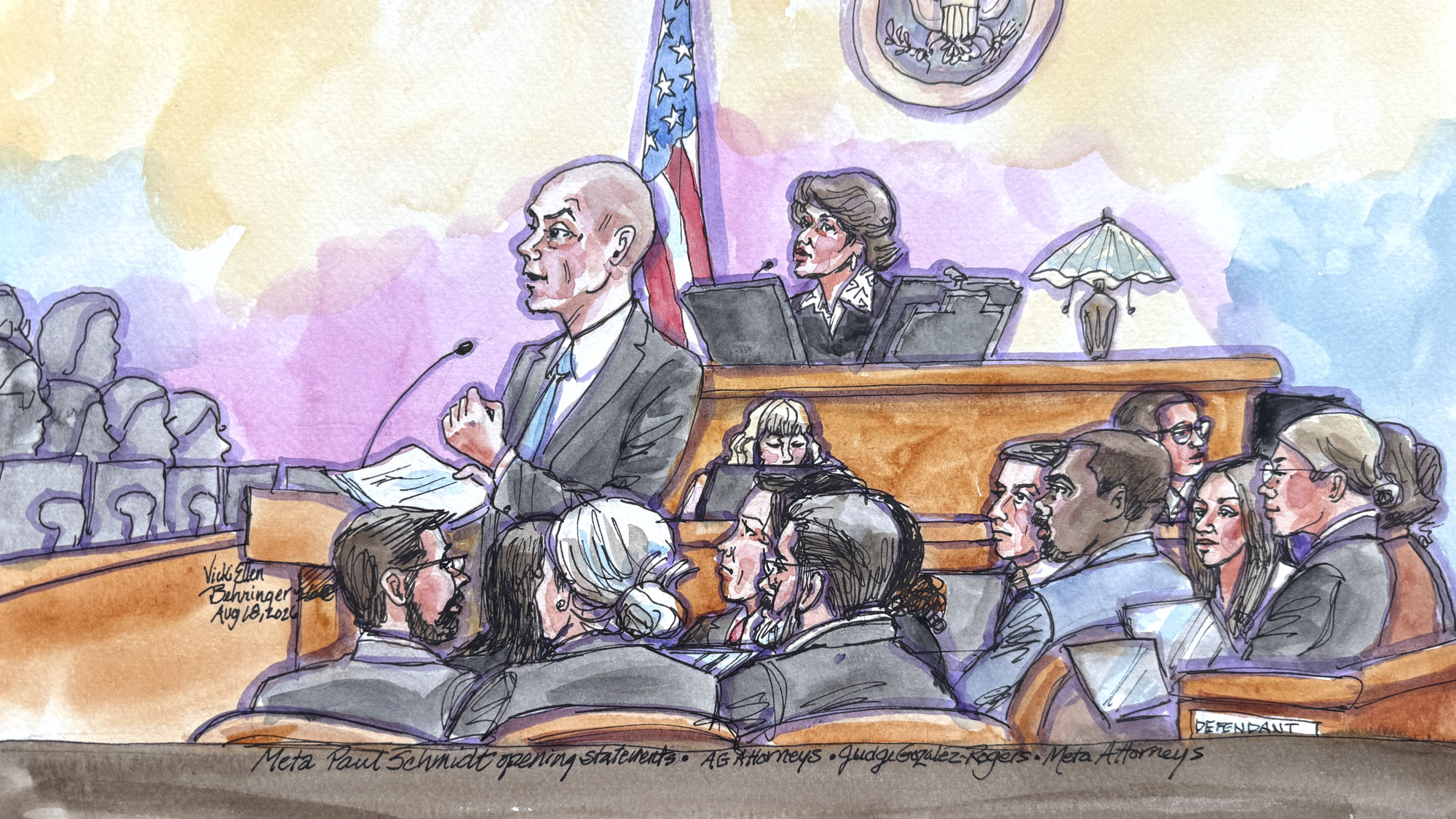
window.__INITIAL_STATE__={
"attachmentsReducer": {
"audio_0": {
"type": "attachments",
"id": "audio_0",
"imgSizes": {
"kqedFullSize": {
"file": "https://ww2.kqed.org/news/wp-content/themes/KQED-unified/img/audio_bgs/background0.jpg"
}
}
},
"audio_1": {
"type": "attachments",
"id": "audio_1",
"imgSizes": {
"kqedFullSize": {
"file": "https://ww2.kqed.org/news/wp-content/themes/KQED-unified/img/audio_bgs/background1.jpg"
}
}
},
"audio_2": {
"type": "attachments",
"id": "audio_2",
"imgSizes": {
"kqedFullSize": {
"file": "https://ww2.kqed.org/news/wp-content/themes/KQED-unified/img/audio_bgs/background2.jpg"
}
}
},
"audio_3": {
"type": "attachments",
"id": "audio_3",
"imgSizes": {
"kqedFullSize": {
"file": "https://ww2.kqed.org/news/wp-content/themes/KQED-unified/img/audio_bgs/background3.jpg"
}
}
},
"audio_4": {
"type": "attachments",
"id": "audio_4",
"imgSizes": {
"kqedFullSize": {
"file": "https://ww2.kqed.org/news/wp-content/themes/KQED-unified/img/audio_bgs/background4.jpg"
}
}
},
"placeholder": {
"type": "attachments",
"id": "placeholder",
"imgSizes": {
"thumbnail": {
"file": "https://cdn.kqed.org/wp-content/uploads/2024/12/KQED-Default-Image-816638274-2000x1333-1-160x107.jpg",
"width": 160,
"height": 107,
"mimeType": "image/jpeg"
},
"medium": {
"file": "https://cdn.kqed.org/wp-content/uploads/2024/12/KQED-Default-Image-816638274-2000x1333-1-800x533.jpg",
"width": 800,
"height": 533,
"mimeType": "image/jpeg"
},
"medium_large": {
"file": "https://cdn.kqed.org/wp-content/uploads/2024/12/KQED-Default-Image-816638274-2000x1333-1-768x512.jpg",
"width": 768,
"height": 512,
"mimeType": "image/jpeg"
},
"large": {
"file": "https://cdn.kqed.org/wp-content/uploads/2024/12/KQED-Default-Image-816638274-2000x1333-1-1020x680.jpg",
"width": 1020,
"height": 680,
"mimeType": "image/jpeg"
},
"1536x1536": {
"file": "https://cdn.kqed.org/wp-content/uploads/2024/12/KQED-Default-Image-816638274-2000x1333-1-1536x1024.jpg",
"width": 1536,
"height": 1024,
"mimeType": "image/jpeg"
},
"fd-lrg": {
"file": "https://cdn.kqed.org/wp-content/uploads/2024/12/KQED-Default-Image-816638274-2000x1333-1-1536x1024.jpg",
"width": 1536,
"height": 1024,
"mimeType": "image/jpeg"
},
"fd-med": {
"file": "https://cdn.kqed.org/wp-content/uploads/2024/12/KQED-Default-Image-816638274-2000x1333-1-1020x680.jpg",
"width": 1020,
"height": 680,
"mimeType": "image/jpeg"
},
"fd-sm": {
"file": "https://cdn.kqed.org/wp-content/uploads/2024/12/KQED-Default-Image-816638274-2000x1333-1-800x533.jpg",
"width": 800,
"height": 533,
"mimeType": "image/jpeg"
},
"post-thumbnail": {
"file": "https://cdn.kqed.org/wp-content/uploads/2024/12/KQED-Default-Image-816638274-2000x1333-1-672x372.jpg",
"width": 672,
"height": 372,
"mimeType": "image/jpeg"
},
"twentyfourteen-full-width": {
"file": "https://cdn.kqed.org/wp-content/uploads/2024/12/KQED-Default-Image-816638274-2000x1333-1-1038x576.jpg",
"width": 1038,
"height": 576,
"mimeType": "image/jpeg"
},
"xxsmall": {
"file": "https://cdn.kqed.org/wp-content/uploads/2024/12/KQED-Default-Image-816638274-2000x1333-1-160x107.jpg",
"width": 160,
"height": 107,
"mimeType": "image/jpeg"
},
"xsmall": {
"file": "https://cdn.kqed.org/wp-content/uploads/2024/12/KQED-Default-Image-816638274-2000x1333-1-672x372.jpg",
"width": 672,
"height": 372,
"mimeType": "image/jpeg"
},
"small": {
"file": "https://cdn.kqed.org/wp-content/uploads/2024/12/KQED-Default-Image-816638274-2000x1333-1-672x372.jpg",
"width": 672,
"height": 372,
"mimeType": "image/jpeg"
},
"xlarge": {
"file": "https://cdn.kqed.org/wp-content/uploads/2024/12/KQED-Default-Image-816638274-2000x1333-1-1020x680.jpg",
"width": 1020,
"height": 680,
"mimeType": "image/jpeg"
},
"full-width": {
"file": "https://cdn.kqed.org/wp-content/uploads/2024/12/KQED-Default-Image-816638274-2000x1333-1-1920x1280.jpg",
"width": 1920,
"height": 1280,
"mimeType": "image/jpeg"
},
"guest-author-32": {
"file": "https://cdn.kqed.org/wp-content/uploads/2025/01/KQED-Default-Image-816638274-1333x1333-1-160x160.jpg",
"width": 32,
"height": 32,
"mimeType": "image/jpeg"
},
"guest-author-50": {
"file": "https://cdn.kqed.org/wp-content/uploads/2025/01/KQED-Default-Image-816638274-1333x1333-1-160x160.jpg",
"width": 50,
"height": 50,
"mimeType": "image/jpeg"
},
"guest-author-64": {
"file": "https://cdn.kqed.org/wp-content/uploads/2025/01/KQED-Default-Image-816638274-1333x1333-1-160x160.jpg",
"width": 64,
"height": 64,
"mimeType": "image/jpeg"
},
"guest-author-96": {
"file": "https://cdn.kqed.org/wp-content/uploads/2025/01/KQED-Default-Image-816638274-1333x1333-1-160x160.jpg",
"width": 96,
"height": 96,
"mimeType": "image/jpeg"
},
"guest-author-128": {
"file": "https://cdn.kqed.org/wp-content/uploads/2025/01/KQED-Default-Image-816638274-1333x1333-1-160x160.jpg",
"width": 128,
"height": 128,
"mimeType": "image/jpeg"
},
"detail": {
"file": "https://cdn.kqed.org/wp-content/uploads/2025/01/KQED-Default-Image-816638274-1333x1333-1-160x160.jpg",
"width": 160,
"height": 160,
"mimeType": "image/jpeg"
},
"kqedFullSize": {
"file": "https://cdn.kqed.org/wp-content/uploads/2024/12/KQED-Default-Image-816638274-2000x1333-1.jpg",
"width": 2000,
"height": 1333
}
}
},
"news_12096688": {
"type": "attachments",
"id": "news_12096688",
"meta": {
"index": "attachments_1716263798",
"site": "news",
"id": "12096688",
"found": true
},
"title": "260825-METATRIALSKETCH1-VB-KQED",
"publishDate": 1787681163,
"status": "inherit",
"parent": 0,
"modified": 1787681263,
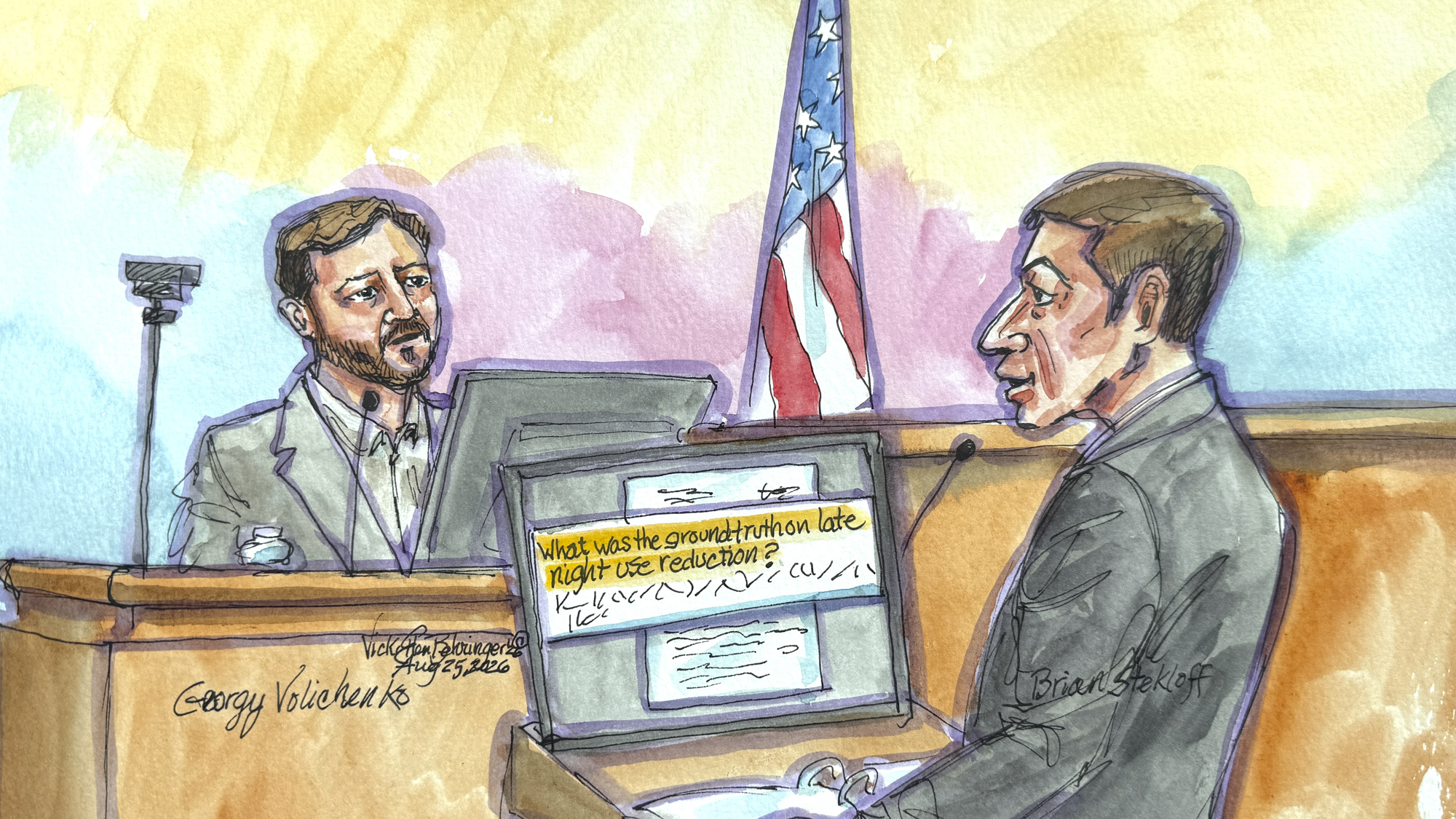
"caption": "Former Instagram employee Georgy Volichenko testifies in Oakland, California, on Aug. 25, 2026. The social media company settled for more than $17 billion over claims the platform was designed to hook children.",
"credit": "Vicki Behringer for KQED",
"altTag": null,
"description": null,
"imgSizes": {
"thumbnail": {
"file": "https://cdn.kqed.org/wp-content/uploads/sites/10/2026/08/260825-METATRIALSKETCH1-VB-KQED-160x90.jpg",
"width": 160,
"height": 90,
"mimeType": "image/jpeg"
},
"1536x1536": {
"file": "https://cdn.kqed.org/wp-content/uploads/sites/10/2026/08/260825-METATRIALSKETCH1-VB-KQED-1536x864.jpg",
"width": 1536,
"height": 864,
"mimeType": "image/jpeg"
},
"post-thumbnail": {
"file": "https://cdn.kqed.org/wp-content/uploads/sites/10/2026/08/260825-METATRIALSKETCH1-VB-KQED-672x372.jpg",
"width": 672,
"height": 372,
"mimeType": "image/jpeg"
},
"twentyfourteen-full-width": {
"file": "https://cdn.kqed.org/wp-content/uploads/sites/10/2026/08/260825-METATRIALSKETCH1-VB-KQED-1038x576.jpg",
"width": 1038,
"height": 576,
"mimeType": "image/jpeg"
},
"npr-cds-wide": {
"file": "https://cdn.kqed.org/wp-content/uploads/sites/10/2026/08/260825-METATRIALSKETCH1-VB-KQED-1200x675.jpg",
"width": 1200,
"height": 675,
"mimeType": "image/jpeg"
},
"npr-cds-square": {
"file": "https://cdn.kqed.org/wp-content/uploads/sites/10/2026/08/260825-METATRIALSKETCH1-VB-KQED-600x600.jpg",
"width": 600,
"height": 600,
"mimeType": "image/jpeg"
},
"kqedFullSize": {
"file": "https://cdn.kqed.org/wp-content/uploads/sites/10/2026/08/260825-METATRIALSKETCH1-VB-KQED.jpg",
"width": 2000,
"height": 1125
}
},
"isLoading": false,
"fetchFailed": false
},
"news_12096824": {
"type": "attachments",
"id": "news_12096824",
"meta": {
"index": "attachments_1716263798",
"site": "news",
"id": "12096824",
"found": true
},
"title": "GettyImages-2290506003",
"publishDate": 1787755513,
"status": "inherit",
"parent": 12096821,
"modified": 1788542018,
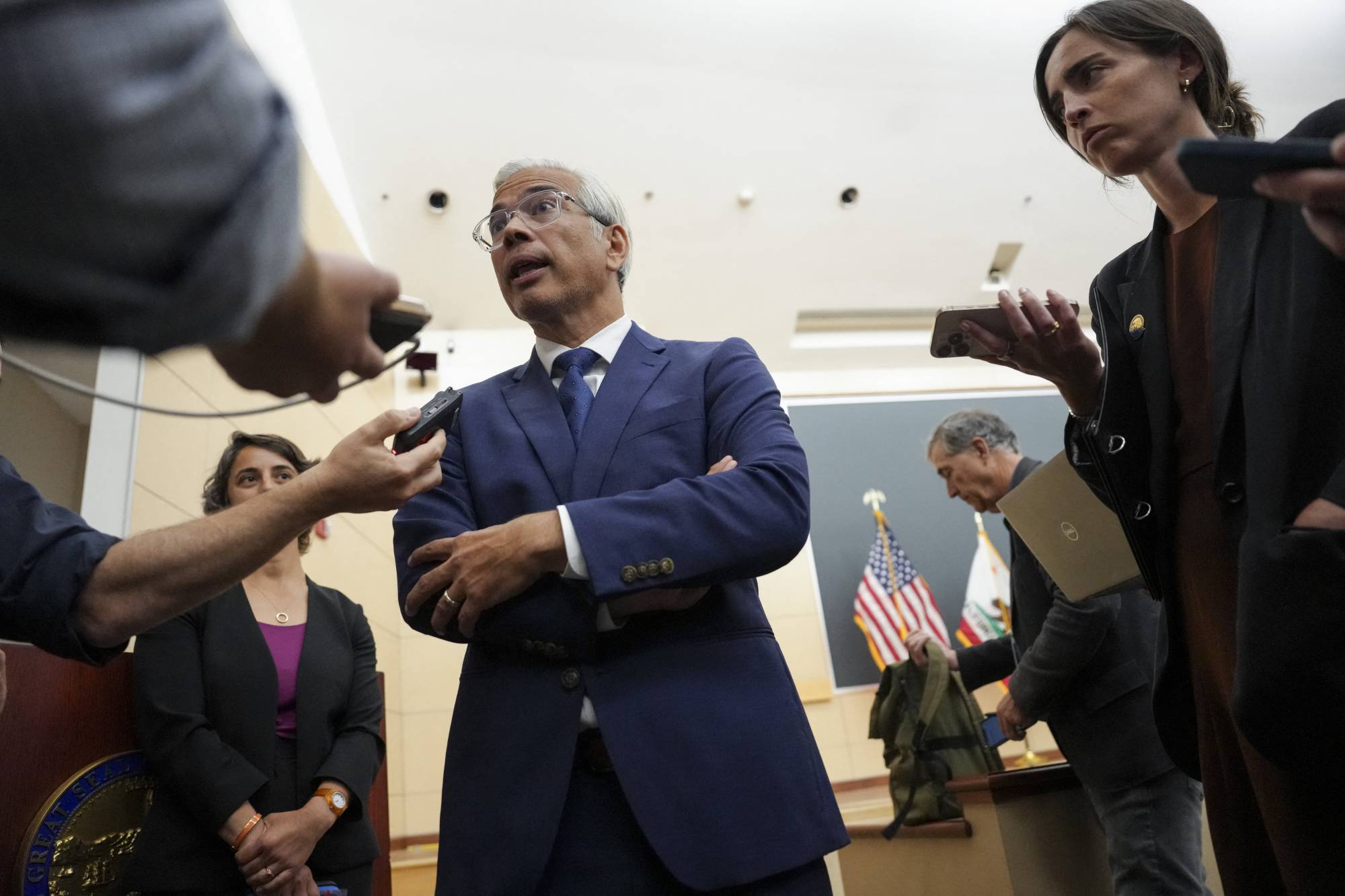
"caption": "California Attorney General Rob Bonta speaks to reporters at a press conference after opening arguments took place in the Meta trial over a lawsuit brought by U.S. states about social media addiction, at the Ronald V. Dellums Federal Building and U.S. Courthouse in Oakland, California, on Aug. 18, 2026. ",
"credit": "Godofredo A. Vasquez/AFP via Getty Images",
"altTag": null,
"description": null,
"imgSizes": {
"medium": {
"file": "https://cdn.kqed.org/wp-content/uploads/sites/10/2026/08/GettyImages-2290506003-1-2000x1333.jpg",
"width": 2000,
"height": 1333,
"mimeType": "image/jpeg"
},
"large": {
"file": "https://cdn.kqed.org/wp-content/uploads/sites/10/2026/08/GettyImages-2290506003-1-2000x1333.jpg",
"width": 2000,
"height": 1333,
"mimeType": "image/jpeg"
},
"thumbnail": {
"file": "https://cdn.kqed.org/wp-content/uploads/sites/10/2026/08/GettyImages-2290506003-1-160x107.jpg",
"width": 160,
"height": 107,
"mimeType": "image/jpeg"
},
"1536x1536": {
"file": "https://cdn.kqed.org/wp-content/uploads/sites/10/2026/08/GettyImages-2290506003-1-1536x1024.jpg",
"width": 1536,
"height": 1024,
"mimeType": "image/jpeg"
},
"2048x2048": {
"file": "https://cdn.kqed.org/wp-content/uploads/sites/10/2026/08/GettyImages-2290506003-1-2048x1365.jpg",
"width": 2048,
"height": 1365,
"mimeType": "image/jpeg"
},
"post-thumbnail": {
"file": "https://cdn.kqed.org/wp-content/uploads/sites/10/2026/08/GettyImages-2290506003-1-672x372.jpg",
"width": 672,
"height": 372,
"mimeType": "image/jpeg"
},
"twentyfourteen-full-width": {
"file": "https://cdn.kqed.org/wp-content/uploads/sites/10/2026/08/GettyImages-2290506003-1-1038x576.jpg",
"width": 1038,
"height": 576,
"mimeType": "image/jpeg"
},
"full-width": {
"file": "https://cdn.kqed.org/wp-content/uploads/sites/10/2026/08/GettyImages-2290506003-1-2000x1333.jpg",
"width": 2000,
"height": 1333,
"mimeType": "image/jpeg"
},
"npr-cds-wide": {
"file": "https://cdn.kqed.org/wp-content/uploads/sites/10/2026/08/GettyImages-2290506003-1-1200x675.jpg",
"width": 1200,
"height": 675,
"mimeType": "image/jpeg"
},
"npr-cds-square": {
"file": "https://cdn.kqed.org/wp-content/uploads/sites/10/2026/08/GettyImages-2290506003-1-600x600.jpg",
"width": 600,
"height": 600,
"mimeType": "image/jpeg"
},
"kqedFullSize": {
"file": "https://cdn.kqed.org/wp-content/uploads/sites/10/2026/08/GettyImages-2290506003-1-scaled-e1787755545663.jpg",
"width": 2000,
"height": 1334
}
},
"isLoading": false,
"fetchFailed": false
},
"news_12046794": {
"type": "attachments",
"id": "news_12046794",
"meta": {
"index": "attachments_1716263798",
"site": "news",
"id": "12046794",
"found": true
},
"title": "250702-OAKLAND POLICE DEPARTMENT-MD-01-KQED",
"publishDate": 1751463012,
"status": "inherit",
"parent": 0,
"modified": 1751463049,
"caption": "An Oakland Police Department Vehicle in Oakland on July 1, 2025.",
"credit": "Martin do Nascimento/KQED",
"altTag": null,
"description": null,
"imgSizes": {
"thumbnail": {
"file": "https://cdn.kqed.org/wp-content/uploads/sites/10/2025/07/250702-OAKLAND-POLICE-DEPARTMENT-MD-01-KQED-160x107.jpg",
"width": 160,
"height": 107,
"mimeType": "image/jpeg"
},
"1536x1536": {
"file": "https://cdn.kqed.org/wp-content/uploads/sites/10/2025/07/250702-OAKLAND-POLICE-DEPARTMENT-MD-01-KQED-1536x1025.jpg",
"width": 1536,
"height": 1025,
"mimeType": "image/jpeg"
},
"post-thumbnail": {
"file": "https://cdn.kqed.org/wp-content/uploads/sites/10/2025/07/250702-OAKLAND-POLICE-DEPARTMENT-MD-01-KQED-672x372.jpg",
"width": 672,
"height": 372,
"mimeType": "image/jpeg"
},
"twentyfourteen-full-width": {
"file": "https://cdn.kqed.org/wp-content/uploads/sites/10/2025/07/250702-OAKLAND-POLICE-DEPARTMENT-MD-01-KQED-1038x576.jpg",
"width": 1038,
"height": 576,
"mimeType": "image/jpeg"
},
"kqedFullSize": {
"file": "https://cdn.kqed.org/wp-content/uploads/sites/10/2025/07/250702-OAKLAND-POLICE-DEPARTMENT-MD-01-KQED.jpg",
"width": 2000,
"height": 1334
}
},
"isLoading": false,
"fetchFailed": false
},
"news_12096158": {
"type": "attachments",
"id": "news_12096158",
"meta": {
"index": "attachments_1716263798",
"site": "news",
"id": "12096158",
"found": true
},
"title": "Clipper-Card-Illustration-1_7",
"publishDate": 1787262623,
"status": "inherit",
"parent": 0,
"modified": 1787347449,
"caption": "Internal emails reviewed by KQED between the MTC and Cubic staff show that transit agency leaders and officials at the MTC had, for months, complained that Cubic was struggling to resolve persistent errors with the software, while Cubic staffers said MTC hadn't authorized the company to complete enough testing to ensure the system's success.",
"credit": "Darren Tu/KQED",
"altTag": null,
"description": null,
"imgSizes": {
"thumbnail": {
"file": "https://cdn.kqed.org/wp-content/uploads/sites/10/2026/08/Clipper-Card-Illustration-1_7-160x103.jpg",
"width": 160,
"height": 103,
"mimeType": "image/jpeg"
},
"1536x1536": {
"file": "https://cdn.kqed.org/wp-content/uploads/sites/10/2026/08/Clipper-Card-Illustration-1_7-1536x992.jpg",
"width": 1536,
"height": 992,
"mimeType": "image/jpeg"
},
"post-thumbnail": {
"file": "https://cdn.kqed.org/wp-content/uploads/sites/10/2026/08/Clipper-Card-Illustration-1_7-672x372.jpg",
"width": 672,
"height": 372,
"mimeType": "image/jpeg"
},
"twentyfourteen-full-width": {
"file": "https://cdn.kqed.org/wp-content/uploads/sites/10/2026/08/Clipper-Card-Illustration-1_7-1038x576.jpg",
"width": 1038,
"height": 576,
"mimeType": "image/jpeg"
},
"npr-cds-wide": {
"file": "https://cdn.kqed.org/wp-content/uploads/sites/10/2026/08/Clipper-Card-Illustration-1_7-1200x675.jpg",
"width": 1200,
"height": 675,
"mimeType": "image/jpeg"
},
"npr-cds-square": {
"file": "https://cdn.kqed.org/wp-content/uploads/sites/10/2026/08/Clipper-Card-Illustration-1_7-600x600.jpg",
"width": 600,
"height": 600,
"mimeType": "image/jpeg"
},
"kqedFullSize": {
"file": "https://cdn.kqed.org/wp-content/uploads/sites/10/2026/08/Clipper-Card-Illustration-1_7.jpg",
"width": 1920,
"height": 1240
}
},
"isLoading": false,
"fetchFailed": false
},
"news_12070839": {
"type": "attachments",
"id": "news_12070839",
"meta": {
"index": "attachments_1716263798",
"site": "news",
"id": "12070839",
"found": true
},
"title": "A speed camera at Broadway Ave. and 7th Street in Oakland on Jan. 22, 2026.",
"publishDate": 1769122384,
"status": "inherit",
"parent": 0,
"modified": 1787182264,
"caption": "A speed camera at Broadway Avenue and Seventh Street in Oakland on Jan. 22, 2026.",
"credit": "Martin do Nascimento/KQED",
"altTag": null,
"description": null,
"imgSizes": {
"thumbnail": {
"file": "https://cdn.kqed.org/wp-content/uploads/sites/10/2026/01/260122-OAKLAND-SPEED-CAMERAS-MD-02-KQED-160x107.jpg",
"width": 160,
"height": 107,
"mimeType": "image/jpeg"
},
"1536x1536": {
"file": "https://cdn.kqed.org/wp-content/uploads/sites/10/2026/01/260122-OAKLAND-SPEED-CAMERAS-MD-02-KQED-1536x1024.jpg",
"width": 1536,
"height": 1024,
"mimeType": "image/jpeg"
},
"post-thumbnail": {
"file": "https://cdn.kqed.org/wp-content/uploads/sites/10/2026/01/260122-OAKLAND-SPEED-CAMERAS-MD-02-KQED-672x372.jpg",
"width": 672,
"height": 372,
"mimeType": "image/jpeg"
},
"twentyfourteen-full-width": {
"file": "https://cdn.kqed.org/wp-content/uploads/sites/10/2026/01/260122-OAKLAND-SPEED-CAMERAS-MD-02-KQED-1038x576.jpg",
"width": 1038,
"height": 576,
"mimeType": "image/jpeg"
},
"npr-cds-wide": {
"file": "https://cdn.kqed.org/wp-content/uploads/sites/10/2026/01/260122-OAKLAND-SPEED-CAMERAS-MD-02-KQED-1200x675.jpg",
"width": 1200,
"height": 675,
"mimeType": "image/jpeg"
},
"kqedFullSize": {
"file": "https://cdn.kqed.org/wp-content/uploads/sites/10/2026/01/260122-OAKLAND-SPEED-CAMERAS-MD-02-KQED.jpg",
"width": 2000,
"height": 1333
}
},
"isLoading": false,
"fetchFailed": false
},
"news_12095995": {
"type": "attachments",
"id": "news_12095995",
"meta": {
"index": "attachments_1716263798",
"site": "news",
"id": "12095995",
"found": true
},
"title": "260819-MetaTrialSketch1_VB",
"publishDate": 1787162895,
"status": "inherit",
"parent": 0,
"modified": 1787179672,
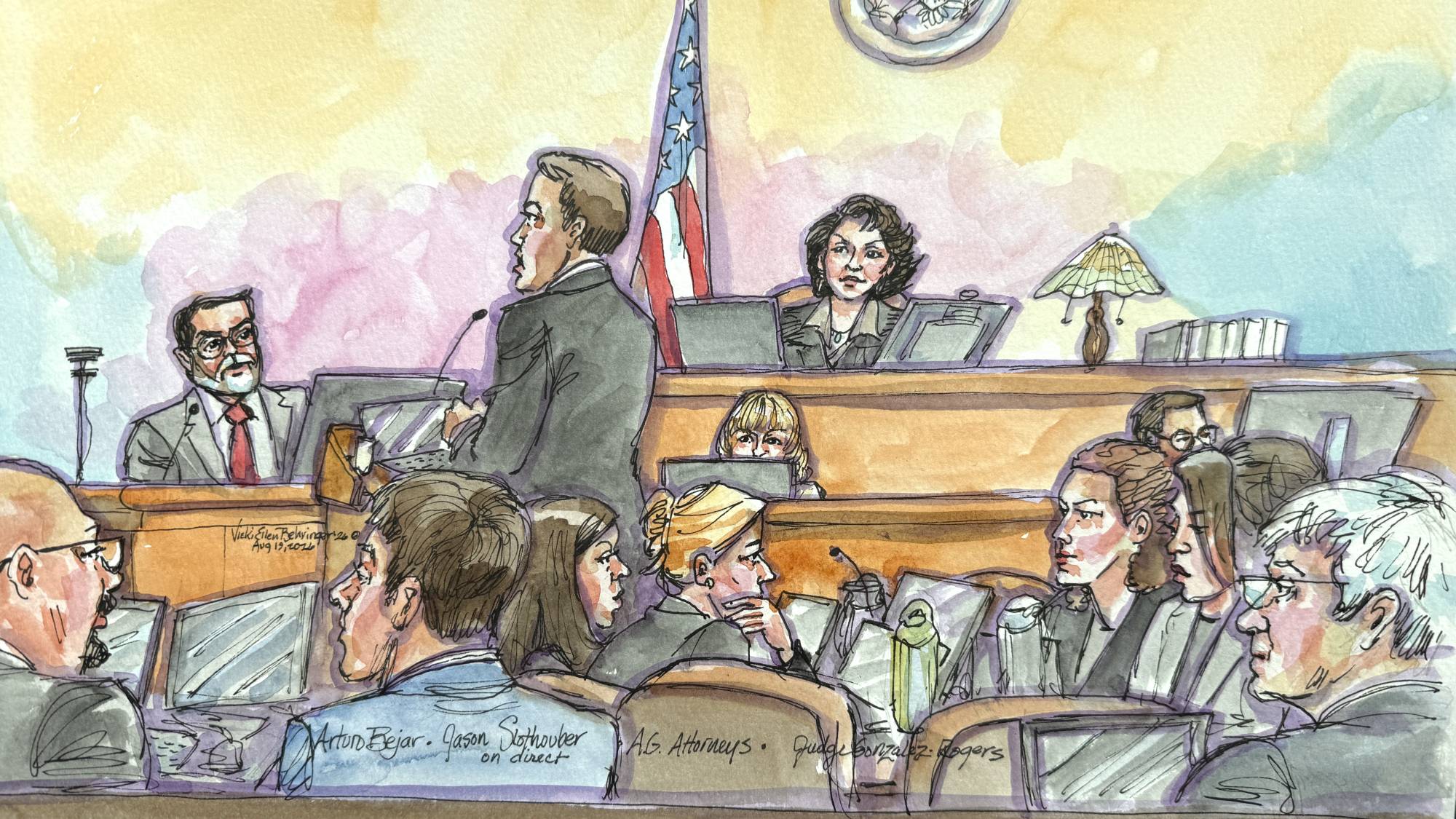
"caption": "Arturo Béjar, a former Meta staffer and whistleblower, testified in court in Oakland, California, on Wednesday, Aug. 19, 2026.",
"credit": "Vicki Behringer for KQED",
"altTag": null,
"description": null,
"imgSizes": {
"medium": {
"file": "https://cdn.kqed.org/wp-content/uploads/sites/10/2026/08/260819-MetaTrialSketch1_VB-2000x1125.jpg",
"width": 2000,
"height": 1125,
"mimeType": "image/jpeg"
},
"large": {
"file": "https://cdn.kqed.org/wp-content/uploads/sites/10/2026/08/260819-MetaTrialSketch1_VB-2000x1125.jpg",
"width": 2000,
"height": 1125,
"mimeType": "image/jpeg"
},
"thumbnail": {
"file": "https://cdn.kqed.org/wp-content/uploads/sites/10/2026/08/260819-MetaTrialSketch1_VB-160x90.jpg",
"width": 160,
"height": 90,
"mimeType": "image/jpeg"
},
"1536x1536": {
"file": "https://cdn.kqed.org/wp-content/uploads/sites/10/2026/08/260819-MetaTrialSketch1_VB-1536x864.jpg",
"width": 1536,
"height": 864,
"mimeType": "image/jpeg"
},
"2048x2048": {
"file": "https://cdn.kqed.org/wp-content/uploads/sites/10/2026/08/260819-MetaTrialSketch1_VB-2048x1152.jpg",
"width": 2048,
"height": 1152,
"mimeType": "image/jpeg"
},
"post-thumbnail": {
"file": "https://cdn.kqed.org/wp-content/uploads/sites/10/2026/08/260819-MetaTrialSketch1_VB-672x372.jpg",
"width": 672,
"height": 372,
"mimeType": "image/jpeg"
},
"twentyfourteen-full-width": {
"file": "https://cdn.kqed.org/wp-content/uploads/sites/10/2026/08/260819-MetaTrialSketch1_VB-1038x576.jpg",
"width": 1038,
"height": 576,
"mimeType": "image/jpeg"
},
"full-width": {
"file": "https://cdn.kqed.org/wp-content/uploads/sites/10/2026/08/260819-MetaTrialSketch1_VB-2000x1125.jpg",
"width": 2000,
"height": 1125,
"mimeType": "image/jpeg"
},
"npr-cds-wide": {
"file": "https://cdn.kqed.org/wp-content/uploads/sites/10/2026/08/260819-MetaTrialSketch1_VB-1200x675.jpg",
"width": 1200,
"height": 675,
"mimeType": "image/jpeg"
},
"npr-cds-square": {
"file": "https://cdn.kqed.org/wp-content/uploads/sites/10/2026/08/260819-MetaTrialSketch1_VB-600x600.jpg",
"width": 600,
"height": 600,
"mimeType": "image/jpeg"
},
"kqedFullSize": {
"file": "https://cdn.kqed.org/wp-content/uploads/sites/10/2026/08/260819-MetaTrialSketch1_VB-scaled.jpg",
"width": 2560,
"height": 1440
}
},
"isLoading": false,
"fetchFailed": false
},
"news_12095836": {
"type": "attachments",
"id": "news_12095836",
"meta": {
"index": "attachments_1716263798",
"site": "news",
"id": "12095836",
"found": true
},
"title": "MetaTrialSketch2_VB-KQED",
"publishDate": 1787084065,
"status": "inherit",
"parent": 0,
"modified": 1787094453,
"caption": "Meta's lead attorney Paul Schmidt delivers his opening statements for Meta on Aug. 18, 2026, in Oakland. Schmidt told the court that the company doesn’t deny that “some teens struggle to manage their time on social media,\" and some people “post negative things.”",
"credit": "Vicki Behringer for KQED",
"altTag": null,
"description": null,
"imgSizes": {
"thumbnail": {
"file": "https://cdn.kqed.org/wp-content/uploads/sites/10/2026/08/MetaTrialSketch2_VB-KQED-160x90.jpg",
"width": 160,
"height": 90,
"mimeType": "image/jpeg"
},
"1536x1536": {
"file": "https://cdn.kqed.org/wp-content/uploads/sites/10/2026/08/MetaTrialSketch2_VB-KQED-1536x864.jpg",
"width": 1536,
"height": 864,
"mimeType": "image/jpeg"
},
"post-thumbnail": {
"file": "https://cdn.kqed.org/wp-content/uploads/sites/10/2026/08/MetaTrialSketch2_VB-KQED-672x372.jpg",
"width": 672,
"height": 372,
"mimeType": "image/jpeg"
},
"twentyfourteen-full-width": {
"file": "https://cdn.kqed.org/wp-content/uploads/sites/10/2026/08/MetaTrialSketch2_VB-KQED-1038x576.jpg",
"width": 1038,
"height": 576,
"mimeType": "image/jpeg"
},
"npr-cds-wide": {
"file": "https://cdn.kqed.org/wp-content/uploads/sites/10/2026/08/MetaTrialSketch2_VB-KQED-1200x675.jpg",
"width": 1200,
"height": 675,
"mimeType": "image/jpeg"
},
"npr-cds-square": {
"file": "https://cdn.kqed.org/wp-content/uploads/sites/10/2026/08/MetaTrialSketch2_VB-KQED-600x600.jpg",
"width": 600,
"height": 600,
"mimeType": "image/jpeg"
},
"kqedFullSize": {
"file": "https://cdn.kqed.org/wp-content/uploads/sites/10/2026/08/MetaTrialSketch2_VB-KQED.jpg",
"width": 2000,
"height": 1125
}
},
"isLoading": false,
"fetchFailed": false
},
"news_11737625": {
"type": "attachments",
"id": "news_11737625",
"meta": {
"index": "attachments_1716263798",
"site": "news",
"id": "11737625",
"found": true
},
"parent": 11737575,
"imgSizes": {
"post-thumbnail": {
"file": "https://ww2.kqed.org/app/uploads/sites/10/2019/04/1110181710a_HDR-672x372.jpg",
"width": 672,
"mimeType": "image/jpeg",
"height": 372
},
"kqedFullSize": {
"file": "https://ww2.kqed.org/app/uploads/sites/10/2019/04/1110181710a_HDR.jpg",
"width": 2048,
"height": 1152
},
"guest-author-50": {
"file": "https://ww2.kqed.org/app/uploads/sites/10/2019/04/1110181710a_HDR-50x50.jpg",
"width": 50,
"mimeType": "image/jpeg",
"height": 50
},
"guest-author-96": {
"file": "https://ww2.kqed.org/app/uploads/sites/10/2019/04/1110181710a_HDR-96x96.jpg",
"width": 96,
"mimeType": "image/jpeg",
"height": 96
},
"apple_news_ca_portrait_12_9": {
"file": "https://ww2.kqed.org/app/uploads/sites/10/2019/04/1110181710a_HDR-1122x1496.jpg",
"width": 1122,
"mimeType": "image/jpeg",
"height": 1496
},
"medium": {
"file": "https://ww2.kqed.org/app/uploads/sites/10/2019/04/1110181710a_HDR-800x450.jpg",
"width": 800,
"mimeType": "image/jpeg",
"height": 450
},
"guest-author-32": {
"file": "https://ww2.kqed.org/app/uploads/sites/10/2019/04/1110181710a_HDR-32x32.jpg",
"width": 32,
"mimeType": "image/jpeg",
"height": 32
},
"apple_news_ca_portrait_9_7": {
"file": "https://ww2.kqed.org/app/uploads/sites/10/2019/04/1110181710a_HDR-840x1120.jpg",
"width": 840,
"mimeType": "image/jpeg",
"height": 1120
},
"apple_news_ca_square_9_7": {
"file": "https://ww2.kqed.org/app/uploads/sites/10/2019/04/1110181710a_HDR-1104x1104.jpg",
"width": 1104,
"mimeType": "image/jpeg",
"height": 1104
},
"apple_news_ca_portrait_4_7": {
"file": "https://ww2.kqed.org/app/uploads/sites/10/2019/04/1110181710a_HDR-414x552.jpg",
"width": 414,
"mimeType": "image/jpeg",
"height": 552
},
"apple_news_ca_square_12_9": {
"file": "https://ww2.kqed.org/app/uploads/sites/10/2019/04/1110181710a_HDR-1472x1472.jpg",
"width": 1472,
"mimeType": "image/jpeg",
"height": 1472
},
"apple_news_ca_portrait_5_5": {
"file": "https://ww2.kqed.org/app/uploads/sites/10/2019/04/1110181710a_HDR-687x916.jpg",
"width": 687,
"mimeType": "image/jpeg",
"height": 916
},
"apple_news_ca_square_4_7": {
"file": "https://ww2.kqed.org/app/uploads/sites/10/2019/04/1110181710a_HDR-550x550.jpg",
"width": 550,
"mimeType": "image/jpeg",
"height": 550
},
"apple_news_ca_square_5_5": {
"file": "https://ww2.kqed.org/app/uploads/sites/10/2019/04/1110181710a_HDR-912x912.jpg",
"width": 912,
"mimeType": "image/jpeg",
"height": 912
},
"apple_news_ca_landscape_5_5": {
"file": "https://ww2.kqed.org/app/uploads/sites/10/2019/04/1110181710a_HDR-1044x783.jpg",
"width": 1044,
"mimeType": "image/jpeg",
"height": 783
},
"apple_news_ca_square_4_0": {
"file": "https://ww2.kqed.org/app/uploads/sites/10/2019/04/1110181710a_HDR-470x470.jpg",
"width": 470,
"mimeType": "image/jpeg",
"height": 470
},
"twentyfourteen-full-width": {
"file": "https://ww2.kqed.org/app/uploads/sites/10/2019/04/1110181710a_HDR-1038x576.jpg",
"width": 1038,
"mimeType": "image/jpeg",
"height": 576
},
"thumbnail": {
"file": "https://ww2.kqed.org/app/uploads/sites/10/2019/04/1110181710a_HDR-160x90.jpg",
"width": 160,
"mimeType": "image/jpeg",
"height": 90
},
"apple_news_ca_landscape_4_7": {
"file": "https://ww2.kqed.org/app/uploads/sites/10/2019/04/1110181710a_HDR-632x474.jpg",
"width": 632,
"mimeType": "image/jpeg",
"height": 474
},
"large": {
"file": "https://ww2.kqed.org/app/uploads/sites/10/2019/04/1110181710a_HDR-1020x574.jpg",
"width": 1020,
"mimeType": "image/jpeg",
"height": 574
},
"complete_open_graph": {
"file": "https://ww2.kqed.org/app/uploads/sites/10/2019/04/1110181710a_HDR-1200x675.jpg",
"width": 1200,
"mimeType": "image/jpeg",
"height": 675
},
"apple_news_ca_landscape_4_0": {
"file": "https://ww2.kqed.org/app/uploads/sites/10/2019/04/1110181710a_HDR-536x402.jpg",
"width": 536,
"mimeType": "image/jpeg",
"height": 402
},
"guest-author-64": {
"file": "https://ww2.kqed.org/app/uploads/sites/10/2019/04/1110181710a_HDR-64x64.jpg",
"width": 64,
"mimeType": "image/jpeg",
"height": 64
},
"apple_news_ca_portrait_4_0": {
"file": "https://ww2.kqed.org/app/uploads/sites/10/2019/04/1110181710a_HDR-354x472.jpg",
"width": 354,
"mimeType": "image/jpeg",
"height": 472
},
"apple_news_ca_landscape_12_9": {
"file": "https://ww2.kqed.org/app/uploads/sites/10/2019/04/1110181710a_HDR-1832x1374.jpg",
"width": 1832,
"mimeType": "image/jpeg",
"height": 1374
},
"full-width": {
"file": "https://ww2.kqed.org/app/uploads/sites/10/2019/04/1110181710a_HDR-1920x1080.jpg",
"width": 1920,
"mimeType": "image/jpeg",
"height": 1080
},
"guest-author-128": {
"file": "https://ww2.kqed.org/app/uploads/sites/10/2019/04/1110181710a_HDR-128x128.jpg",
"width": 128,
"mimeType": "image/jpeg",
"height": 128
},
"apple_news_ca_landscape_9_7": {
"file": "https://ww2.kqed.org/app/uploads/sites/10/2019/04/1110181710a_HDR-1376x1032.jpg",
"width": 1376,
"mimeType": "image/jpeg",
"height": 1032
}
},
"publishDate": 1554329382,
"modified": 1554329437,
"caption": "Oakland librarian, Dorothy Lazard, points out Oakland's various annexations.",
"description": "Oakland librarian, Dorothy Lazard, points out Oakland's various annexations.",
"title": "1110181710a_HDR",
"credit": "Chris Hambrick/KQED",
"status": "inherit",
"isLoading": false,
"fetchFailed": false
},
"news_12084344": {
"type": "attachments",
"id": "news_12084344",
"meta": {
"index": "attachments_1716263798",
"site": "news",
"id": "12084344",
"found": true
},
"title": "Downtown Oakland Drone Views",
"publishDate": 1779218442,
"status": "inherit",
"parent": 12084243,
"modified": 1779218470,
"caption": "A view of downtown and Lake Merritt are seen from this drone view in Oakland, Calif., on Thursday, Nov. 21, 2019. ",
"credit": "Jane Tyska/Digital First Media/The East Bay Times via Getty Images",
"altTag": null,
"description": null,
"imgSizes": {
"thumbnail": {
"file": "https://cdn.kqed.org/wp-content/uploads/sites/10/2026/05/GettyImages-1190533331-160x97.jpg",
"width": 160,
"height": 97,
"mimeType": "image/jpeg"
},
"1536x1536": {
"file": "https://cdn.kqed.org/wp-content/uploads/sites/10/2026/05/GettyImages-1190533331-1536x935.jpg",
"width": 1536,
"height": 935,
"mimeType": "image/jpeg"
},
"post-thumbnail": {
"file": "https://cdn.kqed.org/wp-content/uploads/sites/10/2026/05/GettyImages-1190533331-672x372.jpg",
"width": 672,
"height": 372,
"mimeType": "image/jpeg"
},
"twentyfourteen-full-width": {
"file": "https://cdn.kqed.org/wp-content/uploads/sites/10/2026/05/GettyImages-1190533331-1038x576.jpg",
"width": 1038,
"height": 576,
"mimeType": "image/jpeg"
},
"npr-cds-wide": {
"file": "https://cdn.kqed.org/wp-content/uploads/sites/10/2026/05/GettyImages-1190533331-1200x675.jpg",
"width": 1200,
"height": 675,
"mimeType": "image/jpeg"
},
"npr-cds-square": {
"file": "https://cdn.kqed.org/wp-content/uploads/sites/10/2026/05/GettyImages-1190533331-600x600.jpg",
"width": 600,
"height": 600,
"mimeType": "image/jpeg"
},
"kqedFullSize": {
"file": "https://cdn.kqed.org/wp-content/uploads/sites/10/2026/05/GettyImages-1190533331.jpg",
"width": 1980,
"height": 1205
}
},
"isLoading": false,
"fetchFailed": false
},
"news_12095475": {
"type": "attachments",
"id": "news_12095475",
"meta": {
"index": "attachments_1716263798",
"site": "news",
"id": "12095475",
"found": true
},
"title": "OAK Data Center",
"publishDate": 1786823066,
"status": "inherit",
"parent": 12095308,
"modified": 1786832236,
"caption": "The location of a proposed data center at 415 20th St. in Oakland on Aug. 14, 2026. ",
"credit": "Juan Carlos Lara/KQED",
"altTag": null,
"description": null,
"imgSizes": {
"thumbnail": {
"file": "https://cdn.kqed.org/wp-content/uploads/sites/10/2026/08/OAK-Data-Center-160x107.jpg",
"width": 160,
"height": 107,
"mimeType": "image/jpeg"
},
"1536x1536": {
"file": "https://cdn.kqed.org/wp-content/uploads/sites/10/2026/08/OAK-Data-Center-1536x1024.jpg",
"width": 1536,
"height": 1024,
"mimeType": "image/jpeg"
},
"post-thumbnail": {
"file": "https://cdn.kqed.org/wp-content/uploads/sites/10/2026/08/OAK-Data-Center-672x372.jpg",
"width": 672,
"height": 372,
"mimeType": "image/jpeg"
},
"twentyfourteen-full-width": {
"file": "https://cdn.kqed.org/wp-content/uploads/sites/10/2026/08/OAK-Data-Center-1038x576.jpg",
"width": 1038,
"height": 576,
"mimeType": "image/jpeg"
},
"npr-cds-wide": {
"file": "https://cdn.kqed.org/wp-content/uploads/sites/10/2026/08/OAK-Data-Center-1200x675.jpg",
"width": 1200,
"height": 675,
"mimeType": "image/jpeg"
},
"npr-cds-square": {
"file": "https://cdn.kqed.org/wp-content/uploads/sites/10/2026/08/OAK-Data-Center-600x600.jpg",
"width": 600,
"height": 600,
"mimeType": "image/jpeg"
},
"kqedFullSize": {
"file": "https://cdn.kqed.org/wp-content/uploads/sites/10/2026/08/OAK-Data-Center.jpg",
"width": 2000,
"height": 1333
}
},
"isLoading": false,
"fetchFailed": false
},
"news_12095131": {
"type": "attachments",
"id": "news_12095131",
"meta": {
"index": "attachments_1716263798",
"site": "news",
"id": "12095131",
"found": true
},
"title": "260813-OAK LANDLORD SUIT-MD-05-KQED",
"publishDate": 1786644543,
"status": "inherit",
"parent": 0,
"modified": 1786651671,
"caption": "Kathy Vaquilar stands outside the La Peralta building, where she lives, in Oakland on Aug. 13, 2026.",
"credit": "Martin do Nascimento/KQED",
"altTag": null,
"description": null,
"imgSizes": {
"thumbnail": {
"file": "https://cdn.kqed.org/wp-content/uploads/sites/10/2026/08/260813-OAK-LANDLORD-SUIT-MD-05-KQED-160x107.jpg",
"width": 160,
"height": 107,
"mimeType": "image/jpeg"
},
"1536x1536": {
"file": "https://cdn.kqed.org/wp-content/uploads/sites/10/2026/08/260813-OAK-LANDLORD-SUIT-MD-05-KQED-1536x1025.jpg",
"width": 1536,
"height": 1025,
"mimeType": "image/jpeg"
},
"post-thumbnail": {
"file": "https://cdn.kqed.org/wp-content/uploads/sites/10/2026/08/260813-OAK-LANDLORD-SUIT-MD-05-KQED-672x372.jpg",
"width": 672,
"height": 372,
"mimeType": "image/jpeg"
},
"twentyfourteen-full-width": {
"file": "https://cdn.kqed.org/wp-content/uploads/sites/10/2026/08/260813-OAK-LANDLORD-SUIT-MD-05-KQED-1038x576.jpg",
"width": 1038,
"height": 576,
"mimeType": "image/jpeg"
},
"npr-cds-wide": {
"file": "https://cdn.kqed.org/wp-content/uploads/sites/10/2026/08/260813-OAK-LANDLORD-SUIT-MD-05-KQED-1200x675.jpg",
"width": 1200,
"height": 675,
"mimeType": "image/jpeg"
},
"npr-cds-square": {
"file": "https://cdn.kqed.org/wp-content/uploads/sites/10/2026/08/260813-OAK-LANDLORD-SUIT-MD-05-KQED-600x600.jpg",
"width": 600,
"height": 600,
"mimeType": "image/jpeg"
},
"kqedFullSize": {
"file": "https://cdn.kqed.org/wp-content/uploads/sites/10/2026/08/260813-OAK-LANDLORD-SUIT-MD-05-KQED.jpg",
"width": 2000,
"height": 1334
}
},
"isLoading": false,
"fetchFailed": false
},
"news_11992169": {
"type": "attachments",
"id": "news_11992169",
"meta": {
"index": "attachments_1716263798",
"site": "news",
"id": "11992169",
"found": true
},
"title": "SFChronicleVirusDaily",
"publishDate": 1719445125,
"status": "inherit",
"parent": 11992073,
"modified": 1786748730,
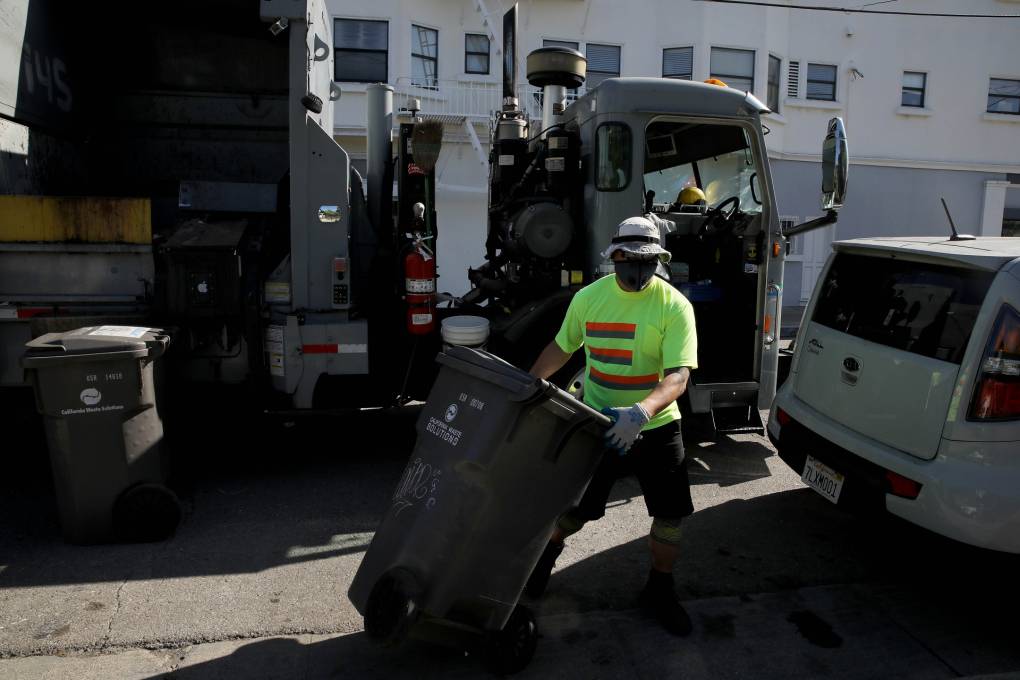
"caption": "A California Waste Solutions worker empties recycling bins in the Rockridge neighborhood on April 22, 2020, in Oakland, California. A campaign finance investigation into the city’s curbside recycling contractor has received renewed attention since the FBI raids.",
"credit": "Yalonda M. James/The San Francisco Chronicle via Getty Images",
"altTag": null,
"description": null,
"imgSizes": {
"medium": {
"file": "https://cdn.kqed.org/wp-content/uploads/sites/10/2024/06/CalWasteSolutionsWorker01-800x533.jpg",
"width": 800,
"height": 533,
"mimeType": "image/jpeg"
},
"large": {
"file": "https://cdn.kqed.org/wp-content/uploads/sites/10/2024/06/CalWasteSolutionsWorker01-1020x680.jpg",
"width": 1020,
"height": 680,
"mimeType": "image/jpeg"
},
"thumbnail": {
"file": "https://cdn.kqed.org/wp-content/uploads/sites/10/2024/06/CalWasteSolutionsWorker01-160x107.jpg",
"width": 160,
"height": 107,
"mimeType": "image/jpeg"
},
"1536x1536": {
"file": "https://cdn.kqed.org/wp-content/uploads/sites/10/2024/06/CalWasteSolutionsWorker01-1536x1024.jpg",
"width": 1536,
"height": 1024,
"mimeType": "image/jpeg"
},
"post-thumbnail": {
"file": "https://cdn.kqed.org/wp-content/uploads/sites/10/2024/06/CalWasteSolutionsWorker01-672x372.jpg",
"width": 672,
"height": 372,
"mimeType": "image/jpeg"
},
"twentyfourteen-full-width": {
"file": "https://cdn.kqed.org/wp-content/uploads/sites/10/2024/06/CalWasteSolutionsWorker01-1038x576.jpg",
"width": 1038,
"height": 576,
"mimeType": "image/jpeg"
},
"kqedFullSize": {
"file": "https://cdn.kqed.org/wp-content/uploads/sites/10/2024/06/CalWasteSolutionsWorker01.jpg",
"width": 1920,
"height": 1280
}
},
"isLoading": false,
"fetchFailed": false
}
},
"audioPlayerReducer": {
"postId": "stream_live",
"isPaused": true,
"isPlaying": false,
"pfsActive": false,
"pledgeModalIsOpen": true,
"playerDrawerIsOpen": false,
"liveAudioPlayStartedAt": 0,
"liveAudioPlayContext": ""
},
"authorsReducer": {
"byline_news_12096821": {
"type": "authors",
"id": "byline_news_12096821",
"meta": {
"override": true
},
"slug": "byline_news_12096821",
"name": "John Ruwitch",
"isLoading": false
},
"rachael-myrow": {
"type": "authors",
"id": "251",
"meta": {
"index": "authors_1716337520",
"id": "251",
"found": true
},
"name": "Rachael Myrow",
"firstName": "Rachael",
"lastName": "Myrow",
"slug": "rachael-myrow",
"email": "rmyrow@kqed.org",
"display_author_email": true,
"staff_mastheads": [
"news"
],
"title": "Senior Editor of KQED's Silicon Valley News Desk",
"bio": "• I write and edit stories about how Silicon Valley power and policies shape everyday life in California. I’m also passionate about making Bay Area history and culture more accessible to a broad public. • I’ve been a journalist for most of my life, starting in high school with The Franklin Press in Los Angeles, where I grew up. While earning my first degree in English at UC Berkeley, I got my start in public radio at KALX-FM. After completing a second degree in journalism at Cal, I landed my first professional job at Marketplace, then moved on to KPCC (now LAist), and then KQED, where I hosted The California Report for more than seven years. • My reporting has appeared on NPR, The World, WBUR’s \u003ci>Here & Now\u003c/i>, and the BBC. I also guest host for KQED’s \u003ci>Forum\u003c/i>, as well as the Commonwealth Club in San Francisco. • I speak periodically on media, democracy and technology issues, and do voiceover work for documentaries and educational video projects. • Outside of the studio, you'll find me hiking Bay Area trails and whipping up Insta-ready meals in my kitchen. • I do not accept gifts, money, or favors from anyone connected to my reporting, I don't pay people for information, and I do not support or donate to political causes. • I strive to treat the people I report on with fairness, honesty, and respect. I also recognize there are often multiple sides to a story and work to verify information through multiple sources and documentation. If I get something wrong, I correct it.",
"avatar": "https://secure.gravatar.com/avatar/3ed8a3c5f26025e4a805ba634cda8cd764906b97438a6d9ce216b044e340da4e?s=600&d=blank&r=g",
"twitter": "rachaelmyrow",
"bluesky": null,
"facebook": null,
"instagram": null,
"linkedin": "https://www.linkedin.com/in/rachaelmyrow/",
"sites": [
{
"site": "arts",
"roles": [
"administrator"
]
},
{
"site": "news",
"roles": [
"edit_others_posts",
"editor"
]
},
{
"site": "futureofyou",
"roles": [
"editor"
]
},
{
"site": "bayareabites",
"roles": [
"editor"
]
},
{
"site": "stateofhealth",
"roles": [
"editor"
]
},
{
"site": "science",
"roles": [
"editor"
]
},
{
"site": "food",
"roles": [
"editor"
]
},
{
"site": "forum",
"roles": [
"editor"
]
},
{
"site": "liveblog",
"roles": [
"author"
]
}
],
"headData": {
"title": "Rachael Myrow | KQED",
"description": "Senior Editor of KQED's Silicon Valley News Desk",
"ogImgSrc": "https://secure.gravatar.com/avatar/3ed8a3c5f26025e4a805ba634cda8cd764906b97438a6d9ce216b044e340da4e?s=600&d=blank&r=g",
"twImgSrc": "https://secure.gravatar.com/avatar/3ed8a3c5f26025e4a805ba634cda8cd764906b97438a6d9ce216b044e340da4e?s=600&d=blank&r=g"
},
"isLoading": false,
"link": "/author/rachael-myrow"
},
"ecruzguevarra": {
"type": "authors",
"id": "8654",
"meta": {
"index": "authors_1716337520",
"id": "8654",
"found": true
},
"name": "Ericka Cruz Guevarra",
"firstName": "Ericka",
"lastName": "Cruz Guevarra",
"slug": "ecruzguevarra",
"email": "ecruzguevarra@kqed.org",
"display_author_email": true,
"staff_mastheads": [
"news"
],
"title": "Producer, The Bay Podcast",
"bio": "Ericka Cruz Guevarra is host of \u003ca href=\"https://www.kqed.org/podcasts/thebay\">\u003cem>The Bay\u003c/em>\u003c/a> podcast at KQED. Before host, she was the show’s producer. Her work in that capacity includes a three-part reported series on policing in Vallejo, which won a 2020 excellence in journalism award from the Society of Professional Journalists. Ericka has worked as a breaking news reporter at Oregon Public Broadcasting, helped produce the Code Switch podcast, and was KQED’s inaugural Raul Ramirez Diversity Fund intern. She’s also an alumna of NPR’s Next Generation Radio program. Send her an email if you have strong feelings about whether Fairfield and Suisun City are the Bay. Ericka is represented by SAG-AFTRA.",
"avatar": "https://secure.gravatar.com/avatar/accefc1de4bafc7e234b69bcb9b6f6536c130fd84709bc3069ef11a78787e1bb?s=600&d=blank&r=g",
"twitter": "NotoriousECG",
"bluesky": null,
"facebook": null,
"instagram": null,
"linkedin": null,
"sites": [
{
"site": "arts",
"roles": [
"subscriber"
]
},
{
"site": "news",
"roles": [
"editor",
"manage_categories"
]
},
{
"site": "futureofyou",
"roles": [
"subscriber"
]
},
{
"site": "stateofhealth",
"roles": [
"subscriber"
]
},
{
"site": "science",
"roles": [
"editor"
]
},
{
"site": "forum",
"roles": [
"subscriber"
]
}
],
"headData": {
"title": "Ericka Cruz Guevarra | KQED",
"description": "Producer, The Bay Podcast",
"ogImgSrc": "https://secure.gravatar.com/avatar/accefc1de4bafc7e234b69bcb9b6f6536c130fd84709bc3069ef11a78787e1bb?s=600&d=blank&r=g",
"twImgSrc": "https://secure.gravatar.com/avatar/accefc1de4bafc7e234b69bcb9b6f6536c130fd84709bc3069ef11a78787e1bb?s=600&d=blank&r=g"
},
"isLoading": false,
"link": "/author/ecruzguevarra"
},
"jlara": {
"type": "authors",
"id": "11761",
"meta": {
"index": "authors_1716337520",
"id": "11761",
"found": true
},
"name": "Juan Carlos Lara",
"firstName": "Juan Carlos",
"lastName": "Lara",
"slug": "jlara",
"email": "jlara@kqed.org",
"display_author_email": false,
"staff_mastheads": [],
"title": "KQED Contributor",
"bio": null,
"avatar": "https://secure.gravatar.com/avatar/19e2052b9b05657c5ff2af2121846e9c?s=600&d=blank&r=g",
"twitter": null,
"facebook": null,
"instagram": null,
"linkedin": null,
"sites": [
{
"site": "arts",
"roles": [
"editor"
]
},
{
"site": "news",
"roles": [
"editor"
]
},
{
"site": "forum",
"roles": [
"editor"
]
},
{
"site": "liveblog",
"roles": [
"contributor"
]
}
],
"headData": {
"title": "Juan Carlos Lara | KQED",
"description": "KQED Contributor",
"ogImgSrc": "https://secure.gravatar.com/avatar/19e2052b9b05657c5ff2af2121846e9c?s=600&d=blank&r=g",
"twImgSrc": "https://secure.gravatar.com/avatar/19e2052b9b05657c5ff2af2121846e9c?s=600&d=blank&r=g"
},
"isLoading": false,
"link": "/author/jlara"
},
"adahlstromeckman": {
"type": "authors",
"id": "11785",
"meta": {
"index": "authors_1716337520",
"id": "11785",
"found": true
},
"name": "Azul Dahlstrom-Eckman",
"firstName": "Azul",
"lastName": "Dahlstrom-Eckman",
"slug": "adahlstromeckman",
"email": "adahlstrom-eckman@kqed.org",
"display_author_email": true,
"staff_mastheads": [],
"title": "Reporter",
"bio": "Azul is a reporter for KQED focusing on transportation and features. He joined KQED in 2021 as an alumna of KALW's Audio Academy radio journalism training program.",
"avatar": "https://secure.gravatar.com/avatar/9cb750298435add7815a777f55bf1f46845c1386bb8452555c60a7b820b5aba3?s=600&d=blank&r=g",
"twitter": "@zuliemann",
"bluesky": "@azul415.bsky.social",
"facebook": null,
"instagram": null,
"linkedin": null,
"sites": [
{
"site": "arts",
"roles": [
"editor"
]
},
{
"site": "news",
"roles": [
"editor"
]
},
{
"site": "science",
"roles": [
"editor"
]
},
{
"site": "liveblog",
"roles": [
"author"
]
}
],
"headData": {
"title": "Azul Dahlstrom-Eckman | KQED",
"description": "Reporter",
"ogImgSrc": "https://secure.gravatar.com/avatar/9cb750298435add7815a777f55bf1f46845c1386bb8452555c60a7b820b5aba3?s=600&d=blank&r=g",
"twImgSrc": "https://secure.gravatar.com/avatar/9cb750298435add7815a777f55bf1f46845c1386bb8452555c60a7b820b5aba3?s=600&d=blank&r=g"
},
"isLoading": false,
"link": "/author/adahlstromeckman"
},
"chambrick": {
"type": "authors",
"id": "11832",
"meta": {
"index": "authors_1716337520",
"id": "11832",
"found": true
},
"name": "Chris Hambrick",
"firstName": "Chris",
"lastName": "Hambrick",
"slug": "chambrick",
"email": "chambrick@kqed.org",
"display_author_email": false,
"staff_mastheads": [],
"title": "KQED Contributor",
"bio": null,
"avatar": "https://secure.gravatar.com/avatar/23cb83888bc440645af5d36d0d1909e8ecb6cef21f2fdb96abf9a55495bb19d8?s=600&d=blank&r=g",
"twitter": null,
"bluesky": null,
"facebook": null,
"instagram": null,
"linkedin": null,
"sites": [
{
"site": "",
"roles": [
"editor"
]
},
{
"site": "arts",
"roles": [
"editor"
]
},
{
"site": "news",
"roles": [
"editor"
]
},
{
"site": "podcasts",
"roles": [
"editor"
]
}
],
"headData": {
"title": "Chris Hambrick | KQED",
"description": "KQED Contributor",
"ogImgSrc": "https://secure.gravatar.com/avatar/23cb83888bc440645af5d36d0d1909e8ecb6cef21f2fdb96abf9a55495bb19d8?s=600&d=blank&r=g",
"twImgSrc": "https://secure.gravatar.com/avatar/23cb83888bc440645af5d36d0d1909e8ecb6cef21f2fdb96abf9a55495bb19d8?s=600&d=blank&r=g"
},
"isLoading": false,
"link": "/author/chambrick"
},
"jgeha": {
"type": "authors",
"id": "11906",
"meta": {
"index": "authors_1716337520",
"id": "11906",
"found": true
},
"name": "Joseph Geha",
"firstName": "Joseph",
"lastName": "Geha",
"slug": "jgeha",
"email": "jgeha@kqed.org",
"display_author_email": false,
"staff_mastheads": [
"news",
"science"
],
"title": "KQED Contributor",
"bio": null,
"avatar": "https://secure.gravatar.com/avatar/ea84d2b6dd93d6369d453edf19dd583f117cd1759d2d9c9c92f9de77017354fe?s=600&d=blank&r=g",
"twitter": null,
"bluesky": null,
"facebook": null,
"instagram": null,
"linkedin": null,
"sites": [
{
"site": "news",
"roles": [
"editor"
]
},
{
"site": "liveblog",
"roles": [
"author"
]
}
],
"headData": {
"title": "Joseph Geha | KQED",
"description": "KQED Contributor",
"ogImgSrc": "https://secure.gravatar.com/avatar/ea84d2b6dd93d6369d453edf19dd583f117cd1759d2d9c9c92f9de77017354fe?s=600&d=blank&r=g",
"twImgSrc": "https://secure.gravatar.com/avatar/ea84d2b6dd93d6369d453edf19dd583f117cd1759d2d9c9c92f9de77017354fe?s=600&d=blank&r=g"
},
"isLoading": false,
"link": "/author/jgeha"
},
"kdebenedetti": {
"type": "authors",
"id": "11913",
"meta": {
"index": "authors_1716337520",
"id": "11913",
"found": true
},
"name": "Katie DeBenedetti",
"firstName": "Katie",
"lastName": "DeBenedetti",
"slug": "kdebenedetti",
"email": "kdebenedetti@kqed.org",
"display_author_email": false,
"staff_mastheads": [
"news",
"science"
],
"title": "KQED Contributor",
"bio": "Katie DeBenedetti is a digital reporter covering daily news for the Express Desk. Prior to joining KQED as a culture reporting intern in January 2024, she covered education and city government for the Napa Valley Register.",
"avatar": "https://secure.gravatar.com/avatar/6e31073cb8f7e4214ab03f42771d0f45?s=600&d=blank&r=g",
"twitter": null,
"facebook": null,
"instagram": null,
"linkedin": null,
"sites": [
{
"site": "news",
"roles": [
"author"
]
},
{
"site": "science",
"roles": [
"author"
]
},
{
"site": "liveblog",
"roles": [
"author"
]
}
],
"headData": {
"title": "Katie DeBenedetti | KQED",
"description": "KQED Contributor",
"ogImgSrc": "https://secure.gravatar.com/avatar/6e31073cb8f7e4214ab03f42771d0f45?s=600&d=blank&r=g",
"twImgSrc": "https://secure.gravatar.com/avatar/6e31073cb8f7e4214ab03f42771d0f45?s=600&d=blank&r=g"
},
"isLoading": false,
"link": "/author/kdebenedetti"
},
"skennedy": {
"type": "authors",
"id": "11935",
"meta": {
"index": "authors_1716337520",
"id": "11935",
"found": true
},
"name": "Samantha Kennedy",
"firstName": "Samantha",
"lastName": "Kennedy",
"slug": "skennedy",
"email": "SKennedy@kqed.org",
"display_author_email": false,
"staff_mastheads": [],
"title": "KQED Contributor",
"bio": null,
"avatar": "https://secure.gravatar.com/avatar/adc7b14bf1e801793202a156ecc864d4ad505b0fd63162a2f3da0e5ba57222d0?s=600&d=blank&r=g",
"twitter": null,
"bluesky": null,
"facebook": null,
"instagram": null,
"linkedin": null,
"sites": [
{
"site": "arts",
"roles": [
"author"
]
},
{
"site": "news",
"roles": [
"editor"
]
},
{
"site": "science",
"roles": [
"editor"
]
}
],
"headData": {
"title": "Samantha Kennedy | KQED",
"description": "KQED Contributor",
"ogImgSrc": "https://secure.gravatar.com/avatar/adc7b14bf1e801793202a156ecc864d4ad505b0fd63162a2f3da0e5ba57222d0?s=600&d=blank&r=g",
"twImgSrc": "https://secure.gravatar.com/avatar/adc7b14bf1e801793202a156ecc864d4ad505b0fd63162a2f3da0e5ba57222d0?s=600&d=blank&r=g"
},
"isLoading": false,
"link": "/author/skennedy"
}
},
"pagesReducer": {
"news_tag_oakland": {
"type": "terms",
"id": "news_34054",
"meta": {
"index": "terms_1716263798",
"site": "news",
"id": "34054",
"score": 6.8670506
},
"featImg": null,
"name": "oakland",
"description": null,
"taxonomy": "tag",
"headData": {
"twImgId": null,
"twTitle": null,
"ogTitle": null,
"ogImgId": null,
"twDescription": null,
"description": null,
"title": "oakland Archives | KQED News",
"ogDescription": null
},
"ttid": 34071,
"slug": "oakland",
"isLoading": false,
"title": "oakland",
"pageMeta": {
"site": "news",
"WpPageTemplate": "page-topic-editorial",
"currentPage": 2
},
"blocks": [
{
"blockName": "kqed/post-list",
"attrs": {
"layout": "cardArticle2",
"query": "posts/news?tag=oakland",
"seeMore": false,
"paginated": true,
"page": 2
}
},
{
"blockName": "kqed/ad"
}
]
}
},
"pfsSessionReducer": {},
"postsReducer": {
"stream_live": {
"type": "live",
"id": "stream_live",
"audioUrl": "https://streams.kqed.org/kqedradio",
"title": "Live Stream",
"excerpt": "Live Stream information currently unavailable.",
"link": "/radio",
"featImg": "",
"label": {
"name": "KQED Live",
"link": "/"
}
},
"stream_kqedNewscast": {
"type": "posts",
"id": "stream_kqedNewscast",
"audioUrl": "https://www.kqed.org/.stream/anon/radio/RDnews/newscast.mp3?_=1",
"title": "KQED Newscast",
"featImg": "",
"label": {
"name": "88.5 FM",
"link": "/"
}
},
"news_12096647": {
"type": "posts",
"id": "news_12096647",
"meta": {
"index": "posts_1716263798",
"site": "news",
"id": "12096647",
"score": null,
"sort": [
1787772931000
]
},
"guestAuthors": [],
"slug": "why-metas-landmark-settlement-could-be-social-medias-big-tobacco-moment",
"title": "Why Meta’s Landmark Settlement Could Be Social Media’s ‘Big Tobacco Moment’",
"publishDate": 1787772931,
"format": "standard",
"headTitle": "Why Meta’s Landmark Settlement Could Be Social Media’s ‘Big Tobacco Moment’ | KQED",
"labelTerm": {
"site": "news"
},
"content": "\n\u003cp>Meta’s \u003ca href=\"https://www.kqed.org/news/12096821/meta-states-agree-to-17-billion-settlement-in-child-safety-trial\">landmark child safety settlement\u003c/a> with 47 states, the District of Columbia and U.S. territories on Wednesday could set a new industry standard for teen tech protections, potentially reshaping how young people interact with social media. \u003c/p>\n\n\n\n\u003cp>California Attorney General Rob Bonta warned other tech titans, including TikTok, Snap and YouTube, that the settlement creates what he called an “enforceable blueprint” for states.\u003c/p>\n\n\n\n\u003cp>“We expect that other members of the industry … will adhere to essentially a similar set of remedies and protections for kids,” Bonta said during a press conference on Wednesday morning. “Whether we do that through litigation, through conversation and resolution, is really up to the other members of the industry.”\u003c/p>\n\n\n\n\u003cp>The settlement agreement between Meta and the bipartisan coalition of states and territories was approved by federal district Judge Yvonne Gonzalez Rogers on Wednesday, halting the \u003ca href=\"https://www.kqed.org/news/12096121/she-died-by-design-meta-on-trial-over-child-safety\">ongoing child safety trial\u003c/a> led by California, Colorado, Kentucky and New Jersey. The states, on behalf of a larger coalition of 29, have accused the company of knowingly designing its products in ways that could harm children.\u003c/p>\n\n\n\n\u003cfigure class=\"wp-block-image size-full\">\u003cimg loading=\"lazy\" decoding=\"async\" width=\"2560\" height=\"1440\" src=\"https://cdn.kqed.org/wp-content/uploads/sites/10/2026/08/260819-MetaTrialSketch3_VB-scaled.jpg\" alt=\"\" class=\"wp-image-12096038\" srcset=\"https://cdn.kqed.org/wp-content/uploads/sites/10/2026/08/260819-MetaTrialSketch3_VB-scaled.jpg 2560w, https://cdn.kqed.org/wp-content/uploads/sites/10/2026/08/260819-MetaTrialSketch3_VB-2000x1125.jpg 2000w, https://cdn.kqed.org/wp-content/uploads/sites/10/2026/08/260819-MetaTrialSketch3_VB-160x90.jpg 160w, https://cdn.kqed.org/wp-content/uploads/sites/10/2026/08/260819-MetaTrialSketch3_VB-1536x864.jpg 1536w, https://cdn.kqed.org/wp-content/uploads/sites/10/2026/08/260819-MetaTrialSketch3_VB-2048x1152.jpg 2048w, https://cdn.kqed.org/wp-content/uploads/sites/10/2026/08/260819-MetaTrialSketch3_VB-1200x675.jpg 1200w\" sizes=\"auto, (max-width: 2560px) 100vw, 2560px\" />\u003cfigcaption class=\"wp-element-caption\">Chris Lewis, commissioner of consumer and senior protection of the Kentucky Attorney General’s Office, cross-examines psychology professor Jean Twenge on Aug. 19, 2026, in an Oakland courtroom. (Vicki Behringer for KQED)\u003c/figcaption>\u003c/figure>\n\n\n\n\u003cp>The settlement requires Meta to make significant changes to its Instagram and Facebook platforms and pay more than $17 billion in financial penalties to states over the next decade. It resolves a number of other pending state lawsuits against Meta, but \u003ca href=\"https://www.kqed.org/news/12095583/meta-hooked-kids-federal-trial-against-tech-giant-kicks-off-in-oakland\">thousands of other cases\u003c/a> filed by individuals and school districts will continue.\u003c/p>\n\n\n\n\u003cp>“We have secured the changes we were after,” Bonta said of the settlement. “I don’t think we compromised on anything here.”\u003c/p>\n\n\n\n\u003cp>Over the next six months, Meta will be required to institute a default daily time limit of two hours for users under 18, a nighttime block between midnight and 6 a.m. and a notification block overnight and during school hours. Those default settings can only be changed by a parent, and some would be expanded if other social media companies commit to similar terms.\u003c/p>\n\n\n\n\u003cp>Their apps will also ban displaying the number of likes or reactions that users under 18 get on their posts, and ban image filters that imitate cosmetic procedures for those users. \u003c/p>\n\n\n\n\n\n\u003cp>Meta also committed to creating enhanced parent supervision tools, instituting more robust measures to detect users’ ages and bringing on an independent auditor “with expansive access to information and resources, regular reporting and the right to communicate concerns to the attorneys general.”\u003c/p>\n\n\n\n\u003cp>“This is a really strong down payment on protecting our kids,” Bonta said. “It is transformative. It is a watershed moment.”\u003c/p>\n\n\n\n\u003cp>Marin resident Victoria Hinks, whose daughter Alexandra, nicknamed Owl, died by suicide at 16 after she said she was exposed to harmful content on social media, supported the settlement.\u003c/p>\n\n\n\n\u003cp>Outside the courthouse on Wednesday morning, she said that while the final dollar amount Meta will have to pay states doesn’t come close to the $1.4 trillion they initially sought, the $17.1 billion figure “is meaningful.”\u003c/p>\n\n\n\n\u003cp>“It’s not about the money — no amount of money is ever going to bring my daughter back,” she said. “But unfortunately, it’s the only language they understand, and it needs to hurt a little bit for them to make changes so that it doesn’t happen again.”\u003c/p>\n\n\n\n\u003cp>California expects to receive upward of $2 billion in total, which Bonta said would be used for efforts addressing social media-related mental health issues, addictive tendencies and learning loss.\u003c/p>\n\n\n\n\u003cfigure class=\"wp-block-image size-full\">\u003cimg loading=\"lazy\" decoding=\"async\" width=\"2000\" height=\"1125\" src=\"https://cdn.kqed.org/wp-content/uploads/sites/10/2026/08/MetaTrialSketch2_VB-KQED.jpg\" alt=\"\" class=\"wp-image-12095836\" srcset=\"https://cdn.kqed.org/wp-content/uploads/sites/10/2026/08/MetaTrialSketch2_VB-KQED.jpg 2000w, https://cdn.kqed.org/wp-content/uploads/sites/10/2026/08/MetaTrialSketch2_VB-KQED-160x90.jpg 160w, https://cdn.kqed.org/wp-content/uploads/sites/10/2026/08/MetaTrialSketch2_VB-KQED-1536x864.jpg 1536w, https://cdn.kqed.org/wp-content/uploads/sites/10/2026/08/MetaTrialSketch2_VB-KQED-1200x675.jpg 1200w\" sizes=\"auto, (max-width: 2000px) 100vw, 2000px\" />\u003cfigcaption class=\"wp-element-caption\">Meta’s lead attorney Paul Schmidt delivers his opening statements for Meta on Aug. 18, 2026, in Oakland. Schmidt told the court that the company doesn’t deny that “some teens struggle to manage their time on social media,” and some people “post negative things.” (Vicki Behringer for KQED)\u003c/figcaption>\u003c/figure>\n\n\n\n\u003cp>In a statement, Meta’s chief legal officer C.J. Mahoney said the settlement would create a “new set of rules governing teens’ use of social media” — if other social media companies follow suit. \u003c/p>\n\n\n\n\u003cp>“Because teens move fluidly across dozens of apps, we need an industry-wide solution,” Mahoney said. “We therefore call on our industry peers, TikTok and YouTube, to implement this new framework, right away.”\u003c/p>\n\n\n\n\u003cp>Google, which operates YouTube, Snap and TikTok, did not immediately respond to requests for comment about whether they plan to consider making similar changes.\u003c/p>\n\n\n\n\u003cp>California and 14 attorneys general have a \u003ca href=\"https://oag.ca.gov/news/press-releases/attorney-general-bonta-attorney-general-james-lead-coalition-suing-tiktok\">pending lawsuit\u003c/a> against TikTok over child safety dangers, and Bonta said his office is “very concerned” about YouTube. Pennsylvania’s attorney general on Tuesday \u003ca href=\"https://whyy.org/articles/snapchat-sued-pennsylvania-attorney-general/\">announced a similar lawsuit against Snap\u003c/a>, which operates Snapchat.\u003c/p>\n\n\n\n\u003cfigure class=\"wp-block-image size-full\">\u003cimg loading=\"lazy\" decoding=\"async\" width=\"2000\" height=\"1334\" src=\"https://cdn.kqed.org/wp-content/uploads/sites/10/2026/08/GettyImages-2290506003-1-scaled-e1787755545663.jpg\" alt=\"\" class=\"wp-image-12096824\" />\u003cfigcaption class=\"wp-element-caption\">California Attorney General Rob Bonta speaks to reporters at a press conference after opening arguments took place in the Meta trial over a lawsuit brought by U.S. states about social media addiction at the Ronald V. Dellums Federal Building and United States Courthouse in Oakland, California, on Aug. 18, 2026. (Godofredo A. Vasquez/AFP via Getty Images)\u003c/figcaption>\u003c/figure>\n\n\n\n\u003cp>“We have a lawsuit against TikTok. We’re gonna be putting more time and attention and focus on that,” Bonta said. “With the momentum that we’ve built, the success that we have secured here, we will be focusing on the rest of the industry.”\u003c/p>\n\n\n\n\u003cp>Wednesday’s deal followed days of what Bonta called “devastating” testimony for Meta from former employees, social media and mental health experts and, on Tuesday, Instagram chief Adam Mosseri.\u003c/p>\n\n\n\n\u003cp>On the stand, state lawyers showed Mosseri internal emails and documents that suggested Meta knowingly left information out of presentations and documents shared with him and other top executives at the request of company attorneys, who worried about exposing them to “litigation risk.”\u003c/p>\n\n\n\n\n\n\u003cp>Mosseri defended the company’s decision to reduce the number of employees with access to internal research after the \u003cem>Wall Street Journal\u003c/em>’s \u003ca href=\"https://www.wsj.com/articles/the-facebook-files-11631713039\">“Facebook Files”\u003c/a> exposed a bevy of Meta documents showing the platform had flaws that caused harm, but state attorneys questioned why lawyers, not product designers or researchers, would have had final say over what information was deemed important to bring to executives. \u003c/p>\n\n\n\n\u003cp>“It’s telling that Meta settled midway through Instagram president Adam Mosseri’s testimony, and before CEO Mark Zuckerberg could take the stand,” Bonta said.\u003c/p>\n\n\n\n\u003cp>Jim Steyer, the founder of San Francisco-based research and advocacy nonprofit Common Sense Media, called the settlement “social media’s ‘Big Tobacco moment.’”\u003c/p>\n\n\n\n\u003cp>Still, he said, the work of state justice departments and advocates moving forward will be to “stay vigilant” about enforcement.\u003c/p>\n\n\n\n\u003cp>“These are major step forwards,” he said. “My guess is you will see additional legislation and potentially legal action to add further restrictions to the behavior of platforms like Facebook and Instagram, which have been the biggest offenders.\u003c/p>\n\n\n\n\u003cp>“But this is an ongoing battle,” he said.\u003c/p>\n",
"blocks": [
{
"blockName": "core/paragraph",
"attrs": {
"dropCap": false
},
"innerHTML": "\n\u003cp>Meta’s \u003ca href=\"https://www.kqed.org/news/12096821/meta-states-agree-to-17-billion-settlement-in-child-safety-trial\">landmark child safety settlement\u003c/a> with 47 states, the District of Columbia and U.S. territories on Wednesday could set a new industry standard for teen tech protections, potentially reshaping how young people interact with social media. \u003c/p>\n",
"innerContent": [
"\n\u003cp>Meta’s \u003ca href=\"https://www.kqed.org/news/12096821/meta-states-agree-to-17-billion-settlement-in-child-safety-trial\">landmark child safety settlement\u003c/a> with 47 states, the District of Columbia and U.S. territories on Wednesday could set a new industry standard for teen tech protections, potentially reshaping how young people interact with social media. \u003c/p>\n"
],
"innerBlocks": []
},
{
"blockName": "core/paragraph",
"attrs": {
"dropCap": false
},
"innerHTML": "\n\u003cp>California Attorney General Rob Bonta warned other tech titans, including TikTok, Snap and YouTube, that the settlement creates what he called an “enforceable blueprint” for states.\u003c/p>\n",
"innerContent": [
"\n\u003cp>California Attorney General Rob Bonta warned other tech titans, including TikTok, Snap and YouTube, that the settlement creates what he called an “enforceable blueprint” for states.\u003c/p>\n"
],
"innerBlocks": []
},
{
"blockName": "core/paragraph",
"attrs": {
"dropCap": false
},
"innerHTML": "\n\u003cp>“We expect that other members of the industry … will adhere to essentially a similar set of remedies and protections for kids,” Bonta said during a press conference on Wednesday morning. “Whether we do that through litigation, through conversation and resolution, is really up to the other members of the industry.”\u003c/p>\n",
"innerContent": [
"\n\u003cp>“We expect that other members of the industry … will adhere to essentially a similar set of remedies and protections for kids,” Bonta said during a press conference on Wednesday morning. “Whether we do that through litigation, through conversation and resolution, is really up to the other members of the industry.”\u003c/p>\n"
],
"innerBlocks": []
},
{
"blockName": "core/paragraph",
"attrs": {
"dropCap": false
},
"innerHTML": "\n\u003cp>The settlement agreement between Meta and the bipartisan coalition of states and territories was approved by federal district Judge Yvonne Gonzalez Rogers on Wednesday, halting the \u003ca href=\"https://www.kqed.org/news/12096121/she-died-by-design-meta-on-trial-over-child-safety\">ongoing child safety trial\u003c/a> led by California, Colorado, Kentucky and New Jersey. The states, on behalf of a larger coalition of 29, have accused the company of knowingly designing its products in ways that could harm children.\u003c/p>\n",
"innerContent": [
"\n\u003cp>The settlement agreement between Meta and the bipartisan coalition of states and territories was approved by federal district Judge Yvonne Gonzalez Rogers on Wednesday, halting the \u003ca href=\"https://www.kqed.org/news/12096121/she-died-by-design-meta-on-trial-over-child-safety\">ongoing child safety trial\u003c/a> led by California, Colorado, Kentucky and New Jersey. The states, on behalf of a larger coalition of 29, have accused the company of knowingly designing its products in ways that could harm children.\u003c/p>\n"
],
"innerBlocks": []
},
{
"blockName": "core/image",
"attrs": {
"id": 12096038,
"sizeSlug": "full",
"linkDestination": "none",
"alt": "",
"srcset": "https://cdn.kqed.org/wp-content/uploads/sites/10/2026/08/260819-MetaTrialSketch3_VB-scaled.jpg 2560w, https://cdn.kqed.org/wp-content/uploads/sites/10/2026/08/260819-MetaTrialSketch3_VB-2000x1125.jpg 2000w, https://cdn.kqed.org/wp-content/uploads/sites/10/2026/08/260819-MetaTrialSketch3_VB-160x90.jpg 160w, https://cdn.kqed.org/wp-content/uploads/sites/10/2026/08/260819-MetaTrialSketch3_VB-1536x864.jpg 1536w, https://cdn.kqed.org/wp-content/uploads/sites/10/2026/08/260819-MetaTrialSketch3_VB-2048x1152.jpg 2048w, https://cdn.kqed.org/wp-content/uploads/sites/10/2026/08/260819-MetaTrialSketch3_VB-1200x675.jpg 1200w",
"sizes": "(min-width: 992px) min(100vw, 1536px), (min-width: 768px) min(100vw, 1280px), min(100vw, 1020px)"
},
"innerHTML": "\n\u003cfigure class=\"wp-block-image size-full\">\u003cimg src=\"https://cdn.kqed.org/wp-content/uploads/sites/10/2026/08/260819-MetaTrialSketch3_VB-scaled.jpg\" alt=\"\" class=\"wp-image-12096038\" srcset=\"https://cdn.kqed.org/wp-content/uploads/sites/10/2026/08/260819-MetaTrialSketch3_VB-scaled.jpg 2560w, https://cdn.kqed.org/wp-content/uploads/sites/10/2026/08/260819-MetaTrialSketch3_VB-2000x1125.jpg 2000w, https://cdn.kqed.org/wp-content/uploads/sites/10/2026/08/260819-MetaTrialSketch3_VB-160x90.jpg 160w, https://cdn.kqed.org/wp-content/uploads/sites/10/2026/08/260819-MetaTrialSketch3_VB-1536x864.jpg 1536w, https://cdn.kqed.org/wp-content/uploads/sites/10/2026/08/260819-MetaTrialSketch3_VB-2048x1152.jpg 2048w, https://cdn.kqed.org/wp-content/uploads/sites/10/2026/08/260819-MetaTrialSketch3_VB-1200x675.jpg 1200w\" sizes=\"(min-width: 992px) min(100vw, 1536px), (min-width: 768px) min(100vw, 1280px), min(100vw, 1020px)\" />\u003cfigcaption class=\"wp-element-caption\">Chris Lewis, commissioner of consumer and senior protection of the Kentucky Attorney General’s Office, cross-examines psychology professor Jean Twenge on Aug. 19, 2026, in an Oakland courtroom.\u003ccite class=\"wp-inline-image-credit\"> (Vicki Behringer for KQED)\u003c/cite>\u003c/figcaption>\u003c/figure>\n",
"innerContent": [
"\n\u003cfigure class=\"wp-block-image size-full\">\u003cimg src=\"https://cdn.kqed.org/wp-content/uploads/sites/10/2026/08/260819-MetaTrialSketch3_VB-scaled.jpg\" alt=\"\" class=\"wp-image-12096038\" />\u003cfigcaption class=\"wp-element-caption\">Chris Lewis, commissioner of consumer and senior protection of the Kentucky Attorney General’s Office, cross-examines psychology professor Jean Twenge on Aug. 19, 2026, in an Oakland courtroom.\u003ccite class=\"wp-inline-image-credit\"> (Vicki Behringer for KQED)\u003c/cite>\u003c/figcaption>\u003c/figure>\n"
],
"innerBlocks": []
},
{
"blockName": "core/paragraph",
"attrs": {
"dropCap": false
},
"innerHTML": "\n\u003cp>The settlement requires Meta to make significant changes to its Instagram and Facebook platforms and pay more than $17 billion in financial penalties to states over the next decade. It resolves a number of other pending state lawsuits against Meta, but \u003ca href=\"https://www.kqed.org/news/12095583/meta-hooked-kids-federal-trial-against-tech-giant-kicks-off-in-oakland\">thousands of other cases\u003c/a> filed by individuals and school districts will continue.\u003c/p>\n",
"innerContent": [
"\n\u003cp>The settlement requires Meta to make significant changes to its Instagram and Facebook platforms and pay more than $17 billion in financial penalties to states over the next decade. It resolves a number of other pending state lawsuits against Meta, but \u003ca href=\"https://www.kqed.org/news/12095583/meta-hooked-kids-federal-trial-against-tech-giant-kicks-off-in-oakland\">thousands of other cases\u003c/a> filed by individuals and school districts will continue.\u003c/p>\n"
],
"innerBlocks": []
},
{
"blockName": "core/paragraph",
"attrs": {
"dropCap": false
},
"innerHTML": "\n\u003cp>“We have secured the changes we were after,” Bonta said of the settlement. “I don’t think we compromised on anything here.”\u003c/p>\n",
"innerContent": [
"\n\u003cp>“We have secured the changes we were after,” Bonta said of the settlement. “I don’t think we compromised on anything here.”\u003c/p>\n"
],
"innerBlocks": []
},
{
"blockName": "core/paragraph",
"attrs": {
"dropCap": false
},
"innerHTML": "\n\u003cp>Over the next six months, Meta will be required to institute a default daily time limit of two hours for users under 18, a nighttime block between midnight and 6 a.m. and a notification block overnight and during school hours. Those default settings can only be changed by a parent, and some would be expanded if other social media companies commit to similar terms.\u003c/p>\n",
"innerContent": [
"\n\u003cp>Over the next six months, Meta will be required to institute a default daily time limit of two hours for users under 18, a nighttime block between midnight and 6 a.m. and a notification block overnight and during school hours. Those default settings can only be changed by a parent, and some would be expanded if other social media companies commit to similar terms.\u003c/p>\n"
],
"innerBlocks": []
},
{
"blockName": "core/paragraph",
"attrs": {
"dropCap": false
},
"innerHTML": "\n\u003cp>Their apps will also ban displaying the number of likes or reactions that users under 18 get on their posts, and ban image filters that imitate cosmetic procedures for those users. \u003c/p>\n",
"innerContent": [
"\n\u003cp>Their apps will also ban displaying the number of likes or reactions that users under 18 get on their posts, and ban image filters that imitate cosmetic procedures for those users. \u003c/p>\n"
],
"innerBlocks": []
},
{
"blockName": "kqed-v2/related-articles",
"attrs": {
"postIds": [
"news_12096491"
],
"label": "Related Articles",
"maxPosts": 1,
"showImages": false,
"heroImage": "https://cdn.kqed.org/wp-content/uploads/sites/10/2026/08/20260824_CASCBIANCOBALLOTS_GC-22-KQED.jpg",
"query": "",
"labelWasCleared": false,
"heroImageAlt": "",
"heroImageLink": "",
"labelLink": "",
"alignment": "right",
"target": "_self",
"manualLinks": [],
"posts": []
},
"innerHTML": "",
"innerContent": [],
"innerBlocks": []
},
{
"blockName": "core/paragraph",
"attrs": {
"dropCap": false
},
"innerHTML": "\n\u003cp>Meta also committed to creating enhanced parent supervision tools, instituting more robust measures to detect users’ ages and bringing on an independent auditor “with expansive access to information and resources, regular reporting and the right to communicate concerns to the attorneys general.”\u003c/p>\n",
"innerContent": [
"\n\u003cp>Meta also committed to creating enhanced parent supervision tools, instituting more robust measures to detect users’ ages and bringing on an independent auditor “with expansive access to information and resources, regular reporting and the right to communicate concerns to the attorneys general.”\u003c/p>\n"
],
"innerBlocks": []
},
{
"blockName": "core/paragraph",
"attrs": {
"dropCap": false
},
"innerHTML": "\n\u003cp>“This is a really strong down payment on protecting our kids,” Bonta said. “It is transformative. It is a watershed moment.”\u003c/p>\n",
"innerContent": [
"\n\u003cp>“This is a really strong down payment on protecting our kids,” Bonta said. “It is transformative. It is a watershed moment.”\u003c/p>\n"
],
"innerBlocks": []
},
{
"blockName": "core/paragraph",
"attrs": {
"dropCap": false
},
"innerHTML": "\n\u003cp>Marin resident Victoria Hinks, whose daughter Alexandra, nicknamed Owl, died by suicide at 16 after she said she was exposed to harmful content on social media, supported the settlement.\u003c/p>\n",
"innerContent": [
"\n\u003cp>Marin resident Victoria Hinks, whose daughter Alexandra, nicknamed Owl, died by suicide at 16 after she said she was exposed to harmful content on social media, supported the settlement.\u003c/p>\n"
],
"innerBlocks": []
},
{
"blockName": "core/paragraph",
"attrs": {
"dropCap": false
},
"innerHTML": "\n\u003cp>Outside the courthouse on Wednesday morning, she said that while the final dollar amount Meta will have to pay states doesn’t come close to the $1.4 trillion they initially sought, the $17.1 billion figure “is meaningful.”\u003c/p>\n",
"innerContent": [
"\n\u003cp>Outside the courthouse on Wednesday morning, she said that while the final dollar amount Meta will have to pay states doesn’t come close to the $1.4 trillion they initially sought, the $17.1 billion figure “is meaningful.”\u003c/p>\n"
],
"innerBlocks": []
},
{
"blockName": "core/paragraph",
"attrs": {
"dropCap": false
},
"innerHTML": "\n\u003cp>“It’s not about the money — no amount of money is ever going to bring my daughter back,” she said. “But unfortunately, it’s the only language they understand, and it needs to hurt a little bit for them to make changes so that it doesn’t happen again.”\u003c/p>\n",
"innerContent": [
"\n\u003cp>“It’s not about the money — no amount of money is ever going to bring my daughter back,” she said. “But unfortunately, it’s the only language they understand, and it needs to hurt a little bit for them to make changes so that it doesn’t happen again.”\u003c/p>\n"
],
"innerBlocks": []
},
{
"blockName": "core/paragraph",
"attrs": {
"dropCap": false
},
"innerHTML": "\n\u003cp>California expects to receive upward of $2 billion in total, which Bonta said would be used for efforts addressing social media-related mental health issues, addictive tendencies and learning loss.\u003c/p>\n",
"innerContent": [
"\n\u003cp>California expects to receive upward of $2 billion in total, which Bonta said would be used for efforts addressing social media-related mental health issues, addictive tendencies and learning loss.\u003c/p>\n"
],
"innerBlocks": []
},
{
"blockName": "core/image",
"attrs": {
"id": 12095836,
"sizeSlug": "full",
"linkDestination": "none",
"alt": "",
"srcset": "https://cdn.kqed.org/wp-content/uploads/sites/10/2026/08/MetaTrialSketch2_VB-KQED.jpg 2000w, https://cdn.kqed.org/wp-content/uploads/sites/10/2026/08/MetaTrialSketch2_VB-KQED-160x90.jpg 160w, https://cdn.kqed.org/wp-content/uploads/sites/10/2026/08/MetaTrialSketch2_VB-KQED-1536x864.jpg 1536w, https://cdn.kqed.org/wp-content/uploads/sites/10/2026/08/MetaTrialSketch2_VB-KQED-1200x675.jpg 1200w",
"sizes": "(min-width: 992px) min(100vw, 1536px), (min-width: 768px) min(100vw, 1280px), min(100vw, 1020px)"
},
"innerHTML": "\n\u003cfigure class=\"wp-block-image size-full\">\u003cimg src=\"https://cdn.kqed.org/wp-content/uploads/sites/10/2026/08/MetaTrialSketch2_VB-KQED.jpg\" alt=\"\" class=\"wp-image-12095836\" srcset=\"https://cdn.kqed.org/wp-content/uploads/sites/10/2026/08/MetaTrialSketch2_VB-KQED.jpg 2000w, https://cdn.kqed.org/wp-content/uploads/sites/10/2026/08/MetaTrialSketch2_VB-KQED-160x90.jpg 160w, https://cdn.kqed.org/wp-content/uploads/sites/10/2026/08/MetaTrialSketch2_VB-KQED-1536x864.jpg 1536w, https://cdn.kqed.org/wp-content/uploads/sites/10/2026/08/MetaTrialSketch2_VB-KQED-1200x675.jpg 1200w\" sizes=\"(min-width: 992px) min(100vw, 1536px), (min-width: 768px) min(100vw, 1280px), min(100vw, 1020px)\" />\u003cfigcaption class=\"wp-element-caption\">Meta’s lead attorney Paul Schmidt delivers his opening statements for Meta on Aug. 18, 2026, in Oakland. Schmidt told the court that the company doesn’t deny that “some teens struggle to manage their time on social media,” and some people “post negative things.”\u003ccite class=\"wp-inline-image-credit\"> (Vicki Behringer for KQED)\u003c/cite>\u003c/figcaption>\u003c/figure>\n",
"innerContent": [
"\n\u003cfigure class=\"wp-block-image size-full\">\u003cimg src=\"https://cdn.kqed.org/wp-content/uploads/sites/10/2026/08/MetaTrialSketch2_VB-KQED.jpg\" alt=\"\" class=\"wp-image-12095836\" />\u003cfigcaption class=\"wp-element-caption\">Meta’s lead attorney Paul Schmidt delivers his opening statements for Meta on Aug. 18, 2026, in Oakland. Schmidt told the court that the company doesn’t deny that “some teens struggle to manage their time on social media,” and some people “post negative things.”\u003ccite class=\"wp-inline-image-credit\"> (Vicki Behringer for KQED)\u003c/cite>\u003c/figcaption>\u003c/figure>\n"
],
"innerBlocks": []
},
{
"blockName": "core/paragraph",
"attrs": {
"dropCap": false
},
"innerHTML": "\n\u003cp>In a statement, Meta’s chief legal officer C.J. Mahoney said the settlement would create a “new set of rules governing teens’ use of social media” — if other social media companies follow suit. \u003c/p>\n",
"innerContent": [
"\n\u003cp>In a statement, Meta’s chief legal officer C.J. Mahoney said the settlement would create a “new set of rules governing teens’ use of social media” — if other social media companies follow suit. \u003c/p>\n"
],
"innerBlocks": []
},
{
"blockName": "core/paragraph",
"attrs": {
"dropCap": false
},
"innerHTML": "\n\u003cp>“Because teens move fluidly across dozens of apps, we need an industry-wide solution,” Mahoney said. “We therefore call on our industry peers, TikTok and YouTube, to implement this new framework, right away.”\u003c/p>\n",
"innerContent": [
"\n\u003cp>“Because teens move fluidly across dozens of apps, we need an industry-wide solution,” Mahoney said. “We therefore call on our industry peers, TikTok and YouTube, to implement this new framework, right away.”\u003c/p>\n"
],
"innerBlocks": []
},
{
"blockName": "core/paragraph",
"attrs": {
"dropCap": false
},
"innerHTML": "\n\u003cp>Google, which operates YouTube, Snap and TikTok, did not immediately respond to requests for comment about whether they plan to consider making similar changes.\u003c/p>\n",
"innerContent": [
"\n\u003cp>Google, which operates YouTube, Snap and TikTok, did not immediately respond to requests for comment about whether they plan to consider making similar changes.\u003c/p>\n"
],
"innerBlocks": []
},
{
"blockName": "core/paragraph",
"attrs": {
"dropCap": false
},
"innerHTML": "\n\u003cp>California and 14 attorneys general have a \u003ca href=\"https://oag.ca.gov/news/press-releases/attorney-general-bonta-attorney-general-james-lead-coalition-suing-tiktok\">pending lawsuit\u003c/a> against TikTok over child safety dangers, and Bonta said his office is “very concerned” about YouTube. Pennsylvania’s attorney general on Tuesday \u003ca href=\"https://whyy.org/articles/snapchat-sued-pennsylvania-attorney-general/\">announced a similar lawsuit against Snap\u003c/a>, which operates Snapchat.\u003c/p>\n",
"innerContent": [
"\n\u003cp>California and 14 attorneys general have a \u003ca href=\"https://oag.ca.gov/news/press-releases/attorney-general-bonta-attorney-general-james-lead-coalition-suing-tiktok\">pending lawsuit\u003c/a> against TikTok over child safety dangers, and Bonta said his office is “very concerned” about YouTube. Pennsylvania’s attorney general on Tuesday \u003ca href=\"https://whyy.org/articles/snapchat-sued-pennsylvania-attorney-general/\">announced a similar lawsuit against Snap\u003c/a>, which operates Snapchat.\u003c/p>\n"
],
"innerBlocks": []
},
{
"blockName": "core/image",
"attrs": {
"id": 12096824,
"sizeSlug": "full",
"linkDestination": "none",
"alt": ""
},
"innerHTML": "\n\u003cfigure class=\"wp-block-image size-full\">\u003cimg src=\"https://cdn.kqed.org/wp-content/uploads/sites/10/2026/08/GettyImages-2290506003-1-scaled-e1787755545663.jpg\" alt=\"\" class=\"wp-image-12096824\" />\u003cfigcaption class=\"wp-element-caption\">California Attorney General Rob Bonta speaks to reporters at a press conference after opening arguments took place in the Meta trial over a lawsuit brought by U.S. states about social media addiction at the Ronald V. Dellums Federal Building and United States Courthouse in Oakland, California, on Aug. 18, 2026. \u003ccite class=\"wp-inline-image-credit\"> (Godofredo A. Vasquez/AFP via Getty Images)\u003c/cite>\u003c/figcaption>\u003c/figure>\n",
"innerContent": [
"\n\u003cfigure class=\"wp-block-image size-full\">\u003cimg src=\"https://cdn.kqed.org/wp-content/uploads/sites/10/2026/08/GettyImages-2290506003-1-scaled-e1787755545663.jpg\" alt=\"\" class=\"wp-image-12096824\" />\u003cfigcaption class=\"wp-element-caption\">California Attorney General Rob Bonta speaks to reporters at a press conference after opening arguments took place in the Meta trial over a lawsuit brought by U.S. states about social media addiction at the Ronald V. Dellums Federal Building and United States Courthouse in Oakland, California, on Aug. 18, 2026. \u003ccite class=\"wp-inline-image-credit\"> (Godofredo A. Vasquez/AFP via Getty Images)\u003c/cite>\u003c/figcaption>\u003c/figure>\n"
],
"innerBlocks": []
},
{
"blockName": "core/paragraph",
"attrs": {
"dropCap": false
},
"innerHTML": "\n\u003cp>“We have a lawsuit against TikTok. We’re gonna be putting more time and attention and focus on that,” Bonta said. “With the momentum that we’ve built, the success that we have secured here, we will be focusing on the rest of the industry.”\u003c/p>\n",
"innerContent": [
"\n\u003cp>“We have a lawsuit against TikTok. We’re gonna be putting more time and attention and focus on that,” Bonta said. “With the momentum that we’ve built, the success that we have secured here, we will be focusing on the rest of the industry.”\u003c/p>\n"
],
"innerBlocks": []
},
{
"blockName": "core/paragraph",
"attrs": {
"dropCap": false
},
"innerHTML": "\n\u003cp>Wednesday’s deal followed days of what Bonta called “devastating” testimony for Meta from former employees, social media and mental health experts and, on Tuesday, Instagram chief Adam Mosseri.\u003c/p>\n",
"innerContent": [
"\n\u003cp>Wednesday’s deal followed days of what Bonta called “devastating” testimony for Meta from former employees, social media and mental health experts and, on Tuesday, Instagram chief Adam Mosseri.\u003c/p>\n"
],
"innerBlocks": []
},
{
"blockName": "core/paragraph",
"attrs": {
"dropCap": false
},
"innerHTML": "\n\u003cp>On the stand, state lawyers showed Mosseri internal emails and documents that suggested Meta knowingly left information out of presentations and documents shared with him and other top executives at the request of company attorneys, who worried about exposing them to “litigation risk.”\u003c/p>\n",
"innerContent": [
"\n\u003cp>On the stand, state lawyers showed Mosseri internal emails and documents that suggested Meta knowingly left information out of presentations and documents shared with him and other top executives at the request of company attorneys, who worried about exposing them to “litigation risk.”\u003c/p>\n"
],
"innerBlocks": []
},
{
"blockName": "kqed-v2/related-articles",
"attrs": {
"postIds": [
"news_12094873"
],
"label": "Related Articles",
"maxPosts": 1,
"showImages": false,
"heroImage": "https://cdn.kqed.org/wp-content/uploads/sites/10/2026/08/HumanoidRobotGetty.jpg",
"query": "",
"labelWasCleared": false,
"heroImageAlt": "",
"heroImageLink": "",
"labelLink": "",
"alignment": "right",
"target": "_self",
"manualLinks": [],
"posts": []
},
"innerHTML": "",
"innerContent": [],
"innerBlocks": []
},
{
"blockName": "core/paragraph",
"attrs": {
"dropCap": false
},
"innerHTML": "\n\u003cp>Mosseri defended the company’s decision to reduce the number of employees with access to internal research after the \u003cem>Wall Street Journal\u003c/em>’s \u003ca href=\"https://www.wsj.com/articles/the-facebook-files-11631713039\">“Facebook Files”\u003c/a> exposed a bevy of Meta documents showing the platform had flaws that caused harm, but state attorneys questioned why lawyers, not product designers or researchers, would have had final say over what information was deemed important to bring to executives. \u003c/p>\n",
"innerContent": [
"\n\u003cp>Mosseri defended the company’s decision to reduce the number of employees with access to internal research after the \u003cem>Wall Street Journal\u003c/em>’s \u003ca href=\"https://www.wsj.com/articles/the-facebook-files-11631713039\">“Facebook Files”\u003c/a> exposed a bevy of Meta documents showing the platform had flaws that caused harm, but state attorneys questioned why lawyers, not product designers or researchers, would have had final say over what information was deemed important to bring to executives. \u003c/p>\n"
],
"innerBlocks": []
},
{
"blockName": "core/paragraph",
"attrs": {
"dropCap": false
},
"innerHTML": "\n\u003cp>“It’s telling that Meta settled midway through Instagram president Adam Mosseri’s testimony, and before CEO Mark Zuckerberg could take the stand,” Bonta said.\u003c/p>\n",
"innerContent": [
"\n\u003cp>“It’s telling that Meta settled midway through Instagram president Adam Mosseri’s testimony, and before CEO Mark Zuckerberg could take the stand,” Bonta said.\u003c/p>\n"
],
"innerBlocks": []
},
{
"blockName": "core/paragraph",
"attrs": {
"dropCap": false
},
"innerHTML": "\n\u003cp>Jim Steyer, the founder of San Francisco-based research and advocacy nonprofit Common Sense Media, called the settlement “social media’s ‘Big Tobacco moment.’”\u003c/p>\n",
"innerContent": [
"\n\u003cp>Jim Steyer, the founder of San Francisco-based research and advocacy nonprofit Common Sense Media, called the settlement “social media’s ‘Big Tobacco moment.’”\u003c/p>\n"
],
"innerBlocks": []
},
{
"blockName": "core/paragraph",
"attrs": {
"dropCap": false
},
"innerHTML": "\n\u003cp>Still, he said, the work of state justice departments and advocates moving forward will be to “stay vigilant” about enforcement.\u003c/p>\n",
"innerContent": [
"\n\u003cp>Still, he said, the work of state justice departments and advocates moving forward will be to “stay vigilant” about enforcement.\u003c/p>\n"
],
"innerBlocks": []
},
{
"blockName": "core/paragraph",
"attrs": {
"dropCap": false
},
"innerHTML": "\n\u003cp>“These are major step forwards,” he said. “My guess is you will see additional legislation and potentially legal action to add further restrictions to the behavior of platforms like Facebook and Instagram, which have been the biggest offenders.\u003c/p>\n",
"innerContent": [
"\n\u003cp>“These are major step forwards,” he said. “My guess is you will see additional legislation and potentially legal action to add further restrictions to the behavior of platforms like Facebook and Instagram, which have been the biggest offenders.\u003c/p>\n"
],
"innerBlocks": []
},
{
"blockName": "core/paragraph",
"attrs": {
"dropCap": false
},
"innerHTML": "\n\u003cp>“But this is an ongoing battle,” he said.\u003c/p>\n",
"innerContent": [
"\n\u003cp>“But this is an ongoing battle,” he said.\u003c/p>\n"
],
"innerBlocks": []
}
],
"excerpt": "California Attorney General Rob Bonta warned other industry giants that states now have an “enforceable blueprint” for child social media protections.",
"status": "publish",
"parent": 0,
"modified": 1787953093,
"stats": {
"hasAudio": false,
"hasVideo": false,
"hasChartOrMap": false,
"iframeSrcs": [],
"hasGoogleForm": false,
"hasGallery": false,
"hasHearkenModule": false,
"hasPolis": false,
"paragraphCount": 27,
"wordCount": 1140
},
"headData": {
"title": "Why Meta’s Landmark Settlement Could Be Social Media’s ‘Big Tobacco Moment’ | KQED",
"description": "California Attorney General Rob Bonta warned other industry giants that states now have an “enforceable blueprint” for child social media protections.",
"ogTitle": "",
"ogDescription": "",
"ogImgId": "",
"twTitle": "",
"twDescription": "",
"twImgId": "",
"schema": {
"@context": "https://schema.org",
"@type": "NewsArticle",
"headline": "Why Meta’s Landmark Settlement Could Be Social Media’s ‘Big Tobacco Moment’",
"datePublished": "2026-08-26T12:35:31-07:00",
"dateModified": "2026-08-28T14:38:13-07:00",
"image": "https://cdn.kqed.org/wp-content/uploads/2020/02/KQED-OG-Image@1x.png",
"isAccessibleForFree": "True",
"publisher": {
"@type": "NewsMediaOrganization",
"@id": "https://www.kqed.org/#organization",
"name": "KQED",
"logo": "https://cdn.kqed.org/wp-content/uploads/2020/02/KQED-OG-Image@1x.png",
"url": "https://www.kqed.org",
"sameAs": [
"https://www.facebook.com/KQED",
"https://twitter.com/KQED",
"https://www.instagram.com/kqed/",
"https://www.tiktok.com/@kqedofficial",
"https://www.linkedin.com/company/kqed",
"https://www.youtube.com/channel/UCeC0IOo7i1P_61zVUWbJ4nw"
]
}
}
},
"primaryCategory": {
"termId": 248,
"slug": "technology",
"name": "Technology"
},
"audioUrl": "https://traffic.omny.fm/d/clips/0af137ef-751e-4b19-a055-aaef00d2d578/ffca7e9f-6831-41c5-bcaf-aaef00f5a073/d8d6590f-343c-494d-a52d-b4b401184621/audio.mp3",
"sticky": false,
"nprStoryId": "kqed-12096647",
"templateType": "standard",
"featuredImageType": "standard",
"excludeFromSiteSearch": "Include",
"articleAge": "0",
"path": "/news/12096647/why-metas-landmark-settlement-could-be-social-medias-big-tobacco-moment",
"audioTrackLength": null,
"parsedContent": [
{
"type": "contentString",
"content": "\u003cdiv class=\"post-body\">\u003cp>\n\u003cp>Meta’s \u003ca href=\"https://www.kqed.org/news/12096821/meta-states-agree-to-17-billion-settlement-in-child-safety-trial\">landmark child safety settlement\u003c/a> with 47 states, the District of Columbia and U.S. territories on Wednesday could set a new industry standard for teen tech protections, potentially reshaping how young people interact with social media. \u003c/p>\n\n\n\n\u003cp>California Attorney General Rob Bonta warned other tech titans, including TikTok, Snap and YouTube, that the settlement creates what he called an “enforceable blueprint” for states.\u003c/p>\n\n\n\n\u003cp>“We expect that other members of the industry … will adhere to essentially a similar set of remedies and protections for kids,” Bonta said during a press conference on Wednesday morning. “Whether we do that through litigation, through conversation and resolution, is really up to the other members of the industry.”\u003c/p>\n\n\n\n\u003cp>The settlement agreement between Meta and the bipartisan coalition of states and territories was approved by federal district Judge Yvonne Gonzalez Rogers on Wednesday, halting the \u003ca href=\"https://www.kqed.org/news/12096121/she-died-by-design-meta-on-trial-over-child-safety\">ongoing child safety trial\u003c/a> led by California, Colorado, Kentucky and New Jersey. The states, on behalf of a larger coalition of 29, have accused the company of knowingly designing its products in ways that could harm children.\u003c/p>\n\n\n\n\u003cfigure class=\"wp-block-image size-full\">\u003cimg loading=\"lazy\" decoding=\"async\" width=\"2560\" height=\"1440\" src=\"https://cdn.kqed.org/wp-content/uploads/sites/10/2026/08/260819-MetaTrialSketch3_VB-scaled.jpg\" alt=\"\" class=\"wp-image-12096038\" srcset=\"https://cdn.kqed.org/wp-content/uploads/sites/10/2026/08/260819-MetaTrialSketch3_VB-scaled.jpg 2560w, https://cdn.kqed.org/wp-content/uploads/sites/10/2026/08/260819-MetaTrialSketch3_VB-2000x1125.jpg 2000w, https://cdn.kqed.org/wp-content/uploads/sites/10/2026/08/260819-MetaTrialSketch3_VB-160x90.jpg 160w, https://cdn.kqed.org/wp-content/uploads/sites/10/2026/08/260819-MetaTrialSketch3_VB-1536x864.jpg 1536w, https://cdn.kqed.org/wp-content/uploads/sites/10/2026/08/260819-MetaTrialSketch3_VB-2048x1152.jpg 2048w, https://cdn.kqed.org/wp-content/uploads/sites/10/2026/08/260819-MetaTrialSketch3_VB-1200x675.jpg 1200w\" sizes=\"auto, (max-width: 2560px) 100vw, 2560px\" />\u003cfigcaption class=\"wp-element-caption\">Chris Lewis, commissioner of consumer and senior protection of the Kentucky Attorney General’s Office, cross-examines psychology professor Jean Twenge on Aug. 19, 2026, in an Oakland courtroom. (Vicki Behringer for KQED)\u003c/figcaption>\u003c/figure>\n\n\n\n\u003cp>The settlement requires Meta to make significant changes to its Instagram and Facebook platforms and pay more than $17 billion in financial penalties to states over the next decade. It resolves a number of other pending state lawsuits against Meta, but \u003ca href=\"https://www.kqed.org/news/12095583/meta-hooked-kids-federal-trial-against-tech-giant-kicks-off-in-oakland\">thousands of other cases\u003c/a> filed by individuals and school districts will continue.\u003c/p>\n\n\n\n\u003cp>“We have secured the changes we were after,” Bonta said of the settlement. “I don’t think we compromised on anything here.”\u003c/p>\n\n\n\n\u003cp>Over the next six months, Meta will be required to institute a default daily time limit of two hours for users under 18, a nighttime block between midnight and 6 a.m. and a notification block overnight and during school hours. Those default settings can only be changed by a parent, and some would be expanded if other social media companies commit to similar terms.\u003c/p>\n\n\n\n\u003cp>Their apps will also ban displaying the number of likes or reactions that users under 18 get on their posts, and ban image filters that imitate cosmetic procedures for those users. \u003c/p>\n\n\n\n\n\n\u003cp>Meta also committed to creating enhanced parent supervision tools, instituting more robust measures to detect users’ ages and bringing on an independent auditor “with expansive access to information and resources, regular reporting and the right to communicate concerns to the attorneys general.”\u003c/p>\n\n\n\n\u003cp>“This is a really strong down payment on protecting our kids,” Bonta said. “It is transformative. It is a watershed moment.”\u003c/p>\n\n\n\n\u003cp>Marin resident Victoria Hinks, whose daughter Alexandra, nicknamed Owl, died by suicide at 16 after she said she was exposed to harmful content on social media, supported the settlement.\u003c/p>\n\n\n\n\u003cp>Outside the courthouse on Wednesday morning, she said that while the final dollar amount Meta will have to pay states doesn’t come close to the $1.4 trillion they initially sought, the $17.1 billion figure “is meaningful.”\u003c/p>\n\n\n\n\u003cp>“It’s not about the money — no amount of money is ever going to bring my daughter back,” she said. “But unfortunately, it’s the only language they understand, and it needs to hurt a little bit for them to make changes so that it doesn’t happen again.”\u003c/p>\n\n\n\n\u003cp>California expects to receive upward of $2 billion in total, which Bonta said would be used for efforts addressing social media-related mental health issues, addictive tendencies and learning loss.\u003c/p>\n\n\n\n\u003cfigure class=\"wp-block-image size-full\">\u003cimg loading=\"lazy\" decoding=\"async\" width=\"2000\" height=\"1125\" src=\"https://cdn.kqed.org/wp-content/uploads/sites/10/2026/08/MetaTrialSketch2_VB-KQED.jpg\" alt=\"\" class=\"wp-image-12095836\" srcset=\"https://cdn.kqed.org/wp-content/uploads/sites/10/2026/08/MetaTrialSketch2_VB-KQED.jpg 2000w, https://cdn.kqed.org/wp-content/uploads/sites/10/2026/08/MetaTrialSketch2_VB-KQED-160x90.jpg 160w, https://cdn.kqed.org/wp-content/uploads/sites/10/2026/08/MetaTrialSketch2_VB-KQED-1536x864.jpg 1536w, https://cdn.kqed.org/wp-content/uploads/sites/10/2026/08/MetaTrialSketch2_VB-KQED-1200x675.jpg 1200w\" sizes=\"auto, (max-width: 2000px) 100vw, 2000px\" />\u003cfigcaption class=\"wp-element-caption\">Meta’s lead attorney Paul Schmidt delivers his opening statements for Meta on Aug. 18, 2026, in Oakland. Schmidt told the court that the company doesn’t deny that “some teens struggle to manage their time on social media,” and some people “post negative things.” (Vicki Behringer for KQED)\u003c/figcaption>\u003c/figure>\n\n\n\n\u003cp>In a statement, Meta’s chief legal officer C.J. Mahoney said the settlement would create a “new set of rules governing teens’ use of social media” — if other social media companies follow suit. \u003c/p>\n\n\n\n\u003cp>“Because teens move fluidly across dozens of apps, we need an industry-wide solution,” Mahoney said. “We therefore call on our industry peers, TikTok and YouTube, to implement this new framework, right away.”\u003c/p>\n\n\n\n\u003cp>Google, which operates YouTube, Snap and TikTok, did not immediately respond to requests for comment about whether they plan to consider making similar changes.\u003c/p>\n\n\n\n\u003cp>California and 14 attorneys general have a \u003ca href=\"https://oag.ca.gov/news/press-releases/attorney-general-bonta-attorney-general-james-lead-coalition-suing-tiktok\">pending lawsuit\u003c/a> against TikTok over child safety dangers, and Bonta said his office is “very concerned” about YouTube. Pennsylvania’s attorney general on Tuesday \u003ca href=\"https://whyy.org/articles/snapchat-sued-pennsylvania-attorney-general/\">announced a similar lawsuit against Snap\u003c/a>, which operates Snapchat.\u003c/p>\n\n\n\n\u003cfigure class=\"wp-block-image size-full\">\u003cimg loading=\"lazy\" decoding=\"async\" width=\"2000\" height=\"1334\" src=\"https://cdn.kqed.org/wp-content/uploads/sites/10/2026/08/GettyImages-2290506003-1-scaled-e1787755545663.jpg\" alt=\"\" class=\"wp-image-12096824\" />\u003cfigcaption class=\"wp-element-caption\">California Attorney General Rob Bonta speaks to reporters at a press conference after opening arguments took place in the Meta trial over a lawsuit brought by U.S. states about social media addiction at the Ronald V. Dellums Federal Building and United States Courthouse in Oakland, California, on Aug. 18, 2026. (Godofredo A. Vasquez/AFP via Getty Images)\u003c/figcaption>\u003c/figure>\n\n\n\n\u003cp>“We have a lawsuit against TikTok. We’re gonna be putting more time and attention and focus on that,” Bonta said. “With the momentum that we’ve built, the success that we have secured here, we will be focusing on the rest of the industry.”\u003c/p>\n\n\n\n\u003cp>Wednesday’s deal followed days of what Bonta called “devastating” testimony for Meta from former employees, social media and mental health experts and, on Tuesday, Instagram chief Adam Mosseri.\u003c/p>\n\n\n\n\u003cp>On the stand, state lawyers showed Mosseri internal emails and documents that suggested Meta knowingly left information out of presentations and documents shared with him and other top executives at the request of company attorneys, who worried about exposing them to “litigation risk.”\u003c/p>\n\n\n\n\n\n\u003cp>Mosseri defended the company’s decision to reduce the number of employees with access to internal research after the \u003cem>Wall Street Journal\u003c/em>’s \u003ca href=\"https://www.wsj.com/articles/the-facebook-files-11631713039\">“Facebook Files”\u003c/a> exposed a bevy of Meta documents showing the platform had flaws that caused harm, but state attorneys questioned why lawyers, not product designers or researchers, would have had final say over what information was deemed important to bring to executives. \u003c/p>\n\n\n\n\u003cp>“It’s telling that Meta settled midway through Instagram president Adam Mosseri’s testimony, and before CEO Mark Zuckerberg could take the stand,” Bonta said.\u003c/p>\n\n\n\n\u003cp>Jim Steyer, the founder of San Francisco-based research and advocacy nonprofit Common Sense Media, called the settlement “social media’s ‘Big Tobacco moment.’”\u003c/p>\n\n\n\n\u003cp>Still, he said, the work of state justice departments and advocates moving forward will be to “stay vigilant” about enforcement.\u003c/p>\n\n\n\n\u003cp>“These are major step forwards,” he said. “My guess is you will see additional legislation and potentially legal action to add further restrictions to the behavior of platforms like Facebook and Instagram, which have been the biggest offenders.\u003c/p>\n\n\n\n\u003cp>“But this is an ongoing battle,” he said.\u003c/p>\n\u003c/div>\u003c/p>",
"attributes": {
"named": {},
"numeric": []
}
}
],
"link": "/news/12096647/why-metas-landmark-settlement-could-be-social-medias-big-tobacco-moment",
"authors": [
"11913",
"251"
],
"categories": [
"news_31795",
"news_6188",
"news_8",
"news_248"
],
"tags": [
"news_1386",
"news_18538",
"news_2043",
"news_27626",
"news_746",
"news_2109",
"news_30214",
"news_34054",
"news_34586",
"news_1089",
"news_1631",
"news_20385"
],
"featImg": "news_12096688",
"label": "news"
},
"news_12096821": {
"type": "posts",
"id": "news_12096821",
"meta": {
"index": "posts_1716263798",
"site": "news",
"id": "12096821",
"score": null,
"sort": [
1787756428000
]
},
"guestAuthors": [],
"slug": "meta-states-agree-to-17-billion-settlement-in-child-safety-trial",
"title": "Meta, States Agree to $17 Billion Settlement in Child Safety Trial",
"publishDate": 1787756428,
"format": "standard",
"headTitle": "Meta, States Agree to $17 Billion Settlement in Child Safety Trial | KQED",
"labelTerm": {
"term": 253,
"site": "news"
},
"content": "\u003cp>The social media company Meta and states suing it have agreed to a proposed settlement that would resolve \u003ca href=\"https://www.kqed.org/news/12095583/meta-hooked-kids-federal-trial-against-tech-giant-kicks-off-in-oakland\" target=\"_blank\" rel=\"noreferrer noopener\">a landmark federal child safety lawsuit\u003c/a> and could be a turning point for a wave of lawsuits against social media companies.\u003c/p>\n\n\n\n\u003cp>California, Colorado, Kentucky and New Jersey represented a larger consortium of states that alleged that Meta designed its apps — Facebook and Instagram — to be addictive to kids, knew about the risks those platforms posed, but hid that information from the public.\u003c/p>\n\n\n\n\u003cp>In addition to claims that Meta broke state consumer protection laws, the states accused Meta of violating the Children’s Online Privacy Protection Act (COPPA) by collecting data about children under the age of 13. Meta has a policy of not allowing kids under 13 on its platforms, but some skirt the rule by registering with false birth dates.\u003c/p>\n\n\n\n\u003cp>The proposed settlement would require Meta to pay $17 billion in penalties to the states over 10 years, and to make significant changes to how its platforms operate so that they are safer for minors.\u003c/p>\n\n\n\n\u003cfigure class=\"wp-block-image size-full\">\u003cimg loading=\"lazy\" decoding=\"async\" width=\"2000\" height=\"1125\" src=\"https://cdn.kqed.org/wp-content/uploads/sites/10/2026/08/MetaTrialSketch1_VB-KQED-1.jpg\" alt=\"\" class=\"wp-image-12096040\" srcset=\"https://cdn.kqed.org/wp-content/uploads/sites/10/2026/08/MetaTrialSketch1_VB-KQED-1.jpg 2000w, https://cdn.kqed.org/wp-content/uploads/sites/10/2026/08/MetaTrialSketch1_VB-KQED-1-160x90.jpg 160w, https://cdn.kqed.org/wp-content/uploads/sites/10/2026/08/MetaTrialSketch1_VB-KQED-1-1536x864.jpg 1536w, https://cdn.kqed.org/wp-content/uploads/sites/10/2026/08/MetaTrialSketch1_VB-KQED-1-1200x675.jpg 1200w\" sizes=\"auto, (max-width: 2000px) 100vw, 2000px\">\u003cfigcaption class=\"wp-element-caption\">California Deputy Attorney General Megan O’Neill delivered her opening statement in the state’s case against Meta on Aug. 18, 2026, in Oakland. O’Neill accused Meta of hiding its own research that showed children were being harmed by its platforms. Opening arguments began Tuesday in the federal suit brought by four attorneys general against Meta. (Vicki Behringer for KQED)\u003c/figcaption>\u003c/figure>\n\n\n\n\u003cp>“Today, we have secured a settlement with Meta that will make social media less dangerous for our kids and make a world of a difference for children and their families,” California Attorney General Rob Bonta said in a statement.\u003c/p>\n\n\n\n\u003cp>[ad fullwidth]\u003c/p>\n\u003cp>“Meta has agreed to make massive transformations that will reduce the risk of harm from its platforms — and will do it within months,” he added.\u003c/p>\n\n\n\n\u003cp>Meta’s Chief Legal Officer C.J. Mahoney said in a statement the framework was groundbreaking and “will empower parents to easily manage how their children access our platforms.” \u003c/p>\n\n\n\n\u003cp>“But its success depends on all other social media platforms following Meta’s lead,” he said, making an explicit call for TikTok and YouTube to implement this same framework.\u003c/p>\n\n\n\n\u003cp>Tiktok and Google, which owns YouTube, did not immediately respond to requests for comment.\u003c/p>\n\n\n\n\n\n\u003cp>Meta has denied the allegations brought by the states.\u003c/p>\n\n\n\n\u003cp>Bonta’s office also said Meta had agreed to a default time limit of two hours for users under 18 and a nighttime block between midnight and 6am, both of which can only be lifted by a parent; default night and schooltime notification blocks; a ban on displaying the numbers of “likes” or reactions to posts made by minors; a ban on cosmetic surgery image filters for minors; and an option for young users to have a “non-personalized feed” that is not run by an algorithm targeting them with content.\u003c/p>\n\n\n\n\u003cp>Meta must also bring on an independent auditor with “expansive access to information and resources” and the right to communicate with the attorneys general, the announcement said, and would also be subject to an injunction “prohibiting it from making further false, misleading, or deceptive statements around its safety features.”\u003c/p>\n\n\n\n\u003cp>“I am proud to deliver this settlement that addresses the concerns at the core of our lawsuit and institutes real change, real transparency, and real enforceable protections for children on Facebook and Instagram — right now, no more waiting,” Bonta wrote.\u003c/p>\n\n\n\n\u003cp>The \u003ca href=\"https://oag.ca.gov/system/files/attachments/press-docs/23-05448-ecf-572-1-exhibit-1-mdl-consent-judgment-final-settlment-agreement-fully-executed.pdf\" target=\"_blank\" rel=\"noreferrer noopener\">\u003cu>proposed settlement\u003c/u>\u003c/a> says a portion of the funds would go toward things like youth mental health programs, after school programs and crisis intervention services.\u003c/p>\n\n\n\n\u003cp>The trial started last week in federal court in Oakland, Calif., and was expected to run through early October. But the settlement announcement comes only midway through the trial’s second week.\u003c/p>\n\n\n\n\u003cfigure class=\"wp-block-image size-full\">\u003cimg loading=\"lazy\" decoding=\"async\" width=\"2560\" height=\"1440\" src=\"https://cdn.kqed.org/wp-content/uploads/sites/10/2026/08/260819-MetaTrialSketch1_VB-scaled.jpg\" alt=\"\" class=\"wp-image-12095995\" srcset=\"https://cdn.kqed.org/wp-content/uploads/sites/10/2026/08/260819-MetaTrialSketch1_VB-scaled.jpg 2560w, https://cdn.kqed.org/wp-content/uploads/sites/10/2026/08/260819-MetaTrialSketch1_VB-2000x1125.jpg 2000w, https://cdn.kqed.org/wp-content/uploads/sites/10/2026/08/260819-MetaTrialSketch1_VB-160x90.jpg 160w, https://cdn.kqed.org/wp-content/uploads/sites/10/2026/08/260819-MetaTrialSketch1_VB-1536x864.jpg 1536w, https://cdn.kqed.org/wp-content/uploads/sites/10/2026/08/260819-MetaTrialSketch1_VB-2048x1152.jpg 2048w, https://cdn.kqed.org/wp-content/uploads/sites/10/2026/08/260819-MetaTrialSketch1_VB-1200x675.jpg 1200w\" sizes=\"auto, (max-width: 2560px) 100vw, 2560px\">\u003cfigcaption class=\"wp-element-caption\">Arturo Béjar, a former Meta staffer and whistleblower, testified in court in Oakland, California, on Wednesday, Aug. 19, 2026. (Vicki Behringer for KQED)\u003c/figcaption>\u003c/figure>\n\n\n\n\u003cp>Key testimony came from insiders who worked at Meta, including \u003ca href=\"https://www.kqed.org/news/12095886/former-meta-engineer-arturo-bejar-testifies-mark-zuckerberg-put-profits-over-child-safety\" target=\"_blank\" rel=\"noreferrer noopener\">\u003cu>whistleblower Arturo Béjar\u003c/u>\u003c/a>, who testified that the company culture was obsessed with increasing user numbers and that Meta’s internal studies showed that young users were exposed to harmful experiences at much higher rates than the company acknowledged publicly.\u003c/p>\n\n\n\n\u003cp>Yesterday, the states brought \u003ca href=\"https://www.npr.org/2026/08/25/nx-s1-5944266/adam-mosseri-instagram-meta-child-safety-trial\" target=\"_blank\" rel=\"noreferrer noopener\">\u003cu>Instagram head Adam Mosseri\u003c/u>\u003c/a> to the stand and questioned him about the effectiveness of some features added to Instagram to try to keep teens from using it too much. They accused Mosseri of publicly touting the use of one of those safety features — called “Take a Break,” a feature that nudged kids to close the app — when the reality was that it had very limited uptake by teens.\u003c/p>\n\n\n\n\u003cp>The proposed settlement must be approved by the judge in the case, Yvonne Gonzalez Rogers of the U.S. District Court for the Northern District of California.\u003c/p>\n\n\n\n\u003cp>The case is part of a wave of lawsuits that has been compared to litigation against tobacco companies in the 1990s. Those suits led to record settlements, changes to the way the companies operate, and a shift in the public discourse about cigarettes.\u003c/p>\n\n\n\n\u003cp>\u003c/p>\n\u003cp>The case was consolidated from a series of lawsuits by attorneys general around the country against Meta, and the settlement resolves the cases and claims of 51 of those, according to the California Attorney General’s Office.\u003c/p>\n\n",
"blocks": [
{
"blockName": "core/paragraph",
"attrs": {
"dropCap": false
},
"innerHTML": "\n\u003cp>The social media company Meta and states suing it have agreed to a proposed settlement that would resolve \u003ca href=\"https://www.kqed.org/news/12095583/meta-hooked-kids-federal-trial-against-tech-giant-kicks-off-in-oakland\" target=\"_blank\" rel=\"noreferrer noopener\">a landmark federal child safety lawsuit\u003c/a> and could be a turning point for a wave of lawsuits against social media companies.\u003c/p>\n",
"innerContent": [
"\n\u003cp>The social media company Meta and states suing it have agreed to a proposed settlement that would resolve \u003ca href=\"https://www.kqed.org/news/12095583/meta-hooked-kids-federal-trial-against-tech-giant-kicks-off-in-oakland\" target=\"_blank\" rel=\"noreferrer noopener\">a landmark federal child safety lawsuit\u003c/a> and could be a turning point for a wave of lawsuits against social media companies.\u003c/p>\n"
],
"innerBlocks": []
},
{
"blockName": "core/paragraph",
"attrs": {
"dropCap": false
},
"innerHTML": "\n\u003cp>California, Colorado, Kentucky and New Jersey represented a larger consortium of states that alleged that Meta designed its apps — Facebook and Instagram — to be addictive to kids, knew about the risks those platforms posed, but hid that information from the public.\u003c/p>\n",
"innerContent": [
"\n\u003cp>California, Colorado, Kentucky and New Jersey represented a larger consortium of states that alleged that Meta designed its apps — Facebook and Instagram — to be addictive to kids, knew about the risks those platforms posed, but hid that information from the public.\u003c/p>\n"
],
"innerBlocks": []
},
{
"blockName": "core/paragraph",
"attrs": {
"dropCap": false
},
"innerHTML": "\n\u003cp>In addition to claims that Meta broke state consumer protection laws, the states accused Meta of violating the Children’s Online Privacy Protection Act (COPPA) by collecting data about children under the age of 13. Meta has a policy of not allowing kids under 13 on its platforms, but some skirt the rule by registering with false birth dates.\u003c/p>\n",
"innerContent": [
"\n\u003cp>In addition to claims that Meta broke state consumer protection laws, the states accused Meta of violating the Children’s Online Privacy Protection Act (COPPA) by collecting data about children under the age of 13. Meta has a policy of not allowing kids under 13 on its platforms, but some skirt the rule by registering with false birth dates.\u003c/p>\n"
],
"innerBlocks": []
},
{
"blockName": "core/paragraph",
"attrs": {
"dropCap": false
},
"innerHTML": "\n\u003cp>The proposed settlement would require Meta to pay $17 billion in penalties to the states over 10 years, and to make significant changes to how its platforms operate so that they are safer for minors.\u003c/p>\n",
"innerContent": [
"\n\u003cp>The proposed settlement would require Meta to pay $17 billion in penalties to the states over 10 years, and to make significant changes to how its platforms operate so that they are safer for minors.\u003c/p>\n"
],
"innerBlocks": []
},
{
"blockName": "core/image",
"attrs": {
"id": 12096040,
"sizeSlug": "full",
"linkDestination": "none",
"imageCredit": "Vicki Behringer for KQED",
"srcset": "https://cdn.kqed.org/wp-content/uploads/sites/10/2026/08/MetaTrialSketch1_VB-KQED-1.jpg 2000w, https://cdn.kqed.org/wp-content/uploads/sites/10/2026/08/MetaTrialSketch1_VB-KQED-1-160x90.jpg 160w, https://cdn.kqed.org/wp-content/uploads/sites/10/2026/08/MetaTrialSketch1_VB-KQED-1-1536x864.jpg 1536w, https://cdn.kqed.org/wp-content/uploads/sites/10/2026/08/MetaTrialSketch1_VB-KQED-1-1200x675.jpg 1200w",
"sizes": "(min-width: 992px) min(100vw, 1536px), (min-width: 768px) min(100vw, 1280px), min(100vw, 1020px)",
"alt": ""
},
"innerHTML": "\n\u003cfigure class=\"wp-block-image size-full\">\u003cimg src=\"https://cdn.kqed.org/wp-content/uploads/sites/10/2026/08/MetaTrialSketch1_VB-KQED-1.jpg\" alt=\"\" class=\"wp-image-12096040\" srcset=\"https://cdn.kqed.org/wp-content/uploads/sites/10/2026/08/MetaTrialSketch1_VB-KQED-1.jpg 2000w, https://cdn.kqed.org/wp-content/uploads/sites/10/2026/08/MetaTrialSketch1_VB-KQED-1-160x90.jpg 160w, https://cdn.kqed.org/wp-content/uploads/sites/10/2026/08/MetaTrialSketch1_VB-KQED-1-1536x864.jpg 1536w, https://cdn.kqed.org/wp-content/uploads/sites/10/2026/08/MetaTrialSketch1_VB-KQED-1-1200x675.jpg 1200w\" sizes=\"(min-width: 992px) min(100vw, 1536px), (min-width: 768px) min(100vw, 1280px), min(100vw, 1020px)\" />\u003cfigcaption class=\"wp-element-caption\">California Deputy Attorney General Megan O’Neill delivered her opening statement in the state’s case against Meta on Aug. 18, 2026, in Oakland. O’Neill accused Meta of hiding its own research that showed children were being harmed by its platforms. Opening arguments began Tuesday in the federal suit brought by four attorneys general against Meta. \u003c/figcaption>\u003c/figure>\n",
"innerContent": [
"\n\u003cfigure class=\"wp-block-image size-full\">\u003cimg src=\"https://cdn.kqed.org/wp-content/uploads/sites/10/2026/08/MetaTrialSketch1_VB-KQED-1.jpg\" alt=\"\" class=\"wp-image-12096040\" />\u003cfigcaption class=\"wp-element-caption\">California Deputy Attorney General Megan O’Neill delivered her opening statement in the state’s case against Meta on Aug. 18, 2026, in Oakland. O’Neill accused Meta of hiding its own research that showed children were being harmed by its platforms. Opening arguments began Tuesday in the federal suit brought by four attorneys general against Meta. \u003c/figcaption>\u003c/figure>\n"
],
"innerBlocks": []
},
{
"blockName": "core/paragraph",
"attrs": {
"dropCap": false
},
"innerHTML": "\n\u003cp>“Today, we have secured a settlement with Meta that will make social media less dangerous for our kids and make a world of a difference for children and their families,” California Attorney General Rob Bonta said in a statement.\u003c/p>\n",
"innerContent": [
"\n\u003cp>“Today, we have secured a settlement with Meta that will make social media less dangerous for our kids and make a world of a difference for children and their families,” California Attorney General Rob Bonta said in a statement.\u003c/p>\n"
],
"innerBlocks": []
},
{
"blockName": "kqed/ad",
"attrs": {
"format": "fullwidth"
},
"innerBlocks": [],
"innerHTML": "",
"innerContent": []
},
{
"blockName": "core/paragraph",
"attrs": {
"dropCap": false
},
"innerHTML": "\n\u003cp>“Meta has agreed to make massive transformations that will reduce the risk of harm from its platforms — and will do it within months,” he added.\u003c/p>\n",
"innerContent": [
"\n\u003cp>“Meta has agreed to make massive transformations that will reduce the risk of harm from its platforms — and will do it within months,” he added.\u003c/p>\n"
],
"innerBlocks": []
},
{
"blockName": "core/paragraph",
"attrs": {
"dropCap": false
},
"innerHTML": "\n\u003cp>Meta’s Chief Legal Officer C.J. Mahoney said in a statement the framework was groundbreaking and “will empower parents to easily manage how their children access our platforms.” \u003c/p>\n",
"innerContent": [
"\n\u003cp>Meta’s Chief Legal Officer C.J. Mahoney said in a statement the framework was groundbreaking and “will empower parents to easily manage how their children access our platforms.” \u003c/p>\n"
],
"innerBlocks": []
},
{
"blockName": "core/paragraph",
"attrs": {
"dropCap": false
},
"innerHTML": "\n\u003cp>“But its success depends on all other social media platforms following Meta’s lead,” he said, making an explicit call for TikTok and YouTube to implement this same framework.\u003c/p>\n",
"innerContent": [
"\n\u003cp>“But its success depends on all other social media platforms following Meta’s lead,” he said, making an explicit call for TikTok and YouTube to implement this same framework.\u003c/p>\n"
],
"innerBlocks": []
},
{
"blockName": "core/paragraph",
"attrs": {
"dropCap": false
},
"innerHTML": "\n\u003cp>Tiktok and Google, which owns YouTube, did not immediately respond to requests for comment.\u003c/p>\n",
"innerContent": [
"\n\u003cp>Tiktok and Google, which owns YouTube, did not immediately respond to requests for comment.\u003c/p>\n"
],
"innerBlocks": []
},
{
"blockName": "kqed-v2/related-articles",
"attrs": {
"postIds": [
"news_12096121"
],
"label": "Related Articles",
"maxPosts": 1,
"showImages": false,
"heroImage": "https://cdn.kqed.org/wp-content/uploads/sites/10/2026/08/MetaTrialSketch3_VB-KQED.jpg",
"query": "",
"labelWasCleared": false,
"heroImageAlt": "",
"heroImageLink": "",
"labelLink": "",
"alignment": "right",
"target": "_self",
"manualLinks": [],
"posts": []
},
"innerHTML": "",
"innerContent": [],
"innerBlocks": []
},
{
"blockName": "core/paragraph",
"attrs": {
"dropCap": false
},
"innerHTML": "\n\u003cp>Meta has denied the allegations brought by the states.\u003c/p>\n",
"innerContent": [
"\n\u003cp>Meta has denied the allegations brought by the states.\u003c/p>\n"
],
"innerBlocks": []
},
{
"blockName": "core/paragraph",
"attrs": {
"dropCap": false
},
"innerHTML": "\n\u003cp>Bonta’s office also said Meta had agreed to a default time limit of two hours for users under 18 and a nighttime block between midnight and 6am, both of which can only be lifted by a parent; default night and schooltime notification blocks; a ban on displaying the numbers of “likes” or reactions to posts made by minors; a ban on cosmetic surgery image filters for minors; and an option for young users to have a “non-personalized feed” that is not run by an algorithm targeting them with content.\u003c/p>\n",
"innerContent": [
"\n\u003cp>Bonta’s office also said Meta had agreed to a default time limit of two hours for users under 18 and a nighttime block between midnight and 6am, both of which can only be lifted by a parent; default night and schooltime notification blocks; a ban on displaying the numbers of “likes” or reactions to posts made by minors; a ban on cosmetic surgery image filters for minors; and an option for young users to have a “non-personalized feed” that is not run by an algorithm targeting them with content.\u003c/p>\n"
],
"innerBlocks": []
},
{
"blockName": "core/paragraph",
"attrs": {
"dropCap": false
},
"innerHTML": "\n\u003cp>Meta must also bring on an independent auditor with “expansive access to information and resources” and the right to communicate with the attorneys general, the announcement said, and would also be subject to an injunction “prohibiting it from making further false, misleading, or deceptive statements around its safety features.”\u003c/p>\n",
"innerContent": [
"\n\u003cp>Meta must also bring on an independent auditor with “expansive access to information and resources” and the right to communicate with the attorneys general, the announcement said, and would also be subject to an injunction “prohibiting it from making further false, misleading, or deceptive statements around its safety features.”\u003c/p>\n"
],
"innerBlocks": []
},
{
"blockName": "core/paragraph",
"attrs": {
"dropCap": false
},
"innerHTML": "\n\u003cp>“I am proud to deliver this settlement that addresses the concerns at the core of our lawsuit and institutes real change, real transparency, and real enforceable protections for children on Facebook and Instagram — right now, no more waiting,” Bonta wrote.\u003c/p>\n",
"innerContent": [
"\n\u003cp>“I am proud to deliver this settlement that addresses the concerns at the core of our lawsuit and institutes real change, real transparency, and real enforceable protections for children on Facebook and Instagram — right now, no more waiting,” Bonta wrote.\u003c/p>\n"
],
"innerBlocks": []
},
{
"blockName": "core/paragraph",
"attrs": {
"dropCap": false
},
"innerHTML": "\n\u003cp>The \u003ca href=\"https://oag.ca.gov/system/files/attachments/press-docs/23-05448-ecf-572-1-exhibit-1-mdl-consent-judgment-final-settlment-agreement-fully-executed.pdf\" target=\"_blank\" rel=\"noreferrer noopener\">\u003cu>proposed settlement\u003c/u>\u003c/a> says a portion of the funds would go toward things like youth mental health programs, after school programs and crisis intervention services.\u003c/p>\n",
"innerContent": [
"\n\u003cp>The \u003ca href=\"https://oag.ca.gov/system/files/attachments/press-docs/23-05448-ecf-572-1-exhibit-1-mdl-consent-judgment-final-settlment-agreement-fully-executed.pdf\" target=\"_blank\" rel=\"noreferrer noopener\">\u003cu>proposed settlement\u003c/u>\u003c/a> says a portion of the funds would go toward things like youth mental health programs, after school programs and crisis intervention services.\u003c/p>\n"
],
"innerBlocks": []
},
{
"blockName": "core/paragraph",
"attrs": {
"dropCap": false
},
"innerHTML": "\n\u003cp>The trial started last week in federal court in Oakland, Calif., and was expected to run through early October. But the settlement announcement comes only midway through the trial’s second week.\u003c/p>\n",
"innerContent": [
"\n\u003cp>The trial started last week in federal court in Oakland, Calif., and was expected to run through early October. But the settlement announcement comes only midway through the trial’s second week.\u003c/p>\n"
],
"innerBlocks": []
},
{
"blockName": "core/image",
"attrs": {
"id": 12095995,
"sizeSlug": "full",
"linkDestination": "none",
"imageCredit": "Vicki Behringer for KQED",
"srcset": "https://cdn.kqed.org/wp-content/uploads/sites/10/2026/08/260819-MetaTrialSketch1_VB-scaled.jpg 2560w, https://cdn.kqed.org/wp-content/uploads/sites/10/2026/08/260819-MetaTrialSketch1_VB-2000x1125.jpg 2000w, https://cdn.kqed.org/wp-content/uploads/sites/10/2026/08/260819-MetaTrialSketch1_VB-160x90.jpg 160w, https://cdn.kqed.org/wp-content/uploads/sites/10/2026/08/260819-MetaTrialSketch1_VB-1536x864.jpg 1536w, https://cdn.kqed.org/wp-content/uploads/sites/10/2026/08/260819-MetaTrialSketch1_VB-2048x1152.jpg 2048w, https://cdn.kqed.org/wp-content/uploads/sites/10/2026/08/260819-MetaTrialSketch1_VB-1200x675.jpg 1200w",
"sizes": "(min-width: 992px) min(100vw, 1536px), (min-width: 768px) min(100vw, 1280px), min(100vw, 1020px)",
"alt": ""
},
"innerHTML": "\n\u003cfigure class=\"wp-block-image size-full\">\u003cimg src=\"https://cdn.kqed.org/wp-content/uploads/sites/10/2026/08/260819-MetaTrialSketch1_VB-scaled.jpg\" alt=\"\" class=\"wp-image-12095995\" srcset=\"https://cdn.kqed.org/wp-content/uploads/sites/10/2026/08/260819-MetaTrialSketch1_VB-scaled.jpg 2560w, https://cdn.kqed.org/wp-content/uploads/sites/10/2026/08/260819-MetaTrialSketch1_VB-2000x1125.jpg 2000w, https://cdn.kqed.org/wp-content/uploads/sites/10/2026/08/260819-MetaTrialSketch1_VB-160x90.jpg 160w, https://cdn.kqed.org/wp-content/uploads/sites/10/2026/08/260819-MetaTrialSketch1_VB-1536x864.jpg 1536w, https://cdn.kqed.org/wp-content/uploads/sites/10/2026/08/260819-MetaTrialSketch1_VB-2048x1152.jpg 2048w, https://cdn.kqed.org/wp-content/uploads/sites/10/2026/08/260819-MetaTrialSketch1_VB-1200x675.jpg 1200w\" sizes=\"(min-width: 992px) min(100vw, 1536px), (min-width: 768px) min(100vw, 1280px), min(100vw, 1020px)\" />\u003cfigcaption class=\"wp-element-caption\">Arturo Béjar, a former Meta staffer and whistleblower, testified in court in Oakland, California, on Wednesday, Aug. 19, 2026.\u003c/figcaption>\u003c/figure>\n",
"innerContent": [
"\n\u003cfigure class=\"wp-block-image size-full\">\u003cimg src=\"https://cdn.kqed.org/wp-content/uploads/sites/10/2026/08/260819-MetaTrialSketch1_VB-scaled.jpg\" alt=\"\" class=\"wp-image-12095995\" />\u003cfigcaption class=\"wp-element-caption\">Arturo Béjar, a former Meta staffer and whistleblower, testified in court in Oakland, California, on Wednesday, Aug. 19, 2026.\u003c/figcaption>\u003c/figure>\n"
],
"innerBlocks": []
},
{
"blockName": "core/paragraph",
"attrs": {
"dropCap": false
},
"innerHTML": "\n\u003cp>Key testimony came from insiders who worked at Meta, including \u003ca href=\"https://www.kqed.org/news/12095886/former-meta-engineer-arturo-bejar-testifies-mark-zuckerberg-put-profits-over-child-safety\" target=\"_blank\" rel=\"noreferrer noopener\">\u003cu>whistleblower Arturo Béjar\u003c/u>\u003c/a>, who testified that the company culture was obsessed with increasing user numbers and that Meta’s internal studies showed that young users were exposed to harmful experiences at much higher rates than the company acknowledged publicly.\u003c/p>\n",
"innerContent": [
"\n\u003cp>Key testimony came from insiders who worked at Meta, including \u003ca href=\"https://www.kqed.org/news/12095886/former-meta-engineer-arturo-bejar-testifies-mark-zuckerberg-put-profits-over-child-safety\" target=\"_blank\" rel=\"noreferrer noopener\">\u003cu>whistleblower Arturo Béjar\u003c/u>\u003c/a>, who testified that the company culture was obsessed with increasing user numbers and that Meta’s internal studies showed that young users were exposed to harmful experiences at much higher rates than the company acknowledged publicly.\u003c/p>\n"
],
"innerBlocks": []
},
{
"blockName": "core/paragraph",
"attrs": {
"dropCap": false
},
"innerHTML": "\n\u003cp>Yesterday, the states brought \u003ca href=\"https://www.npr.org/2026/08/25/nx-s1-5944266/adam-mosseri-instagram-meta-child-safety-trial\" target=\"_blank\" rel=\"noreferrer noopener\">\u003cu>Instagram head Adam Mosseri\u003c/u>\u003c/a> to the stand and questioned him about the effectiveness of some features added to Instagram to try to keep teens from using it too much. They accused Mosseri of publicly touting the use of one of those safety features — called “Take a Break,” a feature that nudged kids to close the app — when the reality was that it had very limited uptake by teens.\u003c/p>\n",
"innerContent": [
"\n\u003cp>Yesterday, the states brought \u003ca href=\"https://www.npr.org/2026/08/25/nx-s1-5944266/adam-mosseri-instagram-meta-child-safety-trial\" target=\"_blank\" rel=\"noreferrer noopener\">\u003cu>Instagram head Adam Mosseri\u003c/u>\u003c/a> to the stand and questioned him about the effectiveness of some features added to Instagram to try to keep teens from using it too much. They accused Mosseri of publicly touting the use of one of those safety features — called “Take a Break,” a feature that nudged kids to close the app — when the reality was that it had very limited uptake by teens.\u003c/p>\n"
],
"innerBlocks": []
},
{
"blockName": "core/paragraph",
"attrs": {
"dropCap": false
},
"innerHTML": "\n\u003cp>The proposed settlement must be approved by the judge in the case, Yvonne Gonzalez Rogers of the U.S. District Court for the Northern District of California.\u003c/p>\n",
"innerContent": [
"\n\u003cp>The proposed settlement must be approved by the judge in the case, Yvonne Gonzalez Rogers of the U.S. District Court for the Northern District of California.\u003c/p>\n"
],
"innerBlocks": []
},
{
"blockName": "core/paragraph",
"attrs": {
"dropCap": false
},
"innerHTML": "\n\u003cp>The case is part of a wave of lawsuits that has been compared to litigation against tobacco companies in the 1990s. Those suits led to record settlements, changes to the way the companies operate, and a shift in the public discourse about cigarettes.\u003c/p>\n",
"innerContent": [
"\n\u003cp>The case is part of a wave of lawsuits that has been compared to litigation against tobacco companies in the 1990s. Those suits led to record settlements, changes to the way the companies operate, and a shift in the public discourse about cigarettes.\u003c/p>\n"
],
"innerBlocks": []
},
{
"blockName": "kqed/ad",
"attrs": {
"format": "floatright"
},
"innerBlocks": [],
"innerHTML": "",
"innerContent": []
},
{
"blockName": "core/paragraph",
"attrs": {
"dropCap": false
},
"innerHTML": "\n\u003cp>The case was consolidated from a series of lawsuits by attorneys general around the country against Meta, and the settlement resolves the cases and claims of 51 of those, according to the California Attorney General’s Office.\u003c/p>\n",
"innerContent": [
"\n\u003cp>The case was consolidated from a series of lawsuits by attorneys general around the country against Meta, and the settlement resolves the cases and claims of 51 of those, according to the California Attorney General’s Office.\u003c/p>\n"
],
"innerBlocks": []
}
],
"excerpt": "The proposed settlement would require Meta to pay $17 billion in penalties over 10 years, and to make changes to make its platforms safer for minors.",
"status": "publish",
"parent": 0,
"modified": 1787756437,
"stats": {
"hasAudio": false,
"hasVideo": false,
"hasChartOrMap": false,
"iframeSrcs": [],
"hasGoogleForm": false,
"hasGallery": false,
"hasHearkenModule": false,
"hasPolis": false,
"paragraphCount": 22,
"wordCount": 918
},
"headData": {
"title": "Meta, States Agree to $17 Billion Settlement in Child Safety Trial | KQED",
"description": "The proposed settlement would require Meta to pay $17 billion in penalties over 10 years, and to make changes to make its platforms safer for minors.",
"ogTitle": "",
"ogDescription": "",
"ogImgId": "",
"twTitle": "",
"twDescription": "",
"twImgId": "",
"schema": {
"@context": "https://schema.org",
"@type": "NewsArticle",
"headline": "Meta, States Agree to $17 Billion Settlement in Child Safety Trial",
"datePublished": "2026-08-26T08:00:28-07:00",
"dateModified": "2026-08-26T08:00:37-07:00",
"image": "https://cdn.kqed.org/wp-content/uploads/2020/02/KQED-OG-Image@1x.png",
"isAccessibleForFree": "True",
"publisher": {
"@type": "NewsMediaOrganization",
"@id": "https://www.kqed.org/#organization",
"name": "KQED",
"logo": "https://cdn.kqed.org/wp-content/uploads/2020/02/KQED-OG-Image@1x.png",
"url": "https://www.kqed.org",
"sameAs": [
"https://www.facebook.com/KQED",
"https://twitter.com/KQED",
"https://www.instagram.com/kqed/",
"https://www.tiktok.com/@kqedofficial",
"https://www.linkedin.com/company/kqed",
"https://www.youtube.com/channel/UCeC0IOo7i1P_61zVUWbJ4nw"
]
}
}
},
"primaryCategory": {
"termId": 248,
"slug": "technology",
"name": "Technology"
},
"sticky": false,
"nprByline": "John Ruwitch",
"nprStoryId": "kqed-12096821",
"templateType": "standard",
"featuredImageType": "standard",
"excludeFromSiteSearch": "Include",
"showOnAuthorArchivePages": "No",
"articleAge": "0",
"path": "/news/12096821/meta-states-agree-to-17-billion-settlement-in-child-safety-trial",
"audioTrackLength": null,
"parsedContent": [
{
"type": "contentString",
"content": "\u003cdiv class=\"post-body\">\u003cp>\u003cp>The social media company Meta and states suing it have agreed to a proposed settlement that would resolve \u003ca href=\"https://www.kqed.org/news/12095583/meta-hooked-kids-federal-trial-against-tech-giant-kicks-off-in-oakland\" target=\"_blank\" rel=\"noreferrer noopener\">a landmark federal child safety lawsuit\u003c/a> and could be a turning point for a wave of lawsuits against social media companies.\u003c/p>\n\n\n\n\u003cp>California, Colorado, Kentucky and New Jersey represented a larger consortium of states that alleged that Meta designed its apps — Facebook and Instagram — to be addictive to kids, knew about the risks those platforms posed, but hid that information from the public.\u003c/p>\n\n\n\n\u003cp>In addition to claims that Meta broke state consumer protection laws, the states accused Meta of violating the Children’s Online Privacy Protection Act (COPPA) by collecting data about children under the age of 13. Meta has a policy of not allowing kids under 13 on its platforms, but some skirt the rule by registering with false birth dates.\u003c/p>\n\n\n\n\u003cp>The proposed settlement would require Meta to pay $17 billion in penalties to the states over 10 years, and to make significant changes to how its platforms operate so that they are safer for minors.\u003c/p>\n\n\n\n\u003cfigure class=\"wp-block-image size-full\">\u003cimg loading=\"lazy\" decoding=\"async\" width=\"2000\" height=\"1125\" src=\"https://cdn.kqed.org/wp-content/uploads/sites/10/2026/08/MetaTrialSketch1_VB-KQED-1.jpg\" alt=\"\" class=\"wp-image-12096040\" srcset=\"https://cdn.kqed.org/wp-content/uploads/sites/10/2026/08/MetaTrialSketch1_VB-KQED-1.jpg 2000w, https://cdn.kqed.org/wp-content/uploads/sites/10/2026/08/MetaTrialSketch1_VB-KQED-1-160x90.jpg 160w, https://cdn.kqed.org/wp-content/uploads/sites/10/2026/08/MetaTrialSketch1_VB-KQED-1-1536x864.jpg 1536w, https://cdn.kqed.org/wp-content/uploads/sites/10/2026/08/MetaTrialSketch1_VB-KQED-1-1200x675.jpg 1200w\" sizes=\"auto, (max-width: 2000px) 100vw, 2000px\">\u003cfigcaption class=\"wp-element-caption\">California Deputy Attorney General Megan O’Neill delivered her opening statement in the state’s case against Meta on Aug. 18, 2026, in Oakland. O’Neill accused Meta of hiding its own research that showed children were being harmed by its platforms. Opening arguments began Tuesday in the federal suit brought by four attorneys general against Meta. (Vicki Behringer for KQED)\u003c/figcaption>\u003c/figure>\n\n\n\n\u003cp>“Today, we have secured a settlement with Meta that will make social media less dangerous for our kids and make a world of a difference for children and their families,” California Attorney General Rob Bonta said in a statement.\u003c/p>\n\n\n\n\u003cp>\u003c/p>\u003c/div>",
"attributes": {
"named": {},
"numeric": []
}
},
{
"type": "component",
"content": "",
"name": "ad",
"attributes": {
"named": {
"label": "fullwidth"
},
"numeric": [
"fullwidth"
]
}
},
{
"type": "contentString",
"content": "\u003cdiv class=\"post-body\">\u003cp>\u003c/p>\n\u003cp>“Meta has agreed to make massive transformations that will reduce the risk of harm from its platforms — and will do it within months,” he added.\u003c/p>\n\n\n\n\u003cp>Meta’s Chief Legal Officer C.J. Mahoney said in a statement the framework was groundbreaking and “will empower parents to easily manage how their children access our platforms.” \u003c/p>\n\n\n\n\u003cp>“But its success depends on all other social media platforms following Meta’s lead,” he said, making an explicit call for TikTok and YouTube to implement this same framework.\u003c/p>\n\n\n\n\u003cp>Tiktok and Google, which owns YouTube, did not immediately respond to requests for comment.\u003c/p>\n\n\n\n\n\n\u003cp>Meta has denied the allegations brought by the states.\u003c/p>\n\n\n\n\u003cp>Bonta’s office also said Meta had agreed to a default time limit of two hours for users under 18 and a nighttime block between midnight and 6am, both of which can only be lifted by a parent; default night and schooltime notification blocks; a ban on displaying the numbers of “likes” or reactions to posts made by minors; a ban on cosmetic surgery image filters for minors; and an option for young users to have a “non-personalized feed” that is not run by an algorithm targeting them with content.\u003c/p>\n\n\n\n\u003cp>Meta must also bring on an independent auditor with “expansive access to information and resources” and the right to communicate with the attorneys general, the announcement said, and would also be subject to an injunction “prohibiting it from making further false, misleading, or deceptive statements around its safety features.”\u003c/p>\n\n\n\n\u003cp>“I am proud to deliver this settlement that addresses the concerns at the core of our lawsuit and institutes real change, real transparency, and real enforceable protections for children on Facebook and Instagram — right now, no more waiting,” Bonta wrote.\u003c/p>\n\n\n\n\u003cp>The \u003ca href=\"https://oag.ca.gov/system/files/attachments/press-docs/23-05448-ecf-572-1-exhibit-1-mdl-consent-judgment-final-settlment-agreement-fully-executed.pdf\" target=\"_blank\" rel=\"noreferrer noopener\">\u003cu>proposed settlement\u003c/u>\u003c/a> says a portion of the funds would go toward things like youth mental health programs, after school programs and crisis intervention services.\u003c/p>\n\n\n\n\u003cp>The trial started last week in federal court in Oakland, Calif., and was expected to run through early October. But the settlement announcement comes only midway through the trial’s second week.\u003c/p>\n\n\n\n\u003cfigure class=\"wp-block-image size-full\">\u003cimg loading=\"lazy\" decoding=\"async\" width=\"2560\" height=\"1440\" src=\"https://cdn.kqed.org/wp-content/uploads/sites/10/2026/08/260819-MetaTrialSketch1_VB-scaled.jpg\" alt=\"\" class=\"wp-image-12095995\" srcset=\"https://cdn.kqed.org/wp-content/uploads/sites/10/2026/08/260819-MetaTrialSketch1_VB-scaled.jpg 2560w, https://cdn.kqed.org/wp-content/uploads/sites/10/2026/08/260819-MetaTrialSketch1_VB-2000x1125.jpg 2000w, https://cdn.kqed.org/wp-content/uploads/sites/10/2026/08/260819-MetaTrialSketch1_VB-160x90.jpg 160w, https://cdn.kqed.org/wp-content/uploads/sites/10/2026/08/260819-MetaTrialSketch1_VB-1536x864.jpg 1536w, https://cdn.kqed.org/wp-content/uploads/sites/10/2026/08/260819-MetaTrialSketch1_VB-2048x1152.jpg 2048w, https://cdn.kqed.org/wp-content/uploads/sites/10/2026/08/260819-MetaTrialSketch1_VB-1200x675.jpg 1200w\" sizes=\"auto, (max-width: 2560px) 100vw, 2560px\">\u003cfigcaption class=\"wp-element-caption\">Arturo Béjar, a former Meta staffer and whistleblower, testified in court in Oakland, California, on Wednesday, Aug. 19, 2026. (Vicki Behringer for KQED)\u003c/figcaption>\u003c/figure>\n\n\n\n\u003cp>Key testimony came from insiders who worked at Meta, including \u003ca href=\"https://www.kqed.org/news/12095886/former-meta-engineer-arturo-bejar-testifies-mark-zuckerberg-put-profits-over-child-safety\" target=\"_blank\" rel=\"noreferrer noopener\">\u003cu>whistleblower Arturo Béjar\u003c/u>\u003c/a>, who testified that the company culture was obsessed with increasing user numbers and that Meta’s internal studies showed that young users were exposed to harmful experiences at much higher rates than the company acknowledged publicly.\u003c/p>\n\n\n\n\u003cp>Yesterday, the states brought \u003ca href=\"https://www.npr.org/2026/08/25/nx-s1-5944266/adam-mosseri-instagram-meta-child-safety-trial\" target=\"_blank\" rel=\"noreferrer noopener\">\u003cu>Instagram head Adam Mosseri\u003c/u>\u003c/a> to the stand and questioned him about the effectiveness of some features added to Instagram to try to keep teens from using it too much. They accused Mosseri of publicly touting the use of one of those safety features — called “Take a Break,” a feature that nudged kids to close the app — when the reality was that it had very limited uptake by teens.\u003c/p>\n\n\n\n\u003cp>The proposed settlement must be approved by the judge in the case, Yvonne Gonzalez Rogers of the U.S. District Court for the Northern District of California.\u003c/p>\n\n\n\n\u003cp>The case is part of a wave of lawsuits that has been compared to litigation against tobacco companies in the 1990s. Those suits led to record settlements, changes to the way the companies operate, and a shift in the public discourse about cigarettes.\u003c/p>\n\n\n\n\u003cp>\u003c/p>\n\u003cp>The case was consolidated from a series of lawsuits by attorneys general around the country against Meta, and the settlement resolves the cases and claims of 51 of those, according to the California Attorney General’s Office.\u003c/p>\n\n\u003c/div>\u003c/p>",
"attributes": {
"named": {},
"numeric": []
}
}
],
"link": "/news/12096821/meta-states-agree-to-17-billion-settlement-in-child-safety-trial",
"authors": [
"byline_news_12096821"
],
"categories": [
"news_31795",
"news_8",
"news_248"
],
"tags": [
"news_18538",
"news_30826",
"news_27626",
"news_2451",
"news_19954",
"news_250",
"news_30214",
"news_34054",
"news_1631"
],
"affiliates": [
"news_253"
],
"featImg": "news_12096824",
"label": "news_253"
},
"news_12096644": {
"type": "posts",
"id": "news_12096644",
"meta": {
"index": "posts_1716263798",
"site": "news",
"id": "12096644",
"score": null,
"sort": [
1787697444000
]
},
"guestAuthors": [],
"slug": "east-oakland-stabbings-leave-1-dead-4-injured",
"title": "East Oakland ‘Random’ Stabbing Spree Leaves 1 Dead, 4 Injured, Police Say",
"publishDate": 1787697444,
"format": "standard",
"headTitle": "East Oakland ‘Random’ Stabbing Spree Leaves 1 Dead, 4 Injured, Police Say | KQED",
"labelTerm": {
"site": "news"
},
"content": "\u003cp>One man has died and four others were injured after a series of stabbings within 30 minutes of one another in \u003ca href=\"https://www.kqed.org/news/tag/oakland\">East Oakland\u003c/a> Monday night. \u003c/p>\n\n\n\n\u003cp>The Oakland Police Department said one of the surviving victims is in critical condition, while the other three are stable. A suspect police believe is responsible for the spree is in custody.\u003c/p>\n\n\n\n\u003cp>Just before 7:30 p.m. Monday, police responded to a report of a shooting at Cesar Chavez Park, near the 1800 block of 38th Avenue. Officers determined that the victim had been stabbed, not shot, and administered aid before the person was declared dead on the scene. \u003c/p>\n\n\n\n\u003cp>OPD located a second stabbing victim on 38th Ave and San Leandro Street, and BART police reported that a third victim was found near the Fruitvale transit station. \u003c/p>\n\n\n\n\u003cfigure class=\"wp-block-image size-full\">\u003cimg loading=\"lazy\" decoding=\"async\" width=\"2000\" height=\"1188\" src=\"https://cdn.kqed.org/wp-content/uploads/sites/10/2026/04/20260404_OAKLANDCRIMEDROP_GC-11-KQED.jpg\" alt=\"\" class=\"wp-image-12078763\" srcset=\"https://cdn.kqed.org/wp-content/uploads/sites/10/2026/04/20260404_OAKLANDCRIMEDROP_GC-11-KQED.jpg 2000w, https://cdn.kqed.org/wp-content/uploads/sites/10/2026/04/20260404_OAKLANDCRIMEDROP_GC-11-KQED-160x95.jpg 160w, https://cdn.kqed.org/wp-content/uploads/sites/10/2026/04/20260404_OAKLANDCRIMEDROP_GC-11-KQED-1536x912.jpg 1536w\" sizes=\"auto, (max-width: 2000px) 100vw, 2000px\">\u003cfigcaption class=\"wp-element-caption\">Individuals get off the bus at the Fruitvale BART Station in Oakland on April 4, 2026. (Gina Castro for KQED)\u003c/figcaption>\u003c/figure>\n\n\n\n\u003cp>Officers were notified of two more victims with stab wounds near 39th Ave and International Boulevard. \u003c/p>\n\n\n\n\u003cp>[ad fullwidth]\u003c/p>\n\u003cp>Just before 8 p.m., OPD located a suspect nearby, on the 1500 block of 39th Ave, and took him into custody. The department has not released the identities of the suspect or victims, which include three men and two women in their thirties to fifties.\u003c/p>\n\n\n\n\u003cp>OPD Acting Capt. Gloria Beltran told reporters Tuesday afternoon that the stabbings appear to have been random. \u003c/p>\n\n\n\n\u003cp>“We don’t have any connection with the suspect and the victims, but it’s still early on in the investigation,” she said. \u003c/p>\n\n\n\n\u003cp>She said she believes that the suspect and multiple of the victims were unhoused. \u003c/p>\n\n\n\n\u003cp>\u003c/p>\n\u003cp>\u003cem>KQED’s \u003c/em>\u003ca href=\"https://www.kqed.org/author/bkrans\">\u003cem>Brian Krans\u003c/em>\u003c/a>\u003cem> contributed to this report. \u003c/em>\u003c/p>\n\n",
"blocks": [
{
"blockName": "core/paragraph",
"attrs": {
"dropCap": false
},
"innerHTML": "\n\u003cp>One man has died and four others were injured after a series of stabbings within 30 minutes of one another in \u003ca href=\"https://www.kqed.org/news/tag/oakland\">East Oakland\u003c/a> Monday night. \u003c/p>\n",
"innerContent": [
"\n\u003cp>One man has died and four others were injured after a series of stabbings within 30 minutes of one another in \u003ca href=\"https://www.kqed.org/news/tag/oakland\">East Oakland\u003c/a> Monday night. \u003c/p>\n"
],
"innerBlocks": []
},
{
"blockName": "core/paragraph",
"attrs": {
"dropCap": false
},
"innerHTML": "\n\u003cp>The Oakland Police Department said one of the surviving victims is in critical condition, while the other three are stable. A suspect police believe is responsible for the spree is in custody.\u003c/p>\n",
"innerContent": [
"\n\u003cp>The Oakland Police Department said one of the surviving victims is in critical condition, while the other three are stable. A suspect police believe is responsible for the spree is in custody.\u003c/p>\n"
],
"innerBlocks": []
},
{
"blockName": "core/paragraph",
"attrs": {
"dropCap": false
},
"innerHTML": "\n\u003cp>Just before 7:30 p.m. Monday, police responded to a report of a shooting at Cesar Chavez Park, near the 1800 block of 38th Avenue. Officers determined that the victim had been stabbed, not shot, and administered aid before the person was declared dead on the scene. \u003c/p>\n",
"innerContent": [
"\n\u003cp>Just before 7:30 p.m. Monday, police responded to a report of a shooting at Cesar Chavez Park, near the 1800 block of 38th Avenue. Officers determined that the victim had been stabbed, not shot, and administered aid before the person was declared dead on the scene. \u003c/p>\n"
],
"innerBlocks": []
},
{
"blockName": "core/paragraph",
"attrs": {
"dropCap": false
},
"innerHTML": "\n\u003cp>OPD located a second stabbing victim on 38th Ave and San Leandro Street, and BART police reported that a third victim was found near the Fruitvale transit station. \u003c/p>\n",
"innerContent": [
"\n\u003cp>OPD located a second stabbing victim on 38th Ave and San Leandro Street, and BART police reported that a third victim was found near the Fruitvale transit station. \u003c/p>\n"
],
"innerBlocks": []
},
{
"blockName": "core/image",
"attrs": {
"id": 12078763,
"sizeSlug": "full",
"linkDestination": "none",
"imageCredit": "Gina Castro for KQED",
"srcset": "https://cdn.kqed.org/wp-content/uploads/sites/10/2026/04/20260404_OAKLANDCRIMEDROP_GC-11-KQED.jpg 2000w, https://cdn.kqed.org/wp-content/uploads/sites/10/2026/04/20260404_OAKLANDCRIMEDROP_GC-11-KQED-160x95.jpg 160w, https://cdn.kqed.org/wp-content/uploads/sites/10/2026/04/20260404_OAKLANDCRIMEDROP_GC-11-KQED-1536x912.jpg 1536w",
"sizes": "(min-width: 992px) min(100vw, 1536px), (min-width: 768px) min(100vw, 1280px), min(100vw, 1020px)",
"alt": ""
},
"innerHTML": "\n\u003cfigure class=\"wp-block-image size-full\">\u003cimg src=\"https://cdn.kqed.org/wp-content/uploads/sites/10/2026/04/20260404_OAKLANDCRIMEDROP_GC-11-KQED.jpg\" alt=\"\" class=\"wp-image-12078763\" srcset=\"https://cdn.kqed.org/wp-content/uploads/sites/10/2026/04/20260404_OAKLANDCRIMEDROP_GC-11-KQED.jpg 2000w, https://cdn.kqed.org/wp-content/uploads/sites/10/2026/04/20260404_OAKLANDCRIMEDROP_GC-11-KQED-160x95.jpg 160w, https://cdn.kqed.org/wp-content/uploads/sites/10/2026/04/20260404_OAKLANDCRIMEDROP_GC-11-KQED-1536x912.jpg 1536w\" sizes=\"(min-width: 992px) min(100vw, 1536px), (min-width: 768px) min(100vw, 1280px), min(100vw, 1020px)\"/>\u003cfigcaption class=\"wp-element-caption\">Individuals get off the bus at the Fruitvale BART Station in Oakland on April 4, 2026.\u003c/figcaption>\u003c/figure>\n",
"innerContent": [
"\n\u003cfigure class=\"wp-block-image size-full\">\u003cimg src=\"https://cdn.kqed.org/wp-content/uploads/sites/10/2026/04/20260404_OAKLANDCRIMEDROP_GC-11-KQED.jpg\" alt=\"\" class=\"wp-image-12078763\"/>\u003cfigcaption class=\"wp-element-caption\">Individuals get off the bus at the Fruitvale BART Station in Oakland on April 4, 2026.\u003c/figcaption>\u003c/figure>\n"
],
"innerBlocks": []
},
{
"blockName": "core/paragraph",
"attrs": {
"dropCap": false
},
"innerHTML": "\n\u003cp>Officers were notified of two more victims with stab wounds near 39th Ave and International Boulevard. \u003c/p>\n",
"innerContent": [
"\n\u003cp>Officers were notified of two more victims with stab wounds near 39th Ave and International Boulevard. \u003c/p>\n"
],
"innerBlocks": []
},
{
"blockName": "kqed/ad",
"attrs": {
"format": "fullwidth"
},
"innerBlocks": [],
"innerHTML": "",
"innerContent": []
},
{
"blockName": "core/paragraph",
"attrs": {
"dropCap": false
},
"innerHTML": "\n\u003cp>Just before 8 p.m., OPD located a suspect nearby, on the 1500 block of 39th Ave, and took him into custody. The department has not released the identities of the suspect or victims, which include three men and two women in their thirties to fifties.\u003c/p>\n",
"innerContent": [
"\n\u003cp>Just before 8 p.m., OPD located a suspect nearby, on the 1500 block of 39th Ave, and took him into custody. The department has not released the identities of the suspect or victims, which include three men and two women in their thirties to fifties.\u003c/p>\n"
],
"innerBlocks": []
},
{
"blockName": "core/paragraph",
"attrs": {
"dropCap": false
},
"innerHTML": "\n\u003cp>OPD Acting Capt. Gloria Beltran told reporters Tuesday afternoon that the stabbings appear to have been random. \u003c/p>\n",
"innerContent": [
"\n\u003cp>OPD Acting Capt. Gloria Beltran told reporters Tuesday afternoon that the stabbings appear to have been random. \u003c/p>\n"
],
"innerBlocks": []
},
{
"blockName": "core/paragraph",
"attrs": {
"dropCap": false
},
"innerHTML": "\n\u003cp>“We don’t have any connection with the suspect and the victims, but it’s still early on in the investigation,” she said. \u003c/p>\n",
"innerContent": [
"\n\u003cp>“We don’t have any connection with the suspect and the victims, but it’s still early on in the investigation,” she said. \u003c/p>\n"
],
"innerBlocks": []
},
{
"blockName": "core/paragraph",
"attrs": {
"dropCap": false
},
"innerHTML": "\n\u003cp>She said she believes that the suspect and multiple of the victims were unhoused. \u003c/p>\n",
"innerContent": [
"\n\u003cp>She said she believes that the suspect and multiple of the victims were unhoused. \u003c/p>\n"
],
"innerBlocks": []
},
{
"blockName": "core/paragraph",
"attrs": {
"dropCap": false
},
"innerHTML": "\n\u003cp>\u003cem>KQED’s \u003c/em>\u003ca href=\"https://www.kqed.org/author/bkrans\">\u003cem>Brian Krans\u003c/em>\u003c/a>\u003cem> contributed to this report. \u003c/em>\u003c/p>\n",
"innerContent": [
"\n\u003cp>\u003cem>KQED’s \u003c/em>\u003ca href=\"https://www.kqed.org/author/bkrans\">\u003cem>Brian Krans\u003c/em>\u003c/a>\u003cem> contributed to this report. \u003c/em>\u003c/p>\n"
],
"innerBlocks": []
}
],
"excerpt": "The department has not released the identities of the suspect or and victims, which include three men and two women. ",
"status": "publish",
"parent": 0,
"modified": 1787697451,
"stats": {
"hasAudio": false,
"hasVideo": false,
"hasChartOrMap": false,
"iframeSrcs": [],
"hasGoogleForm": false,
"hasGallery": false,
"hasHearkenModule": false,
"hasPolis": false,
"paragraphCount": 12,
"wordCount": 292
},
"headData": {
"title": "East Oakland ‘Random’ Stabbing Spree Leaves 1 Dead, 4 Injured, Police Say | KQED",
"description": "The department has not released the identities of the suspect or and victims, which include three men and two women. ",
"ogTitle": "",
"ogDescription": "",
"ogImgId": "",
"twTitle": "",
"twDescription": "",
"twImgId": "",
"schema": {
"@context": "https://schema.org",
"@type": "NewsArticle",
"headline": "East Oakland ‘Random’ Stabbing Spree Leaves 1 Dead, 4 Injured, Police Say",
"datePublished": "2026-08-25T15:37:24-07:00",
"dateModified": "2026-08-25T15:37:31-07:00",
"image": "https://cdn.kqed.org/wp-content/uploads/2020/02/KQED-OG-Image@1x.png",
"isAccessibleForFree": "True",
"publisher": {
"@type": "NewsMediaOrganization",
"@id": "https://www.kqed.org/#organization",
"name": "KQED",
"logo": "https://cdn.kqed.org/wp-content/uploads/2020/02/KQED-OG-Image@1x.png",
"url": "https://www.kqed.org",
"sameAs": [
"https://www.facebook.com/KQED",
"https://twitter.com/KQED",
"https://www.instagram.com/kqed/",
"https://www.tiktok.com/@kqedofficial",
"https://www.linkedin.com/company/kqed",
"https://www.youtube.com/channel/UCeC0IOo7i1P_61zVUWbJ4nw"
]
}
}
},
"primaryCategory": {
"termId": 28250,
"slug": "local",
"name": "Local"
},
"sticky": false,
"nprStoryId": "kqed-12096644",
"templateType": "standard",
"featuredImageType": "standard",
"excludeFromSiteSearch": "Include",
"articleAge": "0",
"path": "/news/12096644/east-oakland-stabbings-leave-1-dead-4-injured",
"audioTrackLength": null,
"parsedContent": [
{
"type": "contentString",
"content": "\u003cdiv class=\"post-body\">\u003cp>\u003cp>One man has died and four others were injured after a series of stabbings within 30 minutes of one another in \u003ca href=\"https://www.kqed.org/news/tag/oakland\">East Oakland\u003c/a> Monday night. \u003c/p>\n\n\n\n\u003cp>The Oakland Police Department said one of the surviving victims is in critical condition, while the other three are stable. A suspect police believe is responsible for the spree is in custody.\u003c/p>\n\n\n\n\u003cp>Just before 7:30 p.m. Monday, police responded to a report of a shooting at Cesar Chavez Park, near the 1800 block of 38th Avenue. Officers determined that the victim had been stabbed, not shot, and administered aid before the person was declared dead on the scene. \u003c/p>\n\n\n\n\u003cp>OPD located a second stabbing victim on 38th Ave and San Leandro Street, and BART police reported that a third victim was found near the Fruitvale transit station. \u003c/p>\n\n\n\n\u003cfigure class=\"wp-block-image size-full\">\u003cimg loading=\"lazy\" decoding=\"async\" width=\"2000\" height=\"1188\" src=\"https://cdn.kqed.org/wp-content/uploads/sites/10/2026/04/20260404_OAKLANDCRIMEDROP_GC-11-KQED.jpg\" alt=\"\" class=\"wp-image-12078763\" srcset=\"https://cdn.kqed.org/wp-content/uploads/sites/10/2026/04/20260404_OAKLANDCRIMEDROP_GC-11-KQED.jpg 2000w, https://cdn.kqed.org/wp-content/uploads/sites/10/2026/04/20260404_OAKLANDCRIMEDROP_GC-11-KQED-160x95.jpg 160w, https://cdn.kqed.org/wp-content/uploads/sites/10/2026/04/20260404_OAKLANDCRIMEDROP_GC-11-KQED-1536x912.jpg 1536w\" sizes=\"auto, (max-width: 2000px) 100vw, 2000px\">\u003cfigcaption class=\"wp-element-caption\">Individuals get off the bus at the Fruitvale BART Station in Oakland on April 4, 2026. (Gina Castro for KQED)\u003c/figcaption>\u003c/figure>\n\n\n\n\u003cp>Officers were notified of two more victims with stab wounds near 39th Ave and International Boulevard. \u003c/p>\n\n\n\n\u003cp>\u003c/p>\u003c/div>",
"attributes": {
"named": {},
"numeric": []
}
},
{
"type": "component",
"content": "",
"name": "ad",
"attributes": {
"named": {
"label": "fullwidth"
},
"numeric": [
"fullwidth"
]
}
},
{
"type": "contentString",
"content": "\u003cdiv class=\"post-body\">\u003cp>\u003c/p>\n\u003cp>Just before 8 p.m., OPD located a suspect nearby, on the 1500 block of 39th Ave, and took him into custody. The department has not released the identities of the suspect or victims, which include three men and two women in their thirties to fifties.\u003c/p>\n\n\n\n\u003cp>OPD Acting Capt. Gloria Beltran told reporters Tuesday afternoon that the stabbings appear to have been random. \u003c/p>\n\n\n\n\u003cp>“We don’t have any connection with the suspect and the victims, but it’s still early on in the investigation,” she said. \u003c/p>\n\n\n\n\u003cp>She said she believes that the suspect and multiple of the victims were unhoused. \u003c/p>\n\n\n\n\u003cp>\u003c/p>\n\u003cp>\u003cem>KQED’s \u003c/em>\u003ca href=\"https://www.kqed.org/author/bkrans\">\u003cem>Brian Krans\u003c/em>\u003c/a>\u003cem> contributed to this report. \u003c/em>\u003c/p>\n\n\u003c/div>\u003c/p>",
"attributes": {
"named": {},
"numeric": []
}
}
],
"link": "/news/12096644/east-oakland-stabbings-leave-1-dead-4-injured",
"authors": [
"11913"
],
"categories": [
"news_31795",
"news_28250",
"news_8"
],
"tags": [
"news_1528",
"news_5796",
"news_18066",
"news_4598",
"news_34054",
"news_416"
],
"featImg": "news_12046794",
"label": "news"
},
"news_12096240": {
"type": "posts",
"id": "news_12096240",
"meta": {
"index": "posts_1716263798",
"site": "news",
"id": "12096240",
"score": null,
"sort": [
1787590671000
]
},
"guestAuthors": [],
"slug": "exclusive-errors-plagued-clipper-2-0-long-before-botched-launch-records-reveal",
"title": "Exclusive: Errors Plagued Clipper 2.0 Long Before Botched Launch, Records Reveal",
"publishDate": 1787590671,
"format": "standard",
"headTitle": "Exclusive: Errors Plagued Clipper 2.0 Long Before Botched Launch, Records Reveal | KQED",
"labelTerm": {
"site": "news"
},
"content": "\n\u003cp>The day before \u003ca href=\"https://www.kqed.org/news/tag/bay-area\">Bay Area\u003c/a> transit agencies rolled out Clipper 2.0 — a long-anticipated upgrade to the region’s electronic train, bus and ferry tickets — a high-level staffer overseeing the project raised an important red flag. \u003c/p>\n\n\n\n\u003cp>Known as “next generation Clipper” and used by 22 Bay Area operators, the software promised to make riding transit easier with bank card tap-to-pay, rider discounts and other features. It had taken Cubic Transportation Systems, the contractor in charge of the update, seven years — nearly three more than initially promised — to deliver the new system.\u003c/p>\n\n\n\n\u003cp>But on the eve of the launch, Jason Weinstein, director of Clipper at the Metropolitan Transportation Commission (MTC), which oversees Cubic’s contract, issued a formal letter, saying the MTC did not have confidence that the process for collecting fares and distributing them to the appropriate operator — a main function of the software — was happening appropriately. The problem, according to the MTC, was that it was not yet fully automated and relied too heavily on manual oversight in a system that handles hundreds of thousands of transactions daily.\u003c/p>\n\n\n\n\u003cp>Weinstein said the commission would “hold Cubic accountable” for meeting the requirements of its contract. \u003c/p>\n\n\n\u003cdiv class=\"wp-block-image\">\n\u003cfigure class=\"aligncenter size-full\">\u003cimg loading=\"lazy\" decoding=\"async\" width=\"2000\" height=\"1333\" src=\"https://cdn.kqed.org/wp-content/uploads/sites/10/2026/08/260729-ClipperInvestigation-NG-19_qed-Edit.jpg\" alt=\"\" class=\"wp-image-12096267\" srcset=\"https://cdn.kqed.org/wp-content/uploads/sites/10/2026/08/260729-ClipperInvestigation-NG-19_qed-Edit.jpg 2000w, https://cdn.kqed.org/wp-content/uploads/sites/10/2026/08/260729-ClipperInvestigation-NG-19_qed-Edit-160x107.jpg 160w, https://cdn.kqed.org/wp-content/uploads/sites/10/2026/08/260729-ClipperInvestigation-NG-19_qed-Edit-1536x1024.jpg 1536w\" sizes=\"auto, (max-width: 2000px) 100vw, 2000px\" />\u003cfigcaption class=\"wp-element-caption\">Passengers board Caltrain at the 22nd Street Caltrain station on July 29, 2026. (Nina Glick/KQED)\u003c/figcaption>\u003c/figure>\n\u003c/div>\n\n\n\u003cp>The incident revealed a fissure that had been deepening over the past year. Internal communications reviewed by KQED between the MTC and Cubic staff show software bugs like these were present long before Weinstein’s warning and Clipper 2.0’s public debut. \u003c/p>\n\n\n\n\u003cp>Transit agency leaders and officials at the MTC had for months complained the company was struggling to resolve persistent errors with the software, while Cubic staffers said MTC hadn’t authorized the company to complete enough testing to ensure the system’s success. \u003c/p>\n\n\n\n\u003cp>For the MTC, there was little time to spare. Executive Director Andrew Fremier said commissioners were eager to get the upgrades installed before the Super Bowl and World Cup, when hundreds of thousands of fans were expected to descend upon the Bay Area — and take transit to get to matches. With assurances from Cubic leadership that issues would be fixed quickly, Fremier said the commission determined the potential benefit of launching the systems’ new features outweighed the known risks. \u003c/p>\n\n\n\n\u003cp>“You’re probably never going to have a perfect system,” Fremier told KQED. “ We didn’t want to be so risk-averse that we weren’t getting good products into people’s hands.” \u003c/p>\n\n\n\u003cdiv class=\"wp-block-image\">\n\u003cfigure class=\"aligncenter size-full\">\u003cimg loading=\"lazy\" decoding=\"async\" width=\"2000\" height=\"1333\" src=\"https://cdn.kqed.org/wp-content/uploads/sites/10/2026/08/260807-ClipperInvestigationPortraits-05-BL.jpg\" alt=\"\" class=\"wp-image-12096162\" srcset=\"https://cdn.kqed.org/wp-content/uploads/sites/10/2026/08/260807-ClipperInvestigationPortraits-05-BL.jpg 2000w, https://cdn.kqed.org/wp-content/uploads/sites/10/2026/08/260807-ClipperInvestigationPortraits-05-BL-160x107.jpg 160w, https://cdn.kqed.org/wp-content/uploads/sites/10/2026/08/260807-ClipperInvestigationPortraits-05-BL-1536x1024.jpg 1536w\" sizes=\"auto, (max-width: 2000px) 100vw, 2000px\" />\u003cfigcaption class=\"wp-element-caption\">Andrew Fremier, executive director of the Metropolitan Transportation Commission, at the Bay Area Transit offices in San Francisco on Aug. 5, 2026. (Beth LaBerge/KQED)\u003c/figcaption>\u003c/figure>\n\u003c/div>\n\n\n\u003cp>In the days that followed, however, Weinstein’s warning proved prescient, and Clipper 2.0 began to unravel. Upon attempting to log in to their accounts, some customers were locked out by error messages; others were charged incorrect fares; ticket vending machines took some riders’ money without crediting their accounts; fare inspection devices failed; and hold times to speak to customer service staff soared up to 100 minutes. \u003c/p>\n\n\n\n\u003cp>During one outage that began on May 18 and lasted approximately 27 hours, BART riders were unable to purchase or add value to their Clipper cards at the agency’s ticket vending machines and faced delays with transactions at BART fare gates, according to a staff memo. The culprit turned out to be Cubic’s \u003ca href=\"https://www.kqed.org/news/12085683/zero-credibility-major-clipper-outage-caused-by-cubics-failure-to-pay-att-bill\">failure to pay an AT&T bill\u003c/a>. \u003c/p>\n\n\n\n\u003cp>The botched rollout comes at a particularly inopportune time for the agencies that rely on the platform to collect fares. The largest among them — BART, Muni, Caltrain and AC Transit — are all facing existential budget crises and are seeking relief from voters through \u003ca href=\"https://www.kqed.org/news/12084841/campaign-to-fund-bay-area-transit-smashes-signature-gathering-goal\">two\u003c/a> separate tax \u003ca href=\"https://www.kqed.org/news/12087755/san-francisco-voters-will-vote-on-munis-future-in-november\">measures\u003c/a> in order to avoid drastic service cuts. \u003c/p>\n\n\n\n\u003cp>“The reputational damage that we are facing on an item that should have been a win at a time when we really need a win is just unacceptable,” Julie Kirschbaum, director of transportation at the San Francisco Municipal Transportation Agency (SFMTA), said at a June meeting of the Clipper Executive Board. \u003c/p>\n\n\n\u003cdiv class=\"wp-block-image\">\n\u003cfigure class=\"aligncenter size-full\">\u003cimg loading=\"lazy\" decoding=\"async\" width=\"2000\" height=\"1334\" src=\"https://cdn.kqed.org/wp-content/uploads/sites/10/2026/08/072826-ClipperInvestigation-06-MC_qed-Edit.jpg\" alt=\"\" class=\"wp-image-12096265\" srcset=\"https://cdn.kqed.org/wp-content/uploads/sites/10/2026/08/072826-ClipperInvestigation-06-MC_qed-Edit.jpg 2000w, https://cdn.kqed.org/wp-content/uploads/sites/10/2026/08/072826-ClipperInvestigation-06-MC_qed-Edit-160x107.jpg 160w, https://cdn.kqed.org/wp-content/uploads/sites/10/2026/08/072826-ClipperInvestigation-06-MC_qed-Edit-1536x1025.jpg 1536w\" sizes=\"auto, (max-width: 2000px) 100vw, 2000px\" />\u003cfigcaption class=\"wp-element-caption\">A rider refills their Clipper card at the North Berkeley BART station on July 28, 2026. (Miles Cull/KQED)\u003c/figcaption>\u003c/figure>\n\u003c/div>\n\n\n\u003cp>Cubic Transportation Systems, a division of the San Diego-based global technology company Cubic Corporation, declined to answer specific questions about Clipper 2.0.\u003c/p>\n\n\n\n\u003cp>In a statement, Cubic spokesperson Cory Shields described Clipper 2.0 as “one of the most complex fare payment systems in the world.”\u003c/p>\n\n\n\n\u003cp>“Integrating the distinct fare structures and operating needs of each agency creates unique challenges that require close coordination among Cubic, MTC and the region’s operators,” Shields told KQED. “Our commitment to our partners and Bay Area riders is unwavering, and we will continue to build upon this progress to deliver the reliable system riders deserve.”\u003c/p>\n\n\n\n\u003cp>The MTC initially estimated that upgrading the system’s roughly 15 million cards to Clipper 2.0 would take two to three months, but as of July 16, only about 15% of those cards have been converted to the new system. \u003c/p>\n\n\n\n\u003cfigure class=\"wp-block-gallery has-nested-images columns-default is-cropped wp-block-gallery-3 is-layout-flex wp-block-gallery-is-layout-flex\">\n\u003cfigure class=\"wp-block-image size-large\">\u003cimg loading=\"lazy\" decoding=\"async\" width=\"1600\" height=\"2000\" data-id=\"12096269\" src=\"https://cdn.kqed.org/wp-content/uploads/sites/10/2026/08/Clipper-Investigation_DahlstromEckman_courtesy1-1-Edit-1.jpg\" alt=\"\" class=\"wp-image-12096269\" srcset=\"https://cdn.kqed.org/wp-content/uploads/sites/10/2026/08/Clipper-Investigation_DahlstromEckman_courtesy1-1-Edit-1.jpg 1600w, https://cdn.kqed.org/wp-content/uploads/sites/10/2026/08/Clipper-Investigation_DahlstromEckman_courtesy1-1-Edit-1-160x200.jpg 160w, https://cdn.kqed.org/wp-content/uploads/sites/10/2026/08/Clipper-Investigation_DahlstromEckman_courtesy1-1-Edit-1-1229x1536.jpg 1229w\" sizes=\"auto, (max-width: 1600px) 100vw, 1600px\" />\u003cfigcaption class=\"wp-element-caption\">An error message is displayed on a Clipper vending machine. The photo was obtained via a California Public Records Act request seeking information about the rollout of Clipper 2.0. (Courtesy of the Metropolitan Transportation Commission)\u003c/figcaption>\u003c/figure>\n\n\n\n\u003cfigure class=\"wp-block-image size-large\">\u003cimg loading=\"lazy\" decoding=\"async\" width=\"1600\" height=\"2000\" data-id=\"12096252\" src=\"https://cdn.kqed.org/wp-content/uploads/sites/10/2026/08/Clipper-Investigation_DahlstromEckman_vending-machine-error_veritcle-.00_00_21_01.Still001-Edit.jpg\" alt=\"\" class=\"wp-image-12096252\" srcset=\"https://cdn.kqed.org/wp-content/uploads/sites/10/2026/08/Clipper-Investigation_DahlstromEckman_vending-machine-error_veritcle-.00_00_21_01.Still001-Edit.jpg 1600w, https://cdn.kqed.org/wp-content/uploads/sites/10/2026/08/Clipper-Investigation_DahlstromEckman_vending-machine-error_veritcle-.00_00_21_01.Still001-Edit-160x200.jpg 160w, https://cdn.kqed.org/wp-content/uploads/sites/10/2026/08/Clipper-Investigation_DahlstromEckman_vending-machine-error_veritcle-.00_00_21_01.Still001-Edit-1229x1536.jpg 1229w\" sizes=\"auto, (max-width: 1600px) 100vw, 1600px\" />\u003cfigcaption class=\"wp-element-caption\">An error message on a Clipper vending machine at the 16th Street BART Station on March 11, 2026. (Erin Baldassari/KQED)\u003c/figcaption>\u003c/figure>\n\u003c/figure>\n\n\n\n\u003cp>The glitches, delays and service outages have increased the program’s cost by millions, and estimates by multiple transit agencies indicate more than $100,000 in lost fare revenue combined, although the MTC said it is still calculating the total revenue lost. \u003c/p>\n\n\n\n\u003cp>In June, the leaders of those agencies urged the commission to pursue “all contractual remedies” against Cubic to recover lost fares. \u003c/p>\n\n\n\n\u003cp>Fremier said his first focus is ensuring Clipper 2.0 actually works. \u003c/p>\n\n\n\n\u003cp>“What we’ve asked Cubic to focus on most directly is getting the system stable to the point where we can shut down the old Clipper system and be functioning in the brand-new Clipper 2 environment,” he told KQED, “and then try to pick up the pieces about who might be responsible for what.”\u003c/p>\n\n\n\n\u003cp>Fremier said he expects those conversations to play out “over the next few months.” \u003c/p>\n\n\n\n\u003ch2 class=\"wp-block-heading\">Years in the making \u003c/h2>\n\n\n\n\u003cp>Next generation Clipper, or Clipper 2.0, is the first update to Clipper since it launched in 2010. \u003c/p>\n\n\n\n\u003cp>The hope, Fremier said, was to offer a better product to riders that would in turn incentivize more people to take transit. Across the Bay Area’s nine counties, \u003ca href=\"https://vitalsigns.mtc.ca.gov/indicators/commute-mode-choice\">more than two-thirds of commuters\u003c/a> drove to work alone in 2024, according to the MTC. Just 8% took transit on a typical workday. \u003c/p>\n\n\n\n\u003cp>But the original Clipper infrastructure wouldn’t support the \u003ca href=\"https://www.kqed.org/news/12065714/clipper-card-\">suite of new features\u003c/a> that the MTC envisioned, including family accounts, reduced or free transfers and improvements to how users add funds. The update moved Clipper from a “card-based” system to an “account-based” system, Fremier said.\u003c/p>\n\n\n\u003cdiv class=\"wp-block-image\">\n\u003cfigure class=\"aligncenter size-full\">\u003cimg loading=\"lazy\" decoding=\"async\" width=\"1920\" height=\"1240\" src=\"https://cdn.kqed.org/wp-content/uploads/sites/10/2026/08/Clipper-Card-Illustration-2_7.jpg\" alt=\"\" class=\"wp-image-12096159\" srcset=\"https://cdn.kqed.org/wp-content/uploads/sites/10/2026/08/Clipper-Card-Illustration-2_7.jpg 1920w, https://cdn.kqed.org/wp-content/uploads/sites/10/2026/08/Clipper-Card-Illustration-2_7-160x103.jpg 160w, https://cdn.kqed.org/wp-content/uploads/sites/10/2026/08/Clipper-Card-Illustration-2_7-1536x992.jpg 1536w\" sizes=\"auto, (max-width: 1920px) 100vw, 1920px\" />\u003cfigcaption class=\"wp-element-caption\">Cubic was the sole bidder for the MTC’s contract, which officials acknowledge is uniquely complex. The system is used by nearly two dozen transit operators across nine counties with a variety of accepted payment methods, internal hardware, software programs and fare structures. (Darren Tu/KQED)\u003c/figcaption>\u003c/figure>\n\u003c/div>\n\n\n\u003cp> “The card used to do all the work, and it could only hold a certain amount of information, and that limited our ability to offer different fare products,” Fremier said. “By moving into newer technology, it offered us a lot more flexibility.”\u003c/p>\n\n\n\n\u003cp>In 2018, MTC awarded Cubic a 10-year, $393 million contract, not including contingency funds, to develop and operate Clipper 2.0 for 10 years. That contract has since increased to $436 million to accommodate additional equipment and features. The company has held the previous contract for the original version of Clipper since 2009. \u003c/p>\n\n\n\n\u003cp>Cubic has developed and upgraded fare payment systems in other major cities, including New York City’s \u003ca href=\"https://nyc.streetsblog.org/2024/05/20/mtas-demotes-omny-contractor-cubic-in-hopes-of-speeding-up-commuter-rail-fare-integration\">OMNY\u003c/a>, Chicago’s \u003ca href=\"https://www.courthousenews.com/to-really-foul-things-up-chicagoprivatizes-transit-payment-system/\">Ventra\u003c/a>, and Boston’s \u003ca href=\"https://mass.streetsblog.org/2024/05/23/mbta-proposes-more-tweaks-to-long-delayed-fare-transformation-initiative\">MBTA\u003c/a> — projects that also faced many of the same \u003ca href=\"https://www.transitchicago.com/cta-announces-steps-to-address-ventra-issues/\">issues\u003c/a> and delays that plague Clipper 2.0. \u003c/p>\n\n\n\n\u003cp>But Cubic was the sole bidder for the MTC’s contract, which officials acknowledge is uniquely complex. The system is used by nearly two dozen transit operators across nine counties with a variety of accepted payment methods, internal hardware, software programs and fare structures. \u003c/p>\n\n\n\u003cdiv class=\"wp-block-image\">\n\u003cfigure class=\"aligncenter size-full\">\u003cimg loading=\"lazy\" decoding=\"async\" width=\"2000\" height=\"1332\" src=\"https://cdn.kqed.org/wp-content/uploads/sites/10/2026/08/CubicCorpGetty.jpg\" alt=\"\" class=\"wp-image-12096308\" srcset=\"https://cdn.kqed.org/wp-content/uploads/sites/10/2026/08/CubicCorpGetty.jpg 2000w, https://cdn.kqed.org/wp-content/uploads/sites/10/2026/08/CubicCorpGetty-160x107.jpg 160w, https://cdn.kqed.org/wp-content/uploads/sites/10/2026/08/CubicCorpGetty-1536x1023.jpg 1536w\" sizes=\"auto, (max-width: 2000px) 100vw, 2000px\" />\u003cfigcaption class=\"wp-element-caption\">The Cubic Corporation logo at the Satellite 2024 conference and exhibition in Walter E. Washington Convention Center, Washington, D.C., on March 19, 2024. (Celal Gunes/Anadolu via Getty Images)\u003c/figcaption>\u003c/figure>\n\u003c/div>\n\n\n\u003cp>Rebecca Long, a spokesperson for MTC, said that while the commission did “everything it could do from a legal and business perspective” to attract multiple bids, its priority was minimizing disruptions for customers, which meant it had to keep Clipper 1.0 running through the transition. She said, however, that decision “added complexity” to the contract. \u003c/p>\n\n\n\n\u003cp>“That would be hard for anyone but Cubic,” Long said. \u003c/p>\n\n\n\n\u003cp>Cubic also has very few competitors in the industry that are able to supply a full suite of services, according to Fremier. Still, he said commissioners thought Cubic’s previous experience running Clipper would be a “helpful benefit.” \u003c/p>\n\n\n\n\u003ch2 class=\"wp-block-heading\">\u003cstrong>Cubic responds\u003c/strong>\u003c/h2>\n\n\n\n\u003cp>In public meetings, Cubic representatives have apologized for the rocky rollout. \u003c/p>\n\n\n\n\u003cp>“It’s completely unacceptable, and I’m deeply sorry for the experiences that you are having,” Peter Montgomery-Torrellas, the former president of Cubic Transportation Systems, told the Clipper Executive Board at a Jan. 26 meeting.\u003c/p>\n\n\n\n\u003cp>Montgomery-Torrellas left the company in June. \u003c/p>\n\n\n\u003cdiv class=\"wp-block-image\">\n\u003cfigure class=\"aligncenter size-full\">\u003cimg loading=\"lazy\" decoding=\"async\" width=\"2000\" height=\"1334\" src=\"https://cdn.kqed.org/wp-content/uploads/sites/10/2026/08/072826-ClipperInvestigation-20-MC_qed-Edit.jpg\" alt=\"\" class=\"wp-image-12096264\" srcset=\"https://cdn.kqed.org/wp-content/uploads/sites/10/2026/08/072826-ClipperInvestigation-20-MC_qed-Edit.jpg 2000w, https://cdn.kqed.org/wp-content/uploads/sites/10/2026/08/072826-ClipperInvestigation-20-MC_qed-Edit-160x107.jpg 160w, https://cdn.kqed.org/wp-content/uploads/sites/10/2026/08/072826-ClipperInvestigation-20-MC_qed-Edit-1536x1025.jpg 1536w\" sizes=\"auto, (max-width: 2000px) 100vw, 2000px\" />\u003cfigcaption class=\"wp-element-caption\">A rider scans their Clipper card at the North Berkeley BART station on July 28, 2026, in Berkeley. (Miles Cull/KQED)\u003c/figcaption>\u003c/figure>\n\u003c/div>\n\n\n\u003cp>In private communications, however, company representatives blamed some of Clipper 2.0’s issues on the MTC for not authorizing sufficient field testing prior to the launch. \u003c/p>\n\n\n\n\u003cp>Nine months before the rollout of Clipper 2.0, Cubic requested MTC increase the number of participants testing the new system from approximately 60 to at least 1,000. \u003c/p>\n\n\n\n\u003cp>“To solidify the potential launch date for the C2 program, it is crucial to maximize the use of the production system,” Dennis Dewan, contracts manager at Cubic, wrote in an email to Weinstein on March 14, 2025. \u003c/p>\n\n\n\n\u003cp>Dewan said since the start of that year, fewer than 1,000 rides had been processed across only nine agencies, involving fewer than 100 unique accounts. \u003c/p>\n\n\n\n\u003cp>“Comprehensive validation of the system necessitates many more taps across a larger range of use cases,” Dewan wrote, referring to when riders “tap” their Clipper card on a card reader. \u003c/p>\n\n\n\u003cdiv class=\"wp-block-image\">\n\u003cfigure class=\"aligncenter size-full\">\u003cimg loading=\"lazy\" decoding=\"async\" width=\"2000\" height=\"1333\" src=\"https://cdn.kqed.org/wp-content/uploads/sites/10/2026/08/260729-ClipperInvestigation-NG-5_qed-Edit.jpg\" alt=\"\" class=\"wp-image-12096263\" srcset=\"https://cdn.kqed.org/wp-content/uploads/sites/10/2026/08/260729-ClipperInvestigation-NG-5_qed-Edit.jpg 2000w, https://cdn.kqed.org/wp-content/uploads/sites/10/2026/08/260729-ClipperInvestigation-NG-5_qed-Edit-160x107.jpg 160w, https://cdn.kqed.org/wp-content/uploads/sites/10/2026/08/260729-ClipperInvestigation-NG-5_qed-Edit-1536x1024.jpg 1536w\" sizes=\"auto, (max-width: 2000px) 100vw, 2000px\" />\u003cfigcaption class=\"wp-element-caption\">A Caltrain rider scans their phone on a Clipper machine at the 22nd Street Caltrain station in San Francisco on July 29, 2026. (Nina Glick/KQED)\u003c/figcaption>\u003c/figure>\n\u003c/div>\n\n\n\u003cp>But despite Cubic’s assertions that the system was ready for significantly larger pilot activity, the MTC declined to expand the number of testers, demanding Cubic resolve a known list of problems first.\u003c/p>\n\n\n\n\u003cp>“MTC does not plan to open the current field testing or to start [the] pilot with the public until an agreeable list of items is complete,” Weinstein told Dewan less than a week later. \u003c/p>\n\n\n\n\u003cp>Those items included successfully demonstrating that customer data — such as account credentials, payment methods and travel history — could be migrated from the old system to the new one. \u003c/p>\n\n\n\n\u003cp>In mid-April, 2025, testing by Cubic still showed “significant failure rates,” with only 49% of tests passing and more than 500 open software bugs, according to a formal letter to Cubic signed by Fremier. The back-and-forth about whether to expand the pilot continued through the spring and summer.\u003c/p>\n\n\n\n\u003cp>By October, the first time a possible launch date was discussed, field testing was 30% complete, and Google Wallet — a digital wallet where people could store their Clipper card on their smartphone — remained blocked, Fremier wrote.\u003c/p>\n\n\n\u003cdiv class=\"wp-block-image\">\n\u003cfigure class=\"aligncenter size-full\">\u003cimg loading=\"lazy\" decoding=\"async\" width=\"2000\" height=\"1334\" src=\"https://cdn.kqed.org/wp-content/uploads/sites/10/2026/08/260208-superbowlsunday00274_TV_qed-Edit-2.jpg\" alt=\"\" class=\"wp-image-12096268\" srcset=\"https://cdn.kqed.org/wp-content/uploads/sites/10/2026/08/260208-superbowlsunday00274_TV_qed-Edit-2.jpg 2000w, https://cdn.kqed.org/wp-content/uploads/sites/10/2026/08/260208-superbowlsunday00274_TV_qed-Edit-2-160x107.jpg 160w, https://cdn.kqed.org/wp-content/uploads/sites/10/2026/08/260208-superbowlsunday00274_TV_qed-Edit-2-1536x1025.jpg 1536w\" sizes=\"auto, (max-width: 2000px) 100vw, 2000px\" />\u003cfigcaption class=\"wp-element-caption\">Super Bowl attendees exit a VTA light rail train at Levi’s Stadium for Super Bowl LX in Santa Clara on Feb. 8, 2026. (Tâm Vũ/KQED)\u003c/figcaption>\u003c/figure>\n\u003c/div>\n\n\n\u003cp>Asked whether field testing was ever fully completed, Long told KQED, “Field testing was conducted on all components that could be validated in real-world conditions,” including Clipper device functionality, system reporting and website performance.\u003c/p>\n\n\n\n\u003cp>But even a week before launch, Diana Hammons, senior manager of revenue growth and reporting at the SFMTA, which runs Muni, expressed dissatisfaction with Cubic’s handling of known errors, asking the company to collate them into a master list. \u003c/p>\n\n\n\n\u003cp>“This e-mail chain is not an ideal way for us to be tracking the progress on these issues and for me to be able to effectively update our General Manager,” she wrote on Dec. 3. “We are seven days away from the scheduled launch date.”\u003c/p>\n\n\n\n\u003cp>Despite known issues, Cubic officials assured MTC it could meet a Dec. 10 launch date for Clipper 2.0, Fremier said, with the MTC agreeing to continue testing in “a more live environment” — a decision he later defended.\u003c/p>\n\n\n\n\u003cp>“ I do think the decision and the reason why we made it was the right one at the time,” Fremier said. \u003c/p>\n\n\n\u003cdiv class=\"wp-block-image\">\n\u003cfigure class=\"aligncenter size-full\">\u003cimg loading=\"lazy\" decoding=\"async\" width=\"1975\" height=\"1317\" src=\"https://cdn.kqed.org/wp-content/uploads/sites/10/2026/08/260803-ClipperInvestigationPortraits-04-BL.jpg\" alt=\"\" class=\"wp-image-12096206\" srcset=\"https://cdn.kqed.org/wp-content/uploads/sites/10/2026/08/260803-ClipperInvestigationPortraits-04-BL.jpg 1975w, https://cdn.kqed.org/wp-content/uploads/sites/10/2026/08/260803-ClipperInvestigationPortraits-04-BL-160x107.jpg 160w, https://cdn.kqed.org/wp-content/uploads/sites/10/2026/08/260803-ClipperInvestigationPortraits-04-BL-1536x1024.jpg 1536w\" sizes=\"auto, (max-width: 1975px) 100vw, 1975px\" />\u003cfigcaption class=\"wp-element-caption\">Dave Mangot stands at the 24th Street BART station in San Francisco on Aug. 3, 2026. (Beth LaBerge/KQED)\u003c/figcaption>\u003c/figure>\n\u003c/div>\n\n\n\u003cp>Dave Mangot, the founder and CEO of the software delivery consultancy Mangoteque, who reviewed Cubic’s outage reports obtained by KQED, said the MTC should not have relied on “assurances” from Cubic that the company would be able to fix the problems in a timely manner. \u003c/p>\n\n\n\n\u003cp>“Assurances are nonsense in software. Either the tests pass, or they don’t. That’s it,” Mangot said. “ Show me that this thing works like it’s supposed to.”\u003c/p>\n\n\n\n\u003cp>Doing a comprehensive pilot with well-planned, well-defined and well-managed outcomes, including full systems load testing, would have been very important for a rollout of this magnitude, according to Shyam Dunna, the principal at nMomentum Corporation, a technology consulting and IT services firm that specializes in fare collection systems. \u003c/p>\n\n\n\n\u003cp>“It appears that this was not done thoroughly enough based on the reports of system issues,” Dunna said, acknowledging that it can be difficult to comment without a forensic inspection of what caused them. \u003c/p>\n\n\n\n\u003ch2 class=\"wp-block-heading\">\u003cstrong>Whac-A-Mole\u003c/strong>\u003c/h2>\n\n\n\n\u003cp>Clipper 2.0 launched on Dec. 10, 2025, with an eager crowd of transit agency heads and local leaders crowding a podium at the Embarcadero BART/Muni station to celebrate. \u003c/p>\n\n\n\n\u003cp>“As a city, we are moving in the right direction, and our economy is coming back,” San Francisco Mayor Daniel Lurie said. “But that progress relies on a stable transit system.”\u003c/p>\n\n\n\n\u003cp>That night, Angus Davol, assistant director of Clipper development and budget at MTC, told transit agency staff in an email that bankcard tap-to-pay acceptance “went smoothly overall,” but Cubic was investigating several issues, including customers “unable to manage their accounts.”\u003c/p>\n\n\n\u003cdiv class=\"wp-block-image\">\n\u003cfigure class=\"aligncenter size-full\">\u003cimg loading=\"lazy\" decoding=\"async\" width=\"2000\" height=\"1334\" src=\"https://cdn.kqed.org/wp-content/uploads/sites/10/2026/08/072826-ClipperInvestigation-12-MC_qed-copy-Edit.jpg\" alt=\"\" class=\"wp-image-12096275\" srcset=\"https://cdn.kqed.org/wp-content/uploads/sites/10/2026/08/072826-ClipperInvestigation-12-MC_qed-copy-Edit.jpg 2000w, https://cdn.kqed.org/wp-content/uploads/sites/10/2026/08/072826-ClipperInvestigation-12-MC_qed-copy-Edit-160x107.jpg 160w, https://cdn.kqed.org/wp-content/uploads/sites/10/2026/08/072826-ClipperInvestigation-12-MC_qed-copy-Edit-1536x1025.jpg 1536w\" sizes=\"auto, (max-width: 2000px) 100vw, 2000px\" />\u003cfigcaption class=\"wp-element-caption\">A BART fare gate displays an “Out of Service” message at North Berkeley Station on July 28, 2026. (Miles Cull/KQED)\u003c/figcaption>\u003c/figure>\n\u003c/div>\n\n\n\u003cp>In the days that followed, internal emails and reports from MTC, transit agency staff and Cubic describe a software rollout similar to a game of Whac-A-Mole, in which issues would worsen and multiply while solutions remained elusive.\u003c/p>\n\n\n\n\u003cp>By January, MTC staff expressed doubts the company would be able to meet its initial schedule for upgrading original Clipper accounts to Clipper 2.0. \u003c/p>\n\n\n\n\u003cp>“They did not design a system and migration process that can handle 600 passes and the significant number of rules and devices that we have in use,” Kelley Jackson, assistant director of Clipper Operations and Customer Experience at MTC, wrote in an email.\u003c/p>\n\n\n\n\u003cp>In several instances when problems did occur, Cubic’s initial response was to perform rolling restarts of servers, which Mangot described as a “turn everything off and on again” approach. \u003c/p>\n\n\n\u003cdiv class=\"wp-block-image\">\n\u003cfigure class=\"aligncenter size-full\">\u003cimg loading=\"lazy\" decoding=\"async\" width=\"2000\" height=\"1334\" src=\"https://cdn.kqed.org/wp-content/uploads/sites/10/2026/08/072826-ClipperInvestigation-14-MC_qed-Edit.jpg\" alt=\"\" class=\"wp-image-12096277\" srcset=\"https://cdn.kqed.org/wp-content/uploads/sites/10/2026/08/072826-ClipperInvestigation-14-MC_qed-Edit.jpg 2000w, https://cdn.kqed.org/wp-content/uploads/sites/10/2026/08/072826-ClipperInvestigation-14-MC_qed-Edit-160x107.jpg 160w, https://cdn.kqed.org/wp-content/uploads/sites/10/2026/08/072826-ClipperInvestigation-14-MC_qed-Edit-1536x1025.jpg 1536w\" sizes=\"auto, (max-width: 2000px) 100vw, 2000px\" />\u003cfigcaption class=\"wp-element-caption\">A rider scans their Clipper card at the 19th Street Oakland BART station on July 28, 2026. (Miles Cull/KQED)\u003c/figcaption>\u003c/figure>\n\u003c/div>\n\n\n\u003cp>“ Which is great if my mom has a problem with her Mac and she needs help, but this isn’t that,” Mangot said. “This is a payment system that’s running 22 different transit agencies. ‘Have you tried turning it off and on again’ isn’t the answer.” \u003c/p>\n\n\n\n\u003cp>In response to a two-hour outage on March 25, when Clipper ticket vending machines were unable to process credit or debit card payments, a Cubic staffer wrote that the company should “estimate the cost of building and maintaining a proper load test environment,” as an action item in response to the outage. \u003c/p>\n\n\n\n\u003cp>Mangot said that response “seemed backwards.” Load testing, the process of testing a system under its expected peak capacity, typically happens before a new system launches. \u003c/p>\n\n\n\n\u003cp>“ So many of these issues that they are running into with [servers] being overutilized, that’s why we do load testing,” he said. \u003c/p>\n\n\n\n\u003ch2 class=\"wp-block-heading\">‘Cheated’ and ‘embarrassed’\u003c/h2>\n\n\n\n\u003cp>Following the December launch, the Clipper Customer Service center became overwhelmed with around \u003ca href=\"https://www.kqed.org/news/12071026/a-hot-mess-transit-riders-officials-skewer-contractor-over-flawed-clipper-2-0-rollout\">47,000 calls\u003c/a> to agents in roughly its first month of operation, nearly four times the amount it was originally contracted to handle. At the same time, Clipper’s customer service staff reported delays accessing customer accounts. \u003c/p>\n\n\n\n\u003cp>BART riders like Omar Sultan found themselves locked out of their accounts for weeks, unable to access the money they had set aside for riding transit. Sultan told the BART Board of Directors in a January email that he missed the reimbursement deadline for transit through his employer because he was unable to access his account for so long.\u003c/p>\n\n\n\n\u003cp>“Riders are being charged for BART trips without the ability to audit those charges — a situation that would not be acceptable in any other payment system. I contacted Clipper customer service regarding this issue and received no response or guidance,” Sultan wrote.\u003c/p>\n\n\n\u003cdiv class=\"wp-block-image\">\n\u003cfigure class=\"aligncenter size-full\">\u003cimg loading=\"lazy\" decoding=\"async\" width=\"1920\" height=\"1240\" src=\"https://cdn.kqed.org/wp-content/uploads/sites/10/2026/08/Clipper-Card-Illustratoin-3_5.jpg\" alt=\"\" class=\"wp-image-12096160\" srcset=\"https://cdn.kqed.org/wp-content/uploads/sites/10/2026/08/Clipper-Card-Illustratoin-3_5.jpg 1920w, https://cdn.kqed.org/wp-content/uploads/sites/10/2026/08/Clipper-Card-Illustratoin-3_5-160x103.jpg 160w, https://cdn.kqed.org/wp-content/uploads/sites/10/2026/08/Clipper-Card-Illustratoin-3_5-1536x992.jpg 1536w\" sizes=\"auto, (max-width: 1920px) 100vw, 1920px\" />\u003cfigcaption class=\"wp-element-caption\">In the days following the launch of Clipper 2.0 — the region’s electronic train, bus and ferry tickets — the system began to unravel, with some customers locked out by error messages, others charged incorrect fares and ticket vending machines taking some riders’ money without crediting their accounts. (Darren Tu/KQED)\u003c/figcaption>\u003c/figure>\n\u003c/div>\n\n\n\u003cp>AC Transit General Manager Salvador Llamas said the ongoing issues made it difficult to recruit passengers who qualify for Clipper START, a discount program for low-income riders. \u003c/p>\n\n\n\n\u003cp>“It’s getting difficult to encourage people to get on Clipper START or other programs when the [ticket vending machines] don’t even work,” Llamas said at a July Clipper executive board meeting. “It’s hard for us to encourage people to trust the system.” \u003c/p>\n\n\n\n\u003cp>One longtime BART station agent who spoke to KQED on condition of anonymity because they are not authorized to speak with the press said the problems with Clipper 2.0 made it harder to come to work, calling it “the worst systemwide morale killer amongst agents since I started working here.” \u003c/p>\n\n\n\n\u003cp>The agent described months of problems with BART ticket vending machines where the machines would take riders’ money but not issue a Clipper card, and station agents “didn’t have an acceptable way to resolve the problem.”\u003c/p>\n\n\n\n\u003cfigure class=\"wp-block-embed is-type-rich is-provider-bluesky-social wp-block-embed-bluesky-social\">\u003cdiv class=\"wp-block-embed__wrapper\">\nhttps://bsky.app/profile/did:plc:dv5kwqbcc24iv2xrvlc5s33o/post/3mnsatydsds27\n\u003c/div>\u003c/figure>\n\n\n\n\u003cp>“I care about our riders’ experience and can’t help but feel personally embarrassed, and organizationally incompetent, when our ‘product’ falls so far short of any reasonable expectations,” the station agent said.\u003c/p>\n\n\n\n\u003cp>The station agent said eventually they turned the vending machine’s ticket dispensing capability off “so passengers wouldn’t get cheated out of their money.” Those problems persisted for months until an update by Cubic on Aug. 3 solved the problem, the station agent said, but “These software issues never should have taken this long to be fixed.”\u003c/p>\n\n\n\n\u003cp>While problems persisted, transit agencies lost money. Caltrain estimated in a March 5 email to MTC staff that from Clipper 2.0’s launch through Jan. 31, it lost $70,000 because fare inspection devices had failed. \u003c/p>\n\n\n\n\u003cp>On March 18, the MTC’s Davol told transit agency staff in an email that Cubic had identified around 125,000 card taps — when a rider pays for their trip using a Clipper card — that had not been priced, meaning the fares had not been deducted from customer accounts or settled with operators. Five days later, he said Cubic had suspended processing those taps because customers were being charged for trips that pre-existing passes should have otherwise covered, and that Cubic was reporting new instances of unpriced taps. By March, BART projected $33,000 in lost revenue because station agents had to give out free rides.\u003c/p>\n\n\n\u003cp>\u003c!-- iframe plugin v.4.3 wordpress.org/plugins/iframe/ -->\u003cbr />\n\u003ciframe loading=\"lazy\" src=\"https://datawrapper.dwcdn.net/iZooa/2/\" width=\"800\" height=\"600\" scrolling=\"yes\" class=\"iframe-class\" frameborder=\"0\">\u003c/iframe>\u003c/p>\n\n\n\n\u003cp>Other errors included failing to update fare tables on New Year’s Day and charging some customers a local fare for express routes.\u003c/p>\n\n\n\n\u003cp>“In this fiscal environment, Caltrain cannot afford to continue to [go] down this path,” Bruce Thompson, manager of fare program operations at Caltrain, wrote in one email to MTC staff, citing the agency’s forecasted $75 million annual budget \u003ca href=\"https://www.caltrain.com/caltrain-budget-deficit\">deficit\u003c/a>. \u003c/p>\n\n\n\n\u003cp>The Super Bowl and World Cup did indeed bring \u003ca href=\"https://www.kqed.org/news/12081663/the-ohtani-effect-and-more-whats-behind-bay-area-transits-comeback\">record-setting\u003c/a> ridership to \u003ca href=\"https://www.caltrain.com/news/ridership-records-broken-fifa-world-cup-stadium-opener\">Caltrain\u003c/a>, \u003ca href=\"https://www.bart.gov/news/articles/2026/news20260615-0\">BART\u003c/a> and the \u003ca href=\"https://www.kqed.org/news/12091975/vtas-record-breaking-world-cup-ridership-nets-just-around-1-per-trip\">Santa Clara Valley Transportation Authority\u003c/a>. But the ongoing issues with Clipper 2.0 forced the agencies to delay introducing new promotions and led some to promote other fare payment platforms, such as the Token Transit app, instead. \u003c/p>\n\n\n\n\u003cp> “There’s no question that it hasn’t been a good rollout, and it hasn’t served our customers well,” Caltrain Executive Director Michelle Bouchard told KQED in June. \u003c/p>\n\n\n\n\u003cp>Between Dec. 10, 2025 and Aug. 10, 2026, Cubic logged 20 major incidents with the system, defined as an outage affecting things like card readers, or the Clipper website or app for more than an hour. The average length of the outages was approximately five hours. Of those 20 incidents, 19 were related to Cubic-managed systems, while one was related to a regional Microsoft outage, Long said.\u003c/p>\n\n\n\u003cdiv class=\"wp-block-image\">\n\u003cfigure class=\"aligncenter size-full\">\u003cimg loading=\"lazy\" decoding=\"async\" width=\"2000\" height=\"1333\" src=\"https://cdn.kqed.org/wp-content/uploads/sites/10/2026/08/260729-ClipperInvestigation-NG-38_qed-Edit.jpg\" alt=\"\" class=\"wp-image-12096260\" srcset=\"https://cdn.kqed.org/wp-content/uploads/sites/10/2026/08/260729-ClipperInvestigation-NG-38_qed-Edit.jpg 2000w, https://cdn.kqed.org/wp-content/uploads/sites/10/2026/08/260729-ClipperInvestigation-NG-38_qed-Edit-160x107.jpg 160w, https://cdn.kqed.org/wp-content/uploads/sites/10/2026/08/260729-ClipperInvestigation-NG-38_qed-Edit-1536x1024.jpg 1536w\" sizes=\"auto, (max-width: 2000px) 100vw, 2000px\" />\u003cfigcaption class=\"wp-element-caption\">A Caltrain rider uses a Clipper card machine at the Palo Alto Caltrain station on July 29, 2026. (Nina Glick/KQED)\u003c/figcaption>\u003c/figure>\n\u003c/div>\n\n\n\u003cp>None of those outages affected riders’ ability to take transit if their Clipper card already had value on it, or if they could pay with a bank card, Long said, but she added that the outages did have “customer-facing impacts.”\u003c/p>\n\n\n\n\u003cp>The last major outage was on June 10. \u003c/p>\n\n\n\n\u003cp>Long said the MTC is still evaluating the total financial impact of Clipper 2.0 to transit operators. In June, the Clipper Executive Board tacked on \u003ca href=\"https://mtc.ca.gov/sites/default/files/meetings/attachments/6584/3c_Clipper_Two_Year_Budget.pdf?cb=a83f1316\">another $11 million\u003c/a> to its fiscal year 2026-27 budget for costs related to Clipper 2.0 delays, including $3.4 million to keep the previous version of Clipper operational for up to nine more months and an additional $7.6 million for increased customer service center staffing. \u003c/p>\n\n\n\n\u003cp>This came shortly after Cubic blew through a self-imposed May 30 deadline to resolve all critical issues and begin upgrading accounts to Clipper 2.0 en masse.\u003c/p>\n\n\n\n\u003ch2 class=\"wp-block-heading\">Learning from mistakes\u003c/h2>\n\n\n\n\u003cp>For Adina Levin, the executive director of the Bay Area transit advocacy nonprofit Seamless Bay Area, the problems with Clipper 2.0’s delivery are representative of broader issues when government agencies are in charge of overseeing large-scale technology projects. \u003c/p>\n\n\n\n\u003cp>“ What is needed is a learning process on what are the attributes of a well-managed technology project, and so what needs to be put in place to do things differently,” Levin said. \u003c/p>\n\n\n\n\u003cp>Levin said the MTC needs to be more involved in the technical planning of systems like Clipper 2.0 in order for them to be successful. \u003c/p>\n\n\n\u003cdiv class=\"wp-block-image\">\n\u003cfigure class=\"aligncenter size-full\">\u003cimg loading=\"lazy\" decoding=\"async\" width=\"2000\" height=\"1333\" src=\"https://cdn.kqed.org/wp-content/uploads/sites/10/2026/08/260807-ClipperInvestigationPortraits-01-BL-1.jpg\" alt=\"\" class=\"wp-image-12096280\" srcset=\"https://cdn.kqed.org/wp-content/uploads/sites/10/2026/08/260807-ClipperInvestigationPortraits-01-BL-1.jpg 2000w, https://cdn.kqed.org/wp-content/uploads/sites/10/2026/08/260807-ClipperInvestigationPortraits-01-BL-1-160x107.jpg 160w, https://cdn.kqed.org/wp-content/uploads/sites/10/2026/08/260807-ClipperInvestigationPortraits-01-BL-1-1536x1024.jpg 1536w\" sizes=\"auto, (max-width: 2000px) 100vw, 2000px\" />\u003cfigcaption class=\"wp-element-caption\">Adina Levin sits at the Menlo Park Caltrain station on Aug. 7, 2026. (Beth LaBerge/KQED)\u003c/figcaption>\u003c/figure>\n\u003c/div>\n\n\n\u003cp>“What is the network environment of this project, and is the system designed to work in this network? What is the testing plan to work in the network? The customer needs to be able to understand that in order to be able to manage it,” Levin said. \u003c/p>\n\n\n\n\u003cp>Levin suggested that for future projects, MTC could structure the contract with smaller components that could allow for more “competitive choices,” as Cubic being the single bidder meant there was no competition or alternatives to choose from. \u003c/p>\n\n\n\n\u003cp>As contract manager, Fremier said the MTC’s job “is to make sure that Cubic produces the system that they bid on and that we specified in the contract.”\u003c/p>\n\n\n\n\u003cp>But he said so much of the work is done behind the scenes by programmers and people with technical expertise that there wasn’t much more the MTC could do to improve delivery of the system.\u003c/p>\n\n\n\n\n\n\u003cp>“ That’s not what we have on staff. We aren’t programmers. That’s a place that most owners, including us, do not have that expertise,” Fremier said. “That’s why you hire a professional contractor to do that.” \u003c/p>\n\n\n\n\u003cp>For Fremier, one takeaway is that the complexity of the Bay Area’s fare payment system contributed to issues rolling out the system. \u003c/p>\n\n\n\n\u003cp>Some agencies like Caltrain and BART charge riders based on how far they ride, while others like MUNI and AC Transit charge a flat fee. Long said agencies’ inspection devices and ticket vending machines all rely on different underlying software which must interact with Clipper 2.0. Even the discount offered to senior or youth riders varies between agencies, Long said. \u003c/p>\n\n\n\n\u003cp>“ We’ve all learned lessons about what we might be able to do better, including maybe down the road simplifying some of the connectivity challenges that we have with all the different systems,” Fremier said. \u003c/p>\n\n\n\n\u003cp>Fremier said he’s confident that over the course of the summer and into the fall, the MTC will be able to shut down the old version of Clipper and manage the entire system on Clipper 2.0.\u003c/p>\n\n\n\n\u003cp>Once that is done, it may be time to start on Clipper 3.0.\u003c/p>\n\n\n\n\u003cp>“ These contracts take several years to procure and several years to build, which is multiple years in the making, which means we need to almost get started now on trying to figure out what that next generation might be,” he said.\u003c/p>\n",
"blocks": [
{
"blockName": "core/paragraph",
"attrs": {
"dropCap": false
},
"innerHTML": "\n\u003cp>The day before \u003ca href=\"https://www.kqed.org/news/tag/bay-area\">Bay Area\u003c/a> transit agencies rolled out Clipper 2.0 — a long-anticipated upgrade to the region’s electronic train, bus and ferry tickets — a high-level staffer overseeing the project raised an important red flag. \u003c/p>\n",
"innerContent": [
"\n\u003cp>The day before \u003ca href=\"https://www.kqed.org/news/tag/bay-area\">Bay Area\u003c/a> transit agencies rolled out Clipper 2.0 — a long-anticipated upgrade to the region’s electronic train, bus and ferry tickets — a high-level staffer overseeing the project raised an important red flag. \u003c/p>\n"
],
"innerBlocks": []
},
{
"blockName": "core/paragraph",
"attrs": {
"dropCap": false
},
"innerHTML": "\n\u003cp>Known as “next generation Clipper” and used by 22 Bay Area operators, the software promised to make riding transit easier with bank card tap-to-pay, rider discounts and other features. It had taken Cubic Transportation Systems, the contractor in charge of the update, seven years — nearly three more than initially promised — to deliver the new system.\u003c/p>\n",
"innerContent": [
"\n\u003cp>Known as “next generation Clipper” and used by 22 Bay Area operators, the software promised to make riding transit easier with bank card tap-to-pay, rider discounts and other features. It had taken Cubic Transportation Systems, the contractor in charge of the update, seven years — nearly three more than initially promised — to deliver the new system.\u003c/p>\n"
],
"innerBlocks": []
},
{
"blockName": "core/paragraph",
"attrs": {
"dropCap": false
},
"innerHTML": "\n\u003cp>But on the eve of the launch, Jason Weinstein, director of Clipper at the Metropolitan Transportation Commission (MTC), which oversees Cubic’s contract, issued a formal letter, saying the MTC did not have confidence that the process for collecting fares and distributing them to the appropriate operator — a main function of the software — was happening appropriately. The problem, according to the MTC, was that it was not yet fully automated and relied too heavily on manual oversight in a system that handles hundreds of thousands of transactions daily.\u003c/p>\n",
"innerContent": [
"\n\u003cp>But on the eve of the launch, Jason Weinstein, director of Clipper at the Metropolitan Transportation Commission (MTC), which oversees Cubic’s contract, issued a formal letter, saying the MTC did not have confidence that the process for collecting fares and distributing them to the appropriate operator — a main function of the software — was happening appropriately. The problem, according to the MTC, was that it was not yet fully automated and relied too heavily on manual oversight in a system that handles hundreds of thousands of transactions daily.\u003c/p>\n"
],
"innerBlocks": []
},
{
"blockName": "core/paragraph",
"attrs": {
"dropCap": false
},
"innerHTML": "\n\u003cp>Weinstein said the commission would “hold Cubic accountable” for meeting the requirements of its contract. \u003c/p>\n",
"innerContent": [
"\n\u003cp>Weinstein said the commission would “hold Cubic accountable” for meeting the requirements of its contract. \u003c/p>\n"
],
"innerBlocks": []
},
{
"blockName": "core/image",
"attrs": {
"id": 12096267,
"sizeSlug": "full",
"linkDestination": "none",
"align": "center",
"alt": "",
"srcset": "https://cdn.kqed.org/wp-content/uploads/sites/10/2026/08/260729-ClipperInvestigation-NG-19_qed-Edit.jpg 2000w, https://cdn.kqed.org/wp-content/uploads/sites/10/2026/08/260729-ClipperInvestigation-NG-19_qed-Edit-160x107.jpg 160w, https://cdn.kqed.org/wp-content/uploads/sites/10/2026/08/260729-ClipperInvestigation-NG-19_qed-Edit-1536x1024.jpg 1536w",
"sizes": "(min-width: 992px) min(100vw, 1536px), (min-width: 768px) min(100vw, 1280px), min(100vw, 1020px)"
},
"innerHTML": "\n\u003cfigure class=\"wp-block-image aligncenter size-full\">\u003cimg src=\"https://cdn.kqed.org/wp-content/uploads/sites/10/2026/08/260729-ClipperInvestigation-NG-19_qed-Edit.jpg\" alt=\"\" class=\"wp-image-12096267\" srcset=\"https://cdn.kqed.org/wp-content/uploads/sites/10/2026/08/260729-ClipperInvestigation-NG-19_qed-Edit.jpg 2000w, https://cdn.kqed.org/wp-content/uploads/sites/10/2026/08/260729-ClipperInvestigation-NG-19_qed-Edit-160x107.jpg 160w, https://cdn.kqed.org/wp-content/uploads/sites/10/2026/08/260729-ClipperInvestigation-NG-19_qed-Edit-1536x1024.jpg 1536w\" sizes=\"(min-width: 992px) min(100vw, 1536px), (min-width: 768px) min(100vw, 1280px), min(100vw, 1020px)\"/>\u003cfigcaption class=\"wp-element-caption\">Passengers board Caltrain at the 22nd Street Caltrain station on July 29, 2026.\u003ccite class=\"wp-inline-image-credit\"> (Nina Glick/KQED)\u003c/cite>\u003c/figcaption>\u003c/figure>\n",
"innerContent": [
"\n\u003cfigure class=\"wp-block-image aligncenter size-full\">\u003cimg src=\"https://cdn.kqed.org/wp-content/uploads/sites/10/2026/08/260729-ClipperInvestigation-NG-19_qed-Edit.jpg\" alt=\"\" class=\"wp-image-12096267\"/>\u003cfigcaption class=\"wp-element-caption\">Passengers board Caltrain at the 22nd Street Caltrain station on July 29, 2026.\u003ccite class=\"wp-inline-image-credit\"> (Nina Glick/KQED)\u003c/cite>\u003c/figcaption>\u003c/figure>\n"
],
"innerBlocks": []
},
{
"blockName": "core/paragraph",
"attrs": {
"dropCap": false
},
"innerHTML": "\n\u003cp>The incident revealed a fissure that had been deepening over the past year. Internal communications reviewed by KQED between the MTC and Cubic staff show software bugs like these were present long before Weinstein’s warning and Clipper 2.0’s public debut. \u003c/p>\n",
"innerContent": [
"\n\u003cp>The incident revealed a fissure that had been deepening over the past year. Internal communications reviewed by KQED between the MTC and Cubic staff show software bugs like these were present long before Weinstein’s warning and Clipper 2.0’s public debut. \u003c/p>\n"
],
"innerBlocks": []
},
{
"blockName": "core/paragraph",
"attrs": {
"dropCap": false
},
"innerHTML": "\n\u003cp>Transit agency leaders and officials at the MTC had for months complained the company was struggling to resolve persistent errors with the software, while Cubic staffers said MTC hadn’t authorized the company to complete enough testing to ensure the system’s success. \u003c/p>\n",
"innerContent": [
"\n\u003cp>Transit agency leaders and officials at the MTC had for months complained the company was struggling to resolve persistent errors with the software, while Cubic staffers said MTC hadn’t authorized the company to complete enough testing to ensure the system’s success. \u003c/p>\n"
],
"innerBlocks": []
},
{
"blockName": "core/paragraph",
"attrs": {
"dropCap": false
},
"innerHTML": "\n\u003cp>For the MTC, there was little time to spare. Executive Director Andrew Fremier said commissioners were eager to get the upgrades installed before the Super Bowl and World Cup, when hundreds of thousands of fans were expected to descend upon the Bay Area — and take transit to get to matches. With assurances from Cubic leadership that issues would be fixed quickly, Fremier said the commission determined the potential benefit of launching the systems’ new features outweighed the known risks. \u003c/p>\n",
"innerContent": [
"\n\u003cp>For the MTC, there was little time to spare. Executive Director Andrew Fremier said commissioners were eager to get the upgrades installed before the Super Bowl and World Cup, when hundreds of thousands of fans were expected to descend upon the Bay Area — and take transit to get to matches. With assurances from Cubic leadership that issues would be fixed quickly, Fremier said the commission determined the potential benefit of launching the systems’ new features outweighed the known risks. \u003c/p>\n"
],
"innerBlocks": []
},
{
"blockName": "core/paragraph",
"attrs": {
"dropCap": false
},
"innerHTML": "\n\u003cp>“You’re probably never going to have a perfect system,” Fremier told KQED. “ We didn’t want to be so risk-averse that we weren’t getting good products into people’s hands.” \u003c/p>\n",
"innerContent": [
"\n\u003cp>“You’re probably never going to have a perfect system,” Fremier told KQED. “ We didn’t want to be so risk-averse that we weren’t getting good products into people’s hands.” \u003c/p>\n"
],
"innerBlocks": []
},
{
"blockName": "core/image",
"attrs": {
"id": 12096162,
"sizeSlug": "full",
"linkDestination": "none",
"align": "center",
"alt": "",
"srcset": "https://cdn.kqed.org/wp-content/uploads/sites/10/2026/08/260807-ClipperInvestigationPortraits-05-BL.jpg 2000w, https://cdn.kqed.org/wp-content/uploads/sites/10/2026/08/260807-ClipperInvestigationPortraits-05-BL-160x107.jpg 160w, https://cdn.kqed.org/wp-content/uploads/sites/10/2026/08/260807-ClipperInvestigationPortraits-05-BL-1536x1024.jpg 1536w",
"sizes": "(min-width: 992px) min(100vw, 1536px), (min-width: 768px) min(100vw, 1280px), min(100vw, 1020px)"
},
"innerHTML": "\n\u003cfigure class=\"wp-block-image aligncenter size-full\">\u003cimg src=\"https://cdn.kqed.org/wp-content/uploads/sites/10/2026/08/260807-ClipperInvestigationPortraits-05-BL.jpg\" alt=\"\" class=\"wp-image-12096162\" srcset=\"https://cdn.kqed.org/wp-content/uploads/sites/10/2026/08/260807-ClipperInvestigationPortraits-05-BL.jpg 2000w, https://cdn.kqed.org/wp-content/uploads/sites/10/2026/08/260807-ClipperInvestigationPortraits-05-BL-160x107.jpg 160w, https://cdn.kqed.org/wp-content/uploads/sites/10/2026/08/260807-ClipperInvestigationPortraits-05-BL-1536x1024.jpg 1536w\" sizes=\"(min-width: 992px) min(100vw, 1536px), (min-width: 768px) min(100vw, 1280px), min(100vw, 1020px)\"/>\u003cfigcaption class=\"wp-element-caption\">Andrew Fremier, executive director of the Metropolitan Transportation Commission, at the Bay Area Transit offices in San Francisco on Aug. 5, 2026.\u003ccite class=\"wp-inline-image-credit\"> (Beth LaBerge/KQED)\u003c/cite>\u003c/figcaption>\u003c/figure>\n",
"innerContent": [
"\n\u003cfigure class=\"wp-block-image aligncenter size-full\">\u003cimg src=\"https://cdn.kqed.org/wp-content/uploads/sites/10/2026/08/260807-ClipperInvestigationPortraits-05-BL.jpg\" alt=\"\" class=\"wp-image-12096162\"/>\u003cfigcaption class=\"wp-element-caption\">Andrew Fremier, executive director of the Metropolitan Transportation Commission, at the Bay Area Transit offices in San Francisco on Aug. 5, 2026.\u003ccite class=\"wp-inline-image-credit\"> (Beth LaBerge/KQED)\u003c/cite>\u003c/figcaption>\u003c/figure>\n"
],
"innerBlocks": []
},
{
"blockName": "core/paragraph",
"attrs": {
"dropCap": false
},
"innerHTML": "\n\u003cp>In the days that followed, however, Weinstein’s warning proved prescient, and Clipper 2.0 began to unravel. Upon attempting to log in to their accounts, some customers were locked out by error messages; others were charged incorrect fares; ticket vending machines took some riders’ money without crediting their accounts; fare inspection devices failed; and hold times to speak to customer service staff soared up to 100 minutes. \u003c/p>\n",
"innerContent": [
"\n\u003cp>In the days that followed, however, Weinstein’s warning proved prescient, and Clipper 2.0 began to unravel. Upon attempting to log in to their accounts, some customers were locked out by error messages; others were charged incorrect fares; ticket vending machines took some riders’ money without crediting their accounts; fare inspection devices failed; and hold times to speak to customer service staff soared up to 100 minutes. \u003c/p>\n"
],
"innerBlocks": []
},
{
"blockName": "core/paragraph",
"attrs": {
"dropCap": false
},
"innerHTML": "\n\u003cp>During one outage that began on May 18 and lasted approximately 27 hours, BART riders were unable to purchase or add value to their Clipper cards at the agency’s ticket vending machines and faced delays with transactions at BART fare gates, according to a staff memo. The culprit turned out to be Cubic’s \u003ca href=\"https://www.kqed.org/news/12085683/zero-credibility-major-clipper-outage-caused-by-cubics-failure-to-pay-att-bill\">failure to pay an AT&T bill\u003c/a>. \u003c/p>\n",
"innerContent": [
"\n\u003cp>During one outage that began on May 18 and lasted approximately 27 hours, BART riders were unable to purchase or add value to their Clipper cards at the agency’s ticket vending machines and faced delays with transactions at BART fare gates, according to a staff memo. The culprit turned out to be Cubic’s \u003ca href=\"https://www.kqed.org/news/12085683/zero-credibility-major-clipper-outage-caused-by-cubics-failure-to-pay-att-bill\">failure to pay an AT&T bill\u003c/a>. \u003c/p>\n"
],
"innerBlocks": []
},
{
"blockName": "core/paragraph",
"attrs": {
"dropCap": false
},
"innerHTML": "\n\u003cp>The botched rollout comes at a particularly inopportune time for the agencies that rely on the platform to collect fares. The largest among them — BART, Muni, Caltrain and AC Transit — are all facing existential budget crises and are seeking relief from voters through \u003ca href=\"https://www.kqed.org/news/12084841/campaign-to-fund-bay-area-transit-smashes-signature-gathering-goal\">two\u003c/a> separate tax \u003ca href=\"https://www.kqed.org/news/12087755/san-francisco-voters-will-vote-on-munis-future-in-november\">measures\u003c/a> in order to avoid drastic service cuts. \u003c/p>\n",
"innerContent": [
"\n\u003cp>The botched rollout comes at a particularly inopportune time for the agencies that rely on the platform to collect fares. The largest among them — BART, Muni, Caltrain and AC Transit — are all facing existential budget crises and are seeking relief from voters through \u003ca href=\"https://www.kqed.org/news/12084841/campaign-to-fund-bay-area-transit-smashes-signature-gathering-goal\">two\u003c/a> separate tax \u003ca href=\"https://www.kqed.org/news/12087755/san-francisco-voters-will-vote-on-munis-future-in-november\">measures\u003c/a> in order to avoid drastic service cuts. \u003c/p>\n"
],
"innerBlocks": []
},
{
"blockName": "core/paragraph",
"attrs": {
"dropCap": false
},
"innerHTML": "\n\u003cp>“The reputational damage that we are facing on an item that should have been a win at a time when we really need a win is just unacceptable,” Julie Kirschbaum, director of transportation at the San Francisco Municipal Transportation Agency (SFMTA), said at a June meeting of the Clipper Executive Board. \u003c/p>\n",
"innerContent": [
"\n\u003cp>“The reputational damage that we are facing on an item that should have been a win at a time when we really need a win is just unacceptable,” Julie Kirschbaum, director of transportation at the San Francisco Municipal Transportation Agency (SFMTA), said at a June meeting of the Clipper Executive Board. \u003c/p>\n"
],
"innerBlocks": []
},
{
"blockName": "core/image",
"attrs": {
"id": 12096265,
"sizeSlug": "full",
"linkDestination": "none",
"align": "center",
"alt": "",
"srcset": "https://cdn.kqed.org/wp-content/uploads/sites/10/2026/08/072826-ClipperInvestigation-06-MC_qed-Edit.jpg 2000w, https://cdn.kqed.org/wp-content/uploads/sites/10/2026/08/072826-ClipperInvestigation-06-MC_qed-Edit-160x107.jpg 160w, https://cdn.kqed.org/wp-content/uploads/sites/10/2026/08/072826-ClipperInvestigation-06-MC_qed-Edit-1536x1025.jpg 1536w",
"sizes": "(min-width: 992px) min(100vw, 1536px), (min-width: 768px) min(100vw, 1280px), min(100vw, 1020px)"
},
"innerHTML": "\n\u003cfigure class=\"wp-block-image aligncenter size-full\">\u003cimg src=\"https://cdn.kqed.org/wp-content/uploads/sites/10/2026/08/072826-ClipperInvestigation-06-MC_qed-Edit.jpg\" alt=\"\" class=\"wp-image-12096265\" srcset=\"https://cdn.kqed.org/wp-content/uploads/sites/10/2026/08/072826-ClipperInvestigation-06-MC_qed-Edit.jpg 2000w, https://cdn.kqed.org/wp-content/uploads/sites/10/2026/08/072826-ClipperInvestigation-06-MC_qed-Edit-160x107.jpg 160w, https://cdn.kqed.org/wp-content/uploads/sites/10/2026/08/072826-ClipperInvestigation-06-MC_qed-Edit-1536x1025.jpg 1536w\" sizes=\"(min-width: 992px) min(100vw, 1536px), (min-width: 768px) min(100vw, 1280px), min(100vw, 1020px)\"/>\u003cfigcaption class=\"wp-element-caption\">A rider refills their Clipper card at the North Berkeley BART station on July 28, 2026.\u003ccite class=\"wp-inline-image-credit\"> (Miles Cull/KQED)\u003c/cite>\u003c/figcaption>\u003c/figure>\n",
"innerContent": [
"\n\u003cfigure class=\"wp-block-image aligncenter size-full\">\u003cimg src=\"https://cdn.kqed.org/wp-content/uploads/sites/10/2026/08/072826-ClipperInvestigation-06-MC_qed-Edit.jpg\" alt=\"\" class=\"wp-image-12096265\"/>\u003cfigcaption class=\"wp-element-caption\">A rider refills their Clipper card at the North Berkeley BART station on July 28, 2026.\u003ccite class=\"wp-inline-image-credit\"> (Miles Cull/KQED)\u003c/cite>\u003c/figcaption>\u003c/figure>\n"
],
"innerBlocks": []
},
{
"blockName": "core/paragraph",
"attrs": {
"dropCap": false
},
"innerHTML": "\n\u003cp>Cubic Transportation Systems, a division of the San Diego-based global technology company Cubic Corporation, declined to answer specific questions about Clipper 2.0.\u003c/p>\n",
"innerContent": [
"\n\u003cp>Cubic Transportation Systems, a division of the San Diego-based global technology company Cubic Corporation, declined to answer specific questions about Clipper 2.0.\u003c/p>\n"
],
"innerBlocks": []
},
{
"blockName": "core/paragraph",
"attrs": {
"dropCap": false
},
"innerHTML": "\n\u003cp>In a statement, Cubic spokesperson Cory Shields described Clipper 2.0 as “one of the most complex fare payment systems in the world.”\u003c/p>\n",
"innerContent": [
"\n\u003cp>In a statement, Cubic spokesperson Cory Shields described Clipper 2.0 as “one of the most complex fare payment systems in the world.”\u003c/p>\n"
],
"innerBlocks": []
},
{
"blockName": "core/paragraph",
"attrs": {
"dropCap": false
},
"innerHTML": "\n\u003cp>“Integrating the distinct fare structures and operating needs of each agency creates unique challenges that require close coordination among Cubic, MTC and the region’s operators,” Shields told KQED. “Our commitment to our partners and Bay Area riders is unwavering, and we will continue to build upon this progress to deliver the reliable system riders deserve.”\u003c/p>\n",
"innerContent": [
"\n\u003cp>“Integrating the distinct fare structures and operating needs of each agency creates unique challenges that require close coordination among Cubic, MTC and the region’s operators,” Shields told KQED. “Our commitment to our partners and Bay Area riders is unwavering, and we will continue to build upon this progress to deliver the reliable system riders deserve.”\u003c/p>\n"
],
"innerBlocks": []
},
{
"blockName": "core/paragraph",
"attrs": {
"dropCap": false
},
"innerHTML": "\n\u003cp>The MTC initially estimated that upgrading the system’s roughly 15 million cards to Clipper 2.0 would take two to three months, but as of July 16, only about 15% of those cards have been converted to the new system. \u003c/p>\n",
"innerContent": [
"\n\u003cp>The MTC initially estimated that upgrading the system’s roughly 15 million cards to Clipper 2.0 would take two to three months, but as of July 16, only about 15% of those cards have been converted to the new system. \u003c/p>\n"
],
"innerBlocks": []
},
{
"blockName": "core/gallery",
"attrs": {
"linkTo": "none",
"images": [],
"ids": [],
"shortCodeTransforms": [],
"imageCrop": true,
"randomOrder": false,
"fixedHeight": true,
"sizeSlug": "large",
"allowResize": false,
"aspectRatio": "auto"
},
"innerHTML": "\n\u003cfigure class=\"wp-block-gallery has-nested-images columns-default is-cropped\">\n\n\u003c/figure>\n",
"innerContent": [
"\n\u003cfigure class=\"wp-block-gallery has-nested-images columns-default is-cropped\">",
null,
"\n\n",
null,
"\u003c/figure>\n"
],
"innerBlocks": [
{
"blockName": "core/image",
"attrs": {
"id": 12096269,
"sizeSlug": "large",
"linkDestination": "none",
"alt": ""
},
"innerBlocks": [],
"innerHTML": "\n\u003cfigure class=\"wp-block-image size-large\">\u003cimg src=\"https://cdn.kqed.org/wp-content/uploads/sites/10/2026/08/Clipper-Investigation_DahlstromEckman_courtesy1-1-Edit-1.jpg\" alt=\"\" class=\"wp-image-12096269\"/>\u003cfigcaption class=\"wp-element-caption\">An error message is displayed on a Clipper vending machine. The photo was obtained via a California Public Records Act request seeking information about the rollout of Clipper 2.0.\u003c/figcaption>\u003c/figure>\n",
"innerContent": [
"\n\u003cfigure class=\"wp-block-image size-large\">\u003cimg src=\"https://cdn.kqed.org/wp-content/uploads/sites/10/2026/08/Clipper-Investigation_DahlstromEckman_courtesy1-1-Edit-1.jpg\" alt=\"\" class=\"wp-image-12096269\"/>\u003cfigcaption class=\"wp-element-caption\">An error message is displayed on a Clipper vending machine. The photo was obtained via a California Public Records Act request seeking information about the rollout of Clipper 2.0.\u003c/figcaption>\u003c/figure>\n"
]
},
{
"blockName": "core/image",
"attrs": {
"id": 12096252,
"sizeSlug": "large",
"linkDestination": "none",
"alt": ""
},
"innerBlocks": [],
"innerHTML": "\n\u003cfigure class=\"wp-block-image size-large\">\u003cimg src=\"https://cdn.kqed.org/wp-content/uploads/sites/10/2026/08/Clipper-Investigation_DahlstromEckman_vending-machine-error_veritcle-.00_00_21_01.Still001-Edit.jpg\" alt=\"\" class=\"wp-image-12096252\"/>\u003cfigcaption class=\"wp-element-caption\">An error message on a Clipper vending machine at the 16th Street BART Station on March 11, 2026. \u003c/figcaption>\u003c/figure>\n",
"innerContent": [
"\n\u003cfigure class=\"wp-block-image size-large\">\u003cimg src=\"https://cdn.kqed.org/wp-content/uploads/sites/10/2026/08/Clipper-Investigation_DahlstromEckman_vending-machine-error_veritcle-.00_00_21_01.Still001-Edit.jpg\" alt=\"\" class=\"wp-image-12096252\"/>\u003cfigcaption class=\"wp-element-caption\">An error message on a Clipper vending machine at the 16th Street BART Station on March 11, 2026. \u003c/figcaption>\u003c/figure>\n"
]
}
]
},
{
"blockName": "core/paragraph",
"attrs": {
"dropCap": false
},
"innerHTML": "\n\u003cp>The glitches, delays and service outages have increased the program’s cost by millions, and estimates by multiple transit agencies indicate more than $100,000 in lost fare revenue combined, although the MTC said it is still calculating the total revenue lost. \u003c/p>\n",
"innerContent": [
"\n\u003cp>The glitches, delays and service outages have increased the program’s cost by millions, and estimates by multiple transit agencies indicate more than $100,000 in lost fare revenue combined, although the MTC said it is still calculating the total revenue lost. \u003c/p>\n"
],
"innerBlocks": []
},
{
"blockName": "core/paragraph",
"attrs": {
"dropCap": false
},
"innerHTML": "\n\u003cp>In June, the leaders of those agencies urged the commission to pursue “all contractual remedies” against Cubic to recover lost fares. \u003c/p>\n",
"innerContent": [
"\n\u003cp>In June, the leaders of those agencies urged the commission to pursue “all contractual remedies” against Cubic to recover lost fares. \u003c/p>\n"
],
"innerBlocks": []
},
{
"blockName": "core/paragraph",
"attrs": {
"dropCap": false
},
"innerHTML": "\n\u003cp>Fremier said his first focus is ensuring Clipper 2.0 actually works. \u003c/p>\n",
"innerContent": [
"\n\u003cp>Fremier said his first focus is ensuring Clipper 2.0 actually works. \u003c/p>\n"
],
"innerBlocks": []
},
{
"blockName": "core/paragraph",
"attrs": {
"dropCap": false
},
"innerHTML": "\n\u003cp>“What we’ve asked Cubic to focus on most directly is getting the system stable to the point where we can shut down the old Clipper system and be functioning in the brand-new Clipper 2 environment,” he told KQED, “and then try to pick up the pieces about who might be responsible for what.”\u003c/p>\n",
"innerContent": [
"\n\u003cp>“What we’ve asked Cubic to focus on most directly is getting the system stable to the point where we can shut down the old Clipper system and be functioning in the brand-new Clipper 2 environment,” he told KQED, “and then try to pick up the pieces about who might be responsible for what.”\u003c/p>\n"
],
"innerBlocks": []
},
{
"blockName": "core/paragraph",
"attrs": {
"dropCap": false
},
"innerHTML": "\n\u003cp>Fremier said he expects those conversations to play out “over the next few months.” \u003c/p>\n",
"innerContent": [
"\n\u003cp>Fremier said he expects those conversations to play out “over the next few months.” \u003c/p>\n"
],
"innerBlocks": []
},
{
"blockName": "core/heading",
"attrs": {
"text": "Years in the making ",
"level": 2
},
"innerHTML": "\n\u003ch2 class=\"wp-block-heading\">Years in the making \u003c/h2>\n",
"innerContent": [
"\n\u003ch2 class=\"wp-block-heading\">Years in the making \u003c/h2>\n"
],
"innerBlocks": []
},
{
"blockName": "core/paragraph",
"attrs": {
"dropCap": false
},
"innerHTML": "\n\u003cp>Next generation Clipper, or Clipper 2.0, is the first update to Clipper since it launched in 2010. \u003c/p>\n",
"innerContent": [
"\n\u003cp>Next generation Clipper, or Clipper 2.0, is the first update to Clipper since it launched in 2010. \u003c/p>\n"
],
"innerBlocks": []
},
{
"blockName": "core/paragraph",
"attrs": {
"dropCap": false
},
"innerHTML": "\n\u003cp>The hope, Fremier said, was to offer a better product to riders that would in turn incentivize more people to take transit. Across the Bay Area’s nine counties, \u003ca href=\"https://vitalsigns.mtc.ca.gov/indicators/commute-mode-choice\">more than two-thirds of commuters\u003c/a> drove to work alone in 2024, according to the MTC. Just 8% took transit on a typical workday. \u003c/p>\n",
"innerContent": [
"\n\u003cp>The hope, Fremier said, was to offer a better product to riders that would in turn incentivize more people to take transit. Across the Bay Area’s nine counties, \u003ca href=\"https://vitalsigns.mtc.ca.gov/indicators/commute-mode-choice\">more than two-thirds of commuters\u003c/a> drove to work alone in 2024, according to the MTC. Just 8% took transit on a typical workday. \u003c/p>\n"
],
"innerBlocks": []
},
{
"blockName": "core/paragraph",
"attrs": {
"dropCap": false
},
"innerHTML": "\n\u003cp>But the original Clipper infrastructure wouldn’t support the \u003ca href=\"https://www.kqed.org/news/12065714/clipper-card-\">suite of new features\u003c/a> that the MTC envisioned, including family accounts, reduced or free transfers and improvements to how users add funds. The update moved Clipper from a “card-based” system to an “account-based” system, Fremier said.\u003c/p>\n",
"innerContent": [
"\n\u003cp>But the original Clipper infrastructure wouldn’t support the \u003ca href=\"https://www.kqed.org/news/12065714/clipper-card-\">suite of new features\u003c/a> that the MTC envisioned, including family accounts, reduced or free transfers and improvements to how users add funds. The update moved Clipper from a “card-based” system to an “account-based” system, Fremier said.\u003c/p>\n"
],
"innerBlocks": []
},
{
"blockName": "core/image",
"attrs": {
"id": 12096159,
"sizeSlug": "full",
"linkDestination": "none",
"align": "center",
"alt": "",
"srcset": "https://cdn.kqed.org/wp-content/uploads/sites/10/2026/08/Clipper-Card-Illustration-2_7.jpg 1920w, https://cdn.kqed.org/wp-content/uploads/sites/10/2026/08/Clipper-Card-Illustration-2_7-160x103.jpg 160w, https://cdn.kqed.org/wp-content/uploads/sites/10/2026/08/Clipper-Card-Illustration-2_7-1536x992.jpg 1536w",
"sizes": "(min-width: 992px) min(100vw, 1536px), (min-width: 768px) min(100vw, 1280px), min(100vw, 1020px)"
},
"innerHTML": "\n\u003cfigure class=\"wp-block-image aligncenter size-full\">\u003cimg src=\"https://cdn.kqed.org/wp-content/uploads/sites/10/2026/08/Clipper-Card-Illustration-2_7.jpg\" alt=\"\" class=\"wp-image-12096159\" srcset=\"https://cdn.kqed.org/wp-content/uploads/sites/10/2026/08/Clipper-Card-Illustration-2_7.jpg 1920w, https://cdn.kqed.org/wp-content/uploads/sites/10/2026/08/Clipper-Card-Illustration-2_7-160x103.jpg 160w, https://cdn.kqed.org/wp-content/uploads/sites/10/2026/08/Clipper-Card-Illustration-2_7-1536x992.jpg 1536w\" sizes=\"(min-width: 992px) min(100vw, 1536px), (min-width: 768px) min(100vw, 1280px), min(100vw, 1020px)\"/>\u003cfigcaption class=\"wp-element-caption\">Cubic was the sole bidder for the MTC’s contract, which officials acknowledge is uniquely complex. The system is used by nearly two dozen transit operators across nine counties with a variety of accepted payment methods, internal hardware, software programs and fare structures.\u003ccite class=\"wp-inline-image-credit\"> (Darren Tu/KQED)\u003c/cite>\u003c/figcaption>\u003c/figure>\n",
"innerContent": [
"\n\u003cfigure class=\"wp-block-image aligncenter size-full\">\u003cimg src=\"https://cdn.kqed.org/wp-content/uploads/sites/10/2026/08/Clipper-Card-Illustration-2_7.jpg\" alt=\"\" class=\"wp-image-12096159\"/>\u003cfigcaption class=\"wp-element-caption\">Cubic was the sole bidder for the MTC’s contract, which officials acknowledge is uniquely complex. The system is used by nearly two dozen transit operators across nine counties with a variety of accepted payment methods, internal hardware, software programs and fare structures.\u003ccite class=\"wp-inline-image-credit\"> (Darren Tu/KQED)\u003c/cite>\u003c/figcaption>\u003c/figure>\n"
],
"innerBlocks": []
},
{
"blockName": "core/paragraph",
"attrs": {
"dropCap": false
},
"innerHTML": "\n\u003cp> “The card used to do all the work, and it could only hold a certain amount of information, and that limited our ability to offer different fare products,” Fremier said. “By moving into newer technology, it offered us a lot more flexibility.”\u003c/p>\n",
"innerContent": [
"\n\u003cp> “The card used to do all the work, and it could only hold a certain amount of information, and that limited our ability to offer different fare products,” Fremier said. “By moving into newer technology, it offered us a lot more flexibility.”\u003c/p>\n"
],
"innerBlocks": []
},
{
"blockName": "core/paragraph",
"attrs": {
"dropCap": false
},
"innerHTML": "\n\u003cp>In 2018, MTC awarded Cubic a 10-year, $393 million contract, not including contingency funds, to develop and operate Clipper 2.0 for 10 years. That contract has since increased to $436 million to accommodate additional equipment and features. The company has held the previous contract for the original version of Clipper since 2009. \u003c/p>\n",
"innerContent": [
"\n\u003cp>In 2018, MTC awarded Cubic a 10-year, $393 million contract, not including contingency funds, to develop and operate Clipper 2.0 for 10 years. That contract has since increased to $436 million to accommodate additional equipment and features. The company has held the previous contract for the original version of Clipper since 2009. \u003c/p>\n"
],
"innerBlocks": []
},
{
"blockName": "core/paragraph",
"attrs": {
"dropCap": false
},
"innerHTML": "\n\u003cp>Cubic has developed and upgraded fare payment systems in other major cities, including New York City’s \u003ca href=\"https://nyc.streetsblog.org/2024/05/20/mtas-demotes-omny-contractor-cubic-in-hopes-of-speeding-up-commuter-rail-fare-integration\">OMNY\u003c/a>, Chicago’s \u003ca href=\"https://www.courthousenews.com/to-really-foul-things-up-chicagoprivatizes-transit-payment-system/\">Ventra\u003c/a>, and Boston’s \u003ca href=\"https://mass.streetsblog.org/2024/05/23/mbta-proposes-more-tweaks-to-long-delayed-fare-transformation-initiative\">MBTA\u003c/a> — projects that also faced many of the same \u003ca href=\"https://www.transitchicago.com/cta-announces-steps-to-address-ventra-issues/\">issues\u003c/a> and delays that plague Clipper 2.0. \u003c/p>\n",
"innerContent": [
"\n\u003cp>Cubic has developed and upgraded fare payment systems in other major cities, including New York City’s \u003ca href=\"https://nyc.streetsblog.org/2024/05/20/mtas-demotes-omny-contractor-cubic-in-hopes-of-speeding-up-commuter-rail-fare-integration\">OMNY\u003c/a>, Chicago’s \u003ca href=\"https://www.courthousenews.com/to-really-foul-things-up-chicagoprivatizes-transit-payment-system/\">Ventra\u003c/a>, and Boston’s \u003ca href=\"https://mass.streetsblog.org/2024/05/23/mbta-proposes-more-tweaks-to-long-delayed-fare-transformation-initiative\">MBTA\u003c/a> — projects that also faced many of the same \u003ca href=\"https://www.transitchicago.com/cta-announces-steps-to-address-ventra-issues/\">issues\u003c/a> and delays that plague Clipper 2.0. \u003c/p>\n"
],
"innerBlocks": []
},
{
"blockName": "core/paragraph",
"attrs": {
"dropCap": false
},
"innerHTML": "\n\u003cp>But Cubic was the sole bidder for the MTC’s contract, which officials acknowledge is uniquely complex. The system is used by nearly two dozen transit operators across nine counties with a variety of accepted payment methods, internal hardware, software programs and fare structures. \u003c/p>\n",
"innerContent": [
"\n\u003cp>But Cubic was the sole bidder for the MTC’s contract, which officials acknowledge is uniquely complex. The system is used by nearly two dozen transit operators across nine counties with a variety of accepted payment methods, internal hardware, software programs and fare structures. \u003c/p>\n"
],
"innerBlocks": []
},
{
"blockName": "core/image",
"attrs": {
"id": 12096308,
"sizeSlug": "full",
"linkDestination": "none",
"align": "center",
"alt": "",
"srcset": "https://cdn.kqed.org/wp-content/uploads/sites/10/2026/08/CubicCorpGetty.jpg 2000w, https://cdn.kqed.org/wp-content/uploads/sites/10/2026/08/CubicCorpGetty-160x107.jpg 160w, https://cdn.kqed.org/wp-content/uploads/sites/10/2026/08/CubicCorpGetty-1536x1023.jpg 1536w",
"sizes": "(min-width: 992px) min(100vw, 1536px), (min-width: 768px) min(100vw, 1280px), min(100vw, 1020px)"
},
"innerHTML": "\n\u003cfigure class=\"wp-block-image aligncenter size-full\">\u003cimg src=\"https://cdn.kqed.org/wp-content/uploads/sites/10/2026/08/CubicCorpGetty.jpg\" alt=\"\" class=\"wp-image-12096308\" srcset=\"https://cdn.kqed.org/wp-content/uploads/sites/10/2026/08/CubicCorpGetty.jpg 2000w, https://cdn.kqed.org/wp-content/uploads/sites/10/2026/08/CubicCorpGetty-160x107.jpg 160w, https://cdn.kqed.org/wp-content/uploads/sites/10/2026/08/CubicCorpGetty-1536x1023.jpg 1536w\" sizes=\"(min-width: 992px) min(100vw, 1536px), (min-width: 768px) min(100vw, 1280px), min(100vw, 1020px)\"/>\u003cfigcaption class=\"wp-element-caption\">The Cubic Corporation logo at the Satellite 2024 conference and exhibition in Walter E. Washington Convention Center, Washington, D.C., on March 19, 2024.\u003ccite class=\"wp-inline-image-credit\"> (Celal Gunes/Anadolu via Getty Images)\u003c/cite>\u003c/figcaption>\u003c/figure>\n",
"innerContent": [
"\n\u003cfigure class=\"wp-block-image aligncenter size-full\">\u003cimg src=\"https://cdn.kqed.org/wp-content/uploads/sites/10/2026/08/CubicCorpGetty.jpg\" alt=\"\" class=\"wp-image-12096308\"/>\u003cfigcaption class=\"wp-element-caption\">The Cubic Corporation logo at the Satellite 2024 conference and exhibition in Walter E. Washington Convention Center, Washington, D.C., on March 19, 2024.\u003ccite class=\"wp-inline-image-credit\"> (Celal Gunes/Anadolu via Getty Images)\u003c/cite>\u003c/figcaption>\u003c/figure>\n"
],
"innerBlocks": []
},
{
"blockName": "core/paragraph",
"attrs": {
"dropCap": false
},
"innerHTML": "\n\u003cp>Rebecca Long, a spokesperson for MTC, said that while the commission did “everything it could do from a legal and business perspective” to attract multiple bids, its priority was minimizing disruptions for customers, which meant it had to keep Clipper 1.0 running through the transition. She said, however, that decision “added complexity” to the contract. \u003c/p>\n",
"innerContent": [
"\n\u003cp>Rebecca Long, a spokesperson for MTC, said that while the commission did “everything it could do from a legal and business perspective” to attract multiple bids, its priority was minimizing disruptions for customers, which meant it had to keep Clipper 1.0 running through the transition. She said, however, that decision “added complexity” to the contract. \u003c/p>\n"
],
"innerBlocks": []
},
{
"blockName": "core/paragraph",
"attrs": {
"dropCap": false
},
"innerHTML": "\n\u003cp>“That would be hard for anyone but Cubic,” Long said. \u003c/p>\n",
"innerContent": [
"\n\u003cp>“That would be hard for anyone but Cubic,” Long said. \u003c/p>\n"
],
"innerBlocks": []
},
{
"blockName": "core/paragraph",
"attrs": {
"dropCap": false
},
"innerHTML": "\n\u003cp>Cubic also has very few competitors in the industry that are able to supply a full suite of services, according to Fremier. Still, he said commissioners thought Cubic’s previous experience running Clipper would be a “helpful benefit.” \u003c/p>\n",
"innerContent": [
"\n\u003cp>Cubic also has very few competitors in the industry that are able to supply a full suite of services, according to Fremier. Still, he said commissioners thought Cubic’s previous experience running Clipper would be a “helpful benefit.” \u003c/p>\n"
],
"innerBlocks": []
},
{
"blockName": "core/heading",
"attrs": {
"text": "Cubic responds",
"level": 2
},
"innerHTML": "\n\u003ch2 class=\"wp-block-heading\">\u003cstrong>Cubic responds\u003c/strong>\u003c/h2>\n",
"innerContent": [
"\n\u003ch2 class=\"wp-block-heading\">\u003cstrong>Cubic responds\u003c/strong>\u003c/h2>\n"
],
"innerBlocks": []
},
{
"blockName": "core/paragraph",
"attrs": {
"dropCap": false
},
"innerHTML": "\n\u003cp>In public meetings, Cubic representatives have apologized for the rocky rollout. \u003c/p>\n",
"innerContent": [
"\n\u003cp>In public meetings, Cubic representatives have apologized for the rocky rollout. \u003c/p>\n"
],
"innerBlocks": []
},
{
"blockName": "core/paragraph",
"attrs": {
"dropCap": false
},
"innerHTML": "\n\u003cp>“It’s completely unacceptable, and I’m deeply sorry for the experiences that you are having,” Peter Montgomery-Torrellas, the former president of Cubic Transportation Systems, told the Clipper Executive Board at a Jan. 26 meeting.\u003c/p>\n",
"innerContent": [
"\n\u003cp>“It’s completely unacceptable, and I’m deeply sorry for the experiences that you are having,” Peter Montgomery-Torrellas, the former president of Cubic Transportation Systems, told the Clipper Executive Board at a Jan. 26 meeting.\u003c/p>\n"
],
"innerBlocks": []
},
{
"blockName": "core/paragraph",
"attrs": {
"dropCap": false
},
"innerHTML": "\n\u003cp>Montgomery-Torrellas left the company in June. \u003c/p>\n",
"innerContent": [
"\n\u003cp>Montgomery-Torrellas left the company in June. \u003c/p>\n"
],
"innerBlocks": []
},
{
"blockName": "core/image",
"attrs": {
"id": 12096264,
"sizeSlug": "full",
"linkDestination": "none",
"align": "center",
"alt": "",
"srcset": "https://cdn.kqed.org/wp-content/uploads/sites/10/2026/08/072826-ClipperInvestigation-20-MC_qed-Edit.jpg 2000w, https://cdn.kqed.org/wp-content/uploads/sites/10/2026/08/072826-ClipperInvestigation-20-MC_qed-Edit-160x107.jpg 160w, https://cdn.kqed.org/wp-content/uploads/sites/10/2026/08/072826-ClipperInvestigation-20-MC_qed-Edit-1536x1025.jpg 1536w",
"sizes": "(min-width: 992px) min(100vw, 1536px), (min-width: 768px) min(100vw, 1280px), min(100vw, 1020px)"
},
"innerHTML": "\n\u003cfigure class=\"wp-block-image aligncenter size-full\">\u003cimg src=\"https://cdn.kqed.org/wp-content/uploads/sites/10/2026/08/072826-ClipperInvestigation-20-MC_qed-Edit.jpg\" alt=\"\" class=\"wp-image-12096264\" srcset=\"https://cdn.kqed.org/wp-content/uploads/sites/10/2026/08/072826-ClipperInvestigation-20-MC_qed-Edit.jpg 2000w, https://cdn.kqed.org/wp-content/uploads/sites/10/2026/08/072826-ClipperInvestigation-20-MC_qed-Edit-160x107.jpg 160w, https://cdn.kqed.org/wp-content/uploads/sites/10/2026/08/072826-ClipperInvestigation-20-MC_qed-Edit-1536x1025.jpg 1536w\" sizes=\"(min-width: 992px) min(100vw, 1536px), (min-width: 768px) min(100vw, 1280px), min(100vw, 1020px)\"/>\u003cfigcaption class=\"wp-element-caption\">A rider scans their Clipper card at the North Berkeley BART station on July 28, 2026, in Berkeley.\u003ccite class=\"wp-inline-image-credit\"> (Miles Cull/KQED)\u003c/cite>\u003c/figcaption>\u003c/figure>\n",
"innerContent": [
"\n\u003cfigure class=\"wp-block-image aligncenter size-full\">\u003cimg src=\"https://cdn.kqed.org/wp-content/uploads/sites/10/2026/08/072826-ClipperInvestigation-20-MC_qed-Edit.jpg\" alt=\"\" class=\"wp-image-12096264\"/>\u003cfigcaption class=\"wp-element-caption\">A rider scans their Clipper card at the North Berkeley BART station on July 28, 2026, in Berkeley.\u003ccite class=\"wp-inline-image-credit\"> (Miles Cull/KQED)\u003c/cite>\u003c/figcaption>\u003c/figure>\n"
],
"innerBlocks": []
},
{
"blockName": "core/paragraph",
"attrs": {
"dropCap": false
},
"innerHTML": "\n\u003cp>In private communications, however, company representatives blamed some of Clipper 2.0’s issues on the MTC for not authorizing sufficient field testing prior to the launch. \u003c/p>\n",
"innerContent": [
"\n\u003cp>In private communications, however, company representatives blamed some of Clipper 2.0’s issues on the MTC for not authorizing sufficient field testing prior to the launch. \u003c/p>\n"
],
"innerBlocks": []
},
{
"blockName": "core/paragraph",
"attrs": {
"dropCap": false
},
"innerHTML": "\n\u003cp>Nine months before the rollout of Clipper 2.0, Cubic requested MTC increase the number of participants testing the new system from approximately 60 to at least 1,000. \u003c/p>\n",
"innerContent": [
"\n\u003cp>Nine months before the rollout of Clipper 2.0, Cubic requested MTC increase the number of participants testing the new system from approximately 60 to at least 1,000. \u003c/p>\n"
],
"innerBlocks": []
},
{
"blockName": "core/paragraph",
"attrs": {
"dropCap": false
},
"innerHTML": "\n\u003cp>“To solidify the potential launch date for the C2 program, it is crucial to maximize the use of the production system,” Dennis Dewan, contracts manager at Cubic, wrote in an email to Weinstein on March 14, 2025. \u003c/p>\n",
"innerContent": [
"\n\u003cp>“To solidify the potential launch date for the C2 program, it is crucial to maximize the use of the production system,” Dennis Dewan, contracts manager at Cubic, wrote in an email to Weinstein on March 14, 2025. \u003c/p>\n"
],
"innerBlocks": []
},
{
"blockName": "core/paragraph",
"attrs": {
"dropCap": false
},
"innerHTML": "\n\u003cp>Dewan said since the start of that year, fewer than 1,000 rides had been processed across only nine agencies, involving fewer than 100 unique accounts. \u003c/p>\n",
"innerContent": [
"\n\u003cp>Dewan said since the start of that year, fewer than 1,000 rides had been processed across only nine agencies, involving fewer than 100 unique accounts. \u003c/p>\n"
],
"innerBlocks": []
},
{
"blockName": "core/paragraph",
"attrs": {
"dropCap": false
},
"innerHTML": "\n\u003cp>“Comprehensive validation of the system necessitates many more taps across a larger range of use cases,” Dewan wrote, referring to when riders “tap” their Clipper card on a card reader. \u003c/p>\n",
"innerContent": [
"\n\u003cp>“Comprehensive validation of the system necessitates many more taps across a larger range of use cases,” Dewan wrote, referring to when riders “tap” their Clipper card on a card reader. \u003c/p>\n"
],
"innerBlocks": []
},
{
"blockName": "core/image",
"attrs": {
"id": 12096263,
"sizeSlug": "full",
"linkDestination": "none",
"align": "center",
"alt": "",
"srcset": "https://cdn.kqed.org/wp-content/uploads/sites/10/2026/08/260729-ClipperInvestigation-NG-5_qed-Edit.jpg 2000w, https://cdn.kqed.org/wp-content/uploads/sites/10/2026/08/260729-ClipperInvestigation-NG-5_qed-Edit-160x107.jpg 160w, https://cdn.kqed.org/wp-content/uploads/sites/10/2026/08/260729-ClipperInvestigation-NG-5_qed-Edit-1536x1024.jpg 1536w",
"sizes": "(min-width: 992px) min(100vw, 1536px), (min-width: 768px) min(100vw, 1280px), min(100vw, 1020px)"
},
"innerHTML": "\n\u003cfigure class=\"wp-block-image aligncenter size-full\">\u003cimg src=\"https://cdn.kqed.org/wp-content/uploads/sites/10/2026/08/260729-ClipperInvestigation-NG-5_qed-Edit.jpg\" alt=\"\" class=\"wp-image-12096263\" srcset=\"https://cdn.kqed.org/wp-content/uploads/sites/10/2026/08/260729-ClipperInvestigation-NG-5_qed-Edit.jpg 2000w, https://cdn.kqed.org/wp-content/uploads/sites/10/2026/08/260729-ClipperInvestigation-NG-5_qed-Edit-160x107.jpg 160w, https://cdn.kqed.org/wp-content/uploads/sites/10/2026/08/260729-ClipperInvestigation-NG-5_qed-Edit-1536x1024.jpg 1536w\" sizes=\"(min-width: 992px) min(100vw, 1536px), (min-width: 768px) min(100vw, 1280px), min(100vw, 1020px)\"/>\u003cfigcaption class=\"wp-element-caption\">A Caltrain rider scans their phone on a Clipper machine at the 22nd Street Caltrain station in San Francisco on July 29, 2026.\u003ccite class=\"wp-inline-image-credit\"> (Nina Glick/KQED)\u003c/cite>\u003c/figcaption>\u003c/figure>\n",
"innerContent": [
"\n\u003cfigure class=\"wp-block-image aligncenter size-full\">\u003cimg src=\"https://cdn.kqed.org/wp-content/uploads/sites/10/2026/08/260729-ClipperInvestigation-NG-5_qed-Edit.jpg\" alt=\"\" class=\"wp-image-12096263\"/>\u003cfigcaption class=\"wp-element-caption\">A Caltrain rider scans their phone on a Clipper machine at the 22nd Street Caltrain station in San Francisco on July 29, 2026.\u003ccite class=\"wp-inline-image-credit\"> (Nina Glick/KQED)\u003c/cite>\u003c/figcaption>\u003c/figure>\n"
],
"innerBlocks": []
},
{
"blockName": "core/paragraph",
"attrs": {
"dropCap": false
},
"innerHTML": "\n\u003cp>But despite Cubic’s assertions that the system was ready for significantly larger pilot activity, the MTC declined to expand the number of testers, demanding Cubic resolve a known list of problems first.\u003c/p>\n",
"innerContent": [
"\n\u003cp>But despite Cubic’s assertions that the system was ready for significantly larger pilot activity, the MTC declined to expand the number of testers, demanding Cubic resolve a known list of problems first.\u003c/p>\n"
],
"innerBlocks": []
},
{
"blockName": "core/paragraph",
"attrs": {
"dropCap": false
},
"innerHTML": "\n\u003cp>“MTC does not plan to open the current field testing or to start [the] pilot with the public until an agreeable list of items is complete,” Weinstein told Dewan less than a week later. \u003c/p>\n",
"innerContent": [
"\n\u003cp>“MTC does not plan to open the current field testing or to start [the] pilot with the public until an agreeable list of items is complete,” Weinstein told Dewan less than a week later. \u003c/p>\n"
],
"innerBlocks": []
},
{
"blockName": "core/paragraph",
"attrs": {
"dropCap": false
},
"innerHTML": "\n\u003cp>Those items included successfully demonstrating that customer data — such as account credentials, payment methods and travel history — could be migrated from the old system to the new one. \u003c/p>\n",
"innerContent": [
"\n\u003cp>Those items included successfully demonstrating that customer data — such as account credentials, payment methods and travel history — could be migrated from the old system to the new one. \u003c/p>\n"
],
"innerBlocks": []
},
{
"blockName": "core/paragraph",
"attrs": {
"dropCap": false
},
"innerHTML": "\n\u003cp>In mid-April, 2025, testing by Cubic still showed “significant failure rates,” with only 49% of tests passing and more than 500 open software bugs, according to a formal letter to Cubic signed by Fremier. The back-and-forth about whether to expand the pilot continued through the spring and summer.\u003c/p>\n",
"innerContent": [
"\n\u003cp>In mid-April, 2025, testing by Cubic still showed “significant failure rates,” with only 49% of tests passing and more than 500 open software bugs, according to a formal letter to Cubic signed by Fremier. The back-and-forth about whether to expand the pilot continued through the spring and summer.\u003c/p>\n"
],
"innerBlocks": []
},
{
"blockName": "core/paragraph",
"attrs": {
"dropCap": false
},
"innerHTML": "\n\u003cp>By October, the first time a possible launch date was discussed, field testing was 30% complete, and Google Wallet — a digital wallet where people could store their Clipper card on their smartphone — remained blocked, Fremier wrote.\u003c/p>\n",
"innerContent": [
"\n\u003cp>By October, the first time a possible launch date was discussed, field testing was 30% complete, and Google Wallet — a digital wallet where people could store their Clipper card on their smartphone — remained blocked, Fremier wrote.\u003c/p>\n"
],
"innerBlocks": []
},
{
"blockName": "core/image",
"attrs": {
"id": 12096268,
"sizeSlug": "full",
"linkDestination": "none",
"align": "center",
"alt": "",
"srcset": "https://cdn.kqed.org/wp-content/uploads/sites/10/2026/08/260208-superbowlsunday00274_TV_qed-Edit-2.jpg 2000w, https://cdn.kqed.org/wp-content/uploads/sites/10/2026/08/260208-superbowlsunday00274_TV_qed-Edit-2-160x107.jpg 160w, https://cdn.kqed.org/wp-content/uploads/sites/10/2026/08/260208-superbowlsunday00274_TV_qed-Edit-2-1536x1025.jpg 1536w",
"sizes": "(min-width: 992px) min(100vw, 1536px), (min-width: 768px) min(100vw, 1280px), min(100vw, 1020px)"
},
"innerHTML": "\n\u003cfigure class=\"wp-block-image aligncenter size-full\">\u003cimg src=\"https://cdn.kqed.org/wp-content/uploads/sites/10/2026/08/260208-superbowlsunday00274_TV_qed-Edit-2.jpg\" alt=\"\" class=\"wp-image-12096268\" srcset=\"https://cdn.kqed.org/wp-content/uploads/sites/10/2026/08/260208-superbowlsunday00274_TV_qed-Edit-2.jpg 2000w, https://cdn.kqed.org/wp-content/uploads/sites/10/2026/08/260208-superbowlsunday00274_TV_qed-Edit-2-160x107.jpg 160w, https://cdn.kqed.org/wp-content/uploads/sites/10/2026/08/260208-superbowlsunday00274_TV_qed-Edit-2-1536x1025.jpg 1536w\" sizes=\"(min-width: 992px) min(100vw, 1536px), (min-width: 768px) min(100vw, 1280px), min(100vw, 1020px)\"/>\u003cfigcaption class=\"wp-element-caption\">Super Bowl attendees exit a VTA light rail train at Levi’s Stadium for Super Bowl LX in Santa Clara on Feb. 8, 2026.\u003ccite class=\"wp-inline-image-credit\"> (Tâm Vũ/KQED)\u003c/cite>\u003c/figcaption>\u003c/figure>\n",
"innerContent": [
"\n\u003cfigure class=\"wp-block-image aligncenter size-full\">\u003cimg src=\"https://cdn.kqed.org/wp-content/uploads/sites/10/2026/08/260208-superbowlsunday00274_TV_qed-Edit-2.jpg\" alt=\"\" class=\"wp-image-12096268\"/>\u003cfigcaption class=\"wp-element-caption\">Super Bowl attendees exit a VTA light rail train at Levi’s Stadium for Super Bowl LX in Santa Clara on Feb. 8, 2026.\u003ccite class=\"wp-inline-image-credit\"> (Tâm Vũ/KQED)\u003c/cite>\u003c/figcaption>\u003c/figure>\n"
],
"innerBlocks": []
},
{
"blockName": "core/paragraph",
"attrs": {
"dropCap": false
},
"innerHTML": "\n\u003cp>Asked whether field testing was ever fully completed, Long told KQED, “Field testing was conducted on all components that could be validated in real-world conditions,” including Clipper device functionality, system reporting and website performance.\u003c/p>\n",
"innerContent": [
"\n\u003cp>Asked whether field testing was ever fully completed, Long told KQED, “Field testing was conducted on all components that could be validated in real-world conditions,” including Clipper device functionality, system reporting and website performance.\u003c/p>\n"
],
"innerBlocks": []
},
{
"blockName": "core/paragraph",
"attrs": {
"dropCap": false
},
"innerHTML": "\n\u003cp>But even a week before launch, Diana Hammons, senior manager of revenue growth and reporting at the SFMTA, which runs Muni, expressed dissatisfaction with Cubic’s handling of known errors, asking the company to collate them into a master list. \u003c/p>\n",
"innerContent": [
"\n\u003cp>But even a week before launch, Diana Hammons, senior manager of revenue growth and reporting at the SFMTA, which runs Muni, expressed dissatisfaction with Cubic’s handling of known errors, asking the company to collate them into a master list. \u003c/p>\n"
],
"innerBlocks": []
},
{
"blockName": "core/paragraph",
"attrs": {
"dropCap": false
},
"innerHTML": "\n\u003cp>“This e-mail chain is not an ideal way for us to be tracking the progress on these issues and for me to be able to effectively update our General Manager,” she wrote on Dec. 3. “We are seven days away from the scheduled launch date.”\u003c/p>\n",
"innerContent": [
"\n\u003cp>“This e-mail chain is not an ideal way for us to be tracking the progress on these issues and for me to be able to effectively update our General Manager,” she wrote on Dec. 3. “We are seven days away from the scheduled launch date.”\u003c/p>\n"
],
"innerBlocks": []
},
{
"blockName": "core/paragraph",
"attrs": {
"dropCap": false
},
"innerHTML": "\n\u003cp>Despite known issues, Cubic officials assured MTC it could meet a Dec. 10 launch date for Clipper 2.0, Fremier said, with the MTC agreeing to continue testing in “a more live environment” — a decision he later defended.\u003c/p>\n",
"innerContent": [
"\n\u003cp>Despite known issues, Cubic officials assured MTC it could meet a Dec. 10 launch date for Clipper 2.0, Fremier said, with the MTC agreeing to continue testing in “a more live environment” — a decision he later defended.\u003c/p>\n"
],
"innerBlocks": []
},
{
"blockName": "core/paragraph",
"attrs": {
"dropCap": false
},
"innerHTML": "\n\u003cp>“ I do think the decision and the reason why we made it was the right one at the time,” Fremier said. \u003c/p>\n",
"innerContent": [
"\n\u003cp>“ I do think the decision and the reason why we made it was the right one at the time,” Fremier said. \u003c/p>\n"
],
"innerBlocks": []
},
{
"blockName": "core/image",
"attrs": {
"id": 12096206,
"sizeSlug": "full",
"linkDestination": "none",
"align": "center",
"alt": "",
"srcset": "https://cdn.kqed.org/wp-content/uploads/sites/10/2026/08/260803-ClipperInvestigationPortraits-04-BL.jpg 1975w, https://cdn.kqed.org/wp-content/uploads/sites/10/2026/08/260803-ClipperInvestigationPortraits-04-BL-160x107.jpg 160w, https://cdn.kqed.org/wp-content/uploads/sites/10/2026/08/260803-ClipperInvestigationPortraits-04-BL-1536x1024.jpg 1536w",
"sizes": "(min-width: 992px) min(100vw, 1536px), (min-width: 768px) min(100vw, 1280px), min(100vw, 1020px)"
},
"innerHTML": "\n\u003cfigure class=\"wp-block-image aligncenter size-full\">\u003cimg src=\"https://cdn.kqed.org/wp-content/uploads/sites/10/2026/08/260803-ClipperInvestigationPortraits-04-BL.jpg\" alt=\"\" class=\"wp-image-12096206\" srcset=\"https://cdn.kqed.org/wp-content/uploads/sites/10/2026/08/260803-ClipperInvestigationPortraits-04-BL.jpg 1975w, https://cdn.kqed.org/wp-content/uploads/sites/10/2026/08/260803-ClipperInvestigationPortraits-04-BL-160x107.jpg 160w, https://cdn.kqed.org/wp-content/uploads/sites/10/2026/08/260803-ClipperInvestigationPortraits-04-BL-1536x1024.jpg 1536w\" sizes=\"(min-width: 992px) min(100vw, 1536px), (min-width: 768px) min(100vw, 1280px), min(100vw, 1020px)\"/>\u003cfigcaption class=\"wp-element-caption\">Dave Mangot stands at the 24th Street BART station in San Francisco on Aug. 3, 2026.\u003ccite class=\"wp-inline-image-credit\"> (Beth LaBerge/KQED)\u003c/cite>\u003c/figcaption>\u003c/figure>\n",
"innerContent": [
"\n\u003cfigure class=\"wp-block-image aligncenter size-full\">\u003cimg src=\"https://cdn.kqed.org/wp-content/uploads/sites/10/2026/08/260803-ClipperInvestigationPortraits-04-BL.jpg\" alt=\"\" class=\"wp-image-12096206\"/>\u003cfigcaption class=\"wp-element-caption\">Dave Mangot stands at the 24th Street BART station in San Francisco on Aug. 3, 2026.\u003ccite class=\"wp-inline-image-credit\"> (Beth LaBerge/KQED)\u003c/cite>\u003c/figcaption>\u003c/figure>\n"
],
"innerBlocks": []
},
{
"blockName": "core/paragraph",
"attrs": {
"dropCap": false
},
"innerHTML": "\n\u003cp>Dave Mangot, the founder and CEO of the software delivery consultancy Mangoteque, who reviewed Cubic’s outage reports obtained by KQED, said the MTC should not have relied on “assurances” from Cubic that the company would be able to fix the problems in a timely manner. \u003c/p>\n",
"innerContent": [
"\n\u003cp>Dave Mangot, the founder and CEO of the software delivery consultancy Mangoteque, who reviewed Cubic’s outage reports obtained by KQED, said the MTC should not have relied on “assurances” from Cubic that the company would be able to fix the problems in a timely manner. \u003c/p>\n"
],
"innerBlocks": []
},
{
"blockName": "core/paragraph",
"attrs": {
"dropCap": false
},
"innerHTML": "\n\u003cp>“Assurances are nonsense in software. Either the tests pass, or they don’t. That’s it,” Mangot said. “ Show me that this thing works like it’s supposed to.”\u003c/p>\n",
"innerContent": [
"\n\u003cp>“Assurances are nonsense in software. Either the tests pass, or they don’t. That’s it,” Mangot said. “ Show me that this thing works like it’s supposed to.”\u003c/p>\n"
],
"innerBlocks": []
},
{
"blockName": "core/paragraph",
"attrs": {
"dropCap": false
},
"innerHTML": "\n\u003cp>Doing a comprehensive pilot with well-planned, well-defined and well-managed outcomes, including full systems load testing, would have been very important for a rollout of this magnitude, according to Shyam Dunna, the principal at nMomentum Corporation, a technology consulting and IT services firm that specializes in fare collection systems. \u003c/p>\n",
"innerContent": [
"\n\u003cp>Doing a comprehensive pilot with well-planned, well-defined and well-managed outcomes, including full systems load testing, would have been very important for a rollout of this magnitude, according to Shyam Dunna, the principal at nMomentum Corporation, a technology consulting and IT services firm that specializes in fare collection systems. \u003c/p>\n"
],
"innerBlocks": []
},
{
"blockName": "core/paragraph",
"attrs": {
"dropCap": false
},
"innerHTML": "\n\u003cp>“It appears that this was not done thoroughly enough based on the reports of system issues,” Dunna said, acknowledging that it can be difficult to comment without a forensic inspection of what caused them. \u003c/p>\n",
"innerContent": [
"\n\u003cp>“It appears that this was not done thoroughly enough based on the reports of system issues,” Dunna said, acknowledging that it can be difficult to comment without a forensic inspection of what caused them. \u003c/p>\n"
],
"innerBlocks": []
},
{
"blockName": "core/heading",
"attrs": {
"text": "Whac-A-Mole",
"level": 2
},
"innerHTML": "\n\u003ch2 class=\"wp-block-heading\">\u003cstrong>Whac-A-Mole\u003c/strong>\u003c/h2>\n",
"innerContent": [
"\n\u003ch2 class=\"wp-block-heading\">\u003cstrong>Whac-A-Mole\u003c/strong>\u003c/h2>\n"
],
"innerBlocks": []
},
{
"blockName": "core/paragraph",
"attrs": {
"dropCap": false
},
"innerHTML": "\n\u003cp>Clipper 2.0 launched on Dec. 10, 2025, with an eager crowd of transit agency heads and local leaders crowding a podium at the Embarcadero BART/Muni station to celebrate. \u003c/p>\n",
"innerContent": [
"\n\u003cp>Clipper 2.0 launched on Dec. 10, 2025, with an eager crowd of transit agency heads and local leaders crowding a podium at the Embarcadero BART/Muni station to celebrate. \u003c/p>\n"
],
"innerBlocks": []
},
{
"blockName": "core/paragraph",
"attrs": {
"dropCap": false
},
"innerHTML": "\n\u003cp>“As a city, we are moving in the right direction, and our economy is coming back,” San Francisco Mayor Daniel Lurie said. “But that progress relies on a stable transit system.”\u003c/p>\n",
"innerContent": [
"\n\u003cp>“As a city, we are moving in the right direction, and our economy is coming back,” San Francisco Mayor Daniel Lurie said. “But that progress relies on a stable transit system.”\u003c/p>\n"
],
"innerBlocks": []
},
{
"blockName": "core/paragraph",
"attrs": {
"dropCap": false
},
"innerHTML": "\n\u003cp>That night, Angus Davol, assistant director of Clipper development and budget at MTC, told transit agency staff in an email that bankcard tap-to-pay acceptance “went smoothly overall,” but Cubic was investigating several issues, including customers “unable to manage their accounts.”\u003c/p>\n",
"innerContent": [
"\n\u003cp>That night, Angus Davol, assistant director of Clipper development and budget at MTC, told transit agency staff in an email that bankcard tap-to-pay acceptance “went smoothly overall,” but Cubic was investigating several issues, including customers “unable to manage their accounts.”\u003c/p>\n"
],
"innerBlocks": []
},
{
"blockName": "core/image",
"attrs": {
"id": 12096275,
"sizeSlug": "full",
"linkDestination": "none",
"align": "center",
"alt": "",
"srcset": "https://cdn.kqed.org/wp-content/uploads/sites/10/2026/08/072826-ClipperInvestigation-12-MC_qed-copy-Edit.jpg 2000w, https://cdn.kqed.org/wp-content/uploads/sites/10/2026/08/072826-ClipperInvestigation-12-MC_qed-copy-Edit-160x107.jpg 160w, https://cdn.kqed.org/wp-content/uploads/sites/10/2026/08/072826-ClipperInvestigation-12-MC_qed-copy-Edit-1536x1025.jpg 1536w",
"sizes": "(min-width: 992px) min(100vw, 1536px), (min-width: 768px) min(100vw, 1280px), min(100vw, 1020px)"
},
"innerHTML": "\n\u003cfigure class=\"wp-block-image aligncenter size-full\">\u003cimg src=\"https://cdn.kqed.org/wp-content/uploads/sites/10/2026/08/072826-ClipperInvestigation-12-MC_qed-copy-Edit.jpg\" alt=\"\" class=\"wp-image-12096275\" srcset=\"https://cdn.kqed.org/wp-content/uploads/sites/10/2026/08/072826-ClipperInvestigation-12-MC_qed-copy-Edit.jpg 2000w, https://cdn.kqed.org/wp-content/uploads/sites/10/2026/08/072826-ClipperInvestigation-12-MC_qed-copy-Edit-160x107.jpg 160w, https://cdn.kqed.org/wp-content/uploads/sites/10/2026/08/072826-ClipperInvestigation-12-MC_qed-copy-Edit-1536x1025.jpg 1536w\" sizes=\"(min-width: 992px) min(100vw, 1536px), (min-width: 768px) min(100vw, 1280px), min(100vw, 1020px)\"/>\u003cfigcaption class=\"wp-element-caption\">A BART fare gate displays an “Out of Service” message at North Berkeley Station on July 28, 2026.\u003ccite class=\"wp-inline-image-credit\"> (Miles Cull/KQED)\u003c/cite>\u003c/figcaption>\u003c/figure>\n",
"innerContent": [
"\n\u003cfigure class=\"wp-block-image aligncenter size-full\">\u003cimg src=\"https://cdn.kqed.org/wp-content/uploads/sites/10/2026/08/072826-ClipperInvestigation-12-MC_qed-copy-Edit.jpg\" alt=\"\" class=\"wp-image-12096275\"/>\u003cfigcaption class=\"wp-element-caption\">A BART fare gate displays an “Out of Service” message at North Berkeley Station on July 28, 2026.\u003ccite class=\"wp-inline-image-credit\"> (Miles Cull/KQED)\u003c/cite>\u003c/figcaption>\u003c/figure>\n"
],
"innerBlocks": []
},
{
"blockName": "core/paragraph",
"attrs": {
"dropCap": false
},
"innerHTML": "\n\u003cp>In the days that followed, internal emails and reports from MTC, transit agency staff and Cubic describe a software rollout similar to a game of Whac-A-Mole, in which issues would worsen and multiply while solutions remained elusive.\u003c/p>\n",
"innerContent": [
"\n\u003cp>In the days that followed, internal emails and reports from MTC, transit agency staff and Cubic describe a software rollout similar to a game of Whac-A-Mole, in which issues would worsen and multiply while solutions remained elusive.\u003c/p>\n"
],
"innerBlocks": []
},
{
"blockName": "core/paragraph",
"attrs": {
"dropCap": false
},
"innerHTML": "\n\u003cp>By January, MTC staff expressed doubts the company would be able to meet its initial schedule for upgrading original Clipper accounts to Clipper 2.0. \u003c/p>\n",
"innerContent": [
"\n\u003cp>By January, MTC staff expressed doubts the company would be able to meet its initial schedule for upgrading original Clipper accounts to Clipper 2.0. \u003c/p>\n"
],
"innerBlocks": []
},
{
"blockName": "core/paragraph",
"attrs": {
"dropCap": false
},
"innerHTML": "\n\u003cp>“They did not design a system and migration process that can handle 600 passes and the significant number of rules and devices that we have in use,” Kelley Jackson, assistant director of Clipper Operations and Customer Experience at MTC, wrote in an email.\u003c/p>\n",
"innerContent": [
"\n\u003cp>“They did not design a system and migration process that can handle 600 passes and the significant number of rules and devices that we have in use,” Kelley Jackson, assistant director of Clipper Operations and Customer Experience at MTC, wrote in an email.\u003c/p>\n"
],
"innerBlocks": []
},
{
"blockName": "core/paragraph",
"attrs": {
"dropCap": false
},
"innerHTML": "\n\u003cp>In several instances when problems did occur, Cubic’s initial response was to perform rolling restarts of servers, which Mangot described as a “turn everything off and on again” approach. \u003c/p>\n",
"innerContent": [
"\n\u003cp>In several instances when problems did occur, Cubic’s initial response was to perform rolling restarts of servers, which Mangot described as a “turn everything off and on again” approach. \u003c/p>\n"
],
"innerBlocks": []
},
{
"blockName": "core/image",
"attrs": {
"id": 12096277,
"sizeSlug": "full",
"linkDestination": "none",
"align": "center",
"alt": "",
"srcset": "https://cdn.kqed.org/wp-content/uploads/sites/10/2026/08/072826-ClipperInvestigation-14-MC_qed-Edit.jpg 2000w, https://cdn.kqed.org/wp-content/uploads/sites/10/2026/08/072826-ClipperInvestigation-14-MC_qed-Edit-160x107.jpg 160w, https://cdn.kqed.org/wp-content/uploads/sites/10/2026/08/072826-ClipperInvestigation-14-MC_qed-Edit-1536x1025.jpg 1536w",
"sizes": "(min-width: 992px) min(100vw, 1536px), (min-width: 768px) min(100vw, 1280px), min(100vw, 1020px)"
},
"innerHTML": "\n\u003cfigure class=\"wp-block-image aligncenter size-full\">\u003cimg src=\"https://cdn.kqed.org/wp-content/uploads/sites/10/2026/08/072826-ClipperInvestigation-14-MC_qed-Edit.jpg\" alt=\"\" class=\"wp-image-12096277\" srcset=\"https://cdn.kqed.org/wp-content/uploads/sites/10/2026/08/072826-ClipperInvestigation-14-MC_qed-Edit.jpg 2000w, https://cdn.kqed.org/wp-content/uploads/sites/10/2026/08/072826-ClipperInvestigation-14-MC_qed-Edit-160x107.jpg 160w, https://cdn.kqed.org/wp-content/uploads/sites/10/2026/08/072826-ClipperInvestigation-14-MC_qed-Edit-1536x1025.jpg 1536w\" sizes=\"(min-width: 992px) min(100vw, 1536px), (min-width: 768px) min(100vw, 1280px), min(100vw, 1020px)\"/>\u003cfigcaption class=\"wp-element-caption\">A rider scans their Clipper card at the 19th Street Oakland BART station on July 28, 2026.\u003ccite class=\"wp-inline-image-credit\"> (Miles Cull/KQED)\u003c/cite>\u003c/figcaption>\u003c/figure>\n",
"innerContent": [
"\n\u003cfigure class=\"wp-block-image aligncenter size-full\">\u003cimg src=\"https://cdn.kqed.org/wp-content/uploads/sites/10/2026/08/072826-ClipperInvestigation-14-MC_qed-Edit.jpg\" alt=\"\" class=\"wp-image-12096277\"/>\u003cfigcaption class=\"wp-element-caption\">A rider scans their Clipper card at the 19th Street Oakland BART station on July 28, 2026.\u003ccite class=\"wp-inline-image-credit\"> (Miles Cull/KQED)\u003c/cite>\u003c/figcaption>\u003c/figure>\n"
],
"innerBlocks": []
},
{
"blockName": "core/paragraph",
"attrs": {
"dropCap": false
},
"innerHTML": "\n\u003cp>“ Which is great if my mom has a problem with her Mac and she needs help, but this isn’t that,” Mangot said. “This is a payment system that’s running 22 different transit agencies. ‘Have you tried turning it off and on again’ isn’t the answer.” \u003c/p>\n",
"innerContent": [
"\n\u003cp>“ Which is great if my mom has a problem with her Mac and she needs help, but this isn’t that,” Mangot said. “This is a payment system that’s running 22 different transit agencies. ‘Have you tried turning it off and on again’ isn’t the answer.” \u003c/p>\n"
],
"innerBlocks": []
},
{
"blockName": "core/paragraph",
"attrs": {
"dropCap": false
},
"innerHTML": "\n\u003cp>In response to a two-hour outage on March 25, when Clipper ticket vending machines were unable to process credit or debit card payments, a Cubic staffer wrote that the company should “estimate the cost of building and maintaining a proper load test environment,” as an action item in response to the outage. \u003c/p>\n",
"innerContent": [
"\n\u003cp>In response to a two-hour outage on March 25, when Clipper ticket vending machines were unable to process credit or debit card payments, a Cubic staffer wrote that the company should “estimate the cost of building and maintaining a proper load test environment,” as an action item in response to the outage. \u003c/p>\n"
],
"innerBlocks": []
},
{
"blockName": "core/paragraph",
"attrs": {
"dropCap": false
},
"innerHTML": "\n\u003cp>Mangot said that response “seemed backwards.” Load testing, the process of testing a system under its expected peak capacity, typically happens before a new system launches. \u003c/p>\n",
"innerContent": [
"\n\u003cp>Mangot said that response “seemed backwards.” Load testing, the process of testing a system under its expected peak capacity, typically happens before a new system launches. \u003c/p>\n"
],
"innerBlocks": []
},
{
"blockName": "core/paragraph",
"attrs": {
"dropCap": false
},
"innerHTML": "\n\u003cp>“ So many of these issues that they are running into with [servers] being overutilized, that’s why we do load testing,” he said. \u003c/p>\n",
"innerContent": [
"\n\u003cp>“ So many of these issues that they are running into with [servers] being overutilized, that’s why we do load testing,” he said. \u003c/p>\n"
],
"innerBlocks": []
},
{
"blockName": "core/heading",
"attrs": {
"text": "‘Cheated’ and ‘embarrassed’",
"level": 2
},
"innerHTML": "\n\u003ch2 class=\"wp-block-heading\">‘Cheated’ and ‘embarrassed’\u003c/h2>\n",
"innerContent": [
"\n\u003ch2 class=\"wp-block-heading\">‘Cheated’ and ‘embarrassed’\u003c/h2>\n"
],
"innerBlocks": []
},
{
"blockName": "core/paragraph",
"attrs": {
"dropCap": false
},
"innerHTML": "\n\u003cp>Following the December launch, the Clipper Customer Service center became overwhelmed with around \u003ca href=\"https://www.kqed.org/news/12071026/a-hot-mess-transit-riders-officials-skewer-contractor-over-flawed-clipper-2-0-rollout\">47,000 calls\u003c/a> to agents in roughly its first month of operation, nearly four times the amount it was originally contracted to handle. At the same time, Clipper’s customer service staff reported delays accessing customer accounts. \u003c/p>\n",
"innerContent": [
"\n\u003cp>Following the December launch, the Clipper Customer Service center became overwhelmed with around \u003ca href=\"https://www.kqed.org/news/12071026/a-hot-mess-transit-riders-officials-skewer-contractor-over-flawed-clipper-2-0-rollout\">47,000 calls\u003c/a> to agents in roughly its first month of operation, nearly four times the amount it was originally contracted to handle. At the same time, Clipper’s customer service staff reported delays accessing customer accounts. \u003c/p>\n"
],
"innerBlocks": []
},
{
"blockName": "core/paragraph",
"attrs": {
"dropCap": false
},
"innerHTML": "\n\u003cp>BART riders like Omar Sultan found themselves locked out of their accounts for weeks, unable to access the money they had set aside for riding transit. Sultan told the BART Board of Directors in a January email that he missed the reimbursement deadline for transit through his employer because he was unable to access his account for so long.\u003c/p>\n",
"innerContent": [
"\n\u003cp>BART riders like Omar Sultan found themselves locked out of their accounts for weeks, unable to access the money they had set aside for riding transit. Sultan told the BART Board of Directors in a January email that he missed the reimbursement deadline for transit through his employer because he was unable to access his account for so long.\u003c/p>\n"
],
"innerBlocks": []
},
{
"blockName": "core/paragraph",
"attrs": {
"dropCap": false
},
"innerHTML": "\n\u003cp>“Riders are being charged for BART trips without the ability to audit those charges — a situation that would not be acceptable in any other payment system. I contacted Clipper customer service regarding this issue and received no response or guidance,” Sultan wrote.\u003c/p>\n",
"innerContent": [
"\n\u003cp>“Riders are being charged for BART trips without the ability to audit those charges — a situation that would not be acceptable in any other payment system. I contacted Clipper customer service regarding this issue and received no response or guidance,” Sultan wrote.\u003c/p>\n"
],
"innerBlocks": []
},
{
"blockName": "core/image",
"attrs": {
"id": 12096160,
"sizeSlug": "full",
"linkDestination": "none",
"align": "center",
"alt": "",
"srcset": "https://cdn.kqed.org/wp-content/uploads/sites/10/2026/08/Clipper-Card-Illustratoin-3_5.jpg 1920w, https://cdn.kqed.org/wp-content/uploads/sites/10/2026/08/Clipper-Card-Illustratoin-3_5-160x103.jpg 160w, https://cdn.kqed.org/wp-content/uploads/sites/10/2026/08/Clipper-Card-Illustratoin-3_5-1536x992.jpg 1536w",
"sizes": "(min-width: 992px) min(100vw, 1536px), (min-width: 768px) min(100vw, 1280px), min(100vw, 1020px)"
},
"innerHTML": "\n\u003cfigure class=\"wp-block-image aligncenter size-full\">\u003cimg src=\"https://cdn.kqed.org/wp-content/uploads/sites/10/2026/08/Clipper-Card-Illustratoin-3_5.jpg\" alt=\"\" class=\"wp-image-12096160\" srcset=\"https://cdn.kqed.org/wp-content/uploads/sites/10/2026/08/Clipper-Card-Illustratoin-3_5.jpg 1920w, https://cdn.kqed.org/wp-content/uploads/sites/10/2026/08/Clipper-Card-Illustratoin-3_5-160x103.jpg 160w, https://cdn.kqed.org/wp-content/uploads/sites/10/2026/08/Clipper-Card-Illustratoin-3_5-1536x992.jpg 1536w\" sizes=\"(min-width: 992px) min(100vw, 1536px), (min-width: 768px) min(100vw, 1280px), min(100vw, 1020px)\"/>\u003cfigcaption class=\"wp-element-caption\">In the days following the launch of Clipper 2.0 — the region’s electronic train, bus and ferry tickets — the system began to unravel, with some customers locked out by error messages, others charged incorrect fares and ticket vending machines taking some riders’ money without crediting their accounts.\u003ccite class=\"wp-inline-image-credit\"> (Darren Tu/KQED)\u003c/cite>\u003c/figcaption>\u003c/figure>\n",
"innerContent": [
"\n\u003cfigure class=\"wp-block-image aligncenter size-full\">\u003cimg src=\"https://cdn.kqed.org/wp-content/uploads/sites/10/2026/08/Clipper-Card-Illustratoin-3_5.jpg\" alt=\"\" class=\"wp-image-12096160\"/>\u003cfigcaption class=\"wp-element-caption\">In the days following the launch of Clipper 2.0 — the region’s electronic train, bus and ferry tickets — the system began to unravel, with some customers locked out by error messages, others charged incorrect fares and ticket vending machines taking some riders’ money without crediting their accounts.\u003ccite class=\"wp-inline-image-credit\"> (Darren Tu/KQED)\u003c/cite>\u003c/figcaption>\u003c/figure>\n"
],
"innerBlocks": []
},
{
"blockName": "core/paragraph",
"attrs": {
"dropCap": false
},
"innerHTML": "\n\u003cp>AC Transit General Manager Salvador Llamas said the ongoing issues made it difficult to recruit passengers who qualify for Clipper START, a discount program for low-income riders. \u003c/p>\n",
"innerContent": [
"\n\u003cp>AC Transit General Manager Salvador Llamas said the ongoing issues made it difficult to recruit passengers who qualify for Clipper START, a discount program for low-income riders. \u003c/p>\n"
],
"innerBlocks": []
},
{
"blockName": "core/paragraph",
"attrs": {
"dropCap": false
},
"innerHTML": "\n\u003cp>“It’s getting difficult to encourage people to get on Clipper START or other programs when the [ticket vending machines] don’t even work,” Llamas said at a July Clipper executive board meeting. “It’s hard for us to encourage people to trust the system.” \u003c/p>\n",
"innerContent": [
"\n\u003cp>“It’s getting difficult to encourage people to get on Clipper START or other programs when the [ticket vending machines] don’t even work,” Llamas said at a July Clipper executive board meeting. “It’s hard for us to encourage people to trust the system.” \u003c/p>\n"
],
"innerBlocks": []
},
{
"blockName": "core/paragraph",
"attrs": {
"dropCap": false
},
"innerHTML": "\n\u003cp>One longtime BART station agent who spoke to KQED on condition of anonymity because they are not authorized to speak with the press said the problems with Clipper 2.0 made it harder to come to work, calling it “the worst systemwide morale killer amongst agents since I started working here.” \u003c/p>\n",
"innerContent": [
"\n\u003cp>One longtime BART station agent who spoke to KQED on condition of anonymity because they are not authorized to speak with the press said the problems with Clipper 2.0 made it harder to come to work, calling it “the worst systemwide morale killer amongst agents since I started working here.” \u003c/p>\n"
],
"innerBlocks": []
},
{
"blockName": "core/paragraph",
"attrs": {
"dropCap": false
},
"innerHTML": "\n\u003cp>The agent described months of problems with BART ticket vending machines where the machines would take riders’ money but not issue a Clipper card, and station agents “didn’t have an acceptable way to resolve the problem.”\u003c/p>\n",
"innerContent": [
"\n\u003cp>The agent described months of problems with BART ticket vending machines where the machines would take riders’ money but not issue a Clipper card, and station agents “didn’t have an acceptable way to resolve the problem.”\u003c/p>\n"
],
"innerBlocks": []
},
{
"blockName": "core/embed",
"attrs": {
"url": "https://bsky.app/profile/did:plc:dv5kwqbcc24iv2xrvlc5s33o/post/3mnsatydsds27",
"type": "rich",
"providerNameSlug": "bluesky-social",
"allowResponsive": true,
"responsive": false,
"previewable": true
},
"innerHTML": "\n\u003cfigure class=\"wp-block-embed is-type-rich is-provider-bluesky-social wp-block-embed-bluesky-social\">\u003cdiv class=\"wp-block-embed__wrapper\">\nhttps://bsky.app/profile/did:plc:dv5kwqbcc24iv2xrvlc5s33o/post/3mnsatydsds27\n\u003c/div>\u003c/figure>\n",
"innerContent": [
"\n\u003cfigure class=\"wp-block-embed is-type-rich is-provider-bluesky-social wp-block-embed-bluesky-social\">\u003cdiv class=\"wp-block-embed__wrapper\">\nhttps://bsky.app/profile/did:plc:dv5kwqbcc24iv2xrvlc5s33o/post/3mnsatydsds27\n\u003c/div>\u003c/figure>\n"
],
"innerBlocks": [],
"resolvedEmbed": "\u003cblockquote class=\"bluesky-embed\" data-bluesky-uri=\"at://did:plc:dv5kwqbcc24iv2xrvlc5s33o/app.bsky.feed.post/3mnsatydsds27\" data-bluesky-cid=\"bafyreifdfglkqclqpxzovr4utk4g5f4urxiifc4kwgcr7mlcgoamd77n7q\">\u003cp lang=\"en\">BART Station Agent Audio:@BART was having Problems withParking Validation & Clipper Card Vending MachinesEspecially at El Cerrito del Norte and Richmond BART StationsJune 8, 2026, 6:08 AM @danbrekke.bsky.social\u003c/p>— \u003ca href=\"https://bsky.app/profile/did:plc:dv5kwqbcc24iv2xrvlc5s33o?ref_src=embed\"> (@bartfare.bsky.social)\u003c/a> \u003ca href=\"https://bsky.app/profile/did:plc:dv5kwqbcc24iv2xrvlc5s33o/post/3mnsatydsds27?ref_src=embed\">2026-06-08T17:54:32.179Z\u003c/a>\u003c/blockquote>\u003cscript async src=\"https://embed.bsky.app/static/embed.js\" charset=\"utf-8\">\u003c/script>"
},
{
"blockName": "core/paragraph",
"attrs": {
"dropCap": false
},
"innerHTML": "\n\u003cp>“I care about our riders’ experience and can’t help but feel personally embarrassed, and organizationally incompetent, when our ‘product’ falls so far short of any reasonable expectations,” the station agent said.\u003c/p>\n",
"innerContent": [
"\n\u003cp>“I care about our riders’ experience and can’t help but feel personally embarrassed, and organizationally incompetent, when our ‘product’ falls so far short of any reasonable expectations,” the station agent said.\u003c/p>\n"
],
"innerBlocks": []
},
{
"blockName": "core/paragraph",
"attrs": {
"dropCap": false
},
"innerHTML": "\n\u003cp>The station agent said eventually they turned the vending machine’s ticket dispensing capability off “so passengers wouldn’t get cheated out of their money.” Those problems persisted for months until an update by Cubic on Aug. 3 solved the problem, the station agent said, but “These software issues never should have taken this long to be fixed.”\u003c/p>\n",
"innerContent": [
"\n\u003cp>The station agent said eventually they turned the vending machine’s ticket dispensing capability off “so passengers wouldn’t get cheated out of their money.” Those problems persisted for months until an update by Cubic on Aug. 3 solved the problem, the station agent said, but “These software issues never should have taken this long to be fixed.”\u003c/p>\n"
],
"innerBlocks": []
},
{
"blockName": "core/paragraph",
"attrs": {
"dropCap": false
},
"innerHTML": "\n\u003cp>While problems persisted, transit agencies lost money. Caltrain estimated in a March 5 email to MTC staff that from Clipper 2.0’s launch through Jan. 31, it lost $70,000 because fare inspection devices had failed. \u003c/p>\n",
"innerContent": [
"\n\u003cp>While problems persisted, transit agencies lost money. Caltrain estimated in a March 5 email to MTC staff that from Clipper 2.0’s launch through Jan. 31, it lost $70,000 because fare inspection devices had failed. \u003c/p>\n"
],
"innerBlocks": []
},
{
"blockName": "core/paragraph",
"attrs": {
"dropCap": false
},
"innerHTML": "\n\u003cp>On March 18, the MTC’s Davol told transit agency staff in an email that Cubic had identified around 125,000 card taps — when a rider pays for their trip using a Clipper card — that had not been priced, meaning the fares had not been deducted from customer accounts or settled with operators. Five days later, he said Cubic had suspended processing those taps because customers were being charged for trips that pre-existing passes should have otherwise covered, and that Cubic was reporting new instances of unpriced taps. By March, BART projected $33,000 in lost revenue because station agents had to give out free rides.\u003c/p>\n",
"innerContent": [
"\n\u003cp>On March 18, the MTC’s Davol told transit agency staff in an email that Cubic had identified around 125,000 card taps — when a rider pays for their trip using a Clipper card — that had not been priced, meaning the fares had not been deducted from customer accounts or settled with operators. Five days later, he said Cubic had suspended processing those taps because customers were being charged for trips that pre-existing passes should have otherwise covered, and that Cubic was reporting new instances of unpriced taps. By March, BART projected $33,000 in lost revenue because station agents had to give out free rides.\u003c/p>\n"
],
"innerBlocks": []
},
{
"blockName": "core/shortcode",
"attrs": {
"shortcode_type": "self_closing",
"shortcode_name": "iframe",
"src": "https://datawrapper.dwcdn.net/iZooa/2/",
"width": "800",
"height": "600"
},
"innerHTML": "\n[iframe src=\"https://datawrapper.dwcdn.net/iZooa/2/\" width=\"800\" height=\"600\"]\n",
"innerContent": [
"\n[iframe src=\"https://datawrapper.dwcdn.net/iZooa/2/\" width=\"800\" height=\"600\"]\n"
],
"innerBlocks": []
},
{
"blockName": "core/paragraph",
"attrs": {
"dropCap": false
},
"innerHTML": "\n\u003cp>Other errors included failing to update fare tables on New Year’s Day and charging some customers a local fare for express routes.\u003c/p>\n",
"innerContent": [
"\n\u003cp>Other errors included failing to update fare tables on New Year’s Day and charging some customers a local fare for express routes.\u003c/p>\n"
],
"innerBlocks": []
},
{
"blockName": "core/paragraph",
"attrs": {
"dropCap": false
},
"innerHTML": "\n\u003cp>“In this fiscal environment, Caltrain cannot afford to continue to [go] down this path,” Bruce Thompson, manager of fare program operations at Caltrain, wrote in one email to MTC staff, citing the agency’s forecasted $75 million annual budget \u003ca href=\"https://www.caltrain.com/caltrain-budget-deficit\">deficit\u003c/a>. \u003c/p>\n",
"innerContent": [
"\n\u003cp>“In this fiscal environment, Caltrain cannot afford to continue to [go] down this path,” Bruce Thompson, manager of fare program operations at Caltrain, wrote in one email to MTC staff, citing the agency’s forecasted $75 million annual budget \u003ca href=\"https://www.caltrain.com/caltrain-budget-deficit\">deficit\u003c/a>. \u003c/p>\n"
],
"innerBlocks": []
},
{
"blockName": "core/paragraph",
"attrs": {
"dropCap": false
},
"innerHTML": "\n\u003cp>The Super Bowl and World Cup did indeed bring \u003ca href=\"https://www.kqed.org/news/12081663/the-ohtani-effect-and-more-whats-behind-bay-area-transits-comeback\">record-setting\u003c/a> ridership to \u003ca href=\"https://www.caltrain.com/news/ridership-records-broken-fifa-world-cup-stadium-opener\">Caltrain\u003c/a>, \u003ca href=\"https://www.bart.gov/news/articles/2026/news20260615-0\">BART\u003c/a> and the \u003ca href=\"https://www.kqed.org/news/12091975/vtas-record-breaking-world-cup-ridership-nets-just-around-1-per-trip\">Santa Clara Valley Transportation Authority\u003c/a>. But the ongoing issues with Clipper 2.0 forced the agencies to delay introducing new promotions and led some to promote other fare payment platforms, such as the Token Transit app, instead. \u003c/p>\n",
"innerContent": [
"\n\u003cp>The Super Bowl and World Cup did indeed bring \u003ca href=\"https://www.kqed.org/news/12081663/the-ohtani-effect-and-more-whats-behind-bay-area-transits-comeback\">record-setting\u003c/a> ridership to \u003ca href=\"https://www.caltrain.com/news/ridership-records-broken-fifa-world-cup-stadium-opener\">Caltrain\u003c/a>, \u003ca href=\"https://www.bart.gov/news/articles/2026/news20260615-0\">BART\u003c/a> and the \u003ca href=\"https://www.kqed.org/news/12091975/vtas-record-breaking-world-cup-ridership-nets-just-around-1-per-trip\">Santa Clara Valley Transportation Authority\u003c/a>. But the ongoing issues with Clipper 2.0 forced the agencies to delay introducing new promotions and led some to promote other fare payment platforms, such as the Token Transit app, instead. \u003c/p>\n"
],
"innerBlocks": []
},
{
"blockName": "core/paragraph",
"attrs": {
"dropCap": false
},
"innerHTML": "\n\u003cp> “There’s no question that it hasn’t been a good rollout, and it hasn’t served our customers well,” Caltrain Executive Director Michelle Bouchard told KQED in June. \u003c/p>\n",
"innerContent": [
"\n\u003cp> “There’s no question that it hasn’t been a good rollout, and it hasn’t served our customers well,” Caltrain Executive Director Michelle Bouchard told KQED in June. \u003c/p>\n"
],
"innerBlocks": []
},
{
"blockName": "core/paragraph",
"attrs": {
"dropCap": false
},
"innerHTML": "\n\u003cp>Between Dec. 10, 2025 and Aug. 10, 2026, Cubic logged 20 major incidents with the system, defined as an outage affecting things like card readers, or the Clipper website or app for more than an hour. The average length of the outages was approximately five hours. Of those 20 incidents, 19 were related to Cubic-managed systems, while one was related to a regional Microsoft outage, Long said.\u003c/p>\n",
"innerContent": [
"\n\u003cp>Between Dec. 10, 2025 and Aug. 10, 2026, Cubic logged 20 major incidents with the system, defined as an outage affecting things like card readers, or the Clipper website or app for more than an hour. The average length of the outages was approximately five hours. Of those 20 incidents, 19 were related to Cubic-managed systems, while one was related to a regional Microsoft outage, Long said.\u003c/p>\n"
],
"innerBlocks": []
},
{
"blockName": "core/image",
"attrs": {
"id": 12096260,
"sizeSlug": "full",
"linkDestination": "none",
"align": "center",
"alt": "",
"srcset": "https://cdn.kqed.org/wp-content/uploads/sites/10/2026/08/260729-ClipperInvestigation-NG-38_qed-Edit.jpg 2000w, https://cdn.kqed.org/wp-content/uploads/sites/10/2026/08/260729-ClipperInvestigation-NG-38_qed-Edit-160x107.jpg 160w, https://cdn.kqed.org/wp-content/uploads/sites/10/2026/08/260729-ClipperInvestigation-NG-38_qed-Edit-1536x1024.jpg 1536w",
"sizes": "(min-width: 992px) min(100vw, 1536px), (min-width: 768px) min(100vw, 1280px), min(100vw, 1020px)"
},
"innerHTML": "\n\u003cfigure class=\"wp-block-image aligncenter size-full\">\u003cimg src=\"https://cdn.kqed.org/wp-content/uploads/sites/10/2026/08/260729-ClipperInvestigation-NG-38_qed-Edit.jpg\" alt=\"\" class=\"wp-image-12096260\" srcset=\"https://cdn.kqed.org/wp-content/uploads/sites/10/2026/08/260729-ClipperInvestigation-NG-38_qed-Edit.jpg 2000w, https://cdn.kqed.org/wp-content/uploads/sites/10/2026/08/260729-ClipperInvestigation-NG-38_qed-Edit-160x107.jpg 160w, https://cdn.kqed.org/wp-content/uploads/sites/10/2026/08/260729-ClipperInvestigation-NG-38_qed-Edit-1536x1024.jpg 1536w\" sizes=\"(min-width: 992px) min(100vw, 1536px), (min-width: 768px) min(100vw, 1280px), min(100vw, 1020px)\"/>\u003cfigcaption class=\"wp-element-caption\">A Caltrain rider uses a Clipper card machine at the Palo Alto Caltrain station on July 29, 2026.\u003ccite class=\"wp-inline-image-credit\"> (Nina Glick/KQED)\u003c/cite>\u003c/figcaption>\u003c/figure>\n",
"innerContent": [
"\n\u003cfigure class=\"wp-block-image aligncenter size-full\">\u003cimg src=\"https://cdn.kqed.org/wp-content/uploads/sites/10/2026/08/260729-ClipperInvestigation-NG-38_qed-Edit.jpg\" alt=\"\" class=\"wp-image-12096260\"/>\u003cfigcaption class=\"wp-element-caption\">A Caltrain rider uses a Clipper card machine at the Palo Alto Caltrain station on July 29, 2026.\u003ccite class=\"wp-inline-image-credit\"> (Nina Glick/KQED)\u003c/cite>\u003c/figcaption>\u003c/figure>\n"
],
"innerBlocks": []
},
{
"blockName": "core/paragraph",
"attrs": {
"dropCap": false
},
"innerHTML": "\n\u003cp>None of those outages affected riders’ ability to take transit if their Clipper card already had value on it, or if they could pay with a bank card, Long said, but she added that the outages did have “customer-facing impacts.”\u003c/p>\n",
"innerContent": [
"\n\u003cp>None of those outages affected riders’ ability to take transit if their Clipper card already had value on it, or if they could pay with a bank card, Long said, but she added that the outages did have “customer-facing impacts.”\u003c/p>\n"
],
"innerBlocks": []
},
{
"blockName": "core/paragraph",
"attrs": {
"dropCap": false
},
"innerHTML": "\n\u003cp>The last major outage was on June 10. \u003c/p>\n",
"innerContent": [
"\n\u003cp>The last major outage was on June 10. \u003c/p>\n"
],
"innerBlocks": []
},
{
"blockName": "core/paragraph",
"attrs": {
"dropCap": false
},
"innerHTML": "\n\u003cp>Long said the MTC is still evaluating the total financial impact of Clipper 2.0 to transit operators. In June, the Clipper Executive Board tacked on \u003ca href=\"https://mtc.ca.gov/sites/default/files/meetings/attachments/6584/3c_Clipper_Two_Year_Budget.pdf?cb=a83f1316\">another $11 million\u003c/a> to its fiscal year 2026-27 budget for costs related to Clipper 2.0 delays, including $3.4 million to keep the previous version of Clipper operational for up to nine more months and an additional $7.6 million for increased customer service center staffing. \u003c/p>\n",
"innerContent": [
"\n\u003cp>Long said the MTC is still evaluating the total financial impact of Clipper 2.0 to transit operators. In June, the Clipper Executive Board tacked on \u003ca href=\"https://mtc.ca.gov/sites/default/files/meetings/attachments/6584/3c_Clipper_Two_Year_Budget.pdf?cb=a83f1316\">another $11 million\u003c/a> to its fiscal year 2026-27 budget for costs related to Clipper 2.0 delays, including $3.4 million to keep the previous version of Clipper operational for up to nine more months and an additional $7.6 million for increased customer service center staffing. \u003c/p>\n"
],
"innerBlocks": []
},
{
"blockName": "core/paragraph",
"attrs": {
"dropCap": false
},
"innerHTML": "\n\u003cp>This came shortly after Cubic blew through a self-imposed May 30 deadline to resolve all critical issues and begin upgrading accounts to Clipper 2.0 en masse.\u003c/p>\n",
"innerContent": [
"\n\u003cp>This came shortly after Cubic blew through a self-imposed May 30 deadline to resolve all critical issues and begin upgrading accounts to Clipper 2.0 en masse.\u003c/p>\n"
],
"innerBlocks": []
},
{
"blockName": "core/heading",
"attrs": {
"text": "Learning from mistakes",
"level": 2
},
"innerHTML": "\n\u003ch2 class=\"wp-block-heading\">Learning from mistakes\u003c/h2>\n",
"innerContent": [
"\n\u003ch2 class=\"wp-block-heading\">Learning from mistakes\u003c/h2>\n"
],
"innerBlocks": []
},
{
"blockName": "core/paragraph",
"attrs": {
"dropCap": false
},
"innerHTML": "\n\u003cp>For Adina Levin, the executive director of the Bay Area transit advocacy nonprofit Seamless Bay Area, the problems with Clipper 2.0’s delivery are representative of broader issues when government agencies are in charge of overseeing large-scale technology projects. \u003c/p>\n",
"innerContent": [
"\n\u003cp>For Adina Levin, the executive director of the Bay Area transit advocacy nonprofit Seamless Bay Area, the problems with Clipper 2.0’s delivery are representative of broader issues when government agencies are in charge of overseeing large-scale technology projects. \u003c/p>\n"
],
"innerBlocks": []
},
{
"blockName": "core/paragraph",
"attrs": {
"dropCap": false
},
"innerHTML": "\n\u003cp>“ What is needed is a learning process on what are the attributes of a well-managed technology project, and so what needs to be put in place to do things differently,” Levin said. \u003c/p>\n",
"innerContent": [
"\n\u003cp>“ What is needed is a learning process on what are the attributes of a well-managed technology project, and so what needs to be put in place to do things differently,” Levin said. \u003c/p>\n"
],
"innerBlocks": []
},
{
"blockName": "core/paragraph",
"attrs": {
"dropCap": false
},
"innerHTML": "\n\u003cp>Levin said the MTC needs to be more involved in the technical planning of systems like Clipper 2.0 in order for them to be successful. \u003c/p>\n",
"innerContent": [
"\n\u003cp>Levin said the MTC needs to be more involved in the technical planning of systems like Clipper 2.0 in order for them to be successful. \u003c/p>\n"
],
"innerBlocks": []
},
{
"blockName": "core/image",
"attrs": {
"id": 12096280,
"sizeSlug": "full",
"linkDestination": "none",
"align": "center",
"alt": "",
"srcset": "https://cdn.kqed.org/wp-content/uploads/sites/10/2026/08/260807-ClipperInvestigationPortraits-01-BL-1.jpg 2000w, https://cdn.kqed.org/wp-content/uploads/sites/10/2026/08/260807-ClipperInvestigationPortraits-01-BL-1-160x107.jpg 160w, https://cdn.kqed.org/wp-content/uploads/sites/10/2026/08/260807-ClipperInvestigationPortraits-01-BL-1-1536x1024.jpg 1536w",
"sizes": "(min-width: 992px) min(100vw, 1536px), (min-width: 768px) min(100vw, 1280px), min(100vw, 1020px)"
},
"innerHTML": "\n\u003cfigure class=\"wp-block-image aligncenter size-full\">\u003cimg src=\"https://cdn.kqed.org/wp-content/uploads/sites/10/2026/08/260807-ClipperInvestigationPortraits-01-BL-1.jpg\" alt=\"\" class=\"wp-image-12096280\" srcset=\"https://cdn.kqed.org/wp-content/uploads/sites/10/2026/08/260807-ClipperInvestigationPortraits-01-BL-1.jpg 2000w, https://cdn.kqed.org/wp-content/uploads/sites/10/2026/08/260807-ClipperInvestigationPortraits-01-BL-1-160x107.jpg 160w, https://cdn.kqed.org/wp-content/uploads/sites/10/2026/08/260807-ClipperInvestigationPortraits-01-BL-1-1536x1024.jpg 1536w\" sizes=\"(min-width: 992px) min(100vw, 1536px), (min-width: 768px) min(100vw, 1280px), min(100vw, 1020px)\"/>\u003cfigcaption class=\"wp-element-caption\">Adina Levin sits at the Menlo Park Caltrain station on Aug. 7, 2026.\u003ccite class=\"wp-inline-image-credit\"> (Beth LaBerge/KQED)\u003c/cite>\u003c/figcaption>\u003c/figure>\n",
"innerContent": [
"\n\u003cfigure class=\"wp-block-image aligncenter size-full\">\u003cimg src=\"https://cdn.kqed.org/wp-content/uploads/sites/10/2026/08/260807-ClipperInvestigationPortraits-01-BL-1.jpg\" alt=\"\" class=\"wp-image-12096280\"/>\u003cfigcaption class=\"wp-element-caption\">Adina Levin sits at the Menlo Park Caltrain station on Aug. 7, 2026.\u003ccite class=\"wp-inline-image-credit\"> (Beth LaBerge/KQED)\u003c/cite>\u003c/figcaption>\u003c/figure>\n"
],
"innerBlocks": []
},
{
"blockName": "core/paragraph",
"attrs": {
"dropCap": false
},
"innerHTML": "\n\u003cp>“What is the network environment of this project, and is the system designed to work in this network? What is the testing plan to work in the network? The customer needs to be able to understand that in order to be able to manage it,” Levin said. \u003c/p>\n",
"innerContent": [
"\n\u003cp>“What is the network environment of this project, and is the system designed to work in this network? What is the testing plan to work in the network? The customer needs to be able to understand that in order to be able to manage it,” Levin said. \u003c/p>\n"
],
"innerBlocks": []
},
{
"blockName": "core/paragraph",
"attrs": {
"dropCap": false
},
"innerHTML": "\n\u003cp>Levin suggested that for future projects, MTC could structure the contract with smaller components that could allow for more “competitive choices,” as Cubic being the single bidder meant there was no competition or alternatives to choose from. \u003c/p>\n",
"innerContent": [
"\n\u003cp>Levin suggested that for future projects, MTC could structure the contract with smaller components that could allow for more “competitive choices,” as Cubic being the single bidder meant there was no competition or alternatives to choose from. \u003c/p>\n"
],
"innerBlocks": []
},
{
"blockName": "core/paragraph",
"attrs": {
"dropCap": false
},
"innerHTML": "\n\u003cp>As contract manager, Fremier said the MTC’s job “is to make sure that Cubic produces the system that they bid on and that we specified in the contract.”\u003c/p>\n",
"innerContent": [
"\n\u003cp>As contract manager, Fremier said the MTC’s job “is to make sure that Cubic produces the system that they bid on and that we specified in the contract.”\u003c/p>\n"
],
"innerBlocks": []
},
{
"blockName": "core/paragraph",
"attrs": {
"dropCap": false
},
"innerHTML": "\n\u003cp>But he said so much of the work is done behind the scenes by programmers and people with technical expertise that there wasn’t much more the MTC could do to improve delivery of the system.\u003c/p>\n",
"innerContent": [
"\n\u003cp>But he said so much of the work is done behind the scenes by programmers and people with technical expertise that there wasn’t much more the MTC could do to improve delivery of the system.\u003c/p>\n"
],
"innerBlocks": []
},
{
"blockName": "kqed-v2/related-articles",
"attrs": {
"postIds": [
"news_12085683"
],
"label": "Related Articles",
"maxPosts": 1,
"showImages": false,
"heroImage": "https://cdn.kqed.org/wp-content/uploads/sites/10/2026/06/ClipperGetty.jpg",
"query": "",
"labelWasCleared": false,
"heroImageAlt": "",
"heroImageLink": "",
"labelLink": "",
"alignment": "right",
"target": "_self",
"manualLinks": [],
"posts": []
},
"innerHTML": "",
"innerContent": [],
"innerBlocks": []
},
{
"blockName": "core/paragraph",
"attrs": {
"dropCap": false
},
"innerHTML": "\n\u003cp>“ That’s not what we have on staff. We aren’t programmers. That’s a place that most owners, including us, do not have that expertise,” Fremier said. “That’s why you hire a professional contractor to do that.” \u003c/p>\n",
"innerContent": [
"\n\u003cp>“ That’s not what we have on staff. We aren’t programmers. That’s a place that most owners, including us, do not have that expertise,” Fremier said. “That’s why you hire a professional contractor to do that.” \u003c/p>\n"
],
"innerBlocks": []
},
{
"blockName": "core/paragraph",
"attrs": {
"dropCap": false
},
"innerHTML": "\n\u003cp>For Fremier, one takeaway is that the complexity of the Bay Area’s fare payment system contributed to issues rolling out the system. \u003c/p>\n",
"innerContent": [
"\n\u003cp>For Fremier, one takeaway is that the complexity of the Bay Area’s fare payment system contributed to issues rolling out the system. \u003c/p>\n"
],
"innerBlocks": []
},
{
"blockName": "core/paragraph",
"attrs": {
"dropCap": false
},
"innerHTML": "\n\u003cp>Some agencies like Caltrain and BART charge riders based on how far they ride, while others like MUNI and AC Transit charge a flat fee. Long said agencies’ inspection devices and ticket vending machines all rely on different underlying software which must interact with Clipper 2.0. Even the discount offered to senior or youth riders varies between agencies, Long said. \u003c/p>\n",
"innerContent": [
"\n\u003cp>Some agencies like Caltrain and BART charge riders based on how far they ride, while others like MUNI and AC Transit charge a flat fee. Long said agencies’ inspection devices and ticket vending machines all rely on different underlying software which must interact with Clipper 2.0. Even the discount offered to senior or youth riders varies between agencies, Long said. \u003c/p>\n"
],
"innerBlocks": []
},
{
"blockName": "core/paragraph",
"attrs": {
"dropCap": false
},
"innerHTML": "\n\u003cp>“ We’ve all learned lessons about what we might be able to do better, including maybe down the road simplifying some of the connectivity challenges that we have with all the different systems,” Fremier said. \u003c/p>\n",
"innerContent": [
"\n\u003cp>“ We’ve all learned lessons about what we might be able to do better, including maybe down the road simplifying some of the connectivity challenges that we have with all the different systems,” Fremier said. \u003c/p>\n"
],
"innerBlocks": []
},
{
"blockName": "core/paragraph",
"attrs": {
"dropCap": false
},
"innerHTML": "\n\u003cp>Fremier said he’s confident that over the course of the summer and into the fall, the MTC will be able to shut down the old version of Clipper and manage the entire system on Clipper 2.0.\u003c/p>\n",
"innerContent": [
"\n\u003cp>Fremier said he’s confident that over the course of the summer and into the fall, the MTC will be able to shut down the old version of Clipper and manage the entire system on Clipper 2.0.\u003c/p>\n"
],
"innerBlocks": []
},
{
"blockName": "core/paragraph",
"attrs": {
"dropCap": false
},
"innerHTML": "\n\u003cp>Once that is done, it may be time to start on Clipper 3.0.\u003c/p>\n",
"innerContent": [
"\n\u003cp>Once that is done, it may be time to start on Clipper 3.0.\u003c/p>\n"
],
"innerBlocks": []
},
{
"blockName": "core/paragraph",
"attrs": {
"dropCap": false
},
"innerHTML": "\n\u003cp>“ These contracts take several years to procure and several years to build, which is multiple years in the making, which means we need to almost get started now on trying to figure out what that next generation might be,” he said.\u003c/p>\n",
"innerContent": [
"\n\u003cp>“ These contracts take several years to procure and several years to build, which is multiple years in the making, which means we need to almost get started now on trying to figure out what that next generation might be,” he said.\u003c/p>\n"
],
"innerBlocks": []
}
],
"excerpt": "An analysis of internal emails and other records by KQED found that problems with Clipper 2.0 persisted long before its bungled rollout late last year. ",
"status": "publish",
"parent": 0,
"modified": 1787786344,
"stats": {
"hasAudio": false,
"hasVideo": false,
"hasChartOrMap": true,
"iframeSrcs": [
"https://datawrapper.dwcdn.net/iZooa/2/"
],
"hasGoogleForm": false,
"hasGallery": false,
"hasHearkenModule": false,
"hasPolis": false,
"paragraphCount": 99,
"wordCount": 4344
},
"headData": {
"title": "Exclusive: Errors Plagued Clipper 2.0 Long Before Botched Launch, Records Reveal | KQED",
"description": "An analysis of internal emails and other records by KQED found that problems with Clipper 2.0 persisted long before its bungled rollout late last year. ",
"ogTitle": "",
"ogDescription": "",
"ogImgId": "",
"twTitle": "",
"twDescription": "",
"twImgId": "",
"schema": {
"@context": "https://schema.org",
"@type": "NewsArticle",
"headline": "Exclusive: Errors Plagued Clipper 2.0 Long Before Botched Launch, Records Reveal",
"datePublished": "2026-08-24T09:57:51-07:00",
"dateModified": "2026-08-26T16:19:04-07:00",
"image": "https://cdn.kqed.org/wp-content/uploads/2020/02/KQED-OG-Image@1x.png",
"isAccessibleForFree": "True",
"publisher": {
"@type": "NewsMediaOrganization",
"@id": "https://www.kqed.org/#organization",
"name": "KQED",
"logo": "https://cdn.kqed.org/wp-content/uploads/2020/02/KQED-OG-Image@1x.png",
"url": "https://www.kqed.org",
"sameAs": [
"https://www.facebook.com/KQED",
"https://twitter.com/KQED",
"https://www.instagram.com/kqed/",
"https://www.tiktok.com/@kqedofficial",
"https://www.linkedin.com/company/kqed",
"https://www.youtube.com/channel/UCeC0IOo7i1P_61zVUWbJ4nw"
]
}
}
},
"primaryCategory": {
"termId": 1397,
"slug": "transportation",
"name": "Transportation"
},
"audioUrl": "https://traffic.omny.fm/d/clips/0af137ef-751e-4b19-a055-aaef00d2d578/ffca7e9f-6831-41c5-bcaf-aaef00f5a073/d083e50b-855f-425e-a42d-b4b001153316/audio.mp3",
"sticky": false,
"nprStoryId": "kqed-12096240",
"templateType": "standard",
"featuredImageType": "standard",
"excludeFromSiteSearch": "Include",
"articleAge": "0",
"path": "/news/12096240/exclusive-errors-plagued-clipper-2-0-long-before-botched-launch-records-reveal",
"audioTrackLength": null,
"parsedContent": [
{
"type": "contentString",
"content": "\u003cdiv class=\"post-body\">\u003cp>\n\u003cp>The day before \u003ca href=\"https://www.kqed.org/news/tag/bay-area\">Bay Area\u003c/a> transit agencies rolled out Clipper 2.0 — a long-anticipated upgrade to the region’s electronic train, bus and ferry tickets — a high-level staffer overseeing the project raised an important red flag. \u003c/p>\n\n\n\n\u003cp>Known as “next generation Clipper” and used by 22 Bay Area operators, the software promised to make riding transit easier with bank card tap-to-pay, rider discounts and other features. It had taken Cubic Transportation Systems, the contractor in charge of the update, seven years — nearly three more than initially promised — to deliver the new system.\u003c/p>\n\n\n\n\u003cp>But on the eve of the launch, Jason Weinstein, director of Clipper at the Metropolitan Transportation Commission (MTC), which oversees Cubic’s contract, issued a formal letter, saying the MTC did not have confidence that the process for collecting fares and distributing them to the appropriate operator — a main function of the software — was happening appropriately. The problem, according to the MTC, was that it was not yet fully automated and relied too heavily on manual oversight in a system that handles hundreds of thousands of transactions daily.\u003c/p>\n\n\n\n\u003cp>Weinstein said the commission would “hold Cubic accountable” for meeting the requirements of its contract. \u003c/p>\n\n\n\u003cdiv class=\"wp-block-image\">\n\u003cfigure class=\"aligncenter size-full\">\u003cimg loading=\"lazy\" decoding=\"async\" width=\"2000\" height=\"1333\" src=\"https://cdn.kqed.org/wp-content/uploads/sites/10/2026/08/260729-ClipperInvestigation-NG-19_qed-Edit.jpg\" alt=\"\" class=\"wp-image-12096267\" srcset=\"https://cdn.kqed.org/wp-content/uploads/sites/10/2026/08/260729-ClipperInvestigation-NG-19_qed-Edit.jpg 2000w, https://cdn.kqed.org/wp-content/uploads/sites/10/2026/08/260729-ClipperInvestigation-NG-19_qed-Edit-160x107.jpg 160w, https://cdn.kqed.org/wp-content/uploads/sites/10/2026/08/260729-ClipperInvestigation-NG-19_qed-Edit-1536x1024.jpg 1536w\" sizes=\"auto, (max-width: 2000px) 100vw, 2000px\" />\u003cfigcaption class=\"wp-element-caption\">Passengers board Caltrain at the 22nd Street Caltrain station on July 29, 2026. (Nina Glick/KQED)\u003c/figcaption>\u003c/figure>\n\u003c/div>\n\n\n\u003cp>The incident revealed a fissure that had been deepening over the past year. Internal communications reviewed by KQED between the MTC and Cubic staff show software bugs like these were present long before Weinstein’s warning and Clipper 2.0’s public debut. \u003c/p>\n\n\n\n\u003cp>Transit agency leaders and officials at the MTC had for months complained the company was struggling to resolve persistent errors with the software, while Cubic staffers said MTC hadn’t authorized the company to complete enough testing to ensure the system’s success. \u003c/p>\n\n\n\n\u003cp>For the MTC, there was little time to spare. Executive Director Andrew Fremier said commissioners were eager to get the upgrades installed before the Super Bowl and World Cup, when hundreds of thousands of fans were expected to descend upon the Bay Area — and take transit to get to matches. With assurances from Cubic leadership that issues would be fixed quickly, Fremier said the commission determined the potential benefit of launching the systems’ new features outweighed the known risks. \u003c/p>\n\n\n\n\u003cp>“You’re probably never going to have a perfect system,” Fremier told KQED. “ We didn’t want to be so risk-averse that we weren’t getting good products into people’s hands.” \u003c/p>\n\n\n\u003cdiv class=\"wp-block-image\">\n\u003cfigure class=\"aligncenter size-full\">\u003cimg loading=\"lazy\" decoding=\"async\" width=\"2000\" height=\"1333\" src=\"https://cdn.kqed.org/wp-content/uploads/sites/10/2026/08/260807-ClipperInvestigationPortraits-05-BL.jpg\" alt=\"\" class=\"wp-image-12096162\" srcset=\"https://cdn.kqed.org/wp-content/uploads/sites/10/2026/08/260807-ClipperInvestigationPortraits-05-BL.jpg 2000w, https://cdn.kqed.org/wp-content/uploads/sites/10/2026/08/260807-ClipperInvestigationPortraits-05-BL-160x107.jpg 160w, https://cdn.kqed.org/wp-content/uploads/sites/10/2026/08/260807-ClipperInvestigationPortraits-05-BL-1536x1024.jpg 1536w\" sizes=\"auto, (max-width: 2000px) 100vw, 2000px\" />\u003cfigcaption class=\"wp-element-caption\">Andrew Fremier, executive director of the Metropolitan Transportation Commission, at the Bay Area Transit offices in San Francisco on Aug. 5, 2026. (Beth LaBerge/KQED)\u003c/figcaption>\u003c/figure>\n\u003c/div>\n\n\n\u003cp>In the days that followed, however, Weinstein’s warning proved prescient, and Clipper 2.0 began to unravel. Upon attempting to log in to their accounts, some customers were locked out by error messages; others were charged incorrect fares; ticket vending machines took some riders’ money without crediting their accounts; fare inspection devices failed; and hold times to speak to customer service staff soared up to 100 minutes. \u003c/p>\n\n\n\n\u003cp>During one outage that began on May 18 and lasted approximately 27 hours, BART riders were unable to purchase or add value to their Clipper cards at the agency’s ticket vending machines and faced delays with transactions at BART fare gates, according to a staff memo. The culprit turned out to be Cubic’s \u003ca href=\"https://www.kqed.org/news/12085683/zero-credibility-major-clipper-outage-caused-by-cubics-failure-to-pay-att-bill\">failure to pay an AT&T bill\u003c/a>. \u003c/p>\n\n\n\n\u003cp>The botched rollout comes at a particularly inopportune time for the agencies that rely on the platform to collect fares. The largest among them — BART, Muni, Caltrain and AC Transit — are all facing existential budget crises and are seeking relief from voters through \u003ca href=\"https://www.kqed.org/news/12084841/campaign-to-fund-bay-area-transit-smashes-signature-gathering-goal\">two\u003c/a> separate tax \u003ca href=\"https://www.kqed.org/news/12087755/san-francisco-voters-will-vote-on-munis-future-in-november\">measures\u003c/a> in order to avoid drastic service cuts. \u003c/p>\n\n\n\n\u003cp>“The reputational damage that we are facing on an item that should have been a win at a time when we really need a win is just unacceptable,” Julie Kirschbaum, director of transportation at the San Francisco Municipal Transportation Agency (SFMTA), said at a June meeting of the Clipper Executive Board. \u003c/p>\n\n\n\u003cdiv class=\"wp-block-image\">\n\u003cfigure class=\"aligncenter size-full\">\u003cimg loading=\"lazy\" decoding=\"async\" width=\"2000\" height=\"1334\" src=\"https://cdn.kqed.org/wp-content/uploads/sites/10/2026/08/072826-ClipperInvestigation-06-MC_qed-Edit.jpg\" alt=\"\" class=\"wp-image-12096265\" srcset=\"https://cdn.kqed.org/wp-content/uploads/sites/10/2026/08/072826-ClipperInvestigation-06-MC_qed-Edit.jpg 2000w, https://cdn.kqed.org/wp-content/uploads/sites/10/2026/08/072826-ClipperInvestigation-06-MC_qed-Edit-160x107.jpg 160w, https://cdn.kqed.org/wp-content/uploads/sites/10/2026/08/072826-ClipperInvestigation-06-MC_qed-Edit-1536x1025.jpg 1536w\" sizes=\"auto, (max-width: 2000px) 100vw, 2000px\" />\u003cfigcaption class=\"wp-element-caption\">A rider refills their Clipper card at the North Berkeley BART station on July 28, 2026. (Miles Cull/KQED)\u003c/figcaption>\u003c/figure>\n\u003c/div>\n\n\n\u003cp>Cubic Transportation Systems, a division of the San Diego-based global technology company Cubic Corporation, declined to answer specific questions about Clipper 2.0.\u003c/p>\n\n\n\n\u003cp>In a statement, Cubic spokesperson Cory Shields described Clipper 2.0 as “one of the most complex fare payment systems in the world.”\u003c/p>\n\n\n\n\u003cp>“Integrating the distinct fare structures and operating needs of each agency creates unique challenges that require close coordination among Cubic, MTC and the region’s operators,” Shields told KQED. “Our commitment to our partners and Bay Area riders is unwavering, and we will continue to build upon this progress to deliver the reliable system riders deserve.”\u003c/p>\n\n\n\n\u003cp>The MTC initially estimated that upgrading the system’s roughly 15 million cards to Clipper 2.0 would take two to three months, but as of July 16, only about 15% of those cards have been converted to the new system. \u003c/p>\n\n\n\n\u003cfigure class=\"wp-block-gallery has-nested-images columns-default is-cropped wp-block-gallery-3 is-layout-flex wp-block-gallery-is-layout-flex\">\n\u003cfigure class=\"wp-block-image size-large\">\u003cimg loading=\"lazy\" decoding=\"async\" width=\"1600\" height=\"2000\" data-id=\"12096269\" src=\"https://cdn.kqed.org/wp-content/uploads/sites/10/2026/08/Clipper-Investigation_DahlstromEckman_courtesy1-1-Edit-1.jpg\" alt=\"\" class=\"wp-image-12096269\" srcset=\"https://cdn.kqed.org/wp-content/uploads/sites/10/2026/08/Clipper-Investigation_DahlstromEckman_courtesy1-1-Edit-1.jpg 1600w, https://cdn.kqed.org/wp-content/uploads/sites/10/2026/08/Clipper-Investigation_DahlstromEckman_courtesy1-1-Edit-1-160x200.jpg 160w, https://cdn.kqed.org/wp-content/uploads/sites/10/2026/08/Clipper-Investigation_DahlstromEckman_courtesy1-1-Edit-1-1229x1536.jpg 1229w\" sizes=\"auto, (max-width: 1600px) 100vw, 1600px\" />\u003cfigcaption class=\"wp-element-caption\">An error message is displayed on a Clipper vending machine. The photo was obtained via a California Public Records Act request seeking information about the rollout of Clipper 2.0. (Courtesy of the Metropolitan Transportation Commission)\u003c/figcaption>\u003c/figure>\n\n\n\n\u003cfigure class=\"wp-block-image size-large\">\u003cimg loading=\"lazy\" decoding=\"async\" width=\"1600\" height=\"2000\" data-id=\"12096252\" src=\"https://cdn.kqed.org/wp-content/uploads/sites/10/2026/08/Clipper-Investigation_DahlstromEckman_vending-machine-error_veritcle-.00_00_21_01.Still001-Edit.jpg\" alt=\"\" class=\"wp-image-12096252\" srcset=\"https://cdn.kqed.org/wp-content/uploads/sites/10/2026/08/Clipper-Investigation_DahlstromEckman_vending-machine-error_veritcle-.00_00_21_01.Still001-Edit.jpg 1600w, https://cdn.kqed.org/wp-content/uploads/sites/10/2026/08/Clipper-Investigation_DahlstromEckman_vending-machine-error_veritcle-.00_00_21_01.Still001-Edit-160x200.jpg 160w, https://cdn.kqed.org/wp-content/uploads/sites/10/2026/08/Clipper-Investigation_DahlstromEckman_vending-machine-error_veritcle-.00_00_21_01.Still001-Edit-1229x1536.jpg 1229w\" sizes=\"auto, (max-width: 1600px) 100vw, 1600px\" />\u003cfigcaption class=\"wp-element-caption\">An error message on a Clipper vending machine at the 16th Street BART Station on March 11, 2026. (Erin Baldassari/KQED)\u003c/figcaption>\u003c/figure>\n\u003c/figure>\n\n\n\n\u003cp>The glitches, delays and service outages have increased the program’s cost by millions, and estimates by multiple transit agencies indicate more than $100,000 in lost fare revenue combined, although the MTC said it is still calculating the total revenue lost. \u003c/p>\n\n\n\n\u003cp>In June, the leaders of those agencies urged the commission to pursue “all contractual remedies” against Cubic to recover lost fares. \u003c/p>\n\n\n\n\u003cp>Fremier said his first focus is ensuring Clipper 2.0 actually works. \u003c/p>\n\n\n\n\u003cp>“What we’ve asked Cubic to focus on most directly is getting the system stable to the point where we can shut down the old Clipper system and be functioning in the brand-new Clipper 2 environment,” he told KQED, “and then try to pick up the pieces about who might be responsible for what.”\u003c/p>\n\n\n\n\u003cp>Fremier said he expects those conversations to play out “over the next few months.” \u003c/p>\n\n\n\n\u003ch2 class=\"wp-block-heading\">Years in the making \u003c/h2>\n\n\n\n\u003cp>Next generation Clipper, or Clipper 2.0, is the first update to Clipper since it launched in 2010. \u003c/p>\n\n\n\n\u003cp>The hope, Fremier said, was to offer a better product to riders that would in turn incentivize more people to take transit. Across the Bay Area’s nine counties, \u003ca href=\"https://vitalsigns.mtc.ca.gov/indicators/commute-mode-choice\">more than two-thirds of commuters\u003c/a> drove to work alone in 2024, according to the MTC. Just 8% took transit on a typical workday. \u003c/p>\n\n\n\n\u003cp>But the original Clipper infrastructure wouldn’t support the \u003ca href=\"https://www.kqed.org/news/12065714/clipper-card-\">suite of new features\u003c/a> that the MTC envisioned, including family accounts, reduced or free transfers and improvements to how users add funds. The update moved Clipper from a “card-based” system to an “account-based” system, Fremier said.\u003c/p>\n\n\n\u003cdiv class=\"wp-block-image\">\n\u003cfigure class=\"aligncenter size-full\">\u003cimg loading=\"lazy\" decoding=\"async\" width=\"1920\" height=\"1240\" src=\"https://cdn.kqed.org/wp-content/uploads/sites/10/2026/08/Clipper-Card-Illustration-2_7.jpg\" alt=\"\" class=\"wp-image-12096159\" srcset=\"https://cdn.kqed.org/wp-content/uploads/sites/10/2026/08/Clipper-Card-Illustration-2_7.jpg 1920w, https://cdn.kqed.org/wp-content/uploads/sites/10/2026/08/Clipper-Card-Illustration-2_7-160x103.jpg 160w, https://cdn.kqed.org/wp-content/uploads/sites/10/2026/08/Clipper-Card-Illustration-2_7-1536x992.jpg 1536w\" sizes=\"auto, (max-width: 1920px) 100vw, 1920px\" />\u003cfigcaption class=\"wp-element-caption\">Cubic was the sole bidder for the MTC’s contract, which officials acknowledge is uniquely complex. The system is used by nearly two dozen transit operators across nine counties with a variety of accepted payment methods, internal hardware, software programs and fare structures. (Darren Tu/KQED)\u003c/figcaption>\u003c/figure>\n\u003c/div>\n\n\n\u003cp> “The card used to do all the work, and it could only hold a certain amount of information, and that limited our ability to offer different fare products,” Fremier said. “By moving into newer technology, it offered us a lot more flexibility.”\u003c/p>\n\n\n\n\u003cp>In 2018, MTC awarded Cubic a 10-year, $393 million contract, not including contingency funds, to develop and operate Clipper 2.0 for 10 years. That contract has since increased to $436 million to accommodate additional equipment and features. The company has held the previous contract for the original version of Clipper since 2009. \u003c/p>\n\n\n\n\u003cp>Cubic has developed and upgraded fare payment systems in other major cities, including New York City’s \u003ca href=\"https://nyc.streetsblog.org/2024/05/20/mtas-demotes-omny-contractor-cubic-in-hopes-of-speeding-up-commuter-rail-fare-integration\">OMNY\u003c/a>, Chicago’s \u003ca href=\"https://www.courthousenews.com/to-really-foul-things-up-chicagoprivatizes-transit-payment-system/\">Ventra\u003c/a>, and Boston’s \u003ca href=\"https://mass.streetsblog.org/2024/05/23/mbta-proposes-more-tweaks-to-long-delayed-fare-transformation-initiative\">MBTA\u003c/a> — projects that also faced many of the same \u003ca href=\"https://www.transitchicago.com/cta-announces-steps-to-address-ventra-issues/\">issues\u003c/a> and delays that plague Clipper 2.0. \u003c/p>\n\n\n\n\u003cp>But Cubic was the sole bidder for the MTC’s contract, which officials acknowledge is uniquely complex. The system is used by nearly two dozen transit operators across nine counties with a variety of accepted payment methods, internal hardware, software programs and fare structures. \u003c/p>\n\n\n\u003cdiv class=\"wp-block-image\">\n\u003cfigure class=\"aligncenter size-full\">\u003cimg loading=\"lazy\" decoding=\"async\" width=\"2000\" height=\"1332\" src=\"https://cdn.kqed.org/wp-content/uploads/sites/10/2026/08/CubicCorpGetty.jpg\" alt=\"\" class=\"wp-image-12096308\" srcset=\"https://cdn.kqed.org/wp-content/uploads/sites/10/2026/08/CubicCorpGetty.jpg 2000w, https://cdn.kqed.org/wp-content/uploads/sites/10/2026/08/CubicCorpGetty-160x107.jpg 160w, https://cdn.kqed.org/wp-content/uploads/sites/10/2026/08/CubicCorpGetty-1536x1023.jpg 1536w\" sizes=\"auto, (max-width: 2000px) 100vw, 2000px\" />\u003cfigcaption class=\"wp-element-caption\">The Cubic Corporation logo at the Satellite 2024 conference and exhibition in Walter E. Washington Convention Center, Washington, D.C., on March 19, 2024. (Celal Gunes/Anadolu via Getty Images)\u003c/figcaption>\u003c/figure>\n\u003c/div>\n\n\n\u003cp>Rebecca Long, a spokesperson for MTC, said that while the commission did “everything it could do from a legal and business perspective” to attract multiple bids, its priority was minimizing disruptions for customers, which meant it had to keep Clipper 1.0 running through the transition. She said, however, that decision “added complexity” to the contract. \u003c/p>\n\n\n\n\u003cp>“That would be hard for anyone but Cubic,” Long said. \u003c/p>\n\n\n\n\u003cp>Cubic also has very few competitors in the industry that are able to supply a full suite of services, according to Fremier. Still, he said commissioners thought Cubic’s previous experience running Clipper would be a “helpful benefit.” \u003c/p>\n\n\n\n\u003ch2 class=\"wp-block-heading\">\u003cstrong>Cubic responds\u003c/strong>\u003c/h2>\n\n\n\n\u003cp>In public meetings, Cubic representatives have apologized for the rocky rollout. \u003c/p>\n\n\n\n\u003cp>“It’s completely unacceptable, and I’m deeply sorry for the experiences that you are having,” Peter Montgomery-Torrellas, the former president of Cubic Transportation Systems, told the Clipper Executive Board at a Jan. 26 meeting.\u003c/p>\n\n\n\n\u003cp>Montgomery-Torrellas left the company in June. \u003c/p>\n\n\n\u003cdiv class=\"wp-block-image\">\n\u003cfigure class=\"aligncenter size-full\">\u003cimg loading=\"lazy\" decoding=\"async\" width=\"2000\" height=\"1334\" src=\"https://cdn.kqed.org/wp-content/uploads/sites/10/2026/08/072826-ClipperInvestigation-20-MC_qed-Edit.jpg\" alt=\"\" class=\"wp-image-12096264\" srcset=\"https://cdn.kqed.org/wp-content/uploads/sites/10/2026/08/072826-ClipperInvestigation-20-MC_qed-Edit.jpg 2000w, https://cdn.kqed.org/wp-content/uploads/sites/10/2026/08/072826-ClipperInvestigation-20-MC_qed-Edit-160x107.jpg 160w, https://cdn.kqed.org/wp-content/uploads/sites/10/2026/08/072826-ClipperInvestigation-20-MC_qed-Edit-1536x1025.jpg 1536w\" sizes=\"auto, (max-width: 2000px) 100vw, 2000px\" />\u003cfigcaption class=\"wp-element-caption\">A rider scans their Clipper card at the North Berkeley BART station on July 28, 2026, in Berkeley. (Miles Cull/KQED)\u003c/figcaption>\u003c/figure>\n\u003c/div>\n\n\n\u003cp>In private communications, however, company representatives blamed some of Clipper 2.0’s issues on the MTC for not authorizing sufficient field testing prior to the launch. \u003c/p>\n\n\n\n\u003cp>Nine months before the rollout of Clipper 2.0, Cubic requested MTC increase the number of participants testing the new system from approximately 60 to at least 1,000. \u003c/p>\n\n\n\n\u003cp>“To solidify the potential launch date for the C2 program, it is crucial to maximize the use of the production system,” Dennis Dewan, contracts manager at Cubic, wrote in an email to Weinstein on March 14, 2025. \u003c/p>\n\n\n\n\u003cp>Dewan said since the start of that year, fewer than 1,000 rides had been processed across only nine agencies, involving fewer than 100 unique accounts. \u003c/p>\n\n\n\n\u003cp>“Comprehensive validation of the system necessitates many more taps across a larger range of use cases,” Dewan wrote, referring to when riders “tap” their Clipper card on a card reader. \u003c/p>\n\n\n\u003cdiv class=\"wp-block-image\">\n\u003cfigure class=\"aligncenter size-full\">\u003cimg loading=\"lazy\" decoding=\"async\" width=\"2000\" height=\"1333\" src=\"https://cdn.kqed.org/wp-content/uploads/sites/10/2026/08/260729-ClipperInvestigation-NG-5_qed-Edit.jpg\" alt=\"\" class=\"wp-image-12096263\" srcset=\"https://cdn.kqed.org/wp-content/uploads/sites/10/2026/08/260729-ClipperInvestigation-NG-5_qed-Edit.jpg 2000w, https://cdn.kqed.org/wp-content/uploads/sites/10/2026/08/260729-ClipperInvestigation-NG-5_qed-Edit-160x107.jpg 160w, https://cdn.kqed.org/wp-content/uploads/sites/10/2026/08/260729-ClipperInvestigation-NG-5_qed-Edit-1536x1024.jpg 1536w\" sizes=\"auto, (max-width: 2000px) 100vw, 2000px\" />\u003cfigcaption class=\"wp-element-caption\">A Caltrain rider scans their phone on a Clipper machine at the 22nd Street Caltrain station in San Francisco on July 29, 2026. (Nina Glick/KQED)\u003c/figcaption>\u003c/figure>\n\u003c/div>\n\n\n\u003cp>But despite Cubic’s assertions that the system was ready for significantly larger pilot activity, the MTC declined to expand the number of testers, demanding Cubic resolve a known list of problems first.\u003c/p>\n\n\n\n\u003cp>“MTC does not plan to open the current field testing or to start [the] pilot with the public until an agreeable list of items is complete,” Weinstein told Dewan less than a week later. \u003c/p>\n\n\n\n\u003cp>Those items included successfully demonstrating that customer data — such as account credentials, payment methods and travel history — could be migrated from the old system to the new one. \u003c/p>\n\n\n\n\u003cp>In mid-April, 2025, testing by Cubic still showed “significant failure rates,” with only 49% of tests passing and more than 500 open software bugs, according to a formal letter to Cubic signed by Fremier. The back-and-forth about whether to expand the pilot continued through the spring and summer.\u003c/p>\n\n\n\n\u003cp>By October, the first time a possible launch date was discussed, field testing was 30% complete, and Google Wallet — a digital wallet where people could store their Clipper card on their smartphone — remained blocked, Fremier wrote.\u003c/p>\n\n\n\u003cdiv class=\"wp-block-image\">\n\u003cfigure class=\"aligncenter size-full\">\u003cimg loading=\"lazy\" decoding=\"async\" width=\"2000\" height=\"1334\" src=\"https://cdn.kqed.org/wp-content/uploads/sites/10/2026/08/260208-superbowlsunday00274_TV_qed-Edit-2.jpg\" alt=\"\" class=\"wp-image-12096268\" srcset=\"https://cdn.kqed.org/wp-content/uploads/sites/10/2026/08/260208-superbowlsunday00274_TV_qed-Edit-2.jpg 2000w, https://cdn.kqed.org/wp-content/uploads/sites/10/2026/08/260208-superbowlsunday00274_TV_qed-Edit-2-160x107.jpg 160w, https://cdn.kqed.org/wp-content/uploads/sites/10/2026/08/260208-superbowlsunday00274_TV_qed-Edit-2-1536x1025.jpg 1536w\" sizes=\"auto, (max-width: 2000px) 100vw, 2000px\" />\u003cfigcaption class=\"wp-element-caption\">Super Bowl attendees exit a VTA light rail train at Levi’s Stadium for Super Bowl LX in Santa Clara on Feb. 8, 2026. (Tâm Vũ/KQED)\u003c/figcaption>\u003c/figure>\n\u003c/div>\n\n\n\u003cp>Asked whether field testing was ever fully completed, Long told KQED, “Field testing was conducted on all components that could be validated in real-world conditions,” including Clipper device functionality, system reporting and website performance.\u003c/p>\n\n\n\n\u003cp>But even a week before launch, Diana Hammons, senior manager of revenue growth and reporting at the SFMTA, which runs Muni, expressed dissatisfaction with Cubic’s handling of known errors, asking the company to collate them into a master list. \u003c/p>\n\n\n\n\u003cp>“This e-mail chain is not an ideal way for us to be tracking the progress on these issues and for me to be able to effectively update our General Manager,” she wrote on Dec. 3. “We are seven days away from the scheduled launch date.”\u003c/p>\n\n\n\n\u003cp>Despite known issues, Cubic officials assured MTC it could meet a Dec. 10 launch date for Clipper 2.0, Fremier said, with the MTC agreeing to continue testing in “a more live environment” — a decision he later defended.\u003c/p>\n\n\n\n\u003cp>“ I do think the decision and the reason why we made it was the right one at the time,” Fremier said. \u003c/p>\n\n\n\u003cdiv class=\"wp-block-image\">\n\u003cfigure class=\"aligncenter size-full\">\u003cimg loading=\"lazy\" decoding=\"async\" width=\"1975\" height=\"1317\" src=\"https://cdn.kqed.org/wp-content/uploads/sites/10/2026/08/260803-ClipperInvestigationPortraits-04-BL.jpg\" alt=\"\" class=\"wp-image-12096206\" srcset=\"https://cdn.kqed.org/wp-content/uploads/sites/10/2026/08/260803-ClipperInvestigationPortraits-04-BL.jpg 1975w, https://cdn.kqed.org/wp-content/uploads/sites/10/2026/08/260803-ClipperInvestigationPortraits-04-BL-160x107.jpg 160w, https://cdn.kqed.org/wp-content/uploads/sites/10/2026/08/260803-ClipperInvestigationPortraits-04-BL-1536x1024.jpg 1536w\" sizes=\"auto, (max-width: 1975px) 100vw, 1975px\" />\u003cfigcaption class=\"wp-element-caption\">Dave Mangot stands at the 24th Street BART station in San Francisco on Aug. 3, 2026. (Beth LaBerge/KQED)\u003c/figcaption>\u003c/figure>\n\u003c/div>\n\n\n\u003cp>Dave Mangot, the founder and CEO of the software delivery consultancy Mangoteque, who reviewed Cubic’s outage reports obtained by KQED, said the MTC should not have relied on “assurances” from Cubic that the company would be able to fix the problems in a timely manner. \u003c/p>\n\n\n\n\u003cp>“Assurances are nonsense in software. Either the tests pass, or they don’t. That’s it,” Mangot said. “ Show me that this thing works like it’s supposed to.”\u003c/p>\n\n\n\n\u003cp>Doing a comprehensive pilot with well-planned, well-defined and well-managed outcomes, including full systems load testing, would have been very important for a rollout of this magnitude, according to Shyam Dunna, the principal at nMomentum Corporation, a technology consulting and IT services firm that specializes in fare collection systems. \u003c/p>\n\n\n\n\u003cp>“It appears that this was not done thoroughly enough based on the reports of system issues,” Dunna said, acknowledging that it can be difficult to comment without a forensic inspection of what caused them. \u003c/p>\n\n\n\n\u003ch2 class=\"wp-block-heading\">\u003cstrong>Whac-A-Mole\u003c/strong>\u003c/h2>\n\n\n\n\u003cp>Clipper 2.0 launched on Dec. 10, 2025, with an eager crowd of transit agency heads and local leaders crowding a podium at the Embarcadero BART/Muni station to celebrate. \u003c/p>\n\n\n\n\u003cp>“As a city, we are moving in the right direction, and our economy is coming back,” San Francisco Mayor Daniel Lurie said. “But that progress relies on a stable transit system.”\u003c/p>\n\n\n\n\u003cp>That night, Angus Davol, assistant director of Clipper development and budget at MTC, told transit agency staff in an email that bankcard tap-to-pay acceptance “went smoothly overall,” but Cubic was investigating several issues, including customers “unable to manage their accounts.”\u003c/p>\n\n\n\u003cdiv class=\"wp-block-image\">\n\u003cfigure class=\"aligncenter size-full\">\u003cimg loading=\"lazy\" decoding=\"async\" width=\"2000\" height=\"1334\" src=\"https://cdn.kqed.org/wp-content/uploads/sites/10/2026/08/072826-ClipperInvestigation-12-MC_qed-copy-Edit.jpg\" alt=\"\" class=\"wp-image-12096275\" srcset=\"https://cdn.kqed.org/wp-content/uploads/sites/10/2026/08/072826-ClipperInvestigation-12-MC_qed-copy-Edit.jpg 2000w, https://cdn.kqed.org/wp-content/uploads/sites/10/2026/08/072826-ClipperInvestigation-12-MC_qed-copy-Edit-160x107.jpg 160w, https://cdn.kqed.org/wp-content/uploads/sites/10/2026/08/072826-ClipperInvestigation-12-MC_qed-copy-Edit-1536x1025.jpg 1536w\" sizes=\"auto, (max-width: 2000px) 100vw, 2000px\" />\u003cfigcaption class=\"wp-element-caption\">A BART fare gate displays an “Out of Service” message at North Berkeley Station on July 28, 2026. (Miles Cull/KQED)\u003c/figcaption>\u003c/figure>\n\u003c/div>\n\n\n\u003cp>In the days that followed, internal emails and reports from MTC, transit agency staff and Cubic describe a software rollout similar to a game of Whac-A-Mole, in which issues would worsen and multiply while solutions remained elusive.\u003c/p>\n\n\n\n\u003cp>By January, MTC staff expressed doubts the company would be able to meet its initial schedule for upgrading original Clipper accounts to Clipper 2.0. \u003c/p>\n\n\n\n\u003cp>“They did not design a system and migration process that can handle 600 passes and the significant number of rules and devices that we have in use,” Kelley Jackson, assistant director of Clipper Operations and Customer Experience at MTC, wrote in an email.\u003c/p>\n\n\n\n\u003cp>In several instances when problems did occur, Cubic’s initial response was to perform rolling restarts of servers, which Mangot described as a “turn everything off and on again” approach. \u003c/p>\n\n\n\u003cdiv class=\"wp-block-image\">\n\u003cfigure class=\"aligncenter size-full\">\u003cimg loading=\"lazy\" decoding=\"async\" width=\"2000\" height=\"1334\" src=\"https://cdn.kqed.org/wp-content/uploads/sites/10/2026/08/072826-ClipperInvestigation-14-MC_qed-Edit.jpg\" alt=\"\" class=\"wp-image-12096277\" srcset=\"https://cdn.kqed.org/wp-content/uploads/sites/10/2026/08/072826-ClipperInvestigation-14-MC_qed-Edit.jpg 2000w, https://cdn.kqed.org/wp-content/uploads/sites/10/2026/08/072826-ClipperInvestigation-14-MC_qed-Edit-160x107.jpg 160w, https://cdn.kqed.org/wp-content/uploads/sites/10/2026/08/072826-ClipperInvestigation-14-MC_qed-Edit-1536x1025.jpg 1536w\" sizes=\"auto, (max-width: 2000px) 100vw, 2000px\" />\u003cfigcaption class=\"wp-element-caption\">A rider scans their Clipper card at the 19th Street Oakland BART station on July 28, 2026. (Miles Cull/KQED)\u003c/figcaption>\u003c/figure>\n\u003c/div>\n\n\n\u003cp>“ Which is great if my mom has a problem with her Mac and she needs help, but this isn’t that,” Mangot said. “This is a payment system that’s running 22 different transit agencies. ‘Have you tried turning it off and on again’ isn’t the answer.” \u003c/p>\n\n\n\n\u003cp>In response to a two-hour outage on March 25, when Clipper ticket vending machines were unable to process credit or debit card payments, a Cubic staffer wrote that the company should “estimate the cost of building and maintaining a proper load test environment,” as an action item in response to the outage. \u003c/p>\n\n\n\n\u003cp>Mangot said that response “seemed backwards.” Load testing, the process of testing a system under its expected peak capacity, typically happens before a new system launches. \u003c/p>\n\n\n\n\u003cp>“ So many of these issues that they are running into with [servers] being overutilized, that’s why we do load testing,” he said. \u003c/p>\n\n\n\n\u003ch2 class=\"wp-block-heading\">‘Cheated’ and ‘embarrassed’\u003c/h2>\n\n\n\n\u003cp>Following the December launch, the Clipper Customer Service center became overwhelmed with around \u003ca href=\"https://www.kqed.org/news/12071026/a-hot-mess-transit-riders-officials-skewer-contractor-over-flawed-clipper-2-0-rollout\">47,000 calls\u003c/a> to agents in roughly its first month of operation, nearly four times the amount it was originally contracted to handle. At the same time, Clipper’s customer service staff reported delays accessing customer accounts. \u003c/p>\n\n\n\n\u003cp>BART riders like Omar Sultan found themselves locked out of their accounts for weeks, unable to access the money they had set aside for riding transit. Sultan told the BART Board of Directors in a January email that he missed the reimbursement deadline for transit through his employer because he was unable to access his account for so long.\u003c/p>\n\n\n\n\u003cp>“Riders are being charged for BART trips without the ability to audit those charges — a situation that would not be acceptable in any other payment system. I contacted Clipper customer service regarding this issue and received no response or guidance,” Sultan wrote.\u003c/p>\n\n\n\u003cdiv class=\"wp-block-image\">\n\u003cfigure class=\"aligncenter size-full\">\u003cimg loading=\"lazy\" decoding=\"async\" width=\"1920\" height=\"1240\" src=\"https://cdn.kqed.org/wp-content/uploads/sites/10/2026/08/Clipper-Card-Illustratoin-3_5.jpg\" alt=\"\" class=\"wp-image-12096160\" srcset=\"https://cdn.kqed.org/wp-content/uploads/sites/10/2026/08/Clipper-Card-Illustratoin-3_5.jpg 1920w, https://cdn.kqed.org/wp-content/uploads/sites/10/2026/08/Clipper-Card-Illustratoin-3_5-160x103.jpg 160w, https://cdn.kqed.org/wp-content/uploads/sites/10/2026/08/Clipper-Card-Illustratoin-3_5-1536x992.jpg 1536w\" sizes=\"auto, (max-width: 1920px) 100vw, 1920px\" />\u003cfigcaption class=\"wp-element-caption\">In the days following the launch of Clipper 2.0 — the region’s electronic train, bus and ferry tickets — the system began to unravel, with some customers locked out by error messages, others charged incorrect fares and ticket vending machines taking some riders’ money without crediting their accounts. (Darren Tu/KQED)\u003c/figcaption>\u003c/figure>\n\u003c/div>\n\n\n\u003cp>AC Transit General Manager Salvador Llamas said the ongoing issues made it difficult to recruit passengers who qualify for Clipper START, a discount program for low-income riders. \u003c/p>\n\n\n\n\u003cp>“It’s getting difficult to encourage people to get on Clipper START or other programs when the [ticket vending machines] don’t even work,” Llamas said at a July Clipper executive board meeting. “It’s hard for us to encourage people to trust the system.” \u003c/p>\n\n\n\n\u003cp>One longtime BART station agent who spoke to KQED on condition of anonymity because they are not authorized to speak with the press said the problems with Clipper 2.0 made it harder to come to work, calling it “the worst systemwide morale killer amongst agents since I started working here.” \u003c/p>\n\n\n\n\u003cp>The agent described months of problems with BART ticket vending machines where the machines would take riders’ money but not issue a Clipper card, and station agents “didn’t have an acceptable way to resolve the problem.”\u003c/p>\n\n\n\n\u003cfigure class=\"wp-block-embed is-type-rich is-provider-bluesky-social wp-block-embed-bluesky-social\">\u003cdiv class=\"wp-block-embed__wrapper\">\nhttps://bsky.app/profile/did:plc:dv5kwqbcc24iv2xrvlc5s33o/post/3mnsatydsds27\n\u003c/div>\u003c/figure>\n\n\n\n\u003cp>“I care about our riders’ experience and can’t help but feel personally embarrassed, and organizationally incompetent, when our ‘product’ falls so far short of any reasonable expectations,” the station agent said.\u003c/p>\n\n\n\n\u003cp>The station agent said eventually they turned the vending machine’s ticket dispensing capability off “so passengers wouldn’t get cheated out of their money.” Those problems persisted for months until an update by Cubic on Aug. 3 solved the problem, the station agent said, but “These software issues never should have taken this long to be fixed.”\u003c/p>\n\n\n\n\u003cp>While problems persisted, transit agencies lost money. Caltrain estimated in a March 5 email to MTC staff that from Clipper 2.0’s launch through Jan. 31, it lost $70,000 because fare inspection devices had failed. \u003c/p>\n\n\n\n\u003cp>On March 18, the MTC’s Davol told transit agency staff in an email that Cubic had identified around 125,000 card taps — when a rider pays for their trip using a Clipper card — that had not been priced, meaning the fares had not been deducted from customer accounts or settled with operators. Five days later, he said Cubic had suspended processing those taps because customers were being charged for trips that pre-existing passes should have otherwise covered, and that Cubic was reporting new instances of unpriced taps. By March, BART projected $33,000 in lost revenue because station agents had to give out free rides.\u003c/p>\n\n\n\u003cp>\u003c!-- iframe plugin v.4.3 wordpress.org/plugins/iframe/ -->\u003cbr />\n\u003ciframe loading=\"lazy\" src=\"https://datawrapper.dwcdn.net/iZooa/2/\" width=\"800\" height=\"600\" scrolling=\"yes\" class=\"iframe-class\" frameborder=\"0\">\u003c/iframe>\u003c/p>\n\n\n\n\u003cp>Other errors included failing to update fare tables on New Year’s Day and charging some customers a local fare for express routes.\u003c/p>\n\n\n\n\u003cp>“In this fiscal environment, Caltrain cannot afford to continue to [go] down this path,” Bruce Thompson, manager of fare program operations at Caltrain, wrote in one email to MTC staff, citing the agency’s forecasted $75 million annual budget \u003ca href=\"https://www.caltrain.com/caltrain-budget-deficit\">deficit\u003c/a>. \u003c/p>\n\n\n\n\u003cp>The Super Bowl and World Cup did indeed bring \u003ca href=\"https://www.kqed.org/news/12081663/the-ohtani-effect-and-more-whats-behind-bay-area-transits-comeback\">record-setting\u003c/a> ridership to \u003ca href=\"https://www.caltrain.com/news/ridership-records-broken-fifa-world-cup-stadium-opener\">Caltrain\u003c/a>, \u003ca href=\"https://www.bart.gov/news/articles/2026/news20260615-0\">BART\u003c/a> and the \u003ca href=\"https://www.kqed.org/news/12091975/vtas-record-breaking-world-cup-ridership-nets-just-around-1-per-trip\">Santa Clara Valley Transportation Authority\u003c/a>. But the ongoing issues with Clipper 2.0 forced the agencies to delay introducing new promotions and led some to promote other fare payment platforms, such as the Token Transit app, instead. \u003c/p>\n\n\n\n\u003cp> “There’s no question that it hasn’t been a good rollout, and it hasn’t served our customers well,” Caltrain Executive Director Michelle Bouchard told KQED in June. \u003c/p>\n\n\n\n\u003cp>Between Dec. 10, 2025 and Aug. 10, 2026, Cubic logged 20 major incidents with the system, defined as an outage affecting things like card readers, or the Clipper website or app for more than an hour. The average length of the outages was approximately five hours. Of those 20 incidents, 19 were related to Cubic-managed systems, while one was related to a regional Microsoft outage, Long said.\u003c/p>\n\n\n\u003cdiv class=\"wp-block-image\">\n\u003cfigure class=\"aligncenter size-full\">\u003cimg loading=\"lazy\" decoding=\"async\" width=\"2000\" height=\"1333\" src=\"https://cdn.kqed.org/wp-content/uploads/sites/10/2026/08/260729-ClipperInvestigation-NG-38_qed-Edit.jpg\" alt=\"\" class=\"wp-image-12096260\" srcset=\"https://cdn.kqed.org/wp-content/uploads/sites/10/2026/08/260729-ClipperInvestigation-NG-38_qed-Edit.jpg 2000w, https://cdn.kqed.org/wp-content/uploads/sites/10/2026/08/260729-ClipperInvestigation-NG-38_qed-Edit-160x107.jpg 160w, https://cdn.kqed.org/wp-content/uploads/sites/10/2026/08/260729-ClipperInvestigation-NG-38_qed-Edit-1536x1024.jpg 1536w\" sizes=\"auto, (max-width: 2000px) 100vw, 2000px\" />\u003cfigcaption class=\"wp-element-caption\">A Caltrain rider uses a Clipper card machine at the Palo Alto Caltrain station on July 29, 2026. (Nina Glick/KQED)\u003c/figcaption>\u003c/figure>\n\u003c/div>\n\n\n\u003cp>None of those outages affected riders’ ability to take transit if their Clipper card already had value on it, or if they could pay with a bank card, Long said, but she added that the outages did have “customer-facing impacts.”\u003c/p>\n\n\n\n\u003cp>The last major outage was on June 10. \u003c/p>\n\n\n\n\u003cp>Long said the MTC is still evaluating the total financial impact of Clipper 2.0 to transit operators. In June, the Clipper Executive Board tacked on \u003ca href=\"https://mtc.ca.gov/sites/default/files/meetings/attachments/6584/3c_Clipper_Two_Year_Budget.pdf?cb=a83f1316\">another $11 million\u003c/a> to its fiscal year 2026-27 budget for costs related to Clipper 2.0 delays, including $3.4 million to keep the previous version of Clipper operational for up to nine more months and an additional $7.6 million for increased customer service center staffing. \u003c/p>\n\n\n\n\u003cp>This came shortly after Cubic blew through a self-imposed May 30 deadline to resolve all critical issues and begin upgrading accounts to Clipper 2.0 en masse.\u003c/p>\n\n\n\n\u003ch2 class=\"wp-block-heading\">Learning from mistakes\u003c/h2>\n\n\n\n\u003cp>For Adina Levin, the executive director of the Bay Area transit advocacy nonprofit Seamless Bay Area, the problems with Clipper 2.0’s delivery are representative of broader issues when government agencies are in charge of overseeing large-scale technology projects. \u003c/p>\n\n\n\n\u003cp>“ What is needed is a learning process on what are the attributes of a well-managed technology project, and so what needs to be put in place to do things differently,” Levin said. \u003c/p>\n\n\n\n\u003cp>Levin said the MTC needs to be more involved in the technical planning of systems like Clipper 2.0 in order for them to be successful. \u003c/p>\n\n\n\u003cdiv class=\"wp-block-image\">\n\u003cfigure class=\"aligncenter size-full\">\u003cimg loading=\"lazy\" decoding=\"async\" width=\"2000\" height=\"1333\" src=\"https://cdn.kqed.org/wp-content/uploads/sites/10/2026/08/260807-ClipperInvestigationPortraits-01-BL-1.jpg\" alt=\"\" class=\"wp-image-12096280\" srcset=\"https://cdn.kqed.org/wp-content/uploads/sites/10/2026/08/260807-ClipperInvestigationPortraits-01-BL-1.jpg 2000w, https://cdn.kqed.org/wp-content/uploads/sites/10/2026/08/260807-ClipperInvestigationPortraits-01-BL-1-160x107.jpg 160w, https://cdn.kqed.org/wp-content/uploads/sites/10/2026/08/260807-ClipperInvestigationPortraits-01-BL-1-1536x1024.jpg 1536w\" sizes=\"auto, (max-width: 2000px) 100vw, 2000px\" />\u003cfigcaption class=\"wp-element-caption\">Adina Levin sits at the Menlo Park Caltrain station on Aug. 7, 2026. (Beth LaBerge/KQED)\u003c/figcaption>\u003c/figure>\n\u003c/div>\n\n\n\u003cp>“What is the network environment of this project, and is the system designed to work in this network? What is the testing plan to work in the network? The customer needs to be able to understand that in order to be able to manage it,” Levin said. \u003c/p>\n\n\n\n\u003cp>Levin suggested that for future projects, MTC could structure the contract with smaller components that could allow for more “competitive choices,” as Cubic being the single bidder meant there was no competition or alternatives to choose from. \u003c/p>\n\n\n\n\u003cp>As contract manager, Fremier said the MTC’s job “is to make sure that Cubic produces the system that they bid on and that we specified in the contract.”\u003c/p>\n\n\n\n\u003cp>But he said so much of the work is done behind the scenes by programmers and people with technical expertise that there wasn’t much more the MTC could do to improve delivery of the system.\u003c/p>\n\n\n\n\n\n\u003cp>“ That’s not what we have on staff. We aren’t programmers. That’s a place that most owners, including us, do not have that expertise,” Fremier said. “That’s why you hire a professional contractor to do that.” \u003c/p>\n\n\n\n\u003cp>For Fremier, one takeaway is that the complexity of the Bay Area’s fare payment system contributed to issues rolling out the system. \u003c/p>\n\n\n\n\u003cp>Some agencies like Caltrain and BART charge riders based on how far they ride, while others like MUNI and AC Transit charge a flat fee. Long said agencies’ inspection devices and ticket vending machines all rely on different underlying software which must interact with Clipper 2.0. Even the discount offered to senior or youth riders varies between agencies, Long said. \u003c/p>\n\n\n\n\u003cp>“ We’ve all learned lessons about what we might be able to do better, including maybe down the road simplifying some of the connectivity challenges that we have with all the different systems,” Fremier said. \u003c/p>\n\n\n\n\u003cp>Fremier said he’s confident that over the course of the summer and into the fall, the MTC will be able to shut down the old version of Clipper and manage the entire system on Clipper 2.0.\u003c/p>\n\n\n\n\u003cp>Once that is done, it may be time to start on Clipper 3.0.\u003c/p>\n\n\n\n\u003cp>“ These contracts take several years to procure and several years to build, which is multiple years in the making, which means we need to almost get started now on trying to figure out what that next generation might be,” he said.\u003c/p>\n\u003c/div>\u003c/p>",
"attributes": {
"named": {},
"numeric": []
}
}
],
"link": "/news/12096240/exclusive-errors-plagued-clipper-2-0-long-before-botched-launch-records-reveal",
"authors": [
"11785"
],
"categories": [
"news_28250",
"news_8",
"news_1397"
],
"tags": [
"news_269",
"news_1386",
"news_17768",
"news_27626",
"news_35354",
"news_34054",
"news_1764",
"news_1533",
"news_38",
"news_20517"
],
"featImg": "news_12096158",
"label": "news"
},
"news_12095997": {
"type": "posts",
"id": "news_12095997",
"meta": {
"index": "posts_1716263798",
"site": "news",
"id": "12095997",
"score": null,
"sort": [
1787242044000
]
},
"guestAuthors": [],
"slug": "oakland-speed-cameras-show-promise-more-than-half-of-tickets-go-to-non-residents",
"title": "Oakland Speed Cameras Show Promise, More Than Half of Tickets Go to Nonresidents",
"publishDate": 1787242044,
"format": "standard",
"headTitle": "Oakland Speed Cameras Show Promise, More Than Half of Tickets Go to Nonresidents | KQED",
"labelTerm": {
"site": "news"
},
"content": "\u003cp>Automated speed cameras in \u003ca href=\"https://www.kqed.org/news/tag/oakland\">Oakland\u003c/a> are causing a dramatic drop in speeding, according to new data released Thursday by the city’s Department of Transportation. \u003c/p>\n\n\n\n\u003cp>Cameras issued nearly 200,000 citations — and more than half were mailed to an address outside of Oakland — the six-month progress report on the program revealed.\u003c/p>\n\n\n\n\u003cp>The report finds that the number of vehicles traveling 11 miles per hour or more over the speed limit dropped by an average of 70% across all 18 camera locations — which fall in the city’s high injury network — compared to speed data collected before the cameras were installed. \u003c/p>\n\n\n\n\u003cp>The greatest drop in speeding drivers was at Seventh Street between Adeline and Linden streets, which saw a reduction of 91%, according to the report.\u003c/p>\n\n\n\n\u003cfigure class=\"wp-block-image size-full\">\u003cimg loading=\"lazy\" decoding=\"async\" width=\"2295\" height=\"1631\" src=\"https://cdn.kqed.org/wp-content/uploads/sites/10/2026/08/260819-Oak-Speed-Cameras-01-KQED.jpg\" alt=\"\" class=\"wp-image-12096025\" srcset=\"https://cdn.kqed.org/wp-content/uploads/sites/10/2026/08/260819-Oak-Speed-Cameras-01-KQED.jpg 2295w, https://cdn.kqed.org/wp-content/uploads/sites/10/2026/08/260819-Oak-Speed-Cameras-01-KQED-2000x1421.jpg 2000w, https://cdn.kqed.org/wp-content/uploads/sites/10/2026/08/260819-Oak-Speed-Cameras-01-KQED-160x114.jpg 160w, https://cdn.kqed.org/wp-content/uploads/sites/10/2026/08/260819-Oak-Speed-Cameras-01-KQED-1536x1092.jpg 1536w, https://cdn.kqed.org/wp-content/uploads/sites/10/2026/08/260819-Oak-Speed-Cameras-01-KQED-2048x1455.jpg 2048w\" sizes=\"auto, (max-width: 2295px) 100vw, 2295px\">\u003cfigcaption class=\"wp-element-caption\">Screenshot of data from Oakland’s Department of Transportation for the 18 speed camera locations in the city. (Oakland Department of Transportation)\u003c/figcaption>\u003c/figure>\n\n\n\n\u003cp> ”In a pretty short amount of time, those were very positive results,” said Josh Rowan, director of Oakland’s Department of Transportation.\u003c/p>\n\n\n\n\u003cp>[ad fullwidth]\u003c/p>\n\u003cp>Oakland’s speed cameras began a two-month $0 warning period on Jan. 14, and began issuing citations on March 15. The cameras are the result of a \u003ca href=\"https://calmatters.digitaldemocracy.org/bills/ca_202320240ab645\">2023 state law\u003c/a> that authorized Oakland and five other cities — including San Francisco, San Jose, Long Beach, Los Angeles and Glendale — to pilot the speed enforcement technology for a five-year period. \u003c/p>\n\n\n\n\u003cp>For more than two decades, speeding has been involved in approximately \u003ca href=\"https://www.nhtsa.gov/risky-driving/speeding\">one-third\u003c/a> of all motor vehicle fatalities nationwide, according to the National Highway Traffic Safety Administration. In March, San Francisco \u003ca href=\"https://www.sfmta.com/blog/one-year-speeding-down-79-speed-safety-camera-locations\">reported \u003c/a>an 80% drop in speeding at camera locations after one year of enforcement. \u003c/p>\n\n\n\n\u003cp>During the first four months of issuing citations, Oakland’s cameras have generated well more than double the amount that San Francisco did in its first four months, according to data on San Francisco’s citations \u003ca href=\"https://www.sfchronicle.com/sf/article/speeding-trend-cameras-22229083.php?utm_campaign=trueanthem%2B3988&utm_medium=social&utm_source=facebook&fbclid=IwY2xjawTy7YFwZG9mBWV4dG4DYWVtAjExAGJyaWQRMVViZzREOE5qekg1U3JEMVJzcnRjBmFwcF9pZBAyMjIwMzkxNzg4MjAwODkyAAEeiRQLCkbO4VFuua0b2pxwx7R0xuuebuuhuQmjPUaUSEfjkyK8RuqpwMSd_p4_aem_zozoz2yB246vvz8dcFBuuA\">analyzed\u003c/a> by the San Francisco Chronicle.\u003c/p>\n\n\n\n\n\n\u003cp>Rowan said part of the reason for that is that many of Oakland’s streets are built in a way that encourages speeding.\u003c/p>\n\n\n\n\u003cp>“ In Oakland we have a lot of local streets that are built to highway standards. They’re wide, straight and fast,” he added.\u003c/p>\n\n\n\n\u003cp>Rowan’s theory is that Oakland is a “through” city: “that people use to get from point a to point b.” So his discovery that a majority of speeders have a registered address outside Oakland was an “aha” moment for him.\u003c/p>\n\n\n\n\u003cp>“My intuitive feeling has been that not all of our problems are us doing this to ourselves,” Rowan said. “Those not from Oakland, please don’t speed when you’re here.” \u003c/p>\n\n\n\n\u003cp>Speeders are the vast minority of all drivers in the city, according to Oakland’s progress report. Across all camera locations combined, violations were issued to approximately 1.5% of all vehicles that passed by each camera, meaning most drivers were traveling close to the speed limit, the report noted.\u003c/p>\n\n\n\n\u003cp>Rowan said speed cameras are proving to be a valuable tool in the short term, but the technology is also pushing the city to have conversations about redesigning Oakland’s streets to be safer in the long term. He mulled over the prospect of a long-term roundabout installation program to “really get into the type of safety projects that start making a real change over time.” \u003c/p>\n\n\n\n\u003cp>Under California law, automated speeding cameras issue $50 citations to anyone traveling 11 miles per hour or more over the speed limit, and the fine increases based on speed, with a maximum fine of $500 for a driver traveling more than 100 miles per hour over the speed limit. Under the law, the citations issued by the cameras are considered civil penalties and can’t be used against a driver to revoke or suspend their license. \u003c/p>\n\n\n\n\u003cp>\u003c/p>\n\u003cp>“Ideally, if this is successful, we make no money off of it because now everyone’s complying with speed limit laws,” Rowan said.\u003c/p>\n\n",
"blocks": [
{
"blockName": "core/paragraph",
"attrs": {
"dropCap": false
},
"innerHTML": "\n\u003cp>Automated speed cameras in \u003ca href=\"https://www.kqed.org/news/tag/oakland\">Oakland\u003c/a> are causing a dramatic drop in speeding, according to new data released Thursday by the city’s Department of Transportation. \u003c/p>\n",
"innerContent": [
"\n\u003cp>Automated speed cameras in \u003ca href=\"https://www.kqed.org/news/tag/oakland\">Oakland\u003c/a> are causing a dramatic drop in speeding, according to new data released Thursday by the city’s Department of Transportation. \u003c/p>\n"
],
"innerBlocks": []
},
{
"blockName": "core/paragraph",
"attrs": {
"dropCap": false
},
"innerHTML": "\n\u003cp>Cameras issued nearly 200,000 citations — and more than half were mailed to an address outside of Oakland — the six-month progress report on the program revealed.\u003c/p>\n",
"innerContent": [
"\n\u003cp>Cameras issued nearly 200,000 citations — and more than half were mailed to an address outside of Oakland — the six-month progress report on the program revealed.\u003c/p>\n"
],
"innerBlocks": []
},
{
"blockName": "core/paragraph",
"attrs": {
"dropCap": false
},
"innerHTML": "\n\u003cp>The report finds that the number of vehicles traveling 11 miles per hour or more over the speed limit dropped by an average of 70% across all 18 camera locations — which fall in the city’s high injury network — compared to speed data collected before the cameras were installed. \u003c/p>\n",
"innerContent": [
"\n\u003cp>The report finds that the number of vehicles traveling 11 miles per hour or more over the speed limit dropped by an average of 70% across all 18 camera locations — which fall in the city’s high injury network — compared to speed data collected before the cameras were installed. \u003c/p>\n"
],
"innerBlocks": []
},
{
"blockName": "core/paragraph",
"attrs": {
"dropCap": false
},
"innerHTML": "\n\u003cp>The greatest drop in speeding drivers was at Seventh Street between Adeline and Linden streets, which saw a reduction of 91%, according to the report.\u003c/p>\n",
"innerContent": [
"\n\u003cp>The greatest drop in speeding drivers was at Seventh Street between Adeline and Linden streets, which saw a reduction of 91%, according to the report.\u003c/p>\n"
],
"innerBlocks": []
},
{
"blockName": "core/image",
"attrs": {
"id": 12096025,
"sizeSlug": "full",
"linkDestination": "none",
"imageCredit": "Oakland Department of Transportation",
"srcset": "https://cdn.kqed.org/wp-content/uploads/sites/10/2026/08/260819-Oak-Speed-Cameras-01-KQED.jpg 2295w, https://cdn.kqed.org/wp-content/uploads/sites/10/2026/08/260819-Oak-Speed-Cameras-01-KQED-2000x1421.jpg 2000w, https://cdn.kqed.org/wp-content/uploads/sites/10/2026/08/260819-Oak-Speed-Cameras-01-KQED-160x114.jpg 160w, https://cdn.kqed.org/wp-content/uploads/sites/10/2026/08/260819-Oak-Speed-Cameras-01-KQED-1536x1092.jpg 1536w, https://cdn.kqed.org/wp-content/uploads/sites/10/2026/08/260819-Oak-Speed-Cameras-01-KQED-2048x1455.jpg 2048w",
"sizes": "(min-width: 992px) min(100vw, 1536px), (min-width: 768px) min(100vw, 1280px), min(100vw, 1020px)",
"alt": ""
},
"innerHTML": "\n\u003cfigure class=\"wp-block-image size-full\">\u003cimg src=\"https://cdn.kqed.org/wp-content/uploads/sites/10/2026/08/260819-Oak-Speed-Cameras-01-KQED.jpg\" alt=\"\" class=\"wp-image-12096025\" srcset=\"https://cdn.kqed.org/wp-content/uploads/sites/10/2026/08/260819-Oak-Speed-Cameras-01-KQED.jpg 2295w, https://cdn.kqed.org/wp-content/uploads/sites/10/2026/08/260819-Oak-Speed-Cameras-01-KQED-2000x1421.jpg 2000w, https://cdn.kqed.org/wp-content/uploads/sites/10/2026/08/260819-Oak-Speed-Cameras-01-KQED-160x114.jpg 160w, https://cdn.kqed.org/wp-content/uploads/sites/10/2026/08/260819-Oak-Speed-Cameras-01-KQED-1536x1092.jpg 1536w, https://cdn.kqed.org/wp-content/uploads/sites/10/2026/08/260819-Oak-Speed-Cameras-01-KQED-2048x1455.jpg 2048w\" sizes=\"(min-width: 992px) min(100vw, 1536px), (min-width: 768px) min(100vw, 1280px), min(100vw, 1020px)\"/>\u003cfigcaption class=\"wp-element-caption\">Screenshot of data from Oakland’s Department of Transportation for the 18 speed camera locations in the city.\u003c/figcaption>\u003c/figure>\n",
"innerContent": [
"\n\u003cfigure class=\"wp-block-image size-full\">\u003cimg src=\"https://cdn.kqed.org/wp-content/uploads/sites/10/2026/08/260819-Oak-Speed-Cameras-01-KQED.jpg\" alt=\"\" class=\"wp-image-12096025\"/>\u003cfigcaption class=\"wp-element-caption\">Screenshot of data from Oakland’s Department of Transportation for the 18 speed camera locations in the city.\u003c/figcaption>\u003c/figure>\n"
],
"innerBlocks": []
},
{
"blockName": "core/paragraph",
"attrs": {
"dropCap": false
},
"innerHTML": "\n\u003cp> ”In a pretty short amount of time, those were very positive results,” said Josh Rowan, director of Oakland’s Department of Transportation.\u003c/p>\n",
"innerContent": [
"\n\u003cp> ”In a pretty short amount of time, those were very positive results,” said Josh Rowan, director of Oakland’s Department of Transportation.\u003c/p>\n"
],
"innerBlocks": []
},
{
"blockName": "kqed/ad",
"attrs": {
"format": "fullwidth"
},
"innerBlocks": [],
"innerHTML": "",
"innerContent": []
},
{
"blockName": "core/paragraph",
"attrs": {
"dropCap": false
},
"innerHTML": "\n\u003cp>Oakland’s speed cameras began a two-month $0 warning period on Jan. 14, and began issuing citations on March 15. The cameras are the result of a \u003ca href=\"https://calmatters.digitaldemocracy.org/bills/ca_202320240ab645\">2023 state law\u003c/a> that authorized Oakland and five other cities — including San Francisco, San Jose, Long Beach, Los Angeles and Glendale — to pilot the speed enforcement technology for a five-year period. \u003c/p>\n",
"innerContent": [
"\n\u003cp>Oakland’s speed cameras began a two-month $0 warning period on Jan. 14, and began issuing citations on March 15. The cameras are the result of a \u003ca href=\"https://calmatters.digitaldemocracy.org/bills/ca_202320240ab645\">2023 state law\u003c/a> that authorized Oakland and five other cities — including San Francisco, San Jose, Long Beach, Los Angeles and Glendale — to pilot the speed enforcement technology for a five-year period. \u003c/p>\n"
],
"innerBlocks": []
},
{
"blockName": "core/paragraph",
"attrs": {
"dropCap": false
},
"innerHTML": "\n\u003cp>For more than two decades, speeding has been involved in approximately \u003ca href=\"https://www.nhtsa.gov/risky-driving/speeding\">one-third\u003c/a> of all motor vehicle fatalities nationwide, according to the National Highway Traffic Safety Administration. In March, San Francisco \u003ca href=\"https://www.sfmta.com/blog/one-year-speeding-down-79-speed-safety-camera-locations\">reported \u003c/a>an 80% drop in speeding at camera locations after one year of enforcement. \u003c/p>\n",
"innerContent": [
"\n\u003cp>For more than two decades, speeding has been involved in approximately \u003ca href=\"https://www.nhtsa.gov/risky-driving/speeding\">one-third\u003c/a> of all motor vehicle fatalities nationwide, according to the National Highway Traffic Safety Administration. In March, San Francisco \u003ca href=\"https://www.sfmta.com/blog/one-year-speeding-down-79-speed-safety-camera-locations\">reported \u003c/a>an 80% drop in speeding at camera locations after one year of enforcement. \u003c/p>\n"
],
"innerBlocks": []
},
{
"blockName": "core/paragraph",
"attrs": {
"dropCap": false
},
"innerHTML": "\n\u003cp>During the first four months of issuing citations, Oakland’s cameras have generated well more than double the amount that San Francisco did in its first four months, according to data on San Francisco’s citations \u003ca href=\"https://www.sfchronicle.com/sf/article/speeding-trend-cameras-22229083.php?utm_campaign=trueanthem%2B3988&utm_medium=social&utm_source=facebook&fbclid=IwY2xjawTy7YFwZG9mBWV4dG4DYWVtAjExAGJyaWQRMVViZzREOE5qekg1U3JEMVJzcnRjBmFwcF9pZBAyMjIwMzkxNzg4MjAwODkyAAEeiRQLCkbO4VFuua0b2pxwx7R0xuuebuuhuQmjPUaUSEfjkyK8RuqpwMSd_p4_aem_zozoz2yB246vvz8dcFBuuA\">analyzed\u003c/a> by the San Francisco Chronicle.\u003c/p>\n",
"innerContent": [
"\n\u003cp>During the first four months of issuing citations, Oakland’s cameras have generated well more than double the amount that San Francisco did in its first four months, according to data on San Francisco’s citations \u003ca href=\"https://www.sfchronicle.com/sf/article/speeding-trend-cameras-22229083.php?utm_campaign=trueanthem%2B3988&utm_medium=social&utm_source=facebook&fbclid=IwY2xjawTy7YFwZG9mBWV4dG4DYWVtAjExAGJyaWQRMVViZzREOE5qekg1U3JEMVJzcnRjBmFwcF9pZBAyMjIwMzkxNzg4MjAwODkyAAEeiRQLCkbO4VFuua0b2pxwx7R0xuuebuuhuQmjPUaUSEfjkyK8RuqpwMSd_p4_aem_zozoz2yB246vvz8dcFBuuA\">analyzed\u003c/a> by the San Francisco Chronicle.\u003c/p>\n"
],
"innerBlocks": []
},
{
"blockName": "kqed-v2/related-articles",
"attrs": {
"postIds": [
"news_12082693"
],
"label": "Related Articles",
"maxPosts": 1,
"showImages": false,
"heroImage": "https://cdn.kqed.org/wp-content/uploads/sites/10/2026/05/CellebriteGetty.jpg",
"query": "",
"labelWasCleared": false,
"heroImageAlt": "",
"heroImageLink": "",
"labelLink": "",
"alignment": "right",
"target": "_self",
"manualLinks": [],
"posts": []
},
"innerHTML": "",
"innerContent": [],
"innerBlocks": []
},
{
"blockName": "core/paragraph",
"attrs": {
"dropCap": false
},
"innerHTML": "\n\u003cp>Rowan said part of the reason for that is that many of Oakland’s streets are built in a way that encourages speeding.\u003c/p>\n",
"innerContent": [
"\n\u003cp>Rowan said part of the reason for that is that many of Oakland’s streets are built in a way that encourages speeding.\u003c/p>\n"
],
"innerBlocks": []
},
{
"blockName": "core/paragraph",
"attrs": {
"dropCap": false
},
"innerHTML": "\n\u003cp>“ In Oakland we have a lot of local streets that are built to highway standards. They’re wide, straight and fast,” he added.\u003c/p>\n",
"innerContent": [
"\n\u003cp>“ In Oakland we have a lot of local streets that are built to highway standards. They’re wide, straight and fast,” he added.\u003c/p>\n"
],
"innerBlocks": []
},
{
"blockName": "core/paragraph",
"attrs": {
"dropCap": false
},
"innerHTML": "\n\u003cp>Rowan’s theory is that Oakland is a “through” city: “that people use to get from point a to point b.” So his discovery that a majority of speeders have a registered address outside Oakland was an “aha” moment for him.\u003c/p>\n",
"innerContent": [
"\n\u003cp>Rowan’s theory is that Oakland is a “through” city: “that people use to get from point a to point b.” So his discovery that a majority of speeders have a registered address outside Oakland was an “aha” moment for him.\u003c/p>\n"
],
"innerBlocks": []
},
{
"blockName": "core/paragraph",
"attrs": {
"dropCap": false
},
"innerHTML": "\n\u003cp>“My intuitive feeling has been that not all of our problems are us doing this to ourselves,” Rowan said. “Those not from Oakland, please don’t speed when you’re here.” \u003c/p>\n",
"innerContent": [
"\n\u003cp>“My intuitive feeling has been that not all of our problems are us doing this to ourselves,” Rowan said. “Those not from Oakland, please don’t speed when you’re here.” \u003c/p>\n"
],
"innerBlocks": []
},
{
"blockName": "core/paragraph",
"attrs": {
"dropCap": false
},
"innerHTML": "\n\u003cp>Speeders are the vast minority of all drivers in the city, according to Oakland’s progress report. Across all camera locations combined, violations were issued to approximately 1.5% of all vehicles that passed by each camera, meaning most drivers were traveling close to the speed limit, the report noted.\u003c/p>\n",
"innerContent": [
"\n\u003cp>Speeders are the vast minority of all drivers in the city, according to Oakland’s progress report. Across all camera locations combined, violations were issued to approximately 1.5% of all vehicles that passed by each camera, meaning most drivers were traveling close to the speed limit, the report noted.\u003c/p>\n"
],
"innerBlocks": []
},
{
"blockName": "core/paragraph",
"attrs": {
"dropCap": false
},
"innerHTML": "\n\u003cp>Rowan said speed cameras are proving to be a valuable tool in the short term, but the technology is also pushing the city to have conversations about redesigning Oakland’s streets to be safer in the long term. He mulled over the prospect of a long-term roundabout installation program to “really get into the type of safety projects that start making a real change over time.” \u003c/p>\n",
"innerContent": [
"\n\u003cp>Rowan said speed cameras are proving to be a valuable tool in the short term, but the technology is also pushing the city to have conversations about redesigning Oakland’s streets to be safer in the long term. He mulled over the prospect of a long-term roundabout installation program to “really get into the type of safety projects that start making a real change over time.” \u003c/p>\n"
],
"innerBlocks": []
},
{
"blockName": "core/paragraph",
"attrs": {
"dropCap": false
},
"innerHTML": "\n\u003cp>Under California law, automated speeding cameras issue $50 citations to anyone traveling 11 miles per hour or more over the speed limit, and the fine increases based on speed, with a maximum fine of $500 for a driver traveling more than 100 miles per hour over the speed limit. Under the law, the citations issued by the cameras are considered civil penalties and can’t be used against a driver to revoke or suspend their license. \u003c/p>\n",
"innerContent": [
"\n\u003cp>Under California law, automated speeding cameras issue $50 citations to anyone traveling 11 miles per hour or more over the speed limit, and the fine increases based on speed, with a maximum fine of $500 for a driver traveling more than 100 miles per hour over the speed limit. Under the law, the citations issued by the cameras are considered civil penalties and can’t be used against a driver to revoke or suspend their license. \u003c/p>\n"
],
"innerBlocks": []
},
{
"blockName": "kqed/ad",
"attrs": {
"format": "floatright"
},
"innerBlocks": [],
"innerHTML": "",
"innerContent": []
},
{
"blockName": "core/paragraph",
"attrs": {
"dropCap": false
},
"innerHTML": "\n\u003cp>“Ideally, if this is successful, we make no money off of it because now everyone’s complying with speed limit laws,” Rowan said.\u003c/p>\n",
"innerContent": [
"\n\u003cp>“Ideally, if this is successful, we make no money off of it because now everyone’s complying with speed limit laws,” Rowan said.\u003c/p>\n"
],
"innerBlocks": []
}
],
"excerpt": "Oakland reports significant drops in speeding, as automated cameras issued nearly 200,000 citations over a four-month period.",
"status": "publish",
"parent": 0,
"modified": 1787242167,
"stats": {
"hasAudio": false,
"hasVideo": false,
"hasChartOrMap": false,
"iframeSrcs": [],
"hasGoogleForm": false,
"hasGallery": false,
"hasHearkenModule": false,
"hasPolis": false,
"paragraphCount": 18,
"wordCount": 701
},
"headData": {
"title": "Oakland Speed Cameras Show Promise, More Than Half of Tickets Go to Nonresidents | KQED",
"description": "Oakland reports significant drops in speeding, as automated cameras issued nearly 200,000 citations over a four-month period.",
"ogTitle": "",
"ogDescription": "",
"ogImgId": "",
"twTitle": "",
"twDescription": "",
"twImgId": "",
"schema": {
"@context": "https://schema.org",
"@type": "NewsArticle",
"headline": "Oakland Speed Cameras Show Promise, More Than Half of Tickets Go to Nonresidents",
"datePublished": "2026-08-20T09:07:24-07:00",
"dateModified": "2026-08-20T09:09:27-07:00",
"image": "https://cdn.kqed.org/wp-content/uploads/2020/02/KQED-OG-Image@1x.png",
"isAccessibleForFree": "True",
"publisher": {
"@type": "NewsMediaOrganization",
"@id": "https://www.kqed.org/#organization",
"name": "KQED",
"logo": "https://cdn.kqed.org/wp-content/uploads/2020/02/KQED-OG-Image@1x.png",
"url": "https://www.kqed.org",
"sameAs": [
"https://www.facebook.com/KQED",
"https://twitter.com/KQED",
"https://www.instagram.com/kqed/",
"https://www.tiktok.com/@kqedofficial",
"https://www.linkedin.com/company/kqed",
"https://www.youtube.com/channel/UCeC0IOo7i1P_61zVUWbJ4nw"
]
}
}
},
"primaryCategory": {
"termId": 1397,
"slug": "transportation",
"name": "Transportation"
},
"sticky": false,
"nprStoryId": "kqed-12095997",
"templateType": "standard",
"featuredImageType": "standard",
"excludeFromSiteSearch": "Include",
"articleAge": "0",
"path": "/news/12095997/oakland-speed-cameras-show-promise-more-than-half-of-tickets-go-to-non-residents",
"audioTrackLength": null,
"parsedContent": [
{
"type": "contentString",
"content": "\u003cdiv class=\"post-body\">\u003cp>\u003cp>Automated speed cameras in \u003ca href=\"https://www.kqed.org/news/tag/oakland\">Oakland\u003c/a> are causing a dramatic drop in speeding, according to new data released Thursday by the city’s Department of Transportation. \u003c/p>\n\n\n\n\u003cp>Cameras issued nearly 200,000 citations — and more than half were mailed to an address outside of Oakland — the six-month progress report on the program revealed.\u003c/p>\n\n\n\n\u003cp>The report finds that the number of vehicles traveling 11 miles per hour or more over the speed limit dropped by an average of 70% across all 18 camera locations — which fall in the city’s high injury network — compared to speed data collected before the cameras were installed. \u003c/p>\n\n\n\n\u003cp>The greatest drop in speeding drivers was at Seventh Street between Adeline and Linden streets, which saw a reduction of 91%, according to the report.\u003c/p>\n\n\n\n\u003cfigure class=\"wp-block-image size-full\">\u003cimg loading=\"lazy\" decoding=\"async\" width=\"2295\" height=\"1631\" src=\"https://cdn.kqed.org/wp-content/uploads/sites/10/2026/08/260819-Oak-Speed-Cameras-01-KQED.jpg\" alt=\"\" class=\"wp-image-12096025\" srcset=\"https://cdn.kqed.org/wp-content/uploads/sites/10/2026/08/260819-Oak-Speed-Cameras-01-KQED.jpg 2295w, https://cdn.kqed.org/wp-content/uploads/sites/10/2026/08/260819-Oak-Speed-Cameras-01-KQED-2000x1421.jpg 2000w, https://cdn.kqed.org/wp-content/uploads/sites/10/2026/08/260819-Oak-Speed-Cameras-01-KQED-160x114.jpg 160w, https://cdn.kqed.org/wp-content/uploads/sites/10/2026/08/260819-Oak-Speed-Cameras-01-KQED-1536x1092.jpg 1536w, https://cdn.kqed.org/wp-content/uploads/sites/10/2026/08/260819-Oak-Speed-Cameras-01-KQED-2048x1455.jpg 2048w\" sizes=\"auto, (max-width: 2295px) 100vw, 2295px\">\u003cfigcaption class=\"wp-element-caption\">Screenshot of data from Oakland’s Department of Transportation for the 18 speed camera locations in the city. (Oakland Department of Transportation)\u003c/figcaption>\u003c/figure>\n\n\n\n\u003cp> ”In a pretty short amount of time, those were very positive results,” said Josh Rowan, director of Oakland’s Department of Transportation.\u003c/p>\n\n\n\n\u003cp>\u003c/p>\u003c/div>",
"attributes": {
"named": {},
"numeric": []
}
},
{
"type": "component",
"content": "",
"name": "ad",
"attributes": {
"named": {
"label": "fullwidth"
},
"numeric": [
"fullwidth"
]
}
},
{
"type": "contentString",
"content": "\u003cdiv class=\"post-body\">\u003cp>\u003c/p>\n\u003cp>Oakland’s speed cameras began a two-month $0 warning period on Jan. 14, and began issuing citations on March 15. The cameras are the result of a \u003ca href=\"https://calmatters.digitaldemocracy.org/bills/ca_202320240ab645\">2023 state law\u003c/a> that authorized Oakland and five other cities — including San Francisco, San Jose, Long Beach, Los Angeles and Glendale — to pilot the speed enforcement technology for a five-year period. \u003c/p>\n\n\n\n\u003cp>For more than two decades, speeding has been involved in approximately \u003ca href=\"https://www.nhtsa.gov/risky-driving/speeding\">one-third\u003c/a> of all motor vehicle fatalities nationwide, according to the National Highway Traffic Safety Administration. In March, San Francisco \u003ca href=\"https://www.sfmta.com/blog/one-year-speeding-down-79-speed-safety-camera-locations\">reported \u003c/a>an 80% drop in speeding at camera locations after one year of enforcement. \u003c/p>\n\n\n\n\u003cp>During the first four months of issuing citations, Oakland’s cameras have generated well more than double the amount that San Francisco did in its first four months, according to data on San Francisco’s citations \u003ca href=\"https://www.sfchronicle.com/sf/article/speeding-trend-cameras-22229083.php?utm_campaign=trueanthem%2B3988&utm_medium=social&utm_source=facebook&fbclid=IwY2xjawTy7YFwZG9mBWV4dG4DYWVtAjExAGJyaWQRMVViZzREOE5qekg1U3JEMVJzcnRjBmFwcF9pZBAyMjIwMzkxNzg4MjAwODkyAAEeiRQLCkbO4VFuua0b2pxwx7R0xuuebuuhuQmjPUaUSEfjkyK8RuqpwMSd_p4_aem_zozoz2yB246vvz8dcFBuuA\">analyzed\u003c/a> by the San Francisco Chronicle.\u003c/p>\n\n\n\n\n\n\u003cp>Rowan said part of the reason for that is that many of Oakland’s streets are built in a way that encourages speeding.\u003c/p>\n\n\n\n\u003cp>“ In Oakland we have a lot of local streets that are built to highway standards. They’re wide, straight and fast,” he added.\u003c/p>\n\n\n\n\u003cp>Rowan’s theory is that Oakland is a “through” city: “that people use to get from point a to point b.” So his discovery that a majority of speeders have a registered address outside Oakland was an “aha” moment for him.\u003c/p>\n\n\n\n\u003cp>“My intuitive feeling has been that not all of our problems are us doing this to ourselves,” Rowan said. “Those not from Oakland, please don’t speed when you’re here.” \u003c/p>\n\n\n\n\u003cp>Speeders are the vast minority of all drivers in the city, according to Oakland’s progress report. Across all camera locations combined, violations were issued to approximately 1.5% of all vehicles that passed by each camera, meaning most drivers were traveling close to the speed limit, the report noted.\u003c/p>\n\n\n\n\u003cp>Rowan said speed cameras are proving to be a valuable tool in the short term, but the technology is also pushing the city to have conversations about redesigning Oakland’s streets to be safer in the long term. He mulled over the prospect of a long-term roundabout installation program to “really get into the type of safety projects that start making a real change over time.” \u003c/p>\n\n\n\n\u003cp>Under California law, automated speeding cameras issue $50 citations to anyone traveling 11 miles per hour or more over the speed limit, and the fine increases based on speed, with a maximum fine of $500 for a driver traveling more than 100 miles per hour over the speed limit. Under the law, the citations issued by the cameras are considered civil penalties and can’t be used against a driver to revoke or suspend their license. \u003c/p>\n\n\n\n\u003cp>\u003c/p>\n\u003cp>“Ideally, if this is successful, we make no money off of it because now everyone’s complying with speed limit laws,” Rowan said.\u003c/p>\n\n\u003c/div>\u003c/p>",
"attributes": {
"named": {},
"numeric": []
}
}
],
"link": "/news/12095997/oakland-speed-cameras-show-promise-more-than-half-of-tickets-go-to-non-residents",
"authors": [
"11785"
],
"categories": [
"news_28250",
"news_8",
"news_1397"
],
"tags": [
"news_260",
"news_36200",
"news_32939",
"news_18352",
"news_34054",
"news_412",
"news_416",
"news_1526",
"news_20517"
],
"featImg": "news_12070839",
"label": "news"
},
"news_12095886": {
"type": "posts",
"id": "news_12095886",
"meta": {
"index": "posts_1716263798",
"site": "news",
"id": "12095886",
"score": null,
"sort": [
1787179186000
]
},
"guestAuthors": [],
"slug": "former-meta-engineer-arturo-bejar-testifies-mark-zuckerberg-put-profits-over-child-safety",
"title": "Former Meta Engineer Arturo Béjar Testifies Mark Zuckerberg Put Profits Over Child Safety",
"publishDate": 1787179186,
"format": "standard",
"headTitle": "Former Meta Engineer Arturo Béjar Testifies Mark Zuckerberg Put Profits Over Child Safety | KQED",
"labelTerm": {
"site": "news"
},
"content": "\u003cp>Mark Zuckerberg created a company culture that made it “practically impossible” to address safety and well-being issues in its products, Meta whistleblower Arturo Béjar said in a federal courtroom in Oakland on Wednesday during the \u003ca href=\"https://www.kqed.org/news/12095583/meta-hooked-kids-federal-trial-against-tech-giant-kicks-off-in-oakland\">landmark child safety trial\u003c/a> against the tech company. \u003c/p>\n\n\n\n\u003cp>The former Meta safety engineer said that features the company built to support mental health and counter social media addiction were “designed to fail.”\u003c/p>\n\n\n\n\u003cp>“It’s like [if] you have a car and they give you some brakes, but the brakes are in the trunk,” he said. “You have to go look for it and install it before you turn it on.” \u003c/p>\n\n\n\n\u003cfigure class=\"wp-block-image size-full\">\u003cimg loading=\"lazy\" decoding=\"async\" width=\"2560\" height=\"1440\" src=\"https://cdn.kqed.org/wp-content/uploads/sites/10/2026/08/260819-MetaTrialSketch3_VB-scaled.jpg\" alt=\"\" class=\"wp-image-12096038\" srcset=\"https://cdn.kqed.org/wp-content/uploads/sites/10/2026/08/260819-MetaTrialSketch3_VB-scaled.jpg 2560w, https://cdn.kqed.org/wp-content/uploads/sites/10/2026/08/260819-MetaTrialSketch3_VB-2000x1125.jpg 2000w, https://cdn.kqed.org/wp-content/uploads/sites/10/2026/08/260819-MetaTrialSketch3_VB-160x90.jpg 160w, https://cdn.kqed.org/wp-content/uploads/sites/10/2026/08/260819-MetaTrialSketch3_VB-1536x864.jpg 1536w, https://cdn.kqed.org/wp-content/uploads/sites/10/2026/08/260819-MetaTrialSketch3_VB-2048x1152.jpg 2048w, https://cdn.kqed.org/wp-content/uploads/sites/10/2026/08/260819-MetaTrialSketch3_VB-1200x675.jpg 1200w\" sizes=\"auto, (max-width: 2560px) 100vw, 2560px\">\u003cfigcaption class=\"wp-element-caption\">Chris Lewis, commissioner of consumer and senior protection of the Kentucky Attorney General’s Office, cross-examines psychology professor Jean Twenge on Aug. 19, 2026, in an Oakland courtroom. (Vicki Behringer for KQED)\u003c/figcaption>\u003c/figure>\n\n\n\n\u003cp>Béjar was the first witness called by the attorneys general of California, Colorado, Kentucky and New Jersey, who allege that the largest social media company in the world knowingly designed its products in ways that could harm children. \u003c/p>\n\n\n\n\u003cp>Meta, which owns Instagram, Facebook and WhatsApp, has denied the allegations.\u003c/p>\n\n\n\n\u003cp>[ad fullwidth]\u003c/p>\n\u003cp>The company has acknowledged that it has a role to play in addressing teen well-being, and that some teens struggle to manage their time on social media, but said that it acts on those issues. \u003c/p>\n\n\n\n\n\n\u003cp>Meta also said in a statement via email that it emphasized ongoing feedback, research and learning to improve safety features.\u003c/p>\n\n\n\n\u003cp>In his second day on the stand, Béjar said the company’s goal was to get products into users’ hands quickly. \u003c/p>\n\n\n\n\u003cp>While Béjar worked at Meta, leading Facebook’s Protect and Care team for six years in the 2010s, and as a consultant on Instagram’s well-being team from 2019 to 2021, he said office walls featured posters of Zuckerberg saying “Move Fast and Break Things.”\u003c/p>\n\n\n\n\u003cp>“Most of the time, safety and security was an afterthought,” Béjar said. \u003c/p>\n\n\n\n\u003cp>Béjar said during his first stint with the company, he felt that it cared about safety. When he returned between 2019 and 2021, though, he said he was not proud of the well-being products Instagram was sending. \u003c/p>\n\n\n\n\u003cp>Béjar said features that Instagram introduced over the years, advertised as helping users manage the amount of time they spent on the apps, were intentionally ineffective. \u003c/p>\n\n\n\n\u003cfigure class=\"wp-block-image size-full\">\u003cimg loading=\"lazy\" decoding=\"async\" width=\"2000\" height=\"1125\" src=\"https://cdn.kqed.org/wp-content/uploads/sites/10/2026/08/260819-MetaTrialSketch2_VB-KQED.jpg\" alt=\"\" class=\"wp-image-12096013\" srcset=\"https://cdn.kqed.org/wp-content/uploads/sites/10/2026/08/260819-MetaTrialSketch2_VB-KQED.jpg 2000w, https://cdn.kqed.org/wp-content/uploads/sites/10/2026/08/260819-MetaTrialSketch2_VB-KQED-160x90.jpg 160w, https://cdn.kqed.org/wp-content/uploads/sites/10/2026/08/260819-MetaTrialSketch2_VB-KQED-1536x864.jpg 1536w, https://cdn.kqed.org/wp-content/uploads/sites/10/2026/08/260819-MetaTrialSketch2_VB-KQED-1200x675.jpg 1200w\" sizes=\"auto, (max-width: 2000px) 100vw, 2000px\">\u003cfigcaption class=\"wp-element-caption\">Meta Attorney Brian Stekloff cross-examined Meta whistleblower Arturo Béjar on Aug. 19, 2026, in an Oakland courtroom. (Vicki Behringer for KQED)\u003c/figcaption>\u003c/figure>\n\n\n\n\u003cp>He pointed specifically to “Quiet Mode,” which pauses notifications and sets an account’s status as “away,” and a “Take a Break” button, a full-screen pop-up that gives users a nudge to close the app after a certain amount of continuous scrolling time. \u003c/p>\n\n\n\n\u003cp>Both are optional and user-initiated. They can also be ignored. \u003c/p>\n\n\n\n\u003cp>“If ‘Take a Break’ was designed to be effective, it would have been designed and measured by how effective it was to getting people to stop using the product,” Béjar said. \u003c/p>\n\n\n\n\u003cp>Under cross-examination, Meta attorney Brian Stekloff got Béjar to affirm his belief that there are benefits to social media, including for teens. \u003c/p>\n\n\n\n\u003cp>Béjar said that Meta hired highly educated and well-qualified people to work on safety, many of whom remained at the company after he left, and that during his first, full-time role, Zuckerberg and other executives would work to correct issues when they found them. Both times he departed the company were on good terms, Béjar said.\u003c/p>\n\n\n\n\u003cp>But the company hid evidence of the psychological harm it caused children behind euphemistic language and misleading metrics, Béjar said. \u003c/p>\n\n\n\n\u003cfigure class=\"wp-block-image size-full\">\u003cimg loading=\"lazy\" decoding=\"async\" width=\"2000\" height=\"1125\" src=\"https://cdn.kqed.org/wp-content/uploads/sites/10/2026/08/MetaTrialSketch1_VB-KQED-1.jpg\" alt=\"\" class=\"wp-image-12096040\" srcset=\"https://cdn.kqed.org/wp-content/uploads/sites/10/2026/08/MetaTrialSketch1_VB-KQED-1.jpg 2000w, https://cdn.kqed.org/wp-content/uploads/sites/10/2026/08/MetaTrialSketch1_VB-KQED-1-160x90.jpg 160w, https://cdn.kqed.org/wp-content/uploads/sites/10/2026/08/MetaTrialSketch1_VB-KQED-1-1536x864.jpg 1536w, https://cdn.kqed.org/wp-content/uploads/sites/10/2026/08/MetaTrialSketch1_VB-KQED-1-1200x675.jpg 1200w\" sizes=\"auto, (max-width: 2000px) 100vw, 2000px\">\u003cfigcaption class=\"wp-element-caption\">California Deputy Attorney General Megan O’Neill delivered her opening statement in the state’s case against Meta on Aug. 18, 2026, in Oakland. O’Neill accused Meta of hiding its own research that showed children were being harmed by its platforms. Opening arguments began Tuesday in the federal suit brought by four attorneys general against Meta. (Vicki Behringer for KQED)\u003c/figcaption>\u003c/figure>\n\n\n\n\u003cp>“It was the company culture that made it near impossible to deliver things that would have been invaluable to learn about harm so that you could reduce it,” Béjar said, adding that he “tried to do it the first year” he returned as a consultant. \u003c/p>\n\n\n\n\u003cp>He said that when Meta was accused of harming children, it responded with data showing that more kids benefited.\u003c/p>\n\n\n\n\u003cp>“If we make, out of 100 kids, 31 kids less anxious and 30 kids more anxious … [that to Meta is] more good than harm,” he said. “It’s like math with harm.\u003c/p>\n\n\n\n\u003cp>\u003c/p>\n\u003cp>“The work should be to protect the good … while bringing the harm as close to zero as possible,” Béjar said.\u003c/p>\n\n",
"blocks": [
{
"blockName": "core/paragraph",
"attrs": {
"dropCap": false
},
"innerHTML": "\n\u003cp>Mark Zuckerberg created a company culture that made it “practically impossible” to address safety and well-being issues in its products, Meta whistleblower Arturo Béjar said in a federal courtroom in Oakland on Wednesday during the \u003ca href=\"https://www.kqed.org/news/12095583/meta-hooked-kids-federal-trial-against-tech-giant-kicks-off-in-oakland\">landmark child safety trial\u003c/a> against the tech company. \u003c/p>\n",
"innerContent": [
"\n\u003cp>Mark Zuckerberg created a company culture that made it “practically impossible” to address safety and well-being issues in its products, Meta whistleblower Arturo Béjar said in a federal courtroom in Oakland on Wednesday during the \u003ca href=\"https://www.kqed.org/news/12095583/meta-hooked-kids-federal-trial-against-tech-giant-kicks-off-in-oakland\">landmark child safety trial\u003c/a> against the tech company. \u003c/p>\n"
],
"innerBlocks": []
},
{
"blockName": "core/paragraph",
"attrs": {
"dropCap": false
},
"innerHTML": "\n\u003cp>The former Meta safety engineer said that features the company built to support mental health and counter social media addiction were “designed to fail.”\u003c/p>\n",
"innerContent": [
"\n\u003cp>The former Meta safety engineer said that features the company built to support mental health and counter social media addiction were “designed to fail.”\u003c/p>\n"
],
"innerBlocks": []
},
{
"blockName": "core/paragraph",
"attrs": {
"dropCap": false
},
"innerHTML": "\n\u003cp>“It’s like [if] you have a car and they give you some brakes, but the brakes are in the trunk,” he said. “You have to go look for it and install it before you turn it on.” \u003c/p>\n",
"innerContent": [
"\n\u003cp>“It’s like [if] you have a car and they give you some brakes, but the brakes are in the trunk,” he said. “You have to go look for it and install it before you turn it on.” \u003c/p>\n"
],
"innerBlocks": []
},
{
"blockName": "core/image",
"attrs": {
"id": 12096038,
"sizeSlug": "full",
"linkDestination": "none",
"imageCredit": "Vicki Behringer for KQED",
"srcset": "https://cdn.kqed.org/wp-content/uploads/sites/10/2026/08/260819-MetaTrialSketch3_VB-scaled.jpg 2560w, https://cdn.kqed.org/wp-content/uploads/sites/10/2026/08/260819-MetaTrialSketch3_VB-2000x1125.jpg 2000w, https://cdn.kqed.org/wp-content/uploads/sites/10/2026/08/260819-MetaTrialSketch3_VB-160x90.jpg 160w, https://cdn.kqed.org/wp-content/uploads/sites/10/2026/08/260819-MetaTrialSketch3_VB-1536x864.jpg 1536w, https://cdn.kqed.org/wp-content/uploads/sites/10/2026/08/260819-MetaTrialSketch3_VB-2048x1152.jpg 2048w, https://cdn.kqed.org/wp-content/uploads/sites/10/2026/08/260819-MetaTrialSketch3_VB-1200x675.jpg 1200w",
"sizes": "(min-width: 992px) min(100vw, 1536px), (min-width: 768px) min(100vw, 1280px), min(100vw, 1020px)",
"alt": ""
},
"innerHTML": "\n\u003cfigure class=\"wp-block-image size-full\">\u003cimg src=\"https://cdn.kqed.org/wp-content/uploads/sites/10/2026/08/260819-MetaTrialSketch3_VB-scaled.jpg\" alt=\"\" class=\"wp-image-12096038\" srcset=\"https://cdn.kqed.org/wp-content/uploads/sites/10/2026/08/260819-MetaTrialSketch3_VB-scaled.jpg 2560w, https://cdn.kqed.org/wp-content/uploads/sites/10/2026/08/260819-MetaTrialSketch3_VB-2000x1125.jpg 2000w, https://cdn.kqed.org/wp-content/uploads/sites/10/2026/08/260819-MetaTrialSketch3_VB-160x90.jpg 160w, https://cdn.kqed.org/wp-content/uploads/sites/10/2026/08/260819-MetaTrialSketch3_VB-1536x864.jpg 1536w, https://cdn.kqed.org/wp-content/uploads/sites/10/2026/08/260819-MetaTrialSketch3_VB-2048x1152.jpg 2048w, https://cdn.kqed.org/wp-content/uploads/sites/10/2026/08/260819-MetaTrialSketch3_VB-1200x675.jpg 1200w\" sizes=\"(min-width: 992px) min(100vw, 1536px), (min-width: 768px) min(100vw, 1280px), min(100vw, 1020px)\" />\u003cfigcaption class=\"wp-element-caption\">Chris Lewis, commissioner of consumer and senior protection of the Kentucky Attorney General’s Office, cross-examines psychology professor Jean Twenge on Aug. 19, 2026, in an Oakland courtroom.\u003c/figcaption>\u003c/figure>\n",
"innerContent": [
"\n\u003cfigure class=\"wp-block-image size-full\">\u003cimg src=\"https://cdn.kqed.org/wp-content/uploads/sites/10/2026/08/260819-MetaTrialSketch3_VB-scaled.jpg\" alt=\"\" class=\"wp-image-12096038\" />\u003cfigcaption class=\"wp-element-caption\">Chris Lewis, commissioner of consumer and senior protection of the Kentucky Attorney General’s Office, cross-examines psychology professor Jean Twenge on Aug. 19, 2026, in an Oakland courtroom.\u003c/figcaption>\u003c/figure>\n"
],
"innerBlocks": []
},
{
"blockName": "core/paragraph",
"attrs": {
"dropCap": false
},
"innerHTML": "\n\u003cp>Béjar was the first witness called by the attorneys general of California, Colorado, Kentucky and New Jersey, who allege that the largest social media company in the world knowingly designed its products in ways that could harm children. \u003c/p>\n",
"innerContent": [
"\n\u003cp>Béjar was the first witness called by the attorneys general of California, Colorado, Kentucky and New Jersey, who allege that the largest social media company in the world knowingly designed its products in ways that could harm children. \u003c/p>\n"
],
"innerBlocks": []
},
{
"blockName": "core/paragraph",
"attrs": {
"dropCap": false
},
"innerHTML": "\n\u003cp>Meta, which owns Instagram, Facebook and WhatsApp, has denied the allegations.\u003c/p>\n",
"innerContent": [
"\n\u003cp>Meta, which owns Instagram, Facebook and WhatsApp, has denied the allegations.\u003c/p>\n"
],
"innerBlocks": []
},
{
"blockName": "kqed/ad",
"attrs": {
"format": "fullwidth"
},
"innerBlocks": [],
"innerHTML": "",
"innerContent": []
},
{
"blockName": "core/paragraph",
"attrs": {
"dropCap": false
},
"innerHTML": "\n\u003cp>The company has acknowledged that it has a role to play in addressing teen well-being, and that some teens struggle to manage their time on social media, but said that it acts on those issues. \u003c/p>\n",
"innerContent": [
"\n\u003cp>The company has acknowledged that it has a role to play in addressing teen well-being, and that some teens struggle to manage their time on social media, but said that it acts on those issues. \u003c/p>\n"
],
"innerBlocks": []
},
{
"blockName": "kqed-v2/related-articles",
"attrs": {
"postIds": [
"news_12095583"
],
"label": "Related Articles",
"maxPosts": 1,
"showImages": false,
"heroImage": "https://cdn.kqed.org/wp-content/uploads/sites/10/2026/08/MetaTrialSketch2_VB-KQED.jpg",
"query": "",
"labelWasCleared": false,
"heroImageAlt": "",
"heroImageLink": "",
"labelLink": "",
"alignment": "right",
"target": "_self",
"manualLinks": [],
"posts": []
},
"innerHTML": "",
"innerContent": [],
"innerBlocks": []
},
{
"blockName": "core/paragraph",
"attrs": {
"dropCap": false
},
"innerHTML": "\n\u003cp>Meta also said in a statement via email that it emphasized ongoing feedback, research and learning to improve safety features.\u003c/p>\n",
"innerContent": [
"\n\u003cp>Meta also said in a statement via email that it emphasized ongoing feedback, research and learning to improve safety features.\u003c/p>\n"
],
"innerBlocks": []
},
{
"blockName": "core/paragraph",
"attrs": {
"dropCap": false
},
"innerHTML": "\n\u003cp>In his second day on the stand, Béjar said the company’s goal was to get products into users’ hands quickly. \u003c/p>\n",
"innerContent": [
"\n\u003cp>In his second day on the stand, Béjar said the company’s goal was to get products into users’ hands quickly. \u003c/p>\n"
],
"innerBlocks": []
},
{
"blockName": "core/paragraph",
"attrs": {
"dropCap": false
},
"innerHTML": "\n\u003cp>While Béjar worked at Meta, leading Facebook’s Protect and Care team for six years in the 2010s, and as a consultant on Instagram’s well-being team from 2019 to 2021, he said office walls featured posters of Zuckerberg saying “Move Fast and Break Things.”\u003c/p>\n",
"innerContent": [
"\n\u003cp>While Béjar worked at Meta, leading Facebook’s Protect and Care team for six years in the 2010s, and as a consultant on Instagram’s well-being team from 2019 to 2021, he said office walls featured posters of Zuckerberg saying “Move Fast and Break Things.”\u003c/p>\n"
],
"innerBlocks": []
},
{
"blockName": "core/paragraph",
"attrs": {
"dropCap": false
},
"innerHTML": "\n\u003cp>“Most of the time, safety and security was an afterthought,” Béjar said. \u003c/p>\n",
"innerContent": [
"\n\u003cp>“Most of the time, safety and security was an afterthought,” Béjar said. \u003c/p>\n"
],
"innerBlocks": []
},
{
"blockName": "core/paragraph",
"attrs": {
"dropCap": false
},
"innerHTML": "\n\u003cp>Béjar said during his first stint with the company, he felt that it cared about safety. When he returned between 2019 and 2021, though, he said he was not proud of the well-being products Instagram was sending. \u003c/p>\n",
"innerContent": [
"\n\u003cp>Béjar said during his first stint with the company, he felt that it cared about safety. When he returned between 2019 and 2021, though, he said he was not proud of the well-being products Instagram was sending. \u003c/p>\n"
],
"innerBlocks": []
},
{
"blockName": "core/paragraph",
"attrs": {
"dropCap": false
},
"innerHTML": "\n\u003cp>Béjar said features that Instagram introduced over the years, advertised as helping users manage the amount of time they spent on the apps, were intentionally ineffective. \u003c/p>\n",
"innerContent": [
"\n\u003cp>Béjar said features that Instagram introduced over the years, advertised as helping users manage the amount of time they spent on the apps, were intentionally ineffective. \u003c/p>\n"
],
"innerBlocks": []
},
{
"blockName": "core/image",
"attrs": {
"id": 12096013,
"sizeSlug": "full",
"linkDestination": "none",
"imageCredit": "Vicki Behringer for KQED",
"srcset": "https://cdn.kqed.org/wp-content/uploads/sites/10/2026/08/260819-MetaTrialSketch2_VB-KQED.jpg 2000w, https://cdn.kqed.org/wp-content/uploads/sites/10/2026/08/260819-MetaTrialSketch2_VB-KQED-160x90.jpg 160w, https://cdn.kqed.org/wp-content/uploads/sites/10/2026/08/260819-MetaTrialSketch2_VB-KQED-1536x864.jpg 1536w, https://cdn.kqed.org/wp-content/uploads/sites/10/2026/08/260819-MetaTrialSketch2_VB-KQED-1200x675.jpg 1200w",
"sizes": "(min-width: 992px) min(100vw, 1536px), (min-width: 768px) min(100vw, 1280px), min(100vw, 1020px)",
"alt": ""
},
"innerHTML": "\n\u003cfigure class=\"wp-block-image size-full\">\u003cimg src=\"https://cdn.kqed.org/wp-content/uploads/sites/10/2026/08/260819-MetaTrialSketch2_VB-KQED.jpg\" alt=\"\" class=\"wp-image-12096013\" srcset=\"https://cdn.kqed.org/wp-content/uploads/sites/10/2026/08/260819-MetaTrialSketch2_VB-KQED.jpg 2000w, https://cdn.kqed.org/wp-content/uploads/sites/10/2026/08/260819-MetaTrialSketch2_VB-KQED-160x90.jpg 160w, https://cdn.kqed.org/wp-content/uploads/sites/10/2026/08/260819-MetaTrialSketch2_VB-KQED-1536x864.jpg 1536w, https://cdn.kqed.org/wp-content/uploads/sites/10/2026/08/260819-MetaTrialSketch2_VB-KQED-1200x675.jpg 1200w\" sizes=\"(min-width: 992px) min(100vw, 1536px), (min-width: 768px) min(100vw, 1280px), min(100vw, 1020px)\" />\u003cfigcaption class=\"wp-element-caption\">Meta Attorney Brian Stekloff cross-examined Meta whistleblower Arturo Béjar on Aug. 19, 2026, in an Oakland courtroom.\u003c/figcaption>\u003c/figure>\n",
"innerContent": [
"\n\u003cfigure class=\"wp-block-image size-full\">\u003cimg src=\"https://cdn.kqed.org/wp-content/uploads/sites/10/2026/08/260819-MetaTrialSketch2_VB-KQED.jpg\" alt=\"\" class=\"wp-image-12096013\" />\u003cfigcaption class=\"wp-element-caption\">Meta Attorney Brian Stekloff cross-examined Meta whistleblower Arturo Béjar on Aug. 19, 2026, in an Oakland courtroom.\u003c/figcaption>\u003c/figure>\n"
],
"innerBlocks": []
},
{
"blockName": "core/paragraph",
"attrs": {
"dropCap": false
},
"innerHTML": "\n\u003cp>He pointed specifically to “Quiet Mode,” which pauses notifications and sets an account’s status as “away,” and a “Take a Break” button, a full-screen pop-up that gives users a nudge to close the app after a certain amount of continuous scrolling time. \u003c/p>\n",
"innerContent": [
"\n\u003cp>He pointed specifically to “Quiet Mode,” which pauses notifications and sets an account’s status as “away,” and a “Take a Break” button, a full-screen pop-up that gives users a nudge to close the app after a certain amount of continuous scrolling time. \u003c/p>\n"
],
"innerBlocks": []
},
{
"blockName": "core/paragraph",
"attrs": {
"dropCap": false
},
"innerHTML": "\n\u003cp>Both are optional and user-initiated. They can also be ignored. \u003c/p>\n",
"innerContent": [
"\n\u003cp>Both are optional and user-initiated. They can also be ignored. \u003c/p>\n"
],
"innerBlocks": []
},
{
"blockName": "core/paragraph",
"attrs": {
"dropCap": false
},
"innerHTML": "\n\u003cp>“If ‘Take a Break’ was designed to be effective, it would have been designed and measured by how effective it was to getting people to stop using the product,” Béjar said. \u003c/p>\n",
"innerContent": [
"\n\u003cp>“If ‘Take a Break’ was designed to be effective, it would have been designed and measured by how effective it was to getting people to stop using the product,” Béjar said. \u003c/p>\n"
],
"innerBlocks": []
},
{
"blockName": "core/paragraph",
"attrs": {
"dropCap": false
},
"innerHTML": "\n\u003cp>Under cross-examination, Meta attorney Brian Stekloff got Béjar to affirm his belief that there are benefits to social media, including for teens. \u003c/p>\n",
"innerContent": [
"\n\u003cp>Under cross-examination, Meta attorney Brian Stekloff got Béjar to affirm his belief that there are benefits to social media, including for teens. \u003c/p>\n"
],
"innerBlocks": []
},
{
"blockName": "core/paragraph",
"attrs": {
"dropCap": false
},
"innerHTML": "\n\u003cp>Béjar said that Meta hired highly educated and well-qualified people to work on safety, many of whom remained at the company after he left, and that during his first, full-time role, Zuckerberg and other executives would work to correct issues when they found them. Both times he departed the company were on good terms, Béjar said.\u003c/p>\n",
"innerContent": [
"\n\u003cp>Béjar said that Meta hired highly educated and well-qualified people to work on safety, many of whom remained at the company after he left, and that during his first, full-time role, Zuckerberg and other executives would work to correct issues when they found them. Both times he departed the company were on good terms, Béjar said.\u003c/p>\n"
],
"innerBlocks": []
},
{
"blockName": "core/paragraph",
"attrs": {
"dropCap": false
},
"innerHTML": "\n\u003cp>But the company hid evidence of the psychological harm it caused children behind euphemistic language and misleading metrics, Béjar said. \u003c/p>\n",
"innerContent": [
"\n\u003cp>But the company hid evidence of the psychological harm it caused children behind euphemistic language and misleading metrics, Béjar said. \u003c/p>\n"
],
"innerBlocks": []
},
{
"blockName": "core/image",
"attrs": {
"id": 12096040,
"sizeSlug": "full",
"linkDestination": "none",
"imageCredit": "Vicki Behringer for KQED",
"srcset": "https://cdn.kqed.org/wp-content/uploads/sites/10/2026/08/MetaTrialSketch1_VB-KQED-1.jpg 2000w, https://cdn.kqed.org/wp-content/uploads/sites/10/2026/08/MetaTrialSketch1_VB-KQED-1-160x90.jpg 160w, https://cdn.kqed.org/wp-content/uploads/sites/10/2026/08/MetaTrialSketch1_VB-KQED-1-1536x864.jpg 1536w, https://cdn.kqed.org/wp-content/uploads/sites/10/2026/08/MetaTrialSketch1_VB-KQED-1-1200x675.jpg 1200w",
"sizes": "(min-width: 992px) min(100vw, 1536px), (min-width: 768px) min(100vw, 1280px), min(100vw, 1020px)",
"alt": ""
},
"innerHTML": "\n\u003cfigure class=\"wp-block-image size-full\">\u003cimg src=\"https://cdn.kqed.org/wp-content/uploads/sites/10/2026/08/MetaTrialSketch1_VB-KQED-1.jpg\" alt=\"\" class=\"wp-image-12096040\" srcset=\"https://cdn.kqed.org/wp-content/uploads/sites/10/2026/08/MetaTrialSketch1_VB-KQED-1.jpg 2000w, https://cdn.kqed.org/wp-content/uploads/sites/10/2026/08/MetaTrialSketch1_VB-KQED-1-160x90.jpg 160w, https://cdn.kqed.org/wp-content/uploads/sites/10/2026/08/MetaTrialSketch1_VB-KQED-1-1536x864.jpg 1536w, https://cdn.kqed.org/wp-content/uploads/sites/10/2026/08/MetaTrialSketch1_VB-KQED-1-1200x675.jpg 1200w\" sizes=\"(min-width: 992px) min(100vw, 1536px), (min-width: 768px) min(100vw, 1280px), min(100vw, 1020px)\" />\u003cfigcaption class=\"wp-element-caption\">California Deputy Attorney General Megan O’Neill delivered her opening statement in the state’s case against Meta on Aug. 18, 2026, in Oakland. O’Neill accused Meta of hiding its own research that showed children were being harmed by its platforms. Opening arguments began Tuesday in the federal suit brought by four attorneys general against Meta. \u003c/figcaption>\u003c/figure>\n",
"innerContent": [
"\n\u003cfigure class=\"wp-block-image size-full\">\u003cimg src=\"https://cdn.kqed.org/wp-content/uploads/sites/10/2026/08/MetaTrialSketch1_VB-KQED-1.jpg\" alt=\"\" class=\"wp-image-12096040\" />\u003cfigcaption class=\"wp-element-caption\">California Deputy Attorney General Megan O’Neill delivered her opening statement in the state’s case against Meta on Aug. 18, 2026, in Oakland. O’Neill accused Meta of hiding its own research that showed children were being harmed by its platforms. Opening arguments began Tuesday in the federal suit brought by four attorneys general against Meta. \u003c/figcaption>\u003c/figure>\n"
],
"innerBlocks": []
},
{
"blockName": "core/paragraph",
"attrs": {
"dropCap": false
},
"innerHTML": "\n\u003cp>“It was the company culture that made it near impossible to deliver things that would have been invaluable to learn about harm so that you could reduce it,” Béjar said, adding that he “tried to do it the first year” he returned as a consultant. \u003c/p>\n",
"innerContent": [
"\n\u003cp>“It was the company culture that made it near impossible to deliver things that would have been invaluable to learn about harm so that you could reduce it,” Béjar said, adding that he “tried to do it the first year” he returned as a consultant. \u003c/p>\n"
],
"innerBlocks": []
},
{
"blockName": "core/paragraph",
"attrs": {
"dropCap": false
},
"innerHTML": "\n\u003cp>He said that when Meta was accused of harming children, it responded with data showing that more kids benefited.\u003c/p>\n",
"innerContent": [
"\n\u003cp>He said that when Meta was accused of harming children, it responded with data showing that more kids benefited.\u003c/p>\n"
],
"innerBlocks": []
},
{
"blockName": "core/paragraph",
"attrs": {
"dropCap": false
},
"innerHTML": "\n\u003cp>“If we make, out of 100 kids, 31 kids less anxious and 30 kids more anxious … [that to Meta is] more good than harm,” he said. “It’s like math with harm.\u003c/p>\n",
"innerContent": [
"\n\u003cp>“If we make, out of 100 kids, 31 kids less anxious and 30 kids more anxious … [that to Meta is] more good than harm,” he said. “It’s like math with harm.\u003c/p>\n"
],
"innerBlocks": []
},
{
"blockName": "kqed/ad",
"attrs": {
"format": "floatright"
},
"innerBlocks": [],
"innerHTML": "",
"innerContent": []
},
{
"blockName": "core/paragraph",
"attrs": {
"dropCap": false
},
"innerHTML": "\n\u003cp>“The work should be to protect the good … while bringing the harm as close to zero as possible,” Béjar said.\u003c/p>\n",
"innerContent": [
"\n\u003cp>“The work should be to protect the good … while bringing the harm as close to zero as possible,” Béjar said.\u003c/p>\n"
],
"innerBlocks": []
}
],
"excerpt": "Meta has been sued by California and a coalition of states that accuse it of intentionally designing products to hook kids and teens.",
"status": "publish",
"parent": 0,
"modified": 1787180737,
"stats": {
"hasAudio": false,
"hasVideo": false,
"hasChartOrMap": false,
"iframeSrcs": [],
"hasGoogleForm": false,
"hasGallery": false,
"hasHearkenModule": false,
"hasPolis": false,
"paragraphCount": 24,
"wordCount": 864
},
"headData": {
"title": "Former Meta Engineer Arturo Béjar Testifies Mark Zuckerberg Put Profits Over Child Safety | KQED",
"description": "Meta has been sued by California and a coalition of states that accuse it of intentionally designing products to hook kids and teens.",
"ogTitle": "",
"ogDescription": "",
"ogImgId": "",
"twTitle": "",
"twDescription": "",
"twImgId": "",
"schema": {
"@context": "https://schema.org",
"@type": "NewsArticle",
"headline": "Former Meta Engineer Arturo Béjar Testifies Mark Zuckerberg Put Profits Over Child Safety",
"datePublished": "2026-08-19T15:39:46-07:00",
"dateModified": "2026-08-19T16:05:37-07:00",
"image": "https://cdn.kqed.org/wp-content/uploads/2020/02/KQED-OG-Image@1x.png",
"isAccessibleForFree": "True",
"publisher": {
"@type": "NewsMediaOrganization",
"@id": "https://www.kqed.org/#organization",
"name": "KQED",
"logo": "https://cdn.kqed.org/wp-content/uploads/2020/02/KQED-OG-Image@1x.png",
"url": "https://www.kqed.org",
"sameAs": [
"https://www.facebook.com/KQED",
"https://twitter.com/KQED",
"https://www.instagram.com/kqed/",
"https://www.tiktok.com/@kqedofficial",
"https://www.linkedin.com/company/kqed",
"https://www.youtube.com/channel/UCeC0IOo7i1P_61zVUWbJ4nw"
]
}
}
},
"primaryCategory": {
"termId": 248,
"slug": "technology",
"name": "Technology"
},
"sticky": false,
"nprStoryId": "kqed-12095886",
"templateType": "standard",
"featuredImageType": "standard",
"excludeFromSiteSearch": "Include",
"articleAge": "0",
"path": "/news/12095886/former-meta-engineer-arturo-bejar-testifies-mark-zuckerberg-put-profits-over-child-safety",
"audioTrackLength": null,
"parsedContent": [
{
"type": "contentString",
"content": "\u003cdiv class=\"post-body\">\u003cp>\u003cp>Mark Zuckerberg created a company culture that made it “practically impossible” to address safety and well-being issues in its products, Meta whistleblower Arturo Béjar said in a federal courtroom in Oakland on Wednesday during the \u003ca href=\"https://www.kqed.org/news/12095583/meta-hooked-kids-federal-trial-against-tech-giant-kicks-off-in-oakland\">landmark child safety trial\u003c/a> against the tech company. \u003c/p>\n\n\n\n\u003cp>The former Meta safety engineer said that features the company built to support mental health and counter social media addiction were “designed to fail.”\u003c/p>\n\n\n\n\u003cp>“It’s like [if] you have a car and they give you some brakes, but the brakes are in the trunk,” he said. “You have to go look for it and install it before you turn it on.” \u003c/p>\n\n\n\n\u003cfigure class=\"wp-block-image size-full\">\u003cimg loading=\"lazy\" decoding=\"async\" width=\"2560\" height=\"1440\" src=\"https://cdn.kqed.org/wp-content/uploads/sites/10/2026/08/260819-MetaTrialSketch3_VB-scaled.jpg\" alt=\"\" class=\"wp-image-12096038\" srcset=\"https://cdn.kqed.org/wp-content/uploads/sites/10/2026/08/260819-MetaTrialSketch3_VB-scaled.jpg 2560w, https://cdn.kqed.org/wp-content/uploads/sites/10/2026/08/260819-MetaTrialSketch3_VB-2000x1125.jpg 2000w, https://cdn.kqed.org/wp-content/uploads/sites/10/2026/08/260819-MetaTrialSketch3_VB-160x90.jpg 160w, https://cdn.kqed.org/wp-content/uploads/sites/10/2026/08/260819-MetaTrialSketch3_VB-1536x864.jpg 1536w, https://cdn.kqed.org/wp-content/uploads/sites/10/2026/08/260819-MetaTrialSketch3_VB-2048x1152.jpg 2048w, https://cdn.kqed.org/wp-content/uploads/sites/10/2026/08/260819-MetaTrialSketch3_VB-1200x675.jpg 1200w\" sizes=\"auto, (max-width: 2560px) 100vw, 2560px\">\u003cfigcaption class=\"wp-element-caption\">Chris Lewis, commissioner of consumer and senior protection of the Kentucky Attorney General’s Office, cross-examines psychology professor Jean Twenge on Aug. 19, 2026, in an Oakland courtroom. (Vicki Behringer for KQED)\u003c/figcaption>\u003c/figure>\n\n\n\n\u003cp>Béjar was the first witness called by the attorneys general of California, Colorado, Kentucky and New Jersey, who allege that the largest social media company in the world knowingly designed its products in ways that could harm children. \u003c/p>\n\n\n\n\u003cp>Meta, which owns Instagram, Facebook and WhatsApp, has denied the allegations.\u003c/p>\n\n\n\n\u003cp>\u003c/p>\u003c/div>",
"attributes": {
"named": {},
"numeric": []
}
},
{
"type": "component",
"content": "",
"name": "ad",
"attributes": {
"named": {
"label": "fullwidth"
},
"numeric": [
"fullwidth"
]
}
},
{
"type": "contentString",
"content": "\u003cdiv class=\"post-body\">\u003cp>\u003c/p>\n\u003cp>The company has acknowledged that it has a role to play in addressing teen well-being, and that some teens struggle to manage their time on social media, but said that it acts on those issues. \u003c/p>\n\n\n\n\n\n\u003cp>Meta also said in a statement via email that it emphasized ongoing feedback, research and learning to improve safety features.\u003c/p>\n\n\n\n\u003cp>In his second day on the stand, Béjar said the company’s goal was to get products into users’ hands quickly. \u003c/p>\n\n\n\n\u003cp>While Béjar worked at Meta, leading Facebook’s Protect and Care team for six years in the 2010s, and as a consultant on Instagram’s well-being team from 2019 to 2021, he said office walls featured posters of Zuckerberg saying “Move Fast and Break Things.”\u003c/p>\n\n\n\n\u003cp>“Most of the time, safety and security was an afterthought,” Béjar said. \u003c/p>\n\n\n\n\u003cp>Béjar said during his first stint with the company, he felt that it cared about safety. When he returned between 2019 and 2021, though, he said he was not proud of the well-being products Instagram was sending. \u003c/p>\n\n\n\n\u003cp>Béjar said features that Instagram introduced over the years, advertised as helping users manage the amount of time they spent on the apps, were intentionally ineffective. \u003c/p>\n\n\n\n\u003cfigure class=\"wp-block-image size-full\">\u003cimg loading=\"lazy\" decoding=\"async\" width=\"2000\" height=\"1125\" src=\"https://cdn.kqed.org/wp-content/uploads/sites/10/2026/08/260819-MetaTrialSketch2_VB-KQED.jpg\" alt=\"\" class=\"wp-image-12096013\" srcset=\"https://cdn.kqed.org/wp-content/uploads/sites/10/2026/08/260819-MetaTrialSketch2_VB-KQED.jpg 2000w, https://cdn.kqed.org/wp-content/uploads/sites/10/2026/08/260819-MetaTrialSketch2_VB-KQED-160x90.jpg 160w, https://cdn.kqed.org/wp-content/uploads/sites/10/2026/08/260819-MetaTrialSketch2_VB-KQED-1536x864.jpg 1536w, https://cdn.kqed.org/wp-content/uploads/sites/10/2026/08/260819-MetaTrialSketch2_VB-KQED-1200x675.jpg 1200w\" sizes=\"auto, (max-width: 2000px) 100vw, 2000px\">\u003cfigcaption class=\"wp-element-caption\">Meta Attorney Brian Stekloff cross-examined Meta whistleblower Arturo Béjar on Aug. 19, 2026, in an Oakland courtroom. (Vicki Behringer for KQED)\u003c/figcaption>\u003c/figure>\n\n\n\n\u003cp>He pointed specifically to “Quiet Mode,” which pauses notifications and sets an account’s status as “away,” and a “Take a Break” button, a full-screen pop-up that gives users a nudge to close the app after a certain amount of continuous scrolling time. \u003c/p>\n\n\n\n\u003cp>Both are optional and user-initiated. They can also be ignored. \u003c/p>\n\n\n\n\u003cp>“If ‘Take a Break’ was designed to be effective, it would have been designed and measured by how effective it was to getting people to stop using the product,” Béjar said. \u003c/p>\n\n\n\n\u003cp>Under cross-examination, Meta attorney Brian Stekloff got Béjar to affirm his belief that there are benefits to social media, including for teens. \u003c/p>\n\n\n\n\u003cp>Béjar said that Meta hired highly educated and well-qualified people to work on safety, many of whom remained at the company after he left, and that during his first, full-time role, Zuckerberg and other executives would work to correct issues when they found them. Both times he departed the company were on good terms, Béjar said.\u003c/p>\n\n\n\n\u003cp>But the company hid evidence of the psychological harm it caused children behind euphemistic language and misleading metrics, Béjar said. \u003c/p>\n\n\n\n\u003cfigure class=\"wp-block-image size-full\">\u003cimg loading=\"lazy\" decoding=\"async\" width=\"2000\" height=\"1125\" src=\"https://cdn.kqed.org/wp-content/uploads/sites/10/2026/08/MetaTrialSketch1_VB-KQED-1.jpg\" alt=\"\" class=\"wp-image-12096040\" srcset=\"https://cdn.kqed.org/wp-content/uploads/sites/10/2026/08/MetaTrialSketch1_VB-KQED-1.jpg 2000w, https://cdn.kqed.org/wp-content/uploads/sites/10/2026/08/MetaTrialSketch1_VB-KQED-1-160x90.jpg 160w, https://cdn.kqed.org/wp-content/uploads/sites/10/2026/08/MetaTrialSketch1_VB-KQED-1-1536x864.jpg 1536w, https://cdn.kqed.org/wp-content/uploads/sites/10/2026/08/MetaTrialSketch1_VB-KQED-1-1200x675.jpg 1200w\" sizes=\"auto, (max-width: 2000px) 100vw, 2000px\">\u003cfigcaption class=\"wp-element-caption\">California Deputy Attorney General Megan O’Neill delivered her opening statement in the state’s case against Meta on Aug. 18, 2026, in Oakland. O’Neill accused Meta of hiding its own research that showed children were being harmed by its platforms. Opening arguments began Tuesday in the federal suit brought by four attorneys general against Meta. (Vicki Behringer for KQED)\u003c/figcaption>\u003c/figure>\n\n\n\n\u003cp>“It was the company culture that made it near impossible to deliver things that would have been invaluable to learn about harm so that you could reduce it,” Béjar said, adding that he “tried to do it the first year” he returned as a consultant. \u003c/p>\n\n\n\n\u003cp>He said that when Meta was accused of harming children, it responded with data showing that more kids benefited.\u003c/p>\n\n\n\n\u003cp>“If we make, out of 100 kids, 31 kids less anxious and 30 kids more anxious … [that to Meta is] more good than harm,” he said. “It’s like math with harm.\u003c/p>\n\n\n\n\u003cp>\u003c/p>\n\u003cp>“The work should be to protect the good … while bringing the harm as close to zero as possible,” Béjar said.\u003c/p>\n\n\u003c/div>\u003c/p>",
"attributes": {
"named": {},
"numeric": []
}
}
],
"link": "/news/12095886/former-meta-engineer-arturo-bejar-testifies-mark-zuckerberg-put-profits-over-child-safety",
"authors": [
"11913",
"251"
],
"categories": [
"news_6188",
"news_28250",
"news_8",
"news_248"
],
"tags": [
"news_21434",
"news_2043",
"news_249",
"news_27626",
"news_2451",
"news_19954",
"news_250",
"news_2109",
"news_30214",
"news_34054",
"news_34586",
"news_1089",
"news_1631",
"news_20385"
],
"featImg": "news_12095995",
"label": "news"
},
"news_12095583": {
"type": "posts",
"id": "news_12095583",
"meta": {
"index": "posts_1716263798",
"site": "news",
"id": "12095583",
"score": null,
"sort": [
1787093808000
]
},
"guestAuthors": [],
"slug": "meta-hooked-kids-federal-trial-against-tech-giant-kicks-off-in-oakland",
"title": "‘Meta Hooked Kids’: Federal Trial Against Tech Giant Kicks Off in Oakland",
"publishDate": 1787093808,
"format": "standard",
"headTitle": "‘Meta Hooked Kids’: Federal Trial Against Tech Giant Kicks Off in Oakland | KQED",
"labelTerm": {
"site": "news"
},
"content": "\u003cp>A \u003ca href=\"https://www.kqed.org/news/12094595/meta-faces-up-to-1-4-trillion-reckoning-as-youth-addiction-trial-opens-in-oakland\">landmark trial against Meta\u003c/a> opened in Oakland on Tuesday, with California leading a coalition of states accusing the largest social media company in the world of knowingly designing its products in ways that could harm children.\u003c/p>\n\n\n\n\u003cp>“What you’re going to hear in this trial is how Meta hooked kids on its platforms. How it designed those platforms so that kids kept coming back,” Megan O’Neill, a deputy attorney general for California, told the court during her opening statement on Tuesday morning. \u003c/p>\n\n\n\n\u003cp>“Meta had its own research showing how kids had bad, even traumatic, experiences on its apps,” O’Neill said. \u003c/p>\n\n\n\n\u003cp>If the states succeed, Meta could be held liable for up to $1.4 trillion in damages — roughly what the company is worth on Wall Street — and required to make changes to how it runs Instagram and Facebook platforms.\u003c/p>\n\n\n\n\u003cfigure class=\"wp-block-image size-full\">\u003cimg loading=\"lazy\" decoding=\"async\" width=\"2000\" height=\"1125\" src=\"https://cdn.kqed.org/wp-content/uploads/sites/10/2026/08/MetaTrialSketch1_VB-KQED.jpg\" alt=\"\" class=\"wp-image-12095798\" srcset=\"https://cdn.kqed.org/wp-content/uploads/sites/10/2026/08/MetaTrialSketch1_VB-KQED.jpg 2000w, https://cdn.kqed.org/wp-content/uploads/sites/10/2026/08/MetaTrialSketch1_VB-KQED-160x90.jpg 160w, https://cdn.kqed.org/wp-content/uploads/sites/10/2026/08/MetaTrialSketch1_VB-KQED-1536x864.jpg 1536w, https://cdn.kqed.org/wp-content/uploads/sites/10/2026/08/MetaTrialSketch1_VB-KQED-1200x675.jpg 1200w\" sizes=\"auto, (max-width: 2000px) 100vw, 2000px\">\u003cfigcaption class=\"wp-element-caption\">California Deputy Attorney General Megan O’Neill delivered her opening statement in the state’s case against Meta on Aug. 18, 2026, in Oakland. O’Neill accused Meta of hiding its own research that showed children were being harmed by its platforms. Opening arguments began Tuesday in the federal suit brought by four attorneys general against Meta. (Vicki Behringer for KQED)\u003c/figcaption>\u003c/figure>\n\n\n\n\u003cp>In recent years, Meta and other social media companies have been slammed with thousands of lawsuits brought by families and school districts, claiming social media addiction has harmed children’s mental health.\u003c/p>\n\n\n\n\u003cp>[ad fullwidth]\u003c/p>\n\u003cp>Over several decades, the companies have been able to defeat many lawsuits, arguing federal law protects platforms from being held liable for the content users publish on their sites. \u003c/p>\n\n\n\n\u003cp>But states, school districts and individuals have begun employing a different strategy that led to Meta losses in district courts in Los Angeles and New Mexico in recent years: arguing that social media platforms like Meta have deliberately engineered products to be addictive, even or especially for children, and misled the public about their behavior and the risks in order to make money and increase its customer base. \u003c/p>\n\n\n\n\u003cp>Tens of millions of teens and children under 13 have Instagram and Facebook accounts, earning Meta ad revenue and allowing it to harvest emails, phone numbers, images of kids’ faces and other personal information.\u003c/p>\n\n\n\n\u003cp>“Time and time again, profits won,” O’Neill said. \u003c/p>\n\n\n\n\u003cp>The federal suit — brought by the attorneys general of California, Colorado, Kentucky and New Jersey and joined by 29 others, whose cases will go to trial at a later time — argues that Meta built features that it knew would hook young people and did little to remove children under 13 from its platforms, while telling parents and regulators otherwise. \u003c/p>\n\n\n\n\n\n\u003cp>“We are not here to hold Meta responsible for the fact that there are bad people out there who post bad things that may harm kids,” O’Neill said. “We are holding Meta responsible for its own conduct. What Meta said and didn’t say, what Meta did and didn’t do. The choices that Meta made.”\u003c/p>\n\n\n\n\u003cp>Internal company documents and whistleblowers, including Arturo Béjar, the former leader of Integrity and Care Facebook, have revealed that Instagram aimed to increase the minutes that teen users spent on their platform each year, and that the company hid its own research showing the negative impacts its apps had on teens. The company also knew, they allege, that millions of children under the age of 13, barred from Facebook and Instagram in the company’s terms and conditions, were users. \u003c/p>\n\n\n\n\u003cp>Béjar testified that the company “has taken a ‘Don’t ask, don’t tell’ approach” to children under 13 using its platforms.\u003c/p>\n\n\n\n\u003cp>“Coco was 12 when she opened Instagram for the first time in 2017, four years before the world learned what Meta already knew: Instagram was harming teenage girls,” mom Julianna Arnold said outside the Oakland courtroom. There, advocates gathered to pay tribute to nearly 400 deceased young people who were allegedly lured into sexual exploitation through Facebook, or served content that made them feel worse about themselves and their bodies.\u003c/p>\n\n\n\n\u003cp>“By her teens, [Coco] could not look away. Her scrolling became depression, then anxiety she couldn’t escape,” Arnold said.\u003c/p>\n\n\n\n\u003cp>She said her daughter was groomed by a man on Instagram, who sold her what she thought was Percocet, but turned out to be a fatal dose of fentanyl, when she was 17. \u003c/p>\n\n\n\n\u003cp>“Coco’s story was not an accident. We know it was the predictable outcome of a platform Meta knew harmed children,” Arnold said. \u003c/p>\n\n\n\n\u003cfigure class=\"wp-block-image size-full\">\u003cimg loading=\"lazy\" decoding=\"async\" width=\"2000\" height=\"1125\" src=\"https://cdn.kqed.org/wp-content/uploads/sites/10/2026/08/MetaTrialSketch3_VB-KQED.jpg\" alt=\"\" class=\"wp-image-12095855\" srcset=\"https://cdn.kqed.org/wp-content/uploads/sites/10/2026/08/MetaTrialSketch3_VB-KQED.jpg 2000w, https://cdn.kqed.org/wp-content/uploads/sites/10/2026/08/MetaTrialSketch3_VB-KQED-160x90.jpg 160w, https://cdn.kqed.org/wp-content/uploads/sites/10/2026/08/MetaTrialSketch3_VB-KQED-1536x864.jpg 1536w, https://cdn.kqed.org/wp-content/uploads/sites/10/2026/08/MetaTrialSketch3_VB-KQED-1200x675.jpg 1200w\" sizes=\"auto, (max-width: 2000px) 100vw, 2000px\">\u003cfigcaption class=\"wp-element-caption\">Arturo Béjar, a security consultant who formerly worked for Meta, testified on Aug. 18, 2026, in a federal courthouse in Oakland. Béjar testified before the Senate in 2023 that the company knew about harms its platforms caused to children and teens, but failed to act. (Vicki Behringer for KQED)\u003c/figcaption>\u003c/figure>\n\n\n\n\u003cp>Meta has repeatedly denied that its platforms are responsible for this harm. \u003c/p>\n\n\n\n\u003cp>The company’s lead attorney, Paul Schmidt, told the court during his opening statement that Meta doesn’t deny that “some teens struggle to manage their time on social media, and some people “post negative things.\u003c/p>\n\n\n\n\u003cp>“That’s something Meta takes seriously, and tries to act on,” he said. \u003c/p>\n\n\n\n\u003cp>He said the whistleblower accounts and data shared by the states lacked context and were needles picked out of the haystack of employee and user statements over many years. \u003c/p>\n\n\n\n\u003cp>According to one internal report, one in five teens said Instagram made them feel worse about themselves, a statistic O’Neill quoted in her opening statement before the advisory jury in Oakland. Schmidt said that the same report noted 40% of those surveyed said they felt better, and 41% felt no different. In other internal documents, employees discussed making a product that “intentionally promotes wellbeing.”\u003c/p>\n\n\n\n\n\n\u003cp>Schmidt also said there are “real challenges in verifying age,” but that Meta has always required users to be at least 13, and has more recently developed detection tools to identify accounts belonging to children. \u003c/p>\n\n\n\n\u003cp>Meta said in a statement that it was “confident the evidence will show our longstanding commitment to supporting young people,” but parents and advocates at the courthouse on Tuesday said they believe the company will be held accountable in the coming weeks. \u003c/p>\n\n\n\n\u003cp>“We’re going to make history here,” said Erin Popolo, whose daughter Emily died by suicide after being cyberbullied and harassed. “This is going to be a groundbreaking trial. They’re going to be found liable for what they are doing to people.”\u003c/p>\n\n\n\n\u003cp>The trial is expected to go on for weeks and feature testimony from high-level Meta executives, including founder Mark Zuckerberg, who wasn’t present in the courtroom on Tuesday, as well as state health and education officials.\u003c/p>\n\n\n\n\u003cp>The jury will provide an advisory verdict, but Judge Yvonne Gonzalez Rogers — who has a track record of presiding over blockbuster tech industry cases, including this spring’s trial between \u003ca href=\"https://www.kqed.org/news/12081290/how-to-unscramble-an-omelet-in-silicon-valley-the-musk-v-altman-trial-that-will-try\">Sam Altman and Elon Musk\u003c/a> — will decide the civil penalties and any changes Meta will be required to make, if it is found liable.\u003c/p>\n\n\n\n\u003cp>[ad floatright]\u003c/p>\n\u003cp>“Meta, one of the largest, most powerful companies in the world, carried out a campaign to deceive, to mislead its users, legislators, teachers and parents,” O’Neill said. “At the end of this trial, we’re going to ask you to hold Meta accountable.”\u003c/p>\n\n",
"blocks": [
{
"blockName": "core/paragraph",
"attrs": {
"dropCap": false
},
"innerHTML": "\n\u003cp>A \u003ca href=\"https://www.kqed.org/news/12094595/meta-faces-up-to-1-4-trillion-reckoning-as-youth-addiction-trial-opens-in-oakland\">landmark trial against Meta\u003c/a> opened in Oakland on Tuesday, with California leading a coalition of states accusing the largest social media company in the world of knowingly designing its products in ways that could harm children.\u003c/p>\n",
"innerContent": [
"\n\u003cp>A \u003ca href=\"https://www.kqed.org/news/12094595/meta-faces-up-to-1-4-trillion-reckoning-as-youth-addiction-trial-opens-in-oakland\">landmark trial against Meta\u003c/a> opened in Oakland on Tuesday, with California leading a coalition of states accusing the largest social media company in the world of knowingly designing its products in ways that could harm children.\u003c/p>\n"
],
"innerBlocks": []
},
{
"blockName": "core/paragraph",
"attrs": {
"dropCap": false
},
"innerHTML": "\n\u003cp>“What you’re going to hear in this trial is how Meta hooked kids on its platforms. How it designed those platforms so that kids kept coming back,” Megan O’Neill, a deputy attorney general for California, told the court during her opening statement on Tuesday morning. \u003c/p>\n",
"innerContent": [
"\n\u003cp>“What you’re going to hear in this trial is how Meta hooked kids on its platforms. How it designed those platforms so that kids kept coming back,” Megan O’Neill, a deputy attorney general for California, told the court during her opening statement on Tuesday morning. \u003c/p>\n"
],
"innerBlocks": []
},
{
"blockName": "core/paragraph",
"attrs": {
"dropCap": false
},
"innerHTML": "\n\u003cp>“Meta had its own research showing how kids had bad, even traumatic, experiences on its apps,” O’Neill said. \u003c/p>\n",
"innerContent": [
"\n\u003cp>“Meta had its own research showing how kids had bad, even traumatic, experiences on its apps,” O’Neill said. \u003c/p>\n"
],
"innerBlocks": []
},
{
"blockName": "core/paragraph",
"attrs": {
"dropCap": false
},
"innerHTML": "\n\u003cp>If the states succeed, Meta could be held liable for up to $1.4 trillion in damages — roughly what the company is worth on Wall Street — and required to make changes to how it runs Instagram and Facebook platforms.\u003c/p>\n",
"innerContent": [
"\n\u003cp>If the states succeed, Meta could be held liable for up to $1.4 trillion in damages — roughly what the company is worth on Wall Street — and required to make changes to how it runs Instagram and Facebook platforms.\u003c/p>\n"
],
"innerBlocks": []
},
{
"blockName": "core/image",
"attrs": {
"id": 12095798,
"sizeSlug": "full",
"linkDestination": "none",
"imageCredit": "Vicki Behringer for KQED",
"srcset": "https://cdn.kqed.org/wp-content/uploads/sites/10/2026/08/MetaTrialSketch1_VB-KQED.jpg 2000w, https://cdn.kqed.org/wp-content/uploads/sites/10/2026/08/MetaTrialSketch1_VB-KQED-160x90.jpg 160w, https://cdn.kqed.org/wp-content/uploads/sites/10/2026/08/MetaTrialSketch1_VB-KQED-1536x864.jpg 1536w, https://cdn.kqed.org/wp-content/uploads/sites/10/2026/08/MetaTrialSketch1_VB-KQED-1200x675.jpg 1200w",
"sizes": "(min-width: 992px) min(100vw, 1536px), (min-width: 768px) min(100vw, 1280px), min(100vw, 1020px)",
"alt": ""
},
"innerHTML": "\n\u003cfigure class=\"wp-block-image size-full\">\u003cimg src=\"https://cdn.kqed.org/wp-content/uploads/sites/10/2026/08/MetaTrialSketch1_VB-KQED.jpg\" alt=\"\" class=\"wp-image-12095798\" srcset=\"https://cdn.kqed.org/wp-content/uploads/sites/10/2026/08/MetaTrialSketch1_VB-KQED.jpg 2000w, https://cdn.kqed.org/wp-content/uploads/sites/10/2026/08/MetaTrialSketch1_VB-KQED-160x90.jpg 160w, https://cdn.kqed.org/wp-content/uploads/sites/10/2026/08/MetaTrialSketch1_VB-KQED-1536x864.jpg 1536w, https://cdn.kqed.org/wp-content/uploads/sites/10/2026/08/MetaTrialSketch1_VB-KQED-1200x675.jpg 1200w\" sizes=\"(min-width: 992px) min(100vw, 1536px), (min-width: 768px) min(100vw, 1280px), min(100vw, 1020px)\" />\u003cfigcaption class=\"wp-element-caption\">California Deputy Attorney General Megan O’Neill delivered her opening statement in the state’s case against Meta on Aug. 18, 2026, in Oakland. O’Neill accused Meta of hiding its own research that showed children were being harmed by its platforms. Opening arguments began Tuesday in the federal suit brought by four attorneys general against Meta.\u003c/figcaption>\u003c/figure>\n",
"innerContent": [
"\n\u003cfigure class=\"wp-block-image size-full\">\u003cimg src=\"https://cdn.kqed.org/wp-content/uploads/sites/10/2026/08/MetaTrialSketch1_VB-KQED.jpg\" alt=\"\" class=\"wp-image-12095798\" />\u003cfigcaption class=\"wp-element-caption\">California Deputy Attorney General Megan O’Neill delivered her opening statement in the state’s case against Meta on Aug. 18, 2026, in Oakland. O’Neill accused Meta of hiding its own research that showed children were being harmed by its platforms. Opening arguments began Tuesday in the federal suit brought by four attorneys general against Meta.\u003c/figcaption>\u003c/figure>\n"
],
"innerBlocks": []
},
{
"blockName": "core/paragraph",
"attrs": {
"dropCap": false
},
"innerHTML": "\n\u003cp>In recent years, Meta and other social media companies have been slammed with thousands of lawsuits brought by families and school districts, claiming social media addiction has harmed children’s mental health.\u003c/p>\n",
"innerContent": [
"\n\u003cp>In recent years, Meta and other social media companies have been slammed with thousands of lawsuits brought by families and school districts, claiming social media addiction has harmed children’s mental health.\u003c/p>\n"
],
"innerBlocks": []
},
{
"blockName": "kqed/ad",
"attrs": {
"format": "fullwidth"
},
"innerBlocks": [],
"innerHTML": "",
"innerContent": []
},
{
"blockName": "core/paragraph",
"attrs": {
"dropCap": false
},
"innerHTML": "\n\u003cp>Over several decades, the companies have been able to defeat many lawsuits, arguing federal law protects platforms from being held liable for the content users publish on their sites. \u003c/p>\n",
"innerContent": [
"\n\u003cp>Over several decades, the companies have been able to defeat many lawsuits, arguing federal law protects platforms from being held liable for the content users publish on their sites. \u003c/p>\n"
],
"innerBlocks": []
},
{
"blockName": "core/paragraph",
"attrs": {
"dropCap": false
},
"innerHTML": "\n\u003cp>But states, school districts and individuals have begun employing a different strategy that led to Meta losses in district courts in Los Angeles and New Mexico in recent years: arguing that social media platforms like Meta have deliberately engineered products to be addictive, even or especially for children, and misled the public about their behavior and the risks in order to make money and increase its customer base. \u003c/p>\n",
"innerContent": [
"\n\u003cp>But states, school districts and individuals have begun employing a different strategy that led to Meta losses in district courts in Los Angeles and New Mexico in recent years: arguing that social media platforms like Meta have deliberately engineered products to be addictive, even or especially for children, and misled the public about their behavior and the risks in order to make money and increase its customer base. \u003c/p>\n"
],
"innerBlocks": []
},
{
"blockName": "core/paragraph",
"attrs": {
"dropCap": false
},
"innerHTML": "\n\u003cp>Tens of millions of teens and children under 13 have Instagram and Facebook accounts, earning Meta ad revenue and allowing it to harvest emails, phone numbers, images of kids’ faces and other personal information.\u003c/p>\n",
"innerContent": [
"\n\u003cp>Tens of millions of teens and children under 13 have Instagram and Facebook accounts, earning Meta ad revenue and allowing it to harvest emails, phone numbers, images of kids’ faces and other personal information.\u003c/p>\n"
],
"innerBlocks": []
},
{
"blockName": "core/paragraph",
"attrs": {
"dropCap": false
},
"innerHTML": "\n\u003cp>“Time and time again, profits won,” O’Neill said. \u003c/p>\n",
"innerContent": [
"\n\u003cp>“Time and time again, profits won,” O’Neill said. \u003c/p>\n"
],
"innerBlocks": []
},
{
"blockName": "core/paragraph",
"attrs": {
"dropCap": false
},
"innerHTML": "\n\u003cp>The federal suit — brought by the attorneys general of California, Colorado, Kentucky and New Jersey and joined by 29 others, whose cases will go to trial at a later time — argues that Meta built features that it knew would hook young people and did little to remove children under 13 from its platforms, while telling parents and regulators otherwise. \u003c/p>\n",
"innerContent": [
"\n\u003cp>The federal suit — brought by the attorneys general of California, Colorado, Kentucky and New Jersey and joined by 29 others, whose cases will go to trial at a later time — argues that Meta built features that it knew would hook young people and did little to remove children under 13 from its platforms, while telling parents and regulators otherwise. \u003c/p>\n"
],
"innerBlocks": []
},
{
"blockName": "kqed-v2/related-articles",
"attrs": {
"postIds": [
"news_12094595"
],
"label": "Related Articles",
"maxPosts": 1,
"showImages": false,
"heroImage": "https://cdn.kqed.org/wp-content/uploads/sites/10/2026/08/MetaTeensGetty.jpg",
"query": "",
"labelWasCleared": false,
"heroImageAlt": "",
"heroImageLink": "",
"labelLink": "",
"alignment": "right",
"target": "_self",
"manualLinks": [],
"posts": []
},
"innerHTML": "",
"innerContent": [],
"innerBlocks": []
},
{
"blockName": "core/paragraph",
"attrs": {
"dropCap": false
},
"innerHTML": "\n\u003cp>“We are not here to hold Meta responsible for the fact that there are bad people out there who post bad things that may harm kids,” O’Neill said. “We are holding Meta responsible for its own conduct. What Meta said and didn’t say, what Meta did and didn’t do. The choices that Meta made.”\u003c/p>\n",
"innerContent": [
"\n\u003cp>“We are not here to hold Meta responsible for the fact that there are bad people out there who post bad things that may harm kids,” O’Neill said. “We are holding Meta responsible for its own conduct. What Meta said and didn’t say, what Meta did and didn’t do. The choices that Meta made.”\u003c/p>\n"
],
"innerBlocks": []
},
{
"blockName": "core/paragraph",
"attrs": {
"dropCap": false
},
"innerHTML": "\n\u003cp>Internal company documents and whistleblowers, including Arturo Béjar, the former leader of Integrity and Care Facebook, have revealed that Instagram aimed to increase the minutes that teen users spent on their platform each year, and that the company hid its own research showing the negative impacts its apps had on teens. The company also knew, they allege, that millions of children under the age of 13, barred from Facebook and Instagram in the company’s terms and conditions, were users. \u003c/p>\n",
"innerContent": [
"\n\u003cp>Internal company documents and whistleblowers, including Arturo Béjar, the former leader of Integrity and Care Facebook, have revealed that Instagram aimed to increase the minutes that teen users spent on their platform each year, and that the company hid its own research showing the negative impacts its apps had on teens. The company also knew, they allege, that millions of children under the age of 13, barred from Facebook and Instagram in the company’s terms and conditions, were users. \u003c/p>\n"
],
"innerBlocks": []
},
{
"blockName": "core/paragraph",
"attrs": {
"dropCap": false
},
"innerHTML": "\n\u003cp>Béjar testified that the company “has taken a ‘Don’t ask, don’t tell’ approach” to children under 13 using its platforms.\u003c/p>\n",
"innerContent": [
"\n\u003cp>Béjar testified that the company “has taken a ‘Don’t ask, don’t tell’ approach” to children under 13 using its platforms.\u003c/p>\n"
],
"innerBlocks": []
},
{
"blockName": "core/paragraph",
"attrs": {
"dropCap": false
},
"innerHTML": "\n\u003cp>“Coco was 12 when she opened Instagram for the first time in 2017, four years before the world learned what Meta already knew: Instagram was harming teenage girls,” mom Julianna Arnold said outside the Oakland courtroom. There, advocates gathered to pay tribute to nearly 400 deceased young people who were allegedly lured into sexual exploitation through Facebook, or served content that made them feel worse about themselves and their bodies.\u003c/p>\n",
"innerContent": [
"\n\u003cp>“Coco was 12 when she opened Instagram for the first time in 2017, four years before the world learned what Meta already knew: Instagram was harming teenage girls,” mom Julianna Arnold said outside the Oakland courtroom. There, advocates gathered to pay tribute to nearly 400 deceased young people who were allegedly lured into sexual exploitation through Facebook, or served content that made them feel worse about themselves and their bodies.\u003c/p>\n"
],
"innerBlocks": []
},
{
"blockName": "core/paragraph",
"attrs": {
"dropCap": false
},
"innerHTML": "\n\u003cp>“By her teens, [Coco] could not look away. Her scrolling became depression, then anxiety she couldn’t escape,” Arnold said.\u003c/p>\n",
"innerContent": [
"\n\u003cp>“By her teens, [Coco] could not look away. Her scrolling became depression, then anxiety she couldn’t escape,” Arnold said.\u003c/p>\n"
],
"innerBlocks": []
},
{
"blockName": "core/paragraph",
"attrs": {
"dropCap": false
},
"innerHTML": "\n\u003cp>She said her daughter was groomed by a man on Instagram, who sold her what she thought was Percocet, but turned out to be a fatal dose of fentanyl, when she was 17. \u003c/p>\n",
"innerContent": [
"\n\u003cp>She said her daughter was groomed by a man on Instagram, who sold her what she thought was Percocet, but turned out to be a fatal dose of fentanyl, when she was 17. \u003c/p>\n"
],
"innerBlocks": []
},
{
"blockName": "core/paragraph",
"attrs": {
"dropCap": false
},
"innerHTML": "\n\u003cp>“Coco’s story was not an accident. We know it was the predictable outcome of a platform Meta knew harmed children,” Arnold said. \u003c/p>\n",
"innerContent": [
"\n\u003cp>“Coco’s story was not an accident. We know it was the predictable outcome of a platform Meta knew harmed children,” Arnold said. \u003c/p>\n"
],
"innerBlocks": []
},
{
"blockName": "core/image",
"attrs": {
"id": 12095855,
"sizeSlug": "full",
"linkDestination": "none",
"imageCredit": "Vicki Behringer for KQED",
"srcset": "https://cdn.kqed.org/wp-content/uploads/sites/10/2026/08/MetaTrialSketch3_VB-KQED.jpg 2000w, https://cdn.kqed.org/wp-content/uploads/sites/10/2026/08/MetaTrialSketch3_VB-KQED-160x90.jpg 160w, https://cdn.kqed.org/wp-content/uploads/sites/10/2026/08/MetaTrialSketch3_VB-KQED-1536x864.jpg 1536w, https://cdn.kqed.org/wp-content/uploads/sites/10/2026/08/MetaTrialSketch3_VB-KQED-1200x675.jpg 1200w",
"sizes": "(min-width: 992px) min(100vw, 1536px), (min-width: 768px) min(100vw, 1280px), min(100vw, 1020px)",
"alt": ""
},
"innerHTML": "\n\u003cfigure class=\"wp-block-image size-full\">\u003cimg src=\"https://cdn.kqed.org/wp-content/uploads/sites/10/2026/08/MetaTrialSketch3_VB-KQED.jpg\" alt=\"\" class=\"wp-image-12095855\" srcset=\"https://cdn.kqed.org/wp-content/uploads/sites/10/2026/08/MetaTrialSketch3_VB-KQED.jpg 2000w, https://cdn.kqed.org/wp-content/uploads/sites/10/2026/08/MetaTrialSketch3_VB-KQED-160x90.jpg 160w, https://cdn.kqed.org/wp-content/uploads/sites/10/2026/08/MetaTrialSketch3_VB-KQED-1536x864.jpg 1536w, https://cdn.kqed.org/wp-content/uploads/sites/10/2026/08/MetaTrialSketch3_VB-KQED-1200x675.jpg 1200w\" sizes=\"(min-width: 992px) min(100vw, 1536px), (min-width: 768px) min(100vw, 1280px), min(100vw, 1020px)\" />\u003cfigcaption class=\"wp-element-caption\">Arturo Béjar, a security consultant who formerly worked for Meta, testified on Aug. 18, 2026, in a federal courthouse in Oakland. Béjar testified before the Senate in 2023 that the company knew about harms its platforms caused to children and teens, but failed to act.\u003c/figcaption>\u003c/figure>\n",
"innerContent": [
"\n\u003cfigure class=\"wp-block-image size-full\">\u003cimg src=\"https://cdn.kqed.org/wp-content/uploads/sites/10/2026/08/MetaTrialSketch3_VB-KQED.jpg\" alt=\"\" class=\"wp-image-12095855\" />\u003cfigcaption class=\"wp-element-caption\">Arturo Béjar, a security consultant who formerly worked for Meta, testified on Aug. 18, 2026, in a federal courthouse in Oakland. Béjar testified before the Senate in 2023 that the company knew about harms its platforms caused to children and teens, but failed to act.\u003c/figcaption>\u003c/figure>\n"
],
"innerBlocks": []
},
{
"blockName": "core/paragraph",
"attrs": {
"dropCap": false
},
"innerHTML": "\n\u003cp>Meta has repeatedly denied that its platforms are responsible for this harm. \u003c/p>\n",
"innerContent": [
"\n\u003cp>Meta has repeatedly denied that its platforms are responsible for this harm. \u003c/p>\n"
],
"innerBlocks": []
},
{
"blockName": "core/paragraph",
"attrs": {
"dropCap": false
},
"innerHTML": "\n\u003cp>The company’s lead attorney, Paul Schmidt, told the court during his opening statement that Meta doesn’t deny that “some teens struggle to manage their time on social media, and some people “post negative things.\u003c/p>\n",
"innerContent": [
"\n\u003cp>The company’s lead attorney, Paul Schmidt, told the court during his opening statement that Meta doesn’t deny that “some teens struggle to manage their time on social media, and some people “post negative things.\u003c/p>\n"
],
"innerBlocks": []
},
{
"blockName": "core/paragraph",
"attrs": {
"dropCap": false
},
"innerHTML": "\n\u003cp>“That’s something Meta takes seriously, and tries to act on,” he said. \u003c/p>\n",
"innerContent": [
"\n\u003cp>“That’s something Meta takes seriously, and tries to act on,” he said. \u003c/p>\n"
],
"innerBlocks": []
},
{
"blockName": "core/paragraph",
"attrs": {
"dropCap": false
},
"innerHTML": "\n\u003cp>He said the whistleblower accounts and data shared by the states lacked context and were needles picked out of the haystack of employee and user statements over many years. \u003c/p>\n",
"innerContent": [
"\n\u003cp>He said the whistleblower accounts and data shared by the states lacked context and were needles picked out of the haystack of employee and user statements over many years. \u003c/p>\n"
],
"innerBlocks": []
},
{
"blockName": "core/paragraph",
"attrs": {
"dropCap": false
},
"innerHTML": "\n\u003cp>According to one internal report, one in five teens said Instagram made them feel worse about themselves, a statistic O’Neill quoted in her opening statement before the advisory jury in Oakland. Schmidt said that the same report noted 40% of those surveyed said they felt better, and 41% felt no different. In other internal documents, employees discussed making a product that “intentionally promotes wellbeing.”\u003c/p>\n",
"innerContent": [
"\n\u003cp>According to one internal report, one in five teens said Instagram made them feel worse about themselves, a statistic O’Neill quoted in her opening statement before the advisory jury in Oakland. Schmidt said that the same report noted 40% of those surveyed said they felt better, and 41% felt no different. In other internal documents, employees discussed making a product that “intentionally promotes wellbeing.”\u003c/p>\n"
],
"innerBlocks": []
},
{
"blockName": "kqed-v2/related-articles",
"attrs": {
"postIds": [
"news_12084499"
],
"label": "Related Articles",
"maxPosts": 1,
"showImages": false,
"heroImage": "https://cdn.kqed.org/wp-content/uploads/sites/10/2026/05/TeenagersMetaSocialMediaGetty.jpg",
"query": "",
"labelWasCleared": false,
"heroImageAlt": "",
"heroImageLink": "",
"labelLink": "",
"alignment": "right",
"target": "_self",
"manualLinks": [],
"posts": []
},
"innerHTML": "",
"innerContent": [],
"innerBlocks": []
},
{
"blockName": "core/paragraph",
"attrs": {
"dropCap": false
},
"innerHTML": "\n\u003cp>Schmidt also said there are “real challenges in verifying age,” but that Meta has always required users to be at least 13, and has more recently developed detection tools to identify accounts belonging to children. \u003c/p>\n",
"innerContent": [
"\n\u003cp>Schmidt also said there are “real challenges in verifying age,” but that Meta has always required users to be at least 13, and has more recently developed detection tools to identify accounts belonging to children. \u003c/p>\n"
],
"innerBlocks": []
},
{
"blockName": "core/paragraph",
"attrs": {
"dropCap": false
},
"innerHTML": "\n\u003cp>Meta said in a statement that it was “confident the evidence will show our longstanding commitment to supporting young people,” but parents and advocates at the courthouse on Tuesday said they believe the company will be held accountable in the coming weeks. \u003c/p>\n",
"innerContent": [
"\n\u003cp>Meta said in a statement that it was “confident the evidence will show our longstanding commitment to supporting young people,” but parents and advocates at the courthouse on Tuesday said they believe the company will be held accountable in the coming weeks. \u003c/p>\n"
],
"innerBlocks": []
},
{
"blockName": "core/paragraph",
"attrs": {
"dropCap": false
},
"innerHTML": "\n\u003cp>“We’re going to make history here,” said Erin Popolo, whose daughter Emily died by suicide after being cyberbullied and harassed. “This is going to be a groundbreaking trial. They’re going to be found liable for what they are doing to people.”\u003c/p>\n",
"innerContent": [
"\n\u003cp>“We’re going to make history here,” said Erin Popolo, whose daughter Emily died by suicide after being cyberbullied and harassed. “This is going to be a groundbreaking trial. They’re going to be found liable for what they are doing to people.”\u003c/p>\n"
],
"innerBlocks": []
},
{
"blockName": "core/paragraph",
"attrs": {
"dropCap": false
},
"innerHTML": "\n\u003cp>The trial is expected to go on for weeks and feature testimony from high-level Meta executives, including founder Mark Zuckerberg, who wasn’t present in the courtroom on Tuesday, as well as state health and education officials.\u003c/p>\n",
"innerContent": [
"\n\u003cp>The trial is expected to go on for weeks and feature testimony from high-level Meta executives, including founder Mark Zuckerberg, who wasn’t present in the courtroom on Tuesday, as well as state health and education officials.\u003c/p>\n"
],
"innerBlocks": []
},
{
"blockName": "core/paragraph",
"attrs": {
"dropCap": false
},
"innerHTML": "\n\u003cp>The jury will provide an advisory verdict, but Judge Yvonne Gonzalez Rogers — who has a track record of presiding over blockbuster tech industry cases, including this spring’s trial between \u003ca href=\"https://www.kqed.org/news/12081290/how-to-unscramble-an-omelet-in-silicon-valley-the-musk-v-altman-trial-that-will-try\">Sam Altman and Elon Musk\u003c/a> — will decide the civil penalties and any changes Meta will be required to make, if it is found liable.\u003c/p>\n",
"innerContent": [
"\n\u003cp>The jury will provide an advisory verdict, but Judge Yvonne Gonzalez Rogers — who has a track record of presiding over blockbuster tech industry cases, including this spring’s trial between \u003ca href=\"https://www.kqed.org/news/12081290/how-to-unscramble-an-omelet-in-silicon-valley-the-musk-v-altman-trial-that-will-try\">Sam Altman and Elon Musk\u003c/a> — will decide the civil penalties and any changes Meta will be required to make, if it is found liable.\u003c/p>\n"
],
"innerBlocks": []
},
{
"blockName": "kqed/ad",
"attrs": {
"format": "floatright"
},
"innerBlocks": [],
"innerHTML": "",
"innerContent": []
},
{
"blockName": "core/paragraph",
"attrs": {
"dropCap": false
},
"innerHTML": "\n\u003cp>“Meta, one of the largest, most powerful companies in the world, carried out a campaign to deceive, to mislead its users, legislators, teachers and parents,” O’Neill said. “At the end of this trial, we’re going to ask you to hold Meta accountable.”\u003c/p>\n",
"innerContent": [
"\n\u003cp>“Meta, one of the largest, most powerful companies in the world, carried out a campaign to deceive, to mislead its users, legislators, teachers and parents,” O’Neill said. “At the end of this trial, we’re going to ask you to hold Meta accountable.”\u003c/p>\n"
],
"innerBlocks": []
}
],
"excerpt": "California and other states allege that the company hid its social media addiction research to protect its bottom line, which Meta disputes.",
"status": "publish",
"parent": 0,
"modified": 1787164752,
"stats": {
"hasAudio": false,
"hasVideo": false,
"hasChartOrMap": false,
"iframeSrcs": [],
"hasGoogleForm": false,
"hasGallery": false,
"hasHearkenModule": false,
"hasPolis": false,
"paragraphCount": 30,
"wordCount": 1296
},
"headData": {
"title": "‘Meta Hooked Kids’: Federal Trial Against Tech Giant Kicks Off in Oakland | KQED",
"description": "California and other states allege that the company hid its social media addiction research to protect its bottom line, which Meta disputes.",
"ogTitle": "",
"ogDescription": "",
"ogImgId": "",
"twTitle": "",
"twDescription": "",
"twImgId": "",
"schema": {
"@context": "https://schema.org",
"@type": "NewsArticle",
"headline": "‘Meta Hooked Kids’: Federal Trial Against Tech Giant Kicks Off in Oakland",
"datePublished": "2026-08-18T15:56:48-07:00",
"dateModified": "2026-08-19T11:39:12-07:00",
"image": "https://cdn.kqed.org/wp-content/uploads/2020/02/KQED-OG-Image@1x.png",
"isAccessibleForFree": "True",
"publisher": {
"@type": "NewsMediaOrganization",
"@id": "https://www.kqed.org/#organization",
"name": "KQED",
"logo": "https://cdn.kqed.org/wp-content/uploads/2020/02/KQED-OG-Image@1x.png",
"url": "https://www.kqed.org",
"sameAs": [
"https://www.facebook.com/KQED",
"https://twitter.com/KQED",
"https://www.instagram.com/kqed/",
"https://www.tiktok.com/@kqedofficial",
"https://www.linkedin.com/company/kqed",
"https://www.youtube.com/channel/UCeC0IOo7i1P_61zVUWbJ4nw"
]
}
}
},
"primaryCategory": {
"termId": 248,
"slug": "technology",
"name": "Technology"
},
"audioUrl": "https://traffic.omny.fm/d/clips/0af137ef-751e-4b19-a055-aaef00d2d578/ffca7e9f-6831-41c5-bcaf-aaef00f5a073/5068f27f-dfc4-4352-8384-b4ab0115a885/audio.mp3",
"sticky": false,
"nprStoryId": "kqed-12095583",
"templateType": "standard",
"featuredImageType": "standard",
"excludeFromSiteSearch": "Include",
"articleAge": "0",
"path": "/news/12095583/meta-hooked-kids-federal-trial-against-tech-giant-kicks-off-in-oakland",
"audioTrackLength": null,
"parsedContent": [
{
"type": "contentString",
"content": "\u003cdiv class=\"post-body\">\u003cp>\u003cp>A \u003ca href=\"https://www.kqed.org/news/12094595/meta-faces-up-to-1-4-trillion-reckoning-as-youth-addiction-trial-opens-in-oakland\">landmark trial against Meta\u003c/a> opened in Oakland on Tuesday, with California leading a coalition of states accusing the largest social media company in the world of knowingly designing its products in ways that could harm children.\u003c/p>\n\n\n\n\u003cp>“What you’re going to hear in this trial is how Meta hooked kids on its platforms. How it designed those platforms so that kids kept coming back,” Megan O’Neill, a deputy attorney general for California, told the court during her opening statement on Tuesday morning. \u003c/p>\n\n\n\n\u003cp>“Meta had its own research showing how kids had bad, even traumatic, experiences on its apps,” O’Neill said. \u003c/p>\n\n\n\n\u003cp>If the states succeed, Meta could be held liable for up to $1.4 trillion in damages — roughly what the company is worth on Wall Street — and required to make changes to how it runs Instagram and Facebook platforms.\u003c/p>\n\n\n\n\u003cfigure class=\"wp-block-image size-full\">\u003cimg loading=\"lazy\" decoding=\"async\" width=\"2000\" height=\"1125\" src=\"https://cdn.kqed.org/wp-content/uploads/sites/10/2026/08/MetaTrialSketch1_VB-KQED.jpg\" alt=\"\" class=\"wp-image-12095798\" srcset=\"https://cdn.kqed.org/wp-content/uploads/sites/10/2026/08/MetaTrialSketch1_VB-KQED.jpg 2000w, https://cdn.kqed.org/wp-content/uploads/sites/10/2026/08/MetaTrialSketch1_VB-KQED-160x90.jpg 160w, https://cdn.kqed.org/wp-content/uploads/sites/10/2026/08/MetaTrialSketch1_VB-KQED-1536x864.jpg 1536w, https://cdn.kqed.org/wp-content/uploads/sites/10/2026/08/MetaTrialSketch1_VB-KQED-1200x675.jpg 1200w\" sizes=\"auto, (max-width: 2000px) 100vw, 2000px\">\u003cfigcaption class=\"wp-element-caption\">California Deputy Attorney General Megan O’Neill delivered her opening statement in the state’s case against Meta on Aug. 18, 2026, in Oakland. O’Neill accused Meta of hiding its own research that showed children were being harmed by its platforms. Opening arguments began Tuesday in the federal suit brought by four attorneys general against Meta. (Vicki Behringer for KQED)\u003c/figcaption>\u003c/figure>\n\n\n\n\u003cp>In recent years, Meta and other social media companies have been slammed with thousands of lawsuits brought by families and school districts, claiming social media addiction has harmed children’s mental health.\u003c/p>\n\n\n\n\u003cp>\u003c/p>\u003c/div>",
"attributes": {
"named": {},
"numeric": []
}
},
{
"type": "component",
"content": "",
"name": "ad",
"attributes": {
"named": {
"label": "fullwidth"
},
"numeric": [
"fullwidth"
]
}
},
{
"type": "contentString",
"content": "\u003cdiv class=\"post-body\">\u003cp>\u003c/p>\n\u003cp>Over several decades, the companies have been able to defeat many lawsuits, arguing federal law protects platforms from being held liable for the content users publish on their sites. \u003c/p>\n\n\n\n\u003cp>But states, school districts and individuals have begun employing a different strategy that led to Meta losses in district courts in Los Angeles and New Mexico in recent years: arguing that social media platforms like Meta have deliberately engineered products to be addictive, even or especially for children, and misled the public about their behavior and the risks in order to make money and increase its customer base. \u003c/p>\n\n\n\n\u003cp>Tens of millions of teens and children under 13 have Instagram and Facebook accounts, earning Meta ad revenue and allowing it to harvest emails, phone numbers, images of kids’ faces and other personal information.\u003c/p>\n\n\n\n\u003cp>“Time and time again, profits won,” O’Neill said. \u003c/p>\n\n\n\n\u003cp>The federal suit — brought by the attorneys general of California, Colorado, Kentucky and New Jersey and joined by 29 others, whose cases will go to trial at a later time — argues that Meta built features that it knew would hook young people and did little to remove children under 13 from its platforms, while telling parents and regulators otherwise. \u003c/p>\n\n\n\n\n\n\u003cp>“We are not here to hold Meta responsible for the fact that there are bad people out there who post bad things that may harm kids,” O’Neill said. “We are holding Meta responsible for its own conduct. What Meta said and didn’t say, what Meta did and didn’t do. The choices that Meta made.”\u003c/p>\n\n\n\n\u003cp>Internal company documents and whistleblowers, including Arturo Béjar, the former leader of Integrity and Care Facebook, have revealed that Instagram aimed to increase the minutes that teen users spent on their platform each year, and that the company hid its own research showing the negative impacts its apps had on teens. The company also knew, they allege, that millions of children under the age of 13, barred from Facebook and Instagram in the company’s terms and conditions, were users. \u003c/p>\n\n\n\n\u003cp>Béjar testified that the company “has taken a ‘Don’t ask, don’t tell’ approach” to children under 13 using its platforms.\u003c/p>\n\n\n\n\u003cp>“Coco was 12 when she opened Instagram for the first time in 2017, four years before the world learned what Meta already knew: Instagram was harming teenage girls,” mom Julianna Arnold said outside the Oakland courtroom. There, advocates gathered to pay tribute to nearly 400 deceased young people who were allegedly lured into sexual exploitation through Facebook, or served content that made them feel worse about themselves and their bodies.\u003c/p>\n\n\n\n\u003cp>“By her teens, [Coco] could not look away. Her scrolling became depression, then anxiety she couldn’t escape,” Arnold said.\u003c/p>\n\n\n\n\u003cp>She said her daughter was groomed by a man on Instagram, who sold her what she thought was Percocet, but turned out to be a fatal dose of fentanyl, when she was 17. \u003c/p>\n\n\n\n\u003cp>“Coco’s story was not an accident. We know it was the predictable outcome of a platform Meta knew harmed children,” Arnold said. \u003c/p>\n\n\n\n\u003cfigure class=\"wp-block-image size-full\">\u003cimg loading=\"lazy\" decoding=\"async\" width=\"2000\" height=\"1125\" src=\"https://cdn.kqed.org/wp-content/uploads/sites/10/2026/08/MetaTrialSketch3_VB-KQED.jpg\" alt=\"\" class=\"wp-image-12095855\" srcset=\"https://cdn.kqed.org/wp-content/uploads/sites/10/2026/08/MetaTrialSketch3_VB-KQED.jpg 2000w, https://cdn.kqed.org/wp-content/uploads/sites/10/2026/08/MetaTrialSketch3_VB-KQED-160x90.jpg 160w, https://cdn.kqed.org/wp-content/uploads/sites/10/2026/08/MetaTrialSketch3_VB-KQED-1536x864.jpg 1536w, https://cdn.kqed.org/wp-content/uploads/sites/10/2026/08/MetaTrialSketch3_VB-KQED-1200x675.jpg 1200w\" sizes=\"auto, (max-width: 2000px) 100vw, 2000px\">\u003cfigcaption class=\"wp-element-caption\">Arturo Béjar, a security consultant who formerly worked for Meta, testified on Aug. 18, 2026, in a federal courthouse in Oakland. Béjar testified before the Senate in 2023 that the company knew about harms its platforms caused to children and teens, but failed to act. (Vicki Behringer for KQED)\u003c/figcaption>\u003c/figure>\n\n\n\n\u003cp>Meta has repeatedly denied that its platforms are responsible for this harm. \u003c/p>\n\n\n\n\u003cp>The company’s lead attorney, Paul Schmidt, told the court during his opening statement that Meta doesn’t deny that “some teens struggle to manage their time on social media, and some people “post negative things.\u003c/p>\n\n\n\n\u003cp>“That’s something Meta takes seriously, and tries to act on,” he said. \u003c/p>\n\n\n\n\u003cp>He said the whistleblower accounts and data shared by the states lacked context and were needles picked out of the haystack of employee and user statements over many years. \u003c/p>\n\n\n\n\u003cp>According to one internal report, one in five teens said Instagram made them feel worse about themselves, a statistic O’Neill quoted in her opening statement before the advisory jury in Oakland. Schmidt said that the same report noted 40% of those surveyed said they felt better, and 41% felt no different. In other internal documents, employees discussed making a product that “intentionally promotes wellbeing.”\u003c/p>\n\n\n\n\n\n\u003cp>Schmidt also said there are “real challenges in verifying age,” but that Meta has always required users to be at least 13, and has more recently developed detection tools to identify accounts belonging to children. \u003c/p>\n\n\n\n\u003cp>Meta said in a statement that it was “confident the evidence will show our longstanding commitment to supporting young people,” but parents and advocates at the courthouse on Tuesday said they believe the company will be held accountable in the coming weeks. \u003c/p>\n\n\n\n\u003cp>“We’re going to make history here,” said Erin Popolo, whose daughter Emily died by suicide after being cyberbullied and harassed. “This is going to be a groundbreaking trial. They’re going to be found liable for what they are doing to people.”\u003c/p>\n\n\n\n\u003cp>The trial is expected to go on for weeks and feature testimony from high-level Meta executives, including founder Mark Zuckerberg, who wasn’t present in the courtroom on Tuesday, as well as state health and education officials.\u003c/p>\n\n\n\n\u003cp>The jury will provide an advisory verdict, but Judge Yvonne Gonzalez Rogers — who has a track record of presiding over blockbuster tech industry cases, including this spring’s trial between \u003ca href=\"https://www.kqed.org/news/12081290/how-to-unscramble-an-omelet-in-silicon-valley-the-musk-v-altman-trial-that-will-try\">Sam Altman and Elon Musk\u003c/a> — will decide the civil penalties and any changes Meta will be required to make, if it is found liable.\u003c/p>\n\n\n\n\u003cp>\u003c/p>\u003c/div>",
"attributes": {
"named": {},
"numeric": []
}
},
{
"type": "component",
"content": "",
"name": "ad",
"attributes": {
"named": {
"label": "floatright"
},
"numeric": [
"floatright"
]
}
},
{
"type": "contentString",
"content": "\u003cdiv class=\"post-body\">\u003cp>\u003c/p>\n\u003cp>“Meta, one of the largest, most powerful companies in the world, carried out a campaign to deceive, to mislead its users, legislators, teachers and parents,” O’Neill said. “At the end of this trial, we’re going to ask you to hold Meta accountable.”\u003c/p>\n\n\u003c/div>\u003c/p>",
"attributes": {
"named": {},
"numeric": []
}
}
],
"link": "/news/12095583/meta-hooked-kids-federal-trial-against-tech-giant-kicks-off-in-oakland",
"authors": [
"11913",
"251"
],
"categories": [
"news_6188",
"news_28250",
"news_8",
"news_248"
],
"tags": [
"news_21434",
"news_18538",
"news_2043",
"news_249",
"news_27626",
"news_2451",
"news_19954",
"news_250",
"news_30214",
"news_34054",
"news_34586",
"news_1089",
"news_1631"
],
"featImg": "news_12095836",
"label": "news"
},
"news_12095340": {
"type": "posts",
"id": "news_12095340",
"meta": {
"index": "posts_1716263798",
"site": "news",
"id": "12095340",
"score": null,
"sort": [
1786960800000
]
},
"guestAuthors": [],
"slug": "why-piedmont-is-a-separate-city-from-oakland",
"title": "Why Piedmont Isn't Part of Oakland",
"publishDate": 1786960800,
"format": "standard",
"headTitle": "Why Piedmont Isn’t Part of Oakland | KQED",
"labelTerm": {},
"content": "\u003cp>Piedmont in the East Bay is a bit of an oddity: a city less than 2 square miles large in the middle of Oakland — but not part of it. It’s now one of the wealthiest cities in the Bay Area, and some Oakland residents want to ‘\u003ca href=\"https://www.sfchronicle.com/bayarea/article/cancel-piedmont-wealthy-city-22364459.php\">Cancel Piedmont’\u003c/a> in order to confront the region’s inequality.\u003c/p>\n\n\n\n\u003cp>Today, we’re sharing a 2019 episode from our friends at \u003cem>Bay Curious \u003c/em>about the city’s history. It’s a story about Piedmont, but it’s really a story that starts in Oakland.\u003c/p>\n\n\n\n\u003cfigure class=\"wp-block-embed is-type-wp-embed is-provider-megaphone wp-block-embed-megaphone\">\u003cdiv class=\"wp-block-embed__wrapper\">\nhttps://playlist.megaphone.fm/?e=KQINC9429990093&light=true\n\u003c/div>\u003c/figure>\n\n\n\n\u003cp>\u003cstrong>Links:\u003c/strong>\u003c/p>\n\n\n\n\u003cul class=\"wp-block-list\">\n\u003cli>\u003ca href=\"https://www.kqed.org/news/11737575/why-is-piedmont-a-separate-city-from-oakland-2\">Why Is Piedmont a Separate City From Oakland? Bay Curious Explains\u003c/a>\u003c/li>\n\u003c/ul>\n\n\n\n\u003cp>\u003cem>Some members of the KQED podcast team are represented by The Screen Actors Guild, American Federation of Television and Radio Artists, San Francisco-Northern California Local.\u003c/em>\u003cbr>\u003cbr>\u003c/p>\n\n\n\n\u003cp>\u003c/p>\n\u003cp>[ad fullwidth]\u003c/p>\u003cp>\u003c/p>\n",
"blocks": [
{
"blockName": "core/paragraph",
"attrs": {
"dropCap": false
},
"innerHTML": "\n\u003cp>Piedmont in the East Bay is a bit of an oddity: a city less than 2 square miles large in the middle of Oakland — but not part of it. It’s now one of the wealthiest cities in the Bay Area, and some Oakland residents want to ‘\u003ca href=\"https://www.sfchronicle.com/bayarea/article/cancel-piedmont-wealthy-city-22364459.php\">Cancel Piedmont’\u003c/a> in order to confront the region’s inequality.\u003c/p>\n",
"innerContent": [
"\n\u003cp>Piedmont in the East Bay is a bit of an oddity: a city less than 2 square miles large in the middle of Oakland — but not part of it. It’s now one of the wealthiest cities in the Bay Area, and some Oakland residents want to ‘\u003ca href=\"https://www.sfchronicle.com/bayarea/article/cancel-piedmont-wealthy-city-22364459.php\">Cancel Piedmont’\u003c/a> in order to confront the region’s inequality.\u003c/p>\n"
],
"innerBlocks": []
},
{
"blockName": "core/paragraph",
"attrs": {
"dropCap": false
},
"innerHTML": "\n\u003cp>Today, we’re sharing a 2019 episode from our friends at \u003cem>Bay Curious \u003c/em>about the city’s history. It’s a story about Piedmont, but it’s really a story that starts in Oakland.\u003c/p>\n",
"innerContent": [
"\n\u003cp>Today, we’re sharing a 2019 episode from our friends at \u003cem>Bay Curious \u003c/em>about the city’s history. It’s a story about Piedmont, but it’s really a story that starts in Oakland.\u003c/p>\n"
],
"innerBlocks": []
},
{
"blockName": "core/embed",
"attrs": {
"url": "https://playlist.megaphone.fm/?e=KQINC9429990093&light=true",
"type": "wp-embed",
"providerNameSlug": "megaphone",
"allowResponsive": true,
"responsive": false,
"previewable": true
},
"innerHTML": "\n\u003cfigure class=\"wp-block-embed is-type-wp-embed is-provider-megaphone wp-block-embed-megaphone\">\u003cdiv class=\"wp-block-embed__wrapper\">\nhttps://playlist.megaphone.fm/?e=KQINC9429990093&light=true\n\u003c/div>\u003c/figure>\n",
"innerContent": [
"\n\u003cfigure class=\"wp-block-embed is-type-wp-embed is-provider-megaphone wp-block-embed-megaphone\">\u003cdiv class=\"wp-block-embed__wrapper\">\nhttps://playlist.megaphone.fm/?e=KQINC9429990093&light=true\n\u003c/div>\u003c/figure>\n"
],
"innerBlocks": []
},
{
"blockName": "core/paragraph",
"attrs": {
"dropCap": false
},
"innerHTML": "\n\u003cp>\u003cstrong>Links:\u003c/strong>\u003c/p>\n",
"innerContent": [
"\n\u003cp>\u003cstrong>Links:\u003c/strong>\u003c/p>\n"
],
"innerBlocks": []
},
{
"blockName": "core/list",
"attrs": {
"items": [
"Why Is Piedmont a Separate City From Oakland? Bay Curious Explains"
],
"ordered": false,
"values": ""
},
"innerHTML": "\n\u003cul class=\"wp-block-list\">\u003c/ul>\n",
"innerContent": [
"\n\u003cul class=\"wp-block-list\">",
null,
"\u003c/ul>\n"
],
"innerBlocks": [
{
"blockName": "core/list-item",
"attrs": [],
"innerBlocks": [],
"innerHTML": "\n\u003cli>\u003ca href=\"https://www.kqed.org/news/11737575/why-is-piedmont-a-separate-city-from-oakland-2\">Why Is Piedmont a Separate City From Oakland? Bay Curious Explains\u003c/a>\u003c/li>\n",
"innerContent": [
"\n\u003cli>\u003ca href=\"https://www.kqed.org/news/11737575/why-is-piedmont-a-separate-city-from-oakland-2\">Why Is Piedmont a Separate City From Oakland? Bay Curious Explains\u003c/a>\u003c/li>\n"
]
}
]
},
{
"blockName": "core/paragraph",
"attrs": {
"dropCap": false
},
"innerHTML": "\n\u003cp>\u003cem>Some members of the KQED podcast team are represented by The Screen Actors Guild, American Federation of Television and Radio Artists, San Francisco-Northern California Local.\u003c/em>\u003cbr>\u003cbr>\u003c/p>\n",
"innerContent": [
"\n\u003cp>\u003cem>Some members of the KQED podcast team are represented by The Screen Actors Guild, American Federation of Television and Radio Artists, San Francisco-Northern California Local.\u003c/em>\u003cbr>\u003cbr>\u003c/p>\n"
],
"innerBlocks": []
},
{
"blockName": "core/paragraph",
"attrs": {
"dropCap": false
},
"innerHTML": "\n\u003cp>\u003c/p>\n",
"innerContent": [
"\n\u003cp>\u003c/p>\n"
],
"innerBlocks": []
},
{
"blockName": "kqed/ad",
"attrs": {
"format": "fullwidth"
},
"innerBlocks": [],
"innerHTML": "",
"innerContent": []
}
],
"excerpt": "Today, we’re sharing a 2019 episode from our friends at Bay Curious about the city’s history.",
"status": "publish",
"parent": 0,
"modified": 1786730585,
"stats": {
"hasAudio": false,
"hasVideo": false,
"hasChartOrMap": false,
"iframeSrcs": [],
"hasGoogleForm": false,
"hasGallery": false,
"hasHearkenModule": false,
"hasPolis": false,
"paragraphCount": 7,
"wordCount": 149
},
"headData": {
"title": "Why Piedmont Isn't Part of Oakland | KQED",
"description": "Today, we’re sharing a 2019 episode from our friends at Bay Curious about the city’s history.",
"ogTitle": "",
"ogDescription": "",
"ogImgId": "",
"twTitle": "",
"twDescription": "",
"twImgId": "",
"socialDescription": "Today, we’re sharing a 2019 episode from our friends at Bay Curious about the city’s history.",
"schema": {
"@context": "https://schema.org",
"@type": "NewsArticle",
"headline": "Why Piedmont Isn't Part of Oakland",
"datePublished": "2026-08-17T03:00:00-07:00",
"dateModified": "2026-08-14T11:03:05-07:00",
"image": "https://cdn.kqed.org/wp-content/uploads/2020/02/KQED-OG-Image@1x.png",
"isAccessibleForFree": "True",
"publisher": {
"@type": "NewsMediaOrganization",
"@id": "https://www.kqed.org/#organization",
"name": "KQED",
"logo": "https://cdn.kqed.org/wp-content/uploads/2020/02/KQED-OG-Image@1x.png",
"url": "https://www.kqed.org",
"sameAs": [
"https://www.facebook.com/KQED",
"https://twitter.com/KQED",
"https://www.instagram.com/kqed/",
"https://www.tiktok.com/@kqedofficial",
"https://www.linkedin.com/company/kqed",
"https://www.youtube.com/channel/UCeC0IOo7i1P_61zVUWbJ4nw"
]
}
}
},
"primaryCategory": {
"termId": 33520,
"slug": "podcast",
"name": "Podcast"
},
"source": "The Bay",
"sourceUrl": "https://www.kqed.org/podcasts/thebay",
"audioUrl": "https://www.podtrac.com/pts/redirect.mp3/traffic.megaphone.fm/KQINC9429990093.mp3",
"sticky": false,
"nprStoryId": "kqed-12094824",
"templateType": "standard",
"featuredImageType": "standard",
"excludeFromSiteSearch": "Include",
"articleAge": "0",
"path": "/news/12095340/why-piedmont-is-a-separate-city-from-oakland",
"audioTrackLength": null,
"parsedContent": [
{
"type": "contentString",
"content": "\u003cdiv class=\"post-body\">\u003cp>\u003cp>Piedmont in the East Bay is a bit of an oddity: a city less than 2 square miles large in the middle of Oakland — but not part of it. It’s now one of the wealthiest cities in the Bay Area, and some Oakland residents want to ‘\u003ca href=\"https://www.sfchronicle.com/bayarea/article/cancel-piedmont-wealthy-city-22364459.php\">Cancel Piedmont’\u003c/a> in order to confront the region’s inequality.\u003c/p>\n\n\n\n\u003cp>Today, we’re sharing a 2019 episode from our friends at \u003cem>Bay Curious \u003c/em>about the city’s history. It’s a story about Piedmont, but it’s really a story that starts in Oakland.\u003c/p>\n\n\n\n\u003cfigure class=\"wp-block-embed is-type-wp-embed is-provider-megaphone wp-block-embed-megaphone\">\u003cdiv class=\"wp-block-embed__wrapper\">\nhttps://playlist.megaphone.fm/?e=KQINC9429990093&light=true\n\u003c/div>\u003c/figure>\n\n\n\n\u003cp>\u003cstrong>Links:\u003c/strong>\u003c/p>\n\n\n\n\u003cul class=\"wp-block-list\">\n\u003cli>\u003ca href=\"https://www.kqed.org/news/11737575/why-is-piedmont-a-separate-city-from-oakland-2\">Why Is Piedmont a Separate City From Oakland? Bay Curious Explains\u003c/a>\u003c/li>\n\u003c/ul>\n\n\n\n\u003cp>\u003cem>Some members of the KQED podcast team are represented by The Screen Actors Guild, American Federation of Television and Radio Artists, San Francisco-Northern California Local.\u003c/em>\u003cbr>\u003cbr>\u003c/p>\n\n\n\n\u003cp>\u003c/p>\n\u003cp>\u003c/p>\u003c/div>",
"attributes": {
"named": {},
"numeric": []
}
},
{
"type": "component",
"content": "",
"name": "ad",
"attributes": {
"named": {
"label": "fullwidth"
},
"numeric": [
"fullwidth"
]
}
},
{
"type": "contentString",
"content": "\u003cdiv class=\"post-body\">\u003cp>\u003c/p>\u003cp>\u003c/p>\n\u003c/div>\u003c/p>",
"attributes": {
"named": {},
"numeric": []
}
}
],
"link": "/news/12095340/why-piedmont-is-a-separate-city-from-oakland",
"authors": [
"8654",
"11832"
],
"categories": [
"news_8",
"news_33520"
],
"tags": [
"news_1386",
"news_18538",
"news_18352",
"news_33812",
"news_34054",
"news_1573",
"news_17968",
"news_22598"
],
"featImg": "news_11737625",
"label": "source_news_12095340"
},
"news_12095492": {
"type": "posts",
"id": "news_12095492",
"meta": {
"index": "posts_1716263798",
"site": "news",
"id": "12095492",
"score": null,
"sort": [
1786917600000
]
},
"guestAuthors": [],
"slug": "some-oaklanders-opposed-to-proposed-data-center",
"title": "Some Oaklanders Opposed to Proposed Data Center",
"publishDate": 1786917600,
"format": "standard",
"headTitle": "Some Oaklanders Opposed to Proposed Data Center | KQED",
"labelTerm": {
"site": "news"
},
"content": "\u003cp>Several Oaklanders say that Behring Companies can position \u003ca href=\"https://www.kqed.org/news/12095308/developer-councilmember-say-proposed-oakland-data-center-isnt-what-you-might-think\">its proposed data center\u003c/a> as an outlier to the larger-scale facilities that’ve come under fire for high energy and water usage, but their feelings won’t change for the most part.\u003c/p>\n\n\n\n\u003cp>That’s largely because of distrust in the developer’s intentions and environmental impacts that centers have had on communities in other states. \u003c/p>\n\n\n\n\u003cp>“Keep data centers out of Oakland,” said Bryan Ortega, 30, who has been an Oakland resident for years. “I don’t like data centers. I don’t agree with them.” \u003c/p>\n\n\n\n\u003cfigure class=\"wp-block-image size-full\">\u003cimg loading=\"lazy\" decoding=\"async\" width=\"2000\" height=\"1333\" src=\"https://cdn.kqed.org/wp-content/uploads/sites/10/2026/08/OAK-Data-Center.jpg\" alt=\"\" class=\"wp-image-12095475\" srcset=\"https://cdn.kqed.org/wp-content/uploads/sites/10/2026/08/OAK-Data-Center.jpg 2000w, https://cdn.kqed.org/wp-content/uploads/sites/10/2026/08/OAK-Data-Center-160x107.jpg 160w, https://cdn.kqed.org/wp-content/uploads/sites/10/2026/08/OAK-Data-Center-1536x1024.jpg 1536w\" sizes=\"auto, (max-width: 2000px) 100vw, 2000px\">\u003cfigcaption class=\"wp-element-caption\">The location of a proposed data center at 415 20th St. in Oakland on Aug. 14, 2026. Residents and workers cite the environmental concerns associated with the centers and distrust of developers as reasons for their opposition to the project. (Juan Carlos Lara/KQED)\u003c/figcaption>\u003c/figure>\n\n\n\n\u003cp>Behring is in the early stages of what it calls an innovation hub on 20th Street that includes about 20,000 square feet dedicated to a data center. The project is a single piece in a four-building project that would provide housing, office space and parking. Its addition could help bring jobs to \u003ca href=\"https://www.kqed.org/news/12075755/as-kaisers-presence-in-downtown-oakland-dwindles-so-does-foot-traffic\">the struggling downtown area\u003c/a>, according to the developer and Oakland City Councilmember Carroll Fife. \u003c/p>\n\n\n\n\u003cp>Ortega doesn’t buy it. \u003c/p>\n\n\n\n\u003cp>[ad fullwidth]\u003c/p>\n\u003cp>“The intention is not good,” Ortega said. “I don’t think they’re opening data centers for any good reasons; it’s all capital gain.” \u003c/p>\n\n\n\n\u003cp>Ortega linked his opposition to other data centers popping up in the Bay Area that have drawn large pushback. \u003c/p>\n\n\n\n\n\n\u003cp>In some cases, like in Oakley, the plan has been stopped in its tracks. The developer of a project that included the possibility of a data center \u003ca href=\"https://www.kqed.org/news/12076074/oakley-drops-data-center-plans-approves-massive-industrial-project\">pulled that suggestion after residents rallied against it\u003c/a>. Soon after, Oakley council members \u003ca href=\"https://www.sfchronicle.com/bayarea/article/bay-area-data-center-ban-22208938.php\">implemented the Bay Area’s first ban\u003c/a> on the centers. \u003c/p>\n\n\n\n\u003cp>The Party for Socialism and Liberation, which has been active in organizing against projects in Oakley and Pittsburg, is pushing for a similar ban in Oakland. \u003c/p>\n\n\n\n\u003cp>The group started a petition this week to call on the city council to ban all data centers in the city. Aditi Varshneya, an organizer with PSL who lives and works in Oakland, said the more than 3,500 signatures they’ve gathered show that residents don’t want a data center at all. \u003c/p>\n\n\n\n\u003cp>“If you ask most members of this community, they would want something that actually benefits our community in that space,” Varshneya said. \u003c/p>\n\n\n\n\u003cp>Officials facing the possibility of a data center coming to their cities have usually opted to regulate the facilities instead of pursuing outright bans. Oakley’s ban is temporary, while Pittsburg and San Jose have instead suggested regulating proposed centers. \u003c/p>\n\n\n\n\u003cp>Fife, who represents downtown Oakland where the data center would be, said at a Friday press conference that she was working toward developing regulations on what responsible AI looks like. \u003c/p>\n\n\n\n\u003cfigure class=\"wp-block-image size-full\">\u003cimg loading=\"lazy\" decoding=\"async\" width=\"2000\" height=\"1333\" src=\"https://cdn.kqed.org/wp-content/uploads/sites/10/2026/08/OAK-Data-Center-Behring.jpg\" alt=\"\" class=\"wp-image-12095480\" srcset=\"https://cdn.kqed.org/wp-content/uploads/sites/10/2026/08/OAK-Data-Center-Behring.jpg 2000w, https://cdn.kqed.org/wp-content/uploads/sites/10/2026/08/OAK-Data-Center-Behring-160x107.jpg 160w, https://cdn.kqed.org/wp-content/uploads/sites/10/2026/08/OAK-Data-Center-Behring-1536x1024.jpg 1536w\" sizes=\"auto, (max-width: 2000px) 100vw, 2000px\">\u003cfigcaption class=\"wp-element-caption\">Colin Behring, CEO and founder of Behring Companies, addresses the media in front of 415 20th St. in Oakland on Friday, Aug. 14, 2026, as Councilmember Carroll Fife, to the right, listens in. (Juan Carlos Lara/KQED)\u003c/figcaption>\u003c/figure>\n\n\n\n\u003cp>If part of the project in Oakland doesn’t happen, Behring Companies CEO Colin Behring said: “The whole picture falls apart.” Possibilities of high water and energy usage at the site, he said, are not a concern because newer technology for water cooling wouldn’t waste water and California produces plenty of energy. \u003c/p>\n\n\n\n\u003cp>Areli Hernandez, an Oakland resident for about a decade, was alarmed to learn about the project. \u003c/p>\n\n\n\n\u003cp>“No, no,” Hernandez said about Behring’s reasoning behind the proposal not using large amounts of water or energy. “There should be something citizens of Oakland can sign to contest the data center.” \u003c/p>\n\n\n\n\n\n\u003cp>Most people who KQED spoke with in the city weren’t aware of the proposal. Instead, they mentioned data centers in other states or, less so, others in the Bay Area. \u003c/p>\n\n\n\n\u003cp>“This issue of disclosure is a huge part of community concerns around data centers,” Varshneya said. \u003c/p>\n\n\n\n\u003cp>Andrea Wash, who lives in Concord but works in Oakland, hadn’t heard of the proposal either. \u003c/p>\n\n\n\n\u003cp>“In the suburban areas, it may be a better idea just because there’s more land, more area for development,” Wash, 38, said. “Here in Oakland, especially in this area, it is a bit more congested so I could see how that would pose a problem for a lot of the neighbors.”\u003c/p>\n\n\n\n\u003cp>The council member said she’s working on an AI forum to ensure communities are aware of the impacts data centers could have on the city. \u003c/p>\n\n\n\n\u003cp>Fife said Friday that the circulating petition and other similar ones often go out because some people are not clear on what is being proposed. That’s why she said more information is needed — for everyone. \u003c/p>\n\n\n\n\u003cp>\u003c/p>\n\u003cp>Varshneya said PSL will continue to oppose the project while raising awareness about it in the community. On Friday at 7 p.m., the group will host an organizing meeting about the data center at the Oakland Liberation Center.\u003c/p>\n\n",
"blocks": [
{
"blockName": "core/paragraph",
"attrs": {
"dropCap": false
},
"innerHTML": "\n\u003cp>Several Oaklanders say that Behring Companies can position \u003ca href=\"https://www.kqed.org/news/12095308/developer-councilmember-say-proposed-oakland-data-center-isnt-what-you-might-think\">its proposed data center\u003c/a> as an outlier to the larger-scale facilities that’ve come under fire for high energy and water usage, but their feelings won’t change for the most part.\u003c/p>\n",
"innerContent": [
"\n\u003cp>Several Oaklanders say that Behring Companies can position \u003ca href=\"https://www.kqed.org/news/12095308/developer-councilmember-say-proposed-oakland-data-center-isnt-what-you-might-think\">its proposed data center\u003c/a> as an outlier to the larger-scale facilities that’ve come under fire for high energy and water usage, but their feelings won’t change for the most part.\u003c/p>\n"
],
"innerBlocks": []
},
{
"blockName": "core/paragraph",
"attrs": {
"dropCap": false
},
"innerHTML": "\n\u003cp>That’s largely because of distrust in the developer’s intentions and environmental impacts that centers have had on communities in other states. \u003c/p>\n",
"innerContent": [
"\n\u003cp>That’s largely because of distrust in the developer’s intentions and environmental impacts that centers have had on communities in other states. \u003c/p>\n"
],
"innerBlocks": []
},
{
"blockName": "core/paragraph",
"attrs": {
"dropCap": false
},
"innerHTML": "\n\u003cp>“Keep data centers out of Oakland,” said Bryan Ortega, 30, who has been an Oakland resident for years. “I don’t like data centers. I don’t agree with them.” \u003c/p>\n",
"innerContent": [
"\n\u003cp>“Keep data centers out of Oakland,” said Bryan Ortega, 30, who has been an Oakland resident for years. “I don’t like data centers. I don’t agree with them.” \u003c/p>\n"
],
"innerBlocks": []
},
{
"blockName": "core/image",
"attrs": {
"id": 12095475,
"sizeSlug": "full",
"linkDestination": "none",
"imageCredit": "Juan Carlos Lara/KQED",
"srcset": "https://cdn.kqed.org/wp-content/uploads/sites/10/2026/08/OAK-Data-Center.jpg 2000w, https://cdn.kqed.org/wp-content/uploads/sites/10/2026/08/OAK-Data-Center-160x107.jpg 160w, https://cdn.kqed.org/wp-content/uploads/sites/10/2026/08/OAK-Data-Center-1536x1024.jpg 1536w",
"sizes": "(min-width: 992px) min(100vw, 1536px), (min-width: 768px) min(100vw, 1280px), min(100vw, 1020px)",
"alt": ""
},
"innerHTML": "\n\u003cfigure class=\"wp-block-image size-full\">\u003cimg src=\"https://cdn.kqed.org/wp-content/uploads/sites/10/2026/08/OAK-Data-Center.jpg\" alt=\"\" class=\"wp-image-12095475\" srcset=\"https://cdn.kqed.org/wp-content/uploads/sites/10/2026/08/OAK-Data-Center.jpg 2000w, https://cdn.kqed.org/wp-content/uploads/sites/10/2026/08/OAK-Data-Center-160x107.jpg 160w, https://cdn.kqed.org/wp-content/uploads/sites/10/2026/08/OAK-Data-Center-1536x1024.jpg 1536w\" sizes=\"(min-width: 992px) min(100vw, 1536px), (min-width: 768px) min(100vw, 1280px), min(100vw, 1020px)\" />\u003cfigcaption class=\"wp-element-caption\">The location of a proposed data center at 415 20th St. in Oakland on Aug. 14, 2026. Residents and workers cite the environmental concerns associated with the centers and distrust of developers as reasons for their opposition to the project.\u003c/figcaption>\u003c/figure>\n",
"innerContent": [
"\n\u003cfigure class=\"wp-block-image size-full\">\u003cimg src=\"https://cdn.kqed.org/wp-content/uploads/sites/10/2026/08/OAK-Data-Center.jpg\" alt=\"\" class=\"wp-image-12095475\" />\u003cfigcaption class=\"wp-element-caption\">The location of a proposed data center at 415 20th St. in Oakland on Aug. 14, 2026. Residents and workers cite the environmental concerns associated with the centers and distrust of developers as reasons for their opposition to the project.\u003c/figcaption>\u003c/figure>\n"
],
"innerBlocks": []
},
{
"blockName": "core/paragraph",
"attrs": {
"dropCap": false
},
"innerHTML": "\n\u003cp>Behring is in the early stages of what it calls an innovation hub on 20th Street that includes about 20,000 square feet dedicated to a data center. The project is a single piece in a four-building project that would provide housing, office space and parking. Its addition could help bring jobs to \u003ca href=\"https://www.kqed.org/news/12075755/as-kaisers-presence-in-downtown-oakland-dwindles-so-does-foot-traffic\">the struggling downtown area\u003c/a>, according to the developer and Oakland City Councilmember Carroll Fife. \u003c/p>\n",
"innerContent": [
"\n\u003cp>Behring is in the early stages of what it calls an innovation hub on 20th Street that includes about 20,000 square feet dedicated to a data center. The project is a single piece in a four-building project that would provide housing, office space and parking. Its addition could help bring jobs to \u003ca href=\"https://www.kqed.org/news/12075755/as-kaisers-presence-in-downtown-oakland-dwindles-so-does-foot-traffic\">the struggling downtown area\u003c/a>, according to the developer and Oakland City Councilmember Carroll Fife. \u003c/p>\n"
],
"innerBlocks": []
},
{
"blockName": "core/paragraph",
"attrs": {
"dropCap": false
},
"innerHTML": "\n\u003cp>Ortega doesn’t buy it. \u003c/p>\n",
"innerContent": [
"\n\u003cp>Ortega doesn’t buy it. \u003c/p>\n"
],
"innerBlocks": []
},
{
"blockName": "kqed/ad",
"attrs": {
"format": "fullwidth"
},
"innerBlocks": [],
"innerHTML": "",
"innerContent": []
},
{
"blockName": "core/paragraph",
"attrs": {
"dropCap": false
},
"innerHTML": "\n\u003cp>“The intention is not good,” Ortega said. “I don’t think they’re opening data centers for any good reasons; it’s all capital gain.” \u003c/p>\n",
"innerContent": [
"\n\u003cp>“The intention is not good,” Ortega said. “I don’t think they’re opening data centers for any good reasons; it’s all capital gain.” \u003c/p>\n"
],
"innerBlocks": []
},
{
"blockName": "core/paragraph",
"attrs": {
"dropCap": false
},
"innerHTML": "\n\u003cp>Ortega linked his opposition to other data centers popping up in the Bay Area that have drawn large pushback. \u003c/p>\n",
"innerContent": [
"\n\u003cp>Ortega linked his opposition to other data centers popping up in the Bay Area that have drawn large pushback. \u003c/p>\n"
],
"innerBlocks": []
},
{
"blockName": "kqed-v2/related-articles",
"attrs": {
"postIds": [
"news_12093604"
],
"label": "Related Articles",
"maxPosts": 1,
"showImages": false,
"heroImage": "https://cdn.kqed.org/wp-content/uploads/sites/10/2025/10/251030-ATIOCHPITTSBURGFILE_01018_TV-KQED.jpg",
"query": "",
"labelWasCleared": false,
"heroImageAlt": "",
"heroImageLink": "",
"labelLink": "",
"alignment": "right",
"target": "_self",
"manualLinks": [],
"posts": []
},
"innerHTML": "",
"innerContent": [],
"innerBlocks": []
},
{
"blockName": "core/paragraph",
"attrs": {
"dropCap": false
},
"innerHTML": "\n\u003cp>In some cases, like in Oakley, the plan has been stopped in its tracks. The developer of a project that included the possibility of a data center \u003ca href=\"https://www.kqed.org/news/12076074/oakley-drops-data-center-plans-approves-massive-industrial-project\">pulled that suggestion after residents rallied against it\u003c/a>. Soon after, Oakley council members \u003ca href=\"https://www.sfchronicle.com/bayarea/article/bay-area-data-center-ban-22208938.php\">implemented the Bay Area’s first ban\u003c/a> on the centers. \u003c/p>\n",
"innerContent": [
"\n\u003cp>In some cases, like in Oakley, the plan has been stopped in its tracks. The developer of a project that included the possibility of a data center \u003ca href=\"https://www.kqed.org/news/12076074/oakley-drops-data-center-plans-approves-massive-industrial-project\">pulled that suggestion after residents rallied against it\u003c/a>. Soon after, Oakley council members \u003ca href=\"https://www.sfchronicle.com/bayarea/article/bay-area-data-center-ban-22208938.php\">implemented the Bay Area’s first ban\u003c/a> on the centers. \u003c/p>\n"
],
"innerBlocks": []
},
{
"blockName": "core/paragraph",
"attrs": {
"dropCap": false
},
"innerHTML": "\n\u003cp>The Party for Socialism and Liberation, which has been active in organizing against projects in Oakley and Pittsburg, is pushing for a similar ban in Oakland. \u003c/p>\n",
"innerContent": [
"\n\u003cp>The Party for Socialism and Liberation, which has been active in organizing against projects in Oakley and Pittsburg, is pushing for a similar ban in Oakland. \u003c/p>\n"
],
"innerBlocks": []
},
{
"blockName": "core/paragraph",
"attrs": {
"dropCap": false
},
"innerHTML": "\n\u003cp>The group started a petition this week to call on the city council to ban all data centers in the city. Aditi Varshneya, an organizer with PSL who lives and works in Oakland, said the more than 3,500 signatures they’ve gathered show that residents don’t want a data center at all. \u003c/p>\n",
"innerContent": [
"\n\u003cp>The group started a petition this week to call on the city council to ban all data centers in the city. Aditi Varshneya, an organizer with PSL who lives and works in Oakland, said the more than 3,500 signatures they’ve gathered show that residents don’t want a data center at all. \u003c/p>\n"
],
"innerBlocks": []
},
{
"blockName": "core/paragraph",
"attrs": {
"dropCap": false
},
"innerHTML": "\n\u003cp>“If you ask most members of this community, they would want something that actually benefits our community in that space,” Varshneya said. \u003c/p>\n",
"innerContent": [
"\n\u003cp>“If you ask most members of this community, they would want something that actually benefits our community in that space,” Varshneya said. \u003c/p>\n"
],
"innerBlocks": []
},
{
"blockName": "core/paragraph",
"attrs": {
"dropCap": false
},
"innerHTML": "\n\u003cp>Officials facing the possibility of a data center coming to their cities have usually opted to regulate the facilities instead of pursuing outright bans. Oakley’s ban is temporary, while Pittsburg and San Jose have instead suggested regulating proposed centers. \u003c/p>\n",
"innerContent": [
"\n\u003cp>Officials facing the possibility of a data center coming to their cities have usually opted to regulate the facilities instead of pursuing outright bans. Oakley’s ban is temporary, while Pittsburg and San Jose have instead suggested regulating proposed centers. \u003c/p>\n"
],
"innerBlocks": []
},
{
"blockName": "core/paragraph",
"attrs": {
"dropCap": false
},
"innerHTML": "\n\u003cp>Fife, who represents downtown Oakland where the data center would be, said at a Friday press conference that she was working toward developing regulations on what responsible AI looks like. \u003c/p>\n",
"innerContent": [
"\n\u003cp>Fife, who represents downtown Oakland where the data center would be, said at a Friday press conference that she was working toward developing regulations on what responsible AI looks like. \u003c/p>\n"
],
"innerBlocks": []
},
{
"blockName": "core/image",
"attrs": {
"id": 12095480,
"sizeSlug": "full",
"linkDestination": "none",
"imageCredit": "Juan Carlos Lara/KQED ",
"srcset": "https://cdn.kqed.org/wp-content/uploads/sites/10/2026/08/OAK-Data-Center-Behring.jpg 2000w, https://cdn.kqed.org/wp-content/uploads/sites/10/2026/08/OAK-Data-Center-Behring-160x107.jpg 160w, https://cdn.kqed.org/wp-content/uploads/sites/10/2026/08/OAK-Data-Center-Behring-1536x1024.jpg 1536w",
"sizes": "(min-width: 992px) min(100vw, 1536px), (min-width: 768px) min(100vw, 1280px), min(100vw, 1020px)",
"alt": ""
},
"innerHTML": "\n\u003cfigure class=\"wp-block-image size-full\">\u003cimg src=\"https://cdn.kqed.org/wp-content/uploads/sites/10/2026/08/OAK-Data-Center-Behring.jpg\" alt=\"\" class=\"wp-image-12095480\" srcset=\"https://cdn.kqed.org/wp-content/uploads/sites/10/2026/08/OAK-Data-Center-Behring.jpg 2000w, https://cdn.kqed.org/wp-content/uploads/sites/10/2026/08/OAK-Data-Center-Behring-160x107.jpg 160w, https://cdn.kqed.org/wp-content/uploads/sites/10/2026/08/OAK-Data-Center-Behring-1536x1024.jpg 1536w\" sizes=\"(min-width: 992px) min(100vw, 1536px), (min-width: 768px) min(100vw, 1280px), min(100vw, 1020px)\" />\u003cfigcaption class=\"wp-element-caption\">Colin Behring, CEO and founder of Behring Companies, addresses the media in front of 415 20th St. in Oakland on Friday, Aug. 14, 2026, as Councilmember Carroll Fife, to the right, listens in. \u003c/figcaption>\u003c/figure>\n",
"innerContent": [
"\n\u003cfigure class=\"wp-block-image size-full\">\u003cimg src=\"https://cdn.kqed.org/wp-content/uploads/sites/10/2026/08/OAK-Data-Center-Behring.jpg\" alt=\"\" class=\"wp-image-12095480\" />\u003cfigcaption class=\"wp-element-caption\">Colin Behring, CEO and founder of Behring Companies, addresses the media in front of 415 20th St. in Oakland on Friday, Aug. 14, 2026, as Councilmember Carroll Fife, to the right, listens in. \u003c/figcaption>\u003c/figure>\n"
],
"innerBlocks": []
},
{
"blockName": "core/paragraph",
"attrs": {
"dropCap": false
},
"innerHTML": "\n\u003cp>If part of the project in Oakland doesn’t happen, Behring Companies CEO Colin Behring said: “The whole picture falls apart.” Possibilities of high water and energy usage at the site, he said, are not a concern because newer technology for water cooling wouldn’t waste water and California produces plenty of energy. \u003c/p>\n",
"innerContent": [
"\n\u003cp>If part of the project in Oakland doesn’t happen, Behring Companies CEO Colin Behring said: “The whole picture falls apart.” Possibilities of high water and energy usage at the site, he said, are not a concern because newer technology for water cooling wouldn’t waste water and California produces plenty of energy. \u003c/p>\n"
],
"innerBlocks": []
},
{
"blockName": "core/paragraph",
"attrs": {
"dropCap": false
},
"innerHTML": "\n\u003cp>Areli Hernandez, an Oakland resident for about a decade, was alarmed to learn about the project. \u003c/p>\n",
"innerContent": [
"\n\u003cp>Areli Hernandez, an Oakland resident for about a decade, was alarmed to learn about the project. \u003c/p>\n"
],
"innerBlocks": []
},
{
"blockName": "core/paragraph",
"attrs": {
"dropCap": false
},
"innerHTML": "\n\u003cp>“No, no,” Hernandez said about Behring’s reasoning behind the proposal not using large amounts of water or energy. “There should be something citizens of Oakland can sign to contest the data center.” \u003c/p>\n",
"innerContent": [
"\n\u003cp>“No, no,” Hernandez said about Behring’s reasoning behind the proposal not using large amounts of water or energy. “There should be something citizens of Oakland can sign to contest the data center.” \u003c/p>\n"
],
"innerBlocks": []
},
{
"blockName": "kqed-v2/related-articles",
"attrs": {
"postIds": [
"news_12095008"
],
"label": "Related Articles",
"maxPosts": 1,
"showImages": false,
"heroImage": "https://cdn.kqed.org/wp-content/uploads/sites/10/2026/07/GettyImages-2285283677-scaled-e1786637636410.jpg",
"query": "",
"labelWasCleared": false,
"heroImageAlt": "",
"heroImageLink": "",
"labelLink": "",
"alignment": "right",
"target": "_self",
"manualLinks": [],
"posts": []
},
"innerHTML": "",
"innerContent": [],
"innerBlocks": []
},
{
"blockName": "core/paragraph",
"attrs": {
"dropCap": false
},
"innerHTML": "\n\u003cp>Most people who KQED spoke with in the city weren’t aware of the proposal. Instead, they mentioned data centers in other states or, less so, others in the Bay Area. \u003c/p>\n",
"innerContent": [
"\n\u003cp>Most people who KQED spoke with in the city weren’t aware of the proposal. Instead, they mentioned data centers in other states or, less so, others in the Bay Area. \u003c/p>\n"
],
"innerBlocks": []
},
{
"blockName": "core/paragraph",
"attrs": {
"dropCap": false
},
"innerHTML": "\n\u003cp>“This issue of disclosure is a huge part of community concerns around data centers,” Varshneya said. \u003c/p>\n",
"innerContent": [
"\n\u003cp>“This issue of disclosure is a huge part of community concerns around data centers,” Varshneya said. \u003c/p>\n"
],
"innerBlocks": []
},
{
"blockName": "core/paragraph",
"attrs": {
"dropCap": false
},
"innerHTML": "\n\u003cp>Andrea Wash, who lives in Concord but works in Oakland, hadn’t heard of the proposal either. \u003c/p>\n",
"innerContent": [
"\n\u003cp>Andrea Wash, who lives in Concord but works in Oakland, hadn’t heard of the proposal either. \u003c/p>\n"
],
"innerBlocks": []
},
{
"blockName": "core/paragraph",
"attrs": {
"dropCap": false
},
"innerHTML": "\n\u003cp>“In the suburban areas, it may be a better idea just because there’s more land, more area for development,” Wash, 38, said. “Here in Oakland, especially in this area, it is a bit more congested so I could see how that would pose a problem for a lot of the neighbors.”\u003c/p>\n",
"innerContent": [
"\n\u003cp>“In the suburban areas, it may be a better idea just because there’s more land, more area for development,” Wash, 38, said. “Here in Oakland, especially in this area, it is a bit more congested so I could see how that would pose a problem for a lot of the neighbors.”\u003c/p>\n"
],
"innerBlocks": []
},
{
"blockName": "core/paragraph",
"attrs": {
"dropCap": false
},
"innerHTML": "\n\u003cp>The council member said she’s working on an AI forum to ensure communities are aware of the impacts data centers could have on the city. \u003c/p>\n",
"innerContent": [
"\n\u003cp>The council member said she’s working on an AI forum to ensure communities are aware of the impacts data centers could have on the city. \u003c/p>\n"
],
"innerBlocks": []
},
{
"blockName": "core/paragraph",
"attrs": {
"dropCap": false
},
"innerHTML": "\n\u003cp>Fife said Friday that the circulating petition and other similar ones often go out because some people are not clear on what is being proposed. That’s why she said more information is needed — for everyone. \u003c/p>\n",
"innerContent": [
"\n\u003cp>Fife said Friday that the circulating petition and other similar ones often go out because some people are not clear on what is being proposed. That’s why she said more information is needed — for everyone. \u003c/p>\n"
],
"innerBlocks": []
},
{
"blockName": "kqed/ad",
"attrs": {
"format": "floatright"
},
"innerBlocks": [],
"innerHTML": "",
"innerContent": []
},
{
"blockName": "core/paragraph",
"attrs": {
"dropCap": false
},
"innerHTML": "\n\u003cp>Varshneya said PSL will continue to oppose the project while raising awareness about it in the community. On Friday at 7 p.m., the group will host an organizing meeting about the data center at the Oakland Liberation Center.\u003c/p>\n",
"innerContent": [
"\n\u003cp>Varshneya said PSL will continue to oppose the project while raising awareness about it in the community. On Friday at 7 p.m., the group will host an organizing meeting about the data center at the Oakland Liberation Center.\u003c/p>\n"
],
"innerBlocks": []
}
],
"excerpt": "Residents and workers cite environmental concerns associated with the centers and distrust with developers as reasons for opposition. ",
"status": "publish",
"parent": 0,
"modified": 1786996019,
"stats": {
"hasAudio": false,
"hasVideo": false,
"hasChartOrMap": false,
"iframeSrcs": [],
"hasGoogleForm": false,
"hasGallery": false,
"hasHearkenModule": false,
"hasPolis": false,
"paragraphCount": 25,
"wordCount": 900
},
"headData": {
"title": "Some Oaklanders Opposed to Proposed Data Center | KQED",
"description": "Residents and workers cite environmental concerns associated with the centers and distrust with developers as reasons for opposition. ",
"ogTitle": "",
"ogDescription": "",
"ogImgId": "",
"twTitle": "",
"twDescription": "",
"twImgId": "",
"schema": {
"@context": "https://schema.org",
"@type": "NewsArticle",
"headline": "Some Oaklanders Opposed to Proposed Data Center",
"datePublished": "2026-08-16T15:00:00-07:00",
"dateModified": "2026-08-17T12:46:59-07:00",
"image": "https://cdn.kqed.org/wp-content/uploads/2020/02/KQED-OG-Image@1x.png",
"isAccessibleForFree": "True",
"publisher": {
"@type": "NewsMediaOrganization",
"@id": "https://www.kqed.org/#organization",
"name": "KQED",
"logo": "https://cdn.kqed.org/wp-content/uploads/2020/02/KQED-OG-Image@1x.png",
"url": "https://www.kqed.org",
"sameAs": [
"https://www.facebook.com/KQED",
"https://twitter.com/KQED",
"https://www.instagram.com/kqed/",
"https://www.tiktok.com/@kqedofficial",
"https://www.linkedin.com/company/kqed",
"https://www.youtube.com/channel/UCeC0IOo7i1P_61zVUWbJ4nw"
]
}
}
},
"primaryCategory": {
"termId": 28250,
"slug": "local",
"name": "Local"
},
"sticky": false,
"nprStoryId": "kqed-12095492",
"templateType": "standard",
"featuredImageType": "standard",
"excludeFromSiteSearch": "Include",
"articleAge": "0",
"path": "/news/12095492/some-oaklanders-opposed-to-proposed-data-center",
"audioTrackLength": null,
"parsedContent": [
{
"type": "contentString",
"content": "\u003cdiv class=\"post-body\">\u003cp>\u003cp>Several Oaklanders say that Behring Companies can position \u003ca href=\"https://www.kqed.org/news/12095308/developer-councilmember-say-proposed-oakland-data-center-isnt-what-you-might-think\">its proposed data center\u003c/a> as an outlier to the larger-scale facilities that’ve come under fire for high energy and water usage, but their feelings won’t change for the most part.\u003c/p>\n\n\n\n\u003cp>That’s largely because of distrust in the developer’s intentions and environmental impacts that centers have had on communities in other states. \u003c/p>\n\n\n\n\u003cp>“Keep data centers out of Oakland,” said Bryan Ortega, 30, who has been an Oakland resident for years. “I don’t like data centers. I don’t agree with them.” \u003c/p>\n\n\n\n\u003cfigure class=\"wp-block-image size-full\">\u003cimg loading=\"lazy\" decoding=\"async\" width=\"2000\" height=\"1333\" src=\"https://cdn.kqed.org/wp-content/uploads/sites/10/2026/08/OAK-Data-Center.jpg\" alt=\"\" class=\"wp-image-12095475\" srcset=\"https://cdn.kqed.org/wp-content/uploads/sites/10/2026/08/OAK-Data-Center.jpg 2000w, https://cdn.kqed.org/wp-content/uploads/sites/10/2026/08/OAK-Data-Center-160x107.jpg 160w, https://cdn.kqed.org/wp-content/uploads/sites/10/2026/08/OAK-Data-Center-1536x1024.jpg 1536w\" sizes=\"auto, (max-width: 2000px) 100vw, 2000px\">\u003cfigcaption class=\"wp-element-caption\">The location of a proposed data center at 415 20th St. in Oakland on Aug. 14, 2026. Residents and workers cite the environmental concerns associated with the centers and distrust of developers as reasons for their opposition to the project. (Juan Carlos Lara/KQED)\u003c/figcaption>\u003c/figure>\n\n\n\n\u003cp>Behring is in the early stages of what it calls an innovation hub on 20th Street that includes about 20,000 square feet dedicated to a data center. The project is a single piece in a four-building project that would provide housing, office space and parking. Its addition could help bring jobs to \u003ca href=\"https://www.kqed.org/news/12075755/as-kaisers-presence-in-downtown-oakland-dwindles-so-does-foot-traffic\">the struggling downtown area\u003c/a>, according to the developer and Oakland City Councilmember Carroll Fife. \u003c/p>\n\n\n\n\u003cp>Ortega doesn’t buy it. \u003c/p>\n\n\n\n\u003cp>\u003c/p>\u003c/div>",
"attributes": {
"named": {},
"numeric": []
}
},
{
"type": "component",
"content": "",
"name": "ad",
"attributes": {
"named": {
"label": "fullwidth"
},
"numeric": [
"fullwidth"
]
}
},
{
"type": "contentString",
"content": "\u003cdiv class=\"post-body\">\u003cp>\u003c/p>\n\u003cp>“The intention is not good,” Ortega said. “I don’t think they’re opening data centers for any good reasons; it’s all capital gain.” \u003c/p>\n\n\n\n\u003cp>Ortega linked his opposition to other data centers popping up in the Bay Area that have drawn large pushback. \u003c/p>\n\n\n\n\n\n\u003cp>In some cases, like in Oakley, the plan has been stopped in its tracks. The developer of a project that included the possibility of a data center \u003ca href=\"https://www.kqed.org/news/12076074/oakley-drops-data-center-plans-approves-massive-industrial-project\">pulled that suggestion after residents rallied against it\u003c/a>. Soon after, Oakley council members \u003ca href=\"https://www.sfchronicle.com/bayarea/article/bay-area-data-center-ban-22208938.php\">implemented the Bay Area’s first ban\u003c/a> on the centers. \u003c/p>\n\n\n\n\u003cp>The Party for Socialism and Liberation, which has been active in organizing against projects in Oakley and Pittsburg, is pushing for a similar ban in Oakland. \u003c/p>\n\n\n\n\u003cp>The group started a petition this week to call on the city council to ban all data centers in the city. Aditi Varshneya, an organizer with PSL who lives and works in Oakland, said the more than 3,500 signatures they’ve gathered show that residents don’t want a data center at all. \u003c/p>\n\n\n\n\u003cp>“If you ask most members of this community, they would want something that actually benefits our community in that space,” Varshneya said. \u003c/p>\n\n\n\n\u003cp>Officials facing the possibility of a data center coming to their cities have usually opted to regulate the facilities instead of pursuing outright bans. Oakley’s ban is temporary, while Pittsburg and San Jose have instead suggested regulating proposed centers. \u003c/p>\n\n\n\n\u003cp>Fife, who represents downtown Oakland where the data center would be, said at a Friday press conference that she was working toward developing regulations on what responsible AI looks like. \u003c/p>\n\n\n\n\u003cfigure class=\"wp-block-image size-full\">\u003cimg loading=\"lazy\" decoding=\"async\" width=\"2000\" height=\"1333\" src=\"https://cdn.kqed.org/wp-content/uploads/sites/10/2026/08/OAK-Data-Center-Behring.jpg\" alt=\"\" class=\"wp-image-12095480\" srcset=\"https://cdn.kqed.org/wp-content/uploads/sites/10/2026/08/OAK-Data-Center-Behring.jpg 2000w, https://cdn.kqed.org/wp-content/uploads/sites/10/2026/08/OAK-Data-Center-Behring-160x107.jpg 160w, https://cdn.kqed.org/wp-content/uploads/sites/10/2026/08/OAK-Data-Center-Behring-1536x1024.jpg 1536w\" sizes=\"auto, (max-width: 2000px) 100vw, 2000px\">\u003cfigcaption class=\"wp-element-caption\">Colin Behring, CEO and founder of Behring Companies, addresses the media in front of 415 20th St. in Oakland on Friday, Aug. 14, 2026, as Councilmember Carroll Fife, to the right, listens in. (Juan Carlos Lara/KQED)\u003c/figcaption>\u003c/figure>\n\n\n\n\u003cp>If part of the project in Oakland doesn’t happen, Behring Companies CEO Colin Behring said: “The whole picture falls apart.” Possibilities of high water and energy usage at the site, he said, are not a concern because newer technology for water cooling wouldn’t waste water and California produces plenty of energy. \u003c/p>\n\n\n\n\u003cp>Areli Hernandez, an Oakland resident for about a decade, was alarmed to learn about the project. \u003c/p>\n\n\n\n\u003cp>“No, no,” Hernandez said about Behring’s reasoning behind the proposal not using large amounts of water or energy. “There should be something citizens of Oakland can sign to contest the data center.” \u003c/p>\n\n\n\n\n\n\u003cp>Most people who KQED spoke with in the city weren’t aware of the proposal. Instead, they mentioned data centers in other states or, less so, others in the Bay Area. \u003c/p>\n\n\n\n\u003cp>“This issue of disclosure is a huge part of community concerns around data centers,” Varshneya said. \u003c/p>\n\n\n\n\u003cp>Andrea Wash, who lives in Concord but works in Oakland, hadn’t heard of the proposal either. \u003c/p>\n\n\n\n\u003cp>“In the suburban areas, it may be a better idea just because there’s more land, more area for development,” Wash, 38, said. “Here in Oakland, especially in this area, it is a bit more congested so I could see how that would pose a problem for a lot of the neighbors.”\u003c/p>\n\n\n\n\u003cp>The council member said she’s working on an AI forum to ensure communities are aware of the impacts data centers could have on the city. \u003c/p>\n\n\n\n\u003cp>Fife said Friday that the circulating petition and other similar ones often go out because some people are not clear on what is being proposed. That’s why she said more information is needed — for everyone. \u003c/p>\n\n\n\n\u003cp>\u003c/p>\n\u003cp>Varshneya said PSL will continue to oppose the project while raising awareness about it in the community. On Friday at 7 p.m., the group will host an organizing meeting about the data center at the Oakland Liberation Center.\u003c/p>\n\n\u003c/div>\u003c/p>",
"attributes": {
"named": {},
"numeric": []
}
}
],
"link": "/news/12095492/some-oaklanders-opposed-to-proposed-data-center",
"authors": [
"11935"
],
"categories": [
"news_28250",
"news_8",
"news_248"
],
"tags": [
"news_36792",
"news_260",
"news_34755",
"news_37040",
"news_18352",
"news_17996",
"news_34054",
"news_1631"
],
"featImg": "news_12084344",
"label": "news"
},
"news_12095308": {
"type": "posts",
"id": "news_12095308",
"meta": {
"index": "posts_1716263798",
"site": "news",
"id": "12095308",
"score": null,
"sort": [
1786833000000
]
},
"guestAuthors": [],
"slug": "developer-councilmember-say-proposed-oakland-data-center-isnt-what-you-might-think",
"title": "Developer, Councilmember Say Proposed Oakland Data Center Isn’t What You Might Think",
"publishDate": 1786833000,
"format": "standard",
"headTitle": "Developer, Councilmember Say Proposed Oakland Data Center Isn’t What You Might Think | KQED",
"labelTerm": {
"site": "news"
},
"content": "\u003cp>A proposed data center in downtown \u003ca href=\"http://kqed.org/news/tag/oakland\">Oakland\u003c/a> is the latest artificial intelligence project to face backlash, but proponents say this one’s different. \u003c/p>\n\n\n\n\u003cp>Developer Behring Companies is planning to use a portion of an almost 83,000 square-foot 4-story building at 415 20th St. as a data center to complement a larger AI campus. About 20,000 square-foot would be used for the data center, according to Behring’s plans. \u003c/p>\n\n\n\n\u003cp>The building \u003ca href=\"https://www.nersc.gov/news-and-events/news/berkeley-lab-dedicates-first-oakland-city-facility\">used to be a supercomputing complex\u003c/a> for the Lawrence Berkeley National Laboratory. Behring Companies’ CEO Colin Behring says those operations are not different from what the project proposes. \u003c/p>\n\n\n\n\u003cfigure class=\"wp-block-image size-full\">\u003cimg loading=\"lazy\" decoding=\"async\" width=\"2000\" height=\"1333\" src=\"https://cdn.kqed.org/wp-content/uploads/sites/10/2026/08/OAK-Data-Center-Behring.jpg\" alt=\"\" class=\"wp-image-12095480\" srcset=\"https://cdn.kqed.org/wp-content/uploads/sites/10/2026/08/OAK-Data-Center-Behring.jpg 2000w, https://cdn.kqed.org/wp-content/uploads/sites/10/2026/08/OAK-Data-Center-Behring-160x107.jpg 160w, https://cdn.kqed.org/wp-content/uploads/sites/10/2026/08/OAK-Data-Center-Behring-1536x1024.jpg 1536w\" sizes=\"auto, (max-width: 2000px) 100vw, 2000px\">\u003cfigcaption class=\"wp-element-caption\">Colin Behring, CEO and founder of Behring Companies, addresses the media in front of 415 20th St. in Oakland on Friday, Aug. 14, 2026, as Councilmember Carroll Fife, to the right, listens in. (Juan Carlos Lara/KQED)\u003c/figcaption>\u003c/figure>\n\n\n\n\u003cp>“Nothing has changed, and our proposal at this point is to use the same building doing what it used to do the same way,” said Behring, who spoke at a Friday press conference alongside Oakland City Councilmember Carroll Fife. “While it might be big headlines to talk about data centers, this project is very much different.” \u003c/p>\n\n\n\n\u003cp>Behring said there are various definitions of what a “data center” is and the space is not like a typical data center that is made up of racks and computing for different outside parties in a dark place. \u003c/p>\n\n\n\n\u003cp>[ad fullwidth]\u003c/p>\n\u003cp>“For us, the data center is effectively really strong computers in your office,” Behring said. \u003c/p>\n\n\n\n\u003cp>The project includes three neighboring buildings and would house a 39-story apartment complex directly above the 19th Street BART station, 20 stories of office space and a parking area. The site already supports up to 20 megawatts of computing capacity because of its past use, according to Behring. \u003c/p>\n\n\n\n\u003cp>For comparison, that’s about 15 times smaller than the \u003ca href=\"https://www.imperial.ca.gov/276/Data-Center-Info\">largest proposed data center\u003c/a> in the state, which would consume 330 megawatts. \u003c/p>\n\n\n\n\n\n\u003cp>AI data centers popping up around the country have sparked concerns about water and energy usage, noise pollution and health effects. \u003c/p>\n\n\n\n\u003cp>In the Bay Area, data center proposals have not gone over well with residents. From \u003ca href=\"https://www.kqed.org/news/12076074/oakley-drops-data-center-plans-approves-massive-industrial-project\">Oakley \u003c/a>and \u003ca href=\"https://www.kqed.org/news/12093604/theyve-been-very-quiet-pittsburg-residents-seek-answers-as-data-center-sets-up-shop-in-city\">Pittsburg \u003c/a>in the East Bay to \u003ca href=\"https://www.kqed.org/forum/2010101914179/bay-area-communities-resist-data-center-boom\">Gilroy in Silicon Valley\u003c/a>, advocates have cited a range of environmental and aesthetic concerns with facilities planned in their communities. \u003c/p>\n\n\n\n\u003cp>“I wanted to be absolutely critically clear that this is not the large-scale mega-facility that people have expressed, and legitimately so, concerns,” Fife, who represents downtown Oakland where the project is proposed, said. \u003c/p>\n\n\n\n\u003cp>The councilmember told reporters her goal is to revitalize the downtown area by bringing responsible development to the city, and that she’ll be communicating with Behring to keep an eye on the proposal and ensure the public is informed. \u003c/p>\n\n\n\n\u003cp>Opponents still aren’t so sure. \u003c/p>\n\n\n\n\u003cp>The Party for Socialism and Liberation has emerged as one of the project’s primary opponents, starting an online petition over concerns AI data centers “destroy jobs and the environment,” \u003c/p>\n\n\n\n\u003cp>“As long as tech billionaires control AI, they’ll use the technology to raise profits by eliminating millions of jobs. And they don’t care if they have to destroy the planet to do so,” the website reads. “This fight is about who decides the future of Oakland: the people, or the ultra wealthy.” \u003c/p>\n\n\n\n\u003cp>Behring said the project would provide up to 2,300 jobs, with neighboring businesses producing more. \u003c/p>\n\n\n\n\u003cp>The proposal, which was sent to city staff a week ago, is still in the beginning stages, so it hasn’t reached the City Council. Fife said it may not need additional approval if Behring’s uses conform with existing uses by the Lawrence lab. \u003c/p>\n\n\n\n\u003cp>Either way, Fife said she’s in the process of developing legislation that would define what responsible AI use is.\u003c/p>\n\n\n\n\u003cp>\u003c/p>\n\u003cp>\u003cem>KQED’s \u003c/em>\u003ca href=\"https://www.kqed.org/author/jlara\">\u003cem>Juan Carlos Lara\u003c/em>\u003c/a>\u003cem> contributed to this report.\u003c/em>\u003c/p>\n\n",
"blocks": [
{
"blockName": "core/paragraph",
"attrs": {
"dropCap": false
},
"innerHTML": "\n\u003cp>A proposed data center in downtown \u003ca href=\"http://kqed.org/news/tag/oakland\">Oakland\u003c/a> is the latest artificial intelligence project to face backlash, but proponents say this one’s different. \u003c/p>\n",
"innerContent": [
"\n\u003cp>A proposed data center in downtown \u003ca href=\"http://kqed.org/news/tag/oakland\">Oakland\u003c/a> is the latest artificial intelligence project to face backlash, but proponents say this one’s different. \u003c/p>\n"
],
"innerBlocks": []
},
{
"blockName": "core/paragraph",
"attrs": {
"dropCap": false
},
"innerHTML": "\n\u003cp>Developer Behring Companies is planning to use a portion of an almost 83,000 square-foot 4-story building at 415 20th St. as a data center to complement a larger AI campus. About 20,000 square-foot would be used for the data center, according to Behring’s plans. \u003c/p>\n",
"innerContent": [
"\n\u003cp>Developer Behring Companies is planning to use a portion of an almost 83,000 square-foot 4-story building at 415 20th St. as a data center to complement a larger AI campus. About 20,000 square-foot would be used for the data center, according to Behring’s plans. \u003c/p>\n"
],
"innerBlocks": []
},
{
"blockName": "core/paragraph",
"attrs": {
"dropCap": false
},
"innerHTML": "\n\u003cp>The building \u003ca href=\"https://www.nersc.gov/news-and-events/news/berkeley-lab-dedicates-first-oakland-city-facility\">used to be a supercomputing complex\u003c/a> for the Lawrence Berkeley National Laboratory. Behring Companies’ CEO Colin Behring says those operations are not different from what the project proposes. \u003c/p>\n",
"innerContent": [
"\n\u003cp>The building \u003ca href=\"https://www.nersc.gov/news-and-events/news/berkeley-lab-dedicates-first-oakland-city-facility\">used to be a supercomputing complex\u003c/a> for the Lawrence Berkeley National Laboratory. Behring Companies’ CEO Colin Behring says those operations are not different from what the project proposes. \u003c/p>\n"
],
"innerBlocks": []
},
{
"blockName": "core/image",
"attrs": {
"id": 12095480,
"sizeSlug": "full",
"linkDestination": "none",
"imageCredit": "Juan Carlos Lara/KQED ",
"srcset": "https://cdn.kqed.org/wp-content/uploads/sites/10/2026/08/OAK-Data-Center-Behring.jpg 2000w, https://cdn.kqed.org/wp-content/uploads/sites/10/2026/08/OAK-Data-Center-Behring-160x107.jpg 160w, https://cdn.kqed.org/wp-content/uploads/sites/10/2026/08/OAK-Data-Center-Behring-1536x1024.jpg 1536w",
"sizes": "(min-width: 992px) min(100vw, 1536px), (min-width: 768px) min(100vw, 1280px), min(100vw, 1020px)",
"alt": ""
},
"innerHTML": "\n\u003cfigure class=\"wp-block-image size-full\">\u003cimg src=\"https://cdn.kqed.org/wp-content/uploads/sites/10/2026/08/OAK-Data-Center-Behring.jpg\" alt=\"\" class=\"wp-image-12095480\" srcset=\"https://cdn.kqed.org/wp-content/uploads/sites/10/2026/08/OAK-Data-Center-Behring.jpg 2000w, https://cdn.kqed.org/wp-content/uploads/sites/10/2026/08/OAK-Data-Center-Behring-160x107.jpg 160w, https://cdn.kqed.org/wp-content/uploads/sites/10/2026/08/OAK-Data-Center-Behring-1536x1024.jpg 1536w\" sizes=\"(min-width: 992px) min(100vw, 1536px), (min-width: 768px) min(100vw, 1280px), min(100vw, 1020px)\" />\u003cfigcaption class=\"wp-element-caption\">Colin Behring, CEO and founder of Behring Companies, addresses the media in front of 415 20th St. in Oakland on Friday, Aug. 14, 2026, as Councilmember Carroll Fife, to the right, listens in. \u003c/figcaption>\u003c/figure>\n",
"innerContent": [
"\n\u003cfigure class=\"wp-block-image size-full\">\u003cimg src=\"https://cdn.kqed.org/wp-content/uploads/sites/10/2026/08/OAK-Data-Center-Behring.jpg\" alt=\"\" class=\"wp-image-12095480\" />\u003cfigcaption class=\"wp-element-caption\">Colin Behring, CEO and founder of Behring Companies, addresses the media in front of 415 20th St. in Oakland on Friday, Aug. 14, 2026, as Councilmember Carroll Fife, to the right, listens in. \u003c/figcaption>\u003c/figure>\n"
],
"innerBlocks": []
},
{
"blockName": "core/paragraph",
"attrs": {
"dropCap": false
},
"innerHTML": "\n\u003cp>“Nothing has changed, and our proposal at this point is to use the same building doing what it used to do the same way,” said Behring, who spoke at a Friday press conference alongside Oakland City Councilmember Carroll Fife. “While it might be big headlines to talk about data centers, this project is very much different.” \u003c/p>\n",
"innerContent": [
"\n\u003cp>“Nothing has changed, and our proposal at this point is to use the same building doing what it used to do the same way,” said Behring, who spoke at a Friday press conference alongside Oakland City Councilmember Carroll Fife. “While it might be big headlines to talk about data centers, this project is very much different.” \u003c/p>\n"
],
"innerBlocks": []
},
{
"blockName": "core/paragraph",
"attrs": {
"dropCap": false
},
"innerHTML": "\n\u003cp>Behring said there are various definitions of what a “data center” is and the space is not like a typical data center that is made up of racks and computing for different outside parties in a dark place. \u003c/p>\n",
"innerContent": [
"\n\u003cp>Behring said there are various definitions of what a “data center” is and the space is not like a typical data center that is made up of racks and computing for different outside parties in a dark place. \u003c/p>\n"
],
"innerBlocks": []
},
{
"blockName": "kqed/ad",
"attrs": {
"format": "fullwidth"
},
"innerBlocks": [],
"innerHTML": "",
"innerContent": []
},
{
"blockName": "core/paragraph",
"attrs": {
"dropCap": false
},
"innerHTML": "\n\u003cp>“For us, the data center is effectively really strong computers in your office,” Behring said. \u003c/p>\n",
"innerContent": [
"\n\u003cp>“For us, the data center is effectively really strong computers in your office,” Behring said. \u003c/p>\n"
],
"innerBlocks": []
},
{
"blockName": "core/paragraph",
"attrs": {
"dropCap": false
},
"innerHTML": "\n\u003cp>The project includes three neighboring buildings and would house a 39-story apartment complex directly above the 19th Street BART station, 20 stories of office space and a parking area. The site already supports up to 20 megawatts of computing capacity because of its past use, according to Behring. \u003c/p>\n",
"innerContent": [
"\n\u003cp>The project includes three neighboring buildings and would house a 39-story apartment complex directly above the 19th Street BART station, 20 stories of office space and a parking area. The site already supports up to 20 megawatts of computing capacity because of its past use, according to Behring. \u003c/p>\n"
],
"innerBlocks": []
},
{
"blockName": "core/paragraph",
"attrs": {
"dropCap": false
},
"innerHTML": "\n\u003cp>For comparison, that’s about 15 times smaller than the \u003ca href=\"https://www.imperial.ca.gov/276/Data-Center-Info\">largest proposed data center\u003c/a> in the state, which would consume 330 megawatts. \u003c/p>\n",
"innerContent": [
"\n\u003cp>For comparison, that’s about 15 times smaller than the \u003ca href=\"https://www.imperial.ca.gov/276/Data-Center-Info\">largest proposed data center\u003c/a> in the state, which would consume 330 megawatts. \u003c/p>\n"
],
"innerBlocks": []
},
{
"blockName": "kqed-v2/related-articles",
"attrs": {
"postIds": [
"news_12095008"
],
"label": "Related Articles",
"maxPosts": 1,
"showImages": false,
"heroImage": "https://cdn.kqed.org/wp-content/uploads/sites/10/2026/07/GettyImages-2285283677-scaled-e1786637636410.jpg",
"query": "",
"labelWasCleared": false,
"heroImageAlt": "",
"heroImageLink": "",
"labelLink": "",
"alignment": "right",
"target": "_self",
"manualLinks": [],
"posts": []
},
"innerHTML": "",
"innerContent": [],
"innerBlocks": []
},
{
"blockName": "core/paragraph",
"attrs": {
"dropCap": false
},
"innerHTML": "\n\u003cp>AI data centers popping up around the country have sparked concerns about water and energy usage, noise pollution and health effects. \u003c/p>\n",
"innerContent": [
"\n\u003cp>AI data centers popping up around the country have sparked concerns about water and energy usage, noise pollution and health effects. \u003c/p>\n"
],
"innerBlocks": []
},
{
"blockName": "core/paragraph",
"attrs": {
"dropCap": false
},
"innerHTML": "\n\u003cp>In the Bay Area, data center proposals have not gone over well with residents. From \u003ca href=\"https://www.kqed.org/news/12076074/oakley-drops-data-center-plans-approves-massive-industrial-project\">Oakley \u003c/a>and \u003ca href=\"https://www.kqed.org/news/12093604/theyve-been-very-quiet-pittsburg-residents-seek-answers-as-data-center-sets-up-shop-in-city\">Pittsburg \u003c/a>in the East Bay to \u003ca href=\"https://www.kqed.org/forum/2010101914179/bay-area-communities-resist-data-center-boom\">Gilroy in Silicon Valley\u003c/a>, advocates have cited a range of environmental and aesthetic concerns with facilities planned in their communities. \u003c/p>\n",
"innerContent": [
"\n\u003cp>In the Bay Area, data center proposals have not gone over well with residents. From \u003ca href=\"https://www.kqed.org/news/12076074/oakley-drops-data-center-plans-approves-massive-industrial-project\">Oakley \u003c/a>and \u003ca href=\"https://www.kqed.org/news/12093604/theyve-been-very-quiet-pittsburg-residents-seek-answers-as-data-center-sets-up-shop-in-city\">Pittsburg \u003c/a>in the East Bay to \u003ca href=\"https://www.kqed.org/forum/2010101914179/bay-area-communities-resist-data-center-boom\">Gilroy in Silicon Valley\u003c/a>, advocates have cited a range of environmental and aesthetic concerns with facilities planned in their communities. \u003c/p>\n"
],
"innerBlocks": []
},
{
"blockName": "core/paragraph",
"attrs": {
"dropCap": false
},
"innerHTML": "\n\u003cp>“I wanted to be absolutely critically clear that this is not the large-scale mega-facility that people have expressed, and legitimately so, concerns,” Fife, who represents downtown Oakland where the project is proposed, said. \u003c/p>\n",
"innerContent": [
"\n\u003cp>“I wanted to be absolutely critically clear that this is not the large-scale mega-facility that people have expressed, and legitimately so, concerns,” Fife, who represents downtown Oakland where the project is proposed, said. \u003c/p>\n"
],
"innerBlocks": []
},
{
"blockName": "core/paragraph",
"attrs": {
"dropCap": false
},
"innerHTML": "\n\u003cp>The councilmember told reporters her goal is to revitalize the downtown area by bringing responsible development to the city, and that she’ll be communicating with Behring to keep an eye on the proposal and ensure the public is informed. \u003c/p>\n",
"innerContent": [
"\n\u003cp>The councilmember told reporters her goal is to revitalize the downtown area by bringing responsible development to the city, and that she’ll be communicating with Behring to keep an eye on the proposal and ensure the public is informed. \u003c/p>\n"
],
"innerBlocks": []
},
{
"blockName": "core/paragraph",
"attrs": {
"dropCap": false
},
"innerHTML": "\n\u003cp>Opponents still aren’t so sure. \u003c/p>\n",
"innerContent": [
"\n\u003cp>Opponents still aren’t so sure. \u003c/p>\n"
],
"innerBlocks": []
},
{
"blockName": "core/paragraph",
"attrs": {
"dropCap": false
},
"innerHTML": "\n\u003cp>The Party for Socialism and Liberation has emerged as one of the project’s primary opponents, starting an online petition over concerns AI data centers “destroy jobs and the environment,” \u003c/p>\n",
"innerContent": [
"\n\u003cp>The Party for Socialism and Liberation has emerged as one of the project’s primary opponents, starting an online petition over concerns AI data centers “destroy jobs and the environment,” \u003c/p>\n"
],
"innerBlocks": []
},
{
"blockName": "core/paragraph",
"attrs": {
"dropCap": false
},
"innerHTML": "\n\u003cp>“As long as tech billionaires control AI, they’ll use the technology to raise profits by eliminating millions of jobs. And they don’t care if they have to destroy the planet to do so,” the website reads. “This fight is about who decides the future of Oakland: the people, or the ultra wealthy.” \u003c/p>\n",
"innerContent": [
"\n\u003cp>“As long as tech billionaires control AI, they’ll use the technology to raise profits by eliminating millions of jobs. And they don’t care if they have to destroy the planet to do so,” the website reads. “This fight is about who decides the future of Oakland: the people, or the ultra wealthy.” \u003c/p>\n"
],
"innerBlocks": []
},
{
"blockName": "core/paragraph",
"attrs": {
"dropCap": false
},
"innerHTML": "\n\u003cp>Behring said the project would provide up to 2,300 jobs, with neighboring businesses producing more. \u003c/p>\n",
"innerContent": [
"\n\u003cp>Behring said the project would provide up to 2,300 jobs, with neighboring businesses producing more. \u003c/p>\n"
],
"innerBlocks": []
},
{
"blockName": "core/paragraph",
"attrs": {
"dropCap": false
},
"innerHTML": "\n\u003cp>The proposal, which was sent to city staff a week ago, is still in the beginning stages, so it hasn’t reached the City Council. Fife said it may not need additional approval if Behring’s uses conform with existing uses by the Lawrence lab. \u003c/p>\n",
"innerContent": [
"\n\u003cp>The proposal, which was sent to city staff a week ago, is still in the beginning stages, so it hasn’t reached the City Council. Fife said it may not need additional approval if Behring’s uses conform with existing uses by the Lawrence lab. \u003c/p>\n"
],
"innerBlocks": []
},
{
"blockName": "core/paragraph",
"attrs": {
"dropCap": false
},
"innerHTML": "\n\u003cp>Either way, Fife said she’s in the process of developing legislation that would define what responsible AI use is.\u003c/p>\n",
"innerContent": [
"\n\u003cp>Either way, Fife said she’s in the process of developing legislation that would define what responsible AI use is.\u003c/p>\n"
],
"innerBlocks": []
},
{
"blockName": "kqed/ad",
"attrs": {
"format": "floatright"
},
"innerBlocks": [],
"innerHTML": "",
"innerContent": []
},
{
"blockName": "core/paragraph",
"attrs": {
"dropCap": false
},
"innerHTML": "\n\u003cp>\u003cem>KQED’s \u003c/em>\u003ca href=\"https://www.kqed.org/author/jlara\">\u003cem>Juan Carlos Lara\u003c/em>\u003c/a>\u003cem> contributed to this report.\u003c/em>\u003c/p>\n",
"innerContent": [
"\n\u003cp>\u003cem>KQED’s \u003c/em>\u003ca href=\"https://www.kqed.org/author/jlara\">\u003cem>Juan Carlos Lara\u003c/em>\u003c/a>\u003cem> contributed to this report.\u003c/em>\u003c/p>\n"
],
"innerBlocks": []
}
],
"excerpt": "The proposal from Behring Companies is part of a larger artificial intelligence campus that formerly housed a supercomputer facility. ",
"status": "publish",
"parent": 0,
"modified": 1786832717,
"stats": {
"hasAudio": false,
"hasVideo": false,
"hasChartOrMap": false,
"iframeSrcs": [],
"hasGoogleForm": false,
"hasGallery": false,
"hasHearkenModule": false,
"hasPolis": false,
"paragraphCount": 21,
"wordCount": 687
},
"headData": {
"title": "Developer, Councilmember Say Proposed Oakland Data Center Isn’t What You Might Think | KQED",
"description": "The proposal from Behring Companies is part of a larger artificial intelligence campus that formerly housed a supercomputer facility. ",
"ogTitle": "",
"ogDescription": "",
"ogImgId": "",
"twTitle": "",
"twDescription": "",
"twImgId": "",
"schema": {
"@context": "https://schema.org",
"@type": "NewsArticle",
"headline": "Developer, Councilmember Say Proposed Oakland Data Center Isn’t What You Might Think",
"datePublished": "2026-08-15T15:30:00-07:00",
"dateModified": "2026-08-15T15:25:17-07:00",
"image": "https://cdn.kqed.org/wp-content/uploads/2020/02/KQED-OG-Image@1x.png",
"isAccessibleForFree": "True",
"publisher": {
"@type": "NewsMediaOrganization",
"@id": "https://www.kqed.org/#organization",
"name": "KQED",
"logo": "https://cdn.kqed.org/wp-content/uploads/2020/02/KQED-OG-Image@1x.png",
"url": "https://www.kqed.org",
"sameAs": [
"https://www.facebook.com/KQED",
"https://twitter.com/KQED",
"https://www.instagram.com/kqed/",
"https://www.tiktok.com/@kqedofficial",
"https://www.linkedin.com/company/kqed",
"https://www.youtube.com/channel/UCeC0IOo7i1P_61zVUWbJ4nw"
]
}
}
},
"primaryCategory": {
"termId": 28250,
"slug": "local",
"name": "Local"
},
"sticky": false,
"templateType": "standard",
"featuredImageType": "standard",
"excludeFromSiteSearch": "Include",
"articleAge": "0",
"path": "/news/12095308/developer-councilmember-say-proposed-oakland-data-center-isnt-what-you-might-think",
"audioTrackLength": null,
"parsedContent": [
{
"type": "contentString",
"content": "\u003cdiv class=\"post-body\">\u003cp>\u003cp>A proposed data center in downtown \u003ca href=\"http://kqed.org/news/tag/oakland\">Oakland\u003c/a> is the latest artificial intelligence project to face backlash, but proponents say this one’s different. \u003c/p>\n\n\n\n\u003cp>Developer Behring Companies is planning to use a portion of an almost 83,000 square-foot 4-story building at 415 20th St. as a data center to complement a larger AI campus. About 20,000 square-foot would be used for the data center, according to Behring’s plans. \u003c/p>\n\n\n\n\u003cp>The building \u003ca href=\"https://www.nersc.gov/news-and-events/news/berkeley-lab-dedicates-first-oakland-city-facility\">used to be a supercomputing complex\u003c/a> for the Lawrence Berkeley National Laboratory. Behring Companies’ CEO Colin Behring says those operations are not different from what the project proposes. \u003c/p>\n\n\n\n\u003cfigure class=\"wp-block-image size-full\">\u003cimg loading=\"lazy\" decoding=\"async\" width=\"2000\" height=\"1333\" src=\"https://cdn.kqed.org/wp-content/uploads/sites/10/2026/08/OAK-Data-Center-Behring.jpg\" alt=\"\" class=\"wp-image-12095480\" srcset=\"https://cdn.kqed.org/wp-content/uploads/sites/10/2026/08/OAK-Data-Center-Behring.jpg 2000w, https://cdn.kqed.org/wp-content/uploads/sites/10/2026/08/OAK-Data-Center-Behring-160x107.jpg 160w, https://cdn.kqed.org/wp-content/uploads/sites/10/2026/08/OAK-Data-Center-Behring-1536x1024.jpg 1536w\" sizes=\"auto, (max-width: 2000px) 100vw, 2000px\">\u003cfigcaption class=\"wp-element-caption\">Colin Behring, CEO and founder of Behring Companies, addresses the media in front of 415 20th St. in Oakland on Friday, Aug. 14, 2026, as Councilmember Carroll Fife, to the right, listens in. (Juan Carlos Lara/KQED)\u003c/figcaption>\u003c/figure>\n\n\n\n\u003cp>“Nothing has changed, and our proposal at this point is to use the same building doing what it used to do the same way,” said Behring, who spoke at a Friday press conference alongside Oakland City Councilmember Carroll Fife. “While it might be big headlines to talk about data centers, this project is very much different.” \u003c/p>\n\n\n\n\u003cp>Behring said there are various definitions of what a “data center” is and the space is not like a typical data center that is made up of racks and computing for different outside parties in a dark place. \u003c/p>\n\n\n\n\u003cp>\u003c/p>\u003c/div>",
"attributes": {
"named": {},
"numeric": []
}
},
{
"type": "component",
"content": "",
"name": "ad",
"attributes": {
"named": {
"label": "fullwidth"
},
"numeric": [
"fullwidth"
]
}
},
{
"type": "contentString",
"content": "\u003cdiv class=\"post-body\">\u003cp>\u003c/p>\n\u003cp>“For us, the data center is effectively really strong computers in your office,” Behring said. \u003c/p>\n\n\n\n\u003cp>The project includes three neighboring buildings and would house a 39-story apartment complex directly above the 19th Street BART station, 20 stories of office space and a parking area. The site already supports up to 20 megawatts of computing capacity because of its past use, according to Behring. \u003c/p>\n\n\n\n\u003cp>For comparison, that’s about 15 times smaller than the \u003ca href=\"https://www.imperial.ca.gov/276/Data-Center-Info\">largest proposed data center\u003c/a> in the state, which would consume 330 megawatts. \u003c/p>\n\n\n\n\n\n\u003cp>AI data centers popping up around the country have sparked concerns about water and energy usage, noise pollution and health effects. \u003c/p>\n\n\n\n\u003cp>In the Bay Area, data center proposals have not gone over well with residents. From \u003ca href=\"https://www.kqed.org/news/12076074/oakley-drops-data-center-plans-approves-massive-industrial-project\">Oakley \u003c/a>and \u003ca href=\"https://www.kqed.org/news/12093604/theyve-been-very-quiet-pittsburg-residents-seek-answers-as-data-center-sets-up-shop-in-city\">Pittsburg \u003c/a>in the East Bay to \u003ca href=\"https://www.kqed.org/forum/2010101914179/bay-area-communities-resist-data-center-boom\">Gilroy in Silicon Valley\u003c/a>, advocates have cited a range of environmental and aesthetic concerns with facilities planned in their communities. \u003c/p>\n\n\n\n\u003cp>“I wanted to be absolutely critically clear that this is not the large-scale mega-facility that people have expressed, and legitimately so, concerns,” Fife, who represents downtown Oakland where the project is proposed, said. \u003c/p>\n\n\n\n\u003cp>The councilmember told reporters her goal is to revitalize the downtown area by bringing responsible development to the city, and that she’ll be communicating with Behring to keep an eye on the proposal and ensure the public is informed. \u003c/p>\n\n\n\n\u003cp>Opponents still aren’t so sure. \u003c/p>\n\n\n\n\u003cp>The Party for Socialism and Liberation has emerged as one of the project’s primary opponents, starting an online petition over concerns AI data centers “destroy jobs and the environment,” \u003c/p>\n\n\n\n\u003cp>“As long as tech billionaires control AI, they’ll use the technology to raise profits by eliminating millions of jobs. And they don’t care if they have to destroy the planet to do so,” the website reads. “This fight is about who decides the future of Oakland: the people, or the ultra wealthy.” \u003c/p>\n\n\n\n\u003cp>Behring said the project would provide up to 2,300 jobs, with neighboring businesses producing more. \u003c/p>\n\n\n\n\u003cp>The proposal, which was sent to city staff a week ago, is still in the beginning stages, so it hasn’t reached the City Council. Fife said it may not need additional approval if Behring’s uses conform with existing uses by the Lawrence lab. \u003c/p>\n\n\n\n\u003cp>Either way, Fife said she’s in the process of developing legislation that would define what responsible AI use is.\u003c/p>\n\n\n\n\u003cp>\u003c/p>\n\u003cp>\u003cem>KQED’s \u003c/em>\u003ca href=\"https://www.kqed.org/author/jlara\">\u003cem>Juan Carlos Lara\u003c/em>\u003c/a>\u003cem> contributed to this report.\u003c/em>\u003c/p>\n\n\u003c/div>\u003c/p>",
"attributes": {
"named": {},
"numeric": []
}
}
],
"link": "/news/12095308/developer-councilmember-say-proposed-oakland-data-center-isnt-what-you-might-think",
"authors": [
"11935"
],
"categories": [
"news_28250",
"news_8",
"news_248"
],
"tags": [
"news_260",
"news_36087",
"news_18352",
"news_27626",
"news_17996",
"news_34054",
"news_1631"
],
"featImg": "news_12095475",
"label": "news"
},
"news_12094957": {
"type": "posts",
"id": "news_12094957",
"meta": {
"index": "posts_1716263798",
"site": "news",
"id": "12094957",
"score": null,
"sort": [
1786744265000
]
},
"guestAuthors": [],
"slug": "oakland-sues-la-peralta-apartment-owners-over-elevator-outages-livability-issues",
"title": "Oakland Sues La Peralta Apartment Owners Over Elevator Outages, Livability Issues",
"publishDate": 1786744265,
"format": "standard",
"headTitle": "Oakland Sues La Peralta Apartment Owners Over Elevator Outages, Livability Issues | KQED",
"labelTerm": {
"site": "news"
},
"content": "\n\u003cp>Unable to assist because of her own mobility issues, Kathy Vaquilar called 911 last summer when her husband fell in their \u003ca href=\"https://www.kqed.org/housing\">Oakland apartment\u003c/a>. \u003c/p>\n\n\n\n\u003cp>Because there was no working elevator in their building, however, paramedics had to strap the 80-year-old Richard Johnson into something like a tarp to bring him down four flights of stairs.\u003c/p>\n\n\n\n\u003cp>That elevator outage at La Peralta in downtown Oakland lasted 52 days, from June 28 to Aug. 18, 2025. In a complaint filed Aug. 11 against the building’s owners and operators, City Attorney Ryan Richardson notes that variations of Vaquilar and Johnson’s ordeal were experienced by many of the 93 residential units.\u003c/p>\n\n\n\n\u003cfigure class=\"wp-block-image size-full\">\u003cimg loading=\"lazy\" decoding=\"async\" width=\"2000\" height=\"1334\" src=\"https://cdn.kqed.org/wp-content/uploads/sites/10/2026/08/260813-OAK-LANDLORD-SUIT-MD-06-KQED.jpg\" alt=\"\" class=\"wp-image-12095132\" srcset=\"https://cdn.kqed.org/wp-content/uploads/sites/10/2026/08/260813-OAK-LANDLORD-SUIT-MD-06-KQED.jpg 2000w, https://cdn.kqed.org/wp-content/uploads/sites/10/2026/08/260813-OAK-LANDLORD-SUIT-MD-06-KQED-160x107.jpg 160w, https://cdn.kqed.org/wp-content/uploads/sites/10/2026/08/260813-OAK-LANDLORD-SUIT-MD-06-KQED-1536x1025.jpg 1536w\" sizes=\"auto, (max-width: 2000px) 100vw, 2000px\" />\u003cfigcaption class=\"wp-element-caption\">Kathy Vaquilar holds a photo of her deceased husband, Rich Johnson, at the La Peralta building where the couple lived, in Oakland on Aug. 13, 2026. (Martin do Nascimento/KQED)\u003c/figcaption>\u003c/figure>\n\n\n\n\u003cp>“You have the situation where there are people with mobility issues that are on the fourth, fifth, and sixth floors of this building, and they didn’t have easy ways to take care of their basic needs, to go outside, to do their laundry, to take their trash out,” Richardson said. “And if there was an emergency, they were at the mercy of folks getting to them, as opposed to them being able to evacuate easily.” \u003c/p>\n\n\n\n\u003cp>Filed in Alameda County Superior Court, the suit by the city attorney notes that La Peralta’s elevator problems were so pervasive that the Oakland Fire Department had to free tenants trapped in elevators 14 times between 2024 and 2025. \u003c/p>\n\n\n\n\n\n\u003cp>A spokesperson for the fire department called such frequency very uncommon. \u003c/p>\n\n\n\n\u003cp>“The Summer 2025 elevator outage was not an isolated incident at La Peralta; it is part of Defendants’ dangerous pattern of refusing to conduct regular maintenance of their elevators, causing repeated emergency rescue events,” the complaint states.\u003c/p>\n\n\n\n\u003cp>Richardson’s suit names as defendants 184 13th Street Associates, which owns La Peralta; the Mosser Companies, which runs it; and CEO Neveo Mosser. The Mosser Companies is one of Northern California’s largest housing providers. \u003c/p>\n\n\n\n\u003cp>The lawsuit alleges that Neveo Mosser runs both of the named companies and used the corporate ownership structure to “insulate himself from the liabilities connected to his failure to provide habitable living conditions.” \u003c/p>\n\n\n\n\u003cp>Mosser representatives did not return a request for comment. \u003c/p>\n\n\n\n\u003cp>Residents said Mosser did not fix La Peralta’s broken passenger and freight elevators until it faced media attention and a city inquiry. \u003c/p>\n\n\n\n\u003cfigure class=\"wp-block-image size-full\">\u003cimg loading=\"lazy\" decoding=\"async\" width=\"2000\" height=\"1334\" src=\"https://cdn.kqed.org/wp-content/uploads/sites/10/2026/08/260813-OAK-LANDLORD-SUIT-MD-02-KQED.jpg\" alt=\"\" class=\"wp-image-12095130\" srcset=\"https://cdn.kqed.org/wp-content/uploads/sites/10/2026/08/260813-OAK-LANDLORD-SUIT-MD-02-KQED.jpg 2000w, https://cdn.kqed.org/wp-content/uploads/sites/10/2026/08/260813-OAK-LANDLORD-SUIT-MD-02-KQED-160x107.jpg 160w, https://cdn.kqed.org/wp-content/uploads/sites/10/2026/08/260813-OAK-LANDLORD-SUIT-MD-02-KQED-1536x1025.jpg 1536w\" sizes=\"auto, (max-width: 2000px) 100vw, 2000px\" />\u003cfigcaption class=\"wp-element-caption\">The La Peralta building in Oakland on Aug. 13, 2026. (Martin do Nascimento/KQED)\u003c/figcaption>\u003c/figure>\n\n\n\n\u003cp>Vaquilar, 68, noted in an interview that the elevator outage occurred while she was taking care of her gravely ill husband in what would be the last summer of his life. \u003c/p>\n\n\n\n\u003cp>“I was under a lot of stress, too,” Vaquilar said. “Because I had to work full-time and take care of him, as well. And I would come home at lunchtime and check on him.”\u003c/p>\n\n\n\n\u003cp>Because of her own mobility issues, Vaquilar said every trip home meant an exhausting and sometimes painful climb up to her four flights of stairs. \u003c/p>\n\n\n\n\u003cp>“If you’re carrying groceries or garbage or laundry, it’s just extra hard. I’d have to take breaks at each of the levels,” Vaquilar said, adding that she’d sometimes have to make multiple trips. \u003c/p>\n\n\n\n\u003cp>Johnson \u003ca href=\"https://abc7news.com/post/elevator-not-working-5-weeks-oakland-apartment-building-tenants-turn-team/17444876/\">told ABC7\u003c/a> at the time that he felt trapped in his apartment. \u003c/p>\n\n\n\n\u003cp>He died this past April.\u003c/p>\n\n\n\n\u003cp>“I think he would have gone out a lot more… and he needed to go out and get some sunshine,” Vaquilar said. “It definitely impacted his health.” \u003c/p>\n\n\n\n\u003cp>Counting other habitability issues, the lawsuit alleges that Mosser failed to fix fire damage, structural damage and pest infestations. \u003c/p>\n\n\n\n\u003cfigure class=\"wp-block-image size-full\">\u003cimg loading=\"lazy\" decoding=\"async\" width=\"2000\" height=\"1334\" src=\"https://cdn.kqed.org/wp-content/uploads/sites/10/2026/08/260813-OAK-LANDLORD-SUIT-MD-10-KQED.jpg\" alt=\"\" class=\"wp-image-12095306\" srcset=\"https://cdn.kqed.org/wp-content/uploads/sites/10/2026/08/260813-OAK-LANDLORD-SUIT-MD-10-KQED.jpg 2000w, https://cdn.kqed.org/wp-content/uploads/sites/10/2026/08/260813-OAK-LANDLORD-SUIT-MD-10-KQED-160x107.jpg 160w, https://cdn.kqed.org/wp-content/uploads/sites/10/2026/08/260813-OAK-LANDLORD-SUIT-MD-10-KQED-1536x1025.jpg 1536w\" sizes=\"auto, (max-width: 2000px) 100vw, 2000px\" />\u003cfigcaption class=\"wp-element-caption\">Kathy Vaquilar waits for the elevator at the La Peralta building, where she lives, in Oakland on Aug. 13, 2026. The City of Oakland and tenants are suing La Peralta’s landlord, Mosser Living, over the unusable elevators. (Martin do Nascimento/KQED)\u003c/figcaption>\u003c/figure>\n\n\n\n\u003cp>Oakland’s Elevator Maintenance Ordinance requires landlords to post a notice any time elevators are out of service and to estimate when they’ll be working again. \u003c/p>\n\n\n\n\u003cp>Repairs must be completed as soon as reasonably possible. \u003c/p>\n\n\n\n\u003cp>If elevators are out of service for more than 24 hours, landlords are required to pay to temporarily relocate any tenants who are severely impacted, including those with disabilities.\u003c/p>\n\n\n\n\u003cp>Richardson said his office is seeking assurances that the elevators will be regularly maintained, that the other habitability issues will be addressed, and that Mosser will offer compensation for the tenants, including any who may have moved out because of the elevator problems.\u003c/p>\n\n\n\n\u003cp>“We also want to make sure the tenants who were … fulfilling their side of the bargain and paying their rent this entire time, but didn’t receive a habitable, dignified place to live, that they get some restitution,” Richardson said. \u003c/p>\n\n\n\n\u003cp>Vaquilar is among a group of La Peralta residents who are also pursuing their own lawsuit against Mosser. \u003c/p>\n\n\n\n\u003cfigure class=\"wp-block-image size-full\">\u003cimg loading=\"lazy\" decoding=\"async\" width=\"2000\" height=\"1334\" src=\"https://cdn.kqed.org/wp-content/uploads/sites/10/2026/08/260813-OAK-LANDLORD-SUIT-MD-09-KQED.jpg\" alt=\"\" class=\"wp-image-12095164\" srcset=\"https://cdn.kqed.org/wp-content/uploads/sites/10/2026/08/260813-OAK-LANDLORD-SUIT-MD-09-KQED.jpg 2000w, https://cdn.kqed.org/wp-content/uploads/sites/10/2026/08/260813-OAK-LANDLORD-SUIT-MD-09-KQED-160x107.jpg 160w, https://cdn.kqed.org/wp-content/uploads/sites/10/2026/08/260813-OAK-LANDLORD-SUIT-MD-09-KQED-1536x1025.jpg 1536w\" sizes=\"auto, (max-width: 2000px) 100vw, 2000px\" />\u003cfigcaption class=\"wp-element-caption\">Panels that once displayed elevator-safety and maintenance credentials are now empty inside the elevator at the La Peralta building in Oakland on Aug. 13, 2026. (Martin do Nascimento/KQED)\u003c/figcaption>\u003c/figure>\n\n\n\n\u003cp>“I know that people want compensation,” Vaquilar said. “The compensation would definitely help a lot because they keep raising the rent here … and that’s ridiculous because we’re not getting the kind of service that we should if we’re paying rent on a regular basis.”\u003c/p>\n\n\n\n\u003cp>The Mosser lawsuit comes a month after Oakland \u003ca href=\"https://oaklandside.org/2026/07/17/oakland-lawsuit-mann-dodg-landlords-extended/\">extended its oversight\u003c/a> of landlords Baljit Singh Mann and Surinder Mann, members of a family known for owning dozens of properties across the city. \u003c/p>\n\n\n\n\u003cp>Oakland first sued the Manns and their companies in 2021 for poor living conditions and illegal unit conversions. \u003c/p>\n\n\n\n\u003cp>That oversight was meant to end this fall, but Richardson’s office accused the Manns of not keeping up with their agreement, and the two sides agreed to extend the arrangement for three years.\u003c/p>\n",
"blocks": [
{
"blockName": "core/paragraph",
"attrs": {
"dropCap": false
},
"innerHTML": "\n\u003cp>Unable to assist because of her own mobility issues, Kathy Vaquilar called 911 last summer when her husband fell in their \u003ca href=\"https://www.kqed.org/housing\">Oakland apartment\u003c/a>. \u003c/p>\n",
"innerContent": [
"\n\u003cp>Unable to assist because of her own mobility issues, Kathy Vaquilar called 911 last summer when her husband fell in their \u003ca href=\"https://www.kqed.org/housing\">Oakland apartment\u003c/a>. \u003c/p>\n"
],
"innerBlocks": []
},
{
"blockName": "core/paragraph",
"attrs": {
"dropCap": false
},
"innerHTML": "\n\u003cp>Because there was no working elevator in their building, however, paramedics had to strap the 80-year-old Richard Johnson into something like a tarp to bring him down four flights of stairs.\u003c/p>\n",
"innerContent": [
"\n\u003cp>Because there was no working elevator in their building, however, paramedics had to strap the 80-year-old Richard Johnson into something like a tarp to bring him down four flights of stairs.\u003c/p>\n"
],
"innerBlocks": []
},
{
"blockName": "core/paragraph",
"attrs": {
"dropCap": false
},
"innerHTML": "\n\u003cp>That elevator outage at La Peralta in downtown Oakland lasted 52 days, from June 28 to Aug. 18, 2025. In a complaint filed Aug. 11 against the building’s owners and operators, City Attorney Ryan Richardson notes that variations of Vaquilar and Johnson’s ordeal were experienced by many of the 93 residential units.\u003c/p>\n",
"innerContent": [
"\n\u003cp>That elevator outage at La Peralta in downtown Oakland lasted 52 days, from June 28 to Aug. 18, 2025. In a complaint filed Aug. 11 against the building’s owners and operators, City Attorney Ryan Richardson notes that variations of Vaquilar and Johnson’s ordeal were experienced by many of the 93 residential units.\u003c/p>\n"
],
"innerBlocks": []
},
{
"blockName": "core/image",
"attrs": {
"id": 12095132,
"sizeSlug": "full",
"linkDestination": "none",
"alt": "",
"srcset": "https://cdn.kqed.org/wp-content/uploads/sites/10/2026/08/260813-OAK-LANDLORD-SUIT-MD-06-KQED.jpg 2000w, https://cdn.kqed.org/wp-content/uploads/sites/10/2026/08/260813-OAK-LANDLORD-SUIT-MD-06-KQED-160x107.jpg 160w, https://cdn.kqed.org/wp-content/uploads/sites/10/2026/08/260813-OAK-LANDLORD-SUIT-MD-06-KQED-1536x1025.jpg 1536w",
"sizes": "(min-width: 992px) min(100vw, 1536px), (min-width: 768px) min(100vw, 1280px), min(100vw, 1020px)"
},
"innerHTML": "\n\u003cfigure class=\"wp-block-image size-full\">\u003cimg src=\"https://cdn.kqed.org/wp-content/uploads/sites/10/2026/08/260813-OAK-LANDLORD-SUIT-MD-06-KQED.jpg\" alt=\"\" class=\"wp-image-12095132\" srcset=\"https://cdn.kqed.org/wp-content/uploads/sites/10/2026/08/260813-OAK-LANDLORD-SUIT-MD-06-KQED.jpg 2000w, https://cdn.kqed.org/wp-content/uploads/sites/10/2026/08/260813-OAK-LANDLORD-SUIT-MD-06-KQED-160x107.jpg 160w, https://cdn.kqed.org/wp-content/uploads/sites/10/2026/08/260813-OAK-LANDLORD-SUIT-MD-06-KQED-1536x1025.jpg 1536w\" sizes=\"(min-width: 992px) min(100vw, 1536px), (min-width: 768px) min(100vw, 1280px), min(100vw, 1020px)\" />\u003cfigcaption class=\"wp-element-caption\">Kathy Vaquilar holds a photo of her deceased husband, Rich Johnson, at the La Peralta building where the couple lived, in Oakland on Aug. 13, 2026. \u003ccite class=\"wp-inline-image-credit\"> (Martin do Nascimento/KQED)\u003c/cite>\u003c/figcaption>\u003c/figure>\n",
"innerContent": [
"\n\u003cfigure class=\"wp-block-image size-full\">\u003cimg src=\"https://cdn.kqed.org/wp-content/uploads/sites/10/2026/08/260813-OAK-LANDLORD-SUIT-MD-06-KQED.jpg\" alt=\"\" class=\"wp-image-12095132\" />\u003cfigcaption class=\"wp-element-caption\">Kathy Vaquilar holds a photo of her deceased husband, Rich Johnson, at the La Peralta building where the couple lived, in Oakland on Aug. 13, 2026. \u003ccite class=\"wp-inline-image-credit\"> (Martin do Nascimento/KQED)\u003c/cite>\u003c/figcaption>\u003c/figure>\n"
],
"innerBlocks": []
},
{
"blockName": "core/paragraph",
"attrs": {
"dropCap": false
},
"innerHTML": "\n\u003cp>“You have the situation where there are people with mobility issues that are on the fourth, fifth, and sixth floors of this building, and they didn’t have easy ways to take care of their basic needs, to go outside, to do their laundry, to take their trash out,” Richardson said. “And if there was an emergency, they were at the mercy of folks getting to them, as opposed to them being able to evacuate easily.” \u003c/p>\n",
"innerContent": [
"\n\u003cp>“You have the situation where there are people with mobility issues that are on the fourth, fifth, and sixth floors of this building, and they didn’t have easy ways to take care of their basic needs, to go outside, to do their laundry, to take their trash out,” Richardson said. “And if there was an emergency, they were at the mercy of folks getting to them, as opposed to them being able to evacuate easily.” \u003c/p>\n"
],
"innerBlocks": []
},
{
"blockName": "core/paragraph",
"attrs": {
"dropCap": false
},
"innerHTML": "\n\u003cp>Filed in Alameda County Superior Court, the suit by the city attorney notes that La Peralta’s elevator problems were so pervasive that the Oakland Fire Department had to free tenants trapped in elevators 14 times between 2024 and 2025. \u003c/p>\n",
"innerContent": [
"\n\u003cp>Filed in Alameda County Superior Court, the suit by the city attorney notes that La Peralta’s elevator problems were so pervasive that the Oakland Fire Department had to free tenants trapped in elevators 14 times between 2024 and 2025. \u003c/p>\n"
],
"innerBlocks": []
},
{
"blockName": "kqed-v2/related-articles",
"attrs": {
"postIds": [
"news_12094860"
],
"label": "Related Articles",
"maxPosts": 1,
"showImages": false,
"heroImage": "https://cdn.kqed.org/wp-content/uploads/sites/10/2025/01/20250123_RebuildingAfterWildfire_GC-4.jpg",
"query": "",
"labelWasCleared": false,
"heroImageAlt": "",
"heroImageLink": "",
"labelLink": "",
"alignment": "right",
"target": "_self",
"manualLinks": [],
"posts": []
},
"innerHTML": "",
"innerContent": [],
"innerBlocks": []
},
{
"blockName": "core/paragraph",
"attrs": {
"dropCap": false
},
"innerHTML": "\n\u003cp>A spokesperson for the fire department called such frequency very uncommon. \u003c/p>\n",
"innerContent": [
"\n\u003cp>A spokesperson for the fire department called such frequency very uncommon. \u003c/p>\n"
],
"innerBlocks": []
},
{
"blockName": "core/paragraph",
"attrs": {
"dropCap": false
},
"innerHTML": "\n\u003cp>“The Summer 2025 elevator outage was not an isolated incident at La Peralta; it is part of Defendants’ dangerous pattern of refusing to conduct regular maintenance of their elevators, causing repeated emergency rescue events,” the complaint states.\u003c/p>\n",
"innerContent": [
"\n\u003cp>“The Summer 2025 elevator outage was not an isolated incident at La Peralta; it is part of Defendants’ dangerous pattern of refusing to conduct regular maintenance of their elevators, causing repeated emergency rescue events,” the complaint states.\u003c/p>\n"
],
"innerBlocks": []
},
{
"blockName": "core/paragraph",
"attrs": {
"dropCap": false
},
"innerHTML": "\n\u003cp>Richardson’s suit names as defendants 184 13th Street Associates, which owns La Peralta; the Mosser Companies, which runs it; and CEO Neveo Mosser. The Mosser Companies is one of Northern California’s largest housing providers. \u003c/p>\n",
"innerContent": [
"\n\u003cp>Richardson’s suit names as defendants 184 13th Street Associates, which owns La Peralta; the Mosser Companies, which runs it; and CEO Neveo Mosser. The Mosser Companies is one of Northern California’s largest housing providers. \u003c/p>\n"
],
"innerBlocks": []
},
{
"blockName": "core/paragraph",
"attrs": {
"dropCap": false
},
"innerHTML": "\n\u003cp>The lawsuit alleges that Neveo Mosser runs both of the named companies and used the corporate ownership structure to “insulate himself from the liabilities connected to his failure to provide habitable living conditions.” \u003c/p>\n",
"innerContent": [
"\n\u003cp>The lawsuit alleges that Neveo Mosser runs both of the named companies and used the corporate ownership structure to “insulate himself from the liabilities connected to his failure to provide habitable living conditions.” \u003c/p>\n"
],
"innerBlocks": []
},
{
"blockName": "core/paragraph",
"attrs": {
"dropCap": false
},
"innerHTML": "\n\u003cp>Mosser representatives did not return a request for comment. \u003c/p>\n",
"innerContent": [
"\n\u003cp>Mosser representatives did not return a request for comment. \u003c/p>\n"
],
"innerBlocks": []
},
{
"blockName": "core/paragraph",
"attrs": {
"dropCap": false
},
"innerHTML": "\n\u003cp>Residents said Mosser did not fix La Peralta’s broken passenger and freight elevators until it faced media attention and a city inquiry. \u003c/p>\n",
"innerContent": [
"\n\u003cp>Residents said Mosser did not fix La Peralta’s broken passenger and freight elevators until it faced media attention and a city inquiry. \u003c/p>\n"
],
"innerBlocks": []
},
{
"blockName": "core/image",
"attrs": {
"id": 12095130,
"sizeSlug": "full",
"linkDestination": "none",
"alt": "",
"srcset": "https://cdn.kqed.org/wp-content/uploads/sites/10/2026/08/260813-OAK-LANDLORD-SUIT-MD-02-KQED.jpg 2000w, https://cdn.kqed.org/wp-content/uploads/sites/10/2026/08/260813-OAK-LANDLORD-SUIT-MD-02-KQED-160x107.jpg 160w, https://cdn.kqed.org/wp-content/uploads/sites/10/2026/08/260813-OAK-LANDLORD-SUIT-MD-02-KQED-1536x1025.jpg 1536w",
"sizes": "(min-width: 992px) min(100vw, 1536px), (min-width: 768px) min(100vw, 1280px), min(100vw, 1020px)"
},
"innerHTML": "\n\u003cfigure class=\"wp-block-image size-full\">\u003cimg src=\"https://cdn.kqed.org/wp-content/uploads/sites/10/2026/08/260813-OAK-LANDLORD-SUIT-MD-02-KQED.jpg\" alt=\"\" class=\"wp-image-12095130\" srcset=\"https://cdn.kqed.org/wp-content/uploads/sites/10/2026/08/260813-OAK-LANDLORD-SUIT-MD-02-KQED.jpg 2000w, https://cdn.kqed.org/wp-content/uploads/sites/10/2026/08/260813-OAK-LANDLORD-SUIT-MD-02-KQED-160x107.jpg 160w, https://cdn.kqed.org/wp-content/uploads/sites/10/2026/08/260813-OAK-LANDLORD-SUIT-MD-02-KQED-1536x1025.jpg 1536w\" sizes=\"(min-width: 992px) min(100vw, 1536px), (min-width: 768px) min(100vw, 1280px), min(100vw, 1020px)\" />\u003cfigcaption class=\"wp-element-caption\">The La Peralta building in Oakland on Aug. 13, 2026.\u003ccite class=\"wp-inline-image-credit\"> (Martin do Nascimento/KQED)\u003c/cite>\u003c/figcaption>\u003c/figure>\n",
"innerContent": [
"\n\u003cfigure class=\"wp-block-image size-full\">\u003cimg src=\"https://cdn.kqed.org/wp-content/uploads/sites/10/2026/08/260813-OAK-LANDLORD-SUIT-MD-02-KQED.jpg\" alt=\"\" class=\"wp-image-12095130\" />\u003cfigcaption class=\"wp-element-caption\">The La Peralta building in Oakland on Aug. 13, 2026.\u003ccite class=\"wp-inline-image-credit\"> (Martin do Nascimento/KQED)\u003c/cite>\u003c/figcaption>\u003c/figure>\n"
],
"innerBlocks": []
},
{
"blockName": "core/paragraph",
"attrs": {
"dropCap": false
},
"innerHTML": "\n\u003cp>Vaquilar, 68, noted in an interview that the elevator outage occurred while she was taking care of her gravely ill husband in what would be the last summer of his life. \u003c/p>\n",
"innerContent": [
"\n\u003cp>Vaquilar, 68, noted in an interview that the elevator outage occurred while she was taking care of her gravely ill husband in what would be the last summer of his life. \u003c/p>\n"
],
"innerBlocks": []
},
{
"blockName": "core/paragraph",
"attrs": {
"dropCap": false
},
"innerHTML": "\n\u003cp>“I was under a lot of stress, too,” Vaquilar said. “Because I had to work full-time and take care of him, as well. And I would come home at lunchtime and check on him.”\u003c/p>\n",
"innerContent": [
"\n\u003cp>“I was under a lot of stress, too,” Vaquilar said. “Because I had to work full-time and take care of him, as well. And I would come home at lunchtime and check on him.”\u003c/p>\n"
],
"innerBlocks": []
},
{
"blockName": "core/paragraph",
"attrs": {
"dropCap": false
},
"innerHTML": "\n\u003cp>Because of her own mobility issues, Vaquilar said every trip home meant an exhausting and sometimes painful climb up to her four flights of stairs. \u003c/p>\n",
"innerContent": [
"\n\u003cp>Because of her own mobility issues, Vaquilar said every trip home meant an exhausting and sometimes painful climb up to her four flights of stairs. \u003c/p>\n"
],
"innerBlocks": []
},
{
"blockName": "core/paragraph",
"attrs": {
"dropCap": false
},
"innerHTML": "\n\u003cp>“If you’re carrying groceries or garbage or laundry, it’s just extra hard. I’d have to take breaks at each of the levels,” Vaquilar said, adding that she’d sometimes have to make multiple trips. \u003c/p>\n",
"innerContent": [
"\n\u003cp>“If you’re carrying groceries or garbage or laundry, it’s just extra hard. I’d have to take breaks at each of the levels,” Vaquilar said, adding that she’d sometimes have to make multiple trips. \u003c/p>\n"
],
"innerBlocks": []
},
{
"blockName": "core/paragraph",
"attrs": {
"dropCap": false
},
"innerHTML": "\n\u003cp>Johnson \u003ca href=\"https://abc7news.com/post/elevator-not-working-5-weeks-oakland-apartment-building-tenants-turn-team/17444876/\">told ABC7\u003c/a> at the time that he felt trapped in his apartment. \u003c/p>\n",
"innerContent": [
"\n\u003cp>Johnson \u003ca href=\"https://abc7news.com/post/elevator-not-working-5-weeks-oakland-apartment-building-tenants-turn-team/17444876/\">told ABC7\u003c/a> at the time that he felt trapped in his apartment. \u003c/p>\n"
],
"innerBlocks": []
},
{
"blockName": "core/paragraph",
"attrs": {
"dropCap": false
},
"innerHTML": "\n\u003cp>He died this past April.\u003c/p>\n",
"innerContent": [
"\n\u003cp>He died this past April.\u003c/p>\n"
],
"innerBlocks": []
},
{
"blockName": "core/paragraph",
"attrs": {
"dropCap": false
},
"innerHTML": "\n\u003cp>“I think he would have gone out a lot more… and he needed to go out and get some sunshine,” Vaquilar said. “It definitely impacted his health.” \u003c/p>\n",
"innerContent": [
"\n\u003cp>“I think he would have gone out a lot more… and he needed to go out and get some sunshine,” Vaquilar said. “It definitely impacted his health.” \u003c/p>\n"
],
"innerBlocks": []
},
{
"blockName": "core/paragraph",
"attrs": {
"dropCap": false
},
"innerHTML": "\n\u003cp>Counting other habitability issues, the lawsuit alleges that Mosser failed to fix fire damage, structural damage and pest infestations. \u003c/p>\n",
"innerContent": [
"\n\u003cp>Counting other habitability issues, the lawsuit alleges that Mosser failed to fix fire damage, structural damage and pest infestations. \u003c/p>\n"
],
"innerBlocks": []
},
{
"blockName": "core/image",
"attrs": {
"id": 12095306,
"sizeSlug": "full",
"linkDestination": "none",
"alt": "",
"srcset": "https://cdn.kqed.org/wp-content/uploads/sites/10/2026/08/260813-OAK-LANDLORD-SUIT-MD-10-KQED.jpg 2000w, https://cdn.kqed.org/wp-content/uploads/sites/10/2026/08/260813-OAK-LANDLORD-SUIT-MD-10-KQED-160x107.jpg 160w, https://cdn.kqed.org/wp-content/uploads/sites/10/2026/08/260813-OAK-LANDLORD-SUIT-MD-10-KQED-1536x1025.jpg 1536w",
"sizes": "(min-width: 992px) min(100vw, 1536px), (min-width: 768px) min(100vw, 1280px), min(100vw, 1020px)"
},
"innerHTML": "\n\u003cfigure class=\"wp-block-image size-full\">\u003cimg src=\"https://cdn.kqed.org/wp-content/uploads/sites/10/2026/08/260813-OAK-LANDLORD-SUIT-MD-10-KQED.jpg\" alt=\"\" class=\"wp-image-12095306\" srcset=\"https://cdn.kqed.org/wp-content/uploads/sites/10/2026/08/260813-OAK-LANDLORD-SUIT-MD-10-KQED.jpg 2000w, https://cdn.kqed.org/wp-content/uploads/sites/10/2026/08/260813-OAK-LANDLORD-SUIT-MD-10-KQED-160x107.jpg 160w, https://cdn.kqed.org/wp-content/uploads/sites/10/2026/08/260813-OAK-LANDLORD-SUIT-MD-10-KQED-1536x1025.jpg 1536w\" sizes=\"(min-width: 992px) min(100vw, 1536px), (min-width: 768px) min(100vw, 1280px), min(100vw, 1020px)\" />\u003cfigcaption class=\"wp-element-caption\">Kathy Vaquilar waits for the elevator at the La Peralta building, where she lives, in Oakland on Aug. 13, 2026. The City of Oakland and tenants are suing La Peralta’s landlord, Mosser Living, over the unusable elevators.\u003ccite class=\"wp-inline-image-credit\"> (Martin do Nascimento/KQED)\u003c/cite>\u003c/figcaption>\u003c/figure>\n",
"innerContent": [
"\n\u003cfigure class=\"wp-block-image size-full\">\u003cimg src=\"https://cdn.kqed.org/wp-content/uploads/sites/10/2026/08/260813-OAK-LANDLORD-SUIT-MD-10-KQED.jpg\" alt=\"\" class=\"wp-image-12095306\" />\u003cfigcaption class=\"wp-element-caption\">Kathy Vaquilar waits for the elevator at the La Peralta building, where she lives, in Oakland on Aug. 13, 2026. The City of Oakland and tenants are suing La Peralta’s landlord, Mosser Living, over the unusable elevators.\u003ccite class=\"wp-inline-image-credit\"> (Martin do Nascimento/KQED)\u003c/cite>\u003c/figcaption>\u003c/figure>\n"
],
"innerBlocks": []
},
{
"blockName": "core/paragraph",
"attrs": {
"dropCap": false
},
"innerHTML": "\n\u003cp>Oakland’s Elevator Maintenance Ordinance requires landlords to post a notice any time elevators are out of service and to estimate when they’ll be working again. \u003c/p>\n",
"innerContent": [
"\n\u003cp>Oakland’s Elevator Maintenance Ordinance requires landlords to post a notice any time elevators are out of service and to estimate when they’ll be working again. \u003c/p>\n"
],
"innerBlocks": []
},
{
"blockName": "core/paragraph",
"attrs": {
"dropCap": false
},
"innerHTML": "\n\u003cp>Repairs must be completed as soon as reasonably possible. \u003c/p>\n",
"innerContent": [
"\n\u003cp>Repairs must be completed as soon as reasonably possible. \u003c/p>\n"
],
"innerBlocks": []
},
{
"blockName": "core/paragraph",
"attrs": {
"dropCap": false
},
"innerHTML": "\n\u003cp>If elevators are out of service for more than 24 hours, landlords are required to pay to temporarily relocate any tenants who are severely impacted, including those with disabilities.\u003c/p>\n",
"innerContent": [
"\n\u003cp>If elevators are out of service for more than 24 hours, landlords are required to pay to temporarily relocate any tenants who are severely impacted, including those with disabilities.\u003c/p>\n"
],
"innerBlocks": []
},
{
"blockName": "core/paragraph",
"attrs": {
"dropCap": false
},
"innerHTML": "\n\u003cp>Richardson said his office is seeking assurances that the elevators will be regularly maintained, that the other habitability issues will be addressed, and that Mosser will offer compensation for the tenants, including any who may have moved out because of the elevator problems.\u003c/p>\n",
"innerContent": [
"\n\u003cp>Richardson said his office is seeking assurances that the elevators will be regularly maintained, that the other habitability issues will be addressed, and that Mosser will offer compensation for the tenants, including any who may have moved out because of the elevator problems.\u003c/p>\n"
],
"innerBlocks": []
},
{
"blockName": "core/paragraph",
"attrs": {
"dropCap": false
},
"innerHTML": "\n\u003cp>“We also want to make sure the tenants who were … fulfilling their side of the bargain and paying their rent this entire time, but didn’t receive a habitable, dignified place to live, that they get some restitution,” Richardson said. \u003c/p>\n",
"innerContent": [
"\n\u003cp>“We also want to make sure the tenants who were … fulfilling their side of the bargain and paying their rent this entire time, but didn’t receive a habitable, dignified place to live, that they get some restitution,” Richardson said. \u003c/p>\n"
],
"innerBlocks": []
},
{
"blockName": "core/paragraph",
"attrs": {
"dropCap": false
},
"innerHTML": "\n\u003cp>Vaquilar is among a group of La Peralta residents who are also pursuing their own lawsuit against Mosser. \u003c/p>\n",
"innerContent": [
"\n\u003cp>Vaquilar is among a group of La Peralta residents who are also pursuing their own lawsuit against Mosser. \u003c/p>\n"
],
"innerBlocks": []
},
{
"blockName": "core/image",
"attrs": {
"id": 12095164,
"sizeSlug": "full",
"linkDestination": "none",
"alt": "",
"srcset": "https://cdn.kqed.org/wp-content/uploads/sites/10/2026/08/260813-OAK-LANDLORD-SUIT-MD-09-KQED.jpg 2000w, https://cdn.kqed.org/wp-content/uploads/sites/10/2026/08/260813-OAK-LANDLORD-SUIT-MD-09-KQED-160x107.jpg 160w, https://cdn.kqed.org/wp-content/uploads/sites/10/2026/08/260813-OAK-LANDLORD-SUIT-MD-09-KQED-1536x1025.jpg 1536w",
"sizes": "(min-width: 992px) min(100vw, 1536px), (min-width: 768px) min(100vw, 1280px), min(100vw, 1020px)"
},
"innerHTML": "\n\u003cfigure class=\"wp-block-image size-full\">\u003cimg src=\"https://cdn.kqed.org/wp-content/uploads/sites/10/2026/08/260813-OAK-LANDLORD-SUIT-MD-09-KQED.jpg\" alt=\"\" class=\"wp-image-12095164\" srcset=\"https://cdn.kqed.org/wp-content/uploads/sites/10/2026/08/260813-OAK-LANDLORD-SUIT-MD-09-KQED.jpg 2000w, https://cdn.kqed.org/wp-content/uploads/sites/10/2026/08/260813-OAK-LANDLORD-SUIT-MD-09-KQED-160x107.jpg 160w, https://cdn.kqed.org/wp-content/uploads/sites/10/2026/08/260813-OAK-LANDLORD-SUIT-MD-09-KQED-1536x1025.jpg 1536w\" sizes=\"(min-width: 992px) min(100vw, 1536px), (min-width: 768px) min(100vw, 1280px), min(100vw, 1020px)\" />\u003cfigcaption class=\"wp-element-caption\">Panels that once displayed elevator-safety and maintenance credentials are now empty inside the elevator at the La Peralta building in Oakland on Aug. 13, 2026.\u003ccite class=\"wp-inline-image-credit\"> (Martin do Nascimento/KQED)\u003c/cite>\u003c/figcaption>\u003c/figure>\n",
"innerContent": [
"\n\u003cfigure class=\"wp-block-image size-full\">\u003cimg src=\"https://cdn.kqed.org/wp-content/uploads/sites/10/2026/08/260813-OAK-LANDLORD-SUIT-MD-09-KQED.jpg\" alt=\"\" class=\"wp-image-12095164\" />\u003cfigcaption class=\"wp-element-caption\">Panels that once displayed elevator-safety and maintenance credentials are now empty inside the elevator at the La Peralta building in Oakland on Aug. 13, 2026.\u003ccite class=\"wp-inline-image-credit\"> (Martin do Nascimento/KQED)\u003c/cite>\u003c/figcaption>\u003c/figure>\n"
],
"innerBlocks": []
},
{
"blockName": "core/paragraph",
"attrs": {
"dropCap": false
},
"innerHTML": "\n\u003cp>“I know that people want compensation,” Vaquilar said. “The compensation would definitely help a lot because they keep raising the rent here … and that’s ridiculous because we’re not getting the kind of service that we should if we’re paying rent on a regular basis.”\u003c/p>\n",
"innerContent": [
"\n\u003cp>“I know that people want compensation,” Vaquilar said. “The compensation would definitely help a lot because they keep raising the rent here … and that’s ridiculous because we’re not getting the kind of service that we should if we’re paying rent on a regular basis.”\u003c/p>\n"
],
"innerBlocks": []
},
{
"blockName": "core/paragraph",
"attrs": {
"dropCap": false
},
"innerHTML": "\n\u003cp>The Mosser lawsuit comes a month after Oakland \u003ca href=\"https://oaklandside.org/2026/07/17/oakland-lawsuit-mann-dodg-landlords-extended/\">extended its oversight\u003c/a> of landlords Baljit Singh Mann and Surinder Mann, members of a family known for owning dozens of properties across the city. \u003c/p>\n",
"innerContent": [
"\n\u003cp>The Mosser lawsuit comes a month after Oakland \u003ca href=\"https://oaklandside.org/2026/07/17/oakland-lawsuit-mann-dodg-landlords-extended/\">extended its oversight\u003c/a> of landlords Baljit Singh Mann and Surinder Mann, members of a family known for owning dozens of properties across the city. \u003c/p>\n"
],
"innerBlocks": []
},
{
"blockName": "core/paragraph",
"attrs": {
"dropCap": false
},
"innerHTML": "\n\u003cp>Oakland first sued the Manns and their companies in 2021 for poor living conditions and illegal unit conversions. \u003c/p>\n",
"innerContent": [
"\n\u003cp>Oakland first sued the Manns and their companies in 2021 for poor living conditions and illegal unit conversions. \u003c/p>\n"
],
"innerBlocks": []
},
{
"blockName": "core/paragraph",
"attrs": {
"dropCap": false
},
"innerHTML": "\n\u003cp>That oversight was meant to end this fall, but Richardson’s office accused the Manns of not keeping up with their agreement, and the two sides agreed to extend the arrangement for three years.\u003c/p>\n",
"innerContent": [
"\n\u003cp>That oversight was meant to end this fall, but Richardson’s office accused the Manns of not keeping up with their agreement, and the two sides agreed to extend the arrangement for three years.\u003c/p>\n"
],
"innerBlocks": []
}
],
"excerpt": "The Oakland city attorney alleges repeated elevator failures, fire and structural damage and pests at the six-story building.",
"status": "publish",
"parent": 0,
"modified": 1788284050,
"stats": {
"hasAudio": false,
"hasVideo": false,
"hasChartOrMap": false,
"iframeSrcs": [],
"hasGoogleForm": false,
"hasGallery": false,
"hasHearkenModule": false,
"hasPolis": false,
"paragraphCount": 29,
"wordCount": 1004
},
"headData": {
"title": "Oakland Sues La Peralta Apartment Owners Over Elevator Outages, Livability Issues | KQED",
"description": "The Oakland city attorney alleges repeated elevator failures, fire and structural damage and pests at the six-story building.",
"ogTitle": "",
"ogDescription": "",
"ogImgId": "",
"twTitle": "",
"twDescription": "",
"twImgId": "",
"schema": {
"@context": "https://schema.org",
"@type": "NewsArticle",
"headline": "Oakland Sues La Peralta Apartment Owners Over Elevator Outages, Livability Issues",
"datePublished": "2026-08-14T14:51:05-07:00",
"dateModified": "2026-09-01T10:34:10-07:00",
"image": "https://cdn.kqed.org/wp-content/uploads/2020/02/KQED-OG-Image@1x.png",
"isAccessibleForFree": "True",
"publisher": {
"@type": "NewsMediaOrganization",
"@id": "https://www.kqed.org/#organization",
"name": "KQED",
"logo": "https://cdn.kqed.org/wp-content/uploads/2020/02/KQED-OG-Image@1x.png",
"url": "https://www.kqed.org",
"sameAs": [
"https://www.facebook.com/KQED",
"https://twitter.com/KQED",
"https://www.instagram.com/kqed/",
"https://www.tiktok.com/@kqedofficial",
"https://www.linkedin.com/company/kqed",
"https://www.youtube.com/channel/UCeC0IOo7i1P_61zVUWbJ4nw"
]
}
}
},
"primaryCategory": {
"termId": 6266,
"slug": "housing",
"name": "Housing"
},
"audioUrl": "https://traffic.omny.fm/d/clips/0af137ef-751e-4b19-a055-aaef00d2d578/ffca7e9f-6831-41c5-bcaf-aaef00f5a073/81172cc9-05bd-486d-bfbf-b4b8011786b9/audio.mp3",
"sticky": false,
"nprStoryId": "kqed-12094957",
"templateType": "standard",
"featuredImageType": "standard",
"excludeFromSiteSearch": "Include",
"articleAge": "0",
"path": "/news/12094957/oakland-sues-la-peralta-apartment-owners-over-elevator-outages-livability-issues",
"audioTrackLength": null,
"parsedContent": [
{
"type": "contentString",
"content": "\u003cdiv class=\"post-body\">\u003cp>\n\u003cp>Unable to assist because of her own mobility issues, Kathy Vaquilar called 911 last summer when her husband fell in their \u003ca href=\"https://www.kqed.org/housing\">Oakland apartment\u003c/a>. \u003c/p>\n\n\n\n\u003cp>Because there was no working elevator in their building, however, paramedics had to strap the 80-year-old Richard Johnson into something like a tarp to bring him down four flights of stairs.\u003c/p>\n\n\n\n\u003cp>That elevator outage at La Peralta in downtown Oakland lasted 52 days, from June 28 to Aug. 18, 2025. In a complaint filed Aug. 11 against the building’s owners and operators, City Attorney Ryan Richardson notes that variations of Vaquilar and Johnson’s ordeal were experienced by many of the 93 residential units.\u003c/p>\n\n\n\n\u003cfigure class=\"wp-block-image size-full\">\u003cimg loading=\"lazy\" decoding=\"async\" width=\"2000\" height=\"1334\" src=\"https://cdn.kqed.org/wp-content/uploads/sites/10/2026/08/260813-OAK-LANDLORD-SUIT-MD-06-KQED.jpg\" alt=\"\" class=\"wp-image-12095132\" srcset=\"https://cdn.kqed.org/wp-content/uploads/sites/10/2026/08/260813-OAK-LANDLORD-SUIT-MD-06-KQED.jpg 2000w, https://cdn.kqed.org/wp-content/uploads/sites/10/2026/08/260813-OAK-LANDLORD-SUIT-MD-06-KQED-160x107.jpg 160w, https://cdn.kqed.org/wp-content/uploads/sites/10/2026/08/260813-OAK-LANDLORD-SUIT-MD-06-KQED-1536x1025.jpg 1536w\" sizes=\"auto, (max-width: 2000px) 100vw, 2000px\" />\u003cfigcaption class=\"wp-element-caption\">Kathy Vaquilar holds a photo of her deceased husband, Rich Johnson, at the La Peralta building where the couple lived, in Oakland on Aug. 13, 2026. (Martin do Nascimento/KQED)\u003c/figcaption>\u003c/figure>\n\n\n\n\u003cp>“You have the situation where there are people with mobility issues that are on the fourth, fifth, and sixth floors of this building, and they didn’t have easy ways to take care of their basic needs, to go outside, to do their laundry, to take their trash out,” Richardson said. “And if there was an emergency, they were at the mercy of folks getting to them, as opposed to them being able to evacuate easily.” \u003c/p>\n\n\n\n\u003cp>Filed in Alameda County Superior Court, the suit by the city attorney notes that La Peralta’s elevator problems were so pervasive that the Oakland Fire Department had to free tenants trapped in elevators 14 times between 2024 and 2025. \u003c/p>\n\n\n\n\n\n\u003cp>A spokesperson for the fire department called such frequency very uncommon. \u003c/p>\n\n\n\n\u003cp>“The Summer 2025 elevator outage was not an isolated incident at La Peralta; it is part of Defendants’ dangerous pattern of refusing to conduct regular maintenance of their elevators, causing repeated emergency rescue events,” the complaint states.\u003c/p>\n\n\n\n\u003cp>Richardson’s suit names as defendants 184 13th Street Associates, which owns La Peralta; the Mosser Companies, which runs it; and CEO Neveo Mosser. The Mosser Companies is one of Northern California’s largest housing providers. \u003c/p>\n\n\n\n\u003cp>The lawsuit alleges that Neveo Mosser runs both of the named companies and used the corporate ownership structure to “insulate himself from the liabilities connected to his failure to provide habitable living conditions.” \u003c/p>\n\n\n\n\u003cp>Mosser representatives did not return a request for comment. \u003c/p>\n\n\n\n\u003cp>Residents said Mosser did not fix La Peralta’s broken passenger and freight elevators until it faced media attention and a city inquiry. \u003c/p>\n\n\n\n\u003cfigure class=\"wp-block-image size-full\">\u003cimg loading=\"lazy\" decoding=\"async\" width=\"2000\" height=\"1334\" src=\"https://cdn.kqed.org/wp-content/uploads/sites/10/2026/08/260813-OAK-LANDLORD-SUIT-MD-02-KQED.jpg\" alt=\"\" class=\"wp-image-12095130\" srcset=\"https://cdn.kqed.org/wp-content/uploads/sites/10/2026/08/260813-OAK-LANDLORD-SUIT-MD-02-KQED.jpg 2000w, https://cdn.kqed.org/wp-content/uploads/sites/10/2026/08/260813-OAK-LANDLORD-SUIT-MD-02-KQED-160x107.jpg 160w, https://cdn.kqed.org/wp-content/uploads/sites/10/2026/08/260813-OAK-LANDLORD-SUIT-MD-02-KQED-1536x1025.jpg 1536w\" sizes=\"auto, (max-width: 2000px) 100vw, 2000px\" />\u003cfigcaption class=\"wp-element-caption\">The La Peralta building in Oakland on Aug. 13, 2026. (Martin do Nascimento/KQED)\u003c/figcaption>\u003c/figure>\n\n\n\n\u003cp>Vaquilar, 68, noted in an interview that the elevator outage occurred while she was taking care of her gravely ill husband in what would be the last summer of his life. \u003c/p>\n\n\n\n\u003cp>“I was under a lot of stress, too,” Vaquilar said. “Because I had to work full-time and take care of him, as well. And I would come home at lunchtime and check on him.”\u003c/p>\n\n\n\n\u003cp>Because of her own mobility issues, Vaquilar said every trip home meant an exhausting and sometimes painful climb up to her four flights of stairs. \u003c/p>\n\n\n\n\u003cp>“If you’re carrying groceries or garbage or laundry, it’s just extra hard. I’d have to take breaks at each of the levels,” Vaquilar said, adding that she’d sometimes have to make multiple trips. \u003c/p>\n\n\n\n\u003cp>Johnson \u003ca href=\"https://abc7news.com/post/elevator-not-working-5-weeks-oakland-apartment-building-tenants-turn-team/17444876/\">told ABC7\u003c/a> at the time that he felt trapped in his apartment. \u003c/p>\n\n\n\n\u003cp>He died this past April.\u003c/p>\n\n\n\n\u003cp>“I think he would have gone out a lot more… and he needed to go out and get some sunshine,” Vaquilar said. “It definitely impacted his health.” \u003c/p>\n\n\n\n\u003cp>Counting other habitability issues, the lawsuit alleges that Mosser failed to fix fire damage, structural damage and pest infestations. \u003c/p>\n\n\n\n\u003cfigure class=\"wp-block-image size-full\">\u003cimg loading=\"lazy\" decoding=\"async\" width=\"2000\" height=\"1334\" src=\"https://cdn.kqed.org/wp-content/uploads/sites/10/2026/08/260813-OAK-LANDLORD-SUIT-MD-10-KQED.jpg\" alt=\"\" class=\"wp-image-12095306\" srcset=\"https://cdn.kqed.org/wp-content/uploads/sites/10/2026/08/260813-OAK-LANDLORD-SUIT-MD-10-KQED.jpg 2000w, https://cdn.kqed.org/wp-content/uploads/sites/10/2026/08/260813-OAK-LANDLORD-SUIT-MD-10-KQED-160x107.jpg 160w, https://cdn.kqed.org/wp-content/uploads/sites/10/2026/08/260813-OAK-LANDLORD-SUIT-MD-10-KQED-1536x1025.jpg 1536w\" sizes=\"auto, (max-width: 2000px) 100vw, 2000px\" />\u003cfigcaption class=\"wp-element-caption\">Kathy Vaquilar waits for the elevator at the La Peralta building, where she lives, in Oakland on Aug. 13, 2026. The City of Oakland and tenants are suing La Peralta’s landlord, Mosser Living, over the unusable elevators. (Martin do Nascimento/KQED)\u003c/figcaption>\u003c/figure>\n\n\n\n\u003cp>Oakland’s Elevator Maintenance Ordinance requires landlords to post a notice any time elevators are out of service and to estimate when they’ll be working again. \u003c/p>\n\n\n\n\u003cp>Repairs must be completed as soon as reasonably possible. \u003c/p>\n\n\n\n\u003cp>If elevators are out of service for more than 24 hours, landlords are required to pay to temporarily relocate any tenants who are severely impacted, including those with disabilities.\u003c/p>\n\n\n\n\u003cp>Richardson said his office is seeking assurances that the elevators will be regularly maintained, that the other habitability issues will be addressed, and that Mosser will offer compensation for the tenants, including any who may have moved out because of the elevator problems.\u003c/p>\n\n\n\n\u003cp>“We also want to make sure the tenants who were … fulfilling their side of the bargain and paying their rent this entire time, but didn’t receive a habitable, dignified place to live, that they get some restitution,” Richardson said. \u003c/p>\n\n\n\n\u003cp>Vaquilar is among a group of La Peralta residents who are also pursuing their own lawsuit against Mosser. \u003c/p>\n\n\n\n\u003cfigure class=\"wp-block-image size-full\">\u003cimg loading=\"lazy\" decoding=\"async\" width=\"2000\" height=\"1334\" src=\"https://cdn.kqed.org/wp-content/uploads/sites/10/2026/08/260813-OAK-LANDLORD-SUIT-MD-09-KQED.jpg\" alt=\"\" class=\"wp-image-12095164\" srcset=\"https://cdn.kqed.org/wp-content/uploads/sites/10/2026/08/260813-OAK-LANDLORD-SUIT-MD-09-KQED.jpg 2000w, https://cdn.kqed.org/wp-content/uploads/sites/10/2026/08/260813-OAK-LANDLORD-SUIT-MD-09-KQED-160x107.jpg 160w, https://cdn.kqed.org/wp-content/uploads/sites/10/2026/08/260813-OAK-LANDLORD-SUIT-MD-09-KQED-1536x1025.jpg 1536w\" sizes=\"auto, (max-width: 2000px) 100vw, 2000px\" />\u003cfigcaption class=\"wp-element-caption\">Panels that once displayed elevator-safety and maintenance credentials are now empty inside the elevator at the La Peralta building in Oakland on Aug. 13, 2026. (Martin do Nascimento/KQED)\u003c/figcaption>\u003c/figure>\n\n\n\n\u003cp>“I know that people want compensation,” Vaquilar said. “The compensation would definitely help a lot because they keep raising the rent here … and that’s ridiculous because we’re not getting the kind of service that we should if we’re paying rent on a regular basis.”\u003c/p>\n\n\n\n\u003cp>The Mosser lawsuit comes a month after Oakland \u003ca href=\"https://oaklandside.org/2026/07/17/oakland-lawsuit-mann-dodg-landlords-extended/\">extended its oversight\u003c/a> of landlords Baljit Singh Mann and Surinder Mann, members of a family known for owning dozens of properties across the city. \u003c/p>\n\n\n\n\u003cp>Oakland first sued the Manns and their companies in 2021 for poor living conditions and illegal unit conversions. \u003c/p>\n\n\n\n\u003cp>That oversight was meant to end this fall, but Richardson’s office accused the Manns of not keeping up with their agreement, and the two sides agreed to extend the arrangement for three years.\u003c/p>\n\u003c/div>\u003c/p>",
"attributes": {
"named": {},
"numeric": []
}
}
],
"link": "/news/12094957/oakland-sues-la-peralta-apartment-owners-over-elevator-outages-livability-issues",
"authors": [
"11761"
],
"categories": [
"news_6266",
"news_6188",
"news_28250",
"news_8"
],
"tags": [
"news_3921",
"news_260",
"news_18352",
"news_1775",
"news_28957",
"news_34054",
"news_36360",
"news_27707"
],
"featImg": "news_12095131",
"label": "news"
},
"news_12095389": {
"type": "posts",
"id": "news_12095389",
"meta": {
"index": "posts_1716263798",
"site": "news",
"id": "12095389",
"score": null,
"sort": [
1786743916000
]
},
"guestAuthors": [],
"slug": "san-jose-settles-lawsuit-with-duong-family-waste-company",
"title": "San José Settles Lawsuit With Duong Family Waste Company",
"publishDate": 1786743916,
"format": "standard",
"headTitle": "San José Settles Lawsuit With Duong Family Waste Company | KQED",
"labelTerm": {
"site": "news"
},
"content": "\u003cp>San José will spend about $3.3 million to settle a yearslong lawsuit with California Waste Solutions, the city’s main recycling contractor, whose owners, \u003ca href=\"https://www.kqed.org/news/12022612/ex-oakland-mayor-sheng-thao-3-others-charged-with-bribery-sprawling-corruption-probe\">David and Andy Duong\u003c/a>, are charged with bribery and conspiracy in a \u003ca href=\"https://www.kqed.org/news/12081746/sheng-thao-corruption-case-judge-confirms-identity-of-key-fbi-informant\">corruption scheme\u003c/a> centered in Oakland. \u003c/p>\n\n\n\n\u003cp>The payout will end the lengthy litigation and is primarily going toward startup costs for CWS and another small recycling contractor to begin a curbside battery collection service for single-family homes in the city, according to city memos and contract documents. \u003c/p>\n\n\n\n\u003cp>San José will also be on the hook for the ongoing costs of battery collection services through the two contractors for a minimum of five years and potentially as long as a decade as a part of the settlement agreement, the documents said, but an estimate of what the total spend would amount to wasn’t immediately available. The city and the company are both paying for their own legal costs. \u003c/p>\n\n\n\n\u003cfigure class=\"wp-block-image size-full\">\u003cimg loading=\"lazy\" decoding=\"async\" width=\"1999\" height=\"1333\" src=\"https://cdn.kqed.org/wp-content/uploads/sites/10/2025/04/20230801-SJCityHall-04-JY_qed.jpg\" alt=\"\" class=\"wp-image-12037773\" srcset=\"https://cdn.kqed.org/wp-content/uploads/sites/10/2025/04/20230801-SJCityHall-04-JY_qed.jpg 1999w, https://cdn.kqed.org/wp-content/uploads/sites/10/2025/04/20230801-SJCityHall-04-JY_qed-800x533.jpg 800w, https://cdn.kqed.org/wp-content/uploads/sites/10/2025/04/20230801-SJCityHall-04-JY_qed-1020x680.jpg 1020w, https://cdn.kqed.org/wp-content/uploads/sites/10/2025/04/20230801-SJCityHall-04-JY_qed-160x107.jpg 160w, https://cdn.kqed.org/wp-content/uploads/sites/10/2025/04/20230801-SJCityHall-04-JY_qed-1536x1024.jpg 1536w, https://cdn.kqed.org/wp-content/uploads/sites/10/2025/04/20230801-SJCityHall-04-JY_qed-1920x1280.jpg 1920w\" sizes=\"auto, (max-width: 1999px) 100vw, 1999px\">\u003cfigcaption class=\"wp-element-caption\">Flags at City Hall in San José, California, on Aug. 1, 2023. (Juliana Yamada/KQED)\u003c/figcaption>\u003c/figure>\n\n\n\n\u003cp>The San José City Council unanimously approved the settlement agreement in late June. Councilmember Peter Ortiz was absent. \u003c/p>\n\n\n\n\u003cp>“CWS is extremely pleased to have achieved a fair settlement with the City of San José that will benefit the city’s residents,” Douglas Straus, an attorney for the company, told KQED in a text message. “CWS looks forward to providing recycling services in San José for many years to come in a positive, collaborative relationship with the city, its staff and its residents.” \u003c/p>\n\n\n\n\u003cp>[ad fullwidth]\u003c/p>\n\u003cp>Susana Alcala Wood, the city attorney for San José, did not immediately respond to requests for comment about the settlement Friday. \u003c/p>\n\n\n\n\n\n\u003cp>California Waste Solutions filed the lawsuit in January 2023, alleging several wrongs by the city, including breach of contract, unfair dealing, unequal treatment and race discrimination.\u003c/p>\n\n\n\n\u003cp>The company claimed the city was not doing enough to help prevent residents from putting extra trash in their recycling bins, forcing the recycler to “collect and process massive amounts of garbage at an extra cost to [CWS] of tens of millions of dollars,” court filings said.\u003c/p>\n\n\n\n\u003cp>The misplaced garbage made it “impossible” to meet required recycling minimums, leading to millions of dollars worth of diversion penalties on the company, the complaint said. It also claimed the city discriminated against the company because it is an immigrant-owned business, treating it differently than other non-minority waste contractors.\u003c/p>\n\n\n\n\u003cp>San José refuted the claims from the start, contending it did extensive work to support the company and educate residents on proper trash and recycling disposal practices, and claimed CWS was not meeting the standards needed for its role. \u003c/p>\n\n\n\n\u003cp>It also increased the company’s annual compensation and offered financial incentives worth millions, it said in past court filings. \u003c/p>\n\n\n\n\u003cp>“Due to CWS’s historically deficient performance under the contract throughout the years, the city could have re-initiated the competitive [bidding] process and sought out another service provider for residential recycling. But instead, the city decided to give CWS another chance,” the city filings said. \u003c/p>\n\n\n\n\u003cfigure class=\"wp-block-image size-full\">\u003cimg loading=\"lazy\" decoding=\"async\" width=\"2000\" height=\"1334\" src=\"https://cdn.kqed.org/wp-content/uploads/sites/10/2024/11/241105-ELECTION-NIGHT-THAO-PARTY-CC-01-KQED.jpg\" alt=\"\" class=\"wp-image-12012944\" srcset=\"https://cdn.kqed.org/wp-content/uploads/sites/10/2024/11/241105-ELECTION-NIGHT-THAO-PARTY-CC-01-KQED.jpg 2000w, https://cdn.kqed.org/wp-content/uploads/sites/10/2024/11/241105-ELECTION-NIGHT-THAO-PARTY-CC-01-KQED-800x534.jpg 800w, https://cdn.kqed.org/wp-content/uploads/sites/10/2024/11/241105-ELECTION-NIGHT-THAO-PARTY-CC-01-KQED-1020x680.jpg 1020w, https://cdn.kqed.org/wp-content/uploads/sites/10/2024/11/241105-ELECTION-NIGHT-THAO-PARTY-CC-01-KQED-160x107.jpg 160w, https://cdn.kqed.org/wp-content/uploads/sites/10/2024/11/241105-ELECTION-NIGHT-THAO-PARTY-CC-01-KQED-1536x1025.jpg 1536w, https://cdn.kqed.org/wp-content/uploads/sites/10/2024/11/241105-ELECTION-NIGHT-THAO-PARTY-CC-01-KQED-1920x1281.jpg 1920w\" sizes=\"auto, (max-width: 2000px) 100vw, 2000px\">\u003cfigcaption class=\"wp-element-caption\">Then-Oakland Mayor Sheng Thao fields questions from press at the election watch and recall party at Fluid510 in Oakland on election night, Nov. 5, 2024. (Camille Cohen for KQED)\u003c/figcaption>\u003c/figure>\n\n\n\n\u003cp>San José signed a 15-year contract extension with the company in July 2021 that runs through June 2036. The lawsuit’s allegations only applied to CWS’s previous contract with the city, which began in 2010, city reports said. \u003c/p>\n\n\n\n\u003cp>A judge granted the city’s request to throw out the discrimination and unequal treatment allegations in the case due to an expired statute of limitations in late 2025. Following that order, the litigation, including pretrial motions and hearings, as well as settlement discussions, continued. \u003c/p>\n\n\n\n\u003cp>About a year and a half after the San José lawsuit was filed, the powerful, politically connected Duong family was \u003ca href=\"https://www.kqed.org/news/11991426/oakland-fbi-raids-also-targeted-this-powerful-family-heres-what-we-know\">swept up\u003c/a> in the beginnings of what would become a sprawling FBI corruption probe centering on then-Oakland Mayor Sheng Thao. \u003c/p>\n\n\n\n\u003cp>The Oakland waterfront offices CWS occupied were raided by the FBI, along with the homes of CEO David Duong and his son, Andy, in June 2024. Federal authorities alleged a “pay-to-play” corruption scheme involving Thao, her romantic partner Andre Jones and the Duongs, who were all charged with multiple counts of bribery and conspiracy in January 2025. They have all pleaded not guilty. \u003c/p>\n\n\n\n\u003cp>Andy Duong also faces an additional charge of making a false statement to a government agency. \u003c/p>\n\n\n\n\u003cp>Asked if the attention on the federal criminal case in Oakland involving David and Andy Duong affected the company’s lawsuit and settlement negotiations in San José, Straus, the attorney for CWS, said no. \u003c/p>\n\n\n\n\u003cp>“No, they are completely unrelated,” he said. Straus and the firm he works for, Buchalter, are not representing the Duongs in the criminal case. \u003c/p>\n\n\n\n\u003cfigure class=\"wp-block-image size-full\">\u003cimg loading=\"lazy\" decoding=\"async\" width=\"1920\" height=\"1440\" src=\"https://cdn.kqed.org/wp-content/uploads/sites/10/2017/11/RS27955_IMG_8170-qut-1.jpg\" alt=\"\" class=\"wp-image-11629979\" srcset=\"https://cdn.kqed.org/wp-content/uploads/sites/10/2017/11/RS27955_IMG_8170-qut-1.jpg 1920w, https://cdn.kqed.org/wp-content/uploads/sites/10/2017/11/RS27955_IMG_8170-qut-1-160x120.jpg 160w, https://cdn.kqed.org/wp-content/uploads/sites/10/2017/11/RS27955_IMG_8170-qut-1-800x600.jpg 800w, https://cdn.kqed.org/wp-content/uploads/sites/10/2017/11/RS27955_IMG_8170-qut-1-1020x765.jpg 1020w, https://cdn.kqed.org/wp-content/uploads/sites/10/2017/11/RS27955_IMG_8170-qut-1-1180x885.jpg 1180w, https://cdn.kqed.org/wp-content/uploads/sites/10/2017/11/RS27955_IMG_8170-qut-1-960x720.jpg 960w, https://cdn.kqed.org/wp-content/uploads/sites/10/2017/11/RS27955_IMG_8170-qut-1-240x180.jpg 240w, https://cdn.kqed.org/wp-content/uploads/sites/10/2017/11/RS27955_IMG_8170-qut-1-375x281.jpg 375w, https://cdn.kqed.org/wp-content/uploads/sites/10/2017/11/RS27955_IMG_8170-qut-1-520x390.jpg 520w\" sizes=\"auto, (max-width: 1920px) 100vw, 1920px\">\u003cfigcaption class=\"wp-element-caption\">A California Waste Solutions manager at a plant in San José. (Brian Watt/KQED)\u003c/figcaption>\u003c/figure>\n\n\n\n\u003cp>The city said CWS provides recycling services to about 75% of the city’s single-family homes, while the remaining portion is handled by Waste Connections of California, Inc., known as GreenTeam of San José in the city. \u003c/p>\n\n\n\n\u003cp>Under the settlement terms, San José will pay $1 million to CWS and $250,000 to GreenTeam for their respective startup costs for the battery collection program. The city will also spend $750,000 for program outreach to residents. \u003c/p>\n\n\n\n\u003cp>The city will pay the two contractors 82 cents per household per month for the battery collection services, the city reports said. In the first year, San José estimated the costs of collection services to be about $1.29 million. \u003c/p>\n\n\n\n\u003cp>“Ongoing costs will be evaluated after the first full year of program implementation,” city reports said. \u003c/p>\n\n\n\n\u003cp>\u003c/p>\n\u003cp>“Unlike neighboring cities, San José does not currently offer battery collection through its residential garbage and recycling program, and the addition of this service provides a convenient way for residents to safely dispose of used batteries,” city reports said.\u003c/p>\n\n",
"blocks": [
{
"blockName": "core/paragraph",
"attrs": {
"dropCap": false
},
"innerHTML": "\n\u003cp>San José will spend about $3.3 million to settle a yearslong lawsuit with California Waste Solutions, the city’s main recycling contractor, whose owners, \u003ca href=\"https://www.kqed.org/news/12022612/ex-oakland-mayor-sheng-thao-3-others-charged-with-bribery-sprawling-corruption-probe\">David and Andy Duong\u003c/a>, are charged with bribery and conspiracy in a \u003ca href=\"https://www.kqed.org/news/12081746/sheng-thao-corruption-case-judge-confirms-identity-of-key-fbi-informant\">corruption scheme\u003c/a> centered in Oakland. \u003c/p>\n",
"innerContent": [
"\n\u003cp>San José will spend about $3.3 million to settle a yearslong lawsuit with California Waste Solutions, the city’s main recycling contractor, whose owners, \u003ca href=\"https://www.kqed.org/news/12022612/ex-oakland-mayor-sheng-thao-3-others-charged-with-bribery-sprawling-corruption-probe\">David and Andy Duong\u003c/a>, are charged with bribery and conspiracy in a \u003ca href=\"https://www.kqed.org/news/12081746/sheng-thao-corruption-case-judge-confirms-identity-of-key-fbi-informant\">corruption scheme\u003c/a> centered in Oakland. \u003c/p>\n"
],
"innerBlocks": []
},
{
"blockName": "core/paragraph",
"attrs": {
"dropCap": false
},
"innerHTML": "\n\u003cp>The payout will end the lengthy litigation and is primarily going toward startup costs for CWS and another small recycling contractor to begin a curbside battery collection service for single-family homes in the city, according to city memos and contract documents. \u003c/p>\n",
"innerContent": [
"\n\u003cp>The payout will end the lengthy litigation and is primarily going toward startup costs for CWS and another small recycling contractor to begin a curbside battery collection service for single-family homes in the city, according to city memos and contract documents. \u003c/p>\n"
],
"innerBlocks": []
},
{
"blockName": "core/paragraph",
"attrs": {
"dropCap": false
},
"innerHTML": "\n\u003cp>San José will also be on the hook for the ongoing costs of battery collection services through the two contractors for a minimum of five years and potentially as long as a decade as a part of the settlement agreement, the documents said, but an estimate of what the total spend would amount to wasn’t immediately available. The city and the company are both paying for their own legal costs. \u003c/p>\n",
"innerContent": [
"\n\u003cp>San José will also be on the hook for the ongoing costs of battery collection services through the two contractors for a minimum of five years and potentially as long as a decade as a part of the settlement agreement, the documents said, but an estimate of what the total spend would amount to wasn’t immediately available. The city and the company are both paying for their own legal costs. \u003c/p>\n"
],
"innerBlocks": []
},
{
"blockName": "core/image",
"attrs": {
"id": 12037773,
"sizeSlug": "full",
"linkDestination": "none",
"imageCredit": "Juliana Yamada/KQED",
"srcset": "https://cdn.kqed.org/wp-content/uploads/sites/10/2025/04/20230801-SJCityHall-04-JY_qed.jpg 1999w, https://cdn.kqed.org/wp-content/uploads/sites/10/2025/04/20230801-SJCityHall-04-JY_qed-800x533.jpg 800w, https://cdn.kqed.org/wp-content/uploads/sites/10/2025/04/20230801-SJCityHall-04-JY_qed-1020x680.jpg 1020w, https://cdn.kqed.org/wp-content/uploads/sites/10/2025/04/20230801-SJCityHall-04-JY_qed-160x107.jpg 160w, https://cdn.kqed.org/wp-content/uploads/sites/10/2025/04/20230801-SJCityHall-04-JY_qed-1536x1024.jpg 1536w, https://cdn.kqed.org/wp-content/uploads/sites/10/2025/04/20230801-SJCityHall-04-JY_qed-1920x1280.jpg 1920w",
"sizes": "(min-width: 992px) min(100vw, 1536px), (min-width: 768px) min(100vw, 1280px), min(100vw, 1020px)",
"alt": ""
},
"innerHTML": "\n\u003cfigure class=\"wp-block-image size-full\">\u003cimg src=\"https://cdn.kqed.org/wp-content/uploads/sites/10/2025/04/20230801-SJCityHall-04-JY_qed.jpg\" alt=\"\" class=\"wp-image-12037773\" srcset=\"https://cdn.kqed.org/wp-content/uploads/sites/10/2025/04/20230801-SJCityHall-04-JY_qed.jpg 1999w, https://cdn.kqed.org/wp-content/uploads/sites/10/2025/04/20230801-SJCityHall-04-JY_qed-800x533.jpg 800w, https://cdn.kqed.org/wp-content/uploads/sites/10/2025/04/20230801-SJCityHall-04-JY_qed-1020x680.jpg 1020w, https://cdn.kqed.org/wp-content/uploads/sites/10/2025/04/20230801-SJCityHall-04-JY_qed-160x107.jpg 160w, https://cdn.kqed.org/wp-content/uploads/sites/10/2025/04/20230801-SJCityHall-04-JY_qed-1536x1024.jpg 1536w, https://cdn.kqed.org/wp-content/uploads/sites/10/2025/04/20230801-SJCityHall-04-JY_qed-1920x1280.jpg 1920w\" sizes=\"(min-width: 992px) min(100vw, 1536px), (min-width: 768px) min(100vw, 1280px), min(100vw, 1020px)\" />\u003cfigcaption class=\"wp-element-caption\">Flags at City Hall in San José, California, on Aug. 1, 2023.\u003c/figcaption>\u003c/figure>\n",
"innerContent": [
"\n\u003cfigure class=\"wp-block-image size-full\">\u003cimg src=\"https://cdn.kqed.org/wp-content/uploads/sites/10/2025/04/20230801-SJCityHall-04-JY_qed.jpg\" alt=\"\" class=\"wp-image-12037773\" />\u003cfigcaption class=\"wp-element-caption\">Flags at City Hall in San José, California, on Aug. 1, 2023.\u003c/figcaption>\u003c/figure>\n"
],
"innerBlocks": []
},
{
"blockName": "core/paragraph",
"attrs": {
"dropCap": false
},
"innerHTML": "\n\u003cp>The San José City Council unanimously approved the settlement agreement in late June. Councilmember Peter Ortiz was absent. \u003c/p>\n",
"innerContent": [
"\n\u003cp>The San José City Council unanimously approved the settlement agreement in late June. Councilmember Peter Ortiz was absent. \u003c/p>\n"
],
"innerBlocks": []
},
{
"blockName": "core/paragraph",
"attrs": {
"dropCap": false
},
"innerHTML": "\n\u003cp>“CWS is extremely pleased to have achieved a fair settlement with the City of San José that will benefit the city’s residents,” Douglas Straus, an attorney for the company, told KQED in a text message. “CWS looks forward to providing recycling services in San José for many years to come in a positive, collaborative relationship with the city, its staff and its residents.” \u003c/p>\n",
"innerContent": [
"\n\u003cp>“CWS is extremely pleased to have achieved a fair settlement with the City of San José that will benefit the city’s residents,” Douglas Straus, an attorney for the company, told KQED in a text message. “CWS looks forward to providing recycling services in San José for many years to come in a positive, collaborative relationship with the city, its staff and its residents.” \u003c/p>\n"
],
"innerBlocks": []
},
{
"blockName": "kqed/ad",
"attrs": {
"format": "fullwidth"
},
"innerBlocks": [],
"innerHTML": "",
"innerContent": []
},
{
"blockName": "core/paragraph",
"attrs": {
"dropCap": false
},
"innerHTML": "\n\u003cp>Susana Alcala Wood, the city attorney for San José, did not immediately respond to requests for comment about the settlement Friday. \u003c/p>\n",
"innerContent": [
"\n\u003cp>Susana Alcala Wood, the city attorney for San José, did not immediately respond to requests for comment about the settlement Friday. \u003c/p>\n"
],
"innerBlocks": []
},
{
"blockName": "kqed-v2/related-articles",
"attrs": {
"postIds": [
"news_12081746"
],
"label": "Related Articles",
"maxPosts": 1,
"showImages": false,
"heroImage": "https://cdn.kqed.org/wp-content/uploads/sites/10/2026/04/240624-THAO-FBI-PRESSER-MD-05_qed.jpg",
"query": "",
"labelWasCleared": false,
"heroImageAlt": "",
"heroImageLink": "",
"labelLink": "",
"alignment": "right",
"target": "_self",
"manualLinks": [],
"posts": []
},
"innerHTML": "",
"innerContent": [],
"innerBlocks": []
},
{
"blockName": "core/paragraph",
"attrs": {
"dropCap": false
},
"innerHTML": "\n\u003cp>California Waste Solutions filed the lawsuit in January 2023, alleging several wrongs by the city, including breach of contract, unfair dealing, unequal treatment and race discrimination.\u003c/p>\n",
"innerContent": [
"\n\u003cp>California Waste Solutions filed the lawsuit in January 2023, alleging several wrongs by the city, including breach of contract, unfair dealing, unequal treatment and race discrimination.\u003c/p>\n"
],
"innerBlocks": []
},
{
"blockName": "core/paragraph",
"attrs": {
"dropCap": false
},
"innerHTML": "\n\u003cp>The company claimed the city was not doing enough to help prevent residents from putting extra trash in their recycling bins, forcing the recycler to “collect and process massive amounts of garbage at an extra cost to [CWS] of tens of millions of dollars,” court filings said.\u003c/p>\n",
"innerContent": [
"\n\u003cp>The company claimed the city was not doing enough to help prevent residents from putting extra trash in their recycling bins, forcing the recycler to “collect and process massive amounts of garbage at an extra cost to [CWS] of tens of millions of dollars,” court filings said.\u003c/p>\n"
],
"innerBlocks": []
},
{
"blockName": "core/paragraph",
"attrs": {
"dropCap": false
},
"innerHTML": "\n\u003cp>The misplaced garbage made it “impossible” to meet required recycling minimums, leading to millions of dollars worth of diversion penalties on the company, the complaint said. It also claimed the city discriminated against the company because it is an immigrant-owned business, treating it differently than other non-minority waste contractors.\u003c/p>\n",
"innerContent": [
"\n\u003cp>The misplaced garbage made it “impossible” to meet required recycling minimums, leading to millions of dollars worth of diversion penalties on the company, the complaint said. It also claimed the city discriminated against the company because it is an immigrant-owned business, treating it differently than other non-minority waste contractors.\u003c/p>\n"
],
"innerBlocks": []
},
{
"blockName": "core/paragraph",
"attrs": {
"dropCap": false
},
"innerHTML": "\n\u003cp>San José refuted the claims from the start, contending it did extensive work to support the company and educate residents on proper trash and recycling disposal practices, and claimed CWS was not meeting the standards needed for its role. \u003c/p>\n",
"innerContent": [
"\n\u003cp>San José refuted the claims from the start, contending it did extensive work to support the company and educate residents on proper trash and recycling disposal practices, and claimed CWS was not meeting the standards needed for its role. \u003c/p>\n"
],
"innerBlocks": []
},
{
"blockName": "core/paragraph",
"attrs": {
"dropCap": false
},
"innerHTML": "\n\u003cp>It also increased the company’s annual compensation and offered financial incentives worth millions, it said in past court filings. \u003c/p>\n",
"innerContent": [
"\n\u003cp>It also increased the company’s annual compensation and offered financial incentives worth millions, it said in past court filings. \u003c/p>\n"
],
"innerBlocks": []
},
{
"blockName": "core/paragraph",
"attrs": {
"dropCap": false
},
"innerHTML": "\n\u003cp>“Due to CWS’s historically deficient performance under the contract throughout the years, the city could have re-initiated the competitive [bidding] process and sought out another service provider for residential recycling. But instead, the city decided to give CWS another chance,” the city filings said. \u003c/p>\n",
"innerContent": [
"\n\u003cp>“Due to CWS’s historically deficient performance under the contract throughout the years, the city could have re-initiated the competitive [bidding] process and sought out another service provider for residential recycling. But instead, the city decided to give CWS another chance,” the city filings said. \u003c/p>\n"
],
"innerBlocks": []
},
{
"blockName": "core/image",
"attrs": {
"id": 12012944,
"sizeSlug": "full",
"linkDestination": "none",
"imageCredit": "Camille Cohen for KQED",
"srcset": "https://cdn.kqed.org/wp-content/uploads/sites/10/2024/11/241105-ELECTION-NIGHT-THAO-PARTY-CC-01-KQED.jpg 2000w, https://cdn.kqed.org/wp-content/uploads/sites/10/2024/11/241105-ELECTION-NIGHT-THAO-PARTY-CC-01-KQED-800x534.jpg 800w, https://cdn.kqed.org/wp-content/uploads/sites/10/2024/11/241105-ELECTION-NIGHT-THAO-PARTY-CC-01-KQED-1020x680.jpg 1020w, https://cdn.kqed.org/wp-content/uploads/sites/10/2024/11/241105-ELECTION-NIGHT-THAO-PARTY-CC-01-KQED-160x107.jpg 160w, https://cdn.kqed.org/wp-content/uploads/sites/10/2024/11/241105-ELECTION-NIGHT-THAO-PARTY-CC-01-KQED-1536x1025.jpg 1536w, https://cdn.kqed.org/wp-content/uploads/sites/10/2024/11/241105-ELECTION-NIGHT-THAO-PARTY-CC-01-KQED-1920x1281.jpg 1920w",
"sizes": "(min-width: 992px) min(100vw, 1536px), (min-width: 768px) min(100vw, 1280px), min(100vw, 1020px)",
"alt": ""
},
"innerHTML": "\n\u003cfigure class=\"wp-block-image size-full\">\u003cimg src=\"https://cdn.kqed.org/wp-content/uploads/sites/10/2024/11/241105-ELECTION-NIGHT-THAO-PARTY-CC-01-KQED.jpg\" alt=\"\" class=\"wp-image-12012944\" srcset=\"https://cdn.kqed.org/wp-content/uploads/sites/10/2024/11/241105-ELECTION-NIGHT-THAO-PARTY-CC-01-KQED.jpg 2000w, https://cdn.kqed.org/wp-content/uploads/sites/10/2024/11/241105-ELECTION-NIGHT-THAO-PARTY-CC-01-KQED-800x534.jpg 800w, https://cdn.kqed.org/wp-content/uploads/sites/10/2024/11/241105-ELECTION-NIGHT-THAO-PARTY-CC-01-KQED-1020x680.jpg 1020w, https://cdn.kqed.org/wp-content/uploads/sites/10/2024/11/241105-ELECTION-NIGHT-THAO-PARTY-CC-01-KQED-160x107.jpg 160w, https://cdn.kqed.org/wp-content/uploads/sites/10/2024/11/241105-ELECTION-NIGHT-THAO-PARTY-CC-01-KQED-1536x1025.jpg 1536w, https://cdn.kqed.org/wp-content/uploads/sites/10/2024/11/241105-ELECTION-NIGHT-THAO-PARTY-CC-01-KQED-1920x1281.jpg 1920w\" sizes=\"(min-width: 992px) min(100vw, 1536px), (min-width: 768px) min(100vw, 1280px), min(100vw, 1020px)\" />\u003cfigcaption class=\"wp-element-caption\">Then-Oakland Mayor Sheng Thao fields questions from press at the election watch and recall party at Fluid510 in Oakland on election night, Nov. 5, 2024.\u003c/figcaption>\u003c/figure>\n",
"innerContent": [
"\n\u003cfigure class=\"wp-block-image size-full\">\u003cimg src=\"https://cdn.kqed.org/wp-content/uploads/sites/10/2024/11/241105-ELECTION-NIGHT-THAO-PARTY-CC-01-KQED.jpg\" alt=\"\" class=\"wp-image-12012944\" />\u003cfigcaption class=\"wp-element-caption\">Then-Oakland Mayor Sheng Thao fields questions from press at the election watch and recall party at Fluid510 in Oakland on election night, Nov. 5, 2024.\u003c/figcaption>\u003c/figure>\n"
],
"innerBlocks": []
},
{
"blockName": "core/paragraph",
"attrs": {
"dropCap": false
},
"innerHTML": "\n\u003cp>San José signed a 15-year contract extension with the company in July 2021 that runs through June 2036. The lawsuit’s allegations only applied to CWS’s previous contract with the city, which began in 2010, city reports said. \u003c/p>\n",
"innerContent": [
"\n\u003cp>San José signed a 15-year contract extension with the company in July 2021 that runs through June 2036. The lawsuit’s allegations only applied to CWS’s previous contract with the city, which began in 2010, city reports said. \u003c/p>\n"
],
"innerBlocks": []
},
{
"blockName": "core/paragraph",
"attrs": {
"dropCap": false
},
"innerHTML": "\n\u003cp>A judge granted the city’s request to throw out the discrimination and unequal treatment allegations in the case due to an expired statute of limitations in late 2025. Following that order, the litigation, including pretrial motions and hearings, as well as settlement discussions, continued. \u003c/p>\n",
"innerContent": [
"\n\u003cp>A judge granted the city’s request to throw out the discrimination and unequal treatment allegations in the case due to an expired statute of limitations in late 2025. Following that order, the litigation, including pretrial motions and hearings, as well as settlement discussions, continued. \u003c/p>\n"
],
"innerBlocks": []
},
{
"blockName": "core/paragraph",
"attrs": {
"dropCap": false
},
"innerHTML": "\n\u003cp>About a year and a half after the San José lawsuit was filed, the powerful, politically connected Duong family was \u003ca href=\"https://www.kqed.org/news/11991426/oakland-fbi-raids-also-targeted-this-powerful-family-heres-what-we-know\">swept up\u003c/a> in the beginnings of what would become a sprawling FBI corruption probe centering on then-Oakland Mayor Sheng Thao. \u003c/p>\n",
"innerContent": [
"\n\u003cp>About a year and a half after the San José lawsuit was filed, the powerful, politically connected Duong family was \u003ca href=\"https://www.kqed.org/news/11991426/oakland-fbi-raids-also-targeted-this-powerful-family-heres-what-we-know\">swept up\u003c/a> in the beginnings of what would become a sprawling FBI corruption probe centering on then-Oakland Mayor Sheng Thao. \u003c/p>\n"
],
"innerBlocks": []
},
{
"blockName": "core/paragraph",
"attrs": {
"dropCap": false
},
"innerHTML": "\n\u003cp>The Oakland waterfront offices CWS occupied were raided by the FBI, along with the homes of CEO David Duong and his son, Andy, in June 2024. Federal authorities alleged a “pay-to-play” corruption scheme involving Thao, her romantic partner Andre Jones and the Duongs, who were all charged with multiple counts of bribery and conspiracy in January 2025. They have all pleaded not guilty. \u003c/p>\n",
"innerContent": [
"\n\u003cp>The Oakland waterfront offices CWS occupied were raided by the FBI, along with the homes of CEO David Duong and his son, Andy, in June 2024. Federal authorities alleged a “pay-to-play” corruption scheme involving Thao, her romantic partner Andre Jones and the Duongs, who were all charged with multiple counts of bribery and conspiracy in January 2025. They have all pleaded not guilty. \u003c/p>\n"
],
"innerBlocks": []
},
{
"blockName": "core/paragraph",
"attrs": {
"dropCap": false
},
"innerHTML": "\n\u003cp>Andy Duong also faces an additional charge of making a false statement to a government agency. \u003c/p>\n",
"innerContent": [
"\n\u003cp>Andy Duong also faces an additional charge of making a false statement to a government agency. \u003c/p>\n"
],
"innerBlocks": []
},
{
"blockName": "core/paragraph",
"attrs": {
"dropCap": false
},
"innerHTML": "\n\u003cp>Asked if the attention on the federal criminal case in Oakland involving David and Andy Duong affected the company’s lawsuit and settlement negotiations in San José, Straus, the attorney for CWS, said no. \u003c/p>\n",
"innerContent": [
"\n\u003cp>Asked if the attention on the federal criminal case in Oakland involving David and Andy Duong affected the company’s lawsuit and settlement negotiations in San José, Straus, the attorney for CWS, said no. \u003c/p>\n"
],
"innerBlocks": []
},
{
"blockName": "core/paragraph",
"attrs": {
"dropCap": false
},
"innerHTML": "\n\u003cp>“No, they are completely unrelated,” he said. Straus and the firm he works for, Buchalter, are not representing the Duongs in the criminal case. \u003c/p>\n",
"innerContent": [
"\n\u003cp>“No, they are completely unrelated,” he said. Straus and the firm he works for, Buchalter, are not representing the Duongs in the criminal case. \u003c/p>\n"
],
"innerBlocks": []
},
{
"blockName": "core/image",
"attrs": {
"id": 11629979,
"sizeSlug": "full",
"linkDestination": "none",
"imageCredit": "Brian Watt/KQED",
"srcset": "https://cdn.kqed.org/wp-content/uploads/sites/10/2017/11/RS27955_IMG_8170-qut-1.jpg 1920w, https://cdn.kqed.org/wp-content/uploads/sites/10/2017/11/RS27955_IMG_8170-qut-1-160x120.jpg 160w, https://cdn.kqed.org/wp-content/uploads/sites/10/2017/11/RS27955_IMG_8170-qut-1-800x600.jpg 800w, https://cdn.kqed.org/wp-content/uploads/sites/10/2017/11/RS27955_IMG_8170-qut-1-1020x765.jpg 1020w, https://cdn.kqed.org/wp-content/uploads/sites/10/2017/11/RS27955_IMG_8170-qut-1-1180x885.jpg 1180w, https://cdn.kqed.org/wp-content/uploads/sites/10/2017/11/RS27955_IMG_8170-qut-1-960x720.jpg 960w, https://cdn.kqed.org/wp-content/uploads/sites/10/2017/11/RS27955_IMG_8170-qut-1-240x180.jpg 240w, https://cdn.kqed.org/wp-content/uploads/sites/10/2017/11/RS27955_IMG_8170-qut-1-375x281.jpg 375w, https://cdn.kqed.org/wp-content/uploads/sites/10/2017/11/RS27955_IMG_8170-qut-1-520x390.jpg 520w",
"sizes": "(min-width: 992px) min(100vw, 1536px), (min-width: 768px) min(100vw, 1280px), min(100vw, 1020px)",
"alt": ""
},
"innerHTML": "\n\u003cfigure class=\"wp-block-image size-full\">\u003cimg src=\"https://cdn.kqed.org/wp-content/uploads/sites/10/2017/11/RS27955_IMG_8170-qut-1.jpg\" alt=\"\" class=\"wp-image-11629979\" srcset=\"https://cdn.kqed.org/wp-content/uploads/sites/10/2017/11/RS27955_IMG_8170-qut-1.jpg 1920w, https://cdn.kqed.org/wp-content/uploads/sites/10/2017/11/RS27955_IMG_8170-qut-1-160x120.jpg 160w, https://cdn.kqed.org/wp-content/uploads/sites/10/2017/11/RS27955_IMG_8170-qut-1-800x600.jpg 800w, https://cdn.kqed.org/wp-content/uploads/sites/10/2017/11/RS27955_IMG_8170-qut-1-1020x765.jpg 1020w, https://cdn.kqed.org/wp-content/uploads/sites/10/2017/11/RS27955_IMG_8170-qut-1-1180x885.jpg 1180w, https://cdn.kqed.org/wp-content/uploads/sites/10/2017/11/RS27955_IMG_8170-qut-1-960x720.jpg 960w, https://cdn.kqed.org/wp-content/uploads/sites/10/2017/11/RS27955_IMG_8170-qut-1-240x180.jpg 240w, https://cdn.kqed.org/wp-content/uploads/sites/10/2017/11/RS27955_IMG_8170-qut-1-375x281.jpg 375w, https://cdn.kqed.org/wp-content/uploads/sites/10/2017/11/RS27955_IMG_8170-qut-1-520x390.jpg 520w\" sizes=\"(min-width: 992px) min(100vw, 1536px), (min-width: 768px) min(100vw, 1280px), min(100vw, 1020px)\" />\u003cfigcaption class=\"wp-element-caption\">A California Waste Solutions manager at a plant in San José.\u003c/figcaption>\u003c/figure>\n",
"innerContent": [
"\n\u003cfigure class=\"wp-block-image size-full\">\u003cimg src=\"https://cdn.kqed.org/wp-content/uploads/sites/10/2017/11/RS27955_IMG_8170-qut-1.jpg\" alt=\"\" class=\"wp-image-11629979\" />\u003cfigcaption class=\"wp-element-caption\">A California Waste Solutions manager at a plant in San José.\u003c/figcaption>\u003c/figure>\n"
],
"innerBlocks": []
},
{
"blockName": "core/paragraph",
"attrs": {
"dropCap": false
},
"innerHTML": "\n\u003cp>The city said CWS provides recycling services to about 75% of the city’s single-family homes, while the remaining portion is handled by Waste Connections of California, Inc., known as GreenTeam of San José in the city. \u003c/p>\n",
"innerContent": [
"\n\u003cp>The city said CWS provides recycling services to about 75% of the city’s single-family homes, while the remaining portion is handled by Waste Connections of California, Inc., known as GreenTeam of San José in the city. \u003c/p>\n"
],
"innerBlocks": []
},
{
"blockName": "core/paragraph",
"attrs": {
"dropCap": false
},
"innerHTML": "\n\u003cp>Under the settlement terms, San José will pay $1 million to CWS and $250,000 to GreenTeam for their respective startup costs for the battery collection program. The city will also spend $750,000 for program outreach to residents. \u003c/p>\n",
"innerContent": [
"\n\u003cp>Under the settlement terms, San José will pay $1 million to CWS and $250,000 to GreenTeam for their respective startup costs for the battery collection program. The city will also spend $750,000 for program outreach to residents. \u003c/p>\n"
],
"innerBlocks": []
},
{
"blockName": "core/paragraph",
"attrs": {
"dropCap": false
},
"innerHTML": "\n\u003cp>The city will pay the two contractors 82 cents per household per month for the battery collection services, the city reports said. In the first year, San José estimated the costs of collection services to be about $1.29 million. \u003c/p>\n",
"innerContent": [
"\n\u003cp>The city will pay the two contractors 82 cents per household per month for the battery collection services, the city reports said. In the first year, San José estimated the costs of collection services to be about $1.29 million. \u003c/p>\n"
],
"innerBlocks": []
},
{
"blockName": "core/paragraph",
"attrs": {
"dropCap": false
},
"innerHTML": "\n\u003cp>“Ongoing costs will be evaluated after the first full year of program implementation,” city reports said. \u003c/p>\n",
"innerContent": [
"\n\u003cp>“Ongoing costs will be evaluated after the first full year of program implementation,” city reports said. \u003c/p>\n"
],
"innerBlocks": []
},
{
"blockName": "kqed/ad",
"attrs": {
"format": "floatright"
},
"innerBlocks": [],
"innerHTML": "",
"innerContent": []
},
{
"blockName": "core/paragraph",
"attrs": {
"dropCap": false
},
"innerHTML": "\n\u003cp>“Unlike neighboring cities, San José does not currently offer battery collection through its residential garbage and recycling program, and the addition of this service provides a convenient way for residents to safely dispose of used batteries,” city reports said.\u003c/p>\n",
"innerContent": [
"\n\u003cp>“Unlike neighboring cities, San José does not currently offer battery collection through its residential garbage and recycling program, and the addition of this service provides a convenient way for residents to safely dispose of used batteries,” city reports said.\u003c/p>\n"
],
"innerBlocks": []
}
],
"excerpt": "San José and its main recycling contractor, California Waste Solutions, are settling a yearslong lawsuit.",
"status": "publish",
"parent": 0,
"modified": 1786748958,
"stats": {
"hasAudio": false,
"hasVideo": false,
"hasChartOrMap": false,
"iframeSrcs": [],
"hasGoogleForm": false,
"hasGallery": false,
"hasHearkenModule": false,
"hasPolis": false,
"paragraphCount": 26,
"wordCount": 1049
},
"headData": {
"title": "San José Settles Lawsuit With Duong Family Waste Company | KQED",
"description": "San José and its main recycling contractor, California Waste Solutions, are settling a yearslong lawsuit.",
"ogTitle": "",
"ogDescription": "",
"ogImgId": "",
"twTitle": "",
"twDescription": "",
"twImgId": "",
"schema": {
"@context": "https://schema.org",
"@type": "NewsArticle",
"headline": "San José Settles Lawsuit With Duong Family Waste Company",
"datePublished": "2026-08-14T14:45:16-07:00",
"dateModified": "2026-08-14T16:09:18-07:00",
"image": "https://cdn.kqed.org/wp-content/uploads/2020/02/KQED-OG-Image@1x.png",
"isAccessibleForFree": "True",
"publisher": {
"@type": "NewsMediaOrganization",
"@id": "https://www.kqed.org/#organization",
"name": "KQED",
"logo": "https://cdn.kqed.org/wp-content/uploads/2020/02/KQED-OG-Image@1x.png",
"url": "https://www.kqed.org",
"sameAs": [
"https://www.facebook.com/KQED",
"https://twitter.com/KQED",
"https://www.instagram.com/kqed/",
"https://www.tiktok.com/@kqedofficial",
"https://www.linkedin.com/company/kqed",
"https://www.youtube.com/channel/UCeC0IOo7i1P_61zVUWbJ4nw"
]
}
}
},
"primaryCategory": {
"termId": 6188,
"slug": "law-and-justice",
"name": "Law and Justice"
},
"sticky": false,
"nprStoryId": "kqed-12095389",
"templateType": "standard",
"featuredImageType": "standard",
"excludeFromSiteSearch": "Include",
"articleAge": "0",
"path": "/news/12095389/san-jose-settles-lawsuit-with-duong-family-waste-company",
"audioTrackLength": null,
"parsedContent": [
{
"type": "contentString",
"content": "\u003cdiv class=\"post-body\">\u003cp>\u003cp>San José will spend about $3.3 million to settle a yearslong lawsuit with California Waste Solutions, the city’s main recycling contractor, whose owners, \u003ca href=\"https://www.kqed.org/news/12022612/ex-oakland-mayor-sheng-thao-3-others-charged-with-bribery-sprawling-corruption-probe\">David and Andy Duong\u003c/a>, are charged with bribery and conspiracy in a \u003ca href=\"https://www.kqed.org/news/12081746/sheng-thao-corruption-case-judge-confirms-identity-of-key-fbi-informant\">corruption scheme\u003c/a> centered in Oakland. \u003c/p>\n\n\n\n\u003cp>The payout will end the lengthy litigation and is primarily going toward startup costs for CWS and another small recycling contractor to begin a curbside battery collection service for single-family homes in the city, according to city memos and contract documents. \u003c/p>\n\n\n\n\u003cp>San José will also be on the hook for the ongoing costs of battery collection services through the two contractors for a minimum of five years and potentially as long as a decade as a part of the settlement agreement, the documents said, but an estimate of what the total spend would amount to wasn’t immediately available. The city and the company are both paying for their own legal costs. \u003c/p>\n\n\n\n\u003cfigure class=\"wp-block-image size-full\">\u003cimg loading=\"lazy\" decoding=\"async\" width=\"1999\" height=\"1333\" src=\"https://cdn.kqed.org/wp-content/uploads/sites/10/2025/04/20230801-SJCityHall-04-JY_qed.jpg\" alt=\"\" class=\"wp-image-12037773\" srcset=\"https://cdn.kqed.org/wp-content/uploads/sites/10/2025/04/20230801-SJCityHall-04-JY_qed.jpg 1999w, https://cdn.kqed.org/wp-content/uploads/sites/10/2025/04/20230801-SJCityHall-04-JY_qed-800x533.jpg 800w, https://cdn.kqed.org/wp-content/uploads/sites/10/2025/04/20230801-SJCityHall-04-JY_qed-1020x680.jpg 1020w, https://cdn.kqed.org/wp-content/uploads/sites/10/2025/04/20230801-SJCityHall-04-JY_qed-160x107.jpg 160w, https://cdn.kqed.org/wp-content/uploads/sites/10/2025/04/20230801-SJCityHall-04-JY_qed-1536x1024.jpg 1536w, https://cdn.kqed.org/wp-content/uploads/sites/10/2025/04/20230801-SJCityHall-04-JY_qed-1920x1280.jpg 1920w\" sizes=\"auto, (max-width: 1999px) 100vw, 1999px\">\u003cfigcaption class=\"wp-element-caption\">Flags at City Hall in San José, California, on Aug. 1, 2023. (Juliana Yamada/KQED)\u003c/figcaption>\u003c/figure>\n\n\n\n\u003cp>The San José City Council unanimously approved the settlement agreement in late June. Councilmember Peter Ortiz was absent. \u003c/p>\n\n\n\n\u003cp>“CWS is extremely pleased to have achieved a fair settlement with the City of San José that will benefit the city’s residents,” Douglas Straus, an attorney for the company, told KQED in a text message. “CWS looks forward to providing recycling services in San José for many years to come in a positive, collaborative relationship with the city, its staff and its residents.” \u003c/p>\n\n\n\n\u003cp>\u003c/p>\u003c/div>",
"attributes": {
"named": {},
"numeric": []
}
},
{
"type": "component",
"content": "",
"name": "ad",
"attributes": {
"named": {
"label": "fullwidth"
},
"numeric": [
"fullwidth"
]
}
},
{
"type": "contentString",
"content": "\u003cdiv class=\"post-body\">\u003cp>\u003c/p>\n\u003cp>Susana Alcala Wood, the city attorney for San José, did not immediately respond to requests for comment about the settlement Friday. \u003c/p>\n\n\n\n\n\n\u003cp>California Waste Solutions filed the lawsuit in January 2023, alleging several wrongs by the city, including breach of contract, unfair dealing, unequal treatment and race discrimination.\u003c/p>\n\n\n\n\u003cp>The company claimed the city was not doing enough to help prevent residents from putting extra trash in their recycling bins, forcing the recycler to “collect and process massive amounts of garbage at an extra cost to [CWS] of tens of millions of dollars,” court filings said.\u003c/p>\n\n\n\n\u003cp>The misplaced garbage made it “impossible” to meet required recycling minimums, leading to millions of dollars worth of diversion penalties on the company, the complaint said. It also claimed the city discriminated against the company because it is an immigrant-owned business, treating it differently than other non-minority waste contractors.\u003c/p>\n\n\n\n\u003cp>San José refuted the claims from the start, contending it did extensive work to support the company and educate residents on proper trash and recycling disposal practices, and claimed CWS was not meeting the standards needed for its role. \u003c/p>\n\n\n\n\u003cp>It also increased the company’s annual compensation and offered financial incentives worth millions, it said in past court filings. \u003c/p>\n\n\n\n\u003cp>“Due to CWS’s historically deficient performance under the contract throughout the years, the city could have re-initiated the competitive [bidding] process and sought out another service provider for residential recycling. But instead, the city decided to give CWS another chance,” the city filings said. \u003c/p>\n\n\n\n\u003cfigure class=\"wp-block-image size-full\">\u003cimg loading=\"lazy\" decoding=\"async\" width=\"2000\" height=\"1334\" src=\"https://cdn.kqed.org/wp-content/uploads/sites/10/2024/11/241105-ELECTION-NIGHT-THAO-PARTY-CC-01-KQED.jpg\" alt=\"\" class=\"wp-image-12012944\" srcset=\"https://cdn.kqed.org/wp-content/uploads/sites/10/2024/11/241105-ELECTION-NIGHT-THAO-PARTY-CC-01-KQED.jpg 2000w, https://cdn.kqed.org/wp-content/uploads/sites/10/2024/11/241105-ELECTION-NIGHT-THAO-PARTY-CC-01-KQED-800x534.jpg 800w, https://cdn.kqed.org/wp-content/uploads/sites/10/2024/11/241105-ELECTION-NIGHT-THAO-PARTY-CC-01-KQED-1020x680.jpg 1020w, https://cdn.kqed.org/wp-content/uploads/sites/10/2024/11/241105-ELECTION-NIGHT-THAO-PARTY-CC-01-KQED-160x107.jpg 160w, https://cdn.kqed.org/wp-content/uploads/sites/10/2024/11/241105-ELECTION-NIGHT-THAO-PARTY-CC-01-KQED-1536x1025.jpg 1536w, https://cdn.kqed.org/wp-content/uploads/sites/10/2024/11/241105-ELECTION-NIGHT-THAO-PARTY-CC-01-KQED-1920x1281.jpg 1920w\" sizes=\"auto, (max-width: 2000px) 100vw, 2000px\">\u003cfigcaption class=\"wp-element-caption\">Then-Oakland Mayor Sheng Thao fields questions from press at the election watch and recall party at Fluid510 in Oakland on election night, Nov. 5, 2024. (Camille Cohen for KQED)\u003c/figcaption>\u003c/figure>\n\n\n\n\u003cp>San José signed a 15-year contract extension with the company in July 2021 that runs through June 2036. The lawsuit’s allegations only applied to CWS’s previous contract with the city, which began in 2010, city reports said. \u003c/p>\n\n\n\n\u003cp>A judge granted the city’s request to throw out the discrimination and unequal treatment allegations in the case due to an expired statute of limitations in late 2025. Following that order, the litigation, including pretrial motions and hearings, as well as settlement discussions, continued. \u003c/p>\n\n\n\n\u003cp>About a year and a half after the San José lawsuit was filed, the powerful, politically connected Duong family was \u003ca href=\"https://www.kqed.org/news/11991426/oakland-fbi-raids-also-targeted-this-powerful-family-heres-what-we-know\">swept up\u003c/a> in the beginnings of what would become a sprawling FBI corruption probe centering on then-Oakland Mayor Sheng Thao. \u003c/p>\n\n\n\n\u003cp>The Oakland waterfront offices CWS occupied were raided by the FBI, along with the homes of CEO David Duong and his son, Andy, in June 2024. Federal authorities alleged a “pay-to-play” corruption scheme involving Thao, her romantic partner Andre Jones and the Duongs, who were all charged with multiple counts of bribery and conspiracy in January 2025. They have all pleaded not guilty. \u003c/p>\n\n\n\n\u003cp>Andy Duong also faces an additional charge of making a false statement to a government agency. \u003c/p>\n\n\n\n\u003cp>Asked if the attention on the federal criminal case in Oakland involving David and Andy Duong affected the company’s lawsuit and settlement negotiations in San José, Straus, the attorney for CWS, said no. \u003c/p>\n\n\n\n\u003cp>“No, they are completely unrelated,” he said. Straus and the firm he works for, Buchalter, are not representing the Duongs in the criminal case. \u003c/p>\n\n\n\n\u003cfigure class=\"wp-block-image size-full\">\u003cimg loading=\"lazy\" decoding=\"async\" width=\"1920\" height=\"1440\" src=\"https://cdn.kqed.org/wp-content/uploads/sites/10/2017/11/RS27955_IMG_8170-qut-1.jpg\" alt=\"\" class=\"wp-image-11629979\" srcset=\"https://cdn.kqed.org/wp-content/uploads/sites/10/2017/11/RS27955_IMG_8170-qut-1.jpg 1920w, https://cdn.kqed.org/wp-content/uploads/sites/10/2017/11/RS27955_IMG_8170-qut-1-160x120.jpg 160w, https://cdn.kqed.org/wp-content/uploads/sites/10/2017/11/RS27955_IMG_8170-qut-1-800x600.jpg 800w, https://cdn.kqed.org/wp-content/uploads/sites/10/2017/11/RS27955_IMG_8170-qut-1-1020x765.jpg 1020w, https://cdn.kqed.org/wp-content/uploads/sites/10/2017/11/RS27955_IMG_8170-qut-1-1180x885.jpg 1180w, https://cdn.kqed.org/wp-content/uploads/sites/10/2017/11/RS27955_IMG_8170-qut-1-960x720.jpg 960w, https://cdn.kqed.org/wp-content/uploads/sites/10/2017/11/RS27955_IMG_8170-qut-1-240x180.jpg 240w, https://cdn.kqed.org/wp-content/uploads/sites/10/2017/11/RS27955_IMG_8170-qut-1-375x281.jpg 375w, https://cdn.kqed.org/wp-content/uploads/sites/10/2017/11/RS27955_IMG_8170-qut-1-520x390.jpg 520w\" sizes=\"auto, (max-width: 1920px) 100vw, 1920px\">\u003cfigcaption class=\"wp-element-caption\">A California Waste Solutions manager at a plant in San José. (Brian Watt/KQED)\u003c/figcaption>\u003c/figure>\n\n\n\n\u003cp>The city said CWS provides recycling services to about 75% of the city’s single-family homes, while the remaining portion is handled by Waste Connections of California, Inc., known as GreenTeam of San José in the city. \u003c/p>\n\n\n\n\u003cp>Under the settlement terms, San José will pay $1 million to CWS and $250,000 to GreenTeam for their respective startup costs for the battery collection program. The city will also spend $750,000 for program outreach to residents. \u003c/p>\n\n\n\n\u003cp>The city will pay the two contractors 82 cents per household per month for the battery collection services, the city reports said. In the first year, San José estimated the costs of collection services to be about $1.29 million. \u003c/p>\n\n\n\n\u003cp>“Ongoing costs will be evaluated after the first full year of program implementation,” city reports said. \u003c/p>\n\n\n\n\u003cp>\u003c/p>\n\u003cp>“Unlike neighboring cities, San José does not currently offer battery collection through its residential garbage and recycling program, and the addition of this service provides a convenient way for residents to safely dispose of used batteries,” city reports said.\u003c/p>\n\n\u003c/div>\u003c/p>",
"attributes": {
"named": {},
"numeric": []
}
}
],
"link": "/news/12095389/san-jose-settles-lawsuit-with-duong-family-waste-company",
"authors": [
"11906"
],
"categories": [
"news_6188",
"news_8"
],
"tags": [
"news_1386",
"news_19954",
"news_21891",
"news_34054",
"news_18541",
"news_31962",
"news_21285"
],
"featImg": "news_11992169",
"label": "news"
}
},
"podcastsReducer": {
"isFetching": false,
"fetchFailed": false,
"hasFetched": false,
"podcasts": {}
},
"radioProgramsReducer": {
"isFetching": false,
"fetchFailed": false,
"hasFetched": false,
"radioPrograms": {}
},
"radioSearchSegmentsReducer": {},
"programsReducer": {
"all-things-considered": {
"id": "all-things-considered",
"title": "All Things Considered",
"info": "Every weekday, \u003cem>All Things Considered\u003c/em> hosts Robert Siegel, Audie Cornish, Ari Shapiro, and Kelly McEvers present the program's trademark mix of news, interviews, commentaries, reviews, and offbeat features. Michel Martin hosts on the weekends.",
"airtime": "MON-FRI 1pm-2pm, 4:30pm-6:30pm\u003cbr />SAT-SUN 5pm-6pm",
"imageSrc": "https://cdn.kqed.org/wp-content/uploads/2024/04/All-Things-Considered-Podcast-Tile-360x360-1.jpg",
"officialWebsiteLink": "https://www.npr.org/programs/all-things-considered/",
"meta": {
"site": "news",
"source": "npr"
},
"link": "/radio/program/all-things-considered"
},
"american-suburb-podcast": {
"id": "american-suburb-podcast",
"title": "American Suburb: The Podcast",
"tagline": "The flip side of gentrification, told through one town",
"info": "Gentrification is changing cities across America, forcing people from neighborhoods they have long called home. Call them the displaced. Now those priced out of the Bay Area are looking for a better life in an unlikely place. American Suburb follows this migration to one California town along the Delta, 45 miles from San Francisco. But is this once sleepy suburb ready for them?",
"imageSrc": "https://cdn.kqed.org/wp-content/uploads/2024/04/American-Suburb-Podcast-Tile-703x703-1.jpg",
"officialWebsiteLink": "/news/series/american-suburb-podcast",
"meta": {
"site": "news",
"source": "kqed",
"order": 19
},
"link": "/news/series/american-suburb-podcast/",
"subscribe": {
"npr": "https://rpb3r.app.goo.gl/RBrW",
"apple": "https://itunes.apple.com/WebObjects/MZStore.woa/wa/viewPodcast?mt=2&id=1287748328",
"tuneIn": "https://tunein.com/radio/American-Suburb-p1086805/",
"rss": "https://ww2.kqed.org/news/series/american-suburb-podcast/feed/podcast",
"google": "https://podcasts.google.com/feed/aHR0cHM6Ly9mZWVkcy5tZWdhcGhvbmUuZm0vS1FJTkMzMDExODgxNjA5"
}
},
"baycurious": {
"id": "baycurious",
"title": "Bay Curious",
"tagline": "Exploring the Bay Area, one question at a time",
"info": "KQED’s new podcast, Bay Curious, gets to the bottom of the mysteries — both profound and peculiar — that give the Bay Area its unique identity. And we’ll do it with your help! You ask the questions. You decide what Bay Curious investigates. And you join us on the journey to find the answers.",
"imageSrc": "https://cdn.kqed.org/wp-content/uploads/2024/04/Bay-Curious-Podcast-Tile-703x703-1.jpg",
"imageAlt": "KQED Bay Curious",
"officialWebsiteLink": "/news/series/baycurious",
"meta": {
"site": "news",
"source": "kqed",
"order": 3
},
"link": "/podcasts/baycurious",
"subscribe": {
"apple": "https://podcasts.apple.com/us/podcast/bay-curious/id1172473406",
"npr": "https://www.npr.org/podcasts/500557090/bay-curious",
"rss": "https://ww2.kqed.org/news/category/bay-curious-podcast/feed/podcast",
"amazon": "https://music.amazon.com/podcasts/9a90d476-aa04-455d-9a4c-0871ed6216d4/bay-curious",
"stitcher": "https://www.stitcher.com/podcast/kqed/bay-curious",
"spotify": "https://open.spotify.com/show/6O76IdmhixfijmhTZLIJ8k"
}
},
"bbc-world-service": {
"id": "bbc-world-service",
"title": "BBC World Service",
"info": "The day's top stories from BBC News compiled twice daily in the week, once at weekends.",
"airtime": "MON-FRI 9pm-10pm, TUE-FRI 1am-2am",
"imageSrc": "https://cdn.kqed.org/wp-content/uploads/2024/04/BBC-World-Service-Podcast-Tile-360x360-1.jpg",
"officialWebsiteLink": "https://www.bbc.co.uk/sounds/play/live:bbc_world_service",
"meta": {
"site": "news",
"source": "BBC World Service"
},
"link": "/radio/program/bbc-world-service",
"subscribe": {
"apple": "https://itunes.apple.com/us/podcast/global-news-podcast/id135067274?mt=2",
"tuneIn": "https://tunein.com/radio/BBC-World-Service-p455581/",
"rss": "https://podcasts.files.bbci.co.uk/p02nq0gn.rss"
}
},
"californiareport": {
"id": "californiareport",
"title": "The California Report",
"tagline": "California, day by day",
"info": "KQED’s statewide radio news program providing daily coverage of issues, trends and public policy decisions.",
"imageSrc": "https://cdn.kqed.org/wp-content/uploads/2024/04/The-California-Report-Podcast-Tile-703x703-1.jpg",
"imageAlt": "KQED The California Report",
"officialWebsiteLink": "/californiareport",
"meta": {
"site": "news",
"source": "kqed",
"order": 8
},
"link": "/californiareport",
"subscribe": {
"apple": "https://podcasts.apple.com/us/podcast/kqeds-the-california-report/id79681292",
"amazon": "https://music.amazon.com/podcasts/26099305-72af-4542-9dde-ac1807fe36d5/kqed-s-the-california-report",
"npr": "https://www.npr.org/podcasts/432285393/the-california-report",
"stitcher": "https://www.stitcher.com/podcast/kqedfm-kqeds-the-california-report-podcast-8838",
"rss": "https://ww2.kqed.org/news/tag/tcram/feed/podcast"
}
},
"californiareportmagazine": {
"id": "californiareportmagazine",
"title": "The California Report Magazine",
"tagline": "Your state, your stories",
"info": "Every week, The California Report Magazine takes you on a road trip for the ears: to visit the places and meet the people who make California unique. The in-depth storytelling podcast from the California Report.",
"airtime": "FRI 4:30pm-5pm, 6:30pm-7pm, 11pm-11:30pm",
"imageSrc": "https://cdn.kqed.org/wp-content/uploads/2024/04/The-California-Report-Magazine-Podcast-Tile-703x703-1.jpg",
"imageAlt": "KQED The California Report Magazine",
"officialWebsiteLink": "/californiareportmagazine",
"meta": {
"site": "news",
"source": "kqed",
"order": 10
},
"link": "/californiareportmagazine",
"subscribe": {
"apple": "https://podcasts.apple.com/us/podcast/the-california-report-magazine/id1314750545",
"google": "https://podcasts.google.com/feed/aHR0cHM6Ly9mZWVkcy5tZWdhcGhvbmUuZm0vS1FJTkM3NjkwNjk1OTAz",
"npr": "https://www.npr.org/podcasts/564733126/the-california-report-magazine",
"stitcher": "https://www.stitcher.com/podcast/kqed/the-california-report-magazine",
"rss": "https://ww2.kqed.org/news/tag/tcrmag/feed/podcast"
}
},
"city-arts": {
"id": "city-arts",
"title": "City Arts & Lectures",
"info": "A one-hour radio program to hear celebrated writers, artists and thinkers address contemporary ideas and values, often discussing the creative process. Please note: tapes or transcripts are not available",
"imageSrc": "https://ww2.kqed.org/radio/wp-content/uploads/sites/50/2018/05/cityartsandlecture-300x300.jpg",
"officialWebsiteLink": "https://www.cityarts.net/",
"airtime": "SUN 1pm-2pm, TUE 10pm, WED 1am",
"meta": {
"site": "news",
"source": "City Arts & Lectures"
},
"link": "https://www.cityarts.net",
"subscribe": {
"tuneIn": "https://tunein.com/radio/City-Arts-and-Lectures-p692/",
"rss": "https://www.cityarts.net/feed/"
}
},
"closealltabs": {
"id": "closealltabs",
"title": "Close All Tabs",
"tagline": "Your irreverent guide to the trends redefining our world",
"info": "Close All Tabs breaks down how digital culture shapes our world through thoughtful insights and irreverent humor.",
"imageSrc": "https://cdn.kqed.org/wp-content/uploads/2025/02/CAT_2_Tile-scaled.jpg",
"imageAlt": "KQED Close All Tabs",
"officialWebsiteLink": "/podcasts/closealltabs",
"meta": {
"site": "news",
"source": "kqed",
"order": 1
},
"link": "/podcasts/closealltabs",
"subscribe": {
"apple": "https://podcasts.apple.com/us/podcast/close-all-tabs/id214663465",
"rss": "https://feeds.megaphone.fm/KQINC6993880386",
"amazon": "https://music.amazon.com/podcasts/92d9d4ac-67a3-4eed-b10a-fb45d45b1ef2/close-all-tabs",
"spotify": "https://open.spotify.com/show/6LAJFHnGK1pYXYzv6SIol6?si=deb0cae19813417c"
}
},
"code-switch-life-kit": {
"id": "code-switch-life-kit",
"title": "Code Switch / Life Kit",
"info": "\u003cem>Code Switch\u003c/em>, which listeners will hear in the first part of the hour, has fearless and much-needed conversations about race. Hosted by journalists of color, the show tackles the subject of race head-on, exploring how it impacts every part of society — from politics and pop culture to history, sports and more.\u003cbr />\u003cbr />\u003cem>Life Kit\u003c/em>, which will be in the second part of the hour, guides you through spaces and feelings no one prepares you for — from finances to mental health, from workplace microaggressions to imposter syndrome, from relationships to parenting. The show features experts with real world experience and shares their knowledge. Because everyone needs a little help being human.\u003cbr />\u003cbr />\u003ca href=\"https://www.npr.org/podcasts/510312/codeswitch\">\u003cem>Code Switch\u003c/em> offical site and podcast\u003c/a>\u003cbr />\u003ca href=\"https://www.npr.org/lifekit\">\u003cem>Life Kit\u003c/em> offical site and podcast\u003c/a>\u003cbr />",
"airtime": "SUN 9pm-10pm",
"imageSrc": "https://cdn.kqed.org/wp-content/uploads/2024/04/Code-Switch-Life-Kit-Podcast-Tile-360x360-1.jpg",
"meta": {
"site": "radio",
"source": "npr"
},
"link": "/radio/program/code-switch-life-kit",
"subscribe": {
"apple": "https://podcasts.apple.com/podcast/1112190608?mt=2&at=11l79Y&ct=nprdirectory",
"google": "https://podcasts.google.com/feed/aHR0cHM6Ly93d3cubnByLm9yZy9yc3MvcG9kY2FzdC5waHA_aWQ9NTEwMzEy",
"spotify": "https://open.spotify.com/show/3bExJ9JQpkwNhoHvaIIuyV",
"rss": "https://feeds.npr.org/510312/podcast.xml"
}
},
"commonwealth-club": {
"id": "commonwealth-club",
"title": "Commonwealth Club of California Podcast",
"info": "The Commonwealth Club of California is the nation's oldest and largest public affairs forum. As a non-partisan forum, The Club brings to the public airwaves diverse viewpoints on important topics. The Club's weekly radio broadcast - the oldest in the U.S., dating back to 1924 - is carried across the nation on public radio stations and is now podcasting. Our website archive features audio of our recent programs, as well as selected speeches from our long and distinguished history. This podcast feed is usually updated twice a week and is always un-edited.",
"airtime": "THU 10pm, FRI 1am",
"imageSrc": "https://cdn.kqed.org/wp-content/uploads/2024/04/Commonwealth-Club-Podcast-Tile-360x360-1.jpg",
"officialWebsiteLink": "https://www.commonwealthclub.org/podcasts",
"meta": {
"site": "news",
"source": "Commonwealth Club of California"
},
"link": "/radio/program/commonwealth-club",
"subscribe": {
"apple": "https://itunes.apple.com/us/podcast/commonwealth-club-of-california-podcast/id976334034?mt=2",
"google": "https://podcasts.google.com/feed/aHR0cDovL3d3dy5jb21tb253ZWFsdGhjbHViLm9yZy9hdWRpby9wb2RjYXN0L3dlZWtseS54bWw",
"tuneIn": "https://tunein.com/radio/Commonwealth-Club-of-California-p1060/"
}
},
"forum": {
"id": "forum",
"title": "Forum",
"tagline": "The conversation starts here",
"info": "KQED’s live call-in program discussing local, state, national and international issues, as well as in-depth interviews.",
"airtime": "MON-FRI 9am-11am, 10pm-11pm",
"imageSrc": "https://cdn.kqed.org/wp-content/uploads/2024/04/Forum-Podcast-Tile-703x703-1.jpg",
"imageAlt": "KQED Forum with Mina Kim and Alexis Madrigal",
"officialWebsiteLink": "/forum",
"meta": {
"site": "news",
"source": "kqed",
"order": 9
},
"link": "/forum",
"subscribe": {
"apple": "https://podcasts.apple.com/us/podcast/kqeds-forum/id73329719",
"google": "https://podcasts.google.com/feed/aHR0cHM6Ly9mZWVkcy5tZWdhcGhvbmUuZm0vS1FJTkM5NTU3MzgxNjMz",
"npr": "https://www.npr.org/podcasts/432307980/forum",
"stitcher": "https://www.stitcher.com/podcast/kqedfm-kqeds-forum-podcast",
"rss": "https://feeds.megaphone.fm/KQINC9557381633"
}
},
"freakonomics-radio": {
"id": "freakonomics-radio",
"title": "Freakonomics Radio",
"info": "Freakonomics Radio is a one-hour award-winning podcast and public-radio project hosted by Stephen Dubner, with co-author Steve Levitt as a regular guest. It is produced in partnership with WNYC.",
"imageSrc": "https://ww2.kqed.org/news/wp-content/uploads/sites/10/2018/05/freakonomicsRadio.png",
"officialWebsiteLink": "http://freakonomics.com/",
"airtime": "SUN 1am-2am, SAT 3pm-4pm",
"meta": {
"site": "radio",
"source": "WNYC"
},
"link": "/radio/program/freakonomics-radio",
"subscribe": {
"npr": "https://rpb3r.app.goo.gl/4s8b",
"apple": "https://itunes.apple.com/us/podcast/freakonomics-radio/id354668519",
"tuneIn": "https://tunein.com/podcasts/WNYC-Podcasts/Freakonomics-Radio-p272293/",
"rss": "https://feeds.feedburner.com/freakonomicsradio"
}
},
"fresh-air": {
"id": "fresh-air",
"title": "Fresh Air",
"info": "Hosted by Terry Gross, \u003cem>Fresh Air from WHYY\u003c/em> is the Peabody Award-winning weekday magazine of contemporary arts and issues. One of public radio's most popular programs, Fresh Air features intimate conversations with today's biggest luminaries.",
"airtime": "MON-FRI 7pm-8pm",
"imageSrc": "https://cdn.kqed.org/wp-content/uploads/2024/04/Fresh-Air-Podcast-Tile-360x360-1.jpg",
"officialWebsiteLink": "https://www.npr.org/programs/fresh-air/",
"meta": {
"site": "radio",
"source": "npr"
},
"link": "/radio/program/fresh-air",
"subscribe": {
"npr": "https://rpb3r.app.goo.gl/4s8b",
"apple": "https://itunes.apple.com/WebObjects/MZStore.woa/wa/viewPodcast?s=143441&mt=2&id=214089682&at=11l79Y&ct=nprdirectory",
"tuneIn": "https://tunein.com/radio/Fresh-Air-p17/",
"rss": "https://feeds.npr.org/381444908/podcast.xml"
}
},
"here-and-now": {
"id": "here-and-now",
"title": "Here & Now",
"info": "A live production of NPR and WBUR Boston, in collaboration with stations across the country, Here & Now reflects the fluid world of news as it's happening in the middle of the day, with timely, in-depth news, interviews and conversation. Hosted by Robin Young, Jeremy Hobson and Tonya Mosley.",
"airtime": "MON-THU 11am-12pm",
"imageSrc": "https://cdn.kqed.org/wp-content/uploads/2024/04/Here-And-Now-Podcast-Tile-360x360-1.jpg",
"officialWebsiteLink": "http://www.wbur.org/hereandnow",
"meta": {
"site": "news",
"source": "npr"
},
"link": "/radio/program/here-and-now",
"subsdcribe": {
"apple": "https://itunes.apple.com/WebObjects/MZStore.woa/wa/viewPodcast?mt=2&id=426698661",
"tuneIn": "https://tunein.com/radio/Here--Now-p211/",
"rss": "https://feeds.npr.org/510051/podcast.xml"
}
},
"hidden-brain": {
"id": "hidden-brain",
"title": "Hidden Brain",
"info": "Shankar Vedantam uses science and storytelling to reveal the unconscious patterns that drive human behavior, shape our choices and direct our relationships.",
"imageSrc": "https://ww2.kqed.org/radio/wp-content/uploads/sites/50/2018/05/hiddenbrain.jpg",
"officialWebsiteLink": "https://www.npr.org/series/423302056/hidden-brain",
"airtime": "SUN 7pm-8pm",
"meta": {
"site": "news",
"source": "NPR"
},
"link": "/radio/program/hidden-brain",
"subscribe": {
"apple": "https://itunes.apple.com/us/podcast/hidden-brain/id1028908750?mt=2",
"tuneIn": "https://tunein.com/podcasts/Science-Podcasts/Hidden-Brain-p787503/",
"rss": "https://feeds.npr.org/510308/podcast.xml"
}
},
"how-i-built-this": {
"id": "how-i-built-this",
"title": "How I Built This with Guy Raz",
"info": "Guy Raz dives into the stories behind some of the world's best known companies. How I Built This weaves a narrative journey about innovators, entrepreneurs and idealists—and the movements they built.",
"imageSrc": "https://ww2.kqed.org/news/wp-content/uploads/sites/10/2018/05/howIBuiltThis.png",
"officialWebsiteLink": "https://www.npr.org/podcasts/510313/how-i-built-this",
"airtime": "SUN 7:30pm-8pm",
"meta": {
"site": "news",
"source": "npr"
},
"link": "/radio/program/how-i-built-this",
"subscribe": {
"npr": "https://rpb3r.app.goo.gl/3zxy",
"apple": "https://itunes.apple.com/us/podcast/how-i-built-this-with-guy-raz/id1150510297?mt=2",
"tuneIn": "https://tunein.com/podcasts/Arts--Culture-Podcasts/How-I-Built-This-p910896/",
"rss": "https://feeds.npr.org/510313/podcast.xml"
}
},
"hyphenacion": {
"id": "hyphenacion",
"title": "Hyphenación",
"tagline": "Where conversation and cultura meet",
"info": "What kind of no sabo word is Hyphenación? For us, it’s about living within a hyphenation. Like being a third-gen Mexican-American from the Texas border now living that Bay Area Chicano life. Like Xorje! Each week we bring together a couple of hyphenated Latinos to talk all about personal life choices: family, careers, relationships, belonging … everything is on the table. ",
"imageSrc": "https://cdn.kqed.org/wp-content/uploads/2025/03/Hyphenacion_FinalAssets_PodcastTile.png",
"imageAlt": "KQED Hyphenación",
"officialWebsiteLink": "/podcasts/hyphenacion",
"meta": {
"site": "news",
"source": "kqed",
"order": 15
},
"link": "/podcasts/hyphenacion",
"subscribe": {
"apple": "https://podcasts.apple.com/us/podcast/hyphenaci%C3%B3n/id1191591838",
"spotify": "https://open.spotify.com/show/2p3Fifq96nw9BPcmFdIq0o?si=39209f7b25774f38",
"youtube": "https://www.youtube.com/c/kqedarts",
"amazon": "https://music.amazon.com/podcasts/6c3dd23c-93fb-4aab-97ba-1725fa6315f1/hyphenaci%C3%B3n",
"rss": "https://feeds.megaphone.fm/KQINC2275451163"
}
},
"jerrybrown": {
"id": "jerrybrown",
"title": "The Political Mind of Jerry Brown",
"tagline": "Lessons from a lifetime in politics",
"info": "The Political Mind of Jerry Brown brings listeners the wisdom of the former Governor, Mayor, and presidential candidate. Scott Shafer interviewed Brown for more than 40 hours, covering the former governor's life and half-century in the political game – and Brown has some lessons he'd like to share. ",
"imageSrc": "https://cdn.kqed.org/wp-content/uploads/2024/04/The-Political-Mind-of-Jerry-Brown-Podcast-Tile-703x703-1.jpg",
"imageAlt": "KQED The Political Mind of Jerry Brown",
"officialWebsiteLink": "/podcasts/jerrybrown",
"meta": {
"site": "news",
"source": "kqed",
"order": 18
},
"link": "/podcasts/jerrybrown",
"subscribe": {
"npr": "https://www.npr.org/podcasts/790253322/the-political-mind-of-jerry-brown",
"apple": "https://itunes.apple.com/us/podcast/id1492194549",
"rss": "https://ww2.kqed.org/news/series/jerrybrown/feed/podcast/",
"tuneIn": "http://tun.in/pjGcK",
"stitcher": "https://www.stitcher.com/podcast/kqed/the-political-mind-of-jerry-brown",
"spotify": "https://open.spotify.com/show/54C1dmuyFyKMFttY6X2j6r?si=K8SgRCoISNK6ZbjpXrX5-w",
"amazon": "https://music.amazon.com/podcasts/44420f75-3b0e-4301-ab3b-16da6b09e543/the-political-mind-of-jerry-brown"
}
},
"latino-usa": {
"id": "latino-usa",
"title": "Latino USA",
"airtime": "MON 1am-2am, SUN 6pm-7pm",
"info": "Latino USA, the radio journal of news and culture, is the only national, English-language radio program produced from a Latino perspective.",
"imageSrc": "https://ww2.kqed.org/radio/wp-content/uploads/sites/50/2018/04/latinoUsa.jpg",
"officialWebsiteLink": "http://latinousa.org/",
"meta": {
"site": "news",
"source": "npr"
},
"link": "/radio/program/latino-usa",
"subscribe": {
"npr": "https://rpb3r.app.goo.gl/xtTd",
"apple": "https://itunes.apple.com/WebObjects/MZStore.woa/wa/viewPodcast?s=143441&mt=2&id=79681317&at=11l79Y&ct=nprdirectory",
"tuneIn": "https://tunein.com/radio/Latino-USA-p621/",
"rss": "https://feeds.npr.org/510016/podcast.xml"
}
},
"marketplace": {
"id": "marketplace",
"title": "Marketplace",
"info": "Our flagship program, helmed by Kai Ryssdal, examines what the day in money delivered, through stories, conversations, newsworthy numbers and more. Updated Monday through Friday at about 3:30 p.m. PT.",
"airtime": "MON-FRI 4pm-4:30pm, MON-WED 6:30pm-7pm",
"imageSrc": "https://cdn.kqed.org/wp-content/uploads/2024/04/Marketplace-Podcast-Tile-360x360-1.jpg",
"officialWebsiteLink": "https://www.marketplace.org/",
"meta": {
"site": "news",
"source": "American Public Media"
},
"link": "/radio/program/marketplace",
"subscribe": {
"apple": "https://itunes.apple.com/WebObjects/MZStore.woa/wa/viewPodcast?s=143441&mt=2&id=201853034&at=11l79Y&ct=nprdirectory",
"tuneIn": "https://tunein.com/radio/APM-Marketplace-p88/",
"rss": "https://feeds.publicradio.org/public_feeds/marketplace-pm/rss/rss"
}
},
"masters-of-scale": {
"id": "masters-of-scale",
"title": "Masters of Scale",
"info": "Masters of Scale is an original podcast in which LinkedIn co-founder and Greylock Partner Reid Hoffman sets out to describe and prove theories that explain how great entrepreneurs take their companies from zero to a gazillion in ingenious fashion.",
"airtime": "Every other Wednesday June 12 through October 16 at 8pm (repeats Thursdays at 2am)",
"imageSrc": "https://cdn.kqed.org/wp-content/uploads/2024/04/Masters-of-Scale-Podcast-Tile-360x360-1.jpg",
"officialWebsiteLink": "https://mastersofscale.com/",
"meta": {
"site": "radio",
"source": "WaitWhat"
},
"link": "/radio/program/masters-of-scale",
"subscribe": {
"apple": "http://mastersofscale.app.link/",
"rss": "https://rss.art19.com/masters-of-scale"
}
},
"mindshift": {
"id": "mindshift",
"title": "MindShift",
"tagline": "A podcast about the future of learning and how we raise our kids",
"info": "The MindShift podcast explores the innovations in education that are shaping how kids learn. Hosts Ki Sung and Katrina Schwartz introduce listeners to educators, researchers, parents and students who are developing effective ways to improve how kids learn. We cover topics like how fed-up administrators are developing surprising tactics to deal with classroom disruptions; how listening to podcasts are helping kids develop reading skills; the consequences of overparenting; and why interdisciplinary learning can engage students on all ends of the traditional achievement spectrum. This podcast is part of the MindShift education site, a division of KQED News. KQED is an NPR/PBS member station based in San Francisco. You can also visit the MindShift website for episodes and supplemental blog posts or tweet us \u003ca href=\"https://twitter.com/MindShiftKQED\">@MindShiftKQED\u003c/a> or visit us at \u003ca href=\"/mindshift\">MindShift.KQED.org\u003c/a>",
"imageSrc": "https://cdn.kqed.org/wp-content/uploads/2024/04/Mindshift-Podcast-Tile-703x703-1.jpg",
"imageAlt": "KQED MindShift: How We Will Learn",
"officialWebsiteLink": "/mindshift/",
"meta": {
"site": "news",
"source": "kqed",
"order": 12
},
"link": "/podcasts/mindshift",
"subscribe": {
"apple": "https://podcasts.apple.com/us/podcast/mindshift-podcast/id1078765985",
"google": "https://podcasts.google.com/feed/aHR0cHM6Ly9mZWVkcy5tZWdhcGhvbmUuZm0vS1FJTkM1NzY0NjAwNDI5",
"npr": "https://www.npr.org/podcasts/464615685/mind-shift-podcast",
"stitcher": "https://www.stitcher.com/podcast/kqed/stories-teachers-share",
"spotify": "https://open.spotify.com/show/0MxSpNYZKNprFLCl7eEtyx"
}
},
"morning-edition": {
"id": "morning-edition",
"title": "Morning Edition",
"info": "\u003cem>Morning Edition\u003c/em> takes listeners around the country and the world with multi-faceted stories and commentaries every weekday. Hosts Steve Inskeep, David Greene and Rachel Martin bring you the latest breaking news and features to prepare you for the day.",
"airtime": "MON-FRI 3am-9am",
"imageSrc": "https://cdn.kqed.org/wp-content/uploads/2024/04/Morning-Edition-Podcast-Tile-360x360-1.jpg",
"officialWebsiteLink": "https://www.npr.org/programs/morning-edition/",
"meta": {
"site": "news",
"source": "npr"
},
"link": "/radio/program/morning-edition"
},
"onourwatch": {
"id": "onourwatch",
"title": "On Our Watch",
"tagline": "Deeply-reported investigative journalism",
"info": "For decades, the process for how police police themselves has been inconsistent – if not opaque. In some states, like California, these proceedings were completely hidden. After a new police transparency law unsealed scores of internal affairs files, our reporters set out to examine these cases and the shadow world of police discipline. On Our Watch brings listeners into the rooms where officers are questioned and witnesses are interrogated to find out who this system is really protecting. Is it the officers, or the public they've sworn to serve?",
"imageSrc": "https://cdn.kqed.org/wp-content/uploads/2024/04/On-Our-Watch-Podcast-Tile-703x703-1.jpg",
"imageAlt": "On Our Watch from NPR and KQED",
"officialWebsiteLink": "/podcasts/onourwatch",
"meta": {
"site": "news",
"source": "kqed",
"order": 11
},
"link": "/podcasts/onourwatch",
"subscribe": {
"apple": "https://podcasts.apple.com/podcast/id1567098962",
"google": "https://podcasts.google.com/feed/aHR0cHM6Ly9mZWVkcy5ucHIub3JnLzUxMDM2MC9wb2RjYXN0LnhtbD9zYz1nb29nbGVwb2RjYXN0cw",
"npr": "https://rpb3r.app.goo.gl/onourwatch",
"spotify": "https://open.spotify.com/show/0OLWoyizopu6tY1XiuX70x",
"tuneIn": "https://tunein.com/radio/On-Our-Watch-p1436229/",
"stitcher": "https://www.stitcher.com/show/on-our-watch",
"rss": "https://feeds.npr.org/510360/podcast.xml"
}
},
"on-the-media": {
"id": "on-the-media",
"title": "On The Media",
"info": "Our weekly podcast explores how the media 'sausage' is made, casts an incisive eye on fluctuations in the marketplace of ideas, and examines threats to the freedom of information and expression in America and abroad. For one hour a week, the show tries to lift the veil from the process of \"making media,\" especially news media, because it's through that lens that we see the world and the world sees us",
"airtime": "SUN 2pm-3pm, MON 12am-1am",
"imageSrc": "https://ww2.kqed.org/radio/wp-content/uploads/sites/50/2018/04/onTheMedia.png",
"officialWebsiteLink": "https://www.wnycstudios.org/shows/otm",
"meta": {
"site": "news",
"source": "wnyc"
},
"link": "/radio/program/on-the-media",
"subscribe": {
"apple": "https://itunes.apple.com/us/podcast/on-the-media/id73330715?mt=2",
"tuneIn": "https://tunein.com/radio/On-the-Media-p69/",
"rss": "http://feeds.wnyc.org/onthemedia"
}
},
"pbs-newshour": {
"id": "pbs-newshour",
"title": "PBS NewsHour",
"info": "Analysis, background reports and updates from the PBS NewsHour putting today's news in context.",
"airtime": "MON-FRI 3pm-4pm",
"imageSrc": "https://cdn.kqed.org/wp-content/uploads/2024/04/PBS-News-Hour-Podcast-Tile-360x360-1.jpg",
"officialWebsiteLink": "https://www.pbs.org/newshour/",
"meta": {
"site": "news",
"source": "pbs"
},
"link": "/radio/program/pbs-newshour",
"subscribe": {
"apple": "https://itunes.apple.com/us/podcast/pbs-newshour-full-show/id394432287?mt=2",
"tuneIn": "https://tunein.com/radio/PBS-NewsHour---Full-Show-p425698/",
"rss": "https://www.pbs.org/newshour/feeds/rss/podcasts/show"
}
},
"perspectives": {
"id": "perspectives",
"title": "Perspectives",
"tagline": "KQED's series of daily listener commentaries since 1991",
"info": "KQED's series of daily listener commentaries since 1991.",
"imageSrc": "https://cdn.kqed.org/wp-content/uploads/2025/01/Perspectives_Tile_Final.jpg",
"imageAlt": "KQED Perspectives",
"officialWebsiteLink": "/perspectives/",
"meta": {
"site": "radio",
"source": "kqed",
"order": 14
},
"link": "/perspectives",
"subscribe": {
"apple": "https://podcasts.apple.com/us/podcast/id73801135",
"npr": "https://www.npr.org/podcasts/432309616/perspectives",
"rss": "https://ww2.kqed.org/perspectives/category/perspectives/feed/",
"google": "https://podcasts.google.com/feed/aHR0cHM6Ly93dzIua3FlZC5vcmcvcGVyc3BlY3RpdmVzL2NhdGVnb3J5L3BlcnNwZWN0aXZlcy9mZWVkLw"
}
},
"planet-money": {
"id": "planet-money",
"title": "Planet Money",
"info": "The economy explained. Imagine you could call up a friend and say, Meet me at the bar and tell me what's going on with the economy. Now imagine that's actually a fun evening.",
"airtime": "SUN 3pm-4pm",
"imageSrc": "https://ww2.kqed.org/radio/wp-content/uploads/sites/50/2018/04/planetmoney.jpg",
"officialWebsiteLink": "https://www.npr.org/sections/money/",
"meta": {
"site": "news",
"source": "npr"
},
"link": "/radio/program/planet-money",
"subscribe": {
"npr": "https://rpb3r.app.goo.gl/M4f5",
"apple": "https://itunes.apple.com/us/podcast/planet-money/id290783428?mt=2",
"tuneIn": "https://tunein.com/podcasts/Business--Economics-Podcasts/Planet-Money-p164680/",
"rss": "https://feeds.npr.org/510289/podcast.xml"
}
},
"politicalbreakdown": {
"id": "politicalbreakdown",
"title": "Political Breakdown",
"tagline": "Politics from a personal perspective",
"info": "Political Breakdown is a new series that explores the political intersection of California and the nation. Each week hosts Scott Shafer and Marisa Lagos are joined with a new special guest to unpack politics -- with personality — and offer an insider’s glimpse at how politics happens.",
"airtime": "THU 6:30pm-7pm",
"imageSrc": "https://cdn.kqed.org/wp-content/uploads/2024/04/Political-Breakdown-2024-Podcast-Tile-703x703-1.jpg",
"imageAlt": "KQED Political Breakdown",
"officialWebsiteLink": "/podcasts/politicalbreakdown",
"meta": {
"site": "radio",
"source": "kqed",
"order": 5
},
"link": "/podcasts/politicalbreakdown",
"subscribe": {
"apple": "https://podcasts.apple.com/us/podcast/political-breakdown/id1327641087",
"amazon": "https://music.amazon.com/podcasts/e0c2d153-ad36-4c8d-901d-f1da6a724824/political-breakdown",
"npr": "https://www.npr.org/podcasts/572155894/political-breakdown",
"stitcher": "https://www.stitcher.com/podcast/kqed/political-breakdown",
"spotify": "https://open.spotify.com/show/07RVyIjIdk2WDuVehvBMoN",
"rss": "https://ww2.kqed.org/news/tag/political-breakdown/feed/podcast"
}
},
"possible": {
"id": "possible",
"title": "Possible",
"info": "Possible is hosted by entrepreneur Reid Hoffman and writer Aria Finger. Together in Possible, Hoffman and Finger lead enlightening discussions about building a brighter collective future. The show features interviews with visionary guests like Trevor Noah, Sam Altman and Janette Sadik-Khan. Possible paints an optimistic portrait of the world we can create through science, policy, business, art and our shared humanity. It asks: What if everything goes right for once? How can we get there? Each episode also includes a short fiction story generated by advanced AI GPT-4, serving as a thought-provoking springboard to speculate how humanity could leverage technology for good.",
"airtime": "SUN 2pm",
"imageSrc": "https://cdn.kqed.org/wp-content/uploads/2024/04/Possible-Podcast-Tile-360x360-1.jpg",
"officialWebsiteLink": "https://www.possible.fm/",
"meta": {
"site": "news",
"source": "Possible"
},
"link": "/radio/program/possible",
"subscribe": {
"apple": "https://podcasts.apple.com/us/podcast/possible/id1677184070",
"spotify": "https://open.spotify.com/show/730YpdUSNlMyPQwNnyjp4k"
}
},
"pri-the-world": {
"id": "pri-the-world",
"title": "PRI's The World: Latest Edition",
"info": "Each weekday, host Marco Werman and his team of producers bring you the world's most interesting stories in an hour of radio that reminds us just how small our planet really is.",
"airtime": "MON-FRI 2pm-3pm",
"imageSrc": "https://cdn.kqed.org/wp-content/uploads/2024/04/The-World-Podcast-Tile-360x360-1.jpg",
"officialWebsiteLink": "https://www.pri.org/programs/the-world",
"meta": {
"site": "news",
"source": "PRI"
},
"link": "/radio/program/pri-the-world",
"subscribe": {
"apple": "https://itunes.apple.com/us/podcast/pris-the-world-latest-edition/id278196007?mt=2",
"tuneIn": "https://tunein.com/podcasts/News--Politics-Podcasts/PRIs-The-World-p24/",
"rss": "http://feeds.feedburner.com/pri/theworld"
}
},
"radiolab": {
"id": "radiolab",
"title": "Radiolab",
"info": "A two-time Peabody Award-winner, Radiolab is an investigation told through sounds and stories, and centered around one big idea. In the Radiolab world, information sounds like music and science and culture collide. Hosted by Jad Abumrad and Robert Krulwich, the show is designed for listeners who demand skepticism, but appreciate wonder. WNYC Studios is the producer of other leading podcasts including Freakonomics Radio, Death, Sex & Money, On the Media and many more.",
"airtime": "SUN 12am-1am, SAT 2pm-3pm",
"imageSrc": "https://ww2.kqed.org/radio/wp-content/uploads/sites/50/2018/04/radiolab1400.png",
"officialWebsiteLink": "https://www.wnycstudios.org/shows/radiolab/",
"meta": {
"site": "science",
"source": "WNYC"
},
"link": "/radio/program/radiolab",
"subscribe": {
"apple": "https://itunes.apple.com/us/podcast/radiolab/id152249110?mt=2",
"tuneIn": "https://tunein.com/radio/RadioLab-p68032/",
"rss": "https://feeds.wnyc.org/radiolab"
}
},
"reveal": {
"id": "reveal",
"title": "Reveal",
"info": "Created by The Center for Investigative Reporting and PRX, Reveal is public radios first one-hour weekly radio show and podcast dedicated to investigative reporting. Credible, fact based and without a partisan agenda, Reveal combines the power and artistry of driveway moment storytelling with data-rich reporting on critically important issues. The result is stories that inform and inspire, arming our listeners with information to right injustices, hold the powerful accountable and improve lives.Reveal is hosted by Al Letson and showcases the award-winning work of CIR and newsrooms large and small across the nation. In a radio and podcast market crowded with choices, Reveal focuses on important and often surprising stories that illuminate the world for our listeners.",
"airtime": "SAT 4pm-5pm",
"imageSrc": "https://ww2.kqed.org/radio/wp-content/uploads/sites/50/2018/04/reveal300px.png",
"officialWebsiteLink": "https://www.revealnews.org/episodes/",
"meta": {
"site": "news",
"source": "npr"
},
"link": "/radio/program/reveal",
"subscribe": {
"apple": "https://itunes.apple.com/us/podcast/reveal/id886009669",
"tuneIn": "https://tunein.com/radio/Reveal-p679597/",
"rss": "http://feeds.revealradio.org/revealpodcast"
}
},
"rightnowish": {
"id": "rightnowish",
"title": "Rightnowish",
"tagline": "Art is where you find it",
"info": "Rightnowish digs into life in the Bay Area right now… ish. Journalist Pendarvis Harshaw takes us to galleries painted on the sides of liquor stores in West Oakland. We'll dance in warehouses in the Bayview, make smoothies with kids in South Berkeley, and listen to classical music in a 1984 Cutlass Supreme in Richmond. Every week, Pen talks to movers and shakers about how the Bay Area shapes what they create, and how they shape the place we call home.",
"imageSrc": "https://cdn.kqed.org/wp-content/uploads/2024/04/Rightnowish-Podcast-Tile-500x500-1.jpg",
"imageAlt": "KQED Rightnowish with Pendarvis Harshaw",
"officialWebsiteLink": "/podcasts/rightnowish",
"meta": {
"site": "arts",
"source": "kqed",
"order": 16
},
"link": "/podcasts/rightnowish",
"subscribe": {
"npr": "https://www.npr.org/podcasts/721590300/rightnowish",
"rss": "https://ww2.kqed.org/arts/programs/rightnowish/feed/podcast",
"apple": "https://podcasts.apple.com/us/podcast/rightnowish/id1482187648",
"stitcher": "https://www.stitcher.com/podcast/kqed/rightnowish",
"google": "https://podcasts.google.com/feed/aHR0cHM6Ly9mZWVkcy5tZWdhcGhvbmUuZm0vS1FJTkMxMjU5MTY3NDc4",
"spotify": "https://open.spotify.com/show/7kEJuafTzTVan7B78ttz1I"
}
},
"science-friday": {
"id": "science-friday",
"title": "Science Friday",
"info": "Science Friday is a weekly science talk show, broadcast live over public radio stations nationwide. Each week, the show focuses on science topics that are in the news and tries to bring an educated, balanced discussion to bear on the scientific issues at hand. Panels of expert guests join host Ira Flatow, a veteran science journalist, to discuss science and to take questions from listeners during the call-in portion of the program.",
"airtime": "FRI 11am-1pm",
"imageSrc": "https://cdn.kqed.org/wp-content/uploads/2024/04/Science-Friday-Podcast-Tile-360x360-1.jpg",
"officialWebsiteLink": "https://www.wnycstudios.org/shows/science-friday",
"meta": {
"site": "news",
"source": "npr"
},
"link": "/radio/program/science-friday",
"subscribe": {
"apple": "https://itunes.apple.com/WebObjects/MZStore.woa/wa/viewPodcast?s=143441&mt=2&id=73329284&at=11l79Y&ct=nprdirectory",
"tuneIn": "https://tunein.com/radio/Science-Friday-p394/",
"rss": "http://feeds.wnyc.org/science-friday"
}
},
"snap-judgment": {
"id": "snap-judgment",
"title": "Snap Judgment",
"tagline": "Real stories with killer beats",
"info": "The Snap Judgment radio show and podcast mixes real stories with killer beats to produce cinematic, dramatic radio. Snap's musical brand of storytelling dares listeners to see the world through the eyes of another. This is storytelling... with a BEAT!! Snap first aired on public radio stations nationwide in July 2010. Today, Snap Judgment airs on over 450 public radio stations and is brought to the airwaves by KQED & PRX.",
"airtime": "SAT 1pm-2pm, 9pm-10pm",
"imageSrc": "https://cdn.kqed.org/wp-content/uploads/2024/05/Snap-Judgment-Podcast-Tile-703x703-1.jpg",
"imageAlt": "KQED Snap Judgment",
"officialWebsiteLink": "https://snapjudgment.org",
"meta": {
"site": "arts",
"source": "kqed",
"order": 4
},
"link": "https://snapjudgment.org",
"subscribe": {
"apple": "https://podcasts.apple.com/us/podcast/snap-judgment/id283657561",
"npr": "https://www.npr.org/podcasts/449018144/snap-judgment",
"stitcher": "https://www.pandora.com/podcast/snap-judgment/PC:241?source=stitcher-sunset",
"spotify": "https://open.spotify.com/show/3Cct7ZWmxHNAtLgBTqjC5v",
"rss": "https://snap.feed.snapjudgment.org/"
}
},
"soldout": {
"id": "soldout",
"title": "SOLD OUT: Rethinking Housing in America",
"tagline": "A new future for housing",
"info": "Sold Out: Rethinking Housing in America",
"imageSrc": "https://cdn.kqed.org/wp-content/uploads/2024/04/Sold-Out-Podcast-Tile-703x703-1.jpg",
"imageAlt": "KQED Sold Out: Rethinking Housing in America",
"officialWebsiteLink": "/podcasts/soldout",
"meta": {
"site": "news",
"source": "kqed",
"order": 13
},
"link": "/podcasts/soldout",
"subscribe": {
"npr": "https://www.npr.org/podcasts/911586047/s-o-l-d-o-u-t-a-new-future-for-housing",
"apple": "https://podcasts.apple.com/us/podcast/introducing-sold-out-rethinking-housing-in-america/id1531354937",
"rss": "https://feeds.megaphone.fm/soldout",
"spotify": "https://open.spotify.com/show/38dTBSk2ISFoPiyYNoKn1X",
"stitcher": "https://www.stitcher.com/podcast/kqed/sold-out-rethinking-housing-in-america",
"tunein": "https://tunein.com/radio/SOLD-OUT-Rethinking-Housing-in-America-p1365871/"
}
},
"spooked": {
"id": "spooked",
"title": "Spooked",
"tagline": "True-life supernatural stories",
"info": "",
"imageSrc": "https://cdn.kqed.org/wp-content/uploads/2024/10/Spooked-Podcast-Tile-703x703-1.jpg",
"imageAlt": "KQED Spooked",
"officialWebsiteLink": "https://spookedpodcast.org/",
"meta": {
"site": "news",
"source": "kqed",
"order": 7
},
"link": "https://spookedpodcast.org/",
"subscribe": {
"apple": "https://podcasts.apple.com/us/podcast/spooked/id1279361017",
"npr": "https://www.npr.org/podcasts/549547848/snap-judgment-presents-spooked",
"spotify": "https://open.spotify.com/show/76571Rfl3m7PLJQZKQIGCT",
"rss": "https://feeds.simplecast.com/TBotaapn"
}
},
"tech-nation": {
"id": "tech-nation",
"title": "Tech Nation Radio Podcast",
"info": "Tech Nation is a weekly public radio program, hosted by Dr. Moira Gunn. Founded in 1993, it has grown from a simple interview show to a multi-faceted production, featuring conversations with noted technology and science leaders, and a weekly science and technology-related commentary.",
"airtime": "FRI 10pm",
"imageSrc": "https://cdn.kqed.org/wp-content/uploads/2024/04/Tech-Nation-Radio-Podcast-Tile-360x360-1.jpg",
"officialWebsiteLink": "http://technation.podomatic.com/",
"meta": {
"site": "science",
"source": "Tech Nation Media"
},
"link": "/radio/program/tech-nation",
"subscribe": {
"rss": "https://technation.podomatic.com/rss2.xml"
}
},
"ted-radio-hour": {
"id": "ted-radio-hour",
"title": "TED Radio Hour",
"info": "The TED Radio Hour is a journey through fascinating ideas, astonishing inventions, fresh approaches to old problems, and new ways to think and create.",
"airtime": "SUN 3pm-4pm, SAT 10pm-11pm",
"imageSrc": "https://ww2.kqed.org/radio/wp-content/uploads/sites/50/2018/04/tedRadioHour.jpg",
"officialWebsiteLink": "https://www.npr.org/programs/ted-radio-hour/?showDate=2018-06-22",
"meta": {
"site": "news",
"source": "npr"
},
"link": "/radio/program/ted-radio-hour",
"subscribe": {
"npr": "https://rpb3r.app.goo.gl/8vsS",
"apple": "https://itunes.apple.com/WebObjects/MZStore.woa/wa/viewPodcast?s=143441&mt=2&id=523121474&at=11l79Y&ct=nprdirectory",
"tuneIn": "https://tunein.com/radio/TED-Radio-Hour-p418021/",
"rss": "https://feeds.npr.org/510298/podcast.xml"
}
},
"thebay": {
"id": "thebay",
"title": "The Bay",
"tagline": "Local news to keep you rooted",
"info": "Host Devin Katayama walks you through the biggest story of the day with reporters and newsmakers.",
"imageSrc": "https://cdn.kqed.org/wp-content/uploads/2024/04/The-Bay-Podcast-Tile-703x703-1.jpg",
"imageAlt": "KQED The Bay",
"officialWebsiteLink": "/podcasts/thebay",
"meta": {
"site": "radio",
"source": "kqed",
"order": 2
},
"link": "/podcasts/thebay",
"subscribe": {
"apple": "https://podcasts.apple.com/us/podcast/the-bay/id1350043452",
"amazon": "https://music.amazon.com/podcasts/d800ea4c-7a2c-42f2-b861-edaf78a5db0b/the-bay",
"npr": "https://www.npr.org/podcasts/586725995/the-bay",
"stitcher": "https://www.stitcher.com/podcast/kqed/the-bay",
"spotify": "https://open.spotify.com/show/4BIKBKIujizLHlIlBNaAqQ",
"rss": "https://feeds.megaphone.fm/KQINC8259786327"
}
},
"thelatest": {
"id": "thelatest",
"title": "The Latest",
"tagline": "Trusted local news in real time",
"info": "",
"imageSrc": "https://cdn.kqed.org/wp-content/uploads/2025/05/The-Latest-2025-Podcast-Tile-703x703-1.jpg",
"imageAlt": "KQED The Latest",
"officialWebsiteLink": "/thelatest",
"meta": {
"site": "news",
"source": "kqed",
"order": 6
},
"link": "/thelatest",
"subscribe": {
"apple": "https://podcasts.apple.com/us/podcast/the-latest-from-kqed/id1197721799",
"npr": "https://www.npr.org/podcasts/1257949365/the-latest-from-k-q-e-d",
"spotify": "https://open.spotify.com/show/5KIIXMgM9GTi5AepwOYvIZ?si=bd3053fec7244dba",
"rss": "https://feeds.megaphone.fm/KQINC9137121918"
}
},
"theleap": {
"id": "theleap",
"title": "The Leap",
"tagline": "What if you closed your eyes, and jumped?",
"info": "Stories about people making dramatic, risky changes, told by award-winning public radio reporter Judy Campbell.",
"imageSrc": "https://cdn.kqed.org/wp-content/uploads/2024/04/The-Leap-Podcast-Tile-703x703-1.jpg",
"imageAlt": "KQED The Leap",
"officialWebsiteLink": "/podcasts/theleap",
"meta": {
"site": "news",
"source": "kqed",
"order": 17
},
"link": "/podcasts/theleap",
"subscribe": {
"apple": "https://podcasts.apple.com/us/podcast/the-leap/id1046668171",
"npr": "https://www.npr.org/podcasts/447248267/the-leap",
"stitcher": "https://www.stitcher.com/podcast/kqed/the-leap",
"spotify": "https://open.spotify.com/show/3sSlVHHzU0ytLwuGs1SD1U",
"rss": "https://ww2.kqed.org/news/programs/the-leap/feed/podcast"
}
},
"the-moth-radio-hour": {
"id": "the-moth-radio-hour",
"title": "The Moth Radio Hour",
"info": "Since its launch in 1997, The Moth has presented thousands of true stories, told live and without notes, to standing-room-only crowds worldwide. Moth storytellers stand alone, under a spotlight, with only a microphone and a roomful of strangers. The storyteller and the audience embark on a high-wire act of shared experience which is both terrifying and exhilarating. Since 2008, The Moth podcast has featured many of our favorite stories told live on Moth stages around the country. For information on all of our programs and live events, visit themoth.org.",
"airtime": "SAT 8pm-9pm and SUN 11am-12pm",
"imageSrc": "https://ww2.kqed.org/radio/wp-content/uploads/sites/50/2018/04/theMoth.jpg",
"officialWebsiteLink": "https://themoth.org/",
"meta": {
"site": "arts",
"source": "prx"
},
"link": "/radio/program/the-moth-radio-hour",
"subscribe": {
"apple": "https://itunes.apple.com/us/podcast/the-moth-podcast/id275699983?mt=2",
"tuneIn": "https://tunein.com/radio/The-Moth-p273888/",
"rss": "http://feeds.themoth.org/themothpodcast"
}
},
"the-new-yorker-radio-hour": {
"id": "the-new-yorker-radio-hour",
"title": "The New Yorker Radio Hour",
"info": "The New Yorker Radio Hour is a weekly program presented by the magazine's editor, David Remnick, and produced by WNYC Studios and The New Yorker. Each episode features a diverse mix of interviews, profiles, storytelling, and an occasional burst of humor inspired by the magazine, and shaped by its writers, artists, and editors. This isn't a radio version of a magazine, but something all its own, reflecting the rich possibilities of audio storytelling and conversation. Theme music for the show was composed and performed by Merrill Garbus of tUnE-YArDs.",
"airtime": "SAT 10am-11am",
"imageSrc": "https://cdn.kqed.org/wp-content/uploads/2024/04/The-New-Yorker-Podcast-Tile-360x360-1.jpg",
"officialWebsiteLink": "https://www.wnycstudios.org/shows/tnyradiohour",
"meta": {
"site": "arts",
"source": "WNYC"
},
"link": "/radio/program/the-new-yorker-radio-hour",
"subscribe": {
"apple": "https://itunes.apple.com/us/podcast/id1050430296",
"tuneIn": "https://tunein.com/podcasts/WNYC-Podcasts/New-Yorker-Radio-Hour-p803804/",
"rss": "https://feeds.feedburner.com/newyorkerradiohour"
}
},
"the-sam-sanders-show": {
"id": "the-sam-sanders-show",
"title": "The Sam Sanders Show",
"info": "One of public radio's most dynamic voices, Sam Sanders helped launch The NPR Politics Podcast and hosted NPR's hit show It's Been A Minute. Now, the award-winning host returns with something brand new, The Sam Sanders Show. Every week, Sam Sanders and friends dig into the culture that shapes our lives: what's driving the biggest trends, how artists really think, and even the memes you can't stop scrolling past. Sam is beloved for his way of unpacking the world and bringing you up close to fresh currents and engaging conversations. The Sam Sanders Show is smart, funny and always a good time.",
"airtime": "FRI 12-1pm AND SAT 11am-12pm",
"imageSrc": "https://cdn.kqed.org/wp-content/uploads/2025/11/The-Sam-Sanders-Show-Podcast-Tile-400x400-1.jpg",
"officialWebsiteLink": "https://www.kcrw.com/shows/the-sam-sanders-show/latest",
"meta": {
"site": "arts",
"source": "KCRW"
},
"link": "https://www.kcrw.com/shows/the-sam-sanders-show/latest",
"subscribe": {
"rss": "https://feed.cdnstream1.com/zjb/feed/download/ac/28/59/ac28594c-e1d0-4231-8728-61865cdc80e8.xml"
}
},
"the-splendid-table": {
"id": "the-splendid-table",
"title": "The Splendid Table",
"info": "\u003cem>The Splendid Table\u003c/em> hosts our nation's conversations about cooking, sustainability and food culture.",
"imageSrc": "https://cdn.kqed.org/wp-content/uploads/2024/04/The-Splendid-Table-Podcast-Tile-360x360-1.jpg",
"officialWebsiteLink": "https://www.splendidtable.org/",
"airtime": "SUN 10-11 pm",
"meta": {
"site": "radio",
"source": "npr"
},
"link": "/radio/program/the-splendid-table"
},
"this-american-life": {
"id": "this-american-life",
"title": "This American Life",
"info": "This American Life is a weekly public radio show, heard by 2.2 million people on more than 500 stations. Another 2.5 million people download the weekly podcast. It is hosted by Ira Glass, produced in collaboration with Chicago Public Media, delivered to stations by PRX The Public Radio Exchange, and has won all of the major broadcasting awards.",
"airtime": "SAT 12pm-1pm, 7pm-8pm",
"imageSrc": "https://ww2.kqed.org/radio/wp-content/uploads/sites/50/2018/04/thisAmericanLife.png",
"officialWebsiteLink": "https://www.thisamericanlife.org/",
"meta": {
"site": "news",
"source": "wbez"
},
"link": "/radio/program/this-american-life",
"subscribe": {
"apple": "https://itunes.apple.com/WebObjects/MZStore.woa/wa/viewPodcast?s=143441&mt=2&id=201671138&at=11l79Y&ct=nprdirectory",
"rss": "https://www.thisamericanlife.org/podcast/rss.xml"
}
},
"tinydeskradio": {
"id": "tinydeskradio",
"title": "Tiny Desk Radio",
"info": "We're bringing the best of Tiny Desk to the airwaves, only on public radio.",
"airtime": "SUN 8pm and SAT 9pm",
"imageSrc": "https://cdn.kqed.org/wp-content/uploads/2025/04/300x300-For-Member-Station-Logo-Tiny-Desk-Radio-@2x.png",
"officialWebsiteLink": "https://www.npr.org/series/g-s1-52030/tiny-desk-radio",
"meta": {
"site": "news",
"source": "npr"
},
"link": "/radio/program/tinydeskradio",
"subscribe": {
"rss": "https://feeds.npr.org/g-s1-52030/rss.xml"
}
},
"wait-wait-dont-tell-me": {
"id": "wait-wait-dont-tell-me",
"title": "Wait Wait... Don't Tell Me!",
"info": "Peter Sagal and Bill Kurtis host the weekly NPR News quiz show alongside some of the best and brightest news and entertainment personalities.",
"airtime": "SUN 10am-11am, SAT 11am-12pm, SAT 6pm-7pm",
"imageSrc": "https://cdn.kqed.org/wp-content/uploads/2024/04/Wait-Wait-Podcast-Tile-300x300-1.jpg",
"officialWebsiteLink": "https://www.npr.org/programs/wait-wait-dont-tell-me/",
"meta": {
"site": "news",
"source": "npr"
},
"link": "/radio/program/wait-wait-dont-tell-me",
"subscribe": {
"npr": "https://rpb3r.app.goo.gl/Xogv",
"apple": "https://itunes.apple.com/WebObjects/MZStore.woa/wa/viewPodcast?s=143441&mt=2&id=121493804&at=11l79Y&ct=nprdirectory",
"tuneIn": "https://tunein.com/radio/Wait-Wait-Dont-Tell-Me-p46/",
"rss": "https://feeds.npr.org/344098539/podcast.xml"
}
},
"weekend-edition-saturday": {
"id": "weekend-edition-saturday",
"title": "Weekend Edition Saturday",
"info": "Weekend Edition Saturday wraps up the week's news and offers a mix of analysis and features on a wide range of topics, including arts, sports, entertainment, and human interest stories. The two-hour program is hosted by NPR's Peabody Award-winning Scott Simon.",
"airtime": "SAT 5am-10am",
"imageSrc": "https://cdn.kqed.org/wp-content/uploads/2024/04/Weekend-Edition-Podcast-Tile-360x360-1.jpg",
"officialWebsiteLink": "https://www.npr.org/programs/weekend-edition-saturday/",
"meta": {
"site": "news",
"source": "npr"
},
"link": "/radio/program/weekend-edition-saturday"
},
"weekend-edition-sunday": {
"id": "weekend-edition-sunday",
"title": "Weekend Edition Sunday",
"info": "Weekend Edition Sunday features interviews with newsmakers, artists, scientists, politicians, musicians, writers, theologians and historians. The program has covered news events from Nelson Mandela's 1990 release from a South African prison to the capture of Saddam Hussein.",
"airtime": "SUN 5am-10am",
"imageSrc": "https://cdn.kqed.org/wp-content/uploads/2024/04/Weekend-Edition-Podcast-Tile-360x360-1.jpg",
"officialWebsiteLink": "https://www.npr.org/programs/weekend-edition-sunday/",
"meta": {
"site": "news",
"source": "npr"
},
"link": "/radio/program/weekend-edition-sunday"
}
},
"racesReducer": {},
"racesGenElectionReducer": {},
"racesGenElection2026Reducer": {},
"radioSchedulesReducer": {},
"listsReducer": {
"posts/news?tag=oakland": {
"isFetching": false,
"latestQuery": {
"from": 12,
"size": 12
},
"vitalsOnly": false,
"totalRequested": 12,
"isLoading": false,
"isLoadingMore": true,
"total": {
"value": 1243,
"relation": "eq"
},
"items": [
"news_12096647",
"news_12096821",
"news_12096644",
"news_12096240",
"news_12095997",
"news_12095886",
"news_12095583",
"news_12095340",
"news_12095492",
"news_12095308",
"news_12094957",
"news_12095389"
],
"complete": true
}
},
"recallGuideReducer": {
"intros": {},
"policy": {},
"candidates": {}
},
"savedArticleReducer": {
"articles": [],
"status": {}
},
"newslettersReducer": {
"isFetching": false,
"fetchFailed": false,
"hasFetched": false,
"newsletters": {},
"isSubscribing": false,
"isUnsubscribing": false,
"subscribedNewsletters": {}
},
"termsReducer": {
"about": {
"name": "About",
"type": "terms",
"id": "about",
"slug": "about",
"link": "/about",
"taxonomy": "site"
},
"arts": {
"name": "Arts & Culture",
"grouping": [
"arts",
"pop",
"trulyca"
],
"description": "KQED Arts provides daily in-depth coverage of the Bay Area's music, art, film, performing arts, literature and arts news, as well as cultural commentary and criticism.",
"type": "terms",
"id": "arts",
"slug": "arts",
"link": "/arts",
"taxonomy": "site"
},
"artschool": {
"name": "Art School",
"parent": "arts",
"type": "terms",
"id": "artschool",
"slug": "artschool",
"link": "/artschool",
"taxonomy": "site"
},
"bayareabites": {
"name": "KQED food",
"grouping": [
"food",
"bayareabites",
"checkplease"
],
"parent": "food",
"type": "terms",
"id": "bayareabites",
"slug": "bayareabites",
"link": "/food",
"taxonomy": "site"
},
"bayareahiphop": {
"name": "Bay Area Hiphop",
"type": "terms",
"id": "bayareahiphop",
"slug": "bayareahiphop",
"link": "/bayareahiphop",
"taxonomy": "site"
},
"campaign21": {
"name": "Campaign 21",
"type": "terms",
"id": "campaign21",
"slug": "campaign21",
"link": "/campaign21",
"taxonomy": "site"
},
"careers": {
"name": "Careers",
"type": "terms",
"id": "careers",
"slug": "careers",
"link": "/careers",
"taxonomy": "site"
},
"checkplease": {
"name": "KQED food",
"grouping": [
"food",
"bayareabites",
"checkplease"
],
"parent": "food",
"type": "terms",
"id": "checkplease",
"slug": "checkplease",
"link": "/food",
"taxonomy": "site"
},
"education": {
"name": "Education",
"grouping": [
"education"
],
"type": "terms",
"id": "education",
"slug": "education",
"link": "/education",
"taxonomy": "site"
},
"elections": {
"name": "Elections",
"type": "terms",
"id": "elections",
"slug": "elections",
"link": "/elections",
"taxonomy": "site"
},
"events": {
"name": "Events",
"type": "terms",
"id": "events",
"slug": "events",
"link": "/events",
"taxonomy": "site"
},
"event": {
"name": "Event",
"alias": "events",
"type": "terms",
"id": "event",
"slug": "event",
"link": "/event",
"taxonomy": "site"
},
"filmschoolshorts": {
"name": "Film School Shorts",
"type": "terms",
"id": "filmschoolshorts",
"slug": "filmschoolshorts",
"link": "/filmschoolshorts",
"taxonomy": "site"
},
"food": {
"name": "KQED food",
"grouping": [
"food",
"bayareabites",
"checkplease"
],
"type": "terms",
"id": "food",
"slug": "food",
"link": "/food",
"taxonomy": "site"
},
"forum": {
"name": "Forum",
"relatedContentQuery": "posts/forum?",
"parent": "news",
"type": "terms",
"id": "forum",
"slug": "forum",
"link": "/forum",
"taxonomy": "site"
},
"futureofyou": {
"name": "Future of You",
"grouping": [
"science",
"futureofyou"
],
"parent": "science",
"type": "terms",
"id": "futureofyou",
"slug": "futureofyou",
"link": "/futureofyou",
"taxonomy": "site"
},
"jpepinheart": {
"name": "KQED food",
"relatedContentQuery": "posts/food,bayareabites,checkplease",
"parent": "food",
"type": "terms",
"id": "jpepinheart",
"slug": "jpepinheart",
"link": "/food",
"taxonomy": "site"
},
"liveblog": {
"name": "Live Blog",
"type": "terms",
"id": "liveblog",
"slug": "liveblog",
"link": "/liveblog",
"taxonomy": "site"
},
"livetv": {
"name": "Live TV",
"parent": "tv",
"type": "terms",
"id": "livetv",
"slug": "livetv",
"link": "/livetv",
"taxonomy": "site"
},
"lowdown": {
"name": "The Lowdown",
"relatedContentQuery": "posts/lowdown?",
"parent": "news",
"type": "terms",
"id": "lowdown",
"slug": "lowdown",
"link": "/lowdown",
"taxonomy": "site"
},
"mindshift": {
"name": "Mindshift",
"parent": "news",
"description": "MindShift explores the future of education by highlighting the innovative – and sometimes counterintuitive – ways educators and parents are helping all children succeed.",
"type": "terms",
"id": "mindshift",
"slug": "mindshift",
"link": "/mindshift",
"taxonomy": "site"
},
"news": {
"name": "News",
"grouping": [
"news",
"forum"
],
"type": "terms",
"id": "news",
"slug": "news",
"link": "/news",
"taxonomy": "site"
},
"newsletters": {
"name": "newsletters",
"type": "terms",
"id": "newsletters",
"slug": "newsletters",
"link": "/newsletters",
"taxonomy": "site"
},
"perspectives": {
"name": "Perspectives",
"parent": "radio",
"type": "terms",
"id": "perspectives",
"slug": "perspectives",
"link": "/perspectives",
"taxonomy": "site"
},
"podcasts": {
"name": "Podcasts",
"type": "terms",
"id": "podcasts",
"slug": "podcasts",
"link": "/podcasts",
"taxonomy": "site"
},
"pop": {
"name": "Pop",
"parent": "arts",
"type": "terms",
"id": "pop",
"slug": "pop",
"link": "/pop",
"taxonomy": "site"
},
"pressroom": {
"name": "Pressroom",
"type": "terms",
"id": "pressroom",
"slug": "pressroom",
"link": "/pressroom",
"taxonomy": "site"
},
"quest": {
"name": "Quest",
"parent": "science",
"type": "terms",
"id": "quest",
"slug": "quest",
"link": "/quest",
"taxonomy": "site"
},
"radio": {
"name": "Radio",
"grouping": [
"forum",
"perspectives"
],
"description": "Listen to KQED Public Radio – home of Forum and The California Report – on 88.5 FM in San Francisco, 89.3 FM in Sacramento, 88.3 FM in Santa Rosa and 88.1 FM in Martinez.",
"type": "terms",
"id": "radio",
"slug": "radio",
"link": "/radio",
"taxonomy": "site"
},
"root": {
"name": "KQED",
"image": "https://ww2.kqed.org/app/uploads/2020/02/KQED-OG-Image@1x.png",
"imageWidth": 1200,
"imageHeight": 630,
"headData": {
"title": "KQED | News, Radio, Podcasts, TV | Public Media for Northern California",
"description": "KQED provides public radio, television, and independent reporting on issues that matter to the Bay Area. We’re the NPR and PBS member station for Northern California."
},
"type": "terms",
"id": "root",
"slug": "root",
"link": "/root",
"taxonomy": "site"
},
"science": {
"name": "Science",
"grouping": [
"science",
"futureofyou"
],
"description": "KQED Science brings you award-winning science and environment coverage from the Bay Area and beyond.",
"type": "terms",
"id": "science",
"slug": "science",
"link": "/science",
"taxonomy": "site"
},
"stateofhealth": {
"name": "State of Health",
"parent": "science",
"type": "terms",
"id": "stateofhealth",
"slug": "stateofhealth",
"link": "/stateofhealth",
"taxonomy": "site"
},
"support": {
"name": "Support",
"type": "terms",
"id": "support",
"slug": "support",
"link": "/support",
"taxonomy": "site"
},
"thedolist": {
"name": "The Do List",
"parent": "arts",
"type": "terms",
"id": "thedolist",
"slug": "thedolist",
"link": "/thedolist",
"taxonomy": "site"
},
"trulyca": {
"name": "Truly CA",
"grouping": [
"arts",
"pop",
"trulyca"
],
"parent": "arts",
"type": "terms",
"id": "trulyca",
"slug": "trulyca",
"link": "/trulyca",
"taxonomy": "site"
},
"tv": {
"name": "TV",
"type": "terms",
"id": "tv",
"slug": "tv",
"link": "/tv",
"taxonomy": "site"
},
"voterguide": {
"name": "Voter Guide",
"parent": "elections",
"alias": "elections",
"type": "terms",
"id": "voterguide",
"slug": "voterguide",
"link": "/voterguide",
"taxonomy": "site"
},
"guiaelectoral": {
"name": "Guia Electoral",
"parent": "elections",
"alias": "elections",
"type": "terms",
"id": "guiaelectoral",
"slug": "guiaelectoral",
"link": "/guiaelectoral",
"taxonomy": "site"
},
"news_tag_oakland": {
"isLoading": true
},
"news_34054": {
"type": "terms",
"id": "news_34054",
"meta": {
"index": "terms_1716263798",
"site": "news",
"id": "34054",
"found": true
},
"relationships": {},
"featImg": null,
"name": "oakland",
"description": null,
"taxonomy": "tag",
"headData": {
"twImgId": null,
"twTitle": null,
"ogTitle": null,
"ogImgId": null,
"twDescription": null,
"description": null,
"title": "oakland Archives | KQED News",
"ogDescription": null
},
"ttid": 34071,
"slug": "oakland",
"isLoading": false,
"link": "/news/tag/oakland"
},
"source_news_12095340": {
"type": "terms",
"id": "source_news_12095340",
"meta": {
"override": true
},
"name": "The Bay",
"link": "https://www.kqed.org/podcasts/thebay",
"isLoading": false
},
"news_31795": {
"type": "terms",
"id": "news_31795",
"meta": {
"index": "terms_1716263798",
"site": "news",
"id": "31795",
"found": true
},
"relationships": {},
"featImg": null,
"name": "California",
"description": null,
"taxonomy": "category",
"headData": {
"twImgId": null,
"twTitle": null,
"ogTitle": null,
"ogImgId": null,
"twDescription": null,
"description": null,
"title": "California Archives | KQED News",
"ogDescription": null
},
"ttid": 31812,
"slug": "california",
"isLoading": false,
"link": "/news/category/california"
},
"news_6188": {
"type": "terms",
"id": "news_6188",
"meta": {
"index": "terms_1716263798",
"site": "news",
"id": "6188",
"found": true
},
"relationships": {},
"featImg": null,
"name": "Law and Justice",
"description": null,
"taxonomy": "category",
"headData": {
"twImgId": null,
"twTitle": null,
"ogTitle": null,
"ogImgId": null,
"twDescription": null,
"description": null,
"title": "Law and Justice Archives | KQED News",
"ogDescription": null
},
"ttid": 6212,
"slug": "law-and-justice",
"isLoading": false,
"link": "/news/category/law-and-justice"
},
"news_8": {
"type": "terms",
"id": "news_8",
"meta": {
"index": "terms_1716263798",
"site": "news",
"id": "8",
"found": true
},
"relationships": {},
"featImg": null,
"name": "News",
"description": null,
"taxonomy": "category",
"headData": {
"twImgId": null,
"twTitle": null,
"ogTitle": null,
"ogImgId": null,
"twDescription": null,
"description": null,
"title": "News Archives | KQED News",
"ogDescription": null
},
"ttid": 8,
"slug": "news",
"isLoading": false,
"link": "/news/category/news"
},
"news_248": {
"type": "terms",
"id": "news_248",
"meta": {
"index": "terms_1716263798",
"site": "news",
"id": "248",
"found": true
},
"relationships": {},
"featImg": null,
"name": "Technology",
"description": null,
"taxonomy": "category",
"headData": {
"twImgId": null,
"twTitle": null,
"ogTitle": null,
"ogImgId": null,
"twDescription": null,
"description": null,
"title": "Technology Archives | KQED News",
"ogDescription": null
},
"ttid": 256,
"slug": "technology",
"isLoading": false,
"link": "/news/category/technology"
},
"news_1386": {
"type": "terms",
"id": "news_1386",
"meta": {
"index": "terms_1716263798",
"site": "news",
"id": "1386",
"found": true
},
"relationships": {},
"featImg": null,
"name": "Bay Area",
"description": null,
"taxonomy": "tag",
"headData": {
"twImgId": null,
"twTitle": null,
"ogTitle": null,
"ogImgId": null,
"twDescription": null,
"description": null,
"title": "Bay Area Archives | KQED News",
"ogDescription": null
},
"ttid": 1398,
"slug": "bay-area",
"isLoading": false,
"link": "/news/tag/bay-area"
},
"news_18538": {
"type": "terms",
"id": "news_18538",
"meta": {
"index": "terms_1716263798",
"site": "news",
"id": "18538",
"found": true
},
"relationships": {},
"featImg": null,
"name": "California",
"description": null,
"taxonomy": "tag",
"headData": {
"twImgId": null,
"twTitle": null,
"ogTitle": null,
"ogImgId": null,
"twDescription": null,
"description": null,
"title": "California Archives | KQED News",
"ogDescription": null
},
"ttid": 31,
"slug": "california",
"isLoading": false,
"link": "/news/tag/california"
},
"news_2043": {
"type": "terms",
"id": "news_2043",
"meta": {
"index": "terms_1716263798",
"site": "news",
"id": "2043",
"found": true
},
"relationships": {},
"featImg": null,
"name": "children",
"description": null,
"taxonomy": "tag",
"headData": {
"twImgId": null,
"twTitle": null,
"ogTitle": null,
"ogImgId": null,
"twDescription": null,
"description": null,
"title": "children Archives | KQED News",
"ogDescription": null
},
"ttid": 2058,
"slug": "children",
"isLoading": false,
"link": "/news/tag/children"
},
"news_27626": {
"type": "terms",
"id": "news_27626",
"meta": {
"index": "terms_1716263798",
"site": "news",
"id": "27626",
"found": true
},
"relationships": {},
"featImg": null,
"name": "featured-news",
"description": null,
"taxonomy": "tag",
"headData": {
"twImgId": null,
"twTitle": null,
"ogTitle": null,
"ogImgId": null,
"twDescription": null,
"description": null,
"title": "featured-news Archives | KQED News",
"ogDescription": null
},
"ttid": 27643,
"slug": "featured-news",
"isLoading": false,
"link": "/news/tag/featured-news"
},
"news_746": {
"type": "terms",
"id": "news_746",
"meta": {
"index": "terms_1716263798",
"site": "news",
"id": "746",
"found": true
},
"relationships": {},
"featImg": null,
"name": "Mark Zuckberberg",
"description": null,
"taxonomy": "tag",
"headData": {
"twImgId": null,
"twTitle": null,
"ogTitle": null,
"ogImgId": null,
"twDescription": null,
"description": null,
"title": "Mark Zuckberberg Archives | KQED News",
"ogDescription": null
},
"ttid": 755,
"slug": "mark-zuckberberg",
"isLoading": false,
"link": "/news/tag/mark-zuckberberg"
},
"news_2109": {
"type": "terms",
"id": "news_2109",
"meta": {
"index": "terms_1716263798",
"site": "news",
"id": "2109",
"found": true
},
"relationships": {},
"featImg": null,
"name": "mental health",
"description": null,
"taxonomy": "tag",
"headData": {
"twImgId": null,
"twTitle": null,
"ogTitle": null,
"ogImgId": null,
"twDescription": null,
"description": null,
"title": "mental health Archives | KQED News",
"ogDescription": null
},
"ttid": 2124,
"slug": "mental-health",
"isLoading": false,
"link": "/news/tag/mental-health"
},
"news_30214": {
"type": "terms",
"id": "news_30214",
"meta": {
"index": "terms_1716263798",
"site": "news",
"id": "30214",
"found": true
},
"relationships": {},
"featImg": null,
"name": "Meta",
"description": null,
"taxonomy": "tag",
"headData": {
"twImgId": null,
"twTitle": null,
"ogTitle": null,
"ogImgId": null,
"twDescription": null,
"description": null,
"title": "Meta Archives | KQED News",
"ogDescription": null
},
"ttid": 30231,
"slug": "meta",
"isLoading": false,
"link": "/news/tag/meta"
},
"news_34586": {
"type": "terms",
"id": "news_34586",
"meta": {
"index": "terms_1716263798",
"site": "news",
"id": "34586",
"found": true
},
"relationships": {},
"name": "Silicon Valley",
"slug": "silicon-valley",
"taxonomy": "tag",
"description": null,
"featImg": null,
"headData": {
"title": "Silicon Valley | KQED News",
"description": null,
"ogTitle": null,
"ogDescription": null,
"ogImgId": null,
"twTitle": null,
"twDescription": null,
"twImgId": null
},
"ttid": 34603,
"isLoading": false,
"link": "/news/tag/silicon-valley"
},
"news_1089": {
"type": "terms",
"id": "news_1089",
"meta": {
"index": "terms_1716263798",
"site": "news",
"id": "1089",
"found": true
},
"relationships": {},
"featImg": null,
"name": "social media",
"description": null,
"taxonomy": "tag",
"headData": {
"twImgId": null,
"twTitle": null,
"ogTitle": null,
"ogImgId": null,
"twDescription": null,
"description": null,
"title": "social media Archives | KQED News",
"ogDescription": null
},
"ttid": 1100,
"slug": "social-media",
"isLoading": false,
"link": "/news/tag/social-media"
},
"news_1631": {
"type": "terms",
"id": "news_1631",
"meta": {
"index": "terms_1716263798",
"site": "news",
"id": "1631",
"found": true
},
"relationships": {},
"name": "Technology",
"slug": "technology",
"taxonomy": "tag",
"description": null,
"featImg": null,
"headData": {
"title": "Technology | KQED News",
"description": null,
"ogTitle": null,
"ogDescription": null,
"ogImgId": null,
"twTitle": null,
"twDescription": null,
"twImgId": null
},
"ttid": 1643,
"isLoading": false,
"link": "/news/tag/technology"
},
"news_20385": {
"type": "terms",
"id": "news_20385",
"meta": {
"index": "terms_1716263798",
"site": "news",
"id": "20385",
"found": true
},
"relationships": {},
"featImg": null,
"name": "teens",
"description": null,
"taxonomy": "tag",
"headData": {
"twImgId": null,
"twTitle": null,
"ogTitle": null,
"ogImgId": null,
"twDescription": null,
"description": null,
"title": "teens Archives | KQED News",
"ogDescription": null
},
"ttid": 20402,
"slug": "teens",
"isLoading": false,
"link": "/news/tag/teens"
},
"news_33733": {
"type": "terms",
"id": "news_33733",
"meta": {
"index": "terms_1716263798",
"site": "news",
"id": "33733",
"found": true
},
"relationships": {},
"featImg": null,
"name": "News",
"description": null,
"taxonomy": "interest",
"headData": {
"twImgId": null,
"twTitle": null,
"ogTitle": null,
"ogImgId": null,
"twDescription": null,
"description": null,
"title": "News Archives | KQED News",
"ogDescription": null
},
"ttid": 33750,
"slug": "news",
"isLoading": false,
"link": "/news/interest/news"
},
"news_33730": {
"type": "terms",
"id": "news_33730",
"meta": {
"index": "terms_1716263798",
"site": "news",
"id": "33730",
"found": true
},
"relationships": {},
"featImg": null,
"name": "Oakland",
"description": null,
"taxonomy": "interest",
"headData": {
"twImgId": null,
"twTitle": null,
"ogTitle": null,
"ogImgId": null,
"twDescription": null,
"description": null,
"title": "Oakland Archives | KQED News",
"ogDescription": null
},
"ttid": 33747,
"slug": "oakland",
"isLoading": false,
"link": "/news/interest/oakland"
},
"news_33732": {
"type": "terms",
"id": "news_33732",
"meta": {
"index": "terms_1716263798",
"site": "news",
"id": "33732",
"found": true
},
"relationships": {},
"featImg": null,
"name": "Technology",
"description": null,
"taxonomy": "interest",
"headData": {
"twImgId": null,
"twTitle": null,
"ogTitle": null,
"ogImgId": null,
"twDescription": null,
"description": null,
"title": "Technology Archives | KQED News",
"ogDescription": null
},
"ttid": 33749,
"slug": "technology",
"isLoading": false,
"link": "/news/interest/technology"
},
"news_30826": {
"type": "terms",
"id": "news_30826",
"meta": {
"index": "terms_1716263798",
"site": "news",
"id": "30826",
"found": true
},
"relationships": {},
"featImg": null,
"name": "children's mental health",
"description": null,
"taxonomy": "tag",
"headData": {
"twImgId": null,
"twTitle": null,
"ogTitle": null,
"ogImgId": null,
"twDescription": null,
"description": null,
"title": "children's mental health Archives | KQED News",
"ogDescription": null
},
"ttid": 30843,
"slug": "childrens-mental-health",
"isLoading": false,
"link": "/news/tag/childrens-mental-health"
},
"news_2451": {
"type": "terms",
"id": "news_2451",
"meta": {
"index": "terms_1716263798",
"site": "news",
"id": "2451",
"found": true
},
"relationships": {},
"featImg": null,
"name": "Instagram",
"description": null,
"taxonomy": "tag",
"headData": {
"twImgId": null,
"twTitle": null,
"ogTitle": null,
"ogImgId": null,
"twDescription": null,
"description": null,
"title": "Instagram Archives | KQED News",
"ogDescription": null
},
"ttid": 2466,
"slug": "instagram",
"isLoading": false,
"link": "/news/tag/instagram"
},
"news_19954": {
"type": "terms",
"id": "news_19954",
"meta": {
"index": "terms_1716263798",
"site": "news",
"id": "19954",
"found": true
},
"relationships": {},
"featImg": null,
"name": "Law and Justice",
"description": null,
"taxonomy": "tag",
"headData": {
"twImgId": null,
"twTitle": null,
"ogTitle": null,
"ogImgId": null,
"twDescription": null,
"description": null,
"title": "Law and Justice Archives | KQED News",
"ogDescription": null
},
"ttid": 19971,
"slug": "law-and-justice",
"isLoading": false,
"link": "/news/tag/law-and-justice"
},
"news_250": {
"type": "terms",
"id": "news_250",
"meta": {
"index": "terms_1716263798",
"site": "news",
"id": "250",
"found": true
},
"relationships": {},
"featImg": null,
"name": "Mark Zuckerberg",
"description": null,
"taxonomy": "tag",
"headData": {
"twImgId": null,
"twTitle": null,
"ogTitle": null,
"ogImgId": null,
"twDescription": null,
"description": null,
"title": "Mark Zuckerberg Archives | KQED News",
"ogDescription": null
},
"ttid": 258,
"slug": "mark-zuckerberg",
"isLoading": false,
"link": "/news/tag/mark-zuckerberg"
},
"news_253": {
"type": "terms",
"id": "news_253",
"meta": {
"index": "terms_1716263798",
"site": "news",
"id": "253",
"found": true
},
"relationships": {},
"featImg": null,
"name": "NPR",
"description": null,
"taxonomy": "affiliate",
"headData": {
"twImgId": null,
"twTitle": null,
"ogTitle": null,
"ogImgId": null,
"twDescription": null,
"description": "KQED is the NPR station for the Bay Area, providing award-winning news, programming, and community engagement.",
"title": "NPR Archives - Get the Latest News and Reports from California | KQED",
"ogDescription": null
},
"ttid": 7083,
"slug": "npr",
"isLoading": false,
"link": "/news/affiliate/npr"
},
"news_28250": {
"type": "terms",
"id": "news_28250",
"meta": {
"index": "terms_1716263798",
"site": "news",
"id": "28250",
"found": true
},
"relationships": {},
"featImg": null,
"name": "Local",
"description": null,
"taxonomy": "category",
"headData": {
"twImgId": null,
"twTitle": null,
"ogTitle": null,
"ogImgId": null,
"twDescription": null,
"description": null,
"title": "Local Archives | KQED News",
"ogDescription": null
},
"ttid": 28267,
"slug": "local",
"isLoading": false,
"link": "/news/category/local"
},
"news_1528": {
"type": "terms",
"id": "news_1528",
"meta": {
"index": "terms_1716263798",
"site": "news",
"id": "1528",
"found": true
},
"relationships": {},
"featImg": null,
"name": "BART police",
"description": null,
"taxonomy": "tag",
"headData": {
"twImgId": null,
"twTitle": null,
"ogTitle": null,
"ogImgId": null,
"twDescription": null,
"description": null,
"title": "BART police Archives | KQED News",
"ogDescription": null
},
"ttid": 1540,
"slug": "bart-police",
"isLoading": false,
"link": "/news/tag/bart-police"
},
"news_5796": {
"type": "terms",
"id": "news_5796",
"meta": {
"index": "terms_1716263798",
"site": "news",
"id": "5796",
"found": true
},
"relationships": {},
"featImg": null,
"name": "Cesar Chavez Park",
"description": null,
"taxonomy": "tag",
"headData": {
"twImgId": null,
"twTitle": null,
"ogTitle": null,
"ogImgId": null,
"twDescription": null,
"description": null,
"title": "Cesar Chavez Park Archives | KQED News",
"ogDescription": null
},
"ttid": 5820,
"slug": "cesar-chavez-park",
"isLoading": false,
"link": "/news/tag/cesar-chavez-park"
},
"news_18066": {
"type": "terms",
"id": "news_18066",
"meta": {
"index": "terms_1716263798",
"site": "news",
"id": "18066",
"found": true
},
"relationships": {},
"featImg": null,
"name": "east oakland",
"description": null,
"taxonomy": "tag",
"headData": {
"twImgId": null,
"twTitle": null,
"ogTitle": null,
"ogImgId": null,
"twDescription": null,
"description": null,
"title": "east oakland Archives | KQED News",
"ogDescription": null
},
"ttid": 18100,
"slug": "east-oakland",
"isLoading": false,
"link": "/news/tag/east-oakland"
},
"news_4598": {
"type": "terms",
"id": "news_4598",
"meta": {
"index": "terms_1716263798",
"site": "news",
"id": "4598",
"found": true
},
"relationships": {},
"name": "fruitvale station",
"slug": "fruitvale-station",
"taxonomy": "tag",
"description": null,
"featImg": null,
"headData": {
"title": "fruitvale station | KQED News",
"description": null,
"ogTitle": null,
"ogDescription": null,
"ogImgId": null,
"twTitle": null,
"twDescription": null,
"twImgId": null,
"metaRobotsNoIndex": "noindex"
},
"ttid": 4617,
"isLoading": false,
"link": "/news/tag/fruitvale-station"
},
"news_416": {
"type": "terms",
"id": "news_416",
"meta": {
"index": "terms_1716263798",
"site": "news",
"id": "416",
"found": true
},
"relationships": {},
"featImg": null,
"name": "Oakland Police Department",
"description": null,
"taxonomy": "tag",
"headData": {
"twImgId": null,
"twTitle": null,
"ogTitle": null,
"ogImgId": null,
"twDescription": null,
"description": null,
"title": "Oakland Police Department Archives | KQED News",
"ogDescription": null
},
"ttid": 425,
"slug": "oakland-police-department",
"isLoading": false,
"link": "/news/tag/oakland-police-department"
},
"news_33741": {
"type": "terms",
"id": "news_33741",
"meta": {
"index": "terms_1716263798",
"site": "news",
"id": "33741",
"found": true
},
"relationships": {},
"featImg": null,
"name": "East Bay",
"description": null,
"taxonomy": "interest",
"headData": {
"twImgId": null,
"twTitle": null,
"ogTitle": null,
"ogImgId": null,
"twDescription": null,
"description": null,
"title": "East Bay Archives | KQED News",
"ogDescription": null
},
"ttid": 33758,
"slug": "east-bay",
"isLoading": false,
"link": "/news/interest/east-bay"
},
"news_1397": {
"type": "terms",
"id": "news_1397",
"meta": {
"index": "terms_1716263798",
"site": "news",
"id": "1397",
"found": true
},
"relationships": {},
"featImg": null,
"name": "Transportation",
"description": null,
"taxonomy": "category",
"headData": {
"twImgId": null,
"twTitle": null,
"ogTitle": null,
"ogImgId": null,
"twDescription": null,
"description": null,
"title": "Transportation Archives | KQED News",
"ogDescription": null
},
"ttid": 1409,
"slug": "transportation",
"isLoading": false,
"link": "/news/category/transportation"
},
"news_269": {
"type": "terms",
"id": "news_269",
"meta": {
"index": "terms_1716263798",
"site": "news",
"id": "269",
"found": true
},
"relationships": {},
"featImg": null,
"name": "BART",
"description": null,
"taxonomy": "tag",
"headData": {
"twImgId": null,
"twTitle": null,
"ogTitle": null,
"ogImgId": null,
"twDescription": null,
"description": null,
"title": "BART Archives | KQED News",
"ogDescription": null
},
"ttid": 277,
"slug": "bart",
"isLoading": false,
"link": "/news/tag/bart"
},
"news_17768": {
"type": "terms",
"id": "news_17768",
"meta": {
"index": "terms_1716263798",
"site": "news",
"id": "17768",
"found": true
},
"relationships": {},
"featImg": null,
"name": "commuting",
"description": null,
"taxonomy": "tag",
"headData": {
"twImgId": null,
"twTitle": null,
"ogTitle": null,
"ogImgId": null,
"twDescription": null,
"description": null,
"title": "commuting Archives | KQED News",
"ogDescription": null
},
"ttid": 17802,
"slug": "commuting",
"isLoading": false,
"link": "/news/tag/commuting"
},
"news_35354": {
"type": "terms",
"id": "news_35354",
"meta": {
"index": "terms_1716263798",
"site": "news",
"id": "35354",
"found": true
},
"relationships": {},
"name": "investigation",
"slug": "investigation",
"taxonomy": "tag",
"description": null,
"featImg": null,
"headData": {
"title": "investigation | KQED News",
"description": null,
"ogTitle": null,
"ogDescription": null,
"ogImgId": null,
"twTitle": null,
"twDescription": null,
"twImgId": null
},
"ttid": 35371,
"isLoading": false,
"link": "/news/tag/investigation"
},
"news_1764": {
"type": "terms",
"id": "news_1764",
"meta": {
"index": "terms_1716263798",
"site": "news",
"id": "1764",
"found": true
},
"relationships": {},
"featImg": null,
"name": "public transit",
"description": null,
"taxonomy": "tag",
"headData": {
"twImgId": null,
"twTitle": null,
"ogTitle": null,
"ogImgId": null,
"twDescription": null,
"description": null,
"title": "public transit Archives | KQED News",
"ogDescription": null
},
"ttid": 1777,
"slug": "public-transit",
"isLoading": false,
"link": "/news/tag/public-transit"
},
"news_1533": {
"type": "terms",
"id": "news_1533",
"meta": {
"index": "terms_1716263798",
"site": "news",
"id": "1533",
"found": true
},
"relationships": {},
"featImg": null,
"name": "public transportation",
"description": null,
"taxonomy": "tag",
"headData": {
"twImgId": null,
"twTitle": null,
"ogTitle": null,
"ogImgId": null,
"twDescription": null,
"description": null,
"title": "public transportation Archives | KQED News",
"ogDescription": null
},
"ttid": 1545,
"slug": "public-transportation",
"isLoading": false,
"link": "/news/tag/public-transportation"
},
"news_38": {
"type": "terms",
"id": "news_38",
"meta": {
"index": "terms_1716263798",
"site": "news",
"id": "38",
"found": true
},
"relationships": {},
"featImg": null,
"name": "San Francisco",
"description": null,
"taxonomy": "tag",
"headData": {
"twImgId": null,
"twTitle": null,
"ogTitle": null,
"ogImgId": null,
"twDescription": null,
"description": null,
"title": "San Francisco Archives | KQED News",
"ogDescription": null
},
"ttid": 58,
"slug": "san-francisco",
"isLoading": false,
"link": "/news/tag/san-francisco"
},
"news_20517": {
"type": "terms",
"id": "news_20517",
"meta": {
"index": "terms_1716263798",
"site": "news",
"id": "20517",
"found": true
},
"relationships": {},
"featImg": null,
"name": "transportation",
"description": null,
"taxonomy": "tag",
"headData": {
"twImgId": null,
"twTitle": null,
"ogTitle": null,
"ogImgId": null,
"twDescription": null,
"description": null,
"title": "transportation Archives | KQED News",
"ogDescription": null
},
"ttid": 20534,
"slug": "transportation",
"isLoading": false,
"link": "/news/tag/transportation"
},
"news_33729": {
"type": "terms",
"id": "news_33729",
"meta": {
"index": "terms_1716263798",
"site": "news",
"id": "33729",
"found": true
},
"relationships": {},
"featImg": null,
"name": "San Francisco",
"description": null,
"taxonomy": "interest",
"headData": {
"twImgId": null,
"twTitle": null,
"ogTitle": null,
"ogImgId": null,
"twDescription": null,
"description": null,
"title": "San Francisco Archives | KQED News",
"ogDescription": null
},
"ttid": 33746,
"slug": "san-francisco",
"isLoading": false,
"link": "/news/interest/san-francisco"
},
"news_260": {
"type": "terms",
"id": "news_260",
"meta": {
"index": "terms_1716263798",
"site": "news",
"id": "260",
"found": true
},
"relationships": {},
"featImg": null,
"name": "Alameda County",
"description": null,
"taxonomy": "tag",
"headData": {
"twImgId": null,
"twTitle": null,
"ogTitle": null,
"ogImgId": null,
"twDescription": null,
"description": null,
"title": "Alameda County Archives | KQED News",
"ogDescription": null
},
"ttid": 268,
"slug": "alameda-county",
"isLoading": false,
"link": "/news/tag/alameda-county"
},
"news_36200": {
"type": "terms",
"id": "news_36200",
"meta": {
"index": "terms_1716263798",
"site": "news",
"id": "36200",
"found": true
},
"relationships": {},
"name": "automated license plate readers",
"slug": "automated-license-plate-readers",
"taxonomy": "tag",
"description": null,
"featImg": null,
"headData": {
"title": "automated license plate readers | KQED News",
"description": null,
"ogTitle": null,
"ogDescription": null,
"ogImgId": null,
"twTitle": null,
"twDescription": null,
"twImgId": null
},
"ttid": 36217,
"isLoading": false,
"link": "/news/tag/automated-license-plate-readers"
},
"news_32939": {
"type": "terms",
"id": "news_32939",
"meta": {
"index": "terms_1716263798",
"site": "news",
"id": "32939",
"found": true
},
"relationships": {},
"featImg": null,
"name": "automated speeding tickets",
"description": null,
"taxonomy": "tag",
"headData": {
"twImgId": null,
"twTitle": null,
"ogTitle": null,
"ogImgId": null,
"twDescription": null,
"description": null,
"title": "automated speeding tickets Archives | KQED News",
"ogDescription": null
},
"ttid": 32956,
"slug": "automated-speeding-tickets",
"isLoading": false,
"link": "/news/tag/automated-speeding-tickets"
},
"news_18352": {
"type": "terms",
"id": "news_18352",
"meta": {
"index": "terms_1716263798",
"site": "news",
"id": "18352",
"found": true
},
"relationships": {},
"featImg": null,
"name": "East Bay",
"description": null,
"taxonomy": "tag",
"headData": {
"twImgId": null,
"twTitle": null,
"ogTitle": null,
"ogImgId": null,
"twDescription": null,
"description": null,
"title": "East Bay Archives | KQED News",
"ogDescription": null
},
"ttid": 18386,
"slug": "east-bay",
"isLoading": false,
"link": "/news/tag/east-bay"
},
"news_412": {
"type": "terms",
"id": "news_412",
"meta": {
"index": "terms_1716263798",
"site": "news",
"id": "412",
"found": true
},
"relationships": {},
"featImg": null,
"name": "Oakland police",
"description": null,
"taxonomy": "tag",
"headData": {
"twImgId": null,
"twTitle": null,
"ogTitle": null,
"ogImgId": null,
"twDescription": null,
"description": null,
"title": "Oakland police Archives | KQED News",
"ogDescription": null
},
"ttid": 421,
"slug": "oakland-police",
"isLoading": false,
"link": "/news/tag/oakland-police"
},
"news_1526": {
"type": "terms",
"id": "news_1526",
"meta": {
"index": "terms_1716263798",
"site": "news",
"id": "1526",
"found": true
},
"relationships": {},
"featImg": null,
"name": "OPD",
"description": null,
"taxonomy": "tag",
"headData": {
"twImgId": null,
"twTitle": null,
"ogTitle": null,
"ogImgId": null,
"twDescription": null,
"description": null,
"title": "OPD Archives | KQED News",
"ogDescription": null
},
"ttid": 1538,
"slug": "opd",
"isLoading": false,
"link": "/news/tag/opd"
},
"news_21434": {
"type": "terms",
"id": "news_21434",
"meta": {
"index": "terms_1716263798",
"site": "news",
"id": "21434",
"found": true
},
"relationships": {},
"featImg": null,
"name": "addiction",
"description": null,
"taxonomy": "tag",
"headData": {
"twImgId": null,
"twTitle": null,
"ogTitle": null,
"ogImgId": null,
"twDescription": null,
"description": null,
"title": "addiction Archives | KQED News",
"ogDescription": null
},
"ttid": 21451,
"slug": "addiction",
"isLoading": false,
"link": "/news/tag/addiction"
},
"news_249": {
"type": "terms",
"id": "news_249",
"meta": {
"index": "terms_1716263798",
"site": "news",
"id": "249",
"found": true
},
"relationships": {},
"featImg": null,
"name": "Facebook",
"description": null,
"taxonomy": "tag",
"headData": {
"twImgId": null,
"twTitle": null,
"ogTitle": null,
"ogImgId": null,
"twDescription": null,
"description": null,
"title": "Facebook Archives | KQED News",
"ogDescription": null
},
"ttid": 257,
"slug": "facebook",
"isLoading": false,
"link": "/news/tag/facebook"
},
"news_33520": {
"type": "terms",
"id": "news_33520",
"meta": {
"index": "terms_1716263798",
"site": "news",
"id": "33520",
"found": true
},
"relationships": {},
"featImg": null,
"name": "Podcast",
"description": null,
"taxonomy": "category",
"headData": {
"twImgId": null,
"twTitle": null,
"ogTitle": null,
"ogImgId": null,
"twDescription": null,
"description": null,
"title": "Podcast Archives | KQED News",
"ogDescription": null
},
"ttid": 33537,
"slug": "podcast",
"isLoading": false,
"link": "/news/category/podcast"
},
"news_33812": {
"type": "terms",
"id": "news_33812",
"meta": {
"index": "terms_1716263798",
"site": "news",
"id": "33812",
"found": true
},
"relationships": {},
"featImg": null,
"name": "Interests",
"description": null,
"taxonomy": "tag",
"headData": {
"twImgId": null,
"twTitle": null,
"ogTitle": null,
"ogImgId": null,
"twDescription": null,
"description": null,
"title": "Interests Archives | KQED News",
"ogDescription": null
},
"ttid": 33829,
"slug": "interests",
"isLoading": false,
"link": "/news/tag/interests"
},
"news_1573": {
"type": "terms",
"id": "news_1573",
"meta": {
"index": "terms_1716263798",
"site": "news",
"id": "1573",
"found": true
},
"relationships": {},
"name": "Piedmont",
"slug": "piedmont",
"taxonomy": "tag",
"description": null,
"featImg": null,
"headData": {
"title": "Piedmont | KQED News",
"description": null,
"ogTitle": null,
"ogDescription": null,
"ogImgId": null,
"twTitle": null,
"twDescription": null,
"twImgId": null,
"metaRobotsNoIndex": "noindex"
},
"ttid": 1585,
"isLoading": false,
"link": "/news/tag/piedmont"
},
"news_17968": {
"type": "terms",
"id": "news_17968",
"meta": {
"index": "terms_1716263798",
"site": "news",
"id": "17968",
"found": true
},
"relationships": {},
"name": "Politics",
"slug": "politics",
"taxonomy": "tag",
"description": null,
"featImg": null,
"headData": {
"title": "Politics | KQED News",
"description": null,
"ogTitle": null,
"ogDescription": null,
"ogImgId": null,
"twTitle": null,
"twDescription": null,
"twImgId": null
},
"ttid": 18002,
"isLoading": false,
"link": "/news/tag/politics"
},
"news_22598": {
"type": "terms",
"id": "news_22598",
"meta": {
"index": "terms_1716263798",
"site": "news",
"id": "22598",
"found": true
},
"relationships": {},
"featImg": null,
"name": "The Bay",
"description": "\u003cimg class=\"alignnone size-medium wp-image-11638190\" src=\"https://ww2.kqed.org/news/wp-content/uploads/sites/10/2018/02/TheBay_1200x6301.png\" alt=\"\" />\r\n\u003cbr/>\r\n\r\nEvery good story starts local. So that’s where we start. \u003ci>The Bay\u003c/i> is storytelling for daily news. KQED host Devin Katayama talks with reporters to help us make sense of what’s happening in the Bay Area. One story. One conversation. One idea.\r\n\r\n\u003cstrong>Subscribe to The Bay:\u003c/strong>\r\n\r\n\u003ca href=\"https://itunes.apple.com/us/podcast/the-bay/id1350043452?mt=2\">\u003cimg src=\"https://ww2.kqed.org/news/wp-content/uploads/sites/10/2018/01/Listen_on_Apple_Podcasts_sRGB_US-e1515635079510.png\" />\u003c/a>",
"taxonomy": "tag",
"headData": {
"twImgId": null,
"twTitle": null,
"ogTitle": null,
"ogImgId": null,
"twDescription": null,
"description": "Every good story starts local. So that’s where we start. The Bay is storytelling for daily news. KQED host Devin Katayama talks with reporters to help us make sense of what’s happening in the Bay Area. One story. One conversation. One idea. Subscribe to The Bay:",
"title": "The Bay Archives | KQED News",
"ogDescription": null
},
"ttid": 22615,
"slug": "the-bay",
"isLoading": false,
"link": "/news/tag/the-bay"
},
"news_36792": {
"type": "terms",
"id": "news_36792",
"meta": {
"index": "terms_1716263798",
"site": "news",
"id": "36792",
"found": true
},
"relationships": {},
"name": "AI data centers",
"slug": "ai-data-centers",
"taxonomy": "tag",
"description": null,
"featImg": null,
"headData": {
"title": "AI data centers | KQED News",
"description": null,
"ogTitle": null,
"ogDescription": null,
"ogImgId": null,
"twTitle": null,
"twDescription": null,
"twImgId": null
},
"ttid": 36809,
"isLoading": false,
"link": "/news/tag/ai-data-centers"
},
"news_34755": {
"type": "terms",
"id": "news_34755",
"meta": {
"index": "terms_1716263798",
"site": "news",
"id": "34755",
"found": true
},
"relationships": {},
"name": "artificial intelligence",
"slug": "artificial-intelligence",
"taxonomy": "tag",
"description": null,
"featImg": null,
"headData": {
"title": "artificial intelligence | KQED News",
"description": null,
"ogTitle": null,
"ogDescription": null,
"ogImgId": null,
"twTitle": null,
"twDescription": null,
"twImgId": null
},
"ttid": 34772,
"isLoading": false,
"link": "/news/tag/artificial-intelligence"
},
"news_37040": {
"type": "terms",
"id": "news_37040",
"meta": {
"index": "terms_1716263798",
"site": "news",
"id": "37040",
"found": true
},
"relationships": {},
"name": "data center",
"slug": "data-center",
"taxonomy": "tag",
"description": null,
"featImg": null,
"headData": {
"title": "data center | KQED News",
"description": null,
"ogTitle": null,
"ogDescription": null,
"ogImgId": null,
"twTitle": null,
"twDescription": null,
"twImgId": null
},
"ttid": 37057,
"isLoading": false,
"link": "/news/tag/data-center"
},
"news_17996": {
"type": "terms",
"id": "news_17996",
"meta": {
"index": "terms_1716263798",
"site": "news",
"id": "17996",
"found": true
},
"relationships": {},
"featImg": null,
"name": "News",
"description": null,
"taxonomy": "tag",
"headData": {
"twImgId": null,
"twTitle": null,
"ogTitle": null,
"ogImgId": null,
"twDescription": null,
"description": null,
"title": "News Archives | KQED News",
"ogDescription": null
},
"ttid": 18030,
"slug": "news",
"isLoading": false,
"link": "/news/tag/news"
},
"news_36087": {
"type": "terms",
"id": "news_36087",
"meta": {
"index": "terms_1716263798",
"site": "news",
"id": "36087",
"found": true
},
"relationships": {},
"name": "data centers",
"slug": "data-centers",
"taxonomy": "tag",
"description": null,
"featImg": null,
"headData": {
"title": "data centers | KQED News",
"description": null,
"ogTitle": null,
"ogDescription": null,
"ogImgId": null,
"twTitle": null,
"twDescription": null,
"twImgId": null
},
"ttid": 36104,
"isLoading": false,
"link": "/news/tag/data-centers"
},
"news_6266": {
"type": "terms",
"id": "news_6266",
"meta": {
"index": "terms_1716263798",
"site": "news",
"id": "6266",
"found": true
},
"relationships": {},
"featImg": null,
"name": "Housing",
"description": null,
"taxonomy": "category",
"headData": {
"twImgId": null,
"twTitle": null,
"ogTitle": null,
"ogImgId": null,
"twDescription": null,
"description": null,
"title": "Housing Archives | KQED News",
"ogDescription": null
},
"ttid": 6290,
"slug": "housing",
"isLoading": false,
"link": "/news/category/housing"
},
"news_3921": {
"type": "terms",
"id": "news_3921",
"meta": {
"index": "terms_1716263798",
"site": "news",
"id": "3921",
"found": true
},
"relationships": {},
"featImg": null,
"name": "affordable housing",
"description": null,
"taxonomy": "tag",
"headData": {
"twImgId": null,
"twTitle": null,
"ogTitle": null,
"ogImgId": null,
"twDescription": null,
"description": null,
"title": "affordable housing Archives | KQED News",
"ogDescription": null
},
"ttid": 3940,
"slug": "affordable-housing",
"isLoading": false,
"link": "/news/tag/affordable-housing"
},
"news_1775": {
"type": "terms",
"id": "news_1775",
"meta": {
"index": "terms_1716263798",
"site": "news",
"id": "1775",
"found": true
},
"relationships": {},
"featImg": null,
"name": "housing",
"description": null,
"taxonomy": "tag",
"headData": {
"twImgId": null,
"twTitle": null,
"ogTitle": null,
"ogImgId": null,
"twDescription": null,
"description": null,
"title": "housing Archives | KQED News",
"ogDescription": null
},
"ttid": 1790,
"slug": "housing",
"isLoading": false,
"link": "/news/tag/housing"
},
"news_28957": {
"type": "terms",
"id": "news_28957",
"meta": {
"index": "terms_1716263798",
"site": "news",
"id": "28957",
"found": true
},
"relationships": {},
"featImg": null,
"name": "landlords",
"description": null,
"taxonomy": "tag",
"headData": {
"twImgId": null,
"twTitle": null,
"ogTitle": null,
"ogImgId": null,
"twDescription": null,
"description": null,
"title": "landlords Archives | KQED News",
"ogDescription": null
},
"ttid": 28974,
"slug": "landlords",
"isLoading": false,
"link": "/news/tag/landlords"
},
"news_36360": {
"type": "terms",
"id": "news_36360",
"meta": {
"index": "terms_1716263798",
"site": "news",
"id": "36360",
"found": true
},
"relationships": {},
"name": "renter protections",
"slug": "renter-protections",
"taxonomy": "tag",
"description": null,
"featImg": null,
"headData": {
"title": "renter protections | KQED News",
"description": null,
"ogTitle": null,
"ogDescription": null,
"ogImgId": null,
"twTitle": null,
"twDescription": null,
"twImgId": null
},
"ttid": 36377,
"isLoading": false,
"link": "/news/tag/renter-protections"
},
"news_27707": {
"type": "terms",
"id": "news_27707",
"meta": {
"index": "terms_1716263798",
"site": "news",
"id": "27707",
"found": true
},
"relationships": {},
"featImg": null,
"name": "tenants",
"description": null,
"taxonomy": "tag",
"headData": {
"twImgId": null,
"twTitle": null,
"ogTitle": null,
"ogImgId": null,
"twDescription": null,
"description": null,
"title": "tenants Archives | KQED News",
"ogDescription": null
},
"ttid": 27724,
"slug": "tenants",
"isLoading": false,
"link": "/news/tag/tenants"
},
"news_33739": {
"type": "terms",
"id": "news_33739",
"meta": {
"index": "terms_1716263798",
"site": "news",
"id": "33739",
"found": true
},
"relationships": {},
"featImg": null,
"name": "Housing",
"description": null,
"taxonomy": "interest",
"headData": {
"twImgId": null,
"twTitle": null,
"ogTitle": null,
"ogImgId": null,
"twDescription": null,
"description": null,
"title": "Housing Archives | KQED News",
"ogDescription": null
},
"ttid": 33756,
"slug": "housing",
"isLoading": false,
"link": "/news/interest/housing"
},
"news_21891": {
"type": "terms",
"id": "news_21891",
"meta": {
"index": "terms_1716263798",
"site": "news",
"id": "21891",
"found": true
},
"relationships": {},
"featImg": null,
"name": "lawsuits",
"description": null,
"taxonomy": "tag",
"headData": {
"twImgId": null,
"twTitle": null,
"ogTitle": null,
"ogImgId": null,
"twDescription": null,
"description": null,
"title": "lawsuits Archives | KQED News",
"ogDescription": null
},
"ttid": 21908,
"slug": "lawsuits",
"isLoading": false,
"link": "/news/tag/lawsuits"
},
"news_18541": {
"type": "terms",
"id": "news_18541",
"meta": {
"index": "terms_1716263798",
"site": "news",
"id": "18541",
"found": true
},
"relationships": {},
"featImg": null,
"name": "San Jose",
"description": null,
"taxonomy": "tag",
"headData": {
"twImgId": null,
"twTitle": null,
"ogTitle": null,
"ogImgId": null,
"twDescription": null,
"description": null,
"title": "San Jose Archives | KQED News",
"ogDescription": null
},
"ttid": 91,
"slug": "san-jose",
"isLoading": false,
"link": "/news/tag/san-jose"
},
"news_31962": {
"type": "terms",
"id": "news_31962",
"meta": {
"index": "terms_1716263798",
"site": "news",
"id": "31962",
"found": true
},
"relationships": {},
"name": "Sheng Thao",
"slug": "sheng-thao",
"taxonomy": "tag",
"description": null,
"featImg": null,
"headData": {
"title": "Sheng Thao Archives | KQED News",
"description": null,
"ogTitle": null,
"ogDescription": null,
"ogImgId": null,
"twTitle": null,
"twDescription": null,
"twImgId": null
},
"ttid": 31979,
"isLoading": false,
"link": "/news/tag/sheng-thao"
},
"news_21285": {
"type": "terms",
"id": "news_21285",
"meta": {
"index": "terms_1716263798",
"site": "news",
"id": "21285",
"found": true
},
"relationships": {},
"featImg": null,
"name": "South Bay",
"description": null,
"taxonomy": "tag",
"headData": {
"twImgId": null,
"twTitle": null,
"ogTitle": null,
"ogImgId": null,
"twDescription": null,
"description": null,
"title": "South Bay Archives | KQED News",
"ogDescription": null
},
"ttid": 21302,
"slug": "south-bay",
"isLoading": false,
"link": "/news/tag/south-bay"
}
},
"userPermissionsReducer": {
"wpLoggedIn": false
},
"eventsReducer": {},
"fssReducer": {},
"tvDailyScheduleReducer": {},
"tvWeeklyScheduleReducer": {},
"tvPrimetimeScheduleReducer": {},
"tvMonthlyScheduleReducer": {},
"userAccountReducer": {
"user": {
"email": null,
"emailStatus": "EMAIL_UNVALIDATED",
"loggedStatus": "LOGGED_OUT",
"loggingChecked": false,
"articles": [],
"firstName": null,
"lastName": null,
"phoneNumber": null,
"fetchingMembership": false,
"membershipError": false,
"memberships": [
{
"id": null,
"startDate": null,
"firstName": null,
"lastName": null,
"familyNumber": null,
"memberNumber": null,
"memberSince": null,
"expirationDate": null,
"pfsEligible": false,
"isSustaining": false,
"membershipLevel": "Prospect",
"membershipStatus": "Non Member",
"lastGiftDate": null,
"renewalDate": null,
"lastDonationAmount": null
}
]
},
"authModal": {
"isOpen": false,
"view": "LANDING_VIEW"
},
"error": null
},
"youthMediaReducer": {},
"checkPleaseReducer": {
"filterData": {
"region": {
"key": "Restaurant Region",
"filters": [
"Any Region"
]
},
"cuisine": {
"key": "Restaurant Cuisine",
"filters": [
"Any Cuisine"
]
}
},
"restaurantDataById": {},
"restaurantIdsSorted": [],
"error": null
},
"userAgentReducer": {
"userAgent": "Mozilla/5.0 AppleWebKit/537.36 (KHTML, like Gecko; compatible; ClaudeBot/1.0; +claudebot@anthropic.com)",
"isBot": true
},
"requestOutcomesReducer": {
"notFound": []
}
}