State Court Interpreters Go on Strike in Oakland Over Pay
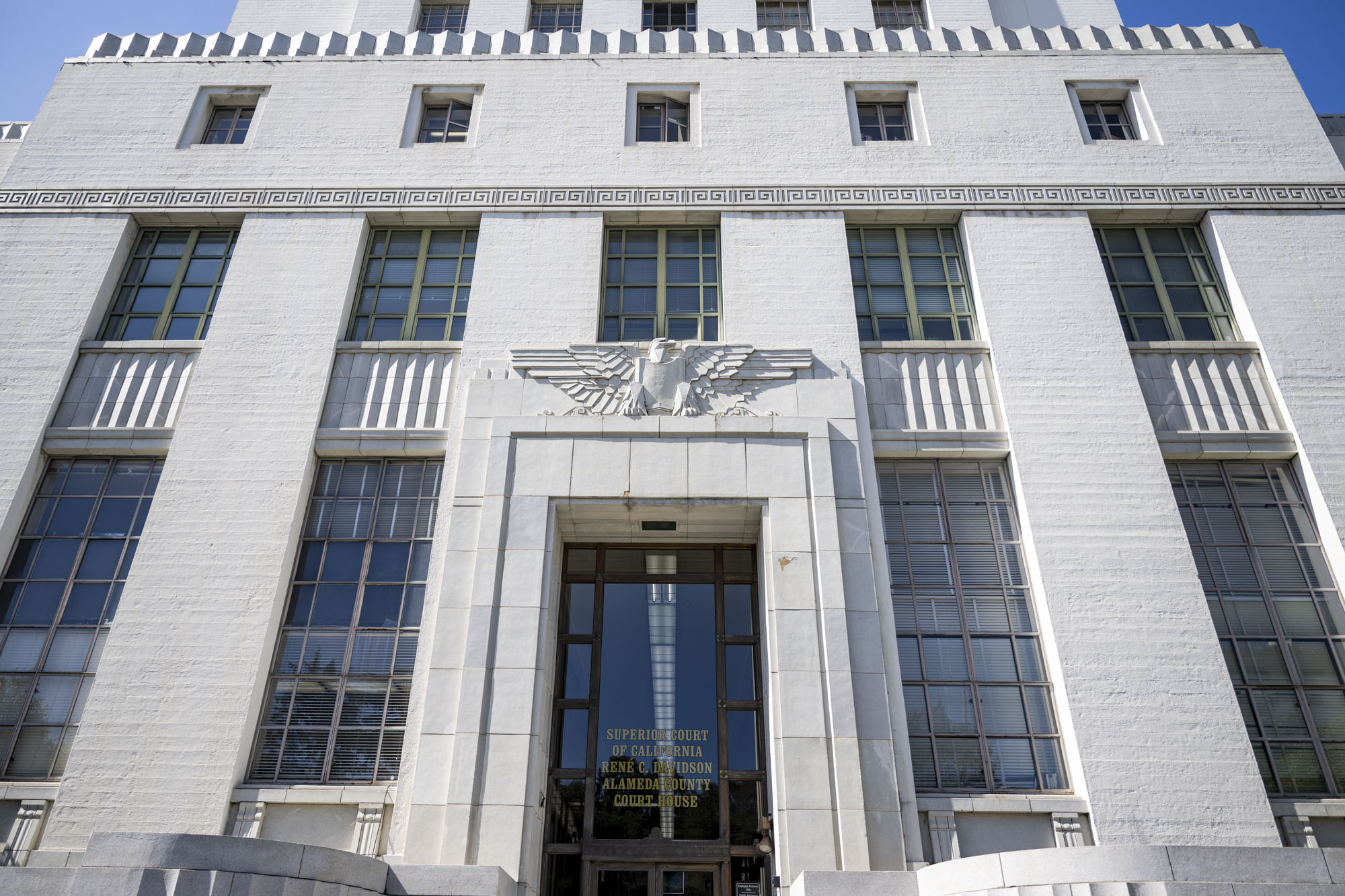
State court interpreters in Oakland are walking off their jobs on Wednesday, the latest half-day strike to protest what they call stagnating wages and too-slow contract talks with administrators, as the system struggles to give people who speak little to no English equal access to justice.
Interpreter employees at state courts earn lower salaries than interpreters in federal courts or private contractors, which contributes to persistent job vacancies, said Mary Lou Aranguren, bargaining spokesperson for the California Alliance of Legal Interpreters. Court officials have responded to interpreter shortages by going over budget to contract often costlier private services in recent years to meet language needs.
“They are not bargaining in good faith when they are throwing money at contractors, and then they tell us at the table, ‘Well, we don’t have the budget for paying you more.’ That just doesn’t make sense,” said Aranguren, a Spanish court interpreter in Alameda County with 30 years of experience. “Employees make a commitment. We’re available, we work all the time, and we’re making a lot less money.”
The union, which represents 91 court staffers working in Spanish, Cantonese, Hindi and other languages in coastal Northern California counties, has accused the employer of engaging in unfair labor practices by favoring contractors with higher pay.
Local court interpreters on staff earn about $86,000 to $105,000 per year, not including retirement, medical and other benefits, according to a 2025 report by the Judicial Council of California, which administers state courts. The union is pushing to gradually raise interpreters’ salary range to $128,000-$150,000, which Aranguren said would near pay in federal courts and help fill dozens of vacant positions in the Bay Area.
Alicia Vojnik, a state courts bargaining representative, said they remain committed to negotiating a fair agreement with interpreters. Contractor rates and employee salaries “cannot be compared directly” without considering the additional benefits employees receive or the assignment frequency for contractors, said Vojnik, administrative chair for Region 2 courts.
“The Region has proposed and continues to propose that the parties enter mediation to assist in resolving the significant difference between their respective wage proposals, as well as other outstanding issues,” said Vojnik, chief operating officer at Superior Court in Santa Clara County. “Every court in the Region is committed to maintaining essential operations and language services.”
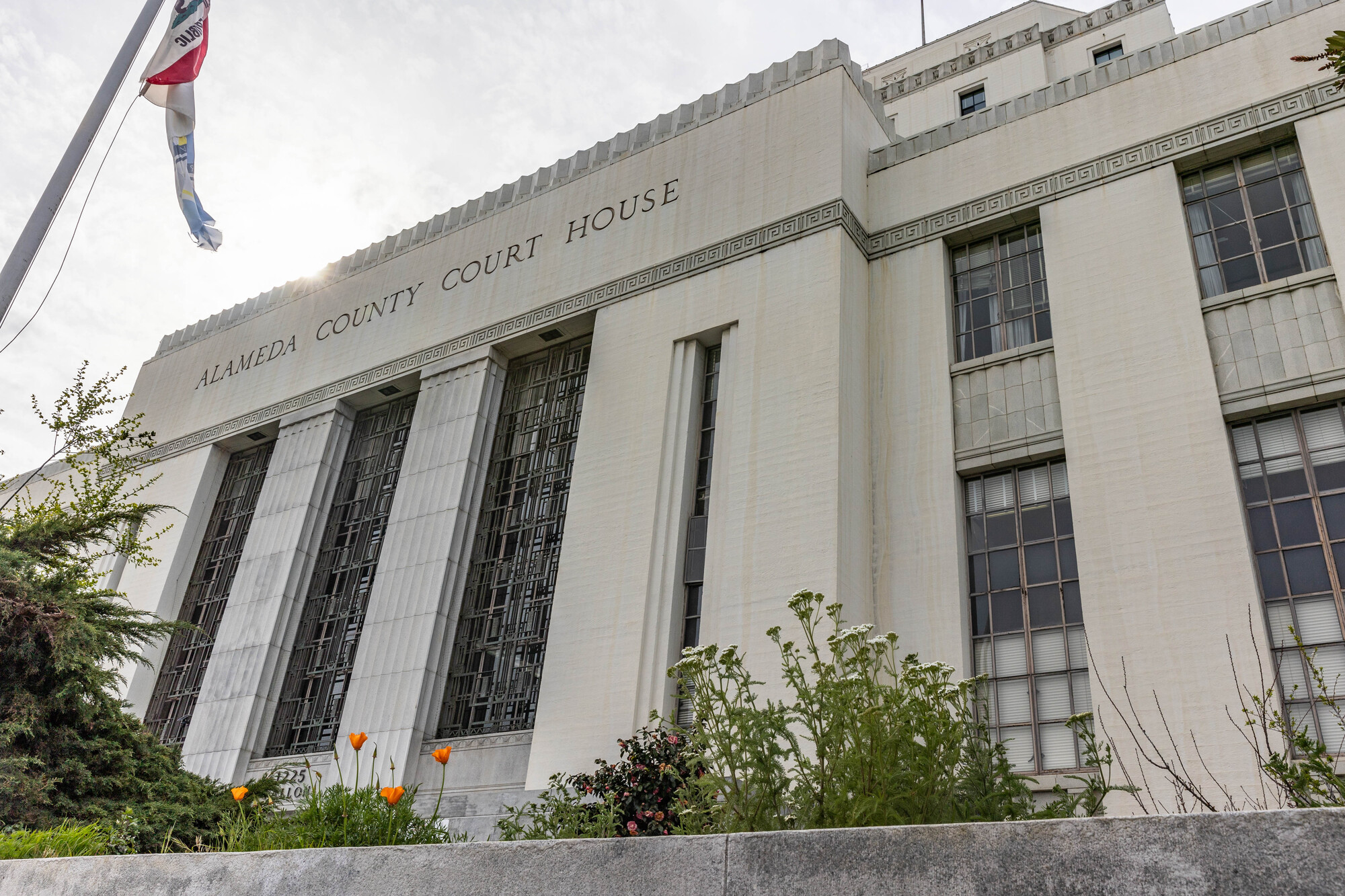
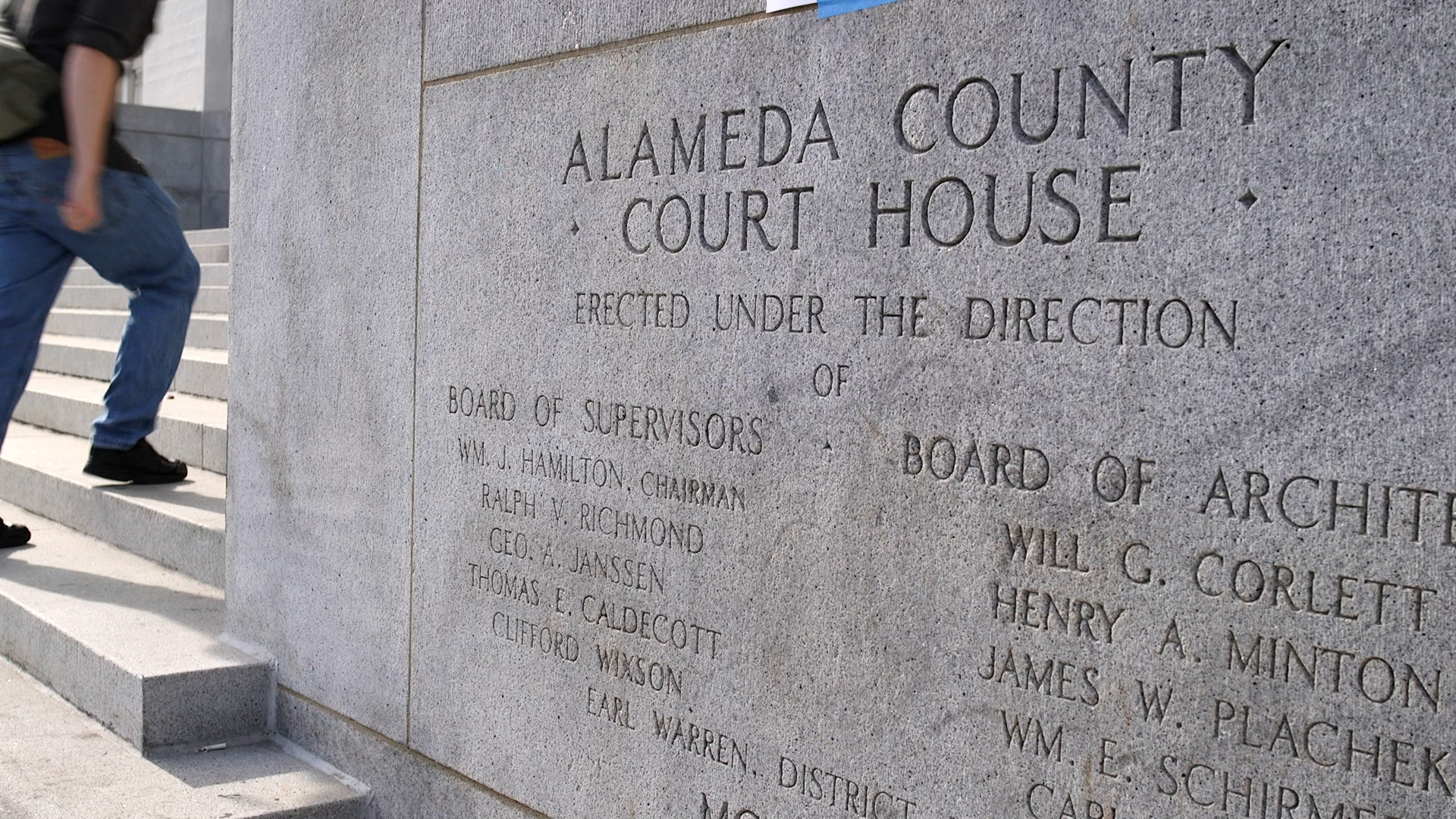
She added that Alameda County Superior Court will remain open during the strike. The labor action on Wednesday at the Wiley W. Manuel and René C. Davidson courthouses, which is set to involve some of the nearly two dozen interpreters in the county, is the second by the union this month.
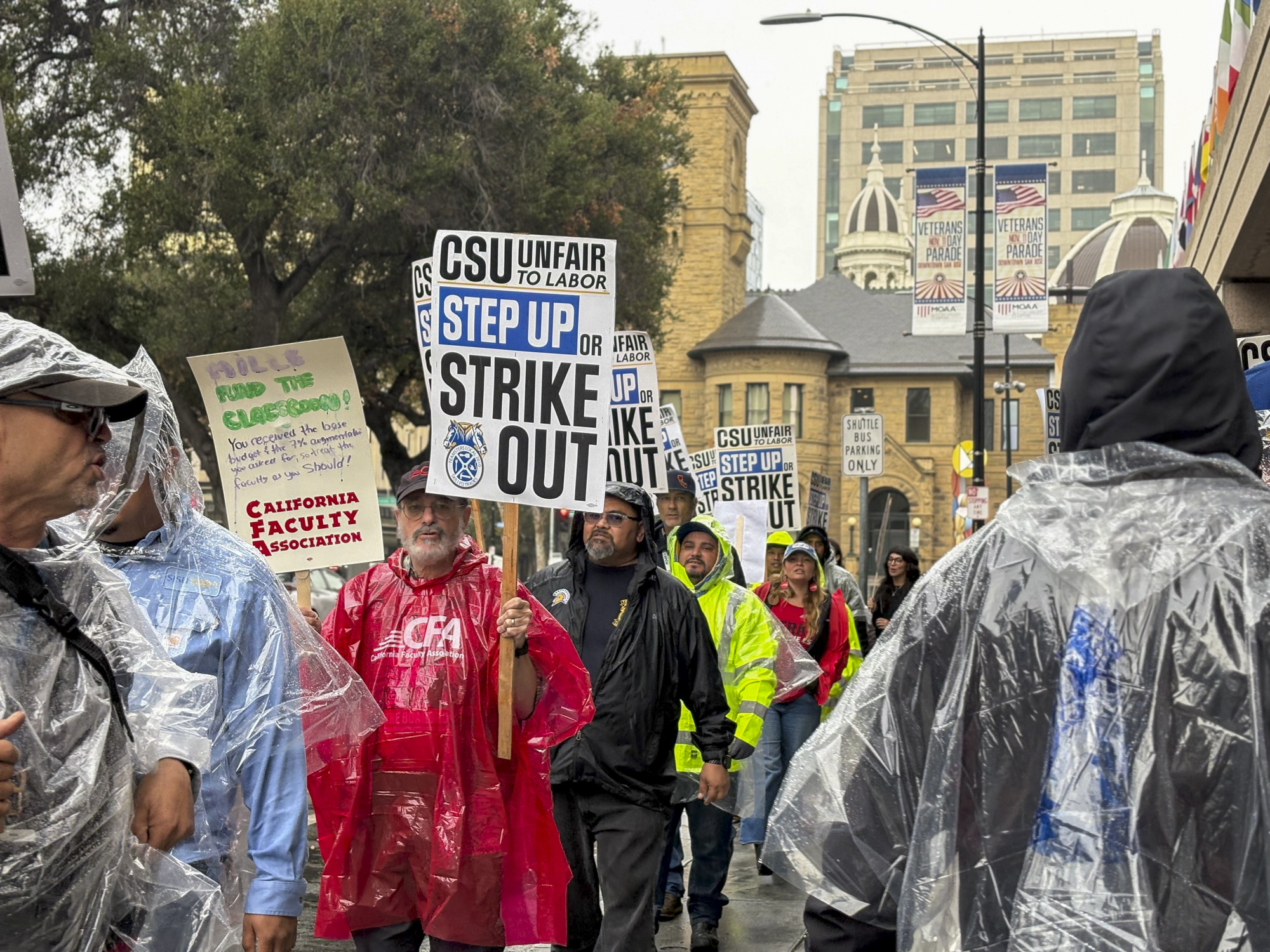
On Oct. 16, San Francisco court interpreters were also on strike as the Judicial Council met in the city and decided to corral rising spending on private contractors by standardizing rates statewide to levels that don’t exceed those in the federal court system. Court officials said that contractors were often able to negotiate higher pay, with courts competing against each other for the same pool of interpreters.
Since 2023, courts have exceeded their funds for interpreter services due to growing contractor costs, with $19 million in overspending last year. The state increased the budget for interpreter services by $20 million this year, bringing the total available to pay employees and contractors to $155 million.
David Slayton, court executive officer for the Superior Court of Los Angeles County, said that higher pay for contractors disincentivizes interpreters from staying as employees with the courts.
“Sometimes [we see] those same interpreters that were employees come back two weeks later, paying them more, for the services they were providing as employees,” said Slayton, adding that Los Angeles County has more than 120 interpreter job vacancies.
“When contract work pays more than court employment, it becomes harder to recruit and keep employees, and we fill the gap with contractors at a premium.”
California state courts, the nation’s largest court system, are required to provide interpreter services to plaintiffs, witnesses and other users with limited English proficiency in criminal and civil cases.
While demand for language services has increased, staffing shortages have left vulnerable people without understanding legal procedures that are critical to their freedom, family or livelihood.
An 18-year-old immigrant who only speaks Mixteco, a major indigenous language in Mexico, received a traffic ticket but was unable to get assistance at court with communication, Francisca Camarillo, with the Mixteco Indigena Community Organizing Project, told the Judicial Council at a recent meeting.
After the teen contacted the organization for help, he discovered that there was already a warrant for his arrest.
The incident is one of many across the state in which limited English speakers faced barriers to the courts, according to a letter this month by dozens of community organizations that asked the Judicial Council to review its language access program.
“While case records might make it appear that he is noncompliant for missing court, the reality is that no one provided language support,” Camarillo said. “A young adult seeking a better future was denied a fair chance to present his case simply because of a language barrier. Unfortunately, this is not an isolated incident.”