window.__IS_SSR__=true
window.__INITIAL_STATE__={
"attachmentsReducer": {
"audio_0": {
"type": "attachments",
"id": "audio_0",
"imgSizes": {
"kqedFullSize": {
"file": "https://ww2.kqed.org/news/wp-content/themes/KQED-unified/img/audio_bgs/background0.jpg"
}
}
},
"audio_1": {
"type": "attachments",
"id": "audio_1",
"imgSizes": {
"kqedFullSize": {
"file": "https://ww2.kqed.org/news/wp-content/themes/KQED-unified/img/audio_bgs/background1.jpg"
}
}
},
"audio_2": {
"type": "attachments",
"id": "audio_2",
"imgSizes": {
"kqedFullSize": {
"file": "https://ww2.kqed.org/news/wp-content/themes/KQED-unified/img/audio_bgs/background2.jpg"
}
}
},
"audio_3": {
"type": "attachments",
"id": "audio_3",
"imgSizes": {
"kqedFullSize": {
"file": "https://ww2.kqed.org/news/wp-content/themes/KQED-unified/img/audio_bgs/background3.jpg"
}
}
},
"audio_4": {
"type": "attachments",
"id": "audio_4",
"imgSizes": {
"kqedFullSize": {
"file": "https://ww2.kqed.org/news/wp-content/themes/KQED-unified/img/audio_bgs/background4.jpg"
}
}
},
"placeholder": {
"type": "attachments",
"id": "placeholder",
"imgSizes": {
"thumbnail": {
"file": "https://cdn.kqed.org/wp-content/uploads/2024/12/KQED-Default-Image-816638274-2000x1333-1-160x107.jpg",
"width": 160,
"height": 107,
"mimeType": "image/jpeg"
},
"medium": {
"file": "https://cdn.kqed.org/wp-content/uploads/2024/12/KQED-Default-Image-816638274-2000x1333-1-800x533.jpg",
"width": 800,
"height": 533,
"mimeType": "image/jpeg"
},
"medium_large": {
"file": "https://cdn.kqed.org/wp-content/uploads/2024/12/KQED-Default-Image-816638274-2000x1333-1-768x512.jpg",
"width": 768,
"height": 512,
"mimeType": "image/jpeg"
},
"large": {
"file": "https://cdn.kqed.org/wp-content/uploads/2024/12/KQED-Default-Image-816638274-2000x1333-1-1020x680.jpg",
"width": 1020,
"height": 680,
"mimeType": "image/jpeg"
},
"1536x1536": {
"file": "https://cdn.kqed.org/wp-content/uploads/2024/12/KQED-Default-Image-816638274-2000x1333-1-1536x1024.jpg",
"width": 1536,
"height": 1024,
"mimeType": "image/jpeg"
},
"fd-lrg": {
"file": "https://cdn.kqed.org/wp-content/uploads/2024/12/KQED-Default-Image-816638274-2000x1333-1-1536x1024.jpg",
"width": 1536,
"height": 1024,
"mimeType": "image/jpeg"
},
"fd-med": {
"file": "https://cdn.kqed.org/wp-content/uploads/2024/12/KQED-Default-Image-816638274-2000x1333-1-1020x680.jpg",
"width": 1020,
"height": 680,
"mimeType": "image/jpeg"
},
"fd-sm": {
"file": "https://cdn.kqed.org/wp-content/uploads/2024/12/KQED-Default-Image-816638274-2000x1333-1-800x533.jpg",
"width": 800,
"height": 533,
"mimeType": "image/jpeg"
},
"post-thumbnail": {
"file": "https://cdn.kqed.org/wp-content/uploads/2024/12/KQED-Default-Image-816638274-2000x1333-1-672x372.jpg",
"width": 672,
"height": 372,
"mimeType": "image/jpeg"
},
"twentyfourteen-full-width": {
"file": "https://cdn.kqed.org/wp-content/uploads/2024/12/KQED-Default-Image-816638274-2000x1333-1-1038x576.jpg",
"width": 1038,
"height": 576,
"mimeType": "image/jpeg"
},
"xxsmall": {
"file": "https://cdn.kqed.org/wp-content/uploads/2024/12/KQED-Default-Image-816638274-2000x1333-1-160x107.jpg",
"width": 160,
"height": 107,
"mimeType": "image/jpeg"
},
"xsmall": {
"file": "https://cdn.kqed.org/wp-content/uploads/2024/12/KQED-Default-Image-816638274-2000x1333-1-672x372.jpg",
"width": 672,
"height": 372,
"mimeType": "image/jpeg"
},
"small": {
"file": "https://cdn.kqed.org/wp-content/uploads/2024/12/KQED-Default-Image-816638274-2000x1333-1-672x372.jpg",
"width": 672,
"height": 372,
"mimeType": "image/jpeg"
},
"xlarge": {
"file": "https://cdn.kqed.org/wp-content/uploads/2024/12/KQED-Default-Image-816638274-2000x1333-1-1020x680.jpg",
"width": 1020,
"height": 680,
"mimeType": "image/jpeg"
},
"full-width": {
"file": "https://cdn.kqed.org/wp-content/uploads/2024/12/KQED-Default-Image-816638274-2000x1333-1-1920x1280.jpg",
"width": 1920,
"height": 1280,
"mimeType": "image/jpeg"
},
"guest-author-32": {
"file": "https://cdn.kqed.org/wp-content/uploads/2025/01/KQED-Default-Image-816638274-1333x1333-1-160x160.jpg",
"width": 32,
"height": 32,
"mimeType": "image/jpeg"
},
"guest-author-50": {
"file": "https://cdn.kqed.org/wp-content/uploads/2025/01/KQED-Default-Image-816638274-1333x1333-1-160x160.jpg",
"width": 50,
"height": 50,
"mimeType": "image/jpeg"
},
"guest-author-64": {
"file": "https://cdn.kqed.org/wp-content/uploads/2025/01/KQED-Default-Image-816638274-1333x1333-1-160x160.jpg",
"width": 64,
"height": 64,
"mimeType": "image/jpeg"
},
"guest-author-96": {
"file": "https://cdn.kqed.org/wp-content/uploads/2025/01/KQED-Default-Image-816638274-1333x1333-1-160x160.jpg",
"width": 96,
"height": 96,
"mimeType": "image/jpeg"
},
"guest-author-128": {
"file": "https://cdn.kqed.org/wp-content/uploads/2025/01/KQED-Default-Image-816638274-1333x1333-1-160x160.jpg",
"width": 128,
"height": 128,
"mimeType": "image/jpeg"
},
"detail": {
"file": "https://cdn.kqed.org/wp-content/uploads/2025/01/KQED-Default-Image-816638274-1333x1333-1-160x160.jpg",
"width": 160,
"height": 160,
"mimeType": "image/jpeg"
},
"kqedFullSize": {
"file": "https://cdn.kqed.org/wp-content/uploads/2024/12/KQED-Default-Image-816638274-2000x1333-1.jpg",
"width": 2000,
"height": 1333
}
}
},
"news_11760188": {
"type": "attachments",
"id": "news_11760188",
"meta": {
"index": "attachments_1716263798",
"site": "news",
"id": "11760188",
"found": true
},
"parent": 11760187,
"imgSizes": {
"apple_news_ca_landscape_5_5": {
"file": "https://ww2.kqed.org/app/uploads/sites/10/2019/07/ap_19190694879875-d28d02c47107e827bc9ce4fc051991a305632e81-1044x783.jpg",
"width": 1044,
"mimeType": "image/jpeg",
"height": 783
},
"apple_news_ca_square_4_0": {
"file": "https://ww2.kqed.org/app/uploads/sites/10/2019/07/ap_19190694879875-d28d02c47107e827bc9ce4fc051991a305632e81-470x470.jpg",
"width": 470,
"mimeType": "image/jpeg",
"height": 470
},
"twentyfourteen-full-width": {
"file": "https://ww2.kqed.org/app/uploads/sites/10/2019/07/ap_19190694879875-d28d02c47107e827bc9ce4fc051991a305632e81-1038x576.jpg",
"width": 1038,
"mimeType": "image/jpeg",
"height": 576
},
"thumbnail": {
"file": "https://ww2.kqed.org/app/uploads/sites/10/2019/07/ap_19190694879875-d28d02c47107e827bc9ce4fc051991a305632e81-160x120.jpg",
"width": 160,
"mimeType": "image/jpeg",
"height": 120
},
"post-thumbnail": {
"file": "https://ww2.kqed.org/app/uploads/sites/10/2019/07/ap_19190694879875-d28d02c47107e827bc9ce4fc051991a305632e81-672x372.jpg",
"width": 672,
"mimeType": "image/jpeg",
"height": 372
},
"kqedFullSize": {
"file": "https://ww2.kqed.org/app/uploads/sites/10/2019/07/ap_19190694879875-d28d02c47107e827bc9ce4fc051991a305632e81.jpg",
"width": 2048,
"height": 1536
},
"apple_news_ca_landscape_4_7": {
"file": "https://ww2.kqed.org/app/uploads/sites/10/2019/07/ap_19190694879875-d28d02c47107e827bc9ce4fc051991a305632e81-632x474.jpg",
"width": 632,
"mimeType": "image/jpeg",
"height": 474
},
"large": {
"file": "https://ww2.kqed.org/app/uploads/sites/10/2019/07/ap_19190694879875-d28d02c47107e827bc9ce4fc051991a305632e81-1020x765.jpg",
"width": 1020,
"mimeType": "image/jpeg",
"height": 765
},
"complete_open_graph": {
"file": "https://ww2.kqed.org/app/uploads/sites/10/2019/07/ap_19190694879875-d28d02c47107e827bc9ce4fc051991a305632e81-1200x900.jpg",
"width": 1200,
"mimeType": "image/jpeg",
"height": 900
},
"apple_news_ca_landscape_4_0": {
"file": "https://ww2.kqed.org/app/uploads/sites/10/2019/07/ap_19190694879875-d28d02c47107e827bc9ce4fc051991a305632e81-536x402.jpg",
"width": 536,
"mimeType": "image/jpeg",
"height": 402
},
"apple_news_ca_portrait_12_9": {
"file": "https://ww2.kqed.org/app/uploads/sites/10/2019/07/ap_19190694879875-d28d02c47107e827bc9ce4fc051991a305632e81-1122x1496.jpg",
"width": 1122,
"mimeType": "image/jpeg",
"height": 1496
},
"medium": {
"file": "https://ww2.kqed.org/app/uploads/sites/10/2019/07/ap_19190694879875-d28d02c47107e827bc9ce4fc051991a305632e81-800x600.jpg",
"width": 800,
"mimeType": "image/jpeg",
"height": 600
},
"apple_news_ca_portrait_4_0": {
"file": "https://ww2.kqed.org/app/uploads/sites/10/2019/07/ap_19190694879875-d28d02c47107e827bc9ce4fc051991a305632e81-354x472.jpg",
"width": 354,
"mimeType": "image/jpeg",
"height": 472
},
"apple_news_ca_portrait_9_7": {
"file": "https://ww2.kqed.org/app/uploads/sites/10/2019/07/ap_19190694879875-d28d02c47107e827bc9ce4fc051991a305632e81-840x1120.jpg",
"width": 840,
"mimeType": "image/jpeg",
"height": 1120
},
"apple_news_ca_landscape_12_9": {
"file": "https://ww2.kqed.org/app/uploads/sites/10/2019/07/ap_19190694879875-d28d02c47107e827bc9ce4fc051991a305632e81-1832x1374.jpg",
"width": 1832,
"mimeType": "image/jpeg",
"height": 1374
},
"apple_news_ca_square_9_7": {
"file": "https://ww2.kqed.org/app/uploads/sites/10/2019/07/ap_19190694879875-d28d02c47107e827bc9ce4fc051991a305632e81-1104x1104.jpg",
"width": 1104,
"mimeType": "image/jpeg",
"height": 1104
},
"apple_news_ca_portrait_4_7": {
"file": "https://ww2.kqed.org/app/uploads/sites/10/2019/07/ap_19190694879875-d28d02c47107e827bc9ce4fc051991a305632e81-414x552.jpg",
"width": 414,
"mimeType": "image/jpeg",
"height": 552
},
"apple_news_ca_square_12_9": {
"file": "https://ww2.kqed.org/app/uploads/sites/10/2019/07/ap_19190694879875-d28d02c47107e827bc9ce4fc051991a305632e81-1472x1472.jpg",
"width": 1472,
"mimeType": "image/jpeg",
"height": 1472
},
"apple_news_ca_portrait_5_5": {
"file": "https://ww2.kqed.org/app/uploads/sites/10/2019/07/ap_19190694879875-d28d02c47107e827bc9ce4fc051991a305632e81-687x916.jpg",
"width": 687,
"mimeType": "image/jpeg",
"height": 916
},
"full-width": {
"file": "https://ww2.kqed.org/app/uploads/sites/10/2019/07/ap_19190694879875-d28d02c47107e827bc9ce4fc051991a305632e81-1920x1440.jpg",
"width": 1920,
"mimeType": "image/jpeg",
"height": 1440
},
"apple_news_ca_square_4_7": {
"file": "https://ww2.kqed.org/app/uploads/sites/10/2019/07/ap_19190694879875-d28d02c47107e827bc9ce4fc051991a305632e81-550x550.jpg",
"width": 550,
"mimeType": "image/jpeg",
"height": 550
},
"apple_news_ca_landscape_9_7": {
"file": "https://ww2.kqed.org/app/uploads/sites/10/2019/07/ap_19190694879875-d28d02c47107e827bc9ce4fc051991a305632e81-1376x1032.jpg",
"width": 1376,
"mimeType": "image/jpeg",
"height": 1032
},
"apple_news_ca_square_5_5": {
"file": "https://ww2.kqed.org/app/uploads/sites/10/2019/07/ap_19190694879875-d28d02c47107e827bc9ce4fc051991a305632e81-912x912.jpg",
"width": 912,
"mimeType": "image/jpeg",
"height": 912
}
},
"publishDate": 1562781215,
"modified": 1562782370,
"caption": "Gov. Gavin Newsom (left) talks with members of a Diabetes Talking Circle during his visit to the Sacramento Native American Health Center on Tuesday, July 9.",
"description": null,
"title": "Gov. Gavin Newsom (left) talks with members of a Diabetes Talking Circle during his visit to the Sacramento Native American Health Center in Sacramento, Calif., on Tuesday.",
"credit": "Rich Pedroncelli/AP",
"status": "inherit",
"isLoading": false,
"fetchFailed": false
},
"news_11759286": {
"type": "attachments",
"id": "news_11759286",
"meta": {
"index": "attachments_1716263798",
"site": "news",
"id": "11759286",
"found": true
},
"parent": 11759267,
"imgSizes": {
"apple_news_ca_landscape_5_5": {
"file": "https://ww2.kqed.org/app/uploads/sites/10/2019/07/07052019_medical_doctors-qut-1044x783.jpg",
"width": 1044,
"mimeType": "image/jpeg",
"height": 783
},
"apple_news_ca_square_4_0": {
"file": "https://ww2.kqed.org/app/uploads/sites/10/2019/07/07052019_medical_doctors-qut-470x470.jpg",
"width": 470,
"mimeType": "image/jpeg",
"height": 470
},
"twentyfourteen-full-width": {
"file": "https://ww2.kqed.org/app/uploads/sites/10/2019/07/07052019_medical_doctors-qut-1038x576.jpg",
"width": 1038,
"mimeType": "image/jpeg",
"height": 576
},
"thumbnail": {
"file": "https://ww2.kqed.org/app/uploads/sites/10/2019/07/07052019_medical_doctors-qut-160x107.jpg",
"width": 160,
"mimeType": "image/jpeg",
"height": 107
},
"post-thumbnail": {
"file": "https://ww2.kqed.org/app/uploads/sites/10/2019/07/07052019_medical_doctors-qut-672x372.jpg",
"width": 672,
"mimeType": "image/jpeg",
"height": 372
},
"kqedFullSize": {
"file": "https://ww2.kqed.org/app/uploads/sites/10/2019/07/07052019_medical_doctors-qut.jpg",
"width": 1920,
"height": 1280
},
"apple_news_ca_landscape_4_7": {
"file": "https://ww2.kqed.org/app/uploads/sites/10/2019/07/07052019_medical_doctors-qut-632x474.jpg",
"width": 632,
"mimeType": "image/jpeg",
"height": 474
},
"large": {
"file": "https://ww2.kqed.org/app/uploads/sites/10/2019/07/07052019_medical_doctors-qut-1020x680.jpg",
"width": 1020,
"mimeType": "image/jpeg",
"height": 680
},
"complete_open_graph": {
"file": "https://ww2.kqed.org/app/uploads/sites/10/2019/07/07052019_medical_doctors-qut-1200x800.jpg",
"width": 1200,
"mimeType": "image/jpeg",
"height": 800
},
"apple_news_ca_landscape_4_0": {
"file": "https://ww2.kqed.org/app/uploads/sites/10/2019/07/07052019_medical_doctors-qut-536x402.jpg",
"width": 536,
"mimeType": "image/jpeg",
"height": 402
},
"apple_news_ca_portrait_12_9": {
"file": "https://ww2.kqed.org/app/uploads/sites/10/2019/07/07052019_medical_doctors-qut-1122x1280.jpg",
"width": 1122,
"mimeType": "image/jpeg",
"height": 1280
},
"medium": {
"file": "https://ww2.kqed.org/app/uploads/sites/10/2019/07/07052019_medical_doctors-qut-800x533.jpg",
"width": 800,
"mimeType": "image/jpeg",
"height": 533
},
"apple_news_ca_portrait_4_0": {
"file": "https://ww2.kqed.org/app/uploads/sites/10/2019/07/07052019_medical_doctors-qut-354x472.jpg",
"width": 354,
"mimeType": "image/jpeg",
"height": 472
},
"apple_news_ca_portrait_9_7": {
"file": "https://ww2.kqed.org/app/uploads/sites/10/2019/07/07052019_medical_doctors-qut-840x1120.jpg",
"width": 840,
"mimeType": "image/jpeg",
"height": 1120
},
"apple_news_ca_landscape_12_9": {
"file": "https://ww2.kqed.org/app/uploads/sites/10/2019/07/07052019_medical_doctors-qut-1832x1280.jpg",
"width": 1832,
"mimeType": "image/jpeg",
"height": 1280
},
"apple_news_ca_square_9_7": {
"file": "https://ww2.kqed.org/app/uploads/sites/10/2019/07/07052019_medical_doctors-qut-1104x1104.jpg",
"width": 1104,
"mimeType": "image/jpeg",
"height": 1104
},
"apple_news_ca_portrait_4_7": {
"file": "https://ww2.kqed.org/app/uploads/sites/10/2019/07/07052019_medical_doctors-qut-414x552.jpg",
"width": 414,
"mimeType": "image/jpeg",
"height": 552
},
"apple_news_ca_square_12_9": {
"file": "https://ww2.kqed.org/app/uploads/sites/10/2019/07/07052019_medical_doctors-qut-1472x1280.jpg",
"width": 1472,
"mimeType": "image/jpeg",
"height": 1280
},
"apple_news_ca_portrait_5_5": {
"file": "https://ww2.kqed.org/app/uploads/sites/10/2019/07/07052019_medical_doctors-qut-687x916.jpg",
"width": 687,
"mimeType": "image/jpeg",
"height": 916
},
"full-width": {
"file": "https://ww2.kqed.org/app/uploads/sites/10/2019/07/07052019_medical_doctors-qut-1920x1280.jpg",
"width": 1920,
"mimeType": "image/jpeg",
"height": 1280
},
"apple_news_ca_square_4_7": {
"file": "https://ww2.kqed.org/app/uploads/sites/10/2019/07/07052019_medical_doctors-qut-550x550.jpg",
"width": 550,
"mimeType": "image/jpeg",
"height": 550
},
"apple_news_ca_landscape_9_7": {
"file": "https://ww2.kqed.org/app/uploads/sites/10/2019/07/07052019_medical_doctors-qut-1376x1032.jpg",
"width": 1376,
"mimeType": "image/jpeg",
"height": 1032
},
"apple_news_ca_square_5_5": {
"file": "https://ww2.kqed.org/app/uploads/sites/10/2019/07/07052019_medical_doctors-qut-912x912.jpg",
"width": 912,
"mimeType": "image/jpeg",
"height": 912
}
},
"publishDate": 1562359048,
"modified": 1562359140,
"caption": "UCLA nurse Rolanda Florence checks the glucose level of a man as nurses and physicians give free basic health screenings on July 10, 2012, in Los Angeles.",
"description": "UCLA nurse Rolanda Florence checks the glucose level of a man as nurses and physicians give free basic health screenings on July 10, 2012, in Los Angeles.",
"title": "07052019_medical_doctors-qut",
"credit": "David McNew/Getty Images",
"status": "inherit",
"isLoading": false,
"fetchFailed": false
},
"news_11754498": {
"type": "attachments",
"id": "news_11754498",
"meta": {
"index": "attachments_1716263798",
"site": "news",
"id": "11754498",
"found": true
},
"parent": 11754493,
"imgSizes": {
"apple_news_ca_landscape_5_5": {
"file": "https://ww2.kqed.org/app/uploads/sites/10/2019/06/Daniel-Giles-2-1044x783.jpg",
"width": 1044,
"mimeType": "image/jpeg",
"height": 783
},
"apple_news_ca_square_4_0": {
"file": "https://ww2.kqed.org/app/uploads/sites/10/2019/06/Daniel-Giles-2-470x470.jpg",
"width": 470,
"mimeType": "image/jpeg",
"height": 470
},
"twentyfourteen-full-width": {
"file": "https://ww2.kqed.org/app/uploads/sites/10/2019/06/Daniel-Giles-2-1038x576.jpg",
"width": 1038,
"mimeType": "image/jpeg",
"height": 576
},
"thumbnail": {
"file": "https://ww2.kqed.org/app/uploads/sites/10/2019/06/Daniel-Giles-2-160x120.jpg",
"width": 160,
"mimeType": "image/jpeg",
"height": 120
},
"post-thumbnail": {
"file": "https://ww2.kqed.org/app/uploads/sites/10/2019/06/Daniel-Giles-2-672x372.jpg",
"width": 672,
"mimeType": "image/jpeg",
"height": 372
},
"kqedFullSize": {
"file": "https://ww2.kqed.org/app/uploads/sites/10/2019/06/Daniel-Giles-2-e1560458288160.jpg",
"width": 1920,
"height": 1440
},
"apple_news_ca_landscape_4_7": {
"file": "https://ww2.kqed.org/app/uploads/sites/10/2019/06/Daniel-Giles-2-632x474.jpg",
"width": 632,
"mimeType": "image/jpeg",
"height": 474
},
"large": {
"file": "https://ww2.kqed.org/app/uploads/sites/10/2019/06/Daniel-Giles-2-1020x765.jpg",
"width": 1020,
"mimeType": "image/jpeg",
"height": 765
},
"complete_open_graph": {
"file": "https://ww2.kqed.org/app/uploads/sites/10/2019/06/Daniel-Giles-2-1200x900.jpg",
"width": 1200,
"mimeType": "image/jpeg",
"height": 900
},
"apple_news_ca_landscape_4_0": {
"file": "https://ww2.kqed.org/app/uploads/sites/10/2019/06/Daniel-Giles-2-536x402.jpg",
"width": 536,
"mimeType": "image/jpeg",
"height": 402
},
"apple_news_ca_portrait_12_9": {
"file": "https://ww2.kqed.org/app/uploads/sites/10/2019/06/Daniel-Giles-2-1122x1496.jpg",
"width": 1122,
"mimeType": "image/jpeg",
"height": 1496
},
"medium": {
"file": "https://ww2.kqed.org/app/uploads/sites/10/2019/06/Daniel-Giles-2-800x600.jpg",
"width": 800,
"mimeType": "image/jpeg",
"height": 600
},
"apple_news_ca_portrait_4_0": {
"file": "https://ww2.kqed.org/app/uploads/sites/10/2019/06/Daniel-Giles-2-354x472.jpg",
"width": 354,
"mimeType": "image/jpeg",
"height": 472
},
"apple_news_ca_portrait_9_7": {
"file": "https://ww2.kqed.org/app/uploads/sites/10/2019/06/Daniel-Giles-2-840x1120.jpg",
"width": 840,
"mimeType": "image/jpeg",
"height": 1120
},
"apple_news_ca_landscape_12_9": {
"file": "https://ww2.kqed.org/app/uploads/sites/10/2019/06/Daniel-Giles-2-1832x1374.jpg",
"width": 1832,
"mimeType": "image/jpeg",
"height": 1374
},
"apple_news_ca_square_9_7": {
"file": "https://ww2.kqed.org/app/uploads/sites/10/2019/06/Daniel-Giles-2-1104x1104.jpg",
"width": 1104,
"mimeType": "image/jpeg",
"height": 1104
},
"apple_news_ca_portrait_4_7": {
"file": "https://ww2.kqed.org/app/uploads/sites/10/2019/06/Daniel-Giles-2-414x552.jpg",
"width": 414,
"mimeType": "image/jpeg",
"height": 552
},
"apple_news_ca_square_12_9": {
"file": "https://ww2.kqed.org/app/uploads/sites/10/2019/06/Daniel-Giles-2-1472x1472.jpg",
"width": 1472,
"mimeType": "image/jpeg",
"height": 1472
},
"apple_news_ca_portrait_5_5": {
"file": "https://ww2.kqed.org/app/uploads/sites/10/2019/06/Daniel-Giles-2-687x916.jpg",
"width": 687,
"mimeType": "image/jpeg",
"height": 916
},
"full-width": {
"file": "https://ww2.kqed.org/app/uploads/sites/10/2019/06/Daniel-Giles-2-1920x1440.jpg",
"width": 1920,
"mimeType": "image/jpeg",
"height": 1440
},
"apple_news_ca_square_4_7": {
"file": "https://ww2.kqed.org/app/uploads/sites/10/2019/06/Daniel-Giles-2-550x550.jpg",
"width": 550,
"mimeType": "image/jpeg",
"height": 550
},
"apple_news_ca_landscape_9_7": {
"file": "https://ww2.kqed.org/app/uploads/sites/10/2019/06/Daniel-Giles-2-1376x1032.jpg",
"width": 1376,
"mimeType": "image/jpeg",
"height": 1032
},
"apple_news_ca_square_5_5": {
"file": "https://ww2.kqed.org/app/uploads/sites/10/2019/06/Daniel-Giles-2-912x912.jpg",
"width": 912,
"mimeType": "image/jpeg",
"height": 912
}
},
"publishDate": 1560457426,
"modified": 1560799765,
"caption": "Daniel Giles went through intensive drug treatment and is now living in a transitional house in San Francisco.",
"description": null,
"title": "Daniel Giles 2",
"credit": "April Dembosky/KQED",
"status": "inherit",
"isLoading": false,
"fetchFailed": false
},
"news_11648772": {
"type": "attachments",
"id": "news_11648772",
"meta": {
"index": "attachments_1716263798",
"site": "news",
"id": "11648772",
"found": true
},
"parent": 11648770,
"imgSizes": {
"small": {
"file": "https://ww2.kqed.org/app/uploads/sites/10/2018/02/ww2.kqed_.orgParnassus_aerial-1-800x42-ea231bf59f740a2d5044b6cc73f9bd348245b146-520x274.jpg",
"width": 520,
"mimeType": "image/jpeg",
"height": 274
},
"thumbnail": {
"file": "https://ww2.kqed.org/app/uploads/sites/10/2018/02/ww2.kqed_.orgParnassus_aerial-1-800x42-ea231bf59f740a2d5044b6cc73f9bd348245b146-160x84.jpg",
"width": 160,
"mimeType": "image/jpeg",
"height": 84
},
"post-thumbnail": {
"file": "https://ww2.kqed.org/app/uploads/sites/10/2018/02/ww2.kqed_.orgParnassus_aerial-1-800x42-ea231bf59f740a2d5044b6cc73f9bd348245b146-672x372.jpg",
"width": 672,
"mimeType": "image/jpeg",
"height": 372
},
"xsmall": {
"file": "https://ww2.kqed.org/app/uploads/sites/10/2018/02/ww2.kqed_.orgParnassus_aerial-1-800x42-ea231bf59f740a2d5044b6cc73f9bd348245b146-375x198.jpg",
"width": 375,
"mimeType": "image/jpeg",
"height": 198
},
"kqedFullSize": {
"file": "https://ww2.kqed.org/app/uploads/sites/10/2018/02/ww2.kqed_.orgParnassus_aerial-1-800x42-ea231bf59f740a2d5044b6cc73f9bd348245b146.jpg",
"width": 800,
"height": 422
},
"guest-author-50": {
"file": "https://ww2.kqed.org/app/uploads/sites/10/2018/02/ww2.kqed_.orgParnassus_aerial-1-800x42-ea231bf59f740a2d5044b6cc73f9bd348245b146-50x50.jpg",
"width": 50,
"mimeType": "image/jpeg",
"height": 50
},
"guest-author-96": {
"file": "https://ww2.kqed.org/app/uploads/sites/10/2018/02/ww2.kqed_.orgParnassus_aerial-1-800x42-ea231bf59f740a2d5044b6cc73f9bd348245b146-96x96.jpg",
"width": 96,
"mimeType": "image/jpeg",
"height": 96
},
"medium": {
"file": "https://ww2.kqed.org/app/uploads/sites/10/2018/02/ww2.kqed_.orgParnassus_aerial-1-800x42-ea231bf59f740a2d5044b6cc73f9bd348245b146-800x422.jpg",
"width": 800,
"mimeType": "image/jpeg",
"height": 422
},
"guest-author-64": {
"file": "https://ww2.kqed.org/app/uploads/sites/10/2018/02/ww2.kqed_.orgParnassus_aerial-1-800x42-ea231bf59f740a2d5044b6cc73f9bd348245b146-64x64.jpg",
"width": 64,
"mimeType": "image/jpeg",
"height": 64
},
"guest-author-32": {
"file": "https://ww2.kqed.org/app/uploads/sites/10/2018/02/ww2.kqed_.orgParnassus_aerial-1-800x42-ea231bf59f740a2d5044b6cc73f9bd348245b146-32x32.jpg",
"width": 32,
"mimeType": "image/jpeg",
"height": 32
},
"detail": {
"file": "https://ww2.kqed.org/app/uploads/sites/10/2018/02/ww2.kqed_.orgParnassus_aerial-1-800x42-ea231bf59f740a2d5044b6cc73f9bd348245b146-150x150.jpg",
"width": 150,
"mimeType": "image/jpeg",
"height": 150
},
"guest-author-128": {
"file": "https://ww2.kqed.org/app/uploads/sites/10/2018/02/ww2.kqed_.orgParnassus_aerial-1-800x42-ea231bf59f740a2d5044b6cc73f9bd348245b146-128x128.jpg",
"width": 128,
"mimeType": "image/jpeg",
"height": 128
},
"xxsmall": {
"file": "https://ww2.kqed.org/app/uploads/sites/10/2018/02/ww2.kqed_.orgParnassus_aerial-1-800x42-ea231bf59f740a2d5044b6cc73f9bd348245b146-240x127.jpg",
"width": 240,
"mimeType": "image/jpeg",
"height": 127
}
},
"publishDate": 1518101973,
"modified": 1559088504,
"caption": "Aerial view of UCSF's Parnassus Heights campus.",
"description": "Aerial view of UCSF's Parnassus Heights campus.",
"title": "Parnassus_aerial-1-800x42-ea231bf59f740a2d5044b6cc73f9bd348245b146",
"credit": "UCSF",
"status": "inherit",
"isLoading": false,
"fetchFailed": false
},
"news_11732643": {
"type": "attachments",
"id": "news_11732643",
"meta": {
"index": "attachments_1716263798",
"site": "news",
"id": "11732643",
"found": true
},
"parent": 11732605,
"imgSizes": {
"twentyfourteen-full-width": {
"file": "https://ww2.kqed.org/app/uploads/sites/10/2019/03/Gavin-Newsom-Death-Penalty-1038x576.jpg",
"width": 1038,
"mimeType": "image/jpeg",
"height": 576
},
"thumbnail": {
"file": "https://ww2.kqed.org/app/uploads/sites/10/2019/03/Gavin-Newsom-Death-Penalty-160x109.jpg",
"width": 160,
"mimeType": "image/jpeg",
"height": 109
},
"post-thumbnail": {
"file": "https://ww2.kqed.org/app/uploads/sites/10/2019/03/Gavin-Newsom-Death-Penalty-672x372.jpg",
"width": 672,
"mimeType": "image/jpeg",
"height": 372
},
"kqedFullSize": {
"file": "https://ww2.kqed.org/app/uploads/sites/10/2019/03/Gavin-Newsom-Death-Penalty.jpg",
"width": 1920,
"height": 1311
},
"large": {
"file": "https://ww2.kqed.org/app/uploads/sites/10/2019/03/Gavin-Newsom-Death-Penalty-1020x696.jpg",
"width": 1020,
"mimeType": "image/jpeg",
"height": 696
},
"complete_open_graph": {
"file": "https://ww2.kqed.org/app/uploads/sites/10/2019/03/Gavin-Newsom-Death-Penalty-1200x819.jpg",
"width": 1200,
"mimeType": "image/jpeg",
"height": 819
},
"guest-author-50": {
"file": "https://ww2.kqed.org/app/uploads/sites/10/2019/03/Gavin-Newsom-Death-Penalty-50x50.jpg",
"width": 50,
"mimeType": "image/jpeg",
"height": 50
},
"guest-author-96": {
"file": "https://ww2.kqed.org/app/uploads/sites/10/2019/03/Gavin-Newsom-Death-Penalty-96x96.jpg",
"width": 96,
"mimeType": "image/jpeg",
"height": 96
},
"medium": {
"file": "https://ww2.kqed.org/app/uploads/sites/10/2019/03/Gavin-Newsom-Death-Penalty-800x546.jpg",
"width": 800,
"mimeType": "image/jpeg",
"height": 546
},
"guest-author-64": {
"file": "https://ww2.kqed.org/app/uploads/sites/10/2019/03/Gavin-Newsom-Death-Penalty-64x64.jpg",
"width": 64,
"mimeType": "image/jpeg",
"height": 64
},
"guest-author-32": {
"file": "https://ww2.kqed.org/app/uploads/sites/10/2019/03/Gavin-Newsom-Death-Penalty-32x32.jpg",
"width": 32,
"mimeType": "image/jpeg",
"height": 32
},
"full-width": {
"file": "https://ww2.kqed.org/app/uploads/sites/10/2019/03/Gavin-Newsom-Death-Penalty-1920x1311.jpg",
"width": 1920,
"mimeType": "image/jpeg",
"height": 1311
},
"guest-author-128": {
"file": "https://ww2.kqed.org/app/uploads/sites/10/2019/03/Gavin-Newsom-Death-Penalty-128x128.jpg",
"width": 128,
"mimeType": "image/jpeg",
"height": 128
}
},
"publishDate": 1552502895,
"modified": 1555615721,
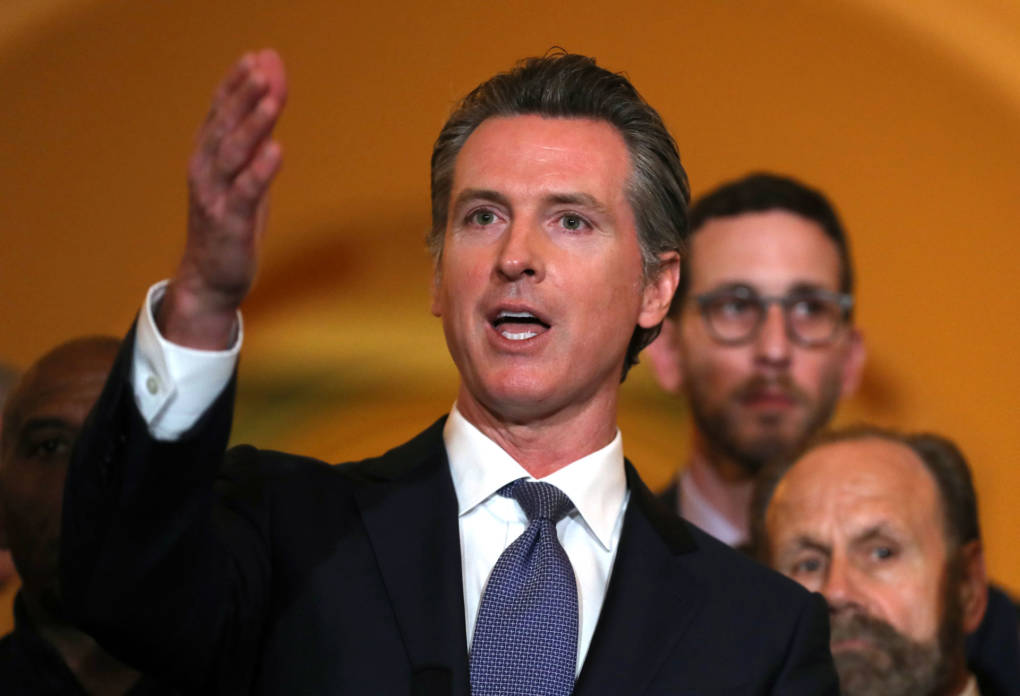
"caption": "Gov. Gavin Newsom speaks during a news conference at the California State Capitol on March 13, 2019 in Sacramento.",
"description": "Gov. Gavin Newsom speaks during a news conference at the California State Capitol on March 13, 2019 in Sacramento.",
"title": "Gavin-Newsom-Death-Penalty",
"credit": "Justin Sullivan/Getty Images",
"status": "inherit",
"isLoading": false,
"fetchFailed": false
},
"news_11716250": {
"type": "attachments",
"id": "news_11716250",
"meta": {
"index": "attachments_1716263798",
"site": "news",
"id": "11716250",
"found": true
},
"parent": 11715956,
"imgSizes": {
"twentyfourteen-full-width": {
"file": "https://ww2.kqed.org/app/uploads/sites/10/2019/01/RS34628_GettyImages-1058495872-qut-1038x576.jpg",
"width": 1038,
"mimeType": "image/jpeg",
"height": 576
},
"thumbnail": {
"file": "https://ww2.kqed.org/app/uploads/sites/10/2019/01/RS34628_GettyImages-1058495872-qut-160x96.jpg",
"width": 160,
"mimeType": "image/jpeg",
"height": 96
},
"post-thumbnail": {
"file": "https://ww2.kqed.org/app/uploads/sites/10/2019/01/RS34628_GettyImages-1058495872-qut-672x372.jpg",
"width": 672,
"mimeType": "image/jpeg",
"height": 372
},
"kqedFullSize": {
"file": "https://ww2.kqed.org/app/uploads/sites/10/2019/01/RS34628_GettyImages-1058495872-qut.jpg",
"width": 1920,
"height": 1151
},
"large": {
"file": "https://ww2.kqed.org/app/uploads/sites/10/2019/01/RS34628_GettyImages-1058495872-qut-1020x611.jpg",
"width": 1020,
"mimeType": "image/jpeg",
"height": 611
},
"complete_open_graph": {
"file": "https://ww2.kqed.org/app/uploads/sites/10/2019/01/RS34628_GettyImages-1058495872-qut-1200x719.jpg",
"width": 1200,
"mimeType": "image/jpeg",
"height": 719
},
"guest-author-50": {
"file": "https://ww2.kqed.org/app/uploads/sites/10/2019/01/RS34628_GettyImages-1058495872-qut-50x50.jpg",
"width": 50,
"mimeType": "image/jpeg",
"height": 50
},
"guest-author-96": {
"file": "https://ww2.kqed.org/app/uploads/sites/10/2019/01/RS34628_GettyImages-1058495872-qut-96x96.jpg",
"width": 96,
"mimeType": "image/jpeg",
"height": 96
},
"medium": {
"file": "https://ww2.kqed.org/app/uploads/sites/10/2019/01/RS34628_GettyImages-1058495872-qut-800x480.jpg",
"width": 800,
"mimeType": "image/jpeg",
"height": 480
},
"guest-author-64": {
"file": "https://ww2.kqed.org/app/uploads/sites/10/2019/01/RS34628_GettyImages-1058495872-qut-64x64.jpg",
"width": 64,
"mimeType": "image/jpeg",
"height": 64
},
"guest-author-32": {
"file": "https://ww2.kqed.org/app/uploads/sites/10/2019/01/RS34628_GettyImages-1058495872-qut-32x32.jpg",
"width": 32,
"mimeType": "image/jpeg",
"height": 32
},
"full-width": {
"file": "https://ww2.kqed.org/app/uploads/sites/10/2019/01/RS34628_GettyImages-1058495872-qut-1920x1151.jpg",
"width": 1920,
"mimeType": "image/jpeg",
"height": 1151
},
"detail": {
"file": "https://ww2.kqed.org/app/uploads/sites/10/2019/01/RS34628_GettyImages-1058495872-qut-150x150.jpg",
"width": 150,
"mimeType": "image/jpeg",
"height": 150
},
"guest-author-128": {
"file": "https://ww2.kqed.org/app/uploads/sites/10/2019/01/RS34628_GettyImages-1058495872-qut-128x128.jpg",
"width": 128,
"mimeType": "image/jpeg",
"height": 128
}
},
"publishDate": 1546814996,
"modified": 1546909271,
"caption": "Gov. Gavin Newsom will have a lot of people to please as he lays out his first state budget proposal this week.",
"description": "Gov. Gavin Newsom will have a lot of people to please as he lays out his first state budget proposal this week.",
"title": "US-POLITICS-VOTE-ELECTIONS",
"credit": "FREDERIC J. BROWN/AFP/Getty Images",
"status": "inherit",
"isLoading": false,
"fetchFailed": false
},
"news_11712106": {
"type": "attachments",
"id": "news_11712106",
"meta": {
"index": "attachments_1716263798",
"site": "news",
"id": "11712106",
"found": true
},
"parent": 11711387,
"imgSizes": {
"twentyfourteen-full-width": {
"file": "https://ww2.kqed.org/app/uploads/sites/10/2018/12/Doctor-1038x576.jpg",
"width": 1038,
"mimeType": "image/jpeg",
"height": 576
},
"thumbnail": {
"file": "https://ww2.kqed.org/app/uploads/sites/10/2018/12/Doctor-160x104.jpg",
"width": 160,
"mimeType": "image/jpeg",
"height": 104
},
"post-thumbnail": {
"file": "https://ww2.kqed.org/app/uploads/sites/10/2018/12/Doctor-672x372.jpg",
"width": 672,
"mimeType": "image/jpeg",
"height": 372
},
"kqedFullSize": {
"file": "https://ww2.kqed.org/app/uploads/sites/10/2018/12/Doctor.jpg",
"width": 1920,
"height": 1251
},
"large": {
"file": "https://ww2.kqed.org/app/uploads/sites/10/2018/12/Doctor-1020x665.jpg",
"width": 1020,
"mimeType": "image/jpeg",
"height": 665
},
"complete_open_graph": {
"file": "https://ww2.kqed.org/app/uploads/sites/10/2018/12/Doctor-1200x782.jpg",
"width": 1200,
"mimeType": "image/jpeg",
"height": 782
},
"guest-author-50": {
"file": "https://ww2.kqed.org/app/uploads/sites/10/2018/12/Doctor-50x50.jpg",
"width": 50,
"mimeType": "image/jpeg",
"height": 50
},
"guest-author-96": {
"file": "https://ww2.kqed.org/app/uploads/sites/10/2018/12/Doctor-96x96.jpg",
"width": 96,
"mimeType": "image/jpeg",
"height": 96
},
"medium": {
"file": "https://ww2.kqed.org/app/uploads/sites/10/2018/12/Doctor-800x521.jpg",
"width": 800,
"mimeType": "image/jpeg",
"height": 521
},
"guest-author-64": {
"file": "https://ww2.kqed.org/app/uploads/sites/10/2018/12/Doctor-64x64.jpg",
"width": 64,
"mimeType": "image/jpeg",
"height": 64
},
"guest-author-32": {
"file": "https://ww2.kqed.org/app/uploads/sites/10/2018/12/Doctor-32x32.jpg",
"width": 32,
"mimeType": "image/jpeg",
"height": 32
},
"full-width": {
"file": "https://ww2.kqed.org/app/uploads/sites/10/2018/12/Doctor-1920x1251.jpg",
"width": 1920,
"mimeType": "image/jpeg",
"height": 1251
},
"detail": {
"file": "https://ww2.kqed.org/app/uploads/sites/10/2018/12/Doctor-150x150.jpg",
"width": 150,
"mimeType": "image/jpeg",
"height": 150
},
"guest-author-128": {
"file": "https://ww2.kqed.org/app/uploads/sites/10/2018/12/Doctor-128x128.jpg",
"width": 128,
"mimeType": "image/jpeg",
"height": 128
}
},
"publishDate": 1544655456,
"modified": 1544655469,
"caption": null,
"description": null,
"title": "Doctor",
"credit": "Getty Images",
"status": "inherit",
"isLoading": false,
"fetchFailed": false
},
"news_11698350": {
"type": "attachments",
"id": "news_11698350",
"meta": {
"index": "attachments_1716263798",
"site": "news",
"id": "11698350",
"found": true
},
"parent": 11698174,
"imgSizes": {
"small": {
"file": "https://ww2.kqed.org/app/uploads/sites/10/2018/10/ImmigrantsLine-520x347.jpg",
"width": 520,
"mimeType": "image/jpeg",
"height": 347
},
"twentyfourteen-full-width": {
"file": "https://ww2.kqed.org/app/uploads/sites/10/2018/10/ImmigrantsLine-1038x576.jpg",
"width": 1038,
"mimeType": "image/jpeg",
"height": 576
},
"thumbnail": {
"file": "https://ww2.kqed.org/app/uploads/sites/10/2018/10/ImmigrantsLine-160x107.jpg",
"width": 160,
"mimeType": "image/jpeg",
"height": 107
},
"fd-sm": {
"file": "https://ww2.kqed.org/app/uploads/sites/10/2018/10/ImmigrantsLine-960x641.jpg",
"width": 960,
"mimeType": "image/jpeg",
"height": 641
},
"post-thumbnail": {
"file": "https://ww2.kqed.org/app/uploads/sites/10/2018/10/ImmigrantsLine-672x372.jpg",
"width": 672,
"mimeType": "image/jpeg",
"height": 372
},
"xsmall": {
"file": "https://ww2.kqed.org/app/uploads/sites/10/2018/10/ImmigrantsLine-375x250.jpg",
"width": 375,
"mimeType": "image/jpeg",
"height": 250
},
"kqedFullSize": {
"file": "https://ww2.kqed.org/app/uploads/sites/10/2018/10/ImmigrantsLine.jpg",
"width": 1920,
"height": 1281
},
"large": {
"file": "https://ww2.kqed.org/app/uploads/sites/10/2018/10/ImmigrantsLine-1020x681.jpg",
"width": 1020,
"mimeType": "image/jpeg",
"height": 681
},
"xlarge": {
"file": "https://ww2.kqed.org/app/uploads/sites/10/2018/10/ImmigrantsLine-1180x787.jpg",
"width": 1180,
"mimeType": "image/jpeg",
"height": 787
},
"complete_open_graph": {
"file": "https://ww2.kqed.org/app/uploads/sites/10/2018/10/ImmigrantsLine-1200x801.jpg",
"width": 1200,
"mimeType": "image/jpeg",
"height": 801
},
"guest-author-50": {
"file": "https://ww2.kqed.org/app/uploads/sites/10/2018/10/ImmigrantsLine-50x50.jpg",
"width": 50,
"mimeType": "image/jpeg",
"height": 50
},
"guest-author-96": {
"file": "https://ww2.kqed.org/app/uploads/sites/10/2018/10/ImmigrantsLine-96x96.jpg",
"width": 96,
"mimeType": "image/jpeg",
"height": 96
},
"medium": {
"file": "https://ww2.kqed.org/app/uploads/sites/10/2018/10/ImmigrantsLine-800x534.jpg",
"width": 800,
"mimeType": "image/jpeg",
"height": 534
},
"guest-author-64": {
"file": "https://ww2.kqed.org/app/uploads/sites/10/2018/10/ImmigrantsLine-64x64.jpg",
"width": 64,
"mimeType": "image/jpeg",
"height": 64
},
"guest-author-32": {
"file": "https://ww2.kqed.org/app/uploads/sites/10/2018/10/ImmigrantsLine-32x32.jpg",
"width": 32,
"mimeType": "image/jpeg",
"height": 32
},
"fd-lrg": {
"file": "https://ww2.kqed.org/app/uploads/sites/10/2018/10/ImmigrantsLine-1920x1281.jpg",
"width": 1920,
"mimeType": "image/jpeg",
"height": 1281
},
"fd-med": {
"file": "https://ww2.kqed.org/app/uploads/sites/10/2018/10/ImmigrantsLine-1180x787.jpg",
"width": 1180,
"mimeType": "image/jpeg",
"height": 787
},
"full-width": {
"file": "https://ww2.kqed.org/app/uploads/sites/10/2018/10/ImmigrantsLine-1920x1281.jpg",
"width": 1920,
"mimeType": "image/jpeg",
"height": 1281
},
"detail": {
"file": "https://ww2.kqed.org/app/uploads/sites/10/2018/10/ImmigrantsLine-150x150.jpg",
"width": 150,
"mimeType": "image/jpeg",
"height": 150
},
"guest-author-128": {
"file": "https://ww2.kqed.org/app/uploads/sites/10/2018/10/ImmigrantsLine-128x128.jpg",
"width": 128,
"mimeType": "image/jpeg",
"height": 128
},
"xxsmall": {
"file": "https://ww2.kqed.org/app/uploads/sites/10/2018/10/ImmigrantsLine-240x160.jpg",
"width": 240,
"mimeType": "image/jpeg",
"height": 160
}
},
"publishDate": 1539305659,
"modified": 1539305834,
"caption": "Immigrants line up to enter a naturalization ceremony to be sworn in as U.S. citizens in 2013 in Oakland. A new proposal would significantly increase the number of lawfully present non-citizens that immigration officers could consider a \"public charge,\" a designation which would weigh against their eligibility to become legal permanent residents, and eventually U.S. citizens.",
"description": "Immigrants line up to enter a naturalization ceremony to be sworn in as U.S. citizens in 2013 in Oakland. A new proposal would significantly increase the number of lawfully present non-citizens that immigration officers could consider a \"public charge,\" a designation which would weigh against their eligibility to become legal permanent residents, and eventually U.S. citizens.",
"title": "ImmigrantsLine",
"credit": "Justin Sullivan/Getty Images",
"status": "inherit",
"isLoading": false,
"fetchFailed": false
},
"news_11693104": {
"type": "attachments",
"id": "news_11693104",
"meta": {
"index": "attachments_1716263798",
"site": "news",
"id": "11693104",
"found": true
},
"parent": 11693088,
"imgSizes": {
"small": {
"file": "https://ww2.kqed.org/app/uploads/sites/10/2018/09/DentistCalMatters-520x347.jpg",
"width": 520,
"mimeType": "image/jpeg",
"height": 347
},
"twentyfourteen-full-width": {
"file": "https://ww2.kqed.org/app/uploads/sites/10/2018/09/DentistCalMatters-1038x576.jpg",
"width": 1038,
"mimeType": "image/jpeg",
"height": 576
},
"thumbnail": {
"file": "https://ww2.kqed.org/app/uploads/sites/10/2018/09/DentistCalMatters-160x107.jpg",
"width": 160,
"mimeType": "image/jpeg",
"height": 107
},
"fd-sm": {
"file": "https://ww2.kqed.org/app/uploads/sites/10/2018/09/DentistCalMatters-960x640.jpg",
"width": 960,
"mimeType": "image/jpeg",
"height": 640
},
"post-thumbnail": {
"file": "https://ww2.kqed.org/app/uploads/sites/10/2018/09/DentistCalMatters-672x372.jpg",
"width": 672,
"mimeType": "image/jpeg",
"height": 372
},
"xsmall": {
"file": "https://ww2.kqed.org/app/uploads/sites/10/2018/09/DentistCalMatters-375x250.jpg",
"width": 375,
"mimeType": "image/jpeg",
"height": 250
},
"kqedFullSize": {
"file": "https://ww2.kqed.org/app/uploads/sites/10/2018/09/DentistCalMatters.jpg",
"width": 1920,
"height": 1280
},
"large": {
"file": "https://ww2.kqed.org/app/uploads/sites/10/2018/09/DentistCalMatters-1020x680.jpg",
"width": 1020,
"mimeType": "image/jpeg",
"height": 680
},
"xlarge": {
"file": "https://ww2.kqed.org/app/uploads/sites/10/2018/09/DentistCalMatters-1180x787.jpg",
"width": 1180,
"mimeType": "image/jpeg",
"height": 787
},
"complete_open_graph": {
"file": "https://ww2.kqed.org/app/uploads/sites/10/2018/09/DentistCalMatters-1200x800.jpg",
"width": 1200,
"mimeType": "image/jpeg",
"height": 800
},
"guest-author-50": {
"file": "https://ww2.kqed.org/app/uploads/sites/10/2018/09/DentistCalMatters-50x50.jpg",
"width": 50,
"mimeType": "image/jpeg",
"height": 50
},
"guest-author-96": {
"file": "https://ww2.kqed.org/app/uploads/sites/10/2018/09/DentistCalMatters-96x96.jpg",
"width": 96,
"mimeType": "image/jpeg",
"height": 96
},
"medium": {
"file": "https://ww2.kqed.org/app/uploads/sites/10/2018/09/DentistCalMatters-800x533.jpg",
"width": 800,
"mimeType": "image/jpeg",
"height": 533
},
"guest-author-64": {
"file": "https://ww2.kqed.org/app/uploads/sites/10/2018/09/DentistCalMatters-64x64.jpg",
"width": 64,
"mimeType": "image/jpeg",
"height": 64
},
"guest-author-32": {
"file": "https://ww2.kqed.org/app/uploads/sites/10/2018/09/DentistCalMatters-32x32.jpg",
"width": 32,
"mimeType": "image/jpeg",
"height": 32
},
"fd-lrg": {
"file": "https://ww2.kqed.org/app/uploads/sites/10/2018/09/DentistCalMatters-1920x1280.jpg",
"width": 1920,
"mimeType": "image/jpeg",
"height": 1280
},
"fd-med": {
"file": "https://ww2.kqed.org/app/uploads/sites/10/2018/09/DentistCalMatters-1180x787.jpg",
"width": 1180,
"mimeType": "image/jpeg",
"height": 787
},
"full-width": {
"file": "https://ww2.kqed.org/app/uploads/sites/10/2018/09/DentistCalMatters-1920x1280.jpg",
"width": 1920,
"mimeType": "image/jpeg",
"height": 1280
},
"detail": {
"file": "https://ww2.kqed.org/app/uploads/sites/10/2018/09/DentistCalMatters-150x150.jpg",
"width": 150,
"mimeType": "image/jpeg",
"height": 150
},
"guest-author-128": {
"file": "https://ww2.kqed.org/app/uploads/sites/10/2018/09/DentistCalMatters-128x128.jpg",
"width": 128,
"mimeType": "image/jpeg",
"height": 128
},
"xxsmall": {
"file": "https://ww2.kqed.org/app/uploads/sites/10/2018/09/DentistCalMatters-240x160.jpg",
"width": 240,
"mimeType": "image/jpeg",
"height": 160
}
},
"publishDate": 1537225413,
"modified": 1537225461,
"caption": "As California officials try to improve dental care for patients in need, Long Beach dentist John Blake works with patient Nelson Phan.",
"description": "As California officials try to improve dental care for patients in need, Long Beach dentist John Blake works with patient Nelson Phan.",
"title": "DentistCalMatters",
"credit": "Iris Schneider/CALmatters",
"status": "inherit",
"isLoading": false,
"fetchFailed": false
},
"news_11685199": {
"type": "attachments",
"id": "news_11685199",
"meta": {
"index": "attachments_1716263798",
"site": "news",
"id": "11685199",
"found": true
},
"parent": 11685088,
"imgSizes": {
"small": {
"file": "https://ww2.kqed.org/app/uploads/sites/10/2018/08/Dr.-Alexander-Reyzelman-treats-diabetes-patient-Michael-Rubenstein.-Photo-by-David-Gorn_CALmatters-e1533589905318-520x390.jpg",
"width": 520,
"mimeType": "image/jpeg",
"height": 390
},
"twentyfourteen-full-width": {
"file": "https://ww2.kqed.org/app/uploads/sites/10/2018/08/Dr.-Alexander-Reyzelman-treats-diabetes-patient-Michael-Rubenstein.-Photo-by-David-Gorn_CALmatters-e1533589905318-1038x576.jpg",
"width": 1038,
"mimeType": "image/jpeg",
"height": 576
},
"thumbnail": {
"file": "https://ww2.kqed.org/app/uploads/sites/10/2018/08/Dr.-Alexander-Reyzelman-treats-diabetes-patient-Michael-Rubenstein.-Photo-by-David-Gorn_CALmatters-e1533589905318-160x120.jpg",
"width": 160,
"mimeType": "image/jpeg",
"height": 120
},
"fd-sm": {
"file": "https://ww2.kqed.org/app/uploads/sites/10/2018/08/Dr.-Alexander-Reyzelman-treats-diabetes-patient-Michael-Rubenstein.-Photo-by-David-Gorn_CALmatters-e1533589905318-960x720.jpg",
"width": 960,
"mimeType": "image/jpeg",
"height": 720
},
"post-thumbnail": {
"file": "https://ww2.kqed.org/app/uploads/sites/10/2018/08/Dr.-Alexander-Reyzelman-treats-diabetes-patient-Michael-Rubenstein.-Photo-by-David-Gorn_CALmatters-e1533589905318-672x372.jpg",
"width": 672,
"mimeType": "image/jpeg",
"height": 372
},
"xsmall": {
"file": "https://ww2.kqed.org/app/uploads/sites/10/2018/08/Dr.-Alexander-Reyzelman-treats-diabetes-patient-Michael-Rubenstein.-Photo-by-David-Gorn_CALmatters-e1533589905318-375x281.jpg",
"width": 375,
"mimeType": "image/jpeg",
"height": 281
},
"kqedFullSize": {
"file": "https://ww2.kqed.org/app/uploads/sites/10/2018/08/Dr.-Alexander-Reyzelman-treats-diabetes-patient-Michael-Rubenstein.-Photo-by-David-Gorn_CALmatters-e1533589928930.jpg",
"width": 1920,
"height": 1440
},
"large": {
"file": "https://ww2.kqed.org/app/uploads/sites/10/2018/08/Dr.-Alexander-Reyzelman-treats-diabetes-patient-Michael-Rubenstein.-Photo-by-David-Gorn_CALmatters-e1533589905318-1020x765.jpg",
"width": 1020,
"mimeType": "image/jpeg",
"height": 765
},
"xlarge": {
"file": "https://ww2.kqed.org/app/uploads/sites/10/2018/08/Dr.-Alexander-Reyzelman-treats-diabetes-patient-Michael-Rubenstein.-Photo-by-David-Gorn_CALmatters-e1533589905318-1180x885.jpg",
"width": 1180,
"mimeType": "image/jpeg",
"height": 885
},
"complete_open_graph": {
"file": "https://ww2.kqed.org/app/uploads/sites/10/2018/08/Dr.-Alexander-Reyzelman-treats-diabetes-patient-Michael-Rubenstein.-Photo-by-David-Gorn_CALmatters-e1533589905318-1200x900.jpg",
"width": 1200,
"mimeType": "image/jpeg",
"height": 900
},
"guest-author-50": {
"file": "https://ww2.kqed.org/app/uploads/sites/10/2018/08/Dr.-Alexander-Reyzelman-treats-diabetes-patient-Michael-Rubenstein.-Photo-by-David-Gorn_CALmatters-e1533589905318-50x50.jpg",
"width": 50,
"mimeType": "image/jpeg",
"height": 50
},
"guest-author-96": {
"file": "https://ww2.kqed.org/app/uploads/sites/10/2018/08/Dr.-Alexander-Reyzelman-treats-diabetes-patient-Michael-Rubenstein.-Photo-by-David-Gorn_CALmatters-e1533589905318-96x96.jpg",
"width": 96,
"mimeType": "image/jpeg",
"height": 96
},
"medium": {
"file": "https://ww2.kqed.org/app/uploads/sites/10/2018/08/Dr.-Alexander-Reyzelman-treats-diabetes-patient-Michael-Rubenstein.-Photo-by-David-Gorn_CALmatters-e1533589905318-800x600.jpg",
"width": 800,
"mimeType": "image/jpeg",
"height": 600
},
"guest-author-64": {
"file": "https://ww2.kqed.org/app/uploads/sites/10/2018/08/Dr.-Alexander-Reyzelman-treats-diabetes-patient-Michael-Rubenstein.-Photo-by-David-Gorn_CALmatters-e1533589905318-64x64.jpg",
"width": 64,
"mimeType": "image/jpeg",
"height": 64
},
"guest-author-32": {
"file": "https://ww2.kqed.org/app/uploads/sites/10/2018/08/Dr.-Alexander-Reyzelman-treats-diabetes-patient-Michael-Rubenstein.-Photo-by-David-Gorn_CALmatters-e1533589905318-32x32.jpg",
"width": 32,
"mimeType": "image/jpeg",
"height": 32
},
"fd-lrg": {
"file": "https://ww2.kqed.org/app/uploads/sites/10/2018/08/Dr.-Alexander-Reyzelman-treats-diabetes-patient-Michael-Rubenstein.-Photo-by-David-Gorn_CALmatters-e1533589905318-1920x1440.jpg",
"width": 1920,
"mimeType": "image/jpeg",
"height": 1440
},
"fd-med": {
"file": "https://ww2.kqed.org/app/uploads/sites/10/2018/08/Dr.-Alexander-Reyzelman-treats-diabetes-patient-Michael-Rubenstein.-Photo-by-David-Gorn_CALmatters-e1533589905318-1180x885.jpg",
"width": 1180,
"mimeType": "image/jpeg",
"height": 885
},
"full-width": {
"file": "https://ww2.kqed.org/app/uploads/sites/10/2018/08/Dr.-Alexander-Reyzelman-treats-diabetes-patient-Michael-Rubenstein.-Photo-by-David-Gorn_CALmatters-e1533589905318-1920x1440.jpg",
"width": 1920,
"mimeType": "image/jpeg",
"height": 1440
},
"detail": {
"file": "https://ww2.kqed.org/app/uploads/sites/10/2018/08/Dr.-Alexander-Reyzelman-treats-diabetes-patient-Michael-Rubenstein.-Photo-by-David-Gorn_CALmatters-e1533589905318-150x150.jpg",
"width": 150,
"mimeType": "image/jpeg",
"height": 150
},
"guest-author-128": {
"file": "https://ww2.kqed.org/app/uploads/sites/10/2018/08/Dr.-Alexander-Reyzelman-treats-diabetes-patient-Michael-Rubenstein.-Photo-by-David-Gorn_CALmatters-e1533589905318-128x128.jpg",
"width": 128,
"mimeType": "image/jpeg",
"height": 128
},
"xxsmall": {
"file": "https://ww2.kqed.org/app/uploads/sites/10/2018/08/Dr.-Alexander-Reyzelman-treats-diabetes-patient-Michael-Rubenstein.-Photo-by-David-Gorn_CALmatters-e1533589905318-240x180.jpg",
"width": 240,
"mimeType": "image/jpeg",
"height": 180
}
},
"publishDate": 1533589886,
"modified": 1533589951,
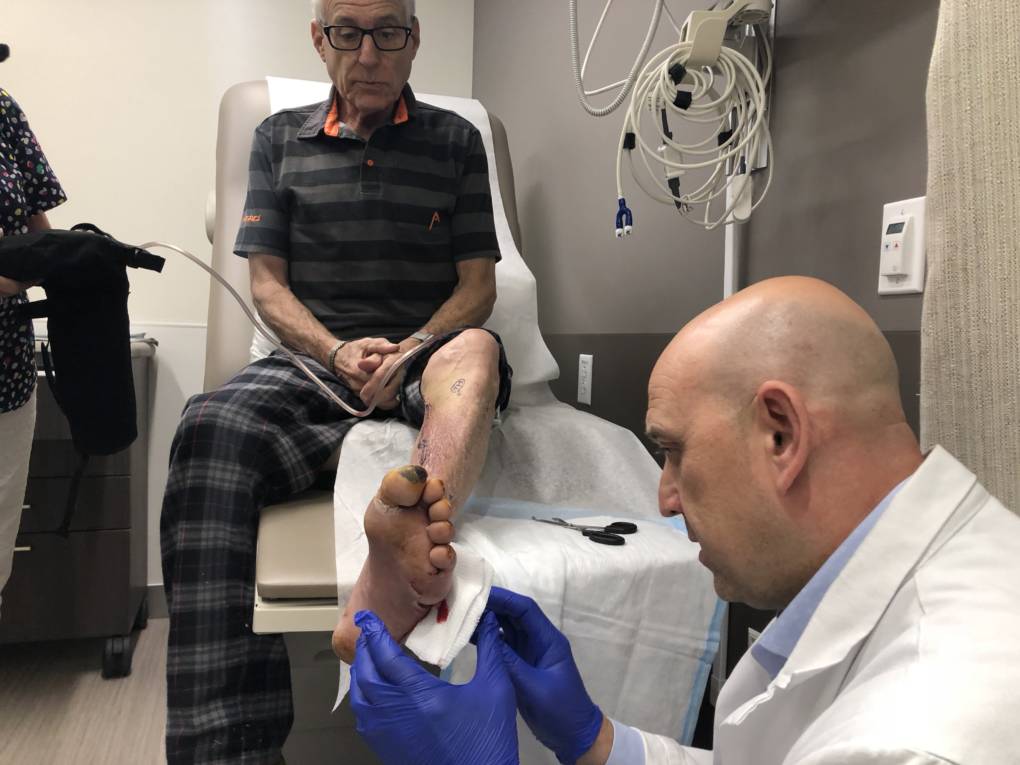
"caption": "Dr. Alexander Reyzelman treats diabetes patient Michael Rubenstein.",
"description": "Dr. Alexander Reyzelman treats diabetes patient Michael Rubenstein.",
"title": "Dr. Alexander Reyzelman treats diabetes patient Michael Rubenstein. Photo by David Gorn_CALmatters",
"credit": "David Gorn/CALmatters",
"status": "inherit",
"isLoading": false,
"fetchFailed": false
},
"news_11671037": {
"type": "attachments",
"id": "news_11671037",
"meta": {
"index": "attachments_1716263798",
"site": "news",
"id": "11671037",
"found": true
},
"parent": 11671035,
"imgSizes": {
"small": {
"file": "https://ww2.kqed.org/app/uploads/sites/10/2018/05/RS10854_481763249-520x347.jpg",
"width": 520,
"mimeType": "image/jpeg",
"height": 347
},
"twentyfourteen-full-width": {
"file": "https://ww2.kqed.org/app/uploads/sites/10/2018/05/RS10854_481763249-1038x576.jpg",
"width": 1038,
"mimeType": "image/jpeg",
"height": 576
},
"thumbnail": {
"file": "https://ww2.kqed.org/app/uploads/sites/10/2018/05/RS10854_481763249-160x107.jpg",
"width": 160,
"mimeType": "image/jpeg",
"height": 107
},
"fd-sm": {
"file": "https://ww2.kqed.org/app/uploads/sites/10/2018/05/RS10854_481763249-960x640.jpg",
"width": 960,
"mimeType": "image/jpeg",
"height": 640
},
"post-thumbnail": {
"file": "https://ww2.kqed.org/app/uploads/sites/10/2018/05/RS10854_481763249-672x372.jpg",
"width": 672,
"mimeType": "image/jpeg",
"height": 372
},
"xsmall": {
"file": "https://ww2.kqed.org/app/uploads/sites/10/2018/05/RS10854_481763249-375x250.jpg",
"width": 375,
"mimeType": "image/jpeg",
"height": 250
},
"kqedFullSize": {
"file": "https://ww2.kqed.org/app/uploads/sites/10/2018/05/RS10854_481763249-e1527443635376.jpg",
"width": 1920,
"height": 1281
},
"large": {
"file": "https://ww2.kqed.org/app/uploads/sites/10/2018/05/RS10854_481763249-1020x680.jpg",
"width": 1020,
"mimeType": "image/jpeg",
"height": 680
},
"xlarge": {
"file": "https://ww2.kqed.org/app/uploads/sites/10/2018/05/RS10854_481763249-1180x787.jpg",
"width": 1180,
"mimeType": "image/jpeg",
"height": 787
},
"complete_open_graph": {
"file": "https://ww2.kqed.org/app/uploads/sites/10/2018/05/RS10854_481763249-1200x800.jpg",
"width": 1200,
"mimeType": "image/jpeg",
"height": 800
},
"guest-author-50": {
"file": "https://ww2.kqed.org/app/uploads/sites/10/2018/05/RS10854_481763249-50x50.jpg",
"width": 50,
"mimeType": "image/jpeg",
"height": 50
},
"guest-author-96": {
"file": "https://ww2.kqed.org/app/uploads/sites/10/2018/05/RS10854_481763249-96x96.jpg",
"width": 96,
"mimeType": "image/jpeg",
"height": 96
},
"medium": {
"file": "https://ww2.kqed.org/app/uploads/sites/10/2018/05/RS10854_481763249-800x534.jpg",
"width": 800,
"mimeType": "image/jpeg",
"height": 534
},
"guest-author-64": {
"file": "https://ww2.kqed.org/app/uploads/sites/10/2018/05/RS10854_481763249-64x64.jpg",
"width": 64,
"mimeType": "image/jpeg",
"height": 64
},
"guest-author-32": {
"file": "https://ww2.kqed.org/app/uploads/sites/10/2018/05/RS10854_481763249-32x32.jpg",
"width": 32,
"mimeType": "image/jpeg",
"height": 32
},
"fd-lrg": {
"file": "https://ww2.kqed.org/app/uploads/sites/10/2018/05/RS10854_481763249-1920x1281.jpg",
"width": 1920,
"mimeType": "image/jpeg",
"height": 1281
},
"fd-med": {
"file": "https://ww2.kqed.org/app/uploads/sites/10/2018/05/RS10854_481763249-1180x787.jpg",
"width": 1180,
"mimeType": "image/jpeg",
"height": 787
},
"full-width": {
"file": "https://ww2.kqed.org/app/uploads/sites/10/2018/05/RS10854_481763249-1920x1281.jpg",
"width": 1920,
"mimeType": "image/jpeg",
"height": 1281
},
"detail": {
"file": "https://ww2.kqed.org/app/uploads/sites/10/2018/05/RS10854_481763249-150x150.jpg",
"width": 150,
"mimeType": "image/jpeg",
"height": 150
},
"guest-author-128": {
"file": "https://ww2.kqed.org/app/uploads/sites/10/2018/05/RS10854_481763249-128x128.jpg",
"width": 128,
"mimeType": "image/jpeg",
"height": 128
},
"xxsmall": {
"file": "https://ww2.kqed.org/app/uploads/sites/10/2018/05/RS10854_481763249-240x160.jpg",
"width": 240,
"mimeType": "image/jpeg",
"height": 160
}
},
"publishDate": 1527443617,
"modified": 1527443667,
"caption": "A Democratic bid to extend government health coverage to all undocumented, low-income adults in California has been put on hold. Lawmakers now hope to cover at least the seniors and the disabled.",
"description": "A Democratic bid to extend government health coverage to all undocumented, low-income adults in California has been put on hold. Lawmakers now hope to cover at least the seniors and the disabled.",
"title": "Americans Register For Health Care On Final Day of ACA Enrollment Drive",
"credit": "Justin Sullivan/Getty Images",
"status": "inherit",
"isLoading": false,
"fetchFailed": false
},
"news_11665754": {
"type": "attachments",
"id": "news_11665754",
"meta": {
"index": "attachments_1716263798",
"site": "news",
"id": "11665754",
"found": true
},
"title": "A box of food prepared at a food bank distribution in Petaluma, Calif. The state ranks near the bottom in enrolling people for food assistance. To change that, it's taking lessons from its robust Medi-Cal health insurance program, which targets much the same population.",
"publishDate": 1525206966,
"status": "inherit",
"parent": 11665753,
"modified": 1761002381,
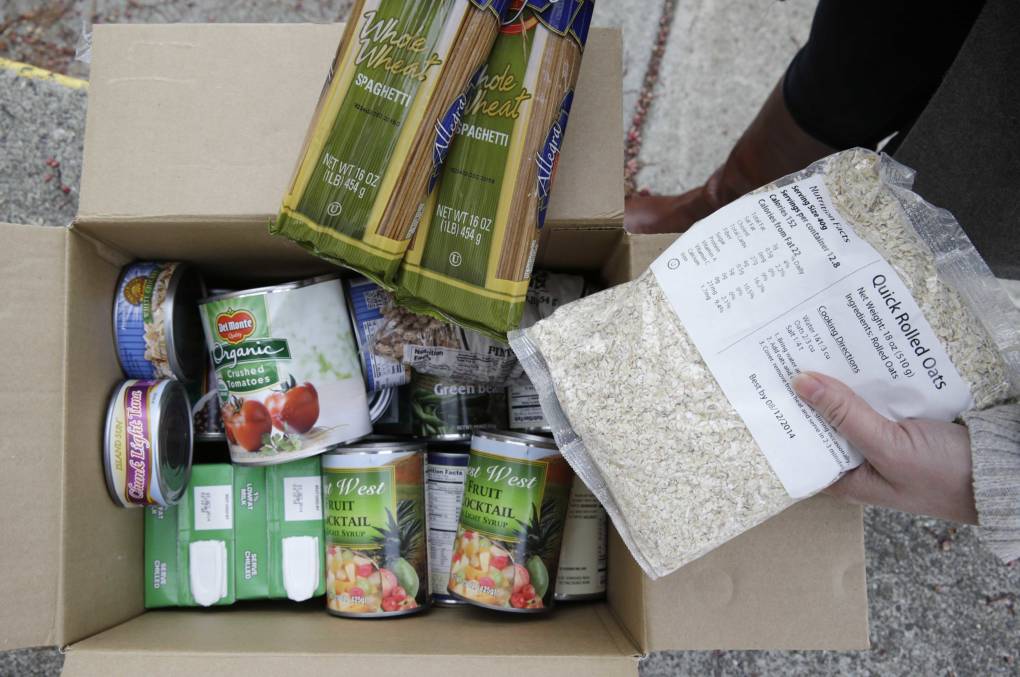
"caption": "A box of food prepared at a food bank distribution in Petaluma. ",
"credit": "Eric Risberg/AP",
"altTag": "A box of food prepared at a food bank distribution in Petaluma. California ranks near the bottom in enrolling people for food assistance. To change that, it's taking lessons from its robust Medi-Cal health insurance program, which targets much the same population.",
"description": "A box of food prepared at a food bank distribution in Petaluma. California ranks near the bottom in enrolling people for food assistance. To change that, it's taking lessons from its robust Medi-Cal health insurance program, which targets much the same population.",
"imgSizes": {
"thumbnail": {
"file": "https://cdn.kqed.org/wp-content/uploads/sites/10/2018/05/ap_280051064851_custom-4b2f9763a560df0f3638e47794a33a8e40090371-160x106.jpg",
"width": 160,
"height": 106,
"mimeType": "image/jpeg"
},
"medium": {
"file": "https://cdn.kqed.org/wp-content/uploads/sites/10/2018/05/ap_280051064851_custom-4b2f9763a560df0f3638e47794a33a8e40090371-800x531.jpg",
"width": 800,
"height": 531,
"mimeType": "image/jpeg"
},
"large": {
"file": "https://cdn.kqed.org/wp-content/uploads/sites/10/2018/05/ap_280051064851_custom-4b2f9763a560df0f3638e47794a33a8e40090371-1020x677.jpg",
"width": 1020,
"height": 677,
"mimeType": "image/jpeg"
},
"complete_open_graph": {
"file": "https://cdn.kqed.org/wp-content/uploads/sites/10/2018/05/ap_280051064851_custom-4b2f9763a560df0f3638e47794a33a8e40090371-1200x797.jpg",
"width": 1200,
"height": 797,
"mimeType": "image/jpeg"
},
"fd-lrg": {
"file": "https://cdn.kqed.org/wp-content/uploads/sites/10/2018/05/ap_280051064851_custom-4b2f9763a560df0f3638e47794a33a8e40090371-1920x1275.jpg",
"width": 1920,
"height": 1275,
"mimeType": "image/jpeg"
},
"fd-med": {
"file": "https://cdn.kqed.org/wp-content/uploads/sites/10/2018/05/ap_280051064851_custom-4b2f9763a560df0f3638e47794a33a8e40090371-1180x783.jpg",
"width": 1180,
"height": 783,
"mimeType": "image/jpeg"
},
"fd-sm": {
"file": "https://cdn.kqed.org/wp-content/uploads/sites/10/2018/05/ap_280051064851_custom-4b2f9763a560df0f3638e47794a33a8e40090371-960x637.jpg",
"width": 960,
"height": 637,
"mimeType": "image/jpeg"
},
"post-thumbnail": {
"file": "https://cdn.kqed.org/wp-content/uploads/sites/10/2018/05/ap_280051064851_custom-4b2f9763a560df0f3638e47794a33a8e40090371-672x372.jpg",
"width": 672,
"height": 372,
"mimeType": "image/jpeg"
},
"twentyfourteen-full-width": {
"file": "https://cdn.kqed.org/wp-content/uploads/sites/10/2018/05/ap_280051064851_custom-4b2f9763a560df0f3638e47794a33a8e40090371-1038x576.jpg",
"width": 1038,
"height": 576,
"mimeType": "image/jpeg"
},
"xxsmall": {
"file": "https://cdn.kqed.org/wp-content/uploads/sites/10/2018/05/ap_280051064851_custom-4b2f9763a560df0f3638e47794a33a8e40090371-240x159.jpg",
"width": 240,
"height": 159,
"mimeType": "image/jpeg"
},
"xsmall": {
"file": "https://cdn.kqed.org/wp-content/uploads/sites/10/2018/05/ap_280051064851_custom-4b2f9763a560df0f3638e47794a33a8e40090371-375x249.jpg",
"width": 375,
"height": 249,
"mimeType": "image/jpeg"
},
"small": {
"file": "https://cdn.kqed.org/wp-content/uploads/sites/10/2018/05/ap_280051064851_custom-4b2f9763a560df0f3638e47794a33a8e40090371-520x345.jpg",
"width": 520,
"height": 345,
"mimeType": "image/jpeg"
},
"xlarge": {
"file": "https://cdn.kqed.org/wp-content/uploads/sites/10/2018/05/ap_280051064851_custom-4b2f9763a560df0f3638e47794a33a8e40090371-1180x783.jpg",
"width": 1180,
"height": 783,
"mimeType": "image/jpeg"
},
"full-width": {
"file": "https://cdn.kqed.org/wp-content/uploads/sites/10/2018/05/ap_280051064851_custom-4b2f9763a560df0f3638e47794a33a8e40090371-1920x1275.jpg",
"width": 1920,
"height": 1275,
"mimeType": "image/jpeg"
},
"guest-author-32": {
"file": "https://cdn.kqed.org/wp-content/uploads/sites/10/2018/05/ap_280051064851_custom-4b2f9763a560df0f3638e47794a33a8e40090371-32x32.jpg",
"width": 32,
"height": 32,
"mimeType": "image/jpeg"
},
"guest-author-50": {
"file": "https://cdn.kqed.org/wp-content/uploads/sites/10/2018/05/ap_280051064851_custom-4b2f9763a560df0f3638e47794a33a8e40090371-50x50.jpg",
"width": 50,
"height": 50,
"mimeType": "image/jpeg"
},
"guest-author-64": {
"file": "https://cdn.kqed.org/wp-content/uploads/sites/10/2018/05/ap_280051064851_custom-4b2f9763a560df0f3638e47794a33a8e40090371-64x64.jpg",
"width": 64,
"height": 64,
"mimeType": "image/jpeg"
},
"guest-author-96": {
"file": "https://cdn.kqed.org/wp-content/uploads/sites/10/2018/05/ap_280051064851_custom-4b2f9763a560df0f3638e47794a33a8e40090371-96x96.jpg",
"width": 96,
"height": 96,
"mimeType": "image/jpeg"
},
"guest-author-128": {
"file": "https://cdn.kqed.org/wp-content/uploads/sites/10/2018/05/ap_280051064851_custom-4b2f9763a560df0f3638e47794a33a8e40090371-128x128.jpg",
"width": 128,
"height": 128,
"mimeType": "image/jpeg"
},
"detail": {
"file": "https://cdn.kqed.org/wp-content/uploads/sites/10/2018/05/ap_280051064851_custom-4b2f9763a560df0f3638e47794a33a8e40090371-150x150.jpg",
"width": 150,
"height": 150,
"mimeType": "image/jpeg"
},
"kqedFullSize": {
"file": "https://cdn.kqed.org/wp-content/uploads/sites/10/2018/05/ap_280051064851_custom-4b2f9763a560df0f3638e47794a33a8e40090371-e1525207334845.jpg",
"width": 1920,
"height": 1275
}
},
"isLoading": false,
"fetchFailed": false
}
},
"audioPlayerReducer": {
"postId": "stream_live",
"isPaused": true,
"isPlaying": false,
"pfsActive": false,
"pledgeModalIsOpen": true,
"playerDrawerIsOpen": false,
"liveAudioPlayStartedAt": 0,
"liveAudioPlayContext": ""
},
"authorsReducer": {
"byline_news_11760187": {
"type": "authors",
"id": "byline_news_11760187",
"meta": {
"override": true
},
"slug": "byline_news_11760187",
"name": "Bobby Allyn",
"isLoading": false
},
"byline_news_11759267": {
"type": "authors",
"id": "byline_news_11759267",
"meta": {
"override": true
},
"slug": "byline_news_11759267",
"name": "\u003cstrong>Elizabeth Aguilera\u003c/strong>",
"isLoading": false
},
"byline_news_11750567": {
"type": "authors",
"id": "byline_news_11750567",
"meta": {
"override": true
},
"slug": "byline_news_11750567",
"name": "Jenny Gold",
"isLoading": false
},
"byline_news_11711387": {
"type": "authors",
"id": "byline_news_11711387",
"meta": {
"override": true
},
"slug": "byline_news_11711387",
"name": "\u003cstrong>\u003ca href=\"https://calmatters.org/articles/author/elizabeth-aguilera/\">Elizabeth Aguilera\u003c/a>\u003c/strong>",
"isLoading": false
},
"byline_news_11685088": {
"type": "authors",
"id": "byline_news_11685088",
"meta": {
"override": true
},
"slug": "byline_news_11685088",
"name": "David Gorn\u003cbr>\u003cstrong>\u003ca href=\"https://calmatters.org/articles/california-diabetes-amputation-health/\">CALmatters\u003c/a>\u003c/strong>",
"isLoading": false
},
"byline_news_11671035": {
"type": "authors",
"id": "byline_news_11671035",
"meta": {
"override": true
},
"slug": "byline_news_11671035",
"name": "\u003cstrong>David Gorn\u003c/strong>\u003c/br>CALmatters",
"isLoading": false
},
"byline_news_11665753": {
"type": "authors",
"id": "byline_news_11665753",
"meta": {
"override": true
},
"slug": "byline_news_11665753",
"name": "Harriet Rowan",
"isLoading": false
},
"gmarzorati": {
"type": "authors",
"id": "227",
"meta": {
"index": "authors_1716337520",
"id": "227",
"found": true
},
"name": "Guy Marzorati",
"firstName": "Guy",
"lastName": "Marzorati",
"slug": "gmarzorati",
"email": "gmarzorati@KQED.org",
"display_author_email": true,
"staff_mastheads": [
"news"
],
"title": "Correspondent",
"bio": "Guy Marzorati is a correspondent on KQED's California Politics and Government Desk, based in San Jose. A graduate of Santa Clara University, Guy joined KQED in 2013. He reports on state and local politics and produces KQED's digital voter guide.",
"avatar": "https://secure.gravatar.com/avatar/e7038b8dbfd55b104369b76b1cd0b9de?s=600&d=blank&r=g",
"twitter": "guymarzorati",
"facebook": null,
"instagram": null,
"linkedin": null,
"sites": [
{
"site": "",
"roles": [
"editor"
]
},
{
"site": "news",
"roles": [
"editor"
]
},
{
"site": "science",
"roles": [
"editor"
]
},
{
"site": "forum",
"roles": [
"editor"
]
},
{
"site": "elections",
"roles": [
"editor"
]
},
{
"site": "liveblog",
"roles": [
"editor"
]
}
],
"headData": {
"title": "Guy Marzorati | KQED",
"description": "Correspondent",
"ogImgSrc": "https://secure.gravatar.com/avatar/e7038b8dbfd55b104369b76b1cd0b9de?s=600&d=blank&r=g",
"twImgSrc": "https://secure.gravatar.com/avatar/e7038b8dbfd55b104369b76b1cd0b9de?s=600&d=blank&r=g"
},
"isLoading": false,
"link": "/author/gmarzorati"
},
"adembosky": {
"type": "authors",
"id": "3205",
"meta": {
"index": "authors_1716337520",
"id": "3205",
"found": true
},
"name": "April Dembosky",
"firstName": "April",
"lastName": "Dembosky",
"slug": "adembosky",
"email": "adembosky@kqed.org",
"display_author_email": false,
"staff_mastheads": [
"news",
"science"
],
"title": "KQED Health Correspondent",
"bio": "April Dembosky is the health correspondent for KQED News and a regular contributor to NPR. She specializes in covering altered states of mind, from postpartum depression to methamphetamine-induced psychosis to the insanity defense. Her investigative series on insurance companies sidestepping mental health laws won multiple awards, including first place in beat reporting from the national Association of Health Care Journalists. She is the recipient of numerous other prizes and fellowships, including a national Edward R. Murrow award for investigative reporting, a Society of Professional Journalists award for long-form storytelling, and a Carter Center Fellowship for Mental Health Journalism.\r\n\r\nDembosky reported and produced \u003cem>Soundtrack of Silence\u003c/em>, an audio documentary about music and memory that is currently being made into a feature film by Paramount Pictures.\r\n\r\nBefore joining KQED in 2013, Dembosky covered technology and Silicon Valley for \u003cem>The Financial Times of London,\u003c/em> and contributed business and arts stories to \u003cem>Marketplace \u003c/em>and \u003cem>The New York Times.\u003c/em> She got her undergraduate degree in philosophy from Smith College and her master's in journalism from the University of California, Berkeley. She is a classically trained violinist and proud alum of the first symphony orchestra at Burning Man.",
"avatar": "https://secure.gravatar.com/avatar/ef92999be4ceb9ea60701e7dc276f813?s=600&d=blank&r=g",
"twitter": "adembosky",
"facebook": null,
"instagram": null,
"linkedin": null,
"sites": [
{
"site": "arts",
"roles": [
"author"
]
},
{
"site": "news",
"roles": [
"editor"
]
},
{
"site": "futureofyou",
"roles": [
"author"
]
},
{
"site": "stateofhealth",
"roles": [
"editor"
]
},
{
"site": "science",
"roles": [
"editor"
]
},
{
"site": "forum",
"roles": [
"editor"
]
}
],
"headData": {
"title": "April Dembosky | KQED",
"description": "KQED Health Correspondent",
"ogImgSrc": "https://secure.gravatar.com/avatar/ef92999be4ceb9ea60701e7dc276f813?s=600&d=blank&r=g",
"twImgSrc": "https://secure.gravatar.com/avatar/ef92999be4ceb9ea60701e7dc276f813?s=600&d=blank&r=g"
},
"isLoading": false,
"link": "/author/adembosky"
},
"lklivans": {
"type": "authors",
"id": "8648",
"meta": {
"index": "authors_1716337520",
"id": "8648",
"found": true
},
"name": "Laura Klivans",
"firstName": "Laura",
"lastName": "Klivans",
"slug": "lklivans",
"email": "lklivans@kqed.org",
"display_author_email": true,
"staff_mastheads": [
"news",
"science"
],
"title": "Reporter",
"bio": "Laura Klivans is an award-winning science reporter for KQED News, where she covers climate change with an eye on both groundbreaking progress and gaps in action. She is the former host of KQED's blockbuster video series about tiny, amazing animals, \u003cem>Deep Look\u003c/em>. Her work reaches national audiences through NPR, \u003cem>Here & Now, \u003c/em>PRI, and other major outlets. \r\n\r\nLaura’s won five Northern California Area Emmy Awards for Deep Look and First Place in the Greater Bay Area Journalism Awards for a podcast exploring how one Oakland neighborhood teamed up to reduce planet-heating pollution.\r\n\r\nBeyond her reporting, she hosts and moderates events. In the past, she taught audio storytelling at the UC Berkeley Graduate School of Journalism, led international education programs, worked with immigrants and refugees along the Thai-Burmese border, taught high schoolers sex ed, and was an actress. \r\n\r\nShe's a former UC Berkeley Human Rights Fellow, USC Center for Health Journalism's California Fellow and Coro Fellow in Public Affairs. Laura has a master’s in journalism from UC Berkeley, a master’s in education from Harvard, and an undergraduate degree from Northwestern University.\r\n\r\nShe loves trying to riddle the meaning out of vanity license plates.",
"avatar": "https://secure.gravatar.com/avatar/2d2ecd1550a494cc10ad4a503406965585902124739e775a9b3817eebf1d88be?s=600&d=blank&r=g",
"twitter": "lauraklivans",
"bluesky": null,
"facebook": null,
"instagram": null,
"linkedin": null,
"sites": [
{
"site": "news",
"roles": [
"editor"
]
},
{
"site": "stateofhealth",
"roles": [
"contributor",
"editor"
]
},
{
"site": "science",
"roles": [
"editor"
]
},
{
"site": "forum",
"roles": [
"editor"
]
}
],
"headData": {
"title": "Laura Klivans | KQED",
"description": "Reporter",
"ogImgSrc": "https://secure.gravatar.com/avatar/2d2ecd1550a494cc10ad4a503406965585902124739e775a9b3817eebf1d88be?s=600&d=blank&r=g",
"twImgSrc": "https://secure.gravatar.com/avatar/2d2ecd1550a494cc10ad4a503406965585902124739e775a9b3817eebf1d88be?s=600&d=blank&r=g"
},
"isLoading": false,
"link": "/author/lklivans"
},
"dgorn": {
"type": "authors",
"id": "8656",
"meta": {
"index": "authors_1716337520",
"id": "8656",
"found": true
},
"name": "David Gorn",
"firstName": "David",
"lastName": "Gorn",
"slug": "dgorn",
"email": "dgorn+donotmail@sbcglobal.net",
"display_author_email": false,
"staff_mastheads": [],
"title": "KQED Contributor",
"bio": "David Gorn is the former Deputy News Director of KQED Radio. His public radio pieces have appeared on NPR, the World, Marketplace and the California Report.",
"avatar": "https://secure.gravatar.com/avatar/a6ad3e1eec1712e19b986b9395614010?s=600&d=blank&r=g",
"twitter": null,
"facebook": null,
"instagram": null,
"linkedin": null,
"sites": [
{
"site": "news",
"roles": [
"subscriber"
]
},
{
"site": "futureofyou",
"roles": [
"author"
]
},
{
"site": "science",
"roles": [
"author"
]
},
{
"site": "quest",
"roles": [
"editor"
]
}
],
"headData": {
"title": "David Gorn | KQED",
"description": "KQED Contributor",
"ogImgSrc": "https://secure.gravatar.com/avatar/a6ad3e1eec1712e19b986b9395614010?s=600&d=blank&r=g",
"twImgSrc": "https://secure.gravatar.com/avatar/a6ad3e1eec1712e19b986b9395614010?s=600&d=blank&r=g"
},
"isLoading": false,
"link": "/author/dgorn"
},
"fjhabvala": {
"type": "authors",
"id": "8659",
"meta": {
"index": "authors_1716337520",
"id": "8659",
"found": true
},
"name": "Farida Jhabvala Romero",
"firstName": "Farida",
"lastName": "Jhabvala Romero",
"slug": "fjhabvala",
"email": "fjhabvala@kqed.org",
"display_author_email": true,
"staff_mastheads": [
"news"
],
"title": "KQED Contributor",
"bio": "Farida Jhabvala Romero is a Labor Correspondent for KQED. She previously covered immigration. Farida was \u003ca href=\"https://www.ccnma.org/2022-most-influential-latina-journalists\">named\u003c/a> one of the 10 Most Influential Latina Journalists in California in 2022 by the California Chicano News Media Association. Her work has won awards from the Society of Professional Journalists (Northern California), as well as a national and regional Edward M. Murrow Award for the collaborative reporting projects “Dangerous Air” and “Graying California.” Before joining KQED, Farida worked as a producer at Radio Bilingüe, a national public radio network. Farida earned her master’s degree in journalism from Stanford University.",
"avatar": "https://secure.gravatar.com/avatar/f9f022d4e2609741874222a1e9d41f48fea74011aa7c615eef91d9a50c944ebe?s=600&d=blank&r=g",
"twitter": "FaridaJhabvala",
"bluesky": null,
"facebook": null,
"instagram": null,
"linkedin": "https://www.linkedin.com/in/faridajhabvala/",
"sites": [
{
"site": "news",
"roles": [
"editor"
]
},
{
"site": "stateofhealth",
"roles": [
"author"
]
},
{
"site": "liveblog",
"roles": [
"author"
]
}
],
"headData": {
"title": "Farida Jhabvala Romero | KQED",
"description": "KQED Contributor",
"ogImgSrc": "https://secure.gravatar.com/avatar/f9f022d4e2609741874222a1e9d41f48fea74011aa7c615eef91d9a50c944ebe?s=600&d=blank&r=g",
"twImgSrc": "https://secure.gravatar.com/avatar/f9f022d4e2609741874222a1e9d41f48fea74011aa7c615eef91d9a50c944ebe?s=600&d=blank&r=g"
},
"isLoading": false,
"link": "/author/fjhabvala"
}
},
"pagesReducer": {
"news_tag_medi-cal": {
"type": "terms",
"id": "news_2605",
"meta": {
"index": "terms_1716263798",
"site": "news",
"id": "2605",
"score": 9.892343
},
"featImg": null,
"name": "Medi-Cal",
"description": null,
"taxonomy": "tag",
"headData": {
"twImgId": null,
"twTitle": null,
"ogTitle": null,
"ogImgId": null,
"twDescription": null,
"description": null,
"title": "Medi-Cal Archives | KQED News",
"ogDescription": null
},
"ttid": 2621,
"slug": "medi-cal",
"isLoading": false,
"title": "Medi-Cal",
"pageMeta": {
"site": "news",
"WpPageTemplate": "page-topic-editorial",
"currentPage": 9
},
"blocks": [
{
"blockName": "kqed/post-list",
"attrs": {
"layout": "cardArticle2",
"query": "posts/news?tag=medi-cal",
"seeMore": false,
"paginated": true,
"page": 9
}
},
{
"blockName": "kqed/ad"
}
]
}
},
"pfsSessionReducer": {},
"postsReducer": {
"stream_live": {
"type": "live",
"id": "stream_live",
"audioUrl": "https://streams.kqed.org/kqedradio",
"title": "Live Stream",
"excerpt": "Live Stream information currently unavailable.",
"link": "/radio",
"featImg": "",
"label": {
"name": "KQED Live",
"link": "/"
}
},
"stream_kqedNewscast": {
"type": "posts",
"id": "stream_kqedNewscast",
"audioUrl": "https://www.kqed.org/.stream/anon/radio/RDnews/newscast.mp3?_=1",
"title": "KQED Newscast",
"featImg": "",
"label": {
"name": "88.5 FM",
"link": "/"
}
},
"news_11760187": {
"type": "posts",
"id": "news_11760187",
"meta": {
"index": "posts_1716263798",
"site": "news",
"id": "11760187",
"score": null,
"sort": [
1562782495000
]
},
"parent": 0,
"labelTerm": {},
"blocks": [],
"publishDate": 1562782495,
"format": "standard",
"disqusTitle": "California Is First State To Offer Health Benefits To Adult Undocumented Immigrants",
"title": "California Is First State To Offer Health Benefits To Adult Undocumented Immigrants",
"headTitle": "The California Report | KQED News",
"content": "\u003cp>California has become the first state in the country to offer government-subsidized health benefits to young adults living in the U.S. illegally.\u003c/p>\n\u003cp>The measure, signed by Gov. Gavin Newsom on Tuesday, extends coverage for the state's Medicaid program to low-income, undocumented adults age 25 and younger\u003c/p>\n\u003cp>[aside label=\"related coverage\" tag=\"undocumented-immigrants\"]\u003c/p>\n\u003cp>Since 2016, California \u003ca href=\"https://www.ppic.org/publication/health-coverage-and-care-for-undocumented-immigrants/\" target=\"_blank\" rel=\"noopener\">has allowed\u003c/a> children under 18 to receive taxpayer-backed health care despite immigration status.\u003c/p>\n\u003cp>The idea of giving health benefits to undocumented immigrants is \u003ca href=\"https://psmag.com/economics/what-would-happen-if-the-government-covered-undocumented-immigrants-health-care\">supported\u003c/a> by most of the Democratic candidates running for president, and California's move comes as the Trump administration continues to ramp up its hard-line crackdown on illegal immigration. On Tuesday, Newsom said the state law draws a sharp contrast with Trump's immigration policies.\u003c/p>\n\u003cp>\"If you believe in universal health care, you believe in universal health care,\" Newsom \u003ca href=\"https://www.facebook.com/CAgovernor/videos/366129283968781/\" target=\"_blank\" rel=\"noopener\">said\u003c/a>. \"We are the most un-Trump state in America when it comes to health policy.\"\u003c/p>\n\u003cp>In California, extending health benefits to undocumented immigrants is widely popular. A \u003ca href=\"https://www.ppic.org/wp-content/uploads/ppic-statewide-survey-californians-and-their-government-march-2019.pdfhttps:/www.ppic.org/publication/ppic-statewide-survey-californians-and-their-government-march-2019/\" target=\"_blank\" rel=\"noopener\">March survey\u003c/a> conducted by the nonpartisan Public Policy Institute of California found that almost two-thirds of state residents support providing coverage to young adults who are not legally authorized to live in the country.\u003c/p>\n\u003cp>California, the group \u003ca href=\"https://www.pewresearch.org/fact-tank/2019/06/12/5-facts-about-illegal-immigration-in-the-u-s/\" target=\"_blank\" rel=\"noopener\">notes\u003c/a>, has more immigrants than any other state. And an estimated 14% of them do not have legal status.\u003c/p>\n\u003cp>A national survey suggests that many Americans across the country are far less accepting of the notion of giving health coverage to those who came into the U.S. illegally. A CNN poll conducted after the Democratic debates last month \u003ca href=\"http://cdn.cnn.com/cnn/2019/images/07/01/rel8a.-.democrats.and.healthcare.pdf\" target=\"_blank\" rel=\"noopener\">found that\u003c/a> 59% of respondents do not think government-backed health coverage should be provided to undocumented immigrants.\u003c/p>\n\u003cp>In most states, people living in the country illegally \u003ca href=\"http://www.ncsl.org/research/immigration/immigrant-eligibility-for-health-care-programs-in-the-united-states.aspx\" target=\"_blank\" rel=\"noopener\">are not\u003c/a> eligible for federal health insurance programs like Medicaid and Medicare, except in some cases, like medical emergencies and pregnancies, according to the National Conference of State Legislatures.\u003c/p>\n\u003cp>Republican lawmakers in California criticized the law, arguing that the state should be spending health care dollars on those living in the state legally.\u003c/p>\n\u003cp>\"We are going to be a magnet that is going to further attract people to a state of California that's willing to write a blank check to anyone that wants to come here,\" \u003ca href=\"https://stone.cssrc.us/content/senator-stone-opposed-sb-29-another-expense-california-cannot-afford\" target=\"_blank\" rel=\"noopener\">said\u003c/a> state Sen. Jeff Stone, R-Temecula, at a May legislative hearing. \"We are doing a disservice to citizens who legally call California their home.\"\u003c/p>\n\u003cp>[ad fullwidth]\u003c/p>\n\u003cp>The plan does not cover all undocumented immigrants under 25, only those whose incomes are low enough to qualify. State officials \u003ca href=\"http://www.ebudget.ca.gov/2019-20/pdf/BudgetSummary/FullBudgetSummary.pdf\">estimate\u003c/a> that in the first year the program will cover about 138,000 residents and cost California taxpayers $98 million.\u003c/p>\n\u003cp>Trump has publicly attacked Newsom's plans.\u003c/p>\n\u003cp>\"It's crazy what they're doing. It's crazy,\" Trump \u003ca href=\"https://www.whitehouse.gov/briefings-statements/remarks-president-trump-signing-h-r-3401/\" target=\"_blank\" rel=\"noopener\">told\u003c/a> reporters last week. \"And it's mean, and it's very unfair to our citizens. And we're going to stop it, but we may need an election to stop it.\"\u003c/p>\n\u003cdiv class=\"fullattribution\">Copyright 2019 NPR. To see more, visit https://www.npr.org.\u003cimg src=\"https://www.google-analytics.com/__utm.gif?utmac=UA-5828686-4&utmdt=California+Is+1st+State+To+Offer+Health+Benefits+To+Adult+Undocumented+Immigrants&utme=8(APIKey)9(MDAxOTAwOTE4MDEyMTkxMDAzNjczZDljZA004)\">\u003c/div>\n\u003cp>\u003c/p>\n",
"disqusIdentifier": "11760187 https://ww2.kqed.org/news/?p=11760187",
"disqusUrl": "https://ww2.kqed.org/news/2019/07/10/california-is-1st-state-to-offer-health-benefits-to-adult-undocumented-immigrants/",
"stats": {
"hasVideo": false,
"hasChartOrMap": false,
"hasAudio": false,
"hasPolis": false,
"wordCount": 515,
"hasGoogleForm": false,
"hasGallery": false,
"hasHearkenModule": false,
"iframeSrcs": [],
"paragraphCount": 17
},
"modified": 1562782918,
"excerpt": "Expanding health benefits to more undocumented immigrants is widely praised by state Democrats, but some Republicans worry that it will make California a \"magnet\" for migrants in search of coverage. ",
"headData": {
"twImgId": "",
"twTitle": "",
"ogTitle": "",
"ogImgId": "",
"twDescription": "",
"description": "Expanding health benefits to more undocumented immigrants is widely praised by state Democrats, but some Republicans worry that it will make California a "magnet" for migrants in search of coverage. ",
"title": "California Is First State To Offer Health Benefits To Adult Undocumented Immigrants | KQED",
"ogDescription": "",
"schema": {
"@context": "https://schema.org",
"@type": "NewsArticle",
"headline": "California Is First State To Offer Health Benefits To Adult Undocumented Immigrants",
"datePublished": "2019-07-10T11:14:55-07:00",
"dateModified": "2019-07-10T11:21:58-07:00",
"image": "https://cdn.kqed.org/wp-content/uploads/2020/02/KQED-OG-Image@1x.png",
"isAccessibleForFree": "True",
"publisher": {
"@type": "NewsMediaOrganization",
"@id": "https://www.kqed.org/#organization",
"name": "KQED",
"logo": "https://cdn.kqed.org/wp-content/uploads/2020/02/KQED-OG-Image@1x.png",
"url": "https://www.kqed.org",
"sameAs": [
"https://www.facebook.com/KQED",
"https://twitter.com/KQED",
"https://www.instagram.com/kqed/",
"https://www.tiktok.com/@kqedofficial",
"https://www.linkedin.com/company/kqed",
"https://www.youtube.com/channel/UCeC0IOo7i1P_61zVUWbJ4nw"
]
}
}
},
"guestAuthors": [],
"slug": "california-is-1st-state-to-offer-health-benefits-to-adult-undocumented-immigrants",
"status": "publish",
"nprApiLink": "http://api.npr.org/query?id=740147546&apiKey=MDAxOTAwOTE4MDEyMTkxMDAzNjczZDljZA004",
"nprStoryDate": "Wed, 10 Jul 2019 03:41:32 -0400",
"nprLastModifiedDate": "Wed, 10 Jul 2019 08:48:06 -0400",
"nprHtmlLink": "https://www.npr.org/2019/07/10/740147546/california-first-state-to-offer-health-benefits-to-adult-undocumented-immigrants?ft=nprml&f=740147546",
"nprImageAgency": "AP",
"source": "NPR",
"nprStoryId": "740147546",
"sourceUrl": "https://www.npr.org/",
"audioUrl": "https://www.kqed.org/.stream/anon/radio/tcr/2019/07/KimUndocumentedHealth.mp3",
"nprByline": "Bobby Allyn",
"audioTrackLength": 64,
"nprImageCredit": "Rich Pedroncelli",
"nprRetrievedStory": "1",
"nprPubDate": "Wed, 10 Jul 2019 08:48:00 -0400",
"path": "/news/11760187/california-is-1st-state-to-offer-health-benefits-to-adult-undocumented-immigrants",
"audioDuration": 64000,
"parsedContent": [
{
"type": "contentString",
"content": "\u003cdiv class=\"post-body\">\u003cp>\u003cp>California has become the first state in the country to offer government-subsidized health benefits to young adults living in the U.S. illegally.\u003c/p>\n\u003cp>The measure, signed by Gov. Gavin Newsom on Tuesday, extends coverage for the state's Medicaid program to low-income, undocumented adults age 25 and younger\u003c/p>\n\u003cp>\u003c/p>\u003c/div>",
"attributes": {
"named": {},
"numeric": []
}
},
{
"type": "component",
"content": "",
"name": "aside",
"attributes": {
"named": {
"label": "related coverage ",
"tag": "undocumented-immigrants"
},
"numeric": []
}
},
{
"type": "contentString",
"content": "\u003cdiv class=\"post-body\">\u003cp>\u003c/p>\n\u003cp>Since 2016, California \u003ca href=\"https://www.ppic.org/publication/health-coverage-and-care-for-undocumented-immigrants/\" target=\"_blank\" rel=\"noopener\">has allowed\u003c/a> children under 18 to receive taxpayer-backed health care despite immigration status.\u003c/p>\n\u003cp>The idea of giving health benefits to undocumented immigrants is \u003ca href=\"https://psmag.com/economics/what-would-happen-if-the-government-covered-undocumented-immigrants-health-care\">supported\u003c/a> by most of the Democratic candidates running for president, and California's move comes as the Trump administration continues to ramp up its hard-line crackdown on illegal immigration. On Tuesday, Newsom said the state law draws a sharp contrast with Trump's immigration policies.\u003c/p>\n\u003cp>\"If you believe in universal health care, you believe in universal health care,\" Newsom \u003ca href=\"https://www.facebook.com/CAgovernor/videos/366129283968781/\" target=\"_blank\" rel=\"noopener\">said\u003c/a>. \"We are the most un-Trump state in America when it comes to health policy.\"\u003c/p>\n\u003cp>In California, extending health benefits to undocumented immigrants is widely popular. A \u003ca href=\"https://www.ppic.org/wp-content/uploads/ppic-statewide-survey-californians-and-their-government-march-2019.pdfhttps:/www.ppic.org/publication/ppic-statewide-survey-californians-and-their-government-march-2019/\" target=\"_blank\" rel=\"noopener\">March survey\u003c/a> conducted by the nonpartisan Public Policy Institute of California found that almost two-thirds of state residents support providing coverage to young adults who are not legally authorized to live in the country.\u003c/p>\n\u003cp>California, the group \u003ca href=\"https://www.pewresearch.org/fact-tank/2019/06/12/5-facts-about-illegal-immigration-in-the-u-s/\" target=\"_blank\" rel=\"noopener\">notes\u003c/a>, has more immigrants than any other state. And an estimated 14% of them do not have legal status.\u003c/p>\n\u003cp>A national survey suggests that many Americans across the country are far less accepting of the notion of giving health coverage to those who came into the U.S. illegally. A CNN poll conducted after the Democratic debates last month \u003ca href=\"http://cdn.cnn.com/cnn/2019/images/07/01/rel8a.-.democrats.and.healthcare.pdf\" target=\"_blank\" rel=\"noopener\">found that\u003c/a> 59% of respondents do not think government-backed health coverage should be provided to undocumented immigrants.\u003c/p>\n\u003cp>In most states, people living in the country illegally \u003ca href=\"http://www.ncsl.org/research/immigration/immigrant-eligibility-for-health-care-programs-in-the-united-states.aspx\" target=\"_blank\" rel=\"noopener\">are not\u003c/a> eligible for federal health insurance programs like Medicaid and Medicare, except in some cases, like medical emergencies and pregnancies, according to the National Conference of State Legislatures.\u003c/p>\n\u003cp>Republican lawmakers in California criticized the law, arguing that the state should be spending health care dollars on those living in the state legally.\u003c/p>\n\u003cp>\"We are going to be a magnet that is going to further attract people to a state of California that's willing to write a blank check to anyone that wants to come here,\" \u003ca href=\"https://stone.cssrc.us/content/senator-stone-opposed-sb-29-another-expense-california-cannot-afford\" target=\"_blank\" rel=\"noopener\">said\u003c/a> state Sen. Jeff Stone, R-Temecula, at a May legislative hearing. \"We are doing a disservice to citizens who legally call California their home.\"\u003c/p>\n\u003cp>\u003c/p>\u003c/div>",
"attributes": {
"named": {},
"numeric": []
}
},
{
"type": "component",
"content": "",
"name": "ad",
"attributes": {
"named": {
"label": "fullwidth"
},
"numeric": [
"fullwidth"
]
}
},
{
"type": "contentString",
"content": "\u003cdiv class=\"post-body\">\u003cp>\u003c/p>\n\u003cp>The plan does not cover all undocumented immigrants under 25, only those whose incomes are low enough to qualify. State officials \u003ca href=\"http://www.ebudget.ca.gov/2019-20/pdf/BudgetSummary/FullBudgetSummary.pdf\">estimate\u003c/a> that in the first year the program will cover about 138,000 residents and cost California taxpayers $98 million.\u003c/p>\n\u003cp>Trump has publicly attacked Newsom's plans.\u003c/p>\n\u003cp>\"It's crazy what they're doing. It's crazy,\" Trump \u003ca href=\"https://www.whitehouse.gov/briefings-statements/remarks-president-trump-signing-h-r-3401/\" target=\"_blank\" rel=\"noopener\">told\u003c/a> reporters last week. \"And it's mean, and it's very unfair to our citizens. And we're going to stop it, but we may need an election to stop it.\"\u003c/p>\n\u003cdiv class=\"fullattribution\">Copyright 2019 NPR. To see more, visit https://www.npr.org.\u003cimg src=\"https://www.google-analytics.com/__utm.gif?utmac=UA-5828686-4&utmdt=California+Is+1st+State+To+Offer+Health+Benefits+To+Adult+Undocumented+Immigrants&utme=8(APIKey)9(MDAxOTAwOTE4MDEyMTkxMDAzNjczZDljZA004)\">\u003c/div>\n\u003cp>\u003c/p>\n\u003c/div>\u003c/p>",
"attributes": {
"named": {},
"numeric": []
}
}
],
"link": "/news/11760187/california-is-1st-state-to-offer-health-benefits-to-adult-undocumented-immigrants",
"authors": [
"byline_news_11760187"
],
"programs": [
"news_72"
],
"categories": [
"news_457",
"news_1169",
"news_8"
],
"tags": [
"news_1054",
"news_2605",
"news_244"
],
"featImg": "news_11760188",
"label": "source_news_11760187"
},
"news_11759267": {
"type": "posts",
"id": "news_11759267",
"meta": {
"index": "posts_1716263798",
"site": "news",
"id": "11759267",
"score": null,
"sort": [
1562360751000
]
},
"guestAuthors": [],
"slug": "california-pays-60-million-in-student-loan-debt-of-doctors-who-agree-to-treat-poorer-patients",
"title": "California Pays $60 Million in Student Loan Debt of Doctors Who Agree to Treat Poorer Patients",
"publishDate": 1562360751,
"format": "standard",
"headTitle": "California Pays $60 Million in Student Loan Debt of Doctors Who Agree to Treat Poorer Patients | KQED",
"labelTerm": {},
"content": "\u003cp>It’s a trade aimed at getting more doctors to treat poorer patients: California this week said it will help repay the student loans of 247 selected doctors in exchange for their promise that at least 30% of their caseload will be people enrolled in Medi-Cal.\u003c/p>\n\u003cp>The $60 million student loan repayment, \u003ca href=\"http://www.calhealthcares.org/\" target=\"_blank\" rel=\"noopener\">CalHealthCares\u003c/a>, is funded by the state tobacco tax that voters increased three years ago.\u003c/p>\n\u003cp>It’s all part of California’s effort to try to increase the number of doctors who accept Medi-Cal, the state’s Medicaid health insurer of low-income residents, which has been plagued by shortages — due both to the state’s paltry rates for doctors in its provider network and to the substantial increase in the number of residents on Medi-Cal. California has one of the \u003ca href=\"https://www.pewtrusts.org/en/research-and-analysis/blogs/stateline/2017/09/22/are-medicaids-payment-rates-so-low-theyre-discriminatory\" target=\"_blank\" rel=\"noopener\">lowest\u003c/a> Medicaid reimbursement rates in the country, and patients wait months, or longer, to see specialists.\u003c/p>\n\u003cp>[pullquote]The $60 million student loan repayment, CalHealthCares, is funded by the state tobacco tax that voters increased three years ago.[/pullquote]\u003c/p>\n\u003cp>“I wouldn’t say that with a loan repayment you’re necessarily earning as much as you would if you’re working for Kaiser or Sutter,” \u003ca href=\"https://profiles.ucsf.edu/janet.coffman\" target=\"_self\" rel=\"noopener\">Janet Coffman\u003c/a>, a professor in the \u003ca href=\"https://healthpolicy.ucsf.edu/philip-r-lee-institute-health-policy-studies\" target=\"_self\" rel=\"noopener\">Philip R. Lee Institute for Health Policy Studies\u003c/a> at UCSF, told the \u003ca href=\"https://www.sacbee.com/news/local/health-and-medicine/article232264972.html\" target=\"_blank\" rel=\"noopener\">Sacramento Bee\u003c/a>. “But it can be the difference that enables folks to say, ‘OK, if I get this loan repayment in addition to salary, I can see my way to work in an urban or rural underserved community.’ ”\u003c/p>\n\u003cp>More than 1,300 doctors and medical residents applied for the benefit, which provides up to $300,000 over five years (the time of the commitment), and those selected were chosen based on their commitment to treat the underserved, their geographic location and their specialties.\u003c/p>\n\u003cp>Selected doctors included pediatricians, psychiatrists and obstetricians/gynecologists, and work in settings from community clinics to private practices.\u003c/p>\n\u003cp>[ad fullwidth]\u003c/p>\n\u003cp>“By removing the burden of student loan debt, this program will encourage more providers to make different choices when entering the health care market and be able to provide care for the Medi-Cal population,” said Jennifer Kent, director of the state Department of Health Care Services, which is administering the program.\u003c/p>\n\u003cp>[aside tag='medi-cal' label='More Coverage of Medi-Cal']\u003c/p>\n\u003cp>Research indicates that debt is a major concern for physicians nationwide: A 2017 survey by an affiliate of the American Medical Association found that half owed $200,000 or more in medical school loans.\u003c/p>\n\u003cp>In California, the passage of the federal Affordable Care Act and the expansion of Medi-Cal eligibility brought more than 4 million new enrollees to the program. Three years ago, California opened the program to undocumented children, adding more than 200,000 to the benefit, and is now poised to add nearly 100,000 undocumented adults ages 19 to 25 under the new budget enacted by Gov. Gavin Newsom and the Legislature. This year, 1 in 3 Californians are on Medi-Cal. It pays for half of all births in the state, and 58% of all long-term care stays.\u003c/p>\n\u003cp>This is the first doctor group to receive funding from the $340 million fund created by Proposition 56 tobacco tax revenue. The state expects there will be at least five more rounds of awards.\u003c/p>\n\u003cp>Later this summer, the state will announce awards for dentists who applied to participate in the loan repayment program for serving Denti-Cal patients.\u003c/p>\n\u003cp>\u003c/p>\n",
"blocks": [],
"excerpt": "California will help repay the student loans of some doctors in exchange for their promise that at least 30% of their caseload will be people enrolled in Medi-Cal.",
"status": "publish",
"parent": 0,
"modified": 1726008560,
"stats": {
"hasAudio": false,
"hasVideo": false,
"hasChartOrMap": false,
"iframeSrcs": [],
"hasGoogleForm": false,
"hasGallery": false,
"hasHearkenModule": false,
"hasPolis": false,
"paragraphCount": 15,
"wordCount": 592
},
"headData": {
"title": "California Pays $60 Million in Student Loan Debt of Doctors Who Agree to Treat Poorer Patients | KQED",
"description": "California will help repay the student loans of some doctors in exchange for their promise that at least 30% of their caseload will be people enrolled in Medi-Cal.",
"ogTitle": "",
"ogDescription": "",
"ogImgId": "",
"twTitle": "",
"twDescription": "",
"twImgId": "",
"schema": {
"@context": "https://schema.org",
"@type": "NewsArticle",
"headline": "California Pays $60 Million in Student Loan Debt of Doctors Who Agree to Treat Poorer Patients",
"datePublished": "2019-07-05T14:05:51-07:00",
"dateModified": "2024-09-10T15:49:20-07:00",
"image": "https://cdn.kqed.org/wp-content/uploads/2020/02/KQED-OG-Image@1x.png",
"isAccessibleForFree": "True",
"publisher": {
"@type": "NewsMediaOrganization",
"@id": "https://www.kqed.org/#organization",
"name": "KQED",
"logo": "https://cdn.kqed.org/wp-content/uploads/2020/02/KQED-OG-Image@1x.png",
"url": "https://www.kqed.org",
"sameAs": [
"https://www.facebook.com/KQED",
"https://twitter.com/KQED",
"https://www.instagram.com/kqed/",
"https://www.tiktok.com/@kqedofficial",
"https://www.linkedin.com/company/kqed",
"https://www.youtube.com/channel/UCeC0IOo7i1P_61zVUWbJ4nw"
]
}
}
},
"source": "CALmatters",
"sourceUrl": "https://calmatters.org",
"sticky": false,
"nprByline": "\u003cstrong>Elizabeth Aguilera\u003c/strong>",
"path": "/news/11759267/california-pays-60-million-in-student-loan-debt-of-doctors-who-agree-to-treat-poorer-patients",
"audioTrackLength": null,
"parsedContent": [
{
"type": "contentString",
"content": "\u003cdiv class=\"post-body\">\u003cp>\u003cp>It’s a trade aimed at getting more doctors to treat poorer patients: California this week said it will help repay the student loans of 247 selected doctors in exchange for their promise that at least 30% of their caseload will be people enrolled in Medi-Cal.\u003c/p>\n\u003cp>The $60 million student loan repayment, \u003ca href=\"http://www.calhealthcares.org/\" target=\"_blank\" rel=\"noopener\">CalHealthCares\u003c/a>, is funded by the state tobacco tax that voters increased three years ago.\u003c/p>\n\u003cp>It’s all part of California’s effort to try to increase the number of doctors who accept Medi-Cal, the state’s Medicaid health insurer of low-income residents, which has been plagued by shortages — due both to the state’s paltry rates for doctors in its provider network and to the substantial increase in the number of residents on Medi-Cal. California has one of the \u003ca href=\"https://www.pewtrusts.org/en/research-and-analysis/blogs/stateline/2017/09/22/are-medicaids-payment-rates-so-low-theyre-discriminatory\" target=\"_blank\" rel=\"noopener\">lowest\u003c/a> Medicaid reimbursement rates in the country, and patients wait months, or longer, to see specialists.\u003c/p>\n\u003cp>\u003c/p>\u003c/div>",
"attributes": {
"named": {},
"numeric": []
}
},
{
"type": "component",
"content": "The $60 million student loan repayment, CalHealthCares, is funded by the state tobacco tax that voters increased three years ago.",
"name": "pullquote",
"attributes": {
"named": {
"label": ""
},
"numeric": []
}
},
{
"type": "contentString",
"content": "\u003cdiv class=\"post-body\">\u003cp>\u003c/p>\n\u003cp>“I wouldn’t say that with a loan repayment you’re necessarily earning as much as you would if you’re working for Kaiser or Sutter,” \u003ca href=\"https://profiles.ucsf.edu/janet.coffman\" target=\"_self\" rel=\"noopener\">Janet Coffman\u003c/a>, a professor in the \u003ca href=\"https://healthpolicy.ucsf.edu/philip-r-lee-institute-health-policy-studies\" target=\"_self\" rel=\"noopener\">Philip R. Lee Institute for Health Policy Studies\u003c/a> at UCSF, told the \u003ca href=\"https://www.sacbee.com/news/local/health-and-medicine/article232264972.html\" target=\"_blank\" rel=\"noopener\">Sacramento Bee\u003c/a>. “But it can be the difference that enables folks to say, ‘OK, if I get this loan repayment in addition to salary, I can see my way to work in an urban or rural underserved community.’ ”\u003c/p>\n\u003cp>More than 1,300 doctors and medical residents applied for the benefit, which provides up to $300,000 over five years (the time of the commitment), and those selected were chosen based on their commitment to treat the underserved, their geographic location and their specialties.\u003c/p>\n\u003cp>Selected doctors included pediatricians, psychiatrists and obstetricians/gynecologists, and work in settings from community clinics to private practices.\u003c/p>\n\u003cp>\u003c/p>\u003c/div>",
"attributes": {
"named": {},
"numeric": []
}
},
{
"type": "component",
"content": "",
"name": "ad",
"attributes": {
"named": {
"label": "fullwidth"
},
"numeric": [
"fullwidth"
]
}
},
{
"type": "contentString",
"content": "\u003cdiv class=\"post-body\">\u003cp>\u003c/p>\n\u003cp>“By removing the burden of student loan debt, this program will encourage more providers to make different choices when entering the health care market and be able to provide care for the Medi-Cal population,” said Jennifer Kent, director of the state Department of Health Care Services, which is administering the program.\u003c/p>\n\u003cp>\u003c/p>\u003c/div>",
"attributes": {
"named": {},
"numeric": []
}
},
{
"type": "component",
"content": "",
"name": "aside",
"attributes": {
"named": {
"tag": "medi-cal",
"label": "More Coverage of Medi-Cal "
},
"numeric": []
}
},
{
"type": "contentString",
"content": "\u003cdiv class=\"post-body\">\u003cp>\u003c/p>\n\u003cp>Research indicates that debt is a major concern for physicians nationwide: A 2017 survey by an affiliate of the American Medical Association found that half owed $200,000 or more in medical school loans.\u003c/p>\n\u003cp>In California, the passage of the federal Affordable Care Act and the expansion of Medi-Cal eligibility brought more than 4 million new enrollees to the program. Three years ago, California opened the program to undocumented children, adding more than 200,000 to the benefit, and is now poised to add nearly 100,000 undocumented adults ages 19 to 25 under the new budget enacted by Gov. Gavin Newsom and the Legislature. This year, 1 in 3 Californians are on Medi-Cal. It pays for half of all births in the state, and 58% of all long-term care stays.\u003c/p>\n\u003cp>This is the first doctor group to receive funding from the $340 million fund created by Proposition 56 tobacco tax revenue. The state expects there will be at least five more rounds of awards.\u003c/p>\n\u003cp>Later this summer, the state will announce awards for dentists who applied to participate in the loan repayment program for serving Denti-Cal patients.\u003c/p>\n\u003cp>\u003c/p>\n\u003c/div>\u003c/p>",
"attributes": {
"named": {},
"numeric": []
}
}
],
"link": "/news/11759267/california-pays-60-million-in-student-loan-debt-of-doctors-who-agree-to-treat-poorer-patients",
"authors": [
"byline_news_11759267"
],
"programs": [
"news_72"
],
"categories": [
"news_457",
"news_8",
"news_13"
],
"tags": [
"news_18543",
"news_2605"
],
"featImg": "news_11759286",
"label": "source_news_11759267"
},
"news_11754493": {
"type": "posts",
"id": "news_11754493",
"meta": {
"index": "posts_1716263798",
"site": "news",
"id": "11754493",
"score": null,
"sort": [
1560798091000
]
},
"guestAuthors": [],
"slug": "in-san-francisco-new-drug-treatment-money-also-means-new-rules",
"title": "In California, New Drug Treatment Money Also Means New Rules",
"publishDate": 1560798091,
"format": "standard",
"headTitle": "In California, New Drug Treatment Money Also Means New Rules | KQED",
"labelTerm": {
"site": "news"
},
"content": "\u003cp>Lindsay grew up in and out of foster homes in Oakland. At 15, she ran away and soon got into methamphetamine. When she was later living in Peoples’ Park in Berkeley, meth helped her stay awake and avoid feeling hungry. And as a woman, it was easy to get.\u003c/p>\n\u003cp>“Because men are like, ‘I want to have fun, let’s hang out. Let’s get you high and see what happens,’ ” Lindsay says, referring to meth’s effect of reducing sexual inhibitions. “That was when it started to become more of a problem – when I started relying on my womanly self to get high.”\u003c/p>\n\u003cp>Lindsay, who asked that we not use her last name because of her drug use, is now 31. Last year, when she was homeless and pregnant, she agreed to go into treatment, and spent seven months at a residential treatment center for women and their babies in San Francisco, called the\u003ca href=\"https://www.theepiphanycenter.org/\" target=\"_blank\" rel=\"noopener\"> Epiphany Center\u003c/a>. She is now working and living on her own. Other women who have completed the program often stayed for up to a year.\u003c/p>\n\u003cp>But these long, unfettered stays won’t be possible anymore, as new policies on how long patients can remain in residential treatment programs take effect on July 1 in San Francisco. An influx of federal money is allowing counties throughout the state to get more people into treatment. But with federal money comes federal limits on how to spend it. People will only be allowed to stay in residential treatment for up to 90 days. And if they drop out of treatment, even after a few days, they only have one chance that year to try again.\u003c/p>\n\u003cp>[aside label=\"related stories\" tag=\"drug-abuse\"]\u003c/p>\n\u003cp>Many drug treatment providers are worried these restrictions could make it harder for some users, like Lindsay, to get the help they need.\u003c/p>\n\u003cp>“These are folks who have really been victimized and they need time to heal,” says Suzi Desmond, chief operating officer and director of adult services at Epiphany. “To unearth the trauma, and go through the pain of the trauma, and really come out the other side, it takes considerable time for the healing.”\u003c/p>\n\u003cp>Providers are especially concerned about the cap of two residential treatment stays per year. People leave treatment prematurely for all kinds of reasons, including family emergencies or because they just got overwhelmed. Plus, drugs like meth \u003ca href=\"https://www.kqed.org/news/11728856/stanford-researchers-using-mri-scans-to-predict-meth-and-cocaine-relapse\" target=\"_blank\" rel=\"noopener\">alter a person’s brain\u003c/a>, making it harder to control impulses and make decisions — like whether to stay in treatment.\u003c/p>\n\u003cp>“This is not an easy program,” Desmond says of Epiphany. “So you have folks who say ‘I can’t deal with this. I’m out of here.’ So it’s potentially very problematic.”\u003c/p>\n\u003ch2>Changing Drug Treatment Rules\u003c/h2>\n\u003cp>The changes stem from a new pilot project — Drug Medi-Cal – which is overhauling how drug treatment gets delivered and paid for in California. Under previous rules, drug treatment options were scarce, and residential treatment facilities, in particular, were limited in number and size and were primarily available to pregnant and postpartum women only.\u003c/p>\n\u003cp>The new project aims to expand residential treatment to all low-income adults and improve treatment overall. In the first year, there was a roughly 20% increase in people entering residential treatment, according to \u003ca href=\"///Users/aprildembosky/Downloads/Urada%20Slides_UCLA%202018%20DHCS%20SUD%20statewide%20conference%2008212018%20NC%20(1).pdf\" target=\"_blank\" rel=\"noopener\">data from UCLA\u003c/a>.\u003c/p>\n\u003cp>California is the first state in the country to try this new model — with more than 20 other states planning to follow suit — and San Francisco is one of the first counties in the state to implement it. Forty other counties also plan to opt into the program.\u003c/p>\n\u003cp>The increases in treatment are possible because of funding changes. In the past, treatment dollars came from the state and counties – San Francisco chipped in quite a bit from its own coffers. Now, the federal government is covering 90% of the bill.\u003c/p>\n\u003cp>And in order not to drain the budget, officials set new restrictions on length of stay and number of stays in residential treatment.\u003c/p>\n\u003cp>But experts question if these rules are fair, or even legal, specifically limiting treatment to two episodes per year.\u003c/p>\n\u003cp>“I think I would sue if I were in that situation,” says Keith Humphreys, a Stanford psychiatry professor, who was in the room when Congress wrote the law requiring that mental health conditions be treated on par with physical conditions.\u003c/p>\n\u003caside class=\"pullquote alignright\">‘It’s not like a tumor you can remove or a broken bone you can set. It’s a chronic condition.’\u003ccite>Keith Humphreys, Stanford psychiatry professor\u003c/cite>\u003c/aside>\n\u003cp>“So unless they’re saying you can’t have more than two heart attacks a year, they should not be allowed to say you can’t have more than two drug problems in a year,” he says.\u003c/p>\n\u003cp>The new rule could adversely impact meth users, in particular, Humphreys says, at a time when San Francisco is facing \u003ca href=\"https://www.kqed.org/news/11724407/meths-comeback-a-new-speed-epidemic-takes-its-toll-on-san-francisco\" target=\"_blank\" rel=\"noopener\">an epidemic rise in meth use\u003c/a>, hospitalizations and overdoses. There are \u003ca href=\"https://www.kqed.org/news/11728012/lack-of-medication-treatments-for-meth-frustrates-doctors\" target=\"_blank\" rel=\"noopener\">no medication treatments\u003c/a> for meth to help with cravings, like there are for opioids – just behavioral therapies, which are slower, longer and harder to administer.\u003c/p>\n\u003cp>“If it’s harder to treat, then being cut off — you can only have one shot every six months — is going to fall more heavily on that population,” Humphreys says.\u003c/p>\n\u003cp>Historically, how long a person stays in treatment has been determined by how much insurance companies will pay, or how much treatment \u003ca href=\"https://khn.org/news/judges-in-california-losing-sway-over-court-ordered-drug-treatment/\" target=\"_blank\" rel=\"noopener\">a judge thinks\u003c/a> a person deserves as an alternative to jail time.\u003c/p>\n\u003cp>The goal of the Drug Medi-Cal program is to root these decisions in science, and according to the science, there is no magic number of treatment days that works or doesn’t work. Humphreys says 90 days could be fine, as long as people get plenty of support afterward.\u003c/p>\n\u003cp>“It’s not like a tumor you can remove or a broken bone you can set. It’s a chronic condition,” he says. “What happens after the acute phase of treatment matters enormously. So the more support you can give, the longer you can extend it, the better off they’re going to be.”\u003c/p>\n\u003ch2>San Francisco Stands Out\u003c/h2>\n\u003cp>This is where San Francisco’s approach stands out. Now that it has the new federal money for treatment, the county is reinvesting the money it’s saving into housing. So when patients’ 90 days are up, rather than being discharged back out onto the streets, they can move into transitional housing and keep going with outpatient treatment for a year.\u003c/p>\n\u003cp>The result is that the overall amount of time people are in care has actually lengthened, says Vitka Eisen, CEO of \u003ca href=\"https://www.healthright360.org/\" target=\"_blank\" rel=\"noopener\">HealthRIGHT 360\u003c/a>, who has been testing the new rules at her treatment centers in San Francisco for the last couple years, ahead of the citywide roll out in July.\u003c/p>\n\u003cfigure id=\"attachment_11754499\" class=\"wp-caption alignnone\" style=\"max-width: 1920px\">\u003ca href=\"https://ww2.kqed.org/news/wp-content/uploads/sites/10/2019/06/Vitka-Eisen-e1560457713372.jpg\">\u003cimg loading=\"lazy\" decoding=\"async\" class=\"size-full wp-image-11754499\" src=\"https://ww2.kqed.org/news/wp-content/uploads/sites/10/2019/06/Vitka-Eisen-e1560457713372.jpg\" alt=\"\" width=\"1920\" height=\"1440\">\u003c/a>\u003cfigcaption class=\"wp-caption-text\">Vitka Eisen, CEO of HealthRIGHT 360, stands in the lobby of the organization’s main health care clinic. \u003ccite>(April Dembosky/KQED)\u003c/cite>\u003c/figcaption>\u003c/figure>\n\u003cp>At first she was worried about the treatment limits, but Eisen is seasoned at adapting to ever-changing health care policies, and she’s come to appreciate the benefits of the new Drug Medi-Cal program. She says a lot more people who need residential drug treatment are now able to get it, they stay longer in outpatient treatment and the federal funding has brought more stability to the clinics.\u003c/p>\n\u003cp>“It’s actually better than it was before,” she says.\u003c/p>\n\u003cp>In the past, every time there was an economic downturn, Eisen and her colleagues were at the mercy of local officials looking for ways to cut the budget. Programs like hers that relied solely on local money, with no federal contribution, were always the first to go.\u003c/p>\n\u003cp>“So every year we would be throwing ourselves on the floor of the health commission, saying ‘Don’t cut our programs!'” she remembers. “Sometimes we would be successful, but there was one year where we weren’t and we literally closed our outpatient substance-use-disorder program.”\u003c/p>\n\u003cp>Now that the federal government is paying for most of the treatment costs, local officials are much less likely to nix them. So Eisen has taken the new federal restrictions in stride. At HealthRIGHT 360, they converted 88 of their 300 residential beds into transitional beds and converted two of their residential treatment centers into transitional housing.\u003c/p>\n\u003cp>“This building used to be a convent,” she explains, walking through the chapel and past the rows of small bedrooms at their new transitional house on Haight Street. Now it’s just for men.\u003c/p>\n\u003cfigure id=\"attachment_11754500\" class=\"wp-caption alignnone\" style=\"max-width: 1920px\">\u003ca href=\"https://ww2.kqed.org/news/wp-content/uploads/sites/10/2019/06/Room-at-trans-house-e1560457879374.jpg\">\u003cimg loading=\"lazy\" decoding=\"async\" class=\"size-full wp-image-11754500\" src=\"https://ww2.kqed.org/news/wp-content/uploads/sites/10/2019/06/Room-at-trans-house-e1560457879374.jpg\" alt=\"\" width=\"1920\" height=\"1440\">\u003c/a>\u003cfigcaption class=\"wp-caption-text\">The rooms at HealthRIGHT 360’s transitional house on Haight Street used to be occupied by nuns when the building was a convent. \u003ccite>(April Dembosky/KQED)\u003c/cite>\u003c/figcaption>\u003c/figure>\n\u003ch2>Transitional Housing ‘A Gift’\u003c/h2>\n\u003cp>Last fall, some of Daniel Giles’ friends pooled money to get him into a private rehabilitation center near his home in Humboldt County, to help him get off heroin. That county has not rolled out the new Drug Medi-Cal program yet, so there is no publicly funded residential treatment available. The private-pay programs Giles was considering were only 60 days long.\u003c/p>\n\u003cp>“I didn’t think I was going to get what I needed out of 60 days,” he says. “Coming down here, my friend had told me that you can get funding through the state.”\u003c/p>\n\u003cp>He got enrolled in the Drug Medi-Cal program and went through his 90 days of intensive residential treatment at San Francisco’s Walden House, then moved to the transitional house on Haight Street in February. He’s still in therapy and taking lots of classes on how to cope with stress and improve his self-esteem.\u003c/p>\n\u003cp>Giles has struggled with drugs and alcohol for 25 years. He’s covered with tattoos that say things like “Born Dead” and “Epic Fail.”\u003c/p>\n\u003cp>“That goes to show how my mind worked in the past, and how I felt about myself,” he says.\u003c/p>\n\u003cfigure id=\"attachment_11754502\" class=\"wp-caption alignnone\" style=\"max-width: 1920px\">\u003ca href=\"https://ww2.kqed.org/news/wp-content/uploads/sites/10/2019/06/Daniel-Giles-hands-e1560458031692.jpg\">\u003cimg loading=\"lazy\" decoding=\"async\" class=\"size-full wp-image-11754502\" src=\"https://ww2.kqed.org/news/wp-content/uploads/sites/10/2019/06/Daniel-Giles-hands-e1560458031692.jpg\" alt=\"\" width=\"1920\" height=\"1440\">\u003c/a>\u003cfigcaption class=\"wp-caption-text\">During his 20s, Daniel Giles was getting a new tattoo every month. The one in his hands says “Epic Fail.” SFS! DFD! stands for Same F* S*! Different F* Day! \u003ccite>(April Dembosky/KQED)\u003c/cite>\u003c/figcaption>\u003c/figure>\n\u003cp>That’s a lifetime of negative thinking he’s trying to overhaul, he says. For as well as he’s doing now, with seven months sober, he still feels far from ready to get a job or be on his own.\u003c/p>\n\u003cp>“A lot of people try to do it too quickly, and you got to remember the lifestyle I came from was very excitable, very escapism based,” he says. “Learning to just sit and be with the person that I am today — it has been a huge change for me.”\u003c/p>\n\u003cp>Only a handful of counties are investing in housing to the degree San Francisco is. Many counties don’t have the money — or the will — to do the same thing. And even San Francisco’s transitional housing programs are vulnerable — they rely on the same local funding that was routinely cut in prior years.\u003c/p>\n\u003cp>Giles says having this extra year, post-treatment, to get back on track has been a blessing. Without it, he says he doesn’t know where he’d be. Going back home to Humboldt, back to all his old friends and bad influences, is something he doesn’t want to think about.\u003c/p>\n\u003cp>“Man, that’s a scary thought,” he says. “That’s why I try not to squander this gift.”\u003c/p>\n\u003cp>[ad fullwidth]\u003c/p>\n\u003cp>[ad floatright]\u003c/p>\n",
"blocks": [],
"excerpt": "California is the first state in the country to experiment with new federal funding for drug treatment, but with the money comes new restrictions.",
"status": "publish",
"parent": 0,
"modified": 1721121750,
"stats": {
"hasAudio": false,
"hasVideo": false,
"hasChartOrMap": false,
"iframeSrcs": [],
"hasGoogleForm": false,
"hasGallery": false,
"hasHearkenModule": false,
"hasPolis": false,
"paragraphCount": 42,
"wordCount": 2003
},
"headData": {
"title": "In California, New Drug Treatment Money Also Means New Rules | KQED",
"description": "California is the first state in the country to experiment with new federal funding for drug treatment, but with the money comes new restrictions.",
"ogTitle": "",
"ogDescription": "",
"ogImgId": "",
"twTitle": "",
"twDescription": "",
"twImgId": "",
"schema": {
"@context": "https://schema.org",
"@type": "NewsArticle",
"headline": "In California, New Drug Treatment Money Also Means New Rules",
"datePublished": "2019-06-17T12:01:31-07:00",
"dateModified": "2024-07-16T02:22:30-07:00",
"image": "https://cdn.kqed.org/wp-content/uploads/2020/02/KQED-OG-Image@1x.png",
"isAccessibleForFree": "True",
"publisher": {
"@type": "NewsMediaOrganization",
"@id": "https://www.kqed.org/#organization",
"name": "KQED",
"logo": "https://cdn.kqed.org/wp-content/uploads/2020/02/KQED-OG-Image@1x.png",
"url": "https://www.kqed.org",
"sameAs": [
"https://www.facebook.com/KQED",
"https://twitter.com/KQED",
"https://www.instagram.com/kqed/",
"https://www.tiktok.com/@kqedofficial",
"https://www.linkedin.com/company/kqed",
"https://www.youtube.com/channel/UCeC0IOo7i1P_61zVUWbJ4nw"
]
}
}
},
"audioUrl": "https://www.kqed.org/.stream/anon/radio/RDnews/2019/06/demboskydrugmedical.mp3",
"sticky": false,
"audioTrackLength": 441,
"path": "/news/11754493/in-san-francisco-new-drug-treatment-money-also-means-new-rules",
"parsedContent": [
{
"type": "contentString",
"content": "\u003cdiv class=\"post-body\">\u003cp>\u003cp>Lindsay grew up in and out of foster homes in Oakland. At 15, she ran away and soon got into methamphetamine. When she was later living in Peoples’ Park in Berkeley, meth helped her stay awake and avoid feeling hungry. And as a woman, it was easy to get.\u003c/p>\n\u003cp>“Because men are like, ‘I want to have fun, let’s hang out. Let’s get you high and see what happens,’ ” Lindsay says, referring to meth’s effect of reducing sexual inhibitions. “That was when it started to become more of a problem – when I started relying on my womanly self to get high.”\u003c/p>\n\u003cp>Lindsay, who asked that we not use her last name because of her drug use, is now 31. Last year, when she was homeless and pregnant, she agreed to go into treatment, and spent seven months at a residential treatment center for women and their babies in San Francisco, called the\u003ca href=\"https://www.theepiphanycenter.org/\" target=\"_blank\" rel=\"noopener\"> Epiphany Center\u003c/a>. She is now working and living on her own. Other women who have completed the program often stayed for up to a year.\u003c/p>\n\u003cp>But these long, unfettered stays won’t be possible anymore, as new policies on how long patients can remain in residential treatment programs take effect on July 1 in San Francisco. An influx of federal money is allowing counties throughout the state to get more people into treatment. But with federal money comes federal limits on how to spend it. People will only be allowed to stay in residential treatment for up to 90 days. And if they drop out of treatment, even after a few days, they only have one chance that year to try again.\u003c/p>\n\u003cp>\u003c/p>\u003c/div>",
"attributes": {
"named": {},
"numeric": []
}
},
{
"type": "component",
"content": "",
"name": "aside",
"attributes": {
"named": {
"label": "related stories ",
"tag": "drug-abuse"
},
"numeric": []
}
},
{
"type": "contentString",
"content": "\u003cdiv class=\"post-body\">\u003cp>\u003c/p>\n\u003cp>Many drug treatment providers are worried these restrictions could make it harder for some users, like Lindsay, to get the help they need.\u003c/p>\n\u003cp>“These are folks who have really been victimized and they need time to heal,” says Suzi Desmond, chief operating officer and director of adult services at Epiphany. “To unearth the trauma, and go through the pain of the trauma, and really come out the other side, it takes considerable time for the healing.”\u003c/p>\n\u003cp>Providers are especially concerned about the cap of two residential treatment stays per year. People leave treatment prematurely for all kinds of reasons, including family emergencies or because they just got overwhelmed. Plus, drugs like meth \u003ca href=\"https://www.kqed.org/news/11728856/stanford-researchers-using-mri-scans-to-predict-meth-and-cocaine-relapse\" target=\"_blank\" rel=\"noopener\">alter a person’s brain\u003c/a>, making it harder to control impulses and make decisions — like whether to stay in treatment.\u003c/p>\n\u003cp>“This is not an easy program,” Desmond says of Epiphany. “So you have folks who say ‘I can’t deal with this. I’m out of here.’ So it’s potentially very problematic.”\u003c/p>\n\u003ch2>Changing Drug Treatment Rules\u003c/h2>\n\u003cp>The changes stem from a new pilot project — Drug Medi-Cal – which is overhauling how drug treatment gets delivered and paid for in California. Under previous rules, drug treatment options were scarce, and residential treatment facilities, in particular, were limited in number and size and were primarily available to pregnant and postpartum women only.\u003c/p>\n\u003cp>The new project aims to expand residential treatment to all low-income adults and improve treatment overall. In the first year, there was a roughly 20% increase in people entering residential treatment, according to \u003ca href=\"///Users/aprildembosky/Downloads/Urada%20Slides_UCLA%202018%20DHCS%20SUD%20statewide%20conference%2008212018%20NC%20(1).pdf\" target=\"_blank\" rel=\"noopener\">data from UCLA\u003c/a>.\u003c/p>\n\u003cp>California is the first state in the country to try this new model — with more than 20 other states planning to follow suit — and San Francisco is one of the first counties in the state to implement it. Forty other counties also plan to opt into the program.\u003c/p>\n\u003cp>The increases in treatment are possible because of funding changes. In the past, treatment dollars came from the state and counties – San Francisco chipped in quite a bit from its own coffers. Now, the federal government is covering 90% of the bill.\u003c/p>\n\u003cp>And in order not to drain the budget, officials set new restrictions on length of stay and number of stays in residential treatment.\u003c/p>\n\u003cp>But experts question if these rules are fair, or even legal, specifically limiting treatment to two episodes per year.\u003c/p>\n\u003cp>“I think I would sue if I were in that situation,” says Keith Humphreys, a Stanford psychiatry professor, who was in the room when Congress wrote the law requiring that mental health conditions be treated on par with physical conditions.\u003c/p>\n\u003caside class=\"pullquote alignright\">‘It’s not like a tumor you can remove or a broken bone you can set. It’s a chronic condition.’\u003ccite>Keith Humphreys, Stanford psychiatry professor\u003c/cite>\u003c/aside>\n\u003cp>“So unless they’re saying you can’t have more than two heart attacks a year, they should not be allowed to say you can’t have more than two drug problems in a year,” he says.\u003c/p>\n\u003cp>The new rule could adversely impact meth users, in particular, Humphreys says, at a time when San Francisco is facing \u003ca href=\"https://www.kqed.org/news/11724407/meths-comeback-a-new-speed-epidemic-takes-its-toll-on-san-francisco\" target=\"_blank\" rel=\"noopener\">an epidemic rise in meth use\u003c/a>, hospitalizations and overdoses. There are \u003ca href=\"https://www.kqed.org/news/11728012/lack-of-medication-treatments-for-meth-frustrates-doctors\" target=\"_blank\" rel=\"noopener\">no medication treatments\u003c/a> for meth to help with cravings, like there are for opioids – just behavioral therapies, which are slower, longer and harder to administer.\u003c/p>\n\u003cp>“If it’s harder to treat, then being cut off — you can only have one shot every six months — is going to fall more heavily on that population,” Humphreys says.\u003c/p>\n\u003cp>Historically, how long a person stays in treatment has been determined by how much insurance companies will pay, or how much treatment \u003ca href=\"https://khn.org/news/judges-in-california-losing-sway-over-court-ordered-drug-treatment/\" target=\"_blank\" rel=\"noopener\">a judge thinks\u003c/a> a person deserves as an alternative to jail time.\u003c/p>\n\u003cp>The goal of the Drug Medi-Cal program is to root these decisions in science, and according to the science, there is no magic number of treatment days that works or doesn’t work. Humphreys says 90 days could be fine, as long as people get plenty of support afterward.\u003c/p>\n\u003cp>“It’s not like a tumor you can remove or a broken bone you can set. It’s a chronic condition,” he says. “What happens after the acute phase of treatment matters enormously. So the more support you can give, the longer you can extend it, the better off they’re going to be.”\u003c/p>\n\u003ch2>San Francisco Stands Out\u003c/h2>\n\u003cp>This is where San Francisco’s approach stands out. Now that it has the new federal money for treatment, the county is reinvesting the money it’s saving into housing. So when patients’ 90 days are up, rather than being discharged back out onto the streets, they can move into transitional housing and keep going with outpatient treatment for a year.\u003c/p>\n\u003cp>The result is that the overall amount of time people are in care has actually lengthened, says Vitka Eisen, CEO of \u003ca href=\"https://www.healthright360.org/\" target=\"_blank\" rel=\"noopener\">HealthRIGHT 360\u003c/a>, who has been testing the new rules at her treatment centers in San Francisco for the last couple years, ahead of the citywide roll out in July.\u003c/p>\n\u003cfigure id=\"attachment_11754499\" class=\"wp-caption alignnone\" style=\"max-width: 1920px\">\u003ca href=\"https://ww2.kqed.org/news/wp-content/uploads/sites/10/2019/06/Vitka-Eisen-e1560457713372.jpg\">\u003cimg loading=\"lazy\" decoding=\"async\" class=\"size-full wp-image-11754499\" src=\"https://ww2.kqed.org/news/wp-content/uploads/sites/10/2019/06/Vitka-Eisen-e1560457713372.jpg\" alt=\"\" width=\"1920\" height=\"1440\">\u003c/a>\u003cfigcaption class=\"wp-caption-text\">Vitka Eisen, CEO of HealthRIGHT 360, stands in the lobby of the organization’s main health care clinic. \u003ccite>(April Dembosky/KQED)\u003c/cite>\u003c/figcaption>\u003c/figure>\n\u003cp>At first she was worried about the treatment limits, but Eisen is seasoned at adapting to ever-changing health care policies, and she’s come to appreciate the benefits of the new Drug Medi-Cal program. She says a lot more people who need residential drug treatment are now able to get it, they stay longer in outpatient treatment and the federal funding has brought more stability to the clinics.\u003c/p>\n\u003cp>“It’s actually better than it was before,” she says.\u003c/p>\n\u003cp>In the past, every time there was an economic downturn, Eisen and her colleagues were at the mercy of local officials looking for ways to cut the budget. Programs like hers that relied solely on local money, with no federal contribution, were always the first to go.\u003c/p>\n\u003cp>“So every year we would be throwing ourselves on the floor of the health commission, saying ‘Don’t cut our programs!'” she remembers. “Sometimes we would be successful, but there was one year where we weren’t and we literally closed our outpatient substance-use-disorder program.”\u003c/p>\n\u003cp>Now that the federal government is paying for most of the treatment costs, local officials are much less likely to nix them. So Eisen has taken the new federal restrictions in stride. At HealthRIGHT 360, they converted 88 of their 300 residential beds into transitional beds and converted two of their residential treatment centers into transitional housing.\u003c/p>\n\u003cp>“This building used to be a convent,” she explains, walking through the chapel and past the rows of small bedrooms at their new transitional house on Haight Street. Now it’s just for men.\u003c/p>\n\u003cfigure id=\"attachment_11754500\" class=\"wp-caption alignnone\" style=\"max-width: 1920px\">\u003ca href=\"https://ww2.kqed.org/news/wp-content/uploads/sites/10/2019/06/Room-at-trans-house-e1560457879374.jpg\">\u003cimg loading=\"lazy\" decoding=\"async\" class=\"size-full wp-image-11754500\" src=\"https://ww2.kqed.org/news/wp-content/uploads/sites/10/2019/06/Room-at-trans-house-e1560457879374.jpg\" alt=\"\" width=\"1920\" height=\"1440\">\u003c/a>\u003cfigcaption class=\"wp-caption-text\">The rooms at HealthRIGHT 360’s transitional house on Haight Street used to be occupied by nuns when the building was a convent. \u003ccite>(April Dembosky/KQED)\u003c/cite>\u003c/figcaption>\u003c/figure>\n\u003ch2>Transitional Housing ‘A Gift’\u003c/h2>\n\u003cp>Last fall, some of Daniel Giles’ friends pooled money to get him into a private rehabilitation center near his home in Humboldt County, to help him get off heroin. That county has not rolled out the new Drug Medi-Cal program yet, so there is no publicly funded residential treatment available. The private-pay programs Giles was considering were only 60 days long.\u003c/p>\n\u003cp>“I didn’t think I was going to get what I needed out of 60 days,” he says. “Coming down here, my friend had told me that you can get funding through the state.”\u003c/p>\n\u003cp>He got enrolled in the Drug Medi-Cal program and went through his 90 days of intensive residential treatment at San Francisco’s Walden House, then moved to the transitional house on Haight Street in February. He’s still in therapy and taking lots of classes on how to cope with stress and improve his self-esteem.\u003c/p>\n\u003cp>Giles has struggled with drugs and alcohol for 25 years. He’s covered with tattoos that say things like “Born Dead” and “Epic Fail.”\u003c/p>\n\u003cp>“That goes to show how my mind worked in the past, and how I felt about myself,” he says.\u003c/p>\n\u003cfigure id=\"attachment_11754502\" class=\"wp-caption alignnone\" style=\"max-width: 1920px\">\u003ca href=\"https://ww2.kqed.org/news/wp-content/uploads/sites/10/2019/06/Daniel-Giles-hands-e1560458031692.jpg\">\u003cimg loading=\"lazy\" decoding=\"async\" class=\"size-full wp-image-11754502\" src=\"https://ww2.kqed.org/news/wp-content/uploads/sites/10/2019/06/Daniel-Giles-hands-e1560458031692.jpg\" alt=\"\" width=\"1920\" height=\"1440\">\u003c/a>\u003cfigcaption class=\"wp-caption-text\">During his 20s, Daniel Giles was getting a new tattoo every month. The one in his hands says “Epic Fail.” SFS! DFD! stands for Same F* S*! Different F* Day! \u003ccite>(April Dembosky/KQED)\u003c/cite>\u003c/figcaption>\u003c/figure>\n\u003cp>That’s a lifetime of negative thinking he’s trying to overhaul, he says. For as well as he’s doing now, with seven months sober, he still feels far from ready to get a job or be on his own.\u003c/p>\n\u003cp>“A lot of people try to do it too quickly, and you got to remember the lifestyle I came from was very excitable, very escapism based,” he says. “Learning to just sit and be with the person that I am today — it has been a huge change for me.”\u003c/p>\n\u003cp>Only a handful of counties are investing in housing to the degree San Francisco is. Many counties don’t have the money — or the will — to do the same thing. And even San Francisco’s transitional housing programs are vulnerable — they rely on the same local funding that was routinely cut in prior years.\u003c/p>\n\u003cp>Giles says having this extra year, post-treatment, to get back on track has been a blessing. Without it, he says he doesn’t know where he’d be. Going back home to Humboldt, back to all his old friends and bad influences, is something he doesn’t want to think about.\u003c/p>\n\u003cp>“Man, that’s a scary thought,” he says. “That’s why I try not to squander this gift.”\u003c/p>\n\u003cp>\u003c/p>\u003c/div>",
"attributes": {
"named": {},
"numeric": []
}
},
{
"type": "component",
"content": "",
"name": "ad",
"attributes": {
"named": {
"label": "fullwidth"
},
"numeric": [
"fullwidth"
]
}
},
{
"type": "contentString",
"content": "\u003cdiv class=\"post-body\">\u003cp>\u003c/p>\n\u003cp>\u003c/p>\u003c/div>",
"attributes": {
"named": {},
"numeric": []
}
},
{
"type": "component",
"content": "",
"name": "ad",
"attributes": {
"named": {
"label": "floatright"
},
"numeric": [
"floatright"
]
}
},
{
"type": "contentString",
"content": "\u003cdiv class=\"post-body\">\u003cp>\u003c/p>\n\u003c/div>\u003c/p>",
"attributes": {
"named": {},
"numeric": []
}
}
],
"link": "/news/11754493/in-san-francisco-new-drug-treatment-money-also-means-new-rules",
"authors": [
"3205"
],
"categories": [
"news_457",
"news_8"
],
"tags": [
"news_17725",
"news_25703",
"news_25959",
"news_2605",
"news_24982"
],
"featImg": "news_11754498",
"label": "news"
},
"news_11750567": {
"type": "posts",
"id": "news_11750567",
"meta": {
"index": "posts_1716263798",
"site": "news",
"id": "11750567",
"score": null,
"sort": [
1559091616000
]
},
"guestAuthors": [],
"slug": "concerns-for-lgbtq-care-reproductive-services-lead-ucsf-to-nix-closer-ties-with-dignity-health",
"title": "Concerns for LGBTQ Care, Reproductive Services, Lead UCSF to Nix Closer Ties With Dignity Health",
"publishDate": 1559091616,
"format": "standard",
"headTitle": "Concerns for LGBTQ Care, Reproductive Services, Lead UCSF to Nix Closer Ties With Dignity Health | KQED",
"labelTerm": {},
"content": "\u003cp>UCSF Medical Center officials said Tuesday they no longer would pursue a \u003ca href=\"https://khn.org/news/will-ties-to-a-catholic-hospital-system-tie-doctors-hands/\" target=\"_blank\" rel=\"noopener\">formal affiliation\u003c/a> with Dignity Health, a large Catholic health care system that restricts care on the basis of religious doctrine.\u003c/p>\n\u003cp>[pullquote size='small' align='right' citation='Dr. Daniel Grossman, a professor of obstetrics and gynecology']‘Particularly in this moment when the rights of women and LGBT folks are under attack, this [affiliation] was just not the right decision, and I’m glad they recognized that.’[/pullquote]The decision follows months of heated protest from hundreds of UCSF faculty and staffers who argued that such an arrangement would compromise patient care and threaten the famously progressive health system’s reputation as a provider of unbiased and evidence‐based care.\u003c/p>\n\u003cp>In a \u003ca href=\"https://khn.org/wp-content/uploads/sites/2/2019/05/Statement_DH_5.28.193.pdf\" target=\"_blank\" rel=\"noopener\">letter to staff\u003c/a> announcing the decision to end negotiations, UCSF Chancellor Sam Hawgood and UCSF Health President and CEO Mark Laret cited “strong concerns about a significantly expanded UCSF relationship with a health care system that has certain limits on women’s reproductive services, LGBTQ care, and end‐of‐life options.”\u003c/p>\n\u003cp>Among other prohibitions, Dignity hospitals ban in vitro fertilization, physician‐assisted death and abortions (unless the mother’s life is at risk).\u003c/p>\n\u003cp>Twenty‐four of Dignity’s 39 hospitals prohibit contraception services and gender‐affirming care for transgender people, such as hormone therapy and surgical procedures.\u003c/p>\n\u003cp>The proposal sharply split faculty and the medical staff at UCSF, who aired their differences in heated public forums. Supporters of a closer alliance with Dignity said it would add capacity to a public health care system that is strapped for bed space and turns away more than 800 patients a year. They also noted that Dignity is California’s largest private provider for patients with Medi‐Cal, the state‐federal insurance program for the poor.\u003c/p>\n\u003cp>Dignity hospitals are bound by ethical and religious directives from the United States Conference of Catholic Bishops.\u003c/p>\n\u003cp>Under the proposed affiliation, UCSF would have remained independent and continued to provide such services, but UCSF physicians would have had to abide by Dignity’s care restrictions while practicing at Dignity hospitals. Dignity, meanwhile, would have benefited from operating under capacity.\u003c/p>\n\u003cp>The two systems already have a relationship among several departments, including neurology, adolescent psychology and pediatric burn care. The new proposal would have deepened the affiliation at Dignity’s four Bay Area hospitals.\u003c/p>\n\u003cp>[pullquote]“In a written statement, a Dignity Health spokesperson said system officials understand the concerns raised by UCSF faculty and others and ‘agree that we cannot move forward.’ “[/pullquote]UCSF said the decision to end negotiations was made over the past several days, following internal meetings with Dignity officials and members of the UC Board of Regents, whose approval was required. In a written statement, a Dignity Health spokesperson said system officials understand the concerns raised by UCSF faculty and others, and “agree that we cannot move forward.”\u003c/p>\n\u003cp>In April, Laret told a meeting of the UC Regents that UCSF had no “good Plan B” for adding capacity and that disengaging from the partnership would be “catastrophic for the health care delivery system in San Francisco.” On Tuesday, UCSF released an \u003ca href=\"https://khn.org/wp-content/uploads/sites/2/2019/05/UCSF-Dignity-Health-FAQ-5.28.20192.pdf\" target=\"_blank\" rel=\"noopener\">FAQ\u003c/a> saying the medical center would continue to look for new ways to work with Dignity, including in the areas of adolescent and adult psychiatry, surgical services, primary care and cancer care.\u003c/p>\n\u003cp>[aside tag='ucsf' label='More Coverage of UCSF']The proposal for formal affiliation had drawn vocal opposition from California’s lieutenant governor, some major UCSF donors and dozens of organizations advocating for reproductive rights and the gay and transgender communities.\u003c/p>\n\u003cp>“I’m really happy they made this decision,” said Dr. Daniel Grossman, a professor of obstetrics and gynecology who helped write a letter of \u003ca href=\"https://californiahealthline.org/wp-content/uploads/sites/3/2019/04/UCSF-Collaboration-with-Dignity-CHI-4.2.19.pdf\" target=\"_blank\" rel=\"noopener\">opposition\u003c/a> that was signed by more than 1,500 faculty members, residents, students and alumni. “Particularly in this moment when the rights of women and LGBT folks are under attack, this [affiliation] was just not the right decision, and I’m glad they recognized that. It’s important that California remain a haven state for these services.”\u003c/p>\n\u003cp>But Grossman said he remains concerned about UCSF’s ongoing collaboration with Dignity, and the possibility it still could expand.\u003c/p>\n\u003cp>“We need to be vigilant and really hold them accountable moving forward,” he said.\u003c/p>\n\u003cp>[ad fullwidth]\u003c/p>\n\u003cp>\u003c/p>\n",
"blocks": [],
"excerpt": "In ending the talks, UCSF leaders cited 'strong concerns about a significantly expanded UCSF relationship with a health care system that has certain limits on women’s reproductive services, LGBTQ care, and end‐of‐life options.'",
"status": "publish",
"parent": 0,
"modified": 1726008615,
"stats": {
"hasAudio": false,
"hasVideo": false,
"hasChartOrMap": false,
"iframeSrcs": [],
"hasGoogleForm": false,
"hasGallery": false,
"hasHearkenModule": false,
"hasPolis": false,
"paragraphCount": 17,
"wordCount": 749
},
"headData": {
"title": "Concerns for LGBTQ Care, Reproductive Services, Lead UCSF to Nix Closer Ties With Dignity Health | KQED",
"description": "In ending the talks, UCSF leaders cited 'strong concerns about a significantly expanded UCSF relationship with a health care system that has certain limits on women’s reproductive services, LGBTQ care, and end‐of‐life options.'",
"ogTitle": "",
"ogDescription": "",
"ogImgId": "",
"twTitle": "",
"twDescription": "",
"twImgId": "",
"schema": {
"@context": "https://schema.org",
"@type": "NewsArticle",
"headline": "Concerns for LGBTQ Care, Reproductive Services, Lead UCSF to Nix Closer Ties With Dignity Health",
"datePublished": "2019-05-28T18:00:16-07:00",
"dateModified": "2024-09-10T15:50:15-07:00",
"image": "https://cdn.kqed.org/wp-content/uploads/2020/02/KQED-OG-Image@1x.png",
"isAccessibleForFree": "True",
"publisher": {
"@type": "NewsMediaOrganization",
"@id": "https://www.kqed.org/#organization",
"name": "KQED",
"logo": "https://cdn.kqed.org/wp-content/uploads/2020/02/KQED-OG-Image@1x.png",
"url": "https://www.kqed.org",
"sameAs": [
"https://www.facebook.com/KQED",
"https://twitter.com/KQED",
"https://www.instagram.com/kqed/",
"https://www.tiktok.com/@kqedofficial",
"https://www.linkedin.com/company/kqed",
"https://www.youtube.com/channel/UCeC0IOo7i1P_61zVUWbJ4nw"
]
}
}
},
"source": "Kaiser Health News",
"sourceUrl": "https://khn.org",
"audioUrl": "https://www.kqed.org/.stream/anon/radio/tcr/2019/05/WileyUCSFUpdate.mp3",
"sticky": false,
"nprByline": "Jenny Gold",
"audioTrackLength": 64,
"path": "/news/11750567/concerns-for-lgbtq-care-reproductive-services-lead-ucsf-to-nix-closer-ties-with-dignity-health",
"parsedContent": [
{
"type": "contentString",
"content": "\u003cdiv class=\"post-body\">\u003cp>\u003cp>UCSF Medical Center officials said Tuesday they no longer would pursue a \u003ca href=\"https://khn.org/news/will-ties-to-a-catholic-hospital-system-tie-doctors-hands/\" target=\"_blank\" rel=\"noopener\">formal affiliation\u003c/a> with Dignity Health, a large Catholic health care system that restricts care on the basis of religious doctrine.\u003c/p>\n\u003cp>\u003c/p>\u003c/div>",
"attributes": {
"named": {},
"numeric": []
}
},
{
"type": "component",
"content": "‘Particularly in this moment when the rights of women and LGBT folks are under attack, this [affiliation] was just not the right decision, and I’m glad they recognized that.’",
"name": "pullquote",
"attributes": {
"named": {
"size": "small",
"align": "right",
"citation": "Dr. Daniel Grossman, a professor of obstetrics and gynecology",
"label": ""
},
"numeric": []
}
},
{
"type": "contentString",
"content": "\u003cdiv class=\"post-body\">\u003cp>The decision follows months of heated protest from hundreds of UCSF faculty and staffers who argued that such an arrangement would compromise patient care and threaten the famously progressive health system’s reputation as a provider of unbiased and evidence‐based care.\u003c/p>\n\u003cp>In a \u003ca href=\"https://khn.org/wp-content/uploads/sites/2/2019/05/Statement_DH_5.28.193.pdf\" target=\"_blank\" rel=\"noopener\">letter to staff\u003c/a> announcing the decision to end negotiations, UCSF Chancellor Sam Hawgood and UCSF Health President and CEO Mark Laret cited “strong concerns about a significantly expanded UCSF relationship with a health care system that has certain limits on women’s reproductive services, LGBTQ care, and end‐of‐life options.”\u003c/p>\n\u003cp>Among other prohibitions, Dignity hospitals ban in vitro fertilization, physician‐assisted death and abortions (unless the mother’s life is at risk).\u003c/p>\n\u003cp>Twenty‐four of Dignity’s 39 hospitals prohibit contraception services and gender‐affirming care for transgender people, such as hormone therapy and surgical procedures.\u003c/p>\n\u003cp>The proposal sharply split faculty and the medical staff at UCSF, who aired their differences in heated public forums. Supporters of a closer alliance with Dignity said it would add capacity to a public health care system that is strapped for bed space and turns away more than 800 patients a year. They also noted that Dignity is California’s largest private provider for patients with Medi‐Cal, the state‐federal insurance program for the poor.\u003c/p>\n\u003cp>Dignity hospitals are bound by ethical and religious directives from the United States Conference of Catholic Bishops.\u003c/p>\n\u003cp>Under the proposed affiliation, UCSF would have remained independent and continued to provide such services, but UCSF physicians would have had to abide by Dignity’s care restrictions while practicing at Dignity hospitals. Dignity, meanwhile, would have benefited from operating under capacity.\u003c/p>\n\u003cp>The two systems already have a relationship among several departments, including neurology, adolescent psychology and pediatric burn care. The new proposal would have deepened the affiliation at Dignity’s four Bay Area hospitals.\u003c/p>\n\u003cp>\u003c/p>\u003c/div>",
"attributes": {
"named": {},
"numeric": []
}
},
{
"type": "component",
"content": "“In a written statement, a Dignity Health spokesperson said system officials understand the concerns raised by UCSF faculty and others and ‘agree that we cannot move forward.’ “",
"name": "pullquote",
"attributes": {
"named": {
"label": ""
},
"numeric": []
}
},
{
"type": "contentString",
"content": "\u003cdiv class=\"post-body\">\u003cp>UCSF said the decision to end negotiations was made over the past several days, following internal meetings with Dignity officials and members of the UC Board of Regents, whose approval was required. In a written statement, a Dignity Health spokesperson said system officials understand the concerns raised by UCSF faculty and others, and “agree that we cannot move forward.”\u003c/p>\n\u003cp>In April, Laret told a meeting of the UC Regents that UCSF had no “good Plan B” for adding capacity and that disengaging from the partnership would be “catastrophic for the health care delivery system in San Francisco.” On Tuesday, UCSF released an \u003ca href=\"https://khn.org/wp-content/uploads/sites/2/2019/05/UCSF-Dignity-Health-FAQ-5.28.20192.pdf\" target=\"_blank\" rel=\"noopener\">FAQ\u003c/a> saying the medical center would continue to look for new ways to work with Dignity, including in the areas of adolescent and adult psychiatry, surgical services, primary care and cancer care.\u003c/p>\n\u003cp>\u003c/p>\u003c/div>",
"attributes": {
"named": {},
"numeric": []
}
},
{
"type": "component",
"content": "",
"name": "aside",
"attributes": {
"named": {
"tag": "ucsf",
"label": "More Coverage of UCSF "
},
"numeric": []
}
},
{
"type": "contentString",
"content": "\u003cdiv class=\"post-body\">\u003cp>The proposal for formal affiliation had drawn vocal opposition from California’s lieutenant governor, some major UCSF donors and dozens of organizations advocating for reproductive rights and the gay and transgender communities.\u003c/p>\n\u003cp>“I’m really happy they made this decision,” said Dr. Daniel Grossman, a professor of obstetrics and gynecology who helped write a letter of \u003ca href=\"https://californiahealthline.org/wp-content/uploads/sites/3/2019/04/UCSF-Collaboration-with-Dignity-CHI-4.2.19.pdf\" target=\"_blank\" rel=\"noopener\">opposition\u003c/a> that was signed by more than 1,500 faculty members, residents, students and alumni. “Particularly in this moment when the rights of women and LGBT folks are under attack, this [affiliation] was just not the right decision, and I’m glad they recognized that. It’s important that California remain a haven state for these services.”\u003c/p>\n\u003cp>But Grossman said he remains concerned about UCSF’s ongoing collaboration with Dignity, and the possibility it still could expand.\u003c/p>\n\u003cp>“We need to be vigilant and really hold them accountable moving forward,” he said.\u003c/p>\n\u003cp>\u003c/p>\u003c/div>",
"attributes": {
"named": {},
"numeric": []
}
},
{
"type": "component",
"content": "",
"name": "ad",
"attributes": {
"named": {
"label": "fullwidth"
},
"numeric": [
"fullwidth"
]
}
},
{
"type": "contentString",
"content": "\u003cdiv class=\"post-body\">\u003cp>\u003c/p>\n\u003cp>\u003c/p>\n\u003c/div>\u003c/p>",
"attributes": {
"named": {},
"numeric": []
}
}
],
"link": "/news/11750567/concerns-for-lgbtq-care-reproductive-services-lead-ucsf-to-nix-closer-ties-with-dignity-health",
"authors": [
"byline_news_11750567"
],
"categories": [
"news_457",
"news_8"
],
"tags": [
"news_18543",
"news_2605",
"news_922"
],
"featImg": "news_11648772",
"label": "source_news_11750567"
},
"news_11740765": {
"type": "posts",
"id": "news_11740765",
"meta": {
"index": "posts_1716263798",
"site": "news",
"id": "11740765",
"score": null,
"sort": [
1555615916000
]
},
"guestAuthors": [],
"slug": "los-angeles-county-joins-gov-newsoms-bid-to-negotiate-lower-prescription-drug-prices",
"title": "Los Angeles County Joins Gov. Newsom's Bid to Negotiate Lower Prescription Drug Prices",
"publishDate": 1555615916,
"format": "standard",
"headTitle": "Los Angeles County Joins Gov. Newsom’s Bid to Negotiate Lower Prescription Drug Prices | KQED",
"labelTerm": {
"site": "news"
},
"content": "\u003cp>The country’s most populous county will join Gov. Gavin Newsom’s plan to negotiate for lower prices from drugmakers, the governor and Los Angeles County leaders say.\u003c/p>\n\u003cp>[aside tag='prescription-drugs' label='Coverage of prescription drug pricing']\u003c/p>\n\u003cp>Newsom’s plan, which came in the form of an \u003ca href=\"https://www.gov.ca.gov/wp-content/uploads/2019/01/EO-N-01-19-Attested-01.07.19.pdf\">executive order \u003c/a>signed moments after being sworn in as governor in January, would consolidate the state’s prescription drug negotiating power by directing state agencies, like Medi-Cal, CalPERS and the California Department of Corrections and Rehabilitation, to bargain together. The proposal takes effect in 2021.\u003c/p>\n\u003cp>“I got sworn in a hundred days ago, and the first thing I did was sign an executive order and that’s led us to this moment,” Newsom said Wednesday at Rancho Los Amigos National Rehabilitation Center in Downey, a city in southeast Los Angeles County.\u003c/p>\n\u003cp>In the executive order, Newsom invited local governments to join the effort, too. Los Angeles was the first to do so.\u003c/p>\n\u003cp>[ad fullwidth]\u003c/p>\n\u003cp>“Honestly, I thought it would take years to convince other folks to join our effort,” Newsom said.\u003c/p>\n\u003cp>The city and county of San Francisco have not reached a decision about joining Newsom’s plan, but are supportive of efforts to lower prescription drug costs and are studying the proposal, a city spokeswoman said.\u003c/p>\n\u003cp>The state spent about \u003ca href=\"https://lao.ca.gov/Publications/Report/3997\">$8 billion\u003c/a> on prescription drugs through Medi-Cal in the last year, according to the Legislative Analyst’s Office. Los Angeles County spends $250 million a year on pharmaceuticals, said Dr. Christina Ghaly, director of the Los Angeles County Department of Health Services.\u003c/p>\n\u003cp>\u003c/p>\n\u003cp>Newsom and Los Angeles County officials said they hope their efforts to consolidate negotiating power would reduce the rising costs of prescription drugs.\u003c/p>\n\n",
"blocks": [],
"excerpt": "Newsom’s plan consolidates the state’s prescription drug negotiating power by directing state agencies and local governments, who want to join the effort, to bargain together. It takes effect in 2021.",
"status": "publish",
"parent": 0,
"modified": 1722644695,
"stats": {
"hasAudio": false,
"hasVideo": false,
"hasChartOrMap": false,
"iframeSrcs": [],
"hasGoogleForm": false,
"hasGallery": false,
"hasHearkenModule": false,
"hasPolis": false,
"paragraphCount": 11,
"wordCount": 298
},
"headData": {
"title": "Los Angeles County Joins Gov. Newsom's Bid to Negotiate Lower Prescription Drug Prices | KQED",
"description": "Newsom’s plan consolidates the state’s prescription drug negotiating power by directing state agencies and local governments, who want to join the effort, to bargain together. It takes effect in 2021.",
"ogTitle": "",
"ogDescription": "",
"ogImgId": "",
"twTitle": "",
"twDescription": "",
"twImgId": "",
"schema": {
"@context": "https://schema.org",
"@type": "NewsArticle",
"headline": "Los Angeles County Joins Gov. Newsom's Bid to Negotiate Lower Prescription Drug Prices",
"datePublished": "2019-04-18T12:31:56-07:00",
"dateModified": "2024-08-02T17:24:55-07:00",
"image": "https://cdn.kqed.org/wp-content/uploads/2020/02/KQED-OG-Image@1x.png",
"isAccessibleForFree": "True",
"publisher": {
"@type": "NewsMediaOrganization",
"@id": "https://www.kqed.org/#organization",
"name": "KQED",
"logo": "https://cdn.kqed.org/wp-content/uploads/2020/02/KQED-OG-Image@1x.png",
"url": "https://www.kqed.org",
"sameAs": [
"https://www.facebook.com/KQED",
"https://twitter.com/KQED",
"https://www.instagram.com/kqed/",
"https://www.tiktok.com/@kqedofficial",
"https://www.linkedin.com/company/kqed",
"https://www.youtube.com/channel/UCeC0IOo7i1P_61zVUWbJ4nw"
]
}
}
},
"sticky": false,
"path": "/news/11740765/los-angeles-county-joins-gov-newsoms-bid-to-negotiate-lower-prescription-drug-prices",
"audioTrackLength": null,
"parsedContent": [
{
"type": "contentString",
"content": "\u003cdiv class=\"post-body\">\u003cp>\u003cp>The country’s most populous county will join Gov. Gavin Newsom’s plan to negotiate for lower prices from drugmakers, the governor and Los Angeles County leaders say.\u003c/p>\n\u003cp>\u003c/p>\u003c/div>",
"attributes": {
"named": {},
"numeric": []
}
},
{
"type": "component",
"content": "",
"name": "aside",
"attributes": {
"named": {
"tag": "prescription-drugs",
"label": "Coverage of prescription drug pricing "
},
"numeric": []
}
},
{
"type": "contentString",
"content": "\u003cdiv class=\"post-body\">\u003cp>\u003c/p>\n\u003cp>Newsom’s plan, which came in the form of an \u003ca href=\"https://www.gov.ca.gov/wp-content/uploads/2019/01/EO-N-01-19-Attested-01.07.19.pdf\">executive order \u003c/a>signed moments after being sworn in as governor in January, would consolidate the state’s prescription drug negotiating power by directing state agencies, like Medi-Cal, CalPERS and the California Department of Corrections and Rehabilitation, to bargain together. The proposal takes effect in 2021.\u003c/p>\n\u003cp>“I got sworn in a hundred days ago, and the first thing I did was sign an executive order and that’s led us to this moment,” Newsom said Wednesday at Rancho Los Amigos National Rehabilitation Center in Downey, a city in southeast Los Angeles County.\u003c/p>\n\u003cp>In the executive order, Newsom invited local governments to join the effort, too. Los Angeles was the first to do so.\u003c/p>\n\u003cp>\u003c/p>\u003c/div>",
"attributes": {
"named": {},
"numeric": []
}
},
{
"type": "component",
"content": "",
"name": "ad",
"attributes": {
"named": {
"label": "fullwidth"
},
"numeric": [
"fullwidth"
]
}
},
{
"type": "contentString",
"content": "\u003cdiv class=\"post-body\">\u003cp>\u003c/p>\n\u003cp>“Honestly, I thought it would take years to convince other folks to join our effort,” Newsom said.\u003c/p>\n\u003cp>The city and county of San Francisco have not reached a decision about joining Newsom’s plan, but are supportive of efforts to lower prescription drug costs and are studying the proposal, a city spokeswoman said.\u003c/p>\n\u003cp>The state spent about \u003ca href=\"https://lao.ca.gov/Publications/Report/3997\">$8 billion\u003c/a> on prescription drugs through Medi-Cal in the last year, according to the Legislative Analyst’s Office. Los Angeles County spends $250 million a year on pharmaceuticals, said Dr. Christina Ghaly, director of the Los Angeles County Department of Health Services.\u003c/p>\n\u003cp>\u003c/p>\n\u003cp>Newsom and Los Angeles County officials said they hope their efforts to consolidate negotiating power would reduce the rising costs of prescription drugs.\u003c/p>\n\n\u003c/div>\u003c/p>",
"attributes": {
"named": {},
"numeric": []
}
}
],
"link": "/news/11740765/los-angeles-county-joins-gov-newsoms-bid-to-negotiate-lower-prescription-drug-prices",
"authors": [
"8648"
],
"categories": [
"news_457",
"news_8",
"news_13"
],
"tags": [
"news_16",
"news_2605",
"news_18153"
],
"featImg": "news_11732643",
"label": "news"
},
"news_11715956": {
"type": "posts",
"id": "news_11715956",
"meta": {
"index": "posts_1716263798",
"site": "news",
"id": "11715956",
"score": null,
"sort": [
1546934508000
]
},
"guestAuthors": [],
"slug": "heres-what-california-interest-groups-want-to-see-in-gavin-newsoms-budget",
"title": "Here's What California Interest Groups Want to See in Gavin Newsom's Budget",
"publishDate": 1546934508,
"format": "standard",
"headTitle": "Here’s What California Interest Groups Want to See in Gavin Newsom’s Budget | KQED",
"labelTerm": {
"term": 72,
"site": "news"
},
"content": "\u003cp>After Gavin Newsom took the oath of office Monday — \u003ca href=\"https://www.kqed.org/news/11716306/a-family-affair-as-gavin-newsom-becomes-californias-40th-governor\" target=\"_blank\" rel=\"noopener\">becoming California’s 40th governor\u003c/a> — attention in the capital is turning to the state budget, Newsom’s first opportunity to officially lay out his administration’s policy priorities.\u003c/p>\n\u003cp>As the most progressive Democrat elected to the state’s highest office in decades, groups on the left \u003ca href=\"https://www.kqed.org/news/11703925/high-expectations-on-the-left-for-governor-elect-gavin-newsom\" target=\"_blank\" rel=\"noopener\">have high expectations\u003c/a> for funding on issues like child care, housing and health care.\u003c/p>\n\u003cp>The latter was addressed on Newsom’s first day in office, when the new governor announced he will \u003ca href=\"https://www.kqed.org/news/11716531/newsoms-first-act-as-governor-expanding-health-coverage\" target=\"_blank\" rel=\"noopener\">propose expanding Medi-Cal\u003c/a> coverage to undocumented immigrants up to age 26.\u003c/p>\n\u003cp>But with state coffers currently flush with cash, interest groups and Democratic legislators will surely press the new governor to spend more of it on their other priorities. Traditionally powerful Sacramento groups representing business and agriculture are also hoping to have their needs addressed in Newsom’s initial spending plan.\u003c/p>\n\u003cp>KQED reached out to a dozen different organizations to ask what they’d like to see from Newsom’s first budget. Here are some of their responses:\u003c/p>\n\u003cp>[ad fullwidth]\u003c/p>\n\u003cfigure id=\"attachment_11716247\" class=\"wp-caption alignright\" style=\"max-width: 188px\">\u003cimg loading=\"lazy\" decoding=\"async\" class=\"wp-image-11716247 size-full\" src=\"https://ww2.kqed.org/news/wp-content/uploads/sites/10/2019/01/Herald-Mike-Legislative-Advocate-2.jpg\" alt=\"\" width=\"188\" height=\"215\" srcset=\"https://cdn.kqed.org/wp-content/uploads/sites/10/2019/01/Herald-Mike-Legislative-Advocate-2.jpg 188w, https://cdn.kqed.org/wp-content/uploads/sites/10/2019/01/Herald-Mike-Legislative-Advocate-2-160x183.jpg 160w\" sizes=\"auto, (max-width: 188px) 100vw, 188px\">\u003cfigcaption class=\"wp-caption-text\">Mike Herald\u003c/figcaption>\u003c/figure>\n\u003cp>\u003cstrong>Mike Herald, director of policy advocacy, \u003ca href=\"https://wclp.org/\" target=\"_blank\" rel=\"noopener\">Western Center on Law and Poverty\u003c/a>\u003c/strong>\u003c/p>\n\u003cp>“Western Center on Law and Poverty would like to see Governor Newsom end deep poverty for all \u003ca href=\"https://www.cdss.ca.gov/CalWORKS\" target=\"_blank\" rel=\"noopener\">CalWORKS\u003c/a> (California’s public assistance program) families by increasing CalWORKS grants above 50 percent of the federal poverty level.”\u003c/p>\n\u003cfigure id=\"attachment_11715988\" class=\"wp-caption alignright\" style=\"max-width: 185px\">\u003cimg loading=\"lazy\" decoding=\"async\" class=\" wp-image-11715988\" src=\"https://ww2.kqed.org/news/wp-content/uploads/sites/10/2019/01/R.-Jacobsen-2014.2.jpg\" alt=\"\" width=\"185\" height=\"187\" srcset=\"https://cdn.kqed.org/wp-content/uploads/sites/10/2019/01/R.-Jacobsen-2014.2.jpg 102w, https://cdn.kqed.org/wp-content/uploads/sites/10/2019/01/R.-Jacobsen-2014.2-32x32.jpg 32w, https://cdn.kqed.org/wp-content/uploads/sites/10/2019/01/R.-Jacobsen-2014.2-50x50.jpg 50w, https://cdn.kqed.org/wp-content/uploads/sites/10/2019/01/R.-Jacobsen-2014.2-64x64.jpg 64w, https://cdn.kqed.org/wp-content/uploads/sites/10/2019/01/R.-Jacobsen-2014.2-96x96.jpg 96w\" sizes=\"auto, (max-width: 185px) 100vw, 185px\">\u003cfigcaption class=\"wp-caption-text\">Ryan Jacobsen\u003c/figcaption>\u003c/figure>\n\u003cp>\u003cstrong>Ryan Jacobsen, CEO/executive director, \u003ca href=\"http://www.fcfb.org/\" target=\"_blank\" rel=\"noopener\">Fresno County Farm Bureau\u003c/a>\u003c/strong>\u003c/p>\n\u003cp>“The Central Valley faces many challenges over the next few years but none greater than the Sustainable Groundwater Management Act (SGMA). Combined with recently adopted increases in the minimum flow requirements to the Delta and water cutbacks from over the past decade, SGMA will have devastating, community-wide impacts. We hope to see Governor Newsom propose resources towards better understanding and mitigating the impacts of SGMA as well as contributing additional finances to capital projects that actually yield water supplies. State and local investment towards SGMA compliance is needed immediately and long-term in order to soften the impending losses.”\u003c/p>\n\u003cfigure id=\"attachment_11715964\" class=\"wp-caption alignright\" style=\"max-width: 190px\">\u003cimg loading=\"lazy\" decoding=\"async\" class=\" wp-image-11715964\" src=\"https://ww2.kqed.org/news/wp-content/uploads/sites/10/2019/01/lempert.jpeg\" alt=\"\" width=\"190\" height=\"190\" srcset=\"https://cdn.kqed.org/wp-content/uploads/sites/10/2019/01/lempert.jpeg 400w, https://cdn.kqed.org/wp-content/uploads/sites/10/2019/01/lempert-160x160.jpeg 160w, https://cdn.kqed.org/wp-content/uploads/sites/10/2019/01/lempert-32x32.jpeg 32w, https://cdn.kqed.org/wp-content/uploads/sites/10/2019/01/lempert-50x50.jpeg 50w, https://cdn.kqed.org/wp-content/uploads/sites/10/2019/01/lempert-64x64.jpeg 64w, https://cdn.kqed.org/wp-content/uploads/sites/10/2019/01/lempert-96x96.jpeg 96w, https://cdn.kqed.org/wp-content/uploads/sites/10/2019/01/lempert-128x128.jpeg 128w, https://cdn.kqed.org/wp-content/uploads/sites/10/2019/01/lempert-150x150.jpeg 150w\" sizes=\"auto, (max-width: 190px) 100vw, 190px\">\u003cfigcaption class=\"wp-caption-text\">Ted Lempert\u003c/figcaption>\u003c/figure>\n\u003cp>\u003cstrong>Ted Lempert, president, \u003ca href=\"https://www.childrennow.org/\" target=\"_blank\" rel=\"noopener\">Children Now\u003c/a>\u003c/strong>\u003c/p>\n\u003cp>“We hope to see Governor Newsom proposes significant funding to support the whole child. In addition to his \u003ca href=\"https://www.latimes.com/politics/essential/la-pol-ca-essential-politics-may-2018-gov-elect-gavin-newsom-will-propose-1546395091-htmlstory.html\" target=\"_blank\" rel=\"noopener\">proposed investments\u003c/a> in early care and education, we hope to see additional funding for STEM education, especially early math and science for kids-of-color and girls, which will strengthen his focus on early childhood programs and school readiness.”\u003c/p>\n\u003cfigure id=\"attachment_11715974\" class=\"wp-caption alignright\" style=\"max-width: 188px\">\u003cimg loading=\"lazy\" decoding=\"async\" class=\" wp-image-11715974\" src=\"https://ww2.kqed.org/news/wp-content/uploads/sites/10/2019/01/Tyrone-Buckley-Housing-California-headshot-1-1024x684-800x534.jpg\" alt=\"\" width=\"188\" height=\"125\" srcset=\"https://cdn.kqed.org/wp-content/uploads/sites/10/2019/01/Tyrone-Buckley-Housing-California-headshot-1-1024x684-800x534.jpg 800w, https://cdn.kqed.org/wp-content/uploads/sites/10/2019/01/Tyrone-Buckley-Housing-California-headshot-1-1024x684-160x107.jpg 160w, https://cdn.kqed.org/wp-content/uploads/sites/10/2019/01/Tyrone-Buckley-Housing-California-headshot-1-1024x684-1020x681.jpg 1020w, https://cdn.kqed.org/wp-content/uploads/sites/10/2019/01/Tyrone-Buckley-Housing-California-headshot-1-1024x684.jpg 1024w\" sizes=\"auto, (max-width: 188px) 100vw, 188px\">\u003cfigcaption class=\"wp-caption-text\">Tyrone Buckley\u003c/figcaption>\u003c/figure>\n\u003cp>\u003cstrong>Tyrone Buckley, policy director at \u003ca href=\"https://www.housingca.org/\" target=\"_blank\" rel=\"noopener\">Housing California\u003cimg loading=\"lazy\" decoding=\"async\" class=\"alignnone size-medium wp-image-11715972\" src=\"https://ww2.kqed.org/news/wp-content/uploads/sites/10/2019/01/buckley.jpg\" alt=\"\" width=\"1\" height=\"1\">\u003c/a>\u003c/strong>\u003c/p>\n\u003cp>“We hope to see Gov. Newsom surpass previous administrations by dedicating an ongoing portion of the budget to provide stable, affordable homes for the 1.5 million low-income families over-burdened by housing costs and the 130,000 Californians experiencing homelessness on any given night, which is the foundation we need if the new administration is committed to racial, health, and economic equity.”\u003c/p>\n\u003cfigure id=\"attachment_11715977\" class=\"wp-caption alignright\" style=\"max-width: 185px\">\u003cimg loading=\"lazy\" decoding=\"async\" class=\" wp-image-11715977\" src=\"https://ww2.kqed.org/news/wp-content/uploads/sites/10/2019/01/jim-wunderman.jpg\" alt=\"\" width=\"185\" height=\"150\" srcset=\"https://cdn.kqed.org/wp-content/uploads/sites/10/2019/01/jim-wunderman.jpg 734w, https://cdn.kqed.org/wp-content/uploads/sites/10/2019/01/jim-wunderman-160x130.jpg 160w\" sizes=\"auto, (max-width: 185px) 100vw, 185px\">\u003cfigcaption class=\"wp-caption-text\">Jim Wunderman\u003c/figcaption>\u003c/figure>\n\u003cp>\u003cstrong>Jim Wunderman, president and CEO of the \u003ca href=\"http://www.bayareacouncil.org/\" target=\"_blank\" rel=\"noopener\">Bay Area Council\u003c/a>\u003c/strong>\u003c/p>\n\u003cp>“We hope Governor Newsom takes a measured approach to any new spending, focusing on California’s long-term fiscal stability and making strategic investments in critical areas like housing, transportation and education. We’re extremely excited about Gov. Newsom’s announcement to invest almost $2 billion in early education and child care, two areas that can return huge dividends for our economy and quality of life. Even more effective than spending precious public dollars to address California’s biggest challenges is focusing on legislative and policy reforms that can leverage the power of the marketplace to spur investment.”\u003c/p>\n\u003cfigure id=\"attachment_11716557\" class=\"wp-caption alignright\" style=\"max-width: 160px\">\u003cimg loading=\"lazy\" decoding=\"async\" class=\"size-thumbnail wp-image-11716557\" src=\"https://ww2.kqed.org/news/wp-content/uploads/sites/10/2019/01/RobersonS-160x185.jpg\" alt=\"Stephanie Roberson\" width=\"160\" height=\"185\" srcset=\"https://cdn.kqed.org/wp-content/uploads/sites/10/2019/01/RobersonS-160x185.jpg 160w, https://cdn.kqed.org/wp-content/uploads/sites/10/2019/01/RobersonS-800x925.jpg 800w, https://cdn.kqed.org/wp-content/uploads/sites/10/2019/01/RobersonS-1020x1179.jpg 1020w, https://cdn.kqed.org/wp-content/uploads/sites/10/2019/01/RobersonS-1038x1200.jpg 1038w, https://cdn.kqed.org/wp-content/uploads/sites/10/2019/01/RobersonS.jpg 1200w\" sizes=\"auto, (max-width: 160px) 100vw, 160px\">\u003cfigcaption class=\"wp-caption-text\">Stephanie Roberson\u003c/figcaption>\u003c/figure>\n\u003cp>\u003cstrong>Stephanie Roberson, Government Relations Director, \u003ca href=\"https://www.nationalnursesunited.org/california-nurses-association\" target=\"_blank\" rel=\"noopener\">California Nurses Association\u003c/a>\u003c/strong>\u003c/p>\n\u003cp>“CNA supports funding that would restore the infrastructure of our communities, including but not limited to public education, access to safety net healthcare, and balancing a full budget. Apart from the budget, our priority for this next governor is to fully implement a \u003cem>Medicare for All\u003c/em> system in the state of California. This system is the best system that can cover all residents where they can enjoy comprehensive, safe, therapeutic health care, not just more insurance.”\u003c/p>\n\u003cfigure id=\"attachment_11716249\" class=\"wp-caption alignright\" style=\"max-width: 160px\">\u003cimg loading=\"lazy\" decoding=\"async\" class=\"wp-image-11716249 size-thumbnail\" src=\"https://ww2.kqed.org/news/wp-content/uploads/sites/10/2019/01/Lenore-Anderson-1-160x182.jpg\" alt=\"\" width=\"160\" height=\"182\" srcset=\"https://cdn.kqed.org/wp-content/uploads/sites/10/2019/01/Lenore-Anderson-1-160x182.jpg 160w, https://cdn.kqed.org/wp-content/uploads/sites/10/2019/01/Lenore-Anderson-1.jpg 678w\" sizes=\"auto, (max-width: 160px) 100vw, 160px\">\u003cfigcaption class=\"wp-caption-text\">Lenore Anderson\u003c/figcaption>\u003c/figure>\n\u003cp>\u003cstrong>Lenore Anderson, executive director of \u003ca href=\"https://safeandjust.org/\" target=\"_blank\" rel=\"noopener\">Californians for Safety and Justice\u003c/a>\u003c/strong>\u003c/p>\n\u003cp>“Despite major progress on criminal justice reform and reducing incarceration, the prison budget has remained stubbornly high. We would like to see a reduction in state prison spending in this budget and subsequent budgets and a corollary increase in investments in mental health treatment.”\u003c/p>\n\u003cp>\u003c/p>\n",
"blocks": [],
"excerpt": "Groups representing agriculture, health care, housing, business and child care interests share their wish lists.",
"status": "publish",
"parent": 0,
"modified": 1738186937,
"stats": {
"hasAudio": false,
"hasVideo": false,
"hasChartOrMap": false,
"iframeSrcs": [],
"hasGoogleForm": false,
"hasGallery": false,
"hasHearkenModule": false,
"hasPolis": false,
"paragraphCount": 21,
"wordCount": 759
},
"headData": {
"title": "Here's What California Interest Groups Want to See in Gavin Newsom's Budget | KQED",
"description": "Groups representing agriculture, health care, housing, business and child care interests share their wish lists.",
"ogTitle": "",
"ogDescription": "",
"ogImgId": "",
"twTitle": "",
"twDescription": "",
"twImgId": "",
"schema": {
"@context": "https://schema.org",
"@type": "NewsArticle",
"headline": "Here's What California Interest Groups Want to See in Gavin Newsom's Budget",
"datePublished": "2019-01-08T00:01:48-08:00",
"dateModified": "2025-01-29T13:42:17-08:00",
"image": "https://cdn.kqed.org/wp-content/uploads/2020/02/KQED-OG-Image@1x.png",
"isAccessibleForFree": "True",
"publisher": {
"@type": "NewsMediaOrganization",
"@id": "https://www.kqed.org/#organization",
"name": "KQED",
"logo": "https://cdn.kqed.org/wp-content/uploads/2020/02/KQED-OG-Image@1x.png",
"url": "https://www.kqed.org",
"sameAs": [
"https://www.facebook.com/KQED",
"https://twitter.com/KQED",
"https://www.instagram.com/kqed/",
"https://www.tiktok.com/@kqedofficial",
"https://www.linkedin.com/company/kqed",
"https://www.youtube.com/channel/UCeC0IOo7i1P_61zVUWbJ4nw"
]
}
}
},
"sticky": false,
"path": "/news/11715956/heres-what-california-interest-groups-want-to-see-in-gavin-newsoms-budget",
"audioTrackLength": null,
"parsedContent": [
{
"type": "contentString",
"content": "\u003cdiv class=\"post-body\">\u003cp>\u003cp>After Gavin Newsom took the oath of office Monday — \u003ca href=\"https://www.kqed.org/news/11716306/a-family-affair-as-gavin-newsom-becomes-californias-40th-governor\" target=\"_blank\" rel=\"noopener\">becoming California’s 40th governor\u003c/a> — attention in the capital is turning to the state budget, Newsom’s first opportunity to officially lay out his administration’s policy priorities.\u003c/p>\n\u003cp>As the most progressive Democrat elected to the state’s highest office in decades, groups on the left \u003ca href=\"https://www.kqed.org/news/11703925/high-expectations-on-the-left-for-governor-elect-gavin-newsom\" target=\"_blank\" rel=\"noopener\">have high expectations\u003c/a> for funding on issues like child care, housing and health care.\u003c/p>\n\u003cp>The latter was addressed on Newsom’s first day in office, when the new governor announced he will \u003ca href=\"https://www.kqed.org/news/11716531/newsoms-first-act-as-governor-expanding-health-coverage\" target=\"_blank\" rel=\"noopener\">propose expanding Medi-Cal\u003c/a> coverage to undocumented immigrants up to age 26.\u003c/p>\n\u003cp>But with state coffers currently flush with cash, interest groups and Democratic legislators will surely press the new governor to spend more of it on their other priorities. Traditionally powerful Sacramento groups representing business and agriculture are also hoping to have their needs addressed in Newsom’s initial spending plan.\u003c/p>\n\u003cp>KQED reached out to a dozen different organizations to ask what they’d like to see from Newsom’s first budget. Here are some of their responses:\u003c/p>\n\u003cp>\u003c/p>\u003c/div>",
"attributes": {
"named": {},
"numeric": []
}
},
{
"type": "component",
"content": "",
"name": "ad",
"attributes": {
"named": {
"label": "fullwidth"
},
"numeric": [
"fullwidth"
]
}
},
{
"type": "contentString",
"content": "\u003cdiv class=\"post-body\">\u003cp>\u003c/p>\n\u003cfigure id=\"attachment_11716247\" class=\"wp-caption alignright\" style=\"max-width: 188px\">\u003cimg loading=\"lazy\" decoding=\"async\" class=\"wp-image-11716247 size-full\" src=\"https://ww2.kqed.org/news/wp-content/uploads/sites/10/2019/01/Herald-Mike-Legislative-Advocate-2.jpg\" alt=\"\" width=\"188\" height=\"215\" srcset=\"https://cdn.kqed.org/wp-content/uploads/sites/10/2019/01/Herald-Mike-Legislative-Advocate-2.jpg 188w, https://cdn.kqed.org/wp-content/uploads/sites/10/2019/01/Herald-Mike-Legislative-Advocate-2-160x183.jpg 160w\" sizes=\"auto, (max-width: 188px) 100vw, 188px\">\u003cfigcaption class=\"wp-caption-text\">Mike Herald\u003c/figcaption>\u003c/figure>\n\u003cp>\u003cstrong>Mike Herald, director of policy advocacy, \u003ca href=\"https://wclp.org/\" target=\"_blank\" rel=\"noopener\">Western Center on Law and Poverty\u003c/a>\u003c/strong>\u003c/p>\n\u003cp>“Western Center on Law and Poverty would like to see Governor Newsom end deep poverty for all \u003ca href=\"https://www.cdss.ca.gov/CalWORKS\" target=\"_blank\" rel=\"noopener\">CalWORKS\u003c/a> (California’s public assistance program) families by increasing CalWORKS grants above 50 percent of the federal poverty level.”\u003c/p>\n\u003cfigure id=\"attachment_11715988\" class=\"wp-caption alignright\" style=\"max-width: 185px\">\u003cimg loading=\"lazy\" decoding=\"async\" class=\" wp-image-11715988\" src=\"https://ww2.kqed.org/news/wp-content/uploads/sites/10/2019/01/R.-Jacobsen-2014.2.jpg\" alt=\"\" width=\"185\" height=\"187\" srcset=\"https://cdn.kqed.org/wp-content/uploads/sites/10/2019/01/R.-Jacobsen-2014.2.jpg 102w, https://cdn.kqed.org/wp-content/uploads/sites/10/2019/01/R.-Jacobsen-2014.2-32x32.jpg 32w, https://cdn.kqed.org/wp-content/uploads/sites/10/2019/01/R.-Jacobsen-2014.2-50x50.jpg 50w, https://cdn.kqed.org/wp-content/uploads/sites/10/2019/01/R.-Jacobsen-2014.2-64x64.jpg 64w, https://cdn.kqed.org/wp-content/uploads/sites/10/2019/01/R.-Jacobsen-2014.2-96x96.jpg 96w\" sizes=\"auto, (max-width: 185px) 100vw, 185px\">\u003cfigcaption class=\"wp-caption-text\">Ryan Jacobsen\u003c/figcaption>\u003c/figure>\n\u003cp>\u003cstrong>Ryan Jacobsen, CEO/executive director, \u003ca href=\"http://www.fcfb.org/\" target=\"_blank\" rel=\"noopener\">Fresno County Farm Bureau\u003c/a>\u003c/strong>\u003c/p>\n\u003cp>“The Central Valley faces many challenges over the next few years but none greater than the Sustainable Groundwater Management Act (SGMA). Combined with recently adopted increases in the minimum flow requirements to the Delta and water cutbacks from over the past decade, SGMA will have devastating, community-wide impacts. We hope to see Governor Newsom propose resources towards better understanding and mitigating the impacts of SGMA as well as contributing additional finances to capital projects that actually yield water supplies. State and local investment towards SGMA compliance is needed immediately and long-term in order to soften the impending losses.”\u003c/p>\n\u003cfigure id=\"attachment_11715964\" class=\"wp-caption alignright\" style=\"max-width: 190px\">\u003cimg loading=\"lazy\" decoding=\"async\" class=\" wp-image-11715964\" src=\"https://ww2.kqed.org/news/wp-content/uploads/sites/10/2019/01/lempert.jpeg\" alt=\"\" width=\"190\" height=\"190\" srcset=\"https://cdn.kqed.org/wp-content/uploads/sites/10/2019/01/lempert.jpeg 400w, https://cdn.kqed.org/wp-content/uploads/sites/10/2019/01/lempert-160x160.jpeg 160w, https://cdn.kqed.org/wp-content/uploads/sites/10/2019/01/lempert-32x32.jpeg 32w, https://cdn.kqed.org/wp-content/uploads/sites/10/2019/01/lempert-50x50.jpeg 50w, https://cdn.kqed.org/wp-content/uploads/sites/10/2019/01/lempert-64x64.jpeg 64w, https://cdn.kqed.org/wp-content/uploads/sites/10/2019/01/lempert-96x96.jpeg 96w, https://cdn.kqed.org/wp-content/uploads/sites/10/2019/01/lempert-128x128.jpeg 128w, https://cdn.kqed.org/wp-content/uploads/sites/10/2019/01/lempert-150x150.jpeg 150w\" sizes=\"auto, (max-width: 190px) 100vw, 190px\">\u003cfigcaption class=\"wp-caption-text\">Ted Lempert\u003c/figcaption>\u003c/figure>\n\u003cp>\u003cstrong>Ted Lempert, president, \u003ca href=\"https://www.childrennow.org/\" target=\"_blank\" rel=\"noopener\">Children Now\u003c/a>\u003c/strong>\u003c/p>\n\u003cp>“We hope to see Governor Newsom proposes significant funding to support the whole child. In addition to his \u003ca href=\"https://www.latimes.com/politics/essential/la-pol-ca-essential-politics-may-2018-gov-elect-gavin-newsom-will-propose-1546395091-htmlstory.html\" target=\"_blank\" rel=\"noopener\">proposed investments\u003c/a> in early care and education, we hope to see additional funding for STEM education, especially early math and science for kids-of-color and girls, which will strengthen his focus on early childhood programs and school readiness.”\u003c/p>\n\u003cfigure id=\"attachment_11715974\" class=\"wp-caption alignright\" style=\"max-width: 188px\">\u003cimg loading=\"lazy\" decoding=\"async\" class=\" wp-image-11715974\" src=\"https://ww2.kqed.org/news/wp-content/uploads/sites/10/2019/01/Tyrone-Buckley-Housing-California-headshot-1-1024x684-800x534.jpg\" alt=\"\" width=\"188\" height=\"125\" srcset=\"https://cdn.kqed.org/wp-content/uploads/sites/10/2019/01/Tyrone-Buckley-Housing-California-headshot-1-1024x684-800x534.jpg 800w, https://cdn.kqed.org/wp-content/uploads/sites/10/2019/01/Tyrone-Buckley-Housing-California-headshot-1-1024x684-160x107.jpg 160w, https://cdn.kqed.org/wp-content/uploads/sites/10/2019/01/Tyrone-Buckley-Housing-California-headshot-1-1024x684-1020x681.jpg 1020w, https://cdn.kqed.org/wp-content/uploads/sites/10/2019/01/Tyrone-Buckley-Housing-California-headshot-1-1024x684.jpg 1024w\" sizes=\"auto, (max-width: 188px) 100vw, 188px\">\u003cfigcaption class=\"wp-caption-text\">Tyrone Buckley\u003c/figcaption>\u003c/figure>\n\u003cp>\u003cstrong>Tyrone Buckley, policy director at \u003ca href=\"https://www.housingca.org/\" target=\"_blank\" rel=\"noopener\">Housing California\u003cimg loading=\"lazy\" decoding=\"async\" class=\"alignnone size-medium wp-image-11715972\" src=\"https://ww2.kqed.org/news/wp-content/uploads/sites/10/2019/01/buckley.jpg\" alt=\"\" width=\"1\" height=\"1\">\u003c/a>\u003c/strong>\u003c/p>\n\u003cp>“We hope to see Gov. Newsom surpass previous administrations by dedicating an ongoing portion of the budget to provide stable, affordable homes for the 1.5 million low-income families over-burdened by housing costs and the 130,000 Californians experiencing homelessness on any given night, which is the foundation we need if the new administration is committed to racial, health, and economic equity.”\u003c/p>\n\u003cfigure id=\"attachment_11715977\" class=\"wp-caption alignright\" style=\"max-width: 185px\">\u003cimg loading=\"lazy\" decoding=\"async\" class=\" wp-image-11715977\" src=\"https://ww2.kqed.org/news/wp-content/uploads/sites/10/2019/01/jim-wunderman.jpg\" alt=\"\" width=\"185\" height=\"150\" srcset=\"https://cdn.kqed.org/wp-content/uploads/sites/10/2019/01/jim-wunderman.jpg 734w, https://cdn.kqed.org/wp-content/uploads/sites/10/2019/01/jim-wunderman-160x130.jpg 160w\" sizes=\"auto, (max-width: 185px) 100vw, 185px\">\u003cfigcaption class=\"wp-caption-text\">Jim Wunderman\u003c/figcaption>\u003c/figure>\n\u003cp>\u003cstrong>Jim Wunderman, president and CEO of the \u003ca href=\"http://www.bayareacouncil.org/\" target=\"_blank\" rel=\"noopener\">Bay Area Council\u003c/a>\u003c/strong>\u003c/p>\n\u003cp>“We hope Governor Newsom takes a measured approach to any new spending, focusing on California’s long-term fiscal stability and making strategic investments in critical areas like housing, transportation and education. We’re extremely excited about Gov. Newsom’s announcement to invest almost $2 billion in early education and child care, two areas that can return huge dividends for our economy and quality of life. Even more effective than spending precious public dollars to address California’s biggest challenges is focusing on legislative and policy reforms that can leverage the power of the marketplace to spur investment.”\u003c/p>\n\u003cfigure id=\"attachment_11716557\" class=\"wp-caption alignright\" style=\"max-width: 160px\">\u003cimg loading=\"lazy\" decoding=\"async\" class=\"size-thumbnail wp-image-11716557\" src=\"https://ww2.kqed.org/news/wp-content/uploads/sites/10/2019/01/RobersonS-160x185.jpg\" alt=\"Stephanie Roberson\" width=\"160\" height=\"185\" srcset=\"https://cdn.kqed.org/wp-content/uploads/sites/10/2019/01/RobersonS-160x185.jpg 160w, https://cdn.kqed.org/wp-content/uploads/sites/10/2019/01/RobersonS-800x925.jpg 800w, https://cdn.kqed.org/wp-content/uploads/sites/10/2019/01/RobersonS-1020x1179.jpg 1020w, https://cdn.kqed.org/wp-content/uploads/sites/10/2019/01/RobersonS-1038x1200.jpg 1038w, https://cdn.kqed.org/wp-content/uploads/sites/10/2019/01/RobersonS.jpg 1200w\" sizes=\"auto, (max-width: 160px) 100vw, 160px\">\u003cfigcaption class=\"wp-caption-text\">Stephanie Roberson\u003c/figcaption>\u003c/figure>\n\u003cp>\u003cstrong>Stephanie Roberson, Government Relations Director, \u003ca href=\"https://www.nationalnursesunited.org/california-nurses-association\" target=\"_blank\" rel=\"noopener\">California Nurses Association\u003c/a>\u003c/strong>\u003c/p>\n\u003cp>“CNA supports funding that would restore the infrastructure of our communities, including but not limited to public education, access to safety net healthcare, and balancing a full budget. Apart from the budget, our priority for this next governor is to fully implement a \u003cem>Medicare for All\u003c/em> system in the state of California. This system is the best system that can cover all residents where they can enjoy comprehensive, safe, therapeutic health care, not just more insurance.”\u003c/p>\n\u003cfigure id=\"attachment_11716249\" class=\"wp-caption alignright\" style=\"max-width: 160px\">\u003cimg loading=\"lazy\" decoding=\"async\" class=\"wp-image-11716249 size-thumbnail\" src=\"https://ww2.kqed.org/news/wp-content/uploads/sites/10/2019/01/Lenore-Anderson-1-160x182.jpg\" alt=\"\" width=\"160\" height=\"182\" srcset=\"https://cdn.kqed.org/wp-content/uploads/sites/10/2019/01/Lenore-Anderson-1-160x182.jpg 160w, https://cdn.kqed.org/wp-content/uploads/sites/10/2019/01/Lenore-Anderson-1.jpg 678w\" sizes=\"auto, (max-width: 160px) 100vw, 160px\">\u003cfigcaption class=\"wp-caption-text\">Lenore Anderson\u003c/figcaption>\u003c/figure>\n\u003cp>\u003cstrong>Lenore Anderson, executive director of \u003ca href=\"https://safeandjust.org/\" target=\"_blank\" rel=\"noopener\">Californians for Safety and Justice\u003c/a>\u003c/strong>\u003c/p>\n\u003cp>“Despite major progress on criminal justice reform and reducing incarceration, the prison budget has remained stubbornly high. We would like to see a reduction in state prison spending in this budget and subsequent budgets and a corollary increase in investments in mental health treatment.”\u003c/p>\n\u003cp>\u003c/p>\n\u003c/div>\u003c/p>",
"attributes": {
"named": {},
"numeric": []
}
}
],
"link": "/news/11715956/heres-what-california-interest-groups-want-to-see-in-gavin-newsoms-budget",
"authors": [
"227"
],
"programs": [
"news_72"
],
"categories": [
"news_1758",
"news_18540",
"news_19906",
"news_457",
"news_6188",
"news_8",
"news_33520",
"news_13"
],
"tags": [
"news_4092",
"news_1759",
"news_20754",
"news_2043",
"news_16",
"news_24715",
"news_18543",
"news_2605",
"news_17041"
],
"featImg": "news_11716250",
"label": "news_72"
},
"news_11711387": {
"type": "posts",
"id": "news_11711387",
"meta": {
"index": "posts_1716263798",
"site": "news",
"id": "11711387",
"score": null,
"sort": [
1544656312000
]
},
"guestAuthors": [],
"slug": "the-obamacare-mandate-is-ending-if-california-does-nothing-1-million-could-lose-health-care",
"title": "The Obamacare Mandate Is Ending. If California Does Nothing, 1 Million Could Lose Health Care",
"publishDate": 1544656312,
"format": "image",
"headTitle": "The Obamacare Mandate Is Ending. If California Does Nothing, 1 Million Could Lose Health Care | KQED",
"labelTerm": {},
"content": "\u003cp>[dropcap]I[/dropcap]n a scramble to keep people enrolled in health care plans, what did New Jersey, Vermont and the District of Columbia do earlier this year that California has not done?\u003c/p>\n\u003cp>They began requiring that their residents carry health coverage or face a state penalty for going without it. Such “individual mandates” aim to replace the federal mandate—perhaps the most controversial but essential part of the Affordable Care Act, often called Obamacare—that sought to force people to sign up for health insurance or pay a tax penalty. The Republican Congress and the Trump administration have repealed that federal penalty, effective next year.\u003c/p>\n\u003cp>The clock is ticking. Obamacare has led to a record number of Californians having medical coverage. But a new study warns that if the state does nothing to counteract the Trump administration’s moves to undermine Obamacare, up to 1 million more Californians could be without health insurance within the next five years.\u003c/p>\n\u003cp>What’s kept California from enacting its own mandate? Some state Democratic leaders are wary of enacting a state mandate without also making health insurance cheaper for Californians.\u003c/p>\n\u003cp>“Providing subsidies is a better reality for members of our community than providing penalties,” said Assemblyman Joaquin Arambula, a Fresno Democrat who co-chaired the select committee on universal health care that conducted town halls across the state last summer. “It’s the carrot versus the stick.”\u003c/p>\n\u003cp>[ad fullwidth]\u003c/p>\n\u003cp>Sacramento state Sen. Richard Pan, a Democrat who chairs the Senate Health Committee, said the Legislature is focused on keeping the state’s insurance market exchange, known as Covered California, strong. Some 2 million Californians buy health coverage through the exchange, which provides federal subsidies to low-income purchasers.\u003c/p>\n\u003cp>“We are going to do what we can in California to stabilize the insurance market, to do what we can to make health insurance, particularly on Covered California, affordable,” said Pan, who has not yet endorsed any particular remedy. “We are up against a federal administration that is doing the opposite and forcing people to pay higher premiums.\u003c/p>\n\u003cp>“As we look at options, like do we want to do an individual mandate, we also need to recognize part of what is driving that is not only the removal of the federal mandate, but also actions taken to increase insurance premiums,” Pan continued.\u003c/p>\n\u003cp>Since the Affordable Care Act was implemented in 2013, the state’s uninsured rate has dropped from 20 percent to 7 percent. Currently 3.4 million Californians are uninsured, undocumented immigrant adults making up the majority of that group.\u003c/p>\n\u003caside class=\"pullquote alignright\">“We don’t want to require people to buy coverage that they can’t afford.”\u003cbr>\n— \u003cspan style=\"font-style: italic\">Anthony Wright, executive director of HealthAccess, which advocates for consumers\u003c/span>\u003c/aside>\n\u003cp>But without more aggressive state intervention to counter Washington’s retreat from the program, an estimated 500,000 to 800,000 more Californians under 65 will be uninsured by 2023, according to a new study from the UC Berkeley Center for Labor Research and Education and the UCLA Center for Health Policy Research.\u003c/p>\n\u003cp>A mandate and state subsidies are among options the Legislature will be exploring to combat the expected exodus from insurance. But both are controversial. An Economist/YouGov poll found that 66 percent of Americans oppose a mandate. And although a few other states such as Vermont and Massachusetts do offer state subsidies, in California state subsidies could cost up to an estimated $500 million, at a time when an incoming Democratic governor and Democratic supermajorities in the Legislature have promised pricey programs such as universal health care and universal preschool.\u003c/p>\n\u003cp>So far, Covered California enrollment, now underway through Jan. 15, is meeting projections—with a big caveat. As of the end of November, more than 90,000 newly insured people signed up, said Peter Lee, its executive director. But those projections already were lowered by 10 to 12 percent compared to last year because it was unknown what effect the removal of the penalty would have on sign-ups.\u003c/p>\n\u003cp>“There’s no question that a penalty imposed on individuals for whom health insurance is affordable is a good policy,” said Lee, who said he would follow whatever rules the Legislature adopts. “The penalty encourages people to participate in a system that, if they don’t, we all bear the cost. And it encourages people to do the right thing for themselves.”\u003c/p>\n\u003caside class=\"alignright\">\n\u003ch3>\u003ca href=\"https://www.kqed.org/news/11698852/6-things-to-know-about-covered-california-open-enrollment-for-2019\">6 Things To Know About Covered California Open Enrollment for 2019\u003c/a>\u003c/h3>\n\u003cfigure>\u003ca href=\"https://www.kqed.org/news/11698852/6-things-to-know-about-covered-california-open-enrollment-for-2019\">\u003cimg decoding=\"async\" src=\"https://ww2.kqed.org/news/wp-content/uploads/sites/10/2018/10/RS11278_479421059-1038x576.jpg\" alt=\"\">\u003c/a>\u003c/figure>\n\u003c/aside>\n\u003cp>Covered California is working on a report commissioned by the Legislature on how to best bolster the system. It’s due in February, and Lee said a variety of options are on the table, including a mandate, expanding subsidies and using state money to lower premiums, a process called reinsurance.\u003c/p>\n\u003cp>Some of those ideas echo the recommendations UC researchers offered in their study: incorporate a state mandate with penalty funds going toward making insurance more affordable, state-funded subsidies in addition to the existing federal subsidies, and a Medi-Cal expansion to include low-income undocumented immigrants.\u003c/p>\n\u003cp>These are not new ideas but they are politically and financially costly, said Gerald Kominski, a fellow at the UCLA Center for Health Policy Research.“We know that the mandate drives people into the market,” said Kominski. “If you’re going to pay a tax penalty and not have health insurance, why not look for insurance when almost 90 percent of those who buy in through Covered California received some sort of subsidy.”\u003c/p>\n\u003cp>“The state could consider bringing the whole threshold down for everybody,” he continued. “The point is to lower the thresholds and make people pay less out of pocket. That would increase affordability for lots of families.” Some advocates agree that a potential state mandate must also include a mechanism for making insurance more attainable.\u003c/p>\n\u003cfigure id=\"attachment_11712113\" class=\"wp-caption aligncenter\" style=\"max-width: 800px\">\u003cimg loading=\"lazy\" decoding=\"async\" class=\"size-medium wp-image-11712113\" src=\"https://ww2.kqed.org/news/wp-content/uploads/sites/10/2018/12/HealthCareSignups-800x535.jpg\" alt=\"People wait to register for helath care insurance during an enrollment fair on March 28, 2014 in Bay Point.\" width=\"800\" height=\"535\" srcset=\"https://cdn.kqed.org/wp-content/uploads/sites/10/2018/12/HealthCareSignups-800x535.jpg 800w, https://cdn.kqed.org/wp-content/uploads/sites/10/2018/12/HealthCareSignups-160x107.jpg 160w, https://cdn.kqed.org/wp-content/uploads/sites/10/2018/12/HealthCareSignups-1020x682.jpg 1020w, https://cdn.kqed.org/wp-content/uploads/sites/10/2018/12/HealthCareSignups-1200x802.jpg 1200w, https://cdn.kqed.org/wp-content/uploads/sites/10/2018/12/HealthCareSignups.jpg 1920w\" sizes=\"auto, (max-width: 800px) 100vw, 800px\">\u003cfigcaption class=\"wp-caption-text\">People wait to register for health care insurance during an enrollment fair on March 28, 2014, in Bay Point. \u003ccite>(Justin Sullivan/Getty Images)\u003c/cite>\u003c/figcaption>\u003c/figure>\n\u003cp>“We don’t want to require people to buy coverage that they can’t afford. And what they can afford may be different in a high-cost-of-living state like California,” said Anthony Wright, executive director of HealthAccess, which advocates for consumers. “That’s why it’s hard to have a conversation about a mandate without affordability assistance.”\u003c/p>\n\u003cp>Under the federal mandate, Americans were compelled to carry health insurance or pay a penalty of $695 per adult or 2.5 percent of household income, whichever is higher, unless insurance costs more than 8 percent of a household’s income.\u003c/p>\n\u003cp>With the repeal of that ultimatum, California is bracing for the biggest dropouts among its residents who have been buying insurance through the subsidized Covered California program. The program projects it could lose 10 to 30 percent of its participants.\u003c/p>\n\u003caside class=\"pullquote alignright\">“There’s no question that a penalty imposed on individuals for whom health insurance is affordable is a good policy.” \u003ccite>Peter Lee, executive director for Covered California\u003c/cite>\u003c/aside>\n\u003cp>But the state also expects wider losses, including among the 46 percent of Californians who get insurance through employers, because they also will no longer be required to have it. Even Medi-Cal, the state-paid program for low-income Californians, will lose about 350,000 people, the study estimates, because the lack of a federal mandate may deter people from seeking health coverage at all—meaning they’ll never discover if they qualify for Medi-Cal. Last year the California Legislature considered creating a state mandate as part of budget discussions that included making insurance more affordable, but neither idea made it into the final budget proposal submitted to the governor.\u003c/p>\n\u003cp>Experts and advocates are hopeful that these ideas may gain traction under Gov.-elect Gavin Newsom, who has talked a big game on health care and access, pledging during his campaign to support single payer and universal coverage. If more Californians drop their health insurance, everyone pays. People most likely to drop out are the young and the healthy, experts say. But they are critical to keeping the whole operation afloat because the system cannot be made up of only sick people.\u003c/p>\n\u003cp>California already has taken steps to shore up the Affordable Care Act: banning short-term health plans, adopting legislation barring work requirements for Medi-Cal and offering a longer open enrollment period.\u003c/p>\n\u003cp>“Legislators tell us to expect a fresh look at state initiatives to stabilize the insurance market,” said Richard Cauchi who oversees health initiatives for the National Conference of State Legislatures. “So ‘stay tuned’ to see how many states will create their own solutions.”\u003c/p>\n\u003cp>[ad floatright]\u003c/p>\n\u003cp>\u003ca href=\"https://calmatters.org/\">CALmatters.org\u003c/a> is a nonprofit, nonpartisan media venture explaining California policies and politics.\u003c/p>\n\n",
"blocks": [],
"excerpt": "Obamacare required people to sign up for health insurance or pay a penalty. Congress has repealed that federal penalty, effective next year. And the clock is ticking.",
"status": "publish",
"parent": 0,
"modified": 1738186952,
"stats": {
"hasAudio": false,
"hasVideo": false,
"hasChartOrMap": false,
"iframeSrcs": [],
"hasGoogleForm": false,
"hasGallery": false,
"hasHearkenModule": false,
"hasPolis": false,
"paragraphCount": 27,
"wordCount": 1498
},
"headData": {
"title": "The Obamacare Mandate Is Ending. If California Does Nothing, 1 Million Could Lose Health Care | KQED",
"description": "Obamacare required people to sign up for health insurance or pay a penalty. Congress has repealed that federal penalty, effective next year. And the clock is ticking.",
"ogTitle": "",
"ogDescription": "",
"ogImgId": "",
"twTitle": "",
"twDescription": "",
"twImgId": "",
"schema": {
"@context": "https://schema.org",
"@type": "NewsArticle",
"headline": "The Obamacare Mandate Is Ending. If California Does Nothing, 1 Million Could Lose Health Care",
"datePublished": "2018-12-12T15:11:52-08:00",
"dateModified": "2025-01-29T13:42:32-08:00",
"image": "https://cdn.kqed.org/wp-content/uploads/2020/02/KQED-OG-Image@1x.png",
"isAccessibleForFree": "True",
"publisher": {
"@type": "NewsMediaOrganization",
"@id": "https://www.kqed.org/#organization",
"name": "KQED",
"logo": "https://cdn.kqed.org/wp-content/uploads/2020/02/KQED-OG-Image@1x.png",
"url": "https://www.kqed.org",
"sameAs": [
"https://www.facebook.com/KQED",
"https://twitter.com/KQED",
"https://www.instagram.com/kqed/",
"https://www.tiktok.com/@kqedofficial",
"https://www.linkedin.com/company/kqed",
"https://www.youtube.com/channel/UCeC0IOo7i1P_61zVUWbJ4nw"
]
}
}
},
"source": "CALMatters",
"sourceUrl": "https://calmatters.org/",
"sticky": false,
"nprByline": "\u003cstrong>\u003ca href=\"https://calmatters.org/articles/author/elizabeth-aguilera/\">Elizabeth Aguilera\u003c/a>\u003c/strong>",
"path": "/news/11711387/the-obamacare-mandate-is-ending-if-california-does-nothing-1-million-could-lose-health-care",
"audioTrackLength": null,
"parsedContent": [
{
"type": "contentString",
"content": "\u003cdiv class=\"post-body\">\u003cp>\u003cp>\u003c/p>\u003cp>\u003cspan class=\"utils-parseShortcode-shortcodes-__dropcapShortcode__dropcap\">I\u003c/span>\u003c/p>\u003cp>n a scramble to keep people enrolled in health care plans, what did New Jersey, Vermont and the District of Columbia do earlier this year that California has not done?\u003c/p>\n\u003cp>They began requiring that their residents carry health coverage or face a state penalty for going without it. Such “individual mandates” aim to replace the federal mandate—perhaps the most controversial but essential part of the Affordable Care Act, often called Obamacare—that sought to force people to sign up for health insurance or pay a tax penalty. The Republican Congress and the Trump administration have repealed that federal penalty, effective next year.\u003c/p>\n\u003cp>The clock is ticking. Obamacare has led to a record number of Californians having medical coverage. But a new study warns that if the state does nothing to counteract the Trump administration’s moves to undermine Obamacare, up to 1 million more Californians could be without health insurance within the next five years.\u003c/p>\n\u003cp>What’s kept California from enacting its own mandate? Some state Democratic leaders are wary of enacting a state mandate without also making health insurance cheaper for Californians.\u003c/p>\n\u003cp>“Providing subsidies is a better reality for members of our community than providing penalties,” said Assemblyman Joaquin Arambula, a Fresno Democrat who co-chaired the select committee on universal health care that conducted town halls across the state last summer. “It’s the carrot versus the stick.”\u003c/p>\n\u003cp>\u003c/p>\u003c/div>",
"attributes": {
"named": {},
"numeric": []
}
},
{
"type": "component",
"content": "",
"name": "ad",
"attributes": {
"named": {
"label": "fullwidth"
},
"numeric": [
"fullwidth"
]
}
},
{
"type": "contentString",
"content": "\u003cdiv class=\"post-body\">\u003cp>\u003c/p>\n\u003cp>Sacramento state Sen. Richard Pan, a Democrat who chairs the Senate Health Committee, said the Legislature is focused on keeping the state’s insurance market exchange, known as Covered California, strong. Some 2 million Californians buy health coverage through the exchange, which provides federal subsidies to low-income purchasers.\u003c/p>\n\u003cp>“We are going to do what we can in California to stabilize the insurance market, to do what we can to make health insurance, particularly on Covered California, affordable,” said Pan, who has not yet endorsed any particular remedy. “We are up against a federal administration that is doing the opposite and forcing people to pay higher premiums.\u003c/p>\n\u003cp>“As we look at options, like do we want to do an individual mandate, we also need to recognize part of what is driving that is not only the removal of the federal mandate, but also actions taken to increase insurance premiums,” Pan continued.\u003c/p>\n\u003cp>Since the Affordable Care Act was implemented in 2013, the state’s uninsured rate has dropped from 20 percent to 7 percent. Currently 3.4 million Californians are uninsured, undocumented immigrant adults making up the majority of that group.\u003c/p>\n\u003caside class=\"pullquote alignright\">“We don’t want to require people to buy coverage that they can’t afford.”\u003cbr>\n— \u003cspan style=\"font-style: italic\">Anthony Wright, executive director of HealthAccess, which advocates for consumers\u003c/span>\u003c/aside>\n\u003cp>But without more aggressive state intervention to counter Washington’s retreat from the program, an estimated 500,000 to 800,000 more Californians under 65 will be uninsured by 2023, according to a new study from the UC Berkeley Center for Labor Research and Education and the UCLA Center for Health Policy Research.\u003c/p>\n\u003cp>A mandate and state subsidies are among options the Legislature will be exploring to combat the expected exodus from insurance. But both are controversial. An Economist/YouGov poll found that 66 percent of Americans oppose a mandate. And although a few other states such as Vermont and Massachusetts do offer state subsidies, in California state subsidies could cost up to an estimated $500 million, at a time when an incoming Democratic governor and Democratic supermajorities in the Legislature have promised pricey programs such as universal health care and universal preschool.\u003c/p>\n\u003cp>So far, Covered California enrollment, now underway through Jan. 15, is meeting projections—with a big caveat. As of the end of November, more than 90,000 newly insured people signed up, said Peter Lee, its executive director. But those projections already were lowered by 10 to 12 percent compared to last year because it was unknown what effect the removal of the penalty would have on sign-ups.\u003c/p>\n\u003cp>“There’s no question that a penalty imposed on individuals for whom health insurance is affordable is a good policy,” said Lee, who said he would follow whatever rules the Legislature adopts. “The penalty encourages people to participate in a system that, if they don’t, we all bear the cost. And it encourages people to do the right thing for themselves.”\u003c/p>\n\u003caside class=\"alignright\">\n\u003ch3>\u003ca href=\"https://www.kqed.org/news/11698852/6-things-to-know-about-covered-california-open-enrollment-for-2019\">6 Things To Know About Covered California Open Enrollment for 2019\u003c/a>\u003c/h3>\n\u003cfigure>\u003ca href=\"https://www.kqed.org/news/11698852/6-things-to-know-about-covered-california-open-enrollment-for-2019\">\u003cimg decoding=\"async\" src=\"https://ww2.kqed.org/news/wp-content/uploads/sites/10/2018/10/RS11278_479421059-1038x576.jpg\" alt=\"\">\u003c/a>\u003c/figure>\n\u003c/aside>\n\u003cp>Covered California is working on a report commissioned by the Legislature on how to best bolster the system. It’s due in February, and Lee said a variety of options are on the table, including a mandate, expanding subsidies and using state money to lower premiums, a process called reinsurance.\u003c/p>\n\u003cp>Some of those ideas echo the recommendations UC researchers offered in their study: incorporate a state mandate with penalty funds going toward making insurance more affordable, state-funded subsidies in addition to the existing federal subsidies, and a Medi-Cal expansion to include low-income undocumented immigrants.\u003c/p>\n\u003cp>These are not new ideas but they are politically and financially costly, said Gerald Kominski, a fellow at the UCLA Center for Health Policy Research.“We know that the mandate drives people into the market,” said Kominski. “If you’re going to pay a tax penalty and not have health insurance, why not look for insurance when almost 90 percent of those who buy in through Covered California received some sort of subsidy.”\u003c/p>\n\u003cp>“The state could consider bringing the whole threshold down for everybody,” he continued. “The point is to lower the thresholds and make people pay less out of pocket. That would increase affordability for lots of families.” Some advocates agree that a potential state mandate must also include a mechanism for making insurance more attainable.\u003c/p>\n\u003cfigure id=\"attachment_11712113\" class=\"wp-caption aligncenter\" style=\"max-width: 800px\">\u003cimg loading=\"lazy\" decoding=\"async\" class=\"size-medium wp-image-11712113\" src=\"https://ww2.kqed.org/news/wp-content/uploads/sites/10/2018/12/HealthCareSignups-800x535.jpg\" alt=\"People wait to register for helath care insurance during an enrollment fair on March 28, 2014 in Bay Point.\" width=\"800\" height=\"535\" srcset=\"https://cdn.kqed.org/wp-content/uploads/sites/10/2018/12/HealthCareSignups-800x535.jpg 800w, https://cdn.kqed.org/wp-content/uploads/sites/10/2018/12/HealthCareSignups-160x107.jpg 160w, https://cdn.kqed.org/wp-content/uploads/sites/10/2018/12/HealthCareSignups-1020x682.jpg 1020w, https://cdn.kqed.org/wp-content/uploads/sites/10/2018/12/HealthCareSignups-1200x802.jpg 1200w, https://cdn.kqed.org/wp-content/uploads/sites/10/2018/12/HealthCareSignups.jpg 1920w\" sizes=\"auto, (max-width: 800px) 100vw, 800px\">\u003cfigcaption class=\"wp-caption-text\">People wait to register for health care insurance during an enrollment fair on March 28, 2014, in Bay Point. \u003ccite>(Justin Sullivan/Getty Images)\u003c/cite>\u003c/figcaption>\u003c/figure>\n\u003cp>“We don’t want to require people to buy coverage that they can’t afford. And what they can afford may be different in a high-cost-of-living state like California,” said Anthony Wright, executive director of HealthAccess, which advocates for consumers. “That’s why it’s hard to have a conversation about a mandate without affordability assistance.”\u003c/p>\n\u003cp>Under the federal mandate, Americans were compelled to carry health insurance or pay a penalty of $695 per adult or 2.5 percent of household income, whichever is higher, unless insurance costs more than 8 percent of a household’s income.\u003c/p>\n\u003cp>With the repeal of that ultimatum, California is bracing for the biggest dropouts among its residents who have been buying insurance through the subsidized Covered California program. The program projects it could lose 10 to 30 percent of its participants.\u003c/p>\n\u003caside class=\"pullquote alignright\">“There’s no question that a penalty imposed on individuals for whom health insurance is affordable is a good policy.” \u003ccite>Peter Lee, executive director for Covered California\u003c/cite>\u003c/aside>\n\u003cp>But the state also expects wider losses, including among the 46 percent of Californians who get insurance through employers, because they also will no longer be required to have it. Even Medi-Cal, the state-paid program for low-income Californians, will lose about 350,000 people, the study estimates, because the lack of a federal mandate may deter people from seeking health coverage at all—meaning they’ll never discover if they qualify for Medi-Cal. Last year the California Legislature considered creating a state mandate as part of budget discussions that included making insurance more affordable, but neither idea made it into the final budget proposal submitted to the governor.\u003c/p>\n\u003cp>Experts and advocates are hopeful that these ideas may gain traction under Gov.-elect Gavin Newsom, who has talked a big game on health care and access, pledging during his campaign to support single payer and universal coverage. If more Californians drop their health insurance, everyone pays. People most likely to drop out are the young and the healthy, experts say. But they are critical to keeping the whole operation afloat because the system cannot be made up of only sick people.\u003c/p>\n\u003cp>California already has taken steps to shore up the Affordable Care Act: banning short-term health plans, adopting legislation barring work requirements for Medi-Cal and offering a longer open enrollment period.\u003c/p>\n\u003cp>“Legislators tell us to expect a fresh look at state initiatives to stabilize the insurance market,” said Richard Cauchi who oversees health initiatives for the National Conference of State Legislatures. “So ‘stay tuned’ to see how many states will create their own solutions.”\u003c/p>\n\u003cp>\u003c/p>\u003c/div>",
"attributes": {
"named": {},
"numeric": []
}
},
{
"type": "component",
"content": "",
"name": "ad",
"attributes": {
"named": {
"label": "floatright"
},
"numeric": [
"floatright"
]
}
},
{
"type": "contentString",
"content": "\u003cdiv class=\"post-body\">\u003cp>\u003c/p>\n\u003cp>\u003ca href=\"https://calmatters.org/\">CALmatters.org\u003c/a> is a nonprofit, nonpartisan media venture explaining California policies and politics.\u003c/p>\n\n\u003c/div>\u003c/p>",
"attributes": {
"named": {},
"numeric": []
}
}
],
"link": "/news/11711387/the-obamacare-mandate-is-ending-if-california-does-nothing-1-million-could-lose-health-care",
"authors": [
"byline_news_11711387"
],
"programs": [
"news_72"
],
"categories": [
"news_457",
"news_8",
"news_33520",
"news_13"
],
"tags": [
"news_2409",
"news_5164",
"news_1323",
"news_18543",
"news_1054",
"news_2605",
"news_3890"
],
"affiliates": [
"news_18481"
],
"featImg": "news_11712106",
"label": "source_news_11711387"
},
"news_11698174": {
"type": "posts",
"id": "news_11698174",
"meta": {
"index": "posts_1716263798",
"site": "news",
"id": "11698174",
"score": null,
"sort": [
1539306425000
]
},
"parent": 0,
"labelTerm": {
"site": "news",
"term": 72
},
"blocks": [],
"publishDate": 1539306425,
"format": "image",
"disqusTitle": "Immigrants Using Public Benefits Could Be Denied Green Cards Under New Proposal",
"title": "Immigrants Using Public Benefits Could Be Denied Green Cards Under New Proposal",
"headTitle": "The California Report | KQED News",
"content": "\u003cp>The Trump administration is proposing a new regulation that would make it more difficult for immigrants to get green cards if they sign up for federally funded benefits such as food stamps, Section 8 housing vouchers and Medicaid, known as Medi-Cal in California.\u003c/p>\n\u003cp>The rule's potential impact could be massive in California, home to more than 10 million immigrants, more than any other state. \u003c/p>\n\u003cp>Immigrant advocates and many health care providers vowed to fight the \u003ca href=\"https://www.federalregister.gov/documents/2018/10/10/2018-21106/inadmissibility-on-public-charge-grounds\" target=\"_blank\" rel=\"noopener\">draft regulation\u003c/a>, which opened for a 60-day public comment period this week.\u003c/p>\n\u003cp>The rule, drafted by the U.S. Department of Homeland Security, would significantly increase the number of lawfully present non-citizens that immigration officers could consider a \"public charge,\" a designation which would weigh against their eligibility to become legal permanent residents — and eventually, U.S. citizens. Unauthorized immigrants are not eligible for most taxpayer-funded benefits.\u003c/p>\n\u003cp>Currently, only immigrants who depend on the government for long-term cash assistance, such as Supplemental Security Income (SSI), may be considered a public charge.\u003c/p>\n\u003cp>[ad fullwidth]\u003c/p>\n\u003cp>Under federal law, people seeking green cards must show they are able to support themselves financially, said Homeland Security Secretary Kirstjen Nielsen in a statement.\u003c/p>\n\u003cp>The expansion of the public charge test would \"promote immigrant self-sufficiency and protect finite resources by ensuring that they are not likely to become burdens on American taxpayers,\" said Nielsen.\u003c/p>\n\u003cp>Public charge was the most common ground to refuse admission at U.S. ports of entry in the late 19th and 20th centuries, according to Homeland Security.\u003c/p>\n\u003cp>Unlike previous versions \u003ca href=\"https://www.kqed.org/news/11649813/green-cards-citizenship-could-be-harder-to-get-for-immigrants-who-use-public-benefits\" target=\"_blank\" rel=\"noopener\">leaked to the media\u003c/a> earlier this year, the official proposal released this week clarifies that the use of taxpayer-funded benefits by U.S.-citizen children should not hurt their immigrant parents' applications for green cards.\u003c/p>\n\u003cp>Still, many fearful immigrant parents are likely to drop Medi-Cal for American children as well as themselves if the rule is implemented, said Erica Murray, President and CEO of the California Association of Public Hospitals and Health Systems.\u003c/p>\n\u003caside class=\"pullquote alignright\">'The potential ramifications for the fear and confusion created by this proposed regulation could be enormous.'\u003ccite>Erica Murray, CEO, California Association of Public Hospitals and Health Systems\u003c/cite>\u003c/aside>\n\u003cp>\"A proposed rule like this could take us backwards in terms of what's most cost effective and compassionate,\" said Murray, whose organization is made up of health care institutions that care for about 3 million patients per year.\u003c/p>\n\u003cp>Murray believes that if immigrant families decide to forgo Medi-Cal, which provides health coverage \u003ca href=\"https://www.dhcs.ca.gov/dataandstats/statistics/Documents/Medi-Cal_Penetration_Brief_ADA.PDF\" target=\"_blank\" rel=\"noopener\">to one in three\u003c/a> Californians, they will stop seeking preventive and primary care such as vaccines, depression treatment and the regular checkups that prevent emergency room visits. That could lead to increased costs and public health risks for the state as a whole, she said.\u003c/p>\n\u003cp>\"The potential ramifications for the fear and confusion created by this proposed regulation could be enormous both in terms of the Medi-Cal program itself but also the overall health of communities,\" she said. \"It's very shortsighted.\"\u003c/p>\n\u003cp>Murray and some health providers say low-income immigrants are already dropping benefits they are entitled to because they fear it could bring immigration authorities to their door, or hurt a family member's chances of getting a green card one day.\u003c/p>\n\u003cp>“We are already hearing anecdotally of people declining to seek services for treatments they really need out of fear it will jeopardize their immigration status,” said Murray.\u003c/p>\n\u003cp>But the proposed rule would not be retroactive, said Sonya Schwartz, a senior policy attorney with the National Immigration Law Center. She urged those who use public benefits to consult a trusted immigration attorney if the regulation passes and to stay enrolled for now, as the public comment period on the potential regulation unfolds.\u003c/p>\n\u003cp>\"We are planning to get armies of people to submit comments detailing the harm that would happen,\" said Schwartz, who co-chairs the \u003ca href=\"https://protectingimmigrantfamilies.org/\" target=\"_blank\" rel=\"noopener\">Protecting Immigrant Families\u003c/a> campaign.\u003c/p>\n\u003cp>\"I'm working with hundreds of groups across the country to push back on this rule with everything we've got.\"\u003c/p>\n\u003cp>Some immigrants would not be affected by the “public charge” expansion, including refugees and asylees, people who hold visas for victims of crime, and immigrants serving on active duty in the military.\u003c/p>\n\u003cp>\u003c/p>\n\u003cp>Among the programs targeted in the proposed regulation are:\u003c/p>\n\u003cul>\n\u003cli>Medi-Cal (except for an \"emergency medical condition\" and certain disability services)\u003c/li>\n\u003cli>Medicare Part D Low Income Subsidy (which helps seniors afford prescription drugs)\u003c/li>\n\u003cli>Supplemental Nutrition Assistance Program (food stamps)\u003c/li>\n\u003cli>Section 8 Housing Choice Voucher Program\u003c/li>\n\u003cli>Section 8 Project-Based Rental Assistance\u003c/li>\n\u003cli>Public Housing\u003c/li>\n\u003c/ul>\n",
"disqusIdentifier": "11698174 https://ww2.kqed.org/news/?p=11698174",
"disqusUrl": "https://ww2.kqed.org/news/2018/10/11/immigrants-using-public-benefits-could-be-denied-green-cards-under-new-proposal/",
"stats": {
"hasVideo": false,
"hasChartOrMap": false,
"hasAudio": false,
"hasPolis": false,
"wordCount": 760,
"hasGoogleForm": false,
"hasGallery": false,
"hasHearkenModule": false,
"iframeSrcs": [],
"paragraphCount": 22
},
"modified": 1565714259,
"excerpt": "The proposed rule's impact could be massive in California, home to more than 10 million immigrants, more than any other state. ",
"headData": {
"twImgId": "",
"twTitle": "",
"ogTitle": "",
"ogImgId": "",
"twDescription": "",
"description": "The proposed rule's impact could be massive in California, home to more than 10 million immigrants, more than any other state. ",
"title": "Immigrants Using Public Benefits Could Be Denied Green Cards Under New Proposal | KQED",
"ogDescription": "",
"schema": {
"@context": "https://schema.org",
"@type": "NewsArticle",
"headline": "Immigrants Using Public Benefits Could Be Denied Green Cards Under New Proposal",
"datePublished": "2018-10-11T18:07:05-07:00",
"dateModified": "2019-08-13T09:37:39-07:00",
"image": "https://cdn.kqed.org/wp-content/uploads/2020/02/KQED-OG-Image@1x.png",
"isAccessibleForFree": "True",
"publisher": {
"@type": "NewsMediaOrganization",
"@id": "https://www.kqed.org/#organization",
"name": "KQED",
"logo": "https://cdn.kqed.org/wp-content/uploads/2020/02/KQED-OG-Image@1x.png",
"url": "https://www.kqed.org",
"sameAs": [
"https://www.facebook.com/KQED",
"https://twitter.com/KQED",
"https://www.instagram.com/kqed/",
"https://www.tiktok.com/@kqedofficial",
"https://www.linkedin.com/company/kqed",
"https://www.youtube.com/channel/UCeC0IOo7i1P_61zVUWbJ4nw"
]
}
}
},
"guestAuthors": [],
"slug": "immigrants-using-public-benefits-could-be-denied-green-cards-under-new-proposal",
"status": "publish",
"audioUrl": "https://www.kqed.org/.stream/anon/radio/tcr/2018/10/RomeroPublicChargeReaxTCRAM181011.mp3",
"audioTrackLength": 113,
"path": "/news/11698174/immigrants-using-public-benefits-could-be-denied-green-cards-under-new-proposal",
"audioDuration": 129000,
"parsedContent": [
{
"type": "contentString",
"content": "\u003cdiv class=\"post-body\">\u003cp>\u003cp>The Trump administration is proposing a new regulation that would make it more difficult for immigrants to get green cards if they sign up for federally funded benefits such as food stamps, Section 8 housing vouchers and Medicaid, known as Medi-Cal in California.\u003c/p>\n\u003cp>The rule's potential impact could be massive in California, home to more than 10 million immigrants, more than any other state. \u003c/p>\n\u003cp>Immigrant advocates and many health care providers vowed to fight the \u003ca href=\"https://www.federalregister.gov/documents/2018/10/10/2018-21106/inadmissibility-on-public-charge-grounds\" target=\"_blank\" rel=\"noopener\">draft regulation\u003c/a>, which opened for a 60-day public comment period this week.\u003c/p>\n\u003cp>The rule, drafted by the U.S. Department of Homeland Security, would significantly increase the number of lawfully present non-citizens that immigration officers could consider a \"public charge,\" a designation which would weigh against their eligibility to become legal permanent residents — and eventually, U.S. citizens. Unauthorized immigrants are not eligible for most taxpayer-funded benefits.\u003c/p>\n\u003cp>Currently, only immigrants who depend on the government for long-term cash assistance, such as Supplemental Security Income (SSI), may be considered a public charge.\u003c/p>\n\u003cp>\u003c/p>\u003c/div>",
"attributes": {
"named": {},
"numeric": []
}
},
{
"type": "component",
"content": "",
"name": "ad",
"attributes": {
"named": {
"label": "fullwidth"
},
"numeric": [
"fullwidth"
]
}
},
{
"type": "contentString",
"content": "\u003cdiv class=\"post-body\">\u003cp>\u003c/p>\n\u003cp>Under federal law, people seeking green cards must show they are able to support themselves financially, said Homeland Security Secretary Kirstjen Nielsen in a statement.\u003c/p>\n\u003cp>The expansion of the public charge test would \"promote immigrant self-sufficiency and protect finite resources by ensuring that they are not likely to become burdens on American taxpayers,\" said Nielsen.\u003c/p>\n\u003cp>Public charge was the most common ground to refuse admission at U.S. ports of entry in the late 19th and 20th centuries, according to Homeland Security.\u003c/p>\n\u003cp>Unlike previous versions \u003ca href=\"https://www.kqed.org/news/11649813/green-cards-citizenship-could-be-harder-to-get-for-immigrants-who-use-public-benefits\" target=\"_blank\" rel=\"noopener\">leaked to the media\u003c/a> earlier this year, the official proposal released this week clarifies that the use of taxpayer-funded benefits by U.S.-citizen children should not hurt their immigrant parents' applications for green cards.\u003c/p>\n\u003cp>Still, many fearful immigrant parents are likely to drop Medi-Cal for American children as well as themselves if the rule is implemented, said Erica Murray, President and CEO of the California Association of Public Hospitals and Health Systems.\u003c/p>\n\u003caside class=\"pullquote alignright\">'The potential ramifications for the fear and confusion created by this proposed regulation could be enormous.'\u003ccite>Erica Murray, CEO, California Association of Public Hospitals and Health Systems\u003c/cite>\u003c/aside>\n\u003cp>\"A proposed rule like this could take us backwards in terms of what's most cost effective and compassionate,\" said Murray, whose organization is made up of health care institutions that care for about 3 million patients per year.\u003c/p>\n\u003cp>Murray believes that if immigrant families decide to forgo Medi-Cal, which provides health coverage \u003ca href=\"https://www.dhcs.ca.gov/dataandstats/statistics/Documents/Medi-Cal_Penetration_Brief_ADA.PDF\" target=\"_blank\" rel=\"noopener\">to one in three\u003c/a> Californians, they will stop seeking preventive and primary care such as vaccines, depression treatment and the regular checkups that prevent emergency room visits. That could lead to increased costs and public health risks for the state as a whole, she said.\u003c/p>\n\u003cp>\"The potential ramifications for the fear and confusion created by this proposed regulation could be enormous both in terms of the Medi-Cal program itself but also the overall health of communities,\" she said. \"It's very shortsighted.\"\u003c/p>\n\u003cp>Murray and some health providers say low-income immigrants are already dropping benefits they are entitled to because they fear it could bring immigration authorities to their door, or hurt a family member's chances of getting a green card one day.\u003c/p>\n\u003cp>“We are already hearing anecdotally of people declining to seek services for treatments they really need out of fear it will jeopardize their immigration status,” said Murray.\u003c/p>\n\u003cp>But the proposed rule would not be retroactive, said Sonya Schwartz, a senior policy attorney with the National Immigration Law Center. She urged those who use public benefits to consult a trusted immigration attorney if the regulation passes and to stay enrolled for now, as the public comment period on the potential regulation unfolds.\u003c/p>\n\u003cp>\"We are planning to get armies of people to submit comments detailing the harm that would happen,\" said Schwartz, who co-chairs the \u003ca href=\"https://protectingimmigrantfamilies.org/\" target=\"_blank\" rel=\"noopener\">Protecting Immigrant Families\u003c/a> campaign.\u003c/p>\n\u003cp>\"I'm working with hundreds of groups across the country to push back on this rule with everything we've got.\"\u003c/p>\n\u003cp>Some immigrants would not be affected by the “public charge” expansion, including refugees and asylees, people who hold visas for victims of crime, and immigrants serving on active duty in the military.\u003c/p>\n\u003cp>\u003c/p>\n\u003cp>Among the programs targeted in the proposed regulation are:\u003c/p>\n\u003cul>\n\u003cli>Medi-Cal (except for an \"emergency medical condition\" and certain disability services)\u003c/li>\n\u003cli>Medicare Part D Low Income Subsidy (which helps seniors afford prescription drugs)\u003c/li>\n\u003cli>Supplemental Nutrition Assistance Program (food stamps)\u003c/li>\n\u003cli>Section 8 Housing Choice Voucher Program\u003c/li>\n\u003cli>Section 8 Project-Based Rental Assistance\u003c/li>\n\u003cli>Public Housing\u003c/li>\n\u003c/ul>\n\u003c/div>\u003c/p>",
"attributes": {
"named": {},
"numeric": []
}
}
],
"link": "/news/11698174/immigrants-using-public-benefits-could-be-denied-green-cards-under-new-proposal",
"authors": [
"8659"
],
"programs": [
"news_72"
],
"categories": [
"news_1169",
"news_6188",
"news_8",
"news_13"
],
"tags": [
"news_19994",
"news_24303",
"news_2605",
"news_24494",
"news_17041"
],
"featImg": "news_11698350",
"label": "news_72"
},
"news_11693088": {
"type": "posts",
"id": "news_11693088",
"meta": {
"index": "posts_1716263798",
"site": "news",
"id": "11693088",
"score": null,
"sort": [
1537226513000
]
},
"guestAuthors": [],
"slug": "in-california-saving-teeth-and-money-one-mouth-at-a-time",
"title": "In California, Saving Teeth and Money — One Mouth at a Time",
"publishDate": 1537226513,
"format": "standard",
"headTitle": "In California, Saving Teeth and Money — One Mouth at a Time | KQED",
"labelTerm": {},
"content": "\u003cp>At the children’s dental clinic that Dr. John Blake runs in Long Beach, toddlers come in all the time with problems so severe they need root canals.\u003c/p>\n\u003cp>Children as young as 2 or 3 show up with blackened teeth and swollen faces, unable to eat because of the pain and in need of whole mouth restorations.\u003c/p>\n\u003cp>“It’s rampant,” Blake said, “and it’s really a disaster to see.”\u003c/p>\n\u003cp>In California, the state with the highest \u003ca href=\"https://www.census.gov/data/tables/2018/demo/income-poverty/p60-263.html\" target=\"_blank\" rel=\"noopener\">poverty\u003c/a> rate, tooth decay in children outpaces the national average. Hoping to save both teeth and money, the state is addressing the problem with an overhaul of Denti-Cal, part of the Medi-Cal health system for low-income Californians.\u003c/p>\n\u003cp>Pilot programs are underway to get more kids into a dentist’s chair, and the state plans to kick off an educational campaign next month. Officials have also reduced red tape, streamlined billing, raised payments to dentists and offered cash to those willing to accept more state patients.\u003c/p>\n\u003cp>[ad fullwidth]\u003c/p>\n\u003cp>The moves fit into a larger state \u003ca href=\"https://calmatters.org/articles/category/california/health/wellness/\" target=\"_blank\" rel=\"noopener\">focus\u003c/a> on prevention as a way to reduce chronic conditions, emergency care, surgeries and the high related treatment costs. Medi-Cal covers about a third of Californians and consumes more than $100 billion annually in state and federal money. Denti-Cal accounts for about 2 percent of that, or just under $2 billion.\u003c/p>\n\u003cp>Not long ago, Blake said, he was exasperated by the state program; some of its payment rates were “almost comically low.” His nonprofit clinic had mostly Denti-Cal patients, and he needed private donations to fund about half of his operating expenses. The system was a constant hassle, with unnecessary paperwork and delayed payments.\u003c/p>\n\u003cp>“I was one of the fiercest critics of Denti-Cal,” Blake said. “I can remember sitting before the Legislature and telling them, ‘This is not a functional program.'”\u003c/p>\n\u003cp>But in the past few years, the state has aside money for rate increases — $210 million in the current budget. It has also signed up hundreds more dentists, expanded the number of patients seen by individual providers and placed new emphasis on prevention, according to the California Department of Health Care Services, which oversees Medi-Cal.\u003c/p>\n\u003cp>“Now I have to give them some praise,” Blake said. Almost all of the problems and possible solutions he testified about years ago have been addressed or implemented, he said — although he’ll continue fundraising because the increases still don’t meet his costs.\u003c/p>\n\u003cp>“These changes at Denti-Cal are great … And I can tell you,” he said with a little chuckle, “I don’t think I’ve ever used ‘great’ and ‘Denti-Cal’ in the same sentence before.”\u003c/p>\n\u003cp>\u003c!-- iframe plugin v.4.3 wordpress.org/plugins/iframe/ -->\u003cbr>\n\u003ciframe loading=\"lazy\" src=\"https://e.infogram.com/2a4c428a-2547-4669-98e0-b381186e5d66?src=embed\" title=\"Cavities in California's children\" width=\"800\" height=\"850\" scrolling=\"no\" frameborder=\"0\" style=\"border:none;\" allowfullscreen=\"allowfullscreen\" class=\"iframe-class\">\u003c/iframe>\u003c/p>\n\u003cp>The Little Hoover Commission, a state oversight panel, has also pushed for change.\u003c/p>\n\u003cp>It initiated public hearings in 2015 to examine Denti-Cal’s rock-bottom utilization rates — at the time, only a third of enrolled children ages 3 and younger had seen a dentist in the previous year. The commission issued a damning \u003ca href=\"http://www.lhc.ca.gov/sites/lhc.ca.gov/files/Reports/230/Report230.pdf\" target=\"_blank\" rel=\"noopener\">report\u003c/a> in 2016 that called the system “broken” and one of the state’s “greatest deficiencies.”\u003c/p>\n\u003cp>“It’s not there still,” Blake said, adding that payments now are about 30 percent of what he’d get from private insurance — better than the 25 percent or so he used to get, but not enough. And “paperwork is still a factor,” he said.\u003c/p>\n\u003cp>Signing up dentists with a negative view of Denti-Cal has been a big challenge for the department. But the latest data shows a turn. A recent \u003ca href=\"http://www.dhcs.ca.gov/provgovpart/Documents/Medi-Cal2020DY13-Q3ProgressReport.pdf\" target=\"_blank\" rel=\"noopener\">report\u003c/a> from the Department of Health Care Services says that, from July 2017 to March 2018, 360 new providers joined Denti-Cal, bringing the participant total to nearly 10,000.\u003c/p>\n\u003cp>And from 2014 to 2016, the department \u003ca href=\"http://www.dhcs.ca.gov/provgovpart/Documents/DTIPY1FinalReport.pdf\" target=\"_blank\" rel=\"noopener\">reported\u003c/a>, the number of dentists seeing 10 or more Denti-Cal children rose by more than 6 percent, which means roughly 400 more dentists across the state have expanded their practices to include more low-income kids. Cash bonuses go to those who expand their Denti-Cal load by 2 percent, a target that will grow to 10 percent over five years.\u003c/p>\n\u003cp>In addition, the state has:\u003c/p>\n\u003cul>\n\u003cli>Expanded teledentistry efforts, allowing providers to supervise some care remotely, increasing their availability to underserved areas.\u003c/li>\n\u003cli>Switched to electronic billing and trimmed paperwork requirements.\u003c/li>\n\u003cli>Begun testing ways to reach more patients and offer better preventive services, through the pilot programs across California. In Sonoma County, for instance, the goal is to eliminate new cavities in 75 percent of children within five years.\u003c/li>\n\u003cli>Appointed a state dental director, Jayanth Kumar, charged with reducing oral-health disparities in California and developing a statewide oral-health plan in coordination with multiple government agencies.\u003c/li>\n\u003c/ul>\n\u003cp>Harvey Lee is chief dental officer for the nonprofit Healthy Smiles for Kids, which provides care to low-income children in Orange County. He said the Denti-Cal changes helped convince him to treat low-income youngsters, outside of his fee-for-service practice in Irvine.\u003c/p>\n\u003cp>He had heard “the nightmare stories of waiting for six months to get approval” as a provider, … and the red tape, … submission of X-rays and so forth just to get pennies on the dollar.”\u003c/p>\n\u003cp>But he was approved in a week. A Denti-Cal representative even came to his office to help with his application. Lee said the payments aren’t as high as what he gets in private practice, but “the increase helps.”\u003c/p>\n\u003cp>“Most dentists just know the old Denti-Cal, but they don’t know the little nuances in how it was improved,” Lee said. He’s treating a high volume of Denti-Cal patients through teledentistry.\u003c/p>\n\u003cp>With that kind of innovation, said Alani Jackson, chief of dental services at the Department of Health Care Services, “it’s like we’re riding the right wave of change.”\u003c/p>\n\u003cp>The main goal of the system overhaul is to establish a dental “home” for patients, where one dentist coordinates care for an individual or family. That can help lead to a lifetime of better oral health, Jackson said. And lower costs for the state.\u003c/p>\n\u003cp>In particular, the department is focusing on children 6 and younger. Jackson said the pilot program in Orange County includes presentations at schools. “We’re going to where the kids are,” she said.\u003c/p>\n\u003cp>There’s still work to do, Jackson and her staff acknowledge. And their successes must be maintained for the long term. Katie Andrew, oral health senior associate at Children Now, a nonprofit health advocacy group in Sacramento, agreed.\u003c/p>\n\u003cp>“For patients,” Andrew said, “this hasn’t been a dramatic change. Many still don’t know about Denti-Cal benefits, and in the rural counties especially, there just aren’t enough providers.”\u003c/p>\n\u003cp>Blake said it will take “many years to rebuild that system of care and earn back the trust of California’s dentists … Many dentists are waiting in the wings to see if this can be sustained.”\u003c/p>\n\u003cp>Meanwhile, Lee expressed surprise at how much it means to him to care for low-income, high-need patients.\u003c/p>\n\u003cp>“I never really thought I’d enjoy this part of being a dentist,” Lee said. “But it’s wonderful. I mean, you’re not doing it to make money, you do it because there’s a need.”\u003c/p>\n\u003cp>[ad floatright]\u003c/p>\n\u003cp>\u003ca href=\"http://calmatters.org/\">\u003cem>CALmatters.org\u003c/em>\u003c/a>\u003cem> is a nonprofit, nonpartisan media venture explaining California policies and politics. This is the fifth article in a series on state efforts to foster healthy living as a way to reduce chronic illness.\u003c/em>\u003c/p>\n\n",
"blocks": [],
"excerpt": "Tooth decay in California's children outpaces the national average. The state is addressing the problem with an overhaul of Denti-Cal, part of the Medi-Cal health system for low-income Californians.",
"status": "publish",
"parent": 0,
"modified": 1721109581,
"stats": {
"hasAudio": false,
"hasVideo": false,
"hasChartOrMap": true,
"iframeSrcs": [
"https://e.infogram.com/2a4c428a-2547-4669-98e0-b381186e5d66"
],
"hasGoogleForm": false,
"hasGallery": false,
"hasHearkenModule": false,
"hasPolis": false,
"paragraphCount": 33,
"wordCount": 1329
},
"headData": {
"title": "In California, Saving Teeth and Money — One Mouth at a Time | KQED",
"description": "Tooth decay in California's children outpaces the national average. The state is addressing the problem with an overhaul of Denti-Cal, part of the Medi-Cal health system for low-income Californians.",
"ogTitle": "",
"ogDescription": "",
"ogImgId": "",
"twTitle": "",
"twDescription": "",
"twImgId": "",
"schema": {
"@context": "https://schema.org",
"@type": "NewsArticle",
"headline": "In California, Saving Teeth and Money — One Mouth at a Time",
"datePublished": "2018-09-17T16:21:53-07:00",
"dateModified": "2024-07-15T22:59:41-07:00",
"image": "https://cdn.kqed.org/wp-content/uploads/2020/02/KQED-OG-Image@1x.png",
"isAccessibleForFree": "True",
"publisher": {
"@type": "NewsMediaOrganization",
"@id": "https://www.kqed.org/#organization",
"name": "KQED",
"logo": "https://cdn.kqed.org/wp-content/uploads/2020/02/KQED-OG-Image@1x.png",
"url": "https://www.kqed.org",
"sameAs": [
"https://www.facebook.com/KQED",
"https://twitter.com/KQED",
"https://www.instagram.com/kqed/",
"https://www.tiktok.com/@kqedofficial",
"https://www.linkedin.com/company/kqed",
"https://www.youtube.com/channel/UCeC0IOo7i1P_61zVUWbJ4nw"
]
}
}
},
"source": "CALmatters",
"sourceUrl": "https://calmatters.org/",
"sticky": false,
"path": "/news/11693088/in-california-saving-teeth-and-money-one-mouth-at-a-time",
"audioTrackLength": null,
"parsedContent": [
{
"type": "contentString",
"content": "\u003cdiv class=\"post-body\">\u003cp>\u003cp>At the children’s dental clinic that Dr. John Blake runs in Long Beach, toddlers come in all the time with problems so severe they need root canals.\u003c/p>\n\u003cp>Children as young as 2 or 3 show up with blackened teeth and swollen faces, unable to eat because of the pain and in need of whole mouth restorations.\u003c/p>\n\u003cp>“It’s rampant,” Blake said, “and it’s really a disaster to see.”\u003c/p>\n\u003cp>In California, the state with the highest \u003ca href=\"https://www.census.gov/data/tables/2018/demo/income-poverty/p60-263.html\" target=\"_blank\" rel=\"noopener\">poverty\u003c/a> rate, tooth decay in children outpaces the national average. Hoping to save both teeth and money, the state is addressing the problem with an overhaul of Denti-Cal, part of the Medi-Cal health system for low-income Californians.\u003c/p>\n\u003cp>Pilot programs are underway to get more kids into a dentist’s chair, and the state plans to kick off an educational campaign next month. Officials have also reduced red tape, streamlined billing, raised payments to dentists and offered cash to those willing to accept more state patients.\u003c/p>\n\u003cp>\u003c/p>\u003c/div>",
"attributes": {
"named": {},
"numeric": []
}
},
{
"type": "component",
"content": "",
"name": "ad",
"attributes": {
"named": {
"label": "fullwidth"
},
"numeric": [
"fullwidth"
]
}
},
{
"type": "contentString",
"content": "\u003cdiv class=\"post-body\">\u003cp>\u003c/p>\n\u003cp>The moves fit into a larger state \u003ca href=\"https://calmatters.org/articles/category/california/health/wellness/\" target=\"_blank\" rel=\"noopener\">focus\u003c/a> on prevention as a way to reduce chronic conditions, emergency care, surgeries and the high related treatment costs. Medi-Cal covers about a third of Californians and consumes more than $100 billion annually in state and federal money. Denti-Cal accounts for about 2 percent of that, or just under $2 billion.\u003c/p>\n\u003cp>Not long ago, Blake said, he was exasperated by the state program; some of its payment rates were “almost comically low.” His nonprofit clinic had mostly Denti-Cal patients, and he needed private donations to fund about half of his operating expenses. The system was a constant hassle, with unnecessary paperwork and delayed payments.\u003c/p>\n\u003cp>“I was one of the fiercest critics of Denti-Cal,” Blake said. “I can remember sitting before the Legislature and telling them, ‘This is not a functional program.'”\u003c/p>\n\u003cp>But in the past few years, the state has aside money for rate increases — $210 million in the current budget. It has also signed up hundreds more dentists, expanded the number of patients seen by individual providers and placed new emphasis on prevention, according to the California Department of Health Care Services, which oversees Medi-Cal.\u003c/p>\n\u003cp>“Now I have to give them some praise,” Blake said. Almost all of the problems and possible solutions he testified about years ago have been addressed or implemented, he said — although he’ll continue fundraising because the increases still don’t meet his costs.\u003c/p>\n\u003cp>“These changes at Denti-Cal are great … And I can tell you,” he said with a little chuckle, “I don’t think I’ve ever used ‘great’ and ‘Denti-Cal’ in the same sentence before.”\u003c/p>\n\u003cp>\u003c!-- iframe plugin v.4.3 wordpress.org/plugins/iframe/ -->\u003cbr>\n\u003ciframe loading=\"lazy\" src=\"https://e.infogram.com/2a4c428a-2547-4669-98e0-b381186e5d66?src=embed\" title=\"Cavities in California's children\" width=\"800\" height=\"850\" scrolling=\"no\" frameborder=\"0\" style=\"border:none;\" allowfullscreen=\"allowfullscreen\" class=\"iframe-class\">\u003c/iframe>\u003c/p>\n\u003cp>The Little Hoover Commission, a state oversight panel, has also pushed for change.\u003c/p>\n\u003cp>It initiated public hearings in 2015 to examine Denti-Cal’s rock-bottom utilization rates — at the time, only a third of enrolled children ages 3 and younger had seen a dentist in the previous year. The commission issued a damning \u003ca href=\"http://www.lhc.ca.gov/sites/lhc.ca.gov/files/Reports/230/Report230.pdf\" target=\"_blank\" rel=\"noopener\">report\u003c/a> in 2016 that called the system “broken” and one of the state’s “greatest deficiencies.”\u003c/p>\n\u003cp>“It’s not there still,” Blake said, adding that payments now are about 30 percent of what he’d get from private insurance — better than the 25 percent or so he used to get, but not enough. And “paperwork is still a factor,” he said.\u003c/p>\n\u003cp>Signing up dentists with a negative view of Denti-Cal has been a big challenge for the department. But the latest data shows a turn. A recent \u003ca href=\"http://www.dhcs.ca.gov/provgovpart/Documents/Medi-Cal2020DY13-Q3ProgressReport.pdf\" target=\"_blank\" rel=\"noopener\">report\u003c/a> from the Department of Health Care Services says that, from July 2017 to March 2018, 360 new providers joined Denti-Cal, bringing the participant total to nearly 10,000.\u003c/p>\n\u003cp>And from 2014 to 2016, the department \u003ca href=\"http://www.dhcs.ca.gov/provgovpart/Documents/DTIPY1FinalReport.pdf\" target=\"_blank\" rel=\"noopener\">reported\u003c/a>, the number of dentists seeing 10 or more Denti-Cal children rose by more than 6 percent, which means roughly 400 more dentists across the state have expanded their practices to include more low-income kids. Cash bonuses go to those who expand their Denti-Cal load by 2 percent, a target that will grow to 10 percent over five years.\u003c/p>\n\u003cp>In addition, the state has:\u003c/p>\n\u003cul>\n\u003cli>Expanded teledentistry efforts, allowing providers to supervise some care remotely, increasing their availability to underserved areas.\u003c/li>\n\u003cli>Switched to electronic billing and trimmed paperwork requirements.\u003c/li>\n\u003cli>Begun testing ways to reach more patients and offer better preventive services, through the pilot programs across California. In Sonoma County, for instance, the goal is to eliminate new cavities in 75 percent of children within five years.\u003c/li>\n\u003cli>Appointed a state dental director, Jayanth Kumar, charged with reducing oral-health disparities in California and developing a statewide oral-health plan in coordination with multiple government agencies.\u003c/li>\n\u003c/ul>\n\u003cp>Harvey Lee is chief dental officer for the nonprofit Healthy Smiles for Kids, which provides care to low-income children in Orange County. He said the Denti-Cal changes helped convince him to treat low-income youngsters, outside of his fee-for-service practice in Irvine.\u003c/p>\n\u003cp>He had heard “the nightmare stories of waiting for six months to get approval” as a provider, … and the red tape, … submission of X-rays and so forth just to get pennies on the dollar.”\u003c/p>\n\u003cp>But he was approved in a week. A Denti-Cal representative even came to his office to help with his application. Lee said the payments aren’t as high as what he gets in private practice, but “the increase helps.”\u003c/p>\n\u003cp>“Most dentists just know the old Denti-Cal, but they don’t know the little nuances in how it was improved,” Lee said. He’s treating a high volume of Denti-Cal patients through teledentistry.\u003c/p>\n\u003cp>With that kind of innovation, said Alani Jackson, chief of dental services at the Department of Health Care Services, “it’s like we’re riding the right wave of change.”\u003c/p>\n\u003cp>The main goal of the system overhaul is to establish a dental “home” for patients, where one dentist coordinates care for an individual or family. That can help lead to a lifetime of better oral health, Jackson said. And lower costs for the state.\u003c/p>\n\u003cp>In particular, the department is focusing on children 6 and younger. Jackson said the pilot program in Orange County includes presentations at schools. “We’re going to where the kids are,” she said.\u003c/p>\n\u003cp>There’s still work to do, Jackson and her staff acknowledge. And their successes must be maintained for the long term. Katie Andrew, oral health senior associate at Children Now, a nonprofit health advocacy group in Sacramento, agreed.\u003c/p>\n\u003cp>“For patients,” Andrew said, “this hasn’t been a dramatic change. Many still don’t know about Denti-Cal benefits, and in the rural counties especially, there just aren’t enough providers.”\u003c/p>\n\u003cp>Blake said it will take “many years to rebuild that system of care and earn back the trust of California’s dentists … Many dentists are waiting in the wings to see if this can be sustained.”\u003c/p>\n\u003cp>Meanwhile, Lee expressed surprise at how much it means to him to care for low-income, high-need patients.\u003c/p>\n\u003cp>“I never really thought I’d enjoy this part of being a dentist,” Lee said. “But it’s wonderful. I mean, you’re not doing it to make money, you do it because there’s a need.”\u003c/p>\n\u003cp>\u003c/p>\u003c/div>",
"attributes": {
"named": {},
"numeric": []
}
},
{
"type": "component",
"content": "",
"name": "ad",
"attributes": {
"named": {
"label": "floatright"
},
"numeric": [
"floatright"
]
}
},
{
"type": "contentString",
"content": "\u003cdiv class=\"post-body\">\u003cp>\u003c/p>\n\u003cp>\u003ca href=\"http://calmatters.org/\">\u003cem>CALmatters.org\u003c/em>\u003c/a>\u003cem> is a nonprofit, nonpartisan media venture explaining California policies and politics. This is the fifth article in a series on state efforts to foster healthy living as a way to reduce chronic illness.\u003c/em>\u003c/p>\n\n\u003c/div>\u003c/p>",
"attributes": {
"named": {},
"numeric": []
}
}
],
"link": "/news/11693088/in-california-saving-teeth-and-money-one-mouth-at-a-time",
"authors": [
"8656"
],
"programs": [
"news_72"
],
"categories": [
"news_457",
"news_8",
"news_13"
],
"tags": [
"news_2043",
"news_18543",
"news_2605",
"news_1585"
],
"affiliates": [
"news_18481"
],
"featImg": "news_11693104",
"label": "source_news_11693088"
},
"news_11685088": {
"type": "posts",
"id": "news_11685088",
"meta": {
"index": "posts_1716263798",
"site": "news",
"id": "11685088",
"score": null,
"sort": [
1533590141000
]
},
"guestAuthors": [],
"slug": "hoping-to-save-limbs-and-toes-california-moves-to-curtail-diabetes",
"title": "Hoping to Save Limbs and Toes, California Moves to Curtail Diabetes",
"publishDate": 1533590141,
"format": "standard",
"headTitle": "Hoping to Save Limbs and Toes, California Moves to Curtail Diabetes | KQED",
"labelTerm": {
"term": 72,
"site": "news"
},
"content": "\u003cp>The word “amputation” threw a chill down Michael Rubenstein’s spine.\u003c/p>\n\u003cp>The 67-year-old diabetic from San Mateo still winces at the thought. “They told me I’d need to cut it off right about here,” he said, sawing his hand across his left shin.\u003c/p>\n\u003cp>Two months after that diagnosis, he’s on an exam table at the Center for Limb Preservation at UCSF, his leg still whole, the threat of gangrene and amputation gone and his mood a lot less bleak and fearful. “Yeah, it turns out I didn’t need that,” he said.\u003c/p>\n\u003cp>Many others are not so lucky. More than 12,000 Californians lost limbs or toes to diabetes in 2016, state \u003ca href=\"https://data.inewsource.org/interactives/diabetes-related-amputations-2010-2016/\">data\u003c/a> show. More than \u003ca href=\"http://newsroom.ucla.edu/releases/majority-of-california-adults-have-prediabetes-or-diabetes\">2.5 million\u003c/a> people in the state have been diagnosed with adult diabetes, or Type 2, and risk a similar fate if it goes unchecked. That’s especially true for low-income patients, who may lack regular preventive medical services. They’re 10 times as likely as their wealthier counterparts to lose a toe, foot or leg, according to one \u003ca href=\"https://www.healthaffairs.org/doi/10.1377/hlthaff.2014.0148\">study\u003c/a>.\u003c/p>\n\u003cp>That disparity is part of the impetus for a new diabetes prevention program for patients in Medi-Cal, the state’s version of the federal Medicaid health program for low-income residents. The rate of diabetes in California grew from 8.7% of the population in 2010 to 10.2% in 2016, while amputations increased by almost a third.\u003c/p>\n\u003cp>[ad fullwidth]\u003c/p>\n\u003cp>“Most of those amputations are unnecessary,” said Alexander Reyzelman, co-director of the UCSF clinic that saved Rubenstein’s left leg with procedures to increase blood flow.\u003c/p>\n\u003cp>The state has \u003ca href=\"https://leginfo.legislature.ca.gov/faces/billNavClient.xhtml?bill_id=201720180SB97\">set aside\u003c/a> $5 million annually for five years to help Medi-Cal patients at risk for \u003ca href=\"https://calmatters.org/articles/diabetes-hits-hard-california-spends-billions-treatment-little-prevention/\">diabetes,\u003c/a> a chronic condition that can lead to blindness, heart disease and stroke, among other ills. The money will fund a program, beginning in January, intended to improve their diets, lower their blood sugar and make them aware of such potentially dire consequences as amputation.\u003c/p>\n\u003cp>Preventing or curtailing the progress of the disease could save taxpayers an estimated \u003ca href=\"https://phadvocates.org/wp-content/uploads/2017/07/Medi-Cal-Coverage-of-DPP-2017.pdf\">$45 million\u003c/a> a year in treatment costs, according to the Davis-based nonprofit Public Health Advocates, which urged lawmakers to create the program.\u003c/p>\n\u003cp>Participants will have a year’s access to trained peer coaches, who’ll teach them to eat less sugar and fewer other carbohydrates and increase fiber with more fruit and vegetables. The coaches will also help foster other lifestyle changes, such as giving up smoking and exercising more. The regimen is based on a federal \u003ca href=\"https://www.cdc.gov/diabetes/prevention/prediabetes-type2/preventing.html\">program\u003c/a> that the Center for Disease Prevention and Control says can cut the risk of diabetes by more than half.\u003c/p>\n\u003cp>The effort is part of an overall state \u003ca href=\"https://calmatters.org/articles/californias-push-to-make-people-healthy-and-save-taxpayers-money/\">approach\u003c/a> that goes \u003ca href=\"https://calmatters.org/articles/food-for-the-heart-in-a-new-california-health-program/\">beyond medication\u003c/a>, aimed at producing a healthier population that requires less expensive public care. About a third of Californians receive their care through Medi-Cal.\u003c/p>\n\u003cp>About 25,000 people a year are expected to join the program.\u003c/p>\n\u003cp>\u003c!-- iframe plugin v.4.3 wordpress.org/plugins/iframe/ -->\u003cbr>\n\u003ciframe loading=\"lazy\" src=\"https://e.infogram.com/3da13a7e-46d7-4fbd-8239-6ce16bac1762?src=embed\" title=\"Diabetes-Related Amputation\" width=\"550\" height=\"700\" scrolling=\"yes\" align=\"alignright\" frameborder=\"0\" style=\"border:none;\" allowfullscreen=\"allowfullscreen\" class=\"iframe-class\">\u003c/iframe>\u003c/p>\n\u003cp>“This gives us the opportunity to intervene before they become really sick,” said Flojaune Cofer, director of state policy and research at Public Health Advocates.\u003c/p>\n\u003cp>“Once they have the disease, that’s when it gets expensive,” with added medications and significantly more tests, she said. “We think this model can be duplicated in many ways. It could be useful for asthma, it could be useful for hypertension.”\u003c/p>\n\u003cp>People with diabetes can develop poor blood flow to their extremities and suffer nerve damage and lack of feeling, most often in their legs and feet. In some cases, the result is gangrene. In some of those instances, amputation may be the only way to save a life.\u003c/p>\n\u003cp>The increase in diabetes and the threat of amputation are “a silent, sinister crisis,” said David Armstrong, a podiatric surgeon teaching at the University of Southern California’s Keck School of Medicine. “The problem is getting bigger and bigger, and you can’t fight it by just chopping off a leg.”\u003c/p>\n\u003cp>Amputation can cause as many health problems as it solves, according to Reyzelman: “When you lose a leg to amputation, 50 to 70% of patients will die within five years. You don’t want to lose a leg.”\u003c/p>\n\u003cp>Experts say a multidisciplinary approach can bring patients back from the brink of amputation. Vascular surgeons, podiatrists and reconstructive microsurgeons have joined forces to treat diabetes at medical centers across the state, including those at UCSF, UCLA, UC San Diego, UC Davis and USC.\u003c/p>\n\u003cp>The hope is that more patients can walk away like Rubenstein: intact.\u003c/p>\n\u003cp>“If I needed to get an amputation, I was willing to do that,” Rubenstein said. “But I certainly didn’t want that. Who would want that? Absolutely no one, that’s who.”\u003c/p>\n\u003cp>\u003c/p>\n\u003cp>\u003cem>CALmatters.org\u003c/em>\u003cem> is a nonprofit, nonpartisan media venture explaining California policies and politics.\u003c/em> \u003cem>This is the third article in a series on state efforts to foster healthy living as a way to reduce chronic illness.\u003c/em>\u003c/p>\n\n",
"blocks": [],
"excerpt": "Preventing or curtailing the progress of the disease could save taxpayers an estimated $45 million a year in treatment costs.",
"status": "publish",
"parent": 0,
"modified": 1721108641,
"stats": {
"hasAudio": false,
"hasVideo": false,
"hasChartOrMap": true,
"iframeSrcs": [
"https://e.infogram.com/3da13a7e-46d7-4fbd-8239-6ce16bac1762"
],
"hasGoogleForm": false,
"hasGallery": false,
"hasHearkenModule": false,
"hasPolis": false,
"paragraphCount": 23,
"wordCount": 863
},
"headData": {
"title": "Hoping to Save Limbs and Toes, California Moves to Curtail Diabetes | KQED",
"description": "Preventing or curtailing the progress of the disease could save taxpayers an estimated $45 million a year in treatment costs.",
"ogTitle": "",
"ogDescription": "",
"ogImgId": "",
"twTitle": "",
"twDescription": "",
"twImgId": "",
"schema": {
"@context": "https://schema.org",
"@type": "NewsArticle",
"headline": "Hoping to Save Limbs and Toes, California Moves to Curtail Diabetes",
"datePublished": "2018-08-06T14:15:41-07:00",
"dateModified": "2024-07-15T22:44:01-07:00",
"image": "https://cdn.kqed.org/wp-content/uploads/2020/02/KQED-OG-Image@1x.png",
"isAccessibleForFree": "True",
"publisher": {
"@type": "NewsMediaOrganization",
"@id": "https://www.kqed.org/#organization",
"name": "KQED",
"logo": "https://cdn.kqed.org/wp-content/uploads/2020/02/KQED-OG-Image@1x.png",
"url": "https://www.kqed.org",
"sameAs": [
"https://www.facebook.com/KQED",
"https://twitter.com/KQED",
"https://www.instagram.com/kqed/",
"https://www.tiktok.com/@kqedofficial",
"https://www.linkedin.com/company/kqed",
"https://www.youtube.com/channel/UCeC0IOo7i1P_61zVUWbJ4nw"
]
}
}
},
"sticky": false,
"nprByline": "David Gorn\u003cbr>\u003cstrong>\u003ca href=\"https://calmatters.org/articles/california-diabetes-amputation-health/\">CALmatters\u003c/a>\u003c/strong>",
"path": "/news/11685088/hoping-to-save-limbs-and-toes-california-moves-to-curtail-diabetes",
"audioTrackLength": null,
"parsedContent": [
{
"type": "contentString",
"content": "\u003cdiv class=\"post-body\">\u003cp>\u003cp>The word “amputation” threw a chill down Michael Rubenstein’s spine.\u003c/p>\n\u003cp>The 67-year-old diabetic from San Mateo still winces at the thought. “They told me I’d need to cut it off right about here,” he said, sawing his hand across his left shin.\u003c/p>\n\u003cp>Two months after that diagnosis, he’s on an exam table at the Center for Limb Preservation at UCSF, his leg still whole, the threat of gangrene and amputation gone and his mood a lot less bleak and fearful. “Yeah, it turns out I didn’t need that,” he said.\u003c/p>\n\u003cp>Many others are not so lucky. More than 12,000 Californians lost limbs or toes to diabetes in 2016, state \u003ca href=\"https://data.inewsource.org/interactives/diabetes-related-amputations-2010-2016/\">data\u003c/a> show. More than \u003ca href=\"http://newsroom.ucla.edu/releases/majority-of-california-adults-have-prediabetes-or-diabetes\">2.5 million\u003c/a> people in the state have been diagnosed with adult diabetes, or Type 2, and risk a similar fate if it goes unchecked. That’s especially true for low-income patients, who may lack regular preventive medical services. They’re 10 times as likely as their wealthier counterparts to lose a toe, foot or leg, according to one \u003ca href=\"https://www.healthaffairs.org/doi/10.1377/hlthaff.2014.0148\">study\u003c/a>.\u003c/p>\n\u003cp>That disparity is part of the impetus for a new diabetes prevention program for patients in Medi-Cal, the state’s version of the federal Medicaid health program for low-income residents. The rate of diabetes in California grew from 8.7% of the population in 2010 to 10.2% in 2016, while amputations increased by almost a third.\u003c/p>\n\u003cp>\u003c/p>\u003c/div>",
"attributes": {
"named": {},
"numeric": []
}
},
{
"type": "component",
"content": "",
"name": "ad",
"attributes": {
"named": {
"label": "fullwidth"
},
"numeric": [
"fullwidth"
]
}
},
{
"type": "contentString",
"content": "\u003cdiv class=\"post-body\">\u003cp>\u003c/p>\n\u003cp>“Most of those amputations are unnecessary,” said Alexander Reyzelman, co-director of the UCSF clinic that saved Rubenstein’s left leg with procedures to increase blood flow.\u003c/p>\n\u003cp>The state has \u003ca href=\"https://leginfo.legislature.ca.gov/faces/billNavClient.xhtml?bill_id=201720180SB97\">set aside\u003c/a> $5 million annually for five years to help Medi-Cal patients at risk for \u003ca href=\"https://calmatters.org/articles/diabetes-hits-hard-california-spends-billions-treatment-little-prevention/\">diabetes,\u003c/a> a chronic condition that can lead to blindness, heart disease and stroke, among other ills. The money will fund a program, beginning in January, intended to improve their diets, lower their blood sugar and make them aware of such potentially dire consequences as amputation.\u003c/p>\n\u003cp>Preventing or curtailing the progress of the disease could save taxpayers an estimated \u003ca href=\"https://phadvocates.org/wp-content/uploads/2017/07/Medi-Cal-Coverage-of-DPP-2017.pdf\">$45 million\u003c/a> a year in treatment costs, according to the Davis-based nonprofit Public Health Advocates, which urged lawmakers to create the program.\u003c/p>\n\u003cp>Participants will have a year’s access to trained peer coaches, who’ll teach them to eat less sugar and fewer other carbohydrates and increase fiber with more fruit and vegetables. The coaches will also help foster other lifestyle changes, such as giving up smoking and exercising more. The regimen is based on a federal \u003ca href=\"https://www.cdc.gov/diabetes/prevention/prediabetes-type2/preventing.html\">program\u003c/a> that the Center for Disease Prevention and Control says can cut the risk of diabetes by more than half.\u003c/p>\n\u003cp>The effort is part of an overall state \u003ca href=\"https://calmatters.org/articles/californias-push-to-make-people-healthy-and-save-taxpayers-money/\">approach\u003c/a> that goes \u003ca href=\"https://calmatters.org/articles/food-for-the-heart-in-a-new-california-health-program/\">beyond medication\u003c/a>, aimed at producing a healthier population that requires less expensive public care. About a third of Californians receive their care through Medi-Cal.\u003c/p>\n\u003cp>About 25,000 people a year are expected to join the program.\u003c/p>\n\u003cp>\u003c!-- iframe plugin v.4.3 wordpress.org/plugins/iframe/ -->\u003cbr>\n\u003ciframe loading=\"lazy\" src=\"https://e.infogram.com/3da13a7e-46d7-4fbd-8239-6ce16bac1762?src=embed\" title=\"Diabetes-Related Amputation\" width=\"550\" height=\"700\" scrolling=\"yes\" align=\"alignright\" frameborder=\"0\" style=\"border:none;\" allowfullscreen=\"allowfullscreen\" class=\"iframe-class\">\u003c/iframe>\u003c/p>\n\u003cp>“This gives us the opportunity to intervene before they become really sick,” said Flojaune Cofer, director of state policy and research at Public Health Advocates.\u003c/p>\n\u003cp>“Once they have the disease, that’s when it gets expensive,” with added medications and significantly more tests, she said. “We think this model can be duplicated in many ways. It could be useful for asthma, it could be useful for hypertension.”\u003c/p>\n\u003cp>People with diabetes can develop poor blood flow to their extremities and suffer nerve damage and lack of feeling, most often in their legs and feet. In some cases, the result is gangrene. In some of those instances, amputation may be the only way to save a life.\u003c/p>\n\u003cp>The increase in diabetes and the threat of amputation are “a silent, sinister crisis,” said David Armstrong, a podiatric surgeon teaching at the University of Southern California’s Keck School of Medicine. “The problem is getting bigger and bigger, and you can’t fight it by just chopping off a leg.”\u003c/p>\n\u003cp>Amputation can cause as many health problems as it solves, according to Reyzelman: “When you lose a leg to amputation, 50 to 70% of patients will die within five years. You don’t want to lose a leg.”\u003c/p>\n\u003cp>Experts say a multidisciplinary approach can bring patients back from the brink of amputation. Vascular surgeons, podiatrists and reconstructive microsurgeons have joined forces to treat diabetes at medical centers across the state, including those at UCSF, UCLA, UC San Diego, UC Davis and USC.\u003c/p>\n\u003cp>The hope is that more patients can walk away like Rubenstein: intact.\u003c/p>\n\u003cp>“If I needed to get an amputation, I was willing to do that,” Rubenstein said. “But I certainly didn’t want that. Who would want that? Absolutely no one, that’s who.”\u003c/p>\n\u003cp>\u003c/p>\n\u003cp>\u003cem>CALmatters.org\u003c/em>\u003cem> is a nonprofit, nonpartisan media venture explaining California policies and politics.\u003c/em> \u003cem>This is the third article in a series on state efforts to foster healthy living as a way to reduce chronic illness.\u003c/em>\u003c/p>\n\n\u003c/div>\u003c/p>",
"attributes": {
"named": {},
"numeric": []
}
}
],
"link": "/news/11685088/hoping-to-save-limbs-and-toes-california-moves-to-curtail-diabetes",
"authors": [
"byline_news_11685088"
],
"programs": [
"news_72"
],
"categories": [
"news_457",
"news_8"
],
"tags": [
"news_18543",
"news_2605"
],
"affiliates": [
"news_18481"
],
"featImg": "news_11685199",
"label": "news_72"
},
"news_11671035": {
"type": "posts",
"id": "news_11671035",
"meta": {
"index": "posts_1716263798",
"site": "news",
"id": "11671035",
"score": null,
"sort": [
1527534058000
]
},
"guestAuthors": [],
"slug": "a-scaled-back-bid-to-care-for-undocumented-californians",
"title": "A Scaled-Back Bid to Care for Undocumented Californians",
"publishDate": 1527534058,
"format": "standard",
"headTitle": "A Scaled-Back Bid to Care for Undocumented Californians | KQED",
"labelTerm": {},
"content": "\u003cp>After shelving a plan to provide full government health benefits to all undocumented, low-income adults in the state, California lawmakers are trying to extend coverage to seniors and the disabled in that population.\u003c/p>\n\u003cp>An estimated 1.8 million adult immigrants live in California without authorization, and roughly 1.2 million of them are poor enough to qualify for Medi-Cal, the state’s version of Medicaid. They can get care in emergency rooms, but a proposed new law would have provided them with full Medi-Cal benefits, including preventive care. \u003c/p>\n\u003cp>That idea, contained in bills by Democratic Sens. Ricardo \u003ca href=\"https://leginfo.legislature.ca.gov/faces/billTextClient.xhtml?bill_id=201720180SB974\" rel=\"noopener\" target=\"_blank\">Lara\u003c/a> of Bell Gardens and Joaquin \u003ca href=\"https://leginfo.legislature.ca.gov/faces/billNavClient.xhtml?bill_id=201720180AB2965\" rel=\"noopener\" target=\"_blank\">Arambula\u003c/a> of Fresno, took a major hit this week when the measures were placed in the dreaded “suspense file,” where bills sit in limbo and often die. Instead, Democratic lawmakers have included a vastly scaled-back version in the ongoing budget negotiations, which will conclude in mid-June.\u003c/p>\n\u003cp>The original plan was estimated to cost California $3 billion a year, and Gov. Jerry Brown has signaled extreme reluctance to spend such a large portion of the state’s nearly $9 billion surplus. And billions in taxpayer funds for undocumented residents may be an especially hard sell in this election year, when state Republicans are using illegal immigration as a wedge issue, hoping to drive GOP voters to the polls to support their candidates and causes.\u003c/p>\n\u003cp>Democratic lawmakers are now pushing for $250 million in the next budget to cover roughly 114,000 low-income seniors and disabled residents who are undocumented. \u003c/p>\n\u003cp>[ad fullwidth]\u003c/p>\n\u003cp>In 2016, the state extended Medi-Cal benefits to undocumented children, and nearly 250,000 have enrolled since then, at a cost to the state of about $280 million. Adults’ health care is more expensive overall than children’s. \u003c/p>\n\u003cp>Opponents have said it’s a mistake for the state to pay for full-scope health care benefits to any portion of the undocumented population—whether it’s adults, children or seniors—not just because of the cost but also on principle, because many people without documentation are here illegally.\u003c/p>\n\u003cp>John Baackes is CEO of LA Care Health Plan, the largest publicly operated health plan in the nation. Baackes said the undocumented adult population is the largest segment of people in the state without health insurance, and getting them coverage is a huge cost-saver in the long run. \u003c/p>\n\u003cp>“Their care right now is episodic and inefficient—and expensive,” he said. California is already paying to care for them in emergency rooms and other urgent-care facilities, so the choice is whether or not to do that in a low-cost way, he said. \u003c/p>\n\u003cp>Including the low-income undocumented population in Medi-Cal potentially could save federal dollars, because it would ease the financial burden of free care received at federally qualified health centers. \u003c/p>\n\u003cp>Lara has argued that providing full care would save the state money, both in the expense of care and in increased worker productivity, because working adults wouldn’t wait till they’re really sick and rush to get expensive emergency room care. \u003c/p>\n\u003cp>He and others said the Trump administration’s crackdown on illegal immigration is deterring some residents from seeking needed care. Immigration and health care advocates have speculated that’s why enrollment of undocumented children in California’s public health services has been slower than expected. Many immigrants fear that using those services could lead immigration officials to deport them or family members. \u003c/p>\n\u003cp>“The fear-mongering is higher now,” Lara said. But he said California needs to blaze its own path, to look at its long-term future: “Fear in the immigrant community was there before Trump, and it will be there after Trump.”\u003c/p>\n\u003cp>In the end,Sacramento policy shifts almost always come down to cost, said Micah Weinberg, president of the Bay Area Council Economic Institute, a nonprofit think tank based in San Francisco.\u003c/p>\n\u003cp>Multiple studies have shown, he said, that immigrants are a benefit to communities where they live. The real problem, Weinberg said, is that health care costs too much, so adding undocumented adults becomes a pricier proposition than it should be. \u003c/p>\n\u003cp>“More health care for more people costs more money,” Weinberg said. “There’s no way around that.”\u003c/p>\n\u003cp>\u003c/p>\n\u003cp>\u003ca href=\"https://calmatters.org\" rel=\"noopener\" target=\"_blank\">CALmatters.org\u003c/a> is a nonprofit, nonpartisan media venture explaining California policies and politics.\u003c/p>\n\n",
"blocks": [],
"excerpt": "A Democratic bid to extend government health coverage to all undocumented, low-income adults in California has been put on hold. Lawmakers now hope to cover at least the seniors and the disabled.",
"status": "publish",
"parent": 0,
"modified": 1738186963,
"stats": {
"hasAudio": false,
"hasVideo": false,
"hasChartOrMap": false,
"iframeSrcs": [],
"hasGoogleForm": false,
"hasGallery": false,
"hasHearkenModule": false,
"hasPolis": false,
"paragraphCount": 19,
"wordCount": 745
},
"headData": {
"title": "A Scaled-Back Bid to Care for Undocumented Californians | KQED",
"description": "A Democratic bid to extend government health coverage to all undocumented, low-income adults in California has been put on hold. Lawmakers now hope to cover at least the seniors and the disabled.",
"ogTitle": "",
"ogDescription": "",
"ogImgId": "",
"twTitle": "",
"twDescription": "",
"twImgId": "",
"schema": {
"@context": "https://schema.org",
"@type": "NewsArticle",
"headline": "A Scaled-Back Bid to Care for Undocumented Californians",
"datePublished": "2018-05-28T12:00:58-07:00",
"dateModified": "2025-01-29T13:42:43-08:00",
"image": "https://cdn.kqed.org/wp-content/uploads/2020/02/KQED-OG-Image@1x.png",
"isAccessibleForFree": "True",
"publisher": {
"@type": "NewsMediaOrganization",
"@id": "https://www.kqed.org/#organization",
"name": "KQED",
"logo": "https://cdn.kqed.org/wp-content/uploads/2020/02/KQED-OG-Image@1x.png",
"url": "https://www.kqed.org",
"sameAs": [
"https://www.facebook.com/KQED",
"https://twitter.com/KQED",
"https://www.instagram.com/kqed/",
"https://www.tiktok.com/@kqedofficial",
"https://www.linkedin.com/company/kqed",
"https://www.youtube.com/channel/UCeC0IOo7i1P_61zVUWbJ4nw"
]
}
}
},
"source": "CALmatters",
"sourceUrl": "https://calmatters.org",
"sticky": false,
"nprByline": "\u003cstrong>David Gorn\u003c/strong>\u003c/br>CALmatters",
"path": "/news/11671035/a-scaled-back-bid-to-care-for-undocumented-californians",
"audioTrackLength": null,
"parsedContent": [
{
"type": "contentString",
"content": "\u003cdiv class=\"post-body\">\u003cp>\u003cp>After shelving a plan to provide full government health benefits to all undocumented, low-income adults in the state, California lawmakers are trying to extend coverage to seniors and the disabled in that population.\u003c/p>\n\u003cp>An estimated 1.8 million adult immigrants live in California without authorization, and roughly 1.2 million of them are poor enough to qualify for Medi-Cal, the state’s version of Medicaid. They can get care in emergency rooms, but a proposed new law would have provided them with full Medi-Cal benefits, including preventive care. \u003c/p>\n\u003cp>That idea, contained in bills by Democratic Sens. Ricardo \u003ca href=\"https://leginfo.legislature.ca.gov/faces/billTextClient.xhtml?bill_id=201720180SB974\" rel=\"noopener\" target=\"_blank\">Lara\u003c/a> of Bell Gardens and Joaquin \u003ca href=\"https://leginfo.legislature.ca.gov/faces/billNavClient.xhtml?bill_id=201720180AB2965\" rel=\"noopener\" target=\"_blank\">Arambula\u003c/a> of Fresno, took a major hit this week when the measures were placed in the dreaded “suspense file,” where bills sit in limbo and often die. Instead, Democratic lawmakers have included a vastly scaled-back version in the ongoing budget negotiations, which will conclude in mid-June.\u003c/p>\n\u003cp>The original plan was estimated to cost California $3 billion a year, and Gov. Jerry Brown has signaled extreme reluctance to spend such a large portion of the state’s nearly $9 billion surplus. And billions in taxpayer funds for undocumented residents may be an especially hard sell in this election year, when state Republicans are using illegal immigration as a wedge issue, hoping to drive GOP voters to the polls to support their candidates and causes.\u003c/p>\n\u003cp>Democratic lawmakers are now pushing for $250 million in the next budget to cover roughly 114,000 low-income seniors and disabled residents who are undocumented. \u003c/p>\n\u003cp>\u003c/p>\u003c/div>",
"attributes": {
"named": {},
"numeric": []
}
},
{
"type": "component",
"content": "",
"name": "ad",
"attributes": {
"named": {
"label": "fullwidth"
},
"numeric": [
"fullwidth"
]
}
},
{
"type": "contentString",
"content": "\u003cdiv class=\"post-body\">\u003cp>\u003c/p>\n\u003cp>In 2016, the state extended Medi-Cal benefits to undocumented children, and nearly 250,000 have enrolled since then, at a cost to the state of about $280 million. Adults’ health care is more expensive overall than children’s. \u003c/p>\n\u003cp>Opponents have said it’s a mistake for the state to pay for full-scope health care benefits to any portion of the undocumented population—whether it’s adults, children or seniors—not just because of the cost but also on principle, because many people without documentation are here illegally.\u003c/p>\n\u003cp>John Baackes is CEO of LA Care Health Plan, the largest publicly operated health plan in the nation. Baackes said the undocumented adult population is the largest segment of people in the state without health insurance, and getting them coverage is a huge cost-saver in the long run. \u003c/p>\n\u003cp>“Their care right now is episodic and inefficient—and expensive,” he said. California is already paying to care for them in emergency rooms and other urgent-care facilities, so the choice is whether or not to do that in a low-cost way, he said. \u003c/p>\n\u003cp>Including the low-income undocumented population in Medi-Cal potentially could save federal dollars, because it would ease the financial burden of free care received at federally qualified health centers. \u003c/p>\n\u003cp>Lara has argued that providing full care would save the state money, both in the expense of care and in increased worker productivity, because working adults wouldn’t wait till they’re really sick and rush to get expensive emergency room care. \u003c/p>\n\u003cp>He and others said the Trump administration’s crackdown on illegal immigration is deterring some residents from seeking needed care. Immigration and health care advocates have speculated that’s why enrollment of undocumented children in California’s public health services has been slower than expected. Many immigrants fear that using those services could lead immigration officials to deport them or family members. \u003c/p>\n\u003cp>“The fear-mongering is higher now,” Lara said. But he said California needs to blaze its own path, to look at its long-term future: “Fear in the immigrant community was there before Trump, and it will be there after Trump.”\u003c/p>\n\u003cp>In the end,Sacramento policy shifts almost always come down to cost, said Micah Weinberg, president of the Bay Area Council Economic Institute, a nonprofit think tank based in San Francisco.\u003c/p>\n\u003cp>Multiple studies have shown, he said, that immigrants are a benefit to communities where they live. The real problem, Weinberg said, is that health care costs too much, so adding undocumented adults becomes a pricier proposition than it should be. \u003c/p>\n\u003cp>“More health care for more people costs more money,” Weinberg said. “There’s no way around that.”\u003c/p>\n\u003cp>\u003c/p>\n\u003cp>\u003ca href=\"https://calmatters.org\" rel=\"noopener\" target=\"_blank\">CALmatters.org\u003c/a> is a nonprofit, nonpartisan media venture explaining California policies and politics.\u003c/p>\n\n\u003c/div>\u003c/p>",
"attributes": {
"named": {},
"numeric": []
}
}
],
"link": "/news/11671035/a-scaled-back-bid-to-care-for-undocumented-californians",
"authors": [
"byline_news_11671035"
],
"programs": [
"news_72"
],
"categories": [
"news_457",
"news_1169",
"news_8",
"news_33520"
],
"tags": [
"news_18543",
"news_2605",
"news_20666",
"news_244"
],
"affiliates": [
"news_18481"
],
"featImg": "news_11671037",
"label": "source_news_11671035"
},
"news_11665753": {
"type": "posts",
"id": "news_11665753",
"meta": {
"index": "posts_1716263798",
"site": "news",
"id": "11665753",
"score": null,
"sort": [
1525208184000
]
},
"parent": 0,
"labelTerm": {},
"blocks": [],
"publishDate": 1525208184,
"format": "standard",
"disqusTitle": "Why Millions of Californians Eligible for Food Stamps Don't Get Them",
"title": "Why Millions of Californians Eligible for Food Stamps Don't Get Them",
"headTitle": "The California Report | KQED News",
"content": "\u003cp>Millions of low-income Californians eligible for food stamps are not receiving the benefit, earning the state one of the lowest rankings in the nation for its participation in the program.\u003c/p>\n\u003cp>Just three states — Utah, North Dakota and Wyoming — have lower rates of participation, according to the latest available \u003ca href=\"https://www.fns.usda.gov/snap/reaching-those-need-estimates-state-supplemental-nutrition-assistance-program-participation-2\">federal data\u003c/a> released this year. Meanwhile, California is among the leaders on enrollment in Medi-Cal, the state's version of Medicaid, which also serves people living in low-income households.\u003c/p>\n\u003cp>The reasons for California's low food stamp participation rate remain a \"persistent puzzle,\" says Kim McCoy Wade, chief of the \u003ca href=\"http://www.cdss.ca.gov/inforesources/CalFresh\">CalFresh\u003c/a> branch of the state's Department of Social Services. But she and others suggest historically poor customer service and a bulky bureaucracy have something to do with it.\u003c/p>\n\u003cp data-pym-loader data-child-src=\"https://apps.npr.org/dailygraphics/graphics/snap-participation-20180427/child.html\" id=\"responsive-embed-snap-participation-20180427\">Loading...\u003c/p>\n\u003cp>\u003cscript type=\"text/javascript\" src=\"https://pym.nprapps.org/npr-pym-loader.v2.min.js\">\u003c/script>\u003c/p>\n\u003cp>[ad fullwidth]\u003c/p>\n\u003cp>About 4.1 million Californians, or 70 percent of those eligible, are enrolled in the food assistance program known as CalFresh. That leaves about 2 million people out, according to 2015 \u003ca href=\"https://fns-prod.azureedge.net/sites/default/files/ops/Reaching2015.pdf\">federal data cited in a January report\u003c/a>. The national average is 83 percent enrolled.\u003c/p>\n\u003cp>Yet only about 322,000 people who qualify for Medi-Cal aren't signed up, according to a \u003ca href=\"http://laborcenter.berkeley.edu/pdf/2016/Preliminary-CalSIM-20-Regional-Remaining-Uninsured-2017.pdf\">2016 report\u003c/a> by University of California-Berkeley researchers. The researchers estimate that more than \u003ca href=\"http://laborcenter.berkeley.edu/taking-stock-californians-insurance-take-up-under-the-affordable-care-act/\">90 percent\u003c/a> of those eligible for Medi-Cal who don't have another source of insurance are enrolled. Medi-Cal now serves more than 13.5 million people, a number boosted significantly by Medicaid's recent expansion under the Affordable Care Act.\u003c/p>\n\u003cp>To address this gap between food assistance and medical assistance, California has begun leveraging its vast pool of new Medi-Cal beneficiaries to boost enrollment in CalFresh. Officials are building upon relationships between county welfare departments and new Medi-Cal enrollees, using electronic records on Medicaid recipients to identify food stamp candidates and then are guiding them through the enrollment process.\u003c/p>\n\u003cp>\"We are taking the successes from the Affordable Care Act and are turning to our next-biggest program and trying to apply those lessons,\" says McCoy Wade. \"The Medi-Cal/CalFresh connection is something where we think there is a lot of room to grow.\"\u003c/p>\n\u003cp>The push comes as both Medicaid and the Supplemental Nutrition Assistance Program, or SNAP, are under threat from Washington, D.C. Just this month, Republicans in Congress unveiled a farm bill that would mandate \u003ca href=\"https://www.npr.org/sections/thesalt/2018/04/12/601900588/republican-farm-bill-calls-on-some-snap-recipients-to-work-or-go-to-school\">stricter work requirements\u003c/a> for SNAP beneficiaries. Several times over the past few years, President Donald Trump and congressional Republicans have proposed overhauling the Medicaid program to rein in costs.\u003c/p>\n\u003cp>One of California's challenges with the food stamp program is that it is administered at the county level — and there are 58 counties. Only 10 states run their programs that way. \u003c/p>\n\u003cp>\"Because we are decentralized ... it takes us longer to move the whole ship,\" McCoy Wade says.\u003c/p>\n\u003cp>However, Medicaid, too, is run by counties, and has been more successful in signing people up.\u003c/p>\n\u003cp>\"Doing things to help integrate the programs can be mutually beneficial, both for saving on administrative costs and being able to enroll more families,\" says \u003ca href=\"https://www.urban.org/author/michael-katz\">Michael Katz\u003c/a>, a research associate at the Urban Institute.\u003c/p>\n\u003cp>Still, SNAP and Medicaid have different eligibility rules. \u003c/p>\n\u003cp>\"It's not a perfect overlap, but it is a pretty close Venn diagram,\" says \u003ca href=\"https://cfpa.net/our-staff/\">Jared Call\u003c/a>, managing nutrition policy advocate at California Food Policy Advocates, which works to help low-income families access healthy food.\u003c/p>\n\u003cp>Several California counties have tried to be proactive in enrolling food stamp candidates from among Medi-Cal beneficiaries. San Francisco County placed a CalFresh eligibility worker at a public hospital and a community clinic. Los Angeles County mailed over 1 million flyers to Medi-Cal recipients who potentially qualified for food stamps.\u003c/p>\n\u003cp>San Bernardino County has self-service kiosks and staff members at the entrances of county offices who help people enroll in CalFresh if they are interested. \"It's a one-stop shop,\" said Nancy Hillsdale, who manages a county government office in Colton.\u003c/p>\n\u003cp>In San Diego County, officials printed CalFresh materials for health fairs and sent texts to everyone who applied for Medi-Cal with a link to apply for the food benefits, says Rick Wanne, director of eligibility operations for the county.\u003c/p>\n\u003cp>But there are other challenges. There's a perceived stigma around food stamps. Residents can be reluctant to apply. Some immigrants living in the country legally fear that signing up for food stamps may affect their chances of becoming citizens later. (Undocumented immigrants don't \u003ca href=\"https://www.fns.usda.gov/snap/snap-policy-non-citizen-eligibility\">qualify\u003c/a>, but family members who are citizens do.)\u003c/p>\n\u003cp>Wanne points out that enrolling people in CalFresh is a lot tougher than enrolling them in Medicaid. \"There is a laundry list of long-standing ... rules and regulations that make it difficult to get on the program,\" he says.\u003c/p>\n\u003cp>For example, applicants for CalFresh must be re-interviewed every year and update their information every six months. Medicaid, by contrast, does annual renewals without requiring interviews.\u003c/p>\n\u003cp>McCoy Wade says CalFresh eliminated some of the most burdensome requirements, including providing fingerprints, and it's starting to make a difference. The state increased its participation rate from 67 percent in 2014 to 70 percent in 2015, according to the January report. That occurred as the economy improved and fewer needed the help. \"We are closing the gap,\" she says.\u003c/p>\n\u003cp>Still, participation can be hampered by other challenges. Lack of transportation, long lines at county offices and lack of flexibility in setting appointment times may also contribute to low participation, county officials said.\u003c/p>\n\u003cp>And paperwork often gets mailed to residences, making it harder for homeless people or those who move frequently to stay enrolled. That's what happened to 25-year-old Crystle Conant, who lives only part time at her father's house in San Bernardino County.\u003c/p>\n\u003cp>\"When I swipe my card at the store and it gets declined, then I know,\" she said. \"I haven't renewed in time.\"\u003c/p>\n\u003cp>\u003c/p>\n\u003cp>\u003ca href=\"http://khn.org/\">\u003cem>Kaiser Health News\u003c/em>\u003c/a>\u003cem> (KHN) is a nonprofit news service covering health issues. It is an editorially independent program of the Kaiser Family Foundation that is not affiliated with Kaiser Permanente.\u003c/em> \u003c/p>\n\u003cdiv class=\"fullattribution\">Copyright 2018 Kaiser Health News. To see more, visit \u003ca href=\"http://www.kaiserhealthnews.org/\">Kaiser Health News\u003c/a>.\u003cimg src=\"https://www.google-analytics.com/__utm.gif?utmac=UA-5828686-4&utmdt=Why+Millions+Of+Californians+Eligible+For+Food+Stamps+Don%27t+Get+Them&utme=8(APIKey)9(MDAxOTAwOTE4MDEyMTkxMDAzNjczZDljZA004)\">\u003c/div>\n\n",
"disqusIdentifier": "11665753 https://ww2.kqed.org/news/?p=11665753",
"disqusUrl": "https://ww2.kqed.org/news/2018/05/01/why-millions-of-californians-eligible-for-food-stamps-dont-get-them/",
"stats": {
"hasVideo": false,
"hasChartOrMap": false,
"hasAudio": false,
"hasPolis": false,
"wordCount": 1024,
"hasGoogleForm": false,
"hasGallery": false,
"hasHearkenModule": false,
"iframeSrcs": [],
"paragraphCount": 28
},
"modified": 1525208184,
"excerpt": "The state ranks near the bottom in enrolling people for food assistance. To change that, it's taking lessons from its robust Medi-Cal health insurance program, which targets much the same population.",
"headData": {
"twImgId": "",
"twTitle": "",
"ogTitle": "",
"ogImgId": "",
"twDescription": "",
"description": "The state ranks near the bottom in enrolling people for food assistance. To change that, it's taking lessons from its robust Medi-Cal health insurance program, which targets much the same population.",
"title": "Why Millions of Californians Eligible for Food Stamps Don't Get Them | KQED",
"ogDescription": "",
"schema": {
"@context": "https://schema.org",
"@type": "NewsArticle",
"headline": "Why Millions of Californians Eligible for Food Stamps Don't Get Them",
"datePublished": "2018-05-01T13:56:24-07:00",
"dateModified": "2018-05-01T13:56:24-07:00",
"image": "https://cdn.kqed.org/wp-content/uploads/2020/02/KQED-OG-Image@1x.png",
"isAccessibleForFree": "True",
"publisher": {
"@type": "NewsMediaOrganization",
"@id": "https://www.kqed.org/#organization",
"name": "KQED",
"logo": "https://cdn.kqed.org/wp-content/uploads/2020/02/KQED-OG-Image@1x.png",
"url": "https://www.kqed.org",
"sameAs": [
"https://www.facebook.com/KQED",
"https://twitter.com/KQED",
"https://www.instagram.com/kqed/",
"https://www.tiktok.com/@kqedofficial",
"https://www.linkedin.com/company/kqed",
"https://www.youtube.com/channel/UCeC0IOo7i1P_61zVUWbJ4nw"
]
}
}
},
"guestAuthors": [],
"slug": "why-millions-of-californians-eligible-for-food-stamps-dont-get-them",
"status": "publish",
"sourceUrl": "https://www.npr.org/",
"nprApiLink": "http://api.npr.org/query?id=606422692&apiKey=MDAxOTAwOTE4MDEyMTkxMDAzNjczZDljZA004",
"nprByline": "Harriet Rowan",
"nprStoryDate": "Tue, 01 May 2018 14:49:38 -0400",
"nprLastModifiedDate": "Tue, 01 May 2018 14:49:38 -0400",
"nprHtmlLink": "https://www.npr.org/sections/thesalt/2018/05/01/606422692/why-millions-of-californians-eligible-for-food-stamps-dont-get-them?ft=nprml&f=606422692",
"nprImageAgency": "AP",
"nprImageCredit": "Eric Risberg",
"source": "NPR",
"nprStoryId": "606422692",
"nprRetrievedStory": "1",
"nprPubDate": "Tue, 01 May 2018 14:49:00 -0400",
"path": "/news/11665753/why-millions-of-californians-eligible-for-food-stamps-dont-get-them",
"audioTrackLength": null,
"parsedContent": [
{
"type": "contentString",
"content": "\u003cdiv class=\"post-body\">\u003cp>\u003cp>Millions of low-income Californians eligible for food stamps are not receiving the benefit, earning the state one of the lowest rankings in the nation for its participation in the program.\u003c/p>\n\u003cp>Just three states — Utah, North Dakota and Wyoming — have lower rates of participation, according to the latest available \u003ca href=\"https://www.fns.usda.gov/snap/reaching-those-need-estimates-state-supplemental-nutrition-assistance-program-participation-2\">federal data\u003c/a> released this year. Meanwhile, California is among the leaders on enrollment in Medi-Cal, the state's version of Medicaid, which also serves people living in low-income households.\u003c/p>\n\u003cp>The reasons for California's low food stamp participation rate remain a \"persistent puzzle,\" says Kim McCoy Wade, chief of the \u003ca href=\"http://www.cdss.ca.gov/inforesources/CalFresh\">CalFresh\u003c/a> branch of the state's Department of Social Services. But she and others suggest historically poor customer service and a bulky bureaucracy have something to do with it.\u003c/p>\n\u003cp data-pym-loader data-child-src=\"https://apps.npr.org/dailygraphics/graphics/snap-participation-20180427/child.html\" id=\"responsive-embed-snap-participation-20180427\">Loading...\u003c/p>\n\u003cp>\u003cscript type=\"text/javascript\" src=\"https://pym.nprapps.org/npr-pym-loader.v2.min.js\">\u003c/script>\u003c/p>\n\u003cp>\u003c/p>\u003c/div>",
"attributes": {
"named": {},
"numeric": []
}
},
{
"type": "component",
"content": "",
"name": "ad",
"attributes": {
"named": {
"label": "fullwidth"
},
"numeric": [
"fullwidth"
]
}
},
{
"type": "contentString",
"content": "\u003cdiv class=\"post-body\">\u003cp>\u003c/p>\n\u003cp>About 4.1 million Californians, or 70 percent of those eligible, are enrolled in the food assistance program known as CalFresh. That leaves about 2 million people out, according to 2015 \u003ca href=\"https://fns-prod.azureedge.net/sites/default/files/ops/Reaching2015.pdf\">federal data cited in a January report\u003c/a>. The national average is 83 percent enrolled.\u003c/p>\n\u003cp>Yet only about 322,000 people who qualify for Medi-Cal aren't signed up, according to a \u003ca href=\"http://laborcenter.berkeley.edu/pdf/2016/Preliminary-CalSIM-20-Regional-Remaining-Uninsured-2017.pdf\">2016 report\u003c/a> by University of California-Berkeley researchers. The researchers estimate that more than \u003ca href=\"http://laborcenter.berkeley.edu/taking-stock-californians-insurance-take-up-under-the-affordable-care-act/\">90 percent\u003c/a> of those eligible for Medi-Cal who don't have another source of insurance are enrolled. Medi-Cal now serves more than 13.5 million people, a number boosted significantly by Medicaid's recent expansion under the Affordable Care Act.\u003c/p>\n\u003cp>To address this gap between food assistance and medical assistance, California has begun leveraging its vast pool of new Medi-Cal beneficiaries to boost enrollment in CalFresh. Officials are building upon relationships between county welfare departments and new Medi-Cal enrollees, using electronic records on Medicaid recipients to identify food stamp candidates and then are guiding them through the enrollment process.\u003c/p>\n\u003cp>\"We are taking the successes from the Affordable Care Act and are turning to our next-biggest program and trying to apply those lessons,\" says McCoy Wade. \"The Medi-Cal/CalFresh connection is something where we think there is a lot of room to grow.\"\u003c/p>\n\u003cp>The push comes as both Medicaid and the Supplemental Nutrition Assistance Program, or SNAP, are under threat from Washington, D.C. Just this month, Republicans in Congress unveiled a farm bill that would mandate \u003ca href=\"https://www.npr.org/sections/thesalt/2018/04/12/601900588/republican-farm-bill-calls-on-some-snap-recipients-to-work-or-go-to-school\">stricter work requirements\u003c/a> for SNAP beneficiaries. Several times over the past few years, President Donald Trump and congressional Republicans have proposed overhauling the Medicaid program to rein in costs.\u003c/p>\n\u003cp>One of California's challenges with the food stamp program is that it is administered at the county level — and there are 58 counties. Only 10 states run their programs that way. \u003c/p>\n\u003cp>\"Because we are decentralized ... it takes us longer to move the whole ship,\" McCoy Wade says.\u003c/p>\n\u003cp>However, Medicaid, too, is run by counties, and has been more successful in signing people up.\u003c/p>\n\u003cp>\"Doing things to help integrate the programs can be mutually beneficial, both for saving on administrative costs and being able to enroll more families,\" says \u003ca href=\"https://www.urban.org/author/michael-katz\">Michael Katz\u003c/a>, a research associate at the Urban Institute.\u003c/p>\n\u003cp>Still, SNAP and Medicaid have different eligibility rules. \u003c/p>\n\u003cp>\"It's not a perfect overlap, but it is a pretty close Venn diagram,\" says \u003ca href=\"https://cfpa.net/our-staff/\">Jared Call\u003c/a>, managing nutrition policy advocate at California Food Policy Advocates, which works to help low-income families access healthy food.\u003c/p>\n\u003cp>Several California counties have tried to be proactive in enrolling food stamp candidates from among Medi-Cal beneficiaries. San Francisco County placed a CalFresh eligibility worker at a public hospital and a community clinic. Los Angeles County mailed over 1 million flyers to Medi-Cal recipients who potentially qualified for food stamps.\u003c/p>\n\u003cp>San Bernardino County has self-service kiosks and staff members at the entrances of county offices who help people enroll in CalFresh if they are interested. \"It's a one-stop shop,\" said Nancy Hillsdale, who manages a county government office in Colton.\u003c/p>\n\u003cp>In San Diego County, officials printed CalFresh materials for health fairs and sent texts to everyone who applied for Medi-Cal with a link to apply for the food benefits, says Rick Wanne, director of eligibility operations for the county.\u003c/p>\n\u003cp>But there are other challenges. There's a perceived stigma around food stamps. Residents can be reluctant to apply. Some immigrants living in the country legally fear that signing up for food stamps may affect their chances of becoming citizens later. (Undocumented immigrants don't \u003ca href=\"https://www.fns.usda.gov/snap/snap-policy-non-citizen-eligibility\">qualify\u003c/a>, but family members who are citizens do.)\u003c/p>\n\u003cp>Wanne points out that enrolling people in CalFresh is a lot tougher than enrolling them in Medicaid. \"There is a laundry list of long-standing ... rules and regulations that make it difficult to get on the program,\" he says.\u003c/p>\n\u003cp>For example, applicants for CalFresh must be re-interviewed every year and update their information every six months. Medicaid, by contrast, does annual renewals without requiring interviews.\u003c/p>\n\u003cp>McCoy Wade says CalFresh eliminated some of the most burdensome requirements, including providing fingerprints, and it's starting to make a difference. The state increased its participation rate from 67 percent in 2014 to 70 percent in 2015, according to the January report. That occurred as the economy improved and fewer needed the help. \"We are closing the gap,\" she says.\u003c/p>\n\u003cp>Still, participation can be hampered by other challenges. Lack of transportation, long lines at county offices and lack of flexibility in setting appointment times may also contribute to low participation, county officials said.\u003c/p>\n\u003cp>And paperwork often gets mailed to residences, making it harder for homeless people or those who move frequently to stay enrolled. That's what happened to 25-year-old Crystle Conant, who lives only part time at her father's house in San Bernardino County.\u003c/p>\n\u003cp>\"When I swipe my card at the store and it gets declined, then I know,\" she said. \"I haven't renewed in time.\"\u003c/p>\n\u003cp>\u003c/p>\n\u003cp>\u003ca href=\"http://khn.org/\">\u003cem>Kaiser Health News\u003c/em>\u003c/a>\u003cem> (KHN) is a nonprofit news service covering health issues. It is an editorially independent program of the Kaiser Family Foundation that is not affiliated with Kaiser Permanente.\u003c/em> \u003c/p>\n\u003cdiv class=\"fullattribution\">Copyright 2018 Kaiser Health News. To see more, visit \u003ca href=\"http://www.kaiserhealthnews.org/\">Kaiser Health News\u003c/a>.\u003cimg src=\"https://www.google-analytics.com/__utm.gif?utmac=UA-5828686-4&utmdt=Why+Millions+Of+Californians+Eligible+For+Food+Stamps+Don%27t+Get+Them&utme=8(APIKey)9(MDAxOTAwOTE4MDEyMTkxMDAzNjczZDljZA004)\">\u003c/div>\n\n\u003c/div>\u003c/p>",
"attributes": {
"named": {},
"numeric": []
}
}
],
"link": "/news/11665753/why-millions-of-californians-eligible-for-food-stamps-dont-get-them",
"authors": [
"byline_news_11665753"
],
"programs": [
"news_72"
],
"categories": [
"news_1758",
"news_457",
"news_8",
"news_13"
],
"tags": [
"news_333",
"news_23122",
"news_19994",
"news_2605",
"news_1585"
],
"affiliates": [
"news_253"
],
"featImg": "news_11665754",
"label": "source_news_11665753"
}
},
"podcastsReducer": {
"isFetching": false,
"fetchFailed": false,
"hasFetched": false,
"podcasts": {}
},
"radioProgramsReducer": {
"isFetching": false,
"fetchFailed": false,
"hasFetched": false,
"radioPrograms": {}
},
"radioSearchSegmentsReducer": {},
"programsReducer": {
"all-things-considered": {
"id": "all-things-considered",
"title": "All Things Considered",
"info": "Every weekday, \u003cem>All Things Considered\u003c/em> hosts Robert Siegel, Audie Cornish, Ari Shapiro, and Kelly McEvers present the program's trademark mix of news, interviews, commentaries, reviews, and offbeat features. Michel Martin hosts on the weekends.",
"airtime": "MON-FRI 1pm-2pm, 4:30pm-6:30pm\u003cbr />SAT-SUN 5pm-6pm",
"imageSrc": "https://cdn.kqed.org/wp-content/uploads/2024/04/All-Things-Considered-Podcast-Tile-360x360-1.jpg",
"officialWebsiteLink": "https://www.npr.org/programs/all-things-considered/",
"meta": {
"site": "news",
"source": "npr"
},
"link": "/radio/program/all-things-considered"
},
"american-suburb-podcast": {
"id": "american-suburb-podcast",
"title": "American Suburb: The Podcast",
"tagline": "The flip side of gentrification, told through one town",
"info": "Gentrification is changing cities across America, forcing people from neighborhoods they have long called home. Call them the displaced. Now those priced out of the Bay Area are looking for a better life in an unlikely place. American Suburb follows this migration to one California town along the Delta, 45 miles from San Francisco. But is this once sleepy suburb ready for them?",
"imageSrc": "https://cdn.kqed.org/wp-content/uploads/2024/04/American-Suburb-Podcast-Tile-703x703-1.jpg",
"officialWebsiteLink": "/news/series/american-suburb-podcast",
"meta": {
"site": "news",
"source": "kqed",
"order": 19
},
"link": "/news/series/american-suburb-podcast/",
"subscribe": {
"npr": "https://rpb3r.app.goo.gl/RBrW",
"apple": "https://itunes.apple.com/WebObjects/MZStore.woa/wa/viewPodcast?mt=2&id=1287748328",
"tuneIn": "https://tunein.com/radio/American-Suburb-p1086805/",
"rss": "https://ww2.kqed.org/news/series/american-suburb-podcast/feed/podcast",
"google": "https://podcasts.google.com/feed/aHR0cHM6Ly9mZWVkcy5tZWdhcGhvbmUuZm0vS1FJTkMzMDExODgxNjA5"
}
},
"baycurious": {
"id": "baycurious",
"title": "Bay Curious",
"tagline": "Exploring the Bay Area, one question at a time",
"info": "KQED’s new podcast, Bay Curious, gets to the bottom of the mysteries — both profound and peculiar — that give the Bay Area its unique identity. And we’ll do it with your help! You ask the questions. You decide what Bay Curious investigates. And you join us on the journey to find the answers.",
"imageSrc": "https://cdn.kqed.org/wp-content/uploads/2024/04/Bay-Curious-Podcast-Tile-703x703-1.jpg",
"imageAlt": "KQED Bay Curious",
"officialWebsiteLink": "/news/series/baycurious",
"meta": {
"site": "news",
"source": "kqed",
"order": 3
},
"link": "/podcasts/baycurious",
"subscribe": {
"apple": "https://podcasts.apple.com/us/podcast/bay-curious/id1172473406",
"npr": "https://www.npr.org/podcasts/500557090/bay-curious",
"rss": "https://ww2.kqed.org/news/category/bay-curious-podcast/feed/podcast",
"amazon": "https://music.amazon.com/podcasts/9a90d476-aa04-455d-9a4c-0871ed6216d4/bay-curious",
"stitcher": "https://www.stitcher.com/podcast/kqed/bay-curious",
"spotify": "https://open.spotify.com/show/6O76IdmhixfijmhTZLIJ8k"
}
},
"bbc-world-service": {
"id": "bbc-world-service",
"title": "BBC World Service",
"info": "The day's top stories from BBC News compiled twice daily in the week, once at weekends.",
"airtime": "MON-FRI 9pm-10pm, TUE-FRI 1am-2am",
"imageSrc": "https://cdn.kqed.org/wp-content/uploads/2024/04/BBC-World-Service-Podcast-Tile-360x360-1.jpg",
"officialWebsiteLink": "https://www.bbc.co.uk/sounds/play/live:bbc_world_service",
"meta": {
"site": "news",
"source": "BBC World Service"
},
"link": "/radio/program/bbc-world-service",
"subscribe": {
"apple": "https://itunes.apple.com/us/podcast/global-news-podcast/id135067274?mt=2",
"tuneIn": "https://tunein.com/radio/BBC-World-Service-p455581/",
"rss": "https://podcasts.files.bbci.co.uk/p02nq0gn.rss"
}
},
"californiareport": {
"id": "californiareport",
"title": "The California Report",
"tagline": "California, day by day",
"info": "KQED’s statewide radio news program providing daily coverage of issues, trends and public policy decisions.",
"imageSrc": "https://cdn.kqed.org/wp-content/uploads/2024/04/The-California-Report-Podcast-Tile-703x703-1.jpg",
"imageAlt": "KQED The California Report",
"officialWebsiteLink": "/californiareport",
"meta": {
"site": "news",
"source": "kqed",
"order": 8
},
"link": "/californiareport",
"subscribe": {
"apple": "https://podcasts.apple.com/us/podcast/kqeds-the-california-report/id79681292",
"amazon": "https://music.amazon.com/podcasts/26099305-72af-4542-9dde-ac1807fe36d5/kqed-s-the-california-report",
"npr": "https://www.npr.org/podcasts/432285393/the-california-report",
"stitcher": "https://www.stitcher.com/podcast/kqedfm-kqeds-the-california-report-podcast-8838",
"rss": "https://ww2.kqed.org/news/tag/tcram/feed/podcast"
}
},
"californiareportmagazine": {
"id": "californiareportmagazine",
"title": "The California Report Magazine",
"tagline": "Your state, your stories",
"info": "Every week, The California Report Magazine takes you on a road trip for the ears: to visit the places and meet the people who make California unique. The in-depth storytelling podcast from the California Report.",
"airtime": "FRI 4:30pm-5pm, 6:30pm-7pm, 11pm-11:30pm",
"imageSrc": "https://cdn.kqed.org/wp-content/uploads/2024/04/The-California-Report-Magazine-Podcast-Tile-703x703-1.jpg",
"imageAlt": "KQED The California Report Magazine",
"officialWebsiteLink": "/californiareportmagazine",
"meta": {
"site": "news",
"source": "kqed",
"order": 10
},
"link": "/californiareportmagazine",
"subscribe": {
"apple": "https://podcasts.apple.com/us/podcast/the-california-report-magazine/id1314750545",
"google": "https://podcasts.google.com/feed/aHR0cHM6Ly9mZWVkcy5tZWdhcGhvbmUuZm0vS1FJTkM3NjkwNjk1OTAz",
"npr": "https://www.npr.org/podcasts/564733126/the-california-report-magazine",
"stitcher": "https://www.stitcher.com/podcast/kqed/the-california-report-magazine",
"rss": "https://ww2.kqed.org/news/tag/tcrmag/feed/podcast"
}
},
"city-arts": {
"id": "city-arts",
"title": "City Arts & Lectures",
"info": "A one-hour radio program to hear celebrated writers, artists and thinkers address contemporary ideas and values, often discussing the creative process. Please note: tapes or transcripts are not available",
"imageSrc": "https://ww2.kqed.org/radio/wp-content/uploads/sites/50/2018/05/cityartsandlecture-300x300.jpg",
"officialWebsiteLink": "https://www.cityarts.net/",
"airtime": "SUN 1pm-2pm, TUE 10pm, WED 1am",
"meta": {
"site": "news",
"source": "City Arts & Lectures"
},
"link": "https://www.cityarts.net",
"subscribe": {
"tuneIn": "https://tunein.com/radio/City-Arts-and-Lectures-p692/",
"rss": "https://www.cityarts.net/feed/"
}
},
"closealltabs": {
"id": "closealltabs",
"title": "Close All Tabs",
"tagline": "Your irreverent guide to the trends redefining our world",
"info": "Close All Tabs breaks down how digital culture shapes our world through thoughtful insights and irreverent humor.",
"imageSrc": "https://cdn.kqed.org/wp-content/uploads/2025/02/CAT_2_Tile-scaled.jpg",
"imageAlt": "KQED Close All Tabs",
"officialWebsiteLink": "/podcasts/closealltabs",
"meta": {
"site": "news",
"source": "kqed",
"order": 1
},
"link": "/podcasts/closealltabs",
"subscribe": {
"apple": "https://podcasts.apple.com/us/podcast/close-all-tabs/id214663465",
"rss": "https://feeds.megaphone.fm/KQINC6993880386",
"amazon": "https://music.amazon.com/podcasts/92d9d4ac-67a3-4eed-b10a-fb45d45b1ef2/close-all-tabs",
"spotify": "https://open.spotify.com/show/6LAJFHnGK1pYXYzv6SIol6?si=deb0cae19813417c"
}
},
"code-switch-life-kit": {
"id": "code-switch-life-kit",
"title": "Code Switch / Life Kit",
"info": "\u003cem>Code Switch\u003c/em>, which listeners will hear in the first part of the hour, has fearless and much-needed conversations about race. Hosted by journalists of color, the show tackles the subject of race head-on, exploring how it impacts every part of society — from politics and pop culture to history, sports and more.\u003cbr />\u003cbr />\u003cem>Life Kit\u003c/em>, which will be in the second part of the hour, guides you through spaces and feelings no one prepares you for — from finances to mental health, from workplace microaggressions to imposter syndrome, from relationships to parenting. The show features experts with real world experience and shares their knowledge. Because everyone needs a little help being human.\u003cbr />\u003cbr />\u003ca href=\"https://www.npr.org/podcasts/510312/codeswitch\">\u003cem>Code Switch\u003c/em> offical site and podcast\u003c/a>\u003cbr />\u003ca href=\"https://www.npr.org/lifekit\">\u003cem>Life Kit\u003c/em> offical site and podcast\u003c/a>\u003cbr />",
"airtime": "SUN 9pm-10pm",
"imageSrc": "https://cdn.kqed.org/wp-content/uploads/2024/04/Code-Switch-Life-Kit-Podcast-Tile-360x360-1.jpg",
"meta": {
"site": "radio",
"source": "npr"
},
"link": "/radio/program/code-switch-life-kit",
"subscribe": {
"apple": "https://podcasts.apple.com/podcast/1112190608?mt=2&at=11l79Y&ct=nprdirectory",
"google": "https://podcasts.google.com/feed/aHR0cHM6Ly93d3cubnByLm9yZy9yc3MvcG9kY2FzdC5waHA_aWQ9NTEwMzEy",
"spotify": "https://open.spotify.com/show/3bExJ9JQpkwNhoHvaIIuyV",
"rss": "https://feeds.npr.org/510312/podcast.xml"
}
},
"commonwealth-club": {
"id": "commonwealth-club",
"title": "Commonwealth Club of California Podcast",
"info": "The Commonwealth Club of California is the nation's oldest and largest public affairs forum. As a non-partisan forum, The Club brings to the public airwaves diverse viewpoints on important topics. The Club's weekly radio broadcast - the oldest in the U.S., dating back to 1924 - is carried across the nation on public radio stations and is now podcasting. Our website archive features audio of our recent programs, as well as selected speeches from our long and distinguished history. This podcast feed is usually updated twice a week and is always un-edited.",
"airtime": "THU 10pm, FRI 1am",
"imageSrc": "https://cdn.kqed.org/wp-content/uploads/2024/04/Commonwealth-Club-Podcast-Tile-360x360-1.jpg",
"officialWebsiteLink": "https://www.commonwealthclub.org/podcasts",
"meta": {
"site": "news",
"source": "Commonwealth Club of California"
},
"link": "/radio/program/commonwealth-club",
"subscribe": {
"apple": "https://itunes.apple.com/us/podcast/commonwealth-club-of-california-podcast/id976334034?mt=2",
"google": "https://podcasts.google.com/feed/aHR0cDovL3d3dy5jb21tb253ZWFsdGhjbHViLm9yZy9hdWRpby9wb2RjYXN0L3dlZWtseS54bWw",
"tuneIn": "https://tunein.com/radio/Commonwealth-Club-of-California-p1060/"
}
},
"forum": {
"id": "forum",
"title": "Forum",
"tagline": "The conversation starts here",
"info": "KQED’s live call-in program discussing local, state, national and international issues, as well as in-depth interviews.",
"airtime": "MON-FRI 9am-11am, 10pm-11pm",
"imageSrc": "https://cdn.kqed.org/wp-content/uploads/2024/04/Forum-Podcast-Tile-703x703-1.jpg",
"imageAlt": "KQED Forum with Mina Kim and Alexis Madrigal",
"officialWebsiteLink": "/forum",
"meta": {
"site": "news",
"source": "kqed",
"order": 9
},
"link": "/forum",
"subscribe": {
"apple": "https://podcasts.apple.com/us/podcast/kqeds-forum/id73329719",
"google": "https://podcasts.google.com/feed/aHR0cHM6Ly9mZWVkcy5tZWdhcGhvbmUuZm0vS1FJTkM5NTU3MzgxNjMz",
"npr": "https://www.npr.org/podcasts/432307980/forum",
"stitcher": "https://www.stitcher.com/podcast/kqedfm-kqeds-forum-podcast",
"rss": "https://feeds.megaphone.fm/KQINC9557381633"
}
},
"freakonomics-radio": {
"id": "freakonomics-radio",
"title": "Freakonomics Radio",
"info": "Freakonomics Radio is a one-hour award-winning podcast and public-radio project hosted by Stephen Dubner, with co-author Steve Levitt as a regular guest. It is produced in partnership with WNYC.",
"imageSrc": "https://ww2.kqed.org/news/wp-content/uploads/sites/10/2018/05/freakonomicsRadio.png",
"officialWebsiteLink": "http://freakonomics.com/",
"airtime": "SUN 1am-2am, SAT 3pm-4pm",
"meta": {
"site": "radio",
"source": "WNYC"
},
"link": "/radio/program/freakonomics-radio",
"subscribe": {
"npr": "https://rpb3r.app.goo.gl/4s8b",
"apple": "https://itunes.apple.com/us/podcast/freakonomics-radio/id354668519",
"tuneIn": "https://tunein.com/podcasts/WNYC-Podcasts/Freakonomics-Radio-p272293/",
"rss": "https://feeds.feedburner.com/freakonomicsradio"
}
},
"fresh-air": {
"id": "fresh-air",
"title": "Fresh Air",
"info": "Hosted by Terry Gross, \u003cem>Fresh Air from WHYY\u003c/em> is the Peabody Award-winning weekday magazine of contemporary arts and issues. One of public radio's most popular programs, Fresh Air features intimate conversations with today's biggest luminaries.",
"airtime": "MON-FRI 7pm-8pm",
"imageSrc": "https://cdn.kqed.org/wp-content/uploads/2024/04/Fresh-Air-Podcast-Tile-360x360-1.jpg",
"officialWebsiteLink": "https://www.npr.org/programs/fresh-air/",
"meta": {
"site": "radio",
"source": "npr"
},
"link": "/radio/program/fresh-air",
"subscribe": {
"npr": "https://rpb3r.app.goo.gl/4s8b",
"apple": "https://itunes.apple.com/WebObjects/MZStore.woa/wa/viewPodcast?s=143441&mt=2&id=214089682&at=11l79Y&ct=nprdirectory",
"tuneIn": "https://tunein.com/radio/Fresh-Air-p17/",
"rss": "https://feeds.npr.org/381444908/podcast.xml"
}
},
"here-and-now": {
"id": "here-and-now",
"title": "Here & Now",
"info": "A live production of NPR and WBUR Boston, in collaboration with stations across the country, Here & Now reflects the fluid world of news as it's happening in the middle of the day, with timely, in-depth news, interviews and conversation. Hosted by Robin Young, Jeremy Hobson and Tonya Mosley.",
"airtime": "MON-THU 11am-12pm",
"imageSrc": "https://cdn.kqed.org/wp-content/uploads/2024/04/Here-And-Now-Podcast-Tile-360x360-1.jpg",
"officialWebsiteLink": "http://www.wbur.org/hereandnow",
"meta": {
"site": "news",
"source": "npr"
},
"link": "/radio/program/here-and-now",
"subsdcribe": {
"apple": "https://itunes.apple.com/WebObjects/MZStore.woa/wa/viewPodcast?mt=2&id=426698661",
"tuneIn": "https://tunein.com/radio/Here--Now-p211/",
"rss": "https://feeds.npr.org/510051/podcast.xml"
}
},
"hidden-brain": {
"id": "hidden-brain",
"title": "Hidden Brain",
"info": "Shankar Vedantam uses science and storytelling to reveal the unconscious patterns that drive human behavior, shape our choices and direct our relationships.",
"imageSrc": "https://ww2.kqed.org/radio/wp-content/uploads/sites/50/2018/05/hiddenbrain.jpg",
"officialWebsiteLink": "https://www.npr.org/series/423302056/hidden-brain",
"airtime": "SUN 7pm-8pm",
"meta": {
"site": "news",
"source": "NPR"
},
"link": "/radio/program/hidden-brain",
"subscribe": {
"apple": "https://itunes.apple.com/us/podcast/hidden-brain/id1028908750?mt=2",
"tuneIn": "https://tunein.com/podcasts/Science-Podcasts/Hidden-Brain-p787503/",
"rss": "https://feeds.npr.org/510308/podcast.xml"
}
},
"how-i-built-this": {
"id": "how-i-built-this",
"title": "How I Built This with Guy Raz",
"info": "Guy Raz dives into the stories behind some of the world's best known companies. How I Built This weaves a narrative journey about innovators, entrepreneurs and idealists—and the movements they built.",
"imageSrc": "https://ww2.kqed.org/news/wp-content/uploads/sites/10/2018/05/howIBuiltThis.png",
"officialWebsiteLink": "https://www.npr.org/podcasts/510313/how-i-built-this",
"airtime": "SUN 7:30pm-8pm",
"meta": {
"site": "news",
"source": "npr"
},
"link": "/radio/program/how-i-built-this",
"subscribe": {
"npr": "https://rpb3r.app.goo.gl/3zxy",
"apple": "https://itunes.apple.com/us/podcast/how-i-built-this-with-guy-raz/id1150510297?mt=2",
"tuneIn": "https://tunein.com/podcasts/Arts--Culture-Podcasts/How-I-Built-This-p910896/",
"rss": "https://feeds.npr.org/510313/podcast.xml"
}
},
"hyphenacion": {
"id": "hyphenacion",
"title": "Hyphenación",
"tagline": "Where conversation and cultura meet",
"info": "What kind of no sabo word is Hyphenación? For us, it’s about living within a hyphenation. Like being a third-gen Mexican-American from the Texas border now living that Bay Area Chicano life. Like Xorje! Each week we bring together a couple of hyphenated Latinos to talk all about personal life choices: family, careers, relationships, belonging … everything is on the table. ",
"imageSrc": "https://cdn.kqed.org/wp-content/uploads/2025/03/Hyphenacion_FinalAssets_PodcastTile.png",
"imageAlt": "KQED Hyphenación",
"officialWebsiteLink": "/podcasts/hyphenacion",
"meta": {
"site": "news",
"source": "kqed",
"order": 15
},
"link": "/podcasts/hyphenacion",
"subscribe": {
"apple": "https://podcasts.apple.com/us/podcast/hyphenaci%C3%B3n/id1191591838",
"spotify": "https://open.spotify.com/show/2p3Fifq96nw9BPcmFdIq0o?si=39209f7b25774f38",
"youtube": "https://www.youtube.com/c/kqedarts",
"amazon": "https://music.amazon.com/podcasts/6c3dd23c-93fb-4aab-97ba-1725fa6315f1/hyphenaci%C3%B3n",
"rss": "https://feeds.megaphone.fm/KQINC2275451163"
}
},
"jerrybrown": {
"id": "jerrybrown",
"title": "The Political Mind of Jerry Brown",
"tagline": "Lessons from a lifetime in politics",
"info": "The Political Mind of Jerry Brown brings listeners the wisdom of the former Governor, Mayor, and presidential candidate. Scott Shafer interviewed Brown for more than 40 hours, covering the former governor's life and half-century in the political game – and Brown has some lessons he'd like to share. ",
"imageSrc": "https://cdn.kqed.org/wp-content/uploads/2024/04/The-Political-Mind-of-Jerry-Brown-Podcast-Tile-703x703-1.jpg",
"imageAlt": "KQED The Political Mind of Jerry Brown",
"officialWebsiteLink": "/podcasts/jerrybrown",
"meta": {
"site": "news",
"source": "kqed",
"order": 18
},
"link": "/podcasts/jerrybrown",
"subscribe": {
"npr": "https://www.npr.org/podcasts/790253322/the-political-mind-of-jerry-brown",
"apple": "https://itunes.apple.com/us/podcast/id1492194549",
"rss": "https://ww2.kqed.org/news/series/jerrybrown/feed/podcast/",
"tuneIn": "http://tun.in/pjGcK",
"stitcher": "https://www.stitcher.com/podcast/kqed/the-political-mind-of-jerry-brown",
"spotify": "https://open.spotify.com/show/54C1dmuyFyKMFttY6X2j6r?si=K8SgRCoISNK6ZbjpXrX5-w",
"amazon": "https://music.amazon.com/podcasts/44420f75-3b0e-4301-ab3b-16da6b09e543/the-political-mind-of-jerry-brown"
}
},
"latino-usa": {
"id": "latino-usa",
"title": "Latino USA",
"airtime": "MON 1am-2am, SUN 6pm-7pm",
"info": "Latino USA, the radio journal of news and culture, is the only national, English-language radio program produced from a Latino perspective.",
"imageSrc": "https://ww2.kqed.org/radio/wp-content/uploads/sites/50/2018/04/latinoUsa.jpg",
"officialWebsiteLink": "http://latinousa.org/",
"meta": {
"site": "news",
"source": "npr"
},
"link": "/radio/program/latino-usa",
"subscribe": {
"npr": "https://rpb3r.app.goo.gl/xtTd",
"apple": "https://itunes.apple.com/WebObjects/MZStore.woa/wa/viewPodcast?s=143441&mt=2&id=79681317&at=11l79Y&ct=nprdirectory",
"tuneIn": "https://tunein.com/radio/Latino-USA-p621/",
"rss": "https://feeds.npr.org/510016/podcast.xml"
}
},
"marketplace": {
"id": "marketplace",
"title": "Marketplace",
"info": "Our flagship program, helmed by Kai Ryssdal, examines what the day in money delivered, through stories, conversations, newsworthy numbers and more. Updated Monday through Friday at about 3:30 p.m. PT.",
"airtime": "MON-FRI 4pm-4:30pm, MON-WED 6:30pm-7pm",
"imageSrc": "https://cdn.kqed.org/wp-content/uploads/2024/04/Marketplace-Podcast-Tile-360x360-1.jpg",
"officialWebsiteLink": "https://www.marketplace.org/",
"meta": {
"site": "news",
"source": "American Public Media"
},
"link": "/radio/program/marketplace",
"subscribe": {
"apple": "https://itunes.apple.com/WebObjects/MZStore.woa/wa/viewPodcast?s=143441&mt=2&id=201853034&at=11l79Y&ct=nprdirectory",
"tuneIn": "https://tunein.com/radio/APM-Marketplace-p88/",
"rss": "https://feeds.publicradio.org/public_feeds/marketplace-pm/rss/rss"
}
},
"masters-of-scale": {
"id": "masters-of-scale",
"title": "Masters of Scale",
"info": "Masters of Scale is an original podcast in which LinkedIn co-founder and Greylock Partner Reid Hoffman sets out to describe and prove theories that explain how great entrepreneurs take their companies from zero to a gazillion in ingenious fashion.",
"airtime": "Every other Wednesday June 12 through October 16 at 8pm (repeats Thursdays at 2am)",
"imageSrc": "https://cdn.kqed.org/wp-content/uploads/2024/04/Masters-of-Scale-Podcast-Tile-360x360-1.jpg",
"officialWebsiteLink": "https://mastersofscale.com/",
"meta": {
"site": "radio",
"source": "WaitWhat"
},
"link": "/radio/program/masters-of-scale",
"subscribe": {
"apple": "http://mastersofscale.app.link/",
"rss": "https://rss.art19.com/masters-of-scale"
}
},
"mindshift": {
"id": "mindshift",
"title": "MindShift",
"tagline": "A podcast about the future of learning and how we raise our kids",
"info": "The MindShift podcast explores the innovations in education that are shaping how kids learn. Hosts Ki Sung and Katrina Schwartz introduce listeners to educators, researchers, parents and students who are developing effective ways to improve how kids learn. We cover topics like how fed-up administrators are developing surprising tactics to deal with classroom disruptions; how listening to podcasts are helping kids develop reading skills; the consequences of overparenting; and why interdisciplinary learning can engage students on all ends of the traditional achievement spectrum. This podcast is part of the MindShift education site, a division of KQED News. KQED is an NPR/PBS member station based in San Francisco. You can also visit the MindShift website for episodes and supplemental blog posts or tweet us \u003ca href=\"https://twitter.com/MindShiftKQED\">@MindShiftKQED\u003c/a> or visit us at \u003ca href=\"/mindshift\">MindShift.KQED.org\u003c/a>",
"imageSrc": "https://cdn.kqed.org/wp-content/uploads/2024/04/Mindshift-Podcast-Tile-703x703-1.jpg",
"imageAlt": "KQED MindShift: How We Will Learn",
"officialWebsiteLink": "/mindshift/",
"meta": {
"site": "news",
"source": "kqed",
"order": 12
},
"link": "/podcasts/mindshift",
"subscribe": {
"apple": "https://podcasts.apple.com/us/podcast/mindshift-podcast/id1078765985",
"google": "https://podcasts.google.com/feed/aHR0cHM6Ly9mZWVkcy5tZWdhcGhvbmUuZm0vS1FJTkM1NzY0NjAwNDI5",
"npr": "https://www.npr.org/podcasts/464615685/mind-shift-podcast",
"stitcher": "https://www.stitcher.com/podcast/kqed/stories-teachers-share",
"spotify": "https://open.spotify.com/show/0MxSpNYZKNprFLCl7eEtyx"
}
},
"morning-edition": {
"id": "morning-edition",
"title": "Morning Edition",
"info": "\u003cem>Morning Edition\u003c/em> takes listeners around the country and the world with multi-faceted stories and commentaries every weekday. Hosts Steve Inskeep, David Greene and Rachel Martin bring you the latest breaking news and features to prepare you for the day.",
"airtime": "MON-FRI 3am-9am",
"imageSrc": "https://cdn.kqed.org/wp-content/uploads/2024/04/Morning-Edition-Podcast-Tile-360x360-1.jpg",
"officialWebsiteLink": "https://www.npr.org/programs/morning-edition/",
"meta": {
"site": "news",
"source": "npr"
},
"link": "/radio/program/morning-edition"
},
"onourwatch": {
"id": "onourwatch",
"title": "On Our Watch",
"tagline": "Deeply-reported investigative journalism",
"info": "For decades, the process for how police police themselves has been inconsistent – if not opaque. In some states, like California, these proceedings were completely hidden. After a new police transparency law unsealed scores of internal affairs files, our reporters set out to examine these cases and the shadow world of police discipline. On Our Watch brings listeners into the rooms where officers are questioned and witnesses are interrogated to find out who this system is really protecting. Is it the officers, or the public they've sworn to serve?",
"imageSrc": "https://cdn.kqed.org/wp-content/uploads/2024/04/On-Our-Watch-Podcast-Tile-703x703-1.jpg",
"imageAlt": "On Our Watch from NPR and KQED",
"officialWebsiteLink": "/podcasts/onourwatch",
"meta": {
"site": "news",
"source": "kqed",
"order": 11
},
"link": "/podcasts/onourwatch",
"subscribe": {
"apple": "https://podcasts.apple.com/podcast/id1567098962",
"google": "https://podcasts.google.com/feed/aHR0cHM6Ly9mZWVkcy5ucHIub3JnLzUxMDM2MC9wb2RjYXN0LnhtbD9zYz1nb29nbGVwb2RjYXN0cw",
"npr": "https://rpb3r.app.goo.gl/onourwatch",
"spotify": "https://open.spotify.com/show/0OLWoyizopu6tY1XiuX70x",
"tuneIn": "https://tunein.com/radio/On-Our-Watch-p1436229/",
"stitcher": "https://www.stitcher.com/show/on-our-watch",
"rss": "https://feeds.npr.org/510360/podcast.xml"
}
},
"on-the-media": {
"id": "on-the-media",
"title": "On The Media",
"info": "Our weekly podcast explores how the media 'sausage' is made, casts an incisive eye on fluctuations in the marketplace of ideas, and examines threats to the freedom of information and expression in America and abroad. For one hour a week, the show tries to lift the veil from the process of \"making media,\" especially news media, because it's through that lens that we see the world and the world sees us",
"airtime": "SUN 2pm-3pm, MON 12am-1am",
"imageSrc": "https://ww2.kqed.org/radio/wp-content/uploads/sites/50/2018/04/onTheMedia.png",
"officialWebsiteLink": "https://www.wnycstudios.org/shows/otm",
"meta": {
"site": "news",
"source": "wnyc"
},
"link": "/radio/program/on-the-media",
"subscribe": {
"apple": "https://itunes.apple.com/us/podcast/on-the-media/id73330715?mt=2",
"tuneIn": "https://tunein.com/radio/On-the-Media-p69/",
"rss": "http://feeds.wnyc.org/onthemedia"
}
},
"pbs-newshour": {
"id": "pbs-newshour",
"title": "PBS NewsHour",
"info": "Analysis, background reports and updates from the PBS NewsHour putting today's news in context.",
"airtime": "MON-FRI 3pm-4pm",
"imageSrc": "https://cdn.kqed.org/wp-content/uploads/2024/04/PBS-News-Hour-Podcast-Tile-360x360-1.jpg",
"officialWebsiteLink": "https://www.pbs.org/newshour/",
"meta": {
"site": "news",
"source": "pbs"
},
"link": "/radio/program/pbs-newshour",
"subscribe": {
"apple": "https://itunes.apple.com/us/podcast/pbs-newshour-full-show/id394432287?mt=2",
"tuneIn": "https://tunein.com/radio/PBS-NewsHour---Full-Show-p425698/",
"rss": "https://www.pbs.org/newshour/feeds/rss/podcasts/show"
}
},
"perspectives": {
"id": "perspectives",
"title": "Perspectives",
"tagline": "KQED's series of daily listener commentaries since 1991",
"info": "KQED's series of daily listener commentaries since 1991.",
"imageSrc": "https://cdn.kqed.org/wp-content/uploads/2025/01/Perspectives_Tile_Final.jpg",
"imageAlt": "KQED Perspectives",
"officialWebsiteLink": "/perspectives/",
"meta": {
"site": "radio",
"source": "kqed",
"order": 14
},
"link": "/perspectives",
"subscribe": {
"apple": "https://podcasts.apple.com/us/podcast/id73801135",
"npr": "https://www.npr.org/podcasts/432309616/perspectives",
"rss": "https://ww2.kqed.org/perspectives/category/perspectives/feed/",
"google": "https://podcasts.google.com/feed/aHR0cHM6Ly93dzIua3FlZC5vcmcvcGVyc3BlY3RpdmVzL2NhdGVnb3J5L3BlcnNwZWN0aXZlcy9mZWVkLw"
}
},
"planet-money": {
"id": "planet-money",
"title": "Planet Money",
"info": "The economy explained. Imagine you could call up a friend and say, Meet me at the bar and tell me what's going on with the economy. Now imagine that's actually a fun evening.",
"airtime": "SUN 3pm-4pm",
"imageSrc": "https://ww2.kqed.org/radio/wp-content/uploads/sites/50/2018/04/planetmoney.jpg",
"officialWebsiteLink": "https://www.npr.org/sections/money/",
"meta": {
"site": "news",
"source": "npr"
},
"link": "/radio/program/planet-money",
"subscribe": {
"npr": "https://rpb3r.app.goo.gl/M4f5",
"apple": "https://itunes.apple.com/us/podcast/planet-money/id290783428?mt=2",
"tuneIn": "https://tunein.com/podcasts/Business--Economics-Podcasts/Planet-Money-p164680/",
"rss": "https://feeds.npr.org/510289/podcast.xml"
}
},
"politicalbreakdown": {
"id": "politicalbreakdown",
"title": "Political Breakdown",
"tagline": "Politics from a personal perspective",
"info": "Political Breakdown is a new series that explores the political intersection of California and the nation. Each week hosts Scott Shafer and Marisa Lagos are joined with a new special guest to unpack politics -- with personality — and offer an insider’s glimpse at how politics happens.",
"airtime": "THU 6:30pm-7pm",
"imageSrc": "https://cdn.kqed.org/wp-content/uploads/2024/04/Political-Breakdown-2024-Podcast-Tile-703x703-1.jpg",
"imageAlt": "KQED Political Breakdown",
"officialWebsiteLink": "/podcasts/politicalbreakdown",
"meta": {
"site": "radio",
"source": "kqed",
"order": 5
},
"link": "/podcasts/politicalbreakdown",
"subscribe": {
"apple": "https://podcasts.apple.com/us/podcast/political-breakdown/id1327641087",
"amazon": "https://music.amazon.com/podcasts/e0c2d153-ad36-4c8d-901d-f1da6a724824/political-breakdown",
"npr": "https://www.npr.org/podcasts/572155894/political-breakdown",
"stitcher": "https://www.stitcher.com/podcast/kqed/political-breakdown",
"spotify": "https://open.spotify.com/show/07RVyIjIdk2WDuVehvBMoN",
"rss": "https://ww2.kqed.org/news/tag/political-breakdown/feed/podcast"
}
},
"possible": {
"id": "possible",
"title": "Possible",
"info": "Possible is hosted by entrepreneur Reid Hoffman and writer Aria Finger. Together in Possible, Hoffman and Finger lead enlightening discussions about building a brighter collective future. The show features interviews with visionary guests like Trevor Noah, Sam Altman and Janette Sadik-Khan. Possible paints an optimistic portrait of the world we can create through science, policy, business, art and our shared humanity. It asks: What if everything goes right for once? How can we get there? Each episode also includes a short fiction story generated by advanced AI GPT-4, serving as a thought-provoking springboard to speculate how humanity could leverage technology for good.",
"airtime": "SUN 2pm",
"imageSrc": "https://cdn.kqed.org/wp-content/uploads/2024/04/Possible-Podcast-Tile-360x360-1.jpg",
"officialWebsiteLink": "https://www.possible.fm/",
"meta": {
"site": "news",
"source": "Possible"
},
"link": "/radio/program/possible",
"subscribe": {
"apple": "https://podcasts.apple.com/us/podcast/possible/id1677184070",
"spotify": "https://open.spotify.com/show/730YpdUSNlMyPQwNnyjp4k"
}
},
"pri-the-world": {
"id": "pri-the-world",
"title": "PRI's The World: Latest Edition",
"info": "Each weekday, host Marco Werman and his team of producers bring you the world's most interesting stories in an hour of radio that reminds us just how small our planet really is.",
"airtime": "MON-FRI 2pm-3pm",
"imageSrc": "https://cdn.kqed.org/wp-content/uploads/2024/04/The-World-Podcast-Tile-360x360-1.jpg",
"officialWebsiteLink": "https://www.pri.org/programs/the-world",
"meta": {
"site": "news",
"source": "PRI"
},
"link": "/radio/program/pri-the-world",
"subscribe": {
"apple": "https://itunes.apple.com/us/podcast/pris-the-world-latest-edition/id278196007?mt=2",
"tuneIn": "https://tunein.com/podcasts/News--Politics-Podcasts/PRIs-The-World-p24/",
"rss": "http://feeds.feedburner.com/pri/theworld"
}
},
"radiolab": {
"id": "radiolab",
"title": "Radiolab",
"info": "A two-time Peabody Award-winner, Radiolab is an investigation told through sounds and stories, and centered around one big idea. In the Radiolab world, information sounds like music and science and culture collide. Hosted by Jad Abumrad and Robert Krulwich, the show is designed for listeners who demand skepticism, but appreciate wonder. WNYC Studios is the producer of other leading podcasts including Freakonomics Radio, Death, Sex & Money, On the Media and many more.",
"airtime": "SUN 12am-1am, SAT 2pm-3pm",
"imageSrc": "https://ww2.kqed.org/radio/wp-content/uploads/sites/50/2018/04/radiolab1400.png",
"officialWebsiteLink": "https://www.wnycstudios.org/shows/radiolab/",
"meta": {
"site": "science",
"source": "WNYC"
},
"link": "/radio/program/radiolab",
"subscribe": {
"apple": "https://itunes.apple.com/us/podcast/radiolab/id152249110?mt=2",
"tuneIn": "https://tunein.com/radio/RadioLab-p68032/",
"rss": "https://feeds.wnyc.org/radiolab"
}
},
"reveal": {
"id": "reveal",
"title": "Reveal",
"info": "Created by The Center for Investigative Reporting and PRX, Reveal is public radios first one-hour weekly radio show and podcast dedicated to investigative reporting. Credible, fact based and without a partisan agenda, Reveal combines the power and artistry of driveway moment storytelling with data-rich reporting on critically important issues. The result is stories that inform and inspire, arming our listeners with information to right injustices, hold the powerful accountable and improve lives.Reveal is hosted by Al Letson and showcases the award-winning work of CIR and newsrooms large and small across the nation. In a radio and podcast market crowded with choices, Reveal focuses on important and often surprising stories that illuminate the world for our listeners.",
"airtime": "SAT 4pm-5pm",
"imageSrc": "https://ww2.kqed.org/radio/wp-content/uploads/sites/50/2018/04/reveal300px.png",
"officialWebsiteLink": "https://www.revealnews.org/episodes/",
"meta": {
"site": "news",
"source": "npr"
},
"link": "/radio/program/reveal",
"subscribe": {
"apple": "https://itunes.apple.com/us/podcast/reveal/id886009669",
"tuneIn": "https://tunein.com/radio/Reveal-p679597/",
"rss": "http://feeds.revealradio.org/revealpodcast"
}
},
"rightnowish": {
"id": "rightnowish",
"title": "Rightnowish",
"tagline": "Art is where you find it",
"info": "Rightnowish digs into life in the Bay Area right now… ish. Journalist Pendarvis Harshaw takes us to galleries painted on the sides of liquor stores in West Oakland. We'll dance in warehouses in the Bayview, make smoothies with kids in South Berkeley, and listen to classical music in a 1984 Cutlass Supreme in Richmond. Every week, Pen talks to movers and shakers about how the Bay Area shapes what they create, and how they shape the place we call home.",
"imageSrc": "https://cdn.kqed.org/wp-content/uploads/2024/04/Rightnowish-Podcast-Tile-500x500-1.jpg",
"imageAlt": "KQED Rightnowish with Pendarvis Harshaw",
"officialWebsiteLink": "/podcasts/rightnowish",
"meta": {
"site": "arts",
"source": "kqed",
"order": 16
},
"link": "/podcasts/rightnowish",
"subscribe": {
"npr": "https://www.npr.org/podcasts/721590300/rightnowish",
"rss": "https://ww2.kqed.org/arts/programs/rightnowish/feed/podcast",
"apple": "https://podcasts.apple.com/us/podcast/rightnowish/id1482187648",
"stitcher": "https://www.stitcher.com/podcast/kqed/rightnowish",
"google": "https://podcasts.google.com/feed/aHR0cHM6Ly9mZWVkcy5tZWdhcGhvbmUuZm0vS1FJTkMxMjU5MTY3NDc4",
"spotify": "https://open.spotify.com/show/7kEJuafTzTVan7B78ttz1I"
}
},
"science-friday": {
"id": "science-friday",
"title": "Science Friday",
"info": "Science Friday is a weekly science talk show, broadcast live over public radio stations nationwide. Each week, the show focuses on science topics that are in the news and tries to bring an educated, balanced discussion to bear on the scientific issues at hand. Panels of expert guests join host Ira Flatow, a veteran science journalist, to discuss science and to take questions from listeners during the call-in portion of the program.",
"airtime": "FRI 11am-1pm",
"imageSrc": "https://cdn.kqed.org/wp-content/uploads/2024/04/Science-Friday-Podcast-Tile-360x360-1.jpg",
"officialWebsiteLink": "https://www.wnycstudios.org/shows/science-friday",
"meta": {
"site": "news",
"source": "npr"
},
"link": "/radio/program/science-friday",
"subscribe": {
"apple": "https://itunes.apple.com/WebObjects/MZStore.woa/wa/viewPodcast?s=143441&mt=2&id=73329284&at=11l79Y&ct=nprdirectory",
"tuneIn": "https://tunein.com/radio/Science-Friday-p394/",
"rss": "http://feeds.wnyc.org/science-friday"
}
},
"snap-judgment": {
"id": "snap-judgment",
"title": "Snap Judgment",
"tagline": "Real stories with killer beats",
"info": "The Snap Judgment radio show and podcast mixes real stories with killer beats to produce cinematic, dramatic radio. Snap's musical brand of storytelling dares listeners to see the world through the eyes of another. This is storytelling... with a BEAT!! Snap first aired on public radio stations nationwide in July 2010. Today, Snap Judgment airs on over 450 public radio stations and is brought to the airwaves by KQED & PRX.",
"airtime": "SAT 1pm-2pm, 9pm-10pm",
"imageSrc": "https://cdn.kqed.org/wp-content/uploads/2024/05/Snap-Judgment-Podcast-Tile-703x703-1.jpg",
"imageAlt": "KQED Snap Judgment",
"officialWebsiteLink": "https://snapjudgment.org",
"meta": {
"site": "arts",
"source": "kqed",
"order": 4
},
"link": "https://snapjudgment.org",
"subscribe": {
"apple": "https://podcasts.apple.com/us/podcast/snap-judgment/id283657561",
"npr": "https://www.npr.org/podcasts/449018144/snap-judgment",
"stitcher": "https://www.pandora.com/podcast/snap-judgment/PC:241?source=stitcher-sunset",
"spotify": "https://open.spotify.com/show/3Cct7ZWmxHNAtLgBTqjC5v",
"rss": "https://snap.feed.snapjudgment.org/"
}
},
"soldout": {
"id": "soldout",
"title": "SOLD OUT: Rethinking Housing in America",
"tagline": "A new future for housing",
"info": "Sold Out: Rethinking Housing in America",
"imageSrc": "https://cdn.kqed.org/wp-content/uploads/2024/04/Sold-Out-Podcast-Tile-703x703-1.jpg",
"imageAlt": "KQED Sold Out: Rethinking Housing in America",
"officialWebsiteLink": "/podcasts/soldout",
"meta": {
"site": "news",
"source": "kqed",
"order": 13
},
"link": "/podcasts/soldout",
"subscribe": {
"npr": "https://www.npr.org/podcasts/911586047/s-o-l-d-o-u-t-a-new-future-for-housing",
"apple": "https://podcasts.apple.com/us/podcast/introducing-sold-out-rethinking-housing-in-america/id1531354937",
"rss": "https://feeds.megaphone.fm/soldout",
"spotify": "https://open.spotify.com/show/38dTBSk2ISFoPiyYNoKn1X",
"stitcher": "https://www.stitcher.com/podcast/kqed/sold-out-rethinking-housing-in-america",
"tunein": "https://tunein.com/radio/SOLD-OUT-Rethinking-Housing-in-America-p1365871/"
}
},
"spooked": {
"id": "spooked",
"title": "Spooked",
"tagline": "True-life supernatural stories",
"info": "",
"imageSrc": "https://cdn.kqed.org/wp-content/uploads/2024/10/Spooked-Podcast-Tile-703x703-1.jpg",
"imageAlt": "KQED Spooked",
"officialWebsiteLink": "https://spookedpodcast.org/",
"meta": {
"site": "news",
"source": "kqed",
"order": 7
},
"link": "https://spookedpodcast.org/",
"subscribe": {
"apple": "https://podcasts.apple.com/us/podcast/spooked/id1279361017",
"npr": "https://www.npr.org/podcasts/549547848/snap-judgment-presents-spooked",
"spotify": "https://open.spotify.com/show/76571Rfl3m7PLJQZKQIGCT",
"rss": "https://feeds.simplecast.com/TBotaapn"
}
},
"tech-nation": {
"id": "tech-nation",
"title": "Tech Nation Radio Podcast",
"info": "Tech Nation is a weekly public radio program, hosted by Dr. Moira Gunn. Founded in 1993, it has grown from a simple interview show to a multi-faceted production, featuring conversations with noted technology and science leaders, and a weekly science and technology-related commentary.",
"airtime": "FRI 10pm",
"imageSrc": "https://cdn.kqed.org/wp-content/uploads/2024/04/Tech-Nation-Radio-Podcast-Tile-360x360-1.jpg",
"officialWebsiteLink": "http://technation.podomatic.com/",
"meta": {
"site": "science",
"source": "Tech Nation Media"
},
"link": "/radio/program/tech-nation",
"subscribe": {
"rss": "https://technation.podomatic.com/rss2.xml"
}
},
"ted-radio-hour": {
"id": "ted-radio-hour",
"title": "TED Radio Hour",
"info": "The TED Radio Hour is a journey through fascinating ideas, astonishing inventions, fresh approaches to old problems, and new ways to think and create.",
"airtime": "SUN 3pm-4pm, SAT 10pm-11pm",
"imageSrc": "https://ww2.kqed.org/radio/wp-content/uploads/sites/50/2018/04/tedRadioHour.jpg",
"officialWebsiteLink": "https://www.npr.org/programs/ted-radio-hour/?showDate=2018-06-22",
"meta": {
"site": "news",
"source": "npr"
},
"link": "/radio/program/ted-radio-hour",
"subscribe": {
"npr": "https://rpb3r.app.goo.gl/8vsS",
"apple": "https://itunes.apple.com/WebObjects/MZStore.woa/wa/viewPodcast?s=143441&mt=2&id=523121474&at=11l79Y&ct=nprdirectory",
"tuneIn": "https://tunein.com/radio/TED-Radio-Hour-p418021/",
"rss": "https://feeds.npr.org/510298/podcast.xml"
}
},
"thebay": {
"id": "thebay",
"title": "The Bay",
"tagline": "Local news to keep you rooted",
"info": "Host Devin Katayama walks you through the biggest story of the day with reporters and newsmakers.",
"imageSrc": "https://cdn.kqed.org/wp-content/uploads/2024/04/The-Bay-Podcast-Tile-703x703-1.jpg",
"imageAlt": "KQED The Bay",
"officialWebsiteLink": "/podcasts/thebay",
"meta": {
"site": "radio",
"source": "kqed",
"order": 2
},
"link": "/podcasts/thebay",
"subscribe": {
"apple": "https://podcasts.apple.com/us/podcast/the-bay/id1350043452",
"amazon": "https://music.amazon.com/podcasts/d800ea4c-7a2c-42f2-b861-edaf78a5db0b/the-bay",
"npr": "https://www.npr.org/podcasts/586725995/the-bay",
"stitcher": "https://www.stitcher.com/podcast/kqed/the-bay",
"spotify": "https://open.spotify.com/show/4BIKBKIujizLHlIlBNaAqQ",
"rss": "https://feeds.megaphone.fm/KQINC8259786327"
}
},
"thelatest": {
"id": "thelatest",
"title": "The Latest",
"tagline": "Trusted local news in real time",
"info": "",
"imageSrc": "https://cdn.kqed.org/wp-content/uploads/2025/05/The-Latest-2025-Podcast-Tile-703x703-1.jpg",
"imageAlt": "KQED The Latest",
"officialWebsiteLink": "/thelatest",
"meta": {
"site": "news",
"source": "kqed",
"order": 6
},
"link": "/thelatest",
"subscribe": {
"apple": "https://podcasts.apple.com/us/podcast/the-latest-from-kqed/id1197721799",
"npr": "https://www.npr.org/podcasts/1257949365/the-latest-from-k-q-e-d",
"spotify": "https://open.spotify.com/show/5KIIXMgM9GTi5AepwOYvIZ?si=bd3053fec7244dba",
"rss": "https://feeds.megaphone.fm/KQINC9137121918"
}
},
"theleap": {
"id": "theleap",
"title": "The Leap",
"tagline": "What if you closed your eyes, and jumped?",
"info": "Stories about people making dramatic, risky changes, told by award-winning public radio reporter Judy Campbell.",
"imageSrc": "https://cdn.kqed.org/wp-content/uploads/2024/04/The-Leap-Podcast-Tile-703x703-1.jpg",
"imageAlt": "KQED The Leap",
"officialWebsiteLink": "/podcasts/theleap",
"meta": {
"site": "news",
"source": "kqed",
"order": 17
},
"link": "/podcasts/theleap",
"subscribe": {
"apple": "https://podcasts.apple.com/us/podcast/the-leap/id1046668171",
"npr": "https://www.npr.org/podcasts/447248267/the-leap",
"stitcher": "https://www.stitcher.com/podcast/kqed/the-leap",
"spotify": "https://open.spotify.com/show/3sSlVHHzU0ytLwuGs1SD1U",
"rss": "https://ww2.kqed.org/news/programs/the-leap/feed/podcast"
}
},
"the-moth-radio-hour": {
"id": "the-moth-radio-hour",
"title": "The Moth Radio Hour",
"info": "Since its launch in 1997, The Moth has presented thousands of true stories, told live and without notes, to standing-room-only crowds worldwide. Moth storytellers stand alone, under a spotlight, with only a microphone and a roomful of strangers. The storyteller and the audience embark on a high-wire act of shared experience which is both terrifying and exhilarating. Since 2008, The Moth podcast has featured many of our favorite stories told live on Moth stages around the country. For information on all of our programs and live events, visit themoth.org.",
"airtime": "SAT 8pm-9pm and SUN 11am-12pm",
"imageSrc": "https://ww2.kqed.org/radio/wp-content/uploads/sites/50/2018/04/theMoth.jpg",
"officialWebsiteLink": "https://themoth.org/",
"meta": {
"site": "arts",
"source": "prx"
},
"link": "/radio/program/the-moth-radio-hour",
"subscribe": {
"apple": "https://itunes.apple.com/us/podcast/the-moth-podcast/id275699983?mt=2",
"tuneIn": "https://tunein.com/radio/The-Moth-p273888/",
"rss": "http://feeds.themoth.org/themothpodcast"
}
},
"the-new-yorker-radio-hour": {
"id": "the-new-yorker-radio-hour",
"title": "The New Yorker Radio Hour",
"info": "The New Yorker Radio Hour is a weekly program presented by the magazine's editor, David Remnick, and produced by WNYC Studios and The New Yorker. Each episode features a diverse mix of interviews, profiles, storytelling, and an occasional burst of humor inspired by the magazine, and shaped by its writers, artists, and editors. This isn't a radio version of a magazine, but something all its own, reflecting the rich possibilities of audio storytelling and conversation. Theme music for the show was composed and performed by Merrill Garbus of tUnE-YArDs.",
"airtime": "SAT 10am-11am",
"imageSrc": "https://cdn.kqed.org/wp-content/uploads/2024/04/The-New-Yorker-Podcast-Tile-360x360-1.jpg",
"officialWebsiteLink": "https://www.wnycstudios.org/shows/tnyradiohour",
"meta": {
"site": "arts",
"source": "WNYC"
},
"link": "/radio/program/the-new-yorker-radio-hour",
"subscribe": {
"apple": "https://itunes.apple.com/us/podcast/id1050430296",
"tuneIn": "https://tunein.com/podcasts/WNYC-Podcasts/New-Yorker-Radio-Hour-p803804/",
"rss": "https://feeds.feedburner.com/newyorkerradiohour"
}
},
"the-sam-sanders-show": {
"id": "the-sam-sanders-show",
"title": "The Sam Sanders Show",
"info": "One of public radio's most dynamic voices, Sam Sanders helped launch The NPR Politics Podcast and hosted NPR's hit show It's Been A Minute. Now, the award-winning host returns with something brand new, The Sam Sanders Show. Every week, Sam Sanders and friends dig into the culture that shapes our lives: what's driving the biggest trends, how artists really think, and even the memes you can't stop scrolling past. Sam is beloved for his way of unpacking the world and bringing you up close to fresh currents and engaging conversations. The Sam Sanders Show is smart, funny and always a good time.",
"airtime": "FRI 12-1pm AND SAT 11am-12pm",
"imageSrc": "https://cdn.kqed.org/wp-content/uploads/2025/11/The-Sam-Sanders-Show-Podcast-Tile-400x400-1.jpg",
"officialWebsiteLink": "https://www.kcrw.com/shows/the-sam-sanders-show/latest",
"meta": {
"site": "arts",
"source": "KCRW"
},
"link": "https://www.kcrw.com/shows/the-sam-sanders-show/latest",
"subscribe": {
"rss": "https://feed.cdnstream1.com/zjb/feed/download/ac/28/59/ac28594c-e1d0-4231-8728-61865cdc80e8.xml"
}
},
"the-splendid-table": {
"id": "the-splendid-table",
"title": "The Splendid Table",
"info": "\u003cem>The Splendid Table\u003c/em> hosts our nation's conversations about cooking, sustainability and food culture.",
"imageSrc": "https://cdn.kqed.org/wp-content/uploads/2024/04/The-Splendid-Table-Podcast-Tile-360x360-1.jpg",
"officialWebsiteLink": "https://www.splendidtable.org/",
"airtime": "SUN 10-11 pm",
"meta": {
"site": "radio",
"source": "npr"
},
"link": "/radio/program/the-splendid-table"
},
"this-american-life": {
"id": "this-american-life",
"title": "This American Life",
"info": "This American Life is a weekly public radio show, heard by 2.2 million people on more than 500 stations. Another 2.5 million people download the weekly podcast. It is hosted by Ira Glass, produced in collaboration with Chicago Public Media, delivered to stations by PRX The Public Radio Exchange, and has won all of the major broadcasting awards.",
"airtime": "SAT 12pm-1pm, 7pm-8pm",
"imageSrc": "https://ww2.kqed.org/radio/wp-content/uploads/sites/50/2018/04/thisAmericanLife.png",
"officialWebsiteLink": "https://www.thisamericanlife.org/",
"meta": {
"site": "news",
"source": "wbez"
},
"link": "/radio/program/this-american-life",
"subscribe": {
"apple": "https://itunes.apple.com/WebObjects/MZStore.woa/wa/viewPodcast?s=143441&mt=2&id=201671138&at=11l79Y&ct=nprdirectory",
"rss": "https://www.thisamericanlife.org/podcast/rss.xml"
}
},
"tinydeskradio": {
"id": "tinydeskradio",
"title": "Tiny Desk Radio",
"info": "We're bringing the best of Tiny Desk to the airwaves, only on public radio.",
"airtime": "SUN 8pm and SAT 9pm",
"imageSrc": "https://cdn.kqed.org/wp-content/uploads/2025/04/300x300-For-Member-Station-Logo-Tiny-Desk-Radio-@2x.png",
"officialWebsiteLink": "https://www.npr.org/series/g-s1-52030/tiny-desk-radio",
"meta": {
"site": "news",
"source": "npr"
},
"link": "/radio/program/tinydeskradio",
"subscribe": {
"rss": "https://feeds.npr.org/g-s1-52030/rss.xml"
}
},
"wait-wait-dont-tell-me": {
"id": "wait-wait-dont-tell-me",
"title": "Wait Wait... Don't Tell Me!",
"info": "Peter Sagal and Bill Kurtis host the weekly NPR News quiz show alongside some of the best and brightest news and entertainment personalities.",
"airtime": "SUN 10am-11am, SAT 11am-12pm, SAT 6pm-7pm",
"imageSrc": "https://cdn.kqed.org/wp-content/uploads/2024/04/Wait-Wait-Podcast-Tile-300x300-1.jpg",
"officialWebsiteLink": "https://www.npr.org/programs/wait-wait-dont-tell-me/",
"meta": {
"site": "news",
"source": "npr"
},
"link": "/radio/program/wait-wait-dont-tell-me",
"subscribe": {
"npr": "https://rpb3r.app.goo.gl/Xogv",
"apple": "https://itunes.apple.com/WebObjects/MZStore.woa/wa/viewPodcast?s=143441&mt=2&id=121493804&at=11l79Y&ct=nprdirectory",
"tuneIn": "https://tunein.com/radio/Wait-Wait-Dont-Tell-Me-p46/",
"rss": "https://feeds.npr.org/344098539/podcast.xml"
}
},
"weekend-edition-saturday": {
"id": "weekend-edition-saturday",
"title": "Weekend Edition Saturday",
"info": "Weekend Edition Saturday wraps up the week's news and offers a mix of analysis and features on a wide range of topics, including arts, sports, entertainment, and human interest stories. The two-hour program is hosted by NPR's Peabody Award-winning Scott Simon.",
"airtime": "SAT 5am-10am",
"imageSrc": "https://cdn.kqed.org/wp-content/uploads/2024/04/Weekend-Edition-Podcast-Tile-360x360-1.jpg",
"officialWebsiteLink": "https://www.npr.org/programs/weekend-edition-saturday/",
"meta": {
"site": "news",
"source": "npr"
},
"link": "/radio/program/weekend-edition-saturday"
},
"weekend-edition-sunday": {
"id": "weekend-edition-sunday",
"title": "Weekend Edition Sunday",
"info": "Weekend Edition Sunday features interviews with newsmakers, artists, scientists, politicians, musicians, writers, theologians and historians. The program has covered news events from Nelson Mandela's 1990 release from a South African prison to the capture of Saddam Hussein.",
"airtime": "SUN 5am-10am",
"imageSrc": "https://cdn.kqed.org/wp-content/uploads/2024/04/Weekend-Edition-Podcast-Tile-360x360-1.jpg",
"officialWebsiteLink": "https://www.npr.org/programs/weekend-edition-sunday/",
"meta": {
"site": "news",
"source": "npr"
},
"link": "/radio/program/weekend-edition-sunday"
}
},
"racesReducer": {},
"racesGenElectionReducer": {},
"racesGenElection2026Reducer": {},
"radioSchedulesReducer": {},
"listsReducer": {
"posts/news?tag=medi-cal": {
"isFetching": false,
"latestQuery": {
"from": 96,
"size": 12
},
"vitalsOnly": false,
"totalRequested": 12,
"isLoading": false,
"isLoadingMore": true,
"total": {
"value": 135,
"relation": "eq"
},
"items": [
"news_11760187",
"news_11759267",
"news_11754493",
"news_11750567",
"news_11740765",
"news_11715956",
"news_11711387",
"news_11698174",
"news_11693088",
"news_11685088",
"news_11671035",
"news_11665753"
],
"complete": true
}
},
"recallGuideReducer": {
"intros": {},
"policy": {},
"candidates": {}
},
"savedArticleReducer": {
"articles": [],
"status": {}
},
"newslettersReducer": {
"isFetching": false,
"fetchFailed": false,
"hasFetched": false,
"newsletters": {},
"isSubscribing": false,
"isUnsubscribing": false,
"subscribedNewsletters": {}
},
"termsReducer": {
"about": {
"name": "About",
"type": "terms",
"id": "about",
"slug": "about",
"link": "/about",
"taxonomy": "site"
},
"arts": {
"name": "Arts & Culture",
"grouping": [
"arts",
"pop",
"trulyca"
],
"description": "KQED Arts provides daily in-depth coverage of the Bay Area's music, art, film, performing arts, literature and arts news, as well as cultural commentary and criticism.",
"type": "terms",
"id": "arts",
"slug": "arts",
"link": "/arts",
"taxonomy": "site"
},
"artschool": {
"name": "Art School",
"parent": "arts",
"type": "terms",
"id": "artschool",
"slug": "artschool",
"link": "/artschool",
"taxonomy": "site"
},
"bayareabites": {
"name": "KQED food",
"grouping": [
"food",
"bayareabites",
"checkplease"
],
"parent": "food",
"type": "terms",
"id": "bayareabites",
"slug": "bayareabites",
"link": "/food",
"taxonomy": "site"
},
"bayareahiphop": {
"name": "Bay Area Hiphop",
"type": "terms",
"id": "bayareahiphop",
"slug": "bayareahiphop",
"link": "/bayareahiphop",
"taxonomy": "site"
},
"campaign21": {
"name": "Campaign 21",
"type": "terms",
"id": "campaign21",
"slug": "campaign21",
"link": "/campaign21",
"taxonomy": "site"
},
"careers": {
"name": "Careers",
"type": "terms",
"id": "careers",
"slug": "careers",
"link": "/careers",
"taxonomy": "site"
},
"checkplease": {
"name": "KQED food",
"grouping": [
"food",
"bayareabites",
"checkplease"
],
"parent": "food",
"type": "terms",
"id": "checkplease",
"slug": "checkplease",
"link": "/food",
"taxonomy": "site"
},
"education": {
"name": "Education",
"grouping": [
"education"
],
"type": "terms",
"id": "education",
"slug": "education",
"link": "/education",
"taxonomy": "site"
},
"elections": {
"name": "Elections",
"type": "terms",
"id": "elections",
"slug": "elections",
"link": "/elections",
"taxonomy": "site"
},
"events": {
"name": "Events",
"type": "terms",
"id": "events",
"slug": "events",
"link": "/events",
"taxonomy": "site"
},
"event": {
"name": "Event",
"alias": "events",
"type": "terms",
"id": "event",
"slug": "event",
"link": "/event",
"taxonomy": "site"
},
"filmschoolshorts": {
"name": "Film School Shorts",
"type": "terms",
"id": "filmschoolshorts",
"slug": "filmschoolshorts",
"link": "/filmschoolshorts",
"taxonomy": "site"
},
"food": {
"name": "KQED food",
"grouping": [
"food",
"bayareabites",
"checkplease"
],
"type": "terms",
"id": "food",
"slug": "food",
"link": "/food",
"taxonomy": "site"
},
"forum": {
"name": "Forum",
"relatedContentQuery": "posts/forum?",
"parent": "news",
"type": "terms",
"id": "forum",
"slug": "forum",
"link": "/forum",
"taxonomy": "site"
},
"futureofyou": {
"name": "Future of You",
"grouping": [
"science",
"futureofyou"
],
"parent": "science",
"type": "terms",
"id": "futureofyou",
"slug": "futureofyou",
"link": "/futureofyou",
"taxonomy": "site"
},
"jpepinheart": {
"name": "KQED food",
"relatedContentQuery": "posts/food,bayareabites,checkplease",
"parent": "food",
"type": "terms",
"id": "jpepinheart",
"slug": "jpepinheart",
"link": "/food",
"taxonomy": "site"
},
"liveblog": {
"name": "Live Blog",
"type": "terms",
"id": "liveblog",
"slug": "liveblog",
"link": "/liveblog",
"taxonomy": "site"
},
"livetv": {
"name": "Live TV",
"parent": "tv",
"type": "terms",
"id": "livetv",
"slug": "livetv",
"link": "/livetv",
"taxonomy": "site"
},
"lowdown": {
"name": "The Lowdown",
"relatedContentQuery": "posts/lowdown?",
"parent": "news",
"type": "terms",
"id": "lowdown",
"slug": "lowdown",
"link": "/lowdown",
"taxonomy": "site"
},
"mindshift": {
"name": "Mindshift",
"parent": "news",
"description": "MindShift explores the future of education by highlighting the innovative – and sometimes counterintuitive – ways educators and parents are helping all children succeed.",
"type": "terms",
"id": "mindshift",
"slug": "mindshift",
"link": "/mindshift",
"taxonomy": "site"
},
"news": {
"name": "News",
"grouping": [
"news",
"forum"
],
"type": "terms",
"id": "news",
"slug": "news",
"link": "/news",
"taxonomy": "site"
},
"newsletters": {
"name": "newsletters",
"type": "terms",
"id": "newsletters",
"slug": "newsletters",
"link": "/newsletters",
"taxonomy": "site"
},
"perspectives": {
"name": "Perspectives",
"parent": "radio",
"type": "terms",
"id": "perspectives",
"slug": "perspectives",
"link": "/perspectives",
"taxonomy": "site"
},
"podcasts": {
"name": "Podcasts",
"type": "terms",
"id": "podcasts",
"slug": "podcasts",
"link": "/podcasts",
"taxonomy": "site"
},
"pop": {
"name": "Pop",
"parent": "arts",
"type": "terms",
"id": "pop",
"slug": "pop",
"link": "/pop",
"taxonomy": "site"
},
"pressroom": {
"name": "Pressroom",
"type": "terms",
"id": "pressroom",
"slug": "pressroom",
"link": "/pressroom",
"taxonomy": "site"
},
"quest": {
"name": "Quest",
"parent": "science",
"type": "terms",
"id": "quest",
"slug": "quest",
"link": "/quest",
"taxonomy": "site"
},
"radio": {
"name": "Radio",
"grouping": [
"forum",
"perspectives"
],
"description": "Listen to KQED Public Radio – home of Forum and The California Report – on 88.5 FM in San Francisco, 89.3 FM in Sacramento, 88.3 FM in Santa Rosa and 88.1 FM in Martinez.",
"type": "terms",
"id": "radio",
"slug": "radio",
"link": "/radio",
"taxonomy": "site"
},
"root": {
"name": "KQED",
"image": "https://ww2.kqed.org/app/uploads/2020/02/KQED-OG-Image@1x.png",
"imageWidth": 1200,
"imageHeight": 630,
"headData": {
"title": "KQED | News, Radio, Podcasts, TV | Public Media for Northern California",
"description": "KQED provides public radio, television, and independent reporting on issues that matter to the Bay Area. We’re the NPR and PBS member station for Northern California."
},
"type": "terms",
"id": "root",
"slug": "root",
"link": "/root",
"taxonomy": "site"
},
"science": {
"name": "Science",
"grouping": [
"science",
"futureofyou"
],
"description": "KQED Science brings you award-winning science and environment coverage from the Bay Area and beyond.",
"type": "terms",
"id": "science",
"slug": "science",
"link": "/science",
"taxonomy": "site"
},
"stateofhealth": {
"name": "State of Health",
"parent": "science",
"type": "terms",
"id": "stateofhealth",
"slug": "stateofhealth",
"link": "/stateofhealth",
"taxonomy": "site"
},
"support": {
"name": "Support",
"type": "terms",
"id": "support",
"slug": "support",
"link": "/support",
"taxonomy": "site"
},
"thedolist": {
"name": "The Do List",
"parent": "arts",
"type": "terms",
"id": "thedolist",
"slug": "thedolist",
"link": "/thedolist",
"taxonomy": "site"
},
"trulyca": {
"name": "Truly CA",
"grouping": [
"arts",
"pop",
"trulyca"
],
"parent": "arts",
"type": "terms",
"id": "trulyca",
"slug": "trulyca",
"link": "/trulyca",
"taxonomy": "site"
},
"tv": {
"name": "TV",
"type": "terms",
"id": "tv",
"slug": "tv",
"link": "/tv",
"taxonomy": "site"
},
"voterguide": {
"name": "Voter Guide",
"parent": "elections",
"alias": "elections",
"type": "terms",
"id": "voterguide",
"slug": "voterguide",
"link": "/voterguide",
"taxonomy": "site"
},
"guiaelectoral": {
"name": "Guia Electoral",
"parent": "elections",
"alias": "elections",
"type": "terms",
"id": "guiaelectoral",
"slug": "guiaelectoral",
"link": "/guiaelectoral",
"taxonomy": "site"
},
"news_tag_medi-cal": {
"isLoading": true
},
"news_2605": {
"type": "terms",
"id": "news_2605",
"meta": {
"index": "terms_1716263798",
"site": "news",
"id": "2605",
"found": true
},
"relationships": {},
"featImg": null,
"name": "Medi-Cal",
"description": null,
"taxonomy": "tag",
"headData": {
"twImgId": null,
"twTitle": null,
"ogTitle": null,
"ogImgId": null,
"twDescription": null,
"description": null,
"title": "Medi-Cal Archives | KQED News",
"ogDescription": null
},
"ttid": 2621,
"slug": "medi-cal",
"isLoading": false,
"link": "/news/tag/medi-cal"
},
"source_news_11760187": {
"type": "terms",
"id": "source_news_11760187",
"meta": {
"override": true
},
"name": "NPR",
"link": "https://www.npr.org/",
"isLoading": false
},
"source_news_11759267": {
"type": "terms",
"id": "source_news_11759267",
"meta": {
"override": true
},
"name": "CALmatters",
"link": "https://calmatters.org",
"isLoading": false
},
"source_news_11750567": {
"type": "terms",
"id": "source_news_11750567",
"meta": {
"override": true
},
"name": "Kaiser Health News",
"link": "https://khn.org",
"isLoading": false
},
"source_news_11711387": {
"type": "terms",
"id": "source_news_11711387",
"meta": {
"override": true
},
"name": "CALMatters",
"link": "https://calmatters.org/",
"isLoading": false
},
"source_news_11693088": {
"type": "terms",
"id": "source_news_11693088",
"meta": {
"override": true
},
"name": "CALmatters",
"link": "https://calmatters.org/",
"isLoading": false
},
"source_news_11671035": {
"type": "terms",
"id": "source_news_11671035",
"meta": {
"override": true
},
"name": "CALmatters",
"link": "https://calmatters.org",
"isLoading": false
},
"source_news_11665753": {
"type": "terms",
"id": "source_news_11665753",
"meta": {
"override": true
},
"name": "NPR",
"link": "https://www.npr.org/",
"isLoading": false
},
"news_72": {
"type": "terms",
"id": "news_72",
"meta": {
"index": "terms_1716263798",
"site": "news",
"id": "72",
"found": true
},
"relationships": {},
"featImg": "https://ww2.kqed.org/app/uploads/sites/10/2014/10/TCR-2-Logo-Web-Banners-03.png",
"name": "The California Report",
"description": null,
"taxonomy": "program",
"headData": {
"twImgId": null,
"twTitle": null,
"ogTitle": null,
"ogImgId": null,
"twDescription": null,
"description": null,
"title": "The California Report Archives | KQED News",
"ogDescription": null
},
"ttid": 6969,
"slug": "the-california-report",
"isLoading": false,
"link": "/news/program/the-california-report"
},
"news_457": {
"type": "terms",
"id": "news_457",
"meta": {
"index": "terms_1716263798",
"site": "news",
"id": "457",
"found": true
},
"relationships": {},
"featImg": null,
"name": "Health",
"description": null,
"taxonomy": "category",
"headData": {
"twImgId": null,
"twTitle": null,
"ogTitle": null,
"ogImgId": null,
"twDescription": null,
"description": null,
"title": "Health Archives | KQED News",
"ogDescription": null
},
"ttid": 16998,
"slug": "health",
"isLoading": false,
"link": "/news/category/health"
},
"news_1169": {
"type": "terms",
"id": "news_1169",
"meta": {
"index": "terms_1716263798",
"site": "news",
"id": "1169",
"found": true
},
"relationships": {},
"featImg": null,
"name": "Immigration",
"description": null,
"taxonomy": "category",
"headData": {
"twImgId": null,
"twTitle": null,
"ogTitle": null,
"ogImgId": null,
"twDescription": null,
"description": null,
"title": "Immigration Archives | KQED News",
"ogDescription": null
},
"ttid": 1180,
"slug": "immigration",
"isLoading": false,
"link": "/news/category/immigration"
},
"news_8": {
"type": "terms",
"id": "news_8",
"meta": {
"index": "terms_1716263798",
"site": "news",
"id": "8",
"found": true
},
"relationships": {},
"featImg": null,
"name": "News",
"description": null,
"taxonomy": "category",
"headData": {
"twImgId": null,
"twTitle": null,
"ogTitle": null,
"ogImgId": null,
"twDescription": null,
"description": null,
"title": "News Archives | KQED News",
"ogDescription": null
},
"ttid": 8,
"slug": "news",
"isLoading": false,
"link": "/news/category/news"
},
"news_1054": {
"type": "terms",
"id": "news_1054",
"meta": {
"index": "terms_1716263798",
"site": "news",
"id": "1054",
"found": true
},
"relationships": {},
"featImg": null,
"name": "health insurance",
"description": null,
"taxonomy": "tag",
"headData": {
"twImgId": null,
"twTitle": null,
"ogTitle": null,
"ogImgId": null,
"twDescription": null,
"description": null,
"title": "health insurance Archives | KQED News",
"ogDescription": null
},
"ttid": 1065,
"slug": "health-insurance",
"isLoading": false,
"link": "/news/tag/health-insurance"
},
"news_244": {
"type": "terms",
"id": "news_244",
"meta": {
"index": "terms_1716263798",
"site": "news",
"id": "244",
"found": true
},
"relationships": {},
"featImg": null,
"name": "undocumented immigrants",
"description": null,
"taxonomy": "tag",
"headData": {
"twImgId": null,
"twTitle": null,
"ogTitle": null,
"ogImgId": null,
"twDescription": null,
"description": null,
"title": "undocumented immigrants Archives | KQED News",
"ogDescription": null
},
"ttid": 252,
"slug": "undocumented-immigrants",
"isLoading": false,
"link": "/news/tag/undocumented-immigrants"
},
"news_13": {
"type": "terms",
"id": "news_13",
"meta": {
"index": "terms_1716263798",
"site": "news",
"id": "13",
"found": true
},
"relationships": {},
"name": "Politics",
"slug": "politics",
"taxonomy": "category",
"description": null,
"featImg": null,
"headData": {
"title": "Politics | KQED News",
"description": null,
"ogTitle": null,
"ogDescription": null,
"ogImgId": null,
"twTitle": null,
"twDescription": null,
"twImgId": null
},
"ttid": 13,
"isLoading": false,
"link": "/news/category/politics"
},
"news_18543": {
"type": "terms",
"id": "news_18543",
"meta": {
"index": "terms_1716263798",
"site": "news",
"id": "18543",
"found": true
},
"relationships": {},
"featImg": null,
"name": "Health",
"description": null,
"taxonomy": "tag",
"headData": {
"twImgId": null,
"twTitle": null,
"ogTitle": null,
"ogImgId": null,
"twDescription": null,
"description": null,
"title": "Health Archives | KQED News",
"ogDescription": null
},
"ttid": 466,
"slug": "health",
"isLoading": false,
"link": "/news/tag/health"
},
"news_17725": {
"type": "terms",
"id": "news_17725",
"meta": {
"index": "terms_1716263798",
"site": "news",
"id": "17725",
"found": true
},
"relationships": {},
"featImg": null,
"name": "criminal justice",
"description": null,
"taxonomy": "tag",
"headData": {
"twImgId": null,
"twTitle": null,
"ogTitle": null,
"ogImgId": null,
"twDescription": null,
"description": null,
"title": "criminal justice Archives | KQED News",
"ogDescription": null
},
"ttid": 17759,
"slug": "criminal-justice",
"isLoading": false,
"link": "/news/tag/criminal-justice"
},
"news_25703": {
"type": "terms",
"id": "news_25703",
"meta": {
"index": "terms_1716263798",
"site": "news",
"id": "25703",
"found": true
},
"relationships": {},
"featImg": null,
"name": "drug abuse",
"description": null,
"taxonomy": "tag",
"headData": {
"twImgId": null,
"twTitle": null,
"ogTitle": null,
"ogImgId": null,
"twDescription": null,
"description": null,
"title": "drug abuse Archives | KQED News",
"ogDescription": null
},
"ttid": 25720,
"slug": "drug-abuse",
"isLoading": false,
"link": "/news/tag/drug-abuse"
},
"news_25959": {
"type": "terms",
"id": "news_25959",
"meta": {
"index": "terms_1716263798",
"site": "news",
"id": "25959",
"found": true
},
"relationships": {},
"featImg": null,
"name": "drug treatment",
"description": null,
"taxonomy": "tag",
"headData": {
"twImgId": null,
"twTitle": null,
"ogTitle": null,
"ogImgId": null,
"twDescription": null,
"description": null,
"title": "drug treatment Archives | KQED News",
"ogDescription": null
},
"ttid": 25976,
"slug": "drug-treatment",
"isLoading": false,
"link": "/news/tag/drug-treatment"
},
"news_24982": {
"type": "terms",
"id": "news_24982",
"meta": {
"index": "terms_1716263798",
"site": "news",
"id": "24982",
"found": true
},
"relationships": {},
"featImg": null,
"name": "methamphetamine",
"description": null,
"taxonomy": "tag",
"headData": {
"twImgId": null,
"twTitle": null,
"ogTitle": null,
"ogImgId": null,
"twDescription": null,
"description": null,
"title": "methamphetamine Archives | KQED News",
"ogDescription": null
},
"ttid": 24999,
"slug": "methamphetamine",
"isLoading": false,
"link": "/news/tag/methamphetamine"
},
"news_922": {
"type": "terms",
"id": "news_922",
"meta": {
"index": "terms_1716263798",
"site": "news",
"id": "922",
"found": true
},
"relationships": {},
"featImg": null,
"name": "ucsf",
"description": null,
"taxonomy": "tag",
"headData": {
"twImgId": null,
"twTitle": null,
"ogTitle": null,
"ogImgId": null,
"twDescription": null,
"description": null,
"title": "ucsf Archives | KQED News",
"ogDescription": null
},
"ttid": 932,
"slug": "ucsf",
"isLoading": false,
"link": "/news/tag/ucsf"
},
"news_16": {
"type": "terms",
"id": "news_16",
"meta": {
"index": "terms_1716263798",
"site": "news",
"id": "16",
"found": true
},
"relationships": {},
"featImg": null,
"name": "Gavin Newsom",
"description": null,
"taxonomy": "tag",
"headData": {
"twImgId": null,
"twTitle": null,
"ogTitle": null,
"ogImgId": null,
"twDescription": null,
"description": null,
"title": "Gavin Newsom Archives | KQED News",
"ogDescription": null
},
"ttid": 16,
"slug": "gavin-newsom",
"isLoading": false,
"link": "/news/tag/gavin-newsom"
},
"news_18153": {
"type": "terms",
"id": "news_18153",
"meta": {
"index": "terms_1716263798",
"site": "news",
"id": "18153",
"found": true
},
"relationships": {},
"featImg": null,
"name": "Prescription Drugs",
"description": null,
"taxonomy": "tag",
"headData": {
"twImgId": null,
"twTitle": null,
"ogTitle": null,
"ogImgId": null,
"twDescription": null,
"description": null,
"title": "Prescription Drugs Archives | KQED News",
"ogDescription": null
},
"ttid": 18187,
"slug": "prescription-drugs",
"isLoading": false,
"link": "/news/tag/prescription-drugs"
},
"news_1758": {
"type": "terms",
"id": "news_1758",
"meta": {
"index": "terms_1716263798",
"site": "news",
"id": "1758",
"found": true
},
"relationships": {},
"featImg": null,
"name": "Economy",
"description": null,
"taxonomy": "category",
"headData": {
"twImgId": null,
"twTitle": null,
"ogTitle": null,
"ogImgId": null,
"twDescription": null,
"description": "Full coverage of the economy",
"title": "Economy Archives | KQED News",
"ogDescription": null
},
"ttid": 2648,
"slug": "economy",
"isLoading": false,
"link": "/news/category/economy"
},
"news_18540": {
"type": "terms",
"id": "news_18540",
"meta": {
"index": "terms_1716263798",
"site": "news",
"id": "18540",
"found": true
},
"relationships": {},
"featImg": null,
"name": "Education",
"description": null,
"taxonomy": "category",
"headData": {
"twImgId": null,
"twTitle": null,
"ogTitle": null,
"ogImgId": null,
"twDescription": null,
"description": null,
"title": "Education Archives | KQED News",
"ogDescription": null
},
"ttid": 2595,
"slug": "education",
"isLoading": false,
"link": "/news/category/education"
},
"news_19906": {
"type": "terms",
"id": "news_19906",
"meta": {
"index": "terms_1716263798",
"site": "news",
"id": "19906",
"found": true
},
"relationships": {},
"featImg": null,
"name": "Environment",
"description": null,
"taxonomy": "category",
"headData": {
"twImgId": null,
"twTitle": null,
"ogTitle": null,
"ogImgId": null,
"twDescription": null,
"description": null,
"title": "Environment Archives | KQED News",
"ogDescription": null
},
"ttid": 19923,
"slug": "environment",
"isLoading": false,
"link": "/news/category/environment"
},
"news_6188": {
"type": "terms",
"id": "news_6188",
"meta": {
"index": "terms_1716263798",
"site": "news",
"id": "6188",
"found": true
},
"relationships": {},
"featImg": null,
"name": "Law and Justice",
"description": null,
"taxonomy": "category",
"headData": {
"twImgId": null,
"twTitle": null,
"ogTitle": null,
"ogImgId": null,
"twDescription": null,
"description": null,
"title": "Law and Justice Archives | KQED News",
"ogDescription": null
},
"ttid": 6212,
"slug": "law-and-justice",
"isLoading": false,
"link": "/news/category/law-and-justice"
},
"news_33520": {
"type": "terms",
"id": "news_33520",
"meta": {
"index": "terms_1716263798",
"site": "news",
"id": "33520",
"found": true
},
"relationships": {},
"featImg": null,
"name": "Podcast",
"description": null,
"taxonomy": "category",
"headData": {
"twImgId": null,
"twTitle": null,
"ogTitle": null,
"ogImgId": null,
"twDescription": null,
"description": null,
"title": "Podcast Archives | KQED News",
"ogDescription": null
},
"ttid": 33537,
"slug": "podcast",
"isLoading": false,
"link": "/news/category/podcast"
},
"news_4092": {
"type": "terms",
"id": "news_4092",
"meta": {
"index": "terms_1716263798",
"site": "news",
"id": "4092",
"found": true
},
"relationships": {},
"featImg": null,
"name": "agriculture",
"description": null,
"taxonomy": "tag",
"headData": {
"twImgId": null,
"twTitle": null,
"ogTitle": null,
"ogImgId": null,
"twDescription": null,
"description": null,
"title": "agriculture Archives | KQED News",
"ogDescription": null
},
"ttid": 4111,
"slug": "agriculture-2",
"isLoading": false,
"link": "/news/tag/agriculture-2"
},
"news_1759": {
"type": "terms",
"id": "news_1759",
"meta": {
"index": "terms_1716263798",
"site": "news",
"id": "1759",
"found": true
},
"relationships": {},
"featImg": null,
"name": "budget",
"description": null,
"taxonomy": "tag",
"headData": {
"twImgId": null,
"twTitle": null,
"ogTitle": null,
"ogImgId": null,
"twDescription": null,
"description": null,
"title": "budget Archives | KQED News",
"ogDescription": null
},
"ttid": 1772,
"slug": "budget",
"isLoading": false,
"link": "/news/tag/budget"
},
"news_20754": {
"type": "terms",
"id": "news_20754",
"meta": {
"index": "terms_1716263798",
"site": "news",
"id": "20754",
"found": true
},
"relationships": {},
"featImg": null,
"name": "child care",
"description": null,
"taxonomy": "tag",
"headData": {
"twImgId": null,
"twTitle": null,
"ogTitle": null,
"ogImgId": null,
"twDescription": null,
"description": null,
"title": "child care Archives | KQED News",
"ogDescription": null
},
"ttid": 20771,
"slug": "child-care",
"isLoading": false,
"link": "/news/tag/child-care"
},
"news_2043": {
"type": "terms",
"id": "news_2043",
"meta": {
"index": "terms_1716263798",
"site": "news",
"id": "2043",
"found": true
},
"relationships": {},
"featImg": null,
"name": "children",
"description": null,
"taxonomy": "tag",
"headData": {
"twImgId": null,
"twTitle": null,
"ogTitle": null,
"ogImgId": null,
"twDescription": null,
"description": null,
"title": "children Archives | KQED News",
"ogDescription": null
},
"ttid": 2058,
"slug": "children",
"isLoading": false,
"link": "/news/tag/children"
},
"news_24715": {
"type": "terms",
"id": "news_24715",
"meta": {
"index": "terms_1716263798",
"site": "news",
"id": "24715",
"found": true
},
"relationships": {},
"featImg": null,
"name": "guvtransition",
"description": null,
"taxonomy": "tag",
"headData": {
"twImgId": null,
"twTitle": null,
"ogTitle": null,
"ogImgId": null,
"twDescription": null,
"description": null,
"title": "guvtransition Archives | KQED News",
"ogDescription": null
},
"ttid": 24732,
"slug": "guvtransition",
"isLoading": false,
"link": "/news/tag/guvtransition"
},
"news_17041": {
"type": "terms",
"id": "news_17041",
"meta": {
"index": "terms_1716263798",
"site": "news",
"id": "17041",
"found": true
},
"relationships": {},
"featImg": null,
"name": "the-california-report-featured",
"description": null,
"taxonomy": "tag",
"headData": {
"twImgId": null,
"twTitle": null,
"ogTitle": null,
"ogImgId": null,
"twDescription": null,
"description": null,
"title": "the-california-report-featured Archives | KQED News",
"ogDescription": null
},
"ttid": 17067,
"slug": "the-california-report-featured",
"isLoading": false,
"link": "/news/tag/the-california-report-featured"
},
"news_2409": {
"type": "terms",
"id": "news_2409",
"meta": {
"index": "terms_1716263798",
"site": "news",
"id": "2409",
"found": true
},
"relationships": {},
"featImg": null,
"name": "Affordable Care Act",
"description": null,
"taxonomy": "tag",
"headData": {
"twImgId": null,
"twTitle": null,
"ogTitle": null,
"ogImgId": null,
"twDescription": null,
"description": null,
"title": "Affordable Care Act Archives | KQED News",
"ogDescription": null
},
"ttid": 2424,
"slug": "affordable-care-act",
"isLoading": false,
"link": "/news/tag/affordable-care-act"
},
"news_5164": {
"type": "terms",
"id": "news_5164",
"meta": {
"index": "terms_1716263798",
"site": "news",
"id": "5164",
"found": true
},
"relationships": {},
"featImg": null,
"name": "Covered California",
"description": null,
"taxonomy": "tag",
"headData": {
"twImgId": null,
"twTitle": null,
"ogTitle": null,
"ogImgId": null,
"twDescription": null,
"description": null,
"title": "Covered California Archives | KQED News",
"ogDescription": null
},
"ttid": 5185,
"slug": "covered-california",
"isLoading": false,
"link": "/news/tag/covered-california"
},
"news_1323": {
"type": "terms",
"id": "news_1323",
"meta": {
"index": "terms_1716263798",
"site": "news",
"id": "1323",
"found": true
},
"relationships": {},
"featImg": null,
"name": "Donald Trump",
"description": null,
"taxonomy": "tag",
"headData": {
"twImgId": null,
"twTitle": null,
"ogTitle": null,
"ogImgId": null,
"twDescription": null,
"description": null,
"title": "Donald Trump Archives | KQED News",
"ogDescription": null
},
"ttid": 1335,
"slug": "donald-trump",
"isLoading": false,
"link": "/news/tag/donald-trump"
},
"news_3890": {
"type": "terms",
"id": "news_3890",
"meta": {
"index": "terms_1716263798",
"site": "news",
"id": "3890",
"found": true
},
"relationships": {},
"featImg": null,
"name": "Obamacare",
"description": null,
"taxonomy": "tag",
"headData": {
"twImgId": null,
"twTitle": null,
"ogTitle": null,
"ogImgId": null,
"twDescription": null,
"description": null,
"title": "Obamacare Archives | KQED News",
"ogDescription": null
},
"ttid": 3909,
"slug": "obamacare",
"isLoading": false,
"link": "/news/tag/obamacare"
},
"news_18481": {
"type": "terms",
"id": "news_18481",
"meta": {
"index": "terms_1716263798",
"site": "news",
"id": "18481",
"found": true
},
"relationships": {},
"featImg": null,
"name": "CALmatters",
"description": null,
"taxonomy": "affiliate",
"headData": {
"twImgId": null,
"twTitle": null,
"ogTitle": null,
"ogImgId": null,
"twDescription": null,
"description": null,
"title": "CALmatters Archives | KQED Arts",
"ogDescription": null
},
"ttid": 18515,
"slug": "calmatters",
"isLoading": false,
"link": "/news/affiliate/calmatters"
},
"news_19994": {
"type": "terms",
"id": "news_19994",
"meta": {
"index": "terms_1716263798",
"site": "news",
"id": "19994",
"found": true
},
"relationships": {},
"featImg": null,
"name": "food stamps",
"description": null,
"taxonomy": "tag",
"headData": {
"twImgId": null,
"twTitle": null,
"ogTitle": null,
"ogImgId": null,
"twDescription": null,
"description": null,
"title": "food stamps Archives | KQED News",
"ogDescription": null
},
"ttid": 20011,
"slug": "food-stamps",
"isLoading": false,
"link": "/news/tag/food-stamps"
},
"news_24303": {
"type": "terms",
"id": "news_24303",
"meta": {
"index": "terms_1716263798",
"site": "news",
"id": "24303",
"found": true
},
"relationships": {},
"featImg": null,
"name": "immigration policy",
"description": null,
"taxonomy": "tag",
"headData": {
"twImgId": null,
"twTitle": null,
"ogTitle": null,
"ogImgId": null,
"twDescription": null,
"description": null,
"title": "immigration policy Archives | KQED News",
"ogDescription": null
},
"ttid": 24320,
"slug": "immigration-policy",
"isLoading": false,
"link": "/news/tag/immigration-policy"
},
"news_24494": {
"type": "terms",
"id": "news_24494",
"meta": {
"index": "terms_1716263798",
"site": "news",
"id": "24494",
"found": true
},
"relationships": {},
"featImg": null,
"name": "public charge",
"description": null,
"taxonomy": "tag",
"headData": {
"twImgId": null,
"twTitle": null,
"ogTitle": null,
"ogImgId": null,
"twDescription": null,
"description": null,
"title": "public charge Archives | KQED News",
"ogDescription": null
},
"ttid": 24511,
"slug": "public-charge",
"isLoading": false,
"link": "/news/tag/public-charge"
},
"news_1585": {
"type": "terms",
"id": "news_1585",
"meta": {
"index": "terms_1716263798",
"site": "news",
"id": "1585",
"found": true
},
"relationships": {},
"featImg": null,
"name": "poverty",
"description": null,
"taxonomy": "tag",
"headData": {
"twImgId": null,
"twTitle": null,
"ogTitle": null,
"ogImgId": null,
"twDescription": null,
"description": null,
"title": "poverty Archives | KQED News",
"ogDescription": null
},
"ttid": 1597,
"slug": "poverty",
"isLoading": false,
"link": "/news/tag/poverty"
},
"news_20666": {
"type": "terms",
"id": "news_20666",
"meta": {
"index": "terms_1716263798",
"site": "news",
"id": "20666",
"found": true
},
"relationships": {},
"featImg": null,
"name": "Medicaid",
"description": null,
"taxonomy": "tag",
"headData": {
"twImgId": null,
"twTitle": null,
"ogTitle": null,
"ogImgId": null,
"twDescription": null,
"description": null,
"title": "Medicaid Archives | KQED News",
"ogDescription": null
},
"ttid": 20683,
"slug": "medicaid",
"isLoading": false,
"link": "/news/tag/medicaid"
},
"news_333": {
"type": "terms",
"id": "news_333",
"meta": {
"index": "terms_1716263798",
"site": "news",
"id": "333",
"found": true
},
"relationships": {},
"featImg": null,
"name": "Food",
"description": null,
"taxonomy": "tag",
"headData": {
"twImgId": null,
"twTitle": null,
"ogTitle": null,
"ogImgId": null,
"twDescription": null,
"description": null,
"title": "Food Archives | KQED News",
"ogDescription": null
},
"ttid": 341,
"slug": "food",
"isLoading": false,
"link": "/news/tag/food"
},
"news_23122": {
"type": "terms",
"id": "news_23122",
"meta": {
"index": "terms_1716263798",
"site": "news",
"id": "23122",
"found": true
},
"relationships": {},
"featImg": null,
"name": "food assistance",
"description": null,
"taxonomy": "tag",
"headData": {
"twImgId": null,
"twTitle": null,
"ogTitle": null,
"ogImgId": null,
"twDescription": null,
"description": null,
"title": "food assistance Archives | KQED News",
"ogDescription": null
},
"ttid": 23139,
"slug": "food-assistance",
"isLoading": false,
"link": "/news/tag/food-assistance"
},
"news_253": {
"type": "terms",
"id": "news_253",
"meta": {
"index": "terms_1716263798",
"site": "news",
"id": "253",
"found": true
},
"relationships": {},
"featImg": null,
"name": "NPR",
"description": null,
"taxonomy": "affiliate",
"headData": {
"twImgId": null,
"twTitle": null,
"ogTitle": null,
"ogImgId": null,
"twDescription": null,
"description": "KQED is the NPR station for the Bay Area, providing award-winning news, programming, and community engagement.",
"title": "NPR Archives - Get the Latest News and Reports from California | KQED",
"ogDescription": null
},
"ttid": 7083,
"slug": "npr",
"isLoading": false,
"link": "/news/affiliate/npr"
}
},
"userPermissionsReducer": {
"wpLoggedIn": false
},
"eventsReducer": {},
"fssReducer": {},
"tvDailyScheduleReducer": {},
"tvWeeklyScheduleReducer": {},
"tvPrimetimeScheduleReducer": {},
"tvMonthlyScheduleReducer": {},
"userAccountReducer": {
"user": {
"email": null,
"emailStatus": "EMAIL_UNVALIDATED",
"loggedStatus": "LOGGED_OUT",
"loggingChecked": false,
"articles": [],
"firstName": null,
"lastName": null,
"phoneNumber": null,
"fetchingMembership": false,
"membershipError": false,
"memberships": [
{
"id": null,
"startDate": null,
"firstName": null,
"lastName": null,
"familyNumber": null,
"memberNumber": null,
"memberSince": null,
"expirationDate": null,
"pfsEligible": false,
"isSustaining": false,
"membershipLevel": "Prospect",
"membershipStatus": "Non Member",
"lastGiftDate": null,
"renewalDate": null,
"lastDonationAmount": null
}
]
},
"authModal": {
"isOpen": false,
"view": "LANDING_VIEW"
},
"error": null
},
"youthMediaReducer": {},
"checkPleaseReducer": {
"filterData": {
"region": {
"key": "Restaurant Region",
"filters": [
"Any Region"
]
},
"cuisine": {
"key": "Restaurant Cuisine",
"filters": [
"Any Cuisine"
]
}
},
"restaurantDataById": {},
"restaurantIdsSorted": [],
"error": null
},
"userAgentReducer": {
"userAgent": "Mozilla/5.0 AppleWebKit/537.36 (KHTML, like Gecko; compatible; ClaudeBot/1.0; +claudebot@anthropic.com)",
"isBot": true
},
"requestOutcomesReducer": {
"notFound": []
}
}