window.__IS_SSR__=true
window.__INITIAL_STATE__={
"attachmentsReducer": {
"audio_0": {
"type": "attachments",
"id": "audio_0",
"imgSizes": {
"kqedFullSize": {
"file": "https://ww2.kqed.org/news/wp-content/themes/KQED-unified/img/audio_bgs/background0.jpg"
}
}
},
"audio_1": {
"type": "attachments",
"id": "audio_1",
"imgSizes": {
"kqedFullSize": {
"file": "https://ww2.kqed.org/news/wp-content/themes/KQED-unified/img/audio_bgs/background1.jpg"
}
}
},
"audio_2": {
"type": "attachments",
"id": "audio_2",
"imgSizes": {
"kqedFullSize": {
"file": "https://ww2.kqed.org/news/wp-content/themes/KQED-unified/img/audio_bgs/background2.jpg"
}
}
},
"audio_3": {
"type": "attachments",
"id": "audio_3",
"imgSizes": {
"kqedFullSize": {
"file": "https://ww2.kqed.org/news/wp-content/themes/KQED-unified/img/audio_bgs/background3.jpg"
}
}
},
"audio_4": {
"type": "attachments",
"id": "audio_4",
"imgSizes": {
"kqedFullSize": {
"file": "https://ww2.kqed.org/news/wp-content/themes/KQED-unified/img/audio_bgs/background4.jpg"
}
}
},
"placeholder": {
"type": "attachments",
"id": "placeholder",
"imgSizes": {
"thumbnail": {
"file": "https://cdn.kqed.org/wp-content/uploads/2024/12/KQED-Default-Image-816638274-2000x1333-1-160x107.jpg",
"width": 160,
"height": 107,
"mimeType": "image/jpeg"
},
"medium": {
"file": "https://cdn.kqed.org/wp-content/uploads/2024/12/KQED-Default-Image-816638274-2000x1333-1-800x533.jpg",
"width": 800,
"height": 533,
"mimeType": "image/jpeg"
},
"medium_large": {
"file": "https://cdn.kqed.org/wp-content/uploads/2024/12/KQED-Default-Image-816638274-2000x1333-1-768x512.jpg",
"width": 768,
"height": 512,
"mimeType": "image/jpeg"
},
"large": {
"file": "https://cdn.kqed.org/wp-content/uploads/2024/12/KQED-Default-Image-816638274-2000x1333-1-1020x680.jpg",
"width": 1020,
"height": 680,
"mimeType": "image/jpeg"
},
"1536x1536": {
"file": "https://cdn.kqed.org/wp-content/uploads/2024/12/KQED-Default-Image-816638274-2000x1333-1-1536x1024.jpg",
"width": 1536,
"height": 1024,
"mimeType": "image/jpeg"
},
"fd-lrg": {
"file": "https://cdn.kqed.org/wp-content/uploads/2024/12/KQED-Default-Image-816638274-2000x1333-1-1536x1024.jpg",
"width": 1536,
"height": 1024,
"mimeType": "image/jpeg"
},
"fd-med": {
"file": "https://cdn.kqed.org/wp-content/uploads/2024/12/KQED-Default-Image-816638274-2000x1333-1-1020x680.jpg",
"width": 1020,
"height": 680,
"mimeType": "image/jpeg"
},
"fd-sm": {
"file": "https://cdn.kqed.org/wp-content/uploads/2024/12/KQED-Default-Image-816638274-2000x1333-1-800x533.jpg",
"width": 800,
"height": 533,
"mimeType": "image/jpeg"
},
"post-thumbnail": {
"file": "https://cdn.kqed.org/wp-content/uploads/2024/12/KQED-Default-Image-816638274-2000x1333-1-672x372.jpg",
"width": 672,
"height": 372,
"mimeType": "image/jpeg"
},
"twentyfourteen-full-width": {
"file": "https://cdn.kqed.org/wp-content/uploads/2024/12/KQED-Default-Image-816638274-2000x1333-1-1038x576.jpg",
"width": 1038,
"height": 576,
"mimeType": "image/jpeg"
},
"xxsmall": {
"file": "https://cdn.kqed.org/wp-content/uploads/2024/12/KQED-Default-Image-816638274-2000x1333-1-160x107.jpg",
"width": 160,
"height": 107,
"mimeType": "image/jpeg"
},
"xsmall": {
"file": "https://cdn.kqed.org/wp-content/uploads/2024/12/KQED-Default-Image-816638274-2000x1333-1-672x372.jpg",
"width": 672,
"height": 372,
"mimeType": "image/jpeg"
},
"small": {
"file": "https://cdn.kqed.org/wp-content/uploads/2024/12/KQED-Default-Image-816638274-2000x1333-1-672x372.jpg",
"width": 672,
"height": 372,
"mimeType": "image/jpeg"
},
"xlarge": {
"file": "https://cdn.kqed.org/wp-content/uploads/2024/12/KQED-Default-Image-816638274-2000x1333-1-1020x680.jpg",
"width": 1020,
"height": 680,
"mimeType": "image/jpeg"
},
"full-width": {
"file": "https://cdn.kqed.org/wp-content/uploads/2024/12/KQED-Default-Image-816638274-2000x1333-1-1920x1280.jpg",
"width": 1920,
"height": 1280,
"mimeType": "image/jpeg"
},
"guest-author-32": {
"file": "https://cdn.kqed.org/wp-content/uploads/2025/01/KQED-Default-Image-816638274-1333x1333-1-160x160.jpg",
"width": 32,
"height": 32,
"mimeType": "image/jpeg"
},
"guest-author-50": {
"file": "https://cdn.kqed.org/wp-content/uploads/2025/01/KQED-Default-Image-816638274-1333x1333-1-160x160.jpg",
"width": 50,
"height": 50,
"mimeType": "image/jpeg"
},
"guest-author-64": {
"file": "https://cdn.kqed.org/wp-content/uploads/2025/01/KQED-Default-Image-816638274-1333x1333-1-160x160.jpg",
"width": 64,
"height": 64,
"mimeType": "image/jpeg"
},
"guest-author-96": {
"file": "https://cdn.kqed.org/wp-content/uploads/2025/01/KQED-Default-Image-816638274-1333x1333-1-160x160.jpg",
"width": 96,
"height": 96,
"mimeType": "image/jpeg"
},
"guest-author-128": {
"file": "https://cdn.kqed.org/wp-content/uploads/2025/01/KQED-Default-Image-816638274-1333x1333-1-160x160.jpg",
"width": 128,
"height": 128,
"mimeType": "image/jpeg"
},
"detail": {
"file": "https://cdn.kqed.org/wp-content/uploads/2025/01/KQED-Default-Image-816638274-1333x1333-1-160x160.jpg",
"width": 160,
"height": 160,
"mimeType": "image/jpeg"
},
"kqedFullSize": {
"file": "https://cdn.kqed.org/wp-content/uploads/2024/12/KQED-Default-Image-816638274-2000x1333-1.jpg",
"width": 2000,
"height": 1333
}
}
},
"news_11641530": {
"type": "attachments",
"id": "news_11641530",
"meta": {
"index": "attachments_1716263798",
"site": "news",
"id": "11641530",
"found": true
},
"parent": 11641519,
"imgSizes": {
"small": {
"file": "https://ww2.kqed.org/app/uploads/sites/10/2018/01/CapitolSac-520x349.jpg",
"width": 520,
"mimeType": "image/jpeg",
"height": 349
},
"twentyfourteen-full-width": {
"file": "https://ww2.kqed.org/app/uploads/sites/10/2018/01/CapitolSac-1038x576.jpg",
"width": 1038,
"mimeType": "image/jpeg",
"height": 576
},
"thumbnail": {
"file": "https://ww2.kqed.org/app/uploads/sites/10/2018/01/CapitolSac-160x107.jpg",
"width": 160,
"mimeType": "image/jpeg",
"height": 107
},
"fd-sm": {
"file": "https://ww2.kqed.org/app/uploads/sites/10/2018/01/CapitolSac-960x644.jpg",
"width": 960,
"mimeType": "image/jpeg",
"height": 644
},
"post-thumbnail": {
"file": "https://ww2.kqed.org/app/uploads/sites/10/2018/01/CapitolSac-672x372.jpg",
"width": 672,
"mimeType": "image/jpeg",
"height": 372
},
"xsmall": {
"file": "https://ww2.kqed.org/app/uploads/sites/10/2018/01/CapitolSac-375x252.jpg",
"width": 375,
"mimeType": "image/jpeg",
"height": 252
},
"kqedFullSize": {
"file": "https://ww2.kqed.org/app/uploads/sites/10/2018/01/CapitolSac.jpg",
"width": 1920,
"height": 1288
},
"large": {
"file": "https://ww2.kqed.org/app/uploads/sites/10/2018/01/CapitolSac-1020x684.jpg",
"width": 1020,
"mimeType": "image/jpeg",
"height": 684
},
"xlarge": {
"file": "https://ww2.kqed.org/app/uploads/sites/10/2018/01/CapitolSac-1180x792.jpg",
"width": 1180,
"mimeType": "image/jpeg",
"height": 792
},
"guest-author-50": {
"file": "https://ww2.kqed.org/app/uploads/sites/10/2018/01/CapitolSac-50x50.jpg",
"width": 50,
"mimeType": "image/jpeg",
"height": 50
},
"guest-author-96": {
"file": "https://ww2.kqed.org/app/uploads/sites/10/2018/01/CapitolSac-96x96.jpg",
"width": 96,
"mimeType": "image/jpeg",
"height": 96
},
"medium": {
"file": "https://ww2.kqed.org/app/uploads/sites/10/2018/01/CapitolSac-800x537.jpg",
"width": 800,
"mimeType": "image/jpeg",
"height": 537
},
"guest-author-64": {
"file": "https://ww2.kqed.org/app/uploads/sites/10/2018/01/CapitolSac-64x64.jpg",
"width": 64,
"mimeType": "image/jpeg",
"height": 64
},
"guest-author-32": {
"file": "https://ww2.kqed.org/app/uploads/sites/10/2018/01/CapitolSac-32x32.jpg",
"width": 32,
"mimeType": "image/jpeg",
"height": 32
},
"fd-lrg": {
"file": "https://ww2.kqed.org/app/uploads/sites/10/2018/01/CapitolSac-1920x1288.jpg",
"width": 1920,
"mimeType": "image/jpeg",
"height": 1288
},
"fd-med": {
"file": "https://ww2.kqed.org/app/uploads/sites/10/2018/01/CapitolSac-1180x792.jpg",
"width": 1180,
"mimeType": "image/jpeg",
"height": 792
},
"full-width": {
"file": "https://ww2.kqed.org/app/uploads/sites/10/2018/01/CapitolSac-1920x1288.jpg",
"width": 1920,
"mimeType": "image/jpeg",
"height": 1288
},
"detail": {
"file": "https://ww2.kqed.org/app/uploads/sites/10/2018/01/CapitolSac-150x150.jpg",
"width": 150,
"mimeType": "image/jpeg",
"height": 150
},
"guest-author-128": {
"file": "https://ww2.kqed.org/app/uploads/sites/10/2018/01/CapitolSac-128x128.jpg",
"width": 128,
"mimeType": "image/jpeg",
"height": 128
},
"xxsmall": {
"file": "https://ww2.kqed.org/app/uploads/sites/10/2018/01/CapitolSac-240x161.jpg",
"width": 240,
"mimeType": "image/jpeg",
"height": 161
}
},
"publishDate": 1515710944,
"modified": 1517617465,
"caption": "California's Capitol has been dealing with fallout from sexual harassment allegations since last fall, when more than 140 women signed an open letter condemning an atmosphere of sexual harassment in the Capitol community. ",
"description": "California's Capitol has been dealing with fallout from sexual harassment allegations since last fall when more than 140 women signed onto an open letter condemning an atmosphere of sexual harassment in the Capitol community. ",
"title": "CapitolSac",
"credit": "Bert Johnson/KQED",
"status": "inherit",
"isLoading": false,
"fetchFailed": false
},
"stateofhealth_348689": {
"type": "attachments",
"id": "stateofhealth_348689",
"meta": {
"index": "attachments_1716263798",
"site": "stateofhealth",
"id": "348689",
"found": true
},
"parent": 348688,
"imgSizes": {
"small": {
"file": "https://ww2.kqed.org/app/uploads/sites/27/2017/06/nursing-home-2-ca2ec686426d3b9ecf37a4785c3792cd5348cca2-520x390.jpg",
"width": 520,
"mimeType": "image/jpeg",
"height": 390
},
"twentyfourteen-full-width": {
"file": "https://ww2.kqed.org/app/uploads/sites/27/2017/06/nursing-home-2-ca2ec686426d3b9ecf37a4785c3792cd5348cca2-1038x576.jpg",
"width": 1038,
"mimeType": "image/jpeg",
"height": 576
},
"thumbnail": {
"file": "https://ww2.kqed.org/app/uploads/sites/27/2017/06/nursing-home-2-ca2ec686426d3b9ecf37a4785c3792cd5348cca2-160x120.jpg",
"width": 160,
"mimeType": "image/jpeg",
"height": 120
},
"fd-sm": {
"file": "https://ww2.kqed.org/app/uploads/sites/27/2017/06/nursing-home-2-ca2ec686426d3b9ecf37a4785c3792cd5348cca2-960x720.jpg",
"width": 960,
"mimeType": "image/jpeg",
"height": 720
},
"post-thumbnail": {
"file": "https://ww2.kqed.org/app/uploads/sites/27/2017/06/nursing-home-2-ca2ec686426d3b9ecf37a4785c3792cd5348cca2-672x372.jpg",
"width": 672,
"mimeType": "image/jpeg",
"height": 372
},
"xsmall": {
"file": "https://ww2.kqed.org/app/uploads/sites/27/2017/06/nursing-home-2-ca2ec686426d3b9ecf37a4785c3792cd5348cca2-375x281.jpg",
"width": 375,
"mimeType": "image/jpeg",
"height": 281
},
"kqedFullSize": {
"file": "https://ww2.kqed.org/app/uploads/sites/27/2017/06/nursing-home-2-ca2ec686426d3b9ecf37a4785c3792cd5348cca2.jpg",
"width": 1998,
"height": 1499
},
"large": {
"file": "https://ww2.kqed.org/app/uploads/sites/27/2017/06/nursing-home-2-ca2ec686426d3b9ecf37a4785c3792cd5348cca2-1020x765.jpg",
"width": 1020,
"mimeType": "image/jpeg",
"height": 765
},
"xlarge": {
"file": "https://ww2.kqed.org/app/uploads/sites/27/2017/06/nursing-home-2-ca2ec686426d3b9ecf37a4785c3792cd5348cca2-1180x885.jpg",
"width": 1180,
"mimeType": "image/jpeg",
"height": 885
},
"guest-author-50": {
"file": "https://ww2.kqed.org/app/uploads/sites/27/2017/06/nursing-home-2-ca2ec686426d3b9ecf37a4785c3792cd5348cca2-50x50.jpg",
"width": 50,
"mimeType": "image/jpeg",
"height": 50
},
"guest-author-96": {
"file": "https://ww2.kqed.org/app/uploads/sites/27/2017/06/nursing-home-2-ca2ec686426d3b9ecf37a4785c3792cd5348cca2-96x96.jpg",
"width": 96,
"mimeType": "image/jpeg",
"height": 96
},
"medium": {
"file": "https://ww2.kqed.org/app/uploads/sites/27/2017/06/nursing-home-2-ca2ec686426d3b9ecf37a4785c3792cd5348cca2-800x600.jpg",
"width": 800,
"mimeType": "image/jpeg",
"height": 600
},
"guest-author-64": {
"file": "https://ww2.kqed.org/app/uploads/sites/27/2017/06/nursing-home-2-ca2ec686426d3b9ecf37a4785c3792cd5348cca2-64x64.jpg",
"width": 64,
"mimeType": "image/jpeg",
"height": 64
},
"guest-author-32": {
"file": "https://ww2.kqed.org/app/uploads/sites/27/2017/06/nursing-home-2-ca2ec686426d3b9ecf37a4785c3792cd5348cca2-32x32.jpg",
"width": 32,
"mimeType": "image/jpeg",
"height": 32
},
"fd-lrg": {
"file": "https://ww2.kqed.org/app/uploads/sites/27/2017/06/nursing-home-2-ca2ec686426d3b9ecf37a4785c3792cd5348cca2-1920x1440.jpg",
"width": 1920,
"mimeType": "image/jpeg",
"height": 1440
},
"fd-med": {
"file": "https://ww2.kqed.org/app/uploads/sites/27/2017/06/nursing-home-2-ca2ec686426d3b9ecf37a4785c3792cd5348cca2-1180x885.jpg",
"width": 1180,
"mimeType": "image/jpeg",
"height": 885
},
"full-width": {
"file": "https://ww2.kqed.org/app/uploads/sites/27/2017/06/nursing-home-2-ca2ec686426d3b9ecf37a4785c3792cd5348cca2-1920x1440.jpg",
"width": 1920,
"mimeType": "image/jpeg",
"height": 1440
},
"detail": {
"file": "https://ww2.kqed.org/app/uploads/sites/27/2017/06/nursing-home-2-ca2ec686426d3b9ecf37a4785c3792cd5348cca2-150x150.jpg",
"width": 150,
"mimeType": "image/jpeg",
"height": 150
},
"medium_large": {
"file": "https://ww2.kqed.org/app/uploads/sites/27/2017/06/nursing-home-2-ca2ec686426d3b9ecf37a4785c3792cd5348cca2-768x576.jpg",
"width": 768,
"mimeType": "image/jpeg",
"height": 576
},
"guest-author-128": {
"file": "https://ww2.kqed.org/app/uploads/sites/27/2017/06/nursing-home-2-ca2ec686426d3b9ecf37a4785c3792cd5348cca2-128x128.jpg",
"width": 128,
"mimeType": "image/jpeg",
"height": 128
},
"xxsmall": {
"file": "https://ww2.kqed.org/app/uploads/sites/27/2017/06/nursing-home-2-ca2ec686426d3b9ecf37a4785c3792cd5348cca2-240x180.jpg",
"width": 240,
"mimeType": "image/jpeg",
"height": 180
}
},
"publishDate": 1498775115,
"modified": 1498776085,
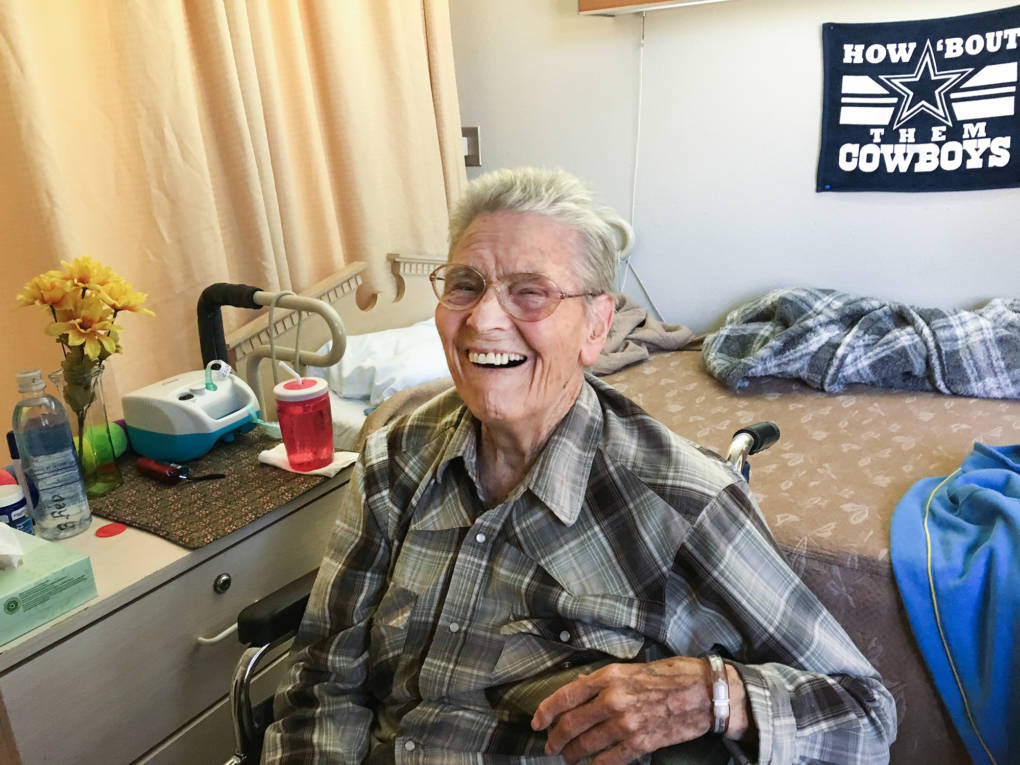
"caption": "Former bookkeeper Betty Redlin, 88, broke a hip a few years ago and was never able to walk again. She's on Medi-Cal, California's version of Medicaid.",
"description": "Former bookkeeper Betty Redlin, 88, broke a hip a few years ago and was never able to walk again. She's on Medi-Cal, California's version of Medicaid.",
"title": "Former bookkeeper Betty Redlin, 88, broke a hip a few years ago and was never able to walk again. She's on Medi-Cal, California's version of Medicaid.",
"credit": "Ina Jaffe/NPR",
"status": "inherit",
"isLoading": false,
"fetchFailed": false
},
"news_11526185": {
"type": "attachments",
"id": "news_11526185",
"meta": {
"index": "attachments_1716263798",
"site": "news",
"id": "11526185",
"found": true
},
"parent": 11526026,
"imgSizes": {
"small": {
"file": "https://ww2.kqed.org/app/uploads/sites/10/2017/06/MitchM-520x347.jpg",
"width": 520,
"mimeType": "image/jpeg",
"height": 347
},
"twentyfourteen-full-width": {
"file": "https://ww2.kqed.org/app/uploads/sites/10/2017/06/MitchM-1038x576.jpg",
"width": 1038,
"mimeType": "image/jpeg",
"height": 576
},
"thumbnail": {
"file": "https://ww2.kqed.org/app/uploads/sites/10/2017/06/MitchM-160x107.jpg",
"width": 160,
"mimeType": "image/jpeg",
"height": 107
},
"fd-sm": {
"file": "https://ww2.kqed.org/app/uploads/sites/10/2017/06/MitchM-960x640.jpg",
"width": 960,
"mimeType": "image/jpeg",
"height": 640
},
"post-thumbnail": {
"file": "https://ww2.kqed.org/app/uploads/sites/10/2017/06/MitchM-672x372.jpg",
"width": 672,
"mimeType": "image/jpeg",
"height": 372
},
"xsmall": {
"file": "https://ww2.kqed.org/app/uploads/sites/10/2017/06/MitchM-375x250.jpg",
"width": 375,
"mimeType": "image/jpeg",
"height": 250
},
"kqedFullSize": {
"file": "https://ww2.kqed.org/app/uploads/sites/10/2017/06/MitchM.jpg",
"width": 1920,
"height": 1280
},
"large": {
"file": "https://ww2.kqed.org/app/uploads/sites/10/2017/06/MitchM-1020x680.jpg",
"width": 1020,
"mimeType": "image/jpeg",
"height": 680
},
"xlarge": {
"file": "https://ww2.kqed.org/app/uploads/sites/10/2017/06/MitchM-1180x787.jpg",
"width": 1180,
"mimeType": "image/jpeg",
"height": 787
},
"guest-author-50": {
"file": "https://ww2.kqed.org/app/uploads/sites/10/2017/06/MitchM-50x50.jpg",
"width": 50,
"mimeType": "image/jpeg",
"height": 50
},
"guest-author-96": {
"file": "https://ww2.kqed.org/app/uploads/sites/10/2017/06/MitchM-96x96.jpg",
"width": 96,
"mimeType": "image/jpeg",
"height": 96
},
"medium": {
"file": "https://ww2.kqed.org/app/uploads/sites/10/2017/06/MitchM-800x533.jpg",
"width": 800,
"mimeType": "image/jpeg",
"height": 533
},
"guest-author-64": {
"file": "https://ww2.kqed.org/app/uploads/sites/10/2017/06/MitchM-64x64.jpg",
"width": 64,
"mimeType": "image/jpeg",
"height": 64
},
"guest-author-32": {
"file": "https://ww2.kqed.org/app/uploads/sites/10/2017/06/MitchM-32x32.jpg",
"width": 32,
"mimeType": "image/jpeg",
"height": 32
},
"fd-lrg": {
"file": "https://ww2.kqed.org/app/uploads/sites/10/2017/06/MitchM-1920x1280.jpg",
"width": 1920,
"mimeType": "image/jpeg",
"height": 1280
},
"fd-med": {
"file": "https://ww2.kqed.org/app/uploads/sites/10/2017/06/MitchM-1180x787.jpg",
"width": 1180,
"mimeType": "image/jpeg",
"height": 787
},
"full-width": {
"file": "https://ww2.kqed.org/app/uploads/sites/10/2017/06/MitchM-1920x1280.jpg",
"width": 1920,
"mimeType": "image/jpeg",
"height": 1280
},
"detail": {
"file": "https://ww2.kqed.org/app/uploads/sites/10/2017/06/MitchM-150x150.jpg",
"width": 150,
"mimeType": "image/jpeg",
"height": 150
},
"guest-author-128": {
"file": "https://ww2.kqed.org/app/uploads/sites/10/2017/06/MitchM-128x128.jpg",
"width": 128,
"mimeType": "image/jpeg",
"height": 128
},
"xxsmall": {
"file": "https://ww2.kqed.org/app/uploads/sites/10/2017/06/MitchM-240x160.jpg",
"width": 240,
"mimeType": "image/jpeg",
"height": 160
}
},
"publishDate": 1498154547,
"modified": 1498154584,
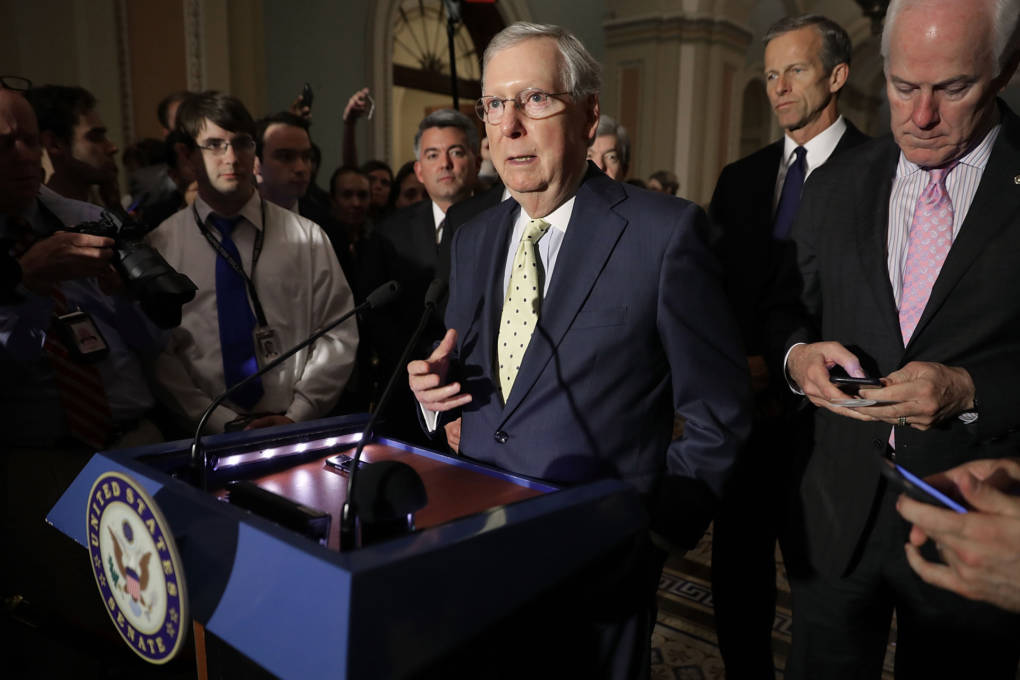
"caption": "Senate Majority Leader Mitch McConnell, joined by other Republican senators, meets with reporters following a closed-door strategy session, at the Capitol on Tuesday.",
"description": "Senate Majority Leader Mitch McConnell, joined by other Republican senators, meets with reporters following a closed-door strategy session, at the Capitol on Tuesday.",
"title": "MitchM",
"credit": "Chip Somodevilla/Getty Images",
"status": "inherit",
"isLoading": false,
"fetchFailed": false
},
"stateofhealth_99973": {
"type": "attachments",
"id": "stateofhealth_99973",
"meta": {
"index": "attachments_1716263798",
"site": "stateofhealth",
"id": "99973",
"found": true
},
"parent": 99946,
"imgSizes": {
"twentyfourteen-full-width": {
"file": "https://ww2.kqed.org/app/uploads/sites/27/2015/10/iStock_000071399601_Large-1038x576.jpg",
"width": 1038,
"mimeType": "image/jpeg",
"height": 576
},
"thumbnail": {
"file": "https://ww2.kqed.org/app/uploads/sites/27/2015/10/iStock_000071399601_Large-400x267.jpg",
"width": 400,
"mimeType": "image/jpeg",
"height": 267
},
"fd-sm": {
"file": "https://ww2.kqed.org/app/uploads/sites/27/2015/10/iStock_000071399601_Large-960x640.jpg",
"width": 960,
"mimeType": "image/jpeg",
"height": 640
},
"post-thumbnail": {
"file": "https://ww2.kqed.org/app/uploads/sites/27/2015/10/iStock_000071399601_Large-672x372.jpg",
"width": 672,
"mimeType": "image/jpeg",
"height": 372
},
"kqedFullSize": {
"file": "https://ww2.kqed.org/app/uploads/sites/27/2015/10/iStock_000071399601_Large-e1446142378301.jpg",
"width": 1921,
"height": 1280
},
"large": {
"file": "https://ww2.kqed.org/app/uploads/sites/27/2015/10/iStock_000071399601_Large-1440x960.jpg",
"width": 1440,
"mimeType": "image/jpeg",
"height": 960
},
"guest-author-96": {
"file": "https://ww2.kqed.org/app/uploads/sites/27/2015/10/iStock_000071399601_Large-96x96.jpg",
"width": 96,
"mimeType": "image/jpeg",
"height": 96
},
"medium": {
"file": "https://ww2.kqed.org/app/uploads/sites/27/2015/10/iStock_000071399601_Large-800x533.jpg",
"width": 800,
"mimeType": "image/jpeg",
"height": 533
},
"guest-author-64": {
"file": "https://ww2.kqed.org/app/uploads/sites/27/2015/10/iStock_000071399601_Large-64x64.jpg",
"width": 64,
"mimeType": "image/jpeg",
"height": 64
},
"guest-author-32": {
"file": "https://ww2.kqed.org/app/uploads/sites/27/2015/10/iStock_000071399601_Large-32x32.jpg",
"width": 32,
"mimeType": "image/jpeg",
"height": 32
},
"jmtc-small-thumb": {
"file": "https://ww2.kqed.org/app/uploads/sites/27/2015/10/iStock_000071399601_Large-280x150.jpg",
"width": 280,
"mimeType": "image/jpeg",
"height": 150
},
"fd-lrg": {
"file": "https://ww2.kqed.org/app/uploads/sites/27/2015/10/iStock_000071399601_Large-1920x1280.jpg",
"width": 1920,
"mimeType": "image/jpeg",
"height": 1280
},
"fd-med": {
"file": "https://ww2.kqed.org/app/uploads/sites/27/2015/10/iStock_000071399601_Large-1180x786.jpg",
"width": 1180,
"mimeType": "image/jpeg",
"height": 786
},
"detail": {
"file": "https://ww2.kqed.org/app/uploads/sites/27/2015/10/iStock_000071399601_Large-75x75.jpg",
"width": 75,
"mimeType": "image/jpeg",
"height": 75
},
"guest-author-128": {
"file": "https://ww2.kqed.org/app/uploads/sites/27/2015/10/iStock_000071399601_Large-128x128.jpg",
"width": 128,
"mimeType": "image/jpeg",
"height": 128
}
},
"publishDate": 1446142369,
"modified": 1467846841,
"caption": null,
"description": "Hands of practitioner with stethoscope; doctor",
"title": null,
"credit": "iStockphoto",
"status": "inherit",
"isLoading": false,
"fetchFailed": false
},
"news_11359494": {
"type": "attachments",
"id": "news_11359494",
"meta": {
"index": "attachments_1716263798",
"site": "news",
"id": "11359494",
"found": true
},
"parent": 11359251,
"imgSizes": {
"small": {
"file": "https://ww2.kqed.org/app/uploads/sites/10/2017/03/RS24616_Brian-McGee-Carmencita-Misa-and-Charlotte-Altieri-520x390.jpeg",
"width": 520,
"mimeType": "image/jpeg",
"height": 390
},
"twentyfourteen-full-width": {
"file": "https://ww2.kqed.org/app/uploads/sites/10/2017/03/RS24616_Brian-McGee-Carmencita-Misa-and-Charlotte-Altieri-960x576.jpeg",
"width": 960,
"mimeType": "image/jpeg",
"height": 576
},
"thumbnail": {
"file": "https://ww2.kqed.org/app/uploads/sites/10/2017/03/RS24616_Brian-McGee-Carmencita-Misa-and-Charlotte-Altieri-160x120.jpeg",
"width": 160,
"mimeType": "image/jpeg",
"height": 120
},
"fd-sm": {
"file": "https://ww2.kqed.org/app/uploads/sites/10/2017/03/RS24616_Brian-McGee-Carmencita-Misa-and-Charlotte-Altieri-960x720.jpeg",
"width": 960,
"mimeType": "image/jpeg",
"height": 720
},
"post-thumbnail": {
"file": "https://ww2.kqed.org/app/uploads/sites/10/2017/03/RS24616_Brian-McGee-Carmencita-Misa-and-Charlotte-Altieri-672x372.jpeg",
"width": 672,
"mimeType": "image/jpeg",
"height": 372
},
"xsmall": {
"file": "https://ww2.kqed.org/app/uploads/sites/10/2017/03/RS24616_Brian-McGee-Carmencita-Misa-and-Charlotte-Altieri-375x281.jpeg",
"width": 375,
"mimeType": "image/jpeg",
"height": 281
},
"kqedFullSize": {
"file": "https://ww2.kqed.org/app/uploads/sites/10/2017/03/RS24616_Brian-McGee-Carmencita-Misa-and-Charlotte-Altieri.jpeg",
"width": 960,
"height": 720
},
"guest-author-50": {
"file": "https://ww2.kqed.org/app/uploads/sites/10/2017/03/RS24616_Brian-McGee-Carmencita-Misa-and-Charlotte-Altieri-50x50.jpeg",
"width": 50,
"mimeType": "image/jpeg",
"height": 50
},
"guest-author-96": {
"file": "https://ww2.kqed.org/app/uploads/sites/10/2017/03/RS24616_Brian-McGee-Carmencita-Misa-and-Charlotte-Altieri-96x96.jpeg",
"width": 96,
"mimeType": "image/jpeg",
"height": 96
},
"medium": {
"file": "https://ww2.kqed.org/app/uploads/sites/10/2017/03/RS24616_Brian-McGee-Carmencita-Misa-and-Charlotte-Altieri-800x600.jpeg",
"width": 800,
"mimeType": "image/jpeg",
"height": 600
},
"guest-author-64": {
"file": "https://ww2.kqed.org/app/uploads/sites/10/2017/03/RS24616_Brian-McGee-Carmencita-Misa-and-Charlotte-Altieri-64x64.jpeg",
"width": 64,
"mimeType": "image/jpeg",
"height": 64
},
"guest-author-32": {
"file": "https://ww2.kqed.org/app/uploads/sites/10/2017/03/RS24616_Brian-McGee-Carmencita-Misa-and-Charlotte-Altieri-32x32.jpeg",
"width": 32,
"mimeType": "image/jpeg",
"height": 32
},
"detail": {
"file": "https://ww2.kqed.org/app/uploads/sites/10/2017/03/RS24616_Brian-McGee-Carmencita-Misa-and-Charlotte-Altieri-150x150.jpeg",
"width": 150,
"mimeType": "image/jpeg",
"height": 150
},
"guest-author-128": {
"file": "https://ww2.kqed.org/app/uploads/sites/10/2017/03/RS24616_Brian-McGee-Carmencita-Misa-and-Charlotte-Altieri-128x128.jpeg",
"width": 128,
"mimeType": "image/jpeg",
"height": 128
},
"xxsmall": {
"file": "https://ww2.kqed.org/app/uploads/sites/10/2017/03/RS24616_Brian-McGee-Carmencita-Misa-and-Charlotte-Altieri-240x180.jpeg",
"width": 240,
"mimeType": "image/jpeg",
"height": 180
}
},
"publishDate": 1489533889,
"modified": 1489533942,
"caption": "Brian McGee (Charlotte's brother), Carmencita Misa (Charlotte's mom) and Charlotte Altieri.",
"description": null,
"title": "RS24616_Brian McGee Carmencita Misa and Charlotte Altieri",
"credit": "Courtesy of the McGee family",
"status": "inherit",
"isLoading": false,
"fetchFailed": false
},
"news_11320306": {
"type": "attachments",
"id": "news_11320306",
"meta": {
"index": "attachments_1716263798",
"site": "news",
"id": "11320306",
"found": true
},
"parent": 11320305,
"imgSizes": {
"small": {
"file": "https://ww2.kqed.org/app/uploads/sites/10/2017/02/huizenga_enl-738e9f07597160a882a600234b1ccccd224634bd-520x346.jpg",
"width": 520,
"mimeType": "image/jpeg",
"height": 346
},
"twentyfourteen-full-width": {
"file": "https://ww2.kqed.org/app/uploads/sites/10/2017/02/huizenga_enl-738e9f07597160a882a600234b1ccccd224634bd-1038x576.jpg",
"width": 1038,
"mimeType": "image/jpeg",
"height": 576
},
"thumbnail": {
"file": "https://ww2.kqed.org/app/uploads/sites/10/2017/02/huizenga_enl-738e9f07597160a882a600234b1ccccd224634bd-160x107.jpg",
"width": 160,
"mimeType": "image/jpeg",
"height": 107
},
"fd-sm": {
"file": "https://ww2.kqed.org/app/uploads/sites/10/2017/02/huizenga_enl-738e9f07597160a882a600234b1ccccd224634bd-960x639.jpg",
"width": 960,
"mimeType": "image/jpeg",
"height": 639
},
"post-thumbnail": {
"file": "https://ww2.kqed.org/app/uploads/sites/10/2017/02/huizenga_enl-738e9f07597160a882a600234b1ccccd224634bd-672x372.jpg",
"width": 672,
"mimeType": "image/jpeg",
"height": 372
},
"xsmall": {
"file": "https://ww2.kqed.org/app/uploads/sites/10/2017/02/huizenga_enl-738e9f07597160a882a600234b1ccccd224634bd-375x250.jpg",
"width": 375,
"mimeType": "image/jpeg",
"height": 250
},
"kqedFullSize": {
"file": "https://ww2.kqed.org/app/uploads/sites/10/2017/02/huizenga_enl-738e9f07597160a882a600234b1ccccd224634bd.jpg",
"width": 2000,
"height": 1332
},
"large": {
"file": "https://ww2.kqed.org/app/uploads/sites/10/2017/02/huizenga_enl-738e9f07597160a882a600234b1ccccd224634bd-1020x679.jpg",
"width": 1020,
"mimeType": "image/jpeg",
"height": 679
},
"xlarge": {
"file": "https://ww2.kqed.org/app/uploads/sites/10/2017/02/huizenga_enl-738e9f07597160a882a600234b1ccccd224634bd-1180x786.jpg",
"width": 1180,
"mimeType": "image/jpeg",
"height": 786
},
"guest-author-50": {
"file": "https://ww2.kqed.org/app/uploads/sites/10/2017/02/huizenga_enl-738e9f07597160a882a600234b1ccccd224634bd-50x50.jpg",
"width": 50,
"mimeType": "image/jpeg",
"height": 50
},
"guest-author-96": {
"file": "https://ww2.kqed.org/app/uploads/sites/10/2017/02/huizenga_enl-738e9f07597160a882a600234b1ccccd224634bd-96x96.jpg",
"width": 96,
"mimeType": "image/jpeg",
"height": 96
},
"medium": {
"file": "https://ww2.kqed.org/app/uploads/sites/10/2017/02/huizenga_enl-738e9f07597160a882a600234b1ccccd224634bd-800x533.jpg",
"width": 800,
"mimeType": "image/jpeg",
"height": 533
},
"guest-author-64": {
"file": "https://ww2.kqed.org/app/uploads/sites/10/2017/02/huizenga_enl-738e9f07597160a882a600234b1ccccd224634bd-64x64.jpg",
"width": 64,
"mimeType": "image/jpeg",
"height": 64
},
"guest-author-32": {
"file": "https://ww2.kqed.org/app/uploads/sites/10/2017/02/huizenga_enl-738e9f07597160a882a600234b1ccccd224634bd-32x32.jpg",
"width": 32,
"mimeType": "image/jpeg",
"height": 32
},
"fd-lrg": {
"file": "https://ww2.kqed.org/app/uploads/sites/10/2017/02/huizenga_enl-738e9f07597160a882a600234b1ccccd224634bd-1920x1279.jpg",
"width": 1920,
"mimeType": "image/jpeg",
"height": 1279
},
"fd-med": {
"file": "https://ww2.kqed.org/app/uploads/sites/10/2017/02/huizenga_enl-738e9f07597160a882a600234b1ccccd224634bd-1180x786.jpg",
"width": 1180,
"mimeType": "image/jpeg",
"height": 786
},
"full-width": {
"file": "https://ww2.kqed.org/app/uploads/sites/10/2017/02/huizenga_enl-738e9f07597160a882a600234b1ccccd224634bd-1920x1279.jpg",
"width": 1920,
"mimeType": "image/jpeg",
"height": 1279
},
"detail": {
"file": "https://ww2.kqed.org/app/uploads/sites/10/2017/02/huizenga_enl-738e9f07597160a882a600234b1ccccd224634bd-150x150.jpg",
"width": 150,
"mimeType": "image/jpeg",
"height": 150
},
"guest-author-128": {
"file": "https://ww2.kqed.org/app/uploads/sites/10/2017/02/huizenga_enl-738e9f07597160a882a600234b1ccccd224634bd-128x128.jpg",
"width": 128,
"mimeType": "image/jpeg",
"height": 128
},
"xxsmall": {
"file": "https://ww2.kqed.org/app/uploads/sites/10/2017/02/huizenga_enl-738e9f07597160a882a600234b1ccccd224634bd-240x160.jpg",
"width": 240,
"mimeType": "image/jpeg",
"height": 160
}
},
"publishDate": 1487298248,
"modified": 1487298607,
"caption": "Rep. William \"Bill\" Huizenga, R-Mich., says House Republicans \"know the direction we want to go and sort of the destination\" with replacing Obamacare.",
"description": "Rep. William \"Bill\" Huizenga, R-Mich., says House Republicans \"know the direction we want to go and sort of the destination\" with replacing Obamacare.",
"title": "Rep. William \"Bill\" Huizenga, R-Mich., says House Republicans \"know the direction we want to go and sort of the destination\" with replacing Obamacare.",
"credit": "Andrew Harrer/Bloomberg via Getty Images",
"status": "inherit",
"isLoading": false,
"fetchFailed": false
},
"stateofhealth_287950": {
"type": "attachments",
"id": "stateofhealth_287950",
"meta": {
"index": "attachments_1716263798",
"site": "stateofhealth",
"id": "287950",
"found": true
},
"parent": 287935,
"imgSizes": {
"small": {
"file": "https://ww2.kqed.org/app/uploads/sites/27/2017/01/UNDOCUMENTED-KIDS-Photo-1-520x347.jpg",
"width": 520,
"mimeType": "image/jpeg",
"height": 347
},
"twentyfourteen-full-width": {
"file": "https://ww2.kqed.org/app/uploads/sites/27/2017/01/UNDOCUMENTED-KIDS-Photo-1-1038x576.jpg",
"width": 1038,
"mimeType": "image/jpeg",
"height": 576
},
"thumbnail": {
"file": "https://ww2.kqed.org/app/uploads/sites/27/2017/01/UNDOCUMENTED-KIDS-Photo-1-160x107.jpg",
"width": 160,
"mimeType": "image/jpeg",
"height": 107
},
"fd-sm": {
"file": "https://ww2.kqed.org/app/uploads/sites/27/2017/01/UNDOCUMENTED-KIDS-Photo-1-960x640.jpg",
"width": 960,
"mimeType": "image/jpeg",
"height": 640
},
"post-thumbnail": {
"file": "https://ww2.kqed.org/app/uploads/sites/27/2017/01/UNDOCUMENTED-KIDS-Photo-1-672x372.jpg",
"width": 672,
"mimeType": "image/jpeg",
"height": 372
},
"xsmall": {
"file": "https://ww2.kqed.org/app/uploads/sites/27/2017/01/UNDOCUMENTED-KIDS-Photo-1-375x250.jpg",
"width": 375,
"mimeType": "image/jpeg",
"height": 250
},
"kqedFullSize": {
"file": "https://ww2.kqed.org/app/uploads/sites/27/2017/01/UNDOCUMENTED-KIDS-Photo-1-e1485475922531.jpg",
"width": 1920,
"height": 1280
},
"large": {
"file": "https://ww2.kqed.org/app/uploads/sites/27/2017/01/UNDOCUMENTED-KIDS-Photo-1-1020x680.jpg",
"width": 1020,
"mimeType": "image/jpeg",
"height": 680
},
"xlarge": {
"file": "https://ww2.kqed.org/app/uploads/sites/27/2017/01/UNDOCUMENTED-KIDS-Photo-1-1180x787.jpg",
"width": 1180,
"mimeType": "image/jpeg",
"height": 787
},
"guest-author-50": {
"file": "https://ww2.kqed.org/app/uploads/sites/27/2017/01/UNDOCUMENTED-KIDS-Photo-1-50x50.jpg",
"width": 50,
"mimeType": "image/jpeg",
"height": 50
},
"guest-author-96": {
"file": "https://ww2.kqed.org/app/uploads/sites/27/2017/01/UNDOCUMENTED-KIDS-Photo-1-96x96.jpg",
"width": 96,
"mimeType": "image/jpeg",
"height": 96
},
"medium": {
"file": "https://ww2.kqed.org/app/uploads/sites/27/2017/01/UNDOCUMENTED-KIDS-Photo-1-800x533.jpg",
"width": 800,
"mimeType": "image/jpeg",
"height": 533
},
"guest-author-64": {
"file": "https://ww2.kqed.org/app/uploads/sites/27/2017/01/UNDOCUMENTED-KIDS-Photo-1-64x64.jpg",
"width": 64,
"mimeType": "image/jpeg",
"height": 64
},
"guest-author-32": {
"file": "https://ww2.kqed.org/app/uploads/sites/27/2017/01/UNDOCUMENTED-KIDS-Photo-1-32x32.jpg",
"width": 32,
"mimeType": "image/jpeg",
"height": 32
},
"jmtc-small-thumb": {
"file": "https://ww2.kqed.org/app/uploads/sites/27/2017/01/UNDOCUMENTED-KIDS-Photo-1-280x150.jpg",
"width": 280,
"mimeType": "image/jpeg",
"height": 150
},
"fd-lrg": {
"file": "https://ww2.kqed.org/app/uploads/sites/27/2017/01/UNDOCUMENTED-KIDS-Photo-1-1920x1280.jpg",
"width": 1920,
"mimeType": "image/jpeg",
"height": 1280
},
"fd-med": {
"file": "https://ww2.kqed.org/app/uploads/sites/27/2017/01/UNDOCUMENTED-KIDS-Photo-1-1180x787.jpg",
"width": 1180,
"mimeType": "image/jpeg",
"height": 787
},
"full-width": {
"file": "https://ww2.kqed.org/app/uploads/sites/27/2017/01/UNDOCUMENTED-KIDS-Photo-1-1920x1280.jpg",
"width": 1920,
"mimeType": "image/jpeg",
"height": 1280
},
"detail": {
"file": "https://ww2.kqed.org/app/uploads/sites/27/2017/01/UNDOCUMENTED-KIDS-Photo-1-150x150.jpg",
"width": 150,
"mimeType": "image/jpeg",
"height": 150
},
"medium_large": {
"file": "https://ww2.kqed.org/app/uploads/sites/27/2017/01/UNDOCUMENTED-KIDS-Photo-1-768x512.jpg",
"width": 768,
"mimeType": "image/jpeg",
"height": 512
},
"guest-author-128": {
"file": "https://ww2.kqed.org/app/uploads/sites/27/2017/01/UNDOCUMENTED-KIDS-Photo-1-128x128.jpg",
"width": 128,
"mimeType": "image/jpeg",
"height": 128
},
"xxsmall": {
"file": "https://ww2.kqed.org/app/uploads/sites/27/2017/01/UNDOCUMENTED-KIDS-Photo-1-240x160.jpg",
"width": 240,
"mimeType": "image/jpeg",
"height": 160
}
},
"publishDate": 1485458162,
"modified": 1485460464,
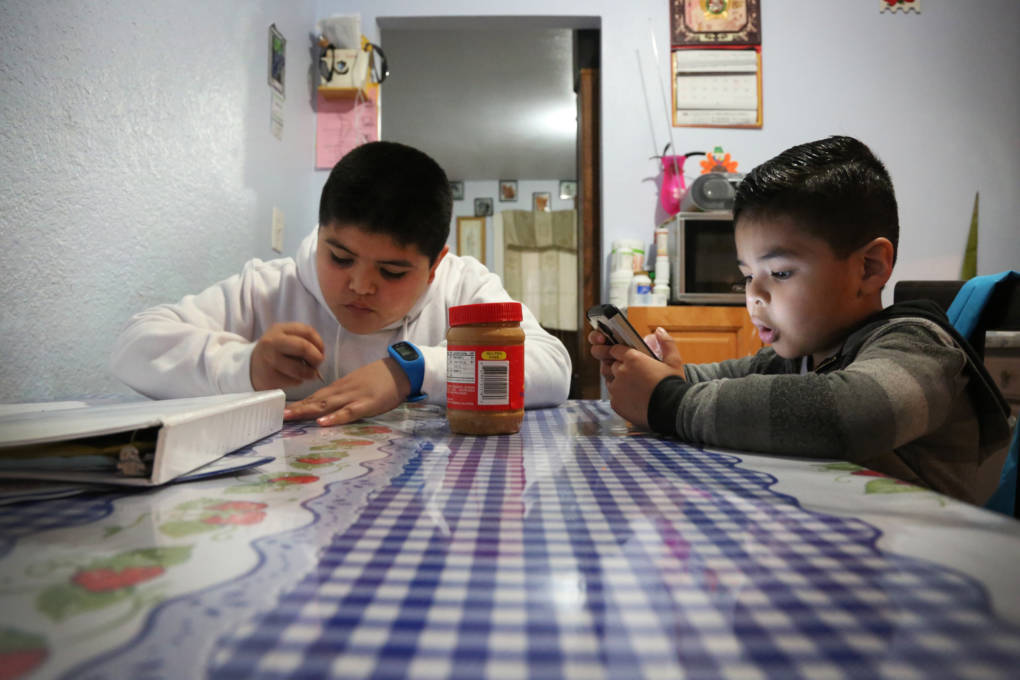
"caption": "Edwin Bernal, 9, finished homework, while his brother Angel Lozano, 5, watches videos before school at their home in Los Angeles, on Jan. 20. Last year Edwin was among a group of undocumented children who qualified for Medi-Cal coverage through a state-funded program. His brother is already covered because he was born in the U.S. ",
"description": null,
"title": "Medi-Cal Kids",
"credit": "Maria J. Avila/CalMatters",
"status": "inherit",
"isLoading": false,
"fetchFailed": false
},
"news_11256930": {
"type": "attachments",
"id": "news_11256930",
"meta": {
"index": "attachments_1716263798",
"site": "news",
"id": "11256930",
"found": true
},
"parent": 11255428,
"imgSizes": {
"small": {
"file": "https://ww2.kqed.org/app/uploads/sites/10/2017/01/5067_transform-520x347.jpg",
"width": 520,
"mimeType": "image/jpeg",
"height": 347
},
"twentyfourteen-full-width": {
"file": "https://ww2.kqed.org/app/uploads/sites/10/2017/01/5067_transform-1038x576.jpg",
"width": 1038,
"mimeType": "image/jpeg",
"height": 576
},
"thumbnail": {
"file": "https://ww2.kqed.org/app/uploads/sites/10/2017/01/5067_transform-160x107.jpg",
"width": 160,
"mimeType": "image/jpeg",
"height": 107
},
"fd-sm": {
"file": "https://ww2.kqed.org/app/uploads/sites/10/2017/01/5067_transform-960x640.jpg",
"width": 960,
"mimeType": "image/jpeg",
"height": 640
},
"post-thumbnail": {
"file": "https://ww2.kqed.org/app/uploads/sites/10/2017/01/5067_transform-672x372.jpg",
"width": 672,
"mimeType": "image/jpeg",
"height": 372
},
"xsmall": {
"file": "https://ww2.kqed.org/app/uploads/sites/10/2017/01/5067_transform-375x250.jpg",
"width": 375,
"mimeType": "image/jpeg",
"height": 250
},
"kqedFullSize": {
"file": "https://ww2.kqed.org/app/uploads/sites/10/2017/01/5067_transform.jpg",
"width": 1920,
"height": 1280
},
"large": {
"file": "https://ww2.kqed.org/app/uploads/sites/10/2017/01/5067_transform-1020x680.jpg",
"width": 1020,
"mimeType": "image/jpeg",
"height": 680
},
"xlarge": {
"file": "https://ww2.kqed.org/app/uploads/sites/10/2017/01/5067_transform-1180x787.jpg",
"width": 1180,
"mimeType": "image/jpeg",
"height": 787
},
"guest-author-50": {
"file": "https://ww2.kqed.org/app/uploads/sites/10/2017/01/5067_transform-50x50.jpg",
"width": 50,
"mimeType": "image/jpeg",
"height": 50
},
"guest-author-96": {
"file": "https://ww2.kqed.org/app/uploads/sites/10/2017/01/5067_transform-96x96.jpg",
"width": 96,
"mimeType": "image/jpeg",
"height": 96
},
"medium": {
"file": "https://ww2.kqed.org/app/uploads/sites/10/2017/01/5067_transform-800x533.jpg",
"width": 800,
"mimeType": "image/jpeg",
"height": 533
},
"guest-author-64": {
"file": "https://ww2.kqed.org/app/uploads/sites/10/2017/01/5067_transform-64x64.jpg",
"width": 64,
"mimeType": "image/jpeg",
"height": 64
},
"guest-author-32": {
"file": "https://ww2.kqed.org/app/uploads/sites/10/2017/01/5067_transform-32x32.jpg",
"width": 32,
"mimeType": "image/jpeg",
"height": 32
},
"jmtc-small-thumb": {
"file": "https://ww2.kqed.org/app/uploads/sites/10/2017/01/5067_transform-280x150.jpg",
"width": 280,
"mimeType": "image/jpeg",
"height": 150
},
"fd-lrg": {
"file": "https://ww2.kqed.org/app/uploads/sites/10/2017/01/5067_transform-1920x1280.jpg",
"width": 1920,
"mimeType": "image/jpeg",
"height": 1280
},
"fd-med": {
"file": "https://ww2.kqed.org/app/uploads/sites/10/2017/01/5067_transform-1180x787.jpg",
"width": 1180,
"mimeType": "image/jpeg",
"height": 787
},
"full-width": {
"file": "https://ww2.kqed.org/app/uploads/sites/10/2017/01/5067_transform-1920x1280.jpg",
"width": 1920,
"mimeType": "image/jpeg",
"height": 1280
},
"detail": {
"file": "https://ww2.kqed.org/app/uploads/sites/10/2017/01/5067_transform-150x150.jpg",
"width": 150,
"mimeType": "image/jpeg",
"height": 150
},
"guest-author-128": {
"file": "https://ww2.kqed.org/app/uploads/sites/10/2017/01/5067_transform-128x128.jpg",
"width": 128,
"mimeType": "image/jpeg",
"height": 128
},
"xxsmall": {
"file": "https://ww2.kqed.org/app/uploads/sites/10/2017/01/5067_transform-240x160.jpg",
"width": 240,
"mimeType": "image/jpeg",
"height": 160
}
},
"publishDate": 1483728419,
"modified": 1483728484,
"caption": "Millions of Californians could lose Medi-Cal insurance if Republicans gut Obamacare.",
"description": null,
"title": null,
"credit": "David McNew/Getty Images",
"status": "inherit",
"isLoading": false,
"fetchFailed": false
},
"news_11168821": {
"type": "attachments",
"id": "news_11168821",
"meta": {
"index": "attachments_1716263798",
"site": "news",
"id": "11168821",
"found": true
},
"parent": 11168580,
"imgSizes": {
"small": {
"file": "https://ww2.kqed.org/app/uploads/sites/10/2016/11/TrumpFlags-520x347.jpg",
"width": 520,
"mimeType": "image/jpeg",
"height": 347
},
"twentyfourteen-full-width": {
"file": "https://ww2.kqed.org/app/uploads/sites/10/2016/11/TrumpFlags-1038x576.jpg",
"width": 1038,
"mimeType": "image/jpeg",
"height": 576
},
"thumbnail": {
"file": "https://ww2.kqed.org/app/uploads/sites/10/2016/11/TrumpFlags-160x107.jpg",
"width": 160,
"mimeType": "image/jpeg",
"height": 107
},
"fd-sm": {
"file": "https://ww2.kqed.org/app/uploads/sites/10/2016/11/TrumpFlags-960x640.jpg",
"width": 960,
"mimeType": "image/jpeg",
"height": 640
},
"post-thumbnail": {
"file": "https://ww2.kqed.org/app/uploads/sites/10/2016/11/TrumpFlags-672x372.jpg",
"width": 672,
"mimeType": "image/jpeg",
"height": 372
},
"xsmall": {
"file": "https://ww2.kqed.org/app/uploads/sites/10/2016/11/TrumpFlags-375x250.jpg",
"width": 375,
"mimeType": "image/jpeg",
"height": 250
},
"kqedFullSize": {
"file": "https://ww2.kqed.org/app/uploads/sites/10/2016/11/TrumpFlags.jpg",
"width": 1920,
"height": 1280
},
"large": {
"file": "https://ww2.kqed.org/app/uploads/sites/10/2016/11/TrumpFlags-1020x680.jpg",
"width": 1020,
"mimeType": "image/jpeg",
"height": 680
},
"xlarge": {
"file": "https://ww2.kqed.org/app/uploads/sites/10/2016/11/TrumpFlags-1180x787.jpg",
"width": 1180,
"mimeType": "image/jpeg",
"height": 787
},
"guest-author-50": {
"file": "https://ww2.kqed.org/app/uploads/sites/10/2016/11/TrumpFlags-50x50.jpg",
"width": 50,
"mimeType": "image/jpeg",
"height": 50
},
"guest-author-96": {
"file": "https://ww2.kqed.org/app/uploads/sites/10/2016/11/TrumpFlags-96x96.jpg",
"width": 96,
"mimeType": "image/jpeg",
"height": 96
},
"medium": {
"file": "https://ww2.kqed.org/app/uploads/sites/10/2016/11/TrumpFlags-800x533.jpg",
"width": 800,
"mimeType": "image/jpeg",
"height": 533
},
"guest-author-64": {
"file": "https://ww2.kqed.org/app/uploads/sites/10/2016/11/TrumpFlags-64x64.jpg",
"width": 64,
"mimeType": "image/jpeg",
"height": 64
},
"guest-author-32": {
"file": "https://ww2.kqed.org/app/uploads/sites/10/2016/11/TrumpFlags-32x32.jpg",
"width": 32,
"mimeType": "image/jpeg",
"height": 32
},
"jmtc-small-thumb": {
"file": "https://ww2.kqed.org/app/uploads/sites/10/2016/11/TrumpFlags-280x150.jpg",
"width": 280,
"mimeType": "image/jpeg",
"height": 150
},
"fd-lrg": {
"file": "https://ww2.kqed.org/app/uploads/sites/10/2016/11/TrumpFlags-1920x1280.jpg",
"width": 1920,
"mimeType": "image/jpeg",
"height": 1280
},
"fd-med": {
"file": "https://ww2.kqed.org/app/uploads/sites/10/2016/11/TrumpFlags-1180x787.jpg",
"width": 1180,
"mimeType": "image/jpeg",
"height": 787
},
"full-width": {
"file": "https://ww2.kqed.org/app/uploads/sites/10/2016/11/TrumpFlags-1920x1280.jpg",
"width": 1920,
"mimeType": "image/jpeg",
"height": 1280
},
"detail": {
"file": "https://ww2.kqed.org/app/uploads/sites/10/2016/11/TrumpFlags-150x150.jpg",
"width": 150,
"mimeType": "image/jpeg",
"height": 150
},
"guest-author-128": {
"file": "https://ww2.kqed.org/app/uploads/sites/10/2016/11/TrumpFlags-128x128.jpg",
"width": 128,
"mimeType": "image/jpeg",
"height": 128
},
"xxsmall": {
"file": "https://ww2.kqed.org/app/uploads/sites/10/2016/11/TrumpFlags-240x160.jpg",
"width": 240,
"mimeType": "image/jpeg",
"height": 160
}
},
"publishDate": 1478820504,
"modified": 1480722260,
"caption": "President-elect Donald Trump speaks during a meeting with House Speaker Paul Ryan (R-Wis.) at the U.S. Capitol Nov. 10, 2016.",
"description": "President-elect Donald Trump speaks during a meeting with House Speaker Paul Ryan (R-WI) at the U.S. Capitol November 10, 2016.",
"title": "trumpflags",
"credit": "Zach Gibson/Getty Images",
"status": "inherit",
"isLoading": false,
"fetchFailed": false
},
"news_11166031": {
"type": "attachments",
"id": "news_11166031",
"meta": {
"index": "attachments_1716263798",
"site": "news",
"id": "11166031",
"found": true
},
"parent": 11166018,
"imgSizes": {
"small": {
"file": "https://ww2.kqed.org/app/uploads/sites/10/2016/11/RS7730_450630139-520x347.jpg",
"width": 520,
"mimeType": "image/jpeg",
"height": 347
},
"twentyfourteen-full-width": {
"file": "https://ww2.kqed.org/app/uploads/sites/10/2016/11/RS7730_450630139-1038x576.jpg",
"width": 1038,
"mimeType": "image/jpeg",
"height": 576
},
"thumbnail": {
"file": "https://ww2.kqed.org/app/uploads/sites/10/2016/11/RS7730_450630139-160x107.jpg",
"width": 160,
"mimeType": "image/jpeg",
"height": 107
},
"fd-sm": {
"file": "https://ww2.kqed.org/app/uploads/sites/10/2016/11/RS7730_450630139-960x640.jpg",
"width": 960,
"mimeType": "image/jpeg",
"height": 640
},
"post-thumbnail": {
"file": "https://ww2.kqed.org/app/uploads/sites/10/2016/11/RS7730_450630139-672x372.jpg",
"width": 672,
"mimeType": "image/jpeg",
"height": 372
},
"xsmall": {
"file": "https://ww2.kqed.org/app/uploads/sites/10/2016/11/RS7730_450630139-375x250.jpg",
"width": 375,
"mimeType": "image/jpeg",
"height": 250
},
"kqedFullSize": {
"file": "https://ww2.kqed.org/app/uploads/sites/10/2016/11/RS7730_450630139-e1478676395280.jpg",
"width": 1920,
"height": 1280
},
"large": {
"file": "https://ww2.kqed.org/app/uploads/sites/10/2016/11/RS7730_450630139-1020x680.jpg",
"width": 1020,
"mimeType": "image/jpeg",
"height": 680
},
"xlarge": {
"file": "https://ww2.kqed.org/app/uploads/sites/10/2016/11/RS7730_450630139-1180x787.jpg",
"width": 1180,
"mimeType": "image/jpeg",
"height": 787
},
"guest-author-50": {
"file": "https://ww2.kqed.org/app/uploads/sites/10/2016/11/RS7730_450630139-50x50.jpg",
"width": 50,
"mimeType": "image/jpeg",
"height": 50
},
"guest-author-96": {
"file": "https://ww2.kqed.org/app/uploads/sites/10/2016/11/RS7730_450630139-96x96.jpg",
"width": 96,
"mimeType": "image/jpeg",
"height": 96
},
"medium": {
"file": "https://ww2.kqed.org/app/uploads/sites/10/2016/11/RS7730_450630139-800x533.jpg",
"width": 800,
"mimeType": "image/jpeg",
"height": 533
},
"guest-author-64": {
"file": "https://ww2.kqed.org/app/uploads/sites/10/2016/11/RS7730_450630139-64x64.jpg",
"width": 64,
"mimeType": "image/jpeg",
"height": 64
},
"guest-author-32": {
"file": "https://ww2.kqed.org/app/uploads/sites/10/2016/11/RS7730_450630139-32x32.jpg",
"width": 32,
"mimeType": "image/jpeg",
"height": 32
},
"jmtc-small-thumb": {
"file": "https://ww2.kqed.org/app/uploads/sites/10/2016/11/RS7730_450630139-280x150.jpg",
"width": 280,
"mimeType": "image/jpeg",
"height": 150
},
"fd-lrg": {
"file": "https://ww2.kqed.org/app/uploads/sites/10/2016/11/RS7730_450630139-1920x1280.jpg",
"width": 1920,
"mimeType": "image/jpeg",
"height": 1280
},
"fd-med": {
"file": "https://ww2.kqed.org/app/uploads/sites/10/2016/11/RS7730_450630139-1180x787.jpg",
"width": 1180,
"mimeType": "image/jpeg",
"height": 787
},
"full-width": {
"file": "https://ww2.kqed.org/app/uploads/sites/10/2016/11/RS7730_450630139-1920x1280.jpg",
"width": 1920,
"mimeType": "image/jpeg",
"height": 1280
},
"detail": {
"file": "https://ww2.kqed.org/app/uploads/sites/10/2016/11/RS7730_450630139-150x150.jpg",
"width": 150,
"mimeType": "image/jpeg",
"height": 150
},
"guest-author-128": {
"file": "https://ww2.kqed.org/app/uploads/sites/10/2016/11/RS7730_450630139-128x128.jpg",
"width": 128,
"mimeType": "image/jpeg",
"height": 128
},
"xxsmall": {
"file": "https://ww2.kqed.org/app/uploads/sites/10/2016/11/RS7730_450630139-240x160.jpg",
"width": 240,
"mimeType": "image/jpeg",
"height": 160
}
},
"publishDate": 1478676337,
"modified": 1478676391,
"caption": "Hospitals say the fee is crucial to California's medical safety net. ",
"description": null,
"title": "Affordable Care Act (ACA) Enrollment Fair Held In Southern California",
"credit": "David McNew/Getty Images",
"status": "inherit",
"isLoading": false,
"fetchFailed": false
},
"stateofhealth_215870": {
"type": "attachments",
"id": "stateofhealth_215870",
"meta": {
"index": "attachments_1716263798",
"site": "stateofhealth",
"id": "215870",
"found": true
},
"parent": 213169,
"imgSizes": {
"twentyfourteen-full-width": {
"file": "https://ww2.kqed.org/app/uploads/sites/27/2016/07/FamPhoto2-1038x576.jpg",
"width": 1038,
"mimeType": "image/jpeg",
"height": 576
},
"thumbnail": {
"file": "https://ww2.kqed.org/app/uploads/sites/27/2016/07/FamPhoto2-400x256.jpg",
"width": 400,
"mimeType": "image/jpeg",
"height": 256
},
"fd-sm": {
"file": "https://ww2.kqed.org/app/uploads/sites/27/2016/07/FamPhoto2-960x615.jpg",
"width": 960,
"mimeType": "image/jpeg",
"height": 615
},
"post-thumbnail": {
"file": "https://ww2.kqed.org/app/uploads/sites/27/2016/07/FamPhoto2-672x372.jpg",
"width": 672,
"mimeType": "image/jpeg",
"height": 372
},
"kqedFullSize": {
"file": "https://ww2.kqed.org/app/uploads/sites/27/2016/07/FamPhoto2-e1469230888645.jpg",
"width": 1920,
"height": 1230
},
"large": {
"file": "https://ww2.kqed.org/app/uploads/sites/27/2016/07/FamPhoto2-1440x923.jpg",
"width": 1440,
"mimeType": "image/jpeg",
"height": 923
},
"guest-author-50": {
"file": "https://ww2.kqed.org/app/uploads/sites/27/2016/07/FamPhoto2-50x50.jpg",
"width": 50,
"mimeType": "image/jpeg",
"height": 50
},
"guest-author-96": {
"file": "https://ww2.kqed.org/app/uploads/sites/27/2016/07/FamPhoto2-96x96.jpg",
"width": 96,
"mimeType": "image/jpeg",
"height": 96
},
"medium": {
"file": "https://ww2.kqed.org/app/uploads/sites/27/2016/07/FamPhoto2-800x513.jpg",
"width": 800,
"mimeType": "image/jpeg",
"height": 513
},
"guest-author-64": {
"file": "https://ww2.kqed.org/app/uploads/sites/27/2016/07/FamPhoto2-64x64.jpg",
"width": 64,
"mimeType": "image/jpeg",
"height": 64
},
"guest-author-32": {
"file": "https://ww2.kqed.org/app/uploads/sites/27/2016/07/FamPhoto2-32x32.jpg",
"width": 32,
"mimeType": "image/jpeg",
"height": 32
},
"jmtc-small-thumb": {
"file": "https://ww2.kqed.org/app/uploads/sites/27/2016/07/FamPhoto2-280x150.jpg",
"width": 280,
"mimeType": "image/jpeg",
"height": 150
},
"fd-lrg": {
"file": "https://ww2.kqed.org/app/uploads/sites/27/2016/07/FamPhoto2-1920x1230.jpg",
"width": 1920,
"mimeType": "image/jpeg",
"height": 1230
},
"fd-med": {
"file": "https://ww2.kqed.org/app/uploads/sites/27/2016/07/FamPhoto2-1180x756.jpg",
"width": 1180,
"mimeType": "image/jpeg",
"height": 756
},
"detail": {
"file": "https://ww2.kqed.org/app/uploads/sites/27/2016/07/FamPhoto2-150x150.jpg",
"width": 150,
"mimeType": "image/jpeg",
"height": 150
},
"medium_large": {
"file": "https://ww2.kqed.org/app/uploads/sites/27/2016/07/FamPhoto2-768x492.jpg",
"width": 768,
"mimeType": "image/jpeg",
"height": 492
},
"guest-author-128": {
"file": "https://ww2.kqed.org/app/uploads/sites/27/2016/07/FamPhoto2-128x128.jpg",
"width": 128,
"mimeType": "image/jpeg",
"height": 128
}
},
"publishDate": 1469230777,
"modified": 1469745242,
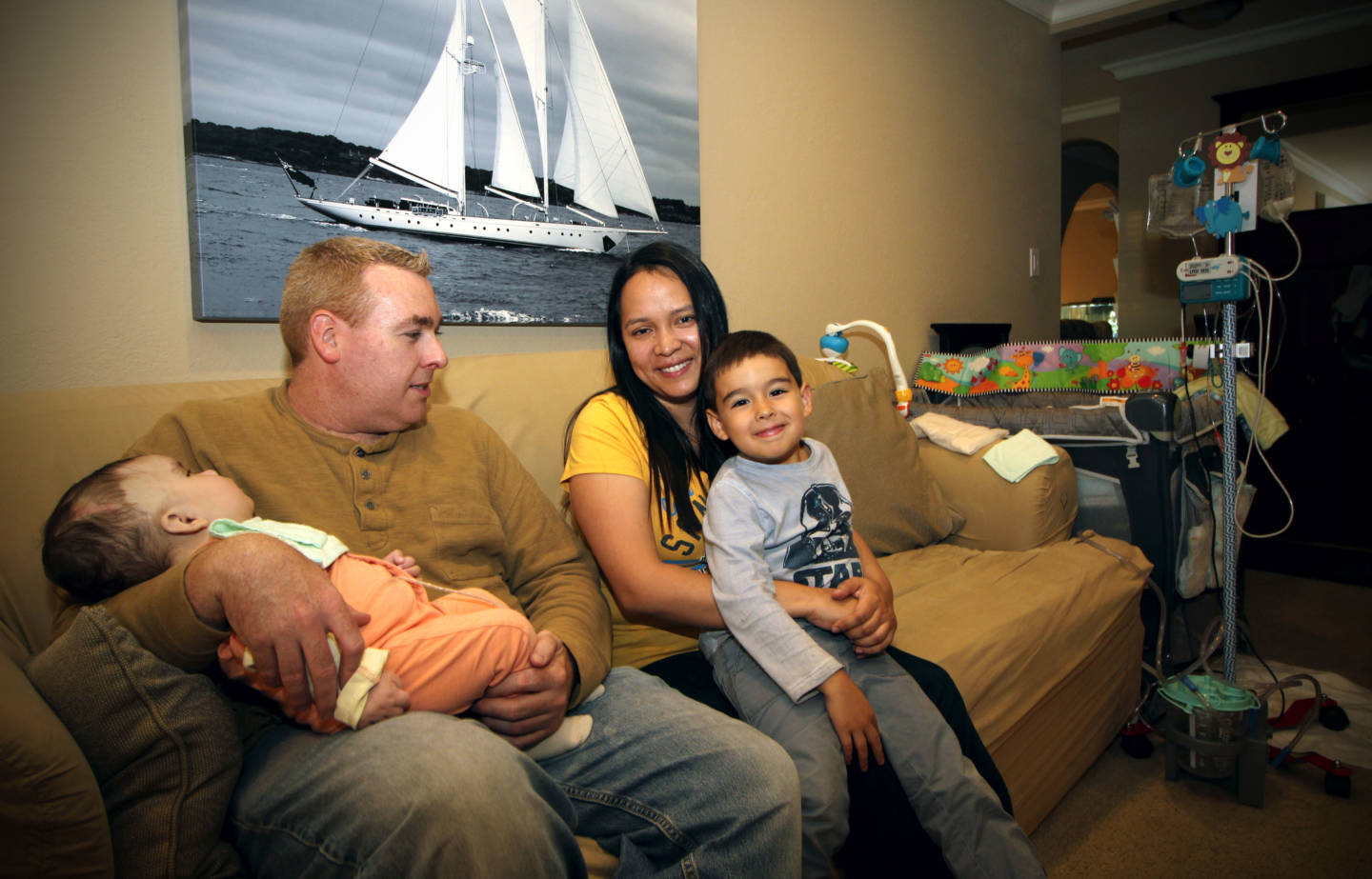
"caption": "Brian Smart (L) holds baby Noah, while his wife, Laura, holds their 5-year-old son, Ethan. Noah was born with a severe congenital heart disease. ",
"description": null,
"title": "FamPhoto2",
"credit": "Jordan Katz",
"status": "inherit",
"isLoading": false,
"fetchFailed": false
},
"stateofhealth_183947": {
"type": "attachments",
"id": "stateofhealth_183947",
"meta": {
"index": "attachments_1716263798",
"site": "stateofhealth",
"id": "183947",
"found": true
},
"parent": 183912,
"imgSizes": {
"twentyfourteen-full-width": {
"file": "https://ww2.kqed.org/app/uploads/sites/27/2016/05/iStock_000017107476_Medium-1038x576.jpg",
"width": 1038,
"mimeType": "image/jpeg",
"height": 576
},
"thumbnail": {
"file": "https://ww2.kqed.org/app/uploads/sites/27/2016/05/iStock_000017107476_Medium-400x266.jpg",
"width": 400,
"mimeType": "image/jpeg",
"height": 266
},
"fd-sm": {
"file": "https://ww2.kqed.org/app/uploads/sites/27/2016/05/iStock_000017107476_Medium-960x639.jpg",
"width": 960,
"mimeType": "image/jpeg",
"height": 639
},
"post-thumbnail": {
"file": "https://ww2.kqed.org/app/uploads/sites/27/2016/05/iStock_000017107476_Medium-672x372.jpg",
"width": 672,
"mimeType": "image/jpeg",
"height": 372
},
"kqedFullSize": {
"file": "https://ww2.kqed.org/app/uploads/sites/27/2016/05/iStock_000017107476_Medium-e1463115091397.jpg",
"width": 1919,
"height": 1277
},
"large": {
"file": "https://ww2.kqed.org/app/uploads/sites/27/2016/05/iStock_000017107476_Medium-1440x958.jpg",
"width": 1440,
"mimeType": "image/jpeg",
"height": 958
},
"guest-author-96": {
"file": "https://ww2.kqed.org/app/uploads/sites/27/2016/05/iStock_000017107476_Medium-96x96.jpg",
"width": 96,
"mimeType": "image/jpeg",
"height": 96
},
"medium": {
"file": "https://ww2.kqed.org/app/uploads/sites/27/2016/05/iStock_000017107476_Medium-800x532.jpg",
"width": 800,
"mimeType": "image/jpeg",
"height": 532
},
"guest-author-64": {
"file": "https://ww2.kqed.org/app/uploads/sites/27/2016/05/iStock_000017107476_Medium-64x64.jpg",
"width": 64,
"mimeType": "image/jpeg",
"height": 64
},
"guest-author-32": {
"file": "https://ww2.kqed.org/app/uploads/sites/27/2016/05/iStock_000017107476_Medium-32x32.jpg",
"width": 32,
"mimeType": "image/jpeg",
"height": 32
},
"jmtc-small-thumb": {
"file": "https://ww2.kqed.org/app/uploads/sites/27/2016/05/iStock_000017107476_Medium-280x150.jpg",
"width": 280,
"mimeType": "image/jpeg",
"height": 150
},
"fd-lrg": {
"file": "https://ww2.kqed.org/app/uploads/sites/27/2016/05/iStock_000017107476_Medium-1920x1277.jpg",
"width": 1920,
"mimeType": "image/jpeg",
"height": 1277
},
"fd-med": {
"file": "https://ww2.kqed.org/app/uploads/sites/27/2016/05/iStock_000017107476_Medium-1180x785.jpg",
"width": 1180,
"mimeType": "image/jpeg",
"height": 785
},
"detail": {
"file": "https://ww2.kqed.org/app/uploads/sites/27/2016/05/iStock_000017107476_Medium-150x150.jpg",
"width": 150,
"mimeType": "image/jpeg",
"height": 150
},
"medium_large": {
"file": "https://ww2.kqed.org/app/uploads/sites/27/2016/05/iStock_000017107476_Medium-768x511.jpg",
"width": 768,
"mimeType": "image/jpeg",
"height": 511
},
"guest-author-128": {
"file": "https://ww2.kqed.org/app/uploads/sites/27/2016/05/iStock_000017107476_Medium-128x128.jpg",
"width": 128,
"mimeType": "image/jpeg",
"height": 128
}
},
"publishDate": 1463115077,
"modified": 1463115077,
"caption": null,
"description": null,
"title": "iStock_000017107476_Medium",
"credit": null,
"status": "inherit",
"isLoading": false,
"fetchFailed": false
}
},
"audioPlayerReducer": {
"postId": "stream_live",
"isPaused": true,
"isPlaying": false,
"pfsActive": false,
"pledgeModalIsOpen": true,
"playerDrawerIsOpen": false,
"liveAudioPlayStartedAt": 0,
"liveAudioPlayContext": ""
},
"authorsReducer": {
"byline_news_11641519": {
"type": "authors",
"id": "byline_news_11641519",
"meta": {
"override": true
},
"slug": "byline_news_11641519",
"name": "\u003cstrong>\u003ca href=\"https://calmatters.org/articles/author/judy-lin/\">Judy Lin\u003c/a>\u003c/strong>",
"isLoading": false
},
"byline_stateofhealth_348688": {
"type": "authors",
"id": "byline_stateofhealth_348688",
"meta": {
"override": true
},
"slug": "byline_stateofhealth_348688",
"name": "\u003ca href=\"http://www.npr.org/people/2100677/ina-jaffe\" target=\"_blank\">Ina Jaffe\u003c/a>",
"isLoading": false
},
"byline_news_11526026": {
"type": "authors",
"id": "byline_news_11526026",
"meta": {
"override": true
},
"slug": "byline_news_11526026",
"name": "\u003cstrong>\u003ca href=\"http://www.npr.org/people/409798174/danielle-kurtzleben\" target=\"_blank\">Danielle Kurtzleben\u003c/a>\u003c/strong>\u003cbr>\u003cstrong>\u003ca href=\"http://www.npr.org/2017/06/22/533947844/senate-republicans-reveal-long-awaited-affordable-care-act-repeal-bill\" target=\"_blank\">NPR\u003c/strong>",
"isLoading": false
},
"byline_news_11359251": {
"type": "authors",
"id": "byline_news_11359251",
"meta": {
"override": true
},
"slug": "byline_news_11359251",
"name": "\u003cstrong>Stephanie O'Neill\u003c/strong>",
"isLoading": false
},
"byline_news_11320305": {
"type": "authors",
"id": "byline_news_11320305",
"meta": {
"override": true
},
"slug": "byline_news_11320305",
"name": "Alison Kodjak",
"isLoading": false
},
"byline_stateofhealth_287935": {
"type": "authors",
"id": "byline_stateofhealth_287935",
"meta": {
"override": true
},
"slug": "byline_stateofhealth_287935",
"name": "\u003ca href=\"https://calmatters.org/about/staff/elizabeth-aguilera/\">\u003cstrong>Elizabeth Aguilera\u003c/a>\u003c/strong>\u003cbr/>\u003ca href=\"https://calmatters.org/\">CALmatters\u003c/a>",
"isLoading": false
},
"byline_news_11166018": {
"type": "authors",
"id": "byline_news_11166018",
"meta": {
"override": true
},
"slug": "byline_news_11166018",
"name": "Associated Press",
"isLoading": false
},
"byline_stateofhealth_218008": {
"type": "authors",
"id": "byline_stateofhealth_218008",
"meta": {
"override": true
},
"slug": "byline_stateofhealth_218008",
"name": "Jordan Katz",
"isLoading": false
},
"adembosky": {
"type": "authors",
"id": "3205",
"meta": {
"index": "authors_1716337520",
"id": "3205",
"found": true
},
"name": "April Dembosky",
"firstName": "April",
"lastName": "Dembosky",
"slug": "adembosky",
"email": "adembosky@kqed.org",
"display_author_email": false,
"staff_mastheads": [
"news",
"science"
],
"title": "KQED Health Correspondent",
"bio": "April Dembosky is the health correspondent for KQED News and a regular contributor to NPR. She specializes in covering altered states of mind, from postpartum depression to methamphetamine-induced psychosis to the insanity defense. Her investigative series on insurance companies sidestepping mental health laws won multiple awards, including first place in beat reporting from the national Association of Health Care Journalists. She is the recipient of numerous other prizes and fellowships, including a national Edward R. Murrow award for investigative reporting, a Society of Professional Journalists award for long-form storytelling, and a Carter Center Fellowship for Mental Health Journalism.\r\n\r\nDembosky reported and produced \u003cem>Soundtrack of Silence\u003c/em>, an audio documentary about music and memory that is currently being made into a feature film by Paramount Pictures.\r\n\r\nBefore joining KQED in 2013, Dembosky covered technology and Silicon Valley for \u003cem>The Financial Times of London,\u003c/em> and contributed business and arts stories to \u003cem>Marketplace \u003c/em>and \u003cem>The New York Times.\u003c/em> She got her undergraduate degree in philosophy from Smith College and her master's in journalism from the University of California, Berkeley. She is a classically trained violinist and proud alum of the first symphony orchestra at Burning Man.",
"avatar": "https://secure.gravatar.com/avatar/ef92999be4ceb9ea60701e7dc276f813?s=600&d=blank&r=g",
"twitter": "adembosky",
"facebook": null,
"instagram": null,
"linkedin": null,
"sites": [
{
"site": "arts",
"roles": [
"author"
]
},
{
"site": "news",
"roles": [
"editor"
]
},
{
"site": "futureofyou",
"roles": [
"author"
]
},
{
"site": "stateofhealth",
"roles": [
"editor"
]
},
{
"site": "science",
"roles": [
"editor"
]
},
{
"site": "forum",
"roles": [
"editor"
]
}
],
"headData": {
"title": "April Dembosky | KQED",
"description": "KQED Health Correspondent",
"ogImgSrc": "https://secure.gravatar.com/avatar/ef92999be4ceb9ea60701e7dc276f813?s=600&d=blank&r=g",
"twImgSrc": "https://secure.gravatar.com/avatar/ef92999be4ceb9ea60701e7dc276f813?s=600&d=blank&r=g"
},
"isLoading": false,
"link": "/author/adembosky"
},
"mlagos": {
"type": "authors",
"id": "3239",
"meta": {
"index": "authors_1716337520",
"id": "3239",
"found": true
},
"name": "Marisa Lagos",
"firstName": "Marisa",
"lastName": "Lagos",
"slug": "mlagos",
"email": "mlagos@kqed.org",
"display_author_email": false,
"staff_mastheads": [
"news"
],
"title": "KQED Contributor",
"bio": "Marisa Lagos is a correspondent for KQED’s California Politics and Government Desk and co-hosts the award-winning show and podcast, Political Breakdown. At KQED, Lagos also conducts reporting, analysis and investigations into state, local and national politics for radio, TV, online and onstage. In 2022, she and co-host, Scott Shafer, moderated the only gubernatorial debate in California. In 2020, the \u003ci>Washington Post\u003c/i> named her one of the top political journalists in California; she was nominated for a Peabody and won several other awards for her work investigating the 2017 California wildfires. She has worked at the \u003ci>San Francisco Chronicle\u003c/i>, \u003ci>San Francisco Examiner\u003c/i> and \u003ci>Los Angeles Times\u003c/i>. A UC Santa Barbara graduate, she lives in San Francisco with her two sons and husband.",
"avatar": "https://secure.gravatar.com/avatar/a261a0d3696fc066871ef96b85b5e7d2?s=600&d=blank&r=g",
"twitter": "@mlagos",
"facebook": null,
"instagram": null,
"linkedin": null,
"sites": [
{
"site": "arts",
"roles": [
"author"
]
},
{
"site": "news",
"roles": [
"editor"
]
},
{
"site": "science",
"roles": [
"editor"
]
},
{
"site": "forum",
"roles": [
"author"
]
},
{
"site": "liveblog",
"roles": [
"author"
]
}
],
"headData": {
"title": "Marisa Lagos | KQED",
"description": "KQED Contributor",
"ogImgSrc": "https://secure.gravatar.com/avatar/a261a0d3696fc066871ef96b85b5e7d2?s=600&d=blank&r=g",
"twImgSrc": "https://secure.gravatar.com/avatar/a261a0d3696fc066871ef96b85b5e7d2?s=600&d=blank&r=g"
},
"isLoading": false,
"link": "/author/mlagos"
}
},
"pagesReducer": {
"news_tag_medi-cal": {
"type": "terms",
"id": "news_2605",
"meta": {
"index": "terms_1716263798",
"site": "news",
"id": "2605",
"score": 9.892343
},
"featImg": null,
"name": "Medi-Cal",
"description": null,
"taxonomy": "tag",
"headData": {
"twImgId": null,
"twTitle": null,
"ogTitle": null,
"ogImgId": null,
"twDescription": null,
"description": null,
"title": "Medi-Cal Archives | KQED News",
"ogDescription": null
},
"ttid": 2621,
"slug": "medi-cal",
"isLoading": false,
"title": "Medi-Cal",
"pageMeta": {
"site": "news",
"WpPageTemplate": "page-topic-editorial",
"currentPage": 10
},
"blocks": [
{
"blockName": "kqed/post-list",
"attrs": {
"layout": "cardArticle2",
"query": "posts/news?tag=medi-cal",
"seeMore": false,
"paginated": true,
"page": 10
}
},
{
"blockName": "kqed/ad"
}
]
}
},
"pfsSessionReducer": {},
"postsReducer": {
"stream_live": {
"type": "live",
"id": "stream_live",
"audioUrl": "https://streams.kqed.org/kqedradio",
"title": "Live Stream",
"excerpt": "Live Stream information currently unavailable.",
"link": "/radio",
"featImg": "",
"label": {
"name": "KQED Live",
"link": "/"
}
},
"stream_kqedNewscast": {
"type": "posts",
"id": "stream_kqedNewscast",
"audioUrl": "https://www.kqed.org/.stream/anon/radio/RDnews/newscast.mp3?_=1",
"title": "KQED Newscast",
"featImg": "",
"label": {
"name": "88.5 FM",
"link": "/"
}
},
"news_11641519": {
"type": "posts",
"id": "news_11641519",
"meta": {
"index": "posts_1716263798",
"site": "news",
"id": "11641519",
"score": null,
"sort": [
1515714498000
]
},
"parent": 0,
"labelTerm": {},
"blocks": [],
"publishDate": 1515714498,
"format": "image",
"disqusTitle": "California Is Sitting on a Surplus -- But Don't Expect a Refund",
"title": "California Is Sitting on a Surplus -- But Don't Expect a Refund",
"headTitle": "The California Report | KQED News",
"content": "\u003cp>It should be said that California’s resistance began before there was a resistance.\u003c/p>\n\u003cp>When Gov. Jerry Brown \u003ca href=\"https://ww2.kqed.org/news/2018/01/10/gov-browns-190-billion-state-budget/\" rel=\"noopener\" target=\"_blank\">unveiled his last budget Wednesday\u003c/a>, it will bookended eight years of a progressive march to reduce greenhouse gases, expand health care, grant more rights to undocumented immigrants and raise the minimum wage to $15 an hour. Along the way, blue state voters have assented by passing temporary taxes on the rich—not once, but \u003ca href=\"http://www.latimes.com/nation/politics/trailguide/la-na-election-day-2016-proposition-55-income-tax-1478277671-htmlstory.html\">twice\u003c/a>. The top marginal income tax rate is now 13.3 percent, the \u003ca href=\"http://www.politifact.com/california/statements/2017/jul/11/travis-allen/mostly-true-californias-taxes-among-highest-nation/\">highest\u003c/a> state income tax rate in the country.\u003c/p>\n\u003cp>In short, policies that are now labeled acts of resistance to President Donald Trump were alive and ascendant in California long before he won the White House. But the contrasts have become much more stark.\u003c/p>\n\u003cp>Instead of cutting taxes, the Democratic governor and his party’s legislative leaders have passed a gas tax to help pay for aging infrastructure. Instead of trying to shift government out of the healthcare marketplace, California is looking for a way to fund single-payer health care, including coverage for undocumented immigrants. Instead of criminalizing pot, the state is looking forward to collecting taxes on \u003ca href=\"https://calmatters.org/articles/pot-legal-california-will-get-thought-voted/\">marijuana\u003c/a> sales.\u003c/p>\n\u003cp>[contextly_sidebar id=\"N5345J6Czkq4yxEQjYyk1yZAxppZyYHc\"]\u003c/p>\n\u003cp>In the months between now and the June deadline for a final budget, the governor and the Legislature will hammer out details. The focus this year: what to do with an expected surplus of $6.1 billion. Republicans say return it to California’s 40 million residents as a nice tax refund. The governor's priority is to fill up the state’s rainy day fund. Democratic legislators mostly want to spend it.\u003c/p>\n\u003cp>[ad fullwidth]\u003c/p>\n\u003cp>“We have a very different approach,” said Assemblyman Phil Ting, D-San Francisco, who chairs the Assembly Budget Committee. “Our focus, the people who we think need tax relief, are the working Californians who are making less than $25,000. That’s where we want to spend our money, making sure they have money to pay rent, to pay for food.”\u003c/p>\n\u003cp>Rather than giving out “huge corporate tax breaks and a huge tax break for the wealthiest in this country,” Ting has a long list of how he would like to spend that extra money, including:\u003c/p>\n\u003cul>\n\u003cli>Increase the state’s Earned Income Tax Credit, which puts money into the hands of the working poor\u003c/li>\n\u003cli>Expand Medi-Cal health care for poorer Californians to cover all remaining uninsured residents, mostly undocumented immigrants\u003c/li>\n\u003cli>Expand early education for 4-year-olds through preschool and transitional kindergarten programs\u003c/li>\n\u003cli>Increase college aid\u003c/li>\n\u003cli>Expand mental and social services to reduce the number of criminals who go on to re-offend\u003c/li>\n\u003c/ul>\n\u003cp>As supportive as Brown might be of these Democratic aspirations, his administration is urging legislative leaders to proceed with caution. \u003c/p>\n\u003cp>The state’s tax structure is more vulnerable than ever to the stock market gains and losses of its wealthiest citizens, and the governor said California must prepare for the next economic downturn because a mild recession could wipe away at least $20 billion a year in revenues.\u003c/p>\n\u003cp>\u003cimg src=\"https://ww2.kqed.org/news/wp-content/uploads/sites/10/2018/01/BudgetBreakdown-800x2629.jpg\" alt=\"\" width=\"800\" height=\"2629\" class=\"aligncenter size-medium wp-image-11641531\" srcset=\"https://ww2.kqed.org/app/uploads/sites/10/2018/01/BudgetBreakdown-800x2629.jpg 800w, https://ww2.kqed.org/app/uploads/sites/10/2018/01/BudgetBreakdown-160x526.jpg 160w, https://ww2.kqed.org/app/uploads/sites/10/2018/01/BudgetBreakdown-1020x3352.jpg 1020w, https://ww2.kqed.org/app/uploads/sites/10/2018/01/BudgetBreakdown.jpg 1920w, https://ww2.kqed.org/app/uploads/sites/10/2018/01/BudgetBreakdown-1180x3877.jpg 1180w, https://ww2.kqed.org/app/uploads/sites/10/2018/01/BudgetBreakdown-960x3155.jpg 960w, https://ww2.kqed.org/app/uploads/sites/10/2018/01/BudgetBreakdown-240x789.jpg 240w, https://ww2.kqed.org/app/uploads/sites/10/2018/01/BudgetBreakdown-375x1232.jpg 375w, https://ww2.kqed.org/app/uploads/sites/10/2018/01/BudgetBreakdown-520x1709.jpg 520w\" sizes=\"(max-width: 800px) 100vw, 800px\">\u003c/p>\n\u003cp>Gov. Brown also warns of uncertainty from Washington.\u003c/p>\n\u003cp>“There are certain policies that are radical departures from the norm, and California will fight those, whether it’s immigration or offshore drilling,” Brown said. “We don’t know what will happen. I wouldn’t want to portray a California-Washington battle, although there are some key differences and we’ll espouse our values.”\u003c/p>\n\u003cp>[contextly_sidebar id=\"QCFefAktUaMCZgjPoS28R9iZWtXzSfDL\"]\u003c/p>\n\u003cp>Since Brown was elected to a second stint as governor in November 2010, the state has climbed out of the recession and enjoyed economic prosperity. \u003c/p>\n\u003cp>The unemployment rate, which topped 12 percent, now stands at \u003ca href=\"http://www.edd.ca.gov/About_EDD/pdf/urate201712.pdf\">4.6 percent\u003c/a>. Since his return, California has added \u003ca href=\"http://www.labormarketinfo.edd.ca.gov/data/Top-Statistics.html\">2.4 million\u003c/a> jobs and hourly wages are up \u003ca href=\"http://www.labormarketinfo.edd.ca.gov/data/Top-Statistics.html\">$4.76 an hour\u003c/a>. The state, which carried a $25 billion deficit in his first year back, has enjoyed billion-dollar surpluses in recent years and the state now has a rainy day fund.\u003c/p>\n\u003cp>The governor’s proposed \u003ca href=\"http://www.ebudget.ca.gov/budget/2018-19/#/Home\">$190 billion\u003c/a> budget is dominated by education (29 percent) and health care (32 percent) \u003ca href=\"https://calmatters.org/articles/california-state-budget-best-visualization-tool/\">spending\u003c/a>. Health care spending has been growing particularly fast since the state embraced the Affordable Care Act, best known as Obamacare.\u003c/p>\n\u003cp>The act not only grew the marketplace for private health plans but allowed states to expand their Medicaid health insurance programs for the poor. Because California is among 30 states that expanded Medicaid, the federal government is paying at least 90 percent of the cost for newly eligible enrollees.\u003c/p>\n\u003cp>That has allowed California to draw billions in extra funding from the federal government to bolster Medi-Cal, the state’s version of the national Medicaid program. As a result, the number of people without health coverage in the state has dropped to a historic low: from \u003ca href=\"http://www.chcf.org/~/media/MEDIA%20LIBRARY%20Files/PDF/PDF%20C/PDF%20CaliforniaUninsuredDec2016.pdf\">17.6 percent in the 1980s\u003c/a> to \u003ca href=\"https://www.cdc.gov/nchs/data/nhis/earlyrelease/insur201611.pdf\">7.6 percent in 2016\u003c/a>. Today, \u003ca href=\"http://www.chcf.org/publications/2013/05/medical-facts-figures\">one in three\u003c/a> Californians are covered by Medi-Cal.\u003c/p>\n\u003cp>Public schools too have greatly benefited since the recession, with much of the extra spending on schools going to improve teachers’ \u003ca href=\"https://www.ed-data.org/\">salaries\u003c/a>.\u003c/p>\n\u003cp>However, if the federal government doesn’t \u003ca href=\"https://calmatters.org/articles/tens-thousands-california-kids-lose-health-care/\">reauthorize\u003c/a> the Children’s Health Insurance Program for 1.3 million children, that could add more than $850 million in costs to the state over two years.\u003c/p>\n\u003cp>[contextly_sidebar id=\"6V0gO63cMEeSjKQhw0mxdejihSZ86928\"]\u003c/p>\n\u003cp>Worse, if Republicans in Washington slash Medicaid funding in 2018, the state could lose between $25 billion and $50 billion, said Chris Hoene, executive director of the California Budget & Policy Center, a progressive think tank in Sacramento.\u003c/p>\n\u003cp>“The reality is California could not afford the scale of the cuts the GOP has been proposing,” Hoene said. “That’s going to put state leaders in a position of deciding who gets state services and how do they fund that.”\u003c/p>\n\u003cp>Other factors are straining the budget.\u003c/p>\n\u003cp>For example, pension costs for public workers continue to be one of the fastest-growing liabilities—driven by lower investment rate assumptions, higher health care costs and longer life spans.\u003c/p>\n\u003cp>Voters, too, could turn on Brown and lawmakers. Early \u003ca href=\"https://www.igs.berkeley.edu/sites/default/files/2017-21_gas_tax_repeal.pdf\">polling\u003c/a> suggests Republicans have a decent shot at repealing a gas tax hike that went into effect late last year. Brown said at a press conference Wednesday that he believes a repeal initiative could be defeated.\u003c/p>\n\u003cp>The Legislature’s nonpartisan budget analyst is urging lawmakers not to commit to too many new spending programs.\u003c/p>\n\u003cp>“As it crafts the 2018-19 budget and future budgets, we encourage the Legislature to consider all of the uncertainty faced by the budget in future years and continue its recent practice of building its reserve levels,” the analyst \u003ca href=\"http://lao.ca.gov/reports/2017/3718/fiscal-outlook-111517.pdf\">wrote\u003c/a>.\u003c/p>\n\u003cp>On the flipside, Republicans are calling for a tax refund, if not an outright repeal of state income taxes. They argue that California’s high taxes chase residents out of state.\u003c/p>\n\u003cp>“This surplus is a direct result of Capitol Democrats overtaxing hard-working Californians,” \u003ca href=\"https://twitter.com/AsmHarper/status/948969552100057088\">said\u003c/a> Assemblyman Matthew Harper, R-Huntington Beach. “Rather than expanding an ever-growing list of government programs, our leaders should figure out a way to return that money to the people who earned it in the first place.”\u003c/p>\n\u003cp>\u003c!-- iframe plugin v.4.3 wordpress.org/plugins/iframe/ -->\u003cbr>\n\u003ciframe src=\"https://e.infogram.com/f2acd022-56d6-48db-bc60-e21c12a1d261?src=embed\" title=\"California Tax Increases\" width=\"800\" height=\"700\" scrolling=\"no\" frameborder=\"0\" style=\"border:none;\" allowfullscreen=\"allowfullscreen\" class=\"iframe-class\">\u003c/iframe>\u003c/p>\n\u003cp>Assemblyman Vince Fong, R-Bakersfield, said he plans to introduce tax cuts aimed at helping families and small businesses stay in California.\u003c/p>\n\u003cp>“As we see all too often now, we are losing families and small businesses to neighboring states that have tax burdens much lower than California’s high-priced tax code,” Fong \u003ca href=\"https://twitter.com/vfong/status/948994635845611525\">said\u003c/a> on Twitter. “We have an opportunity to change that.”\u003c/p>\n\u003cp>Brown dismissed the refund idea, saying it would only prompt service cuts to public schools and universities later. “If you want to budget responsibly, you need big surpluses in years that are good,” he said.\u003c/p>\n\u003cp>Still, there’s a growing sentiment that California may have to respond to recent changes in the federal tax plan, specifically to a $10,000 cap on state and local deductions that will hit millions of households.\u003c/p>\n\u003cp>[contextly_sidebar id=\"aePxEpQv8dWe5MbzcOOVpb8RJVDTcrwL\"]\u003c/p>\n\u003cp>According to the state \u003ca href=\"https://calmatters.org/wp-content/uploads/Letter-to-conferees-121117.pdf?x74105\">Finance Department\u003c/a>, the average deduction for state and local income taxes alone is nearly $16,000 per return, while state and local property taxes average less than $6,000 per return. Because a portion of those taxes will no longer be deductible, it acts as double taxation for California taxpayers.\u003c/p>\n\u003cp>Senate President Pro Tem Kevin de León, who is running for U.S. Senate, introduced legislation Thursday to shield Californians from bearing the costs of the tax overhaul. The \u003ca href=\"https://leginfo.legislature.ca.gov/faces/billNavClient.xhtml?bill_id=201720180SB227\">bill\u003c/a>, dubbed Protect California Taxpayers Act, would allow taxpayers to make charitable deductions to the state and receive a dollar-for-dollar tax credit on the full amount of their contribution. By having residents donate to the state government as a charitable contribution, the contribution remains deductible on federal taxes.\u003c/p>\n\u003cp>“The Republican tax plan gives corporations and hedge-fund managers a trillion-dollar tax cut and expects California taxpayers to foot the bill,” de León said in announcing his legislation. “We won’t allow California residents to be the casualty of this disastrous tax scheme.”\u003c/p>\n\u003cp>Brown was particularly vocal against the GOP tax proposal, calling it a “\u003ca href=\"https://calmatters.org/articles/trump_california/jerry-brown-urges-no-vote-tax-monstrosity/\">tax monstrosity\u003c/a>,” but the governor expressed reservations about whether the state could sidestep federal law.\u003c/p>\n\u003cp>“It looks interesting,” Brown said. “But two questions: Can it work? If it does work, can the Internal Revenue Service issue a regulation and completely subvert it?”\u003c/p>\n\u003cp>De León responded that he was confident it would work because similar charitable deductions have already been given out for education-based contributions.\u003c/p>\n\u003cp>For now, state Democrats are in agreement about a common threat.\u003c/p>\n\u003cp>Whether it’s federal tax changes or entitlement cuts, the leader of the Assembly, Anthony Rendon, D-Paramount, said he’s most concerned Republicans in Congress and the Trump administration will take another swipe at liberal California in 2018. “We’re worried about the next shoe to drop.”\u003c/p>\n\u003cp>[ad floatright]\u003c/p>\n\u003cp>\u003cem>CALmatters is a nonpartisan, nonprofit media venture explaining California policies and politics.\u003c/em>\u003c/p>\n\n",
"disqusIdentifier": "11641519 https://ww2.kqed.org/news/?p=11641519",
"disqusUrl": "https://ww2.kqed.org/news/2018/01/11/california-is-sitting-on-a-surplus-but-dont-expect-a-refund/",
"stats": {
"hasVideo": false,
"hasChartOrMap": false,
"hasAudio": false,
"hasPolis": false,
"wordCount": 1710,
"hasGoogleForm": false,
"hasGallery": false,
"hasHearkenModule": false,
"iframeSrcs": [],
"paragraphCount": 48
},
"modified": 1515714498,
"excerpt": "The state’s tax structure is more vulnerable than ever to the stock market gains and losses of its wealthiest citizens, and Gov. Brown said California must prepare for the next economic downturn.",
"headData": {
"twImgId": "",
"twTitle": "",
"ogTitle": "",
"ogImgId": "",
"twDescription": "",
"description": "The state’s tax structure is more vulnerable than ever to the stock market gains and losses of its wealthiest citizens, and Gov. Brown said California must prepare for the next economic downturn.",
"title": "California Is Sitting on a Surplus -- But Don't Expect a Refund | KQED",
"ogDescription": "",
"schema": {
"@context": "https://schema.org",
"@type": "NewsArticle",
"headline": "California Is Sitting on a Surplus -- But Don't Expect a Refund",
"datePublished": "2018-01-11T15:48:18-08:00",
"dateModified": "2018-01-11T15:48:18-08:00",
"image": "https://cdn.kqed.org/wp-content/uploads/2020/02/KQED-OG-Image@1x.png",
"isAccessibleForFree": "True",
"publisher": {
"@type": "NewsMediaOrganization",
"@id": "https://www.kqed.org/#organization",
"name": "KQED",
"logo": "https://cdn.kqed.org/wp-content/uploads/2020/02/KQED-OG-Image@1x.png",
"url": "https://www.kqed.org",
"sameAs": [
"https://www.facebook.com/KQED",
"https://twitter.com/KQED",
"https://www.instagram.com/kqed/",
"https://www.tiktok.com/@kqedofficial",
"https://www.linkedin.com/company/kqed",
"https://www.youtube.com/channel/UCeC0IOo7i1P_61zVUWbJ4nw"
]
}
}
},
"guestAuthors": [],
"slug": "california-is-sitting-on-a-surplus-but-dont-expect-a-refund",
"status": "publish",
"sourceUrl": "https://calmatters.org/",
"nprByline": "\u003cstrong>\u003ca href=\"https://calmatters.org/articles/author/judy-lin/\">Judy Lin\u003c/a>\u003c/strong>",
"source": "CALmatters",
"path": "/news/11641519/california-is-sitting-on-a-surplus-but-dont-expect-a-refund",
"audioTrackLength": null,
"parsedContent": [
{
"type": "contentString",
"content": "\u003cdiv class=\"post-body\">\u003cp>\u003cp>It should be said that California’s resistance began before there was a resistance.\u003c/p>\n\u003cp>When Gov. Jerry Brown \u003ca href=\"https://ww2.kqed.org/news/2018/01/10/gov-browns-190-billion-state-budget/\" rel=\"noopener\" target=\"_blank\">unveiled his last budget Wednesday\u003c/a>, it will bookended eight years of a progressive march to reduce greenhouse gases, expand health care, grant more rights to undocumented immigrants and raise the minimum wage to $15 an hour. Along the way, blue state voters have assented by passing temporary taxes on the rich—not once, but \u003ca href=\"http://www.latimes.com/nation/politics/trailguide/la-na-election-day-2016-proposition-55-income-tax-1478277671-htmlstory.html\">twice\u003c/a>. The top marginal income tax rate is now 13.3 percent, the \u003ca href=\"http://www.politifact.com/california/statements/2017/jul/11/travis-allen/mostly-true-californias-taxes-among-highest-nation/\">highest\u003c/a> state income tax rate in the country.\u003c/p>\n\u003cp>In short, policies that are now labeled acts of resistance to President Donald Trump were alive and ascendant in California long before he won the White House. But the contrasts have become much more stark.\u003c/p>\n\u003cp>Instead of cutting taxes, the Democratic governor and his party’s legislative leaders have passed a gas tax to help pay for aging infrastructure. Instead of trying to shift government out of the healthcare marketplace, California is looking for a way to fund single-payer health care, including coverage for undocumented immigrants. Instead of criminalizing pot, the state is looking forward to collecting taxes on \u003ca href=\"https://calmatters.org/articles/pot-legal-california-will-get-thought-voted/\">marijuana\u003c/a> sales.\u003c/p>\n\u003cp>\u003c/p>\u003cp>\u003c/p>\u003cp>\u003c/p>\n\u003cp>In the months between now and the June deadline for a final budget, the governor and the Legislature will hammer out details. The focus this year: what to do with an expected surplus of $6.1 billion. Republicans say return it to California’s 40 million residents as a nice tax refund. The governor's priority is to fill up the state’s rainy day fund. Democratic legislators mostly want to spend it.\u003c/p>\n\u003cp>\u003c/p>\u003c/div>",
"attributes": {
"named": {},
"numeric": []
}
},
{
"type": "component",
"content": "",
"name": "ad",
"attributes": {
"named": {
"label": "fullwidth"
},
"numeric": [
"fullwidth"
]
}
},
{
"type": "contentString",
"content": "\u003cdiv class=\"post-body\">\u003cp>\u003c/p>\n\u003cp>“We have a very different approach,” said Assemblyman Phil Ting, D-San Francisco, who chairs the Assembly Budget Committee. “Our focus, the people who we think need tax relief, are the working Californians who are making less than $25,000. That’s where we want to spend our money, making sure they have money to pay rent, to pay for food.”\u003c/p>\n\u003cp>Rather than giving out “huge corporate tax breaks and a huge tax break for the wealthiest in this country,” Ting has a long list of how he would like to spend that extra money, including:\u003c/p>\n\u003cul>\n\u003cli>Increase the state’s Earned Income Tax Credit, which puts money into the hands of the working poor\u003c/li>\n\u003cli>Expand Medi-Cal health care for poorer Californians to cover all remaining uninsured residents, mostly undocumented immigrants\u003c/li>\n\u003cli>Expand early education for 4-year-olds through preschool and transitional kindergarten programs\u003c/li>\n\u003cli>Increase college aid\u003c/li>\n\u003cli>Expand mental and social services to reduce the number of criminals who go on to re-offend\u003c/li>\n\u003c/ul>\n\u003cp>As supportive as Brown might be of these Democratic aspirations, his administration is urging legislative leaders to proceed with caution. \u003c/p>\n\u003cp>The state’s tax structure is more vulnerable than ever to the stock market gains and losses of its wealthiest citizens, and the governor said California must prepare for the next economic downturn because a mild recession could wipe away at least $20 billion a year in revenues.\u003c/p>\n\u003cp>\u003cimg src=\"https://ww2.kqed.org/news/wp-content/uploads/sites/10/2018/01/BudgetBreakdown-800x2629.jpg\" alt=\"\" width=\"800\" height=\"2629\" class=\"aligncenter size-medium wp-image-11641531\" srcset=\"https://ww2.kqed.org/app/uploads/sites/10/2018/01/BudgetBreakdown-800x2629.jpg 800w, https://ww2.kqed.org/app/uploads/sites/10/2018/01/BudgetBreakdown-160x526.jpg 160w, https://ww2.kqed.org/app/uploads/sites/10/2018/01/BudgetBreakdown-1020x3352.jpg 1020w, https://ww2.kqed.org/app/uploads/sites/10/2018/01/BudgetBreakdown.jpg 1920w, https://ww2.kqed.org/app/uploads/sites/10/2018/01/BudgetBreakdown-1180x3877.jpg 1180w, https://ww2.kqed.org/app/uploads/sites/10/2018/01/BudgetBreakdown-960x3155.jpg 960w, https://ww2.kqed.org/app/uploads/sites/10/2018/01/BudgetBreakdown-240x789.jpg 240w, https://ww2.kqed.org/app/uploads/sites/10/2018/01/BudgetBreakdown-375x1232.jpg 375w, https://ww2.kqed.org/app/uploads/sites/10/2018/01/BudgetBreakdown-520x1709.jpg 520w\" sizes=\"(max-width: 800px) 100vw, 800px\">\u003c/p>\n\u003cp>Gov. Brown also warns of uncertainty from Washington.\u003c/p>\n\u003cp>“There are certain policies that are radical departures from the norm, and California will fight those, whether it’s immigration or offshore drilling,” Brown said. “We don’t know what will happen. I wouldn’t want to portray a California-Washington battle, although there are some key differences and we’ll espouse our values.”\u003c/p>\n\u003cp>\u003c/p>\u003cp>\u003c/p>\u003cp>\u003c/p>\n\u003cp>Since Brown was elected to a second stint as governor in November 2010, the state has climbed out of the recession and enjoyed economic prosperity. \u003c/p>\n\u003cp>The unemployment rate, which topped 12 percent, now stands at \u003ca href=\"http://www.edd.ca.gov/About_EDD/pdf/urate201712.pdf\">4.6 percent\u003c/a>. Since his return, California has added \u003ca href=\"http://www.labormarketinfo.edd.ca.gov/data/Top-Statistics.html\">2.4 million\u003c/a> jobs and hourly wages are up \u003ca href=\"http://www.labormarketinfo.edd.ca.gov/data/Top-Statistics.html\">$4.76 an hour\u003c/a>. The state, which carried a $25 billion deficit in his first year back, has enjoyed billion-dollar surpluses in recent years and the state now has a rainy day fund.\u003c/p>\n\u003cp>The governor’s proposed \u003ca href=\"http://www.ebudget.ca.gov/budget/2018-19/#/Home\">$190 billion\u003c/a> budget is dominated by education (29 percent) and health care (32 percent) \u003ca href=\"https://calmatters.org/articles/california-state-budget-best-visualization-tool/\">spending\u003c/a>. Health care spending has been growing particularly fast since the state embraced the Affordable Care Act, best known as Obamacare.\u003c/p>\n\u003cp>The act not only grew the marketplace for private health plans but allowed states to expand their Medicaid health insurance programs for the poor. Because California is among 30 states that expanded Medicaid, the federal government is paying at least 90 percent of the cost for newly eligible enrollees.\u003c/p>\n\u003cp>That has allowed California to draw billions in extra funding from the federal government to bolster Medi-Cal, the state’s version of the national Medicaid program. As a result, the number of people without health coverage in the state has dropped to a historic low: from \u003ca href=\"http://www.chcf.org/~/media/MEDIA%20LIBRARY%20Files/PDF/PDF%20C/PDF%20CaliforniaUninsuredDec2016.pdf\">17.6 percent in the 1980s\u003c/a> to \u003ca href=\"https://www.cdc.gov/nchs/data/nhis/earlyrelease/insur201611.pdf\">7.6 percent in 2016\u003c/a>. Today, \u003ca href=\"http://www.chcf.org/publications/2013/05/medical-facts-figures\">one in three\u003c/a> Californians are covered by Medi-Cal.\u003c/p>\n\u003cp>Public schools too have greatly benefited since the recession, with much of the extra spending on schools going to improve teachers’ \u003ca href=\"https://www.ed-data.org/\">salaries\u003c/a>.\u003c/p>\n\u003cp>However, if the federal government doesn’t \u003ca href=\"https://calmatters.org/articles/tens-thousands-california-kids-lose-health-care/\">reauthorize\u003c/a> the Children’s Health Insurance Program for 1.3 million children, that could add more than $850 million in costs to the state over two years.\u003c/p>\n\u003cp>\u003c/p>\u003cp>\u003c/p>\u003cp>\u003c/p>\n\u003cp>Worse, if Republicans in Washington slash Medicaid funding in 2018, the state could lose between $25 billion and $50 billion, said Chris Hoene, executive director of the California Budget & Policy Center, a progressive think tank in Sacramento.\u003c/p>\n\u003cp>“The reality is California could not afford the scale of the cuts the GOP has been proposing,” Hoene said. “That’s going to put state leaders in a position of deciding who gets state services and how do they fund that.”\u003c/p>\n\u003cp>Other factors are straining the budget.\u003c/p>\n\u003cp>For example, pension costs for public workers continue to be one of the fastest-growing liabilities—driven by lower investment rate assumptions, higher health care costs and longer life spans.\u003c/p>\n\u003cp>Voters, too, could turn on Brown and lawmakers. Early \u003ca href=\"https://www.igs.berkeley.edu/sites/default/files/2017-21_gas_tax_repeal.pdf\">polling\u003c/a> suggests Republicans have a decent shot at repealing a gas tax hike that went into effect late last year. Brown said at a press conference Wednesday that he believes a repeal initiative could be defeated.\u003c/p>\n\u003cp>The Legislature’s nonpartisan budget analyst is urging lawmakers not to commit to too many new spending programs.\u003c/p>\n\u003cp>“As it crafts the 2018-19 budget and future budgets, we encourage the Legislature to consider all of the uncertainty faced by the budget in future years and continue its recent practice of building its reserve levels,” the analyst \u003ca href=\"http://lao.ca.gov/reports/2017/3718/fiscal-outlook-111517.pdf\">wrote\u003c/a>.\u003c/p>\n\u003cp>On the flipside, Republicans are calling for a tax refund, if not an outright repeal of state income taxes. They argue that California’s high taxes chase residents out of state.\u003c/p>\n\u003cp>“This surplus is a direct result of Capitol Democrats overtaxing hard-working Californians,” \u003ca href=\"https://twitter.com/AsmHarper/status/948969552100057088\">said\u003c/a> Assemblyman Matthew Harper, R-Huntington Beach. “Rather than expanding an ever-growing list of government programs, our leaders should figure out a way to return that money to the people who earned it in the first place.”\u003c/p>\n\u003cp>\u003c!-- iframe plugin v.4.3 wordpress.org/plugins/iframe/ -->\u003cbr>\n\u003ciframe src=\"https://e.infogram.com/f2acd022-56d6-48db-bc60-e21c12a1d261?src=embed\" title=\"California Tax Increases\" width=\"800\" height=\"700\" scrolling=\"no\" frameborder=\"0\" style=\"border:none;\" allowfullscreen=\"allowfullscreen\" class=\"iframe-class\">\u003c/iframe>\u003c/p>\n\u003cp>Assemblyman Vince Fong, R-Bakersfield, said he plans to introduce tax cuts aimed at helping families and small businesses stay in California.\u003c/p>\n\u003cp>“As we see all too often now, we are losing families and small businesses to neighboring states that have tax burdens much lower than California’s high-priced tax code,” Fong \u003ca href=\"https://twitter.com/vfong/status/948994635845611525\">said\u003c/a> on Twitter. “We have an opportunity to change that.”\u003c/p>\n\u003cp>Brown dismissed the refund idea, saying it would only prompt service cuts to public schools and universities later. “If you want to budget responsibly, you need big surpluses in years that are good,” he said.\u003c/p>\n\u003cp>Still, there’s a growing sentiment that California may have to respond to recent changes in the federal tax plan, specifically to a $10,000 cap on state and local deductions that will hit millions of households.\u003c/p>\n\u003cp>\u003c/p>\u003cp>\u003c/p>\u003cp>\u003c/p>\n\u003cp>According to the state \u003ca href=\"https://calmatters.org/wp-content/uploads/Letter-to-conferees-121117.pdf?x74105\">Finance Department\u003c/a>, the average deduction for state and local income taxes alone is nearly $16,000 per return, while state and local property taxes average less than $6,000 per return. Because a portion of those taxes will no longer be deductible, it acts as double taxation for California taxpayers.\u003c/p>\n\u003cp>Senate President Pro Tem Kevin de León, who is running for U.S. Senate, introduced legislation Thursday to shield Californians from bearing the costs of the tax overhaul. The \u003ca href=\"https://leginfo.legislature.ca.gov/faces/billNavClient.xhtml?bill_id=201720180SB227\">bill\u003c/a>, dubbed Protect California Taxpayers Act, would allow taxpayers to make charitable deductions to the state and receive a dollar-for-dollar tax credit on the full amount of their contribution. By having residents donate to the state government as a charitable contribution, the contribution remains deductible on federal taxes.\u003c/p>\n\u003cp>“The Republican tax plan gives corporations and hedge-fund managers a trillion-dollar tax cut and expects California taxpayers to foot the bill,” de León said in announcing his legislation. “We won’t allow California residents to be the casualty of this disastrous tax scheme.”\u003c/p>\n\u003cp>Brown was particularly vocal against the GOP tax proposal, calling it a “\u003ca href=\"https://calmatters.org/articles/trump_california/jerry-brown-urges-no-vote-tax-monstrosity/\">tax monstrosity\u003c/a>,” but the governor expressed reservations about whether the state could sidestep federal law.\u003c/p>\n\u003cp>“It looks interesting,” Brown said. “But two questions: Can it work? If it does work, can the Internal Revenue Service issue a regulation and completely subvert it?”\u003c/p>\n\u003cp>De León responded that he was confident it would work because similar charitable deductions have already been given out for education-based contributions.\u003c/p>\n\u003cp>For now, state Democrats are in agreement about a common threat.\u003c/p>\n\u003cp>Whether it’s federal tax changes or entitlement cuts, the leader of the Assembly, Anthony Rendon, D-Paramount, said he’s most concerned Republicans in Congress and the Trump administration will take another swipe at liberal California in 2018. “We’re worried about the next shoe to drop.”\u003c/p>\n\u003cp>\u003c/p>\u003c/div>",
"attributes": {
"named": {},
"numeric": []
}
},
{
"type": "component",
"content": "",
"name": "ad",
"attributes": {
"named": {
"label": "floatright"
},
"numeric": [
"floatright"
]
}
},
{
"type": "contentString",
"content": "\u003cdiv class=\"post-body\">\u003cp>\u003c/p>\n\u003cp>\u003cem>CALmatters is a nonpartisan, nonprofit media venture explaining California policies and politics.\u003c/em>\u003c/p>\n\n\u003c/div>\u003c/p>",
"attributes": {
"named": {},
"numeric": []
}
}
],
"link": "/news/11641519/california-is-sitting-on-a-surplus-but-dont-expect-a-refund",
"authors": [
"byline_news_11641519"
],
"programs": [
"news_6944",
"news_72"
],
"categories": [
"news_1758",
"news_8",
"news_13"
],
"tags": [
"news_402",
"news_30",
"news_2605",
"news_423",
"news_17286"
],
"affiliates": [
"news_18481"
],
"featImg": "news_11641530",
"label": "source_news_11641519"
},
"stateofhealth_348688": {
"type": "posts",
"id": "stateofhealth_348688",
"meta": {
"index": "posts_1716263798",
"site": "stateofhealth",
"id": "348688",
"score": null,
"sort": [
1498775776000
]
},
"parent": 0,
"labelTerm": {
"site": "stateofhealth"
},
"blocks": [],
"publishDate": 1498775776,
"format": "standard",
"disqusTitle": "Nursing Homes Worry Proposed Medicaid Cuts Will Force Cuts, Closures",
"title": "Nursing Homes Worry Proposed Medicaid Cuts Will Force Cuts, Closures",
"headTitle": "State of Health | KQED News",
"content": "\u003cp>The Senate vote on the health care bill has been pushed back, but it still has a lot of people in the nursing home industry worried. About two-thirds of nursing home residents are paid for by Medicaid. And the Congressional Budget Office \u003ca href=\"https://www.cbo.gov/system/files/115th-congress-2017-2018/costestimate/52849-hr1628senate.pdf\">found\u003c/a> that the Senate health care bill would cut Medicaid by more than $770 billion over the next decade.\u003c/p>\n\u003cp>That could mean trouble for people like 88-year-old Betty Redlin. She's lived at the \u003ca href=\"http://victoriacarecenter.com/\">Victoria Care Center\u003c/a> in Ventura, Calif. for about 2 1/2 years.\u003c/p>\n\u003cp>She explains that she fell and broke her hip and never regained her ability to walk. \"I was living with my granddaughter,\" she says, \"and my doctor won't [allow] going back to her place.\"\u003c/p>\n\u003cp>Betty had a career as a bookkeeper. She also raised three children. Now she's spent everything she had. There's no way she could afford the roughly $80,000 a year this nursing home costs. (That fee is pretty standard for nursing homes.) So it's Medicaid that enables her to stay here.\u003c/p>\n\u003cp>\"There's nothing I can do about it,\" she says. \"It's gotta be [Medicaid] or [I'm] out on the street. One or the other.\"\u003c/p>\n\u003cp>[ad fullwidth]\u003c/p>\n\u003cp>\u003c!-- iframe plugin v.4.3 wordpress.org/plugins/iframe/ -->\u003cbr>\n\u003ciframe src=\"https://www.npr.org/player/embed/534764940/534764941\" width=\"100%\" height=\"290\" frameborder=\"0\" scrolling=\"no\" title=\"NPR embedded audio player\" class=\"iframe-class\">\u003c/iframe>\u003c/p>\n\u003cp>John Gardner, executive director of the Victoria Care Center, says that most of the long-term care residents like Redlin are on Medicaid or, as it's called in California, Medi-Cal.\u003c/p>\n\u003cp>\"If you look at what it costs to provide that service and what we get from Medi-Cal, we're actually losing a little bit of money every day on that.\" He says they make up the difference with short-term residents who have Medicare, which pays more than Medicaid does. Private pay patients also pay more than Medicaid.\u003c/p>\n\u003cp>Gardner says he's an optimist. Whatever Congress does, he doesn't think that Victoria Care Center would close down, though there might have to be cuts in staff and in the costs of food and supplies. Also, Gardner says that Victoria Care Center is part of a chain of 200 facilities, which could cushion the blow.\u003c/p>\n\u003cp>But not everyone is as optimistic as he is. According to the \u003ca href=\"https://www.ahcancal.org/Pages/Default.aspx\">American Health Care Association\u003c/a> (AHCA), a national trade group for nursing homes, the current Senate bill's cuts to Medicaid could mean that a typical nursing home would eventually run deficits of hundreds of thousands of dollars a year. James Gomez is the CEO of The \u003ca href=\"http://www.cahf.org/\">California Association of Health Facilities\u003c/a>, the AHCA's California chapter.\u003c/p>\n\u003cp>[contextly_sidebar id=\"mrVakER0R6f0AToNbkAK83dprja2VTaO\"]\u003c/p>\n\u003cp>\"If you can't break even or make a few dollars, you're not going to keep running your business,\" says Gomez. And that could lead to closures. \"So access [to nursing home beds] will become a huge issue.\"\u003c/p>\n\u003cp>The repercussions of cuts and closures would be felt across the nation's health care system, says Katie Smith Sloan, the president of \u003ca href=\"http://www.leadingage.org/\">Leading Age\u003c/a>, which represents non-profit nursing homes and other services for older adults.\u003c/p>\n\u003cp>\"People who are in nursing homes are there because they need the kind of services that a nursing home provides\" says Sloan. \"Without those services, they'll be forced to get that kind of care in a hospital, which will simply increase costs to Medicare.\"\u003c/p>\n\u003cp>Reining in Medicaid has been on conservatives' to-do list for a long time. House Speaker Paul Ryan has said he's \u003ca href=\"http://www.cnbc.com/2017/03/20/paul-ryan-has-wanted-to-reform-medicaid-since-his-frat-days.html\">dreamed of it\u003c/a> since his college days. Robert Moffit, a senior fellow in health policy studies at the conservative \u003ca href=\"http://www.heritage.org/\">Heritage Foundation\u003c/a>, argues that the program isn't being used as intended.\u003c/p>\n\u003cp>\"Do we want Medicaid, which was a program designed for the poor and the indigent, to become a kind of backdoor mechanism to establish a middle class entitlement for long-term care? Medicaid was never really intended to do that,\" says Moffit.\u003c/p>\n\u003cp>\u003c/p>\n\u003cp>The Senate bill is likely to change. But leader Mitch McConnell has indicated that Medicaid cuts will still be part of it.\u003c/p>\n\u003cdiv class=\"fullattribution\">Copyright 2017 NPR. To see more, visit http://www.npr.org/.\u003cimg src=\"https://www.google-analytics.com/__utm.gif?utmac=UA-5828686-4&utmdt=Nursing+Homes+Worry+Proposed+Medicaid+Cuts+Will+Force+Cuts%2C+Closures&utme=8(APIKey)9(MDAxOTAwOTE4MDEyMTkxMDAzNjczZDljZA004)\">\u003c/div>\n\n",
"disqusIdentifier": "348688 https://ww2.kqed.org/stateofhealth/?p=348688",
"disqusUrl": "https://ww2.kqed.org/stateofhealth/2017/06/29/nursing-homes-worry-proposed-medicaid-cuts-will-force-cuts-closures/",
"stats": {
"hasVideo": false,
"hasChartOrMap": true,
"hasAudio": false,
"hasPolis": false,
"wordCount": 676,
"hasGoogleForm": false,
"hasGallery": false,
"hasHearkenModule": false,
"iframeSrcs": [
"https://www.npr.org/player/embed/534764940/534764941"
],
"paragraphCount": 19
},
"modified": 1498776331,
"excerpt": "Two-thirds of nursing home residents are paid for by Medicaid.",
"headData": {
"twImgId": "",
"twTitle": "",
"ogTitle": "",
"ogImgId": "",
"twDescription": "",
"description": "Two-thirds of nursing home residents are paid for by Medicaid.",
"title": "Nursing Homes Worry Proposed Medicaid Cuts Will Force Cuts, Closures | KQED",
"ogDescription": "",
"schema": {
"@context": "https://schema.org",
"@type": "Article",
"headline": "Nursing Homes Worry Proposed Medicaid Cuts Will Force Cuts, Closures",
"datePublished": "2017-06-29T15:36:16-07:00",
"dateModified": "2017-06-29T15:45:31-07:00",
"image": "https://cdn.kqed.org/wp-content/uploads/2020/02/KQED-OG-Image@1x.png"
}
},
"guestAuthors": [],
"slug": "nursing-homes-worry-proposed-medicaid-cuts-will-force-cuts-closures",
"status": "publish",
"nprApiLink": "http://api.npr.org/query?id=534764940&apiKey=MDAxOTAwOTE4MDEyMTkxMDAzNjczZDljZA004",
"nprByline": "\u003ca href=\"http://www.npr.org/people/2100677/ina-jaffe\" target=\"_blank\">Ina Jaffe\u003c/a>",
"nprStoryDate": "Wed, 28 Jun 2017 17:15:00 -0400",
"nprLastModifiedDate": "Thu, 29 Jun 2017 13:53:00 -0400",
"nprHtmlLink": "http://www.npr.org/sections/health-shots/2017/06/28/534764940/proposed-medicaid-cuts-likely-to-put-pressure-on-nursing-homes?ft=nprml&f=534764940",
"nprAudio": "https://ondemand.npr.org/anon.npr-mp3/npr/atc/2017/06/20170628_atc_proposed_medicaid_cuts_likely_to_put_pressure_on_nursing_homes.mp3?orgId=1&topicId=1128&d=213&p=2&story=534764940&t=progseg&e=534685874&seg=2&ft=nprml&f=534764940",
"nprImageAgency": "Ina Jaffe/NPR",
"nprAudioM3u": "http://api.npr.org/m3u/1534764941-043df7.m3u?orgId=1&topicId=1128&d=213&p=2&story=534764940&t=progseg&e=534685874&seg=2&ft=nprml&f=534764940",
"nprStoryId": "534764940",
"nprRetrievedStory": "1",
"nprPubDate": "Thu, 29 Jun 2017 13:53:00 -0400",
"path": "/stateofhealth/348688/nursing-homes-worry-proposed-medicaid-cuts-will-force-cuts-closures",
"audioUrl": "https://ondemand.npr.org/anon.npr-mp3/npr/atc/2017/06/20170628_atc_proposed_medicaid_cuts_likely_to_put_pressure_on_nursing_homes.mp3?orgId=1&topicId=1128&d=213&p=2&story=534764940&t=progseg&e=534685874&seg=2&ft=nprml&f=534764940",
"audioTrackLength": null,
"parsedContent": [
{
"type": "contentString",
"content": "\u003cdiv class=\"post-body\">\u003cp>\u003cp>The Senate vote on the health care bill has been pushed back, but it still has a lot of people in the nursing home industry worried. About two-thirds of nursing home residents are paid for by Medicaid. And the Congressional Budget Office \u003ca href=\"https://www.cbo.gov/system/files/115th-congress-2017-2018/costestimate/52849-hr1628senate.pdf\">found\u003c/a> that the Senate health care bill would cut Medicaid by more than $770 billion over the next decade.\u003c/p>\n\u003cp>That could mean trouble for people like 88-year-old Betty Redlin. She's lived at the \u003ca href=\"http://victoriacarecenter.com/\">Victoria Care Center\u003c/a> in Ventura, Calif. for about 2 1/2 years.\u003c/p>\n\u003cp>She explains that she fell and broke her hip and never regained her ability to walk. \"I was living with my granddaughter,\" she says, \"and my doctor won't [allow] going back to her place.\"\u003c/p>\n\u003cp>Betty had a career as a bookkeeper. She also raised three children. Now she's spent everything she had. There's no way she could afford the roughly $80,000 a year this nursing home costs. (That fee is pretty standard for nursing homes.) So it's Medicaid that enables her to stay here.\u003c/p>\n\u003cp>\"There's nothing I can do about it,\" she says. \"It's gotta be [Medicaid] or [I'm] out on the street. One or the other.\"\u003c/p>\n\u003cp>\u003c/p>\u003c/div>",
"attributes": {
"named": {},
"numeric": []
}
},
{
"type": "component",
"content": "",
"name": "ad",
"attributes": {
"named": {
"label": "fullwidth"
},
"numeric": [
"fullwidth"
]
}
},
{
"type": "contentString",
"content": "\u003cdiv class=\"post-body\">\u003cp>\u003c/p>\n\u003cp>\u003c!-- iframe plugin v.4.3 wordpress.org/plugins/iframe/ -->\u003cbr>\n\u003ciframe src=\"https://www.npr.org/player/embed/534764940/534764941\" width=\"100%\" height=\"290\" frameborder=\"0\" scrolling=\"no\" title=\"NPR embedded audio player\" class=\"iframe-class\">\u003c/iframe>\u003c/p>\n\u003cp>John Gardner, executive director of the Victoria Care Center, says that most of the long-term care residents like Redlin are on Medicaid or, as it's called in California, Medi-Cal.\u003c/p>\n\u003cp>\"If you look at what it costs to provide that service and what we get from Medi-Cal, we're actually losing a little bit of money every day on that.\" He says they make up the difference with short-term residents who have Medicare, which pays more than Medicaid does. Private pay patients also pay more than Medicaid.\u003c/p>\n\u003cp>Gardner says he's an optimist. Whatever Congress does, he doesn't think that Victoria Care Center would close down, though there might have to be cuts in staff and in the costs of food and supplies. Also, Gardner says that Victoria Care Center is part of a chain of 200 facilities, which could cushion the blow.\u003c/p>\n\u003cp>But not everyone is as optimistic as he is. According to the \u003ca href=\"https://www.ahcancal.org/Pages/Default.aspx\">American Health Care Association\u003c/a> (AHCA), a national trade group for nursing homes, the current Senate bill's cuts to Medicaid could mean that a typical nursing home would eventually run deficits of hundreds of thousands of dollars a year. James Gomez is the CEO of The \u003ca href=\"http://www.cahf.org/\">California Association of Health Facilities\u003c/a>, the AHCA's California chapter.\u003c/p>\n\u003cp>\u003c/p>\u003cp>\u003c/p>\u003cp>\u003c/p>\n\u003cp>\"If you can't break even or make a few dollars, you're not going to keep running your business,\" says Gomez. And that could lead to closures. \"So access [to nursing home beds] will become a huge issue.\"\u003c/p>\n\u003cp>The repercussions of cuts and closures would be felt across the nation's health care system, says Katie Smith Sloan, the president of \u003ca href=\"http://www.leadingage.org/\">Leading Age\u003c/a>, which represents non-profit nursing homes and other services for older adults.\u003c/p>\n\u003cp>\"People who are in nursing homes are there because they need the kind of services that a nursing home provides\" says Sloan. \"Without those services, they'll be forced to get that kind of care in a hospital, which will simply increase costs to Medicare.\"\u003c/p>\n\u003cp>Reining in Medicaid has been on conservatives' to-do list for a long time. House Speaker Paul Ryan has said he's \u003ca href=\"http://www.cnbc.com/2017/03/20/paul-ryan-has-wanted-to-reform-medicaid-since-his-frat-days.html\">dreamed of it\u003c/a> since his college days. Robert Moffit, a senior fellow in health policy studies at the conservative \u003ca href=\"http://www.heritage.org/\">Heritage Foundation\u003c/a>, argues that the program isn't being used as intended.\u003c/p>\n\u003cp>\"Do we want Medicaid, which was a program designed for the poor and the indigent, to become a kind of backdoor mechanism to establish a middle class entitlement for long-term care? Medicaid was never really intended to do that,\" says Moffit.\u003c/p>\n\u003cp>\u003c/p>\n\u003cp>The Senate bill is likely to change. But leader Mitch McConnell has indicated that Medicaid cuts will still be part of it.\u003c/p>\n\u003cdiv class=\"fullattribution\">Copyright 2017 NPR. To see more, visit http://www.npr.org/.\u003cimg src=\"https://www.google-analytics.com/__utm.gif?utmac=UA-5828686-4&utmdt=Nursing+Homes+Worry+Proposed+Medicaid+Cuts+Will+Force+Cuts%2C+Closures&utme=8(APIKey)9(MDAxOTAwOTE4MDEyMTkxMDAzNjczZDljZA004)\">\u003c/div>\n\n\u003c/div>\u003c/p>",
"attributes": {
"named": {},
"numeric": []
}
}
],
"link": "/stateofhealth/348688/nursing-homes-worry-proposed-medicaid-cuts-will-force-cuts-closures",
"authors": [
"byline_stateofhealth_348688"
],
"categories": [
"stateofhealth_2442",
"stateofhealth_15",
"stateofhealth_14",
"stateofhealth_1"
],
"tags": [
"stateofhealth_2808",
"stateofhealth_99",
"stateofhealth_218",
"stateofhealth_2519",
"stateofhealth_2829"
],
"featImg": "stateofhealth_348689",
"label": "stateofhealth"
},
"news_11526026": {
"type": "posts",
"id": "news_11526026",
"meta": {
"index": "posts_1716263798",
"site": "news",
"id": "11526026",
"score": null,
"sort": [
1498155900000
]
},
"parent": 0,
"labelTerm": {},
"blocks": [],
"publishDate": 1498155900,
"format": "standard",
"disqusTitle": "Senate Republicans Reveal Long-Awaited Affordable Care Act Repeal Bill",
"title": "Senate Republicans Reveal Long-Awaited Affordable Care Act Repeal Bill",
"headTitle": "The California Report | KQED News",
"content": "\u003cp>\u003cem>Updated at 2:32 p.m. ET Thursday\u003c/em>\u003c/p>\n\u003cp>Senate Republicans unveiled \u003ca href=\"https://www.documentcloud.org/documents/3872487-SenateHCBill.html\" target=\"_blank\" rel=\"noopener noreferrer\">their long-awaited health care overhaul proposal\u003c/a> on Thursday. The Senate bill, called the \"Better Care Reconciliation Act,\" would repeal major parts of the Affordable Care Act, also known as Obamacare. The broad outlines of it look a lot like the House bill, the American Health Care Act, which was passed in May.\u003c/p>\n\u003cp>In a lot of ways, the Senate's bill looks like the House bill: It rolls back the ACA's Medicaid expansion — making for deep spending cuts to that program, compared to current law. The Senate bill also proposes eliminating many ACA taxes, and the employer penalties associated with the employer and individual mandates would be repealed retroactively, dating back to the start of 2016. And like the House bill, young adults up to the age of 26 could stay on their parents' health care plans.\u003c/p>\n\u003cp>Larry Levitt, a health policy expert at the Kaiser Family Foundation, \u003ca href=\"https://twitter.com/larry_levitt/status/877910700315729920\" target=\"_blank\" rel=\"noopener noreferrer\">summed up his thoughts on the bill\u003c/a> on Twitter on Thursday: \"In broad strokes, the Senate bill is just like the House: Big tax cuts, big cut in federal heath spending, big increase in the uninsured.\"\u003c/p>\n\u003cp>As with the House bill, the Senate proposal also allows insurance companies to charge older people five times more than younger people — under the ACA, that ratio is 3 to 1. That's just one provision that could hit older Americans hard.\u003c/p>\n\u003cp>[ad fullwidth]\u003c/p>\n\u003cp>A small group of Republican senators has written the bill in secret in recent weeks, with many Americans and even some fellow Republicans eagerly awaiting details about what's in the bill. After the bill was released on Thursday, protesters gathered outside Senate Majority Leader Mitch McConnell's office. \u003ca href=\"https://twitter.com/NBCNightlyNews/status/877915310526939136\" target=\"_blank\" rel=\"noopener noreferrer\">Video from NBC\u003c/a> showed police removing some of those protesters from the hallway.\u003c/p>\n\u003cp>https://twitter.com/NBCNightlyNews/status/877915310526939136\u003c/p>\n\u003ch3>Big Changes to Medicaid\u003c/h3>\n\u003cp>Some of the biggest changes this bill makes are to Medicaid, the entitlement program that provides health care to low-income Americans. In that sense, it looks like the House bill, which the CBO said would cut Medicaid by $834 billion over a decade (relative to current law), with a loss of 14 million beneficiaries.\u003c/p>\n\u003cp>Both bills roll back a Medicaid expansion undertaken under the Affordable Care Act. That law extended the program to some low-income Americans above the poverty level. The Senate proposal would roll back that expansion, though it would do so more slowly than the House bill proposes.\u003c/p>\n\u003cp>As with the House, the Senate also proposes giving states either a per capita cap on Medicaid spending or a block grant of funds. That's a fundamental change; currently the program is \"\u003ca href=\"http://www.commonwealthfund.org/publications/newsletters/headlines-in-health-policy/2017/jan/january-23-2017/medicaid\" target=\"_blank\" rel=\"noopener noreferrer\">open-ended\u003c/a>,\" meaning funding increases as need increases.\u003c/p>\n\u003cp>But there's another change on top of that. Those caps would vary based on the rate of inflation, and the inflation rate the Senate would attach to those caps is one that is lower than the inflation rate the House attached.\u003c/p>\n\u003cp>That might sound like a minor wonky change, but it's not, says one former Medicaid administrator.\u003c/p>\n\u003cp>\"That's a big deal. It's a big shift,\" said John Corlett, president of the Center for Community Solutions who also served as a director of Ohio's Medicaid program. \"It means billions of dollars less in federal aid to states for their Medicaid programs.\"\u003c/p>\n\u003ch3>Tax Cuts for Richer Americans\u003c/h3>\n\u003cp>The Senate bill is also much like the House bill in that it would repeal most of the taxes associated with Obamacare. (It would bump out the implementation of the so-called \"Cadillac Tax\" on expensive, employer-sponsored health care plans, from 2025 to 2026.)\u003c/p>\n\u003cp>Repealing those taxes, as the \u003ca href=\"http://www.taxpolicycenter.org/taxvox/new-cbo-ahca-score-confirms-what-we-already-knew\" target=\"_blank\" rel=\"noopener noreferrer\">Tax Policy Center reported\u003c/a> in May (regarding the AHCA), would overwhelmingly benefit higher-income Americans. The taxes in Obamacare were largely progressive, as Kyle Pomerleau of the right-leaning Tax Foundation told NPR.\u003c/p>\n\u003cp>To one health policy expert, those tax cuts, combined with the cuts to Medicaid, mean the bill isn't a health care overhaul.\u003c/p>\n\u003cp>\"It is a tax cut bill, and they had to find a way to finance it, and Medicaid beneficiaries are going to be the ones who hurt,\" said Nicholas Bagley, a University of Michigan Law School professor who specializes in health law.\u003c/p>\n\u003cp>There are a few other ways the Senate bill mirrors the House bill. It bans the use of any federal funds for any health care plan that covers abortion, except in the cases of rape, incest or where the pregnancy puts the mother's life in danger.\u003c/p>\n\u003cp>As of 2020, the bill also eliminates cost-sharing subsidies that help low-income Americans pay for their insurance.\u003c/p>\n\u003cp>But it also has some key differences from the House bill. For example, it cuts the upper-income limit that determines who gets premium tax credits. Currently, that upper limit is at 400 percent of the poverty level. This bill would limit that to 350 percent.\u003c/p>\n\u003cp>The Senate's proposal allows states substantial freedom in determining their own health care programs — even more freedom than the House bill allows for. Under the Affordable Care Act, states can apply for \"innovation waivers\" exempting them from parts of the law and allowing them to determine their own health care systems, to an extent.\u003c/p>\n\u003cp>However, there are strict rules in place stating that states getting those waivers must provide coverage that is \"at least as comprehensive\" as they would be otherwise, as the \u003ca href=\"https://www.cms.gov/CCIIO/Programs-and-Initiatives/State-Innovation-Waivers/Section_1332_State_Innovation_Waivers-.html\" target=\"_blank\" rel=\"noopener noreferrer\">Centers for Medicare and Medicaid Services\u003c/a> explains.\u003c/p>\n\u003cp>The Senate proposal greatly widens that loophole, saying that states can get those waivers, provided their alternate plans simply don't grow the deficit.\u003c/p>\n\u003cp>\u003c/p>\n\u003cp>[documentcloud url=\"https://www.documentcloud.org/documents/3872487-SenateHCBill\" notes=\"true\" text=\"true\" search=\"true\" sidebar=\"true\" pdf=\"true\" responsive=\"true\" page=\"1\"]\u003c/p>\n\u003cdiv class=\"fullattribution\">Copyright 2017 NPR. To see more, visit http://www.npr.org/.\u003cimg src=\"https://www.google-analytics.com/__utm.gif?utmac=UA-5828686-4&utmdt=Senate+Republicans+Reveal+Long-Awaited+Affordable+Care+Act+Repeal+Bill&utme=8(APIKey)9(MDAxOTAwOTE4MDEyMTkxMDAzNjczZDljZA004)\">\u003c/div>\n\n",
"disqusIdentifier": "11526026 https://ww2.kqed.org/news/?p=11526026",
"disqusUrl": "https://ww2.kqed.org/news/2017/06/22/senate-republicans-reveal-obamacare-repeal-bill/",
"stats": {
"hasVideo": false,
"hasChartOrMap": false,
"hasAudio": false,
"hasPolis": false,
"wordCount": 978,
"hasGoogleForm": false,
"hasGallery": false,
"hasHearkenModule": false,
"iframeSrcs": [],
"paragraphCount": 25
},
"modified": 1618878710,
"excerpt": "The Senate's long-awaited 'Better Care Reconciliation Act' was written largely in secret, with even many Senate Republicans unaware of what was in it.",
"headData": {
"twImgId": "",
"twTitle": "",
"ogTitle": "",
"ogImgId": "",
"twDescription": "",
"description": "The Senate's long-awaited 'Better Care Reconciliation Act' was written largely in secret, with even many Senate Republicans unaware of what was in it.",
"title": "Senate Republicans Reveal Long-Awaited Affordable Care Act Repeal Bill | KQED",
"ogDescription": "",
"schema": {
"@context": "https://schema.org",
"@type": "NewsArticle",
"headline": "Senate Republicans Reveal Long-Awaited Affordable Care Act Repeal Bill",
"datePublished": "2017-06-22T11:25:00-07:00",
"dateModified": "2021-04-19T17:31:50-07:00",
"image": "https://cdn.kqed.org/wp-content/uploads/2020/02/KQED-OG-Image@1x.png",
"isAccessibleForFree": "True",
"publisher": {
"@type": "NewsMediaOrganization",
"@id": "https://www.kqed.org/#organization",
"name": "KQED",
"logo": "https://cdn.kqed.org/wp-content/uploads/2020/02/KQED-OG-Image@1x.png",
"url": "https://www.kqed.org",
"sameAs": [
"https://www.facebook.com/KQED",
"https://twitter.com/KQED",
"https://www.instagram.com/kqed/",
"https://www.tiktok.com/@kqedofficial",
"https://www.linkedin.com/company/kqed",
"https://www.youtube.com/channel/UCeC0IOo7i1P_61zVUWbJ4nw"
]
}
}
},
"guestAuthors": [],
"slug": "senate-republicans-reveal-obamacare-repeal-bill",
"status": "publish",
"nprApiLink": "http://api.npr.org/query?id=533947844&apiKey=MDAxOTAwOTE4MDEyMTkxMDAzNjczZDljZA004",
"templateType": "standard",
"nprStoryDate": "Thu, 22 Jun 2017 11:25:00 -0400",
"nprLastModifiedDate": "Thu, 22 Jun 2017 14:32:04 -0400",
"featuredImageType": "standard",
"nprHtmlLink": "http://www.npr.org/2017/06/22/533947844/senate-republicans-reveal-long-awaited-affordable-care-act-repeal-bill?ft=nprml&f=533947844",
"nprImageAgency": "AP",
"source": "NPR",
"nprStoryId": "533947844",
"sourceUrl": "http://www.npr.org/",
"nprByline": "\u003cstrong>\u003ca href=\"http://www.npr.org/people/409798174/danielle-kurtzleben\" target=\"_blank\">Danielle Kurtzleben\u003c/a>\u003c/strong>\u003cbr>\u003cstrong>\u003ca href=\"http://www.npr.org/2017/06/22/533947844/senate-republicans-reveal-long-awaited-affordable-care-act-repeal-bill\" target=\"_blank\">NPR\u003c/strong>",
"nprImageCredit": "J. Scott Applewhite",
"nprRetrievedStory": "1",
"nprPubDate": "Thu, 22 Jun 2017 14:32:00 -0400",
"path": "/news/11526026/senate-republicans-reveal-obamacare-repeal-bill",
"audioTrackLength": null,
"parsedContent": [
{
"type": "contentString",
"content": "\u003cdiv class=\"post-body\">\u003cp>\u003cp>\u003cem>Updated at 2:32 p.m. ET Thursday\u003c/em>\u003c/p>\n\u003cp>Senate Republicans unveiled \u003ca href=\"https://www.documentcloud.org/documents/3872487-SenateHCBill.html\" target=\"_blank\" rel=\"noopener noreferrer\">their long-awaited health care overhaul proposal\u003c/a> on Thursday. The Senate bill, called the \"Better Care Reconciliation Act,\" would repeal major parts of the Affordable Care Act, also known as Obamacare. The broad outlines of it look a lot like the House bill, the American Health Care Act, which was passed in May.\u003c/p>\n\u003cp>In a lot of ways, the Senate's bill looks like the House bill: It rolls back the ACA's Medicaid expansion — making for deep spending cuts to that program, compared to current law. The Senate bill also proposes eliminating many ACA taxes, and the employer penalties associated with the employer and individual mandates would be repealed retroactively, dating back to the start of 2016. And like the House bill, young adults up to the age of 26 could stay on their parents' health care plans.\u003c/p>\n\u003cp>Larry Levitt, a health policy expert at the Kaiser Family Foundation, \u003ca href=\"https://twitter.com/larry_levitt/status/877910700315729920\" target=\"_blank\" rel=\"noopener noreferrer\">summed up his thoughts on the bill\u003c/a> on Twitter on Thursday: \"In broad strokes, the Senate bill is just like the House: Big tax cuts, big cut in federal heath spending, big increase in the uninsured.\"\u003c/p>\n\u003cp>As with the House bill, the Senate proposal also allows insurance companies to charge older people five times more than younger people — under the ACA, that ratio is 3 to 1. That's just one provision that could hit older Americans hard.\u003c/p>\n\u003cp>\u003c/p>\u003c/div>",
"attributes": {
"named": {},
"numeric": []
}
},
{
"type": "component",
"content": "",
"name": "ad",
"attributes": {
"named": {
"label": "fullwidth"
},
"numeric": [
"fullwidth"
]
}
},
{
"type": "contentString",
"content": "\u003cdiv class=\"post-body\">\u003cp>\u003c/p>\n\u003cp>A small group of Republican senators has written the bill in secret in recent weeks, with many Americans and even some fellow Republicans eagerly awaiting details about what's in the bill. After the bill was released on Thursday, protesters gathered outside Senate Majority Leader Mitch McConnell's office. \u003ca href=\"https://twitter.com/NBCNightlyNews/status/877915310526939136\" target=\"_blank\" rel=\"noopener noreferrer\">Video from NBC\u003c/a> showed police removing some of those protesters from the hallway.\u003c/p>\u003c/p>\u003c/div>",
"attributes": {
"named": {},
"numeric": []
}
},
{
"type": "component",
"content": "",
"name": "singleTwitterStatus",
"attributes": {
"named": {
"id": "877915310526939136"
},
"numeric": []
}
},
{
"type": "contentString",
"content": "\u003cdiv class=\"post-body\">\u003cp>\n\u003ch3>Big Changes to Medicaid\u003c/h3>\n\u003cp>Some of the biggest changes this bill makes are to Medicaid, the entitlement program that provides health care to low-income Americans. In that sense, it looks like the House bill, which the CBO said would cut Medicaid by $834 billion over a decade (relative to current law), with a loss of 14 million beneficiaries.\u003c/p>\n\u003cp>Both bills roll back a Medicaid expansion undertaken under the Affordable Care Act. That law extended the program to some low-income Americans above the poverty level. The Senate proposal would roll back that expansion, though it would do so more slowly than the House bill proposes.\u003c/p>\n\u003cp>As with the House, the Senate also proposes giving states either a per capita cap on Medicaid spending or a block grant of funds. That's a fundamental change; currently the program is \"\u003ca href=\"http://www.commonwealthfund.org/publications/newsletters/headlines-in-health-policy/2017/jan/january-23-2017/medicaid\" target=\"_blank\" rel=\"noopener noreferrer\">open-ended\u003c/a>,\" meaning funding increases as need increases.\u003c/p>\n\u003cp>But there's another change on top of that. Those caps would vary based on the rate of inflation, and the inflation rate the Senate would attach to those caps is one that is lower than the inflation rate the House attached.\u003c/p>\n\u003cp>That might sound like a minor wonky change, but it's not, says one former Medicaid administrator.\u003c/p>\n\u003cp>\"That's a big deal. It's a big shift,\" said John Corlett, president of the Center for Community Solutions who also served as a director of Ohio's Medicaid program. \"It means billions of dollars less in federal aid to states for their Medicaid programs.\"\u003c/p>\n\u003ch3>Tax Cuts for Richer Americans\u003c/h3>\n\u003cp>The Senate bill is also much like the House bill in that it would repeal most of the taxes associated with Obamacare. (It would bump out the implementation of the so-called \"Cadillac Tax\" on expensive, employer-sponsored health care plans, from 2025 to 2026.)\u003c/p>\n\u003cp>Repealing those taxes, as the \u003ca href=\"http://www.taxpolicycenter.org/taxvox/new-cbo-ahca-score-confirms-what-we-already-knew\" target=\"_blank\" rel=\"noopener noreferrer\">Tax Policy Center reported\u003c/a> in May (regarding the AHCA), would overwhelmingly benefit higher-income Americans. The taxes in Obamacare were largely progressive, as Kyle Pomerleau of the right-leaning Tax Foundation told NPR.\u003c/p>\n\u003cp>To one health policy expert, those tax cuts, combined with the cuts to Medicaid, mean the bill isn't a health care overhaul.\u003c/p>\n\u003cp>\"It is a tax cut bill, and they had to find a way to finance it, and Medicaid beneficiaries are going to be the ones who hurt,\" said Nicholas Bagley, a University of Michigan Law School professor who specializes in health law.\u003c/p>\n\u003cp>There are a few other ways the Senate bill mirrors the House bill. It bans the use of any federal funds for any health care plan that covers abortion, except in the cases of rape, incest or where the pregnancy puts the mother's life in danger.\u003c/p>\n\u003cp>As of 2020, the bill also eliminates cost-sharing subsidies that help low-income Americans pay for their insurance.\u003c/p>\n\u003cp>But it also has some key differences from the House bill. For example, it cuts the upper-income limit that determines who gets premium tax credits. Currently, that upper limit is at 400 percent of the poverty level. This bill would limit that to 350 percent.\u003c/p>\n\u003cp>The Senate's proposal allows states substantial freedom in determining their own health care programs — even more freedom than the House bill allows for. Under the Affordable Care Act, states can apply for \"innovation waivers\" exempting them from parts of the law and allowing them to determine their own health care systems, to an extent.\u003c/p>\n\u003cp>However, there are strict rules in place stating that states getting those waivers must provide coverage that is \"at least as comprehensive\" as they would be otherwise, as the \u003ca href=\"https://www.cms.gov/CCIIO/Programs-and-Initiatives/State-Innovation-Waivers/Section_1332_State_Innovation_Waivers-.html\" target=\"_blank\" rel=\"noopener noreferrer\">Centers for Medicare and Medicaid Services\u003c/a> explains.\u003c/p>\n\u003cp>The Senate proposal greatly widens that loophole, saying that states can get those waivers, provided their alternate plans simply don't grow the deficit.\u003c/p>\n\u003cp>\u003c/p>\n\u003cp>\u003c/p>\u003c/div>",
"attributes": {
"named": {},
"numeric": []
}
},
{
"type": "component",
"content": "",
"name": "documentcloud",
"attributes": {
"named": {
"url": "https://www.documentcloud.org/documents/3872487-SenateHCBill",
"notes": "true",
"text": "true",
"search": "true",
"sidebar": "true",
"pdf": "true",
"responsive": "true",
"page": "1",
"label": ""
},
"numeric": []
}
},
{
"type": "contentString",
"content": "\u003cdiv class=\"post-body\">\u003cp>\u003c/p>\n\u003cdiv class=\"fullattribution\">Copyright 2017 NPR. To see more, visit http://www.npr.org/.\u003cimg src=\"https://www.google-analytics.com/__utm.gif?utmac=UA-5828686-4&utmdt=Senate+Republicans+Reveal+Long-Awaited+Affordable+Care+Act+Repeal+Bill&utme=8(APIKey)9(MDAxOTAwOTE4MDEyMTkxMDAzNjczZDljZA004)\">\u003c/div>\n\n\u003c/div>\u003c/p>",
"attributes": {
"named": {},
"numeric": []
}
}
],
"link": "/news/11526026/senate-republicans-reveal-obamacare-repeal-bill",
"authors": [
"byline_news_11526026"
],
"programs": [
"news_6944",
"news_72"
],
"categories": [
"news_457",
"news_8",
"news_13"
],
"tags": [
"news_2409",
"news_21167",
"news_19542",
"news_1054",
"news_2605",
"news_20666",
"news_3890",
"news_17041"
],
"affiliates": [
"news_253"
],
"featImg": "news_11526185",
"label": "source_news_11526026"
},
"stateofhealth_339838": {
"type": "posts",
"id": "stateofhealth_339838",
"meta": {
"index": "posts_1716263798",
"site": "stateofhealth",
"id": "339838",
"score": null,
"sort": [
1496833243000
]
},
"parent": 0,
"labelTerm": {
"site": "stateofhealth"
},
"blocks": [],
"publishDate": 1496833243,
"format": "standard",
"disqusTitle": "Is the Fight Over Tobacco Tax Money About Helping Patients or Helping Doctors?",
"title": "Is the Fight Over Tobacco Tax Money About Helping Patients or Helping Doctors?",
"headTitle": "State of Health | KQED News",
"content": "\u003cp>One of the biggest budget fights unfolding behind closed doors in Sacramento this week is over how to spend the $1.2 billion raised by the state’s new tobacco tax, with dentists, doctors, gynecologists, and podiatrists all vying for a cut.\u003c/p>\n\u003cp>\u003cspan style=\"font-weight: 400\">The biggest ask comes from the California Medical Association, which wants at least half of the money, $610 million a year, to increase payments to doctors who treat low-income patients on Medi-Cal. The group has long argued that low reimbursement rates force doctors to limit the number of Medi-Cal patients they can see, making it harder for some patients to find care. \u003c/span>\u003c/p>\n\u003cp>\u003cspan style=\"font-weight: 400\">“We’ve let this program atrophy for so long, you have to put a substantial amount toward it to make a difference in access to care,” says Dustin Corcoran, CEO of the \u003ca href=\"https://www.cmanet.org/\" target=\"_blank\" rel=\"noopener noreferrer\">California Medical Association\u003c/a>. “It’s been a systemic problem for years, and Prop 56 was an important investment in that.\"\u003c/span>\u003c/p>\n\u003cp>\u003cspan style=\"font-weight: 400\">The 2016 \u003ca href=\"http://vig.cdn.sos.ca.gov/2016/general/en/pdf/text-proposed-laws.pdf#prop56\" target=\"_blank\" rel=\"noopener noreferrer\">ballot initiative\u003c/a> that raised the tobacco tax earmarked the revenue to \"augment spending on health care for low–income Californians,” in part, by \"providing improved payments for all healthcare.\" That fuels the medical association's argument that increasing Medi-Cal payments to doctors should be the first priority. Other health advocates say California should also bring back services Medi-Cal used to cover before the recession (hearing tests, vision care, podiatry exams); and, allow undocumented immigrant young adults to receive Medi-Cal coverage until age 26. \u003c/span>\u003c/p>\n\u003cp>\u003cspan style=\"font-weight: 400\">But the loudest fight over the money has revolved around the payments for doctors. The California Medical Association has been highly critical of Gov. Jerry Brown, who has routinely refused to increase doctors’ payments in years past, and whose draft budget again snubbed doctors, allocating the entirety of the tobacco tax proceeds to cover the general costs of the Medi-Cal program in the next fiscal year, namely, new patients coming on to the Medi-Cal rolls. \u003c/span>\u003c/p>\n\u003cp>[ad fullwidth]\u003c/p>\n\u003cp>\u003cspan style=\"font-weight: 400\">The thinking behind this is simple, says H.D. Palmer, the governor’s spokesman on finance and the budget. \u003c/span>\u003c/p>\n\u003cp>\u003cspan style=\"font-weight: 400\">Eighty percent of Medi-Cal patients are covered by managed care plans, Palmer explains. These insurance companies, contracted by the state to run the Medi-Cal program, are the ones who negotiate payment rates with doctors, not the governor. \u003c/span>\u003c/p>\n\u003cp>\u003cspan style=\"font-weight: 400\">“Four out of every five participants in the Medi-Cal program are in managed care,” Palmer says repeatedly. “Rates are specifically negotiated between the plans and their network of providers. That’s not a negotiation that the state is in the middle of.”\u003c/span>\u003c/p>\n\u003cp>\u003cspan style=\"font-weight: 400\">The state can only raise reimbursement rates for doctors with whom it contracts directly in “fee-for-service” arrangements. Those doctors serve just one out of five Medi-Cal patients. \u003c/span>\u003c/p>\n\u003cp>\u003cspan style=\"font-weight: 400\">Managed care plans may look to the state rates when setting payment rates for doctors in their own networks. But insurance experts say that only happens to a minor extent. Plans rely more on a range of actuarial risk data to set rates, and increasingly, plans are paying doctors a fixed, “capitated” payment to manage each patient’s overall health for the year, rather than paying for individual appointments or medical procedures.\u003c/span>\u003c/p>\n\u003cp>\u003cstrong>Fight with Governor\u003c/strong>\u003c/p>\n\u003cp>\u003cspan style=\"font-weight: 400\">Nonetheless, both the state Senate and Assembly have rejected the governor’s spending plan for the tobacco tax. Instead, each house has proposed setting aside hundreds of millions of dollars to fund provider rate increases that would directly benefit doctors who serve the 20 percent of Medi-Cal patients not covered by managed-care.\u003c/span>\u003c/p>\n\u003cp>\u003cspan style=\"font-weight: 400\">“That’s still three million people,” says Anthony Wright, executive director of \u003ca href=\"http://www.health-access.org/\" target=\"_blank\" rel=\"noopener noreferrer\">Health Access\u003c/a>, a patient advocacy group. “There is a rationale to do this.”\u003c/span>\u003c/p>\n\u003cp>\u003cspan style=\"font-weight: 400\">Wright points to dental care and family planning services as two specialties that mainly operate outside managed care plans, and have a “demonstrated need” for improved access.\u003c/span>\u003c/p>\n\u003cp>\u003cspan style=\"font-weight: 400\">A \u003ca href=\"https://www.auditor.ca.gov/pdfs/reports/2013-125.pdf\" target=\"_blank\" rel=\"noopener noreferrer\">state audit\u003c/a> found 16 counties in California had no dentists accepting new Medi-Cal patients, while Planned Parenthood recently announced it will close three of its reproductive health clinics in Northern California, and Women’s Health Specialists \u003ca href=\"https://ww2.kqed.org/stateofhealth/2017/05/19/womens-health-clinics-in-california-struggle-in-a-shifting-healthcare-landscape/\" target=\"_blank\" rel=\"noopener noreferrer\">closed another two\u003c/a>. Both clinic operators cited low Medi-Cal reimbursement rates for family planning services as the main reason for the closures.\u003c/span>\u003c/p>\n\u003cp>\u003cspan style=\"font-weight: 400\">More than half of Planned Parenthood’s patients are covered by fee-for-service contracts with the state, and the Medi-Cal managed care contracts it does have, covering 31 percent of patients, specifically set fees to match the state rate, says Beth Parker, chief legal counsel for Planned Parenthood. A fee bump could help prevent more clinic closures. Also, making it easy for women to get contraception saves the state more money in the long run.\u003c/span>\u003c/p>\n\u003cp>\u003cspan style=\"font-weight: 400\">“California pays for \u003ca href=\"https://www.guttmacher.org/fact-sheet/state-facts-about-unintended-pregnancy-california\" target=\"_blank\" rel=\"noopener noreferrer\">64 percent of unplanned births\u003c/a> in the state through the Medi-Cal program,\" she says. \"So every time an unplanned pregnancy is averted, it saves the state a tremendous amount of money, not just in the maternity costs, but also all the social services costs that come after.\"\u003c/span>\u003c/p>\n\u003cp>\u003cspan style=\"font-weight: 400\">The state Senate and Assembly are both proposing giving a small portion of the tobacco tax money specifically to family planning providers ($50 million) and dentists (up to $247 million). Up to $700 million would go to other doctors to increase payments.\u003c/span>\u003c/p>\n\u003cp>\u003cspan style=\"font-weight: 400\">But the bigger question is whether or not raising rates for doctors actually prods them to accept more Medi-Cal patients.\u003c/span>\u003c/p>\n\u003cp>\u003cspan style=\"font-weight: 400\">“There’s always a question of whether or not physicians respond to economic stimuli that simply,” said Suzanne Delbanco, executive director for \u003ca href=\"https://www.catalyze.org/\" target=\"_blank\" rel=\"noopener noreferrer\">Catalyst for Payment Reform\u003c/a>. “If an increase in fee schedules will make them take more patients, it’s hard to say what the right level of increase would be to lead to that scenario.”\u003c/span>\u003c/p>\n\u003cp>\u003cspan style=\"font-weight: 400\">For example, after Tennessee’s Medicaid program increased reimbursement rates for dentists, the number of dentists participating in the program more than doubled. But the number of children who got dental care only went up by 38 percent, according to\u003c/span>\u003ca href=\"https://tely2.kqed.org/owa/redir.aspx?C=DgRDGvMxpSQbiM7sxd2OnXy3MuxXAq4cOeo1xBbuoleVreZvnazUCA..&URL=http%3a%2f%2fwww.nashp.org%2fsites%2fdefault%2ffiles%2fCHCF_dental_rates.pdf\">\u003cspan style=\"font-weight: 400\"> a study\u003c/span>\u003c/a>\u003cspan style=\"font-weight: 400\"> by the National Academy for State Health Policy.\u003c/span>\u003c/p>\n\u003cp>\u003cspan style=\"font-weight: 400\">The federal government tried it, too: The Affordable Care Act mandated an increase in Medicaid payments to primary care doctors for two years. In California, doctors got paid 136 percent more, but state health officials say they don't know if the increase affected the rate of patients accessing primary care in the state at all.\u003c/span>\u003c/p>\n\u003cp>\u003cstrong>California proposals\u003c/strong>\u003c/p>\n\u003cp>\u003cspan style=\"font-weight: 400\">That’s why the California Medical Association developed a plan, taken up by the state Assembly, to give supplemental payments to doctors based on the percentage of Medi-Cal patients they see in their practice. Doctors would get extra money if 5 percent of their patients were on Medi-Cal; they'd get more if the proportion were 10 percent, and more at 15 percent, and so on up to 30 percent.\u003c/span>\u003c/p>\n\u003cp>\u003cspan style=\"font-weight: 400\">All doctors would be eligible for these lump sums, whether they’re contracted by the state or by managed care plans.\u003c/span>\u003c/p>\n\u003cp>\u003cspan style=\"font-weight: 400\">“Many physicians have to severely limit their patient population on Medi-Cal because they lose money on each patient,” says Dustin Corcoran, the California Medical Association’s CEO. “If we can improve that and incentivize physicians to enter the space, we think that would do a lot to improve access.”\u003c/span>\u003c/p>\n\u003cp>\u003cspan style=\"font-weight: 400\">But patient advocate Anthony Wright says this plan amounts to giving doctors a “bonus” for work they’ve already done, and in some cases, arguably, would have done anyway.\u003c/span>\u003c/p>\n\u003cp>\u003cspan style=\"font-weight: 400\">Instead, Wright’s group has convinced the Senate to advocate for rate increases based on data, carefully evaluating geographic regions and medical specialties for shortages, then directing money where the need is most acute. Again, these rate increases would apply to doctors seeing 20 percent of Medi-Cal patients.\u003c/span>\u003c/p>\n\u003cp>\u003cspan style=\"font-weight: 400\">“We think that would be a more targeted and data-driven way to make an impact on access to care,” Wright said. \u003c/span>\u003c/p>\n\u003cp>\u003cspan style=\"font-weight: 400\">The Legislature must pass a final budget by June 15, and whether lawmakers unite behind the Assembly plan, the Senate plan, or a compromise plan, they still have to convince the governor. With the number of people enrolling in Medi-Cal increasing every year, and federal funding for the program uncertain because of political infighting in D.C., Jerry Brown seems more skeptical than ever of spending new money.\u003c/span>\u003c/p>\n\u003cp>[ad floatright]\u003c/p>\n\u003cp> \u003c/p>\n\n",
"disqusIdentifier": "339838 https://ww2.kqed.org/stateofhealth/?p=339838",
"disqusUrl": "https://ww2.kqed.org/stateofhealth/2017/06/07/is-the-fight-over-tobacco-tax-money-about-helping-patients-or-enriching-doctors/",
"stats": {
"hasVideo": false,
"hasChartOrMap": false,
"hasAudio": false,
"hasPolis": false,
"wordCount": 1431,
"hasGoogleForm": false,
"hasGallery": false,
"hasHearkenModule": false,
"iframeSrcs": [],
"paragraphCount": 32
},
"modified": 1539629169,
"excerpt": "Doctors groups want at least half of the tax money, $610 million a year, to increase payments to doctors who treat Medi-Cal patients.",
"headData": {
"twImgId": "",
"twTitle": "",
"ogTitle": "",
"ogImgId": "",
"twDescription": "",
"description": "Doctors groups want at least half of the tax money, $610 million a year, to increase payments to doctors who treat Medi-Cal patients.",
"title": "Is the Fight Over Tobacco Tax Money About Helping Patients or Helping Doctors? | KQED",
"ogDescription": "",
"schema": {
"@context": "https://schema.org",
"@type": "Article",
"headline": "Is the Fight Over Tobacco Tax Money About Helping Patients or Helping Doctors?",
"datePublished": "2017-06-07T04:00:43-07:00",
"dateModified": "2018-10-15T11:46:09-07:00",
"image": "https://cdn.kqed.org/wp-content/uploads/2020/02/KQED-OG-Image@1x.png"
}
},
"guestAuthors": [],
"slug": "is-the-fight-over-tobacco-tax-money-about-helping-patients-or-enriching-doctors",
"status": "publish",
"path": "/stateofhealth/339838/is-the-fight-over-tobacco-tax-money-about-helping-patients-or-enriching-doctors",
"audioTrackLength": null,
"parsedContent": [
{
"type": "contentString",
"content": "\u003cdiv class=\"post-body\">\u003cp>\u003cp>One of the biggest budget fights unfolding behind closed doors in Sacramento this week is over how to spend the $1.2 billion raised by the state’s new tobacco tax, with dentists, doctors, gynecologists, and podiatrists all vying for a cut.\u003c/p>\n\u003cp>\u003cspan style=\"font-weight: 400\">The biggest ask comes from the California Medical Association, which wants at least half of the money, $610 million a year, to increase payments to doctors who treat low-income patients on Medi-Cal. The group has long argued that low reimbursement rates force doctors to limit the number of Medi-Cal patients they can see, making it harder for some patients to find care. \u003c/span>\u003c/p>\n\u003cp>\u003cspan style=\"font-weight: 400\">“We’ve let this program atrophy for so long, you have to put a substantial amount toward it to make a difference in access to care,” says Dustin Corcoran, CEO of the \u003ca href=\"https://www.cmanet.org/\" target=\"_blank\" rel=\"noopener noreferrer\">California Medical Association\u003c/a>. “It’s been a systemic problem for years, and Prop 56 was an important investment in that.\"\u003c/span>\u003c/p>\n\u003cp>\u003cspan style=\"font-weight: 400\">The 2016 \u003ca href=\"http://vig.cdn.sos.ca.gov/2016/general/en/pdf/text-proposed-laws.pdf#prop56\" target=\"_blank\" rel=\"noopener noreferrer\">ballot initiative\u003c/a> that raised the tobacco tax earmarked the revenue to \"augment spending on health care for low–income Californians,” in part, by \"providing improved payments for all healthcare.\" That fuels the medical association's argument that increasing Medi-Cal payments to doctors should be the first priority. Other health advocates say California should also bring back services Medi-Cal used to cover before the recession (hearing tests, vision care, podiatry exams); and, allow undocumented immigrant young adults to receive Medi-Cal coverage until age 26. \u003c/span>\u003c/p>\n\u003cp>\u003cspan style=\"font-weight: 400\">But the loudest fight over the money has revolved around the payments for doctors. The California Medical Association has been highly critical of Gov. Jerry Brown, who has routinely refused to increase doctors’ payments in years past, and whose draft budget again snubbed doctors, allocating the entirety of the tobacco tax proceeds to cover the general costs of the Medi-Cal program in the next fiscal year, namely, new patients coming on to the Medi-Cal rolls. \u003c/span>\u003c/p>\n\u003cp>\u003c/p>\u003c/div>",
"attributes": {
"named": {},
"numeric": []
}
},
{
"type": "component",
"content": "",
"name": "ad",
"attributes": {
"named": {
"label": "fullwidth"
},
"numeric": [
"fullwidth"
]
}
},
{
"type": "contentString",
"content": "\u003cdiv class=\"post-body\">\u003cp>\u003c/p>\n\u003cp>\u003cspan style=\"font-weight: 400\">The thinking behind this is simple, says H.D. Palmer, the governor’s spokesman on finance and the budget. \u003c/span>\u003c/p>\n\u003cp>\u003cspan style=\"font-weight: 400\">Eighty percent of Medi-Cal patients are covered by managed care plans, Palmer explains. These insurance companies, contracted by the state to run the Medi-Cal program, are the ones who negotiate payment rates with doctors, not the governor. \u003c/span>\u003c/p>\n\u003cp>\u003cspan style=\"font-weight: 400\">“Four out of every five participants in the Medi-Cal program are in managed care,” Palmer says repeatedly. “Rates are specifically negotiated between the plans and their network of providers. That’s not a negotiation that the state is in the middle of.”\u003c/span>\u003c/p>\n\u003cp>\u003cspan style=\"font-weight: 400\">The state can only raise reimbursement rates for doctors with whom it contracts directly in “fee-for-service” arrangements. Those doctors serve just one out of five Medi-Cal patients. \u003c/span>\u003c/p>\n\u003cp>\u003cspan style=\"font-weight: 400\">Managed care plans may look to the state rates when setting payment rates for doctors in their own networks. But insurance experts say that only happens to a minor extent. Plans rely more on a range of actuarial risk data to set rates, and increasingly, plans are paying doctors a fixed, “capitated” payment to manage each patient’s overall health for the year, rather than paying for individual appointments or medical procedures.\u003c/span>\u003c/p>\n\u003cp>\u003cstrong>Fight with Governor\u003c/strong>\u003c/p>\n\u003cp>\u003cspan style=\"font-weight: 400\">Nonetheless, both the state Senate and Assembly have rejected the governor’s spending plan for the tobacco tax. Instead, each house has proposed setting aside hundreds of millions of dollars to fund provider rate increases that would directly benefit doctors who serve the 20 percent of Medi-Cal patients not covered by managed-care.\u003c/span>\u003c/p>\n\u003cp>\u003cspan style=\"font-weight: 400\">“That’s still three million people,” says Anthony Wright, executive director of \u003ca href=\"http://www.health-access.org/\" target=\"_blank\" rel=\"noopener noreferrer\">Health Access\u003c/a>, a patient advocacy group. “There is a rationale to do this.”\u003c/span>\u003c/p>\n\u003cp>\u003cspan style=\"font-weight: 400\">Wright points to dental care and family planning services as two specialties that mainly operate outside managed care plans, and have a “demonstrated need” for improved access.\u003c/span>\u003c/p>\n\u003cp>\u003cspan style=\"font-weight: 400\">A \u003ca href=\"https://www.auditor.ca.gov/pdfs/reports/2013-125.pdf\" target=\"_blank\" rel=\"noopener noreferrer\">state audit\u003c/a> found 16 counties in California had no dentists accepting new Medi-Cal patients, while Planned Parenthood recently announced it will close three of its reproductive health clinics in Northern California, and Women’s Health Specialists \u003ca href=\"https://ww2.kqed.org/stateofhealth/2017/05/19/womens-health-clinics-in-california-struggle-in-a-shifting-healthcare-landscape/\" target=\"_blank\" rel=\"noopener noreferrer\">closed another two\u003c/a>. Both clinic operators cited low Medi-Cal reimbursement rates for family planning services as the main reason for the closures.\u003c/span>\u003c/p>\n\u003cp>\u003cspan style=\"font-weight: 400\">More than half of Planned Parenthood’s patients are covered by fee-for-service contracts with the state, and the Medi-Cal managed care contracts it does have, covering 31 percent of patients, specifically set fees to match the state rate, says Beth Parker, chief legal counsel for Planned Parenthood. A fee bump could help prevent more clinic closures. Also, making it easy for women to get contraception saves the state more money in the long run.\u003c/span>\u003c/p>\n\u003cp>\u003cspan style=\"font-weight: 400\">“California pays for \u003ca href=\"https://www.guttmacher.org/fact-sheet/state-facts-about-unintended-pregnancy-california\" target=\"_blank\" rel=\"noopener noreferrer\">64 percent of unplanned births\u003c/a> in the state through the Medi-Cal program,\" she says. \"So every time an unplanned pregnancy is averted, it saves the state a tremendous amount of money, not just in the maternity costs, but also all the social services costs that come after.\"\u003c/span>\u003c/p>\n\u003cp>\u003cspan style=\"font-weight: 400\">The state Senate and Assembly are both proposing giving a small portion of the tobacco tax money specifically to family planning providers ($50 million) and dentists (up to $247 million). Up to $700 million would go to other doctors to increase payments.\u003c/span>\u003c/p>\n\u003cp>\u003cspan style=\"font-weight: 400\">But the bigger question is whether or not raising rates for doctors actually prods them to accept more Medi-Cal patients.\u003c/span>\u003c/p>\n\u003cp>\u003cspan style=\"font-weight: 400\">“There’s always a question of whether or not physicians respond to economic stimuli that simply,” said Suzanne Delbanco, executive director for \u003ca href=\"https://www.catalyze.org/\" target=\"_blank\" rel=\"noopener noreferrer\">Catalyst for Payment Reform\u003c/a>. “If an increase in fee schedules will make them take more patients, it’s hard to say what the right level of increase would be to lead to that scenario.”\u003c/span>\u003c/p>\n\u003cp>\u003cspan style=\"font-weight: 400\">For example, after Tennessee’s Medicaid program increased reimbursement rates for dentists, the number of dentists participating in the program more than doubled. But the number of children who got dental care only went up by 38 percent, according to\u003c/span>\u003ca href=\"https://tely2.kqed.org/owa/redir.aspx?C=DgRDGvMxpSQbiM7sxd2OnXy3MuxXAq4cOeo1xBbuoleVreZvnazUCA..&URL=http%3a%2f%2fwww.nashp.org%2fsites%2fdefault%2ffiles%2fCHCF_dental_rates.pdf\">\u003cspan style=\"font-weight: 400\"> a study\u003c/span>\u003c/a>\u003cspan style=\"font-weight: 400\"> by the National Academy for State Health Policy.\u003c/span>\u003c/p>\n\u003cp>\u003cspan style=\"font-weight: 400\">The federal government tried it, too: The Affordable Care Act mandated an increase in Medicaid payments to primary care doctors for two years. In California, doctors got paid 136 percent more, but state health officials say they don't know if the increase affected the rate of patients accessing primary care in the state at all.\u003c/span>\u003c/p>\n\u003cp>\u003cstrong>California proposals\u003c/strong>\u003c/p>\n\u003cp>\u003cspan style=\"font-weight: 400\">That’s why the California Medical Association developed a plan, taken up by the state Assembly, to give supplemental payments to doctors based on the percentage of Medi-Cal patients they see in their practice. Doctors would get extra money if 5 percent of their patients were on Medi-Cal; they'd get more if the proportion were 10 percent, and more at 15 percent, and so on up to 30 percent.\u003c/span>\u003c/p>\n\u003cp>\u003cspan style=\"font-weight: 400\">All doctors would be eligible for these lump sums, whether they’re contracted by the state or by managed care plans.\u003c/span>\u003c/p>\n\u003cp>\u003cspan style=\"font-weight: 400\">“Many physicians have to severely limit their patient population on Medi-Cal because they lose money on each patient,” says Dustin Corcoran, the California Medical Association’s CEO. “If we can improve that and incentivize physicians to enter the space, we think that would do a lot to improve access.”\u003c/span>\u003c/p>\n\u003cp>\u003cspan style=\"font-weight: 400\">But patient advocate Anthony Wright says this plan amounts to giving doctors a “bonus” for work they’ve already done, and in some cases, arguably, would have done anyway.\u003c/span>\u003c/p>\n\u003cp>\u003cspan style=\"font-weight: 400\">Instead, Wright’s group has convinced the Senate to advocate for rate increases based on data, carefully evaluating geographic regions and medical specialties for shortages, then directing money where the need is most acute. Again, these rate increases would apply to doctors seeing 20 percent of Medi-Cal patients.\u003c/span>\u003c/p>\n\u003cp>\u003cspan style=\"font-weight: 400\">“We think that would be a more targeted and data-driven way to make an impact on access to care,” Wright said. \u003c/span>\u003c/p>\n\u003cp>\u003cspan style=\"font-weight: 400\">The Legislature must pass a final budget by June 15, and whether lawmakers unite behind the Assembly plan, the Senate plan, or a compromise plan, they still have to convince the governor. With the number of people enrolling in Medi-Cal increasing every year, and federal funding for the program uncertain because of political infighting in D.C., Jerry Brown seems more skeptical than ever of spending new money.\u003c/span>\u003c/p>\n\u003cp>\u003c/p>\u003c/div>",
"attributes": {
"named": {},
"numeric": []
}
},
{
"type": "component",
"content": "",
"name": "ad",
"attributes": {
"named": {
"label": "floatright"
},
"numeric": [
"floatright"
]
}
},
{
"type": "contentString",
"content": "\u003cdiv class=\"post-body\">\u003cp>\u003c/p>\n\u003cp> \u003c/p>\n\n\u003c/div>\u003c/p>",
"attributes": {
"named": {},
"numeric": []
}
}
],
"link": "/stateofhealth/339838/is-the-fight-over-tobacco-tax-money-about-helping-patients-or-enriching-doctors",
"authors": [
"3205"
],
"categories": [
"stateofhealth_2442",
"stateofhealth_15",
"stateofhealth_14"
],
"tags": [
"stateofhealth_2808",
"stateofhealth_2519"
],
"featImg": "stateofhealth_99973",
"label": "stateofhealth"
},
"news_11359251": {
"type": "posts",
"id": "news_11359251",
"meta": {
"index": "posts_1716263798",
"site": "news",
"id": "11359251",
"score": null,
"sort": [
1489537697000
]
},
"parent": 0,
"labelTerm": {
"site": "news",
"term": 72
},
"blocks": [],
"publishDate": 1489537697,
"format": "standard",
"disqusTitle": "What Happens to Elder Care With Proposed Caps to Medi-Cal?",
"title": "What Happens to Elder Care With Proposed Caps to Medi-Cal?",
"headTitle": "The California Report | KQED News",
"content": "\u003cp>It’s a Sunday evening at the home of Marc and Charlotte Altieri of Long Beach, and that means bath time for the couple’s children -- 2-year-old Gino and 5-month-old Jessie.\u003c/p>\n\u003cp>And for this moment at least, Charlotte, 39, is able to focus on her children rather than worrying about her mother, 71-year-old Carmencita Misa. Three years ago, a debilitating stroke stole Misa’s short-term memory, her sight and her mobility.\u003c/p>\n\u003cp>“Before my mom had a stroke, she always made sure that she danced,” Charlotte says. “She would work regularly, like 60 hours or so a week, but no matter what, she would make (sure) that (there was) at least one night a week where she could go dancing. That was her thing.”\u003c/p>\n\u003cp>[audio src=\"http://www.kqed.org/.stream/anon/radio/tcr/2017/03/20170314gtcr.mp3\" program=\"The California Report\" image=\"https://ww2.kqed.org/news/wp-content/uploads/sites/10/2017/03/RS24616_Brian-McGee-Carmencita-Misa-and-Charlotte-Altieri.jpeg\"]\u003c/p>\n\u003cp>But since the spring of 2014, Misa has required 24-hour care, which she now gets at a nearby nursing home. Charlotte says she wishes she could provide it herself -- but she can’t.\u003c/p>\n\u003cp>[ad fullwidth]\u003c/p>\n\u003cp>“It’s not just physically having the logistics of two kids and their energies, and if they're hungry and if they’re sleepy,” Charlotte says. “It’s me trying to get my brain and heart together to go visit my mom, who’s not my mom. She’s just laying there.”\u003c/p>\n\u003cp>Initially, it was \u003ca href=\"https://www.medicare.gov/\" target=\"_blank\">Medicare\u003c/a>, the federal insurance program for those 65 and older, that paid for Misa’s nursing home care. But unbeknown to many, that program limits care to only 100 days. When Charlotte learned of the Medicare cutoff, she scrambled to figure out how to pay her mom’s monthly nursing home bill.\u003c/p>\n\u003cp>“The $5,000 -- we were wondering where it was going to come from,” she says.\u003c/p>\n\u003cp>For Misa, and for the tens of thousands of low-income Californians who need ongoing long-term services and support, there is one source of aid: the joint federal-state Medicaid program, known here in the Golden State as \u003ca href=\"https://www.medi-cal.ca.gov/\" target=\"_blank\">Medi-Cal\u003c/a>. Medicaid covers nursing home care if seniors can't pay for it themselves.\u003c/p>\n\u003cp>“Most people, when they think about Medicaid, they think of it as sort of a low-income, working population welfare health care program,” says Matt Salo, executive director of the National Association of Medicaid Directors. “But what really comes as a big surprise to almost everybody is that that’s not where Medicaid spends most of its dollars.”\u003c/p>\n\u003cp>Salo says Medicaid spends about two-thirds of its annual budget on the elderly and those with disabilities. And that’s why patient advocates say they’re worried about the Medicaid provision contained in the newly released \u003ca href=\"https://www.cbo.gov/publication/52486\" target=\"_blank\">GOP plan \u003c/a>to replace and repeal Obamacare.\u003c/p>\n\u003cp>That \u003ca href=\"http://www.foxnews.com/politics/interactive/2017/03/06/text-american-health-care-act/\" target=\"_blank\">legislation\u003c/a> would impose per-person limits on federal Medicaid spending, known as \"per capita caps.\" Those fixed spending limits would replace the existing funding approach in which the federal government provides matching funds of $1 to $3 for every $1 the state spends.\u003c/p>\n\u003cp>Eric Carlson is an attorney for the nonprofit advocacy group \u003ca href=\"http://www.justiceinaging.org/\" target=\"_blank\">Justice in Aging\u003c/a>. He’s also co-author of a new \u003ca href=\"http://www.justiceinaging.org/wp-content/uploads/2017/02/Medicaid-Funding-Caps-Would-Harm-Older-Americans.pdf\" target=\"_blank\">report\u003c/a> by the group , which says the proposed spending caps are certain to hurt older Americans who rely on Medicaid.\u003c/p>\n\u003cp>“It’s really a form of rationing where you have the care based on the money that’s budgeted rather than on the needs of the people,” Carlson says. “And that’s entirely backwards.”\u003c/p>\n\u003cp>But Oren Cass, a senior fellow with the \u003ca href=\"https://www.manhattan-institute.org/\" target=\"_blank\">Manhattan Institute, \u003c/a>disagrees.\u003c/p>\n\u003cp>“It just forces states to work within the budget constraints of a fixed amount of federal money, which, by the way, is how every other part of our federal government already works,” Cass says.\u003c/p>\n\u003cp>He says the GOP plan would also remove some federal rules now imposed on states and give them more flexibility in how they spend their Medicaid dollars. He and other supporters of that approach say it will allow states to better serve their Medicaid enrollees — while patient advocates argue it would harm them.\u003c/p>\n\u003cp>“Every time I see the words ‘program flexibility’ or ‘state flexibility,’ it makes us cringe,” says Pat McGinnis, executive director of \u003ca href=\"http://www.canhr.org/\" target=\"_blank\">California Advocates for Nursing Home Reform\u003c/a>. “Because there are so many federal protections under the current Medicaid system, and I think most of those would be gone.”\u003c/p>\n\u003cp>As Congress continues hammering out the details of the GOP plan to revamp Obamacare and Medicaid, Charlotte Altieri hopes her mother's long-term care coverage will be spared any cuts.\u003c/p>\n\u003cp>\u003c/p>\n\u003cp>“My mom is getting the most basic of basic [care],” she says. “If they cut it, I don’t know what I’d do.”\u003c/p>\n\n",
"disqusIdentifier": "11359251 https://ww2.kqed.org/news/?p=11359251",
"disqusUrl": "https://ww2.kqed.org/news/2017/03/14/what-happens-to-elder-care-with-proposed-caps-to-medi-cal/",
"stats": {
"hasVideo": false,
"hasChartOrMap": false,
"hasAudio": true,
"hasPolis": false,
"wordCount": 862,
"hasGoogleForm": false,
"hasGallery": false,
"hasHearkenModule": false,
"iframeSrcs": [],
"paragraphCount": 21
},
"modified": 1489610513,
"excerpt": "'My mom is getting the most basic of basic care. If they cut it, I don’t know what I’ll do,' Charlotte Altieri says.",
"headData": {
"twImgId": "",
"twTitle": "",
"ogTitle": "",
"ogImgId": "",
"twDescription": "",
"description": "'My mom is getting the most basic of basic care. If they cut it, I don’t know what I’ll do,' Charlotte Altieri says.",
"title": "What Happens to Elder Care With Proposed Caps to Medi-Cal? | KQED",
"ogDescription": "",
"schema": {
"@context": "https://schema.org",
"@type": "NewsArticle",
"headline": "What Happens to Elder Care With Proposed Caps to Medi-Cal?",
"datePublished": "2017-03-14T17:28:17-07:00",
"dateModified": "2017-03-15T13:41:53-07:00",
"image": "https://cdn.kqed.org/wp-content/uploads/2020/02/KQED-OG-Image@1x.png",
"isAccessibleForFree": "True",
"publisher": {
"@type": "NewsMediaOrganization",
"@id": "https://www.kqed.org/#organization",
"name": "KQED",
"logo": "https://cdn.kqed.org/wp-content/uploads/2020/02/KQED-OG-Image@1x.png",
"url": "https://www.kqed.org",
"sameAs": [
"https://www.facebook.com/KQED",
"https://twitter.com/KQED",
"https://www.instagram.com/kqed/",
"https://www.tiktok.com/@kqedofficial",
"https://www.linkedin.com/company/kqed",
"https://www.youtube.com/channel/UCeC0IOo7i1P_61zVUWbJ4nw"
]
}
}
},
"guestAuthors": [],
"slug": "what-happens-to-elder-care-with-proposed-caps-to-medi-cal",
"status": "publish",
"nprByline": "\u003cstrong>Stephanie O'Neill\u003c/strong>",
"path": "/news/11359251/what-happens-to-elder-care-with-proposed-caps-to-medi-cal",
"audioTrackLength": null,
"parsedContent": [
{
"type": "contentString",
"content": "\u003cdiv class=\"post-body\">\u003cp>\u003cp>It’s a Sunday evening at the home of Marc and Charlotte Altieri of Long Beach, and that means bath time for the couple’s children -- 2-year-old Gino and 5-month-old Jessie.\u003c/p>\n\u003cp>And for this moment at least, Charlotte, 39, is able to focus on her children rather than worrying about her mother, 71-year-old Carmencita Misa. Three years ago, a debilitating stroke stole Misa’s short-term memory, her sight and her mobility.\u003c/p>\n\u003cp>“Before my mom had a stroke, she always made sure that she danced,” Charlotte says. “She would work regularly, like 60 hours or so a week, but no matter what, she would make (sure) that (there was) at least one night a week where she could go dancing. That was her thing.”\u003c/p>\n\u003cp>\u003c/p>\u003c/div>",
"attributes": {
"named": {},
"numeric": []
}
},
{
"type": "component",
"content": "",
"name": "audio",
"attributes": {
"named": {
"src": "http://www.kqed.org/.stream/anon/radio/tcr/2017/03/20170314gtcr.mp3",
"program": "The California Report",
"image": "https://ww2.kqed.org/news/wp-content/uploads/sites/10/2017/03/RS24616_Brian-McGee-Carmencita-Misa-and-Charlotte-Altieri.jpeg",
"label": ""
},
"numeric": []
}
},
{
"type": "contentString",
"content": "\u003cdiv class=\"post-body\">\u003cp>\u003c/p>\n\u003cp>But since the spring of 2014, Misa has required 24-hour care, which she now gets at a nearby nursing home. Charlotte says she wishes she could provide it herself -- but she can’t.\u003c/p>\n\u003cp>\u003c/p>\u003c/div>",
"attributes": {
"named": {},
"numeric": []
}
},
{
"type": "component",
"content": "",
"name": "ad",
"attributes": {
"named": {
"label": "fullwidth"
},
"numeric": [
"fullwidth"
]
}
},
{
"type": "contentString",
"content": "\u003cdiv class=\"post-body\">\u003cp>\u003c/p>\n\u003cp>“It’s not just physically having the logistics of two kids and their energies, and if they're hungry and if they’re sleepy,” Charlotte says. “It’s me trying to get my brain and heart together to go visit my mom, who’s not my mom. She’s just laying there.”\u003c/p>\n\u003cp>Initially, it was \u003ca href=\"https://www.medicare.gov/\" target=\"_blank\">Medicare\u003c/a>, the federal insurance program for those 65 and older, that paid for Misa’s nursing home care. But unbeknown to many, that program limits care to only 100 days. When Charlotte learned of the Medicare cutoff, she scrambled to figure out how to pay her mom’s monthly nursing home bill.\u003c/p>\n\u003cp>“The $5,000 -- we were wondering where it was going to come from,” she says.\u003c/p>\n\u003cp>For Misa, and for the tens of thousands of low-income Californians who need ongoing long-term services and support, there is one source of aid: the joint federal-state Medicaid program, known here in the Golden State as \u003ca href=\"https://www.medi-cal.ca.gov/\" target=\"_blank\">Medi-Cal\u003c/a>. Medicaid covers nursing home care if seniors can't pay for it themselves.\u003c/p>\n\u003cp>“Most people, when they think about Medicaid, they think of it as sort of a low-income, working population welfare health care program,” says Matt Salo, executive director of the National Association of Medicaid Directors. “But what really comes as a big surprise to almost everybody is that that’s not where Medicaid spends most of its dollars.”\u003c/p>\n\u003cp>Salo says Medicaid spends about two-thirds of its annual budget on the elderly and those with disabilities. And that’s why patient advocates say they’re worried about the Medicaid provision contained in the newly released \u003ca href=\"https://www.cbo.gov/publication/52486\" target=\"_blank\">GOP plan \u003c/a>to replace and repeal Obamacare.\u003c/p>\n\u003cp>That \u003ca href=\"http://www.foxnews.com/politics/interactive/2017/03/06/text-american-health-care-act/\" target=\"_blank\">legislation\u003c/a> would impose per-person limits on federal Medicaid spending, known as \"per capita caps.\" Those fixed spending limits would replace the existing funding approach in which the federal government provides matching funds of $1 to $3 for every $1 the state spends.\u003c/p>\n\u003cp>Eric Carlson is an attorney for the nonprofit advocacy group \u003ca href=\"http://www.justiceinaging.org/\" target=\"_blank\">Justice in Aging\u003c/a>. He’s also co-author of a new \u003ca href=\"http://www.justiceinaging.org/wp-content/uploads/2017/02/Medicaid-Funding-Caps-Would-Harm-Older-Americans.pdf\" target=\"_blank\">report\u003c/a> by the group , which says the proposed spending caps are certain to hurt older Americans who rely on Medicaid.\u003c/p>\n\u003cp>“It’s really a form of rationing where you have the care based on the money that’s budgeted rather than on the needs of the people,” Carlson says. “And that’s entirely backwards.”\u003c/p>\n\u003cp>But Oren Cass, a senior fellow with the \u003ca href=\"https://www.manhattan-institute.org/\" target=\"_blank\">Manhattan Institute, \u003c/a>disagrees.\u003c/p>\n\u003cp>“It just forces states to work within the budget constraints of a fixed amount of federal money, which, by the way, is how every other part of our federal government already works,” Cass says.\u003c/p>\n\u003cp>He says the GOP plan would also remove some federal rules now imposed on states and give them more flexibility in how they spend their Medicaid dollars. He and other supporters of that approach say it will allow states to better serve their Medicaid enrollees — while patient advocates argue it would harm them.\u003c/p>\n\u003cp>“Every time I see the words ‘program flexibility’ or ‘state flexibility,’ it makes us cringe,” says Pat McGinnis, executive director of \u003ca href=\"http://www.canhr.org/\" target=\"_blank\">California Advocates for Nursing Home Reform\u003c/a>. “Because there are so many federal protections under the current Medicaid system, and I think most of those would be gone.”\u003c/p>\n\u003cp>As Congress continues hammering out the details of the GOP plan to revamp Obamacare and Medicaid, Charlotte Altieri hopes her mother's long-term care coverage will be spared any cuts.\u003c/p>\n\u003cp>\u003c/p>\n\u003cp>“My mom is getting the most basic of basic [care],” she says. “If they cut it, I don’t know what I’d do.”\u003c/p>\n\n\u003c/div>\u003c/p>",
"attributes": {
"named": {},
"numeric": []
}
}
],
"link": "/news/11359251/what-happens-to-elder-care-with-proposed-caps-to-medi-cal",
"authors": [
"byline_news_11359251"
],
"programs": [
"news_6944",
"news_72"
],
"categories": [
"news_457",
"news_8"
],
"tags": [
"news_2605",
"news_20666",
"news_3890",
"news_17286"
],
"featImg": "news_11359494",
"label": "news_72"
},
"news_11320305": {
"type": "posts",
"id": "news_11320305",
"meta": {
"index": "posts_1716263798",
"site": "news",
"id": "11320305",
"score": null,
"sort": [
1487320257000
]
},
"parent": 0,
"labelTerm": {},
"blocks": [],
"publishDate": 1487320257,
"format": "standard",
"disqusTitle": "Republican Health Care Proposal Would Cover Fewer Low-Income Families",
"title": "Republican Health Care Proposal Would Cover Fewer Low-Income Families",
"headTitle": "The California Report | KQED News",
"content": "\u003cp>House Republicans are debating a plan to replace the Affordable Care Act that would give consumers tax credits to buy insurance, cut back on Medicaid and allow people to save their own money to pay for health care costs.\u003c/p>\n\u003cp>The outline plan is likely to take away some of the financial help low-income families get through Obamacare subsidies, and also result in fewer people being covered under the Medicaid health care program for the poor.\u003c/p>\n\u003cp>\"In general this is going to result in fewer people covered nationwide,\" says \u003ca href=\"http://avalere.com/team#!/CarolineF-Pearson\">Caroline Pearson\u003c/a>, a senior vice president at Avalere, a health care consulting group.\u003c/p>\n\u003cp>Republican leaders distributed the skeleton proposal at a meeting of the House Republican Conference in the Capitol on Thursday. Lawmakers now have an outline to bring with them to their districts for the Presidents Day holiday weekend, where they may face constituents with questions about what is going to happen to their health care. The plan is based on \u003ca href=\"http://www.npr.org/sections/health-shots/2016/11/21/502612264/if-republicans-repeal-obamacare-ryan-has-replacement-blueprint\">one outlined last summer \u003c/a>by House Speaker Paul Ryan.\u003c/p>\n\u003cp>Rep. \u003ca href=\"https://huizenga.house.gov/\">Bill Huizenga\u003c/a>, R-Mich., called the 18-page outline \"guideposts and a road map.\"\u003c/p>\n\u003cp>[ad fullwidth]\u003c/p>\n\u003cp>\"We know the direction we want to go and sort of the destination,\" Huizenga said outside the meeting.\u003c/p>\n\u003cp>[contextly_sidebar id=\"sRJxQM0P8BvLJlS9QdKFt49Wzeme9VV0\"]\u003c/p>\n\u003cp>Lawmakers who attended the meeting said the plan is to repeal the Affordable Care Act with a bill similar to one that passed in 2015 but was vetoed by then-President Barack Obama. That proposal would have repealed all the taxes and subsidies associated with the health care law and would have killed the mandate for individuals to buy health insurance by getting rid of the tax penalty used to enforce it.\u003c/p>\n\u003cp>This Congress could either first pass a repeal bill and then a replacement bill, or include replacement elements in the repeal.\u003c/p>\n\u003cp>The meeting Thursday centered on \"principles and goals on where we're going in patient-centered care,\" said House Ways and Means Committee Chairman Kevin Brady, R-La., after the meeting.\u003c/p>\n\u003cp>\"We're talking about repealing, replacing and starting to return control of health care and restoring the free market,\" he said.\u003c/p>\n\u003cp>Most of the plan is silent on how much money lawmakers want to put behind their proposals, so it's impossible to know exactly how generous the plan is and how many people it would cover.\u003c/p>\n\u003cp>The elements of the plan include replacing the subsidies that help people buy insurance through Obamacare exchanges with fixed tax credits to buy coverage on the open market.\u003c/p>\n\u003cp>The major difference between the two is that the Obamacare subsidies increase as premiums rise so that consumers are responsible for the same premium amount, which is tied to their income. The tax credits proposed by Ryan are not tied to income but rise as a person ages and insurance rates increase.\u003c/p>\n\u003cp>\"The important thing on the tax credits is that they're not income adjusted and we don't know how big they are,\" Pearson says.\u003c/p>\n\u003cp>She says it's unlikely they'll be as generous as the Obamacare subsidies.\u003c/p>\n\u003cp>\"This likely means that low-income people will have difficulty affording individual insurance,\" she says.\u003c/p>\n\u003cp>The outline distributed by Republicans repeatedly mentions that people will be able to buy so-called catastrophic coverage, which has limited day-to-day benefits but protects people when they have a serious illness or accident that requires a lot of health care.\u003c/p>\n\u003cp>The plan also calls for expanding health savings accounts, which allow people to save their own money tax-free to pay for health care costs. It calls for the limits on HSA savings to rise from $6,750 per family to $13,100.\u003c/p>\n\u003cp>HSAs are a favorite among conservatives because they encourage people to save and plan for their health spending and to shop around for price.\u003c/p>\n\u003cp>Democrats have criticized the focus on HSAs because they help only people who have extra money to put away and give a bigger tax cut to people with higher incomes.\u003c/p>\n\u003cp>The Republicans' plan also calls for a major restructuring of the Medicaid health care program for the poor. It would repeal the Medicaid expansion that most states adopted under the Affordable Care Act, which allowed able-bodied people with incomes just above the poverty line to become eligible for Medicaid coverage.\u003c/p>\n\u003cp>And it would cap how much the federal government spends per person per year. Right now, Medicaid pays all health care costs for those who are eligible.\u003c/p>\n\u003cp>\"This is a potentially significant incentive for states to get serious about efficiency,\" says \u003ca href=\"https://www.manhattan-institute.org/expert/paul-howard\">Paul Howard\u003c/a>, director of health policy at the Manhattan Institute, a conservative think tank.\u003c/p>\n\u003cp>Howard says states currently have an incentive to increase their spending on Medicaid, because it boosts the amount of federal money they get.\u003c/p>\n\u003cp>Ryan's plan would make Medicaid either a block grant program, where states receive a fixed amount of money, or it would be a per capita benefit, where the federal government would give the states a set amount for each beneficiary.\u003c/p>\n\u003cp>States could still offer Medicaid to those who became eligible under expansion, but the states' share of the costs would be higher than it is under the Affordable Care Act, likely making it too expensive for many states to do so.\u003c/p>\n\u003cp>Finally, the Republican plan would offer states pools of cash to come up with ways to expand insurance access to more people.\u003c/p>\n\u003cp>\u003c/p>\n\u003cp>Copyright 2017 NPR. To see more, visit \u003ca href=\"http://www.npr.org/\" target=\"_blank\">NPR.org\u003c/a>.\u003c/p>\n\n",
"disqusIdentifier": "11320305 https://ww2.kqed.org/news/?p=11320305",
"disqusUrl": "https://ww2.kqed.org/news/2017/02/17/republican-health-care-proposal-would-cover-fewer-low-income-families/",
"stats": {
"hasVideo": false,
"hasChartOrMap": false,
"hasAudio": false,
"hasPolis": false,
"wordCount": 905,
"hasGoogleForm": false,
"hasGallery": false,
"hasHearkenModule": false,
"iframeSrcs": [],
"paragraphCount": 31
},
"modified": 1487372811,
"excerpt": "The plan that House Republicans discussed Thursday would replace Affordable Care Act subsidies with tax credits and cut Medicaid funds to the states.",
"headData": {
"twImgId": "",
"twTitle": "",
"ogTitle": "",
"ogImgId": "",
"twDescription": "",
"description": "The plan that House Republicans discussed Thursday would replace Affordable Care Act subsidies with tax credits and cut Medicaid funds to the states.",
"title": "Republican Health Care Proposal Would Cover Fewer Low-Income Families | KQED",
"ogDescription": "",
"schema": {
"@context": "https://schema.org",
"@type": "NewsArticle",
"headline": "Republican Health Care Proposal Would Cover Fewer Low-Income Families",
"datePublished": "2017-02-17T00:30:57-08:00",
"dateModified": "2017-02-17T15:06:51-08:00",
"image": "https://cdn.kqed.org/wp-content/uploads/2020/02/KQED-OG-Image@1x.png",
"isAccessibleForFree": "True",
"publisher": {
"@type": "NewsMediaOrganization",
"@id": "https://www.kqed.org/#organization",
"name": "KQED",
"logo": "https://cdn.kqed.org/wp-content/uploads/2020/02/KQED-OG-Image@1x.png",
"url": "https://www.kqed.org",
"sameAs": [
"https://www.facebook.com/KQED",
"https://twitter.com/KQED",
"https://www.instagram.com/kqed/",
"https://www.tiktok.com/@kqedofficial",
"https://www.linkedin.com/company/kqed",
"https://www.youtube.com/channel/UCeC0IOo7i1P_61zVUWbJ4nw"
]
}
}
},
"guestAuthors": [],
"slug": "republican-health-care-proposal-would-cover-fewer-low-income-families",
"status": "publish",
"sourceUrl": "http://www.npr.org/",
"nprApiLink": "http://api.npr.org/query?id=515622872&apiKey=MDAxOTAwOTE4MDEyMTkxMDAzNjczZDljZA004",
"nprByline": "Alison Kodjak",
"nprStoryDate": "Thu, 16 Feb 2017 16:36:00 -0500",
"nprLastModifiedDate": "Thu, 16 Feb 2017 19:51:38 -0500",
"nprHtmlLink": "http://www.npr.org/sections/health-shots/2017/02/16/515622872/republican-health-care-proposal-would-cover-fewer-low-income-families?ft=nprml&f=515622872",
"nprImageAgency": "Bloomberg via Getty Images",
"nprImageCredit": "Andrew Harrer",
"source": "NPR",
"nprStoryId": "515622872",
"nprRetrievedStory": "1",
"nprPubDate": "Thu, 16 Feb 2017 19:51:00 -0500",
"path": "/news/11320305/republican-health-care-proposal-would-cover-fewer-low-income-families",
"audioTrackLength": null,
"parsedContent": [
{
"type": "contentString",
"content": "\u003cdiv class=\"post-body\">\u003cp>\u003cp>House Republicans are debating a plan to replace the Affordable Care Act that would give consumers tax credits to buy insurance, cut back on Medicaid and allow people to save their own money to pay for health care costs.\u003c/p>\n\u003cp>The outline plan is likely to take away some of the financial help low-income families get through Obamacare subsidies, and also result in fewer people being covered under the Medicaid health care program for the poor.\u003c/p>\n\u003cp>\"In general this is going to result in fewer people covered nationwide,\" says \u003ca href=\"http://avalere.com/team#!/CarolineF-Pearson\">Caroline Pearson\u003c/a>, a senior vice president at Avalere, a health care consulting group.\u003c/p>\n\u003cp>Republican leaders distributed the skeleton proposal at a meeting of the House Republican Conference in the Capitol on Thursday. Lawmakers now have an outline to bring with them to their districts for the Presidents Day holiday weekend, where they may face constituents with questions about what is going to happen to their health care. The plan is based on \u003ca href=\"http://www.npr.org/sections/health-shots/2016/11/21/502612264/if-republicans-repeal-obamacare-ryan-has-replacement-blueprint\">one outlined last summer \u003c/a>by House Speaker Paul Ryan.\u003c/p>\n\u003cp>Rep. \u003ca href=\"https://huizenga.house.gov/\">Bill Huizenga\u003c/a>, R-Mich., called the 18-page outline \"guideposts and a road map.\"\u003c/p>\n\u003cp>\u003c/p>\u003c/div>",
"attributes": {
"named": {},
"numeric": []
}
},
{
"type": "component",
"content": "",
"name": "ad",
"attributes": {
"named": {
"label": "fullwidth"
},
"numeric": [
"fullwidth"
]
}
},
{
"type": "contentString",
"content": "\u003cdiv class=\"post-body\">\u003cp>\u003c/p>\n\u003cp>\"We know the direction we want to go and sort of the destination,\" Huizenga said outside the meeting.\u003c/p>\n\u003cp>\u003c/p>\u003cp>\u003c/p>\u003cp>\u003c/p>\n\u003cp>Lawmakers who attended the meeting said the plan is to repeal the Affordable Care Act with a bill similar to one that passed in 2015 but was vetoed by then-President Barack Obama. That proposal would have repealed all the taxes and subsidies associated with the health care law and would have killed the mandate for individuals to buy health insurance by getting rid of the tax penalty used to enforce it.\u003c/p>\n\u003cp>This Congress could either first pass a repeal bill and then a replacement bill, or include replacement elements in the repeal.\u003c/p>\n\u003cp>The meeting Thursday centered on \"principles and goals on where we're going in patient-centered care,\" said House Ways and Means Committee Chairman Kevin Brady, R-La., after the meeting.\u003c/p>\n\u003cp>\"We're talking about repealing, replacing and starting to return control of health care and restoring the free market,\" he said.\u003c/p>\n\u003cp>Most of the plan is silent on how much money lawmakers want to put behind their proposals, so it's impossible to know exactly how generous the plan is and how many people it would cover.\u003c/p>\n\u003cp>The elements of the plan include replacing the subsidies that help people buy insurance through Obamacare exchanges with fixed tax credits to buy coverage on the open market.\u003c/p>\n\u003cp>The major difference between the two is that the Obamacare subsidies increase as premiums rise so that consumers are responsible for the same premium amount, which is tied to their income. The tax credits proposed by Ryan are not tied to income but rise as a person ages and insurance rates increase.\u003c/p>\n\u003cp>\"The important thing on the tax credits is that they're not income adjusted and we don't know how big they are,\" Pearson says.\u003c/p>\n\u003cp>She says it's unlikely they'll be as generous as the Obamacare subsidies.\u003c/p>\n\u003cp>\"This likely means that low-income people will have difficulty affording individual insurance,\" she says.\u003c/p>\n\u003cp>The outline distributed by Republicans repeatedly mentions that people will be able to buy so-called catastrophic coverage, which has limited day-to-day benefits but protects people when they have a serious illness or accident that requires a lot of health care.\u003c/p>\n\u003cp>The plan also calls for expanding health savings accounts, which allow people to save their own money tax-free to pay for health care costs. It calls for the limits on HSA savings to rise from $6,750 per family to $13,100.\u003c/p>\n\u003cp>HSAs are a favorite among conservatives because they encourage people to save and plan for their health spending and to shop around for price.\u003c/p>\n\u003cp>Democrats have criticized the focus on HSAs because they help only people who have extra money to put away and give a bigger tax cut to people with higher incomes.\u003c/p>\n\u003cp>The Republicans' plan also calls for a major restructuring of the Medicaid health care program for the poor. It would repeal the Medicaid expansion that most states adopted under the Affordable Care Act, which allowed able-bodied people with incomes just above the poverty line to become eligible for Medicaid coverage.\u003c/p>\n\u003cp>And it would cap how much the federal government spends per person per year. Right now, Medicaid pays all health care costs for those who are eligible.\u003c/p>\n\u003cp>\"This is a potentially significant incentive for states to get serious about efficiency,\" says \u003ca href=\"https://www.manhattan-institute.org/expert/paul-howard\">Paul Howard\u003c/a>, director of health policy at the Manhattan Institute, a conservative think tank.\u003c/p>\n\u003cp>Howard says states currently have an incentive to increase their spending on Medicaid, because it boosts the amount of federal money they get.\u003c/p>\n\u003cp>Ryan's plan would make Medicaid either a block grant program, where states receive a fixed amount of money, or it would be a per capita benefit, where the federal government would give the states a set amount for each beneficiary.\u003c/p>\n\u003cp>States could still offer Medicaid to those who became eligible under expansion, but the states' share of the costs would be higher than it is under the Affordable Care Act, likely making it too expensive for many states to do so.\u003c/p>\n\u003cp>Finally, the Republican plan would offer states pools of cash to come up with ways to expand insurance access to more people.\u003c/p>\n\u003cp>\u003c/p>\n\u003cp>Copyright 2017 NPR. To see more, visit \u003ca href=\"http://www.npr.org/\" target=\"_blank\">NPR.org\u003c/a>.\u003c/p>\n\n\u003c/div>\u003c/p>",
"attributes": {
"named": {},
"numeric": []
}
}
],
"link": "/news/11320305/republican-health-care-proposal-would-cover-fewer-low-income-families",
"authors": [
"byline_news_11320305"
],
"programs": [
"news_6944",
"news_72"
],
"categories": [
"news_457",
"news_8",
"news_13"
],
"tags": [
"news_2409",
"news_2605",
"news_3890",
"news_17286"
],
"featImg": "news_11320306",
"label": "source_news_11320305"
},
"stateofhealth_287935": {
"type": "posts",
"id": "stateofhealth_287935",
"meta": {
"index": "posts_1716263798",
"site": "stateofhealth",
"id": "287935",
"score": null,
"sort": [
1485468243000
]
},
"parent": 0,
"labelTerm": {
"site": "stateofhealth",
"term": 3041
},
"blocks": [],
"publishDate": 1485468243,
"format": "standard",
"disqusTitle": "California’s Undocumented Kids—Why They Could be First to Lose Medical Care Under Trump",
"title": "California’s Undocumented Kids—Why They Could be First to Lose Medical Care Under Trump",
"headTitle": "CALmatters | State of Health | KQED News",
"content": "\u003cp>On a recent rainy morning in Los Angeles, Maria Bernal’s stove clicks to life with a bright blue flame to toast bread on a griddle for her 9-year-old son Edwin to smear with peanut butter. As she scoops papaya chunks into the blender for a smoothie, she recalls her worry during all the years when she couldn’t afford health care and he suffered painful ear infections.\u003c/p>\n\u003cp>The waiting six months to get an appointment for Edwin at a county facility. The nights trying to calm him as he cried in constant pain. The months-long wait for each of three surgeries to insert tubes into his ears. The fear when the medical bills arrived.\u003c/p>\n\u003cp>At the time, she couldn’t afford health care, and he wasn't eligible for regular government-funded Medi-Cal coverage because she had brought Edwin to the United States illegally from Mexico when he was 1. He qualified for a local program and emergency Medi-Cal, but that didn’t provide all the care he needed. Then last year, she heard on TV that California was \u003ca href=\"http://www.dhcs.ca.gov/services/medi-cal/eligibility/Documents/SB75/SB75_EE_Plan_032116_Final.PDF\" target=\"_blank\">creating a new program\u003c/a> under Medi-Cal to fully cover poor undocumented children. Relieved, she rushed to sign Edwin up. As a result, she says, “I can take him in whenever he needs to go.”\u003c/p>\n\u003cp>Now, however, the ability of Edwin and some 164,000 poor undocumented California children to see a doctor for regular medical care hangs in the balance—with several experts predicting they could be among the first to lose health coverage if the Trump administration carries out its promise to end much of Obamacare, leaving California to try to make up the difference.\u003c/p>\n\u003cp>To be clear, the federal government does pay \u003ca href=\"http://www.dhcs.ca.gov/services/medi-cal/eligibility/Pages/Medi-CalFAQs2014b.aspx\" target=\"_blank\">limited medical costs\u003c/a> for kids in the country illegally under the restricted-scope Medi-Cal program, which is available to anyone regardless of immigration status for emergency and prenatal services only. Last May, however, California became one of a handful of states to provide \u003ca href=\"http://www.scpr.org/programs/take-two/2016/04/21/48148/medi-cal-for-immigrant-kids-in-us-illegally-starts/\" target=\"_blank\">state-funded full-scope Medi-Cal\u003c/a>, California’s Medicaid program. About 71 percent of the program is funded by the state, according to the state \u003ca href=\"http://www.dhcs.ca.gov/services/medi-cal/eligibility/Pages/SB-75.aspx\" target=\"_blank\">Department of Health Care Services\u003c/a>, with 29 percent paid for out of \u003ca href=\"https://www.medicaid.gov/medicaid/outreach-and-enrollment/downloads/overview-of-eligibility-for-non-citizens-in-medicaid-and-chip.pdf\" target=\"_blank\">federal funds\u003c/a> for emergency coverage. Also of note: Because the federal government funds emergency services, the state shares enrollee information with federal health officials.\u003c/p>\n\u003cp>[ad fullwidth]\u003c/p>\n\u003cp>In his most recent \u003ca href=\"http://www.ebudget.ca.gov/2017-18/pdf/BudgetSummary/FullBudgetSummary.pdf\" target=\"_blank\">budget proposal\u003c/a>, Gov. Jerry Brown allocated $279.5 million to cover approximately 185,000 kids in the coming year in what the state has dubbed its Health for All Kids program—double what the program was estimated to cost when it was approved.\u003c/p>\n\u003cp>With the election of Donald Trump, who took office last week, some health policy experts and advocates say the fledgling program is in danger. Assuming the new administration carries out plans to change how Medicaid is funded, California could stand to lose $17 billion the federal government currently provides for the Medi-Cal expansion that California adopted under the Affordable Care Act.\u003c/p>\n\u003cp>Such a cut would leave state leaders unable to fully make up the funding difference—and could force them to revisit a decades-old debate over whether the state has an obligation to care for sick children regardless of their immigration status, or should focus limited resources on citizens and legal residents.\u003c/p>\n\u003cp>It’s impossible to precisely predict the ripple effects. But, said Nancy Gomez, organizing director of the health advocacy organization \u003ca href=\"http://Health%20Access%20California\" target=\"_blank\">Health Access California\u003c/a>: “The first things that are going to go are these optional programs. They are not optional to us. But Health for All Kids are discretionary funds and they may be the first to go.”\u003c/p>\n\u003cp>Trying to make up the gap will be nearly impossible, experts say.\u003c/p>\n\u003cp>“These federal cuts to the broader Medi-Cal program would force California policymakers to make some difficult decisions—raise revenue by unprecedented amounts to maintain the current program, cut benefits, reduce eligibility, or make other cuts to the program,” said Laurel Lucia, manager of the Health Care Program at the UC Berkeley \u003ca href=\"http://laborcenter.berkeley.edu/\" target=\"_blank\">Center for Labor Research and Education\u003c/a>. But, she acknowledged, “if the Legislature decides to take a 'last in, first out' approach to making eligibility cuts in response to federal cuts, state-funded Medi-Cal for undocumented kids would especially be at risk because the expansion started less than one year ago.”\u003c/p>\n\u003cp>That’s as is should be, according to those who insist that anyone in the country illegally should not receive state resources—especially if funding is cut short.\u003c/p>\n\u003cp>“Sacramento should be focused on helping American citizens,” said Robin Hvidston, executive director of \u003ca href=\"https://wethepeoplerising.wordpress.com/\" target=\"_blank\">We The People Rising\u003c/a>, a Claremont-based organization that fights against legislation that it says promotes illegal immigration. The group opposed the expansion, which she contends is merely an open invitation for illegal immigration.\u003c/p>\n\u003cp>“It’s a program our state cannot afford,” she said. “We have a burgeoning homeless crisis in this state, we have disabled people in this state that need help. This energy and our tax dollars should be going to help our suffering American citizens in this state and not those here illegally.”\u003c/p>\n\u003cp>Nonetheless, the lawmaker who \u003ca href=\"https://calmatters.org/articles/californias-undocumented-kidswhy-they-could-be-first-to-lose-medical-care-under-trump/\" target=\"_blank\">authored\u003c/a> the expansion to cover undocumented children, Democratic Sen. Ricardo Lara of Los Angeles, has vowed to protect them.\u003c/p>\n\u003cp>“I will fight to ensure that they remain a priority population in terms of receiving adequate healthcare and meeting their health needs,” Lara said. “It makes economic sense, it’s the moral thing to do.”\u003c/p>\n\u003cp>But in an unmistakable sign that the Democratic-controlled state is changing tactics in response to a less receptive White House, California recently \u003ca href=\"http://khn.org/news/california-withdraws-bid-to-allow-undocumented-immigrants-to-buy-unsubsidized-obamacare-plans/\" target=\"_blank\">retracted\u003c/a> its request for a federal waiver that it had hoped would allow undocumented immigrants of all ages to buy unsubsidized health care via California’s Affordable Care Act exchange. Lara labeled it the “first California casualty of the Trump presidency.”\u003c/p>\n\u003cp>He said the state could always renew its quest for such a waiver, but won’t until it first ensures that the state can protect the data immigrants would be sharing with the federal government by using the health exchange.\u003c/p>\n\u003cp>“It’s very clear and apparent that we are dealing with a hostile administration toward our immigration community,” Lara said. “Given the fact that we are working currently on legislation to protect the privacy of the immigrant communities, we felt that it was appropriate to pull the waiver and focus on the fights ahead with the incoming administration.”\u003c/p>\n\u003cp>President Trump and the Republican-controlled Congress favor establishing caps on Medicaid and changing funding to a block grant formula that sets limits on total spending per state regardless of how many people are in the program. Currently it is funded as an entitlement for all enrollees who qualify.\u003c/p>\n\u003cp>Medicaid is the largest insurer in the country, with 73 million people enrolled, mostly low-income or disabled. In California, 13.5 million people are on Medi-Cal, or roughly one in three Californians. The program grew by 3.6 million people when it was expanded under the Affordable Care Act.\u003c/p>\n\u003cp>A study by the Center on Budget and Policy Priorities found that the proposals to reorganize Medicaid funding would decrease funding by one-third to one-half within a decade.\u003c/p>\n\u003cp>Such federal cuts would trigger a cascade of effects, said Senate President Pro Tem Kevin de Leon (D-Los Angeles).\u003c/p>\n\u003cp>“If the Trump administration decides to remove and take away access to quality healthcare that could possibly drive a budget deficit—and if you drive a budget deficit that means cuts would have to be made,” he said at a health care rally in Los Angeles after the November election. “If cuts have to be made that means other people could be hurt.”\u003c/p>\n\u003cp>But others aren’t ready to concede that outcome, and say there are likely alternatives the state can employ to keep as many people covered as possible.\u003c/p>\n\u003cp>“The reality is if Congress has enough votes to change the Medicaid program into a block grant program, California will struggle to maintain its commitment to the 13.5 million people currently covered,” said Gerald Kominski, director of the UCLA Center for Health Policy Research. “I suspect the governor and Legislature will give higher priority to cutting covered services rather than cutting the number of beneficiaries.”\u003c/p>\n\u003cp>Sen. Lara said he hopes the state resists choosing one group over another—adding that he plans to suggest cutting coverage, as the state has done during lean times, or increasing eligibility thresholds in his fight to keep health care for the neediest across all groups, including undocumented children.\u003c/p>\n\u003cp>As for 9-year-old Edwin Bernal, he says going to the doctor more often is good for him because of his hearing challenges and ear tubes.\u003c/p>\n\u003cfigure id=\"attachment_287952\" class=\"wp-caption alignnone\" style=\"max-width: 800px\">\u003cimg src=\"https://ww2.kqed.org/stateofhealth/wp-content/uploads/sites/27/2017/01/UNDOCUMENTED-KIDS-Photo-2-800x533.jpg\" alt=\"Maria Bernal, 30, cooks breakfast for her son Edwin Bernal, 9, before school at their home in Los Angeles. His mother fears that under the Trump administration the program will be in danger.\" width=\"800\" height=\"533\" class=\"size-medium wp-image-287952\" srcset=\"https://ww2.kqed.org/app/uploads/sites/27/2017/01/UNDOCUMENTED-KIDS-Photo-2-800x533.jpg 800w, https://ww2.kqed.org/app/uploads/sites/27/2017/01/UNDOCUMENTED-KIDS-Photo-2-160x107.jpg 160w, https://ww2.kqed.org/app/uploads/sites/27/2017/01/UNDOCUMENTED-KIDS-Photo-2-768x512.jpg 768w, https://ww2.kqed.org/app/uploads/sites/27/2017/01/UNDOCUMENTED-KIDS-Photo-2-1020x680.jpg 1020w, https://ww2.kqed.org/app/uploads/sites/27/2017/01/UNDOCUMENTED-KIDS-Photo-2-1180x787.jpg 1180w, https://ww2.kqed.org/app/uploads/sites/27/2017/01/UNDOCUMENTED-KIDS-Photo-2-960x640.jpg 960w, https://ww2.kqed.org/app/uploads/sites/27/2017/01/UNDOCUMENTED-KIDS-Photo-2-240x160.jpg 240w, https://ww2.kqed.org/app/uploads/sites/27/2017/01/UNDOCUMENTED-KIDS-Photo-2-375x250.jpg 375w, https://ww2.kqed.org/app/uploads/sites/27/2017/01/UNDOCUMENTED-KIDS-Photo-2-520x347.jpg 520w\" sizes=\"(max-width: 800px) 100vw, 800px\">\u003cfigcaption class=\"wp-caption-text\">Maria Bernal, 30, cooks breakfast for her son Edwin Bernal, 9, before school at their home in Los Angeles. His mother fears that under the Trump administration the program will be in danger. \u003ccite>(Maria J. Avila/CalMatters)\u003c/cite>\u003c/figcaption>\u003c/figure>\n\u003cp>“My friends talk to me and I’m like ‘what, what,’ because I can’t hear them that good,” he said. “Same with my mom, she tells me something and I don’t really hear her and I don’t do the stuff she tells me because I can’t hear. So it’s better, I can hear her and I’m not getting in more trouble.”\u003c/p>\n\u003cp>If kids like Edwin lose Medi-Cal overage, their health care will depend largely on where they live. \u003c/p>\n\u003cp>In Los Angeles, the county offers a basic low-cost program to everyone regardless of immigration status and emergency Medi-Cal is expected to still be available. Private insurer Kaiser Permanente also offers a community benefit program for kids without legal status who live near their facilities.\u003c/p>\n\u003cp>“It’s going to be a challenge for us and the patients,” said Chona de Leon, senior vice president and chief operating officer at Eisner Pediatric & Family Center, in downtown Los Angeles, where Edwin has received care since he was a baby. \u003c/p>\n\u003cp>Clinics like Eisner would lose the increased funding that has come from previously uninsured patients getting access through the Affordable Care Act. de Leon says they would continue to serve uninsured patients as they always have, although they would have to work hard to find outside funding and donations.\u003c/p>\n\u003cp>But in 11 California counties, including Orange and San Diego, there are no programs for undocumented families to find care for their children outside of charitable clinics and hospital emergency rooms.\u003c/p>\n\u003cp>[ad floatright]\u003c/p>\n\u003cp>\u003cem>\u003ca href=\"http://CALmatters.org\" target=\"_blank\">CALmatters.org\u003c/a> is a nonprofit, nonpartisan media venture explaining California’s policies and politics.\u003cbr>\n\u003c/em>\u003c/p>\n\n",
"disqusIdentifier": "287935 https://ww2.kqed.org/stateofhealth/?p=287935",
"disqusUrl": "https://ww2.kqed.org/stateofhealth/2017/01/26/californias-undocumented-kids-why-they-could-be-first-to-lose-medical-care-under-trump/",
"stats": {
"hasVideo": false,
"hasChartOrMap": false,
"hasAudio": false,
"hasPolis": false,
"wordCount": 1837,
"hasGoogleForm": false,
"hasGallery": false,
"hasHearkenModule": false,
"iframeSrcs": [],
"paragraphCount": 37
},
"modified": 1485468585,
"excerpt": "A medical plan covering some 164,000 poor undocumented California children hangs in the balance. Both experts and families fear a cut-off if the Trump administration carries out its promise to end much of Obamacare. ",
"headData": {
"twImgId": "",
"twTitle": "",
"ogTitle": "",
"ogImgId": "",
"twDescription": "",
"description": "A medical plan covering some 164,000 poor undocumented California children hangs in the balance. Both experts and families fear a cut-off if the Trump administration carries out its promise to end much of Obamacare. ",
"title": "California’s Undocumented Kids—Why They Could be First to Lose Medical Care Under Trump | KQED",
"ogDescription": "",
"schema": {
"@context": "https://schema.org",
"@type": "Article",
"headline": "California’s Undocumented Kids—Why They Could be First to Lose Medical Care Under Trump",
"datePublished": "2017-01-26T14:04:03-08:00",
"dateModified": "2017-01-26T14:09:45-08:00",
"image": "https://cdn.kqed.org/wp-content/uploads/2020/02/KQED-OG-Image@1x.png"
}
},
"guestAuthors": [],
"slug": "californias-undocumented-kids-why-they-could-be-first-to-lose-medical-care-under-trump",
"status": "publish",
"nprByline": "\u003ca href=\"https://calmatters.org/about/staff/elizabeth-aguilera/\">\u003cstrong>Elizabeth Aguilera\u003c/a>\u003c/strong>\u003cbr/>\u003ca href=\"https://calmatters.org/\">CALmatters\u003c/a>",
"path": "/stateofhealth/287935/californias-undocumented-kids-why-they-could-be-first-to-lose-medical-care-under-trump",
"audioTrackLength": null,
"parsedContent": [
{
"type": "contentString",
"content": "\u003cdiv class=\"post-body\">\u003cp>\u003cp>On a recent rainy morning in Los Angeles, Maria Bernal’s stove clicks to life with a bright blue flame to toast bread on a griddle for her 9-year-old son Edwin to smear with peanut butter. As she scoops papaya chunks into the blender for a smoothie, she recalls her worry during all the years when she couldn’t afford health care and he suffered painful ear infections.\u003c/p>\n\u003cp>The waiting six months to get an appointment for Edwin at a county facility. The nights trying to calm him as he cried in constant pain. The months-long wait for each of three surgeries to insert tubes into his ears. The fear when the medical bills arrived.\u003c/p>\n\u003cp>At the time, she couldn’t afford health care, and he wasn't eligible for regular government-funded Medi-Cal coverage because she had brought Edwin to the United States illegally from Mexico when he was 1. He qualified for a local program and emergency Medi-Cal, but that didn’t provide all the care he needed. Then last year, she heard on TV that California was \u003ca href=\"http://www.dhcs.ca.gov/services/medi-cal/eligibility/Documents/SB75/SB75_EE_Plan_032116_Final.PDF\" target=\"_blank\">creating a new program\u003c/a> under Medi-Cal to fully cover poor undocumented children. Relieved, she rushed to sign Edwin up. As a result, she says, “I can take him in whenever he needs to go.”\u003c/p>\n\u003cp>Now, however, the ability of Edwin and some 164,000 poor undocumented California children to see a doctor for regular medical care hangs in the balance—with several experts predicting they could be among the first to lose health coverage if the Trump administration carries out its promise to end much of Obamacare, leaving California to try to make up the difference.\u003c/p>\n\u003cp>To be clear, the federal government does pay \u003ca href=\"http://www.dhcs.ca.gov/services/medi-cal/eligibility/Pages/Medi-CalFAQs2014b.aspx\" target=\"_blank\">limited medical costs\u003c/a> for kids in the country illegally under the restricted-scope Medi-Cal program, which is available to anyone regardless of immigration status for emergency and prenatal services only. Last May, however, California became one of a handful of states to provide \u003ca href=\"http://www.scpr.org/programs/take-two/2016/04/21/48148/medi-cal-for-immigrant-kids-in-us-illegally-starts/\" target=\"_blank\">state-funded full-scope Medi-Cal\u003c/a>, California’s Medicaid program. About 71 percent of the program is funded by the state, according to the state \u003ca href=\"http://www.dhcs.ca.gov/services/medi-cal/eligibility/Pages/SB-75.aspx\" target=\"_blank\">Department of Health Care Services\u003c/a>, with 29 percent paid for out of \u003ca href=\"https://www.medicaid.gov/medicaid/outreach-and-enrollment/downloads/overview-of-eligibility-for-non-citizens-in-medicaid-and-chip.pdf\" target=\"_blank\">federal funds\u003c/a> for emergency coverage. Also of note: Because the federal government funds emergency services, the state shares enrollee information with federal health officials.\u003c/p>\n\u003cp>\u003c/p>\u003c/div>",
"attributes": {
"named": {},
"numeric": []
}
},
{
"type": "component",
"content": "",
"name": "ad",
"attributes": {
"named": {
"label": "fullwidth"
},
"numeric": [
"fullwidth"
]
}
},
{
"type": "contentString",
"content": "\u003cdiv class=\"post-body\">\u003cp>\u003c/p>\n\u003cp>In his most recent \u003ca href=\"http://www.ebudget.ca.gov/2017-18/pdf/BudgetSummary/FullBudgetSummary.pdf\" target=\"_blank\">budget proposal\u003c/a>, Gov. Jerry Brown allocated $279.5 million to cover approximately 185,000 kids in the coming year in what the state has dubbed its Health for All Kids program—double what the program was estimated to cost when it was approved.\u003c/p>\n\u003cp>With the election of Donald Trump, who took office last week, some health policy experts and advocates say the fledgling program is in danger. Assuming the new administration carries out plans to change how Medicaid is funded, California could stand to lose $17 billion the federal government currently provides for the Medi-Cal expansion that California adopted under the Affordable Care Act.\u003c/p>\n\u003cp>Such a cut would leave state leaders unable to fully make up the funding difference—and could force them to revisit a decades-old debate over whether the state has an obligation to care for sick children regardless of their immigration status, or should focus limited resources on citizens and legal residents.\u003c/p>\n\u003cp>It’s impossible to precisely predict the ripple effects. But, said Nancy Gomez, organizing director of the health advocacy organization \u003ca href=\"http://Health%20Access%20California\" target=\"_blank\">Health Access California\u003c/a>: “The first things that are going to go are these optional programs. They are not optional to us. But Health for All Kids are discretionary funds and they may be the first to go.”\u003c/p>\n\u003cp>Trying to make up the gap will be nearly impossible, experts say.\u003c/p>\n\u003cp>“These federal cuts to the broader Medi-Cal program would force California policymakers to make some difficult decisions—raise revenue by unprecedented amounts to maintain the current program, cut benefits, reduce eligibility, or make other cuts to the program,” said Laurel Lucia, manager of the Health Care Program at the UC Berkeley \u003ca href=\"http://laborcenter.berkeley.edu/\" target=\"_blank\">Center for Labor Research and Education\u003c/a>. But, she acknowledged, “if the Legislature decides to take a 'last in, first out' approach to making eligibility cuts in response to federal cuts, state-funded Medi-Cal for undocumented kids would especially be at risk because the expansion started less than one year ago.”\u003c/p>\n\u003cp>That’s as is should be, according to those who insist that anyone in the country illegally should not receive state resources—especially if funding is cut short.\u003c/p>\n\u003cp>“Sacramento should be focused on helping American citizens,” said Robin Hvidston, executive director of \u003ca href=\"https://wethepeoplerising.wordpress.com/\" target=\"_blank\">We The People Rising\u003c/a>, a Claremont-based organization that fights against legislation that it says promotes illegal immigration. The group opposed the expansion, which she contends is merely an open invitation for illegal immigration.\u003c/p>\n\u003cp>“It’s a program our state cannot afford,” she said. “We have a burgeoning homeless crisis in this state, we have disabled people in this state that need help. This energy and our tax dollars should be going to help our suffering American citizens in this state and not those here illegally.”\u003c/p>\n\u003cp>Nonetheless, the lawmaker who \u003ca href=\"https://calmatters.org/articles/californias-undocumented-kidswhy-they-could-be-first-to-lose-medical-care-under-trump/\" target=\"_blank\">authored\u003c/a> the expansion to cover undocumented children, Democratic Sen. Ricardo Lara of Los Angeles, has vowed to protect them.\u003c/p>\n\u003cp>“I will fight to ensure that they remain a priority population in terms of receiving adequate healthcare and meeting their health needs,” Lara said. “It makes economic sense, it’s the moral thing to do.”\u003c/p>\n\u003cp>But in an unmistakable sign that the Democratic-controlled state is changing tactics in response to a less receptive White House, California recently \u003ca href=\"http://khn.org/news/california-withdraws-bid-to-allow-undocumented-immigrants-to-buy-unsubsidized-obamacare-plans/\" target=\"_blank\">retracted\u003c/a> its request for a federal waiver that it had hoped would allow undocumented immigrants of all ages to buy unsubsidized health care via California’s Affordable Care Act exchange. Lara labeled it the “first California casualty of the Trump presidency.”\u003c/p>\n\u003cp>He said the state could always renew its quest for such a waiver, but won’t until it first ensures that the state can protect the data immigrants would be sharing with the federal government by using the health exchange.\u003c/p>\n\u003cp>“It’s very clear and apparent that we are dealing with a hostile administration toward our immigration community,” Lara said. “Given the fact that we are working currently on legislation to protect the privacy of the immigrant communities, we felt that it was appropriate to pull the waiver and focus on the fights ahead with the incoming administration.”\u003c/p>\n\u003cp>President Trump and the Republican-controlled Congress favor establishing caps on Medicaid and changing funding to a block grant formula that sets limits on total spending per state regardless of how many people are in the program. Currently it is funded as an entitlement for all enrollees who qualify.\u003c/p>\n\u003cp>Medicaid is the largest insurer in the country, with 73 million people enrolled, mostly low-income or disabled. In California, 13.5 million people are on Medi-Cal, or roughly one in three Californians. The program grew by 3.6 million people when it was expanded under the Affordable Care Act.\u003c/p>\n\u003cp>A study by the Center on Budget and Policy Priorities found that the proposals to reorganize Medicaid funding would decrease funding by one-third to one-half within a decade.\u003c/p>\n\u003cp>Such federal cuts would trigger a cascade of effects, said Senate President Pro Tem Kevin de Leon (D-Los Angeles).\u003c/p>\n\u003cp>“If the Trump administration decides to remove and take away access to quality healthcare that could possibly drive a budget deficit—and if you drive a budget deficit that means cuts would have to be made,” he said at a health care rally in Los Angeles after the November election. “If cuts have to be made that means other people could be hurt.”\u003c/p>\n\u003cp>But others aren’t ready to concede that outcome, and say there are likely alternatives the state can employ to keep as many people covered as possible.\u003c/p>\n\u003cp>“The reality is if Congress has enough votes to change the Medicaid program into a block grant program, California will struggle to maintain its commitment to the 13.5 million people currently covered,” said Gerald Kominski, director of the UCLA Center for Health Policy Research. “I suspect the governor and Legislature will give higher priority to cutting covered services rather than cutting the number of beneficiaries.”\u003c/p>\n\u003cp>Sen. Lara said he hopes the state resists choosing one group over another—adding that he plans to suggest cutting coverage, as the state has done during lean times, or increasing eligibility thresholds in his fight to keep health care for the neediest across all groups, including undocumented children.\u003c/p>\n\u003cp>As for 9-year-old Edwin Bernal, he says going to the doctor more often is good for him because of his hearing challenges and ear tubes.\u003c/p>\n\u003cfigure id=\"attachment_287952\" class=\"wp-caption alignnone\" style=\"max-width: 800px\">\u003cimg src=\"https://ww2.kqed.org/stateofhealth/wp-content/uploads/sites/27/2017/01/UNDOCUMENTED-KIDS-Photo-2-800x533.jpg\" alt=\"Maria Bernal, 30, cooks breakfast for her son Edwin Bernal, 9, before school at their home in Los Angeles. His mother fears that under the Trump administration the program will be in danger.\" width=\"800\" height=\"533\" class=\"size-medium wp-image-287952\" srcset=\"https://ww2.kqed.org/app/uploads/sites/27/2017/01/UNDOCUMENTED-KIDS-Photo-2-800x533.jpg 800w, https://ww2.kqed.org/app/uploads/sites/27/2017/01/UNDOCUMENTED-KIDS-Photo-2-160x107.jpg 160w, https://ww2.kqed.org/app/uploads/sites/27/2017/01/UNDOCUMENTED-KIDS-Photo-2-768x512.jpg 768w, https://ww2.kqed.org/app/uploads/sites/27/2017/01/UNDOCUMENTED-KIDS-Photo-2-1020x680.jpg 1020w, https://ww2.kqed.org/app/uploads/sites/27/2017/01/UNDOCUMENTED-KIDS-Photo-2-1180x787.jpg 1180w, https://ww2.kqed.org/app/uploads/sites/27/2017/01/UNDOCUMENTED-KIDS-Photo-2-960x640.jpg 960w, https://ww2.kqed.org/app/uploads/sites/27/2017/01/UNDOCUMENTED-KIDS-Photo-2-240x160.jpg 240w, https://ww2.kqed.org/app/uploads/sites/27/2017/01/UNDOCUMENTED-KIDS-Photo-2-375x250.jpg 375w, https://ww2.kqed.org/app/uploads/sites/27/2017/01/UNDOCUMENTED-KIDS-Photo-2-520x347.jpg 520w\" sizes=\"(max-width: 800px) 100vw, 800px\">\u003cfigcaption class=\"wp-caption-text\">Maria Bernal, 30, cooks breakfast for her son Edwin Bernal, 9, before school at their home in Los Angeles. His mother fears that under the Trump administration the program will be in danger. \u003ccite>(Maria J. Avila/CalMatters)\u003c/cite>\u003c/figcaption>\u003c/figure>\n\u003cp>“My friends talk to me and I’m like ‘what, what,’ because I can’t hear them that good,” he said. “Same with my mom, she tells me something and I don’t really hear her and I don’t do the stuff she tells me because I can’t hear. So it’s better, I can hear her and I’m not getting in more trouble.”\u003c/p>\n\u003cp>If kids like Edwin lose Medi-Cal overage, their health care will depend largely on where they live. \u003c/p>\n\u003cp>In Los Angeles, the county offers a basic low-cost program to everyone regardless of immigration status and emergency Medi-Cal is expected to still be available. Private insurer Kaiser Permanente also offers a community benefit program for kids without legal status who live near their facilities.\u003c/p>\n\u003cp>“It’s going to be a challenge for us and the patients,” said Chona de Leon, senior vice president and chief operating officer at Eisner Pediatric & Family Center, in downtown Los Angeles, where Edwin has received care since he was a baby. \u003c/p>\n\u003cp>Clinics like Eisner would lose the increased funding that has come from previously uninsured patients getting access through the Affordable Care Act. de Leon says they would continue to serve uninsured patients as they always have, although they would have to work hard to find outside funding and donations.\u003c/p>\n\u003cp>But in 11 California counties, including Orange and San Diego, there are no programs for undocumented families to find care for their children outside of charitable clinics and hospital emergency rooms.\u003c/p>\n\u003cp>\u003c/p>\u003c/div>",
"attributes": {
"named": {},
"numeric": []
}
},
{
"type": "component",
"content": "",
"name": "ad",
"attributes": {
"named": {
"label": "floatright"
},
"numeric": [
"floatright"
]
}
},
{
"type": "contentString",
"content": "\u003cdiv class=\"post-body\">\u003cp>\u003c/p>\n\u003cp>\u003cem>\u003ca href=\"http://CALmatters.org\" target=\"_blank\">CALmatters.org\u003c/a> is a nonprofit, nonpartisan media venture explaining California’s policies and politics.\u003cbr>\n\u003c/em>\u003c/p>\n\n\u003c/div>\u003c/p>",
"attributes": {
"named": {},
"numeric": []
}
}
],
"link": "/stateofhealth/287935/californias-undocumented-kids-why-they-could-be-first-to-lose-medical-care-under-trump",
"authors": [
"byline_stateofhealth_287935"
],
"categories": [
"stateofhealth_166",
"stateofhealth_15",
"stateofhealth_14"
],
"tags": [
"stateofhealth_294",
"stateofhealth_2808",
"stateofhealth_2519",
"stateofhealth_3040"
],
"affiliates": [
"stateofhealth_3041"
],
"featImg": "stateofhealth_287950",
"label": "stateofhealth_3041"
},
"news_11255428": {
"type": "posts",
"id": "news_11255428",
"meta": {
"index": "posts_1716263798",
"site": "news",
"id": "11255428",
"score": null,
"sort": [
1483949147000
]
},
"parent": 0,
"labelTerm": {
"site": "news",
"term": 72
},
"blocks": [],
"publishDate": 1483949147,
"format": "standard",
"disqusTitle": "Obamacare Repeal Could Punch $15 Billion Hole in State Budget",
"title": "Obamacare Repeal Could Punch $15 Billion Hole in State Budget",
"headTitle": "The California Report | KQED News",
"content": "\u003cp>When Gov. Jerry Brown unveils his 2017-18 budget Tuesday, there will be one huge question mark hanging over the proposal: What will it cost California when congressional Republicans follow through on their promise to dismantle Obamacare?\u003c/p>\n\u003cp>GOP lawmakers, along with President-elect Donald Trump, have \u003ca href=\"https://ww2.kqed.org/news/2017/01/03/republicans-take-the-first-step-to-repeal-obamacare/\">vowed to repeal the landmark health care law\u003c/a> and replace it with something. But what that something will be is still unknown -- and since California wholeheartedly embraced the Affordable Care Act and insured millions of poor residents through its Medicaid program, Medi-Cal, any rollback is likely to punch a huge hole in the state budget.\u003c/p>\n\u003cp>[soundcloud url=\"https://api.soundcloud.com/tracks/301686124\" params=\"color=ff5500&auto_play=false&hide_related=false&show_comments=true&show_user=true&show_reposts=false\" width=\"100%\" height=\"166\" iframe=\"true\" /]\u003c/p>\n\u003cp>Since 2014, Medi-Cal rolls have swelled from about 8 million Californians to about 14 million. One reason: the Affordable Care Act greatly expanded Medicaid eligibility for childless, low-income adults -- more than 3 million new Medi-Cal enrollees have qualified because of that change since 2014. Along with the expanded eligibility came expanded federal funding for Medi-Cal, to the tune of more than $15 billion this fiscal year alone.\u003c/p>\n\u003cp>Now, there are huge questions for both state leaders, who have depended on that federal funding, and the millions of Californians who have benefitted from the expansion of Medi-Cal.\u003c/p>\n\u003cp>[ad fullwidth]\u003c/p>\n\u003cp>\"(I'm) really worried,\" said UC Berkeley graduate student Rebecca Fritton, who enrolled in Medi-Cal last summer when she turned 26 and could no longer get coverage from her mother's insurance plan.\u003c/p>\n\u003caside class=\"pullquote alignright\">'If they got rid of that funding, you would have 3 million people on the streets without health insurance, and we would be dead in the water.'\u003ccite>State Sen. Ed Hernandez\u003c/cite>\u003c/aside>\n\u003cp>Fritton wouldn't have been eligible to join Medi-Cal before Obamacare. But after the health care law? Fritton said enrolling was a breeze -- she was even able to keep her primary care doctor at UCSF when she made the switch.\u003c/p>\n\u003cp>\"This has proven to be such a helpful resource for me ... so it’s just a little scary that it could be taken away.\"\u003c/p>\n\u003cp>But Fritton considers herself lucky -- she has another option.\u003c/p>\n\u003cp>\"We get offered health insurance through Berkeley, but it’s pretty expensive and I already have lots of student loans out,\" she said.\u003c/p>\n\u003cp>That's not the case for many other Medi-Cal recipients, said state Sen. Ed Hernandez, who is an optometrist and chairs the Senate's Health Committee. He said there's no way California could keep those millions of new people insured if federal funding disappeared.\u003c/p>\n\u003cp>\"If they got rid of that funding, you would have 3 million people on the streets without health insurance, and we would be dead in the water. That is my biggest concern,\" he said. \"I mean, we don't have the additional dollars, so if that money is not available, patients won't get access to health care. That's the bottom line.\"\u003c/p>\n\u003cp>[contextly_sidebar id=\"UgPaWX92hhGiw9hvTFk5GdsgL7J6tRrH\"]\u003c/p>\n\u003cp>The governor is well aware that funding could disappear, said H.D. Palmer, a spokesman for the Department of Finance. But since the Republican plan is still unclear, California can only budget based on current law, he said.\u003c/p>\n\u003cp>\"We don't know yet what changes are in the works specifically for the Affordable Care Act -- but we know there is a very high likelihood that they will happen, so we recognize it as a broad fiscal pressure on state government,\" Palmer said. \"Until and unless there is a change, however, the ACA constitutes the rules of the road -- those are the governing statutes that we budget by and abide by.\"\u003c/p>\n\u003cp>He said the governor's annual budget revision in May will offer the state an opportunity to tweak Brown's proposal if Republicans have made any concrete decisions by then. In general, he said, Brown's administration is trying to keep costs down because of a number of unknown factors, including potential Obamacare changes and whether California's economy will remain strong.\u003c/p>\n\u003cp>\u003c/p>\n\u003cp>\"One of the things that we are doing is make sure the state doesn't overcommit itself to ongoing levels of spending that may not be sustainable,\" he said.\u003c/p>\n\n",
"disqusIdentifier": "11255428 http://ww2.kqed.org/news/?p=11255428",
"disqusUrl": "https://ww2.kqed.org/news/2017/01/09/obamacare-repeal-could-punch-15-billion-hole-in-state-budget/",
"stats": {
"hasVideo": false,
"hasChartOrMap": false,
"hasAudio": false,
"hasPolis": false,
"wordCount": 720,
"hasGoogleForm": false,
"hasGallery": false,
"hasHearkenModule": false,
"iframeSrcs": [],
"paragraphCount": 19
},
"modified": 1483991298,
"excerpt": "Changes to the Affordable Care Act leave huge question mark over California budget.",
"headData": {
"twImgId": "",
"twTitle": "",
"ogTitle": "",
"ogImgId": "",
"twDescription": "",
"description": "Changes to the Affordable Care Act leave huge question mark over California budget.",
"title": "Obamacare Repeal Could Punch $15 Billion Hole in State Budget | KQED",
"ogDescription": "",
"schema": {
"@context": "https://schema.org",
"@type": "NewsArticle",
"headline": "Obamacare Repeal Could Punch $15 Billion Hole in State Budget",
"datePublished": "2017-01-09T00:05:47-08:00",
"dateModified": "2017-01-09T11:48:18-08:00",
"image": "https://cdn.kqed.org/wp-content/uploads/2020/02/KQED-OG-Image@1x.png",
"isAccessibleForFree": "True",
"publisher": {
"@type": "NewsMediaOrganization",
"@id": "https://www.kqed.org/#organization",
"name": "KQED",
"logo": "https://cdn.kqed.org/wp-content/uploads/2020/02/KQED-OG-Image@1x.png",
"url": "https://www.kqed.org",
"sameAs": [
"https://www.facebook.com/KQED",
"https://twitter.com/KQED",
"https://www.instagram.com/kqed/",
"https://www.tiktok.com/@kqedofficial",
"https://www.linkedin.com/company/kqed",
"https://www.youtube.com/channel/UCeC0IOo7i1P_61zVUWbJ4nw"
]
}
}
},
"guestAuthors": [],
"slug": "obamacare-repeal-could-punch-15-billion-hole-in-state-budget",
"status": "publish",
"path": "/news/11255428/obamacare-repeal-could-punch-15-billion-hole-in-state-budget",
"audioTrackLength": null,
"parsedContent": [
{
"type": "contentString",
"content": "\u003cdiv class=\"post-body\">\u003cp>\u003cp>When Gov. Jerry Brown unveils his 2017-18 budget Tuesday, there will be one huge question mark hanging over the proposal: What will it cost California when congressional Republicans follow through on their promise to dismantle Obamacare?\u003c/p>\n\u003cp>GOP lawmakers, along with President-elect Donald Trump, have \u003ca href=\"https://ww2.kqed.org/news/2017/01/03/republicans-take-the-first-step-to-repeal-obamacare/\">vowed to repeal the landmark health care law\u003c/a> and replace it with something. But what that something will be is still unknown -- and since California wholeheartedly embraced the Affordable Care Act and insured millions of poor residents through its Medicaid program, Medi-Cal, any rollback is likely to punch a huge hole in the state budget.\u003c/p>\n\u003cp>\u003c/p>\u003cp>\u003cdiv class='utils-parseShortcode-shortcodes-__shortcodes__shortcodeWrapper'>\n \u003ciframe width='100%' height='166'\n scrolling='no' frameborder='no'\n src='https://w.soundcloud.com/player/?url=https://api.soundcloud.com/tracks/301686124&visual=true&color=ff5500&auto_play=false&hide_related=false&show_comments=true&show_user=true&show_reposts=false'\n title='https://api.soundcloud.com/tracks/301686124'>\n \u003c/iframe>\n \u003c/div>\u003c/p>\u003cp>\u003c/p>\n\u003cp>Since 2014, Medi-Cal rolls have swelled from about 8 million Californians to about 14 million. One reason: the Affordable Care Act greatly expanded Medicaid eligibility for childless, low-income adults -- more than 3 million new Medi-Cal enrollees have qualified because of that change since 2014. Along with the expanded eligibility came expanded federal funding for Medi-Cal, to the tune of more than $15 billion this fiscal year alone.\u003c/p>\n\u003cp>Now, there are huge questions for both state leaders, who have depended on that federal funding, and the millions of Californians who have benefitted from the expansion of Medi-Cal.\u003c/p>\n\u003cp>\u003c/p>\u003c/div>",
"attributes": {
"named": {},
"numeric": []
}
},
{
"type": "component",
"content": "",
"name": "ad",
"attributes": {
"named": {
"label": "fullwidth"
},
"numeric": [
"fullwidth"
]
}
},
{
"type": "contentString",
"content": "\u003cdiv class=\"post-body\">\u003cp>\u003c/p>\n\u003cp>\"(I'm) really worried,\" said UC Berkeley graduate student Rebecca Fritton, who enrolled in Medi-Cal last summer when she turned 26 and could no longer get coverage from her mother's insurance plan.\u003c/p>\n\u003caside class=\"pullquote alignright\">'If they got rid of that funding, you would have 3 million people on the streets without health insurance, and we would be dead in the water.'\u003ccite>State Sen. Ed Hernandez\u003c/cite>\u003c/aside>\n\u003cp>Fritton wouldn't have been eligible to join Medi-Cal before Obamacare. But after the health care law? Fritton said enrolling was a breeze -- she was even able to keep her primary care doctor at UCSF when she made the switch.\u003c/p>\n\u003cp>\"This has proven to be such a helpful resource for me ... so it’s just a little scary that it could be taken away.\"\u003c/p>\n\u003cp>But Fritton considers herself lucky -- she has another option.\u003c/p>\n\u003cp>\"We get offered health insurance through Berkeley, but it’s pretty expensive and I already have lots of student loans out,\" she said.\u003c/p>\n\u003cp>That's not the case for many other Medi-Cal recipients, said state Sen. Ed Hernandez, who is an optometrist and chairs the Senate's Health Committee. He said there's no way California could keep those millions of new people insured if federal funding disappeared.\u003c/p>\n\u003cp>\"If they got rid of that funding, you would have 3 million people on the streets without health insurance, and we would be dead in the water. That is my biggest concern,\" he said. \"I mean, we don't have the additional dollars, so if that money is not available, patients won't get access to health care. That's the bottom line.\"\u003c/p>\n\u003cp>\u003c/p>\u003cp>\u003c/p>\u003cp>\u003c/p>\n\u003cp>The governor is well aware that funding could disappear, said H.D. Palmer, a spokesman for the Department of Finance. But since the Republican plan is still unclear, California can only budget based on current law, he said.\u003c/p>\n\u003cp>\"We don't know yet what changes are in the works specifically for the Affordable Care Act -- but we know there is a very high likelihood that they will happen, so we recognize it as a broad fiscal pressure on state government,\" Palmer said. \"Until and unless there is a change, however, the ACA constitutes the rules of the road -- those are the governing statutes that we budget by and abide by.\"\u003c/p>\n\u003cp>He said the governor's annual budget revision in May will offer the state an opportunity to tweak Brown's proposal if Republicans have made any concrete decisions by then. In general, he said, Brown's administration is trying to keep costs down because of a number of unknown factors, including potential Obamacare changes and whether California's economy will remain strong.\u003c/p>\n\u003cp>\u003c/p>\n\u003cp>\"One of the things that we are doing is make sure the state doesn't overcommit itself to ongoing levels of spending that may not be sustainable,\" he said.\u003c/p>\n\n\u003c/div>\u003c/p>",
"attributes": {
"named": {},
"numeric": []
}
}
],
"link": "/news/11255428/obamacare-repeal-could-punch-15-billion-hole-in-state-budget",
"authors": [
"3239"
],
"programs": [
"news_6944",
"news_72"
],
"categories": [
"news_457",
"news_8",
"news_13"
],
"tags": [
"news_2409",
"news_2605",
"news_3890",
"news_70",
"news_17286",
"news_17041"
],
"featImg": "news_11256930",
"label": "news_72"
},
"news_11168580": {
"type": "posts",
"id": "news_11168580",
"meta": {
"index": "posts_1716263798",
"site": "news",
"id": "11168580",
"score": null,
"sort": [
1478852119000
]
},
"guestAuthors": [],
"slug": "what-happens-to-medi-cal-under-a-trump-administration",
"title": "What Happens to Medi-Cal Under a Trump Administration?",
"publishDate": 1478852119,
"format": "standard",
"headTitle": "What Happens to Medi-Cal Under a Trump Administration? | KQED",
"labelTerm": {
"term": 72,
"site": "news"
},
"content": "\u003cp>President-elect Donald Trump has vowed that he will repeal Obamacare and replace it with something “better.” Specifics are scarce, but one plan Trump has outlined is to change how the federal government funds Medicaid, health coverage for low-income people.\u003c/p>\n\u003cp>Under the Affordable Care Act, 32 states expanded Medicaid, so that more people would qualify for the benefits. Health policy experts say states that embraced it the most could feel the changes the worst.\u003c/p>\n\u003cp>“Winding back the clock would create all kinds of turbulence and disruption,” says Larry Levitt, senior vice president for special initiatives at the Kaiser Family Foundation.\u003c/p>\n\u003cp>[soundcloud url=”https://api.soundcloud.com/tracks/292468414″ params=”color=ff5500&auto_play=false&hide_related=false&show_comments=true&show_user=true&show_reposts=false” width=”100%” height=”166″ iframe=”true” /]\u003c/p>\n\u003cp>Twenty million Americans now have health coverage because of Obamacare. A full quarter of them are in California. And most of them are covered by Medi-Cal, California’s Medicaid program.\u003c/p>\n\u003cp>[ad fullwidth]\u003c/p>\n\u003cp>Right now, the federal government shares the cost of Medicaid with the states, no matter how many people are enrolled. But Trump wants to cap that funding, and just give states one fixed grant.\u003c/p>\n\u003cp>“A block grant would give California greater flexibility in running the Medi-Cal program, but it would also give the state less money,” Levitt says.\u003c/p>\n\u003cp>In California, 62 percent of new Medi-Cal enrollees are Latino, African-American or Asian-American.\u003c/p>\n\u003cp>“The effect is magnified in California in part because the state has been so successful in getting people signed up for coverage,” Levitt says.\u003c/p>\n\u003cp>Some states could pay doctors and hospitals less to save money. But in California, payment rates are already the second lowest in the country.\u003c/p>\n\u003cp>“California can’t really pay much less than it does to providers,” says Gerald Kominski, UCLA health policy professor. “These are going to be very, very difficult choices.”\u003c/p>\n\u003cp>Under one Republican plan, the amount of block grants would be based on Medi-Cal enrollment levels before the Affordable Care Act was implemented. Kominski says, in that scenario, the only choice California really would have is to reduce services or reduce the number of people who get Medi-Cal.\u003c/p>\n\u003cp>“That would have a devastating consequence on the Medicaid expansion population in California, and would basically put everyone who’s been newly enrolled in the program back off the program,” he says.\u003c/p>\n\u003cp>It’s unclear how soon a Trump administration would change Medicaid funding, so health advocates are encouraging people to continue signing up for Medicaid and other coverage during the current Obamacare open enrollment season.\u003c/p>\n\u003cp>\u003c/p>\n\u003cp>“California is not an island,” says Anthony Wright, executive director of Health Access, adding that the state “must engage fully in the coming national debate on the future of health reform — especially as an example of what has been achieved, and what we can’t give up.”\u003c/p>\n\n",
"blocks": [],
"excerpt": "President-elect Donald Trump wants to change funding for Medicaid. Millions of low-income people could lose their health coverage. ",
"status": "publish",
"parent": 0,
"modified": 1738187270,
"stats": {
"hasAudio": false,
"hasVideo": false,
"hasChartOrMap": false,
"iframeSrcs": [],
"hasGoogleForm": false,
"hasGallery": false,
"hasHearkenModule": false,
"hasPolis": false,
"paragraphCount": 17,
"wordCount": 514
},
"headData": {
"title": "What Happens to Medi-Cal Under a Trump Administration? | KQED",
"description": "President-elect Donald Trump wants to change funding for Medicaid. Millions of low-income people could lose their health coverage. ",
"ogTitle": "",
"ogDescription": "",
"ogImgId": "",
"twTitle": "",
"twDescription": "",
"twImgId": "",
"schema": {
"@context": "https://schema.org",
"@type": "NewsArticle",
"headline": "What Happens to Medi-Cal Under a Trump Administration?",
"datePublished": "2016-11-11T00:15:19-08:00",
"dateModified": "2025-01-29T13:47:50-08:00",
"image": "https://cdn.kqed.org/wp-content/uploads/2020/02/KQED-OG-Image@1x.png",
"isAccessibleForFree": "True",
"publisher": {
"@type": "NewsMediaOrganization",
"@id": "https://www.kqed.org/#organization",
"name": "KQED",
"logo": "https://cdn.kqed.org/wp-content/uploads/2020/02/KQED-OG-Image@1x.png",
"url": "https://www.kqed.org",
"sameAs": [
"https://www.facebook.com/KQED",
"https://twitter.com/KQED",
"https://www.instagram.com/kqed/",
"https://www.tiktok.com/@kqedofficial",
"https://www.linkedin.com/company/kqed",
"https://www.youtube.com/channel/UCeC0IOo7i1P_61zVUWbJ4nw"
]
}
}
},
"sticky": false,
"path": "/news/11168580/what-happens-to-medi-cal-under-a-trump-administration",
"audioTrackLength": null,
"parsedContent": [
{
"type": "contentString",
"content": "\u003cdiv class=\"post-body\">\u003cp>\u003cp>President-elect Donald Trump has vowed that he will repeal Obamacare and replace it with something “better.” Specifics are scarce, but one plan Trump has outlined is to change how the federal government funds Medicaid, health coverage for low-income people.\u003c/p>\n\u003cp>Under the Affordable Care Act, 32 states expanded Medicaid, so that more people would qualify for the benefits. Health policy experts say states that embraced it the most could feel the changes the worst.\u003c/p>\n\u003cp>“Winding back the clock would create all kinds of turbulence and disruption,” says Larry Levitt, senior vice president for special initiatives at the Kaiser Family Foundation.\u003c/p>\n\u003cp>\u003c/p>\u003cp>\u003cdiv class='utils-parseShortcode-shortcodes-__shortcodes__shortcodeWrapper'>\n \u003ciframe width='”100%”' height='”166″'\n scrolling='no' frameborder='no'\n src='https://w.soundcloud.com/player/?url=”https://api.soundcloud.com/tracks/292468414″&visual=true&”color=ff5500&auto_play=false&hide_related=false&show_comments=true&show_user=true&show_reposts=false”'\n title='”https://api.soundcloud.com/tracks/292468414″'>\n \u003c/iframe>\n \u003c/div>\u003c/p>\u003cp>\u003c/p>\n\u003cp>Twenty million Americans now have health coverage because of Obamacare. A full quarter of them are in California. And most of them are covered by Medi-Cal, California’s Medicaid program.\u003c/p>\n\u003cp>\u003c/p>\u003c/div>",
"attributes": {
"named": {},
"numeric": []
}
},
{
"type": "component",
"content": "",
"name": "ad",
"attributes": {
"named": {
"label": "fullwidth"
},
"numeric": [
"fullwidth"
]
}
},
{
"type": "contentString",
"content": "\u003cdiv class=\"post-body\">\u003cp>\u003c/p>\n\u003cp>Right now, the federal government shares the cost of Medicaid with the states, no matter how many people are enrolled. But Trump wants to cap that funding, and just give states one fixed grant.\u003c/p>\n\u003cp>“A block grant would give California greater flexibility in running the Medi-Cal program, but it would also give the state less money,” Levitt says.\u003c/p>\n\u003cp>In California, 62 percent of new Medi-Cal enrollees are Latino, African-American or Asian-American.\u003c/p>\n\u003cp>“The effect is magnified in California in part because the state has been so successful in getting people signed up for coverage,” Levitt says.\u003c/p>\n\u003cp>Some states could pay doctors and hospitals less to save money. But in California, payment rates are already the second lowest in the country.\u003c/p>\n\u003cp>“California can’t really pay much less than it does to providers,” says Gerald Kominski, UCLA health policy professor. “These are going to be very, very difficult choices.”\u003c/p>\n\u003cp>Under one Republican plan, the amount of block grants would be based on Medi-Cal enrollment levels before the Affordable Care Act was implemented. Kominski says, in that scenario, the only choice California really would have is to reduce services or reduce the number of people who get Medi-Cal.\u003c/p>\n\u003cp>“That would have a devastating consequence on the Medicaid expansion population in California, and would basically put everyone who’s been newly enrolled in the program back off the program,” he says.\u003c/p>\n\u003cp>It’s unclear how soon a Trump administration would change Medicaid funding, so health advocates are encouraging people to continue signing up for Medicaid and other coverage during the current Obamacare open enrollment season.\u003c/p>\n\u003cp>\u003c/p>\n\u003cp>“California is not an island,” says Anthony Wright, executive director of Health Access, adding that the state “must engage fully in the coming national debate on the future of health reform — especially as an example of what has been achieved, and what we can’t give up.”\u003c/p>\n\n\u003c/div>\u003c/p>",
"attributes": {
"named": {},
"numeric": []
}
}
],
"link": "/news/11168580/what-happens-to-medi-cal-under-a-trump-administration",
"authors": [
"3205"
],
"programs": [
"news_72"
],
"series": [
"news_19101"
],
"categories": [
"news_457",
"news_8",
"news_33520",
"news_13"
],
"tags": [
"news_1323",
"news_19542",
"news_18543",
"news_1054",
"news_2605",
"news_17286",
"news_17041"
],
"featImg": "news_11168821",
"label": "news_72"
},
"news_11166018": {
"type": "posts",
"id": "news_11166018",
"meta": {
"index": "posts_1716263798",
"site": "news",
"id": "11166018",
"score": null,
"sort": [
1478681157000
]
},
"guestAuthors": [],
"slug": "voters-approve-permanent-fee-to-fund-medi-cal",
"title": "Voters Approve Permanent Fee to Fund Medi-Cal",
"publishDate": 1478681157,
"format": "standard",
"headTitle": "Voters Approve Permanent Fee to Fund Medi-Cal | KQED",
"labelTerm": {
"term": 72,
"site": "news"
},
"content": "\u003cp>\u003cem>This post has been updated with the final vote count.\u003c/em>\u003c/p>\n\u003cp>California voters have approved Proposition 52, a ballot measure that makes permanent a fee on hospitals that helps fund Medi-Cal, the state’s health insurance plan for low-income Californians.\u003c/p>\n\u003cp>The measure was proposed by hospitals, who spent more than $60 million to promote it. Dignity Health alone spent $8,478,390 to promote the proposition. With all precincts reporting, the measure passed 70-30 percent in unofficial results.\u003c/p>\n\u003cp>The fee currently draws $3.5 billion a year in federal matching funds. Hospitals say the fee system provides a major source of funding for Medi-Cal patients.\u003c/p>\n\u003cp>The fee system is routinely renewed by the Legislature but requires support from a two-thirds super-majority of lawmakers. Hospitals say permanently extending it ensures the funding source is protected from politics.\u003c/p>\n\u003cp>[ad fullwidth]\u003c/p>\n\u003cp>\u003c/p>\n\u003cp>A union representing health care workers opposed the measure, saying it benefits wealthy hospital executives.\u003c/p>\n\n",
"blocks": [],
"excerpt": "With the approval of Prop. 52, California now has a permanent fee system to fund the state's health care program for low-income Californians. ",
"status": "publish",
"parent": 0,
"modified": 1728428312,
"stats": {
"hasAudio": false,
"hasVideo": false,
"hasChartOrMap": false,
"iframeSrcs": [],
"hasGoogleForm": false,
"hasGallery": false,
"hasHearkenModule": false,
"hasPolis": false,
"paragraphCount": 8,
"wordCount": 162
},
"headData": {
"title": "Voters Approve Permanent Fee to Fund Medi-Cal | KQED",
"description": "With the approval of Prop. 52, California now has a permanent fee system to fund the state's health care program for low-income Californians. ",
"ogTitle": "",
"ogDescription": "",
"ogImgId": "",
"twTitle": "",
"twDescription": "",
"twImgId": "",
"schema": {
"@context": "https://schema.org",
"@type": "NewsArticle",
"headline": "Voters Approve Permanent Fee to Fund Medi-Cal",
"datePublished": "2016-11-09T00:45:57-08:00",
"dateModified": "2024-10-08T15:58:32-07:00",
"image": "https://cdn.kqed.org/wp-content/uploads/2020/02/KQED-OG-Image@1x.png",
"isAccessibleForFree": "True",
"publisher": {
"@type": "NewsMediaOrganization",
"@id": "https://www.kqed.org/#organization",
"name": "KQED",
"logo": "https://cdn.kqed.org/wp-content/uploads/2020/02/KQED-OG-Image@1x.png",
"url": "https://www.kqed.org",
"sameAs": [
"https://www.facebook.com/KQED",
"https://twitter.com/KQED",
"https://www.instagram.com/kqed/",
"https://www.tiktok.com/@kqedofficial",
"https://www.linkedin.com/company/kqed",
"https://www.youtube.com/channel/UCeC0IOo7i1P_61zVUWbJ4nw"
]
}
}
},
"sticky": false,
"customPermalink": "2016/11/08/voters-approve-permanent-fee-to-fund-medi-cal/",
"nprByline": "Associated Press",
"path": "/news/11166018/voters-approve-permanent-fee-to-fund-medi-cal",
"audioTrackLength": null,
"parsedContent": [
{
"type": "contentString",
"content": "\u003cdiv class=\"post-body\">\u003cp>\u003cp>\u003cem>This post has been updated with the final vote count.\u003c/em>\u003c/p>\n\u003cp>California voters have approved Proposition 52, a ballot measure that makes permanent a fee on hospitals that helps fund Medi-Cal, the state’s health insurance plan for low-income Californians.\u003c/p>\n\u003cp>The measure was proposed by hospitals, who spent more than $60 million to promote it. Dignity Health alone spent $8,478,390 to promote the proposition. With all precincts reporting, the measure passed 70-30 percent in unofficial results.\u003c/p>\n\u003cp>The fee currently draws $3.5 billion a year in federal matching funds. Hospitals say the fee system provides a major source of funding for Medi-Cal patients.\u003c/p>\n\u003cp>The fee system is routinely renewed by the Legislature but requires support from a two-thirds super-majority of lawmakers. Hospitals say permanently extending it ensures the funding source is protected from politics.\u003c/p>\n\u003cp>\u003c/p>\u003c/div>",
"attributes": {
"named": {},
"numeric": []
}
},
{
"type": "component",
"content": "",
"name": "ad",
"attributes": {
"named": {
"label": "fullwidth"
},
"numeric": [
"fullwidth"
]
}
},
{
"type": "contentString",
"content": "\u003cdiv class=\"post-body\">\u003cp>\u003c/p>\n\u003cp>\u003c/p>\n\u003cp>A union representing health care workers opposed the measure, saying it benefits wealthy hospital executives.\u003c/p>\n\n\u003c/div>\u003c/p>",
"attributes": {
"named": {},
"numeric": []
}
}
],
"link": "/news/11166018/voters-approve-permanent-fee-to-fund-medi-cal",
"authors": [
"byline_news_11166018"
],
"programs": [
"news_6944",
"news_72"
],
"series": [
"news_19101"
],
"categories": [
"news_457",
"news_8",
"news_33520"
],
"tags": [
"news_23394",
"news_2605",
"news_17286"
],
"featImg": "news_11166031",
"label": "news_72"
},
"stateofhealth_218008": {
"type": "posts",
"id": "stateofhealth_218008",
"meta": {
"index": "posts_1716263798",
"site": "stateofhealth",
"id": "218008",
"score": null,
"sort": [
1469746048000
]
},
"parent": 0,
"labelTerm": {
"site": "stateofhealth"
},
"blocks": [],
"publishDate": 1469746048,
"format": "standard",
"disqusTitle": "Even with Insurance, Family of Medically Fragile Child Struggles to Find Home Health Care",
"title": "Even with Insurance, Family of Medically Fragile Child Struggles to Find Home Health Care",
"headTitle": "State of Health | KQED News",
"content": "\u003cp>The number of people at Brian and Laura Smart’s San Jose home has been steadily growing since February.\u003c/p>\n\u003cp>By June, it reached six adults: Brian's parents, Laura's mother and an au pair. They're all part of a makeshift medical team aimed at keeping Noah, Brian and Laura's one-year-old son, alive.\u003c/p>\n\u003cp>Last July, Noah was born with \u003ca href=\"http://www.pted.org/?id=shones1\" target=\"_blank\">Shone’s Complex,\u003c/a> a rare congenital heart disease. In February, he suffered a stroke during a surgical procedure, which further disabled him. Noah is now dependent on a ventilator and a gastric tube, and he takes nine medications every day.\u003c/p>\n\u003cp>“We had this little boy who was rolling over and playing with us and now we have this body that vomits and cries, and it’s torture.” Brian says.\u003c/p>\n\u003cfigure id=\"attachment_218054\" class=\"wp-caption alignright\" style=\"max-width: 400px\">\u003cimg class=\"wp-image-218054 size-thumbnail\" src=\"http://ww2.kqed.org/stateofhealth/wp-content/uploads/sites/27/2016/07/NoahSmart-400x250.jpg\" alt=\"Noah Smart was born in July 2015 with a severe congenital heart disease. \" width=\"400\" height=\"250\">\u003cfigcaption class=\"wp-caption-text\">Noah Smart was born in July 2015 with a severe congenital heart disease. \u003ccite>(Jordan Katz)\u003c/cite>\u003c/figcaption>\u003c/figure>\n\u003cp>“What Noah was up until then, Noah is not anymore,” says \u003ca href=\"http://www.stanfordchildrens.org/en/doctor/default?id=meera-sukumaran\" target=\"_blank\">Dr. Meera Sukumaran\u003c/a>. She specializes in pediatric neurodevelopmental disabilities at Stanford, where she treats Noah. After Noah suffered the stroke, he started having seizures and muscles spasms, Sukumaran says. “He would cry out, be very distressed. ... He was having a harder time digesting his milk, so he was throwing up 10 to 20 times a day.\"\u003c/p>\n\u003cp>[ad fullwidth]\u003c/p>\n\u003cp>Noah has a feeding pump, a suction machine, and needs oxygen, his father says. These needs are highly complex, and while some members of Noah's makeshift support system have medical skills -- Brian's mother is a retired registered nurse, the au pair has a nursing license from the Philippines -- everyone agrees this care system is not sustainable.\u003c/p>\n\u003cp>\"Ideally, we would want a nurse 24 hours a day,” Brian says, although he also says they’d take even 8-hour support. But trying to access that level of care has been a months-long odyssey.\u003c/p>\n\u003cp>\u003cspan style=\"font-weight: 400\">Brian and Laura are both employed full time and have health insurance with United Healthcare through Laura's job at Apple. Despite the insurance, they estimate they're paying $5,000 a month, out-of-pocket, for hired care and copays.\u003c/span>\u003c/p>\n\u003cp>The Smarts applied to get an in-home nurse covered by United Healthcare and were denied. The insurance company claimed the care Noah needed was custodial, meaning it was the same as the care that comes with having any baby. They appealed, and were denied again, even though a home nurse would help them avoid emergency room visits that would quickly cost the insurer more than a home nurse.\u003c/p>\n\u003cfigure id=\"attachment_215866\" class=\"wp-caption alignright\" style=\"max-width: 400px\">\u003cimg class=\"size-thumbnail wp-image-215866\" src=\"http://ww2.kqed.org/stateofhealth/wp-content/uploads/sites/27/2016/07/SyringesCU-400x267.jpg\" alt=\"Part of the 15 doses of medication Noah Smart will need each day. \" width=\"400\" height=\"267\">\u003cfigcaption class=\"wp-caption-text\">Part of the 15 doses of medication Noah Smart will need each day. \u003ccite>(Jordan Katz)\u003c/cite>\u003c/figcaption>\u003c/figure>\n\u003cp>The Smarts next turned to Medi-Cal, the state's health insurance generally for people who are low income. Severely disabled children can be deemed eligible for the program, even if their parents’ income exceeds usual limits. This was a waiver the Smarts sought for Noah.\u003c/p>\n\u003cp>But getting a waiver is just the first hurdle and no guarantee Noah will actually be able to get the nursing care he needs. The problem is home health agencies that provide the care have trouble attracting nurses to meet the pressing demand by families, and they blame low Medi-Cal reimbursement rates.\u003c/p>\n\u003cp>“On paper, there are all these pediatric home health agencies,\" says Sherri Sager, chief government and community relations officer of Lucile Packard Children's Hospital at Stanford. “To meet the demand for pediatric home health nurses, the supply is nowhere near what we need.\"\u003c/p>\n\u003cp>At Maxim Healthcare Services, a home health agency that connects families with nurses, Kris Frank says he is finding it harder and harder to recruit and retain registered nurses, because the rates they offer are so low compared to what nurses can earn at hospitals or other skilled nursing facilities.\u003c/p>\n\u003cp>Currently, the average hourly rate for a registered nurse working in the Bay Area is around $65 an hour, according to the \u003ca href=\"http://www.bls.gov/oes/current/oes_41884.htm\" target=\"_blank\">Bureau of Labor Statistics\u003c/a>. The reimbursement rate Maxim says it receives for a registered nurse caring for a Medi-Cal patient is $40.16 an hour.\u003c/p>\n\u003cp>Though Frank says Maxim pays all its nurses the same rate whether the agency is reimbursed by Medi-Cal or another insurer, the net effect of a lower Medi-Cal reimbursement rates to the home health agency is a lower rate overall.\u003c/p>\n\u003cp>“We blend the rates,” Frank explains. \"but costs go up, and we just can’t continue to pay enough for us to fill all the approved shifts.\"\u003c/p>\n\u003cp>Barbara Crane, Maxim's director of clinical services, first came to the agency as a home health nurse after she and her husband moved to the Bay Area from New York. When she arrived, she says she was “taken aback” by the difference in wages.\u003c/p>\n\u003cp>“It was less than half of what I had been making ten years ago in New York,” Crane says. “Caring in the home, where you don’t have other doctors or other nurses around to support your assessment and your decisions, is a bit of a daunting task.\"\u003c/p>\n\u003cp>\"I know this is a different state, but the rates for nursing to be done in the home are just so sub-standard,” she says.\u003c/p>\n\u003cp>Now her job is to convince nurses to work in home health.\u003c/p>\n\u003cp>\"I am in the predicament of trying to get nurses to come here and get them to understand how important home health is, even though it’s not financially rewarding,” Crane says.\u003c/p>\n\u003cp>What’s more, Frank says, the nurses that agencies like Maxim need to recruit are highly-skilled, almost to the level of a hospital neo-natal intensive care unit. “But we’re bringing them in-home,\" he says, \"and some nurses don’t want to work in the home.\" Then when he tells them the rate, he says, they balk. \"They think, ‘Well, heck. I could be making more working as a waitress, or a waiter—a lot more.’”\u003c/p>\n\u003cp>Maxim has been working with Sen. Mike McGuire, D-Healdsburg, to pass legislation that addresses the issue. \u003ca href=\"https://leginfo.legislature.ca.gov/faces/billTextClient.xhtml?bill_id=201520160SB1401\" target=\"_blank\">Senate Bill 1401\u003c/a>, first introduced in March, would establish a three-year pilot program in three regions around California— including the Bay Area. Under the pilot, Medi-Cal reimbursement rates for registered nurses and licensed vocational nurses would be increased 20 percent.\u003c/p>\n\u003cp>In a statement, McGuire pointed out that in-home nursing is cost-effective. “It costs 10 times more each day to care for a child in a hospital,\" he said, \"than it does to care for that child at home.”\u003c/p>\n\u003cp>Tony Cava, spokesman for the Department of Health Care Services which oversees Medi-Cal, said that the agency was \"not aware of any significant access issues\" with home health care for Medi-Cal recipients.\u003c/p>\n\u003cp>If a family is unable to find a home health agency -- or HHA -- to provide prescribed nursing service, Cava said that \"DHCS nurses [would] provide assistance to the family by referring them to other Medi-Cal-approved HHAs, individual nurse providers, and pediatric day health care centers.”\u003c/p>\n\u003cp>But implementing SB 1401 would cost more than $20 million to implement, according to \u003ca href=\"https://leginfo.legislature.ca.gov/faces/billAnalysisClient.xhtml?bill_id=201520160SB1401\" target=\"_blank\">an analysis \u003c/a>presented to the Senate Committee on Appropriations. The bill was ultimately held in the committee earlier this year and cannot be re-introduced until next January.\u003c/p>\n\u003cp>Meanwhile, home health agencies struggle to fill the hours that patients need. “We should be filling 100 percent,\" Frank says, but even when nurses call in sick, \"we have no backup nurses.\"\u003c/p>\n\u003cp>As for the Smarts—after months of phone calls and paperwork, Noah is on track to get Medi-Cal coverage. What's unclear is whether that coverage will make a difference, given the shortage of in-home pediatric nurses.\u003c/p>\n\u003cp>Brian Smart knew that even with coverage, Noah's name might linger on a wait list for care for a year—or more. Still, he decided it was worth a shot.\u003c/p>\n\u003cp>\"I filled out the paperwork as a just-in-case,” Brian says. Even the program coordinator told him it would be a \"long shot\" that he would get an in-home nurse.\u003c/p>\n\u003cp>\"Even if it’s a one-in-a-million chance, at least it’s a chance.\"\u003c/p>\n\u003cp>[ad floatright]\u003c/p>\n\u003cp>For now, the Smarts will have to keep waiting.\u003c/p>\n\n",
"disqusIdentifier": "218008 http://ww2.kqed.org/stateofhealth/?p=218008",
"disqusUrl": "https://ww2.kqed.org/stateofhealth/2016/07/28/even-with-insurance-family-of-medically-fragile-child-struggles-to-find-home-health-care/",
"stats": {
"hasVideo": false,
"hasChartOrMap": false,
"hasAudio": false,
"hasPolis": false,
"wordCount": 1429,
"hasGoogleForm": false,
"hasGallery": false,
"hasHearkenModule": false,
"iframeSrcs": [],
"paragraphCount": 35
},
"modified": 1469756537,
"excerpt": "They were denied coverage with private insurance. Their son qualifies for Medi-Cal, but there simply aren't enough nurses. ",
"headData": {
"twImgId": "",
"twTitle": "",
"ogTitle": "",
"ogImgId": "",
"twDescription": "",
"description": "They were denied coverage with private insurance. Their son qualifies for Medi-Cal, but there simply aren't enough nurses. ",
"title": "Even with Insurance, Family of Medically Fragile Child Struggles to Find Home Health Care | KQED",
"ogDescription": "",
"schema": {
"@context": "https://schema.org",
"@type": "Article",
"headline": "Even with Insurance, Family of Medically Fragile Child Struggles to Find Home Health Care",
"datePublished": "2016-07-28T15:47:28-07:00",
"dateModified": "2016-07-28T18:42:17-07:00",
"image": "https://cdn.kqed.org/wp-content/uploads/2020/02/KQED-OG-Image@1x.png"
}
},
"guestAuthors": [],
"slug": "even-with-insurance-family-of-medically-fragile-child-struggles-to-find-home-health-care",
"status": "publish",
"nprByline": "Jordan Katz",
"path": "/stateofhealth/218008/even-with-insurance-family-of-medically-fragile-child-struggles-to-find-home-health-care",
"audioTrackLength": null,
"parsedContent": [
{
"type": "contentString",
"content": "\u003cdiv class=\"post-body\">\u003cp>\u003cp>The number of people at Brian and Laura Smart’s San Jose home has been steadily growing since February.\u003c/p>\n\u003cp>By June, it reached six adults: Brian's parents, Laura's mother and an au pair. They're all part of a makeshift medical team aimed at keeping Noah, Brian and Laura's one-year-old son, alive.\u003c/p>\n\u003cp>Last July, Noah was born with \u003ca href=\"http://www.pted.org/?id=shones1\" target=\"_blank\">Shone’s Complex,\u003c/a> a rare congenital heart disease. In February, he suffered a stroke during a surgical procedure, which further disabled him. Noah is now dependent on a ventilator and a gastric tube, and he takes nine medications every day.\u003c/p>\n\u003cp>“We had this little boy who was rolling over and playing with us and now we have this body that vomits and cries, and it’s torture.” Brian says.\u003c/p>\n\u003cfigure id=\"attachment_218054\" class=\"wp-caption alignright\" style=\"max-width: 400px\">\u003cimg class=\"wp-image-218054 size-thumbnail\" src=\"http://ww2.kqed.org/stateofhealth/wp-content/uploads/sites/27/2016/07/NoahSmart-400x250.jpg\" alt=\"Noah Smart was born in July 2015 with a severe congenital heart disease. \" width=\"400\" height=\"250\">\u003cfigcaption class=\"wp-caption-text\">Noah Smart was born in July 2015 with a severe congenital heart disease. \u003ccite>(Jordan Katz)\u003c/cite>\u003c/figcaption>\u003c/figure>\n\u003cp>“What Noah was up until then, Noah is not anymore,” says \u003ca href=\"http://www.stanfordchildrens.org/en/doctor/default?id=meera-sukumaran\" target=\"_blank\">Dr. Meera Sukumaran\u003c/a>. She specializes in pediatric neurodevelopmental disabilities at Stanford, where she treats Noah. After Noah suffered the stroke, he started having seizures and muscles spasms, Sukumaran says. “He would cry out, be very distressed. ... He was having a harder time digesting his milk, so he was throwing up 10 to 20 times a day.\"\u003c/p>\n\u003cp>\u003c/p>\u003c/div>",
"attributes": {
"named": {},
"numeric": []
}
},
{
"type": "component",
"content": "",
"name": "ad",
"attributes": {
"named": {
"label": "fullwidth"
},
"numeric": [
"fullwidth"
]
}
},
{
"type": "contentString",
"content": "\u003cdiv class=\"post-body\">\u003cp>\u003c/p>\n\u003cp>Noah has a feeding pump, a suction machine, and needs oxygen, his father says. These needs are highly complex, and while some members of Noah's makeshift support system have medical skills -- Brian's mother is a retired registered nurse, the au pair has a nursing license from the Philippines -- everyone agrees this care system is not sustainable.\u003c/p>\n\u003cp>\"Ideally, we would want a nurse 24 hours a day,” Brian says, although he also says they’d take even 8-hour support. But trying to access that level of care has been a months-long odyssey.\u003c/p>\n\u003cp>\u003cspan style=\"font-weight: 400\">Brian and Laura are both employed full time and have health insurance with United Healthcare through Laura's job at Apple. Despite the insurance, they estimate they're paying $5,000 a month, out-of-pocket, for hired care and copays.\u003c/span>\u003c/p>\n\u003cp>The Smarts applied to get an in-home nurse covered by United Healthcare and were denied. The insurance company claimed the care Noah needed was custodial, meaning it was the same as the care that comes with having any baby. They appealed, and were denied again, even though a home nurse would help them avoid emergency room visits that would quickly cost the insurer more than a home nurse.\u003c/p>\n\u003cfigure id=\"attachment_215866\" class=\"wp-caption alignright\" style=\"max-width: 400px\">\u003cimg class=\"size-thumbnail wp-image-215866\" src=\"http://ww2.kqed.org/stateofhealth/wp-content/uploads/sites/27/2016/07/SyringesCU-400x267.jpg\" alt=\"Part of the 15 doses of medication Noah Smart will need each day. \" width=\"400\" height=\"267\">\u003cfigcaption class=\"wp-caption-text\">Part of the 15 doses of medication Noah Smart will need each day. \u003ccite>(Jordan Katz)\u003c/cite>\u003c/figcaption>\u003c/figure>\n\u003cp>The Smarts next turned to Medi-Cal, the state's health insurance generally for people who are low income. Severely disabled children can be deemed eligible for the program, even if their parents’ income exceeds usual limits. This was a waiver the Smarts sought for Noah.\u003c/p>\n\u003cp>But getting a waiver is just the first hurdle and no guarantee Noah will actually be able to get the nursing care he needs. The problem is home health agencies that provide the care have trouble attracting nurses to meet the pressing demand by families, and they blame low Medi-Cal reimbursement rates.\u003c/p>\n\u003cp>“On paper, there are all these pediatric home health agencies,\" says Sherri Sager, chief government and community relations officer of Lucile Packard Children's Hospital at Stanford. “To meet the demand for pediatric home health nurses, the supply is nowhere near what we need.\"\u003c/p>\n\u003cp>At Maxim Healthcare Services, a home health agency that connects families with nurses, Kris Frank says he is finding it harder and harder to recruit and retain registered nurses, because the rates they offer are so low compared to what nurses can earn at hospitals or other skilled nursing facilities.\u003c/p>\n\u003cp>Currently, the average hourly rate for a registered nurse working in the Bay Area is around $65 an hour, according to the \u003ca href=\"http://www.bls.gov/oes/current/oes_41884.htm\" target=\"_blank\">Bureau of Labor Statistics\u003c/a>. The reimbursement rate Maxim says it receives for a registered nurse caring for a Medi-Cal patient is $40.16 an hour.\u003c/p>\n\u003cp>Though Frank says Maxim pays all its nurses the same rate whether the agency is reimbursed by Medi-Cal or another insurer, the net effect of a lower Medi-Cal reimbursement rates to the home health agency is a lower rate overall.\u003c/p>\n\u003cp>“We blend the rates,” Frank explains. \"but costs go up, and we just can’t continue to pay enough for us to fill all the approved shifts.\"\u003c/p>\n\u003cp>Barbara Crane, Maxim's director of clinical services, first came to the agency as a home health nurse after she and her husband moved to the Bay Area from New York. When she arrived, she says she was “taken aback” by the difference in wages.\u003c/p>\n\u003cp>“It was less than half of what I had been making ten years ago in New York,” Crane says. “Caring in the home, where you don’t have other doctors or other nurses around to support your assessment and your decisions, is a bit of a daunting task.\"\u003c/p>\n\u003cp>\"I know this is a different state, but the rates for nursing to be done in the home are just so sub-standard,” she says.\u003c/p>\n\u003cp>Now her job is to convince nurses to work in home health.\u003c/p>\n\u003cp>\"I am in the predicament of trying to get nurses to come here and get them to understand how important home health is, even though it’s not financially rewarding,” Crane says.\u003c/p>\n\u003cp>What’s more, Frank says, the nurses that agencies like Maxim need to recruit are highly-skilled, almost to the level of a hospital neo-natal intensive care unit. “But we’re bringing them in-home,\" he says, \"and some nurses don’t want to work in the home.\" Then when he tells them the rate, he says, they balk. \"They think, ‘Well, heck. I could be making more working as a waitress, or a waiter—a lot more.’”\u003c/p>\n\u003cp>Maxim has been working with Sen. Mike McGuire, D-Healdsburg, to pass legislation that addresses the issue. \u003ca href=\"https://leginfo.legislature.ca.gov/faces/billTextClient.xhtml?bill_id=201520160SB1401\" target=\"_blank\">Senate Bill 1401\u003c/a>, first introduced in March, would establish a three-year pilot program in three regions around California— including the Bay Area. Under the pilot, Medi-Cal reimbursement rates for registered nurses and licensed vocational nurses would be increased 20 percent.\u003c/p>\n\u003cp>In a statement, McGuire pointed out that in-home nursing is cost-effective. “It costs 10 times more each day to care for a child in a hospital,\" he said, \"than it does to care for that child at home.”\u003c/p>\n\u003cp>Tony Cava, spokesman for the Department of Health Care Services which oversees Medi-Cal, said that the agency was \"not aware of any significant access issues\" with home health care for Medi-Cal recipients.\u003c/p>\n\u003cp>If a family is unable to find a home health agency -- or HHA -- to provide prescribed nursing service, Cava said that \"DHCS nurses [would] provide assistance to the family by referring them to other Medi-Cal-approved HHAs, individual nurse providers, and pediatric day health care centers.”\u003c/p>\n\u003cp>But implementing SB 1401 would cost more than $20 million to implement, according to \u003ca href=\"https://leginfo.legislature.ca.gov/faces/billAnalysisClient.xhtml?bill_id=201520160SB1401\" target=\"_blank\">an analysis \u003c/a>presented to the Senate Committee on Appropriations. The bill was ultimately held in the committee earlier this year and cannot be re-introduced until next January.\u003c/p>\n\u003cp>Meanwhile, home health agencies struggle to fill the hours that patients need. “We should be filling 100 percent,\" Frank says, but even when nurses call in sick, \"we have no backup nurses.\"\u003c/p>\n\u003cp>As for the Smarts—after months of phone calls and paperwork, Noah is on track to get Medi-Cal coverage. What's unclear is whether that coverage will make a difference, given the shortage of in-home pediatric nurses.\u003c/p>\n\u003cp>Brian Smart knew that even with coverage, Noah's name might linger on a wait list for care for a year—or more. Still, he decided it was worth a shot.\u003c/p>\n\u003cp>\"I filled out the paperwork as a just-in-case,” Brian says. Even the program coordinator told him it would be a \"long shot\" that he would get an in-home nurse.\u003c/p>\n\u003cp>\"Even if it’s a one-in-a-million chance, at least it’s a chance.\"\u003c/p>\n\u003cp>\u003c/p>\u003c/div>",
"attributes": {
"named": {},
"numeric": []
}
},
{
"type": "component",
"content": "",
"name": "ad",
"attributes": {
"named": {
"label": "floatright"
},
"numeric": [
"floatright"
]
}
},
{
"type": "contentString",
"content": "\u003cdiv class=\"post-body\">\u003cp>\u003c/p>\n\u003cp>For now, the Smarts will have to keep waiting.\u003c/p>\n\n\u003c/div>\u003c/p>",
"attributes": {
"named": {},
"numeric": []
}
}
],
"link": "/stateofhealth/218008/even-with-insurance-family-of-medically-fragile-child-struggles-to-find-home-health-care",
"authors": [
"byline_stateofhealth_218008"
],
"categories": [
"stateofhealth_11"
],
"tags": [
"stateofhealth_2602",
"stateofhealth_2808",
"stateofhealth_99",
"stateofhealth_2519"
],
"featImg": "stateofhealth_215870",
"label": "stateofhealth"
},
"stateofhealth_183912": {
"type": "posts",
"id": "stateofhealth_183912",
"meta": {
"index": "posts_1716263798",
"site": "stateofhealth",
"id": "183912",
"score": null,
"sort": [
1463146239000
]
},
"parent": 0,
"labelTerm": {
"site": "stateofhealth"
},
"blocks": [],
"publishDate": 1463146239,
"format": "standard",
"disqusTitle": "Undocumented Kids Soon Eligible for Medi-Cal",
"title": "Undocumented Kids Soon Eligible for Medi-Cal",
"headTitle": "State of Health | KQED News",
"content": "\u003cp>Teresa Lopez is a single mother of three. Two of her kids are undocumented.\u003c/p>\n\u003cp>She says within her own family, there’s inequality when it comes to health care.\u003c/p>\n\u003cp>“It’s very difficult to find help for my kids who weren’t born here,” she says in Spanish. “I feel bad that one of them has good benefits and the others don’t.”\u003c/p>\n\u003cp>[contextly_sidebar id=\"eZYFaTAYe3DNzEiruyuujW3GRB3mylY4\"]But that will change on Monday, when 170,000 undocumented children in California become eligible for comprehensive health care through the state’s Medi-Cal program for people who are low income.\u003c/p>\n\u003cp>Then, all of Lopez’ kids will have the same access to routine doctor visits, dental, and mental health care.\u003c/p>\n\u003cp>[ad fullwidth]\u003c/p>\n\u003cp>Some parents have been reluctant to sign up their kids, for fear of exposing other adult family members to risk of deportation, or of compromising future efforts to obtain legal status.\u003c/p>\n\u003cp>Lawmakers are touring the state through the weekend, stopping in Los Angeles, Fresno, and Orange County to dispel those fears. They’re reassuring families that no information used to enroll children in coverage will be shared with immigration officials. And they’re touting the benefits of coverage.\u003c/p>\n\u003cp>They say children who have health insurance \u003ca href=\"http://kff.org/report-section/the-impact-of-the-childrens-health-insurance-program-chip-issue-brief/\" target=\"_blank\">do better in school\u003c/a>, are more likely to get a high school diploma, and are less likely to become entwined in the criminal justice system.\u003c/p>\n\u003cp>[soundcloud url=\"https://api.soundcloud.com/tracks/263963780\" params=\"color=ff5500&auto_play=false&hide_related=false&show_comments=true&show_user=true&show_reposts=false\" width=\"100%\" height=\"166\" iframe=\"true\" /]\u003c/p>\n\u003cp>Sen. Ricardo Lara, D-Long Beach, the author of the bill that expanded full Medi-Cal coverage to undocumented children, said kids will no longer have to forgo care for a broken arm or hospitalization because their parents can’t pay for it.\u003c/p>\n\u003cp>“Children shouldn’t be worrying about how their parents are going to afford their health care,” he said Thursday at the Mission Neighborhood Health Center, a community clinic in San Francisco. “Children should be focused on their education.”\u003c/p>\n\u003cp>The expanded Medi-Cal program will cost the state $40 million this year and $132 million each year after that.\u003c/p>\n\u003cp>[contextly_sidebar id=\"CVDfpcHl6Kir3c9SbM58GhGyS9oG1LmJ\"]Critics say the program is too expensive and will allow families who are here illegally to set down deeper roots.\u003c/p>\n\u003cp>Sen. Lara said the program will be a test for that. He wants to demonstrate that offering health insurance to kids will have overall benefits for the economy, so that he can make a case for extending health insurance to undocumented adults, too.\u003c/p>\n\u003cp>He is sponsoring two bills this year. One of them, \u003ca href=\"https://leginfo.legislature.ca.gov/faces/billTextClient.xhtml?bill_id=201520160SB10\" target=\"_blank\">SB 10\u003c/a>, would allow undocumented adults to buy unsubsidized health plans through the state exchange, Covered California. Another,\u003ca href=\"http://leginfo.legislature.ca.gov/faces/billTextClient.xhtml?bill_id=201520160SB1418\" target=\"_blank\"> SB 1418\u003c/a>, would extend Medi-Cal benefits to income-eligible adults, regardless of immigration status.\u003c/p>\n\u003cp>\u003c/p>\n\u003cp>“We’re going to be able to take care of our abuelitos and abuelitas, our aunts and uncles, who have sacrificed their entire lives in this country and in this state to make it a better place, ensuring they also have some sort of care,” Lara said.\u003c/p>\n\n",
"disqusIdentifier": "183912 http://ww2.kqed.org/stateofhealth/?p=183912",
"disqusUrl": "https://ww2.kqed.org/stateofhealth/2016/05/13/undocumented-kids-soon-eligible-for-medi-cal/",
"stats": {
"hasVideo": false,
"hasChartOrMap": false,
"hasAudio": false,
"hasPolis": false,
"wordCount": 540,
"hasGoogleForm": false,
"hasGallery": false,
"hasHearkenModule": false,
"iframeSrcs": [],
"paragraphCount": 18
},
"modified": 1463161867,
"excerpt": "Starting Monday, 170,000 undocumented children are eligible for the state's health insurance program for people who are low income.",
"headData": {
"twImgId": "",
"twTitle": "",
"ogTitle": "",
"ogImgId": "",
"twDescription": "",
"description": "Starting Monday, 170,000 undocumented children are eligible for the state's health insurance program for people who are low income.",
"title": "Undocumented Kids Soon Eligible for Medi-Cal | KQED",
"ogDescription": "",
"schema": {
"@context": "https://schema.org",
"@type": "Article",
"headline": "Undocumented Kids Soon Eligible for Medi-Cal",
"datePublished": "2016-05-13T06:30:39-07:00",
"dateModified": "2016-05-13T10:51:07-07:00",
"image": "https://cdn.kqed.org/wp-content/uploads/2020/02/KQED-OG-Image@1x.png"
}
},
"guestAuthors": [],
"slug": "undocumented-kids-soon-eligible-for-medi-cal",
"status": "publish",
"path": "/stateofhealth/183912/undocumented-kids-soon-eligible-for-medi-cal",
"audioTrackLength": null,
"parsedContent": [
{
"type": "contentString",
"content": "\u003cdiv class=\"post-body\">\u003cp>\u003cp>Teresa Lopez is a single mother of three. Two of her kids are undocumented.\u003c/p>\n\u003cp>She says within her own family, there’s inequality when it comes to health care.\u003c/p>\n\u003cp>“It’s very difficult to find help for my kids who weren’t born here,” she says in Spanish. “I feel bad that one of them has good benefits and the others don’t.”\u003c/p>\n\u003cp>\u003c/p>\u003cp>\u003c/p>\u003cp>But that will change on Monday, when 170,000 undocumented children in California become eligible for comprehensive health care through the state’s Medi-Cal program for people who are low income.\u003c/p>\n\u003cp>Then, all of Lopez’ kids will have the same access to routine doctor visits, dental, and mental health care.\u003c/p>\n\u003cp>\u003c/p>\u003c/div>",
"attributes": {
"named": {},
"numeric": []
}
},
{
"type": "component",
"content": "",
"name": "ad",
"attributes": {
"named": {
"label": "fullwidth"
},
"numeric": [
"fullwidth"
]
}
},
{
"type": "contentString",
"content": "\u003cdiv class=\"post-body\">\u003cp>\u003c/p>\n\u003cp>Some parents have been reluctant to sign up their kids, for fear of exposing other adult family members to risk of deportation, or of compromising future efforts to obtain legal status.\u003c/p>\n\u003cp>Lawmakers are touring the state through the weekend, stopping in Los Angeles, Fresno, and Orange County to dispel those fears. They’re reassuring families that no information used to enroll children in coverage will be shared with immigration officials. And they’re touting the benefits of coverage.\u003c/p>\n\u003cp>They say children who have health insurance \u003ca href=\"http://kff.org/report-section/the-impact-of-the-childrens-health-insurance-program-chip-issue-brief/\" target=\"_blank\">do better in school\u003c/a>, are more likely to get a high school diploma, and are less likely to become entwined in the criminal justice system.\u003c/p>\n\u003cp>\u003c/p>\u003cp>\u003cdiv class='utils-parseShortcode-shortcodes-__shortcodes__shortcodeWrapper'>\n \u003ciframe width='100%' height='166'\n scrolling='no' frameborder='no'\n src='https://w.soundcloud.com/player/?url=https://api.soundcloud.com/tracks/263963780&visual=true&color=ff5500&auto_play=false&hide_related=false&show_comments=true&show_user=true&show_reposts=false'\n title='https://api.soundcloud.com/tracks/263963780'>\n \u003c/iframe>\n \u003c/div>\u003c/p>\u003cp>\u003c/p>\n\u003cp>Sen. Ricardo Lara, D-Long Beach, the author of the bill that expanded full Medi-Cal coverage to undocumented children, said kids will no longer have to forgo care for a broken arm or hospitalization because their parents can’t pay for it.\u003c/p>\n\u003cp>“Children shouldn’t be worrying about how their parents are going to afford their health care,” he said Thursday at the Mission Neighborhood Health Center, a community clinic in San Francisco. “Children should be focused on their education.”\u003c/p>\n\u003cp>The expanded Medi-Cal program will cost the state $40 million this year and $132 million each year after that.\u003c/p>\n\u003cp>\u003c/p>\u003cp>\u003c/p>\u003cp>Critics say the program is too expensive and will allow families who are here illegally to set down deeper roots.\u003c/p>\n\u003cp>Sen. Lara said the program will be a test for that. He wants to demonstrate that offering health insurance to kids will have overall benefits for the economy, so that he can make a case for extending health insurance to undocumented adults, too.\u003c/p>\n\u003cp>He is sponsoring two bills this year. One of them, \u003ca href=\"https://leginfo.legislature.ca.gov/faces/billTextClient.xhtml?bill_id=201520160SB10\" target=\"_blank\">SB 10\u003c/a>, would allow undocumented adults to buy unsubsidized health plans through the state exchange, Covered California. Another,\u003ca href=\"http://leginfo.legislature.ca.gov/faces/billTextClient.xhtml?bill_id=201520160SB1418\" target=\"_blank\"> SB 1418\u003c/a>, would extend Medi-Cal benefits to income-eligible adults, regardless of immigration status.\u003c/p>\n\u003cp>\u003c/p>\n\u003cp>“We’re going to be able to take care of our abuelitos and abuelitas, our aunts and uncles, who have sacrificed their entire lives in this country and in this state to make it a better place, ensuring they also have some sort of care,” Lara said.\u003c/p>\n\n\u003c/div>\u003c/p>",
"attributes": {
"named": {},
"numeric": []
}
}
],
"link": "/stateofhealth/183912/undocumented-kids-soon-eligible-for-medi-cal",
"authors": [
"3205"
],
"categories": [
"stateofhealth_11",
"stateofhealth_14"
],
"tags": [
"stateofhealth_99",
"stateofhealth_2519",
"stateofhealth_489"
],
"featImg": "stateofhealth_183947",
"label": "stateofhealth"
}
},
"podcastsReducer": {
"isFetching": false,
"fetchFailed": false,
"hasFetched": false,
"podcasts": {}
},
"radioProgramsReducer": {
"isFetching": false,
"fetchFailed": false,
"hasFetched": false,
"radioPrograms": {}
},
"radioSearchSegmentsReducer": {},
"programsReducer": {
"all-things-considered": {
"id": "all-things-considered",
"title": "All Things Considered",
"info": "Every weekday, \u003cem>All Things Considered\u003c/em> hosts Robert Siegel, Audie Cornish, Ari Shapiro, and Kelly McEvers present the program's trademark mix of news, interviews, commentaries, reviews, and offbeat features. Michel Martin hosts on the weekends.",
"airtime": "MON-FRI 1pm-2pm, 4:30pm-6:30pm\u003cbr />SAT-SUN 5pm-6pm",
"imageSrc": "https://cdn.kqed.org/wp-content/uploads/2024/04/All-Things-Considered-Podcast-Tile-360x360-1.jpg",
"officialWebsiteLink": "https://www.npr.org/programs/all-things-considered/",
"meta": {
"site": "news",
"source": "npr"
},
"link": "/radio/program/all-things-considered"
},
"american-suburb-podcast": {
"id": "american-suburb-podcast",
"title": "American Suburb: The Podcast",
"tagline": "The flip side of gentrification, told through one town",
"info": "Gentrification is changing cities across America, forcing people from neighborhoods they have long called home. Call them the displaced. Now those priced out of the Bay Area are looking for a better life in an unlikely place. American Suburb follows this migration to one California town along the Delta, 45 miles from San Francisco. But is this once sleepy suburb ready for them?",
"imageSrc": "https://cdn.kqed.org/wp-content/uploads/2024/04/American-Suburb-Podcast-Tile-703x703-1.jpg",
"officialWebsiteLink": "/news/series/american-suburb-podcast",
"meta": {
"site": "news",
"source": "kqed",
"order": 19
},
"link": "/news/series/american-suburb-podcast/",
"subscribe": {
"npr": "https://rpb3r.app.goo.gl/RBrW",
"apple": "https://itunes.apple.com/WebObjects/MZStore.woa/wa/viewPodcast?mt=2&id=1287748328",
"tuneIn": "https://tunein.com/radio/American-Suburb-p1086805/",
"rss": "https://ww2.kqed.org/news/series/american-suburb-podcast/feed/podcast",
"google": "https://podcasts.google.com/feed/aHR0cHM6Ly9mZWVkcy5tZWdhcGhvbmUuZm0vS1FJTkMzMDExODgxNjA5"
}
},
"baycurious": {
"id": "baycurious",
"title": "Bay Curious",
"tagline": "Exploring the Bay Area, one question at a time",
"info": "KQED’s new podcast, Bay Curious, gets to the bottom of the mysteries — both profound and peculiar — that give the Bay Area its unique identity. And we’ll do it with your help! You ask the questions. You decide what Bay Curious investigates. And you join us on the journey to find the answers.",
"imageSrc": "https://cdn.kqed.org/wp-content/uploads/2024/04/Bay-Curious-Podcast-Tile-703x703-1.jpg",
"imageAlt": "KQED Bay Curious",
"officialWebsiteLink": "/news/series/baycurious",
"meta": {
"site": "news",
"source": "kqed",
"order": 3
},
"link": "/podcasts/baycurious",
"subscribe": {
"apple": "https://podcasts.apple.com/us/podcast/bay-curious/id1172473406",
"npr": "https://www.npr.org/podcasts/500557090/bay-curious",
"rss": "https://ww2.kqed.org/news/category/bay-curious-podcast/feed/podcast",
"amazon": "https://music.amazon.com/podcasts/9a90d476-aa04-455d-9a4c-0871ed6216d4/bay-curious",
"stitcher": "https://www.stitcher.com/podcast/kqed/bay-curious",
"spotify": "https://open.spotify.com/show/6O76IdmhixfijmhTZLIJ8k"
}
},
"bbc-world-service": {
"id": "bbc-world-service",
"title": "BBC World Service",
"info": "The day's top stories from BBC News compiled twice daily in the week, once at weekends.",
"airtime": "MON-FRI 9pm-10pm, TUE-FRI 1am-2am",
"imageSrc": "https://cdn.kqed.org/wp-content/uploads/2024/04/BBC-World-Service-Podcast-Tile-360x360-1.jpg",
"officialWebsiteLink": "https://www.bbc.co.uk/sounds/play/live:bbc_world_service",
"meta": {
"site": "news",
"source": "BBC World Service"
},
"link": "/radio/program/bbc-world-service",
"subscribe": {
"apple": "https://itunes.apple.com/us/podcast/global-news-podcast/id135067274?mt=2",
"tuneIn": "https://tunein.com/radio/BBC-World-Service-p455581/",
"rss": "https://podcasts.files.bbci.co.uk/p02nq0gn.rss"
}
},
"californiareport": {
"id": "californiareport",
"title": "The California Report",
"tagline": "California, day by day",
"info": "KQED’s statewide radio news program providing daily coverage of issues, trends and public policy decisions.",
"imageSrc": "https://cdn.kqed.org/wp-content/uploads/2024/04/The-California-Report-Podcast-Tile-703x703-1.jpg",
"imageAlt": "KQED The California Report",
"officialWebsiteLink": "/californiareport",
"meta": {
"site": "news",
"source": "kqed",
"order": 8
},
"link": "/californiareport",
"subscribe": {
"apple": "https://podcasts.apple.com/us/podcast/kqeds-the-california-report/id79681292",
"amazon": "https://music.amazon.com/podcasts/26099305-72af-4542-9dde-ac1807fe36d5/kqed-s-the-california-report",
"npr": "https://www.npr.org/podcasts/432285393/the-california-report",
"stitcher": "https://www.stitcher.com/podcast/kqedfm-kqeds-the-california-report-podcast-8838",
"rss": "https://ww2.kqed.org/news/tag/tcram/feed/podcast"
}
},
"californiareportmagazine": {
"id": "californiareportmagazine",
"title": "The California Report Magazine",
"tagline": "Your state, your stories",
"info": "Every week, The California Report Magazine takes you on a road trip for the ears: to visit the places and meet the people who make California unique. The in-depth storytelling podcast from the California Report.",
"airtime": "FRI 4:30pm-5pm, 6:30pm-7pm, 11pm-11:30pm",
"imageSrc": "https://cdn.kqed.org/wp-content/uploads/2024/04/The-California-Report-Magazine-Podcast-Tile-703x703-1.jpg",
"imageAlt": "KQED The California Report Magazine",
"officialWebsiteLink": "/californiareportmagazine",
"meta": {
"site": "news",
"source": "kqed",
"order": 10
},
"link": "/californiareportmagazine",
"subscribe": {
"apple": "https://podcasts.apple.com/us/podcast/the-california-report-magazine/id1314750545",
"google": "https://podcasts.google.com/feed/aHR0cHM6Ly9mZWVkcy5tZWdhcGhvbmUuZm0vS1FJTkM3NjkwNjk1OTAz",
"npr": "https://www.npr.org/podcasts/564733126/the-california-report-magazine",
"stitcher": "https://www.stitcher.com/podcast/kqed/the-california-report-magazine",
"rss": "https://ww2.kqed.org/news/tag/tcrmag/feed/podcast"
}
},
"city-arts": {
"id": "city-arts",
"title": "City Arts & Lectures",
"info": "A one-hour radio program to hear celebrated writers, artists and thinkers address contemporary ideas and values, often discussing the creative process. Please note: tapes or transcripts are not available",
"imageSrc": "https://ww2.kqed.org/radio/wp-content/uploads/sites/50/2018/05/cityartsandlecture-300x300.jpg",
"officialWebsiteLink": "https://www.cityarts.net/",
"airtime": "SUN 1pm-2pm, TUE 10pm, WED 1am",
"meta": {
"site": "news",
"source": "City Arts & Lectures"
},
"link": "https://www.cityarts.net",
"subscribe": {
"tuneIn": "https://tunein.com/radio/City-Arts-and-Lectures-p692/",
"rss": "https://www.cityarts.net/feed/"
}
},
"closealltabs": {
"id": "closealltabs",
"title": "Close All Tabs",
"tagline": "Your irreverent guide to the trends redefining our world",
"info": "Close All Tabs breaks down how digital culture shapes our world through thoughtful insights and irreverent humor.",
"imageSrc": "https://cdn.kqed.org/wp-content/uploads/2025/02/CAT_2_Tile-scaled.jpg",
"imageAlt": "KQED Close All Tabs",
"officialWebsiteLink": "/podcasts/closealltabs",
"meta": {
"site": "news",
"source": "kqed",
"order": 1
},
"link": "/podcasts/closealltabs",
"subscribe": {
"apple": "https://podcasts.apple.com/us/podcast/close-all-tabs/id214663465",
"rss": "https://feeds.megaphone.fm/KQINC6993880386",
"amazon": "https://music.amazon.com/podcasts/92d9d4ac-67a3-4eed-b10a-fb45d45b1ef2/close-all-tabs",
"spotify": "https://open.spotify.com/show/6LAJFHnGK1pYXYzv6SIol6?si=deb0cae19813417c"
}
},
"code-switch-life-kit": {
"id": "code-switch-life-kit",
"title": "Code Switch / Life Kit",
"info": "\u003cem>Code Switch\u003c/em>, which listeners will hear in the first part of the hour, has fearless and much-needed conversations about race. Hosted by journalists of color, the show tackles the subject of race head-on, exploring how it impacts every part of society — from politics and pop culture to history, sports and more.\u003cbr />\u003cbr />\u003cem>Life Kit\u003c/em>, which will be in the second part of the hour, guides you through spaces and feelings no one prepares you for — from finances to mental health, from workplace microaggressions to imposter syndrome, from relationships to parenting. The show features experts with real world experience and shares their knowledge. Because everyone needs a little help being human.\u003cbr />\u003cbr />\u003ca href=\"https://www.npr.org/podcasts/510312/codeswitch\">\u003cem>Code Switch\u003c/em> offical site and podcast\u003c/a>\u003cbr />\u003ca href=\"https://www.npr.org/lifekit\">\u003cem>Life Kit\u003c/em> offical site and podcast\u003c/a>\u003cbr />",
"airtime": "SUN 9pm-10pm",
"imageSrc": "https://cdn.kqed.org/wp-content/uploads/2024/04/Code-Switch-Life-Kit-Podcast-Tile-360x360-1.jpg",
"meta": {
"site": "radio",
"source": "npr"
},
"link": "/radio/program/code-switch-life-kit",
"subscribe": {
"apple": "https://podcasts.apple.com/podcast/1112190608?mt=2&at=11l79Y&ct=nprdirectory",
"google": "https://podcasts.google.com/feed/aHR0cHM6Ly93d3cubnByLm9yZy9yc3MvcG9kY2FzdC5waHA_aWQ9NTEwMzEy",
"spotify": "https://open.spotify.com/show/3bExJ9JQpkwNhoHvaIIuyV",
"rss": "https://feeds.npr.org/510312/podcast.xml"
}
},
"commonwealth-club": {
"id": "commonwealth-club",
"title": "Commonwealth Club of California Podcast",
"info": "The Commonwealth Club of California is the nation's oldest and largest public affairs forum. As a non-partisan forum, The Club brings to the public airwaves diverse viewpoints on important topics. The Club's weekly radio broadcast - the oldest in the U.S., dating back to 1924 - is carried across the nation on public radio stations and is now podcasting. Our website archive features audio of our recent programs, as well as selected speeches from our long and distinguished history. This podcast feed is usually updated twice a week and is always un-edited.",
"airtime": "THU 10pm, FRI 1am",
"imageSrc": "https://cdn.kqed.org/wp-content/uploads/2024/04/Commonwealth-Club-Podcast-Tile-360x360-1.jpg",
"officialWebsiteLink": "https://www.commonwealthclub.org/podcasts",
"meta": {
"site": "news",
"source": "Commonwealth Club of California"
},
"link": "/radio/program/commonwealth-club",
"subscribe": {
"apple": "https://itunes.apple.com/us/podcast/commonwealth-club-of-california-podcast/id976334034?mt=2",
"google": "https://podcasts.google.com/feed/aHR0cDovL3d3dy5jb21tb253ZWFsdGhjbHViLm9yZy9hdWRpby9wb2RjYXN0L3dlZWtseS54bWw",
"tuneIn": "https://tunein.com/radio/Commonwealth-Club-of-California-p1060/"
}
},
"forum": {
"id": "forum",
"title": "Forum",
"tagline": "The conversation starts here",
"info": "KQED’s live call-in program discussing local, state, national and international issues, as well as in-depth interviews.",
"airtime": "MON-FRI 9am-11am, 10pm-11pm",
"imageSrc": "https://cdn.kqed.org/wp-content/uploads/2024/04/Forum-Podcast-Tile-703x703-1.jpg",
"imageAlt": "KQED Forum with Mina Kim and Alexis Madrigal",
"officialWebsiteLink": "/forum",
"meta": {
"site": "news",
"source": "kqed",
"order": 9
},
"link": "/forum",
"subscribe": {
"apple": "https://podcasts.apple.com/us/podcast/kqeds-forum/id73329719",
"google": "https://podcasts.google.com/feed/aHR0cHM6Ly9mZWVkcy5tZWdhcGhvbmUuZm0vS1FJTkM5NTU3MzgxNjMz",
"npr": "https://www.npr.org/podcasts/432307980/forum",
"stitcher": "https://www.stitcher.com/podcast/kqedfm-kqeds-forum-podcast",
"rss": "https://feeds.megaphone.fm/KQINC9557381633"
}
},
"freakonomics-radio": {
"id": "freakonomics-radio",
"title": "Freakonomics Radio",
"info": "Freakonomics Radio is a one-hour award-winning podcast and public-radio project hosted by Stephen Dubner, with co-author Steve Levitt as a regular guest. It is produced in partnership with WNYC.",
"imageSrc": "https://ww2.kqed.org/news/wp-content/uploads/sites/10/2018/05/freakonomicsRadio.png",
"officialWebsiteLink": "http://freakonomics.com/",
"airtime": "SUN 1am-2am, SAT 3pm-4pm",
"meta": {
"site": "radio",
"source": "WNYC"
},
"link": "/radio/program/freakonomics-radio",
"subscribe": {
"npr": "https://rpb3r.app.goo.gl/4s8b",
"apple": "https://itunes.apple.com/us/podcast/freakonomics-radio/id354668519",
"tuneIn": "https://tunein.com/podcasts/WNYC-Podcasts/Freakonomics-Radio-p272293/",
"rss": "https://feeds.feedburner.com/freakonomicsradio"
}
},
"fresh-air": {
"id": "fresh-air",
"title": "Fresh Air",
"info": "Hosted by Terry Gross, \u003cem>Fresh Air from WHYY\u003c/em> is the Peabody Award-winning weekday magazine of contemporary arts and issues. One of public radio's most popular programs, Fresh Air features intimate conversations with today's biggest luminaries.",
"airtime": "MON-FRI 7pm-8pm",
"imageSrc": "https://cdn.kqed.org/wp-content/uploads/2024/04/Fresh-Air-Podcast-Tile-360x360-1.jpg",
"officialWebsiteLink": "https://www.npr.org/programs/fresh-air/",
"meta": {
"site": "radio",
"source": "npr"
},
"link": "/radio/program/fresh-air",
"subscribe": {
"npr": "https://rpb3r.app.goo.gl/4s8b",
"apple": "https://itunes.apple.com/WebObjects/MZStore.woa/wa/viewPodcast?s=143441&mt=2&id=214089682&at=11l79Y&ct=nprdirectory",
"tuneIn": "https://tunein.com/radio/Fresh-Air-p17/",
"rss": "https://feeds.npr.org/381444908/podcast.xml"
}
},
"here-and-now": {
"id": "here-and-now",
"title": "Here & Now",
"info": "A live production of NPR and WBUR Boston, in collaboration with stations across the country, Here & Now reflects the fluid world of news as it's happening in the middle of the day, with timely, in-depth news, interviews and conversation. Hosted by Robin Young, Jeremy Hobson and Tonya Mosley.",
"airtime": "MON-THU 11am-12pm",
"imageSrc": "https://cdn.kqed.org/wp-content/uploads/2024/04/Here-And-Now-Podcast-Tile-360x360-1.jpg",
"officialWebsiteLink": "http://www.wbur.org/hereandnow",
"meta": {
"site": "news",
"source": "npr"
},
"link": "/radio/program/here-and-now",
"subsdcribe": {
"apple": "https://itunes.apple.com/WebObjects/MZStore.woa/wa/viewPodcast?mt=2&id=426698661",
"tuneIn": "https://tunein.com/radio/Here--Now-p211/",
"rss": "https://feeds.npr.org/510051/podcast.xml"
}
},
"hidden-brain": {
"id": "hidden-brain",
"title": "Hidden Brain",
"info": "Shankar Vedantam uses science and storytelling to reveal the unconscious patterns that drive human behavior, shape our choices and direct our relationships.",
"imageSrc": "https://ww2.kqed.org/radio/wp-content/uploads/sites/50/2018/05/hiddenbrain.jpg",
"officialWebsiteLink": "https://www.npr.org/series/423302056/hidden-brain",
"airtime": "SUN 7pm-8pm",
"meta": {
"site": "news",
"source": "NPR"
},
"link": "/radio/program/hidden-brain",
"subscribe": {
"apple": "https://itunes.apple.com/us/podcast/hidden-brain/id1028908750?mt=2",
"tuneIn": "https://tunein.com/podcasts/Science-Podcasts/Hidden-Brain-p787503/",
"rss": "https://feeds.npr.org/510308/podcast.xml"
}
},
"how-i-built-this": {
"id": "how-i-built-this",
"title": "How I Built This with Guy Raz",
"info": "Guy Raz dives into the stories behind some of the world's best known companies. How I Built This weaves a narrative journey about innovators, entrepreneurs and idealists—and the movements they built.",
"imageSrc": "https://ww2.kqed.org/news/wp-content/uploads/sites/10/2018/05/howIBuiltThis.png",
"officialWebsiteLink": "https://www.npr.org/podcasts/510313/how-i-built-this",
"airtime": "SUN 7:30pm-8pm",
"meta": {
"site": "news",
"source": "npr"
},
"link": "/radio/program/how-i-built-this",
"subscribe": {
"npr": "https://rpb3r.app.goo.gl/3zxy",
"apple": "https://itunes.apple.com/us/podcast/how-i-built-this-with-guy-raz/id1150510297?mt=2",
"tuneIn": "https://tunein.com/podcasts/Arts--Culture-Podcasts/How-I-Built-This-p910896/",
"rss": "https://feeds.npr.org/510313/podcast.xml"
}
},
"hyphenacion": {
"id": "hyphenacion",
"title": "Hyphenación",
"tagline": "Where conversation and cultura meet",
"info": "What kind of no sabo word is Hyphenación? For us, it’s about living within a hyphenation. Like being a third-gen Mexican-American from the Texas border now living that Bay Area Chicano life. Like Xorje! Each week we bring together a couple of hyphenated Latinos to talk all about personal life choices: family, careers, relationships, belonging … everything is on the table. ",
"imageSrc": "https://cdn.kqed.org/wp-content/uploads/2025/03/Hyphenacion_FinalAssets_PodcastTile.png",
"imageAlt": "KQED Hyphenación",
"officialWebsiteLink": "/podcasts/hyphenacion",
"meta": {
"site": "news",
"source": "kqed",
"order": 15
},
"link": "/podcasts/hyphenacion",
"subscribe": {
"apple": "https://podcasts.apple.com/us/podcast/hyphenaci%C3%B3n/id1191591838",
"spotify": "https://open.spotify.com/show/2p3Fifq96nw9BPcmFdIq0o?si=39209f7b25774f38",
"youtube": "https://www.youtube.com/c/kqedarts",
"amazon": "https://music.amazon.com/podcasts/6c3dd23c-93fb-4aab-97ba-1725fa6315f1/hyphenaci%C3%B3n",
"rss": "https://feeds.megaphone.fm/KQINC2275451163"
}
},
"jerrybrown": {
"id": "jerrybrown",
"title": "The Political Mind of Jerry Brown",
"tagline": "Lessons from a lifetime in politics",
"info": "The Political Mind of Jerry Brown brings listeners the wisdom of the former Governor, Mayor, and presidential candidate. Scott Shafer interviewed Brown for more than 40 hours, covering the former governor's life and half-century in the political game – and Brown has some lessons he'd like to share. ",
"imageSrc": "https://cdn.kqed.org/wp-content/uploads/2024/04/The-Political-Mind-of-Jerry-Brown-Podcast-Tile-703x703-1.jpg",
"imageAlt": "KQED The Political Mind of Jerry Brown",
"officialWebsiteLink": "/podcasts/jerrybrown",
"meta": {
"site": "news",
"source": "kqed",
"order": 18
},
"link": "/podcasts/jerrybrown",
"subscribe": {
"npr": "https://www.npr.org/podcasts/790253322/the-political-mind-of-jerry-brown",
"apple": "https://itunes.apple.com/us/podcast/id1492194549",
"rss": "https://ww2.kqed.org/news/series/jerrybrown/feed/podcast/",
"tuneIn": "http://tun.in/pjGcK",
"stitcher": "https://www.stitcher.com/podcast/kqed/the-political-mind-of-jerry-brown",
"spotify": "https://open.spotify.com/show/54C1dmuyFyKMFttY6X2j6r?si=K8SgRCoISNK6ZbjpXrX5-w",
"amazon": "https://music.amazon.com/podcasts/44420f75-3b0e-4301-ab3b-16da6b09e543/the-political-mind-of-jerry-brown"
}
},
"latino-usa": {
"id": "latino-usa",
"title": "Latino USA",
"airtime": "MON 1am-2am, SUN 6pm-7pm",
"info": "Latino USA, the radio journal of news and culture, is the only national, English-language radio program produced from a Latino perspective.",
"imageSrc": "https://ww2.kqed.org/radio/wp-content/uploads/sites/50/2018/04/latinoUsa.jpg",
"officialWebsiteLink": "http://latinousa.org/",
"meta": {
"site": "news",
"source": "npr"
},
"link": "/radio/program/latino-usa",
"subscribe": {
"npr": "https://rpb3r.app.goo.gl/xtTd",
"apple": "https://itunes.apple.com/WebObjects/MZStore.woa/wa/viewPodcast?s=143441&mt=2&id=79681317&at=11l79Y&ct=nprdirectory",
"tuneIn": "https://tunein.com/radio/Latino-USA-p621/",
"rss": "https://feeds.npr.org/510016/podcast.xml"
}
},
"marketplace": {
"id": "marketplace",
"title": "Marketplace",
"info": "Our flagship program, helmed by Kai Ryssdal, examines what the day in money delivered, through stories, conversations, newsworthy numbers and more. Updated Monday through Friday at about 3:30 p.m. PT.",
"airtime": "MON-FRI 4pm-4:30pm, MON-WED 6:30pm-7pm",
"imageSrc": "https://cdn.kqed.org/wp-content/uploads/2024/04/Marketplace-Podcast-Tile-360x360-1.jpg",
"officialWebsiteLink": "https://www.marketplace.org/",
"meta": {
"site": "news",
"source": "American Public Media"
},
"link": "/radio/program/marketplace",
"subscribe": {
"apple": "https://itunes.apple.com/WebObjects/MZStore.woa/wa/viewPodcast?s=143441&mt=2&id=201853034&at=11l79Y&ct=nprdirectory",
"tuneIn": "https://tunein.com/radio/APM-Marketplace-p88/",
"rss": "https://feeds.publicradio.org/public_feeds/marketplace-pm/rss/rss"
}
},
"masters-of-scale": {
"id": "masters-of-scale",
"title": "Masters of Scale",
"info": "Masters of Scale is an original podcast in which LinkedIn co-founder and Greylock Partner Reid Hoffman sets out to describe and prove theories that explain how great entrepreneurs take their companies from zero to a gazillion in ingenious fashion.",
"airtime": "Every other Wednesday June 12 through October 16 at 8pm (repeats Thursdays at 2am)",
"imageSrc": "https://cdn.kqed.org/wp-content/uploads/2024/04/Masters-of-Scale-Podcast-Tile-360x360-1.jpg",
"officialWebsiteLink": "https://mastersofscale.com/",
"meta": {
"site": "radio",
"source": "WaitWhat"
},
"link": "/radio/program/masters-of-scale",
"subscribe": {
"apple": "http://mastersofscale.app.link/",
"rss": "https://rss.art19.com/masters-of-scale"
}
},
"mindshift": {
"id": "mindshift",
"title": "MindShift",
"tagline": "A podcast about the future of learning and how we raise our kids",
"info": "The MindShift podcast explores the innovations in education that are shaping how kids learn. Hosts Ki Sung and Katrina Schwartz introduce listeners to educators, researchers, parents and students who are developing effective ways to improve how kids learn. We cover topics like how fed-up administrators are developing surprising tactics to deal with classroom disruptions; how listening to podcasts are helping kids develop reading skills; the consequences of overparenting; and why interdisciplinary learning can engage students on all ends of the traditional achievement spectrum. This podcast is part of the MindShift education site, a division of KQED News. KQED is an NPR/PBS member station based in San Francisco. You can also visit the MindShift website for episodes and supplemental blog posts or tweet us \u003ca href=\"https://twitter.com/MindShiftKQED\">@MindShiftKQED\u003c/a> or visit us at \u003ca href=\"/mindshift\">MindShift.KQED.org\u003c/a>",
"imageSrc": "https://cdn.kqed.org/wp-content/uploads/2024/04/Mindshift-Podcast-Tile-703x703-1.jpg",
"imageAlt": "KQED MindShift: How We Will Learn",
"officialWebsiteLink": "/mindshift/",
"meta": {
"site": "news",
"source": "kqed",
"order": 12
},
"link": "/podcasts/mindshift",
"subscribe": {
"apple": "https://podcasts.apple.com/us/podcast/mindshift-podcast/id1078765985",
"google": "https://podcasts.google.com/feed/aHR0cHM6Ly9mZWVkcy5tZWdhcGhvbmUuZm0vS1FJTkM1NzY0NjAwNDI5",
"npr": "https://www.npr.org/podcasts/464615685/mind-shift-podcast",
"stitcher": "https://www.stitcher.com/podcast/kqed/stories-teachers-share",
"spotify": "https://open.spotify.com/show/0MxSpNYZKNprFLCl7eEtyx"
}
},
"morning-edition": {
"id": "morning-edition",
"title": "Morning Edition",
"info": "\u003cem>Morning Edition\u003c/em> takes listeners around the country and the world with multi-faceted stories and commentaries every weekday. Hosts Steve Inskeep, David Greene and Rachel Martin bring you the latest breaking news and features to prepare you for the day.",
"airtime": "MON-FRI 3am-9am",
"imageSrc": "https://cdn.kqed.org/wp-content/uploads/2024/04/Morning-Edition-Podcast-Tile-360x360-1.jpg",
"officialWebsiteLink": "https://www.npr.org/programs/morning-edition/",
"meta": {
"site": "news",
"source": "npr"
},
"link": "/radio/program/morning-edition"
},
"onourwatch": {
"id": "onourwatch",
"title": "On Our Watch",
"tagline": "Deeply-reported investigative journalism",
"info": "For decades, the process for how police police themselves has been inconsistent – if not opaque. In some states, like California, these proceedings were completely hidden. After a new police transparency law unsealed scores of internal affairs files, our reporters set out to examine these cases and the shadow world of police discipline. On Our Watch brings listeners into the rooms where officers are questioned and witnesses are interrogated to find out who this system is really protecting. Is it the officers, or the public they've sworn to serve?",
"imageSrc": "https://cdn.kqed.org/wp-content/uploads/2024/04/On-Our-Watch-Podcast-Tile-703x703-1.jpg",
"imageAlt": "On Our Watch from NPR and KQED",
"officialWebsiteLink": "/podcasts/onourwatch",
"meta": {
"site": "news",
"source": "kqed",
"order": 11
},
"link": "/podcasts/onourwatch",
"subscribe": {
"apple": "https://podcasts.apple.com/podcast/id1567098962",
"google": "https://podcasts.google.com/feed/aHR0cHM6Ly9mZWVkcy5ucHIub3JnLzUxMDM2MC9wb2RjYXN0LnhtbD9zYz1nb29nbGVwb2RjYXN0cw",
"npr": "https://rpb3r.app.goo.gl/onourwatch",
"spotify": "https://open.spotify.com/show/0OLWoyizopu6tY1XiuX70x",
"tuneIn": "https://tunein.com/radio/On-Our-Watch-p1436229/",
"stitcher": "https://www.stitcher.com/show/on-our-watch",
"rss": "https://feeds.npr.org/510360/podcast.xml"
}
},
"on-the-media": {
"id": "on-the-media",
"title": "On The Media",
"info": "Our weekly podcast explores how the media 'sausage' is made, casts an incisive eye on fluctuations in the marketplace of ideas, and examines threats to the freedom of information and expression in America and abroad. For one hour a week, the show tries to lift the veil from the process of \"making media,\" especially news media, because it's through that lens that we see the world and the world sees us",
"airtime": "SUN 2pm-3pm, MON 12am-1am",
"imageSrc": "https://ww2.kqed.org/radio/wp-content/uploads/sites/50/2018/04/onTheMedia.png",
"officialWebsiteLink": "https://www.wnycstudios.org/shows/otm",
"meta": {
"site": "news",
"source": "wnyc"
},
"link": "/radio/program/on-the-media",
"subscribe": {
"apple": "https://itunes.apple.com/us/podcast/on-the-media/id73330715?mt=2",
"tuneIn": "https://tunein.com/radio/On-the-Media-p69/",
"rss": "http://feeds.wnyc.org/onthemedia"
}
},
"pbs-newshour": {
"id": "pbs-newshour",
"title": "PBS NewsHour",
"info": "Analysis, background reports and updates from the PBS NewsHour putting today's news in context.",
"airtime": "MON-FRI 3pm-4pm",
"imageSrc": "https://cdn.kqed.org/wp-content/uploads/2024/04/PBS-News-Hour-Podcast-Tile-360x360-1.jpg",
"officialWebsiteLink": "https://www.pbs.org/newshour/",
"meta": {
"site": "news",
"source": "pbs"
},
"link": "/radio/program/pbs-newshour",
"subscribe": {
"apple": "https://itunes.apple.com/us/podcast/pbs-newshour-full-show/id394432287?mt=2",
"tuneIn": "https://tunein.com/radio/PBS-NewsHour---Full-Show-p425698/",
"rss": "https://www.pbs.org/newshour/feeds/rss/podcasts/show"
}
},
"perspectives": {
"id": "perspectives",
"title": "Perspectives",
"tagline": "KQED's series of daily listener commentaries since 1991",
"info": "KQED's series of daily listener commentaries since 1991.",
"imageSrc": "https://cdn.kqed.org/wp-content/uploads/2025/01/Perspectives_Tile_Final.jpg",
"imageAlt": "KQED Perspectives",
"officialWebsiteLink": "/perspectives/",
"meta": {
"site": "radio",
"source": "kqed",
"order": 14
},
"link": "/perspectives",
"subscribe": {
"apple": "https://podcasts.apple.com/us/podcast/id73801135",
"npr": "https://www.npr.org/podcasts/432309616/perspectives",
"rss": "https://ww2.kqed.org/perspectives/category/perspectives/feed/",
"google": "https://podcasts.google.com/feed/aHR0cHM6Ly93dzIua3FlZC5vcmcvcGVyc3BlY3RpdmVzL2NhdGVnb3J5L3BlcnNwZWN0aXZlcy9mZWVkLw"
}
},
"planet-money": {
"id": "planet-money",
"title": "Planet Money",
"info": "The economy explained. Imagine you could call up a friend and say, Meet me at the bar and tell me what's going on with the economy. Now imagine that's actually a fun evening.",
"airtime": "SUN 3pm-4pm",
"imageSrc": "https://ww2.kqed.org/radio/wp-content/uploads/sites/50/2018/04/planetmoney.jpg",
"officialWebsiteLink": "https://www.npr.org/sections/money/",
"meta": {
"site": "news",
"source": "npr"
},
"link": "/radio/program/planet-money",
"subscribe": {
"npr": "https://rpb3r.app.goo.gl/M4f5",
"apple": "https://itunes.apple.com/us/podcast/planet-money/id290783428?mt=2",
"tuneIn": "https://tunein.com/podcasts/Business--Economics-Podcasts/Planet-Money-p164680/",
"rss": "https://feeds.npr.org/510289/podcast.xml"
}
},
"politicalbreakdown": {
"id": "politicalbreakdown",
"title": "Political Breakdown",
"tagline": "Politics from a personal perspective",
"info": "Political Breakdown is a new series that explores the political intersection of California and the nation. Each week hosts Scott Shafer and Marisa Lagos are joined with a new special guest to unpack politics -- with personality — and offer an insider’s glimpse at how politics happens.",
"airtime": "THU 6:30pm-7pm",
"imageSrc": "https://cdn.kqed.org/wp-content/uploads/2024/04/Political-Breakdown-2024-Podcast-Tile-703x703-1.jpg",
"imageAlt": "KQED Political Breakdown",
"officialWebsiteLink": "/podcasts/politicalbreakdown",
"meta": {
"site": "radio",
"source": "kqed",
"order": 5
},
"link": "/podcasts/politicalbreakdown",
"subscribe": {
"apple": "https://podcasts.apple.com/us/podcast/political-breakdown/id1327641087",
"amazon": "https://music.amazon.com/podcasts/e0c2d153-ad36-4c8d-901d-f1da6a724824/political-breakdown",
"npr": "https://www.npr.org/podcasts/572155894/political-breakdown",
"stitcher": "https://www.stitcher.com/podcast/kqed/political-breakdown",
"spotify": "https://open.spotify.com/show/07RVyIjIdk2WDuVehvBMoN",
"rss": "https://ww2.kqed.org/news/tag/political-breakdown/feed/podcast"
}
},
"possible": {
"id": "possible",
"title": "Possible",
"info": "Possible is hosted by entrepreneur Reid Hoffman and writer Aria Finger. Together in Possible, Hoffman and Finger lead enlightening discussions about building a brighter collective future. The show features interviews with visionary guests like Trevor Noah, Sam Altman and Janette Sadik-Khan. Possible paints an optimistic portrait of the world we can create through science, policy, business, art and our shared humanity. It asks: What if everything goes right for once? How can we get there? Each episode also includes a short fiction story generated by advanced AI GPT-4, serving as a thought-provoking springboard to speculate how humanity could leverage technology for good.",
"airtime": "SUN 2pm",
"imageSrc": "https://cdn.kqed.org/wp-content/uploads/2024/04/Possible-Podcast-Tile-360x360-1.jpg",
"officialWebsiteLink": "https://www.possible.fm/",
"meta": {
"site": "news",
"source": "Possible"
},
"link": "/radio/program/possible",
"subscribe": {
"apple": "https://podcasts.apple.com/us/podcast/possible/id1677184070",
"spotify": "https://open.spotify.com/show/730YpdUSNlMyPQwNnyjp4k"
}
},
"pri-the-world": {
"id": "pri-the-world",
"title": "PRI's The World: Latest Edition",
"info": "Each weekday, host Marco Werman and his team of producers bring you the world's most interesting stories in an hour of radio that reminds us just how small our planet really is.",
"airtime": "MON-FRI 2pm-3pm",
"imageSrc": "https://cdn.kqed.org/wp-content/uploads/2024/04/The-World-Podcast-Tile-360x360-1.jpg",
"officialWebsiteLink": "https://www.pri.org/programs/the-world",
"meta": {
"site": "news",
"source": "PRI"
},
"link": "/radio/program/pri-the-world",
"subscribe": {
"apple": "https://itunes.apple.com/us/podcast/pris-the-world-latest-edition/id278196007?mt=2",
"tuneIn": "https://tunein.com/podcasts/News--Politics-Podcasts/PRIs-The-World-p24/",
"rss": "http://feeds.feedburner.com/pri/theworld"
}
},
"radiolab": {
"id": "radiolab",
"title": "Radiolab",
"info": "A two-time Peabody Award-winner, Radiolab is an investigation told through sounds and stories, and centered around one big idea. In the Radiolab world, information sounds like music and science and culture collide. Hosted by Jad Abumrad and Robert Krulwich, the show is designed for listeners who demand skepticism, but appreciate wonder. WNYC Studios is the producer of other leading podcasts including Freakonomics Radio, Death, Sex & Money, On the Media and many more.",
"airtime": "SUN 12am-1am, SAT 2pm-3pm",
"imageSrc": "https://ww2.kqed.org/radio/wp-content/uploads/sites/50/2018/04/radiolab1400.png",
"officialWebsiteLink": "https://www.wnycstudios.org/shows/radiolab/",
"meta": {
"site": "science",
"source": "WNYC"
},
"link": "/radio/program/radiolab",
"subscribe": {
"apple": "https://itunes.apple.com/us/podcast/radiolab/id152249110?mt=2",
"tuneIn": "https://tunein.com/radio/RadioLab-p68032/",
"rss": "https://feeds.wnyc.org/radiolab"
}
},
"reveal": {
"id": "reveal",
"title": "Reveal",
"info": "Created by The Center for Investigative Reporting and PRX, Reveal is public radios first one-hour weekly radio show and podcast dedicated to investigative reporting. Credible, fact based and without a partisan agenda, Reveal combines the power and artistry of driveway moment storytelling with data-rich reporting on critically important issues. The result is stories that inform and inspire, arming our listeners with information to right injustices, hold the powerful accountable and improve lives.Reveal is hosted by Al Letson and showcases the award-winning work of CIR and newsrooms large and small across the nation. In a radio and podcast market crowded with choices, Reveal focuses on important and often surprising stories that illuminate the world for our listeners.",
"airtime": "SAT 4pm-5pm",
"imageSrc": "https://ww2.kqed.org/radio/wp-content/uploads/sites/50/2018/04/reveal300px.png",
"officialWebsiteLink": "https://www.revealnews.org/episodes/",
"meta": {
"site": "news",
"source": "npr"
},
"link": "/radio/program/reveal",
"subscribe": {
"apple": "https://itunes.apple.com/us/podcast/reveal/id886009669",
"tuneIn": "https://tunein.com/radio/Reveal-p679597/",
"rss": "http://feeds.revealradio.org/revealpodcast"
}
},
"rightnowish": {
"id": "rightnowish",
"title": "Rightnowish",
"tagline": "Art is where you find it",
"info": "Rightnowish digs into life in the Bay Area right now… ish. Journalist Pendarvis Harshaw takes us to galleries painted on the sides of liquor stores in West Oakland. We'll dance in warehouses in the Bayview, make smoothies with kids in South Berkeley, and listen to classical music in a 1984 Cutlass Supreme in Richmond. Every week, Pen talks to movers and shakers about how the Bay Area shapes what they create, and how they shape the place we call home.",
"imageSrc": "https://cdn.kqed.org/wp-content/uploads/2024/04/Rightnowish-Podcast-Tile-500x500-1.jpg",
"imageAlt": "KQED Rightnowish with Pendarvis Harshaw",
"officialWebsiteLink": "/podcasts/rightnowish",
"meta": {
"site": "arts",
"source": "kqed",
"order": 16
},
"link": "/podcasts/rightnowish",
"subscribe": {
"npr": "https://www.npr.org/podcasts/721590300/rightnowish",
"rss": "https://ww2.kqed.org/arts/programs/rightnowish/feed/podcast",
"apple": "https://podcasts.apple.com/us/podcast/rightnowish/id1482187648",
"stitcher": "https://www.stitcher.com/podcast/kqed/rightnowish",
"google": "https://podcasts.google.com/feed/aHR0cHM6Ly9mZWVkcy5tZWdhcGhvbmUuZm0vS1FJTkMxMjU5MTY3NDc4",
"spotify": "https://open.spotify.com/show/7kEJuafTzTVan7B78ttz1I"
}
},
"science-friday": {
"id": "science-friday",
"title": "Science Friday",
"info": "Science Friday is a weekly science talk show, broadcast live over public radio stations nationwide. Each week, the show focuses on science topics that are in the news and tries to bring an educated, balanced discussion to bear on the scientific issues at hand. Panels of expert guests join host Ira Flatow, a veteran science journalist, to discuss science and to take questions from listeners during the call-in portion of the program.",
"airtime": "FRI 11am-1pm",
"imageSrc": "https://cdn.kqed.org/wp-content/uploads/2024/04/Science-Friday-Podcast-Tile-360x360-1.jpg",
"officialWebsiteLink": "https://www.wnycstudios.org/shows/science-friday",
"meta": {
"site": "news",
"source": "npr"
},
"link": "/radio/program/science-friday",
"subscribe": {
"apple": "https://itunes.apple.com/WebObjects/MZStore.woa/wa/viewPodcast?s=143441&mt=2&id=73329284&at=11l79Y&ct=nprdirectory",
"tuneIn": "https://tunein.com/radio/Science-Friday-p394/",
"rss": "http://feeds.wnyc.org/science-friday"
}
},
"snap-judgment": {
"id": "snap-judgment",
"title": "Snap Judgment",
"tagline": "Real stories with killer beats",
"info": "The Snap Judgment radio show and podcast mixes real stories with killer beats to produce cinematic, dramatic radio. Snap's musical brand of storytelling dares listeners to see the world through the eyes of another. This is storytelling... with a BEAT!! Snap first aired on public radio stations nationwide in July 2010. Today, Snap Judgment airs on over 450 public radio stations and is brought to the airwaves by KQED & PRX.",
"airtime": "SAT 1pm-2pm, 9pm-10pm",
"imageSrc": "https://cdn.kqed.org/wp-content/uploads/2024/05/Snap-Judgment-Podcast-Tile-703x703-1.jpg",
"imageAlt": "KQED Snap Judgment",
"officialWebsiteLink": "https://snapjudgment.org",
"meta": {
"site": "arts",
"source": "kqed",
"order": 4
},
"link": "https://snapjudgment.org",
"subscribe": {
"apple": "https://podcasts.apple.com/us/podcast/snap-judgment/id283657561",
"npr": "https://www.npr.org/podcasts/449018144/snap-judgment",
"stitcher": "https://www.pandora.com/podcast/snap-judgment/PC:241?source=stitcher-sunset",
"spotify": "https://open.spotify.com/show/3Cct7ZWmxHNAtLgBTqjC5v",
"rss": "https://snap.feed.snapjudgment.org/"
}
},
"soldout": {
"id": "soldout",
"title": "SOLD OUT: Rethinking Housing in America",
"tagline": "A new future for housing",
"info": "Sold Out: Rethinking Housing in America",
"imageSrc": "https://cdn.kqed.org/wp-content/uploads/2024/04/Sold-Out-Podcast-Tile-703x703-1.jpg",
"imageAlt": "KQED Sold Out: Rethinking Housing in America",
"officialWebsiteLink": "/podcasts/soldout",
"meta": {
"site": "news",
"source": "kqed",
"order": 13
},
"link": "/podcasts/soldout",
"subscribe": {
"npr": "https://www.npr.org/podcasts/911586047/s-o-l-d-o-u-t-a-new-future-for-housing",
"apple": "https://podcasts.apple.com/us/podcast/introducing-sold-out-rethinking-housing-in-america/id1531354937",
"rss": "https://feeds.megaphone.fm/soldout",
"spotify": "https://open.spotify.com/show/38dTBSk2ISFoPiyYNoKn1X",
"stitcher": "https://www.stitcher.com/podcast/kqed/sold-out-rethinking-housing-in-america",
"tunein": "https://tunein.com/radio/SOLD-OUT-Rethinking-Housing-in-America-p1365871/"
}
},
"spooked": {
"id": "spooked",
"title": "Spooked",
"tagline": "True-life supernatural stories",
"info": "",
"imageSrc": "https://cdn.kqed.org/wp-content/uploads/2024/10/Spooked-Podcast-Tile-703x703-1.jpg",
"imageAlt": "KQED Spooked",
"officialWebsiteLink": "https://spookedpodcast.org/",
"meta": {
"site": "news",
"source": "kqed",
"order": 7
},
"link": "https://spookedpodcast.org/",
"subscribe": {
"apple": "https://podcasts.apple.com/us/podcast/spooked/id1279361017",
"npr": "https://www.npr.org/podcasts/549547848/snap-judgment-presents-spooked",
"spotify": "https://open.spotify.com/show/76571Rfl3m7PLJQZKQIGCT",
"rss": "https://feeds.simplecast.com/TBotaapn"
}
},
"tech-nation": {
"id": "tech-nation",
"title": "Tech Nation Radio Podcast",
"info": "Tech Nation is a weekly public radio program, hosted by Dr. Moira Gunn. Founded in 1993, it has grown from a simple interview show to a multi-faceted production, featuring conversations with noted technology and science leaders, and a weekly science and technology-related commentary.",
"airtime": "FRI 10pm",
"imageSrc": "https://cdn.kqed.org/wp-content/uploads/2024/04/Tech-Nation-Radio-Podcast-Tile-360x360-1.jpg",
"officialWebsiteLink": "http://technation.podomatic.com/",
"meta": {
"site": "science",
"source": "Tech Nation Media"
},
"link": "/radio/program/tech-nation",
"subscribe": {
"rss": "https://technation.podomatic.com/rss2.xml"
}
},
"ted-radio-hour": {
"id": "ted-radio-hour",
"title": "TED Radio Hour",
"info": "The TED Radio Hour is a journey through fascinating ideas, astonishing inventions, fresh approaches to old problems, and new ways to think and create.",
"airtime": "SUN 3pm-4pm, SAT 10pm-11pm",
"imageSrc": "https://ww2.kqed.org/radio/wp-content/uploads/sites/50/2018/04/tedRadioHour.jpg",
"officialWebsiteLink": "https://www.npr.org/programs/ted-radio-hour/?showDate=2018-06-22",
"meta": {
"site": "news",
"source": "npr"
},
"link": "/radio/program/ted-radio-hour",
"subscribe": {
"npr": "https://rpb3r.app.goo.gl/8vsS",
"apple": "https://itunes.apple.com/WebObjects/MZStore.woa/wa/viewPodcast?s=143441&mt=2&id=523121474&at=11l79Y&ct=nprdirectory",
"tuneIn": "https://tunein.com/radio/TED-Radio-Hour-p418021/",
"rss": "https://feeds.npr.org/510298/podcast.xml"
}
},
"thebay": {
"id": "thebay",
"title": "The Bay",
"tagline": "Local news to keep you rooted",
"info": "Host Devin Katayama walks you through the biggest story of the day with reporters and newsmakers.",
"imageSrc": "https://cdn.kqed.org/wp-content/uploads/2024/04/The-Bay-Podcast-Tile-703x703-1.jpg",
"imageAlt": "KQED The Bay",
"officialWebsiteLink": "/podcasts/thebay",
"meta": {
"site": "radio",
"source": "kqed",
"order": 2
},
"link": "/podcasts/thebay",
"subscribe": {
"apple": "https://podcasts.apple.com/us/podcast/the-bay/id1350043452",
"amazon": "https://music.amazon.com/podcasts/d800ea4c-7a2c-42f2-b861-edaf78a5db0b/the-bay",
"npr": "https://www.npr.org/podcasts/586725995/the-bay",
"stitcher": "https://www.stitcher.com/podcast/kqed/the-bay",
"spotify": "https://open.spotify.com/show/4BIKBKIujizLHlIlBNaAqQ",
"rss": "https://feeds.megaphone.fm/KQINC8259786327"
}
},
"thelatest": {
"id": "thelatest",
"title": "The Latest",
"tagline": "Trusted local news in real time",
"info": "",
"imageSrc": "https://cdn.kqed.org/wp-content/uploads/2025/05/The-Latest-2025-Podcast-Tile-703x703-1.jpg",
"imageAlt": "KQED The Latest",
"officialWebsiteLink": "/thelatest",
"meta": {
"site": "news",
"source": "kqed",
"order": 6
},
"link": "/thelatest",
"subscribe": {
"apple": "https://podcasts.apple.com/us/podcast/the-latest-from-kqed/id1197721799",
"npr": "https://www.npr.org/podcasts/1257949365/the-latest-from-k-q-e-d",
"spotify": "https://open.spotify.com/show/5KIIXMgM9GTi5AepwOYvIZ?si=bd3053fec7244dba",
"rss": "https://feeds.megaphone.fm/KQINC9137121918"
}
},
"theleap": {
"id": "theleap",
"title": "The Leap",
"tagline": "What if you closed your eyes, and jumped?",
"info": "Stories about people making dramatic, risky changes, told by award-winning public radio reporter Judy Campbell.",
"imageSrc": "https://cdn.kqed.org/wp-content/uploads/2024/04/The-Leap-Podcast-Tile-703x703-1.jpg",
"imageAlt": "KQED The Leap",
"officialWebsiteLink": "/podcasts/theleap",
"meta": {
"site": "news",
"source": "kqed",
"order": 17
},
"link": "/podcasts/theleap",
"subscribe": {
"apple": "https://podcasts.apple.com/us/podcast/the-leap/id1046668171",
"npr": "https://www.npr.org/podcasts/447248267/the-leap",
"stitcher": "https://www.stitcher.com/podcast/kqed/the-leap",
"spotify": "https://open.spotify.com/show/3sSlVHHzU0ytLwuGs1SD1U",
"rss": "https://ww2.kqed.org/news/programs/the-leap/feed/podcast"
}
},
"the-moth-radio-hour": {
"id": "the-moth-radio-hour",
"title": "The Moth Radio Hour",
"info": "Since its launch in 1997, The Moth has presented thousands of true stories, told live and without notes, to standing-room-only crowds worldwide. Moth storytellers stand alone, under a spotlight, with only a microphone and a roomful of strangers. The storyteller and the audience embark on a high-wire act of shared experience which is both terrifying and exhilarating. Since 2008, The Moth podcast has featured many of our favorite stories told live on Moth stages around the country. For information on all of our programs and live events, visit themoth.org.",
"airtime": "SAT 8pm-9pm and SUN 11am-12pm",
"imageSrc": "https://ww2.kqed.org/radio/wp-content/uploads/sites/50/2018/04/theMoth.jpg",
"officialWebsiteLink": "https://themoth.org/",
"meta": {
"site": "arts",
"source": "prx"
},
"link": "/radio/program/the-moth-radio-hour",
"subscribe": {
"apple": "https://itunes.apple.com/us/podcast/the-moth-podcast/id275699983?mt=2",
"tuneIn": "https://tunein.com/radio/The-Moth-p273888/",
"rss": "http://feeds.themoth.org/themothpodcast"
}
},
"the-new-yorker-radio-hour": {
"id": "the-new-yorker-radio-hour",
"title": "The New Yorker Radio Hour",
"info": "The New Yorker Radio Hour is a weekly program presented by the magazine's editor, David Remnick, and produced by WNYC Studios and The New Yorker. Each episode features a diverse mix of interviews, profiles, storytelling, and an occasional burst of humor inspired by the magazine, and shaped by its writers, artists, and editors. This isn't a radio version of a magazine, but something all its own, reflecting the rich possibilities of audio storytelling and conversation. Theme music for the show was composed and performed by Merrill Garbus of tUnE-YArDs.",
"airtime": "SAT 10am-11am",
"imageSrc": "https://cdn.kqed.org/wp-content/uploads/2024/04/The-New-Yorker-Podcast-Tile-360x360-1.jpg",
"officialWebsiteLink": "https://www.wnycstudios.org/shows/tnyradiohour",
"meta": {
"site": "arts",
"source": "WNYC"
},
"link": "/radio/program/the-new-yorker-radio-hour",
"subscribe": {
"apple": "https://itunes.apple.com/us/podcast/id1050430296",
"tuneIn": "https://tunein.com/podcasts/WNYC-Podcasts/New-Yorker-Radio-Hour-p803804/",
"rss": "https://feeds.feedburner.com/newyorkerradiohour"
}
},
"the-sam-sanders-show": {
"id": "the-sam-sanders-show",
"title": "The Sam Sanders Show",
"info": "One of public radio's most dynamic voices, Sam Sanders helped launch The NPR Politics Podcast and hosted NPR's hit show It's Been A Minute. Now, the award-winning host returns with something brand new, The Sam Sanders Show. Every week, Sam Sanders and friends dig into the culture that shapes our lives: what's driving the biggest trends, how artists really think, and even the memes you can't stop scrolling past. Sam is beloved for his way of unpacking the world and bringing you up close to fresh currents and engaging conversations. The Sam Sanders Show is smart, funny and always a good time.",
"airtime": "FRI 12-1pm AND SAT 11am-12pm",
"imageSrc": "https://cdn.kqed.org/wp-content/uploads/2025/11/The-Sam-Sanders-Show-Podcast-Tile-400x400-1.jpg",
"officialWebsiteLink": "https://www.kcrw.com/shows/the-sam-sanders-show/latest",
"meta": {
"site": "arts",
"source": "KCRW"
},
"link": "https://www.kcrw.com/shows/the-sam-sanders-show/latest",
"subscribe": {
"rss": "https://feed.cdnstream1.com/zjb/feed/download/ac/28/59/ac28594c-e1d0-4231-8728-61865cdc80e8.xml"
}
},
"the-splendid-table": {
"id": "the-splendid-table",
"title": "The Splendid Table",
"info": "\u003cem>The Splendid Table\u003c/em> hosts our nation's conversations about cooking, sustainability and food culture.",
"imageSrc": "https://cdn.kqed.org/wp-content/uploads/2024/04/The-Splendid-Table-Podcast-Tile-360x360-1.jpg",
"officialWebsiteLink": "https://www.splendidtable.org/",
"airtime": "SUN 10-11 pm",
"meta": {
"site": "radio",
"source": "npr"
},
"link": "/radio/program/the-splendid-table"
},
"this-american-life": {
"id": "this-american-life",
"title": "This American Life",
"info": "This American Life is a weekly public radio show, heard by 2.2 million people on more than 500 stations. Another 2.5 million people download the weekly podcast. It is hosted by Ira Glass, produced in collaboration with Chicago Public Media, delivered to stations by PRX The Public Radio Exchange, and has won all of the major broadcasting awards.",
"airtime": "SAT 12pm-1pm, 7pm-8pm",
"imageSrc": "https://ww2.kqed.org/radio/wp-content/uploads/sites/50/2018/04/thisAmericanLife.png",
"officialWebsiteLink": "https://www.thisamericanlife.org/",
"meta": {
"site": "news",
"source": "wbez"
},
"link": "/radio/program/this-american-life",
"subscribe": {
"apple": "https://itunes.apple.com/WebObjects/MZStore.woa/wa/viewPodcast?s=143441&mt=2&id=201671138&at=11l79Y&ct=nprdirectory",
"rss": "https://www.thisamericanlife.org/podcast/rss.xml"
}
},
"tinydeskradio": {
"id": "tinydeskradio",
"title": "Tiny Desk Radio",
"info": "We're bringing the best of Tiny Desk to the airwaves, only on public radio.",
"airtime": "SUN 8pm and SAT 9pm",
"imageSrc": "https://cdn.kqed.org/wp-content/uploads/2025/04/300x300-For-Member-Station-Logo-Tiny-Desk-Radio-@2x.png",
"officialWebsiteLink": "https://www.npr.org/series/g-s1-52030/tiny-desk-radio",
"meta": {
"site": "news",
"source": "npr"
},
"link": "/radio/program/tinydeskradio",
"subscribe": {
"rss": "https://feeds.npr.org/g-s1-52030/rss.xml"
}
},
"wait-wait-dont-tell-me": {
"id": "wait-wait-dont-tell-me",
"title": "Wait Wait... Don't Tell Me!",
"info": "Peter Sagal and Bill Kurtis host the weekly NPR News quiz show alongside some of the best and brightest news and entertainment personalities.",
"airtime": "SUN 10am-11am, SAT 11am-12pm, SAT 6pm-7pm",
"imageSrc": "https://cdn.kqed.org/wp-content/uploads/2024/04/Wait-Wait-Podcast-Tile-300x300-1.jpg",
"officialWebsiteLink": "https://www.npr.org/programs/wait-wait-dont-tell-me/",
"meta": {
"site": "news",
"source": "npr"
},
"link": "/radio/program/wait-wait-dont-tell-me",
"subscribe": {
"npr": "https://rpb3r.app.goo.gl/Xogv",
"apple": "https://itunes.apple.com/WebObjects/MZStore.woa/wa/viewPodcast?s=143441&mt=2&id=121493804&at=11l79Y&ct=nprdirectory",
"tuneIn": "https://tunein.com/radio/Wait-Wait-Dont-Tell-Me-p46/",
"rss": "https://feeds.npr.org/344098539/podcast.xml"
}
},
"weekend-edition-saturday": {
"id": "weekend-edition-saturday",
"title": "Weekend Edition Saturday",
"info": "Weekend Edition Saturday wraps up the week's news and offers a mix of analysis and features on a wide range of topics, including arts, sports, entertainment, and human interest stories. The two-hour program is hosted by NPR's Peabody Award-winning Scott Simon.",
"airtime": "SAT 5am-10am",
"imageSrc": "https://cdn.kqed.org/wp-content/uploads/2024/04/Weekend-Edition-Podcast-Tile-360x360-1.jpg",
"officialWebsiteLink": "https://www.npr.org/programs/weekend-edition-saturday/",
"meta": {
"site": "news",
"source": "npr"
},
"link": "/radio/program/weekend-edition-saturday"
},
"weekend-edition-sunday": {
"id": "weekend-edition-sunday",
"title": "Weekend Edition Sunday",
"info": "Weekend Edition Sunday features interviews with newsmakers, artists, scientists, politicians, musicians, writers, theologians and historians. The program has covered news events from Nelson Mandela's 1990 release from a South African prison to the capture of Saddam Hussein.",
"airtime": "SUN 5am-10am",
"imageSrc": "https://cdn.kqed.org/wp-content/uploads/2024/04/Weekend-Edition-Podcast-Tile-360x360-1.jpg",
"officialWebsiteLink": "https://www.npr.org/programs/weekend-edition-sunday/",
"meta": {
"site": "news",
"source": "npr"
},
"link": "/radio/program/weekend-edition-sunday"
}
},
"racesReducer": {},
"racesGenElectionReducer": {},
"racesGenElection2026Reducer": {},
"radioSchedulesReducer": {},
"listsReducer": {
"posts/news?tag=medi-cal": {
"isFetching": false,
"latestQuery": {
"from": 108,
"size": 12
},
"vitalsOnly": false,
"totalRequested": 12,
"isLoading": false,
"isLoadingMore": true,
"total": {
"value": 135,
"relation": "eq"
},
"items": [
"news_11641519",
"stateofhealth_348688",
"news_11526026",
"stateofhealth_339838",
"news_11359251",
"news_11320305",
"stateofhealth_287935",
"news_11255428",
"news_11168580",
"news_11166018",
"stateofhealth_218008",
"stateofhealth_183912"
],
"complete": true
}
},
"recallGuideReducer": {
"intros": {},
"policy": {},
"candidates": {}
},
"savedArticleReducer": {
"articles": [],
"status": {}
},
"newslettersReducer": {
"isFetching": false,
"fetchFailed": false,
"hasFetched": false,
"newsletters": {},
"isSubscribing": false,
"isUnsubscribing": false,
"subscribedNewsletters": {}
},
"termsReducer": {
"about": {
"name": "About",
"type": "terms",
"id": "about",
"slug": "about",
"link": "/about",
"taxonomy": "site"
},
"arts": {
"name": "Arts & Culture",
"grouping": [
"arts",
"pop",
"trulyca"
],
"description": "KQED Arts provides daily in-depth coverage of the Bay Area's music, art, film, performing arts, literature and arts news, as well as cultural commentary and criticism.",
"type": "terms",
"id": "arts",
"slug": "arts",
"link": "/arts",
"taxonomy": "site"
},
"artschool": {
"name": "Art School",
"parent": "arts",
"type": "terms",
"id": "artschool",
"slug": "artschool",
"link": "/artschool",
"taxonomy": "site"
},
"bayareabites": {
"name": "KQED food",
"grouping": [
"food",
"bayareabites",
"checkplease"
],
"parent": "food",
"type": "terms",
"id": "bayareabites",
"slug": "bayareabites",
"link": "/food",
"taxonomy": "site"
},
"bayareahiphop": {
"name": "Bay Area Hiphop",
"type": "terms",
"id": "bayareahiphop",
"slug": "bayareahiphop",
"link": "/bayareahiphop",
"taxonomy": "site"
},
"campaign21": {
"name": "Campaign 21",
"type": "terms",
"id": "campaign21",
"slug": "campaign21",
"link": "/campaign21",
"taxonomy": "site"
},
"careers": {
"name": "Careers",
"type": "terms",
"id": "careers",
"slug": "careers",
"link": "/careers",
"taxonomy": "site"
},
"checkplease": {
"name": "KQED food",
"grouping": [
"food",
"bayareabites",
"checkplease"
],
"parent": "food",
"type": "terms",
"id": "checkplease",
"slug": "checkplease",
"link": "/food",
"taxonomy": "site"
},
"education": {
"name": "Education",
"grouping": [
"education"
],
"type": "terms",
"id": "education",
"slug": "education",
"link": "/education",
"taxonomy": "site"
},
"elections": {
"name": "Elections",
"type": "terms",
"id": "elections",
"slug": "elections",
"link": "/elections",
"taxonomy": "site"
},
"events": {
"name": "Events",
"type": "terms",
"id": "events",
"slug": "events",
"link": "/events",
"taxonomy": "site"
},
"event": {
"name": "Event",
"alias": "events",
"type": "terms",
"id": "event",
"slug": "event",
"link": "/event",
"taxonomy": "site"
},
"filmschoolshorts": {
"name": "Film School Shorts",
"type": "terms",
"id": "filmschoolshorts",
"slug": "filmschoolshorts",
"link": "/filmschoolshorts",
"taxonomy": "site"
},
"food": {
"name": "KQED food",
"grouping": [
"food",
"bayareabites",
"checkplease"
],
"type": "terms",
"id": "food",
"slug": "food",
"link": "/food",
"taxonomy": "site"
},
"forum": {
"name": "Forum",
"relatedContentQuery": "posts/forum?",
"parent": "news",
"type": "terms",
"id": "forum",
"slug": "forum",
"link": "/forum",
"taxonomy": "site"
},
"futureofyou": {
"name": "Future of You",
"grouping": [
"science",
"futureofyou"
],
"parent": "science",
"type": "terms",
"id": "futureofyou",
"slug": "futureofyou",
"link": "/futureofyou",
"taxonomy": "site"
},
"jpepinheart": {
"name": "KQED food",
"relatedContentQuery": "posts/food,bayareabites,checkplease",
"parent": "food",
"type": "terms",
"id": "jpepinheart",
"slug": "jpepinheart",
"link": "/food",
"taxonomy": "site"
},
"liveblog": {
"name": "Live Blog",
"type": "terms",
"id": "liveblog",
"slug": "liveblog",
"link": "/liveblog",
"taxonomy": "site"
},
"livetv": {
"name": "Live TV",
"parent": "tv",
"type": "terms",
"id": "livetv",
"slug": "livetv",
"link": "/livetv",
"taxonomy": "site"
},
"lowdown": {
"name": "The Lowdown",
"relatedContentQuery": "posts/lowdown?",
"parent": "news",
"type": "terms",
"id": "lowdown",
"slug": "lowdown",
"link": "/lowdown",
"taxonomy": "site"
},
"mindshift": {
"name": "Mindshift",
"parent": "news",
"description": "MindShift explores the future of education by highlighting the innovative – and sometimes counterintuitive – ways educators and parents are helping all children succeed.",
"type": "terms",
"id": "mindshift",
"slug": "mindshift",
"link": "/mindshift",
"taxonomy": "site"
},
"news": {
"name": "News",
"grouping": [
"news",
"forum"
],
"type": "terms",
"id": "news",
"slug": "news",
"link": "/news",
"taxonomy": "site"
},
"newsletters": {
"name": "newsletters",
"type": "terms",
"id": "newsletters",
"slug": "newsletters",
"link": "/newsletters",
"taxonomy": "site"
},
"perspectives": {
"name": "Perspectives",
"parent": "radio",
"type": "terms",
"id": "perspectives",
"slug": "perspectives",
"link": "/perspectives",
"taxonomy": "site"
},
"podcasts": {
"name": "Podcasts",
"type": "terms",
"id": "podcasts",
"slug": "podcasts",
"link": "/podcasts",
"taxonomy": "site"
},
"pop": {
"name": "Pop",
"parent": "arts",
"type": "terms",
"id": "pop",
"slug": "pop",
"link": "/pop",
"taxonomy": "site"
},
"pressroom": {
"name": "Pressroom",
"type": "terms",
"id": "pressroom",
"slug": "pressroom",
"link": "/pressroom",
"taxonomy": "site"
},
"quest": {
"name": "Quest",
"parent": "science",
"type": "terms",
"id": "quest",
"slug": "quest",
"link": "/quest",
"taxonomy": "site"
},
"radio": {
"name": "Radio",
"grouping": [
"forum",
"perspectives"
],
"description": "Listen to KQED Public Radio – home of Forum and The California Report – on 88.5 FM in San Francisco, 89.3 FM in Sacramento, 88.3 FM in Santa Rosa and 88.1 FM in Martinez.",
"type": "terms",
"id": "radio",
"slug": "radio",
"link": "/radio",
"taxonomy": "site"
},
"root": {
"name": "KQED",
"image": "https://ww2.kqed.org/app/uploads/2020/02/KQED-OG-Image@1x.png",
"imageWidth": 1200,
"imageHeight": 630,
"headData": {
"title": "KQED | News, Radio, Podcasts, TV | Public Media for Northern California",
"description": "KQED provides public radio, television, and independent reporting on issues that matter to the Bay Area. We’re the NPR and PBS member station for Northern California."
},
"type": "terms",
"id": "root",
"slug": "root",
"link": "/root",
"taxonomy": "site"
},
"science": {
"name": "Science",
"grouping": [
"science",
"futureofyou"
],
"description": "KQED Science brings you award-winning science and environment coverage from the Bay Area and beyond.",
"type": "terms",
"id": "science",
"slug": "science",
"link": "/science",
"taxonomy": "site"
},
"stateofhealth": {
"name": "State of Health",
"parent": "science",
"type": "terms",
"id": "stateofhealth",
"slug": "stateofhealth",
"link": "/stateofhealth",
"taxonomy": "site"
},
"support": {
"name": "Support",
"type": "terms",
"id": "support",
"slug": "support",
"link": "/support",
"taxonomy": "site"
},
"thedolist": {
"name": "The Do List",
"parent": "arts",
"type": "terms",
"id": "thedolist",
"slug": "thedolist",
"link": "/thedolist",
"taxonomy": "site"
},
"trulyca": {
"name": "Truly CA",
"grouping": [
"arts",
"pop",
"trulyca"
],
"parent": "arts",
"type": "terms",
"id": "trulyca",
"slug": "trulyca",
"link": "/trulyca",
"taxonomy": "site"
},
"tv": {
"name": "TV",
"type": "terms",
"id": "tv",
"slug": "tv",
"link": "/tv",
"taxonomy": "site"
},
"voterguide": {
"name": "Voter Guide",
"parent": "elections",
"alias": "elections",
"type": "terms",
"id": "voterguide",
"slug": "voterguide",
"link": "/voterguide",
"taxonomy": "site"
},
"guiaelectoral": {
"name": "Guia Electoral",
"parent": "elections",
"alias": "elections",
"type": "terms",
"id": "guiaelectoral",
"slug": "guiaelectoral",
"link": "/guiaelectoral",
"taxonomy": "site"
},
"news_tag_medi-cal": {
"isLoading": true
},
"news_2605": {
"type": "terms",
"id": "news_2605",
"meta": {
"index": "terms_1716263798",
"site": "news",
"id": "2605",
"found": true
},
"relationships": {},
"featImg": null,
"name": "Medi-Cal",
"description": null,
"taxonomy": "tag",
"headData": {
"twImgId": null,
"twTitle": null,
"ogTitle": null,
"ogImgId": null,
"twDescription": null,
"description": null,
"title": "Medi-Cal Archives | KQED News",
"ogDescription": null
},
"ttid": 2621,
"slug": "medi-cal",
"isLoading": false,
"link": "/news/tag/medi-cal"
},
"source_news_11641519": {
"type": "terms",
"id": "source_news_11641519",
"meta": {
"override": true
},
"name": "CALmatters",
"link": "https://calmatters.org/",
"isLoading": false
},
"source_news_11526026": {
"type": "terms",
"id": "source_news_11526026",
"meta": {
"override": true
},
"name": "NPR",
"link": "http://www.npr.org/",
"isLoading": false
},
"source_news_11320305": {
"type": "terms",
"id": "source_news_11320305",
"meta": {
"override": true
},
"name": "NPR",
"link": "http://www.npr.org/",
"isLoading": false
},
"news_6944": {
"type": "terms",
"id": "news_6944",
"meta": {
"index": "terms_1716263798",
"site": "news",
"id": "6944",
"found": true
},
"relationships": {},
"featImg": "https://ww2.kqed.org/app/uploads/sites/10/2014/10/News-Fix-Logo-Web-Banners-04.png",
"name": "News Fix",
"description": null,
"taxonomy": "program",
"headData": {
"twImgId": null,
"twTitle": null,
"ogTitle": null,
"ogImgId": null,
"twDescription": null,
"description": "The News Fix is a daily news podcast from KQED that breaks down the latest headlines and provides in-depth analysis of the stories that matter to the Bay Area.",
"title": "News Fix - Daily Dose of Bay Area News | KQED",
"ogDescription": null
},
"ttid": 6968,
"slug": "news-fix",
"isLoading": false,
"link": "/news/program/news-fix"
},
"news_72": {
"type": "terms",
"id": "news_72",
"meta": {
"index": "terms_1716263798",
"site": "news",
"id": "72",
"found": true
},
"relationships": {},
"featImg": "https://ww2.kqed.org/app/uploads/sites/10/2014/10/TCR-2-Logo-Web-Banners-03.png",
"name": "The California Report",
"description": null,
"taxonomy": "program",
"headData": {
"twImgId": null,
"twTitle": null,
"ogTitle": null,
"ogImgId": null,
"twDescription": null,
"description": null,
"title": "The California Report Archives | KQED News",
"ogDescription": null
},
"ttid": 6969,
"slug": "the-california-report",
"isLoading": false,
"link": "/news/program/the-california-report"
},
"news_1758": {
"type": "terms",
"id": "news_1758",
"meta": {
"index": "terms_1716263798",
"site": "news",
"id": "1758",
"found": true
},
"relationships": {},
"featImg": null,
"name": "Economy",
"description": null,
"taxonomy": "category",
"headData": {
"twImgId": null,
"twTitle": null,
"ogTitle": null,
"ogImgId": null,
"twDescription": null,
"description": "Full coverage of the economy",
"title": "Economy Archives | KQED News",
"ogDescription": null
},
"ttid": 2648,
"slug": "economy",
"isLoading": false,
"link": "/news/category/economy"
},
"news_8": {
"type": "terms",
"id": "news_8",
"meta": {
"index": "terms_1716263798",
"site": "news",
"id": "8",
"found": true
},
"relationships": {},
"featImg": null,
"name": "News",
"description": null,
"taxonomy": "category",
"headData": {
"twImgId": null,
"twTitle": null,
"ogTitle": null,
"ogImgId": null,
"twDescription": null,
"description": null,
"title": "News Archives | KQED News",
"ogDescription": null
},
"ttid": 8,
"slug": "news",
"isLoading": false,
"link": "/news/category/news"
},
"news_13": {
"type": "terms",
"id": "news_13",
"meta": {
"index": "terms_1716263798",
"site": "news",
"id": "13",
"found": true
},
"relationships": {},
"name": "Politics",
"slug": "politics",
"taxonomy": "category",
"description": null,
"featImg": null,
"headData": {
"title": "Politics | KQED News",
"description": null,
"ogTitle": null,
"ogDescription": null,
"ogImgId": null,
"twTitle": null,
"twDescription": null,
"twImgId": null
},
"ttid": 13,
"isLoading": false,
"link": "/news/category/politics"
},
"news_402": {
"type": "terms",
"id": "news_402",
"meta": {
"index": "terms_1716263798",
"site": "news",
"id": "402",
"found": true
},
"relationships": {},
"featImg": null,
"name": "California budget",
"description": null,
"taxonomy": "tag",
"headData": {
"twImgId": null,
"twTitle": null,
"ogTitle": null,
"ogImgId": null,
"twDescription": null,
"description": null,
"title": "California budget Archives | KQED News",
"ogDescription": null
},
"ttid": 410,
"slug": "california-budget",
"isLoading": false,
"link": "/news/tag/california-budget"
},
"news_30": {
"type": "terms",
"id": "news_30",
"meta": {
"index": "terms_1716263798",
"site": "news",
"id": "30",
"found": true
},
"relationships": {},
"featImg": null,
"name": "Jerry Brown",
"description": null,
"taxonomy": "tag",
"headData": {
"twImgId": null,
"twTitle": null,
"ogTitle": null,
"ogImgId": null,
"twDescription": null,
"description": null,
"title": "Jerry Brown Archives | KQED News",
"ogDescription": null
},
"ttid": 30,
"slug": "jerry-brown",
"isLoading": false,
"link": "/news/tag/jerry-brown"
},
"news_423": {
"type": "terms",
"id": "news_423",
"meta": {
"index": "terms_1716263798",
"site": "news",
"id": "423",
"found": true
},
"relationships": {},
"featImg": null,
"name": "taxes",
"description": null,
"taxonomy": "tag",
"headData": {
"twImgId": null,
"twTitle": null,
"ogTitle": null,
"ogImgId": null,
"twDescription": null,
"description": null,
"title": "taxes Archives | KQED News",
"ogDescription": null
},
"ttid": 432,
"slug": "taxes",
"isLoading": false,
"link": "/news/tag/taxes"
},
"news_17286": {
"type": "terms",
"id": "news_17286",
"meta": {
"index": "terms_1716263798",
"site": "news",
"id": "17286",
"found": true
},
"relationships": {},
"featImg": null,
"name": "tcr",
"description": null,
"taxonomy": "tag",
"headData": {
"twImgId": null,
"twTitle": null,
"ogTitle": null,
"ogImgId": null,
"twDescription": null,
"description": null,
"title": "tcr Archives | KQED News",
"ogDescription": null
},
"ttid": 17318,
"slug": "tcr",
"isLoading": false,
"link": "/news/tag/tcr"
},
"news_18481": {
"type": "terms",
"id": "news_18481",
"meta": {
"index": "terms_1716263798",
"site": "news",
"id": "18481",
"found": true
},
"relationships": {},
"featImg": null,
"name": "CALmatters",
"description": null,
"taxonomy": "affiliate",
"headData": {
"twImgId": null,
"twTitle": null,
"ogTitle": null,
"ogImgId": null,
"twDescription": null,
"description": null,
"title": "CALmatters Archives | KQED Arts",
"ogDescription": null
},
"ttid": 18515,
"slug": "calmatters",
"isLoading": false,
"link": "/news/affiliate/calmatters"
},
"stateofhealth_2442": {
"type": "terms",
"id": "stateofhealth_2442",
"meta": {
"index": "terms_1716263798",
"site": "stateofhealth",
"id": "2442",
"found": true
},
"relationships": {},
"featImg": null,
"name": "Health Insurance",
"description": null,
"taxonomy": "category",
"headData": {
"twImgId": null,
"twTitle": null,
"ogTitle": null,
"ogImgId": null,
"twDescription": null,
"description": null,
"title": "Health Insurance Archives | KQED Arts",
"ogDescription": null
},
"ttid": 2453,
"slug": "health-insurance",
"isLoading": false,
"link": "/stateofhealth/category/health-insurance"
},
"stateofhealth_15": {
"type": "terms",
"id": "stateofhealth_15",
"meta": {
"index": "terms_1716263798",
"site": "stateofhealth",
"id": "15",
"found": true
},
"relationships": {},
"featImg": null,
"name": "Obamacare",
"description": "The Affordable Care Act celebrates its seventh birthday this year. California has embraced the law, but will it survive a new Congress and President? \r\n",
"taxonomy": "category",
"headData": {
"twImgId": null,
"twTitle": null,
"ogTitle": null,
"ogImgId": null,
"twDescription": null,
"description": "The Affordable Care Act celebrates its seventh birthday this year. California has embraced the law, but will it survive a new Congress and President?",
"title": "Obamacare Archives | KQED Arts",
"ogDescription": null
},
"ttid": 15,
"slug": "reform",
"isLoading": false,
"link": "/stateofhealth/category/reform"
},
"stateofhealth_14": {
"type": "terms",
"id": "stateofhealth_14",
"meta": {
"index": "terms_1716263798",
"site": "stateofhealth",
"id": "14",
"found": true
},
"relationships": {},
"featImg": null,
"name": "Policy",
"description": "Actions by people in power – lawmakers, regulators and the like – can make a difference to your health, for better or for worse. We keep you informed",
"taxonomy": "category",
"headData": {
"twImgId": null,
"twTitle": null,
"ogTitle": null,
"ogImgId": null,
"twDescription": null,
"description": "Actions by people in power – lawmakers, regulators and the like – can make a difference to your health, for better or for worse. We keep you informed",
"title": "Policy Archives | KQED Arts",
"ogDescription": null
},
"ttid": 14,
"slug": "policy",
"isLoading": false,
"link": "/stateofhealth/category/policy"
},
"stateofhealth_1": {
"type": "terms",
"id": "stateofhealth_1",
"meta": {
"index": "terms_1716263798",
"site": "stateofhealth",
"id": "1",
"found": true
},
"relationships": {},
"featImg": null,
"name": "Uncategorized",
"description": null,
"taxonomy": "category",
"headData": {
"twImgId": null,
"twTitle": null,
"ogTitle": null,
"ogImgId": null,
"twDescription": null,
"description": null,
"title": "Uncategorized Archives | KQED Arts",
"ogDescription": null
},
"ttid": 1,
"slug": "uncategorized",
"isLoading": false,
"link": "/stateofhealth/category/uncategorized"
},
"stateofhealth_2808": {
"type": "terms",
"id": "stateofhealth_2808",
"meta": {
"index": "terms_1716263798",
"site": "stateofhealth",
"id": "2808",
"found": true
},
"relationships": {},
"featImg": null,
"name": "featured",
"description": null,
"taxonomy": "tag",
"headData": {
"twImgId": null,
"twTitle": null,
"ogTitle": null,
"ogImgId": null,
"twDescription": null,
"description": null,
"title": "featured Archives | KQED Arts",
"ogDescription": null
},
"ttid": 2817,
"slug": "featured",
"isLoading": false,
"link": "/stateofhealth/tag/featured"
},
"stateofhealth_99": {
"type": "terms",
"id": "stateofhealth_99",
"meta": {
"index": "terms_1716263798",
"site": "stateofhealth",
"id": "99",
"found": true
},
"relationships": {},
"featImg": null,
"name": "Medi-Cal",
"description": null,
"taxonomy": "tag",
"headData": {
"twImgId": null,
"twTitle": null,
"ogTitle": null,
"ogImgId": null,
"twDescription": null,
"description": null,
"title": "Medi-Cal Archives | KQED Arts",
"ogDescription": null
},
"ttid": 99,
"slug": "medi-cal",
"isLoading": false,
"link": "/stateofhealth/tag/medi-cal"
},
"stateofhealth_218": {
"type": "terms",
"id": "stateofhealth_218",
"meta": {
"index": "terms_1716263798",
"site": "stateofhealth",
"id": "218",
"found": true
},
"relationships": {},
"featImg": null,
"name": "Medicaid",
"description": null,
"taxonomy": "tag",
"headData": {
"twImgId": null,
"twTitle": null,
"ogTitle": null,
"ogImgId": null,
"twDescription": null,
"description": null,
"title": "Medicaid Archives | KQED Arts",
"ogDescription": null
},
"ttid": 218,
"slug": "medicaid",
"isLoading": false,
"link": "/stateofhealth/tag/medicaid"
},
"stateofhealth_2519": {
"type": "terms",
"id": "stateofhealth_2519",
"meta": {
"index": "terms_1716263798",
"site": "stateofhealth",
"id": "2519",
"found": true
},
"relationships": {},
"featImg": null,
"name": "News",
"description": null,
"taxonomy": "tag",
"headData": {
"twImgId": null,
"twTitle": null,
"ogTitle": null,
"ogImgId": null,
"twDescription": null,
"description": null,
"title": "News Archives | KQED Arts",
"ogDescription": null
},
"ttid": 2528,
"slug": "news",
"isLoading": false,
"link": "/stateofhealth/tag/news"
},
"stateofhealth_2829": {
"type": "terms",
"id": "stateofhealth_2829",
"meta": {
"index": "terms_1716263798",
"site": "stateofhealth",
"id": "2829",
"found": true
},
"relationships": {},
"featImg": null,
"name": "Nursing Homes",
"description": null,
"taxonomy": "tag",
"headData": {
"twImgId": null,
"twTitle": null,
"ogTitle": null,
"ogImgId": null,
"twDescription": null,
"description": null,
"title": "Nursing Homes Archives | KQED Arts",
"ogDescription": null
},
"ttid": 2838,
"slug": "nursing-homes",
"isLoading": false,
"link": "/stateofhealth/tag/nursing-homes"
},
"news_457": {
"type": "terms",
"id": "news_457",
"meta": {
"index": "terms_1716263798",
"site": "news",
"id": "457",
"found": true
},
"relationships": {},
"featImg": null,
"name": "Health",
"description": null,
"taxonomy": "category",
"headData": {
"twImgId": null,
"twTitle": null,
"ogTitle": null,
"ogImgId": null,
"twDescription": null,
"description": null,
"title": "Health Archives | KQED News",
"ogDescription": null
},
"ttid": 16998,
"slug": "health",
"isLoading": false,
"link": "/news/category/health"
},
"news_2409": {
"type": "terms",
"id": "news_2409",
"meta": {
"index": "terms_1716263798",
"site": "news",
"id": "2409",
"found": true
},
"relationships": {},
"featImg": null,
"name": "Affordable Care Act",
"description": null,
"taxonomy": "tag",
"headData": {
"twImgId": null,
"twTitle": null,
"ogTitle": null,
"ogImgId": null,
"twDescription": null,
"description": null,
"title": "Affordable Care Act Archives | KQED News",
"ogDescription": null
},
"ttid": 2424,
"slug": "affordable-care-act",
"isLoading": false,
"link": "/news/tag/affordable-care-act"
},
"news_21167": {
"type": "terms",
"id": "news_21167",
"meta": {
"index": "terms_1716263798",
"site": "news",
"id": "21167",
"found": true
},
"relationships": {},
"name": "Affordable Health Care Act",
"slug": "affordable-health-care-act",
"taxonomy": "tag",
"description": null,
"featImg": null,
"headData": {
"title": "Affordable Health Care Act | KQED News",
"description": null,
"ogTitle": null,
"ogDescription": null,
"ogImgId": null,
"twTitle": null,
"twDescription": null,
"twImgId": null,
"metaRobotsNoIndex": "noindex"
},
"ttid": 21184,
"isLoading": false,
"link": "/news/tag/affordable-health-care-act"
},
"news_19542": {
"type": "terms",
"id": "news_19542",
"meta": {
"index": "terms_1716263798",
"site": "news",
"id": "19542",
"found": true
},
"relationships": {},
"featImg": null,
"name": "featured",
"description": null,
"taxonomy": "tag",
"headData": {
"twImgId": null,
"twTitle": null,
"ogTitle": null,
"ogImgId": null,
"twDescription": null,
"description": null,
"title": "featured Archives | KQED News",
"ogDescription": null
},
"ttid": 19559,
"slug": "featured",
"isLoading": false,
"link": "/news/tag/featured"
},
"news_1054": {
"type": "terms",
"id": "news_1054",
"meta": {
"index": "terms_1716263798",
"site": "news",
"id": "1054",
"found": true
},
"relationships": {},
"featImg": null,
"name": "health insurance",
"description": null,
"taxonomy": "tag",
"headData": {
"twImgId": null,
"twTitle": null,
"ogTitle": null,
"ogImgId": null,
"twDescription": null,
"description": null,
"title": "health insurance Archives | KQED News",
"ogDescription": null
},
"ttid": 1065,
"slug": "health-insurance",
"isLoading": false,
"link": "/news/tag/health-insurance"
},
"news_20666": {
"type": "terms",
"id": "news_20666",
"meta": {
"index": "terms_1716263798",
"site": "news",
"id": "20666",
"found": true
},
"relationships": {},
"featImg": null,
"name": "Medicaid",
"description": null,
"taxonomy": "tag",
"headData": {
"twImgId": null,
"twTitle": null,
"ogTitle": null,
"ogImgId": null,
"twDescription": null,
"description": null,
"title": "Medicaid Archives | KQED News",
"ogDescription": null
},
"ttid": 20683,
"slug": "medicaid",
"isLoading": false,
"link": "/news/tag/medicaid"
},
"news_3890": {
"type": "terms",
"id": "news_3890",
"meta": {
"index": "terms_1716263798",
"site": "news",
"id": "3890",
"found": true
},
"relationships": {},
"featImg": null,
"name": "Obamacare",
"description": null,
"taxonomy": "tag",
"headData": {
"twImgId": null,
"twTitle": null,
"ogTitle": null,
"ogImgId": null,
"twDescription": null,
"description": null,
"title": "Obamacare Archives | KQED News",
"ogDescription": null
},
"ttid": 3909,
"slug": "obamacare",
"isLoading": false,
"link": "/news/tag/obamacare"
},
"news_17041": {
"type": "terms",
"id": "news_17041",
"meta": {
"index": "terms_1716263798",
"site": "news",
"id": "17041",
"found": true
},
"relationships": {},
"featImg": null,
"name": "the-california-report-featured",
"description": null,
"taxonomy": "tag",
"headData": {
"twImgId": null,
"twTitle": null,
"ogTitle": null,
"ogImgId": null,
"twDescription": null,
"description": null,
"title": "the-california-report-featured Archives | KQED News",
"ogDescription": null
},
"ttid": 17067,
"slug": "the-california-report-featured",
"isLoading": false,
"link": "/news/tag/the-california-report-featured"
},
"news_253": {
"type": "terms",
"id": "news_253",
"meta": {
"index": "terms_1716263798",
"site": "news",
"id": "253",
"found": true
},
"relationships": {},
"featImg": null,
"name": "NPR",
"description": null,
"taxonomy": "affiliate",
"headData": {
"twImgId": null,
"twTitle": null,
"ogTitle": null,
"ogImgId": null,
"twDescription": null,
"description": "KQED is the NPR station for the Bay Area, providing award-winning news, programming, and community engagement.",
"title": "NPR Archives - Get the Latest News and Reports from California | KQED",
"ogDescription": null
},
"ttid": 7083,
"slug": "npr",
"isLoading": false,
"link": "/news/affiliate/npr"
},
"stateofhealth_166": {
"type": "terms",
"id": "stateofhealth_166",
"meta": {
"index": "terms_1716263798",
"site": "stateofhealth",
"id": "166",
"found": true
},
"relationships": {},
"featImg": null,
"name": "KQED blogs",
"description": null,
"taxonomy": "category",
"headData": {
"twImgId": null,
"twTitle": null,
"ogTitle": null,
"ogImgId": null,
"twDescription": null,
"description": null,
"title": "KQED blogs Archives | KQED Arts",
"ogDescription": null
},
"ttid": 166,
"slug": "kqed-blogs",
"isLoading": false,
"link": "/stateofhealth/category/kqed-blogs"
},
"stateofhealth_294": {
"type": "terms",
"id": "stateofhealth_294",
"meta": {
"index": "terms_1716263798",
"site": "stateofhealth",
"id": "294",
"found": true
},
"relationships": {},
"featImg": null,
"name": "ACA",
"description": null,
"taxonomy": "tag",
"headData": {
"twImgId": null,
"twTitle": null,
"ogTitle": null,
"ogImgId": null,
"twDescription": null,
"description": null,
"title": "ACA Archives | KQED Arts",
"ogDescription": null
},
"ttid": 295,
"slug": "aca",
"isLoading": false,
"link": "/stateofhealth/tag/aca"
},
"stateofhealth_3040": {
"type": "terms",
"id": "stateofhealth_3040",
"meta": {
"index": "terms_1716263798",
"site": "stateofhealth",
"id": "3040",
"found": true
},
"relationships": {},
"featImg": null,
"name": "undocumnted",
"description": null,
"taxonomy": "tag",
"headData": {
"twImgId": null,
"twTitle": null,
"ogTitle": null,
"ogImgId": null,
"twDescription": null,
"description": null,
"title": "undocumnted Archives | KQED Arts",
"ogDescription": null
},
"ttid": 3049,
"slug": "undocumnted",
"isLoading": false,
"link": "/stateofhealth/tag/undocumnted"
},
"stateofhealth_3041": {
"type": "terms",
"id": "stateofhealth_3041",
"meta": {
"index": "terms_1716263798",
"site": "stateofhealth",
"id": "3041",
"found": true
},
"relationships": {},
"featImg": null,
"name": "CALmatters",
"description": null,
"taxonomy": "affiliate",
"headData": {
"twImgId": null,
"twTitle": null,
"ogTitle": null,
"ogImgId": null,
"twDescription": null,
"description": null,
"title": "CALmatters Archives | KQED Arts",
"ogDescription": null
},
"ttid": 3050,
"slug": "calmatters",
"isLoading": false,
"link": "/stateofhealth/affiliate/calmatters"
},
"news_70": {
"type": "terms",
"id": "news_70",
"meta": {
"index": "terms_1716263798",
"site": "news",
"id": "70",
"found": true
},
"relationships": {},
"featImg": null,
"name": "state budget",
"description": null,
"taxonomy": "tag",
"headData": {
"twImgId": null,
"twTitle": null,
"ogTitle": null,
"ogImgId": null,
"twDescription": null,
"description": null,
"title": "state budget Archives | KQED News",
"ogDescription": null
},
"ttid": 71,
"slug": "state-budget",
"isLoading": false,
"link": "/news/tag/state-budget"
},
"news_19101": {
"type": "terms",
"id": "news_19101",
"meta": {
"index": "terms_1716263798",
"site": "news",
"id": "19101",
"found": true
},
"relationships": {},
"featImg": "https://ww2.kqed.org/app/uploads/sites/10/2016/04/election2016_hor.png",
"name": "Election 2016",
"description": null,
"taxonomy": "series",
"headData": {
"twImgId": null,
"twTitle": null,
"ogTitle": null,
"ogImgId": null,
"twDescription": null,
"description": null,
"title": "Election 2016 Archives | KQED News",
"ogDescription": null
},
"ttid": 19118,
"slug": "election-2016",
"isLoading": false,
"link": "/news/series/election-2016"
},
"news_33520": {
"type": "terms",
"id": "news_33520",
"meta": {
"index": "terms_1716263798",
"site": "news",
"id": "33520",
"found": true
},
"relationships": {},
"featImg": null,
"name": "Podcast",
"description": null,
"taxonomy": "category",
"headData": {
"twImgId": null,
"twTitle": null,
"ogTitle": null,
"ogImgId": null,
"twDescription": null,
"description": null,
"title": "Podcast Archives | KQED News",
"ogDescription": null
},
"ttid": 33537,
"slug": "podcast",
"isLoading": false,
"link": "/news/category/podcast"
},
"news_1323": {
"type": "terms",
"id": "news_1323",
"meta": {
"index": "terms_1716263798",
"site": "news",
"id": "1323",
"found": true
},
"relationships": {},
"featImg": null,
"name": "Donald Trump",
"description": null,
"taxonomy": "tag",
"headData": {
"twImgId": null,
"twTitle": null,
"ogTitle": null,
"ogImgId": null,
"twDescription": null,
"description": null,
"title": "Donald Trump Archives | KQED News",
"ogDescription": null
},
"ttid": 1335,
"slug": "donald-trump",
"isLoading": false,
"link": "/news/tag/donald-trump"
},
"news_18543": {
"type": "terms",
"id": "news_18543",
"meta": {
"index": "terms_1716263798",
"site": "news",
"id": "18543",
"found": true
},
"relationships": {},
"featImg": null,
"name": "Health",
"description": null,
"taxonomy": "tag",
"headData": {
"twImgId": null,
"twTitle": null,
"ogTitle": null,
"ogImgId": null,
"twDescription": null,
"description": null,
"title": "Health Archives | KQED News",
"ogDescription": null
},
"ttid": 466,
"slug": "health",
"isLoading": false,
"link": "/news/tag/health"
},
"news_23394": {
"type": "terms",
"id": "news_23394",
"meta": {
"index": "terms_1716263798",
"site": "news",
"id": "23394",
"found": true
},
"relationships": {},
"featImg": null,
"name": "elections",
"description": null,
"taxonomy": "tag",
"headData": {
"twImgId": null,
"twTitle": null,
"ogTitle": null,
"ogImgId": null,
"twDescription": null,
"description": null,
"title": "elections Archives | KQED News",
"ogDescription": null
},
"ttid": 23411,
"slug": "elections",
"isLoading": false,
"link": "/news/tag/elections"
},
"stateofhealth_11": {
"type": "terms",
"id": "stateofhealth_11",
"meta": {
"index": "terms_1716263798",
"site": "stateofhealth",
"id": "11",
"found": true
},
"relationships": {},
"featImg": null,
"name": "Community Health",
"description": "\r\n\r\nFrom rural California to urban neighborhoods, where you live affects your health",
"taxonomy": "category",
"headData": {
"twImgId": null,
"twTitle": null,
"ogTitle": null,
"ogImgId": null,
"twDescription": null,
"description": "From rural California to urban neighborhoods, where you live affects your health",
"title": "Community Health Archives | KQED Arts",
"ogDescription": null
},
"ttid": 11,
"slug": "place-matters",
"isLoading": false,
"link": "/stateofhealth/category/place-matters"
},
"stateofhealth_2602": {
"type": "terms",
"id": "stateofhealth_2602",
"meta": {
"index": "terms_1716263798",
"site": "stateofhealth",
"id": "2602",
"found": true
},
"relationships": {},
"featImg": null,
"name": "Developmental Disabilities",
"description": null,
"taxonomy": "tag",
"headData": {
"twImgId": null,
"twTitle": null,
"ogTitle": null,
"ogImgId": null,
"twDescription": null,
"description": null,
"title": "Developmental Disabilities Archives | KQED Arts",
"ogDescription": null
},
"ttid": 2611,
"slug": "developmental-disabilities",
"isLoading": false,
"link": "/stateofhealth/tag/developmental-disabilities"
},
"stateofhealth_489": {
"type": "terms",
"id": "stateofhealth_489",
"meta": {
"index": "terms_1716263798",
"site": "stateofhealth",
"id": "489",
"found": true
},
"relationships": {},
"featImg": null,
"name": "Undocumented Immigrants",
"description": null,
"taxonomy": "tag",
"headData": {
"twImgId": null,
"twTitle": null,
"ogTitle": null,
"ogImgId": null,
"twDescription": null,
"description": null,
"title": "Undocumented Immigrants Archives | KQED Arts",
"ogDescription": null
},
"ttid": 490,
"slug": "undocumented-immigrants",
"isLoading": false,
"link": "/stateofhealth/tag/undocumented-immigrants"
}
},
"userPermissionsReducer": {
"wpLoggedIn": false
},
"eventsReducer": {},
"fssReducer": {},
"tvDailyScheduleReducer": {},
"tvWeeklyScheduleReducer": {},
"tvPrimetimeScheduleReducer": {},
"tvMonthlyScheduleReducer": {},
"userAccountReducer": {
"user": {
"email": null,
"emailStatus": "EMAIL_UNVALIDATED",
"loggedStatus": "LOGGED_OUT",
"loggingChecked": false,
"articles": [],
"firstName": null,
"lastName": null,
"phoneNumber": null,
"fetchingMembership": false,
"membershipError": false,
"memberships": [
{
"id": null,
"startDate": null,
"firstName": null,
"lastName": null,
"familyNumber": null,
"memberNumber": null,
"memberSince": null,
"expirationDate": null,
"pfsEligible": false,
"isSustaining": false,
"membershipLevel": "Prospect",
"membershipStatus": "Non Member",
"lastGiftDate": null,
"renewalDate": null,
"lastDonationAmount": null
}
]
},
"authModal": {
"isOpen": false,
"view": "LANDING_VIEW"
},
"error": null
},
"youthMediaReducer": {},
"checkPleaseReducer": {
"filterData": {
"region": {
"key": "Restaurant Region",
"filters": [
"Any Region"
]
},
"cuisine": {
"key": "Restaurant Cuisine",
"filters": [
"Any Cuisine"
]
}
},
"restaurantDataById": {},
"restaurantIdsSorted": [],
"error": null
},
"userAgentReducer": {
"userAgent": "Mozilla/5.0 AppleWebKit/537.36 (KHTML, like Gecko; compatible; ClaudeBot/1.0; +claudebot@anthropic.com)",
"isBot": true
},
"requestOutcomesReducer": {
"notFound": []
}
}