window.__IS_SSR__=true
window.__INITIAL_STATE__={
"attachmentsReducer": {
"audio_0": {
"type": "attachments",
"id": "audio_0",
"imgSizes": {
"kqedFullSize": {
"file": "https://ww2.kqed.org/news/wp-content/themes/KQED-unified/img/audio_bgs/background0.jpg"
}
}
},
"audio_1": {
"type": "attachments",
"id": "audio_1",
"imgSizes": {
"kqedFullSize": {
"file": "https://ww2.kqed.org/news/wp-content/themes/KQED-unified/img/audio_bgs/background1.jpg"
}
}
},
"audio_2": {
"type": "attachments",
"id": "audio_2",
"imgSizes": {
"kqedFullSize": {
"file": "https://ww2.kqed.org/news/wp-content/themes/KQED-unified/img/audio_bgs/background2.jpg"
}
}
},
"audio_3": {
"type": "attachments",
"id": "audio_3",
"imgSizes": {
"kqedFullSize": {
"file": "https://ww2.kqed.org/news/wp-content/themes/KQED-unified/img/audio_bgs/background3.jpg"
}
}
},
"audio_4": {
"type": "attachments",
"id": "audio_4",
"imgSizes": {
"kqedFullSize": {
"file": "https://ww2.kqed.org/news/wp-content/themes/KQED-unified/img/audio_bgs/background4.jpg"
}
}
},
"placeholder": {
"type": "attachments",
"id": "placeholder",
"imgSizes": {
"thumbnail": {
"file": "https://cdn.kqed.org/wp-content/uploads/2024/12/KQED-Default-Image-816638274-2000x1333-1-160x107.jpg",
"width": 160,
"height": 107,
"mimeType": "image/jpeg"
},
"medium": {
"file": "https://cdn.kqed.org/wp-content/uploads/2024/12/KQED-Default-Image-816638274-2000x1333-1-800x533.jpg",
"width": 800,
"height": 533,
"mimeType": "image/jpeg"
},
"medium_large": {
"file": "https://cdn.kqed.org/wp-content/uploads/2024/12/KQED-Default-Image-816638274-2000x1333-1-768x512.jpg",
"width": 768,
"height": 512,
"mimeType": "image/jpeg"
},
"large": {
"file": "https://cdn.kqed.org/wp-content/uploads/2024/12/KQED-Default-Image-816638274-2000x1333-1-1020x680.jpg",
"width": 1020,
"height": 680,
"mimeType": "image/jpeg"
},
"1536x1536": {
"file": "https://cdn.kqed.org/wp-content/uploads/2024/12/KQED-Default-Image-816638274-2000x1333-1-1536x1024.jpg",
"width": 1536,
"height": 1024,
"mimeType": "image/jpeg"
},
"fd-lrg": {
"file": "https://cdn.kqed.org/wp-content/uploads/2024/12/KQED-Default-Image-816638274-2000x1333-1-1536x1024.jpg",
"width": 1536,
"height": 1024,
"mimeType": "image/jpeg"
},
"fd-med": {
"file": "https://cdn.kqed.org/wp-content/uploads/2024/12/KQED-Default-Image-816638274-2000x1333-1-1020x680.jpg",
"width": 1020,
"height": 680,
"mimeType": "image/jpeg"
},
"fd-sm": {
"file": "https://cdn.kqed.org/wp-content/uploads/2024/12/KQED-Default-Image-816638274-2000x1333-1-800x533.jpg",
"width": 800,
"height": 533,
"mimeType": "image/jpeg"
},
"post-thumbnail": {
"file": "https://cdn.kqed.org/wp-content/uploads/2024/12/KQED-Default-Image-816638274-2000x1333-1-672x372.jpg",
"width": 672,
"height": 372,
"mimeType": "image/jpeg"
},
"twentyfourteen-full-width": {
"file": "https://cdn.kqed.org/wp-content/uploads/2024/12/KQED-Default-Image-816638274-2000x1333-1-1038x576.jpg",
"width": 1038,
"height": 576,
"mimeType": "image/jpeg"
},
"xxsmall": {
"file": "https://cdn.kqed.org/wp-content/uploads/2024/12/KQED-Default-Image-816638274-2000x1333-1-160x107.jpg",
"width": 160,
"height": 107,
"mimeType": "image/jpeg"
},
"xsmall": {
"file": "https://cdn.kqed.org/wp-content/uploads/2024/12/KQED-Default-Image-816638274-2000x1333-1-672x372.jpg",
"width": 672,
"height": 372,
"mimeType": "image/jpeg"
},
"small": {
"file": "https://cdn.kqed.org/wp-content/uploads/2024/12/KQED-Default-Image-816638274-2000x1333-1-672x372.jpg",
"width": 672,
"height": 372,
"mimeType": "image/jpeg"
},
"xlarge": {
"file": "https://cdn.kqed.org/wp-content/uploads/2024/12/KQED-Default-Image-816638274-2000x1333-1-1020x680.jpg",
"width": 1020,
"height": 680,
"mimeType": "image/jpeg"
},
"full-width": {
"file": "https://cdn.kqed.org/wp-content/uploads/2024/12/KQED-Default-Image-816638274-2000x1333-1-1920x1280.jpg",
"width": 1920,
"height": 1280,
"mimeType": "image/jpeg"
},
"guest-author-32": {
"file": "https://cdn.kqed.org/wp-content/uploads/2025/01/KQED-Default-Image-816638274-1333x1333-1-160x160.jpg",
"width": 32,
"height": 32,
"mimeType": "image/jpeg"
},
"guest-author-50": {
"file": "https://cdn.kqed.org/wp-content/uploads/2025/01/KQED-Default-Image-816638274-1333x1333-1-160x160.jpg",
"width": 50,
"height": 50,
"mimeType": "image/jpeg"
},
"guest-author-64": {
"file": "https://cdn.kqed.org/wp-content/uploads/2025/01/KQED-Default-Image-816638274-1333x1333-1-160x160.jpg",
"width": 64,
"height": 64,
"mimeType": "image/jpeg"
},
"guest-author-96": {
"file": "https://cdn.kqed.org/wp-content/uploads/2025/01/KQED-Default-Image-816638274-1333x1333-1-160x160.jpg",
"width": 96,
"height": 96,
"mimeType": "image/jpeg"
},
"guest-author-128": {
"file": "https://cdn.kqed.org/wp-content/uploads/2025/01/KQED-Default-Image-816638274-1333x1333-1-160x160.jpg",
"width": 128,
"height": 128,
"mimeType": "image/jpeg"
},
"detail": {
"file": "https://cdn.kqed.org/wp-content/uploads/2025/01/KQED-Default-Image-816638274-1333x1333-1-160x160.jpg",
"width": 160,
"height": 160,
"mimeType": "image/jpeg"
},
"kqedFullSize": {
"file": "https://cdn.kqed.org/wp-content/uploads/2024/12/KQED-Default-Image-816638274-2000x1333-1.jpg",
"width": 2000,
"height": 1333
}
}
},
"news_11946400": {
"type": "attachments",
"id": "news_11946400",
"meta": {
"index": "attachments_1716263798",
"site": "news",
"id": "11946400",
"found": true
},
"parent": 11946395,
"imgSizes": {
"twentyfourteen-full-width": {
"file": "https://ww2.kqed.org/app/uploads/sites/10/2023/04/GettyImages-969771406-1024x576.jpg",
"width": 1024,
"mimeType": "image/jpeg",
"height": 576
},
"thumbnail": {
"file": "https://ww2.kqed.org/app/uploads/sites/10/2023/04/GettyImages-969771406-160x104.jpg",
"width": 160,
"mimeType": "image/jpeg",
"height": 104
},
"post-thumbnail": {
"file": "https://ww2.kqed.org/app/uploads/sites/10/2023/04/GettyImages-969771406-672x372.jpg",
"width": 672,
"mimeType": "image/jpeg",
"height": 372
},
"kqedFullSize": {
"file": "https://ww2.kqed.org/app/uploads/sites/10/2023/04/GettyImages-969771406.jpg",
"width": 1024,
"height": 664
},
"large": {
"file": "https://ww2.kqed.org/app/uploads/sites/10/2023/04/GettyImages-969771406-1020x661.jpg",
"width": 1020,
"mimeType": "image/jpeg",
"height": 661
},
"medium": {
"file": "https://ww2.kqed.org/app/uploads/sites/10/2023/04/GettyImages-969771406-800x519.jpg",
"width": 800,
"mimeType": "image/jpeg",
"height": 519
}
},
"publishDate": 1681254226,
"modified": 1681254255,
"caption": "A patient displays his Suboxone prescription following his appointment at the Substance Use Disorders Bridge Clinic at Massachusetts General Hospital in Boston on April 27, 2018. The patient takes Suboxone, a medicine that contains buprenorphine and naloxone, to treat his substance use disorder. He said he had been addicted to Opioids for 10 years but has been drug free since he started taking Suboxone nearly 2 years ago.",
"description": null,
"title": "Treating Drug Addiction With Drugs",
"credit": "Craig F. Walker/The Boston Globe via Getty Images",
"status": "inherit",
"altTag": null,
"isLoading": false,
"fetchFailed": false
},
"news_11945331": {
"type": "attachments",
"id": "news_11945331",
"meta": {
"index": "attachments_1716263798",
"site": "news",
"id": "11945331",
"found": true
},
"parent": 11945315,
"imgSizes": {
"twentyfourteen-full-width": {
"file": "https://ww2.kqed.org/app/uploads/sites/10/2023/03/RS64071_002_DeAndreRogers_SalinasStatePrison_RenderedImage-816x576.jpg",
"width": 816,
"mimeType": "image/jpeg",
"height": 576
},
"thumbnail": {
"file": "https://ww2.kqed.org/app/uploads/sites/10/2023/03/RS64071_002_DeAndreRogers_SalinasStatePrison_RenderedImage-160x114.jpg",
"width": 160,
"mimeType": "image/jpeg",
"height": 114
},
"post-thumbnail": {
"file": "https://ww2.kqed.org/app/uploads/sites/10/2023/03/RS64071_002_DeAndreRogers_SalinasStatePrison_RenderedImage-672x372.jpg",
"width": 672,
"mimeType": "image/jpeg",
"height": 372
},
"kqedFullSize": {
"file": "https://ww2.kqed.org/app/uploads/sites/10/2023/03/RS64071_002_DeAndreRogers_SalinasStatePrison_RenderedImage.jpg",
"width": 816,
"height": 583
},
"medium": {
"file": "https://ww2.kqed.org/app/uploads/sites/10/2023/03/RS64071_002_DeAndreRogers_SalinasStatePrison_RenderedImage-800x572.jpg",
"width": 800,
"mimeType": "image/jpeg",
"height": 572
}
},
"publishDate": 1680292227,
"modified": 1680298543,
"caption": "Ameerah Rogers, 9, poses with her parents Bernice and Deandre Rogers, on a visit to her dad at Salinas Valley State Prison on Nov. 23, 2022.",
"description": null,
"title": "RS64071_002_DeAndreRogers_SalinasStatePrison_RenderedImage",
"credit": "Courtesy Bernice Rogers",
"status": "inherit",
"altTag": "A Latina woman standing and smiling with an African American man sitting next to her giving two thumbs up and wearing blue, and a young girl smiling",
"isLoading": false,
"fetchFailed": false
},
"news_11943806": {
"type": "attachments",
"id": "news_11943806",
"meta": {
"index": "attachments_1716263798",
"site": "news",
"id": "11943806",
"found": true
},
"parent": 11943805,
"imgSizes": {
"twentyfourteen-full-width": {
"file": "https://ww2.kqed.org/app/uploads/sites/10/2023/03/haney-1038x576.jpg",
"width": 1038,
"mimeType": "image/jpeg",
"height": 576
},
"thumbnail": {
"file": "https://ww2.kqed.org/app/uploads/sites/10/2023/03/haney-160x120.jpg",
"width": 160,
"mimeType": "image/jpeg",
"height": 120
},
"post-thumbnail": {
"file": "https://ww2.kqed.org/app/uploads/sites/10/2023/03/haney-672x372.jpg",
"width": 672,
"mimeType": "image/jpeg",
"height": 372
},
"kqedFullSize": {
"file": "https://ww2.kqed.org/app/uploads/sites/10/2023/03/haney-scaled.jpg",
"width": 2560,
"height": 1920
},
"2048x2048": {
"file": "https://ww2.kqed.org/app/uploads/sites/10/2023/03/haney-2048x1536.jpg",
"width": 2048,
"mimeType": "image/jpeg",
"height": 1536
},
"large": {
"file": "https://ww2.kqed.org/app/uploads/sites/10/2023/03/haney-1020x765.jpg",
"width": 1020,
"mimeType": "image/jpeg",
"height": 765
},
"1536x1536": {
"file": "https://ww2.kqed.org/app/uploads/sites/10/2023/03/haney-1536x1152.jpg",
"width": 1536,
"mimeType": "image/jpeg",
"height": 1152
},
"full-width": {
"file": "https://ww2.kqed.org/app/uploads/sites/10/2023/03/haney-1920x1440.jpg",
"width": 1920,
"mimeType": "image/jpeg",
"height": 1440
},
"medium": {
"file": "https://ww2.kqed.org/app/uploads/sites/10/2023/03/haney-800x600.jpg",
"width": 800,
"mimeType": "image/jpeg",
"height": 600
}
},
"publishDate": 1679001429,
"modified": 1679001464,
"caption": "Assemblyman Matt Haney, D-San Francisco",
"description": null,
"title": "haney",
"credit": "Marisa Lagos/KQED",
"status": "inherit",
"altTag": null,
"isLoading": false,
"fetchFailed": false
},
"news_11940096": {
"type": "attachments",
"id": "news_11940096",
"meta": {
"index": "attachments_1716263798",
"site": "news",
"id": "11940096",
"found": true
},
"parent": 11940082,
"imgSizes": {
"twentyfourteen-full-width": {
"file": "https://ww2.kqed.org/app/uploads/sites/10/2023/02/GettyImages-1366397567-1038x576.jpg",
"width": 1038,
"mimeType": "image/jpeg",
"height": 576
},
"thumbnail": {
"file": "https://ww2.kqed.org/app/uploads/sites/10/2023/02/GettyImages-1366397567-160x107.jpg",
"width": 160,
"mimeType": "image/jpeg",
"height": 107
},
"post-thumbnail": {
"file": "https://ww2.kqed.org/app/uploads/sites/10/2023/02/GettyImages-1366397567-672x372.jpg",
"width": 672,
"mimeType": "image/jpeg",
"height": 372
},
"kqedFullSize": {
"file": "https://ww2.kqed.org/app/uploads/sites/10/2023/02/GettyImages-1366397567.jpg",
"width": 2121,
"height": 1414
},
"2048x2048": {
"file": "https://ww2.kqed.org/app/uploads/sites/10/2023/02/GettyImages-1366397567-2048x1365.jpg",
"width": 2048,
"mimeType": "image/jpeg",
"height": 1365
},
"large": {
"file": "https://ww2.kqed.org/app/uploads/sites/10/2023/02/GettyImages-1366397567-1020x680.jpg",
"width": 1020,
"mimeType": "image/jpeg",
"height": 680
},
"1536x1536": {
"file": "https://ww2.kqed.org/app/uploads/sites/10/2023/02/GettyImages-1366397567-1536x1024.jpg",
"width": 1536,
"mimeType": "image/jpeg",
"height": 1024
},
"full-width": {
"file": "https://ww2.kqed.org/app/uploads/sites/10/2023/02/GettyImages-1366397567-1920x1280.jpg",
"width": 1920,
"mimeType": "image/jpeg",
"height": 1280
},
"medium": {
"file": "https://ww2.kqed.org/app/uploads/sites/10/2023/02/GettyImages-1366397567-800x533.jpg",
"width": 800,
"mimeType": "image/jpeg",
"height": 533
}
},
"publishDate": 1675460457,
"modified": 1675460614,
"caption": null,
"description": null,
"title": "Close-up of young adult man rolling a marijuana joint on blur background.",
"credit": "Juanma Hache/Getty Images",
"status": "inherit",
"altTag": "A person rolling a joint.",
"isLoading": false,
"fetchFailed": false
},
"news_11927064": {
"type": "attachments",
"id": "news_11927064",
"meta": {
"index": "attachments_1716263798",
"site": "news",
"id": "11927064",
"found": true
},
"parent": 11927062,
"imgSizes": {
"twentyfourteen-full-width": {
"file": "https://ww2.kqed.org/app/uploads/sites/10/2022/09/RS54766_008_KQED_CastroHousingRightsRally_03272022-qut-1038x576.jpg",
"width": 1038,
"mimeType": "image/jpeg",
"height": 576
},
"thumbnail": {
"file": "https://ww2.kqed.org/app/uploads/sites/10/2022/09/RS54766_008_KQED_CastroHousingRightsRally_03272022-qut-160x107.jpg",
"width": 160,
"mimeType": "image/jpeg",
"height": 107
},
"post-thumbnail": {
"file": "https://ww2.kqed.org/app/uploads/sites/10/2022/09/RS54766_008_KQED_CastroHousingRightsRally_03272022-qut-672x372.jpg",
"width": 672,
"mimeType": "image/jpeg",
"height": 372
},
"kqedFullSize": {
"file": "https://ww2.kqed.org/app/uploads/sites/10/2022/09/RS54766_008_KQED_CastroHousingRightsRally_03272022-qut.jpg",
"width": 1920,
"height": 1278
},
"large": {
"file": "https://ww2.kqed.org/app/uploads/sites/10/2022/09/RS54766_008_KQED_CastroHousingRightsRally_03272022-qut-1020x679.jpg",
"width": 1020,
"mimeType": "image/jpeg",
"height": 679
},
"1536x1536": {
"file": "https://ww2.kqed.org/app/uploads/sites/10/2022/09/RS54766_008_KQED_CastroHousingRightsRally_03272022-qut-1536x1022.jpg",
"width": 1536,
"mimeType": "image/jpeg",
"height": 1022
},
"medium": {
"file": "https://ww2.kqed.org/app/uploads/sites/10/2022/09/RS54766_008_KQED_CastroHousingRightsRally_03272022-qut-800x533.jpg",
"width": 800,
"mimeType": "image/jpeg",
"height": 533
}
},
"publishDate": 1664410267,
"modified": 1664471018,
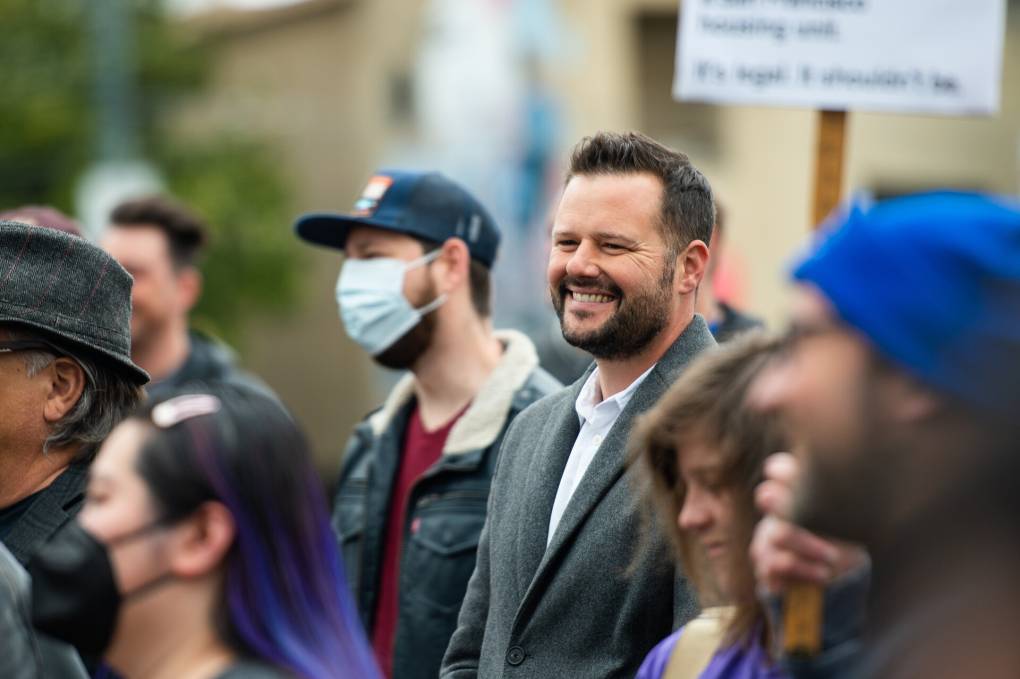
"caption": "Assemblymember Matt Haney will lead a bipartisan committee that will look for solutions to the opioid epidemic.",
"description": null,
"title": "RS54766_008_KQED_CastroHousingRightsRally_03272022-qut",
"credit": "Beth LaBerge/KQED",
"status": "inherit",
"altTag": "Assemblyman Matt Haney smiles among a crowd of people.",
"isLoading": false,
"fetchFailed": false
},
"news_11913760": {
"type": "attachments",
"id": "news_11913760",
"meta": {
"index": "attachments_1716263798",
"site": "news",
"id": "11913760",
"found": true
},
"parent": 11913724,
"imgSizes": {
"twentyfourteen-full-width": {
"file": "https://ww2.kqed.org/app/uploads/sites/10/2022/05/IMG_0168-1038x576.jpg",
"width": 1038,
"mimeType": "image/jpeg",
"height": 576
},
"thumbnail": {
"file": "https://ww2.kqed.org/app/uploads/sites/10/2022/05/IMG_0168-160x120.jpg",
"width": 160,
"mimeType": "image/jpeg",
"height": 120
},
"post-thumbnail": {
"file": "https://ww2.kqed.org/app/uploads/sites/10/2022/05/IMG_0168-672x372.jpg",
"width": 672,
"mimeType": "image/jpeg",
"height": 372
},
"kqedFullSize": {
"file": "https://ww2.kqed.org/app/uploads/sites/10/2022/05/IMG_0168-scaled.jpg",
"width": 2560,
"height": 1920
},
"2048x2048": {
"file": "https://ww2.kqed.org/app/uploads/sites/10/2022/05/IMG_0168-2048x1536.jpg",
"width": 2048,
"mimeType": "image/jpeg",
"height": 1536
},
"large": {
"file": "https://ww2.kqed.org/app/uploads/sites/10/2022/05/IMG_0168-1020x765.jpg",
"width": 1020,
"mimeType": "image/jpeg",
"height": 765
},
"1536x1536": {
"file": "https://ww2.kqed.org/app/uploads/sites/10/2022/05/IMG_0168-1536x1152.jpg",
"width": 1536,
"mimeType": "image/jpeg",
"height": 1152
},
"full-width": {
"file": "https://ww2.kqed.org/app/uploads/sites/10/2022/05/IMG_0168-1920x1440.jpg",
"width": 1920,
"mimeType": "image/jpeg",
"height": 1440
},
"medium": {
"file": "https://ww2.kqed.org/app/uploads/sites/10/2022/05/IMG_0168-800x600.jpg",
"width": 800,
"mimeType": "image/jpeg",
"height": 600
}
},
"publishDate": 1652220923,
"modified": 1652221083,
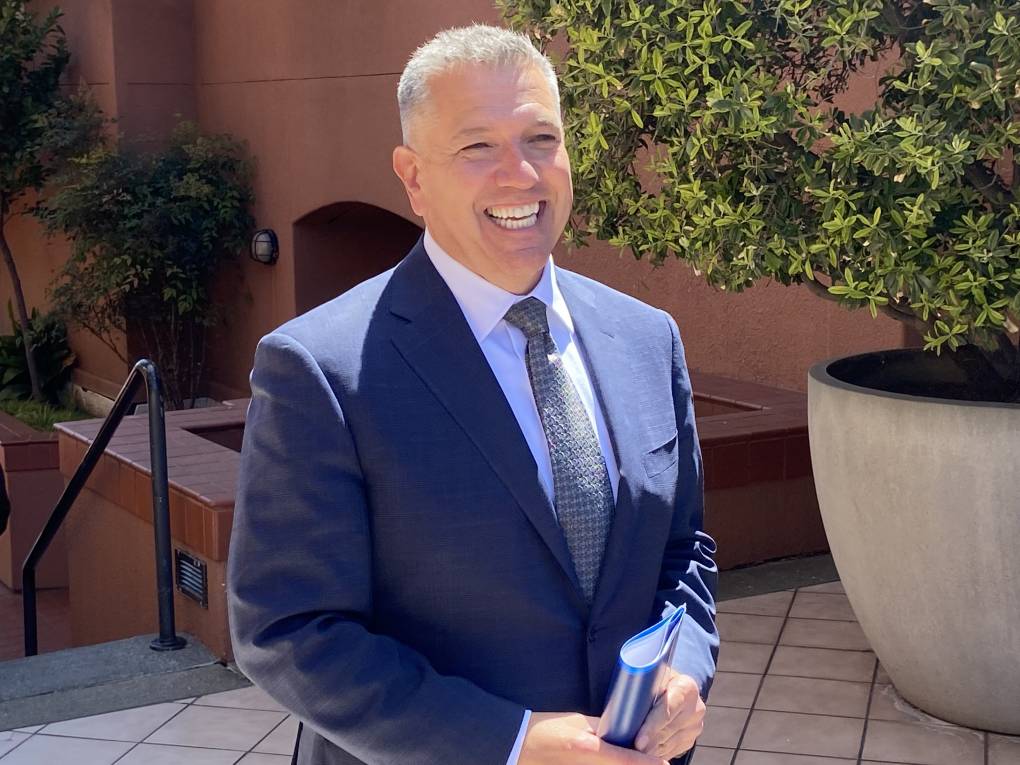
"caption": "Matt Dorsey, San Francisco's new city supervisor, was sworn in at Delancey Street on the Embarcadero on May 9, 2022.",
"description": null,
"title": "IMG_0168",
"credit": "Scott Shafer/KQED",
"status": "inherit",
"altTag": "A man wearing a business suit stands outside a building",
"isLoading": false,
"fetchFailed": false
},
"news_11913651": {
"type": "attachments",
"id": "news_11913651",
"meta": {
"index": "attachments_1716263798",
"site": "news",
"id": "11913651",
"found": true
},
"parent": 11913549,
"imgSizes": {
"twentyfourteen-full-width": {
"file": "https://ww2.kqed.org/app/uploads/sites/10/2022/05/IMG_0218-1038x576.jpg",
"width": 1038,
"mimeType": "image/jpeg",
"height": 576
},
"thumbnail": {
"file": "https://ww2.kqed.org/app/uploads/sites/10/2022/05/IMG_0218-160x99.jpg",
"width": 160,
"mimeType": "image/jpeg",
"height": 99
},
"post-thumbnail": {
"file": "https://ww2.kqed.org/app/uploads/sites/10/2022/05/IMG_0218-672x372.jpg",
"width": 672,
"mimeType": "image/jpeg",
"height": 372
},
"kqedFullSize": {
"file": "https://ww2.kqed.org/app/uploads/sites/10/2022/05/IMG_0218-scaled-e1652134316884.jpg",
"width": 1920,
"height": 1183
},
"2048x2048": {
"file": "https://ww2.kqed.org/app/uploads/sites/10/2022/05/IMG_0218-2048x1262.jpg",
"width": 2048,
"mimeType": "image/jpeg",
"height": 1262
},
"large": {
"file": "https://ww2.kqed.org/app/uploads/sites/10/2022/05/IMG_0218-1020x628.jpg",
"width": 1020,
"mimeType": "image/jpeg",
"height": 628
},
"1536x1536": {
"file": "https://ww2.kqed.org/app/uploads/sites/10/2022/05/IMG_0218-1536x946.jpg",
"width": 1536,
"mimeType": "image/jpeg",
"height": 946
},
"full-width": {
"file": "https://ww2.kqed.org/app/uploads/sites/10/2022/05/IMG_0218-1920x1183.jpg",
"width": 1920,
"mimeType": "image/jpeg",
"height": 1183
},
"medium": {
"file": "https://ww2.kqed.org/app/uploads/sites/10/2022/05/IMG_0218-800x493.jpg",
"width": 800,
"mimeType": "image/jpeg",
"height": 493
}
},
"publishDate": 1652134250,
"modified": 1652136201,
"caption": "San Francisco Mayor London Breed swears in SF Police Department spokesperson Matt Dorsey as District 6 supervisor, during a May 9, 2022 ceremony at Delancey Street Foundation in San Francisco. Breed appointed Dorsey to fill the Board of Supervisors seat recently vacated by Matt Haney. ",
"description": null,
"title": "IMG_0218",
"credit": "Scott Shafer/KQED",
"status": "inherit",
"altTag": "Mayor London Breed, in a blue suit, smiles with her hand on the shoulder of a man.",
"isLoading": false,
"fetchFailed": false
},
"news_11905344": {
"type": "attachments",
"id": "news_11905344",
"meta": {
"index": "attachments_1716263798",
"site": "news",
"id": "11905344",
"found": true
},
"parent": 11904968,
"imgSizes": {
"twentyfourteen-full-width": {
"file": "https://ww2.kqed.org/app/uploads/sites/10/2022/02/Image-from-iOS-55-1038x576.jpg",
"width": 1038,
"mimeType": "image/jpeg",
"height": 576
},
"thumbnail": {
"file": "https://ww2.kqed.org/app/uploads/sites/10/2022/02/Image-from-iOS-55-160x107.jpg",
"width": 160,
"mimeType": "image/jpeg",
"height": 107
},
"post-thumbnail": {
"file": "https://ww2.kqed.org/app/uploads/sites/10/2022/02/Image-from-iOS-55-672x372.jpg",
"width": 672,
"mimeType": "image/jpeg",
"height": 372
},
"kqedFullSize": {
"file": "https://ww2.kqed.org/app/uploads/sites/10/2022/02/Image-from-iOS-55.jpg",
"width": 1620,
"height": 1080
},
"large": {
"file": "https://ww2.kqed.org/app/uploads/sites/10/2022/02/Image-from-iOS-55-1020x680.jpg",
"width": 1020,
"mimeType": "image/jpeg",
"height": 680
},
"1536x1536": {
"file": "https://ww2.kqed.org/app/uploads/sites/10/2022/02/Image-from-iOS-55-1536x1024.jpg",
"width": 1536,
"mimeType": "image/jpeg",
"height": 1024
},
"medium": {
"file": "https://ww2.kqed.org/app/uploads/sites/10/2022/02/Image-from-iOS-55-800x533.jpg",
"width": 800,
"mimeType": "image/jpeg",
"height": 533
}
},
"publishDate": 1644996395,
"modified": 1645034913,
"caption": "Matt Haney speaks to supporters after initial State Assembly election results are announced at the food truck park in San Francisco's District 6, on Feb. 15, 2022.",
"description": null,
"title": "Image from iOS (55)",
"credit": "Beth LaBerge/KQED",
"status": "inherit",
"altTag": "Supervisor Matt Haney, in a white shirt, holds up a paper as he cheers with a crowd with a projected image of his campaign supporters behind him.",
"isLoading": false,
"fetchFailed": false
},
"news_11910296": {
"type": "attachments",
"id": "news_11910296",
"meta": {
"index": "attachments_1716263798",
"site": "news",
"id": "11910296",
"found": true
},
"parent": 11910246,
"imgSizes": {
"twentyfourteen-full-width": {
"file": "https://ww2.kqed.org/app/uploads/sites/10/2022/04/knr_assembly-1038x576.png",
"width": 1038,
"mimeType": "image/png",
"height": 576
},
"thumbnail": {
"file": "https://ww2.kqed.org/app/uploads/sites/10/2022/04/knr_assembly-160x90.png",
"width": 160,
"mimeType": "image/png",
"height": 90
},
"post-thumbnail": {
"file": "https://ww2.kqed.org/app/uploads/sites/10/2022/04/knr_assembly-672x372.png",
"width": 672,
"mimeType": "image/png",
"height": 372
},
"kqedFullSize": {
"file": "https://ww2.kqed.org/app/uploads/sites/10/2022/04/knr_assembly.png",
"width": 1920,
"height": 1080
},
"large": {
"file": "https://ww2.kqed.org/app/uploads/sites/10/2022/04/knr_assembly-1020x574.png",
"width": 1020,
"mimeType": "image/png",
"height": 574
},
"1536x1536": {
"file": "https://ww2.kqed.org/app/uploads/sites/10/2022/04/knr_assembly-1536x864.png",
"width": 1536,
"mimeType": "image/png",
"height": 864
},
"medium": {
"file": "https://ww2.kqed.org/app/uploads/sites/10/2022/04/knr_assembly-800x450.png",
"width": 800,
"mimeType": "image/png",
"height": 450
}
},
"publishDate": 1649103930,
"modified": 1649112826,
"caption": "KQED's Scott Shafer (center) hosted a discussion between David Campos (left) and Matt Haney for the state Senate race for District 17 on April 1, 2022.",
"description": null,
"title": "knr_assembly",
"credit": "KQED",
"status": "inherit",
"altTag": "Three men wearing dress jackets and dress shirts.",
"isLoading": false,
"fetchFailed": false
},
"news_11910298": {
"type": "attachments",
"id": "news_11910298",
"meta": {
"index": "attachments_1716263798",
"site": "news",
"id": "11910298",
"found": true
},
"parent": 11910077,
"imgSizes": {
"twentyfourteen-full-width": {
"file": "https://ww2.kqed.org/app/uploads/sites/10/2022/04/KNR_Assembly-1038x576.jpg",
"width": 1038,
"mimeType": "image/jpeg",
"height": 576
},
"thumbnail": {
"file": "https://ww2.kqed.org/app/uploads/sites/10/2022/04/KNR_Assembly-160x90.jpg",
"width": 160,
"mimeType": "image/jpeg",
"height": 90
},
"post-thumbnail": {
"file": "https://ww2.kqed.org/app/uploads/sites/10/2022/04/KNR_Assembly-672x372.jpg",
"width": 672,
"mimeType": "image/jpeg",
"height": 372
},
"kqedFullSize": {
"file": "https://ww2.kqed.org/app/uploads/sites/10/2022/04/KNR_Assembly.jpg",
"width": 1920,
"height": 1080
},
"large": {
"file": "https://ww2.kqed.org/app/uploads/sites/10/2022/04/KNR_Assembly-1020x574.jpg",
"width": 1020,
"mimeType": "image/jpeg",
"height": 574
},
"1536x1536": {
"file": "https://ww2.kqed.org/app/uploads/sites/10/2022/04/KNR_Assembly-1536x864.jpg",
"width": 1536,
"mimeType": "image/jpeg",
"height": 864
},
"medium": {
"file": "https://ww2.kqed.org/app/uploads/sites/10/2022/04/KNR_Assembly-800x450.jpg",
"width": 800,
"mimeType": "image/jpeg",
"height": 450
}
},
"publishDate": 1649104555,
"modified": 1649104555,
"caption": null,
"description": null,
"title": "KNR_Assembly",
"credit": null,
"status": "inherit",
"altTag": null,
"isLoading": false,
"fetchFailed": false
},
"news_11909925": {
"type": "attachments",
"id": "news_11909925",
"meta": {
"index": "attachments_1716263798",
"site": "news",
"id": "11909925",
"found": true
},
"parent": 11909759,
"imgSizes": {
"twentyfourteen-full-width": {
"file": "https://ww2.kqed.org/app/uploads/sites/10/2022/03/camposhaney-3-1038x576.jpg",
"width": 1038,
"mimeType": "image/jpeg",
"height": 576
},
"thumbnail": {
"file": "https://ww2.kqed.org/app/uploads/sites/10/2022/03/camposhaney-3-160x104.jpg",
"width": 160,
"mimeType": "image/jpeg",
"height": 104
},
"post-thumbnail": {
"file": "https://ww2.kqed.org/app/uploads/sites/10/2022/03/camposhaney-3-672x372.jpg",
"width": 672,
"mimeType": "image/jpeg",
"height": 372
},
"kqedFullSize": {
"file": "https://ww2.kqed.org/app/uploads/sites/10/2022/03/camposhaney-3.jpg",
"width": 1790,
"height": 1160
},
"large": {
"file": "https://ww2.kqed.org/app/uploads/sites/10/2022/03/camposhaney-3-1020x661.jpg",
"width": 1020,
"mimeType": "image/jpeg",
"height": 661
},
"1536x1536": {
"file": "https://ww2.kqed.org/app/uploads/sites/10/2022/03/camposhaney-3-1536x995.jpg",
"width": 1536,
"mimeType": "image/jpeg",
"height": 995
},
"medium": {
"file": "https://ww2.kqed.org/app/uploads/sites/10/2022/03/camposhaney-3-800x518.jpg",
"width": 800,
"mimeType": "image/jpeg",
"height": 518
}
},
"publishDate": 1648754116,
"modified": 1648837493,
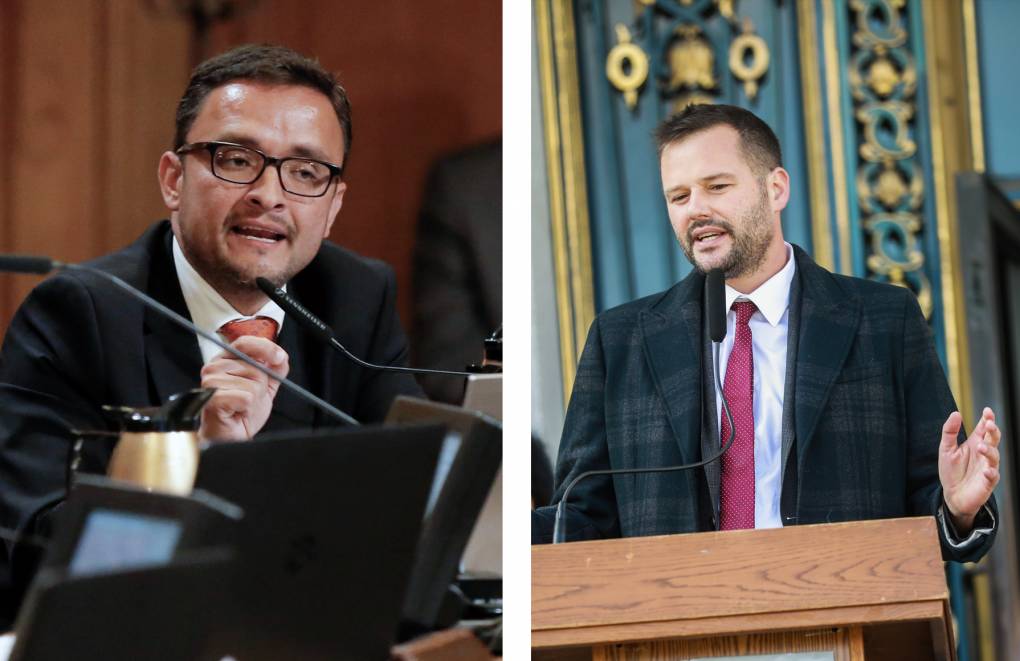
"caption": "Former San Francisco Supervisor David Campos (left) on May 16, 2019, and current Supervisor Matt Haney, on Nov. 16, 2021. The two are competing in a heated runoff next month to represent the eastern part of San Francisco in the state Assembly.",
"description": null,
"title": "camposhaney-3",
"credit": "Santiago Mejia and Gabrielle Lurie/San Francisco Chronicle via Getty Images",
"status": "inherit",
"altTag": "A split screen of two men in suits speaking into microphones.",
"isLoading": false,
"fetchFailed": false
},
"news_11908432": {
"type": "attachments",
"id": "news_11908432",
"meta": {
"index": "attachments_1716263798",
"site": "news",
"id": "11908432",
"found": true
},
"parent": 11908113,
"imgSizes": {
"twentyfourteen-full-width": {
"file": "https://ww2.kqed.org/app/uploads/sites/10/2022/03/campos-haney3-1038x576.jpg",
"width": 1038,
"mimeType": "image/jpeg",
"height": 576
},
"thumbnail": {
"file": "https://ww2.kqed.org/app/uploads/sites/10/2022/03/campos-haney3-160x104.jpg",
"width": 160,
"mimeType": "image/jpeg",
"height": 104
},
"post-thumbnail": {
"file": "https://ww2.kqed.org/app/uploads/sites/10/2022/03/campos-haney3-672x372.jpg",
"width": 672,
"mimeType": "image/jpeg",
"height": 372
},
"kqedFullSize": {
"file": "https://ww2.kqed.org/app/uploads/sites/10/2022/03/campos-haney3.jpg",
"width": 1790,
"height": 1160
},
"large": {
"file": "https://ww2.kqed.org/app/uploads/sites/10/2022/03/campos-haney3-1020x661.jpg",
"width": 1020,
"mimeType": "image/jpeg",
"height": 661
},
"1536x1536": {
"file": "https://ww2.kqed.org/app/uploads/sites/10/2022/03/campos-haney3-1536x995.jpg",
"width": 1536,
"mimeType": "image/jpeg",
"height": 995
},
"medium": {
"file": "https://ww2.kqed.org/app/uploads/sites/10/2022/03/campos-haney3-800x518.jpg",
"width": 800,
"mimeType": "image/jpeg",
"height": 518
}
},
"publishDate": 1647466358,
"modified": 1647466386,
"caption": "David Campos, left, and Matt Haney are in a heated runoff for a seat in the state Assembly to represent the eastern side of San Francisco.",
"description": null,
"title": "campos-haney3",
"credit": "Illustration by Anna Vignet/KQED, with SF BOS pics",
"status": "inherit",
"altTag": "Profile pics of two men in suits, divided by jagged line.",
"isLoading": false,
"fetchFailed": false
}
},
"audioPlayerReducer": {
"postId": "stream_live",
"isPaused": true,
"isPlaying": false,
"pfsActive": false,
"pledgeModalIsOpen": true,
"playerDrawerIsOpen": false,
"liveAudioPlayStartedAt": 0,
"liveAudioPlayContext": ""
},
"authorsReducer": {
"gmarzorati": {
"type": "authors",
"id": "227",
"meta": {
"index": "authors_1716337520",
"id": "227",
"found": true
},
"name": "Guy Marzorati",
"firstName": "Guy",
"lastName": "Marzorati",
"slug": "gmarzorati",
"email": "gmarzorati@KQED.org",
"display_author_email": true,
"staff_mastheads": [
"news"
],
"title": "Correspondent",
"bio": "Guy Marzorati is a correspondent on KQED's California Politics and Government Desk, based in San Jose. A graduate of Santa Clara University, Guy joined KQED in 2013. He reports on state and local politics and produces KQED's digital voter guide.",
"avatar": "https://secure.gravatar.com/avatar/e7038b8dbfd55b104369b76b1cd0b9de?s=600&d=blank&r=g",
"twitter": "guymarzorati",
"facebook": null,
"instagram": null,
"linkedin": null,
"sites": [
{
"site": "",
"roles": [
"editor"
]
},
{
"site": "news",
"roles": [
"editor"
]
},
{
"site": "science",
"roles": [
"editor"
]
},
{
"site": "forum",
"roles": [
"editor"
]
},
{
"site": "elections",
"roles": [
"editor"
]
},
{
"site": "liveblog",
"roles": [
"editor"
]
}
],
"headData": {
"title": "Guy Marzorati | KQED",
"description": "Correspondent",
"ogImgSrc": "https://secure.gravatar.com/avatar/e7038b8dbfd55b104369b76b1cd0b9de?s=600&d=blank&r=g",
"twImgSrc": "https://secure.gravatar.com/avatar/e7038b8dbfd55b104369b76b1cd0b9de?s=600&d=blank&r=g"
},
"isLoading": false,
"link": "/author/gmarzorati"
},
"kqed": {
"type": "authors",
"id": "236",
"meta": {
"index": "authors_1716337520",
"id": "236",
"found": true
},
"name": "KQED News Staff",
"firstName": "KQED News Staff",
"lastName": null,
"slug": "kqed",
"email": "faq@kqed.org",
"display_author_email": false,
"staff_mastheads": [],
"title": null,
"bio": null,
"avatar": "https://secure.gravatar.com/avatar/ef0e801a68c4c54afa9180db14084167?s=600&d=blank&r=g",
"twitter": null,
"facebook": null,
"instagram": null,
"linkedin": null,
"sites": [
{
"site": "arts",
"roles": [
"contributor"
]
},
{
"site": "news",
"roles": [
"editor"
]
},
{
"site": "futureofyou",
"roles": [
"author"
]
}
],
"headData": {
"title": "KQED News Staff | KQED",
"description": null,
"ogImgSrc": "https://secure.gravatar.com/avatar/ef0e801a68c4c54afa9180db14084167?s=600&d=blank&r=g",
"twImgSrc": "https://secure.gravatar.com/avatar/ef0e801a68c4c54afa9180db14084167?s=600&d=blank&r=g"
},
"isLoading": false,
"link": "/author/kqed"
},
"scottshafer": {
"type": "authors",
"id": "255",
"meta": {
"index": "authors_1716337520",
"id": "255",
"found": true
},
"name": "Scott Shafer",
"firstName": "Scott",
"lastName": "Shafer",
"slug": "scottshafer",
"email": "sshafer@kqed.org",
"display_author_email": false,
"staff_mastheads": [
"news"
],
"title": "KQED Contributor",
"bio": "Scott Shafer is a senior editor with the KQED Politics and Government desk. He is co-host of Political Breakdown, the award-winning radio show and podcast with a personal take on the world of politics. Scott came to KQED in 1998 to host the statewide\u003cem> California Report\u003c/em>. Prior to that he had extended stints in politics and government\u003cem>.\u003c/em> He uses that inside experience at KQED in his, reporting, hosting and analysis for the politics desk. Scott collaborated \u003cem>Political Breakdown a\u003c/em>nd on \u003cem>The Political Mind of Jerry Brown, \u003c/em>an eight-part series about the life and extraordinary political career of the former governor. For fun, he plays water polo with the San Francisco Tsunami.",
"avatar": "https://secure.gravatar.com/avatar/a62ebae45b79d7aed1a39a0e3bf68104?s=600&d=blank&r=g",
"twitter": "scottshafer",
"bluesky": null,
"facebook": null,
"instagram": null,
"linkedin": null,
"sites": [
{
"site": "news",
"roles": [
"editor"
]
},
{
"site": "stateofhealth",
"roles": [
"author"
]
},
{
"site": "science",
"roles": [
"author"
]
},
{
"site": "forum",
"roles": [
"subscriber"
]
},
{
"site": "liveblog",
"roles": [
"author"
]
}
],
"headData": {
"title": "Scott Shafer | KQED",
"description": "KQED Contributor",
"ogImgSrc": "https://secure.gravatar.com/avatar/a62ebae45b79d7aed1a39a0e3bf68104?s=600&d=blank&r=g",
"twImgSrc": "https://secure.gravatar.com/avatar/a62ebae45b79d7aed1a39a0e3bf68104?s=600&d=blank&r=g"
},
"isLoading": false,
"link": "/author/scottshafer"
},
"tychehendricks": {
"type": "authors",
"id": "259",
"meta": {
"index": "authors_1716337520",
"id": "259",
"found": true
},
"name": "Tyche Hendricks",
"firstName": "Tyche",
"lastName": "Hendricks",
"slug": "tychehendricks",
"email": "thendricks@kqed.org",
"display_author_email": true,
"staff_mastheads": [
"news"
],
"title": "KQED Senior Editor, Immigration",
"bio": "\u003cspan style=\"font-weight: 400;\">Tyche Hendricks is KQED’s senior editor for immigration, leading coverage of the policy and politics that affect California’s immigrant communities. Her work for KQED’s radio and online audiences is also carried on NPR and other national outlets. She has been recognized with awards from the Radio and Television News Directors Association, the Society for Professional Journalists; the Education Writers Association; the Best of the West and the National Federation of Community Broadcasters. Before joining KQED in 2010, Tyche spent more than a dozen years as a newspaper reporter, notably at the \u003c/span>\u003ci>\u003cspan style=\"font-weight: 400;\">San Francisco Chronicle\u003c/span>\u003c/i>\u003cspan style=\"font-weight: 400;\">. At different times she has covered criminal justice, government and politics and urban planning. Tyche has taught in the MFA Creative Writing program at the University of San Francisco and at UC Berkeley’s Graduate School of Journalism, where she was co-director of a national immigration symposium for professional journalists. She is the author of \u003c/span>\u003ci>\u003cspan style=\"font-weight: 400;\">The Wind Doesn't Need a Passport: Stories from the U.S.-Mexico Borderlands\u003c/span>\u003c/i>\u003cspan style=\"font-weight: 400;\"> (University of California Press). \u003c/span>",
"avatar": "https://secure.gravatar.com/avatar/b8ee458e2731c2d43df86882ce17267e?s=600&d=blank&r=g",
"twitter": "tychehendricks",
"facebook": null,
"instagram": null,
"linkedin": null,
"sites": [
{
"site": "news",
"roles": [
"editor"
]
},
{
"site": "stateofhealth",
"roles": [
"editor"
]
}
],
"headData": {
"title": "Tyche Hendricks | KQED",
"description": "KQED Senior Editor, Immigration",
"ogImgSrc": "https://secure.gravatar.com/avatar/b8ee458e2731c2d43df86882ce17267e?s=600&d=blank&r=g",
"twImgSrc": "https://secure.gravatar.com/avatar/b8ee458e2731c2d43df86882ce17267e?s=600&d=blank&r=g"
},
"isLoading": false,
"link": "/author/tychehendricks"
},
"mlagos": {
"type": "authors",
"id": "3239",
"meta": {
"index": "authors_1716337520",
"id": "3239",
"found": true
},
"name": "Marisa Lagos",
"firstName": "Marisa",
"lastName": "Lagos",
"slug": "mlagos",
"email": "mlagos@kqed.org",
"display_author_email": false,
"staff_mastheads": [
"news"
],
"title": "KQED Contributor",
"bio": "Marisa Lagos is a correspondent for KQED’s California Politics and Government Desk and co-hosts the award-winning show and podcast, Political Breakdown. At KQED, Lagos also conducts reporting, analysis and investigations into state, local and national politics for radio, TV, online and onstage. In 2022, she and co-host, Scott Shafer, moderated the only gubernatorial debate in California. In 2020, the \u003ci>Washington Post\u003c/i> named her one of the top political journalists in California; she was nominated for a Peabody and won several other awards for her work investigating the 2017 California wildfires. She has worked at the \u003ci>San Francisco Chronicle\u003c/i>, \u003ci>San Francisco Examiner\u003c/i> and \u003ci>Los Angeles Times\u003c/i>. A UC Santa Barbara graduate, she lives in San Francisco with her two sons and husband.",
"avatar": "https://secure.gravatar.com/avatar/a261a0d3696fc066871ef96b85b5e7d2?s=600&d=blank&r=g",
"twitter": "@mlagos",
"facebook": null,
"instagram": null,
"linkedin": null,
"sites": [
{
"site": "arts",
"roles": [
"author"
]
},
{
"site": "news",
"roles": [
"editor"
]
},
{
"site": "science",
"roles": [
"editor"
]
},
{
"site": "forum",
"roles": [
"author"
]
},
{
"site": "liveblog",
"roles": [
"author"
]
}
],
"headData": {
"title": "Marisa Lagos | KQED",
"description": "KQED Contributor",
"ogImgSrc": "https://secure.gravatar.com/avatar/a261a0d3696fc066871ef96b85b5e7d2?s=600&d=blank&r=g",
"twImgSrc": "https://secure.gravatar.com/avatar/a261a0d3696fc066871ef96b85b5e7d2?s=600&d=blank&r=g"
},
"isLoading": false,
"link": "/author/mlagos"
},
"ecruzguevarra": {
"type": "authors",
"id": "8654",
"meta": {
"index": "authors_1716337520",
"id": "8654",
"found": true
},
"name": "Ericka Cruz Guevarra",
"firstName": "Ericka",
"lastName": "Cruz Guevarra",
"slug": "ecruzguevarra",
"email": "ecruzguevarra@kqed.org",
"display_author_email": true,
"staff_mastheads": [
"news"
],
"title": "Producer, The Bay Podcast",
"bio": "Ericka Cruz Guevarra is host of \u003ca href=\"https://www.kqed.org/podcasts/thebay\">\u003cem>The Bay\u003c/em>\u003c/a> podcast at KQED. Before host, she was the show’s producer. Her work in that capacity includes a three-part reported series on policing in Vallejo, which won a 2020 excellence in journalism award from the Society of Professional Journalists. Ericka has worked as a breaking news reporter at Oregon Public Broadcasting, helped produce the Code Switch podcast, and was KQED’s inaugural Raul Ramirez Diversity Fund intern. She’s also an alumna of NPR’s Next Generation Radio program. Send her an email if you have strong feelings about whether Fairfield and Suisun City are the Bay. Ericka is represented by SAG-AFTRA.",
"avatar": "https://secure.gravatar.com/avatar/25e5ab8d3d53fad2dcc7bb2b5c506b1a?s=600&d=blank&r=g",
"twitter": "NotoriousECG",
"facebook": null,
"instagram": null,
"linkedin": null,
"sites": [
{
"site": "arts",
"roles": [
"subscriber"
]
},
{
"site": "news",
"roles": [
"editor",
"manage_categories"
]
},
{
"site": "futureofyou",
"roles": [
"subscriber"
]
},
{
"site": "stateofhealth",
"roles": [
"subscriber"
]
},
{
"site": "science",
"roles": [
"editor"
]
},
{
"site": "forum",
"roles": [
"subscriber"
]
}
],
"headData": {
"title": "Ericka Cruz Guevarra | KQED",
"description": "Producer, The Bay Podcast",
"ogImgSrc": "https://secure.gravatar.com/avatar/25e5ab8d3d53fad2dcc7bb2b5c506b1a?s=600&d=blank&r=g",
"twImgSrc": "https://secure.gravatar.com/avatar/25e5ab8d3d53fad2dcc7bb2b5c506b1a?s=600&d=blank&r=g"
},
"isLoading": false,
"link": "/author/ecruzguevarra"
},
"lesleymcclurg": {
"type": "authors",
"id": "11229",
"meta": {
"index": "authors_1716337520",
"id": "11229",
"found": true
},
"name": "Lesley McClurg",
"firstName": "Lesley",
"lastName": "McClurg",
"slug": "lesleymcclurg",
"email": "lmcclurg@KQED.org",
"display_author_email": false,
"staff_mastheads": [
"news",
"science"
],
"title": "KQED Health Correspondent",
"bio": "Lesley McClurg is a health correspondent and fill-in host whose work is regularly rebroadcast on NPR and PBS programs. She’s earned multiple regional Emmy awards, a national and a regional Edward R. Murrow award, and was named Best Beat Reporter by the Association of Health Care Journalists. The Society of Professional Journalists has recognized her work several times, and the Society of Environmental Journalists spotlighted her coverage of California’s historic drought.\r\n\r\nBefore joining KQED in 2016, Lesley covered food and sustainability for Capital Public Radio, environmental issues for Colorado Public Radio, and reported for KUOW and KCTS 9 in Seattle. Away from the newsroom, she loves skiing with her daughter, mountain biking with her partner, and playing with Ollie, the family’s goldendoodle. On deadline, she runs almost entirely on chocolate chips.\r\n\r\n ",
"avatar": "https://secure.gravatar.com/avatar/bab49e972ea10c774fe0f5e29dba1722b158f7c0d58a360923d1389d380b2978?s=600&d=blank&r=g",
"twitter": "lesleywmcclurg",
"bluesky": null,
"facebook": null,
"instagram": null,
"linkedin": null,
"sites": [
{
"site": "arts",
"roles": [
"author"
]
},
{
"site": "news",
"roles": [
"editor"
]
},
{
"site": "futureofyou",
"roles": [
"editor"
]
},
{
"site": "stateofhealth",
"roles": [
"author"
]
},
{
"site": "science",
"roles": [
"editor"
]
},
{
"site": "quest",
"roles": [
"subscriber"
]
},
{
"site": "forum",
"roles": [
"administrator"
]
},
{
"site": "liveblog",
"roles": [
"author"
]
}
],
"headData": {
"title": "Lesley McClurg | KQED",
"description": "KQED Health Correspondent",
"ogImgSrc": "https://secure.gravatar.com/avatar/bab49e972ea10c774fe0f5e29dba1722b158f7c0d58a360923d1389d380b2978?s=600&d=blank&r=g",
"twImgSrc": "https://secure.gravatar.com/avatar/bab49e972ea10c774fe0f5e29dba1722b158f7c0d58a360923d1389d380b2978?s=600&d=blank&r=g"
},
"isLoading": false,
"link": "/author/lesleymcclurg"
},
"amontecillo": {
"type": "authors",
"id": "11649",
"meta": {
"index": "authors_1716337520",
"id": "11649",
"found": true
},
"name": "Alan Montecillo",
"firstName": "Alan",
"lastName": "Montecillo",
"slug": "amontecillo",
"email": "amontecillo@kqed.org",
"display_author_email": false,
"staff_mastheads": [
"news"
],
"title": "KQED Contributor",
"bio": "Alan Montecillo is the senior editor of \u003cem>\u003ca href=\"http://kqed.org/thebay\">The Bay\u003c/a>, \u003c/em> KQED's local news podcast. Before moving to the Bay Area, he worked as a senior talk show producer for WILL in Champaign-Urbana, Illinois and at Oregon Public Broadcasting in Portland, Oregon. He has won journalism awards from the Society of Professional Journalists Northern California, the Public Media Journalists Association, The Signal Awards, and has also received a regional Edward R. Murrow award. Alan is a Filipino American from Hong Kong and a graduate of Reed College.",
"avatar": "https://secure.gravatar.com/avatar/d5e4e7a76481969ccba76f4e2b5ccabc?s=600&d=blank&r=g",
"twitter": "alanmontecillo",
"facebook": null,
"instagram": null,
"linkedin": null,
"sites": [
{
"site": "",
"roles": [
"editor"
]
},
{
"site": "news",
"roles": [
"editor",
"manage_categories"
]
}
],
"headData": {
"title": "Alan Montecillo | KQED",
"description": "KQED Contributor",
"ogImgSrc": "https://secure.gravatar.com/avatar/d5e4e7a76481969ccba76f4e2b5ccabc?s=600&d=blank&r=g",
"twImgSrc": "https://secure.gravatar.com/avatar/d5e4e7a76481969ccba76f4e2b5ccabc?s=600&d=blank&r=g"
},
"isLoading": false,
"link": "/author/amontecillo"
},
"jrodriguez": {
"type": "authors",
"id": "11690",
"meta": {
"index": "authors_1716337520",
"id": "11690",
"found": true
},
"name": "Joe Fitzgerald Rodriguez",
"firstName": "Joe",
"lastName": "Fitzgerald Rodriguez",
"slug": "jrodriguez",
"email": "jrodriguez@kqed.org",
"display_author_email": true,
"staff_mastheads": [
"news"
],
"title": "Reporter and Producer",
"bio": "Joe Fitzgerald Rodriguez is a reporter and digital producer for KQED covering politics. Joe most recently wrote for the \u003cem>San Francisco Examiner\u003c/em> as a political columnist covering The City. He was raised in San Francisco and has spent his reporting career in his beloved, foggy, city by the bay. Joe was 12-years-old when he conducted his first interview in journalism, grilling former San Francisco Mayor Willie Brown for the Marina Middle School newspaper, \u003cem>The Penguin Press, \u003c/em>and he continues to report on the San Francisco Bay Area to this day.",
"avatar": "https://secure.gravatar.com/avatar/2247beb0564c1e9c62228d5649d2edac?s=600&d=blank&r=g",
"twitter": "FitztheReporter",
"facebook": null,
"instagram": "https://www.instagram.com/fitzthereporter/",
"linkedin": null,
"sites": [
{
"site": "",
"roles": [
"editor"
]
},
{
"site": "arts",
"roles": [
"editor"
]
},
{
"site": "news",
"roles": [
"editor"
]
},
{
"site": "science",
"roles": [
"editor"
]
},
{
"site": "elections",
"roles": [
"editor"
]
},
{
"site": "liveblog",
"roles": [
"editor"
]
}
],
"headData": {
"title": "Joe Fitzgerald Rodriguez | KQED",
"description": "Reporter and Producer",
"ogImgSrc": "https://secure.gravatar.com/avatar/2247beb0564c1e9c62228d5649d2edac?s=600&d=blank&r=g",
"twImgSrc": "https://secure.gravatar.com/avatar/2247beb0564c1e9c62228d5649d2edac?s=600&d=blank&r=g"
},
"isLoading": false,
"link": "/author/jrodriguez"
},
"nnavarro": {
"type": "authors",
"id": "11756",
"meta": {
"index": "authors_1716337520",
"id": "11756",
"found": true
},
"name": "Natalia Navarro",
"firstName": "Natalia",
"lastName": "Navarro",
"slug": "nnavarro",
"email": "nnavarro@kqed.org",
"display_author_email": true,
"staff_mastheads": [
"news"
],
"title": "Afternoon News Anchor",
"bio": "Natalia Navarro is KQED's afternoon radio news anchor. She came to KQED in 2021 from Colorado Public Radio, where she was a reporter and host. She has received several awards for her work covering daily and breaking news from professional organizations such as the San Francisco Press Club, Society of Professional Journalists and the Colorado Broadcasters Association. Natalia is originally from Tucson, Arizona, where she got her start in journalism writing for the Arizona Daily Star, Arizona Public Media and the Tucson Weekly. Natalia earned her bachelor's degree in journalism and economics, and her master's degree in journalism from the University of Arizona.",
"avatar": "https://secure.gravatar.com/avatar/45f866ea8b5c52bf1fa4c236dd0c03c2?s=600&d=blank&r=g",
"twitter": "@NataliaVNavarro",
"facebook": null,
"instagram": null,
"linkedin": null,
"sites": [
{
"site": "news",
"roles": [
"editor"
]
}
],
"headData": {
"title": "Natalia Navarro | KQED",
"description": "Afternoon News Anchor",
"ogImgSrc": "https://secure.gravatar.com/avatar/45f866ea8b5c52bf1fa4c236dd0c03c2?s=600&d=blank&r=g",
"twImgSrc": "https://secure.gravatar.com/avatar/45f866ea8b5c52bf1fa4c236dd0c03c2?s=600&d=blank&r=g"
},
"isLoading": false,
"link": "/author/nnavarro"
},
"swhitney": {
"type": "authors",
"id": "11784",
"meta": {
"index": "authors_1716337520",
"id": "11784",
"found": true
},
"name": "Spencer Whitney",
"firstName": "Spencer",
"lastName": "Whitney",
"slug": "swhitney",
"email": "swhitney@kqed.org",
"display_author_email": false,
"staff_mastheads": [],
"title": "KQED Digital Editor",
"bio": "Spencer Whitney is currently a Digital Editor for KQED News. Prior to joining KQED News, Spencer worked as the Multimedia Editor at the Oakland Post and an Assistant Editor in the Editorial department at the San Francisco Chronicle. He attended Howard University as an undergraduate and interned with SiriusXM. He also attended UC Berkeley's Graduate School of Journalism and had the opportunity to write for the hyperlocal news sites Richmond Confidential and Oakland North.",
"avatar": "https://secure.gravatar.com/avatar/e33ff4fd8b8f0d2796f36472fb32607ca8fc46ef5e537dcfdbdee688d8ea5b80?s=600&d=mm&r=g",
"twitter": null,
"bluesky": null,
"facebook": null,
"instagram": null,
"linkedin": null,
"sites": [
{
"site": "arts",
"roles": [
"editor"
]
},
{
"site": "news",
"roles": [
"editor"
]
},
{
"site": "science",
"roles": [
"editor"
]
},
{
"site": "perspectives",
"roles": [
"editor"
]
}
],
"headData": {
"title": "Spencer Whitney | KQED",
"description": "KQED Digital Editor",
"ogImgSrc": "https://secure.gravatar.com/avatar/e33ff4fd8b8f0d2796f36472fb32607ca8fc46ef5e537dcfdbdee688d8ea5b80?s=600&d=mm&r=g",
"twImgSrc": "https://secure.gravatar.com/avatar/e33ff4fd8b8f0d2796f36472fb32607ca8fc46ef5e537dcfdbdee688d8ea5b80?s=600&d=mm&r=g"
},
"isLoading": false,
"link": "/author/swhitney"
},
"mesquinca": {
"type": "authors",
"id": "11802",
"meta": {
"index": "authors_1716337520",
"id": "11802",
"found": true
},
"name": "Maria Esquinca",
"firstName": "Maria",
"lastName": "Esquinca",
"slug": "mesquinca",
"email": "mesquinca@kqed.org",
"display_author_email": false,
"staff_mastheads": [],
"title": "Producer, The Bay",
"bio": "María Esquinca is a producer of The Bay. Before that, she was a New York Women’s Foundation IGNITE Fellow at Latino USA. She worked at Radio Bilingue where she covered the San Joaquin Valley. Maria has interned at WLRN, News 21, The New York Times Student Journalism Institute and at Crain’s Detroit Business as a Dow Jones News Fund Business Reporting Intern. She is an MFA graduate from the University of Miami. In 2017, she graduated from the Walter Cronkite School of Journalism and Mass Communication with a Master of Mass Communication. A fronteriza, she was born in Ciudad Juárez, Chihuahua, Mexico and grew up in El Paso, Texas.",
"avatar": "https://secure.gravatar.com/avatar/77cedba18aae91da775038ba06dcd8d0?s=600&d=blank&r=g",
"twitter": "@m_esquinca",
"facebook": null,
"instagram": null,
"linkedin": null,
"sites": [
{
"site": "news",
"roles": []
}
],
"headData": {
"title": "Maria Esquinca | KQED",
"description": "Producer, The Bay",
"ogImgSrc": "https://secure.gravatar.com/avatar/77cedba18aae91da775038ba06dcd8d0?s=600&d=blank&r=g",
"twImgSrc": "https://secure.gravatar.com/avatar/77cedba18aae91da775038ba06dcd8d0?s=600&d=blank&r=g"
},
"isLoading": false,
"link": "/author/mesquinca"
}
},
"pagesReducer": {
"news_tag_matt-haney": {
"type": "terms",
"id": "news_25468",
"meta": {
"index": "terms_1716263798",
"site": "news",
"id": "25468",
"score": 10.400432
},
"featImg": null,
"name": "Matt Haney",
"description": null,
"taxonomy": "tag",
"headData": {
"twImgId": null,
"twTitle": null,
"ogTitle": null,
"ogImgId": null,
"twDescription": null,
"description": null,
"title": "Matt Haney Archives | KQED News",
"ogDescription": null
},
"ttid": 25485,
"slug": "matt-haney",
"isLoading": false,
"title": "Matt Haney",
"pageMeta": {
"site": "news",
"WpPageTemplate": "page-topic-editorial",
"currentPage": 2
},
"blocks": [
{
"blockName": "kqed/post-list",
"attrs": {
"layout": "cardArticle2",
"query": "posts/news?tag=matt-haney",
"seeMore": false,
"paginated": true,
"page": 2
}
},
{
"blockName": "kqed/ad"
}
]
}
},
"pfsSessionReducer": {},
"postsReducer": {
"stream_live": {
"type": "live",
"id": "stream_live",
"audioUrl": "https://streams.kqed.org/kqedradio",
"title": "Live Stream",
"excerpt": "Live Stream information currently unavailable.",
"link": "/radio",
"featImg": "",
"label": {
"name": "KQED Live",
"link": "/"
}
},
"stream_kqedNewscast": {
"type": "posts",
"id": "stream_kqedNewscast",
"audioUrl": "https://www.kqed.org/.stream/anon/radio/RDnews/newscast.mp3?_=1",
"title": "KQED Newscast",
"featImg": "",
"label": {
"name": "88.5 FM",
"link": "/"
}
},
"news_11946395": {
"type": "posts",
"id": "news_11946395",
"meta": {
"index": "posts_1716263798",
"site": "news",
"id": "11946395",
"score": null,
"sort": [
1681293615000
]
},
"guestAuthors": [],
"slug": "suboxone-parental-consent",
"title": "A New Bill Could Help Get Teens Closer to Recovering From Addiction",
"publishDate": 1681293615,
"format": "audio",
"headTitle": "A New Bill Could Help Get Teens Closer to Recovering From Addiction | KQED",
"labelTerm": {},
"content": "\u003cp>\u003cem>This episode contains descriptions of drug addiction and attempted suicide. The national crisis and suicide hotline is 988.\u003c/em>\u003c/p>\n\u003cp>\u003cspan style=\"font-weight: 400\">In 2021, about 1 in 5 deaths among people ages 15-24 were from fentanyl overdoses in California. As this crisis worsens, doctors are seeing more and more demand for life-saving addiction treatment.\u003c/span>\u003c/p>\n\u003cp>One crucial piece of the puzzle is a medication called Suboxone, or buprenorphine. It helps block withdrawal symptoms and can allow people to go to school, work, and maintain relationships while recovering.\u003c/p>\n\u003cp>But patients under the age of 18 can’t access Suboxone without parental consent. Assemblymember Matt Haney thinks that should change, and has filed a bill that would lower the age to 16.\u003c/p>\n\u003cp>\u003ca href=\"https://drive.google.com/file/d/1KxC5mCJ-ttspMlniQlBQPnFS_LDI-qHj/view?usp=share_link\">\u003cem>Episode transcript\u003c/em>\u003c/a>\u003c/p>\n\u003cp>[ad fullwidth]\u003c/p>\n\u003cp>\u003cstrong>Guest: \u003c/strong>Lesley McClurg, KQED health correspondent\u003c/p>\n\u003cdiv class=\"card card--enclosed grey\">\n\u003cp id=\"embed-code\" class=\"inconsolata\">\n\u003c!-- iframe plugin v.4.3 wordpress.org/plugins/iframe/ -->\u003cbr>\n\u003ciframe loading=\"lazy\" frameborder=\"0\" height=\"200\" scrolling=\"no\" src=\"https://playlist.megaphone.fm/?e=KQINC2009616004&light=true\" width=\"100%\" class=\"iframe-class\">\u003c/iframe>\n\u003c/p>\n\u003c/div>\n\u003cp>\u003c/p>\n\u003cp>\u003cstrong>Links:\u003c/strong>\u003c/p>\n\u003cul>\n\u003cli>\u003ca href=\"https://www.kqed.org/about/17653/help-make-the-bay-even-better\">The Bay Survey\u003c/a>\u003c/li>\n\u003cli>\u003ca href=\"https://www.kqed.org/science/1982214/new-bill-could-ease-teenagers-access-to-opioid-treatment-amid-ongoing-fentanyl-epidemic\">New Bill Could Ease Teenagers’ Access to Opioid Treatment Amid Ongoing Fentanyl Epidemic\u003c/a>\u003c/li>\n\u003c/ul>\n\n",
"blocks": [],
"excerpt": "A new bill would lower the age required to access opioid addiction treatment without parental consent.",
"status": "publish",
"parent": 0,
"modified": 1726004983,
"stats": {
"hasAudio": true,
"hasVideo": false,
"hasChartOrMap": false,
"iframeSrcs": [],
"hasGoogleForm": false,
"hasGallery": false,
"hasHearkenModule": false,
"hasPolis": false,
"paragraphCount": 9,
"wordCount": 147
},
"headData": {
"title": "A New Bill Could Help Get Teens Closer to Recovering From Addiction | KQED",
"description": "A new bill would lower the age required to access opioid addiction treatment without parental consent.",
"ogTitle": "",
"ogDescription": "",
"ogImgId": "",
"twTitle": "",
"twDescription": "",
"twImgId": "",
"schema": {
"@context": "https://schema.org",
"@type": "NewsArticle",
"headline": "A New Bill Could Help Get Teens Closer to Recovering From Addiction",
"datePublished": "2023-04-12T03:00:15-07:00",
"dateModified": "2024-09-10T14:49:43-07:00",
"image": "https://cdn.kqed.org/wp-content/uploads/2020/02/KQED-OG-Image@1x.png",
"isAccessibleForFree": "True",
"publisher": {
"@type": "NewsMediaOrganization",
"@id": "https://www.kqed.org/#organization",
"name": "KQED",
"logo": "https://cdn.kqed.org/wp-content/uploads/2020/02/KQED-OG-Image@1x.png",
"url": "https://www.kqed.org",
"sameAs": [
"https://www.facebook.com/KQED",
"https://twitter.com/KQED",
"https://www.instagram.com/kqed/",
"https://www.tiktok.com/@kqedofficial",
"https://www.linkedin.com/company/kqed",
"https://www.youtube.com/channel/UCeC0IOo7i1P_61zVUWbJ4nw"
]
}
}
},
"source": "The Bay",
"sourceUrl": "https://www.kqed.org/podcasts/thebay",
"audioUrl": "https://www.podtrac.com/pts/redirect.mp3/chrt.fm/track/A511B8/traffic.megaphone.fm/KQINC2009616004.mp3?updated=1681254934",
"sticky": false,
"excludeFromSiteSearch": "Include",
"articleAge": "0",
"path": "/news/11946395/suboxone-parental-consent",
"audioTrackLength": null,
"parsedContent": [
{
"type": "contentString",
"content": "\u003cdiv class=\"post-body\">\u003cp>\u003cp>\u003cem>This episode contains descriptions of drug addiction and attempted suicide. The national crisis and suicide hotline is 988.\u003c/em>\u003c/p>\n\u003cp>\u003cspan style=\"font-weight: 400\">In 2021, about 1 in 5 deaths among people ages 15-24 were from fentanyl overdoses in California. As this crisis worsens, doctors are seeing more and more demand for life-saving addiction treatment.\u003c/span>\u003c/p>\n\u003cp>One crucial piece of the puzzle is a medication called Suboxone, or buprenorphine. It helps block withdrawal symptoms and can allow people to go to school, work, and maintain relationships while recovering.\u003c/p>\n\u003cp>But patients under the age of 18 can’t access Suboxone without parental consent. Assemblymember Matt Haney thinks that should change, and has filed a bill that would lower the age to 16.\u003c/p>\n\u003cp>\u003ca href=\"https://drive.google.com/file/d/1KxC5mCJ-ttspMlniQlBQPnFS_LDI-qHj/view?usp=share_link\">\u003cem>Episode transcript\u003c/em>\u003c/a>\u003c/p>\n\u003cp>\u003c/p>\u003c/div>",
"attributes": {
"named": {},
"numeric": []
}
},
{
"type": "component",
"content": "",
"name": "ad",
"attributes": {
"named": {
"label": "fullwidth"
},
"numeric": [
"fullwidth"
]
}
},
{
"type": "contentString",
"content": "\u003cdiv class=\"post-body\">\u003cp>\u003c/p>\n\u003cp>\u003cstrong>Guest: \u003c/strong>Lesley McClurg, KQED health correspondent\u003c/p>\n\u003cdiv class=\"card card--enclosed grey\">\n\u003cp id=\"embed-code\" class=\"inconsolata\">\n\u003c!-- iframe plugin v.4.3 wordpress.org/plugins/iframe/ -->\u003cbr>\n\u003ciframe loading=\"lazy\" frameborder=\"0\" height=\"200\" scrolling=\"no\" src=\"https://playlist.megaphone.fm/?e=KQINC2009616004&light=true\" width=\"100%\" class=\"iframe-class\">\u003c/iframe>\n\u003c/p>\n\u003c/div>\n\u003cp>\u003c/p>\n\u003cp>\u003cstrong>Links:\u003c/strong>\u003c/p>\n\u003cul>\n\u003cli>\u003ca href=\"https://www.kqed.org/about/17653/help-make-the-bay-even-better\">The Bay Survey\u003c/a>\u003c/li>\n\u003cli>\u003ca href=\"https://www.kqed.org/science/1982214/new-bill-could-ease-teenagers-access-to-opioid-treatment-amid-ongoing-fentanyl-epidemic\">New Bill Could Ease Teenagers’ Access to Opioid Treatment Amid Ongoing Fentanyl Epidemic\u003c/a>\u003c/li>\n\u003c/ul>\n\n\u003c/div>\u003c/p>",
"attributes": {
"named": {},
"numeric": []
}
}
],
"link": "/news/11946395/suboxone-parental-consent",
"authors": [
"8654",
"11229",
"11649",
"11802"
],
"programs": [
"news_28779"
],
"categories": [
"news_457",
"news_8",
"news_33520"
],
"tags": [
"news_25968",
"news_18543",
"news_25468",
"news_17968",
"news_38",
"news_22598"
],
"featImg": "news_11946400",
"label": "source_news_11946395"
},
"news_11945315": {
"type": "posts",
"id": "news_11945315",
"meta": {
"index": "posts_1716263798",
"site": "news",
"id": "11945315",
"score": null,
"sort": [
1680298669000
]
},
"guestAuthors": [],
"slug": "good-for-the-kids-a-california-bill-would-place-incarcerated-parents-in-prisons-close-to-home",
"title": "'Good for the Kids': A California Bill Would Place Incarcerated Parents in Prisons Close to Home",
"publishDate": 1680298669,
"format": "standard",
"headTitle": "‘Good for the Kids’: A California Bill Would Place Incarcerated Parents in Prisons Close to Home | KQED",
"labelTerm": {
"term": 72,
"site": "news"
},
"content": "\u003cp>Ameerah Rogers is 9. Her father, Deandre, has been incarcerated for most of her life. So every chance she has to spend time with him feels like a special treat.\u003c/p>\n\u003cp>One Saturday a month, her mother drives Ameerah and her siblings from their home in Sacramento to visit their dad at Salinas Valley State Prison. Ameerah says she’s excited on the ride there, thinking about what they’ll do together.\u003c/p>\n\u003cp>“We like to read, we color, we play games. I normally win Uno,” she said. “And every time we go, I tell him everything about school.”\u003c/p>\n\u003cp>Ameerah is one of nearly 200,000 California children who have a parent in state prison, advocates estimate. And in a state the size of California, those parents are often hundreds of miles from their kids.\u003c/p>\n\u003cp>But a \u003ca href=\"https://leginfo.legislature.ca.gov/faces/billAnalysisClient.xhtml?bill_id=202320240AB1226\">bill\u003c/a> introduced this week in the state Assembly would require the California Department of Corrections and Rehabilitation to house incarcerated people with minor children as close to their child’s home as possible.\u003c/p>\n\u003cp>The bill’s author, Assemblymember Matt Haney (D-San Francisco), says long distances can lead to long separations, and that can have a devastating impact on children’s psychological health.\u003c/p>\n\u003cp>[ad fullwidth]\u003c/p>\n\u003cp>“There’s a lot of research on the mental or emotional toll that incarcerating a parent has on a child,” he said. “If we incarcerate a mother or father all the way on the other side from where a child lives, it makes it a lot harder for that child to visit the parent, to maintain a relationship with them, and to keep connected with them when they come out.”\u003c/p>\n\u003cp>The \u003ca href=\"https://cahealthadvocates.org/wp-content/uploads/2007/11/V7N2.pdf\">kids of incarcerated parents are at risk of withdrawing emotionally, failing in school and becoming incarcerated themselves (PDF)\u003c/a>, research indicates, a pattern of trauma that can span generations.[pullquote align=\"right\" size=\"medium\" citation=\"Assemblymember Matt Haney (D-San Francisco)\"]‘This is good for the kids. It’s also good for rehabilitation and reentry. A huge part of rehabilitation is keeping people connected to loved ones outside.’[/pullquote]Officials with CDCR, the state prison system, say they don’t comment on pending legislation. But Haney said he has met with prison officials and incorporated some of their feedback on the bill language.\u003c/p>\n\u003cp>In a statement, prison spokesperson Alia Cruz said, “CDCR recognizes visiting is an important way to maintain family and community ties and works hard to ensure people are able to see their incarcerated loved ones.”\u003c/p>\n\u003cp>Cruz noted the department allows for \u003ca href=\"https://www.cdcr.ca.gov/visitors/types-of-visits/\">overnight family visits\u003c/a> and \u003ca href=\"https://www.cdcr.ca.gov/visitors/transmetro-bus-service/\">free bus transportation\u003c/a> for visitors.\u003c/p>\n\u003ch2>Incarcerated far from home\u003c/h2>\n\u003cp>Ameerah’s mom, Bernice Rogers, says she wishes she could take the kids to see their dad more often. But he’s 200 miles away, which means it’s a seven-hour round-trip drive — for a couple of hours in the visiting room. And the expense of gas and feeding three hungry children on the road takes a big bite out of her salary as a staff member for a homeless shelter.\u003c/p>\n\u003cfigure id=\"attachment_11945338\" class=\"wp-caption alignright\" style=\"max-width: 747px\">\u003cimg loading=\"lazy\" decoding=\"async\" class=\"size-full wp-image-11945338\" src=\"https://ww2.kqed.org/app/uploads/sites/10/2023/03/RS64078_006_DeAndreRogers_SalinasStatePrison_IMG_1743.jpg\" alt=\"An African American man gives a young girl a piggy back ride as they smile for the camera.\" width=\"747\" height=\"1046\" srcset=\"https://cdn.kqed.org/wp-content/uploads/sites/10/2023/03/RS64078_006_DeAndreRogers_SalinasStatePrison_IMG_1743.jpg 747w, https://cdn.kqed.org/wp-content/uploads/sites/10/2023/03/RS64078_006_DeAndreRogers_SalinasStatePrison_IMG_1743-160x224.jpg 160w\" sizes=\"auto, (max-width: 747px) 100vw, 747px\">\u003cfigcaption class=\"wp-caption-text\">Ameerah Rogers, 9, gets a piggyback ride from her dad, Deandre Rogers, for a photo at Salinas Valley State Prison on Jan. 28, 2023. \u003ccite>(Courtesy Bernice Rogers)\u003c/cite>\u003c/figcaption>\u003c/figure>\n\u003cp>“It just costs a lot as a single mother — I mean not a single mother, because we’re married — but me by myself out here, with rent and bills and food,” she said. “It just costs, with him being that far.”\u003c/p>\n\u003cp>Rogers said she participates in \u003ca href=\"https://www.cdcr.ca.gov/visitors/get-on-the-bus/\">CDCR’s Get on the Bus program\u003c/a>, an annual event that provides free transportation for children to visit their incarcerated parents. And at least in Salinas Valley, her husband is closer than he was before the pandemic, when he was at Calipatria State Prison, nearly 600 miles away, near the Mexican border.\u003c/p>\n\u003cp>The Rogers family is not alone with this struggle. The vast majority — \u003ca href=\"https://s3.documentcloud.org/documents/23736788/file_0973.pdf\">75% — of California’s incarcerated people are incarcerated 100 miles or more from their home communities\u003c/a>, according to 2019 data from CDCR (PDF).\u003c/p>\n\u003cp>And \u003ca href=\"https://www.prisonpolicy.org/reports/prisonvisits.html\">the further from home a person is locked up, the less likely they are to get regular visitors\u003c/a>, according to a report by the Prison Policy Initiative, a prison reform research organization. Nationwide, half of those incarcerated in prisons less than 50 miles from home had received a visit in the past month, whereas only 15% of people housed more than 500 miles from home had received a visit.\u003c/p>\n\u003ch2>Kids benefit when parents are closer\u003c/h2>\n\u003cp>For Nico Arzate, 16, the distance from his father has had a direct influence on how often they can visit — and on Nico’s well-being, according to his mother.\u003c/p>\n\u003cp>Kari Arzate was pregnant when Nico’s father, David, was arrested. For the first 10 years of Nico’s life, his dad was living in prisons that were hundreds of miles away, and they rarely saw each other, she said.\u003c/p>\n\u003cp>Then, in 2016, David was transferred to a prison just two hours from their home in Modesto, and Arzate took her son to see him every weekend. That lasted about five years.\u003c/p>\n\u003cp>“Nico would spend time with Mom and Dad as a family,” she said, “and then still be able to go out like a normal teenager, when he got home from a visit, and go to the movies with his friends.”\u003c/p>\n\u003cfigure id=\"attachment_11945341\" class=\"wp-caption alignnone\" style=\"max-width: 800px\">\u003cimg loading=\"lazy\" decoding=\"async\" class=\"size-medium wp-image-11945341\" src=\"https://ww2.kqed.org/app/uploads/sites/10/2023/03/RS64077_001_DavidArzote_IMG_9635-1-800x783.jpg\" alt=\"A montage of four photos, top left with woman, boy and man smiling; top right with man and boy smiling at camera; bottom left with boy and man smiling; bottom right with a woman holding a baby as a man from behind a window with a phone receiver to his ear looks on.\" width=\"800\" height=\"783\" srcset=\"https://cdn.kqed.org/wp-content/uploads/sites/10/2023/03/RS64077_001_DavidArzote_IMG_9635-1-800x783.jpg 800w, https://cdn.kqed.org/wp-content/uploads/sites/10/2023/03/RS64077_001_DavidArzote_IMG_9635-1-1020x998.jpg 1020w, https://cdn.kqed.org/wp-content/uploads/sites/10/2023/03/RS64077_001_DavidArzote_IMG_9635-1-160x157.jpg 160w, https://cdn.kqed.org/wp-content/uploads/sites/10/2023/03/RS64077_001_DavidArzote_IMG_9635-1.jpg 1284w\" sizes=\"auto, (max-width: 800px) 100vw, 800px\">\u003cfigcaption class=\"wp-caption-text\">Nico Arzate got to visit every weekend when his father was housed in prisons near their Modesto home. But in 2021 David Arzate was moved to a prison 10 hours away, and their visits have become rare. Here they are also pictured with Nico’s mother, Kari Arzate. \u003ccite>(Courtesy Kari Arzate)\u003c/cite>\u003c/figcaption>\u003c/figure>\n\u003cp>She said her son was noticeably happier and his grades improved during that time. But in 2021 her husband was transferred again, Arzate said, this time to a prison in Susanville, 300 miles away, and they’ve only been able to make the trip a handful of times in the past year. She said she has seen her son struggle with feelings of depression, and the visits to his father are a balm.\u003c/p>\n\u003cp>“He’s able to talk to him about things that he normally wouldn’t talk to Mom about … because he’s built a connection with his dad over the years,” she said. “Nico looks forward to taking pictures every time he goes to visit Dad because that’s all he has as a memory.”\u003c/p>\n\u003cp>Arzate says if the bill, \u003ca href=\"https://leginfo.legislature.ca.gov/faces/billTextClient.xhtml?bill_id=202320240AB1226\">AB 1226\u003c/a>, known as the Keep Families Close Act, becomes law, she expects that David would be transferred closer to home and that her son could have a stronger relationship with his father.\u003c/p>\n\u003ch2>‘This is good for the kids’\u003c/h2>\n\u003cp>Haney, the bill’s author, notes that it would not trigger an automatic relocation of every incarcerated parent. Instead it would apply when a person is newly incarcerated or being transferred for another reason, such as a change in their security level.\u003c/p>\n\u003cp>“This is good for the kids. It’s also good for rehabilitation and reentry,” Haney said. “A huge part of rehabilitation is keeping people connected to loved ones outside.”[pullquote align=\"right\" size=\"medium\" citation=\"Kari Arzate\"]‘Nico looks forward to taking pictures every time he goes to visit Dad because that’s all he has as a memory.’[/pullquote]He said the Keep Families Close Act is modeled on a \u003ca href=\"https://www.nysenate.gov/newsroom/in-the-news/velmanette-montgomery/ny-law-requires-parents-prison-be-housed-closest-kids\">2020 law in New York state\u003c/a>, believed to be the first of its kind in the nation.\u003c/p>\n\u003cp>Haney is a Democrat, but the bill is co-authored by Assemblymember Marie Waldron, a Republican, and it passed out of the Assembly Public Safety Committee on Monday, March 27, with unanimous bipartisan support.\u003c/p>\n\u003cp>When it’s time to leave her father after their monthly visit, Ameerah Rogers says she and her sister typically cry on the ride home.\u003c/p>\n\u003cp>“Because we barely get to see him,” she said. “And he was gone all my life. So we don’t get to see him a lot.”\u003c/p>\n\u003cp>But despite the fact that her father is serving a third-strike sentence of 30 years, Ameerah is keeping a running list of the places she’d like to travel with her dad one day.\u003c/p>\n\u003cp>“I’m waiting to go to Canada, Super Nintendo World, Tokyo and … oh yeah, Las Vegas,” she said.\u003c/p>\n\u003cp>[ad floatright]\u003c/p>\n",
"blocks": [],
"excerpt": "Studies show kids suffer when they can't maintain a relationship with a parent who's locked up. A new bill from Assemblymember Matt Haney would require state prisons to house newly incarcerated people — and those being transferred — as close to their children as possible.",
"status": "publish",
"parent": 0,
"modified": 1738778162,
"stats": {
"hasAudio": false,
"hasVideo": false,
"hasChartOrMap": false,
"iframeSrcs": [],
"hasGoogleForm": false,
"hasGallery": false,
"hasHearkenModule": false,
"hasPolis": false,
"paragraphCount": 31,
"wordCount": 1446
},
"headData": {
"title": "'Good for the Kids': A California Bill Would Place Incarcerated Parents in Prisons Close to Home | KQED",
"description": "Studies show kids suffer when they can't maintain a relationship with a parent who's locked up. A new bill from Assemblymember Matt Haney would require state prisons to house newly incarcerated people — and those being transferred — as close to their children as possible.",
"ogTitle": "",
"ogDescription": "",
"ogImgId": "",
"twTitle": "",
"twDescription": "",
"twImgId": "",
"schema": {
"@context": "https://schema.org",
"@type": "NewsArticle",
"headline": "'Good for the Kids': A California Bill Would Place Incarcerated Parents in Prisons Close to Home",
"datePublished": "2023-03-31T14:37:49-07:00",
"dateModified": "2025-02-05T09:56:02-08:00",
"image": "https://cdn.kqed.org/wp-content/uploads/2020/02/KQED-OG-Image@1x.png",
"isAccessibleForFree": "True",
"publisher": {
"@type": "NewsMediaOrganization",
"@id": "https://www.kqed.org/#organization",
"name": "KQED",
"logo": "https://cdn.kqed.org/wp-content/uploads/2020/02/KQED-OG-Image@1x.png",
"url": "https://www.kqed.org",
"sameAs": [
"https://www.facebook.com/KQED",
"https://twitter.com/KQED",
"https://www.instagram.com/kqed/",
"https://www.tiktok.com/@kqedofficial",
"https://www.linkedin.com/company/kqed",
"https://www.youtube.com/channel/UCeC0IOo7i1P_61zVUWbJ4nw"
]
}
}
},
"audioUrl": "https://traffic.omny.fm/d/clips/0af137ef-751e-4b19-a055-aaef00d2d578/ffca7e9f-6831-4[…]f-aaef00f5a073/569a99bd-ad9c-44ec-9d9d-afd401056f8e/audio.mp3 ",
"sticky": false,
"excludeFromSiteSearch": "Include",
"articleAge": "0",
"path": "/news/11945315/good-for-the-kids-a-california-bill-would-place-incarcerated-parents-in-prisons-close-to-home",
"audioTrackLength": null,
"parsedContent": [
{
"type": "contentString",
"content": "\u003cdiv class=\"post-body\">\u003cp>\u003cp>Ameerah Rogers is 9. Her father, Deandre, has been incarcerated for most of her life. So every chance she has to spend time with him feels like a special treat.\u003c/p>\n\u003cp>One Saturday a month, her mother drives Ameerah and her siblings from their home in Sacramento to visit their dad at Salinas Valley State Prison. Ameerah says she’s excited on the ride there, thinking about what they’ll do together.\u003c/p>\n\u003cp>“We like to read, we color, we play games. I normally win Uno,” she said. “And every time we go, I tell him everything about school.”\u003c/p>\n\u003cp>Ameerah is one of nearly 200,000 California children who have a parent in state prison, advocates estimate. And in a state the size of California, those parents are often hundreds of miles from their kids.\u003c/p>\n\u003cp>But a \u003ca href=\"https://leginfo.legislature.ca.gov/faces/billAnalysisClient.xhtml?bill_id=202320240AB1226\">bill\u003c/a> introduced this week in the state Assembly would require the California Department of Corrections and Rehabilitation to house incarcerated people with minor children as close to their child’s home as possible.\u003c/p>\n\u003cp>The bill’s author, Assemblymember Matt Haney (D-San Francisco), says long distances can lead to long separations, and that can have a devastating impact on children’s psychological health.\u003c/p>\n\u003cp>\u003c/p>\u003c/div>",
"attributes": {
"named": {},
"numeric": []
}
},
{
"type": "component",
"content": "",
"name": "ad",
"attributes": {
"named": {
"label": "fullwidth"
},
"numeric": [
"fullwidth"
]
}
},
{
"type": "contentString",
"content": "\u003cdiv class=\"post-body\">\u003cp>\u003c/p>\n\u003cp>“There’s a lot of research on the mental or emotional toll that incarcerating a parent has on a child,” he said. “If we incarcerate a mother or father all the way on the other side from where a child lives, it makes it a lot harder for that child to visit the parent, to maintain a relationship with them, and to keep connected with them when they come out.”\u003c/p>\n\u003cp>The \u003ca href=\"https://cahealthadvocates.org/wp-content/uploads/2007/11/V7N2.pdf\">kids of incarcerated parents are at risk of withdrawing emotionally, failing in school and becoming incarcerated themselves (PDF)\u003c/a>, research indicates, a pattern of trauma that can span generations.\u003c/p>\u003c/div>",
"attributes": {
"named": {},
"numeric": []
}
},
{
"type": "component",
"content": "‘This is good for the kids. It’s also good for rehabilitation and reentry. A huge part of rehabilitation is keeping people connected to loved ones outside.’",
"name": "pullquote",
"attributes": {
"named": {
"align": "right",
"size": "medium",
"citation": "Assemblymember Matt Haney (D-San Francisco)",
"label": ""
},
"numeric": []
}
},
{
"type": "contentString",
"content": "\u003cdiv class=\"post-body\">\u003cp>Officials with CDCR, the state prison system, say they don’t comment on pending legislation. But Haney said he has met with prison officials and incorporated some of their feedback on the bill language.\u003c/p>\n\u003cp>In a statement, prison spokesperson Alia Cruz said, “CDCR recognizes visiting is an important way to maintain family and community ties and works hard to ensure people are able to see their incarcerated loved ones.”\u003c/p>\n\u003cp>Cruz noted the department allows for \u003ca href=\"https://www.cdcr.ca.gov/visitors/types-of-visits/\">overnight family visits\u003c/a> and \u003ca href=\"https://www.cdcr.ca.gov/visitors/transmetro-bus-service/\">free bus transportation\u003c/a> for visitors.\u003c/p>\n\u003ch2>Incarcerated far from home\u003c/h2>\n\u003cp>Ameerah’s mom, Bernice Rogers, says she wishes she could take the kids to see their dad more often. But he’s 200 miles away, which means it’s a seven-hour round-trip drive — for a couple of hours in the visiting room. And the expense of gas and feeding three hungry children on the road takes a big bite out of her salary as a staff member for a homeless shelter.\u003c/p>\n\u003cfigure id=\"attachment_11945338\" class=\"wp-caption alignright\" style=\"max-width: 747px\">\u003cimg loading=\"lazy\" decoding=\"async\" class=\"size-full wp-image-11945338\" src=\"https://ww2.kqed.org/app/uploads/sites/10/2023/03/RS64078_006_DeAndreRogers_SalinasStatePrison_IMG_1743.jpg\" alt=\"An African American man gives a young girl a piggy back ride as they smile for the camera.\" width=\"747\" height=\"1046\" srcset=\"https://cdn.kqed.org/wp-content/uploads/sites/10/2023/03/RS64078_006_DeAndreRogers_SalinasStatePrison_IMG_1743.jpg 747w, https://cdn.kqed.org/wp-content/uploads/sites/10/2023/03/RS64078_006_DeAndreRogers_SalinasStatePrison_IMG_1743-160x224.jpg 160w\" sizes=\"auto, (max-width: 747px) 100vw, 747px\">\u003cfigcaption class=\"wp-caption-text\">Ameerah Rogers, 9, gets a piggyback ride from her dad, Deandre Rogers, for a photo at Salinas Valley State Prison on Jan. 28, 2023. \u003ccite>(Courtesy Bernice Rogers)\u003c/cite>\u003c/figcaption>\u003c/figure>\n\u003cp>“It just costs a lot as a single mother — I mean not a single mother, because we’re married — but me by myself out here, with rent and bills and food,” she said. “It just costs, with him being that far.”\u003c/p>\n\u003cp>Rogers said she participates in \u003ca href=\"https://www.cdcr.ca.gov/visitors/get-on-the-bus/\">CDCR’s Get on the Bus program\u003c/a>, an annual event that provides free transportation for children to visit their incarcerated parents. And at least in Salinas Valley, her husband is closer than he was before the pandemic, when he was at Calipatria State Prison, nearly 600 miles away, near the Mexican border.\u003c/p>\n\u003cp>The Rogers family is not alone with this struggle. The vast majority — \u003ca href=\"https://s3.documentcloud.org/documents/23736788/file_0973.pdf\">75% — of California’s incarcerated people are incarcerated 100 miles or more from their home communities\u003c/a>, according to 2019 data from CDCR (PDF).\u003c/p>\n\u003cp>And \u003ca href=\"https://www.prisonpolicy.org/reports/prisonvisits.html\">the further from home a person is locked up, the less likely they are to get regular visitors\u003c/a>, according to a report by the Prison Policy Initiative, a prison reform research organization. Nationwide, half of those incarcerated in prisons less than 50 miles from home had received a visit in the past month, whereas only 15% of people housed more than 500 miles from home had received a visit.\u003c/p>\n\u003ch2>Kids benefit when parents are closer\u003c/h2>\n\u003cp>For Nico Arzate, 16, the distance from his father has had a direct influence on how often they can visit — and on Nico’s well-being, according to his mother.\u003c/p>\n\u003cp>Kari Arzate was pregnant when Nico’s father, David, was arrested. For the first 10 years of Nico’s life, his dad was living in prisons that were hundreds of miles away, and they rarely saw each other, she said.\u003c/p>\n\u003cp>Then, in 2016, David was transferred to a prison just two hours from their home in Modesto, and Arzate took her son to see him every weekend. That lasted about five years.\u003c/p>\n\u003cp>“Nico would spend time with Mom and Dad as a family,” she said, “and then still be able to go out like a normal teenager, when he got home from a visit, and go to the movies with his friends.”\u003c/p>\n\u003cfigure id=\"attachment_11945341\" class=\"wp-caption alignnone\" style=\"max-width: 800px\">\u003cimg loading=\"lazy\" decoding=\"async\" class=\"size-medium wp-image-11945341\" src=\"https://ww2.kqed.org/app/uploads/sites/10/2023/03/RS64077_001_DavidArzote_IMG_9635-1-800x783.jpg\" alt=\"A montage of four photos, top left with woman, boy and man smiling; top right with man and boy smiling at camera; bottom left with boy and man smiling; bottom right with a woman holding a baby as a man from behind a window with a phone receiver to his ear looks on.\" width=\"800\" height=\"783\" srcset=\"https://cdn.kqed.org/wp-content/uploads/sites/10/2023/03/RS64077_001_DavidArzote_IMG_9635-1-800x783.jpg 800w, https://cdn.kqed.org/wp-content/uploads/sites/10/2023/03/RS64077_001_DavidArzote_IMG_9635-1-1020x998.jpg 1020w, https://cdn.kqed.org/wp-content/uploads/sites/10/2023/03/RS64077_001_DavidArzote_IMG_9635-1-160x157.jpg 160w, https://cdn.kqed.org/wp-content/uploads/sites/10/2023/03/RS64077_001_DavidArzote_IMG_9635-1.jpg 1284w\" sizes=\"auto, (max-width: 800px) 100vw, 800px\">\u003cfigcaption class=\"wp-caption-text\">Nico Arzate got to visit every weekend when his father was housed in prisons near their Modesto home. But in 2021 David Arzate was moved to a prison 10 hours away, and their visits have become rare. Here they are also pictured with Nico’s mother, Kari Arzate. \u003ccite>(Courtesy Kari Arzate)\u003c/cite>\u003c/figcaption>\u003c/figure>\n\u003cp>She said her son was noticeably happier and his grades improved during that time. But in 2021 her husband was transferred again, Arzate said, this time to a prison in Susanville, 300 miles away, and they’ve only been able to make the trip a handful of times in the past year. She said she has seen her son struggle with feelings of depression, and the visits to his father are a balm.\u003c/p>\n\u003cp>“He’s able to talk to him about things that he normally wouldn’t talk to Mom about … because he’s built a connection with his dad over the years,” she said. “Nico looks forward to taking pictures every time he goes to visit Dad because that’s all he has as a memory.”\u003c/p>\n\u003cp>Arzate says if the bill, \u003ca href=\"https://leginfo.legislature.ca.gov/faces/billTextClient.xhtml?bill_id=202320240AB1226\">AB 1226\u003c/a>, known as the Keep Families Close Act, becomes law, she expects that David would be transferred closer to home and that her son could have a stronger relationship with his father.\u003c/p>\n\u003ch2>‘This is good for the kids’\u003c/h2>\n\u003cp>Haney, the bill’s author, notes that it would not trigger an automatic relocation of every incarcerated parent. Instead it would apply when a person is newly incarcerated or being transferred for another reason, such as a change in their security level.\u003c/p>\n\u003cp>“This is good for the kids. It’s also good for rehabilitation and reentry,” Haney said. “A huge part of rehabilitation is keeping people connected to loved ones outside.”\u003c/p>\u003c/div>",
"attributes": {
"named": {},
"numeric": []
}
},
{
"type": "component",
"content": "‘Nico looks forward to taking pictures every time he goes to visit Dad because that’s all he has as a memory.’",
"name": "pullquote",
"attributes": {
"named": {
"align": "right",
"size": "medium",
"citation": "Kari Arzate",
"label": ""
},
"numeric": []
}
},
{
"type": "contentString",
"content": "\u003cdiv class=\"post-body\">\u003cp>He said the Keep Families Close Act is modeled on a \u003ca href=\"https://www.nysenate.gov/newsroom/in-the-news/velmanette-montgomery/ny-law-requires-parents-prison-be-housed-closest-kids\">2020 law in New York state\u003c/a>, believed to be the first of its kind in the nation.\u003c/p>\n\u003cp>Haney is a Democrat, but the bill is co-authored by Assemblymember Marie Waldron, a Republican, and it passed out of the Assembly Public Safety Committee on Monday, March 27, with unanimous bipartisan support.\u003c/p>\n\u003cp>When it’s time to leave her father after their monthly visit, Ameerah Rogers says she and her sister typically cry on the ride home.\u003c/p>\n\u003cp>“Because we barely get to see him,” she said. “And he was gone all my life. So we don’t get to see him a lot.”\u003c/p>\n\u003cp>But despite the fact that her father is serving a third-strike sentence of 30 years, Ameerah is keeping a running list of the places she’d like to travel with her dad one day.\u003c/p>\n\u003cp>“I’m waiting to go to Canada, Super Nintendo World, Tokyo and … oh yeah, Las Vegas,” she said.\u003c/p>\n\u003cp>\u003c/p>\u003c/div>",
"attributes": {
"named": {},
"numeric": []
}
},
{
"type": "component",
"content": "",
"name": "ad",
"attributes": {
"named": {
"label": "floatright"
},
"numeric": [
"floatright"
]
}
},
{
"type": "contentString",
"content": "\u003cdiv class=\"post-body\">\u003cp>\u003c/p>\n\u003c/div>\u003c/p>",
"attributes": {
"named": {},
"numeric": []
}
}
],
"link": "/news/11945315/good-for-the-kids-a-california-bill-would-place-incarcerated-parents-in-prisons-close-to-home",
"authors": [
"259"
],
"programs": [
"news_72"
],
"categories": [
"news_31795",
"news_6188",
"news_8",
"news_33520"
],
"tags": [
"news_18538",
"news_1629",
"news_19954",
"news_25468",
"news_1471",
"news_20851"
],
"featImg": "news_11945331",
"label": "news_72"
},
"news_11943833": {
"type": "posts",
"id": "news_11943833",
"meta": {
"index": "posts_1716263798",
"site": "news",
"id": "11943833",
"score": null,
"sort": [
1679016602000
]
},
"parent": 0,
"labelTerm": {},
"blocks": [],
"publishDate": 1679016602,
"format": "audio",
"title": "Assemblyman Matt Haney on Going from SF to Sacramento and the \"Generational Shift\" on Housing in California",
"headTitle": "Assemblyman Matt Haney on Going from SF to Sacramento and the “Generational Shift” on Housing in California | KQED",
"content": "\u003cp>\u003cspan style=\"font-weight: 400\">Scott and Marisa discuss the fallout from the failure of Silicon Valley Bank and Governor Gavin Newsom’s tour of California in lieu of a traditional State of the State speech. Then, they sit down with San Francisco Assemblyman Matt Haney to discuss his Bay Area upbringing, time on the San Francisco school board and what he’s working on as he embarks on his first full term in Sacramento.\u003c/span>\u003c/p>\n\u003cp>[ad fullwidth]\u003c/p>\u003cp>\u003c/p>\n",
"stats": {
"hasVideo": false,
"hasChartOrMap": false,
"hasAudio": false,
"hasPolis": false,
"wordCount": 75,
"hasGoogleForm": false,
"hasGallery": false,
"hasHearkenModule": false,
"iframeSrcs": [],
"paragraphCount": 3
},
"modified": 1700874675,
"excerpt": null,
"headData": {
"twImgId": "",
"twTitle": "",
"ogTitle": "",
"ogImgId": "",
"twDescription": "",
"description": "Scott and Marisa discuss the fallout from the failure of Silicon Valley Bank and Governor Gavin Newsom's tour of California in lieu of a traditional State of the State speech. Then, they sit down with San Francisco Assemblyman Matt Haney to discuss his Bay Area upbringing, time on the San Francisco school board and what",
"title": "Assemblyman Matt Haney on Going from SF to Sacramento and the \"Generational Shift\" on Housing in California | KQED",
"ogDescription": "",
"schema": {
"@context": "https://schema.org",
"@type": "NewsArticle",
"headline": "Assemblyman Matt Haney on Going from SF to Sacramento and the \"Generational Shift\" on Housing in California",
"datePublished": "2023-03-16T18:30:02-07:00",
"dateModified": "2023-11-24T17:11:15-08:00",
"image": "https://cdn.kqed.org/wp-content/uploads/2020/02/KQED-OG-Image@1x.png",
"isAccessibleForFree": "True",
"publisher": {
"@type": "NewsMediaOrganization",
"@id": "https://www.kqed.org/#organization",
"name": "KQED",
"logo": "https://cdn.kqed.org/wp-content/uploads/2020/02/KQED-OG-Image@1x.png",
"url": "https://www.kqed.org",
"sameAs": [
"https://www.facebook.com/KQED",
"https://twitter.com/KQED",
"https://www.instagram.com/kqed/",
"https://www.tiktok.com/@kqedofficial",
"https://www.linkedin.com/company/kqed",
"https://www.youtube.com/channel/UCeC0IOo7i1P_61zVUWbJ4nw"
]
}
}
},
"guestAuthors": [],
"slug": "assemblyman-matt-haney-on-going-from-sf-to-sacramento-and-the-generational-shift-on-housing-in-california",
"status": "publish",
"audioUrl": "https://www.podtrac.com/pts/redirect.mp3/traffic.megaphone.fm/KQINC4766608944.mp3",
"excludeFromSiteSearch": "Include",
"source": "Political Breakdown",
"articleAge": "0",
"path": "/news/11943833/assemblyman-matt-haney-on-going-from-sf-to-sacramento-and-the-generational-shift-on-housing-in-california",
"audioDuration": 1778000,
"audioTrackLength": null,
"parsedContent": [
{
"type": "contentString",
"content": "\u003cdiv class=\"post-body\">\u003cp>\u003cp>\u003cspan style=\"font-weight: 400\">Scott and Marisa discuss the fallout from the failure of Silicon Valley Bank and Governor Gavin Newsom’s tour of California in lieu of a traditional State of the State speech. Then, they sit down with San Francisco Assemblyman Matt Haney to discuss his Bay Area upbringing, time on the San Francisco school board and what he’s working on as he embarks on his first full term in Sacramento.\u003c/span>\u003c/p>\n\u003cp>\u003c/p>\u003c/div>",
"attributes": {
"named": {},
"numeric": []
}
},
{
"type": "component",
"content": "",
"name": "ad",
"attributes": {
"named": {
"label": "fullwidth"
},
"numeric": [
"fullwidth"
]
}
},
{
"type": "contentString",
"content": "\u003cdiv class=\"post-body\">\u003cp>\u003c/p>\u003cp>\u003c/p>\n\u003c/div>\u003c/p>",
"attributes": {
"named": {},
"numeric": []
}
}
],
"link": "/news/11943833/assemblyman-matt-haney-on-going-from-sf-to-sacramento-and-the-generational-shift-on-housing-in-california",
"authors": [
"3239",
"255"
],
"programs": [
"news_33544"
],
"categories": [
"news_8",
"news_33520"
],
"tags": [
"news_25468",
"news_22235"
],
"featImg": "news_11943806",
"label": "source_news_11943833"
},
"news_11940082": {
"type": "posts",
"id": "news_11940082",
"meta": {
"index": "posts_1716263798",
"site": "news",
"id": "11940082",
"score": null,
"sort": [
1675469642000
]
},
"guestAuthors": [],
"slug": "new-bill-could-bring-amsterdam-style-cannabis-cafes-to-california",
"title": "New Bill Could Bring Amsterdam-Style Cannabis Cafes to California",
"publishDate": 1675469642,
"format": "standard",
"headTitle": "New Bill Could Bring Amsterdam-Style Cannabis Cafes to California | KQED",
"labelTerm": {
"site": "news"
},
"content": "\u003cp>Assemblymember Matt Haney thinks he might have a new way to lure visitors to San Francisco and other places in California: cannabis cafes, like the ones that draw thousands of tourists to Amsterdam each year.\u003c/p>\n\u003cp>On Friday, Haney introduced legislation to make it easier for cannabis dispensaries to sell food and beverages.\u003c/p>\n\u003cp>“If an authorized cannabis retail store wants to sell someone cannabis, a cup of tea and a sandwich, we should allow cities to make that possible and stop holding back our economy and a service that people want. Those things are all illegal under state law now,” Haney told KQED.[pullquote align=\"right\" size=\"medium\" citation=\"Assemblymember Matt Haney\"]‘I hope that the governor, as a small-business owner himself in the past who has been involved in the hospitality industry, can now see this as an opportunity.’[/pullquote]The bill comes as \u003ca href=\"https://www.kqed.org/forum/2010101890551/why-illegal-weed-is-booming-in-california\">California’s cannabis industry is struggling\u003c/a> — some say collapsing — under the weight of \u003ca href=\"https://calmatters.org/politics/2022/07/california-cannabis-tax/\">high taxation\u003c/a> and other factors that make buying pot on the illegal market more attractive than walking into a dispensary.\u003c/p>\n\u003cp>Haney’s legislation would simply change state law to allow licensed cannabis stores to also sell food, nonalcoholic beverages and tickets for entertainment events — if local governments want that.\u003c/p>\n\u003cp>“Many people want to consume cannabis legally while socializing with others, and many want to do it while drinking coffee, eating a muffin or listening to music,” Haney said. “And there is absolutely no good reason from an economic, health, safety or fairness standpoint that the state should make those things illegal.”\u003c/p>\n\u003cp>Haney sees the diversification of cannabis businesses as a way to shore up struggling dispensaries by luring visitors for a unique experience they can’t find at home, while also helping to fill vacant storefronts and downtown corridors hollowed out by the pandemic.\u003c/p>\n\u003cp>Haney’s bill wouldn’t require this — it would simply allow local governments to decide whether to expand the range of products existing operators could offer. In San Francisco, Supervisor Rafael Mandelman is already on board.\u003c/p>\n\u003cp>On Tuesday, he plans to introduce local legislation to allow cannabis lounges — where using pot is currently permitted — to also sell food, beverages and tickets to events, such as music or comedy.[aside postID=forum_2010101887431 hero='https://ww2.kqed.org/app/uploads/sites/43/2022/01/CA-Cannabis-1020x574.jpg']“I think those (current) restrictions don’t make sense and they’re not helpful to the lounges,” Mandelman said. “And I think that in terms of making those more enjoyable spaces and building out our local cannabis industry, tourism and economic developments — for all those reasons, it makes sense to take advantage of what Assemblyman Haney is putting forward.”\u003c/p>\n\u003cp>West Hollywood and desert towns like Palm Springs and Cathedral City have already written local ordinances to allow cannabis cafes if the state permits them, according to Haney’s office.\u003c/p>\n\u003cp>Despite the proliferation of dispensaries, the \u003ca href=\"https://www.washingtonpost.com/business/2022/12/30/marijuana-supply-sales-turmoil/\">current economic and regulatory environments\u003c/a> pose serious hurdles for them.\u003c/p>\n\u003cp>“We hear from our operators that it’s a very challenging time to be in the cannabis space,” said Nikesh Patel, director of San Francisco’s Office of Cannabis. “And some of the reasons are reduced foot traffic on the streets and higher tax burdens on cannabis businesses.\u003c/p>\n\u003cp>“There is still competition with the illicit market, and the cost of flower (the unprocessed cannabis “bud”) as a whole has gone down, and that’s had a trickle effect on the entire supply chain.”\u003c/p>\n\u003cp>Patel would not take a position on Haney’s legislation, but he emphasized that, in the current market, cannabis businesses need some kind of help if they are to survive competition from illegal sellers.\u003c/p>\n\u003cfigure id=\"attachment_11940101\" class=\"wp-caption alignright\" style=\"max-width: 800px\">\u003cimg loading=\"lazy\" decoding=\"async\" class=\"wp-image-11940101 size-medium\" src=\"https://ww2.kqed.org/app/uploads/sites/10/2023/02/GettyImages-1370835285-800x534.jpg\" alt=\"A white man with a white shirt and a beard laughs as he sits and enjoys a conversation.\" width=\"800\" height=\"534\" srcset=\"https://cdn.kqed.org/wp-content/uploads/sites/10/2023/02/GettyImages-1370835285-800x534.jpg 800w, https://cdn.kqed.org/wp-content/uploads/sites/10/2023/02/GettyImages-1370835285-1020x680.jpg 1020w, https://cdn.kqed.org/wp-content/uploads/sites/10/2023/02/GettyImages-1370835285-160x107.jpg 160w, https://cdn.kqed.org/wp-content/uploads/sites/10/2023/02/GettyImages-1370835285.jpg 1024w\" sizes=\"(max-width: 800px) 100vw, 800px\">\u003cfigcaption class=\"wp-caption-text\">California State Assembly candidate Matt Haney enjoys his election night party at District 6 in San Francisco on Feb. 15, 2022. \u003ccite>(Scott Strazzante/San Francisco Chronicle via Getty Images)\u003c/cite>\u003c/figcaption>\u003c/figure>\n\u003cp>By passing \u003ca href=\"https://www.courts.ca.gov/prop64.htm\">Proposition 64 in 2016\u003c/a>, California voters legalized recreational use of marijuana in the state. More than a dozen other states have done the same.\u003c/p>\n\u003cp>But Prop. 64 left licensing up to local governments. California has more than 700 legally permitted dispensaries. San Francisco alone has more than 40, while Oakland has at least 15.\u003c/p>\n\u003cp>But more than half of California cities and counties haven’t allowed cannabis businesses to operate in their jurisdictions — and taxation and competition from cheaper marijuana on the illegal market has pushed some operators out of business.\u003c/p>\n\u003cp>Haney’s bill could help address some of those challenges by opening up new opportunities for revenue generation by cannabis sellers.\u003c/p>\n\u003cp>Using Amsterdam as a model for San Francisco could be somewhat problematic. While the Netherlands officially “tolerates” personal use of marijuana, \u003ca href=\"https://www.bloomberg.com/news/articles/2022-07-21/amsterdam-s-mayor-frets-about-sex-drugs-and-tourism\">the mayor of Amsterdam is reportedly tired of tourists on a “moral vacation”\u003c/a> and wants to at least temporarily ban nonresidents from using its pot cafes.\u003c/p>\n\u003cp>Haney’s office noted that his bill would do nothing to interfere with local law enforcement or other agencies monitoring the operation of these establishments — if they in fact open. If the bill passes the Legislature, the Assemblymember does not know whether Gov. Gavin Newsom would sign it.\u003c/p>\n\u003cp>“I hope that the governor, as a small-business owner himself in the past who has been involved in the hospitality industry, can now see this as an opportunity,” Haney said.\u003c/p>\n\u003cp>[ad fullwidth]\u003c/p>\n\u003cp>\u003c/p>\n",
"blocks": [],
"excerpt": "Assemblymember Matt Haney will be introducing a new bill Monday that will make it easier for cannabis dispensaries to sell food and beverages in a bid to draw more tourists to San Francisco and other places in California.",
"status": "publish",
"parent": 0,
"modified": 1721145952,
"stats": {
"hasAudio": false,
"hasVideo": false,
"hasChartOrMap": false,
"iframeSrcs": [],
"hasGoogleForm": false,
"hasGallery": false,
"hasHearkenModule": false,
"hasPolis": false,
"paragraphCount": 22,
"wordCount": 930
},
"headData": {
"title": "New Bill Could Bring Amsterdam-Style Cannabis Cafes to California | KQED",
"description": "Assemblymember Matt Haney will be introducing a new bill Monday that will make it easier for cannabis dispensaries to sell food and beverages in a bid to draw more tourists to San Francisco and other places in California.",
"ogTitle": "",
"ogDescription": "",
"ogImgId": "",
"twTitle": "",
"twDescription": "",
"twImgId": "",
"schema": {
"@context": "https://schema.org",
"@type": "NewsArticle",
"headline": "New Bill Could Bring Amsterdam-Style Cannabis Cafes to California",
"datePublished": "2023-02-03T16:14:02-08:00",
"dateModified": "2024-07-16T09:05:52-07:00",
"image": "https://cdn.kqed.org/wp-content/uploads/2020/02/KQED-OG-Image@1x.png",
"isAccessibleForFree": "True",
"publisher": {
"@type": "NewsMediaOrganization",
"@id": "https://www.kqed.org/#organization",
"name": "KQED",
"logo": "https://cdn.kqed.org/wp-content/uploads/2020/02/KQED-OG-Image@1x.png",
"url": "https://www.kqed.org",
"sameAs": [
"https://www.facebook.com/KQED",
"https://twitter.com/KQED",
"https://www.instagram.com/kqed/",
"https://www.tiktok.com/@kqedofficial",
"https://www.linkedin.com/company/kqed",
"https://www.youtube.com/channel/UCeC0IOo7i1P_61zVUWbJ4nw"
]
}
}
},
"sticky": false,
"excludeFromSiteSearch": "Include",
"articleAge": "0",
"path": "/news/11940082/new-bill-could-bring-amsterdam-style-cannabis-cafes-to-california",
"audioTrackLength": null,
"parsedContent": [
{
"type": "contentString",
"content": "\u003cdiv class=\"post-body\">\u003cp>\u003cp>Assemblymember Matt Haney thinks he might have a new way to lure visitors to San Francisco and other places in California: cannabis cafes, like the ones that draw thousands of tourists to Amsterdam each year.\u003c/p>\n\u003cp>On Friday, Haney introduced legislation to make it easier for cannabis dispensaries to sell food and beverages.\u003c/p>\n\u003cp>“If an authorized cannabis retail store wants to sell someone cannabis, a cup of tea and a sandwich, we should allow cities to make that possible and stop holding back our economy and a service that people want. Those things are all illegal under state law now,” Haney told KQED.\u003c/p>\u003c/div>",
"attributes": {
"named": {},
"numeric": []
}
},
{
"type": "component",
"content": "‘I hope that the governor, as a small-business owner himself in the past who has been involved in the hospitality industry, can now see this as an opportunity.’",
"name": "pullquote",
"attributes": {
"named": {
"align": "right",
"size": "medium",
"citation": "Assemblymember Matt Haney",
"label": ""
},
"numeric": []
}
},
{
"type": "contentString",
"content": "\u003cdiv class=\"post-body\">\u003cp>The bill comes as \u003ca href=\"https://www.kqed.org/forum/2010101890551/why-illegal-weed-is-booming-in-california\">California’s cannabis industry is struggling\u003c/a> — some say collapsing — under the weight of \u003ca href=\"https://calmatters.org/politics/2022/07/california-cannabis-tax/\">high taxation\u003c/a> and other factors that make buying pot on the illegal market more attractive than walking into a dispensary.\u003c/p>\n\u003cp>Haney’s legislation would simply change state law to allow licensed cannabis stores to also sell food, nonalcoholic beverages and tickets for entertainment events — if local governments want that.\u003c/p>\n\u003cp>“Many people want to consume cannabis legally while socializing with others, and many want to do it while drinking coffee, eating a muffin or listening to music,” Haney said. “And there is absolutely no good reason from an economic, health, safety or fairness standpoint that the state should make those things illegal.”\u003c/p>\n\u003cp>Haney sees the diversification of cannabis businesses as a way to shore up struggling dispensaries by luring visitors for a unique experience they can’t find at home, while also helping to fill vacant storefronts and downtown corridors hollowed out by the pandemic.\u003c/p>\n\u003cp>Haney’s bill wouldn’t require this — it would simply allow local governments to decide whether to expand the range of products existing operators could offer. In San Francisco, Supervisor Rafael Mandelman is already on board.\u003c/p>\n\u003cp>On Tuesday, he plans to introduce local legislation to allow cannabis lounges — where using pot is currently permitted — to also sell food, beverages and tickets to events, such as music or comedy.\u003c/p>\u003c/div>",
"attributes": {
"named": {},
"numeric": []
}
},
{
"type": "component",
"content": "",
"name": "aside",
"attributes": {
"named": {
"postid": "forum_2010101887431",
"hero": "https://ww2.kqed.org/app/uploads/sites/43/2022/01/CA-Cannabis-1020x574.jpg",
"label": ""
},
"numeric": []
}
},
{
"type": "contentString",
"content": "\u003cdiv class=\"post-body\">\u003cp>“I think those (current) restrictions don’t make sense and they’re not helpful to the lounges,” Mandelman said. “And I think that in terms of making those more enjoyable spaces and building out our local cannabis industry, tourism and economic developments — for all those reasons, it makes sense to take advantage of what Assemblyman Haney is putting forward.”\u003c/p>\n\u003cp>West Hollywood and desert towns like Palm Springs and Cathedral City have already written local ordinances to allow cannabis cafes if the state permits them, according to Haney’s office.\u003c/p>\n\u003cp>Despite the proliferation of dispensaries, the \u003ca href=\"https://www.washingtonpost.com/business/2022/12/30/marijuana-supply-sales-turmoil/\">current economic and regulatory environments\u003c/a> pose serious hurdles for them.\u003c/p>\n\u003cp>“We hear from our operators that it’s a very challenging time to be in the cannabis space,” said Nikesh Patel, director of San Francisco’s Office of Cannabis. “And some of the reasons are reduced foot traffic on the streets and higher tax burdens on cannabis businesses.\u003c/p>\n\u003cp>“There is still competition with the illicit market, and the cost of flower (the unprocessed cannabis “bud”) as a whole has gone down, and that’s had a trickle effect on the entire supply chain.”\u003c/p>\n\u003cp>Patel would not take a position on Haney’s legislation, but he emphasized that, in the current market, cannabis businesses need some kind of help if they are to survive competition from illegal sellers.\u003c/p>\n\u003cfigure id=\"attachment_11940101\" class=\"wp-caption alignright\" style=\"max-width: 800px\">\u003cimg loading=\"lazy\" decoding=\"async\" class=\"wp-image-11940101 size-medium\" src=\"https://ww2.kqed.org/app/uploads/sites/10/2023/02/GettyImages-1370835285-800x534.jpg\" alt=\"A white man with a white shirt and a beard laughs as he sits and enjoys a conversation.\" width=\"800\" height=\"534\" srcset=\"https://cdn.kqed.org/wp-content/uploads/sites/10/2023/02/GettyImages-1370835285-800x534.jpg 800w, https://cdn.kqed.org/wp-content/uploads/sites/10/2023/02/GettyImages-1370835285-1020x680.jpg 1020w, https://cdn.kqed.org/wp-content/uploads/sites/10/2023/02/GettyImages-1370835285-160x107.jpg 160w, https://cdn.kqed.org/wp-content/uploads/sites/10/2023/02/GettyImages-1370835285.jpg 1024w\" sizes=\"(max-width: 800px) 100vw, 800px\">\u003cfigcaption class=\"wp-caption-text\">California State Assembly candidate Matt Haney enjoys his election night party at District 6 in San Francisco on Feb. 15, 2022. \u003ccite>(Scott Strazzante/San Francisco Chronicle via Getty Images)\u003c/cite>\u003c/figcaption>\u003c/figure>\n\u003cp>By passing \u003ca href=\"https://www.courts.ca.gov/prop64.htm\">Proposition 64 in 2016\u003c/a>, California voters legalized recreational use of marijuana in the state. More than a dozen other states have done the same.\u003c/p>\n\u003cp>But Prop. 64 left licensing up to local governments. California has more than 700 legally permitted dispensaries. San Francisco alone has more than 40, while Oakland has at least 15.\u003c/p>\n\u003cp>But more than half of California cities and counties haven’t allowed cannabis businesses to operate in their jurisdictions — and taxation and competition from cheaper marijuana on the illegal market has pushed some operators out of business.\u003c/p>\n\u003cp>Haney’s bill could help address some of those challenges by opening up new opportunities for revenue generation by cannabis sellers.\u003c/p>\n\u003cp>Using Amsterdam as a model for San Francisco could be somewhat problematic. While the Netherlands officially “tolerates” personal use of marijuana, \u003ca href=\"https://www.bloomberg.com/news/articles/2022-07-21/amsterdam-s-mayor-frets-about-sex-drugs-and-tourism\">the mayor of Amsterdam is reportedly tired of tourists on a “moral vacation”\u003c/a> and wants to at least temporarily ban nonresidents from using its pot cafes.\u003c/p>\n\u003cp>Haney’s office noted that his bill would do nothing to interfere with local law enforcement or other agencies monitoring the operation of these establishments — if they in fact open. If the bill passes the Legislature, the Assemblymember does not know whether Gov. Gavin Newsom would sign it.\u003c/p>\n\u003cp>“I hope that the governor, as a small-business owner himself in the past who has been involved in the hospitality industry, can now see this as an opportunity,” Haney said.\u003c/p>\n\u003cp>\u003c/p>\u003c/div>",
"attributes": {
"named": {},
"numeric": []
}
},
{
"type": "component",
"content": "",
"name": "ad",
"attributes": {
"named": {
"label": "fullwidth"
},
"numeric": [
"fullwidth"
]
}
},
{
"type": "contentString",
"content": "\u003cdiv class=\"post-body\">\u003cp>\u003c/p>\n\u003cp>\u003c/p>\n\u003c/div>\u003c/p>",
"attributes": {
"named": {},
"numeric": []
}
}
],
"link": "/news/11940082/new-bill-could-bring-amsterdam-style-cannabis-cafes-to-california",
"authors": [
"255"
],
"categories": [
"news_8"
],
"tags": [
"news_19963",
"news_102",
"news_25468"
],
"featImg": "news_11940096",
"label": "news"
},
"news_11927062": {
"type": "posts",
"id": "news_11927062",
"meta": {
"index": "posts_1716263798",
"site": "news",
"id": "11927062",
"score": null,
"sort": [
1664471739000
]
},
"guestAuthors": [],
"slug": "sf-assemblyman-haney-to-lead-californias-new-opioid-committee",
"title": "San Francisco Assemblymember Matt Haney to Lead California's New Opioid Committee",
"publishDate": 1664471739,
"format": "standard",
"headTitle": "San Francisco Assemblymember Matt Haney to Lead California’s New Opioid Committee | KQED",
"labelTerm": {
"site": "news"
},
"content": "\u003cp>San Francisco Assemblymember Matt Haney will lead a bipartisan committee of state lawmakers to investigate solutions to the state’s opioid crisis, which kills thousands of people each year in California.\u003c/p>\n\u003cp>The 11-member committee named by Assembly Speaker Anthony Rendon includes four Republicans and encompasses representatives from rural and urban districts all around the state.\u003c/p>\n\u003cp>Haney said they will look for solutions from multiple points of view, including public health and criminal justice.\u003c/p>\n\u003cp>“If somebody needs a bed to get help, we need to have that available,” he said. “We need effective responses within our criminal justice system. We need support from state and federal [agencies] around the drug supply challenges and drug-dealing issues we’re facing.”\u003c/p>\n\u003cp>In particular, Haney said he wants to push the conversation around overdoses beyond one controversial issue: a \u003ca href=\"https://www.kqed.org/science/1980034/california-allows-supervised-illicit-drug-use-to-prevent-overdoses\">recently vetoed bill\u003c/a> that would have allowed some cities to operate so-called safe injection sites, where people can use illicit drugs under the supervision of medical personnel.\u003c/p>\n\u003cp>[ad fullwidth]\u003c/p>\n\u003cp>The bill, which passed without GOP support, was \u003ca href=\"https://www.gov.ca.gov/wp-content/uploads/2022/08/SB-57-veto-msg-August-22-2022.pdf?emrc=435330\">vetoed by Gov. Gavin Newsom\u003c/a>, who said he will instead direct state health officials to make their own recommendations for overdose prevention programs.\u003c/p>\n\u003cp>Haney said there’s no time to waste, and noted that this is a problem plaguing communities around the state, not just urban centers like San Francisco.\u003c/p>\n\u003cp>[aside label=\"related coverage\" tag=\"opioids\"]“I say this as a very strong supporter of safe injection sites: [The veto] can’t be used as a reason to not do everything that we possibly can right now,” he said.\u003c/p>\n\u003cp>“Some of my colleagues have said [safe injection sites are] not going to solve the problem, that we need to stop these drugs, we need to stop the drug dealing, we need to get people into treatment,” he added. “And what I said to them about that is, ‘Yes, yes and yes. So we had a small setback around the safe injection sites, but we need the yes, yes and yes to everything else in the meantime.”\u003c/p>\n\u003cp>Haney should expect the committee’s GOP lawmakers to push some of those other conversations, said Assemblymember Laurie Davies, a Republican who represents southern Orange County. She successfully pushed legislation this year that will make it easier to distribute fentanyl tests, which allow people to detect the presence of the deadly opioid in other drugs.\u003c/p>\n\u003cp>“There’s a lot of other things that we need to work on. But I’m just grateful that eyes are opening and they realize this is a crisis and we can do something to stop it,” she said, adding that one part of the conversation needs to be around prosecuting people who sell deadly fentanyl.\u003c/p>\n\u003cp>“This isn’t just an inner-city problem. It’s affecting every parent, it’s affecting every race and every color,” Davies said. “We’re losing men, women, children, no matter what the races, what their religion is, what their party affiliation is. This is something that affects every single Californian.”\u003c/p>\n\u003cp>One of those Californians who has been devastated by the impact of opioids is San Francisco resident Amy Cooper. She lost her son, John, to an overdose in 2014 — and then watched the dentist who had prescribed him the drugs without ever meeting him get acquitted at trial.\u003c/p>\n\u003cp>Cooper said since John’s death, she’s dedicated herself to advocating for solutions and educating people about the fentanyl problem. She said lawmakers need to focus on both education and accountability, including holding both doctors and pharmaceutical companies responsible.\u003c/p>\n\u003cp>“I can just tell you, 100%, we were uneducated and unaware. We had no idea that this was happening and that it was happening for our son. And then the results are just catastrophic,” she said.\u003c/p>\n\u003cp>Another aspect of the crisis that some hope to shed light on is the number of young people mistakenly buying drugs — often online — that turn out to be fentanyl. Lee Trope, a pediatric doctor at Santa Clara Valley Medical Center, said many of her patients seem to be experimenting with different substances and wind up becoming addicted to fentanyl or overdosing on it.\u003c/p>\n\u003cp>“They don’t realize what they’re buying, oftentimes on apps like Snapchat,” she said. “They think what they’re buying — they all call it ‘percs’ — they think they’re buying Percocet, which is a … less-potent opioid. And it’s pure fentanyl.”\u003c/p>\n\u003cp>Jayme Congdon, a pediatrician and researcher at UC San Francisco, said the new select committee will be raising awareness as it does its work — and she also believes shedding light on the issue is the first step toward change.\u003c/p>\n\u003cp>Congdon said 250 teens are dying in California each year from opioids. That’s seven times the number of pediatric COVID-19 deaths the state has witnessed.\u003c/p>\n\u003cp>\u003c/p>\n\u003cp>“Because substance use and addiction are stigmatized issues, it’s just one of these topics that I think, you know, people think it’s not going to affect them or their families until it does,” she said. “We’re so pleased to see Assemblymember Haney is taking the lead on this issue so this crisis is hopefully going to start getting the attention that is warranted.”\u003c/p>\n\n",
"blocks": [],
"excerpt": "The new bipartisan committee will travel around California looking for solutions to the deadly opioid crisis.",
"status": "publish",
"parent": 0,
"modified": 1738095956,
"stats": {
"hasAudio": false,
"hasVideo": false,
"hasChartOrMap": false,
"iframeSrcs": [],
"hasGoogleForm": false,
"hasGallery": false,
"hasHearkenModule": false,
"hasPolis": false,
"paragraphCount": 22,
"wordCount": 923
},
"headData": {
"title": "San Francisco Assemblymember Matt Haney to Lead California's New Opioid Committee | KQED",
"description": "The new bipartisan committee will travel around California looking for solutions to the deadly opioid crisis.",
"ogTitle": "",
"ogDescription": "",
"ogImgId": "",
"twTitle": "",
"twDescription": "",
"twImgId": "",
"schema": {
"@context": "https://schema.org",
"@type": "NewsArticle",
"headline": "San Francisco Assemblymember Matt Haney to Lead California's New Opioid Committee",
"datePublished": "2022-09-29T10:15:39-07:00",
"dateModified": "2025-01-28T12:25:56-08:00",
"image": "https://cdn.kqed.org/wp-content/uploads/2020/02/KQED-OG-Image@1x.png",
"isAccessibleForFree": "True",
"publisher": {
"@type": "NewsMediaOrganization",
"@id": "https://www.kqed.org/#organization",
"name": "KQED",
"logo": "https://cdn.kqed.org/wp-content/uploads/2020/02/KQED-OG-Image@1x.png",
"url": "https://www.kqed.org",
"sameAs": [
"https://www.facebook.com/KQED",
"https://twitter.com/KQED",
"https://www.instagram.com/kqed/",
"https://www.tiktok.com/@kqedofficial",
"https://www.linkedin.com/company/kqed",
"https://www.youtube.com/channel/UCeC0IOo7i1P_61zVUWbJ4nw"
]
}
}
},
"sticky": false,
"excludeFromSiteSearch": "Include",
"path": "/news/11927062/sf-assemblyman-haney-to-lead-californias-new-opioid-committee",
"audioTrackLength": null,
"parsedContent": [
{
"type": "contentString",
"content": "\u003cdiv class=\"post-body\">\u003cp>\u003cp>San Francisco Assemblymember Matt Haney will lead a bipartisan committee of state lawmakers to investigate solutions to the state’s opioid crisis, which kills thousands of people each year in California.\u003c/p>\n\u003cp>The 11-member committee named by Assembly Speaker Anthony Rendon includes four Republicans and encompasses representatives from rural and urban districts all around the state.\u003c/p>\n\u003cp>Haney said they will look for solutions from multiple points of view, including public health and criminal justice.\u003c/p>\n\u003cp>“If somebody needs a bed to get help, we need to have that available,” he said. “We need effective responses within our criminal justice system. We need support from state and federal [agencies] around the drug supply challenges and drug-dealing issues we’re facing.”\u003c/p>\n\u003cp>In particular, Haney said he wants to push the conversation around overdoses beyond one controversial issue: a \u003ca href=\"https://www.kqed.org/science/1980034/california-allows-supervised-illicit-drug-use-to-prevent-overdoses\">recently vetoed bill\u003c/a> that would have allowed some cities to operate so-called safe injection sites, where people can use illicit drugs under the supervision of medical personnel.\u003c/p>\n\u003cp>\u003c/p>\u003c/div>",
"attributes": {
"named": {},
"numeric": []
}
},
{
"type": "component",
"content": "",
"name": "ad",
"attributes": {
"named": {
"label": "fullwidth"
},
"numeric": [
"fullwidth"
]
}
},
{
"type": "contentString",
"content": "\u003cdiv class=\"post-body\">\u003cp>\u003c/p>\n\u003cp>The bill, which passed without GOP support, was \u003ca href=\"https://www.gov.ca.gov/wp-content/uploads/2022/08/SB-57-veto-msg-August-22-2022.pdf?emrc=435330\">vetoed by Gov. Gavin Newsom\u003c/a>, who said he will instead direct state health officials to make their own recommendations for overdose prevention programs.\u003c/p>\n\u003cp>Haney said there’s no time to waste, and noted that this is a problem plaguing communities around the state, not just urban centers like San Francisco.\u003c/p>\n\u003cp>\u003c/p>\u003c/div>",
"attributes": {
"named": {},
"numeric": []
}
},
{
"type": "component",
"content": "",
"name": "aside",
"attributes": {
"named": {
"label": "related coverage ",
"tag": "opioids"
},
"numeric": []
}
},
{
"type": "contentString",
"content": "\u003cdiv class=\"post-body\">\u003cp>“I say this as a very strong supporter of safe injection sites: [The veto] can’t be used as a reason to not do everything that we possibly can right now,” he said.\u003c/p>\n\u003cp>“Some of my colleagues have said [safe injection sites are] not going to solve the problem, that we need to stop these drugs, we need to stop the drug dealing, we need to get people into treatment,” he added. “And what I said to them about that is, ‘Yes, yes and yes. So we had a small setback around the safe injection sites, but we need the yes, yes and yes to everything else in the meantime.”\u003c/p>\n\u003cp>Haney should expect the committee’s GOP lawmakers to push some of those other conversations, said Assemblymember Laurie Davies, a Republican who represents southern Orange County. She successfully pushed legislation this year that will make it easier to distribute fentanyl tests, which allow people to detect the presence of the deadly opioid in other drugs.\u003c/p>\n\u003cp>“There’s a lot of other things that we need to work on. But I’m just grateful that eyes are opening and they realize this is a crisis and we can do something to stop it,” she said, adding that one part of the conversation needs to be around prosecuting people who sell deadly fentanyl.\u003c/p>\n\u003cp>“This isn’t just an inner-city problem. It’s affecting every parent, it’s affecting every race and every color,” Davies said. “We’re losing men, women, children, no matter what the races, what their religion is, what their party affiliation is. This is something that affects every single Californian.”\u003c/p>\n\u003cp>One of those Californians who has been devastated by the impact of opioids is San Francisco resident Amy Cooper. She lost her son, John, to an overdose in 2014 — and then watched the dentist who had prescribed him the drugs without ever meeting him get acquitted at trial.\u003c/p>\n\u003cp>Cooper said since John’s death, she’s dedicated herself to advocating for solutions and educating people about the fentanyl problem. She said lawmakers need to focus on both education and accountability, including holding both doctors and pharmaceutical companies responsible.\u003c/p>\n\u003cp>“I can just tell you, 100%, we were uneducated and unaware. We had no idea that this was happening and that it was happening for our son. And then the results are just catastrophic,” she said.\u003c/p>\n\u003cp>Another aspect of the crisis that some hope to shed light on is the number of young people mistakenly buying drugs — often online — that turn out to be fentanyl. Lee Trope, a pediatric doctor at Santa Clara Valley Medical Center, said many of her patients seem to be experimenting with different substances and wind up becoming addicted to fentanyl or overdosing on it.\u003c/p>\n\u003cp>“They don’t realize what they’re buying, oftentimes on apps like Snapchat,” she said. “They think what they’re buying — they all call it ‘percs’ — they think they’re buying Percocet, which is a … less-potent opioid. And it’s pure fentanyl.”\u003c/p>\n\u003cp>Jayme Congdon, a pediatrician and researcher at UC San Francisco, said the new select committee will be raising awareness as it does its work — and she also believes shedding light on the issue is the first step toward change.\u003c/p>\n\u003cp>Congdon said 250 teens are dying in California each year from opioids. That’s seven times the number of pediatric COVID-19 deaths the state has witnessed.\u003c/p>\n\u003cp>\u003c/p>\n\u003cp>“Because substance use and addiction are stigmatized issues, it’s just one of these topics that I think, you know, people think it’s not going to affect them or their families until it does,” she said. “We’re so pleased to see Assemblymember Haney is taking the lead on this issue so this crisis is hopefully going to start getting the attention that is warranted.”\u003c/p>\n\n\u003c/div>\u003c/p>",
"attributes": {
"named": {},
"numeric": []
}
}
],
"link": "/news/11927062/sf-assemblyman-haney-to-lead-californias-new-opioid-committee",
"authors": [
"3239"
],
"categories": [
"news_457",
"news_8",
"news_13"
],
"tags": [
"news_18538",
"news_25968",
"news_27626",
"news_29524",
"news_18543",
"news_25468",
"news_22774",
"news_17968"
],
"featImg": "news_11927064",
"label": "news"
},
"news_11913724": {
"type": "posts",
"id": "news_11913724",
"meta": {
"index": "posts_1716263798",
"site": "news",
"id": "11913724",
"score": null,
"sort": [
1652230029000
]
},
"guestAuthors": [],
"slug": "what-does-matt-dorseys-appointment-to-the-board-of-supervisors-mean-for-district-6",
"title": "What Does Matt Dorsey's Appointment to the SF Board of Supervisors Mean for District 6?",
"publishDate": 1652230029,
"format": "standard",
"headTitle": "What Does Matt Dorsey’s Appointment to the SF Board of Supervisors Mean for District 6? | KQED",
"labelTerm": {
"site": "news"
},
"content": "\u003cp>San Francisco Mayor London Breed on Monday \u003ca href=\"https://www.kqed.org/news/11913549/mayor-breed-taps-sf-police-spokesperson-matt-dorsey-to-fill-vacant-board-of-supervisors-seat\">swore in Matt Dorsey\u003c/a> as the newest member of the city’s Board of Supervisors, filling the District 6 seat left vacant after Matt Haney was elected to the state Assembly last month.\u003c/p>\n\u003cp>Dorsey has worked for years as director of strategic communications for the San Francisco Police Department and, before that, served as press secretary for then-City Attorney Dennis Herrera.\u003c/p>\n\u003cp>In choosing Dorsey, who is considered a relative moderate, Breed will likely get a more reliable ally on the board than she had in Haney, who often criticized her management of the city. But she also risks alienating some of her constituents who are likely to consider Dorsey’s police affiliation a liability.\u003c/p>\n\u003cp>The location of the swearing-in ceremony — the \u003ca href=\"http://www.delanceystreetfoundation.org/\">Delancey Street Foundation\u003c/a>, a nonprofit that provides rehabilitation services and vocational training programs for formerly incarcerated people and those recovering from substance use disorder — was chosen to acknowledge Dorsey’s own recovery experience, and as a symbol of his intent to address the city’s overdose crisis.\u003c/p>\n\u003cp>Breed’s appointment of Dorsey also sets the stage for a battle over the seat in November, when Haney’s preferred choice, and his former chief of staff, Honey Mahogany, is expected to run for the seat.\u003c/p>\n\u003cp>KQED’s Natalia Navarro sat down with KQED Politics and Government Editor Scott Shafer, who attended Monday’s swearing-in ceremony, to discuss what Dorsey’s appointment means for San Francisco’s District 6.\u003c/p>\n\u003cp>\u003cem>This interview has been edited for brevity and clarity.\u003c/em>\u003c/p>\n\u003cp>\u003cstrong>NATALIA NAVARRO: \u003cspan data-pm-slice='1 1 [\"paragraph-wrapper\",null,\"paragraph\",{\"id\":\"p0-0\"}]'>Scott, the swearing-in took place at Delancey Street on the Embarcadero, which is well known as a substance abuse recovery program for people who leave prison. Why did Mayor London Breed choose that location? \u003c/span>\u003c/strong>\u003c/p>\n\u003cp>\u003cstrong>SCOTT SHAFER: \u003c/strong>\u003cspan data-pm-slice='1 1 [\"paragraph-wrapper\",null,\"paragraph\",{\"id\":\"p1-0\"}]'>Delancey Street has very strong ties to the Democratic establishment in the city. Nancy Pelosi, Kamala Harris, John Burton — you could go on and on about all the people who have held press conferences there on Election Night. And it’s also very symbolic. Matt Dorsey, who is the new supervisor, has struggled with addiction. He calls himself a three-time graduate of recovery programs, and he’s had lapses as recently as a couple of years ago. And he talked about that. One other thing about Dorsey is he’s openly gay, he’s HIV-positive. And I think those are kind of real-life experiences that may have appealed to the mayor.\u003c/span>\u003c/p>\n\u003cp>\u003cstrong>I mentioned that Dorsey is transitioning now from director of strategic communications for the Police Department to becoming a city supervisor, which is bringing a lot of criticism from progressives. Is that right?\u003c/strong>[aside postID=\"news_11913549\" label=\"Related Post\"]Yeah, just recently, Supervisor Dean Preston held an oversight hearing looking into the kind of miscommunications that the Police Department’s been putting out, some allegations that maybe it wasn’t always forthright or honest. You know, in fairness, that’s what PR departments do in agencies.\u003c/p>\n\u003cp>There are other aspects to Dorsey’s experience. He worked 14 years in the City Attorney’s Office as communications head. So I think he does know the city well. He’s an operative in government and politics and campaigns. But yeah, that Police Department role does rub some people the wrong way for sure.\u003c/p>\n\u003cp>\u003cstrong>Should we expect crime and policing to play a bigger role in the upcoming election for the seat?\u003c/strong>\u003c/p>\n\u003cp>\u003cspan data-pm-slice='1 1 [\"paragraph-wrapper\",null,\"paragraph\",{\"id\":\"p7-0\"}]'>Yeah, it is already a big issue everywhere in the city. We have the recall of the district attorney, Chesa Boudin, on the ballot in June. I talked to Mayor Breed about that and why she chose Matt Dorsey. And she said she had talked to a lot of people who live in District 6. Dorsey will be on the ballot in November, where he’ll face the voters for the first time.\u003c/span>\u003c/p>\n\u003cp>\u003cstrong>How does this appointment change the dynamics on the board and how it gets along with Mayor Breed?\u003c/strong>\u003c/p>\n\u003cp>It doesn’t much. He is replacing Matt Haney. Haney was a sometimes-ally of the mayor. Dorsey’s a little more conservative by San Francisco standards, but it really doesn’t change that. I mean, the mayor does not have a great relationship with the board. She does not have a majority of votes, and I don’t think that will change with this appointment.\u003c/p>\n\u003cp>\u003cstrong>Many people were hoping that Breed would appoint Honey Mahogany, a Black transgender woman who served as Matt Haney’s political aide. And she’s now expected to run against Dorsey in the next election. Why do you think Breed opted for Dorsey over Mahogany?\u003c/strong>\u003c/p>\n\u003cp>I think because Dorsey will be a more reliable ally on the board than Honey Mahogany will be. She’s, I think, much more independent. I talked to Mahogany earlier today. She was disappointed. But you can tell she’s already getting her campaign for the fall ready. She is going to run.\u003c/p>\n\u003cp>\u003cstrong>How do you expect that race between them to stack up?\u003c/strong>\u003c/p>\n\u003cp>Mahogany’s very charismatic. There will be a historic aspect to her candidacy, being Black and transgender. We also don’t know who’s going to jump in to the race, so it may not just be the two of them. And then, of course, it is also a ranked-choice election. So we don’t know yet what the dynamics are going to be, but it’ll be lively.\u003c/p>\n\u003cp>\u003cstrong>District 6 has changed as a result of recent redistricting, and it no longer includes the Tenderloin. How is that likely to change the district in one political direction or another?\u003c/strong>\u003c/p>\n\u003cp>The new district includes South of Market, South Beach, Rincon Hill, the mid-Market area, but no longer includes the Tenderloin. There are a lot of very young professionals living there, I would say a lot of small businesses, a lot of people who bought their first homes and condos in that neighborhood. So I think it’ll tilt a little more conservative than it did under Matt Haney, the old District 6. But like everywhere, people there are going to care about the streets, quality of life, crime, homelessness and so on.\u003c/p>\n\u003cp>[ad fullwidth]\u003c/p>\n\u003cp>[ad floatright]\u003c/p>\n",
"blocks": [],
"excerpt": "KQED's Natalia Navarro sat down with Politics and Government Editor Scott Shafer to discuss Matt Dorsey's appointment and what it means for San Francisco's District 6.",
"status": "publish",
"parent": 0,
"modified": 1721132874,
"stats": {
"hasAudio": false,
"hasVideo": false,
"hasChartOrMap": false,
"iframeSrcs": [],
"hasGoogleForm": false,
"hasGallery": false,
"hasHearkenModule": false,
"hasPolis": false,
"paragraphCount": 23,
"wordCount": 1071
},
"headData": {
"title": "What Does Matt Dorsey's Appointment to the SF Board of Supervisors Mean for District 6? | KQED",
"description": "KQED's Natalia Navarro sat down with Politics and Government Editor Scott Shafer to discuss Matt Dorsey's appointment and what it means for San Francisco's District 6.",
"ogTitle": "",
"ogDescription": "",
"ogImgId": "",
"twTitle": "",
"twDescription": "",
"twImgId": "",
"schema": {
"@context": "https://schema.org",
"@type": "NewsArticle",
"headline": "What Does Matt Dorsey's Appointment to the SF Board of Supervisors Mean for District 6?",
"datePublished": "2022-05-10T17:47:09-07:00",
"dateModified": "2024-07-16T05:27:54-07:00",
"image": "https://cdn.kqed.org/wp-content/uploads/2020/02/KQED-OG-Image@1x.png",
"isAccessibleForFree": "True",
"publisher": {
"@type": "NewsMediaOrganization",
"@id": "https://www.kqed.org/#organization",
"name": "KQED",
"logo": "https://cdn.kqed.org/wp-content/uploads/2020/02/KQED-OG-Image@1x.png",
"url": "https://www.kqed.org",
"sameAs": [
"https://www.facebook.com/KQED",
"https://twitter.com/KQED",
"https://www.instagram.com/kqed/",
"https://www.tiktok.com/@kqedofficial",
"https://www.linkedin.com/company/kqed",
"https://www.youtube.com/channel/UCeC0IOo7i1P_61zVUWbJ4nw"
]
}
}
},
"audioUrl": "https://omny.fm/shows/kqed-segmented-audio/matt-dorsey-appointed-to-replace-san-francisco-sup.mp3",
"sticky": false,
"excludeFromSiteSearch": "Include",
"path": "/news/11913724/what-does-matt-dorseys-appointment-to-the-board-of-supervisors-mean-for-district-6",
"audioTrackLength": null,
"parsedContent": [
{
"type": "contentString",
"content": "\u003cdiv class=\"post-body\">\u003cp>\u003cp>San Francisco Mayor London Breed on Monday \u003ca href=\"https://www.kqed.org/news/11913549/mayor-breed-taps-sf-police-spokesperson-matt-dorsey-to-fill-vacant-board-of-supervisors-seat\">swore in Matt Dorsey\u003c/a> as the newest member of the city’s Board of Supervisors, filling the District 6 seat left vacant after Matt Haney was elected to the state Assembly last month.\u003c/p>\n\u003cp>Dorsey has worked for years as director of strategic communications for the San Francisco Police Department and, before that, served as press secretary for then-City Attorney Dennis Herrera.\u003c/p>\n\u003cp>In choosing Dorsey, who is considered a relative moderate, Breed will likely get a more reliable ally on the board than she had in Haney, who often criticized her management of the city. But she also risks alienating some of her constituents who are likely to consider Dorsey’s police affiliation a liability.\u003c/p>\n\u003cp>The location of the swearing-in ceremony — the \u003ca href=\"http://www.delanceystreetfoundation.org/\">Delancey Street Foundation\u003c/a>, a nonprofit that provides rehabilitation services and vocational training programs for formerly incarcerated people and those recovering from substance use disorder — was chosen to acknowledge Dorsey’s own recovery experience, and as a symbol of his intent to address the city’s overdose crisis.\u003c/p>\n\u003cp>Breed’s appointment of Dorsey also sets the stage for a battle over the seat in November, when Haney’s preferred choice, and his former chief of staff, Honey Mahogany, is expected to run for the seat.\u003c/p>\n\u003cp>KQED’s Natalia Navarro sat down with KQED Politics and Government Editor Scott Shafer, who attended Monday’s swearing-in ceremony, to discuss what Dorsey’s appointment means for San Francisco’s District 6.\u003c/p>\n\u003cp>\u003cem>This interview has been edited for brevity and clarity.\u003c/em>\u003c/p>\n\u003cp>\u003cstrong>NATALIA NAVARRO: \u003cspan data-pm-slice='1 1 [\"paragraph-wrapper\",null,\"paragraph\",{\"id\":\"p0-0\"}]'>Scott, the swearing-in took place at Delancey Street on the Embarcadero, which is well known as a substance abuse recovery program for people who leave prison. Why did Mayor London Breed choose that location? \u003c/span>\u003c/strong>\u003c/p>\n\u003cp>\u003cstrong>SCOTT SHAFER: \u003c/strong>\u003cspan data-pm-slice='1 1 [\"paragraph-wrapper\",null,\"paragraph\",{\"id\":\"p1-0\"}]'>Delancey Street has very strong ties to the Democratic establishment in the city. Nancy Pelosi, Kamala Harris, John Burton — you could go on and on about all the people who have held press conferences there on Election Night. And it’s also very symbolic. Matt Dorsey, who is the new supervisor, has struggled with addiction. He calls himself a three-time graduate of recovery programs, and he’s had lapses as recently as a couple of years ago. And he talked about that. One other thing about Dorsey is he’s openly gay, he’s HIV-positive. And I think those are kind of real-life experiences that may have appealed to the mayor.\u003c/span>\u003c/p>\n\u003cp>\u003cstrong>I mentioned that Dorsey is transitioning now from director of strategic communications for the Police Department to becoming a city supervisor, which is bringing a lot of criticism from progressives. Is that right?\u003c/strong>\u003c/p>\u003c/div>",
"attributes": {
"named": {},
"numeric": []
}
},
{
"type": "component",
"content": "",
"name": "aside",
"attributes": {
"named": {
"postid": "news_11913549",
"label": "Related Post "
},
"numeric": []
}
},
{
"type": "contentString",
"content": "\u003cdiv class=\"post-body\">\u003cp>Yeah, just recently, Supervisor Dean Preston held an oversight hearing looking into the kind of miscommunications that the Police Department’s been putting out, some allegations that maybe it wasn’t always forthright or honest. You know, in fairness, that’s what PR departments do in agencies.\u003c/p>\n\u003cp>There are other aspects to Dorsey’s experience. He worked 14 years in the City Attorney’s Office as communications head. So I think he does know the city well. He’s an operative in government and politics and campaigns. But yeah, that Police Department role does rub some people the wrong way for sure.\u003c/p>\n\u003cp>\u003cstrong>Should we expect crime and policing to play a bigger role in the upcoming election for the seat?\u003c/strong>\u003c/p>\n\u003cp>\u003cspan data-pm-slice='1 1 [\"paragraph-wrapper\",null,\"paragraph\",{\"id\":\"p7-0\"}]'>Yeah, it is already a big issue everywhere in the city. We have the recall of the district attorney, Chesa Boudin, on the ballot in June. I talked to Mayor Breed about that and why she chose Matt Dorsey. And she said she had talked to a lot of people who live in District 6. Dorsey will be on the ballot in November, where he’ll face the voters for the first time.\u003c/span>\u003c/p>\n\u003cp>\u003cstrong>How does this appointment change the dynamics on the board and how it gets along with Mayor Breed?\u003c/strong>\u003c/p>\n\u003cp>It doesn’t much. He is replacing Matt Haney. Haney was a sometimes-ally of the mayor. Dorsey’s a little more conservative by San Francisco standards, but it really doesn’t change that. I mean, the mayor does not have a great relationship with the board. She does not have a majority of votes, and I don’t think that will change with this appointment.\u003c/p>\n\u003cp>\u003cstrong>Many people were hoping that Breed would appoint Honey Mahogany, a Black transgender woman who served as Matt Haney’s political aide. And she’s now expected to run against Dorsey in the next election. Why do you think Breed opted for Dorsey over Mahogany?\u003c/strong>\u003c/p>\n\u003cp>I think because Dorsey will be a more reliable ally on the board than Honey Mahogany will be. She’s, I think, much more independent. I talked to Mahogany earlier today. She was disappointed. But you can tell she’s already getting her campaign for the fall ready. She is going to run.\u003c/p>\n\u003cp>\u003cstrong>How do you expect that race between them to stack up?\u003c/strong>\u003c/p>\n\u003cp>Mahogany’s very charismatic. There will be a historic aspect to her candidacy, being Black and transgender. We also don’t know who’s going to jump in to the race, so it may not just be the two of them. And then, of course, it is also a ranked-choice election. So we don’t know yet what the dynamics are going to be, but it’ll be lively.\u003c/p>\n\u003cp>\u003cstrong>District 6 has changed as a result of recent redistricting, and it no longer includes the Tenderloin. How is that likely to change the district in one political direction or another?\u003c/strong>\u003c/p>\n\u003cp>The new district includes South of Market, South Beach, Rincon Hill, the mid-Market area, but no longer includes the Tenderloin. There are a lot of very young professionals living there, I would say a lot of small businesses, a lot of people who bought their first homes and condos in that neighborhood. So I think it’ll tilt a little more conservative than it did under Matt Haney, the old District 6. But like everywhere, people there are going to care about the streets, quality of life, crime, homelessness and so on.\u003c/p>\n\u003cp>\u003c/p>\u003c/div>",
"attributes": {
"named": {},
"numeric": []
}
},
{
"type": "component",
"content": "",
"name": "ad",
"attributes": {
"named": {
"label": "fullwidth"
},
"numeric": [
"fullwidth"
]
}
},
{
"type": "contentString",
"content": "\u003cdiv class=\"post-body\">\u003cp>\u003c/p>\n\u003cp>\u003c/p>\u003c/div>",
"attributes": {
"named": {},
"numeric": []
}
},
{
"type": "component",
"content": "",
"name": "ad",
"attributes": {
"named": {
"label": "floatright"
},
"numeric": [
"floatright"
]
}
},
{
"type": "contentString",
"content": "\u003cdiv class=\"post-body\">\u003cp>\u003c/p>\n\u003c/div>\u003c/p>",
"attributes": {
"named": {},
"numeric": []
}
}
],
"link": "/news/11913724/what-does-matt-dorseys-appointment-to-the-board-of-supervisors-mean-for-district-6",
"authors": [
"11784",
"11756"
],
"categories": [
"news_8"
],
"tags": [
"news_6553",
"news_25468",
"news_17968",
"news_38"
],
"featImg": "news_11913760",
"label": "news"
},
"news_11913549": {
"type": "posts",
"id": "news_11913549",
"meta": {
"index": "posts_1716263798",
"site": "news",
"id": "11913549",
"score": null,
"sort": [
1652107593000
]
},
"guestAuthors": [],
"slug": "mayor-breed-taps-sf-police-spokesperson-matt-dorsey-to-fill-vacant-board-of-supervisors-seat",
"title": "Mayor Breed Taps SF Police Spokesperson Matt Dorsey to Fill Vacant Board of Supervisors Seat",
"publishDate": 1652107593,
"format": "standard",
"headTitle": "Mayor Breed Taps SF Police Spokesperson Matt Dorsey to Fill Vacant Board of Supervisors Seat | KQED",
"labelTerm": {
"site": "news"
},
"content": "\u003cp>Mayor London Breed has tapped Matt Dorsey, the openly gay director of strategic communications for the San Francisco Police Department who has also struggled with addiction to drugs and alcohol, to fill the Board of Supervisors District 6 seat left vacant by the election of Matt Haney to the state Assembly.\u003c/p>\n\u003cp>“As a longtime public servant, Matt Dorsey knows how the city works, and as a member of the recovery community, he can bring new energy and commitment to the crisis of addiction that is fueling our overdose crisis and impacting neighborhoods throughout this city,” the mayor said in a written statement.\u003c/p>\n\u003cp>In choosing the relatively moderate Dorsey, the mayor will likely get a more reliable ally on the board than Haney, who often criticized Breed’s management of the city. But she also runs the risk of alienating constituents who will see Dorsey’s relationship with the SFPD as a liability.\u003c/p>\n\u003cp>Others, including Assemblymember Haney, were hoping Breed would appoint Honey Mahogany to lead District 6. Mahogany served as Haney’s chief of staff and would have been the first transgender member of the San Francisco Board of Supervisors.\u003c/p>\n\u003cp>\u003cb>“\u003c/b>I do understand why she would want to appoint someone maybe that was closer to her,” Mahogany told KQED. “But I think that the residents of District 6 actually need someone who knows what they’re doing, who has experience\u003ci>.” \u003c/i>She cited her work in Haney’s office on behalf of issues including public safety and homelessness.\u003c/p>\n\u003cp>The appointment of Dorsey sets up an electoral conflict for November with Mahogany. But as some have noted, \u003ca href=\"https://missionlocal.org/2022/05/sources-mayor-to-tap-matt-dorsey-for-d6-supervisor-triggering-high-stakes-political-brawl/\">it may also serve as a proxy battle\u003c/a> between Mayor Breed and the newly elected Haney, backing Dorsey and Mahogany, respectively, at a time when Breed is gearing up for her own election. Breed appears to be banking on the electorate’s mood shifting to favor a candidate with strong ties to the police, like Dorsey.\u003c/p>\n\u003cp>Dorsey, who has experienced decades of substance use disorder and recovery, hopes to use that experience in his new position.[pullquote size=\"medium\" align=\"right\" citation=\"Honey Mahogany, District 6 supervisor candidate\"]‘I think that the residents of District 6 actually need someone who knows what they’re doing, who has experience.’[/pullquote]“I’ve been open about being in recovery before, but I never thought to be this open about it,” Dorsey told KQED. “But at this moment with the public health crisis that we have, I hope I can make a difference,” he said, referring to the relentless numbers of overdose deaths on city streets.\u003c/p>\n\u003cp>San Francisco recorded 640 accidental overdose deaths in 2021, \u003ca href=\"https://sf.gov/sites/default/files/2021-05/2021%2005_OCME%20Overdose%20Report.pdf\">according to the Office of the Chief Medical Examiner\u003c/a>. Roughly 20% of those deaths were in the South of Market neighborhood, which Dorsey will now represent.\u003c/p>\n\u003cp>Dorsey sees a direct connection between rampant open-air drug dealing, addiction and overdose deaths in San Francisco and some of its other most vexing challenges.\u003c/p>\n\u003cp>[ad fullwidth]\u003c/p>\n\u003cp>“I think when you consider things like homelessness and street conditions and theft and recent auto burglaries, a lot of this stuff, if we can make progress on drug use, getting more people into recovery, I think we’ll see progress on a lot of things. I’m optimistic about what we can do,” Dorsey said.\u003c/p>\n\u003cp>While not well known to the general public, Dorsey has been a fixture in San Francisco politics, campaigns and government for decades. He spent four years on the San Francisco Democratic Party board. After 14 years as press secretary to City Attorney Dennis Herrera, Dorsey became a partner in a local communications company. He returned to the public sector in 2020 to head the SFPD’s strategic communications.\u003c/p>\n\u003cp>The appointment of a former SFPD staffer comes at a time of \u003ca href=\"https://www.kqed.org/news/11906253/violent-crime-soared-during-the-pandemic-but-does-the-political-debate-reflect-the-data\">rising fear of crime in San Francisco\u003c/a>, leading to contentious debates over whether increased policing is needed in the city. And from \u003ca href=\"https://www.kqed.org/news/11897148/rash-of-organized-weekend-robberies-target-luxury-stores-across-the-bay-area\">smash-and-grab robberies at luxury stores in Union Square\u003c/a> \u003ca href=\"https://www.cbsnews.com/sanfrancisco/news/elderly-asian-woman-beats-up-man-attacking-her-in-san-francisco/\">to high-profile attacks against members of the Asian American community\u003c/a>, that debate is taking place in neighborhoods Dorsey will represent, including downtown, South of Market and Mission Bay.[aside tag=\"politics\" label=\"Related Coverage\"]“There’s obviously some concern around Mr. Dorsey and some of his work for the police,” said former San Francisco Police Commissioner John Hamasaki. Hamasaki referred specifically to a public relations campaign to discredit District Attorney Chesa Boudin while Boudin’s office was prosecuting a police officer for excessive use of force. The SFPD alleged that Boudin’s office had violated a memorandum of understanding between the police and the DA.\u003c/p>\n\u003cp>Hamasaki, who is a critic of the SFPD, said “it created this aura that the district attorney was cheating in this case. But the facts that it was based on were misrepresented. It called into question, you know, what the police were doing with their taxpayer money and the resources in the media unit, and then also how that ultimately affected the trial.”\u003c/p>\n\u003cp>Among those who worked with Dorsey in the City Attorney’s office is state Sen. Scott Wiener, who called Dorsey “a rock-solid choice” for the job. Wiener, who like Dorsey went to the Board of Supervisors from the City Attorney’s office, said it’s useful experience for a supervisor to have.\u003c/p>\n\u003cp>“I can say that being in the City Attorney’s Office, you see how city government works and how it’s not working,” Wiener said. “You’re involved in every aspect of city government, and you truly see the good, the bad and the ugly. So Matt is not going to need a huge education in terms of how the different departments are functioning and what needs to be done better.”\u003c/p>\n\u003cp>\u003cspan style=\"font-weight: 400\">Dorsey, who said San Francisco must do more to address the lack of affordable housing in the city, said he’ll bring his own experiences as a resident to help prioritize the issues he’ll emphasize. “I choose not to own a car. I commute generally by Bikeshare. I am a renter, so I think transportation will be important,” he said.\u003c/span>\u003c/p>\n\u003cp>\u003cspan style=\"font-weight: 400\">Dorsey, who also is HIV-positive, sees a resemblance to the city’s drug problems with the AIDS epidemic in the 1980s and ’90s. “The stigma of who is dying is masking the horror of how many are dying,” Dorsey said. “And as somebody who remembers what those days were like, I just keep thinking that this is where a voice from this recovery community is needed.”\u003c/span>\u003c/p>\n\u003cp>As expected, Dorsey is a staunch defender of the SFPD, saying that under Chief Bill Scott the police department has made tremendous strides implementing reforms that have reduced unlawful use of force and policies and practices that landed the previous police chief in hot water.\u003c/p>\n\u003cp>“I\u003cspan style=\"font-weight: 400\">t is a better police department than people think it is,” Dorsey said, adding that the rank-and-file officers don’t get the credit other first responders have gotten during the pandemic. “They were making a lot of the same sacrifices that nurses and firefighters and EMTs and others were — just not being appreciated.”\u003c/span>\u003c/p>\n\u003cp>But just last week, Dorsey’s future colleagues, led by Supervisor Dean Preston, criticized the media relations job Dorsey’s office is doing, saying the SFPD was highlighting information that made the police look good with the goal of getting more city funding, while underplaying persistent problems.\u003c/p>\n\u003cp>“We need to understand to what extent taxpayer funds are being used to help shape media and public narrative on these controversial issues,” Preston said.\u003c/p>\n\u003cp>Preston’s comment came at a meeting of the Government Audit and Oversight Committee that he called to explore issues related to the SFPD’s communications operation.\u003c/p>\n\u003cp>Police Chief Bill Scott has often sparred with District Attorney Chesa Boudin, \u003ca href=\"https://www.kqed.org/news/11913102\">who is facing a recall election\u003c/a>. Asked whether he supports Proposition H, the June 7 measure to recall Boudin, Dorsey hedged, saying he is “authentically undecided,” adding that “\u003cspan style=\"font-weight: 400\">I have some complicated issues around my [SFPD] department’s relationship with the district attorney. And, we’ll see.”\u003c/span>\u003c/p>\n\u003cp>“I’m going to give some thought to it and pray on it and talk to the DA and talk to some others and hear from my residents,” he added.\u003c/p>\n\u003cp>In the meantime, Dorsey’s opponents are already gearing up to face him in his first election.\u003c/p>\n\u003cp>Haney, who said “I have nothing bad to say about Matt,” noted that Mahogany was better suited to represent the district given her experience dealing with issues like affordable housing, homelessness and public safety.\u003c/p>\n\u003cp>https://twitter.com/MattHaneySF/status/1523544352949039106\u003c/p>\n\u003cp>“He [Dorsey] writes press releases for the police and for a lobbying firm,” he said. “That’s very different than someone who has been in the trenches working to keep a community safe, to build housing. I think that’s the kind of person that we need in office.”\u003c/p>\n\u003cp>Mahogany, who is transgender, will run for the seat in November, setting up a lively debate over who can best represent the district. She seemed to take Breed’s decision in stride.\u003c/p>\n\u003cp>“I think that [the voters] are going to definitely see the depth of my experience. And you know, I think they’ll make the right decision in November,” she added.\u003c/p>\n\u003cp>[ad floatright]\u003c/p>\n",
"blocks": [],
"excerpt": "Breed appointed the relatively moderate Dorsey to the board seat previously held by Matt Haney.",
"status": "publish",
"parent": 0,
"modified": 1726005729,
"stats": {
"hasAudio": false,
"hasVideo": false,
"hasChartOrMap": false,
"iframeSrcs": [],
"hasGoogleForm": false,
"hasGallery": false,
"hasHearkenModule": false,
"hasPolis": false,
"paragraphCount": 31,
"wordCount": 1626
},
"headData": {
"title": "Mayor Breed Taps SF Police Spokesperson Matt Dorsey to Fill Vacant Board of Supervisors Seat | KQED",
"description": "Breed appointed the relatively moderate Dorsey to the board seat previously held by Matt Haney.",
"ogTitle": "",
"ogDescription": "",
"ogImgId": "",
"twTitle": "",
"twDescription": "",
"twImgId": "",
"schema": {
"@context": "https://schema.org",
"@type": "NewsArticle",
"headline": "Mayor Breed Taps SF Police Spokesperson Matt Dorsey to Fill Vacant Board of Supervisors Seat",
"datePublished": "2022-05-09T07:46:33-07:00",
"dateModified": "2024-09-10T15:02:09-07:00",
"image": "https://cdn.kqed.org/wp-content/uploads/2020/02/KQED-OG-Image@1x.png",
"isAccessibleForFree": "True",
"publisher": {
"@type": "NewsMediaOrganization",
"@id": "https://www.kqed.org/#organization",
"name": "KQED",
"logo": "https://cdn.kqed.org/wp-content/uploads/2020/02/KQED-OG-Image@1x.png",
"url": "https://www.kqed.org",
"sameAs": [
"https://www.facebook.com/KQED",
"https://twitter.com/KQED",
"https://www.instagram.com/kqed/",
"https://www.tiktok.com/@kqedofficial",
"https://www.linkedin.com/company/kqed",
"https://www.youtube.com/channel/UCeC0IOo7i1P_61zVUWbJ4nw"
]
}
}
},
"sticky": false,
"excludeFromSiteSearch": "Include",
"path": "/news/11913549/mayor-breed-taps-sf-police-spokesperson-matt-dorsey-to-fill-vacant-board-of-supervisors-seat",
"audioTrackLength": null,
"parsedContent": [
{
"type": "contentString",
"content": "\u003cdiv class=\"post-body\">\u003cp>\u003cp>Mayor London Breed has tapped Matt Dorsey, the openly gay director of strategic communications for the San Francisco Police Department who has also struggled with addiction to drugs and alcohol, to fill the Board of Supervisors District 6 seat left vacant by the election of Matt Haney to the state Assembly.\u003c/p>\n\u003cp>“As a longtime public servant, Matt Dorsey knows how the city works, and as a member of the recovery community, he can bring new energy and commitment to the crisis of addiction that is fueling our overdose crisis and impacting neighborhoods throughout this city,” the mayor said in a written statement.\u003c/p>\n\u003cp>In choosing the relatively moderate Dorsey, the mayor will likely get a more reliable ally on the board than Haney, who often criticized Breed’s management of the city. But she also runs the risk of alienating constituents who will see Dorsey’s relationship with the SFPD as a liability.\u003c/p>\n\u003cp>Others, including Assemblymember Haney, were hoping Breed would appoint Honey Mahogany to lead District 6. Mahogany served as Haney’s chief of staff and would have been the first transgender member of the San Francisco Board of Supervisors.\u003c/p>\n\u003cp>\u003cb>“\u003c/b>I do understand why she would want to appoint someone maybe that was closer to her,” Mahogany told KQED. “But I think that the residents of District 6 actually need someone who knows what they’re doing, who has experience\u003ci>.” \u003c/i>She cited her work in Haney’s office on behalf of issues including public safety and homelessness.\u003c/p>\n\u003cp>The appointment of Dorsey sets up an electoral conflict for November with Mahogany. But as some have noted, \u003ca href=\"https://missionlocal.org/2022/05/sources-mayor-to-tap-matt-dorsey-for-d6-supervisor-triggering-high-stakes-political-brawl/\">it may also serve as a proxy battle\u003c/a> between Mayor Breed and the newly elected Haney, backing Dorsey and Mahogany, respectively, at a time when Breed is gearing up for her own election. Breed appears to be banking on the electorate’s mood shifting to favor a candidate with strong ties to the police, like Dorsey.\u003c/p>\n\u003cp>Dorsey, who has experienced decades of substance use disorder and recovery, hopes to use that experience in his new position.\u003c/p>\u003c/div>",
"attributes": {
"named": {},
"numeric": []
}
},
{
"type": "component",
"content": "‘I think that the residents of District 6 actually need someone who knows what they’re doing, who has experience.’",
"name": "pullquote",
"attributes": {
"named": {
"size": "medium",
"align": "right",
"citation": "Honey Mahogany, District 6 supervisor candidate",
"label": ""
},
"numeric": []
}
},
{
"type": "contentString",
"content": "\u003cdiv class=\"post-body\">\u003cp>“I’ve been open about being in recovery before, but I never thought to be this open about it,” Dorsey told KQED. “But at this moment with the public health crisis that we have, I hope I can make a difference,” he said, referring to the relentless numbers of overdose deaths on city streets.\u003c/p>\n\u003cp>San Francisco recorded 640 accidental overdose deaths in 2021, \u003ca href=\"https://sf.gov/sites/default/files/2021-05/2021%2005_OCME%20Overdose%20Report.pdf\">according to the Office of the Chief Medical Examiner\u003c/a>. Roughly 20% of those deaths were in the South of Market neighborhood, which Dorsey will now represent.\u003c/p>\n\u003cp>Dorsey sees a direct connection between rampant open-air drug dealing, addiction and overdose deaths in San Francisco and some of its other most vexing challenges.\u003c/p>\n\u003cp>\u003c/p>\u003c/div>",
"attributes": {
"named": {},
"numeric": []
}
},
{
"type": "component",
"content": "",
"name": "ad",
"attributes": {
"named": {
"label": "fullwidth"
},
"numeric": [
"fullwidth"
]
}
},
{
"type": "contentString",
"content": "\u003cdiv class=\"post-body\">\u003cp>\u003c/p>\n\u003cp>“I think when you consider things like homelessness and street conditions and theft and recent auto burglaries, a lot of this stuff, if we can make progress on drug use, getting more people into recovery, I think we’ll see progress on a lot of things. I’m optimistic about what we can do,” Dorsey said.\u003c/p>\n\u003cp>While not well known to the general public, Dorsey has been a fixture in San Francisco politics, campaigns and government for decades. He spent four years on the San Francisco Democratic Party board. After 14 years as press secretary to City Attorney Dennis Herrera, Dorsey became a partner in a local communications company. He returned to the public sector in 2020 to head the SFPD’s strategic communications.\u003c/p>\n\u003cp>The appointment of a former SFPD staffer comes at a time of \u003ca href=\"https://www.kqed.org/news/11906253/violent-crime-soared-during-the-pandemic-but-does-the-political-debate-reflect-the-data\">rising fear of crime in San Francisco\u003c/a>, leading to contentious debates over whether increased policing is needed in the city. And from \u003ca href=\"https://www.kqed.org/news/11897148/rash-of-organized-weekend-robberies-target-luxury-stores-across-the-bay-area\">smash-and-grab robberies at luxury stores in Union Square\u003c/a> \u003ca href=\"https://www.cbsnews.com/sanfrancisco/news/elderly-asian-woman-beats-up-man-attacking-her-in-san-francisco/\">to high-profile attacks against members of the Asian American community\u003c/a>, that debate is taking place in neighborhoods Dorsey will represent, including downtown, South of Market and Mission Bay.\u003c/p>\u003c/div>",
"attributes": {
"named": {},
"numeric": []
}
},
{
"type": "component",
"content": "",
"name": "aside",
"attributes": {
"named": {
"tag": "politics",
"label": "Related Coverage "
},
"numeric": []
}
},
{
"type": "contentString",
"content": "\u003cdiv class=\"post-body\">\u003cp>“There’s obviously some concern around Mr. Dorsey and some of his work for the police,” said former San Francisco Police Commissioner John Hamasaki. Hamasaki referred specifically to a public relations campaign to discredit District Attorney Chesa Boudin while Boudin’s office was prosecuting a police officer for excessive use of force. The SFPD alleged that Boudin’s office had violated a memorandum of understanding between the police and the DA.\u003c/p>\n\u003cp>Hamasaki, who is a critic of the SFPD, said “it created this aura that the district attorney was cheating in this case. But the facts that it was based on were misrepresented. It called into question, you know, what the police were doing with their taxpayer money and the resources in the media unit, and then also how that ultimately affected the trial.”\u003c/p>\n\u003cp>Among those who worked with Dorsey in the City Attorney’s office is state Sen. Scott Wiener, who called Dorsey “a rock-solid choice” for the job. Wiener, who like Dorsey went to the Board of Supervisors from the City Attorney’s office, said it’s useful experience for a supervisor to have.\u003c/p>\n\u003cp>“I can say that being in the City Attorney’s Office, you see how city government works and how it’s not working,” Wiener said. “You’re involved in every aspect of city government, and you truly see the good, the bad and the ugly. So Matt is not going to need a huge education in terms of how the different departments are functioning and what needs to be done better.”\u003c/p>\n\u003cp>\u003cspan style=\"font-weight: 400\">Dorsey, who said San Francisco must do more to address the lack of affordable housing in the city, said he’ll bring his own experiences as a resident to help prioritize the issues he’ll emphasize. “I choose not to own a car. I commute generally by Bikeshare. I am a renter, so I think transportation will be important,” he said.\u003c/span>\u003c/p>\n\u003cp>\u003cspan style=\"font-weight: 400\">Dorsey, who also is HIV-positive, sees a resemblance to the city’s drug problems with the AIDS epidemic in the 1980s and ’90s. “The stigma of who is dying is masking the horror of how many are dying,” Dorsey said. “And as somebody who remembers what those days were like, I just keep thinking that this is where a voice from this recovery community is needed.”\u003c/span>\u003c/p>\n\u003cp>As expected, Dorsey is a staunch defender of the SFPD, saying that under Chief Bill Scott the police department has made tremendous strides implementing reforms that have reduced unlawful use of force and policies and practices that landed the previous police chief in hot water.\u003c/p>\n\u003cp>“I\u003cspan style=\"font-weight: 400\">t is a better police department than people think it is,” Dorsey said, adding that the rank-and-file officers don’t get the credit other first responders have gotten during the pandemic. “They were making a lot of the same sacrifices that nurses and firefighters and EMTs and others were — just not being appreciated.”\u003c/span>\u003c/p>\n\u003cp>But just last week, Dorsey’s future colleagues, led by Supervisor Dean Preston, criticized the media relations job Dorsey’s office is doing, saying the SFPD was highlighting information that made the police look good with the goal of getting more city funding, while underplaying persistent problems.\u003c/p>\n\u003cp>“We need to understand to what extent taxpayer funds are being used to help shape media and public narrative on these controversial issues,” Preston said.\u003c/p>\n\u003cp>Preston’s comment came at a meeting of the Government Audit and Oversight Committee that he called to explore issues related to the SFPD’s communications operation.\u003c/p>\n\u003cp>Police Chief Bill Scott has often sparred with District Attorney Chesa Boudin, \u003ca href=\"https://www.kqed.org/news/11913102\">who is facing a recall election\u003c/a>. Asked whether he supports Proposition H, the June 7 measure to recall Boudin, Dorsey hedged, saying he is “authentically undecided,” adding that “\u003cspan style=\"font-weight: 400\">I have some complicated issues around my [SFPD] department’s relationship with the district attorney. And, we’ll see.”\u003c/span>\u003c/p>\n\u003cp>“I’m going to give some thought to it and pray on it and talk to the DA and talk to some others and hear from my residents,” he added.\u003c/p>\n\u003cp>In the meantime, Dorsey’s opponents are already gearing up to face him in his first election.\u003c/p>\n\u003cp>Haney, who said “I have nothing bad to say about Matt,” noted that Mahogany was better suited to represent the district given her experience dealing with issues like affordable housing, homelessness and public safety.\u003c/p>\u003c/p>\u003c/div>",
"attributes": {
"named": {},
"numeric": []
}
},
{
"type": "component",
"content": "",
"name": "singleTwitterStatus",
"attributes": {
"named": {
"id": "1523544352949039106"
},
"numeric": []
}
},
{
"type": "contentString",
"content": "\u003cdiv class=\"post-body\">\u003cp>\n\u003cp>“He [Dorsey] writes press releases for the police and for a lobbying firm,” he said. “That’s very different than someone who has been in the trenches working to keep a community safe, to build housing. I think that’s the kind of person that we need in office.”\u003c/p>\n\u003cp>Mahogany, who is transgender, will run for the seat in November, setting up a lively debate over who can best represent the district. She seemed to take Breed’s decision in stride.\u003c/p>\n\u003cp>“I think that [the voters] are going to definitely see the depth of my experience. And you know, I think they’ll make the right decision in November,” she added.\u003c/p>\n\u003cp>\u003c/p>\u003c/div>",
"attributes": {
"named": {},
"numeric": []
}
},
{
"type": "component",
"content": "",
"name": "ad",
"attributes": {
"named": {
"label": "floatright"
},
"numeric": [
"floatright"
]
}
},
{
"type": "contentString",
"content": "\u003cdiv class=\"post-body\">\u003cp>\u003c/p>\n\u003c/div>\u003c/p>",
"attributes": {
"named": {},
"numeric": []
}
}
],
"link": "/news/11913549/mayor-breed-taps-sf-police-spokesperson-matt-dorsey-to-fill-vacant-board-of-supervisors-seat",
"authors": [
"255"
],
"categories": [
"news_457",
"news_8",
"news_13"
],
"tags": [
"news_20332",
"news_30879",
"news_29524",
"news_18543",
"news_28420",
"news_6553",
"news_25468",
"news_29747",
"news_17968",
"news_38",
"news_20331"
],
"featImg": "news_11913651",
"label": "news"
},
"news_11911604": {
"type": "posts",
"id": "news_11911604",
"meta": {
"index": "posts_1716263798",
"site": "news",
"id": "11911604",
"score": null,
"sort": [
1650426654000
]
},
"guestAuthors": [],
"slug": "haney-campos-assembly-race-runoff",
"title": "Decisive Victory for Haney Over Campos in SF Assembly Runoff",
"publishDate": 1650426654,
"format": "standard",
"headTitle": "Decisive Victory for Haney Over Campos in SF Assembly Runoff | KQED",
"labelTerm": {
"site": "news"
},
"content": "\u003cp>It didn’t take long: San Francisco Supervisor Matt Haney declared victory early Tuesday night in a special state Assembly election against former supervisor David Campos.\u003c/p>\n\u003cp>The race to represent the eastern side of the city was decisive early on, with Haney leading over Campos by 27 points, or roughly 16,000 votes. Haney maintained that lead throughout the night.\u003c/p>\n\u003cp>“This coalition that we pulled together is one that I think we haven’t seen before in San Francisco,” Haney told KQED at Victory Hall and Parlor during his election night party. “Working people, labor unions, housing advocates, people from neighborhoods all across the city.”\u003c/p>\n\u003cp>As of the latest count at 10:02 p.m. Tuesday night, Haney led with 63% of the vote, over Campos’s 36%.[aside postID=\"news_11908113\" hero='https://ww2.kqed.org/app/uploads/sites/10/2022/03/campos-haney3-1020x661.jpg']\u003c/p>\n\u003cp>Haney’s legislative aide Honey Mahogany said the election’s wide margins made sense for a reason many may not widely know.\u003c/p>\n\u003cp>“Supervisor Haney is actually the drag daughter of \u003ca href=\"https://www.kqed.org/arts/13835007/juanita-more-beloved-drag-mother-is-queering-san-francisco-politics\">Juanita MORE!\u003c/a>. And Juanita MORE! named Supervisor Haney ‘Victoria Landslide,'” Mahogany said. “I think tonight’s results reflect on how accurate that name is.”\u003c/p>\n\u003cp>Campos conceded in a speech to his supporters at El Rio bar in the Mission.\u003c/p>\n\u003cp>“I’m not sure what the numbers will look like in the end, but it doesn’t seem like we’re going to be able to win this race,” he said. He told his supporters his campaign was a “fight for the soul of San Francisco,” because the city must be “a place that welcomes all people,” including poor and working-class San Franciscans.\u003c/p>\n\u003cp>Ultimately, Campos said, “Big money has figured out how to win elections … and that’s what happened here.”\u003c/p>\n\u003cp>Campos declined an interview with KQED following his concession speech. His spokesperson would not comment on whether Campos would run in the next election for Assembly District 17, against Haney, which is set for June.\u003c/p>\n\u003cp>[ad fullwidth]\u003c/p>\n\u003cp>The runoff for Assembly District 17 follows February’s general election in which both candidates bested the original pack of four, but neither managed to gain the requisite majority to win — with Haney ahead of Campos by less than 1 percentage point.\u003c/p>\n\u003cp>Thea Selby, one of those four candidates, spoke to KQED at Campos’s El Rio election night party and reflected on the low voter turnout in April’s race. The message that there was another election failed to reach many voters.\u003c/p>\n\u003cp>“Nobody knew this [election] was happening, and I find that to be so sad. This is a really important election,” she said. “I was the first person to vote in person at my precinct today. It was a full hour, hour-and-a-half into when people could vote.”\u003c/p>\n\u003cfigure id=\"attachment_11911628\" class=\"wp-caption alignnone\" style=\"max-width: 1920px\">\u003cimg loading=\"lazy\" decoding=\"async\" class=\"size-full wp-image-11911628\" src=\"https://ww2.kqed.org/app/uploads/sites/10/2022/04/Image-from-iOS-58-1.jpg\" alt=\"Matt Haney from the waist up in a white button up shirt, left, puts his arm around his mother, a woman with long blonde hair, with purple lights in the background. Both are smiling.\" width=\"1920\" height=\"1440\" srcset=\"https://cdn.kqed.org/wp-content/uploads/sites/10/2022/04/Image-from-iOS-58-1.jpg 1920w, https://cdn.kqed.org/wp-content/uploads/sites/10/2022/04/Image-from-iOS-58-1-800x600.jpg 800w, https://cdn.kqed.org/wp-content/uploads/sites/10/2022/04/Image-from-iOS-58-1-1020x765.jpg 1020w, https://cdn.kqed.org/wp-content/uploads/sites/10/2022/04/Image-from-iOS-58-1-160x120.jpg 160w, https://cdn.kqed.org/wp-content/uploads/sites/10/2022/04/Image-from-iOS-58-1-1536x1152.jpg 1536w\" sizes=\"(max-width: 1920px) 100vw, 1920px\">\u003cfigcaption class=\"wp-caption-text\">Matt Haney puts his arm around his mother at his election night party at Victory Hall and Parlor on election night, Tuesday, April 19, 2022. \u003ccite>(Guy Marzorati/KQED)\u003c/cite>\u003c/figcaption>\u003c/figure>\n\u003cp>Although mail-in ballots for Tuesday’s contest were issued last month, early voting participation was quite low, with just 21% of eligible voters returning their ballots as of April 19, \u003ca href=\"https://sfelections.sfgov.org/\">according to the SF Department of Elections\u003c/a>. John Arntz, director of the Department of Elections, told KQED the count would continue after Election Day to allow for late ballots. But the first ballot count Tuesday night would encompass nearly all the mailed ballots before Election Day.\u003c/p>\n\u003cp>By Election Day, turnout ticked up to 23% of total eligible voters.\u003c/p>\n\u003cp>That low turnout defied an avalanche of spending: Independent spending on the race topped $1.7 million from PACs supporting Haney and pushing against Campos. Campos and Haney’s direct campaign spending has been mostly even, with each spending roughly $700,000 between January and April.\u003c/p>\n\u003cp>And while Haney made a point of saying he was running a campaign with a more positive tone than Campos’s campaign, the independent campaigns took the more negative road for him. One PAC opposing Campos, funded principally by the California Association of Realtors, \u003ca href=\"https://sfist.com/2022/04/12/new-mailers-from-pro-haney-pac-attack-campos-for-working-for-chesa-boudin/\">sent mailers to voters claiming\u003c/a> “we’re suffering with Chesa Boudin and David Campos in charge,” and that Campos and Boudin have “left victims of domestic violence behind.”\u003c/p>\n\u003cp>Both Democratic candidates are self-billed progressives who have promised to represent the interests of renters both in San Francisco and across the state. Haney’s victory Tuesday will see him serve the term David Chiu left when he stepped down in October to become San Francisco city attorney.\u003c/p>\n\u003cp>https://twitter.com/GuyMarzorati/status/1516630691890360321\u003c/p>\n\u003cp>Despite an often contentious campaign, Haney and Campos largely aligned on most statewide issues, from supporting Gov. Gavin Newsom’s proposed CARE Court, which would compel services for some mentally ill people who refuse care, and are opposed to bringing back to voters Proposition 47, a criminal justice reform that’s come under increased scrutiny.\u003c/p>\n\u003cp>Before the first ballots were counted, Assemblymember Phil Ting said he was excited to see another progressive San Franciscan colleague in the state.\u003c/p>\n\u003cp>[pullquote size=\"Medium\" align=\"right\" citation=\"Honey Mahogany, legislative aide to Supervisor Matt Haney\"]‘Supervisor Haney is actually the drag daughter of Juanita MORE!. And Juanita MORE! named Supervisor Haney ‘Victoria Landslide.’ And I think tonight’s results reflect on how accurate that name is.’[/pullquote]“San Francisco members aren’t just progressive members, they’re leaders,” Ting said. “They push issues no one else in the state does. We’re lucky to have amazing constituents who expect us to try new things and challenge other parts of the state.”\u003c/p>\n\u003cp>For many San Francisco voters, however, housing has become a dividing line between the two candidates. In a bid to drive down the city’s sky-high rents, Haney has consistently advocated for an increase in overall housing construction, while Campos has pushed to prioritize affordable developments over anything else.\u003c/p>\n\u003cfigure id=\"attachment_11911625\" class=\"wp-caption alignnone\" style=\"max-width: 1920px\">\u003cimg loading=\"lazy\" decoding=\"async\" class=\"size-full wp-image-11911625\" src=\"https://ww2.kqed.org/app/uploads/sites/10/2022/04/Image-from-iOS-57-1.jpg\" alt=\"David Campos as seen from the waist up, hands outstretched, in a suit, speaking to supporters in front of a mural in a bar.\" width=\"1920\" height=\"1440\" srcset=\"https://cdn.kqed.org/wp-content/uploads/sites/10/2022/04/Image-from-iOS-57-1.jpg 1920w, https://cdn.kqed.org/wp-content/uploads/sites/10/2022/04/Image-from-iOS-57-1-800x600.jpg 800w, https://cdn.kqed.org/wp-content/uploads/sites/10/2022/04/Image-from-iOS-57-1-1020x765.jpg 1020w, https://cdn.kqed.org/wp-content/uploads/sites/10/2022/04/Image-from-iOS-57-1-160x120.jpg 160w, https://cdn.kqed.org/wp-content/uploads/sites/10/2022/04/Image-from-iOS-57-1-1536x1152.jpg 1536w\" sizes=\"(max-width: 1920px) 100vw, 1920px\">\u003cfigcaption class=\"wp-caption-text\">Former San Francisco Supervisor David Campos delivers a concession speech to his supporters at the El Rio bar on election night, April 19, 2022. \u003ccite>(Guy Marzorati/KQED)\u003c/cite>\u003c/figcaption>\u003c/figure>\n\u003cp>That split is evident in the number of new homes that were approved each year in the districts that Haney and Campos represented during their tenure as city supervisors. In Haney’s District 6 — encompassing the Tenderloin, South of Market, slices of downtown and Treasure Island — that’s amounted to some 2,255 new homes each year during his roughly three years on the board, according to “\u003ca href=\"https://nimby.report/haney\">The NIMBY Report\u003c/a>,” a site by a UC Berkeley professor that tracks the housing performance of San Francisco leaders. By contrast, just 157 homes were approved annually in District 9 — including the Mission, Bernal Heights and Portola neighborhoods — which Campos represented for more than eight years, through 2017.\u003c/p>\n\u003cp>Haney touted his housing bonafides in \u003ca href=\"https://www.kqed.org/news/11910246/sf-candidates-for-state-assembly-defend-their-records-on-kqed-newsroom\">an interview with Scott Shafer on KQED’s Newsroom\u003c/a>:\u003c/p>\n\u003cp>“I fought for tenants’ rights and delivered. We extended eviction protections. I authored the law to every tenant in San Francisco, and my position on tenants’ rights has not changed,” he said. “I’ve also been consistently pro-housing, building more housing in my district than any other, including a lot more affordable and supportive housing. And that’s a big reason why I’m running. [Campos has] been against housing, so yes, his position has been consistent. It’s been consistent against housing.”\u003c/p>\n\u003cp>https://youtu.be/NpD6PhPUnng?t=358\u003c/p>\n\u003cp> \u003c/p>\n\u003cp>Selby said the Yes in My Back Yard movement was successful at shifting the conversation in San Francisco, and the state, to the idea that more housing has to be built to bring rental prices down.\u003c/p>\n\u003cp>“Now, progressives understand, and I don’t think it’s just the YIMBY’s, that in our country we haven’t built enough housing for a long, long time. Now we have progressives who are well aware we have to build housing, and lots of it, for all different levels of people.”\u003c/p>\n\u003cfigure id=\"attachment_11832823\" class=\"wp-caption alignnone\" style=\"max-width: 800px\">\u003cimg loading=\"lazy\" decoding=\"async\" class=\"size-full wp-image-11832823\" src=\"https://ww2.kqed.org/app/uploads/sites/10/2020/08/fullsizeoutput_15b3-800x533-1.jpeg\" alt=\"Honey Mahogany smiles while looking out a window.\" width=\"800\" height=\"533\" srcset=\"https://cdn.kqed.org/wp-content/uploads/sites/10/2020/08/fullsizeoutput_15b3-800x533-1.jpeg 800w, https://cdn.kqed.org/wp-content/uploads/sites/10/2020/08/fullsizeoutput_15b3-800x533-1-160x107.jpeg 160w\" sizes=\"(max-width: 800px) 100vw, 800px\">\u003cfigcaption class=\"wp-caption-text\">Honey Mahogany poses for a photo in San Francisco, in 2017. \u003ccite>(Audrey Garces/KQED)\u003c/cite>\u003c/figcaption>\u003c/figure>\n\u003cp>The two candidates’ legislative records also revealed other notable differences. As a supervisor, Campos wrote more legislation geared toward aiding marginalized groups of people like immigrants and the LGBTQ+ community and focused his efforts to a greater extent on citywide measures, including an ordinance that plugged a loophole in San Francisco’s universal health care law requiring more employer participation. Haney, meanwhile, focused more energy on the specific neighborhoods he represented, including efforts to address drug use and crime in the Tenderloin.[aside postID=\"news_11909759\" hero='https://ww2.kqed.org/app/uploads/sites/10/2022/03/camposhaney-3-1020x661.jpg']\u003c/p>\n\u003cp>Before taking citywide office, Haney served on the San Francisco Board of Education, where he championed a restorative justice process as an alternative to suspensions for students. As a supervisor, he chaired the board’s Budget and Finance committee, helping to craft the city’s nearly $12 billion budget.\u003c/p>\n\u003cp>Among Haney’s key pieces of legislation is \u003ca href=\"https://sfmayor.org/article/mental-health-sf-legislation-approved-unanimously-board-supervisors\">Mental Health SF\u003c/a>, first introduced in 2019 to overhaul the city’s mental health care system. That effort included the creation of a Mental Health Service Center and additional mental health services for unhoused residents.\u003c/p>\n\u003cp>During his tenure as supervisor, Haney has pushed for government ethics reforms — including passage of a ballot measure to split up the Public Works department —\u003ca href=\"https://www.kqed.org/news/11899657/mohammed-nuru-to-plead-guilty-in-city-hall-corruption-probe\"> in the wake of a City Hall corruption scandal that led to the ouster of five department heads\u003c/a>.\u003c/p>\n\u003cp>Despite his win Tuesday, Haney will be up for election again in June. Speaking to KQED before the results of the election, Susan McEntire, political director for the Assembly Democrats, said they would back whoever ultimately wins the seat.\u003c/p>\n\u003cp>“We are excited to be adding back to our caucus to be getting to full strength at 60 members. This is one step closer,” she said, adding, “Once you’re a member of the Democratic caucus, we are always backing our incumbents.”\u003c/p>\n\u003cp>In the meantime, Mayor London Breed will soon be able to appoint a successor to Haney on the Board of Supervisors. Mahogany, Haney’s legislative aide, is a long-rumored successor of his Board of Supervisors seat representing District 6\u003c/p>\n\u003cp>When asked about her future as a potential next supervisor, she told KQED, “I will say that I have been working in supervisor Haney’s office since the beginning, and I think that we’ve done some incredible work, and yet I think that there is still more work to be done.”\u003c/p>\n\u003cp>She added, “I just hope that I can continue delivering for the residents of District 6 and also rebuild San Francisco after this pandemic. There’s a lot of people that are looking for some hope, and I think that hope is right around the corner. And I’m happy to be a part of the solution there.”\u003c/p>\n\u003cp>[ad floatright]\u003c/p>\n",
"blocks": [],
"excerpt": "SF Supervisor Matt Haney declared victory Tuesday night over David Campos, with more than 60% of the vote, ending a protracted, often contentious race to represent much of San Francisco's east side in the state Assembly.",
"status": "publish",
"parent": 0,
"modified": 1721132839,
"stats": {
"hasAudio": false,
"hasVideo": false,
"hasChartOrMap": false,
"iframeSrcs": [],
"hasGoogleForm": false,
"hasGallery": false,
"hasHearkenModule": false,
"hasPolis": false,
"paragraphCount": 38,
"wordCount": 1899
},
"headData": {
"title": "Decisive Victory for Haney Over Campos in SF Assembly Runoff | KQED",
"description": "SF Supervisor Matt Haney declared victory Tuesday night over David Campos, with more than 60% of the vote, ending a protracted, often contentious race to represent much of San Francisco's east side in the state Assembly.",
"ogTitle": "Decisive Victory for Haney Over Campos in SF Assembly Runoff",
"ogDescription": "",
"ogImgId": "",
"twTitle": "Decisive Victory for Haney Over Campos in SF Assembly Runoff",
"twDescription": "",
"twImgId": "",
"schema": {
"@context": "https://schema.org",
"@type": "NewsArticle",
"headline": "Decisive Victory for Haney Over Campos in SF Assembly Runoff",
"datePublished": "2022-04-19T20:50:54-07:00",
"dateModified": "2024-07-16T05:27:19-07:00",
"image": "https://cdn.kqed.org/wp-content/uploads/2020/02/KQED-OG-Image@1x.png",
"isAccessibleForFree": "True",
"publisher": {
"@type": "NewsMediaOrganization",
"@id": "https://www.kqed.org/#organization",
"name": "KQED",
"logo": "https://cdn.kqed.org/wp-content/uploads/2020/02/KQED-OG-Image@1x.png",
"url": "https://www.kqed.org",
"sameAs": [
"https://www.facebook.com/KQED",
"https://twitter.com/KQED",
"https://www.instagram.com/kqed/",
"https://www.tiktok.com/@kqedofficial",
"https://www.linkedin.com/company/kqed",
"https://www.youtube.com/channel/UCeC0IOo7i1P_61zVUWbJ4nw"
]
}
}
},
"sticky": false,
"excludeFromSiteSearch": "Include",
"path": "/news/11911604/haney-campos-assembly-race-runoff",
"audioTrackLength": null,
"parsedContent": [
{
"type": "contentString",
"content": "\u003cdiv class=\"post-body\">\u003cp>\u003cp>It didn’t take long: San Francisco Supervisor Matt Haney declared victory early Tuesday night in a special state Assembly election against former supervisor David Campos.\u003c/p>\n\u003cp>The race to represent the eastern side of the city was decisive early on, with Haney leading over Campos by 27 points, or roughly 16,000 votes. Haney maintained that lead throughout the night.\u003c/p>\n\u003cp>“This coalition that we pulled together is one that I think we haven’t seen before in San Francisco,” Haney told KQED at Victory Hall and Parlor during his election night party. “Working people, labor unions, housing advocates, people from neighborhoods all across the city.”\u003c/p>\n\u003cp>As of the latest count at 10:02 p.m. Tuesday night, Haney led with 63% of the vote, over Campos’s 36%.\u003c/p>\u003c/div>",
"attributes": {
"named": {},
"numeric": []
}
},
{
"type": "component",
"content": "",
"name": "aside",
"attributes": {
"named": {
"postid": "news_11908113",
"hero": "https://ww2.kqed.org/app/uploads/sites/10/2022/03/campos-haney3-1020x661.jpg",
"label": ""
},
"numeric": []
}
},
{
"type": "contentString",
"content": "\u003cdiv class=\"post-body\">\u003cp>\u003c/p>\n\u003cp>Haney’s legislative aide Honey Mahogany said the election’s wide margins made sense for a reason many may not widely know.\u003c/p>\n\u003cp>“Supervisor Haney is actually the drag daughter of \u003ca href=\"https://www.kqed.org/arts/13835007/juanita-more-beloved-drag-mother-is-queering-san-francisco-politics\">Juanita MORE!\u003c/a>. And Juanita MORE! named Supervisor Haney ‘Victoria Landslide,'” Mahogany said. “I think tonight’s results reflect on how accurate that name is.”\u003c/p>\n\u003cp>Campos conceded in a speech to his supporters at El Rio bar in the Mission.\u003c/p>\n\u003cp>“I’m not sure what the numbers will look like in the end, but it doesn’t seem like we’re going to be able to win this race,” he said. He told his supporters his campaign was a “fight for the soul of San Francisco,” because the city must be “a place that welcomes all people,” including poor and working-class San Franciscans.\u003c/p>\n\u003cp>Ultimately, Campos said, “Big money has figured out how to win elections … and that’s what happened here.”\u003c/p>\n\u003cp>Campos declined an interview with KQED following his concession speech. His spokesperson would not comment on whether Campos would run in the next election for Assembly District 17, against Haney, which is set for June.\u003c/p>\n\u003cp>\u003c/p>\u003c/div>",
"attributes": {
"named": {},
"numeric": []
}
},
{
"type": "component",
"content": "",
"name": "ad",
"attributes": {
"named": {
"label": "fullwidth"
},
"numeric": [
"fullwidth"
]
}
},
{
"type": "contentString",
"content": "\u003cdiv class=\"post-body\">\u003cp>\u003c/p>\n\u003cp>The runoff for Assembly District 17 follows February’s general election in which both candidates bested the original pack of four, but neither managed to gain the requisite majority to win — with Haney ahead of Campos by less than 1 percentage point.\u003c/p>\n\u003cp>Thea Selby, one of those four candidates, spoke to KQED at Campos’s El Rio election night party and reflected on the low voter turnout in April’s race. The message that there was another election failed to reach many voters.\u003c/p>\n\u003cp>“Nobody knew this [election] was happening, and I find that to be so sad. This is a really important election,” she said. “I was the first person to vote in person at my precinct today. It was a full hour, hour-and-a-half into when people could vote.”\u003c/p>\n\u003cfigure id=\"attachment_11911628\" class=\"wp-caption alignnone\" style=\"max-width: 1920px\">\u003cimg loading=\"lazy\" decoding=\"async\" class=\"size-full wp-image-11911628\" src=\"https://ww2.kqed.org/app/uploads/sites/10/2022/04/Image-from-iOS-58-1.jpg\" alt=\"Matt Haney from the waist up in a white button up shirt, left, puts his arm around his mother, a woman with long blonde hair, with purple lights in the background. Both are smiling.\" width=\"1920\" height=\"1440\" srcset=\"https://cdn.kqed.org/wp-content/uploads/sites/10/2022/04/Image-from-iOS-58-1.jpg 1920w, https://cdn.kqed.org/wp-content/uploads/sites/10/2022/04/Image-from-iOS-58-1-800x600.jpg 800w, https://cdn.kqed.org/wp-content/uploads/sites/10/2022/04/Image-from-iOS-58-1-1020x765.jpg 1020w, https://cdn.kqed.org/wp-content/uploads/sites/10/2022/04/Image-from-iOS-58-1-160x120.jpg 160w, https://cdn.kqed.org/wp-content/uploads/sites/10/2022/04/Image-from-iOS-58-1-1536x1152.jpg 1536w\" sizes=\"(max-width: 1920px) 100vw, 1920px\">\u003cfigcaption class=\"wp-caption-text\">Matt Haney puts his arm around his mother at his election night party at Victory Hall and Parlor on election night, Tuesday, April 19, 2022. \u003ccite>(Guy Marzorati/KQED)\u003c/cite>\u003c/figcaption>\u003c/figure>\n\u003cp>Although mail-in ballots for Tuesday’s contest were issued last month, early voting participation was quite low, with just 21% of eligible voters returning their ballots as of April 19, \u003ca href=\"https://sfelections.sfgov.org/\">according to the SF Department of Elections\u003c/a>. John Arntz, director of the Department of Elections, told KQED the count would continue after Election Day to allow for late ballots. But the first ballot count Tuesday night would encompass nearly all the mailed ballots before Election Day.\u003c/p>\n\u003cp>By Election Day, turnout ticked up to 23% of total eligible voters.\u003c/p>\n\u003cp>That low turnout defied an avalanche of spending: Independent spending on the race topped $1.7 million from PACs supporting Haney and pushing against Campos. Campos and Haney’s direct campaign spending has been mostly even, with each spending roughly $700,000 between January and April.\u003c/p>\n\u003cp>And while Haney made a point of saying he was running a campaign with a more positive tone than Campos’s campaign, the independent campaigns took the more negative road for him. One PAC opposing Campos, funded principally by the California Association of Realtors, \u003ca href=\"https://sfist.com/2022/04/12/new-mailers-from-pro-haney-pac-attack-campos-for-working-for-chesa-boudin/\">sent mailers to voters claiming\u003c/a> “we’re suffering with Chesa Boudin and David Campos in charge,” and that Campos and Boudin have “left victims of domestic violence behind.”\u003c/p>\n\u003cp>Both Democratic candidates are self-billed progressives who have promised to represent the interests of renters both in San Francisco and across the state. Haney’s victory Tuesday will see him serve the term David Chiu left when he stepped down in October to become San Francisco city attorney.\u003c/p>\u003c/p>\u003c/div>",
"attributes": {
"named": {},
"numeric": []
}
},
{
"type": "component",
"content": "",
"name": "singleTwitterStatus",
"attributes": {
"named": {
"id": "1516630691890360321"
},
"numeric": []
}
},
{
"type": "contentString",
"content": "\u003cdiv class=\"post-body\">\u003cp>\n\u003cp>Despite an often contentious campaign, Haney and Campos largely aligned on most statewide issues, from supporting Gov. Gavin Newsom’s proposed CARE Court, which would compel services for some mentally ill people who refuse care, and are opposed to bringing back to voters Proposition 47, a criminal justice reform that’s come under increased scrutiny.\u003c/p>\n\u003cp>Before the first ballots were counted, Assemblymember Phil Ting said he was excited to see another progressive San Franciscan colleague in the state.\u003c/p>\n\u003cp>\u003c/p>\u003c/div>",
"attributes": {
"named": {},
"numeric": []
}
},
{
"type": "component",
"content": "‘Supervisor Haney is actually the drag daughter of Juanita MORE!. And Juanita MORE! named Supervisor Haney ‘Victoria Landslide.’ And I think tonight’s results reflect on how accurate that name is.’",
"name": "pullquote",
"attributes": {
"named": {
"size": "Medium",
"align": "right",
"citation": "Honey Mahogany, legislative aide to Supervisor Matt Haney",
"label": ""
},
"numeric": []
}
},
{
"type": "contentString",
"content": "\u003cdiv class=\"post-body\">\u003cp>“San Francisco members aren’t just progressive members, they’re leaders,” Ting said. “They push issues no one else in the state does. We’re lucky to have amazing constituents who expect us to try new things and challenge other parts of the state.”\u003c/p>\n\u003cp>For many San Francisco voters, however, housing has become a dividing line between the two candidates. In a bid to drive down the city’s sky-high rents, Haney has consistently advocated for an increase in overall housing construction, while Campos has pushed to prioritize affordable developments over anything else.\u003c/p>\n\u003cfigure id=\"attachment_11911625\" class=\"wp-caption alignnone\" style=\"max-width: 1920px\">\u003cimg loading=\"lazy\" decoding=\"async\" class=\"size-full wp-image-11911625\" src=\"https://ww2.kqed.org/app/uploads/sites/10/2022/04/Image-from-iOS-57-1.jpg\" alt=\"David Campos as seen from the waist up, hands outstretched, in a suit, speaking to supporters in front of a mural in a bar.\" width=\"1920\" height=\"1440\" srcset=\"https://cdn.kqed.org/wp-content/uploads/sites/10/2022/04/Image-from-iOS-57-1.jpg 1920w, https://cdn.kqed.org/wp-content/uploads/sites/10/2022/04/Image-from-iOS-57-1-800x600.jpg 800w, https://cdn.kqed.org/wp-content/uploads/sites/10/2022/04/Image-from-iOS-57-1-1020x765.jpg 1020w, https://cdn.kqed.org/wp-content/uploads/sites/10/2022/04/Image-from-iOS-57-1-160x120.jpg 160w, https://cdn.kqed.org/wp-content/uploads/sites/10/2022/04/Image-from-iOS-57-1-1536x1152.jpg 1536w\" sizes=\"(max-width: 1920px) 100vw, 1920px\">\u003cfigcaption class=\"wp-caption-text\">Former San Francisco Supervisor David Campos delivers a concession speech to his supporters at the El Rio bar on election night, April 19, 2022. \u003ccite>(Guy Marzorati/KQED)\u003c/cite>\u003c/figcaption>\u003c/figure>\n\u003cp>That split is evident in the number of new homes that were approved each year in the districts that Haney and Campos represented during their tenure as city supervisors. In Haney’s District 6 — encompassing the Tenderloin, South of Market, slices of downtown and Treasure Island — that’s amounted to some 2,255 new homes each year during his roughly three years on the board, according to “\u003ca href=\"https://nimby.report/haney\">The NIMBY Report\u003c/a>,” a site by a UC Berkeley professor that tracks the housing performance of San Francisco leaders. By contrast, just 157 homes were approved annually in District 9 — including the Mission, Bernal Heights and Portola neighborhoods — which Campos represented for more than eight years, through 2017.\u003c/p>\n\u003cp>Haney touted his housing bonafides in \u003ca href=\"https://www.kqed.org/news/11910246/sf-candidates-for-state-assembly-defend-their-records-on-kqed-newsroom\">an interview with Scott Shafer on KQED’s Newsroom\u003c/a>:\u003c/p>\n\u003cp>“I fought for tenants’ rights and delivered. We extended eviction protections. I authored the law to every tenant in San Francisco, and my position on tenants’ rights has not changed,” he said. “I’ve also been consistently pro-housing, building more housing in my district than any other, including a lot more affordable and supportive housing. And that’s a big reason why I’m running. [Campos has] been against housing, so yes, his position has been consistent. It’s been consistent against housing.”\u003c/p>\u003c/p>\u003cp>\u003cspan class='utils-parseShortcode-shortcodes-__youtubeShortcode__embedYoutube'>\n \u003cspan class='utils-parseShortcode-shortcodes-__youtubeShortcode__embedYoutubeInside'>\n \u003ciframe\n loading='lazy'\n class='utils-parseShortcode-shortcodes-__youtubeShortcode__youtubePlayer'\n type='text/html'\n src='//www.youtube.com/embed/NpD6PhPUnng'\n title='//www.youtube.com/embed/NpD6PhPUnng'\n allowfullscreen='true'\n style='border:0;'>\u003c/iframe>\n \u003c/span>\n \u003c/span>\u003c/p>\u003cp>\u003cp> \u003c/p>\n\u003cp>Selby said the Yes in My Back Yard movement was successful at shifting the conversation in San Francisco, and the state, to the idea that more housing has to be built to bring rental prices down.\u003c/p>\n\u003cp>“Now, progressives understand, and I don’t think it’s just the YIMBY’s, that in our country we haven’t built enough housing for a long, long time. Now we have progressives who are well aware we have to build housing, and lots of it, for all different levels of people.”\u003c/p>\n\u003cfigure id=\"attachment_11832823\" class=\"wp-caption alignnone\" style=\"max-width: 800px\">\u003cimg loading=\"lazy\" decoding=\"async\" class=\"size-full wp-image-11832823\" src=\"https://ww2.kqed.org/app/uploads/sites/10/2020/08/fullsizeoutput_15b3-800x533-1.jpeg\" alt=\"Honey Mahogany smiles while looking out a window.\" width=\"800\" height=\"533\" srcset=\"https://cdn.kqed.org/wp-content/uploads/sites/10/2020/08/fullsizeoutput_15b3-800x533-1.jpeg 800w, https://cdn.kqed.org/wp-content/uploads/sites/10/2020/08/fullsizeoutput_15b3-800x533-1-160x107.jpeg 160w\" sizes=\"(max-width: 800px) 100vw, 800px\">\u003cfigcaption class=\"wp-caption-text\">Honey Mahogany poses for a photo in San Francisco, in 2017. \u003ccite>(Audrey Garces/KQED)\u003c/cite>\u003c/figcaption>\u003c/figure>\n\u003cp>The two candidates’ legislative records also revealed other notable differences. As a supervisor, Campos wrote more legislation geared toward aiding marginalized groups of people like immigrants and the LGBTQ+ community and focused his efforts to a greater extent on citywide measures, including an ordinance that plugged a loophole in San Francisco’s universal health care law requiring more employer participation. Haney, meanwhile, focused more energy on the specific neighborhoods he represented, including efforts to address drug use and crime in the Tenderloin.\u003c/p>\u003c/div>",
"attributes": {
"named": {},
"numeric": []
}
},
{
"type": "component",
"content": "",
"name": "aside",
"attributes": {
"named": {
"postid": "news_11909759",
"hero": "https://ww2.kqed.org/app/uploads/sites/10/2022/03/camposhaney-3-1020x661.jpg",
"label": ""
},
"numeric": []
}
},
{
"type": "contentString",
"content": "\u003cdiv class=\"post-body\">\u003cp>\u003c/p>\n\u003cp>Before taking citywide office, Haney served on the San Francisco Board of Education, where he championed a restorative justice process as an alternative to suspensions for students. As a supervisor, he chaired the board’s Budget and Finance committee, helping to craft the city’s nearly $12 billion budget.\u003c/p>\n\u003cp>Among Haney’s key pieces of legislation is \u003ca href=\"https://sfmayor.org/article/mental-health-sf-legislation-approved-unanimously-board-supervisors\">Mental Health SF\u003c/a>, first introduced in 2019 to overhaul the city’s mental health care system. That effort included the creation of a Mental Health Service Center and additional mental health services for unhoused residents.\u003c/p>\n\u003cp>During his tenure as supervisor, Haney has pushed for government ethics reforms — including passage of a ballot measure to split up the Public Works department —\u003ca href=\"https://www.kqed.org/news/11899657/mohammed-nuru-to-plead-guilty-in-city-hall-corruption-probe\"> in the wake of a City Hall corruption scandal that led to the ouster of five department heads\u003c/a>.\u003c/p>\n\u003cp>Despite his win Tuesday, Haney will be up for election again in June. Speaking to KQED before the results of the election, Susan McEntire, political director for the Assembly Democrats, said they would back whoever ultimately wins the seat.\u003c/p>\n\u003cp>“We are excited to be adding back to our caucus to be getting to full strength at 60 members. This is one step closer,” she said, adding, “Once you’re a member of the Democratic caucus, we are always backing our incumbents.”\u003c/p>\n\u003cp>In the meantime, Mayor London Breed will soon be able to appoint a successor to Haney on the Board of Supervisors. Mahogany, Haney’s legislative aide, is a long-rumored successor of his Board of Supervisors seat representing District 6\u003c/p>\n\u003cp>When asked about her future as a potential next supervisor, she told KQED, “I will say that I have been working in supervisor Haney’s office since the beginning, and I think that we’ve done some incredible work, and yet I think that there is still more work to be done.”\u003c/p>\n\u003cp>She added, “I just hope that I can continue delivering for the residents of District 6 and also rebuild San Francisco after this pandemic. There’s a lot of people that are looking for some hope, and I think that hope is right around the corner. And I’m happy to be a part of the solution there.”\u003c/p>\n\u003cp>\u003c/p>\u003c/div>",
"attributes": {
"named": {},
"numeric": []
}
},
{
"type": "component",
"content": "",
"name": "ad",
"attributes": {
"named": {
"label": "floatright"
},
"numeric": [
"floatright"
]
}
},
{
"type": "contentString",
"content": "\u003cdiv class=\"post-body\">\u003cp>\u003c/p>\n\u003c/div>\u003c/p>",
"attributes": {
"named": {},
"numeric": []
}
}
],
"link": "/news/11911604/haney-campos-assembly-race-runoff",
"authors": [
"11690",
"227"
],
"categories": [
"news_8",
"news_13"
],
"tags": [
"news_29966",
"news_4367",
"news_27626",
"news_28420",
"news_25468",
"news_17968",
"news_38"
],
"featImg": "news_11905344",
"label": "news"
},
"news_11910246": {
"type": "posts",
"id": "news_11910246",
"meta": {
"index": "posts_1716263798",
"site": "news",
"id": "11910246",
"score": null,
"sort": [
1649113728000
]
},
"guestAuthors": [],
"slug": "sf-candidates-for-state-assembly-defend-their-records-on-kqed-newsroom",
"title": "SF Candidates for State Assembly Defend Their Records on KQED Newsroom",
"publishDate": 1649113728,
"format": "video",
"headTitle": "SF Candidates for State Assembly Defend Their Records on KQED Newsroom | KQED",
"labelTerm": {
"site": "news"
},
"content": "\u003cp>Those living on the east side of San Francisco already are casting their ballots to elect a new Assemblymember to replace David Chiu, who became the new city attorney. The choice can be a tough one.\u003c/p>\n\u003cp>Candidates David Campos and Matt Haney both have cast themselves as progressive Democrats \u003ca href=\"https://www.kqed.org/news/11908113/despite-heated-campaign-campos-and-haney-aligned-on-key-legislation\">and support similar measures statewide\u003c/a>. Both enjoyed progressive support during their time on the San Francisco Board of Supervisors. Both tout their records on addressing homelessness and on building affordable housing.[aside postID=\"news_11908113\" hero='https://ww2.kqed.org/app/uploads/sites/10/2022/03/campos-haney3-1020x661.jpg']\u003c/p>\n\u003cp>For a voter, finding the distinctions between the candidates can be like divining the differences between brands of laundry detergent — aren’t they all basically the same?\u003c/p>\n\u003cp>KQED’s\u003ca href=\"https://www.kqed.org/author/scottshafer\"> Scott Shafer\u003c/a>, filling in for host \u003ca href=\"https://www.kqed.org/author/pclemens\">Priya David Clemens\u003c/a>, brought the Assembly candidates to last Friday’s \u003ca href=\"https://www.kqed.org/kqednewsroom\">KQED Newsroom\u003c/a> to help dig into their records. Campos addressed his controversial Mission moratorium effort to halt all housing construction in the Mission District, and Haney answered calls that he doesn’t roll up his sleeves and burn the midnight oil as a legislator.\u003c/p>\n\u003cp>Both candidates also touted their own leadership styles and how they would pass difficult statewide legislation that has failed previously, including statewide single-payer health care.\u003c/p>\n\u003cp>Time is short for voters — the last day to vote in this runoff election is April 19, and ballots already are hitting mailboxes. Neither candidate garnered enough votes in a February election to become the clear choice, but this runoff election will decide who goes to Sacramento to represent San Francisco in the Assembly.\u003c/p>\n\u003cp>\u003cem>This conversation has been edited for length and clarity. \u003c/em>\u003c/p>\n\u003cp>\u003cb>SCOTT SHAFER: \u003c/b>\u003cstrong>I think in many ways on many issues, the two of you agree there are different shades of where you land on single-payer. You both support it. But let’s talk about that. There was a bill, AB 1400, by Assemblymember Ash Kalra down in the South Bay \u003ca href=\"https://www.kqed.org/news/11903440/single-payer-health-care-faces-uphill-battle-in-state-legislature\">to move forward with single-payer health care\u003c/a>. It didn’t even come up for a vote in the committee that it was in.\u003c/strong>\u003c/p>\n\u003cp>\u003cstrong>Would you, if you had been on that committee or if that had been your bill, would you have forced a vote? Would you have forced the members to vote even though you knew you didn’t have the votes? \u003c/strong>\u003c/p>\n\u003cp>\u003cstrong>CAMPOS\u003c/strong>: Let me say I respect [Assemblymember] Ash Kalra, I think that he should be commended for the work that he has done, but I respectfully and strongly disagree with his decision to not have a vote. And I think that illustrates the problem, right?\u003c/p>\n\u003cp>That in some respects, that decision was driven by the fact that maybe they didn’t want to put their colleagues on the spot, the very colleagues that promised to their constituents that they would vote for Medicare for All. You have politicians running for office that say the right things, but take money from the people that are against the very things they’re promising. And when they get elected, you know what happens? They vote for their pockets, not for the people.\u003c/p>\n\u003cp>https://twitter.com/Ash_Kalra/status/1488327145113874436\u003c/p>\n\u003cp>\u003cb>SHAFER: \u003c/b>\u003cstrong>So if you were to go up to Sacramento, Matt, are you saying, “I’ll get it done, I will get single-payer done”? And how? Why you? This has been voted on up in Sacramento for about 20 years. \u003c/strong>\u003c/p>\n\u003cp>\u003cb>HANEY\u003c/b>: Well, Ash Kalra is the author of the bill, he’s been the biggest champion for \u003ca href=\"https://www.kqed.org/news/11902591/why-do-so-many-doctors-oppose-single-payer-health-care\">Medicare for All\u003c/a>, and he’s given me his sole endorsement. He believes that I can go up and support him and make sure we get it done next time. I also have the support of the California Nurses Association, who sponsored the bill. And so the reality is that we need to build a broad-based movement all up and down our state and take on the big interests and get this done. We need single-payer. The reality is, we cannot rely on a health care system that relies on profit.\u003c/p>\n\u003cp>We can build the coalition that can actually move this. And that’s why the author of the bill wants me up there as his partner to actually get this done next time.\u003c/p>\n\u003cp>\u003cb>SHAFER:\u003c/b>\u003cstrong>\u003cem> \u003c/em>I want to ask you both to address what critics say about you, and we’ll start with you, David. \u003c/strong>\u003c/p>\n\u003cp>\u003cstrong>You know, a lot of people say, you know, smart guy, good guy. Too ideological, not practical enough, alienates people by not compromising enough. They mentioned single-payer, blaming Sacramento politicians for not getting it passed. Those are the people you’re going to have to work with if you go up there. So how do you address that criticism that you’re more interested in the ideology of things than the practical side of how things work? \u003c/strong>[aside postID=\"news_11909759\" hero='https://ww2.kqed.org/app/uploads/sites/10/2022/03/camposhaney-3-1020x661.jpg']\u003cb>CAMPOS\u003c/b>: Well, I address it by pointing to the things that I accomplished in San Francisco, not only closing the loophole to, meant to make health care universal in San Francisco, but \u003ca href=\"https://www.sfexaminer.com/news/green-public-power-for-san-francisco-clears-major-hurdle/\">passing CleanPowerSF, 100% renewable energy\u003c/a>, passing the legacy business program, protecting our sanctuary policy, things that require supermajorities of the Legislature here in the city that passed because of me. I think the reason why someone like Toni Atkins, who is the president pro tem of the state Senate, is supporting me, is because she has seen my ability to bring people together. The fact that you try to be collegial and work with people doesn’t mean that you stand, that you don’t stand on principle.\u003c/p>\n\u003cp>\u003cb>SHAFER: \u003c/b>\u003cstrong>Matt Haney, critics of you might say that you’re more of a show horse. Not so much of a workhorse, as David Campos points out. I don’t know if any of your colleagues on the Board of Supervisors are endorsing you. Six are endorsing him. You’re quick to put out a press release, quick to go to a press conference. Maybe not so quick to roll up your sleeves and get hard work done. What’s your response to that?\u003c/strong>\u003c/p>\n\u003cp>\u003cb>HANEY\u003c/b>: Well, you know, \u003ca href=\"https://www.kqed.org/news/11909759/haney-campos-laws\">there’s been analyses of this even done by KQED\u003c/a> that show that I authored and passed more legislation than all but one of my colleagues. I’ve been very effective on the Board of Supervisors in delivering. Passed some of the biggest, most landmark policies over the last number of years, including co-authoring Mental Health [Association of] SF guaranteeing a right to mental health care in our city, building more housing in my district by far than any other, delivering the big and the small things. Creating a new Department of Sanitation, bringing in hundreds of millions of dollars in new funding for affordable housing. These are results. I represent a very tough district and I have delivered on these big issues. And the reality is I have the support of three of my colleagues plus me. So I have four and he has six. So it’s not that big of a difference.\u003c/p>\n\u003cp>\u003cb>SHAFER:\u003c/b>\u003cstrong> Let’s move to another issue. A big one for this district is rent, rent control, renters’ rights. Just yesterday, the Legislature passed a bill that would extend renter protections through June 30. It was going to expire today for those who had already applied for rent help. But it also undermined local moratoriums on evictions in San Francisco and in Los Angeles. [State Senator] Scott Wiener and [Assemblymember] Phil Ting, two of the representatives from San Francisco, both voted against it. They were two of the very few. How would you have voted on that bill?\u003c/strong>\u003c/p>\n\u003cp>https://twitter.com/Scott_Wiener/status/1508553969777328135\u003c/p>\n\u003cp>\u003cb>CAMPOS\u003c/b>: I would have followed the lead of these two representatives. I think Scott Wiener and Phil Ting are right. I think that we need to protect renters. And I think the reason why Phil Ting is endorsing me in this campaign is because he knows my commitment. And to renters in this race, there is a very clear choice.\u003c/p>\n\u003cp>\u003cb>SHAFER:\u003c/b> \u003cstrong>Matt, I know you’re backed by the YIMBYs [Yes in My Backyard], you’re backed by the builders as well, some of those unions. But how would you have voted on that bill? \u003cb data-stringify-type=\"bold\">Would you have done what David just said [you would do] and just not voted no?\u003c/b>\u003c/strong>\u003c/p>\n\u003cp>\u003cb>HANEY\u003c/b>: I would not have supported that. I would have voted no. I’m the only renter in this race. If you look at Sacramento and you look at representation, about half of households in California, more than half in San Francisco are renters. Yet less than 2%, there are only two out of 120 of our legislators are renters. I would be the third. I live in rent-controlled housing. I’ve defended people in court who are facing evictions. I’ve been a strong champion for and passed just-cause eviction protections for renters here.\u003c/p>\n\u003cp>\u003cb>CAMPOS\u003c/b>: Well, the reality is that if you look at Supervisor Haney’s record, it has changed. You know, the amount Haney of a year ago had, that record had all these pro-tenant organizations supporting him. We supported him for supervisor. And what happened is that the moment he decided to run for Assembly, those positions change. He became the person who ran against a YIMBY candidate to now becoming the NIMBY candidate. And what changed, quite frankly, and the voters can decide for themselves, a lot of money has been going to his campaign. Hundreds of thousands of dollars from realtors, from developers, and that position has changed.\u003c/p>\n\u003cp>\u003cb>HANEY\u003c/b>: I’ve been a tenant champion my entire career, defended people in court. I’ve done that repeatedly. I fought for tenants’ rights and delivered. We extended eviction protections. I authored the law to every tenant in San Francisco and my position on tenants’ rights has not changed. I’ve been consistent. I’ve also been consistently pro-housing, building more housing in my district than any other, including a lot more affordable and supportive housing. And that’s a big reason why I’m running. He’s been against housing, so yes, his position has been consistent. It’s been consistent against housing.\u003c/p>\n\u003cp>\u003cb>SHAFER: \u003c/b>\u003cstrong>Let me just ask a specific question about that, because when you [David Campos] were on the Board of Supervisors, you promoted \u003ca href=\"https://www.kqed.org/news/10736006/s-f-proposition-i-missions-future-central-issue-in-moratorium-vote\">a moratorium on building in the Mission District\u003c/a>, one of the neighborhoods you represented. And that was a time we needed more housing. So looking back on that, was that the right thing to do?\u003c/strong>\u003c/p>\n\u003cp>\u003cb>CAMPOS\u003c/b>: Well, as I’ve indicated, you know, I supported that in response to community concerns for the same reason, by the way, then-Supervisor London Breed at the time supported it. And it’s interesting because, again, I’ve said no. That I’ve learned from that.\u003c/p>\n\u003cp>But what’s interesting here, right, is that Supervisor Haney is attacking me for that very position, even though he himself took that position. But I want to be very clear about housing. The fact that I have said that I am for affordable housing does not make me anti-housing. What the YIMBYs want is to simply give a blank check to developers and to let them build whatever they want. And those of us who want to keep working people and middle-income people in San Francisco are simply saying, yes, we should build all kinds of housing, but we must build housing that is actually affordable for the teachers, for the people who clean our houses, who work at our coffee shops. That’s what I believe. Being for affordable housing, being against simply giving developers a blank check, it’s not against housing, it’s pro-affordable housing. There’s a difference.\u003c/p>\n\u003cp>\u003cb>SHAFER: Q\u003c/b>\u003cstrong>uick response.\u003c/strong>\u003c/p>\n\u003cp>\u003cb>HANEY\u003c/b>: I’ll put my track record in building affordable housing up against his any day. We are building thousands and thousand of units of affordable housing in my district. Many more than he did during his time. And the reality is we need housing of all types. \u003ca href=\"https://www.sfchronicle.com/sf/article/Why-did-S-F-supervisors-vote-against-a-project-16569809.php\">Projects like the 469 Stevenson Project\u003c/a>, 24% affordable, thousand-plus union jobs, 500 units of housing near transit. We need projects like that. I was for it. He was against it.\u003c/p>\n\u003cp>\u003cb>SHAFER\u003c/b>: \u003cstrong>A lot of issues around homelessness, as we know in the city. You made a proposal to have these safe injection sites in every county. \u003c/strong>\u003c/p>\n\u003cp>\u003cb>CAMPOS\u003c/b>: Absolutely.\u003c/p>\n\u003cp>\u003cb>SHAFER: \u003c/b>\u003cstrong>How are you going to convince somebody in, you know, Trinity County or any other red county, Shasta County, to put in an injection site?\u003c/strong>[aside label=\"related coverage\" tag=\"matt-haney\"]\u003c/p>\n\u003cp>\u003cb>CAMPOS\u003c/b>: Well, I think that’s the point is being able to work with people, and some of the measures that I passed successfully, whether it’s protecting universal health care, the sanctuary policy, we worked with, with communities in the different districts to convince those representatives that doing that was in the right. What’s in the interest of their constituents. What I’m saying is that San Francisco, in many respects, has carried too much of the burden when it comes to homelessness and that other jurisdictions need to step in. And that’s why I think that it is fair for us to ask other jurisdictions to do the same now.\u003c/p>\n\u003cp>\u003cb>HANEY\u003c/b>: Every city and county across the state has to do their share, and they’re not right now. They need to have a plan of how many shelter beds they’re going to have, supportive housing they’re going to build, and there has to be an actual plan for accountability and consequences if they didn’t do or don’t do their part. We can’t solve homelessness just in San Francisco or just in one neighborhood of San Francisco. It’s going to take shared responsibility.\u003c/p>\n\u003cp>That’s true on things like safe injection sites, which I authored the legislation to actually create a process to open those and we finally have a site in my district. But it can’t just be in the Tenderloin. It has to be throughout our city and it has to be around the state. If people are going to take responsibility.\u003c/p>\n\u003cp>\u003cb>SHAFER: \u003c/b>\u003cstrong>What would accountability look like if a county isn’t building enough housing?\u003c/strong>\u003c/p>\n\u003cp>\u003cb>CAMPOS\u003c/b>: I think there has to be funding connected to doing the right thing,\u003c/p>\n\u003cp>\u003cb>SHAFER: \u003c/b>\u003cstrong>Are saying that you would cut off funding if they don’t meet certain criteria? \u003c/strong>\u003c/p>\n\u003cp>\u003cb>CAMPOS\u003c/b>: Absolutely. I think that’s, that should be on the table. I think that it’s not just the state. You should also provide incentives, financial incentives, and I have the record showing how to get it done. I opened the first navigation center of anyone in the city. I proposed the first injection site, and in Santa Clara County I helped to build thousands of units of supportive housing to deal with homelessness in that county.\u003c/p>\n\u003cp>[ad fullwidth]\u003c/p>\n\u003cp>[ad floatright]\u003c/p>\n",
"blocks": [],
"excerpt": "The last day to vote in the Assembly runoff election is April 19, and ballots are already hitting mailboxes. Neither David Campos nor Matt Haney garnered enough votes in a February election to become the clear choice, leading to the runoff.",
"status": "publish",
"parent": 0,
"modified": 1721132852,
"stats": {
"hasAudio": false,
"hasVideo": false,
"hasChartOrMap": false,
"iframeSrcs": [],
"hasGoogleForm": false,
"hasGallery": false,
"hasHearkenModule": false,
"hasPolis": false,
"paragraphCount": 41,
"wordCount": 2597
},
"headData": {
"title": "SF Candidates for State Assembly Defend Their Records on KQED Newsroom | KQED",
"description": "The last day to vote in the Assembly runoff election is April 19, and ballots are already hitting mailboxes. Neither David Campos nor Matt Haney garnered enough votes in a February election to become the clear choice, leading to the runoff.",
"ogTitle": "",
"ogDescription": "",
"ogImgId": "",
"twTitle": "",
"twDescription": "",
"twImgId": "",
"schema": {
"@context": "https://schema.org",
"@type": "NewsArticle",
"headline": "SF Candidates for State Assembly Defend Their Records on KQED Newsroom",
"datePublished": "2022-04-04T16:08:48-07:00",
"dateModified": "2024-07-16T05:27:32-07:00",
"image": "https://cdn.kqed.org/wp-content/uploads/2020/02/KQED-OG-Image@1x.png",
"isAccessibleForFree": "True",
"publisher": {
"@type": "NewsMediaOrganization",
"@id": "https://www.kqed.org/#organization",
"name": "KQED",
"logo": "https://cdn.kqed.org/wp-content/uploads/2020/02/KQED-OG-Image@1x.png",
"url": "https://www.kqed.org",
"sameAs": [
"https://www.facebook.com/KQED",
"https://twitter.com/KQED",
"https://www.instagram.com/kqed/",
"https://www.tiktok.com/@kqedofficial",
"https://www.linkedin.com/company/kqed",
"https://www.youtube.com/channel/UCeC0IOo7i1P_61zVUWbJ4nw"
]
}
}
},
"videoEmbed": "https://youtu.be/NpD6PhPUnng?t=341",
"sticky": false,
"excludeFromSiteSearch": "Include",
"path": "/news/11910246/sf-candidates-for-state-assembly-defend-their-records-on-kqed-newsroom",
"audioTrackLength": null,
"parsedContent": [
{
"type": "contentString",
"content": "\u003cdiv class=\"post-body\">\u003cp>\u003cp>Those living on the east side of San Francisco already are casting their ballots to elect a new Assemblymember to replace David Chiu, who became the new city attorney. The choice can be a tough one.\u003c/p>\n\u003cp>Candidates David Campos and Matt Haney both have cast themselves as progressive Democrats \u003ca href=\"https://www.kqed.org/news/11908113/despite-heated-campaign-campos-and-haney-aligned-on-key-legislation\">and support similar measures statewide\u003c/a>. Both enjoyed progressive support during their time on the San Francisco Board of Supervisors. Both tout their records on addressing homelessness and on building affordable housing.\u003c/p>\u003c/div>",
"attributes": {
"named": {},
"numeric": []
}
},
{
"type": "component",
"content": "",
"name": "aside",
"attributes": {
"named": {
"postid": "news_11908113",
"hero": "https://ww2.kqed.org/app/uploads/sites/10/2022/03/campos-haney3-1020x661.jpg",
"label": ""
},
"numeric": []
}
},
{
"type": "contentString",
"content": "\u003cdiv class=\"post-body\">\u003cp>\u003c/p>\n\u003cp>For a voter, finding the distinctions between the candidates can be like divining the differences between brands of laundry detergent — aren’t they all basically the same?\u003c/p>\n\u003cp>KQED’s\u003ca href=\"https://www.kqed.org/author/scottshafer\"> Scott Shafer\u003c/a>, filling in for host \u003ca href=\"https://www.kqed.org/author/pclemens\">Priya David Clemens\u003c/a>, brought the Assembly candidates to last Friday’s \u003ca href=\"https://www.kqed.org/kqednewsroom\">KQED Newsroom\u003c/a> to help dig into their records. Campos addressed his controversial Mission moratorium effort to halt all housing construction in the Mission District, and Haney answered calls that he doesn’t roll up his sleeves and burn the midnight oil as a legislator.\u003c/p>\n\u003cp>Both candidates also touted their own leadership styles and how they would pass difficult statewide legislation that has failed previously, including statewide single-payer health care.\u003c/p>\n\u003cp>Time is short for voters — the last day to vote in this runoff election is April 19, and ballots already are hitting mailboxes. Neither candidate garnered enough votes in a February election to become the clear choice, but this runoff election will decide who goes to Sacramento to represent San Francisco in the Assembly.\u003c/p>\n\u003cp>\u003cem>This conversation has been edited for length and clarity. \u003c/em>\u003c/p>\n\u003cp>\u003cb>SCOTT SHAFER: \u003c/b>\u003cstrong>I think in many ways on many issues, the two of you agree there are different shades of where you land on single-payer. You both support it. But let’s talk about that. There was a bill, AB 1400, by Assemblymember Ash Kalra down in the South Bay \u003ca href=\"https://www.kqed.org/news/11903440/single-payer-health-care-faces-uphill-battle-in-state-legislature\">to move forward with single-payer health care\u003c/a>. It didn’t even come up for a vote in the committee that it was in.\u003c/strong>\u003c/p>\n\u003cp>\u003cstrong>Would you, if you had been on that committee or if that had been your bill, would you have forced a vote? Would you have forced the members to vote even though you knew you didn’t have the votes? \u003c/strong>\u003c/p>\n\u003cp>\u003cstrong>CAMPOS\u003c/strong>: Let me say I respect [Assemblymember] Ash Kalra, I think that he should be commended for the work that he has done, but I respectfully and strongly disagree with his decision to not have a vote. And I think that illustrates the problem, right?\u003c/p>\n\u003cp>That in some respects, that decision was driven by the fact that maybe they didn’t want to put their colleagues on the spot, the very colleagues that promised to their constituents that they would vote for Medicare for All. You have politicians running for office that say the right things, but take money from the people that are against the very things they’re promising. And when they get elected, you know what happens? They vote for their pockets, not for the people.\u003c/p>\u003c/p>\u003c/div>",
"attributes": {
"named": {},
"numeric": []
}
},
{
"type": "component",
"content": "",
"name": "singleTwitterStatus",
"attributes": {
"named": {
"id": "1488327145113874436"
},
"numeric": []
}
},
{
"type": "contentString",
"content": "\u003cdiv class=\"post-body\">\u003cp>\n\u003cp>\u003cb>SHAFER: \u003c/b>\u003cstrong>So if you were to go up to Sacramento, Matt, are you saying, “I’ll get it done, I will get single-payer done”? And how? Why you? This has been voted on up in Sacramento for about 20 years. \u003c/strong>\u003c/p>\n\u003cp>\u003cb>HANEY\u003c/b>: Well, Ash Kalra is the author of the bill, he’s been the biggest champion for \u003ca href=\"https://www.kqed.org/news/11902591/why-do-so-many-doctors-oppose-single-payer-health-care\">Medicare for All\u003c/a>, and he’s given me his sole endorsement. He believes that I can go up and support him and make sure we get it done next time. I also have the support of the California Nurses Association, who sponsored the bill. And so the reality is that we need to build a broad-based movement all up and down our state and take on the big interests and get this done. We need single-payer. The reality is, we cannot rely on a health care system that relies on profit.\u003c/p>\n\u003cp>We can build the coalition that can actually move this. And that’s why the author of the bill wants me up there as his partner to actually get this done next time.\u003c/p>\n\u003cp>\u003cb>SHAFER:\u003c/b>\u003cstrong>\u003cem> \u003c/em>I want to ask you both to address what critics say about you, and we’ll start with you, David. \u003c/strong>\u003c/p>\n\u003cp>\u003cstrong>You know, a lot of people say, you know, smart guy, good guy. Too ideological, not practical enough, alienates people by not compromising enough. They mentioned single-payer, blaming Sacramento politicians for not getting it passed. Those are the people you’re going to have to work with if you go up there. So how do you address that criticism that you’re more interested in the ideology of things than the practical side of how things work? \u003c/strong>\u003c/p>\u003c/div>",
"attributes": {
"named": {},
"numeric": []
}
},
{
"type": "component",
"content": "",
"name": "aside",
"attributes": {
"named": {
"postid": "news_11909759",
"hero": "https://ww2.kqed.org/app/uploads/sites/10/2022/03/camposhaney-3-1020x661.jpg",
"label": ""
},
"numeric": []
}
},
{
"type": "contentString",
"content": "\u003cdiv class=\"post-body\">\u003cp>\u003cb>CAMPOS\u003c/b>: Well, I address it by pointing to the things that I accomplished in San Francisco, not only closing the loophole to, meant to make health care universal in San Francisco, but \u003ca href=\"https://www.sfexaminer.com/news/green-public-power-for-san-francisco-clears-major-hurdle/\">passing CleanPowerSF, 100% renewable energy\u003c/a>, passing the legacy business program, protecting our sanctuary policy, things that require supermajorities of the Legislature here in the city that passed because of me. I think the reason why someone like Toni Atkins, who is the president pro tem of the state Senate, is supporting me, is because she has seen my ability to bring people together. The fact that you try to be collegial and work with people doesn’t mean that you stand, that you don’t stand on principle.\u003c/p>\n\u003cp>\u003cb>SHAFER: \u003c/b>\u003cstrong>Matt Haney, critics of you might say that you’re more of a show horse. Not so much of a workhorse, as David Campos points out. I don’t know if any of your colleagues on the Board of Supervisors are endorsing you. Six are endorsing him. You’re quick to put out a press release, quick to go to a press conference. Maybe not so quick to roll up your sleeves and get hard work done. What’s your response to that?\u003c/strong>\u003c/p>\n\u003cp>\u003cb>HANEY\u003c/b>: Well, you know, \u003ca href=\"https://www.kqed.org/news/11909759/haney-campos-laws\">there’s been analyses of this even done by KQED\u003c/a> that show that I authored and passed more legislation than all but one of my colleagues. I’ve been very effective on the Board of Supervisors in delivering. Passed some of the biggest, most landmark policies over the last number of years, including co-authoring Mental Health [Association of] SF guaranteeing a right to mental health care in our city, building more housing in my district by far than any other, delivering the big and the small things. Creating a new Department of Sanitation, bringing in hundreds of millions of dollars in new funding for affordable housing. These are results. I represent a very tough district and I have delivered on these big issues. And the reality is I have the support of three of my colleagues plus me. So I have four and he has six. So it’s not that big of a difference.\u003c/p>\n\u003cp>\u003cb>SHAFER:\u003c/b>\u003cstrong> Let’s move to another issue. A big one for this district is rent, rent control, renters’ rights. Just yesterday, the Legislature passed a bill that would extend renter protections through June 30. It was going to expire today for those who had already applied for rent help. But it also undermined local moratoriums on evictions in San Francisco and in Los Angeles. [State Senator] Scott Wiener and [Assemblymember] Phil Ting, two of the representatives from San Francisco, both voted against it. They were two of the very few. How would you have voted on that bill?\u003c/strong>\u003c/p>\u003c/p>\u003c/div>",
"attributes": {
"named": {},
"numeric": []
}
},
{
"type": "component",
"content": "",
"name": "singleTwitterStatus",
"attributes": {
"named": {
"id": "1508553969777328135"
},
"numeric": []
}
},
{
"type": "contentString",
"content": "\u003cdiv class=\"post-body\">\u003cp>\n\u003cp>\u003cb>CAMPOS\u003c/b>: I would have followed the lead of these two representatives. I think Scott Wiener and Phil Ting are right. I think that we need to protect renters. And I think the reason why Phil Ting is endorsing me in this campaign is because he knows my commitment. And to renters in this race, there is a very clear choice.\u003c/p>\n\u003cp>\u003cb>SHAFER:\u003c/b> \u003cstrong>Matt, I know you’re backed by the YIMBYs [Yes in My Backyard], you’re backed by the builders as well, some of those unions. But how would you have voted on that bill? \u003cb data-stringify-type=\"bold\">Would you have done what David just said [you would do] and just not voted no?\u003c/b>\u003c/strong>\u003c/p>\n\u003cp>\u003cb>HANEY\u003c/b>: I would not have supported that. I would have voted no. I’m the only renter in this race. If you look at Sacramento and you look at representation, about half of households in California, more than half in San Francisco are renters. Yet less than 2%, there are only two out of 120 of our legislators are renters. I would be the third. I live in rent-controlled housing. I’ve defended people in court who are facing evictions. I’ve been a strong champion for and passed just-cause eviction protections for renters here.\u003c/p>\n\u003cp>\u003cb>CAMPOS\u003c/b>: Well, the reality is that if you look at Supervisor Haney’s record, it has changed. You know, the amount Haney of a year ago had, that record had all these pro-tenant organizations supporting him. We supported him for supervisor. And what happened is that the moment he decided to run for Assembly, those positions change. He became the person who ran against a YIMBY candidate to now becoming the NIMBY candidate. And what changed, quite frankly, and the voters can decide for themselves, a lot of money has been going to his campaign. Hundreds of thousands of dollars from realtors, from developers, and that position has changed.\u003c/p>\n\u003cp>\u003cb>HANEY\u003c/b>: I’ve been a tenant champion my entire career, defended people in court. I’ve done that repeatedly. I fought for tenants’ rights and delivered. We extended eviction protections. I authored the law to every tenant in San Francisco and my position on tenants’ rights has not changed. I’ve been consistent. I’ve also been consistently pro-housing, building more housing in my district than any other, including a lot more affordable and supportive housing. And that’s a big reason why I’m running. He’s been against housing, so yes, his position has been consistent. It’s been consistent against housing.\u003c/p>\n\u003cp>\u003cb>SHAFER: \u003c/b>\u003cstrong>Let me just ask a specific question about that, because when you [David Campos] were on the Board of Supervisors, you promoted \u003ca href=\"https://www.kqed.org/news/10736006/s-f-proposition-i-missions-future-central-issue-in-moratorium-vote\">a moratorium on building in the Mission District\u003c/a>, one of the neighborhoods you represented. And that was a time we needed more housing. So looking back on that, was that the right thing to do?\u003c/strong>\u003c/p>\n\u003cp>\u003cb>CAMPOS\u003c/b>: Well, as I’ve indicated, you know, I supported that in response to community concerns for the same reason, by the way, then-Supervisor London Breed at the time supported it. And it’s interesting because, again, I’ve said no. That I’ve learned from that.\u003c/p>\n\u003cp>But what’s interesting here, right, is that Supervisor Haney is attacking me for that very position, even though he himself took that position. But I want to be very clear about housing. The fact that I have said that I am for affordable housing does not make me anti-housing. What the YIMBYs want is to simply give a blank check to developers and to let them build whatever they want. And those of us who want to keep working people and middle-income people in San Francisco are simply saying, yes, we should build all kinds of housing, but we must build housing that is actually affordable for the teachers, for the people who clean our houses, who work at our coffee shops. That’s what I believe. Being for affordable housing, being against simply giving developers a blank check, it’s not against housing, it’s pro-affordable housing. There’s a difference.\u003c/p>\n\u003cp>\u003cb>SHAFER: Q\u003c/b>\u003cstrong>uick response.\u003c/strong>\u003c/p>\n\u003cp>\u003cb>HANEY\u003c/b>: I’ll put my track record in building affordable housing up against his any day. We are building thousands and thousand of units of affordable housing in my district. Many more than he did during his time. And the reality is we need housing of all types. \u003ca href=\"https://www.sfchronicle.com/sf/article/Why-did-S-F-supervisors-vote-against-a-project-16569809.php\">Projects like the 469 Stevenson Project\u003c/a>, 24% affordable, thousand-plus union jobs, 500 units of housing near transit. We need projects like that. I was for it. He was against it.\u003c/p>\n\u003cp>\u003cb>SHAFER\u003c/b>: \u003cstrong>A lot of issues around homelessness, as we know in the city. You made a proposal to have these safe injection sites in every county. \u003c/strong>\u003c/p>\n\u003cp>\u003cb>CAMPOS\u003c/b>: Absolutely.\u003c/p>\n\u003cp>\u003cb>SHAFER: \u003c/b>\u003cstrong>How are you going to convince somebody in, you know, Trinity County or any other red county, Shasta County, to put in an injection site?\u003c/strong>\u003c/p>\u003c/div>",
"attributes": {
"named": {},
"numeric": []
}
},
{
"type": "component",
"content": "",
"name": "aside",
"attributes": {
"named": {
"label": "related coverage ",
"tag": "matt-haney"
},
"numeric": []
}
},
{
"type": "contentString",
"content": "\u003cdiv class=\"post-body\">\u003cp>\u003c/p>\n\u003cp>\u003cb>CAMPOS\u003c/b>: Well, I think that’s the point is being able to work with people, and some of the measures that I passed successfully, whether it’s protecting universal health care, the sanctuary policy, we worked with, with communities in the different districts to convince those representatives that doing that was in the right. What’s in the interest of their constituents. What I’m saying is that San Francisco, in many respects, has carried too much of the burden when it comes to homelessness and that other jurisdictions need to step in. And that’s why I think that it is fair for us to ask other jurisdictions to do the same now.\u003c/p>\n\u003cp>\u003cb>HANEY\u003c/b>: Every city and county across the state has to do their share, and they’re not right now. They need to have a plan of how many shelter beds they’re going to have, supportive housing they’re going to build, and there has to be an actual plan for accountability and consequences if they didn’t do or don’t do their part. We can’t solve homelessness just in San Francisco or just in one neighborhood of San Francisco. It’s going to take shared responsibility.\u003c/p>\n\u003cp>That’s true on things like safe injection sites, which I authored the legislation to actually create a process to open those and we finally have a site in my district. But it can’t just be in the Tenderloin. It has to be throughout our city and it has to be around the state. If people are going to take responsibility.\u003c/p>\n\u003cp>\u003cb>SHAFER: \u003c/b>\u003cstrong>What would accountability look like if a county isn’t building enough housing?\u003c/strong>\u003c/p>\n\u003cp>\u003cb>CAMPOS\u003c/b>: I think there has to be funding connected to doing the right thing,\u003c/p>\n\u003cp>\u003cb>SHAFER: \u003c/b>\u003cstrong>Are saying that you would cut off funding if they don’t meet certain criteria? \u003c/strong>\u003c/p>\n\u003cp>\u003cb>CAMPOS\u003c/b>: Absolutely. I think that’s, that should be on the table. I think that it’s not just the state. You should also provide incentives, financial incentives, and I have the record showing how to get it done. I opened the first navigation center of anyone in the city. I proposed the first injection site, and in Santa Clara County I helped to build thousands of units of supportive housing to deal with homelessness in that county.\u003c/p>\n\u003cp>\u003c/p>\u003c/div>",
"attributes": {
"named": {},
"numeric": []
}
},
{
"type": "component",
"content": "",
"name": "ad",
"attributes": {
"named": {
"label": "fullwidth"
},
"numeric": [
"fullwidth"
]
}
},
{
"type": "contentString",
"content": "\u003cdiv class=\"post-body\">\u003cp>\u003c/p>\n\u003cp>\u003c/p>\u003c/div>",
"attributes": {
"named": {},
"numeric": []
}
},
{
"type": "component",
"content": "",
"name": "ad",
"attributes": {
"named": {
"label": "floatright"
},
"numeric": [
"floatright"
]
}
},
{
"type": "contentString",
"content": "\u003cdiv class=\"post-body\">\u003cp>\u003c/p>\n\u003c/div>\u003c/p>",
"attributes": {
"named": {},
"numeric": []
}
}
],
"link": "/news/11910246/sf-candidates-for-state-assembly-defend-their-records-on-kqed-newsroom",
"authors": [
"11690"
],
"categories": [
"news_8",
"news_13"
],
"tags": [
"news_4367",
"news_4593",
"news_25468",
"news_17968",
"news_163"
],
"featImg": "news_11910296",
"label": "news"
},
"news_11910077": {
"type": "posts",
"id": "news_11910077",
"meta": {
"index": "posts_1716263798",
"site": "news",
"id": "11910077",
"score": null,
"sort": [
1648855357000
]
},
"guestAuthors": [],
"slug": "sf-assembly-race-congressmember-eric-swalwell",
"title": "SF Assembly Race | Congressmember Eric Swalwell",
"publishDate": 1648855357,
"format": "video",
"headTitle": "SF Assembly Race | Congressmember Eric Swalwell | KQED",
"labelTerm": {},
"content": "\u003cp>\u003cb>U.S. Response to Conflict in Ukraine\u003cbr>\n\u003c/b>\u003cspan style=\"font-weight: 400\">A group of lawmakers from the House Intelligence Committee recently traveled to the Ukrainian border for a firsthand look at the devastation. Among the bipartisan group was Bay Area Congressmember Eric Swalwell. He’s calling on President Biden to accept more refugees and apply more stringent economic sanctions on Russia.\u003c/span>\u003c/p>\n\u003cp>\u003cspan style=\"font-weight: 400\">Guest:\u003c/span>\u003c/p>\n\u003cul>\n\u003cli style=\"font-weight: 400\">\u003cspan style=\"font-weight: 400\">U.S. Rep. Eric Swalwell, D-Calif.\u003c/span>\u003c/li>\n\u003c/ul>\n\u003cp>\u003cb>San Francisco Assembly Race\u003cbr>\n\u003c/b>\u003cspan style=\"font-weight: 400\">In just over two weeks, San Francisco voters will decide who’s going to replace David Chiu as the state Assemblymember representing the eastern half of the city. The choices are San Francisco Supervisor Matt Haney and former Supervisor David Campos. Both are Democrats but only one will head to Sacramento to tackle issues like affordable housing, health care, homelessness and more.\u003c/span>\u003c/p>\n\u003cp>\u003cspan style=\"font-weight: 400\">Guest:\u003c/span>\u003c/p>\n\u003cul>\n\u003cli style=\"font-weight: 400\">\u003cspan style=\"font-weight: 400\">David Campos, former supervisor, D-San Francisco\u003c/span>\u003c/li>\n\u003cli style=\"font-weight: 400\">\u003cspan style=\"font-weight: 400\">Matt Haney, supervisor, D-San Francisco\u003c/span>\u003c/li>\n\u003c/ul>\n\u003cp>\u003cb>Something Beautiful: Golden Gate Fortune Cookie Factory\u003cbr>\n\u003c/b>\u003cspan style=\"font-weight: 400\">Did you know that fortune cookies have California roots? We look at San Francisco’s Golden Gate Fortune Cookie Factory in this week’s edition of Something Beautiful.\u003c/span>\u003c/p>\n\u003cp>[ad fullwidth]\u003c/p>\u003cp>\u003c/p>\n",
"blocks": [],
"excerpt": null,
"status": "publish",
"parent": 0,
"modified": 1727130521,
"stats": {
"hasAudio": false,
"hasVideo": false,
"hasChartOrMap": false,
"iframeSrcs": [],
"hasGoogleForm": false,
"hasGallery": false,
"hasHearkenModule": false,
"hasPolis": false,
"paragraphCount": 7,
"wordCount": 186
},
"headData": {
"title": "SF Assembly Race | Congressmember Eric Swalwell | KQED",
"description": "U.S. Response to Conflict in Ukraine A group of lawmakers from the House Intelligence Committee recently traveled to the Ukrainian border for a firsthand look at the devastation. Among the bipartisan group was Bay Area Congressmember Eric Swalwell. He's calling on President Biden to accept more refugees and apply more stringent economic sanctions on Russia. Guest: U.S. Rep. Eric Swalwell, D-Calif. San Francisco Assembly Race In just over two weeks, San Francisco voters will decide who's going to replace David Chiu as the state Assemblymember representing the eastern half of the city. The choices are San Francisco Supervisor Matt Haney",
"ogTitle": "",
"ogDescription": "",
"ogImgId": "",
"twTitle": "",
"twDescription": "",
"twImgId": "",
"schema": {
"@context": "https://schema.org",
"@type": "NewsArticle",
"headline": "SF Assembly Race | Congressmember Eric Swalwell",
"datePublished": "2022-04-01T16:22:37-07:00",
"dateModified": "2024-09-23T15:28:41-07:00",
"image": "https://cdn.kqed.org/wp-content/uploads/2020/02/KQED-OG-Image@1x.png",
"isAccessibleForFree": "True",
"publisher": {
"@type": "NewsMediaOrganization",
"@id": "https://www.kqed.org/#organization",
"name": "KQED",
"logo": "https://cdn.kqed.org/wp-content/uploads/2020/02/KQED-OG-Image@1x.png",
"url": "https://www.kqed.org",
"sameAs": [
"https://www.facebook.com/KQED",
"https://twitter.com/KQED",
"https://www.instagram.com/kqed/",
"https://www.tiktok.com/@kqedofficial",
"https://www.linkedin.com/company/kqed",
"https://www.youtube.com/channel/UCeC0IOo7i1P_61zVUWbJ4nw"
]
}
}
},
"videoEmbed": "https://youtu.be/NpD6PhPUnng",
"source": "Food",
"sourceUrl": "/food/",
"sticky": false,
"excludeFromSiteSearch": "Include",
"path": "/news/11910077/sf-assembly-race-congressmember-eric-swalwell",
"audioTrackLength": null,
"parsedContent": [
{
"type": "contentString",
"content": "\u003cdiv class=\"post-body\">\u003cp>\u003cp>\u003cb>U.S. Response to Conflict in Ukraine\u003cbr>\n\u003c/b>\u003cspan style=\"font-weight: 400\">A group of lawmakers from the House Intelligence Committee recently traveled to the Ukrainian border for a firsthand look at the devastation. Among the bipartisan group was Bay Area Congressmember Eric Swalwell. He’s calling on President Biden to accept more refugees and apply more stringent economic sanctions on Russia.\u003c/span>\u003c/p>\n\u003cp>\u003cspan style=\"font-weight: 400\">Guest:\u003c/span>\u003c/p>\n\u003cul>\n\u003cli style=\"font-weight: 400\">\u003cspan style=\"font-weight: 400\">U.S. Rep. Eric Swalwell, D-Calif.\u003c/span>\u003c/li>\n\u003c/ul>\n\u003cp>\u003cb>San Francisco Assembly Race\u003cbr>\n\u003c/b>\u003cspan style=\"font-weight: 400\">In just over two weeks, San Francisco voters will decide who’s going to replace David Chiu as the state Assemblymember representing the eastern half of the city. The choices are San Francisco Supervisor Matt Haney and former Supervisor David Campos. Both are Democrats but only one will head to Sacramento to tackle issues like affordable housing, health care, homelessness and more.\u003c/span>\u003c/p>\n\u003cp>\u003cspan style=\"font-weight: 400\">Guest:\u003c/span>\u003c/p>\n\u003cul>\n\u003cli style=\"font-weight: 400\">\u003cspan style=\"font-weight: 400\">David Campos, former supervisor, D-San Francisco\u003c/span>\u003c/li>\n\u003cli style=\"font-weight: 400\">\u003cspan style=\"font-weight: 400\">Matt Haney, supervisor, D-San Francisco\u003c/span>\u003c/li>\n\u003c/ul>\n\u003cp>\u003cb>Something Beautiful: Golden Gate Fortune Cookie Factory\u003cbr>\n\u003c/b>\u003cspan style=\"font-weight: 400\">Did you know that fortune cookies have California roots? We look at San Francisco’s Golden Gate Fortune Cookie Factory in this week’s edition of Something Beautiful.\u003c/span>\u003c/p>\n\u003cp>\u003c/p>\u003c/div>",
"attributes": {
"named": {},
"numeric": []
}
},
{
"type": "component",
"content": "",
"name": "ad",
"attributes": {
"named": {
"label": "fullwidth"
},
"numeric": [
"fullwidth"
]
}
},
{
"type": "contentString",
"content": "\u003cdiv class=\"post-body\">\u003cp>\u003c/p>\u003cp>\u003c/p>\n\u003c/div>\u003c/p>",
"attributes": {
"named": {},
"numeric": []
}
}
],
"link": "/news/11910077/sf-assembly-race-congressmember-eric-swalwell",
"authors": [
"236"
],
"programs": [
"news_7052"
],
"categories": [
"news_1758",
"news_24114",
"news_457",
"news_6266",
"news_1169",
"news_28250",
"news_13"
],
"tags": [
"news_1386",
"news_4367",
"news_167",
"news_20910",
"news_20742",
"news_717",
"news_20297",
"news_19177",
"news_25468",
"news_20279",
"news_95",
"news_26723"
],
"featImg": "news_11910298",
"label": "source_news_11910077"
},
"news_11909759": {
"type": "posts",
"id": "news_11909759",
"meta": {
"index": "posts_1716263798",
"site": "news",
"id": "11909759",
"score": null,
"sort": [
1648843166000
]
},
"guestAuthors": [],
"slug": "haney-campos-laws",
"title": "We Reviewed Every Law Campos and Haney Wrote as SF Supervisors to Help You Vote in the State Assembly Runoff",
"publishDate": 1648843166,
"format": "standard",
"headTitle": "We Reviewed Every Law Campos and Haney Wrote as SF Supervisors to Help You Vote in the State Assembly Runoff | KQED",
"labelTerm": {
"site": "news"
},
"content": "\u003cp>Candidates running for elected office are known for making rosy promises, giving grandiose speeches, and singing soothing songs of better days to come.\u003c/p>\n\u003cp>And while that already makes choosing whom to vote for difficult, the race to represent San Francisco in Assembly District 17 (the city’s east side) between former Supervisor David Campos and current SF Supervisor Matt Haney can be even tougher to parse. That’s because finding the daylight between the two Democrats, on the issues, can be like searching for a clean sidewalk downtown.\u003c/p>\n\u003cp>To wit: It ain’t happenin’.\u003c/p>\n\u003cp>Well, gentlepeople, as \u003ca href=\"https://youtu.be/9vQaVIoEjOM\">a wise group\u003c/a> once said, don’t believe the hype. Instead of looking at what they’ve promised, look at what they’ve done. We’ll even help.\u003c/p>\n\u003cp>[aside postID=\"news_11908113\" hero='https://ww2.kqed.org/app/uploads/sites/10/2022/03/campos-haney3-1020x661.jpg']KQED has read every law these two lawmakers stamped their names on, or co-sponsored, while serving on the San Francisco Board of Supervisors. Yes, all of them.\u003c/p>\n\u003cp>That may serve as a window into their futures, as one of the key jobs of members of the state Assembly is writing laws. The scale of whom those laws affect is just wider by, you know, some 39 million people.\u003c/p>\n\u003cp>To help get a handle on their political futures, here are some top-line findings on their political pasts: While the legislators make similar public statements, and support similar causes, you can find significant differences in their \u003cem>approaches. \u003c/em>They both agree there’s a housing crisis, for instance, but wrote entirely different sets of laws to help ease it. And while both have focused extensively on public health, their specific aims have been notably different.\u003c/p>\n\u003cp>[ad fullwidth]\u003c/p>\n\u003cp>And, lastly — with caveats — one other big takeaway: Campos tended to focus more on citywide legislation, whereas Haney’s legislative portfolio is more of an even mix, with ordinances sometimes centered on the specific neighborhoods he has represented, instead of San Francisco writ large.\u003c/p>\n\u003cp>There’s not much time left: The special election to fill the Assembly seat vacated by now-SF City Attorney David Chiu is April 19. And if you’re asking yourself, “Didn’t I vote for one of these guys already?” \u003cem>— \u003c/em>you very well might have. Campos, Haney, Bilal Mahmood and Thea Selby all were listed as candidates for the Assembly seat on the city’s Feb. 15 ballot. But because \u003ca href=\"https://www.sfchronicle.com/projects/2022/election-results-sf-assembly/\">no one got a majority\u003c/a>, a special election was called between the top two vote-getters — Campos and Haney. Vote-by-mail ballots were sent out just last week.\u003c/p>\n\u003cp>So to help you with that vote, here’s more on what we found.\u003c/p>\n\u003ch2>\u003cstrong>How much work did they actually do in office? \u003c/strong>\u003c/h2>\n\u003cp>To answer that, we first just straight-up counted all the proposed laws the two candidates wrote or sponsored. One major caveat: Campos spent eight years on the Board of Supervisors, versus Haney’s three.\u003c/p>\n\u003cfigure id=\"attachment_11910113\" class=\"wp-caption alignright\" style=\"max-width: 1080px\">\u003ca href=\"https://ww2.kqed.org/app/uploads/sites/10/2022/04/slide3-4.jpg\">\u003cimg loading=\"lazy\" decoding=\"async\" class=\"size-full wp-image-11910113\" src=\"https://ww2.kqed.org/app/uploads/sites/10/2022/04/slide3-4.jpg\" alt=\"A breakdown of the number of laws written by assembly candidates David Campos and Matt Haney.\" width=\"1080\" height=\"1080\" srcset=\"https://cdn.kqed.org/wp-content/uploads/sites/10/2022/04/slide3-4.jpg 1080w, https://cdn.kqed.org/wp-content/uploads/sites/10/2022/04/slide3-4-800x800.jpg 800w, https://cdn.kqed.org/wp-content/uploads/sites/10/2022/04/slide3-4-1020x1020.jpg 1020w, https://cdn.kqed.org/wp-content/uploads/sites/10/2022/04/slide3-4-160x160.jpg 160w\" sizes=\"(max-width: 1080px) 100vw, 1080px\">\u003c/a>\u003cfigcaption class=\"wp-caption-text\">Source: San Francisco Legislative Research Center. \u003ccite>(Anna Vignet/KQED)\u003c/cite>\u003c/figcaption>\u003c/figure>\n\u003cp>Ordinances are legislation that becomes law, often drafted by the City Attorney’s Office at the direction of a supervisor, who becomes its “sponsor,” in wonk-speak.\u003c/p>\n\u003cp>Resolutions, by contrast, are policy statements to express approval or disapproval, that are introduced at Board of Supervisors meetings and voted on. For instance, an April 2021 resolution sponsored by Haney put the city on record “urging support of eliminating the United States Senate filibuster.” A January 2010 resolution by Campos recognized “the grand re-opening of the Bernal Heights Branch Library and commending the San Francisco Public Library and its team for their hard work and commitment to San Francisco and its residents.”\u003c/p>\n\u003cp>The supervisors vote on it, and — presto, change-o — it becomes a statement of record.\u003c/p>\n\u003cp>Lastly, hearings are meetings of the board, convened by one or more supervisors, to seek information or opinions on a topic of interest, wherein a representative of a city department may be asked to answer specific questions. Often these are a way to shine light on an issue for public understanding, or to establish a certain baseline of facts.\u003c/p>\n\u003cp>Former San Francisco Supervisor Jane Kim, Haney’s predecessor, hasn’t endorsed either candidate, but has long considered both of them allies and friends. We asked Kim to offer her own analysis on the two candidates’ lawmaking histories.\u003c/p>\n\u003cp>“Hearing these numbers for the first time, I would say that both Supervisor Haney and former Supervisor David Campos are both very active supervisors legislatively,” said Kim, who now runs the California Working Families Party.\u003c/p>\n\u003cp>Noting that both candidates often wrote ordinances directly influenced by the hearings they called — rather than prompting one hearing after another without a clear goal in sight — Kim also suggested looking at those two tallies in tandem to gauge their productiveness.\u003c/p>\n\u003cp>Campos, for instance, held a hearing in 2015 to look into fire code inspections of apartment buildings\u003ca href=\"https://sanfrancisco.cbslocal.com/2016/07/21/string-of-mission-district-fires-prompts-push-for-safer-buildings-tenant-protections/\"> after a string of fires in the Mission\u003c/a>, a neighborhood he represented.\u003c/p>\n\u003cp>By 2016, Campos had introduced an ordinance requiring owners of buildings with three or more dwelling units to comply with annual fire alarm testing and inspection requirements every two years, and upgrade existing fire alarm systems, among other changes.\u003c/p>\n\u003cp>Haney, meanwhile, called a hearing in 2019 to \u003ca href=\"https://beyondchron.org/supes-hold-hearing-on-tenderloin-drug-dealing/\">look into open-air drug dealing in the Tenderloin\u003c/a>, a longtime problem there.\u003c/p>\n\u003cp>By September 2019, he had convened a street-level drug-dealing task force to develop recommendations for further action.\u003c/p>\n\u003cp>“I do think that it contributed to the urgency that led to the [Tenderloin] state of emergency and some of the solutions that have been deployed,” Haney said of the task force’s findings. One of those recommendations led to the presence of \u003ca href=\"https://sfmayor.org/article/mayor-london-breed-announces-mid-market-vibrancy-and-safety-plan\">nonprofit Urban Alchemy’s unarmed ambassadors\u003c/a>, Haney said, who patrol the neighborhood to provide increased safety.\u003c/p>\n\u003ch2>\u003cstrong>Which laws did the two candidates work on? \u003c/strong>\u003c/h2>\n\u003cp>We categorized Campos and Haney’s legislative histories based on subject area.\u003c/p>\n\u003cp>\u003c!-- iframe plugin v.4.3 wordpress.org/plugins/iframe/ -->\u003cbr>\n\u003ciframe loading=\"lazy\" title=\"Every law Matt Haney wrote or sponsored on the SF Board of Supervisors\" aria-label=\"Table\" id=\"datawrapper-chart-sI01t\" src=\"https://datawrapper.dwcdn.net/sI01t/9/\" scrolling=\"yes\" frameborder=\"0\" style=\"border: none;\" width=\"1000\" height=\"500\" class=\"iframe-class\">\u003c/iframe>\u003c/p>\n\u003cp>Some laws were aimed at spurring housing development or tackling the homelessness crisis, or were inclusion-related laws aimed at helping a specific group, like the LGBTQ community or people of color. Other laws were intended to help specific businesses in each supervisor’s district, or a particular neighborhood, like when Haney created a local dog park in Mission Bay. The “reform” category includes new government ethics laws, improved access to voting, or cleaned-up errors in city code.\u003c/p>\n\u003cp>Categorizing laws is more art than science — for instance, a public health law may specifically aim to help homeless people, so is it a health care law, or a homelessness law? We mostly focused on \u003cem>who \u003c/em>the law aimed to help.\u003c/p>\n\u003cfigure id=\"attachment_11910114\" class=\"wp-caption alignright\" style=\"max-width: 1080px\">\u003ca href=\"https://ww2.kqed.org/app/uploads/sites/10/2022/04/slide4-4.jpg\">\u003cimg loading=\"lazy\" decoding=\"async\" class=\"size-full wp-image-11910114\" src=\"https://ww2.kqed.org/app/uploads/sites/10/2022/04/slide4-4.jpg\" alt=\"A graphic showing percentages of laws passed by assembly candidates David Campos and Matt Haney broken down by category.\" width=\"1080\" height=\"1080\" srcset=\"https://cdn.kqed.org/wp-content/uploads/sites/10/2022/04/slide4-4.jpg 1080w, https://cdn.kqed.org/wp-content/uploads/sites/10/2022/04/slide4-4-800x800.jpg 800w, https://cdn.kqed.org/wp-content/uploads/sites/10/2022/04/slide4-4-1020x1020.jpg 1020w, https://cdn.kqed.org/wp-content/uploads/sites/10/2022/04/slide4-4-160x160.jpg 160w\" sizes=\"(max-width: 1080px) 100vw, 1080px\">\u003c/a>\u003cfigcaption class=\"wp-caption-text\">Source: San Francisco Legislative Research Center. \u003ccite>(Anna Vignet/KQED)\u003c/cite>\u003c/figcaption>\u003c/figure>\n\u003cp>Reading their legislative histories, one top-line observation jumps out: The majority of laws Campos sponsored were citywide in scope, as opposed to targeting only his neighborhood. Haney, by contrast, has introduced more neighborhood-focused legislation. That differentiation could signal how they’d legislate in the Assembly, although, as Kim noted, it may also be circumstantial, given the open-air drug dealing, overdose deaths, poverty and homelessness that Haney has tried to address in his district.\u003c/p>\n\u003cp>Also, Kim said, supervisors in the beginnings of their careers tend to focus more on the neighborhoods and districts that helped them get elected. But, “as they log on more years, they become more citywide in perspective,” she said.\u003c/p>\n\u003cp>For his part, Campos attributed his dearth of neighborhood-facing legislation on an inclination to develop citywide solutions to issues he identified in his own district.\u003c/p>\n\u003cp>Navigation centers that help unhoused people with extended stays and connections to services are one example, he said. \u003ca href=\"https://www.kqed.org/news/10773847/as-s-f-s-homeless-crisis-grows-one-supervisor-wants-to-expand-new-approach-to-housing\">He helped get the first navigation center built in the Mission District, which he represented.\u003c/a> Along with other supervisors, Campos then sponsored legislation to expand navigation center construction in other neighborhoods.\u003c/p>\n\u003cp>“What we realized after the navigation center had been open was that no one else was opening navigation centers in their district, that ours was the only one,” Campos said. “That’s an example of something that was neighborhood-specific that then grew into a larger city issue.”\u003c/p>\n\u003cp>Haney said he has focused more on his district because the South of Market and Tenderloin neighborhoods have “a lot of huge challenges.”\u003c/p>\n\u003cp>That said, he trumpeted some of his own citywide laws, including placing on the 2020 ballot \u003ca href=\"https://ballotpedia.org/San_Francisco,_California,_Proposition_B,_Public_Works_Commission_and_Sanitation_and_Streets_Commission_Charter_Amendment_(November_2020)\">Proposition B\u003c/a>, which split San Francisco’s embattled Public Works Department into two separate departments, one of which now focuses solely on sanitation and streets.\u003c/p>\n\u003ch2>\u003cstrong>Housing: same issue, different approaches\u003c/strong>\u003c/h2>\n\u003cp>The Assembly candidates tackled housing from noticeably different angles during their times on the Board of Supervisors.\u003c/p>\n\u003cp>On the whole, Campos tended to concentrate on protecting existing housing, while Haney has focused more on enabling new housing construction.\u003c/p>\n\u003cp>Part of this is situational: Haney’s district includes South of Market and part of downtown, two neighborhoods that encompass much of the city’s development. By contrast, Campos’s district includes the Mission, a hotbed of tenant advocacy.\u003c/p>\n\u003cp>\u003c!-- iframe plugin v.4.3 wordpress.org/plugins/iframe/ -->\u003cbr>\n\u003ciframe loading=\"lazy\" title=\"Every law David Campos wrote/sponsored on SF Board of Supervisors\" aria-label=\"Table\" id=\"datawrapper-chart-ZKLpa\" src=\"https://datawrapper.dwcdn.net/ZKLpa/11/\" scrolling=\"yes\" frameborder=\"0\" style=\"border: none;\" width=\"1000\" height=\"500\" class=\"iframe-class\">\u003c/iframe>\u003c/p>\n\u003cp>“When you look at these two candidates side by side, they’re not going to differentiate a lot on their positions around tenant protections, but a voter may decide that one candidate just has a greater wealth of experience in regards to the technical aspects, or just experience working on tenant-protection legislation,” Kim said.\u003c/p>\n\u003cp>In 2013, Campos authored an ordinance to provide Rent Board hearings for tenants who allege landlord harassment. He also sponsored eight additional tenant-protection-related ordinances, including fire protections, relocation payments to evicted tenants, tenant buyout agreements, and no-fault eviction protections for families with children under 18.\u003c/p>\n\u003cp>And while Haney in 2019 wrote legislation extending some eviction protections to units constructed after 1979, his main legislative focus was promoting construction of housing. For instance, in June 2019, he sponsored an ordinance approving a development agreement between San Francisco and KR Flower Mart LLC, for the development of an approximately 6.5-acre office and retail site located at Fifth and Brannon streets that was expected to generate $166 million in community fees, with $54 million earmarked for affordable housing. That development is ongoing.\u003c/p>\n\u003cp>Haney also sponsored neighborhood redevelopment plans intended to spur housing and office construction and increase a jobs/housing linkage fee to fund new affordable housing development.\u003c/p>\n\u003cp>https://twitter.com/MattHaneySF/status/1503765849634598914\u003c/p>\n\u003cp>While some of these plans were started by other lawmakers, and were years in the making before his time in office, they still stand in stark contrast to his opponent’s record, including Campos’s proposed “Mission moratorium,” a controversial 2015 ordinance to halt housing construction in his district.\u003c/p>\n\u003cp>Campos told KQED he was largely responding to the wishes of his community at the time, when headlines often trumpeted high-profile evictions, and the issue of gentrification in the Mission District was on the tips of many tongues.\u003c/p>\n\u003cp>But the city’s politics have shifted ever-so-slightly in recent years to more strongly favor building dense construction — and amid that backdrop, Campos said he now supports building more housing than he did while serving as supervisor. But it should always be affordable housing, he added, as opposed to “luxury housing,” a term some use to refer to market-rate construction.\u003c/p>\n\u003cp>Campos said he would not repeat or replicate the Mission moratorium in Sacramento.\u003c/p>\n\u003cp>“In this business, you learn from your mistakes,” Campos said. “It’s actually something that came from the community. They actually collected signatures and brought it forward. And I think that in the end, you know, supporting it was a mistake. And if I had to do it over again, I wouldn’t do it.”\u003c/p>\n\u003ch2>\u003cstrong>The health care divide\u003c/strong>\u003c/h2>\n\u003cp>As supervisors, both also focused extensively on health policy, but in different areas.\u003c/p>\n\u003cp>Campos’s landmark health-related legislation sought to plug a loophole in Healthy San Francisco, the landmark law authored in 2006 by his predecessor, Tom Ammiano, that offered universal health coverage to city residents. But while one provision in the bill asked for companies to establish health care accounts to disburse money for employees, it also had a loophole that allowed the companies to get away with never giving the money away at all.\u003c/p>\n\u003cp>Campos’s legislation prevented companies from getting out of funding their employee health care accounts. “David was the cavalry,” said Ammiano, who in addition to his role as supervisor also served in the Assembly, and is supporting Campos. “He came to the rescue of Healthy San Francisco and closed a loophole, and now Healthy San Francisco is still healthy, especially given the COVID crisis. That politically, personally, morally meant a lot to me.”\u003c/p>\n\u003cp>Campos also authored health-related ordinances to establish a Medical Cannabis Task Force, and to require the city to create a plan for equitable distribution of health care services, among other legislation.\u003c/p>\n\u003cp>https://twitter.com/DavidCamposSF/status/1494851925291855875\u003c/p>\n\u003cp>By contrast, Haney’s health-related legislation illustrates his timing as a leader during the pandemic.\u003c/p>\n\u003cp>Haney had only been a supervisor for a year when the pandemic struck. Immediately, many citywide priorities were dropped as legislators and department heads came to grips with the invisible threat.\u003c/p>\n\u003cp>By March 2022, Haney had sponsored 10 COVID-19 emergency ordinances, the majority of which were extensions of two emergency laws. One requires grocery and drug stores, restaurants, and on-demand delivery service employers to provide health and scheduling protections to their employees during the pandemic. He also required the city to provide toilets and handwashing facilities within 1,000 feet of any tent encampment.\u003c/p>\n\u003cp>“There were some areas where I didn’t feel like our response as a city was robust enough, whether that was protecting essential workers, providing for bathrooms or handwashing,” Haney said. “There’s still clearly areas where I needed to legislate to get people off the streets, to protect workers, to provide bathroom access.”\u003c/p>\n\u003cp>Ultimately, whom you decide to support may come down to a single issue. But, Kim advised, as you browse the lists of laws each candidate has written or sponsored, think about which laws you consider most vital and whom you would want to represent you based on their experience writing them.\u003c/p>\n\u003cp>“It’s possible,” she said, “that the person with the greater experience in that legislative work will have a leg up the day they take their office in Sacramento.”\u003c/p>\n\u003cp>[ad floatright]\u003c/p>\n",
"blocks": [],
"excerpt": "In the heated race for state Assembly, David Campos and Matt Haney appear to be very closely aligned on many big issues. But their legislative records as San Francisco supervisors suggest deeper contrasts.",
"status": "publish",
"parent": 0,
"modified": 1728429970,
"stats": {
"hasAudio": false,
"hasVideo": false,
"hasChartOrMap": true,
"iframeSrcs": [
"https://datawrapper.dwcdn.net/sI01t/9/",
"https://datawrapper.dwcdn.net/ZKLpa/11/"
],
"hasGoogleForm": false,
"hasGallery": false,
"hasHearkenModule": false,
"hasPolis": false,
"paragraphCount": 59,
"wordCount": 2488
},
"headData": {
"title": "We Reviewed Every Law Campos and Haney Wrote as SF Supervisors to Help You Vote in the State Assembly Runoff | KQED",
"description": "In the heated race for state Assembly, David Campos and Matt Haney appear to be very closely aligned on many big issues. But their legislative records as San Francisco supervisors suggest deeper contrasts.",
"ogTitle": "",
"ogDescription": "",
"ogImgId": "",
"twTitle": "",
"twDescription": "",
"twImgId": "",
"schema": {
"@context": "https://schema.org",
"@type": "NewsArticle",
"headline": "We Reviewed Every Law Campos and Haney Wrote as SF Supervisors to Help You Vote in the State Assembly Runoff",
"datePublished": "2022-04-01T12:59:26-07:00",
"dateModified": "2024-10-08T16:26:10-07:00",
"image": "https://cdn.kqed.org/wp-content/uploads/2020/02/KQED-OG-Image@1x.png",
"isAccessibleForFree": "True",
"publisher": {
"@type": "NewsMediaOrganization",
"@id": "https://www.kqed.org/#organization",
"name": "KQED",
"logo": "https://cdn.kqed.org/wp-content/uploads/2020/02/KQED-OG-Image@1x.png",
"url": "https://www.kqed.org",
"sameAs": [
"https://www.facebook.com/KQED",
"https://twitter.com/KQED",
"https://www.instagram.com/kqed/",
"https://www.tiktok.com/@kqedofficial",
"https://www.linkedin.com/company/kqed",
"https://www.youtube.com/channel/UCeC0IOo7i1P_61zVUWbJ4nw"
]
}
}
},
"sticky": false,
"excludeFromSiteSearch": "Include",
"path": "/news/11909759/haney-campos-laws",
"audioTrackLength": null,
"parsedContent": [
{
"type": "contentString",
"content": "\u003cdiv class=\"post-body\">\u003cp>\u003cp>Candidates running for elected office are known for making rosy promises, giving grandiose speeches, and singing soothing songs of better days to come.\u003c/p>\n\u003cp>And while that already makes choosing whom to vote for difficult, the race to represent San Francisco in Assembly District 17 (the city’s east side) between former Supervisor David Campos and current SF Supervisor Matt Haney can be even tougher to parse. That’s because finding the daylight between the two Democrats, on the issues, can be like searching for a clean sidewalk downtown.\u003c/p>\n\u003cp>To wit: It ain’t happenin’.\u003c/p>\n\u003cp>Well, gentlepeople, as \u003ca href=\"https://youtu.be/9vQaVIoEjOM\">a wise group\u003c/a> once said, don’t believe the hype. Instead of looking at what they’ve promised, look at what they’ve done. We’ll even help.\u003c/p>\n\u003cp>\u003c/p>\u003c/div>",
"attributes": {
"named": {},
"numeric": []
}
},
{
"type": "component",
"content": "",
"name": "aside",
"attributes": {
"named": {
"postid": "news_11908113",
"hero": "https://ww2.kqed.org/app/uploads/sites/10/2022/03/campos-haney3-1020x661.jpg",
"label": ""
},
"numeric": []
}
},
{
"type": "contentString",
"content": "\u003cdiv class=\"post-body\">\u003cp>KQED has read every law these two lawmakers stamped their names on, or co-sponsored, while serving on the San Francisco Board of Supervisors. Yes, all of them.\u003c/p>\n\u003cp>That may serve as a window into their futures, as one of the key jobs of members of the state Assembly is writing laws. The scale of whom those laws affect is just wider by, you know, some 39 million people.\u003c/p>\n\u003cp>To help get a handle on their political futures, here are some top-line findings on their political pasts: While the legislators make similar public statements, and support similar causes, you can find significant differences in their \u003cem>approaches. \u003c/em>They both agree there’s a housing crisis, for instance, but wrote entirely different sets of laws to help ease it. And while both have focused extensively on public health, their specific aims have been notably different.\u003c/p>\n\u003cp>\u003c/p>\u003c/div>",
"attributes": {
"named": {},
"numeric": []
}
},
{
"type": "component",
"content": "",
"name": "ad",
"attributes": {
"named": {
"label": "fullwidth"
},
"numeric": [
"fullwidth"
]
}
},
{
"type": "contentString",
"content": "\u003cdiv class=\"post-body\">\u003cp>\u003c/p>\n\u003cp>And, lastly — with caveats — one other big takeaway: Campos tended to focus more on citywide legislation, whereas Haney’s legislative portfolio is more of an even mix, with ordinances sometimes centered on the specific neighborhoods he has represented, instead of San Francisco writ large.\u003c/p>\n\u003cp>There’s not much time left: The special election to fill the Assembly seat vacated by now-SF City Attorney David Chiu is April 19. And if you’re asking yourself, “Didn’t I vote for one of these guys already?” \u003cem>— \u003c/em>you very well might have. Campos, Haney, Bilal Mahmood and Thea Selby all were listed as candidates for the Assembly seat on the city’s Feb. 15 ballot. But because \u003ca href=\"https://www.sfchronicle.com/projects/2022/election-results-sf-assembly/\">no one got a majority\u003c/a>, a special election was called between the top two vote-getters — Campos and Haney. Vote-by-mail ballots were sent out just last week.\u003c/p>\n\u003cp>So to help you with that vote, here’s more on what we found.\u003c/p>\n\u003ch2>\u003cstrong>How much work did they actually do in office? \u003c/strong>\u003c/h2>\n\u003cp>To answer that, we first just straight-up counted all the proposed laws the two candidates wrote or sponsored. One major caveat: Campos spent eight years on the Board of Supervisors, versus Haney’s three.\u003c/p>\n\u003cfigure id=\"attachment_11910113\" class=\"wp-caption alignright\" style=\"max-width: 1080px\">\u003ca href=\"https://ww2.kqed.org/app/uploads/sites/10/2022/04/slide3-4.jpg\">\u003cimg loading=\"lazy\" decoding=\"async\" class=\"size-full wp-image-11910113\" src=\"https://ww2.kqed.org/app/uploads/sites/10/2022/04/slide3-4.jpg\" alt=\"A breakdown of the number of laws written by assembly candidates David Campos and Matt Haney.\" width=\"1080\" height=\"1080\" srcset=\"https://cdn.kqed.org/wp-content/uploads/sites/10/2022/04/slide3-4.jpg 1080w, https://cdn.kqed.org/wp-content/uploads/sites/10/2022/04/slide3-4-800x800.jpg 800w, https://cdn.kqed.org/wp-content/uploads/sites/10/2022/04/slide3-4-1020x1020.jpg 1020w, https://cdn.kqed.org/wp-content/uploads/sites/10/2022/04/slide3-4-160x160.jpg 160w\" sizes=\"(max-width: 1080px) 100vw, 1080px\">\u003c/a>\u003cfigcaption class=\"wp-caption-text\">Source: San Francisco Legislative Research Center. \u003ccite>(Anna Vignet/KQED)\u003c/cite>\u003c/figcaption>\u003c/figure>\n\u003cp>Ordinances are legislation that becomes law, often drafted by the City Attorney’s Office at the direction of a supervisor, who becomes its “sponsor,” in wonk-speak.\u003c/p>\n\u003cp>Resolutions, by contrast, are policy statements to express approval or disapproval, that are introduced at Board of Supervisors meetings and voted on. For instance, an April 2021 resolution sponsored by Haney put the city on record “urging support of eliminating the United States Senate filibuster.” A January 2010 resolution by Campos recognized “the grand re-opening of the Bernal Heights Branch Library and commending the San Francisco Public Library and its team for their hard work and commitment to San Francisco and its residents.”\u003c/p>\n\u003cp>The supervisors vote on it, and — presto, change-o — it becomes a statement of record.\u003c/p>\n\u003cp>Lastly, hearings are meetings of the board, convened by one or more supervisors, to seek information or opinions on a topic of interest, wherein a representative of a city department may be asked to answer specific questions. Often these are a way to shine light on an issue for public understanding, or to establish a certain baseline of facts.\u003c/p>\n\u003cp>Former San Francisco Supervisor Jane Kim, Haney’s predecessor, hasn’t endorsed either candidate, but has long considered both of them allies and friends. We asked Kim to offer her own analysis on the two candidates’ lawmaking histories.\u003c/p>\n\u003cp>“Hearing these numbers for the first time, I would say that both Supervisor Haney and former Supervisor David Campos are both very active supervisors legislatively,” said Kim, who now runs the California Working Families Party.\u003c/p>\n\u003cp>Noting that both candidates often wrote ordinances directly influenced by the hearings they called — rather than prompting one hearing after another without a clear goal in sight — Kim also suggested looking at those two tallies in tandem to gauge their productiveness.\u003c/p>\n\u003cp>Campos, for instance, held a hearing in 2015 to look into fire code inspections of apartment buildings\u003ca href=\"https://sanfrancisco.cbslocal.com/2016/07/21/string-of-mission-district-fires-prompts-push-for-safer-buildings-tenant-protections/\"> after a string of fires in the Mission\u003c/a>, a neighborhood he represented.\u003c/p>\n\u003cp>By 2016, Campos had introduced an ordinance requiring owners of buildings with three or more dwelling units to comply with annual fire alarm testing and inspection requirements every two years, and upgrade existing fire alarm systems, among other changes.\u003c/p>\n\u003cp>Haney, meanwhile, called a hearing in 2019 to \u003ca href=\"https://beyondchron.org/supes-hold-hearing-on-tenderloin-drug-dealing/\">look into open-air drug dealing in the Tenderloin\u003c/a>, a longtime problem there.\u003c/p>\n\u003cp>By September 2019, he had convened a street-level drug-dealing task force to develop recommendations for further action.\u003c/p>\n\u003cp>“I do think that it contributed to the urgency that led to the [Tenderloin] state of emergency and some of the solutions that have been deployed,” Haney said of the task force’s findings. One of those recommendations led to the presence of \u003ca href=\"https://sfmayor.org/article/mayor-london-breed-announces-mid-market-vibrancy-and-safety-plan\">nonprofit Urban Alchemy’s unarmed ambassadors\u003c/a>, Haney said, who patrol the neighborhood to provide increased safety.\u003c/p>\n\u003ch2>\u003cstrong>Which laws did the two candidates work on? \u003c/strong>\u003c/h2>\n\u003cp>We categorized Campos and Haney’s legislative histories based on subject area.\u003c/p>\n\u003cp>\u003c!-- iframe plugin v.4.3 wordpress.org/plugins/iframe/ -->\u003cbr>\n\u003ciframe loading=\"lazy\" title=\"Every law Matt Haney wrote or sponsored on the SF Board of Supervisors\" aria-label=\"Table\" id=\"datawrapper-chart-sI01t\" src=\"https://datawrapper.dwcdn.net/sI01t/9/\" scrolling=\"yes\" frameborder=\"0\" style=\"border: none;\" width=\"1000\" height=\"500\" class=\"iframe-class\">\u003c/iframe>\u003c/p>\n\u003cp>Some laws were aimed at spurring housing development or tackling the homelessness crisis, or were inclusion-related laws aimed at helping a specific group, like the LGBTQ community or people of color. Other laws were intended to help specific businesses in each supervisor’s district, or a particular neighborhood, like when Haney created a local dog park in Mission Bay. The “reform” category includes new government ethics laws, improved access to voting, or cleaned-up errors in city code.\u003c/p>\n\u003cp>Categorizing laws is more art than science — for instance, a public health law may specifically aim to help homeless people, so is it a health care law, or a homelessness law? We mostly focused on \u003cem>who \u003c/em>the law aimed to help.\u003c/p>\n\u003cfigure id=\"attachment_11910114\" class=\"wp-caption alignright\" style=\"max-width: 1080px\">\u003ca href=\"https://ww2.kqed.org/app/uploads/sites/10/2022/04/slide4-4.jpg\">\u003cimg loading=\"lazy\" decoding=\"async\" class=\"size-full wp-image-11910114\" src=\"https://ww2.kqed.org/app/uploads/sites/10/2022/04/slide4-4.jpg\" alt=\"A graphic showing percentages of laws passed by assembly candidates David Campos and Matt Haney broken down by category.\" width=\"1080\" height=\"1080\" srcset=\"https://cdn.kqed.org/wp-content/uploads/sites/10/2022/04/slide4-4.jpg 1080w, https://cdn.kqed.org/wp-content/uploads/sites/10/2022/04/slide4-4-800x800.jpg 800w, https://cdn.kqed.org/wp-content/uploads/sites/10/2022/04/slide4-4-1020x1020.jpg 1020w, https://cdn.kqed.org/wp-content/uploads/sites/10/2022/04/slide4-4-160x160.jpg 160w\" sizes=\"(max-width: 1080px) 100vw, 1080px\">\u003c/a>\u003cfigcaption class=\"wp-caption-text\">Source: San Francisco Legislative Research Center. \u003ccite>(Anna Vignet/KQED)\u003c/cite>\u003c/figcaption>\u003c/figure>\n\u003cp>Reading their legislative histories, one top-line observation jumps out: The majority of laws Campos sponsored were citywide in scope, as opposed to targeting only his neighborhood. Haney, by contrast, has introduced more neighborhood-focused legislation. That differentiation could signal how they’d legislate in the Assembly, although, as Kim noted, it may also be circumstantial, given the open-air drug dealing, overdose deaths, poverty and homelessness that Haney has tried to address in his district.\u003c/p>\n\u003cp>Also, Kim said, supervisors in the beginnings of their careers tend to focus more on the neighborhoods and districts that helped them get elected. But, “as they log on more years, they become more citywide in perspective,” she said.\u003c/p>\n\u003cp>For his part, Campos attributed his dearth of neighborhood-facing legislation on an inclination to develop citywide solutions to issues he identified in his own district.\u003c/p>\n\u003cp>Navigation centers that help unhoused people with extended stays and connections to services are one example, he said. \u003ca href=\"https://www.kqed.org/news/10773847/as-s-f-s-homeless-crisis-grows-one-supervisor-wants-to-expand-new-approach-to-housing\">He helped get the first navigation center built in the Mission District, which he represented.\u003c/a> Along with other supervisors, Campos then sponsored legislation to expand navigation center construction in other neighborhoods.\u003c/p>\n\u003cp>“What we realized after the navigation center had been open was that no one else was opening navigation centers in their district, that ours was the only one,” Campos said. “That’s an example of something that was neighborhood-specific that then grew into a larger city issue.”\u003c/p>\n\u003cp>Haney said he has focused more on his district because the South of Market and Tenderloin neighborhoods have “a lot of huge challenges.”\u003c/p>\n\u003cp>That said, he trumpeted some of his own citywide laws, including placing on the 2020 ballot \u003ca href=\"https://ballotpedia.org/San_Francisco,_California,_Proposition_B,_Public_Works_Commission_and_Sanitation_and_Streets_Commission_Charter_Amendment_(November_2020)\">Proposition B\u003c/a>, which split San Francisco’s embattled Public Works Department into two separate departments, one of which now focuses solely on sanitation and streets.\u003c/p>\n\u003ch2>\u003cstrong>Housing: same issue, different approaches\u003c/strong>\u003c/h2>\n\u003cp>The Assembly candidates tackled housing from noticeably different angles during their times on the Board of Supervisors.\u003c/p>\n\u003cp>On the whole, Campos tended to concentrate on protecting existing housing, while Haney has focused more on enabling new housing construction.\u003c/p>\n\u003cp>Part of this is situational: Haney’s district includes South of Market and part of downtown, two neighborhoods that encompass much of the city’s development. By contrast, Campos’s district includes the Mission, a hotbed of tenant advocacy.\u003c/p>\n\u003cp>\u003c!-- iframe plugin v.4.3 wordpress.org/plugins/iframe/ -->\u003cbr>\n\u003ciframe loading=\"lazy\" title=\"Every law David Campos wrote/sponsored on SF Board of Supervisors\" aria-label=\"Table\" id=\"datawrapper-chart-ZKLpa\" src=\"https://datawrapper.dwcdn.net/ZKLpa/11/\" scrolling=\"yes\" frameborder=\"0\" style=\"border: none;\" width=\"1000\" height=\"500\" class=\"iframe-class\">\u003c/iframe>\u003c/p>\n\u003cp>“When you look at these two candidates side by side, they’re not going to differentiate a lot on their positions around tenant protections, but a voter may decide that one candidate just has a greater wealth of experience in regards to the technical aspects, or just experience working on tenant-protection legislation,” Kim said.\u003c/p>\n\u003cp>In 2013, Campos authored an ordinance to provide Rent Board hearings for tenants who allege landlord harassment. He also sponsored eight additional tenant-protection-related ordinances, including fire protections, relocation payments to evicted tenants, tenant buyout agreements, and no-fault eviction protections for families with children under 18.\u003c/p>\n\u003cp>And while Haney in 2019 wrote legislation extending some eviction protections to units constructed after 1979, his main legislative focus was promoting construction of housing. For instance, in June 2019, he sponsored an ordinance approving a development agreement between San Francisco and KR Flower Mart LLC, for the development of an approximately 6.5-acre office and retail site located at Fifth and Brannon streets that was expected to generate $166 million in community fees, with $54 million earmarked for affordable housing. That development is ongoing.\u003c/p>\n\u003cp>Haney also sponsored neighborhood redevelopment plans intended to spur housing and office construction and increase a jobs/housing linkage fee to fund new affordable housing development.\u003c/p>\u003c/p>\u003c/div>",
"attributes": {
"named": {},
"numeric": []
}
},
{
"type": "component",
"content": "",
"name": "singleTwitterStatus",
"attributes": {
"named": {
"id": "1503765849634598914"
},
"numeric": []
}
},
{
"type": "contentString",
"content": "\u003cdiv class=\"post-body\">\u003cp>\n\u003cp>While some of these plans were started by other lawmakers, and were years in the making before his time in office, they still stand in stark contrast to his opponent’s record, including Campos’s proposed “Mission moratorium,” a controversial 2015 ordinance to halt housing construction in his district.\u003c/p>\n\u003cp>Campos told KQED he was largely responding to the wishes of his community at the time, when headlines often trumpeted high-profile evictions, and the issue of gentrification in the Mission District was on the tips of many tongues.\u003c/p>\n\u003cp>But the city’s politics have shifted ever-so-slightly in recent years to more strongly favor building dense construction — and amid that backdrop, Campos said he now supports building more housing than he did while serving as supervisor. But it should always be affordable housing, he added, as opposed to “luxury housing,” a term some use to refer to market-rate construction.\u003c/p>\n\u003cp>Campos said he would not repeat or replicate the Mission moratorium in Sacramento.\u003c/p>\n\u003cp>“In this business, you learn from your mistakes,” Campos said. “It’s actually something that came from the community. They actually collected signatures and brought it forward. And I think that in the end, you know, supporting it was a mistake. And if I had to do it over again, I wouldn’t do it.”\u003c/p>\n\u003ch2>\u003cstrong>The health care divide\u003c/strong>\u003c/h2>\n\u003cp>As supervisors, both also focused extensively on health policy, but in different areas.\u003c/p>\n\u003cp>Campos’s landmark health-related legislation sought to plug a loophole in Healthy San Francisco, the landmark law authored in 2006 by his predecessor, Tom Ammiano, that offered universal health coverage to city residents. But while one provision in the bill asked for companies to establish health care accounts to disburse money for employees, it also had a loophole that allowed the companies to get away with never giving the money away at all.\u003c/p>\n\u003cp>Campos’s legislation prevented companies from getting out of funding their employee health care accounts. “David was the cavalry,” said Ammiano, who in addition to his role as supervisor also served in the Assembly, and is supporting Campos. “He came to the rescue of Healthy San Francisco and closed a loophole, and now Healthy San Francisco is still healthy, especially given the COVID crisis. That politically, personally, morally meant a lot to me.”\u003c/p>\n\u003cp>Campos also authored health-related ordinances to establish a Medical Cannabis Task Force, and to require the city to create a plan for equitable distribution of health care services, among other legislation.\u003c/p>\u003c/p>\u003c/div>",
"attributes": {
"named": {},
"numeric": []
}
},
{
"type": "component",
"content": "",
"name": "singleTwitterStatus",
"attributes": {
"named": {
"id": "1494851925291855875"
},
"numeric": []
}
},
{
"type": "contentString",
"content": "\u003cdiv class=\"post-body\">\u003cp>\n\u003cp>By contrast, Haney’s health-related legislation illustrates his timing as a leader during the pandemic.\u003c/p>\n\u003cp>Haney had only been a supervisor for a year when the pandemic struck. Immediately, many citywide priorities were dropped as legislators and department heads came to grips with the invisible threat.\u003c/p>\n\u003cp>By March 2022, Haney had sponsored 10 COVID-19 emergency ordinances, the majority of which were extensions of two emergency laws. One requires grocery and drug stores, restaurants, and on-demand delivery service employers to provide health and scheduling protections to their employees during the pandemic. He also required the city to provide toilets and handwashing facilities within 1,000 feet of any tent encampment.\u003c/p>\n\u003cp>“There were some areas where I didn’t feel like our response as a city was robust enough, whether that was protecting essential workers, providing for bathrooms or handwashing,” Haney said. “There’s still clearly areas where I needed to legislate to get people off the streets, to protect workers, to provide bathroom access.”\u003c/p>\n\u003cp>Ultimately, whom you decide to support may come down to a single issue. But, Kim advised, as you browse the lists of laws each candidate has written or sponsored, think about which laws you consider most vital and whom you would want to represent you based on their experience writing them.\u003c/p>\n\u003cp>“It’s possible,” she said, “that the person with the greater experience in that legislative work will have a leg up the day they take their office in Sacramento.”\u003c/p>\n\u003cp>\u003c/p>\u003c/div>",
"attributes": {
"named": {},
"numeric": []
}
},
{
"type": "component",
"content": "",
"name": "ad",
"attributes": {
"named": {
"label": "floatright"
},
"numeric": [
"floatright"
]
}
},
{
"type": "contentString",
"content": "\u003cdiv class=\"post-body\">\u003cp>\u003c/p>\n\u003c/div>\u003c/p>",
"attributes": {
"named": {},
"numeric": []
}
}
],
"link": "/news/11909759/haney-campos-laws",
"authors": [
"11690"
],
"categories": [
"news_8",
"news_13"
],
"tags": [
"news_29966",
"news_4367",
"news_30879",
"news_23394",
"news_736",
"news_25468",
"news_17968",
"news_38",
"news_196",
"news_30889",
"news_20252"
],
"featImg": "news_11909925",
"label": "news"
},
"news_11908113": {
"type": "posts",
"id": "news_11908113",
"meta": {
"index": "posts_1716263798",
"site": "news",
"id": "11908113",
"score": null,
"sort": [
1647466524000
]
},
"parent": 0,
"labelTerm": {
"site": "news"
},
"blocks": [],
"publishDate": 1647466524,
"format": "standard",
"disqusTitle": "Despite Heated Campaign, Campos and Haney Aligned on Key Legislation",
"title": "Despite Heated Campaign, Campos and Haney Aligned on Key Legislation",
"headTitle": "KQED News",
"content": "\u003cp>The runoff campaign for a state Assembly seat representing the east side of San Francisco has become a fractious affair typical of politics in this city.\u003c/p>\n\u003cp>In the month since \u003ca href=\"https://www.kqed.org/news/11904968/close-call-sf-assembly-race-likely-heading-to-a-run-off-election-between-haney-campos\">the primary election\u003c/a>, Democrats Matt Haney, currently a member of the city's Board of Supervisors, and David Campos, a former supervisor, have assailed each other's records and credentials. Campos has blamed Haney for not adequately addressing rampant \u003ca href=\"https://www.sfchronicle.com/bayarea/article/Two-liberal-San-Francisco-politicians-are-locked-16931313.php\">public health and homelessness issues\u003c/a> in the Tenderloin neighborhood he represents. Haney, meanwhile, \u003ca href=\"https://sfstandard.com/politics/elections/assembly-race-heats-up-as-haney-accuses-campos-of-misleading-voters-with-civil-rights-attorney-designation/\">successfully sued Campos\u003c/a> over his ballot designation, calling it misleading. A judge agreed, forcing Campos to change his title from \"civil rights attorney\" to \"criminal justice administrator.\"\u003c/p>\n\u003cp>But both Assembly District 17 candidates, running to fill out the remainder of former Assemblymember David Chiu's term, are likely to bring a similar perspective on key issues currently before the Legislature. And the winner of the April 19 runoff will take office in time to cast crucial votes on high-profile bills, some of which have divided members of the Democratic caucus.\u003c/p>\n\u003cp>Below are some of the issues Campos and Haney see eye-to-eye on, according to their responses to a questionnaire from KQED.\u003c/p>\n\u003ch2>CARE courts\u003c/h2>\n\u003cp>Both Campos and Haney say they support Gov. Gavin Newsom's \u003ca href=\"https://www.kqed.org/news/11907115/newsom-proposes-offering-more-treatment-services-for-unhoused-people-and-forcing-some-to-participate\">recently announced plan\u003c/a>, called CARE court, to assist Californians suffering from severe mental health issues or substance use disorders. The proposal would require each county in the state to create a mental health branch of civil court with the authority to order outpatient care, that, if rejected, could lead to more restrictive forced hospitalizations or conservatorships.\u003c/p>\n\u003cp>[ad fullwidth]\u003c/p>\n\u003cp>\"I support the idea of requiring every county to do something,\" Campos said in an interview. \"I think that there are some instances where people may not be able to decide for themselves if something is appropriate for them.\"\u003c/p>\n\u003cp>Some civil liberties advocates have \u003ca href=\"https://laist.com/news/health/civil-rights-advocates-worry-newsoms-care-court-is-too-coercive\" target=\"_blank\" rel=\"noopener noreferrer\">bristled at the idea of compelling treatment\u003c/a>, and are urging that the government's focus and resources instead be directed toward voluntary treatment.\u003c/p>\n\u003cp>But in justifying his support for the bill, Haney told KQED, \"[T]he current system is failing, it's not getting those people into care.\"\u003c/p>\n\u003ch3>Housing\u003c/h3>\n\u003cp>Housing was a major flashpoint in the primary election, when Haney finished just 726 votes ahead of Campos, a margin thin enough to trigger the runoff.\u003c/p>\n\u003cp>The two sparred over a \u003ca href=\"https://www.sfchronicle.com/sf/article/Why-did-S-F-supervisors-vote-against-a-project-16569809.php\" target=\"_blank\" rel=\"noopener noreferrer\">proposed development in San Francisco\u003c/a>, which Haney supported, but ultimately was voted down by the Board of Supervisors. Meanwhile, endorsements from housing groups have split along familiar lines, with Haney gaining the backing of homebuilders and \"yes in my backyard\" (YIMBY) groups, while Campos is supported by the city's tenants union.\u003c/p>\n\u003cp>[aside label=\"related coverage\" tag=\"matt-haney\"]But Campos agrees with Haney on two bills championed by YIMBYs: one to ban parking requirements for new developments near transit (\u003ca href=\"https://leginfo.legislature.ca.gov/faces/billTextClient.xhtml?bill_id=202120220AB2097\" target=\"_blank\" rel=\"noopener noreferrer\">Assembly Bill 2097\u003c/a>) and another (\u003ca href=\"https://leginfo.legislature.ca.gov/faces/billTextClient.xhtml?bill_id=202120220SB886\" target=\"_blank\" rel=\"noopener noreferrer\">Senate Bill 886\u003c/a>) to exempt student housing and faculty housing from environmental review.\u003c/p>\n\u003cp>\"I think that if there are things that we can do to help ease the way in which housing is approved and created, I'm all for that,\" Campos said.\u003c/p>\n\u003cp>The two candidates also both support an ambitious plan to give the state a greater role in actually developing housing. The \"social housing\" policy in \u003ca href=\"https://leginfo.legislature.ca.gov/faces/billTextClient.xhtml?bill_id=202120220AB2053\" target=\"_blank\" rel=\"noopener noreferrer\">Assembly Bill 2053\u003c/a> would set up a state agency to build and acquire government housing for different income levels. Haney said he will be introducing a resolution at a future Board of Supervisors meeting in support of the bill.\u003c/p>\n\u003cp>\"We know that we have to build a lot more housing at all [income] levels of all types,\" Haney said. \"That means both market-rate housing and also a lot more housing that is subsidized, that is built by the government, that is built by nonprofits and that ensures a true affordability.\"\u003c/p>\n\u003cp>Haney and Campos also both back \u003ca href=\"https://leginfo.legislature.ca.gov/faces/billTextClient.xhtml?bill_id=202120220AB2469\" target=\"_blank\" rel=\"noopener noreferrer\">Assembly Bill 2469\u003c/a>, which would create a state registry of information about rental properties, owners and tenants. Versions of the proposal have been defeated in three consecutive years, after facing opposition from landlord groups that have raised concerns over privacy.\u003c/p>\n\u003cp>And the policy harmony between the two extends to their support of a proposal that critics contend will stifle housing development: \u003ca href=\"https://leginfo.legislature.ca.gov/faces/billTextClient.xhtml?bill_id=202120220AB1001\" target=\"_blank\" rel=\"noopener noreferrer\">Assembly Bill 1001\u003c/a>, a bill that expands the scope of the California Environmental Quality Act to consider environmental justice concerns and ensure that mitigation of a polluting project happens in the community where the project is located, not elsewhere.\u003c/p>\n\u003ch2>COVID-19 response\u003c/h2>\n\u003cp>Past attempts to tighten vaccine requirements have been met with \u003ca href=\"https://www.sacbee.com/news/politics-government/capitol-alert/article256750522.html\" target=\"_blank\" rel=\"noopener noreferrer\">protests at the Capitol and attempts to intimidate lawmakers\u003c/a>. But both Haney and Campos said they would join Democrats in the Legislature to mandate COVID-19 vaccinations in the workplace (\u003ca href=\"https://leginfo.legislature.ca.gov/faces/billTextClient.xhtml?bill_id=202120220AB1993\" target=\"_blank\" rel=\"noopener noreferrer\">Assembly Bill 1993\u003c/a>) while also eliminating the ability of K-12 public school students to use personal belief exemptions to avoid vaccinations (\u003ca href=\"https://leginfo.legislature.ca.gov/faces/billTextClient.xhtml?bill_id=202120220SB871\" target=\"_blank\" rel=\"noopener noreferrer\">Senate Bill 871\u003c/a>).\u003c/p>\n\u003cp>\"I think it absolutely would make sense to have a vaccination requirement and to not allow for the personal belief exemption, which I think is so often misused,\" Haney said.\u003c/p>\n\u003cp>Campos agreed.\u003c/p>\n\u003cp>\"Everyone has the right to their opinion, but that right ends when their actions infringe upon the rights of other people,\" he said. \"And in this particular case, someone not getting the vaccine is something that could hurt other people, their fellow Californians.\"\u003c/p>\n\u003ch2>Education\u003c/h2>\n\u003cp>Perhaps the biggest change in education policy introduced in the Legislature this year is \u003ca href=\"https://leginfo.legislature.ca.gov/faces/billNavClient.xhtml?bill_id=202120220SB830\" target=\"_blank\" rel=\"noopener noreferrer\">Senate Bill 830\u003c/a>, legislation to revamp how the state funds the thousands of K-12 schools in California.\u003c/p>\n\u003cp>Haney and Campos said it's time for the state to move away from the current model of calculating funding based on average daily attendance, and instead start giving schools money based on their total enrollment. While truancy is a top concern about any system that isn't built on attendance, the candidates say the switch will add more predictability and resources for school districts.\u003c/p>\n\u003cp>\"The level of uncertainty that the current funding structure creates, I think, is a reason why we should go to a different model that has more stability, that allows districts to plan, that doesn't really have a sort of a strange fluctuation,\" Haney said.\u003c/p>\n\u003ch2>Theft and shoplifting\u003c/h2>\n\u003cp>With \u003ca href=\"https://www.kqed.org/news/11906253/violent-crime-soared-during-the-pandemic-but-does-the-political-debate-reflect-the-data\" target=\"_blank\" rel=\"noopener noreferrer\">voters' concerns about crime on the rise\u003c/a>, some Democrats in the Legislature have signaled they are open to tweaking \u003ca href=\"https://ballotpedia.org/California_Proposition_47,_Reduced_Penalties_for_Some_Crimes_Initiative_(2014)\">Proposition 47\u003c/a>, the state's landmark criminal justice reform law that voters widely approved in 2014.\u003c/p>\n\u003cp>While a \u003ca href=\"https://leginfo.legislature.ca.gov/faces/billNavClient.xhtml?bill_id=202120220AB1599\" target=\"_blank\" rel=\"noopener noreferrer\">proposed wholesale reversal\u003c/a> of the law was quickly voted down last week, \u003ca href=\"https://leginfo.legislature.ca.gov/faces/billTextClient.xhtml?bill_id=202120220AB1603\" target=\"_blank\" rel=\"noopener noreferrer\">Assembly Bill 1603\u003c/a> (written by Bakersfield Democrat Rudy Salas) seeks to lower the dollar threshold at which larceny would switch from being a misdemeanor to a possible felony.\u003c/p>\n\u003cp>Both Assembly candidates, however, oppose bringing such a change back to the voters, who would need to approve it.\u003c/p>\n\u003cp>[ad floatright]\u003c/p>\n\u003cp>\"No one wants to give a green light to retail theft, no one wants to let people do whatever they want without consequences,\" Campos said. \"But I don't think that this is the way to deal with it.\"\u003c/p>\n\n",
"disqusIdentifier": "11908113 https://ww2.kqed.org/news/?p=11908113",
"disqusUrl": "https://ww2.kqed.org/news/2022/03/16/despite-heated-campaign-campos-and-haney-aligned-on-key-legislation/",
"stats": {
"hasVideo": false,
"hasChartOrMap": false,
"hasAudio": false,
"hasPolis": false,
"wordCount": 1168,
"hasGoogleForm": false,
"hasGallery": false,
"hasHearkenModule": false,
"iframeSrcs": [],
"paragraphCount": 29
},
"modified": 1651299641,
"excerpt": "Here's where Assembly District 17 candidates, Matt Haney and David Campos, stand on housing, COVID-19 vaccinations, education and criminal justice bills.",
"headData": {
"twImgId": "",
"twTitle": "",
"ogTitle": "",
"ogImgId": "",
"twDescription": "",
"description": "Here's where Assembly District 17 candidates, Matt Haney and David Campos, stand on housing, COVID-19 vaccinations, education and criminal justice bills.",
"title": "Despite Heated Campaign, Campos and Haney Aligned on Key Legislation | KQED",
"ogDescription": "",
"schema": {
"@context": "https://schema.org",
"@type": "NewsArticle",
"headline": "Despite Heated Campaign, Campos and Haney Aligned on Key Legislation",
"datePublished": "2022-03-16T14:35:24-07:00",
"dateModified": "2022-04-29T23:20:41-07:00",
"image": "https://cdn.kqed.org/wp-content/uploads/2020/02/KQED-OG-Image@1x.png",
"isAccessibleForFree": "True",
"publisher": {
"@type": "NewsMediaOrganization",
"@id": "https://www.kqed.org/#organization",
"name": "KQED",
"logo": "https://cdn.kqed.org/wp-content/uploads/2020/02/KQED-OG-Image@1x.png",
"url": "https://www.kqed.org",
"sameAs": [
"https://www.facebook.com/KQED",
"https://twitter.com/KQED",
"https://www.instagram.com/kqed/",
"https://www.tiktok.com/@kqedofficial",
"https://www.linkedin.com/company/kqed",
"https://www.youtube.com/channel/UCeC0IOo7i1P_61zVUWbJ4nw"
]
}
}
},
"guestAuthors": [],
"slug": "despite-heated-campaign-campos-and-haney-aligned-on-key-legislation",
"status": "publish",
"excludeFromSiteSearch": "Include",
"path": "/news/11908113/despite-heated-campaign-campos-and-haney-aligned-on-key-legislation",
"audioTrackLength": null,
"parsedContent": [
{
"type": "contentString",
"content": "\u003cdiv class=\"post-body\">\u003cp>\u003cp>The runoff campaign for a state Assembly seat representing the east side of San Francisco has become a fractious affair typical of politics in this city.\u003c/p>\n\u003cp>In the month since \u003ca href=\"https://www.kqed.org/news/11904968/close-call-sf-assembly-race-likely-heading-to-a-run-off-election-between-haney-campos\">the primary election\u003c/a>, Democrats Matt Haney, currently a member of the city's Board of Supervisors, and David Campos, a former supervisor, have assailed each other's records and credentials. Campos has blamed Haney for not adequately addressing rampant \u003ca href=\"https://www.sfchronicle.com/bayarea/article/Two-liberal-San-Francisco-politicians-are-locked-16931313.php\">public health and homelessness issues\u003c/a> in the Tenderloin neighborhood he represents. Haney, meanwhile, \u003ca href=\"https://sfstandard.com/politics/elections/assembly-race-heats-up-as-haney-accuses-campos-of-misleading-voters-with-civil-rights-attorney-designation/\">successfully sued Campos\u003c/a> over his ballot designation, calling it misleading. A judge agreed, forcing Campos to change his title from \"civil rights attorney\" to \"criminal justice administrator.\"\u003c/p>\n\u003cp>But both Assembly District 17 candidates, running to fill out the remainder of former Assemblymember David Chiu's term, are likely to bring a similar perspective on key issues currently before the Legislature. And the winner of the April 19 runoff will take office in time to cast crucial votes on high-profile bills, some of which have divided members of the Democratic caucus.\u003c/p>\n\u003cp>Below are some of the issues Campos and Haney see eye-to-eye on, according to their responses to a questionnaire from KQED.\u003c/p>\n\u003ch2>CARE courts\u003c/h2>\n\u003cp>Both Campos and Haney say they support Gov. Gavin Newsom's \u003ca href=\"https://www.kqed.org/news/11907115/newsom-proposes-offering-more-treatment-services-for-unhoused-people-and-forcing-some-to-participate\">recently announced plan\u003c/a>, called CARE court, to assist Californians suffering from severe mental health issues or substance use disorders. The proposal would require each county in the state to create a mental health branch of civil court with the authority to order outpatient care, that, if rejected, could lead to more restrictive forced hospitalizations or conservatorships.\u003c/p>\n\u003cp>\u003c/p>\u003c/div>",
"attributes": {
"named": {},
"numeric": []
}
},
{
"type": "component",
"content": "",
"name": "ad",
"attributes": {
"named": {
"label": "fullwidth"
},
"numeric": [
"fullwidth"
]
}
},
{
"type": "contentString",
"content": "\u003cdiv class=\"post-body\">\u003cp>\u003c/p>\n\u003cp>\"I support the idea of requiring every county to do something,\" Campos said in an interview. \"I think that there are some instances where people may not be able to decide for themselves if something is appropriate for them.\"\u003c/p>\n\u003cp>Some civil liberties advocates have \u003ca href=\"https://laist.com/news/health/civil-rights-advocates-worry-newsoms-care-court-is-too-coercive\" target=\"_blank\" rel=\"noopener noreferrer\">bristled at the idea of compelling treatment\u003c/a>, and are urging that the government's focus and resources instead be directed toward voluntary treatment.\u003c/p>\n\u003cp>But in justifying his support for the bill, Haney told KQED, \"[T]he current system is failing, it's not getting those people into care.\"\u003c/p>\n\u003ch3>Housing\u003c/h3>\n\u003cp>Housing was a major flashpoint in the primary election, when Haney finished just 726 votes ahead of Campos, a margin thin enough to trigger the runoff.\u003c/p>\n\u003cp>The two sparred over a \u003ca href=\"https://www.sfchronicle.com/sf/article/Why-did-S-F-supervisors-vote-against-a-project-16569809.php\" target=\"_blank\" rel=\"noopener noreferrer\">proposed development in San Francisco\u003c/a>, which Haney supported, but ultimately was voted down by the Board of Supervisors. Meanwhile, endorsements from housing groups have split along familiar lines, with Haney gaining the backing of homebuilders and \"yes in my backyard\" (YIMBY) groups, while Campos is supported by the city's tenants union.\u003c/p>\n\u003cp>\u003c/p>\u003c/div>",
"attributes": {
"named": {},
"numeric": []
}
},
{
"type": "component",
"content": "",
"name": "aside",
"attributes": {
"named": {
"label": "related coverage ",
"tag": "matt-haney"
},
"numeric": []
}
},
{
"type": "contentString",
"content": "\u003cdiv class=\"post-body\">\u003cp>But Campos agrees with Haney on two bills championed by YIMBYs: one to ban parking requirements for new developments near transit (\u003ca href=\"https://leginfo.legislature.ca.gov/faces/billTextClient.xhtml?bill_id=202120220AB2097\" target=\"_blank\" rel=\"noopener noreferrer\">Assembly Bill 2097\u003c/a>) and another (\u003ca href=\"https://leginfo.legislature.ca.gov/faces/billTextClient.xhtml?bill_id=202120220SB886\" target=\"_blank\" rel=\"noopener noreferrer\">Senate Bill 886\u003c/a>) to exempt student housing and faculty housing from environmental review.\u003c/p>\n\u003cp>\"I think that if there are things that we can do to help ease the way in which housing is approved and created, I'm all for that,\" Campos said.\u003c/p>\n\u003cp>The two candidates also both support an ambitious plan to give the state a greater role in actually developing housing. The \"social housing\" policy in \u003ca href=\"https://leginfo.legislature.ca.gov/faces/billTextClient.xhtml?bill_id=202120220AB2053\" target=\"_blank\" rel=\"noopener noreferrer\">Assembly Bill 2053\u003c/a> would set up a state agency to build and acquire government housing for different income levels. Haney said he will be introducing a resolution at a future Board of Supervisors meeting in support of the bill.\u003c/p>\n\u003cp>\"We know that we have to build a lot more housing at all [income] levels of all types,\" Haney said. \"That means both market-rate housing and also a lot more housing that is subsidized, that is built by the government, that is built by nonprofits and that ensures a true affordability.\"\u003c/p>\n\u003cp>Haney and Campos also both back \u003ca href=\"https://leginfo.legislature.ca.gov/faces/billTextClient.xhtml?bill_id=202120220AB2469\" target=\"_blank\" rel=\"noopener noreferrer\">Assembly Bill 2469\u003c/a>, which would create a state registry of information about rental properties, owners and tenants. Versions of the proposal have been defeated in three consecutive years, after facing opposition from landlord groups that have raised concerns over privacy.\u003c/p>\n\u003cp>And the policy harmony between the two extends to their support of a proposal that critics contend will stifle housing development: \u003ca href=\"https://leginfo.legislature.ca.gov/faces/billTextClient.xhtml?bill_id=202120220AB1001\" target=\"_blank\" rel=\"noopener noreferrer\">Assembly Bill 1001\u003c/a>, a bill that expands the scope of the California Environmental Quality Act to consider environmental justice concerns and ensure that mitigation of a polluting project happens in the community where the project is located, not elsewhere.\u003c/p>\n\u003ch2>COVID-19 response\u003c/h2>\n\u003cp>Past attempts to tighten vaccine requirements have been met with \u003ca href=\"https://www.sacbee.com/news/politics-government/capitol-alert/article256750522.html\" target=\"_blank\" rel=\"noopener noreferrer\">protests at the Capitol and attempts to intimidate lawmakers\u003c/a>. But both Haney and Campos said they would join Democrats in the Legislature to mandate COVID-19 vaccinations in the workplace (\u003ca href=\"https://leginfo.legislature.ca.gov/faces/billTextClient.xhtml?bill_id=202120220AB1993\" target=\"_blank\" rel=\"noopener noreferrer\">Assembly Bill 1993\u003c/a>) while also eliminating the ability of K-12 public school students to use personal belief exemptions to avoid vaccinations (\u003ca href=\"https://leginfo.legislature.ca.gov/faces/billTextClient.xhtml?bill_id=202120220SB871\" target=\"_blank\" rel=\"noopener noreferrer\">Senate Bill 871\u003c/a>).\u003c/p>\n\u003cp>\"I think it absolutely would make sense to have a vaccination requirement and to not allow for the personal belief exemption, which I think is so often misused,\" Haney said.\u003c/p>\n\u003cp>Campos agreed.\u003c/p>\n\u003cp>\"Everyone has the right to their opinion, but that right ends when their actions infringe upon the rights of other people,\" he said. \"And in this particular case, someone not getting the vaccine is something that could hurt other people, their fellow Californians.\"\u003c/p>\n\u003ch2>Education\u003c/h2>\n\u003cp>Perhaps the biggest change in education policy introduced in the Legislature this year is \u003ca href=\"https://leginfo.legislature.ca.gov/faces/billNavClient.xhtml?bill_id=202120220SB830\" target=\"_blank\" rel=\"noopener noreferrer\">Senate Bill 830\u003c/a>, legislation to revamp how the state funds the thousands of K-12 schools in California.\u003c/p>\n\u003cp>Haney and Campos said it's time for the state to move away from the current model of calculating funding based on average daily attendance, and instead start giving schools money based on their total enrollment. While truancy is a top concern about any system that isn't built on attendance, the candidates say the switch will add more predictability and resources for school districts.\u003c/p>\n\u003cp>\"The level of uncertainty that the current funding structure creates, I think, is a reason why we should go to a different model that has more stability, that allows districts to plan, that doesn't really have a sort of a strange fluctuation,\" Haney said.\u003c/p>\n\u003ch2>Theft and shoplifting\u003c/h2>\n\u003cp>With \u003ca href=\"https://www.kqed.org/news/11906253/violent-crime-soared-during-the-pandemic-but-does-the-political-debate-reflect-the-data\" target=\"_blank\" rel=\"noopener noreferrer\">voters' concerns about crime on the rise\u003c/a>, some Democrats in the Legislature have signaled they are open to tweaking \u003ca href=\"https://ballotpedia.org/California_Proposition_47,_Reduced_Penalties_for_Some_Crimes_Initiative_(2014)\">Proposition 47\u003c/a>, the state's landmark criminal justice reform law that voters widely approved in 2014.\u003c/p>\n\u003cp>While a \u003ca href=\"https://leginfo.legislature.ca.gov/faces/billNavClient.xhtml?bill_id=202120220AB1599\" target=\"_blank\" rel=\"noopener noreferrer\">proposed wholesale reversal\u003c/a> of the law was quickly voted down last week, \u003ca href=\"https://leginfo.legislature.ca.gov/faces/billTextClient.xhtml?bill_id=202120220AB1603\" target=\"_blank\" rel=\"noopener noreferrer\">Assembly Bill 1603\u003c/a> (written by Bakersfield Democrat Rudy Salas) seeks to lower the dollar threshold at which larceny would switch from being a misdemeanor to a possible felony.\u003c/p>\n\u003cp>Both Assembly candidates, however, oppose bringing such a change back to the voters, who would need to approve it.\u003c/p>\n\u003cp>\u003c/p>\u003c/div>",
"attributes": {
"named": {},
"numeric": []
}
},
{
"type": "component",
"content": "",
"name": "ad",
"attributes": {
"named": {
"label": "floatright"
},
"numeric": [
"floatright"
]
}
},
{
"type": "contentString",
"content": "\u003cdiv class=\"post-body\">\u003cp>\u003c/p>\n\u003cp>\"No one wants to give a green light to retail theft, no one wants to let people do whatever they want without consequences,\" Campos said. \"But I don't think that this is the way to deal with it.\"\u003c/p>\n\n\u003c/div>\u003c/p>",
"attributes": {
"named": {},
"numeric": []
}
}
],
"link": "/news/11908113/despite-heated-campaign-campos-and-haney-aligned-on-key-legislation",
"authors": [
"227"
],
"categories": [
"news_8",
"news_13"
],
"tags": [
"news_29966",
"news_4367",
"news_30879",
"news_25468",
"news_17968",
"news_20252"
],
"featImg": "news_11908432",
"label": "news"
}
},
"podcastsReducer": {
"isFetching": false,
"fetchFailed": false,
"hasFetched": false,
"podcasts": {}
},
"radioProgramsReducer": {
"isFetching": false,
"fetchFailed": false,
"hasFetched": false,
"radioPrograms": {}
},
"programsReducer": {
"all-things-considered": {
"id": "all-things-considered",
"title": "All Things Considered",
"info": "Every weekday, \u003cem>All Things Considered\u003c/em> hosts Robert Siegel, Audie Cornish, Ari Shapiro, and Kelly McEvers present the program's trademark mix of news, interviews, commentaries, reviews, and offbeat features. Michel Martin hosts on the weekends.",
"airtime": "MON-FRI 1pm-2pm, 4:30pm-6:30pm\u003cbr />SAT-SUN 5pm-6pm",
"imageSrc": "https://cdn.kqed.org/wp-content/uploads/2024/04/All-Things-Considered-Podcast-Tile-360x360-1.jpg",
"officialWebsiteLink": "https://www.npr.org/programs/all-things-considered/",
"meta": {
"site": "news",
"source": "npr"
},
"link": "/radio/program/all-things-considered"
},
"american-suburb-podcast": {
"id": "american-suburb-podcast",
"title": "American Suburb: The Podcast",
"tagline": "The flip side of gentrification, told through one town",
"info": "Gentrification is changing cities across America, forcing people from neighborhoods they have long called home. Call them the displaced. Now those priced out of the Bay Area are looking for a better life in an unlikely place. American Suburb follows this migration to one California town along the Delta, 45 miles from San Francisco. But is this once sleepy suburb ready for them?",
"imageSrc": "https://cdn.kqed.org/wp-content/uploads/2024/04/American-Suburb-Podcast-Tile-703x703-1.jpg",
"officialWebsiteLink": "/news/series/american-suburb-podcast",
"meta": {
"site": "news",
"source": "kqed",
"order": 19
},
"link": "/news/series/american-suburb-podcast/",
"subscribe": {
"npr": "https://rpb3r.app.goo.gl/RBrW",
"apple": "https://itunes.apple.com/WebObjects/MZStore.woa/wa/viewPodcast?mt=2&id=1287748328",
"tuneIn": "https://tunein.com/radio/American-Suburb-p1086805/",
"rss": "https://ww2.kqed.org/news/series/american-suburb-podcast/feed/podcast",
"google": "https://podcasts.google.com/feed/aHR0cHM6Ly9mZWVkcy5tZWdhcGhvbmUuZm0vS1FJTkMzMDExODgxNjA5"
}
},
"baycurious": {
"id": "baycurious",
"title": "Bay Curious",
"tagline": "Exploring the Bay Area, one question at a time",
"info": "KQED’s new podcast, Bay Curious, gets to the bottom of the mysteries — both profound and peculiar — that give the Bay Area its unique identity. And we’ll do it with your help! You ask the questions. You decide what Bay Curious investigates. And you join us on the journey to find the answers.",
"imageSrc": "https://cdn.kqed.org/wp-content/uploads/2024/04/Bay-Curious-Podcast-Tile-703x703-1.jpg",
"imageAlt": "KQED Bay Curious",
"officialWebsiteLink": "/news/series/baycurious",
"meta": {
"site": "news",
"source": "kqed",
"order": 3
},
"link": "/podcasts/baycurious",
"subscribe": {
"apple": "https://podcasts.apple.com/us/podcast/bay-curious/id1172473406",
"npr": "https://www.npr.org/podcasts/500557090/bay-curious",
"rss": "https://ww2.kqed.org/news/category/bay-curious-podcast/feed/podcast",
"amazon": "https://music.amazon.com/podcasts/9a90d476-aa04-455d-9a4c-0871ed6216d4/bay-curious",
"stitcher": "https://www.stitcher.com/podcast/kqed/bay-curious",
"spotify": "https://open.spotify.com/show/6O76IdmhixfijmhTZLIJ8k"
}
},
"bbc-world-service": {
"id": "bbc-world-service",
"title": "BBC World Service",
"info": "The day's top stories from BBC News compiled twice daily in the week, once at weekends.",
"airtime": "MON-FRI 9pm-10pm, TUE-FRI 1am-2am",
"imageSrc": "https://cdn.kqed.org/wp-content/uploads/2024/04/BBC-World-Service-Podcast-Tile-360x360-1.jpg",
"officialWebsiteLink": "https://www.bbc.co.uk/sounds/play/live:bbc_world_service",
"meta": {
"site": "news",
"source": "BBC World Service"
},
"link": "/radio/program/bbc-world-service",
"subscribe": {
"apple": "https://itunes.apple.com/us/podcast/global-news-podcast/id135067274?mt=2",
"tuneIn": "https://tunein.com/radio/BBC-World-Service-p455581/",
"rss": "https://podcasts.files.bbci.co.uk/p02nq0gn.rss"
}
},
"californiareport": {
"id": "californiareport",
"title": "The California Report",
"tagline": "California, day by day",
"info": "KQED’s statewide radio news program providing daily coverage of issues, trends and public policy decisions.",
"imageSrc": "https://cdn.kqed.org/wp-content/uploads/2024/04/The-California-Report-Podcast-Tile-703x703-1.jpg",
"imageAlt": "KQED The California Report",
"officialWebsiteLink": "/californiareport",
"meta": {
"site": "news",
"source": "kqed",
"order": 8
},
"link": "/californiareport",
"subscribe": {
"apple": "https://podcasts.apple.com/us/podcast/kqeds-the-california-report/id79681292",
"amazon": "https://music.amazon.com/podcasts/26099305-72af-4542-9dde-ac1807fe36d5/kqed-s-the-california-report",
"npr": "https://www.npr.org/podcasts/432285393/the-california-report",
"stitcher": "https://www.stitcher.com/podcast/kqedfm-kqeds-the-california-report-podcast-8838",
"rss": "https://ww2.kqed.org/news/tag/tcram/feed/podcast"
}
},
"californiareportmagazine": {
"id": "californiareportmagazine",
"title": "The California Report Magazine",
"tagline": "Your state, your stories",
"info": "Every week, The California Report Magazine takes you on a road trip for the ears: to visit the places and meet the people who make California unique. The in-depth storytelling podcast from the California Report.",
"airtime": "FRI 4:30pm-5pm, 6:30pm-7pm, 11pm-11:30pm",
"imageSrc": "https://cdn.kqed.org/wp-content/uploads/2024/04/The-California-Report-Magazine-Podcast-Tile-703x703-1.jpg",
"imageAlt": "KQED The California Report Magazine",
"officialWebsiteLink": "/californiareportmagazine",
"meta": {
"site": "news",
"source": "kqed",
"order": 10
},
"link": "/californiareportmagazine",
"subscribe": {
"apple": "https://podcasts.apple.com/us/podcast/the-california-report-magazine/id1314750545",
"google": "https://podcasts.google.com/feed/aHR0cHM6Ly9mZWVkcy5tZWdhcGhvbmUuZm0vS1FJTkM3NjkwNjk1OTAz",
"npr": "https://www.npr.org/podcasts/564733126/the-california-report-magazine",
"stitcher": "https://www.stitcher.com/podcast/kqed/the-california-report-magazine",
"rss": "https://ww2.kqed.org/news/tag/tcrmag/feed/podcast"
}
},
"city-arts": {
"id": "city-arts",
"title": "City Arts & Lectures",
"info": "A one-hour radio program to hear celebrated writers, artists and thinkers address contemporary ideas and values, often discussing the creative process. Please note: tapes or transcripts are not available",
"imageSrc": "https://ww2.kqed.org/radio/wp-content/uploads/sites/50/2018/05/cityartsandlecture-300x300.jpg",
"officialWebsiteLink": "https://www.cityarts.net/",
"airtime": "SUN 1pm-2pm, TUE 10pm, WED 1am",
"meta": {
"site": "news",
"source": "City Arts & Lectures"
},
"link": "https://www.cityarts.net",
"subscribe": {
"tuneIn": "https://tunein.com/radio/City-Arts-and-Lectures-p692/",
"rss": "https://www.cityarts.net/feed/"
}
},
"closealltabs": {
"id": "closealltabs",
"title": "Close All Tabs",
"tagline": "Your irreverent guide to the trends redefining our world",
"info": "Close All Tabs breaks down how digital culture shapes our world through thoughtful insights and irreverent humor.",
"imageSrc": "https://cdn.kqed.org/wp-content/uploads/2025/02/CAT_2_Tile-scaled.jpg",
"imageAlt": "KQED Close All Tabs",
"officialWebsiteLink": "/podcasts/closealltabs",
"meta": {
"site": "news",
"source": "kqed",
"order": 1
},
"link": "/podcasts/closealltabs",
"subscribe": {
"apple": "https://podcasts.apple.com/us/podcast/close-all-tabs/id214663465",
"rss": "https://feeds.megaphone.fm/KQINC6993880386",
"amazon": "https://music.amazon.com/podcasts/92d9d4ac-67a3-4eed-b10a-fb45d45b1ef2/close-all-tabs",
"spotify": "https://open.spotify.com/show/6LAJFHnGK1pYXYzv6SIol6?si=deb0cae19813417c"
}
},
"code-switch-life-kit": {
"id": "code-switch-life-kit",
"title": "Code Switch / Life Kit",
"info": "\u003cem>Code Switch\u003c/em>, which listeners will hear in the first part of the hour, has fearless and much-needed conversations about race. Hosted by journalists of color, the show tackles the subject of race head-on, exploring how it impacts every part of society — from politics and pop culture to history, sports and more.\u003cbr />\u003cbr />\u003cem>Life Kit\u003c/em>, which will be in the second part of the hour, guides you through spaces and feelings no one prepares you for — from finances to mental health, from workplace microaggressions to imposter syndrome, from relationships to parenting. The show features experts with real world experience and shares their knowledge. Because everyone needs a little help being human.\u003cbr />\u003cbr />\u003ca href=\"https://www.npr.org/podcasts/510312/codeswitch\">\u003cem>Code Switch\u003c/em> offical site and podcast\u003c/a>\u003cbr />\u003ca href=\"https://www.npr.org/lifekit\">\u003cem>Life Kit\u003c/em> offical site and podcast\u003c/a>\u003cbr />",
"airtime": "SUN 9pm-10pm",
"imageSrc": "https://cdn.kqed.org/wp-content/uploads/2024/04/Code-Switch-Life-Kit-Podcast-Tile-360x360-1.jpg",
"meta": {
"site": "radio",
"source": "npr"
},
"link": "/radio/program/code-switch-life-kit",
"subscribe": {
"apple": "https://podcasts.apple.com/podcast/1112190608?mt=2&at=11l79Y&ct=nprdirectory",
"google": "https://podcasts.google.com/feed/aHR0cHM6Ly93d3cubnByLm9yZy9yc3MvcG9kY2FzdC5waHA_aWQ9NTEwMzEy",
"spotify": "https://open.spotify.com/show/3bExJ9JQpkwNhoHvaIIuyV",
"rss": "https://feeds.npr.org/510312/podcast.xml"
}
},
"commonwealth-club": {
"id": "commonwealth-club",
"title": "Commonwealth Club of California Podcast",
"info": "The Commonwealth Club of California is the nation's oldest and largest public affairs forum. As a non-partisan forum, The Club brings to the public airwaves diverse viewpoints on important topics. The Club's weekly radio broadcast - the oldest in the U.S., dating back to 1924 - is carried across the nation on public radio stations and is now podcasting. Our website archive features audio of our recent programs, as well as selected speeches from our long and distinguished history. This podcast feed is usually updated twice a week and is always un-edited.",
"airtime": "THU 10pm, FRI 1am",
"imageSrc": "https://cdn.kqed.org/wp-content/uploads/2024/04/Commonwealth-Club-Podcast-Tile-360x360-1.jpg",
"officialWebsiteLink": "https://www.commonwealthclub.org/podcasts",
"meta": {
"site": "news",
"source": "Commonwealth Club of California"
},
"link": "/radio/program/commonwealth-club",
"subscribe": {
"apple": "https://itunes.apple.com/us/podcast/commonwealth-club-of-california-podcast/id976334034?mt=2",
"google": "https://podcasts.google.com/feed/aHR0cDovL3d3dy5jb21tb253ZWFsdGhjbHViLm9yZy9hdWRpby9wb2RjYXN0L3dlZWtseS54bWw",
"tuneIn": "https://tunein.com/radio/Commonwealth-Club-of-California-p1060/"
}
},
"forum": {
"id": "forum",
"title": "Forum",
"tagline": "The conversation starts here",
"info": "KQED’s live call-in program discussing local, state, national and international issues, as well as in-depth interviews.",
"airtime": "MON-FRI 9am-11am, 10pm-11pm",
"imageSrc": "https://cdn.kqed.org/wp-content/uploads/2024/04/Forum-Podcast-Tile-703x703-1.jpg",
"imageAlt": "KQED Forum with Mina Kim and Alexis Madrigal",
"officialWebsiteLink": "/forum",
"meta": {
"site": "news",
"source": "kqed",
"order": 9
},
"link": "/forum",
"subscribe": {
"apple": "https://podcasts.apple.com/us/podcast/kqeds-forum/id73329719",
"google": "https://podcasts.google.com/feed/aHR0cHM6Ly9mZWVkcy5tZWdhcGhvbmUuZm0vS1FJTkM5NTU3MzgxNjMz",
"npr": "https://www.npr.org/podcasts/432307980/forum",
"stitcher": "https://www.stitcher.com/podcast/kqedfm-kqeds-forum-podcast",
"rss": "https://feeds.megaphone.fm/KQINC9557381633"
}
},
"freakonomics-radio": {
"id": "freakonomics-radio",
"title": "Freakonomics Radio",
"info": "Freakonomics Radio is a one-hour award-winning podcast and public-radio project hosted by Stephen Dubner, with co-author Steve Levitt as a regular guest. It is produced in partnership with WNYC.",
"imageSrc": "https://ww2.kqed.org/news/wp-content/uploads/sites/10/2018/05/freakonomicsRadio.png",
"officialWebsiteLink": "http://freakonomics.com/",
"airtime": "SUN 1am-2am, SAT 3pm-4pm",
"meta": {
"site": "radio",
"source": "WNYC"
},
"link": "/radio/program/freakonomics-radio",
"subscribe": {
"npr": "https://rpb3r.app.goo.gl/4s8b",
"apple": "https://itunes.apple.com/us/podcast/freakonomics-radio/id354668519",
"tuneIn": "https://tunein.com/podcasts/WNYC-Podcasts/Freakonomics-Radio-p272293/",
"rss": "https://feeds.feedburner.com/freakonomicsradio"
}
},
"fresh-air": {
"id": "fresh-air",
"title": "Fresh Air",
"info": "Hosted by Terry Gross, \u003cem>Fresh Air from WHYY\u003c/em> is the Peabody Award-winning weekday magazine of contemporary arts and issues. One of public radio's most popular programs, Fresh Air features intimate conversations with today's biggest luminaries.",
"airtime": "MON-FRI 7pm-8pm",
"imageSrc": "https://cdn.kqed.org/wp-content/uploads/2024/04/Fresh-Air-Podcast-Tile-360x360-1.jpg",
"officialWebsiteLink": "https://www.npr.org/programs/fresh-air/",
"meta": {
"site": "radio",
"source": "npr"
},
"link": "/radio/program/fresh-air",
"subscribe": {
"npr": "https://rpb3r.app.goo.gl/4s8b",
"apple": "https://itunes.apple.com/WebObjects/MZStore.woa/wa/viewPodcast?s=143441&mt=2&id=214089682&at=11l79Y&ct=nprdirectory",
"tuneIn": "https://tunein.com/radio/Fresh-Air-p17/",
"rss": "https://feeds.npr.org/381444908/podcast.xml"
}
},
"here-and-now": {
"id": "here-and-now",
"title": "Here & Now",
"info": "A live production of NPR and WBUR Boston, in collaboration with stations across the country, Here & Now reflects the fluid world of news as it's happening in the middle of the day, with timely, in-depth news, interviews and conversation. Hosted by Robin Young, Jeremy Hobson and Tonya Mosley.",
"airtime": "MON-THU 11am-12pm",
"imageSrc": "https://cdn.kqed.org/wp-content/uploads/2024/04/Here-And-Now-Podcast-Tile-360x360-1.jpg",
"officialWebsiteLink": "http://www.wbur.org/hereandnow",
"meta": {
"site": "news",
"source": "npr"
},
"link": "/radio/program/here-and-now",
"subsdcribe": {
"apple": "https://itunes.apple.com/WebObjects/MZStore.woa/wa/viewPodcast?mt=2&id=426698661",
"tuneIn": "https://tunein.com/radio/Here--Now-p211/",
"rss": "https://feeds.npr.org/510051/podcast.xml"
}
},
"hidden-brain": {
"id": "hidden-brain",
"title": "Hidden Brain",
"info": "Shankar Vedantam uses science and storytelling to reveal the unconscious patterns that drive human behavior, shape our choices and direct our relationships.",
"imageSrc": "https://ww2.kqed.org/radio/wp-content/uploads/sites/50/2018/05/hiddenbrain.jpg",
"officialWebsiteLink": "https://www.npr.org/series/423302056/hidden-brain",
"airtime": "SUN 7pm-8pm",
"meta": {
"site": "news",
"source": "NPR"
},
"link": "/radio/program/hidden-brain",
"subscribe": {
"apple": "https://itunes.apple.com/us/podcast/hidden-brain/id1028908750?mt=2",
"tuneIn": "https://tunein.com/podcasts/Science-Podcasts/Hidden-Brain-p787503/",
"rss": "https://feeds.npr.org/510308/podcast.xml"
}
},
"how-i-built-this": {
"id": "how-i-built-this",
"title": "How I Built This with Guy Raz",
"info": "Guy Raz dives into the stories behind some of the world's best known companies. How I Built This weaves a narrative journey about innovators, entrepreneurs and idealists—and the movements they built.",
"imageSrc": "https://ww2.kqed.org/news/wp-content/uploads/sites/10/2018/05/howIBuiltThis.png",
"officialWebsiteLink": "https://www.npr.org/podcasts/510313/how-i-built-this",
"airtime": "SUN 7:30pm-8pm",
"meta": {
"site": "news",
"source": "npr"
},
"link": "/radio/program/how-i-built-this",
"subscribe": {
"npr": "https://rpb3r.app.goo.gl/3zxy",
"apple": "https://itunes.apple.com/us/podcast/how-i-built-this-with-guy-raz/id1150510297?mt=2",
"tuneIn": "https://tunein.com/podcasts/Arts--Culture-Podcasts/How-I-Built-This-p910896/",
"rss": "https://feeds.npr.org/510313/podcast.xml"
}
},
"hyphenacion": {
"id": "hyphenacion",
"title": "Hyphenación",
"tagline": "Where conversation and cultura meet",
"info": "What kind of no sabo word is Hyphenación? For us, it’s about living within a hyphenation. Like being a third-gen Mexican-American from the Texas border now living that Bay Area Chicano life. Like Xorje! Each week we bring together a couple of hyphenated Latinos to talk all about personal life choices: family, careers, relationships, belonging … everything is on the table. ",
"imageSrc": "https://cdn.kqed.org/wp-content/uploads/2025/03/Hyphenacion_FinalAssets_PodcastTile.png",
"imageAlt": "KQED Hyphenación",
"officialWebsiteLink": "/podcasts/hyphenacion",
"meta": {
"site": "news",
"source": "kqed",
"order": 15
},
"link": "/podcasts/hyphenacion",
"subscribe": {
"apple": "https://podcasts.apple.com/us/podcast/hyphenaci%C3%B3n/id1191591838",
"spotify": "https://open.spotify.com/show/2p3Fifq96nw9BPcmFdIq0o?si=39209f7b25774f38",
"youtube": "https://www.youtube.com/c/kqedarts",
"amazon": "https://music.amazon.com/podcasts/6c3dd23c-93fb-4aab-97ba-1725fa6315f1/hyphenaci%C3%B3n",
"rss": "https://feeds.megaphone.fm/KQINC2275451163"
}
},
"jerrybrown": {
"id": "jerrybrown",
"title": "The Political Mind of Jerry Brown",
"tagline": "Lessons from a lifetime in politics",
"info": "The Political Mind of Jerry Brown brings listeners the wisdom of the former Governor, Mayor, and presidential candidate. Scott Shafer interviewed Brown for more than 40 hours, covering the former governor's life and half-century in the political game – and Brown has some lessons he'd like to share. ",
"imageSrc": "https://cdn.kqed.org/wp-content/uploads/2024/04/The-Political-Mind-of-Jerry-Brown-Podcast-Tile-703x703-1.jpg",
"imageAlt": "KQED The Political Mind of Jerry Brown",
"officialWebsiteLink": "/podcasts/jerrybrown",
"meta": {
"site": "news",
"source": "kqed",
"order": 18
},
"link": "/podcasts/jerrybrown",
"subscribe": {
"npr": "https://www.npr.org/podcasts/790253322/the-political-mind-of-jerry-brown",
"apple": "https://itunes.apple.com/us/podcast/id1492194549",
"rss": "https://ww2.kqed.org/news/series/jerrybrown/feed/podcast/",
"tuneIn": "http://tun.in/pjGcK",
"stitcher": "https://www.stitcher.com/podcast/kqed/the-political-mind-of-jerry-brown",
"spotify": "https://open.spotify.com/show/54C1dmuyFyKMFttY6X2j6r?si=K8SgRCoISNK6ZbjpXrX5-w",
"amazon": "https://music.amazon.com/podcasts/44420f75-3b0e-4301-ab3b-16da6b09e543/the-political-mind-of-jerry-brown"
}
},
"latino-usa": {
"id": "latino-usa",
"title": "Latino USA",
"airtime": "MON 1am-2am, SUN 6pm-7pm",
"info": "Latino USA, the radio journal of news and culture, is the only national, English-language radio program produced from a Latino perspective.",
"imageSrc": "https://ww2.kqed.org/radio/wp-content/uploads/sites/50/2018/04/latinoUsa.jpg",
"officialWebsiteLink": "http://latinousa.org/",
"meta": {
"site": "news",
"source": "npr"
},
"link": "/radio/program/latino-usa",
"subscribe": {
"npr": "https://rpb3r.app.goo.gl/xtTd",
"apple": "https://itunes.apple.com/WebObjects/MZStore.woa/wa/viewPodcast?s=143441&mt=2&id=79681317&at=11l79Y&ct=nprdirectory",
"tuneIn": "https://tunein.com/radio/Latino-USA-p621/",
"rss": "https://feeds.npr.org/510016/podcast.xml"
}
},
"marketplace": {
"id": "marketplace",
"title": "Marketplace",
"info": "Our flagship program, helmed by Kai Ryssdal, examines what the day in money delivered, through stories, conversations, newsworthy numbers and more. Updated Monday through Friday at about 3:30 p.m. PT.",
"airtime": "MON-FRI 4pm-4:30pm, MON-WED 6:30pm-7pm",
"imageSrc": "https://cdn.kqed.org/wp-content/uploads/2024/04/Marketplace-Podcast-Tile-360x360-1.jpg",
"officialWebsiteLink": "https://www.marketplace.org/",
"meta": {
"site": "news",
"source": "American Public Media"
},
"link": "/radio/program/marketplace",
"subscribe": {
"apple": "https://itunes.apple.com/WebObjects/MZStore.woa/wa/viewPodcast?s=143441&mt=2&id=201853034&at=11l79Y&ct=nprdirectory",
"tuneIn": "https://tunein.com/radio/APM-Marketplace-p88/",
"rss": "https://feeds.publicradio.org/public_feeds/marketplace-pm/rss/rss"
}
},
"masters-of-scale": {
"id": "masters-of-scale",
"title": "Masters of Scale",
"info": "Masters of Scale is an original podcast in which LinkedIn co-founder and Greylock Partner Reid Hoffman sets out to describe and prove theories that explain how great entrepreneurs take their companies from zero to a gazillion in ingenious fashion.",
"airtime": "Every other Wednesday June 12 through October 16 at 8pm (repeats Thursdays at 2am)",
"imageSrc": "https://cdn.kqed.org/wp-content/uploads/2024/04/Masters-of-Scale-Podcast-Tile-360x360-1.jpg",
"officialWebsiteLink": "https://mastersofscale.com/",
"meta": {
"site": "radio",
"source": "WaitWhat"
},
"link": "/radio/program/masters-of-scale",
"subscribe": {
"apple": "http://mastersofscale.app.link/",
"rss": "https://rss.art19.com/masters-of-scale"
}
},
"mindshift": {
"id": "mindshift",
"title": "MindShift",
"tagline": "A podcast about the future of learning and how we raise our kids",
"info": "The MindShift podcast explores the innovations in education that are shaping how kids learn. Hosts Ki Sung and Katrina Schwartz introduce listeners to educators, researchers, parents and students who are developing effective ways to improve how kids learn. We cover topics like how fed-up administrators are developing surprising tactics to deal with classroom disruptions; how listening to podcasts are helping kids develop reading skills; the consequences of overparenting; and why interdisciplinary learning can engage students on all ends of the traditional achievement spectrum. This podcast is part of the MindShift education site, a division of KQED News. KQED is an NPR/PBS member station based in San Francisco. You can also visit the MindShift website for episodes and supplemental blog posts or tweet us \u003ca href=\"https://twitter.com/MindShiftKQED\">@MindShiftKQED\u003c/a> or visit us at \u003ca href=\"/mindshift\">MindShift.KQED.org\u003c/a>",
"imageSrc": "https://cdn.kqed.org/wp-content/uploads/2024/04/Mindshift-Podcast-Tile-703x703-1.jpg",
"imageAlt": "KQED MindShift: How We Will Learn",
"officialWebsiteLink": "/mindshift/",
"meta": {
"site": "news",
"source": "kqed",
"order": 12
},
"link": "/podcasts/mindshift",
"subscribe": {
"apple": "https://podcasts.apple.com/us/podcast/mindshift-podcast/id1078765985",
"google": "https://podcasts.google.com/feed/aHR0cHM6Ly9mZWVkcy5tZWdhcGhvbmUuZm0vS1FJTkM1NzY0NjAwNDI5",
"npr": "https://www.npr.org/podcasts/464615685/mind-shift-podcast",
"stitcher": "https://www.stitcher.com/podcast/kqed/stories-teachers-share",
"spotify": "https://open.spotify.com/show/0MxSpNYZKNprFLCl7eEtyx"
}
},
"morning-edition": {
"id": "morning-edition",
"title": "Morning Edition",
"info": "\u003cem>Morning Edition\u003c/em> takes listeners around the country and the world with multi-faceted stories and commentaries every weekday. Hosts Steve Inskeep, David Greene and Rachel Martin bring you the latest breaking news and features to prepare you for the day.",
"airtime": "MON-FRI 3am-9am",
"imageSrc": "https://cdn.kqed.org/wp-content/uploads/2024/04/Morning-Edition-Podcast-Tile-360x360-1.jpg",
"officialWebsiteLink": "https://www.npr.org/programs/morning-edition/",
"meta": {
"site": "news",
"source": "npr"
},
"link": "/radio/program/morning-edition"
},
"onourwatch": {
"id": "onourwatch",
"title": "On Our Watch",
"tagline": "Deeply-reported investigative journalism",
"info": "For decades, the process for how police police themselves has been inconsistent – if not opaque. In some states, like California, these proceedings were completely hidden. After a new police transparency law unsealed scores of internal affairs files, our reporters set out to examine these cases and the shadow world of police discipline. On Our Watch brings listeners into the rooms where officers are questioned and witnesses are interrogated to find out who this system is really protecting. Is it the officers, or the public they've sworn to serve?",
"imageSrc": "https://cdn.kqed.org/wp-content/uploads/2024/04/On-Our-Watch-Podcast-Tile-703x703-1.jpg",
"imageAlt": "On Our Watch from NPR and KQED",
"officialWebsiteLink": "/podcasts/onourwatch",
"meta": {
"site": "news",
"source": "kqed",
"order": 11
},
"link": "/podcasts/onourwatch",
"subscribe": {
"apple": "https://podcasts.apple.com/podcast/id1567098962",
"google": "https://podcasts.google.com/feed/aHR0cHM6Ly9mZWVkcy5ucHIub3JnLzUxMDM2MC9wb2RjYXN0LnhtbD9zYz1nb29nbGVwb2RjYXN0cw",
"npr": "https://rpb3r.app.goo.gl/onourwatch",
"spotify": "https://open.spotify.com/show/0OLWoyizopu6tY1XiuX70x",
"tuneIn": "https://tunein.com/radio/On-Our-Watch-p1436229/",
"stitcher": "https://www.stitcher.com/show/on-our-watch",
"rss": "https://feeds.npr.org/510360/podcast.xml"
}
},
"on-the-media": {
"id": "on-the-media",
"title": "On The Media",
"info": "Our weekly podcast explores how the media 'sausage' is made, casts an incisive eye on fluctuations in the marketplace of ideas, and examines threats to the freedom of information and expression in America and abroad. For one hour a week, the show tries to lift the veil from the process of \"making media,\" especially news media, because it's through that lens that we see the world and the world sees us",
"airtime": "SUN 2pm-3pm, MON 12am-1am",
"imageSrc": "https://ww2.kqed.org/radio/wp-content/uploads/sites/50/2018/04/onTheMedia.png",
"officialWebsiteLink": "https://www.wnycstudios.org/shows/otm",
"meta": {
"site": "news",
"source": "wnyc"
},
"link": "/radio/program/on-the-media",
"subscribe": {
"apple": "https://itunes.apple.com/us/podcast/on-the-media/id73330715?mt=2",
"tuneIn": "https://tunein.com/radio/On-the-Media-p69/",
"rss": "http://feeds.wnyc.org/onthemedia"
}
},
"pbs-newshour": {
"id": "pbs-newshour",
"title": "PBS NewsHour",
"info": "Analysis, background reports and updates from the PBS NewsHour putting today's news in context.",
"airtime": "MON-FRI 3pm-4pm",
"imageSrc": "https://cdn.kqed.org/wp-content/uploads/2024/04/PBS-News-Hour-Podcast-Tile-360x360-1.jpg",
"officialWebsiteLink": "https://www.pbs.org/newshour/",
"meta": {
"site": "news",
"source": "pbs"
},
"link": "/radio/program/pbs-newshour",
"subscribe": {
"apple": "https://itunes.apple.com/us/podcast/pbs-newshour-full-show/id394432287?mt=2",
"tuneIn": "https://tunein.com/radio/PBS-NewsHour---Full-Show-p425698/",
"rss": "https://www.pbs.org/newshour/feeds/rss/podcasts/show"
}
},
"perspectives": {
"id": "perspectives",
"title": "Perspectives",
"tagline": "KQED's series of daily listener commentaries since 1991",
"info": "KQED's series of daily listener commentaries since 1991.",
"imageSrc": "https://cdn.kqed.org/wp-content/uploads/2025/01/Perspectives_Tile_Final.jpg",
"imageAlt": "KQED Perspectives",
"officialWebsiteLink": "/perspectives/",
"meta": {
"site": "radio",
"source": "kqed",
"order": 14
},
"link": "/perspectives",
"subscribe": {
"apple": "https://podcasts.apple.com/us/podcast/id73801135",
"npr": "https://www.npr.org/podcasts/432309616/perspectives",
"rss": "https://ww2.kqed.org/perspectives/category/perspectives/feed/",
"google": "https://podcasts.google.com/feed/aHR0cHM6Ly93dzIua3FlZC5vcmcvcGVyc3BlY3RpdmVzL2NhdGVnb3J5L3BlcnNwZWN0aXZlcy9mZWVkLw"
}
},
"planet-money": {
"id": "planet-money",
"title": "Planet Money",
"info": "The economy explained. Imagine you could call up a friend and say, Meet me at the bar and tell me what's going on with the economy. Now imagine that's actually a fun evening.",
"airtime": "SUN 3pm-4pm",
"imageSrc": "https://ww2.kqed.org/radio/wp-content/uploads/sites/50/2018/04/planetmoney.jpg",
"officialWebsiteLink": "https://www.npr.org/sections/money/",
"meta": {
"site": "news",
"source": "npr"
},
"link": "/radio/program/planet-money",
"subscribe": {
"npr": "https://rpb3r.app.goo.gl/M4f5",
"apple": "https://itunes.apple.com/us/podcast/planet-money/id290783428?mt=2",
"tuneIn": "https://tunein.com/podcasts/Business--Economics-Podcasts/Planet-Money-p164680/",
"rss": "https://feeds.npr.org/510289/podcast.xml"
}
},
"politicalbreakdown": {
"id": "politicalbreakdown",
"title": "Political Breakdown",
"tagline": "Politics from a personal perspective",
"info": "Political Breakdown is a new series that explores the political intersection of California and the nation. Each week hosts Scott Shafer and Marisa Lagos are joined with a new special guest to unpack politics -- with personality — and offer an insider’s glimpse at how politics happens.",
"airtime": "THU 6:30pm-7pm",
"imageSrc": "https://cdn.kqed.org/wp-content/uploads/2024/04/Political-Breakdown-2024-Podcast-Tile-703x703-1.jpg",
"imageAlt": "KQED Political Breakdown",
"officialWebsiteLink": "/podcasts/politicalbreakdown",
"meta": {
"site": "radio",
"source": "kqed",
"order": 5
},
"link": "/podcasts/politicalbreakdown",
"subscribe": {
"apple": "https://podcasts.apple.com/us/podcast/political-breakdown/id1327641087",
"amazon": "https://music.amazon.com/podcasts/e0c2d153-ad36-4c8d-901d-f1da6a724824/political-breakdown",
"npr": "https://www.npr.org/podcasts/572155894/political-breakdown",
"stitcher": "https://www.stitcher.com/podcast/kqed/political-breakdown",
"spotify": "https://open.spotify.com/show/07RVyIjIdk2WDuVehvBMoN",
"rss": "https://ww2.kqed.org/news/tag/political-breakdown/feed/podcast"
}
},
"possible": {
"id": "possible",
"title": "Possible",
"info": "Possible is hosted by entrepreneur Reid Hoffman and writer Aria Finger. Together in Possible, Hoffman and Finger lead enlightening discussions about building a brighter collective future. The show features interviews with visionary guests like Trevor Noah, Sam Altman and Janette Sadik-Khan. Possible paints an optimistic portrait of the world we can create through science, policy, business, art and our shared humanity. It asks: What if everything goes right for once? How can we get there? Each episode also includes a short fiction story generated by advanced AI GPT-4, serving as a thought-provoking springboard to speculate how humanity could leverage technology for good.",
"airtime": "SUN 2pm",
"imageSrc": "https://cdn.kqed.org/wp-content/uploads/2024/04/Possible-Podcast-Tile-360x360-1.jpg",
"officialWebsiteLink": "https://www.possible.fm/",
"meta": {
"site": "news",
"source": "Possible"
},
"link": "/radio/program/possible",
"subscribe": {
"apple": "https://podcasts.apple.com/us/podcast/possible/id1677184070",
"spotify": "https://open.spotify.com/show/730YpdUSNlMyPQwNnyjp4k"
}
},
"pri-the-world": {
"id": "pri-the-world",
"title": "PRI's The World: Latest Edition",
"info": "Each weekday, host Marco Werman and his team of producers bring you the world's most interesting stories in an hour of radio that reminds us just how small our planet really is.",
"airtime": "MON-FRI 2pm-3pm",
"imageSrc": "https://cdn.kqed.org/wp-content/uploads/2024/04/The-World-Podcast-Tile-360x360-1.jpg",
"officialWebsiteLink": "https://www.pri.org/programs/the-world",
"meta": {
"site": "news",
"source": "PRI"
},
"link": "/radio/program/pri-the-world",
"subscribe": {
"apple": "https://itunes.apple.com/us/podcast/pris-the-world-latest-edition/id278196007?mt=2",
"tuneIn": "https://tunein.com/podcasts/News--Politics-Podcasts/PRIs-The-World-p24/",
"rss": "http://feeds.feedburner.com/pri/theworld"
}
},
"radiolab": {
"id": "radiolab",
"title": "Radiolab",
"info": "A two-time Peabody Award-winner, Radiolab is an investigation told through sounds and stories, and centered around one big idea. In the Radiolab world, information sounds like music and science and culture collide. Hosted by Jad Abumrad and Robert Krulwich, the show is designed for listeners who demand skepticism, but appreciate wonder. WNYC Studios is the producer of other leading podcasts including Freakonomics Radio, Death, Sex & Money, On the Media and many more.",
"airtime": "SUN 12am-1am, SAT 2pm-3pm",
"imageSrc": "https://ww2.kqed.org/radio/wp-content/uploads/sites/50/2018/04/radiolab1400.png",
"officialWebsiteLink": "https://www.wnycstudios.org/shows/radiolab/",
"meta": {
"site": "science",
"source": "WNYC"
},
"link": "/radio/program/radiolab",
"subscribe": {
"apple": "https://itunes.apple.com/us/podcast/radiolab/id152249110?mt=2",
"tuneIn": "https://tunein.com/radio/RadioLab-p68032/",
"rss": "https://feeds.wnyc.org/radiolab"
}
},
"reveal": {
"id": "reveal",
"title": "Reveal",
"info": "Created by The Center for Investigative Reporting and PRX, Reveal is public radios first one-hour weekly radio show and podcast dedicated to investigative reporting. Credible, fact based and without a partisan agenda, Reveal combines the power and artistry of driveway moment storytelling with data-rich reporting on critically important issues. The result is stories that inform and inspire, arming our listeners with information to right injustices, hold the powerful accountable and improve lives.Reveal is hosted by Al Letson and showcases the award-winning work of CIR and newsrooms large and small across the nation. In a radio and podcast market crowded with choices, Reveal focuses on important and often surprising stories that illuminate the world for our listeners.",
"airtime": "SAT 4pm-5pm",
"imageSrc": "https://ww2.kqed.org/radio/wp-content/uploads/sites/50/2018/04/reveal300px.png",
"officialWebsiteLink": "https://www.revealnews.org/episodes/",
"meta": {
"site": "news",
"source": "npr"
},
"link": "/radio/program/reveal",
"subscribe": {
"apple": "https://itunes.apple.com/us/podcast/reveal/id886009669",
"tuneIn": "https://tunein.com/radio/Reveal-p679597/",
"rss": "http://feeds.revealradio.org/revealpodcast"
}
},
"rightnowish": {
"id": "rightnowish",
"title": "Rightnowish",
"tagline": "Art is where you find it",
"info": "Rightnowish digs into life in the Bay Area right now… ish. Journalist Pendarvis Harshaw takes us to galleries painted on the sides of liquor stores in West Oakland. We'll dance in warehouses in the Bayview, make smoothies with kids in South Berkeley, and listen to classical music in a 1984 Cutlass Supreme in Richmond. Every week, Pen talks to movers and shakers about how the Bay Area shapes what they create, and how they shape the place we call home.",
"imageSrc": "https://cdn.kqed.org/wp-content/uploads/2024/04/Rightnowish-Podcast-Tile-500x500-1.jpg",
"imageAlt": "KQED Rightnowish with Pendarvis Harshaw",
"officialWebsiteLink": "/podcasts/rightnowish",
"meta": {
"site": "arts",
"source": "kqed",
"order": 16
},
"link": "/podcasts/rightnowish",
"subscribe": {
"npr": "https://www.npr.org/podcasts/721590300/rightnowish",
"rss": "https://ww2.kqed.org/arts/programs/rightnowish/feed/podcast",
"apple": "https://podcasts.apple.com/us/podcast/rightnowish/id1482187648",
"stitcher": "https://www.stitcher.com/podcast/kqed/rightnowish",
"google": "https://podcasts.google.com/feed/aHR0cHM6Ly9mZWVkcy5tZWdhcGhvbmUuZm0vS1FJTkMxMjU5MTY3NDc4",
"spotify": "https://open.spotify.com/show/7kEJuafTzTVan7B78ttz1I"
}
},
"science-friday": {
"id": "science-friday",
"title": "Science Friday",
"info": "Science Friday is a weekly science talk show, broadcast live over public radio stations nationwide. Each week, the show focuses on science topics that are in the news and tries to bring an educated, balanced discussion to bear on the scientific issues at hand. Panels of expert guests join host Ira Flatow, a veteran science journalist, to discuss science and to take questions from listeners during the call-in portion of the program.",
"airtime": "FRI 11am-1pm",
"imageSrc": "https://cdn.kqed.org/wp-content/uploads/2024/04/Science-Friday-Podcast-Tile-360x360-1.jpg",
"officialWebsiteLink": "https://www.wnycstudios.org/shows/science-friday",
"meta": {
"site": "news",
"source": "npr"
},
"link": "/radio/program/science-friday",
"subscribe": {
"apple": "https://itunes.apple.com/WebObjects/MZStore.woa/wa/viewPodcast?s=143441&mt=2&id=73329284&at=11l79Y&ct=nprdirectory",
"tuneIn": "https://tunein.com/radio/Science-Friday-p394/",
"rss": "http://feeds.wnyc.org/science-friday"
}
},
"snap-judgment": {
"id": "snap-judgment",
"title": "Snap Judgment",
"tagline": "Real stories with killer beats",
"info": "The Snap Judgment radio show and podcast mixes real stories with killer beats to produce cinematic, dramatic radio. Snap's musical brand of storytelling dares listeners to see the world through the eyes of another. This is storytelling... with a BEAT!! Snap first aired on public radio stations nationwide in July 2010. Today, Snap Judgment airs on over 450 public radio stations and is brought to the airwaves by KQED & PRX.",
"airtime": "SAT 1pm-2pm, 9pm-10pm",
"imageSrc": "https://cdn.kqed.org/wp-content/uploads/2024/05/Snap-Judgment-Podcast-Tile-703x703-1.jpg",
"imageAlt": "KQED Snap Judgment",
"officialWebsiteLink": "https://snapjudgment.org",
"meta": {
"site": "arts",
"source": "kqed",
"order": 4
},
"link": "https://snapjudgment.org",
"subscribe": {
"apple": "https://podcasts.apple.com/us/podcast/snap-judgment/id283657561",
"npr": "https://www.npr.org/podcasts/449018144/snap-judgment",
"stitcher": "https://www.pandora.com/podcast/snap-judgment/PC:241?source=stitcher-sunset",
"spotify": "https://open.spotify.com/show/3Cct7ZWmxHNAtLgBTqjC5v",
"rss": "https://snap.feed.snapjudgment.org/"
}
},
"soldout": {
"id": "soldout",
"title": "SOLD OUT: Rethinking Housing in America",
"tagline": "A new future for housing",
"info": "Sold Out: Rethinking Housing in America",
"imageSrc": "https://cdn.kqed.org/wp-content/uploads/2024/04/Sold-Out-Podcast-Tile-703x703-1.jpg",
"imageAlt": "KQED Sold Out: Rethinking Housing in America",
"officialWebsiteLink": "/podcasts/soldout",
"meta": {
"site": "news",
"source": "kqed",
"order": 13
},
"link": "/podcasts/soldout",
"subscribe": {
"npr": "https://www.npr.org/podcasts/911586047/s-o-l-d-o-u-t-a-new-future-for-housing",
"apple": "https://podcasts.apple.com/us/podcast/introducing-sold-out-rethinking-housing-in-america/id1531354937",
"rss": "https://feeds.megaphone.fm/soldout",
"spotify": "https://open.spotify.com/show/38dTBSk2ISFoPiyYNoKn1X",
"stitcher": "https://www.stitcher.com/podcast/kqed/sold-out-rethinking-housing-in-america",
"tunein": "https://tunein.com/radio/SOLD-OUT-Rethinking-Housing-in-America-p1365871/"
}
},
"spooked": {
"id": "spooked",
"title": "Spooked",
"tagline": "True-life supernatural stories",
"info": "",
"imageSrc": "https://cdn.kqed.org/wp-content/uploads/2024/10/Spooked-Podcast-Tile-703x703-1.jpg",
"imageAlt": "KQED Spooked",
"officialWebsiteLink": "https://spookedpodcast.org/",
"meta": {
"site": "news",
"source": "kqed",
"order": 7
},
"link": "https://spookedpodcast.org/",
"subscribe": {
"apple": "https://podcasts.apple.com/us/podcast/spooked/id1279361017",
"npr": "https://www.npr.org/podcasts/549547848/snap-judgment-presents-spooked",
"spotify": "https://open.spotify.com/show/76571Rfl3m7PLJQZKQIGCT",
"rss": "https://feeds.simplecast.com/TBotaapn"
}
},
"tech-nation": {
"id": "tech-nation",
"title": "Tech Nation Radio Podcast",
"info": "Tech Nation is a weekly public radio program, hosted by Dr. Moira Gunn. Founded in 1993, it has grown from a simple interview show to a multi-faceted production, featuring conversations with noted technology and science leaders, and a weekly science and technology-related commentary.",
"airtime": "FRI 10pm",
"imageSrc": "https://cdn.kqed.org/wp-content/uploads/2024/04/Tech-Nation-Radio-Podcast-Tile-360x360-1.jpg",
"officialWebsiteLink": "http://technation.podomatic.com/",
"meta": {
"site": "science",
"source": "Tech Nation Media"
},
"link": "/radio/program/tech-nation",
"subscribe": {
"rss": "https://technation.podomatic.com/rss2.xml"
}
},
"ted-radio-hour": {
"id": "ted-radio-hour",
"title": "TED Radio Hour",
"info": "The TED Radio Hour is a journey through fascinating ideas, astonishing inventions, fresh approaches to old problems, and new ways to think and create.",
"airtime": "SUN 3pm-4pm, SAT 10pm-11pm",
"imageSrc": "https://ww2.kqed.org/radio/wp-content/uploads/sites/50/2018/04/tedRadioHour.jpg",
"officialWebsiteLink": "https://www.npr.org/programs/ted-radio-hour/?showDate=2018-06-22",
"meta": {
"site": "news",
"source": "npr"
},
"link": "/radio/program/ted-radio-hour",
"subscribe": {
"npr": "https://rpb3r.app.goo.gl/8vsS",
"apple": "https://itunes.apple.com/WebObjects/MZStore.woa/wa/viewPodcast?s=143441&mt=2&id=523121474&at=11l79Y&ct=nprdirectory",
"tuneIn": "https://tunein.com/radio/TED-Radio-Hour-p418021/",
"rss": "https://feeds.npr.org/510298/podcast.xml"
}
},
"thebay": {
"id": "thebay",
"title": "The Bay",
"tagline": "Local news to keep you rooted",
"info": "Host Devin Katayama walks you through the biggest story of the day with reporters and newsmakers.",
"imageSrc": "https://cdn.kqed.org/wp-content/uploads/2024/04/The-Bay-Podcast-Tile-703x703-1.jpg",
"imageAlt": "KQED The Bay",
"officialWebsiteLink": "/podcasts/thebay",
"meta": {
"site": "radio",
"source": "kqed",
"order": 2
},
"link": "/podcasts/thebay",
"subscribe": {
"apple": "https://podcasts.apple.com/us/podcast/the-bay/id1350043452",
"amazon": "https://music.amazon.com/podcasts/d800ea4c-7a2c-42f2-b861-edaf78a5db0b/the-bay",
"npr": "https://www.npr.org/podcasts/586725995/the-bay",
"stitcher": "https://www.stitcher.com/podcast/kqed/the-bay",
"spotify": "https://open.spotify.com/show/4BIKBKIujizLHlIlBNaAqQ",
"rss": "https://feeds.megaphone.fm/KQINC8259786327"
}
},
"thelatest": {
"id": "thelatest",
"title": "The Latest",
"tagline": "Trusted local news in real time",
"info": "",
"imageSrc": "https://cdn.kqed.org/wp-content/uploads/2025/05/The-Latest-2025-Podcast-Tile-703x703-1.jpg",
"imageAlt": "KQED The Latest",
"officialWebsiteLink": "/thelatest",
"meta": {
"site": "news",
"source": "kqed",
"order": 6
},
"link": "/thelatest",
"subscribe": {
"apple": "https://podcasts.apple.com/us/podcast/the-latest-from-kqed/id1197721799",
"npr": "https://www.npr.org/podcasts/1257949365/the-latest-from-k-q-e-d",
"spotify": "https://open.spotify.com/show/5KIIXMgM9GTi5AepwOYvIZ?si=bd3053fec7244dba",
"rss": "https://feeds.megaphone.fm/KQINC9137121918"
}
},
"theleap": {
"id": "theleap",
"title": "The Leap",
"tagline": "What if you closed your eyes, and jumped?",
"info": "Stories about people making dramatic, risky changes, told by award-winning public radio reporter Judy Campbell.",
"imageSrc": "https://cdn.kqed.org/wp-content/uploads/2024/04/The-Leap-Podcast-Tile-703x703-1.jpg",
"imageAlt": "KQED The Leap",
"officialWebsiteLink": "/podcasts/theleap",
"meta": {
"site": "news",
"source": "kqed",
"order": 17
},
"link": "/podcasts/theleap",
"subscribe": {
"apple": "https://podcasts.apple.com/us/podcast/the-leap/id1046668171",
"npr": "https://www.npr.org/podcasts/447248267/the-leap",
"stitcher": "https://www.stitcher.com/podcast/kqed/the-leap",
"spotify": "https://open.spotify.com/show/3sSlVHHzU0ytLwuGs1SD1U",
"rss": "https://ww2.kqed.org/news/programs/the-leap/feed/podcast"
}
},
"the-moth-radio-hour": {
"id": "the-moth-radio-hour",
"title": "The Moth Radio Hour",
"info": "Since its launch in 1997, The Moth has presented thousands of true stories, told live and without notes, to standing-room-only crowds worldwide. Moth storytellers stand alone, under a spotlight, with only a microphone and a roomful of strangers. The storyteller and the audience embark on a high-wire act of shared experience which is both terrifying and exhilarating. Since 2008, The Moth podcast has featured many of our favorite stories told live on Moth stages around the country. For information on all of our programs and live events, visit themoth.org.",
"airtime": "SAT 8pm-9pm and SUN 11am-12pm",
"imageSrc": "https://ww2.kqed.org/radio/wp-content/uploads/sites/50/2018/04/theMoth.jpg",
"officialWebsiteLink": "https://themoth.org/",
"meta": {
"site": "arts",
"source": "prx"
},
"link": "/radio/program/the-moth-radio-hour",
"subscribe": {
"apple": "https://itunes.apple.com/us/podcast/the-moth-podcast/id275699983?mt=2",
"tuneIn": "https://tunein.com/radio/The-Moth-p273888/",
"rss": "http://feeds.themoth.org/themothpodcast"
}
},
"the-new-yorker-radio-hour": {
"id": "the-new-yorker-radio-hour",
"title": "The New Yorker Radio Hour",
"info": "The New Yorker Radio Hour is a weekly program presented by the magazine's editor, David Remnick, and produced by WNYC Studios and The New Yorker. Each episode features a diverse mix of interviews, profiles, storytelling, and an occasional burst of humor inspired by the magazine, and shaped by its writers, artists, and editors. This isn't a radio version of a magazine, but something all its own, reflecting the rich possibilities of audio storytelling and conversation. Theme music for the show was composed and performed by Merrill Garbus of tUnE-YArDs.",
"airtime": "SAT 10am-11am",
"imageSrc": "https://cdn.kqed.org/wp-content/uploads/2024/04/The-New-Yorker-Podcast-Tile-360x360-1.jpg",
"officialWebsiteLink": "https://www.wnycstudios.org/shows/tnyradiohour",
"meta": {
"site": "arts",
"source": "WNYC"
},
"link": "/radio/program/the-new-yorker-radio-hour",
"subscribe": {
"apple": "https://itunes.apple.com/us/podcast/id1050430296",
"tuneIn": "https://tunein.com/podcasts/WNYC-Podcasts/New-Yorker-Radio-Hour-p803804/",
"rss": "https://feeds.feedburner.com/newyorkerradiohour"
}
},
"the-sam-sanders-show": {
"id": "the-sam-sanders-show",
"title": "The Sam Sanders Show",
"info": "One of public radio's most dynamic voices, Sam Sanders helped launch The NPR Politics Podcast and hosted NPR's hit show It's Been A Minute. Now, the award-winning host returns with something brand new, The Sam Sanders Show. Every week, Sam Sanders and friends dig into the culture that shapes our lives: what's driving the biggest trends, how artists really think, and even the memes you can't stop scrolling past. Sam is beloved for his way of unpacking the world and bringing you up close to fresh currents and engaging conversations. The Sam Sanders Show is smart, funny and always a good time.",
"airtime": "FRI 12-1pm AND SAT 11am-12pm",
"imageSrc": "https://cdn.kqed.org/wp-content/uploads/2025/11/The-Sam-Sanders-Show-Podcast-Tile-400x400-1.jpg",
"officialWebsiteLink": "https://www.kcrw.com/shows/the-sam-sanders-show/latest",
"meta": {
"site": "arts",
"source": "KCRW"
},
"link": "https://www.kcrw.com/shows/the-sam-sanders-show/latest",
"subscribe": {
"rss": "https://feed.cdnstream1.com/zjb/feed/download/ac/28/59/ac28594c-e1d0-4231-8728-61865cdc80e8.xml"
}
},
"the-splendid-table": {
"id": "the-splendid-table",
"title": "The Splendid Table",
"info": "\u003cem>The Splendid Table\u003c/em> hosts our nation's conversations about cooking, sustainability and food culture.",
"imageSrc": "https://cdn.kqed.org/wp-content/uploads/2024/04/The-Splendid-Table-Podcast-Tile-360x360-1.jpg",
"officialWebsiteLink": "https://www.splendidtable.org/",
"airtime": "SUN 10-11 pm",
"meta": {
"site": "radio",
"source": "npr"
},
"link": "/radio/program/the-splendid-table"
},
"this-american-life": {
"id": "this-american-life",
"title": "This American Life",
"info": "This American Life is a weekly public radio show, heard by 2.2 million people on more than 500 stations. Another 2.5 million people download the weekly podcast. It is hosted by Ira Glass, produced in collaboration with Chicago Public Media, delivered to stations by PRX The Public Radio Exchange, and has won all of the major broadcasting awards.",
"airtime": "SAT 12pm-1pm, 7pm-8pm",
"imageSrc": "https://ww2.kqed.org/radio/wp-content/uploads/sites/50/2018/04/thisAmericanLife.png",
"officialWebsiteLink": "https://www.thisamericanlife.org/",
"meta": {
"site": "news",
"source": "wbez"
},
"link": "/radio/program/this-american-life",
"subscribe": {
"apple": "https://itunes.apple.com/WebObjects/MZStore.woa/wa/viewPodcast?s=143441&mt=2&id=201671138&at=11l79Y&ct=nprdirectory",
"rss": "https://www.thisamericanlife.org/podcast/rss.xml"
}
},
"tinydeskradio": {
"id": "tinydeskradio",
"title": "Tiny Desk Radio",
"info": "We're bringing the best of Tiny Desk to the airwaves, only on public radio.",
"airtime": "SUN 8pm and SAT 9pm",
"imageSrc": "https://cdn.kqed.org/wp-content/uploads/2025/04/300x300-For-Member-Station-Logo-Tiny-Desk-Radio-@2x.png",
"officialWebsiteLink": "https://www.npr.org/series/g-s1-52030/tiny-desk-radio",
"meta": {
"site": "news",
"source": "npr"
},
"link": "/radio/program/tinydeskradio",
"subscribe": {
"rss": "https://feeds.npr.org/g-s1-52030/rss.xml"
}
},
"wait-wait-dont-tell-me": {
"id": "wait-wait-dont-tell-me",
"title": "Wait Wait... Don't Tell Me!",
"info": "Peter Sagal and Bill Kurtis host the weekly NPR News quiz show alongside some of the best and brightest news and entertainment personalities.",
"airtime": "SUN 10am-11am, SAT 11am-12pm, SAT 6pm-7pm",
"imageSrc": "https://cdn.kqed.org/wp-content/uploads/2024/04/Wait-Wait-Podcast-Tile-300x300-1.jpg",
"officialWebsiteLink": "https://www.npr.org/programs/wait-wait-dont-tell-me/",
"meta": {
"site": "news",
"source": "npr"
},
"link": "/radio/program/wait-wait-dont-tell-me",
"subscribe": {
"npr": "https://rpb3r.app.goo.gl/Xogv",
"apple": "https://itunes.apple.com/WebObjects/MZStore.woa/wa/viewPodcast?s=143441&mt=2&id=121493804&at=11l79Y&ct=nprdirectory",
"tuneIn": "https://tunein.com/radio/Wait-Wait-Dont-Tell-Me-p46/",
"rss": "https://feeds.npr.org/344098539/podcast.xml"
}
},
"weekend-edition-saturday": {
"id": "weekend-edition-saturday",
"title": "Weekend Edition Saturday",
"info": "Weekend Edition Saturday wraps up the week's news and offers a mix of analysis and features on a wide range of topics, including arts, sports, entertainment, and human interest stories. The two-hour program is hosted by NPR's Peabody Award-winning Scott Simon.",
"airtime": "SAT 5am-10am",
"imageSrc": "https://cdn.kqed.org/wp-content/uploads/2024/04/Weekend-Edition-Podcast-Tile-360x360-1.jpg",
"officialWebsiteLink": "https://www.npr.org/programs/weekend-edition-saturday/",
"meta": {
"site": "news",
"source": "npr"
},
"link": "/radio/program/weekend-edition-saturday"
},
"weekend-edition-sunday": {
"id": "weekend-edition-sunday",
"title": "Weekend Edition Sunday",
"info": "Weekend Edition Sunday features interviews with newsmakers, artists, scientists, politicians, musicians, writers, theologians and historians. The program has covered news events from Nelson Mandela's 1990 release from a South African prison to the capture of Saddam Hussein.",
"airtime": "SUN 5am-10am",
"imageSrc": "https://cdn.kqed.org/wp-content/uploads/2024/04/Weekend-Edition-Podcast-Tile-360x360-1.jpg",
"officialWebsiteLink": "https://www.npr.org/programs/weekend-edition-sunday/",
"meta": {
"site": "news",
"source": "npr"
},
"link": "/radio/program/weekend-edition-sunday"
}
},
"racesReducer": {},
"racesGenElectionReducer": {},
"racesGenElection2026Reducer": {},
"radioSchedulesReducer": {},
"listsReducer": {
"posts/news?tag=matt-haney": {
"isFetching": false,
"latestQuery": {
"from": 12,
"size": 12
},
"vitalsOnly": false,
"totalRequested": 12,
"isLoading": false,
"isLoadingMore": true,
"total": {
"value": 43,
"relation": "eq"
},
"items": [
"news_11946395",
"news_11945315",
"news_11943833",
"news_11940082",
"news_11927062",
"news_11913724",
"news_11913549",
"news_11911604",
"news_11910246",
"news_11910077",
"news_11909759",
"news_11908113"
],
"complete": true
}
},
"recallGuideReducer": {
"intros": {},
"policy": {},
"candidates": {}
},
"savedArticleReducer": {
"articles": [],
"status": {}
},
"newslettersReducer": {
"isFetching": false,
"fetchFailed": false,
"hasFetched": false,
"newsletters": {},
"isSubscribing": false,
"isUnsubscribing": false,
"subscribedNewsletters": {}
},
"termsReducer": {
"about": {
"name": "About",
"type": "terms",
"id": "about",
"slug": "about",
"link": "/about",
"taxonomy": "site"
},
"arts": {
"name": "Arts & Culture",
"grouping": [
"arts",
"pop",
"trulyca"
],
"description": "KQED Arts provides daily in-depth coverage of the Bay Area's music, art, film, performing arts, literature and arts news, as well as cultural commentary and criticism.",
"type": "terms",
"id": "arts",
"slug": "arts",
"link": "/arts",
"taxonomy": "site"
},
"artschool": {
"name": "Art School",
"parent": "arts",
"type": "terms",
"id": "artschool",
"slug": "artschool",
"link": "/artschool",
"taxonomy": "site"
},
"bayareabites": {
"name": "KQED food",
"grouping": [
"food",
"bayareabites",
"checkplease"
],
"parent": "food",
"type": "terms",
"id": "bayareabites",
"slug": "bayareabites",
"link": "/food",
"taxonomy": "site"
},
"bayareahiphop": {
"name": "Bay Area Hiphop",
"type": "terms",
"id": "bayareahiphop",
"slug": "bayareahiphop",
"link": "/bayareahiphop",
"taxonomy": "site"
},
"campaign21": {
"name": "Campaign 21",
"type": "terms",
"id": "campaign21",
"slug": "campaign21",
"link": "/campaign21",
"taxonomy": "site"
},
"careers": {
"name": "Careers",
"type": "terms",
"id": "careers",
"slug": "careers",
"link": "/careers",
"taxonomy": "site"
},
"checkplease": {
"name": "KQED food",
"grouping": [
"food",
"bayareabites",
"checkplease"
],
"parent": "food",
"type": "terms",
"id": "checkplease",
"slug": "checkplease",
"link": "/food",
"taxonomy": "site"
},
"education": {
"name": "Education",
"grouping": [
"education"
],
"type": "terms",
"id": "education",
"slug": "education",
"link": "/education",
"taxonomy": "site"
},
"elections": {
"name": "Elections",
"type": "terms",
"id": "elections",
"slug": "elections",
"link": "/elections",
"taxonomy": "site"
},
"events": {
"name": "Events",
"type": "terms",
"id": "events",
"slug": "events",
"link": "/events",
"taxonomy": "site"
},
"event": {
"name": "Event",
"alias": "events",
"type": "terms",
"id": "event",
"slug": "event",
"link": "/event",
"taxonomy": "site"
},
"filmschoolshorts": {
"name": "Film School Shorts",
"type": "terms",
"id": "filmschoolshorts",
"slug": "filmschoolshorts",
"link": "/filmschoolshorts",
"taxonomy": "site"
},
"food": {
"name": "KQED food",
"grouping": [
"food",
"bayareabites",
"checkplease"
],
"type": "terms",
"id": "food",
"slug": "food",
"link": "/food",
"taxonomy": "site"
},
"forum": {
"name": "Forum",
"relatedContentQuery": "posts/forum?",
"parent": "news",
"type": "terms",
"id": "forum",
"slug": "forum",
"link": "/forum",
"taxonomy": "site"
},
"futureofyou": {
"name": "Future of You",
"grouping": [
"science",
"futureofyou"
],
"parent": "science",
"type": "terms",
"id": "futureofyou",
"slug": "futureofyou",
"link": "/futureofyou",
"taxonomy": "site"
},
"jpepinheart": {
"name": "KQED food",
"relatedContentQuery": "posts/food,bayareabites,checkplease",
"parent": "food",
"type": "terms",
"id": "jpepinheart",
"slug": "jpepinheart",
"link": "/food",
"taxonomy": "site"
},
"liveblog": {
"name": "Live Blog",
"type": "terms",
"id": "liveblog",
"slug": "liveblog",
"link": "/liveblog",
"taxonomy": "site"
},
"livetv": {
"name": "Live TV",
"parent": "tv",
"type": "terms",
"id": "livetv",
"slug": "livetv",
"link": "/livetv",
"taxonomy": "site"
},
"lowdown": {
"name": "The Lowdown",
"relatedContentQuery": "posts/lowdown?",
"parent": "news",
"type": "terms",
"id": "lowdown",
"slug": "lowdown",
"link": "/lowdown",
"taxonomy": "site"
},
"mindshift": {
"name": "Mindshift",
"parent": "news",
"description": "MindShift explores the future of education by highlighting the innovative – and sometimes counterintuitive – ways educators and parents are helping all children succeed.",
"type": "terms",
"id": "mindshift",
"slug": "mindshift",
"link": "/mindshift",
"taxonomy": "site"
},
"news": {
"name": "News",
"grouping": [
"news",
"forum"
],
"type": "terms",
"id": "news",
"slug": "news",
"link": "/news",
"taxonomy": "site"
},
"newsletters": {
"name": "newsletters",
"type": "terms",
"id": "newsletters",
"slug": "newsletters",
"link": "/newsletters",
"taxonomy": "site"
},
"perspectives": {
"name": "Perspectives",
"parent": "radio",
"type": "terms",
"id": "perspectives",
"slug": "perspectives",
"link": "/perspectives",
"taxonomy": "site"
},
"podcasts": {
"name": "Podcasts",
"type": "terms",
"id": "podcasts",
"slug": "podcasts",
"link": "/podcasts",
"taxonomy": "site"
},
"pop": {
"name": "Pop",
"parent": "arts",
"type": "terms",
"id": "pop",
"slug": "pop",
"link": "/pop",
"taxonomy": "site"
},
"pressroom": {
"name": "Pressroom",
"type": "terms",
"id": "pressroom",
"slug": "pressroom",
"link": "/pressroom",
"taxonomy": "site"
},
"quest": {
"name": "Quest",
"parent": "science",
"type": "terms",
"id": "quest",
"slug": "quest",
"link": "/quest",
"taxonomy": "site"
},
"radio": {
"name": "Radio",
"grouping": [
"forum",
"perspectives"
],
"description": "Listen to KQED Public Radio – home of Forum and The California Report – on 88.5 FM in San Francisco, 89.3 FM in Sacramento, 88.3 FM in Santa Rosa and 88.1 FM in Martinez.",
"type": "terms",
"id": "radio",
"slug": "radio",
"link": "/radio",
"taxonomy": "site"
},
"root": {
"name": "KQED",
"image": "https://ww2.kqed.org/app/uploads/2020/02/KQED-OG-Image@1x.png",
"imageWidth": 1200,
"imageHeight": 630,
"headData": {
"title": "KQED | News, Radio, Podcasts, TV | Public Media for Northern California",
"description": "KQED provides public radio, television, and independent reporting on issues that matter to the Bay Area. We’re the NPR and PBS member station for Northern California."
},
"type": "terms",
"id": "root",
"slug": "root",
"link": "/root",
"taxonomy": "site"
},
"science": {
"name": "Science",
"grouping": [
"science",
"futureofyou"
],
"description": "KQED Science brings you award-winning science and environment coverage from the Bay Area and beyond.",
"type": "terms",
"id": "science",
"slug": "science",
"link": "/science",
"taxonomy": "site"
},
"stateofhealth": {
"name": "State of Health",
"parent": "science",
"type": "terms",
"id": "stateofhealth",
"slug": "stateofhealth",
"link": "/stateofhealth",
"taxonomy": "site"
},
"support": {
"name": "Support",
"type": "terms",
"id": "support",
"slug": "support",
"link": "/support",
"taxonomy": "site"
},
"thedolist": {
"name": "The Do List",
"parent": "arts",
"type": "terms",
"id": "thedolist",
"slug": "thedolist",
"link": "/thedolist",
"taxonomy": "site"
},
"trulyca": {
"name": "Truly CA",
"grouping": [
"arts",
"pop",
"trulyca"
],
"parent": "arts",
"type": "terms",
"id": "trulyca",
"slug": "trulyca",
"link": "/trulyca",
"taxonomy": "site"
},
"tv": {
"name": "TV",
"type": "terms",
"id": "tv",
"slug": "tv",
"link": "/tv",
"taxonomy": "site"
},
"voterguide": {
"name": "Voter Guide",
"parent": "elections",
"alias": "elections",
"type": "terms",
"id": "voterguide",
"slug": "voterguide",
"link": "/voterguide",
"taxonomy": "site"
},
"guiaelectoral": {
"name": "Guia Electoral",
"parent": "elections",
"alias": "elections",
"type": "terms",
"id": "guiaelectoral",
"slug": "guiaelectoral",
"link": "/guiaelectoral",
"taxonomy": "site"
},
"news_tag_matt-haney": {
"isLoading": true
},
"news_25468": {
"type": "terms",
"id": "news_25468",
"meta": {
"index": "terms_1716263798",
"site": "news",
"id": "25468",
"found": true
},
"relationships": {},
"featImg": null,
"name": "Matt Haney",
"description": null,
"taxonomy": "tag",
"headData": {
"twImgId": null,
"twTitle": null,
"ogTitle": null,
"ogImgId": null,
"twDescription": null,
"description": null,
"title": "Matt Haney Archives | KQED News",
"ogDescription": null
},
"ttid": 25485,
"slug": "matt-haney",
"isLoading": false,
"link": "/news/tag/matt-haney"
},
"source_news_11946395": {
"type": "terms",
"id": "source_news_11946395",
"meta": {
"override": true
},
"name": "The Bay",
"link": "https://www.kqed.org/podcasts/thebay",
"isLoading": false
},
"source_news_11943833": {
"type": "terms",
"id": "source_news_11943833",
"meta": {
"override": true
},
"name": "Political Breakdown",
"isLoading": false
},
"source_news_11910077": {
"type": "terms",
"id": "source_news_11910077",
"meta": {
"override": true
},
"name": "Food",
"link": "/food/",
"isLoading": false
},
"news_28779": {
"type": "terms",
"id": "news_28779",
"meta": {
"index": "terms_1716263798",
"site": "news",
"id": "28779",
"found": true
},
"relationships": {},
"featImg": null,
"name": "The Bay",
"description": null,
"taxonomy": "program",
"headData": {
"twImgId": null,
"twTitle": null,
"ogTitle": null,
"ogImgId": null,
"twDescription": null,
"description": "The Bay is a daily news and culture program from KQED that covers the latest headlines, trends, and stories that matter to the Bay Area.",
"title": "The Bay Area Archives | KQED",
"ogDescription": null
},
"ttid": 28796,
"slug": "the-bay",
"isLoading": false,
"link": "/news/program/the-bay"
},
"news_457": {
"type": "terms",
"id": "news_457",
"meta": {
"index": "terms_1716263798",
"site": "news",
"id": "457",
"found": true
},
"relationships": {},
"featImg": null,
"name": "Health",
"description": null,
"taxonomy": "category",
"headData": {
"twImgId": null,
"twTitle": null,
"ogTitle": null,
"ogImgId": null,
"twDescription": null,
"description": null,
"title": "Health Archives | KQED News",
"ogDescription": null
},
"ttid": 16998,
"slug": "health",
"isLoading": false,
"link": "/news/category/health"
},
"news_8": {
"type": "terms",
"id": "news_8",
"meta": {
"index": "terms_1716263798",
"site": "news",
"id": "8",
"found": true
},
"relationships": {},
"featImg": null,
"name": "News",
"description": null,
"taxonomy": "category",
"headData": {
"twImgId": null,
"twTitle": null,
"ogTitle": null,
"ogImgId": null,
"twDescription": null,
"description": null,
"title": "News Archives | KQED News",
"ogDescription": null
},
"ttid": 8,
"slug": "news",
"isLoading": false,
"link": "/news/category/news"
},
"news_33520": {
"type": "terms",
"id": "news_33520",
"meta": {
"index": "terms_1716263798",
"site": "news",
"id": "33520",
"found": true
},
"relationships": {},
"featImg": null,
"name": "Podcast",
"description": null,
"taxonomy": "category",
"headData": {
"twImgId": null,
"twTitle": null,
"ogTitle": null,
"ogImgId": null,
"twDescription": null,
"description": null,
"title": "Podcast Archives | KQED News",
"ogDescription": null
},
"ttid": 33537,
"slug": "podcast",
"isLoading": false,
"link": "/news/category/podcast"
},
"news_25968": {
"type": "terms",
"id": "news_25968",
"meta": {
"index": "terms_1716263798",
"site": "news",
"id": "25968",
"found": true
},
"relationships": {},
"featImg": null,
"name": "drug addiction",
"description": null,
"taxonomy": "tag",
"headData": {
"twImgId": null,
"twTitle": null,
"ogTitle": null,
"ogImgId": null,
"twDescription": null,
"description": null,
"title": "drug addiction Archives | KQED News",
"ogDescription": null
},
"ttid": 25985,
"slug": "drug-addiction",
"isLoading": false,
"link": "/news/tag/drug-addiction"
},
"news_18543": {
"type": "terms",
"id": "news_18543",
"meta": {
"index": "terms_1716263798",
"site": "news",
"id": "18543",
"found": true
},
"relationships": {},
"featImg": null,
"name": "Health",
"description": null,
"taxonomy": "tag",
"headData": {
"twImgId": null,
"twTitle": null,
"ogTitle": null,
"ogImgId": null,
"twDescription": null,
"description": null,
"title": "Health Archives | KQED News",
"ogDescription": null
},
"ttid": 466,
"slug": "health",
"isLoading": false,
"link": "/news/tag/health"
},
"news_17968": {
"type": "terms",
"id": "news_17968",
"meta": {
"index": "terms_1716263798",
"site": "news",
"id": "17968",
"found": true
},
"relationships": {},
"name": "Politics",
"slug": "politics",
"taxonomy": "tag",
"description": null,
"featImg": null,
"headData": {
"title": "Politics | KQED News",
"description": null,
"ogTitle": null,
"ogDescription": null,
"ogImgId": null,
"twTitle": null,
"twDescription": null,
"twImgId": null
},
"ttid": 18002,
"isLoading": false,
"link": "/news/tag/politics"
},
"news_38": {
"type": "terms",
"id": "news_38",
"meta": {
"index": "terms_1716263798",
"site": "news",
"id": "38",
"found": true
},
"relationships": {},
"featImg": null,
"name": "San Francisco",
"description": null,
"taxonomy": "tag",
"headData": {
"twImgId": null,
"twTitle": null,
"ogTitle": null,
"ogImgId": null,
"twDescription": null,
"description": null,
"title": "San Francisco Archives | KQED News",
"ogDescription": null
},
"ttid": 58,
"slug": "san-francisco",
"isLoading": false,
"link": "/news/tag/san-francisco"
},
"news_22598": {
"type": "terms",
"id": "news_22598",
"meta": {
"index": "terms_1716263798",
"site": "news",
"id": "22598",
"found": true
},
"relationships": {},
"featImg": null,
"name": "The Bay",
"description": "\u003cimg class=\"alignnone size-medium wp-image-11638190\" src=\"https://ww2.kqed.org/news/wp-content/uploads/sites/10/2018/02/TheBay_1200x6301.png\" alt=\"\" />\r\n\u003cbr/>\r\n\r\nEvery good story starts local. So that’s where we start. \u003ci>The Bay\u003c/i> is storytelling for daily news. KQED host Devin Katayama talks with reporters to help us make sense of what’s happening in the Bay Area. One story. One conversation. One idea.\r\n\r\n\u003cstrong>Subscribe to The Bay:\u003c/strong>\r\n\r\n\u003ca href=\"https://itunes.apple.com/us/podcast/the-bay/id1350043452?mt=2\">\u003cimg src=\"https://ww2.kqed.org/news/wp-content/uploads/sites/10/2018/01/Listen_on_Apple_Podcasts_sRGB_US-e1515635079510.png\" />\u003c/a>",
"taxonomy": "tag",
"headData": {
"twImgId": null,
"twTitle": null,
"ogTitle": null,
"ogImgId": null,
"twDescription": null,
"description": "Every good story starts local. So that’s where we start. The Bay is storytelling for daily news. KQED host Devin Katayama talks with reporters to help us make sense of what’s happening in the Bay Area. One story. One conversation. One idea. Subscribe to The Bay:",
"title": "The Bay Archives | KQED News",
"ogDescription": null
},
"ttid": 22615,
"slug": "the-bay",
"isLoading": false,
"link": "/news/tag/the-bay"
},
"news_72": {
"type": "terms",
"id": "news_72",
"meta": {
"index": "terms_1716263798",
"site": "news",
"id": "72",
"found": true
},
"relationships": {},
"featImg": "https://ww2.kqed.org/app/uploads/sites/10/2014/10/TCR-2-Logo-Web-Banners-03.png",
"name": "The California Report",
"description": null,
"taxonomy": "program",
"headData": {
"twImgId": null,
"twTitle": null,
"ogTitle": null,
"ogImgId": null,
"twDescription": null,
"description": null,
"title": "The California Report Archives | KQED News",
"ogDescription": null
},
"ttid": 6969,
"slug": "the-california-report",
"isLoading": false,
"link": "/news/program/the-california-report"
},
"news_31795": {
"type": "terms",
"id": "news_31795",
"meta": {
"index": "terms_1716263798",
"site": "news",
"id": "31795",
"found": true
},
"relationships": {},
"featImg": null,
"name": "California",
"description": null,
"taxonomy": "category",
"headData": {
"twImgId": null,
"twTitle": null,
"ogTitle": null,
"ogImgId": null,
"twDescription": null,
"description": null,
"title": "California Archives | KQED News",
"ogDescription": null
},
"ttid": 31812,
"slug": "california",
"isLoading": false,
"link": "/news/category/california"
},
"news_6188": {
"type": "terms",
"id": "news_6188",
"meta": {
"index": "terms_1716263798",
"site": "news",
"id": "6188",
"found": true
},
"relationships": {},
"featImg": null,
"name": "Law and Justice",
"description": null,
"taxonomy": "category",
"headData": {
"twImgId": null,
"twTitle": null,
"ogTitle": null,
"ogImgId": null,
"twDescription": null,
"description": null,
"title": "Law and Justice Archives | KQED News",
"ogDescription": null
},
"ttid": 6212,
"slug": "law-and-justice",
"isLoading": false,
"link": "/news/category/law-and-justice"
},
"news_18538": {
"type": "terms",
"id": "news_18538",
"meta": {
"index": "terms_1716263798",
"site": "news",
"id": "18538",
"found": true
},
"relationships": {},
"featImg": null,
"name": "California",
"description": null,
"taxonomy": "tag",
"headData": {
"twImgId": null,
"twTitle": null,
"ogTitle": null,
"ogImgId": null,
"twDescription": null,
"description": null,
"title": "California Archives | KQED News",
"ogDescription": null
},
"ttid": 31,
"slug": "california",
"isLoading": false,
"link": "/news/tag/california"
},
"news_1629": {
"type": "terms",
"id": "news_1629",
"meta": {
"index": "terms_1716263798",
"site": "news",
"id": "1629",
"found": true
},
"relationships": {},
"featImg": null,
"name": "CDCR",
"description": null,
"taxonomy": "tag",
"headData": {
"twImgId": null,
"twTitle": null,
"ogTitle": null,
"ogImgId": null,
"twDescription": null,
"description": null,
"title": "CDCR Archives | KQED News",
"ogDescription": null
},
"ttid": 1641,
"slug": "cdcr",
"isLoading": false,
"link": "/news/tag/cdcr"
},
"news_19954": {
"type": "terms",
"id": "news_19954",
"meta": {
"index": "terms_1716263798",
"site": "news",
"id": "19954",
"found": true
},
"relationships": {},
"featImg": null,
"name": "Law and Justice",
"description": null,
"taxonomy": "tag",
"headData": {
"twImgId": null,
"twTitle": null,
"ogTitle": null,
"ogImgId": null,
"twDescription": null,
"description": null,
"title": "Law and Justice Archives | KQED News",
"ogDescription": null
},
"ttid": 19971,
"slug": "law-and-justice",
"isLoading": false,
"link": "/news/tag/law-and-justice"
},
"news_1471": {
"type": "terms",
"id": "news_1471",
"meta": {
"index": "terms_1716263798",
"site": "news",
"id": "1471",
"found": true
},
"relationships": {},
"featImg": null,
"name": "prisons",
"description": null,
"taxonomy": "tag",
"headData": {
"twImgId": null,
"twTitle": null,
"ogTitle": null,
"ogImgId": null,
"twDescription": null,
"description": null,
"title": "prisons Archives | KQED News",
"ogDescription": null
},
"ttid": 1483,
"slug": "prisons",
"isLoading": false,
"link": "/news/tag/prisons"
},
"news_20851": {
"type": "terms",
"id": "news_20851",
"meta": {
"index": "terms_1716263798",
"site": "news",
"id": "20851",
"found": true
},
"relationships": {},
"featImg": null,
"name": "The California Report",
"description": null,
"taxonomy": "tag",
"headData": {
"twImgId": null,
"twTitle": null,
"ogTitle": null,
"ogImgId": null,
"twDescription": null,
"description": null,
"title": "The California Report Archives | KQED News",
"ogDescription": null
},
"ttid": 20868,
"slug": "the-california-report",
"isLoading": false,
"link": "/news/tag/the-california-report"
},
"news_33544": {
"type": "terms",
"id": "news_33544",
"meta": {
"index": "terms_1716263798",
"site": "news",
"id": "33544",
"found": true
},
"relationships": {},
"featImg": null,
"name": "Political Breakdown",
"description": null,
"taxonomy": "program",
"headData": {
"twImgId": null,
"twTitle": null,
"ogTitle": null,
"ogImgId": null,
"twDescription": null,
"description": null,
"title": "Political Breakdown Archives | KQED News",
"ogDescription": null
},
"ttid": 33561,
"slug": "political-breakdown",
"isLoading": false,
"link": "/news/program/political-breakdown"
},
"news_22235": {
"type": "terms",
"id": "news_22235",
"meta": {
"index": "terms_1716263798",
"site": "news",
"id": "22235",
"found": true
},
"relationships": {},
"featImg": null,
"name": "Political Breakdown",
"description": "\u003cimg class=\"alignnone size-medium wp-image-11638190\" src=\"https://ww2.kqed.org/news/wp-content/uploads/sites/10/2018/01/PB-for-FB-links.png\" alt=\"\" />\r\n\r\nJoin hosts\u003cstrong> Scott Shafer\u003c/strong> and \u003cstrong>Marisa Lagos\u003c/strong> as they unpack the week in politics with a California perspective. Featuring interviews with reporters and other insiders involved in the craft of politics—including elected officials, candidates, pollsters, campaign managers, fundraisers, and other political players—\u003ci>Political Breakdown \u003c/i>pulls back the curtain to offer an insider’s glimpse at how politics works today.\r\n\r\n\u003ca href=\"https://itunes.apple.com/us/podcast/political-breakdown/id1327641087?mt=2\">\u003cimg src=\"https://ww2.kqed.org/news/wp-content/uploads/sites/10/2018/01/Listen_on_Apple_Podcasts_sRGB_US-e1515635079510.png\" />\u003c/a>",
"taxonomy": "tag",
"headData": {
"twImgId": null,
"twTitle": null,
"ogTitle": null,
"ogImgId": null,
"twDescription": null,
"description": "Join hosts Scott Shafer and Marisa Lagos as they unpack the week in politics with a California perspective. Featuring interviews with reporters and other insiders involved in the craft of politics—including elected officials, candidates, pollsters, campaign managers, fundraisers, and other political players—Political Breakdown pulls back the curtain to offer an insider’s glimpse at how politics works today.",
"title": "Political Breakdown Archives | KQED News",
"ogDescription": null
},
"ttid": 22252,
"slug": "political-breakdown",
"isLoading": false,
"link": "/news/tag/political-breakdown"
},
"news_19963": {
"type": "terms",
"id": "news_19963",
"meta": {
"index": "terms_1716263798",
"site": "news",
"id": "19963",
"found": true
},
"relationships": {},
"featImg": null,
"name": "Cannabis",
"description": null,
"taxonomy": "tag",
"headData": {
"twImgId": null,
"twTitle": null,
"ogTitle": null,
"ogImgId": null,
"twDescription": null,
"description": null,
"title": "Cannabis Archives | KQED News",
"ogDescription": null
},
"ttid": 19980,
"slug": "cannabis",
"isLoading": false,
"link": "/news/tag/cannabis"
},
"news_102": {
"type": "terms",
"id": "news_102",
"meta": {
"index": "terms_1716263798",
"site": "news",
"id": "102",
"found": true
},
"relationships": {},
"featImg": null,
"name": "marijuana",
"description": null,
"taxonomy": "tag",
"headData": {
"twImgId": null,
"twTitle": null,
"ogTitle": null,
"ogImgId": null,
"twDescription": null,
"description": null,
"title": "marijuana Archives | KQED News",
"ogDescription": null
},
"ttid": 106,
"slug": "marijuana",
"isLoading": false,
"link": "/news/tag/marijuana"
},
"news_13": {
"type": "terms",
"id": "news_13",
"meta": {
"index": "terms_1716263798",
"site": "news",
"id": "13",
"found": true
},
"relationships": {},
"name": "Politics",
"slug": "politics",
"taxonomy": "category",
"description": null,
"featImg": null,
"headData": {
"title": "Politics | KQED News",
"description": null,
"ogTitle": null,
"ogDescription": null,
"ogImgId": null,
"twTitle": null,
"twDescription": null,
"twImgId": null
},
"ttid": 13,
"isLoading": false,
"link": "/news/category/politics"
},
"news_27626": {
"type": "terms",
"id": "news_27626",
"meta": {
"index": "terms_1716263798",
"site": "news",
"id": "27626",
"found": true
},
"relationships": {},
"featImg": null,
"name": "featured-news",
"description": null,
"taxonomy": "tag",
"headData": {
"twImgId": null,
"twTitle": null,
"ogTitle": null,
"ogImgId": null,
"twDescription": null,
"description": null,
"title": "featured-news Archives | KQED News",
"ogDescription": null
},
"ttid": 27643,
"slug": "featured-news",
"isLoading": false,
"link": "/news/tag/featured-news"
},
"news_29524": {
"type": "terms",
"id": "news_29524",
"meta": {
"index": "terms_1716263798",
"site": "news",
"id": "29524",
"found": true
},
"relationships": {},
"featImg": null,
"name": "Fentanyl overdoses",
"description": null,
"taxonomy": "tag",
"headData": {
"twImgId": null,
"twTitle": null,
"ogTitle": null,
"ogImgId": null,
"twDescription": null,
"description": null,
"title": "Fentanyl overdoses Archives | KQED News",
"ogDescription": null
},
"ttid": 29541,
"slug": "fentanyl-overdoses",
"isLoading": false,
"link": "/news/tag/fentanyl-overdoses"
},
"news_22774": {
"type": "terms",
"id": "news_22774",
"meta": {
"index": "terms_1716263798",
"site": "news",
"id": "22774",
"found": true
},
"relationships": {},
"featImg": null,
"name": "opioids",
"description": null,
"taxonomy": "tag",
"headData": {
"twImgId": null,
"twTitle": null,
"ogTitle": null,
"ogImgId": null,
"twDescription": null,
"description": null,
"title": "opioids Archives | KQED News",
"ogDescription": null
},
"ttid": 22791,
"slug": "opioids",
"isLoading": false,
"link": "/news/tag/opioids"
},
"news_6553": {
"type": "terms",
"id": "news_6553",
"meta": {
"index": "terms_1716263798",
"site": "news",
"id": "6553",
"found": true
},
"relationships": {},
"featImg": null,
"name": "Matt Dorsey",
"description": null,
"taxonomy": "tag",
"headData": {
"twImgId": null,
"twTitle": null,
"ogTitle": null,
"ogImgId": null,
"twDescription": null,
"description": null,
"title": "Matt Dorsey Archives | KQED News",
"ogDescription": null
},
"ttid": 6577,
"slug": "matt-dorsey",
"isLoading": false,
"link": "/news/tag/matt-dorsey"
},
"news_20332": {
"type": "terms",
"id": "news_20332",
"meta": {
"index": "terms_1716263798",
"site": "news",
"id": "20332",
"found": true
},
"relationships": {},
"featImg": null,
"name": "Board of Supervisors",
"description": null,
"taxonomy": "tag",
"headData": {
"twImgId": null,
"twTitle": null,
"ogTitle": null,
"ogImgId": null,
"twDescription": null,
"description": null,
"title": "Board of Supervisors Archives | KQED News",
"ogDescription": null
},
"ttid": 20349,
"slug": "board-of-supervisors",
"isLoading": false,
"link": "/news/tag/board-of-supervisors"
},
"news_30879": {
"type": "terms",
"id": "news_30879",
"meta": {
"index": "terms_1716263798",
"site": "news",
"id": "30879",
"found": true
},
"relationships": {},
"name": "Election 2022",
"slug": "election-2022",
"taxonomy": "tag",
"description": null,
"featImg": null,
"headData": {
"title": "Election 2022 | KQED News",
"description": null,
"ogTitle": null,
"ogDescription": null,
"ogImgId": null,
"twTitle": null,
"twDescription": null,
"twImgId": null
},
"ttid": 30896,
"isLoading": false,
"link": "/news/tag/election-2022"
},
"news_28420": {
"type": "terms",
"id": "news_28420",
"meta": {
"index": "terms_1716263798",
"site": "news",
"id": "28420",
"found": true
},
"relationships": {},
"featImg": null,
"name": "honey mahogany",
"description": null,
"taxonomy": "tag",
"headData": {
"twImgId": null,
"twTitle": null,
"ogTitle": null,
"ogImgId": null,
"twDescription": null,
"description": null,
"title": "honey mahogany Archives | KQED News",
"ogDescription": null
},
"ttid": 28437,
"slug": "honey-mahogany",
"isLoading": false,
"link": "/news/tag/honey-mahogany"
},
"news_29747": {
"type": "terms",
"id": "news_29747",
"meta": {
"index": "terms_1716263798",
"site": "news",
"id": "29747",
"found": true
},
"relationships": {},
"featImg": null,
"name": "overdose deaths",
"description": null,
"taxonomy": "tag",
"headData": {
"twImgId": null,
"twTitle": null,
"ogTitle": null,
"ogImgId": null,
"twDescription": null,
"description": null,
"title": "overdose deaths Archives | KQED News",
"ogDescription": null
},
"ttid": 29764,
"slug": "overdose-deaths",
"isLoading": false,
"link": "/news/tag/overdose-deaths"
},
"news_20331": {
"type": "terms",
"id": "news_20331",
"meta": {
"index": "terms_1716263798",
"site": "news",
"id": "20331",
"found": true
},
"relationships": {},
"featImg": null,
"name": "SFPD",
"description": null,
"taxonomy": "tag",
"headData": {
"twImgId": null,
"twTitle": null,
"ogTitle": null,
"ogImgId": null,
"twDescription": null,
"description": null,
"title": "SFPD Archives | KQED News",
"ogDescription": null
},
"ttid": 20348,
"slug": "sfpd",
"isLoading": false,
"link": "/news/tag/sfpd"
},
"news_29966": {
"type": "terms",
"id": "news_29966",
"meta": {
"index": "terms_1716263798",
"site": "news",
"id": "29966",
"found": true
},
"relationships": {},
"name": "AD17",
"slug": "ad17",
"taxonomy": "tag",
"description": null,
"featImg": null,
"headData": {
"title": "AD17 | KQED News",
"description": null,
"ogTitle": null,
"ogDescription": null,
"ogImgId": null,
"twTitle": null,
"twDescription": null,
"twImgId": null,
"metaRobotsNoIndex": "noindex"
},
"ttid": 29983,
"isLoading": false,
"link": "/news/tag/ad17"
},
"news_4367": {
"type": "terms",
"id": "news_4367",
"meta": {
"index": "terms_1716263798",
"site": "news",
"id": "4367",
"found": true
},
"relationships": {},
"featImg": null,
"name": "David Campos",
"description": null,
"taxonomy": "tag",
"headData": {
"twImgId": null,
"twTitle": null,
"ogTitle": null,
"ogImgId": null,
"twDescription": null,
"description": null,
"title": "David Campos Archives | KQED News",
"ogDescription": null
},
"ttid": 4386,
"slug": "david-campos",
"isLoading": false,
"link": "/news/tag/david-campos"
},
"news_4593": {
"type": "terms",
"id": "news_4593",
"meta": {
"index": "terms_1716263798",
"site": "news",
"id": "4593",
"found": true
},
"relationships": {},
"featImg": null,
"name": "KQED newsroom",
"description": null,
"taxonomy": "tag",
"headData": {
"twImgId": null,
"twTitle": null,
"ogTitle": null,
"ogImgId": null,
"twDescription": null,
"description": null,
"title": "KQED newsroom Archives | KQED News",
"ogDescription": null
},
"ttid": 4612,
"slug": "newsroom-kqed",
"isLoading": false,
"link": "/news/tag/newsroom-kqed"
},
"news_163": {
"type": "terms",
"id": "news_163",
"meta": {
"index": "terms_1716263798",
"site": "news",
"id": "163",
"found": true
},
"relationships": {},
"featImg": null,
"name": "Scott Shafer",
"description": null,
"taxonomy": "tag",
"headData": {
"twImgId": null,
"twTitle": null,
"ogTitle": null,
"ogImgId": null,
"twDescription": null,
"description": null,
"title": "Scott Shafer Archives | KQED News",
"ogDescription": null
},
"ttid": 170,
"slug": "scott-shafer",
"isLoading": false,
"link": "/news/tag/scott-shafer"
},
"news_7052": {
"type": "terms",
"id": "news_7052",
"meta": {
"index": "terms_1716263798",
"site": "news",
"id": "7052",
"found": true
},
"relationships": {
"ogImgId": {
"data": {
"type": "attachments",
"id": "news_117396"
}
}
},
"featImg": "https://ww2.kqed.org/app/uploads/sites/10/2014/10/KQED-Newsroom-Logo-Web-Banners-051.png",
"name": "KQED Newsroom",
"description": null,
"taxonomy": "program",
"headData": {
"twImgId": null,
"twTitle": null,
"ogTitle": "KQED Newsroom",
"ogImgId": "news_117396",
"twDescription": null,
"description": "KQED Newsroom airs every Friday on KQED-9",
"title": "KQED Newsroom | KQED Arts",
"ogDescription": "KQED Newsroom is our weekly show highlighting the issues that matter most to the people of Northern California."
},
"ttid": 7078,
"slug": "kqed-newsroom",
"isLoading": false,
"link": "/news/program/kqed-newsroom"
},
"news_1758": {
"type": "terms",
"id": "news_1758",
"meta": {
"index": "terms_1716263798",
"site": "news",
"id": "1758",
"found": true
},
"relationships": {},
"featImg": null,
"name": "Economy",
"description": null,
"taxonomy": "category",
"headData": {
"twImgId": null,
"twTitle": null,
"ogTitle": null,
"ogImgId": null,
"twDescription": null,
"description": "Full coverage of the economy",
"title": "Economy Archives | KQED News",
"ogDescription": null
},
"ttid": 2648,
"slug": "economy",
"isLoading": false,
"link": "/news/category/economy"
},
"news_24114": {
"type": "terms",
"id": "news_24114",
"meta": {
"index": "terms_1716263798",
"site": "news",
"id": "24114",
"found": true
},
"relationships": {},
"featImg": null,
"name": "Food",
"description": null,
"taxonomy": "category",
"headData": {
"twImgId": null,
"twTitle": null,
"ogTitle": null,
"ogImgId": null,
"twDescription": null,
"description": null,
"title": "Food Archives | KQED News",
"ogDescription": null
},
"ttid": 24131,
"slug": "food",
"isLoading": false,
"link": "/news/category/food"
},
"news_6266": {
"type": "terms",
"id": "news_6266",
"meta": {
"index": "terms_1716263798",
"site": "news",
"id": "6266",
"found": true
},
"relationships": {},
"featImg": null,
"name": "Housing",
"description": null,
"taxonomy": "category",
"headData": {
"twImgId": null,
"twTitle": null,
"ogTitle": null,
"ogImgId": null,
"twDescription": null,
"description": null,
"title": "Housing Archives | KQED News",
"ogDescription": null
},
"ttid": 6290,
"slug": "housing",
"isLoading": false,
"link": "/news/category/housing"
},
"news_1169": {
"type": "terms",
"id": "news_1169",
"meta": {
"index": "terms_1716263798",
"site": "news",
"id": "1169",
"found": true
},
"relationships": {},
"featImg": null,
"name": "Immigration",
"description": null,
"taxonomy": "category",
"headData": {
"twImgId": null,
"twTitle": null,
"ogTitle": null,
"ogImgId": null,
"twDescription": null,
"description": null,
"title": "Immigration Archives | KQED News",
"ogDescription": null
},
"ttid": 1180,
"slug": "immigration",
"isLoading": false,
"link": "/news/category/immigration"
},
"news_28250": {
"type": "terms",
"id": "news_28250",
"meta": {
"index": "terms_1716263798",
"site": "news",
"id": "28250",
"found": true
},
"relationships": {},
"featImg": null,
"name": "Local",
"description": null,
"taxonomy": "category",
"headData": {
"twImgId": null,
"twTitle": null,
"ogTitle": null,
"ogImgId": null,
"twDescription": null,
"description": null,
"title": "Local Archives | KQED News",
"ogDescription": null
},
"ttid": 28267,
"slug": "local",
"isLoading": false,
"link": "/news/category/local"
},
"news_1386": {
"type": "terms",
"id": "news_1386",
"meta": {
"index": "terms_1716263798",
"site": "news",
"id": "1386",
"found": true
},
"relationships": {},
"featImg": null,
"name": "Bay Area",
"description": null,
"taxonomy": "tag",
"headData": {
"twImgId": null,
"twTitle": null,
"ogTitle": null,
"ogImgId": null,
"twDescription": null,
"description": null,
"title": "Bay Area Archives | KQED News",
"ogDescription": null
},
"ttid": 1398,
"slug": "bay-area",
"isLoading": false,
"link": "/news/tag/bay-area"
},
"news_167": {
"type": "terms",
"id": "news_167",
"meta": {
"index": "terms_1716263798",
"site": "news",
"id": "167",
"found": true
},
"relationships": {},
"featImg": null,
"name": "David Chiu",
"description": null,
"taxonomy": "tag",
"headData": {
"twImgId": null,
"twTitle": null,
"ogTitle": null,
"ogImgId": null,
"twDescription": null,
"description": null,
"title": "David Chiu Archives | KQED News",
"ogDescription": null
},
"ttid": 174,
"slug": "david-chiu",
"isLoading": false,
"link": "/news/tag/david-chiu"
},
"news_20910": {
"type": "terms",
"id": "news_20910",
"meta": {
"index": "terms_1716263798",
"site": "news",
"id": "20910",
"found": true
},
"relationships": {},
"featImg": null,
"name": "Eric Swalwell",
"description": null,
"taxonomy": "tag",
"headData": {
"twImgId": null,
"twTitle": null,
"ogTitle": null,
"ogImgId": null,
"twDescription": null,
"description": null,
"title": "Eric Swalwell Archives | KQED News",
"ogDescription": null
},
"ttid": 20927,
"slug": "eric-swalwell",
"isLoading": false,
"link": "/news/tag/eric-swalwell"
},
"news_20742": {
"type": "terms",
"id": "news_20742",
"meta": {
"index": "terms_1716263798",
"site": "news",
"id": "20742",
"found": true
},
"relationships": {},
"featImg": null,
"name": "House Intelligence Committee",
"description": null,
"taxonomy": "tag",
"headData": {
"twImgId": null,
"twTitle": null,
"ogTitle": null,
"ogImgId": null,
"twDescription": null,
"description": null,
"title": "House Intelligence Committee Archives | KQED News",
"ogDescription": null
},
"ttid": 20759,
"slug": "house-intelligence-committee",
"isLoading": false,
"link": "/news/tag/house-intelligence-committee"
},
"news_717": {
"type": "terms",
"id": "news_717",
"meta": {
"index": "terms_1716263798",
"site": "news",
"id": "717",
"found": true
},
"relationships": {},
"featImg": null,
"name": "Joe Biden",
"description": null,
"taxonomy": "tag",
"headData": {
"twImgId": null,
"twTitle": null,
"ogTitle": null,
"ogImgId": null,
"twDescription": null,
"description": null,
"title": "Joe Biden Archives | KQED News",
"ogDescription": null
},
"ttid": 726,
"slug": "joe-biden",
"isLoading": false,
"link": "/news/tag/joe-biden"
},
"news_20297": {
"type": "terms",
"id": "news_20297",
"meta": {
"index": "terms_1716263798",
"site": "news",
"id": "20297",
"found": true
},
"relationships": {},
"featImg": "https://ww2.kqed.org/app/uploads/sites/10/2014/10/KQED-Newsroom-Logo-Web-Banners-051.png",
"name": "KQED Newsroom Full Episodes",
"description": null,
"taxonomy": "tag",
"headData": {
"twImgId": null,
"twTitle": null,
"ogTitle": null,
"ogImgId": null,
"twDescription": null,
"description": null,
"title": "KQED Newsroom Full Episodes Archives | KQED News",
"ogDescription": null
},
"ttid": 20314,
"slug": "kqed-newsroom-episode",
"isLoading": false,
"link": "/news/tag/kqed-newsroom-episode"
},
"news_19177": {
"type": "terms",
"id": "news_19177",
"meta": {
"index": "terms_1716263798",
"site": "news",
"id": "19177",
"found": true
},
"relationships": {},
"featImg": null,
"name": "kqed-newsroom-featured",
"description": null,
"taxonomy": "tag",
"headData": {
"twImgId": null,
"twTitle": null,
"ogTitle": null,
"ogImgId": null,
"twDescription": null,
"description": null,
"title": "kqed-newsroom-featured Archives | KQED News",
"ogDescription": null
},
"ttid": 19194,
"slug": "kqed-newsroom-featured",
"isLoading": false,
"link": "/news/tag/kqed-newsroom-featured"
},
"news_20279": {
"type": "terms",
"id": "news_20279",
"meta": {
"index": "terms_1716263798",
"site": "news",
"id": "20279",
"found": true
},
"relationships": {},
"featImg": null,
"name": "Russia",
"description": null,
"taxonomy": "tag",
"headData": {
"twImgId": null,
"twTitle": null,
"ogTitle": null,
"ogImgId": null,
"twDescription": null,
"description": null,
"title": "Russia Archives | KQED News",
"ogDescription": null
},
"ttid": 20296,
"slug": "russia",
"isLoading": false,
"link": "/news/tag/russia"
},
"news_95": {
"type": "terms",
"id": "news_95",
"meta": {
"index": "terms_1716263798",
"site": "news",
"id": "95",
"found": true
},
"relationships": {},
"featImg": null,
"name": "Sacramento",
"description": null,
"taxonomy": "tag",
"headData": {
"twImgId": null,
"twTitle": null,
"ogTitle": null,
"ogImgId": null,
"twDescription": null,
"description": null,
"title": "Sacramento Archives | KQED News",
"ogDescription": null
},
"ttid": 411,
"slug": "sacramento",
"isLoading": false,
"link": "/news/tag/sacramento"
},
"news_26723": {
"type": "terms",
"id": "news_26723",
"meta": {
"index": "terms_1716263798",
"site": "news",
"id": "26723",
"found": true
},
"relationships": {},
"featImg": null,
"name": "ukraine",
"description": null,
"taxonomy": "tag",
"headData": {
"twImgId": null,
"twTitle": null,
"ogTitle": null,
"ogImgId": null,
"twDescription": null,
"description": null,
"title": "ukraine Archives | KQED News",
"ogDescription": null
},
"ttid": 26740,
"slug": "ukraine",
"isLoading": false,
"link": "/news/tag/ukraine"
},
"news_23394": {
"type": "terms",
"id": "news_23394",
"meta": {
"index": "terms_1716263798",
"site": "news",
"id": "23394",
"found": true
},
"relationships": {},
"featImg": null,
"name": "elections",
"description": null,
"taxonomy": "tag",
"headData": {
"twImgId": null,
"twTitle": null,
"ogTitle": null,
"ogImgId": null,
"twDescription": null,
"description": null,
"title": "elections Archives | KQED News",
"ogDescription": null
},
"ttid": 23411,
"slug": "elections",
"isLoading": false,
"link": "/news/tag/elections"
},
"news_736": {
"type": "terms",
"id": "news_736",
"meta": {
"index": "terms_1716263798",
"site": "news",
"id": "736",
"found": true
},
"relationships": {},
"featImg": null,
"name": "Jane Kim",
"description": null,
"taxonomy": "tag",
"headData": {
"twImgId": null,
"twTitle": null,
"ogTitle": null,
"ogImgId": null,
"twDescription": null,
"description": null,
"title": "Jane Kim Archives | KQED News",
"ogDescription": null
},
"ttid": 745,
"slug": "jane-kim",
"isLoading": false,
"link": "/news/tag/jane-kim"
},
"news_196": {
"type": "terms",
"id": "news_196",
"meta": {
"index": "terms_1716263798",
"site": "news",
"id": "196",
"found": true
},
"relationships": {},
"featImg": null,
"name": "San Francisco Board of Supervisors",
"description": null,
"taxonomy": "tag",
"headData": {
"twImgId": null,
"twTitle": null,
"ogTitle": null,
"ogImgId": null,
"twDescription": null,
"description": null,
"title": "San Francisco Board of Supervisors Archives | KQED News",
"ogDescription": null
},
"ttid": 204,
"slug": "san-francisco-board-of-supervisors",
"isLoading": false,
"link": "/news/tag/san-francisco-board-of-supervisors"
},
"news_30889": {
"type": "terms",
"id": "news_30889",
"meta": {
"index": "terms_1716263798",
"site": "news",
"id": "30889",
"found": true
},
"relationships": {},
"featImg": null,
"name": "SF Board of Supervisors",
"description": null,
"taxonomy": "tag",
"headData": {
"twImgId": null,
"twTitle": null,
"ogTitle": null,
"ogImgId": null,
"twDescription": null,
"description": null,
"title": "SF Board of Supervisors Archives | KQED News",
"ogDescription": null
},
"ttid": 30906,
"slug": "sf-board-of-supervisors",
"isLoading": false,
"link": "/news/tag/sf-board-of-supervisors"
},
"news_20252": {
"type": "terms",
"id": "news_20252",
"meta": {
"index": "terms_1716263798",
"site": "news",
"id": "20252",
"found": true
},
"relationships": {},
"featImg": null,
"name": "State Assembly",
"description": null,
"taxonomy": "tag",
"headData": {
"twImgId": null,
"twTitle": null,
"ogTitle": null,
"ogImgId": null,
"twDescription": null,
"description": null,
"title": "State Assembly Archives | KQED News",
"ogDescription": null
},
"ttid": 20269,
"slug": "state-assembly",
"isLoading": false,
"link": "/news/tag/state-assembly"
}
},
"userPermissionsReducer": {
"wpLoggedIn": false
},
"eventsReducer": {},
"fssReducer": {},
"tvDailyScheduleReducer": {},
"tvWeeklyScheduleReducer": {},
"tvPrimetimeScheduleReducer": {},
"tvMonthlyScheduleReducer": {},
"userAccountReducer": {
"user": {
"email": null,
"emailStatus": "EMAIL_UNVALIDATED",
"loggedStatus": "LOGGED_OUT",
"loggingChecked": false,
"articles": [],
"firstName": null,
"lastName": null,
"phoneNumber": null,
"fetchingMembership": false,
"membershipError": false,
"memberships": [
{
"id": null,
"startDate": null,
"firstName": null,
"lastName": null,
"familyNumber": null,
"memberNumber": null,
"memberSince": null,
"expirationDate": null,
"pfsEligible": false,
"isSustaining": false,
"membershipLevel": "Prospect",
"membershipStatus": "Non Member",
"lastGiftDate": null,
"renewalDate": null,
"lastDonationAmount": null
}
]
},
"authModal": {
"isOpen": false,
"view": "LANDING_VIEW"
},
"error": null
},
"youthMediaReducer": {},
"checkPleaseReducer": {
"filterData": {
"region": {
"key": "Restaurant Region",
"filters": [
"Any Region"
]
},
"cuisine": {
"key": "Restaurant Cuisine",
"filters": [
"Any Cuisine"
]
}
},
"restaurantDataById": {},
"restaurantIdsSorted": [],
"error": null
},
"userAgentReducer": {
"userAgent": "Mozilla/5.0 AppleWebKit/537.36 (KHTML, like Gecko; compatible; ClaudeBot/1.0; +claudebot@anthropic.com)",
"isBot": true
}
}