window.__IS_SSR__=true
window.__INITIAL_STATE__={
"attachmentsReducer": {
"audio_0": {
"type": "attachments",
"id": "audio_0",
"imgSizes": {
"kqedFullSize": {
"file": "https://ww2.kqed.org/news/wp-content/themes/KQED-unified/img/audio_bgs/background0.jpg"
}
}
},
"audio_1": {
"type": "attachments",
"id": "audio_1",
"imgSizes": {
"kqedFullSize": {
"file": "https://ww2.kqed.org/news/wp-content/themes/KQED-unified/img/audio_bgs/background1.jpg"
}
}
},
"audio_2": {
"type": "attachments",
"id": "audio_2",
"imgSizes": {
"kqedFullSize": {
"file": "https://ww2.kqed.org/news/wp-content/themes/KQED-unified/img/audio_bgs/background2.jpg"
}
}
},
"audio_3": {
"type": "attachments",
"id": "audio_3",
"imgSizes": {
"kqedFullSize": {
"file": "https://ww2.kqed.org/news/wp-content/themes/KQED-unified/img/audio_bgs/background3.jpg"
}
}
},
"audio_4": {
"type": "attachments",
"id": "audio_4",
"imgSizes": {
"kqedFullSize": {
"file": "https://ww2.kqed.org/news/wp-content/themes/KQED-unified/img/audio_bgs/background4.jpg"
}
}
},
"placeholder": {
"type": "attachments",
"id": "placeholder",
"imgSizes": {
"thumbnail": {
"file": "https://cdn.kqed.org/wp-content/uploads/2024/12/KQED-Default-Image-816638274-2000x1333-1-160x107.jpg",
"width": 160,
"height": 107,
"mimeType": "image/jpeg"
},
"medium": {
"file": "https://cdn.kqed.org/wp-content/uploads/2024/12/KQED-Default-Image-816638274-2000x1333-1-800x533.jpg",
"width": 800,
"height": 533,
"mimeType": "image/jpeg"
},
"medium_large": {
"file": "https://cdn.kqed.org/wp-content/uploads/2024/12/KQED-Default-Image-816638274-2000x1333-1-768x512.jpg",
"width": 768,
"height": 512,
"mimeType": "image/jpeg"
},
"large": {
"file": "https://cdn.kqed.org/wp-content/uploads/2024/12/KQED-Default-Image-816638274-2000x1333-1-1020x680.jpg",
"width": 1020,
"height": 680,
"mimeType": "image/jpeg"
},
"1536x1536": {
"file": "https://cdn.kqed.org/wp-content/uploads/2024/12/KQED-Default-Image-816638274-2000x1333-1-1536x1024.jpg",
"width": 1536,
"height": 1024,
"mimeType": "image/jpeg"
},
"fd-lrg": {
"file": "https://cdn.kqed.org/wp-content/uploads/2024/12/KQED-Default-Image-816638274-2000x1333-1-1536x1024.jpg",
"width": 1536,
"height": 1024,
"mimeType": "image/jpeg"
},
"fd-med": {
"file": "https://cdn.kqed.org/wp-content/uploads/2024/12/KQED-Default-Image-816638274-2000x1333-1-1020x680.jpg",
"width": 1020,
"height": 680,
"mimeType": "image/jpeg"
},
"fd-sm": {
"file": "https://cdn.kqed.org/wp-content/uploads/2024/12/KQED-Default-Image-816638274-2000x1333-1-800x533.jpg",
"width": 800,
"height": 533,
"mimeType": "image/jpeg"
},
"post-thumbnail": {
"file": "https://cdn.kqed.org/wp-content/uploads/2024/12/KQED-Default-Image-816638274-2000x1333-1-672x372.jpg",
"width": 672,
"height": 372,
"mimeType": "image/jpeg"
},
"twentyfourteen-full-width": {
"file": "https://cdn.kqed.org/wp-content/uploads/2024/12/KQED-Default-Image-816638274-2000x1333-1-1038x576.jpg",
"width": 1038,
"height": 576,
"mimeType": "image/jpeg"
},
"xxsmall": {
"file": "https://cdn.kqed.org/wp-content/uploads/2024/12/KQED-Default-Image-816638274-2000x1333-1-160x107.jpg",
"width": 160,
"height": 107,
"mimeType": "image/jpeg"
},
"xsmall": {
"file": "https://cdn.kqed.org/wp-content/uploads/2024/12/KQED-Default-Image-816638274-2000x1333-1-672x372.jpg",
"width": 672,
"height": 372,
"mimeType": "image/jpeg"
},
"small": {
"file": "https://cdn.kqed.org/wp-content/uploads/2024/12/KQED-Default-Image-816638274-2000x1333-1-672x372.jpg",
"width": 672,
"height": 372,
"mimeType": "image/jpeg"
},
"xlarge": {
"file": "https://cdn.kqed.org/wp-content/uploads/2024/12/KQED-Default-Image-816638274-2000x1333-1-1020x680.jpg",
"width": 1020,
"height": 680,
"mimeType": "image/jpeg"
},
"full-width": {
"file": "https://cdn.kqed.org/wp-content/uploads/2024/12/KQED-Default-Image-816638274-2000x1333-1-1920x1280.jpg",
"width": 1920,
"height": 1280,
"mimeType": "image/jpeg"
},
"guest-author-32": {
"file": "https://cdn.kqed.org/wp-content/uploads/2025/01/KQED-Default-Image-816638274-1333x1333-1-160x160.jpg",
"width": 32,
"height": 32,
"mimeType": "image/jpeg"
},
"guest-author-50": {
"file": "https://cdn.kqed.org/wp-content/uploads/2025/01/KQED-Default-Image-816638274-1333x1333-1-160x160.jpg",
"width": 50,
"height": 50,
"mimeType": "image/jpeg"
},
"guest-author-64": {
"file": "https://cdn.kqed.org/wp-content/uploads/2025/01/KQED-Default-Image-816638274-1333x1333-1-160x160.jpg",
"width": 64,
"height": 64,
"mimeType": "image/jpeg"
},
"guest-author-96": {
"file": "https://cdn.kqed.org/wp-content/uploads/2025/01/KQED-Default-Image-816638274-1333x1333-1-160x160.jpg",
"width": 96,
"height": 96,
"mimeType": "image/jpeg"
},
"guest-author-128": {
"file": "https://cdn.kqed.org/wp-content/uploads/2025/01/KQED-Default-Image-816638274-1333x1333-1-160x160.jpg",
"width": 128,
"height": 128,
"mimeType": "image/jpeg"
},
"detail": {
"file": "https://cdn.kqed.org/wp-content/uploads/2025/01/KQED-Default-Image-816638274-1333x1333-1-160x160.jpg",
"width": 160,
"height": 160,
"mimeType": "image/jpeg"
},
"kqedFullSize": {
"file": "https://cdn.kqed.org/wp-content/uploads/2024/12/KQED-Default-Image-816638274-2000x1333-1.jpg",
"width": 2000,
"height": 1333
}
}
},
"news_11717084": {
"type": "attachments",
"id": "news_11717084",
"meta": {
"index": "attachments_1716263798",
"site": "news",
"id": "11717084",
"found": true
},
"parent": 11717074,
"imgSizes": {
"twentyfourteen-full-width": {
"file": "https://ww2.kqed.org/app/uploads/sites/10/2019/01/RS34142_chaparral-FINAL-11-e1547066130744-1038x576.jpg",
"width": 1038,
"mimeType": "image/jpeg",
"height": 576
},
"thumbnail": {
"file": "https://ww2.kqed.org/app/uploads/sites/10/2019/01/RS34142_chaparral-FINAL-11-e1547066130744-160x106.jpg",
"width": 160,
"mimeType": "image/jpeg",
"height": 106
},
"post-thumbnail": {
"file": "https://ww2.kqed.org/app/uploads/sites/10/2019/01/RS34142_chaparral-FINAL-11-e1547066130744-672x372.jpg",
"width": 672,
"mimeType": "image/jpeg",
"height": 372
},
"kqedFullSize": {
"file": "https://ww2.kqed.org/app/uploads/sites/10/2019/01/RS34142_chaparral-FINAL-11-e1547066130744.jpg",
"width": 1800,
"height": 1198
},
"large": {
"file": "https://ww2.kqed.org/app/uploads/sites/10/2019/01/RS34142_chaparral-FINAL-11-e1547066130744-1020x679.jpg",
"width": 1020,
"mimeType": "image/jpeg",
"height": 679
},
"complete_open_graph": {
"file": "https://ww2.kqed.org/app/uploads/sites/10/2019/01/RS34142_chaparral-FINAL-11-e1547066130744-1200x799.jpg",
"width": 1200,
"mimeType": "image/jpeg",
"height": 799
},
"guest-author-50": {
"file": "https://ww2.kqed.org/app/uploads/sites/10/2019/01/RS34142_chaparral-FINAL-11-e1547066130744-50x50.jpg",
"width": 50,
"mimeType": "image/jpeg",
"height": 50
},
"guest-author-96": {
"file": "https://ww2.kqed.org/app/uploads/sites/10/2019/01/RS34142_chaparral-FINAL-11-e1547066130744-96x96.jpg",
"width": 96,
"mimeType": "image/jpeg",
"height": 96
},
"medium": {
"file": "https://ww2.kqed.org/app/uploads/sites/10/2019/01/RS34142_chaparral-FINAL-11-e1547066130744-800x532.jpg",
"width": 800,
"mimeType": "image/jpeg",
"height": 532
},
"guest-author-64": {
"file": "https://ww2.kqed.org/app/uploads/sites/10/2019/01/RS34142_chaparral-FINAL-11-e1547066130744-64x64.jpg",
"width": 64,
"mimeType": "image/jpeg",
"height": 64
},
"guest-author-32": {
"file": "https://ww2.kqed.org/app/uploads/sites/10/2019/01/RS34142_chaparral-FINAL-11-e1547066130744-32x32.jpg",
"width": 32,
"mimeType": "image/jpeg",
"height": 32
},
"detail": {
"file": "https://ww2.kqed.org/app/uploads/sites/10/2019/01/RS34142_chaparral-FINAL-11-e1547066130744-150x150.jpg",
"width": 150,
"mimeType": "image/jpeg",
"height": 150
},
"guest-author-128": {
"file": "https://ww2.kqed.org/app/uploads/sites/10/2019/01/RS34142_chaparral-FINAL-11-e1547066130744-128x128.jpg",
"width": 128,
"mimeType": "image/jpeg",
"height": 128
}
},
"publishDate": 1547065702,
"modified": 1547069155,
"caption": "A woman waits to hear her position on a list of people waiting at the U.S.-Mexico border to seek asylum in the U.S. on November 21, 2018. The list is being kept by the asylum seekers themselves in order to maintain order for those waiting and for those who have just arrived.",
"description": "A woman waits to hear her position on a list of people waiting at the U.S.-Mexico border to seek asylum in the U.S. on November 21, 2018. The list is being kept by the asylum seekers themselves in order to maintain order for those waiting and for those who have just arrived.\nThe list is being kept by the asylum seekers themselves in order to maintain order for those waiting and for those who have just arrived.",
"title": null,
"credit": "David Maung",
"status": "inherit",
"isLoading": false,
"fetchFailed": false
},
"news_11677117": {
"type": "attachments",
"id": "news_11677117",
"meta": {
"index": "attachments_1716263798",
"site": "news",
"id": "11677117",
"found": true
},
"parent": 11676972,
"imgSizes": {
"small": {
"file": "https://ww2.kqed.org/app/uploads/sites/10/2018/06/GettyImages-980563664-520x347.jpg",
"width": 520,
"mimeType": "image/jpeg",
"height": 347
},
"twentyfourteen-full-width": {
"file": "https://ww2.kqed.org/app/uploads/sites/10/2018/06/GettyImages-980563664-1024x576.jpg",
"width": 1024,
"mimeType": "image/jpeg",
"height": 576
},
"thumbnail": {
"file": "https://ww2.kqed.org/app/uploads/sites/10/2018/06/GettyImages-980563664-160x107.jpg",
"width": 160,
"mimeType": "image/jpeg",
"height": 107
},
"fd-sm": {
"file": "https://ww2.kqed.org/app/uploads/sites/10/2018/06/GettyImages-980563664-960x640.jpg",
"width": 960,
"mimeType": "image/jpeg",
"height": 640
},
"post-thumbnail": {
"file": "https://ww2.kqed.org/app/uploads/sites/10/2018/06/GettyImages-980563664-672x372.jpg",
"width": 672,
"mimeType": "image/jpeg",
"height": 372
},
"xsmall": {
"file": "https://ww2.kqed.org/app/uploads/sites/10/2018/06/GettyImages-980563664-375x250.jpg",
"width": 375,
"mimeType": "image/jpeg",
"height": 250
},
"kqedFullSize": {
"file": "https://ww2.kqed.org/app/uploads/sites/10/2018/06/GettyImages-980563664.jpg",
"width": 1024,
"height": 683
},
"large": {
"file": "https://ww2.kqed.org/app/uploads/sites/10/2018/06/GettyImages-980563664-1020x680.jpg",
"width": 1020,
"mimeType": "image/jpeg",
"height": 680
},
"guest-author-50": {
"file": "https://ww2.kqed.org/app/uploads/sites/10/2018/06/GettyImages-980563664-50x50.jpg",
"width": 50,
"mimeType": "image/jpeg",
"height": 50
},
"guest-author-96": {
"file": "https://ww2.kqed.org/app/uploads/sites/10/2018/06/GettyImages-980563664-96x96.jpg",
"width": 96,
"mimeType": "image/jpeg",
"height": 96
},
"medium": {
"file": "https://ww2.kqed.org/app/uploads/sites/10/2018/06/GettyImages-980563664-800x534.jpg",
"width": 800,
"mimeType": "image/jpeg",
"height": 534
},
"guest-author-64": {
"file": "https://ww2.kqed.org/app/uploads/sites/10/2018/06/GettyImages-980563664-64x64.jpg",
"width": 64,
"mimeType": "image/jpeg",
"height": 64
},
"guest-author-32": {
"file": "https://ww2.kqed.org/app/uploads/sites/10/2018/06/GettyImages-980563664-32x32.jpg",
"width": 32,
"mimeType": "image/jpeg",
"height": 32
},
"detail": {
"file": "https://ww2.kqed.org/app/uploads/sites/10/2018/06/GettyImages-980563664-150x150.jpg",
"width": 150,
"mimeType": "image/jpeg",
"height": 150
},
"guest-author-128": {
"file": "https://ww2.kqed.org/app/uploads/sites/10/2018/06/GettyImages-980563664-128x128.jpg",
"width": 128,
"mimeType": "image/jpeg",
"height": 128
},
"xxsmall": {
"file": "https://ww2.kqed.org/app/uploads/sites/10/2018/06/GettyImages-980563664-240x160.jpg",
"width": 240,
"mimeType": "image/jpeg",
"height": 160
}
},
"publishDate": 1529957781,
"modified": 1529957845,
"caption": "A migrant mother walks with her two daughters on their way to the port of entry to ask for asylum in the U.S. on June 21, 2018. ",
"description": "A migrant mother walks with her two daughters on their way to the port of entry to ask for asylum in the U.S. on June 21, 2018. ",
"title": "President Trump's \"Zero Tolerance\" Mexico Border Policy Stirs Controversy And Confusion",
"credit": "Mario Tama/Getty Images",
"status": "inherit",
"isLoading": false,
"fetchFailed": false
},
"news_11670419": {
"type": "attachments",
"id": "news_11670419",
"meta": {
"index": "attachments_1716263798",
"site": "news",
"id": "11670419",
"found": true
},
"parent": 11670400,
"imgSizes": {
"small": {
"file": "https://ww2.kqed.org/app/uploads/sites/10/2018/05/RS31134_sasha-3-qut-520x369.jpg",
"width": 520,
"mimeType": "image/jpeg",
"height": 369
},
"twentyfourteen-full-width": {
"file": "https://ww2.kqed.org/app/uploads/sites/10/2018/05/RS31134_sasha-3-qut-1038x576.jpg",
"width": 1038,
"mimeType": "image/jpeg",
"height": 576
},
"thumbnail": {
"file": "https://ww2.kqed.org/app/uploads/sites/10/2018/05/RS31134_sasha-3-qut-160x113.jpg",
"width": 160,
"mimeType": "image/jpeg",
"height": 113
},
"fd-sm": {
"file": "https://ww2.kqed.org/app/uploads/sites/10/2018/05/RS31134_sasha-3-qut-960x681.jpg",
"width": 960,
"mimeType": "image/jpeg",
"height": 681
},
"post-thumbnail": {
"file": "https://ww2.kqed.org/app/uploads/sites/10/2018/05/RS31134_sasha-3-qut-672x372.jpg",
"width": 672,
"mimeType": "image/jpeg",
"height": 372
},
"xsmall": {
"file": "https://ww2.kqed.org/app/uploads/sites/10/2018/05/RS31134_sasha-3-qut-375x266.jpg",
"width": 375,
"mimeType": "image/jpeg",
"height": 266
},
"kqedFullSize": {
"file": "https://ww2.kqed.org/app/uploads/sites/10/2018/05/RS31134_sasha-3-qut.jpg",
"width": 1403,
"height": 995
},
"large": {
"file": "https://ww2.kqed.org/app/uploads/sites/10/2018/05/RS31134_sasha-3-qut-1020x723.jpg",
"width": 1020,
"mimeType": "image/jpeg",
"height": 723
},
"xlarge": {
"file": "https://ww2.kqed.org/app/uploads/sites/10/2018/05/RS31134_sasha-3-qut-1180x837.jpg",
"width": 1180,
"mimeType": "image/jpeg",
"height": 837
},
"complete_open_graph": {
"file": "https://ww2.kqed.org/app/uploads/sites/10/2018/05/RS31134_sasha-3-qut-1200x851.jpg",
"width": 1200,
"mimeType": "image/jpeg",
"height": 851
},
"guest-author-50": {
"file": "https://ww2.kqed.org/app/uploads/sites/10/2018/05/RS31134_sasha-3-qut-50x50.jpg",
"width": 50,
"mimeType": "image/jpeg",
"height": 50
},
"guest-author-96": {
"file": "https://ww2.kqed.org/app/uploads/sites/10/2018/05/RS31134_sasha-3-qut-96x96.jpg",
"width": 96,
"mimeType": "image/jpeg",
"height": 96
},
"medium": {
"file": "https://ww2.kqed.org/app/uploads/sites/10/2018/05/RS31134_sasha-3-qut-800x567.jpg",
"width": 800,
"mimeType": "image/jpeg",
"height": 567
},
"guest-author-64": {
"file": "https://ww2.kqed.org/app/uploads/sites/10/2018/05/RS31134_sasha-3-qut-64x64.jpg",
"width": 64,
"mimeType": "image/jpeg",
"height": 64
},
"guest-author-32": {
"file": "https://ww2.kqed.org/app/uploads/sites/10/2018/05/RS31134_sasha-3-qut-32x32.jpg",
"width": 32,
"mimeType": "image/jpeg",
"height": 32
},
"fd-med": {
"file": "https://ww2.kqed.org/app/uploads/sites/10/2018/05/RS31134_sasha-3-qut-1180x837.jpg",
"width": 1180,
"mimeType": "image/jpeg",
"height": 837
},
"detail": {
"file": "https://ww2.kqed.org/app/uploads/sites/10/2018/05/RS31134_sasha-3-qut-150x150.jpg",
"width": 150,
"mimeType": "image/jpeg",
"height": 150
},
"guest-author-128": {
"file": "https://ww2.kqed.org/app/uploads/sites/10/2018/05/RS31134_sasha-3-qut-128x128.jpg",
"width": 128,
"mimeType": "image/jpeg",
"height": 128
},
"xxsmall": {
"file": "https://ww2.kqed.org/app/uploads/sites/10/2018/05/RS31134_sasha-3-qut-240x170.jpg",
"width": 240,
"mimeType": "image/jpeg",
"height": 170
}
},
"publishDate": 1527180508,
"modified": 1527288385,
"caption": "Sasha's parents, Anand and Ellen Khokha, welcoming newborn Sasha to their home in Los Angeles. ",
"description": null,
"title": "RS31134_sasha 3-qut",
"credit": "Courtesy of Sasha Khokha/KQED",
"status": "inherit",
"isLoading": false,
"fetchFailed": false
},
"news_11665615": {
"type": "attachments",
"id": "news_11665615",
"meta": {
"index": "attachments_1716263798",
"site": "news",
"id": "11665615",
"found": true
},
"parent": 11665383,
"imgSizes": {
"small": {
"file": "https://ww2.kqed.org/app/uploads/sites/10/2018/04/MigrantCaravanGirl-520x327.jpg",
"width": 520,
"mimeType": "image/jpeg",
"height": 327
},
"twentyfourteen-full-width": {
"file": "https://ww2.kqed.org/app/uploads/sites/10/2018/04/MigrantCaravanGirl-1038x576.jpg",
"width": 1038,
"mimeType": "image/jpeg",
"height": 576
},
"thumbnail": {
"file": "https://ww2.kqed.org/app/uploads/sites/10/2018/04/MigrantCaravanGirl-160x101.jpg",
"width": 160,
"mimeType": "image/jpeg",
"height": 101
},
"fd-sm": {
"file": "https://ww2.kqed.org/app/uploads/sites/10/2018/04/MigrantCaravanGirl-960x605.jpg",
"width": 960,
"mimeType": "image/jpeg",
"height": 605
},
"post-thumbnail": {
"file": "https://ww2.kqed.org/app/uploads/sites/10/2018/04/MigrantCaravanGirl-672x372.jpg",
"width": 672,
"mimeType": "image/jpeg",
"height": 372
},
"xsmall": {
"file": "https://ww2.kqed.org/app/uploads/sites/10/2018/04/MigrantCaravanGirl-375x236.jpg",
"width": 375,
"mimeType": "image/jpeg",
"height": 236
},
"kqedFullSize": {
"file": "https://ww2.kqed.org/app/uploads/sites/10/2018/04/MigrantCaravanGirl.jpg",
"width": 1920,
"height": 1209
},
"large": {
"file": "https://ww2.kqed.org/app/uploads/sites/10/2018/04/MigrantCaravanGirl-1020x642.jpg",
"width": 1020,
"mimeType": "image/jpeg",
"height": 642
},
"xlarge": {
"file": "https://ww2.kqed.org/app/uploads/sites/10/2018/04/MigrantCaravanGirl-1180x743.jpg",
"width": 1180,
"mimeType": "image/jpeg",
"height": 743
},
"complete_open_graph": {
"file": "https://ww2.kqed.org/app/uploads/sites/10/2018/04/MigrantCaravanGirl-1200x756.jpg",
"width": 1200,
"mimeType": "image/jpeg",
"height": 756
},
"guest-author-50": {
"file": "https://ww2.kqed.org/app/uploads/sites/10/2018/04/MigrantCaravanGirl-50x50.jpg",
"width": 50,
"mimeType": "image/jpeg",
"height": 50
},
"guest-author-96": {
"file": "https://ww2.kqed.org/app/uploads/sites/10/2018/04/MigrantCaravanGirl-96x96.jpg",
"width": 96,
"mimeType": "image/jpeg",
"height": 96
},
"medium": {
"file": "https://ww2.kqed.org/app/uploads/sites/10/2018/04/MigrantCaravanGirl-800x504.jpg",
"width": 800,
"mimeType": "image/jpeg",
"height": 504
},
"guest-author-64": {
"file": "https://ww2.kqed.org/app/uploads/sites/10/2018/04/MigrantCaravanGirl-64x64.jpg",
"width": 64,
"mimeType": "image/jpeg",
"height": 64
},
"guest-author-32": {
"file": "https://ww2.kqed.org/app/uploads/sites/10/2018/04/MigrantCaravanGirl-32x32.jpg",
"width": 32,
"mimeType": "image/jpeg",
"height": 32
},
"fd-lrg": {
"file": "https://ww2.kqed.org/app/uploads/sites/10/2018/04/MigrantCaravanGirl-1920x1209.jpg",
"width": 1920,
"mimeType": "image/jpeg",
"height": 1209
},
"fd-med": {
"file": "https://ww2.kqed.org/app/uploads/sites/10/2018/04/MigrantCaravanGirl-1180x743.jpg",
"width": 1180,
"mimeType": "image/jpeg",
"height": 743
},
"full-width": {
"file": "https://ww2.kqed.org/app/uploads/sites/10/2018/04/MigrantCaravanGirl-1920x1209.jpg",
"width": 1920,
"mimeType": "image/jpeg",
"height": 1209
},
"detail": {
"file": "https://ww2.kqed.org/app/uploads/sites/10/2018/04/MigrantCaravanGirl-150x150.jpg",
"width": 150,
"mimeType": "image/jpeg",
"height": 150
},
"guest-author-128": {
"file": "https://ww2.kqed.org/app/uploads/sites/10/2018/04/MigrantCaravanGirl-128x128.jpg",
"width": 128,
"mimeType": "image/jpeg",
"height": 128
},
"xxsmall": {
"file": "https://ww2.kqed.org/app/uploads/sites/10/2018/04/MigrantCaravanGirl-240x151.jpg",
"width": 240,
"mimeType": "image/jpeg",
"height": 151
}
},
"publishDate": 1525132704,
"modified": 1525132770,
"caption": "Central American migrants traveling in the 'Migrant Via Crucis' caravan sleep outside 'El Chaparral' port of entry to the U.S. while waiting to be received by U.S. authorities, in Tijuana, Mexico on April 30, 2018.",
"description": "Central American migrants traveling in the 'Migrant Via Crucis' caravan sleep outside 'El Chaparral' port of entry to the U.S. while waiting to be received by U.S. authorities, in Tijuana, Mexico on April 30, 2018.",
"title": "MigrantCaravanGirl",
"credit": "GUILLERMO ARIAS/AFP/Getty Images",
"status": "inherit",
"isLoading": false,
"fetchFailed": false
},
"news_11653430": {
"type": "attachments",
"id": "news_11653430",
"meta": {
"index": "attachments_1716263798",
"site": "news",
"id": "11653430",
"found": true
},
"title": "New Report: Half Of Recent College Graduates Under- Or Unemployed",
"publishDate": 1520025948,
"status": "inherit",
"parent": 11653361,
"modified": 1723151432,
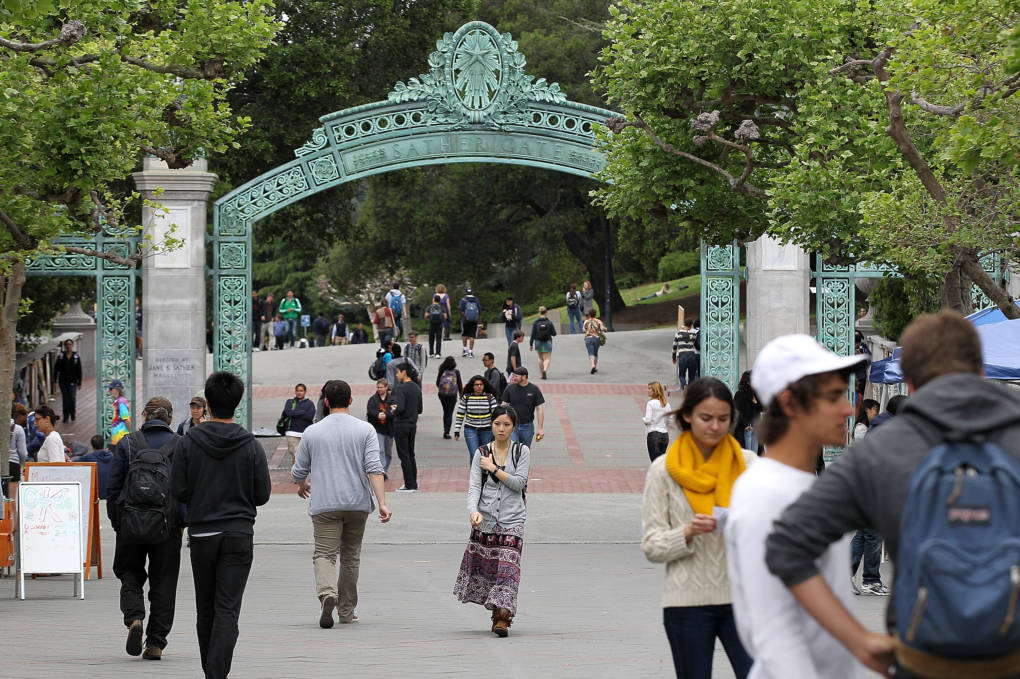
"caption": "Students walk through Sather Gate on the UC Berkeley campus. ",
"credit": "Justin Sullivan/Getty Images",
"altTag": "Undocumented students can’t get federal financial aid, but the California Dream Act opened the door to state financial aid starting in 2012–13. Since then, application numbers have increased yearly — until this one.",
"description": "Undocumented students can’t get federal financial aid, but the California Dream Act opened the door to state financial aid starting in 2012-2013. Since then, application numbers had gone up every year — until this one. ",
"imgSizes": {
"thumbnail": {
"file": "https://cdn.kqed.org/wp-content/uploads/sites/10/2018/03/RS8759_ucberkeley20140213-160x107.jpg",
"width": 160,
"height": 107,
"mimeType": "image/jpeg"
},
"medium": {
"file": "https://cdn.kqed.org/wp-content/uploads/sites/10/2018/03/RS8759_ucberkeley20140213-800x533.jpg",
"width": 800,
"height": 533,
"mimeType": "image/jpeg"
},
"large": {
"file": "https://cdn.kqed.org/wp-content/uploads/sites/10/2018/03/RS8759_ucberkeley20140213-1020x679.jpg",
"width": 1020,
"height": 679,
"mimeType": "image/jpeg"
},
"fd-lrg": {
"file": "https://cdn.kqed.org/wp-content/uploads/sites/10/2018/03/RS8759_ucberkeley20140213-1920x1279.jpg",
"width": 1920,
"height": 1279,
"mimeType": "image/jpeg"
},
"fd-med": {
"file": "https://cdn.kqed.org/wp-content/uploads/sites/10/2018/03/RS8759_ucberkeley20140213-1180x786.jpg",
"width": 1180,
"height": 786,
"mimeType": "image/jpeg"
},
"fd-sm": {
"file": "https://cdn.kqed.org/wp-content/uploads/sites/10/2018/03/RS8759_ucberkeley20140213-960x639.jpg",
"width": 960,
"height": 639,
"mimeType": "image/jpeg"
},
"post-thumbnail": {
"file": "https://cdn.kqed.org/wp-content/uploads/sites/10/2018/03/RS8759_ucberkeley20140213-672x372.jpg",
"width": 672,
"height": 372,
"mimeType": "image/jpeg"
},
"twentyfourteen-full-width": {
"file": "https://cdn.kqed.org/wp-content/uploads/sites/10/2018/03/RS8759_ucberkeley20140213-1038x576.jpg",
"width": 1038,
"height": 576,
"mimeType": "image/jpeg"
},
"xxsmall": {
"file": "https://cdn.kqed.org/wp-content/uploads/sites/10/2018/03/RS8759_ucberkeley20140213-240x160.jpg",
"width": 240,
"height": 160,
"mimeType": "image/jpeg"
},
"xsmall": {
"file": "https://cdn.kqed.org/wp-content/uploads/sites/10/2018/03/RS8759_ucberkeley20140213-375x250.jpg",
"width": 375,
"height": 250,
"mimeType": "image/jpeg"
},
"small": {
"file": "https://cdn.kqed.org/wp-content/uploads/sites/10/2018/03/RS8759_ucberkeley20140213-520x346.jpg",
"width": 520,
"height": 346,
"mimeType": "image/jpeg"
},
"xlarge": {
"file": "https://cdn.kqed.org/wp-content/uploads/sites/10/2018/03/RS8759_ucberkeley20140213-1180x786.jpg",
"width": 1180,
"height": 786,
"mimeType": "image/jpeg"
},
"full-width": {
"file": "https://cdn.kqed.org/wp-content/uploads/sites/10/2018/03/RS8759_ucberkeley20140213-1920x1279.jpg",
"width": 1920,
"height": 1279,
"mimeType": "image/jpeg"
},
"guest-author-32": {
"file": "https://cdn.kqed.org/wp-content/uploads/sites/10/2018/03/RS8759_ucberkeley20140213-32x32.jpg",
"width": 32,
"height": 32,
"mimeType": "image/jpeg"
},
"guest-author-50": {
"file": "https://cdn.kqed.org/wp-content/uploads/sites/10/2018/03/RS8759_ucberkeley20140213-50x50.jpg",
"width": 50,
"height": 50,
"mimeType": "image/jpeg"
},
"guest-author-64": {
"file": "https://cdn.kqed.org/wp-content/uploads/sites/10/2018/03/RS8759_ucberkeley20140213-64x64.jpg",
"width": 64,
"height": 64,
"mimeType": "image/jpeg"
},
"guest-author-96": {
"file": "https://cdn.kqed.org/wp-content/uploads/sites/10/2018/03/RS8759_ucberkeley20140213-96x96.jpg",
"width": 96,
"height": 96,
"mimeType": "image/jpeg"
},
"guest-author-128": {
"file": "https://cdn.kqed.org/wp-content/uploads/sites/10/2018/03/RS8759_ucberkeley20140213-128x128.jpg",
"width": 128,
"height": 128,
"mimeType": "image/jpeg"
},
"detail": {
"file": "https://cdn.kqed.org/wp-content/uploads/sites/10/2018/03/RS8759_ucberkeley20140213-150x150.jpg",
"width": 150,
"height": 150,
"mimeType": "image/jpeg"
},
"kqedFullSize": {
"file": "https://cdn.kqed.org/wp-content/uploads/sites/10/2018/03/RS8759_ucberkeley20140213-e1520025988253.jpg",
"width": 1920,
"height": 1279
}
},
"isLoading": false,
"fetchFailed": false
},
"news_11640763": {
"type": "attachments",
"id": "news_11640763",
"meta": {
"index": "attachments_1716263798",
"site": "news",
"id": "11640763",
"found": true
},
"parent": 11640754,
"imgSizes": {
"small": {
"file": "https://ww2.kqed.org/app/uploads/sites/10/2018/01/RS28807_ElSalvador_Getty-qut-520x347.jpg",
"width": 520,
"mimeType": "image/jpeg",
"height": 347
},
"twentyfourteen-full-width": {
"file": "https://ww2.kqed.org/app/uploads/sites/10/2018/01/RS28807_ElSalvador_Getty-qut-1038x576.jpg",
"width": 1038,
"mimeType": "image/jpeg",
"height": 576
},
"thumbnail": {
"file": "https://ww2.kqed.org/app/uploads/sites/10/2018/01/RS28807_ElSalvador_Getty-qut-160x107.jpg",
"width": 160,
"mimeType": "image/jpeg",
"height": 107
},
"fd-sm": {
"file": "https://ww2.kqed.org/app/uploads/sites/10/2018/01/RS28807_ElSalvador_Getty-qut-960x640.jpg",
"width": 960,
"mimeType": "image/jpeg",
"height": 640
},
"post-thumbnail": {
"file": "https://ww2.kqed.org/app/uploads/sites/10/2018/01/RS28807_ElSalvador_Getty-qut-672x372.jpg",
"width": 672,
"mimeType": "image/jpeg",
"height": 372
},
"xsmall": {
"file": "https://ww2.kqed.org/app/uploads/sites/10/2018/01/RS28807_ElSalvador_Getty-qut-375x250.jpg",
"width": 375,
"mimeType": "image/jpeg",
"height": 250
},
"kqedFullSize": {
"file": "https://ww2.kqed.org/app/uploads/sites/10/2018/01/RS28807_ElSalvador_Getty-qut.jpg",
"width": 1920,
"height": 1280
},
"large": {
"file": "https://ww2.kqed.org/app/uploads/sites/10/2018/01/RS28807_ElSalvador_Getty-qut-1020x680.jpg",
"width": 1020,
"mimeType": "image/jpeg",
"height": 680
},
"xlarge": {
"file": "https://ww2.kqed.org/app/uploads/sites/10/2018/01/RS28807_ElSalvador_Getty-qut-1180x787.jpg",
"width": 1180,
"mimeType": "image/jpeg",
"height": 787
},
"guest-author-50": {
"file": "https://ww2.kqed.org/app/uploads/sites/10/2018/01/RS28807_ElSalvador_Getty-qut-50x50.jpg",
"width": 50,
"mimeType": "image/jpeg",
"height": 50
},
"guest-author-96": {
"file": "https://ww2.kqed.org/app/uploads/sites/10/2018/01/RS28807_ElSalvador_Getty-qut-96x96.jpg",
"width": 96,
"mimeType": "image/jpeg",
"height": 96
},
"medium": {
"file": "https://ww2.kqed.org/app/uploads/sites/10/2018/01/RS28807_ElSalvador_Getty-qut-800x533.jpg",
"width": 800,
"mimeType": "image/jpeg",
"height": 533
},
"guest-author-64": {
"file": "https://ww2.kqed.org/app/uploads/sites/10/2018/01/RS28807_ElSalvador_Getty-qut-64x64.jpg",
"width": 64,
"mimeType": "image/jpeg",
"height": 64
},
"guest-author-32": {
"file": "https://ww2.kqed.org/app/uploads/sites/10/2018/01/RS28807_ElSalvador_Getty-qut-32x32.jpg",
"width": 32,
"mimeType": "image/jpeg",
"height": 32
},
"fd-lrg": {
"file": "https://ww2.kqed.org/app/uploads/sites/10/2018/01/RS28807_ElSalvador_Getty-qut-1920x1280.jpg",
"width": 1920,
"mimeType": "image/jpeg",
"height": 1280
},
"fd-med": {
"file": "https://ww2.kqed.org/app/uploads/sites/10/2018/01/RS28807_ElSalvador_Getty-qut-1180x787.jpg",
"width": 1180,
"mimeType": "image/jpeg",
"height": 787
},
"full-width": {
"file": "https://ww2.kqed.org/app/uploads/sites/10/2018/01/RS28807_ElSalvador_Getty-qut-1920x1280.jpg",
"width": 1920,
"mimeType": "image/jpeg",
"height": 1280
},
"detail": {
"file": "https://ww2.kqed.org/app/uploads/sites/10/2018/01/RS28807_ElSalvador_Getty-qut-150x150.jpg",
"width": 150,
"mimeType": "image/jpeg",
"height": 150
},
"guest-author-128": {
"file": "https://ww2.kqed.org/app/uploads/sites/10/2018/01/RS28807_ElSalvador_Getty-qut-128x128.jpg",
"width": 128,
"mimeType": "image/jpeg",
"height": 128
},
"xxsmall": {
"file": "https://ww2.kqed.org/app/uploads/sites/10/2018/01/RS28807_ElSalvador_Getty-qut-240x160.jpg",
"width": 240,
"mimeType": "image/jpeg",
"height": 160
}
},
"publishDate": 1515434892,
"modified": 1515434942,
"caption": "Jenny Martinez hugs her son, William Martinez, as they talk to the media about her trip from El Salvador and her need for asylum in America because of domestic violence and her fear for her life as they join with protesters in front of the United States Citizenship and Immigration Services building on May 19, 2017, in Miramar, Florida.",
"description": null,
"title": "Immigration Activists Denounce Trump Administration's Deportation Tactics",
"credit": "Joe Raedle/Getty Images",
"status": "inherit",
"isLoading": false,
"fetchFailed": false
},
"news_11403895": {
"type": "attachments",
"id": "news_11403895",
"meta": {
"index": "attachments_1716263798",
"site": "news",
"id": "11403895",
"found": true
},
"parent": 11403828,
"imgSizes": {
"small": {
"file": "https://ww2.kqed.org/app/uploads/sites/10/2017/04/AdelantoDetention-520x347.jpg",
"width": 520,
"mimeType": "image/jpeg",
"height": 347
},
"twentyfourteen-full-width": {
"file": "https://ww2.kqed.org/app/uploads/sites/10/2017/04/AdelantoDetention-1038x576.jpg",
"width": 1038,
"mimeType": "image/jpeg",
"height": 576
},
"thumbnail": {
"file": "https://ww2.kqed.org/app/uploads/sites/10/2017/04/AdelantoDetention-160x107.jpg",
"width": 160,
"mimeType": "image/jpeg",
"height": 107
},
"fd-sm": {
"file": "https://ww2.kqed.org/app/uploads/sites/10/2017/04/AdelantoDetention-960x640.jpg",
"width": 960,
"mimeType": "image/jpeg",
"height": 640
},
"post-thumbnail": {
"file": "https://ww2.kqed.org/app/uploads/sites/10/2017/04/AdelantoDetention-672x372.jpg",
"width": 672,
"mimeType": "image/jpeg",
"height": 372
},
"xsmall": {
"file": "https://ww2.kqed.org/app/uploads/sites/10/2017/04/AdelantoDetention-375x250.jpg",
"width": 375,
"mimeType": "image/jpeg",
"height": 250
},
"kqedFullSize": {
"file": "https://ww2.kqed.org/app/uploads/sites/10/2017/04/AdelantoDetention.jpg",
"width": 1920,
"height": 1280
},
"large": {
"file": "https://ww2.kqed.org/app/uploads/sites/10/2017/04/AdelantoDetention-1020x680.jpg",
"width": 1020,
"mimeType": "image/jpeg",
"height": 680
},
"xlarge": {
"file": "https://ww2.kqed.org/app/uploads/sites/10/2017/04/AdelantoDetention-1180x787.jpg",
"width": 1180,
"mimeType": "image/jpeg",
"height": 787
},
"guest-author-50": {
"file": "https://ww2.kqed.org/app/uploads/sites/10/2017/04/AdelantoDetention-50x50.jpg",
"width": 50,
"mimeType": "image/jpeg",
"height": 50
},
"guest-author-96": {
"file": "https://ww2.kqed.org/app/uploads/sites/10/2017/04/AdelantoDetention-96x96.jpg",
"width": 96,
"mimeType": "image/jpeg",
"height": 96
},
"medium": {
"file": "https://ww2.kqed.org/app/uploads/sites/10/2017/04/AdelantoDetention-800x533.jpg",
"width": 800,
"mimeType": "image/jpeg",
"height": 533
},
"guest-author-64": {
"file": "https://ww2.kqed.org/app/uploads/sites/10/2017/04/AdelantoDetention-64x64.jpg",
"width": 64,
"mimeType": "image/jpeg",
"height": 64
},
"guest-author-32": {
"file": "https://ww2.kqed.org/app/uploads/sites/10/2017/04/AdelantoDetention-32x32.jpg",
"width": 32,
"mimeType": "image/jpeg",
"height": 32
},
"fd-lrg": {
"file": "https://ww2.kqed.org/app/uploads/sites/10/2017/04/AdelantoDetention-1920x1280.jpg",
"width": 1920,
"mimeType": "image/jpeg",
"height": 1280
},
"fd-med": {
"file": "https://ww2.kqed.org/app/uploads/sites/10/2017/04/AdelantoDetention-1180x787.jpg",
"width": 1180,
"mimeType": "image/jpeg",
"height": 787
},
"full-width": {
"file": "https://ww2.kqed.org/app/uploads/sites/10/2017/04/AdelantoDetention-1920x1280.jpg",
"width": 1920,
"mimeType": "image/jpeg",
"height": 1280
},
"detail": {
"file": "https://ww2.kqed.org/app/uploads/sites/10/2017/04/AdelantoDetention-150x150.jpg",
"width": 150,
"mimeType": "image/jpeg",
"height": 150
},
"guest-author-128": {
"file": "https://ww2.kqed.org/app/uploads/sites/10/2017/04/AdelantoDetention-128x128.jpg",
"width": 128,
"mimeType": "image/jpeg",
"height": 128
},
"xxsmall": {
"file": "https://ww2.kqed.org/app/uploads/sites/10/2017/04/AdelantoDetention-240x160.jpg",
"width": 240,
"mimeType": "image/jpeg",
"height": 160
}
},
"publishDate": 1491951479,
"modified": 1513383351,
"caption": "Immigrants stand in shackles at California's Adelanto Detention Facility. Adelanto was not one of the five detention facilities inspected by the Inspector General's Office of the Department of Homeland Security.",
"description": "Immigrants stand in shackles at California's Adelanto Detention Facility. Adelanto was not one of the five detention facilities inspected by the Inspector General's Office of the Department of Homeland Security.",
"title": "AdelantoDetention",
"credit": "John Moore/Getty Images",
"status": "inherit",
"isLoading": false,
"fetchFailed": false
},
"news_11624315": {
"type": "attachments",
"id": "news_11624315",
"meta": {
"index": "attachments_1716263798",
"site": "news",
"id": "11624315",
"found": true
},
"parent": 11624256,
"imgSizes": {
"small": {
"file": "https://ww2.kqed.org/app/uploads/sites/10/2017/10/20170912_VietnamStories_SonnyLe_Credit_BertJohnson-5-520x347.jpg",
"width": 520,
"mimeType": "image/jpeg",
"height": 347
},
"twentyfourteen-full-width": {
"file": "https://ww2.kqed.org/app/uploads/sites/10/2017/10/20170912_VietnamStories_SonnyLe_Credit_BertJohnson-5-1038x576.jpg",
"width": 1038,
"mimeType": "image/jpeg",
"height": 576
},
"thumbnail": {
"file": "https://ww2.kqed.org/app/uploads/sites/10/2017/10/20170912_VietnamStories_SonnyLe_Credit_BertJohnson-5-160x107.jpg",
"width": 160,
"mimeType": "image/jpeg",
"height": 107
},
"fd-sm": {
"file": "https://ww2.kqed.org/app/uploads/sites/10/2017/10/20170912_VietnamStories_SonnyLe_Credit_BertJohnson-5-960x640.jpg",
"width": 960,
"mimeType": "image/jpeg",
"height": 640
},
"post-thumbnail": {
"file": "https://ww2.kqed.org/app/uploads/sites/10/2017/10/20170912_VietnamStories_SonnyLe_Credit_BertJohnson-5-672x372.jpg",
"width": 672,
"mimeType": "image/jpeg",
"height": 372
},
"xsmall": {
"file": "https://ww2.kqed.org/app/uploads/sites/10/2017/10/20170912_VietnamStories_SonnyLe_Credit_BertJohnson-5-375x250.jpg",
"width": 375,
"mimeType": "image/jpeg",
"height": 250
},
"kqedFullSize": {
"file": "https://ww2.kqed.org/app/uploads/sites/10/2017/10/20170912_VietnamStories_SonnyLe_Credit_BertJohnson-5-e1508356464343.jpg",
"width": 1920,
"height": 1280
},
"large": {
"file": "https://ww2.kqed.org/app/uploads/sites/10/2017/10/20170912_VietnamStories_SonnyLe_Credit_BertJohnson-5-1020x680.jpg",
"width": 1020,
"mimeType": "image/jpeg",
"height": 680
},
"xlarge": {
"file": "https://ww2.kqed.org/app/uploads/sites/10/2017/10/20170912_VietnamStories_SonnyLe_Credit_BertJohnson-5-1180x787.jpg",
"width": 1180,
"mimeType": "image/jpeg",
"height": 787
},
"guest-author-50": {
"file": "https://ww2.kqed.org/app/uploads/sites/10/2017/10/20170912_VietnamStories_SonnyLe_Credit_BertJohnson-5-50x50.jpg",
"width": 50,
"mimeType": "image/jpeg",
"height": 50
},
"guest-author-96": {
"file": "https://ww2.kqed.org/app/uploads/sites/10/2017/10/20170912_VietnamStories_SonnyLe_Credit_BertJohnson-5-96x96.jpg",
"width": 96,
"mimeType": "image/jpeg",
"height": 96
},
"medium": {
"file": "https://ww2.kqed.org/app/uploads/sites/10/2017/10/20170912_VietnamStories_SonnyLe_Credit_BertJohnson-5-800x533.jpg",
"width": 800,
"mimeType": "image/jpeg",
"height": 533
},
"guest-author-64": {
"file": "https://ww2.kqed.org/app/uploads/sites/10/2017/10/20170912_VietnamStories_SonnyLe_Credit_BertJohnson-5-64x64.jpg",
"width": 64,
"mimeType": "image/jpeg",
"height": 64
},
"guest-author-32": {
"file": "https://ww2.kqed.org/app/uploads/sites/10/2017/10/20170912_VietnamStories_SonnyLe_Credit_BertJohnson-5-32x32.jpg",
"width": 32,
"mimeType": "image/jpeg",
"height": 32
},
"fd-lrg": {
"file": "https://ww2.kqed.org/app/uploads/sites/10/2017/10/20170912_VietnamStories_SonnyLe_Credit_BertJohnson-5-1920x1280.jpg",
"width": 1920,
"mimeType": "image/jpeg",
"height": 1280
},
"fd-med": {
"file": "https://ww2.kqed.org/app/uploads/sites/10/2017/10/20170912_VietnamStories_SonnyLe_Credit_BertJohnson-5-1180x787.jpg",
"width": 1180,
"mimeType": "image/jpeg",
"height": 787
},
"full-width": {
"file": "https://ww2.kqed.org/app/uploads/sites/10/2017/10/20170912_VietnamStories_SonnyLe_Credit_BertJohnson-5-1920x1280.jpg",
"width": 1920,
"mimeType": "image/jpeg",
"height": 1280
},
"detail": {
"file": "https://ww2.kqed.org/app/uploads/sites/10/2017/10/20170912_VietnamStories_SonnyLe_Credit_BertJohnson-5-150x150.jpg",
"width": 150,
"mimeType": "image/jpeg",
"height": 150
},
"guest-author-128": {
"file": "https://ww2.kqed.org/app/uploads/sites/10/2017/10/20170912_VietnamStories_SonnyLe_Credit_BertJohnson-5-128x128.jpg",
"width": 128,
"mimeType": "image/jpeg",
"height": 128
},
"xxsmall": {
"file": "https://ww2.kqed.org/app/uploads/sites/10/2017/10/20170912_VietnamStories_SonnyLe_Credit_BertJohnson-5-240x160.jpg",
"width": 240,
"mimeType": "image/jpeg",
"height": 160
}
},
"publishDate": 1508356417,
"modified": 1511919369,
"caption": "Sonny Lê was born in Vietnam during the war. He and his family had to shelter in place during the fall of the South Vietnamese government at the end of the war, and he later fled the country by taking a dangerous trip on a fishing boat packed with other refugees.",
"description": null,
"title": "20170912_VietnamStories_SonnyLe_Credit_BertJohnson-5",
"credit": "Bert Johnson/KQED",
"status": "inherit",
"isLoading": false,
"fetchFailed": false
},
"news_11614033": {
"type": "attachments",
"id": "news_11614033",
"meta": {
"index": "attachments_1716263798",
"site": "news",
"id": "11614033",
"found": true
},
"parent": 11614032,
"imgSizes": {
"small": {
"file": "https://ww2.kqed.org/app/uploads/sites/10/2017/08/gettyimages-614179096-413dddc771efb14e2629c15c7aa3e75d20fe50d1-520x390.jpg",
"width": 520,
"mimeType": "image/jpeg",
"height": 390
},
"twentyfourteen-full-width": {
"file": "https://ww2.kqed.org/app/uploads/sites/10/2017/08/gettyimages-614179096-413dddc771efb14e2629c15c7aa3e75d20fe50d1-1038x576.jpg",
"width": 1038,
"mimeType": "image/jpeg",
"height": 576
},
"thumbnail": {
"file": "https://ww2.kqed.org/app/uploads/sites/10/2017/08/gettyimages-614179096-413dddc771efb14e2629c15c7aa3e75d20fe50d1-160x120.jpg",
"width": 160,
"mimeType": "image/jpeg",
"height": 120
},
"fd-sm": {
"file": "https://ww2.kqed.org/app/uploads/sites/10/2017/08/gettyimages-614179096-413dddc771efb14e2629c15c7aa3e75d20fe50d1-960x720.jpg",
"width": 960,
"mimeType": "image/jpeg",
"height": 720
},
"post-thumbnail": {
"file": "https://ww2.kqed.org/app/uploads/sites/10/2017/08/gettyimages-614179096-413dddc771efb14e2629c15c7aa3e75d20fe50d1-672x372.jpg",
"width": 672,
"mimeType": "image/jpeg",
"height": 372
},
"xsmall": {
"file": "https://ww2.kqed.org/app/uploads/sites/10/2017/08/gettyimages-614179096-413dddc771efb14e2629c15c7aa3e75d20fe50d1-375x281.jpg",
"width": 375,
"mimeType": "image/jpeg",
"height": 281
},
"kqedFullSize": {
"file": "https://ww2.kqed.org/app/uploads/sites/10/2017/08/gettyimages-614179096-413dddc771efb14e2629c15c7aa3e75d20fe50d1.jpg",
"width": 2836,
"height": 2127
},
"large": {
"file": "https://ww2.kqed.org/app/uploads/sites/10/2017/08/gettyimages-614179096-413dddc771efb14e2629c15c7aa3e75d20fe50d1-1020x765.jpg",
"width": 1020,
"mimeType": "image/jpeg",
"height": 765
},
"xlarge": {
"file": "https://ww2.kqed.org/app/uploads/sites/10/2017/08/gettyimages-614179096-413dddc771efb14e2629c15c7aa3e75d20fe50d1-1180x885.jpg",
"width": 1180,
"mimeType": "image/jpeg",
"height": 885
},
"guest-author-50": {
"file": "https://ww2.kqed.org/app/uploads/sites/10/2017/08/gettyimages-614179096-413dddc771efb14e2629c15c7aa3e75d20fe50d1-50x50.jpg",
"width": 50,
"mimeType": "image/jpeg",
"height": 50
},
"guest-author-96": {
"file": "https://ww2.kqed.org/app/uploads/sites/10/2017/08/gettyimages-614179096-413dddc771efb14e2629c15c7aa3e75d20fe50d1-96x96.jpg",
"width": 96,
"mimeType": "image/jpeg",
"height": 96
},
"medium": {
"file": "https://ww2.kqed.org/app/uploads/sites/10/2017/08/gettyimages-614179096-413dddc771efb14e2629c15c7aa3e75d20fe50d1-800x600.jpg",
"width": 800,
"mimeType": "image/jpeg",
"height": 600
},
"guest-author-64": {
"file": "https://ww2.kqed.org/app/uploads/sites/10/2017/08/gettyimages-614179096-413dddc771efb14e2629c15c7aa3e75d20fe50d1-64x64.jpg",
"width": 64,
"mimeType": "image/jpeg",
"height": 64
},
"guest-author-32": {
"file": "https://ww2.kqed.org/app/uploads/sites/10/2017/08/gettyimages-614179096-413dddc771efb14e2629c15c7aa3e75d20fe50d1-32x32.jpg",
"width": 32,
"mimeType": "image/jpeg",
"height": 32
},
"fd-lrg": {
"file": "https://ww2.kqed.org/app/uploads/sites/10/2017/08/gettyimages-614179096-413dddc771efb14e2629c15c7aa3e75d20fe50d1-1920x1440.jpg",
"width": 1920,
"mimeType": "image/jpeg",
"height": 1440
},
"fd-med": {
"file": "https://ww2.kqed.org/app/uploads/sites/10/2017/08/gettyimages-614179096-413dddc771efb14e2629c15c7aa3e75d20fe50d1-1180x885.jpg",
"width": 1180,
"mimeType": "image/jpeg",
"height": 885
},
"full-width": {
"file": "https://ww2.kqed.org/app/uploads/sites/10/2017/08/gettyimages-614179096-413dddc771efb14e2629c15c7aa3e75d20fe50d1-1920x1440.jpg",
"width": 1920,
"mimeType": "image/jpeg",
"height": 1440
},
"detail": {
"file": "https://ww2.kqed.org/app/uploads/sites/10/2017/08/gettyimages-614179096-413dddc771efb14e2629c15c7aa3e75d20fe50d1-150x150.jpg",
"width": 150,
"mimeType": "image/jpeg",
"height": 150
},
"guest-author-128": {
"file": "https://ww2.kqed.org/app/uploads/sites/10/2017/08/gettyimages-614179096-413dddc771efb14e2629c15c7aa3e75d20fe50d1-128x128.jpg",
"width": 128,
"mimeType": "image/jpeg",
"height": 128
},
"xxsmall": {
"file": "https://ww2.kqed.org/app/uploads/sites/10/2017/08/gettyimages-614179096-413dddc771efb14e2629c15c7aa3e75d20fe50d1-240x180.jpg",
"width": 240,
"mimeType": "image/jpeg",
"height": 180
}
},
"publishDate": 1503707218,
"modified": 1503708821,
"caption": "Joe Arpaio at a rally for then-candidate Donald Trump last October in Prescott Valley, Arizona.\n",
"description": "Joe Arpaio at a rally for then-candidate Donald Trump last October in Prescott Valley, Arizona",
"title": "Joe Arpaio at a rally for then-candidate Donald Trump last October in Prescott Valley, Arizona.",
"credit": "Robyn Beck/AFP/Getty Images",
"status": "inherit",
"isLoading": false,
"fetchFailed": false
},
"news_11539036": {
"type": "attachments",
"id": "news_11539036",
"meta": {
"index": "attachments_1716263798",
"site": "news",
"id": "11539036",
"found": true
},
"parent": 11539015,
"imgSizes": {
"small": {
"file": "https://ww2.kqed.org/app/uploads/sites/10/2017/06/RS6673_163289125-520x347.jpg",
"width": 520,
"mimeType": "image/jpeg",
"height": 347
},
"twentyfourteen-full-width": {
"file": "https://ww2.kqed.org/app/uploads/sites/10/2017/06/RS6673_163289125-1038x576.jpg",
"width": 1038,
"mimeType": "image/jpeg",
"height": 576
},
"thumbnail": {
"file": "https://ww2.kqed.org/app/uploads/sites/10/2017/06/RS6673_163289125-160x107.jpg",
"width": 160,
"mimeType": "image/jpeg",
"height": 107
},
"fd-sm": {
"file": "https://ww2.kqed.org/app/uploads/sites/10/2017/06/RS6673_163289125-960x640.jpg",
"width": 960,
"mimeType": "image/jpeg",
"height": 640
},
"post-thumbnail": {
"file": "https://ww2.kqed.org/app/uploads/sites/10/2017/06/RS6673_163289125-672x372.jpg",
"width": 672,
"mimeType": "image/jpeg",
"height": 372
},
"xsmall": {
"file": "https://ww2.kqed.org/app/uploads/sites/10/2017/06/RS6673_163289125-375x250.jpg",
"width": 375,
"mimeType": "image/jpeg",
"height": 250
},
"kqedFullSize": {
"file": "https://ww2.kqed.org/app/uploads/sites/10/2017/06/RS6673_163289125-e1498768817687.jpg",
"width": 1920,
"height": 1280
},
"large": {
"file": "https://ww2.kqed.org/app/uploads/sites/10/2017/06/RS6673_163289125-1020x680.jpg",
"width": 1020,
"mimeType": "image/jpeg",
"height": 680
},
"xlarge": {
"file": "https://ww2.kqed.org/app/uploads/sites/10/2017/06/RS6673_163289125-1180x787.jpg",
"width": 1180,
"mimeType": "image/jpeg",
"height": 787
},
"guest-author-50": {
"file": "https://ww2.kqed.org/app/uploads/sites/10/2017/06/RS6673_163289125-50x50.jpg",
"width": 50,
"mimeType": "image/jpeg",
"height": 50
},
"guest-author-96": {
"file": "https://ww2.kqed.org/app/uploads/sites/10/2017/06/RS6673_163289125-96x96.jpg",
"width": 96,
"mimeType": "image/jpeg",
"height": 96
},
"medium": {
"file": "https://ww2.kqed.org/app/uploads/sites/10/2017/06/RS6673_163289125-800x533.jpg",
"width": 800,
"mimeType": "image/jpeg",
"height": 533
},
"guest-author-64": {
"file": "https://ww2.kqed.org/app/uploads/sites/10/2017/06/RS6673_163289125-64x64.jpg",
"width": 64,
"mimeType": "image/jpeg",
"height": 64
},
"guest-author-32": {
"file": "https://ww2.kqed.org/app/uploads/sites/10/2017/06/RS6673_163289125-32x32.jpg",
"width": 32,
"mimeType": "image/jpeg",
"height": 32
},
"fd-lrg": {
"file": "https://ww2.kqed.org/app/uploads/sites/10/2017/06/RS6673_163289125-1920x1280.jpg",
"width": 1920,
"mimeType": "image/jpeg",
"height": 1280
},
"fd-med": {
"file": "https://ww2.kqed.org/app/uploads/sites/10/2017/06/RS6673_163289125-1180x787.jpg",
"width": 1180,
"mimeType": "image/jpeg",
"height": 787
},
"full-width": {
"file": "https://ww2.kqed.org/app/uploads/sites/10/2017/06/RS6673_163289125-1920x1280.jpg",
"width": 1920,
"mimeType": "image/jpeg",
"height": 1280
},
"detail": {
"file": "https://ww2.kqed.org/app/uploads/sites/10/2017/06/RS6673_163289125-150x150.jpg",
"width": 150,
"mimeType": "image/jpeg",
"height": 150
},
"guest-author-128": {
"file": "https://ww2.kqed.org/app/uploads/sites/10/2017/06/RS6673_163289125-128x128.jpg",
"width": 128,
"mimeType": "image/jpeg",
"height": 128
},
"xxsmall": {
"file": "https://ww2.kqed.org/app/uploads/sites/10/2017/06/RS6673_163289125-240x160.jpg",
"width": 240,
"mimeType": "image/jpeg",
"height": 160
}
},
"publishDate": 1498768682,
"modified": 1498771282,
"caption": "A U.S. Border Patrol agent guards a group of Mexican immigrants caught after they crossed into the United States in 2013.",
"description": null,
"title": "U.S. Border Patrol Detains Immigrants Crossing Into Arizona",
"credit": "John Moore/Getty Images",
"status": "inherit",
"isLoading": false,
"fetchFailed": false
},
"news_11379345": {
"type": "attachments",
"id": "news_11379345",
"meta": {
"index": "attachments_1716263798",
"site": "news",
"id": "11379345",
"found": true
},
"parent": 11295516,
"imgSizes": {
"small": {
"file": "https://ww2.kqed.org/app/uploads/sites/10/2017/03/ImmigrantStories_banner_new-3-520x293.jpg",
"width": 520,
"mimeType": "image/jpeg",
"height": 293
},
"twentyfourteen-full-width": {
"file": "https://ww2.kqed.org/app/uploads/sites/10/2017/03/ImmigrantStories_banner_new-3-1038x576.jpg",
"width": 1038,
"mimeType": "image/jpeg",
"height": 576
},
"thumbnail": {
"file": "https://ww2.kqed.org/app/uploads/sites/10/2017/03/ImmigrantStories_banner_new-3-160x90.jpg",
"width": 160,
"mimeType": "image/jpeg",
"height": 90
},
"fd-sm": {
"file": "https://ww2.kqed.org/app/uploads/sites/10/2017/03/ImmigrantStories_banner_new-3-960x540.jpg",
"width": 960,
"mimeType": "image/jpeg",
"height": 540
},
"post-thumbnail": {
"file": "https://ww2.kqed.org/app/uploads/sites/10/2017/03/ImmigrantStories_banner_new-3-672x372.jpg",
"width": 672,
"mimeType": "image/jpeg",
"height": 372
},
"xsmall": {
"file": "https://ww2.kqed.org/app/uploads/sites/10/2017/03/ImmigrantStories_banner_new-3-375x211.jpg",
"width": 375,
"mimeType": "image/jpeg",
"height": 211
},
"kqedFullSize": {
"file": "https://ww2.kqed.org/app/uploads/sites/10/2017/03/ImmigrantStories_banner_new-3.jpg",
"width": 1920,
"height": 1080
},
"large": {
"file": "https://ww2.kqed.org/app/uploads/sites/10/2017/03/ImmigrantStories_banner_new-3-1020x574.jpg",
"width": 1020,
"mimeType": "image/jpeg",
"height": 574
},
"xlarge": {
"file": "https://ww2.kqed.org/app/uploads/sites/10/2017/03/ImmigrantStories_banner_new-3-1180x664.jpg",
"width": 1180,
"mimeType": "image/jpeg",
"height": 664
},
"guest-author-50": {
"file": "https://ww2.kqed.org/app/uploads/sites/10/2017/03/ImmigrantStories_banner_new-3-50x50.jpg",
"width": 50,
"mimeType": "image/jpeg",
"height": 50
},
"guest-author-96": {
"file": "https://ww2.kqed.org/app/uploads/sites/10/2017/03/ImmigrantStories_banner_new-3-96x96.jpg",
"width": 96,
"mimeType": "image/jpeg",
"height": 96
},
"medium": {
"file": "https://ww2.kqed.org/app/uploads/sites/10/2017/03/ImmigrantStories_banner_new-3-800x450.jpg",
"width": 800,
"mimeType": "image/jpeg",
"height": 450
},
"guest-author-64": {
"file": "https://ww2.kqed.org/app/uploads/sites/10/2017/03/ImmigrantStories_banner_new-3-64x64.jpg",
"width": 64,
"mimeType": "image/jpeg",
"height": 64
},
"guest-author-32": {
"file": "https://ww2.kqed.org/app/uploads/sites/10/2017/03/ImmigrantStories_banner_new-3-32x32.jpg",
"width": 32,
"mimeType": "image/jpeg",
"height": 32
},
"fd-lrg": {
"file": "https://ww2.kqed.org/app/uploads/sites/10/2017/03/ImmigrantStories_banner_new-3-1920x1080.jpg",
"width": 1920,
"mimeType": "image/jpeg",
"height": 1080
},
"fd-med": {
"file": "https://ww2.kqed.org/app/uploads/sites/10/2017/03/ImmigrantStories_banner_new-3-1180x664.jpg",
"width": 1180,
"mimeType": "image/jpeg",
"height": 664
},
"full-width": {
"file": "https://ww2.kqed.org/app/uploads/sites/10/2017/03/ImmigrantStories_banner_new-3-1920x1080.jpg",
"width": 1920,
"mimeType": "image/jpeg",
"height": 1080
},
"detail": {
"file": "https://ww2.kqed.org/app/uploads/sites/10/2017/03/ImmigrantStories_banner_new-3-150x150.jpg",
"width": 150,
"mimeType": "image/jpeg",
"height": 150
},
"guest-author-128": {
"file": "https://ww2.kqed.org/app/uploads/sites/10/2017/03/ImmigrantStories_banner_new-3-128x128.jpg",
"width": 128,
"mimeType": "image/jpeg",
"height": 128
},
"xxsmall": {
"file": "https://ww2.kqed.org/app/uploads/sites/10/2017/03/ImmigrantStories_banner_new-3-240x135.jpg",
"width": 240,
"mimeType": "image/jpeg",
"height": 135
}
},
"publishDate": 1490674622,
"modified": 1492809045,
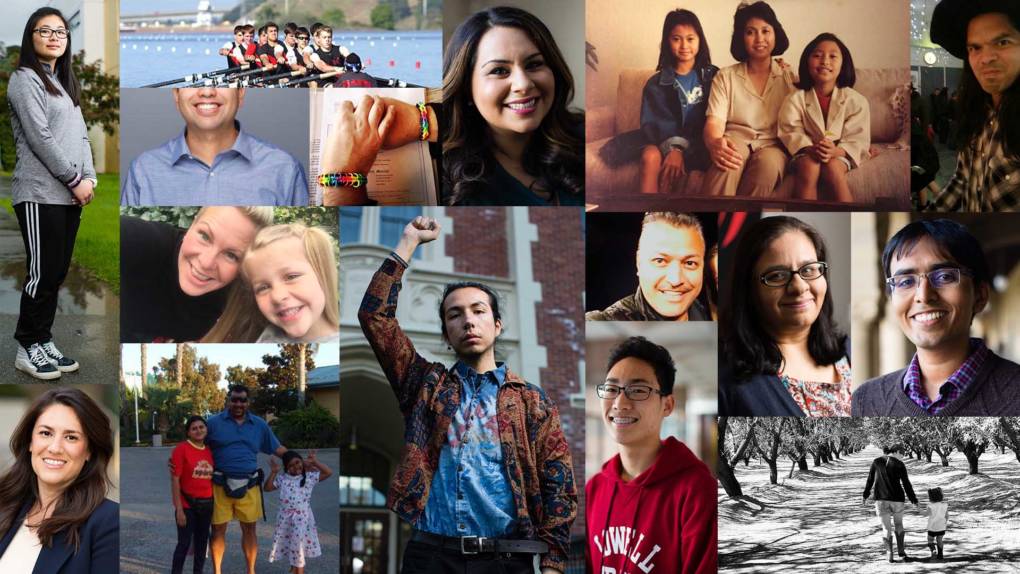
"caption": "We asked for your immigration stories — and you shared them.",
"description": null,
"title": "ImmigrantStories_banner_new (3)",
"credit": "Bert Johnson/KQED",
"status": "inherit",
"isLoading": false,
"fetchFailed": false
},
"news_11328428": {
"type": "attachments",
"id": "news_11328428",
"meta": {
"index": "attachments_1716263798",
"site": "news",
"id": "11328428",
"found": true
},
"parent": 11328427,
"imgSizes": {
"small": {
"file": "https://ww2.kqed.org/app/uploads/sites/10/2017/02/chirla1_custom-95f1db11a5960fe35331634ade138c33fc29f42e-520x346.jpg",
"width": 520,
"mimeType": "image/jpeg",
"height": 346
},
"twentyfourteen-full-width": {
"file": "https://ww2.kqed.org/app/uploads/sites/10/2017/02/chirla1_custom-95f1db11a5960fe35331634ade138c33fc29f42e-1038x576.jpg",
"width": 1038,
"mimeType": "image/jpeg",
"height": 576
},
"thumbnail": {
"file": "https://ww2.kqed.org/app/uploads/sites/10/2017/02/chirla1_custom-95f1db11a5960fe35331634ade138c33fc29f42e-160x107.jpg",
"width": 160,
"mimeType": "image/jpeg",
"height": 107
},
"fd-sm": {
"file": "https://ww2.kqed.org/app/uploads/sites/10/2017/02/chirla1_custom-95f1db11a5960fe35331634ade138c33fc29f42e-960x639.jpg",
"width": 960,
"mimeType": "image/jpeg",
"height": 639
},
"post-thumbnail": {
"file": "https://ww2.kqed.org/app/uploads/sites/10/2017/02/chirla1_custom-95f1db11a5960fe35331634ade138c33fc29f42e-672x372.jpg",
"width": 672,
"mimeType": "image/jpeg",
"height": 372
},
"xsmall": {
"file": "https://ww2.kqed.org/app/uploads/sites/10/2017/02/chirla1_custom-95f1db11a5960fe35331634ade138c33fc29f42e-375x250.jpg",
"width": 375,
"mimeType": "image/jpeg",
"height": 250
},
"kqedFullSize": {
"file": "https://ww2.kqed.org/app/uploads/sites/10/2017/02/chirla1_custom-95f1db11a5960fe35331634ade138c33fc29f42e-e1487789811281.jpg",
"width": 1920,
"height": 1279
},
"large": {
"file": "https://ww2.kqed.org/app/uploads/sites/10/2017/02/chirla1_custom-95f1db11a5960fe35331634ade138c33fc29f42e-1020x679.jpg",
"width": 1020,
"mimeType": "image/jpeg",
"height": 679
},
"xlarge": {
"file": "https://ww2.kqed.org/app/uploads/sites/10/2017/02/chirla1_custom-95f1db11a5960fe35331634ade138c33fc29f42e-1180x786.jpg",
"width": 1180,
"mimeType": "image/jpeg",
"height": 786
},
"guest-author-50": {
"file": "https://ww2.kqed.org/app/uploads/sites/10/2017/02/chirla1_custom-95f1db11a5960fe35331634ade138c33fc29f42e-50x50.jpg",
"width": 50,
"mimeType": "image/jpeg",
"height": 50
},
"guest-author-96": {
"file": "https://ww2.kqed.org/app/uploads/sites/10/2017/02/chirla1_custom-95f1db11a5960fe35331634ade138c33fc29f42e-96x96.jpg",
"width": 96,
"mimeType": "image/jpeg",
"height": 96
},
"medium": {
"file": "https://ww2.kqed.org/app/uploads/sites/10/2017/02/chirla1_custom-95f1db11a5960fe35331634ade138c33fc29f42e-800x533.jpg",
"width": 800,
"mimeType": "image/jpeg",
"height": 533
},
"guest-author-64": {
"file": "https://ww2.kqed.org/app/uploads/sites/10/2017/02/chirla1_custom-95f1db11a5960fe35331634ade138c33fc29f42e-64x64.jpg",
"width": 64,
"mimeType": "image/jpeg",
"height": 64
},
"guest-author-32": {
"file": "https://ww2.kqed.org/app/uploads/sites/10/2017/02/chirla1_custom-95f1db11a5960fe35331634ade138c33fc29f42e-32x32.jpg",
"width": 32,
"mimeType": "image/jpeg",
"height": 32
},
"fd-lrg": {
"file": "https://ww2.kqed.org/app/uploads/sites/10/2017/02/chirla1_custom-95f1db11a5960fe35331634ade138c33fc29f42e-1920x1279.jpg",
"width": 1920,
"mimeType": "image/jpeg",
"height": 1279
},
"fd-med": {
"file": "https://ww2.kqed.org/app/uploads/sites/10/2017/02/chirla1_custom-95f1db11a5960fe35331634ade138c33fc29f42e-1180x786.jpg",
"width": 1180,
"mimeType": "image/jpeg",
"height": 786
},
"full-width": {
"file": "https://ww2.kqed.org/app/uploads/sites/10/2017/02/chirla1_custom-95f1db11a5960fe35331634ade138c33fc29f42e-1920x1279.jpg",
"width": 1920,
"mimeType": "image/jpeg",
"height": 1279
},
"detail": {
"file": "https://ww2.kqed.org/app/uploads/sites/10/2017/02/chirla1_custom-95f1db11a5960fe35331634ade138c33fc29f42e-150x150.jpg",
"width": 150,
"mimeType": "image/jpeg",
"height": 150
},
"guest-author-128": {
"file": "https://ww2.kqed.org/app/uploads/sites/10/2017/02/chirla1_custom-95f1db11a5960fe35331634ade138c33fc29f42e-128x128.jpg",
"width": 128,
"mimeType": "image/jpeg",
"height": 128
},
"xxsmall": {
"file": "https://ww2.kqed.org/app/uploads/sites/10/2017/02/chirla1_custom-95f1db11a5960fe35331634ade138c33fc29f42e-240x160.jpg",
"width": 240,
"mimeType": "image/jpeg",
"height": 160
}
},
"publishDate": 1487788666,
"modified": 1487789138,
"caption": "Lines for citizenship and other immigration services have been forming as early as 6 a.m. outside the office of the Coalition for Humane Immigrant Rights of Los Angeles.",
"description": "Lines for citizenship and other immigration services have been forming as early as 6 a.m. outside the office of the Coalition for Humane Immigrant Rights of Los Angeles.",
"title": "Lines for citizenship and other immigration services have been forming as early as 6 a.m. outside the office of the Coalition for Humane Immigrant Rights of Los Angeles.",
"credit": "Parker Yesko/NPR",
"status": "inherit",
"isLoading": false,
"fetchFailed": false
}
},
"audioPlayerReducer": {
"postId": "stream_live",
"isPaused": true,
"isPlaying": false,
"pfsActive": false,
"pledgeModalIsOpen": true,
"playerDrawerIsOpen": false,
"liveAudioPlayStartedAt": 0,
"liveAudioPlayContext": ""
},
"authorsReducer": {
"byline_news_11717074": {
"type": "authors",
"id": "byline_news_11717074",
"meta": {
"override": true
},
"slug": "byline_news_11717074",
"name": "NPR\u003cbr>David Wagner",
"isLoading": false
},
"byline_news_11665383": {
"type": "authors",
"id": "byline_news_11665383",
"meta": {
"override": true
},
"slug": "byline_news_11665383",
"name": "Elliot Spagat\u003cbr/>Associated Press\u003c/br>",
"isLoading": false
},
"byline_news_11640754": {
"type": "authors",
"id": "byline_news_11640754",
"meta": {
"override": true
},
"slug": "byline_news_11640754",
"name": "Bill Chappell",
"isLoading": false
},
"byline_news_11637292": {
"type": "authors",
"id": "byline_news_11637292",
"meta": {
"override": true
},
"slug": "byline_news_11637292",
"name": "Richard Gonzales",
"isLoading": false
},
"byline_news_11624256": {
"type": "authors",
"id": "byline_news_11624256",
"meta": {
"override": true
},
"slug": "byline_news_11624256",
"name": "\u003cstrong>Sonny Lê\u003c/strong>",
"isLoading": false
},
"byline_news_11614032": {
"type": "authors",
"id": "byline_news_11614032",
"meta": {
"override": true
},
"slug": "byline_news_11614032",
"name": "\u003cstrong>Amita Kelly\u003c/strong>",
"isLoading": false
},
"byline_news_11539015": {
"type": "authors",
"id": "byline_news_11539015",
"meta": {
"override": true
},
"slug": "byline_news_11539015",
"name": "\u003cstrong>Elliot Spagat\u003cbr>Associated Press\u003c/strong>",
"isLoading": false
},
"byline_news_11328427": {
"type": "authors",
"id": "byline_news_11328427",
"meta": {
"override": true
},
"slug": "byline_news_11328427",
"name": "\u003cstrong>Parker Yesko\u003cbr>\u003ca href=\"http://www.npr.org/2017/02/21/516375460/green-card-holders-worry-about-trump-s-efforts-to-curtain-immigration\">NPR\u003c/a>",
"isLoading": false
},
"sasha-khokha": {
"type": "authors",
"id": "254",
"meta": {
"index": "authors_1716337520",
"id": "254",
"found": true
},
"name": "Sasha Khokha",
"firstName": "Sasha",
"lastName": "Khokha",
"slug": "sasha-khokha",
"email": "skhokha@kqed.org",
"display_author_email": true,
"staff_mastheads": [
"news"
],
"title": "Host, The California Report Magazine",
"bio": "Sasha Khokha is the host of \u003cem>The California Report's \u003c/em> weekly magazine program, which takes listeners on sound-rich excursions to meet the people that make the Golden State unique -- through audio documentaries and long-form stories. As \u003cem>The California Report's\u003c/em> Central Valley Bureau Chief based in Fresno for nearly a dozen years, Sasha brought the lives and concerns of rural Californians to listeners around the state. Her reporting helped expose the hidden price immigrant women janitors and farmworkers may pay to keep their jobs: sexual assault at work. It inspired two new California laws to protect them from sexual harassment. She was a key member of the reporting team for the Frontline film \u003cem>Rape on the Night Shift, \u003c/em>which was nominated for two national Emmys. Sasha has also won a national Edward R. Murrow and a national PRNDI award for investigative reporting, as well as multiple prizes from the Society for Professional Journalists. Sasha is a proud alum of the UC Berkeley Graduate School of Journalism and Brown University and a member of the South Asian Journalists Association.",
"avatar": "https://secure.gravatar.com/avatar/e4b5e1541aaeea2aa356aa1fb2a68950?s=600&d=blank&r=g",
"twitter": "KQEDSashaKhokha",
"facebook": null,
"instagram": null,
"linkedin": null,
"sites": [
{
"site": "news",
"roles": [
"editor"
]
},
{
"site": "stateofhealth",
"roles": [
"author"
]
},
{
"site": "science",
"roles": [
"author"
]
},
{
"site": "quest",
"roles": [
"subscriber"
]
}
],
"headData": {
"title": "Sasha Khokha | KQED",
"description": "Host, The California Report Magazine",
"ogImgSrc": "https://secure.gravatar.com/avatar/e4b5e1541aaeea2aa356aa1fb2a68950?s=600&d=blank&r=g",
"twImgSrc": "https://secure.gravatar.com/avatar/e4b5e1541aaeea2aa356aa1fb2a68950?s=600&d=blank&r=g"
},
"isLoading": false,
"link": "/author/sasha-khokha"
},
"jsmall": {
"type": "authors",
"id": "6625",
"meta": {
"index": "authors_1716337520",
"id": "6625",
"found": true
},
"name": "Julie Small",
"firstName": "Julie",
"lastName": "Small",
"slug": "jsmall",
"email": "jsmall@kqed.org",
"display_author_email": true,
"staff_mastheads": [
"news"
],
"title": "KQED Contributor",
"bio": "Julie Small reports on criminal justice and immigration.\r\n\r\nShe was part of a team at KQED awarded a regional 2019 Edward R. Murrow award for continuing coverage of the Trump Administration's family separation policy.\r\n\r\nThe Society for Professional Journalists recognized Julie's 2018 \u003ca href=\"https://www.kqed.org/news/11636262/the-officer-tased-him-31-times-the-sheriff-called-his-death-an-accident\">reporting\u003c/a> on the San Joaquin County Sheriff's \u003ca href=\"https://www.kqed.org/news/11634689/autopsy-doctors-sheriff-overrode-death-findings-to-protect-law-enforcement\">interference\u003c/a> in death investigations with an Excellence in Journalism Award for Ongoing Coverage.\r\n\r\nJulie's\u003ca href=\"https://www.kqed.org/news/11039666/two-mentally-ill-inmates-died-one-month-in-santa-clara\"> reporting\u003c/a> with Lisa Pickoff-White on the treatment of mentally ill offenders in California jails earned a 2017 regional Edward R. Murrow Award for news reporting and an investigative reporting award from the SPJ of Northern California.\r\n\r\nBefore joining KQED, Julie covered government and politics in Sacramento for Southern California Public Radio (SCPR). Her 2010 \u003ca href=\"https://www.scpr.org/specials/prisonmedical/\">series\u003c/a> on lapses in California’s prison medical care also won a regional Edward R. Murrow Award for investigative reporting and a Golden Mic Award from the RTNDA of Southern California.\r\n\r\nJulie began her career in journalism in 2000 as the deputy foreign editor for public radio's \u003cem>Marketplace, \u003c/em>while earning her master's degree in journalism from USC’s Annenberg School of Communication.",
"avatar": "https://secure.gravatar.com/avatar/4baedf201468df97be97c2a9dd7585d0?s=600&d=blank&r=g",
"twitter": "@SmallRadio2",
"facebook": null,
"instagram": null,
"linkedin": null,
"sites": [
{
"site": "news",
"roles": [
"editor"
]
},
{
"site": "stateofhealth",
"roles": [
"author"
]
},
{
"site": "science",
"roles": [
"author"
]
}
],
"headData": {
"title": "Julie Small | KQED",
"description": "KQED Contributor",
"ogImgSrc": "https://secure.gravatar.com/avatar/4baedf201468df97be97c2a9dd7585d0?s=600&d=blank&r=g",
"twImgSrc": "https://secure.gravatar.com/avatar/4baedf201468df97be97c2a9dd7585d0?s=600&d=blank&r=g"
},
"isLoading": false,
"link": "/author/jsmall"
},
"vrancano": {
"type": "authors",
"id": "11276",
"meta": {
"index": "authors_1716337520",
"id": "11276",
"found": true
},
"name": "Vanessa Rancaño",
"firstName": "Vanessa",
"lastName": "Rancaño",
"slug": "vrancano",
"email": "vrancano@kqed.org",
"display_author_email": false,
"staff_mastheads": [
"news"
],
"title": "Reporter",
"bio": "Vanessa Rancaño is a features reporter for KQED. She’s also covered homelessness and education for the station and reported from the Central Valley. Her work has aired across public radio, from flagship national news shows to longform narrative podcasts. Before taking up a mic, she worked as a freelance print journalist. She’s been recognized with a number of national and regional awards. Vanessa grew up in California's Central Valley. She's a former NPR Kroc Fellow, and a graduate of the UC Berkeley Graduate School of Journalism.",
"avatar": "https://secure.gravatar.com/avatar/b3a383dfb0e7ee1c17568f2cf067904ab654d6e3de9743fc661f3c788ade1bed?s=600&d=blank&r=g",
"twitter": "vanessarancano",
"bluesky": null,
"facebook": null,
"instagram": null,
"linkedin": null,
"sites": [
{
"site": "arts",
"roles": [
"editor"
]
},
{
"site": "news",
"roles": [
"editor"
]
},
{
"site": "liveblog",
"roles": [
"contributor"
]
}
],
"headData": {
"title": "Vanessa Rancaño | KQED",
"description": "Reporter",
"ogImgSrc": "https://secure.gravatar.com/avatar/b3a383dfb0e7ee1c17568f2cf067904ab654d6e3de9743fc661f3c788ade1bed?s=600&d=blank&r=g",
"twImgSrc": "https://secure.gravatar.com/avatar/b3a383dfb0e7ee1c17568f2cf067904ab654d6e3de9743fc661f3c788ade1bed?s=600&d=blank&r=g"
},
"isLoading": false,
"link": "/author/vrancano"
},
"mleitsinger": {
"type": "authors",
"id": "11310",
"meta": {
"index": "authors_1716337520",
"id": "11310",
"found": true
},
"name": "Miranda Leitsinger",
"firstName": "Miranda",
"lastName": "Leitsinger",
"slug": "mleitsinger",
"email": "mleitsinger@KQED.org",
"display_author_email": false,
"staff_mastheads": [
"news"
],
"title": "KQED Contributor",
"bio": "Miranda Leitsinger has worked in journalism as a reporter and editor since 2000, including seven years at The Associated Press in locales such as Cambodia and Puerto Rico, four years at NBC News Digital in New York and 2.5 years at CNN.com International in Hong Kong. Major stories she has covered included sexual abuse in the yoga community, the rise of women in local politics post-2016 election, the struggle over LGBTQ inclusion in the Boy Scouts, aftermath of the 2004 and 2011 tsunamis, the Aurora movie theater attack, the Newtown school shooting, Superstorm Sandy and the Boston Marathon bombing.",
"avatar": "https://secure.gravatar.com/avatar/cdd00de7be92aab3b7fd3d915e02033d?s=600&d=blank&r=g",
"twitter": "mimileitsinger",
"facebook": null,
"instagram": null,
"linkedin": null,
"sites": [
{
"site": "arts",
"roles": [
"author"
]
},
{
"site": "news",
"roles": [
"subscriber"
]
},
{
"site": "futureofyou",
"roles": [
"editor"
]
},
{
"site": "stateofhealth",
"roles": [
"editor"
]
}
],
"headData": {
"title": "Miranda Leitsinger | KQED",
"description": "KQED Contributor",
"ogImgSrc": "https://secure.gravatar.com/avatar/cdd00de7be92aab3b7fd3d915e02033d?s=600&d=blank&r=g",
"twImgSrc": "https://secure.gravatar.com/avatar/cdd00de7be92aab3b7fd3d915e02033d?s=600&d=blank&r=g"
},
"isLoading": false,
"link": "/author/mleitsinger"
},
"bjohnson": {
"type": "authors",
"id": "11328",
"meta": {
"index": "authors_1716337520",
"id": "11328",
"found": true
},
"name": "Bert Johnson",
"firstName": "Bert",
"lastName": "Johnson",
"slug": "bjohnson",
"email": "bjohnson@KQED.org",
"display_author_email": false,
"staff_mastheads": [],
"title": "KQED Contributor",
"bio": "Bert Johnson is a multimedia journalist and KQED contributor. His work has also been published in the \u003cem>Sacramento News & Review\u003c/em> and he was previously the Multimedia Editor at the \u003cem>East Bay Express. \u003c/em>He covers social movements, the justice system and extremism. Email: bjohnson@kqed.org Twitter: @bertjohnsonfoto Instagram: @bertjohnsonfoto",
"avatar": "https://secure.gravatar.com/avatar/68b1d4bfae2eff83ac1d5c2ca0d0a936?s=600&d=blank&r=g",
"twitter": null,
"facebook": null,
"instagram": null,
"linkedin": null,
"sites": [
{
"site": "news",
"roles": [
"edit_others_posts",
"subscriber"
]
}
],
"headData": {
"title": "Bert Johnson | KQED",
"description": "KQED Contributor",
"ogImgSrc": "https://secure.gravatar.com/avatar/68b1d4bfae2eff83ac1d5c2ca0d0a936?s=600&d=blank&r=g",
"twImgSrc": "https://secure.gravatar.com/avatar/68b1d4bfae2eff83ac1d5c2ca0d0a936?s=600&d=blank&r=g"
},
"isLoading": false,
"link": "/author/bjohnson"
}
},
"pagesReducer": {
"news_tag_immigrants": {
"type": "terms",
"id": "news_17708",
"meta": {
"index": "terms_1716263798",
"site": "news",
"id": "17708",
"score": 8.668587
},
"featImg": null,
"name": "immigrants",
"description": null,
"taxonomy": "tag",
"headData": {
"twImgId": null,
"twTitle": null,
"ogTitle": null,
"ogImgId": null,
"twDescription": null,
"description": null,
"title": "immigrants Archives | KQED News",
"ogDescription": null
},
"ttid": 17742,
"slug": "immigrants",
"isLoading": false,
"title": "immigrants",
"pageMeta": {
"site": "news",
"WpPageTemplate": "page-topic-editorial",
"currentPage": 9
},
"blocks": [
{
"blockName": "kqed/post-list",
"attrs": {
"layout": "cardArticle2",
"query": "posts/news?tag=immigrants",
"seeMore": false,
"paginated": true,
"page": 9
}
},
{
"blockName": "kqed/ad"
}
]
}
},
"pfsSessionReducer": {},
"postsReducer": {
"stream_live": {
"type": "live",
"id": "stream_live",
"audioUrl": "https://streams.kqed.org/kqedradio",
"title": "Live Stream",
"excerpt": "Live Stream information currently unavailable.",
"link": "/radio",
"featImg": "",
"label": {
"name": "KQED Live",
"link": "/"
}
},
"stream_kqedNewscast": {
"type": "posts",
"id": "stream_kqedNewscast",
"audioUrl": "https://www.kqed.org/.stream/anon/radio/RDnews/newscast.mp3?_=1",
"title": "KQED Newscast",
"featImg": "",
"label": {
"name": "88.5 FM",
"link": "/"
}
},
"news_11717074": {
"type": "posts",
"id": "news_11717074",
"meta": {
"index": "posts_1716263798",
"site": "news",
"id": "11717074",
"score": null,
"sort": [
1547076629000
]
},
"parent": 0,
"labelTerm": {},
"blocks": [],
"publishDate": 1547076629,
"format": "standard",
"disqusTitle": "Asylum-Seekers in California Wait for Their Day in Immigration Court",
"title": "Asylum-Seekers in California Wait for Their Day in Immigration Court",
"headTitle": "The California Report | KQED News",
"content": "\u003cp>In recent months, thousands of migrants have gathered in Tijuana, hoping for asylum in the United States. Some will be deported before ever stepping foot in the U.S. Others will be detained by U.S. immigration authorities as they wait for their hearings.\u003c/p>\n\u003cp>But some will be allowed to live in the U.S. while their cases wind through the system. Legal experts say if they stay in California, they'll be lucky. The state has a cadre of pro bono attorneys eager to help them navigate the complicated asylum process.\u003c/p>\n\u003cp>In 2017, California lawmakers approved a state budget that included $45 million in funding for immigrant legal services. With that increased funding, the state's Department of Social Services has contracted dozens of nonprofits to offer legal help to \u003ca href=\"http://www.cdss.ca.gov/Portals/9/Immigration/ISF%20Fact%20Sheet%20May%202018.pdf?ver=2018-05-11-135436-710\">thousands of immigrants\u003c/a> every year.\u003c/p>\n\u003cp>The state money is spread to organizations throughout California. But \u003ca href=\"http://www.cdss.ca.gov/Portals/9/Immigration/FY%202017-18%20Immigration%20Services%20Funding%20Award%20Announcement.pdf?ver=2017-10-31-092359-893\">regional breakdowns\u003c/a> show that nonprofits in Los Angeles and the Bay Area have received the largest chunks of money. These areas may be expensive for migrants, but the data show that having access to legal aid makes a huge difference in asylum cases.\u003c/p>\n\u003cp>Still California's high cost of living continues to push families out of the very places offering the most help.\u003c/p>\n\u003cp>\"A lot of our immigrant community are finding themselves having to move outside of Los Angeles so that they can afford to live,\" said \u003ca href=\"https://www.esperanza-la.org/patricia-ortiz\">Patricia Ortiz\u003c/a>, a lawyer with the Esperanza Immigrant Rights Project.\u003c/p>\n\u003cp>\"But once they're there, there is not quite the same amount of resources or support that they would have here,\" she said.\u003c/p>\n\u003caside class=\"alignright\">\n\u003ch3>\u003ca href=\"https://www.kqed.org/news/11710236/bay-area-asylum-seeker-anxious-as-grandmother-escorts-teen-son-to-border\">Bay Area Asylum-Seeker Anxious as Her Teen Son Is Escorted to Border by His Grandmother\u003c/a>\u003c/h3>\n\u003cfigure>\u003ca href=\"https://www.kqed.org/news/11710236/bay-area-asylum-seeker-anxious-as-grandmother-escorts-teen-son-to-border\">\u003cimg src=\"https://ww2.kqed.org/news/wp-content/uploads/sites/10/2018/12/RS34304_alt_806-1-1180x885.jpg\" alt=\"\">\u003c/a>\u003c/figure>\n\u003c/aside>\n\u003cp>\u003cstrong>Rosa\u003c/strong>\u003c/p>\n\u003cp>One of Ortiz's clients, Rosa, has been in Los Angeles for about two months. She fled gang violence in El Salvador with her two children.\u003c/p>\n\u003cp>Before Rosa arrived, she pictured Los Angeles as a place full of luxury and natural beauty. Some areas of the city are like that, Rosa said. But her corner of Los Angeles looks and feels like the place she escaped from.\u003c/p>\n\u003cp>\"I sometimes feel as if I were in the capital of El Salvador,\" said Rosa, who requested that her last name be withheld because her asylum case is ongoing.\u003c/p>\n\u003cp>She was surprised by how much housing costs here. During their first month in Los Angeles, Rosa and her family lived in cramped quarters with another family sleeping right next to the bathroom.\u003c/p>\n\u003cp>\"We chose to move because we could not access the bathroom,\" she said. \"We did not feel comfortable entering it.\"\u003c/p>\n\u003cp>Since then, Rosa has found a studio apartment near downtown LA that rents for $800 per month. But even coming up with that amount will be a struggle. Asylum-seekers are not eligible for a work permit until at least six months into their cases. Many work under the table to get by.\u003c/p>\n\u003cp>Despite these hurdles, Rosa said California provides what she didn't have in El Salvador: Safety, and the chance of a better life for her kids.\u003c/p>\n\u003cp>\"There is opportunity here,\" she said. \"Here, you can realize any dream you want.\"\u003c/p>\n\u003cp>Ortiz said even though it is an expensive place to live, asylum-seekers in Los Angeles have access to people who want to help. For instance, she said, \"Getting our clients connected to mental health resources outside of the LA region is very difficult. It's something that we are always struggling with.\"\u003c/p>\n\u003cp>\u003c!-- iframe plugin v.4.3 wordpress.org/plugins/iframe/ -->\u003cbr>\n\u003ciframe src=\"https://www.npr.org/player/embed/683328305/683501501\" width=\"100%\" height=\"290\" frameborder=\"0\" scrolling=\"no\" title=\"NPR embedded audio player\" class=\"iframe-class\">\u003c/iframe>\u003c/p>\n\u003cp>\u003ca href=\"https://www.humanrightsfirst.org/biography/jenna-gilbert\">Jenna Gilbert\u003c/a>, a pro bono asylum attorney at Human Rights First, said it's heartbreaking to get calls from clients who plan to leave California months into their case, because they can't afford to stay.\u003c/p>\n\u003cp>She tells them they're not just losing their lawyer. They're leaving behind California's Ninth Circuit for courts that may be more likely to deny asylum claims.\u003c/p>\n\u003cp>\"If you move to a small town in Texas, housing is going to be much cheaper,\" Gilbert said. \"But you probably won't have the legal resources. And you also will be in a circuit that is much less favorable to asylum-seekers.\"\u003c/p>\n\u003cp>\"Finding a lawyer is powerfully associated with positive outcomes,\" said \u003ca href=\"https://law.ucla.edu/faculty/faculty-profiles/ingrid-v-eagly/\">UCLA law professor Ingrid Eagly\u003c/a>.\u003c/p>\n\u003cp>In \u003ca href=\"http://www.californialawreview.org/wp-content/uploads/2018/06/4-Eagly_Shafer_Whalley.pdf\">a study\u003c/a> that tracked outcomes for families after being released from detention, Eagly and her colleagues found that between 2001 and 2016, released families that did not have a lawyer were only allowed to stay in the country 7 percent of the time. Those who had a lawyer increased their odds to 49 percent.\u003c/p>\n\u003cp>\"They're more likely to be able to gather evidence, to work collaboratively with their lawyer and to otherwise prepare and find witnesses who can testify in their case,\" Eagly said.\u003c/p>\n\u003cp>The data from Eagly's study does not include cases since President Trump took office. Under his administration, \u003ca href=\"http://trac.syr.edu/immigration/reports/539/\">asylum denial rates have been increasing\u003c/a>.\u003c/p>\n\u003cp>\u003cstrong>Lizeth\u003c/strong>\u003c/p>\n\u003cp>Even on a day off from her job at an El Pollo Loco, Lizeth finds herself cooking. While her kids are at school, she stirs a big pot of \u003cem>caldo de res\u003c/em>, or beef soup.\u003c/p>\n\u003cp>\"I've always cooked,\" she said. \"I like it.\"\u003c/p>\n\u003cfigure id=\"attachment_11717076\" class=\"wp-caption aligncenter\" style=\"max-width: 695px\">\u003cimg src=\"https://ww2.kqed.org/news/wp-content/uploads/sites/10/2019/01/5c199117948d9c000a5a3dd8-eight-39d9b6c2f21337f6a9d2b760bd30aa547c0afb9c.jpg\" alt=\"Lizeth, an immigrant from Honduras, looks out the window of her studio apartment in Los Angeles.\" width=\"695\" height=\"521\" class=\"size-full wp-image-11717076\" srcset=\"https://ww2.kqed.org/app/uploads/sites/10/2019/01/5c199117948d9c000a5a3dd8-eight-39d9b6c2f21337f6a9d2b760bd30aa547c0afb9c.jpg 695w, https://ww2.kqed.org/app/uploads/sites/10/2019/01/5c199117948d9c000a5a3dd8-eight-39d9b6c2f21337f6a9d2b760bd30aa547c0afb9c-160x120.jpg 160w\" sizes=\"(max-width: 695px) 100vw, 695px\">\u003cfigcaption class=\"wp-caption-text\">Lizeth, an immigrant from Honduras, looks out the window of her studio apartment in Los Angeles. \u003ccite>(David Wagner/KPCC)\u003c/cite>\u003c/figcaption>\u003c/figure>\n\u003cp>Lizeth, who only wants to use her middle name, had a small business selling food out of her home in Honduras. But she said gangs threatened her for refusing to pay a \"war tax,\" a local form of extortion. She fled with her husband and two of her children, now aged 6 and 14.\u003c/p>\n\u003cp>They've been living in Los Angeles for more than two years, and they're still awaiting a decision in their asylum case. By now, they've settled into a routine.\u003c/p>\n\u003cp>\"At six o'clock, we get up and get ready,\" Lizeth said. They need to be out the door by 7:20 a.m., so Lizeth can get to work by 8:30 a.m.\u003c/p>\n\u003cp>It took Lizeth a year and a half to get her work permit. Her husband just received his. Like other asylum-seekers, they started off renting rooms in houses crammed with other occupants.\u003c/p>\n\u003cp>But now, they can afford the $1,000 rent for their own studio apartment in the San Fernando Valley. It doesn't offer much privacy, Lizeth said. A simple room divider separates the living room from the bedroom. But their home is decked out with festive Christmas decorations.\u003c/p>\n\u003cp>\"It's 1,000 percent better,\" than anything she expected to have, Lizeth said.\u003c/p>\n\u003cp>\"I have dreams. I have goals. And I know I can achieve them. In my country, you have goals. You have hope. But everything remains a dream,\" she said.\u003c/p>\n\u003cp>Two years may sound like a long time to wait for an asylum decision. But Lizeth's attorney Jenna Gilbert said these days \"two years is on the shorter end.\"\u003c/p>\n\u003cp>As years go by, Gilbert worries that judges may start to think her clients no longer have a credible fear of gang members in their home country. She says a claim that may have been strong a few years ago, \"maybe today isn't so strong.\"\u003c/p>\n\u003cp>\"Things are changing so rapidly, there's really no way to provide your clients with any kind of comfort, any kind of understanding of what the road ahead might look like,\" Gilbert said.\u003c/p>\n\u003caside class=\"pullquote alignright\">'I have dreams. I have goals. And I know I can achieve them. In my country, you have goals. You have hope. But everything remains a dream.'\u003ccite>Lizeth, immigrant from Honduras living in L.A.\u003c/cite>\u003c/aside>\n\u003cp>At this point, Gilbert is hoping that a decision in Lizeth's case is delayed until 2020 or later, when there could be a new president in the White House with more favorable asylum policies.\u003c/p>\n\u003cp>\"Now that we're kind of at the halfway point, I'm hoping that cases slow down as much as possible until we can see the end of this administration,\" Gilbert said. \"Hopefully.\"\u003c/p>\n\u003cp>In the meantime, Lizeth and her family grow more comfortable in California every day. They've put a down payment on a car. Their kids are picking up English in school. Lizeth worries what would happen if they were deported back to Honduras.\u003c/p>\n\u003cp>\"They think those of us coming from the United States are carrying a lot of money,\" she said. \"There are many cases of people who went back to Honduras and didn't live more than a month.\"\u003c/p>\n\u003cp>But for now, Lizeth said, the future is bright. In Honduras, holidays were hard. She could afford to give her kids gifts or a nice meal, but never both. This year, in the U.S., she was able to make a big Christmas dinner and give her children new clothes and shoes. A nice Christmas, she said, like she hadn't had in a long time.\u003cbr>\n[ad fullwidth]\u003c/p>\n\u003cp>[ad floatright]\u003c/p>\n",
"disqusIdentifier": "11717074 https://ww2.kqed.org/news/?p=11717074",
"disqusUrl": "https://ww2.kqed.org/news/2019/01/09/asylum-seekers-in-california-wait-for-their-day-in-immigration-court/",
"stats": {
"hasVideo": false,
"hasChartOrMap": false,
"hasAudio": false,
"hasPolis": false,
"wordCount": 1481,
"hasGoogleForm": false,
"hasGallery": false,
"hasHearkenModule": false,
"iframeSrcs": [],
"paragraphCount": 44
},
"modified": 1547076629,
"excerpt": "Immigrants who manage to make it to cities in California face a high cost of living, but they also have access to legal aid which makes a huge difference in asylum cases.",
"headData": {
"twImgId": "",
"twTitle": "",
"ogTitle": "",
"ogImgId": "",
"twDescription": "",
"description": "Immigrants who manage to make it to cities in California face a high cost of living, but they also have access to legal aid which makes a huge difference in asylum cases.",
"title": "Asylum-Seekers in California Wait for Their Day in Immigration Court | KQED",
"ogDescription": "",
"schema": {
"@context": "https://schema.org",
"@type": "NewsArticle",
"headline": "Asylum-Seekers in California Wait for Their Day in Immigration Court",
"datePublished": "2019-01-09T15:30:29-08:00",
"dateModified": "2019-01-09T15:30:29-08:00",
"image": "https://cdn.kqed.org/wp-content/uploads/2020/02/KQED-OG-Image@1x.png",
"isAccessibleForFree": "True",
"publisher": {
"@type": "NewsMediaOrganization",
"@id": "https://www.kqed.org/#organization",
"name": "KQED",
"logo": "https://cdn.kqed.org/wp-content/uploads/2020/02/KQED-OG-Image@1x.png",
"url": "https://www.kqed.org",
"sameAs": [
"https://www.facebook.com/KQED",
"https://twitter.com/KQED",
"https://www.instagram.com/kqed/",
"https://www.tiktok.com/@kqedofficial",
"https://www.linkedin.com/company/kqed",
"https://www.youtube.com/channel/UCeC0IOo7i1P_61zVUWbJ4nw"
]
}
}
},
"guestAuthors": [],
"slug": "asylum-seekers-in-california-wait-for-their-day-in-immigration-court",
"status": "publish",
"nprApiLink": "http://api.npr.org/query?id=683328305&apiKey=MDAxOTAwOTE4MDEyMTkxMDAzNjczZDljZA004",
"nprStoryDate": "Wed, 09 Jan 2019 05:25:00 -0500",
"nprLastModifiedDate": "Wed, 09 Jan 2019 05:50:46 -0500",
"nprHtmlLink": "https://www.npr.org/2019/01/09/683328305/asylum-seekers-in-california-wait-for-their-day-in-immigration-court?ft=nprml&f=683328305",
"nprAudio": "https://ondemand.npr.org/anon.npr-mp3/npr/me/2019/01/20190109_me_asylum_seekers_in_california_waiting_for_their_day_in_immigration_court.mp3?orgId=144&topicId=1003&d=228&p=3&story=683328305&ft=nprml&f=683328305",
"nprImageAgency": "KPCC",
"source": "NPR",
"nprAudioM3u": "http://api.npr.org/m3u/1683501501-bed8c1.m3u?orgId=144&topicId=1003&d=228&p=3&story=683328305&ft=nprml&f=683328305",
"nprStoryId": "683328305",
"nprByline": "NPR\u003cbr>David Wagner",
"audioTrackLength": 229,
"nprImageCredit": "David Wagner",
"nprRetrievedStory": "1",
"nprPubDate": "Wed, 09 Jan 2019 11:02:00 -0500",
"path": "/news/11717074/asylum-seekers-in-california-wait-for-their-day-in-immigration-court",
"audioUrl": "https://ondemand.npr.org/anon.npr-mp3/npr/me/2019/01/20190109_me_asylum_seekers_in_california_waiting_for_their_day_in_immigration_court.mp3?orgId=144&topicId=1003&d=228&p=3&story=683328305&ft=nprml&f=683328305",
"parsedContent": [
{
"type": "contentString",
"content": "\u003cdiv class=\"post-body\">\u003cp>\u003cp>In recent months, thousands of migrants have gathered in Tijuana, hoping for asylum in the United States. Some will be deported before ever stepping foot in the U.S. Others will be detained by U.S. immigration authorities as they wait for their hearings.\u003c/p>\n\u003cp>But some will be allowed to live in the U.S. while their cases wind through the system. Legal experts say if they stay in California, they'll be lucky. The state has a cadre of pro bono attorneys eager to help them navigate the complicated asylum process.\u003c/p>\n\u003cp>In 2017, California lawmakers approved a state budget that included $45 million in funding for immigrant legal services. With that increased funding, the state's Department of Social Services has contracted dozens of nonprofits to offer legal help to \u003ca href=\"http://www.cdss.ca.gov/Portals/9/Immigration/ISF%20Fact%20Sheet%20May%202018.pdf?ver=2018-05-11-135436-710\">thousands of immigrants\u003c/a> every year.\u003c/p>\n\u003cp>The state money is spread to organizations throughout California. But \u003ca href=\"http://www.cdss.ca.gov/Portals/9/Immigration/FY%202017-18%20Immigration%20Services%20Funding%20Award%20Announcement.pdf?ver=2017-10-31-092359-893\">regional breakdowns\u003c/a> show that nonprofits in Los Angeles and the Bay Area have received the largest chunks of money. These areas may be expensive for migrants, but the data show that having access to legal aid makes a huge difference in asylum cases.\u003c/p>\n\u003cp>Still California's high cost of living continues to push families out of the very places offering the most help.\u003c/p>\n\u003cp>\"A lot of our immigrant community are finding themselves having to move outside of Los Angeles so that they can afford to live,\" said \u003ca href=\"https://www.esperanza-la.org/patricia-ortiz\">Patricia Ortiz\u003c/a>, a lawyer with the Esperanza Immigrant Rights Project.\u003c/p>\n\u003cp>\"But once they're there, there is not quite the same amount of resources or support that they would have here,\" she said.\u003c/p>\n\u003caside class=\"alignright\">\n\u003ch3>\u003ca href=\"https://www.kqed.org/news/11710236/bay-area-asylum-seeker-anxious-as-grandmother-escorts-teen-son-to-border\">Bay Area Asylum-Seeker Anxious as Her Teen Son Is Escorted to Border by His Grandmother\u003c/a>\u003c/h3>\n\u003cfigure>\u003ca href=\"https://www.kqed.org/news/11710236/bay-area-asylum-seeker-anxious-as-grandmother-escorts-teen-son-to-border\">\u003cimg src=\"https://ww2.kqed.org/news/wp-content/uploads/sites/10/2018/12/RS34304_alt_806-1-1180x885.jpg\" alt=\"\">\u003c/a>\u003c/figure>\n\u003c/aside>\n\u003cp>\u003cstrong>Rosa\u003c/strong>\u003c/p>\n\u003cp>One of Ortiz's clients, Rosa, has been in Los Angeles for about two months. She fled gang violence in El Salvador with her two children.\u003c/p>\n\u003cp>Before Rosa arrived, she pictured Los Angeles as a place full of luxury and natural beauty. Some areas of the city are like that, Rosa said. But her corner of Los Angeles looks and feels like the place she escaped from.\u003c/p>\n\u003cp>\"I sometimes feel as if I were in the capital of El Salvador,\" said Rosa, who requested that her last name be withheld because her asylum case is ongoing.\u003c/p>\n\u003cp>She was surprised by how much housing costs here. During their first month in Los Angeles, Rosa and her family lived in cramped quarters with another family sleeping right next to the bathroom.\u003c/p>\n\u003cp>\"We chose to move because we could not access the bathroom,\" she said. \"We did not feel comfortable entering it.\"\u003c/p>\n\u003cp>Since then, Rosa has found a studio apartment near downtown LA that rents for $800 per month. But even coming up with that amount will be a struggle. Asylum-seekers are not eligible for a work permit until at least six months into their cases. Many work under the table to get by.\u003c/p>\n\u003cp>Despite these hurdles, Rosa said California provides what she didn't have in El Salvador: Safety, and the chance of a better life for her kids.\u003c/p>\n\u003cp>\"There is opportunity here,\" she said. \"Here, you can realize any dream you want.\"\u003c/p>\n\u003cp>Ortiz said even though it is an expensive place to live, asylum-seekers in Los Angeles have access to people who want to help. For instance, she said, \"Getting our clients connected to mental health resources outside of the LA region is very difficult. It's something that we are always struggling with.\"\u003c/p>\n\u003cp>\u003c!-- iframe plugin v.4.3 wordpress.org/plugins/iframe/ -->\u003cbr>\n\u003ciframe src=\"https://www.npr.org/player/embed/683328305/683501501\" width=\"100%\" height=\"290\" frameborder=\"0\" scrolling=\"no\" title=\"NPR embedded audio player\" class=\"iframe-class\">\u003c/iframe>\u003c/p>\n\u003cp>\u003ca href=\"https://www.humanrightsfirst.org/biography/jenna-gilbert\">Jenna Gilbert\u003c/a>, a pro bono asylum attorney at Human Rights First, said it's heartbreaking to get calls from clients who plan to leave California months into their case, because they can't afford to stay.\u003c/p>\n\u003cp>She tells them they're not just losing their lawyer. They're leaving behind California's Ninth Circuit for courts that may be more likely to deny asylum claims.\u003c/p>\n\u003cp>\"If you move to a small town in Texas, housing is going to be much cheaper,\" Gilbert said. \"But you probably won't have the legal resources. And you also will be in a circuit that is much less favorable to asylum-seekers.\"\u003c/p>\n\u003cp>\"Finding a lawyer is powerfully associated with positive outcomes,\" said \u003ca href=\"https://law.ucla.edu/faculty/faculty-profiles/ingrid-v-eagly/\">UCLA law professor Ingrid Eagly\u003c/a>.\u003c/p>\n\u003cp>In \u003ca href=\"http://www.californialawreview.org/wp-content/uploads/2018/06/4-Eagly_Shafer_Whalley.pdf\">a study\u003c/a> that tracked outcomes for families after being released from detention, Eagly and her colleagues found that between 2001 and 2016, released families that did not have a lawyer were only allowed to stay in the country 7 percent of the time. Those who had a lawyer increased their odds to 49 percent.\u003c/p>\n\u003cp>\"They're more likely to be able to gather evidence, to work collaboratively with their lawyer and to otherwise prepare and find witnesses who can testify in their case,\" Eagly said.\u003c/p>\n\u003cp>The data from Eagly's study does not include cases since President Trump took office. Under his administration, \u003ca href=\"http://trac.syr.edu/immigration/reports/539/\">asylum denial rates have been increasing\u003c/a>.\u003c/p>\n\u003cp>\u003cstrong>Lizeth\u003c/strong>\u003c/p>\n\u003cp>Even on a day off from her job at an El Pollo Loco, Lizeth finds herself cooking. While her kids are at school, she stirs a big pot of \u003cem>caldo de res\u003c/em>, or beef soup.\u003c/p>\n\u003cp>\"I've always cooked,\" she said. \"I like it.\"\u003c/p>\n\u003cfigure id=\"attachment_11717076\" class=\"wp-caption aligncenter\" style=\"max-width: 695px\">\u003cimg src=\"https://ww2.kqed.org/news/wp-content/uploads/sites/10/2019/01/5c199117948d9c000a5a3dd8-eight-39d9b6c2f21337f6a9d2b760bd30aa547c0afb9c.jpg\" alt=\"Lizeth, an immigrant from Honduras, looks out the window of her studio apartment in Los Angeles.\" width=\"695\" height=\"521\" class=\"size-full wp-image-11717076\" srcset=\"https://ww2.kqed.org/app/uploads/sites/10/2019/01/5c199117948d9c000a5a3dd8-eight-39d9b6c2f21337f6a9d2b760bd30aa547c0afb9c.jpg 695w, https://ww2.kqed.org/app/uploads/sites/10/2019/01/5c199117948d9c000a5a3dd8-eight-39d9b6c2f21337f6a9d2b760bd30aa547c0afb9c-160x120.jpg 160w\" sizes=\"(max-width: 695px) 100vw, 695px\">\u003cfigcaption class=\"wp-caption-text\">Lizeth, an immigrant from Honduras, looks out the window of her studio apartment in Los Angeles. \u003ccite>(David Wagner/KPCC)\u003c/cite>\u003c/figcaption>\u003c/figure>\n\u003cp>Lizeth, who only wants to use her middle name, had a small business selling food out of her home in Honduras. But she said gangs threatened her for refusing to pay a \"war tax,\" a local form of extortion. She fled with her husband and two of her children, now aged 6 and 14.\u003c/p>\n\u003cp>They've been living in Los Angeles for more than two years, and they're still awaiting a decision in their asylum case. By now, they've settled into a routine.\u003c/p>\n\u003cp>\"At six o'clock, we get up and get ready,\" Lizeth said. They need to be out the door by 7:20 a.m., so Lizeth can get to work by 8:30 a.m.\u003c/p>\n\u003cp>It took Lizeth a year and a half to get her work permit. Her husband just received his. Like other asylum-seekers, they started off renting rooms in houses crammed with other occupants.\u003c/p>\n\u003cp>But now, they can afford the $1,000 rent for their own studio apartment in the San Fernando Valley. It doesn't offer much privacy, Lizeth said. A simple room divider separates the living room from the bedroom. But their home is decked out with festive Christmas decorations.\u003c/p>\n\u003cp>\"It's 1,000 percent better,\" than anything she expected to have, Lizeth said.\u003c/p>\n\u003cp>\"I have dreams. I have goals. And I know I can achieve them. In my country, you have goals. You have hope. But everything remains a dream,\" she said.\u003c/p>\n\u003cp>Two years may sound like a long time to wait for an asylum decision. But Lizeth's attorney Jenna Gilbert said these days \"two years is on the shorter end.\"\u003c/p>\n\u003cp>As years go by, Gilbert worries that judges may start to think her clients no longer have a credible fear of gang members in their home country. She says a claim that may have been strong a few years ago, \"maybe today isn't so strong.\"\u003c/p>\n\u003cp>\"Things are changing so rapidly, there's really no way to provide your clients with any kind of comfort, any kind of understanding of what the road ahead might look like,\" Gilbert said.\u003c/p>\n\u003caside class=\"pullquote alignright\">'I have dreams. I have goals. And I know I can achieve them. In my country, you have goals. You have hope. But everything remains a dream.'\u003ccite>Lizeth, immigrant from Honduras living in L.A.\u003c/cite>\u003c/aside>\n\u003cp>At this point, Gilbert is hoping that a decision in Lizeth's case is delayed until 2020 or later, when there could be a new president in the White House with more favorable asylum policies.\u003c/p>\n\u003cp>\"Now that we're kind of at the halfway point, I'm hoping that cases slow down as much as possible until we can see the end of this administration,\" Gilbert said. \"Hopefully.\"\u003c/p>\n\u003cp>In the meantime, Lizeth and her family grow more comfortable in California every day. They've put a down payment on a car. Their kids are picking up English in school. Lizeth worries what would happen if they were deported back to Honduras.\u003c/p>\n\u003cp>\"They think those of us coming from the United States are carrying a lot of money,\" she said. \"There are many cases of people who went back to Honduras and didn't live more than a month.\"\u003c/p>\n\u003cp>But for now, Lizeth said, the future is bright. In Honduras, holidays were hard. She could afford to give her kids gifts or a nice meal, but never both. This year, in the U.S., she was able to make a big Christmas dinner and give her children new clothes and shoes. A nice Christmas, she said, like she hadn't had in a long time.\u003cbr>\n\u003c/p>\u003c/div>",
"attributes": {
"named": {},
"numeric": []
}
},
{
"type": "component",
"content": "",
"name": "ad",
"attributes": {
"named": {
"label": "fullwidth"
},
"numeric": [
"fullwidth"
]
}
},
{
"type": "contentString",
"content": "\u003cdiv class=\"post-body\">\u003cp>\u003c/p>\n\u003cp>\u003c/p>\u003c/div>",
"attributes": {
"named": {},
"numeric": []
}
},
{
"type": "component",
"content": "",
"name": "ad",
"attributes": {
"named": {
"label": "floatright"
},
"numeric": [
"floatright"
]
}
},
{
"type": "contentString",
"content": "\u003cdiv class=\"post-body\">\u003cp>\u003c/p>\n\u003c/div>\u003c/p>",
"attributes": {
"named": {},
"numeric": []
}
}
],
"link": "/news/11717074/asylum-seekers-in-california-wait-for-their-day-in-immigration-court",
"authors": [
"byline_news_11717074"
],
"programs": [
"news_72"
],
"categories": [
"news_1169",
"news_6188",
"news_8",
"news_13"
],
"tags": [
"news_23653",
"news_20446",
"news_17708",
"news_23138",
"news_18121",
"news_244"
],
"affiliates": [
"news_7055",
"news_253"
],
"featImg": "news_11717084",
"label": "source_news_11717074"
},
"news_11676972": {
"type": "posts",
"id": "news_11676972",
"meta": {
"index": "posts_1716263798",
"site": "news",
"id": "11676972",
"score": null,
"sort": [
1529958100000
]
},
"guestAuthors": [],
"slug": "aclu-urges-government-to-reunite-immigrant-families-within-a-month",
"title": "ACLU Urges Government to Reunite Immigrant Families Within a Month",
"publishDate": 1529958100,
"format": "standard",
"headTitle": "ACLU Urges Government to Reunite Immigrant Families Within a Month | KQED",
"labelTerm": {
"term": 72,
"site": "news"
},
"content": "\u003cp>\u003cstrong>UPDATED: June 26, 10:36 a.m.\u003c/strong>\u003c/p>\n\u003cp>On Tuesday, the government responded to the ACLU’s complaint. \u003ca href=\"https://www.documentcloud.org/documents/4560331-US-response-to-ACLU-motion-to-reunify-families.html\" rel=\"noopener\" target=\"_blank\">Read the full response here\u003c/a>.\u003c/p>\n\u003cp>—\u003c/p>\n\u003cp>A federal judge in San Diego is expected to rule this week on what to do for roughly 2,000 immigrant children still being held in facilities far from their parents, and whether to limit future separations except with rare exceptions.\u003c/p>\n\u003cp>On Monday, \u003ca href=\"https://www.documentcloud.org/documents/4557963-ACLU-June-25-2018-Motion-Ms-L-v-ICE.html\" target=\"_blank\" rel=\"noopener\">the American Civil Liberties Union filed a proposal for the court to consider\u003c/a>. The June 25 brief urges U.S. District Judge Dana Sabraw to require the government to:\u003c/p>\n\u003col>\n\u003cli>\u003ci>Reunify all children with their parents within 30 days, and within 10 days for children under 5 years old, except where the government has clear evidence that the parent is unfit or a danger to the child, or the parent is in a criminal facility that does not house minors;\u003c/i>\u003c/li>\n\u003cli>\u003ci>Provide parents, within seven days, telephone contact with their children;\u003c/i>\u003c/li>\n\u003cli>\u003ci>Stop separating children from their parents except where there is clear evidence that the parent is unfit or a danger to the child, or the parent is in a criminal facility that does not house minors;\u003c/i>\u003c/li>\n\u003cli>\u003ci>Not remove separated parents from the United States without their children, unless the parent affirmatively, knowingly, and voluntarily waives the right to reunification before removal.\u003c/i>\u003c/li>\n\u003c/ol>\n\u003cp>Sabraw has moved up the deadline for the U.S. government to reply to the ACLU’s proposal to Tuesday at 9 a.m., suggesting he may rule on the issue this week.\u003c/p>\n\u003cp>[ad fullwidth]\u003c/p>\n\u003cp>\u003ca href=\"https://www.kqed.org/news/11676764/border-arrests-to-continue-as-family-detentions-spark-protests-at-border-and-in-san-francisco\" target=\"_blank\" rel=\"noopener\">As public protests erupted over the weekend\u003c/a>, the Department of Homeland Security issued a statement reporting the government had reunited 522 children with their parents, as of June 20, and would continue to bring families back together in the coming weeks. \u003ca href=\"https://www.kqed.org/news/11675975/speaker-ryan-plans-immigration-votes-amid-doubts-that-bills-can-pass\" target=\"_blank\" rel=\"noopener\">President Trump’s June 22 executive order\u003c/a> ended the separation of undocumented children from parents who are being prosecuted or facing deportation for illegal entry into the U.S.\u003c/p>\n\u003cp>But ACLU Attorney Lee Gelernt told KQED there’s nothing in the order that says anything about reuniting the 2,000 other children still separated from their parents.\u003c/p>\n\u003cp>“Children are crying themselves to sleep, clinging to pictures of their parents,” Gelernt said. “And you know these are the ones who even know what’s going on. Some of the kids are just babies less than a year old.”\u003c/p>\n\u003cp>The ACLU filed a \u003ca href=\"https://www.aclu.org/cases/ms-l-v-ice\" target=\"_blank\" rel=\"noopener\">complaint\u003c/a> early this year seeking strict limits on the government’s separation of immigrant families — a practice attorneys argued has become frequent and arbitrary under the Trump administration.\u003c/p>\n\u003cp>\u003cstrong>Government Defends Efforts to Reunite Families\u003c/strong>\u003c/p>\n\u003cp>In a June 23 press release, the Department of Homeland Security (DHS) said that, “The United States government knows the location of all children in its custody and is working to reunite them with their families.”\u003c/p>\n\u003caside class=\"alignright\">\n\u003ch3>Read More on Family Separation\u003c/h3>\n\u003cp> \u003c/p>\n\u003cul>\n\u003cli>\u003ca href=\"https://www.kqed.org/news/11676935/department-of-homeland-security-releases-plan-to-reunify-families\" target=\"_blank\" rel=\"noopener\">Department of Homeland Security Releases Plan to Reunify Families\u003c/a>\u003c/li>\n\u003c/ul>\n\u003cul>\n\u003cli>\u003ca href=\"https://www.kqed.org/news/11676764/border-arrests-to-continue-as-family-detentions-spark-protests-at-border-and-in-san-francisco\" target=\"_blank\" rel=\"noopener\">Border Arrests to Continue as Family Detentions Spark Protests at Border and in San Francisco\u003c/a>\u003c/li>\n\u003c/ul>\n\u003cul>\n\u003cli>\u003ca href=\"https://www.kqed.org/news/11676317/california-nine-other-states-say-theyll-sue-trump-over-family-separations\" target=\"_blank\" rel=\"noopener\">California, Nine Other States Say They’ll Sue Trump Over Family Separations\u003c/a>\u003c/li>\n\u003c/ul>\n\u003c/aside>\n\u003cp>DHS made assurances that parents know the location of their children and have “regular communication after separation to ensure that those adults who are subject to removal are reunited with their children for the purposes of removal.”\u003c/p>\n\u003cp>Immigration and Customs Enforcement (ICE) has begun tracking family members throughout the detention and removal process, according to the statement, and has special detention units for separated parent.\u003c/p>\n\u003cp>The agency also said it has worked with Health and Human Services to reunite children with parents before they depart the United States.\u003c/p>\n\u003cp>But in court documents the ACLU countered that “the evidence demonstrates that these recent steps are woefully inadequate even to allow communication between parents and children, much less to reunite them.”\u003c/p>\n\u003cp>Lawyers gave examples of parents who had tried to use a hotline number to find the children that have been taken from them, only to receive a busy signal or, in cases where they reached an operator, to be put on hold for 30 minutes. They argued that “it is infeasible for detained parents to stay on the line that long.”\u003c/p>\n\u003cp>\u003c/p>\n\u003cp>“If the government is left to follow its existing practices — which put the onus on parents to request reunification with their children, and without any reliable system in place for them to do so — the overwhelming majority of children will not be reunited any time in the near future,” concluded the ACLU. “That will mean that more and more children will suffer irreparable harm.”\u003c/p>\n\n",
"blocks": [],
"excerpt": "A ruling could come this week in a legal battle to force the federal government to reunite children separated from their immigrant parents. ",
"status": "publish",
"parent": 0,
"modified": 1738715423,
"stats": {
"hasAudio": false,
"hasVideo": false,
"hasChartOrMap": false,
"iframeSrcs": [],
"hasGoogleForm": false,
"hasGallery": false,
"hasHearkenModule": false,
"hasPolis": false,
"paragraphCount": 20,
"wordCount": 778
},
"headData": {
"title": "ACLU Urges Government to Reunite Immigrant Families Within a Month | KQED",
"description": "A ruling could come this week in a legal battle to force the federal government to reunite children separated from their immigrant parents. ",
"ogTitle": "",
"ogDescription": "",
"ogImgId": "",
"twTitle": "",
"twDescription": "",
"twImgId": "",
"schema": {
"@context": "https://schema.org",
"@type": "NewsArticle",
"headline": "ACLU Urges Government to Reunite Immigrant Families Within a Month",
"datePublished": "2018-06-25T13:21:40-07:00",
"dateModified": "2025-02-04T16:30:23-08:00",
"image": "https://cdn.kqed.org/wp-content/uploads/2020/02/KQED-OG-Image@1x.png",
"isAccessibleForFree": "True",
"publisher": {
"@type": "NewsMediaOrganization",
"@id": "https://www.kqed.org/#organization",
"name": "KQED",
"logo": "https://cdn.kqed.org/wp-content/uploads/2020/02/KQED-OG-Image@1x.png",
"url": "https://www.kqed.org",
"sameAs": [
"https://www.facebook.com/KQED",
"https://twitter.com/KQED",
"https://www.instagram.com/kqed/",
"https://www.tiktok.com/@kqedofficial",
"https://www.linkedin.com/company/kqed",
"https://www.youtube.com/channel/UCeC0IOo7i1P_61zVUWbJ4nw"
]
}
}
},
"sticky": false,
"path": "/news/11676972/aclu-urges-government-to-reunite-immigrant-families-within-a-month",
"audioTrackLength": null,
"parsedContent": [
{
"type": "contentString",
"content": "\u003cdiv class=\"post-body\">\u003cp>\u003cp>\u003cstrong>UPDATED: June 26, 10:36 a.m.\u003c/strong>\u003c/p>\n\u003cp>On Tuesday, the government responded to the ACLU’s complaint. \u003ca href=\"https://www.documentcloud.org/documents/4560331-US-response-to-ACLU-motion-to-reunify-families.html\" rel=\"noopener\" target=\"_blank\">Read the full response here\u003c/a>.\u003c/p>\n\u003cp>—\u003c/p>\n\u003cp>A federal judge in San Diego is expected to rule this week on what to do for roughly 2,000 immigrant children still being held in facilities far from their parents, and whether to limit future separations except with rare exceptions.\u003c/p>\n\u003cp>On Monday, \u003ca href=\"https://www.documentcloud.org/documents/4557963-ACLU-June-25-2018-Motion-Ms-L-v-ICE.html\" target=\"_blank\" rel=\"noopener\">the American Civil Liberties Union filed a proposal for the court to consider\u003c/a>. The June 25 brief urges U.S. District Judge Dana Sabraw to require the government to:\u003c/p>\n\u003col>\n\u003cli>\u003ci>Reunify all children with their parents within 30 days, and within 10 days for children under 5 years old, except where the government has clear evidence that the parent is unfit or a danger to the child, or the parent is in a criminal facility that does not house minors;\u003c/i>\u003c/li>\n\u003cli>\u003ci>Provide parents, within seven days, telephone contact with their children;\u003c/i>\u003c/li>\n\u003cli>\u003ci>Stop separating children from their parents except where there is clear evidence that the parent is unfit or a danger to the child, or the parent is in a criminal facility that does not house minors;\u003c/i>\u003c/li>\n\u003cli>\u003ci>Not remove separated parents from the United States without their children, unless the parent affirmatively, knowingly, and voluntarily waives the right to reunification before removal.\u003c/i>\u003c/li>\n\u003c/ol>\n\u003cp>Sabraw has moved up the deadline for the U.S. government to reply to the ACLU’s proposal to Tuesday at 9 a.m., suggesting he may rule on the issue this week.\u003c/p>\n\u003cp>\u003c/p>\u003c/div>",
"attributes": {
"named": {},
"numeric": []
}
},
{
"type": "component",
"content": "",
"name": "ad",
"attributes": {
"named": {
"label": "fullwidth"
},
"numeric": [
"fullwidth"
]
}
},
{
"type": "contentString",
"content": "\u003cdiv class=\"post-body\">\u003cp>\u003c/p>\n\u003cp>\u003ca href=\"https://www.kqed.org/news/11676764/border-arrests-to-continue-as-family-detentions-spark-protests-at-border-and-in-san-francisco\" target=\"_blank\" rel=\"noopener\">As public protests erupted over the weekend\u003c/a>, the Department of Homeland Security issued a statement reporting the government had reunited 522 children with their parents, as of June 20, and would continue to bring families back together in the coming weeks. \u003ca href=\"https://www.kqed.org/news/11675975/speaker-ryan-plans-immigration-votes-amid-doubts-that-bills-can-pass\" target=\"_blank\" rel=\"noopener\">President Trump’s June 22 executive order\u003c/a> ended the separation of undocumented children from parents who are being prosecuted or facing deportation for illegal entry into the U.S.\u003c/p>\n\u003cp>But ACLU Attorney Lee Gelernt told KQED there’s nothing in the order that says anything about reuniting the 2,000 other children still separated from their parents.\u003c/p>\n\u003cp>“Children are crying themselves to sleep, clinging to pictures of their parents,” Gelernt said. “And you know these are the ones who even know what’s going on. Some of the kids are just babies less than a year old.”\u003c/p>\n\u003cp>The ACLU filed a \u003ca href=\"https://www.aclu.org/cases/ms-l-v-ice\" target=\"_blank\" rel=\"noopener\">complaint\u003c/a> early this year seeking strict limits on the government’s separation of immigrant families — a practice attorneys argued has become frequent and arbitrary under the Trump administration.\u003c/p>\n\u003cp>\u003cstrong>Government Defends Efforts to Reunite Families\u003c/strong>\u003c/p>\n\u003cp>In a June 23 press release, the Department of Homeland Security (DHS) said that, “The United States government knows the location of all children in its custody and is working to reunite them with their families.”\u003c/p>\n\u003caside class=\"alignright\">\n\u003ch3>Read More on Family Separation\u003c/h3>\n\u003cp> \u003c/p>\n\u003cul>\n\u003cli>\u003ca href=\"https://www.kqed.org/news/11676935/department-of-homeland-security-releases-plan-to-reunify-families\" target=\"_blank\" rel=\"noopener\">Department of Homeland Security Releases Plan to Reunify Families\u003c/a>\u003c/li>\n\u003c/ul>\n\u003cul>\n\u003cli>\u003ca href=\"https://www.kqed.org/news/11676764/border-arrests-to-continue-as-family-detentions-spark-protests-at-border-and-in-san-francisco\" target=\"_blank\" rel=\"noopener\">Border Arrests to Continue as Family Detentions Spark Protests at Border and in San Francisco\u003c/a>\u003c/li>\n\u003c/ul>\n\u003cul>\n\u003cli>\u003ca href=\"https://www.kqed.org/news/11676317/california-nine-other-states-say-theyll-sue-trump-over-family-separations\" target=\"_blank\" rel=\"noopener\">California, Nine Other States Say They’ll Sue Trump Over Family Separations\u003c/a>\u003c/li>\n\u003c/ul>\n\u003c/aside>\n\u003cp>DHS made assurances that parents know the location of their children and have “regular communication after separation to ensure that those adults who are subject to removal are reunited with their children for the purposes of removal.”\u003c/p>\n\u003cp>Immigration and Customs Enforcement (ICE) has begun tracking family members throughout the detention and removal process, according to the statement, and has special detention units for separated parent.\u003c/p>\n\u003cp>The agency also said it has worked with Health and Human Services to reunite children with parents before they depart the United States.\u003c/p>\n\u003cp>But in court documents the ACLU countered that “the evidence demonstrates that these recent steps are woefully inadequate even to allow communication between parents and children, much less to reunite them.”\u003c/p>\n\u003cp>Lawyers gave examples of parents who had tried to use a hotline number to find the children that have been taken from them, only to receive a busy signal or, in cases where they reached an operator, to be put on hold for 30 minutes. They argued that “it is infeasible for detained parents to stay on the line that long.”\u003c/p>\n\u003cp>\u003c/p>\n\u003cp>“If the government is left to follow its existing practices — which put the onus on parents to request reunification with their children, and without any reliable system in place for them to do so — the overwhelming majority of children will not be reunited any time in the near future,” concluded the ACLU. “That will mean that more and more children will suffer irreparable harm.”\u003c/p>\n\n\u003c/div>\u003c/p>",
"attributes": {
"named": {},
"numeric": []
}
}
],
"link": "/news/11676972/aclu-urges-government-to-reunite-immigrant-families-within-a-month",
"authors": [
"6625"
],
"programs": [
"news_72"
],
"categories": [
"news_1169",
"news_6188",
"news_8",
"news_33520",
"news_13"
],
"tags": [
"news_350",
"news_4750",
"news_23456",
"news_6904",
"news_17708",
"news_20202",
"news_22226",
"news_23457"
],
"featImg": "news_11677117",
"label": "news_72"
},
"news_11670400": {
"type": "posts",
"id": "news_11670400",
"meta": {
"index": "posts_1716263798",
"site": "news",
"id": "11670400",
"score": null,
"sort": [
1527285657000
]
},
"parent": 0,
"labelTerm": {
"site": "news",
"term": 72
},
"blocks": [],
"publishDate": 1527285657,
"format": "audio",
"disqusTitle": "Letter to My California Dreamer: How My Parents Found a Place to Love in L.A.",
"title": "Letter to My California Dreamer: How My Parents Found a Place to Love in L.A.",
"headTitle": "The California Dream | The California Report | KQED News",
"content": "\u003cp>For a series we’re calling “Letters To My California Dreamer,” we’re asking Californians from all walks of life \u003ca href=\"http://bit.ly/californiadreamletter\" target=\"_blank\" rel=\"noopener\">to write a short letter\u003c/a> to one of the first people in their family who came to the Golden State. The letter should explain:\u003c/p>\n\u003cp>\u003cstrong>What was their California Dream?\u003cbr>\n\u003c/strong>\u003cstrong>What happened to it?\u003cbr>\n\u003c/strong>\u003cstrong>Is that California Dream still alive for you?\u003c/strong>\u003c/p>\n\u003cp>Here's my letter to my parents, on their 50th anniversary of moving to California:\u003c/p>\n\u003cp> \u003c/p>\n\u003cp style=\"font-family: courier\">Dear Mom and Papa,\u003c/p>\n\u003cp>[ad fullwidth]\u003c/p>\n\u003cp style=\"font-family: courier\">I know you came to California with a dream: You both wanted to go to UCLA and also wanted to live in a place where your relationship would be accepted.\u003c/p>\n\u003cp style=\"font-family: courier\">You met at Purdue, surrounded by corn fields in Indiana. It was 1965. Mom, you were a rebellious Irish Catholic girl who had gotten kicked out of an all-girls college and wanted to go to a coed school. Papa, you were a skinny Indian engineer whose entire family had taken the train from Delhi to Bombay to wave goodbye as your ship sailed away.\u003c/p>\n\u003cfigure id=\"attachment_11670418\" class=\"wp-caption alignnone\" style=\"max-width: 800px\">\u003cimg class=\"size-medium wp-image-11670418\" src=\"https://ww2.kqed.org/news/wp-content/uploads/sites/10/2018/05/RS31135_sasha-4-qut-800x518.jpg\" alt=\"\" width=\"800\" height=\"518\" srcset=\"https://ww2.kqed.org/app/uploads/sites/10/2018/05/RS31135_sasha-4-qut-800x518.jpg 800w, https://ww2.kqed.org/app/uploads/sites/10/2018/05/RS31135_sasha-4-qut-160x104.jpg 160w, https://ww2.kqed.org/app/uploads/sites/10/2018/05/RS31135_sasha-4-qut-1020x660.jpg 1020w, https://ww2.kqed.org/app/uploads/sites/10/2018/05/RS31135_sasha-4-qut-960x621.jpg 960w, https://ww2.kqed.org/app/uploads/sites/10/2018/05/RS31135_sasha-4-qut-240x155.jpg 240w, https://ww2.kqed.org/app/uploads/sites/10/2018/05/RS31135_sasha-4-qut-375x243.jpg 375w, https://ww2.kqed.org/app/uploads/sites/10/2018/05/RS31135_sasha-4-qut-520x336.jpg 520w, https://ww2.kqed.org/app/uploads/sites/10/2018/05/RS31135_sasha-4-qut.jpg 1048w\" sizes=\"(max-width: 800px) 100vw, 800px\">\u003cfigcaption class=\"wp-caption-text\">Anand and Ellen Khokha, soon after meeting in the 1960s \u003ccite>(Courtesy of Sasha Khokha)\u003c/cite>\u003c/figcaption>\u003c/figure>\n\u003cp style=\"font-family: courier\">When you two met, interracial marriage was still illegal in Virginia, where Mom’s parents lived. Los Angeles was a place where people wouldn’t raise eyebrows if you lived together -- especially before you were married. Later, you could nurture us kids in an open-minded, multicultural city. Far away from cold winters, and attitudes.\u003c/p>\n\u003cp style=\"font-family: courier\">When you came to L.A. in August 1968, you both attended UCLA. Many years later, you would drive me and my brother past an old pink apartment building in Culver City to show us where you got your start in California.\u003c/p>\n\u003cfigure id=\"attachment_11670416\" class=\"wp-caption alignnone\" style=\"max-width: 800px\">\u003cimg class=\"size-medium wp-image-11670416\" src=\"https://ww2.kqed.org/news/wp-content/uploads/sites/10/2018/05/RS31132_sasha-1-qut-800x541.jpg\" alt=\"\" width=\"800\" height=\"541\" srcset=\"https://ww2.kqed.org/app/uploads/sites/10/2018/05/RS31132_sasha-1-qut-800x541.jpg 800w, https://ww2.kqed.org/app/uploads/sites/10/2018/05/RS31132_sasha-1-qut-160x108.jpg 160w, https://ww2.kqed.org/app/uploads/sites/10/2018/05/RS31132_sasha-1-qut-1020x690.jpg 1020w, https://ww2.kqed.org/app/uploads/sites/10/2018/05/RS31132_sasha-1-qut-1200x811.jpg 1200w, https://ww2.kqed.org/app/uploads/sites/10/2018/05/RS31132_sasha-1-qut-1180x798.jpg 1180w, https://ww2.kqed.org/app/uploads/sites/10/2018/05/RS31132_sasha-1-qut-960x649.jpg 960w, https://ww2.kqed.org/app/uploads/sites/10/2018/05/RS31132_sasha-1-qut-240x162.jpg 240w, https://ww2.kqed.org/app/uploads/sites/10/2018/05/RS31132_sasha-1-qut-375x254.jpg 375w, https://ww2.kqed.org/app/uploads/sites/10/2018/05/RS31132_sasha-1-qut-520x352.jpg 520w, https://ww2.kqed.org/app/uploads/sites/10/2018/05/RS31132_sasha-1-qut.jpg 1318w\" sizes=\"(max-width: 800px) 100vw, 800px\">\u003cfigcaption class=\"wp-caption-text\">Sasha and her father, Anand, on the beach in Los Angeles. \u003ccite>(Courtesy of Sasha Khokha)\u003c/cite>\u003c/figcaption>\u003c/figure>\n\u003cp style=\"font-family: courier\">You raised us to be California kids – sledding on the sand dunes at the beach in December, pushing us to learn Spanish early on. Sending us to an arts high school where, even though we didn’t have money like my classmates with Hollywood pedigrees, we learned to think and question and be open to new ideas.\u003c/p>\n\u003cfigure id=\"attachment_11670511\" class=\"wp-caption alignnone\" style=\"max-width: 800px\">\u003cimg class=\"size-medium wp-image-11670511\" src=\"https://ww2.kqed.org/news/wp-content/uploads/sites/10/2018/05/RS31144_IMG_7857-qut-800x686.jpg\" alt=\"\" width=\"800\" height=\"686\" srcset=\"https://ww2.kqed.org/app/uploads/sites/10/2018/05/RS31144_IMG_7857-qut-800x686.jpg 800w, https://ww2.kqed.org/app/uploads/sites/10/2018/05/RS31144_IMG_7857-qut-160x137.jpg 160w, https://ww2.kqed.org/app/uploads/sites/10/2018/05/RS31144_IMG_7857-qut-1020x875.jpg 1020w, https://ww2.kqed.org/app/uploads/sites/10/2018/05/RS31144_IMG_7857-qut-960x824.jpg 960w, https://ww2.kqed.org/app/uploads/sites/10/2018/05/RS31144_IMG_7857-qut-240x206.jpg 240w, https://ww2.kqed.org/app/uploads/sites/10/2018/05/RS31144_IMG_7857-qut-375x322.jpg 375w, https://ww2.kqed.org/app/uploads/sites/10/2018/05/RS31144_IMG_7857-qut-520x446.jpg 520w, https://ww2.kqed.org/app/uploads/sites/10/2018/05/RS31144_IMG_7857-qut.jpg 1119w\" sizes=\"(max-width: 800px) 100vw, 800px\">\u003cfigcaption class=\"wp-caption-text\">Anand and Ellen Khokha, their kids, grandkids, and extended family, in December 2015. \u003ccite>(Anand Khokha)\u003c/cite>\u003c/figcaption>\u003c/figure>\n\u003cp style=\"font-family: courier\">The California melting pot lives on in our family. I married a fellow Californian, whose parents are Japanese and Mexican. And we’re raising our kids in a multicultural stew, exposing them to new ideas and sledding on the beach. That was your California dream for us 50 years ago. And we’re still living it.\u003c/p>\n\u003cp style=\"font-family: courier\">Thank you!\u003c/p>\n\u003cp style=\"font-family: courier\">Love, Sasha\u003c/p>\n\u003cp>\u003c/p>\n\u003cp>We’d love to see your letter to your family’s California Dreamer. Maybe it was a parent, a great-great grandparent or maybe even you were the first in your family to come to California with a dream. \u003ca href=\"http://bit.ly/californiadreamletter\" target=\"_blank\" rel=\"noopener\">Fill out the form here\u003c/a> and share your story with us!\u003c/p>\n\n",
"disqusIdentifier": "11670400 https://ww2.kqed.org/news/?p=11670400",
"disqusUrl": "https://ww2.kqed.org/news/2018/05/25/letter-to-my-california-dreamer-how-my-parents-found-a-place-to-love-in-l-a/",
"stats": {
"hasVideo": false,
"hasChartOrMap": false,
"hasAudio": false,
"hasPolis": false,
"wordCount": 499,
"hasGoogleForm": false,
"hasGallery": false,
"hasHearkenModule": false,
"iframeSrcs": [],
"paragraphCount": 6
},
"modified": 1530222214,
"excerpt": "My parents came to L.A. in 1968 to go to UCLA. They found a warm multicultural city to raise their kids. ",
"headData": {
"twImgId": "",
"twTitle": "",
"ogTitle": "",
"ogImgId": "",
"twDescription": "",
"description": "My parents came to L.A. in 1968 to go to UCLA. They found a warm multicultural city to raise their kids. ",
"title": "Letter to My California Dreamer: How My Parents Found a Place to Love in L.A. | KQED",
"ogDescription": "",
"schema": {
"@context": "https://schema.org",
"@type": "NewsArticle",
"headline": "Letter to My California Dreamer: How My Parents Found a Place to Love in L.A.",
"datePublished": "2018-05-25T15:00:57-07:00",
"dateModified": "2018-06-28T14:43:34-07:00",
"image": "https://cdn.kqed.org/wp-content/uploads/2020/02/KQED-OG-Image@1x.png",
"isAccessibleForFree": "True",
"publisher": {
"@type": "NewsMediaOrganization",
"@id": "https://www.kqed.org/#organization",
"name": "KQED",
"logo": "https://cdn.kqed.org/wp-content/uploads/2020/02/KQED-OG-Image@1x.png",
"url": "https://www.kqed.org",
"sameAs": [
"https://www.facebook.com/KQED",
"https://twitter.com/KQED",
"https://www.instagram.com/kqed/",
"https://www.tiktok.com/@kqedofficial",
"https://www.linkedin.com/company/kqed",
"https://www.youtube.com/channel/UCeC0IOo7i1P_61zVUWbJ4nw"
]
}
}
},
"guestAuthors": [],
"slug": "letter-to-my-california-dreamer-how-my-parents-found-a-place-to-love-in-l-a",
"status": "publish",
"audioUrl": "https://www.kqed.org/.stream/anon/radio/tcrmag/2018/05/SashasLetter.mp3",
"path": "/news/11670400/letter-to-my-california-dreamer-how-my-parents-found-a-place-to-love-in-l-a",
"audioDuration": 227000,
"audioTrackLength": null,
"parsedContent": [
{
"type": "contentString",
"content": "\u003cdiv class=\"post-body\">\u003cp>\u003cp>For a series we’re calling “Letters To My California Dreamer,” we’re asking Californians from all walks of life \u003ca href=\"http://bit.ly/californiadreamletter\" target=\"_blank\" rel=\"noopener\">to write a short letter\u003c/a> to one of the first people in their family who came to the Golden State. The letter should explain:\u003c/p>\n\u003cp>\u003cstrong>What was their California Dream?\u003cbr>\n\u003c/strong>\u003cstrong>What happened to it?\u003cbr>\n\u003c/strong>\u003cstrong>Is that California Dream still alive for you?\u003c/strong>\u003c/p>\n\u003cp>Here's my letter to my parents, on their 50th anniversary of moving to California:\u003c/p>\n\u003cp> \u003c/p>\n\u003cp style=\"font-family: courier\">Dear Mom and Papa,\u003c/p>\n\u003cp>\u003c/p>\u003c/div>",
"attributes": {
"named": {},
"numeric": []
}
},
{
"type": "component",
"content": "",
"name": "ad",
"attributes": {
"named": {
"label": "fullwidth"
},
"numeric": [
"fullwidth"
]
}
},
{
"type": "contentString",
"content": "\u003cdiv class=\"post-body\">\u003cp>\u003c/p>\n\u003cp style=\"font-family: courier\">I know you came to California with a dream: You both wanted to go to UCLA and also wanted to live in a place where your relationship would be accepted.\u003c/p>\n\u003cp style=\"font-family: courier\">You met at Purdue, surrounded by corn fields in Indiana. It was 1965. Mom, you were a rebellious Irish Catholic girl who had gotten kicked out of an all-girls college and wanted to go to a coed school. Papa, you were a skinny Indian engineer whose entire family had taken the train from Delhi to Bombay to wave goodbye as your ship sailed away.\u003c/p>\n\u003cfigure id=\"attachment_11670418\" class=\"wp-caption alignnone\" style=\"max-width: 800px\">\u003cimg class=\"size-medium wp-image-11670418\" src=\"https://ww2.kqed.org/news/wp-content/uploads/sites/10/2018/05/RS31135_sasha-4-qut-800x518.jpg\" alt=\"\" width=\"800\" height=\"518\" srcset=\"https://ww2.kqed.org/app/uploads/sites/10/2018/05/RS31135_sasha-4-qut-800x518.jpg 800w, https://ww2.kqed.org/app/uploads/sites/10/2018/05/RS31135_sasha-4-qut-160x104.jpg 160w, https://ww2.kqed.org/app/uploads/sites/10/2018/05/RS31135_sasha-4-qut-1020x660.jpg 1020w, https://ww2.kqed.org/app/uploads/sites/10/2018/05/RS31135_sasha-4-qut-960x621.jpg 960w, https://ww2.kqed.org/app/uploads/sites/10/2018/05/RS31135_sasha-4-qut-240x155.jpg 240w, https://ww2.kqed.org/app/uploads/sites/10/2018/05/RS31135_sasha-4-qut-375x243.jpg 375w, https://ww2.kqed.org/app/uploads/sites/10/2018/05/RS31135_sasha-4-qut-520x336.jpg 520w, https://ww2.kqed.org/app/uploads/sites/10/2018/05/RS31135_sasha-4-qut.jpg 1048w\" sizes=\"(max-width: 800px) 100vw, 800px\">\u003cfigcaption class=\"wp-caption-text\">Anand and Ellen Khokha, soon after meeting in the 1960s \u003ccite>(Courtesy of Sasha Khokha)\u003c/cite>\u003c/figcaption>\u003c/figure>\n\u003cp style=\"font-family: courier\">When you two met, interracial marriage was still illegal in Virginia, where Mom’s parents lived. Los Angeles was a place where people wouldn’t raise eyebrows if you lived together -- especially before you were married. Later, you could nurture us kids in an open-minded, multicultural city. Far away from cold winters, and attitudes.\u003c/p>\n\u003cp style=\"font-family: courier\">When you came to L.A. in August 1968, you both attended UCLA. Many years later, you would drive me and my brother past an old pink apartment building in Culver City to show us where you got your start in California.\u003c/p>\n\u003cfigure id=\"attachment_11670416\" class=\"wp-caption alignnone\" style=\"max-width: 800px\">\u003cimg class=\"size-medium wp-image-11670416\" src=\"https://ww2.kqed.org/news/wp-content/uploads/sites/10/2018/05/RS31132_sasha-1-qut-800x541.jpg\" alt=\"\" width=\"800\" height=\"541\" srcset=\"https://ww2.kqed.org/app/uploads/sites/10/2018/05/RS31132_sasha-1-qut-800x541.jpg 800w, https://ww2.kqed.org/app/uploads/sites/10/2018/05/RS31132_sasha-1-qut-160x108.jpg 160w, https://ww2.kqed.org/app/uploads/sites/10/2018/05/RS31132_sasha-1-qut-1020x690.jpg 1020w, https://ww2.kqed.org/app/uploads/sites/10/2018/05/RS31132_sasha-1-qut-1200x811.jpg 1200w, https://ww2.kqed.org/app/uploads/sites/10/2018/05/RS31132_sasha-1-qut-1180x798.jpg 1180w, https://ww2.kqed.org/app/uploads/sites/10/2018/05/RS31132_sasha-1-qut-960x649.jpg 960w, https://ww2.kqed.org/app/uploads/sites/10/2018/05/RS31132_sasha-1-qut-240x162.jpg 240w, https://ww2.kqed.org/app/uploads/sites/10/2018/05/RS31132_sasha-1-qut-375x254.jpg 375w, https://ww2.kqed.org/app/uploads/sites/10/2018/05/RS31132_sasha-1-qut-520x352.jpg 520w, https://ww2.kqed.org/app/uploads/sites/10/2018/05/RS31132_sasha-1-qut.jpg 1318w\" sizes=\"(max-width: 800px) 100vw, 800px\">\u003cfigcaption class=\"wp-caption-text\">Sasha and her father, Anand, on the beach in Los Angeles. \u003ccite>(Courtesy of Sasha Khokha)\u003c/cite>\u003c/figcaption>\u003c/figure>\n\u003cp style=\"font-family: courier\">You raised us to be California kids – sledding on the sand dunes at the beach in December, pushing us to learn Spanish early on. Sending us to an arts high school where, even though we didn’t have money like my classmates with Hollywood pedigrees, we learned to think and question and be open to new ideas.\u003c/p>\n\u003cfigure id=\"attachment_11670511\" class=\"wp-caption alignnone\" style=\"max-width: 800px\">\u003cimg class=\"size-medium wp-image-11670511\" src=\"https://ww2.kqed.org/news/wp-content/uploads/sites/10/2018/05/RS31144_IMG_7857-qut-800x686.jpg\" alt=\"\" width=\"800\" height=\"686\" srcset=\"https://ww2.kqed.org/app/uploads/sites/10/2018/05/RS31144_IMG_7857-qut-800x686.jpg 800w, https://ww2.kqed.org/app/uploads/sites/10/2018/05/RS31144_IMG_7857-qut-160x137.jpg 160w, https://ww2.kqed.org/app/uploads/sites/10/2018/05/RS31144_IMG_7857-qut-1020x875.jpg 1020w, https://ww2.kqed.org/app/uploads/sites/10/2018/05/RS31144_IMG_7857-qut-960x824.jpg 960w, https://ww2.kqed.org/app/uploads/sites/10/2018/05/RS31144_IMG_7857-qut-240x206.jpg 240w, https://ww2.kqed.org/app/uploads/sites/10/2018/05/RS31144_IMG_7857-qut-375x322.jpg 375w, https://ww2.kqed.org/app/uploads/sites/10/2018/05/RS31144_IMG_7857-qut-520x446.jpg 520w, https://ww2.kqed.org/app/uploads/sites/10/2018/05/RS31144_IMG_7857-qut.jpg 1119w\" sizes=\"(max-width: 800px) 100vw, 800px\">\u003cfigcaption class=\"wp-caption-text\">Anand and Ellen Khokha, their kids, grandkids, and extended family, in December 2015. \u003ccite>(Anand Khokha)\u003c/cite>\u003c/figcaption>\u003c/figure>\n\u003cp style=\"font-family: courier\">The California melting pot lives on in our family. I married a fellow Californian, whose parents are Japanese and Mexican. And we’re raising our kids in a multicultural stew, exposing them to new ideas and sledding on the beach. That was your California dream for us 50 years ago. And we’re still living it.\u003c/p>\n\u003cp style=\"font-family: courier\">Thank you!\u003c/p>\n\u003cp style=\"font-family: courier\">Love, Sasha\u003c/p>\n\u003cp>\u003c/p>\n\u003cp>We’d love to see your letter to your family’s California Dreamer. Maybe it was a parent, a great-great grandparent or maybe even you were the first in your family to come to California with a dream. \u003ca href=\"http://bit.ly/californiadreamletter\" target=\"_blank\" rel=\"noopener\">Fill out the form here\u003c/a> and share your story with us!\u003c/p>\n\n\u003c/div>\u003c/p>",
"attributes": {
"named": {},
"numeric": []
}
}
],
"link": "/news/11670400/letter-to-my-california-dreamer-how-my-parents-found-a-place-to-love-in-l-a",
"authors": [
"254"
],
"programs": [
"news_72"
],
"series": [
"news_21879"
],
"categories": [
"news_1169",
"news_8"
],
"tags": [
"news_23333",
"news_17708",
"news_18436",
"news_23499",
"news_23351",
"news_4"
],
"featImg": "news_11670419",
"label": "news_72"
},
"news_11665383": {
"type": "posts",
"id": "news_11665383",
"meta": {
"index": "posts_1716263798",
"site": "news",
"id": "11665383",
"score": null,
"sort": [
1525115745000
]
},
"parent": 0,
"labelTerm": {
"site": "news",
"term": 72
},
"blocks": [],
"publishDate": 1525115745,
"format": "image",
"disqusTitle": "Migrant Caravan Must Wait After U.S. Border Officials Say Crossing Is Full, Again",
"title": "Migrant Caravan Must Wait After U.S. Border Officials Say Crossing Is Full, Again",
"headTitle": "The California Report | KQED News",
"content": "\u003cp>\u003cstrong>Update, Monday, 4:35 p.m.:\u003c/strong>\u003cbr>\nPresident Donald Trump says a caravan of Central American migrants seeking asylum in the U.S. shows the weakness of the nation's immigration laws.\u003c/p>\n\u003cp>Reacting to news that the group reached the U.S. border over the weekend, Trump tweeted Monday that the group is \"openly defying our border.\"\u003c/p>\n\u003cp>https://twitter.com/realDonaldTrump/status/991084424992296962\u003c/p>\n\u003cp>He called out Democrats for supporting \"sanctuary city\" policies that limit local police cooperation with federal immigration authorities.\u003c/p>\n\u003cp>Trump and other members of his administration have been watching and criticizing the caravan of hundreds of Central Americans since they started journeying through Mexico a month ago.\u003c/p>\n\u003cp>[ad fullwidth]\u003c/p>\n\u003cp>The migrants tried to start applying for protection at the San Diego border crossing Sunday. But U.S. officials have said for two days that the facility is full and can't accommodate them.\u003c/p>\n\u003cp>\u003cstrong>Update, Monday, 12:00 p.m.: \u003c/strong>\u003cbr>\nAbout 200 people in a caravan of Central American asylum seekers waited on the Mexican border with San Diego for a second straight day on Monday to turn themselves in to U.S. border inspectors, who said the nation's busiest crossing facility did not have enough space to accommodate them.\u003c/p>\n\u003cp>After a monthlong journey across Mexico under the Trump administration's watchful eye, the asylum seekers faced an unexpected twist Sunday when U.S. Customs and Border Protection Commissioner Kevin McAleenan said San Diego's San Ysidro border crossing facility had \"reached capacity.\" The agency said in a statement on Monday that it had no estimate when the location would accept new asylum application cases.\u003c/p>\n\u003cfigure id=\"attachment_11665386\" class=\"wp-caption aligncenter\" style=\"max-width: 800px\">\u003cimg src=\"https://ww2.kqed.org/news/wp-content/uploads/sites/10/2018/04/GettyImages-952484986-800x533.jpg\" alt='Central American migrants travelling in the \"Migrant Via Crucis\" caravan walk to their legal counselling meeting in Tijuana, Baja California state, Mexico, on April 28, 2018. The US has threatened to arrest around 100 Central American migrants if they try to sneak in from the US-Mexico border where they have gathered, prompting President Donald Trump to order troop reinforcements on the frontier.' width=\"800\" height=\"533\" class=\"size-medium wp-image-11665386\">\u003cfigcaption class=\"wp-caption-text\">Central American migrants travelling in the \"Migrant Via Crucis\" caravan walk to their legal counselling meeting in Tijuana, Baja California state, Mexico, on April 28, 2018. The US has threatened to arrest around 100 Central American migrants if they try to sneak in from the US-Mexico border where they have gathered, prompting President Donald Trump to order troop reinforcements on the frontier. \u003ccite>(Guillermo Arias/AFP/Getty Images)\u003c/cite>\u003c/figcaption>\u003c/figure>\n\u003cp>\u003cstrong>Original post:\u003c/strong>\u003cbr>\nA group of Central Americans who journeyed to the U.S. border in a caravan resolved to turn themselves in and ask for asylum Sunday in a direct challenge to the Trump administration — only to have U.S. immigration officials announce that the San Diego crossing was already at capacity and wouldn't immediately be accepting them.\u003c/p>\n\u003cp>Nearly 200 migrants, many traveling with children, had decided to apply for protection at San Diego's San Ysidro border crossing, organizers said. The caravan got attention after President Donald Trump and members of his Cabinet called it a threat to the United States.\u003c/p>\n\u003cp>Shortly before the migrants were expected to arrive, U.S. Customs and Border Protection said San Diego's San Ysidro crossing would not immediately be able to handle more asylum seekers. It can hold about 300 people at a time, and officials had been warning that it might fill up.\u003c/p>\n\u003cp>\"At this time, we have reached capacity at the San Ysidro port of entry for CBP officers to be able to bring additional persons traveling without appropriate entry documentation into the port of entry for processing,\" Commissioner Kevin McAleenan said in a statement. \"Those individuals may need to wait in Mexico as CBP officers work to process those already within our facilities.\"\u003c/p>\n\u003cp>He said the crossing could take in additional people as space and resources become available. Despite the news, about 200 migrants still started walking toward the port.\u003c/p>\n\u003cp>Rodulfo Figueroa, the top Mexican immigration official in Baja California state, told caravan organizers to send in an initial group of 20 migrants to see if U.S. border inspectors would entertain their request for asylum.\u003c/p>\n\u003cp>Figueroa said he doesn't know if they would be allowed in and had not received word from U.S. immigration officials.\u003c/p>\n\u003cp>Nicole Ramos, an attorney working on behalf of caravan members, expressed disbelief that U.S. authorities cannot process more asylum seekers until its backlog eases.\u003c/p>\n\u003cp>\"They have been well aware that a caravan is going to arrive at the border,\" she said at a news conference. \"The failure to prepare and failure to get sufficient agents and resources is not the fault of the most vulnerable among us. We can build a base in Iraq in under a week. We can't process 200 refugees. I don't believe it.\"\u003c/p>\n\u003cp>The migrants had made their way north by foot, freight train and bus over the past month, many of them saying they feared for their lives in their home countries.\u003c/p>\n\u003cp>The Trump administration has been tracking the caravan since it started in Mexico on March 25 near the Guatemala border. Attorney General Jeff Sessions has called the caravan \"a deliberate attempt to undermine our laws and overwhelm our system.\"\u003c/p>\n\u003cfigure id=\"attachment_11665394\" class=\"wp-caption aligncenter\" style=\"max-width: 1920px\">\u003cimg class=\"size-full wp-image-11665394\" src=\"https://ww2.kqed.org/news/wp-content/uploads/sites/10/2018/04/GettyImages-952764840-e1525029143657.jpg\" alt=\"Some Central American migrants traveling in the "Migrant Via Crucis" caravan climbed the wall to sit and wave signs under the watchful eyes of U.S. Border Patrol agents at the US/Mexico Border at Tijuana's beaches, Baja California state, Mexico, on April 29, 2018.\" width=\"1920\" height=\"1280\">\u003cfigcaption class=\"wp-caption-text\">Some Central American migrants traveling in the \"Migrant Via Crucis\" caravan climbed the wall to sit and wave signs under the watchful eyes of U.S. Border Patrol agents at the US/Mexico Border at Tijuana's beaches, Baja California state, Mexico, on April 29, 2018. \u003ccite>( GUILLERMO ARIAS/AFP/Getty Images))\u003c/cite>\u003c/figcaption>\u003c/figure>\n\u003cp>Attorney General Jeff Sessions called the caravan \"a deliberate attempt to undermine our laws and overwhelm our system,\" pledging to send more immigration judges to the border to resolve cases if needed.\u003c/p>\n\u003cp>Trump administration officials have railed against what they call \"catch-and-release\" policies that allow people requesting asylum to be released from custody into the U.S. while their claims make their way through the courts in a process that can last a year.\u003c/p>\n\u003cp>Earlier Sunday, the migrants boarded five old school buses to attend a rally at a Pacific Ocean beach, with supporters gathering on both sides of the border fence and some climbing the barrier to sit or to wave signs.\u003c/p>\n\u003cp>Wendi Yaneri Garcia said she is confident she will be released while her asylum case wends its way through the courts because she is traveling alone with her 2-year-old son, who has been sick.\u003c/p>\n\u003cp>\"All I want is a place where I can work and raise my son,\" the 36-year-old said.\u003c/p>\n\u003cp>She said that police in her hometown of Atlantida, Honduras, jailed her for protesting construction of a hydroelectric plant and that she received death threats after being released.\u003c/p>\n\u003caside class=\"alignright\">\n\u003ch3>Read More of KQED's Coverage of the Caravan\u003c/h3>\n\u003cul>\n\u003cli>\u003ca href=\"https://www.kqed.org/news/11664947/caravan-arrives-in-tijuana-as-migrants-prepare-to-request-asylum\" target=\"_blank\" rel=\"noopener\">Caravan Arrives in Tijuana, as Migrants Prepare to Request Asylum\u003c/a>\u003c/li>\n\u003cli>\u003ca href=\"https://www.kqed.org/news/11659464/trumps-tweets-on-caravans-crossing-the-border-annotated\" target=\"_blank\" rel=\"noopener\">Trump's Tweets on 'Caravans' Crossing the Border, Annotated\u003c/a>\u003c/li>\n\u003c/ul>\n\u003c/aside>\n\u003cp>Nefi Hernandez, 24, said a gang in his hometown of San Pedro Sula, Honduras, threatened to kill him and his family if he did not sell drugs. He intended to seek asylum with his wife and baby daughter, who was born on the journey through Mexico.\u003c/p>\n\u003cp>Jose Cazares, 31, said he faced death threats in the Honduran city of Yoro because a gang member suspected of killing the mother of his children learned one of his Cazares' sons reported the crime to police.\u003c/p>\n\u003cp>\"One can always make up for lost time with a child, but if they kill him, you can't,\" he said outside his dome-shaped tent in a migrant shelter near the imposing U.S. border barriers separating San Diego from Tijuana.\u003c/p>\n\u003cp>But the travelers face an uncertain future if they ask for asylum. U.S. immigration lawyers warned them that they face possible separation from their children and detention for many months.\u003c/p>\n\u003cp>Homeland Security Secretary Kirstjen Nielsen said that asylum claims will be resolved \"efficiently and expeditiously\" but that the asylum-seekers should seek it in the first safe country they reach, including Mexico.\u003c/p>\n\u003cp>She warned that any asylum seekers making false claims to U.S. authorities could be prosecuted, as could anyone who assists or coaches immigrants on making false claims.\u003c/p>\n\u003cp>Administration officials and their allies claim that asylum fraud is growing and that many who seek it are coached on how to do so.\u003c/p>\n\u003cp>Asylum-seekers are typically held up to three days at the border and then turned over to U.S. Immigration and Customs Enforcement. If they pass an asylum officer's initial screening, they may be detained or released into the U.S. with ankle monitors.\u003c/p>\n\u003cfigure id=\"attachment_11665395\" class=\"wp-caption aligncenter\" style=\"max-width: 1920px\">\u003cimg class=\"size-full wp-image-11665395\" src=\"https://ww2.kqed.org/news/wp-content/uploads/sites/10/2018/04/GettyImages-952764798-e1525029202887.jpg\" alt=\"A Central American migrant boy travelling in the "Migrant Via Crucis" caravan removes sand of his shoes during a demonstration at the US/Mexico Border at Tijuana's beaches, Baja California state, Mexico, on April 29, 2018.\" width=\"1920\" height=\"1280\">\u003cfigcaption class=\"wp-caption-text\">A Central American migrant boy travelling in the \"Migrant Via Crucis\" caravan removes sand of his shoes during a demonstration at the US/Mexico Border at Tijuana's beaches, Baja California state, Mexico, on April 29, 2018. \u003ccite>(Guillermo Arias/AFP/Getty Images))\u003c/cite>\u003c/figcaption>\u003c/figure>\n\u003cp>Nearly 80 percent of asylum-seekers passed the initial screening from October through December, the latest numbers available, but few are likely to eventually win asylum.\u003c/p>\n\u003cp>Mexicans fared worst among the 10 countries that sent the largest numbers of U.S. asylum seekers from 2012 to 2017, with a denial rate of 88 percent, according to asylum outcome records tracked by Syracuse University's Transactional Records Action Clearinghouse. El Salvadorans were close behind with a 79 percent denial rate, followed by Hondurans at 78 percent and Guatemalans at 75 percent.\u003c/p>\n\u003cp>Heather Crone of advocacy group Show Up for Racial Justice says she's found 80 people across the U.S. who agreed to sponsor some of the caravan members if they're released while their petitions are pending.\u003c/p>\n\u003cp>Asylum seekers are often released to family in the U.S. but some don't have any and seek sponsors.\u003c/p>\n\u003cp>Evelyn Wiese, a San Francisco immigration attorney, said she tried to make migrants more comfortable sharing memories of the dangers they faced in their homelands.\u003c/p>\n\u003cp>\"It's really scary to tell these experiences to a stranger,\" Wiese said after counseling a visibly shaken Guatemalan woman at an art gallery in a building that used to house a drug smuggling tunnel into San Diego. \"The next time she tells her story will be easier.\"\u003c/p>\n\u003cp>Maria de Los Angeles, 17, said she felt confident after speaking with an attorney that U.S. authorities would release her while her case winds its way through court because she was traveling alone with her 1-year-old son. She hoped to move in with a sister in San Francisco.\u003c/p>\n\u003cp>She said she fled her home in Jutiapa, Honduras, because the father of her son threatened to kill her and their child.\u003c/p>\n\u003cp>[ad floatright]\u003c/p>\n\u003cp>\"I'm fired up to go because I believe in God and I believe everything will work out,\" she said.\u003c/p>\n\n",
"disqusIdentifier": "11665383 https://ww2.kqed.org/news/?p=11665383",
"disqusUrl": "https://ww2.kqed.org/news/2018/04/30/buses-carrying-central-american-migrants-roll-to-us-border/",
"stats": {
"hasVideo": false,
"hasChartOrMap": false,
"hasAudio": false,
"hasPolis": false,
"wordCount": 1715,
"hasGoogleForm": false,
"hasGallery": false,
"hasHearkenModule": false,
"iframeSrcs": [],
"paragraphCount": 43
},
"modified": 1525288038,
"excerpt": "Packed into five old school buses, hundreds of Central American migrants arrived at the U.S. border on Sunday for a planned mass attempt to apply for asylum.",
"headData": {
"twImgId": "",
"twTitle": "",
"ogTitle": "",
"ogImgId": "",
"twDescription": "",
"description": "Packed into five old school buses, hundreds of Central American migrants arrived at the U.S. border on Sunday for a planned mass attempt to apply for asylum.",
"title": "Migrant Caravan Must Wait After U.S. Border Officials Say Crossing Is Full, Again | KQED",
"ogDescription": "",
"schema": {
"@context": "https://schema.org",
"@type": "NewsArticle",
"headline": "Migrant Caravan Must Wait After U.S. Border Officials Say Crossing Is Full, Again",
"datePublished": "2018-04-30T12:15:45-07:00",
"dateModified": "2018-05-02T12:07:18-07:00",
"image": "https://cdn.kqed.org/wp-content/uploads/2020/02/KQED-OG-Image@1x.png",
"isAccessibleForFree": "True",
"publisher": {
"@type": "NewsMediaOrganization",
"@id": "https://www.kqed.org/#organization",
"name": "KQED",
"logo": "https://cdn.kqed.org/wp-content/uploads/2020/02/KQED-OG-Image@1x.png",
"url": "https://www.kqed.org",
"sameAs": [
"https://www.facebook.com/KQED",
"https://twitter.com/KQED",
"https://www.instagram.com/kqed/",
"https://www.tiktok.com/@kqedofficial",
"https://www.linkedin.com/company/kqed",
"https://www.youtube.com/channel/UCeC0IOo7i1P_61zVUWbJ4nw"
]
}
}
},
"guestAuthors": [],
"slug": "buses-carrying-central-american-migrants-roll-to-us-border",
"status": "publish",
"audioUrl": "https://www.kqed.org/.stream/anon/radio/tcr/2018/04/BridgesMigrantCaravan.mp3",
"nprByline": "Elliot Spagat\u003cbr/>Associated Press\u003c/br>",
"path": "/news/11665383/buses-carrying-central-american-migrants-roll-to-us-border",
"audioDuration": 90000,
"audioTrackLength": null,
"parsedContent": [
{
"type": "contentString",
"content": "\u003cdiv class=\"post-body\">\u003cp>\u003cp>\u003cstrong>Update, Monday, 4:35 p.m.:\u003c/strong>\u003cbr>\nPresident Donald Trump says a caravan of Central American migrants seeking asylum in the U.S. shows the weakness of the nation's immigration laws.\u003c/p>\n\u003cp>Reacting to news that the group reached the U.S. border over the weekend, Trump tweeted Monday that the group is \"openly defying our border.\"\u003c/p>\u003c/p>\u003c/div>",
"attributes": {
"named": {},
"numeric": []
}
},
{
"type": "component",
"content": "",
"name": "singleTwitterStatus",
"attributes": {
"named": {
"id": "991084424992296962"
},
"numeric": []
}
},
{
"type": "contentString",
"content": "\u003cdiv class=\"post-body\">\u003cp>\n\u003cp>He called out Democrats for supporting \"sanctuary city\" policies that limit local police cooperation with federal immigration authorities.\u003c/p>\n\u003cp>Trump and other members of his administration have been watching and criticizing the caravan of hundreds of Central Americans since they started journeying through Mexico a month ago.\u003c/p>\n\u003cp>\u003c/p>\u003c/div>",
"attributes": {
"named": {},
"numeric": []
}
},
{
"type": "component",
"content": "",
"name": "ad",
"attributes": {
"named": {
"label": "fullwidth"
},
"numeric": [
"fullwidth"
]
}
},
{
"type": "contentString",
"content": "\u003cdiv class=\"post-body\">\u003cp>\u003c/p>\n\u003cp>The migrants tried to start applying for protection at the San Diego border crossing Sunday. But U.S. officials have said for two days that the facility is full and can't accommodate them.\u003c/p>\n\u003cp>\u003cstrong>Update, Monday, 12:00 p.m.: \u003c/strong>\u003cbr>\nAbout 200 people in a caravan of Central American asylum seekers waited on the Mexican border with San Diego for a second straight day on Monday to turn themselves in to U.S. border inspectors, who said the nation's busiest crossing facility did not have enough space to accommodate them.\u003c/p>\n\u003cp>After a monthlong journey across Mexico under the Trump administration's watchful eye, the asylum seekers faced an unexpected twist Sunday when U.S. Customs and Border Protection Commissioner Kevin McAleenan said San Diego's San Ysidro border crossing facility had \"reached capacity.\" The agency said in a statement on Monday that it had no estimate when the location would accept new asylum application cases.\u003c/p>\n\u003cfigure id=\"attachment_11665386\" class=\"wp-caption aligncenter\" style=\"max-width: 800px\">\u003cimg src=\"https://ww2.kqed.org/news/wp-content/uploads/sites/10/2018/04/GettyImages-952484986-800x533.jpg\" alt='Central American migrants travelling in the \"Migrant Via Crucis\" caravan walk to their legal counselling meeting in Tijuana, Baja California state, Mexico, on April 28, 2018. The US has threatened to arrest around 100 Central American migrants if they try to sneak in from the US-Mexico border where they have gathered, prompting President Donald Trump to order troop reinforcements on the frontier.' width=\"800\" height=\"533\" class=\"size-medium wp-image-11665386\">\u003cfigcaption class=\"wp-caption-text\">Central American migrants travelling in the \"Migrant Via Crucis\" caravan walk to their legal counselling meeting in Tijuana, Baja California state, Mexico, on April 28, 2018. The US has threatened to arrest around 100 Central American migrants if they try to sneak in from the US-Mexico border where they have gathered, prompting President Donald Trump to order troop reinforcements on the frontier. \u003ccite>(Guillermo Arias/AFP/Getty Images)\u003c/cite>\u003c/figcaption>\u003c/figure>\n\u003cp>\u003cstrong>Original post:\u003c/strong>\u003cbr>\nA group of Central Americans who journeyed to the U.S. border in a caravan resolved to turn themselves in and ask for asylum Sunday in a direct challenge to the Trump administration — only to have U.S. immigration officials announce that the San Diego crossing was already at capacity and wouldn't immediately be accepting them.\u003c/p>\n\u003cp>Nearly 200 migrants, many traveling with children, had decided to apply for protection at San Diego's San Ysidro border crossing, organizers said. The caravan got attention after President Donald Trump and members of his Cabinet called it a threat to the United States.\u003c/p>\n\u003cp>Shortly before the migrants were expected to arrive, U.S. Customs and Border Protection said San Diego's San Ysidro crossing would not immediately be able to handle more asylum seekers. It can hold about 300 people at a time, and officials had been warning that it might fill up.\u003c/p>\n\u003cp>\"At this time, we have reached capacity at the San Ysidro port of entry for CBP officers to be able to bring additional persons traveling without appropriate entry documentation into the port of entry for processing,\" Commissioner Kevin McAleenan said in a statement. \"Those individuals may need to wait in Mexico as CBP officers work to process those already within our facilities.\"\u003c/p>\n\u003cp>He said the crossing could take in additional people as space and resources become available. Despite the news, about 200 migrants still started walking toward the port.\u003c/p>\n\u003cp>Rodulfo Figueroa, the top Mexican immigration official in Baja California state, told caravan organizers to send in an initial group of 20 migrants to see if U.S. border inspectors would entertain their request for asylum.\u003c/p>\n\u003cp>Figueroa said he doesn't know if they would be allowed in and had not received word from U.S. immigration officials.\u003c/p>\n\u003cp>Nicole Ramos, an attorney working on behalf of caravan members, expressed disbelief that U.S. authorities cannot process more asylum seekers until its backlog eases.\u003c/p>\n\u003cp>\"They have been well aware that a caravan is going to arrive at the border,\" she said at a news conference. \"The failure to prepare and failure to get sufficient agents and resources is not the fault of the most vulnerable among us. We can build a base in Iraq in under a week. We can't process 200 refugees. I don't believe it.\"\u003c/p>\n\u003cp>The migrants had made their way north by foot, freight train and bus over the past month, many of them saying they feared for their lives in their home countries.\u003c/p>\n\u003cp>The Trump administration has been tracking the caravan since it started in Mexico on March 25 near the Guatemala border. Attorney General Jeff Sessions has called the caravan \"a deliberate attempt to undermine our laws and overwhelm our system.\"\u003c/p>\n\u003cfigure id=\"attachment_11665394\" class=\"wp-caption aligncenter\" style=\"max-width: 1920px\">\u003cimg class=\"size-full wp-image-11665394\" src=\"https://ww2.kqed.org/news/wp-content/uploads/sites/10/2018/04/GettyImages-952764840-e1525029143657.jpg\" alt=\"Some Central American migrants traveling in the "Migrant Via Crucis" caravan climbed the wall to sit and wave signs under the watchful eyes of U.S. Border Patrol agents at the US/Mexico Border at Tijuana's beaches, Baja California state, Mexico, on April 29, 2018.\" width=\"1920\" height=\"1280\">\u003cfigcaption class=\"wp-caption-text\">Some Central American migrants traveling in the \"Migrant Via Crucis\" caravan climbed the wall to sit and wave signs under the watchful eyes of U.S. Border Patrol agents at the US/Mexico Border at Tijuana's beaches, Baja California state, Mexico, on April 29, 2018. \u003ccite>( GUILLERMO ARIAS/AFP/Getty Images))\u003c/cite>\u003c/figcaption>\u003c/figure>\n\u003cp>Attorney General Jeff Sessions called the caravan \"a deliberate attempt to undermine our laws and overwhelm our system,\" pledging to send more immigration judges to the border to resolve cases if needed.\u003c/p>\n\u003cp>Trump administration officials have railed against what they call \"catch-and-release\" policies that allow people requesting asylum to be released from custody into the U.S. while their claims make their way through the courts in a process that can last a year.\u003c/p>\n\u003cp>Earlier Sunday, the migrants boarded five old school buses to attend a rally at a Pacific Ocean beach, with supporters gathering on both sides of the border fence and some climbing the barrier to sit or to wave signs.\u003c/p>\n\u003cp>Wendi Yaneri Garcia said she is confident she will be released while her asylum case wends its way through the courts because she is traveling alone with her 2-year-old son, who has been sick.\u003c/p>\n\u003cp>\"All I want is a place where I can work and raise my son,\" the 36-year-old said.\u003c/p>\n\u003cp>She said that police in her hometown of Atlantida, Honduras, jailed her for protesting construction of a hydroelectric plant and that she received death threats after being released.\u003c/p>\n\u003caside class=\"alignright\">\n\u003ch3>Read More of KQED's Coverage of the Caravan\u003c/h3>\n\u003cul>\n\u003cli>\u003ca href=\"https://www.kqed.org/news/11664947/caravan-arrives-in-tijuana-as-migrants-prepare-to-request-asylum\" target=\"_blank\" rel=\"noopener\">Caravan Arrives in Tijuana, as Migrants Prepare to Request Asylum\u003c/a>\u003c/li>\n\u003cli>\u003ca href=\"https://www.kqed.org/news/11659464/trumps-tweets-on-caravans-crossing-the-border-annotated\" target=\"_blank\" rel=\"noopener\">Trump's Tweets on 'Caravans' Crossing the Border, Annotated\u003c/a>\u003c/li>\n\u003c/ul>\n\u003c/aside>\n\u003cp>Nefi Hernandez, 24, said a gang in his hometown of San Pedro Sula, Honduras, threatened to kill him and his family if he did not sell drugs. He intended to seek asylum with his wife and baby daughter, who was born on the journey through Mexico.\u003c/p>\n\u003cp>Jose Cazares, 31, said he faced death threats in the Honduran city of Yoro because a gang member suspected of killing the mother of his children learned one of his Cazares' sons reported the crime to police.\u003c/p>\n\u003cp>\"One can always make up for lost time with a child, but if they kill him, you can't,\" he said outside his dome-shaped tent in a migrant shelter near the imposing U.S. border barriers separating San Diego from Tijuana.\u003c/p>\n\u003cp>But the travelers face an uncertain future if they ask for asylum. U.S. immigration lawyers warned them that they face possible separation from their children and detention for many months.\u003c/p>\n\u003cp>Homeland Security Secretary Kirstjen Nielsen said that asylum claims will be resolved \"efficiently and expeditiously\" but that the asylum-seekers should seek it in the first safe country they reach, including Mexico.\u003c/p>\n\u003cp>She warned that any asylum seekers making false claims to U.S. authorities could be prosecuted, as could anyone who assists or coaches immigrants on making false claims.\u003c/p>\n\u003cp>Administration officials and their allies claim that asylum fraud is growing and that many who seek it are coached on how to do so.\u003c/p>\n\u003cp>Asylum-seekers are typically held up to three days at the border and then turned over to U.S. Immigration and Customs Enforcement. If they pass an asylum officer's initial screening, they may be detained or released into the U.S. with ankle monitors.\u003c/p>\n\u003cfigure id=\"attachment_11665395\" class=\"wp-caption aligncenter\" style=\"max-width: 1920px\">\u003cimg class=\"size-full wp-image-11665395\" src=\"https://ww2.kqed.org/news/wp-content/uploads/sites/10/2018/04/GettyImages-952764798-e1525029202887.jpg\" alt=\"A Central American migrant boy travelling in the "Migrant Via Crucis" caravan removes sand of his shoes during a demonstration at the US/Mexico Border at Tijuana's beaches, Baja California state, Mexico, on April 29, 2018.\" width=\"1920\" height=\"1280\">\u003cfigcaption class=\"wp-caption-text\">A Central American migrant boy travelling in the \"Migrant Via Crucis\" caravan removes sand of his shoes during a demonstration at the US/Mexico Border at Tijuana's beaches, Baja California state, Mexico, on April 29, 2018. \u003ccite>(Guillermo Arias/AFP/Getty Images))\u003c/cite>\u003c/figcaption>\u003c/figure>\n\u003cp>Nearly 80 percent of asylum-seekers passed the initial screening from October through December, the latest numbers available, but few are likely to eventually win asylum.\u003c/p>\n\u003cp>Mexicans fared worst among the 10 countries that sent the largest numbers of U.S. asylum seekers from 2012 to 2017, with a denial rate of 88 percent, according to asylum outcome records tracked by Syracuse University's Transactional Records Action Clearinghouse. El Salvadorans were close behind with a 79 percent denial rate, followed by Hondurans at 78 percent and Guatemalans at 75 percent.\u003c/p>\n\u003cp>Heather Crone of advocacy group Show Up for Racial Justice says she's found 80 people across the U.S. who agreed to sponsor some of the caravan members if they're released while their petitions are pending.\u003c/p>\n\u003cp>Asylum seekers are often released to family in the U.S. but some don't have any and seek sponsors.\u003c/p>\n\u003cp>Evelyn Wiese, a San Francisco immigration attorney, said she tried to make migrants more comfortable sharing memories of the dangers they faced in their homelands.\u003c/p>\n\u003cp>\"It's really scary to tell these experiences to a stranger,\" Wiese said after counseling a visibly shaken Guatemalan woman at an art gallery in a building that used to house a drug smuggling tunnel into San Diego. \"The next time she tells her story will be easier.\"\u003c/p>\n\u003cp>Maria de Los Angeles, 17, said she felt confident after speaking with an attorney that U.S. authorities would release her while her case winds its way through court because she was traveling alone with her 1-year-old son. She hoped to move in with a sister in San Francisco.\u003c/p>\n\u003cp>She said she fled her home in Jutiapa, Honduras, because the father of her son threatened to kill her and their child.\u003c/p>\n\u003cp>\u003c/p>\u003c/div>",
"attributes": {
"named": {},
"numeric": []
}
},
{
"type": "component",
"content": "",
"name": "ad",
"attributes": {
"named": {
"label": "floatright"
},
"numeric": [
"floatright"
]
}
},
{
"type": "contentString",
"content": "\u003cdiv class=\"post-body\">\u003cp>\u003c/p>\n\u003cp>\"I'm fired up to go because I believe in God and I believe everything will work out,\" she said.\u003c/p>\n\n\u003c/div>\u003c/p>",
"attributes": {
"named": {},
"numeric": []
}
}
],
"link": "/news/11665383/buses-carrying-central-american-migrants-roll-to-us-border",
"authors": [
"byline_news_11665383"
],
"programs": [
"news_72"
],
"categories": [
"news_1169",
"news_6188",
"news_8",
"news_13"
],
"tags": [
"news_23087",
"news_20575",
"news_17708",
"news_23138",
"news_19006",
"news_17041",
"news_244"
],
"featImg": "news_11665615",
"label": "news_72"
},
"news_11653361": {
"type": "posts",
"id": "news_11653361",
"meta": {
"index": "posts_1716263798",
"site": "news",
"id": "11653361",
"score": null,
"sort": [
1520026132000
]
},
"parent": 0,
"labelTerm": {
"site": "news",
"term": 72
},
"blocks": [],
"publishDate": 1520026132,
"format": "audio",
"disqusTitle": "California Dream Act Financial Aid Applications Lag Despite Major Push",
"title": "California Dream Act Financial Aid Applications Lag Despite Major Push",
"headTitle": "The California Report | KQED News",
"content": "\u003cp>\u003cstrong>Update, March 4:\u003c/strong>\u003c/p>\n\u003cp>The latest figures from the California Student Aid Commission show the number of applications has now reached last year's total. It's the first time the commission hasn't seen an increase year over year since the program started, but outreach efforts did succeed in bringing in a wave of last-minute applicants.\u003c/p>\n\u003cp>\u003cstrong>Original story:\u003c/strong>\u003c/p>\n\u003cp>Today is the deadline to apply for California's major financial aid programs, and officials have been scrambling for weeks to assure undocumented students it's safe to do so.\u003c/p>\n\u003cp>Undocumented students can’t get federal financial aid, but the \u003ca href=\"https://dream.csac.ca.gov/\" target=\"_blank\" rel=\"noopener\">California Dream Act\u003c/a> opened the door to state financial aid starting in 2012-2013. Since then, application numbers had gone up every year -- until this one.\u003c/p>\n\u003cp>[ad fullwidth]\u003c/p>\n\u003cp>The California Student Aid Commission began to see a chilling effect from harsh immigration rhetoric last year, when the annual increase in applicants they'd come to expect slowed.\u003c/p>\n\u003cp>This year, fears have been amplified as rhetoric gives way to \u003ca href=\"https://ww2.kqed.org/news/2018/03/01/advocates-confirm-23-immigrants-arrested-in-northern-california-operation/\" target=\"_blank\" rel=\"noopener\">high-profile enforcement action\u003c/a>. \u003cspan style=\"font-weight: 400\">California officials say students' personal information is safe with them, but it’s a tough sell.\u003c/span>\u003c/p>\n\u003cp>In mid-February application numbers were \u003ca href=\"http://www.latimes.com/local/education/la-me-ca-dream-act-20180213-story.html\" target=\"_blank\" rel=\"noopener\">down by nearly half\u003c/a> compared to last year, but a\u003cspan style=\"font-weight: 400\"> major campaign to get the word out has had some impact. That gap has narrowed significantly -- now the numbers are down less than 10 percent and counting. Still, the commission is bracing for a decrease in applicants for the first time since the program began. \u003c/span>\u003c/p>\n\u003cp>\"Every hour I grow more and more concerned,\" said \u003cspan style=\"font-weight: 400\">California Student Aid Commission director Lupita Cortez Alcala. \"\u003c/span>We’ve done everything that we can possibly think to do.\"\u003c/p>\n\u003cp>\u003cspan style=\"font-weight: 400\">She said they’ve held press conferences, phone banks and information sessions across the state. They even got a celebrity DJ involved. \u003c/span>\u003c/p>\n\u003cp>[vimeo 255475107 w=8000 h=360]\u003c/p>\n\u003cp>\u003cspan style=\"font-weight: 400\">San Francisco City College student Alejandro Villeda did apply for aid, despite some reservations, and he encouraged his classmates to take advantage of this opportunity. \u003c/span>\u003c/p>\n\u003cp>\"I feel like the best (way) to make our voices loud is to have an education,\" he told the crowd at a news conference earlier this week.\u003c/p>\n\u003cp>But privately he said many of his friends had made a different calculation and chose not to apply, for fear immigration agents would get hold of their personal details. \"They worry somehow that information gets shared and they’re gonna go look for them because they know exactly where they live,\" he said.\u003c/p>\n\u003cp>Alejandro Jimenez, director of City College of San Francisco's resource center for immigrant students, said he understands those fears, but encouraged students to think about what’s at stake.\u003c/p>\n\u003cp>\"Having the California Dream Act is the difference between having to have two or three jobs and taking one class at a time, or moving along in your education,\" he said. \"Please take advantage of this deadline.\"\u003c/p>\n\u003cp>\u003c/p>\n\u003cp>Students can still apply after today’s deadline, but they’re eligible only for limited grants.\u003c/p>\n\n",
"disqusIdentifier": "11653361 https://ww2.kqed.org/news/?p=11653361",
"disqusUrl": "https://ww2.kqed.org/news/2018/03/02/ca-dream-act-financial-aid-applications-lag-despite-major-push/",
"stats": {
"hasVideo": true,
"hasChartOrMap": false,
"hasAudio": false,
"hasPolis": false,
"wordCount": 510,
"hasGoogleForm": false,
"hasGallery": false,
"hasHearkenModule": false,
"iframeSrcs": [],
"paragraphCount": 19
},
"modified": 1520203456,
"excerpt": "Undocumented students say they fear immigration enforcement if they share personal details in an application for financial assistance.",
"headData": {
"twImgId": "",
"twTitle": "",
"ogTitle": "",
"ogImgId": "",
"twDescription": "",
"description": "Undocumented students say they fear immigration enforcement if they share personal details in an application for financial assistance.",
"title": "California Dream Act Financial Aid Applications Lag Despite Major Push | KQED",
"ogDescription": "",
"schema": {
"@context": "https://schema.org",
"@type": "NewsArticle",
"headline": "California Dream Act Financial Aid Applications Lag Despite Major Push",
"datePublished": "2018-03-02T13:28:52-08:00",
"dateModified": "2018-03-04T14:44:16-08:00",
"image": "https://cdn.kqed.org/wp-content/uploads/2020/02/KQED-OG-Image@1x.png",
"isAccessibleForFree": "True",
"publisher": {
"@type": "NewsMediaOrganization",
"@id": "https://www.kqed.org/#organization",
"name": "KQED",
"logo": "https://cdn.kqed.org/wp-content/uploads/2020/02/KQED-OG-Image@1x.png",
"url": "https://www.kqed.org",
"sameAs": [
"https://www.facebook.com/KQED",
"https://twitter.com/KQED",
"https://www.instagram.com/kqed/",
"https://www.tiktok.com/@kqedofficial",
"https://www.linkedin.com/company/kqed",
"https://www.youtube.com/channel/UCeC0IOo7i1P_61zVUWbJ4nw"
]
}
}
},
"guestAuthors": [],
"slug": "ca-dream-act-financial-aid-applications-lag-despite-major-push",
"status": "publish",
"audioUrl": "https://www.kqed.org/.stream/anon/radio/tcr/2018/03/DACAFinancialAidRancano180302.mp3",
"path": "/news/11653361/ca-dream-act-financial-aid-applications-lag-despite-major-push",
"audioTrackLength": null,
"parsedContent": [
{
"type": "contentString",
"content": "\u003cdiv class=\"post-body\">\u003cp>\u003cp>\u003cstrong>Update, March 4:\u003c/strong>\u003c/p>\n\u003cp>The latest figures from the California Student Aid Commission show the number of applications has now reached last year's total. It's the first time the commission hasn't seen an increase year over year since the program started, but outreach efforts did succeed in bringing in a wave of last-minute applicants.\u003c/p>\n\u003cp>\u003cstrong>Original story:\u003c/strong>\u003c/p>\n\u003cp>Today is the deadline to apply for California's major financial aid programs, and officials have been scrambling for weeks to assure undocumented students it's safe to do so.\u003c/p>\n\u003cp>Undocumented students can’t get federal financial aid, but the \u003ca href=\"https://dream.csac.ca.gov/\" target=\"_blank\" rel=\"noopener\">California Dream Act\u003c/a> opened the door to state financial aid starting in 2012-2013. Since then, application numbers had gone up every year -- until this one.\u003c/p>\n\u003cp>\u003c/p>\u003c/div>",
"attributes": {
"named": {},
"numeric": []
}
},
{
"type": "component",
"content": "",
"name": "ad",
"attributes": {
"named": {
"label": "fullwidth"
},
"numeric": [
"fullwidth"
]
}
},
{
"type": "contentString",
"content": "\u003cdiv class=\"post-body\">\u003cp>\u003c/p>\n\u003cp>The California Student Aid Commission began to see a chilling effect from harsh immigration rhetoric last year, when the annual increase in applicants they'd come to expect slowed.\u003c/p>\n\u003cp>This year, fears have been amplified as rhetoric gives way to \u003ca href=\"https://ww2.kqed.org/news/2018/03/01/advocates-confirm-23-immigrants-arrested-in-northern-california-operation/\" target=\"_blank\" rel=\"noopener\">high-profile enforcement action\u003c/a>. \u003cspan style=\"font-weight: 400\">California officials say students' personal information is safe with them, but it’s a tough sell.\u003c/span>\u003c/p>\n\u003cp>In mid-February application numbers were \u003ca href=\"http://www.latimes.com/local/education/la-me-ca-dream-act-20180213-story.html\" target=\"_blank\" rel=\"noopener\">down by nearly half\u003c/a> compared to last year, but a\u003cspan style=\"font-weight: 400\"> major campaign to get the word out has had some impact. That gap has narrowed significantly -- now the numbers are down less than 10 percent and counting. Still, the commission is bracing for a decrease in applicants for the first time since the program began. \u003c/span>\u003c/p>\n\u003cp>\"Every hour I grow more and more concerned,\" said \u003cspan style=\"font-weight: 400\">California Student Aid Commission director Lupita Cortez Alcala. \"\u003c/span>We’ve done everything that we can possibly think to do.\"\u003c/p>\n\u003cp>\u003cspan style=\"font-weight: 400\">She said they’ve held press conferences, phone banks and information sessions across the state. They even got a celebrity DJ involved. \u003c/span>\u003c/p>\n\u003cp>\u003c/p>\u003c/div>",
"attributes": {
"named": {},
"numeric": []
}
},
{
"type": "component",
"content": "",
"name": "vimeo",
"attributes": {
"named": {
"w": "8000",
"h": "360",
"label": "255475107"
},
"numeric": [
"255475107"
]
}
},
{
"type": "contentString",
"content": "\u003cdiv class=\"post-body\">\u003cp>\u003c/p>\n\u003cp>\u003cspan style=\"font-weight: 400\">San Francisco City College student Alejandro Villeda did apply for aid, despite some reservations, and he encouraged his classmates to take advantage of this opportunity. \u003c/span>\u003c/p>\n\u003cp>\"I feel like the best (way) to make our voices loud is to have an education,\" he told the crowd at a news conference earlier this week.\u003c/p>\n\u003cp>But privately he said many of his friends had made a different calculation and chose not to apply, for fear immigration agents would get hold of their personal details. \"They worry somehow that information gets shared and they’re gonna go look for them because they know exactly where they live,\" he said.\u003c/p>\n\u003cp>Alejandro Jimenez, director of City College of San Francisco's resource center for immigrant students, said he understands those fears, but encouraged students to think about what’s at stake.\u003c/p>\n\u003cp>\"Having the California Dream Act is the difference between having to have two or three jobs and taking one class at a time, or moving along in your education,\" he said. \"Please take advantage of this deadline.\"\u003c/p>\n\u003cp>\u003c/p>\n\u003cp>Students can still apply after today’s deadline, but they’re eligible only for limited grants.\u003c/p>\n\n\u003c/div>\u003c/p>",
"attributes": {
"named": {},
"numeric": []
}
}
],
"link": "/news/11653361/ca-dream-act-financial-aid-applications-lag-despite-major-push",
"authors": [
"11276"
],
"programs": [
"news_6944",
"news_72"
],
"categories": [
"news_18540",
"news_1169",
"news_8"
],
"tags": [
"news_1350",
"news_22697",
"news_17708",
"news_17286"
],
"featImg": "news_11653430",
"label": "news_72"
},
"news_11640754": {
"type": "posts",
"id": "news_11640754",
"meta": {
"index": "posts_1716263798",
"site": "news",
"id": "11640754",
"score": null,
"sort": [
1515435411000
]
},
"parent": 0,
"labelTerm": {},
"blocks": [],
"publishDate": 1515435411,
"format": "standard",
"disqusTitle": "U.S. Ends El Salvador's Protected Status, Impacting 200,000 People",
"title": "U.S. Ends El Salvador's Protected Status, Impacting 200,000 People",
"headTitle": "The California Report | KQED News",
"content": "\u003cp>The Trump administration says it will end the temporary protected status that has allowed some 200,000 natives of El Salvador to live in the U.S. without fear of deportation for nearly 17 years, the Department of Homeland Security said.\u003c/p>\n\u003cp>In announcing the designation's end, DHS Secretary Kirstjen M. Nielsen also said she's extending it for another 18 months to Sept. 9, 2019 — a delay that her agency said was to ensure \"an orderly transition.\"\u003c/p>\n\u003cp>When asked whether the move would result in U.S. customs officials targeting Salvadorans who try to remain in the U.S. without documentation after September 2019, an administration official on a briefing phone call said the agency's top priority remained the deportation of criminals and people deemed dangerous to society. But he added that Homeland Security would not \"exempt entire classes of people.\"\u003c/p>\n\u003cp>The move upends a status quo that has existed since 2001, when President George W. Bush extended temporary protected status to Salvadorans who were in the U.S. after major earthquakes devastated parts of El Salvador.\u003c/p>\n\u003cp>As NPR's Carrie Kahn reports, \"The vast majority of [Salvadorans] that were here in the country living illegally at the time had fled in the 1980s and '90s, during the decades of the U.S.-backed civil war in the country and unrest there.\"\u003c/p>\n\u003cp>[ad fullwidth]\u003c/p>\n\u003cp>[contextly_sidebar id=\"1bPAF1Q68hgJtkp8Am5FqtEB3fl6bym1\"]\u003c/p>\n\u003cp>People who live in the U.S. under the TPS program have done so under a series of 18-month extensions that have rendered it semi-permanent — a condition welcomed by immigrants and criticized by those who want to see a strict overhaul of U.S. border controls.\u003c/p>\n\u003cp>To maintain their work authorization, TPS immigrants pay hundreds of dollars in fees for permits every 18 months. The U.S. government said Salvadorans with TPS must register one more time if they want to keep working through fall 2019, but added that it wasn't yet announcing the final re-registration period.\u003c/p>\n\u003cp>TPS immigrants' home countries have often lobbied to maintain the status, in part because it smooths the process of finding work in the U.S. and of sending money back home.\u003c/p>\n\u003cp>In the case of El Salvador, the U.S. said on Monday that the problems brought by the earthquakes \"no longer exist.\" But the country remains wracked by violence and poverty, and it has benefited from its citizens' ability to work in the U.S.\u003c/p>\n\u003cp>In a news release about its decision, Homeland Security said that Salvadorans should use the 18-month delay to either leave the U.S. or \"seek an alternative lawful immigration status in the United States, if eligible.\"\u003c/p>\n\u003cp>[contextly_sidebar id=\"rRltGYFh5Ii3PuUQgFkDtWon3HcxrruG\"]\u003c/p>\n\u003cp>The agency also called on Congress to act, saying that only a change to U.S. law would provide a \"permanent solution\" for people who have for years been living and working in the U.S.\u003c/p>\n\u003cp>\"The 18-month delayed termination will allow Congress time to craft a potential legislative solution,\" DHS said.\u003c/p>\n\u003cp>When President Trump took office, a total of more than 300,000 immigrants were allowed to live in the U.S. legally under the TPS exception. Of that number, the majority were originally from El Salvador; the two other main nationalities with TPS status are Hondurans — some 57,000 of whom will learn their fate in July — and Haitians — about 46,000 of whom have already been told their TPS status will end.\u003c/p>\n\u003cp>Last week, Homeland Security said it would end TPS status for Nicaragua, which has some 2,500 citizens in the U.S. under the protective status.\u003c/p>\n\u003cp>\u003c/p>\n\u003cp>Other countries whose citizens in the U.S. are protected under TPS rules include Nepal, Syria, Sudan, Yemen, Somalia, and South Sudan.\u003c/p>\n\n",
"disqusIdentifier": "11640754 https://ww2.kqed.org/news/?p=11640754",
"disqusUrl": "https://ww2.kqed.org/news/2018/01/08/u-s-ends-el-salvadors-protected-status-impacting-200000-people/",
"stats": {
"hasVideo": false,
"hasChartOrMap": false,
"hasAudio": false,
"hasPolis": false,
"wordCount": 625,
"hasGoogleForm": false,
"hasGallery": false,
"hasHearkenModule": false,
"iframeSrcs": [],
"paragraphCount": 19
},
"modified": 1518130823,
"excerpt": "The move upends a status quo that has existed since 2001, when President Bush extended temporary protected status after major quakes devastated parts of El Salvador.",
"headData": {
"twImgId": "",
"twTitle": "",
"ogTitle": "",
"ogImgId": "",
"twDescription": "",
"description": "The move upends a status quo that has existed since 2001, when President Bush extended temporary protected status after major quakes devastated parts of El Salvador.",
"title": "U.S. Ends El Salvador's Protected Status, Impacting 200,000 People | KQED",
"ogDescription": "",
"schema": {
"@context": "https://schema.org",
"@type": "NewsArticle",
"headline": "U.S. Ends El Salvador's Protected Status, Impacting 200,000 People",
"datePublished": "2018-01-08T10:16:51-08:00",
"dateModified": "2018-02-08T15:00:23-08:00",
"image": "https://cdn.kqed.org/wp-content/uploads/2020/02/KQED-OG-Image@1x.png",
"isAccessibleForFree": "True",
"publisher": {
"@type": "NewsMediaOrganization",
"@id": "https://www.kqed.org/#organization",
"name": "KQED",
"logo": "https://cdn.kqed.org/wp-content/uploads/2020/02/KQED-OG-Image@1x.png",
"url": "https://www.kqed.org",
"sameAs": [
"https://www.facebook.com/KQED",
"https://twitter.com/KQED",
"https://www.instagram.com/kqed/",
"https://www.tiktok.com/@kqedofficial",
"https://www.linkedin.com/company/kqed",
"https://www.youtube.com/channel/UCeC0IOo7i1P_61zVUWbJ4nw"
]
}
}
},
"guestAuthors": [],
"slug": "u-s-ends-el-salvadors-protected-status-impacting-200000-people",
"status": "publish",
"sourceUrl": "http://www.npr.org/",
"nprApiLink": "http://api.npr.org/query?id=576460604&apiKey=MDAxOTAwOTE4MDEyMTkxMDAzNjczZDljZA004",
"nprByline": "Bill Chappell",
"nprStoryDate": "Mon, 08 Jan 2018 11:10:00 -0500",
"nprLastModifiedDate": "Mon, 08 Jan 2018 12:21:19 -0500",
"nprHtmlLink": "https://www.npr.org/sections/thetwo-way/2018/01/08/576460604/u-s-ends-el-salvadors-protected-status-affecting-200-000-residents?ft=nprml&f=576460604",
"nprImageAgency": "NPR",
"nprImageCredit": "Katie Park",
"source": "NPR",
"nprStoryId": "576460604",
"nprRetrievedStory": "1",
"nprPubDate": "Mon, 08 Jan 2018 12:21:00 -0500",
"path": "/news/11640754/u-s-ends-el-salvadors-protected-status-impacting-200000-people",
"audioTrackLength": null,
"parsedContent": [
{
"type": "contentString",
"content": "\u003cdiv class=\"post-body\">\u003cp>\u003cp>The Trump administration says it will end the temporary protected status that has allowed some 200,000 natives of El Salvador to live in the U.S. without fear of deportation for nearly 17 years, the Department of Homeland Security said.\u003c/p>\n\u003cp>In announcing the designation's end, DHS Secretary Kirstjen M. Nielsen also said she's extending it for another 18 months to Sept. 9, 2019 — a delay that her agency said was to ensure \"an orderly transition.\"\u003c/p>\n\u003cp>When asked whether the move would result in U.S. customs officials targeting Salvadorans who try to remain in the U.S. without documentation after September 2019, an administration official on a briefing phone call said the agency's top priority remained the deportation of criminals and people deemed dangerous to society. But he added that Homeland Security would not \"exempt entire classes of people.\"\u003c/p>\n\u003cp>The move upends a status quo that has existed since 2001, when President George W. Bush extended temporary protected status to Salvadorans who were in the U.S. after major earthquakes devastated parts of El Salvador.\u003c/p>\n\u003cp>As NPR's Carrie Kahn reports, \"The vast majority of [Salvadorans] that were here in the country living illegally at the time had fled in the 1980s and '90s, during the decades of the U.S.-backed civil war in the country and unrest there.\"\u003c/p>\n\u003cp>\u003c/p>\u003c/div>",
"attributes": {
"named": {},
"numeric": []
}
},
{
"type": "component",
"content": "",
"name": "ad",
"attributes": {
"named": {
"label": "fullwidth"
},
"numeric": [
"fullwidth"
]
}
},
{
"type": "contentString",
"content": "\u003cdiv class=\"post-body\">\u003cp>\u003c/p>\n\u003cp>\u003c/p>\u003cp>\u003c/p>\u003cp>\u003c/p>\n\u003cp>People who live in the U.S. under the TPS program have done so under a series of 18-month extensions that have rendered it semi-permanent — a condition welcomed by immigrants and criticized by those who want to see a strict overhaul of U.S. border controls.\u003c/p>\n\u003cp>To maintain their work authorization, TPS immigrants pay hundreds of dollars in fees for permits every 18 months. The U.S. government said Salvadorans with TPS must register one more time if they want to keep working through fall 2019, but added that it wasn't yet announcing the final re-registration period.\u003c/p>\n\u003cp>TPS immigrants' home countries have often lobbied to maintain the status, in part because it smooths the process of finding work in the U.S. and of sending money back home.\u003c/p>\n\u003cp>In the case of El Salvador, the U.S. said on Monday that the problems brought by the earthquakes \"no longer exist.\" But the country remains wracked by violence and poverty, and it has benefited from its citizens' ability to work in the U.S.\u003c/p>\n\u003cp>In a news release about its decision, Homeland Security said that Salvadorans should use the 18-month delay to either leave the U.S. or \"seek an alternative lawful immigration status in the United States, if eligible.\"\u003c/p>\n\u003cp>\u003c/p>\u003cp>\u003c/p>\u003cp>\u003c/p>\n\u003cp>The agency also called on Congress to act, saying that only a change to U.S. law would provide a \"permanent solution\" for people who have for years been living and working in the U.S.\u003c/p>\n\u003cp>\"The 18-month delayed termination will allow Congress time to craft a potential legislative solution,\" DHS said.\u003c/p>\n\u003cp>When President Trump took office, a total of more than 300,000 immigrants were allowed to live in the U.S. legally under the TPS exception. Of that number, the majority were originally from El Salvador; the two other main nationalities with TPS status are Hondurans — some 57,000 of whom will learn their fate in July — and Haitians — about 46,000 of whom have already been told their TPS status will end.\u003c/p>\n\u003cp>Last week, Homeland Security said it would end TPS status for Nicaragua, which has some 2,500 citizens in the U.S. under the protective status.\u003c/p>\n\u003cp>\u003c/p>\n\u003cp>Other countries whose citizens in the U.S. are protected under TPS rules include Nepal, Syria, Sudan, Yemen, Somalia, and South Sudan.\u003c/p>\n\n\u003c/div>\u003c/p>",
"attributes": {
"named": {},
"numeric": []
}
}
],
"link": "/news/11640754/u-s-ends-el-salvadors-protected-status-impacting-200000-people",
"authors": [
"byline_news_11640754"
],
"programs": [
"news_6944",
"news_72"
],
"categories": [
"news_1169",
"news_8"
],
"tags": [
"news_1323",
"news_22334",
"news_19542",
"news_17708",
"news_17286",
"news_22335",
"news_17041",
"news_244"
],
"featImg": "news_11640763",
"label": "source_news_11640754"
},
"news_11637292": {
"type": "posts",
"id": "news_11637292",
"meta": {
"index": "posts_1716263798",
"site": "news",
"id": "11637292",
"score": null,
"sort": [
1513383386000
]
},
"parent": 0,
"labelTerm": {},
"blocks": [],
"publishDate": 1513383386,
"format": "standard",
"disqusTitle": "Federal Probe Finds 'Significant Issues' At Immigrant Detention Centers",
"title": "Federal Probe Finds 'Significant Issues' At Immigrant Detention Centers",
"headTitle": "The California Report | KQED News",
"content": "\u003cp>\u003cstrong>Updated Dec. 15\u003c/strong>\u003c/p>\n\u003cp>Immigrants detained at four large centers used by Immigration and Customs Enforcement are subject to inhumane treatment, given insufficient hygiene supplies and medical care, and provided with potentially unsafe food, according to a federal \u003ca href=\"https://www.oig.dhs.gov/sites/default/files/assets/2017-12/OIG-18-32-Dec17.pdf\">report\u003c/a>.\u003c/p>\n\u003cp>The \"concerns\" about the treatment of detained immigrants in facilities in California, Georgia, New Jersey and New Mexico is summarized in a report issued by the Inspector General's Office of the Department of Homeland Security.\u003c/p>\n\u003cp>As NPR's Joel Rose reports:\u003c/p>\n\u003cblockquote>\u003cp>\"The findings are similar to those of outside groups that have alleged 'extensive' human rights abuses at ICE detention centers.\u003c/p>\n\u003cp>\"The inspector general's report comes as the Trump administration is asking Congress for funding to expand the immigration detention system.\u003c/p>\n\u003cp>\"ICE says some of its existing facilities are short-staffed. And the acting director has agreed to the report's recommendations.\"\u003c/p>\u003c/blockquote>\n\u003cp>The report was based on inspections of five detention facilities, four of which failed to meet certain federal standards, although \"not every problem was present in all of them.\"\u003c/p>\n\u003cp>[ad fullwidth]\u003c/p>\n\u003cp>The report summarized the results of the inspections:\u003c/p>\n\u003cblockquote>\u003cp>\"Upon entering some facilities, detainees were housed incorrectly based on their criminal history. Further, in violation of standards, all detainees entering one facility were strip searched. Available language services were not always used to facilitate communication with detainees. Some facility staff reportedly deterred detainees from filing grievances and did not thoroughly document resolution of grievances. Staff did not always treat detainees respectfully and professionally, and some facilities may have misused segregation. Finally, we observed potentially unsafe and unhealthy detention conditions.\u003c/p>\n\u003cp>Detainees ... reported long waits for provision of medical care, poor conditions in bathrooms and insufficient hygiene supplies. OIG inspectors also observed expired, moldy, and spoiled foods in the kitchen in four facilities.\"\u003c/p>\u003c/blockquote>\n\u003cp>The report also recommends that ICE improve its oversight of detention facility management and operations. In an official response, ICE concurred with the findings and promised to strengthen oversight and improve overall conditions.\u003c/p>\n\u003cp>Critics of President Trump's immigration policies say the findings are not new, as they predate the current administration.\u003c/p>\n\u003cp>A 2015 \u003ca href=\"http://www.immigrantjustice.org/lives-peril-how-ineffective-inspections-make-ice-complicit-detention-center-abuse-0?q=livesinperil\">report\u003c/a> by the National Immigrant Justice Center questioned ICE's ability to oversee the detention centers it uses.\u003c/p>\n\u003cp>In a statement on the 2017 report, the center's executive director, Mary Meg McCarthy, said:\u003c/p>\n\u003cblockquote>\u003cp>\"ICE's inability to provide for the safety and health of the tens of thousands of immigrants in its custody has been documented for years. Today, we are calling on Congress to demand accountability and drastically reduce ICE's detention budget.\u003c/p>\n\u003cp>\"While the Inspector General's report provides documentation of extensive abuses, its remedy is incredibly insufficient: it directs ICE field office directors to review the areas of concern. We know from earlier directives that ICE's internal review processes fail to generate meaningful change.\"\u003c/p>\u003c/blockquote>\n\u003cp>The Women's Refugee Commission said the report is consistent with what the organization and its partners have \"documented for years\" from visits to ICE detention facilities, as well as with research it has conducted over 20 years. Katharina Obser, senior program officer at WRC, said in a statement:\u003c/p>\n\u003cblockquote>\u003cp>\"This week's OIG report spells out what WRC and our partners have documented for years, making clear the critical need for greater oversight and reform. Instead, the Trump administration is intent on lowering or eliminating standards for immigration detention – putting detainees' lives at risk – all while promising to \u003ca href=\"https://www.womensrefugeecommission.org/news/press-releases-and-statements/2645-women-s-refugee-commission-responds-to-dhs-funding-bill\">ramp up detention\u003c/a> on a grand scale. As Congress continues to debate DHS FY 18 appropriations, the OIG's findings show that now is not the time to expand a detention system that ICE is not capable of effectively and safely running. Detention must be reduced and, where needed, humane alternatives to detention, implemented in its place.\"\u003c/p>\u003c/blockquote>\n\u003cp>\u003c/p>\n\u003cp>Three years ago, the Department of Homeland Security Inspector General's Office \u003ca href=\"https://www.washingtonpost.com/news/federal-eye/wp/2014/08/01/heres-what-dhs-found-at-its-detention-centers-for-immigrant-children/?utm_term=.2d2925327588\">reported\u003c/a> on a series of unannounced visits to detention centers for unaccompanied children. The inquiry found evidence of inadequate food, temperature control problems and inconsistent employee-to-detainee ratios.\u003c/p>\n\n",
"disqusIdentifier": "11637292 https://ww2.kqed.org/news/?p=11637292",
"disqusUrl": "https://ww2.kqed.org/news/2017/12/15/federal-probe-finds-significant-issues-at-immigrant-detention-centers/",
"stats": {
"hasVideo": false,
"hasChartOrMap": false,
"hasAudio": false,
"hasPolis": false,
"wordCount": 665,
"hasGoogleForm": false,
"hasGallery": false,
"hasHearkenModule": false,
"iframeSrcs": [],
"paragraphCount": 22
},
"modified": 1513384747,
"excerpt": "Federal report says immigrant detainees' rights, health and safety are compromised in four facilities. In response, ICE agrees to strengthen oversight and improve conditions.",
"headData": {
"twImgId": "",
"twTitle": "",
"ogTitle": "",
"ogImgId": "",
"twDescription": "",
"description": "Federal report says immigrant detainees' rights, health and safety are compromised in four facilities. In response, ICE agrees to strengthen oversight and improve conditions.",
"title": "Federal Probe Finds 'Significant Issues' At Immigrant Detention Centers | KQED",
"ogDescription": "",
"schema": {
"@context": "https://schema.org",
"@type": "NewsArticle",
"headline": "Federal Probe Finds 'Significant Issues' At Immigrant Detention Centers",
"datePublished": "2017-12-15T16:16:26-08:00",
"dateModified": "2017-12-15T16:39:07-08:00",
"image": "https://cdn.kqed.org/wp-content/uploads/2020/02/KQED-OG-Image@1x.png",
"isAccessibleForFree": "True",
"publisher": {
"@type": "NewsMediaOrganization",
"@id": "https://www.kqed.org/#organization",
"name": "KQED",
"logo": "https://cdn.kqed.org/wp-content/uploads/2020/02/KQED-OG-Image@1x.png",
"url": "https://www.kqed.org",
"sameAs": [
"https://www.facebook.com/KQED",
"https://twitter.com/KQED",
"https://www.instagram.com/kqed/",
"https://www.tiktok.com/@kqedofficial",
"https://www.linkedin.com/company/kqed",
"https://www.youtube.com/channel/UCeC0IOo7i1P_61zVUWbJ4nw"
]
}
}
},
"guestAuthors": [],
"slug": "federal-probe-finds-significant-issues-at-immigrant-detention-centers",
"status": "publish",
"sourceUrl": "http://www.npr.org/",
"nprApiLink": "http://api.npr.org/query?id=570984026&apiKey=MDAxOTAwOTE4MDEyMTkxMDAzNjczZDljZA004",
"nprByline": "Richard Gonzales",
"nprStoryDate": "Thu, 14 Dec 2017 21:09:36 -0500",
"nprLastModifiedDate": "Fri, 15 Dec 2017 09:35:09 -0500",
"nprHtmlLink": "https://www.npr.org/sections/thetwo-way/2017/12/14/570984026/federal-investigation-finds-significant-issues-at-immigrant-detention-centers?ft=nprml&f=570984026",
"nprImageAgency": "ASSOCIATED PRESS",
"nprImageCredit": "Kate Brumback",
"source": "NPR",
"nprStoryId": "570984026",
"nprRetrievedStory": "1",
"nprPubDate": "Fri, 15 Dec 2017 09:35:00 -0500",
"path": "/news/11637292/federal-probe-finds-significant-issues-at-immigrant-detention-centers",
"audioTrackLength": null,
"parsedContent": [
{
"type": "contentString",
"content": "\u003cdiv class=\"post-body\">\u003cp>\u003cp>\u003cstrong>Updated Dec. 15\u003c/strong>\u003c/p>\n\u003cp>Immigrants detained at four large centers used by Immigration and Customs Enforcement are subject to inhumane treatment, given insufficient hygiene supplies and medical care, and provided with potentially unsafe food, according to a federal \u003ca href=\"https://www.oig.dhs.gov/sites/default/files/assets/2017-12/OIG-18-32-Dec17.pdf\">report\u003c/a>.\u003c/p>\n\u003cp>The \"concerns\" about the treatment of detained immigrants in facilities in California, Georgia, New Jersey and New Mexico is summarized in a report issued by the Inspector General's Office of the Department of Homeland Security.\u003c/p>\n\u003cp>As NPR's Joel Rose reports:\u003c/p>\n\u003cblockquote>\u003cp>\"The findings are similar to those of outside groups that have alleged 'extensive' human rights abuses at ICE detention centers.\u003c/p>\n\u003cp>\"The inspector general's report comes as the Trump administration is asking Congress for funding to expand the immigration detention system.\u003c/p>\n\u003cp>\"ICE says some of its existing facilities are short-staffed. And the acting director has agreed to the report's recommendations.\"\u003c/p>\u003c/blockquote>\n\u003cp>The report was based on inspections of five detention facilities, four of which failed to meet certain federal standards, although \"not every problem was present in all of them.\"\u003c/p>\n\u003cp>\u003c/p>\u003c/div>",
"attributes": {
"named": {},
"numeric": []
}
},
{
"type": "component",
"content": "",
"name": "ad",
"attributes": {
"named": {
"label": "fullwidth"
},
"numeric": [
"fullwidth"
]
}
},
{
"type": "contentString",
"content": "\u003cdiv class=\"post-body\">\u003cp>\u003c/p>\n\u003cp>The report summarized the results of the inspections:\u003c/p>\n\u003cblockquote>\u003cp>\"Upon entering some facilities, detainees were housed incorrectly based on their criminal history. Further, in violation of standards, all detainees entering one facility were strip searched. Available language services were not always used to facilitate communication with detainees. Some facility staff reportedly deterred detainees from filing grievances and did not thoroughly document resolution of grievances. Staff did not always treat detainees respectfully and professionally, and some facilities may have misused segregation. Finally, we observed potentially unsafe and unhealthy detention conditions.\u003c/p>\n\u003cp>Detainees ... reported long waits for provision of medical care, poor conditions in bathrooms and insufficient hygiene supplies. OIG inspectors also observed expired, moldy, and spoiled foods in the kitchen in four facilities.\"\u003c/p>\u003c/blockquote>\n\u003cp>The report also recommends that ICE improve its oversight of detention facility management and operations. In an official response, ICE concurred with the findings and promised to strengthen oversight and improve overall conditions.\u003c/p>\n\u003cp>Critics of President Trump's immigration policies say the findings are not new, as they predate the current administration.\u003c/p>\n\u003cp>A 2015 \u003ca href=\"http://www.immigrantjustice.org/lives-peril-how-ineffective-inspections-make-ice-complicit-detention-center-abuse-0?q=livesinperil\">report\u003c/a> by the National Immigrant Justice Center questioned ICE's ability to oversee the detention centers it uses.\u003c/p>\n\u003cp>In a statement on the 2017 report, the center's executive director, Mary Meg McCarthy, said:\u003c/p>\n\u003cblockquote>\u003cp>\"ICE's inability to provide for the safety and health of the tens of thousands of immigrants in its custody has been documented for years. Today, we are calling on Congress to demand accountability and drastically reduce ICE's detention budget.\u003c/p>\n\u003cp>\"While the Inspector General's report provides documentation of extensive abuses, its remedy is incredibly insufficient: it directs ICE field office directors to review the areas of concern. We know from earlier directives that ICE's internal review processes fail to generate meaningful change.\"\u003c/p>\u003c/blockquote>\n\u003cp>The Women's Refugee Commission said the report is consistent with what the organization and its partners have \"documented for years\" from visits to ICE detention facilities, as well as with research it has conducted over 20 years. Katharina Obser, senior program officer at WRC, said in a statement:\u003c/p>\n\u003cblockquote>\u003cp>\"This week's OIG report spells out what WRC and our partners have documented for years, making clear the critical need for greater oversight and reform. Instead, the Trump administration is intent on lowering or eliminating standards for immigration detention – putting detainees' lives at risk – all while promising to \u003ca href=\"https://www.womensrefugeecommission.org/news/press-releases-and-statements/2645-women-s-refugee-commission-responds-to-dhs-funding-bill\">ramp up detention\u003c/a> on a grand scale. As Congress continues to debate DHS FY 18 appropriations, the OIG's findings show that now is not the time to expand a detention system that ICE is not capable of effectively and safely running. Detention must be reduced and, where needed, humane alternatives to detention, implemented in its place.\"\u003c/p>\u003c/blockquote>\n\u003cp>\u003c/p>\n\u003cp>Three years ago, the Department of Homeland Security Inspector General's Office \u003ca href=\"https://www.washingtonpost.com/news/federal-eye/wp/2014/08/01/heres-what-dhs-found-at-its-detention-centers-for-immigrant-children/?utm_term=.2d2925327588\">reported\u003c/a> on a series of unannounced visits to detention centers for unaccompanied children. The inquiry found evidence of inadequate food, temperature control problems and inconsistent employee-to-detainee ratios.\u003c/p>\n\n\u003c/div>\u003c/p>",
"attributes": {
"named": {},
"numeric": []
}
}
],
"link": "/news/11637292/federal-probe-finds-significant-issues-at-immigrant-detention-centers",
"authors": [
"byline_news_11637292"
],
"programs": [
"news_6944",
"news_72"
],
"categories": [
"news_1169",
"news_8"
],
"tags": [
"news_22215",
"news_17708"
],
"featImg": "news_11403895",
"label": "source_news_11637292"
},
"news_11624256": {
"type": "posts",
"id": "news_11624256",
"meta": {
"index": "posts_1716263798",
"site": "news",
"id": "11624256",
"score": null,
"sort": [
1512234932000
]
},
"parent": 0,
"labelTerm": {
"site": "news",
"term": 72
},
"blocks": [],
"publishDate": 1512234932,
"format": "image",
"disqusTitle": "'We Made It by Praying to Everybody'",
"title": "'We Made It by Praying to Everybody'",
"headTitle": "The California Report | KQED News",
"content": "\u003cp>\u003cem>This story is part of a series called \"Faces of the Vietnam War.\" KQED recently asked our audience to submit their stories about the Vietnam War. We heard from refugees, military veterans, journalists, activists and more. This story comes from Oakland resident Sonny Lê, who was born in South Vietnam during the war.\u003c/em>\u003c/p>\n\u003cp>I grew up in the Mekong Delta. You could say that's the deep, deep south. Back in the days, it would take you about six hours to travel from Saigon, or Ho Chi Minh City, to the Mekong Delta region along the coast bordering Cambodia.\u003c/p>\n\u003cp>That was the southern hideout area of the National Liberation Front, or Viet Cong. We used to have a saying: “Day and night.” We literally meant who was who. So daytime belonged to the Republicans -- that would be the U.S.-backed regime, South Vietnam.\u003c/p>\n\u003cp>Nighttime was when it belonged to the National Liberation Front guerrillas. At night, they came home to see their wives, their kids. And then during the day they disappeared again. I mean, you couldn't tell who the enemies were. Basically the American soldier couldn’t, even the Vietnamese couldn't tell.\u003c/p>\n\u003cp>Throughout my childhood the war was the backdrop, because my father was working for the government. He was a communications officer for the U.S. and for the Vietnamese military. So the war was always part of us.\u003c/p>\n\u003cp>[ad fullwidth]\u003c/p>\n\u003cp>Up until 1975, Vietnam wasn't at peace for centuries. By the time the U.S. got involved in Vietnam, it was called the Second Indochinese War. The first one was with the French. In Vietnam, at that point, we were so inured to the sounds of war that we simply said, “Yeah, but it's over there.”\u003c/p>\n\u003cfigure id=\"attachment_11624400\" class=\"wp-caption aligncenter\" style=\"max-width: 800px\">\u003cimg class=\"size-medium wp-image-11624400\" src=\"https://ww2.kqed.org/news/wp-content/uploads/sites/10/2018/10/temple-800x459.jpg\" alt=\"\" width=\"800\" height=\"459\" srcset=\"https://ww2.kqed.org/app/uploads/sites/10/2018/10/temple-800x459.jpg 800w, https://ww2.kqed.org/app/uploads/sites/10/2018/10/temple-160x92.jpg 160w, https://ww2.kqed.org/app/uploads/sites/10/2018/10/temple-1020x585.jpg 1020w, https://ww2.kqed.org/app/uploads/sites/10/2018/10/temple-1920x1102.jpg 1920w, https://ww2.kqed.org/app/uploads/sites/10/2018/10/temple-1180x677.jpg 1180w, https://ww2.kqed.org/app/uploads/sites/10/2018/10/temple-960x551.jpg 960w, https://ww2.kqed.org/app/uploads/sites/10/2018/10/temple-240x138.jpg 240w, https://ww2.kqed.org/app/uploads/sites/10/2018/10/temple-375x215.jpg 375w, https://ww2.kqed.org/app/uploads/sites/10/2018/10/temple-520x298.jpg 520w\" sizes=\"(max-width: 800px) 100vw, 800px\">\u003cfigcaption class=\"wp-caption-text\">On the left is the house where Sonny Lê lived with his family in 1975. On the right, a Cao Đài Buddhist temple founded by his grandmother, photographed in 2015. \u003ccite>(Courtesy Sonny Lê)\u003c/cite>\u003c/figcaption>\u003c/figure>\n\u003cp>For kids, war is a lot of fun. We helped carry these shells for fun because, within these shells, you have these gunpowder pellets. They look just like fish feed pellets and they were fantastic! You take a little bit of aluminum foil, you wrap it around, you light it up and whoosh! It's like the gunpowder pellets were out of firecrackers and fireworks. The soldiers would give them to us, the kids, to play with. That was our reward for helping the soldiers carrying those shells.\u003c/p>\n\u003caside class=\"pullquote alignleft\">'The worst thing about artillery is that they land where they land.'\u003cbr>\n\u003ccite>Sonny Lê, Vietnamese refugee\u003c/cite>\u003c/aside>\n\u003cp>April 30 is considered the day that the country was reunified. That night, we heard on the radio that the national radio broadcast was cut off -- radio silence. South Vietnam had lost; the country basically was gone.\u003c/p>\n\u003cp>The night of April 30, we heard sporadic gunfire. Back in those days, nearly every house had a bomb shelter. It was basically a big earthen pot underneath the ground and we all got in there, under the bed. We were hiding in that pot and we heard footsteps running back and forth on the road and then we heard sounds of tires screeching -- the former South Vietnamese soldiers running away, or being chased.\u003c/p>\n\u003cp>You thought, “We're going to die,” because the biggest fear at that point was bombings or artillery. The worst thing about artillery is that they land where they land. They don't have names on those shells and so they just could land anywhere.\u003c/p>\n\u003cp>I don't think my father came home until a week later. We thought he either died or [was] captured during the chaos. The very people who came to relieve my father were his drinking buddies, but they were undercover commies. On May 1, he was their captive.\u003c/p>\n\u003cp>My dad's brothers-in-law -- two of them were commies, too, and we didn't know until after the war. One of them was a high-ranking member. The other was running guns for the National Liberation Front. The Vietnam War divided families and family members were fighting on both sides, sometimes against each other.\u003c/p>\n\u003cp>When I left I was going on 17, so I was that close to drafting age. Vietnam was fighting two wars: in the north with China, in the south with Cambodia. At the time Vietnam was broken, economically speaking, and Vietnam was in a panic. So any Vietnamese, even northerners, had to flee for their lives.\u003c/p>\n\u003cfigure id=\"attachment_11624407\" class=\"wp-caption alignright\" style=\"max-width: 640px\">\u003cimg class=\"size-large wp-image-11624407\" src=\"https://ww2.kqed.org/news/wp-content/uploads/sites/10/2018/10/SCAN0037-1-1020x1516.jpg\" alt=\"\" width=\"640\" height=\"951\" srcset=\"https://ww2.kqed.org/app/uploads/sites/10/2018/10/SCAN0037-1-1020x1516.jpg 1020w, https://ww2.kqed.org/app/uploads/sites/10/2018/10/SCAN0037-1-160x238.jpg 160w, https://ww2.kqed.org/app/uploads/sites/10/2018/10/SCAN0037-1-800x1189.jpg 800w, https://ww2.kqed.org/app/uploads/sites/10/2018/10/SCAN0037-1-960x1427.jpg 960w, https://ww2.kqed.org/app/uploads/sites/10/2018/10/SCAN0037-1-240x357.jpg 240w, https://ww2.kqed.org/app/uploads/sites/10/2018/10/SCAN0037-1-375x557.jpg 375w, https://ww2.kqed.org/app/uploads/sites/10/2018/10/SCAN0037-1-520x773.jpg 520w, https://ww2.kqed.org/app/uploads/sites/10/2018/10/SCAN0037-1.jpg 1152w\" sizes=\"(max-width: 640px) 100vw, 640px\">\u003cfigcaption class=\"wp-caption-text\">Sonny Lê's father (center) and uncles. \u003ccite>(Courtesy Sonny Lê)\u003c/cite>\u003c/figcaption>\u003c/figure>\n\u003cp>My boat left in 1980, with some cousins, and then subsequently there was another boat planned for 1981 that would have been my uncles and possibly my family, but that boat got caught. They got busted, and so they went to jail.\u003c/p>\n\u003cp>A lot of people went to jail and [got] tortured pretty good, but thankfully some of our family members were part of the communist regime so they rescued their own brothers-in-law. So that's how I ended up here without my family. That wasn't intentional.\u003c/p>\n\u003cp>Another thing is that most refugees who fled by boat had no idea where we were headed. I mean, if you look on the map, in theory you could see the other side, right? I mean, on a map it looks hella small! If we keep going we're going to hit shore, right?\u003c/p>\n\u003cp>But you have no idea how vast the ocean is. It's scary vast and when you go out, so far out when there is no land, the depth of the ocean is as far as the eye can see. You’re scared, but you stop being scared because you know death was imminent. When your death [is] imminent, you’re just trying to reconcile with death. We made it by praying to everybody. If Prince was around, I would have prayed to him, too!\u003c/p>\n\u003cp>Our boat had 302 people on board and it was steaming hot. And we hired a captain who claimed to have traveled the high seas and he had seen the other side -- of course, he fibbed. By the second day we snuck out of the river mouth, heading for the South China Sea. That was on the night of the 19th of May, 1980. That night was pitch black, no moon. It was low tide, but we didn't know we ran into fishing nets.\u003c/p>\n\u003cp>The fishermen would string these big nets in the river mouth to catch the fish going out. The boat kept going in a circle, because the nets kept drawing us back. So we put the engine pedal to the metal, to the point that we broke the nets. But we also cracked the hull of the boat and broke the engine.\u003c/p>\n\u003caside class=\"pullquote alignleft\">'We didn't think we'd make it.'\u003cbr>\n\u003ccite>Sonny Lê, Vietnamese refugee\u003c/cite>\u003c/aside>\n\u003cp>By the morning we were already adrift at sea. The thing about [being] adrift at sea is that you begin to see debris, and that's when we saw the debris of all the boats that may have sunk. And then we saw some bodies floating.\u003c/p>\n\u003cp>We didn't think we'd make it. It's like 100 degrees -- sun, humidity, stifling heat in the boat. The smell of sweat, urine, vomit and fecal matter together. It smells horrible and I can still smell that in my nostrils. I call it the stench of death.\u003c/p>\n\u003cp>And then towards the morning of the sixth day, there was this gigantic ship -- turned out to be an oil tanker. That was the George F. Getty II. We're screaming at the top of our lungs. We would strip our clothes down all the way and we burned them in this big old pot on top of the deck of the boat. Hopefully, we [could] raise hell and people [would] see and turn around.\u003c/p>\n\u003cfigure id=\"attachment_11624396\" class=\"wp-caption alignright\" style=\"max-width: 285px\">\u003cimg class=\"wp-image-11624396 size-full\" src=\"https://ww2.kqed.org/news/wp-content/uploads/sites/10/2018/10/1Css9jgkQb48dd8UZSFwZuw.jpeg\" alt=\"\" width=\"285\" height=\"400\" srcset=\"https://ww2.kqed.org/app/uploads/sites/10/2018/10/1Css9jgkQb48dd8UZSFwZuw.jpeg 285w, https://ww2.kqed.org/app/uploads/sites/10/2018/10/1Css9jgkQb48dd8UZSFwZuw-160x225.jpeg 160w, https://ww2.kqed.org/app/uploads/sites/10/2018/10/1Css9jgkQb48dd8UZSFwZuw-240x337.jpeg 240w\" sizes=\"(max-width: 285px) 100vw, 285px\">\u003cfigcaption class=\"wp-caption-text\">The author in a refugee camp in Singapore, May 1980. \u003ccite>(Courtesy Sonny Lê)\u003c/cite>\u003c/figcaption>\u003c/figure>\n\u003cp>All of a sudden, it stopped and made a U-turn. But that was even scarier, when that little tiny wooden boat [was] next to the ship -- it makes quite an impression. Our boat nearly sank because of the waves in the wake of that ship. About 5 a.m., the ship dropped these ladders down to our boat. That's when we knew that we were safe: when the ladders came down and the deckhands of the oil tanker came down.\u003c/p>\n\u003cp>It was a Filipino crew and the ship captain was Italian. The next day we had our spaghetti with meatballs on that ship! They turned the tanker around and it dropped us off in Singapore the next morning, on the sixth day after we had left Vietnam.\u003c/p>\n\u003cp>But some of us didn't make it. A lot of people, when they were adrift at sea for so long, they resorted to cannibalism. A lot of Vietnamese refugees ate each other to survive. And the most harrowing experience was the women were being raped by pirates.\u003c/p>\n\u003cp>The war not only decimated lives and livelihoods, but also it forced people to come up with different narratives for their own lives. Many of us were farmers, fishers, nobodies. So when we landed in America we had a chance to reinvent who we were. A lot of Vietnamese families have these stories that haven't been told. Whoever they were before the war and during the war -- to their kids, they're different people. The war made them want to forget what it was like. This is understandable, but it's history.\u003c/p>\n\u003cp>[ad floatright]\u003c/p>\n\u003cp>\u003cem>KQED's Bert Johnson and Bianca Taylor produced this report. \u003c/em>\u003cem>This piece was taken from an interview with Lê, which has been edited for length and clarity.\u003c/em>\u003c/p>\n\n",
"disqusIdentifier": "11624256 https://ww2.kqed.org/news/?p=11624256",
"disqusUrl": "https://ww2.kqed.org/news/2017/12/02/we-made-it-by-praying-to-everybody/",
"stats": {
"hasVideo": false,
"hasChartOrMap": false,
"hasAudio": false,
"hasPolis": false,
"wordCount": 1647,
"hasGoogleForm": false,
"hasGallery": false,
"hasHearkenModule": false,
"iframeSrcs": [],
"paragraphCount": 29
},
"modified": 1512174037,
"excerpt": "Sonny Lê was born in the Mekong Delta region during the Vietnam War. When he was 16, he was forced to flee the country by boat.",
"headData": {
"twImgId": "",
"twTitle": "",
"ogTitle": "",
"ogImgId": "",
"twDescription": "",
"description": "Sonny Lê was born in the Mekong Delta region during the Vietnam War. When he was 16, he was forced to flee the country by boat.",
"title": "'We Made It by Praying to Everybody' | KQED",
"ogDescription": "",
"schema": {
"@context": "https://schema.org",
"@type": "NewsArticle",
"headline": "'We Made It by Praying to Everybody'",
"datePublished": "2017-12-02T09:15:32-08:00",
"dateModified": "2017-12-01T16:20:37-08:00",
"image": "https://cdn.kqed.org/wp-content/uploads/2020/02/KQED-OG-Image@1x.png",
"isAccessibleForFree": "True",
"publisher": {
"@type": "NewsMediaOrganization",
"@id": "https://www.kqed.org/#organization",
"name": "KQED",
"logo": "https://cdn.kqed.org/wp-content/uploads/2020/02/KQED-OG-Image@1x.png",
"url": "https://www.kqed.org",
"sameAs": [
"https://www.facebook.com/KQED",
"https://twitter.com/KQED",
"https://www.instagram.com/kqed/",
"https://www.tiktok.com/@kqedofficial",
"https://www.linkedin.com/company/kqed",
"https://www.youtube.com/channel/UCeC0IOo7i1P_61zVUWbJ4nw"
]
}
}
},
"guestAuthors": [],
"slug": "we-made-it-by-praying-to-everybody",
"status": "publish",
"nprByline": "\u003cstrong>Sonny Lê\u003c/strong>",
"path": "/news/11624256/we-made-it-by-praying-to-everybody",
"audioTrackLength": null,
"parsedContent": [
{
"type": "contentString",
"content": "\u003cdiv class=\"post-body\">\u003cp>\u003cp>\u003cem>This story is part of a series called \"Faces of the Vietnam War.\" KQED recently asked our audience to submit their stories about the Vietnam War. We heard from refugees, military veterans, journalists, activists and more. This story comes from Oakland resident Sonny Lê, who was born in South Vietnam during the war.\u003c/em>\u003c/p>\n\u003cp>I grew up in the Mekong Delta. You could say that's the deep, deep south. Back in the days, it would take you about six hours to travel from Saigon, or Ho Chi Minh City, to the Mekong Delta region along the coast bordering Cambodia.\u003c/p>\n\u003cp>That was the southern hideout area of the National Liberation Front, or Viet Cong. We used to have a saying: “Day and night.” We literally meant who was who. So daytime belonged to the Republicans -- that would be the U.S.-backed regime, South Vietnam.\u003c/p>\n\u003cp>Nighttime was when it belonged to the National Liberation Front guerrillas. At night, they came home to see their wives, their kids. And then during the day they disappeared again. I mean, you couldn't tell who the enemies were. Basically the American soldier couldn’t, even the Vietnamese couldn't tell.\u003c/p>\n\u003cp>Throughout my childhood the war was the backdrop, because my father was working for the government. He was a communications officer for the U.S. and for the Vietnamese military. So the war was always part of us.\u003c/p>\n\u003cp>\u003c/p>\u003c/div>",
"attributes": {
"named": {},
"numeric": []
}
},
{
"type": "component",
"content": "",
"name": "ad",
"attributes": {
"named": {
"label": "fullwidth"
},
"numeric": [
"fullwidth"
]
}
},
{
"type": "contentString",
"content": "\u003cdiv class=\"post-body\">\u003cp>\u003c/p>\n\u003cp>Up until 1975, Vietnam wasn't at peace for centuries. By the time the U.S. got involved in Vietnam, it was called the Second Indochinese War. The first one was with the French. In Vietnam, at that point, we were so inured to the sounds of war that we simply said, “Yeah, but it's over there.”\u003c/p>\n\u003cfigure id=\"attachment_11624400\" class=\"wp-caption aligncenter\" style=\"max-width: 800px\">\u003cimg class=\"size-medium wp-image-11624400\" src=\"https://ww2.kqed.org/news/wp-content/uploads/sites/10/2018/10/temple-800x459.jpg\" alt=\"\" width=\"800\" height=\"459\" srcset=\"https://ww2.kqed.org/app/uploads/sites/10/2018/10/temple-800x459.jpg 800w, https://ww2.kqed.org/app/uploads/sites/10/2018/10/temple-160x92.jpg 160w, https://ww2.kqed.org/app/uploads/sites/10/2018/10/temple-1020x585.jpg 1020w, https://ww2.kqed.org/app/uploads/sites/10/2018/10/temple-1920x1102.jpg 1920w, https://ww2.kqed.org/app/uploads/sites/10/2018/10/temple-1180x677.jpg 1180w, https://ww2.kqed.org/app/uploads/sites/10/2018/10/temple-960x551.jpg 960w, https://ww2.kqed.org/app/uploads/sites/10/2018/10/temple-240x138.jpg 240w, https://ww2.kqed.org/app/uploads/sites/10/2018/10/temple-375x215.jpg 375w, https://ww2.kqed.org/app/uploads/sites/10/2018/10/temple-520x298.jpg 520w\" sizes=\"(max-width: 800px) 100vw, 800px\">\u003cfigcaption class=\"wp-caption-text\">On the left is the house where Sonny Lê lived with his family in 1975. On the right, a Cao Đài Buddhist temple founded by his grandmother, photographed in 2015. \u003ccite>(Courtesy Sonny Lê)\u003c/cite>\u003c/figcaption>\u003c/figure>\n\u003cp>For kids, war is a lot of fun. We helped carry these shells for fun because, within these shells, you have these gunpowder pellets. They look just like fish feed pellets and they were fantastic! You take a little bit of aluminum foil, you wrap it around, you light it up and whoosh! It's like the gunpowder pellets were out of firecrackers and fireworks. The soldiers would give them to us, the kids, to play with. That was our reward for helping the soldiers carrying those shells.\u003c/p>\n\u003caside class=\"pullquote alignleft\">'The worst thing about artillery is that they land where they land.'\u003cbr>\n\u003ccite>Sonny Lê, Vietnamese refugee\u003c/cite>\u003c/aside>\n\u003cp>April 30 is considered the day that the country was reunified. That night, we heard on the radio that the national radio broadcast was cut off -- radio silence. South Vietnam had lost; the country basically was gone.\u003c/p>\n\u003cp>The night of April 30, we heard sporadic gunfire. Back in those days, nearly every house had a bomb shelter. It was basically a big earthen pot underneath the ground and we all got in there, under the bed. We were hiding in that pot and we heard footsteps running back and forth on the road and then we heard sounds of tires screeching -- the former South Vietnamese soldiers running away, or being chased.\u003c/p>\n\u003cp>You thought, “We're going to die,” because the biggest fear at that point was bombings or artillery. The worst thing about artillery is that they land where they land. They don't have names on those shells and so they just could land anywhere.\u003c/p>\n\u003cp>I don't think my father came home until a week later. We thought he either died or [was] captured during the chaos. The very people who came to relieve my father were his drinking buddies, but they were undercover commies. On May 1, he was their captive.\u003c/p>\n\u003cp>My dad's brothers-in-law -- two of them were commies, too, and we didn't know until after the war. One of them was a high-ranking member. The other was running guns for the National Liberation Front. The Vietnam War divided families and family members were fighting on both sides, sometimes against each other.\u003c/p>\n\u003cp>When I left I was going on 17, so I was that close to drafting age. Vietnam was fighting two wars: in the north with China, in the south with Cambodia. At the time Vietnam was broken, economically speaking, and Vietnam was in a panic. So any Vietnamese, even northerners, had to flee for their lives.\u003c/p>\n\u003cfigure id=\"attachment_11624407\" class=\"wp-caption alignright\" style=\"max-width: 640px\">\u003cimg class=\"size-large wp-image-11624407\" src=\"https://ww2.kqed.org/news/wp-content/uploads/sites/10/2018/10/SCAN0037-1-1020x1516.jpg\" alt=\"\" width=\"640\" height=\"951\" srcset=\"https://ww2.kqed.org/app/uploads/sites/10/2018/10/SCAN0037-1-1020x1516.jpg 1020w, https://ww2.kqed.org/app/uploads/sites/10/2018/10/SCAN0037-1-160x238.jpg 160w, https://ww2.kqed.org/app/uploads/sites/10/2018/10/SCAN0037-1-800x1189.jpg 800w, https://ww2.kqed.org/app/uploads/sites/10/2018/10/SCAN0037-1-960x1427.jpg 960w, https://ww2.kqed.org/app/uploads/sites/10/2018/10/SCAN0037-1-240x357.jpg 240w, https://ww2.kqed.org/app/uploads/sites/10/2018/10/SCAN0037-1-375x557.jpg 375w, https://ww2.kqed.org/app/uploads/sites/10/2018/10/SCAN0037-1-520x773.jpg 520w, https://ww2.kqed.org/app/uploads/sites/10/2018/10/SCAN0037-1.jpg 1152w\" sizes=\"(max-width: 640px) 100vw, 640px\">\u003cfigcaption class=\"wp-caption-text\">Sonny Lê's father (center) and uncles. \u003ccite>(Courtesy Sonny Lê)\u003c/cite>\u003c/figcaption>\u003c/figure>\n\u003cp>My boat left in 1980, with some cousins, and then subsequently there was another boat planned for 1981 that would have been my uncles and possibly my family, but that boat got caught. They got busted, and so they went to jail.\u003c/p>\n\u003cp>A lot of people went to jail and [got] tortured pretty good, but thankfully some of our family members were part of the communist regime so they rescued their own brothers-in-law. So that's how I ended up here without my family. That wasn't intentional.\u003c/p>\n\u003cp>Another thing is that most refugees who fled by boat had no idea where we were headed. I mean, if you look on the map, in theory you could see the other side, right? I mean, on a map it looks hella small! If we keep going we're going to hit shore, right?\u003c/p>\n\u003cp>But you have no idea how vast the ocean is. It's scary vast and when you go out, so far out when there is no land, the depth of the ocean is as far as the eye can see. You’re scared, but you stop being scared because you know death was imminent. When your death [is] imminent, you’re just trying to reconcile with death. We made it by praying to everybody. If Prince was around, I would have prayed to him, too!\u003c/p>\n\u003cp>Our boat had 302 people on board and it was steaming hot. And we hired a captain who claimed to have traveled the high seas and he had seen the other side -- of course, he fibbed. By the second day we snuck out of the river mouth, heading for the South China Sea. That was on the night of the 19th of May, 1980. That night was pitch black, no moon. It was low tide, but we didn't know we ran into fishing nets.\u003c/p>\n\u003cp>The fishermen would string these big nets in the river mouth to catch the fish going out. The boat kept going in a circle, because the nets kept drawing us back. So we put the engine pedal to the metal, to the point that we broke the nets. But we also cracked the hull of the boat and broke the engine.\u003c/p>\n\u003caside class=\"pullquote alignleft\">'We didn't think we'd make it.'\u003cbr>\n\u003ccite>Sonny Lê, Vietnamese refugee\u003c/cite>\u003c/aside>\n\u003cp>By the morning we were already adrift at sea. The thing about [being] adrift at sea is that you begin to see debris, and that's when we saw the debris of all the boats that may have sunk. And then we saw some bodies floating.\u003c/p>\n\u003cp>We didn't think we'd make it. It's like 100 degrees -- sun, humidity, stifling heat in the boat. The smell of sweat, urine, vomit and fecal matter together. It smells horrible and I can still smell that in my nostrils. I call it the stench of death.\u003c/p>\n\u003cp>And then towards the morning of the sixth day, there was this gigantic ship -- turned out to be an oil tanker. That was the George F. Getty II. We're screaming at the top of our lungs. We would strip our clothes down all the way and we burned them in this big old pot on top of the deck of the boat. Hopefully, we [could] raise hell and people [would] see and turn around.\u003c/p>\n\u003cfigure id=\"attachment_11624396\" class=\"wp-caption alignright\" style=\"max-width: 285px\">\u003cimg class=\"wp-image-11624396 size-full\" src=\"https://ww2.kqed.org/news/wp-content/uploads/sites/10/2018/10/1Css9jgkQb48dd8UZSFwZuw.jpeg\" alt=\"\" width=\"285\" height=\"400\" srcset=\"https://ww2.kqed.org/app/uploads/sites/10/2018/10/1Css9jgkQb48dd8UZSFwZuw.jpeg 285w, https://ww2.kqed.org/app/uploads/sites/10/2018/10/1Css9jgkQb48dd8UZSFwZuw-160x225.jpeg 160w, https://ww2.kqed.org/app/uploads/sites/10/2018/10/1Css9jgkQb48dd8UZSFwZuw-240x337.jpeg 240w\" sizes=\"(max-width: 285px) 100vw, 285px\">\u003cfigcaption class=\"wp-caption-text\">The author in a refugee camp in Singapore, May 1980. \u003ccite>(Courtesy Sonny Lê)\u003c/cite>\u003c/figcaption>\u003c/figure>\n\u003cp>All of a sudden, it stopped and made a U-turn. But that was even scarier, when that little tiny wooden boat [was] next to the ship -- it makes quite an impression. Our boat nearly sank because of the waves in the wake of that ship. About 5 a.m., the ship dropped these ladders down to our boat. That's when we knew that we were safe: when the ladders came down and the deckhands of the oil tanker came down.\u003c/p>\n\u003cp>It was a Filipino crew and the ship captain was Italian. The next day we had our spaghetti with meatballs on that ship! They turned the tanker around and it dropped us off in Singapore the next morning, on the sixth day after we had left Vietnam.\u003c/p>\n\u003cp>But some of us didn't make it. A lot of people, when they were adrift at sea for so long, they resorted to cannibalism. A lot of Vietnamese refugees ate each other to survive. And the most harrowing experience was the women were being raped by pirates.\u003c/p>\n\u003cp>The war not only decimated lives and livelihoods, but also it forced people to come up with different narratives for their own lives. Many of us were farmers, fishers, nobodies. So when we landed in America we had a chance to reinvent who we were. A lot of Vietnamese families have these stories that haven't been told. Whoever they were before the war and during the war -- to their kids, they're different people. The war made them want to forget what it was like. This is understandable, but it's history.\u003c/p>\n\u003cp>\u003c/p>\u003c/div>",
"attributes": {
"named": {},
"numeric": []
}
},
{
"type": "component",
"content": "",
"name": "ad",
"attributes": {
"named": {
"label": "floatright"
},
"numeric": [
"floatright"
]
}
},
{
"type": "contentString",
"content": "\u003cdiv class=\"post-body\">\u003cp>\u003c/p>\n\u003cp>\u003cem>KQED's Bert Johnson and Bianca Taylor produced this report. \u003c/em>\u003cem>This piece was taken from an interview with Lê, which has been edited for length and clarity.\u003c/em>\u003c/p>\n\n\u003c/div>\u003c/p>",
"attributes": {
"named": {},
"numeric": []
}
}
],
"link": "/news/11624256/we-made-it-by-praying-to-everybody",
"authors": [
"byline_news_11624256"
],
"programs": [
"news_72"
],
"categories": [
"news_1169",
"news_8"
],
"tags": [
"news_17708",
"news_20463",
"news_17286",
"news_21633",
"news_5067",
"news_20043"
],
"featImg": "news_11624315",
"label": "news_72"
},
"news_11614032": {
"type": "posts",
"id": "news_11614032",
"meta": {
"index": "posts_1716263798",
"site": "news",
"id": "11614032",
"score": null,
"sort": [
1503707585000
]
},
"guestAuthors": [],
"slug": "president-trump-pardons-former-sheriff-joe-arpaio",
"title": "President Trump Pardons Former Sheriff Joe Arpaio",
"publishDate": 1503707585,
"format": "standard",
"headTitle": "President Trump Pardons Former Sheriff Joe Arpaio | KQED",
"labelTerm": {},
"content": "\u003cp>President Trump has pardoned controversial former Sheriff Joe Arpaio of a misdemeanor criminal contempt conviction.\u003c/p>\n\u003cp>A statement issued by the White House Friday night said, “Today, President Donald J. Trump granted a Presidential pardon to Joe Arpaio, former Sheriff of Maricopa County, Arizona.”\u003c/p>\n\u003cp>Known as “America’s Toughest Sheriff,” Arpaio gained a reputation for his harsh — his critics would say cruel — treatment of immigrants in the country illegally.\u003c/p>\n\u003cp>Arpaio \u003ca href=\"http://www.npr.org/sections/thetwo-way/2017/07/31/540629884/ex-sheriff-joe-arpaio-convicted-of-criminal-contempt\">was convicted of criminal contempt\u003c/a> earlier this summer for defying a judge’s order that his deputies stop detaining immigrants because they lacked legal status. His deputies carried on the practice for 18 months.\u003c/p>\n\u003cp>Trump hinted at the pardon last week and again at a Phoenix rally Tuesday night.\u003c/p>\n\u003cp>[ad fullwidth]\u003c/p>\n\u003cp>Last week, he told Fox News he was “seriously considering” a pardon and that Arpaio is “a great American patriot” who has done “a lot in the fight against illegal immigration.” Tuesday night, he asked the crowd of supporters: “Do the people in this room like Sheriff Joe?”\u003c/p>\n\u003cp>“You know what, I’ll make a prediction: I think he’s going to be just fine,” he said. “OK? But I won’t do it tonight, because I don’t want to cause any controversy.”\u003c/p>\n\u003cp>The statement issued by the White House said:\u003c/p>\n\u003cblockquote>\u003cp>“Arpaio’s life and career, which began at the age of 18 when he enlisted in the military after the outbreak of the Korean War, exemplify selfless public service. After serving in the Army, Arpaio became a police officer in Washington, D.C. and Las Vegas, NV and later served as a Special Agent for the Drug Enforcement Administration (DEA), formerly the Bureau of Narcotics. After 25 years of admirable service, Arpaio went on to lead the DEA’s branch in Arizona.\u003c/p>\n\u003cp>“In 1992, the problems facing his community pulled Arpaio out of retirement to return to law enforcement. He ran and won a campaign to become Sheriff of Maricopa County. Throughout his time as Sheriff, Arpaio continued his life’s work of protecting the public from the scourges of crime and illegal immigration. Sheriff Joe Arpaio is now eighty-five years old, and after more than fifty years of admirable service to our Nation, he is worthy candidate for a Presidential pardon.”\u003c/p>\u003c/blockquote>\n\u003cp>\u003ca href=\"http://www.npr.org/2017/08/18/544305919/sheriff-arpaio-trump-has-guts-and-courage\">In an interview with NPR’s Wade Goodwyn last Thursday\u003c/a>, Arpaio had equally effusive praise for Trump, predicting that he will end up regarded as the greatest president in American history. He also said he thought that, like him, Trump had been unfairly smeared as a racist. “We need him and I feel sad how they’re trying to destroy him. It makes me sick,” he said. “I’ll tell you one thing. He’s got guts and courage, and that’s what this country needs.”\u003c/p>\n\u003cp>Arpaio said he didn’t ask for a pardon and, as of late last week, had not spoken directly to Trump about one. The misdemeanor conviction carries a possible sentence of up to six months.\u003c/p>\n\u003cp>Among his most controversial measures, the sheriff instructed his deputies to detain Latino residents and inquire about their legal status. He then disregarded a federal judge’s ruling that he didn’t have the legal authority to do so.\u003c/p>\n\u003cp>\u003c/p>\n\u003cp>In the 1990s, at the start of his tenure, Arpaio opened Tent City jail, which housed inmates outdoors in the blistering Arizona sun. For years, activists criticized it as inhumane. But the newly elected sheriff, Paul Penzone — who defeated Arpaio in November 2016 — said it was voluntary and inmates preferred it. Counter to Arpaio’s claims, \u003ca href=\"http://www.npr.org/sections/thetwo-way/2017/04/05/522707158/joe-arpaios-infamous-tent-city-jail-in-maricopa-county-will-shut-down\">Penzone said\u003c/a>, there was no evidence that the tough reputation of the jail made people less likely to commit crimes. The city began tearing it down earlier this year.\u003c/p>\n\n",
"blocks": [],
"excerpt": "Arpaio ignited national controversy over his detention and treatment of immigrants in the country illegally.",
"status": "publish",
"parent": 0,
"modified": 1721111638,
"stats": {
"hasAudio": false,
"hasVideo": false,
"hasChartOrMap": false,
"iframeSrcs": [],
"hasGoogleForm": false,
"hasGallery": false,
"hasHearkenModule": false,
"hasPolis": false,
"paragraphCount": 16,
"wordCount": 665
},
"headData": {
"title": "President Trump Pardons Former Sheriff Joe Arpaio | KQED",
"description": "Arpaio ignited national controversy over his detention and treatment of immigrants in the country illegally.",
"ogTitle": "",
"ogDescription": "",
"ogImgId": "",
"twTitle": "",
"twDescription": "",
"twImgId": "",
"schema": {
"@context": "https://schema.org",
"@type": "NewsArticle",
"headline": "President Trump Pardons Former Sheriff Joe Arpaio",
"datePublished": "2017-08-25T17:33:05-07:00",
"dateModified": "2024-07-15T23:33:58-07:00",
"image": "https://cdn.kqed.org/wp-content/uploads/2020/02/KQED-OG-Image@1x.png",
"isAccessibleForFree": "True",
"publisher": {
"@type": "NewsMediaOrganization",
"@id": "https://www.kqed.org/#organization",
"name": "KQED",
"logo": "https://cdn.kqed.org/wp-content/uploads/2020/02/KQED-OG-Image@1x.png",
"url": "https://www.kqed.org",
"sameAs": [
"https://www.facebook.com/KQED",
"https://twitter.com/KQED",
"https://www.instagram.com/kqed/",
"https://www.tiktok.com/@kqedofficial",
"https://www.linkedin.com/company/kqed",
"https://www.youtube.com/channel/UCeC0IOo7i1P_61zVUWbJ4nw"
]
}
}
},
"source": "NPR",
"sourceUrl": "http://www.npr.org/",
"sticky": false,
"nprImageCredit": "Robyn Beck",
"nprByline": "\u003cstrong>Amita Kelly\u003c/strong>",
"nprImageAgency": "AFP/Getty Images",
"nprStoryId": "545282459",
"nprApiLink": "http://api.npr.org/query?id=545282459&apiKey=MDAxOTAwOTE4MDEyMTkxMDAzNjczZDljZA004",
"nprHtmlLink": "http://www.npr.org/2017/08/25/545282459/president-trump-pardons-former-sheriff-joe-arpaio?ft=nprml&f=545282459",
"nprRetrievedStory": "1",
"nprPubDate": "Fri, 25 Aug 2017 20:17:00 -0400",
"nprStoryDate": "Fri, 25 Aug 2017 20:14:00 -0400",
"nprLastModifiedDate": "Fri, 25 Aug 2017 20:16:59 -0400",
"path": "/news/11614032/president-trump-pardons-former-sheriff-joe-arpaio",
"audioTrackLength": null,
"parsedContent": [
{
"type": "contentString",
"content": "\u003cdiv class=\"post-body\">\u003cp>\u003cp>President Trump has pardoned controversial former Sheriff Joe Arpaio of a misdemeanor criminal contempt conviction.\u003c/p>\n\u003cp>A statement issued by the White House Friday night said, “Today, President Donald J. Trump granted a Presidential pardon to Joe Arpaio, former Sheriff of Maricopa County, Arizona.”\u003c/p>\n\u003cp>Known as “America’s Toughest Sheriff,” Arpaio gained a reputation for his harsh — his critics would say cruel — treatment of immigrants in the country illegally.\u003c/p>\n\u003cp>Arpaio \u003ca href=\"http://www.npr.org/sections/thetwo-way/2017/07/31/540629884/ex-sheriff-joe-arpaio-convicted-of-criminal-contempt\">was convicted of criminal contempt\u003c/a> earlier this summer for defying a judge’s order that his deputies stop detaining immigrants because they lacked legal status. His deputies carried on the practice for 18 months.\u003c/p>\n\u003cp>Trump hinted at the pardon last week and again at a Phoenix rally Tuesday night.\u003c/p>\n\u003cp>\u003c/p>\u003c/div>",
"attributes": {
"named": {},
"numeric": []
}
},
{
"type": "component",
"content": "",
"name": "ad",
"attributes": {
"named": {
"label": "fullwidth"
},
"numeric": [
"fullwidth"
]
}
},
{
"type": "contentString",
"content": "\u003cdiv class=\"post-body\">\u003cp>\u003c/p>\n\u003cp>Last week, he told Fox News he was “seriously considering” a pardon and that Arpaio is “a great American patriot” who has done “a lot in the fight against illegal immigration.” Tuesday night, he asked the crowd of supporters: “Do the people in this room like Sheriff Joe?”\u003c/p>\n\u003cp>“You know what, I’ll make a prediction: I think he’s going to be just fine,” he said. “OK? But I won’t do it tonight, because I don’t want to cause any controversy.”\u003c/p>\n\u003cp>The statement issued by the White House said:\u003c/p>\n\u003cblockquote>\u003cp>“Arpaio’s life and career, which began at the age of 18 when he enlisted in the military after the outbreak of the Korean War, exemplify selfless public service. After serving in the Army, Arpaio became a police officer in Washington, D.C. and Las Vegas, NV and later served as a Special Agent for the Drug Enforcement Administration (DEA), formerly the Bureau of Narcotics. After 25 years of admirable service, Arpaio went on to lead the DEA’s branch in Arizona.\u003c/p>\n\u003cp>“In 1992, the problems facing his community pulled Arpaio out of retirement to return to law enforcement. He ran and won a campaign to become Sheriff of Maricopa County. Throughout his time as Sheriff, Arpaio continued his life’s work of protecting the public from the scourges of crime and illegal immigration. Sheriff Joe Arpaio is now eighty-five years old, and after more than fifty years of admirable service to our Nation, he is worthy candidate for a Presidential pardon.”\u003c/p>\u003c/blockquote>\n\u003cp>\u003ca href=\"http://www.npr.org/2017/08/18/544305919/sheriff-arpaio-trump-has-guts-and-courage\">In an interview with NPR’s Wade Goodwyn last Thursday\u003c/a>, Arpaio had equally effusive praise for Trump, predicting that he will end up regarded as the greatest president in American history. He also said he thought that, like him, Trump had been unfairly smeared as a racist. “We need him and I feel sad how they’re trying to destroy him. It makes me sick,” he said. “I’ll tell you one thing. He’s got guts and courage, and that’s what this country needs.”\u003c/p>\n\u003cp>Arpaio said he didn’t ask for a pardon and, as of late last week, had not spoken directly to Trump about one. The misdemeanor conviction carries a possible sentence of up to six months.\u003c/p>\n\u003cp>Among his most controversial measures, the sheriff instructed his deputies to detain Latino residents and inquire about their legal status. He then disregarded a federal judge’s ruling that he didn’t have the legal authority to do so.\u003c/p>\n\u003cp>\u003c/p>\n\u003cp>In the 1990s, at the start of his tenure, Arpaio opened Tent City jail, which housed inmates outdoors in the blistering Arizona sun. For years, activists criticized it as inhumane. But the newly elected sheriff, Paul Penzone — who defeated Arpaio in November 2016 — said it was voluntary and inmates preferred it. Counter to Arpaio’s claims, \u003ca href=\"http://www.npr.org/sections/thetwo-way/2017/04/05/522707158/joe-arpaios-infamous-tent-city-jail-in-maricopa-county-will-shut-down\">Penzone said\u003c/a>, there was no evidence that the tough reputation of the jail made people less likely to commit crimes. The city began tearing it down earlier this year.\u003c/p>\n\n\u003c/div>\u003c/p>",
"attributes": {
"named": {},
"numeric": []
}
}
],
"link": "/news/11614032/president-trump-pardons-former-sheriff-joe-arpaio",
"authors": [
"byline_news_11614032"
],
"programs": [
"news_6944",
"news_72"
],
"categories": [
"news_8"
],
"tags": [
"news_1323",
"news_17708",
"news_17968"
],
"affiliates": [
"news_253"
],
"featImg": "news_11614033",
"label": "source_news_11614032"
},
"news_11539015": {
"type": "posts",
"id": "news_11539015",
"meta": {
"index": "posts_1716263798",
"site": "news",
"id": "11539015",
"score": null,
"sort": [
1498769009000
]
},
"guestAuthors": [],
"slug": "qa-border-officers-will-play-key-role-in-enforcing-travel-ban",
"title": "Q&A: Border Officers Will Play Key Role in Enforcing Travel Ban",
"publishDate": 1498769009,
"format": "standard",
"headTitle": "Q&A: Border Officers Will Play Key Role in Enforcing Travel Ban | KQED",
"labelTerm": {
"term": 72,
"site": "news"
},
"content": "\u003cp>U.S. Customs and Border Protection officers will be key players in putting President Trump’s\u003ca href=\"https://ww2.kqed.org/news/2017/06/29/trump-travel-ban-close-family-ties-job-offers-deemed-bona-fide/\" target=\"_blank\" rel=\"noopener noreferrer\"> revised travel ban into effect on Thursday\u003c/a>, which will primarily affect visitors from six mostly Muslim countries: Iran, Libya, Somalia, Sudan, Syria and Yemen.\u003c/p>\n\u003cp>Following \u003ca href=\"https://ww2.kqed.org/news/2017/06/26/supreme-court-will-rule-on-president-trumps-travel-ban/\" target=\"_blank\" rel=\"noopener noreferrer\">the U.S. Supreme Court’s decision on Monday lifting a stay on the executive order\u003c/a> imposed by two lower courts, the Trump administration outlined how it will begin to implement its modified ban. \u003ca href=\"https://www.supremecourt.gov/opinions/16pdf/16-1436_l6hc.pdf\">The court ruled Monday\u003c/a> that the ban cannot be applied to “foreign nationals who have a credible claim of bona fide relationship with a person or entity in the United States.”\u003c/p>\n\u003cp>[contextly_sidebar id=”ghtjXAdHFyovWEJA4tdZZnAsadWpEHB9″]The Customs and Border Protection officers are the officials dressed in blue who are stationed at airports and border crossings and screen people coming into the U.S. They stamp passports, inspect travel documents, confiscate drugs and other illicit items, and make sure belongings and purchases are properly declared.\u003c/p>\n\u003cp>These officers were embroiled in the ensuing \u003ca href=\"https://ww2.kqed.org/forum/2017/01/29/confusion-protests-over-president-trumps-immigration-order/\" target=\"_blank\" rel=\"noopener noreferrer\">chaos \u003c/a>when an earlier version of the president’s travel ban took effect, forcing them to turn away visa holders who were later allowed in. And they will be in the mix again for the new ban.\u003c/p>\n\u003cp>Here’s a look at what they do:\u003c/p>\n\u003cp>[ad fullwidth]\u003c/p>\n\u003cp>___\u003c/p>\n\u003cp>\u003cstrong>WHAT IS CUSTOMS AND BORDER PROTECTION?\u003c/strong>\u003c/p>\n\u003cp>The agency was created as part of the Department of Homeland Security in 2003 after the 9/11 attacks on the World Trade Center and Pentagon. Its largest division — the Office of Field Operations — admits people and goods at 328 airports, land crossings and seaports. They admitted 390 million travelers during the fiscal year that ended Sept. 30, including 119 million at airports.\u003c/p>\n\u003cp>Much of the work done by the agency is at border crossings along the U.S.-Mexico border.\u003c/p>\n\u003cp>The busiest point of entry is San Diego’s San Ysidro crossing with Tijuana, Mexico, with 31.8 million admissions during the latest 12-month period, an average of 87,000 per day. El Paso, Texas, across from Ciudad Juarez, Mexico, was second-busiest with 28.8 million admissions, followed by San Diego’s Otay Mesa crossing (17.8 million), Laredo, Texas (17.7 million), and New York’s John F. Kennedy International Airport (15.9 million).\u003c/p>\n\u003cp>The travel ban will mostly affect airports because that’s how visitors from the six countries generally arrive. Aside from JFK, the only airports to crack the top 20 in passenger volume are Miami International (No. 11), Los Angeles International (No. 12) and San Francisco International (No. 20).\u003c/p>\n\u003cp>\u003cstrong>HOW WILL OFFICERS ENFORCE THE TRAVEL BAN?\u003c/strong>\u003c/p>\n\u003cp>The Trump administration this week set new criteria for visa applicants from the six countries and for all refugees, requiring a “close” family or business tie to the United States.\u003c/p>\n\u003cp>Visas that have already been approved will not be revoked, but instructions issued by the State Department say that new applicants from the six countries must prove a relationship with a parent, spouse, child, adult son or daughter, son-in-law, daughter-in-law or sibling already in the United States to be eligible. The same requirement, with some exceptions, holds for would-be refugees from all nations that are still awaiting approval for admission to the U.S.\u003c/p>\n\u003cp>Grandparents, grandchildren, aunts, uncles, nieces, nephews, cousins, brothers-in-law and sisters-in-law, fiances or other extended family members are not considered to be close relationships, according to the guidelines that were issued in a cable sent to all U.S. embassies and consulates late on Wednesday. The new rules take effect at 8 p.m. EDT on Thursday, according to the cable, which was obtained by \u003cem>The Associated Press\u003c/em>.\u003c/p>\n\u003cp>The task will fall largely to the State Department but Customs and Border Protection officers would get involved if someone from one of the six countries arrived without a visa or there was a reason to question the validity of their documents.\u003c/p>\n\u003cp>\u003cstrong>WHAT ILLEGAL ACTIVITY DO OFFICERS FIND?\u003c/strong>\u003c/p>\n\u003cp>Agents primarily seize drugs and stop people seeking to enter the country illegally.\u003c/p>\n\u003cp>Drugs — increasingly heroin and methamphetamine — are commonly smuggled into the United States by car from Mexico. People also enter the country illegally by hiding in trunks or by using someone else’s travel documents.\u003c/p>\n\u003cp>Officers denied admission 274,821 times at airports, land crossings and seaports during the latest fiscal year, an increase of 8 percent from the same period a year earlier. They seized 257 tons of marijuana, 26.3 tons of cocaine, 18.8 tons of methamphetamine and 2.1 tons of heroin.\u003c/p>\n\u003cp>An estimated 40 percent of people in the country illegally overstay their visas, and one of the agency’s top priorities is to better track them. The absence of a system for people to check out when they leave the country makes that a daunting and expensive endeavor. Homeland Security said in May that nearly 740,000 foreigners overstayed visas during the latest fiscal year, and that was only for those who arrived by plane or ship.\u003c/p>\n\u003cp>\u003cstrong>IS IT DIFFERENT THAN BORDER PATROL?\u003c/strong>\u003c/p>\n\u003cp>The Border Patrol is another division within the agency. Customs and Border Protection agents wear blue uniforms and patrol ports of entry. Border Patrol agents work areas between and wear green uniforms.\u003c/p>\n\u003cp>Customs and Border Protection is the nation’s largest law enforcement agency, with about 60,000 employees and an annual budget of $13.5 billion. Trump has requested a 21 percent spending increase, partly to build a wall on the border with Mexico and hire more Border Patrol agents.\u003c/p>\n\u003cp>\u003cstrong>WHAT ABOUT THE STAFFING SHORTAGE?\u003c/strong>\u003c/p>\n\u003cp>The Trump administration said this month that it has 1,400 vacancies for officers at ports of entry. Customs and Border Protection has struggled to fill jobs for years, largely because an unusually high number of applicants fail to pass a polygraph that has been a hiring requirement since 2012. One official recently said 75 percent failed, more than double the average among law enforcement agencies surveyed by \u003cem>The Associated Press\u003c/em>.\u003c/p>\n\u003cp>The House of Representatives passed a bill this month to waive the polygraph requirement for many veterans and some other applicants. Customs and Border Protection recently said it was easing some physical fitness and language requirements in hiring.\u003c/p>\n\u003cp>The administration has called for expanding the Border Patrol by 5,000 agents, but has not proposed any increase in officers at airports, land crossings and seaports.\u003c/p>\n\u003cp>[ad floatright]\u003c/p>\n\u003cp>\u003cem>Associated Press writers Alicia A. Caldwell and Matthew Lee in Washington contributed to this report.\u003c/em>\u003c/p>\n\n",
"blocks": [],
"excerpt": "U.S. Customs and Border Protection officers will be key players in putting President Donald Trump's revised travel ban into effect.",
"status": "publish",
"parent": 0,
"modified": 1721109681,
"stats": {
"hasAudio": false,
"hasVideo": false,
"hasChartOrMap": false,
"iframeSrcs": [],
"hasGoogleForm": false,
"hasGallery": false,
"hasHearkenModule": false,
"hasPolis": false,
"paragraphCount": 31,
"wordCount": 1112
},
"headData": {
"title": "Q&A: Border Officers Will Play Key Role in Enforcing Travel Ban | KQED",
"description": "U.S. Customs and Border Protection officers will be key players in putting President Donald Trump's revised travel ban into effect.",
"ogTitle": "",
"ogDescription": "",
"ogImgId": "",
"twTitle": "",
"twDescription": "",
"twImgId": "",
"schema": {
"@context": "https://schema.org",
"@type": "NewsArticle",
"headline": "Q&A: Border Officers Will Play Key Role in Enforcing Travel Ban",
"datePublished": "2017-06-29T13:43:29-07:00",
"dateModified": "2024-07-15T23:01:21-07:00",
"image": "https://cdn.kqed.org/wp-content/uploads/2020/02/KQED-OG-Image@1x.png",
"isAccessibleForFree": "True",
"publisher": {
"@type": "NewsMediaOrganization",
"@id": "https://www.kqed.org/#organization",
"name": "KQED",
"logo": "https://cdn.kqed.org/wp-content/uploads/2020/02/KQED-OG-Image@1x.png",
"url": "https://www.kqed.org",
"sameAs": [
"https://www.facebook.com/KQED",
"https://twitter.com/KQED",
"https://www.instagram.com/kqed/",
"https://www.tiktok.com/@kqedofficial",
"https://www.linkedin.com/company/kqed",
"https://www.youtube.com/channel/UCeC0IOo7i1P_61zVUWbJ4nw"
]
}
}
},
"sticky": false,
"nprByline": "\u003cstrong>Elliot Spagat\u003cbr>Associated Press\u003c/strong>",
"path": "/news/11539015/qa-border-officers-will-play-key-role-in-enforcing-travel-ban",
"audioTrackLength": null,
"parsedContent": [
{
"type": "contentString",
"content": "\u003cdiv class=\"post-body\">\u003cp>\u003cp>U.S. Customs and Border Protection officers will be key players in putting President Trump’s\u003ca href=\"https://ww2.kqed.org/news/2017/06/29/trump-travel-ban-close-family-ties-job-offers-deemed-bona-fide/\" target=\"_blank\" rel=\"noopener noreferrer\"> revised travel ban into effect on Thursday\u003c/a>, which will primarily affect visitors from six mostly Muslim countries: Iran, Libya, Somalia, Sudan, Syria and Yemen.\u003c/p>\n\u003cp>Following \u003ca href=\"https://ww2.kqed.org/news/2017/06/26/supreme-court-will-rule-on-president-trumps-travel-ban/\" target=\"_blank\" rel=\"noopener noreferrer\">the U.S. Supreme Court’s decision on Monday lifting a stay on the executive order\u003c/a> imposed by two lower courts, the Trump administration outlined how it will begin to implement its modified ban. \u003ca href=\"https://www.supremecourt.gov/opinions/16pdf/16-1436_l6hc.pdf\">The court ruled Monday\u003c/a> that the ban cannot be applied to “foreign nationals who have a credible claim of bona fide relationship with a person or entity in the United States.”\u003c/p>\n\u003cp>\u003c/p>\u003cp>\u003c/p>\u003cp>The Customs and Border Protection officers are the officials dressed in blue who are stationed at airports and border crossings and screen people coming into the U.S. They stamp passports, inspect travel documents, confiscate drugs and other illicit items, and make sure belongings and purchases are properly declared.\u003c/p>\n\u003cp>These officers were embroiled in the ensuing \u003ca href=\"https://ww2.kqed.org/forum/2017/01/29/confusion-protests-over-president-trumps-immigration-order/\" target=\"_blank\" rel=\"noopener noreferrer\">chaos \u003c/a>when an earlier version of the president’s travel ban took effect, forcing them to turn away visa holders who were later allowed in. And they will be in the mix again for the new ban.\u003c/p>\n\u003cp>Here’s a look at what they do:\u003c/p>\n\u003cp>\u003c/p>\u003c/div>",
"attributes": {
"named": {},
"numeric": []
}
},
{
"type": "component",
"content": "",
"name": "ad",
"attributes": {
"named": {
"label": "fullwidth"
},
"numeric": [
"fullwidth"
]
}
},
{
"type": "contentString",
"content": "\u003cdiv class=\"post-body\">\u003cp>\u003c/p>\n\u003cp>___\u003c/p>\n\u003cp>\u003cstrong>WHAT IS CUSTOMS AND BORDER PROTECTION?\u003c/strong>\u003c/p>\n\u003cp>The agency was created as part of the Department of Homeland Security in 2003 after the 9/11 attacks on the World Trade Center and Pentagon. Its largest division — the Office of Field Operations — admits people and goods at 328 airports, land crossings and seaports. They admitted 390 million travelers during the fiscal year that ended Sept. 30, including 119 million at airports.\u003c/p>\n\u003cp>Much of the work done by the agency is at border crossings along the U.S.-Mexico border.\u003c/p>\n\u003cp>The busiest point of entry is San Diego’s San Ysidro crossing with Tijuana, Mexico, with 31.8 million admissions during the latest 12-month period, an average of 87,000 per day. El Paso, Texas, across from Ciudad Juarez, Mexico, was second-busiest with 28.8 million admissions, followed by San Diego’s Otay Mesa crossing (17.8 million), Laredo, Texas (17.7 million), and New York’s John F. Kennedy International Airport (15.9 million).\u003c/p>\n\u003cp>The travel ban will mostly affect airports because that’s how visitors from the six countries generally arrive. Aside from JFK, the only airports to crack the top 20 in passenger volume are Miami International (No. 11), Los Angeles International (No. 12) and San Francisco International (No. 20).\u003c/p>\n\u003cp>\u003cstrong>HOW WILL OFFICERS ENFORCE THE TRAVEL BAN?\u003c/strong>\u003c/p>\n\u003cp>The Trump administration this week set new criteria for visa applicants from the six countries and for all refugees, requiring a “close” family or business tie to the United States.\u003c/p>\n\u003cp>Visas that have already been approved will not be revoked, but instructions issued by the State Department say that new applicants from the six countries must prove a relationship with a parent, spouse, child, adult son or daughter, son-in-law, daughter-in-law or sibling already in the United States to be eligible. The same requirement, with some exceptions, holds for would-be refugees from all nations that are still awaiting approval for admission to the U.S.\u003c/p>\n\u003cp>Grandparents, grandchildren, aunts, uncles, nieces, nephews, cousins, brothers-in-law and sisters-in-law, fiances or other extended family members are not considered to be close relationships, according to the guidelines that were issued in a cable sent to all U.S. embassies and consulates late on Wednesday. The new rules take effect at 8 p.m. EDT on Thursday, according to the cable, which was obtained by \u003cem>The Associated Press\u003c/em>.\u003c/p>\n\u003cp>The task will fall largely to the State Department but Customs and Border Protection officers would get involved if someone from one of the six countries arrived without a visa or there was a reason to question the validity of their documents.\u003c/p>\n\u003cp>\u003cstrong>WHAT ILLEGAL ACTIVITY DO OFFICERS FIND?\u003c/strong>\u003c/p>\n\u003cp>Agents primarily seize drugs and stop people seeking to enter the country illegally.\u003c/p>\n\u003cp>Drugs — increasingly heroin and methamphetamine — are commonly smuggled into the United States by car from Mexico. People also enter the country illegally by hiding in trunks or by using someone else’s travel documents.\u003c/p>\n\u003cp>Officers denied admission 274,821 times at airports, land crossings and seaports during the latest fiscal year, an increase of 8 percent from the same period a year earlier. They seized 257 tons of marijuana, 26.3 tons of cocaine, 18.8 tons of methamphetamine and 2.1 tons of heroin.\u003c/p>\n\u003cp>An estimated 40 percent of people in the country illegally overstay their visas, and one of the agency’s top priorities is to better track them. The absence of a system for people to check out when they leave the country makes that a daunting and expensive endeavor. Homeland Security said in May that nearly 740,000 foreigners overstayed visas during the latest fiscal year, and that was only for those who arrived by plane or ship.\u003c/p>\n\u003cp>\u003cstrong>IS IT DIFFERENT THAN BORDER PATROL?\u003c/strong>\u003c/p>\n\u003cp>The Border Patrol is another division within the agency. Customs and Border Protection agents wear blue uniforms and patrol ports of entry. Border Patrol agents work areas between and wear green uniforms.\u003c/p>\n\u003cp>Customs and Border Protection is the nation’s largest law enforcement agency, with about 60,000 employees and an annual budget of $13.5 billion. Trump has requested a 21 percent spending increase, partly to build a wall on the border with Mexico and hire more Border Patrol agents.\u003c/p>\n\u003cp>\u003cstrong>WHAT ABOUT THE STAFFING SHORTAGE?\u003c/strong>\u003c/p>\n\u003cp>The Trump administration said this month that it has 1,400 vacancies for officers at ports of entry. Customs and Border Protection has struggled to fill jobs for years, largely because an unusually high number of applicants fail to pass a polygraph that has been a hiring requirement since 2012. One official recently said 75 percent failed, more than double the average among law enforcement agencies surveyed by \u003cem>The Associated Press\u003c/em>.\u003c/p>\n\u003cp>The House of Representatives passed a bill this month to waive the polygraph requirement for many veterans and some other applicants. Customs and Border Protection recently said it was easing some physical fitness and language requirements in hiring.\u003c/p>\n\u003cp>The administration has called for expanding the Border Patrol by 5,000 agents, but has not proposed any increase in officers at airports, land crossings and seaports.\u003c/p>\n\u003cp>\u003c/p>\u003c/div>",
"attributes": {
"named": {},
"numeric": []
}
},
{
"type": "component",
"content": "",
"name": "ad",
"attributes": {
"named": {
"label": "floatright"
},
"numeric": [
"floatright"
]
}
},
{
"type": "contentString",
"content": "\u003cdiv class=\"post-body\">\u003cp>\u003c/p>\n\u003cp>\u003cem>Associated Press writers Alicia A. Caldwell and Matthew Lee in Washington contributed to this report.\u003c/em>\u003c/p>\n\n\u003c/div>\u003c/p>",
"attributes": {
"named": {},
"numeric": []
}
}
],
"link": "/news/11539015/qa-border-officers-will-play-key-role-in-enforcing-travel-ban",
"authors": [
"byline_news_11539015"
],
"programs": [
"news_6944",
"news_72"
],
"categories": [
"news_1169",
"news_6188",
"news_13"
],
"tags": [
"news_1323",
"news_17708",
"news_20202",
"news_17286",
"news_20467"
],
"featImg": "news_11539036",
"label": "news_72"
},
"news_11295516": {
"type": "posts",
"id": "news_11295516",
"meta": {
"index": "posts_1716263798",
"site": "news",
"id": "11295516",
"score": null,
"sort": [
1492818746000
]
},
"parent": 0,
"labelTerm": {
"site": "news",
"term": 72
},
"blocks": [],
"publishDate": 1492818746,
"format": "image",
"disqusTitle": "PHOTOS: The Faces of California's Immigrant Story",
"title": "PHOTOS: The Faces of California's Immigrant Story",
"headTitle": "The California Report | KQED News",
"content": "\u003cp>When President Trump's first immigration order temporarily went into effect on Jan. 27, and we began to see its impact at airports and hear stories about how it was touching many people's lives nationwide, we decided to try to capture some of those tales.\u003c/p>\n\u003cp>We created a \u003ca href=\"https://ww2.kqed.org/news/2017/01/25/kqed-wants-your-immigration-stories/\">form\u003c/a>, asking people to share their immigration stories, and people did — 56 of them. They mostly weren't stories about the impact of the travel ban. Rather, they were stories that reflect the rich diversity California is known for. They were stories of people whose families had immigrated a generation prior from the Philippines, South Korea, Pakistan, Mexico, India and more. They were tales of people whose parents settled in the U.S. because of conflict in their home country, such as in Iran and El Salvador. They were stories of undocumented youth, known as Dreamers, who had signed up for former President Obama's DACA (or Deferred Action for Childhood Arrivals) program — and in one case, a young man who didn't, because he didn't want to be a \"sitting duck\" if Obama's successor didn't keep the program. And there were people who came on work visas, such as the H-1B often used in Silicon Valley, and for love, such as a gay British man who married his American boyfriend.\u003c/p>\n\u003caside class=\"alignright noborder\">#CaliforniaImmigrant stories, one by one (click to read)\n\u003ctable>\n\u003ctbody>\n\u003ctr>\n\u003ctd>\u003ca href=\"#Undocumented\">\u003cimg class=\"aligncenter size-full wp-image-11420594\" src=\"https://ww2.kqed.org/news/wp-content/uploads/sites/10/2017/04/50_Undocumented.png\" alt=\"50_Undocumented\" width=\"50\" height=\"50\" srcset=\"https://ww2.kqed.org/app/uploads/sites/10/2017/04/50_Undocumented.png 50w, https://ww2.kqed.org/app/uploads/sites/10/2017/04/50_Undocumented-32x32.png 32w\" sizes=\"(max-width: 50px) 100vw, 50px\">\u003c/a>\u003c/td>\n\u003ctd>\u003ca href=\"#Gokul\">\u003cimg class=\"aligncenter size-full wp-image-11420582\" src=\"https://ww2.kqed.org/news/wp-content/uploads/sites/10/2017/04/50_Gokul.png\" alt=\"50_Gokul\" width=\"50\" height=\"50\" srcset=\"https://ww2.kqed.org/app/uploads/sites/10/2017/04/50_Gokul.png 50w, https://ww2.kqed.org/app/uploads/sites/10/2017/04/50_Gokul-32x32.png 32w\" sizes=\"(max-width: 50px) 100vw, 50px\">\u003c/a>\u003c/td>\n\u003ctd>\u003ca href=\"#Yibi\">\u003cimg class=\"aligncenter size-full wp-image-11420595\" src=\"https://ww2.kqed.org/news/wp-content/uploads/sites/10/2017/04/50_Yibi.png\" alt=\"50_Yibi\" width=\"50\" height=\"50\" srcset=\"https://ww2.kqed.org/app/uploads/sites/10/2017/04/50_Yibi.png 50w, https://ww2.kqed.org/app/uploads/sites/10/2017/04/50_Yibi-32x32.png 32w\" sizes=\"(max-width: 50px) 100vw, 50px\">\u003c/a>\u003c/td>\n\u003ctd>\u003ca href=\"#Saber\">\u003cimg class=\"aligncenter size-full wp-image-11420590\" src=\"https://ww2.kqed.org/news/wp-content/uploads/sites/10/2017/04/50_Saber.png\" alt=\"50_Saber\" width=\"50\" height=\"50\" srcset=\"https://ww2.kqed.org/app/uploads/sites/10/2017/04/50_Saber.png 50w, https://ww2.kqed.org/app/uploads/sites/10/2017/04/50_Saber-32x32.png 32w\" sizes=\"(max-width: 50px) 100vw, 50px\">\u003c/a>\u003c/td>\n\u003ctd>\u003ca href=\"#Roya\">\u003cimg class=\"aligncenter size-full wp-image-11420589\" src=\"https://ww2.kqed.org/news/wp-content/uploads/sites/10/2017/04/50_Roya.png\" alt=\"50_Roya\" width=\"50\" height=\"50\" srcset=\"https://ww2.kqed.org/app/uploads/sites/10/2017/04/50_Roya.png 50w, https://ww2.kqed.org/app/uploads/sites/10/2017/04/50_Roya-32x32.png 32w\" sizes=\"(max-width: 50px) 100vw, 50px\">\u003c/a>\u003c/td>\n\u003c/tr>\n\u003ctr>\n\u003ctd>\u003ca href=\"#Daniel\">\u003cimg class=\"aligncenter size-full wp-image-11420577\" src=\"https://ww2.kqed.org/news/wp-content/uploads/sites/10/2017/04/50_Daniel.png\" alt=\"50_Daniel\" width=\"50\" height=\"50\" srcset=\"https://ww2.kqed.org/app/uploads/sites/10/2017/04/50_Daniel.png 50w, https://ww2.kqed.org/app/uploads/sites/10/2017/04/50_Daniel-32x32.png 32w\" sizes=\"(max-width: 50px) 100vw, 50px\">\u003c/a>\u003c/td>\n\u003ctd>\u003ca href=\"#Anonymous\">\u003cimg class=\"aligncenter size-full wp-image-11420576\" src=\"https://ww2.kqed.org/news/wp-content/uploads/sites/10/2017/04/50_Anonymous.png\" alt=\"50_Anonymous\" width=\"50\" height=\"50\" srcset=\"https://ww2.kqed.org/app/uploads/sites/10/2017/04/50_Anonymous.png 50w, https://ww2.kqed.org/app/uploads/sites/10/2017/04/50_Anonymous-32x32.png 32w\" sizes=\"(max-width: 50px) 100vw, 50px\">\u003c/a>\u003c/td>\n\u003ctd>\u003ca href=\"#Nicole\">\u003cimg class=\"aligncenter size-full wp-image-11420586\" src=\"https://ww2.kqed.org/news/wp-content/uploads/sites/10/2017/04/50_Nicole.png\" alt=\"50_Nicole\" width=\"50\" height=\"50\" srcset=\"https://ww2.kqed.org/app/uploads/sites/10/2017/04/50_Nicole.png 50w, https://ww2.kqed.org/app/uploads/sites/10/2017/04/50_Nicole-32x32.png 32w\" sizes=\"(max-width: 50px) 100vw, 50px\">\u003c/a>\u003c/td>\n\u003ctd>\u003ca href=\"#Enrique\">\u003cimg class=\"aligncenter size-full wp-image-11420579\" src=\"https://ww2.kqed.org/news/wp-content/uploads/sites/10/2017/04/50_Enrique.png\" alt=\"50_Enrique\" width=\"50\" height=\"50\" srcset=\"https://ww2.kqed.org/app/uploads/sites/10/2017/04/50_Enrique.png 50w, https://ww2.kqed.org/app/uploads/sites/10/2017/04/50_Enrique-32x32.png 32w\" sizes=\"(max-width: 50px) 100vw, 50px\">\u003c/a>\u003c/td>\n\u003ctd>\u003ca href=\"#Janet\">\u003cimg class=\"aligncenter size-full wp-image-11420583\" src=\"https://ww2.kqed.org/news/wp-content/uploads/sites/10/2017/04/50_Janet.png\" alt=\"50_Janet\" width=\"50\" height=\"50\" srcset=\"https://ww2.kqed.org/app/uploads/sites/10/2017/04/50_Janet.png 50w, https://ww2.kqed.org/app/uploads/sites/10/2017/04/50_Janet-32x32.png 32w\" sizes=\"(max-width: 50px) 100vw, 50px\">\u003c/a>\u003c/td>\n\u003c/tr>\n\u003ctr>\n\u003ctd>\u003ca href=\"#Olivia\">\u003cimg class=\"aligncenter size-full wp-image-11420587\" src=\"https://ww2.kqed.org/news/wp-content/uploads/sites/10/2017/04/50_Olivia.png\" alt=\"50_Olivia\" width=\"50\" height=\"50\" srcset=\"https://ww2.kqed.org/app/uploads/sites/10/2017/04/50_Olivia.png 50w, https://ww2.kqed.org/app/uploads/sites/10/2017/04/50_Olivia-32x32.png 32w\" sizes=\"(max-width: 50px) 100vw, 50px\">\u003c/a>\u003c/td>\n\u003ctd>\u003ca href=\"#Erika\">\u003cimg class=\"aligncenter size-full wp-image-11420581\" src=\"https://ww2.kqed.org/news/wp-content/uploads/sites/10/2017/04/50_Erika.png\" alt=\"50_Erika\" width=\"50\" height=\"50\" srcset=\"https://ww2.kqed.org/app/uploads/sites/10/2017/04/50_Erika.png 50w, https://ww2.kqed.org/app/uploads/sites/10/2017/04/50_Erika-32x32.png 32w\" sizes=\"(max-width: 50px) 100vw, 50px\">\u003c/a>\u003c/td>\n\u003ctd>\u003ca href=\"#Judy\">\u003cimg class=\"aligncenter size-full wp-image-11420584\" src=\"https://ww2.kqed.org/news/wp-content/uploads/sites/10/2017/04/50_Judy.png\" alt=\"50_Judy\" width=\"50\" height=\"50\" srcset=\"https://ww2.kqed.org/app/uploads/sites/10/2017/04/50_Judy.png 50w, https://ww2.kqed.org/app/uploads/sites/10/2017/04/50_Judy-32x32.png 32w\" sizes=\"(max-width: 50px) 100vw, 50px\">\u003c/a>\u003c/td>\n\u003ctd>\u003ca href=\"#Sara\">\u003cimg class=\"aligncenter size-full wp-image-11420591\" src=\"https://ww2.kqed.org/news/wp-content/uploads/sites/10/2017/04/50_Sara.png\" alt=\"50_Sara\" width=\"50\" height=\"50\" srcset=\"https://ww2.kqed.org/app/uploads/sites/10/2017/04/50_Sara.png 50w, https://ww2.kqed.org/app/uploads/sites/10/2017/04/50_Sara-32x32.png 32w\" sizes=\"(max-width: 50px) 100vw, 50px\">\u003c/a>\u003c/td>\n\u003ctd>\u003ca href=\"#Saradha\">\u003cimg class=\"aligncenter size-full wp-image-11420592\" src=\"https://ww2.kqed.org/news/wp-content/uploads/sites/10/2017/04/50_Saradha.png\" alt=\"50_Saradha\" width=\"50\" height=\"50\" srcset=\"https://ww2.kqed.org/app/uploads/sites/10/2017/04/50_Saradha.png 50w, https://ww2.kqed.org/app/uploads/sites/10/2017/04/50_Saradha-32x32.png 32w\" sizes=\"(max-width: 50px) 100vw, 50px\">\u003c/a>\u003c/td>\n\u003c/tr>\n\u003ctr>\n\u003ctd>\u003ca href=\"#Sergio\">\u003cimg class=\"aligncenter size-full wp-image-11420593\" src=\"https://ww2.kqed.org/news/wp-content/uploads/sites/10/2017/04/50_Sergio.png\" alt=\"50_Sergio\" width=\"50\" height=\"50\" srcset=\"https://ww2.kqed.org/app/uploads/sites/10/2017/04/50_Sergio.png 50w, https://ww2.kqed.org/app/uploads/sites/10/2017/04/50_Sergio-32x32.png 32w\" sizes=\"(max-width: 50px) 100vw, 50px\">\u003c/a>\u003c/td>\n\u003ctd>\u003ca href=\"#Max\">\u003cimg class=\"aligncenter size-full wp-image-11420585\" src=\"https://ww2.kqed.org/news/wp-content/uploads/sites/10/2017/04/50_Max.png\" alt=\"50_Max\" width=\"50\" height=\"50\" srcset=\"https://ww2.kqed.org/app/uploads/sites/10/2017/04/50_Max.png 50w, https://ww2.kqed.org/app/uploads/sites/10/2017/04/50_Max-32x32.png 32w\" sizes=\"(max-width: 50px) 100vw, 50px\">\u003c/a>\u003c/td>\n\u003ctd>\u003ca href=\"#Roberto\">\u003cimg class=\"aligncenter size-full wp-image-11420588\" src=\"https://ww2.kqed.org/news/wp-content/uploads/sites/10/2017/04/50_Roberto.png\" alt=\"50_Roberto\" width=\"50\" height=\"50\" srcset=\"https://ww2.kqed.org/app/uploads/sites/10/2017/04/50_Roberto.png 50w, https://ww2.kqed.org/app/uploads/sites/10/2017/04/50_Roberto-32x32.png 32w\" sizes=\"(max-width: 50px) 100vw, 50px\">\u003c/a>\u003c/td>\n\u003ctd>\u003ca href=\"#Enriqued\">\u003cimg class=\"aligncenter size-full wp-image-11420580\" src=\"https://ww2.kqed.org/news/wp-content/uploads/sites/10/2017/04/50_Enriqued.png\" alt=\"50_Enriqued\" width=\"50\" height=\"50\" srcset=\"https://ww2.kqed.org/app/uploads/sites/10/2017/04/50_Enriqued.png 50w, https://ww2.kqed.org/app/uploads/sites/10/2017/04/50_Enriqued-32x32.png 32w\" sizes=\"(max-width: 50px) 100vw, 50px\">\u003c/a>\u003c/td>\n\u003ctd>\u003ca href=\"#Elizabeth\">\u003cimg class=\"aligncenter size-full wp-image-11420578\" src=\"https://ww2.kqed.org/news/wp-content/uploads/sites/10/2017/04/50_Elizabeth.png\" alt=\"50_Elizabeth\" width=\"50\" height=\"50\" srcset=\"https://ww2.kqed.org/app/uploads/sites/10/2017/04/50_Elizabeth.png 50w, https://ww2.kqed.org/app/uploads/sites/10/2017/04/50_Elizabeth-32x32.png 32w\" sizes=\"(max-width: 50px) 100vw, 50px\">\u003c/a>\u003c/td>\n\u003c/tr>\n\u003c/tbody>\n\u003c/table>\n\u003c/aside>\n\u003cp>We reached out to as many of the people who'd completed the form as we could (some asked not to be contacted, some did not reply and some stories were so similar that we decided not to duplicate them), and took portraits of some of those who could meet up with us.\u003c/p>\n\u003cp>A fun note to share: A human geography teacher at Lowell High School in San Francisco offered extra credit to his students who completed our form (and 24 of them did). We did this project in collaboration with \u003cem>The California Report Magazine,\u003c/em> which reported on the stories of four California immigrants (one who completed our form) whose lives are in limbo. You can read their stories here.\u003c/p>\n\u003cp>We hope you enjoy these stories because — though they may differ from your family's experience — they are all part of the California story.\u003c/p>\n\u003cfigure id=\"attachment_11380922\" class=\"wp-caption aligncenter\" style=\"max-width: 400px\">\u003cimg class=\"wp-image-11380922 size-full\" src=\"https://ww2.kqed.org/news/wp-content/uploads/sites/10/2017/03/menow-qut2.jpg\" alt=\"An undocumented immigrant from LA County says the Trump administration's actions justifies his fear of "not obtaining my DACA status all these years, I do not want to be a sitting duck."\" width=\"400\" height=\"249\" srcset=\"https://ww2.kqed.org/app/uploads/sites/10/2017/03/menow-qut2.jpg 400w, https://ww2.kqed.org/app/uploads/sites/10/2017/03/menow-qut2-160x100.jpg 160w, https://ww2.kqed.org/app/uploads/sites/10/2017/03/menow-qut2-240x149.jpg 240w, https://ww2.kqed.org/app/uploads/sites/10/2017/03/menow-qut2-375x233.jpg 375w\" sizes=\"(max-width: 400px) 100vw, 400px\">\u003cfigcaption class=\"wp-caption-text\">An undocumented immigrant from L.A. County says the Trump administration's actions justify his fear of \"not obtaining my DACA status all these years. I do not want to be a sitting duck.\" \u003ccite>(Courtesy of anonymous)\u003c/cite>\u003c/figcaption>\u003c/figure>\n\u003cp>\u003cstrong> \u003ca id=\"Undocumented\">\u003c/a>Anonymous, undocumented, Los Angeles County\u003c/strong>\u003cbr>\nMy father came here without a visa or work permit, undocumented, and left all family back in Mexico. My mother, my two siblings and I were left back in Mexico City. He sent money for us and worked hard to save up enough to get all of us visas to enter the USA the safest way possible, with a B-1/B-2 or legally.\u003c/p>\n\u003cp>[ad fullwidth]\u003c/p>\n\u003cp>The Trump administration justifies my fear for not obtaining my DACA status all these years; I do not want to be a sitting duck.\u003c/p>\n\u003cp>I came to the Bay Area when I was 10 years old and started the fifth grade without knowing the language. I hold a bachelor of science which I paid for out of pocket.\u003c/p>\n\u003cp>My field grants me access to sensitive data of a business or enterprise and I've always been afraid of leaving my workplace in fear of having to be e-verified if I’m rehired elsewhere that may be a government subcontractor.\u003c/p>\n\u003cp>Unfortunately for me, I was stupid to gamble with moving forward and working at a Google-like perks and pay tech job — I was hired and let go after two weeks.\u003c/p>\n\u003caside class=\"pullquote alignright\">'The Trump administration justifies my fear for not obtaining my DACA status all these years; I do not want to be a sitting duck.'\u003ccite>Anonymous, undocumented, Los Angeles County\u003c/cite>\u003c/aside>\n\u003cp>The laws now enforcing extreme vetting are very much in full effect. If this continues and tougher laws are enforced, such as verifying I-9 employment eligibility verification with e-verify through USCIS (U.S. Citizenship and Immigration Services), not only members of my family and myself but a whole lot of illegals who are hired by a lot of businesses will be out of work.\u003c/p>\n\u003cp>This is sad because most are low-level/low-wage jobs or small businesses that rarely follow such procedures and only do the minimum, which is to file away a copy of an ID and social security card in case of an audit.\u003c/p>\n\u003cp>Having stayed under the radar for so long while doing my due diligence will no longer work out for me and plenty of others.\u003c/p>\n\u003cp>Instead, the system has taken advantage to our detriment and used us for cheap labor. Now, they intend to further degrade us and keep us living in fear or simply toss us out for being \"Bad Hombres.\"\u003c/p>\n\u003cfigure id=\"attachment_11379346\" class=\"wp-caption aligncenter\" style=\"max-width: 800px\">\u003cimg class=\"size-medium wp-image-11379346\" src=\"https://ww2.kqed.org/news/wp-content/uploads/sites/10/2017/03/Gokul3-800x533.jpg\" alt=\"Gokul Gunasekaran was photographed on the campus of Stanford University, his alma mater, on March 6, 2017. He entered the U.S. on a student visa and was able to stay by securing a work visa.\" width=\"800\" height=\"533\" srcset=\"https://ww2.kqed.org/app/uploads/sites/10/2017/03/Gokul3-800x533.jpg 800w, https://ww2.kqed.org/app/uploads/sites/10/2017/03/Gokul3-160x107.jpg 160w, https://ww2.kqed.org/app/uploads/sites/10/2017/03/Gokul3-1020x680.jpg 1020w, https://ww2.kqed.org/app/uploads/sites/10/2017/03/Gokul3.jpg 1920w, https://ww2.kqed.org/app/uploads/sites/10/2017/03/Gokul3-1180x787.jpg 1180w, https://ww2.kqed.org/app/uploads/sites/10/2017/03/Gokul3-960x640.jpg 960w, https://ww2.kqed.org/app/uploads/sites/10/2017/03/Gokul3-240x160.jpg 240w, https://ww2.kqed.org/app/uploads/sites/10/2017/03/Gokul3-375x250.jpg 375w, https://ww2.kqed.org/app/uploads/sites/10/2017/03/Gokul3-520x347.jpg 520w\" sizes=\"(max-width: 800px) 100vw, 800px\">\u003cfigcaption class=\"wp-caption-text\">Gokul Gunasekaran was photographed on the campus of Stanford University, his alma mater, on March 6, 2017. He entered the U.S. on a student visa and was able to stay by securing a work visa. \u003ccite>(Bert Johnson/KQED)\u003c/cite>\u003c/figcaption>\u003c/figure>\n\u003cp>\u003cstrong>\u003ca id=\"Gokul\">\u003c/a>Gokul Gunasekaran, H-1B visa holder, Sunnyvale\u003c/strong>\u003cbr>\nI came to Stanford to pursue my graduate studies in electrical engineering. I graduated in 2011 and since then I've been working as a software engineer. I started my career at a bigger company. I worked there for three years. Since then, I've been working at a smaller startup in Palo Alto for close to three years.\u003c/p>\n\u003cp>Initially, as one could imagine, getting admitted to Stanford, with all the tuition taken care of, was a dream come true. I experienced no issues getting my student visa as well. It was great. Up till then, my immigration story was very smooth.\u003c/p>\n\u003cp>Only after I graduated from Stanford did I realize the problems associated with working on a work visa in the United States. The system is definitely not encouraging folks to be independent, free, and to move from companies. It's not very straightforward at all. The laws are very complex. For the first few years, it was OK because I was just starting to work for the first time in my life. Immigration was not my primary concern.\u003c/p>\n\u003cp>Once I wanted to switch jobs, that's when I realized how painful it was going to be to even just move from one company to another, let alone starting my own business — which is almost impossible to do. It's been downhill since then.\u003c/p>\n\u003cp>Now, I've come to a point where I've spent close to eight years in this country and I'm starting to doubt whether I should still pursue this arduous journey here or should I give up and go back to my home country or another country like Canada or Australia, where they are welcoming to a lot more highly skilled immigrants.\u003c/p>\n\u003cp>The issue is primarily with the green card process. They give out 140,000 green cards* per year; no more than 7 percent can go to one specific country. For people who are born in India, we are looking at a wait time of more than 50 years. I'll probably be 70 or maybe even dead by the time I'm actually eligible to get my green card. That is the biggest issue.\u003c/p>\n\u003cp>The second thing is also the mobility on the H-1B visa. For example, let's say I want to switch to another company. The company sponsors me, but then I have to go back and start the process all over again (that's generally what happens and in any case, it doesn't change the fact that I'll have to wait so many years).\u003c/p>\n\u003cp>The last problem is, for example, let's say I have been here 10 or 15 years, and my company is not doing well. If they lay me off, I have to leave the country within 10 days. I'm basically being penalized because I was born in India. That is the root cause of the problem.\u003c/p>\n\u003caside class=\"pullquote alignright\">'I've come to a point where I've spent close to eight years in this country and I'm starting to doubt whether I should still pursue this arduous journey here or should I give up and go back to my home country or another country ... where they are welcoming to a lot more highly skilled immigrants.'\u003ccite>Gokul Gunasekaran, H-1B visa holder, Sunnyvale\u003c/cite>\u003c/aside>\n\u003cp>As far as the executive orders are concerned, I'm kind of scared right now to go back to visit my parents because I'm worried … whether the consulate will actually give me a stamp to come back to the country.\u003c/p>\n\u003cp>Overall, the uncertainties toward travel, whether we will get our visa stamping, whether our work visas will be renewed -- these are all adding quite a bit of anxiety to the high-skilled immigrant community. That's it in a nutshell.\u003c/p>\n\u003cp>Every time I go back home or when I talk to my parents, they ask me if I’m close to getting my green card or do I have any permanency and I tell them, “No. It's not happening.” They ask me, “What's the point of all this? Just come back home and stay with us and stay close with family.” That is a decision that's been moving up on my things to do and I'm seriously considering that, unfortunately.\u003c/p>\n\u003cp>The system here is totally broken. I think my American Dream has been pretty much shattered to pieces and I feel like I could have done a lot more with my career back home.\u003c/p>\n\u003cp>\u003cem>Hear more from Gunasekaran and others about \u003ca href=\"https://ww2.kqed.org/forum/2017/04/18/president-trump-signs-executive-order-targeting-h1-b-visas/\">the debate over H-1B visas\u003c/a>.\u003c/em>\u003c/p>\n\u003cfigure id=\"attachment_11418752\" class=\"wp-caption aligncenter\" style=\"max-width: 800px\">\u003cimg class=\"size-medium wp-image-11418752\" src=\"https://ww2.kqed.org/news/wp-content/uploads/sites/10/2017/04/Yibi_ICE_4-qut-800x450.jpg\" alt=\"Yibi's husband, Maguiber, was detained by ICE on February 9. \" width=\"800\" height=\"450\" srcset=\"https://ww2.kqed.org/app/uploads/sites/10/2017/04/Yibi_ICE_4-qut-800x450.jpg 800w, https://ww2.kqed.org/app/uploads/sites/10/2017/04/Yibi_ICE_4-qut-160x90.jpg 160w, https://ww2.kqed.org/app/uploads/sites/10/2017/04/Yibi_ICE_4-qut-1020x574.jpg 1020w, https://ww2.kqed.org/app/uploads/sites/10/2017/04/Yibi_ICE_4-qut.jpg 1920w, https://ww2.kqed.org/app/uploads/sites/10/2017/04/Yibi_ICE_4-qut-1180x664.jpg 1180w, https://ww2.kqed.org/app/uploads/sites/10/2017/04/Yibi_ICE_4-qut-960x540.jpg 960w, https://ww2.kqed.org/app/uploads/sites/10/2017/04/Yibi_ICE_4-qut-240x135.jpg 240w, https://ww2.kqed.org/app/uploads/sites/10/2017/04/Yibi_ICE_4-qut-375x211.jpg 375w, https://ww2.kqed.org/app/uploads/sites/10/2017/04/Yibi_ICE_4-qut-520x293.jpg 520w\" sizes=\"(max-width: 800px) 100vw, 800px\">\u003cfigcaption class=\"wp-caption-text\">Heras' husband, Maguiber, was detained by ICE on Feb. 9. \u003ccite>(Erasmo Martinez/KQED)\u003c/cite>\u003c/figcaption>\u003c/figure>\n\u003cp>\u003cb>\u003c/b>\u003cstrong>\u003ca id=\"Yibi\">\u003c/a>Yibi Heras, wife of Guatemalan immigrant detained by ICE, Oakland\u003c/strong>\u003cbr>\n\u003cspan style=\"font-weight: 400\">I have been in Oakland for four years and I've been in the United States for 10 years. I met my husband, Maguiber,* at work and that's where everything started. We have three children.\u003c/span>\u003c/p>\n\u003cp>\u003ci>\u003cspan style=\"font-weight: 400\">(Immigration and Customs Enforcement agents arrested her husband at their Oakland home shortly after 5 a.m. in February.)\u003c/span>\u003c/i>\u003c/p>\n\u003cp>\u003cspan style=\"font-weight: 400\">I was washing dishes and I saw some people outside and I didn't know who they were. I thought maybe they were robbers. And so I went to go get my husband. And then they were already knocking on the window.\u003c/span>\u003c/p>\n\u003cp>\u003cspan style=\"font-weight: 400\">They said they were \"police\" investigating a case of hit-and-run. They asked Maguiber, \"Can you show us your registration papers that you have for your car?\"\u003c/span>\u003c/p>\n\u003caside class=\"pullquote alignright\">'Like all of us, he's made mistakes, but he's not dangerous. You can't say someone’s dangerous based on immigration status or nationality. There are a lot of dangerous people who are born here in the U.S.'\u003ccite>Yibi Heras, wife of Guatemalan immigrant detained by ICE, Oakland\u003c/cite>\u003c/aside>\n\u003cp>So my husband went out. He opened the car up. He got the papers out and then a man came up behind him and I saw that he showed my husband a paper. And that's when he (my husband) said, \"Yibi, it's immigration.\"\u003c/p>\n\u003cp>\u003cspan style=\"font-weight: 400\">They started asking him questions. \"Do you have children? Are you married?\" He said, \"Yes, I have three\" kids. And when I saw that he was going to keep responding to the questions I told him, \"Keep your mouth shut! You don't need to answer anything. It's going to be worse for you if you keep answering them.\"\u003c/span>\u003c/p>\n\u003cp>\u003cspan style=\"font-weight: 400\">And that's when the person that had been asking him questions turned to me asking, \"Do you have children? Are you married?\" And I asked him, \"Do you have a warrant?\" And then he said, \"No, it's OK. We only came for him.\"\u003c/span>\u003c/p>\n\u003cp>\u003cspan style=\"font-weight: 400\">They basically lied to him to get him to come outside. And that seems unfair, that seems wrong. So that's why I want to speak out. I would like to warn people who maybe they don’t have to respond to questions.\u003c/span>\u003c/p>\n\u003cp>\u003ci>\u003cspan style=\"font-weight: 400\">(*Maguiber’s attorney asked that we use only his first name while his case is pending. She believes a recent arrest for reckless driving put him on ICE’s radar\u003c/span>\u003c/i>\u003cspan style=\"font-weight: 400\">. \u003c/span>\u003ci>\u003cspan style=\"font-weight: 400\">Maguiber first came to the U.S. a decade ago. He was soon deported to Guatemala but returned after a notorious gang there attacked him and threatened his life.)\u003c/span>\u003c/i>\u003c/p>\n\u003cp>\u003cspan style=\"font-weight: 400\">Like all of us, he's made mistakes, but he's not dangerous. You can't say someone’s dangerous based on immigration status or nationality. There are a lot of dangerous people who are born here in the U.S. It depends on the way that you're brought up — not where you're from.\u003c/span>\u003c/p>\n\u003cp>\u003cspan style=\"font-weight: 400\">When this happened, I was afraid to come back home. But I can't live with fear. I have three children. The oldest has a disability. I stopped working because he had an operation and it didn't make sense to pay somebody to take care of him. But now I have to look for other funds to keep surviving.\u003c/span>\u003c/p>\n\u003cp>\u003ci>\u003cspan style=\"font-weight: 400\">(An immigration judge will hold a hearing in June on whether to allow Maguiber to stay in the U.S. \u003ca href=\"https://ww2.kqed.org/news/2017/03/08/how-trump-could-detain-more-immigrants-in-california/\">Read more\u003c/a> about the family's story)\u003c/span>\u003c/i>\u003c/p>\n\u003cp>\u003cspan style=\"font-weight: 400\">We’re optimistic that everything turns out well, but we know that the judge has the last word.\u003c/span>\u003c/p>\n\u003cp>\u003cem>Listen to the full The California Report immigration special:\u003c/em>\u003c/p>\n\u003cp>[audio src=\"http://www.kqed.org/.stream/anon/radio/tcrmag/2017/04/2017-04-21-tcrmag.mp3\" Image=\"https://ww2.kqed.org/news/wp-content/uploads/sites/10/2017/04/RS24993_TCR-Mag-Immigration-Banner-qut-1920x628.jpg\" Title=\"Living in Limbo: California Immigrant Stories in Trump's America\" program=\"The California Report\"]\u003c/p>\n\u003cfigure id=\"attachment_11418783\" class=\"wp-caption aligncenter\" style=\"max-width: 800px\">\u003cimg class=\"size-medium wp-image-11418783\" src=\"https://ww2.kqed.org/news/wp-content/uploads/sites/10/2017/04/Moe-qut-800x533.jpg\" alt=\"Saber Askar stands outside his apartment in East Porterville. A U.S. citizen, he is struggling to bring his family to the U.S. from Yemen.\" width=\"800\" height=\"533\" srcset=\"https://ww2.kqed.org/app/uploads/sites/10/2017/04/Moe-qut.jpg 800w, https://ww2.kqed.org/app/uploads/sites/10/2017/04/Moe-qut-160x107.jpg 160w, https://ww2.kqed.org/app/uploads/sites/10/2017/04/Moe-qut-240x160.jpg 240w, https://ww2.kqed.org/app/uploads/sites/10/2017/04/Moe-qut-375x250.jpg 375w, https://ww2.kqed.org/app/uploads/sites/10/2017/04/Moe-qut-520x346.jpg 520w\" sizes=\"(max-width: 800px) 100vw, 800px\">\u003cfigcaption class=\"wp-caption-text\">Saber Askar stands outside his apartment in East Porterville. A U.S. citizen, he is struggling to bring his family to the U.S. from Yemen. \u003ccite>(Vanessa Rancano/KQED)\u003c/cite>\u003c/figcaption>\u003c/figure>\n\u003cp>\u003cstrong>\u003ca id=\"Saber\">\u003c/a>Saber \"Moe\" Askar, naturalized U.S. citizen, East Porterville (Tulare County)\u003c/strong>\u003cbr>\n\u003cspan style=\"font-weight: 400\">My dad was a U.S. citizen, and when I was 15 he told me to come here (from Yemen). I came to Michigan. It was a hard time. I only had summer clothes; I was freezing. I worked in factories, and I applied for my citizenship. \u003c/span>\u003c/p>\n\u003cp>\u003cspan style=\"font-weight: 400\">There are a couple of things that are the best times in my life — one of them was becoming an American citizen. It’s the best thing I have. \u003c/span>\u003c/p>\n\u003cp>\u003cspan style=\"font-weight: 400\">About eight years ago, my cousin said, “Please, can you help me with my store?” So I moved to California, and I love it here. \u003c/span>\u003cspan style=\"font-weight: 400\">But it doesn’t matter what I’m doing, there’s nothing to make me happy because my family is not with me.\u003c/span>\u003c/p>\n\u003cp>\u003cem>(Moe would go back to visit Yemen for extended stays over the years. During one such stay, he married. He’d return home for long trips.)\u003c/em>\u003c/p>\n\u003caside class=\"pullquote alignright\">'I try to explain to them, 'Just give me a little time and then you guys are going to be here, then you guys are going to be OK.' They make me bleed inside when I talk to them. I don’t know what to do. Every time I call I’m afraid they won’t answer anymore.'\u003ccite>Saber Askar, naturalized U.S. citizen, East Porterville\u003c/cite>\u003c/aside>\n\u003cp>\u003cspan style=\"font-weight: 400\">I’ve always wanted them to come here, but I was waiting for the right time. I wanted to find a good job and get a house. Then the war started. I want them out; I want to save them. \u003c/span>\u003c/p>\n\u003cp>\u003cspan style=\"font-weight: 400\">It’s been two years now, and nobody stops killing. There is no gas, no electricity; they don’t have enough food to eat. My middle daughter, I think she’s about to lose her mind. She’s very skinny. She cannot eat. She’s scared because she hears the bombing. \u003c/span>\u003c/p>\n\u003cp>\u003cspan style=\"font-weight: 400\">I try to explain to them, “Just give me a little time and then you guys are going to be here, then you guys are going to be OK.” They make me bleed inside when I talk to them. I don’t know what to do. Every time I call I’m afraid they won’t answer anymore. \u003c/span>\u003c/p>\n\u003cp>\u003cspan style=\"font-weight: 400\">I want to die in this country because I love this country, but what’s happening with the new president here, it shocked me bad. \u003c/span>\u003c/p>\n\u003cp>\u003cspan style=\"font-weight: 400\">I was thinking my kids were going to come here and have a safe life, a normal life, and go to school and have a future. But they’re not welcome here. There’s no place for my kids — not in Yemen, not here. So where can we go? I really feel insulted. Even if you’re an American citizen, you’re nothing. Nothing.\u003c/span>\u003c/p>\n\u003cp>\u003cem>Learn more about Askar’s story on \u003ca href=\"https://ww2.kqed.org/news/2017/04/21/for-a-longtime-citizen-the-trump-age-brings-uncertainty/\">The California Report\u003c/a>\u003c/em>\u003cem>.\u003c/em>\u003c/p>\n\u003cfigure id=\"attachment_11379342\" class=\"wp-caption aligncenter\" style=\"max-width: 800px\">\u003cimg class=\"size-medium wp-image-11379342\" src=\"https://ww2.kqed.org/news/wp-content/uploads/sites/10/2017/03/RoyaSoleimani-800x533.jpg\" alt=\"Roya Soleimani was photographed in her home in San Francisco on March 1, 2017. Her parents came to the U.S. from Iran in the 1970s to earn their doctorate degrees at the University of the Pacific and weren't able to return because of the Iranian Revolution.\" width=\"800\" height=\"533\" srcset=\"https://ww2.kqed.org/app/uploads/sites/10/2017/03/RoyaSoleimani-800x533.jpg 800w, https://ww2.kqed.org/app/uploads/sites/10/2017/03/RoyaSoleimani-160x107.jpg 160w, https://ww2.kqed.org/app/uploads/sites/10/2017/03/RoyaSoleimani-1020x680.jpg 1020w, https://ww2.kqed.org/app/uploads/sites/10/2017/03/RoyaSoleimani.jpg 1920w, https://ww2.kqed.org/app/uploads/sites/10/2017/03/RoyaSoleimani-1180x787.jpg 1180w, https://ww2.kqed.org/app/uploads/sites/10/2017/03/RoyaSoleimani-960x640.jpg 960w, https://ww2.kqed.org/app/uploads/sites/10/2017/03/RoyaSoleimani-240x160.jpg 240w, https://ww2.kqed.org/app/uploads/sites/10/2017/03/RoyaSoleimani-375x250.jpg 375w, https://ww2.kqed.org/app/uploads/sites/10/2017/03/RoyaSoleimani-520x347.jpg 520w\" sizes=\"(max-width: 800px) 100vw, 800px\">\u003cfigcaption class=\"wp-caption-text\">Roya Soleimani was photographed in her home in San Francisco on March 1, 2017. Her parents came to the U.S. from Iran in the 1970s to earn their doctorate degrees at the University of the Pacific and weren't able to return home because of the Iranian Revolution. \u003ccite>(Bert Johnson/KQED)\u003c/cite>\u003c/figcaption>\u003c/figure>\n\u003cp>\u003cstrong>\u003ca id=\"Roya\">\u003c/a>Roya Soleimani, child of immigrants, San Francisco\u003c/strong>\u003cbr>\nMy parents' immigration story is part of the vibrant mosaic and fabric of the United States. They came from Iran on student visas to attend the University of the Pacific in Stockton for their doctoral education in sociology and psychology. They finished in 1979, and with the revolution chaotically unfolding in Iran, they weren't able to return.\u003c/p>\n\u003cp>They have called Stockton home since 1973, and have now spent more of their lives here. With their Ph.D.s in hand, and no option to return to Iran, they made the most of their situation. They could not find work in their respective fields because of the hostage crisis in Iran and the perception people have about them for being Iranian.\u003c/p>\n\u003cp>My dad turned his talent of sewing into a business and has owned a tailor shop since 1982. My mom turned her education and passion for children into her life's work, and transformed a humble home daycare into a preschool, kindergarten and child-care center, with nearly 50 kids.\u003c/p>\n\u003cp>They have been proud citizens since the '90s and have voted in every election since they could vote. They are active in their community, members of Rotary, and raised my sister and I with pride for our hyphenated Iranian-American identity.\u003c/p>\n\u003cp>I was born and raised in Stockton, and have held both sides of my cultural identity with so much pride. I speak Persian fluently, and happily balanced the rich culture, food, music and traditions of my parents’ homeland with my civic service, activism and patriotic nature of my American identity.\u003c/p>\n\u003cfigure id=\"attachment_11418551\" class=\"wp-caption aligncenter\" style=\"max-width: 800px\">\u003cimg class=\"wp-image-11418551 size-medium\" src=\"https://ww2.kqed.org/news/wp-content/uploads/sites/10/2017/04/DanielMaher_Credit_BertJohnson-4-qut-800x533.jpg\" alt=\"Daniel Maher was photographed at the Ecology Center in Berkeley on April 20, 2017. He supervises the center's fleet of trucks and trains at risk youth in green collar jobs.\" width=\"800\" height=\"533\" srcset=\"https://ww2.kqed.org/app/uploads/sites/10/2017/04/DanielMaher_Credit_BertJohnson-4-qut-800x533.jpg 800w, https://ww2.kqed.org/app/uploads/sites/10/2017/04/DanielMaher_Credit_BertJohnson-4-qut-160x107.jpg 160w, https://ww2.kqed.org/app/uploads/sites/10/2017/04/DanielMaher_Credit_BertJohnson-4-qut-1020x680.jpg 1020w, https://ww2.kqed.org/app/uploads/sites/10/2017/04/DanielMaher_Credit_BertJohnson-4-qut.jpg 1920w, https://ww2.kqed.org/app/uploads/sites/10/2017/04/DanielMaher_Credit_BertJohnson-4-qut-1180x787.jpg 1180w, https://ww2.kqed.org/app/uploads/sites/10/2017/04/DanielMaher_Credit_BertJohnson-4-qut-960x640.jpg 960w, https://ww2.kqed.org/app/uploads/sites/10/2017/04/DanielMaher_Credit_BertJohnson-4-qut-240x160.jpg 240w, https://ww2.kqed.org/app/uploads/sites/10/2017/04/DanielMaher_Credit_BertJohnson-4-qut-375x250.jpg 375w, https://ww2.kqed.org/app/uploads/sites/10/2017/04/DanielMaher_Credit_BertJohnson-4-qut-520x347.jpg 520w\" sizes=\"(max-width: 800px) 100vw, 800px\">\u003cfigcaption class=\"wp-caption-text\">Daniel Maher was photographed at the Ecology Center in Berkeley on April 20, 2017. He supervises the center's fleet of trucks and trains at-risk youth in green-collar jobs. \u003ccite>(Bert Johnson/KQED)\u003c/cite>\u003c/figcaption>\u003c/figure>\n\u003cp>\u003cstrong>\u003ca id=\"Daniel\">\u003c/a>Daniel Maher, former green-card holder, Hayward\u003c/strong>\u003cbr>\n\u003cspan style=\"font-weight: 400\">When I was 3 years old, my family emigrated from Macau (a former Portuguese colony that’s now a Chinese autonomous region) to the United States. We were in Union City for a brief period. My grandparents operated a flower-growing business there, and we would stay with them, help with the family business, and \u003c/span>then,\u003cspan style=\"font-weight: 400\"> the family business kind of picked up and left and moved to San Jose.\u003c/span>\u003c/p>\n\u003cp>\u003cspan style=\"font-weight: 400\">I usually associated with certain individuals that really were misfits, I don't know why. Probably because I kept moving a lot in a short period of time. It was hard to make friends right away. Misfits are there for one reason or another. Maybe they were looked at as nerds as well. A lot of my friends were in gifted education, so we would bounce ideas all the time, good or bad, I’m not going to say.\u003c/span>\u003c/p>\n\u003caside class=\"pullquote alignright\">'The chance of being deported is on my mind all the time. I have all these plans, a lot of things that I want to get done. Is it going to be interrupted?'\u003ccite>Daniel Maher, former green-card holder, Hayward\u003c/cite>\u003c/aside>\n\u003cp>I’d just about turned 21 and I still had the same friends but they were off doing something else. I knew what they were doing. They had planned to rob drug dealers, and they had somebody else who was supposed to go with them. That person was unable to make it, so rather than scrap their plans they asked me.\u003c/p>\n\u003cp>\u003cem>(Daniel was arrested and served five years for felony armed robbery and attempted kidnapping; his green card was revoked and his future in the U.S. is uncertain because \u003c/em>\u003ci>\u003cspan style=\"font-weight: 400\">\u003cem>Trump has vowed to deport violent\u003c/em> felons.)\u003c/span>\u003c/i>\u003c/p>\n\u003cp>I understand the underlying reasoning behind deporting violent felons, and I'm really not opposed to it. I've had a very short period of my life where I was actually that person who was convicted.\u003c/p>\n\u003cp>Since then I've been a completely different person. So does one moment in time justify changing a person's life for the long term or can we change it for the better? Can we give that person a second chance because he's shown that he's changed? I'm all for that second chance, but I would certainly understand if they wouldn't allow it.\u003c/p>\n\u003cp>The chance of being deported is on my mind all the time. I have all these plans, a lot of things that I want to get done. Is it going to be interrupted?\u003c/p>\n\u003cp>\u003cem>Learn more about Maher’s story on \u003ca href=\"https://ww2.kqed.org/news/2017/04/20/should-a-mistake-made-long-ago-doom-this-immigrants-future\">The California Report\u003c/a>\u003c/em>\u003cem>.\u003c/em>\u003c/p>\n\u003cfigure id=\"attachment_11380557\" class=\"wp-caption aligncenter\" style=\"max-width: 800px\">\u003cimg class=\"size-medium wp-image-11380557\" src=\"https://ww2.kqed.org/news/wp-content/uploads/sites/10/2017/03/Ssm_Wedding-bands-800x800.jpg\" alt=\"A British man married his Mexican-American partner after a drawn-out process in which he briefly became undocumented.\" width=\"800\" height=\"800\" srcset=\"https://ww2.kqed.org/app/uploads/sites/10/2017/03/Ssm_Wedding-bands-800x800.jpg 800w, https://ww2.kqed.org/app/uploads/sites/10/2017/03/Ssm_Wedding-bands-160x160.jpg 160w, https://ww2.kqed.org/app/uploads/sites/10/2017/03/Ssm_Wedding-bands.jpg 960w, https://ww2.kqed.org/app/uploads/sites/10/2017/03/Ssm_Wedding-bands-240x240.jpg 240w, https://ww2.kqed.org/app/uploads/sites/10/2017/03/Ssm_Wedding-bands-375x375.jpg 375w, https://ww2.kqed.org/app/uploads/sites/10/2017/03/Ssm_Wedding-bands-520x520.jpg 520w, https://ww2.kqed.org/app/uploads/sites/10/2017/03/Ssm_Wedding-bands-32x32.jpg 32w, https://ww2.kqed.org/app/uploads/sites/10/2017/03/Ssm_Wedding-bands-50x50.jpg 50w, https://ww2.kqed.org/app/uploads/sites/10/2017/03/Ssm_Wedding-bands-64x64.jpg 64w, https://ww2.kqed.org/app/uploads/sites/10/2017/03/Ssm_Wedding-bands-96x96.jpg 96w, https://ww2.kqed.org/app/uploads/sites/10/2017/03/Ssm_Wedding-bands-128x128.jpg 128w, https://ww2.kqed.org/app/uploads/sites/10/2017/03/Ssm_Wedding-bands-150x150.jpg 150w\" sizes=\"(max-width: 800px) 100vw, 800px\">\u003cfigcaption class=\"wp-caption-text\">A British man married his Mexican-American partner after a drawn-out process in which he briefly became undocumented. \u003ccite>(Courtesy of anonymous)\u003c/cite>\u003c/figcaption>\u003c/figure>\n\u003cp>\u003cstrong>\u003ca id=\"Anonymous\">\u003c/a>Anonymous, permanent resident, San Francisco Bay Area\u003c/strong>\u003cbr>\nI entered on a tourist visa and have since married my Mexican-American partner and gained permanent residency after a very stressful, drawn-out, expensive application starting in NYC and now ending in the Bay Area.\u003c/p>\n\u003cp>I became undocumented as I \"overstayed\" my 90-day tourist visa while awaiting paperwork (from the UK) that I was told I'd need by the Office of the City Clerk in NYC, delaying our wedding. The irony being that the paperwork wasn't needed after all. But because we followed the rules we were told by a government official, I then became classed as undocumented (\"illegal\").\u003c/p>\n\u003cp>\u003cstrong>How do you think Trump's new executive actions/orders could impact your family?\u003c/strong>\u003cbr>\nMy same-sex marriage could be reneged by the new administration and/or I could get deported due to being undocumented briefly before marrying, and my husband would then face the same sorts of issues trying to immigrate to the UK with me.\u003c/p>\n\u003cfigure id=\"attachment_11379343\" class=\"wp-caption aligncenter\" style=\"max-width: 800px\">\u003cimg class=\"size-medium wp-image-11379343\" src=\"https://ww2.kqed.org/news/wp-content/uploads/sites/10/2017/03/NFernandez-800x533.jpg\" alt=\"Nicole Fernandez was photographed at home in San Mateo on Feb. 28, 2017. Her parents and grandparents immigrated to the U.S. from Pakistan in the 1980s.\" width=\"800\" height=\"533\" srcset=\"https://ww2.kqed.org/app/uploads/sites/10/2017/03/NFernandez-800x533.jpg 800w, https://ww2.kqed.org/app/uploads/sites/10/2017/03/NFernandez-160x107.jpg 160w, https://ww2.kqed.org/app/uploads/sites/10/2017/03/NFernandez-1020x680.jpg 1020w, https://ww2.kqed.org/app/uploads/sites/10/2017/03/NFernandez.jpg 1920w, https://ww2.kqed.org/app/uploads/sites/10/2017/03/NFernandez-1180x787.jpg 1180w, https://ww2.kqed.org/app/uploads/sites/10/2017/03/NFernandez-960x640.jpg 960w, https://ww2.kqed.org/app/uploads/sites/10/2017/03/NFernandez-240x160.jpg 240w, https://ww2.kqed.org/app/uploads/sites/10/2017/03/NFernandez-375x250.jpg 375w, https://ww2.kqed.org/app/uploads/sites/10/2017/03/NFernandez-520x347.jpg 520w\" sizes=\"(max-width: 800px) 100vw, 800px\">\u003cfigcaption class=\"wp-caption-text\">Nicole Fernandez was photographed at home in San Mateo on Feb. 28, 2017. Her parents and grandparents immigrated to the U.S. from Pakistan in the 1980s. \u003ccite>(Bert Johnson/KQED)\u003c/cite>\u003c/figcaption>\u003c/figure>\n\u003cp>\u003cstrong>\u003ca id=\"Nicole\">\u003c/a>Nicole Fernandez, child of immigrants, San Mateo\u003c/strong>\u003cbr>\nMy parents immigrated from Karachi, Pakistan, with visas the year before I was born in 1982.\u003c/p>\n\u003cp>I really feel like being the child of immigrants shaped who I became. My parents and grandparents are literally the American Dream. They came over with nothing, minimal support from family. Until I was 30, I lived in a multigenerational home with my parents and grandparents.\u003c/p>\n\u003cp>My parents worked really hard. My dad's a welder. He works with his hands. My mom's in the medical industry. Medical care. She works for Sutter. I'm just so proud of what they've been able to achieve considering their very humble roots.\u003c/p>\n\u003cp>My grandparents are in their 80s. They live in Palo Alto and you won't meet anyone who loves this country more than my parents and grandparents. They haven't had it easy. They taught us a lot about hard work and giving back to our nation.\u003cbr>\n\u003cstrong>\u003cbr>\n\u003c/strong>Immigration still affects my family. I have many family members, cousins, second cousins who immigrated illegally. They now are all citizens and they are raising their children in this country.\u003c/p>\n\u003cp>Where we are nationally, I fear that more people are going to be going underground and as a society, we're not going to be benefiting from the beautiful diversity that immigration brings because so many people are going to be afraid to leave their homes or will self-deport back to their country of origin.\u003c/p>\n\u003cfigure id=\"attachment_11379347\" class=\"wp-caption aligncenter\" style=\"max-width: 800px\">\u003cimg class=\"size-medium wp-image-11379347\" src=\"https://ww2.kqed.org/news/wp-content/uploads/sites/10/2017/03/EYarce3-800x533.jpg\" alt=\"Enrique Yarce was photographed on March 1, 2017, at Santa Rosa Junior College, where he is a student and activist. His parents brought him to the U.S. from Mexico when he was 3 years old.\" width=\"800\" height=\"533\" srcset=\"https://ww2.kqed.org/app/uploads/sites/10/2017/03/EYarce3-800x533.jpg 800w, https://ww2.kqed.org/app/uploads/sites/10/2017/03/EYarce3-160x107.jpg 160w, https://ww2.kqed.org/app/uploads/sites/10/2017/03/EYarce3-1020x680.jpg 1020w, https://ww2.kqed.org/app/uploads/sites/10/2017/03/EYarce3.jpg 1920w, https://ww2.kqed.org/app/uploads/sites/10/2017/03/EYarce3-1180x787.jpg 1180w, https://ww2.kqed.org/app/uploads/sites/10/2017/03/EYarce3-960x640.jpg 960w, https://ww2.kqed.org/app/uploads/sites/10/2017/03/EYarce3-240x160.jpg 240w, https://ww2.kqed.org/app/uploads/sites/10/2017/03/EYarce3-375x250.jpg 375w, https://ww2.kqed.org/app/uploads/sites/10/2017/03/EYarce3-520x347.jpg 520w\" sizes=\"(max-width: 800px) 100vw, 800px\">\u003cfigcaption class=\"wp-caption-text\">Enrique Yarce Martinez was photographed on March 1, 2017, at Santa Rosa Junior College, where he is a student and activist. His parents brought him to the U.S. from Mexico when he was 3 years old. \u003ccite>(Bert Johnson/KQED)\u003c/cite>\u003c/figcaption>\u003c/figure>\n\u003cp>\u003cstrong>\u003ca id=\"Enrique\">\u003c/a>Enrique Yarce Martinez, DACA recipient, Santa Rosa\u003c/strong>\u003cbr>\nWe came through border checks (from Mexico). I was in the trunk, for part of the journey, and then the back, covered with a blanket. My parents say it's a miracle that the patroller didn't see me.\u003c/p>\n\u003cp>I am DACA, so, slightly less illegal, I've heard. I saw a really good play in Santa Rosa, and they were talking about that, and they put it really well, because DACA isn't really a path to citizenship, like a lot of people think. It's like $500 every two years for it.\u003c/p>\n\u003cp>We're at risk for being deported. I've lived here 19 years of my life in this country. I'm an American. If I were to be deported, it'd be such a culture shock. I love Mexico. From what I hear, obviously the government has a lot of issues, but the country's beautiful, but still, I wouldn't feel the same. This is my home, it always has been.\u003c/p>\n\u003cp>I always internalized this part of my identity for a very long time, because it's scary to think about. It's scary because it's very real. I remember one time my dad was trying to tell us, my mom and I, to say we're Chilean or something, because Mexico's having a lot of attention, with all the immigration and stuff.\u003c/p>\n\u003caside class=\"pullquote alignright\">'... with a child and everything, they were doing crime scene cleanups, and cleaning offices, and just anything they could do to get money. You can get two tacos for $1 at Jack in the Box, and we would just eat that, a lot. I still like it.'\u003ccite>Enrique Yarce Martinez, DACA recipient, Santa Rosa\u003c/cite>\u003c/aside>\n\u003cp>My mom was like, \"No, I'm proud of being a Mexican. I'm not going to hide from that.\" Yeah, I didn't really know yet, but I felt that way. Later, as I got older, I think about that a lot, and that was really important to me — how my mom stood up like that.\u003c/p>\n\u003cp>I'm proud of who I am, and my identity is complicated, but it's still who I am, and it's made me into the person I am.\u003c/p>\n\u003cp>\u003cstrong>How do you think Trump's new executive actions/orders could impact your family?\u003c/strong>\u003cbr>\nIt's very uncertain. I know it's taken me awhile to finally feel like I can go to school and continue my education. I want to be a social worker, my major is sociology.\u003c/p>\n\u003cp>I was always interested in activism, community organizing. I do that stuff, I love it — it's my life. I want to continue to do that, I want to continue to help people, so it just feels ... I feel really paralyzed a lot of the times, because I don't know if all my work will just go down the drain, you know?\u003c/p>\n\u003cp>Same with my parents, we were homeless when we first moved here, and that was rough, but they still managed to get out of that, I don't even know how.\u003c/p>\n\u003cp>That's incredible, with a child and everything, they were doing crime scene cleanups, and cleaning offices, and just anything they could do to get money. You can get two tacos for $1 at Jack in the Box, and we would just eat that, a lot. I still like it.\u003c/p>\n\u003cp>I'm worried about my parents. I've talked to my mom about it, what it's like for her to not really have an identity in this country. She doesn't have any sort of identification. She's always felt, kind of, trapped. They live in Lake County, and there's not a lot of people of color at all, especially where we live.\u003c/p>\n\u003cp>We're just here, trying to live our lives. We're human like everyone else.\u003c/p>\n\u003cp>I remember this one time, I was watching a video about some lawyers on United Way and this woman at the end was like, \"I know things are hard right now. I know that it seems really bleak, but, we can do this. We can win. We can improve our lives. …\"\u003c/p>\n\u003cp>I cried so much, I didn't even know ... I needed to hear that, but I really did because that stuff was really getting to me. Just the internalization.\u003c/p>\n\u003cp>I've gotten messages because I comment on things, and I'm like, \"You're wrong, you know, I'm not a demon.\" Then people will message me, and threaten to call ICE (Immigration and Customs Enforcement) or whatever, and I'm just like, \"OK.\"\u003c/p>\n\u003cp>There's a lot of hate, and that's really scary to me — that people would hate me just because I was brought here.\u003c/p>\n\u003cfigure id=\"attachment_11380709\" class=\"wp-caption aligncenter\" style=\"max-width: 800px\">\u003cimg class=\"size-medium wp-image-11380709\" src=\"https://ww2.kqed.org/news/wp-content/uploads/sites/10/2017/03/Janet-del-Mundo-1987-SF-800x600.jpg\" alt=\"Janet del Mundo, far right, with her mom and sister in 1987. Del Mundo's grandfather fought for the U.S. in WW2, earning him U.S. citizenship. He was able to petition for his children, including del Mundo's mom.\" width=\"800\" height=\"600\" srcset=\"https://ww2.kqed.org/app/uploads/sites/10/2017/03/Janet-del-Mundo-1987-SF-800x600.jpg 800w, https://ww2.kqed.org/app/uploads/sites/10/2017/03/Janet-del-Mundo-1987-SF-160x120.jpg 160w, https://ww2.kqed.org/app/uploads/sites/10/2017/03/Janet-del-Mundo-1987-SF-1020x765.jpg 1020w, https://ww2.kqed.org/app/uploads/sites/10/2017/03/Janet-del-Mundo-1987-SF-1920x1439.jpg 1920w, https://ww2.kqed.org/app/uploads/sites/10/2017/03/Janet-del-Mundo-1987-SF-1180x885.jpg 1180w, https://ww2.kqed.org/app/uploads/sites/10/2017/03/Janet-del-Mundo-1987-SF-960x720.jpg 960w, https://ww2.kqed.org/app/uploads/sites/10/2017/03/Janet-del-Mundo-1987-SF-240x180.jpg 240w, https://ww2.kqed.org/app/uploads/sites/10/2017/03/Janet-del-Mundo-1987-SF-375x281.jpg 375w, https://ww2.kqed.org/app/uploads/sites/10/2017/03/Janet-del-Mundo-1987-SF-520x390.jpg 520w\" sizes=\"(max-width: 800px) 100vw, 800px\">\u003cfigcaption class=\"wp-caption-text\">Janet del Mundo, far right, with her mom and sister in 1987. Del Mundo's grandfather fought for the U.S. in World War II, earning him U.S. citizenship. \u003ccite>(Courtesy of Janet del Mundo)\u003c/cite>\u003c/figcaption>\u003c/figure>\n\u003cp>\u003cstrong>\u003ca id=\"Janet\">\u003c/a>Janet del Mundo, naturalized U.S. citizen, San Francisco\u003c/strong>\u003cbr>\nMy grandfather was in the Philippine Navy during WWII and fought on the side of the Americans. Because of this, he was granted U.S. citizenship and was able to petition for his children, including my mother.\u003cbr>\n\u003cstrong>\u003cbr>\nHow do you think Trump's new executive actions/orders could impact your family?\u003c/strong>\u003cbr>\nI am fortunate enough to have naturalized legally through a family petition. However, I have many friends and family members who don't have the same opportunities. It's unfair and it dishonors the history of this country, which was, in fact, built by immigrants. Trump's policies will divide families and make us weaker as a nation.\u003c/p>\n\u003cp>\u003cstrong>What does growing up in an immigrant family in the U.S. mean to you?\u003cbr>\n\u003c/strong>For me, growing up in an immigrant family in the U.S. means courage, hard work and sacrifice. My mom left behind her home and built up a life from scratch, at one point working two jobs, all to give her children a better life. It's kind of a cliche to say \"the American Dream,\" but that's really what this country is built on.\u003c/p>\n\u003cfigure id=\"attachment_11418771\" class=\"wp-caption aligncenter\" style=\"max-width: 800px\">\u003cimg class=\"size-medium wp-image-11418771\" src=\"https://ww2.kqed.org/news/wp-content/uploads/sites/10/2017/04/Olivia_Wedding-2-qut-800x938.jpg\" alt=\"Olivia and her husband walk together after their civil ceremony at the Palace of Fine Arts in San Francisco, December 2016. They wanted to get married and start Olivia's application for legal status before President Trump took office.\" width=\"800\" height=\"938\" srcset=\"https://ww2.kqed.org/app/uploads/sites/10/2017/04/Olivia_Wedding-2-qut-800x938.jpg 800w, https://ww2.kqed.org/app/uploads/sites/10/2017/04/Olivia_Wedding-2-qut-160x188.jpg 160w, https://ww2.kqed.org/app/uploads/sites/10/2017/04/Olivia_Wedding-2-qut-1020x1196.jpg 1020w, https://ww2.kqed.org/app/uploads/sites/10/2017/04/Olivia_Wedding-2-qut.jpg 1920w, https://ww2.kqed.org/app/uploads/sites/10/2017/04/Olivia_Wedding-2-qut-1180x1383.jpg 1180w, https://ww2.kqed.org/app/uploads/sites/10/2017/04/Olivia_Wedding-2-qut-960x1126.jpg 960w, https://ww2.kqed.org/app/uploads/sites/10/2017/04/Olivia_Wedding-2-qut-240x281.jpg 240w, https://ww2.kqed.org/app/uploads/sites/10/2017/04/Olivia_Wedding-2-qut-375x440.jpg 375w, https://ww2.kqed.org/app/uploads/sites/10/2017/04/Olivia_Wedding-2-qut-520x610.jpg 520w\" sizes=\"(max-width: 800px) 100vw, 800px\">\u003cfigcaption class=\"wp-caption-text\">Olivia and her husband walk together after their civil ceremony at the Palace of Fine Arts in San Francisco, December 2016. They wanted to get married and start Olivia's application for legal status before President Trump took office. \u003ccite>(Courtesy of Olivia)\u003c/cite>\u003c/figcaption>\u003c/figure>\n\u003cp>\u003cstrong>Olivia*, DACA recipient, San Francisco Bay Area\u003c/strong>\u003cbr>\nI'm originally from Mexico. The whole entire family came here in 1999 and we settled down in San Jose. I started fifth grade I believe when we just arrived. And we have been in San Jose ever since. We call it our home. I live in San Francisco now; we've always been in the Bay Area.\u003c/p>\n\u003cp>I was finally going to have the wedding that I had always envisioned (in fall 2017), but then Nov. 8 (Trump’s election) happened and I panicked because I didn't know what was going to be my fate and that of my brother in this country.\u003c/p>\n\u003cp>My birthday is Nov. 17, so that was probably the worst birthday I've ever had. I was pretty depressed. My boyfriend tried cheering me up, but I was just bummed. I didn't know what was going to happen.\u003c/p>\n\u003cp>It's just one thing after the other. It's just unbelievable. There's so much uncertainty and it makes you feel so helpless.\u003c/p>\n\u003cp>You have to sit back and wait and watch and see what happens. It's not a nice way to live, to have to turn on the TV or have to open up social media or have to follow a newspaper and read that these things are happening. There is no more -- there isn't protection for people with DACA. There just isn't.\u003c/p>\n\u003cp>I never pressured him to marry because I didn't need it. You know I was OK. I don't need to travel outside of the States. I have my immediate family here so I don't have anything kind of holding me back in Mexico. This is my life. I was OK with staying here being like in a cage.\u003c/p>\n\u003cp>\u003cem>*Olivia isn’t her real name; she asked to remain anonymous out of fear of deportation. Learn more about Olivia’s story on \u003ca href=\"https://ww2.kqed.org/news/2017/04/12/dreamer-sees-path-to-escape-immigration-limbo/\">The California Report\u003c/a>\u003c/em>\u003cem>.\u003c/em>\u003cstrong>\u003cbr>\n\u003c/strong>\u003c/p>\n\u003cfigure id=\"attachment_11379348\" class=\"wp-caption aligncenter\" style=\"max-width: 800px\">\u003cimg class=\"size-medium wp-image-11379348\" src=\"https://ww2.kqed.org/news/wp-content/uploads/sites/10/2017/03/ErikaLee-800x533.jpg\" alt=\"Erika Lee was photographed at Lowell High School in San Francisco, where she is a student, on March 6, 2017. Her parents and grandparents immigrated from South Korea in 1991.\" width=\"800\" height=\"533\" srcset=\"https://ww2.kqed.org/app/uploads/sites/10/2017/03/ErikaLee-800x533.jpg 800w, https://ww2.kqed.org/app/uploads/sites/10/2017/03/ErikaLee-160x107.jpg 160w, https://ww2.kqed.org/app/uploads/sites/10/2017/03/ErikaLee-1020x680.jpg 1020w, https://ww2.kqed.org/app/uploads/sites/10/2017/03/ErikaLee.jpg 1920w, https://ww2.kqed.org/app/uploads/sites/10/2017/03/ErikaLee-1180x787.jpg 1180w, https://ww2.kqed.org/app/uploads/sites/10/2017/03/ErikaLee-960x640.jpg 960w, https://ww2.kqed.org/app/uploads/sites/10/2017/03/ErikaLee-240x160.jpg 240w, https://ww2.kqed.org/app/uploads/sites/10/2017/03/ErikaLee-375x250.jpg 375w, https://ww2.kqed.org/app/uploads/sites/10/2017/03/ErikaLee-520x347.jpg 520w\" sizes=\"(max-width: 800px) 100vw, 800px\">\u003cfigcaption class=\"wp-caption-text\">Erika Lee was photographed at Lowell High School in San Francisco, where she is a student, on March 6, 2017. Her parents and grandparents emigrated from South Korea in 1991. \u003ccite>(Bert Johnson/KQED)\u003c/cite>\u003c/figcaption>\u003c/figure>\n\u003cp>\u003cstrong>\u003ca id=\"Erika\">\u003c/a>Erika Lee, child of immigrants, San Francisco\u003c/strong>\u003cbr>\nOn my dad’s side, my grandpa, his wife and three kids decided to emigrate out of South Korea in 1991 so that they could have a better future. My dad came with his older and younger sisters, and a few months later, my grandparents came and they bought a house. We still live in the same house today.\u003c/p>\n\u003cp>My mom’s side is from North Korea. My great-grandparents were civilians affected by the Korean War in 1950. They had to keep moving south, which was safer for the family. So they went to a city in South Korea.\u003c/p>\n\u003cp>They didn’t have enough money so they decided to move to the United States in 1982, as one big family, for a better life and to get a better education. They migrated to Bay Farm Island (in Alameda), where all the kids went to school and graduated.\u003c/p>\n\u003cp>But as time went by, my grandpa wanted to move to a place near his job so the whole family moved to San Leandro, where my mom and dad met and married. They lived there for about three years with me, and then my family moved to my dad’s parents’ house in S.F. (that's because of a Korean tradition in which the eldest son and his family live with their parents).\u003c/p>\n\u003cp>That is how my family migrated to America. My family was part of the migration stream: Lots of people were moving to the United States because of the opportunities to have better lives and wealth.\u003c/p>\n\u003cfigure id=\"attachment_11380844\" class=\"wp-caption aligncenter\" style=\"max-width: 800px\">\u003cimg class=\"size-medium wp-image-11380844\" src=\"https://ww2.kqed.org/news/wp-content/uploads/sites/10/2017/03/JudyC-e1490753809449-800x600.jpg\" alt=\"Judy Christopher emigrated from Canada to the U.S. decades ago. She got citizenship last year. Here she is with her daughter.\" width=\"800\" height=\"600\" srcset=\"https://ww2.kqed.org/app/uploads/sites/10/2017/03/JudyC-e1490753809449-800x600.jpg 800w, https://ww2.kqed.org/app/uploads/sites/10/2017/03/JudyC-e1490753809449-160x120.jpg 160w, https://ww2.kqed.org/app/uploads/sites/10/2017/03/JudyC-e1490753809449-1020x765.jpg 1020w, https://ww2.kqed.org/app/uploads/sites/10/2017/03/JudyC-e1490753809449-1180x885.jpg 1180w, https://ww2.kqed.org/app/uploads/sites/10/2017/03/JudyC-e1490753809449-960x720.jpg 960w, https://ww2.kqed.org/app/uploads/sites/10/2017/03/JudyC-e1490753809449-240x180.jpg 240w, https://ww2.kqed.org/app/uploads/sites/10/2017/03/JudyC-e1490753809449-375x281.jpg 375w, https://ww2.kqed.org/app/uploads/sites/10/2017/03/JudyC-e1490753809449-520x390.jpg 520w, https://ww2.kqed.org/app/uploads/sites/10/2017/03/JudyC-e1490753809449.jpg 1280w\" sizes=\"(max-width: 800px) 100vw, 800px\">\u003cfigcaption class=\"wp-caption-text\">Judy Christopher emigrated from Canada to the U.S. She got citizenship last year. She is pictured here with her daughter, Loha. \u003ccite>(Courtesy of Judy Christopher)\u003c/cite>\u003c/figcaption>\u003c/figure>\n\u003cp>\u003cstrong>\u003ca id=\"Judy\">\u003c/a>Judy Christopher, naturalized U.S. citizen, Oakland\u003c/strong>\u003cbr>\nI came on a tourist visa from Canada. Clearly moving. Two suitcases filled with personal belongings, important papers, photo albums, and with my cat and dog, on a one-way flight from Toronto to San Francisco.\u003c/p>\n\u003cp>Overstayed my visa. Applied for permanent resident status after marrying an American. Was waved through at customs after secondary screening with a \"looks like you are moving — don't let us catch you working\" warning. White privilege!\u003c/p>\n\u003caside class=\"pullquote alignright\">'Overstayed my visa. Applied for permanent resident status after marrying an American. Was waved through at customs after secondary screening with a 'looks like you are moving — don't let us catch you working' warning. White privilege!'\u003ccite>Judy Christopher, naturalized U.S. citizen, Oakland\u003c/cite>\u003c/aside>\n\u003cp>I worked for cash cleaning houses. I used the medical system to have my son without cost to me. And everyone kept saying, \"Oh, it's different with you.\" The only difference was my skin color.\u003c/p>\n\u003cp>\u003cstrong>How do you think Trump's new executive actions/orders could impact your family?\u003c/strong>\u003cbr>\nI got my citizenship a month before the election so I could vote against Trump. While I'm not worried about anyone in my family being deported (my three kids were born here), I am worried about other families.\u003c/p>\n\u003cp>Trump's \"victory\" will impact my family in that we will become more resolved resisters and more active in civil society.\u003c/p>\n\u003cfigure id=\"attachment_11380713\" class=\"wp-caption aligncenter\" style=\"max-width: 604px\">\u003cimg class=\"size-full wp-image-11380713\" src=\"https://ww2.kqed.org/news/wp-content/uploads/sites/10/2017/03/SMostavi-qut.jpg\" alt=\"Sara Mostafavi, an Iranian-American immigration lawyer, on a visit to Morocco.\" width=\"604\" height=\"453\" srcset=\"https://ww2.kqed.org/app/uploads/sites/10/2017/03/SMostavi-qut.jpg 604w, https://ww2.kqed.org/app/uploads/sites/10/2017/03/SMostavi-qut-160x120.jpg 160w, https://ww2.kqed.org/app/uploads/sites/10/2017/03/SMostavi-qut-240x180.jpg 240w, https://ww2.kqed.org/app/uploads/sites/10/2017/03/SMostavi-qut-375x281.jpg 375w, https://ww2.kqed.org/app/uploads/sites/10/2017/03/SMostavi-qut-520x390.jpg 520w\" sizes=\"(max-width: 604px) 100vw, 604px\">\u003cfigcaption class=\"wp-caption-text\">Sara Mostafavi, an Iranian-American immigration lawyer, on a visit to Morocco. \u003ccite>(Courtesy of Sara Mostafavi)\u003c/cite>\u003c/figcaption>\u003c/figure>\n\u003cp>\u003cstrong>\u003ca id=\"Sara\">\u003c/a>Sara Mostafavi, dual Iranian-U.S. citizen, Danville\u003c/strong>\u003cbr>\nI am an Iranian-American dual national by virtue of having been born here and having parents that are Iranian citizens. I am also an immigration attorney who represents many clients from Iran.\u003c/p>\n\u003cp>The new executive order has the effect of freezing travel between Iran and the U.S. for anyone who is not a U.S. citizen \u003cem>(Editor’s note: The ban is currently being challenged in court and has been stayed)\u003c/em>.\u003c/p>\n\u003cp>My clients are scared, worried, anxious, and are separated from loved ones. They have PTSD from the post-9/11 immigration horror stories and they are reliving those moments again.\u003c/p>\n\u003cp>I have been playing part-attorney, part-therapist and part-fortune teller (without the benefit of a functioning crystal ball) when speaking to family, friends, community members and clients about the reverberations of this (Trump’s) executive order.\u003c/p>\n\u003cfigure id=\"attachment_11380779\" class=\"wp-caption aligncenter\" style=\"max-width: 800px\">\u003cimg class=\"size-medium wp-image-11380779\" src=\"https://ww2.kqed.org/news/wp-content/uploads/sites/10/2017/03/SRao_diptych-800x361.png\" alt=\"Sarah Rao with her parents at SeaWorld San Diego. Today, Rao, an 18-year-old high school senior, reflects on her dual identities.\" width=\"800\" height=\"361\" srcset=\"https://ww2.kqed.org/app/uploads/sites/10/2017/03/SRao_diptych-800x361.png 800w, https://ww2.kqed.org/app/uploads/sites/10/2017/03/SRao_diptych-160x72.png 160w, https://ww2.kqed.org/app/uploads/sites/10/2017/03/SRao_diptych-1020x461.png 1020w, https://ww2.kqed.org/app/uploads/sites/10/2017/03/SRao_diptych-1180x533.png 1180w, https://ww2.kqed.org/app/uploads/sites/10/2017/03/SRao_diptych-960x434.png 960w, https://ww2.kqed.org/app/uploads/sites/10/2017/03/SRao_diptych-240x108.png 240w, https://ww2.kqed.org/app/uploads/sites/10/2017/03/SRao_diptych-375x169.png 375w, https://ww2.kqed.org/app/uploads/sites/10/2017/03/SRao_diptych-520x235.png 520w, https://ww2.kqed.org/app/uploads/sites/10/2017/03/SRao_diptych.png 1590w\" sizes=\"(max-width: 800px) 100vw, 800px\">\u003cfigcaption class=\"wp-caption-text\">Sarah Rao an 18-year-old high school senior, reflects on her dual identities. Right, with her parents at SeaWorld San Diego as a kid. \u003ccite>(Courtesy of Sarah Rao)\u003c/cite>\u003c/figcaption>\u003c/figure>\n\u003cp>\u003cstrong>\u003ca id=\"Saradha\">\u003c/a>Saradha (Sarah) Rao, child of immigrants, San Francisco\u003c/strong>\u003cbr>\nMy parents (from India) married in their 20s and moved here once my father was awarded an H-1B visa. I was born a year later. My father continued his work for the next 10 years working by contract with companies that would endorse the extensions for his stay.\u003c/p>\n\u003cp>Around 2012, my mother became a U.S. citizen and my father, later the next year.\u003c/p>\n\u003cp>\u003cstrong>How do you think Trump's new executive actions/orders could impact your family?\u003cbr>\n\u003c/strong>My family is currently low income and dependent on welfare. I am also a student who is about to enter college, so we are extremely vulnerable to any of his actions, financially.\u003c/p>\n\u003cp>\u003cstrong>What does growing up in an immigrant family in the U.S. mean to you?\u003c/strong>\u003cbr>\nGrowing up in an immigrant family is definitely complicated. It's comparable to a balancing act. You have such direct roots to your parents' culture but also feel so much pressure to assimilate. To me it's been a lot about self-discovery. As a young child I equally expressed both halves of me, Indian and American, without shame or discrimination.\u003c/p>\n\u003caside class=\"pullquote alignright\">'So growing up in an immigrant family means self-discovery and place-finding for me. No, being an immigrant or a first-generation citizen should not be defining. But it does mean something in who you are and what you bring to the table.'\u003ccite>Saradha (Sarah) Rao, child of immigrants, San Francisco\u003c/cite>\u003c/aside>\n\u003cp>As I grew older and I became more self-conscious and experienced bits of racism and xenophobia, I started to try to suppress my heritage. If I showed any interest, it was only at home around my parents. Outside of the house, I'd be utterly embarrassed at any association with India unless it was from another's praise.\u003c/p>\n\u003cp>I am a senior in high school and am just about to graduate. In high school, I was lucky to have found an environment that is accepting, and peers who have embraced me, and diversity in general.\u003c/p>\n\u003cp>Over the last four years, I've truly come to love and appreciate the complex relationship between my identity and my heritage. I constantly research online and ask my parents questions. In this time, I have also developed a nationalistic pride equal to that I feel for America, although I recognize that both have a long way to go before either are perfect.\u003c/p>\n\u003cp>So growing up in an immigrant family means self-discovery and place-finding for me. No, being an immigrant or a first-generation citizen should not be defining. But it does mean something in who you are and what you bring to the table.\u003c/p>\n\u003cp>It can be a struggle to balance the societal pressures and views of your family's origin and your cultural ties, but sooner or later you figure out that you don't have to compromise.\u003c/p>\n\u003cfigure id=\"attachment_11419141\" class=\"wp-caption aligncenter\" style=\"max-width: 800px\">\u003cimg class=\"size-medium wp-image-11419141\" src=\"https://ww2.kqed.org/news/wp-content/uploads/sites/10/2017/04/SHerrera_mosaic-qut-800x475.jpg\" alt=\"Sergio Herrera's parents came from El Salvador and Mexico. Herrera, a high school student in San Francisco, is pictured center in each photo with his mom, Maria, dad, Sergio, and brother, Joshua.\" width=\"800\" height=\"475\" srcset=\"https://ww2.kqed.org/app/uploads/sites/10/2017/04/SHerrera_mosaic-qut-800x475.jpg 800w, https://ww2.kqed.org/app/uploads/sites/10/2017/04/SHerrera_mosaic-qut-160x95.jpg 160w, https://ww2.kqed.org/app/uploads/sites/10/2017/04/SHerrera_mosaic-qut-1020x605.jpg 1020w, https://ww2.kqed.org/app/uploads/sites/10/2017/04/SHerrera_mosaic-qut.jpg 1920w, https://ww2.kqed.org/app/uploads/sites/10/2017/04/SHerrera_mosaic-qut-1180x700.jpg 1180w, https://ww2.kqed.org/app/uploads/sites/10/2017/04/SHerrera_mosaic-qut-960x570.jpg 960w, https://ww2.kqed.org/app/uploads/sites/10/2017/04/SHerrera_mosaic-qut-240x142.jpg 240w, https://ww2.kqed.org/app/uploads/sites/10/2017/04/SHerrera_mosaic-qut-375x222.jpg 375w, https://ww2.kqed.org/app/uploads/sites/10/2017/04/SHerrera_mosaic-qut-520x308.jpg 520w\" sizes=\"(max-width: 800px) 100vw, 800px\">\u003cfigcaption class=\"wp-caption-text\">Sergio Herrera's parents came from El Salvador and Mexico. Herrera, a high school student in San Francisco, is pictured center in each photo with his mom, Maria, dad, Sergio, and brother, Joshua. \u003ccite>(Courtesy of Sergio Herrera)\u003c/cite>\u003c/figcaption>\u003c/figure>\n\u003cp>\u003cstrong>Sergio Herrera, child of immigrants, San Francisco\u003c/strong>\u003cbr>\nMy family's migration starts from two Latin American countries, Mexico and El Salvador.\u003c/p>\n\u003cp>My dad was born in Mexico and migrated to America at 18 to find a way to support his poor family back in Mexico, who were living in a hut. He knew he wouldn't be able to support them in Mexico where jobs are really low-paying, so he decided to take a risk that millions of people have taken: jump the border in order to have a better life and higher-paying jobs.\u003c/p>\n\u003cp>Obviously, he had to face major obstacles since he entered the country illegally. He had to survive a two-week trip from his hometown to the border fence. He would then have to take another 24 hours to get through the border.\u003c/p>\n\u003cp>His goal was San Francisco since he had friends there, and after a long trip he made it. Eventually, he was able to get his green card and his citizenship, and save enough money for his family back home to build a house.\u003c/p>\n\u003cp>My mother was born in El Salvador and immigrated legally by plane at age 25. Her parents were able to apply for a green card before she traveled to the United States and her green card was granted.\u003c/p>\n\u003cp>The main reason for her migration was the fact that there was a civil war going on in El Salvador. She knew no one and basically had to start from scratch. Luckily, after about two years, her sister arrived in San Francisco and they were able to help each other out.\u003c/p>\n\u003cp>Growing up in an immigrant family makes me feel fortunate that I had the opportunities to experience different cultures. It also meant that my family was different in a sense that we ate different meals than most of my friends: While they were eating peanut butter and jelly sandwiches for lunch, me and my brother were eating tortillas with beans.\u003c/p>\n\u003cp>It also made me want to work harder knowing that my parents went through a hard time coming to the United States for them and their kids to have a better future. They did their part, so now it’s my turn to do my part.\u003c/p>\n\u003cfigure id=\"attachment_11379344\" class=\"wp-caption aligncenter\" style=\"max-width: 800px\">\u003cimg class=\"size-medium wp-image-11379344\" src=\"https://ww2.kqed.org/news/wp-content/uploads/sites/10/2017/03/MTiao-800x533.jpg\" alt=\"Maximilian Tiao, photographed at Lowell High School in San Francisco on March 6, 2017. He is a member of Lowell's track and field team; his parents immigrated from South Korea.\" width=\"800\" height=\"533\" srcset=\"https://ww2.kqed.org/app/uploads/sites/10/2017/03/MTiao-800x533.jpg 800w, https://ww2.kqed.org/app/uploads/sites/10/2017/03/MTiao-160x107.jpg 160w, https://ww2.kqed.org/app/uploads/sites/10/2017/03/MTiao-1020x680.jpg 1020w, https://ww2.kqed.org/app/uploads/sites/10/2017/03/MTiao.jpg 1920w, https://ww2.kqed.org/app/uploads/sites/10/2017/03/MTiao-1180x787.jpg 1180w, https://ww2.kqed.org/app/uploads/sites/10/2017/03/MTiao-960x640.jpg 960w, https://ww2.kqed.org/app/uploads/sites/10/2017/03/MTiao-240x160.jpg 240w, https://ww2.kqed.org/app/uploads/sites/10/2017/03/MTiao-375x250.jpg 375w, https://ww2.kqed.org/app/uploads/sites/10/2017/03/MTiao-520x347.jpg 520w\" sizes=\"(max-width: 800px) 100vw, 800px\">\u003cfigcaption class=\"wp-caption-text\">Maximilian Tiao, photographed at Lowell High School in San Francisco on March 6, 2017. He is a member of Lowell's track and field team. His parents emigrated from South Korea. \u003ccite>(Bert Johnson/KQED)\u003c/cite>\u003c/figcaption>\u003c/figure>\n\u003cp>\u003cstrong>\u003ca id=\"Max\">\u003c/a>Maximilian Tiao, child of immigrants, San Francisco\u003c/strong>\u003cbr>\nMy parents immigrated by plane from South Korea.\u003c/p>\n\u003cp>Both my grandparents (who are originally from China) and my parents didn't receive such a high education. They didn't have such a high income so, when my parents came to the United States, they really emphasized the fact. They're like: \"Oh, our next generation has to take care of themselves and be able to establish an education — for even their next generation as well.\"\u003c/p>\n\u003cp>They came to San Francisco particularly because they knew that, besides being close to South Korea, this place has innovation. This new place gave them an awesome opportunity to be able to do jobs.\u003c/p>\n\u003cp>I believe that Trump's new executive actions will probably not affect my family since they’re all naturalized as U.S. citizens.\u003c/p>\n\u003cp>But anything can happen, especially with one of Trump's executive orders halting funding of sanctuary cities like San Francisco \u003cem>(Editor’s note: San Francisco and Santa Clara counties have filed lawsuits challenging any possible reductions in funding)\u003c/em>. I don't believe that this will affect my family specifically, but it can affect those around — especially my friends at Lowell.\u003c/p>\n\u003cfigure id=\"attachment_11380842\" class=\"wp-caption alignleft\" style=\"max-width: 384px\">\u003cimg class=\"wp-image-11380842 size-full\" src=\"https://ww2.kqed.org/news/wp-content/uploads/sites/10/2017/03/RobertoBurgos-qut.jpg\" alt=\"Roberto Burgos' family emigrated from Panama.\" width=\"384\" height=\"512\" srcset=\"https://ww2.kqed.org/app/uploads/sites/10/2017/03/RobertoBurgos-qut.jpg 384w, https://ww2.kqed.org/app/uploads/sites/10/2017/03/RobertoBurgos-qut-160x213.jpg 160w, https://ww2.kqed.org/app/uploads/sites/10/2017/03/RobertoBurgos-qut-240x320.jpg 240w, https://ww2.kqed.org/app/uploads/sites/10/2017/03/RobertoBurgos-qut-375x500.jpg 375w\" sizes=\"(max-width: 384px) 100vw, 384px\">\u003cfigcaption class=\"wp-caption-text\">Roberto Burgos' family emigrated from Panama. \u003ccite>(Courtesy of Roberto Burgos)\u003c/cite>\u003c/figcaption>\u003c/figure>\n\u003cp>\u003cstrong>\u003ca id=\"Roberto\">\u003c/a>Roberto Burgos, naturalized U.S. citizen, Oakland\u003c/strong>\u003cbr>\nMy mother was one of many Panamanians working for USAID in Panama. During the height of Manual Noriega's dictatorship, the U.S. granted visas to some Panamanian employees, my mother being one. She already had a sister living in San Francisco, so, after much preparations, and as the country's safety deteriorated, we flew in on December 1988.\u003c/p>\n\u003cp>\u003cstrong>How do you think Trump's new executive actions/orders could impact your family?\u003c/strong>\u003cbr>\nI don't know, and that is a problem. I feel that me and my family are pretty much established in the U.S., and that, as of today, the actions Trump has taken will not affect us directly, I feel uncertain about actions he may take in the future that could. I have a nagging feeling that it is very possible.\u003c/p>\n\u003cfigure id=\"attachment_11380848\" class=\"wp-caption alignleft\" style=\"max-width: 160px\">\u003cimg class=\"wp-image-11380848 size-thumbnail\" src=\"https://ww2.kqed.org/news/wp-content/uploads/sites/10/2017/03/EnriqueDiaz-qut-160x290.jpg\" alt=\"Enrique Diaz, Gilroy.\" width=\"160\" height=\"290\" srcset=\"https://ww2.kqed.org/app/uploads/sites/10/2017/03/EnriqueDiaz-qut-160x290.jpg 160w, https://ww2.kqed.org/app/uploads/sites/10/2017/03/EnriqueDiaz-qut-240x436.jpg 240w, https://ww2.kqed.org/app/uploads/sites/10/2017/03/EnriqueDiaz-qut-375x681.jpg 375w, https://ww2.kqed.org/app/uploads/sites/10/2017/03/EnriqueDiaz-qut-520x944.jpg 520w, https://ww2.kqed.org/app/uploads/sites/10/2017/03/EnriqueDiaz-qut.jpg 705w\" sizes=\"(max-width: 160px) 100vw, 160px\">\u003cfigcaption class=\"wp-caption-text\">Enrique Diaz, Gilroy. \u003ccite>(Courtesy of Enrique Diaz)\u003c/cite>\u003c/figcaption>\u003c/figure>\n\u003cp>\u003cstrong>\u003ca id=\"Enriqued\">\u003c/a>Enrique Diaz, naturalized U.S. citizen, Gilroy\u003c/strong>\u003cbr>\n\u003cstrong>How did your family enter the U.S.?\u003cbr>\n\u003c/strong>Illegally initially -> green card -> citizenship -> 4 siblings with 4 year university degrees!\u003c/p>\n\u003cp>\u003cstrong>How do you think Trump's new executive actions/orders could impact your family?\u003cbr>\n\u003c/strong>Fear/anxiety/uncertainty among those undocumented and not appreciated for those that are now documented. \u003cstrong>\u003cbr>\n\u003c/strong>\u003c/p>\n\u003cp> \u003c/p>\n\u003cfigure id=\"attachment_11380917\" class=\"wp-caption alignleft\" style=\"max-width: 160px\">\u003cimg class=\"wp-image-11380917 size-thumbnail\" src=\"https://ww2.kqed.org/news/wp-content/uploads/sites/10/2017/03/ElizabethParrott-qut-160x240.jpg\" alt=\"Elizabeth Parrott, Lafayette.\" width=\"160\" height=\"240\" srcset=\"https://ww2.kqed.org/app/uploads/sites/10/2017/03/ElizabethParrott-qut-160x240.jpg 160w, https://ww2.kqed.org/app/uploads/sites/10/2017/03/ElizabethParrott-qut-800x1200.jpg 800w, https://ww2.kqed.org/app/uploads/sites/10/2017/03/ElizabethParrott-qut-1020x1530.jpg 1020w, https://ww2.kqed.org/app/uploads/sites/10/2017/03/ElizabethParrott-qut.jpg 1920w, https://ww2.kqed.org/app/uploads/sites/10/2017/03/ElizabethParrott-qut-1180x1770.jpg 1180w, https://ww2.kqed.org/app/uploads/sites/10/2017/03/ElizabethParrott-qut-960x1440.jpg 960w, https://ww2.kqed.org/app/uploads/sites/10/2017/03/ElizabethParrott-qut-240x360.jpg 240w, https://ww2.kqed.org/app/uploads/sites/10/2017/03/ElizabethParrott-qut-375x563.jpg 375w, https://ww2.kqed.org/app/uploads/sites/10/2017/03/ElizabethParrott-qut-520x780.jpg 520w\" sizes=\"(max-width: 160px) 100vw, 160px\">\u003cfigcaption class=\"wp-caption-text\">Elizabeth Parrott, Lafayette. \u003ccite>(Courtesy of Elizabeth Parrott)\u003c/cite>\u003c/figcaption>\u003c/figure>\n\u003cp>\u003cstrong>\u003ca id=\"Elizabeth\">\u003c/a>Elizabeth Parrott, child of immigrants, Lafayette\u003c/strong>\u003cbr>\n\u003cstrong>How did your family enter the U.S.?\u003cbr>\n\u003c/strong>My mother was an au pair for a family in Southern California, and my dad just came over on a work visa.\u003cbr>\n\u003cstrong>How do you think Trump's new executive actions/orders could impact your family?\u003cbr>\n\u003c/strong>While my parents have become citizens, and my sisters and I were all born here, I believe the executive actions will lead to profiling (similar to what occurred in Arizona), of all Latinos and people who simply look Mexican. I believe that this type of profiling is a fundamental violation of my rights as a citizen.\u003c/p>\n\u003cfigure id=\"attachment_11380852\" class=\"wp-caption aligncenter\" style=\"max-width: 800px\">\u003cimg class=\"size-medium wp-image-11380852\" src=\"https://ww2.kqed.org/news/wp-content/uploads/sites/10/2017/03/AngelicaSalcida-qut-800x800.jpg\" alt=\"Angelica Salceda, Firebaugh\" width=\"800\" height=\"800\" srcset=\"https://ww2.kqed.org/app/uploads/sites/10/2017/03/AngelicaSalcida-qut-800x800.jpg 800w, https://ww2.kqed.org/app/uploads/sites/10/2017/03/AngelicaSalcida-qut-160x160.jpg 160w, https://ww2.kqed.org/app/uploads/sites/10/2017/03/AngelicaSalcida-qut-1020x1020.jpg 1020w, https://ww2.kqed.org/app/uploads/sites/10/2017/03/AngelicaSalcida-qut-1180x1180.jpg 1180w, https://ww2.kqed.org/app/uploads/sites/10/2017/03/AngelicaSalcida-qut-960x960.jpg 960w, https://ww2.kqed.org/app/uploads/sites/10/2017/03/AngelicaSalcida-qut-240x240.jpg 240w, https://ww2.kqed.org/app/uploads/sites/10/2017/03/AngelicaSalcida-qut-375x375.jpg 375w, https://ww2.kqed.org/app/uploads/sites/10/2017/03/AngelicaSalcida-qut-520x520.jpg 520w, https://ww2.kqed.org/app/uploads/sites/10/2017/03/AngelicaSalcida-qut-32x32.jpg 32w, https://ww2.kqed.org/app/uploads/sites/10/2017/03/AngelicaSalcida-qut-50x50.jpg 50w, https://ww2.kqed.org/app/uploads/sites/10/2017/03/AngelicaSalcida-qut-64x64.jpg 64w, https://ww2.kqed.org/app/uploads/sites/10/2017/03/AngelicaSalcida-qut-96x96.jpg 96w, https://ww2.kqed.org/app/uploads/sites/10/2017/03/AngelicaSalcida-qut-128x128.jpg 128w, https://ww2.kqed.org/app/uploads/sites/10/2017/03/AngelicaSalcida-qut-150x150.jpg 150w, https://ww2.kqed.org/app/uploads/sites/10/2017/03/AngelicaSalcida-qut.jpg 1836w\" sizes=\"(max-width: 800px) 100vw, 800px\">\u003cfigcaption class=\"wp-caption-text\">Angelica Salceda with her niece, Sophia Marie Salceda, in Chowchilla. \u003ccite>(Courtesy of Angelica Salceda)\u003c/cite>\u003c/figcaption>\u003c/figure>\n\u003cp>\u003cstrong>\u003ca id=\"Angelica\">\u003c/a>Angelica Salceda, child of immigrants, Firebaugh (Fresno County)\u003c/strong>\u003cbr>\nMy mom came on a travel visa in the 1980s and extended her stay. She later become a LPR (lawful permanent resident). But many other family members came here undocumented and continue to lack status.\u003c/p>\n\u003cp>\u003cstrong>How do you think Trump's new executive actions/orders could impact your family?\u003cbr>\n\u003c/strong>For undocumented and LPR family members, I fear that any encounter with law enforcement may result in grave immigration consequences.\u003c/p>\n\u003cp>\u003cem>The interviews were edited for clarity and length.\u003c/em> \u003cem>Sasha Khokha, Ryan Levi, Vanessa Rancano and Julie Small contributed to this report.\u003c/em>\u003c/p>\n\u003cp>\u003cem>*This story has been corrected to reflect the number of green cards is 140,000, not 150,000 as previously reported.\u003c/em>\u003cstrong>\u003cem>\u003cbr>\n\u003c/em>\u003c/strong>\u003cbr>\n\u003cstrong>\u003cem>Want to share your immigration story? Complete our form:\u003c/em>\u003c/strong>\u003c/p>\n\u003cp>[ad floatright]\u003c/p>\n\u003cp>[ImmigrationForm]\u003c/p>\n\n",
"disqusIdentifier": "11295516 https://ww2.kqed.org/news/?p=11295516",
"disqusUrl": "https://ww2.kqed.org/news/2017/04/21/photos-the-faces-of-californias-immigrant-story/",
"stats": {
"hasVideo": false,
"hasChartOrMap": false,
"hasAudio": true,
"hasPolis": false,
"wordCount": 7968,
"hasGoogleForm": false,
"hasGallery": false,
"hasHearkenModule": false,
"iframeSrcs": [],
"paragraphCount": 145
},
"modified": 1493403164,
"excerpt": "A storekeeper from Yemen. A software engineer from India. A DACA recipient from Mexico. It's a rich mix of odysseys spanning the globe.",
"headData": {
"twImgId": "",
"twTitle": "",
"ogTitle": "",
"ogImgId": "",
"twDescription": "",
"description": "A storekeeper from Yemen. A software engineer from India. A DACA recipient from Mexico. It's a rich mix of odysseys spanning the globe.",
"title": "PHOTOS: The Faces of California's Immigrant Story | KQED",
"ogDescription": "",
"schema": {
"@context": "https://schema.org",
"@type": "NewsArticle",
"headline": "PHOTOS: The Faces of California's Immigrant Story",
"datePublished": "2017-04-21T16:52:26-07:00",
"dateModified": "2017-04-28T11:12:44-07:00",
"image": "https://cdn.kqed.org/wp-content/uploads/2020/02/KQED-OG-Image@1x.png",
"isAccessibleForFree": "True",
"publisher": {
"@type": "NewsMediaOrganization",
"@id": "https://www.kqed.org/#organization",
"name": "KQED",
"logo": "https://cdn.kqed.org/wp-content/uploads/2020/02/KQED-OG-Image@1x.png",
"url": "https://www.kqed.org",
"sameAs": [
"https://www.facebook.com/KQED",
"https://twitter.com/KQED",
"https://www.instagram.com/kqed/",
"https://www.tiktok.com/@kqedofficial",
"https://www.linkedin.com/company/kqed",
"https://www.youtube.com/channel/UCeC0IOo7i1P_61zVUWbJ4nw"
]
}
}
},
"guestAuthors": [],
"slug": "photos-the-faces-of-californias-immigrant-story",
"status": "publish",
"path": "/news/11295516/photos-the-faces-of-californias-immigrant-story",
"audioTrackLength": null,
"parsedContent": [
{
"type": "contentString",
"content": "\u003cdiv class=\"post-body\">\u003cp>\u003cp>When President Trump's first immigration order temporarily went into effect on Jan. 27, and we began to see its impact at airports and hear stories about how it was touching many people's lives nationwide, we decided to try to capture some of those tales.\u003c/p>\n\u003cp>We created a \u003ca href=\"https://ww2.kqed.org/news/2017/01/25/kqed-wants-your-immigration-stories/\">form\u003c/a>, asking people to share their immigration stories, and people did — 56 of them. They mostly weren't stories about the impact of the travel ban. Rather, they were stories that reflect the rich diversity California is known for. They were stories of people whose families had immigrated a generation prior from the Philippines, South Korea, Pakistan, Mexico, India and more. They were tales of people whose parents settled in the U.S. because of conflict in their home country, such as in Iran and El Salvador. They were stories of undocumented youth, known as Dreamers, who had signed up for former President Obama's DACA (or Deferred Action for Childhood Arrivals) program — and in one case, a young man who didn't, because he didn't want to be a \"sitting duck\" if Obama's successor didn't keep the program. And there were people who came on work visas, such as the H-1B often used in Silicon Valley, and for love, such as a gay British man who married his American boyfriend.\u003c/p>\n\u003caside class=\"alignright noborder\">#CaliforniaImmigrant stories, one by one (click to read)\n\u003ctable>\n\u003ctbody>\n\u003ctr>\n\u003ctd>\u003ca href=\"#Undocumented\">\u003cimg class=\"aligncenter size-full wp-image-11420594\" src=\"https://ww2.kqed.org/news/wp-content/uploads/sites/10/2017/04/50_Undocumented.png\" alt=\"50_Undocumented\" width=\"50\" height=\"50\" srcset=\"https://ww2.kqed.org/app/uploads/sites/10/2017/04/50_Undocumented.png 50w, https://ww2.kqed.org/app/uploads/sites/10/2017/04/50_Undocumented-32x32.png 32w\" sizes=\"(max-width: 50px) 100vw, 50px\">\u003c/a>\u003c/td>\n\u003ctd>\u003ca href=\"#Gokul\">\u003cimg class=\"aligncenter size-full wp-image-11420582\" src=\"https://ww2.kqed.org/news/wp-content/uploads/sites/10/2017/04/50_Gokul.png\" alt=\"50_Gokul\" width=\"50\" height=\"50\" srcset=\"https://ww2.kqed.org/app/uploads/sites/10/2017/04/50_Gokul.png 50w, https://ww2.kqed.org/app/uploads/sites/10/2017/04/50_Gokul-32x32.png 32w\" sizes=\"(max-width: 50px) 100vw, 50px\">\u003c/a>\u003c/td>\n\u003ctd>\u003ca href=\"#Yibi\">\u003cimg class=\"aligncenter size-full wp-image-11420595\" src=\"https://ww2.kqed.org/news/wp-content/uploads/sites/10/2017/04/50_Yibi.png\" alt=\"50_Yibi\" width=\"50\" height=\"50\" srcset=\"https://ww2.kqed.org/app/uploads/sites/10/2017/04/50_Yibi.png 50w, https://ww2.kqed.org/app/uploads/sites/10/2017/04/50_Yibi-32x32.png 32w\" sizes=\"(max-width: 50px) 100vw, 50px\">\u003c/a>\u003c/td>\n\u003ctd>\u003ca href=\"#Saber\">\u003cimg class=\"aligncenter size-full wp-image-11420590\" src=\"https://ww2.kqed.org/news/wp-content/uploads/sites/10/2017/04/50_Saber.png\" alt=\"50_Saber\" width=\"50\" height=\"50\" srcset=\"https://ww2.kqed.org/app/uploads/sites/10/2017/04/50_Saber.png 50w, https://ww2.kqed.org/app/uploads/sites/10/2017/04/50_Saber-32x32.png 32w\" sizes=\"(max-width: 50px) 100vw, 50px\">\u003c/a>\u003c/td>\n\u003ctd>\u003ca href=\"#Roya\">\u003cimg class=\"aligncenter size-full wp-image-11420589\" src=\"https://ww2.kqed.org/news/wp-content/uploads/sites/10/2017/04/50_Roya.png\" alt=\"50_Roya\" width=\"50\" height=\"50\" srcset=\"https://ww2.kqed.org/app/uploads/sites/10/2017/04/50_Roya.png 50w, https://ww2.kqed.org/app/uploads/sites/10/2017/04/50_Roya-32x32.png 32w\" sizes=\"(max-width: 50px) 100vw, 50px\">\u003c/a>\u003c/td>\n\u003c/tr>\n\u003ctr>\n\u003ctd>\u003ca href=\"#Daniel\">\u003cimg class=\"aligncenter size-full wp-image-11420577\" src=\"https://ww2.kqed.org/news/wp-content/uploads/sites/10/2017/04/50_Daniel.png\" alt=\"50_Daniel\" width=\"50\" height=\"50\" srcset=\"https://ww2.kqed.org/app/uploads/sites/10/2017/04/50_Daniel.png 50w, https://ww2.kqed.org/app/uploads/sites/10/2017/04/50_Daniel-32x32.png 32w\" sizes=\"(max-width: 50px) 100vw, 50px\">\u003c/a>\u003c/td>\n\u003ctd>\u003ca href=\"#Anonymous\">\u003cimg class=\"aligncenter size-full wp-image-11420576\" src=\"https://ww2.kqed.org/news/wp-content/uploads/sites/10/2017/04/50_Anonymous.png\" alt=\"50_Anonymous\" width=\"50\" height=\"50\" srcset=\"https://ww2.kqed.org/app/uploads/sites/10/2017/04/50_Anonymous.png 50w, https://ww2.kqed.org/app/uploads/sites/10/2017/04/50_Anonymous-32x32.png 32w\" sizes=\"(max-width: 50px) 100vw, 50px\">\u003c/a>\u003c/td>\n\u003ctd>\u003ca href=\"#Nicole\">\u003cimg class=\"aligncenter size-full wp-image-11420586\" src=\"https://ww2.kqed.org/news/wp-content/uploads/sites/10/2017/04/50_Nicole.png\" alt=\"50_Nicole\" width=\"50\" height=\"50\" srcset=\"https://ww2.kqed.org/app/uploads/sites/10/2017/04/50_Nicole.png 50w, https://ww2.kqed.org/app/uploads/sites/10/2017/04/50_Nicole-32x32.png 32w\" sizes=\"(max-width: 50px) 100vw, 50px\">\u003c/a>\u003c/td>\n\u003ctd>\u003ca href=\"#Enrique\">\u003cimg class=\"aligncenter size-full wp-image-11420579\" src=\"https://ww2.kqed.org/news/wp-content/uploads/sites/10/2017/04/50_Enrique.png\" alt=\"50_Enrique\" width=\"50\" height=\"50\" srcset=\"https://ww2.kqed.org/app/uploads/sites/10/2017/04/50_Enrique.png 50w, https://ww2.kqed.org/app/uploads/sites/10/2017/04/50_Enrique-32x32.png 32w\" sizes=\"(max-width: 50px) 100vw, 50px\">\u003c/a>\u003c/td>\n\u003ctd>\u003ca href=\"#Janet\">\u003cimg class=\"aligncenter size-full wp-image-11420583\" src=\"https://ww2.kqed.org/news/wp-content/uploads/sites/10/2017/04/50_Janet.png\" alt=\"50_Janet\" width=\"50\" height=\"50\" srcset=\"https://ww2.kqed.org/app/uploads/sites/10/2017/04/50_Janet.png 50w, https://ww2.kqed.org/app/uploads/sites/10/2017/04/50_Janet-32x32.png 32w\" sizes=\"(max-width: 50px) 100vw, 50px\">\u003c/a>\u003c/td>\n\u003c/tr>\n\u003ctr>\n\u003ctd>\u003ca href=\"#Olivia\">\u003cimg class=\"aligncenter size-full wp-image-11420587\" src=\"https://ww2.kqed.org/news/wp-content/uploads/sites/10/2017/04/50_Olivia.png\" alt=\"50_Olivia\" width=\"50\" height=\"50\" srcset=\"https://ww2.kqed.org/app/uploads/sites/10/2017/04/50_Olivia.png 50w, https://ww2.kqed.org/app/uploads/sites/10/2017/04/50_Olivia-32x32.png 32w\" sizes=\"(max-width: 50px) 100vw, 50px\">\u003c/a>\u003c/td>\n\u003ctd>\u003ca href=\"#Erika\">\u003cimg class=\"aligncenter size-full wp-image-11420581\" src=\"https://ww2.kqed.org/news/wp-content/uploads/sites/10/2017/04/50_Erika.png\" alt=\"50_Erika\" width=\"50\" height=\"50\" srcset=\"https://ww2.kqed.org/app/uploads/sites/10/2017/04/50_Erika.png 50w, https://ww2.kqed.org/app/uploads/sites/10/2017/04/50_Erika-32x32.png 32w\" sizes=\"(max-width: 50px) 100vw, 50px\">\u003c/a>\u003c/td>\n\u003ctd>\u003ca href=\"#Judy\">\u003cimg class=\"aligncenter size-full wp-image-11420584\" src=\"https://ww2.kqed.org/news/wp-content/uploads/sites/10/2017/04/50_Judy.png\" alt=\"50_Judy\" width=\"50\" height=\"50\" srcset=\"https://ww2.kqed.org/app/uploads/sites/10/2017/04/50_Judy.png 50w, https://ww2.kqed.org/app/uploads/sites/10/2017/04/50_Judy-32x32.png 32w\" sizes=\"(max-width: 50px) 100vw, 50px\">\u003c/a>\u003c/td>\n\u003ctd>\u003ca href=\"#Sara\">\u003cimg class=\"aligncenter size-full wp-image-11420591\" src=\"https://ww2.kqed.org/news/wp-content/uploads/sites/10/2017/04/50_Sara.png\" alt=\"50_Sara\" width=\"50\" height=\"50\" srcset=\"https://ww2.kqed.org/app/uploads/sites/10/2017/04/50_Sara.png 50w, https://ww2.kqed.org/app/uploads/sites/10/2017/04/50_Sara-32x32.png 32w\" sizes=\"(max-width: 50px) 100vw, 50px\">\u003c/a>\u003c/td>\n\u003ctd>\u003ca href=\"#Saradha\">\u003cimg class=\"aligncenter size-full wp-image-11420592\" src=\"https://ww2.kqed.org/news/wp-content/uploads/sites/10/2017/04/50_Saradha.png\" alt=\"50_Saradha\" width=\"50\" height=\"50\" srcset=\"https://ww2.kqed.org/app/uploads/sites/10/2017/04/50_Saradha.png 50w, https://ww2.kqed.org/app/uploads/sites/10/2017/04/50_Saradha-32x32.png 32w\" sizes=\"(max-width: 50px) 100vw, 50px\">\u003c/a>\u003c/td>\n\u003c/tr>\n\u003ctr>\n\u003ctd>\u003ca href=\"#Sergio\">\u003cimg class=\"aligncenter size-full wp-image-11420593\" src=\"https://ww2.kqed.org/news/wp-content/uploads/sites/10/2017/04/50_Sergio.png\" alt=\"50_Sergio\" width=\"50\" height=\"50\" srcset=\"https://ww2.kqed.org/app/uploads/sites/10/2017/04/50_Sergio.png 50w, https://ww2.kqed.org/app/uploads/sites/10/2017/04/50_Sergio-32x32.png 32w\" sizes=\"(max-width: 50px) 100vw, 50px\">\u003c/a>\u003c/td>\n\u003ctd>\u003ca href=\"#Max\">\u003cimg class=\"aligncenter size-full wp-image-11420585\" src=\"https://ww2.kqed.org/news/wp-content/uploads/sites/10/2017/04/50_Max.png\" alt=\"50_Max\" width=\"50\" height=\"50\" srcset=\"https://ww2.kqed.org/app/uploads/sites/10/2017/04/50_Max.png 50w, https://ww2.kqed.org/app/uploads/sites/10/2017/04/50_Max-32x32.png 32w\" sizes=\"(max-width: 50px) 100vw, 50px\">\u003c/a>\u003c/td>\n\u003ctd>\u003ca href=\"#Roberto\">\u003cimg class=\"aligncenter size-full wp-image-11420588\" src=\"https://ww2.kqed.org/news/wp-content/uploads/sites/10/2017/04/50_Roberto.png\" alt=\"50_Roberto\" width=\"50\" height=\"50\" srcset=\"https://ww2.kqed.org/app/uploads/sites/10/2017/04/50_Roberto.png 50w, https://ww2.kqed.org/app/uploads/sites/10/2017/04/50_Roberto-32x32.png 32w\" sizes=\"(max-width: 50px) 100vw, 50px\">\u003c/a>\u003c/td>\n\u003ctd>\u003ca href=\"#Enriqued\">\u003cimg class=\"aligncenter size-full wp-image-11420580\" src=\"https://ww2.kqed.org/news/wp-content/uploads/sites/10/2017/04/50_Enriqued.png\" alt=\"50_Enriqued\" width=\"50\" height=\"50\" srcset=\"https://ww2.kqed.org/app/uploads/sites/10/2017/04/50_Enriqued.png 50w, https://ww2.kqed.org/app/uploads/sites/10/2017/04/50_Enriqued-32x32.png 32w\" sizes=\"(max-width: 50px) 100vw, 50px\">\u003c/a>\u003c/td>\n\u003ctd>\u003ca href=\"#Elizabeth\">\u003cimg class=\"aligncenter size-full wp-image-11420578\" src=\"https://ww2.kqed.org/news/wp-content/uploads/sites/10/2017/04/50_Elizabeth.png\" alt=\"50_Elizabeth\" width=\"50\" height=\"50\" srcset=\"https://ww2.kqed.org/app/uploads/sites/10/2017/04/50_Elizabeth.png 50w, https://ww2.kqed.org/app/uploads/sites/10/2017/04/50_Elizabeth-32x32.png 32w\" sizes=\"(max-width: 50px) 100vw, 50px\">\u003c/a>\u003c/td>\n\u003c/tr>\n\u003c/tbody>\n\u003c/table>\n\u003c/aside>\n\u003cp>We reached out to as many of the people who'd completed the form as we could (some asked not to be contacted, some did not reply and some stories were so similar that we decided not to duplicate them), and took portraits of some of those who could meet up with us.\u003c/p>\n\u003cp>A fun note to share: A human geography teacher at Lowell High School in San Francisco offered extra credit to his students who completed our form (and 24 of them did). We did this project in collaboration with \u003cem>The California Report Magazine,\u003c/em> which reported on the stories of four California immigrants (one who completed our form) whose lives are in limbo. You can read their stories here.\u003c/p>\n\u003cp>We hope you enjoy these stories because — though they may differ from your family's experience — they are all part of the California story.\u003c/p>\n\u003cfigure id=\"attachment_11380922\" class=\"wp-caption aligncenter\" style=\"max-width: 400px\">\u003cimg class=\"wp-image-11380922 size-full\" src=\"https://ww2.kqed.org/news/wp-content/uploads/sites/10/2017/03/menow-qut2.jpg\" alt=\"An undocumented immigrant from LA County says the Trump administration's actions justifies his fear of "not obtaining my DACA status all these years, I do not want to be a sitting duck."\" width=\"400\" height=\"249\" srcset=\"https://ww2.kqed.org/app/uploads/sites/10/2017/03/menow-qut2.jpg 400w, https://ww2.kqed.org/app/uploads/sites/10/2017/03/menow-qut2-160x100.jpg 160w, https://ww2.kqed.org/app/uploads/sites/10/2017/03/menow-qut2-240x149.jpg 240w, https://ww2.kqed.org/app/uploads/sites/10/2017/03/menow-qut2-375x233.jpg 375w\" sizes=\"(max-width: 400px) 100vw, 400px\">\u003cfigcaption class=\"wp-caption-text\">An undocumented immigrant from L.A. County says the Trump administration's actions justify his fear of \"not obtaining my DACA status all these years. I do not want to be a sitting duck.\" \u003ccite>(Courtesy of anonymous)\u003c/cite>\u003c/figcaption>\u003c/figure>\n\u003cp>\u003cstrong> \u003ca id=\"Undocumented\">\u003c/a>Anonymous, undocumented, Los Angeles County\u003c/strong>\u003cbr>\nMy father came here without a visa or work permit, undocumented, and left all family back in Mexico. My mother, my two siblings and I were left back in Mexico City. He sent money for us and worked hard to save up enough to get all of us visas to enter the USA the safest way possible, with a B-1/B-2 or legally.\u003c/p>\n\u003cp>\u003c/p>\u003c/div>",
"attributes": {
"named": {},
"numeric": []
}
},
{
"type": "component",
"content": "",
"name": "ad",
"attributes": {
"named": {
"label": "fullwidth"
},
"numeric": [
"fullwidth"
]
}
},
{
"type": "contentString",
"content": "\u003cdiv class=\"post-body\">\u003cp>\u003c/p>\n\u003cp>The Trump administration justifies my fear for not obtaining my DACA status all these years; I do not want to be a sitting duck.\u003c/p>\n\u003cp>I came to the Bay Area when I was 10 years old and started the fifth grade without knowing the language. I hold a bachelor of science which I paid for out of pocket.\u003c/p>\n\u003cp>My field grants me access to sensitive data of a business or enterprise and I've always been afraid of leaving my workplace in fear of having to be e-verified if I’m rehired elsewhere that may be a government subcontractor.\u003c/p>\n\u003cp>Unfortunately for me, I was stupid to gamble with moving forward and working at a Google-like perks and pay tech job — I was hired and let go after two weeks.\u003c/p>\n\u003caside class=\"pullquote alignright\">'The Trump administration justifies my fear for not obtaining my DACA status all these years; I do not want to be a sitting duck.'\u003ccite>Anonymous, undocumented, Los Angeles County\u003c/cite>\u003c/aside>\n\u003cp>The laws now enforcing extreme vetting are very much in full effect. If this continues and tougher laws are enforced, such as verifying I-9 employment eligibility verification with e-verify through USCIS (U.S. Citizenship and Immigration Services), not only members of my family and myself but a whole lot of illegals who are hired by a lot of businesses will be out of work.\u003c/p>\n\u003cp>This is sad because most are low-level/low-wage jobs or small businesses that rarely follow such procedures and only do the minimum, which is to file away a copy of an ID and social security card in case of an audit.\u003c/p>\n\u003cp>Having stayed under the radar for so long while doing my due diligence will no longer work out for me and plenty of others.\u003c/p>\n\u003cp>Instead, the system has taken advantage to our detriment and used us for cheap labor. Now, they intend to further degrade us and keep us living in fear or simply toss us out for being \"Bad Hombres.\"\u003c/p>\n\u003cfigure id=\"attachment_11379346\" class=\"wp-caption aligncenter\" style=\"max-width: 800px\">\u003cimg class=\"size-medium wp-image-11379346\" src=\"https://ww2.kqed.org/news/wp-content/uploads/sites/10/2017/03/Gokul3-800x533.jpg\" alt=\"Gokul Gunasekaran was photographed on the campus of Stanford University, his alma mater, on March 6, 2017. He entered the U.S. on a student visa and was able to stay by securing a work visa.\" width=\"800\" height=\"533\" srcset=\"https://ww2.kqed.org/app/uploads/sites/10/2017/03/Gokul3-800x533.jpg 800w, https://ww2.kqed.org/app/uploads/sites/10/2017/03/Gokul3-160x107.jpg 160w, https://ww2.kqed.org/app/uploads/sites/10/2017/03/Gokul3-1020x680.jpg 1020w, https://ww2.kqed.org/app/uploads/sites/10/2017/03/Gokul3.jpg 1920w, https://ww2.kqed.org/app/uploads/sites/10/2017/03/Gokul3-1180x787.jpg 1180w, https://ww2.kqed.org/app/uploads/sites/10/2017/03/Gokul3-960x640.jpg 960w, https://ww2.kqed.org/app/uploads/sites/10/2017/03/Gokul3-240x160.jpg 240w, https://ww2.kqed.org/app/uploads/sites/10/2017/03/Gokul3-375x250.jpg 375w, https://ww2.kqed.org/app/uploads/sites/10/2017/03/Gokul3-520x347.jpg 520w\" sizes=\"(max-width: 800px) 100vw, 800px\">\u003cfigcaption class=\"wp-caption-text\">Gokul Gunasekaran was photographed on the campus of Stanford University, his alma mater, on March 6, 2017. He entered the U.S. on a student visa and was able to stay by securing a work visa. \u003ccite>(Bert Johnson/KQED)\u003c/cite>\u003c/figcaption>\u003c/figure>\n\u003cp>\u003cstrong>\u003ca id=\"Gokul\">\u003c/a>Gokul Gunasekaran, H-1B visa holder, Sunnyvale\u003c/strong>\u003cbr>\nI came to Stanford to pursue my graduate studies in electrical engineering. I graduated in 2011 and since then I've been working as a software engineer. I started my career at a bigger company. I worked there for three years. Since then, I've been working at a smaller startup in Palo Alto for close to three years.\u003c/p>\n\u003cp>Initially, as one could imagine, getting admitted to Stanford, with all the tuition taken care of, was a dream come true. I experienced no issues getting my student visa as well. It was great. Up till then, my immigration story was very smooth.\u003c/p>\n\u003cp>Only after I graduated from Stanford did I realize the problems associated with working on a work visa in the United States. The system is definitely not encouraging folks to be independent, free, and to move from companies. It's not very straightforward at all. The laws are very complex. For the first few years, it was OK because I was just starting to work for the first time in my life. Immigration was not my primary concern.\u003c/p>\n\u003cp>Once I wanted to switch jobs, that's when I realized how painful it was going to be to even just move from one company to another, let alone starting my own business — which is almost impossible to do. It's been downhill since then.\u003c/p>\n\u003cp>Now, I've come to a point where I've spent close to eight years in this country and I'm starting to doubt whether I should still pursue this arduous journey here or should I give up and go back to my home country or another country like Canada or Australia, where they are welcoming to a lot more highly skilled immigrants.\u003c/p>\n\u003cp>The issue is primarily with the green card process. They give out 140,000 green cards* per year; no more than 7 percent can go to one specific country. For people who are born in India, we are looking at a wait time of more than 50 years. I'll probably be 70 or maybe even dead by the time I'm actually eligible to get my green card. That is the biggest issue.\u003c/p>\n\u003cp>The second thing is also the mobility on the H-1B visa. For example, let's say I want to switch to another company. The company sponsors me, but then I have to go back and start the process all over again (that's generally what happens and in any case, it doesn't change the fact that I'll have to wait so many years).\u003c/p>\n\u003cp>The last problem is, for example, let's say I have been here 10 or 15 years, and my company is not doing well. If they lay me off, I have to leave the country within 10 days. I'm basically being penalized because I was born in India. That is the root cause of the problem.\u003c/p>\n\u003caside class=\"pullquote alignright\">'I've come to a point where I've spent close to eight years in this country and I'm starting to doubt whether I should still pursue this arduous journey here or should I give up and go back to my home country or another country ... where they are welcoming to a lot more highly skilled immigrants.'\u003ccite>Gokul Gunasekaran, H-1B visa holder, Sunnyvale\u003c/cite>\u003c/aside>\n\u003cp>As far as the executive orders are concerned, I'm kind of scared right now to go back to visit my parents because I'm worried … whether the consulate will actually give me a stamp to come back to the country.\u003c/p>\n\u003cp>Overall, the uncertainties toward travel, whether we will get our visa stamping, whether our work visas will be renewed -- these are all adding quite a bit of anxiety to the high-skilled immigrant community. That's it in a nutshell.\u003c/p>\n\u003cp>Every time I go back home or when I talk to my parents, they ask me if I’m close to getting my green card or do I have any permanency and I tell them, “No. It's not happening.” They ask me, “What's the point of all this? Just come back home and stay with us and stay close with family.” That is a decision that's been moving up on my things to do and I'm seriously considering that, unfortunately.\u003c/p>\n\u003cp>The system here is totally broken. I think my American Dream has been pretty much shattered to pieces and I feel like I could have done a lot more with my career back home.\u003c/p>\n\u003cp>\u003cem>Hear more from Gunasekaran and others about \u003ca href=\"https://ww2.kqed.org/forum/2017/04/18/president-trump-signs-executive-order-targeting-h1-b-visas/\">the debate over H-1B visas\u003c/a>.\u003c/em>\u003c/p>\n\u003cfigure id=\"attachment_11418752\" class=\"wp-caption aligncenter\" style=\"max-width: 800px\">\u003cimg class=\"size-medium wp-image-11418752\" src=\"https://ww2.kqed.org/news/wp-content/uploads/sites/10/2017/04/Yibi_ICE_4-qut-800x450.jpg\" alt=\"Yibi's husband, Maguiber, was detained by ICE on February 9. \" width=\"800\" height=\"450\" srcset=\"https://ww2.kqed.org/app/uploads/sites/10/2017/04/Yibi_ICE_4-qut-800x450.jpg 800w, https://ww2.kqed.org/app/uploads/sites/10/2017/04/Yibi_ICE_4-qut-160x90.jpg 160w, https://ww2.kqed.org/app/uploads/sites/10/2017/04/Yibi_ICE_4-qut-1020x574.jpg 1020w, https://ww2.kqed.org/app/uploads/sites/10/2017/04/Yibi_ICE_4-qut.jpg 1920w, https://ww2.kqed.org/app/uploads/sites/10/2017/04/Yibi_ICE_4-qut-1180x664.jpg 1180w, https://ww2.kqed.org/app/uploads/sites/10/2017/04/Yibi_ICE_4-qut-960x540.jpg 960w, https://ww2.kqed.org/app/uploads/sites/10/2017/04/Yibi_ICE_4-qut-240x135.jpg 240w, https://ww2.kqed.org/app/uploads/sites/10/2017/04/Yibi_ICE_4-qut-375x211.jpg 375w, https://ww2.kqed.org/app/uploads/sites/10/2017/04/Yibi_ICE_4-qut-520x293.jpg 520w\" sizes=\"(max-width: 800px) 100vw, 800px\">\u003cfigcaption class=\"wp-caption-text\">Heras' husband, Maguiber, was detained by ICE on Feb. 9. \u003ccite>(Erasmo Martinez/KQED)\u003c/cite>\u003c/figcaption>\u003c/figure>\n\u003cp>\u003cb>\u003c/b>\u003cstrong>\u003ca id=\"Yibi\">\u003c/a>Yibi Heras, wife of Guatemalan immigrant detained by ICE, Oakland\u003c/strong>\u003cbr>\n\u003cspan style=\"font-weight: 400\">I have been in Oakland for four years and I've been in the United States for 10 years. I met my husband, Maguiber,* at work and that's where everything started. We have three children.\u003c/span>\u003c/p>\n\u003cp>\u003ci>\u003cspan style=\"font-weight: 400\">(Immigration and Customs Enforcement agents arrested her husband at their Oakland home shortly after 5 a.m. in February.)\u003c/span>\u003c/i>\u003c/p>\n\u003cp>\u003cspan style=\"font-weight: 400\">I was washing dishes and I saw some people outside and I didn't know who they were. I thought maybe they were robbers. And so I went to go get my husband. And then they were already knocking on the window.\u003c/span>\u003c/p>\n\u003cp>\u003cspan style=\"font-weight: 400\">They said they were \"police\" investigating a case of hit-and-run. They asked Maguiber, \"Can you show us your registration papers that you have for your car?\"\u003c/span>\u003c/p>\n\u003caside class=\"pullquote alignright\">'Like all of us, he's made mistakes, but he's not dangerous. You can't say someone’s dangerous based on immigration status or nationality. There are a lot of dangerous people who are born here in the U.S.'\u003ccite>Yibi Heras, wife of Guatemalan immigrant detained by ICE, Oakland\u003c/cite>\u003c/aside>\n\u003cp>So my husband went out. He opened the car up. He got the papers out and then a man came up behind him and I saw that he showed my husband a paper. And that's when he (my husband) said, \"Yibi, it's immigration.\"\u003c/p>\n\u003cp>\u003cspan style=\"font-weight: 400\">They started asking him questions. \"Do you have children? Are you married?\" He said, \"Yes, I have three\" kids. And when I saw that he was going to keep responding to the questions I told him, \"Keep your mouth shut! You don't need to answer anything. It's going to be worse for you if you keep answering them.\"\u003c/span>\u003c/p>\n\u003cp>\u003cspan style=\"font-weight: 400\">And that's when the person that had been asking him questions turned to me asking, \"Do you have children? Are you married?\" And I asked him, \"Do you have a warrant?\" And then he said, \"No, it's OK. We only came for him.\"\u003c/span>\u003c/p>\n\u003cp>\u003cspan style=\"font-weight: 400\">They basically lied to him to get him to come outside. And that seems unfair, that seems wrong. So that's why I want to speak out. I would like to warn people who maybe they don’t have to respond to questions.\u003c/span>\u003c/p>\n\u003cp>\u003ci>\u003cspan style=\"font-weight: 400\">(*Maguiber’s attorney asked that we use only his first name while his case is pending. She believes a recent arrest for reckless driving put him on ICE’s radar\u003c/span>\u003c/i>\u003cspan style=\"font-weight: 400\">. \u003c/span>\u003ci>\u003cspan style=\"font-weight: 400\">Maguiber first came to the U.S. a decade ago. He was soon deported to Guatemala but returned after a notorious gang there attacked him and threatened his life.)\u003c/span>\u003c/i>\u003c/p>\n\u003cp>\u003cspan style=\"font-weight: 400\">Like all of us, he's made mistakes, but he's not dangerous. You can't say someone’s dangerous based on immigration status or nationality. There are a lot of dangerous people who are born here in the U.S. It depends on the way that you're brought up — not where you're from.\u003c/span>\u003c/p>\n\u003cp>\u003cspan style=\"font-weight: 400\">When this happened, I was afraid to come back home. But I can't live with fear. I have three children. The oldest has a disability. I stopped working because he had an operation and it didn't make sense to pay somebody to take care of him. But now I have to look for other funds to keep surviving.\u003c/span>\u003c/p>\n\u003cp>\u003ci>\u003cspan style=\"font-weight: 400\">(An immigration judge will hold a hearing in June on whether to allow Maguiber to stay in the U.S. \u003ca href=\"https://ww2.kqed.org/news/2017/03/08/how-trump-could-detain-more-immigrants-in-california/\">Read more\u003c/a> about the family's story)\u003c/span>\u003c/i>\u003c/p>\n\u003cp>\u003cspan style=\"font-weight: 400\">We’re optimistic that everything turns out well, but we know that the judge has the last word.\u003c/span>\u003c/p>\n\u003cp>\u003cem>Listen to the full The California Report immigration special:\u003c/em>\u003c/p>\n\u003cp>\u003c/p>\u003c/div>",
"attributes": {
"named": {},
"numeric": []
}
},
{
"type": "component",
"content": "",
"name": "audio",
"attributes": {
"named": {
"src": "http://www.kqed.org/.stream/anon/radio/tcrmag/2017/04/2017-04-21-tcrmag.mp3",
"image": "https://ww2.kqed.org/news/wp-content/uploads/sites/10/2017/04/RS24993_TCR-Mag-Immigration-Banner-qut-1920x628.jpg",
"title": "Living in Limbo: California Immigrant Stories in Trump's America",
"program": "The California Report",
"label": ""
},
"numeric": []
}
},
{
"type": "contentString",
"content": "\u003cdiv class=\"post-body\">\u003cp>\u003c/p>\n\u003cfigure id=\"attachment_11418783\" class=\"wp-caption aligncenter\" style=\"max-width: 800px\">\u003cimg class=\"size-medium wp-image-11418783\" src=\"https://ww2.kqed.org/news/wp-content/uploads/sites/10/2017/04/Moe-qut-800x533.jpg\" alt=\"Saber Askar stands outside his apartment in East Porterville. A U.S. citizen, he is struggling to bring his family to the U.S. from Yemen.\" width=\"800\" height=\"533\" srcset=\"https://ww2.kqed.org/app/uploads/sites/10/2017/04/Moe-qut.jpg 800w, https://ww2.kqed.org/app/uploads/sites/10/2017/04/Moe-qut-160x107.jpg 160w, https://ww2.kqed.org/app/uploads/sites/10/2017/04/Moe-qut-240x160.jpg 240w, https://ww2.kqed.org/app/uploads/sites/10/2017/04/Moe-qut-375x250.jpg 375w, https://ww2.kqed.org/app/uploads/sites/10/2017/04/Moe-qut-520x346.jpg 520w\" sizes=\"(max-width: 800px) 100vw, 800px\">\u003cfigcaption class=\"wp-caption-text\">Saber Askar stands outside his apartment in East Porterville. A U.S. citizen, he is struggling to bring his family to the U.S. from Yemen. \u003ccite>(Vanessa Rancano/KQED)\u003c/cite>\u003c/figcaption>\u003c/figure>\n\u003cp>\u003cstrong>\u003ca id=\"Saber\">\u003c/a>Saber \"Moe\" Askar, naturalized U.S. citizen, East Porterville (Tulare County)\u003c/strong>\u003cbr>\n\u003cspan style=\"font-weight: 400\">My dad was a U.S. citizen, and when I was 15 he told me to come here (from Yemen). I came to Michigan. It was a hard time. I only had summer clothes; I was freezing. I worked in factories, and I applied for my citizenship. \u003c/span>\u003c/p>\n\u003cp>\u003cspan style=\"font-weight: 400\">There are a couple of things that are the best times in my life — one of them was becoming an American citizen. It’s the best thing I have. \u003c/span>\u003c/p>\n\u003cp>\u003cspan style=\"font-weight: 400\">About eight years ago, my cousin said, “Please, can you help me with my store?” So I moved to California, and I love it here. \u003c/span>\u003cspan style=\"font-weight: 400\">But it doesn’t matter what I’m doing, there’s nothing to make me happy because my family is not with me.\u003c/span>\u003c/p>\n\u003cp>\u003cem>(Moe would go back to visit Yemen for extended stays over the years. During one such stay, he married. He’d return home for long trips.)\u003c/em>\u003c/p>\n\u003caside class=\"pullquote alignright\">'I try to explain to them, 'Just give me a little time and then you guys are going to be here, then you guys are going to be OK.' They make me bleed inside when I talk to them. I don’t know what to do. Every time I call I’m afraid they won’t answer anymore.'\u003ccite>Saber Askar, naturalized U.S. citizen, East Porterville\u003c/cite>\u003c/aside>\n\u003cp>\u003cspan style=\"font-weight: 400\">I’ve always wanted them to come here, but I was waiting for the right time. I wanted to find a good job and get a house. Then the war started. I want them out; I want to save them. \u003c/span>\u003c/p>\n\u003cp>\u003cspan style=\"font-weight: 400\">It’s been two years now, and nobody stops killing. There is no gas, no electricity; they don’t have enough food to eat. My middle daughter, I think she’s about to lose her mind. She’s very skinny. She cannot eat. She’s scared because she hears the bombing. \u003c/span>\u003c/p>\n\u003cp>\u003cspan style=\"font-weight: 400\">I try to explain to them, “Just give me a little time and then you guys are going to be here, then you guys are going to be OK.” They make me bleed inside when I talk to them. I don’t know what to do. Every time I call I’m afraid they won’t answer anymore. \u003c/span>\u003c/p>\n\u003cp>\u003cspan style=\"font-weight: 400\">I want to die in this country because I love this country, but what’s happening with the new president here, it shocked me bad. \u003c/span>\u003c/p>\n\u003cp>\u003cspan style=\"font-weight: 400\">I was thinking my kids were going to come here and have a safe life, a normal life, and go to school and have a future. But they’re not welcome here. There’s no place for my kids — not in Yemen, not here. So where can we go? I really feel insulted. Even if you’re an American citizen, you’re nothing. Nothing.\u003c/span>\u003c/p>\n\u003cp>\u003cem>Learn more about Askar’s story on \u003ca href=\"https://ww2.kqed.org/news/2017/04/21/for-a-longtime-citizen-the-trump-age-brings-uncertainty/\">The California Report\u003c/a>\u003c/em>\u003cem>.\u003c/em>\u003c/p>\n\u003cfigure id=\"attachment_11379342\" class=\"wp-caption aligncenter\" style=\"max-width: 800px\">\u003cimg class=\"size-medium wp-image-11379342\" src=\"https://ww2.kqed.org/news/wp-content/uploads/sites/10/2017/03/RoyaSoleimani-800x533.jpg\" alt=\"Roya Soleimani was photographed in her home in San Francisco on March 1, 2017. Her parents came to the U.S. from Iran in the 1970s to earn their doctorate degrees at the University of the Pacific and weren't able to return because of the Iranian Revolution.\" width=\"800\" height=\"533\" srcset=\"https://ww2.kqed.org/app/uploads/sites/10/2017/03/RoyaSoleimani-800x533.jpg 800w, https://ww2.kqed.org/app/uploads/sites/10/2017/03/RoyaSoleimani-160x107.jpg 160w, https://ww2.kqed.org/app/uploads/sites/10/2017/03/RoyaSoleimani-1020x680.jpg 1020w, https://ww2.kqed.org/app/uploads/sites/10/2017/03/RoyaSoleimani.jpg 1920w, https://ww2.kqed.org/app/uploads/sites/10/2017/03/RoyaSoleimani-1180x787.jpg 1180w, https://ww2.kqed.org/app/uploads/sites/10/2017/03/RoyaSoleimani-960x640.jpg 960w, https://ww2.kqed.org/app/uploads/sites/10/2017/03/RoyaSoleimani-240x160.jpg 240w, https://ww2.kqed.org/app/uploads/sites/10/2017/03/RoyaSoleimani-375x250.jpg 375w, https://ww2.kqed.org/app/uploads/sites/10/2017/03/RoyaSoleimani-520x347.jpg 520w\" sizes=\"(max-width: 800px) 100vw, 800px\">\u003cfigcaption class=\"wp-caption-text\">Roya Soleimani was photographed in her home in San Francisco on March 1, 2017. Her parents came to the U.S. from Iran in the 1970s to earn their doctorate degrees at the University of the Pacific and weren't able to return home because of the Iranian Revolution. \u003ccite>(Bert Johnson/KQED)\u003c/cite>\u003c/figcaption>\u003c/figure>\n\u003cp>\u003cstrong>\u003ca id=\"Roya\">\u003c/a>Roya Soleimani, child of immigrants, San Francisco\u003c/strong>\u003cbr>\nMy parents' immigration story is part of the vibrant mosaic and fabric of the United States. They came from Iran on student visas to attend the University of the Pacific in Stockton for their doctoral education in sociology and psychology. They finished in 1979, and with the revolution chaotically unfolding in Iran, they weren't able to return.\u003c/p>\n\u003cp>They have called Stockton home since 1973, and have now spent more of their lives here. With their Ph.D.s in hand, and no option to return to Iran, they made the most of their situation. They could not find work in their respective fields because of the hostage crisis in Iran and the perception people have about them for being Iranian.\u003c/p>\n\u003cp>My dad turned his talent of sewing into a business and has owned a tailor shop since 1982. My mom turned her education and passion for children into her life's work, and transformed a humble home daycare into a preschool, kindergarten and child-care center, with nearly 50 kids.\u003c/p>\n\u003cp>They have been proud citizens since the '90s and have voted in every election since they could vote. They are active in their community, members of Rotary, and raised my sister and I with pride for our hyphenated Iranian-American identity.\u003c/p>\n\u003cp>I was born and raised in Stockton, and have held both sides of my cultural identity with so much pride. I speak Persian fluently, and happily balanced the rich culture, food, music and traditions of my parents’ homeland with my civic service, activism and patriotic nature of my American identity.\u003c/p>\n\u003cfigure id=\"attachment_11418551\" class=\"wp-caption aligncenter\" style=\"max-width: 800px\">\u003cimg class=\"wp-image-11418551 size-medium\" src=\"https://ww2.kqed.org/news/wp-content/uploads/sites/10/2017/04/DanielMaher_Credit_BertJohnson-4-qut-800x533.jpg\" alt=\"Daniel Maher was photographed at the Ecology Center in Berkeley on April 20, 2017. He supervises the center's fleet of trucks and trains at risk youth in green collar jobs.\" width=\"800\" height=\"533\" srcset=\"https://ww2.kqed.org/app/uploads/sites/10/2017/04/DanielMaher_Credit_BertJohnson-4-qut-800x533.jpg 800w, https://ww2.kqed.org/app/uploads/sites/10/2017/04/DanielMaher_Credit_BertJohnson-4-qut-160x107.jpg 160w, https://ww2.kqed.org/app/uploads/sites/10/2017/04/DanielMaher_Credit_BertJohnson-4-qut-1020x680.jpg 1020w, https://ww2.kqed.org/app/uploads/sites/10/2017/04/DanielMaher_Credit_BertJohnson-4-qut.jpg 1920w, https://ww2.kqed.org/app/uploads/sites/10/2017/04/DanielMaher_Credit_BertJohnson-4-qut-1180x787.jpg 1180w, https://ww2.kqed.org/app/uploads/sites/10/2017/04/DanielMaher_Credit_BertJohnson-4-qut-960x640.jpg 960w, https://ww2.kqed.org/app/uploads/sites/10/2017/04/DanielMaher_Credit_BertJohnson-4-qut-240x160.jpg 240w, https://ww2.kqed.org/app/uploads/sites/10/2017/04/DanielMaher_Credit_BertJohnson-4-qut-375x250.jpg 375w, https://ww2.kqed.org/app/uploads/sites/10/2017/04/DanielMaher_Credit_BertJohnson-4-qut-520x347.jpg 520w\" sizes=\"(max-width: 800px) 100vw, 800px\">\u003cfigcaption class=\"wp-caption-text\">Daniel Maher was photographed at the Ecology Center in Berkeley on April 20, 2017. He supervises the center's fleet of trucks and trains at-risk youth in green-collar jobs. \u003ccite>(Bert Johnson/KQED)\u003c/cite>\u003c/figcaption>\u003c/figure>\n\u003cp>\u003cstrong>\u003ca id=\"Daniel\">\u003c/a>Daniel Maher, former green-card holder, Hayward\u003c/strong>\u003cbr>\n\u003cspan style=\"font-weight: 400\">When I was 3 years old, my family emigrated from Macau (a former Portuguese colony that’s now a Chinese autonomous region) to the United States. We were in Union City for a brief period. My grandparents operated a flower-growing business there, and we would stay with them, help with the family business, and \u003c/span>then,\u003cspan style=\"font-weight: 400\"> the family business kind of picked up and left and moved to San Jose.\u003c/span>\u003c/p>\n\u003cp>\u003cspan style=\"font-weight: 400\">I usually associated with certain individuals that really were misfits, I don't know why. Probably because I kept moving a lot in a short period of time. It was hard to make friends right away. Misfits are there for one reason or another. Maybe they were looked at as nerds as well. A lot of my friends were in gifted education, so we would bounce ideas all the time, good or bad, I’m not going to say.\u003c/span>\u003c/p>\n\u003caside class=\"pullquote alignright\">'The chance of being deported is on my mind all the time. I have all these plans, a lot of things that I want to get done. Is it going to be interrupted?'\u003ccite>Daniel Maher, former green-card holder, Hayward\u003c/cite>\u003c/aside>\n\u003cp>I’d just about turned 21 and I still had the same friends but they were off doing something else. I knew what they were doing. They had planned to rob drug dealers, and they had somebody else who was supposed to go with them. That person was unable to make it, so rather than scrap their plans they asked me.\u003c/p>\n\u003cp>\u003cem>(Daniel was arrested and served five years for felony armed robbery and attempted kidnapping; his green card was revoked and his future in the U.S. is uncertain because \u003c/em>\u003ci>\u003cspan style=\"font-weight: 400\">\u003cem>Trump has vowed to deport violent\u003c/em> felons.)\u003c/span>\u003c/i>\u003c/p>\n\u003cp>I understand the underlying reasoning behind deporting violent felons, and I'm really not opposed to it. I've had a very short period of my life where I was actually that person who was convicted.\u003c/p>\n\u003cp>Since then I've been a completely different person. So does one moment in time justify changing a person's life for the long term or can we change it for the better? Can we give that person a second chance because he's shown that he's changed? I'm all for that second chance, but I would certainly understand if they wouldn't allow it.\u003c/p>\n\u003cp>The chance of being deported is on my mind all the time. I have all these plans, a lot of things that I want to get done. Is it going to be interrupted?\u003c/p>\n\u003cp>\u003cem>Learn more about Maher’s story on \u003ca href=\"https://ww2.kqed.org/news/2017/04/20/should-a-mistake-made-long-ago-doom-this-immigrants-future\">The California Report\u003c/a>\u003c/em>\u003cem>.\u003c/em>\u003c/p>\n\u003cfigure id=\"attachment_11380557\" class=\"wp-caption aligncenter\" style=\"max-width: 800px\">\u003cimg class=\"size-medium wp-image-11380557\" src=\"https://ww2.kqed.org/news/wp-content/uploads/sites/10/2017/03/Ssm_Wedding-bands-800x800.jpg\" alt=\"A British man married his Mexican-American partner after a drawn-out process in which he briefly became undocumented.\" width=\"800\" height=\"800\" srcset=\"https://ww2.kqed.org/app/uploads/sites/10/2017/03/Ssm_Wedding-bands-800x800.jpg 800w, https://ww2.kqed.org/app/uploads/sites/10/2017/03/Ssm_Wedding-bands-160x160.jpg 160w, https://ww2.kqed.org/app/uploads/sites/10/2017/03/Ssm_Wedding-bands.jpg 960w, https://ww2.kqed.org/app/uploads/sites/10/2017/03/Ssm_Wedding-bands-240x240.jpg 240w, https://ww2.kqed.org/app/uploads/sites/10/2017/03/Ssm_Wedding-bands-375x375.jpg 375w, https://ww2.kqed.org/app/uploads/sites/10/2017/03/Ssm_Wedding-bands-520x520.jpg 520w, https://ww2.kqed.org/app/uploads/sites/10/2017/03/Ssm_Wedding-bands-32x32.jpg 32w, https://ww2.kqed.org/app/uploads/sites/10/2017/03/Ssm_Wedding-bands-50x50.jpg 50w, https://ww2.kqed.org/app/uploads/sites/10/2017/03/Ssm_Wedding-bands-64x64.jpg 64w, https://ww2.kqed.org/app/uploads/sites/10/2017/03/Ssm_Wedding-bands-96x96.jpg 96w, https://ww2.kqed.org/app/uploads/sites/10/2017/03/Ssm_Wedding-bands-128x128.jpg 128w, https://ww2.kqed.org/app/uploads/sites/10/2017/03/Ssm_Wedding-bands-150x150.jpg 150w\" sizes=\"(max-width: 800px) 100vw, 800px\">\u003cfigcaption class=\"wp-caption-text\">A British man married his Mexican-American partner after a drawn-out process in which he briefly became undocumented. \u003ccite>(Courtesy of anonymous)\u003c/cite>\u003c/figcaption>\u003c/figure>\n\u003cp>\u003cstrong>\u003ca id=\"Anonymous\">\u003c/a>Anonymous, permanent resident, San Francisco Bay Area\u003c/strong>\u003cbr>\nI entered on a tourist visa and have since married my Mexican-American partner and gained permanent residency after a very stressful, drawn-out, expensive application starting in NYC and now ending in the Bay Area.\u003c/p>\n\u003cp>I became undocumented as I \"overstayed\" my 90-day tourist visa while awaiting paperwork (from the UK) that I was told I'd need by the Office of the City Clerk in NYC, delaying our wedding. The irony being that the paperwork wasn't needed after all. But because we followed the rules we were told by a government official, I then became classed as undocumented (\"illegal\").\u003c/p>\n\u003cp>\u003cstrong>How do you think Trump's new executive actions/orders could impact your family?\u003c/strong>\u003cbr>\nMy same-sex marriage could be reneged by the new administration and/or I could get deported due to being undocumented briefly before marrying, and my husband would then face the same sorts of issues trying to immigrate to the UK with me.\u003c/p>\n\u003cfigure id=\"attachment_11379343\" class=\"wp-caption aligncenter\" style=\"max-width: 800px\">\u003cimg class=\"size-medium wp-image-11379343\" src=\"https://ww2.kqed.org/news/wp-content/uploads/sites/10/2017/03/NFernandez-800x533.jpg\" alt=\"Nicole Fernandez was photographed at home in San Mateo on Feb. 28, 2017. Her parents and grandparents immigrated to the U.S. from Pakistan in the 1980s.\" width=\"800\" height=\"533\" srcset=\"https://ww2.kqed.org/app/uploads/sites/10/2017/03/NFernandez-800x533.jpg 800w, https://ww2.kqed.org/app/uploads/sites/10/2017/03/NFernandez-160x107.jpg 160w, https://ww2.kqed.org/app/uploads/sites/10/2017/03/NFernandez-1020x680.jpg 1020w, https://ww2.kqed.org/app/uploads/sites/10/2017/03/NFernandez.jpg 1920w, https://ww2.kqed.org/app/uploads/sites/10/2017/03/NFernandez-1180x787.jpg 1180w, https://ww2.kqed.org/app/uploads/sites/10/2017/03/NFernandez-960x640.jpg 960w, https://ww2.kqed.org/app/uploads/sites/10/2017/03/NFernandez-240x160.jpg 240w, https://ww2.kqed.org/app/uploads/sites/10/2017/03/NFernandez-375x250.jpg 375w, https://ww2.kqed.org/app/uploads/sites/10/2017/03/NFernandez-520x347.jpg 520w\" sizes=\"(max-width: 800px) 100vw, 800px\">\u003cfigcaption class=\"wp-caption-text\">Nicole Fernandez was photographed at home in San Mateo on Feb. 28, 2017. Her parents and grandparents immigrated to the U.S. from Pakistan in the 1980s. \u003ccite>(Bert Johnson/KQED)\u003c/cite>\u003c/figcaption>\u003c/figure>\n\u003cp>\u003cstrong>\u003ca id=\"Nicole\">\u003c/a>Nicole Fernandez, child of immigrants, San Mateo\u003c/strong>\u003cbr>\nMy parents immigrated from Karachi, Pakistan, with visas the year before I was born in 1982.\u003c/p>\n\u003cp>I really feel like being the child of immigrants shaped who I became. My parents and grandparents are literally the American Dream. They came over with nothing, minimal support from family. Until I was 30, I lived in a multigenerational home with my parents and grandparents.\u003c/p>\n\u003cp>My parents worked really hard. My dad's a welder. He works with his hands. My mom's in the medical industry. Medical care. She works for Sutter. I'm just so proud of what they've been able to achieve considering their very humble roots.\u003c/p>\n\u003cp>My grandparents are in their 80s. They live in Palo Alto and you won't meet anyone who loves this country more than my parents and grandparents. They haven't had it easy. They taught us a lot about hard work and giving back to our nation.\u003cbr>\n\u003cstrong>\u003cbr>\n\u003c/strong>Immigration still affects my family. I have many family members, cousins, second cousins who immigrated illegally. They now are all citizens and they are raising their children in this country.\u003c/p>\n\u003cp>Where we are nationally, I fear that more people are going to be going underground and as a society, we're not going to be benefiting from the beautiful diversity that immigration brings because so many people are going to be afraid to leave their homes or will self-deport back to their country of origin.\u003c/p>\n\u003cfigure id=\"attachment_11379347\" class=\"wp-caption aligncenter\" style=\"max-width: 800px\">\u003cimg class=\"size-medium wp-image-11379347\" src=\"https://ww2.kqed.org/news/wp-content/uploads/sites/10/2017/03/EYarce3-800x533.jpg\" alt=\"Enrique Yarce was photographed on March 1, 2017, at Santa Rosa Junior College, where he is a student and activist. His parents brought him to the U.S. from Mexico when he was 3 years old.\" width=\"800\" height=\"533\" srcset=\"https://ww2.kqed.org/app/uploads/sites/10/2017/03/EYarce3-800x533.jpg 800w, https://ww2.kqed.org/app/uploads/sites/10/2017/03/EYarce3-160x107.jpg 160w, https://ww2.kqed.org/app/uploads/sites/10/2017/03/EYarce3-1020x680.jpg 1020w, https://ww2.kqed.org/app/uploads/sites/10/2017/03/EYarce3.jpg 1920w, https://ww2.kqed.org/app/uploads/sites/10/2017/03/EYarce3-1180x787.jpg 1180w, https://ww2.kqed.org/app/uploads/sites/10/2017/03/EYarce3-960x640.jpg 960w, https://ww2.kqed.org/app/uploads/sites/10/2017/03/EYarce3-240x160.jpg 240w, https://ww2.kqed.org/app/uploads/sites/10/2017/03/EYarce3-375x250.jpg 375w, https://ww2.kqed.org/app/uploads/sites/10/2017/03/EYarce3-520x347.jpg 520w\" sizes=\"(max-width: 800px) 100vw, 800px\">\u003cfigcaption class=\"wp-caption-text\">Enrique Yarce Martinez was photographed on March 1, 2017, at Santa Rosa Junior College, where he is a student and activist. His parents brought him to the U.S. from Mexico when he was 3 years old. \u003ccite>(Bert Johnson/KQED)\u003c/cite>\u003c/figcaption>\u003c/figure>\n\u003cp>\u003cstrong>\u003ca id=\"Enrique\">\u003c/a>Enrique Yarce Martinez, DACA recipient, Santa Rosa\u003c/strong>\u003cbr>\nWe came through border checks (from Mexico). I was in the trunk, for part of the journey, and then the back, covered with a blanket. My parents say it's a miracle that the patroller didn't see me.\u003c/p>\n\u003cp>I am DACA, so, slightly less illegal, I've heard. I saw a really good play in Santa Rosa, and they were talking about that, and they put it really well, because DACA isn't really a path to citizenship, like a lot of people think. It's like $500 every two years for it.\u003c/p>\n\u003cp>We're at risk for being deported. I've lived here 19 years of my life in this country. I'm an American. If I were to be deported, it'd be such a culture shock. I love Mexico. From what I hear, obviously the government has a lot of issues, but the country's beautiful, but still, I wouldn't feel the same. This is my home, it always has been.\u003c/p>\n\u003cp>I always internalized this part of my identity for a very long time, because it's scary to think about. It's scary because it's very real. I remember one time my dad was trying to tell us, my mom and I, to say we're Chilean or something, because Mexico's having a lot of attention, with all the immigration and stuff.\u003c/p>\n\u003caside class=\"pullquote alignright\">'... with a child and everything, they were doing crime scene cleanups, and cleaning offices, and just anything they could do to get money. You can get two tacos for $1 at Jack in the Box, and we would just eat that, a lot. I still like it.'\u003ccite>Enrique Yarce Martinez, DACA recipient, Santa Rosa\u003c/cite>\u003c/aside>\n\u003cp>My mom was like, \"No, I'm proud of being a Mexican. I'm not going to hide from that.\" Yeah, I didn't really know yet, but I felt that way. Later, as I got older, I think about that a lot, and that was really important to me — how my mom stood up like that.\u003c/p>\n\u003cp>I'm proud of who I am, and my identity is complicated, but it's still who I am, and it's made me into the person I am.\u003c/p>\n\u003cp>\u003cstrong>How do you think Trump's new executive actions/orders could impact your family?\u003c/strong>\u003cbr>\nIt's very uncertain. I know it's taken me awhile to finally feel like I can go to school and continue my education. I want to be a social worker, my major is sociology.\u003c/p>\n\u003cp>I was always interested in activism, community organizing. I do that stuff, I love it — it's my life. I want to continue to do that, I want to continue to help people, so it just feels ... I feel really paralyzed a lot of the times, because I don't know if all my work will just go down the drain, you know?\u003c/p>\n\u003cp>Same with my parents, we were homeless when we first moved here, and that was rough, but they still managed to get out of that, I don't even know how.\u003c/p>\n\u003cp>That's incredible, with a child and everything, they were doing crime scene cleanups, and cleaning offices, and just anything they could do to get money. You can get two tacos for $1 at Jack in the Box, and we would just eat that, a lot. I still like it.\u003c/p>\n\u003cp>I'm worried about my parents. I've talked to my mom about it, what it's like for her to not really have an identity in this country. She doesn't have any sort of identification. She's always felt, kind of, trapped. They live in Lake County, and there's not a lot of people of color at all, especially where we live.\u003c/p>\n\u003cp>We're just here, trying to live our lives. We're human like everyone else.\u003c/p>\n\u003cp>I remember this one time, I was watching a video about some lawyers on United Way and this woman at the end was like, \"I know things are hard right now. I know that it seems really bleak, but, we can do this. We can win. We can improve our lives. …\"\u003c/p>\n\u003cp>I cried so much, I didn't even know ... I needed to hear that, but I really did because that stuff was really getting to me. Just the internalization.\u003c/p>\n\u003cp>I've gotten messages because I comment on things, and I'm like, \"You're wrong, you know, I'm not a demon.\" Then people will message me, and threaten to call ICE (Immigration and Customs Enforcement) or whatever, and I'm just like, \"OK.\"\u003c/p>\n\u003cp>There's a lot of hate, and that's really scary to me — that people would hate me just because I was brought here.\u003c/p>\n\u003cfigure id=\"attachment_11380709\" class=\"wp-caption aligncenter\" style=\"max-width: 800px\">\u003cimg class=\"size-medium wp-image-11380709\" src=\"https://ww2.kqed.org/news/wp-content/uploads/sites/10/2017/03/Janet-del-Mundo-1987-SF-800x600.jpg\" alt=\"Janet del Mundo, far right, with her mom and sister in 1987. Del Mundo's grandfather fought for the U.S. in WW2, earning him U.S. citizenship. He was able to petition for his children, including del Mundo's mom.\" width=\"800\" height=\"600\" srcset=\"https://ww2.kqed.org/app/uploads/sites/10/2017/03/Janet-del-Mundo-1987-SF-800x600.jpg 800w, https://ww2.kqed.org/app/uploads/sites/10/2017/03/Janet-del-Mundo-1987-SF-160x120.jpg 160w, https://ww2.kqed.org/app/uploads/sites/10/2017/03/Janet-del-Mundo-1987-SF-1020x765.jpg 1020w, https://ww2.kqed.org/app/uploads/sites/10/2017/03/Janet-del-Mundo-1987-SF-1920x1439.jpg 1920w, https://ww2.kqed.org/app/uploads/sites/10/2017/03/Janet-del-Mundo-1987-SF-1180x885.jpg 1180w, https://ww2.kqed.org/app/uploads/sites/10/2017/03/Janet-del-Mundo-1987-SF-960x720.jpg 960w, https://ww2.kqed.org/app/uploads/sites/10/2017/03/Janet-del-Mundo-1987-SF-240x180.jpg 240w, https://ww2.kqed.org/app/uploads/sites/10/2017/03/Janet-del-Mundo-1987-SF-375x281.jpg 375w, https://ww2.kqed.org/app/uploads/sites/10/2017/03/Janet-del-Mundo-1987-SF-520x390.jpg 520w\" sizes=\"(max-width: 800px) 100vw, 800px\">\u003cfigcaption class=\"wp-caption-text\">Janet del Mundo, far right, with her mom and sister in 1987. Del Mundo's grandfather fought for the U.S. in World War II, earning him U.S. citizenship. \u003ccite>(Courtesy of Janet del Mundo)\u003c/cite>\u003c/figcaption>\u003c/figure>\n\u003cp>\u003cstrong>\u003ca id=\"Janet\">\u003c/a>Janet del Mundo, naturalized U.S. citizen, San Francisco\u003c/strong>\u003cbr>\nMy grandfather was in the Philippine Navy during WWII and fought on the side of the Americans. Because of this, he was granted U.S. citizenship and was able to petition for his children, including my mother.\u003cbr>\n\u003cstrong>\u003cbr>\nHow do you think Trump's new executive actions/orders could impact your family?\u003c/strong>\u003cbr>\nI am fortunate enough to have naturalized legally through a family petition. However, I have many friends and family members who don't have the same opportunities. It's unfair and it dishonors the history of this country, which was, in fact, built by immigrants. Trump's policies will divide families and make us weaker as a nation.\u003c/p>\n\u003cp>\u003cstrong>What does growing up in an immigrant family in the U.S. mean to you?\u003cbr>\n\u003c/strong>For me, growing up in an immigrant family in the U.S. means courage, hard work and sacrifice. My mom left behind her home and built up a life from scratch, at one point working two jobs, all to give her children a better life. It's kind of a cliche to say \"the American Dream,\" but that's really what this country is built on.\u003c/p>\n\u003cfigure id=\"attachment_11418771\" class=\"wp-caption aligncenter\" style=\"max-width: 800px\">\u003cimg class=\"size-medium wp-image-11418771\" src=\"https://ww2.kqed.org/news/wp-content/uploads/sites/10/2017/04/Olivia_Wedding-2-qut-800x938.jpg\" alt=\"Olivia and her husband walk together after their civil ceremony at the Palace of Fine Arts in San Francisco, December 2016. They wanted to get married and start Olivia's application for legal status before President Trump took office.\" width=\"800\" height=\"938\" srcset=\"https://ww2.kqed.org/app/uploads/sites/10/2017/04/Olivia_Wedding-2-qut-800x938.jpg 800w, https://ww2.kqed.org/app/uploads/sites/10/2017/04/Olivia_Wedding-2-qut-160x188.jpg 160w, https://ww2.kqed.org/app/uploads/sites/10/2017/04/Olivia_Wedding-2-qut-1020x1196.jpg 1020w, https://ww2.kqed.org/app/uploads/sites/10/2017/04/Olivia_Wedding-2-qut.jpg 1920w, https://ww2.kqed.org/app/uploads/sites/10/2017/04/Olivia_Wedding-2-qut-1180x1383.jpg 1180w, https://ww2.kqed.org/app/uploads/sites/10/2017/04/Olivia_Wedding-2-qut-960x1126.jpg 960w, https://ww2.kqed.org/app/uploads/sites/10/2017/04/Olivia_Wedding-2-qut-240x281.jpg 240w, https://ww2.kqed.org/app/uploads/sites/10/2017/04/Olivia_Wedding-2-qut-375x440.jpg 375w, https://ww2.kqed.org/app/uploads/sites/10/2017/04/Olivia_Wedding-2-qut-520x610.jpg 520w\" sizes=\"(max-width: 800px) 100vw, 800px\">\u003cfigcaption class=\"wp-caption-text\">Olivia and her husband walk together after their civil ceremony at the Palace of Fine Arts in San Francisco, December 2016. They wanted to get married and start Olivia's application for legal status before President Trump took office. \u003ccite>(Courtesy of Olivia)\u003c/cite>\u003c/figcaption>\u003c/figure>\n\u003cp>\u003cstrong>Olivia*, DACA recipient, San Francisco Bay Area\u003c/strong>\u003cbr>\nI'm originally from Mexico. The whole entire family came here in 1999 and we settled down in San Jose. I started fifth grade I believe when we just arrived. And we have been in San Jose ever since. We call it our home. I live in San Francisco now; we've always been in the Bay Area.\u003c/p>\n\u003cp>I was finally going to have the wedding that I had always envisioned (in fall 2017), but then Nov. 8 (Trump’s election) happened and I panicked because I didn't know what was going to be my fate and that of my brother in this country.\u003c/p>\n\u003cp>My birthday is Nov. 17, so that was probably the worst birthday I've ever had. I was pretty depressed. My boyfriend tried cheering me up, but I was just bummed. I didn't know what was going to happen.\u003c/p>\n\u003cp>It's just one thing after the other. It's just unbelievable. There's so much uncertainty and it makes you feel so helpless.\u003c/p>\n\u003cp>You have to sit back and wait and watch and see what happens. It's not a nice way to live, to have to turn on the TV or have to open up social media or have to follow a newspaper and read that these things are happening. There is no more -- there isn't protection for people with DACA. There just isn't.\u003c/p>\n\u003cp>I never pressured him to marry because I didn't need it. You know I was OK. I don't need to travel outside of the States. I have my immediate family here so I don't have anything kind of holding me back in Mexico. This is my life. I was OK with staying here being like in a cage.\u003c/p>\n\u003cp>\u003cem>*Olivia isn’t her real name; she asked to remain anonymous out of fear of deportation. Learn more about Olivia’s story on \u003ca href=\"https://ww2.kqed.org/news/2017/04/12/dreamer-sees-path-to-escape-immigration-limbo/\">The California Report\u003c/a>\u003c/em>\u003cem>.\u003c/em>\u003cstrong>\u003cbr>\n\u003c/strong>\u003c/p>\n\u003cfigure id=\"attachment_11379348\" class=\"wp-caption aligncenter\" style=\"max-width: 800px\">\u003cimg class=\"size-medium wp-image-11379348\" src=\"https://ww2.kqed.org/news/wp-content/uploads/sites/10/2017/03/ErikaLee-800x533.jpg\" alt=\"Erika Lee was photographed at Lowell High School in San Francisco, where she is a student, on March 6, 2017. Her parents and grandparents immigrated from South Korea in 1991.\" width=\"800\" height=\"533\" srcset=\"https://ww2.kqed.org/app/uploads/sites/10/2017/03/ErikaLee-800x533.jpg 800w, https://ww2.kqed.org/app/uploads/sites/10/2017/03/ErikaLee-160x107.jpg 160w, https://ww2.kqed.org/app/uploads/sites/10/2017/03/ErikaLee-1020x680.jpg 1020w, https://ww2.kqed.org/app/uploads/sites/10/2017/03/ErikaLee.jpg 1920w, https://ww2.kqed.org/app/uploads/sites/10/2017/03/ErikaLee-1180x787.jpg 1180w, https://ww2.kqed.org/app/uploads/sites/10/2017/03/ErikaLee-960x640.jpg 960w, https://ww2.kqed.org/app/uploads/sites/10/2017/03/ErikaLee-240x160.jpg 240w, https://ww2.kqed.org/app/uploads/sites/10/2017/03/ErikaLee-375x250.jpg 375w, https://ww2.kqed.org/app/uploads/sites/10/2017/03/ErikaLee-520x347.jpg 520w\" sizes=\"(max-width: 800px) 100vw, 800px\">\u003cfigcaption class=\"wp-caption-text\">Erika Lee was photographed at Lowell High School in San Francisco, where she is a student, on March 6, 2017. Her parents and grandparents emigrated from South Korea in 1991. \u003ccite>(Bert Johnson/KQED)\u003c/cite>\u003c/figcaption>\u003c/figure>\n\u003cp>\u003cstrong>\u003ca id=\"Erika\">\u003c/a>Erika Lee, child of immigrants, San Francisco\u003c/strong>\u003cbr>\nOn my dad’s side, my grandpa, his wife and three kids decided to emigrate out of South Korea in 1991 so that they could have a better future. My dad came with his older and younger sisters, and a few months later, my grandparents came and they bought a house. We still live in the same house today.\u003c/p>\n\u003cp>My mom’s side is from North Korea. My great-grandparents were civilians affected by the Korean War in 1950. They had to keep moving south, which was safer for the family. So they went to a city in South Korea.\u003c/p>\n\u003cp>They didn’t have enough money so they decided to move to the United States in 1982, as one big family, for a better life and to get a better education. They migrated to Bay Farm Island (in Alameda), where all the kids went to school and graduated.\u003c/p>\n\u003cp>But as time went by, my grandpa wanted to move to a place near his job so the whole family moved to San Leandro, where my mom and dad met and married. They lived there for about three years with me, and then my family moved to my dad’s parents’ house in S.F. (that's because of a Korean tradition in which the eldest son and his family live with their parents).\u003c/p>\n\u003cp>That is how my family migrated to America. My family was part of the migration stream: Lots of people were moving to the United States because of the opportunities to have better lives and wealth.\u003c/p>\n\u003cfigure id=\"attachment_11380844\" class=\"wp-caption aligncenter\" style=\"max-width: 800px\">\u003cimg class=\"size-medium wp-image-11380844\" src=\"https://ww2.kqed.org/news/wp-content/uploads/sites/10/2017/03/JudyC-e1490753809449-800x600.jpg\" alt=\"Judy Christopher emigrated from Canada to the U.S. decades ago. She got citizenship last year. Here she is with her daughter.\" width=\"800\" height=\"600\" srcset=\"https://ww2.kqed.org/app/uploads/sites/10/2017/03/JudyC-e1490753809449-800x600.jpg 800w, https://ww2.kqed.org/app/uploads/sites/10/2017/03/JudyC-e1490753809449-160x120.jpg 160w, https://ww2.kqed.org/app/uploads/sites/10/2017/03/JudyC-e1490753809449-1020x765.jpg 1020w, https://ww2.kqed.org/app/uploads/sites/10/2017/03/JudyC-e1490753809449-1180x885.jpg 1180w, https://ww2.kqed.org/app/uploads/sites/10/2017/03/JudyC-e1490753809449-960x720.jpg 960w, https://ww2.kqed.org/app/uploads/sites/10/2017/03/JudyC-e1490753809449-240x180.jpg 240w, https://ww2.kqed.org/app/uploads/sites/10/2017/03/JudyC-e1490753809449-375x281.jpg 375w, https://ww2.kqed.org/app/uploads/sites/10/2017/03/JudyC-e1490753809449-520x390.jpg 520w, https://ww2.kqed.org/app/uploads/sites/10/2017/03/JudyC-e1490753809449.jpg 1280w\" sizes=\"(max-width: 800px) 100vw, 800px\">\u003cfigcaption class=\"wp-caption-text\">Judy Christopher emigrated from Canada to the U.S. She got citizenship last year. She is pictured here with her daughter, Loha. \u003ccite>(Courtesy of Judy Christopher)\u003c/cite>\u003c/figcaption>\u003c/figure>\n\u003cp>\u003cstrong>\u003ca id=\"Judy\">\u003c/a>Judy Christopher, naturalized U.S. citizen, Oakland\u003c/strong>\u003cbr>\nI came on a tourist visa from Canada. Clearly moving. Two suitcases filled with personal belongings, important papers, photo albums, and with my cat and dog, on a one-way flight from Toronto to San Francisco.\u003c/p>\n\u003cp>Overstayed my visa. Applied for permanent resident status after marrying an American. Was waved through at customs after secondary screening with a \"looks like you are moving — don't let us catch you working\" warning. White privilege!\u003c/p>\n\u003caside class=\"pullquote alignright\">'Overstayed my visa. Applied for permanent resident status after marrying an American. Was waved through at customs after secondary screening with a 'looks like you are moving — don't let us catch you working' warning. White privilege!'\u003ccite>Judy Christopher, naturalized U.S. citizen, Oakland\u003c/cite>\u003c/aside>\n\u003cp>I worked for cash cleaning houses. I used the medical system to have my son without cost to me. And everyone kept saying, \"Oh, it's different with you.\" The only difference was my skin color.\u003c/p>\n\u003cp>\u003cstrong>How do you think Trump's new executive actions/orders could impact your family?\u003c/strong>\u003cbr>\nI got my citizenship a month before the election so I could vote against Trump. While I'm not worried about anyone in my family being deported (my three kids were born here), I am worried about other families.\u003c/p>\n\u003cp>Trump's \"victory\" will impact my family in that we will become more resolved resisters and more active in civil society.\u003c/p>\n\u003cfigure id=\"attachment_11380713\" class=\"wp-caption aligncenter\" style=\"max-width: 604px\">\u003cimg class=\"size-full wp-image-11380713\" src=\"https://ww2.kqed.org/news/wp-content/uploads/sites/10/2017/03/SMostavi-qut.jpg\" alt=\"Sara Mostafavi, an Iranian-American immigration lawyer, on a visit to Morocco.\" width=\"604\" height=\"453\" srcset=\"https://ww2.kqed.org/app/uploads/sites/10/2017/03/SMostavi-qut.jpg 604w, https://ww2.kqed.org/app/uploads/sites/10/2017/03/SMostavi-qut-160x120.jpg 160w, https://ww2.kqed.org/app/uploads/sites/10/2017/03/SMostavi-qut-240x180.jpg 240w, https://ww2.kqed.org/app/uploads/sites/10/2017/03/SMostavi-qut-375x281.jpg 375w, https://ww2.kqed.org/app/uploads/sites/10/2017/03/SMostavi-qut-520x390.jpg 520w\" sizes=\"(max-width: 604px) 100vw, 604px\">\u003cfigcaption class=\"wp-caption-text\">Sara Mostafavi, an Iranian-American immigration lawyer, on a visit to Morocco. \u003ccite>(Courtesy of Sara Mostafavi)\u003c/cite>\u003c/figcaption>\u003c/figure>\n\u003cp>\u003cstrong>\u003ca id=\"Sara\">\u003c/a>Sara Mostafavi, dual Iranian-U.S. citizen, Danville\u003c/strong>\u003cbr>\nI am an Iranian-American dual national by virtue of having been born here and having parents that are Iranian citizens. I am also an immigration attorney who represents many clients from Iran.\u003c/p>\n\u003cp>The new executive order has the effect of freezing travel between Iran and the U.S. for anyone who is not a U.S. citizen \u003cem>(Editor’s note: The ban is currently being challenged in court and has been stayed)\u003c/em>.\u003c/p>\n\u003cp>My clients are scared, worried, anxious, and are separated from loved ones. They have PTSD from the post-9/11 immigration horror stories and they are reliving those moments again.\u003c/p>\n\u003cp>I have been playing part-attorney, part-therapist and part-fortune teller (without the benefit of a functioning crystal ball) when speaking to family, friends, community members and clients about the reverberations of this (Trump’s) executive order.\u003c/p>\n\u003cfigure id=\"attachment_11380779\" class=\"wp-caption aligncenter\" style=\"max-width: 800px\">\u003cimg class=\"size-medium wp-image-11380779\" src=\"https://ww2.kqed.org/news/wp-content/uploads/sites/10/2017/03/SRao_diptych-800x361.png\" alt=\"Sarah Rao with her parents at SeaWorld San Diego. Today, Rao, an 18-year-old high school senior, reflects on her dual identities.\" width=\"800\" height=\"361\" srcset=\"https://ww2.kqed.org/app/uploads/sites/10/2017/03/SRao_diptych-800x361.png 800w, https://ww2.kqed.org/app/uploads/sites/10/2017/03/SRao_diptych-160x72.png 160w, https://ww2.kqed.org/app/uploads/sites/10/2017/03/SRao_diptych-1020x461.png 1020w, https://ww2.kqed.org/app/uploads/sites/10/2017/03/SRao_diptych-1180x533.png 1180w, https://ww2.kqed.org/app/uploads/sites/10/2017/03/SRao_diptych-960x434.png 960w, https://ww2.kqed.org/app/uploads/sites/10/2017/03/SRao_diptych-240x108.png 240w, https://ww2.kqed.org/app/uploads/sites/10/2017/03/SRao_diptych-375x169.png 375w, https://ww2.kqed.org/app/uploads/sites/10/2017/03/SRao_diptych-520x235.png 520w, https://ww2.kqed.org/app/uploads/sites/10/2017/03/SRao_diptych.png 1590w\" sizes=\"(max-width: 800px) 100vw, 800px\">\u003cfigcaption class=\"wp-caption-text\">Sarah Rao an 18-year-old high school senior, reflects on her dual identities. Right, with her parents at SeaWorld San Diego as a kid. \u003ccite>(Courtesy of Sarah Rao)\u003c/cite>\u003c/figcaption>\u003c/figure>\n\u003cp>\u003cstrong>\u003ca id=\"Saradha\">\u003c/a>Saradha (Sarah) Rao, child of immigrants, San Francisco\u003c/strong>\u003cbr>\nMy parents (from India) married in their 20s and moved here once my father was awarded an H-1B visa. I was born a year later. My father continued his work for the next 10 years working by contract with companies that would endorse the extensions for his stay.\u003c/p>\n\u003cp>Around 2012, my mother became a U.S. citizen and my father, later the next year.\u003c/p>\n\u003cp>\u003cstrong>How do you think Trump's new executive actions/orders could impact your family?\u003cbr>\n\u003c/strong>My family is currently low income and dependent on welfare. I am also a student who is about to enter college, so we are extremely vulnerable to any of his actions, financially.\u003c/p>\n\u003cp>\u003cstrong>What does growing up in an immigrant family in the U.S. mean to you?\u003c/strong>\u003cbr>\nGrowing up in an immigrant family is definitely complicated. It's comparable to a balancing act. You have such direct roots to your parents' culture but also feel so much pressure to assimilate. To me it's been a lot about self-discovery. As a young child I equally expressed both halves of me, Indian and American, without shame or discrimination.\u003c/p>\n\u003caside class=\"pullquote alignright\">'So growing up in an immigrant family means self-discovery and place-finding for me. No, being an immigrant or a first-generation citizen should not be defining. But it does mean something in who you are and what you bring to the table.'\u003ccite>Saradha (Sarah) Rao, child of immigrants, San Francisco\u003c/cite>\u003c/aside>\n\u003cp>As I grew older and I became more self-conscious and experienced bits of racism and xenophobia, I started to try to suppress my heritage. If I showed any interest, it was only at home around my parents. Outside of the house, I'd be utterly embarrassed at any association with India unless it was from another's praise.\u003c/p>\n\u003cp>I am a senior in high school and am just about to graduate. In high school, I was lucky to have found an environment that is accepting, and peers who have embraced me, and diversity in general.\u003c/p>\n\u003cp>Over the last four years, I've truly come to love and appreciate the complex relationship between my identity and my heritage. I constantly research online and ask my parents questions. In this time, I have also developed a nationalistic pride equal to that I feel for America, although I recognize that both have a long way to go before either are perfect.\u003c/p>\n\u003cp>So growing up in an immigrant family means self-discovery and place-finding for me. No, being an immigrant or a first-generation citizen should not be defining. But it does mean something in who you are and what you bring to the table.\u003c/p>\n\u003cp>It can be a struggle to balance the societal pressures and views of your family's origin and your cultural ties, but sooner or later you figure out that you don't have to compromise.\u003c/p>\n\u003cfigure id=\"attachment_11419141\" class=\"wp-caption aligncenter\" style=\"max-width: 800px\">\u003cimg class=\"size-medium wp-image-11419141\" src=\"https://ww2.kqed.org/news/wp-content/uploads/sites/10/2017/04/SHerrera_mosaic-qut-800x475.jpg\" alt=\"Sergio Herrera's parents came from El Salvador and Mexico. Herrera, a high school student in San Francisco, is pictured center in each photo with his mom, Maria, dad, Sergio, and brother, Joshua.\" width=\"800\" height=\"475\" srcset=\"https://ww2.kqed.org/app/uploads/sites/10/2017/04/SHerrera_mosaic-qut-800x475.jpg 800w, https://ww2.kqed.org/app/uploads/sites/10/2017/04/SHerrera_mosaic-qut-160x95.jpg 160w, https://ww2.kqed.org/app/uploads/sites/10/2017/04/SHerrera_mosaic-qut-1020x605.jpg 1020w, https://ww2.kqed.org/app/uploads/sites/10/2017/04/SHerrera_mosaic-qut.jpg 1920w, https://ww2.kqed.org/app/uploads/sites/10/2017/04/SHerrera_mosaic-qut-1180x700.jpg 1180w, https://ww2.kqed.org/app/uploads/sites/10/2017/04/SHerrera_mosaic-qut-960x570.jpg 960w, https://ww2.kqed.org/app/uploads/sites/10/2017/04/SHerrera_mosaic-qut-240x142.jpg 240w, https://ww2.kqed.org/app/uploads/sites/10/2017/04/SHerrera_mosaic-qut-375x222.jpg 375w, https://ww2.kqed.org/app/uploads/sites/10/2017/04/SHerrera_mosaic-qut-520x308.jpg 520w\" sizes=\"(max-width: 800px) 100vw, 800px\">\u003cfigcaption class=\"wp-caption-text\">Sergio Herrera's parents came from El Salvador and Mexico. Herrera, a high school student in San Francisco, is pictured center in each photo with his mom, Maria, dad, Sergio, and brother, Joshua. \u003ccite>(Courtesy of Sergio Herrera)\u003c/cite>\u003c/figcaption>\u003c/figure>\n\u003cp>\u003cstrong>Sergio Herrera, child of immigrants, San Francisco\u003c/strong>\u003cbr>\nMy family's migration starts from two Latin American countries, Mexico and El Salvador.\u003c/p>\n\u003cp>My dad was born in Mexico and migrated to America at 18 to find a way to support his poor family back in Mexico, who were living in a hut. He knew he wouldn't be able to support them in Mexico where jobs are really low-paying, so he decided to take a risk that millions of people have taken: jump the border in order to have a better life and higher-paying jobs.\u003c/p>\n\u003cp>Obviously, he had to face major obstacles since he entered the country illegally. He had to survive a two-week trip from his hometown to the border fence. He would then have to take another 24 hours to get through the border.\u003c/p>\n\u003cp>His goal was San Francisco since he had friends there, and after a long trip he made it. Eventually, he was able to get his green card and his citizenship, and save enough money for his family back home to build a house.\u003c/p>\n\u003cp>My mother was born in El Salvador and immigrated legally by plane at age 25. Her parents were able to apply for a green card before she traveled to the United States and her green card was granted.\u003c/p>\n\u003cp>The main reason for her migration was the fact that there was a civil war going on in El Salvador. She knew no one and basically had to start from scratch. Luckily, after about two years, her sister arrived in San Francisco and they were able to help each other out.\u003c/p>\n\u003cp>Growing up in an immigrant family makes me feel fortunate that I had the opportunities to experience different cultures. It also meant that my family was different in a sense that we ate different meals than most of my friends: While they were eating peanut butter and jelly sandwiches for lunch, me and my brother were eating tortillas with beans.\u003c/p>\n\u003cp>It also made me want to work harder knowing that my parents went through a hard time coming to the United States for them and their kids to have a better future. They did their part, so now it’s my turn to do my part.\u003c/p>\n\u003cfigure id=\"attachment_11379344\" class=\"wp-caption aligncenter\" style=\"max-width: 800px\">\u003cimg class=\"size-medium wp-image-11379344\" src=\"https://ww2.kqed.org/news/wp-content/uploads/sites/10/2017/03/MTiao-800x533.jpg\" alt=\"Maximilian Tiao, photographed at Lowell High School in San Francisco on March 6, 2017. He is a member of Lowell's track and field team; his parents immigrated from South Korea.\" width=\"800\" height=\"533\" srcset=\"https://ww2.kqed.org/app/uploads/sites/10/2017/03/MTiao-800x533.jpg 800w, https://ww2.kqed.org/app/uploads/sites/10/2017/03/MTiao-160x107.jpg 160w, https://ww2.kqed.org/app/uploads/sites/10/2017/03/MTiao-1020x680.jpg 1020w, https://ww2.kqed.org/app/uploads/sites/10/2017/03/MTiao.jpg 1920w, https://ww2.kqed.org/app/uploads/sites/10/2017/03/MTiao-1180x787.jpg 1180w, https://ww2.kqed.org/app/uploads/sites/10/2017/03/MTiao-960x640.jpg 960w, https://ww2.kqed.org/app/uploads/sites/10/2017/03/MTiao-240x160.jpg 240w, https://ww2.kqed.org/app/uploads/sites/10/2017/03/MTiao-375x250.jpg 375w, https://ww2.kqed.org/app/uploads/sites/10/2017/03/MTiao-520x347.jpg 520w\" sizes=\"(max-width: 800px) 100vw, 800px\">\u003cfigcaption class=\"wp-caption-text\">Maximilian Tiao, photographed at Lowell High School in San Francisco on March 6, 2017. He is a member of Lowell's track and field team. His parents emigrated from South Korea. \u003ccite>(Bert Johnson/KQED)\u003c/cite>\u003c/figcaption>\u003c/figure>\n\u003cp>\u003cstrong>\u003ca id=\"Max\">\u003c/a>Maximilian Tiao, child of immigrants, San Francisco\u003c/strong>\u003cbr>\nMy parents immigrated by plane from South Korea.\u003c/p>\n\u003cp>Both my grandparents (who are originally from China) and my parents didn't receive such a high education. They didn't have such a high income so, when my parents came to the United States, they really emphasized the fact. They're like: \"Oh, our next generation has to take care of themselves and be able to establish an education — for even their next generation as well.\"\u003c/p>\n\u003cp>They came to San Francisco particularly because they knew that, besides being close to South Korea, this place has innovation. This new place gave them an awesome opportunity to be able to do jobs.\u003c/p>\n\u003cp>I believe that Trump's new executive actions will probably not affect my family since they’re all naturalized as U.S. citizens.\u003c/p>\n\u003cp>But anything can happen, especially with one of Trump's executive orders halting funding of sanctuary cities like San Francisco \u003cem>(Editor’s note: San Francisco and Santa Clara counties have filed lawsuits challenging any possible reductions in funding)\u003c/em>. I don't believe that this will affect my family specifically, but it can affect those around — especially my friends at Lowell.\u003c/p>\n\u003cfigure id=\"attachment_11380842\" class=\"wp-caption alignleft\" style=\"max-width: 384px\">\u003cimg class=\"wp-image-11380842 size-full\" src=\"https://ww2.kqed.org/news/wp-content/uploads/sites/10/2017/03/RobertoBurgos-qut.jpg\" alt=\"Roberto Burgos' family emigrated from Panama.\" width=\"384\" height=\"512\" srcset=\"https://ww2.kqed.org/app/uploads/sites/10/2017/03/RobertoBurgos-qut.jpg 384w, https://ww2.kqed.org/app/uploads/sites/10/2017/03/RobertoBurgos-qut-160x213.jpg 160w, https://ww2.kqed.org/app/uploads/sites/10/2017/03/RobertoBurgos-qut-240x320.jpg 240w, https://ww2.kqed.org/app/uploads/sites/10/2017/03/RobertoBurgos-qut-375x500.jpg 375w\" sizes=\"(max-width: 384px) 100vw, 384px\">\u003cfigcaption class=\"wp-caption-text\">Roberto Burgos' family emigrated from Panama. \u003ccite>(Courtesy of Roberto Burgos)\u003c/cite>\u003c/figcaption>\u003c/figure>\n\u003cp>\u003cstrong>\u003ca id=\"Roberto\">\u003c/a>Roberto Burgos, naturalized U.S. citizen, Oakland\u003c/strong>\u003cbr>\nMy mother was one of many Panamanians working for USAID in Panama. During the height of Manual Noriega's dictatorship, the U.S. granted visas to some Panamanian employees, my mother being one. She already had a sister living in San Francisco, so, after much preparations, and as the country's safety deteriorated, we flew in on December 1988.\u003c/p>\n\u003cp>\u003cstrong>How do you think Trump's new executive actions/orders could impact your family?\u003c/strong>\u003cbr>\nI don't know, and that is a problem. I feel that me and my family are pretty much established in the U.S., and that, as of today, the actions Trump has taken will not affect us directly, I feel uncertain about actions he may take in the future that could. I have a nagging feeling that it is very possible.\u003c/p>\n\u003cfigure id=\"attachment_11380848\" class=\"wp-caption alignleft\" style=\"max-width: 160px\">\u003cimg class=\"wp-image-11380848 size-thumbnail\" src=\"https://ww2.kqed.org/news/wp-content/uploads/sites/10/2017/03/EnriqueDiaz-qut-160x290.jpg\" alt=\"Enrique Diaz, Gilroy.\" width=\"160\" height=\"290\" srcset=\"https://ww2.kqed.org/app/uploads/sites/10/2017/03/EnriqueDiaz-qut-160x290.jpg 160w, https://ww2.kqed.org/app/uploads/sites/10/2017/03/EnriqueDiaz-qut-240x436.jpg 240w, https://ww2.kqed.org/app/uploads/sites/10/2017/03/EnriqueDiaz-qut-375x681.jpg 375w, https://ww2.kqed.org/app/uploads/sites/10/2017/03/EnriqueDiaz-qut-520x944.jpg 520w, https://ww2.kqed.org/app/uploads/sites/10/2017/03/EnriqueDiaz-qut.jpg 705w\" sizes=\"(max-width: 160px) 100vw, 160px\">\u003cfigcaption class=\"wp-caption-text\">Enrique Diaz, Gilroy. \u003ccite>(Courtesy of Enrique Diaz)\u003c/cite>\u003c/figcaption>\u003c/figure>\n\u003cp>\u003cstrong>\u003ca id=\"Enriqued\">\u003c/a>Enrique Diaz, naturalized U.S. citizen, Gilroy\u003c/strong>\u003cbr>\n\u003cstrong>How did your family enter the U.S.?\u003cbr>\n\u003c/strong>Illegally initially -> green card -> citizenship -> 4 siblings with 4 year university degrees!\u003c/p>\n\u003cp>\u003cstrong>How do you think Trump's new executive actions/orders could impact your family?\u003cbr>\n\u003c/strong>Fear/anxiety/uncertainty among those undocumented and not appreciated for those that are now documented. \u003cstrong>\u003cbr>\n\u003c/strong>\u003c/p>\n\u003cp> \u003c/p>\n\u003cfigure id=\"attachment_11380917\" class=\"wp-caption alignleft\" style=\"max-width: 160px\">\u003cimg class=\"wp-image-11380917 size-thumbnail\" src=\"https://ww2.kqed.org/news/wp-content/uploads/sites/10/2017/03/ElizabethParrott-qut-160x240.jpg\" alt=\"Elizabeth Parrott, Lafayette.\" width=\"160\" height=\"240\" srcset=\"https://ww2.kqed.org/app/uploads/sites/10/2017/03/ElizabethParrott-qut-160x240.jpg 160w, https://ww2.kqed.org/app/uploads/sites/10/2017/03/ElizabethParrott-qut-800x1200.jpg 800w, https://ww2.kqed.org/app/uploads/sites/10/2017/03/ElizabethParrott-qut-1020x1530.jpg 1020w, https://ww2.kqed.org/app/uploads/sites/10/2017/03/ElizabethParrott-qut.jpg 1920w, https://ww2.kqed.org/app/uploads/sites/10/2017/03/ElizabethParrott-qut-1180x1770.jpg 1180w, https://ww2.kqed.org/app/uploads/sites/10/2017/03/ElizabethParrott-qut-960x1440.jpg 960w, https://ww2.kqed.org/app/uploads/sites/10/2017/03/ElizabethParrott-qut-240x360.jpg 240w, https://ww2.kqed.org/app/uploads/sites/10/2017/03/ElizabethParrott-qut-375x563.jpg 375w, https://ww2.kqed.org/app/uploads/sites/10/2017/03/ElizabethParrott-qut-520x780.jpg 520w\" sizes=\"(max-width: 160px) 100vw, 160px\">\u003cfigcaption class=\"wp-caption-text\">Elizabeth Parrott, Lafayette. \u003ccite>(Courtesy of Elizabeth Parrott)\u003c/cite>\u003c/figcaption>\u003c/figure>\n\u003cp>\u003cstrong>\u003ca id=\"Elizabeth\">\u003c/a>Elizabeth Parrott, child of immigrants, Lafayette\u003c/strong>\u003cbr>\n\u003cstrong>How did your family enter the U.S.?\u003cbr>\n\u003c/strong>My mother was an au pair for a family in Southern California, and my dad just came over on a work visa.\u003cbr>\n\u003cstrong>How do you think Trump's new executive actions/orders could impact your family?\u003cbr>\n\u003c/strong>While my parents have become citizens, and my sisters and I were all born here, I believe the executive actions will lead to profiling (similar to what occurred in Arizona), of all Latinos and people who simply look Mexican. I believe that this type of profiling is a fundamental violation of my rights as a citizen.\u003c/p>\n\u003cfigure id=\"attachment_11380852\" class=\"wp-caption aligncenter\" style=\"max-width: 800px\">\u003cimg class=\"size-medium wp-image-11380852\" src=\"https://ww2.kqed.org/news/wp-content/uploads/sites/10/2017/03/AngelicaSalcida-qut-800x800.jpg\" alt=\"Angelica Salceda, Firebaugh\" width=\"800\" height=\"800\" srcset=\"https://ww2.kqed.org/app/uploads/sites/10/2017/03/AngelicaSalcida-qut-800x800.jpg 800w, https://ww2.kqed.org/app/uploads/sites/10/2017/03/AngelicaSalcida-qut-160x160.jpg 160w, https://ww2.kqed.org/app/uploads/sites/10/2017/03/AngelicaSalcida-qut-1020x1020.jpg 1020w, https://ww2.kqed.org/app/uploads/sites/10/2017/03/AngelicaSalcida-qut-1180x1180.jpg 1180w, https://ww2.kqed.org/app/uploads/sites/10/2017/03/AngelicaSalcida-qut-960x960.jpg 960w, https://ww2.kqed.org/app/uploads/sites/10/2017/03/AngelicaSalcida-qut-240x240.jpg 240w, https://ww2.kqed.org/app/uploads/sites/10/2017/03/AngelicaSalcida-qut-375x375.jpg 375w, https://ww2.kqed.org/app/uploads/sites/10/2017/03/AngelicaSalcida-qut-520x520.jpg 520w, https://ww2.kqed.org/app/uploads/sites/10/2017/03/AngelicaSalcida-qut-32x32.jpg 32w, https://ww2.kqed.org/app/uploads/sites/10/2017/03/AngelicaSalcida-qut-50x50.jpg 50w, https://ww2.kqed.org/app/uploads/sites/10/2017/03/AngelicaSalcida-qut-64x64.jpg 64w, https://ww2.kqed.org/app/uploads/sites/10/2017/03/AngelicaSalcida-qut-96x96.jpg 96w, https://ww2.kqed.org/app/uploads/sites/10/2017/03/AngelicaSalcida-qut-128x128.jpg 128w, https://ww2.kqed.org/app/uploads/sites/10/2017/03/AngelicaSalcida-qut-150x150.jpg 150w, https://ww2.kqed.org/app/uploads/sites/10/2017/03/AngelicaSalcida-qut.jpg 1836w\" sizes=\"(max-width: 800px) 100vw, 800px\">\u003cfigcaption class=\"wp-caption-text\">Angelica Salceda with her niece, Sophia Marie Salceda, in Chowchilla. \u003ccite>(Courtesy of Angelica Salceda)\u003c/cite>\u003c/figcaption>\u003c/figure>\n\u003cp>\u003cstrong>\u003ca id=\"Angelica\">\u003c/a>Angelica Salceda, child of immigrants, Firebaugh (Fresno County)\u003c/strong>\u003cbr>\nMy mom came on a travel visa in the 1980s and extended her stay. She later become a LPR (lawful permanent resident). But many other family members came here undocumented and continue to lack status.\u003c/p>\n\u003cp>\u003cstrong>How do you think Trump's new executive actions/orders could impact your family?\u003cbr>\n\u003c/strong>For undocumented and LPR family members, I fear that any encounter with law enforcement may result in grave immigration consequences.\u003c/p>\n\u003cp>\u003cem>The interviews were edited for clarity and length.\u003c/em> \u003cem>Sasha Khokha, Ryan Levi, Vanessa Rancano and Julie Small contributed to this report.\u003c/em>\u003c/p>\n\u003cp>\u003cem>*This story has been corrected to reflect the number of green cards is 140,000, not 150,000 as previously reported.\u003c/em>\u003cstrong>\u003cem>\u003cbr>\n\u003c/em>\u003c/strong>\u003cbr>\n\u003cstrong>\u003cem>Want to share your immigration story? Complete our form:\u003c/em>\u003c/strong>\u003c/p>\n\u003cp>\u003c/p>\u003c/div>",
"attributes": {
"named": {},
"numeric": []
}
},
{
"type": "component",
"content": "",
"name": "ad",
"attributes": {
"named": {
"label": "floatright"
},
"numeric": [
"floatright"
]
}
},
{
"type": "contentString",
"content": "\u003cdiv class=\"post-body\">\u003cp>\u003c/p>\n\u003cp>[ImmigrationForm]\u003c/p>\n\n\u003c/div>\u003c/p>",
"attributes": {
"named": {},
"numeric": []
}
}
],
"link": "/news/11295516/photos-the-faces-of-californias-immigrant-story",
"authors": [
"11310",
"11328"
],
"programs": [
"news_6944",
"news_72"
],
"categories": [
"news_1169",
"news_8",
"news_13"
],
"tags": [
"news_20226",
"news_1323",
"news_20415",
"news_20526",
"news_17708",
"news_18775",
"news_17041",
"news_20467",
"news_20529",
"news_244"
],
"featImg": "news_11379345",
"label": "news_72"
},
"news_11328427": {
"type": "posts",
"id": "news_11328427",
"meta": {
"index": "posts_1716263798",
"site": "news",
"id": "11328427",
"score": null,
"sort": [
1487789335000
]
},
"parent": 0,
"labelTerm": {},
"blocks": [],
"publishDate": 1487789335,
"format": "standard",
"disqusTitle": "Green Card Holders Worry About Trump's Efforts to Curtail Immigration",
"title": "Green Card Holders Worry About Trump's Efforts to Curtail Immigration",
"headTitle": "The California Report | KQED News",
"content": "\u003cp>President Trump's executive orders so far have targeted immigrants staying in the U.S. illegally, refugees, and visa holders from Iran, Iraq, Libya, Somalia, Sudan, Syria and Yemen.\u003c/p>\n\u003cp>\"It's a good assumption,\" Homeland Security Secretary John Kelly said at the Munich Security Conference on Feb. 18, that green card holders — or legal permanent residents — will not be affected by the \u003ca href=\"http://www.npr.org/sections/thetwo-way/2017/02/16/515607869/trump-says-he-will-issue-new-executive-action-related-to-travel-ban\">revised travel ban Trump is expected to announce this week\u003c/a>.\u003c/p>\n\u003cp>But Alondra Juarez, a green card holder in Los Angeles, says she is not taking any chances. On a recent morning, she was one of dozens lined up outside the office of the Coalition for Humane Immigrant Rights of Los Angeles, or \u003ca href=\"http://www.chirla.org/\">CHIRLA\u003c/a>.\u003c/p>\n\u003cp>She had come before, but she turned back after she saw long lines.\u003c/p>\n\u003cp>\"I want to say this is my sixth attempt,\" said Juarez, a 29-year-old social worker who has lived in L.A. for more than two decades.\u003c/p>\n\u003cp>[ad fullwidth]\u003c/p>\n\u003cp>She heard that CHIRLA was offering free help with citizenship applications during Trump's first 100 days in office. Juarez says she was troubled by Trump's executive order that temporarily banned travelers from seven predominantly Muslim countries.\u003c/p>\n\u003cp>\"The Muslim ban was an eye-opener because if you do ask a lot of Latinos with resident cards, they'll tell you, 'OK, first it was Muslims, and next, who's on the list? The Latinos, Hispanic population,' \" she said.\u003c/p>\n\u003cfigure id=\"attachment_11328429\" class=\"wp-caption aligncenter\" style=\"max-width: 800px\">\u003cimg class=\"size-medium wp-image-11328429\" src=\"https://ww2.kqed.org/news/wp-content/uploads/sites/10/2017/02/chirla2_custom-17b41607ec3b9c305066529a42737de19c6d26fd-800x533.jpg\" alt=\"The Coalition for Humane Immigrant Rights of Los Angeles is offering free assistance with citizenship applications through the first 100 days of the Trump administration.\" width=\"800\" height=\"533\" srcset=\"https://ww2.kqed.org/app/uploads/sites/10/2017/02/chirla2_custom-17b41607ec3b9c305066529a42737de19c6d26fd-800x533.jpg 800w, https://ww2.kqed.org/app/uploads/sites/10/2017/02/chirla2_custom-17b41607ec3b9c305066529a42737de19c6d26fd-160x107.jpg 160w, https://ww2.kqed.org/app/uploads/sites/10/2017/02/chirla2_custom-17b41607ec3b9c305066529a42737de19c6d26fd-1020x679.jpg 1020w, https://ww2.kqed.org/app/uploads/sites/10/2017/02/chirla2_custom-17b41607ec3b9c305066529a42737de19c6d26fd-1920x1279.jpg 1920w, https://ww2.kqed.org/app/uploads/sites/10/2017/02/chirla2_custom-17b41607ec3b9c305066529a42737de19c6d26fd-1180x786.jpg 1180w, https://ww2.kqed.org/app/uploads/sites/10/2017/02/chirla2_custom-17b41607ec3b9c305066529a42737de19c6d26fd-960x639.jpg 960w, https://ww2.kqed.org/app/uploads/sites/10/2017/02/chirla2_custom-17b41607ec3b9c305066529a42737de19c6d26fd-240x160.jpg 240w, https://ww2.kqed.org/app/uploads/sites/10/2017/02/chirla2_custom-17b41607ec3b9c305066529a42737de19c6d26fd-375x250.jpg 375w, https://ww2.kqed.org/app/uploads/sites/10/2017/02/chirla2_custom-17b41607ec3b9c305066529a42737de19c6d26fd-520x346.jpg 520w\" sizes=\"(max-width: 800px) 100vw, 800px\">\u003cfigcaption class=\"wp-caption-text\">The Coalition for Humane Immigrant Rights of Los Angeles is offering free assistance with citizenship applications through the first 100 days of the Trump administration. \u003ccite>(Parker Yesko/NPR)\u003c/cite>\u003c/figcaption>\u003c/figure>\n\u003cp>Green card holders can apply for citizenship after staying in the U.S. for at least five years. But historically, nearly 40 percent of those eligible for citizenship — or about 10 million people — choose to keep their green cards, according to the \u003ca href=\"http://www.pewhispanic.org/2012/11/14/ii-recent-trends-in-naturalization-2000-2011/\" target=\"_blank\">latest estimate by the Pew Research Center\u003c/a>.\u003c/p>\n\u003cp>While the courts have put the travel ban on hold, the uncertainty of Trump's immigration policies is keeping immigrants on edge. Many green card holders are now flocking to apply for citizenship, including Vera Mayorga.\u003c/p>\n\u003cp>Standing on the sidewalk outside CHIRLA's office, she said her mother, Dina, is concerned about more changes in immigration policy and feels that getting citizenship is the best insurance against being deported back to Guatemala.\u003c/p>\n\u003cp>\"She doesn't want to go back,\" Vera said.\u003c/p>\n\u003cp>\"This is scary because here is my life,\" Dina added. \"My daughter's going to school here.\"\u003c/p>\n\u003cp>After CHIRLA staffers opened their office doors, the Mayorgas and other green card holders streamed inside to start filling out intake forms. There were so many people crammed into the room that more chairs had to be brought in. Smiles broke across nervous faces as a staffer welcomed them in Spanish.\u003c/p>\n\u003cp>\"We used to see two to three people a week seeking citizenship services. Now we are seeing between 30 and 50 people a day,\" says Jorge-Mario Cabrera, CHIRLA's director of communications.\u003c/p>\n\u003cp>He says his organization hopes this recent rush for citizenship will eventually result in more new voters at the polls.\u003c/p>\n\u003cp>The right to vote and a U.S. passport are some of the top incentives for applying for citizenship. But there are also plenty of barriers that discourage some green card holders, including misinformation about the application process.\u003c/p>\n\u003cp>\"What we want is to provide folks with the right information so that they don't end up at \u003cem>notarios\u003c/em> and fraudulent attorneys that will take their money, wreck their lives and run away from it all,\" Cabrera says.\u003c/p>\n\u003cp>Allan Wernick, an immigration attorney who runs the City University of New York's Citizenship Now! program, has also seen a significant increase in green card holders seeking citizenship.\u003c/p>\n\u003cp>In the past, he says, some people have been intimidated by having to pass an English test and an exam about U.S history and government. Another challenge has been the fees, which can total as much as $725 to file the application for naturalization and to pay for the required fingerprinting and other biometric collection.\u003c/p>\n\u003cp>\"Not everyone understands that if you're indigent or low income, you can get a waiver of that filing fee,\" Wernick explains.\u003c/p>\n\u003cp>Presidential election cycles generally boost the number of citizenship applications. Last year was no exception. Through September, application numbers were up more than 24 percent over the previous fiscal year.\u003c/p>\n\u003cp>Amir, a green card holder from Iran who lives in California's Orange County, submitted his application for naturalization a few weeks before Trump's inauguration\u003c/p>\n\u003cp>He asked NPR not to use his last name because he is worried that speaking out might affect his application.\u003c/p>\n\u003cp>He says he was shocked that green card holders from Iran and the six other mainly Muslim countries affected by the travel ban were initially not allowed to return to the U.S. after Trump signed his executive order on Jan. 27. The White House counsel eventually issued a statement saying that green card holders are exempt from the travel ban.\u003c/p>\n\u003cp>Still, the confusion brought up a lot of questions for Amir.\u003c/p>\n\u003cp>\"What if I happened to be outside of the country and wanted to come back?\" he says. \"This is home. I mean, I own a house here. I have no other place to go. I'm here as an asylee and as a gay man. There's not a lot of welcoming in Iran for me.\"\u003c/p>\n\u003cp>U.S. Citizenship and Immigration Services says Trump's Jan. 27 executive order will not affect how it reviews citizenship applications.\u003c/p>\n\u003cp>Meanwhile, Amir hopes he will soon be able to take his oath of allegiance and become a U.S. citizen.\u003c/p>\n\u003cp>With the surge of applications, the wait may be longer than usual.\u003c/p>\n\u003cp>\u003c/p>\n\u003cp>\u003cem>Copyright 2017 NPR. To see more, visit \u003ca href=\"http://www.npr.org/\" target=\"_blank\">www.npr.org\u003c/a>.\u003c/em>\u003c/p>\n\n",
"disqusIdentifier": "11328427 https://ww2.kqed.org/news/?p=11328427",
"disqusUrl": "https://ww2.kqed.org/news/2017/02/22/green-card-holders-worry-about-trumps-efforts-to-curtail-immigration/",
"stats": {
"hasVideo": false,
"hasChartOrMap": false,
"hasAudio": false,
"hasPolis": false,
"wordCount": 971,
"hasGoogleForm": false,
"hasGallery": false,
"hasHearkenModule": false,
"iframeSrcs": [],
"paragraphCount": 32
},
"modified": 1487802989,
"excerpt": "Immigrant advocates say they've seen more interest in applying for U.S. citizenship from green card holders.",
"headData": {
"twImgId": "",
"twTitle": "",
"ogTitle": "",
"ogImgId": "",
"twDescription": "",
"description": "Immigrant advocates say they've seen more interest in applying for U.S. citizenship from green card holders.",
"title": "Green Card Holders Worry About Trump's Efforts to Curtail Immigration | KQED",
"ogDescription": "",
"schema": {
"@context": "https://schema.org",
"@type": "NewsArticle",
"headline": "Green Card Holders Worry About Trump's Efforts to Curtail Immigration",
"datePublished": "2017-02-22T10:48:55-08:00",
"dateModified": "2017-02-22T14:36:29-08:00",
"image": "https://cdn.kqed.org/wp-content/uploads/2020/02/KQED-OG-Image@1x.png",
"isAccessibleForFree": "True",
"publisher": {
"@type": "NewsMediaOrganization",
"@id": "https://www.kqed.org/#organization",
"name": "KQED",
"logo": "https://cdn.kqed.org/wp-content/uploads/2020/02/KQED-OG-Image@1x.png",
"url": "https://www.kqed.org",
"sameAs": [
"https://www.facebook.com/KQED",
"https://twitter.com/KQED",
"https://www.instagram.com/kqed/",
"https://www.tiktok.com/@kqedofficial",
"https://www.linkedin.com/company/kqed",
"https://www.youtube.com/channel/UCeC0IOo7i1P_61zVUWbJ4nw"
]
}
}
},
"guestAuthors": [],
"slug": "green-card-holders-worry-about-trumps-efforts-to-curtail-immigration",
"status": "publish",
"nprApiLink": "http://api.npr.org/query?id=516375460&apiKey=MDAxOTAwOTE4MDEyMTkxMDAzNjczZDljZA004",
"nprStoryDate": "Tue, 21 Feb 2017 04:59:00 -0500",
"nprLastModifiedDate": "Wed, 22 Feb 2017 13:29:26 -0500",
"nprHtmlLink": "http://www.npr.org/2017/02/21/516375460/green-card-holders-worry-about-trump-s-efforts-to-curtain-immigration?ft=nprml&f=516375460",
"nprAudio": "https://ondemand.npr.org/anon.npr-mp3/npr/me/2017/02/20170221_me_green_card_holders_worry_about_trumps_efforts_to_curtain_immigration.mp3?orgId=1&topicId=1091&d=300&p=3&story=516375460&t=progseg&e=516361491&seg=10&ft=nprml&f=516375460",
"nprImageAgency": "NPR",
"source": "NPR",
"nprAudioM3u": "http://api.npr.org/m3u/1516375463-ab5e07.m3u?orgId=1&topicId=1091&d=300&p=3&story=516375460&t=progseg&e=516361491&seg=10&ft=nprml&f=516375460",
"nprStoryId": "516375460",
"sourceUrl": "http://www.npr.org/2017/02/21/516375460/green-card-holders-worry-about-trump-s-efforts-to-curtain-immigration",
"nprByline": "\u003cstrong>Parker Yesko\u003cbr>\u003ca href=\"http://www.npr.org/2017/02/21/516375460/green-card-holders-worry-about-trump-s-efforts-to-curtain-immigration\">NPR\u003c/a>",
"nprImageCredit": "Parker Yesko",
"nprRetrievedStory": "1",
"nprPubDate": "Wed, 22 Feb 2017 13:29:00 -0500",
"path": "/news/11328427/green-card-holders-worry-about-trumps-efforts-to-curtail-immigration",
"audioUrl": "https://ondemand.npr.org/anon.npr-mp3/npr/me/2017/02/20170221_me_green_card_holders_worry_about_trumps_efforts_to_curtain_immigration.mp3?orgId=1&topicId=1091&d=300&p=3&story=516375460&t=progseg&e=516361491&seg=10&ft=nprml&f=516375460",
"audioTrackLength": null,
"parsedContent": [
{
"type": "contentString",
"content": "\u003cdiv class=\"post-body\">\u003cp>\u003cp>President Trump's executive orders so far have targeted immigrants staying in the U.S. illegally, refugees, and visa holders from Iran, Iraq, Libya, Somalia, Sudan, Syria and Yemen.\u003c/p>\n\u003cp>\"It's a good assumption,\" Homeland Security Secretary John Kelly said at the Munich Security Conference on Feb. 18, that green card holders — or legal permanent residents — will not be affected by the \u003ca href=\"http://www.npr.org/sections/thetwo-way/2017/02/16/515607869/trump-says-he-will-issue-new-executive-action-related-to-travel-ban\">revised travel ban Trump is expected to announce this week\u003c/a>.\u003c/p>\n\u003cp>But Alondra Juarez, a green card holder in Los Angeles, says she is not taking any chances. On a recent morning, she was one of dozens lined up outside the office of the Coalition for Humane Immigrant Rights of Los Angeles, or \u003ca href=\"http://www.chirla.org/\">CHIRLA\u003c/a>.\u003c/p>\n\u003cp>She had come before, but she turned back after she saw long lines.\u003c/p>\n\u003cp>\"I want to say this is my sixth attempt,\" said Juarez, a 29-year-old social worker who has lived in L.A. for more than two decades.\u003c/p>\n\u003cp>\u003c/p>\u003c/div>",
"attributes": {
"named": {},
"numeric": []
}
},
{
"type": "component",
"content": "",
"name": "ad",
"attributes": {
"named": {
"label": "fullwidth"
},
"numeric": [
"fullwidth"
]
}
},
{
"type": "contentString",
"content": "\u003cdiv class=\"post-body\">\u003cp>\u003c/p>\n\u003cp>She heard that CHIRLA was offering free help with citizenship applications during Trump's first 100 days in office. Juarez says she was troubled by Trump's executive order that temporarily banned travelers from seven predominantly Muslim countries.\u003c/p>\n\u003cp>\"The Muslim ban was an eye-opener because if you do ask a lot of Latinos with resident cards, they'll tell you, 'OK, first it was Muslims, and next, who's on the list? The Latinos, Hispanic population,' \" she said.\u003c/p>\n\u003cfigure id=\"attachment_11328429\" class=\"wp-caption aligncenter\" style=\"max-width: 800px\">\u003cimg class=\"size-medium wp-image-11328429\" src=\"https://ww2.kqed.org/news/wp-content/uploads/sites/10/2017/02/chirla2_custom-17b41607ec3b9c305066529a42737de19c6d26fd-800x533.jpg\" alt=\"The Coalition for Humane Immigrant Rights of Los Angeles is offering free assistance with citizenship applications through the first 100 days of the Trump administration.\" width=\"800\" height=\"533\" srcset=\"https://ww2.kqed.org/app/uploads/sites/10/2017/02/chirla2_custom-17b41607ec3b9c305066529a42737de19c6d26fd-800x533.jpg 800w, https://ww2.kqed.org/app/uploads/sites/10/2017/02/chirla2_custom-17b41607ec3b9c305066529a42737de19c6d26fd-160x107.jpg 160w, https://ww2.kqed.org/app/uploads/sites/10/2017/02/chirla2_custom-17b41607ec3b9c305066529a42737de19c6d26fd-1020x679.jpg 1020w, https://ww2.kqed.org/app/uploads/sites/10/2017/02/chirla2_custom-17b41607ec3b9c305066529a42737de19c6d26fd-1920x1279.jpg 1920w, https://ww2.kqed.org/app/uploads/sites/10/2017/02/chirla2_custom-17b41607ec3b9c305066529a42737de19c6d26fd-1180x786.jpg 1180w, https://ww2.kqed.org/app/uploads/sites/10/2017/02/chirla2_custom-17b41607ec3b9c305066529a42737de19c6d26fd-960x639.jpg 960w, https://ww2.kqed.org/app/uploads/sites/10/2017/02/chirla2_custom-17b41607ec3b9c305066529a42737de19c6d26fd-240x160.jpg 240w, https://ww2.kqed.org/app/uploads/sites/10/2017/02/chirla2_custom-17b41607ec3b9c305066529a42737de19c6d26fd-375x250.jpg 375w, https://ww2.kqed.org/app/uploads/sites/10/2017/02/chirla2_custom-17b41607ec3b9c305066529a42737de19c6d26fd-520x346.jpg 520w\" sizes=\"(max-width: 800px) 100vw, 800px\">\u003cfigcaption class=\"wp-caption-text\">The Coalition for Humane Immigrant Rights of Los Angeles is offering free assistance with citizenship applications through the first 100 days of the Trump administration. \u003ccite>(Parker Yesko/NPR)\u003c/cite>\u003c/figcaption>\u003c/figure>\n\u003cp>Green card holders can apply for citizenship after staying in the U.S. for at least five years. But historically, nearly 40 percent of those eligible for citizenship — or about 10 million people — choose to keep their green cards, according to the \u003ca href=\"http://www.pewhispanic.org/2012/11/14/ii-recent-trends-in-naturalization-2000-2011/\" target=\"_blank\">latest estimate by the Pew Research Center\u003c/a>.\u003c/p>\n\u003cp>While the courts have put the travel ban on hold, the uncertainty of Trump's immigration policies is keeping immigrants on edge. Many green card holders are now flocking to apply for citizenship, including Vera Mayorga.\u003c/p>\n\u003cp>Standing on the sidewalk outside CHIRLA's office, she said her mother, Dina, is concerned about more changes in immigration policy and feels that getting citizenship is the best insurance against being deported back to Guatemala.\u003c/p>\n\u003cp>\"She doesn't want to go back,\" Vera said.\u003c/p>\n\u003cp>\"This is scary because here is my life,\" Dina added. \"My daughter's going to school here.\"\u003c/p>\n\u003cp>After CHIRLA staffers opened their office doors, the Mayorgas and other green card holders streamed inside to start filling out intake forms. There were so many people crammed into the room that more chairs had to be brought in. Smiles broke across nervous faces as a staffer welcomed them in Spanish.\u003c/p>\n\u003cp>\"We used to see two to three people a week seeking citizenship services. Now we are seeing between 30 and 50 people a day,\" says Jorge-Mario Cabrera, CHIRLA's director of communications.\u003c/p>\n\u003cp>He says his organization hopes this recent rush for citizenship will eventually result in more new voters at the polls.\u003c/p>\n\u003cp>The right to vote and a U.S. passport are some of the top incentives for applying for citizenship. But there are also plenty of barriers that discourage some green card holders, including misinformation about the application process.\u003c/p>\n\u003cp>\"What we want is to provide folks with the right information so that they don't end up at \u003cem>notarios\u003c/em> and fraudulent attorneys that will take their money, wreck their lives and run away from it all,\" Cabrera says.\u003c/p>\n\u003cp>Allan Wernick, an immigration attorney who runs the City University of New York's Citizenship Now! program, has also seen a significant increase in green card holders seeking citizenship.\u003c/p>\n\u003cp>In the past, he says, some people have been intimidated by having to pass an English test and an exam about U.S history and government. Another challenge has been the fees, which can total as much as $725 to file the application for naturalization and to pay for the required fingerprinting and other biometric collection.\u003c/p>\n\u003cp>\"Not everyone understands that if you're indigent or low income, you can get a waiver of that filing fee,\" Wernick explains.\u003c/p>\n\u003cp>Presidential election cycles generally boost the number of citizenship applications. Last year was no exception. Through September, application numbers were up more than 24 percent over the previous fiscal year.\u003c/p>\n\u003cp>Amir, a green card holder from Iran who lives in California's Orange County, submitted his application for naturalization a few weeks before Trump's inauguration\u003c/p>\n\u003cp>He asked NPR not to use his last name because he is worried that speaking out might affect his application.\u003c/p>\n\u003cp>He says he was shocked that green card holders from Iran and the six other mainly Muslim countries affected by the travel ban were initially not allowed to return to the U.S. after Trump signed his executive order on Jan. 27. The White House counsel eventually issued a statement saying that green card holders are exempt from the travel ban.\u003c/p>\n\u003cp>Still, the confusion brought up a lot of questions for Amir.\u003c/p>\n\u003cp>\"What if I happened to be outside of the country and wanted to come back?\" he says. \"This is home. I mean, I own a house here. I have no other place to go. I'm here as an asylee and as a gay man. There's not a lot of welcoming in Iran for me.\"\u003c/p>\n\u003cp>U.S. Citizenship and Immigration Services says Trump's Jan. 27 executive order will not affect how it reviews citizenship applications.\u003c/p>\n\u003cp>Meanwhile, Amir hopes he will soon be able to take his oath of allegiance and become a U.S. citizen.\u003c/p>\n\u003cp>With the surge of applications, the wait may be longer than usual.\u003c/p>\n\u003cp>\u003c/p>\n\u003cp>\u003cem>Copyright 2017 NPR. To see more, visit \u003ca href=\"http://www.npr.org/\" target=\"_blank\">www.npr.org\u003c/a>.\u003c/em>\u003c/p>\n\n\u003c/div>\u003c/p>",
"attributes": {
"named": {},
"numeric": []
}
}
],
"link": "/news/11328427/green-card-holders-worry-about-trumps-efforts-to-curtail-immigration",
"authors": [
"byline_news_11328427"
],
"programs": [
"news_72"
],
"categories": [
"news_1169",
"news_8",
"news_13"
],
"tags": [
"news_1323",
"news_17708",
"news_17286",
"news_17041"
],
"affiliates": [
"news_253"
],
"featImg": "news_11328428",
"label": "source_news_11328427"
}
},
"podcastsReducer": {
"isFetching": false,
"fetchFailed": false,
"hasFetched": false,
"podcasts": {}
},
"radioProgramsReducer": {
"isFetching": false,
"fetchFailed": false,
"hasFetched": false,
"radioPrograms": {}
},
"radioSearchSegmentsReducer": {},
"programsReducer": {
"all-things-considered": {
"id": "all-things-considered",
"title": "All Things Considered",
"info": "Every weekday, \u003cem>All Things Considered\u003c/em> hosts Robert Siegel, Audie Cornish, Ari Shapiro, and Kelly McEvers present the program's trademark mix of news, interviews, commentaries, reviews, and offbeat features. Michel Martin hosts on the weekends.",
"airtime": "MON-FRI 1pm-2pm, 4:30pm-6:30pm\u003cbr />SAT-SUN 5pm-6pm",
"imageSrc": "https://cdn.kqed.org/wp-content/uploads/2024/04/All-Things-Considered-Podcast-Tile-360x360-1.jpg",
"officialWebsiteLink": "https://www.npr.org/programs/all-things-considered/",
"meta": {
"site": "news",
"source": "npr"
},
"link": "/radio/program/all-things-considered"
},
"american-suburb-podcast": {
"id": "american-suburb-podcast",
"title": "American Suburb: The Podcast",
"tagline": "The flip side of gentrification, told through one town",
"info": "Gentrification is changing cities across America, forcing people from neighborhoods they have long called home. Call them the displaced. Now those priced out of the Bay Area are looking for a better life in an unlikely place. American Suburb follows this migration to one California town along the Delta, 45 miles from San Francisco. But is this once sleepy suburb ready for them?",
"imageSrc": "https://cdn.kqed.org/wp-content/uploads/2024/04/American-Suburb-Podcast-Tile-703x703-1.jpg",
"officialWebsiteLink": "/news/series/american-suburb-podcast",
"meta": {
"site": "news",
"source": "kqed",
"order": 19
},
"link": "/news/series/american-suburb-podcast/",
"subscribe": {
"npr": "https://rpb3r.app.goo.gl/RBrW",
"apple": "https://itunes.apple.com/WebObjects/MZStore.woa/wa/viewPodcast?mt=2&id=1287748328",
"tuneIn": "https://tunein.com/radio/American-Suburb-p1086805/",
"rss": "https://ww2.kqed.org/news/series/american-suburb-podcast/feed/podcast",
"google": "https://podcasts.google.com/feed/aHR0cHM6Ly9mZWVkcy5tZWdhcGhvbmUuZm0vS1FJTkMzMDExODgxNjA5"
}
},
"baycurious": {
"id": "baycurious",
"title": "Bay Curious",
"tagline": "Exploring the Bay Area, one question at a time",
"info": "KQED’s new podcast, Bay Curious, gets to the bottom of the mysteries — both profound and peculiar — that give the Bay Area its unique identity. And we’ll do it with your help! You ask the questions. You decide what Bay Curious investigates. And you join us on the journey to find the answers.",
"imageSrc": "https://cdn.kqed.org/wp-content/uploads/2024/04/Bay-Curious-Podcast-Tile-703x703-1.jpg",
"imageAlt": "KQED Bay Curious",
"officialWebsiteLink": "/news/series/baycurious",
"meta": {
"site": "news",
"source": "kqed",
"order": 3
},
"link": "/podcasts/baycurious",
"subscribe": {
"apple": "https://podcasts.apple.com/us/podcast/bay-curious/id1172473406",
"npr": "https://www.npr.org/podcasts/500557090/bay-curious",
"rss": "https://ww2.kqed.org/news/category/bay-curious-podcast/feed/podcast",
"amazon": "https://music.amazon.com/podcasts/9a90d476-aa04-455d-9a4c-0871ed6216d4/bay-curious",
"stitcher": "https://www.stitcher.com/podcast/kqed/bay-curious",
"spotify": "https://open.spotify.com/show/6O76IdmhixfijmhTZLIJ8k"
}
},
"bbc-world-service": {
"id": "bbc-world-service",
"title": "BBC World Service",
"info": "The day's top stories from BBC News compiled twice daily in the week, once at weekends.",
"airtime": "MON-FRI 9pm-10pm, TUE-FRI 1am-2am",
"imageSrc": "https://cdn.kqed.org/wp-content/uploads/2024/04/BBC-World-Service-Podcast-Tile-360x360-1.jpg",
"officialWebsiteLink": "https://www.bbc.co.uk/sounds/play/live:bbc_world_service",
"meta": {
"site": "news",
"source": "BBC World Service"
},
"link": "/radio/program/bbc-world-service",
"subscribe": {
"apple": "https://itunes.apple.com/us/podcast/global-news-podcast/id135067274?mt=2",
"tuneIn": "https://tunein.com/radio/BBC-World-Service-p455581/",
"rss": "https://podcasts.files.bbci.co.uk/p02nq0gn.rss"
}
},
"californiareport": {
"id": "californiareport",
"title": "The California Report",
"tagline": "California, day by day",
"info": "KQED’s statewide radio news program providing daily coverage of issues, trends and public policy decisions.",
"imageSrc": "https://cdn.kqed.org/wp-content/uploads/2024/04/The-California-Report-Podcast-Tile-703x703-1.jpg",
"imageAlt": "KQED The California Report",
"officialWebsiteLink": "/californiareport",
"meta": {
"site": "news",
"source": "kqed",
"order": 8
},
"link": "/californiareport",
"subscribe": {
"apple": "https://podcasts.apple.com/us/podcast/kqeds-the-california-report/id79681292",
"amazon": "https://music.amazon.com/podcasts/26099305-72af-4542-9dde-ac1807fe36d5/kqed-s-the-california-report",
"npr": "https://www.npr.org/podcasts/432285393/the-california-report",
"stitcher": "https://www.stitcher.com/podcast/kqedfm-kqeds-the-california-report-podcast-8838",
"rss": "https://ww2.kqed.org/news/tag/tcram/feed/podcast"
}
},
"californiareportmagazine": {
"id": "californiareportmagazine",
"title": "The California Report Magazine",
"tagline": "Your state, your stories",
"info": "Every week, The California Report Magazine takes you on a road trip for the ears: to visit the places and meet the people who make California unique. The in-depth storytelling podcast from the California Report.",
"airtime": "FRI 4:30pm-5pm, 6:30pm-7pm, 11pm-11:30pm",
"imageSrc": "https://cdn.kqed.org/wp-content/uploads/2024/04/The-California-Report-Magazine-Podcast-Tile-703x703-1.jpg",
"imageAlt": "KQED The California Report Magazine",
"officialWebsiteLink": "/californiareportmagazine",
"meta": {
"site": "news",
"source": "kqed",
"order": 10
},
"link": "/californiareportmagazine",
"subscribe": {
"apple": "https://podcasts.apple.com/us/podcast/the-california-report-magazine/id1314750545",
"google": "https://podcasts.google.com/feed/aHR0cHM6Ly9mZWVkcy5tZWdhcGhvbmUuZm0vS1FJTkM3NjkwNjk1OTAz",
"npr": "https://www.npr.org/podcasts/564733126/the-california-report-magazine",
"stitcher": "https://www.stitcher.com/podcast/kqed/the-california-report-magazine",
"rss": "https://ww2.kqed.org/news/tag/tcrmag/feed/podcast"
}
},
"city-arts": {
"id": "city-arts",
"title": "City Arts & Lectures",
"info": "A one-hour radio program to hear celebrated writers, artists and thinkers address contemporary ideas and values, often discussing the creative process. Please note: tapes or transcripts are not available",
"imageSrc": "https://ww2.kqed.org/radio/wp-content/uploads/sites/50/2018/05/cityartsandlecture-300x300.jpg",
"officialWebsiteLink": "https://www.cityarts.net/",
"airtime": "SUN 1pm-2pm, TUE 10pm, WED 1am",
"meta": {
"site": "news",
"source": "City Arts & Lectures"
},
"link": "https://www.cityarts.net",
"subscribe": {
"tuneIn": "https://tunein.com/radio/City-Arts-and-Lectures-p692/",
"rss": "https://www.cityarts.net/feed/"
}
},
"closealltabs": {
"id": "closealltabs",
"title": "Close All Tabs",
"tagline": "Your irreverent guide to the trends redefining our world",
"info": "Close All Tabs breaks down how digital culture shapes our world through thoughtful insights and irreverent humor.",
"imageSrc": "https://cdn.kqed.org/wp-content/uploads/2025/02/CAT_2_Tile-scaled.jpg",
"imageAlt": "KQED Close All Tabs",
"officialWebsiteLink": "/podcasts/closealltabs",
"meta": {
"site": "news",
"source": "kqed",
"order": 1
},
"link": "/podcasts/closealltabs",
"subscribe": {
"apple": "https://podcasts.apple.com/us/podcast/close-all-tabs/id214663465",
"rss": "https://feeds.megaphone.fm/KQINC6993880386",
"amazon": "https://music.amazon.com/podcasts/92d9d4ac-67a3-4eed-b10a-fb45d45b1ef2/close-all-tabs",
"spotify": "https://open.spotify.com/show/6LAJFHnGK1pYXYzv6SIol6?si=deb0cae19813417c"
}
},
"code-switch-life-kit": {
"id": "code-switch-life-kit",
"title": "Code Switch / Life Kit",
"info": "\u003cem>Code Switch\u003c/em>, which listeners will hear in the first part of the hour, has fearless and much-needed conversations about race. Hosted by journalists of color, the show tackles the subject of race head-on, exploring how it impacts every part of society — from politics and pop culture to history, sports and more.\u003cbr />\u003cbr />\u003cem>Life Kit\u003c/em>, which will be in the second part of the hour, guides you through spaces and feelings no one prepares you for — from finances to mental health, from workplace microaggressions to imposter syndrome, from relationships to parenting. The show features experts with real world experience and shares their knowledge. Because everyone needs a little help being human.\u003cbr />\u003cbr />\u003ca href=\"https://www.npr.org/podcasts/510312/codeswitch\">\u003cem>Code Switch\u003c/em> offical site and podcast\u003c/a>\u003cbr />\u003ca href=\"https://www.npr.org/lifekit\">\u003cem>Life Kit\u003c/em> offical site and podcast\u003c/a>\u003cbr />",
"airtime": "SUN 9pm-10pm",
"imageSrc": "https://cdn.kqed.org/wp-content/uploads/2024/04/Code-Switch-Life-Kit-Podcast-Tile-360x360-1.jpg",
"meta": {
"site": "radio",
"source": "npr"
},
"link": "/radio/program/code-switch-life-kit",
"subscribe": {
"apple": "https://podcasts.apple.com/podcast/1112190608?mt=2&at=11l79Y&ct=nprdirectory",
"google": "https://podcasts.google.com/feed/aHR0cHM6Ly93d3cubnByLm9yZy9yc3MvcG9kY2FzdC5waHA_aWQ9NTEwMzEy",
"spotify": "https://open.spotify.com/show/3bExJ9JQpkwNhoHvaIIuyV",
"rss": "https://feeds.npr.org/510312/podcast.xml"
}
},
"commonwealth-club": {
"id": "commonwealth-club",
"title": "Commonwealth Club of California Podcast",
"info": "The Commonwealth Club of California is the nation's oldest and largest public affairs forum. As a non-partisan forum, The Club brings to the public airwaves diverse viewpoints on important topics. The Club's weekly radio broadcast - the oldest in the U.S., dating back to 1924 - is carried across the nation on public radio stations and is now podcasting. Our website archive features audio of our recent programs, as well as selected speeches from our long and distinguished history. This podcast feed is usually updated twice a week and is always un-edited.",
"airtime": "THU 10pm, FRI 1am",
"imageSrc": "https://cdn.kqed.org/wp-content/uploads/2024/04/Commonwealth-Club-Podcast-Tile-360x360-1.jpg",
"officialWebsiteLink": "https://www.commonwealthclub.org/podcasts",
"meta": {
"site": "news",
"source": "Commonwealth Club of California"
},
"link": "/radio/program/commonwealth-club",
"subscribe": {
"apple": "https://itunes.apple.com/us/podcast/commonwealth-club-of-california-podcast/id976334034?mt=2",
"google": "https://podcasts.google.com/feed/aHR0cDovL3d3dy5jb21tb253ZWFsdGhjbHViLm9yZy9hdWRpby9wb2RjYXN0L3dlZWtseS54bWw",
"tuneIn": "https://tunein.com/radio/Commonwealth-Club-of-California-p1060/"
}
},
"forum": {
"id": "forum",
"title": "Forum",
"tagline": "The conversation starts here",
"info": "KQED’s live call-in program discussing local, state, national and international issues, as well as in-depth interviews.",
"airtime": "MON-FRI 9am-11am, 10pm-11pm",
"imageSrc": "https://cdn.kqed.org/wp-content/uploads/2024/04/Forum-Podcast-Tile-703x703-1.jpg",
"imageAlt": "KQED Forum with Mina Kim and Alexis Madrigal",
"officialWebsiteLink": "/forum",
"meta": {
"site": "news",
"source": "kqed",
"order": 9
},
"link": "/forum",
"subscribe": {
"apple": "https://podcasts.apple.com/us/podcast/kqeds-forum/id73329719",
"google": "https://podcasts.google.com/feed/aHR0cHM6Ly9mZWVkcy5tZWdhcGhvbmUuZm0vS1FJTkM5NTU3MzgxNjMz",
"npr": "https://www.npr.org/podcasts/432307980/forum",
"stitcher": "https://www.stitcher.com/podcast/kqedfm-kqeds-forum-podcast",
"rss": "https://feeds.megaphone.fm/KQINC9557381633"
}
},
"freakonomics-radio": {
"id": "freakonomics-radio",
"title": "Freakonomics Radio",
"info": "Freakonomics Radio is a one-hour award-winning podcast and public-radio project hosted by Stephen Dubner, with co-author Steve Levitt as a regular guest. It is produced in partnership with WNYC.",
"imageSrc": "https://ww2.kqed.org/news/wp-content/uploads/sites/10/2018/05/freakonomicsRadio.png",
"officialWebsiteLink": "http://freakonomics.com/",
"airtime": "SUN 1am-2am, SAT 3pm-4pm",
"meta": {
"site": "radio",
"source": "WNYC"
},
"link": "/radio/program/freakonomics-radio",
"subscribe": {
"npr": "https://rpb3r.app.goo.gl/4s8b",
"apple": "https://itunes.apple.com/us/podcast/freakonomics-radio/id354668519",
"tuneIn": "https://tunein.com/podcasts/WNYC-Podcasts/Freakonomics-Radio-p272293/",
"rss": "https://feeds.feedburner.com/freakonomicsradio"
}
},
"fresh-air": {
"id": "fresh-air",
"title": "Fresh Air",
"info": "Hosted by Terry Gross, \u003cem>Fresh Air from WHYY\u003c/em> is the Peabody Award-winning weekday magazine of contemporary arts and issues. One of public radio's most popular programs, Fresh Air features intimate conversations with today's biggest luminaries.",
"airtime": "MON-FRI 7pm-8pm",
"imageSrc": "https://cdn.kqed.org/wp-content/uploads/2024/04/Fresh-Air-Podcast-Tile-360x360-1.jpg",
"officialWebsiteLink": "https://www.npr.org/programs/fresh-air/",
"meta": {
"site": "radio",
"source": "npr"
},
"link": "/radio/program/fresh-air",
"subscribe": {
"npr": "https://rpb3r.app.goo.gl/4s8b",
"apple": "https://itunes.apple.com/WebObjects/MZStore.woa/wa/viewPodcast?s=143441&mt=2&id=214089682&at=11l79Y&ct=nprdirectory",
"tuneIn": "https://tunein.com/radio/Fresh-Air-p17/",
"rss": "https://feeds.npr.org/381444908/podcast.xml"
}
},
"here-and-now": {
"id": "here-and-now",
"title": "Here & Now",
"info": "A live production of NPR and WBUR Boston, in collaboration with stations across the country, Here & Now reflects the fluid world of news as it's happening in the middle of the day, with timely, in-depth news, interviews and conversation. Hosted by Robin Young, Jeremy Hobson and Tonya Mosley.",
"airtime": "MON-THU 11am-12pm",
"imageSrc": "https://cdn.kqed.org/wp-content/uploads/2024/04/Here-And-Now-Podcast-Tile-360x360-1.jpg",
"officialWebsiteLink": "http://www.wbur.org/hereandnow",
"meta": {
"site": "news",
"source": "npr"
},
"link": "/radio/program/here-and-now",
"subsdcribe": {
"apple": "https://itunes.apple.com/WebObjects/MZStore.woa/wa/viewPodcast?mt=2&id=426698661",
"tuneIn": "https://tunein.com/radio/Here--Now-p211/",
"rss": "https://feeds.npr.org/510051/podcast.xml"
}
},
"hidden-brain": {
"id": "hidden-brain",
"title": "Hidden Brain",
"info": "Shankar Vedantam uses science and storytelling to reveal the unconscious patterns that drive human behavior, shape our choices and direct our relationships.",
"imageSrc": "https://ww2.kqed.org/radio/wp-content/uploads/sites/50/2018/05/hiddenbrain.jpg",
"officialWebsiteLink": "https://www.npr.org/series/423302056/hidden-brain",
"airtime": "SUN 7pm-8pm",
"meta": {
"site": "news",
"source": "NPR"
},
"link": "/radio/program/hidden-brain",
"subscribe": {
"apple": "https://itunes.apple.com/us/podcast/hidden-brain/id1028908750?mt=2",
"tuneIn": "https://tunein.com/podcasts/Science-Podcasts/Hidden-Brain-p787503/",
"rss": "https://feeds.npr.org/510308/podcast.xml"
}
},
"how-i-built-this": {
"id": "how-i-built-this",
"title": "How I Built This with Guy Raz",
"info": "Guy Raz dives into the stories behind some of the world's best known companies. How I Built This weaves a narrative journey about innovators, entrepreneurs and idealists—and the movements they built.",
"imageSrc": "https://ww2.kqed.org/news/wp-content/uploads/sites/10/2018/05/howIBuiltThis.png",
"officialWebsiteLink": "https://www.npr.org/podcasts/510313/how-i-built-this",
"airtime": "SUN 7:30pm-8pm",
"meta": {
"site": "news",
"source": "npr"
},
"link": "/radio/program/how-i-built-this",
"subscribe": {
"npr": "https://rpb3r.app.goo.gl/3zxy",
"apple": "https://itunes.apple.com/us/podcast/how-i-built-this-with-guy-raz/id1150510297?mt=2",
"tuneIn": "https://tunein.com/podcasts/Arts--Culture-Podcasts/How-I-Built-This-p910896/",
"rss": "https://feeds.npr.org/510313/podcast.xml"
}
},
"hyphenacion": {
"id": "hyphenacion",
"title": "Hyphenación",
"tagline": "Where conversation and cultura meet",
"info": "What kind of no sabo word is Hyphenación? For us, it’s about living within a hyphenation. Like being a third-gen Mexican-American from the Texas border now living that Bay Area Chicano life. Like Xorje! Each week we bring together a couple of hyphenated Latinos to talk all about personal life choices: family, careers, relationships, belonging … everything is on the table. ",
"imageSrc": "https://cdn.kqed.org/wp-content/uploads/2025/03/Hyphenacion_FinalAssets_PodcastTile.png",
"imageAlt": "KQED Hyphenación",
"officialWebsiteLink": "/podcasts/hyphenacion",
"meta": {
"site": "news",
"source": "kqed",
"order": 15
},
"link": "/podcasts/hyphenacion",
"subscribe": {
"apple": "https://podcasts.apple.com/us/podcast/hyphenaci%C3%B3n/id1191591838",
"spotify": "https://open.spotify.com/show/2p3Fifq96nw9BPcmFdIq0o?si=39209f7b25774f38",
"youtube": "https://www.youtube.com/c/kqedarts",
"amazon": "https://music.amazon.com/podcasts/6c3dd23c-93fb-4aab-97ba-1725fa6315f1/hyphenaci%C3%B3n",
"rss": "https://feeds.megaphone.fm/KQINC2275451163"
}
},
"jerrybrown": {
"id": "jerrybrown",
"title": "The Political Mind of Jerry Brown",
"tagline": "Lessons from a lifetime in politics",
"info": "The Political Mind of Jerry Brown brings listeners the wisdom of the former Governor, Mayor, and presidential candidate. Scott Shafer interviewed Brown for more than 40 hours, covering the former governor's life and half-century in the political game – and Brown has some lessons he'd like to share. ",
"imageSrc": "https://cdn.kqed.org/wp-content/uploads/2024/04/The-Political-Mind-of-Jerry-Brown-Podcast-Tile-703x703-1.jpg",
"imageAlt": "KQED The Political Mind of Jerry Brown",
"officialWebsiteLink": "/podcasts/jerrybrown",
"meta": {
"site": "news",
"source": "kqed",
"order": 18
},
"link": "/podcasts/jerrybrown",
"subscribe": {
"npr": "https://www.npr.org/podcasts/790253322/the-political-mind-of-jerry-brown",
"apple": "https://itunes.apple.com/us/podcast/id1492194549",
"rss": "https://ww2.kqed.org/news/series/jerrybrown/feed/podcast/",
"tuneIn": "http://tun.in/pjGcK",
"stitcher": "https://www.stitcher.com/podcast/kqed/the-political-mind-of-jerry-brown",
"spotify": "https://open.spotify.com/show/54C1dmuyFyKMFttY6X2j6r?si=K8SgRCoISNK6ZbjpXrX5-w",
"amazon": "https://music.amazon.com/podcasts/44420f75-3b0e-4301-ab3b-16da6b09e543/the-political-mind-of-jerry-brown"
}
},
"latino-usa": {
"id": "latino-usa",
"title": "Latino USA",
"airtime": "MON 1am-2am, SUN 6pm-7pm",
"info": "Latino USA, the radio journal of news and culture, is the only national, English-language radio program produced from a Latino perspective.",
"imageSrc": "https://ww2.kqed.org/radio/wp-content/uploads/sites/50/2018/04/latinoUsa.jpg",
"officialWebsiteLink": "http://latinousa.org/",
"meta": {
"site": "news",
"source": "npr"
},
"link": "/radio/program/latino-usa",
"subscribe": {
"npr": "https://rpb3r.app.goo.gl/xtTd",
"apple": "https://itunes.apple.com/WebObjects/MZStore.woa/wa/viewPodcast?s=143441&mt=2&id=79681317&at=11l79Y&ct=nprdirectory",
"tuneIn": "https://tunein.com/radio/Latino-USA-p621/",
"rss": "https://feeds.npr.org/510016/podcast.xml"
}
},
"marketplace": {
"id": "marketplace",
"title": "Marketplace",
"info": "Our flagship program, helmed by Kai Ryssdal, examines what the day in money delivered, through stories, conversations, newsworthy numbers and more. Updated Monday through Friday at about 3:30 p.m. PT.",
"airtime": "MON-FRI 4pm-4:30pm, MON-WED 6:30pm-7pm",
"imageSrc": "https://cdn.kqed.org/wp-content/uploads/2024/04/Marketplace-Podcast-Tile-360x360-1.jpg",
"officialWebsiteLink": "https://www.marketplace.org/",
"meta": {
"site": "news",
"source": "American Public Media"
},
"link": "/radio/program/marketplace",
"subscribe": {
"apple": "https://itunes.apple.com/WebObjects/MZStore.woa/wa/viewPodcast?s=143441&mt=2&id=201853034&at=11l79Y&ct=nprdirectory",
"tuneIn": "https://tunein.com/radio/APM-Marketplace-p88/",
"rss": "https://feeds.publicradio.org/public_feeds/marketplace-pm/rss/rss"
}
},
"masters-of-scale": {
"id": "masters-of-scale",
"title": "Masters of Scale",
"info": "Masters of Scale is an original podcast in which LinkedIn co-founder and Greylock Partner Reid Hoffman sets out to describe and prove theories that explain how great entrepreneurs take their companies from zero to a gazillion in ingenious fashion.",
"airtime": "Every other Wednesday June 12 through October 16 at 8pm (repeats Thursdays at 2am)",
"imageSrc": "https://cdn.kqed.org/wp-content/uploads/2024/04/Masters-of-Scale-Podcast-Tile-360x360-1.jpg",
"officialWebsiteLink": "https://mastersofscale.com/",
"meta": {
"site": "radio",
"source": "WaitWhat"
},
"link": "/radio/program/masters-of-scale",
"subscribe": {
"apple": "http://mastersofscale.app.link/",
"rss": "https://rss.art19.com/masters-of-scale"
}
},
"mindshift": {
"id": "mindshift",
"title": "MindShift",
"tagline": "A podcast about the future of learning and how we raise our kids",
"info": "The MindShift podcast explores the innovations in education that are shaping how kids learn. Hosts Ki Sung and Katrina Schwartz introduce listeners to educators, researchers, parents and students who are developing effective ways to improve how kids learn. We cover topics like how fed-up administrators are developing surprising tactics to deal with classroom disruptions; how listening to podcasts are helping kids develop reading skills; the consequences of overparenting; and why interdisciplinary learning can engage students on all ends of the traditional achievement spectrum. This podcast is part of the MindShift education site, a division of KQED News. KQED is an NPR/PBS member station based in San Francisco. You can also visit the MindShift website for episodes and supplemental blog posts or tweet us \u003ca href=\"https://twitter.com/MindShiftKQED\">@MindShiftKQED\u003c/a> or visit us at \u003ca href=\"/mindshift\">MindShift.KQED.org\u003c/a>",
"imageSrc": "https://cdn.kqed.org/wp-content/uploads/2024/04/Mindshift-Podcast-Tile-703x703-1.jpg",
"imageAlt": "KQED MindShift: How We Will Learn",
"officialWebsiteLink": "/mindshift/",
"meta": {
"site": "news",
"source": "kqed",
"order": 12
},
"link": "/podcasts/mindshift",
"subscribe": {
"apple": "https://podcasts.apple.com/us/podcast/mindshift-podcast/id1078765985",
"google": "https://podcasts.google.com/feed/aHR0cHM6Ly9mZWVkcy5tZWdhcGhvbmUuZm0vS1FJTkM1NzY0NjAwNDI5",
"npr": "https://www.npr.org/podcasts/464615685/mind-shift-podcast",
"stitcher": "https://www.stitcher.com/podcast/kqed/stories-teachers-share",
"spotify": "https://open.spotify.com/show/0MxSpNYZKNprFLCl7eEtyx"
}
},
"morning-edition": {
"id": "morning-edition",
"title": "Morning Edition",
"info": "\u003cem>Morning Edition\u003c/em> takes listeners around the country and the world with multi-faceted stories and commentaries every weekday. Hosts Steve Inskeep, David Greene and Rachel Martin bring you the latest breaking news and features to prepare you for the day.",
"airtime": "MON-FRI 3am-9am",
"imageSrc": "https://cdn.kqed.org/wp-content/uploads/2024/04/Morning-Edition-Podcast-Tile-360x360-1.jpg",
"officialWebsiteLink": "https://www.npr.org/programs/morning-edition/",
"meta": {
"site": "news",
"source": "npr"
},
"link": "/radio/program/morning-edition"
},
"onourwatch": {
"id": "onourwatch",
"title": "On Our Watch",
"tagline": "Deeply-reported investigative journalism",
"info": "For decades, the process for how police police themselves has been inconsistent – if not opaque. In some states, like California, these proceedings were completely hidden. After a new police transparency law unsealed scores of internal affairs files, our reporters set out to examine these cases and the shadow world of police discipline. On Our Watch brings listeners into the rooms where officers are questioned and witnesses are interrogated to find out who this system is really protecting. Is it the officers, or the public they've sworn to serve?",
"imageSrc": "https://cdn.kqed.org/wp-content/uploads/2024/04/On-Our-Watch-Podcast-Tile-703x703-1.jpg",
"imageAlt": "On Our Watch from NPR and KQED",
"officialWebsiteLink": "/podcasts/onourwatch",
"meta": {
"site": "news",
"source": "kqed",
"order": 11
},
"link": "/podcasts/onourwatch",
"subscribe": {
"apple": "https://podcasts.apple.com/podcast/id1567098962",
"google": "https://podcasts.google.com/feed/aHR0cHM6Ly9mZWVkcy5ucHIub3JnLzUxMDM2MC9wb2RjYXN0LnhtbD9zYz1nb29nbGVwb2RjYXN0cw",
"npr": "https://rpb3r.app.goo.gl/onourwatch",
"spotify": "https://open.spotify.com/show/0OLWoyizopu6tY1XiuX70x",
"tuneIn": "https://tunein.com/radio/On-Our-Watch-p1436229/",
"stitcher": "https://www.stitcher.com/show/on-our-watch",
"rss": "https://feeds.npr.org/510360/podcast.xml"
}
},
"on-the-media": {
"id": "on-the-media",
"title": "On The Media",
"info": "Our weekly podcast explores how the media 'sausage' is made, casts an incisive eye on fluctuations in the marketplace of ideas, and examines threats to the freedom of information and expression in America and abroad. For one hour a week, the show tries to lift the veil from the process of \"making media,\" especially news media, because it's through that lens that we see the world and the world sees us",
"airtime": "SUN 2pm-3pm, MON 12am-1am",
"imageSrc": "https://ww2.kqed.org/radio/wp-content/uploads/sites/50/2018/04/onTheMedia.png",
"officialWebsiteLink": "https://www.wnycstudios.org/shows/otm",
"meta": {
"site": "news",
"source": "wnyc"
},
"link": "/radio/program/on-the-media",
"subscribe": {
"apple": "https://itunes.apple.com/us/podcast/on-the-media/id73330715?mt=2",
"tuneIn": "https://tunein.com/radio/On-the-Media-p69/",
"rss": "http://feeds.wnyc.org/onthemedia"
}
},
"pbs-newshour": {
"id": "pbs-newshour",
"title": "PBS NewsHour",
"info": "Analysis, background reports and updates from the PBS NewsHour putting today's news in context.",
"airtime": "MON-FRI 3pm-4pm",
"imageSrc": "https://cdn.kqed.org/wp-content/uploads/2024/04/PBS-News-Hour-Podcast-Tile-360x360-1.jpg",
"officialWebsiteLink": "https://www.pbs.org/newshour/",
"meta": {
"site": "news",
"source": "pbs"
},
"link": "/radio/program/pbs-newshour",
"subscribe": {
"apple": "https://itunes.apple.com/us/podcast/pbs-newshour-full-show/id394432287?mt=2",
"tuneIn": "https://tunein.com/radio/PBS-NewsHour---Full-Show-p425698/",
"rss": "https://www.pbs.org/newshour/feeds/rss/podcasts/show"
}
},
"perspectives": {
"id": "perspectives",
"title": "Perspectives",
"tagline": "KQED's series of daily listener commentaries since 1991",
"info": "KQED's series of daily listener commentaries since 1991.",
"imageSrc": "https://cdn.kqed.org/wp-content/uploads/2025/01/Perspectives_Tile_Final.jpg",
"imageAlt": "KQED Perspectives",
"officialWebsiteLink": "/perspectives/",
"meta": {
"site": "radio",
"source": "kqed",
"order": 14
},
"link": "/perspectives",
"subscribe": {
"apple": "https://podcasts.apple.com/us/podcast/id73801135",
"npr": "https://www.npr.org/podcasts/432309616/perspectives",
"rss": "https://ww2.kqed.org/perspectives/category/perspectives/feed/",
"google": "https://podcasts.google.com/feed/aHR0cHM6Ly93dzIua3FlZC5vcmcvcGVyc3BlY3RpdmVzL2NhdGVnb3J5L3BlcnNwZWN0aXZlcy9mZWVkLw"
}
},
"planet-money": {
"id": "planet-money",
"title": "Planet Money",
"info": "The economy explained. Imagine you could call up a friend and say, Meet me at the bar and tell me what's going on with the economy. Now imagine that's actually a fun evening.",
"airtime": "SUN 3pm-4pm",
"imageSrc": "https://ww2.kqed.org/radio/wp-content/uploads/sites/50/2018/04/planetmoney.jpg",
"officialWebsiteLink": "https://www.npr.org/sections/money/",
"meta": {
"site": "news",
"source": "npr"
},
"link": "/radio/program/planet-money",
"subscribe": {
"npr": "https://rpb3r.app.goo.gl/M4f5",
"apple": "https://itunes.apple.com/us/podcast/planet-money/id290783428?mt=2",
"tuneIn": "https://tunein.com/podcasts/Business--Economics-Podcasts/Planet-Money-p164680/",
"rss": "https://feeds.npr.org/510289/podcast.xml"
}
},
"politicalbreakdown": {
"id": "politicalbreakdown",
"title": "Political Breakdown",
"tagline": "Politics from a personal perspective",
"info": "Political Breakdown is a new series that explores the political intersection of California and the nation. Each week hosts Scott Shafer and Marisa Lagos are joined with a new special guest to unpack politics -- with personality — and offer an insider’s glimpse at how politics happens.",
"airtime": "THU 6:30pm-7pm",
"imageSrc": "https://cdn.kqed.org/wp-content/uploads/2024/04/Political-Breakdown-2024-Podcast-Tile-703x703-1.jpg",
"imageAlt": "KQED Political Breakdown",
"officialWebsiteLink": "/podcasts/politicalbreakdown",
"meta": {
"site": "radio",
"source": "kqed",
"order": 5
},
"link": "/podcasts/politicalbreakdown",
"subscribe": {
"apple": "https://podcasts.apple.com/us/podcast/political-breakdown/id1327641087",
"amazon": "https://music.amazon.com/podcasts/e0c2d153-ad36-4c8d-901d-f1da6a724824/political-breakdown",
"npr": "https://www.npr.org/podcasts/572155894/political-breakdown",
"stitcher": "https://www.stitcher.com/podcast/kqed/political-breakdown",
"spotify": "https://open.spotify.com/show/07RVyIjIdk2WDuVehvBMoN",
"rss": "https://ww2.kqed.org/news/tag/political-breakdown/feed/podcast"
}
},
"possible": {
"id": "possible",
"title": "Possible",
"info": "Possible is hosted by entrepreneur Reid Hoffman and writer Aria Finger. Together in Possible, Hoffman and Finger lead enlightening discussions about building a brighter collective future. The show features interviews with visionary guests like Trevor Noah, Sam Altman and Janette Sadik-Khan. Possible paints an optimistic portrait of the world we can create through science, policy, business, art and our shared humanity. It asks: What if everything goes right for once? How can we get there? Each episode also includes a short fiction story generated by advanced AI GPT-4, serving as a thought-provoking springboard to speculate how humanity could leverage technology for good.",
"airtime": "SUN 2pm",
"imageSrc": "https://cdn.kqed.org/wp-content/uploads/2024/04/Possible-Podcast-Tile-360x360-1.jpg",
"officialWebsiteLink": "https://www.possible.fm/",
"meta": {
"site": "news",
"source": "Possible"
},
"link": "/radio/program/possible",
"subscribe": {
"apple": "https://podcasts.apple.com/us/podcast/possible/id1677184070",
"spotify": "https://open.spotify.com/show/730YpdUSNlMyPQwNnyjp4k"
}
},
"pri-the-world": {
"id": "pri-the-world",
"title": "PRI's The World: Latest Edition",
"info": "Each weekday, host Marco Werman and his team of producers bring you the world's most interesting stories in an hour of radio that reminds us just how small our planet really is.",
"airtime": "MON-FRI 2pm-3pm",
"imageSrc": "https://cdn.kqed.org/wp-content/uploads/2024/04/The-World-Podcast-Tile-360x360-1.jpg",
"officialWebsiteLink": "https://www.pri.org/programs/the-world",
"meta": {
"site": "news",
"source": "PRI"
},
"link": "/radio/program/pri-the-world",
"subscribe": {
"apple": "https://itunes.apple.com/us/podcast/pris-the-world-latest-edition/id278196007?mt=2",
"tuneIn": "https://tunein.com/podcasts/News--Politics-Podcasts/PRIs-The-World-p24/",
"rss": "http://feeds.feedburner.com/pri/theworld"
}
},
"radiolab": {
"id": "radiolab",
"title": "Radiolab",
"info": "A two-time Peabody Award-winner, Radiolab is an investigation told through sounds and stories, and centered around one big idea. In the Radiolab world, information sounds like music and science and culture collide. Hosted by Jad Abumrad and Robert Krulwich, the show is designed for listeners who demand skepticism, but appreciate wonder. WNYC Studios is the producer of other leading podcasts including Freakonomics Radio, Death, Sex & Money, On the Media and many more.",
"airtime": "SUN 12am-1am, SAT 2pm-3pm",
"imageSrc": "https://ww2.kqed.org/radio/wp-content/uploads/sites/50/2018/04/radiolab1400.png",
"officialWebsiteLink": "https://www.wnycstudios.org/shows/radiolab/",
"meta": {
"site": "science",
"source": "WNYC"
},
"link": "/radio/program/radiolab",
"subscribe": {
"apple": "https://itunes.apple.com/us/podcast/radiolab/id152249110?mt=2",
"tuneIn": "https://tunein.com/radio/RadioLab-p68032/",
"rss": "https://feeds.wnyc.org/radiolab"
}
},
"reveal": {
"id": "reveal",
"title": "Reveal",
"info": "Created by The Center for Investigative Reporting and PRX, Reveal is public radios first one-hour weekly radio show and podcast dedicated to investigative reporting. Credible, fact based and without a partisan agenda, Reveal combines the power and artistry of driveway moment storytelling with data-rich reporting on critically important issues. The result is stories that inform and inspire, arming our listeners with information to right injustices, hold the powerful accountable and improve lives.Reveal is hosted by Al Letson and showcases the award-winning work of CIR and newsrooms large and small across the nation. In a radio and podcast market crowded with choices, Reveal focuses on important and often surprising stories that illuminate the world for our listeners.",
"airtime": "SAT 4pm-5pm",
"imageSrc": "https://ww2.kqed.org/radio/wp-content/uploads/sites/50/2018/04/reveal300px.png",
"officialWebsiteLink": "https://www.revealnews.org/episodes/",
"meta": {
"site": "news",
"source": "npr"
},
"link": "/radio/program/reveal",
"subscribe": {
"apple": "https://itunes.apple.com/us/podcast/reveal/id886009669",
"tuneIn": "https://tunein.com/radio/Reveal-p679597/",
"rss": "http://feeds.revealradio.org/revealpodcast"
}
},
"rightnowish": {
"id": "rightnowish",
"title": "Rightnowish",
"tagline": "Art is where you find it",
"info": "Rightnowish digs into life in the Bay Area right now… ish. Journalist Pendarvis Harshaw takes us to galleries painted on the sides of liquor stores in West Oakland. We'll dance in warehouses in the Bayview, make smoothies with kids in South Berkeley, and listen to classical music in a 1984 Cutlass Supreme in Richmond. Every week, Pen talks to movers and shakers about how the Bay Area shapes what they create, and how they shape the place we call home.",
"imageSrc": "https://cdn.kqed.org/wp-content/uploads/2024/04/Rightnowish-Podcast-Tile-500x500-1.jpg",
"imageAlt": "KQED Rightnowish with Pendarvis Harshaw",
"officialWebsiteLink": "/podcasts/rightnowish",
"meta": {
"site": "arts",
"source": "kqed",
"order": 16
},
"link": "/podcasts/rightnowish",
"subscribe": {
"npr": "https://www.npr.org/podcasts/721590300/rightnowish",
"rss": "https://ww2.kqed.org/arts/programs/rightnowish/feed/podcast",
"apple": "https://podcasts.apple.com/us/podcast/rightnowish/id1482187648",
"stitcher": "https://www.stitcher.com/podcast/kqed/rightnowish",
"google": "https://podcasts.google.com/feed/aHR0cHM6Ly9mZWVkcy5tZWdhcGhvbmUuZm0vS1FJTkMxMjU5MTY3NDc4",
"spotify": "https://open.spotify.com/show/7kEJuafTzTVan7B78ttz1I"
}
},
"science-friday": {
"id": "science-friday",
"title": "Science Friday",
"info": "Science Friday is a weekly science talk show, broadcast live over public radio stations nationwide. Each week, the show focuses on science topics that are in the news and tries to bring an educated, balanced discussion to bear on the scientific issues at hand. Panels of expert guests join host Ira Flatow, a veteran science journalist, to discuss science and to take questions from listeners during the call-in portion of the program.",
"airtime": "FRI 11am-1pm",
"imageSrc": "https://cdn.kqed.org/wp-content/uploads/2024/04/Science-Friday-Podcast-Tile-360x360-1.jpg",
"officialWebsiteLink": "https://www.wnycstudios.org/shows/science-friday",
"meta": {
"site": "news",
"source": "npr"
},
"link": "/radio/program/science-friday",
"subscribe": {
"apple": "https://itunes.apple.com/WebObjects/MZStore.woa/wa/viewPodcast?s=143441&mt=2&id=73329284&at=11l79Y&ct=nprdirectory",
"tuneIn": "https://tunein.com/radio/Science-Friday-p394/",
"rss": "http://feeds.wnyc.org/science-friday"
}
},
"snap-judgment": {
"id": "snap-judgment",
"title": "Snap Judgment",
"tagline": "Real stories with killer beats",
"info": "The Snap Judgment radio show and podcast mixes real stories with killer beats to produce cinematic, dramatic radio. Snap's musical brand of storytelling dares listeners to see the world through the eyes of another. This is storytelling... with a BEAT!! Snap first aired on public radio stations nationwide in July 2010. Today, Snap Judgment airs on over 450 public radio stations and is brought to the airwaves by KQED & PRX.",
"airtime": "SAT 1pm-2pm, 9pm-10pm",
"imageSrc": "https://cdn.kqed.org/wp-content/uploads/2024/05/Snap-Judgment-Podcast-Tile-703x703-1.jpg",
"imageAlt": "KQED Snap Judgment",
"officialWebsiteLink": "https://snapjudgment.org",
"meta": {
"site": "arts",
"source": "kqed",
"order": 4
},
"link": "https://snapjudgment.org",
"subscribe": {
"apple": "https://podcasts.apple.com/us/podcast/snap-judgment/id283657561",
"npr": "https://www.npr.org/podcasts/449018144/snap-judgment",
"stitcher": "https://www.pandora.com/podcast/snap-judgment/PC:241?source=stitcher-sunset",
"spotify": "https://open.spotify.com/show/3Cct7ZWmxHNAtLgBTqjC5v",
"rss": "https://snap.feed.snapjudgment.org/"
}
},
"soldout": {
"id": "soldout",
"title": "SOLD OUT: Rethinking Housing in America",
"tagline": "A new future for housing",
"info": "Sold Out: Rethinking Housing in America",
"imageSrc": "https://cdn.kqed.org/wp-content/uploads/2024/04/Sold-Out-Podcast-Tile-703x703-1.jpg",
"imageAlt": "KQED Sold Out: Rethinking Housing in America",
"officialWebsiteLink": "/podcasts/soldout",
"meta": {
"site": "news",
"source": "kqed",
"order": 13
},
"link": "/podcasts/soldout",
"subscribe": {
"npr": "https://www.npr.org/podcasts/911586047/s-o-l-d-o-u-t-a-new-future-for-housing",
"apple": "https://podcasts.apple.com/us/podcast/introducing-sold-out-rethinking-housing-in-america/id1531354937",
"rss": "https://feeds.megaphone.fm/soldout",
"spotify": "https://open.spotify.com/show/38dTBSk2ISFoPiyYNoKn1X",
"stitcher": "https://www.stitcher.com/podcast/kqed/sold-out-rethinking-housing-in-america",
"tunein": "https://tunein.com/radio/SOLD-OUT-Rethinking-Housing-in-America-p1365871/"
}
},
"spooked": {
"id": "spooked",
"title": "Spooked",
"tagline": "True-life supernatural stories",
"info": "",
"imageSrc": "https://cdn.kqed.org/wp-content/uploads/2024/10/Spooked-Podcast-Tile-703x703-1.jpg",
"imageAlt": "KQED Spooked",
"officialWebsiteLink": "https://spookedpodcast.org/",
"meta": {
"site": "news",
"source": "kqed",
"order": 7
},
"link": "https://spookedpodcast.org/",
"subscribe": {
"apple": "https://podcasts.apple.com/us/podcast/spooked/id1279361017",
"npr": "https://www.npr.org/podcasts/549547848/snap-judgment-presents-spooked",
"spotify": "https://open.spotify.com/show/76571Rfl3m7PLJQZKQIGCT",
"rss": "https://feeds.simplecast.com/TBotaapn"
}
},
"tech-nation": {
"id": "tech-nation",
"title": "Tech Nation Radio Podcast",
"info": "Tech Nation is a weekly public radio program, hosted by Dr. Moira Gunn. Founded in 1993, it has grown from a simple interview show to a multi-faceted production, featuring conversations with noted technology and science leaders, and a weekly science and technology-related commentary.",
"airtime": "FRI 10pm",
"imageSrc": "https://cdn.kqed.org/wp-content/uploads/2024/04/Tech-Nation-Radio-Podcast-Tile-360x360-1.jpg",
"officialWebsiteLink": "http://technation.podomatic.com/",
"meta": {
"site": "science",
"source": "Tech Nation Media"
},
"link": "/radio/program/tech-nation",
"subscribe": {
"rss": "https://technation.podomatic.com/rss2.xml"
}
},
"ted-radio-hour": {
"id": "ted-radio-hour",
"title": "TED Radio Hour",
"info": "The TED Radio Hour is a journey through fascinating ideas, astonishing inventions, fresh approaches to old problems, and new ways to think and create.",
"airtime": "SUN 3pm-4pm, SAT 10pm-11pm",
"imageSrc": "https://ww2.kqed.org/radio/wp-content/uploads/sites/50/2018/04/tedRadioHour.jpg",
"officialWebsiteLink": "https://www.npr.org/programs/ted-radio-hour/?showDate=2018-06-22",
"meta": {
"site": "news",
"source": "npr"
},
"link": "/radio/program/ted-radio-hour",
"subscribe": {
"npr": "https://rpb3r.app.goo.gl/8vsS",
"apple": "https://itunes.apple.com/WebObjects/MZStore.woa/wa/viewPodcast?s=143441&mt=2&id=523121474&at=11l79Y&ct=nprdirectory",
"tuneIn": "https://tunein.com/radio/TED-Radio-Hour-p418021/",
"rss": "https://feeds.npr.org/510298/podcast.xml"
}
},
"thebay": {
"id": "thebay",
"title": "The Bay",
"tagline": "Local news to keep you rooted",
"info": "Host Devin Katayama walks you through the biggest story of the day with reporters and newsmakers.",
"imageSrc": "https://cdn.kqed.org/wp-content/uploads/2024/04/The-Bay-Podcast-Tile-703x703-1.jpg",
"imageAlt": "KQED The Bay",
"officialWebsiteLink": "/podcasts/thebay",
"meta": {
"site": "radio",
"source": "kqed",
"order": 2
},
"link": "/podcasts/thebay",
"subscribe": {
"apple": "https://podcasts.apple.com/us/podcast/the-bay/id1350043452",
"amazon": "https://music.amazon.com/podcasts/d800ea4c-7a2c-42f2-b861-edaf78a5db0b/the-bay",
"npr": "https://www.npr.org/podcasts/586725995/the-bay",
"stitcher": "https://www.stitcher.com/podcast/kqed/the-bay",
"spotify": "https://open.spotify.com/show/4BIKBKIujizLHlIlBNaAqQ",
"rss": "https://feeds.megaphone.fm/KQINC8259786327"
}
},
"thelatest": {
"id": "thelatest",
"title": "The Latest",
"tagline": "Trusted local news in real time",
"info": "",
"imageSrc": "https://cdn.kqed.org/wp-content/uploads/2025/05/The-Latest-2025-Podcast-Tile-703x703-1.jpg",
"imageAlt": "KQED The Latest",
"officialWebsiteLink": "/thelatest",
"meta": {
"site": "news",
"source": "kqed",
"order": 6
},
"link": "/thelatest",
"subscribe": {
"apple": "https://podcasts.apple.com/us/podcast/the-latest-from-kqed/id1197721799",
"npr": "https://www.npr.org/podcasts/1257949365/the-latest-from-k-q-e-d",
"spotify": "https://open.spotify.com/show/5KIIXMgM9GTi5AepwOYvIZ?si=bd3053fec7244dba",
"rss": "https://feeds.megaphone.fm/KQINC9137121918"
}
},
"theleap": {
"id": "theleap",
"title": "The Leap",
"tagline": "What if you closed your eyes, and jumped?",
"info": "Stories about people making dramatic, risky changes, told by award-winning public radio reporter Judy Campbell.",
"imageSrc": "https://cdn.kqed.org/wp-content/uploads/2024/04/The-Leap-Podcast-Tile-703x703-1.jpg",
"imageAlt": "KQED The Leap",
"officialWebsiteLink": "/podcasts/theleap",
"meta": {
"site": "news",
"source": "kqed",
"order": 17
},
"link": "/podcasts/theleap",
"subscribe": {
"apple": "https://podcasts.apple.com/us/podcast/the-leap/id1046668171",
"npr": "https://www.npr.org/podcasts/447248267/the-leap",
"stitcher": "https://www.stitcher.com/podcast/kqed/the-leap",
"spotify": "https://open.spotify.com/show/3sSlVHHzU0ytLwuGs1SD1U",
"rss": "https://ww2.kqed.org/news/programs/the-leap/feed/podcast"
}
},
"the-moth-radio-hour": {
"id": "the-moth-radio-hour",
"title": "The Moth Radio Hour",
"info": "Since its launch in 1997, The Moth has presented thousands of true stories, told live and without notes, to standing-room-only crowds worldwide. Moth storytellers stand alone, under a spotlight, with only a microphone and a roomful of strangers. The storyteller and the audience embark on a high-wire act of shared experience which is both terrifying and exhilarating. Since 2008, The Moth podcast has featured many of our favorite stories told live on Moth stages around the country. For information on all of our programs and live events, visit themoth.org.",
"airtime": "SAT 8pm-9pm and SUN 11am-12pm",
"imageSrc": "https://ww2.kqed.org/radio/wp-content/uploads/sites/50/2018/04/theMoth.jpg",
"officialWebsiteLink": "https://themoth.org/",
"meta": {
"site": "arts",
"source": "prx"
},
"link": "/radio/program/the-moth-radio-hour",
"subscribe": {
"apple": "https://itunes.apple.com/us/podcast/the-moth-podcast/id275699983?mt=2",
"tuneIn": "https://tunein.com/radio/The-Moth-p273888/",
"rss": "http://feeds.themoth.org/themothpodcast"
}
},
"the-new-yorker-radio-hour": {
"id": "the-new-yorker-radio-hour",
"title": "The New Yorker Radio Hour",
"info": "The New Yorker Radio Hour is a weekly program presented by the magazine's editor, David Remnick, and produced by WNYC Studios and The New Yorker. Each episode features a diverse mix of interviews, profiles, storytelling, and an occasional burst of humor inspired by the magazine, and shaped by its writers, artists, and editors. This isn't a radio version of a magazine, but something all its own, reflecting the rich possibilities of audio storytelling and conversation. Theme music for the show was composed and performed by Merrill Garbus of tUnE-YArDs.",
"airtime": "SAT 10am-11am",
"imageSrc": "https://cdn.kqed.org/wp-content/uploads/2024/04/The-New-Yorker-Podcast-Tile-360x360-1.jpg",
"officialWebsiteLink": "https://www.wnycstudios.org/shows/tnyradiohour",
"meta": {
"site": "arts",
"source": "WNYC"
},
"link": "/radio/program/the-new-yorker-radio-hour",
"subscribe": {
"apple": "https://itunes.apple.com/us/podcast/id1050430296",
"tuneIn": "https://tunein.com/podcasts/WNYC-Podcasts/New-Yorker-Radio-Hour-p803804/",
"rss": "https://feeds.feedburner.com/newyorkerradiohour"
}
},
"the-sam-sanders-show": {
"id": "the-sam-sanders-show",
"title": "The Sam Sanders Show",
"info": "One of public radio's most dynamic voices, Sam Sanders helped launch The NPR Politics Podcast and hosted NPR's hit show It's Been A Minute. Now, the award-winning host returns with something brand new, The Sam Sanders Show. Every week, Sam Sanders and friends dig into the culture that shapes our lives: what's driving the biggest trends, how artists really think, and even the memes you can't stop scrolling past. Sam is beloved for his way of unpacking the world and bringing you up close to fresh currents and engaging conversations. The Sam Sanders Show is smart, funny and always a good time.",
"airtime": "FRI 12-1pm AND SAT 11am-12pm",
"imageSrc": "https://cdn.kqed.org/wp-content/uploads/2025/11/The-Sam-Sanders-Show-Podcast-Tile-400x400-1.jpg",
"officialWebsiteLink": "https://www.kcrw.com/shows/the-sam-sanders-show/latest",
"meta": {
"site": "arts",
"source": "KCRW"
},
"link": "https://www.kcrw.com/shows/the-sam-sanders-show/latest",
"subscribe": {
"rss": "https://feed.cdnstream1.com/zjb/feed/download/ac/28/59/ac28594c-e1d0-4231-8728-61865cdc80e8.xml"
}
},
"the-splendid-table": {
"id": "the-splendid-table",
"title": "The Splendid Table",
"info": "\u003cem>The Splendid Table\u003c/em> hosts our nation's conversations about cooking, sustainability and food culture.",
"imageSrc": "https://cdn.kqed.org/wp-content/uploads/2024/04/The-Splendid-Table-Podcast-Tile-360x360-1.jpg",
"officialWebsiteLink": "https://www.splendidtable.org/",
"airtime": "SUN 10-11 pm",
"meta": {
"site": "radio",
"source": "npr"
},
"link": "/radio/program/the-splendid-table"
},
"this-american-life": {
"id": "this-american-life",
"title": "This American Life",
"info": "This American Life is a weekly public radio show, heard by 2.2 million people on more than 500 stations. Another 2.5 million people download the weekly podcast. It is hosted by Ira Glass, produced in collaboration with Chicago Public Media, delivered to stations by PRX The Public Radio Exchange, and has won all of the major broadcasting awards.",
"airtime": "SAT 12pm-1pm, 7pm-8pm",
"imageSrc": "https://ww2.kqed.org/radio/wp-content/uploads/sites/50/2018/04/thisAmericanLife.png",
"officialWebsiteLink": "https://www.thisamericanlife.org/",
"meta": {
"site": "news",
"source": "wbez"
},
"link": "/radio/program/this-american-life",
"subscribe": {
"apple": "https://itunes.apple.com/WebObjects/MZStore.woa/wa/viewPodcast?s=143441&mt=2&id=201671138&at=11l79Y&ct=nprdirectory",
"rss": "https://www.thisamericanlife.org/podcast/rss.xml"
}
},
"tinydeskradio": {
"id": "tinydeskradio",
"title": "Tiny Desk Radio",
"info": "We're bringing the best of Tiny Desk to the airwaves, only on public radio.",
"airtime": "SUN 8pm and SAT 9pm",
"imageSrc": "https://cdn.kqed.org/wp-content/uploads/2025/04/300x300-For-Member-Station-Logo-Tiny-Desk-Radio-@2x.png",
"officialWebsiteLink": "https://www.npr.org/series/g-s1-52030/tiny-desk-radio",
"meta": {
"site": "news",
"source": "npr"
},
"link": "/radio/program/tinydeskradio",
"subscribe": {
"rss": "https://feeds.npr.org/g-s1-52030/rss.xml"
}
},
"wait-wait-dont-tell-me": {
"id": "wait-wait-dont-tell-me",
"title": "Wait Wait... Don't Tell Me!",
"info": "Peter Sagal and Bill Kurtis host the weekly NPR News quiz show alongside some of the best and brightest news and entertainment personalities.",
"airtime": "SUN 10am-11am, SAT 11am-12pm, SAT 6pm-7pm",
"imageSrc": "https://cdn.kqed.org/wp-content/uploads/2024/04/Wait-Wait-Podcast-Tile-300x300-1.jpg",
"officialWebsiteLink": "https://www.npr.org/programs/wait-wait-dont-tell-me/",
"meta": {
"site": "news",
"source": "npr"
},
"link": "/radio/program/wait-wait-dont-tell-me",
"subscribe": {
"npr": "https://rpb3r.app.goo.gl/Xogv",
"apple": "https://itunes.apple.com/WebObjects/MZStore.woa/wa/viewPodcast?s=143441&mt=2&id=121493804&at=11l79Y&ct=nprdirectory",
"tuneIn": "https://tunein.com/radio/Wait-Wait-Dont-Tell-Me-p46/",
"rss": "https://feeds.npr.org/344098539/podcast.xml"
}
},
"weekend-edition-saturday": {
"id": "weekend-edition-saturday",
"title": "Weekend Edition Saturday",
"info": "Weekend Edition Saturday wraps up the week's news and offers a mix of analysis and features on a wide range of topics, including arts, sports, entertainment, and human interest stories. The two-hour program is hosted by NPR's Peabody Award-winning Scott Simon.",
"airtime": "SAT 5am-10am",
"imageSrc": "https://cdn.kqed.org/wp-content/uploads/2024/04/Weekend-Edition-Podcast-Tile-360x360-1.jpg",
"officialWebsiteLink": "https://www.npr.org/programs/weekend-edition-saturday/",
"meta": {
"site": "news",
"source": "npr"
},
"link": "/radio/program/weekend-edition-saturday"
},
"weekend-edition-sunday": {
"id": "weekend-edition-sunday",
"title": "Weekend Edition Sunday",
"info": "Weekend Edition Sunday features interviews with newsmakers, artists, scientists, politicians, musicians, writers, theologians and historians. The program has covered news events from Nelson Mandela's 1990 release from a South African prison to the capture of Saddam Hussein.",
"airtime": "SUN 5am-10am",
"imageSrc": "https://cdn.kqed.org/wp-content/uploads/2024/04/Weekend-Edition-Podcast-Tile-360x360-1.jpg",
"officialWebsiteLink": "https://www.npr.org/programs/weekend-edition-sunday/",
"meta": {
"site": "news",
"source": "npr"
},
"link": "/radio/program/weekend-edition-sunday"
}
},
"racesReducer": {},
"racesGenElectionReducer": {},
"racesGenElection2026Reducer": {},
"radioSchedulesReducer": {},
"listsReducer": {
"posts/news?tag=immigrants": {
"isFetching": false,
"latestQuery": {
"from": 96,
"size": 12
},
"vitalsOnly": false,
"totalRequested": 12,
"isLoading": false,
"isLoadingMore": true,
"total": {
"value": 110,
"relation": "eq"
},
"items": [
"news_11717074",
"news_11676972",
"news_11670400",
"news_11665383",
"news_11653361",
"news_11640754",
"news_11637292",
"news_11624256",
"news_11614032",
"news_11539015",
"news_11295516",
"news_11328427"
],
"complete": true
}
},
"recallGuideReducer": {
"intros": {},
"policy": {},
"candidates": {}
},
"savedArticleReducer": {
"articles": [],
"status": {}
},
"newslettersReducer": {
"isFetching": false,
"fetchFailed": false,
"hasFetched": false,
"newsletters": {},
"isSubscribing": false,
"isUnsubscribing": false,
"subscribedNewsletters": {}
},
"termsReducer": {
"about": {
"name": "About",
"type": "terms",
"id": "about",
"slug": "about",
"link": "/about",
"taxonomy": "site"
},
"arts": {
"name": "Arts & Culture",
"grouping": [
"arts",
"pop",
"trulyca"
],
"description": "KQED Arts provides daily in-depth coverage of the Bay Area's music, art, film, performing arts, literature and arts news, as well as cultural commentary and criticism.",
"type": "terms",
"id": "arts",
"slug": "arts",
"link": "/arts",
"taxonomy": "site"
},
"artschool": {
"name": "Art School",
"parent": "arts",
"type": "terms",
"id": "artschool",
"slug": "artschool",
"link": "/artschool",
"taxonomy": "site"
},
"bayareabites": {
"name": "KQED food",
"grouping": [
"food",
"bayareabites",
"checkplease"
],
"parent": "food",
"type": "terms",
"id": "bayareabites",
"slug": "bayareabites",
"link": "/food",
"taxonomy": "site"
},
"bayareahiphop": {
"name": "Bay Area Hiphop",
"type": "terms",
"id": "bayareahiphop",
"slug": "bayareahiphop",
"link": "/bayareahiphop",
"taxonomy": "site"
},
"campaign21": {
"name": "Campaign 21",
"type": "terms",
"id": "campaign21",
"slug": "campaign21",
"link": "/campaign21",
"taxonomy": "site"
},
"careers": {
"name": "Careers",
"type": "terms",
"id": "careers",
"slug": "careers",
"link": "/careers",
"taxonomy": "site"
},
"checkplease": {
"name": "KQED food",
"grouping": [
"food",
"bayareabites",
"checkplease"
],
"parent": "food",
"type": "terms",
"id": "checkplease",
"slug": "checkplease",
"link": "/food",
"taxonomy": "site"
},
"education": {
"name": "Education",
"grouping": [
"education"
],
"type": "terms",
"id": "education",
"slug": "education",
"link": "/education",
"taxonomy": "site"
},
"elections": {
"name": "Elections",
"type": "terms",
"id": "elections",
"slug": "elections",
"link": "/elections",
"taxonomy": "site"
},
"events": {
"name": "Events",
"type": "terms",
"id": "events",
"slug": "events",
"link": "/events",
"taxonomy": "site"
},
"event": {
"name": "Event",
"alias": "events",
"type": "terms",
"id": "event",
"slug": "event",
"link": "/event",
"taxonomy": "site"
},
"filmschoolshorts": {
"name": "Film School Shorts",
"type": "terms",
"id": "filmschoolshorts",
"slug": "filmschoolshorts",
"link": "/filmschoolshorts",
"taxonomy": "site"
},
"food": {
"name": "KQED food",
"grouping": [
"food",
"bayareabites",
"checkplease"
],
"type": "terms",
"id": "food",
"slug": "food",
"link": "/food",
"taxonomy": "site"
},
"forum": {
"name": "Forum",
"relatedContentQuery": "posts/forum?",
"parent": "news",
"type": "terms",
"id": "forum",
"slug": "forum",
"link": "/forum",
"taxonomy": "site"
},
"futureofyou": {
"name": "Future of You",
"grouping": [
"science",
"futureofyou"
],
"parent": "science",
"type": "terms",
"id": "futureofyou",
"slug": "futureofyou",
"link": "/futureofyou",
"taxonomy": "site"
},
"jpepinheart": {
"name": "KQED food",
"relatedContentQuery": "posts/food,bayareabites,checkplease",
"parent": "food",
"type": "terms",
"id": "jpepinheart",
"slug": "jpepinheart",
"link": "/food",
"taxonomy": "site"
},
"liveblog": {
"name": "Live Blog",
"type": "terms",
"id": "liveblog",
"slug": "liveblog",
"link": "/liveblog",
"taxonomy": "site"
},
"livetv": {
"name": "Live TV",
"parent": "tv",
"type": "terms",
"id": "livetv",
"slug": "livetv",
"link": "/livetv",
"taxonomy": "site"
},
"lowdown": {
"name": "The Lowdown",
"relatedContentQuery": "posts/lowdown?",
"parent": "news",
"type": "terms",
"id": "lowdown",
"slug": "lowdown",
"link": "/lowdown",
"taxonomy": "site"
},
"mindshift": {
"name": "Mindshift",
"parent": "news",
"description": "MindShift explores the future of education by highlighting the innovative – and sometimes counterintuitive – ways educators and parents are helping all children succeed.",
"type": "terms",
"id": "mindshift",
"slug": "mindshift",
"link": "/mindshift",
"taxonomy": "site"
},
"news": {
"name": "News",
"grouping": [
"news",
"forum"
],
"type": "terms",
"id": "news",
"slug": "news",
"link": "/news",
"taxonomy": "site"
},
"newsletters": {
"name": "newsletters",
"type": "terms",
"id": "newsletters",
"slug": "newsletters",
"link": "/newsletters",
"taxonomy": "site"
},
"perspectives": {
"name": "Perspectives",
"parent": "radio",
"type": "terms",
"id": "perspectives",
"slug": "perspectives",
"link": "/perspectives",
"taxonomy": "site"
},
"podcasts": {
"name": "Podcasts",
"type": "terms",
"id": "podcasts",
"slug": "podcasts",
"link": "/podcasts",
"taxonomy": "site"
},
"pop": {
"name": "Pop",
"parent": "arts",
"type": "terms",
"id": "pop",
"slug": "pop",
"link": "/pop",
"taxonomy": "site"
},
"pressroom": {
"name": "Pressroom",
"type": "terms",
"id": "pressroom",
"slug": "pressroom",
"link": "/pressroom",
"taxonomy": "site"
},
"quest": {
"name": "Quest",
"parent": "science",
"type": "terms",
"id": "quest",
"slug": "quest",
"link": "/quest",
"taxonomy": "site"
},
"radio": {
"name": "Radio",
"grouping": [
"forum",
"perspectives"
],
"description": "Listen to KQED Public Radio – home of Forum and The California Report – on 88.5 FM in San Francisco, 89.3 FM in Sacramento, 88.3 FM in Santa Rosa and 88.1 FM in Martinez.",
"type": "terms",
"id": "radio",
"slug": "radio",
"link": "/radio",
"taxonomy": "site"
},
"root": {
"name": "KQED",
"image": "https://ww2.kqed.org/app/uploads/2020/02/KQED-OG-Image@1x.png",
"imageWidth": 1200,
"imageHeight": 630,
"headData": {
"title": "KQED | News, Radio, Podcasts, TV | Public Media for Northern California",
"description": "KQED provides public radio, television, and independent reporting on issues that matter to the Bay Area. We’re the NPR and PBS member station for Northern California."
},
"type": "terms",
"id": "root",
"slug": "root",
"link": "/root",
"taxonomy": "site"
},
"science": {
"name": "Science",
"grouping": [
"science",
"futureofyou"
],
"description": "KQED Science brings you award-winning science and environment coverage from the Bay Area and beyond.",
"type": "terms",
"id": "science",
"slug": "science",
"link": "/science",
"taxonomy": "site"
},
"stateofhealth": {
"name": "State of Health",
"parent": "science",
"type": "terms",
"id": "stateofhealth",
"slug": "stateofhealth",
"link": "/stateofhealth",
"taxonomy": "site"
},
"support": {
"name": "Support",
"type": "terms",
"id": "support",
"slug": "support",
"link": "/support",
"taxonomy": "site"
},
"thedolist": {
"name": "The Do List",
"parent": "arts",
"type": "terms",
"id": "thedolist",
"slug": "thedolist",
"link": "/thedolist",
"taxonomy": "site"
},
"trulyca": {
"name": "Truly CA",
"grouping": [
"arts",
"pop",
"trulyca"
],
"parent": "arts",
"type": "terms",
"id": "trulyca",
"slug": "trulyca",
"link": "/trulyca",
"taxonomy": "site"
},
"tv": {
"name": "TV",
"type": "terms",
"id": "tv",
"slug": "tv",
"link": "/tv",
"taxonomy": "site"
},
"voterguide": {
"name": "Voter Guide",
"parent": "elections",
"alias": "elections",
"type": "terms",
"id": "voterguide",
"slug": "voterguide",
"link": "/voterguide",
"taxonomy": "site"
},
"guiaelectoral": {
"name": "Guia Electoral",
"parent": "elections",
"alias": "elections",
"type": "terms",
"id": "guiaelectoral",
"slug": "guiaelectoral",
"link": "/guiaelectoral",
"taxonomy": "site"
},
"news_tag_immigrants": {
"isLoading": true
},
"news_17708": {
"type": "terms",
"id": "news_17708",
"meta": {
"index": "terms_1716263798",
"site": "news",
"id": "17708",
"found": true
},
"relationships": {},
"featImg": null,
"name": "immigrants",
"description": null,
"taxonomy": "tag",
"headData": {
"twImgId": null,
"twTitle": null,
"ogTitle": null,
"ogImgId": null,
"twDescription": null,
"description": null,
"title": "immigrants Archives | KQED News",
"ogDescription": null
},
"ttid": 17742,
"slug": "immigrants",
"isLoading": false,
"link": "/news/tag/immigrants"
},
"source_news_11717074": {
"type": "terms",
"id": "source_news_11717074",
"meta": {
"override": true
},
"name": "NPR",
"isLoading": false
},
"source_news_11640754": {
"type": "terms",
"id": "source_news_11640754",
"meta": {
"override": true
},
"name": "NPR",
"link": "http://www.npr.org/",
"isLoading": false
},
"source_news_11637292": {
"type": "terms",
"id": "source_news_11637292",
"meta": {
"override": true
},
"name": "NPR",
"link": "http://www.npr.org/",
"isLoading": false
},
"source_news_11614032": {
"type": "terms",
"id": "source_news_11614032",
"meta": {
"override": true
},
"name": "NPR",
"link": "http://www.npr.org/",
"isLoading": false
},
"source_news_11328427": {
"type": "terms",
"id": "source_news_11328427",
"meta": {
"override": true
},
"name": "NPR",
"link": "http://www.npr.org/2017/02/21/516375460/green-card-holders-worry-about-trump-s-efforts-to-curtain-immigration",
"isLoading": false
},
"news_72": {
"type": "terms",
"id": "news_72",
"meta": {
"index": "terms_1716263798",
"site": "news",
"id": "72",
"found": true
},
"relationships": {},
"featImg": "https://ww2.kqed.org/app/uploads/sites/10/2014/10/TCR-2-Logo-Web-Banners-03.png",
"name": "The California Report",
"description": null,
"taxonomy": "program",
"headData": {
"twImgId": null,
"twTitle": null,
"ogTitle": null,
"ogImgId": null,
"twDescription": null,
"description": null,
"title": "The California Report Archives | KQED News",
"ogDescription": null
},
"ttid": 6969,
"slug": "the-california-report",
"isLoading": false,
"link": "/news/program/the-california-report"
},
"news_1169": {
"type": "terms",
"id": "news_1169",
"meta": {
"index": "terms_1716263798",
"site": "news",
"id": "1169",
"found": true
},
"relationships": {},
"featImg": null,
"name": "Immigration",
"description": null,
"taxonomy": "category",
"headData": {
"twImgId": null,
"twTitle": null,
"ogTitle": null,
"ogImgId": null,
"twDescription": null,
"description": null,
"title": "Immigration Archives | KQED News",
"ogDescription": null
},
"ttid": 1180,
"slug": "immigration",
"isLoading": false,
"link": "/news/category/immigration"
},
"news_6188": {
"type": "terms",
"id": "news_6188",
"meta": {
"index": "terms_1716263798",
"site": "news",
"id": "6188",
"found": true
},
"relationships": {},
"featImg": null,
"name": "Law and Justice",
"description": null,
"taxonomy": "category",
"headData": {
"twImgId": null,
"twTitle": null,
"ogTitle": null,
"ogImgId": null,
"twDescription": null,
"description": null,
"title": "Law and Justice Archives | KQED News",
"ogDescription": null
},
"ttid": 6212,
"slug": "law-and-justice",
"isLoading": false,
"link": "/news/category/law-and-justice"
},
"news_8": {
"type": "terms",
"id": "news_8",
"meta": {
"index": "terms_1716263798",
"site": "news",
"id": "8",
"found": true
},
"relationships": {},
"featImg": null,
"name": "News",
"description": null,
"taxonomy": "category",
"headData": {
"twImgId": null,
"twTitle": null,
"ogTitle": null,
"ogImgId": null,
"twDescription": null,
"description": null,
"title": "News Archives | KQED News",
"ogDescription": null
},
"ttid": 8,
"slug": "news",
"isLoading": false,
"link": "/news/category/news"
},
"news_13": {
"type": "terms",
"id": "news_13",
"meta": {
"index": "terms_1716263798",
"site": "news",
"id": "13",
"found": true
},
"relationships": {},
"name": "Politics",
"slug": "politics",
"taxonomy": "category",
"description": null,
"featImg": null,
"headData": {
"title": "Politics | KQED News",
"description": null,
"ogTitle": null,
"ogDescription": null,
"ogImgId": null,
"twTitle": null,
"twDescription": null,
"twImgId": null
},
"ttid": 13,
"isLoading": false,
"link": "/news/category/politics"
},
"news_23653": {
"type": "terms",
"id": "news_23653",
"meta": {
"index": "terms_1716263798",
"site": "news",
"id": "23653",
"found": true
},
"relationships": {},
"featImg": null,
"name": "Asylum-seekers",
"description": null,
"taxonomy": "tag",
"headData": {
"twImgId": null,
"twTitle": null,
"ogTitle": null,
"ogImgId": null,
"twDescription": null,
"description": null,
"title": "Asylum-seekers Archives | KQED News",
"ogDescription": null
},
"ttid": 23670,
"slug": "asylum-seekers",
"isLoading": false,
"link": "/news/tag/asylum-seekers"
},
"news_20446": {
"type": "terms",
"id": "news_20446",
"meta": {
"index": "terms_1716263798",
"site": "news",
"id": "20446",
"found": true
},
"relationships": {},
"featImg": null,
"name": "Border Wall",
"description": null,
"taxonomy": "tag",
"headData": {
"twImgId": null,
"twTitle": null,
"ogTitle": null,
"ogImgId": null,
"twDescription": null,
"description": null,
"title": "Border Wall Archives | KQED News",
"ogDescription": null
},
"ttid": 20463,
"slug": "border-wall",
"isLoading": false,
"link": "/news/tag/border-wall"
},
"news_23138": {
"type": "terms",
"id": "news_23138",
"meta": {
"index": "terms_1716263798",
"site": "news",
"id": "23138",
"found": true
},
"relationships": {},
"featImg": null,
"name": "migrant caravan",
"description": null,
"taxonomy": "tag",
"headData": {
"twImgId": null,
"twTitle": null,
"ogTitle": null,
"ogImgId": null,
"twDescription": null,
"description": null,
"title": "migrant caravan Archives | KQED News",
"ogDescription": null
},
"ttid": 23155,
"slug": "migrant-caravan",
"isLoading": false,
"link": "/news/tag/migrant-caravan"
},
"news_18121": {
"type": "terms",
"id": "news_18121",
"meta": {
"index": "terms_1716263798",
"site": "news",
"id": "18121",
"found": true
},
"relationships": {},
"featImg": null,
"name": "Tijuana",
"description": null,
"taxonomy": "tag",
"headData": {
"twImgId": null,
"twTitle": null,
"ogTitle": null,
"ogImgId": null,
"twDescription": null,
"description": null,
"title": "Tijuana Archives | KQED News",
"ogDescription": null
},
"ttid": 18155,
"slug": "tijuana",
"isLoading": false,
"link": "/news/tag/tijuana"
},
"news_244": {
"type": "terms",
"id": "news_244",
"meta": {
"index": "terms_1716263798",
"site": "news",
"id": "244",
"found": true
},
"relationships": {},
"featImg": null,
"name": "undocumented immigrants",
"description": null,
"taxonomy": "tag",
"headData": {
"twImgId": null,
"twTitle": null,
"ogTitle": null,
"ogImgId": null,
"twDescription": null,
"description": null,
"title": "undocumented immigrants Archives | KQED News",
"ogDescription": null
},
"ttid": 252,
"slug": "undocumented-immigrants",
"isLoading": false,
"link": "/news/tag/undocumented-immigrants"
},
"news_7055": {
"type": "terms",
"id": "news_7055",
"meta": {
"index": "terms_1716263798",
"site": "news",
"id": "7055",
"found": true
},
"relationships": {},
"featImg": null,
"name": "KPCC",
"description": null,
"taxonomy": "affiliate",
"headData": {
"twImgId": null,
"twTitle": null,
"ogTitle": null,
"ogImgId": null,
"twDescription": null,
"description": null,
"title": "KPCC Archives | KQED Arts",
"ogDescription": null
},
"ttid": 7082,
"slug": "kpcc",
"isLoading": false,
"link": "/news/affiliate/kpcc"
},
"news_253": {
"type": "terms",
"id": "news_253",
"meta": {
"index": "terms_1716263798",
"site": "news",
"id": "253",
"found": true
},
"relationships": {},
"featImg": null,
"name": "NPR",
"description": null,
"taxonomy": "affiliate",
"headData": {
"twImgId": null,
"twTitle": null,
"ogTitle": null,
"ogImgId": null,
"twDescription": null,
"description": "KQED is the NPR station for the Bay Area, providing award-winning news, programming, and community engagement.",
"title": "NPR Archives - Get the Latest News and Reports from California | KQED",
"ogDescription": null
},
"ttid": 7083,
"slug": "npr",
"isLoading": false,
"link": "/news/affiliate/npr"
},
"news_33520": {
"type": "terms",
"id": "news_33520",
"meta": {
"index": "terms_1716263798",
"site": "news",
"id": "33520",
"found": true
},
"relationships": {},
"featImg": null,
"name": "Podcast",
"description": null,
"taxonomy": "category",
"headData": {
"twImgId": null,
"twTitle": null,
"ogTitle": null,
"ogImgId": null,
"twDescription": null,
"description": null,
"title": "Podcast Archives | KQED News",
"ogDescription": null
},
"ttid": 33537,
"slug": "podcast",
"isLoading": false,
"link": "/news/category/podcast"
},
"news_350": {
"type": "terms",
"id": "news_350",
"meta": {
"index": "terms_1716263798",
"site": "news",
"id": "350",
"found": true
},
"relationships": {},
"featImg": null,
"name": "ACLU",
"description": null,
"taxonomy": "tag",
"headData": {
"twImgId": null,
"twTitle": null,
"ogTitle": null,
"ogImgId": null,
"twDescription": null,
"description": null,
"title": "ACLU Archives | KQED News",
"ogDescription": null
},
"ttid": 358,
"slug": "aclu",
"isLoading": false,
"link": "/news/tag/aclu"
},
"news_4750": {
"type": "terms",
"id": "news_4750",
"meta": {
"index": "terms_1716263798",
"site": "news",
"id": "4750",
"found": true
},
"relationships": {},
"featImg": null,
"name": "civil rights",
"description": null,
"taxonomy": "tag",
"headData": {
"twImgId": null,
"twTitle": null,
"ogTitle": null,
"ogImgId": null,
"twDescription": null,
"description": null,
"title": "civil rights Archives | KQED News",
"ogDescription": null
},
"ttid": 4769,
"slug": "civil-rights",
"isLoading": false,
"link": "/news/tag/civil-rights"
},
"news_23456": {
"type": "terms",
"id": "news_23456",
"meta": {
"index": "terms_1716263798",
"site": "news",
"id": "23456",
"found": true
},
"relationships": {},
"featImg": null,
"name": "family separation",
"description": null,
"taxonomy": "tag",
"headData": {
"twImgId": null,
"twTitle": null,
"ogTitle": null,
"ogImgId": null,
"twDescription": null,
"description": null,
"title": "family separation Archives | KQED News",
"ogDescription": null
},
"ttid": 23473,
"slug": "family-separation",
"isLoading": false,
"link": "/news/tag/family-separation"
},
"news_6904": {
"type": "terms",
"id": "news_6904",
"meta": {
"index": "terms_1716263798",
"site": "news",
"id": "6904",
"found": true
},
"relationships": {},
"featImg": null,
"name": "immigrant children",
"description": null,
"taxonomy": "tag",
"headData": {
"twImgId": null,
"twTitle": null,
"ogTitle": null,
"ogImgId": null,
"twDescription": null,
"description": null,
"title": "immigrant children Archives | KQED News",
"ogDescription": null
},
"ttid": 6928,
"slug": "immigrant-children",
"isLoading": false,
"link": "/news/tag/immigrant-children"
},
"news_20202": {
"type": "terms",
"id": "news_20202",
"meta": {
"index": "terms_1716263798",
"site": "news",
"id": "20202",
"found": true
},
"relationships": {},
"featImg": null,
"name": "immigration",
"description": null,
"taxonomy": "tag",
"headData": {
"twImgId": null,
"twTitle": null,
"ogTitle": null,
"ogImgId": null,
"twDescription": null,
"description": null,
"title": "immigration Archives | KQED News",
"ogDescription": null
},
"ttid": 20219,
"slug": "immigration",
"isLoading": false,
"link": "/news/tag/immigration"
},
"news_22226": {
"type": "terms",
"id": "news_22226",
"meta": {
"index": "terms_1716263798",
"site": "news",
"id": "22226",
"found": true
},
"relationships": {},
"featImg": null,
"name": "U.S. Department of Homeland Security",
"description": null,
"taxonomy": "tag",
"headData": {
"twImgId": null,
"twTitle": null,
"ogTitle": null,
"ogImgId": null,
"twDescription": null,
"description": null,
"title": "U.S. Department of Homeland Security Archives | KQED News",
"ogDescription": null
},
"ttid": 22243,
"slug": "u-s-department-of-homeland-security",
"isLoading": false,
"link": "/news/tag/u-s-department-of-homeland-security"
},
"news_23457": {
"type": "terms",
"id": "news_23457",
"meta": {
"index": "terms_1716263798",
"site": "news",
"id": "23457",
"found": true
},
"relationships": {},
"featImg": null,
"name": "zero tolerance",
"description": null,
"taxonomy": "tag",
"headData": {
"twImgId": null,
"twTitle": null,
"ogTitle": null,
"ogImgId": null,
"twDescription": null,
"description": null,
"title": "zero tolerance Archives | KQED News",
"ogDescription": null
},
"ttid": 23474,
"slug": "zero-tolerance",
"isLoading": false,
"link": "/news/tag/zero-tolerance"
},
"news_21879": {
"type": "terms",
"id": "news_21879",
"meta": {
"index": "terms_1716263798",
"site": "news",
"id": "21879",
"found": true
},
"relationships": {},
"featImg": "https://ww2.kqed.org/app/uploads/sites/10/2017/10/interstate-1920x1080-tight-crop.jpg",
"name": "The California Dream",
"description": "\u003ch1>The California Dream\u003c/h1>\r\nYou became a Californian because someone in your family believed in a dream. A strong public education. The promise of a job. The weather. (Ahhh, the weather.) In its long history, the California Dream has meant different things to different people. Today, the state’s identity is in marked contrast to the rest of the country. The dream may still be alive, but it’s challenged at every corner.\r\n\r\nWhat does it mean today?\r\n\r\nKQED and mission-driven media organizations around the state will explore the California Dream starting this year. Reporters and producers will tell the personal stories and discuss the ideas that make up the history, future and current state of the California Dream.\r\n\r\nIs the dream still attainable for most people who live here? \u003ca href=\"https://www.kqed.org/news/11671006/what-was-your-familys-california-dream\">\u003cstrong>Tell us your California Dream story\u003c/strong>\u003c/a>.\r\n\r\n\u003ca href=\"https://www.kqed.org/news/11671006/what-was-your-familys-california-dream\">\u003cimg class=\"aligncenter size-medium wp-image-11660152\" src=\"https://ww2.kqed.org/news/wp-content/uploads/sites/10/2018/04/CADreamBanner-1-800x219.jpg\" alt=\"\" width=\"800\" height=\"219\" />\u003c/a>",
"taxonomy": "series",
"headData": {
"twImgId": null,
"twTitle": null,
"ogTitle": null,
"ogImgId": null,
"twDescription": null,
"description": "The California Dream You became a Californian because someone in your family believed in a dream. A strong public education. The promise of a job. The weather. (Ahhh, the weather.) In its long history, the California Dream has meant different things to different people. Today, the state’s identity is in marked contrast to the rest of the country. The dream may still be alive, but it’s challenged at every corner. What does it mean today? KQED and mission-driven media organizations around the state will explore the California Dream starting this year. Reporters and producers will tell the personal stories and discuss the ideas that make up the history, future and current state of the California Dream. Is the dream still attainable for most people who live here? Tell us your California Dream story.",
"title": "The California Dream Archives | KQED News",
"ogDescription": null
},
"ttid": 21896,
"slug": "californiadream",
"isLoading": false,
"link": "/news/series/californiadream"
},
"news_23333": {
"type": "terms",
"id": "news_23333",
"meta": {
"index": "terms_1716263798",
"site": "news",
"id": "23333",
"found": true
},
"relationships": {},
"featImg": null,
"name": "families",
"description": null,
"taxonomy": "tag",
"headData": {
"twImgId": null,
"twTitle": null,
"ogTitle": null,
"ogImgId": null,
"twDescription": null,
"description": null,
"title": "families Archives | KQED News",
"ogDescription": null
},
"ttid": 23350,
"slug": "families",
"isLoading": false,
"link": "/news/tag/families"
},
"news_18436": {
"type": "terms",
"id": "news_18436",
"meta": {
"index": "terms_1716263798",
"site": "news",
"id": "18436",
"found": true
},
"relationships": {},
"featImg": null,
"name": "India",
"description": null,
"taxonomy": "tag",
"headData": {
"twImgId": null,
"twTitle": null,
"ogTitle": null,
"ogImgId": null,
"twDescription": null,
"description": null,
"title": "India Archives | KQED News",
"ogDescription": null
},
"ttid": 18470,
"slug": "india",
"isLoading": false,
"link": "/news/tag/india"
},
"news_23499": {
"type": "terms",
"id": "news_23499",
"meta": {
"index": "terms_1716263798",
"site": "news",
"id": "23499",
"found": true
},
"relationships": {},
"featImg": null,
"name": "Letter to My California Dreamer",
"description": null,
"taxonomy": "tag",
"headData": {
"twImgId": null,
"twTitle": null,
"ogTitle": null,
"ogImgId": null,
"twDescription": null,
"description": null,
"title": "Letter to My California Dreamer Archives | KQED News",
"ogDescription": null
},
"ttid": 23516,
"slug": "letter-to-my-california-dreamer",
"isLoading": false,
"link": "/news/tag/letter-to-my-california-dreamer"
},
"news_23351": {
"type": "terms",
"id": "news_23351",
"meta": {
"index": "terms_1716263798",
"site": "news",
"id": "23351",
"found": true
},
"relationships": {},
"featImg": null,
"name": "Letters to My California Dreamer",
"description": null,
"taxonomy": "tag",
"headData": {
"twImgId": null,
"twTitle": null,
"ogTitle": null,
"ogImgId": null,
"twDescription": null,
"description": null,
"title": "Letters to My California Dreamer Archives | KQED News",
"ogDescription": null
},
"ttid": 23368,
"slug": "letters-to-my-california-dreamer",
"isLoading": false,
"link": "/news/tag/letters-to-my-california-dreamer"
},
"news_4": {
"type": "terms",
"id": "news_4",
"meta": {
"index": "terms_1716263798",
"site": "news",
"id": "4",
"found": true
},
"relationships": {},
"featImg": null,
"name": "los angeles",
"description": null,
"taxonomy": "tag",
"headData": {
"twImgId": null,
"twTitle": null,
"ogTitle": null,
"ogImgId": null,
"twDescription": null,
"description": null,
"title": "los angeles Archives | KQED News",
"ogDescription": null
},
"ttid": 4,
"slug": "los-angeles",
"isLoading": false,
"link": "/news/tag/los-angeles"
},
"news_23087": {
"type": "terms",
"id": "news_23087",
"meta": {
"index": "terms_1716263798",
"site": "news",
"id": "23087",
"found": true
},
"relationships": {},
"featImg": null,
"name": "Asylum",
"description": null,
"taxonomy": "tag",
"headData": {
"twImgId": null,
"twTitle": null,
"ogTitle": null,
"ogImgId": null,
"twDescription": null,
"description": null,
"title": "Asylum Archives | KQED News",
"ogDescription": null
},
"ttid": 23104,
"slug": "asylum",
"isLoading": false,
"link": "/news/tag/asylum"
},
"news_20575": {
"type": "terms",
"id": "news_20575",
"meta": {
"index": "terms_1716263798",
"site": "news",
"id": "20575",
"found": true
},
"relationships": {},
"featImg": null,
"name": "Central America",
"description": null,
"taxonomy": "tag",
"headData": {
"twImgId": null,
"twTitle": null,
"ogTitle": null,
"ogImgId": null,
"twDescription": null,
"description": null,
"title": "Central America Archives | KQED News",
"ogDescription": null
},
"ttid": 20592,
"slug": "central-america",
"isLoading": false,
"link": "/news/tag/central-america"
},
"news_19006": {
"type": "terms",
"id": "news_19006",
"meta": {
"index": "terms_1716263798",
"site": "news",
"id": "19006",
"found": true
},
"relationships": {},
"featImg": null,
"name": "refugees",
"description": null,
"taxonomy": "tag",
"headData": {
"twImgId": null,
"twTitle": null,
"ogTitle": null,
"ogImgId": null,
"twDescription": null,
"description": null,
"title": "refugees Archives | KQED News",
"ogDescription": null
},
"ttid": 19023,
"slug": "refugees",
"isLoading": false,
"link": "/news/tag/refugees"
},
"news_17041": {
"type": "terms",
"id": "news_17041",
"meta": {
"index": "terms_1716263798",
"site": "news",
"id": "17041",
"found": true
},
"relationships": {},
"featImg": null,
"name": "the-california-report-featured",
"description": null,
"taxonomy": "tag",
"headData": {
"twImgId": null,
"twTitle": null,
"ogTitle": null,
"ogImgId": null,
"twDescription": null,
"description": null,
"title": "the-california-report-featured Archives | KQED News",
"ogDescription": null
},
"ttid": 17067,
"slug": "the-california-report-featured",
"isLoading": false,
"link": "/news/tag/the-california-report-featured"
},
"news_6944": {
"type": "terms",
"id": "news_6944",
"meta": {
"index": "terms_1716263798",
"site": "news",
"id": "6944",
"found": true
},
"relationships": {},
"featImg": "https://ww2.kqed.org/app/uploads/sites/10/2014/10/News-Fix-Logo-Web-Banners-04.png",
"name": "News Fix",
"description": null,
"taxonomy": "program",
"headData": {
"twImgId": null,
"twTitle": null,
"ogTitle": null,
"ogImgId": null,
"twDescription": null,
"description": "The News Fix is a daily news podcast from KQED that breaks down the latest headlines and provides in-depth analysis of the stories that matter to the Bay Area.",
"title": "News Fix - Daily Dose of Bay Area News | KQED",
"ogDescription": null
},
"ttid": 6968,
"slug": "news-fix",
"isLoading": false,
"link": "/news/program/news-fix"
},
"news_18540": {
"type": "terms",
"id": "news_18540",
"meta": {
"index": "terms_1716263798",
"site": "news",
"id": "18540",
"found": true
},
"relationships": {},
"featImg": null,
"name": "Education",
"description": null,
"taxonomy": "category",
"headData": {
"twImgId": null,
"twTitle": null,
"ogTitle": null,
"ogImgId": null,
"twDescription": null,
"description": null,
"title": "Education Archives | KQED News",
"ogDescription": null
},
"ttid": 2595,
"slug": "education",
"isLoading": false,
"link": "/news/category/education"
},
"news_1350": {
"type": "terms",
"id": "news_1350",
"meta": {
"index": "terms_1716263798",
"site": "news",
"id": "1350",
"found": true
},
"relationships": {},
"featImg": null,
"name": "California Dream Act",
"description": null,
"taxonomy": "tag",
"headData": {
"twImgId": null,
"twTitle": null,
"ogTitle": null,
"ogImgId": null,
"twDescription": null,
"description": null,
"title": "California Dream Act Archives | KQED News",
"ogDescription": null
},
"ttid": 1362,
"slug": "california-dream-act",
"isLoading": false,
"link": "/news/tag/california-dream-act"
},
"news_22697": {
"type": "terms",
"id": "news_22697",
"meta": {
"index": "terms_1716263798",
"site": "news",
"id": "22697",
"found": true
},
"relationships": {},
"featImg": null,
"name": "financial aid",
"description": null,
"taxonomy": "tag",
"headData": {
"twImgId": null,
"twTitle": null,
"ogTitle": null,
"ogImgId": null,
"twDescription": null,
"description": null,
"title": "financial aid Archives | KQED News",
"ogDescription": null
},
"ttid": 22714,
"slug": "financial-aid",
"isLoading": false,
"link": "/news/tag/financial-aid"
},
"news_17286": {
"type": "terms",
"id": "news_17286",
"meta": {
"index": "terms_1716263798",
"site": "news",
"id": "17286",
"found": true
},
"relationships": {},
"featImg": null,
"name": "tcr",
"description": null,
"taxonomy": "tag",
"headData": {
"twImgId": null,
"twTitle": null,
"ogTitle": null,
"ogImgId": null,
"twDescription": null,
"description": null,
"title": "tcr Archives | KQED News",
"ogDescription": null
},
"ttid": 17318,
"slug": "tcr",
"isLoading": false,
"link": "/news/tag/tcr"
},
"news_1323": {
"type": "terms",
"id": "news_1323",
"meta": {
"index": "terms_1716263798",
"site": "news",
"id": "1323",
"found": true
},
"relationships": {},
"featImg": null,
"name": "Donald Trump",
"description": null,
"taxonomy": "tag",
"headData": {
"twImgId": null,
"twTitle": null,
"ogTitle": null,
"ogImgId": null,
"twDescription": null,
"description": null,
"title": "Donald Trump Archives | KQED News",
"ogDescription": null
},
"ttid": 1335,
"slug": "donald-trump",
"isLoading": false,
"link": "/news/tag/donald-trump"
},
"news_22334": {
"type": "terms",
"id": "news_22334",
"meta": {
"index": "terms_1716263798",
"site": "news",
"id": "22334",
"found": true
},
"relationships": {},
"featImg": null,
"name": "El Salvador",
"description": null,
"taxonomy": "tag",
"headData": {
"twImgId": null,
"twTitle": null,
"ogTitle": null,
"ogImgId": null,
"twDescription": null,
"description": null,
"title": "El Salvador Archives | KQED News",
"ogDescription": null
},
"ttid": 22351,
"slug": "el-salvador",
"isLoading": false,
"link": "/news/tag/el-salvador"
},
"news_19542": {
"type": "terms",
"id": "news_19542",
"meta": {
"index": "terms_1716263798",
"site": "news",
"id": "19542",
"found": true
},
"relationships": {},
"featImg": null,
"name": "featured",
"description": null,
"taxonomy": "tag",
"headData": {
"twImgId": null,
"twTitle": null,
"ogTitle": null,
"ogImgId": null,
"twDescription": null,
"description": null,
"title": "featured Archives | KQED News",
"ogDescription": null
},
"ttid": 19559,
"slug": "featured",
"isLoading": false,
"link": "/news/tag/featured"
},
"news_22335": {
"type": "terms",
"id": "news_22335",
"meta": {
"index": "terms_1716263798",
"site": "news",
"id": "22335",
"found": true
},
"relationships": {},
"featImg": null,
"name": "Temporary Protected Status",
"description": null,
"taxonomy": "tag",
"headData": {
"twImgId": null,
"twTitle": null,
"ogTitle": null,
"ogImgId": null,
"twDescription": null,
"description": null,
"title": "Temporary Protected Status Archives | KQED News",
"ogDescription": null
},
"ttid": 22352,
"slug": "temporary-protected-status",
"isLoading": false,
"link": "/news/tag/temporary-protected-status"
},
"news_22215": {
"type": "terms",
"id": "news_22215",
"meta": {
"index": "terms_1716263798",
"site": "news",
"id": "22215",
"found": true
},
"relationships": {},
"featImg": null,
"name": "immigrant detention centers",
"description": null,
"taxonomy": "tag",
"headData": {
"twImgId": null,
"twTitle": null,
"ogTitle": null,
"ogImgId": null,
"twDescription": null,
"description": null,
"title": "immigrant detention centers Archives | KQED News",
"ogDescription": null
},
"ttid": 22232,
"slug": "immigrant-detention-centers",
"isLoading": false,
"link": "/news/tag/immigrant-detention-centers"
},
"news_20463": {
"type": "terms",
"id": "news_20463",
"meta": {
"index": "terms_1716263798",
"site": "news",
"id": "20463",
"found": true
},
"relationships": {},
"featImg": null,
"name": "refugee",
"description": null,
"taxonomy": "tag",
"headData": {
"twImgId": null,
"twTitle": null,
"ogTitle": null,
"ogImgId": null,
"twDescription": null,
"description": null,
"title": "refugee Archives | KQED News",
"ogDescription": null
},
"ttid": 20480,
"slug": "refugee",
"isLoading": false,
"link": "/news/tag/refugee"
},
"news_21633": {
"type": "terms",
"id": "news_21633",
"meta": {
"index": "terms_1716263798",
"site": "news",
"id": "21633",
"found": true
},
"relationships": {},
"featImg": null,
"name": "Vietnam stories",
"description": null,
"taxonomy": "tag",
"headData": {
"twImgId": null,
"twTitle": null,
"ogTitle": null,
"ogImgId": null,
"twDescription": null,
"description": null,
"title": "Vietnam stories Archives | KQED News",
"ogDescription": null
},
"ttid": 21650,
"slug": "vietnam-stories",
"isLoading": false,
"link": "/news/tag/vietnam-stories"
},
"news_5067": {
"type": "terms",
"id": "news_5067",
"meta": {
"index": "terms_1716263798",
"site": "news",
"id": "5067",
"found": true
},
"relationships": {},
"featImg": null,
"name": "Vietnam War",
"description": null,
"taxonomy": "tag",
"headData": {
"twImgId": null,
"twTitle": null,
"ogTitle": null,
"ogImgId": null,
"twDescription": null,
"description": null,
"title": "Vietnam War Archives | KQED News",
"ogDescription": null
},
"ttid": 5088,
"slug": "vietnam-war",
"isLoading": false,
"link": "/news/tag/vietnam-war"
},
"news_20043": {
"type": "terms",
"id": "news_20043",
"meta": {
"index": "terms_1716263798",
"site": "news",
"id": "20043",
"found": true
},
"relationships": {},
"featImg": null,
"name": "Vietnamese-Americans",
"description": null,
"taxonomy": "tag",
"headData": {
"twImgId": null,
"twTitle": null,
"ogTitle": null,
"ogImgId": null,
"twDescription": null,
"description": null,
"title": "Vietnamese-Americans Archives | KQED News",
"ogDescription": null
},
"ttid": 20060,
"slug": "vietnamese-americans",
"isLoading": false,
"link": "/news/tag/vietnamese-americans"
},
"news_17968": {
"type": "terms",
"id": "news_17968",
"meta": {
"index": "terms_1716263798",
"site": "news",
"id": "17968",
"found": true
},
"relationships": {},
"name": "Politics",
"slug": "politics",
"taxonomy": "tag",
"description": null,
"featImg": null,
"headData": {
"title": "Politics | KQED News",
"description": null,
"ogTitle": null,
"ogDescription": null,
"ogImgId": null,
"twTitle": null,
"twDescription": null,
"twImgId": null
},
"ttid": 18002,
"isLoading": false,
"link": "/news/tag/politics"
},
"news_20467": {
"type": "terms",
"id": "news_20467",
"meta": {
"index": "terms_1716263798",
"site": "news",
"id": "20467",
"found": true
},
"relationships": {},
"featImg": null,
"name": "Travel Ban",
"description": null,
"taxonomy": "tag",
"headData": {
"twImgId": null,
"twTitle": null,
"ogTitle": null,
"ogImgId": null,
"twDescription": null,
"description": null,
"title": "Travel Ban Archives | KQED News",
"ogDescription": null
},
"ttid": 20484,
"slug": "travel-ban",
"isLoading": false,
"link": "/news/tag/travel-ban"
},
"news_20226": {
"type": "terms",
"id": "news_20226",
"meta": {
"index": "terms_1716263798",
"site": "news",
"id": "20226",
"found": true
},
"relationships": {},
"featImg": null,
"name": "DACA",
"description": null,
"taxonomy": "tag",
"headData": {
"twImgId": null,
"twTitle": null,
"ogTitle": null,
"ogImgId": null,
"twDescription": null,
"description": null,
"title": "DACA Archives | KQED News",
"ogDescription": null
},
"ttid": 20243,
"slug": "daca",
"isLoading": false,
"link": "/news/tag/daca"
},
"news_20415": {
"type": "terms",
"id": "news_20415",
"meta": {
"index": "terms_1716263798",
"site": "news",
"id": "20415",
"found": true
},
"relationships": {},
"featImg": null,
"name": "dreamers",
"description": null,
"taxonomy": "tag",
"headData": {
"twImgId": null,
"twTitle": null,
"ogTitle": null,
"ogImgId": null,
"twDescription": null,
"description": null,
"title": "dreamers Archives | KQED News",
"ogDescription": null
},
"ttid": 20432,
"slug": "dreamers",
"isLoading": false,
"link": "/news/tag/dreamers"
},
"news_20526": {
"type": "terms",
"id": "news_20526",
"meta": {
"index": "terms_1716263798",
"site": "news",
"id": "20526",
"found": true
},
"relationships": {},
"featImg": null,
"name": "H-1B visas",
"description": null,
"taxonomy": "tag",
"headData": {
"twImgId": null,
"twTitle": null,
"ogTitle": null,
"ogImgId": null,
"twDescription": null,
"description": null,
"title": "H-1B visas Archives | KQED News",
"ogDescription": null
},
"ttid": 20543,
"slug": "h-1b-visas",
"isLoading": false,
"link": "/news/tag/h-1b-visas"
},
"news_18775": {
"type": "terms",
"id": "news_18775",
"meta": {
"index": "terms_1716263798",
"site": "news",
"id": "18775",
"found": true
},
"relationships": {},
"featImg": null,
"name": "sanctuary city",
"description": null,
"taxonomy": "tag",
"headData": {
"twImgId": null,
"twTitle": null,
"ogTitle": null,
"ogImgId": null,
"twDescription": null,
"description": null,
"title": "sanctuary city Archives | KQED News",
"ogDescription": null
},
"ttid": 18792,
"slug": "sanctuary-city",
"isLoading": false,
"link": "/news/tag/sanctuary-city"
},
"news_20529": {
"type": "terms",
"id": "news_20529",
"meta": {
"index": "terms_1716263798",
"site": "news",
"id": "20529",
"found": true
},
"relationships": {},
"featImg": null,
"name": "U.S. Immigration and Customs Enforcement",
"description": null,
"taxonomy": "tag",
"headData": {
"twImgId": null,
"twTitle": null,
"ogTitle": null,
"ogImgId": null,
"twDescription": null,
"description": null,
"title": "U.S. Immigration and Customs Enforcement Archives | KQED News",
"ogDescription": null
},
"ttid": 20546,
"slug": "u-s-immigration-and-customs-enforcement",
"isLoading": false,
"link": "/news/tag/u-s-immigration-and-customs-enforcement"
}
},
"userPermissionsReducer": {
"wpLoggedIn": false
},
"eventsReducer": {},
"fssReducer": {},
"tvDailyScheduleReducer": {},
"tvWeeklyScheduleReducer": {},
"tvPrimetimeScheduleReducer": {},
"tvMonthlyScheduleReducer": {},
"userAccountReducer": {
"user": {
"email": null,
"emailStatus": "EMAIL_UNVALIDATED",
"loggedStatus": "LOGGED_OUT",
"loggingChecked": false,
"articles": [],
"firstName": null,
"lastName": null,
"phoneNumber": null,
"fetchingMembership": false,
"membershipError": false,
"memberships": [
{
"id": null,
"startDate": null,
"firstName": null,
"lastName": null,
"familyNumber": null,
"memberNumber": null,
"memberSince": null,
"expirationDate": null,
"pfsEligible": false,
"isSustaining": false,
"membershipLevel": "Prospect",
"membershipStatus": "Non Member",
"lastGiftDate": null,
"renewalDate": null,
"lastDonationAmount": null
}
]
},
"authModal": {
"isOpen": false,
"view": "LANDING_VIEW"
},
"error": null
},
"youthMediaReducer": {},
"checkPleaseReducer": {
"filterData": {
"region": {
"key": "Restaurant Region",
"filters": [
"Any Region"
]
},
"cuisine": {
"key": "Restaurant Cuisine",
"filters": [
"Any Cuisine"
]
}
},
"restaurantDataById": {},
"restaurantIdsSorted": [],
"error": null
},
"userAgentReducer": {
"userAgent": "Mozilla/5.0 AppleWebKit/537.36 (KHTML, like Gecko; compatible; ClaudeBot/1.0; +claudebot@anthropic.com)",
"isBot": true
},
"requestOutcomesReducer": {
"notFound": []
}
}