window.__IS_SSR__=true
window.__INITIAL_STATE__={
"attachmentsReducer": {
"audio_0": {
"type": "attachments",
"id": "audio_0",
"imgSizes": {
"kqedFullSize": {
"file": "https://ww2.kqed.org/news/wp-content/themes/KQED-unified/img/audio_bgs/background0.jpg"
}
}
},
"audio_1": {
"type": "attachments",
"id": "audio_1",
"imgSizes": {
"kqedFullSize": {
"file": "https://ww2.kqed.org/news/wp-content/themes/KQED-unified/img/audio_bgs/background1.jpg"
}
}
},
"audio_2": {
"type": "attachments",
"id": "audio_2",
"imgSizes": {
"kqedFullSize": {
"file": "https://ww2.kqed.org/news/wp-content/themes/KQED-unified/img/audio_bgs/background2.jpg"
}
}
},
"audio_3": {
"type": "attachments",
"id": "audio_3",
"imgSizes": {
"kqedFullSize": {
"file": "https://ww2.kqed.org/news/wp-content/themes/KQED-unified/img/audio_bgs/background3.jpg"
}
}
},
"audio_4": {
"type": "attachments",
"id": "audio_4",
"imgSizes": {
"kqedFullSize": {
"file": "https://ww2.kqed.org/news/wp-content/themes/KQED-unified/img/audio_bgs/background4.jpg"
}
}
},
"placeholder": {
"type": "attachments",
"id": "placeholder",
"imgSizes": {
"thumbnail": {
"file": "https://cdn.kqed.org/wp-content/uploads/2024/12/KQED-Default-Image-816638274-2000x1333-1-160x107.jpg",
"width": 160,
"height": 107,
"mimeType": "image/jpeg"
},
"medium": {
"file": "https://cdn.kqed.org/wp-content/uploads/2024/12/KQED-Default-Image-816638274-2000x1333-1-800x533.jpg",
"width": 800,
"height": 533,
"mimeType": "image/jpeg"
},
"medium_large": {
"file": "https://cdn.kqed.org/wp-content/uploads/2024/12/KQED-Default-Image-816638274-2000x1333-1-768x512.jpg",
"width": 768,
"height": 512,
"mimeType": "image/jpeg"
},
"large": {
"file": "https://cdn.kqed.org/wp-content/uploads/2024/12/KQED-Default-Image-816638274-2000x1333-1-1020x680.jpg",
"width": 1020,
"height": 680,
"mimeType": "image/jpeg"
},
"1536x1536": {
"file": "https://cdn.kqed.org/wp-content/uploads/2024/12/KQED-Default-Image-816638274-2000x1333-1-1536x1024.jpg",
"width": 1536,
"height": 1024,
"mimeType": "image/jpeg"
},
"fd-lrg": {
"file": "https://cdn.kqed.org/wp-content/uploads/2024/12/KQED-Default-Image-816638274-2000x1333-1-1536x1024.jpg",
"width": 1536,
"height": 1024,
"mimeType": "image/jpeg"
},
"fd-med": {
"file": "https://cdn.kqed.org/wp-content/uploads/2024/12/KQED-Default-Image-816638274-2000x1333-1-1020x680.jpg",
"width": 1020,
"height": 680,
"mimeType": "image/jpeg"
},
"fd-sm": {
"file": "https://cdn.kqed.org/wp-content/uploads/2024/12/KQED-Default-Image-816638274-2000x1333-1-800x533.jpg",
"width": 800,
"height": 533,
"mimeType": "image/jpeg"
},
"post-thumbnail": {
"file": "https://cdn.kqed.org/wp-content/uploads/2024/12/KQED-Default-Image-816638274-2000x1333-1-672x372.jpg",
"width": 672,
"height": 372,
"mimeType": "image/jpeg"
},
"twentyfourteen-full-width": {
"file": "https://cdn.kqed.org/wp-content/uploads/2024/12/KQED-Default-Image-816638274-2000x1333-1-1038x576.jpg",
"width": 1038,
"height": 576,
"mimeType": "image/jpeg"
},
"xxsmall": {
"file": "https://cdn.kqed.org/wp-content/uploads/2024/12/KQED-Default-Image-816638274-2000x1333-1-160x107.jpg",
"width": 160,
"height": 107,
"mimeType": "image/jpeg"
},
"xsmall": {
"file": "https://cdn.kqed.org/wp-content/uploads/2024/12/KQED-Default-Image-816638274-2000x1333-1-672x372.jpg",
"width": 672,
"height": 372,
"mimeType": "image/jpeg"
},
"small": {
"file": "https://cdn.kqed.org/wp-content/uploads/2024/12/KQED-Default-Image-816638274-2000x1333-1-672x372.jpg",
"width": 672,
"height": 372,
"mimeType": "image/jpeg"
},
"xlarge": {
"file": "https://cdn.kqed.org/wp-content/uploads/2024/12/KQED-Default-Image-816638274-2000x1333-1-1020x680.jpg",
"width": 1020,
"height": 680,
"mimeType": "image/jpeg"
},
"full-width": {
"file": "https://cdn.kqed.org/wp-content/uploads/2024/12/KQED-Default-Image-816638274-2000x1333-1-1920x1280.jpg",
"width": 1920,
"height": 1280,
"mimeType": "image/jpeg"
},
"guest-author-32": {
"file": "https://cdn.kqed.org/wp-content/uploads/2025/01/KQED-Default-Image-816638274-1333x1333-1-160x160.jpg",
"width": 32,
"height": 32,
"mimeType": "image/jpeg"
},
"guest-author-50": {
"file": "https://cdn.kqed.org/wp-content/uploads/2025/01/KQED-Default-Image-816638274-1333x1333-1-160x160.jpg",
"width": 50,
"height": 50,
"mimeType": "image/jpeg"
},
"guest-author-64": {
"file": "https://cdn.kqed.org/wp-content/uploads/2025/01/KQED-Default-Image-816638274-1333x1333-1-160x160.jpg",
"width": 64,
"height": 64,
"mimeType": "image/jpeg"
},
"guest-author-96": {
"file": "https://cdn.kqed.org/wp-content/uploads/2025/01/KQED-Default-Image-816638274-1333x1333-1-160x160.jpg",
"width": 96,
"height": 96,
"mimeType": "image/jpeg"
},
"guest-author-128": {
"file": "https://cdn.kqed.org/wp-content/uploads/2025/01/KQED-Default-Image-816638274-1333x1333-1-160x160.jpg",
"width": 128,
"height": 128,
"mimeType": "image/jpeg"
},
"detail": {
"file": "https://cdn.kqed.org/wp-content/uploads/2025/01/KQED-Default-Image-816638274-1333x1333-1-160x160.jpg",
"width": 160,
"height": 160,
"mimeType": "image/jpeg"
},
"kqedFullSize": {
"file": "https://cdn.kqed.org/wp-content/uploads/2024/12/KQED-Default-Image-816638274-2000x1333-1.jpg",
"width": 2000,
"height": 1333
}
}
},
"news_11952050": {
"type": "attachments",
"id": "news_11952050",
"meta": {
"index": "attachments_1716263798",
"site": "news",
"id": "11952050",
"found": true
},
"parent": 11951980,
"imgSizes": {
"twentyfourteen-full-width": {
"file": "https://ww2.kqed.org/app/uploads/sites/10/2023/06/RS53882_007_KQED_HotelWhitcomb_Dawn_02182022-qut-1038x576.jpg",
"width": 1038,
"mimeType": "image/jpeg",
"height": 576
},
"thumbnail": {
"file": "https://ww2.kqed.org/app/uploads/sites/10/2023/06/RS53882_007_KQED_HotelWhitcomb_Dawn_02182022-qut-160x107.jpg",
"width": 160,
"mimeType": "image/jpeg",
"height": 107
},
"post-thumbnail": {
"file": "https://ww2.kqed.org/app/uploads/sites/10/2023/06/RS53882_007_KQED_HotelWhitcomb_Dawn_02182022-qut-672x372.jpg",
"width": 672,
"mimeType": "image/jpeg",
"height": 372
},
"kqedFullSize": {
"file": "https://ww2.kqed.org/app/uploads/sites/10/2023/06/RS53882_007_KQED_HotelWhitcomb_Dawn_02182022-qut.jpg",
"width": 1920,
"height": 1280
},
"large": {
"file": "https://ww2.kqed.org/app/uploads/sites/10/2023/06/RS53882_007_KQED_HotelWhitcomb_Dawn_02182022-qut-1020x680.jpg",
"width": 1020,
"mimeType": "image/jpeg",
"height": 680
},
"1536x1536": {
"file": "https://ww2.kqed.org/app/uploads/sites/10/2023/06/RS53882_007_KQED_HotelWhitcomb_Dawn_02182022-qut-1536x1024.jpg",
"width": 1536,
"mimeType": "image/jpeg",
"height": 1024
},
"medium": {
"file": "https://ww2.kqed.org/app/uploads/sites/10/2023/06/RS53882_007_KQED_HotelWhitcomb_Dawn_02182022-qut-800x533.jpg",
"width": 800,
"mimeType": "image/jpeg",
"height": 533
}
},
"publishDate": 1685730247,
"modified": 1685733454,
"caption": "The owners of Hotel Whitcomb on Market Street filed a complaint against San Francisco on April 13, 2023. The historic hotel alleges that it endured millions in property damages resulting in loss of use from the city's shelter-in-place hotel program, Project Roomkey.",
"description": null,
"title": "RS53882_007_KQED_HotelWhitcomb_Dawn_02182022-qut",
"credit": "Beth LaBerge/KQED",
"status": "inherit",
"altTag": "A tall hotel building is seen in the distance with many rectangular windows. A woman has her back to the camera as she stands staring to her right. The sun is shining on parts of the building, but it is mostly in shade.",
"isLoading": false,
"fetchFailed": false
},
"news_11951934": {
"type": "attachments",
"id": "news_11951934",
"meta": {
"index": "attachments_1716263798",
"site": "news",
"id": "11951934",
"found": true
},
"parent": 11951923,
"imgSizes": {
"twentyfourteen-full-width": {
"file": "https://ww2.kqed.org/app/uploads/sites/10/2023/06/AP23152014505846-1038x576.jpg",
"width": 1038,
"mimeType": "image/jpeg",
"height": 576
},
"thumbnail": {
"file": "https://ww2.kqed.org/app/uploads/sites/10/2023/06/AP23152014505846-160x107.jpg",
"width": 160,
"mimeType": "image/jpeg",
"height": 107
},
"post-thumbnail": {
"file": "https://ww2.kqed.org/app/uploads/sites/10/2023/06/AP23152014505846-672x372.jpg",
"width": 672,
"mimeType": "image/jpeg",
"height": 372
},
"kqedFullSize": {
"file": "https://ww2.kqed.org/app/uploads/sites/10/2023/06/AP23152014505846-scaled.jpg",
"width": 2560,
"height": 1707
},
"2048x2048": {
"file": "https://ww2.kqed.org/app/uploads/sites/10/2023/06/AP23152014505846-2048x1365.jpg",
"width": 2048,
"mimeType": "image/jpeg",
"height": 1365
},
"large": {
"file": "https://ww2.kqed.org/app/uploads/sites/10/2023/06/AP23152014505846-1020x680.jpg",
"width": 1020,
"mimeType": "image/jpeg",
"height": 680
},
"1536x1536": {
"file": "https://ww2.kqed.org/app/uploads/sites/10/2023/06/AP23152014505846-1536x1024.jpg",
"width": 1536,
"mimeType": "image/jpeg",
"height": 1024
},
"full-width": {
"file": "https://ww2.kqed.org/app/uploads/sites/10/2023/06/AP23152014505846-1920x1280.jpg",
"width": 1920,
"mimeType": "image/jpeg",
"height": 1280
},
"medium": {
"file": "https://ww2.kqed.org/app/uploads/sites/10/2023/06/AP23152014505846-800x533.jpg",
"width": 800,
"mimeType": "image/jpeg",
"height": 533
}
},
"publishDate": 1685644219,
"modified": 1685658794,
"caption": "A house burns on Platina Road during the Zogg Fire near Ono on Sept. 27, 2020. ",
"description": null,
"title": "California Wildfire Utility",
"credit": "Ethan Swope/The Associated Press",
"status": "inherit",
"altTag": "In a nighttime photo lit dramatically by orange flames, a single-story home burns brightly, with the photo taken from the end of a driveway or yard.",
"isLoading": false,
"fetchFailed": false
},
"news_11950496": {
"type": "attachments",
"id": "news_11950496",
"meta": {
"index": "attachments_1716263798",
"site": "news",
"id": "11950496",
"found": true
},
"parent": 0,
"imgSizes": {
"twentyfourteen-full-width": {
"file": "https://ww2.kqed.org/app/uploads/sites/10/2023/05/RS62440_008_KQED_SanJoseInterimHousing_01302023-qut-1038x576.jpg",
"width": 1038,
"mimeType": "image/jpeg",
"height": 576
},
"thumbnail": {
"file": "https://ww2.kqed.org/app/uploads/sites/10/2023/05/RS62440_008_KQED_SanJoseInterimHousing_01302023-qut-160x107.jpg",
"width": 160,
"mimeType": "image/jpeg",
"height": 107
},
"post-thumbnail": {
"file": "https://ww2.kqed.org/app/uploads/sites/10/2023/05/RS62440_008_KQED_SanJoseInterimHousing_01302023-qut-672x372.jpg",
"width": 672,
"mimeType": "image/jpeg",
"height": 372
},
"kqedFullSize": {
"file": "https://ww2.kqed.org/app/uploads/sites/10/2023/05/RS62440_008_KQED_SanJoseInterimHousing_01302023-qut.jpg",
"width": 1920,
"height": 1280
},
"large": {
"file": "https://ww2.kqed.org/app/uploads/sites/10/2023/05/RS62440_008_KQED_SanJoseInterimHousing_01302023-qut-1020x680.jpg",
"width": 1020,
"mimeType": "image/jpeg",
"height": 680
},
"1536x1536": {
"file": "https://ww2.kqed.org/app/uploads/sites/10/2023/05/RS62440_008_KQED_SanJoseInterimHousing_01302023-qut-1536x1024.jpg",
"width": 1536,
"mimeType": "image/jpeg",
"height": 1024
},
"medium": {
"file": "https://ww2.kqed.org/app/uploads/sites/10/2023/05/RS62440_008_KQED_SanJoseInterimHousing_01302023-qut-800x533.jpg",
"width": 800,
"mimeType": "image/jpeg",
"height": 533
}
},
"publishDate": 1684875470,
"modified": 1684972698,
"caption": "Shipping containers converted to homes line the perimeter of Evans Lane housing, an interim housing facility located on city-owned land in San José, on Jan. 30, 2023.",
"description": null,
"title": "RS62440_008_KQED_SanJoseInterimHousing_01302023-qut",
"credit": "Beth LaBerge/KQED",
"status": "inherit",
"altTag": "Neat rows of gray shipping containers have been converted into housing. A kid's Little Tikes car in yellow and red is seen on the sidewalk in the distance.",
"isLoading": false,
"fetchFailed": false
},
"news_11950215": {
"type": "attachments",
"id": "news_11950215",
"meta": {
"index": "attachments_1716263798",
"site": "news",
"id": "11950215",
"found": true
},
"parent": 11950199,
"imgSizes": {
"twentyfourteen-full-width": {
"file": "https://ww2.kqed.org/app/uploads/sites/10/2023/05/RS43046_018_KQED_SanFrancisco_TentEncampments_05052020-qut-1038x576.jpg",
"width": 1038,
"mimeType": "image/jpeg",
"height": 576
},
"thumbnail": {
"file": "https://ww2.kqed.org/app/uploads/sites/10/2023/05/RS43046_018_KQED_SanFrancisco_TentEncampments_05052020-qut-160x107.jpg",
"width": 160,
"mimeType": "image/jpeg",
"height": 107
},
"post-thumbnail": {
"file": "https://ww2.kqed.org/app/uploads/sites/10/2023/05/RS43046_018_KQED_SanFrancisco_TentEncampments_05052020-qut-672x372.jpg",
"width": 672,
"mimeType": "image/jpeg",
"height": 372
},
"kqedFullSize": {
"file": "https://ww2.kqed.org/app/uploads/sites/10/2023/05/RS43046_018_KQED_SanFrancisco_TentEncampments_05052020-qut.jpg",
"width": 1920,
"height": 1280
},
"large": {
"file": "https://ww2.kqed.org/app/uploads/sites/10/2023/05/RS43046_018_KQED_SanFrancisco_TentEncampments_05052020-qut-1020x680.jpg",
"width": 1020,
"mimeType": "image/jpeg",
"height": 680
},
"1536x1536": {
"file": "https://ww2.kqed.org/app/uploads/sites/10/2023/05/RS43046_018_KQED_SanFrancisco_TentEncampments_05052020-qut-1536x1024.jpg",
"width": 1536,
"mimeType": "image/jpeg",
"height": 1024
},
"medium": {
"file": "https://ww2.kqed.org/app/uploads/sites/10/2023/05/RS43046_018_KQED_SanFrancisco_TentEncampments_05052020-qut-800x533.jpg",
"width": 800,
"mimeType": "image/jpeg",
"height": 533
}
},
"publishDate": 1684520251,
"modified": 1684866517,
"caption": "Tents line Fulton Street near San Francisco City Hall on April 5, 2020.",
"description": null,
"title": "Tents line Fulton Street near City Hall on April 5, 2020.",
"credit": "Beth LaBerge/KQED",
"status": "inherit",
"altTag": "A man stands on a sidewalk with an American flag in red, white and blue, hanging over his shoulders. In front of him, a row of tents line the road. A large tree with bright, green leaves shades the tents.",
"isLoading": false,
"fetchFailed": false
},
"news_11949856": {
"type": "attachments",
"id": "news_11949856",
"meta": {
"index": "attachments_1716263798",
"site": "news",
"id": "11949856",
"found": true
},
"parent": 11952913,
"imgSizes": {
"twentyfourteen-full-width": {
"file": "https://ww2.kqed.org/app/uploads/sites/10/2023/05/RS62452_022_KQED_SanJoseInterimHousing_01302023-qut-1038x576.jpg",
"width": 1038,
"mimeType": "image/jpeg",
"height": 576
},
"thumbnail": {
"file": "https://ww2.kqed.org/app/uploads/sites/10/2023/05/RS62452_022_KQED_SanJoseInterimHousing_01302023-qut-160x107.jpg",
"width": 160,
"mimeType": "image/jpeg",
"height": 107
},
"post-thumbnail": {
"file": "https://ww2.kqed.org/app/uploads/sites/10/2023/05/RS62452_022_KQED_SanJoseInterimHousing_01302023-qut-672x372.jpg",
"width": 672,
"mimeType": "image/jpeg",
"height": 372
},
"kqedFullSize": {
"file": "https://ww2.kqed.org/app/uploads/sites/10/2023/05/RS62452_022_KQED_SanJoseInterimHousing_01302023-qut.jpg",
"width": 1920,
"height": 1280
},
"large": {
"file": "https://ww2.kqed.org/app/uploads/sites/10/2023/05/RS62452_022_KQED_SanJoseInterimHousing_01302023-qut-1020x680.jpg",
"width": 1020,
"mimeType": "image/jpeg",
"height": 680
},
"1536x1536": {
"file": "https://ww2.kqed.org/app/uploads/sites/10/2023/05/RS62452_022_KQED_SanJoseInterimHousing_01302023-qut-1536x1024.jpg",
"width": 1536,
"mimeType": "image/jpeg",
"height": 1024
},
"medium": {
"file": "https://ww2.kqed.org/app/uploads/sites/10/2023/05/RS62452_022_KQED_SanJoseInterimHousing_01302023-qut-800x533.jpg",
"width": 800,
"mimeType": "image/jpeg",
"height": 533
}
},
"publishDate": 1684350739,
"modified": 1686768473,
"caption": "The interior of a family home at Evans Lane, an interim housing facility located on city-owned land in San José, on Jan. 30, 2023.",
"description": null,
"title": "RS62452_022_KQED_SanJoseInterimHousing_01302023-qut",
"credit": "Beth LaBerge/KQED",
"status": "inherit",
"altTag": "A bunk bed with black frame and mattresses covered in navy sheets is inside a small shipping container that was converted into temporary housing. A yellow door and a sink are seen just behind the bunk bed.",
"isLoading": false,
"fetchFailed": false
},
"news_11949617": {
"type": "attachments",
"id": "news_11949617",
"meta": {
"index": "attachments_1716263798",
"site": "news",
"id": "11949617",
"found": true
},
"parent": 0,
"imgSizes": {
"twentyfourteen-full-width": {
"file": "https://ww2.kqed.org/app/uploads/sites/10/2023/05/RS58533_080_KQED_WoodStreetOaklandCalTrans_09082022-1038x576.jpg",
"width": 1038,
"mimeType": "image/jpeg",
"height": 576
},
"thumbnail": {
"file": "https://ww2.kqed.org/app/uploads/sites/10/2023/05/RS58533_080_KQED_WoodStreetOaklandCalTrans_09082022-160x107.jpg",
"width": 160,
"mimeType": "image/jpeg",
"height": 107
},
"post-thumbnail": {
"file": "https://ww2.kqed.org/app/uploads/sites/10/2023/05/RS58533_080_KQED_WoodStreetOaklandCalTrans_09082022-672x372.jpg",
"width": 672,
"mimeType": "image/jpeg",
"height": 372
},
"kqedFullSize": {
"file": "https://ww2.kqed.org/app/uploads/sites/10/2023/05/RS58533_080_KQED_WoodStreetOaklandCalTrans_09082022.jpg",
"width": 1920,
"height": 1280
},
"large": {
"file": "https://ww2.kqed.org/app/uploads/sites/10/2023/05/RS58533_080_KQED_WoodStreetOaklandCalTrans_09082022-1020x680.jpg",
"width": 1020,
"mimeType": "image/jpeg",
"height": 680
},
"1536x1536": {
"file": "https://ww2.kqed.org/app/uploads/sites/10/2023/05/RS58533_080_KQED_WoodStreetOaklandCalTrans_09082022-1536x1024.jpg",
"width": 1536,
"mimeType": "image/jpeg",
"height": 1024
},
"medium": {
"file": "https://ww2.kqed.org/app/uploads/sites/10/2023/05/RS58533_080_KQED_WoodStreetOaklandCalTrans_09082022-800x533.jpg",
"width": 800,
"mimeType": "image/jpeg",
"height": 533
}
},
"publishDate": 1684193042,
"modified": 1684193390,
"caption": "Wood Street resident LaMonte Ford hugs a friend while Caltrans clears the encampment in Oakland on Sept. 8, 2022.",
"description": null,
"title": "RS58533_080_KQED_WoodStreetOaklandCalTrans_09082022",
"credit": "Beth LaBerge/KQED",
"status": "inherit",
"altTag": "A man in a black sun hat and jean, long-sleeved shirt hugs a woman in a red tank top. He looks sad. A black truck sits to their right and piles of trash and debris are seen in the background.",
"isLoading": false,
"fetchFailed": false
},
"news_11941660": {
"type": "attachments",
"id": "news_11941660",
"meta": {
"index": "attachments_1716263798",
"site": "news",
"id": "11941660",
"found": true
},
"parent": 11941631,
"imgSizes": {
"twentyfourteen-full-width": {
"file": "https://ww2.kqed.org/app/uploads/sites/10/2023/02/GettyImages-1437097582-1024x576.jpg",
"width": 1024,
"mimeType": "image/jpeg",
"height": 576
},
"thumbnail": {
"file": "https://ww2.kqed.org/app/uploads/sites/10/2023/02/GettyImages-1437097582-160x97.jpg",
"width": 160,
"mimeType": "image/jpeg",
"height": 97
},
"post-thumbnail": {
"file": "https://ww2.kqed.org/app/uploads/sites/10/2023/02/GettyImages-1437097582-672x372.jpg",
"width": 672,
"mimeType": "image/jpeg",
"height": 372
},
"kqedFullSize": {
"file": "https://ww2.kqed.org/app/uploads/sites/10/2023/02/GettyImages-1437097582.jpg",
"width": 1024,
"height": 621
},
"large": {
"file": "https://ww2.kqed.org/app/uploads/sites/10/2023/02/GettyImages-1437097582-1020x619.jpg",
"width": 1020,
"mimeType": "image/jpeg",
"height": 619
},
"medium": {
"file": "https://ww2.kqed.org/app/uploads/sites/10/2023/02/GettyImages-1437097582-800x485.jpg",
"width": 800,
"mimeType": "image/jpeg",
"height": 485
}
},
"publishDate": 1677191060,
"modified": 1684187667,
"caption": "In an aerial view, cars drive the San Francisco skyline along Interstate 80 on Oct. 27, 2022, in San Francisco.",
"description": null,
"title": "Vacant Office Space In San Francisco Reaches All Time High",
"credit": "Justin Sullivan/Getty Images",
"status": "inherit",
"altTag": "An aerial view of a city skyline and vehicles on a bridge.",
"isLoading": false,
"fetchFailed": false
},
"news_11947963": {
"type": "attachments",
"id": "news_11947963",
"meta": {
"index": "attachments_1716263798",
"site": "news",
"id": "11947963",
"found": true
},
"parent": 11947933,
"imgSizes": {
"twentyfourteen-full-width": {
"file": "https://ww2.kqed.org/app/uploads/sites/10/2023/04/GettyImages-1290630931-1038x576.jpg",
"width": 1038,
"mimeType": "image/jpeg",
"height": 576
},
"thumbnail": {
"file": "https://ww2.kqed.org/app/uploads/sites/10/2023/04/GettyImages-1290630931-160x107.jpg",
"width": 160,
"mimeType": "image/jpeg",
"height": 107
},
"post-thumbnail": {
"file": "https://ww2.kqed.org/app/uploads/sites/10/2023/04/GettyImages-1290630931-672x372.jpg",
"width": 672,
"mimeType": "image/jpeg",
"height": 372
},
"kqedFullSize": {
"file": "https://ww2.kqed.org/app/uploads/sites/10/2023/04/GettyImages-1290630931.jpg",
"width": 2121,
"height": 1414
},
"2048x2048": {
"file": "https://ww2.kqed.org/app/uploads/sites/10/2023/04/GettyImages-1290630931-2048x1365.jpg",
"width": 2048,
"mimeType": "image/jpeg",
"height": 1365
},
"large": {
"file": "https://ww2.kqed.org/app/uploads/sites/10/2023/04/GettyImages-1290630931-1020x680.jpg",
"width": 1020,
"mimeType": "image/jpeg",
"height": 680
},
"1536x1536": {
"file": "https://ww2.kqed.org/app/uploads/sites/10/2023/04/GettyImages-1290630931-1536x1024.jpg",
"width": 1536,
"mimeType": "image/jpeg",
"height": 1024
},
"full-width": {
"file": "https://ww2.kqed.org/app/uploads/sites/10/2023/04/GettyImages-1290630931-1920x1280.jpg",
"width": 1920,
"mimeType": "image/jpeg",
"height": 1280
},
"medium": {
"file": "https://ww2.kqed.org/app/uploads/sites/10/2023/04/GettyImages-1290630931-800x533.jpg",
"width": 800,
"mimeType": "image/jpeg",
"height": 533
}
},
"publishDate": 1682639692,
"modified": 1682639799,
"caption": null,
"description": null,
"title": "Aerial View of Houses in a Subdivision",
"credit": "Better Planet Media/Getty Images",
"status": "inherit",
"altTag": "An aerial view of suburban houses.",
"isLoading": false,
"fetchFailed": false
},
"news_11911669": {
"type": "attachments",
"id": "news_11911669",
"meta": {
"index": "attachments_1716263798",
"site": "news",
"id": "11911669",
"found": true
},
"parent": 11911666,
"imgSizes": {
"twentyfourteen-full-width": {
"file": "https://ww2.kqed.org/app/uploads/sites/10/2022/04/SanJose_AntiEvictionProtest-1038x576.jpg",
"width": 1038,
"mimeType": "image/jpeg",
"height": 576
},
"thumbnail": {
"file": "https://ww2.kqed.org/app/uploads/sites/10/2022/04/SanJose_AntiEvictionProtest-160x107.jpg",
"width": 160,
"mimeType": "image/jpeg",
"height": 107
},
"post-thumbnail": {
"file": "https://ww2.kqed.org/app/uploads/sites/10/2022/04/SanJose_AntiEvictionProtest-672x372.jpg",
"width": 672,
"mimeType": "image/jpeg",
"height": 372
},
"kqedFullSize": {
"file": "https://ww2.kqed.org/app/uploads/sites/10/2022/04/SanJose_AntiEvictionProtest.jpg",
"width": 1920,
"height": 1280
},
"large": {
"file": "https://ww2.kqed.org/app/uploads/sites/10/2022/04/SanJose_AntiEvictionProtest-1020x680.jpg",
"width": 1020,
"mimeType": "image/jpeg",
"height": 680
},
"1536x1536": {
"file": "https://ww2.kqed.org/app/uploads/sites/10/2022/04/SanJose_AntiEvictionProtest-1536x1024.jpg",
"width": 1536,
"mimeType": "image/jpeg",
"height": 1024
},
"medium": {
"file": "https://ww2.kqed.org/app/uploads/sites/10/2022/04/SanJose_AntiEvictionProtest-800x533.jpg",
"width": 800,
"mimeType": "image/jpeg",
"height": 533
}
},
"publishDate": 1650476898,
"modified": 1650476967,
"caption": "An anti-eviction protester stands in front of Santa Clara County Superior Court on Jan. 27, 2021, during a demonstration calling for stronger statewide eviction protections.",
"description": null,
"title": "SanJose_AntiEvictionProtest",
"credit": "Beth LaBerge/KQED",
"status": "inherit",
"altTag": "A person in a raincoat and black mask covering nose and mouth stands in front of building holdings signs that say \"Stop Evictions\" and \"Cancel Rent.\"",
"isLoading": false,
"fetchFailed": false
},
"news_11947621": {
"type": "attachments",
"id": "news_11947621",
"meta": {
"index": "attachments_1716263798",
"site": "news",
"id": "11947621",
"found": true
},
"parent": 11947567,
"imgSizes": {
"twentyfourteen-full-width": {
"file": "https://ww2.kqed.org/app/uploads/sites/10/2023/04/GettyImages-1200613193-1024x576.jpg",
"width": 1024,
"mimeType": "image/jpeg",
"height": 576
},
"thumbnail": {
"file": "https://ww2.kqed.org/app/uploads/sites/10/2023/04/GettyImages-1200613193-160x109.jpg",
"width": 160,
"mimeType": "image/jpeg",
"height": 109
},
"post-thumbnail": {
"file": "https://ww2.kqed.org/app/uploads/sites/10/2023/04/GettyImages-1200613193-672x372.jpg",
"width": 672,
"mimeType": "image/jpeg",
"height": 372
},
"kqedFullSize": {
"file": "https://ww2.kqed.org/app/uploads/sites/10/2023/04/GettyImages-1200613193.jpg",
"width": 1024,
"height": 698
},
"large": {
"file": "https://ww2.kqed.org/app/uploads/sites/10/2023/04/GettyImages-1200613193-1020x695.jpg",
"width": 1020,
"mimeType": "image/jpeg",
"height": 695
},
"medium": {
"file": "https://ww2.kqed.org/app/uploads/sites/10/2023/04/GettyImages-1200613193-800x545.jpg",
"width": 800,
"mimeType": "image/jpeg",
"height": 545
}
},
"publishDate": 1682452342,
"modified": 1682532759,
"caption": "Gov. Gavin Newsom stands next to FEMA trailers after speaking at a press conference on homelessness in Oakland on Jan. 16, 2020. The city received 15 unused FEMA trailers to use as temporary housing for unhoused people.",
"description": null,
"title": "Governor Gavin Newsom Homeless",
"credit": "Jane Tyska/Digital First Media/East Bay Times via Getty Images",
"status": "inherit",
"altTag": "A white man wearing a business suit keeps his hands together facing a man behind a television camera with trailers in the background.",
"isLoading": false,
"fetchFailed": false
},
"news_11946233": {
"type": "attachments",
"id": "news_11946233",
"meta": {
"index": "attachments_1716263798",
"site": "news",
"id": "11946233",
"found": true
},
"parent": 11970292,
"imgSizes": {
"twentyfourteen-full-width": {
"file": "https://cdn.kqed.org/wp-content/uploads/sites/10/2023/04/029_KQED_WoodStreetCommonsEviction_04102023-1038x576.jpg",
"width": 1038,
"mimeType": "image/jpeg",
"height": 576
},
"thumbnail": {
"file": "https://cdn.kqed.org/wp-content/uploads/sites/10/2023/04/029_KQED_WoodStreetCommonsEviction_04102023-160x107.jpg",
"width": 160,
"mimeType": "image/jpeg",
"height": 107
},
"post-thumbnail": {
"file": "https://cdn.kqed.org/wp-content/uploads/sites/10/2023/04/029_KQED_WoodStreetCommonsEviction_04102023-672x372.jpg",
"width": 672,
"mimeType": "image/jpeg",
"height": 372
},
"kqedFullSize": {
"file": "https://cdn.kqed.org/wp-content/uploads/sites/10/2023/04/029_KQED_WoodStreetCommonsEviction_04102023.jpg",
"width": 1920,
"height": 1280
},
"large": {
"file": "https://cdn.kqed.org/wp-content/uploads/sites/10/2023/04/029_KQED_WoodStreetCommonsEviction_04102023-1020x680.jpg",
"width": 1020,
"mimeType": "image/jpeg",
"height": 680
},
"1536x1536": {
"file": "https://cdn.kqed.org/wp-content/uploads/sites/10/2023/04/029_KQED_WoodStreetCommonsEviction_04102023-1536x1024.jpg",
"width": 1536,
"mimeType": "image/jpeg",
"height": 1024
},
"medium": {
"file": "https://cdn.kqed.org/wp-content/uploads/sites/10/2023/04/029_KQED_WoodStreetCommonsEviction_04102023-800x533.jpg",
"width": 800,
"mimeType": "image/jpeg",
"height": 533
}
},
"publishDate": 1681156545,
"modified": 1702927311,
"caption": "Wood Street resident Mayana Sparks cries while watching the city of Oakland begin to evict the encampment in West Oakland on April 10, 2023.",
"description": null,
"title": "029_KQED_WoodStreetCommonsEviction_04102023",
"credit": "Beth LaBerge/KQED",
"status": "inherit",
"altTag": "A woman with short, black hair and a purple bandana tied around her forehead looks distraught as tears stream down her cheeks. A crowd of blurred faces are in the background.",
"isLoading": false,
"fetchFailed": false
},
"news_11945937": {
"type": "attachments",
"id": "news_11945937",
"meta": {
"index": "attachments_1716263798",
"site": "news",
"id": "11945937",
"found": true
},
"parent": 0,
"imgSizes": {
"twentyfourteen-full-width": {
"file": "https://ww2.kqed.org/app/uploads/sites/10/2023/04/RS40420_GettyImages-492064822-qut-1038x576.jpg",
"width": 1038,
"mimeType": "image/jpeg",
"height": 576
},
"thumbnail": {
"file": "https://ww2.kqed.org/app/uploads/sites/10/2023/04/RS40420_GettyImages-492064822-qut-160x94.jpg",
"width": 160,
"mimeType": "image/jpeg",
"height": 94
},
"post-thumbnail": {
"file": "https://ww2.kqed.org/app/uploads/sites/10/2023/04/RS40420_GettyImages-492064822-qut-672x372.jpg",
"width": 672,
"mimeType": "image/jpeg",
"height": 372
},
"kqedFullSize": {
"file": "https://ww2.kqed.org/app/uploads/sites/10/2023/04/RS40420_GettyImages-492064822-qut.jpg",
"width": 1920,
"height": 1133
},
"large": {
"file": "https://ww2.kqed.org/app/uploads/sites/10/2023/04/RS40420_GettyImages-492064822-qut-1020x602.jpg",
"width": 1020,
"mimeType": "image/jpeg",
"height": 602
},
"1536x1536": {
"file": "https://ww2.kqed.org/app/uploads/sites/10/2023/04/RS40420_GettyImages-492064822-qut-1536x906.jpg",
"width": 1536,
"mimeType": "image/jpeg",
"height": 906
},
"medium": {
"file": "https://ww2.kqed.org/app/uploads/sites/10/2023/04/RS40420_GettyImages-492064822-qut-800x472.jpg",
"width": 800,
"mimeType": "image/jpeg",
"height": 472
}
},
"publishDate": 1680818865,
"modified": 1680825353,
"caption": "Treasure Island and the Bay Bridge are seen in San Francisco on Oct. 9, 2015.",
"description": null,
"title": "US-AERIAL-SAN FRANCISCO",
"credit": "Josh Edelson/AFP via Getty Images",
"status": "inherit",
"altTag": "A view of Treasure Island from up above with blue water surrounding it and the Bay Bridge in the background.",
"isLoading": false,
"fetchFailed": false
}
},
"audioPlayerReducer": {
"postId": "stream_live",
"isPaused": true,
"isPlaying": false,
"pfsActive": false,
"pledgeModalIsOpen": true,
"playerDrawerIsOpen": false,
"liveAudioPlayStartedAt": 0,
"liveAudioPlayContext": ""
},
"authorsReducer": {
"byline_news_11951923": {
"type": "authors",
"id": "byline_news_11951923",
"meta": {
"override": true
},
"slug": "byline_news_11951923",
"name": "Ben Christopher and Grace Gedye",
"isLoading": false
},
"byline_news_11950199": {
"type": "authors",
"id": "byline_news_11950199",
"meta": {
"override": true
},
"slug": "byline_news_11950199",
"name": "\u003ca href=\"https://twitter.com/WeberCM\">Christopher Weber\u003c/a>\u003cbr>The Associated Press",
"isLoading": false
},
"byline_news_11949506": {
"type": "authors",
"id": "byline_news_11949506",
"meta": {
"override": true
},
"slug": "byline_news_11949506",
"name": "\u003ca href=\"https://calmatters.org/author/ben-christopher/\">Ben Christopher\u003c/a>",
"isLoading": false
},
"gmarzorati": {
"type": "authors",
"id": "227",
"meta": {
"index": "authors_1716337520",
"id": "227",
"found": true
},
"name": "Guy Marzorati",
"firstName": "Guy",
"lastName": "Marzorati",
"slug": "gmarzorati",
"email": "gmarzorati@KQED.org",
"display_author_email": true,
"staff_mastheads": [
"news"
],
"title": "Correspondent",
"bio": "Guy Marzorati is a correspondent on KQED's California Politics and Government Desk, based in San Jose. A graduate of Santa Clara University, Guy joined KQED in 2013. He reports on state and local politics and produces KQED's digital voter guide.",
"avatar": "https://secure.gravatar.com/avatar/e7038b8dbfd55b104369b76b1cd0b9de?s=600&d=blank&r=g",
"twitter": "guymarzorati",
"facebook": null,
"instagram": null,
"linkedin": null,
"sites": [
{
"site": "",
"roles": [
"editor"
]
},
{
"site": "news",
"roles": [
"editor"
]
},
{
"site": "science",
"roles": [
"editor"
]
},
{
"site": "forum",
"roles": [
"editor"
]
},
{
"site": "elections",
"roles": [
"editor"
]
},
{
"site": "liveblog",
"roles": [
"editor"
]
}
],
"headData": {
"title": "Guy Marzorati | KQED",
"description": "Correspondent",
"ogImgSrc": "https://secure.gravatar.com/avatar/e7038b8dbfd55b104369b76b1cd0b9de?s=600&d=blank&r=g",
"twImgSrc": "https://secure.gravatar.com/avatar/e7038b8dbfd55b104369b76b1cd0b9de?s=600&d=blank&r=g"
},
"isLoading": false,
"link": "/author/gmarzorati"
},
"carlysevern": {
"type": "authors",
"id": "3243",
"meta": {
"index": "authors_1716337520",
"id": "3243",
"found": true
},
"name": "Carly Severn",
"firstName": "Carly",
"lastName": "Severn",
"slug": "carlysevern",
"email": "csevern@kqed.org",
"display_author_email": false,
"staff_mastheads": [
"news"
],
"title": "Senior Editor, Audience News ",
"bio": "Carly is KQED's Senior Editor of Audience News on the Digital News team, and has reported for the California Report Magazine, Bay Curious and KQED Arts. She's formerly the host of \u003ca href=\"http://ww2.kqed.org/pop/category/the-cooler/\" rel=\"noopener noreferrer\">The Cooler\u003c/a> podcast.",
"avatar": "https://secure.gravatar.com/avatar/54037bf5c128fe678f0ef26cec97a93f2e7f220a22d7285703328f12c42c1b1d?s=600&d=blank&r=g",
"twitter": "teacupinthebay",
"bluesky": null,
"facebook": null,
"instagram": null,
"linkedin": null,
"sites": [
{
"site": "",
"roles": [
"editor"
]
},
{
"site": "arts",
"roles": [
"editor"
]
},
{
"site": "news",
"roles": [
"administrator"
]
},
{
"site": "pop",
"roles": [
"editor"
]
},
{
"site": "futureofyou",
"roles": [
"editor"
]
},
{
"site": "about",
"roles": [
"administrator"
]
},
{
"site": "mindshift",
"roles": [
"editor"
]
},
{
"site": "bayareabites",
"roles": [
"editor"
]
},
{
"site": "stateofhealth",
"roles": [
"editor"
]
},
{
"site": "science",
"roles": [
"editor"
]
},
{
"site": "food",
"roles": [
"contributor"
]
},
{
"site": "forum",
"roles": [
"editor"
]
},
{
"site": "perspectives",
"roles": [
"administrator"
]
},
{
"site": "liveblog",
"roles": [
"editor"
]
}
],
"headData": {
"title": "Carly Severn | KQED",
"description": "Senior Editor, Audience News ",
"ogImgSrc": "https://secure.gravatar.com/avatar/54037bf5c128fe678f0ef26cec97a93f2e7f220a22d7285703328f12c42c1b1d?s=600&d=blank&r=g",
"twImgSrc": "https://secure.gravatar.com/avatar/54037bf5c128fe678f0ef26cec97a93f2e7f220a22d7285703328f12c42c1b1d?s=600&d=blank&r=g"
},
"isLoading": false,
"link": "/author/carlysevern"
},
"ecruzguevarra": {
"type": "authors",
"id": "8654",
"meta": {
"index": "authors_1716337520",
"id": "8654",
"found": true
},
"name": "Ericka Cruz Guevarra",
"firstName": "Ericka",
"lastName": "Cruz Guevarra",
"slug": "ecruzguevarra",
"email": "ecruzguevarra@kqed.org",
"display_author_email": true,
"staff_mastheads": [
"news"
],
"title": "Producer, The Bay Podcast",
"bio": "Ericka Cruz Guevarra is host of \u003ca href=\"https://www.kqed.org/podcasts/thebay\">\u003cem>The Bay\u003c/em>\u003c/a> podcast at KQED. Before host, she was the show’s producer. Her work in that capacity includes a three-part reported series on policing in Vallejo, which won a 2020 excellence in journalism award from the Society of Professional Journalists. Ericka has worked as a breaking news reporter at Oregon Public Broadcasting, helped produce the Code Switch podcast, and was KQED’s inaugural Raul Ramirez Diversity Fund intern. She’s also an alumna of NPR’s Next Generation Radio program. Send her an email if you have strong feelings about whether Fairfield and Suisun City are the Bay. Ericka is represented by SAG-AFTRA.",
"avatar": "https://secure.gravatar.com/avatar/accefc1de4bafc7e234b69bcb9b6f6536c130fd84709bc3069ef11a78787e1bb?s=600&d=blank&r=g",
"twitter": "NotoriousECG",
"bluesky": null,
"facebook": null,
"instagram": null,
"linkedin": null,
"sites": [
{
"site": "arts",
"roles": [
"subscriber"
]
},
{
"site": "news",
"roles": [
"editor",
"manage_categories"
]
},
{
"site": "futureofyou",
"roles": [
"subscriber"
]
},
{
"site": "stateofhealth",
"roles": [
"subscriber"
]
},
{
"site": "science",
"roles": [
"editor"
]
},
{
"site": "forum",
"roles": [
"subscriber"
]
}
],
"headData": {
"title": "Ericka Cruz Guevarra | KQED",
"description": "Producer, The Bay Podcast",
"ogImgSrc": "https://secure.gravatar.com/avatar/accefc1de4bafc7e234b69bcb9b6f6536c130fd84709bc3069ef11a78787e1bb?s=600&d=blank&r=g",
"twImgSrc": "https://secure.gravatar.com/avatar/accefc1de4bafc7e234b69bcb9b6f6536c130fd84709bc3069ef11a78787e1bb?s=600&d=blank&r=g"
},
"isLoading": false,
"link": "/author/ecruzguevarra"
},
"vrancano": {
"type": "authors",
"id": "11276",
"meta": {
"index": "authors_1716337520",
"id": "11276",
"found": true
},
"name": "Vanessa Rancaño",
"firstName": "Vanessa",
"lastName": "Rancaño",
"slug": "vrancano",
"email": "vrancano@kqed.org",
"display_author_email": false,
"staff_mastheads": [
"news"
],
"title": "Reporter",
"bio": "Vanessa Rancaño is a features reporter for KQED. She’s also covered homelessness and education for the station and reported from the Central Valley. Her work has aired across public radio, from flagship national news shows to longform narrative podcasts. Before taking up a mic, she worked as a freelance print journalist. She’s been recognized with a number of national and regional awards. Vanessa grew up in California's Central Valley. She's a former NPR Kroc Fellow, and a graduate of the UC Berkeley Graduate School of Journalism.",
"avatar": "https://secure.gravatar.com/avatar/b3a383dfb0e7ee1c17568f2cf067904ab654d6e3de9743fc661f3c788ade1bed?s=600&d=blank&r=g",
"twitter": "vanessarancano",
"bluesky": null,
"facebook": null,
"instagram": null,
"linkedin": null,
"sites": [
{
"site": "arts",
"roles": [
"editor"
]
},
{
"site": "news",
"roles": [
"editor"
]
},
{
"site": "liveblog",
"roles": [
"contributor"
]
}
],
"headData": {
"title": "Vanessa Rancaño | KQED",
"description": "Reporter",
"ogImgSrc": "https://secure.gravatar.com/avatar/b3a383dfb0e7ee1c17568f2cf067904ab654d6e3de9743fc661f3c788ade1bed?s=600&d=blank&r=g",
"twImgSrc": "https://secure.gravatar.com/avatar/b3a383dfb0e7ee1c17568f2cf067904ab654d6e3de9743fc661f3c788ade1bed?s=600&d=blank&r=g"
},
"isLoading": false,
"link": "/author/vrancano"
},
"amontecillo": {
"type": "authors",
"id": "11649",
"meta": {
"index": "authors_1716337520",
"id": "11649",
"found": true
},
"name": "Alan Montecillo",
"firstName": "Alan",
"lastName": "Montecillo",
"slug": "amontecillo",
"email": "amontecillo@kqed.org",
"display_author_email": false,
"staff_mastheads": [
"news"
],
"title": "KQED Contributor",
"bio": "Alan Montecillo is the senior editor of \u003cem>\u003ca href=\"http://kqed.org/thebay\">The Bay\u003c/a>, \u003c/em> KQED's local news podcast. Before moving to the Bay Area, he worked as a senior talk show producer for WILL in Champaign-Urbana, Illinois and at Oregon Public Broadcasting in Portland, Oregon. He has won journalism awards from the Society of Professional Journalists Northern California, the Public Media Journalists Association, The Signal Awards, and has also received a regional Edward R. Murrow award. Alan is a Filipino American from Hong Kong and a graduate of Reed College.",
"avatar": "https://secure.gravatar.com/avatar/268f53a2066899ea9efdd8a5900218b17c822d9862cbc9326cccec53ef41d349?s=600&d=blank&r=g",
"twitter": "alanmontecillo",
"bluesky": null,
"facebook": null,
"instagram": null,
"linkedin": null,
"sites": [
{
"site": "",
"roles": [
"editor"
]
},
{
"site": "news",
"roles": [
"editor",
"manage_categories"
]
}
],
"headData": {
"title": "Alan Montecillo | KQED",
"description": "KQED Contributor",
"ogImgSrc": "https://secure.gravatar.com/avatar/268f53a2066899ea9efdd8a5900218b17c822d9862cbc9326cccec53ef41d349?s=600&d=blank&r=g",
"twImgSrc": "https://secure.gravatar.com/avatar/268f53a2066899ea9efdd8a5900218b17c822d9862cbc9326cccec53ef41d349?s=600&d=blank&r=g"
},
"isLoading": false,
"link": "/author/amontecillo"
},
"ebaldassari": {
"type": "authors",
"id": "11652",
"meta": {
"index": "authors_1716337520",
"id": "11652",
"found": true
},
"name": "Erin Baldassari",
"firstName": "Erin",
"lastName": "Baldassari",
"slug": "ebaldassari",
"email": "ebaldassari@KQED.org",
"display_author_email": true,
"staff_mastheads": [
"news"
],
"title": "Staff Writer",
"bio": "Erin Baldassari covers housing for KQED. She's a former print journalist and most recently worked as the transportation reporter for the \u003cem>Mercury News\u003c/em> and \u003cem>East Bay Times. \u003c/em>There, she focused on how the Bay Area’s housing shortage has changed the way people move around the region. She also served on the \u003cem>East Bay Times\u003c/em>’ 2017 Pulitzer Prize-winning team for coverage of the Ghost Ship Fire in Oakland. Prior to that, Erin worked as a breaking news and general assignment reporter for a variety of outlets in the Bay Area and the greater Boston area. A Tufts University alumna, Erin grew up in the foothills of the Sierra Nevada mountains and in Sonoma County. She is a life-long KQED listener.",
"avatar": "https://secure.gravatar.com/avatar/5e95cad64a8ca08288082212e199d2b0cbeb4fd8e8ef5339395f361032bbe005?s=600&d=blank&r=g",
"twitter": "e_baldi",
"bluesky": null,
"facebook": null,
"instagram": null,
"linkedin": null,
"sites": [
{
"site": "news",
"roles": [
"edit_others_posts",
"editor"
]
},
{
"site": "science",
"roles": [
"editor"
]
},
{
"site": "liveblog",
"roles": [
"editor"
]
}
],
"headData": {
"title": "Erin Baldassari | KQED",
"description": "Staff Writer",
"ogImgSrc": "https://secure.gravatar.com/avatar/5e95cad64a8ca08288082212e199d2b0cbeb4fd8e8ef5339395f361032bbe005?s=600&d=blank&r=g",
"twImgSrc": "https://secure.gravatar.com/avatar/5e95cad64a8ca08288082212e199d2b0cbeb4fd8e8ef5339395f361032bbe005?s=600&d=blank&r=g"
},
"isLoading": false,
"link": "/author/ebaldassari"
},
"adahlstromeckman": {
"type": "authors",
"id": "11785",
"meta": {
"index": "authors_1716337520",
"id": "11785",
"found": true
},
"name": "Azul Dahlstrom-Eckman",
"firstName": "Azul",
"lastName": "Dahlstrom-Eckman",
"slug": "adahlstromeckman",
"email": "adahlstrom-eckman@kqed.org",
"display_author_email": true,
"staff_mastheads": [],
"title": "Reporter",
"bio": "Azul is a reporter for KQED focusing on transportation and features. He joined KQED in 2021 as an alumna of KALW's Audio Academy radio journalism training program.",
"avatar": "https://secure.gravatar.com/avatar/9cb750298435add7815a777f55bf1f46845c1386bb8452555c60a7b820b5aba3?s=600&d=blank&r=g",
"twitter": "@zuliemann",
"bluesky": "@azul415.bsky.social",
"facebook": null,
"instagram": null,
"linkedin": null,
"sites": [
{
"site": "arts",
"roles": [
"editor"
]
},
{
"site": "news",
"roles": [
"editor"
]
},
{
"site": "science",
"roles": [
"editor"
]
},
{
"site": "liveblog",
"roles": [
"author"
]
}
],
"headData": {
"title": "Azul Dahlstrom-Eckman | KQED",
"description": "Reporter",
"ogImgSrc": "https://secure.gravatar.com/avatar/9cb750298435add7815a777f55bf1f46845c1386bb8452555c60a7b820b5aba3?s=600&d=blank&r=g",
"twImgSrc": "https://secure.gravatar.com/avatar/9cb750298435add7815a777f55bf1f46845c1386bb8452555c60a7b820b5aba3?s=600&d=blank&r=g"
},
"isLoading": false,
"link": "/author/adahlstromeckman"
},
"mesquinca": {
"type": "authors",
"id": "11802",
"meta": {
"index": "authors_1716337520",
"id": "11802",
"found": true
},
"name": "Maria Esquinca",
"firstName": "Maria",
"lastName": "Esquinca",
"slug": "mesquinca",
"email": "mesquinca@kqed.org",
"display_author_email": false,
"staff_mastheads": [],
"title": "Producer, The Bay",
"bio": "María Esquinca is a producer of The Bay. Before that, she was a New York Women’s Foundation IGNITE Fellow at Latino USA. She worked at Radio Bilingue where she covered the San Joaquin Valley. Maria has interned at WLRN, News 21, The New York Times Student Journalism Institute and at Crain’s Detroit Business as a Dow Jones News Fund Business Reporting Intern. She is an MFA graduate from the University of Miami. In 2017, she graduated from the Walter Cronkite School of Journalism and Mass Communication with a Master of Mass Communication. A fronteriza, she was born in Ciudad Juárez, Chihuahua, Mexico and grew up in El Paso, Texas.",
"avatar": "https://secure.gravatar.com/avatar/77cedba18aae91da775038ba06dcd8d0?s=600&d=blank&r=g",
"twitter": "@m_esquinca",
"facebook": null,
"instagram": null,
"linkedin": null,
"sites": [
{
"site": "news",
"roles": []
}
],
"headData": {
"title": "Maria Esquinca | KQED",
"description": "Producer, The Bay",
"ogImgSrc": "https://secure.gravatar.com/avatar/77cedba18aae91da775038ba06dcd8d0?s=600&d=blank&r=g",
"twImgSrc": "https://secure.gravatar.com/avatar/77cedba18aae91da775038ba06dcd8d0?s=600&d=blank&r=g"
},
"isLoading": false,
"link": "/author/mesquinca"
},
"sjohnson": {
"type": "authors",
"id": "11840",
"meta": {
"index": "authors_1716337520",
"id": "11840",
"found": true
},
"name": "Sydney Johnson",
"firstName": "Sydney",
"lastName": "Johnson",
"slug": "sjohnson",
"email": "sjohnson@kqed.org",
"display_author_email": false,
"staff_mastheads": [
"news"
],
"title": "KQED Reporter",
"bio": "Sydney Johnson is a general assignment reporter at KQED. She previously reported on public health and city government at the San Francisco Examiner, and before that, she covered statewide education policy for EdSource. Her reporting has won multiple local, state and national awards. Sydney is a graduate of the University of California, Berkeley and lives in San Francisco.",
"avatar": "https://secure.gravatar.com/avatar/97855f2719b72ad6190b7c535fe642c8?s=600&d=blank&r=g",
"twitter": "sydneyfjohnson",
"facebook": null,
"instagram": null,
"linkedin": null,
"sites": [
{
"site": "news",
"roles": [
"editor"
]
}
],
"headData": {
"title": "Sydney Johnson | KQED",
"description": "KQED Reporter",
"ogImgSrc": "https://secure.gravatar.com/avatar/97855f2719b72ad6190b7c535fe642c8?s=600&d=blank&r=g",
"twImgSrc": "https://secure.gravatar.com/avatar/97855f2719b72ad6190b7c535fe642c8?s=600&d=blank&r=g"
},
"isLoading": false,
"link": "/author/sjohnson"
}
},
"pagesReducer": {
"news_tag_housing": {
"type": "terms",
"id": "news_1775",
"meta": {
"index": "terms_1716263798",
"site": "news",
"id": "1775",
"score": 7.0362396
},
"featImg": null,
"name": "housing",
"description": null,
"taxonomy": "tag",
"headData": {
"twImgId": null,
"twTitle": null,
"ogTitle": null,
"ogImgId": null,
"twDescription": null,
"description": null,
"title": "housing Archives | KQED News",
"ogDescription": null
},
"ttid": 1790,
"slug": "housing",
"isLoading": false,
"title": "housing",
"pageMeta": {
"site": "news",
"WpPageTemplate": "page-topic-editorial",
"currentPage": 47
},
"blocks": [
{
"blockName": "kqed/post-list",
"attrs": {
"layout": "cardArticle2",
"query": "posts/news?tag=housing",
"seeMore": false,
"paginated": true,
"page": 47
}
},
{
"blockName": "kqed/ad"
}
]
}
},
"pfsSessionReducer": {},
"postsReducer": {
"stream_live": {
"type": "live",
"id": "stream_live",
"audioUrl": "https://streams.kqed.org/kqedradio",
"title": "Live Stream",
"excerpt": "Live Stream information currently unavailable.",
"link": "/radio",
"featImg": "",
"label": {
"name": "KQED Live",
"link": "/"
}
},
"stream_kqedNewscast": {
"type": "posts",
"id": "stream_kqedNewscast",
"audioUrl": "https://www.kqed.org/.stream/anon/radio/RDnews/newscast.mp3?_=1",
"title": "KQED Newscast",
"featImg": "",
"label": {
"name": "88.5 FM",
"link": "/"
}
},
"news_11952041": {
"type": "posts",
"id": "news_11952041",
"meta": {
"index": "posts_1716263798",
"site": "news",
"id": "11952041",
"score": null,
"sort": [
1685733672000
]
},
"guestAuthors": [],
"slug": "san-francisco-to-pay-hotel-whitcomb-19-5-million-in-property-damage",
"title": "San Francisco to Pay Hotel Whitcomb $19.5 Million in Property Damage",
"publishDate": 1685733672,
"format": "standard",
"headTitle": "San Francisco to Pay Hotel Whitcomb $19.5 Million in Property Damage | KQED",
"labelTerm": {
"site": "news"
},
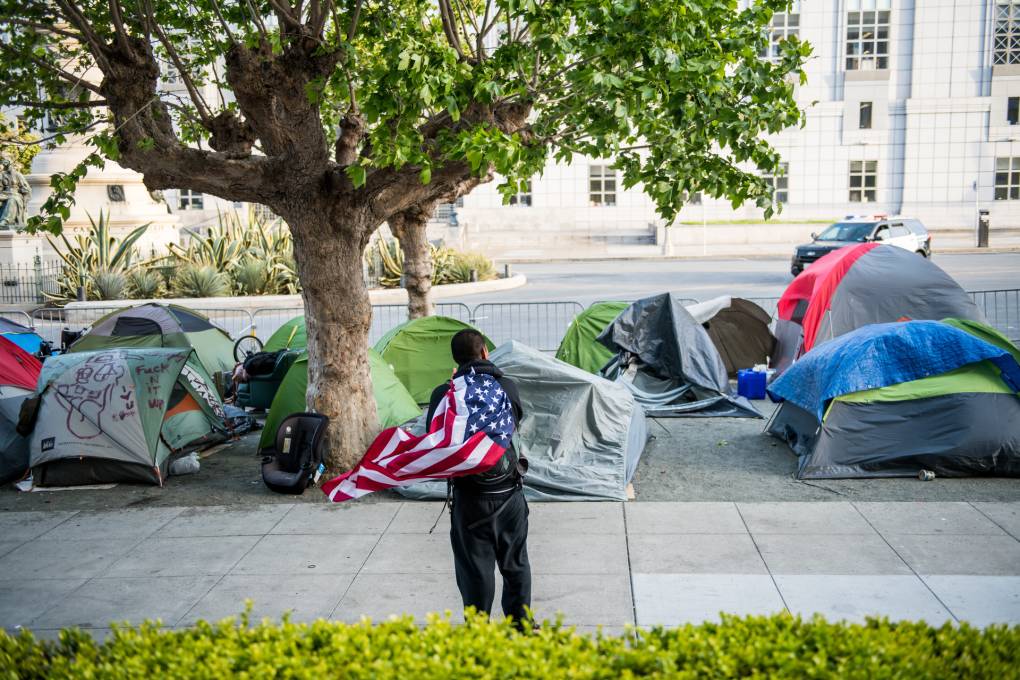
"content": "\u003cp>San Francisco could pay up to $19.5 million to settle a lawsuit over property damages at one of the hotels that provided \u003ca href=\"https://www.kqed.org/news/11894247/sf-extends-program-to-keep-hotels-open-for-unhoused-residents\">emergency housing\u003c/a> during the pandemic.\u003c/p>\n\u003cp>The owners of Hotel Whitcomb on Market Street filed the complaint against San Francisco on April 13 of this year. They allege the historic hotel endured millions in property damage resulting in loss of use by the city’s shelter-in-place hotel program, part of a statewide effort called \u003ca href=\"https://www.kqed.org/news/11825653/california-found-hotels-for-10000-homeless-residents-what-next\">Project Roomkey\u003c/a> that opened up empty hotels during the pandemic to create emergency shelters.\u003c/p>\n\u003cp>The settlement is the latest agreement between the city and owners of the hotels that stepped up during the \u003ca href=\"https://www.kqed.org/coronavirus\">COVID-19 pandemic\u003c/a> to provide emergency housing for \u003ca href=\"https://www.kqed.org/news/11887851/lives-are-on-the-line-advocates-call-on-sf-to-keep-hotels-open-for-homeless-residents\">people experiencing homelessness\u003c/a> during the first two years of the pandemic. That has included $2.9 million to the Tilden Hotel and $5.3 million to Hotel Union Square.\u003c/p>\n\u003cp>\u003cspan style=\"font-weight: 400\">[ad fullwidth]\u003c/span>\u003c/p>\n\u003cp>The city expects to pay out around $26 million in total for property damage payouts from the shelter-in-place hotel program, according to a city budget report released in February.\u003c/p>\n\u003cp>Jen Kwart, spokesperson for the city attorney’s office, told KQED in an email the department believes the proposed settlement is an “appropriate resolution” and “is the last SIP Hotel claim for damages that the City is aware of.”\u003c/p>\n\u003cp>The city is expecting reimbursements for costs of implementing the emergency housing program, and has already filed for $386 million from the Federal Emergency Management Agency. \u003ca href=\"https://sfstandard.com/public-health/homelessness/san-francisco-dishes-out-millions-more-to-damaged-shelter-in-place-hotels/\">It’s not yet clear how much FEMA will cover in the property damages\u003c/a>, according to a report from The San Francisco Standard.\u003c/p>\n\u003cp>The city contracted with the hotels during the early days of the COVID-19 pandemic when tourism was decimated and hotels had lost their customer base. Using emergency relief funding, the city paid the hotels to open up the otherwise empty rooms for temporary emergency shelter.\u003c/p>\n\u003cp>The program came together remarkably quickly, but challenges presented themselves as the pandemic raged on.\u003c/p>\n\u003cp>\u003cspan style=\"font-weight: 400\">[aside postID=news_11950199 hero='https://ww2.kqed.org/app/uploads/sites/10/2023/05/RS43046_018_KQED_SanFrancisco_TentEncampments_05052020-qut-1020x680.jpg']\u003c/span>\u003c/p>\n\u003cp>At its peak, \u003ca href=\"https://hsh.sfgov.org/covid-19/shelter-in-place-hotel-program-overview/\">the hotel shelter program opened 2,288 rooms across 25 hotel sites\u003c/a>, according to data from the city’s Department of Homelessness and Supportive Housing. More than 3,300 adults were housed in hotel rooms and the city claims that about two-thirds of eligible guests were transferred to longer-term housing by the time the program ended in December 2022.\u003c/p>\n\u003cp>Residents in the hotels and housing advocates applauded the non-congregate housing approach to the global health crisis that was rapidly unfolding. Studies on the program have shown that residents who lived in the hotels and were connected to health and substance-use services directly at the hotel were also \u003ca href=\"https://www.sfexaminer.com/news/shelter-in-place-hotels-reduce-er-visits-among-frequent-visitors/article_8ab5b620-136e-11ed-b489-d39e4d0950b5.html\">less likely to require emergency services\u003c/a>.\u003c/p>\n\u003cp>But life was not always easy inside the hotels. Staff and residents at Hotel Whitcomb were often on the front lines of the overdose crisis that the city continues to endure. About 400 people were housed there during the pandemic, many of whom struggled with substance use disorders.\u003c/p>\n\u003cp>On-site services helped prevent overdoses and encourage safer drug use, such as clean needle exchanges and training on how to administer the overdose-reversal drug naloxone. At least \u003ca href=\"https://www.kqed.org/news/11910405/staff-at-a-san-francisco-hotel-battle-an-overdose-crisis\">18 people overdosed at Hotel Whitcomb\u003c/a> from the time it first opened its rooms for the program in April 2020 to April 2022, KQED reported while the program was still in place.\u003c/p>\n\u003cp>The settlement passed the Government Audit and Oversight Committee on Thursday. It will next go before the full Board of Supervisors and the mayor for final approval.\u003c/p>\n\u003cp>\u003c/p>\n",
"blocks": [],
"excerpt": "The city has already approved millions for damages to hotels that provided emergency housing during the COVID-19 pandemic.",
"status": "publish",
"parent": 0,
"modified": 1740520895,
"stats": {
"hasAudio": false,
"hasVideo": false,
"hasChartOrMap": false,
"iframeSrcs": [],
"hasGoogleForm": false,
"hasGallery": false,
"hasHearkenModule": false,
"hasPolis": false,
"paragraphCount": 16,
"wordCount": 612
},
"headData": {
"title": "San Francisco to Pay Hotel Whitcomb $19.5 Million in Property Damage | KQED",
"description": "The city has already approved millions for damages to hotels that provided emergency housing during the COVID-19 pandemic.",
"ogTitle": "",
"ogDescription": "",
"ogImgId": "",
"twTitle": "",
"twDescription": "",
"twImgId": "",
"schema": {
"@context": "https://schema.org",
"@type": "NewsArticle",
"headline": "San Francisco to Pay Hotel Whitcomb $19.5 Million in Property Damage",
"datePublished": "2023-06-02T12:21:12-07:00",
"dateModified": "2025-02-25T14:01:35-08:00",
"image": "https://cdn.kqed.org/wp-content/uploads/2020/02/KQED-OG-Image@1x.png",
"isAccessibleForFree": "True",
"publisher": {
"@type": "NewsMediaOrganization",
"@id": "https://www.kqed.org/#organization",
"name": "KQED",
"logo": "https://cdn.kqed.org/wp-content/uploads/2020/02/KQED-OG-Image@1x.png",
"url": "https://www.kqed.org",
"sameAs": [
"https://www.facebook.com/KQED",
"https://twitter.com/KQED",
"https://www.instagram.com/kqed/",
"https://www.tiktok.com/@kqedofficial",
"https://www.linkedin.com/company/kqed",
"https://www.youtube.com/channel/UCeC0IOo7i1P_61zVUWbJ4nw"
]
}
}
},
"sticky": false,
"excludeFromSiteSearch": "Include",
"articleAge": "0",
"path": "/news/11952041/san-francisco-to-pay-hotel-whitcomb-19-5-million-in-property-damage",
"audioTrackLength": null,
"parsedContent": [
{
"type": "contentString",
"content": "\u003cdiv class=\"post-body\">\u003cp>\u003cp>San Francisco could pay up to $19.5 million to settle a lawsuit over property damages at one of the hotels that provided \u003ca href=\"https://www.kqed.org/news/11894247/sf-extends-program-to-keep-hotels-open-for-unhoused-residents\">emergency housing\u003c/a> during the pandemic.\u003c/p>\n\u003cp>The owners of Hotel Whitcomb on Market Street filed the complaint against San Francisco on April 13 of this year. They allege the historic hotel endured millions in property damage resulting in loss of use by the city’s shelter-in-place hotel program, part of a statewide effort called \u003ca href=\"https://www.kqed.org/news/11825653/california-found-hotels-for-10000-homeless-residents-what-next\">Project Roomkey\u003c/a> that opened up empty hotels during the pandemic to create emergency shelters.\u003c/p>\n\u003cp>The settlement is the latest agreement between the city and owners of the hotels that stepped up during the \u003ca href=\"https://www.kqed.org/coronavirus\">COVID-19 pandemic\u003c/a> to provide emergency housing for \u003ca href=\"https://www.kqed.org/news/11887851/lives-are-on-the-line-advocates-call-on-sf-to-keep-hotels-open-for-homeless-residents\">people experiencing homelessness\u003c/a> during the first two years of the pandemic. That has included $2.9 million to the Tilden Hotel and $5.3 million to Hotel Union Square.\u003c/p>\n\u003cp>\u003cspan style=\"font-weight: 400\">\u003c/p>\u003c/div>",
"attributes": {
"named": {},
"numeric": []
}
},
{
"type": "component",
"content": "",
"name": "ad",
"attributes": {
"named": {
"label": "fullwidth"
},
"numeric": [
"fullwidth"
]
}
},
{
"type": "contentString",
"content": "\u003cdiv class=\"post-body\">\u003cp>\u003c/span>\u003c/p>\n\u003cp>The city expects to pay out around $26 million in total for property damage payouts from the shelter-in-place hotel program, according to a city budget report released in February.\u003c/p>\n\u003cp>Jen Kwart, spokesperson for the city attorney’s office, told KQED in an email the department believes the proposed settlement is an “appropriate resolution” and “is the last SIP Hotel claim for damages that the City is aware of.”\u003c/p>\n\u003cp>The city is expecting reimbursements for costs of implementing the emergency housing program, and has already filed for $386 million from the Federal Emergency Management Agency. \u003ca href=\"https://sfstandard.com/public-health/homelessness/san-francisco-dishes-out-millions-more-to-damaged-shelter-in-place-hotels/\">It’s not yet clear how much FEMA will cover in the property damages\u003c/a>, according to a report from The San Francisco Standard.\u003c/p>\n\u003cp>The city contracted with the hotels during the early days of the COVID-19 pandemic when tourism was decimated and hotels had lost their customer base. Using emergency relief funding, the city paid the hotels to open up the otherwise empty rooms for temporary emergency shelter.\u003c/p>\n\u003cp>The program came together remarkably quickly, but challenges presented themselves as the pandemic raged on.\u003c/p>\n\u003cp>\u003cspan style=\"font-weight: 400\">\u003c/p>\u003c/div>",
"attributes": {
"named": {},
"numeric": []
}
},
{
"type": "component",
"content": "",
"name": "aside",
"attributes": {
"named": {
"postid": "news_11950199",
"hero": "https://ww2.kqed.org/app/uploads/sites/10/2023/05/RS43046_018_KQED_SanFrancisco_TentEncampments_05052020-qut-1020x680.jpg",
"label": ""
},
"numeric": []
}
},
{
"type": "contentString",
"content": "\u003cdiv class=\"post-body\">\u003cp>\u003c/span>\u003c/p>\n\u003cp>At its peak, \u003ca href=\"https://hsh.sfgov.org/covid-19/shelter-in-place-hotel-program-overview/\">the hotel shelter program opened 2,288 rooms across 25 hotel sites\u003c/a>, according to data from the city’s Department of Homelessness and Supportive Housing. More than 3,300 adults were housed in hotel rooms and the city claims that about two-thirds of eligible guests were transferred to longer-term housing by the time the program ended in December 2022.\u003c/p>\n\u003cp>Residents in the hotels and housing advocates applauded the non-congregate housing approach to the global health crisis that was rapidly unfolding. Studies on the program have shown that residents who lived in the hotels and were connected to health and substance-use services directly at the hotel were also \u003ca href=\"https://www.sfexaminer.com/news/shelter-in-place-hotels-reduce-er-visits-among-frequent-visitors/article_8ab5b620-136e-11ed-b489-d39e4d0950b5.html\">less likely to require emergency services\u003c/a>.\u003c/p>\n\u003cp>But life was not always easy inside the hotels. Staff and residents at Hotel Whitcomb were often on the front lines of the overdose crisis that the city continues to endure. About 400 people were housed there during the pandemic, many of whom struggled with substance use disorders.\u003c/p>\n\u003cp>On-site services helped prevent overdoses and encourage safer drug use, such as clean needle exchanges and training on how to administer the overdose-reversal drug naloxone. At least \u003ca href=\"https://www.kqed.org/news/11910405/staff-at-a-san-francisco-hotel-battle-an-overdose-crisis\">18 people overdosed at Hotel Whitcomb\u003c/a> from the time it first opened its rooms for the program in April 2020 to April 2022, KQED reported while the program was still in place.\u003c/p>\n\u003cp>The settlement passed the Government Audit and Oversight Committee on Thursday. It will next go before the full Board of Supervisors and the mayor for final approval.\u003c/p>\n\u003cp>\u003c/p>\n\u003c/div>\u003c/p>",
"attributes": {
"named": {},
"numeric": []
}
}
],
"link": "/news/11952041/san-francisco-to-pay-hotel-whitcomb-19-5-million-in-property-damage",
"authors": [
"11840"
],
"categories": [
"news_6266",
"news_8"
],
"tags": [
"news_27989",
"news_27504",
"news_27017",
"news_27626",
"news_21917",
"news_4020",
"news_6114",
"news_1775",
"news_28146",
"news_38",
"news_27638"
],
"featImg": "news_11952050",
"label": "news"
},
"news_11951923": {
"type": "posts",
"id": "news_11951923",
"meta": {
"index": "posts_1716263798",
"site": "news",
"id": "11951923",
"score": null,
"sort": [
1685659028000
]
},
"guestAuthors": [],
"slug": "state-farm-abruptly-halts-california-home-insurance-due-to-profit-loss-over-fires-floods",
"title": "California Scrambles to Save Its Home Insurance Industry After State Farm Opts Out of Selling New Policies",
"publishDate": 1685659028,
"format": "standard",
"headTitle": "California Scrambles to Save Its Home Insurance Industry After State Farm Opts Out of Selling New Policies | KQED",
"labelTerm": {
"term": 18481,
"site": "news"
},
"content": "\u003cp>State Farm made national headlines last week when it said it would stop selling new home insurance policies in California. As California’s largest single provider of bundled home insurance policies — the company had \u003ca href=\"https://www.insurance.ca.gov/01-consumers/120-company/04-mrktshare/2021/upload/Top25grps2021wa_Revised.pdf\">20% of the market in 2021 (PDF)\u003c/a> — the news struck some as the beginning of a fresh emergency, with insurers abandoning a fire- and flood-ravaged state.\u003c/p>\n\u003cp>But the retraction of California’s biggest home coverage provider is only the latest development in a wildfire-fueled crisis that has smoldered beneath the surface of the state’s insurance market for years.\u003c/p>\n\u003cp>[pullquote size=\"medium\" align=\"right\" citation=\"Seren Taylor, vice president, Personal Insurance Federation of California\"] ‘State Farm sort of publicly said what they were doing, but I think for the last few years, we’ve all seen insurers restricting and pulling back their business in California.’[/pullquote]After the disastrous fires of 2017 and 2018, the number of Californians who were told by their insurers that their policies wouldn’t be renewed \u003ca href=\"https://www.insurance.ca.gov/01-consumers/200-wrr/upload/CDI-Fact-Sheet-Residential-Insurance-Market-Policy-Count-Data-December-2022.pdf\">jumped up by 42% (PDF)\u003c/a> to almost 235,000 households. The two severe wildfire years wiped out decades of industry profits.\u003c/p>\n\u003cp>Last year, American International Group \u003ca href=\"https://www.wsj.com/articles/wildfire-risk-in-california-drives-insurers-to-pull-policies-for-pricey-homes-11642593601?mod=article_inline\">let thousands of customers know their home insurance policies would not be renewed\u003c/a>, and Chubb, a high-end insurer, said it would continue to non-renew some of its customers.\u003c/p>\n\u003cp>And late last year, thousands of condo owners also found themselves among the uninsurable as the state’s regulated insurers \u003ca href=\"https://www.sandiegouniontribune.com/business/story/2023-02-10/san-diego-lawmakers-urge-state-to-help-condo-owners-hit-by-soaring-insurance-costs\">dropped suburban homeowner association members\u003c/a> in droves across San Diego County’s wildfire-prone shrubland.\u003c/p>\n\u003cp>[ad fullwidth]\u003c/p>\n\u003cp>[aside postID=\"news_11937459,science_1980493,news_11933739\" label=\"Related Posts\"]“State Farm sort of publicly said what they were doing, but I think for the last few years, we’ve all seen insurers restricting and pulling back their business in California,” said Seren Taylor, vice president of Personal Insurance Federation of California, an industry trade group that counts State Farm as a member.\u003c/p>\n\u003cp>State officials emphasized that State Farm’s current policyholders will not lose coverage.\u003c/p>\n\u003cp>“It’s important to note that current customers will not lose their insurance,” wrote Michael Soller, deputy insurance commissioner at California’s Insurance Department, in an email to CalMatters. This decision will affect people who are shopping for home insurance, in that they will have one fewer provider to choose from.\u003c/p>\n\u003cp>State Farm in a press release blamed high construction costs that make it extra expensive to rebuild after a home is destroyed in California, growing natural disaster risk — particularly from wildfires — and “a challenging reinsurance market.”\u003c/p>\n\u003cp>Insurance companies frequently purchase their own insurance — known as “reinsurance” — to minimize the risk of getting hit with millions of dollars of costs all at once, as might happen during a catastrophic wildfire or a major hurricane.\u003c/p>\n\u003cp>\u003ca href=\"https://www.wsj.com/articles/insurers-are-facing-a-steep-rise-in-reinsurance-rates-11667858056\">Reinsurance premiums have spiked\u003c/a> in recent years in disaster-prone states like fire-ravaged California and storm-battered Florida, Louisiana and Texas. California law prohibits insurers from passing along the cost of reinsurance to customers. Industry groups are lobbying to change that.\u003c/p>\n\u003cp>“This is tough for legislators,” said John Norwood, a lobbyist for independent insurance brokers. “Because the solution is prices going up.”\u003c/p>\n\u003ch2>How California regulates home insurance\u003c/h2>\n\u003cp>High rebuild costs, increasingly severe wildfires and high prices of reinsurance all are risks that insurance companies might be willing to take on.\u003c/p>\n\u003cp>But only for the right price.\u003c/p>\n\u003cp>Increases in insurance premiums in California are approved or denied by the state’s elected insurance commissioner, Ricardo Lara. Industry groups have long argued that Lara’s office has not allowed providers to set prices commensurate with the cost of doing business in fire-prone California.\u003c/p>\n\u003cp>“We have very inexpensive home insurance in California,” compared to other states, said Michael Wara, director of the climate and energy policy program at the Stanford Woods Institute for the Environment. “But the thing is, five years ago, we realized, ‘Oh, yeah, actually in California you can burn down 50,000 houses overnight.’”\u003c/p>\n\u003cp>The consequences of a continued drip-drip decline of insurers from California could be far more costly in the long run, warns Dan Dunmoyer, president of the California Building Industry Association.\u003c/p>\n\u003cp>As an illustration, he points to California history. After the 1994 Northridge earthquake dealt roughly $42 billion in damage across Southern California, \u003ca href=\"https://www.latimes.com/opinion/la-xpm-2014-jan-17-la-oe-ones-northridge-quake-insurance-20140117-story.html\">many home insurers opted to stop doing new business\u003c/a> in California entirely.\u003c/p>\n\u003cp>Because home insurance is a basic requirement for most home loans, the exodus of insurers caused the state real estate industry to grind to a halt, Dunmoyer recalled.\u003c/p>\n\u003cp>“The whole world stopped,” he said. “That’s the worst-case scenario. We’re not quite there yet.”\u003c/p>\n\u003ch2>Can California block State Farm’s retreat?\u003c/h2>\n\u003cp>There are various ideas circulating — some more drastic than others— about what the state can do to keep State Farm in the market.\u003c/p>\n\u003cp>The advocacy group Consumer Watchdog on Tuesday argued that \u003ca href=\"https://consumerwatchdog.org/insurance/insurance-commissioner-lara-must-use-prop-103-authority-to-reverse-state-farms-pullback/\">Insurance Commissioner Lara\u003c/a> has the power to order State Farm to reverse its decision. That authority, the group said, comes from Proposition 103, a voter-backed initiative passed in 1988 that gave the department the power to approve or deny premium increases.\u003c/p>\n\u003cp>Wara, from Stanford Law, said the idea was a “nonconstructive approach to this problem.”\u003c/p>\n\u003cp>He said the entire insurance industry likely would sue the state if the California insurance department were to assert that authority, and the lawsuit would take several years to resolve. He said he finds it “hard to believe” that a court would force the industry to keep issuing new insurance policies during the years the case was in court.\u003c/p>\n\u003cp>“That is a recipe for the entire market falling apart, potentially overnight,” Wara said. “That would undo not just the insurance market, but everybody that has a home mortgage in California, everybody that wants to buy or sell a home in California.”\u003c/p>\n\u003ch2>Last resort for California homeowners\u003c/h2>\n\u003cp>Another sword hanging over the state’s insurance industry: The possible demise of the FAIR Plan, the limited insurance plan Californians can turn to when no standard private company will cover them. It’s funded by levies on private insurance companies that do business in the state.\u003c/p>\n\u003cp>“A lot of other insurers have stopped selling,” said Amy Bach, executive director of United Policyholders, a consumer group. “If you talk to an agent or broker today, they’re going to tell you it can be pretty hard to find insurance” outside of the FAIR Plan, Bach said.\u003c/p>\n\u003cp>As the risk of catastrophic wildfire ramps up across California, that risk falls disproportionately on the FAIR Plan. And if an especially severe fire season renders the plan bankrupt, the tab will fall on those insurers still doing business in the state in proportion to their share of the market, said Wara.\u003c/p>\n\u003cp>State Farm, as the largest insurer, would have to chip in the most. That’s one reason the company might have decided to not issue new policies anywhere in California rather than just limiting new policies to places with low wildfire risk. “State Farm is saying ‘we want less of that,’” Wara said.\u003c/p>\n\u003cp>That problem isn’t unique to California.\u003c/p>\n\u003cp>In Texas, the increasing severity of Gulf Coast hurricanes has driven tens of thousands of homeowners onto that state’s chartered backstop insurer, leading to \u003ca href=\"https://www.eenews.net/articles/growing-insurance-crisis-spreads-to-texas/\">talk of an inevitable crisis\u003c/a>.\u003c/p>\n\u003cp>[ad floatright]\u003c/p>\n\u003cp>In Florida, the crisis may already have arrived. This week, Florida’s insurance commissioner authorized a \u003ca href=\"https://thecapitolist.com/citizens-insurance-secures-1-25-billion-in-credit-ahead-of-hurricane-season/\">$1.25 billion line of credit\u003c/a> to that state’s insurer of last resort — now the single largest insurer — in preparation for the coming storm season.\u003c/p>\n\n",
"blocks": [],
"excerpt": "Wildfires and expensive rebuilding wiped out profits among California home insurers. State Farm isn't the first insurer to retreat from the state, and may not be the last.",
"status": "publish",
"parent": 0,
"modified": 1725922372,
"stats": {
"hasAudio": false,
"hasVideo": false,
"hasChartOrMap": false,
"iframeSrcs": [],
"hasGoogleForm": false,
"hasGallery": false,
"hasHearkenModule": false,
"hasPolis": false,
"paragraphCount": 34,
"wordCount": 1322
},
"headData": {
"title": "California Scrambles to Save Its Home Insurance Industry After State Farm Opts Out of Selling New Policies | KQED",
"description": "Wildfires and expensive rebuilding wiped out profits among California home insurers. State Farm isn't the first insurer to retreat from the state, and may not be the last.",
"ogTitle": "",
"ogDescription": "",
"ogImgId": "",
"twTitle": "",
"twDescription": "",
"twImgId": "",
"schema": {
"@context": "https://schema.org",
"@type": "NewsArticle",
"headline": "California Scrambles to Save Its Home Insurance Industry After State Farm Opts Out of Selling New Policies",
"datePublished": "2023-06-01T15:37:08-07:00",
"dateModified": "2024-09-09T15:52:52-07:00",
"image": "https://cdn.kqed.org/wp-content/uploads/2020/02/KQED-OG-Image@1x.png",
"isAccessibleForFree": "True",
"publisher": {
"@type": "NewsMediaOrganization",
"@id": "https://www.kqed.org/#organization",
"name": "KQED",
"logo": "https://cdn.kqed.org/wp-content/uploads/2020/02/KQED-OG-Image@1x.png",
"url": "https://www.kqed.org",
"sameAs": [
"https://www.facebook.com/KQED",
"https://twitter.com/KQED",
"https://www.instagram.com/kqed/",
"https://www.tiktok.com/@kqedofficial",
"https://www.linkedin.com/company/kqed",
"https://www.youtube.com/channel/UCeC0IOo7i1P_61zVUWbJ4nw"
]
}
}
},
"sticky": false,
"nprByline": "Ben Christopher and Grace Gedye",
"excludeFromSiteSearch": "Include",
"showOnAuthorArchivePages": "No",
"articleAge": "0",
"path": "/news/11951923/state-farm-abruptly-halts-california-home-insurance-due-to-profit-loss-over-fires-floods",
"audioTrackLength": null,
"parsedContent": [
{
"type": "contentString",
"content": "\u003cdiv class=\"post-body\">\u003cp>\u003cp>State Farm made national headlines last week when it said it would stop selling new home insurance policies in California. As California’s largest single provider of bundled home insurance policies — the company had \u003ca href=\"https://www.insurance.ca.gov/01-consumers/120-company/04-mrktshare/2021/upload/Top25grps2021wa_Revised.pdf\">20% of the market in 2021 (PDF)\u003c/a> — the news struck some as the beginning of a fresh emergency, with insurers abandoning a fire- and flood-ravaged state.\u003c/p>\n\u003cp>But the retraction of California’s biggest home coverage provider is only the latest development in a wildfire-fueled crisis that has smoldered beneath the surface of the state’s insurance market for years.\u003c/p>\n\u003cp>\u003c/p>\u003c/div>",
"attributes": {
"named": {},
"numeric": []
}
},
{
"type": "component",
"content": " ‘State Farm sort of publicly said what they were doing, but I think for the last few years, we’ve all seen insurers restricting and pulling back their business in California.’",
"name": "pullquote",
"attributes": {
"named": {
"size": "medium",
"align": "right",
"citation": "Seren Taylor, vice president, Personal Insurance Federation of California",
"label": ""
},
"numeric": []
}
},
{
"type": "contentString",
"content": "\u003cdiv class=\"post-body\">\u003cp>After the disastrous fires of 2017 and 2018, the number of Californians who were told by their insurers that their policies wouldn’t be renewed \u003ca href=\"https://www.insurance.ca.gov/01-consumers/200-wrr/upload/CDI-Fact-Sheet-Residential-Insurance-Market-Policy-Count-Data-December-2022.pdf\">jumped up by 42% (PDF)\u003c/a> to almost 235,000 households. The two severe wildfire years wiped out decades of industry profits.\u003c/p>\n\u003cp>Last year, American International Group \u003ca href=\"https://www.wsj.com/articles/wildfire-risk-in-california-drives-insurers-to-pull-policies-for-pricey-homes-11642593601?mod=article_inline\">let thousands of customers know their home insurance policies would not be renewed\u003c/a>, and Chubb, a high-end insurer, said it would continue to non-renew some of its customers.\u003c/p>\n\u003cp>And late last year, thousands of condo owners also found themselves among the uninsurable as the state’s regulated insurers \u003ca href=\"https://www.sandiegouniontribune.com/business/story/2023-02-10/san-diego-lawmakers-urge-state-to-help-condo-owners-hit-by-soaring-insurance-costs\">dropped suburban homeowner association members\u003c/a> in droves across San Diego County’s wildfire-prone shrubland.\u003c/p>\n\u003cp>\u003c/p>\u003c/div>",
"attributes": {
"named": {},
"numeric": []
}
},
{
"type": "component",
"content": "",
"name": "ad",
"attributes": {
"named": {
"label": "fullwidth"
},
"numeric": [
"fullwidth"
]
}
},
{
"type": "contentString",
"content": "\u003cdiv class=\"post-body\">\u003cp>\u003c/p>\n\u003cp>\u003c/p>\u003c/div>",
"attributes": {
"named": {},
"numeric": []
}
},
{
"type": "component",
"content": "",
"name": "aside",
"attributes": {
"named": {
"postid": "news_11937459,science_1980493,news_11933739",
"label": "Related Posts "
},
"numeric": []
}
},
{
"type": "contentString",
"content": "\u003cdiv class=\"post-body\">\u003cp>“State Farm sort of publicly said what they were doing, but I think for the last few years, we’ve all seen insurers restricting and pulling back their business in California,” said Seren Taylor, vice president of Personal Insurance Federation of California, an industry trade group that counts State Farm as a member.\u003c/p>\n\u003cp>State officials emphasized that State Farm’s current policyholders will not lose coverage.\u003c/p>\n\u003cp>“It’s important to note that current customers will not lose their insurance,” wrote Michael Soller, deputy insurance commissioner at California’s Insurance Department, in an email to CalMatters. This decision will affect people who are shopping for home insurance, in that they will have one fewer provider to choose from.\u003c/p>\n\u003cp>State Farm in a press release blamed high construction costs that make it extra expensive to rebuild after a home is destroyed in California, growing natural disaster risk — particularly from wildfires — and “a challenging reinsurance market.”\u003c/p>\n\u003cp>Insurance companies frequently purchase their own insurance — known as “reinsurance” — to minimize the risk of getting hit with millions of dollars of costs all at once, as might happen during a catastrophic wildfire or a major hurricane.\u003c/p>\n\u003cp>\u003ca href=\"https://www.wsj.com/articles/insurers-are-facing-a-steep-rise-in-reinsurance-rates-11667858056\">Reinsurance premiums have spiked\u003c/a> in recent years in disaster-prone states like fire-ravaged California and storm-battered Florida, Louisiana and Texas. California law prohibits insurers from passing along the cost of reinsurance to customers. Industry groups are lobbying to change that.\u003c/p>\n\u003cp>“This is tough for legislators,” said John Norwood, a lobbyist for independent insurance brokers. “Because the solution is prices going up.”\u003c/p>\n\u003ch2>How California regulates home insurance\u003c/h2>\n\u003cp>High rebuild costs, increasingly severe wildfires and high prices of reinsurance all are risks that insurance companies might be willing to take on.\u003c/p>\n\u003cp>But only for the right price.\u003c/p>\n\u003cp>Increases in insurance premiums in California are approved or denied by the state’s elected insurance commissioner, Ricardo Lara. Industry groups have long argued that Lara’s office has not allowed providers to set prices commensurate with the cost of doing business in fire-prone California.\u003c/p>\n\u003cp>“We have very inexpensive home insurance in California,” compared to other states, said Michael Wara, director of the climate and energy policy program at the Stanford Woods Institute for the Environment. “But the thing is, five years ago, we realized, ‘Oh, yeah, actually in California you can burn down 50,000 houses overnight.’”\u003c/p>\n\u003cp>The consequences of a continued drip-drip decline of insurers from California could be far more costly in the long run, warns Dan Dunmoyer, president of the California Building Industry Association.\u003c/p>\n\u003cp>As an illustration, he points to California history. After the 1994 Northridge earthquake dealt roughly $42 billion in damage across Southern California, \u003ca href=\"https://www.latimes.com/opinion/la-xpm-2014-jan-17-la-oe-ones-northridge-quake-insurance-20140117-story.html\">many home insurers opted to stop doing new business\u003c/a> in California entirely.\u003c/p>\n\u003cp>Because home insurance is a basic requirement for most home loans, the exodus of insurers caused the state real estate industry to grind to a halt, Dunmoyer recalled.\u003c/p>\n\u003cp>“The whole world stopped,” he said. “That’s the worst-case scenario. We’re not quite there yet.”\u003c/p>\n\u003ch2>Can California block State Farm’s retreat?\u003c/h2>\n\u003cp>There are various ideas circulating — some more drastic than others— about what the state can do to keep State Farm in the market.\u003c/p>\n\u003cp>The advocacy group Consumer Watchdog on Tuesday argued that \u003ca href=\"https://consumerwatchdog.org/insurance/insurance-commissioner-lara-must-use-prop-103-authority-to-reverse-state-farms-pullback/\">Insurance Commissioner Lara\u003c/a> has the power to order State Farm to reverse its decision. That authority, the group said, comes from Proposition 103, a voter-backed initiative passed in 1988 that gave the department the power to approve or deny premium increases.\u003c/p>\n\u003cp>Wara, from Stanford Law, said the idea was a “nonconstructive approach to this problem.”\u003c/p>\n\u003cp>He said the entire insurance industry likely would sue the state if the California insurance department were to assert that authority, and the lawsuit would take several years to resolve. He said he finds it “hard to believe” that a court would force the industry to keep issuing new insurance policies during the years the case was in court.\u003c/p>\n\u003cp>“That is a recipe for the entire market falling apart, potentially overnight,” Wara said. “That would undo not just the insurance market, but everybody that has a home mortgage in California, everybody that wants to buy or sell a home in California.”\u003c/p>\n\u003ch2>Last resort for California homeowners\u003c/h2>\n\u003cp>Another sword hanging over the state’s insurance industry: The possible demise of the FAIR Plan, the limited insurance plan Californians can turn to when no standard private company will cover them. It’s funded by levies on private insurance companies that do business in the state.\u003c/p>\n\u003cp>“A lot of other insurers have stopped selling,” said Amy Bach, executive director of United Policyholders, a consumer group. “If you talk to an agent or broker today, they’re going to tell you it can be pretty hard to find insurance” outside of the FAIR Plan, Bach said.\u003c/p>\n\u003cp>As the risk of catastrophic wildfire ramps up across California, that risk falls disproportionately on the FAIR Plan. And if an especially severe fire season renders the plan bankrupt, the tab will fall on those insurers still doing business in the state in proportion to their share of the market, said Wara.\u003c/p>\n\u003cp>State Farm, as the largest insurer, would have to chip in the most. That’s one reason the company might have decided to not issue new policies anywhere in California rather than just limiting new policies to places with low wildfire risk. “State Farm is saying ‘we want less of that,’” Wara said.\u003c/p>\n\u003cp>That problem isn’t unique to California.\u003c/p>\n\u003cp>In Texas, the increasing severity of Gulf Coast hurricanes has driven tens of thousands of homeowners onto that state’s chartered backstop insurer, leading to \u003ca href=\"https://www.eenews.net/articles/growing-insurance-crisis-spreads-to-texas/\">talk of an inevitable crisis\u003c/a>.\u003c/p>\n\u003cp>\u003c/p>\u003c/div>",
"attributes": {
"named": {},
"numeric": []
}
},
{
"type": "component",
"content": "",
"name": "ad",
"attributes": {
"named": {
"label": "floatright"
},
"numeric": [
"floatright"
]
}
},
{
"type": "contentString",
"content": "\u003cdiv class=\"post-body\">\u003cp>\u003c/p>\n\u003cp>In Florida, the crisis may already have arrived. This week, Florida’s insurance commissioner authorized a \u003ca href=\"https://thecapitolist.com/citizens-insurance-secures-1-25-billion-in-credit-ahead-of-hurricane-season/\">$1.25 billion line of credit\u003c/a> to that state’s insurer of last resort — now the single largest insurer — in preparation for the coming storm season.\u003c/p>\n\n\u003c/div>\u003c/p>",
"attributes": {
"named": {},
"numeric": []
}
}
],
"link": "/news/11951923/state-farm-abruptly-halts-california-home-insurance-due-to-profit-loss-over-fires-floods",
"authors": [
"byline_news_11951923"
],
"categories": [
"news_6266",
"news_8"
],
"tags": [
"news_3431",
"news_1775",
"news_18159",
"news_4463"
],
"affiliates": [
"news_18481"
],
"featImg": "news_11951934",
"label": "news_18481"
},
"news_11950483": {
"type": "posts",
"id": "news_11950483",
"meta": {
"index": "posts_1716263798",
"site": "news",
"id": "11950483",
"score": null,
"sort": [
1684973038000
]
},
"guestAuthors": [],
"slug": "san-jose-mayor-city-council-compromise-on-homeless-spending",
"title": "San José Mayor, Council Move Toward Compromise on Homelessness Spending",
"publishDate": 1684973038,
"format": "standard",
"headTitle": "San José Mayor, Council Move Toward Compromise on Homelessness Spending | KQED",
"labelTerm": {
"site": "news"
},
"content": "\u003cp>On Wednesday, San José’s city council moved closer to an agreement on how to spend money dedicated to reducing homelessness, as a pair of budget proposals sought to strike a balance between\u003ca href=\"https://www.kqed.org/news/11949797/in-controversial-plan-san-jose-mayor-seeks-to-use-homelessness-dollars-to-build-more-temporary-shelters-instead-of-permanent-housing\"> funding permanent and temporary housing\u003c/a>.\u003c/p>\n\u003cp>The new plans come amid debate over the best approach to provide housing and shelter for the estimated 6,650 people experiencing homelessness in the city. The mayor and council members are negotiating how to divide a pot of revenue created by voters in 2020 with the passage of Measure E, which taxes expensive home sales in the city.\u003c/p>\n\u003cp>After putting forward a controversial shift toward funding temporary units last week, Mayor Matt Mahan is now proposing to keep the vast majority of future Measure E funding for building affordable apartments, while using unspent homelessness funds for interim housing. A separate proposal, written by Councilmembers David Cohen and Sergio Jimenez, takes a similar approach: maintaining the Measure E spending formula and finding money elsewhere in the budget to pay for temporary shelter in the short term.\u003c/p>\n\u003cp>\u003cspan style=\"font-weight: 400\">[ad fullwidth]\u003c/span>\u003c/p>\n\u003cp>The key difference is that Mahan, along with Vice Mayor Rosemary Kamei and Councilmember Pam Foley, are proposing to spend more of the existing Measure E money from the current and previous budget years on short-term housing. Cohen and Jimenez prioritize more of this money for permanent housing.\u003c/p>\n\u003cp>Currently, three-quarters of Measure E revenue goes toward building affordable housing at a variety of income levels, with the rest dedicated to temporary units and providing tenants with cash and legal assistance. The tax is expected to raise $50 million in the fiscal year beginning July 1, a decline from previous years due to the city’s slowing real estate market.\u003c/p>\n\u003cfigure id=\"attachment_11950602\" class=\"wp-caption aligncenter\" style=\"max-width: 1920px\">\u003cimg loading=\"lazy\" decoding=\"async\" class=\"size-full wp-image-11950602\" src=\"https://ww2.kqed.org/app/uploads/sites/10/2023/05/RS59959_026_KQED_MattMahanSanJose_11082022-qut.jpg\" alt=\"A white man with a maroon sweater smiles as he looks past the camera. He has salt and pepper hair and is standing outdoors with trees behind him.\" width=\"1920\" height=\"1280\" srcset=\"https://cdn.kqed.org/wp-content/uploads/sites/10/2023/05/RS59959_026_KQED_MattMahanSanJose_11082022-qut.jpg 1920w, https://cdn.kqed.org/wp-content/uploads/sites/10/2023/05/RS59959_026_KQED_MattMahanSanJose_11082022-qut-800x533.jpg 800w, https://cdn.kqed.org/wp-content/uploads/sites/10/2023/05/RS59959_026_KQED_MattMahanSanJose_11082022-qut-1020x680.jpg 1020w, https://cdn.kqed.org/wp-content/uploads/sites/10/2023/05/RS59959_026_KQED_MattMahanSanJose_11082022-qut-160x107.jpg 160w, https://cdn.kqed.org/wp-content/uploads/sites/10/2023/05/RS59959_026_KQED_MattMahanSanJose_11082022-qut-1536x1024.jpg 1536w\" sizes=\"auto, (max-width: 1920px) 100vw, 1920px\">\u003cfigcaption class=\"wp-caption-text\">San José Mayor Matt Mahan in San José on Nov. 8, 2022. \u003ccite>(Beth LaBerge/KQED)\u003c/cite>\u003c/figcaption>\u003c/figure>\n\u003cp>Mahan has pushed the council to spend more money on programs he argues will provide a faster pathway for unhoused individuals to exit homelessness, such as emergency interim housing, which includes prefabricated units that provide residents with a private bedroom and bathroom.\u003c/p>\n\u003cp>“The great news is that by working collaboratively, being creative, we are able to do both — we are able to address the immediate crisis on our streets and really accelerate those solutions, while maintaining our commitment to continuing to build that much-needed pipeline of affordable housing,” Mahan said at a Wednesday press conference.\u003c/p>\n\u003cp>Mahan’s earlier plan would have spent 80% of the dedicated homelessness funds in the next fiscal year on temporary shelters. Affordable housing advocates balked at the idea of cutting off money for building apartments in the 2023–2024 fiscal year, arguing such a move could jeopardize the future of projects in the pipeline. Under Mahan’s latest proposal, next year’s tax allocation will be left alone, and temporary units will instead be paid for with money from unspent Measure E and general fund dollars.\u003c/p>\n\u003cfigure id=\"attachment_11950601\" class=\"wp-caption aligncenter\" style=\"max-width: 1920px\">\u003cimg loading=\"lazy\" decoding=\"async\" class=\"size-full wp-image-11950601\" src=\"https://ww2.kqed.org/app/uploads/sites/10/2023/05/RS36046__M6A0674-qut.jpg\" alt=\"A large, tan government building with many glass windows and a globe-like glass ceiling is prominently displayed on a sunny day in San Jose.\" width=\"1920\" height=\"1280\" srcset=\"https://cdn.kqed.org/wp-content/uploads/sites/10/2023/05/RS36046__M6A0674-qut.jpg 1920w, https://cdn.kqed.org/wp-content/uploads/sites/10/2023/05/RS36046__M6A0674-qut-800x533.jpg 800w, https://cdn.kqed.org/wp-content/uploads/sites/10/2023/05/RS36046__M6A0674-qut-1020x680.jpg 1020w, https://cdn.kqed.org/wp-content/uploads/sites/10/2023/05/RS36046__M6A0674-qut-160x107.jpg 160w, https://cdn.kqed.org/wp-content/uploads/sites/10/2023/05/RS36046__M6A0674-qut-1536x1024.jpg 1536w\" sizes=\"auto, (max-width: 1920px) 100vw, 1920px\">\u003cfigcaption class=\"wp-caption-text\">San José City Hall on March 20, 2019. \u003ccite>(Sruti Mamidanna/KQED)\u003c/cite>\u003c/figcaption>\u003c/figure>\n\u003cp>“What’s key is that we maintain our clear commitment to affordable housing under Measure E, while also ensuring solutions that address our most pressing community needs of our unhoused neighbors,” said Kamei, who represents West San José. “We can only accomplish these goals through principled collaboration and thoughtful compromise.”\u003c/p>\n\u003cp>Cohen, who had been working earlier in the week to forge a compromise with Kamei, Foley and Jimenez, also wants to keep the existing distribution of Measure E funds.\u003c/p>\n\u003cp>\u003cspan style=\"font-weight: 400\">[aside label='More Stories on Housing' tag='housing']\u003c/span>\u003c/p>\n\u003cp>To pay for short-term housing, Cohen and Jimenez’s plan would combine Measure E dollars with up to $15 million in anticipated unspent general fund money, while also redirecting $3.5 million currently slated for San José Bridge, an employment program for unhoused residents.\u003c/p>\n\u003cp>“I wanted to find a way using what we have in our budget to be able to continue to meet our commitments to building affordable housing, while also funding the short-term need to provide safe locations for people to live in the period of time while they’re waiting for affordable housing options,” Cohen told KQED.\u003c/p>\n\u003cp>Mahan’s plan would reach the same investment in interim housing by tapping a greater amount of current and prior-year Measure E funds and slightly less — $10 million — from money predicted to be left over in the general fund at the end of the fiscal year.[pullquote size=\"medium\" align=\"right\" citation=\"Councilmember David Cohen, District 4\"]‘I wanted to find a way using what we have in our budget to be able to continue to meet our commitments to building affordable housing.’[/pullquote]The changes to Measure E spending require the supermajority support of eight councilmembers. It is unclear whether more progressive members like Omar Torres and Peter Ortiz, who spoke out against Mahan’s initial plan, will support any increase in Measure E dollars going toward temporary housing. But, the support of centrist voices like Cohen and Kamei to add dollars for short-term solutions suggests a path forward for compromise.\u003c/p>\n\u003cp>Mahan and the council are hoping to reach a deal on Measure E spending that could be included in the updated budget proposal the mayor is expected to release in early June. A hearing and vote on the plan is set for June 12.\u003c/p>\n\u003cp>\u003c/p>\n",
"blocks": [],
"excerpt": "Proposals from Mayor Matt Mahan and the City Council signal agreement on keeping future Measure E dollars for permanent housing in San José.",
"status": "publish",
"parent": 0,
"modified": 1740516862,
"stats": {
"hasAudio": false,
"hasVideo": false,
"hasChartOrMap": false,
"iframeSrcs": [],
"hasGoogleForm": false,
"hasGallery": false,
"hasHearkenModule": false,
"hasPolis": false,
"paragraphCount": 17,
"wordCount": 912
},
"headData": {
"title": "San José Mayor, Council Move Toward Compromise on Homelessness Spending | KQED",
"description": "Proposals from Mayor Matt Mahan and the City Council signal agreement on keeping future Measure E dollars for permanent housing in San José.",
"ogTitle": "",
"ogDescription": "",
"ogImgId": "",
"twTitle": "",
"twDescription": "",
"twImgId": "",
"schema": {
"@context": "https://schema.org",
"@type": "NewsArticle",
"headline": "San José Mayor, Council Move Toward Compromise on Homelessness Spending",
"datePublished": "2023-05-24T17:03:58-07:00",
"dateModified": "2025-02-25T12:54:22-08:00",
"image": "https://cdn.kqed.org/wp-content/uploads/2020/02/KQED-OG-Image@1x.png",
"isAccessibleForFree": "True",
"publisher": {
"@type": "NewsMediaOrganization",
"@id": "https://www.kqed.org/#organization",
"name": "KQED",
"logo": "https://cdn.kqed.org/wp-content/uploads/2020/02/KQED-OG-Image@1x.png",
"url": "https://www.kqed.org",
"sameAs": [
"https://www.facebook.com/KQED",
"https://twitter.com/KQED",
"https://www.instagram.com/kqed/",
"https://www.tiktok.com/@kqedofficial",
"https://www.linkedin.com/company/kqed",
"https://www.youtube.com/channel/UCeC0IOo7i1P_61zVUWbJ4nw"
]
}
}
},
"sticky": false,
"excludeFromSiteSearch": "Include",
"articleAge": "0",
"path": "/news/11950483/san-jose-mayor-city-council-compromise-on-homeless-spending",
"audioTrackLength": null,
"parsedContent": [
{
"type": "contentString",
"content": "\u003cdiv class=\"post-body\">\u003cp>\u003cp>On Wednesday, San José’s city council moved closer to an agreement on how to spend money dedicated to reducing homelessness, as a pair of budget proposals sought to strike a balance between\u003ca href=\"https://www.kqed.org/news/11949797/in-controversial-plan-san-jose-mayor-seeks-to-use-homelessness-dollars-to-build-more-temporary-shelters-instead-of-permanent-housing\"> funding permanent and temporary housing\u003c/a>.\u003c/p>\n\u003cp>The new plans come amid debate over the best approach to provide housing and shelter for the estimated 6,650 people experiencing homelessness in the city. The mayor and council members are negotiating how to divide a pot of revenue created by voters in 2020 with the passage of Measure E, which taxes expensive home sales in the city.\u003c/p>\n\u003cp>After putting forward a controversial shift toward funding temporary units last week, Mayor Matt Mahan is now proposing to keep the vast majority of future Measure E funding for building affordable apartments, while using unspent homelessness funds for interim housing. A separate proposal, written by Councilmembers David Cohen and Sergio Jimenez, takes a similar approach: maintaining the Measure E spending formula and finding money elsewhere in the budget to pay for temporary shelter in the short term.\u003c/p>\n\u003cp>\u003cspan style=\"font-weight: 400\">\u003c/p>\u003c/div>",
"attributes": {
"named": {},
"numeric": []
}
},
{
"type": "component",
"content": "",
"name": "ad",
"attributes": {
"named": {
"label": "fullwidth"
},
"numeric": [
"fullwidth"
]
}
},
{
"type": "contentString",
"content": "\u003cdiv class=\"post-body\">\u003cp>\u003c/span>\u003c/p>\n\u003cp>The key difference is that Mahan, along with Vice Mayor Rosemary Kamei and Councilmember Pam Foley, are proposing to spend more of the existing Measure E money from the current and previous budget years on short-term housing. Cohen and Jimenez prioritize more of this money for permanent housing.\u003c/p>\n\u003cp>Currently, three-quarters of Measure E revenue goes toward building affordable housing at a variety of income levels, with the rest dedicated to temporary units and providing tenants with cash and legal assistance. The tax is expected to raise $50 million in the fiscal year beginning July 1, a decline from previous years due to the city’s slowing real estate market.\u003c/p>\n\u003cfigure id=\"attachment_11950602\" class=\"wp-caption aligncenter\" style=\"max-width: 1920px\">\u003cimg loading=\"lazy\" decoding=\"async\" class=\"size-full wp-image-11950602\" src=\"https://ww2.kqed.org/app/uploads/sites/10/2023/05/RS59959_026_KQED_MattMahanSanJose_11082022-qut.jpg\" alt=\"A white man with a maroon sweater smiles as he looks past the camera. He has salt and pepper hair and is standing outdoors with trees behind him.\" width=\"1920\" height=\"1280\" srcset=\"https://cdn.kqed.org/wp-content/uploads/sites/10/2023/05/RS59959_026_KQED_MattMahanSanJose_11082022-qut.jpg 1920w, https://cdn.kqed.org/wp-content/uploads/sites/10/2023/05/RS59959_026_KQED_MattMahanSanJose_11082022-qut-800x533.jpg 800w, https://cdn.kqed.org/wp-content/uploads/sites/10/2023/05/RS59959_026_KQED_MattMahanSanJose_11082022-qut-1020x680.jpg 1020w, https://cdn.kqed.org/wp-content/uploads/sites/10/2023/05/RS59959_026_KQED_MattMahanSanJose_11082022-qut-160x107.jpg 160w, https://cdn.kqed.org/wp-content/uploads/sites/10/2023/05/RS59959_026_KQED_MattMahanSanJose_11082022-qut-1536x1024.jpg 1536w\" sizes=\"auto, (max-width: 1920px) 100vw, 1920px\">\u003cfigcaption class=\"wp-caption-text\">San José Mayor Matt Mahan in San José on Nov. 8, 2022. \u003ccite>(Beth LaBerge/KQED)\u003c/cite>\u003c/figcaption>\u003c/figure>\n\u003cp>Mahan has pushed the council to spend more money on programs he argues will provide a faster pathway for unhoused individuals to exit homelessness, such as emergency interim housing, which includes prefabricated units that provide residents with a private bedroom and bathroom.\u003c/p>\n\u003cp>“The great news is that by working collaboratively, being creative, we are able to do both — we are able to address the immediate crisis on our streets and really accelerate those solutions, while maintaining our commitment to continuing to build that much-needed pipeline of affordable housing,” Mahan said at a Wednesday press conference.\u003c/p>\n\u003cp>Mahan’s earlier plan would have spent 80% of the dedicated homelessness funds in the next fiscal year on temporary shelters. Affordable housing advocates balked at the idea of cutting off money for building apartments in the 2023–2024 fiscal year, arguing such a move could jeopardize the future of projects in the pipeline. Under Mahan’s latest proposal, next year’s tax allocation will be left alone, and temporary units will instead be paid for with money from unspent Measure E and general fund dollars.\u003c/p>\n\u003cfigure id=\"attachment_11950601\" class=\"wp-caption aligncenter\" style=\"max-width: 1920px\">\u003cimg loading=\"lazy\" decoding=\"async\" class=\"size-full wp-image-11950601\" src=\"https://ww2.kqed.org/app/uploads/sites/10/2023/05/RS36046__M6A0674-qut.jpg\" alt=\"A large, tan government building with many glass windows and a globe-like glass ceiling is prominently displayed on a sunny day in San Jose.\" width=\"1920\" height=\"1280\" srcset=\"https://cdn.kqed.org/wp-content/uploads/sites/10/2023/05/RS36046__M6A0674-qut.jpg 1920w, https://cdn.kqed.org/wp-content/uploads/sites/10/2023/05/RS36046__M6A0674-qut-800x533.jpg 800w, https://cdn.kqed.org/wp-content/uploads/sites/10/2023/05/RS36046__M6A0674-qut-1020x680.jpg 1020w, https://cdn.kqed.org/wp-content/uploads/sites/10/2023/05/RS36046__M6A0674-qut-160x107.jpg 160w, https://cdn.kqed.org/wp-content/uploads/sites/10/2023/05/RS36046__M6A0674-qut-1536x1024.jpg 1536w\" sizes=\"auto, (max-width: 1920px) 100vw, 1920px\">\u003cfigcaption class=\"wp-caption-text\">San José City Hall on March 20, 2019. \u003ccite>(Sruti Mamidanna/KQED)\u003c/cite>\u003c/figcaption>\u003c/figure>\n\u003cp>“What’s key is that we maintain our clear commitment to affordable housing under Measure E, while also ensuring solutions that address our most pressing community needs of our unhoused neighbors,” said Kamei, who represents West San José. “We can only accomplish these goals through principled collaboration and thoughtful compromise.”\u003c/p>\n\u003cp>Cohen, who had been working earlier in the week to forge a compromise with Kamei, Foley and Jimenez, also wants to keep the existing distribution of Measure E funds.\u003c/p>\n\u003cp>\u003cspan style=\"font-weight: 400\">\u003c/p>\u003c/div>",
"attributes": {
"named": {},
"numeric": []
}
},
{
"type": "component",
"content": "",
"name": "aside",
"attributes": {
"named": {
"label": "More Stories on Housing ",
"tag": "housing"
},
"numeric": []
}
},
{
"type": "contentString",
"content": "\u003cdiv class=\"post-body\">\u003cp>\u003c/span>\u003c/p>\n\u003cp>To pay for short-term housing, Cohen and Jimenez’s plan would combine Measure E dollars with up to $15 million in anticipated unspent general fund money, while also redirecting $3.5 million currently slated for San José Bridge, an employment program for unhoused residents.\u003c/p>\n\u003cp>“I wanted to find a way using what we have in our budget to be able to continue to meet our commitments to building affordable housing, while also funding the short-term need to provide safe locations for people to live in the period of time while they’re waiting for affordable housing options,” Cohen told KQED.\u003c/p>\n\u003cp>Mahan’s plan would reach the same investment in interim housing by tapping a greater amount of current and prior-year Measure E funds and slightly less — $10 million — from money predicted to be left over in the general fund at the end of the fiscal year.\u003c/p>\u003c/div>",
"attributes": {
"named": {},
"numeric": []
}
},
{
"type": "component",
"content": "‘I wanted to find a way using what we have in our budget to be able to continue to meet our commitments to building affordable housing.’",
"name": "pullquote",
"attributes": {
"named": {
"size": "medium",
"align": "right",
"citation": "Councilmember David Cohen, District 4",
"label": ""
},
"numeric": []
}
},
{
"type": "contentString",
"content": "\u003cdiv class=\"post-body\">\u003cp>The changes to Measure E spending require the supermajority support of eight councilmembers. It is unclear whether more progressive members like Omar Torres and Peter Ortiz, who spoke out against Mahan’s initial plan, will support any increase in Measure E dollars going toward temporary housing. But, the support of centrist voices like Cohen and Kamei to add dollars for short-term solutions suggests a path forward for compromise.\u003c/p>\n\u003cp>Mahan and the council are hoping to reach a deal on Measure E spending that could be included in the updated budget proposal the mayor is expected to release in early June. A hearing and vote on the plan is set for June 12.\u003c/p>\n\u003cp>\u003c/p>\n\u003c/div>\u003c/p>",
"attributes": {
"named": {},
"numeric": []
}
}
],
"link": "/news/11950483/san-jose-mayor-city-council-compromise-on-homeless-spending",
"authors": [
"227"
],
"categories": [
"news_6266",
"news_8"
],
"tags": [
"news_3921",
"news_4020",
"news_1775",
"news_31197",
"news_18541",
"news_3327",
"news_29607"
],
"featImg": "news_11950496",
"label": "news"
},
"news_11950199": {
"type": "posts",
"id": "news_11950199",
"meta": {
"index": "posts_1716263798",
"site": "news",
"id": "11950199",
"score": null,
"sort": [
1684522332000
]
},
"guestAuthors": [],
"slug": "bidens-all-inside-initiative-vows-federal-aid-to-reduce-homelessness-in-5-cities-and-california",
"title": "Biden's 'All Inside' Initiative Vows Federal Aid to Reduce Homelessness in California and 5 US Cities",
"publishDate": 1684522332,
"format": "standard",
"headTitle": "Biden’s ‘All Inside’ Initiative Vows Federal Aid to Reduce Homelessness in California and 5 US Cities | KQED",
"labelTerm": {
"site": "news"
},
"content": "\u003cp>Five major U.S. cities and the state of California will receive federal help to get unsheltered residents into permanent housing under a new plan launched Thursday as part of the Biden administration’s larger goal to reduce homelessness nationwide by 25% by 2025.\u003c/p>\n\u003cp>The “All Inside” initiative will partner the U.S. Interagency Council on Homelessness and its 19 federal member agencies with state officials in California and local governments in Los Angeles, Chicago, Dallas, Seattle and the Phoenix metro area.\u003c/p>\n\u003cp>The goal is for the federal government to provide “knowledge, resources and elbow grease” to population centers where nearly half the nation’s unhoused residents live, said Susan Rice, domestic policy adviser to President Biden.\u003c/p>\n\u003cp>[ad fullwidth]\u003c/p>\n\u003cp>The administration will offer “tailored support” for two years to improve efforts toward housing unsheltered people in the participating communities, including embedding a federal official in each area, officials said.\u003c/p>\n\u003cp>In addition, teams will be deployed to help the communities obtain federal funding, establish a network of resources and identify areas where regulations can be loosened and the process for securing housing can be sped up.\u003c/p>\n\u003cp>Philanthropic groups and private businesses will be invited to help identify opportunities for support and collaboration, according to the administration.\u003c/p>\n\u003cp>More than \u003ca href=\"https://apnews.com/article/biden-pandemics-san-francisco-homelessness-f53aac7a11da8d6390da914a619ea646\">580,000 Americans were unhoused in 2022\u003c/a>, with 4 out of 10 of them unsheltered and sleeping on sidewalks and in tents and cars, Rice said.\u003c/p>\n\u003cfigure id=\"attachment_11950212\" class=\"wp-caption aligncenter\" style=\"max-width: 1920px\">\u003cimg loading=\"lazy\" decoding=\"async\" class=\"size-full wp-image-11950212\" src=\"https://ww2.kqed.org/app/uploads/sites/10/2023/05/SusanRiceGetty.jpg\" alt=\"A woman with brown hair and glasses is wearing a hot pink business suit and is giving a speech behind the official White House press podium. The American Flag with red, white and blue is to her left.\" width=\"1920\" height=\"1280\" srcset=\"https://cdn.kqed.org/wp-content/uploads/sites/10/2023/05/SusanRiceGetty.jpg 1920w, https://cdn.kqed.org/wp-content/uploads/sites/10/2023/05/SusanRiceGetty-800x533.jpg 800w, https://cdn.kqed.org/wp-content/uploads/sites/10/2023/05/SusanRiceGetty-1020x680.jpg 1020w, https://cdn.kqed.org/wp-content/uploads/sites/10/2023/05/SusanRiceGetty-160x107.jpg 160w, https://cdn.kqed.org/wp-content/uploads/sites/10/2023/05/SusanRiceGetty-1536x1024.jpg 1536w\" sizes=\"auto, (max-width: 1920px) 100vw, 1920px\">\u003cfigcaption class=\"wp-caption-text\">Domestic Policy Adviser Susan Rice speaks during the daily press briefing at the White House on Jan. 26, 2021, in Washington, DC. On Thursday, May 19, 2023, Rice announced the Biden administration’s All Inside initiative, which will target the state of California and five major US cities to help move unsheltered residents into permanent housing. \u003ccite>(Drew Angerer/Getty Images)\u003c/cite>\u003c/figcaption>\u003c/figure>\n\u003cp>“We know we cannot meaningfully address our nation’s homelessness problem without a distinct focus on unsheltered homelessness,” she said during a livestreamed announcement with the cities’ mayors and other officials.\u003c/p>\n\u003cp>Agencies including the Department of Health and Human Services, the Department of Housing and Urban Development, the Social Security Administration, the Department of Labor and the Federal Emergency Management Agency will help coordinate housing opportunities.[pullquote size=\"medium\" align=\"right\" citation=\"Susan Rice, director, Domestic Policy Council\"]‘We know we cannot meaningfully address our nation’s homelessness problem without a distinct focus on unsheltered homelessness.’[/pullquote]Funding specifics were not offered, but the White House said the program will build on the $2.5 billion already allocated to prevent homelessness under the administration’s American Rescue Plan and $486 million in HUD funding released to local municipalities earlier this year.\u003c/p>\n\u003cp>\u003ca href=\"https://apnews.com/article/los-angeles-homeless-crisis-mayor-karen-bass-billion-budget-3080bb1abdbbddfe0cfbff4eb28f64cc\">Los Angeles Mayor Karen Bass\u003c/a> said she hoped the initiative would unstick the current bottleneck plaguing her program Inside Safe, which offers unhoused people motel rooms and a path to permanent housing with services. The LA City Council on Thursday passed the mayor’s budget, which provides $250 million for the initiative. It has over 1,200 enrollees so far but is moving slowly because of bureaucratic red tape.\u003c/p>\n\u003cp>“If anything, we know that our current system on the federal, state and county level isn’t designed for the emergency that we are facing today,” said Bass, a Democrat.\u003c/p>\n\u003cp>Seattle Mayor Bruce Harrell said the White House plan will “unite our systems,” bringing solutions that are effective in some cities to other areas.\u003c/p>\n\u003cfigure id=\"attachment_11950210\" class=\"wp-caption aligncenter\" style=\"max-width: 1920px\">\u003cimg loading=\"lazy\" decoding=\"async\" class=\"size-full wp-image-11950210\" src=\"https://ww2.kqed.org/app/uploads/sites/10/2023/05/RS43039_009_KQED_SanFrancisco_TentEncampments_05052020-qut.jpg\" alt=\"A row of tents line a sidewalk in downtown San Francisco near City Hall. The white, arched government building is seen standing tall in the background as the sun peaks over a few green trees. A blue tarp hangs over one tent.\" width=\"1920\" height=\"1280\" srcset=\"https://cdn.kqed.org/wp-content/uploads/sites/10/2023/05/RS43039_009_KQED_SanFrancisco_TentEncampments_05052020-qut.jpg 1920w, https://cdn.kqed.org/wp-content/uploads/sites/10/2023/05/RS43039_009_KQED_SanFrancisco_TentEncampments_05052020-qut-800x533.jpg 800w, https://cdn.kqed.org/wp-content/uploads/sites/10/2023/05/RS43039_009_KQED_SanFrancisco_TentEncampments_05052020-qut-1020x680.jpg 1020w, https://cdn.kqed.org/wp-content/uploads/sites/10/2023/05/RS43039_009_KQED_SanFrancisco_TentEncampments_05052020-qut-160x107.jpg 160w, https://cdn.kqed.org/wp-content/uploads/sites/10/2023/05/RS43039_009_KQED_SanFrancisco_TentEncampments_05052020-qut-1536x1024.jpg 1536w\" sizes=\"auto, (max-width: 1920px) 100vw, 1920px\">\u003cfigcaption class=\"wp-caption-text\">Tents line Fulton Street near San Francisco City Hall on April 5, 2020. \u003ccite>(Beth LaBerge/KQED)\u003c/cite>\u003c/figcaption>\u003c/figure>\n\u003cp>“What’s working in one city will work here because we’re dealing with the same American issues,” Harrell, also a Democrat, said.\u003c/p>\n\u003cp>The Seattle area had the nation’s third highest population of unhoused residents in 2022, after Los Angeles and New York, at more than 13,300, according to a one-night count required by the federal government.\u003c/p>\n\u003cp>Seattle, Washington’s King County and nearby cities joined together to launch a regional homelessness authority two years ago. But many officials say the new agency has underperformed, been beset by political fights and had trouble fulfilling administrative duties such as executing contracts with service providers.[aside postID=news_11949978 hero='https://ww2.kqed.org/app/uploads/sites/10/2023/05/001_KQED_WoodStreet_JessicaFountaine_01052023-1020x680.jpg']Meanwhile, Phoenix is under increasing pressure to do something about a massive downtown encampment known as The Zone, where as many as 1,000 unhoused people have congregated near social services.\u003c/p>\n\u003cp>Arizona Gov. Katie Hobbs, a Democrat and former social worker, successfully pushed for $150 million to be included in the state’s budget for the Arizona Housing Trust Fund, to shore up rent and utility assistance programs and eviction prevention, and to build new shelters and affordable housing.\u003c/p>\n\u003cp>Biden’s \u003ca href=\"https://apnews.com/article/biden-pandemics-san-francisco-homelessness-f53aac7a11da8d6390da914a619ea646\">All In strategy road map\u003c/a>, made public last December, follows a 2010 effort called Opening Doors, which was the nation’s first comprehensive effort seeking to prevent and end homelessness.\u003c/p>\n\u003cp>\u003c/p>\n",
"blocks": [],
"excerpt": "The state of California, along with five major US cities including Los Angeles, will receive federal aid to move unsheltered residents into permanent housing under the Biden administration’s new plan.",
"status": "publish",
"parent": 0,
"modified": 1740520220,
"stats": {
"hasAudio": false,
"hasVideo": false,
"hasChartOrMap": false,
"iframeSrcs": [],
"hasGoogleForm": false,
"hasGallery": false,
"hasHearkenModule": false,
"hasPolis": false,
"paragraphCount": 19,
"wordCount": 841
},
"headData": {
"title": "Biden's 'All Inside' Initiative Vows Federal Aid to Reduce Homelessness in California and 5 US Cities | KQED",
"description": "The state of California, along with five major US cities including Los Angeles, will receive federal aid to move unsheltered residents into permanent housing under the Biden administration’s new plan.",
"ogTitle": "",
"ogDescription": "",
"ogImgId": "",
"twTitle": "",
"twDescription": "",
"twImgId": "",
"schema": {
"@context": "https://schema.org",
"@type": "NewsArticle",
"headline": "Biden's 'All Inside' Initiative Vows Federal Aid to Reduce Homelessness in California and 5 US Cities",
"datePublished": "2023-05-19T11:52:12-07:00",
"dateModified": "2025-02-25T13:50:20-08:00",
"image": "https://cdn.kqed.org/wp-content/uploads/2020/02/KQED-OG-Image@1x.png",
"isAccessibleForFree": "True",
"publisher": {
"@type": "NewsMediaOrganization",
"@id": "https://www.kqed.org/#organization",
"name": "KQED",
"logo": "https://cdn.kqed.org/wp-content/uploads/2020/02/KQED-OG-Image@1x.png",
"url": "https://www.kqed.org",
"sameAs": [
"https://www.facebook.com/KQED",
"https://twitter.com/KQED",
"https://www.instagram.com/kqed/",
"https://www.tiktok.com/@kqedofficial",
"https://www.linkedin.com/company/kqed",
"https://www.youtube.com/channel/UCeC0IOo7i1P_61zVUWbJ4nw"
]
}
}
},
"sticky": false,
"nprByline": "\u003ca href=\"https://twitter.com/WeberCM\">Christopher Weber\u003c/a>\u003cbr>The Associated Press",
"excludeFromSiteSearch": "Include",
"showOnAuthorArchivePages": "No",
"articleAge": "0",
"path": "/news/11950199/bidens-all-inside-initiative-vows-federal-aid-to-reduce-homelessness-in-5-cities-and-california",
"audioTrackLength": null,
"parsedContent": [
{
"type": "contentString",
"content": "\u003cdiv class=\"post-body\">\u003cp>\u003cp>Five major U.S. cities and the state of California will receive federal help to get unsheltered residents into permanent housing under a new plan launched Thursday as part of the Biden administration’s larger goal to reduce homelessness nationwide by 25% by 2025.\u003c/p>\n\u003cp>The “All Inside” initiative will partner the U.S. Interagency Council on Homelessness and its 19 federal member agencies with state officials in California and local governments in Los Angeles, Chicago, Dallas, Seattle and the Phoenix metro area.\u003c/p>\n\u003cp>The goal is for the federal government to provide “knowledge, resources and elbow grease” to population centers where nearly half the nation’s unhoused residents live, said Susan Rice, domestic policy adviser to President Biden.\u003c/p>\n\u003cp>\u003c/p>\u003c/div>",
"attributes": {
"named": {},
"numeric": []
}
},
{
"type": "component",
"content": "",
"name": "ad",
"attributes": {
"named": {
"label": "fullwidth"
},
"numeric": [
"fullwidth"
]
}
},
{
"type": "contentString",
"content": "\u003cdiv class=\"post-body\">\u003cp>\u003c/p>\n\u003cp>The administration will offer “tailored support” for two years to improve efforts toward housing unsheltered people in the participating communities, including embedding a federal official in each area, officials said.\u003c/p>\n\u003cp>In addition, teams will be deployed to help the communities obtain federal funding, establish a network of resources and identify areas where regulations can be loosened and the process for securing housing can be sped up.\u003c/p>\n\u003cp>Philanthropic groups and private businesses will be invited to help identify opportunities for support and collaboration, according to the administration.\u003c/p>\n\u003cp>More than \u003ca href=\"https://apnews.com/article/biden-pandemics-san-francisco-homelessness-f53aac7a11da8d6390da914a619ea646\">580,000 Americans were unhoused in 2022\u003c/a>, with 4 out of 10 of them unsheltered and sleeping on sidewalks and in tents and cars, Rice said.\u003c/p>\n\u003cfigure id=\"attachment_11950212\" class=\"wp-caption aligncenter\" style=\"max-width: 1920px\">\u003cimg loading=\"lazy\" decoding=\"async\" class=\"size-full wp-image-11950212\" src=\"https://ww2.kqed.org/app/uploads/sites/10/2023/05/SusanRiceGetty.jpg\" alt=\"A woman with brown hair and glasses is wearing a hot pink business suit and is giving a speech behind the official White House press podium. The American Flag with red, white and blue is to her left.\" width=\"1920\" height=\"1280\" srcset=\"https://cdn.kqed.org/wp-content/uploads/sites/10/2023/05/SusanRiceGetty.jpg 1920w, https://cdn.kqed.org/wp-content/uploads/sites/10/2023/05/SusanRiceGetty-800x533.jpg 800w, https://cdn.kqed.org/wp-content/uploads/sites/10/2023/05/SusanRiceGetty-1020x680.jpg 1020w, https://cdn.kqed.org/wp-content/uploads/sites/10/2023/05/SusanRiceGetty-160x107.jpg 160w, https://cdn.kqed.org/wp-content/uploads/sites/10/2023/05/SusanRiceGetty-1536x1024.jpg 1536w\" sizes=\"auto, (max-width: 1920px) 100vw, 1920px\">\u003cfigcaption class=\"wp-caption-text\">Domestic Policy Adviser Susan Rice speaks during the daily press briefing at the White House on Jan. 26, 2021, in Washington, DC. On Thursday, May 19, 2023, Rice announced the Biden administration’s All Inside initiative, which will target the state of California and five major US cities to help move unsheltered residents into permanent housing. \u003ccite>(Drew Angerer/Getty Images)\u003c/cite>\u003c/figcaption>\u003c/figure>\n\u003cp>“We know we cannot meaningfully address our nation’s homelessness problem without a distinct focus on unsheltered homelessness,” she said during a livestreamed announcement with the cities’ mayors and other officials.\u003c/p>\n\u003cp>Agencies including the Department of Health and Human Services, the Department of Housing and Urban Development, the Social Security Administration, the Department of Labor and the Federal Emergency Management Agency will help coordinate housing opportunities.\u003c/p>\u003c/div>",
"attributes": {
"named": {},
"numeric": []
}
},
{
"type": "component",
"content": "‘We know we cannot meaningfully address our nation’s homelessness problem without a distinct focus on unsheltered homelessness.’",
"name": "pullquote",
"attributes": {
"named": {
"size": "medium",
"align": "right",
"citation": "Susan Rice, director, Domestic Policy Council",
"label": ""
},
"numeric": []
}
},
{
"type": "contentString",
"content": "\u003cdiv class=\"post-body\">\u003cp>Funding specifics were not offered, but the White House said the program will build on the $2.5 billion already allocated to prevent homelessness under the administration’s American Rescue Plan and $486 million in HUD funding released to local municipalities earlier this year.\u003c/p>\n\u003cp>\u003ca href=\"https://apnews.com/article/los-angeles-homeless-crisis-mayor-karen-bass-billion-budget-3080bb1abdbbddfe0cfbff4eb28f64cc\">Los Angeles Mayor Karen Bass\u003c/a> said she hoped the initiative would unstick the current bottleneck plaguing her program Inside Safe, which offers unhoused people motel rooms and a path to permanent housing with services. The LA City Council on Thursday passed the mayor’s budget, which provides $250 million for the initiative. It has over 1,200 enrollees so far but is moving slowly because of bureaucratic red tape.\u003c/p>\n\u003cp>“If anything, we know that our current system on the federal, state and county level isn’t designed for the emergency that we are facing today,” said Bass, a Democrat.\u003c/p>\n\u003cp>Seattle Mayor Bruce Harrell said the White House plan will “unite our systems,” bringing solutions that are effective in some cities to other areas.\u003c/p>\n\u003cfigure id=\"attachment_11950210\" class=\"wp-caption aligncenter\" style=\"max-width: 1920px\">\u003cimg loading=\"lazy\" decoding=\"async\" class=\"size-full wp-image-11950210\" src=\"https://ww2.kqed.org/app/uploads/sites/10/2023/05/RS43039_009_KQED_SanFrancisco_TentEncampments_05052020-qut.jpg\" alt=\"A row of tents line a sidewalk in downtown San Francisco near City Hall. The white, arched government building is seen standing tall in the background as the sun peaks over a few green trees. A blue tarp hangs over one tent.\" width=\"1920\" height=\"1280\" srcset=\"https://cdn.kqed.org/wp-content/uploads/sites/10/2023/05/RS43039_009_KQED_SanFrancisco_TentEncampments_05052020-qut.jpg 1920w, https://cdn.kqed.org/wp-content/uploads/sites/10/2023/05/RS43039_009_KQED_SanFrancisco_TentEncampments_05052020-qut-800x533.jpg 800w, https://cdn.kqed.org/wp-content/uploads/sites/10/2023/05/RS43039_009_KQED_SanFrancisco_TentEncampments_05052020-qut-1020x680.jpg 1020w, https://cdn.kqed.org/wp-content/uploads/sites/10/2023/05/RS43039_009_KQED_SanFrancisco_TentEncampments_05052020-qut-160x107.jpg 160w, https://cdn.kqed.org/wp-content/uploads/sites/10/2023/05/RS43039_009_KQED_SanFrancisco_TentEncampments_05052020-qut-1536x1024.jpg 1536w\" sizes=\"auto, (max-width: 1920px) 100vw, 1920px\">\u003cfigcaption class=\"wp-caption-text\">Tents line Fulton Street near San Francisco City Hall on April 5, 2020. \u003ccite>(Beth LaBerge/KQED)\u003c/cite>\u003c/figcaption>\u003c/figure>\n\u003cp>“What’s working in one city will work here because we’re dealing with the same American issues,” Harrell, also a Democrat, said.\u003c/p>\n\u003cp>The Seattle area had the nation’s third highest population of unhoused residents in 2022, after Los Angeles and New York, at more than 13,300, according to a one-night count required by the federal government.\u003c/p>\n\u003cp>Seattle, Washington’s King County and nearby cities joined together to launch a regional homelessness authority two years ago. But many officials say the new agency has underperformed, been beset by political fights and had trouble fulfilling administrative duties such as executing contracts with service providers.\u003c/p>\u003c/div>",
"attributes": {
"named": {},
"numeric": []
}
},
{
"type": "component",
"content": "",
"name": "aside",
"attributes": {
"named": {
"postid": "news_11949978",
"hero": "https://ww2.kqed.org/app/uploads/sites/10/2023/05/001_KQED_WoodStreet_JessicaFountaine_01052023-1020x680.jpg",
"label": ""
},
"numeric": []
}
},
{
"type": "contentString",
"content": "\u003cdiv class=\"post-body\">\u003cp>Meanwhile, Phoenix is under increasing pressure to do something about a massive downtown encampment known as The Zone, where as many as 1,000 unhoused people have congregated near social services.\u003c/p>\n\u003cp>Arizona Gov. Katie Hobbs, a Democrat and former social worker, successfully pushed for $150 million to be included in the state’s budget for the Arizona Housing Trust Fund, to shore up rent and utility assistance programs and eviction prevention, and to build new shelters and affordable housing.\u003c/p>\n\u003cp>Biden’s \u003ca href=\"https://apnews.com/article/biden-pandemics-san-francisco-homelessness-f53aac7a11da8d6390da914a619ea646\">All In strategy road map\u003c/a>, made public last December, follows a 2010 effort called Opening Doors, which was the nation’s first comprehensive effort seeking to prevent and end homelessness.\u003c/p>\n\u003cp>\u003c/p>\n\u003c/div>\u003c/p>",
"attributes": {
"named": {},
"numeric": []
}
}
],
"link": "/news/11950199/bidens-all-inside-initiative-vows-federal-aid-to-reduce-homelessness-in-5-cities-and-california",
"authors": [
"byline_news_11950199"
],
"categories": [
"news_6266",
"news_8"
],
"tags": [
"news_3921",
"news_18538",
"news_20472",
"news_4020",
"news_1775",
"news_29607",
"news_20449"
],
"featImg": "news_11950215",
"label": "news"
},
"news_11949797": {
"type": "posts",
"id": "news_11949797",
"meta": {
"index": "posts_1716263798",
"site": "news",
"id": "11949797",
"score": null,
"sort": [
1684361675000
]
},
"guestAuthors": [],
"slug": "in-controversial-plan-san-jose-mayor-seeks-to-use-homelessness-dollars-to-build-more-temporary-shelters-instead-of-permanent-housing",
"title": "San José Mayor Pushes to Use Homelessness Dollars to Build More Temporary Shelters Instead of Permanent Housing",
"publishDate": 1684361675,
"format": "standard",
"headTitle": "San José Mayor Pushes to Use Homelessness Dollars to Build More Temporary Shelters Instead of Permanent Housing | KQED",
"labelTerm": {
"site": "news"
},
"content": "\u003cp>San José’s city council is weighing a controversial plan to dramatically reshape how the city spends money to reduce homelessness.\u003c/p>\n\u003cp>The proposal, spearheaded by Mayor Matt Mahan, would shift dedicated homelessness dollars away from building affordable apartments to, instead, constructing temporary shelters. The budget plan is the manifestation of an argument \u003ca href=\"https://www.kqed.org/news/11937410/san-joses-new-mayor-matt-mahan-seeks-allies-to-tackle-homelessness-policing\">Mahan made repeatedly during his mayoral campaign\u003c/a>: that local governments have placed too much focus on permanent supportive housing instead of what the mayor describes as low-barrier solutions to quickly provide more shelter for unhoused residents.\u003c/p>\n\u003cp>“We do not need to put all of the dollars into building brand-new buildings right now when we have thousands of people suffering on our streets,” Mahan said at a press conference on Monday.\u003c/p>\n\u003cp>[ad fullwidth]\u003c/p>\n\u003cp>The debate centers on a pot of money created by San José voters in 2020, when they approved Measure E to address housing affordability and homelessness by taxing home sales of $2 million or more.\u003c/p>\n\u003cp>Mahan’s push to reallocate the city’s Measure E funds is the most contentious proposal in this year’s budget process. The council will take a final vote in June on the spending plan for the fiscal year that begins on July 1. On Tuesday, they heard hours of public comment on the homelessness spending plan from residents who crowded City Hall into the evening.\u003c/p>\n\u003cp>[pullquote size=\"medium\" align=\"right\" citation=\"San José Mayor Matt Mahan\"]‘We do not need to put all of the dollars into building brand-new buildings right now when we have thousands of people suffering on our streets.’[/pullquote]\u003c/p>\n\u003cp>Currently, 75% of Measure E revenue is used to pay for the development of new affordable housing at a variety of income levels, with the rest going to shelter construction and homelessness prevention.\u003c/p>\n\u003cp>In the 2023–24 fiscal year, Mahan is proposing a dramatic revision: for 80% of Measure E revenue (estimated to be $50 million) to go toward temporary housing, like the \u003ca href=\"https://www.kqed.org/news/11942734/emergency-calls-complaints-are-down-near-san-joses-temporary-housing-sites-so-why-are-they-still-so-politically-risky\">six emergency interim housing sites already open\u003c/a> across the city.\u003c/p>\n\u003cp>The plan would set aside 20% of revenue for rental and legal assistance for San José tenants. None of the new Measure E funds would be dedicated to permanent affordable housing. At the end of the 2023–24 budget year, Measure E allocations would return to their current levels.\u003c/p>\n\u003cfigure id=\"attachment_11949855\" class=\"wp-caption aligncenter\" style=\"max-width: 1920px\">\u003cimg loading=\"lazy\" decoding=\"async\" class=\"size-full wp-image-11949855\" src=\"https://ww2.kqed.org/app/uploads/sites/10/2023/05/RS62438_006_KQED_SanJoseInterimHousing_01302023-qut.jpg\" alt=\"Neat rows of gray shipping containers with a singular white window in each line a sidewalk with well-manicured flower beds filled with brown bark. A mountain range is seen in the background.\" width=\"1920\" height=\"1280\" srcset=\"https://cdn.kqed.org/wp-content/uploads/sites/10/2023/05/RS62438_006_KQED_SanJoseInterimHousing_01302023-qut.jpg 1920w, https://cdn.kqed.org/wp-content/uploads/sites/10/2023/05/RS62438_006_KQED_SanJoseInterimHousing_01302023-qut-800x533.jpg 800w, https://cdn.kqed.org/wp-content/uploads/sites/10/2023/05/RS62438_006_KQED_SanJoseInterimHousing_01302023-qut-1020x680.jpg 1020w, https://cdn.kqed.org/wp-content/uploads/sites/10/2023/05/RS62438_006_KQED_SanJoseInterimHousing_01302023-qut-160x107.jpg 160w, https://cdn.kqed.org/wp-content/uploads/sites/10/2023/05/RS62438_006_KQED_SanJoseInterimHousing_01302023-qut-1536x1024.jpg 1536w\" sizes=\"(max-width: 1920px) 100vw, 1920px\">\u003cfigcaption class=\"wp-caption-text\">Shipping containers converted into transitional homes line the perimeter of Evans Lane, an interim housing facility located on city-owned land in San José, on Jan. 30, 2023. \u003ccite>(Beth LaBerge/KQED)\u003c/cite>\u003c/figcaption>\u003c/figure>\n\u003cp>Supporters of the shift say a change of approach is needed in the face of a problem that seems intractable. San José’s unhoused population grew to 6,650 people last year, and while the ratio of households exiting and entering homelessness has narrowed in Santa Clara County, 1.7 households are still becoming homeless for every one household housed.\u003c/p>\n\u003cp>“I see homeless that [are] sleeping right in front of our businesses,” said June Tran, owner of Crema Coffee, who spoke at Mahan’s press conference. “I can see that our current strategy right now is not working, so we really need change.”\u003c/p>\n\u003cp>But to critics, the plan is a short-sighted maneuver designed to mollify concerns about visible street homelessness without providing permanent shelter for the unhoused.\u003c/p>\n\u003cp>“The only people that call for this kind of an approach has usually been politicians,” said Jennifer Loving, CEO of the housing nonprofit Destination: Home. “But there’s no evidence, there’s no research, there’s no subject matter experts that would tell you diverting money from creating the deepest level of affordable housing in perpetuity and moving it to do shelter is a winning strategy.”\u003c/p>\n\u003cfigure id=\"attachment_11949870\" class=\"wp-caption aligncenter\" style=\"max-width: 1920px\">\u003cimg loading=\"lazy\" decoding=\"async\" class=\"size-full wp-image-11949870\" src=\"https://ww2.kqed.org/app/uploads/sites/10/2023/05/RS46566_009_SanJose_DestinationHome_01112021-qut.jpg\" alt=\"Two women stare at a computer screen within a gray cubicle. A single green plant is seen in the corner of the foreground. This is a neat office setting.\" width=\"1920\" height=\"1280\" srcset=\"https://cdn.kqed.org/wp-content/uploads/sites/10/2023/05/RS46566_009_SanJose_DestinationHome_01112021-qut.jpg 1920w, https://cdn.kqed.org/wp-content/uploads/sites/10/2023/05/RS46566_009_SanJose_DestinationHome_01112021-qut-800x533.jpg 800w, https://cdn.kqed.org/wp-content/uploads/sites/10/2023/05/RS46566_009_SanJose_DestinationHome_01112021-qut-1020x680.jpg 1020w, https://cdn.kqed.org/wp-content/uploads/sites/10/2023/05/RS46566_009_SanJose_DestinationHome_01112021-qut-160x107.jpg 160w, https://cdn.kqed.org/wp-content/uploads/sites/10/2023/05/RS46566_009_SanJose_DestinationHome_01112021-qut-1536x1024.jpg 1536w\" sizes=\"(max-width: 1920px) 100vw, 1920px\">\u003cfigcaption class=\"wp-caption-text\">Community Engagement Specialist Ingrid Granados (left) and Chief Executive Officer Jennifer Loving of Destination: Home work at the organization’s San José office on Jan. 11, 2021. \u003ccite>(Beth LaBerge/KQED)\u003c/cite>\u003c/figcaption>\u003c/figure>\n\u003cp>Under the plan, unspent Measure E revenue from the current and previous budget years would continue to fund affordable housing, to the tune of $52.8 million.\u003c/p>\n\u003cp>That money will largely go to projects already in the city’s pipeline. But affordable housing advocates say the falloff in funding in the next budget could lead to some projects dying on the vine — losing out on not only city money but also the matching funds from other levels of government that could accompany it.\u003c/p>\n\u003cp>“We would be seriously hindering our city’s ability to secure funding for affordable housing during a time where we are in dire need of more homes for our most vulnerable residents,” said Councilmember Peter Ortiz, who represents District 5, which includes East San José.[pullquote size=\"medium\" align=\"right\" citation=\"Councilmember Peter Ortiz, District 5\"]‘We would be seriously hindering our city’s ability to secure funding for affordable housing during a time where we are in dire need of more homes for our most vulnerable residents.’[/pullquote]Backers of affordable housing funding waved paper fans with pictures of houses and a broken heart during Tuesday’s meeting and used the public comment period to decry the Measure E change as a betrayal of the ballot measure’s promises around building affordable units.\u003c/p>\n\u003cp>“This comes down to a matter of trust,” said RJ Ramsey, a resident of an affordable housing project in San José, who said he helped campaign for the passage of Measure E. “Honor your promises that you made to the unhoused community.”\u003c/p>\n\u003cp>Gustavo Gonzalez, a real estate broker, applauded the proposal, arguing that money spent on interim housing would still serve the goal of helping residents exit homelessness.\u003c/p>\n\u003cp>“There’s been no taking away from Measure E,” he said. “We’re talking about homeless shelters, you guys, we need this for our homeless folks.”\u003c/p>\n\u003cfigure id=\"attachment_11949857\" class=\"wp-caption aligncenter\" style=\"max-width: 1920px\">\u003cimg loading=\"lazy\" decoding=\"async\" class=\"size-full wp-image-11949857\" src=\"https://ww2.kqed.org/app/uploads/sites/10/2023/05/RS36032__M6A0599-qut.jpg\" alt='Outside of a tan and gray government building, a large metal sign reads, \"San Jose City Hall.\" An art sculpture in the background depicts the large letters, \"XO.\" A California State flag with a brown bear is waving from a flagpole in the background.' width=\"1920\" height=\"1280\" srcset=\"https://cdn.kqed.org/wp-content/uploads/sites/10/2023/05/RS36032__M6A0599-qut.jpg 1920w, https://cdn.kqed.org/wp-content/uploads/sites/10/2023/05/RS36032__M6A0599-qut-800x533.jpg 800w, https://cdn.kqed.org/wp-content/uploads/sites/10/2023/05/RS36032__M6A0599-qut-1020x680.jpg 1020w, https://cdn.kqed.org/wp-content/uploads/sites/10/2023/05/RS36032__M6A0599-qut-160x107.jpg 160w, https://cdn.kqed.org/wp-content/uploads/sites/10/2023/05/RS36032__M6A0599-qut-1536x1024.jpg 1536w\" sizes=\"(max-width: 1920px) 100vw, 1920px\">\u003cfigcaption class=\"wp-caption-text\">San José City Hall, March 20, 2019. \u003ccite>(Sruti Mamidanna/KQED)\u003c/cite>\u003c/figcaption>\u003c/figure>\n\u003cp>The challenge facing Mahan is that while Santa Clara County has picked up the tab for services at permanent affordable housing sites, the city is on the hook for \u003ca href=\"https://www.kqed.org/news/11948329/residents-fear-crime-and-drugs-near-temporary-housing-sites-in-san-jose-but-the-evidence-shows-otherwise\">the operation of interim housing\u003c/a> into the future.[pullquote size=\"medium\" align=\"right\" citation=\"RJ Ramsey, resident of an affordable housing project\"]‘This comes down to a matter of trust. Honor your promises that you made to the unhoused community.’[/pullquote]Mahan said he is hopeful for an infusion of funds from the state government or a regional housing bond but that, for now, rerouting Measure E dollars is the most realistic avenue to bankroll his vision.\u003c/p>\n\u003cp>To change Measure E funding, San José’s council is required to hold a second hearing, which is set for June 12. A final vote on the plan, which requires a two-thirds majority, is expected to take place the following day.\u003c/p>\n\u003cp>[ad floatright]\u003c/p>\n",
"blocks": [],
"excerpt": "Led by San José Mayor Matt Mahan, the proposal would shift dedicated homelessness funds away from building affordable apartments to prioritizing construction of temporary shelters.",
"status": "publish",
"parent": 0,
"modified": 1729884150,
"stats": {
"hasAudio": false,
"hasVideo": false,
"hasChartOrMap": false,
"iframeSrcs": [],
"hasGoogleForm": false,
"hasGallery": false,
"hasHearkenModule": false,
"hasPolis": false,
"paragraphCount": 23,
"wordCount": 1172
},
"headData": {
"title": "San José Mayor Pushes to Use Homelessness Dollars to Build More Temporary Shelters Instead of Permanent Housing | KQED",
"description": "Led by San José Mayor Matt Mahan, the proposal would shift dedicated homelessness funds away from building affordable apartments to prioritizing construction of temporary shelters.",
"ogTitle": "",
"ogDescription": "",
"ogImgId": "",
"twTitle": "",
"twDescription": "",
"twImgId": "",
"schema": {
"@context": "https://schema.org",
"@type": "NewsArticle",
"headline": "San José Mayor Pushes to Use Homelessness Dollars to Build More Temporary Shelters Instead of Permanent Housing",
"datePublished": "2023-05-17T15:14:35-07:00",
"dateModified": "2024-10-25T12:22:30-07:00",
"image": "https://cdn.kqed.org/wp-content/uploads/2020/02/KQED-OG-Image@1x.png",
"isAccessibleForFree": "True",
"publisher": {
"@type": "NewsMediaOrganization",
"@id": "https://www.kqed.org/#organization",
"name": "KQED",
"logo": "https://cdn.kqed.org/wp-content/uploads/2020/02/KQED-OG-Image@1x.png",
"url": "https://www.kqed.org",
"sameAs": [
"https://www.facebook.com/KQED",
"https://twitter.com/KQED",
"https://www.instagram.com/kqed/",
"https://www.tiktok.com/@kqedofficial",
"https://www.linkedin.com/company/kqed",
"https://www.youtube.com/channel/UCeC0IOo7i1P_61zVUWbJ4nw"
]
}
}
},
"sticky": false,
"excludeFromSiteSearch": "Include",
"articleAge": "0",
"path": "/news/11949797/in-controversial-plan-san-jose-mayor-seeks-to-use-homelessness-dollars-to-build-more-temporary-shelters-instead-of-permanent-housing",
"audioTrackLength": null,
"parsedContent": [
{
"type": "contentString",
"content": "\u003cdiv class=\"post-body\">\u003cp>\u003cp>San José’s city council is weighing a controversial plan to dramatically reshape how the city spends money to reduce homelessness.\u003c/p>\n\u003cp>The proposal, spearheaded by Mayor Matt Mahan, would shift dedicated homelessness dollars away from building affordable apartments to, instead, constructing temporary shelters. The budget plan is the manifestation of an argument \u003ca href=\"https://www.kqed.org/news/11937410/san-joses-new-mayor-matt-mahan-seeks-allies-to-tackle-homelessness-policing\">Mahan made repeatedly during his mayoral campaign\u003c/a>: that local governments have placed too much focus on permanent supportive housing instead of what the mayor describes as low-barrier solutions to quickly provide more shelter for unhoused residents.\u003c/p>\n\u003cp>“We do not need to put all of the dollars into building brand-new buildings right now when we have thousands of people suffering on our streets,” Mahan said at a press conference on Monday.\u003c/p>\n\u003cp>\u003c/p>\u003c/div>",
"attributes": {
"named": {},
"numeric": []
}
},
{
"type": "component",
"content": "",
"name": "ad",
"attributes": {
"named": {
"label": "fullwidth"
},
"numeric": [
"fullwidth"
]
}
},
{
"type": "contentString",
"content": "\u003cdiv class=\"post-body\">\u003cp>\u003c/p>\n\u003cp>The debate centers on a pot of money created by San José voters in 2020, when they approved Measure E to address housing affordability and homelessness by taxing home sales of $2 million or more.\u003c/p>\n\u003cp>Mahan’s push to reallocate the city’s Measure E funds is the most contentious proposal in this year’s budget process. The council will take a final vote in June on the spending plan for the fiscal year that begins on July 1. On Tuesday, they heard hours of public comment on the homelessness spending plan from residents who crowded City Hall into the evening.\u003c/p>\n\u003cp>\u003c/p>\u003c/div>",
"attributes": {
"named": {},
"numeric": []
}
},
{
"type": "component",
"content": "‘We do not need to put all of the dollars into building brand-new buildings right now when we have thousands of people suffering on our streets.’",
"name": "pullquote",
"attributes": {
"named": {
"size": "medium",
"align": "right",
"citation": "San José Mayor Matt Mahan",
"label": ""
},
"numeric": []
}
},
{
"type": "contentString",
"content": "\u003cdiv class=\"post-body\">\u003cp>\u003c/p>\n\u003cp>Currently, 75% of Measure E revenue is used to pay for the development of new affordable housing at a variety of income levels, with the rest going to shelter construction and homelessness prevention.\u003c/p>\n\u003cp>In the 2023–24 fiscal year, Mahan is proposing a dramatic revision: for 80% of Measure E revenue (estimated to be $50 million) to go toward temporary housing, like the \u003ca href=\"https://www.kqed.org/news/11942734/emergency-calls-complaints-are-down-near-san-joses-temporary-housing-sites-so-why-are-they-still-so-politically-risky\">six emergency interim housing sites already open\u003c/a> across the city.\u003c/p>\n\u003cp>The plan would set aside 20% of revenue for rental and legal assistance for San José tenants. None of the new Measure E funds would be dedicated to permanent affordable housing. At the end of the 2023–24 budget year, Measure E allocations would return to their current levels.\u003c/p>\n\u003cfigure id=\"attachment_11949855\" class=\"wp-caption aligncenter\" style=\"max-width: 1920px\">\u003cimg loading=\"lazy\" decoding=\"async\" class=\"size-full wp-image-11949855\" src=\"https://ww2.kqed.org/app/uploads/sites/10/2023/05/RS62438_006_KQED_SanJoseInterimHousing_01302023-qut.jpg\" alt=\"Neat rows of gray shipping containers with a singular white window in each line a sidewalk with well-manicured flower beds filled with brown bark. A mountain range is seen in the background.\" width=\"1920\" height=\"1280\" srcset=\"https://cdn.kqed.org/wp-content/uploads/sites/10/2023/05/RS62438_006_KQED_SanJoseInterimHousing_01302023-qut.jpg 1920w, https://cdn.kqed.org/wp-content/uploads/sites/10/2023/05/RS62438_006_KQED_SanJoseInterimHousing_01302023-qut-800x533.jpg 800w, https://cdn.kqed.org/wp-content/uploads/sites/10/2023/05/RS62438_006_KQED_SanJoseInterimHousing_01302023-qut-1020x680.jpg 1020w, https://cdn.kqed.org/wp-content/uploads/sites/10/2023/05/RS62438_006_KQED_SanJoseInterimHousing_01302023-qut-160x107.jpg 160w, https://cdn.kqed.org/wp-content/uploads/sites/10/2023/05/RS62438_006_KQED_SanJoseInterimHousing_01302023-qut-1536x1024.jpg 1536w\" sizes=\"(max-width: 1920px) 100vw, 1920px\">\u003cfigcaption class=\"wp-caption-text\">Shipping containers converted into transitional homes line the perimeter of Evans Lane, an interim housing facility located on city-owned land in San José, on Jan. 30, 2023. \u003ccite>(Beth LaBerge/KQED)\u003c/cite>\u003c/figcaption>\u003c/figure>\n\u003cp>Supporters of the shift say a change of approach is needed in the face of a problem that seems intractable. San José’s unhoused population grew to 6,650 people last year, and while the ratio of households exiting and entering homelessness has narrowed in Santa Clara County, 1.7 households are still becoming homeless for every one household housed.\u003c/p>\n\u003cp>“I see homeless that [are] sleeping right in front of our businesses,” said June Tran, owner of Crema Coffee, who spoke at Mahan’s press conference. “I can see that our current strategy right now is not working, so we really need change.”\u003c/p>\n\u003cp>But to critics, the plan is a short-sighted maneuver designed to mollify concerns about visible street homelessness without providing permanent shelter for the unhoused.\u003c/p>\n\u003cp>“The only people that call for this kind of an approach has usually been politicians,” said Jennifer Loving, CEO of the housing nonprofit Destination: Home. “But there’s no evidence, there’s no research, there’s no subject matter experts that would tell you diverting money from creating the deepest level of affordable housing in perpetuity and moving it to do shelter is a winning strategy.”\u003c/p>\n\u003cfigure id=\"attachment_11949870\" class=\"wp-caption aligncenter\" style=\"max-width: 1920px\">\u003cimg loading=\"lazy\" decoding=\"async\" class=\"size-full wp-image-11949870\" src=\"https://ww2.kqed.org/app/uploads/sites/10/2023/05/RS46566_009_SanJose_DestinationHome_01112021-qut.jpg\" alt=\"Two women stare at a computer screen within a gray cubicle. A single green plant is seen in the corner of the foreground. This is a neat office setting.\" width=\"1920\" height=\"1280\" srcset=\"https://cdn.kqed.org/wp-content/uploads/sites/10/2023/05/RS46566_009_SanJose_DestinationHome_01112021-qut.jpg 1920w, https://cdn.kqed.org/wp-content/uploads/sites/10/2023/05/RS46566_009_SanJose_DestinationHome_01112021-qut-800x533.jpg 800w, https://cdn.kqed.org/wp-content/uploads/sites/10/2023/05/RS46566_009_SanJose_DestinationHome_01112021-qut-1020x680.jpg 1020w, https://cdn.kqed.org/wp-content/uploads/sites/10/2023/05/RS46566_009_SanJose_DestinationHome_01112021-qut-160x107.jpg 160w, https://cdn.kqed.org/wp-content/uploads/sites/10/2023/05/RS46566_009_SanJose_DestinationHome_01112021-qut-1536x1024.jpg 1536w\" sizes=\"(max-width: 1920px) 100vw, 1920px\">\u003cfigcaption class=\"wp-caption-text\">Community Engagement Specialist Ingrid Granados (left) and Chief Executive Officer Jennifer Loving of Destination: Home work at the organization’s San José office on Jan. 11, 2021. \u003ccite>(Beth LaBerge/KQED)\u003c/cite>\u003c/figcaption>\u003c/figure>\n\u003cp>Under the plan, unspent Measure E revenue from the current and previous budget years would continue to fund affordable housing, to the tune of $52.8 million.\u003c/p>\n\u003cp>That money will largely go to projects already in the city’s pipeline. But affordable housing advocates say the falloff in funding in the next budget could lead to some projects dying on the vine — losing out on not only city money but also the matching funds from other levels of government that could accompany it.\u003c/p>\n\u003cp>“We would be seriously hindering our city’s ability to secure funding for affordable housing during a time where we are in dire need of more homes for our most vulnerable residents,” said Councilmember Peter Ortiz, who represents District 5, which includes East San José.\u003c/p>\u003c/div>",
"attributes": {
"named": {},
"numeric": []
}
},
{
"type": "component",
"content": "‘We would be seriously hindering our city’s ability to secure funding for affordable housing during a time where we are in dire need of more homes for our most vulnerable residents.’",
"name": "pullquote",
"attributes": {
"named": {
"size": "medium",
"align": "right",
"citation": "Councilmember Peter Ortiz, District 5",
"label": ""
},
"numeric": []
}
},
{
"type": "contentString",
"content": "\u003cdiv class=\"post-body\">\u003cp>Backers of affordable housing funding waved paper fans with pictures of houses and a broken heart during Tuesday’s meeting and used the public comment period to decry the Measure E change as a betrayal of the ballot measure’s promises around building affordable units.\u003c/p>\n\u003cp>“This comes down to a matter of trust,” said RJ Ramsey, a resident of an affordable housing project in San José, who said he helped campaign for the passage of Measure E. “Honor your promises that you made to the unhoused community.”\u003c/p>\n\u003cp>Gustavo Gonzalez, a real estate broker, applauded the proposal, arguing that money spent on interim housing would still serve the goal of helping residents exit homelessness.\u003c/p>\n\u003cp>“There’s been no taking away from Measure E,” he said. “We’re talking about homeless shelters, you guys, we need this for our homeless folks.”\u003c/p>\n\u003cfigure id=\"attachment_11949857\" class=\"wp-caption aligncenter\" style=\"max-width: 1920px\">\u003cimg loading=\"lazy\" decoding=\"async\" class=\"size-full wp-image-11949857\" src=\"https://ww2.kqed.org/app/uploads/sites/10/2023/05/RS36032__M6A0599-qut.jpg\" alt='Outside of a tan and gray government building, a large metal sign reads, \"San Jose City Hall.\" An art sculpture in the background depicts the large letters, \"XO.\" A California State flag with a brown bear is waving from a flagpole in the background.' width=\"1920\" height=\"1280\" srcset=\"https://cdn.kqed.org/wp-content/uploads/sites/10/2023/05/RS36032__M6A0599-qut.jpg 1920w, https://cdn.kqed.org/wp-content/uploads/sites/10/2023/05/RS36032__M6A0599-qut-800x533.jpg 800w, https://cdn.kqed.org/wp-content/uploads/sites/10/2023/05/RS36032__M6A0599-qut-1020x680.jpg 1020w, https://cdn.kqed.org/wp-content/uploads/sites/10/2023/05/RS36032__M6A0599-qut-160x107.jpg 160w, https://cdn.kqed.org/wp-content/uploads/sites/10/2023/05/RS36032__M6A0599-qut-1536x1024.jpg 1536w\" sizes=\"(max-width: 1920px) 100vw, 1920px\">\u003cfigcaption class=\"wp-caption-text\">San José City Hall, March 20, 2019. \u003ccite>(Sruti Mamidanna/KQED)\u003c/cite>\u003c/figcaption>\u003c/figure>\n\u003cp>The challenge facing Mahan is that while Santa Clara County has picked up the tab for services at permanent affordable housing sites, the city is on the hook for \u003ca href=\"https://www.kqed.org/news/11948329/residents-fear-crime-and-drugs-near-temporary-housing-sites-in-san-jose-but-the-evidence-shows-otherwise\">the operation of interim housing\u003c/a> into the future.\u003c/p>\u003c/div>",
"attributes": {
"named": {},
"numeric": []
}
},
{
"type": "component",
"content": "‘This comes down to a matter of trust. Honor your promises that you made to the unhoused community.’",
"name": "pullquote",
"attributes": {
"named": {
"size": "medium",
"align": "right",
"citation": "RJ Ramsey, resident of an affordable housing project",
"label": ""
},
"numeric": []
}
},
{
"type": "contentString",
"content": "\u003cdiv class=\"post-body\">\u003cp>Mahan said he is hopeful for an infusion of funds from the state government or a regional housing bond but that, for now, rerouting Measure E dollars is the most realistic avenue to bankroll his vision.\u003c/p>\n\u003cp>To change Measure E funding, San José’s council is required to hold a second hearing, which is set for June 12. A final vote on the plan, which requires a two-thirds majority, is expected to take place the following day.\u003c/p>\n\u003cp>\u003c/p>\u003c/div>",
"attributes": {
"named": {},
"numeric": []
}
},
{
"type": "component",
"content": "",
"name": "ad",
"attributes": {
"named": {
"label": "floatright"
},
"numeric": [
"floatright"
]
}
},
{
"type": "contentString",
"content": "\u003cdiv class=\"post-body\">\u003cp>\u003c/p>\n\u003c/div>\u003c/p>",
"attributes": {
"named": {},
"numeric": []
}
}
],
"link": "/news/11949797/in-controversial-plan-san-jose-mayor-seeks-to-use-homelessness-dollars-to-build-more-temporary-shelters-instead-of-permanent-housing",
"authors": [
"227"
],
"categories": [
"news_6266",
"news_8"
],
"tags": [
"news_4020",
"news_1775",
"news_31197",
"news_18541"
],
"featImg": "news_11949856",
"label": "news"
},
"news_11949327": {
"type": "posts",
"id": "news_11949327",
"meta": {
"index": "posts_1716263798",
"site": "news",
"id": "11949327",
"score": null,
"sort": [
1684328427000
]
},
"guestAuthors": [],
"slug": "the-end-of-wood-street-inside-the-struggle-for-stability-housing-on-the-margins-of-the-bay-area",
"title": "The End of Wood Street: Inside the Struggle for Stability, Housing on the Margins of the Bay Area",
"publishDate": 1684328427,
"format": "standard",
"headTitle": "The End of Wood Street: Inside the Struggle for Stability, Housing on the Margins of the Bay Area | KQED",
"labelTerm": {},
"content": "\u003cp>The area had long been a forgotten place. That’s what Jessica Huffman found most appealing.\u003c/p>\n\u003cp>It was around 2019, and she had just been evicted from an encampment near Oakland’s Fruitvale neighborhood. Huffman needed a place to go where she could be invisible. She found it, near \u003ca href=\"https://www.kqed.org/news/11945984/oakland-begins-evicting-unhoused-residents-at-wood-street-commons\">Wood and 34th streets\u003c/a>, under a tangle of freeway overpasses on the city’s western fringe. A locus of industry and transportation arteries, of waste-recycling centers and logistics, the area had also been, for decades, a release valve for the region’s marginally housed.\u003c/p>\n\u003cp>[pullquote size=\"medium\" align=\"right\" citation=\"Jessica Huffman, former Wood Street resident\"]‘It was a place where they could just kind of brush us under the rug.’[/pullquote]\u003c/p>\n\u003cp>At the time, scattered stands of cattails and a small grove of eucalyptus trees punctuated the vast patch of dirt where Huffman parked her trailer. There were a few people there, tucked back from the street. More importantly, she said, it’s where police officers told her she could go.\u003c/p>\n\u003cp>“There was nobody around,” Huffman said. “It was a place where they could just kind of brush us under the rug.”\u003c/p>\n\u003cp>Over the next three years, some 300 people moved into a roughly mile-long swath of land under Huffman’s freeway overpass. And the settlement — known simply as Wood Street, for the road running parallel to it — exploded into Northern California’s largest community of unhoused people. Its growth became a symbol of a housing market gone awry, as a yawning affordability gap left many seeking refuge in neglected corners of the city.\u003c/p>\n\u003cp>[ad fullwidth]\u003c/p>\n\u003cp>Authorities knew about the Wood Street settlement for years, and arguably aided in fueling its expansion. But once it came time to close the site down, they were remarkably short on solutions.\u003c/p>\n\u003cp>As homelessness in California reaches new peaks — \u003ca href=\"https://files.hudexchange.info/reports/published/CoC_PopSub_State_CA_2022.pdf\">more than 171,000 people, according to the most recent count (PDF)\u003c/a> — what happened at Wood Street offers a compelling window into why the state’s approach to clearing homeless encampments so often fails to get people housed and what these communities can offer residents, however imperfectly.\u003c/p>\n\u003ch2>Jessica\u003c/h2>\n\u003cp>Huffman’s spot was near the settlement’s northern edge, which ended in a triangle above 34th Street, where the land narrows between train tracks and warehouses.\u003c/p>\n\u003cp>Heading south, a dirt access road served as the community’s main artery. On either side, clusters of RVs, trailers and makeshift dwellings lined the road. Inoperable cars and fields of debris, often dumped there illegally, checkered the spaces in between.\u003c/p>\n\u003cfigure id=\"attachment_11949351\" class=\"wp-caption alignnone\" style=\"max-width: 1920px\">\u003ca href=\"https://ww2.kqed.org/app/uploads/sites/10/2023/05/RS57509_006_KQED_WoodStreetEncampment_07282022-qut.jpg\">\u003cimg loading=\"lazy\" decoding=\"async\" class=\"wp-image-11949351 size-full\" src=\"https://ww2.kqed.org/app/uploads/sites/10/2023/05/RS57509_006_KQED_WoodStreetEncampment_07282022-qut.jpg\" alt=\"A woman sits on the stoop of her trailer. A pile of her belongings are stacked to the left of her. A blue jacket hangs on a hook on the door. She is looking off to the left.\" width=\"1920\" height=\"1280\" srcset=\"https://cdn.kqed.org/wp-content/uploads/sites/10/2023/05/RS57509_006_KQED_WoodStreetEncampment_07282022-qut.jpg 1920w, https://cdn.kqed.org/wp-content/uploads/sites/10/2023/05/RS57509_006_KQED_WoodStreetEncampment_07282022-qut-800x533.jpg 800w, https://cdn.kqed.org/wp-content/uploads/sites/10/2023/05/RS57509_006_KQED_WoodStreetEncampment_07282022-qut-1020x680.jpg 1020w, https://cdn.kqed.org/wp-content/uploads/sites/10/2023/05/RS57509_006_KQED_WoodStreetEncampment_07282022-qut-160x107.jpg 160w, https://cdn.kqed.org/wp-content/uploads/sites/10/2023/05/RS57509_006_KQED_WoodStreetEncampment_07282022-qut-1536x1024.jpg 1536w\" sizes=\"auto, (max-width: 1920px) 100vw, 1920px\">\u003c/a>\u003cfigcaption class=\"wp-caption-text\">Jessica Huffman sits in her RV, which was damaged during a fire at the Wood Street encampment, in Oakland on July 28, 2022. \u003ccite>(Beth LaBerge/KQED)\u003c/cite>\u003c/figcaption>\u003c/figure>\n\u003cp>Exhaust from the overpass mixed with dust to form a haze that turned the air harsh and acrid. On hot days, trash ripened in the sun, the odor wafting through the camp. There was no running water, and no electricity, except what residents could siphon from electrical panels under the freeway or generate through solar.\u003c/p>\n\u003cp>“We didn’t come here because we wanted to be here,” Huffman said. “We came here because we were pushed here, and there’s nowhere else we can be. So, we made it the best we could.”\u003c/p>\n\u003cp>Huffman’s blond hair, streaked with pink, was often swept into a loose ponytail, accentuating her angular face and wiry frame. She, like many in the settlement, formed her trailer into a compound with a half dozen other people for both camaraderie and protection. Wood Street, Huffman said, could be a fractious place — the big group was actually made of smaller groups. Theft was common. Some people made their money illegally.\u003c/p>\n\u003cfigure id=\"attachment_11949350\" class=\"wp-caption alignnone\" style=\"max-width: 1920px\">\u003ca href=\"https://ww2.kqed.org/app/uploads/sites/10/2023/05/RS58500_037_KQED_WoodStreetOaklandCalTrans_09082022-qut.jpg\">\u003cimg loading=\"lazy\" decoding=\"async\" class=\"wp-image-11949350 size-full\" src=\"https://ww2.kqed.org/app/uploads/sites/10/2023/05/RS58500_037_KQED_WoodStreetOaklandCalTrans_09082022-qut.jpg\" alt=\"An aerial view of a homeless encampment with trailers, tents and people's belongings scattered about underneath a freeway overpass.\" width=\"1920\" height=\"1280\" srcset=\"https://cdn.kqed.org/wp-content/uploads/sites/10/2023/05/RS58500_037_KQED_WoodStreetOaklandCalTrans_09082022-qut.jpg 1920w, https://cdn.kqed.org/wp-content/uploads/sites/10/2023/05/RS58500_037_KQED_WoodStreetOaklandCalTrans_09082022-qut-800x533.jpg 800w, https://cdn.kqed.org/wp-content/uploads/sites/10/2023/05/RS58500_037_KQED_WoodStreetOaklandCalTrans_09082022-qut-1020x680.jpg 1020w, https://cdn.kqed.org/wp-content/uploads/sites/10/2023/05/RS58500_037_KQED_WoodStreetOaklandCalTrans_09082022-qut-160x107.jpg 160w, https://cdn.kqed.org/wp-content/uploads/sites/10/2023/05/RS58500_037_KQED_WoodStreetOaklandCalTrans_09082022-qut-1536x1024.jpg 1536w\" sizes=\"auto, (max-width: 1920px) 100vw, 1920px\">\u003c/a>\u003cfigcaption class=\"wp-caption-text\">Jessica Huffman’s compound seen from above after damage from a nearby fire, at the Wood Street encampment in Oakland on Sept. 8, 2022. \u003ccite>(Beth LaBerge/KQED)\u003c/cite>\u003c/figcaption>\u003c/figure>\n\u003cp>Huffman didn’t care how people survived. “Just don’t steal my [stuff] or you’ll cause a consequence,” she said.\u003c/p>\n\u003cp>Her compound was ensconced in an 11-foot-high fence, held in place with metal wire. The half dozen trailers encircled an outdoor living room and kitchen, complete with an electric stove.[pullquote size=\"medium\" align=\"right\" citation=\"Jessica Huffman, former Wood Street resident\"]‘If you don’t have an address, you don’t have a job. You don’t have a job, you don’t have an address. And then, you can’t save up money because you got to live every day spending it.’[/pullquote]One day, someone dumped a truckload of bricks in the middle of a street near the settlement. Huffman loaded them onto the back of her truck, brought them to her camp and cemented them into a chunky, V-shaped patio. “It’s got a custom pattern, way original work,” she said, with a wink. “We did a damn good job.”\u003c/p>\n\u003cp>At Wood Street, Huffman was able to settle. It was a welcome respite after years of moving her trailer every three days from one residential street to another.\u003c/p>\n\u003cp>Homelessness, she said, can be a vicious cycle.\u003c/p>\n\u003cp>“If you don’t have an address, you don’t have a job. You don’t have a job, you don’t have an address,” she said. “And then, you can’t save up money because you got to live every day spending it.”\u003c/p>\n\u003cfigure id=\"attachment_11949600\" class=\"wp-caption alignnone\" style=\"max-width: 1920px\">\u003ca href=\"https://ww2.kqed.org/app/uploads/sites/10/2023/05/IMG_6257.jpg\">\u003cimg loading=\"lazy\" decoding=\"async\" class=\"wp-image-11949600 size-full\" style=\"font-weight: bold;background-color: transparent;color: #767676\" src=\"https://ww2.kqed.org/app/uploads/sites/10/2023/05/IMG_6257.jpg\" alt=\"Four people sit at a picnic bench talking to one another. A small cooler sits on top of the table along with a gray basket. Tiny homes are pictured in the background that sit under a freeway overpass.\" width=\"1920\" height=\"1280\" srcset=\"https://cdn.kqed.org/wp-content/uploads/sites/10/2023/05/IMG_6257.jpg 1920w, https://cdn.kqed.org/wp-content/uploads/sites/10/2023/05/IMG_6257-800x533.jpg 800w, https://cdn.kqed.org/wp-content/uploads/sites/10/2023/05/IMG_6257-1020x680.jpg 1020w, https://cdn.kqed.org/wp-content/uploads/sites/10/2023/05/IMG_6257-160x107.jpg 160w, https://cdn.kqed.org/wp-content/uploads/sites/10/2023/05/IMG_6257-1536x1024.jpg 1536w\" sizes=\"auto, (max-width: 1920px) 100vw, 1920px\">\u003c/a>\u003cfigcaption class=\"wp-caption-text\">Jared DeFigh (center right) takes a break from dismantling community structure Cob on Wood on Oct. 13, 2022. Nonprofits helped residents build Cob on Wood in early 2021. The buildings housed a free store, a medical supply shed, a bathroom and a shower. There was also a community garden and shared kitchen at the site. \u003ccite>(Erin Baldassari/KQED)\u003c/cite>\u003c/figcaption>\u003c/figure>\n\u003cp>Knowing nobody was coming to kick her out meant Huffman could get other needs met — laundry, food, finding a place to shower — and even land a job. She worked graveyards packing produce boxes and meal kits at Good Eggs’ distribution warehouse near Wood Street.\u003c/p>\n\u003cfigure id=\"attachment_11949690\" class=\"wp-caption alignright\" style=\"max-width: 800px\">\u003ca href=\"https://ww2.kqed.org/app/uploads/sites/10/2023/05/IMG_0212-scaled.jpg\">\u003cimg loading=\"lazy\" decoding=\"async\" class=\"wp-image-11949690\" src=\"https://ww2.kqed.org/app/uploads/sites/10/2023/05/IMG_0212-scaled.jpg\" alt=\"A colorful illustration of a map of the Wood Street encampment located in West Oakland.\" width=\"800\" height=\"1097\" srcset=\"https://cdn.kqed.org/wp-content/uploads/sites/10/2023/05/IMG_0212-scaled.jpg 1867w, https://cdn.kqed.org/wp-content/uploads/sites/10/2023/05/IMG_0212-800x1097.jpg 800w, https://cdn.kqed.org/wp-content/uploads/sites/10/2023/05/IMG_0212-1020x1399.jpg 1020w, https://cdn.kqed.org/wp-content/uploads/sites/10/2023/05/IMG_0212-160x219.jpg 160w, https://cdn.kqed.org/wp-content/uploads/sites/10/2023/05/IMG_0212-1120x1536.jpg 1120w, https://cdn.kqed.org/wp-content/uploads/sites/10/2023/05/IMG_0212-1493x2048.jpg 1493w, https://cdn.kqed.org/wp-content/uploads/sites/10/2023/05/IMG_0212-1920x2633.jpg 1920w\" sizes=\"auto, (max-width: 800px) 100vw, 800px\">\u003c/a>\u003cfigcaption class=\"wp-caption-text\">A sketch of the Wood Street settlement, as of July 2022. Places and borders are approximate. \u003ccite>(Illustration by Anna Vignet/KQED)\u003c/cite>\u003c/figcaption>\u003c/figure>\n\u003cp>“That was such a big, important thing. And there is no way I could have pulled it off otherwise,” Huffman said. “You can’t be moving around every three days like they want you to do and be dependable anywhere else.”\u003c/p>\n\u003cp>Stability also enabled residents to develop shared resources in the form of two community centers within the camp: Cob on Wood, and the Commons. The centers helped smooth divisions within the camp, allowing residents at Wood Street to cohere into something more like one community.\u003c/p>\n\u003cp>A group of nonprofits and volunteers in early 2021 \u003ca href=\"https://www.mercurynews.com/2021/04/30/homeless-oaklanders-bring-hot-showers-medical-care-and-a-pizza-oven-to-their-encampment/\">helped residents build Cob on Wood\u003c/a> near the middle of the settlement, turning it into a surprising and incongruous oasis. Structures made of mud and recycled materials — which residents jokingly referred to as “hobbit houses” — surrounded a community garden and an outdoor kitchen. Residents used the homespun buildings to house a free store, a medical supply shed, a bathroom and a shower.\u003c/p>\n\u003cp>Xochitl Bernadette Moreno, co-founder of Essential Food and Medicine, helped mastermind the project.\u003c/p>\n\u003cp>“[Cob on Wood] was birthed from the visions of the residents here around how to meet some of the basic needs that people who are unhoused have in this community,” Moreno said. “Places like Wood Street, and these types of communities that are built from the rubble of society, are really important for unhoused people to create systems of safety, systems of community, because state solutions aren’t providing that.”\u003c/p>\n\u003cfigure id=\"attachment_11949604\" class=\"wp-caption alignnone\" style=\"max-width: 1920px\">\u003ca href=\"https://ww2.kqed.org/app/uploads/sites/10/2023/05/016_KQED_WoodStreetEncampmentOakland_07192022-1.jpg\">\u003cimg loading=\"lazy\" decoding=\"async\" class=\"wp-image-11949604 size-full\" src=\"https://ww2.kqed.org/app/uploads/sites/10/2023/05/016_KQED_WoodStreetEncampmentOakland_07192022-1.jpg\" alt='A woman in a pink T-shirt with blonde hair pulls weeds from a planter box that holds a sprouting garden. Little orange flowers are blossoming. A nearby white board reads, \"Today Meeting.\" A trailer is seen to the left in the background.' width=\"1920\" height=\"1280\" srcset=\"https://cdn.kqed.org/wp-content/uploads/sites/10/2023/05/016_KQED_WoodStreetEncampmentOakland_07192022-1.jpg 1920w, https://cdn.kqed.org/wp-content/uploads/sites/10/2023/05/016_KQED_WoodStreetEncampmentOakland_07192022-1-800x533.jpg 800w, https://cdn.kqed.org/wp-content/uploads/sites/10/2023/05/016_KQED_WoodStreetEncampmentOakland_07192022-1-1020x680.jpg 1020w, https://cdn.kqed.org/wp-content/uploads/sites/10/2023/05/016_KQED_WoodStreetEncampmentOakland_07192022-1-160x107.jpg 160w, https://cdn.kqed.org/wp-content/uploads/sites/10/2023/05/016_KQED_WoodStreetEncampmentOakland_07192022-1-1536x1024.jpg 1536w\" sizes=\"auto, (max-width: 1920px) 100vw, 1920px\">\u003c/a>\u003cfigcaption class=\"wp-caption-text\">Sasha Huckaby, 28, pulls weeds from a garden at the Wood Street encampment in West Oakland on Tuesday, July 19, 2022. \u003ccite>(Beth LaBerge/KQED)\u003c/cite>\u003c/figcaption>\u003c/figure>\n\u003cp>Huffman had been unhoused, on and off, for the better part of her 43 years. She said she left her small, Texas hometown as an adolescent, hitchhiking her way across the country. At 17, she stopped in San Francisco, captivated by the city’s Victorian houses and rolling hills.\u003c/p>\n\u003cp>“It’s not like that where I’m from, which is like flatland boring,” she said, recalling the awe of her first impressions. “It’s beautiful out here.”[pullquote size=\"medium\" align=\"right\" citation=\"Xochitl Bernadette Moreno, co-founder, Essential Food and Medicine\"]‘Places like Wood Street, and these types of communities that are built from the rubble of society, are really important for unhoused people to create systems of safety, systems of community, because state solutions aren’t providing that.’[/pullquote]In San Francisco, Huffman hung out on Haight Street with other people her age and began experimenting with psychedelics and, later, crack cocaine and speed. Over the next two decades, she had periods of relative stability — a job, housing, sobriety — that would be shattered by a more damaging addiction: abusive partners.\u003c/p>\n\u003cp>“I decided that the last time my ex was going to whoop my [butt] was the last time,” she said of her most recent bout with homelessness. “I would rather be safe than dealing with that [stuff].”\u003c/p>\n\u003cp>After more than three years at Wood Street, she finally had enough money to move — if only a landlord would accept her spotty rental history and lack of a credit score.\u003c/p>\n\u003cp>“I’m just not very well qualified,” she lamented. “I don’t have bad credit. I just have no credit.”\u003c/p>\n\u003cp>Huffman wasn’t looking for anything fancy: a house with a yard. Somewhere close to work. Working plumbing. Electricity. “Not much,” she said. “Probably normal to everybody else. For me, it’d be a dream come true.”\u003c/p>\n\u003cp>Then, on July 11, 2022, a fire changed everything.\u003c/p>\n\u003cp>It was around 10 a.m. Huffman saw several police cars in the area and went to ask them why they were there (officials said later they were looking for stolen and abandoned cars). Before she could get an answer, smoke began rising near the train trestle, swirling into a thick, black column. It was coming from her compound.\u003c/p>\n\u003cfigure id=\"attachment_11949349\" class=\"wp-caption alignnone\" style=\"max-width: 1920px\">\u003ca href=\"https://ww2.kqed.org/app/uploads/sites/10/2023/05/RS57510_004_KQED_WoodStreetEncampment_07282022-qut.jpg\">\u003cimg loading=\"lazy\" decoding=\"async\" class=\"wp-image-11949349 size-full\" src=\"https://ww2.kqed.org/app/uploads/sites/10/2023/05/RS57510_004_KQED_WoodStreetEncampment_07282022-qut.jpg\" alt=\"Charred cars, metal, belongings and debris are scattered throughout an open field.\" width=\"1920\" height=\"1280\" srcset=\"https://cdn.kqed.org/wp-content/uploads/sites/10/2023/05/RS57510_004_KQED_WoodStreetEncampment_07282022-qut.jpg 1920w, https://cdn.kqed.org/wp-content/uploads/sites/10/2023/05/RS57510_004_KQED_WoodStreetEncampment_07282022-qut-800x533.jpg 800w, https://cdn.kqed.org/wp-content/uploads/sites/10/2023/05/RS57510_004_KQED_WoodStreetEncampment_07282022-qut-1020x680.jpg 1020w, https://cdn.kqed.org/wp-content/uploads/sites/10/2023/05/RS57510_004_KQED_WoodStreetEncampment_07282022-qut-160x107.jpg 160w, https://cdn.kqed.org/wp-content/uploads/sites/10/2023/05/RS57510_004_KQED_WoodStreetEncampment_07282022-qut-1536x1024.jpg 1536w\" sizes=\"auto, (max-width: 1920px) 100vw, 1920px\">\u003c/a>\u003cfigcaption class=\"wp-caption-text\">Charred remnants of residents’ belongings fill areas of the Wood Street encampment in Oakland on July 28, 2022. \u003ccite>(Beth LaBerge/KQED)\u003c/cite>\u003c/figcaption>\u003c/figure>\n\u003cp>She ran back. Officers swarmed around her, she said: “They were just ushering us out. Like, go, go, go, go, go!”\u003c/p>\n\u003cp>But Huffman saw that faces were missing from her crew. One — a woman named DeeDee — had a tent under the wooden train trestle, which was engulfed in flames. She pleaded with the officers to let her go there. They refused. Another friend began shouting in their faces, causing enough of a distraction for Huffman to slip past the officers.\u003c/p>\n\u003cp>She found DeeDee still asleep in her tent.\u003c/p>\n\u003cp>“Fire was touching her face,” Huffman shuddered. “She would have burned — not even smoke inhalation — she would have burned to death.”\u003c/p>\n\u003cfigure id=\"attachment_11949410\" class=\"wp-caption alignnone\" style=\"max-width: 1920px\">\u003ca href=\"https://ww2.kqed.org/app/uploads/sites/10/2023/05/RS57515_008_KQED_WoodStreetEncampment_07282022-qut.jpg\">\u003cimg loading=\"lazy\" decoding=\"async\" class=\"wp-image-11949410 size-full\" src=\"https://ww2.kqed.org/app/uploads/sites/10/2023/05/RS57515_008_KQED_WoodStreetEncampment_07282022-qut.jpg\" alt=\"A woman with a gray and black sweater and a blonde ponytail points to damage done to her trailer. It's covered in soot and grime from a previous fire.\" width=\"1920\" height=\"1280\" srcset=\"https://cdn.kqed.org/wp-content/uploads/sites/10/2023/05/RS57515_008_KQED_WoodStreetEncampment_07282022-qut.jpg 1920w, https://cdn.kqed.org/wp-content/uploads/sites/10/2023/05/RS57515_008_KQED_WoodStreetEncampment_07282022-qut-800x533.jpg 800w, https://cdn.kqed.org/wp-content/uploads/sites/10/2023/05/RS57515_008_KQED_WoodStreetEncampment_07282022-qut-1020x680.jpg 1020w, https://cdn.kqed.org/wp-content/uploads/sites/10/2023/05/RS57515_008_KQED_WoodStreetEncampment_07282022-qut-160x107.jpg 160w, https://cdn.kqed.org/wp-content/uploads/sites/10/2023/05/RS57515_008_KQED_WoodStreetEncampment_07282022-qut-1536x1024.jpg 1536w\" sizes=\"auto, (max-width: 1920px) 100vw, 1920px\">\u003c/a>\u003cfigcaption class=\"wp-caption-text\">Jessica points to damage to her RV from a fire at the Wood Street encampment, in Oakland on July 28, 2022. \u003ccite>(Beth LaBerge/KQED)\u003c/cite>\u003c/figcaption>\u003c/figure>\n\u003cp>Her voice cracked remembering the moment. “That could have been any one of us,” she said.\u003c/p>\n\u003cp>Huffman’s truck burned, and the side of her trailer melted from the heat. Her bed momentarily caught on fire, but firefighters doused the flames before the fire could spread further. Others weren’t as lucky. Her partner, Matthew Schatzinger, lost the mini school bus he lived in. Another one of their compound members, Shaun Ryan, watched his trailer and all his belongings turn to ash.\u003c/p>\n\u003cp>Officials later said five RVs burned in the two-alarm blaze. The cause of the fire was undetermined, but a spokesperson for the fire department said it started in an RV.\u003c/p>\n\u003cfigure id=\"attachment_11949412\" class=\"wp-caption alignnone\" style=\"max-width: 1920px\">\u003ca href=\"https://ww2.kqed.org/app/uploads/sites/10/2023/05/RS57514_010_KQED_WoodStreetEncampment_07282022-qut.jpg\">\u003cimg loading=\"lazy\" decoding=\"async\" class=\"wp-image-11949412 size-full\" src=\"https://ww2.kqed.org/app/uploads/sites/10/2023/05/RS57514_010_KQED_WoodStreetEncampment_07282022-qut.jpg\" alt=\"A closeup shot of a man's hands covered in black soot from a previous fire.\" width=\"1920\" height=\"1280\" srcset=\"https://cdn.kqed.org/wp-content/uploads/sites/10/2023/05/RS57514_010_KQED_WoodStreetEncampment_07282022-qut.jpg 1920w, https://cdn.kqed.org/wp-content/uploads/sites/10/2023/05/RS57514_010_KQED_WoodStreetEncampment_07282022-qut-800x533.jpg 800w, https://cdn.kqed.org/wp-content/uploads/sites/10/2023/05/RS57514_010_KQED_WoodStreetEncampment_07282022-qut-1020x680.jpg 1020w, https://cdn.kqed.org/wp-content/uploads/sites/10/2023/05/RS57514_010_KQED_WoodStreetEncampment_07282022-qut-160x107.jpg 160w, https://cdn.kqed.org/wp-content/uploads/sites/10/2023/05/RS57514_010_KQED_WoodStreetEncampment_07282022-qut-1536x1024.jpg 1536w\" sizes=\"auto, (max-width: 1920px) 100vw, 1920px\">\u003c/a>\u003cfigcaption class=\"wp-caption-text\">Matthew Schatzinger shows soot on his hands from sorting through his belongings that burned during a fire at the Wood Street encampment, in Oakland on July 28, 2022. \u003ccite>(Beth LaBerge/KQED)\u003c/cite>\u003c/figcaption>\u003c/figure>\n\u003cp>Inside Huffman’s compound, soot blackened every surface. The only remnants of the outdoor living room and kitchen were charred wood and twisted metal.[pullquote size=\"medium\" align=\"right\" citation=\"Jessica Huffman, former Wood Street resident\"]‘I can’t crawl out of poverty if they make me have to constantly put my job and my income and my everything on emergency hold. It’s like they just want us to die or something.’[/pullquote]Then, less than a week later, Caltrans posted five-day eviction notices.\u003c/p>\n\u003cp>To Huffman, it felt like a cruel joke. Bits of soot and ash were still raining over the camp, sticking to Huffman’s skin and collecting in the crevices of her face, neck and hands. The sickly smell of burned plastics hung heavy in the air. She hadn’t had time yet to take stock of her losses. Now, she’d lose everything.\u003c/p>\n\u003cp>Questions raced through her mind: Where would she move now? How would she get there? What could she take with her? And, perhaps most importantly, how could she do all that and still make it to work?\u003c/p>\n\u003cp>“I can’t crawl out of poverty if they make me have to constantly put my job and my income and my everything on emergency hold,” she said, bitterly. “It’s like they just want us to die or something.”\u003c/p>\n\u003ch2>John\u003c/h2>\n\u003cp>When Caltrans issued the eviction notices, John Janosko sprang into action. Tall, with short dreadlocks and an effusive smile, Janosko could be mistaken for the mayor of Wood Street — or, at least, president of its improvement association, if such a thing existed.\u003c/p>\n\u003cp>His trailer sat at the entrance to the Commons. He had built out the space into a maze of rooms made from plywood and other materials. Beyond it, he arranged couches and outdoor furniture into an open-air living room that doubled as a community meeting space with a communal kitchen tucked into one corner.\u003c/p>\n\u003cfigure id=\"attachment_11949603\" class=\"wp-caption alignnone\" style=\"max-width: 1920px\">\u003ca href=\"https://ww2.kqed.org/app/uploads/sites/10/2023/05/007_KQED_WoodStreet_ErinBaldassari_IMG_3463-1020x765-1.jpg\">\u003cimg loading=\"lazy\" decoding=\"async\" class=\"wp-image-11949603 size-full\" src=\"https://ww2.kqed.org/app/uploads/sites/10/2023/05/007_KQED_WoodStreet_ErinBaldassari_IMG_3463-1020x765-1.jpg\" alt=\"A man in a white, hooded sweatshirt and long, brown braids sits on a sofa outdoors listening to someone speak off camera.\" width=\"1920\" height=\"1280\" srcset=\"https://cdn.kqed.org/wp-content/uploads/sites/10/2023/05/007_KQED_WoodStreet_ErinBaldassari_IMG_3463-1020x765-1.jpg 1920w, https://cdn.kqed.org/wp-content/uploads/sites/10/2023/05/007_KQED_WoodStreet_ErinBaldassari_IMG_3463-1020x765-1-800x533.jpg 800w, https://cdn.kqed.org/wp-content/uploads/sites/10/2023/05/007_KQED_WoodStreet_ErinBaldassari_IMG_3463-1020x765-1-1020x680.jpg 1020w, https://cdn.kqed.org/wp-content/uploads/sites/10/2023/05/007_KQED_WoodStreet_ErinBaldassari_IMG_3463-1020x765-1-160x107.jpg 160w, https://cdn.kqed.org/wp-content/uploads/sites/10/2023/05/007_KQED_WoodStreet_ErinBaldassari_IMG_3463-1020x765-1-1536x1024.jpg 1536w\" sizes=\"auto, (max-width: 1920px) 100vw, 1920px\">\u003c/a>\u003cfigcaption class=\"wp-caption-text\">John Janosko speaks with other members of the Wood Street Commons before a meeting with the city of Oakland and its nonprofit contractor, Building Opportunities for Self-Sufficiency (BOSS), on Nov. 30, 2022. \u003ccite>(Erin Baldassari/KQED)\u003c/cite>\u003c/figcaption>\u003c/figure>\n\u003cp>“You know how you have that family member where you always go to Thanksgiving or you always spend Christmas?” Janosko said. “So, that would be me.”\u003c/p>\n\u003cp>For the previous three years, the Commons had served as the main gateway into the larger Wood Street settlement, which was mostly tucked back from the street. Across from Raimondi Park, where kids played football and soccer, the Commons was the most visible part of the settlement, and the most accessible.\u003c/p>\n\u003cp>Established nonprofits like LifeLong Medical Care and Operation Dignity routinely came by to provide health care and shower services for Wood Street residents, and volunteer advocates offered rides to medical appointments or help with paperwork to get into housing. Church groups and other organizations stopped by almost daily with boxes of food.\u003c/p>\n\u003cfigure id=\"attachment_11949341\" class=\"wp-caption alignnone\" style=\"max-width: 1920px\">\u003ca href=\"https://ww2.kqed.org/app/uploads/sites/10/2023/05/RS62090_006_KQED_WoodStreetHolidayParty_12172022-qut.jpg\">\u003cimg loading=\"lazy\" decoding=\"async\" class=\"wp-image-11949341 size-full\" src=\"https://ww2.kqed.org/app/uploads/sites/10/2023/05/RS62090_006_KQED_WoodStreetHolidayParty_12172022-qut.jpg\" alt='A man and a woman hold a conversation at a holiday party. Behind them, a wall with many posters tacked to it. One poster reads, \"Encampment evictions = state violence.\"' width=\"1920\" height=\"1280\" srcset=\"https://cdn.kqed.org/wp-content/uploads/sites/10/2023/05/RS62090_006_KQED_WoodStreetHolidayParty_12172022-qut.jpg 1920w, https://cdn.kqed.org/wp-content/uploads/sites/10/2023/05/RS62090_006_KQED_WoodStreetHolidayParty_12172022-qut-800x533.jpg 800w, https://cdn.kqed.org/wp-content/uploads/sites/10/2023/05/RS62090_006_KQED_WoodStreetHolidayParty_12172022-qut-1020x680.jpg 1020w, https://cdn.kqed.org/wp-content/uploads/sites/10/2023/05/RS62090_006_KQED_WoodStreetHolidayParty_12172022-qut-160x107.jpg 160w, https://cdn.kqed.org/wp-content/uploads/sites/10/2023/05/RS62090_006_KQED_WoodStreetHolidayParty_12172022-qut-1536x1024.jpg 1536w\" sizes=\"auto, (max-width: 1920px) 100vw, 1920px\">\u003c/a>\u003cfigcaption class=\"wp-caption-text\">John Janosko makes cocktails at the Wood Street Commons for attendees at a holiday celebration at the encampment in Oakland on Dec. 17, 2022. \u003ccite>(Beth LaBerge/KQED)\u003c/cite>\u003c/figcaption>\u003c/figure>\n\u003cp>Janosko had worked hard to make the Commons homey. Succulent-filled planters dotted the space. Pop-up canopies shaded a few of the outdoor seating areas. A changing rotation of art decorated the walkways.[pullquote size=\"medium\" align=\"right\" citation=\"John Janosko, former Wood Street resident\"]‘All this stuff, these resources, these connections, these people, this caring, this love — that took time. It takes time to be able to get to a point where you’re able to take care of yourself and also help take care of your community.’[/pullquote]“All this stuff, these resources, these connections, these people, this caring, this love — that took time,” Janosko said. “It takes time to be able to get to a point where you’re able to take care of yourself and also help take care of your community.”\u003c/p>\n\u003cp>He was frustrated that certain issues — like trash — persisted, despite offers to the city to pay for dumpsters.\u003c/p>\n\u003cp>“The designated dumping spot is on the street, where everybody can see it,” Janosko said. “So, that looks bad, when the city should have just put out dumpsters, and that would make it look a lot better, and there wouldn’t be all this trash flying around.”\u003c/p>\n\u003cp>In posting the eviction notices, Caltrans — which owns the bulk of the land the Wood Street settlement occupied — said Wood Street had become too dangerous, with more than 200 fires reported in the span of 2 1/2 years.\u003c/p>\n\u003cfigure id=\"attachment_11949348\" class=\"wp-caption alignnone\" style=\"max-width: 1920px\">\u003ca href=\"https://ww2.kqed.org/app/uploads/sites/10/2023/05/RS58415_018_KQED_WoodStreet_09022022-qut.jpg\">\u003cimg loading=\"lazy\" decoding=\"async\" class=\"wp-image-11949348 size-full\" src=\"https://ww2.kqed.org/app/uploads/sites/10/2023/05/RS58415_018_KQED_WoodStreet_09022022-qut.jpg\" alt=\"A white page with burned edges shows a charcoal drawing of Victorian facades, and sits among brown, shaded debris.\" width=\"1920\" height=\"1280\" srcset=\"https://cdn.kqed.org/wp-content/uploads/sites/10/2023/05/RS58415_018_KQED_WoodStreet_09022022-qut.jpg 1920w, https://cdn.kqed.org/wp-content/uploads/sites/10/2023/05/RS58415_018_KQED_WoodStreet_09022022-qut-800x533.jpg 800w, https://cdn.kqed.org/wp-content/uploads/sites/10/2023/05/RS58415_018_KQED_WoodStreet_09022022-qut-1020x680.jpg 1020w, https://cdn.kqed.org/wp-content/uploads/sites/10/2023/05/RS58415_018_KQED_WoodStreet_09022022-qut-160x107.jpg 160w, https://cdn.kqed.org/wp-content/uploads/sites/10/2023/05/RS58415_018_KQED_WoodStreet_09022022-qut-1536x1024.jpg 1536w\" sizes=\"auto, (max-width: 1920px) 100vw, 1920px\">\u003c/a>\u003cfigcaption class=\"wp-caption-text\">A burned drawing of Victorian houses lies amid the remnants of a fire at the Wood Street encampment, in Oakland on Sept. 2, 2022. \u003ccite>(Beth LaBerge/KQED)\u003c/cite>\u003c/figcaption>\u003c/figure>\n\u003cp>Michael Hunt, spokesperson for the Oakland Fire Department, said investigators typically did not look into the causes of these fires, which some residents suspected were arson, because highly flammable siding on RVs and trailers, combined with propane tanks, lighters and other combustible objects, often obscured where fires started or how they spread.\u003c/p>\n\u003cp>Neighboring residents cited ongoing complaints of crime and blight. Stephen Denlis, CEO of Mean Machine, a nearby fabrication business, said employees’ cars were routinely vandalized, making it hard for him to hire and retain staff.\u003c/p>\n\u003cp>“It is impossible to hire when you are in the middle of a homeless encampment,” he said, adding that over the past 15 years, his workforce had dwindled from 15 employees to four. “I pay $100 a month for rat abatement, close my doors due to tire fires, and added fencing and screening out front. … The way it is now is scary.”\u003c/p>\n\u003cp>Denlis watched the community of unhoused people at Wood Street ebb and flow over the years. But around 2019, city workers painted a long white line on the street and set up concrete dividers, separating people’s four-wheeled homes from traffic — an action that, to Larry Coke and other unhoused people living there, seemed to sanction the site.\u003c/p>\n\u003cp>Coke had been living at Raimondi Park, near 18th and Wood streets, in a tent, and later a trailer, since 2010.\u003c/p>\n\u003cfigure id=\"attachment_11949491\" class=\"wp-caption alignnone\" style=\"max-width: 1920px\">\u003ca href=\"https://ww2.kqed.org/app/uploads/sites/10/2023/05/088_KQED_WoodStreetOaklandCalTrans_09082022.jpg\">\u003cimg loading=\"lazy\" decoding=\"async\" class=\"wp-image-11949491 size-full\" src=\"https://ww2.kqed.org/app/uploads/sites/10/2023/05/088_KQED_WoodStreetOaklandCalTrans_09082022.jpg\" alt='A small, tan shack under the freeway with a garden in front of it and a rainbow sign above a wooden archway is hand painted and reads, \"Cob on Wood.\"' width=\"1920\" height=\"1280\" srcset=\"https://cdn.kqed.org/wp-content/uploads/sites/10/2023/05/088_KQED_WoodStreetOaklandCalTrans_09082022.jpg 1920w, https://cdn.kqed.org/wp-content/uploads/sites/10/2023/05/088_KQED_WoodStreetOaklandCalTrans_09082022-800x533.jpg 800w, https://cdn.kqed.org/wp-content/uploads/sites/10/2023/05/088_KQED_WoodStreetOaklandCalTrans_09082022-1020x680.jpg 1020w, https://cdn.kqed.org/wp-content/uploads/sites/10/2023/05/088_KQED_WoodStreetOaklandCalTrans_09082022-160x107.jpg 160w, https://cdn.kqed.org/wp-content/uploads/sites/10/2023/05/088_KQED_WoodStreetOaklandCalTrans_09082022-1536x1024.jpg 1536w\" sizes=\"auto, (max-width: 1920px) 100vw, 1920px\">\u003c/a>\u003cfigcaption class=\"wp-caption-text\">Cob on Wood in Oakland on Sept. 8, 2022. \u003ccite>(Erin Baldassari/KQED)\u003c/cite>\u003c/figcaption>\u003c/figure>\n\u003cp>“The city moved us over here right in front of the soccer field,” he recalled. Across from the park was a vacant lot. “We came across the street. And that’s how it started. That’s how people started coming over here.”\u003c/p>\n\u003cp>\u003ca href=\"https://www.youtube.com/watch?v=Kp_yDu2nqSA\">In an interview at the time\u003c/a> with KPIX, then-Oakland Mayor Libby Schaaf defended the city’s actions, saying, “We don’t have a permanent place for that encampment yet, so you will see us use interim measures because we don’t have enough [shelter] beds.”\u003c/p>\n\u003cp>But Schaaf also made it clear the encampment wasn’t, officially speaking, “sanctioned.”\u003c/p>\n\u003cp>“From my experience, we have tried it, and it has failed,” Schaaf said of other sanctioned encampments in the city. “All of them have ended in fires, in really dangerous and unhealthy conditions that I believe are not healthy for the unhoused residents, let alone the surrounding community.”[aside label='More Stories on Wood Street' tag='wood-street']Given all that, for Janosko and other residents, it was clear the city and Caltrans both had known about the settlement for years. What was the rush to evict everyone now? And besides, where was everyone supposed to go?\u003c/p>\n\u003cp>He worked with another camp resident, Jaz Colibri, and a nonprofit law group to file for a temporary restraining order in federal court to stop the evictions. The suit argued the five-day notices would cause immediate and irreparable harm.\u003c/p>\n\u003cp>Janosko hoped to buy his unhoused neighbors some time, and force the city to offer more in the way of solutions than to simply scatter. The strategy worked.\u003c/p>\n\u003cp>At the first hearing, District Judge William Orrick asked the attorneys for the government agencies involved — Caltrans, the city of Oakland and Alameda County — what kind of shelter was being offered to residents. They all pointed fingers at each other, admitting there was no plan.\u003c/p>\n\u003cp>“I understand that everybody wants to wash their hands of this particular problem, and that’s not going to happen,” Orrick said, ordering the agencies to come back in a month with answers to where people could go.\u003c/p>\n\u003cfigure id=\"attachment_11949500\" class=\"wp-caption alignnone\" style=\"max-width: 1920px\">\u003ca href=\"https://ww2.kqed.org/app/uploads/sites/10/2023/05/RS58520_063_KQED_WoodStreetOaklandCalTrans_09082022-qut.jpg\">\u003cimg loading=\"lazy\" decoding=\"async\" class=\"wp-image-11949500 size-full\" src=\"https://ww2.kqed.org/app/uploads/sites/10/2023/05/RS58520_063_KQED_WoodStreetOaklandCalTrans_09082022-qut.jpg\" alt=\"Men in orange and yellow work clothes and white hardhats clear a homeless encampment using large machinery. A white pickup truck is seen being hoisted into the air and hauled off.\" width=\"1920\" height=\"1280\" srcset=\"https://cdn.kqed.org/wp-content/uploads/sites/10/2023/05/RS58520_063_KQED_WoodStreetOaklandCalTrans_09082022-qut.jpg 1920w, https://cdn.kqed.org/wp-content/uploads/sites/10/2023/05/RS58520_063_KQED_WoodStreetOaklandCalTrans_09082022-qut-800x533.jpg 800w, https://cdn.kqed.org/wp-content/uploads/sites/10/2023/05/RS58520_063_KQED_WoodStreetOaklandCalTrans_09082022-qut-1020x680.jpg 1020w, https://cdn.kqed.org/wp-content/uploads/sites/10/2023/05/RS58520_063_KQED_WoodStreetOaklandCalTrans_09082022-qut-160x107.jpg 160w, https://cdn.kqed.org/wp-content/uploads/sites/10/2023/05/RS58520_063_KQED_WoodStreetOaklandCalTrans_09082022-qut-1536x1024.jpg 1536w\" sizes=\"auto, (max-width: 1920px) 100vw, 1920px\">\u003c/a>\u003cfigcaption class=\"wp-caption-text\">Caltrans workers remove vehicles and clear people’s belongings from the Wood Street encampment in Oakland on Sept. 8, 2022. \u003ccite>(Beth LaBerge/KQED)\u003c/cite>\u003c/figcaption>\u003c/figure>\n\u003cp>But this reprieve was only temporary. Caltrans had been on a tear in the year leading up to the eviction notices at Wood Street, clearing 1,237 encampments in fiscal year 2022, according to William Arnold, spokesperson for the agency. In the months since, Caltrans has ramped up its efforts, clearing 1,534 encampments between July 1, 2022, and April 14, 2023.\u003c/p>\n\u003cp>But ensuring displaced residents have viable housing options is not part of Caltrans’ mandate.\u003c/p>\n\u003cp>“Under state law, providing shelter and housing assistance to homeless individuals — including those residing on a state right-of-way within a city’s or county’s boundaries — is the responsibility of local government,” Arnold said.\u003c/p>\n\u003cp>Caltrans will notify local social services providers and request outreach be done at least two weeks prior to an eviction, he said. And, it posts notices at the site “at least 48 hours in advance.”[pullquote size=\"medium\" align=\"right\" citation=\"William Arnold, spokesperson, Caltrans\"]‘Under state law, providing shelter and housing assistance to homeless individuals — including those residing on a state right-of-way within a city’s or county’s boundaries — is the responsibility of local government.’[/pullquote]But finding enough shelter for people displaced through these evictions can be challenging. In 2022, \u003ca href=\"https://files.hudexchange.info/reports/published/CoC_HIC_State_CA_2022.pdf\">California had around 68,600 emergency or transitional shelter beds across the state and nearly 115,500 people living in tents, RVs and cars (PDF)\u003c/a>, according to the federal Department of Housing and Urban Development.\u003c/p>\n\u003cp>For Wood Street residents, this shortage meant that despite a federal court order mandating a plan for housing, the best that Oakland and Alameda County could offer was beds for about half of the soon-to-be-displaced residents. At the \u003ca href=\"https://www.kqed.org/news/11923663/caltrans-ok-to-clear-oaklands-largest-homeless-encampment-federal-judge-rules\">next hearing\u003c/a>, Orrick said that was adequate. The law was on Caltrans’ side. “There is no constitutional right to housing,” Orrick said.\u003c/p>\n\u003cp>Janosko was crushed. He knew outsiders saw only the maze of rundown trailers, the makeshift hovels scrapped together with plywood and tarp, the trash. He wished someone with power could also see what he saw: a community.\u003c/p>\n\u003cp>“People, they look at the wrong things,” he said, turning his face skyward. “Even though it’s a situation that’s maybe not ideal to most people, there’s a lot of things that bring up good emotions inside of you that make you feel good still. It’s not all about being sad and stuff.”\u003c/p>\n\u003cfigure id=\"attachment_11949605\" class=\"wp-caption alignnone\" style=\"max-width: 1920px\">\u003ca href=\"https://ww2.kqed.org/app/uploads/sites/10/2023/05/006_KQED_WoodStreet_ErinBaldassari_RS62562_IMG_4157-qut-1020x765-1.jpg\">\u003cimg loading=\"lazy\" decoding=\"async\" class=\"wp-image-11949605 size-full\" src=\"https://ww2.kqed.org/app/uploads/sites/10/2023/05/006_KQED_WoodStreet_ErinBaldassari_RS62562_IMG_4157-qut-1020x765-1.jpg\" alt=\"A woman in a black beanie and jacket hugs a man who is crying wearing a gray, hooded sweatshirt.\" width=\"1920\" height=\"1280\" srcset=\"https://cdn.kqed.org/wp-content/uploads/sites/10/2023/05/006_KQED_WoodStreet_ErinBaldassari_RS62562_IMG_4157-qut-1020x765-1.jpg 1920w, https://cdn.kqed.org/wp-content/uploads/sites/10/2023/05/006_KQED_WoodStreet_ErinBaldassari_RS62562_IMG_4157-qut-1020x765-1-800x533.jpg 800w, https://cdn.kqed.org/wp-content/uploads/sites/10/2023/05/006_KQED_WoodStreet_ErinBaldassari_RS62562_IMG_4157-qut-1020x765-1-1020x680.jpg 1020w, https://cdn.kqed.org/wp-content/uploads/sites/10/2023/05/006_KQED_WoodStreet_ErinBaldassari_RS62562_IMG_4157-qut-1020x765-1-160x107.jpg 160w, https://cdn.kqed.org/wp-content/uploads/sites/10/2023/05/006_KQED_WoodStreet_ErinBaldassari_RS62562_IMG_4157-qut-1020x765-1-1536x1024.jpg 1536w\" sizes=\"auto, (max-width: 1920px) 100vw, 1920px\">\u003c/a>\u003cfigcaption class=\"wp-caption-text\">Xochitl Bernadette Moreno hugs John Janosko at the Wood Street Commons on Friday, Feb. 2, 2023, after a federal district judge said he would allow the city of Oakland to begin evicting residents at the Commons. \u003ccite>(Erin Baldassari/KQED)\u003c/cite>\u003c/figcaption>\u003c/figure>\n\u003cp>On Sept. 8, 2022, \u003ca href=\"https://www.kqed.org/news/11925169/residents-activists-decry-evictions-at-oaklands-largest-homeless-encampment\">the evictions began\u003c/a>. Caltrans crews showed up in force. Dozens of California Highway Patrol officers spread out in a line to separate residents from workers, clearing roughly three-quarters of the settlement. Arnold said the agency ultimately spent $2.1 million removing 800 vehicles and enough debris to fill 200 dumpsters. It spent another $5.5 million installing a concrete barrier and a fence to deter people from reentering.\u003c/p>\n\u003cp>To Janosko, all that money added up to just one thing: “A whole bunch of people just got all their worldly belongings thrown into a dumpster and grinded away. They got pushed out to another location. They’re scared and alone and by themselves.”\u003c/p>\n\u003cp>By mid-October, when Caltrans had finished its work at Wood Street, city officials said roughly half the settlement, or 95 people, had accepted offers of shelter.\u003c/p>\n\u003cp>Of the remaining 110 people, some moved to the Commons. That part of the settlement was spared because it sat on city-owned land — and the city had its own plans for that lot. Others simply spread into the surrounding neighborhood.[pullquote size=\"medium\" align=\"right\" citation=\"John Janosko, former Wood Street resident\"]‘A whole bunch of people just got all their worldly belongings thrown into a dumpster and grinded away. They got pushed out to another location. They’re scared and alone and by themselves.’[/pullquote]“Everyone is just sort of scattered,” Janosko said. “If you go up and down some of these side streets, you’ll notice that there’s a few more RVs parked on just regular residential streets.”\u003c/p>\n\u003cp>For her part, Huffman moved about a dozen blocks south, to another vacant lot in West Oakland. Many from her compound followed, along with other displaced Wood Street residents. But just as the owner of that lot was gearing up to kick them out, Huffman caught a break. A long-time friend with a house in East Oakland allowed her to move in. It wasn’t close to her job, but it had a yard.\u003c/p>\n\u003cfigure id=\"attachment_11949607\" class=\"wp-caption alignnone\" style=\"max-width: 1920px\">\u003ca href=\"https://ww2.kqed.org/app/uploads/sites/10/2023/05/003_KQED_ErinBaldassari_JessicaHuffman_112022.jpg\">\u003cimg loading=\"lazy\" decoding=\"async\" class=\"wp-image-11949607 size-full\" src=\"https://ww2.kqed.org/app/uploads/sites/10/2023/05/003_KQED_ErinBaldassari_JessicaHuffman_112022.jpg\" alt=\"A woman with shoulder-length blonde hair is wearing a gray, hooded sweatshirt and is standing inside in front of a kitchen sink filled with dishes. She's smiling. A kitchen window is behind her letting in sunlight.\" width=\"1920\" height=\"1280\" srcset=\"https://cdn.kqed.org/wp-content/uploads/sites/10/2023/05/003_KQED_ErinBaldassari_JessicaHuffman_112022.jpg 1920w, https://cdn.kqed.org/wp-content/uploads/sites/10/2023/05/003_KQED_ErinBaldassari_JessicaHuffman_112022-800x533.jpg 800w, https://cdn.kqed.org/wp-content/uploads/sites/10/2023/05/003_KQED_ErinBaldassari_JessicaHuffman_112022-1020x680.jpg 1020w, https://cdn.kqed.org/wp-content/uploads/sites/10/2023/05/003_KQED_ErinBaldassari_JessicaHuffman_112022-160x107.jpg 160w, https://cdn.kqed.org/wp-content/uploads/sites/10/2023/05/003_KQED_ErinBaldassari_JessicaHuffman_112022-1536x1024.jpg 1536w\" sizes=\"auto, (max-width: 1920px) 100vw, 1920px\">\u003c/a>\u003cfigcaption class=\"wp-caption-text\">Jessica Huffman poses for a photo inside her home in East Oakland, where she recently began renting a room, on Nov. 16, 2022. \u003ccite>(Erin Baldassari/KQED)\u003c/cite>\u003c/figcaption>\u003c/figure>\n\u003cp>“I got lucky,” she said.\u003c/p>\n\u003cp>Even though she had left Wood Street, she still returned to the area to visit her friends who remained in trailers nearby. Without them, she said, she never would have made it.\u003c/p>\n\u003cfigure id=\"attachment_11949346\" class=\"wp-caption alignnone\" style=\"max-width: 1920px\">\u003ca href=\"https://ww2.kqed.org/app/uploads/sites/10/2023/05/RS62128_019_KQED_WoodStreet_12162022-qut.jpg\">\u003cimg loading=\"lazy\" decoding=\"async\" class=\"wp-image-11949346 size-full\" src=\"https://ww2.kqed.org/app/uploads/sites/10/2023/05/RS62128_019_KQED_WoodStreet_12162022-qut.jpg\" alt=\"A closeup shot of a dirt field with red bricks from a former patio pictured. Everything is burned.\" width=\"1920\" height=\"1280\" srcset=\"https://cdn.kqed.org/wp-content/uploads/sites/10/2023/05/RS62128_019_KQED_WoodStreet_12162022-qut.jpg 1920w, https://cdn.kqed.org/wp-content/uploads/sites/10/2023/05/RS62128_019_KQED_WoodStreet_12162022-qut-800x533.jpg 800w, https://cdn.kqed.org/wp-content/uploads/sites/10/2023/05/RS62128_019_KQED_WoodStreet_12162022-qut-1020x680.jpg 1020w, https://cdn.kqed.org/wp-content/uploads/sites/10/2023/05/RS62128_019_KQED_WoodStreet_12162022-qut-160x107.jpg 160w, https://cdn.kqed.org/wp-content/uploads/sites/10/2023/05/RS62128_019_KQED_WoodStreet_12162022-qut-1536x1024.jpg 1536w\" sizes=\"auto, (max-width: 1920px) 100vw, 1920px\">\u003c/a>\u003cfigcaption class=\"wp-caption-text\">The remains of Jessica Huffman’s brick patio at the site of the Wood Street encampment where Huffman and other residents once lived, in Oakland on Dec. 16, 2022. \u003ccite>(Beth LaBerge/KQED)\u003c/cite>\u003c/figcaption>\u003c/figure>\n\u003cp>“‘Cause, if I didn’t have something to eat, my neighbor was going to share a sandwich with me. And that was the case every day,” Huffman said. “Nobody can survive without everybody else there. We can’t live without each other, you know?”\u003c/p>\n\u003cp>Caltrans returned the land where the Wood Street settlement had stood back to bare earth, as empty and open as when Huffman had moved there. Only her brick patio remained.\u003c/p>\n\u003ch2>Ramona\u003c/h2>\n\u003cp>After getting evicted from her spot under the freeway at Wood Street in September 2022, Ramona Choyce moved three times in three months, ultimately ending up about six blocks south, next door to the Commons.\u003c/p>\n\u003cp>Guarded by nature, Choyce, 46, has an assertive demeanor that belies her 4-foot-11-inch frame. She works as a scrapper — making money by turning in used metal to be recycled — a trade her father and grandmother practiced before her.\u003c/p>\n\u003cfigure id=\"attachment_11949388\" class=\"wp-caption alignnone\" style=\"max-width: 2003px\">\u003ca href=\"https://ww2.kqed.org/app/uploads/sites/10/2023/05/002_KQED_WoodStreetErinBaldassari_IMG_3971.jpg\">\u003cimg loading=\"lazy\" decoding=\"async\" class=\"wp-image-11949388 size-full\" src=\"https://ww2.kqed.org/app/uploads/sites/10/2023/05/002_KQED_WoodStreetErinBaldassari_IMG_3971.jpg\" alt=\"A woman holds a broom and looks at the camera as she tries to push away pools of water from her trailer. The sun is going down.\" width=\"2003\" height=\"1431\" srcset=\"https://cdn.kqed.org/wp-content/uploads/sites/10/2023/05/002_KQED_WoodStreetErinBaldassari_IMG_3971.jpg 2003w, https://cdn.kqed.org/wp-content/uploads/sites/10/2023/05/002_KQED_WoodStreetErinBaldassari_IMG_3971-800x572.jpg 800w, https://cdn.kqed.org/wp-content/uploads/sites/10/2023/05/002_KQED_WoodStreetErinBaldassari_IMG_3971-1020x729.jpg 1020w, https://cdn.kqed.org/wp-content/uploads/sites/10/2023/05/002_KQED_WoodStreetErinBaldassari_IMG_3971-160x114.jpg 160w, https://cdn.kqed.org/wp-content/uploads/sites/10/2023/05/002_KQED_WoodStreetErinBaldassari_IMG_3971-1536x1097.jpg 1536w, https://cdn.kqed.org/wp-content/uploads/sites/10/2023/05/002_KQED_WoodStreetErinBaldassari_IMG_3971-1920x1372.jpg 1920w\" sizes=\"auto, (max-width: 2003px) 100vw, 2003px\">\u003c/a>\u003cfigcaption class=\"wp-caption-text\">Ramona Choyce rakes debris from water that flooded the area around her trailer, on Jan. 9, 2023. \u003ccite>(Erin Baldassari/KQED)\u003c/cite>\u003c/figcaption>\u003c/figure>\n\u003cp>“It’s in the family,” she joked on a recycling run one day, driving her beat-up, sky-blue Isuzu pickup truck from the 1980s. “I guess I need to open up my own business.”\u003c/p>\n\u003cp>But the move from Caltrans’ land had made it hard for Choyce to keep working. She had taken what she could fit in her trailer or carry in her pickup, but had to leave behind a lot of gear.\u003c/p>\n\u003cp>“I done lost a lot. A lot,” she said. “I can’t even work on stuff that I need to work on because I really don’t have the tools.”\u003c/p>\n\u003cp>\u003ca href=\"https://www.sciencedirect.com/science/article/pii/S2667321522000269\">Studies\u003c/a> show that encampment sweeps, like the one Caltrans performed at Wood Street, \u003ca href=\"https://link.springer.com/content/pdf/10.1007/s11606-022-07471-y.pdf\">lead to worse mental and physical health for residents (PDF)\u003c/a>, undermine trust in service providers, and push residents into more dangerous environments, among \u003ca href=\"https://nhchc.org/wp-content/uploads/2022/12/NHCHC-encampment-sweeps-issue-brief-12-22.pdf\">other outcomes (PDF)\u003c/a>.\u003c/p>\n\u003cfigure id=\"attachment_11949338\" class=\"wp-caption alignnone\" style=\"max-width: 1920px\">\u003ca href=\"https://ww2.kqed.org/app/uploads/sites/10/2023/05/RS61892_008_KQED_WoodStreetFlooding_01052023-qut.jpg\">\u003cimg loading=\"lazy\" decoding=\"async\" class=\"wp-image-11949338 size-full\" src=\"https://ww2.kqed.org/app/uploads/sites/10/2023/05/RS61892_008_KQED_WoodStreetFlooding_01052023-qut.jpg\" alt=\"An outdoor shot of an unhoused person's encampment site. A white trailer is covered in brown tarps as pools of water start to form in front of the place. Piles of abandoned tires are in the background amid a gray sky.\" width=\"1920\" height=\"1280\" srcset=\"https://cdn.kqed.org/wp-content/uploads/sites/10/2023/05/RS61892_008_KQED_WoodStreetFlooding_01052023-qut.jpg 1920w, https://cdn.kqed.org/wp-content/uploads/sites/10/2023/05/RS61892_008_KQED_WoodStreetFlooding_01052023-qut-800x533.jpg 800w, https://cdn.kqed.org/wp-content/uploads/sites/10/2023/05/RS61892_008_KQED_WoodStreetFlooding_01052023-qut-1020x680.jpg 1020w, https://cdn.kqed.org/wp-content/uploads/sites/10/2023/05/RS61892_008_KQED_WoodStreetFlooding_01052023-qut-160x107.jpg 160w, https://cdn.kqed.org/wp-content/uploads/sites/10/2023/05/RS61892_008_KQED_WoodStreetFlooding_01052023-qut-1536x1024.jpg 1536w\" sizes=\"auto, (max-width: 1920px) 100vw, 1920px\">\u003c/a>\u003cfigcaption class=\"wp-caption-text\">An RV sits in water on Wood Street in Oakland on Jan. 5, 2023, after storms contributed to flooding in the area. \u003ccite>(Beth LaBerge/KQED)\u003c/cite>\u003c/figcaption>\u003c/figure>\n\u003cp>In her new spot, Choyce was right on the street, exposed to passersby in a way she hadn’t been when she had been tucked under the overpass, “Now, I’m in front, open,” she said.\u003c/p>\n\u003cp>On several occasions, people broke into Choyce’s trailer. Then, when the rains came in November, water pooled in a sometimes knee-deep moat that was often filled with trash and other debris, despite her constantly raking it clean.\u003c/p>\n\u003cp>“From the time that I moved over here, it’s been water,” Choyce said. “Caltrans done threw away all my weather gear. … So, I’m getting wet, and it feel like I’m getting sick.”\u003c/p>\n\u003cfigure id=\"attachment_11949610\" class=\"wp-caption alignnone\" style=\"max-width: 1920px\">\u003ca href=\"https://ww2.kqed.org/app/uploads/sites/10/2023/05/002_KQED_WoodStreet_ErinBaldassari_IMG_4345-1020x765-1.jpg\">\u003cimg loading=\"lazy\" decoding=\"async\" class=\"wp-image-11949610 size-full\" src=\"https://ww2.kqed.org/app/uploads/sites/10/2023/05/002_KQED_WoodStreet_ErinBaldassari_IMG_4345-1020x765-1.jpg\" alt='A brown tarp hangs over a trailer with spraypainted letters in yellow reading, \"Leave us alone in the name of Jesus.\"' width=\"1920\" height=\"1280\" srcset=\"https://cdn.kqed.org/wp-content/uploads/sites/10/2023/05/002_KQED_WoodStreet_ErinBaldassari_IMG_4345-1020x765-1.jpg 1920w, https://cdn.kqed.org/wp-content/uploads/sites/10/2023/05/002_KQED_WoodStreet_ErinBaldassari_IMG_4345-1020x765-1-800x533.jpg 800w, https://cdn.kqed.org/wp-content/uploads/sites/10/2023/05/002_KQED_WoodStreet_ErinBaldassari_IMG_4345-1020x765-1-1020x680.jpg 1020w, https://cdn.kqed.org/wp-content/uploads/sites/10/2023/05/002_KQED_WoodStreet_ErinBaldassari_IMG_4345-1020x765-1-160x107.jpg 160w, https://cdn.kqed.org/wp-content/uploads/sites/10/2023/05/002_KQED_WoodStreet_ErinBaldassari_IMG_4345-1020x765-1-1536x1024.jpg 1536w\" sizes=\"auto, (max-width: 1920px) 100vw, 1920px\">\u003c/a>\u003cfigcaption class=\"wp-caption-text\">The outside of Ramona Choyce’s trailer on Jan. 9, 2023. \u003ccite>(Erin Baldassari/KQED)\u003c/cite>\u003c/figcaption>\u003c/figure>\n\u003cp>Her trailer now butted against the fence surrounding \u003ca href=\"https://www.kqed.org/news/11910890/how-oaklands-16th-street-train-station-helped-build-west-oakland-and-the-modern-civil-rights-movement\">Southern Pacific’s abandoned 16th Street train station\u003c/a>, not far from where she had grown up as a kid. When she was younger, Choyce sometimes wandered down 16th Street to stare up at the tiled, beaux-arts-style building, with its vaulted ceiling and ornate interior, before the station stopped serving passengers in 1994.\u003c/p>\n\u003cp>“We used to walk all the way up here,” she said. “But never got on the train.”\u003c/p>\n\u003cp>Across the street, a gleaming white-and-gray apartment complex was under construction — the last of some 1,500 new homes, mostly market rate, built as part of \u003ca href=\"https://oakland.legistar.com/LegislationDetail.aspx?ID=742328&GUID=6BB49C5D-30C9-4253-85B8-6E66E8499C3A&Options=&Search=\">a redevelopment plan Oakland officials approved in 2005\u003c/a>.\u003c/p>\n\u003cp>At the time, Silicon Valley’s tech industry was rebounding from the dot-com bust and \u003ca href=\"https://www.sfgate.com/bayarea/article/Housing-market-still-hot-2004-Bay-Area-median-2737351.php\">rent prices in the region were rising\u003c/a>. West Oakland, which had long experienced disinvestment, suddenly seemed like a promising bet for real estate developers.\u003c/p>\n\u003cp>Slowly, the march of development moved its way northward, right to the Commons’ doorstep. And evidence of the \u003ca href=\"https://ccrl.stanford.edu/blog/oakland-series-4\">change in demographics\u003c/a> and \u003ca href=\"https://www.mercurynews.com/2020/06/18/oakland-s-f-neighborhoods-fastest-gentrifying-in-u-s/\">income\u003c/a> was all around West Oakland in the form of new cafes, restaurants — even a doggie hotel.\u003c/p>\n\u003cfigure id=\"attachment_11949497\" class=\"wp-caption alignnone\" style=\"max-width: 2048px\">\u003ca href=\"https://ww2.kqed.org/app/uploads/sites/10/2023/05/IMG_3960.jpg\">\u003cimg loading=\"lazy\" decoding=\"async\" class=\"wp-image-11949497 size-full\" src=\"https://ww2.kqed.org/app/uploads/sites/10/2023/05/IMG_3960.jpg\" alt=\"A woman in a gray, hooded sweater is using a yellow push-broom to sweep away water on the side of the road.\" width=\"2048\" height=\"1536\" srcset=\"https://cdn.kqed.org/wp-content/uploads/sites/10/2023/05/IMG_3960.jpg 2048w, https://cdn.kqed.org/wp-content/uploads/sites/10/2023/05/IMG_3960-800x600.jpg 800w, https://cdn.kqed.org/wp-content/uploads/sites/10/2023/05/IMG_3960-1020x765.jpg 1020w, https://cdn.kqed.org/wp-content/uploads/sites/10/2023/05/IMG_3960-160x120.jpg 160w, https://cdn.kqed.org/wp-content/uploads/sites/10/2023/05/IMG_3960-1536x1152.jpg 1536w, https://cdn.kqed.org/wp-content/uploads/sites/10/2023/05/IMG_3960-1920x1440.jpg 1920w\" sizes=\"auto, (max-width: 2048px) 100vw, 2048px\">\u003c/a>\u003cfigcaption class=\"wp-caption-text\">Ramona Choyce sweeps large puddles away from her trailer on Jan. 9, 2023. \u003ccite>(Erin Baldassari/KQED)\u003c/cite>\u003c/figcaption>\u003c/figure>\n\u003cp>Sorting aluminum from plastics into blue trash barrels, Choyce eyed a ginger-bearded man as he jogged past her trailer. She shook her head.\u003c/p>\n\u003cp>“These new people,” she said, emphasizing and repeating “\u003cem>these new people\u003c/em> that’s moving in, in our town, want to boot us out.”\u003c/p>\n\u003cp>She thought about how her mom worked under the table to feed her and her six siblings. Choyce now had six kids of her own, the two youngest of whom were living with their aunt. But despite all the “progress” in West Oakland, it had only become harder for Choyce to survive.\u003c/p>\n\u003cp>“I’m just imagining it’s going to be even worse for my kids,” she said. “A lot of stuff’s changing.”\u003c/p>\n\u003cp>Despite her move from under the overpass to the street, she was buoyed by remaining close to the Commons, where she could still access food donations and Operation Dignity’s mobile shower van, and where she was surrounded by people she knew.\u003c/p>\n\u003cp>When her pickup truck stalled at an intersection one day, her neighbor Smiley helped her fix it. Another day, Patrick Barnes, a volunteer advocate, pulled up with trash cans full of metal that Choyce had collected from her time under the overpass. He had stored it for her during the evictions.\u003c/p>\n\u003cp>“I feel bad, because I’ve been sitting on it for so long,” he said.\u003c/p>\n\u003cp>“This is perfect,” she said, “because, right now, I could use it.”\u003c/p>\n\u003cfigure id=\"attachment_11949339\" class=\"wp-caption alignnone\" style=\"max-width: 1920px\">\u003ca href=\"https://ww2.kqed.org/app/uploads/sites/10/2023/05/RS57336_022_KQED_WoodStreetEncampment_07192022-qut.jpg\">\u003cimg loading=\"lazy\" decoding=\"async\" class=\"wp-image-11949339 size-full\" src=\"https://ww2.kqed.org/app/uploads/sites/10/2023/05/RS57336_022_KQED_WoodStreetEncampment_07192022-qut.jpg\" alt=\"A woman with a black jacket and a N95 mask over her head is seen moving a pile of scrap metal.\" width=\"1920\" height=\"1280\" srcset=\"https://cdn.kqed.org/wp-content/uploads/sites/10/2023/05/RS57336_022_KQED_WoodStreetEncampment_07192022-qut.jpg 1920w, https://cdn.kqed.org/wp-content/uploads/sites/10/2023/05/RS57336_022_KQED_WoodStreetEncampment_07192022-qut-800x533.jpg 800w, https://cdn.kqed.org/wp-content/uploads/sites/10/2023/05/RS57336_022_KQED_WoodStreetEncampment_07192022-qut-1020x680.jpg 1020w, https://cdn.kqed.org/wp-content/uploads/sites/10/2023/05/RS57336_022_KQED_WoodStreetEncampment_07192022-qut-160x107.jpg 160w, https://cdn.kqed.org/wp-content/uploads/sites/10/2023/05/RS57336_022_KQED_WoodStreetEncampment_07192022-qut-1536x1024.jpg 1536w\" sizes=\"auto, (max-width: 1920px) 100vw, 1920px\">\u003c/a>\u003cfigcaption class=\"wp-caption-text\">Ramona Choyce, 44, sorts metal at the Wood Street encampment in West Oakland on Tuesday, July 19, 2022. \u003ccite>(Beth LaBerge/KQED)\u003c/cite>\u003c/figcaption>\u003c/figure>\n\u003cp>But this stability was only temporary. The Commons — this last vestige of the Wood Street settlement on city-owned land — was facing its own eviction. Officials had long planned to build affordable housing on the lot.\u003c/p>\n\u003cp>It was one of the last remaining projects of the original 2005 redevelopment agreement, and officials said the developer couldn’t begin work on the planned 170 affordable condos and apartments until the property was cleared.\u003c/p>\n\u003cp>To do that, Oakland officials applied for and received a little more than $8 million in state grants to relocate residents from the Commons into a new temporary shelter site consisting of 77 “community cabins” — essentially, Tuff Sheds — capable of housing 100 people.\u003c/p>\n\u003cp>The money was part of a $700 million initiative that Newsom established in 2021, called the \u003ca href=\"https://www.bcsh.ca.gov/calich/erf_program.html\">Encampment Resolution Funding Program\u003c/a>, which has a stated goal of placing people exiting encampments into housing or shelter.[pullquote size=\"medium\" align=\"right\" citation=\"Ramona Choyce, former Wood Street resident\"]‘If they kick me out, I’ve got my trailer. I’m sheltered. I don’t know if they understand that clearly, but it’s important.’[/pullquote]But the program has so far seen mixed results. Only 30% of the roughly 1,500 people removed from encampments through this program transitioned to temporary or permanent housing, said Russ Heimerich, spokesperson for the state’s Business, Consumer Services and Housing Agency.\u003c/p>\n\u003cp>Like many people at the Commons, Choyce was skeptical of the city’s plan. To start, officials hadn’t asked residents before they applied for the grant whether anyone wanted to move into cabins. Perhaps unsurprisingly, most did not.\u003c/p>\n\u003cp>“I don’t want to go there, either,” Choyce said.\u003c/p>\n\u003cp>Moving to the cabins meant giving up the one home she had been able to count on in her six years at Wood Street — her trailer — to go into a program where the outcome was uncertain. \u003ca href=\"https://www.oaklandauditor.com/wp-content/uploads/2022/09/20220919_Performance-Audit_The-City-of-Oaklands-Homelessness-Services_Final.pdf\">A 2022 audit of the city’s homelessness services (PDF)\u003c/a> found that fewer than one-third of the people who went into the community cabins moved into permanent housing.\u003c/p>\n\u003cp>Choyce had known people who cycled through the six-month program, only to end up back on the streets.\u003c/p>\n\u003cp>“If they kick me out, I’ve got my trailer. I’m sheltered,” Choyce said. “I don’t know if they understand that clearly, but it’s important.”\u003c/p>\n\u003cp>Janosko wanted the city to think long-term.\u003c/p>\n\u003cfigure id=\"attachment_11949825\" class=\"wp-caption aligncenter\" style=\"max-width: 2560px\">\u003ca href=\"https://ww2.kqed.org/app/uploads/sites/10/2023/05/IMG_6893A-scaled.jpg\">\u003cimg loading=\"lazy\" decoding=\"async\" class=\"size-full wp-image-11949825\" src=\"https://ww2.kqed.org/app/uploads/sites/10/2023/05/IMG_6893A-scaled.jpg\" alt=\"\" width=\"2560\" height=\"1707\" srcset=\"https://cdn.kqed.org/wp-content/uploads/sites/10/2023/05/IMG_6893A-scaled.jpg 2560w, https://cdn.kqed.org/wp-content/uploads/sites/10/2023/05/IMG_6893A-800x533.jpg 800w, https://cdn.kqed.org/wp-content/uploads/sites/10/2023/05/IMG_6893A-1020x680.jpg 1020w, https://cdn.kqed.org/wp-content/uploads/sites/10/2023/05/IMG_6893A-160x107.jpg 160w, https://cdn.kqed.org/wp-content/uploads/sites/10/2023/05/IMG_6893A-1536x1024.jpg 1536w, https://cdn.kqed.org/wp-content/uploads/sites/10/2023/05/IMG_6893A-2048x1365.jpg 2048w, https://cdn.kqed.org/wp-content/uploads/sites/10/2023/05/IMG_6893A-1920x1280.jpg 1920w\" sizes=\"auto, (max-width: 2560px) 100vw, 2560px\">\u003c/a>\u003cfigcaption class=\"wp-caption-text\">John Janosko speaks during a community meeting with city officials about the kinds of services that will be provided to residents of the Commons, if they choose to relocate to a community cabin site the city plans to build, on Nov. 21, 2022. \u003ccite>(Photo by Erin Baldassari/KQED)\u003c/cite>\u003c/figcaption>\u003c/figure>\n\u003cp>“Think permanent,” he pleaded with city officials at a community meeting last fall. “So people don’t have to worry [that] if they don’t get housing because they’ve been in mental illness, in drug usage or whatever for the last 10 years and you expect that everything’s gonna be OK? It’s not. There’s too much trauma out here.”\u003c/p>\n\u003cp>And, he wanted the city to offer something more than what residents were already getting at the Commons.\u003c/p>\n\u003cp>“We have a clothing closet, we feed people, we house people, we counsel people, we do harm reduction. We already do all this stuff [at the Commons],” he said.\u003c/p>\n\u003cp>City officials declined multiple requests for an interview and did not respond to questions about why they chose the community cabin model in applying for the state grants, or how they planned to improve outcomes for residents. In a statement, officials said the city “was able to accommodate many of [the residents’] needs and requests, including plumbed bathrooms, a community space, the ability to cook food, workforce opportunities, and a desire to remain together as a community.”\u003c/p>\n\u003cp>But before the cabins had even been installed, city officials posted eviction notices at the Commons. Choyce and Janosko felt betrayed. Despite the $8 million plan and the community meetings, they were being told to leave before there was a place for them to go.\u003c/p>\n\u003cp>“What about the people?” Choyce asked. “They don’t care.”\u003c/p>\n\u003cp>“I just don’t get it,” Janosko said. “We put our hope in other people, the city.”\u003c/p>\n\u003cfigure id=\"attachment_11940097\" class=\"wp-caption aligncenter\" style=\"max-width: 1920px\">\u003ca href=\"https://ww2.kqed.org/app/uploads/sites/10/2023/02/RS62559_IMG_7029A-qut.jpg\">\u003cimg loading=\"lazy\" decoding=\"async\" class=\"size-full wp-image-11940097\" src=\"https://ww2.kqed.org/app/uploads/sites/10/2023/02/RS62559_IMG_7029A-qut.jpg\" alt=\"A female-presenting white woman with long brown hair and a beanie holds her fist to her mouth with a concerned expression while listening\" width=\"1920\" height=\"1280\" srcset=\"https://cdn.kqed.org/wp-content/uploads/sites/10/2023/02/RS62559_IMG_7029A-qut.jpg 1920w, https://cdn.kqed.org/wp-content/uploads/sites/10/2023/02/RS62559_IMG_7029A-qut-800x533.jpg 800w, https://cdn.kqed.org/wp-content/uploads/sites/10/2023/02/RS62559_IMG_7029A-qut-1020x680.jpg 1020w, https://cdn.kqed.org/wp-content/uploads/sites/10/2023/02/RS62559_IMG_7029A-qut-160x107.jpg 160w, https://cdn.kqed.org/wp-content/uploads/sites/10/2023/02/RS62559_IMG_7029A-qut-1536x1024.jpg 1536w\" sizes=\"auto, (max-width: 1920px) 100vw, 1920px\">\u003c/a>\u003cfigcaption class=\"wp-caption-text\">Jessica ‘Freeway’ Blalock (right), along with other residents and supporters, listens to a court hearing, via Zoom, at the Wood Street Commons on Friday, Feb. 2, 2023. \u003ccite>(Erin Baldassari/KQED)\u003c/cite>\u003c/figcaption>\u003c/figure>\n\u003cp>Again, he and other residents fought back, filing for a temporary restraining order in federal court. And again, the judge sided with residents, ordering the city to delay the evictions until the community cabin site was open.\u003c/p>\n\u003cp>The delay would prove instrumental, but it would come with costs. It bought residents a few more months of stability, time Janosko used to try to lobby people at the Commons into accepting the city’s offer to move to the new shelter site.\u003c/p>\n\u003cp>It was a hard sell. Gathered under the pop-up canopy in the outdoor living room Janosko had built, many at the Commons wanted nothing to do with the rules that come with accepting shelter from the city: Residents weren’t allowed keys to their own cabins, could have no visitors. Minor infractions could lead to expulsion.\u003c/p>\n\u003cfigure id=\"attachment_11949423\" class=\"wp-caption alignnone\" style=\"max-width: 1920px\">\u003ca href=\"https://ww2.kqed.org/app/uploads/sites/10/2023/05/RS64447_012_KQED_WoodStreetCommonsEviction_04102023-qut.jpg\">\u003cimg loading=\"lazy\" decoding=\"async\" class=\"wp-image-11949423 size-full\" src=\"https://ww2.kqed.org/app/uploads/sites/10/2023/05/RS64447_012_KQED_WoodStreetCommonsEviction_04102023-qut.jpg\" alt=\"A woman walks with her hands behind her back toward a community cabins site for unhouse folks. She's accompanied by a man who walks on her left side.\" width=\"1920\" height=\"1280\" srcset=\"https://cdn.kqed.org/wp-content/uploads/sites/10/2023/05/RS64447_012_KQED_WoodStreetCommonsEviction_04102023-qut.jpg 1920w, https://cdn.kqed.org/wp-content/uploads/sites/10/2023/05/RS64447_012_KQED_WoodStreetCommonsEviction_04102023-qut-800x533.jpg 800w, https://cdn.kqed.org/wp-content/uploads/sites/10/2023/05/RS64447_012_KQED_WoodStreetCommonsEviction_04102023-qut-1020x680.jpg 1020w, https://cdn.kqed.org/wp-content/uploads/sites/10/2023/05/RS64447_012_KQED_WoodStreetCommonsEviction_04102023-qut-160x107.jpg 160w, https://cdn.kqed.org/wp-content/uploads/sites/10/2023/05/RS64447_012_KQED_WoodStreetCommonsEviction_04102023-qut-1536x1024.jpg 1536w\" sizes=\"auto, (max-width: 1920px) 100vw, 1920px\">\u003c/a>\u003cfigcaption class=\"wp-caption-text\">Wood Street resident Ramona Choyce tours the Tuff Sheds near the Wood Street encampment in Oakland on April 10, 2023. \u003ccite>(Beth LaBerge/KQED)\u003c/cite>\u003c/figcaption>\u003c/figure>\n\u003cp>Janosko painted a different vision, of using the time at the cabins to realize a larger dream: buying a plot of land together, people building their own houses, a garden.\u003c/p>\n\u003cp>He could almost see it, he said: “That day we walk on our land, that day we break ground. People are coming off the street, and they have a community they can live in for the rest of their lives.”\u003c/p>\n\u003cp>But, uncertainty was taking its toll. The looming evictions heightened tensions inside the camp. Sober for nine months, Janosko began using crystal methamphetamine again. Arguments between residents became more common.\u003c/p>\n\u003cp>“There’s just anger,” Janosko said. “Anger and frustration with everything.”\u003c/p>\n\u003cp>On April 10, \u003ca href=\"https://www.kqed.org/news/11945422/end-of-an-era-last-remaining-unhoused-residents-at-oaklands-wood-street-commons-getting-evicted\">the city began evicting residents at the Commons\u003c/a>. For nearly two weeks, residents resisted, fencing off the site and locking the gates, dragging bulky items into the street to block public works crews from entering, and sitting on or lying in front of equipment. But, on April 20, police officers showed up in force, arresting two people on conspiracy and theft charges and threatening to arrest anyone else who obstructed city workers.\u003c/p>\n\u003cfigure id=\"attachment_11946235\" class=\"wp-caption aligncenter\" style=\"max-width: 1920px\">\u003ca href=\"https://ww2.kqed.org/app/uploads/sites/10/2023/04/026_KQED_WoodStreetCommonsEviction_04102023.jpg\">\u003cimg loading=\"lazy\" decoding=\"async\" class=\"size-full wp-image-11946235\" src=\"https://ww2.kqed.org/app/uploads/sites/10/2023/04/026_KQED_WoodStreetCommonsEviction_04102023.jpg\" alt=\"A man looks through a chain link fence at police officers on the other side of it. The man has a crowd of people behind him as his fingers rest in between the fence coils.\" width=\"1920\" height=\"1280\" srcset=\"https://cdn.kqed.org/wp-content/uploads/sites/10/2023/04/026_KQED_WoodStreetCommonsEviction_04102023.jpg 1920w, https://cdn.kqed.org/wp-content/uploads/sites/10/2023/04/026_KQED_WoodStreetCommonsEviction_04102023-800x533.jpg 800w, https://cdn.kqed.org/wp-content/uploads/sites/10/2023/04/026_KQED_WoodStreetCommonsEviction_04102023-1020x680.jpg 1020w, https://cdn.kqed.org/wp-content/uploads/sites/10/2023/04/026_KQED_WoodStreetCommonsEviction_04102023-160x107.jpg 160w, https://cdn.kqed.org/wp-content/uploads/sites/10/2023/04/026_KQED_WoodStreetCommonsEviction_04102023-1536x1024.jpg 1536w\" sizes=\"auto, (max-width: 1920px) 100vw, 1920px\">\u003c/a>\u003cfigcaption class=\"wp-caption-text\">Wood Street resident LaMonte Ford speaks to the police as the City of Oakland begins to evict the Wood Street encampment in Oakland on April 10, 2023. \u003ccite>(Beth LaBerge/KQED)\u003c/cite>\u003c/figcaption>\u003c/figure>\n\u003cp>Faced with bulldozers and handcuffs, most of the residents reluctantly agreed to move to the community cabins or go to a city-run RV parking lot in East Oakland. About a dozen chose to take their chances on the streets.[pullquote size=\"medium\" align=\"right\" citation=\"John Janosko, former Wood Street resident\"]‘Once you get stability, then you get everything else that comes along with it.’[/pullquote]But Janosko didn’t see the evictions as a complete defeat. Dozens of volunteer advocates had come out to support residents. At the cabins, they’d be together.\u003c/p>\n\u003cp>He was already thinking of ways to make the new site less sterile, with planter boxes and a grill outside the fences for barbecues. “We’re going to turn it into something more than what it is,” he said.\u003c/p>\n\u003cp>Over the past four years, the Commons had provided residents enough stability to build a community. If all went according to plan, Janosko hoped the cabins would enable them to keep it.\u003c/p>\n\u003cp>“Once you get stability,” he said, “then you get everything else that comes along with it.”\u003c/p>\n\u003cp>[ad floatright]\u003c/p>\n",
"blocks": [],
"excerpt": "Earlier this month, the city of Oakland completed clearing the remaining portion of the Wood Street settlement, which, at its height, was Northern California’s largest community of unhoused people. Its closure comes as the state seeks to crack down on homeless encampments across California.",
"status": "publish",
"parent": 0,
"modified": 1740528351,
"stats": {
"hasAudio": false,
"hasVideo": false,
"hasChartOrMap": false,
"iframeSrcs": [],
"hasGoogleForm": false,
"hasGallery": false,
"hasHearkenModule": false,
"hasPolis": false,
"paragraphCount": 134,
"wordCount": 6826
},
"headData": {
"title": "The End of Wood Street: Inside the Struggle for Stability, Housing on the Margins of the Bay Area | KQED",
"description": "Earlier this month, the city of Oakland completed clearing the remaining portion of the Wood Street settlement, which, at its height, was Northern California’s largest community of unhoused people. Its closure comes as the state seeks to crack down on homeless encampments across California.",
"ogTitle": "",
"ogDescription": "",
"ogImgId": "",
"twTitle": "",
"twDescription": "",
"twImgId": "",
"schema": {
"@context": "https://schema.org",
"@type": "NewsArticle",
"headline": "The End of Wood Street: Inside the Struggle for Stability, Housing on the Margins of the Bay Area",
"datePublished": "2023-05-17T06:00:27-07:00",
"dateModified": "2025-02-25T16:05:51-08:00",
"image": "https://cdn.kqed.org/wp-content/uploads/2020/02/KQED-OG-Image@1x.png",
"isAccessibleForFree": "True",
"publisher": {
"@type": "NewsMediaOrganization",
"@id": "https://www.kqed.org/#organization",
"name": "KQED",
"logo": "https://cdn.kqed.org/wp-content/uploads/2020/02/KQED-OG-Image@1x.png",
"url": "https://www.kqed.org",
"sameAs": [
"https://www.facebook.com/KQED",
"https://twitter.com/KQED",
"https://www.instagram.com/kqed/",
"https://www.tiktok.com/@kqedofficial",
"https://www.linkedin.com/company/kqed",
"https://www.youtube.com/channel/UCeC0IOo7i1P_61zVUWbJ4nw"
]
}
}
},
"source": "THE CALIFORNIA REPORT MAGAZINE",
"audioUrl": "https://www.podtrac.com/pts/redirect.mp3/traffic.megaphone.fm/KQINC4608432538.mp3?updated=1684346356",
"sticky": false,
"excludeFromSiteSearch": "Include",
"articleAge": "0",
"path": "/news/11949327/the-end-of-wood-street-inside-the-struggle-for-stability-housing-on-the-margins-of-the-bay-area",
"audioTrackLength": null,
"parsedContent": [
{
"type": "contentString",
"content": "\u003cdiv class=\"post-body\">\u003cp>\u003cp>The area had long been a forgotten place. That’s what Jessica Huffman found most appealing.\u003c/p>\n\u003cp>It was around 2019, and she had just been evicted from an encampment near Oakland’s Fruitvale neighborhood. Huffman needed a place to go where she could be invisible. She found it, near \u003ca href=\"https://www.kqed.org/news/11945984/oakland-begins-evicting-unhoused-residents-at-wood-street-commons\">Wood and 34th streets\u003c/a>, under a tangle of freeway overpasses on the city’s western fringe. A locus of industry and transportation arteries, of waste-recycling centers and logistics, the area had also been, for decades, a release valve for the region’s marginally housed.\u003c/p>\n\u003cp>\u003c/p>\u003c/div>",
"attributes": {
"named": {},
"numeric": []
}
},
{
"type": "component",
"content": "‘It was a place where they could just kind of brush us under the rug.’",
"name": "pullquote",
"attributes": {
"named": {
"size": "medium",
"align": "right",
"citation": "Jessica Huffman, former Wood Street resident",
"label": ""
},
"numeric": []
}
},
{
"type": "contentString",
"content": "\u003cdiv class=\"post-body\">\u003cp>\u003c/p>\n\u003cp>At the time, scattered stands of cattails and a small grove of eucalyptus trees punctuated the vast patch of dirt where Huffman parked her trailer. There were a few people there, tucked back from the street. More importantly, she said, it’s where police officers told her she could go.\u003c/p>\n\u003cp>“There was nobody around,” Huffman said. “It was a place where they could just kind of brush us under the rug.”\u003c/p>\n\u003cp>Over the next three years, some 300 people moved into a roughly mile-long swath of land under Huffman’s freeway overpass. And the settlement — known simply as Wood Street, for the road running parallel to it — exploded into Northern California’s largest community of unhoused people. Its growth became a symbol of a housing market gone awry, as a yawning affordability gap left many seeking refuge in neglected corners of the city.\u003c/p>\n\u003cp>\u003c/p>\u003c/div>",
"attributes": {
"named": {},
"numeric": []
}
},
{
"type": "component",
"content": "",
"name": "ad",
"attributes": {
"named": {
"label": "fullwidth"
},
"numeric": [
"fullwidth"
]
}
},
{
"type": "contentString",
"content": "\u003cdiv class=\"post-body\">\u003cp>\u003c/p>\n\u003cp>Authorities knew about the Wood Street settlement for years, and arguably aided in fueling its expansion. But once it came time to close the site down, they were remarkably short on solutions.\u003c/p>\n\u003cp>As homelessness in California reaches new peaks — \u003ca href=\"https://files.hudexchange.info/reports/published/CoC_PopSub_State_CA_2022.pdf\">more than 171,000 people, according to the most recent count (PDF)\u003c/a> — what happened at Wood Street offers a compelling window into why the state’s approach to clearing homeless encampments so often fails to get people housed and what these communities can offer residents, however imperfectly.\u003c/p>\n\u003ch2>Jessica\u003c/h2>\n\u003cp>Huffman’s spot was near the settlement’s northern edge, which ended in a triangle above 34th Street, where the land narrows between train tracks and warehouses.\u003c/p>\n\u003cp>Heading south, a dirt access road served as the community’s main artery. On either side, clusters of RVs, trailers and makeshift dwellings lined the road. Inoperable cars and fields of debris, often dumped there illegally, checkered the spaces in between.\u003c/p>\n\u003cfigure id=\"attachment_11949351\" class=\"wp-caption alignnone\" style=\"max-width: 1920px\">\u003ca href=\"https://ww2.kqed.org/app/uploads/sites/10/2023/05/RS57509_006_KQED_WoodStreetEncampment_07282022-qut.jpg\">\u003cimg loading=\"lazy\" decoding=\"async\" class=\"wp-image-11949351 size-full\" src=\"https://ww2.kqed.org/app/uploads/sites/10/2023/05/RS57509_006_KQED_WoodStreetEncampment_07282022-qut.jpg\" alt=\"A woman sits on the stoop of her trailer. A pile of her belongings are stacked to the left of her. A blue jacket hangs on a hook on the door. She is looking off to the left.\" width=\"1920\" height=\"1280\" srcset=\"https://cdn.kqed.org/wp-content/uploads/sites/10/2023/05/RS57509_006_KQED_WoodStreetEncampment_07282022-qut.jpg 1920w, https://cdn.kqed.org/wp-content/uploads/sites/10/2023/05/RS57509_006_KQED_WoodStreetEncampment_07282022-qut-800x533.jpg 800w, https://cdn.kqed.org/wp-content/uploads/sites/10/2023/05/RS57509_006_KQED_WoodStreetEncampment_07282022-qut-1020x680.jpg 1020w, https://cdn.kqed.org/wp-content/uploads/sites/10/2023/05/RS57509_006_KQED_WoodStreetEncampment_07282022-qut-160x107.jpg 160w, https://cdn.kqed.org/wp-content/uploads/sites/10/2023/05/RS57509_006_KQED_WoodStreetEncampment_07282022-qut-1536x1024.jpg 1536w\" sizes=\"auto, (max-width: 1920px) 100vw, 1920px\">\u003c/a>\u003cfigcaption class=\"wp-caption-text\">Jessica Huffman sits in her RV, which was damaged during a fire at the Wood Street encampment, in Oakland on July 28, 2022. \u003ccite>(Beth LaBerge/KQED)\u003c/cite>\u003c/figcaption>\u003c/figure>\n\u003cp>Exhaust from the overpass mixed with dust to form a haze that turned the air harsh and acrid. On hot days, trash ripened in the sun, the odor wafting through the camp. There was no running water, and no electricity, except what residents could siphon from electrical panels under the freeway or generate through solar.\u003c/p>\n\u003cp>“We didn’t come here because we wanted to be here,” Huffman said. “We came here because we were pushed here, and there’s nowhere else we can be. So, we made it the best we could.”\u003c/p>\n\u003cp>Huffman’s blond hair, streaked with pink, was often swept into a loose ponytail, accentuating her angular face and wiry frame. She, like many in the settlement, formed her trailer into a compound with a half dozen other people for both camaraderie and protection. Wood Street, Huffman said, could be a fractious place — the big group was actually made of smaller groups. Theft was common. Some people made their money illegally.\u003c/p>\n\u003cfigure id=\"attachment_11949350\" class=\"wp-caption alignnone\" style=\"max-width: 1920px\">\u003ca href=\"https://ww2.kqed.org/app/uploads/sites/10/2023/05/RS58500_037_KQED_WoodStreetOaklandCalTrans_09082022-qut.jpg\">\u003cimg loading=\"lazy\" decoding=\"async\" class=\"wp-image-11949350 size-full\" src=\"https://ww2.kqed.org/app/uploads/sites/10/2023/05/RS58500_037_KQED_WoodStreetOaklandCalTrans_09082022-qut.jpg\" alt=\"An aerial view of a homeless encampment with trailers, tents and people's belongings scattered about underneath a freeway overpass.\" width=\"1920\" height=\"1280\" srcset=\"https://cdn.kqed.org/wp-content/uploads/sites/10/2023/05/RS58500_037_KQED_WoodStreetOaklandCalTrans_09082022-qut.jpg 1920w, https://cdn.kqed.org/wp-content/uploads/sites/10/2023/05/RS58500_037_KQED_WoodStreetOaklandCalTrans_09082022-qut-800x533.jpg 800w, https://cdn.kqed.org/wp-content/uploads/sites/10/2023/05/RS58500_037_KQED_WoodStreetOaklandCalTrans_09082022-qut-1020x680.jpg 1020w, https://cdn.kqed.org/wp-content/uploads/sites/10/2023/05/RS58500_037_KQED_WoodStreetOaklandCalTrans_09082022-qut-160x107.jpg 160w, https://cdn.kqed.org/wp-content/uploads/sites/10/2023/05/RS58500_037_KQED_WoodStreetOaklandCalTrans_09082022-qut-1536x1024.jpg 1536w\" sizes=\"auto, (max-width: 1920px) 100vw, 1920px\">\u003c/a>\u003cfigcaption class=\"wp-caption-text\">Jessica Huffman’s compound seen from above after damage from a nearby fire, at the Wood Street encampment in Oakland on Sept. 8, 2022. \u003ccite>(Beth LaBerge/KQED)\u003c/cite>\u003c/figcaption>\u003c/figure>\n\u003cp>Huffman didn’t care how people survived. “Just don’t steal my [stuff] or you’ll cause a consequence,” she said.\u003c/p>\n\u003cp>Her compound was ensconced in an 11-foot-high fence, held in place with metal wire. The half dozen trailers encircled an outdoor living room and kitchen, complete with an electric stove.\u003c/p>\u003c/div>",
"attributes": {
"named": {},
"numeric": []
}
},
{
"type": "component",
"content": "‘If you don’t have an address, you don’t have a job. You don’t have a job, you don’t have an address. And then, you can’t save up money because you got to live every day spending it.’",
"name": "pullquote",
"attributes": {
"named": {
"size": "medium",
"align": "right",
"citation": "Jessica Huffman, former Wood Street resident",
"label": ""
},
"numeric": []
}
},
{
"type": "contentString",
"content": "\u003cdiv class=\"post-body\">\u003cp>One day, someone dumped a truckload of bricks in the middle of a street near the settlement. Huffman loaded them onto the back of her truck, brought them to her camp and cemented them into a chunky, V-shaped patio. “It’s got a custom pattern, way original work,” she said, with a wink. “We did a damn good job.”\u003c/p>\n\u003cp>At Wood Street, Huffman was able to settle. It was a welcome respite after years of moving her trailer every three days from one residential street to another.\u003c/p>\n\u003cp>Homelessness, she said, can be a vicious cycle.\u003c/p>\n\u003cp>“If you don’t have an address, you don’t have a job. You don’t have a job, you don’t have an address,” she said. “And then, you can’t save up money because you got to live every day spending it.”\u003c/p>\n\u003cfigure id=\"attachment_11949600\" class=\"wp-caption alignnone\" style=\"max-width: 1920px\">\u003ca href=\"https://ww2.kqed.org/app/uploads/sites/10/2023/05/IMG_6257.jpg\">\u003cimg loading=\"lazy\" decoding=\"async\" class=\"wp-image-11949600 size-full\" style=\"font-weight: bold;background-color: transparent;color: #767676\" src=\"https://ww2.kqed.org/app/uploads/sites/10/2023/05/IMG_6257.jpg\" alt=\"Four people sit at a picnic bench talking to one another. A small cooler sits on top of the table along with a gray basket. Tiny homes are pictured in the background that sit under a freeway overpass.\" width=\"1920\" height=\"1280\" srcset=\"https://cdn.kqed.org/wp-content/uploads/sites/10/2023/05/IMG_6257.jpg 1920w, https://cdn.kqed.org/wp-content/uploads/sites/10/2023/05/IMG_6257-800x533.jpg 800w, https://cdn.kqed.org/wp-content/uploads/sites/10/2023/05/IMG_6257-1020x680.jpg 1020w, https://cdn.kqed.org/wp-content/uploads/sites/10/2023/05/IMG_6257-160x107.jpg 160w, https://cdn.kqed.org/wp-content/uploads/sites/10/2023/05/IMG_6257-1536x1024.jpg 1536w\" sizes=\"auto, (max-width: 1920px) 100vw, 1920px\">\u003c/a>\u003cfigcaption class=\"wp-caption-text\">Jared DeFigh (center right) takes a break from dismantling community structure Cob on Wood on Oct. 13, 2022. Nonprofits helped residents build Cob on Wood in early 2021. The buildings housed a free store, a medical supply shed, a bathroom and a shower. There was also a community garden and shared kitchen at the site. \u003ccite>(Erin Baldassari/KQED)\u003c/cite>\u003c/figcaption>\u003c/figure>\n\u003cp>Knowing nobody was coming to kick her out meant Huffman could get other needs met — laundry, food, finding a place to shower — and even land a job. She worked graveyards packing produce boxes and meal kits at Good Eggs’ distribution warehouse near Wood Street.\u003c/p>\n\u003cfigure id=\"attachment_11949690\" class=\"wp-caption alignright\" style=\"max-width: 800px\">\u003ca href=\"https://ww2.kqed.org/app/uploads/sites/10/2023/05/IMG_0212-scaled.jpg\">\u003cimg loading=\"lazy\" decoding=\"async\" class=\"wp-image-11949690\" src=\"https://ww2.kqed.org/app/uploads/sites/10/2023/05/IMG_0212-scaled.jpg\" alt=\"A colorful illustration of a map of the Wood Street encampment located in West Oakland.\" width=\"800\" height=\"1097\" srcset=\"https://cdn.kqed.org/wp-content/uploads/sites/10/2023/05/IMG_0212-scaled.jpg 1867w, https://cdn.kqed.org/wp-content/uploads/sites/10/2023/05/IMG_0212-800x1097.jpg 800w, https://cdn.kqed.org/wp-content/uploads/sites/10/2023/05/IMG_0212-1020x1399.jpg 1020w, https://cdn.kqed.org/wp-content/uploads/sites/10/2023/05/IMG_0212-160x219.jpg 160w, https://cdn.kqed.org/wp-content/uploads/sites/10/2023/05/IMG_0212-1120x1536.jpg 1120w, https://cdn.kqed.org/wp-content/uploads/sites/10/2023/05/IMG_0212-1493x2048.jpg 1493w, https://cdn.kqed.org/wp-content/uploads/sites/10/2023/05/IMG_0212-1920x2633.jpg 1920w\" sizes=\"auto, (max-width: 800px) 100vw, 800px\">\u003c/a>\u003cfigcaption class=\"wp-caption-text\">A sketch of the Wood Street settlement, as of July 2022. Places and borders are approximate. \u003ccite>(Illustration by Anna Vignet/KQED)\u003c/cite>\u003c/figcaption>\u003c/figure>\n\u003cp>“That was such a big, important thing. And there is no way I could have pulled it off otherwise,” Huffman said. “You can’t be moving around every three days like they want you to do and be dependable anywhere else.”\u003c/p>\n\u003cp>Stability also enabled residents to develop shared resources in the form of two community centers within the camp: Cob on Wood, and the Commons. The centers helped smooth divisions within the camp, allowing residents at Wood Street to cohere into something more like one community.\u003c/p>\n\u003cp>A group of nonprofits and volunteers in early 2021 \u003ca href=\"https://www.mercurynews.com/2021/04/30/homeless-oaklanders-bring-hot-showers-medical-care-and-a-pizza-oven-to-their-encampment/\">helped residents build Cob on Wood\u003c/a> near the middle of the settlement, turning it into a surprising and incongruous oasis. Structures made of mud and recycled materials — which residents jokingly referred to as “hobbit houses” — surrounded a community garden and an outdoor kitchen. Residents used the homespun buildings to house a free store, a medical supply shed, a bathroom and a shower.\u003c/p>\n\u003cp>Xochitl Bernadette Moreno, co-founder of Essential Food and Medicine, helped mastermind the project.\u003c/p>\n\u003cp>“[Cob on Wood] was birthed from the visions of the residents here around how to meet some of the basic needs that people who are unhoused have in this community,” Moreno said. “Places like Wood Street, and these types of communities that are built from the rubble of society, are really important for unhoused people to create systems of safety, systems of community, because state solutions aren’t providing that.”\u003c/p>\n\u003cfigure id=\"attachment_11949604\" class=\"wp-caption alignnone\" style=\"max-width: 1920px\">\u003ca href=\"https://ww2.kqed.org/app/uploads/sites/10/2023/05/016_KQED_WoodStreetEncampmentOakland_07192022-1.jpg\">\u003cimg loading=\"lazy\" decoding=\"async\" class=\"wp-image-11949604 size-full\" src=\"https://ww2.kqed.org/app/uploads/sites/10/2023/05/016_KQED_WoodStreetEncampmentOakland_07192022-1.jpg\" alt='A woman in a pink T-shirt with blonde hair pulls weeds from a planter box that holds a sprouting garden. Little orange flowers are blossoming. A nearby white board reads, \"Today Meeting.\" A trailer is seen to the left in the background.' width=\"1920\" height=\"1280\" srcset=\"https://cdn.kqed.org/wp-content/uploads/sites/10/2023/05/016_KQED_WoodStreetEncampmentOakland_07192022-1.jpg 1920w, https://cdn.kqed.org/wp-content/uploads/sites/10/2023/05/016_KQED_WoodStreetEncampmentOakland_07192022-1-800x533.jpg 800w, https://cdn.kqed.org/wp-content/uploads/sites/10/2023/05/016_KQED_WoodStreetEncampmentOakland_07192022-1-1020x680.jpg 1020w, https://cdn.kqed.org/wp-content/uploads/sites/10/2023/05/016_KQED_WoodStreetEncampmentOakland_07192022-1-160x107.jpg 160w, https://cdn.kqed.org/wp-content/uploads/sites/10/2023/05/016_KQED_WoodStreetEncampmentOakland_07192022-1-1536x1024.jpg 1536w\" sizes=\"auto, (max-width: 1920px) 100vw, 1920px\">\u003c/a>\u003cfigcaption class=\"wp-caption-text\">Sasha Huckaby, 28, pulls weeds from a garden at the Wood Street encampment in West Oakland on Tuesday, July 19, 2022. \u003ccite>(Beth LaBerge/KQED)\u003c/cite>\u003c/figcaption>\u003c/figure>\n\u003cp>Huffman had been unhoused, on and off, for the better part of her 43 years. She said she left her small, Texas hometown as an adolescent, hitchhiking her way across the country. At 17, she stopped in San Francisco, captivated by the city’s Victorian houses and rolling hills.\u003c/p>\n\u003cp>“It’s not like that where I’m from, which is like flatland boring,” she said, recalling the awe of her first impressions. “It’s beautiful out here.”\u003c/p>\u003c/div>",
"attributes": {
"named": {},
"numeric": []
}
},
{
"type": "component",
"content": "‘Places like Wood Street, and these types of communities that are built from the rubble of society, are really important for unhoused people to create systems of safety, systems of community, because state solutions aren’t providing that.’",
"name": "pullquote",
"attributes": {
"named": {
"size": "medium",
"align": "right",
"citation": "Xochitl Bernadette Moreno, co-founder, Essential Food and Medicine",
"label": ""
},
"numeric": []
}
},
{
"type": "contentString",
"content": "\u003cdiv class=\"post-body\">\u003cp>In San Francisco, Huffman hung out on Haight Street with other people her age and began experimenting with psychedelics and, later, crack cocaine and speed. Over the next two decades, she had periods of relative stability — a job, housing, sobriety — that would be shattered by a more damaging addiction: abusive partners.\u003c/p>\n\u003cp>“I decided that the last time my ex was going to whoop my [butt] was the last time,” she said of her most recent bout with homelessness. “I would rather be safe than dealing with that [stuff].”\u003c/p>\n\u003cp>After more than three years at Wood Street, she finally had enough money to move — if only a landlord would accept her spotty rental history and lack of a credit score.\u003c/p>\n\u003cp>“I’m just not very well qualified,” she lamented. “I don’t have bad credit. I just have no credit.”\u003c/p>\n\u003cp>Huffman wasn’t looking for anything fancy: a house with a yard. Somewhere close to work. Working plumbing. Electricity. “Not much,” she said. “Probably normal to everybody else. For me, it’d be a dream come true.”\u003c/p>\n\u003cp>Then, on July 11, 2022, a fire changed everything.\u003c/p>\n\u003cp>It was around 10 a.m. Huffman saw several police cars in the area and went to ask them why they were there (officials said later they were looking for stolen and abandoned cars). Before she could get an answer, smoke began rising near the train trestle, swirling into a thick, black column. It was coming from her compound.\u003c/p>\n\u003cfigure id=\"attachment_11949349\" class=\"wp-caption alignnone\" style=\"max-width: 1920px\">\u003ca href=\"https://ww2.kqed.org/app/uploads/sites/10/2023/05/RS57510_004_KQED_WoodStreetEncampment_07282022-qut.jpg\">\u003cimg loading=\"lazy\" decoding=\"async\" class=\"wp-image-11949349 size-full\" src=\"https://ww2.kqed.org/app/uploads/sites/10/2023/05/RS57510_004_KQED_WoodStreetEncampment_07282022-qut.jpg\" alt=\"Charred cars, metal, belongings and debris are scattered throughout an open field.\" width=\"1920\" height=\"1280\" srcset=\"https://cdn.kqed.org/wp-content/uploads/sites/10/2023/05/RS57510_004_KQED_WoodStreetEncampment_07282022-qut.jpg 1920w, https://cdn.kqed.org/wp-content/uploads/sites/10/2023/05/RS57510_004_KQED_WoodStreetEncampment_07282022-qut-800x533.jpg 800w, https://cdn.kqed.org/wp-content/uploads/sites/10/2023/05/RS57510_004_KQED_WoodStreetEncampment_07282022-qut-1020x680.jpg 1020w, https://cdn.kqed.org/wp-content/uploads/sites/10/2023/05/RS57510_004_KQED_WoodStreetEncampment_07282022-qut-160x107.jpg 160w, https://cdn.kqed.org/wp-content/uploads/sites/10/2023/05/RS57510_004_KQED_WoodStreetEncampment_07282022-qut-1536x1024.jpg 1536w\" sizes=\"auto, (max-width: 1920px) 100vw, 1920px\">\u003c/a>\u003cfigcaption class=\"wp-caption-text\">Charred remnants of residents’ belongings fill areas of the Wood Street encampment in Oakland on July 28, 2022. \u003ccite>(Beth LaBerge/KQED)\u003c/cite>\u003c/figcaption>\u003c/figure>\n\u003cp>She ran back. Officers swarmed around her, she said: “They were just ushering us out. Like, go, go, go, go, go!”\u003c/p>\n\u003cp>But Huffman saw that faces were missing from her crew. One — a woman named DeeDee — had a tent under the wooden train trestle, which was engulfed in flames. She pleaded with the officers to let her go there. They refused. Another friend began shouting in their faces, causing enough of a distraction for Huffman to slip past the officers.\u003c/p>\n\u003cp>She found DeeDee still asleep in her tent.\u003c/p>\n\u003cp>“Fire was touching her face,” Huffman shuddered. “She would have burned — not even smoke inhalation — she would have burned to death.”\u003c/p>\n\u003cfigure id=\"attachment_11949410\" class=\"wp-caption alignnone\" style=\"max-width: 1920px\">\u003ca href=\"https://ww2.kqed.org/app/uploads/sites/10/2023/05/RS57515_008_KQED_WoodStreetEncampment_07282022-qut.jpg\">\u003cimg loading=\"lazy\" decoding=\"async\" class=\"wp-image-11949410 size-full\" src=\"https://ww2.kqed.org/app/uploads/sites/10/2023/05/RS57515_008_KQED_WoodStreetEncampment_07282022-qut.jpg\" alt=\"A woman with a gray and black sweater and a blonde ponytail points to damage done to her trailer. It's covered in soot and grime from a previous fire.\" width=\"1920\" height=\"1280\" srcset=\"https://cdn.kqed.org/wp-content/uploads/sites/10/2023/05/RS57515_008_KQED_WoodStreetEncampment_07282022-qut.jpg 1920w, https://cdn.kqed.org/wp-content/uploads/sites/10/2023/05/RS57515_008_KQED_WoodStreetEncampment_07282022-qut-800x533.jpg 800w, https://cdn.kqed.org/wp-content/uploads/sites/10/2023/05/RS57515_008_KQED_WoodStreetEncampment_07282022-qut-1020x680.jpg 1020w, https://cdn.kqed.org/wp-content/uploads/sites/10/2023/05/RS57515_008_KQED_WoodStreetEncampment_07282022-qut-160x107.jpg 160w, https://cdn.kqed.org/wp-content/uploads/sites/10/2023/05/RS57515_008_KQED_WoodStreetEncampment_07282022-qut-1536x1024.jpg 1536w\" sizes=\"auto, (max-width: 1920px) 100vw, 1920px\">\u003c/a>\u003cfigcaption class=\"wp-caption-text\">Jessica points to damage to her RV from a fire at the Wood Street encampment, in Oakland on July 28, 2022. \u003ccite>(Beth LaBerge/KQED)\u003c/cite>\u003c/figcaption>\u003c/figure>\n\u003cp>Her voice cracked remembering the moment. “That could have been any one of us,” she said.\u003c/p>\n\u003cp>Huffman’s truck burned, and the side of her trailer melted from the heat. Her bed momentarily caught on fire, but firefighters doused the flames before the fire could spread further. Others weren’t as lucky. Her partner, Matthew Schatzinger, lost the mini school bus he lived in. Another one of their compound members, Shaun Ryan, watched his trailer and all his belongings turn to ash.\u003c/p>\n\u003cp>Officials later said five RVs burned in the two-alarm blaze. The cause of the fire was undetermined, but a spokesperson for the fire department said it started in an RV.\u003c/p>\n\u003cfigure id=\"attachment_11949412\" class=\"wp-caption alignnone\" style=\"max-width: 1920px\">\u003ca href=\"https://ww2.kqed.org/app/uploads/sites/10/2023/05/RS57514_010_KQED_WoodStreetEncampment_07282022-qut.jpg\">\u003cimg loading=\"lazy\" decoding=\"async\" class=\"wp-image-11949412 size-full\" src=\"https://ww2.kqed.org/app/uploads/sites/10/2023/05/RS57514_010_KQED_WoodStreetEncampment_07282022-qut.jpg\" alt=\"A closeup shot of a man's hands covered in black soot from a previous fire.\" width=\"1920\" height=\"1280\" srcset=\"https://cdn.kqed.org/wp-content/uploads/sites/10/2023/05/RS57514_010_KQED_WoodStreetEncampment_07282022-qut.jpg 1920w, https://cdn.kqed.org/wp-content/uploads/sites/10/2023/05/RS57514_010_KQED_WoodStreetEncampment_07282022-qut-800x533.jpg 800w, https://cdn.kqed.org/wp-content/uploads/sites/10/2023/05/RS57514_010_KQED_WoodStreetEncampment_07282022-qut-1020x680.jpg 1020w, https://cdn.kqed.org/wp-content/uploads/sites/10/2023/05/RS57514_010_KQED_WoodStreetEncampment_07282022-qut-160x107.jpg 160w, https://cdn.kqed.org/wp-content/uploads/sites/10/2023/05/RS57514_010_KQED_WoodStreetEncampment_07282022-qut-1536x1024.jpg 1536w\" sizes=\"auto, (max-width: 1920px) 100vw, 1920px\">\u003c/a>\u003cfigcaption class=\"wp-caption-text\">Matthew Schatzinger shows soot on his hands from sorting through his belongings that burned during a fire at the Wood Street encampment, in Oakland on July 28, 2022. \u003ccite>(Beth LaBerge/KQED)\u003c/cite>\u003c/figcaption>\u003c/figure>\n\u003cp>Inside Huffman’s compound, soot blackened every surface. The only remnants of the outdoor living room and kitchen were charred wood and twisted metal.\u003c/p>\u003c/div>",
"attributes": {
"named": {},
"numeric": []
}
},
{
"type": "component",
"content": "‘I can’t crawl out of poverty if they make me have to constantly put my job and my income and my everything on emergency hold. It’s like they just want us to die or something.’",
"name": "pullquote",
"attributes": {
"named": {
"size": "medium",
"align": "right",
"citation": "Jessica Huffman, former Wood Street resident",
"label": ""
},
"numeric": []
}
},
{
"type": "contentString",
"content": "\u003cdiv class=\"post-body\">\u003cp>Then, less than a week later, Caltrans posted five-day eviction notices.\u003c/p>\n\u003cp>To Huffman, it felt like a cruel joke. Bits of soot and ash were still raining over the camp, sticking to Huffman’s skin and collecting in the crevices of her face, neck and hands. The sickly smell of burned plastics hung heavy in the air. She hadn’t had time yet to take stock of her losses. Now, she’d lose everything.\u003c/p>\n\u003cp>Questions raced through her mind: Where would she move now? How would she get there? What could she take with her? And, perhaps most importantly, how could she do all that and still make it to work?\u003c/p>\n\u003cp>“I can’t crawl out of poverty if they make me have to constantly put my job and my income and my everything on emergency hold,” she said, bitterly. “It’s like they just want us to die or something.”\u003c/p>\n\u003ch2>John\u003c/h2>\n\u003cp>When Caltrans issued the eviction notices, John Janosko sprang into action. Tall, with short dreadlocks and an effusive smile, Janosko could be mistaken for the mayor of Wood Street — or, at least, president of its improvement association, if such a thing existed.\u003c/p>\n\u003cp>His trailer sat at the entrance to the Commons. He had built out the space into a maze of rooms made from plywood and other materials. Beyond it, he arranged couches and outdoor furniture into an open-air living room that doubled as a community meeting space with a communal kitchen tucked into one corner.\u003c/p>\n\u003cfigure id=\"attachment_11949603\" class=\"wp-caption alignnone\" style=\"max-width: 1920px\">\u003ca href=\"https://ww2.kqed.org/app/uploads/sites/10/2023/05/007_KQED_WoodStreet_ErinBaldassari_IMG_3463-1020x765-1.jpg\">\u003cimg loading=\"lazy\" decoding=\"async\" class=\"wp-image-11949603 size-full\" src=\"https://ww2.kqed.org/app/uploads/sites/10/2023/05/007_KQED_WoodStreet_ErinBaldassari_IMG_3463-1020x765-1.jpg\" alt=\"A man in a white, hooded sweatshirt and long, brown braids sits on a sofa outdoors listening to someone speak off camera.\" width=\"1920\" height=\"1280\" srcset=\"https://cdn.kqed.org/wp-content/uploads/sites/10/2023/05/007_KQED_WoodStreet_ErinBaldassari_IMG_3463-1020x765-1.jpg 1920w, https://cdn.kqed.org/wp-content/uploads/sites/10/2023/05/007_KQED_WoodStreet_ErinBaldassari_IMG_3463-1020x765-1-800x533.jpg 800w, https://cdn.kqed.org/wp-content/uploads/sites/10/2023/05/007_KQED_WoodStreet_ErinBaldassari_IMG_3463-1020x765-1-1020x680.jpg 1020w, https://cdn.kqed.org/wp-content/uploads/sites/10/2023/05/007_KQED_WoodStreet_ErinBaldassari_IMG_3463-1020x765-1-160x107.jpg 160w, https://cdn.kqed.org/wp-content/uploads/sites/10/2023/05/007_KQED_WoodStreet_ErinBaldassari_IMG_3463-1020x765-1-1536x1024.jpg 1536w\" sizes=\"auto, (max-width: 1920px) 100vw, 1920px\">\u003c/a>\u003cfigcaption class=\"wp-caption-text\">John Janosko speaks with other members of the Wood Street Commons before a meeting with the city of Oakland and its nonprofit contractor, Building Opportunities for Self-Sufficiency (BOSS), on Nov. 30, 2022. \u003ccite>(Erin Baldassari/KQED)\u003c/cite>\u003c/figcaption>\u003c/figure>\n\u003cp>“You know how you have that family member where you always go to Thanksgiving or you always spend Christmas?” Janosko said. “So, that would be me.”\u003c/p>\n\u003cp>For the previous three years, the Commons had served as the main gateway into the larger Wood Street settlement, which was mostly tucked back from the street. Across from Raimondi Park, where kids played football and soccer, the Commons was the most visible part of the settlement, and the most accessible.\u003c/p>\n\u003cp>Established nonprofits like LifeLong Medical Care and Operation Dignity routinely came by to provide health care and shower services for Wood Street residents, and volunteer advocates offered rides to medical appointments or help with paperwork to get into housing. Church groups and other organizations stopped by almost daily with boxes of food.\u003c/p>\n\u003cfigure id=\"attachment_11949341\" class=\"wp-caption alignnone\" style=\"max-width: 1920px\">\u003ca href=\"https://ww2.kqed.org/app/uploads/sites/10/2023/05/RS62090_006_KQED_WoodStreetHolidayParty_12172022-qut.jpg\">\u003cimg loading=\"lazy\" decoding=\"async\" class=\"wp-image-11949341 size-full\" src=\"https://ww2.kqed.org/app/uploads/sites/10/2023/05/RS62090_006_KQED_WoodStreetHolidayParty_12172022-qut.jpg\" alt='A man and a woman hold a conversation at a holiday party. Behind them, a wall with many posters tacked to it. One poster reads, \"Encampment evictions = state violence.\"' width=\"1920\" height=\"1280\" srcset=\"https://cdn.kqed.org/wp-content/uploads/sites/10/2023/05/RS62090_006_KQED_WoodStreetHolidayParty_12172022-qut.jpg 1920w, https://cdn.kqed.org/wp-content/uploads/sites/10/2023/05/RS62090_006_KQED_WoodStreetHolidayParty_12172022-qut-800x533.jpg 800w, https://cdn.kqed.org/wp-content/uploads/sites/10/2023/05/RS62090_006_KQED_WoodStreetHolidayParty_12172022-qut-1020x680.jpg 1020w, https://cdn.kqed.org/wp-content/uploads/sites/10/2023/05/RS62090_006_KQED_WoodStreetHolidayParty_12172022-qut-160x107.jpg 160w, https://cdn.kqed.org/wp-content/uploads/sites/10/2023/05/RS62090_006_KQED_WoodStreetHolidayParty_12172022-qut-1536x1024.jpg 1536w\" sizes=\"auto, (max-width: 1920px) 100vw, 1920px\">\u003c/a>\u003cfigcaption class=\"wp-caption-text\">John Janosko makes cocktails at the Wood Street Commons for attendees at a holiday celebration at the encampment in Oakland on Dec. 17, 2022. \u003ccite>(Beth LaBerge/KQED)\u003c/cite>\u003c/figcaption>\u003c/figure>\n\u003cp>Janosko had worked hard to make the Commons homey. Succulent-filled planters dotted the space. Pop-up canopies shaded a few of the outdoor seating areas. A changing rotation of art decorated the walkways.\u003c/p>\u003c/div>",
"attributes": {
"named": {},
"numeric": []
}
},
{
"type": "component",
"content": "‘All this stuff, these resources, these connections, these people, this caring, this love — that took time. It takes time to be able to get to a point where you’re able to take care of yourself and also help take care of your community.’",
"name": "pullquote",
"attributes": {
"named": {
"size": "medium",
"align": "right",
"citation": "John Janosko, former Wood Street resident",
"label": ""
},
"numeric": []
}
},
{
"type": "contentString",
"content": "\u003cdiv class=\"post-body\">\u003cp>“All this stuff, these resources, these connections, these people, this caring, this love — that took time,” Janosko said. “It takes time to be able to get to a point where you’re able to take care of yourself and also help take care of your community.”\u003c/p>\n\u003cp>He was frustrated that certain issues — like trash — persisted, despite offers to the city to pay for dumpsters.\u003c/p>\n\u003cp>“The designated dumping spot is on the street, where everybody can see it,” Janosko said. “So, that looks bad, when the city should have just put out dumpsters, and that would make it look a lot better, and there wouldn’t be all this trash flying around.”\u003c/p>\n\u003cp>In posting the eviction notices, Caltrans — which owns the bulk of the land the Wood Street settlement occupied — said Wood Street had become too dangerous, with more than 200 fires reported in the span of 2 1/2 years.\u003c/p>\n\u003cfigure id=\"attachment_11949348\" class=\"wp-caption alignnone\" style=\"max-width: 1920px\">\u003ca href=\"https://ww2.kqed.org/app/uploads/sites/10/2023/05/RS58415_018_KQED_WoodStreet_09022022-qut.jpg\">\u003cimg loading=\"lazy\" decoding=\"async\" class=\"wp-image-11949348 size-full\" src=\"https://ww2.kqed.org/app/uploads/sites/10/2023/05/RS58415_018_KQED_WoodStreet_09022022-qut.jpg\" alt=\"A white page with burned edges shows a charcoal drawing of Victorian facades, and sits among brown, shaded debris.\" width=\"1920\" height=\"1280\" srcset=\"https://cdn.kqed.org/wp-content/uploads/sites/10/2023/05/RS58415_018_KQED_WoodStreet_09022022-qut.jpg 1920w, https://cdn.kqed.org/wp-content/uploads/sites/10/2023/05/RS58415_018_KQED_WoodStreet_09022022-qut-800x533.jpg 800w, https://cdn.kqed.org/wp-content/uploads/sites/10/2023/05/RS58415_018_KQED_WoodStreet_09022022-qut-1020x680.jpg 1020w, https://cdn.kqed.org/wp-content/uploads/sites/10/2023/05/RS58415_018_KQED_WoodStreet_09022022-qut-160x107.jpg 160w, https://cdn.kqed.org/wp-content/uploads/sites/10/2023/05/RS58415_018_KQED_WoodStreet_09022022-qut-1536x1024.jpg 1536w\" sizes=\"auto, (max-width: 1920px) 100vw, 1920px\">\u003c/a>\u003cfigcaption class=\"wp-caption-text\">A burned drawing of Victorian houses lies amid the remnants of a fire at the Wood Street encampment, in Oakland on Sept. 2, 2022. \u003ccite>(Beth LaBerge/KQED)\u003c/cite>\u003c/figcaption>\u003c/figure>\n\u003cp>Michael Hunt, spokesperson for the Oakland Fire Department, said investigators typically did not look into the causes of these fires, which some residents suspected were arson, because highly flammable siding on RVs and trailers, combined with propane tanks, lighters and other combustible objects, often obscured where fires started or how they spread.\u003c/p>\n\u003cp>Neighboring residents cited ongoing complaints of crime and blight. Stephen Denlis, CEO of Mean Machine, a nearby fabrication business, said employees’ cars were routinely vandalized, making it hard for him to hire and retain staff.\u003c/p>\n\u003cp>“It is impossible to hire when you are in the middle of a homeless encampment,” he said, adding that over the past 15 years, his workforce had dwindled from 15 employees to four. “I pay $100 a month for rat abatement, close my doors due to tire fires, and added fencing and screening out front. … The way it is now is scary.”\u003c/p>\n\u003cp>Denlis watched the community of unhoused people at Wood Street ebb and flow over the years. But around 2019, city workers painted a long white line on the street and set up concrete dividers, separating people’s four-wheeled homes from traffic — an action that, to Larry Coke and other unhoused people living there, seemed to sanction the site.\u003c/p>\n\u003cp>Coke had been living at Raimondi Park, near 18th and Wood streets, in a tent, and later a trailer, since 2010.\u003c/p>\n\u003cfigure id=\"attachment_11949491\" class=\"wp-caption alignnone\" style=\"max-width: 1920px\">\u003ca href=\"https://ww2.kqed.org/app/uploads/sites/10/2023/05/088_KQED_WoodStreetOaklandCalTrans_09082022.jpg\">\u003cimg loading=\"lazy\" decoding=\"async\" class=\"wp-image-11949491 size-full\" src=\"https://ww2.kqed.org/app/uploads/sites/10/2023/05/088_KQED_WoodStreetOaklandCalTrans_09082022.jpg\" alt='A small, tan shack under the freeway with a garden in front of it and a rainbow sign above a wooden archway is hand painted and reads, \"Cob on Wood.\"' width=\"1920\" height=\"1280\" srcset=\"https://cdn.kqed.org/wp-content/uploads/sites/10/2023/05/088_KQED_WoodStreetOaklandCalTrans_09082022.jpg 1920w, https://cdn.kqed.org/wp-content/uploads/sites/10/2023/05/088_KQED_WoodStreetOaklandCalTrans_09082022-800x533.jpg 800w, https://cdn.kqed.org/wp-content/uploads/sites/10/2023/05/088_KQED_WoodStreetOaklandCalTrans_09082022-1020x680.jpg 1020w, https://cdn.kqed.org/wp-content/uploads/sites/10/2023/05/088_KQED_WoodStreetOaklandCalTrans_09082022-160x107.jpg 160w, https://cdn.kqed.org/wp-content/uploads/sites/10/2023/05/088_KQED_WoodStreetOaklandCalTrans_09082022-1536x1024.jpg 1536w\" sizes=\"auto, (max-width: 1920px) 100vw, 1920px\">\u003c/a>\u003cfigcaption class=\"wp-caption-text\">Cob on Wood in Oakland on Sept. 8, 2022. \u003ccite>(Erin Baldassari/KQED)\u003c/cite>\u003c/figcaption>\u003c/figure>\n\u003cp>“The city moved us over here right in front of the soccer field,” he recalled. Across from the park was a vacant lot. “We came across the street. And that’s how it started. That’s how people started coming over here.”\u003c/p>\n\u003cp>\u003ca href=\"https://www.youtube.com/watch?v=Kp_yDu2nqSA\">In an interview at the time\u003c/a> with KPIX, then-Oakland Mayor Libby Schaaf defended the city’s actions, saying, “We don’t have a permanent place for that encampment yet, so you will see us use interim measures because we don’t have enough [shelter] beds.”\u003c/p>\n\u003cp>But Schaaf also made it clear the encampment wasn’t, officially speaking, “sanctioned.”\u003c/p>\n\u003cp>“From my experience, we have tried it, and it has failed,” Schaaf said of other sanctioned encampments in the city. “All of them have ended in fires, in really dangerous and unhealthy conditions that I believe are not healthy for the unhoused residents, let alone the surrounding community.”\u003c/p>\u003c/div>",
"attributes": {
"named": {},
"numeric": []
}
},
{
"type": "component",
"content": "",
"name": "aside",
"attributes": {
"named": {
"label": "More Stories on Wood Street ",
"tag": "wood-street"
},
"numeric": []
}
},
{
"type": "contentString",
"content": "\u003cdiv class=\"post-body\">\u003cp>Given all that, for Janosko and other residents, it was clear the city and Caltrans both had known about the settlement for years. What was the rush to evict everyone now? And besides, where was everyone supposed to go?\u003c/p>\n\u003cp>He worked with another camp resident, Jaz Colibri, and a nonprofit law group to file for a temporary restraining order in federal court to stop the evictions. The suit argued the five-day notices would cause immediate and irreparable harm.\u003c/p>\n\u003cp>Janosko hoped to buy his unhoused neighbors some time, and force the city to offer more in the way of solutions than to simply scatter. The strategy worked.\u003c/p>\n\u003cp>At the first hearing, District Judge William Orrick asked the attorneys for the government agencies involved — Caltrans, the city of Oakland and Alameda County — what kind of shelter was being offered to residents. They all pointed fingers at each other, admitting there was no plan.\u003c/p>\n\u003cp>“I understand that everybody wants to wash their hands of this particular problem, and that’s not going to happen,” Orrick said, ordering the agencies to come back in a month with answers to where people could go.\u003c/p>\n\u003cfigure id=\"attachment_11949500\" class=\"wp-caption alignnone\" style=\"max-width: 1920px\">\u003ca href=\"https://ww2.kqed.org/app/uploads/sites/10/2023/05/RS58520_063_KQED_WoodStreetOaklandCalTrans_09082022-qut.jpg\">\u003cimg loading=\"lazy\" decoding=\"async\" class=\"wp-image-11949500 size-full\" src=\"https://ww2.kqed.org/app/uploads/sites/10/2023/05/RS58520_063_KQED_WoodStreetOaklandCalTrans_09082022-qut.jpg\" alt=\"Men in orange and yellow work clothes and white hardhats clear a homeless encampment using large machinery. A white pickup truck is seen being hoisted into the air and hauled off.\" width=\"1920\" height=\"1280\" srcset=\"https://cdn.kqed.org/wp-content/uploads/sites/10/2023/05/RS58520_063_KQED_WoodStreetOaklandCalTrans_09082022-qut.jpg 1920w, https://cdn.kqed.org/wp-content/uploads/sites/10/2023/05/RS58520_063_KQED_WoodStreetOaklandCalTrans_09082022-qut-800x533.jpg 800w, https://cdn.kqed.org/wp-content/uploads/sites/10/2023/05/RS58520_063_KQED_WoodStreetOaklandCalTrans_09082022-qut-1020x680.jpg 1020w, https://cdn.kqed.org/wp-content/uploads/sites/10/2023/05/RS58520_063_KQED_WoodStreetOaklandCalTrans_09082022-qut-160x107.jpg 160w, https://cdn.kqed.org/wp-content/uploads/sites/10/2023/05/RS58520_063_KQED_WoodStreetOaklandCalTrans_09082022-qut-1536x1024.jpg 1536w\" sizes=\"auto, (max-width: 1920px) 100vw, 1920px\">\u003c/a>\u003cfigcaption class=\"wp-caption-text\">Caltrans workers remove vehicles and clear people’s belongings from the Wood Street encampment in Oakland on Sept. 8, 2022. \u003ccite>(Beth LaBerge/KQED)\u003c/cite>\u003c/figcaption>\u003c/figure>\n\u003cp>But this reprieve was only temporary. Caltrans had been on a tear in the year leading up to the eviction notices at Wood Street, clearing 1,237 encampments in fiscal year 2022, according to William Arnold, spokesperson for the agency. In the months since, Caltrans has ramped up its efforts, clearing 1,534 encampments between July 1, 2022, and April 14, 2023.\u003c/p>\n\u003cp>But ensuring displaced residents have viable housing options is not part of Caltrans’ mandate.\u003c/p>\n\u003cp>“Under state law, providing shelter and housing assistance to homeless individuals — including those residing on a state right-of-way within a city’s or county’s boundaries — is the responsibility of local government,” Arnold said.\u003c/p>\n\u003cp>Caltrans will notify local social services providers and request outreach be done at least two weeks prior to an eviction, he said. And, it posts notices at the site “at least 48 hours in advance.”\u003c/p>\u003c/div>",
"attributes": {
"named": {},
"numeric": []
}
},
{
"type": "component",
"content": "‘Under state law, providing shelter and housing assistance to homeless individuals — including those residing on a state right-of-way within a city’s or county’s boundaries — is the responsibility of local government.’",
"name": "pullquote",
"attributes": {
"named": {
"size": "medium",
"align": "right",
"citation": "William Arnold, spokesperson, Caltrans",
"label": ""
},
"numeric": []
}
},
{
"type": "contentString",
"content": "\u003cdiv class=\"post-body\">\u003cp>But finding enough shelter for people displaced through these evictions can be challenging. In 2022, \u003ca href=\"https://files.hudexchange.info/reports/published/CoC_HIC_State_CA_2022.pdf\">California had around 68,600 emergency or transitional shelter beds across the state and nearly 115,500 people living in tents, RVs and cars (PDF)\u003c/a>, according to the federal Department of Housing and Urban Development.\u003c/p>\n\u003cp>For Wood Street residents, this shortage meant that despite a federal court order mandating a plan for housing, the best that Oakland and Alameda County could offer was beds for about half of the soon-to-be-displaced residents. At the \u003ca href=\"https://www.kqed.org/news/11923663/caltrans-ok-to-clear-oaklands-largest-homeless-encampment-federal-judge-rules\">next hearing\u003c/a>, Orrick said that was adequate. The law was on Caltrans’ side. “There is no constitutional right to housing,” Orrick said.\u003c/p>\n\u003cp>Janosko was crushed. He knew outsiders saw only the maze of rundown trailers, the makeshift hovels scrapped together with plywood and tarp, the trash. He wished someone with power could also see what he saw: a community.\u003c/p>\n\u003cp>“People, they look at the wrong things,” he said, turning his face skyward. “Even though it’s a situation that’s maybe not ideal to most people, there’s a lot of things that bring up good emotions inside of you that make you feel good still. It’s not all about being sad and stuff.”\u003c/p>\n\u003cfigure id=\"attachment_11949605\" class=\"wp-caption alignnone\" style=\"max-width: 1920px\">\u003ca href=\"https://ww2.kqed.org/app/uploads/sites/10/2023/05/006_KQED_WoodStreet_ErinBaldassari_RS62562_IMG_4157-qut-1020x765-1.jpg\">\u003cimg loading=\"lazy\" decoding=\"async\" class=\"wp-image-11949605 size-full\" src=\"https://ww2.kqed.org/app/uploads/sites/10/2023/05/006_KQED_WoodStreet_ErinBaldassari_RS62562_IMG_4157-qut-1020x765-1.jpg\" alt=\"A woman in a black beanie and jacket hugs a man who is crying wearing a gray, hooded sweatshirt.\" width=\"1920\" height=\"1280\" srcset=\"https://cdn.kqed.org/wp-content/uploads/sites/10/2023/05/006_KQED_WoodStreet_ErinBaldassari_RS62562_IMG_4157-qut-1020x765-1.jpg 1920w, https://cdn.kqed.org/wp-content/uploads/sites/10/2023/05/006_KQED_WoodStreet_ErinBaldassari_RS62562_IMG_4157-qut-1020x765-1-800x533.jpg 800w, https://cdn.kqed.org/wp-content/uploads/sites/10/2023/05/006_KQED_WoodStreet_ErinBaldassari_RS62562_IMG_4157-qut-1020x765-1-1020x680.jpg 1020w, https://cdn.kqed.org/wp-content/uploads/sites/10/2023/05/006_KQED_WoodStreet_ErinBaldassari_RS62562_IMG_4157-qut-1020x765-1-160x107.jpg 160w, https://cdn.kqed.org/wp-content/uploads/sites/10/2023/05/006_KQED_WoodStreet_ErinBaldassari_RS62562_IMG_4157-qut-1020x765-1-1536x1024.jpg 1536w\" sizes=\"auto, (max-width: 1920px) 100vw, 1920px\">\u003c/a>\u003cfigcaption class=\"wp-caption-text\">Xochitl Bernadette Moreno hugs John Janosko at the Wood Street Commons on Friday, Feb. 2, 2023, after a federal district judge said he would allow the city of Oakland to begin evicting residents at the Commons. \u003ccite>(Erin Baldassari/KQED)\u003c/cite>\u003c/figcaption>\u003c/figure>\n\u003cp>On Sept. 8, 2022, \u003ca href=\"https://www.kqed.org/news/11925169/residents-activists-decry-evictions-at-oaklands-largest-homeless-encampment\">the evictions began\u003c/a>. Caltrans crews showed up in force. Dozens of California Highway Patrol officers spread out in a line to separate residents from workers, clearing roughly three-quarters of the settlement. Arnold said the agency ultimately spent $2.1 million removing 800 vehicles and enough debris to fill 200 dumpsters. It spent another $5.5 million installing a concrete barrier and a fence to deter people from reentering.\u003c/p>\n\u003cp>To Janosko, all that money added up to just one thing: “A whole bunch of people just got all their worldly belongings thrown into a dumpster and grinded away. They got pushed out to another location. They’re scared and alone and by themselves.”\u003c/p>\n\u003cp>By mid-October, when Caltrans had finished its work at Wood Street, city officials said roughly half the settlement, or 95 people, had accepted offers of shelter.\u003c/p>\n\u003cp>Of the remaining 110 people, some moved to the Commons. That part of the settlement was spared because it sat on city-owned land — and the city had its own plans for that lot. Others simply spread into the surrounding neighborhood.\u003c/p>\u003c/div>",
"attributes": {
"named": {},
"numeric": []
}
},
{
"type": "component",
"content": "‘A whole bunch of people just got all their worldly belongings thrown into a dumpster and grinded away. They got pushed out to another location. They’re scared and alone and by themselves.’",
"name": "pullquote",
"attributes": {
"named": {
"size": "medium",
"align": "right",
"citation": "John Janosko, former Wood Street resident",
"label": ""
},
"numeric": []
}
},
{
"type": "contentString",
"content": "\u003cdiv class=\"post-body\">\u003cp>“Everyone is just sort of scattered,” Janosko said. “If you go up and down some of these side streets, you’ll notice that there’s a few more RVs parked on just regular residential streets.”\u003c/p>\n\u003cp>For her part, Huffman moved about a dozen blocks south, to another vacant lot in West Oakland. Many from her compound followed, along with other displaced Wood Street residents. But just as the owner of that lot was gearing up to kick them out, Huffman caught a break. A long-time friend with a house in East Oakland allowed her to move in. It wasn’t close to her job, but it had a yard.\u003c/p>\n\u003cfigure id=\"attachment_11949607\" class=\"wp-caption alignnone\" style=\"max-width: 1920px\">\u003ca href=\"https://ww2.kqed.org/app/uploads/sites/10/2023/05/003_KQED_ErinBaldassari_JessicaHuffman_112022.jpg\">\u003cimg loading=\"lazy\" decoding=\"async\" class=\"wp-image-11949607 size-full\" src=\"https://ww2.kqed.org/app/uploads/sites/10/2023/05/003_KQED_ErinBaldassari_JessicaHuffman_112022.jpg\" alt=\"A woman with shoulder-length blonde hair is wearing a gray, hooded sweatshirt and is standing inside in front of a kitchen sink filled with dishes. She's smiling. A kitchen window is behind her letting in sunlight.\" width=\"1920\" height=\"1280\" srcset=\"https://cdn.kqed.org/wp-content/uploads/sites/10/2023/05/003_KQED_ErinBaldassari_JessicaHuffman_112022.jpg 1920w, https://cdn.kqed.org/wp-content/uploads/sites/10/2023/05/003_KQED_ErinBaldassari_JessicaHuffman_112022-800x533.jpg 800w, https://cdn.kqed.org/wp-content/uploads/sites/10/2023/05/003_KQED_ErinBaldassari_JessicaHuffman_112022-1020x680.jpg 1020w, https://cdn.kqed.org/wp-content/uploads/sites/10/2023/05/003_KQED_ErinBaldassari_JessicaHuffman_112022-160x107.jpg 160w, https://cdn.kqed.org/wp-content/uploads/sites/10/2023/05/003_KQED_ErinBaldassari_JessicaHuffman_112022-1536x1024.jpg 1536w\" sizes=\"auto, (max-width: 1920px) 100vw, 1920px\">\u003c/a>\u003cfigcaption class=\"wp-caption-text\">Jessica Huffman poses for a photo inside her home in East Oakland, where she recently began renting a room, on Nov. 16, 2022. \u003ccite>(Erin Baldassari/KQED)\u003c/cite>\u003c/figcaption>\u003c/figure>\n\u003cp>“I got lucky,” she said.\u003c/p>\n\u003cp>Even though she had left Wood Street, she still returned to the area to visit her friends who remained in trailers nearby. Without them, she said, she never would have made it.\u003c/p>\n\u003cfigure id=\"attachment_11949346\" class=\"wp-caption alignnone\" style=\"max-width: 1920px\">\u003ca href=\"https://ww2.kqed.org/app/uploads/sites/10/2023/05/RS62128_019_KQED_WoodStreet_12162022-qut.jpg\">\u003cimg loading=\"lazy\" decoding=\"async\" class=\"wp-image-11949346 size-full\" src=\"https://ww2.kqed.org/app/uploads/sites/10/2023/05/RS62128_019_KQED_WoodStreet_12162022-qut.jpg\" alt=\"A closeup shot of a dirt field with red bricks from a former patio pictured. Everything is burned.\" width=\"1920\" height=\"1280\" srcset=\"https://cdn.kqed.org/wp-content/uploads/sites/10/2023/05/RS62128_019_KQED_WoodStreet_12162022-qut.jpg 1920w, https://cdn.kqed.org/wp-content/uploads/sites/10/2023/05/RS62128_019_KQED_WoodStreet_12162022-qut-800x533.jpg 800w, https://cdn.kqed.org/wp-content/uploads/sites/10/2023/05/RS62128_019_KQED_WoodStreet_12162022-qut-1020x680.jpg 1020w, https://cdn.kqed.org/wp-content/uploads/sites/10/2023/05/RS62128_019_KQED_WoodStreet_12162022-qut-160x107.jpg 160w, https://cdn.kqed.org/wp-content/uploads/sites/10/2023/05/RS62128_019_KQED_WoodStreet_12162022-qut-1536x1024.jpg 1536w\" sizes=\"auto, (max-width: 1920px) 100vw, 1920px\">\u003c/a>\u003cfigcaption class=\"wp-caption-text\">The remains of Jessica Huffman’s brick patio at the site of the Wood Street encampment where Huffman and other residents once lived, in Oakland on Dec. 16, 2022. \u003ccite>(Beth LaBerge/KQED)\u003c/cite>\u003c/figcaption>\u003c/figure>\n\u003cp>“‘Cause, if I didn’t have something to eat, my neighbor was going to share a sandwich with me. And that was the case every day,” Huffman said. “Nobody can survive without everybody else there. We can’t live without each other, you know?”\u003c/p>\n\u003cp>Caltrans returned the land where the Wood Street settlement had stood back to bare earth, as empty and open as when Huffman had moved there. Only her brick patio remained.\u003c/p>\n\u003ch2>Ramona\u003c/h2>\n\u003cp>After getting evicted from her spot under the freeway at Wood Street in September 2022, Ramona Choyce moved three times in three months, ultimately ending up about six blocks south, next door to the Commons.\u003c/p>\n\u003cp>Guarded by nature, Choyce, 46, has an assertive demeanor that belies her 4-foot-11-inch frame. She works as a scrapper — making money by turning in used metal to be recycled — a trade her father and grandmother practiced before her.\u003c/p>\n\u003cfigure id=\"attachment_11949388\" class=\"wp-caption alignnone\" style=\"max-width: 2003px\">\u003ca href=\"https://ww2.kqed.org/app/uploads/sites/10/2023/05/002_KQED_WoodStreetErinBaldassari_IMG_3971.jpg\">\u003cimg loading=\"lazy\" decoding=\"async\" class=\"wp-image-11949388 size-full\" src=\"https://ww2.kqed.org/app/uploads/sites/10/2023/05/002_KQED_WoodStreetErinBaldassari_IMG_3971.jpg\" alt=\"A woman holds a broom and looks at the camera as she tries to push away pools of water from her trailer. The sun is going down.\" width=\"2003\" height=\"1431\" srcset=\"https://cdn.kqed.org/wp-content/uploads/sites/10/2023/05/002_KQED_WoodStreetErinBaldassari_IMG_3971.jpg 2003w, https://cdn.kqed.org/wp-content/uploads/sites/10/2023/05/002_KQED_WoodStreetErinBaldassari_IMG_3971-800x572.jpg 800w, https://cdn.kqed.org/wp-content/uploads/sites/10/2023/05/002_KQED_WoodStreetErinBaldassari_IMG_3971-1020x729.jpg 1020w, https://cdn.kqed.org/wp-content/uploads/sites/10/2023/05/002_KQED_WoodStreetErinBaldassari_IMG_3971-160x114.jpg 160w, https://cdn.kqed.org/wp-content/uploads/sites/10/2023/05/002_KQED_WoodStreetErinBaldassari_IMG_3971-1536x1097.jpg 1536w, https://cdn.kqed.org/wp-content/uploads/sites/10/2023/05/002_KQED_WoodStreetErinBaldassari_IMG_3971-1920x1372.jpg 1920w\" sizes=\"auto, (max-width: 2003px) 100vw, 2003px\">\u003c/a>\u003cfigcaption class=\"wp-caption-text\">Ramona Choyce rakes debris from water that flooded the area around her trailer, on Jan. 9, 2023. \u003ccite>(Erin Baldassari/KQED)\u003c/cite>\u003c/figcaption>\u003c/figure>\n\u003cp>“It’s in the family,” she joked on a recycling run one day, driving her beat-up, sky-blue Isuzu pickup truck from the 1980s. “I guess I need to open up my own business.”\u003c/p>\n\u003cp>But the move from Caltrans’ land had made it hard for Choyce to keep working. She had taken what she could fit in her trailer or carry in her pickup, but had to leave behind a lot of gear.\u003c/p>\n\u003cp>“I done lost a lot. A lot,” she said. “I can’t even work on stuff that I need to work on because I really don’t have the tools.”\u003c/p>\n\u003cp>\u003ca href=\"https://www.sciencedirect.com/science/article/pii/S2667321522000269\">Studies\u003c/a> show that encampment sweeps, like the one Caltrans performed at Wood Street, \u003ca href=\"https://link.springer.com/content/pdf/10.1007/s11606-022-07471-y.pdf\">lead to worse mental and physical health for residents (PDF)\u003c/a>, undermine trust in service providers, and push residents into more dangerous environments, among \u003ca href=\"https://nhchc.org/wp-content/uploads/2022/12/NHCHC-encampment-sweeps-issue-brief-12-22.pdf\">other outcomes (PDF)\u003c/a>.\u003c/p>\n\u003cfigure id=\"attachment_11949338\" class=\"wp-caption alignnone\" style=\"max-width: 1920px\">\u003ca href=\"https://ww2.kqed.org/app/uploads/sites/10/2023/05/RS61892_008_KQED_WoodStreetFlooding_01052023-qut.jpg\">\u003cimg loading=\"lazy\" decoding=\"async\" class=\"wp-image-11949338 size-full\" src=\"https://ww2.kqed.org/app/uploads/sites/10/2023/05/RS61892_008_KQED_WoodStreetFlooding_01052023-qut.jpg\" alt=\"An outdoor shot of an unhoused person's encampment site. A white trailer is covered in brown tarps as pools of water start to form in front of the place. Piles of abandoned tires are in the background amid a gray sky.\" width=\"1920\" height=\"1280\" srcset=\"https://cdn.kqed.org/wp-content/uploads/sites/10/2023/05/RS61892_008_KQED_WoodStreetFlooding_01052023-qut.jpg 1920w, https://cdn.kqed.org/wp-content/uploads/sites/10/2023/05/RS61892_008_KQED_WoodStreetFlooding_01052023-qut-800x533.jpg 800w, https://cdn.kqed.org/wp-content/uploads/sites/10/2023/05/RS61892_008_KQED_WoodStreetFlooding_01052023-qut-1020x680.jpg 1020w, https://cdn.kqed.org/wp-content/uploads/sites/10/2023/05/RS61892_008_KQED_WoodStreetFlooding_01052023-qut-160x107.jpg 160w, https://cdn.kqed.org/wp-content/uploads/sites/10/2023/05/RS61892_008_KQED_WoodStreetFlooding_01052023-qut-1536x1024.jpg 1536w\" sizes=\"auto, (max-width: 1920px) 100vw, 1920px\">\u003c/a>\u003cfigcaption class=\"wp-caption-text\">An RV sits in water on Wood Street in Oakland on Jan. 5, 2023, after storms contributed to flooding in the area. \u003ccite>(Beth LaBerge/KQED)\u003c/cite>\u003c/figcaption>\u003c/figure>\n\u003cp>In her new spot, Choyce was right on the street, exposed to passersby in a way she hadn’t been when she had been tucked under the overpass, “Now, I’m in front, open,” she said.\u003c/p>\n\u003cp>On several occasions, people broke into Choyce’s trailer. Then, when the rains came in November, water pooled in a sometimes knee-deep moat that was often filled with trash and other debris, despite her constantly raking it clean.\u003c/p>\n\u003cp>“From the time that I moved over here, it’s been water,” Choyce said. “Caltrans done threw away all my weather gear. … So, I’m getting wet, and it feel like I’m getting sick.”\u003c/p>\n\u003cfigure id=\"attachment_11949610\" class=\"wp-caption alignnone\" style=\"max-width: 1920px\">\u003ca href=\"https://ww2.kqed.org/app/uploads/sites/10/2023/05/002_KQED_WoodStreet_ErinBaldassari_IMG_4345-1020x765-1.jpg\">\u003cimg loading=\"lazy\" decoding=\"async\" class=\"wp-image-11949610 size-full\" src=\"https://ww2.kqed.org/app/uploads/sites/10/2023/05/002_KQED_WoodStreet_ErinBaldassari_IMG_4345-1020x765-1.jpg\" alt='A brown tarp hangs over a trailer with spraypainted letters in yellow reading, \"Leave us alone in the name of Jesus.\"' width=\"1920\" height=\"1280\" srcset=\"https://cdn.kqed.org/wp-content/uploads/sites/10/2023/05/002_KQED_WoodStreet_ErinBaldassari_IMG_4345-1020x765-1.jpg 1920w, https://cdn.kqed.org/wp-content/uploads/sites/10/2023/05/002_KQED_WoodStreet_ErinBaldassari_IMG_4345-1020x765-1-800x533.jpg 800w, https://cdn.kqed.org/wp-content/uploads/sites/10/2023/05/002_KQED_WoodStreet_ErinBaldassari_IMG_4345-1020x765-1-1020x680.jpg 1020w, https://cdn.kqed.org/wp-content/uploads/sites/10/2023/05/002_KQED_WoodStreet_ErinBaldassari_IMG_4345-1020x765-1-160x107.jpg 160w, https://cdn.kqed.org/wp-content/uploads/sites/10/2023/05/002_KQED_WoodStreet_ErinBaldassari_IMG_4345-1020x765-1-1536x1024.jpg 1536w\" sizes=\"auto, (max-width: 1920px) 100vw, 1920px\">\u003c/a>\u003cfigcaption class=\"wp-caption-text\">The outside of Ramona Choyce’s trailer on Jan. 9, 2023. \u003ccite>(Erin Baldassari/KQED)\u003c/cite>\u003c/figcaption>\u003c/figure>\n\u003cp>Her trailer now butted against the fence surrounding \u003ca href=\"https://www.kqed.org/news/11910890/how-oaklands-16th-street-train-station-helped-build-west-oakland-and-the-modern-civil-rights-movement\">Southern Pacific’s abandoned 16th Street train station\u003c/a>, not far from where she had grown up as a kid. When she was younger, Choyce sometimes wandered down 16th Street to stare up at the tiled, beaux-arts-style building, with its vaulted ceiling and ornate interior, before the station stopped serving passengers in 1994.\u003c/p>\n\u003cp>“We used to walk all the way up here,” she said. “But never got on the train.”\u003c/p>\n\u003cp>Across the street, a gleaming white-and-gray apartment complex was under construction — the last of some 1,500 new homes, mostly market rate, built as part of \u003ca href=\"https://oakland.legistar.com/LegislationDetail.aspx?ID=742328&GUID=6BB49C5D-30C9-4253-85B8-6E66E8499C3A&Options=&Search=\">a redevelopment plan Oakland officials approved in 2005\u003c/a>.\u003c/p>\n\u003cp>At the time, Silicon Valley’s tech industry was rebounding from the dot-com bust and \u003ca href=\"https://www.sfgate.com/bayarea/article/Housing-market-still-hot-2004-Bay-Area-median-2737351.php\">rent prices in the region were rising\u003c/a>. West Oakland, which had long experienced disinvestment, suddenly seemed like a promising bet for real estate developers.\u003c/p>\n\u003cp>Slowly, the march of development moved its way northward, right to the Commons’ doorstep. And evidence of the \u003ca href=\"https://ccrl.stanford.edu/blog/oakland-series-4\">change in demographics\u003c/a> and \u003ca href=\"https://www.mercurynews.com/2020/06/18/oakland-s-f-neighborhoods-fastest-gentrifying-in-u-s/\">income\u003c/a> was all around West Oakland in the form of new cafes, restaurants — even a doggie hotel.\u003c/p>\n\u003cfigure id=\"attachment_11949497\" class=\"wp-caption alignnone\" style=\"max-width: 2048px\">\u003ca href=\"https://ww2.kqed.org/app/uploads/sites/10/2023/05/IMG_3960.jpg\">\u003cimg loading=\"lazy\" decoding=\"async\" class=\"wp-image-11949497 size-full\" src=\"https://ww2.kqed.org/app/uploads/sites/10/2023/05/IMG_3960.jpg\" alt=\"A woman in a gray, hooded sweater is using a yellow push-broom to sweep away water on the side of the road.\" width=\"2048\" height=\"1536\" srcset=\"https://cdn.kqed.org/wp-content/uploads/sites/10/2023/05/IMG_3960.jpg 2048w, https://cdn.kqed.org/wp-content/uploads/sites/10/2023/05/IMG_3960-800x600.jpg 800w, https://cdn.kqed.org/wp-content/uploads/sites/10/2023/05/IMG_3960-1020x765.jpg 1020w, https://cdn.kqed.org/wp-content/uploads/sites/10/2023/05/IMG_3960-160x120.jpg 160w, https://cdn.kqed.org/wp-content/uploads/sites/10/2023/05/IMG_3960-1536x1152.jpg 1536w, https://cdn.kqed.org/wp-content/uploads/sites/10/2023/05/IMG_3960-1920x1440.jpg 1920w\" sizes=\"auto, (max-width: 2048px) 100vw, 2048px\">\u003c/a>\u003cfigcaption class=\"wp-caption-text\">Ramona Choyce sweeps large puddles away from her trailer on Jan. 9, 2023. \u003ccite>(Erin Baldassari/KQED)\u003c/cite>\u003c/figcaption>\u003c/figure>\n\u003cp>Sorting aluminum from plastics into blue trash barrels, Choyce eyed a ginger-bearded man as he jogged past her trailer. She shook her head.\u003c/p>\n\u003cp>“These new people,” she said, emphasizing and repeating “\u003cem>these new people\u003c/em> that’s moving in, in our town, want to boot us out.”\u003c/p>\n\u003cp>She thought about how her mom worked under the table to feed her and her six siblings. Choyce now had six kids of her own, the two youngest of whom were living with their aunt. But despite all the “progress” in West Oakland, it had only become harder for Choyce to survive.\u003c/p>\n\u003cp>“I’m just imagining it’s going to be even worse for my kids,” she said. “A lot of stuff’s changing.”\u003c/p>\n\u003cp>Despite her move from under the overpass to the street, she was buoyed by remaining close to the Commons, where she could still access food donations and Operation Dignity’s mobile shower van, and where she was surrounded by people she knew.\u003c/p>\n\u003cp>When her pickup truck stalled at an intersection one day, her neighbor Smiley helped her fix it. Another day, Patrick Barnes, a volunteer advocate, pulled up with trash cans full of metal that Choyce had collected from her time under the overpass. He had stored it for her during the evictions.\u003c/p>\n\u003cp>“I feel bad, because I’ve been sitting on it for so long,” he said.\u003c/p>\n\u003cp>“This is perfect,” she said, “because, right now, I could use it.”\u003c/p>\n\u003cfigure id=\"attachment_11949339\" class=\"wp-caption alignnone\" style=\"max-width: 1920px\">\u003ca href=\"https://ww2.kqed.org/app/uploads/sites/10/2023/05/RS57336_022_KQED_WoodStreetEncampment_07192022-qut.jpg\">\u003cimg loading=\"lazy\" decoding=\"async\" class=\"wp-image-11949339 size-full\" src=\"https://ww2.kqed.org/app/uploads/sites/10/2023/05/RS57336_022_KQED_WoodStreetEncampment_07192022-qut.jpg\" alt=\"A woman with a black jacket and a N95 mask over her head is seen moving a pile of scrap metal.\" width=\"1920\" height=\"1280\" srcset=\"https://cdn.kqed.org/wp-content/uploads/sites/10/2023/05/RS57336_022_KQED_WoodStreetEncampment_07192022-qut.jpg 1920w, https://cdn.kqed.org/wp-content/uploads/sites/10/2023/05/RS57336_022_KQED_WoodStreetEncampment_07192022-qut-800x533.jpg 800w, https://cdn.kqed.org/wp-content/uploads/sites/10/2023/05/RS57336_022_KQED_WoodStreetEncampment_07192022-qut-1020x680.jpg 1020w, https://cdn.kqed.org/wp-content/uploads/sites/10/2023/05/RS57336_022_KQED_WoodStreetEncampment_07192022-qut-160x107.jpg 160w, https://cdn.kqed.org/wp-content/uploads/sites/10/2023/05/RS57336_022_KQED_WoodStreetEncampment_07192022-qut-1536x1024.jpg 1536w\" sizes=\"auto, (max-width: 1920px) 100vw, 1920px\">\u003c/a>\u003cfigcaption class=\"wp-caption-text\">Ramona Choyce, 44, sorts metal at the Wood Street encampment in West Oakland on Tuesday, July 19, 2022. \u003ccite>(Beth LaBerge/KQED)\u003c/cite>\u003c/figcaption>\u003c/figure>\n\u003cp>But this stability was only temporary. The Commons — this last vestige of the Wood Street settlement on city-owned land — was facing its own eviction. Officials had long planned to build affordable housing on the lot.\u003c/p>\n\u003cp>It was one of the last remaining projects of the original 2005 redevelopment agreement, and officials said the developer couldn’t begin work on the planned 170 affordable condos and apartments until the property was cleared.\u003c/p>\n\u003cp>To do that, Oakland officials applied for and received a little more than $8 million in state grants to relocate residents from the Commons into a new temporary shelter site consisting of 77 “community cabins” — essentially, Tuff Sheds — capable of housing 100 people.\u003c/p>\n\u003cp>The money was part of a $700 million initiative that Newsom established in 2021, called the \u003ca href=\"https://www.bcsh.ca.gov/calich/erf_program.html\">Encampment Resolution Funding Program\u003c/a>, which has a stated goal of placing people exiting encampments into housing or shelter.\u003c/p>\u003c/div>",
"attributes": {
"named": {},
"numeric": []
}
},
{
"type": "component",
"content": "‘If they kick me out, I’ve got my trailer. I’m sheltered. I don’t know if they understand that clearly, but it’s important.’",
"name": "pullquote",
"attributes": {
"named": {
"size": "medium",
"align": "right",
"citation": "Ramona Choyce, former Wood Street resident",
"label": ""
},
"numeric": []
}
},
{
"type": "contentString",
"content": "\u003cdiv class=\"post-body\">\u003cp>But the program has so far seen mixed results. Only 30% of the roughly 1,500 people removed from encampments through this program transitioned to temporary or permanent housing, said Russ Heimerich, spokesperson for the state’s Business, Consumer Services and Housing Agency.\u003c/p>\n\u003cp>Like many people at the Commons, Choyce was skeptical of the city’s plan. To start, officials hadn’t asked residents before they applied for the grant whether anyone wanted to move into cabins. Perhaps unsurprisingly, most did not.\u003c/p>\n\u003cp>“I don’t want to go there, either,” Choyce said.\u003c/p>\n\u003cp>Moving to the cabins meant giving up the one home she had been able to count on in her six years at Wood Street — her trailer — to go into a program where the outcome was uncertain. \u003ca href=\"https://www.oaklandauditor.com/wp-content/uploads/2022/09/20220919_Performance-Audit_The-City-of-Oaklands-Homelessness-Services_Final.pdf\">A 2022 audit of the city’s homelessness services (PDF)\u003c/a> found that fewer than one-third of the people who went into the community cabins moved into permanent housing.\u003c/p>\n\u003cp>Choyce had known people who cycled through the six-month program, only to end up back on the streets.\u003c/p>\n\u003cp>“If they kick me out, I’ve got my trailer. I’m sheltered,” Choyce said. “I don’t know if they understand that clearly, but it’s important.”\u003c/p>\n\u003cp>Janosko wanted the city to think long-term.\u003c/p>\n\u003cfigure id=\"attachment_11949825\" class=\"wp-caption aligncenter\" style=\"max-width: 2560px\">\u003ca href=\"https://ww2.kqed.org/app/uploads/sites/10/2023/05/IMG_6893A-scaled.jpg\">\u003cimg loading=\"lazy\" decoding=\"async\" class=\"size-full wp-image-11949825\" src=\"https://ww2.kqed.org/app/uploads/sites/10/2023/05/IMG_6893A-scaled.jpg\" alt=\"\" width=\"2560\" height=\"1707\" srcset=\"https://cdn.kqed.org/wp-content/uploads/sites/10/2023/05/IMG_6893A-scaled.jpg 2560w, https://cdn.kqed.org/wp-content/uploads/sites/10/2023/05/IMG_6893A-800x533.jpg 800w, https://cdn.kqed.org/wp-content/uploads/sites/10/2023/05/IMG_6893A-1020x680.jpg 1020w, https://cdn.kqed.org/wp-content/uploads/sites/10/2023/05/IMG_6893A-160x107.jpg 160w, https://cdn.kqed.org/wp-content/uploads/sites/10/2023/05/IMG_6893A-1536x1024.jpg 1536w, https://cdn.kqed.org/wp-content/uploads/sites/10/2023/05/IMG_6893A-2048x1365.jpg 2048w, https://cdn.kqed.org/wp-content/uploads/sites/10/2023/05/IMG_6893A-1920x1280.jpg 1920w\" sizes=\"auto, (max-width: 2560px) 100vw, 2560px\">\u003c/a>\u003cfigcaption class=\"wp-caption-text\">John Janosko speaks during a community meeting with city officials about the kinds of services that will be provided to residents of the Commons, if they choose to relocate to a community cabin site the city plans to build, on Nov. 21, 2022. \u003ccite>(Photo by Erin Baldassari/KQED)\u003c/cite>\u003c/figcaption>\u003c/figure>\n\u003cp>“Think permanent,” he pleaded with city officials at a community meeting last fall. “So people don’t have to worry [that] if they don’t get housing because they’ve been in mental illness, in drug usage or whatever for the last 10 years and you expect that everything’s gonna be OK? It’s not. There’s too much trauma out here.”\u003c/p>\n\u003cp>And, he wanted the city to offer something more than what residents were already getting at the Commons.\u003c/p>\n\u003cp>“We have a clothing closet, we feed people, we house people, we counsel people, we do harm reduction. We already do all this stuff [at the Commons],” he said.\u003c/p>\n\u003cp>City officials declined multiple requests for an interview and did not respond to questions about why they chose the community cabin model in applying for the state grants, or how they planned to improve outcomes for residents. In a statement, officials said the city “was able to accommodate many of [the residents’] needs and requests, including plumbed bathrooms, a community space, the ability to cook food, workforce opportunities, and a desire to remain together as a community.”\u003c/p>\n\u003cp>But before the cabins had even been installed, city officials posted eviction notices at the Commons. Choyce and Janosko felt betrayed. Despite the $8 million plan and the community meetings, they were being told to leave before there was a place for them to go.\u003c/p>\n\u003cp>“What about the people?” Choyce asked. “They don’t care.”\u003c/p>\n\u003cp>“I just don’t get it,” Janosko said. “We put our hope in other people, the city.”\u003c/p>\n\u003cfigure id=\"attachment_11940097\" class=\"wp-caption aligncenter\" style=\"max-width: 1920px\">\u003ca href=\"https://ww2.kqed.org/app/uploads/sites/10/2023/02/RS62559_IMG_7029A-qut.jpg\">\u003cimg loading=\"lazy\" decoding=\"async\" class=\"size-full wp-image-11940097\" src=\"https://ww2.kqed.org/app/uploads/sites/10/2023/02/RS62559_IMG_7029A-qut.jpg\" alt=\"A female-presenting white woman with long brown hair and a beanie holds her fist to her mouth with a concerned expression while listening\" width=\"1920\" height=\"1280\" srcset=\"https://cdn.kqed.org/wp-content/uploads/sites/10/2023/02/RS62559_IMG_7029A-qut.jpg 1920w, https://cdn.kqed.org/wp-content/uploads/sites/10/2023/02/RS62559_IMG_7029A-qut-800x533.jpg 800w, https://cdn.kqed.org/wp-content/uploads/sites/10/2023/02/RS62559_IMG_7029A-qut-1020x680.jpg 1020w, https://cdn.kqed.org/wp-content/uploads/sites/10/2023/02/RS62559_IMG_7029A-qut-160x107.jpg 160w, https://cdn.kqed.org/wp-content/uploads/sites/10/2023/02/RS62559_IMG_7029A-qut-1536x1024.jpg 1536w\" sizes=\"auto, (max-width: 1920px) 100vw, 1920px\">\u003c/a>\u003cfigcaption class=\"wp-caption-text\">Jessica ‘Freeway’ Blalock (right), along with other residents and supporters, listens to a court hearing, via Zoom, at the Wood Street Commons on Friday, Feb. 2, 2023. \u003ccite>(Erin Baldassari/KQED)\u003c/cite>\u003c/figcaption>\u003c/figure>\n\u003cp>Again, he and other residents fought back, filing for a temporary restraining order in federal court. And again, the judge sided with residents, ordering the city to delay the evictions until the community cabin site was open.\u003c/p>\n\u003cp>The delay would prove instrumental, but it would come with costs. It bought residents a few more months of stability, time Janosko used to try to lobby people at the Commons into accepting the city’s offer to move to the new shelter site.\u003c/p>\n\u003cp>It was a hard sell. Gathered under the pop-up canopy in the outdoor living room Janosko had built, many at the Commons wanted nothing to do with the rules that come with accepting shelter from the city: Residents weren’t allowed keys to their own cabins, could have no visitors. Minor infractions could lead to expulsion.\u003c/p>\n\u003cfigure id=\"attachment_11949423\" class=\"wp-caption alignnone\" style=\"max-width: 1920px\">\u003ca href=\"https://ww2.kqed.org/app/uploads/sites/10/2023/05/RS64447_012_KQED_WoodStreetCommonsEviction_04102023-qut.jpg\">\u003cimg loading=\"lazy\" decoding=\"async\" class=\"wp-image-11949423 size-full\" src=\"https://ww2.kqed.org/app/uploads/sites/10/2023/05/RS64447_012_KQED_WoodStreetCommonsEviction_04102023-qut.jpg\" alt=\"A woman walks with her hands behind her back toward a community cabins site for unhouse folks. She's accompanied by a man who walks on her left side.\" width=\"1920\" height=\"1280\" srcset=\"https://cdn.kqed.org/wp-content/uploads/sites/10/2023/05/RS64447_012_KQED_WoodStreetCommonsEviction_04102023-qut.jpg 1920w, https://cdn.kqed.org/wp-content/uploads/sites/10/2023/05/RS64447_012_KQED_WoodStreetCommonsEviction_04102023-qut-800x533.jpg 800w, https://cdn.kqed.org/wp-content/uploads/sites/10/2023/05/RS64447_012_KQED_WoodStreetCommonsEviction_04102023-qut-1020x680.jpg 1020w, https://cdn.kqed.org/wp-content/uploads/sites/10/2023/05/RS64447_012_KQED_WoodStreetCommonsEviction_04102023-qut-160x107.jpg 160w, https://cdn.kqed.org/wp-content/uploads/sites/10/2023/05/RS64447_012_KQED_WoodStreetCommonsEviction_04102023-qut-1536x1024.jpg 1536w\" sizes=\"auto, (max-width: 1920px) 100vw, 1920px\">\u003c/a>\u003cfigcaption class=\"wp-caption-text\">Wood Street resident Ramona Choyce tours the Tuff Sheds near the Wood Street encampment in Oakland on April 10, 2023. \u003ccite>(Beth LaBerge/KQED)\u003c/cite>\u003c/figcaption>\u003c/figure>\n\u003cp>Janosko painted a different vision, of using the time at the cabins to realize a larger dream: buying a plot of land together, people building their own houses, a garden.\u003c/p>\n\u003cp>He could almost see it, he said: “That day we walk on our land, that day we break ground. People are coming off the street, and they have a community they can live in for the rest of their lives.”\u003c/p>\n\u003cp>But, uncertainty was taking its toll. The looming evictions heightened tensions inside the camp. Sober for nine months, Janosko began using crystal methamphetamine again. Arguments between residents became more common.\u003c/p>\n\u003cp>“There’s just anger,” Janosko said. “Anger and frustration with everything.”\u003c/p>\n\u003cp>On April 10, \u003ca href=\"https://www.kqed.org/news/11945422/end-of-an-era-last-remaining-unhoused-residents-at-oaklands-wood-street-commons-getting-evicted\">the city began evicting residents at the Commons\u003c/a>. For nearly two weeks, residents resisted, fencing off the site and locking the gates, dragging bulky items into the street to block public works crews from entering, and sitting on or lying in front of equipment. But, on April 20, police officers showed up in force, arresting two people on conspiracy and theft charges and threatening to arrest anyone else who obstructed city workers.\u003c/p>\n\u003cfigure id=\"attachment_11946235\" class=\"wp-caption aligncenter\" style=\"max-width: 1920px\">\u003ca href=\"https://ww2.kqed.org/app/uploads/sites/10/2023/04/026_KQED_WoodStreetCommonsEviction_04102023.jpg\">\u003cimg loading=\"lazy\" decoding=\"async\" class=\"size-full wp-image-11946235\" src=\"https://ww2.kqed.org/app/uploads/sites/10/2023/04/026_KQED_WoodStreetCommonsEviction_04102023.jpg\" alt=\"A man looks through a chain link fence at police officers on the other side of it. The man has a crowd of people behind him as his fingers rest in between the fence coils.\" width=\"1920\" height=\"1280\" srcset=\"https://cdn.kqed.org/wp-content/uploads/sites/10/2023/04/026_KQED_WoodStreetCommonsEviction_04102023.jpg 1920w, https://cdn.kqed.org/wp-content/uploads/sites/10/2023/04/026_KQED_WoodStreetCommonsEviction_04102023-800x533.jpg 800w, https://cdn.kqed.org/wp-content/uploads/sites/10/2023/04/026_KQED_WoodStreetCommonsEviction_04102023-1020x680.jpg 1020w, https://cdn.kqed.org/wp-content/uploads/sites/10/2023/04/026_KQED_WoodStreetCommonsEviction_04102023-160x107.jpg 160w, https://cdn.kqed.org/wp-content/uploads/sites/10/2023/04/026_KQED_WoodStreetCommonsEviction_04102023-1536x1024.jpg 1536w\" sizes=\"auto, (max-width: 1920px) 100vw, 1920px\">\u003c/a>\u003cfigcaption class=\"wp-caption-text\">Wood Street resident LaMonte Ford speaks to the police as the City of Oakland begins to evict the Wood Street encampment in Oakland on April 10, 2023. \u003ccite>(Beth LaBerge/KQED)\u003c/cite>\u003c/figcaption>\u003c/figure>\n\u003cp>Faced with bulldozers and handcuffs, most of the residents reluctantly agreed to move to the community cabins or go to a city-run RV parking lot in East Oakland. About a dozen chose to take their chances on the streets.\u003c/p>\u003c/div>",
"attributes": {
"named": {},
"numeric": []
}
},
{
"type": "component",
"content": "‘Once you get stability, then you get everything else that comes along with it.’",
"name": "pullquote",
"attributes": {
"named": {
"size": "medium",
"align": "right",
"citation": "John Janosko, former Wood Street resident",
"label": ""
},
"numeric": []
}
},
{
"type": "contentString",
"content": "\u003cdiv class=\"post-body\">\u003cp>But Janosko didn’t see the evictions as a complete defeat. Dozens of volunteer advocates had come out to support residents. At the cabins, they’d be together.\u003c/p>\n\u003cp>He was already thinking of ways to make the new site less sterile, with planter boxes and a grill outside the fences for barbecues. “We’re going to turn it into something more than what it is,” he said.\u003c/p>\n\u003cp>Over the past four years, the Commons had provided residents enough stability to build a community. If all went according to plan, Janosko hoped the cabins would enable them to keep it.\u003c/p>\n\u003cp>“Once you get stability,” he said, “then you get everything else that comes along with it.”\u003c/p>\n\u003cp>\u003c/p>\u003c/div>",
"attributes": {
"named": {},
"numeric": []
}
},
{
"type": "component",
"content": "",
"name": "ad",
"attributes": {
"named": {
"label": "floatright"
},
"numeric": [
"floatright"
]
}
},
{
"type": "contentString",
"content": "\u003cdiv class=\"post-body\">\u003cp>\u003c/p>\n\u003c/div>\u003c/p>",
"attributes": {
"named": {},
"numeric": []
}
}
],
"link": "/news/11949327/the-end-of-wood-street-inside-the-struggle-for-stability-housing-on-the-margins-of-the-bay-area",
"authors": [
"11652"
],
"programs": [
"news_26731",
"news_72"
],
"categories": [
"news_6266",
"news_8",
"news_33520"
],
"tags": [
"news_3921",
"news_24805",
"news_22960",
"news_27626",
"news_16",
"news_21214",
"news_4020",
"news_1775",
"news_27208",
"news_29607",
"news_31342"
],
"featImg": "news_11949617",
"label": "source_news_11949327"
},
"news_11949506": {
"type": "posts",
"id": "news_11949506",
"meta": {
"index": "posts_1716263798",
"site": "news",
"id": "11949506",
"score": null,
"sort": [
1684187858000
]
},
"guestAuthors": [],
"slug": "california-is-losing-population-and-building-new-houses-so-why-arent-home-prices-coming-down",
"title": "California Is Losing Population and Building New Houses, So Why Aren't Home Prices Coming Down?",
"publishDate": 1684187858,
"format": "standard",
"headTitle": "California Is Losing Population and Building New Houses, So Why Aren’t Home Prices Coming Down? | KQED",
"labelTerm": {
"term": 18481,
"site": "news"
},
"content": "\u003cp>This month, Californians who are worried about the cost of housing were offered the rarest of gifts: a glimmer of hope.\u003c/p>\n\u003cp>New numbers released by the Newsom administration show that \u003ca href=\"https://dof.ca.gov/wp-content/uploads/sites/352/Forecasting/Demographics/Documents/E-1_2023PressRelease.pdf\">California added homes to its housing stock at a faster clip than at any time since the Great Recession\u003c/a> — 123,350 additional units, or an increase of 0.85%.[pullquote size=\"medium\" align=\"right\" citation=\"Dowell Myers, demographer, University of Southern California\"]‘When house prices go up, people leave.’[/pullquote]Over that same period, \u003ca href=\"https://calmatters.org/politics/2021/05/california-population-shrink-exodus/\">the state’s population declined, marking the third year in a row that it’s fallen\u003c/a> from one new year to the next.Put those two numbers together and a surprising statistic emerges: There are now more homes per person — 3,770 units for every 10,000 Californians — than there have been since at least 1991.\u003c/p>\n\u003cp>For a state that has long suffered from too many people trying to cram themselves into too few homes, that’s an encouraging number at first glance.\u003c/p>\n\u003cp>It’s also the kind of news that might lead a person to wonder: Does this California exodus mean the state’s perennial housing shortage is finally coming to an end?\u003c/p>\n\u003cp>The long answer is “it’s complicated.”\u003c/p>\n\u003cp>[ad fullwidth]\u003c/p>\n\u003cp>Though many analysts have tried, no consensus exists on just how many more homes the state would need to build (or how many more people would need to leave) before we can call an end to the crisis and start to see rents and home prices fall within reach of working and middle class Californians.\u003c/p>\n\u003cp>But the short answer is “almost definitely, no.”\u003c/p>\n\u003cp>Much of the \u003ca href=\"https://www.ppic.org/blog/whos-leaving-california-and-whos-moving-in/\">outflow of residents is itself driven by the high cost of living\u003c/a>. In March, the median price of an existing \u003ca href=\"https://www.car.org/en/marketdata/data/housingdata\">single-family California home was $791,490\u003c/a>, more than twice the \u003ca href=\"https://www.nar.realtor/newsroom/existing-home-sales-slid-2-4-in-march\">national median of $375,700\u003c/a>.\u003c/p>\n\u003cp>“When house prices go up, people leave,” said Dowell Myers, a demographer at the University of Southern California.\u003c/p>\n\u003cp>Gov. Gavin Newsom said as much in \u003ca href=\"https://blueprint.ucla.edu/feature/gavin-newson-californias-governor-on-the-state-of-the-state/\">a recent interview with UCLA’s Blueprint\u003c/a>, naming the cost of living as the “principal driver” and its chronic shortage of homes “our original sin.”\u003c/p>\n\u003cp>And while experts don’t agree on exactly how much additional housing the state might need to attain an ill-defined “affordability,” they do agree on this much: It’s a whole lot more.\u003c/p>\n\u003ch2>Just how big is California’s housing shortage?\u003c/h2>\n\u003cp>In 2000, a report issued by California’s Department of Housing and Community Development estimated that \u003ca href=\"https://escholarship.org/content/qt1391n947/qt1391n947.pdf?t=lnqfw6\">the state would need to build 220,000 additional units each year for two decades (PDF)\u003c/a> to meet the needs of what was then still a growing population.\u003c/p>\n\u003cp>Needless to say, that didn’t happen. Even last year, a relative high-water mark for home construction, the total was roughly 100,000 units below that goal.\u003c/p>\n\u003cp>\u003c!-- iframe plugin v.4.3 wordpress.org/plugins/iframe/ -->\u003cbr>\n\u003ciframe loading=\"lazy\" src=\"https://flo.uri.sh/visualisation/13726368/embed?auto=1\" width=\"800\" height=\"600\" scrolling=\"yes\" class=\"iframe-class\" frameborder=\"0\">\u003c/iframe>\u003c/p>\n\u003cp>The department published another \u003ca href=\"https://www.hcd.ca.gov/policy-research/plans-reports/docs/sha_final_combined.pdf\">estimate in 2018 urging 180,000 units per year through 2025 (PDF)\u003c/a>. And last year, in putting together housing goals for regions across the state, the \u003ca href=\"https://storymaps.arcgis.com/stories/94729ab1648d43b1811c1698a748c136\">department’s total prescription added up to 2.5 million new homes over the next eight years (or 315,000 per year)\u003c/a>.\u003c/p>\n\u003cp>The administration acknowledged the state’s sluggish population growth in its latest proposed budget for next year, which gauged the need at \u003ca href=\"https://ebudget.ca.gov/2023-24/pdf/Revised/BudgetSummary/EconomicOutlook.pdf\">148,000 new units per year (PDF)\u003c/a>.\u003c/p>\n\u003cp>One of the reasons these estimates vary is because there’s no single definition of a “housing shortage.”\u003c/p>\n\u003cp>In 2015, for example, the Legislative Analyst’s Office, an agency that serves as a think tank for state legislators, framed the issue with the following question: How many units would the state have had to build between 1980 and 2010 to keep the median value of an owner-occupied home increasing at the same rate as the rest of the nation, rather than skyrocketing so much higher, as it has for the last half century?\u003c/p>\n\u003cp>That definition of the state’s shortage led the office to estimate \u003ca href=\"https://lao.ca.gov/reports/2015/finance/housing-costs/housing-costs.aspx\">210,000 each year\u003c/a>. Alas, the state has only hit that annual mark five times since 1980 — and not once since 1990.\u003c/p>\n\u003cp>[aside postID=\"news_11937777,news_11944063,news_11945744\" label=\"What are teachers really paid?\"]A year later, the global consulting firm McKinsey and Company, put out its own figure — \u003ca href=\"https://www.mckinsey.com/~/media/mckinsey/industries/public%20and%20social%20sector/our%20insights/closing%20californias%20housing%20gap/closing-californias-housing-gap-full-report.pdf\">3.5 million homes by 2025 (PDF)\u003c/a>. Newsom took that eye-popping figure as a rallying cry during his first gubernatorial run, when the then-candidate vowed that California would reach that total by the end of his second term. He’s since \u003ca href=\"https://calmatters.org/housing/2022/10/newsom-california-housing-crisis/\">scaled the pledge back to 2.5 million\u003c/a>, a goal the state is still unlikely to reach.\u003c/p>\n\u003cp>McKinsey based its estimate on its own version of the state’s housing problem: the number of new units required to bring California’s houses-to-people ratio in line with that of the rest of the country.\u003c/p>\n\u003cp>The common thread behind all these estimates is they are all very, very big. And whichever shortfall estimate you choose, the state has never hit the mark.\u003c/p>\n\u003ch2>A moving target\u003c/h2>\n\u003cp>But the numbers have been moving in a more encouraging direction in recent years.\u003c/p>\n\u003cp>The totals since 2020: roughly 430,000 new homes and some 821,000 fewer Californians competing to reside within them. That necessarily narrows the gap, however we define it, said Hans Johnson, a researcher at the Public Policy Institute of California (PPIC).\u003c/p>\n\u003cp>If the shortage is relatively modest, he said, and “if we continue like this for another decade, with very slow population growth or essentially no population growth, and with fairly robust housing construction, then it should start to eat into that lack of housing.”\u003c/p>\n\u003cp>But if the state needs to hit McKinsey-esque levels of new production, counted in the millions of units, “we’re still a long, long way off,” he added.\u003c/p>\n\u003cp>That’s in part because the size of the hole is so large. But it’s also because the shortfall is “a moving target,” explained Len Kiefer, deputy chief economist at the Federal Home Loan Mortgage Corporation. The building industry booms and busts. Young Californians grow old enough to live out on their own while older ones begin to die off. And people’s housing wants and needs change, too.\u003c/p>\n\u003ch2>How COVID worsened the housing crisis\u003c/h2>\n\u003cp>A particularly dramatic driver of such change: the pandemic.\u003c/p>\n\u003cp>Eager to keep COVID at bay and seeking more space to work from home, Californians dumped their roommates when they could and sought out places to live on their own, resulting in a great “\u003ca href=\"https://www.ppic.org/blog/shrinking-household-size-strains-californias-housing-market/\">spreading out\u003c/a>,” as analysts at the PPIC put it. The trend toward fewer people living in each home is nationwide and long term. Over the last 40 years, \u003ca href=\"https://www.census.gov/data/tables/time-series/demo/families/households.html\">the number of people living alone doubled across the country\u003c/a>. But the pandemic put the trend on overdrive.\u003c/p>\n\u003cp>That worsened the state’s housing shortage. Even if the total number of Californians continues its gradual downward drift, more homes are needed to house the roughly 38 million sticking around.\u003c/p>\n\u003cp>Starting in June 2020, the median price of an existing single-family home shot up from $626,170 to a peak of $900,170 in May 2022, according to data compiled by the California Association of Realtors. That’s an increase of 44% in less than two years.\u003c/p>\n\u003cp>Since then high interest rates have brought California’s housing inflation back down to earth slightly. But the median price in March was still 29% above where it was three years earlier.\u003c/p>\n\u003cp>\u003c!-- iframe plugin v.4.3 wordpress.org/plugins/iframe/ -->\u003cbr>\n\u003ciframe loading=\"lazy\" src=\"https://flo.uri.sh/visualisation/13740272/embed?auto=1\" width=\"800\" height=\"600\" scrolling=\"yes\" class=\"iframe-class\" frameborder=\"0\">\u003c/iframe>\u003c/p>\n\u003cp>Whether Californians will begin clustering together again as COVID concerns ease is an open question. But there’s no sign that’s happening yet. By the beginning of 2023, with the worst of the pandemic presumably behind us, the number of Californians per household hit a record low of 2.77.\u003c/p>\n\u003cp>A shrinking population, driven largely by outward migration, provides an escape value for some of that extra pressure, said Meyer, the USC demographer. But based on \u003ca href=\"https://bpb-us-e1.wpmucdn.com/sites.usc.edu/dist/6/210/files/2022/06/CCRE-Who-Gets-to-Call-California-Home_fin.pdf\">analysis he and his colleagues conducted for the California Association of Realtors (PDF)\u003c/a>, it’s easy to imagine demand for homes staying strong, given how large the millennial generation is and how many are now reaching a baby-having, roommate-jettisoning age.\u003c/p>\n\u003cp>Plus, if the California exodus is a cure to the state’s housing shortage, it’s also a symptom, said Dowell.\u003c/p>\n\u003cp>“The ones who are older are leaving because they’re (homeowners) cashing in their gains,” he said of the \u003ca href=\"https://www.ppic.org/blog/whos-leaving-california-and-whos-moving-in/\">nearly 8 million people who exited the state last decade\u003c/a>. “The young people who are leaving, we now think, are leaving because they can’t buy a house here.”\u003c/p>\n\u003cp>And even if those departures do ultimately alleviate the state’s scarcity of homes, it’s not the solution to the problem that anyone should want, adds Johnson from PPIC.\u003c/p>\n\u003cp>[ad floatright]\u003c/p>\n\u003cp>“I don’t think any of us who have been advocating for building more housing in California — to help alleviate the shortage of housing we’ve had and to improve affordability in the state — thought that the best path was just to have the state start to depopulate.”\u003c/p>\n\n",
"blocks": [],
"excerpt": "When will the law of supply and demand cool California’s housing market? The state is losing population as it builds homes at its fastest clip in more than a decade.",
"status": "publish",
"parent": 0,
"modified": 1725922375,
"stats": {
"hasAudio": false,
"hasVideo": false,
"hasChartOrMap": true,
"iframeSrcs": [
"https://flo.uri.sh/visualisation/13726368/embed",
"https://flo.uri.sh/visualisation/13740272/embed"
],
"hasGoogleForm": false,
"hasGallery": false,
"hasHearkenModule": false,
"hasPolis": false,
"paragraphCount": 41,
"wordCount": 1584
},
"headData": {
"title": "California Is Losing Population and Building New Houses, So Why Aren't Home Prices Coming Down? | KQED",
"description": "When will the law of supply and demand cool California’s housing market? The state is losing population as it builds homes at its fastest clip in more than a decade.",
"ogTitle": "",
"ogDescription": "",
"ogImgId": "",
"twTitle": "",
"twDescription": "",
"twImgId": "",
"schema": {
"@context": "https://schema.org",
"@type": "NewsArticle",
"headline": "California Is Losing Population and Building New Houses, So Why Aren't Home Prices Coming Down?",
"datePublished": "2023-05-15T14:57:38-07:00",
"dateModified": "2024-09-09T15:52:55-07:00",
"image": "https://cdn.kqed.org/wp-content/uploads/2020/02/KQED-OG-Image@1x.png",
"isAccessibleForFree": "True",
"publisher": {
"@type": "NewsMediaOrganization",
"@id": "https://www.kqed.org/#organization",
"name": "KQED",
"logo": "https://cdn.kqed.org/wp-content/uploads/2020/02/KQED-OG-Image@1x.png",
"url": "https://www.kqed.org",
"sameAs": [
"https://www.facebook.com/KQED",
"https://twitter.com/KQED",
"https://www.instagram.com/kqed/",
"https://www.tiktok.com/@kqedofficial",
"https://www.linkedin.com/company/kqed",
"https://www.youtube.com/channel/UCeC0IOo7i1P_61zVUWbJ4nw"
]
}
}
},
"sticky": false,
"nprByline": "\u003ca href=\"https://calmatters.org/author/ben-christopher/\">Ben Christopher\u003c/a>",
"templateType": "standard",
"featuredImageType": "standard",
"excludeFromSiteSearch": "Include",
"showOnAuthorArchivePages": "No",
"articleAge": "0",
"path": "/news/11949506/california-is-losing-population-and-building-new-houses-so-why-arent-home-prices-coming-down",
"audioTrackLength": null,
"parsedContent": [
{
"type": "contentString",
"content": "\u003cdiv class=\"post-body\">\u003cp>\u003cp>This month, Californians who are worried about the cost of housing were offered the rarest of gifts: a glimmer of hope.\u003c/p>\n\u003cp>New numbers released by the Newsom administration show that \u003ca href=\"https://dof.ca.gov/wp-content/uploads/sites/352/Forecasting/Demographics/Documents/E-1_2023PressRelease.pdf\">California added homes to its housing stock at a faster clip than at any time since the Great Recession\u003c/a> — 123,350 additional units, or an increase of 0.85%.\u003c/p>\u003c/div>",
"attributes": {
"named": {},
"numeric": []
}
},
{
"type": "component",
"content": "‘When house prices go up, people leave.’",
"name": "pullquote",
"attributes": {
"named": {
"size": "medium",
"align": "right",
"citation": "Dowell Myers, demographer, University of Southern California",
"label": ""
},
"numeric": []
}
},
{
"type": "contentString",
"content": "\u003cdiv class=\"post-body\">\u003cp>Over that same period, \u003ca href=\"https://calmatters.org/politics/2021/05/california-population-shrink-exodus/\">the state’s population declined, marking the third year in a row that it’s fallen\u003c/a> from one new year to the next.Put those two numbers together and a surprising statistic emerges: There are now more homes per person — 3,770 units for every 10,000 Californians — than there have been since at least 1991.\u003c/p>\n\u003cp>For a state that has long suffered from too many people trying to cram themselves into too few homes, that’s an encouraging number at first glance.\u003c/p>\n\u003cp>It’s also the kind of news that might lead a person to wonder: Does this California exodus mean the state’s perennial housing shortage is finally coming to an end?\u003c/p>\n\u003cp>The long answer is “it’s complicated.”\u003c/p>\n\u003cp>\u003c/p>\u003c/div>",
"attributes": {
"named": {},
"numeric": []
}
},
{
"type": "component",
"content": "",
"name": "ad",
"attributes": {
"named": {
"label": "fullwidth"
},
"numeric": [
"fullwidth"
]
}
},
{
"type": "contentString",
"content": "\u003cdiv class=\"post-body\">\u003cp>\u003c/p>\n\u003cp>Though many analysts have tried, no consensus exists on just how many more homes the state would need to build (or how many more people would need to leave) before we can call an end to the crisis and start to see rents and home prices fall within reach of working and middle class Californians.\u003c/p>\n\u003cp>But the short answer is “almost definitely, no.”\u003c/p>\n\u003cp>Much of the \u003ca href=\"https://www.ppic.org/blog/whos-leaving-california-and-whos-moving-in/\">outflow of residents is itself driven by the high cost of living\u003c/a>. In March, the median price of an existing \u003ca href=\"https://www.car.org/en/marketdata/data/housingdata\">single-family California home was $791,490\u003c/a>, more than twice the \u003ca href=\"https://www.nar.realtor/newsroom/existing-home-sales-slid-2-4-in-march\">national median of $375,700\u003c/a>.\u003c/p>\n\u003cp>“When house prices go up, people leave,” said Dowell Myers, a demographer at the University of Southern California.\u003c/p>\n\u003cp>Gov. Gavin Newsom said as much in \u003ca href=\"https://blueprint.ucla.edu/feature/gavin-newson-californias-governor-on-the-state-of-the-state/\">a recent interview with UCLA’s Blueprint\u003c/a>, naming the cost of living as the “principal driver” and its chronic shortage of homes “our original sin.”\u003c/p>\n\u003cp>And while experts don’t agree on exactly how much additional housing the state might need to attain an ill-defined “affordability,” they do agree on this much: It’s a whole lot more.\u003c/p>\n\u003ch2>Just how big is California’s housing shortage?\u003c/h2>\n\u003cp>In 2000, a report issued by California’s Department of Housing and Community Development estimated that \u003ca href=\"https://escholarship.org/content/qt1391n947/qt1391n947.pdf?t=lnqfw6\">the state would need to build 220,000 additional units each year for two decades (PDF)\u003c/a> to meet the needs of what was then still a growing population.\u003c/p>\n\u003cp>Needless to say, that didn’t happen. Even last year, a relative high-water mark for home construction, the total was roughly 100,000 units below that goal.\u003c/p>\n\u003cp>\u003c!-- iframe plugin v.4.3 wordpress.org/plugins/iframe/ -->\u003cbr>\n\u003ciframe loading=\"lazy\" src=\"https://flo.uri.sh/visualisation/13726368/embed?auto=1\" width=\"800\" height=\"600\" scrolling=\"yes\" class=\"iframe-class\" frameborder=\"0\">\u003c/iframe>\u003c/p>\n\u003cp>The department published another \u003ca href=\"https://www.hcd.ca.gov/policy-research/plans-reports/docs/sha_final_combined.pdf\">estimate in 2018 urging 180,000 units per year through 2025 (PDF)\u003c/a>. And last year, in putting together housing goals for regions across the state, the \u003ca href=\"https://storymaps.arcgis.com/stories/94729ab1648d43b1811c1698a748c136\">department’s total prescription added up to 2.5 million new homes over the next eight years (or 315,000 per year)\u003c/a>.\u003c/p>\n\u003cp>The administration acknowledged the state’s sluggish population growth in its latest proposed budget for next year, which gauged the need at \u003ca href=\"https://ebudget.ca.gov/2023-24/pdf/Revised/BudgetSummary/EconomicOutlook.pdf\">148,000 new units per year (PDF)\u003c/a>.\u003c/p>\n\u003cp>One of the reasons these estimates vary is because there’s no single definition of a “housing shortage.”\u003c/p>\n\u003cp>In 2015, for example, the Legislative Analyst’s Office, an agency that serves as a think tank for state legislators, framed the issue with the following question: How many units would the state have had to build between 1980 and 2010 to keep the median value of an owner-occupied home increasing at the same rate as the rest of the nation, rather than skyrocketing so much higher, as it has for the last half century?\u003c/p>\n\u003cp>That definition of the state’s shortage led the office to estimate \u003ca href=\"https://lao.ca.gov/reports/2015/finance/housing-costs/housing-costs.aspx\">210,000 each year\u003c/a>. Alas, the state has only hit that annual mark five times since 1980 — and not once since 1990.\u003c/p>\n\u003cp>\u003c/p>\u003c/div>",
"attributes": {
"named": {},
"numeric": []
}
},
{
"type": "component",
"content": "",
"name": "aside",
"attributes": {
"named": {
"postid": "news_11937777,news_11944063,news_11945744",
"label": "What are teachers really paid? "
},
"numeric": []
}
},
{
"type": "contentString",
"content": "\u003cdiv class=\"post-body\">\u003cp>A year later, the global consulting firm McKinsey and Company, put out its own figure — \u003ca href=\"https://www.mckinsey.com/~/media/mckinsey/industries/public%20and%20social%20sector/our%20insights/closing%20californias%20housing%20gap/closing-californias-housing-gap-full-report.pdf\">3.5 million homes by 2025 (PDF)\u003c/a>. Newsom took that eye-popping figure as a rallying cry during his first gubernatorial run, when the then-candidate vowed that California would reach that total by the end of his second term. He’s since \u003ca href=\"https://calmatters.org/housing/2022/10/newsom-california-housing-crisis/\">scaled the pledge back to 2.5 million\u003c/a>, a goal the state is still unlikely to reach.\u003c/p>\n\u003cp>McKinsey based its estimate on its own version of the state’s housing problem: the number of new units required to bring California’s houses-to-people ratio in line with that of the rest of the country.\u003c/p>\n\u003cp>The common thread behind all these estimates is they are all very, very big. And whichever shortfall estimate you choose, the state has never hit the mark.\u003c/p>\n\u003ch2>A moving target\u003c/h2>\n\u003cp>But the numbers have been moving in a more encouraging direction in recent years.\u003c/p>\n\u003cp>The totals since 2020: roughly 430,000 new homes and some 821,000 fewer Californians competing to reside within them. That necessarily narrows the gap, however we define it, said Hans Johnson, a researcher at the Public Policy Institute of California (PPIC).\u003c/p>\n\u003cp>If the shortage is relatively modest, he said, and “if we continue like this for another decade, with very slow population growth or essentially no population growth, and with fairly robust housing construction, then it should start to eat into that lack of housing.”\u003c/p>\n\u003cp>But if the state needs to hit McKinsey-esque levels of new production, counted in the millions of units, “we’re still a long, long way off,” he added.\u003c/p>\n\u003cp>That’s in part because the size of the hole is so large. But it’s also because the shortfall is “a moving target,” explained Len Kiefer, deputy chief economist at the Federal Home Loan Mortgage Corporation. The building industry booms and busts. Young Californians grow old enough to live out on their own while older ones begin to die off. And people’s housing wants and needs change, too.\u003c/p>\n\u003ch2>How COVID worsened the housing crisis\u003c/h2>\n\u003cp>A particularly dramatic driver of such change: the pandemic.\u003c/p>\n\u003cp>Eager to keep COVID at bay and seeking more space to work from home, Californians dumped their roommates when they could and sought out places to live on their own, resulting in a great “\u003ca href=\"https://www.ppic.org/blog/shrinking-household-size-strains-californias-housing-market/\">spreading out\u003c/a>,” as analysts at the PPIC put it. The trend toward fewer people living in each home is nationwide and long term. Over the last 40 years, \u003ca href=\"https://www.census.gov/data/tables/time-series/demo/families/households.html\">the number of people living alone doubled across the country\u003c/a>. But the pandemic put the trend on overdrive.\u003c/p>\n\u003cp>That worsened the state’s housing shortage. Even if the total number of Californians continues its gradual downward drift, more homes are needed to house the roughly 38 million sticking around.\u003c/p>\n\u003cp>Starting in June 2020, the median price of an existing single-family home shot up from $626,170 to a peak of $900,170 in May 2022, according to data compiled by the California Association of Realtors. That’s an increase of 44% in less than two years.\u003c/p>\n\u003cp>Since then high interest rates have brought California’s housing inflation back down to earth slightly. But the median price in March was still 29% above where it was three years earlier.\u003c/p>\n\u003cp>\u003c!-- iframe plugin v.4.3 wordpress.org/plugins/iframe/ -->\u003cbr>\n\u003ciframe loading=\"lazy\" src=\"https://flo.uri.sh/visualisation/13740272/embed?auto=1\" width=\"800\" height=\"600\" scrolling=\"yes\" class=\"iframe-class\" frameborder=\"0\">\u003c/iframe>\u003c/p>\n\u003cp>Whether Californians will begin clustering together again as COVID concerns ease is an open question. But there’s no sign that’s happening yet. By the beginning of 2023, with the worst of the pandemic presumably behind us, the number of Californians per household hit a record low of 2.77.\u003c/p>\n\u003cp>A shrinking population, driven largely by outward migration, provides an escape value for some of that extra pressure, said Meyer, the USC demographer. But based on \u003ca href=\"https://bpb-us-e1.wpmucdn.com/sites.usc.edu/dist/6/210/files/2022/06/CCRE-Who-Gets-to-Call-California-Home_fin.pdf\">analysis he and his colleagues conducted for the California Association of Realtors (PDF)\u003c/a>, it’s easy to imagine demand for homes staying strong, given how large the millennial generation is and how many are now reaching a baby-having, roommate-jettisoning age.\u003c/p>\n\u003cp>Plus, if the California exodus is a cure to the state’s housing shortage, it’s also a symptom, said Dowell.\u003c/p>\n\u003cp>“The ones who are older are leaving because they’re (homeowners) cashing in their gains,” he said of the \u003ca href=\"https://www.ppic.org/blog/whos-leaving-california-and-whos-moving-in/\">nearly 8 million people who exited the state last decade\u003c/a>. “The young people who are leaving, we now think, are leaving because they can’t buy a house here.”\u003c/p>\n\u003cp>And even if those departures do ultimately alleviate the state’s scarcity of homes, it’s not the solution to the problem that anyone should want, adds Johnson from PPIC.\u003c/p>\n\u003cp>\u003c/p>\u003c/div>",
"attributes": {
"named": {},
"numeric": []
}
},
{
"type": "component",
"content": "",
"name": "ad",
"attributes": {
"named": {
"label": "floatright"
},
"numeric": [
"floatright"
]
}
},
{
"type": "contentString",
"content": "\u003cdiv class=\"post-body\">\u003cp>\u003c/p>\n\u003cp>“I don’t think any of us who have been advocating for building more housing in California — to help alleviate the shortage of housing we’ve had and to improve affordability in the state — thought that the best path was just to have the state start to depopulate.”\u003c/p>\n\n\u003c/div>\u003c/p>",
"attributes": {
"named": {},
"numeric": []
}
}
],
"link": "/news/11949506/california-is-losing-population-and-building-new-houses-so-why-arent-home-prices-coming-down",
"authors": [
"byline_news_11949506"
],
"categories": [
"news_6266",
"news_8"
],
"tags": [
"news_20472",
"news_1775",
"news_22362"
],
"affiliates": [
"news_18481"
],
"featImg": "news_11941660",
"label": "news_18481"
},
"news_11947933": {
"type": "posts",
"id": "news_11947933",
"meta": {
"index": "posts_1716263798",
"site": "news",
"id": "11947933",
"score": null,
"sort": [
1682895644000
]
},
"guestAuthors": [],
"slug": "alameda-countys-eviction-moratorium-ends-saturday-whats-next-for-renters-and-landlords",
"title": "Alameda County's Eviction Moratorium Ended Saturday. What's Next for Renters (and Landlords)?",
"publishDate": 1682895644,
"format": "standard",
"headTitle": "Alameda County’s Eviction Moratorium Ended Saturday. What’s Next for Renters (and Landlords)? | KQED",
"labelTerm": {
"site": "news"
},
"content": "\u003cp>At 11:59 p.m. on Saturday, April 29, \u003ca href=\"https://www.ac-housingsecure.org/ac-eviction-moratorium-guide\">Alameda County’s eviction moratorium expired\u003c/a>.\u003c/p>\n\u003cp>This means that starting Sunday, April 30, tens of thousands of Alameda County residents must pay rent for the first time in three years.\u003c/p>\n\u003cul>\n\u003cli>\u003cstrong>Jump to: \u003ca href=\"#evictionmoratoriumalameda\">What you need to know if you’re an Alameda County renter\u003c/a>\u003c/strong>\u003c/li>\n\u003c/ul>\n\u003cp>The protections were established by Alameda County in 2020 as a way to protect renters from the financial fallout of the COVID-19 pandemic. But when \u003ca href=\"https://covid-19.acgov.org/covid19-assets/docs/press/press-release-2023.02.28.pdf\">Alameda ended the county’s public health emergency for COVID-19 on Feb. 28 (PDF)\u003c/a>, it also triggered the end of the moratorium.\u003c/p>\n\u003cp>Now, Alameda County housing officials are expecting evictions to spike to above pre-pandemic levels, to some 250–350 evictions per month — as landlords look to recoup back rent and evict tenants if they are unable to pay going forward.\u003c/p>\n\u003cp>Keep reading for what to know about the end of the eviction moratorium in Alameda County. For resources available to tenants and landlords in Alameda County, including free legal services for lower-income tenants and homeowners, visit \u003ca href=\"https://www.ac-housingsecure.org/\">Alameda County Housing Secure\u003c/a>.\u003c/p>\n\u003ch2>How will this eviction moratorium’s expiration affect people in Alameda County?\u003c/h2>\n\u003cp>For their part, property owners say they plan to collect what they’re owed. A \u003ca href=\"https://s3.documentcloud.org/documents/23791228/tenant-landlord-report-42523-work-session-final-1.pdf\">survey of landlords (PDF)\u003c/a> conducted by the Alameda County Community Development Agency this spring found that 67% of respondents said they would pursue an eviction after the moratorium expired. Fifty-seven percent said they would pursue rent debt through small claims court.[pullquote align=\"right\" size=\"medium\" citation=\"Michelle Starratt, housing director, Alameda County\"]‘This was not a rent strike. This was an expectation that at some point you were going to pay your rent.’[/pullquote]“I think we are going to see a lot of displacement, and this is going to affect lower-income community members more than those with higher incomes,” said Michelle Starratt, housing director for Alameda County.\u003c/p>\n\u003cp>“We looked very closely at what was happening in surrounding communities like Contra Costa and Santa Clara County when their eviction moratoriums ended last fall,” she said. “What we saw was a rapid rise in evictions and displacement.”\u003c/p>\n\u003ch2>Does Alameda County’s eviction moratorium affect every city in the county?\u003c/h2>\n\u003cp>No: The Alameda County cities of Oakland, Berkeley and San Leandro still have their own eviction moratoriums, and those will remain in effect after the county’s eviction moratorium expires on Saturday:\u003c/p>\n\u003cul>\n\u003cli>More on \u003ca href=\"https://www.oaklandca.gov/services/important-covid-19-information\">Oakland’s eviction moratorium\u003c/a>\u003c/li>\n\u003cli>More on \u003ca href=\"https://rentboard.berkeleyca.gov/rights-responsibilities/covid-19-information-tenants-landlords\">Berkeley’s eviction moratorium\u003c/a>\u003c/li>\n\u003cli>More on \u003ca href=\"https://www.sanleandro.org/1199/Eviction-Moratorium-Extension\">San Leandro’s eviction moratorium\u003c/a>\u003c/li>\n\u003c/ul>\n\u003cp>That said, just because a city in Alameda County has its own eviction moratorium doesn’t mean renters in that city can’t be evicted. For example, “The Oakland moratorium will continue to protect tenants for eviction due to nonpayment of rent,” Starratt told KQED in an email. “However, if a tenant violated their lease in another way, the landlord will be able to begin an eviction process.”\u003c/p>\n\u003cp>The differences between the county’s moratorium and the city moratoriums mean that if you live in Oakland, Berkeley or San Leandro, it’s really important to understand exactly what your city’s rules do and do not protect you against. “I don’t want to give tenants [in those cities] the impression that they are 100% safe,” said Starratt.\u003c/p>\n\u003cp>Alameda County Housing Secure advises that if you live in Oakland, Berkeley or San Leandro, “to be safe, \u003ca href=\"https://www.ac-housingsecure.org/ac-eviction-moratorium-guide\">you should submit proof of your COVID-related loss of income\u003c/a> or increase in expenses to your landlord in the form of pay stubs, bank statements, a letter from your employer, child care bills, or medical bills.”\u003c/p>\n\u003ch2>\u003ca id=\"evictionmoratoriumalameda\">\u003c/a>What happens for renters now that Alameda County’s eviction moratorium has expired?\u003c/h2>\n\u003cp>Rent is due on May 1, and the end of the county’s eviction moratorium means that going forward, Alameda County tenants must pay their rent — or be subject to eviction.\u003c/p>\n\u003cp>A tenant not paying their rent “is grounds for eviction,” said Starratt in an interview with KQED. “Their landlord could serve them with a three-day notice to pay or quit.”\u003c/p>\n\u003cp>If you get a notice from your landlord, time is of the essence for you to respond, says Starratt. “If you get a summons from the courthouse, you have five days to respond. It’s really important that you respond because if you don’t, you won’t actually have any protections,” she said.\u003c/p>\n\u003cp>“It won’t matter if the [Alameda County] eviction moratorium protected you — you won’t be able to use that as a reason to defend against an eviction notice.”\u003c/p>\n\u003cp>[ad fullwidth]\u003c/p>\n\u003ch2>What else can Alameda County tenants now be evicted for?\u003c/h2>\n\u003cp>In addition to not paying rent that’s due starting May 1, your landlord can also now attempt to evict you based on your \u003cem>behavior\u003c/em> during the moratorium, says Starratt. “For instance, if you violated your lease by moving someone into your home without permission from your landlord, or destroyed property, or violated the lease in some other way,” she said.\u003c/p>\n\u003cp>“Currently, tenants can’t be evicted for the nonpayment of rent during the eviction moratorium: They can come after you in small claims court, they can attach your wages, they can get their payment from you, but they can’t evict you for that,” she said. “They have to evict you for a different reason.”\u003c/p>\n\u003cp>But she also cautioned that tenants shouldn’t exclusively focus on this particular aspect, “because there’s going to be cases in court where someone will file an appeal on that” and that “the law around this is going to be fast moving and quickly changing.”\u003c/p>\n\u003cp>“We really don’t know what the end result is going to be,” Starratt said. “A judge could kick that part of our [Alameda County] ordinance out. They might say, ‘No, that’s not legal. You can’t do it.’ But since it hasn’t started yet, we really don’t know if that protection really exists.”\u003c/p>\n\u003ch2>When it comes to repaying rent, what can an Alameda County landlord ask of a tenant now that the eviction moratorium has expired?\u003c/h2>\n\u003cp>“Landlords have a right to the income that they are owed and they have a right to sue their tenants in small claims court to obtain payment,” said Starratt. Her message: “If you can pay your rent, you should pay it.”\u003c/p>\n\u003cp>“If you didn’t pay your rent and used that money on other items, you could be faced with a court assigning your wages to the landlord in order for the landlord to get their back rent,” warned Starratt.[aside postID=news_11942106 hero='https://ww2.kqed.org/app/uploads/sites/10/2023/02/RS46906_010_SanJose_AntiEvictionProtest_01272021-qut-1020x680.jpg']It’s important to remember the original purpose of the COVID-19 Alameda County eviction moratorium, said Starratt: “This was not a rent strike. This was an expectation that at some point you were going to pay your rent.”\u003c/p>\n\u003cp>“Tenants with lower income who have not paid their rent and who still have outstanding rent, even if they got some of it paid by rental assistance, need to come up with a payment plan with their landlord and identify some ways to start making payments,” she said. \u003ca href=\"https://www.ac-housingsecure.org/\">Alameda County Housing Secure\u003c/a> has referrals to agencies that can help you mediate that type of agreement.\u003c/p>\n\u003ch2>What should landlords in Alameda County know?\u003c/h2>\n\u003cp>“There’s anywhere from $125 million to $300 million worth of outstanding rent that’s owed in the county,” said Starratt. “That’s after the emergency rental assistance funding that came from the federal and state governments brought over $220 million worth of back paid rent into the county,” she said.\u003c/p>\n\u003cp>Starratt says that in an Alameda County community survey of landlords in fall 2022 and spring 2023, landlords reported that “fully 50% of the rent that’s owed is owed by tenants who are over-income — meaning they’re higher than 80% of area median income. They’re not considered low-income and they didn’t pay their rent during COVID, and that is a problem.”\u003c/p>\n\u003cp>“At this point, the best recourse for landlords is to go to small claims court to obtain the back rent owed from those tenants,” said Starratt. [pullquote align=\"right\" size=\"medium\" citation=\"Michelle Starratt, housing director, Alameda County\"]‘If we have over $300 million worth of outstanding rent and half of that is for over-income tenants, the over-income tenants need to help us by paying their rent.’[/pullquote]“In the meantime, we are deploying almost $5 million in emergency foreclosure prevention money to landlords,” said Starratt. “Those contracts will be going before the Alameda County Board of Supervisors hopefully before the end of May in order to help those landlords that didn’t get paid.”\u003c/p>\n\u003cp>“We really don’t want landlords to lose their properties, so we’re trying to get some of these resources into the community,” Starratt said. “But nearly $5 million in funding is just a drop in the bucket if we have over $300 million worth of outstanding rent and half of that is for over-income tenants. The over-income tenants need to help us by paying their rent.”\u003c/p>\n\u003ch2>\u003ca id=\"tellus\">\u003c/a>Tell us: What else do you need information about?\u003c/h2>\n\u003cp>At KQED News, we know that it can sometimes be hard to track down the answers to navigate life in the Bay Area in 2023. We’ve published \u003ca href=\"https://www.kqed.org/news/tag/coronavirus-resources-and-explainers\">clear, practical explainers and guides about COVID\u003c/a>, \u003ca href=\"https://www.kqed.org/news/11936674/how-to-prepare-for-this-weeks-atmospheric-river-storm-sandbags-emergency-kits-and-more\">how to cope with intense winter weather\u003c/a> and \u003ca href=\"https://www.kqed.org/news/11821950/how-to-safely-attend-a-protest-in-the-bay-area\">how to exercise your right to protest safely\u003c/a>.\u003c/p>\n\u003cp>So tell us: What do you need to know more about? Tell us, and you could see your question answered online or on social media. What you submit will make our reporting stronger, and help us decide what to cover here on our site, and on KQED Public Radio, too.\u003c/p>\n\u003cp>[hearken id=\"10483\" src=\"https://modules.wearehearken.com/kqed/embed/10483.js\"]\u003c/p>\n\u003cp>\u003cem>This story contains reporting from KQED’s Rachel Vasquez.\u003c/em>\u003c/p>\n\u003cp>[ad floatright]\u003c/p>\n",
"blocks": [],
"excerpt": "Alameda County housing officials expect evictions to spike to above pre-pandemic levels as landlords look to recoup back rent and evict tenants if they are unable to pay going forward.",
"status": "publish",
"parent": 0,
"modified": 1738783851,
"stats": {
"hasAudio": false,
"hasVideo": false,
"hasChartOrMap": false,
"iframeSrcs": [],
"hasGoogleForm": false,
"hasGallery": false,
"hasHearkenModule": true,
"hasPolis": false,
"paragraphCount": 32,
"wordCount": 1783
},
"headData": {
"title": "Alameda County's Eviction Moratorium Ended Saturday. What's Next for Renters (and Landlords)? | KQED",
"description": "Alameda County housing officials expect evictions to spike to above pre-pandemic levels as landlords look to recoup back rent and evict tenants if they are unable to pay going forward.",
"ogTitle": "",
"ogDescription": "",
"ogImgId": "",
"twTitle": "",
"twDescription": "",
"twImgId": "",
"schema": {
"@context": "https://schema.org",
"@type": "NewsArticle",
"headline": "Alameda County's Eviction Moratorium Ended Saturday. What's Next for Renters (and Landlords)?",
"datePublished": "2023-04-30T16:00:44-07:00",
"dateModified": "2025-02-05T11:30:51-08:00",
"image": "https://cdn.kqed.org/wp-content/uploads/2020/02/KQED-OG-Image@1x.png",
"isAccessibleForFree": "True",
"publisher": {
"@type": "NewsMediaOrganization",
"@id": "https://www.kqed.org/#organization",
"name": "KQED",
"logo": "https://cdn.kqed.org/wp-content/uploads/2020/02/KQED-OG-Image@1x.png",
"url": "https://www.kqed.org",
"sameAs": [
"https://www.facebook.com/KQED",
"https://twitter.com/KQED",
"https://www.instagram.com/kqed/",
"https://www.tiktok.com/@kqedofficial",
"https://www.linkedin.com/company/kqed",
"https://www.youtube.com/channel/UCeC0IOo7i1P_61zVUWbJ4nw"
]
}
}
},
"sticky": false,
"excludeFromSiteSearch": "Include",
"articleAge": "0",
"path": "/news/11947933/alameda-countys-eviction-moratorium-ends-saturday-whats-next-for-renters-and-landlords",
"audioTrackLength": null,
"parsedContent": [
{
"type": "contentString",
"content": "\u003cdiv class=\"post-body\">\u003cp>\u003cp>At 11:59 p.m. on Saturday, April 29, \u003ca href=\"https://www.ac-housingsecure.org/ac-eviction-moratorium-guide\">Alameda County’s eviction moratorium expired\u003c/a>.\u003c/p>\n\u003cp>This means that starting Sunday, April 30, tens of thousands of Alameda County residents must pay rent for the first time in three years.\u003c/p>\n\u003cul>\n\u003cli>\u003cstrong>Jump to: \u003ca href=\"#evictionmoratoriumalameda\">What you need to know if you’re an Alameda County renter\u003c/a>\u003c/strong>\u003c/li>\n\u003c/ul>\n\u003cp>The protections were established by Alameda County in 2020 as a way to protect renters from the financial fallout of the COVID-19 pandemic. But when \u003ca href=\"https://covid-19.acgov.org/covid19-assets/docs/press/press-release-2023.02.28.pdf\">Alameda ended the county’s public health emergency for COVID-19 on Feb. 28 (PDF)\u003c/a>, it also triggered the end of the moratorium.\u003c/p>\n\u003cp>Now, Alameda County housing officials are expecting evictions to spike to above pre-pandemic levels, to some 250–350 evictions per month — as landlords look to recoup back rent and evict tenants if they are unable to pay going forward.\u003c/p>\n\u003cp>Keep reading for what to know about the end of the eviction moratorium in Alameda County. For resources available to tenants and landlords in Alameda County, including free legal services for lower-income tenants and homeowners, visit \u003ca href=\"https://www.ac-housingsecure.org/\">Alameda County Housing Secure\u003c/a>.\u003c/p>\n\u003ch2>How will this eviction moratorium’s expiration affect people in Alameda County?\u003c/h2>\n\u003cp>For their part, property owners say they plan to collect what they’re owed. A \u003ca href=\"https://s3.documentcloud.org/documents/23791228/tenant-landlord-report-42523-work-session-final-1.pdf\">survey of landlords (PDF)\u003c/a> conducted by the Alameda County Community Development Agency this spring found that 67% of respondents said they would pursue an eviction after the moratorium expired. Fifty-seven percent said they would pursue rent debt through small claims court.\u003c/p>\u003c/div>",
"attributes": {
"named": {},
"numeric": []
}
},
{
"type": "component",
"content": "‘This was not a rent strike. This was an expectation that at some point you were going to pay your rent.’",
"name": "pullquote",
"attributes": {
"named": {
"align": "right",
"size": "medium",
"citation": "Michelle Starratt, housing director, Alameda County",
"label": ""
},
"numeric": []
}
},
{
"type": "contentString",
"content": "\u003cdiv class=\"post-body\">\u003cp>“I think we are going to see a lot of displacement, and this is going to affect lower-income community members more than those with higher incomes,” said Michelle Starratt, housing director for Alameda County.\u003c/p>\n\u003cp>“We looked very closely at what was happening in surrounding communities like Contra Costa and Santa Clara County when their eviction moratoriums ended last fall,” she said. “What we saw was a rapid rise in evictions and displacement.”\u003c/p>\n\u003ch2>Does Alameda County’s eviction moratorium affect every city in the county?\u003c/h2>\n\u003cp>No: The Alameda County cities of Oakland, Berkeley and San Leandro still have their own eviction moratoriums, and those will remain in effect after the county’s eviction moratorium expires on Saturday:\u003c/p>\n\u003cul>\n\u003cli>More on \u003ca href=\"https://www.oaklandca.gov/services/important-covid-19-information\">Oakland’s eviction moratorium\u003c/a>\u003c/li>\n\u003cli>More on \u003ca href=\"https://rentboard.berkeleyca.gov/rights-responsibilities/covid-19-information-tenants-landlords\">Berkeley’s eviction moratorium\u003c/a>\u003c/li>\n\u003cli>More on \u003ca href=\"https://www.sanleandro.org/1199/Eviction-Moratorium-Extension\">San Leandro’s eviction moratorium\u003c/a>\u003c/li>\n\u003c/ul>\n\u003cp>That said, just because a city in Alameda County has its own eviction moratorium doesn’t mean renters in that city can’t be evicted. For example, “The Oakland moratorium will continue to protect tenants for eviction due to nonpayment of rent,” Starratt told KQED in an email. “However, if a tenant violated their lease in another way, the landlord will be able to begin an eviction process.”\u003c/p>\n\u003cp>The differences between the county’s moratorium and the city moratoriums mean that if you live in Oakland, Berkeley or San Leandro, it’s really important to understand exactly what your city’s rules do and do not protect you against. “I don’t want to give tenants [in those cities] the impression that they are 100% safe,” said Starratt.\u003c/p>\n\u003cp>Alameda County Housing Secure advises that if you live in Oakland, Berkeley or San Leandro, “to be safe, \u003ca href=\"https://www.ac-housingsecure.org/ac-eviction-moratorium-guide\">you should submit proof of your COVID-related loss of income\u003c/a> or increase in expenses to your landlord in the form of pay stubs, bank statements, a letter from your employer, child care bills, or medical bills.”\u003c/p>\n\u003ch2>\u003ca id=\"evictionmoratoriumalameda\">\u003c/a>What happens for renters now that Alameda County’s eviction moratorium has expired?\u003c/h2>\n\u003cp>Rent is due on May 1, and the end of the county’s eviction moratorium means that going forward, Alameda County tenants must pay their rent — or be subject to eviction.\u003c/p>\n\u003cp>A tenant not paying their rent “is grounds for eviction,” said Starratt in an interview with KQED. “Their landlord could serve them with a three-day notice to pay or quit.”\u003c/p>\n\u003cp>If you get a notice from your landlord, time is of the essence for you to respond, says Starratt. “If you get a summons from the courthouse, you have five days to respond. It’s really important that you respond because if you don’t, you won’t actually have any protections,” she said.\u003c/p>\n\u003cp>“It won’t matter if the [Alameda County] eviction moratorium protected you — you won’t be able to use that as a reason to defend against an eviction notice.”\u003c/p>\n\u003cp>\u003c/p>\u003c/div>",
"attributes": {
"named": {},
"numeric": []
}
},
{
"type": "component",
"content": "",
"name": "ad",
"attributes": {
"named": {
"label": "fullwidth"
},
"numeric": [
"fullwidth"
]
}
},
{
"type": "contentString",
"content": "\u003cdiv class=\"post-body\">\u003cp>\u003c/p>\n\u003ch2>What else can Alameda County tenants now be evicted for?\u003c/h2>\n\u003cp>In addition to not paying rent that’s due starting May 1, your landlord can also now attempt to evict you based on your \u003cem>behavior\u003c/em> during the moratorium, says Starratt. “For instance, if you violated your lease by moving someone into your home without permission from your landlord, or destroyed property, or violated the lease in some other way,” she said.\u003c/p>\n\u003cp>“Currently, tenants can’t be evicted for the nonpayment of rent during the eviction moratorium: They can come after you in small claims court, they can attach your wages, they can get their payment from you, but they can’t evict you for that,” she said. “They have to evict you for a different reason.”\u003c/p>\n\u003cp>But she also cautioned that tenants shouldn’t exclusively focus on this particular aspect, “because there’s going to be cases in court where someone will file an appeal on that” and that “the law around this is going to be fast moving and quickly changing.”\u003c/p>\n\u003cp>“We really don’t know what the end result is going to be,” Starratt said. “A judge could kick that part of our [Alameda County] ordinance out. They might say, ‘No, that’s not legal. You can’t do it.’ But since it hasn’t started yet, we really don’t know if that protection really exists.”\u003c/p>\n\u003ch2>When it comes to repaying rent, what can an Alameda County landlord ask of a tenant now that the eviction moratorium has expired?\u003c/h2>\n\u003cp>“Landlords have a right to the income that they are owed and they have a right to sue their tenants in small claims court to obtain payment,” said Starratt. Her message: “If you can pay your rent, you should pay it.”\u003c/p>\n\u003cp>“If you didn’t pay your rent and used that money on other items, you could be faced with a court assigning your wages to the landlord in order for the landlord to get their back rent,” warned Starratt.\u003c/p>\u003c/div>",
"attributes": {
"named": {},
"numeric": []
}
},
{
"type": "component",
"content": "",
"name": "aside",
"attributes": {
"named": {
"postid": "news_11942106",
"hero": "https://ww2.kqed.org/app/uploads/sites/10/2023/02/RS46906_010_SanJose_AntiEvictionProtest_01272021-qut-1020x680.jpg",
"label": ""
},
"numeric": []
}
},
{
"type": "contentString",
"content": "\u003cdiv class=\"post-body\">\u003cp>It’s important to remember the original purpose of the COVID-19 Alameda County eviction moratorium, said Starratt: “This was not a rent strike. This was an expectation that at some point you were going to pay your rent.”\u003c/p>\n\u003cp>“Tenants with lower income who have not paid their rent and who still have outstanding rent, even if they got some of it paid by rental assistance, need to come up with a payment plan with their landlord and identify some ways to start making payments,” she said. \u003ca href=\"https://www.ac-housingsecure.org/\">Alameda County Housing Secure\u003c/a> has referrals to agencies that can help you mediate that type of agreement.\u003c/p>\n\u003ch2>What should landlords in Alameda County know?\u003c/h2>\n\u003cp>“There’s anywhere from $125 million to $300 million worth of outstanding rent that’s owed in the county,” said Starratt. “That’s after the emergency rental assistance funding that came from the federal and state governments brought over $220 million worth of back paid rent into the county,” she said.\u003c/p>\n\u003cp>Starratt says that in an Alameda County community survey of landlords in fall 2022 and spring 2023, landlords reported that “fully 50% of the rent that’s owed is owed by tenants who are over-income — meaning they’re higher than 80% of area median income. They’re not considered low-income and they didn’t pay their rent during COVID, and that is a problem.”\u003c/p>\n\u003cp>“At this point, the best recourse for landlords is to go to small claims court to obtain the back rent owed from those tenants,” said Starratt. \u003c/p>\u003c/div>",
"attributes": {
"named": {},
"numeric": []
}
},
{
"type": "component",
"content": "‘If we have over $300 million worth of outstanding rent and half of that is for over-income tenants, the over-income tenants need to help us by paying their rent.’",
"name": "pullquote",
"attributes": {
"named": {
"align": "right",
"size": "medium",
"citation": "Michelle Starratt, housing director, Alameda County",
"label": ""
},
"numeric": []
}
},
{
"type": "contentString",
"content": "\u003cdiv class=\"post-body\">\u003cp>“In the meantime, we are deploying almost $5 million in emergency foreclosure prevention money to landlords,” said Starratt. “Those contracts will be going before the Alameda County Board of Supervisors hopefully before the end of May in order to help those landlords that didn’t get paid.”\u003c/p>\n\u003cp>“We really don’t want landlords to lose their properties, so we’re trying to get some of these resources into the community,” Starratt said. “But nearly $5 million in funding is just a drop in the bucket if we have over $300 million worth of outstanding rent and half of that is for over-income tenants. The over-income tenants need to help us by paying their rent.”\u003c/p>\n\u003ch2>\u003ca id=\"tellus\">\u003c/a>Tell us: What else do you need information about?\u003c/h2>\n\u003cp>At KQED News, we know that it can sometimes be hard to track down the answers to navigate life in the Bay Area in 2023. We’ve published \u003ca href=\"https://www.kqed.org/news/tag/coronavirus-resources-and-explainers\">clear, practical explainers and guides about COVID\u003c/a>, \u003ca href=\"https://www.kqed.org/news/11936674/how-to-prepare-for-this-weeks-atmospheric-river-storm-sandbags-emergency-kits-and-more\">how to cope with intense winter weather\u003c/a> and \u003ca href=\"https://www.kqed.org/news/11821950/how-to-safely-attend-a-protest-in-the-bay-area\">how to exercise your right to protest safely\u003c/a>.\u003c/p>\n\u003cp>So tell us: What do you need to know more about? Tell us, and you could see your question answered online or on social media. What you submit will make our reporting stronger, and help us decide what to cover here on our site, and on KQED Public Radio, too.\u003c/p>\n\u003cp>\u003c/p>\u003c/div>",
"attributes": {
"named": {},
"numeric": []
}
},
{
"type": "component",
"content": "",
"name": "hearken",
"attributes": {
"named": {
"id": "10483",
"src": "https://modules.wearehearken.com/kqed/embed/10483.js",
"label": ""
},
"numeric": []
}
},
{
"type": "contentString",
"content": "\u003cdiv class=\"post-body\">\u003cp>\u003c/p>\n\u003cp>\u003cem>This story contains reporting from KQED’s Rachel Vasquez.\u003c/em>\u003c/p>\n\u003cp>\u003c/p>\u003c/div>",
"attributes": {
"named": {},
"numeric": []
}
},
{
"type": "component",
"content": "",
"name": "ad",
"attributes": {
"named": {
"label": "floatright"
},
"numeric": [
"floatright"
]
}
},
{
"type": "contentString",
"content": "\u003cdiv class=\"post-body\">\u003cp>\u003c/p>\n\u003c/div>\u003c/p>",
"attributes": {
"named": {},
"numeric": []
}
}
],
"link": "/news/11947933/alameda-countys-eviction-moratorium-ends-saturday-whats-next-for-renters-and-landlords",
"authors": [
"11785",
"3243"
],
"categories": [
"news_6266",
"news_8"
],
"tags": [
"news_260",
"news_32707",
"news_27701",
"news_18372",
"news_1775",
"news_28957",
"news_27707"
],
"featImg": "news_11947963",
"label": "news"
},
"news_11947934": {
"type": "posts",
"id": "news_11947934",
"meta": {
"index": "posts_1716263798",
"site": "news",
"id": "11947934",
"score": null,
"sort": [
1682676018000
]
},
"guestAuthors": [],
"slug": "the-end-of-alameda-countys-eviction-moratorium",
"title": "The End of Alameda County’s Eviction Moratorium",
"publishDate": 1682676018,
"format": "audio",
"headTitle": "The End of Alameda County’s Eviction Moratorium | KQED",
"labelTerm": {},
"content": "\u003cp>Alameda County’s eviction moratorium helped keep hundreds, potentially thousands of people housed during the pandemic.[aside postID=news_11947933 hero='https://ww2.kqed.org/app/uploads/sites/10/2023/04/GettyImages-1290630931-1020x680.jpg']\u003c/p>\n\u003cp>But after increased pressure from local landlords who face hundreds of thousands of dollars in unpaid rent, as well as the deaths of two tenant-friendly members of the Alameda County Board of Supervisors, \u003ca href=\"https://www.kqed.org/news/11947933/alameda-countys-eviction-moratorium-ends-saturday-whats-next-for-renters-and-landlords\">the county has decided to officially end the eviction moratorium at midnight April 29\u003c/a>.\u003c/p>\n\u003cp>Some cities, like Oakland, Berkeley, and San Leandro, are phasing out their moratoriums more slowly. But the end of Alameda County’s moratorium marks the end of one of the strongest in the Bay Area, and thousands of residents will be affected.\u003c/p>\n\u003cp>\u003ca href=\"https://drive.google.com/file/d/1Q-EFRtebIRfl5cz20KJ_r01VKm03esxf/view?usp=share_link\">\u003cem>Episode transcript\u003c/em>\u003c/a>\u003c/p>\n\u003cp>\u003cb>Guest: \u003c/b>\u003ca href=\"https://twitter.com/vanessarancano\">Vanessa Rancaño\u003c/a>, housing reporter for KQED\u003c/p>\n\u003cp>[ad fullwidth]\u003c/p>\n\u003cp id=\"embed-code\" class=\"inconsolata\">\n\u003c!-- iframe plugin v.4.3 wordpress.org/plugins/iframe/ -->\u003cbr>\n\u003ciframe loading=\"lazy\" frameborder=\"0\" height=\"200\" scrolling=\"no\" src=\"https://playlist.megaphone.fm/?e=KQINC9185859026&light=true\" width=\"100%\" class=\"iframe-class\">\u003c/iframe>\n\u003c/p>\n\u003cp>\u003c/p>\n\u003cp>\u003cstrong>Links:\u003c/strong>\u003c/p>\n\u003cul>\n\u003cli>\u003ca href=\"https://www.kqed.org/news/11947933/alameda-countys-eviction-moratorium-ends-saturday-whats-next-for-renters-and-landlords\">GUIDE: Alameda County’s Eviction Moratorium Ended Saturday. What’s Next for Renters (and Landlords)?\u003c/a>\u003c/li>\n\u003cli>\u003ca href=\"https://www.kqed.org/news/11942106/as-bay-area-eviction-moratoriums-expire-local-lawmakers-scramble\">\u003cspan style=\"font-weight: 400\">As Bay Area Eviction Moratoriums Expire, Local Lawmakers Scramble\u003c/span>\u003c/a>\u003c/li>\n\u003c/ul>\n\n",
"blocks": [],
"excerpt": "Alameda County's eviction moratorium ends at midnight on April 29. \r\n",
"status": "publish",
"parent": 0,
"modified": 1725922378,
"stats": {
"hasAudio": true,
"hasVideo": false,
"hasChartOrMap": false,
"iframeSrcs": [],
"hasGoogleForm": false,
"hasGallery": false,
"hasHearkenModule": false,
"hasPolis": false,
"paragraphCount": 8,
"wordCount": 166
},
"headData": {
"title": "The End of Alameda County’s Eviction Moratorium | KQED",
"description": "Alameda County's eviction moratorium ends at midnight on April 29. \r\n",
"ogTitle": "",
"ogDescription": "",
"ogImgId": "",
"twTitle": "",
"twDescription": "",
"twImgId": "",
"schema": {
"@context": "https://schema.org",
"@type": "NewsArticle",
"headline": "The End of Alameda County’s Eviction Moratorium",
"datePublished": "2023-04-28T03:00:18-07:00",
"dateModified": "2024-09-09T15:52:58-07:00",
"image": "https://cdn.kqed.org/wp-content/uploads/2020/02/KQED-OG-Image@1x.png",
"isAccessibleForFree": "True",
"publisher": {
"@type": "NewsMediaOrganization",
"@id": "https://www.kqed.org/#organization",
"name": "KQED",
"logo": "https://cdn.kqed.org/wp-content/uploads/2020/02/KQED-OG-Image@1x.png",
"url": "https://www.kqed.org",
"sameAs": [
"https://www.facebook.com/KQED",
"https://twitter.com/KQED",
"https://www.instagram.com/kqed/",
"https://www.tiktok.com/@kqedofficial",
"https://www.linkedin.com/company/kqed",
"https://www.youtube.com/channel/UCeC0IOo7i1P_61zVUWbJ4nw"
]
}
}
},
"source": "The Bay",
"sourceUrl": "https://www.kqed.org/podcasts/thebay",
"audioUrl": "https://www.podtrac.com/pts/redirect.mp3/chrt.fm/track/A511B8/traffic.megaphone.fm/KQINC9185859026.mp3?updated=1682635966",
"sticky": false,
"excludeFromSiteSearch": "Include",
"articleAge": "0",
"path": "/news/11947934/the-end-of-alameda-countys-eviction-moratorium",
"audioTrackLength": null,
"parsedContent": [
{
"type": "contentString",
"content": "\u003cdiv class=\"post-body\">\u003cp>\u003cp>Alameda County’s eviction moratorium helped keep hundreds, potentially thousands of people housed during the pandemic.\u003c/p>\u003c/div>",
"attributes": {
"named": {},
"numeric": []
}
},
{
"type": "component",
"content": "",
"name": "aside",
"attributes": {
"named": {
"postid": "news_11947933",
"hero": "https://ww2.kqed.org/app/uploads/sites/10/2023/04/GettyImages-1290630931-1020x680.jpg",
"label": ""
},
"numeric": []
}
},
{
"type": "contentString",
"content": "\u003cdiv class=\"post-body\">\u003cp>\u003c/p>\n\u003cp>But after increased pressure from local landlords who face hundreds of thousands of dollars in unpaid rent, as well as the deaths of two tenant-friendly members of the Alameda County Board of Supervisors, \u003ca href=\"https://www.kqed.org/news/11947933/alameda-countys-eviction-moratorium-ends-saturday-whats-next-for-renters-and-landlords\">the county has decided to officially end the eviction moratorium at midnight April 29\u003c/a>.\u003c/p>\n\u003cp>Some cities, like Oakland, Berkeley, and San Leandro, are phasing out their moratoriums more slowly. But the end of Alameda County’s moratorium marks the end of one of the strongest in the Bay Area, and thousands of residents will be affected.\u003c/p>\n\u003cp>\u003ca href=\"https://drive.google.com/file/d/1Q-EFRtebIRfl5cz20KJ_r01VKm03esxf/view?usp=share_link\">\u003cem>Episode transcript\u003c/em>\u003c/a>\u003c/p>\n\u003cp>\u003cb>Guest: \u003c/b>\u003ca href=\"https://twitter.com/vanessarancano\">Vanessa Rancaño\u003c/a>, housing reporter for KQED\u003c/p>\n\u003cp>\u003c/p>\u003c/div>",
"attributes": {
"named": {},
"numeric": []
}
},
{
"type": "component",
"content": "",
"name": "ad",
"attributes": {
"named": {
"label": "fullwidth"
},
"numeric": [
"fullwidth"
]
}
},
{
"type": "contentString",
"content": "\u003cdiv class=\"post-body\">\u003cp>\u003c/p>\n\u003cp id=\"embed-code\" class=\"inconsolata\">\n\u003c!-- iframe plugin v.4.3 wordpress.org/plugins/iframe/ -->\u003cbr>\n\u003ciframe loading=\"lazy\" frameborder=\"0\" height=\"200\" scrolling=\"no\" src=\"https://playlist.megaphone.fm/?e=KQINC9185859026&light=true\" width=\"100%\" class=\"iframe-class\">\u003c/iframe>\n\u003c/p>\n\u003cp>\u003c/p>\n\u003cp>\u003cstrong>Links:\u003c/strong>\u003c/p>\n\u003cul>\n\u003cli>\u003ca href=\"https://www.kqed.org/news/11947933/alameda-countys-eviction-moratorium-ends-saturday-whats-next-for-renters-and-landlords\">GUIDE: Alameda County’s Eviction Moratorium Ended Saturday. What’s Next for Renters (and Landlords)?\u003c/a>\u003c/li>\n\u003cli>\u003ca href=\"https://www.kqed.org/news/11942106/as-bay-area-eviction-moratoriums-expire-local-lawmakers-scramble\">\u003cspan style=\"font-weight: 400\">As Bay Area Eviction Moratoriums Expire, Local Lawmakers Scramble\u003c/span>\u003c/a>\u003c/li>\n\u003c/ul>\n\n\u003c/div>\u003c/p>",
"attributes": {
"named": {},
"numeric": []
}
}
],
"link": "/news/11947934/the-end-of-alameda-countys-eviction-moratorium",
"authors": [
"8654",
"11649",
"11276",
"11802"
],
"programs": [
"news_28779"
],
"categories": [
"news_6266",
"news_8",
"news_33520"
],
"tags": [
"news_260",
"news_1775",
"news_22598"
],
"featImg": "news_11911669",
"label": "source_news_11947934"
},
"news_11947567": {
"type": "posts",
"id": "news_11947567",
"meta": {
"index": "posts_1716263798",
"site": "news",
"id": "11947567",
"score": null,
"sort": [
1682459321000
]
},
"guestAuthors": [],
"slug": "what-happened-to-the-1300-rvs-gov-newsom-sent-to-address-homelessness-back-in-2020",
"title": "What Happened to the 1,300 RVs Gov. Newsom Sent to Address Homelessness Back in 2020?",
"publishDate": 1682459321,
"format": "standard",
"headTitle": "What Happened to the 1,300 RVs Gov. Newsom Sent to Address Homelessness Back in 2020? | KQED",
"labelTerm": {
"site": "news"
},
"content": "\u003cp>In the early days of the COVID-19 pandemic, Gov. Gavin Newsom made a splashy announcement: The state had procured around 1,300 trailers to house people experiencing homelessness who were especially vulnerable to the virus.\u003c/p>\n\u003cp>But in the more than three years since the trailers were delivered throughout the state, the results have been mixed. In some areas, the trailers continue to fill a crucial need, like in Napa County, where they are used to quarantine sick farmworkers, and in San Francisco, where they’ve become part of the city’s network of non-congregate homeless shelters. But in some other counties that requested them, like Monterey, the trailers are now gathering dust.\u003c/p>\n\u003cp>[pullquote size=\"medium\" align=\"right\" citation=\"Farrah McDaid Ting, director of public affairs, California State Association of Counties\"]‘The tiny home plan is welcome, and it’s going to be amazing, but it’s a drop in the ocean.’[/pullquote]State housing advocates and fiscal watchdogs say the patchwork success of the trailer program raises questions about whether Newsom’s most recently announced homelessness plan — to erect 1,200 tiny homes across the state — could have a similarly uneven, largely inadequate impact.\u003c/p>\n\u003cp>“The tiny home plan is welcome, and it’s going to be amazing, but it’s a drop in the ocean,” said Farrah McDaid Ting, director of public affairs for the California State Association of Counties. “And like the COVID trailers, they may get lost because there is no accountability or expectation of outcomes.”\u003c/p>\n\u003ch2>An emergency response to COVID\u003c/h2>\n\u003cp>In January 2020, the Newsom administration began delivering temporary housing trailers to California cities, including more than a dozen to a parking lot in East Oakland. When the COVID emergency orders went into effect in March, that effort ramped up so both counties and cities could request the trailers.\u003c/p>\n\u003cp>Through the program, the state purchased a total of 1,305 trailers — of which about 105 were used and 1,200 were new — and started leasing hotels in California’s largest population centers to provide isolated lodging to unhoused people. The trailers slept anywhere from two to 10 people. Some had microwaves, bunk beds, sofas, TV mounts and full bathrooms, while others were smaller with fewer amenities.[aside postID=\"news_11945422,news_11927278,news_11796428\" label=\"Related Stories\"]Each trailer cost anywhere from roughly $12,000 to $30,000, totaling nearly $29 million including delivery fees, according to data from the California Department of General Services, which procured them.\u003c/p>\n\u003cp>But once the trailers arrived, it was up to each city or county to figure out how to fund and manage them. Some did; others didn’t.\u003c/p>\n\u003cp>San Francisco set up its 116 trailers — 91 gifted by the state and 21 paid for by the city — at Pier 94 near the Bayview neighborhood. The city paid for electricity, bathrooms and showers for residents, daily meals, transportation services and on-site health services.\u003c/p>\n\u003cp>“We were able to get power and resources out to the site relatively quickly and open it up to people who were the most vulnerable to COVID living on the streets of the Bayview,” said Emily Cohen, spokesperson for the city’s Department of Homelessness and Supportive Housing. “It’s not just a trailer.”\u003c/p>\n\u003cp>A total of 303 people have so far participated in San Francisco’s program. Of those, 37 have moved to permanent housing, according to Cohen. All but two of the trailers are still in use, and 118 people are still living at the site.\u003c/p>\n\u003cp>But at a site just across the bay, near Oakland International Airport, the trailer program had a much rockier start.\u003c/p>\n\u003cp>“They were in pretty sad shape and rehabbing them was extremely expensive,” said Derek Soo, an advocate for people experiencing homelessness, who in spring 2020 helped move some residents from nearby encampments into the trailers at the site on Hegenberger Road, which became known as Operation HomeBase. “They were falling apart after the first year.”\u003c/p>\n\u003cp>Soo, who was unhoused himself, reported some of the dangerous conditions at the trailer site in its early days, including a lack of stable electricity. The city of Oakland eventually installed a transformer, which cost about $250,000, according to Soo.\u003c/p>\n\u003cp>[ad fullwidth]\u003c/p>\n\u003cp>Site infrastructure improvements, like physical accessibility and trailer maintenance, and ongoing services, like meals and sanitation, are expensive but necessary to effectively operate temporary housing, he said.\u003c/p>\n\u003cp>Kym Wilson lived in a trailer at HomeBase from May 2020 to November 2021 with her husband and their two cats and a dog, until the couple was finally approved for an emergency housing voucher. The voucher allowed them to move from the trailer into an apartment in San Leandro, where they continue to live today.\u003c/p>\n\u003cp>“The trailer was smaller than our tent and we didn’t like that, but we knew we had an opportunity for housing, so we stayed,” said Wilson, who grew up in the East Bay, but was forced into homelessness after being evicted from her apartment in 2017. “Overall, the [trailer] experience was good. It was like a big trailer park right next to the Coliseum.”\u003c/p>\n\u003cp>[pullquote size=\"medium\" align=\"right\" citation=\"Jeff Scott, spokesperson, San José Housing Department\"]‘We used the trailers for a couple months, but we found the expense and operational challenges of maintaining such a large fleet of trailers were not a good fit for our city.’[/pullquote]But some other cities that received trailers in 2020 couldn’t follow through on providing the services necessary to make the temporary alternative housing programs successful. And some cities that requested the trailers didn’t receive any at all, according to a \u003ca href=\"https://public.tableau.com/views/COVID-19HomelessImpactDashboard/HomelessImpact?:embed=y&:showVizHome=no\">state data dashboard\u003c/a>.\u003c/p>\n\u003cp>In San José, for instance, only 90 of the 104 trailers sent were deemed habitable upon arrival, the \u003ca href=\"https://www.mercurynews.com/2020/06/16/san-jose-spent-1-3-million-on-trailers-for-homeless-a-month-later-the-site-was-shut-down/\">Mercury News reported\u003c/a> at the start of the program, as some were missing sinks and had damaged vents.\u003c/p>\n\u003cp>The city spent nearly $1.3 million to repair damaged trailers and set up services and infrastructure, like water and electricity. But several months later, San José officials decided to return all 105 of its trailers and ditch the idea altogether.\u003c/p>\n\u003cp>“We used the trailers for a couple months, but we found the expense and operational challenges of maintaining such a large fleet of trailers were not a good fit for our city,” said Jeff Scott, spokesperson for the city’s housing department. “We transitioned our residents into other accommodations and returned the trailers to the state.”\u003c/p>\n\u003cp>In Monterey County, 15 trailers were set up at a county-owned park with RV hookups for water and electricity already available. But in the fall of 2022, as the COVID emergency became less dire, the trailers were decommissioned, according to Karen Smith, spokesperson with the Monterey County Public Health Department.\u003c/p>\n\u003cp>And even though the county continues to grapple with an acute housing shortage, the trailers are now sitting unused, in storage, she said.\u003c/p>\n\u003ch2>Empty trailers in a housing crisis\u003c/h2>\n\u003cfigure id=\"attachment_11947622\" class=\"wp-caption aligncenter\" style=\"max-width: 800px\">\u003ca href=\"https://ww2.kqed.org/app/uploads/sites/10/2023/04/GettyImages-1220237023.jpg\">\u003cimg loading=\"lazy\" decoding=\"async\" class=\"size-medium wp-image-11947622\" src=\"https://ww2.kqed.org/app/uploads/sites/10/2023/04/GettyImages-1220237023-800x509.jpg\" alt=\"A lineup of trailers outside.\" width=\"800\" height=\"509\" srcset=\"https://cdn.kqed.org/wp-content/uploads/sites/10/2023/04/GettyImages-1220237023-800x509.jpg 800w, https://cdn.kqed.org/wp-content/uploads/sites/10/2023/04/GettyImages-1220237023-1020x649.jpg 1020w, https://cdn.kqed.org/wp-content/uploads/sites/10/2023/04/GettyImages-1220237023-160x102.jpg 160w, https://cdn.kqed.org/wp-content/uploads/sites/10/2023/04/GettyImages-1220237023.jpg 1024w\" sizes=\"(max-width: 800px) 100vw, 800px\">\u003c/a>\u003cfigcaption class=\"wp-caption-text\">Trailers that were brought to Oakland to be used by unhoused people remain empty on Day 30 of the coronavirus shelter-in-place order in Oakland on Wednesday, April 15, 2020. Some of the trailers had been there since a joint press conference was held with Gov. Gavin Newsom and former Mayor Libby Schaaf on Jan. 16, 2020. \u003ccite>(Jane Tyska/Digital First Media/East Bay Times via Getty Images)\u003c/cite>\u003c/figcaption>\u003c/figure>\n\u003cp>To avoid that same fate with tiny homes and other emergency housing initiatives, housing advocates say local municipalities need to receive more guidance and sustained funding from the state.\u003c/p>\n\u003cp>Jennifer Friedenbach, executive director of the Coalition on Homelessness in San Francisco, said Newsom’s tiny home plan feels very similar to the trailer program. “Newsom is doing these one-time investments, then asking municipalities to take it on,” she said. “The local government still has to pay for all the infrastructure costs, like pouring cement, staffing, food costs and other services. That was expensive at Pier 94 [in San Francisco].”\u003c/p>\n\u003cp>The wide disparity in outcomes for these short-term solutions has much to do with a lack of coordination and accountability when they are rolled out, notes McDaid Ting, of the California State Association of Counties.\u003c/p>\n\u003cp>“It’s so hodgepodge,” she said of the way broad homelessness initiatives, like the trailer program, have been implemented in California.\u003c/p>\n\u003cp>McDaid Ting’s group is calling on the governor to create a master plan to address homelessness that clarifies which state, county and local agencies are responsible for managing different parts of the state’s response — from running shelters and building ample housing and safety-net programs to expanding data collection.\u003c/p>\n\u003cp>Newsom has so far allocated around $2.5 billion in this year’s budget to address homelessness, and has directed more than $20 billion toward the issue since taking office in 2018 — far more than any of his predecessors — according to the state Legislative Analyst’s Office.\u003c/p>\n\u003cp>But many advocates say that still falls far short of what is needed to provide long-term solutions to \u003ca class=\"c-link\" href=\"http://chrome-extension//efaidnbmnnnibpcajpcglclefindmkaj/https://www.huduser.gov/portal/sites/default/files/pdf/2022-AHAR-Part-1.pdf\" target=\"_blank\" rel=\"noopener noreferrer\" data-stringify-link=\"http://chrome-extension//efaidnbmnnnibpcajpcglclefindmkaj/https://www.huduser.gov/portal/sites/default/files/pdf/2022-AHAR-Part-1.pdf\" data-sk=\"tooltip_parent\">the state’s more than 171,000 unhoused people (PDF)\u003c/a>.\u003c/p>\n\u003cp>“The state’s homelessness crisis is so severe that the governor has called in the National Guard, and several city leaders have declared emergencies in their jurisdictions,” Cal Cities executive director and CEO Carolyn Coleman said in a statement in response to a recent survey showing that 90% of California cities don’t know how they’ll pay for homelessness services in the years ahead. “Lasting progress will be out of reach without an ongoing source of state investment in local communities.”\u003c/p>\n\u003ch2>Tiny homes, big promises\u003c/h2>\n\u003cp>For Newsom’s newest housing initiative, the state is planning to deliver 350 tiny homes to Sacramento, 500 to Los Angeles, 200 to San José and 150 to San Diego. The cities will own the homes and be on the hook for funding ongoing services.\u003c/p>\n\u003cp>In various studies, a majority of unhoused people say they prefer tiny homes and trailers to congregate shelters because they offer more privacy and security, helping residents to reestablish a greater degree of stability and confidence.\u003c/p>\n\u003cp>“Everyone wants their own place, the opportunity to move forward from the sidewalk to the trailer or tiny homes and into their own apartment or house. That’s the end result, that’s what we are looking for,” said Wilson, a former resident of Oakland’s Operation HomeBase program. “We came from homes. We haven’t always been homeless.”\u003c/p>\n\u003cp>[ad floatright]\u003c/p>\n",
"blocks": [],
"excerpt": "Once trailers arrived, it was up to local municipalities to figure out how to run them. Some did. Others didn’t.",
"status": "publish",
"parent": 0,
"modified": 1721145751,
"stats": {
"hasAudio": false,
"hasVideo": false,
"hasChartOrMap": false,
"iframeSrcs": [],
"hasGoogleForm": false,
"hasGallery": false,
"hasHearkenModule": false,
"hasPolis": false,
"paragraphCount": 35,
"wordCount": 1813
},
"headData": {
"title": "What Happened to the 1,300 RVs Gov. Newsom Sent to Address Homelessness Back in 2020? | KQED",
"description": "Once trailers arrived, it was up to local municipalities to figure out how to run them. Some did. Others didn’t.",
"ogTitle": "",
"ogDescription": "",
"ogImgId": "",
"twTitle": "",
"twDescription": "",
"twImgId": "",
"schema": {
"@context": "https://schema.org",
"@type": "NewsArticle",
"headline": "What Happened to the 1,300 RVs Gov. Newsom Sent to Address Homelessness Back in 2020?",
"datePublished": "2023-04-25T14:48:41-07:00",
"dateModified": "2024-07-16T09:02:31-07:00",
"image": "https://cdn.kqed.org/wp-content/uploads/2020/02/KQED-OG-Image@1x.png",
"isAccessibleForFree": "True",
"publisher": {
"@type": "NewsMediaOrganization",
"@id": "https://www.kqed.org/#organization",
"name": "KQED",
"logo": "https://cdn.kqed.org/wp-content/uploads/2020/02/KQED-OG-Image@1x.png",
"url": "https://www.kqed.org",
"sameAs": [
"https://www.facebook.com/KQED",
"https://twitter.com/KQED",
"https://www.instagram.com/kqed/",
"https://www.tiktok.com/@kqedofficial",
"https://www.linkedin.com/company/kqed",
"https://www.youtube.com/channel/UCeC0IOo7i1P_61zVUWbJ4nw"
]
}
}
},
"sticky": false,
"excludeFromSiteSearch": "Include",
"articleAge": "0",
"path": "/news/11947567/what-happened-to-the-1300-rvs-gov-newsom-sent-to-address-homelessness-back-in-2020",
"audioTrackLength": null,
"parsedContent": [
{
"type": "contentString",
"content": "\u003cdiv class=\"post-body\">\u003cp>\u003cp>In the early days of the COVID-19 pandemic, Gov. Gavin Newsom made a splashy announcement: The state had procured around 1,300 trailers to house people experiencing homelessness who were especially vulnerable to the virus.\u003c/p>\n\u003cp>But in the more than three years since the trailers were delivered throughout the state, the results have been mixed. In some areas, the trailers continue to fill a crucial need, like in Napa County, where they are used to quarantine sick farmworkers, and in San Francisco, where they’ve become part of the city’s network of non-congregate homeless shelters. But in some other counties that requested them, like Monterey, the trailers are now gathering dust.\u003c/p>\n\u003cp>\u003c/p>\u003c/div>",
"attributes": {
"named": {},
"numeric": []
}
},
{
"type": "component",
"content": "‘The tiny home plan is welcome, and it’s going to be amazing, but it’s a drop in the ocean.’",
"name": "pullquote",
"attributes": {
"named": {
"size": "medium",
"align": "right",
"citation": "Farrah McDaid Ting, director of public affairs, California State Association of Counties",
"label": ""
},
"numeric": []
}
},
{
"type": "contentString",
"content": "\u003cdiv class=\"post-body\">\u003cp>State housing advocates and fiscal watchdogs say the patchwork success of the trailer program raises questions about whether Newsom’s most recently announced homelessness plan — to erect 1,200 tiny homes across the state — could have a similarly uneven, largely inadequate impact.\u003c/p>\n\u003cp>“The tiny home plan is welcome, and it’s going to be amazing, but it’s a drop in the ocean,” said Farrah McDaid Ting, director of public affairs for the California State Association of Counties. “And like the COVID trailers, they may get lost because there is no accountability or expectation of outcomes.”\u003c/p>\n\u003ch2>An emergency response to COVID\u003c/h2>\n\u003cp>In January 2020, the Newsom administration began delivering temporary housing trailers to California cities, including more than a dozen to a parking lot in East Oakland. When the COVID emergency orders went into effect in March, that effort ramped up so both counties and cities could request the trailers.\u003c/p>\n\u003cp>Through the program, the state purchased a total of 1,305 trailers — of which about 105 were used and 1,200 were new — and started leasing hotels in California’s largest population centers to provide isolated lodging to unhoused people. The trailers slept anywhere from two to 10 people. Some had microwaves, bunk beds, sofas, TV mounts and full bathrooms, while others were smaller with fewer amenities.\u003c/p>\u003c/div>",
"attributes": {
"named": {},
"numeric": []
}
},
{
"type": "component",
"content": "",
"name": "aside",
"attributes": {
"named": {
"postid": "news_11945422,news_11927278,news_11796428",
"label": "Related Stories "
},
"numeric": []
}
},
{
"type": "contentString",
"content": "\u003cdiv class=\"post-body\">\u003cp>Each trailer cost anywhere from roughly $12,000 to $30,000, totaling nearly $29 million including delivery fees, according to data from the California Department of General Services, which procured them.\u003c/p>\n\u003cp>But once the trailers arrived, it was up to each city or county to figure out how to fund and manage them. Some did; others didn’t.\u003c/p>\n\u003cp>San Francisco set up its 116 trailers — 91 gifted by the state and 21 paid for by the city — at Pier 94 near the Bayview neighborhood. The city paid for electricity, bathrooms and showers for residents, daily meals, transportation services and on-site health services.\u003c/p>\n\u003cp>“We were able to get power and resources out to the site relatively quickly and open it up to people who were the most vulnerable to COVID living on the streets of the Bayview,” said Emily Cohen, spokesperson for the city’s Department of Homelessness and Supportive Housing. “It’s not just a trailer.”\u003c/p>\n\u003cp>A total of 303 people have so far participated in San Francisco’s program. Of those, 37 have moved to permanent housing, according to Cohen. All but two of the trailers are still in use, and 118 people are still living at the site.\u003c/p>\n\u003cp>But at a site just across the bay, near Oakland International Airport, the trailer program had a much rockier start.\u003c/p>\n\u003cp>“They were in pretty sad shape and rehabbing them was extremely expensive,” said Derek Soo, an advocate for people experiencing homelessness, who in spring 2020 helped move some residents from nearby encampments into the trailers at the site on Hegenberger Road, which became known as Operation HomeBase. “They were falling apart after the first year.”\u003c/p>\n\u003cp>Soo, who was unhoused himself, reported some of the dangerous conditions at the trailer site in its early days, including a lack of stable electricity. The city of Oakland eventually installed a transformer, which cost about $250,000, according to Soo.\u003c/p>\n\u003cp>\u003c/p>\u003c/div>",
"attributes": {
"named": {},
"numeric": []
}
},
{
"type": "component",
"content": "",
"name": "ad",
"attributes": {
"named": {
"label": "fullwidth"
},
"numeric": [
"fullwidth"
]
}
},
{
"type": "contentString",
"content": "\u003cdiv class=\"post-body\">\u003cp>\u003c/p>\n\u003cp>Site infrastructure improvements, like physical accessibility and trailer maintenance, and ongoing services, like meals and sanitation, are expensive but necessary to effectively operate temporary housing, he said.\u003c/p>\n\u003cp>Kym Wilson lived in a trailer at HomeBase from May 2020 to November 2021 with her husband and their two cats and a dog, until the couple was finally approved for an emergency housing voucher. The voucher allowed them to move from the trailer into an apartment in San Leandro, where they continue to live today.\u003c/p>\n\u003cp>“The trailer was smaller than our tent and we didn’t like that, but we knew we had an opportunity for housing, so we stayed,” said Wilson, who grew up in the East Bay, but was forced into homelessness after being evicted from her apartment in 2017. “Overall, the [trailer] experience was good. It was like a big trailer park right next to the Coliseum.”\u003c/p>\n\u003cp>\u003c/p>\u003c/div>",
"attributes": {
"named": {},
"numeric": []
}
},
{
"type": "component",
"content": "‘We used the trailers for a couple months, but we found the expense and operational challenges of maintaining such a large fleet of trailers were not a good fit for our city.’",
"name": "pullquote",
"attributes": {
"named": {
"size": "medium",
"align": "right",
"citation": "Jeff Scott, spokesperson, San José Housing Department",
"label": ""
},
"numeric": []
}
},
{
"type": "contentString",
"content": "\u003cdiv class=\"post-body\">\u003cp>But some other cities that received trailers in 2020 couldn’t follow through on providing the services necessary to make the temporary alternative housing programs successful. And some cities that requested the trailers didn’t receive any at all, according to a \u003ca href=\"https://public.tableau.com/views/COVID-19HomelessImpactDashboard/HomelessImpact?:embed=y&:showVizHome=no\">state data dashboard\u003c/a>.\u003c/p>\n\u003cp>In San José, for instance, only 90 of the 104 trailers sent were deemed habitable upon arrival, the \u003ca href=\"https://www.mercurynews.com/2020/06/16/san-jose-spent-1-3-million-on-trailers-for-homeless-a-month-later-the-site-was-shut-down/\">Mercury News reported\u003c/a> at the start of the program, as some were missing sinks and had damaged vents.\u003c/p>\n\u003cp>The city spent nearly $1.3 million to repair damaged trailers and set up services and infrastructure, like water and electricity. But several months later, San José officials decided to return all 105 of its trailers and ditch the idea altogether.\u003c/p>\n\u003cp>“We used the trailers for a couple months, but we found the expense and operational challenges of maintaining such a large fleet of trailers were not a good fit for our city,” said Jeff Scott, spokesperson for the city’s housing department. “We transitioned our residents into other accommodations and returned the trailers to the state.”\u003c/p>\n\u003cp>In Monterey County, 15 trailers were set up at a county-owned park with RV hookups for water and electricity already available. But in the fall of 2022, as the COVID emergency became less dire, the trailers were decommissioned, according to Karen Smith, spokesperson with the Monterey County Public Health Department.\u003c/p>\n\u003cp>And even though the county continues to grapple with an acute housing shortage, the trailers are now sitting unused, in storage, she said.\u003c/p>\n\u003ch2>Empty trailers in a housing crisis\u003c/h2>\n\u003cfigure id=\"attachment_11947622\" class=\"wp-caption aligncenter\" style=\"max-width: 800px\">\u003ca href=\"https://ww2.kqed.org/app/uploads/sites/10/2023/04/GettyImages-1220237023.jpg\">\u003cimg loading=\"lazy\" decoding=\"async\" class=\"size-medium wp-image-11947622\" src=\"https://ww2.kqed.org/app/uploads/sites/10/2023/04/GettyImages-1220237023-800x509.jpg\" alt=\"A lineup of trailers outside.\" width=\"800\" height=\"509\" srcset=\"https://cdn.kqed.org/wp-content/uploads/sites/10/2023/04/GettyImages-1220237023-800x509.jpg 800w, https://cdn.kqed.org/wp-content/uploads/sites/10/2023/04/GettyImages-1220237023-1020x649.jpg 1020w, https://cdn.kqed.org/wp-content/uploads/sites/10/2023/04/GettyImages-1220237023-160x102.jpg 160w, https://cdn.kqed.org/wp-content/uploads/sites/10/2023/04/GettyImages-1220237023.jpg 1024w\" sizes=\"(max-width: 800px) 100vw, 800px\">\u003c/a>\u003cfigcaption class=\"wp-caption-text\">Trailers that were brought to Oakland to be used by unhoused people remain empty on Day 30 of the coronavirus shelter-in-place order in Oakland on Wednesday, April 15, 2020. Some of the trailers had been there since a joint press conference was held with Gov. Gavin Newsom and former Mayor Libby Schaaf on Jan. 16, 2020. \u003ccite>(Jane Tyska/Digital First Media/East Bay Times via Getty Images)\u003c/cite>\u003c/figcaption>\u003c/figure>\n\u003cp>To avoid that same fate with tiny homes and other emergency housing initiatives, housing advocates say local municipalities need to receive more guidance and sustained funding from the state.\u003c/p>\n\u003cp>Jennifer Friedenbach, executive director of the Coalition on Homelessness in San Francisco, said Newsom’s tiny home plan feels very similar to the trailer program. “Newsom is doing these one-time investments, then asking municipalities to take it on,” she said. “The local government still has to pay for all the infrastructure costs, like pouring cement, staffing, food costs and other services. That was expensive at Pier 94 [in San Francisco].”\u003c/p>\n\u003cp>The wide disparity in outcomes for these short-term solutions has much to do with a lack of coordination and accountability when they are rolled out, notes McDaid Ting, of the California State Association of Counties.\u003c/p>\n\u003cp>“It’s so hodgepodge,” she said of the way broad homelessness initiatives, like the trailer program, have been implemented in California.\u003c/p>\n\u003cp>McDaid Ting’s group is calling on the governor to create a master plan to address homelessness that clarifies which state, county and local agencies are responsible for managing different parts of the state’s response — from running shelters and building ample housing and safety-net programs to expanding data collection.\u003c/p>\n\u003cp>Newsom has so far allocated around $2.5 billion in this year’s budget to address homelessness, and has directed more than $20 billion toward the issue since taking office in 2018 — far more than any of his predecessors — according to the state Legislative Analyst’s Office.\u003c/p>\n\u003cp>But many advocates say that still falls far short of what is needed to provide long-term solutions to \u003ca class=\"c-link\" href=\"http://chrome-extension//efaidnbmnnnibpcajpcglclefindmkaj/https://www.huduser.gov/portal/sites/default/files/pdf/2022-AHAR-Part-1.pdf\" target=\"_blank\" rel=\"noopener noreferrer\" data-stringify-link=\"http://chrome-extension//efaidnbmnnnibpcajpcglclefindmkaj/https://www.huduser.gov/portal/sites/default/files/pdf/2022-AHAR-Part-1.pdf\" data-sk=\"tooltip_parent\">the state’s more than 171,000 unhoused people (PDF)\u003c/a>.\u003c/p>\n\u003cp>“The state’s homelessness crisis is so severe that the governor has called in the National Guard, and several city leaders have declared emergencies in their jurisdictions,” Cal Cities executive director and CEO Carolyn Coleman said in a statement in response to a recent survey showing that 90% of California cities don’t know how they’ll pay for homelessness services in the years ahead. “Lasting progress will be out of reach without an ongoing source of state investment in local communities.”\u003c/p>\n\u003ch2>Tiny homes, big promises\u003c/h2>\n\u003cp>For Newsom’s newest housing initiative, the state is planning to deliver 350 tiny homes to Sacramento, 500 to Los Angeles, 200 to San José and 150 to San Diego. The cities will own the homes and be on the hook for funding ongoing services.\u003c/p>\n\u003cp>In various studies, a majority of unhoused people say they prefer tiny homes and trailers to congregate shelters because they offer more privacy and security, helping residents to reestablish a greater degree of stability and confidence.\u003c/p>\n\u003cp>“Everyone wants their own place, the opportunity to move forward from the sidewalk to the trailer or tiny homes and into their own apartment or house. That’s the end result, that’s what we are looking for,” said Wilson, a former resident of Oakland’s Operation HomeBase program. “We came from homes. We haven’t always been homeless.”\u003c/p>\n\u003cp>\u003c/p>\u003c/div>",
"attributes": {
"named": {},
"numeric": []
}
},
{
"type": "component",
"content": "",
"name": "ad",
"attributes": {
"named": {
"label": "floatright"
},
"numeric": [
"floatright"
]
}
},
{
"type": "contentString",
"content": "\u003cdiv class=\"post-body\">\u003cp>\u003c/p>\n\u003c/div>\u003c/p>",
"attributes": {
"named": {},
"numeric": []
}
}
],
"link": "/news/11947567/what-happened-to-the-1300-rvs-gov-newsom-sent-to-address-homelessness-back-in-2020",
"authors": [
"11840"
],
"categories": [
"news_31795",
"news_6266",
"news_8",
"news_13"
],
"tags": [
"news_27989",
"news_27626",
"news_16",
"news_4020",
"news_1775",
"news_24635",
"news_22864",
"news_32671"
],
"featImg": "news_11947621",
"label": "news"
},
"news_11945984": {
"type": "posts",
"id": "news_11945984",
"meta": {
"index": "posts_1716263798",
"site": "news",
"id": "11945984",
"score": null,
"sort": [
1681161300000
]
},
"guestAuthors": [],
"slug": "oakland-begins-evicting-unhoused-residents-at-wood-street-commons",
"title": "Oakland Begins Evicting Unhoused Residents at Wood Street Commons",
"publishDate": 1681161300,
"format": "standard",
"headTitle": "Oakland Begins Evicting Unhoused Residents at Wood Street Commons | KQED",
"labelTerm": {
"site": "news"
},
"content": "\u003cp>With police officers standing by, city workers began on Monday what will be a two-week process of clearing residents and their belongings from the \u003ca href=\"http://www.woodstreetcommons.com/\">Wood Street Commons\u003c/a>, a longstanding community of unhoused people that, until September, was the city’s largest.\u003c/p>\n\u003cp>During a press conference held on-site the same morning, Wood Street residents and activists took turns speaking about the evictions taking place.\u003c/p>\n\u003cp>[pullquote size=\"medium\" align=\"right\" citation=\"LaMonte Ford, Wood Street Commons resident\"]‘We’re just like you. We’re normal people. I have two jobs. I cannot afford the rent. I’ve been here 10 years. You think I can pack it up in two bags?’[/pullquote]\u003c/p>\n\u003cp>“We’re trying. We’re doing the best we can. If we had resources, we’d be a whole lot better,” said LaMonte Ford, 48, a longtime resident and lead organizer at Wood Street. “We’re just like you. We’re normal people. I have two jobs. I cannot afford the rent. I’ve been here 10 years. You think I can pack it up in two bags?”\u003c/p>\n\u003cp>Around 60 people live in RVs and trailers at the site, located at \u003ca href=\"https://www.kqed.org/news/11945682/the-last-residents-of-oaklands-wood-street-encampment\">1707 Wood Street in West Oakland\u003c/a>. Residents have built the space into a resource hub, complete with a communal kitchen, outdoor meeting areas, a free store, space for food and clothing donations, storage facilities and other amenities.\u003c/p>\n\u003cfigure id=\"attachment_11946234\" class=\"wp-caption aligncenter\" style=\"max-width: 1920px\">\u003cimg loading=\"lazy\" decoding=\"async\" class=\"wp-image-11946234 size-full\" src=\"https://ww2.kqed.org/app/uploads/sites/10/2023/04/023_KQED_WoodStreetCommonsEviction_04102023.jpg\" alt=\"A Black man looks through a chain link fence at police officers on the other side of it. The man has a crowd of people behind him as his fingers rest in between the fence coils.\" width=\"1920\" height=\"1280\" srcset=\"https://cdn.kqed.org/wp-content/uploads/sites/10/2023/04/023_KQED_WoodStreetCommonsEviction_04102023.jpg 1920w, https://cdn.kqed.org/wp-content/uploads/sites/10/2023/04/023_KQED_WoodStreetCommonsEviction_04102023-800x533.jpg 800w, https://cdn.kqed.org/wp-content/uploads/sites/10/2023/04/023_KQED_WoodStreetCommonsEviction_04102023-1020x680.jpg 1020w, https://cdn.kqed.org/wp-content/uploads/sites/10/2023/04/023_KQED_WoodStreetCommonsEviction_04102023-160x107.jpg 160w, https://cdn.kqed.org/wp-content/uploads/sites/10/2023/04/023_KQED_WoodStreetCommonsEviction_04102023-1536x1024.jpg 1536w\" sizes=\"auto, (max-width: 1920px) 100vw, 1920px\">\u003cfigcaption class=\"wp-caption-text\">Wood Street resident LaMonte Ford speaks to the police as the city of Oakland begins to evict the Wood Street encampment in Oakland on April 10, 2023. \u003ccite>(Beth LaBerge/KQED)\u003c/cite>\u003c/figcaption>\u003c/figure>\n\u003cp>Jean Walsh, spokesperson for the city, said the city is offering residents beds at a new “cabin community” site a few blocks away, as well as parking spaces at a recently opened RV lot in East Oakland and at shelters throughout the city.\u003c/p>\n\u003cp>As of Monday, Walsh said four residents had agreed to relocate to the new cabin site.\u003c/p>\n\u003cp>“We’re being cattle-rustled from one camp to another camp, and around and around we go,” Wood Street resident Mavin Carter-Griffin said at the press conference.\u003c/p>\n\u003cp>[ad fullwidth]\u003c/p>\n\u003cp>“It’s like, ‘Move over, homeless. We’re going to stomp right through this and we’re going to stick you in some sheds,’” Carter-Griffin continued. “Sheds are so six years ago. There are many different types of unhoused people. We’re not the shed type. That wasn’t good for us. … That’s a prison cell.”\u003c/p>\n\u003cfigure id=\"attachment_11946232\" class=\"wp-caption aligncenter\" style=\"max-width: 1920px\">\u003cimg loading=\"lazy\" decoding=\"async\" class=\"wp-image-11946232 size-full\" src=\"https://ww2.kqed.org/app/uploads/sites/10/2023/04/031_KQED_WoodStreetCommonsEviction_04102023.jpg\" alt=\"A Black police officer is shown standing behind a chain link fence as city workers behind him haul wood and other materials into large garbage trucks.\" width=\"1920\" height=\"1280\" srcset=\"https://cdn.kqed.org/wp-content/uploads/sites/10/2023/04/031_KQED_WoodStreetCommonsEviction_04102023.jpg 1920w, https://cdn.kqed.org/wp-content/uploads/sites/10/2023/04/031_KQED_WoodStreetCommonsEviction_04102023-800x533.jpg 800w, https://cdn.kqed.org/wp-content/uploads/sites/10/2023/04/031_KQED_WoodStreetCommonsEviction_04102023-1020x680.jpg 1020w, https://cdn.kqed.org/wp-content/uploads/sites/10/2023/04/031_KQED_WoodStreetCommonsEviction_04102023-160x107.jpg 160w, https://cdn.kqed.org/wp-content/uploads/sites/10/2023/04/031_KQED_WoodStreetCommonsEviction_04102023-1536x1024.jpg 1536w\" sizes=\"auto, (max-width: 1920px) 100vw, 1920px\">\u003cfigcaption class=\"wp-caption-text\">The city of Oakland works to clear items from the Wood Street encampment in Oakland on April 10, 2023. \u003ccite>(Beth LaBerge/KQED)\u003c/cite>\u003c/figcaption>\u003c/figure>\n\u003cp>[aside label='More Stories on Wood Street Commons' tag='wood-street-commons']\u003c/p>\n\u003cp>The city has long planned to redevelop the formerly vacant lot into affordable housing. It \u003ca href=\"https://oakland.legistar.com/LegislationDetail.aspx?ID=745898&GUID=9A69A99B-2EA1-4B3E-BA84-C0DE1D47F9E0&Options=&Search=\">purchased the property, which is across from Raimondi Park, in 2007 for $8 million\u003c/a> as part of a larger redevelopment of the area that authorized around \u003ca href=\"https://oakland.legistar.com/LegislationDetail.aspx?ID=742328&GUID=6BB49C5D-30C9-4253-85B8-6E66E8499C3A&Options=&Search=\">1,500 new homes and apartments\u003c/a>.\u003c/p>\n\u003cp>But \u003ca href=\"https://oakland.legistar.com/LegislationDetail.aspx?ID=3759867&GUID=ECC644E3-BC09-4E5E-A98E-A04FCE3B7F11&Options=&Search=\">progress at the lot was delayed for more than a decade\u003c/a>, due in part to the 2008 foreclosure crisis and subsequent Great Recession, according to a city report. In 2018, the city selected a developer to build 170 affordable, for-sale and rental apartments at the site.\u003c/p>\n\u003cp>One housed neighbor, Mo, who declined to give his last name, said he’s lived in the area for 16 years and watched the community at the Commons grow from a few trailers into dozens.\u003c/p>\n\u003cp>“Everything has become more and more expensive out here. And, that’s why homeless people cannot afford to live in Oakland and that’s why they are here on the street,” Mo said. “They’ve been here for over ten years, and now they’ve been kicked out so people can build more high rises.”\u003c/p>\n\u003cp>Officials initially scheduled evictions for Jan. 9, so the developer could start assessing the kind of environmental remediation it needs to build housing there. But \u003ca href=\"https://www.kqed.org/news/11940107/judge-to-allow-evictions-at-long-running-oakland-homeless-encampment-residents-vow-to-fight\">residents successfully filed for a temporary restraining order\u003c/a> — citing the onslaught of historic storms and lack of adequate alternative housing as grounds to delay.\u003c/p>\n\u003cp>The city received two state grants last year, totaling \u003ca href=\"https://oakland.legistar.com/LegislationDetail.aspx?ID=5962116&GUID=B467C58E-50EB-4A4C-BE99-496372BE92B6&Options=ID%7CText%7C&Search=%22Wood+Street%22\">$8.3 million, to relocate residents to a new cabin community site\u003c/a> at 2601 Wood Street in Oakland, consisting of 70 “tuff shed” structures with space for 100 beds. But the site hadn’t yet opened when the city issued its eviction orders, and Federal District Judge William Orrick ordered the city to delay evictions until it had.\u003c/p>\n\u003cfigure id=\"attachment_11946238\" class=\"wp-caption aligncenter\" style=\"max-width: 1920px\">\u003cimg loading=\"lazy\" decoding=\"async\" class=\"wp-image-11946238 size-full\" src=\"https://ww2.kqed.org/app/uploads/sites/10/2023/04/002_KQED_WoodStreetCommonsEviction_04102023.jpg\" alt=\"A Black woman with a black headdress and T-shirt looks heartbroken as she stares downward. Two men, one Black and one white-presenting, are pictured behind her.\" width=\"1920\" height=\"1280\" srcset=\"https://cdn.kqed.org/wp-content/uploads/sites/10/2023/04/002_KQED_WoodStreetCommonsEviction_04102023.jpg 1920w, https://cdn.kqed.org/wp-content/uploads/sites/10/2023/04/002_KQED_WoodStreetCommonsEviction_04102023-800x533.jpg 800w, https://cdn.kqed.org/wp-content/uploads/sites/10/2023/04/002_KQED_WoodStreetCommonsEviction_04102023-1020x680.jpg 1020w, https://cdn.kqed.org/wp-content/uploads/sites/10/2023/04/002_KQED_WoodStreetCommonsEviction_04102023-160x107.jpg 160w, https://cdn.kqed.org/wp-content/uploads/sites/10/2023/04/002_KQED_WoodStreetCommonsEviction_04102023-1536x1024.jpg 1536w\" sizes=\"auto, (max-width: 1920px) 100vw, 1920px\">\u003cfigcaption class=\"wp-caption-text\">Wood Street residents John Janosko and Mona Choyce listen to an outreach worker talk about the tuff sheds in Oakland on April 10, 2023, while the city of Oakland begins to evict the encampment. \u003ccite>(Beth LaBerge/KQED)\u003c/cite>\u003c/figcaption>\u003c/figure>\n\u003cp>“Give us some real options. Instead of putting us in the cycle of being housed — get us housed,” said Jessica “Freeway” Blalock, a Wood Street resident, who had a bad experience at a different “community cabin” site in Oakland. “With all of the vacant lots and all the vacant houses that are here, there’s no reason all of us couldn’t be housed — and then some.”\u003c/p>\n\u003cp>In a \u003ca href=\"https://drive.google.com/file/d/14G98PfutiSU4vCEEummva59RGH6XWeNK/view?usp=sharing\">Feb. 24 court filing\u003c/a>, Supervising Deputy City Attorney Jamilah Jefferson wrote that the city had opened the community cabin site and had RV parking spaces available. Orrick lifted the restraining order three days later.\u003c/p>\n\u003cp>On Monday, volunteers and advocates were on site to assist residents with moving. Kelly Thompson, 75, who is himself homeless in Oakland, sat in his truck.\u003c/p>\n\u003cp>“I’m waiting on somebody to say, ‘I need a tow,'” he said. “But where are they supposed to go? Where do they want to go? There’s no place to go.”\u003c/p>\n\u003cp>The Commons is the last remaining portion of the much larger Wood Street settlement, which, until last year, was home to around 300 people. It stretched for more than a mile under Interstate 880 on land owned by Caltrans, BNSF railway, private individuals and the city of Oakland. In September, \u003ca href=\"https://www.kqed.org/news/11925169/residents-activists-decry-evictions-at-oaklands-largest-homeless-encampment\">Caltrans evicted residents\u003c/a> from the land it owns, citing safety concerns, after a fire on July 11 sent plumes of black smoke onto the freeway above, stopping traffic.[pullquote size=\"medium\" align=\"right\" citation=\"Freeway, resident, Wood Street\"]‘The people that are here. The community that’s here. The family that’s here. … That’s not going anywhere.’[/pullquote]Considered one of the \u003ca href=\"https://www.sfchronicle.com/eastbay/article/homeless-wood-street-oakland-17717303.php\">largest encampments in Northern California\u003c/a>, Wood Street grew over the course of a decade. Many residents said that, by at least 2019, city workers and police officers were directing them to Wood Street after they had been evicted from other encampments in the city.\u003c/p>\n\u003cp>“When we asked the cops who were telling us to move where we should go, they said, ‘On the other side of that fence,’ and pointed to the fence that separated where we were from the BNSF lands,” said Matthew Schatzinger, 45, who moved to the settlement in 2019.\u003c/p>\n\u003cp>In an interview that year with KPIX News, \u003ca href=\"https://www.youtube.com/watch?v=Kp_yDu2nqSA\">former Oakland Mayor Libby Schaaf defended the city’s actions\u003c/a>, saying, “We don’t have a permanent place for that encampment yet, so you will see us use interim measures because we don’t have enough beds.”\u003c/p>\n\u003cp>Although Wood Street residents such as Blalock were not removed from the site on Monday, the process will be ongoing during the next two weeks.\u003c/p>\n\u003cp>“Destroying this community, taking down the buildings in this community, is only going to change the scenery,” she said. “The people that are here. The community that’s here. The family that’s here. … That’s not going anywhere.”\u003c/p>\n\u003cp>[ad floatright]\u003c/p>\n",
"blocks": [],
"excerpt": "Workers for the city of Oakland were expected on Monday to begin evicting residents at the Wood Street Commons — the last remaining portion of what was recently the city’s largest settlement of unhoused people.",
"status": "publish",
"parent": 0,
"modified": 1740528363,
"stats": {
"hasAudio": false,
"hasVideo": false,
"hasChartOrMap": false,
"iframeSrcs": [],
"hasGoogleForm": false,
"hasGallery": false,
"hasHearkenModule": false,
"hasPolis": false,
"paragraphCount": 27,
"wordCount": 1347
},
"headData": {
"title": "Oakland Begins Evicting Unhoused Residents at Wood Street Commons | KQED",
"description": "Workers for the city of Oakland were expected on Monday to begin evicting residents at the Wood Street Commons — the last remaining portion of what was recently the city’s largest settlement of unhoused people.",
"ogTitle": "",
"ogDescription": "",
"ogImgId": "",
"twTitle": "",
"twDescription": "",
"twImgId": "",
"schema": {
"@context": "https://schema.org",
"@type": "NewsArticle",
"headline": "Oakland Begins Evicting Unhoused Residents at Wood Street Commons",
"datePublished": "2023-04-10T14:15:00-07:00",
"dateModified": "2025-02-25T16:06:03-08:00",
"image": "https://cdn.kqed.org/wp-content/uploads/2020/02/KQED-OG-Image@1x.png",
"isAccessibleForFree": "True",
"publisher": {
"@type": "NewsMediaOrganization",
"@id": "https://www.kqed.org/#organization",
"name": "KQED",
"logo": "https://cdn.kqed.org/wp-content/uploads/2020/02/KQED-OG-Image@1x.png",
"url": "https://www.kqed.org",
"sameAs": [
"https://www.facebook.com/KQED",
"https://twitter.com/KQED",
"https://www.instagram.com/kqed/",
"https://www.tiktok.com/@kqedofficial",
"https://www.linkedin.com/company/kqed",
"https://www.youtube.com/channel/UCeC0IOo7i1P_61zVUWbJ4nw"
]
}
}
},
"sticky": false,
"excludeFromSiteSearch": "Include",
"articleAge": "0",
"path": "/news/11945984/oakland-begins-evicting-unhoused-residents-at-wood-street-commons",
"audioTrackLength": null,
"parsedContent": [
{
"type": "contentString",
"content": "\u003cdiv class=\"post-body\">\u003cp>\u003cp>With police officers standing by, city workers began on Monday what will be a two-week process of clearing residents and their belongings from the \u003ca href=\"http://www.woodstreetcommons.com/\">Wood Street Commons\u003c/a>, a longstanding community of unhoused people that, until September, was the city’s largest.\u003c/p>\n\u003cp>During a press conference held on-site the same morning, Wood Street residents and activists took turns speaking about the evictions taking place.\u003c/p>\n\u003cp>\u003c/p>\u003c/div>",
"attributes": {
"named": {},
"numeric": []
}
},
{
"type": "component",
"content": "‘We’re just like you. We’re normal people. I have two jobs. I cannot afford the rent. I’ve been here 10 years. You think I can pack it up in two bags?’",
"name": "pullquote",
"attributes": {
"named": {
"size": "medium",
"align": "right",
"citation": "LaMonte Ford, Wood Street Commons resident",
"label": ""
},
"numeric": []
}
},
{
"type": "contentString",
"content": "\u003cdiv class=\"post-body\">\u003cp>\u003c/p>\n\u003cp>“We’re trying. We’re doing the best we can. If we had resources, we’d be a whole lot better,” said LaMonte Ford, 48, a longtime resident and lead organizer at Wood Street. “We’re just like you. We’re normal people. I have two jobs. I cannot afford the rent. I’ve been here 10 years. You think I can pack it up in two bags?”\u003c/p>\n\u003cp>Around 60 people live in RVs and trailers at the site, located at \u003ca href=\"https://www.kqed.org/news/11945682/the-last-residents-of-oaklands-wood-street-encampment\">1707 Wood Street in West Oakland\u003c/a>. Residents have built the space into a resource hub, complete with a communal kitchen, outdoor meeting areas, a free store, space for food and clothing donations, storage facilities and other amenities.\u003c/p>\n\u003cfigure id=\"attachment_11946234\" class=\"wp-caption aligncenter\" style=\"max-width: 1920px\">\u003cimg loading=\"lazy\" decoding=\"async\" class=\"wp-image-11946234 size-full\" src=\"https://ww2.kqed.org/app/uploads/sites/10/2023/04/023_KQED_WoodStreetCommonsEviction_04102023.jpg\" alt=\"A Black man looks through a chain link fence at police officers on the other side of it. The man has a crowd of people behind him as his fingers rest in between the fence coils.\" width=\"1920\" height=\"1280\" srcset=\"https://cdn.kqed.org/wp-content/uploads/sites/10/2023/04/023_KQED_WoodStreetCommonsEviction_04102023.jpg 1920w, https://cdn.kqed.org/wp-content/uploads/sites/10/2023/04/023_KQED_WoodStreetCommonsEviction_04102023-800x533.jpg 800w, https://cdn.kqed.org/wp-content/uploads/sites/10/2023/04/023_KQED_WoodStreetCommonsEviction_04102023-1020x680.jpg 1020w, https://cdn.kqed.org/wp-content/uploads/sites/10/2023/04/023_KQED_WoodStreetCommonsEviction_04102023-160x107.jpg 160w, https://cdn.kqed.org/wp-content/uploads/sites/10/2023/04/023_KQED_WoodStreetCommonsEviction_04102023-1536x1024.jpg 1536w\" sizes=\"auto, (max-width: 1920px) 100vw, 1920px\">\u003cfigcaption class=\"wp-caption-text\">Wood Street resident LaMonte Ford speaks to the police as the city of Oakland begins to evict the Wood Street encampment in Oakland on April 10, 2023. \u003ccite>(Beth LaBerge/KQED)\u003c/cite>\u003c/figcaption>\u003c/figure>\n\u003cp>Jean Walsh, spokesperson for the city, said the city is offering residents beds at a new “cabin community” site a few blocks away, as well as parking spaces at a recently opened RV lot in East Oakland and at shelters throughout the city.\u003c/p>\n\u003cp>As of Monday, Walsh said four residents had agreed to relocate to the new cabin site.\u003c/p>\n\u003cp>“We’re being cattle-rustled from one camp to another camp, and around and around we go,” Wood Street resident Mavin Carter-Griffin said at the press conference.\u003c/p>\n\u003cp>\u003c/p>\u003c/div>",
"attributes": {
"named": {},
"numeric": []
}
},
{
"type": "component",
"content": "",
"name": "ad",
"attributes": {
"named": {
"label": "fullwidth"
},
"numeric": [
"fullwidth"
]
}
},
{
"type": "contentString",
"content": "\u003cdiv class=\"post-body\">\u003cp>\u003c/p>\n\u003cp>“It’s like, ‘Move over, homeless. We’re going to stomp right through this and we’re going to stick you in some sheds,’” Carter-Griffin continued. “Sheds are so six years ago. There are many different types of unhoused people. We’re not the shed type. That wasn’t good for us. … That’s a prison cell.”\u003c/p>\n\u003cfigure id=\"attachment_11946232\" class=\"wp-caption aligncenter\" style=\"max-width: 1920px\">\u003cimg loading=\"lazy\" decoding=\"async\" class=\"wp-image-11946232 size-full\" src=\"https://ww2.kqed.org/app/uploads/sites/10/2023/04/031_KQED_WoodStreetCommonsEviction_04102023.jpg\" alt=\"A Black police officer is shown standing behind a chain link fence as city workers behind him haul wood and other materials into large garbage trucks.\" width=\"1920\" height=\"1280\" srcset=\"https://cdn.kqed.org/wp-content/uploads/sites/10/2023/04/031_KQED_WoodStreetCommonsEviction_04102023.jpg 1920w, https://cdn.kqed.org/wp-content/uploads/sites/10/2023/04/031_KQED_WoodStreetCommonsEviction_04102023-800x533.jpg 800w, https://cdn.kqed.org/wp-content/uploads/sites/10/2023/04/031_KQED_WoodStreetCommonsEviction_04102023-1020x680.jpg 1020w, https://cdn.kqed.org/wp-content/uploads/sites/10/2023/04/031_KQED_WoodStreetCommonsEviction_04102023-160x107.jpg 160w, https://cdn.kqed.org/wp-content/uploads/sites/10/2023/04/031_KQED_WoodStreetCommonsEviction_04102023-1536x1024.jpg 1536w\" sizes=\"auto, (max-width: 1920px) 100vw, 1920px\">\u003cfigcaption class=\"wp-caption-text\">The city of Oakland works to clear items from the Wood Street encampment in Oakland on April 10, 2023. \u003ccite>(Beth LaBerge/KQED)\u003c/cite>\u003c/figcaption>\u003c/figure>\n\u003cp>\u003c/p>\u003c/div>",
"attributes": {
"named": {},
"numeric": []
}
},
{
"type": "component",
"content": "",
"name": "aside",
"attributes": {
"named": {
"label": "More Stories on Wood Street Commons ",
"tag": "wood-street-commons"
},
"numeric": []
}
},
{
"type": "contentString",
"content": "\u003cdiv class=\"post-body\">\u003cp>\u003c/p>\n\u003cp>The city has long planned to redevelop the formerly vacant lot into affordable housing. It \u003ca href=\"https://oakland.legistar.com/LegislationDetail.aspx?ID=745898&GUID=9A69A99B-2EA1-4B3E-BA84-C0DE1D47F9E0&Options=&Search=\">purchased the property, which is across from Raimondi Park, in 2007 for $8 million\u003c/a> as part of a larger redevelopment of the area that authorized around \u003ca href=\"https://oakland.legistar.com/LegislationDetail.aspx?ID=742328&GUID=6BB49C5D-30C9-4253-85B8-6E66E8499C3A&Options=&Search=\">1,500 new homes and apartments\u003c/a>.\u003c/p>\n\u003cp>But \u003ca href=\"https://oakland.legistar.com/LegislationDetail.aspx?ID=3759867&GUID=ECC644E3-BC09-4E5E-A98E-A04FCE3B7F11&Options=&Search=\">progress at the lot was delayed for more than a decade\u003c/a>, due in part to the 2008 foreclosure crisis and subsequent Great Recession, according to a city report. In 2018, the city selected a developer to build 170 affordable, for-sale and rental apartments at the site.\u003c/p>\n\u003cp>One housed neighbor, Mo, who declined to give his last name, said he’s lived in the area for 16 years and watched the community at the Commons grow from a few trailers into dozens.\u003c/p>\n\u003cp>“Everything has become more and more expensive out here. And, that’s why homeless people cannot afford to live in Oakland and that’s why they are here on the street,” Mo said. “They’ve been here for over ten years, and now they’ve been kicked out so people can build more high rises.”\u003c/p>\n\u003cp>Officials initially scheduled evictions for Jan. 9, so the developer could start assessing the kind of environmental remediation it needs to build housing there. But \u003ca href=\"https://www.kqed.org/news/11940107/judge-to-allow-evictions-at-long-running-oakland-homeless-encampment-residents-vow-to-fight\">residents successfully filed for a temporary restraining order\u003c/a> — citing the onslaught of historic storms and lack of adequate alternative housing as grounds to delay.\u003c/p>\n\u003cp>The city received two state grants last year, totaling \u003ca href=\"https://oakland.legistar.com/LegislationDetail.aspx?ID=5962116&GUID=B467C58E-50EB-4A4C-BE99-496372BE92B6&Options=ID%7CText%7C&Search=%22Wood+Street%22\">$8.3 million, to relocate residents to a new cabin community site\u003c/a> at 2601 Wood Street in Oakland, consisting of 70 “tuff shed” structures with space for 100 beds. But the site hadn’t yet opened when the city issued its eviction orders, and Federal District Judge William Orrick ordered the city to delay evictions until it had.\u003c/p>\n\u003cfigure id=\"attachment_11946238\" class=\"wp-caption aligncenter\" style=\"max-width: 1920px\">\u003cimg loading=\"lazy\" decoding=\"async\" class=\"wp-image-11946238 size-full\" src=\"https://ww2.kqed.org/app/uploads/sites/10/2023/04/002_KQED_WoodStreetCommonsEviction_04102023.jpg\" alt=\"A Black woman with a black headdress and T-shirt looks heartbroken as she stares downward. Two men, one Black and one white-presenting, are pictured behind her.\" width=\"1920\" height=\"1280\" srcset=\"https://cdn.kqed.org/wp-content/uploads/sites/10/2023/04/002_KQED_WoodStreetCommonsEviction_04102023.jpg 1920w, https://cdn.kqed.org/wp-content/uploads/sites/10/2023/04/002_KQED_WoodStreetCommonsEviction_04102023-800x533.jpg 800w, https://cdn.kqed.org/wp-content/uploads/sites/10/2023/04/002_KQED_WoodStreetCommonsEviction_04102023-1020x680.jpg 1020w, https://cdn.kqed.org/wp-content/uploads/sites/10/2023/04/002_KQED_WoodStreetCommonsEviction_04102023-160x107.jpg 160w, https://cdn.kqed.org/wp-content/uploads/sites/10/2023/04/002_KQED_WoodStreetCommonsEviction_04102023-1536x1024.jpg 1536w\" sizes=\"auto, (max-width: 1920px) 100vw, 1920px\">\u003cfigcaption class=\"wp-caption-text\">Wood Street residents John Janosko and Mona Choyce listen to an outreach worker talk about the tuff sheds in Oakland on April 10, 2023, while the city of Oakland begins to evict the encampment. \u003ccite>(Beth LaBerge/KQED)\u003c/cite>\u003c/figcaption>\u003c/figure>\n\u003cp>“Give us some real options. Instead of putting us in the cycle of being housed — get us housed,” said Jessica “Freeway” Blalock, a Wood Street resident, who had a bad experience at a different “community cabin” site in Oakland. “With all of the vacant lots and all the vacant houses that are here, there’s no reason all of us couldn’t be housed — and then some.”\u003c/p>\n\u003cp>In a \u003ca href=\"https://drive.google.com/file/d/14G98PfutiSU4vCEEummva59RGH6XWeNK/view?usp=sharing\">Feb. 24 court filing\u003c/a>, Supervising Deputy City Attorney Jamilah Jefferson wrote that the city had opened the community cabin site and had RV parking spaces available. Orrick lifted the restraining order three days later.\u003c/p>\n\u003cp>On Monday, volunteers and advocates were on site to assist residents with moving. Kelly Thompson, 75, who is himself homeless in Oakland, sat in his truck.\u003c/p>\n\u003cp>“I’m waiting on somebody to say, ‘I need a tow,'” he said. “But where are they supposed to go? Where do they want to go? There’s no place to go.”\u003c/p>\n\u003cp>The Commons is the last remaining portion of the much larger Wood Street settlement, which, until last year, was home to around 300 people. It stretched for more than a mile under Interstate 880 on land owned by Caltrans, BNSF railway, private individuals and the city of Oakland. In September, \u003ca href=\"https://www.kqed.org/news/11925169/residents-activists-decry-evictions-at-oaklands-largest-homeless-encampment\">Caltrans evicted residents\u003c/a> from the land it owns, citing safety concerns, after a fire on July 11 sent plumes of black smoke onto the freeway above, stopping traffic.\u003c/p>\u003c/div>",
"attributes": {
"named": {},
"numeric": []
}
},
{
"type": "component",
"content": "‘The people that are here. The community that’s here. The family that’s here. … That’s not going anywhere.’",
"name": "pullquote",
"attributes": {
"named": {
"size": "medium",
"align": "right",
"citation": "Freeway, resident, Wood Street",
"label": ""
},
"numeric": []
}
},
{
"type": "contentString",
"content": "\u003cdiv class=\"post-body\">\u003cp>Considered one of the \u003ca href=\"https://www.sfchronicle.com/eastbay/article/homeless-wood-street-oakland-17717303.php\">largest encampments in Northern California\u003c/a>, Wood Street grew over the course of a decade. Many residents said that, by at least 2019, city workers and police officers were directing them to Wood Street after they had been evicted from other encampments in the city.\u003c/p>\n\u003cp>“When we asked the cops who were telling us to move where we should go, they said, ‘On the other side of that fence,’ and pointed to the fence that separated where we were from the BNSF lands,” said Matthew Schatzinger, 45, who moved to the settlement in 2019.\u003c/p>\n\u003cp>In an interview that year with KPIX News, \u003ca href=\"https://www.youtube.com/watch?v=Kp_yDu2nqSA\">former Oakland Mayor Libby Schaaf defended the city’s actions\u003c/a>, saying, “We don’t have a permanent place for that encampment yet, so you will see us use interim measures because we don’t have enough beds.”\u003c/p>\n\u003cp>Although Wood Street residents such as Blalock were not removed from the site on Monday, the process will be ongoing during the next two weeks.\u003c/p>\n\u003cp>“Destroying this community, taking down the buildings in this community, is only going to change the scenery,” she said. “The people that are here. The community that’s here. The family that’s here. … That’s not going anywhere.”\u003c/p>\n\u003cp>\u003c/p>\u003c/div>",
"attributes": {
"named": {},
"numeric": []
}
},
{
"type": "component",
"content": "",
"name": "ad",
"attributes": {
"named": {
"label": "floatright"
},
"numeric": [
"floatright"
]
}
},
{
"type": "contentString",
"content": "\u003cdiv class=\"post-body\">\u003cp>\u003c/p>\n\u003c/div>\u003c/p>",
"attributes": {
"named": {},
"numeric": []
}
}
],
"link": "/news/11945984/oakland-begins-evicting-unhoused-residents-at-wood-street-commons",
"authors": [
"11652"
],
"categories": [
"news_18540",
"news_457",
"news_6266",
"news_8"
],
"tags": [
"news_18538",
"news_20013",
"news_27626",
"news_18543",
"news_21214",
"news_4020",
"news_1775",
"news_29607",
"news_2318",
"news_31342"
],
"featImg": "news_11946233",
"label": "news"
},
"news_11945929": {
"type": "posts",
"id": "news_11945929",
"meta": {
"index": "posts_1716263798",
"site": "news",
"id": "11945929",
"score": null,
"sort": [
1680821807000
]
},
"guestAuthors": [],
"slug": "treasure-island-redevelopment-plans-uncertain-as-bay-area-real-estate-companies-sue-each-other",
"title": "Treasure Island Redevelopment Plans Uncertain as Bay Area Real Estate Companies Sue Each Other",
"publishDate": 1680821807,
"format": "standard",
"headTitle": "Treasure Island Redevelopment Plans Uncertain as Bay Area Real Estate Companies Sue Each Other | KQED",
"labelTerm": {
"site": "news"
},
"content": "\u003cp>Three real estate companies overseeing the revitalization of San Francisco’s Treasure Island are now suing each other over their expected returns on the former naval base project.\u003c/p>\n\u003cp>It’s unclear whether the infighting will delay what’s slated to be the largest single housing development in Northern California. The massive, multiyear effort to transform Treasure Island into a dense neighborhood includes a mix of retail space, parks, transportation services and new housing totaling about 8,000 units.\u003c/p>\n\u003cp>“This could definitely throw a stone into the gears and bring development to a halt,” said Sam Singer, a spokesperson representing Kenwood Investments, one of the real estate companies in the dispute.\u003c/p>\n\u003cp>[aside postID=news_11790693 hero='https://ww2.kqed.org/app/uploads/sites/10/2019/12/RS40411_SFPL-TI-Construction-partially-built-island-AAD-3782_600dpi-qut-1038x576.jpg']\u003c/p>\n\u003cp>Two real estate companies, Stockbridge Investments and Wilson Meany, filed a lawsuit last weekend against the third developer, Kenwood Investments, claiming the lengthy development timeline for Treasure Island will diminish their anticipated profits.\u003c/p>\n\u003cp>Kenwood on Tuesday filed a counter lawsuit, alleging that Stockbridge and Wilson Meany are conspiring to breach a contract among the three groups and steal profits.\u003c/p>\n\u003cp>“Stockbridge and WM tried to keep Kenwood in the dark on their plans,” the complaint from Kenwood reads. “Stockbridge and WM’s actions place the entire Treasure Island project at risk and leave Kenwood with no option but to protect its interest.”\u003c/p>\n\u003cp>Stockbridge representatives denied that the dispute would further delay constriction. The Treasure Island Development Authority did not immediately return a request for comment.\u003c/p>\n\u003cp>“Work is continuing at Treasure Island. This is a dispute between members of KSWM, an entity that, along with a Stockbridge affiliate, owns half of the Treasure Island venture,” a spokesperson for Stockbridge wrote to KQED. “The dispute involves the distribution and allocation of any future profits from the venture. We expect to resolve it without any impact on the development.’’\u003c/p>\n\u003cp>[ad fullwidth]\u003c/p>\n\u003cp>In 2001, Kenwood entered an agreement with real estate company Lennar Urban to redevelop Treasure Island, a 400-acre island situated between the East Bay and San Francisco. Kenwood and Lennar held a 50% interest in the Treasure Island Community Development (TICD) project, the Kenwood complaint reads.\u003c/p>\n\u003cp>Four years later, Stockbridge and Wilson Meany joined Kenwood as partners, and the groups formed a company called KSWM Treasure Island. As part of that partnership, Kenwood claims it transferred its 50% share to the KSWM group.\u003c/p>\n\u003cfigure id=\"attachment_11945938\" class=\"wp-caption aligncenter\" style=\"max-width: 1000px\">\u003cimg loading=\"lazy\" decoding=\"async\" class=\"size-full wp-image-11945938\" src=\"https://ww2.kqed.org/app/uploads/sites/10/2023/04/RS7294_Google_Barge_web_3.jpg\" alt=\"A housing structure is seen being built on an island with a view of a silver bridge in the background.\" width=\"1000\" height=\"667\" srcset=\"https://cdn.kqed.org/wp-content/uploads/sites/10/2023/04/RS7294_Google_Barge_web_3.jpg 1000w, https://cdn.kqed.org/wp-content/uploads/sites/10/2023/04/RS7294_Google_Barge_web_3-800x534.jpg 800w, https://cdn.kqed.org/wp-content/uploads/sites/10/2023/04/RS7294_Google_Barge_web_3-160x107.jpg 160w\" sizes=\"(max-width: 1000px) 100vw, 1000px\">\u003cfigcaption class=\"wp-caption-text\">A structure sits on the water off Treasure Island, across from the Bay Bridge. \u003ccite>(Sara Bloomberg/KQED)\u003c/cite>\u003c/figcaption>\u003c/figure>\n\u003cp>Then in 2016, a separate investor and affiliate of Stockbridge, Stockbridge TI, joined TICD. As a result, KSWM and Stockbridge TI then shared the 50% interest. Kenwood claims in its lawsuit that Wilson Meany and Stockbridge “never requested Kenwood’s consent to this amendment and Kenwood did not agree to this amendment.”\u003c/p>\n\u003cp>Kenwood is now alleging that by allowing Stockbridge TI to invest directly into TICD, the partners “diluted” the 50% share for KSWM. Stockbridge and Wilson Meany deny both claims.\u003c/p>\n\u003cp>In their original complaint, Stockbridge and Wilson Meany assert that the projected values of KSWM’s interests are “much lower today than they were a few years ago, before the COVID pandemic and economic shocks that came in its wake, and before unanticipated cost increases and delays pushed out the reduced projected revenues by several years, all of which have depressed expected returns,” the document reads. “Because of these setbacks, none of KSWM’s members can look forward to the financial rewards they had hoped for when this project started in the early 2000s.”\u003c/p>\n\u003cfigure id=\"attachment_11945939\" class=\"wp-caption aligncenter\" style=\"max-width: 1920px\">\u003cimg loading=\"lazy\" decoding=\"async\" class=\"size-full wp-image-11945939\" src=\"https://ww2.kqed.org/app/uploads/sites/10/2023/04/RS35226_TREASUREISLAND_003-qut-1.jpg\" alt=\"Cranes and other building equipment are seen parked on wet ground. Trees and powerlines are also pictured in the background under gray skies.\" width=\"1920\" height=\"1323\" srcset=\"https://cdn.kqed.org/wp-content/uploads/sites/10/2023/04/RS35226_TREASUREISLAND_003-qut-1.jpg 1920w, https://cdn.kqed.org/wp-content/uploads/sites/10/2023/04/RS35226_TREASUREISLAND_003-qut-1-800x551.jpg 800w, https://cdn.kqed.org/wp-content/uploads/sites/10/2023/04/RS35226_TREASUREISLAND_003-qut-1-1020x703.jpg 1020w, https://cdn.kqed.org/wp-content/uploads/sites/10/2023/04/RS35226_TREASUREISLAND_003-qut-1-160x110.jpg 160w, https://cdn.kqed.org/wp-content/uploads/sites/10/2023/04/RS35226_TREASUREISLAND_003-qut-1-1536x1058.jpg 1536w\" sizes=\"(max-width: 1920px) 100vw, 1920px\">\u003cfigcaption class=\"wp-caption-text\">Bulldozers and other construction equipment are locked away on Treasure Island on Friday, Feb. 8, 2019. \u003ccite>(Lindsey Moore/KQED)\u003c/cite>\u003c/figcaption>\u003c/figure>\n\u003cp>Treasure Island represents both a massive opportunity and challenge for developers. Unlike many parts of the city, the former naval base has tremendous space for new developments and housing, which is sorely needed to address the region’s housing crunch. But the former military site has a history spotted with environmental lawsuits, permitting hurdles and other barriers.\u003c/p>\n\u003cp>The most recent project to break ground was Star View Court, a 138-unit development that includes 71 units for formerly unhoused families transitioning out of interim supportive housing, 43 units for lower-income households, and 23 homes for current Treasure Island residents.\u003c/p>\n\u003cp>[aside label='More Stories on Housing' tag='housing']\u003c/p>\n\u003cp>About 27% of the homes and apartments slated for the Treasure Island/Yerba Buena Island Development Project, which the San Francisco Board of Supervisors approved in 2011, are earmarked to be affordable.\u003c/p>\n\u003cp>“On Treasure Island we have an incredible opportunity to create a whole new neighborhood that serves all San Franciscans,” Mayor London Breed said in 2022 when the Star View Court project was announced. “As we do that work, it’s essential that we have affordable places for people to live that also provide housing for the existing residents of this community.”\u003c/p>\n\u003cp>Supervisor Matt Dorsey and Assemblymember Matt Haney, whose districts include Treasure Island, did not immediately respond to requests for comment.\u003c/p>\n\u003cp>\u003ci data-stringify-type=\"italic\">This story has been updated to include a statement from a Stockbridge Investments spokesperson.\u003c/i>\u003c/p>\n\u003cp>\u003c/p>\n",
"blocks": [],
"excerpt": "'This could definitely throw a stone into the gears and bring development to a halt,' said Sam Singer, spokesperson for one of the real estate companies. ",
"status": "publish",
"parent": 0,
"modified": 1721154287,
"stats": {
"hasAudio": false,
"hasVideo": false,
"hasChartOrMap": false,
"iframeSrcs": [],
"hasGoogleForm": false,
"hasGallery": false,
"hasHearkenModule": false,
"hasPolis": false,
"paragraphCount": 23,
"wordCount": 884
},
"headData": {
"title": "Treasure Island Redevelopment Plans Uncertain as Bay Area Real Estate Companies Sue Each Other | KQED",
"description": "'This could definitely throw a stone into the gears and bring development to a halt,' said Sam Singer, spokesperson for one of the real estate companies. ",
"ogTitle": "",
"ogDescription": "",
"ogImgId": "",
"twTitle": "",
"twDescription": "",
"twImgId": "",
"schema": {
"@context": "https://schema.org",
"@type": "NewsArticle",
"headline": "Treasure Island Redevelopment Plans Uncertain as Bay Area Real Estate Companies Sue Each Other",
"datePublished": "2023-04-06T15:56:47-07:00",
"dateModified": "2024-07-16T11:24:47-07:00",
"image": "https://cdn.kqed.org/wp-content/uploads/2020/02/KQED-OG-Image@1x.png",
"isAccessibleForFree": "True",
"publisher": {
"@type": "NewsMediaOrganization",
"@id": "https://www.kqed.org/#organization",
"name": "KQED",
"logo": "https://cdn.kqed.org/wp-content/uploads/2020/02/KQED-OG-Image@1x.png",
"url": "https://www.kqed.org",
"sameAs": [
"https://www.facebook.com/KQED",
"https://twitter.com/KQED",
"https://www.instagram.com/kqed/",
"https://www.tiktok.com/@kqedofficial",
"https://www.linkedin.com/company/kqed",
"https://www.youtube.com/channel/UCeC0IOo7i1P_61zVUWbJ4nw"
]
}
}
},
"sticky": false,
"excludeFromSiteSearch": "Include",
"articleAge": "0",
"path": "/news/11945929/treasure-island-redevelopment-plans-uncertain-as-bay-area-real-estate-companies-sue-each-other",
"audioTrackLength": null,
"parsedContent": [
{
"type": "contentString",
"content": "\u003cdiv class=\"post-body\">\u003cp>\u003cp>Three real estate companies overseeing the revitalization of San Francisco’s Treasure Island are now suing each other over their expected returns on the former naval base project.\u003c/p>\n\u003cp>It’s unclear whether the infighting will delay what’s slated to be the largest single housing development in Northern California. The massive, multiyear effort to transform Treasure Island into a dense neighborhood includes a mix of retail space, parks, transportation services and new housing totaling about 8,000 units.\u003c/p>\n\u003cp>“This could definitely throw a stone into the gears and bring development to a halt,” said Sam Singer, a spokesperson representing Kenwood Investments, one of the real estate companies in the dispute.\u003c/p>\n\u003cp>\u003c/p>\u003c/div>",
"attributes": {
"named": {},
"numeric": []
}
},
{
"type": "component",
"content": "",
"name": "aside",
"attributes": {
"named": {
"postid": "news_11790693",
"hero": "https://ww2.kqed.org/app/uploads/sites/10/2019/12/RS40411_SFPL-TI-Construction-partially-built-island-AAD-3782_600dpi-qut-1038x576.jpg",
"label": ""
},
"numeric": []
}
},
{
"type": "contentString",
"content": "\u003cdiv class=\"post-body\">\u003cp>\u003c/p>\n\u003cp>Two real estate companies, Stockbridge Investments and Wilson Meany, filed a lawsuit last weekend against the third developer, Kenwood Investments, claiming the lengthy development timeline for Treasure Island will diminish their anticipated profits.\u003c/p>\n\u003cp>Kenwood on Tuesday filed a counter lawsuit, alleging that Stockbridge and Wilson Meany are conspiring to breach a contract among the three groups and steal profits.\u003c/p>\n\u003cp>“Stockbridge and WM tried to keep Kenwood in the dark on their plans,” the complaint from Kenwood reads. “Stockbridge and WM’s actions place the entire Treasure Island project at risk and leave Kenwood with no option but to protect its interest.”\u003c/p>\n\u003cp>Stockbridge representatives denied that the dispute would further delay constriction. The Treasure Island Development Authority did not immediately return a request for comment.\u003c/p>\n\u003cp>“Work is continuing at Treasure Island. This is a dispute between members of KSWM, an entity that, along with a Stockbridge affiliate, owns half of the Treasure Island venture,” a spokesperson for Stockbridge wrote to KQED. “The dispute involves the distribution and allocation of any future profits from the venture. We expect to resolve it without any impact on the development.’’\u003c/p>\n\u003cp>\u003c/p>\u003c/div>",
"attributes": {
"named": {},
"numeric": []
}
},
{
"type": "component",
"content": "",
"name": "ad",
"attributes": {
"named": {
"label": "fullwidth"
},
"numeric": [
"fullwidth"
]
}
},
{
"type": "contentString",
"content": "\u003cdiv class=\"post-body\">\u003cp>\u003c/p>\n\u003cp>In 2001, Kenwood entered an agreement with real estate company Lennar Urban to redevelop Treasure Island, a 400-acre island situated between the East Bay and San Francisco. Kenwood and Lennar held a 50% interest in the Treasure Island Community Development (TICD) project, the Kenwood complaint reads.\u003c/p>\n\u003cp>Four years later, Stockbridge and Wilson Meany joined Kenwood as partners, and the groups formed a company called KSWM Treasure Island. As part of that partnership, Kenwood claims it transferred its 50% share to the KSWM group.\u003c/p>\n\u003cfigure id=\"attachment_11945938\" class=\"wp-caption aligncenter\" style=\"max-width: 1000px\">\u003cimg loading=\"lazy\" decoding=\"async\" class=\"size-full wp-image-11945938\" src=\"https://ww2.kqed.org/app/uploads/sites/10/2023/04/RS7294_Google_Barge_web_3.jpg\" alt=\"A housing structure is seen being built on an island with a view of a silver bridge in the background.\" width=\"1000\" height=\"667\" srcset=\"https://cdn.kqed.org/wp-content/uploads/sites/10/2023/04/RS7294_Google_Barge_web_3.jpg 1000w, https://cdn.kqed.org/wp-content/uploads/sites/10/2023/04/RS7294_Google_Barge_web_3-800x534.jpg 800w, https://cdn.kqed.org/wp-content/uploads/sites/10/2023/04/RS7294_Google_Barge_web_3-160x107.jpg 160w\" sizes=\"(max-width: 1000px) 100vw, 1000px\">\u003cfigcaption class=\"wp-caption-text\">A structure sits on the water off Treasure Island, across from the Bay Bridge. \u003ccite>(Sara Bloomberg/KQED)\u003c/cite>\u003c/figcaption>\u003c/figure>\n\u003cp>Then in 2016, a separate investor and affiliate of Stockbridge, Stockbridge TI, joined TICD. As a result, KSWM and Stockbridge TI then shared the 50% interest. Kenwood claims in its lawsuit that Wilson Meany and Stockbridge “never requested Kenwood’s consent to this amendment and Kenwood did not agree to this amendment.”\u003c/p>\n\u003cp>Kenwood is now alleging that by allowing Stockbridge TI to invest directly into TICD, the partners “diluted” the 50% share for KSWM. Stockbridge and Wilson Meany deny both claims.\u003c/p>\n\u003cp>In their original complaint, Stockbridge and Wilson Meany assert that the projected values of KSWM’s interests are “much lower today than they were a few years ago, before the COVID pandemic and economic shocks that came in its wake, and before unanticipated cost increases and delays pushed out the reduced projected revenues by several years, all of which have depressed expected returns,” the document reads. “Because of these setbacks, none of KSWM’s members can look forward to the financial rewards they had hoped for when this project started in the early 2000s.”\u003c/p>\n\u003cfigure id=\"attachment_11945939\" class=\"wp-caption aligncenter\" style=\"max-width: 1920px\">\u003cimg loading=\"lazy\" decoding=\"async\" class=\"size-full wp-image-11945939\" src=\"https://ww2.kqed.org/app/uploads/sites/10/2023/04/RS35226_TREASUREISLAND_003-qut-1.jpg\" alt=\"Cranes and other building equipment are seen parked on wet ground. Trees and powerlines are also pictured in the background under gray skies.\" width=\"1920\" height=\"1323\" srcset=\"https://cdn.kqed.org/wp-content/uploads/sites/10/2023/04/RS35226_TREASUREISLAND_003-qut-1.jpg 1920w, https://cdn.kqed.org/wp-content/uploads/sites/10/2023/04/RS35226_TREASUREISLAND_003-qut-1-800x551.jpg 800w, https://cdn.kqed.org/wp-content/uploads/sites/10/2023/04/RS35226_TREASUREISLAND_003-qut-1-1020x703.jpg 1020w, https://cdn.kqed.org/wp-content/uploads/sites/10/2023/04/RS35226_TREASUREISLAND_003-qut-1-160x110.jpg 160w, https://cdn.kqed.org/wp-content/uploads/sites/10/2023/04/RS35226_TREASUREISLAND_003-qut-1-1536x1058.jpg 1536w\" sizes=\"(max-width: 1920px) 100vw, 1920px\">\u003cfigcaption class=\"wp-caption-text\">Bulldozers and other construction equipment are locked away on Treasure Island on Friday, Feb. 8, 2019. \u003ccite>(Lindsey Moore/KQED)\u003c/cite>\u003c/figcaption>\u003c/figure>\n\u003cp>Treasure Island represents both a massive opportunity and challenge for developers. Unlike many parts of the city, the former naval base has tremendous space for new developments and housing, which is sorely needed to address the region’s housing crunch. But the former military site has a history spotted with environmental lawsuits, permitting hurdles and other barriers.\u003c/p>\n\u003cp>The most recent project to break ground was Star View Court, a 138-unit development that includes 71 units for formerly unhoused families transitioning out of interim supportive housing, 43 units for lower-income households, and 23 homes for current Treasure Island residents.\u003c/p>\n\u003cp>\u003c/p>\u003c/div>",
"attributes": {
"named": {},
"numeric": []
}
},
{
"type": "component",
"content": "",
"name": "aside",
"attributes": {
"named": {
"label": "More Stories on Housing ",
"tag": "housing"
},
"numeric": []
}
},
{
"type": "contentString",
"content": "\u003cdiv class=\"post-body\">\u003cp>\u003c/p>\n\u003cp>About 27% of the homes and apartments slated for the Treasure Island/Yerba Buena Island Development Project, which the San Francisco Board of Supervisors approved in 2011, are earmarked to be affordable.\u003c/p>\n\u003cp>“On Treasure Island we have an incredible opportunity to create a whole new neighborhood that serves all San Franciscans,” Mayor London Breed said in 2022 when the Star View Court project was announced. “As we do that work, it’s essential that we have affordable places for people to live that also provide housing for the existing residents of this community.”\u003c/p>\n\u003cp>Supervisor Matt Dorsey and Assemblymember Matt Haney, whose districts include Treasure Island, did not immediately respond to requests for comment.\u003c/p>\n\u003cp>\u003ci data-stringify-type=\"italic\">This story has been updated to include a statement from a Stockbridge Investments spokesperson.\u003c/i>\u003c/p>\n\u003cp>\u003c/p>\n\u003c/div>\u003c/p>",
"attributes": {
"named": {},
"numeric": []
}
}
],
"link": "/news/11945929/treasure-island-redevelopment-plans-uncertain-as-bay-area-real-estate-companies-sue-each-other",
"authors": [
"11840",
"11652"
],
"categories": [
"news_6266",
"news_8"
],
"tags": [
"news_1775",
"news_21891",
"news_137",
"news_38",
"news_1279"
],
"featImg": "news_11945937",
"label": "news"
}
},
"podcastsReducer": {
"isFetching": false,
"fetchFailed": false,
"hasFetched": false,
"podcasts": {}
},
"radioProgramsReducer": {
"isFetching": false,
"fetchFailed": false,
"hasFetched": false,
"radioPrograms": {}
},
"radioSearchSegmentsReducer": {},
"programsReducer": {
"all-things-considered": {
"id": "all-things-considered",
"title": "All Things Considered",
"info": "Every weekday, \u003cem>All Things Considered\u003c/em> hosts Robert Siegel, Audie Cornish, Ari Shapiro, and Kelly McEvers present the program's trademark mix of news, interviews, commentaries, reviews, and offbeat features. Michel Martin hosts on the weekends.",
"airtime": "MON-FRI 1pm-2pm, 4:30pm-6:30pm\u003cbr />SAT-SUN 5pm-6pm",
"imageSrc": "https://cdn.kqed.org/wp-content/uploads/2024/04/All-Things-Considered-Podcast-Tile-360x360-1.jpg",
"officialWebsiteLink": "https://www.npr.org/programs/all-things-considered/",
"meta": {
"site": "news",
"source": "npr"
},
"link": "/radio/program/all-things-considered"
},
"american-suburb-podcast": {
"id": "american-suburb-podcast",
"title": "American Suburb: The Podcast",
"tagline": "The flip side of gentrification, told through one town",
"info": "Gentrification is changing cities across America, forcing people from neighborhoods they have long called home. Call them the displaced. Now those priced out of the Bay Area are looking for a better life in an unlikely place. American Suburb follows this migration to one California town along the Delta, 45 miles from San Francisco. But is this once sleepy suburb ready for them?",
"imageSrc": "https://cdn.kqed.org/wp-content/uploads/2024/04/American-Suburb-Podcast-Tile-703x703-1.jpg",
"officialWebsiteLink": "/news/series/american-suburb-podcast",
"meta": {
"site": "news",
"source": "kqed",
"order": 19
},
"link": "/news/series/american-suburb-podcast/",
"subscribe": {
"npr": "https://rpb3r.app.goo.gl/RBrW",
"apple": "https://itunes.apple.com/WebObjects/MZStore.woa/wa/viewPodcast?mt=2&id=1287748328",
"tuneIn": "https://tunein.com/radio/American-Suburb-p1086805/",
"rss": "https://ww2.kqed.org/news/series/american-suburb-podcast/feed/podcast",
"google": "https://podcasts.google.com/feed/aHR0cHM6Ly9mZWVkcy5tZWdhcGhvbmUuZm0vS1FJTkMzMDExODgxNjA5"
}
},
"baycurious": {
"id": "baycurious",
"title": "Bay Curious",
"tagline": "Exploring the Bay Area, one question at a time",
"info": "KQED’s new podcast, Bay Curious, gets to the bottom of the mysteries — both profound and peculiar — that give the Bay Area its unique identity. And we’ll do it with your help! You ask the questions. You decide what Bay Curious investigates. And you join us on the journey to find the answers.",
"imageSrc": "https://cdn.kqed.org/wp-content/uploads/2024/04/Bay-Curious-Podcast-Tile-703x703-1.jpg",
"imageAlt": "KQED Bay Curious",
"officialWebsiteLink": "/news/series/baycurious",
"meta": {
"site": "news",
"source": "kqed",
"order": 3
},
"link": "/podcasts/baycurious",
"subscribe": {
"apple": "https://podcasts.apple.com/us/podcast/bay-curious/id1172473406",
"npr": "https://www.npr.org/podcasts/500557090/bay-curious",
"rss": "https://ww2.kqed.org/news/category/bay-curious-podcast/feed/podcast",
"amazon": "https://music.amazon.com/podcasts/9a90d476-aa04-455d-9a4c-0871ed6216d4/bay-curious",
"stitcher": "https://www.stitcher.com/podcast/kqed/bay-curious",
"spotify": "https://open.spotify.com/show/6O76IdmhixfijmhTZLIJ8k"
}
},
"bbc-world-service": {
"id": "bbc-world-service",
"title": "BBC World Service",
"info": "The day's top stories from BBC News compiled twice daily in the week, once at weekends.",
"airtime": "MON-FRI 9pm-10pm, TUE-FRI 1am-2am",
"imageSrc": "https://cdn.kqed.org/wp-content/uploads/2024/04/BBC-World-Service-Podcast-Tile-360x360-1.jpg",
"officialWebsiteLink": "https://www.bbc.co.uk/sounds/play/live:bbc_world_service",
"meta": {
"site": "news",
"source": "BBC World Service"
},
"link": "/radio/program/bbc-world-service",
"subscribe": {
"apple": "https://itunes.apple.com/us/podcast/global-news-podcast/id135067274?mt=2",
"tuneIn": "https://tunein.com/radio/BBC-World-Service-p455581/",
"rss": "https://podcasts.files.bbci.co.uk/p02nq0gn.rss"
}
},
"californiareport": {
"id": "californiareport",
"title": "The California Report",
"tagline": "California, day by day",
"info": "KQED’s statewide radio news program providing daily coverage of issues, trends and public policy decisions.",
"imageSrc": "https://cdn.kqed.org/wp-content/uploads/2024/04/The-California-Report-Podcast-Tile-703x703-1.jpg",
"imageAlt": "KQED The California Report",
"officialWebsiteLink": "/californiareport",
"meta": {
"site": "news",
"source": "kqed",
"order": 8
},
"link": "/californiareport",
"subscribe": {
"apple": "https://podcasts.apple.com/us/podcast/kqeds-the-california-report/id79681292",
"amazon": "https://music.amazon.com/podcasts/26099305-72af-4542-9dde-ac1807fe36d5/kqed-s-the-california-report",
"npr": "https://www.npr.org/podcasts/432285393/the-california-report",
"stitcher": "https://www.stitcher.com/podcast/kqedfm-kqeds-the-california-report-podcast-8838",
"rss": "https://ww2.kqed.org/news/tag/tcram/feed/podcast"
}
},
"californiareportmagazine": {
"id": "californiareportmagazine",
"title": "The California Report Magazine",
"tagline": "Your state, your stories",
"info": "Every week, The California Report Magazine takes you on a road trip for the ears: to visit the places and meet the people who make California unique. The in-depth storytelling podcast from the California Report.",
"airtime": "FRI 4:30pm-5pm, 6:30pm-7pm, 11pm-11:30pm",
"imageSrc": "https://cdn.kqed.org/wp-content/uploads/2024/04/The-California-Report-Magazine-Podcast-Tile-703x703-1.jpg",
"imageAlt": "KQED The California Report Magazine",
"officialWebsiteLink": "/californiareportmagazine",
"meta": {
"site": "news",
"source": "kqed",
"order": 10
},
"link": "/californiareportmagazine",
"subscribe": {
"apple": "https://podcasts.apple.com/us/podcast/the-california-report-magazine/id1314750545",
"google": "https://podcasts.google.com/feed/aHR0cHM6Ly9mZWVkcy5tZWdhcGhvbmUuZm0vS1FJTkM3NjkwNjk1OTAz",
"npr": "https://www.npr.org/podcasts/564733126/the-california-report-magazine",
"stitcher": "https://www.stitcher.com/podcast/kqed/the-california-report-magazine",
"rss": "https://ww2.kqed.org/news/tag/tcrmag/feed/podcast"
}
},
"city-arts": {
"id": "city-arts",
"title": "City Arts & Lectures",
"info": "A one-hour radio program to hear celebrated writers, artists and thinkers address contemporary ideas and values, often discussing the creative process. Please note: tapes or transcripts are not available",
"imageSrc": "https://ww2.kqed.org/radio/wp-content/uploads/sites/50/2018/05/cityartsandlecture-300x300.jpg",
"officialWebsiteLink": "https://www.cityarts.net/",
"airtime": "SUN 1pm-2pm, TUE 10pm, WED 1am",
"meta": {
"site": "news",
"source": "City Arts & Lectures"
},
"link": "https://www.cityarts.net",
"subscribe": {
"tuneIn": "https://tunein.com/radio/City-Arts-and-Lectures-p692/",
"rss": "https://www.cityarts.net/feed/"
}
},
"closealltabs": {
"id": "closealltabs",
"title": "Close All Tabs",
"tagline": "Your irreverent guide to the trends redefining our world",
"info": "Close All Tabs breaks down how digital culture shapes our world through thoughtful insights and irreverent humor.",
"imageSrc": "https://cdn.kqed.org/wp-content/uploads/2025/02/CAT_2_Tile-scaled.jpg",
"imageAlt": "KQED Close All Tabs",
"officialWebsiteLink": "/podcasts/closealltabs",
"meta": {
"site": "news",
"source": "kqed",
"order": 1
},
"link": "/podcasts/closealltabs",
"subscribe": {
"apple": "https://podcasts.apple.com/us/podcast/close-all-tabs/id214663465",
"rss": "https://feeds.megaphone.fm/KQINC6993880386",
"amazon": "https://music.amazon.com/podcasts/92d9d4ac-67a3-4eed-b10a-fb45d45b1ef2/close-all-tabs",
"spotify": "https://open.spotify.com/show/6LAJFHnGK1pYXYzv6SIol6?si=deb0cae19813417c"
}
},
"code-switch-life-kit": {
"id": "code-switch-life-kit",
"title": "Code Switch / Life Kit",
"info": "\u003cem>Code Switch\u003c/em>, which listeners will hear in the first part of the hour, has fearless and much-needed conversations about race. Hosted by journalists of color, the show tackles the subject of race head-on, exploring how it impacts every part of society — from politics and pop culture to history, sports and more.\u003cbr />\u003cbr />\u003cem>Life Kit\u003c/em>, which will be in the second part of the hour, guides you through spaces and feelings no one prepares you for — from finances to mental health, from workplace microaggressions to imposter syndrome, from relationships to parenting. The show features experts with real world experience and shares their knowledge. Because everyone needs a little help being human.\u003cbr />\u003cbr />\u003ca href=\"https://www.npr.org/podcasts/510312/codeswitch\">\u003cem>Code Switch\u003c/em> offical site and podcast\u003c/a>\u003cbr />\u003ca href=\"https://www.npr.org/lifekit\">\u003cem>Life Kit\u003c/em> offical site and podcast\u003c/a>\u003cbr />",
"airtime": "SUN 9pm-10pm",
"imageSrc": "https://cdn.kqed.org/wp-content/uploads/2024/04/Code-Switch-Life-Kit-Podcast-Tile-360x360-1.jpg",
"meta": {
"site": "radio",
"source": "npr"
},
"link": "/radio/program/code-switch-life-kit",
"subscribe": {
"apple": "https://podcasts.apple.com/podcast/1112190608?mt=2&at=11l79Y&ct=nprdirectory",
"google": "https://podcasts.google.com/feed/aHR0cHM6Ly93d3cubnByLm9yZy9yc3MvcG9kY2FzdC5waHA_aWQ9NTEwMzEy",
"spotify": "https://open.spotify.com/show/3bExJ9JQpkwNhoHvaIIuyV",
"rss": "https://feeds.npr.org/510312/podcast.xml"
}
},
"commonwealth-club": {
"id": "commonwealth-club",
"title": "Commonwealth Club of California Podcast",
"info": "The Commonwealth Club of California is the nation's oldest and largest public affairs forum. As a non-partisan forum, The Club brings to the public airwaves diverse viewpoints on important topics. The Club's weekly radio broadcast - the oldest in the U.S., dating back to 1924 - is carried across the nation on public radio stations and is now podcasting. Our website archive features audio of our recent programs, as well as selected speeches from our long and distinguished history. This podcast feed is usually updated twice a week and is always un-edited.",
"airtime": "THU 10pm, FRI 1am",
"imageSrc": "https://cdn.kqed.org/wp-content/uploads/2024/04/Commonwealth-Club-Podcast-Tile-360x360-1.jpg",
"officialWebsiteLink": "https://www.commonwealthclub.org/podcasts",
"meta": {
"site": "news",
"source": "Commonwealth Club of California"
},
"link": "/radio/program/commonwealth-club",
"subscribe": {
"apple": "https://itunes.apple.com/us/podcast/commonwealth-club-of-california-podcast/id976334034?mt=2",
"google": "https://podcasts.google.com/feed/aHR0cDovL3d3dy5jb21tb253ZWFsdGhjbHViLm9yZy9hdWRpby9wb2RjYXN0L3dlZWtseS54bWw",
"tuneIn": "https://tunein.com/radio/Commonwealth-Club-of-California-p1060/"
}
},
"forum": {
"id": "forum",
"title": "Forum",
"tagline": "The conversation starts here",
"info": "KQED’s live call-in program discussing local, state, national and international issues, as well as in-depth interviews.",
"airtime": "MON-FRI 9am-11am, 10pm-11pm",
"imageSrc": "https://cdn.kqed.org/wp-content/uploads/2024/04/Forum-Podcast-Tile-703x703-1.jpg",
"imageAlt": "KQED Forum with Mina Kim and Alexis Madrigal",
"officialWebsiteLink": "/forum",
"meta": {
"site": "news",
"source": "kqed",
"order": 9
},
"link": "/forum",
"subscribe": {
"apple": "https://podcasts.apple.com/us/podcast/kqeds-forum/id73329719",
"google": "https://podcasts.google.com/feed/aHR0cHM6Ly9mZWVkcy5tZWdhcGhvbmUuZm0vS1FJTkM5NTU3MzgxNjMz",
"npr": "https://www.npr.org/podcasts/432307980/forum",
"stitcher": "https://www.stitcher.com/podcast/kqedfm-kqeds-forum-podcast",
"rss": "https://feeds.megaphone.fm/KQINC9557381633"
}
},
"freakonomics-radio": {
"id": "freakonomics-radio",
"title": "Freakonomics Radio",
"info": "Freakonomics Radio is a one-hour award-winning podcast and public-radio project hosted by Stephen Dubner, with co-author Steve Levitt as a regular guest. It is produced in partnership with WNYC.",
"imageSrc": "https://ww2.kqed.org/news/wp-content/uploads/sites/10/2018/05/freakonomicsRadio.png",
"officialWebsiteLink": "http://freakonomics.com/",
"airtime": "SUN 1am-2am, SAT 3pm-4pm",
"meta": {
"site": "radio",
"source": "WNYC"
},
"link": "/radio/program/freakonomics-radio",
"subscribe": {
"npr": "https://rpb3r.app.goo.gl/4s8b",
"apple": "https://itunes.apple.com/us/podcast/freakonomics-radio/id354668519",
"tuneIn": "https://tunein.com/podcasts/WNYC-Podcasts/Freakonomics-Radio-p272293/",
"rss": "https://feeds.feedburner.com/freakonomicsradio"
}
},
"fresh-air": {
"id": "fresh-air",
"title": "Fresh Air",
"info": "Hosted by Terry Gross, \u003cem>Fresh Air from WHYY\u003c/em> is the Peabody Award-winning weekday magazine of contemporary arts and issues. One of public radio's most popular programs, Fresh Air features intimate conversations with today's biggest luminaries.",
"airtime": "MON-FRI 7pm-8pm",
"imageSrc": "https://cdn.kqed.org/wp-content/uploads/2024/04/Fresh-Air-Podcast-Tile-360x360-1.jpg",
"officialWebsiteLink": "https://www.npr.org/programs/fresh-air/",
"meta": {
"site": "radio",
"source": "npr"
},
"link": "/radio/program/fresh-air",
"subscribe": {
"npr": "https://rpb3r.app.goo.gl/4s8b",
"apple": "https://itunes.apple.com/WebObjects/MZStore.woa/wa/viewPodcast?s=143441&mt=2&id=214089682&at=11l79Y&ct=nprdirectory",
"tuneIn": "https://tunein.com/radio/Fresh-Air-p17/",
"rss": "https://feeds.npr.org/381444908/podcast.xml"
}
},
"here-and-now": {
"id": "here-and-now",
"title": "Here & Now",
"info": "A live production of NPR and WBUR Boston, in collaboration with stations across the country, Here & Now reflects the fluid world of news as it's happening in the middle of the day, with timely, in-depth news, interviews and conversation. Hosted by Robin Young, Jeremy Hobson and Tonya Mosley.",
"airtime": "MON-THU 11am-12pm",
"imageSrc": "https://cdn.kqed.org/wp-content/uploads/2024/04/Here-And-Now-Podcast-Tile-360x360-1.jpg",
"officialWebsiteLink": "http://www.wbur.org/hereandnow",
"meta": {
"site": "news",
"source": "npr"
},
"link": "/radio/program/here-and-now",
"subsdcribe": {
"apple": "https://itunes.apple.com/WebObjects/MZStore.woa/wa/viewPodcast?mt=2&id=426698661",
"tuneIn": "https://tunein.com/radio/Here--Now-p211/",
"rss": "https://feeds.npr.org/510051/podcast.xml"
}
},
"hidden-brain": {
"id": "hidden-brain",
"title": "Hidden Brain",
"info": "Shankar Vedantam uses science and storytelling to reveal the unconscious patterns that drive human behavior, shape our choices and direct our relationships.",
"imageSrc": "https://ww2.kqed.org/radio/wp-content/uploads/sites/50/2018/05/hiddenbrain.jpg",
"officialWebsiteLink": "https://www.npr.org/series/423302056/hidden-brain",
"airtime": "SUN 7pm-8pm",
"meta": {
"site": "news",
"source": "NPR"
},
"link": "/radio/program/hidden-brain",
"subscribe": {
"apple": "https://itunes.apple.com/us/podcast/hidden-brain/id1028908750?mt=2",
"tuneIn": "https://tunein.com/podcasts/Science-Podcasts/Hidden-Brain-p787503/",
"rss": "https://feeds.npr.org/510308/podcast.xml"
}
},
"how-i-built-this": {
"id": "how-i-built-this",
"title": "How I Built This with Guy Raz",
"info": "Guy Raz dives into the stories behind some of the world's best known companies. How I Built This weaves a narrative journey about innovators, entrepreneurs and idealists—and the movements they built.",
"imageSrc": "https://ww2.kqed.org/news/wp-content/uploads/sites/10/2018/05/howIBuiltThis.png",
"officialWebsiteLink": "https://www.npr.org/podcasts/510313/how-i-built-this",
"airtime": "SUN 7:30pm-8pm",
"meta": {
"site": "news",
"source": "npr"
},
"link": "/radio/program/how-i-built-this",
"subscribe": {
"npr": "https://rpb3r.app.goo.gl/3zxy",
"apple": "https://itunes.apple.com/us/podcast/how-i-built-this-with-guy-raz/id1150510297?mt=2",
"tuneIn": "https://tunein.com/podcasts/Arts--Culture-Podcasts/How-I-Built-This-p910896/",
"rss": "https://feeds.npr.org/510313/podcast.xml"
}
},
"hyphenacion": {
"id": "hyphenacion",
"title": "Hyphenación",
"tagline": "Where conversation and cultura meet",
"info": "What kind of no sabo word is Hyphenación? For us, it’s about living within a hyphenation. Like being a third-gen Mexican-American from the Texas border now living that Bay Area Chicano life. Like Xorje! Each week we bring together a couple of hyphenated Latinos to talk all about personal life choices: family, careers, relationships, belonging … everything is on the table. ",
"imageSrc": "https://cdn.kqed.org/wp-content/uploads/2025/03/Hyphenacion_FinalAssets_PodcastTile.png",
"imageAlt": "KQED Hyphenación",
"officialWebsiteLink": "/podcasts/hyphenacion",
"meta": {
"site": "news",
"source": "kqed",
"order": 15
},
"link": "/podcasts/hyphenacion",
"subscribe": {
"apple": "https://podcasts.apple.com/us/podcast/hyphenaci%C3%B3n/id1191591838",
"spotify": "https://open.spotify.com/show/2p3Fifq96nw9BPcmFdIq0o?si=39209f7b25774f38",
"youtube": "https://www.youtube.com/c/kqedarts",
"amazon": "https://music.amazon.com/podcasts/6c3dd23c-93fb-4aab-97ba-1725fa6315f1/hyphenaci%C3%B3n",
"rss": "https://feeds.megaphone.fm/KQINC2275451163"
}
},
"jerrybrown": {
"id": "jerrybrown",
"title": "The Political Mind of Jerry Brown",
"tagline": "Lessons from a lifetime in politics",
"info": "The Political Mind of Jerry Brown brings listeners the wisdom of the former Governor, Mayor, and presidential candidate. Scott Shafer interviewed Brown for more than 40 hours, covering the former governor's life and half-century in the political game – and Brown has some lessons he'd like to share. ",
"imageSrc": "https://cdn.kqed.org/wp-content/uploads/2024/04/The-Political-Mind-of-Jerry-Brown-Podcast-Tile-703x703-1.jpg",
"imageAlt": "KQED The Political Mind of Jerry Brown",
"officialWebsiteLink": "/podcasts/jerrybrown",
"meta": {
"site": "news",
"source": "kqed",
"order": 18
},
"link": "/podcasts/jerrybrown",
"subscribe": {
"npr": "https://www.npr.org/podcasts/790253322/the-political-mind-of-jerry-brown",
"apple": "https://itunes.apple.com/us/podcast/id1492194549",
"rss": "https://ww2.kqed.org/news/series/jerrybrown/feed/podcast/",
"tuneIn": "http://tun.in/pjGcK",
"stitcher": "https://www.stitcher.com/podcast/kqed/the-political-mind-of-jerry-brown",
"spotify": "https://open.spotify.com/show/54C1dmuyFyKMFttY6X2j6r?si=K8SgRCoISNK6ZbjpXrX5-w",
"amazon": "https://music.amazon.com/podcasts/44420f75-3b0e-4301-ab3b-16da6b09e543/the-political-mind-of-jerry-brown"
}
},
"latino-usa": {
"id": "latino-usa",
"title": "Latino USA",
"airtime": "MON 1am-2am, SUN 6pm-7pm",
"info": "Latino USA, the radio journal of news and culture, is the only national, English-language radio program produced from a Latino perspective.",
"imageSrc": "https://ww2.kqed.org/radio/wp-content/uploads/sites/50/2018/04/latinoUsa.jpg",
"officialWebsiteLink": "http://latinousa.org/",
"meta": {
"site": "news",
"source": "npr"
},
"link": "/radio/program/latino-usa",
"subscribe": {
"npr": "https://rpb3r.app.goo.gl/xtTd",
"apple": "https://itunes.apple.com/WebObjects/MZStore.woa/wa/viewPodcast?s=143441&mt=2&id=79681317&at=11l79Y&ct=nprdirectory",
"tuneIn": "https://tunein.com/radio/Latino-USA-p621/",
"rss": "https://feeds.npr.org/510016/podcast.xml"
}
},
"marketplace": {
"id": "marketplace",
"title": "Marketplace",
"info": "Our flagship program, helmed by Kai Ryssdal, examines what the day in money delivered, through stories, conversations, newsworthy numbers and more. Updated Monday through Friday at about 3:30 p.m. PT.",
"airtime": "MON-FRI 4pm-4:30pm, MON-WED 6:30pm-7pm",
"imageSrc": "https://cdn.kqed.org/wp-content/uploads/2024/04/Marketplace-Podcast-Tile-360x360-1.jpg",
"officialWebsiteLink": "https://www.marketplace.org/",
"meta": {
"site": "news",
"source": "American Public Media"
},
"link": "/radio/program/marketplace",
"subscribe": {
"apple": "https://itunes.apple.com/WebObjects/MZStore.woa/wa/viewPodcast?s=143441&mt=2&id=201853034&at=11l79Y&ct=nprdirectory",
"tuneIn": "https://tunein.com/radio/APM-Marketplace-p88/",
"rss": "https://feeds.publicradio.org/public_feeds/marketplace-pm/rss/rss"
}
},
"masters-of-scale": {
"id": "masters-of-scale",
"title": "Masters of Scale",
"info": "Masters of Scale is an original podcast in which LinkedIn co-founder and Greylock Partner Reid Hoffman sets out to describe and prove theories that explain how great entrepreneurs take their companies from zero to a gazillion in ingenious fashion.",
"airtime": "Every other Wednesday June 12 through October 16 at 8pm (repeats Thursdays at 2am)",
"imageSrc": "https://cdn.kqed.org/wp-content/uploads/2024/04/Masters-of-Scale-Podcast-Tile-360x360-1.jpg",
"officialWebsiteLink": "https://mastersofscale.com/",
"meta": {
"site": "radio",
"source": "WaitWhat"
},
"link": "/radio/program/masters-of-scale",
"subscribe": {
"apple": "http://mastersofscale.app.link/",
"rss": "https://rss.art19.com/masters-of-scale"
}
},
"mindshift": {
"id": "mindshift",
"title": "MindShift",
"tagline": "A podcast about the future of learning and how we raise our kids",
"info": "The MindShift podcast explores the innovations in education that are shaping how kids learn. Hosts Ki Sung and Katrina Schwartz introduce listeners to educators, researchers, parents and students who are developing effective ways to improve how kids learn. We cover topics like how fed-up administrators are developing surprising tactics to deal with classroom disruptions; how listening to podcasts are helping kids develop reading skills; the consequences of overparenting; and why interdisciplinary learning can engage students on all ends of the traditional achievement spectrum. This podcast is part of the MindShift education site, a division of KQED News. KQED is an NPR/PBS member station based in San Francisco. You can also visit the MindShift website for episodes and supplemental blog posts or tweet us \u003ca href=\"https://twitter.com/MindShiftKQED\">@MindShiftKQED\u003c/a> or visit us at \u003ca href=\"/mindshift\">MindShift.KQED.org\u003c/a>",
"imageSrc": "https://cdn.kqed.org/wp-content/uploads/2024/04/Mindshift-Podcast-Tile-703x703-1.jpg",
"imageAlt": "KQED MindShift: How We Will Learn",
"officialWebsiteLink": "/mindshift/",
"meta": {
"site": "news",
"source": "kqed",
"order": 12
},
"link": "/podcasts/mindshift",
"subscribe": {
"apple": "https://podcasts.apple.com/us/podcast/mindshift-podcast/id1078765985",
"google": "https://podcasts.google.com/feed/aHR0cHM6Ly9mZWVkcy5tZWdhcGhvbmUuZm0vS1FJTkM1NzY0NjAwNDI5",
"npr": "https://www.npr.org/podcasts/464615685/mind-shift-podcast",
"stitcher": "https://www.stitcher.com/podcast/kqed/stories-teachers-share",
"spotify": "https://open.spotify.com/show/0MxSpNYZKNprFLCl7eEtyx"
}
},
"morning-edition": {
"id": "morning-edition",
"title": "Morning Edition",
"info": "\u003cem>Morning Edition\u003c/em> takes listeners around the country and the world with multi-faceted stories and commentaries every weekday. Hosts Steve Inskeep, David Greene and Rachel Martin bring you the latest breaking news and features to prepare you for the day.",
"airtime": "MON-FRI 3am-9am",
"imageSrc": "https://cdn.kqed.org/wp-content/uploads/2024/04/Morning-Edition-Podcast-Tile-360x360-1.jpg",
"officialWebsiteLink": "https://www.npr.org/programs/morning-edition/",
"meta": {
"site": "news",
"source": "npr"
},
"link": "/radio/program/morning-edition"
},
"onourwatch": {
"id": "onourwatch",
"title": "On Our Watch",
"tagline": "Deeply-reported investigative journalism",
"info": "For decades, the process for how police police themselves has been inconsistent – if not opaque. In some states, like California, these proceedings were completely hidden. After a new police transparency law unsealed scores of internal affairs files, our reporters set out to examine these cases and the shadow world of police discipline. On Our Watch brings listeners into the rooms where officers are questioned and witnesses are interrogated to find out who this system is really protecting. Is it the officers, or the public they've sworn to serve?",
"imageSrc": "https://cdn.kqed.org/wp-content/uploads/2024/04/On-Our-Watch-Podcast-Tile-703x703-1.jpg",
"imageAlt": "On Our Watch from NPR and KQED",
"officialWebsiteLink": "/podcasts/onourwatch",
"meta": {
"site": "news",
"source": "kqed",
"order": 11
},
"link": "/podcasts/onourwatch",
"subscribe": {
"apple": "https://podcasts.apple.com/podcast/id1567098962",
"google": "https://podcasts.google.com/feed/aHR0cHM6Ly9mZWVkcy5ucHIub3JnLzUxMDM2MC9wb2RjYXN0LnhtbD9zYz1nb29nbGVwb2RjYXN0cw",
"npr": "https://rpb3r.app.goo.gl/onourwatch",
"spotify": "https://open.spotify.com/show/0OLWoyizopu6tY1XiuX70x",
"tuneIn": "https://tunein.com/radio/On-Our-Watch-p1436229/",
"stitcher": "https://www.stitcher.com/show/on-our-watch",
"rss": "https://feeds.npr.org/510360/podcast.xml"
}
},
"on-the-media": {
"id": "on-the-media",
"title": "On The Media",
"info": "Our weekly podcast explores how the media 'sausage' is made, casts an incisive eye on fluctuations in the marketplace of ideas, and examines threats to the freedom of information and expression in America and abroad. For one hour a week, the show tries to lift the veil from the process of \"making media,\" especially news media, because it's through that lens that we see the world and the world sees us",
"airtime": "SUN 2pm-3pm, MON 12am-1am",
"imageSrc": "https://ww2.kqed.org/radio/wp-content/uploads/sites/50/2018/04/onTheMedia.png",
"officialWebsiteLink": "https://www.wnycstudios.org/shows/otm",
"meta": {
"site": "news",
"source": "wnyc"
},
"link": "/radio/program/on-the-media",
"subscribe": {
"apple": "https://itunes.apple.com/us/podcast/on-the-media/id73330715?mt=2",
"tuneIn": "https://tunein.com/radio/On-the-Media-p69/",
"rss": "http://feeds.wnyc.org/onthemedia"
}
},
"pbs-newshour": {
"id": "pbs-newshour",
"title": "PBS NewsHour",
"info": "Analysis, background reports and updates from the PBS NewsHour putting today's news in context.",
"airtime": "MON-FRI 3pm-4pm",
"imageSrc": "https://cdn.kqed.org/wp-content/uploads/2024/04/PBS-News-Hour-Podcast-Tile-360x360-1.jpg",
"officialWebsiteLink": "https://www.pbs.org/newshour/",
"meta": {
"site": "news",
"source": "pbs"
},
"link": "/radio/program/pbs-newshour",
"subscribe": {
"apple": "https://itunes.apple.com/us/podcast/pbs-newshour-full-show/id394432287?mt=2",
"tuneIn": "https://tunein.com/radio/PBS-NewsHour---Full-Show-p425698/",
"rss": "https://www.pbs.org/newshour/feeds/rss/podcasts/show"
}
},
"perspectives": {
"id": "perspectives",
"title": "Perspectives",
"tagline": "KQED's series of daily listener commentaries since 1991",
"info": "KQED's series of daily listener commentaries since 1991.",
"imageSrc": "https://cdn.kqed.org/wp-content/uploads/2025/01/Perspectives_Tile_Final.jpg",
"imageAlt": "KQED Perspectives",
"officialWebsiteLink": "/perspectives/",
"meta": {
"site": "radio",
"source": "kqed",
"order": 14
},
"link": "/perspectives",
"subscribe": {
"apple": "https://podcasts.apple.com/us/podcast/id73801135",
"npr": "https://www.npr.org/podcasts/432309616/perspectives",
"rss": "https://ww2.kqed.org/perspectives/category/perspectives/feed/",
"google": "https://podcasts.google.com/feed/aHR0cHM6Ly93dzIua3FlZC5vcmcvcGVyc3BlY3RpdmVzL2NhdGVnb3J5L3BlcnNwZWN0aXZlcy9mZWVkLw"
}
},
"planet-money": {
"id": "planet-money",
"title": "Planet Money",
"info": "The economy explained. Imagine you could call up a friend and say, Meet me at the bar and tell me what's going on with the economy. Now imagine that's actually a fun evening.",
"airtime": "SUN 3pm-4pm",
"imageSrc": "https://ww2.kqed.org/radio/wp-content/uploads/sites/50/2018/04/planetmoney.jpg",
"officialWebsiteLink": "https://www.npr.org/sections/money/",
"meta": {
"site": "news",
"source": "npr"
},
"link": "/radio/program/planet-money",
"subscribe": {
"npr": "https://rpb3r.app.goo.gl/M4f5",
"apple": "https://itunes.apple.com/us/podcast/planet-money/id290783428?mt=2",
"tuneIn": "https://tunein.com/podcasts/Business--Economics-Podcasts/Planet-Money-p164680/",
"rss": "https://feeds.npr.org/510289/podcast.xml"
}
},
"politicalbreakdown": {
"id": "politicalbreakdown",
"title": "Political Breakdown",
"tagline": "Politics from a personal perspective",
"info": "Political Breakdown is a new series that explores the political intersection of California and the nation. Each week hosts Scott Shafer and Marisa Lagos are joined with a new special guest to unpack politics -- with personality — and offer an insider’s glimpse at how politics happens.",
"airtime": "THU 6:30pm-7pm",
"imageSrc": "https://cdn.kqed.org/wp-content/uploads/2024/04/Political-Breakdown-2024-Podcast-Tile-703x703-1.jpg",
"imageAlt": "KQED Political Breakdown",
"officialWebsiteLink": "/podcasts/politicalbreakdown",
"meta": {
"site": "radio",
"source": "kqed",
"order": 5
},
"link": "/podcasts/politicalbreakdown",
"subscribe": {
"apple": "https://podcasts.apple.com/us/podcast/political-breakdown/id1327641087",
"amazon": "https://music.amazon.com/podcasts/e0c2d153-ad36-4c8d-901d-f1da6a724824/political-breakdown",
"npr": "https://www.npr.org/podcasts/572155894/political-breakdown",
"stitcher": "https://www.stitcher.com/podcast/kqed/political-breakdown",
"spotify": "https://open.spotify.com/show/07RVyIjIdk2WDuVehvBMoN",
"rss": "https://ww2.kqed.org/news/tag/political-breakdown/feed/podcast"
}
},
"possible": {
"id": "possible",
"title": "Possible",
"info": "Possible is hosted by entrepreneur Reid Hoffman and writer Aria Finger. Together in Possible, Hoffman and Finger lead enlightening discussions about building a brighter collective future. The show features interviews with visionary guests like Trevor Noah, Sam Altman and Janette Sadik-Khan. Possible paints an optimistic portrait of the world we can create through science, policy, business, art and our shared humanity. It asks: What if everything goes right for once? How can we get there? Each episode also includes a short fiction story generated by advanced AI GPT-4, serving as a thought-provoking springboard to speculate how humanity could leverage technology for good.",
"airtime": "SUN 2pm",
"imageSrc": "https://cdn.kqed.org/wp-content/uploads/2024/04/Possible-Podcast-Tile-360x360-1.jpg",
"officialWebsiteLink": "https://www.possible.fm/",
"meta": {
"site": "news",
"source": "Possible"
},
"link": "/radio/program/possible",
"subscribe": {
"apple": "https://podcasts.apple.com/us/podcast/possible/id1677184070",
"spotify": "https://open.spotify.com/show/730YpdUSNlMyPQwNnyjp4k"
}
},
"pri-the-world": {
"id": "pri-the-world",
"title": "PRI's The World: Latest Edition",
"info": "Each weekday, host Marco Werman and his team of producers bring you the world's most interesting stories in an hour of radio that reminds us just how small our planet really is.",
"airtime": "MON-FRI 2pm-3pm",
"imageSrc": "https://cdn.kqed.org/wp-content/uploads/2024/04/The-World-Podcast-Tile-360x360-1.jpg",
"officialWebsiteLink": "https://www.pri.org/programs/the-world",
"meta": {
"site": "news",
"source": "PRI"
},
"link": "/radio/program/pri-the-world",
"subscribe": {
"apple": "https://itunes.apple.com/us/podcast/pris-the-world-latest-edition/id278196007?mt=2",
"tuneIn": "https://tunein.com/podcasts/News--Politics-Podcasts/PRIs-The-World-p24/",
"rss": "http://feeds.feedburner.com/pri/theworld"
}
},
"radiolab": {
"id": "radiolab",
"title": "Radiolab",
"info": "A two-time Peabody Award-winner, Radiolab is an investigation told through sounds and stories, and centered around one big idea. In the Radiolab world, information sounds like music and science and culture collide. Hosted by Jad Abumrad and Robert Krulwich, the show is designed for listeners who demand skepticism, but appreciate wonder. WNYC Studios is the producer of other leading podcasts including Freakonomics Radio, Death, Sex & Money, On the Media and many more.",
"airtime": "SUN 12am-1am, SAT 2pm-3pm",
"imageSrc": "https://ww2.kqed.org/radio/wp-content/uploads/sites/50/2018/04/radiolab1400.png",
"officialWebsiteLink": "https://www.wnycstudios.org/shows/radiolab/",
"meta": {
"site": "science",
"source": "WNYC"
},
"link": "/radio/program/radiolab",
"subscribe": {
"apple": "https://itunes.apple.com/us/podcast/radiolab/id152249110?mt=2",
"tuneIn": "https://tunein.com/radio/RadioLab-p68032/",
"rss": "https://feeds.wnyc.org/radiolab"
}
},
"reveal": {
"id": "reveal",
"title": "Reveal",
"info": "Created by The Center for Investigative Reporting and PRX, Reveal is public radios first one-hour weekly radio show and podcast dedicated to investigative reporting. Credible, fact based and without a partisan agenda, Reveal combines the power and artistry of driveway moment storytelling with data-rich reporting on critically important issues. The result is stories that inform and inspire, arming our listeners with information to right injustices, hold the powerful accountable and improve lives.Reveal is hosted by Al Letson and showcases the award-winning work of CIR and newsrooms large and small across the nation. In a radio and podcast market crowded with choices, Reveal focuses on important and often surprising stories that illuminate the world for our listeners.",
"airtime": "SAT 4pm-5pm",
"imageSrc": "https://ww2.kqed.org/radio/wp-content/uploads/sites/50/2018/04/reveal300px.png",
"officialWebsiteLink": "https://www.revealnews.org/episodes/",
"meta": {
"site": "news",
"source": "npr"
},
"link": "/radio/program/reveal",
"subscribe": {
"apple": "https://itunes.apple.com/us/podcast/reveal/id886009669",
"tuneIn": "https://tunein.com/radio/Reveal-p679597/",
"rss": "http://feeds.revealradio.org/revealpodcast"
}
},
"rightnowish": {
"id": "rightnowish",
"title": "Rightnowish",
"tagline": "Art is where you find it",
"info": "Rightnowish digs into life in the Bay Area right now… ish. Journalist Pendarvis Harshaw takes us to galleries painted on the sides of liquor stores in West Oakland. We'll dance in warehouses in the Bayview, make smoothies with kids in South Berkeley, and listen to classical music in a 1984 Cutlass Supreme in Richmond. Every week, Pen talks to movers and shakers about how the Bay Area shapes what they create, and how they shape the place we call home.",
"imageSrc": "https://cdn.kqed.org/wp-content/uploads/2024/04/Rightnowish-Podcast-Tile-500x500-1.jpg",
"imageAlt": "KQED Rightnowish with Pendarvis Harshaw",
"officialWebsiteLink": "/podcasts/rightnowish",
"meta": {
"site": "arts",
"source": "kqed",
"order": 16
},
"link": "/podcasts/rightnowish",
"subscribe": {
"npr": "https://www.npr.org/podcasts/721590300/rightnowish",
"rss": "https://ww2.kqed.org/arts/programs/rightnowish/feed/podcast",
"apple": "https://podcasts.apple.com/us/podcast/rightnowish/id1482187648",
"stitcher": "https://www.stitcher.com/podcast/kqed/rightnowish",
"google": "https://podcasts.google.com/feed/aHR0cHM6Ly9mZWVkcy5tZWdhcGhvbmUuZm0vS1FJTkMxMjU5MTY3NDc4",
"spotify": "https://open.spotify.com/show/7kEJuafTzTVan7B78ttz1I"
}
},
"science-friday": {
"id": "science-friday",
"title": "Science Friday",
"info": "Science Friday is a weekly science talk show, broadcast live over public radio stations nationwide. Each week, the show focuses on science topics that are in the news and tries to bring an educated, balanced discussion to bear on the scientific issues at hand. Panels of expert guests join host Ira Flatow, a veteran science journalist, to discuss science and to take questions from listeners during the call-in portion of the program.",
"airtime": "FRI 11am-1pm",
"imageSrc": "https://cdn.kqed.org/wp-content/uploads/2024/04/Science-Friday-Podcast-Tile-360x360-1.jpg",
"officialWebsiteLink": "https://www.wnycstudios.org/shows/science-friday",
"meta": {
"site": "news",
"source": "npr"
},
"link": "/radio/program/science-friday",
"subscribe": {
"apple": "https://itunes.apple.com/WebObjects/MZStore.woa/wa/viewPodcast?s=143441&mt=2&id=73329284&at=11l79Y&ct=nprdirectory",
"tuneIn": "https://tunein.com/radio/Science-Friday-p394/",
"rss": "http://feeds.wnyc.org/science-friday"
}
},
"snap-judgment": {
"id": "snap-judgment",
"title": "Snap Judgment",
"tagline": "Real stories with killer beats",
"info": "The Snap Judgment radio show and podcast mixes real stories with killer beats to produce cinematic, dramatic radio. Snap's musical brand of storytelling dares listeners to see the world through the eyes of another. This is storytelling... with a BEAT!! Snap first aired on public radio stations nationwide in July 2010. Today, Snap Judgment airs on over 450 public radio stations and is brought to the airwaves by KQED & PRX.",
"airtime": "SAT 1pm-2pm, 9pm-10pm",
"imageSrc": "https://cdn.kqed.org/wp-content/uploads/2024/05/Snap-Judgment-Podcast-Tile-703x703-1.jpg",
"imageAlt": "KQED Snap Judgment",
"officialWebsiteLink": "https://snapjudgment.org",
"meta": {
"site": "arts",
"source": "kqed",
"order": 4
},
"link": "https://snapjudgment.org",
"subscribe": {
"apple": "https://podcasts.apple.com/us/podcast/snap-judgment/id283657561",
"npr": "https://www.npr.org/podcasts/449018144/snap-judgment",
"stitcher": "https://www.pandora.com/podcast/snap-judgment/PC:241?source=stitcher-sunset",
"spotify": "https://open.spotify.com/show/3Cct7ZWmxHNAtLgBTqjC5v",
"rss": "https://snap.feed.snapjudgment.org/"
}
},
"soldout": {
"id": "soldout",
"title": "SOLD OUT: Rethinking Housing in America",
"tagline": "A new future for housing",
"info": "Sold Out: Rethinking Housing in America",
"imageSrc": "https://cdn.kqed.org/wp-content/uploads/2024/04/Sold-Out-Podcast-Tile-703x703-1.jpg",
"imageAlt": "KQED Sold Out: Rethinking Housing in America",
"officialWebsiteLink": "/podcasts/soldout",
"meta": {
"site": "news",
"source": "kqed",
"order": 13
},
"link": "/podcasts/soldout",
"subscribe": {
"npr": "https://www.npr.org/podcasts/911586047/s-o-l-d-o-u-t-a-new-future-for-housing",
"apple": "https://podcasts.apple.com/us/podcast/introducing-sold-out-rethinking-housing-in-america/id1531354937",
"rss": "https://feeds.megaphone.fm/soldout",
"spotify": "https://open.spotify.com/show/38dTBSk2ISFoPiyYNoKn1X",
"stitcher": "https://www.stitcher.com/podcast/kqed/sold-out-rethinking-housing-in-america",
"tunein": "https://tunein.com/radio/SOLD-OUT-Rethinking-Housing-in-America-p1365871/"
}
},
"spooked": {
"id": "spooked",
"title": "Spooked",
"tagline": "True-life supernatural stories",
"info": "",
"imageSrc": "https://cdn.kqed.org/wp-content/uploads/2024/10/Spooked-Podcast-Tile-703x703-1.jpg",
"imageAlt": "KQED Spooked",
"officialWebsiteLink": "https://spookedpodcast.org/",
"meta": {
"site": "news",
"source": "kqed",
"order": 7
},
"link": "https://spookedpodcast.org/",
"subscribe": {
"apple": "https://podcasts.apple.com/us/podcast/spooked/id1279361017",
"npr": "https://www.npr.org/podcasts/549547848/snap-judgment-presents-spooked",
"spotify": "https://open.spotify.com/show/76571Rfl3m7PLJQZKQIGCT",
"rss": "https://feeds.simplecast.com/TBotaapn"
}
},
"tech-nation": {
"id": "tech-nation",
"title": "Tech Nation Radio Podcast",
"info": "Tech Nation is a weekly public radio program, hosted by Dr. Moira Gunn. Founded in 1993, it has grown from a simple interview show to a multi-faceted production, featuring conversations with noted technology and science leaders, and a weekly science and technology-related commentary.",
"airtime": "FRI 10pm",
"imageSrc": "https://cdn.kqed.org/wp-content/uploads/2024/04/Tech-Nation-Radio-Podcast-Tile-360x360-1.jpg",
"officialWebsiteLink": "http://technation.podomatic.com/",
"meta": {
"site": "science",
"source": "Tech Nation Media"
},
"link": "/radio/program/tech-nation",
"subscribe": {
"rss": "https://technation.podomatic.com/rss2.xml"
}
},
"ted-radio-hour": {
"id": "ted-radio-hour",
"title": "TED Radio Hour",
"info": "The TED Radio Hour is a journey through fascinating ideas, astonishing inventions, fresh approaches to old problems, and new ways to think and create.",
"airtime": "SUN 3pm-4pm, SAT 10pm-11pm",
"imageSrc": "https://ww2.kqed.org/radio/wp-content/uploads/sites/50/2018/04/tedRadioHour.jpg",
"officialWebsiteLink": "https://www.npr.org/programs/ted-radio-hour/?showDate=2018-06-22",
"meta": {
"site": "news",
"source": "npr"
},
"link": "/radio/program/ted-radio-hour",
"subscribe": {
"npr": "https://rpb3r.app.goo.gl/8vsS",
"apple": "https://itunes.apple.com/WebObjects/MZStore.woa/wa/viewPodcast?s=143441&mt=2&id=523121474&at=11l79Y&ct=nprdirectory",
"tuneIn": "https://tunein.com/radio/TED-Radio-Hour-p418021/",
"rss": "https://feeds.npr.org/510298/podcast.xml"
}
},
"thebay": {
"id": "thebay",
"title": "The Bay",
"tagline": "Local news to keep you rooted",
"info": "Host Devin Katayama walks you through the biggest story of the day with reporters and newsmakers.",
"imageSrc": "https://cdn.kqed.org/wp-content/uploads/2024/04/The-Bay-Podcast-Tile-703x703-1.jpg",
"imageAlt": "KQED The Bay",
"officialWebsiteLink": "/podcasts/thebay",
"meta": {
"site": "radio",
"source": "kqed",
"order": 2
},
"link": "/podcasts/thebay",
"subscribe": {
"apple": "https://podcasts.apple.com/us/podcast/the-bay/id1350043452",
"amazon": "https://music.amazon.com/podcasts/d800ea4c-7a2c-42f2-b861-edaf78a5db0b/the-bay",
"npr": "https://www.npr.org/podcasts/586725995/the-bay",
"stitcher": "https://www.stitcher.com/podcast/kqed/the-bay",
"spotify": "https://open.spotify.com/show/4BIKBKIujizLHlIlBNaAqQ",
"rss": "https://feeds.megaphone.fm/KQINC8259786327"
}
},
"thelatest": {
"id": "thelatest",
"title": "The Latest",
"tagline": "Trusted local news in real time",
"info": "",
"imageSrc": "https://cdn.kqed.org/wp-content/uploads/2025/05/The-Latest-2025-Podcast-Tile-703x703-1.jpg",
"imageAlt": "KQED The Latest",
"officialWebsiteLink": "/thelatest",
"meta": {
"site": "news",
"source": "kqed",
"order": 6
},
"link": "/thelatest",
"subscribe": {
"apple": "https://podcasts.apple.com/us/podcast/the-latest-from-kqed/id1197721799",
"npr": "https://www.npr.org/podcasts/1257949365/the-latest-from-k-q-e-d",
"spotify": "https://open.spotify.com/show/5KIIXMgM9GTi5AepwOYvIZ?si=bd3053fec7244dba",
"rss": "https://feeds.megaphone.fm/KQINC9137121918"
}
},
"theleap": {
"id": "theleap",
"title": "The Leap",
"tagline": "What if you closed your eyes, and jumped?",
"info": "Stories about people making dramatic, risky changes, told by award-winning public radio reporter Judy Campbell.",
"imageSrc": "https://cdn.kqed.org/wp-content/uploads/2024/04/The-Leap-Podcast-Tile-703x703-1.jpg",
"imageAlt": "KQED The Leap",
"officialWebsiteLink": "/podcasts/theleap",
"meta": {
"site": "news",
"source": "kqed",
"order": 17
},
"link": "/podcasts/theleap",
"subscribe": {
"apple": "https://podcasts.apple.com/us/podcast/the-leap/id1046668171",
"npr": "https://www.npr.org/podcasts/447248267/the-leap",
"stitcher": "https://www.stitcher.com/podcast/kqed/the-leap",
"spotify": "https://open.spotify.com/show/3sSlVHHzU0ytLwuGs1SD1U",
"rss": "https://ww2.kqed.org/news/programs/the-leap/feed/podcast"
}
},
"the-moth-radio-hour": {
"id": "the-moth-radio-hour",
"title": "The Moth Radio Hour",
"info": "Since its launch in 1997, The Moth has presented thousands of true stories, told live and without notes, to standing-room-only crowds worldwide. Moth storytellers stand alone, under a spotlight, with only a microphone and a roomful of strangers. The storyteller and the audience embark on a high-wire act of shared experience which is both terrifying and exhilarating. Since 2008, The Moth podcast has featured many of our favorite stories told live on Moth stages around the country. For information on all of our programs and live events, visit themoth.org.",
"airtime": "SAT 8pm-9pm and SUN 11am-12pm",
"imageSrc": "https://ww2.kqed.org/radio/wp-content/uploads/sites/50/2018/04/theMoth.jpg",
"officialWebsiteLink": "https://themoth.org/",
"meta": {
"site": "arts",
"source": "prx"
},
"link": "/radio/program/the-moth-radio-hour",
"subscribe": {
"apple": "https://itunes.apple.com/us/podcast/the-moth-podcast/id275699983?mt=2",
"tuneIn": "https://tunein.com/radio/The-Moth-p273888/",
"rss": "http://feeds.themoth.org/themothpodcast"
}
},
"the-new-yorker-radio-hour": {
"id": "the-new-yorker-radio-hour",
"title": "The New Yorker Radio Hour",
"info": "The New Yorker Radio Hour is a weekly program presented by the magazine's editor, David Remnick, and produced by WNYC Studios and The New Yorker. Each episode features a diverse mix of interviews, profiles, storytelling, and an occasional burst of humor inspired by the magazine, and shaped by its writers, artists, and editors. This isn't a radio version of a magazine, but something all its own, reflecting the rich possibilities of audio storytelling and conversation. Theme music for the show was composed and performed by Merrill Garbus of tUnE-YArDs.",
"airtime": "SAT 10am-11am",
"imageSrc": "https://cdn.kqed.org/wp-content/uploads/2024/04/The-New-Yorker-Podcast-Tile-360x360-1.jpg",
"officialWebsiteLink": "https://www.wnycstudios.org/shows/tnyradiohour",
"meta": {
"site": "arts",
"source": "WNYC"
},
"link": "/radio/program/the-new-yorker-radio-hour",
"subscribe": {
"apple": "https://itunes.apple.com/us/podcast/id1050430296",
"tuneIn": "https://tunein.com/podcasts/WNYC-Podcasts/New-Yorker-Radio-Hour-p803804/",
"rss": "https://feeds.feedburner.com/newyorkerradiohour"
}
},
"the-sam-sanders-show": {
"id": "the-sam-sanders-show",
"title": "The Sam Sanders Show",
"info": "One of public radio's most dynamic voices, Sam Sanders helped launch The NPR Politics Podcast and hosted NPR's hit show It's Been A Minute. Now, the award-winning host returns with something brand new, The Sam Sanders Show. Every week, Sam Sanders and friends dig into the culture that shapes our lives: what's driving the biggest trends, how artists really think, and even the memes you can't stop scrolling past. Sam is beloved for his way of unpacking the world and bringing you up close to fresh currents and engaging conversations. The Sam Sanders Show is smart, funny and always a good time.",
"airtime": "FRI 12-1pm AND SAT 11am-12pm",
"imageSrc": "https://cdn.kqed.org/wp-content/uploads/2025/11/The-Sam-Sanders-Show-Podcast-Tile-400x400-1.jpg",
"officialWebsiteLink": "https://www.kcrw.com/shows/the-sam-sanders-show/latest",
"meta": {
"site": "arts",
"source": "KCRW"
},
"link": "https://www.kcrw.com/shows/the-sam-sanders-show/latest",
"subscribe": {
"rss": "https://feed.cdnstream1.com/zjb/feed/download/ac/28/59/ac28594c-e1d0-4231-8728-61865cdc80e8.xml"
}
},
"the-splendid-table": {
"id": "the-splendid-table",
"title": "The Splendid Table",
"info": "\u003cem>The Splendid Table\u003c/em> hosts our nation's conversations about cooking, sustainability and food culture.",
"imageSrc": "https://cdn.kqed.org/wp-content/uploads/2024/04/The-Splendid-Table-Podcast-Tile-360x360-1.jpg",
"officialWebsiteLink": "https://www.splendidtable.org/",
"airtime": "SUN 10-11 pm",
"meta": {
"site": "radio",
"source": "npr"
},
"link": "/radio/program/the-splendid-table"
},
"this-american-life": {
"id": "this-american-life",
"title": "This American Life",
"info": "This American Life is a weekly public radio show, heard by 2.2 million people on more than 500 stations. Another 2.5 million people download the weekly podcast. It is hosted by Ira Glass, produced in collaboration with Chicago Public Media, delivered to stations by PRX The Public Radio Exchange, and has won all of the major broadcasting awards.",
"airtime": "SAT 12pm-1pm, 7pm-8pm",
"imageSrc": "https://ww2.kqed.org/radio/wp-content/uploads/sites/50/2018/04/thisAmericanLife.png",
"officialWebsiteLink": "https://www.thisamericanlife.org/",
"meta": {
"site": "news",
"source": "wbez"
},
"link": "/radio/program/this-american-life",
"subscribe": {
"apple": "https://itunes.apple.com/WebObjects/MZStore.woa/wa/viewPodcast?s=143441&mt=2&id=201671138&at=11l79Y&ct=nprdirectory",
"rss": "https://www.thisamericanlife.org/podcast/rss.xml"
}
},
"tinydeskradio": {
"id": "tinydeskradio",
"title": "Tiny Desk Radio",
"info": "We're bringing the best of Tiny Desk to the airwaves, only on public radio.",
"airtime": "SUN 8pm and SAT 9pm",
"imageSrc": "https://cdn.kqed.org/wp-content/uploads/2025/04/300x300-For-Member-Station-Logo-Tiny-Desk-Radio-@2x.png",
"officialWebsiteLink": "https://www.npr.org/series/g-s1-52030/tiny-desk-radio",
"meta": {
"site": "news",
"source": "npr"
},
"link": "/radio/program/tinydeskradio",
"subscribe": {
"rss": "https://feeds.npr.org/g-s1-52030/rss.xml"
}
},
"wait-wait-dont-tell-me": {
"id": "wait-wait-dont-tell-me",
"title": "Wait Wait... Don't Tell Me!",
"info": "Peter Sagal and Bill Kurtis host the weekly NPR News quiz show alongside some of the best and brightest news and entertainment personalities.",
"airtime": "SUN 10am-11am, SAT 11am-12pm, SAT 6pm-7pm",
"imageSrc": "https://cdn.kqed.org/wp-content/uploads/2024/04/Wait-Wait-Podcast-Tile-300x300-1.jpg",
"officialWebsiteLink": "https://www.npr.org/programs/wait-wait-dont-tell-me/",
"meta": {
"site": "news",
"source": "npr"
},
"link": "/radio/program/wait-wait-dont-tell-me",
"subscribe": {
"npr": "https://rpb3r.app.goo.gl/Xogv",
"apple": "https://itunes.apple.com/WebObjects/MZStore.woa/wa/viewPodcast?s=143441&mt=2&id=121493804&at=11l79Y&ct=nprdirectory",
"tuneIn": "https://tunein.com/radio/Wait-Wait-Dont-Tell-Me-p46/",
"rss": "https://feeds.npr.org/344098539/podcast.xml"
}
},
"weekend-edition-saturday": {
"id": "weekend-edition-saturday",
"title": "Weekend Edition Saturday",
"info": "Weekend Edition Saturday wraps up the week's news and offers a mix of analysis and features on a wide range of topics, including arts, sports, entertainment, and human interest stories. The two-hour program is hosted by NPR's Peabody Award-winning Scott Simon.",
"airtime": "SAT 5am-10am",
"imageSrc": "https://cdn.kqed.org/wp-content/uploads/2024/04/Weekend-Edition-Podcast-Tile-360x360-1.jpg",
"officialWebsiteLink": "https://www.npr.org/programs/weekend-edition-saturday/",
"meta": {
"site": "news",
"source": "npr"
},
"link": "/radio/program/weekend-edition-saturday"
},
"weekend-edition-sunday": {
"id": "weekend-edition-sunday",
"title": "Weekend Edition Sunday",
"info": "Weekend Edition Sunday features interviews with newsmakers, artists, scientists, politicians, musicians, writers, theologians and historians. The program has covered news events from Nelson Mandela's 1990 release from a South African prison to the capture of Saddam Hussein.",
"airtime": "SUN 5am-10am",
"imageSrc": "https://cdn.kqed.org/wp-content/uploads/2024/04/Weekend-Edition-Podcast-Tile-360x360-1.jpg",
"officialWebsiteLink": "https://www.npr.org/programs/weekend-edition-sunday/",
"meta": {
"site": "news",
"source": "npr"
},
"link": "/radio/program/weekend-edition-sunday"
}
},
"racesReducer": {},
"racesGenElectionReducer": {},
"racesGenElection2026Reducer": {},
"radioSchedulesReducer": {},
"listsReducer": {
"posts/news?tag=housing": {
"isFetching": false,
"latestQuery": {
"from": 552,
"size": 12
},
"vitalsOnly": false,
"totalRequested": 12,
"isLoading": false,
"isLoadingMore": true,
"total": {
"value": 907,
"relation": "eq"
},
"items": [
"news_11952041",
"news_11951923",
"news_11950483",
"news_11950199",
"news_11949797",
"news_11949327",
"news_11949506",
"news_11947933",
"news_11947934",
"news_11947567",
"news_11945984",
"news_11945929"
],
"complete": true
}
},
"recallGuideReducer": {
"intros": {},
"policy": {},
"candidates": {}
},
"savedArticleReducer": {
"articles": [],
"status": {}
},
"newslettersReducer": {
"isFetching": false,
"fetchFailed": false,
"hasFetched": false,
"newsletters": {},
"isSubscribing": false,
"isUnsubscribing": false,
"subscribedNewsletters": {}
},
"termsReducer": {
"about": {
"name": "About",
"type": "terms",
"id": "about",
"slug": "about",
"link": "/about",
"taxonomy": "site"
},
"arts": {
"name": "Arts & Culture",
"grouping": [
"arts",
"pop",
"trulyca"
],
"description": "KQED Arts provides daily in-depth coverage of the Bay Area's music, art, film, performing arts, literature and arts news, as well as cultural commentary and criticism.",
"type": "terms",
"id": "arts",
"slug": "arts",
"link": "/arts",
"taxonomy": "site"
},
"artschool": {
"name": "Art School",
"parent": "arts",
"type": "terms",
"id": "artschool",
"slug": "artschool",
"link": "/artschool",
"taxonomy": "site"
},
"bayareabites": {
"name": "KQED food",
"grouping": [
"food",
"bayareabites",
"checkplease"
],
"parent": "food",
"type": "terms",
"id": "bayareabites",
"slug": "bayareabites",
"link": "/food",
"taxonomy": "site"
},
"bayareahiphop": {
"name": "Bay Area Hiphop",
"type": "terms",
"id": "bayareahiphop",
"slug": "bayareahiphop",
"link": "/bayareahiphop",
"taxonomy": "site"
},
"campaign21": {
"name": "Campaign 21",
"type": "terms",
"id": "campaign21",
"slug": "campaign21",
"link": "/campaign21",
"taxonomy": "site"
},
"careers": {
"name": "Careers",
"type": "terms",
"id": "careers",
"slug": "careers",
"link": "/careers",
"taxonomy": "site"
},
"checkplease": {
"name": "KQED food",
"grouping": [
"food",
"bayareabites",
"checkplease"
],
"parent": "food",
"type": "terms",
"id": "checkplease",
"slug": "checkplease",
"link": "/food",
"taxonomy": "site"
},
"education": {
"name": "Education",
"grouping": [
"education"
],
"type": "terms",
"id": "education",
"slug": "education",
"link": "/education",
"taxonomy": "site"
},
"elections": {
"name": "Elections",
"type": "terms",
"id": "elections",
"slug": "elections",
"link": "/elections",
"taxonomy": "site"
},
"events": {
"name": "Events",
"type": "terms",
"id": "events",
"slug": "events",
"link": "/events",
"taxonomy": "site"
},
"event": {
"name": "Event",
"alias": "events",
"type": "terms",
"id": "event",
"slug": "event",
"link": "/event",
"taxonomy": "site"
},
"filmschoolshorts": {
"name": "Film School Shorts",
"type": "terms",
"id": "filmschoolshorts",
"slug": "filmschoolshorts",
"link": "/filmschoolshorts",
"taxonomy": "site"
},
"food": {
"name": "KQED food",
"grouping": [
"food",
"bayareabites",
"checkplease"
],
"type": "terms",
"id": "food",
"slug": "food",
"link": "/food",
"taxonomy": "site"
},
"forum": {
"name": "Forum",
"relatedContentQuery": "posts/forum?",
"parent": "news",
"type": "terms",
"id": "forum",
"slug": "forum",
"link": "/forum",
"taxonomy": "site"
},
"futureofyou": {
"name": "Future of You",
"grouping": [
"science",
"futureofyou"
],
"parent": "science",
"type": "terms",
"id": "futureofyou",
"slug": "futureofyou",
"link": "/futureofyou",
"taxonomy": "site"
},
"jpepinheart": {
"name": "KQED food",
"relatedContentQuery": "posts/food,bayareabites,checkplease",
"parent": "food",
"type": "terms",
"id": "jpepinheart",
"slug": "jpepinheart",
"link": "/food",
"taxonomy": "site"
},
"liveblog": {
"name": "Live Blog",
"type": "terms",
"id": "liveblog",
"slug": "liveblog",
"link": "/liveblog",
"taxonomy": "site"
},
"livetv": {
"name": "Live TV",
"parent": "tv",
"type": "terms",
"id": "livetv",
"slug": "livetv",
"link": "/livetv",
"taxonomy": "site"
},
"lowdown": {
"name": "The Lowdown",
"relatedContentQuery": "posts/lowdown?",
"parent": "news",
"type": "terms",
"id": "lowdown",
"slug": "lowdown",
"link": "/lowdown",
"taxonomy": "site"
},
"mindshift": {
"name": "Mindshift",
"parent": "news",
"description": "MindShift explores the future of education by highlighting the innovative – and sometimes counterintuitive – ways educators and parents are helping all children succeed.",
"type": "terms",
"id": "mindshift",
"slug": "mindshift",
"link": "/mindshift",
"taxonomy": "site"
},
"news": {
"name": "News",
"grouping": [
"news",
"forum"
],
"type": "terms",
"id": "news",
"slug": "news",
"link": "/news",
"taxonomy": "site"
},
"newsletters": {
"name": "newsletters",
"type": "terms",
"id": "newsletters",
"slug": "newsletters",
"link": "/newsletters",
"taxonomy": "site"
},
"perspectives": {
"name": "Perspectives",
"parent": "radio",
"type": "terms",
"id": "perspectives",
"slug": "perspectives",
"link": "/perspectives",
"taxonomy": "site"
},
"podcasts": {
"name": "Podcasts",
"type": "terms",
"id": "podcasts",
"slug": "podcasts",
"link": "/podcasts",
"taxonomy": "site"
},
"pop": {
"name": "Pop",
"parent": "arts",
"type": "terms",
"id": "pop",
"slug": "pop",
"link": "/pop",
"taxonomy": "site"
},
"pressroom": {
"name": "Pressroom",
"type": "terms",
"id": "pressroom",
"slug": "pressroom",
"link": "/pressroom",
"taxonomy": "site"
},
"quest": {
"name": "Quest",
"parent": "science",
"type": "terms",
"id": "quest",
"slug": "quest",
"link": "/quest",
"taxonomy": "site"
},
"radio": {
"name": "Radio",
"grouping": [
"forum",
"perspectives"
],
"description": "Listen to KQED Public Radio – home of Forum and The California Report – on 88.5 FM in San Francisco, 89.3 FM in Sacramento, 88.3 FM in Santa Rosa and 88.1 FM in Martinez.",
"type": "terms",
"id": "radio",
"slug": "radio",
"link": "/radio",
"taxonomy": "site"
},
"root": {
"name": "KQED",
"image": "https://ww2.kqed.org/app/uploads/2020/02/KQED-OG-Image@1x.png",
"imageWidth": 1200,
"imageHeight": 630,
"headData": {
"title": "KQED | News, Radio, Podcasts, TV | Public Media for Northern California",
"description": "KQED provides public radio, television, and independent reporting on issues that matter to the Bay Area. We’re the NPR and PBS member station for Northern California."
},
"type": "terms",
"id": "root",
"slug": "root",
"link": "/root",
"taxonomy": "site"
},
"science": {
"name": "Science",
"grouping": [
"science",
"futureofyou"
],
"description": "KQED Science brings you award-winning science and environment coverage from the Bay Area and beyond.",
"type": "terms",
"id": "science",
"slug": "science",
"link": "/science",
"taxonomy": "site"
},
"stateofhealth": {
"name": "State of Health",
"parent": "science",
"type": "terms",
"id": "stateofhealth",
"slug": "stateofhealth",
"link": "/stateofhealth",
"taxonomy": "site"
},
"support": {
"name": "Support",
"type": "terms",
"id": "support",
"slug": "support",
"link": "/support",
"taxonomy": "site"
},
"thedolist": {
"name": "The Do List",
"parent": "arts",
"type": "terms",
"id": "thedolist",
"slug": "thedolist",
"link": "/thedolist",
"taxonomy": "site"
},
"trulyca": {
"name": "Truly CA",
"grouping": [
"arts",
"pop",
"trulyca"
],
"parent": "arts",
"type": "terms",
"id": "trulyca",
"slug": "trulyca",
"link": "/trulyca",
"taxonomy": "site"
},
"tv": {
"name": "TV",
"type": "terms",
"id": "tv",
"slug": "tv",
"link": "/tv",
"taxonomy": "site"
},
"voterguide": {
"name": "Voter Guide",
"parent": "elections",
"alias": "elections",
"type": "terms",
"id": "voterguide",
"slug": "voterguide",
"link": "/voterguide",
"taxonomy": "site"
},
"guiaelectoral": {
"name": "Guia Electoral",
"parent": "elections",
"alias": "elections",
"type": "terms",
"id": "guiaelectoral",
"slug": "guiaelectoral",
"link": "/guiaelectoral",
"taxonomy": "site"
},
"news_tag_housing": {
"isLoading": true
},
"news_1775": {
"type": "terms",
"id": "news_1775",
"meta": {
"index": "terms_1716263798",
"site": "news",
"id": "1775",
"found": true
},
"relationships": {},
"featImg": null,
"name": "housing",
"description": null,
"taxonomy": "tag",
"headData": {
"twImgId": null,
"twTitle": null,
"ogTitle": null,
"ogImgId": null,
"twDescription": null,
"description": null,
"title": "housing Archives | KQED News",
"ogDescription": null
},
"ttid": 1790,
"slug": "housing",
"isLoading": false,
"link": "/news/tag/housing"
},
"source_news_11949327": {
"type": "terms",
"id": "source_news_11949327",
"meta": {
"override": true
},
"name": "THE CALIFORNIA REPORT MAGAZINE",
"isLoading": false
},
"source_news_11947934": {
"type": "terms",
"id": "source_news_11947934",
"meta": {
"override": true
},
"name": "The Bay",
"link": "https://www.kqed.org/podcasts/thebay",
"isLoading": false
},
"news_6266": {
"type": "terms",
"id": "news_6266",
"meta": {
"index": "terms_1716263798",
"site": "news",
"id": "6266",
"found": true
},
"relationships": {},
"featImg": null,
"name": "Housing",
"description": null,
"taxonomy": "category",
"headData": {
"twImgId": null,
"twTitle": null,
"ogTitle": null,
"ogImgId": null,
"twDescription": null,
"description": null,
"title": "Housing Archives | KQED News",
"ogDescription": null
},
"ttid": 6290,
"slug": "housing",
"isLoading": false,
"link": "/news/category/housing"
},
"news_8": {
"type": "terms",
"id": "news_8",
"meta": {
"index": "terms_1716263798",
"site": "news",
"id": "8",
"found": true
},
"relationships": {},
"featImg": null,
"name": "News",
"description": null,
"taxonomy": "category",
"headData": {
"twImgId": null,
"twTitle": null,
"ogTitle": null,
"ogImgId": null,
"twDescription": null,
"description": null,
"title": "News Archives | KQED News",
"ogDescription": null
},
"ttid": 8,
"slug": "news",
"isLoading": false,
"link": "/news/category/news"
},
"news_27989": {
"type": "terms",
"id": "news_27989",
"meta": {
"index": "terms_1716263798",
"site": "news",
"id": "27989",
"found": true
},
"relationships": {},
"featImg": null,
"name": "covid",
"description": null,
"taxonomy": "tag",
"headData": {
"twImgId": null,
"twTitle": null,
"ogTitle": null,
"ogImgId": null,
"twDescription": null,
"description": null,
"title": "covid Archives | KQED News",
"ogDescription": null
},
"ttid": 28006,
"slug": "covid",
"isLoading": false,
"link": "/news/tag/covid"
},
"news_27504": {
"type": "terms",
"id": "news_27504",
"meta": {
"index": "terms_1716263798",
"site": "news",
"id": "27504",
"found": true
},
"relationships": {},
"featImg": null,
"name": "covid-19",
"description": null,
"taxonomy": "tag",
"headData": {
"twImgId": null,
"twTitle": null,
"ogTitle": null,
"ogImgId": null,
"twDescription": null,
"description": null,
"title": "covid-19 Archives | KQED News",
"ogDescription": null
},
"ttid": 27521,
"slug": "covid-19",
"isLoading": false,
"link": "/news/tag/covid-19"
},
"news_27017": {
"type": "terms",
"id": "news_27017",
"meta": {
"index": "terms_1716263798",
"site": "news",
"id": "27017",
"found": true
},
"relationships": {},
"featImg": null,
"name": "emergency preparedness",
"description": null,
"taxonomy": "tag",
"headData": {
"twImgId": null,
"twTitle": null,
"ogTitle": null,
"ogImgId": null,
"twDescription": null,
"description": null,
"title": "emergency preparedness Archives | KQED News",
"ogDescription": null
},
"ttid": 27034,
"slug": "emergency-preparedness",
"isLoading": false,
"link": "/news/tag/emergency-preparedness"
},
"news_27626": {
"type": "terms",
"id": "news_27626",
"meta": {
"index": "terms_1716263798",
"site": "news",
"id": "27626",
"found": true
},
"relationships": {},
"featImg": null,
"name": "featured-news",
"description": null,
"taxonomy": "tag",
"headData": {
"twImgId": null,
"twTitle": null,
"ogTitle": null,
"ogImgId": null,
"twDescription": null,
"description": null,
"title": "featured-news Archives | KQED News",
"ogDescription": null
},
"ttid": 27643,
"slug": "featured-news",
"isLoading": false,
"link": "/news/tag/featured-news"
},
"news_21917": {
"type": "terms",
"id": "news_21917",
"meta": {
"index": "terms_1716263798",
"site": "news",
"id": "21917",
"found": true
},
"relationships": {},
"featImg": null,
"name": "FEMA",
"description": null,
"taxonomy": "tag",
"headData": {
"twImgId": null,
"twTitle": null,
"ogTitle": null,
"ogImgId": null,
"twDescription": null,
"description": null,
"title": "FEMA Archives | KQED News",
"ogDescription": null
},
"ttid": 21934,
"slug": "fema",
"isLoading": false,
"link": "/news/tag/fema"
},
"news_4020": {
"type": "terms",
"id": "news_4020",
"meta": {
"index": "terms_1716263798",
"site": "news",
"id": "4020",
"found": true
},
"relationships": {},
"name": "Homelessness",
"slug": "homelessness",
"taxonomy": "tag",
"description": null,
"featImg": null,
"headData": {
"title": "Homelessness | KQED News",
"description": null,
"ogTitle": null,
"ogDescription": null,
"ogImgId": null,
"twTitle": null,
"twDescription": null,
"twImgId": null,
"metaRobotsNoIndex": "index"
},
"ttid": 4039,
"isLoading": false,
"link": "/news/tag/homelessness"
},
"news_6114": {
"type": "terms",
"id": "news_6114",
"meta": {
"index": "terms_1716263798",
"site": "news",
"id": "6114",
"found": true
},
"relationships": {},
"featImg": null,
"name": "hotels",
"description": null,
"taxonomy": "tag",
"headData": {
"twImgId": null,
"twTitle": null,
"ogTitle": null,
"ogImgId": null,
"twDescription": null,
"description": null,
"title": "hotels Archives | KQED News",
"ogDescription": null
},
"ttid": 6138,
"slug": "hotels",
"isLoading": false,
"link": "/news/tag/hotels"
},
"news_28146": {
"type": "terms",
"id": "news_28146",
"meta": {
"index": "terms_1716263798",
"site": "news",
"id": "28146",
"found": true
},
"relationships": {},
"featImg": null,
"name": "project roomkey",
"description": null,
"taxonomy": "tag",
"headData": {
"twImgId": null,
"twTitle": null,
"ogTitle": null,
"ogImgId": null,
"twDescription": null,
"description": null,
"title": "project roomkey Archives | KQED News",
"ogDescription": null
},
"ttid": 28163,
"slug": "project-roomkey",
"isLoading": false,
"link": "/news/tag/project-roomkey"
},
"news_38": {
"type": "terms",
"id": "news_38",
"meta": {
"index": "terms_1716263798",
"site": "news",
"id": "38",
"found": true
},
"relationships": {},
"featImg": null,
"name": "San Francisco",
"description": null,
"taxonomy": "tag",
"headData": {
"twImgId": null,
"twTitle": null,
"ogTitle": null,
"ogImgId": null,
"twDescription": null,
"description": null,
"title": "San Francisco Archives | KQED News",
"ogDescription": null
},
"ttid": 58,
"slug": "san-francisco",
"isLoading": false,
"link": "/news/tag/san-francisco"
},
"news_27638": {
"type": "terms",
"id": "news_27638",
"meta": {
"index": "terms_1716263798",
"site": "news",
"id": "27638",
"found": true
},
"relationships": {},
"featImg": null,
"name": "shelter-in-place",
"description": null,
"taxonomy": "tag",
"headData": {
"twImgId": null,
"twTitle": null,
"ogTitle": null,
"ogImgId": null,
"twDescription": null,
"description": null,
"title": "shelter-in-place Archives | KQED News",
"ogDescription": null
},
"ttid": 27655,
"slug": "shelter-in-place",
"isLoading": false,
"link": "/news/tag/shelter-in-place"
},
"news_3431": {
"type": "terms",
"id": "news_3431",
"meta": {
"index": "terms_1716263798",
"site": "news",
"id": "3431",
"found": true
},
"relationships": {},
"name": "Flooding",
"slug": "flooding",
"taxonomy": "tag",
"description": null,
"featImg": null,
"headData": {
"title": "Flooding | KQED News",
"description": null,
"ogTitle": null,
"ogDescription": null,
"ogImgId": null,
"twTitle": null,
"twDescription": null,
"twImgId": null
},
"ttid": 3449,
"isLoading": false,
"link": "/news/tag/flooding"
},
"news_18159": {
"type": "terms",
"id": "news_18159",
"meta": {
"index": "terms_1716263798",
"site": "news",
"id": "18159",
"found": true
},
"relationships": {},
"featImg": null,
"name": "insurance",
"description": null,
"taxonomy": "tag",
"headData": {
"twImgId": null,
"twTitle": null,
"ogTitle": null,
"ogImgId": null,
"twDescription": null,
"description": null,
"title": "insurance Archives | KQED News",
"ogDescription": null
},
"ttid": 18193,
"slug": "insurance",
"isLoading": false,
"link": "/news/tag/insurance"
},
"news_4463": {
"type": "terms",
"id": "news_4463",
"meta": {
"index": "terms_1716263798",
"site": "news",
"id": "4463",
"found": true
},
"relationships": {},
"featImg": null,
"name": "wildfires",
"description": null,
"taxonomy": "tag",
"headData": {
"twImgId": null,
"twTitle": null,
"ogTitle": null,
"ogImgId": null,
"twDescription": null,
"description": null,
"title": "wildfires Archives | KQED News",
"ogDescription": null
},
"ttid": 4482,
"slug": "wildfires",
"isLoading": false,
"link": "/news/tag/wildfires"
},
"news_18481": {
"type": "terms",
"id": "news_18481",
"meta": {
"index": "terms_1716263798",
"site": "news",
"id": "18481",
"found": true
},
"relationships": {},
"featImg": null,
"name": "CALmatters",
"description": null,
"taxonomy": "affiliate",
"headData": {
"twImgId": null,
"twTitle": null,
"ogTitle": null,
"ogImgId": null,
"twDescription": null,
"description": null,
"title": "CALmatters Archives | KQED Arts",
"ogDescription": null
},
"ttid": 18515,
"slug": "calmatters",
"isLoading": false,
"link": "/news/affiliate/calmatters"
},
"news_3921": {
"type": "terms",
"id": "news_3921",
"meta": {
"index": "terms_1716263798",
"site": "news",
"id": "3921",
"found": true
},
"relationships": {},
"featImg": null,
"name": "affordable housing",
"description": null,
"taxonomy": "tag",
"headData": {
"twImgId": null,
"twTitle": null,
"ogTitle": null,
"ogImgId": null,
"twDescription": null,
"description": null,
"title": "affordable housing Archives | KQED News",
"ogDescription": null
},
"ttid": 3940,
"slug": "affordable-housing",
"isLoading": false,
"link": "/news/tag/affordable-housing"
},
"news_31197": {
"type": "terms",
"id": "news_31197",
"meta": {
"index": "terms_1716263798",
"site": "news",
"id": "31197",
"found": true
},
"relationships": {},
"name": "Matt Mahan",
"slug": "matt-mahan",
"taxonomy": "tag",
"description": null,
"featImg": null,
"headData": {
"title": "Matt Mahan | KQED News",
"description": null,
"ogTitle": null,
"ogDescription": null,
"ogImgId": null,
"twTitle": null,
"twDescription": null,
"twImgId": null
},
"ttid": 31214,
"isLoading": false,
"link": "/news/tag/matt-mahan"
},
"news_18541": {
"type": "terms",
"id": "news_18541",
"meta": {
"index": "terms_1716263798",
"site": "news",
"id": "18541",
"found": true
},
"relationships": {},
"featImg": null,
"name": "San Jose",
"description": null,
"taxonomy": "tag",
"headData": {
"twImgId": null,
"twTitle": null,
"ogTitle": null,
"ogImgId": null,
"twDescription": null,
"description": null,
"title": "San Jose Archives | KQED News",
"ogDescription": null
},
"ttid": 91,
"slug": "san-jose",
"isLoading": false,
"link": "/news/tag/san-jose"
},
"news_3327": {
"type": "terms",
"id": "news_3327",
"meta": {
"index": "terms_1716263798",
"site": "news",
"id": "3327",
"found": true
},
"relationships": {},
"featImg": null,
"name": "shelter",
"description": null,
"taxonomy": "tag",
"headData": {
"twImgId": null,
"twTitle": null,
"ogTitle": null,
"ogImgId": null,
"twDescription": null,
"description": null,
"title": "shelter Archives | KQED News",
"ogDescription": null
},
"ttid": 3345,
"slug": "shelter",
"isLoading": false,
"link": "/news/tag/shelter"
},
"news_29607": {
"type": "terms",
"id": "news_29607",
"meta": {
"index": "terms_1716263798",
"site": "news",
"id": "29607",
"found": true
},
"relationships": {},
"featImg": null,
"name": "unhoused",
"description": null,
"taxonomy": "tag",
"headData": {
"twImgId": null,
"twTitle": null,
"ogTitle": null,
"ogImgId": null,
"twDescription": null,
"description": null,
"title": "unhoused Archives | KQED News",
"ogDescription": null
},
"ttid": 29624,
"slug": "unhoused",
"isLoading": false,
"link": "/news/tag/unhoused"
},
"news_18538": {
"type": "terms",
"id": "news_18538",
"meta": {
"index": "terms_1716263798",
"site": "news",
"id": "18538",
"found": true
},
"relationships": {},
"featImg": null,
"name": "California",
"description": null,
"taxonomy": "tag",
"headData": {
"twImgId": null,
"twTitle": null,
"ogTitle": null,
"ogImgId": null,
"twDescription": null,
"description": null,
"title": "California Archives | KQED News",
"ogDescription": null
},
"ttid": 31,
"slug": "california",
"isLoading": false,
"link": "/news/tag/california"
},
"news_20472": {
"type": "terms",
"id": "news_20472",
"meta": {
"index": "terms_1716263798",
"site": "news",
"id": "20472",
"found": true
},
"relationships": {},
"featImg": null,
"name": "california housing",
"description": null,
"taxonomy": "tag",
"headData": {
"twImgId": null,
"twTitle": null,
"ogTitle": null,
"ogImgId": null,
"twDescription": null,
"description": null,
"title": "california housing Archives | KQED News",
"ogDescription": null
},
"ttid": 20489,
"slug": "california-housing",
"isLoading": false,
"link": "/news/tag/california-housing"
},
"news_20449": {
"type": "terms",
"id": "news_20449",
"meta": {
"index": "terms_1716263798",
"site": "news",
"id": "20449",
"found": true
},
"relationships": {},
"featImg": null,
"name": "White House",
"description": null,
"taxonomy": "tag",
"headData": {
"twImgId": null,
"twTitle": null,
"ogTitle": null,
"ogImgId": null,
"twDescription": null,
"description": null,
"title": "White House Archives | KQED News",
"ogDescription": null
},
"ttid": 20466,
"slug": "white-house",
"isLoading": false,
"link": "/news/tag/white-house"
},
"news_26731": {
"type": "terms",
"id": "news_26731",
"meta": {
"index": "terms_1716263798",
"site": "news",
"id": "26731",
"found": true
},
"relationships": {},
"featImg": null,
"name": "The California Report Magazine",
"description": null,
"taxonomy": "program",
"headData": {
"twImgId": null,
"twTitle": null,
"ogTitle": null,
"ogImgId": null,
"twDescription": null,
"description": null,
"title": "The California Report Magazine Archives | KQED News",
"ogDescription": null
},
"ttid": 26748,
"slug": "the-california-report-magazine",
"isLoading": false,
"link": "/news/program/the-california-report-magazine"
},
"news_72": {
"type": "terms",
"id": "news_72",
"meta": {
"index": "terms_1716263798",
"site": "news",
"id": "72",
"found": true
},
"relationships": {},
"featImg": "https://ww2.kqed.org/app/uploads/sites/10/2014/10/TCR-2-Logo-Web-Banners-03.png",
"name": "The California Report",
"description": null,
"taxonomy": "program",
"headData": {
"twImgId": null,
"twTitle": null,
"ogTitle": null,
"ogImgId": null,
"twDescription": null,
"description": null,
"title": "The California Report Archives | KQED News",
"ogDescription": null
},
"ttid": 6969,
"slug": "the-california-report",
"isLoading": false,
"link": "/news/program/the-california-report"
},
"news_33520": {
"type": "terms",
"id": "news_33520",
"meta": {
"index": "terms_1716263798",
"site": "news",
"id": "33520",
"found": true
},
"relationships": {},
"featImg": null,
"name": "Podcast",
"description": null,
"taxonomy": "category",
"headData": {
"twImgId": null,
"twTitle": null,
"ogTitle": null,
"ogImgId": null,
"twDescription": null,
"description": null,
"title": "Podcast Archives | KQED News",
"ogDescription": null
},
"ttid": 33537,
"slug": "podcast",
"isLoading": false,
"link": "/news/category/podcast"
},
"news_24805": {
"type": "terms",
"id": "news_24805",
"meta": {
"index": "terms_1716263798",
"site": "news",
"id": "24805",
"found": true
},
"relationships": {},
"featImg": null,
"name": "affordable housing crisis",
"description": null,
"taxonomy": "tag",
"headData": {
"twImgId": null,
"twTitle": null,
"ogTitle": null,
"ogImgId": null,
"twDescription": null,
"description": null,
"title": "affordable housing crisis Archives | KQED News",
"ogDescription": null
},
"ttid": 24822,
"slug": "affordable-housing-crisis",
"isLoading": false,
"link": "/news/tag/affordable-housing-crisis"
},
"news_22960": {
"type": "terms",
"id": "news_22960",
"meta": {
"index": "terms_1716263798",
"site": "news",
"id": "22960",
"found": true
},
"relationships": {},
"featImg": null,
"name": "community",
"description": null,
"taxonomy": "tag",
"headData": {
"twImgId": null,
"twTitle": null,
"ogTitle": null,
"ogImgId": null,
"twDescription": null,
"description": null,
"title": "community Archives | KQED News",
"ogDescription": null
},
"ttid": 22977,
"slug": "community",
"isLoading": false,
"link": "/news/tag/community"
},
"news_16": {
"type": "terms",
"id": "news_16",
"meta": {
"index": "terms_1716263798",
"site": "news",
"id": "16",
"found": true
},
"relationships": {},
"featImg": null,
"name": "Gavin Newsom",
"description": null,
"taxonomy": "tag",
"headData": {
"twImgId": null,
"twTitle": null,
"ogTitle": null,
"ogImgId": null,
"twDescription": null,
"description": null,
"title": "Gavin Newsom Archives | KQED News",
"ogDescription": null
},
"ttid": 16,
"slug": "gavin-newsom",
"isLoading": false,
"link": "/news/tag/gavin-newsom"
},
"news_21214": {
"type": "terms",
"id": "news_21214",
"meta": {
"index": "terms_1716263798",
"site": "news",
"id": "21214",
"found": true
},
"relationships": {},
"featImg": null,
"name": "homeless encampments",
"description": null,
"taxonomy": "tag",
"headData": {
"twImgId": null,
"twTitle": null,
"ogTitle": null,
"ogImgId": null,
"twDescription": null,
"description": null,
"title": "homeless encampments Archives | KQED News",
"ogDescription": null
},
"ttid": 21231,
"slug": "homeless-encampments",
"isLoading": false,
"link": "/news/tag/homeless-encampments"
},
"news_27208": {
"type": "terms",
"id": "news_27208",
"meta": {
"index": "terms_1716263798",
"site": "news",
"id": "27208",
"found": true
},
"relationships": {},
"featImg": null,
"name": "housing affordability",
"description": null,
"taxonomy": "tag",
"headData": {
"twImgId": null,
"twTitle": null,
"ogTitle": null,
"ogImgId": null,
"twDescription": null,
"description": null,
"title": "housing affordability Archives | KQED News",
"ogDescription": null
},
"ttid": 27225,
"slug": "housing-affordability",
"isLoading": false,
"link": "/news/tag/housing-affordability"
},
"news_31342": {
"type": "terms",
"id": "news_31342",
"meta": {
"index": "terms_1716263798",
"site": "news",
"id": "31342",
"found": true
},
"relationships": {},
"featImg": null,
"name": "wood street",
"description": null,
"taxonomy": "tag",
"headData": {
"twImgId": null,
"twTitle": null,
"ogTitle": null,
"ogImgId": null,
"twDescription": null,
"description": null,
"title": "wood street Archives | KQED News",
"ogDescription": null
},
"ttid": 31359,
"slug": "wood-street",
"isLoading": false,
"link": "/news/tag/wood-street"
},
"news_22362": {
"type": "terms",
"id": "news_22362",
"meta": {
"index": "terms_1716263798",
"site": "news",
"id": "22362",
"found": true
},
"relationships": {},
"featImg": null,
"name": "Public Policy Institute of California",
"description": null,
"taxonomy": "tag",
"headData": {
"twImgId": null,
"twTitle": null,
"ogTitle": null,
"ogImgId": null,
"twDescription": null,
"description": null,
"title": "Public Policy Institute of California Archives | KQED News",
"ogDescription": null
},
"ttid": 22379,
"slug": "public-policy-institute-of-california",
"isLoading": false,
"link": "/news/tag/public-policy-institute-of-california"
},
"news_260": {
"type": "terms",
"id": "news_260",
"meta": {
"index": "terms_1716263798",
"site": "news",
"id": "260",
"found": true
},
"relationships": {},
"featImg": null,
"name": "Alameda County",
"description": null,
"taxonomy": "tag",
"headData": {
"twImgId": null,
"twTitle": null,
"ogTitle": null,
"ogImgId": null,
"twDescription": null,
"description": null,
"title": "Alameda County Archives | KQED News",
"ogDescription": null
},
"ttid": 268,
"slug": "alameda-county",
"isLoading": false,
"link": "/news/tag/alameda-county"
},
"news_32707": {
"type": "terms",
"id": "news_32707",
"meta": {
"index": "terms_1716263798",
"site": "news",
"id": "32707",
"found": true
},
"relationships": {},
"featImg": null,
"name": "audience-news",
"description": null,
"taxonomy": "tag",
"headData": {
"twImgId": null,
"twTitle": null,
"ogTitle": null,
"ogImgId": null,
"twDescription": null,
"description": null,
"title": "audience-news Archives | KQED News",
"ogDescription": null
},
"ttid": 32724,
"slug": "audience-news",
"isLoading": false,
"link": "/news/tag/audience-news"
},
"news_27701": {
"type": "terms",
"id": "news_27701",
"meta": {
"index": "terms_1716263798",
"site": "news",
"id": "27701",
"found": true
},
"relationships": {},
"featImg": null,
"name": "eviction moratorium",
"description": null,
"taxonomy": "tag",
"headData": {
"twImgId": null,
"twTitle": null,
"ogTitle": null,
"ogImgId": null,
"twDescription": null,
"description": null,
"title": "eviction moratorium Archives | KQED News",
"ogDescription": null
},
"ttid": 27718,
"slug": "eviction-moratorium",
"isLoading": false,
"link": "/news/tag/eviction-moratorium"
},
"news_18372": {
"type": "terms",
"id": "news_18372",
"meta": {
"index": "terms_1716263798",
"site": "news",
"id": "18372",
"found": true
},
"relationships": {},
"featImg": null,
"name": "evictions",
"description": null,
"taxonomy": "tag",
"headData": {
"twImgId": null,
"twTitle": null,
"ogTitle": null,
"ogImgId": null,
"twDescription": null,
"description": null,
"title": "evictions Archives | KQED News",
"ogDescription": null
},
"ttid": 18406,
"slug": "evictions",
"isLoading": false,
"link": "/news/tag/evictions"
},
"news_28957": {
"type": "terms",
"id": "news_28957",
"meta": {
"index": "terms_1716263798",
"site": "news",
"id": "28957",
"found": true
},
"relationships": {},
"featImg": null,
"name": "landlords",
"description": null,
"taxonomy": "tag",
"headData": {
"twImgId": null,
"twTitle": null,
"ogTitle": null,
"ogImgId": null,
"twDescription": null,
"description": null,
"title": "landlords Archives | KQED News",
"ogDescription": null
},
"ttid": 28974,
"slug": "landlords",
"isLoading": false,
"link": "/news/tag/landlords"
},
"news_27707": {
"type": "terms",
"id": "news_27707",
"meta": {
"index": "terms_1716263798",
"site": "news",
"id": "27707",
"found": true
},
"relationships": {},
"featImg": null,
"name": "tenants",
"description": null,
"taxonomy": "tag",
"headData": {
"twImgId": null,
"twTitle": null,
"ogTitle": null,
"ogImgId": null,
"twDescription": null,
"description": null,
"title": "tenants Archives | KQED News",
"ogDescription": null
},
"ttid": 27724,
"slug": "tenants",
"isLoading": false,
"link": "/news/tag/tenants"
},
"news_28779": {
"type": "terms",
"id": "news_28779",
"meta": {
"index": "terms_1716263798",
"site": "news",
"id": "28779",
"found": true
},
"relationships": {},
"featImg": null,
"name": "The Bay",
"description": null,
"taxonomy": "program",
"headData": {
"twImgId": null,
"twTitle": null,
"ogTitle": null,
"ogImgId": null,
"twDescription": null,
"description": "The Bay is a daily news and culture program from KQED that covers the latest headlines, trends, and stories that matter to the Bay Area.",
"title": "The Bay Area Archives | KQED",
"ogDescription": null
},
"ttid": 28796,
"slug": "the-bay",
"isLoading": false,
"link": "/news/program/the-bay"
},
"news_22598": {
"type": "terms",
"id": "news_22598",
"meta": {
"index": "terms_1716263798",
"site": "news",
"id": "22598",
"found": true
},
"relationships": {},
"featImg": null,
"name": "The Bay",
"description": "\u003cimg class=\"alignnone size-medium wp-image-11638190\" src=\"https://ww2.kqed.org/news/wp-content/uploads/sites/10/2018/02/TheBay_1200x6301.png\" alt=\"\" />\r\n\u003cbr/>\r\n\r\nEvery good story starts local. So that’s where we start. \u003ci>The Bay\u003c/i> is storytelling for daily news. KQED host Devin Katayama talks with reporters to help us make sense of what’s happening in the Bay Area. One story. One conversation. One idea.\r\n\r\n\u003cstrong>Subscribe to The Bay:\u003c/strong>\r\n\r\n\u003ca href=\"https://itunes.apple.com/us/podcast/the-bay/id1350043452?mt=2\">\u003cimg src=\"https://ww2.kqed.org/news/wp-content/uploads/sites/10/2018/01/Listen_on_Apple_Podcasts_sRGB_US-e1515635079510.png\" />\u003c/a>",
"taxonomy": "tag",
"headData": {
"twImgId": null,
"twTitle": null,
"ogTitle": null,
"ogImgId": null,
"twDescription": null,
"description": "Every good story starts local. So that’s where we start. The Bay is storytelling for daily news. KQED host Devin Katayama talks with reporters to help us make sense of what’s happening in the Bay Area. One story. One conversation. One idea. Subscribe to The Bay:",
"title": "The Bay Archives | KQED News",
"ogDescription": null
},
"ttid": 22615,
"slug": "the-bay",
"isLoading": false,
"link": "/news/tag/the-bay"
},
"news_31795": {
"type": "terms",
"id": "news_31795",
"meta": {
"index": "terms_1716263798",
"site": "news",
"id": "31795",
"found": true
},
"relationships": {},
"featImg": null,
"name": "California",
"description": null,
"taxonomy": "category",
"headData": {
"twImgId": null,
"twTitle": null,
"ogTitle": null,
"ogImgId": null,
"twDescription": null,
"description": null,
"title": "California Archives | KQED News",
"ogDescription": null
},
"ttid": 31812,
"slug": "california",
"isLoading": false,
"link": "/news/category/california"
},
"news_13": {
"type": "terms",
"id": "news_13",
"meta": {
"index": "terms_1716263798",
"site": "news",
"id": "13",
"found": true
},
"relationships": {},
"name": "Politics",
"slug": "politics",
"taxonomy": "category",
"description": null,
"featImg": null,
"headData": {
"title": "Politics | KQED News",
"description": null,
"ogTitle": null,
"ogDescription": null,
"ogImgId": null,
"twTitle": null,
"twDescription": null,
"twImgId": null
},
"ttid": 13,
"isLoading": false,
"link": "/news/category/politics"
},
"news_24635": {
"type": "terms",
"id": "news_24635",
"meta": {
"index": "terms_1716263798",
"site": "news",
"id": "24635",
"found": true
},
"relationships": {},
"featImg": null,
"name": "RVs",
"description": null,
"taxonomy": "tag",
"headData": {
"twImgId": null,
"twTitle": null,
"ogTitle": null,
"ogImgId": null,
"twDescription": null,
"description": null,
"title": "RVs Archives | KQED News",
"ogDescription": null
},
"ttid": 24652,
"slug": "rvs",
"isLoading": false,
"link": "/news/tag/rvs"
},
"news_22864": {
"type": "terms",
"id": "news_22864",
"meta": {
"index": "terms_1716263798",
"site": "news",
"id": "22864",
"found": true
},
"relationships": {},
"featImg": null,
"name": "Tiny Homes",
"description": null,
"taxonomy": "tag",
"headData": {
"twImgId": null,
"twTitle": null,
"ogTitle": null,
"ogImgId": null,
"twDescription": null,
"description": null,
"title": "Tiny Homes Archives | KQED News",
"ogDescription": null
},
"ttid": 22881,
"slug": "tiny-homes",
"isLoading": false,
"link": "/news/tag/tiny-homes"
},
"news_32671": {
"type": "terms",
"id": "news_32671",
"meta": {
"index": "terms_1716263798",
"site": "news",
"id": "32671",
"found": true
},
"relationships": {},
"name": "trailers",
"slug": "trailers",
"taxonomy": "tag",
"description": null,
"featImg": null,
"headData": {
"title": "trailers | KQED News",
"description": null,
"ogTitle": null,
"ogDescription": null,
"ogImgId": null,
"twTitle": null,
"twDescription": null,
"twImgId": null,
"metaRobotsNoIndex": "noindex"
},
"ttid": 32688,
"isLoading": false,
"link": "/news/tag/trailers"
},
"news_18540": {
"type": "terms",
"id": "news_18540",
"meta": {
"index": "terms_1716263798",
"site": "news",
"id": "18540",
"found": true
},
"relationships": {},
"featImg": null,
"name": "Education",
"description": null,
"taxonomy": "category",
"headData": {
"twImgId": null,
"twTitle": null,
"ogTitle": null,
"ogImgId": null,
"twDescription": null,
"description": null,
"title": "Education Archives | KQED News",
"ogDescription": null
},
"ttid": 2595,
"slug": "education",
"isLoading": false,
"link": "/news/category/education"
},
"news_457": {
"type": "terms",
"id": "news_457",
"meta": {
"index": "terms_1716263798",
"site": "news",
"id": "457",
"found": true
},
"relationships": {},
"featImg": null,
"name": "Health",
"description": null,
"taxonomy": "category",
"headData": {
"twImgId": null,
"twTitle": null,
"ogTitle": null,
"ogImgId": null,
"twDescription": null,
"description": null,
"title": "Health Archives | KQED News",
"ogDescription": null
},
"ttid": 16998,
"slug": "health",
"isLoading": false,
"link": "/news/category/health"
},
"news_20013": {
"type": "terms",
"id": "news_20013",
"meta": {
"index": "terms_1716263798",
"site": "news",
"id": "20013",
"found": true
},
"relationships": {},
"featImg": null,
"name": "education",
"description": null,
"taxonomy": "tag",
"headData": {
"twImgId": null,
"twTitle": null,
"ogTitle": null,
"ogImgId": null,
"twDescription": null,
"description": null,
"title": "education Archives | KQED News",
"ogDescription": null
},
"ttid": 20030,
"slug": "education",
"isLoading": false,
"link": "/news/tag/education"
},
"news_18543": {
"type": "terms",
"id": "news_18543",
"meta": {
"index": "terms_1716263798",
"site": "news",
"id": "18543",
"found": true
},
"relationships": {},
"featImg": null,
"name": "Health",
"description": null,
"taxonomy": "tag",
"headData": {
"twImgId": null,
"twTitle": null,
"ogTitle": null,
"ogImgId": null,
"twDescription": null,
"description": null,
"title": "Health Archives | KQED News",
"ogDescription": null
},
"ttid": 466,
"slug": "health",
"isLoading": false,
"link": "/news/tag/health"
},
"news_2318": {
"type": "terms",
"id": "news_2318",
"meta": {
"index": "terms_1716263798",
"site": "news",
"id": "2318",
"found": true
},
"relationships": {},
"featImg": null,
"name": "West Oakland",
"description": null,
"taxonomy": "tag",
"headData": {
"twImgId": null,
"twTitle": null,
"ogTitle": null,
"ogImgId": null,
"twDescription": null,
"description": null,
"title": "West Oakland Archives | KQED News",
"ogDescription": null
},
"ttid": 2333,
"slug": "west-oakland",
"isLoading": false,
"link": "/news/tag/west-oakland"
},
"news_21891": {
"type": "terms",
"id": "news_21891",
"meta": {
"index": "terms_1716263798",
"site": "news",
"id": "21891",
"found": true
},
"relationships": {},
"featImg": null,
"name": "lawsuits",
"description": null,
"taxonomy": "tag",
"headData": {
"twImgId": null,
"twTitle": null,
"ogTitle": null,
"ogImgId": null,
"twDescription": null,
"description": null,
"title": "lawsuits Archives | KQED News",
"ogDescription": null
},
"ttid": 21908,
"slug": "lawsuits",
"isLoading": false,
"link": "/news/tag/lawsuits"
},
"news_137": {
"type": "terms",
"id": "news_137",
"meta": {
"index": "terms_1716263798",
"site": "news",
"id": "137",
"found": true
},
"relationships": {},
"featImg": null,
"name": "real estate",
"description": null,
"taxonomy": "tag",
"headData": {
"twImgId": null,
"twTitle": null,
"ogTitle": null,
"ogImgId": null,
"twDescription": null,
"description": null,
"title": "real estate Archives | KQED News",
"ogDescription": null
},
"ttid": 141,
"slug": "real-estate",
"isLoading": false,
"link": "/news/tag/real-estate"
},
"news_1279": {
"type": "terms",
"id": "news_1279",
"meta": {
"index": "terms_1716263798",
"site": "news",
"id": "1279",
"found": true
},
"relationships": {},
"featImg": null,
"name": "Treasure Island",
"description": null,
"taxonomy": "tag",
"headData": {
"twImgId": null,
"twTitle": null,
"ogTitle": null,
"ogImgId": null,
"twDescription": null,
"description": null,
"title": "Treasure Island Archives | KQED News",
"ogDescription": null
},
"ttid": 1291,
"slug": "treasure-island",
"isLoading": false,
"link": "/news/tag/treasure-island"
}
},
"userPermissionsReducer": {
"wpLoggedIn": false
},
"eventsReducer": {},
"fssReducer": {},
"tvDailyScheduleReducer": {},
"tvWeeklyScheduleReducer": {},
"tvPrimetimeScheduleReducer": {},
"tvMonthlyScheduleReducer": {},
"userAccountReducer": {
"user": {
"email": null,
"emailStatus": "EMAIL_UNVALIDATED",
"loggedStatus": "LOGGED_OUT",
"loggingChecked": false,
"articles": [],
"firstName": null,
"lastName": null,
"phoneNumber": null,
"fetchingMembership": false,
"membershipError": false,
"memberships": [
{
"id": null,
"startDate": null,
"firstName": null,
"lastName": null,
"familyNumber": null,
"memberNumber": null,
"memberSince": null,
"expirationDate": null,
"pfsEligible": false,
"isSustaining": false,
"membershipLevel": "Prospect",
"membershipStatus": "Non Member",
"lastGiftDate": null,
"renewalDate": null,
"lastDonationAmount": null
}
]
},
"authModal": {
"isOpen": false,
"view": "LANDING_VIEW"
},
"error": null
},
"youthMediaReducer": {},
"checkPleaseReducer": {
"filterData": {
"region": {
"key": "Restaurant Region",
"filters": [
"Any Region"
]
},
"cuisine": {
"key": "Restaurant Cuisine",
"filters": [
"Any Cuisine"
]
}
},
"restaurantDataById": {},
"restaurantIdsSorted": [],
"error": null
},
"userAgentReducer": {
"userAgent": "Mozilla/5.0 AppleWebKit/537.36 (KHTML, like Gecko; compatible; ClaudeBot/1.0; +claudebot@anthropic.com)",
"isBot": true
},
"requestOutcomesReducer": {
"notFound": []
}
}