window.__IS_SSR__=true
window.__INITIAL_STATE__={
"attachmentsReducer": {
"audio_0": {
"type": "attachments",
"id": "audio_0",
"imgSizes": {
"kqedFullSize": {
"file": "https://ww2.kqed.org/news/wp-content/themes/KQED-unified/img/audio_bgs/background0.jpg"
}
}
},
"audio_1": {
"type": "attachments",
"id": "audio_1",
"imgSizes": {
"kqedFullSize": {
"file": "https://ww2.kqed.org/news/wp-content/themes/KQED-unified/img/audio_bgs/background1.jpg"
}
}
},
"audio_2": {
"type": "attachments",
"id": "audio_2",
"imgSizes": {
"kqedFullSize": {
"file": "https://ww2.kqed.org/news/wp-content/themes/KQED-unified/img/audio_bgs/background2.jpg"
}
}
},
"audio_3": {
"type": "attachments",
"id": "audio_3",
"imgSizes": {
"kqedFullSize": {
"file": "https://ww2.kqed.org/news/wp-content/themes/KQED-unified/img/audio_bgs/background3.jpg"
}
}
},
"audio_4": {
"type": "attachments",
"id": "audio_4",
"imgSizes": {
"kqedFullSize": {
"file": "https://ww2.kqed.org/news/wp-content/themes/KQED-unified/img/audio_bgs/background4.jpg"
}
}
},
"placeholder": {
"type": "attachments",
"id": "placeholder",
"imgSizes": {
"thumbnail": {
"file": "https://cdn.kqed.org/wp-content/uploads/2024/12/KQED-Default-Image-816638274-2000x1333-1-160x107.jpg",
"width": 160,
"height": 107,
"mimeType": "image/jpeg"
},
"medium": {
"file": "https://cdn.kqed.org/wp-content/uploads/2024/12/KQED-Default-Image-816638274-2000x1333-1-800x533.jpg",
"width": 800,
"height": 533,
"mimeType": "image/jpeg"
},
"medium_large": {
"file": "https://cdn.kqed.org/wp-content/uploads/2024/12/KQED-Default-Image-816638274-2000x1333-1-768x512.jpg",
"width": 768,
"height": 512,
"mimeType": "image/jpeg"
},
"large": {
"file": "https://cdn.kqed.org/wp-content/uploads/2024/12/KQED-Default-Image-816638274-2000x1333-1-1020x680.jpg",
"width": 1020,
"height": 680,
"mimeType": "image/jpeg"
},
"1536x1536": {
"file": "https://cdn.kqed.org/wp-content/uploads/2024/12/KQED-Default-Image-816638274-2000x1333-1-1536x1024.jpg",
"width": 1536,
"height": 1024,
"mimeType": "image/jpeg"
},
"fd-lrg": {
"file": "https://cdn.kqed.org/wp-content/uploads/2024/12/KQED-Default-Image-816638274-2000x1333-1-1536x1024.jpg",
"width": 1536,
"height": 1024,
"mimeType": "image/jpeg"
},
"fd-med": {
"file": "https://cdn.kqed.org/wp-content/uploads/2024/12/KQED-Default-Image-816638274-2000x1333-1-1020x680.jpg",
"width": 1020,
"height": 680,
"mimeType": "image/jpeg"
},
"fd-sm": {
"file": "https://cdn.kqed.org/wp-content/uploads/2024/12/KQED-Default-Image-816638274-2000x1333-1-800x533.jpg",
"width": 800,
"height": 533,
"mimeType": "image/jpeg"
},
"post-thumbnail": {
"file": "https://cdn.kqed.org/wp-content/uploads/2024/12/KQED-Default-Image-816638274-2000x1333-1-672x372.jpg",
"width": 672,
"height": 372,
"mimeType": "image/jpeg"
},
"twentyfourteen-full-width": {
"file": "https://cdn.kqed.org/wp-content/uploads/2024/12/KQED-Default-Image-816638274-2000x1333-1-1038x576.jpg",
"width": 1038,
"height": 576,
"mimeType": "image/jpeg"
},
"xxsmall": {
"file": "https://cdn.kqed.org/wp-content/uploads/2024/12/KQED-Default-Image-816638274-2000x1333-1-160x107.jpg",
"width": 160,
"height": 107,
"mimeType": "image/jpeg"
},
"xsmall": {
"file": "https://cdn.kqed.org/wp-content/uploads/2024/12/KQED-Default-Image-816638274-2000x1333-1-672x372.jpg",
"width": 672,
"height": 372,
"mimeType": "image/jpeg"
},
"small": {
"file": "https://cdn.kqed.org/wp-content/uploads/2024/12/KQED-Default-Image-816638274-2000x1333-1-672x372.jpg",
"width": 672,
"height": 372,
"mimeType": "image/jpeg"
},
"xlarge": {
"file": "https://cdn.kqed.org/wp-content/uploads/2024/12/KQED-Default-Image-816638274-2000x1333-1-1020x680.jpg",
"width": 1020,
"height": 680,
"mimeType": "image/jpeg"
},
"full-width": {
"file": "https://cdn.kqed.org/wp-content/uploads/2024/12/KQED-Default-Image-816638274-2000x1333-1-1920x1280.jpg",
"width": 1920,
"height": 1280,
"mimeType": "image/jpeg"
},
"guest-author-32": {
"file": "https://cdn.kqed.org/wp-content/uploads/2025/01/KQED-Default-Image-816638274-1333x1333-1-160x160.jpg",
"width": 32,
"height": 32,
"mimeType": "image/jpeg"
},
"guest-author-50": {
"file": "https://cdn.kqed.org/wp-content/uploads/2025/01/KQED-Default-Image-816638274-1333x1333-1-160x160.jpg",
"width": 50,
"height": 50,
"mimeType": "image/jpeg"
},
"guest-author-64": {
"file": "https://cdn.kqed.org/wp-content/uploads/2025/01/KQED-Default-Image-816638274-1333x1333-1-160x160.jpg",
"width": 64,
"height": 64,
"mimeType": "image/jpeg"
},
"guest-author-96": {
"file": "https://cdn.kqed.org/wp-content/uploads/2025/01/KQED-Default-Image-816638274-1333x1333-1-160x160.jpg",
"width": 96,
"height": 96,
"mimeType": "image/jpeg"
},
"guest-author-128": {
"file": "https://cdn.kqed.org/wp-content/uploads/2025/01/KQED-Default-Image-816638274-1333x1333-1-160x160.jpg",
"width": 128,
"height": 128,
"mimeType": "image/jpeg"
},
"detail": {
"file": "https://cdn.kqed.org/wp-content/uploads/2025/01/KQED-Default-Image-816638274-1333x1333-1-160x160.jpg",
"width": 160,
"height": 160,
"mimeType": "image/jpeg"
},
"kqedFullSize": {
"file": "https://cdn.kqed.org/wp-content/uploads/2024/12/KQED-Default-Image-816638274-2000x1333-1.jpg",
"width": 2000,
"height": 1333
}
}
},
"news_11997359": {
"type": "attachments",
"id": "news_11997359",
"meta": {
"index": "attachments_1716263798",
"site": "news",
"id": "11997359",
"found": true
},
"title": "California Governor Newsom Announces New Gun Safety Legislation After String Of Mass Shootings In The State",
"publishDate": 1721925466,
"status": "inherit",
"parent": 11997352,
"modified": 1721930296,
"caption": "California Gov. Gavin Newsom speaks during a press conference in Sacramento, California, on Feb. 1, 2023. ",
"credit": "Justin Sullivan/Getty Images",
"altTag": null,
"description": null,
"imgSizes": {
"medium": {
"file": "https://cdn.kqed.org/wp-content/uploads/sites/10/2024/07/GavinNewsomGetty-800x555.jpg",
"width": 800,
"height": 555,
"mimeType": "image/jpeg"
},
"large": {
"file": "https://cdn.kqed.org/wp-content/uploads/sites/10/2024/07/GavinNewsomGetty-1020x708.jpg",
"width": 1020,
"height": 708,
"mimeType": "image/jpeg"
},
"thumbnail": {
"file": "https://cdn.kqed.org/wp-content/uploads/sites/10/2024/07/GavinNewsomGetty-160x111.jpg",
"width": 160,
"height": 111,
"mimeType": "image/jpeg"
},
"1536x1536": {
"file": "https://cdn.kqed.org/wp-content/uploads/sites/10/2024/07/GavinNewsomGetty-1536x1066.jpg",
"width": 1536,
"height": 1066,
"mimeType": "image/jpeg"
},
"post-thumbnail": {
"file": "https://cdn.kqed.org/wp-content/uploads/sites/10/2024/07/GavinNewsomGetty-672x372.jpg",
"width": 672,
"height": 372,
"mimeType": "image/jpeg"
},
"twentyfourteen-full-width": {
"file": "https://cdn.kqed.org/wp-content/uploads/sites/10/2024/07/GavinNewsomGetty-1038x576.jpg",
"width": 1038,
"height": 576,
"mimeType": "image/jpeg"
},
"full-width": {
"file": "https://cdn.kqed.org/wp-content/uploads/sites/10/2024/07/GavinNewsomGetty-1920x1332.jpg",
"width": 1920,
"height": 1332,
"mimeType": "image/jpeg"
},
"kqedFullSize": {
"file": "https://cdn.kqed.org/wp-content/uploads/sites/10/2024/07/GavinNewsomGetty.jpg",
"width": 2000,
"height": 1388
}
},
"isLoading": false,
"fetchFailed": false
},
"news_11996938": {
"type": "attachments",
"id": "news_11996938",
"meta": {
"index": "attachments_1716263798",
"site": "news",
"id": "11996938",
"found": true
},
"title": "038_KQED_WoodStreetOaklandCalTrans_09082022_qed",
"publishDate": 1721763343,
"status": "inherit",
"parent": 11996898,
"modified": 1721764900,
"caption": "Unhoused residents and supporters stand on a truck to barricade CalTrans workers from entering the former Wood Street encampment in Oakland on Sept. 8, 2022. Oakland began sweeping another small community of unhoused people living near the Bay Bridge on Tuesday, July 23, 2024. Most of the 12 residents, many with disabilities, plan to move to another roadside three miles away, according to their attorney in a federal lawsuit.",
"credit": "Beth LaBerge/KQED",
"altTag": null,
"description": null,
"imgSizes": {
"medium": {
"file": "https://cdn.kqed.org/wp-content/uploads/sites/10/2024/07/038_KQED_WoodStreetOaklandCalTrans_09082022_qed-800x533.jpg",
"width": 800,
"height": 533,
"mimeType": "image/jpeg"
},
"large": {
"file": "https://cdn.kqed.org/wp-content/uploads/sites/10/2024/07/038_KQED_WoodStreetOaklandCalTrans_09082022_qed-1020x680.jpg",
"width": 1020,
"height": 680,
"mimeType": "image/jpeg"
},
"thumbnail": {
"file": "https://cdn.kqed.org/wp-content/uploads/sites/10/2024/07/038_KQED_WoodStreetOaklandCalTrans_09082022_qed-160x107.jpg",
"width": 160,
"height": 107,
"mimeType": "image/jpeg"
},
"1536x1536": {
"file": "https://cdn.kqed.org/wp-content/uploads/sites/10/2024/07/038_KQED_WoodStreetOaklandCalTrans_09082022_qed-1536x1024.jpg",
"width": 1536,
"height": 1024,
"mimeType": "image/jpeg"
},
"post-thumbnail": {
"file": "https://cdn.kqed.org/wp-content/uploads/sites/10/2024/07/038_KQED_WoodStreetOaklandCalTrans_09082022_qed-672x372.jpg",
"width": 672,
"height": 372,
"mimeType": "image/jpeg"
},
"twentyfourteen-full-width": {
"file": "https://cdn.kqed.org/wp-content/uploads/sites/10/2024/07/038_KQED_WoodStreetOaklandCalTrans_09082022_qed-1038x576.jpg",
"width": 1038,
"height": 576,
"mimeType": "image/jpeg"
},
"full-width": {
"file": "https://cdn.kqed.org/wp-content/uploads/sites/10/2024/07/038_KQED_WoodStreetOaklandCalTrans_09082022_qed-1920x1280.jpg",
"width": 1920,
"height": 1280,
"mimeType": "image/jpeg"
},
"kqedFullSize": {
"file": "https://cdn.kqed.org/wp-content/uploads/sites/10/2024/07/038_KQED_WoodStreetOaklandCalTrans_09082022_qed.jpg",
"width": 2000,
"height": 1333
}
},
"isLoading": false,
"fetchFailed": false
},
"news_11996092": {
"type": "attachments",
"id": "news_11996092",
"meta": {
"index": "attachments_1716263798",
"site": "news",
"id": "11996092",
"found": true
},
"title": "032223_SD_Encampment-Ban_KC_CM_23",
"publishDate": 1721247123,
"status": "inherit",
"parent": 11996078,
"modified": 1721248104,
"caption": "The O Lot Safe Sleeping site at Balboa Park in San Diego on March 22, 2024. ",
"credit": "Kristian Carreon / CalMatters",
"altTag": "Rows of tents outdoors from a distance.",
"description": null,
"imgSizes": {
"medium": {
"file": "https://cdn.kqed.org/wp-content/uploads/sites/10/2024/07/032223_SD_Encampment-Ban_KC_CM_23-800x533.jpg",
"width": 800,
"height": 533,
"mimeType": "image/jpeg"
},
"large": {
"file": "https://cdn.kqed.org/wp-content/uploads/sites/10/2024/07/032223_SD_Encampment-Ban_KC_CM_23-1020x680.jpg",
"width": 1020,
"height": 680,
"mimeType": "image/jpeg"
},
"thumbnail": {
"file": "https://cdn.kqed.org/wp-content/uploads/sites/10/2024/07/032223_SD_Encampment-Ban_KC_CM_23-160x107.jpg",
"width": 160,
"height": 107,
"mimeType": "image/jpeg"
},
"1536x1536": {
"file": "https://cdn.kqed.org/wp-content/uploads/sites/10/2024/07/032223_SD_Encampment-Ban_KC_CM_23-1536x1024.jpg",
"width": 1536,
"height": 1024,
"mimeType": "image/jpeg"
},
"post-thumbnail": {
"file": "https://cdn.kqed.org/wp-content/uploads/sites/10/2024/07/032223_SD_Encampment-Ban_KC_CM_23-672x372.jpg",
"width": 672,
"height": 372,
"mimeType": "image/jpeg"
},
"twentyfourteen-full-width": {
"file": "https://cdn.kqed.org/wp-content/uploads/sites/10/2024/07/032223_SD_Encampment-Ban_KC_CM_23-1038x576.jpg",
"width": 1038,
"height": 576,
"mimeType": "image/jpeg"
},
"full-width": {
"file": "https://cdn.kqed.org/wp-content/uploads/sites/10/2024/07/032223_SD_Encampment-Ban_KC_CM_23-1920x1280.jpg",
"width": 1920,
"height": 1280,
"mimeType": "image/jpeg"
},
"kqedFullSize": {
"file": "https://cdn.kqed.org/wp-content/uploads/sites/10/2024/07/032223_SD_Encampment-Ban_KC_CM_23.jpg",
"width": 2000,
"height": 1333
}
},
"isLoading": false,
"fetchFailed": false
},
"news_11995994": {
"type": "attachments",
"id": "news_11995994",
"meta": {
"index": "attachments_1716263798",
"site": "news",
"id": "11995994",
"found": true
},
"title": "migrant-homeless-6697cd8f91b85",
"publishDate": 1721224646,
"status": "inherit",
"parent": 11995993,
"modified": 1721224695,
"caption": "Albany Hernandez tries to cool off under the shade on a sunny July day. The asylum seeker from Venezuela is one of dozens of migrants living in a homeless encampment. She is on a waitlist for housing but feels unsafe sleeping outside. July 3, 2024.",
"credit": "Matthew Bowler/KPBS",
"altTag": "migrant homeless",
"description": null,
"imgSizes": {
"medium": {
"file": "https://cdn.kqed.org/wp-content/uploads/sites/10/2024/07/migrant-homeless-6697cd8f91b85-800x493.jpg",
"width": 800,
"height": 493,
"mimeType": "image/jpeg"
},
"large": {
"file": "https://cdn.kqed.org/wp-content/uploads/sites/10/2024/07/migrant-homeless-6697cd8f91b85-1020x628.jpg",
"width": 1020,
"height": 628,
"mimeType": "image/jpeg"
},
"thumbnail": {
"file": "https://cdn.kqed.org/wp-content/uploads/sites/10/2024/07/migrant-homeless-6697cd8f91b85-160x99.jpg",
"width": 160,
"height": 99,
"mimeType": "image/jpeg"
},
"1536x1536": {
"file": "https://cdn.kqed.org/wp-content/uploads/sites/10/2024/07/migrant-homeless-6697cd8f91b85-1536x946.jpg",
"width": 1536,
"height": 946,
"mimeType": "image/jpeg"
},
"post-thumbnail": {
"file": "https://cdn.kqed.org/wp-content/uploads/sites/10/2024/07/migrant-homeless-6697cd8f91b85-672x372.jpg",
"width": 672,
"height": 372,
"mimeType": "image/jpeg"
},
"twentyfourteen-full-width": {
"file": "https://cdn.kqed.org/wp-content/uploads/sites/10/2024/07/migrant-homeless-6697cd8f91b85-1038x576.jpg",
"width": 1038,
"height": 576,
"mimeType": "image/jpeg"
},
"kqedFullSize": {
"file": "https://cdn.kqed.org/wp-content/uploads/sites/10/2024/07/migrant-homeless-6697cd8f91b85.jpg",
"width": 1760,
"height": 1084
}
},
"isLoading": false,
"fetchFailed": false
},
"news_11950162": {
"type": "attachments",
"id": "news_11950162",
"meta": {
"index": "attachments_1716263798",
"site": "news",
"id": "11950162",
"found": true
},
"title": "013_KQED_WoodStreet_JessicaFountaine_09082022",
"publishDate": 1684462667,
"status": "inherit",
"parent": 11949978,
"modified": 1720550121,
"caption": "Signs cover 2 RVs at the Wood Street encampment as Caltrans moved in to clear the area on May 18, 2023.",
"credit": "Beth LaBerge/KQED",
"altTag": "RVs in an encampment under a freeway ramp with signs that say 'Where do we go?' draped on the nearest RV.",
"description": null,
"imgSizes": {
"medium": {
"file": "https://cdn.kqed.org/wp-content/uploads/sites/10/2023/05/013_KQED_WoodStreet_JessicaFountaine_09082022-800x533.jpg",
"width": 800,
"height": 533,
"mimeType": "image/jpeg"
},
"large": {
"file": "https://cdn.kqed.org/wp-content/uploads/sites/10/2023/05/013_KQED_WoodStreet_JessicaFountaine_09082022-1020x680.jpg",
"width": 1020,
"height": 680,
"mimeType": "image/jpeg"
},
"thumbnail": {
"file": "https://cdn.kqed.org/wp-content/uploads/sites/10/2023/05/013_KQED_WoodStreet_JessicaFountaine_09082022-160x107.jpg",
"width": 160,
"height": 107,
"mimeType": "image/jpeg"
},
"1536x1536": {
"file": "https://cdn.kqed.org/wp-content/uploads/sites/10/2023/05/013_KQED_WoodStreet_JessicaFountaine_09082022-1536x1024.jpg",
"width": 1536,
"height": 1024,
"mimeType": "image/jpeg"
},
"post-thumbnail": {
"file": "https://cdn.kqed.org/wp-content/uploads/sites/10/2023/05/013_KQED_WoodStreet_JessicaFountaine_09082022-672x372.jpg",
"width": 672,
"height": 372,
"mimeType": "image/jpeg"
},
"twentyfourteen-full-width": {
"file": "https://cdn.kqed.org/wp-content/uploads/sites/10/2023/05/013_KQED_WoodStreet_JessicaFountaine_09082022-1038x576.jpg",
"width": 1038,
"height": 576,
"mimeType": "image/jpeg"
},
"kqedFullSize": {
"file": "https://cdn.kqed.org/wp-content/uploads/sites/10/2023/05/013_KQED_WoodStreet_JessicaFountaine_09082022.jpg",
"width": 1920,
"height": 1280
}
},
"isLoading": false,
"fetchFailed": false
},
"news_11993621": {
"type": "attachments",
"id": "news_11993621",
"meta": {
"index": "attachments_1716263798",
"site": "news",
"id": "11993621",
"found": true
},
"title": "053124-Bakersfield-Rural-Homelessness-LV_05",
"publishDate": 1720718669,
"status": "inherit",
"parent": 11993616,
"modified": 1720721130,
"caption": "Construction site for an affordable housing apartment complex in Bakersfield, Kern County, on May 29, 2024. ",
"credit": "Larry Valenzuela/CalMatters/CatchLight Local",
"altTag": "Men wearing bright safety uniforms and hard hats walk around a construction site.",
"description": null,
"imgSizes": {
"medium": {
"file": "https://cdn.kqed.org/wp-content/uploads/sites/10/2024/07/053124-Bakersfield-Rural-Homelessness-LV_05-800x533.jpg",
"width": 800,
"height": 533,
"mimeType": "image/jpeg"
},
"large": {
"file": "https://cdn.kqed.org/wp-content/uploads/sites/10/2024/07/053124-Bakersfield-Rural-Homelessness-LV_05-1020x680.jpg",
"width": 1020,
"height": 680,
"mimeType": "image/jpeg"
},
"thumbnail": {
"file": "https://cdn.kqed.org/wp-content/uploads/sites/10/2024/07/053124-Bakersfield-Rural-Homelessness-LV_05-160x107.jpg",
"width": 160,
"height": 107,
"mimeType": "image/jpeg"
},
"1536x1536": {
"file": "https://cdn.kqed.org/wp-content/uploads/sites/10/2024/07/053124-Bakersfield-Rural-Homelessness-LV_05-1536x1024.jpg",
"width": 1536,
"height": 1024,
"mimeType": "image/jpeg"
},
"post-thumbnail": {
"file": "https://cdn.kqed.org/wp-content/uploads/sites/10/2024/07/053124-Bakersfield-Rural-Homelessness-LV_05-672x372.jpg",
"width": 672,
"height": 372,
"mimeType": "image/jpeg"
},
"twentyfourteen-full-width": {
"file": "https://cdn.kqed.org/wp-content/uploads/sites/10/2024/07/053124-Bakersfield-Rural-Homelessness-LV_05-1038x576.jpg",
"width": 1038,
"height": 576,
"mimeType": "image/jpeg"
},
"full-width": {
"file": "https://cdn.kqed.org/wp-content/uploads/sites/10/2024/07/053124-Bakersfield-Rural-Homelessness-LV_05-1920x1280.jpg",
"width": 1920,
"height": 1280,
"mimeType": "image/jpeg"
},
"kqedFullSize": {
"file": "https://cdn.kqed.org/wp-content/uploads/sites/10/2024/07/053124-Bakersfield-Rural-Homelessness-LV_05.jpg",
"width": 2000,
"height": 1333
}
},
"isLoading": false,
"fetchFailed": false
},
"news_11993226": {
"type": "attachments",
"id": "news_11993226",
"meta": {
"index": "attachments_1716263798",
"site": "news",
"id": "11993226",
"found": true
},
"title": "032323_SD_Encampment-Ban_KC_CM-15-2",
"publishDate": 1720463450,
"status": "inherit",
"parent": 11993217,
"modified": 1720548225,
"caption": "Dullanni Waterman, 45, sweeps outside his encampment by the riverbed in San Diego on March 23, 2024. ",
"credit": "Kristian Carreon/CalMatters",
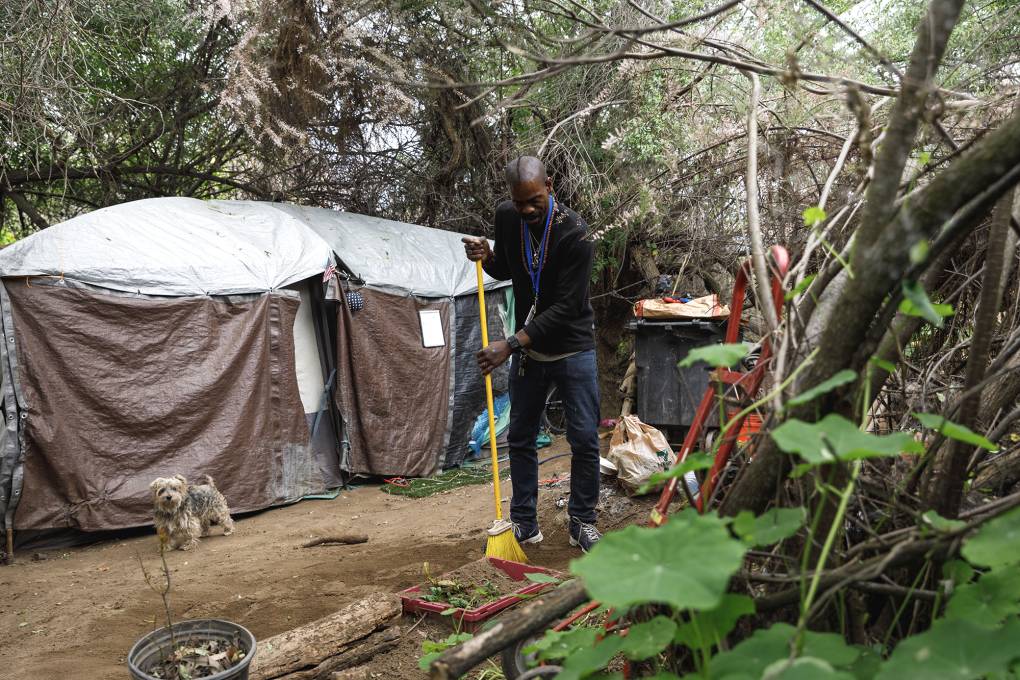
"altTag": "A Black man wearing dark clothing holds a broom in front of an encampment surrounded by trees.",
"description": null,
"imgSizes": {
"medium": {
"file": "https://cdn.kqed.org/wp-content/uploads/sites/10/2024/07/032323_SD_Encampment-Ban_KC_CM-15-2-800x533.jpg",
"width": 800,
"height": 533,
"mimeType": "image/jpeg"
},
"large": {
"file": "https://cdn.kqed.org/wp-content/uploads/sites/10/2024/07/032323_SD_Encampment-Ban_KC_CM-15-2-1020x680.jpg",
"width": 1020,
"height": 680,
"mimeType": "image/jpeg"
},
"thumbnail": {
"file": "https://cdn.kqed.org/wp-content/uploads/sites/10/2024/07/032323_SD_Encampment-Ban_KC_CM-15-2-160x107.jpg",
"width": 160,
"height": 107,
"mimeType": "image/jpeg"
},
"1536x1536": {
"file": "https://cdn.kqed.org/wp-content/uploads/sites/10/2024/07/032323_SD_Encampment-Ban_KC_CM-15-2-1536x1024.jpg",
"width": 1536,
"height": 1024,
"mimeType": "image/jpeg"
},
"post-thumbnail": {
"file": "https://cdn.kqed.org/wp-content/uploads/sites/10/2024/07/032323_SD_Encampment-Ban_KC_CM-15-2-672x372.jpg",
"width": 672,
"height": 372,
"mimeType": "image/jpeg"
},
"twentyfourteen-full-width": {
"file": "https://cdn.kqed.org/wp-content/uploads/sites/10/2024/07/032323_SD_Encampment-Ban_KC_CM-15-2-1038x576.jpg",
"width": 1038,
"height": 576,
"mimeType": "image/jpeg"
},
"full-width": {
"file": "https://cdn.kqed.org/wp-content/uploads/sites/10/2024/07/032323_SD_Encampment-Ban_KC_CM-15-2-1920x1280.jpg",
"width": 1920,
"height": 1280,
"mimeType": "image/jpeg"
},
"kqedFullSize": {
"file": "https://cdn.kqed.org/wp-content/uploads/sites/10/2024/07/032323_SD_Encampment-Ban_KC_CM-15-2.jpg",
"width": 2000,
"height": 1333
}
},
"isLoading": false,
"fetchFailed": false
},
"news_11963497": {
"type": "attachments",
"id": "news_11963497",
"meta": {
"index": "attachments_1716263798",
"site": "news",
"id": "11963497",
"found": true
},
"parent": 11963482,
"imgSizes": {
"twentyfourteen-full-width": {
"file": "https://ww2.kqed.org/app/uploads/sites/10/2023/10/GettyImages-1258550747-qut-1038x576.jpg",
"width": 1038,
"mimeType": "image/jpeg",
"height": 576
},
"thumbnail": {
"file": "https://ww2.kqed.org/app/uploads/sites/10/2023/10/GettyImages-1258550747-qut-160x107.jpg",
"width": 160,
"mimeType": "image/jpeg",
"height": 107
},
"post-thumbnail": {
"file": "https://ww2.kqed.org/app/uploads/sites/10/2023/10/GettyImages-1258550747-qut-672x372.jpg",
"width": 672,
"mimeType": "image/jpeg",
"height": 372
},
"kqedFullSize": {
"file": "https://ww2.kqed.org/app/uploads/sites/10/2023/10/GettyImages-1258550747-qut.jpg",
"width": 1920,
"height": 1280
},
"large": {
"file": "https://ww2.kqed.org/app/uploads/sites/10/2023/10/GettyImages-1258550747-qut-1020x680.jpg",
"width": 1020,
"mimeType": "image/jpeg",
"height": 680
},
"1536x1536": {
"file": "https://ww2.kqed.org/app/uploads/sites/10/2023/10/GettyImages-1258550747-qut-1536x1024.jpg",
"width": 1536,
"mimeType": "image/jpeg",
"height": 1024
},
"medium": {
"file": "https://ww2.kqed.org/app/uploads/sites/10/2023/10/GettyImages-1258550747-qut-800x533.jpg",
"width": 800,
"mimeType": "image/jpeg",
"height": 533
}
},
"publishDate": 1696464540,
"modified": 1696466201,
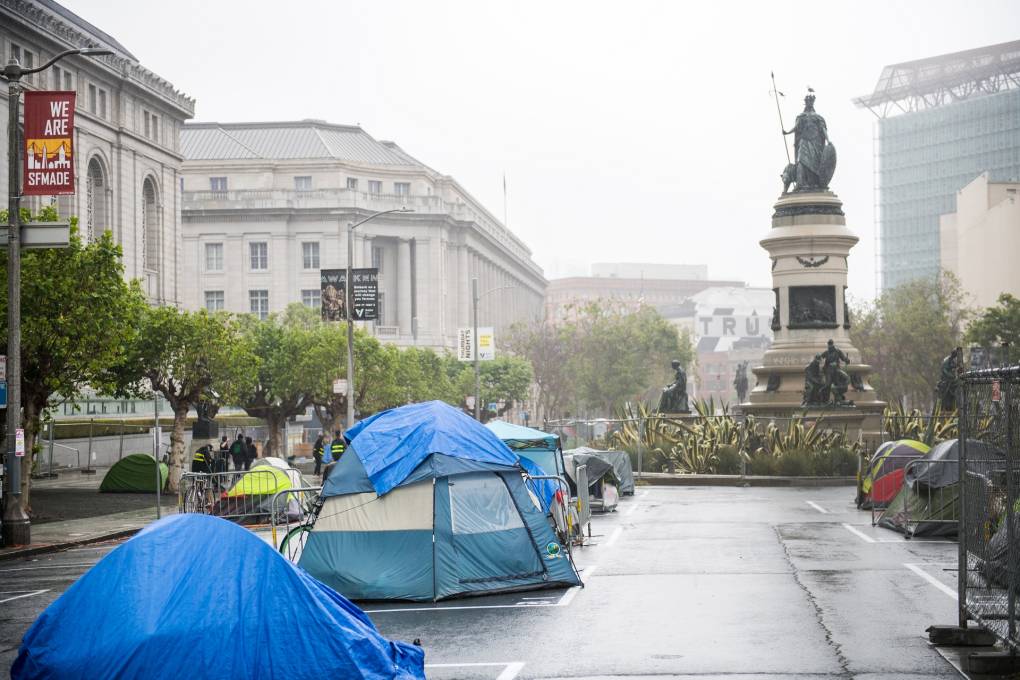
"caption": "A tent encampment is seen near City Hall in San Francisco on June 6, 2023.",
"description": null,
"title": "Homelessness in San Francisco",
"credit": "Tayfun Coskun/Anadolu Agency via Getty Images",
"status": "inherit",
"altTag": "A street scene, with cars, people, and tents on the sidewalk.",
"isLoading": false,
"fetchFailed": false
},
"news_11992743": {
"type": "attachments",
"id": "news_11992743",
"meta": {
"index": "attachments_1716263798",
"site": "news",
"id": "11992743",
"found": true
},
"title": "U.S. Supreme Court Issues Opinions As Term Draws To A Close",
"publishDate": 1719873065,
"status": "inherit",
"parent": 11992718,
"modified": 1719873065,
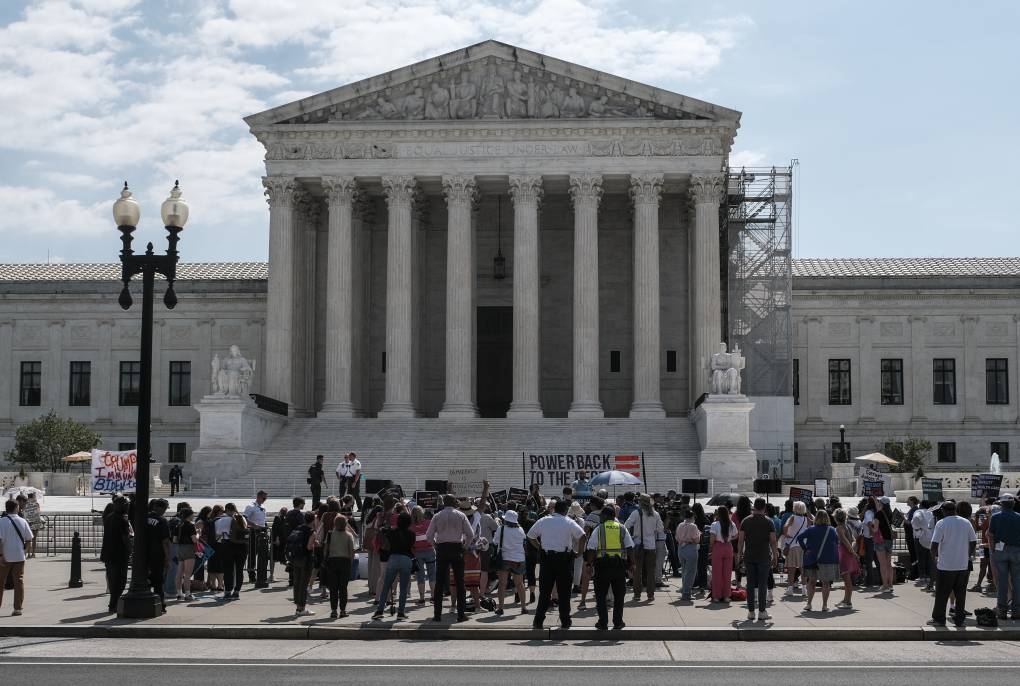
"caption": "WASHINGTON, DC - JUNE 28: Demonstrators gather outside of the U.S. Supreme Court as opinions were issued on June 28, 2024 in Washington, D.C. The Supreme Court on Friday ruled in favor of a former police officer who is seeking to throw out an obstruction charge for joining the Capitol riot on Jan 6, 2021. (Photo by Michael A. McCoy/Getty Images)",
"credit": null,
"altTag": null,
"description": null,
"imgSizes": {
"medium": {
"file": "https://cdn.kqed.org/wp-content/uploads/sites/10/2024/07/GettyImages-2159012290-800x538.jpg",
"width": 800,
"height": 538,
"mimeType": "image/jpeg"
},
"large": {
"file": "https://cdn.kqed.org/wp-content/uploads/sites/10/2024/07/GettyImages-2159012290-1020x686.jpg",
"width": 1020,
"height": 686,
"mimeType": "image/jpeg"
},
"thumbnail": {
"file": "https://cdn.kqed.org/wp-content/uploads/sites/10/2024/07/GettyImages-2159012290-160x108.jpg",
"width": 160,
"height": 108,
"mimeType": "image/jpeg"
},
"1536x1536": {
"file": "https://cdn.kqed.org/wp-content/uploads/sites/10/2024/07/GettyImages-2159012290-1536x1034.jpg",
"width": 1536,
"height": 1034,
"mimeType": "image/jpeg"
},
"2048x2048": {
"file": "https://cdn.kqed.org/wp-content/uploads/sites/10/2024/07/GettyImages-2159012290-2048x1378.jpg",
"width": 2048,
"height": 1378,
"mimeType": "image/jpeg"
},
"post-thumbnail": {
"file": "https://cdn.kqed.org/wp-content/uploads/sites/10/2024/07/GettyImages-2159012290-672x372.jpg",
"width": 672,
"height": 372,
"mimeType": "image/jpeg"
},
"twentyfourteen-full-width": {
"file": "https://cdn.kqed.org/wp-content/uploads/sites/10/2024/07/GettyImages-2159012290-1038x576.jpg",
"width": 1038,
"height": 576,
"mimeType": "image/jpeg"
},
"full-width": {
"file": "https://cdn.kqed.org/wp-content/uploads/sites/10/2024/07/GettyImages-2159012290-1920x1292.jpg",
"width": 1920,
"height": 1292,
"mimeType": "image/jpeg"
},
"kqedFullSize": {
"file": "https://cdn.kqed.org/wp-content/uploads/sites/10/2024/07/GettyImages-2159012290-scaled.jpg",
"width": 2560,
"height": 1723
}
},
"isLoading": false,
"fetchFailed": false
},
"news_11992198": {
"type": "attachments",
"id": "news_11992198",
"meta": {
"index": "attachments_1716263798",
"site": "news",
"id": "11992198",
"found": true
},
"title": "image (2)",
"publishDate": 1719457473,
"status": "inherit",
"parent": 11992142,
"modified": 1719498334,
"caption": "The lime-green RV with its stretched-out awnings looks like a festive food truck. But inside, it has all the necessities of a preschool classroom on wheels.\n",
"credit": "Gina Castro/KQED",
"altTag": null,
"description": null,
"imgSizes": {
"medium": {
"file": "https://cdn.kqed.org/wp-content/uploads/sites/10/2024/06/image-2-800x533.png",
"width": 800,
"height": 533,
"mimeType": "image/png"
},
"large": {
"file": "https://cdn.kqed.org/wp-content/uploads/sites/10/2024/06/image-2-1020x680.png",
"width": 1020,
"height": 680,
"mimeType": "image/png"
},
"thumbnail": {
"file": "https://cdn.kqed.org/wp-content/uploads/sites/10/2024/06/image-2-160x107.png",
"width": 160,
"height": 107,
"mimeType": "image/png"
},
"post-thumbnail": {
"file": "https://cdn.kqed.org/wp-content/uploads/sites/10/2024/06/image-2-672x372.png",
"width": 672,
"height": 372,
"mimeType": "image/png"
},
"twentyfourteen-full-width": {
"file": "https://cdn.kqed.org/wp-content/uploads/sites/10/2024/06/image-2-1038x576.png",
"width": 1038,
"height": 576,
"mimeType": "image/png"
},
"kqedFullSize": {
"file": "https://cdn.kqed.org/wp-content/uploads/sites/10/2024/06/image-2.png",
"width": 1200,
"height": 800
}
},
"isLoading": false,
"fetchFailed": false
},
"news_11992114": {
"type": "attachments",
"id": "news_11992114",
"meta": {
"index": "attachments_1716263798",
"site": "news",
"id": "11992114",
"found": true
},
"title": "010_KQED_AlamedaAffordableHousing_01122023",
"publishDate": 1719435503,
"status": "inherit",
"parent": 11992046,
"modified": 1719435512,
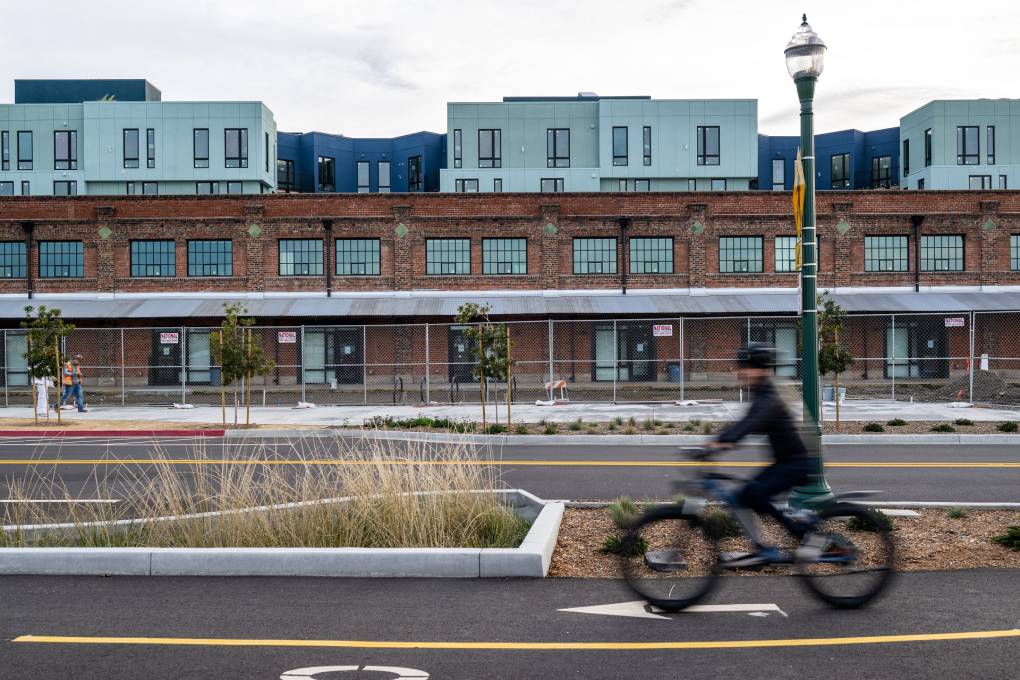
"caption": "The Del Monte warehouse is under construction to become an apartment building in Alameda on Jan. 12, 2023.",
"credit": "Beth LaBerge/KQED",
"altTag": null,
"description": null,
"imgSizes": {
"medium": {
"file": "https://cdn.kqed.org/wp-content/uploads/sites/10/2024/06/010_KQED_AlamedaAffordableHousing_01122023-800x533.jpg",
"width": 800,
"height": 533,
"mimeType": "image/jpeg"
},
"large": {
"file": "https://cdn.kqed.org/wp-content/uploads/sites/10/2024/06/010_KQED_AlamedaAffordableHousing_01122023-1020x680.jpg",
"width": 1020,
"height": 680,
"mimeType": "image/jpeg"
},
"thumbnail": {
"file": "https://cdn.kqed.org/wp-content/uploads/sites/10/2024/06/010_KQED_AlamedaAffordableHousing_01122023-160x107.jpg",
"width": 160,
"height": 107,
"mimeType": "image/jpeg"
},
"1536x1536": {
"file": "https://cdn.kqed.org/wp-content/uploads/sites/10/2024/06/010_KQED_AlamedaAffordableHousing_01122023-1536x1024.jpg",
"width": 1536,
"height": 1024,
"mimeType": "image/jpeg"
},
"post-thumbnail": {
"file": "https://cdn.kqed.org/wp-content/uploads/sites/10/2024/06/010_KQED_AlamedaAffordableHousing_01122023-672x372.jpg",
"width": 672,
"height": 372,
"mimeType": "image/jpeg"
},
"twentyfourteen-full-width": {
"file": "https://cdn.kqed.org/wp-content/uploads/sites/10/2024/06/010_KQED_AlamedaAffordableHousing_01122023-1038x576.jpg",
"width": 1038,
"height": 576,
"mimeType": "image/jpeg"
},
"kqedFullSize": {
"file": "https://cdn.kqed.org/wp-content/uploads/sites/10/2024/06/010_KQED_AlamedaAffordableHousing_01122023.jpg",
"width": 1920,
"height": 1280
}
},
"isLoading": false,
"fetchFailed": false
},
"news_11991871": {
"type": "attachments",
"id": "news_11991871",
"meta": {
"index": "attachments_1716263798",
"site": "news",
"id": "11991871",
"found": true
},
"title": "005_KQED_SanFrancisco_SafeSleepingVillage_05142020",
"publishDate": 1719343564,
"status": "inherit",
"parent": 11991834,
"modified": 1719343645,
"caption": "The Bay Area needs an additional $9.5 billion to reduce street homelessness by 75% over the next five years, according to a report released Tuesday by the research nonprofit All Home. ",
"credit": "Beth LaBerge/KQED",
"altTag": null,
"description": null,
"imgSizes": {
"medium": {
"file": "https://cdn.kqed.org/wp-content/uploads/sites/10/2024/06/005_KQED_SanFrancisco_SafeSleepingVillage_05142020-800x533.jpg",
"width": 800,
"height": 533,
"mimeType": "image/jpeg"
},
"large": {
"file": "https://cdn.kqed.org/wp-content/uploads/sites/10/2024/06/005_KQED_SanFrancisco_SafeSleepingVillage_05142020-1020x680.jpg",
"width": 1020,
"height": 680,
"mimeType": "image/jpeg"
},
"thumbnail": {
"file": "https://cdn.kqed.org/wp-content/uploads/sites/10/2024/06/005_KQED_SanFrancisco_SafeSleepingVillage_05142020-160x107.jpg",
"width": 160,
"height": 107,
"mimeType": "image/jpeg"
},
"1536x1536": {
"file": "https://cdn.kqed.org/wp-content/uploads/sites/10/2024/06/005_KQED_SanFrancisco_SafeSleepingVillage_05142020-1536x1024.jpg",
"width": 1536,
"height": 1024,
"mimeType": "image/jpeg"
},
"post-thumbnail": {
"file": "https://cdn.kqed.org/wp-content/uploads/sites/10/2024/06/005_KQED_SanFrancisco_SafeSleepingVillage_05142020-672x372.jpg",
"width": 672,
"height": 372,
"mimeType": "image/jpeg"
},
"twentyfourteen-full-width": {
"file": "https://cdn.kqed.org/wp-content/uploads/sites/10/2024/06/005_KQED_SanFrancisco_SafeSleepingVillage_05142020-1038x576.jpg",
"width": 1038,
"height": 576,
"mimeType": "image/jpeg"
},
"kqedFullSize": {
"file": "https://cdn.kqed.org/wp-content/uploads/sites/10/2024/06/005_KQED_SanFrancisco_SafeSleepingVillage_05142020.jpg",
"width": 1920,
"height": 1280
}
},
"isLoading": false,
"fetchFailed": false
}
},
"audioPlayerReducer": {
"postId": "stream_live",
"isPaused": true,
"isPlaying": false,
"pfsActive": false,
"pledgeModalIsOpen": true,
"playerDrawerIsOpen": false,
"liveAudioPlayStartedAt": 0,
"liveAudioPlayContext": ""
},
"authorsReducer": {
"byline_news_11996078": {
"type": "authors",
"id": "byline_news_11996078",
"meta": {
"override": true
},
"slug": "byline_news_11996078",
"name": "Lauren Hepler, CalMatters",
"isLoading": false
},
"byline_news_11993616": {
"type": "authors",
"id": "byline_news_11993616",
"meta": {
"override": true
},
"slug": "byline_news_11993616",
"name": "\u003ca href=\"https://calmatters.org/author/marisa-kendall/\">Marisa Kendall\u003c/a>, CalMatters",
"isLoading": false
},
"byline_news_11993217": {
"type": "authors",
"id": "byline_news_11993217",
"meta": {
"override": true
},
"slug": "byline_news_11993217",
"name": "\u003ca href=\"https://calmatters.org/author/marisa-kendall/\">Marisa Kendall\u003c/a>, CalMatters",
"isLoading": false
},
"scottshafer": {
"type": "authors",
"id": "255",
"meta": {
"index": "authors_1716337520",
"id": "255",
"found": true
},
"name": "Scott Shafer",
"firstName": "Scott",
"lastName": "Shafer",
"slug": "scottshafer",
"email": "sshafer@kqed.org",
"display_author_email": false,
"staff_mastheads": [
"news"
],
"title": "KQED Contributor",
"bio": "Scott Shafer is a senior editor with the KQED Politics and Government desk. He is co-host of Political Breakdown, the award-winning radio show and podcast with a personal take on the world of politics. Scott came to KQED in 1998 to host the statewide\u003cem> California Report\u003c/em>. Prior to that he had extended stints in politics and government\u003cem>.\u003c/em> He uses that inside experience at KQED in his, reporting, hosting and analysis for the politics desk. Scott collaborated \u003cem>Political Breakdown a\u003c/em>nd on \u003cem>The Political Mind of Jerry Brown, \u003c/em>an eight-part series about the life and extraordinary political career of the former governor. For fun, he plays water polo with the San Francisco Tsunami.",
"avatar": "https://secure.gravatar.com/avatar/a62ebae45b79d7aed1a39a0e3bf68104?s=600&d=blank&r=g",
"twitter": "scottshafer",
"bluesky": null,
"facebook": null,
"instagram": null,
"linkedin": null,
"sites": [
{
"site": "news",
"roles": [
"editor"
]
},
{
"site": "stateofhealth",
"roles": [
"author"
]
},
{
"site": "science",
"roles": [
"author"
]
},
{
"site": "forum",
"roles": [
"subscriber"
]
},
{
"site": "liveblog",
"roles": [
"author"
]
}
],
"headData": {
"title": "Scott Shafer | KQED",
"description": "KQED Contributor",
"ogImgSrc": "https://secure.gravatar.com/avatar/a62ebae45b79d7aed1a39a0e3bf68104?s=600&d=blank&r=g",
"twImgSrc": "https://secure.gravatar.com/avatar/a62ebae45b79d7aed1a39a0e3bf68104?s=600&d=blank&r=g"
},
"isLoading": false,
"link": "/author/scottshafer"
},
"shossaini": {
"type": "authors",
"id": "3214",
"meta": {
"index": "authors_1716337520",
"id": "3214",
"found": true
},
"name": "Sara Hossaini",
"firstName": "Sara",
"lastName": "Hossaini",
"slug": "shossaini",
"email": "shossaini@kqed.org",
"display_author_email": true,
"staff_mastheads": [
"news"
],
"title": "KQED Reporter",
"bio": "Sara Hossaini came to general assignment reporting at KQED in 2013 after two winters reporting at Wyoming Public Radio. She holds a bachelor's degree in broadcast journalism from the University of Nebraska-Lincoln. Her radio romance began after a bitter breakup with documentary film (Ok, maybe it's still complicated). Her first simultaneous jobs in San Francisco were as Associate Producer on a PBS film series through the Center for Asian American Media and as a butler. She likes to trot, plot and make things with her hands.",
"avatar": "https://secure.gravatar.com/avatar/060e9f56b9554e17942e89f413242774?s=600&d=blank&r=g",
"twitter": "mshossaini",
"facebook": null,
"instagram": null,
"linkedin": null,
"sites": [
{
"site": "news",
"roles": [
"author"
]
},
{
"site": "stateofhealth",
"roles": [
"author"
]
}
],
"headData": {
"title": "Sara Hossaini | KQED",
"description": "KQED Reporter",
"ogImgSrc": "https://secure.gravatar.com/avatar/060e9f56b9554e17942e89f413242774?s=600&d=blank&r=g",
"twImgSrc": "https://secure.gravatar.com/avatar/060e9f56b9554e17942e89f413242774?s=600&d=blank&r=g"
},
"isLoading": false,
"link": "/author/shossaini"
},
"vrancano": {
"type": "authors",
"id": "11276",
"meta": {
"index": "authors_1716337520",
"id": "11276",
"found": true
},
"name": "Vanessa Rancaño",
"firstName": "Vanessa",
"lastName": "Rancaño",
"slug": "vrancano",
"email": "vrancano@kqed.org",
"display_author_email": false,
"staff_mastheads": [
"news"
],
"title": "Reporter",
"bio": "Vanessa Rancaño is a features reporter for KQED. She’s also covered homelessness and education for the station and reported from the Central Valley. Her work has aired across public radio, from flagship national news shows to longform narrative podcasts. Before taking up a mic, she worked as a freelance print journalist. She’s been recognized with a number of national and regional awards. Vanessa grew up in California's Central Valley. She's a former NPR Kroc Fellow, and a graduate of the UC Berkeley Graduate School of Journalism.",
"avatar": "https://secure.gravatar.com/avatar/b3a383dfb0e7ee1c17568f2cf067904ab654d6e3de9743fc661f3c788ade1bed?s=600&d=blank&r=g",
"twitter": "vanessarancano",
"bluesky": null,
"facebook": null,
"instagram": null,
"linkedin": null,
"sites": [
{
"site": "arts",
"roles": [
"editor"
]
},
{
"site": "news",
"roles": [
"editor"
]
},
{
"site": "liveblog",
"roles": [
"contributor"
]
}
],
"headData": {
"title": "Vanessa Rancaño | KQED",
"description": "Reporter",
"ogImgSrc": "https://secure.gravatar.com/avatar/b3a383dfb0e7ee1c17568f2cf067904ab654d6e3de9743fc661f3c788ade1bed?s=600&d=blank&r=g",
"twImgSrc": "https://secure.gravatar.com/avatar/b3a383dfb0e7ee1c17568f2cf067904ab654d6e3de9743fc661f3c788ade1bed?s=600&d=blank&r=g"
},
"isLoading": false,
"link": "/author/vrancano"
},
"abandlamudi": {
"type": "authors",
"id": "11672",
"meta": {
"index": "authors_1716337520",
"id": "11672",
"found": true
},
"name": "Adhiti Bandlamudi",
"firstName": "Adhiti",
"lastName": "Bandlamudi",
"slug": "abandlamudi",
"email": "abandlamudi@kqed.org",
"display_author_email": false,
"staff_mastheads": [
"news"
],
"title": "KQED Housing Reporter",
"bio": "Adhiti Bandlamudi reports for KQED's Housing desk. She focuses on how housing gets built across the Bay Area. Before joining KQED in 2020, she reported for WUNC in Durham, North Carolina, WABE in Atlanta, Georgia and Capital Public Radio in Sacramento. In 2017, she was awarded a Kroc Fellowship at NPR where she reported on everything from sprinkles to the Golden State Killer's arrest. When she's not reporting, she's baking new recipes in her kitchen or watching movies with friends and family. She's originally from Georgia and has strong opinions about Great British Bake Off.",
"avatar": "https://secure.gravatar.com/avatar/868129c8b257bb99a3500e2c86a65400?s=600&d=mm&r=g",
"twitter": "oddity_adhiti",
"facebook": null,
"instagram": null,
"linkedin": null,
"sites": [
{
"site": "arts",
"roles": [
"author"
]
},
{
"site": "news",
"roles": [
"editor"
]
},
{
"site": "liveblog",
"roles": [
"author"
]
}
],
"headData": {
"title": "Adhiti Bandlamudi | KQED",
"description": "KQED Housing Reporter",
"ogImgSrc": "https://secure.gravatar.com/avatar/868129c8b257bb99a3500e2c86a65400?s=600&d=mm&r=g",
"twImgSrc": "https://secure.gravatar.com/avatar/868129c8b257bb99a3500e2c86a65400?s=600&d=mm&r=g"
},
"isLoading": false,
"link": "/author/abandlamudi"
},
"kmizuguchi": {
"type": "authors",
"id": "11739",
"meta": {
"index": "authors_1716337520",
"id": "11739",
"found": true
},
"name": "Keith Mizuguchi",
"firstName": "Keith",
"lastName": "Mizuguchi",
"slug": "kmizuguchi",
"email": "kmizuguchi@kqed.org",
"display_author_email": false,
"staff_mastheads": [],
"title": "KQED Contributor",
"bio": null,
"avatar": "https://secure.gravatar.com/avatar/64d8a7de0723d4099b9fe4e915136103febcc20809abce228ee4415bcb237023?s=600&d=blank&r=g",
"twitter": null,
"bluesky": null,
"facebook": null,
"instagram": null,
"linkedin": null,
"sites": [
{
"site": "news",
"roles": [
"editor"
]
},
{
"site": "science",
"roles": [
"editor"
]
}
],
"headData": {
"title": "Keith Mizuguchi | KQED",
"description": "KQED Contributor",
"ogImgSrc": "https://secure.gravatar.com/avatar/64d8a7de0723d4099b9fe4e915136103febcc20809abce228ee4415bcb237023?s=600&d=blank&r=g",
"twImgSrc": "https://secure.gravatar.com/avatar/64d8a7de0723d4099b9fe4e915136103febcc20809abce228ee4415bcb237023?s=600&d=blank&r=g"
},
"isLoading": false,
"link": "/author/kmizuguchi"
},
"calam": {
"type": "authors",
"id": "11834",
"meta": {
"index": "authors_1716337520",
"id": "11834",
"found": true
},
"name": "Christopher Alam",
"firstName": "Christopher",
"lastName": "Alam",
"slug": "calam",
"email": "calam@kqed.org",
"display_author_email": true,
"staff_mastheads": [
"news"
],
"title": "KQED Contributor",
"bio": "Christopher Alam is a radio newscast intern working on local news and general assignment reporting. Before joining KQED he was active in college radio and journalism at UC Davis, where he received a bachelor's degree in English and professional writing in 2021. He is also a creative writer and does freelance work. Born in Fresno, he is now based in San Francisco and Oakland.",
"avatar": "https://secure.gravatar.com/avatar/0e8cfa42d98fa5307659158c394d0280?s=600&d=blank&r=g",
"twitter": "_chrisalam",
"facebook": null,
"instagram": "christopher_alam",
"linkedin": null,
"sites": [
{
"site": "arts",
"roles": [
"editor"
]
},
{
"site": "news",
"roles": [
"editor"
]
}
],
"headData": {
"title": "Christopher Alam | KQED",
"description": "KQED Contributor",
"ogImgSrc": "https://secure.gravatar.com/avatar/0e8cfa42d98fa5307659158c394d0280?s=600&d=blank&r=g",
"twImgSrc": "https://secure.gravatar.com/avatar/0e8cfa42d98fa5307659158c394d0280?s=600&d=blank&r=g"
},
"isLoading": false,
"link": "/author/calam"
}
},
"pagesReducer": {
"news_tag_homelessness": {
"type": "terms",
"id": "news_4020",
"meta": {
"index": "terms_1716263798",
"site": "news",
"id": "4020",
"score": 8.5546055
},
"name": "Homelessness",
"slug": "homelessness",
"taxonomy": "tag",
"description": null,
"featImg": null,
"headData": {
"title": "Homelessness | KQED News",
"description": null,
"ogTitle": null,
"ogDescription": null,
"ogImgId": null,
"twTitle": null,
"twDescription": null,
"twImgId": null,
"metaRobotsNoIndex": "index"
},
"ttid": 4039,
"isLoading": false,
"title": "Homelessness",
"pageMeta": {
"site": "news",
"WpPageTemplate": "page-topic-editorial",
"currentPage": 14
},
"blocks": [
{
"blockName": "kqed/post-list",
"attrs": {
"layout": "cardArticle2",
"query": "posts/news?tag=homelessness",
"seeMore": false,
"paginated": true,
"page": 14
}
},
{
"blockName": "kqed/ad"
}
]
}
},
"pfsSessionReducer": {},
"postsReducer": {
"stream_live": {
"type": "live",
"id": "stream_live",
"audioUrl": "https://streams.kqed.org/kqedradio",
"title": "Live Stream",
"excerpt": "Live Stream information currently unavailable.",
"link": "/radio",
"featImg": "",
"label": {
"name": "KQED Live",
"link": "/"
}
},
"stream_kqedNewscast": {
"type": "posts",
"id": "stream_kqedNewscast",
"audioUrl": "https://www.kqed.org/.stream/anon/radio/RDnews/newscast.mp3?_=1",
"title": "KQED Newscast",
"featImg": "",
"label": {
"name": "88.5 FM",
"link": "/"
}
},
"news_11997352": {
"type": "posts",
"id": "news_11997352",
"meta": {
"index": "posts_1716263798",
"site": "news",
"id": "11997352",
"score": null,
"sort": [
1721925657000
]
},
"guestAuthors": [],
"slug": "newsom-orders-state-agencies-to-dismantle-homeless-encampments-across-california",
"title": "Newsom Orders State Agencies to Dismantle Homeless Encampments Across California",
"publishDate": 1721925657,
"format": "standard",
"headTitle": "Newsom Orders State Agencies to Dismantle Homeless Encampments Across California | KQED",
"labelTerm": {
"site": "news"
},
"content": "\u003cp>\u003cem>Updated at 2:30 p.m.\u003c/em>\u003c/p>\n\u003cp>Gov. Gavin Newsom issued an executive order on Thursday directing state officials to \u003ca href=\"https://www.kqed.org/forum/2010101906457/bay-area-cities-increase-encampment-sweeps-after-supreme-court-grants-pass-ruling\">dismantle homeless encampments\u003c/a> from public areas and urging cities to take similar action, about a month after a Supreme Court decision expanding local governments’ authority to remove unhoused people from the streets.\u003c/p>\n\u003cp>“This executive order directs state agencies to move urgently to address dangerous encampments while supporting and assisting the individuals living in them,” Newsom said in a statement. “There are simply no more excuses. It’s time for everyone to do their part.”\u003c/p>\n\u003cp>The order directs state agencies to adopt policies similar to the California Department of Transportation’s encampment policy, under which officials prioritize clearing encampments that pose “an imminent threat to life, health, safety or infrastructure;” provide at least 48 hours’ notice to encampment residents; request outreach and assistance from service providers; and store personal property for at least 60 days.\u003c/p>\n\u003cp>Newsom also encouraged local governments to do the same and to use state funding to clear encampments and provide care.\u003c/p>\n\u003cp>[ad fullwidth]\u003c/p>\n\u003cp>Since taking office in 2019, Newsom has directed about $24 billion to address the housing crisis, with almost $1 billion doled out through the state’s Encampment Resolution Funding grant program, which cities can use to clear encampments and place people into shelters.\u003c/p>\n\u003cp>Despite that spending, \u003ca href=\"https://www.kqed.org/news/11982237/california-audit-questions-state-homelessness-spending-san-jose\">California’s unhoused population has increased\u003c/a>, with the state accounting for a third of the country’s unhoused population and half of its unsheltered homeless residents.\u003c/p>\n\u003cp>Homeless rights advocacy organizations said Newsom’s decision would be harmful to people living in those encampments.[aside postID=news_11997219 hero='https://cdn.kqed.org/wp-content/uploads/sites/10/2024/07/240710-MillbraeCityHall-01-BL_qed-1020x573.jpg']“Poverty is violent, and constantly sweeping folks does nothing to solve homelessness,” said Lukas Illa, an organizer with San Francisco’s Coalition on Homelessness. “There is no recognition of people’s humanity in the scope of this authorization — on these mass sweeps across California.”\u003c/p>\n\u003cp>Local government leaders have justified the sweeps by pointing to risks to public safety posed by encampments. Last week, San Francisco Mayor London Breed said the city would begin \u003ca href=\"https://www.kqed.org/news/11996234/sf-mayor-says-very-aggressive-encampment-sweeps-will-start-in-august\">issuing citations and other penalties\u003c/a> to people who refuse offers of shelter.\u003c/p>\n\u003cp>“Those citations can get progressive, and they could lead to a misdemeanor if people refuse services,” she said. “We are going to make them so uncomfortable on the streets of San Francisco that they have to take our offer. That really is the goal of what we’re trying to accomplish.”\u003c/p>\n\u003cp>Harold Duffey, Oakland’s acting homeless administrator, said Thursday on KQED’s Forum that cities should have more authority to protect public property.\u003c/p>\n\u003cp>“We are seeing the destruction of modern-day infrastructure — you can look and see an encampment right next to a power line with propane tanks,” Duffey said. “We don’t criminalize homelessness, but being unhoused does not give you an excuse to break the law.”\u003c/p>\n\u003cp>On Tuesday, Oakland officials \u003ca href=\"https://www.kqed.org/news/11996898/oakland-sweeps-beach-encampment-where-unhoused-residents-sued-to-stay-put\">cleared a small encampment\u003c/a> from a beach near the Bay Bridge whose residents had sued to prevent their eviction in \u003ca href=\"https://www.kqed.org/news/11993380/unhoused-oakland-residents-eviction-battle-is-early-test-of-supreme-court-ruling\">an early test\u003c/a> of the Supreme Court’s decision in \u003ca href=\"https://www.kqed.org/news/11983492/how-a-pivotal-case-on-homelessness-could-redefine-policies-in-california-and-the-nation\">City of Grants Pass, Oregon v. Johnson\u003c/a>. That decision gave cities more power to regulate encampments on sidewalks and public property, overturning a lower court’s ruling that found local laws fining or jailing people for sleeping outside in the absence of any viable alternative shelter amounted to cruel and unusual punishment.\u003c/p>\n\u003cp>Justice Neil Gorsuch, who wrote the high court’s majority opinion, said a “handful of federal judges” could not instruct cities on “how best to handle a pressing social question like homelessness.”\u003c/p>\n\u003cp>The League of California Cities and the Bay Area Council, a business organization, both lauded Newsom’s executive order.\u003c/p>\n\u003cp>“Cities throughout the state are already enforcing their laws against unsafe encampments consistent with the clarity in the Grants Pass ruling created, and we are pleased to see the governor joining cities in these efforts,” said Jason Rhine, director of legislative affairs for the League of California Cities. “However, safely clearing encampments with dignity is only one part of the solution to address our state’s affordable housing and homelessness crisis.”\u003c/p>\n\u003cp>Since July 2021, cities and state agencies have cleared more than 11,000 encampments and removed almost 250,000 cubic yards of debris from public areas and streets, according to the governor’s office.\u003c/p>\n\u003cp>Still, housing advocates point to research showing that encampment sweeps are often costly to local governments and don’t often result in unhoused people finding permanent housing. According to a \u003ca href=\"https://www.nlc.org/resource/an-overview-of-homeless-encampments/\">2022 National League of Cities study\u003c/a>, California can only offer year-round beds to about 21% of its unhoused residents.\u003cstrong> \u003c/strong>\u003c/p>\n\u003cp>“The state and local governments are giving a nurse a band-aid and expecting her to fix a broken leg, and then getting upset when the leg is still broken,” said Edie Irons, a spokesperson for the homelessness policy organization All Home. “The only solutions that work are the ones that experts are repeatedly saying are necessary: real affordable housing [and] preventing homelessness before it starts.”\u003c/p>\n\u003cp>\u003cem>KQED’s \u003ca href=\"https://www.kqed.org/author/sjohnson\">Sydney Johnson\u003c/a> contributed to this report. \u003c/em>\u003c/p>\n\u003cp>\u003c/p>\n",
"blocks": [],
"excerpt": "In light of a recent Supreme Court decision, Gov. Gavin Newsom directed state agencies to remove homeless encampments from streets and other public areas.",
"status": "publish",
"parent": 0,
"modified": 1740527464,
"stats": {
"hasAudio": false,
"hasVideo": false,
"hasChartOrMap": false,
"iframeSrcs": [],
"hasGoogleForm": false,
"hasGallery": false,
"hasHearkenModule": false,
"hasPolis": false,
"paragraphCount": 22,
"wordCount": 910
},
"headData": {
"title": "Newsom Orders State Agencies to Dismantle Homeless Encampments Across California | KQED",
"description": "In light of a recent Supreme Court decision, Gov. Gavin Newsom directed state agencies to remove homeless encampments from streets and other public areas.",
"ogTitle": "",
"ogDescription": "",
"ogImgId": "",
"twTitle": "",
"twDescription": "",
"twImgId": "",
"schema": {
"@context": "https://schema.org",
"@type": "NewsArticle",
"headline": "Newsom Orders State Agencies to Dismantle Homeless Encampments Across California",
"datePublished": "2024-07-25T09:40:57-07:00",
"dateModified": "2025-02-25T15:51:04-08:00",
"image": "https://cdn.kqed.org/wp-content/uploads/2020/02/KQED-OG-Image@1x.png",
"isAccessibleForFree": "True",
"publisher": {
"@type": "NewsMediaOrganization",
"@id": "https://www.kqed.org/#organization",
"name": "KQED",
"logo": "https://cdn.kqed.org/wp-content/uploads/2020/02/KQED-OG-Image@1x.png",
"url": "https://www.kqed.org",
"sameAs": [
"https://www.facebook.com/KQED",
"https://twitter.com/KQED",
"https://www.instagram.com/kqed/",
"https://www.tiktok.com/@kqedofficial",
"https://www.linkedin.com/company/kqed",
"https://www.youtube.com/channel/UCeC0IOo7i1P_61zVUWbJ4nw"
]
}
}
},
"sticky": false,
"nprStoryId": "kqed-11997352",
"excludeFromSiteSearch": "Include",
"articleAge": "0",
"path": "/news/11997352/newsom-orders-state-agencies-to-dismantle-homeless-encampments-across-california",
"audioTrackLength": null,
"parsedContent": [
{
"type": "contentString",
"content": "\u003cdiv class=\"post-body\">\u003cp>\u003cp>\u003cem>Updated at 2:30 p.m.\u003c/em>\u003c/p>\n\u003cp>Gov. Gavin Newsom issued an executive order on Thursday directing state officials to \u003ca href=\"https://www.kqed.org/forum/2010101906457/bay-area-cities-increase-encampment-sweeps-after-supreme-court-grants-pass-ruling\">dismantle homeless encampments\u003c/a> from public areas and urging cities to take similar action, about a month after a Supreme Court decision expanding local governments’ authority to remove unhoused people from the streets.\u003c/p>\n\u003cp>“This executive order directs state agencies to move urgently to address dangerous encampments while supporting and assisting the individuals living in them,” Newsom said in a statement. “There are simply no more excuses. It’s time for everyone to do their part.”\u003c/p>\n\u003cp>The order directs state agencies to adopt policies similar to the California Department of Transportation’s encampment policy, under which officials prioritize clearing encampments that pose “an imminent threat to life, health, safety or infrastructure;” provide at least 48 hours’ notice to encampment residents; request outreach and assistance from service providers; and store personal property for at least 60 days.\u003c/p>\n\u003cp>Newsom also encouraged local governments to do the same and to use state funding to clear encampments and provide care.\u003c/p>\n\u003cp>\u003c/p>\u003c/div>",
"attributes": {
"named": {},
"numeric": []
}
},
{
"type": "component",
"content": "",
"name": "ad",
"attributes": {
"named": {
"label": "fullwidth"
},
"numeric": [
"fullwidth"
]
}
},
{
"type": "contentString",
"content": "\u003cdiv class=\"post-body\">\u003cp>\u003c/p>\n\u003cp>Since taking office in 2019, Newsom has directed about $24 billion to address the housing crisis, with almost $1 billion doled out through the state’s Encampment Resolution Funding grant program, which cities can use to clear encampments and place people into shelters.\u003c/p>\n\u003cp>Despite that spending, \u003ca href=\"https://www.kqed.org/news/11982237/california-audit-questions-state-homelessness-spending-san-jose\">California’s unhoused population has increased\u003c/a>, with the state accounting for a third of the country’s unhoused population and half of its unsheltered homeless residents.\u003c/p>\n\u003cp>Homeless rights advocacy organizations said Newsom’s decision would be harmful to people living in those encampments.\u003c/p>\u003c/div>",
"attributes": {
"named": {},
"numeric": []
}
},
{
"type": "component",
"content": "",
"name": "aside",
"attributes": {
"named": {
"postid": "news_11997219",
"hero": "https://cdn.kqed.org/wp-content/uploads/sites/10/2024/07/240710-MillbraeCityHall-01-BL_qed-1020x573.jpg",
"label": ""
},
"numeric": []
}
},
{
"type": "contentString",
"content": "\u003cdiv class=\"post-body\">\u003cp>“Poverty is violent, and constantly sweeping folks does nothing to solve homelessness,” said Lukas Illa, an organizer with San Francisco’s Coalition on Homelessness. “There is no recognition of people’s humanity in the scope of this authorization — on these mass sweeps across California.”\u003c/p>\n\u003cp>Local government leaders have justified the sweeps by pointing to risks to public safety posed by encampments. Last week, San Francisco Mayor London Breed said the city would begin \u003ca href=\"https://www.kqed.org/news/11996234/sf-mayor-says-very-aggressive-encampment-sweeps-will-start-in-august\">issuing citations and other penalties\u003c/a> to people who refuse offers of shelter.\u003c/p>\n\u003cp>“Those citations can get progressive, and they could lead to a misdemeanor if people refuse services,” she said. “We are going to make them so uncomfortable on the streets of San Francisco that they have to take our offer. That really is the goal of what we’re trying to accomplish.”\u003c/p>\n\u003cp>Harold Duffey, Oakland’s acting homeless administrator, said Thursday on KQED’s Forum that cities should have more authority to protect public property.\u003c/p>\n\u003cp>“We are seeing the destruction of modern-day infrastructure — you can look and see an encampment right next to a power line with propane tanks,” Duffey said. “We don’t criminalize homelessness, but being unhoused does not give you an excuse to break the law.”\u003c/p>\n\u003cp>On Tuesday, Oakland officials \u003ca href=\"https://www.kqed.org/news/11996898/oakland-sweeps-beach-encampment-where-unhoused-residents-sued-to-stay-put\">cleared a small encampment\u003c/a> from a beach near the Bay Bridge whose residents had sued to prevent their eviction in \u003ca href=\"https://www.kqed.org/news/11993380/unhoused-oakland-residents-eviction-battle-is-early-test-of-supreme-court-ruling\">an early test\u003c/a> of the Supreme Court’s decision in \u003ca href=\"https://www.kqed.org/news/11983492/how-a-pivotal-case-on-homelessness-could-redefine-policies-in-california-and-the-nation\">City of Grants Pass, Oregon v. Johnson\u003c/a>. That decision gave cities more power to regulate encampments on sidewalks and public property, overturning a lower court’s ruling that found local laws fining or jailing people for sleeping outside in the absence of any viable alternative shelter amounted to cruel and unusual punishment.\u003c/p>\n\u003cp>Justice Neil Gorsuch, who wrote the high court’s majority opinion, said a “handful of federal judges” could not instruct cities on “how best to handle a pressing social question like homelessness.”\u003c/p>\n\u003cp>The League of California Cities and the Bay Area Council, a business organization, both lauded Newsom’s executive order.\u003c/p>\n\u003cp>“Cities throughout the state are already enforcing their laws against unsafe encampments consistent with the clarity in the Grants Pass ruling created, and we are pleased to see the governor joining cities in these efforts,” said Jason Rhine, director of legislative affairs for the League of California Cities. “However, safely clearing encampments with dignity is only one part of the solution to address our state’s affordable housing and homelessness crisis.”\u003c/p>\n\u003cp>Since July 2021, cities and state agencies have cleared more than 11,000 encampments and removed almost 250,000 cubic yards of debris from public areas and streets, according to the governor’s office.\u003c/p>\n\u003cp>Still, housing advocates point to research showing that encampment sweeps are often costly to local governments and don’t often result in unhoused people finding permanent housing. According to a \u003ca href=\"https://www.nlc.org/resource/an-overview-of-homeless-encampments/\">2022 National League of Cities study\u003c/a>, California can only offer year-round beds to about 21% of its unhoused residents.\u003cstrong> \u003c/strong>\u003c/p>\n\u003cp>“The state and local governments are giving a nurse a band-aid and expecting her to fix a broken leg, and then getting upset when the leg is still broken,” said Edie Irons, a spokesperson for the homelessness policy organization All Home. “The only solutions that work are the ones that experts are repeatedly saying are necessary: real affordable housing [and] preventing homelessness before it starts.”\u003c/p>\n\u003cp>\u003cem>KQED’s \u003ca href=\"https://www.kqed.org/author/sjohnson\">Sydney Johnson\u003c/a> contributed to this report. \u003c/em>\u003c/p>\n\u003cp>\u003c/p>\n\u003c/div>\u003c/p>",
"attributes": {
"named": {},
"numeric": []
}
}
],
"link": "/news/11997352/newsom-orders-state-agencies-to-dismantle-homeless-encampments-across-california",
"authors": [
"11672"
],
"categories": [
"news_6266",
"news_8"
],
"tags": [
"news_3921",
"news_18538",
"news_27626",
"news_16",
"news_21214",
"news_4020",
"news_1775",
"news_29607"
],
"featImg": "news_11997359",
"label": "news"
},
"news_11996898": {
"type": "posts",
"id": "news_11996898",
"meta": {
"index": "posts_1716263798",
"site": "news",
"id": "11996898",
"score": null,
"sort": [
1721763974000
]
},
"guestAuthors": [],
"slug": "oakland-sweeps-beach-encampment-where-unhoused-residents-sued-to-stay-put",
"title": "Oakland Sweeps Beach Encampment Where Unhoused Residents Sued to Stay Put",
"publishDate": 1721763974,
"format": "standard",
"headTitle": "Oakland Sweeps Beach Encampment Where Unhoused Residents Sued to Stay Put | KQED",
"labelTerm": {
"site": "news"
},
"content": "\u003cp>The city of Oakland on Tuesday began to sweep a small community of \u003ca href=\"https://www.kqed.org/news/11993380/unhoused-oakland-residents-eviction-battle-is-early-test-of-supreme-court-ruling\">unhoused people\u003c/a> who call a tiny beach near the Bay Bridge home, according to an attorney representing the residents in a federal lawsuit.\u003c/p>\n\u003cp>Most of the 12 residents of the Interstate 80 toll plaza camp, many of whom have disabilities, plan to stick together as they move on to another roadside about three miles away.\u003c/p>\n\u003cp>\u003cstrong>“\u003c/strong>A lot of them are very sad,” said Andrea Henson, an attorney for the encampment residents who visited Tuesday morning as homeless advocates arrived with UHauls and police stood by to oversee the city sweep. “They’re scared, of course. They’re concerned about their safety, especially the women who have children. They were very happy that the community decided to stay together because they do provide protection and assistance to one another that, had they been isolated, they wouldn’t have.”\u003c/p>\n\u003cp>[ad fullwidth]\u003c/p>\n\u003cp>Oakland officials moved to evict the community after two years of complaints from the San Francisco Boardsailing Association, which blamed the camp for car break-ins, increased trash and direct sewage runoff.\u003c/p>\n\u003cp>Residents of the encampment said the city has not offered them appropriate shelter as it has sought to clear them from the beach. Their court case was seen as an early test of last month’s Supreme Court ruling that discarded \u003ca href=\"https://www.kqed.org/news/11983492/how-a-pivotal-case-on-homelessness-could-redefine-policies-in-california-and-the-nation\">a key legal precedent\u003c/a> that fining or jailing people for public camping when there isn’t enough shelter available amounts to cruel and unusual punishment. That decision could embolden cities to step up policing of encampments.[aside postID=news_11993312 hero='https://ww2.kqed.org/app/uploads/sites/10/2023/10/GettyImages-1258550747-qut-1020x680.jpg']The Oakland residents staved off their eviction in court twice but eventually lost their bid to stay this month. Their lawsuit alleging that the city is violating their rights under the Americans with Disabilities Act is still pending.\u003c/p>\n\u003cp>Only three of the residents were still considering a city offer for shelter, Henson said, adding that the rest of the dozen individuals were not offered adequate accommodations. They include a man living with AIDS and a son caring for his father with severe dementia.\u003c/p>\n\u003cp>“If you have dementia, to go into a space that’s not managed right, or if you have AIDS, to go into a congregate setting … that could be a death sentence,” she said.\u003c/p>\n\u003cp>Henson pointed to a family with three teenage children who were told to move to Richmond.\u003c/p>\n\u003cp>“One of the moms is a disabled army veteran; she has a service disability. And then the other mom takes the children to school each day in San Francisco. They were told to go to Richmond,” Henson said, “but the only stable thing in these children’s lives is that school in San Francisco.”\u003c/p>\n\u003cp>Earlier this month, in reference to city efforts to shelter those displaced in the case, Deputy City Attorney Jamilah Jefferson said Oakland “is under no obligation to fundamentally alter its programs to address the needs of all individuals.”\u003c/p>\n\u003cp>A spokesman for the city of Oakland did not respond to a request for comment on Tuesday’s sweep.\u003c/p>\n\u003cp>\u003c/p>\n",
"blocks": [],
"excerpt": "The residents’ federal court case against their eviction was seen as an early test of a major Supreme Court ruling on homelessness last month.",
"status": "publish",
"parent": 0,
"modified": 1740527467,
"stats": {
"hasAudio": false,
"hasVideo": false,
"hasChartOrMap": false,
"iframeSrcs": [],
"hasGoogleForm": false,
"hasGallery": false,
"hasHearkenModule": false,
"hasPolis": false,
"paragraphCount": 13,
"wordCount": 544
},
"headData": {
"title": "Oakland Sweeps Beach Encampment Where Unhoused Residents Sued to Stay Put | KQED",
"description": "The residents’ federal court case against their eviction was seen as an early test of a major Supreme Court ruling on homelessness last month.",
"ogTitle": "",
"ogDescription": "",
"ogImgId": "",
"twTitle": "",
"twDescription": "",
"twImgId": "",
"schema": {
"@context": "https://schema.org",
"@type": "NewsArticle",
"headline": "Oakland Sweeps Beach Encampment Where Unhoused Residents Sued to Stay Put",
"datePublished": "2024-07-23T12:46:14-07:00",
"dateModified": "2025-02-25T15:51:07-08:00",
"image": "https://cdn.kqed.org/wp-content/uploads/2020/02/KQED-OG-Image@1x.png",
"isAccessibleForFree": "True",
"publisher": {
"@type": "NewsMediaOrganization",
"@id": "https://www.kqed.org/#organization",
"name": "KQED",
"logo": "https://cdn.kqed.org/wp-content/uploads/2020/02/KQED-OG-Image@1x.png",
"url": "https://www.kqed.org",
"sameAs": [
"https://www.facebook.com/KQED",
"https://twitter.com/KQED",
"https://www.instagram.com/kqed/",
"https://www.tiktok.com/@kqedofficial",
"https://www.linkedin.com/company/kqed",
"https://www.youtube.com/channel/UCeC0IOo7i1P_61zVUWbJ4nw"
]
}
}
},
"sticky": false,
"nprStoryId": "kqed-11996898",
"excludeFromSiteSearch": "Include",
"articleAge": "0",
"path": "/news/11996898/oakland-sweeps-beach-encampment-where-unhoused-residents-sued-to-stay-put",
"audioTrackLength": null,
"parsedContent": [
{
"type": "contentString",
"content": "\u003cdiv class=\"post-body\">\u003cp>\u003cp>The city of Oakland on Tuesday began to sweep a small community of \u003ca href=\"https://www.kqed.org/news/11993380/unhoused-oakland-residents-eviction-battle-is-early-test-of-supreme-court-ruling\">unhoused people\u003c/a> who call a tiny beach near the Bay Bridge home, according to an attorney representing the residents in a federal lawsuit.\u003c/p>\n\u003cp>Most of the 12 residents of the Interstate 80 toll plaza camp, many of whom have disabilities, plan to stick together as they move on to another roadside about three miles away.\u003c/p>\n\u003cp>\u003cstrong>“\u003c/strong>A lot of them are very sad,” said Andrea Henson, an attorney for the encampment residents who visited Tuesday morning as homeless advocates arrived with UHauls and police stood by to oversee the city sweep. “They’re scared, of course. They’re concerned about their safety, especially the women who have children. They were very happy that the community decided to stay together because they do provide protection and assistance to one another that, had they been isolated, they wouldn’t have.”\u003c/p>\n\u003cp>\u003c/p>\u003c/div>",
"attributes": {
"named": {},
"numeric": []
}
},
{
"type": "component",
"content": "",
"name": "ad",
"attributes": {
"named": {
"label": "fullwidth"
},
"numeric": [
"fullwidth"
]
}
},
{
"type": "contentString",
"content": "\u003cdiv class=\"post-body\">\u003cp>\u003c/p>\n\u003cp>Oakland officials moved to evict the community after two years of complaints from the San Francisco Boardsailing Association, which blamed the camp for car break-ins, increased trash and direct sewage runoff.\u003c/p>\n\u003cp>Residents of the encampment said the city has not offered them appropriate shelter as it has sought to clear them from the beach. Their court case was seen as an early test of last month’s Supreme Court ruling that discarded \u003ca href=\"https://www.kqed.org/news/11983492/how-a-pivotal-case-on-homelessness-could-redefine-policies-in-california-and-the-nation\">a key legal precedent\u003c/a> that fining or jailing people for public camping when there isn’t enough shelter available amounts to cruel and unusual punishment. That decision could embolden cities to step up policing of encampments.\u003c/p>\u003c/div>",
"attributes": {
"named": {},
"numeric": []
}
},
{
"type": "component",
"content": "",
"name": "aside",
"attributes": {
"named": {
"postid": "news_11993312",
"hero": "https://ww2.kqed.org/app/uploads/sites/10/2023/10/GettyImages-1258550747-qut-1020x680.jpg",
"label": ""
},
"numeric": []
}
},
{
"type": "contentString",
"content": "\u003cdiv class=\"post-body\">\u003cp>The Oakland residents staved off their eviction in court twice but eventually lost their bid to stay this month. Their lawsuit alleging that the city is violating their rights under the Americans with Disabilities Act is still pending.\u003c/p>\n\u003cp>Only three of the residents were still considering a city offer for shelter, Henson said, adding that the rest of the dozen individuals were not offered adequate accommodations. They include a man living with AIDS and a son caring for his father with severe dementia.\u003c/p>\n\u003cp>“If you have dementia, to go into a space that’s not managed right, or if you have AIDS, to go into a congregate setting … that could be a death sentence,” she said.\u003c/p>\n\u003cp>Henson pointed to a family with three teenage children who were told to move to Richmond.\u003c/p>\n\u003cp>“One of the moms is a disabled army veteran; she has a service disability. And then the other mom takes the children to school each day in San Francisco. They were told to go to Richmond,” Henson said, “but the only stable thing in these children’s lives is that school in San Francisco.”\u003c/p>\n\u003cp>Earlier this month, in reference to city efforts to shelter those displaced in the case, Deputy City Attorney Jamilah Jefferson said Oakland “is under no obligation to fundamentally alter its programs to address the needs of all individuals.”\u003c/p>\n\u003cp>A spokesman for the city of Oakland did not respond to a request for comment on Tuesday’s sweep.\u003c/p>\n\u003cp>\u003c/p>\n\u003c/div>\u003c/p>",
"attributes": {
"named": {},
"numeric": []
}
}
],
"link": "/news/11996898/oakland-sweeps-beach-encampment-where-unhoused-residents-sued-to-stay-put",
"authors": [
"3214"
],
"categories": [
"news_6266",
"news_8"
],
"tags": [
"news_3921",
"news_1386",
"news_21214",
"news_4020",
"news_1775",
"news_34054"
],
"featImg": "news_11996938",
"label": "news"
},
"news_11996078": {
"type": "posts",
"id": "news_11996078",
"meta": {
"index": "posts_1716263798",
"site": "news",
"id": "11996078",
"score": null,
"sort": [
1721250057000
]
},
"guestAuthors": [],
"slug": "californias-law-to-fix-unsafe-homeless-shelters-ignored-by-cities-and-counties",
"title": "California's Law to Fix Unsafe Homeless Shelters Ignored by Cities and Counties",
"publishDate": 1721250057,
"format": "standard",
"headTitle": "California’s Law to Fix Unsafe Homeless Shelters Ignored by Cities and Counties | KQED",
"labelTerm": {},
"content": "\u003cp>Now that the \u003ca href=\"https://calmatters.org/housing/2024/06/california-homeless-camps-grants-pass-ruling/\">Supreme Court\u003c/a> has granted cities more power to ban sleeping outside, homeless Californians face a crucial decision: Try to get into a shelter, or risk going to jail.\u003c/p>\n\u003cp>Those able to find a shelter bed will step into a world rife with reports of violence, theft, health hazards — and a lack of accountability. Public records obtained by CalMatters show that most cities and counties have seemingly ignored a recent state law that aimed to reform dangerous conditions in shelters.\u003c/p>\n\u003cp>In 2021, following earlier \u003ca href=\"https://www.aclusocal.org/en/publications/thisplaceiskillingme#:~:text=A%20year%2Dlong%20investigation%20by,porta%20potties%3B%20showers%20with%20no\">reports\u003c/a> of maggots, flooding and sexual harassment in shelters, the state Legislature created \u003ca href=\"https://leginfo.legislature.ca.gov/faces/billTextClient.xhtml?bill_id=202120220AB362\">a new system\u003c/a> requiring local governments to inspect the facilities after complaints and file annual reports on shelter conditions, including plans to fix safety and building code violations.\u003c/p>\n\u003cp>CalMatters found that just five of California’s 58 counties — Lake, Los Angeles, Monterey, Orange and Yuba — have filed shelter reports. Only 4 of the state’s 478 cities filed reports: Fairfield, Petaluma, Santa Rosa and Woodland, according to records from the agency in charge of implementing the law, the California Department of Housing and Community Development.\u003c/p>\n\u003cp>“It is shocking, number one, that there is so little reporting, considering that is part of the legislation,” said the law’s author, Assemblymember Sharon Quirk-Silva, a Democrat representing parts of Orange and L.A. counties. “We are asking for the basics here.”\u003c/p>\n\u003cp>[ad fullwidth]\u003c/p>\n\u003cp>In light of CalMatters’ findings, she said she has requested a meeting with officials at the state housing agency. Quirk-Silva said she will consider audits or other measures as needed.\u003c/p>\n\u003cp>“Maybe we need to add more teeth,” she said. “There certainly could be a possibility that we will follow up with another piece of legislation.”\u003c/p>\n\u003cp>Police call logs, shelter incident reports and other records obtained by CalMatters provide a hint of what’s missing as a result of the failure to report: a child falling out of an unreinforced window in San Mateo County and being hospitalized; multiple allegations of sexual harassment in Contra Costa County; food shortages in Placer County; and deaths, mold and vermin in many places across the state.\u003c/p>\n\u003cp>California has spent \u003ca href=\"https://leginfo.legislature.ca.gov/faces/billAnalysisClient.xhtml?bill_id=202120220AB362\">at least $1.5 billion\u003c/a> on shelters and related solutions since 2018, legislative reports show, on top of millions invested by cities, counties and the federal government. The facilities are designed to be a temporary stop on the road to regaining housing but increasingly function as a bridge to nowhere; the state added new emergency shelter beds at roughly five times the rate of permanent housing with supportive services from 2018 to 2023, gaining 27,544 shelter beds, \u003ca href=\"https://files.hudexchange.info/reports/published/CoC_HIC_State_CA_2023.pdf\">federal\u003c/a> \u003ca href=\"https://files.hudexchange.info/reports/published/CoC_HIC_State_CA_2018.PDF\">data\u003c/a> shows.\u003c/p>\n\u003cp>What happens in those shelters is largely a black box. No state agency keeps an updated list of how many shelters are operating or where, officials told CalMatters. There is no state licensing process for shelters. The U.S. \u003ca href=\"https://files.hudexchange.info/reports/published/CoC_HIC_State_CA_2023.pdf\">Department of Housing and Urban Development\u003c/a> tracks numbers of emergency shelter beds and how long people live in them, but no information about resident deaths, health or safety.\u003c/p>\n\u003cfigure id=\"attachment_11996094\" class=\"wp-caption aligncenter\" style=\"max-width: 2000px\">\u003ca href=\"https://cdn.kqed.org/wp-content/uploads/sites/10/2024/07/051424-OC-Shelter-JAH-CM-32.jpg\">\u003cimg loading=\"lazy\" decoding=\"async\" class=\"size-full wp-image-11996094\" src=\"https://cdn.kqed.org/wp-content/uploads/sites/10/2024/07/051424-OC-Shelter-JAH-CM-32.jpg\" alt=\"The outside of a door.\" width=\"2000\" height=\"1333\" srcset=\"https://cdn.kqed.org/wp-content/uploads/sites/10/2024/07/051424-OC-Shelter-JAH-CM-32.jpg 2000w, https://cdn.kqed.org/wp-content/uploads/sites/10/2024/07/051424-OC-Shelter-JAH-CM-32-800x533.jpg 800w, https://cdn.kqed.org/wp-content/uploads/sites/10/2024/07/051424-OC-Shelter-JAH-CM-32-1020x680.jpg 1020w, https://cdn.kqed.org/wp-content/uploads/sites/10/2024/07/051424-OC-Shelter-JAH-CM-32-160x107.jpg 160w, https://cdn.kqed.org/wp-content/uploads/sites/10/2024/07/051424-OC-Shelter-JAH-CM-32-1536x1024.jpg 1536w, https://cdn.kqed.org/wp-content/uploads/sites/10/2024/07/051424-OC-Shelter-JAH-CM-32-1920x1280.jpg 1920w\" sizes=\"auto, (max-width: 2000px) 100vw, 2000px\">\u003c/a>\u003cfigcaption class=\"wp-caption-text\">The only 24-hour outdoor access residents had at this former homeless shelter in Anaheim was a small outdoor patio used for smoking. The shelter has since been permanently shut down and partially boarded up. May 14, 2024. \u003ccite>(Jules Hotz / CalMatters)\u003c/cite>\u003c/figcaption>\u003c/figure>\n\u003cp>While not every city or county in California has a homeless shelter, \u003ca href=\"https://leginfo.legislature.ca.gov/faces/billAnalysisClient.xhtml?bill_id=202120220AB362\">state housing officials estimated\u003c/a> a total of around 1,300 shelters in 2021. Municipalities continue to invest in them as a more immediate alternative to street homelessness, even as \u003ca href=\"https://www.huduser.gov/portal/sites/default/files/pdf/2020-AHAR-Part-2.pdf\">experts stress\u003c/a> that other options — such as direct rent subsidies or housing with on-site services — are often more effective at combating the root issue.\u003c/p>\n\u003cp>“It’s a bad idea. At the same time, so many unhoused people are living in these congregate shelters,” said Eve Garrow, a senior policy analyst and advocate for the ACLU of Southern California. “We want to make sure those spaces are safe and clean for as long as people need them, but we also want to move away from that model.”\u003c/p>\n\u003cfigure id=\"attachment_11996093\" class=\"wp-caption aligncenter\" style=\"max-width: 2000px\">\u003ca href=\"https://cdn.kqed.org/wp-content/uploads/sites/10/2024/07/051424-OC-Shelter-JAH-CM-30.jpg\">\u003cimg loading=\"lazy\" decoding=\"async\" class=\"size-full wp-image-11996093\" src=\"https://cdn.kqed.org/wp-content/uploads/sites/10/2024/07/051424-OC-Shelter-JAH-CM-30.jpg\" alt=\"Shopping carts next to chairs, safety cones and other materials outside of a fenced in storage unit.\" width=\"2000\" height=\"1333\" srcset=\"https://cdn.kqed.org/wp-content/uploads/sites/10/2024/07/051424-OC-Shelter-JAH-CM-30.jpg 2000w, https://cdn.kqed.org/wp-content/uploads/sites/10/2024/07/051424-OC-Shelter-JAH-CM-30-800x533.jpg 800w, https://cdn.kqed.org/wp-content/uploads/sites/10/2024/07/051424-OC-Shelter-JAH-CM-30-1020x680.jpg 1020w, https://cdn.kqed.org/wp-content/uploads/sites/10/2024/07/051424-OC-Shelter-JAH-CM-30-160x107.jpg 160w, https://cdn.kqed.org/wp-content/uploads/sites/10/2024/07/051424-OC-Shelter-JAH-CM-30-1536x1024.jpg 1536w, https://cdn.kqed.org/wp-content/uploads/sites/10/2024/07/051424-OC-Shelter-JAH-CM-30-1920x1280.jpg 1920w\" sizes=\"auto, (max-width: 2000px) 100vw, 2000px\">\u003c/a>\u003cfigcaption class=\"wp-caption-text\">An area where folks experiencing homelessness were given space to store their belongings while staying at the shelter that has since been permanently shut down in Anaheim on May 14, 2024. \u003ccite>(Photo by )\u003c/cite>\u003c/figcaption>\u003c/figure>\n\u003cp>The 2021 state law was supposed to help enforce minimum building and safety standards for shelters by creating a new state oversight system. When people staying at shelters or their advocates \u003ca href=\"https://calcivilrights.ca.gov/wp-content/uploads/sites/32/2020/03/Discrimination-and-Harassment-in-Shelters_ENG.pdf\">file complaints\u003c/a>, the law requires cities or counties to inspect the facilities and report any violations to the state to reconsider future funding. The catch: cities and counties only have to report to the state if they determine that \u003ca href=\"https://codes.findlaw.com/ca/health-and-safety-code/hsc-sect-17920-3/?DCMP=google:ppc:TRLNA:21219027752:697523562873:161386574133&HBX_PK=&sid=9061109&source=google~ppc&tsid=latlppc&gad_source=1&gclid=CjwKCAjwtNi0BhA1EiwAWZaANIzl4kC28Sc9Kndy8F98puHpp4hD7dhJfgeGKqQGTcsejt7nrnMrGhoCSugQAvD_BwE\">a violation\u003c/a> is severe enough.\u003c/p>\n\u003cp>“Each city and county has a very unique way of processing complaints\u003cem>,\u003c/em>” said Mitchel Baker, assistant deputy director of the Department of Housing and Community Development’s codes and standards division. “What may be perceived as complaints or violations may not ultimately result in the issuance of a notice of violation or corrective order.”\u003c/p>\n\u003cp>As California and the rest of the country barrel into a new legal era for mass homelessness, promises of safe shelter will be key to determining how many people can avoid more frequent tickets or jail. Many public officials, meanwhile, cast the \u003ca href=\"https://www.supremecourt.gov/opinions/23pdf/23-175_19m2.pdf\">Supreme Court’s Grants Pass ruling\u003c/a> as a necessary clarification after years of conflict over when cities should be allowed to dismantle tents, insisting that they will continue to offer alternatives.\u003c/p>\n\u003cp>“This decision removes the legal ambiguities that have tied the hands of local officials for years,” Gov. Gavin Newsom said in a statement after the ruling. “The state will continue to work with compassion to provide individuals experiencing homelessness with the resources they need.”\u003c/p>\n\u003cp>What those resources are is often hard to know, since many shelters are closed to visitors and so few places have filed state reports on conditions. However, people who have lived in shelters paint a more dire picture.\u003c/p>\n\u003cp>Residents of one Huntington Beach shelter recently complained to health officials about mold, never-ending cases of pneumonia and neighbors walking around with infected, open sores. Homeless people and their families have \u003ca href=\"https://calmatters.org/housing/homelessness/2024/04/homeless-shelter-private-security/\">filed lawsuits\u003c/a> in several cities over shelter sexual assaults and wrongful deaths. In San Diego, Sharon Descans has been bouncing between shelters and a borrowed van after being evicted from a newer kind of publicly-funded tent city, where she said she weathered unpaid labor, multiple neighbors’ deaths and flashes of chaos.\u003c/p>\n\u003cp>“People are pulling swords on each other and hitting each other with two-by-fours,” Descans said. “All I wanted from the day I got there is to get out.”\u003c/p>\n\u003cfigure id=\"attachment_11996102\" class=\"wp-caption aligncenter\" style=\"max-width: 2000px\">\u003ca href=\"https://cdn.kqed.org/wp-content/uploads/sites/10/2024/07/062324_HomelessShelterConditions_KC_CM_005.jpg\">\u003cimg loading=\"lazy\" decoding=\"async\" class=\"size-full wp-image-11996102\" src=\"https://cdn.kqed.org/wp-content/uploads/sites/10/2024/07/062324_HomelessShelterConditions_KC_CM_005.jpg\" alt=\"A white woman wearing a dark dress rests her arm on a table outside while sitting down.\" width=\"2000\" height=\"1333\" srcset=\"https://cdn.kqed.org/wp-content/uploads/sites/10/2024/07/062324_HomelessShelterConditions_KC_CM_005.jpg 2000w, https://cdn.kqed.org/wp-content/uploads/sites/10/2024/07/062324_HomelessShelterConditions_KC_CM_005-800x533.jpg 800w, https://cdn.kqed.org/wp-content/uploads/sites/10/2024/07/062324_HomelessShelterConditions_KC_CM_005-1020x680.jpg 1020w, https://cdn.kqed.org/wp-content/uploads/sites/10/2024/07/062324_HomelessShelterConditions_KC_CM_005-160x107.jpg 160w, https://cdn.kqed.org/wp-content/uploads/sites/10/2024/07/062324_HomelessShelterConditions_KC_CM_005-1536x1024.jpg 1536w, https://cdn.kqed.org/wp-content/uploads/sites/10/2024/07/062324_HomelessShelterConditions_KC_CM_005-1920x1280.jpg 1920w\" sizes=\"auto, (max-width: 2000px) 100vw, 2000px\">\u003c/a>\u003cfigcaption class=\"wp-caption-text\">Sharon Descans at the Chula Vista Bayfront Park on June 23, 2024. Descans has been staying in a van after getting evicted from the O Lot Safe Sleeping site in San Diego’s Balboa Park. \u003ccite>(Kristian Carreon / CalMatters)\u003c/cite>\u003c/figcaption>\u003c/figure>\n\u003ch2>Old problems, new failures\u003c/h2>\n\u003cp>Up until the 1980s, many of the poorest people in California and other states could still afford rented rooms or cheap hotels. Then came a tidal wave of gentrification, wage stagnation, federal cuts to housing and cash aid, plus shocks like the AIDS and drug epidemics. In less than three decades, the state went from 37,000 dedicated beds for mental health patients to just 2,500 by 1983, according to historians at the \u003ca href=\"https://www.ncbi.nlm.nih.gov/books/NBK519584/\">National Academies of Sciences\u003c/a>.\u003c/p>\n\u003cp>Vast numbers of people “drifted onto the streets,” the historians wrote, as promised investments in community resources proved inadequate. The “modern era of homelessness” had begun.\u003c/p>\n\u003cp>Large emergency shelters with bunk beds and communal showers emerged as a stop-gap despite comparisons to jail cells or military barracks. The shelter triage approach spread as \u003ca href=\"https://calmatters.org/housing/2024/06/california-housing-law-charter-city/\">California housing construction\u003c/a> slowed and \u003ca href=\"https://calmatters.org/housing/homelessness/2024/01/california-homeless-point-in-time-count-2024/\">homelessness exploded\u003c/a>, up 40% in the past five years alone, to more than 181,000 people.\u003c/p>\n\u003cp>Shelters boomed thanks in large part to court rulings that forbid authorities from cracking down on homeless people solely for being homeless. In \u003ca href=\"https://www.sfchronicle.com/california/article/california-homeless-shelters-17423387.php\">Martin v Boise\u003c/a>, courts decided that the city violated the U.S. Constitution’s ban on cruel and unusual punishment by ticketing people for sleeping outside when there wasn’t “adequate” shelter available.\u003c/p>\n\u003cp>“What has happened is cities and counties have quite explicitly raced to build more shelters in order to criminalize more people,” Garrow said. “Shelters become kind of an arm of this criminal legal system.”\u003c/p>\n\u003cp>Quirk-Silva proposed the 2021 shelter law after a \u003ca href=\"https://www.aclusocal.org/en/publications/thisplaceiskillingme\">2019 ACLU report\u003c/a> by Garrow documented bedbug infestations, overflowing sewage and sexual harassment by shelter workers. The findings collided with Quirk-Silva’s experience talking with people on the street near her Fullerton neighborhood about why they weren’t in shelters. Her own brother died at age 50 after struggling with housing instability, mental health and alcohol abuse.\u003c/p>\n\u003cp>Shelters were growing fast, Quirk-Silva realized, and people were staying longer. California shelter residents now stay a median of about five months, or 155 days, the most recent federal \u003ca href=\"https://public.tableau.com/app/profile/system.performance.measures.hud.public.data/viz/HUDCoCSystemPerformanceMeasures/M2Returns\">data from 2023 shows\u003c/a> — a 30% increase since 2019.\u003c/p>\n\u003cp>Garrow supported the 2021 law’s effort to create minimum standards for shelters. She has seen a few problematic shelters closed down in Orange County, she said, including an old transit station in Santa Ana not meant for human habitation, which \u003ca href=\"https://www.ocregister.com/2019/03/14/aclu-report-alleges-abuse-unsanitary-conditions-common-at-orange-county-homeless-shelters/\">previously flooded\u003c/a>.\u003c/p>\n\u003cp>Still, Garrow wasn’t surprised to hear about the small number of cities and counties following through on the law, which she said several \u003ca href=\"https://leginfo.legislature.ca.gov/faces/billAnalysisClient.xhtml?bill_id=202120220AB362\">amendments\u003c/a> weakened. One removed a requirement for local officials to regularly conduct unannounced shelter inspections. Another struck a rule to add signs with information about how to file complaints at shelters.\u003c/p>\n\u003cp>“I would attribute the low number of complaints not to the fact that shelters are now clean and sanitary and abiding by a new law,” Garrow said. “But to the fact that people aren’t aware.”\u003c/p>\n\u003cp>Under the law, cities and counties that find violations in their shelters are supposed to report any conditions that are “dangerous, hazardous, imminently detrimental to life or health, or otherwise render the homeless shelter unfit for human habitation.” However, even places filing state shelter reports omit serious potential safety issues.\u003c/p>\n\u003cp>L.A. County, for example, has filed lists of its several dozen shelters and one-page inventories of violations related to rats, roaches, hot water outages and garbage. Not mentioned were issues like a \u003ca href=\"https://calmatters.org/housing/homelessness/2024/04/homeless-shelter-private-security/\">2021 conviction\u003c/a> of a former shelter security guard on multiple sexual assault charges. Or reports of shelter deaths, physical attacks and other incidents that appear in police call logs requested by CalMatters.\u003c/p>\n\u003ch2>Shelters after SCOTUS\u003c/h2>\n\u003cp>On a recent Friday in San Diego’s crown jewel of a central park, Balboa Park, Sharon Descans laid down on a concrete bench under a palm tree to ease the pain in her joints after a year of constant motion. The former college swimmer said she became homeless for the first time last year, after she got sick with COVID-19, lost two property management jobs, fell behind on rent and got evicted.\u003c/p>\n\u003cp>What followed was a tour she never wanted of last-ditch housing in a city \u003ca href=\"https://calmatters.org/housing/homelessness/2024/04/homeless-encampment-ban/\">at the forefront\u003c/a> of statewide efforts to vanquish street encampments.\u003c/p>\n\u003cp>Even before the Supreme Court decision, San Diego officials were moving people off the street to large publicly funded tent cities, called “safe sleeping” sites.\u003c/p>\n\u003cp>At a site called \u003ca href=\"https://www.sandiego.gov/insidesd/mayor-gloria-opens-second-safe-sleeping-site-unsheltered-san-diegans\">O Lot\u003c/a>, Descans and many neighbors lived in Eskimo-brand ice fishing huts that multiple residents said were prone to leaking during rain. Her anxiety spiked at the makeshift shelter, she said, since she didn’t have a door to lock and witnessed widespread drug use and unpredictable outbursts. One neighbor died of cancer alone in his tent, Descans said, after what seemed like days without anyone checking on him.\u003c/p>\n\u003cfigure id=\"attachment_11996088\" class=\"wp-caption aligncenter\" style=\"max-width: 2000px\">\u003ca href=\"https://cdn.kqed.org/wp-content/uploads/sites/10/2024/07/032223_SD_Encampment-Ban_KC_CM_02.jpg\">\u003cimg loading=\"lazy\" decoding=\"async\" class=\"size-full wp-image-11996088\" src=\"https://cdn.kqed.org/wp-content/uploads/sites/10/2024/07/032223_SD_Encampment-Ban_KC_CM_02.jpg\" alt=\"A view of tents on a street sidewalk from the a car window.\" width=\"2000\" height=\"1333\" srcset=\"https://cdn.kqed.org/wp-content/uploads/sites/10/2024/07/032223_SD_Encampment-Ban_KC_CM_02.jpg 2000w, https://cdn.kqed.org/wp-content/uploads/sites/10/2024/07/032223_SD_Encampment-Ban_KC_CM_02-800x533.jpg 800w, https://cdn.kqed.org/wp-content/uploads/sites/10/2024/07/032223_SD_Encampment-Ban_KC_CM_02-1020x680.jpg 1020w, https://cdn.kqed.org/wp-content/uploads/sites/10/2024/07/032223_SD_Encampment-Ban_KC_CM_02-160x107.jpg 160w, https://cdn.kqed.org/wp-content/uploads/sites/10/2024/07/032223_SD_Encampment-Ban_KC_CM_02-1536x1024.jpg 1536w, https://cdn.kqed.org/wp-content/uploads/sites/10/2024/07/032223_SD_Encampment-Ban_KC_CM_02-1920x1280.jpg 1920w\" sizes=\"auto, (max-width: 2000px) 100vw, 2000px\">\u003c/a>\u003cfigcaption class=\"wp-caption-text\">Sgt. Gary Gonzales’ drives past an encampment in downtown San Diego on March 22, 2024. Gonzales is a part of the neighborhood policing division of the San Diego Police Department. \u003ccite>(Kristian Carreon / CalMatters)\u003c/cite>\u003c/figcaption>\u003c/figure>\n\u003cp>None of that has been captured in state reports. San Diego is one of the many California locales that has not submitted any reports after the 2021 shelter law, according to state records, despite housing \u003ca href=\"https://sdhc.org/homelessness-solutions/city-homeless-shelters-services/#shelters\">more than a dozen shelters\u003c/a> and some 10,600 homeless residents.\u003c/p>\n\u003cp>(Even if San Diego had filed the reports, state and local spokespeople said it’s not certain they would’ve captured operations at O Lot. Though many homeless people have temporarily lived at the tent site, nonprofit operator Dreams For Change stressed that it is not technically a shelter under federal definitions.)\u003c/p>\n\u003cfigure id=\"attachment_11996089\" class=\"wp-caption aligncenter\" style=\"max-width: 2000px\">\u003ca href=\"https://cdn.kqed.org/wp-content/uploads/sites/10/2024/07/032223_SD_Encampment-Ban_KC_CM_16.jpg\">\u003cimg loading=\"lazy\" decoding=\"async\" class=\"size-full wp-image-11996089\" src=\"https://cdn.kqed.org/wp-content/uploads/sites/10/2024/07/032223_SD_Encampment-Ban_KC_CM_16.jpg\" alt=\"A row of tents with tarps over them.\" width=\"2000\" height=\"1333\" srcset=\"https://cdn.kqed.org/wp-content/uploads/sites/10/2024/07/032223_SD_Encampment-Ban_KC_CM_16.jpg 2000w, https://cdn.kqed.org/wp-content/uploads/sites/10/2024/07/032223_SD_Encampment-Ban_KC_CM_16-800x533.jpg 800w, https://cdn.kqed.org/wp-content/uploads/sites/10/2024/07/032223_SD_Encampment-Ban_KC_CM_16-1020x680.jpg 1020w, https://cdn.kqed.org/wp-content/uploads/sites/10/2024/07/032223_SD_Encampment-Ban_KC_CM_16-160x107.jpg 160w, https://cdn.kqed.org/wp-content/uploads/sites/10/2024/07/032223_SD_Encampment-Ban_KC_CM_16-1536x1024.jpg 1536w, https://cdn.kqed.org/wp-content/uploads/sites/10/2024/07/032223_SD_Encampment-Ban_KC_CM_16-1920x1280.jpg 1920w\" sizes=\"auto, (max-width: 2000px) 100vw, 2000px\">\u003c/a>\u003cfigcaption class=\"wp-caption-text\">Tents are shown at the city’s O Lot Safe Sleeping site at Balboa Park in San Diego on March 22, 2024. \u003ccite>(Kristian Carreon / CalMatters)\u003c/cite>\u003c/figcaption>\u003c/figure>\n\u003cp>When asked whether there was any process in place for complaints about homeless shelters in San Diego County, a spokesperson said only that the county does not directly operate any shelters. Under the state law, cities and counties are still responsible for monitoring complaints and reporting violations at shelters in their area with other owners or operators.\u003c/p>\n\u003cp>A spokesman for the city of San Diego said it has received five complaints since the shelter law was passed and that “city staff are working on” evaluating why a state report had not been filed.\u003c/p>\n\u003cp>“At all city-funded shelters, including the Safe Sleeping and Safe Parking programs, there is a comprehensive complaint process where potential issues are quickly and thoroughly resolved,” spokesperson Matt Hoffman said in a statement. “Every complaint is followed up on and, if needed, action is promptly taken.”\u003c/p>\n\u003cp>At O Lot, Descans tried to keep her head down. She made friends with another mom whose son had also wrestled at a nearby high school. The pair heard they could earn money to work their way out of the tents by cleaning bathrooms and doing laundry for the nonprofit Dreams for Change. Descans said she was never paid around $1,000 for 55 hours of cleaning work, which she documented in photos and text message complaints to a site supervisor.\u003c/p>\n\u003cfigure id=\"attachment_11996090\" class=\"wp-caption aligncenter\" style=\"max-width: 2000px\">\u003ca href=\"https://cdn.kqed.org/wp-content/uploads/sites/10/2024/07/032223_SD_Encampment-Ban_KC_CM_17.jpg\">\u003cimg loading=\"lazy\" decoding=\"async\" class=\"size-full wp-image-11996090\" src=\"https://cdn.kqed.org/wp-content/uploads/sites/10/2024/07/032223_SD_Encampment-Ban_KC_CM_17.jpg\" alt=\"The inside of a tent with a cot, blankets and bag.\" width=\"2000\" height=\"1333\" srcset=\"https://cdn.kqed.org/wp-content/uploads/sites/10/2024/07/032223_SD_Encampment-Ban_KC_CM_17.jpg 2000w, https://cdn.kqed.org/wp-content/uploads/sites/10/2024/07/032223_SD_Encampment-Ban_KC_CM_17-800x533.jpg 800w, https://cdn.kqed.org/wp-content/uploads/sites/10/2024/07/032223_SD_Encampment-Ban_KC_CM_17-1020x680.jpg 1020w, https://cdn.kqed.org/wp-content/uploads/sites/10/2024/07/032223_SD_Encampment-Ban_KC_CM_17-160x107.jpg 160w, https://cdn.kqed.org/wp-content/uploads/sites/10/2024/07/032223_SD_Encampment-Ban_KC_CM_17-1536x1024.jpg 1536w, https://cdn.kqed.org/wp-content/uploads/sites/10/2024/07/032223_SD_Encampment-Ban_KC_CM_17-1920x1280.jpg 1920w\" sizes=\"auto, (max-width: 2000px) 100vw, 2000px\">\u003c/a>\u003cfigcaption class=\"wp-caption-text\">The inside of one of the tents provided at the O Lot Safe Sleeping site at Balboa Park in San Diego on March 22, 2024. People are given a cot, blanket, sleeping bag, and hygiene kit. 24/7 staffing, showers, laundry, and shuttles are also provided for clients. \u003ccite>(Kristian Carreon / CalMatters)\u003c/cite>\u003c/figcaption>\u003c/figure>\n\u003cp>In June, Descans was “exited” from the shelter — nonprofit-speak for evicted — after forms said she had a verbal altercation with staff and allowed an unpermitted visit from her 17-year-old son, who lives with other family.\u003c/p>\n\u003cp>“I just feel like nobody cares,” Descans said. “It’s like cover your ass at any expense — who even cares about these homeless people?”\u003c/p>\n\u003cp>A Dreams for Change spokesperson said the nonprofit cannot comment on individual cases but has a process for formally hiring and paying residents who wish to work. The nonprofit added that it is one of several contractors that operate safe sleeping sites near Balboa Park.\u003c/p>\n\u003cp>About 80 households have secured permanent housing after living at Dreams for Change’s portion of O Lot, spokesperson Kelly Spoon said in a statement. She confirmed three deaths at the site and added, “Dealing with a diverse population, occasional altercations may arise, but physical altercations are extremely rare.”\u003c/p>\n\u003cp>Another current resident of the safe sleeping site, who asked not to be identified due to fear of retaliation, said he was also concerned about a lack of sufficient meals, deaths, sexual assaults reported by female neighbors, and a nagging lack of information from caseworkers about housing options.\u003c/p>\n\u003cp>“The animals almost get better treatment than the people,” he said. “You keep shitting on people, you’re going to get shit results.”\u003c/p>\n\u003cp>Shawn Swearigen also lived in a tent at O Lot before moving to a subsidized apartment last month. The grandson of a cattle rancher from Imperial County worked in construction for years until family deaths and the 2008 housing crash landed him on the street.\u003c/p>\n\u003cfigure id=\"attachment_11996091\" class=\"wp-caption aligncenter\" style=\"max-width: 2000px\">\u003ca href=\"https://cdn.kqed.org/wp-content/uploads/sites/10/2024/07/032223_SD_Encampment-Ban_KC_CM_20.jpg\">\u003cimg loading=\"lazy\" decoding=\"async\" class=\"size-full wp-image-11996091\" src=\"https://cdn.kqed.org/wp-content/uploads/sites/10/2024/07/032223_SD_Encampment-Ban_KC_CM_20.jpg\" alt=\"A white man wearing a cowboy hat, a reddish orange shirt and black track pants with orange stripes sits on a blanket in the grass outside.\" width=\"2000\" height=\"1333\" srcset=\"https://cdn.kqed.org/wp-content/uploads/sites/10/2024/07/032223_SD_Encampment-Ban_KC_CM_20.jpg 2000w, https://cdn.kqed.org/wp-content/uploads/sites/10/2024/07/032223_SD_Encampment-Ban_KC_CM_20-800x533.jpg 800w, https://cdn.kqed.org/wp-content/uploads/sites/10/2024/07/032223_SD_Encampment-Ban_KC_CM_20-1020x680.jpg 1020w, https://cdn.kqed.org/wp-content/uploads/sites/10/2024/07/032223_SD_Encampment-Ban_KC_CM_20-160x107.jpg 160w, https://cdn.kqed.org/wp-content/uploads/sites/10/2024/07/032223_SD_Encampment-Ban_KC_CM_20-1536x1024.jpg 1536w, https://cdn.kqed.org/wp-content/uploads/sites/10/2024/07/032223_SD_Encampment-Ban_KC_CM_20-1920x1280.jpg 1920w\" sizes=\"auto, (max-width: 2000px) 100vw, 2000px\">\u003c/a>\u003cfigcaption class=\"wp-caption-text\">Shawn Swearingen, 55, at the O Lot Safe Sleeping site at Balboa Park in San Diego on March 22, 2024. \u003ccite>(Kristian Carreon / CalMatters)\u003c/cite>\u003c/figcaption>\u003c/figure>\n\u003cp>The tent in Balboa Park “wasn’t bad,” he said, though it wasn’t immune from theft and mental health crises that he has found are two constants of homelessness. Swearigen valued having his own space, as opposed to being “dormed up” in a bunk bed like when he first became homeless and stayed at a large shelter. It was so claustrophobic and counter-productive, he said that he spent the next decade trying to stay out of sight, often camping in the woods.\u003c/p>\n\u003cp>“It was kind of like a lack of options,” Swearigen said. “I really didn’t want to be a burden on people.”\u003c/p>\n\u003cp>[ad floatright]\u003c/p>\n\u003cp>\u003cem>Have you stayed at a California homeless shelter? Tell us about your experience \u003c/em>\u003ca href=\"https://forms.gle/nFga3B3XvLRfd3dv6\">\u003cem>here\u003c/em>\u003c/a>\u003cem>.\u003c/em>\u003c/p>\n\n",
"blocks": [],
"excerpt": "The Supreme Court’s decision on homelessness will test a shelter system that has many problems and lacks accountability.",
"status": "publish",
"parent": 0,
"modified": 1740521034,
"stats": {
"hasAudio": false,
"hasVideo": false,
"hasChartOrMap": false,
"iframeSrcs": [],
"hasGoogleForm": false,
"hasGallery": false,
"hasHearkenModule": false,
"hasPolis": false,
"paragraphCount": 53,
"wordCount": 2897
},
"headData": {
"title": "California's Law to Fix Unsafe Homeless Shelters Ignored by Cities and Counties | KQED",
"description": "The Supreme Court’s decision on homelessness will test a shelter system that has many problems and lacks accountability.",
"ogTitle": "",
"ogDescription": "",
"ogImgId": "",
"twTitle": "",
"twDescription": "",
"twImgId": "",
"schema": {
"@context": "https://schema.org",
"@type": "NewsArticle",
"headline": "California's Law to Fix Unsafe Homeless Shelters Ignored by Cities and Counties",
"datePublished": "2024-07-17T14:00:57-07:00",
"dateModified": "2025-02-25T14:03:54-08:00",
"image": "https://cdn.kqed.org/wp-content/uploads/2020/02/KQED-OG-Image@1x.png",
"isAccessibleForFree": "True",
"publisher": {
"@type": "NewsMediaOrganization",
"@id": "https://www.kqed.org/#organization",
"name": "KQED",
"logo": "https://cdn.kqed.org/wp-content/uploads/2020/02/KQED-OG-Image@1x.png",
"url": "https://www.kqed.org",
"sameAs": [
"https://www.facebook.com/KQED",
"https://twitter.com/KQED",
"https://www.instagram.com/kqed/",
"https://www.tiktok.com/@kqedofficial",
"https://www.linkedin.com/company/kqed",
"https://www.youtube.com/channel/UCeC0IOo7i1P_61zVUWbJ4nw"
]
}
}
},
"source": "CalMatters",
"sticky": false,
"nprByline": "Lauren Hepler, CalMatters",
"nprStoryId": "kqed-11996078",
"excludeFromSiteSearch": "Include",
"showOnAuthorArchivePages": "No",
"articleAge": "0",
"path": "/news/11996078/californias-law-to-fix-unsafe-homeless-shelters-ignored-by-cities-and-counties",
"audioTrackLength": null,
"parsedContent": [
{
"type": "contentString",
"content": "\u003cdiv class=\"post-body\">\u003cp>\u003cp>Now that the \u003ca href=\"https://calmatters.org/housing/2024/06/california-homeless-camps-grants-pass-ruling/\">Supreme Court\u003c/a> has granted cities more power to ban sleeping outside, homeless Californians face a crucial decision: Try to get into a shelter, or risk going to jail.\u003c/p>\n\u003cp>Those able to find a shelter bed will step into a world rife with reports of violence, theft, health hazards — and a lack of accountability. Public records obtained by CalMatters show that most cities and counties have seemingly ignored a recent state law that aimed to reform dangerous conditions in shelters.\u003c/p>\n\u003cp>In 2021, following earlier \u003ca href=\"https://www.aclusocal.org/en/publications/thisplaceiskillingme#:~:text=A%20year%2Dlong%20investigation%20by,porta%20potties%3B%20showers%20with%20no\">reports\u003c/a> of maggots, flooding and sexual harassment in shelters, the state Legislature created \u003ca href=\"https://leginfo.legislature.ca.gov/faces/billTextClient.xhtml?bill_id=202120220AB362\">a new system\u003c/a> requiring local governments to inspect the facilities after complaints and file annual reports on shelter conditions, including plans to fix safety and building code violations.\u003c/p>\n\u003cp>CalMatters found that just five of California’s 58 counties — Lake, Los Angeles, Monterey, Orange and Yuba — have filed shelter reports. Only 4 of the state’s 478 cities filed reports: Fairfield, Petaluma, Santa Rosa and Woodland, according to records from the agency in charge of implementing the law, the California Department of Housing and Community Development.\u003c/p>\n\u003cp>“It is shocking, number one, that there is so little reporting, considering that is part of the legislation,” said the law’s author, Assemblymember Sharon Quirk-Silva, a Democrat representing parts of Orange and L.A. counties. “We are asking for the basics here.”\u003c/p>\n\u003cp>\u003c/p>\u003c/div>",
"attributes": {
"named": {},
"numeric": []
}
},
{
"type": "component",
"content": "",
"name": "ad",
"attributes": {
"named": {
"label": "fullwidth"
},
"numeric": [
"fullwidth"
]
}
},
{
"type": "contentString",
"content": "\u003cdiv class=\"post-body\">\u003cp>\u003c/p>\n\u003cp>In light of CalMatters’ findings, she said she has requested a meeting with officials at the state housing agency. Quirk-Silva said she will consider audits or other measures as needed.\u003c/p>\n\u003cp>“Maybe we need to add more teeth,” she said. “There certainly could be a possibility that we will follow up with another piece of legislation.”\u003c/p>\n\u003cp>Police call logs, shelter incident reports and other records obtained by CalMatters provide a hint of what’s missing as a result of the failure to report: a child falling out of an unreinforced window in San Mateo County and being hospitalized; multiple allegations of sexual harassment in Contra Costa County; food shortages in Placer County; and deaths, mold and vermin in many places across the state.\u003c/p>\n\u003cp>California has spent \u003ca href=\"https://leginfo.legislature.ca.gov/faces/billAnalysisClient.xhtml?bill_id=202120220AB362\">at least $1.5 billion\u003c/a> on shelters and related solutions since 2018, legislative reports show, on top of millions invested by cities, counties and the federal government. The facilities are designed to be a temporary stop on the road to regaining housing but increasingly function as a bridge to nowhere; the state added new emergency shelter beds at roughly five times the rate of permanent housing with supportive services from 2018 to 2023, gaining 27,544 shelter beds, \u003ca href=\"https://files.hudexchange.info/reports/published/CoC_HIC_State_CA_2023.pdf\">federal\u003c/a> \u003ca href=\"https://files.hudexchange.info/reports/published/CoC_HIC_State_CA_2018.PDF\">data\u003c/a> shows.\u003c/p>\n\u003cp>What happens in those shelters is largely a black box. No state agency keeps an updated list of how many shelters are operating or where, officials told CalMatters. There is no state licensing process for shelters. The U.S. \u003ca href=\"https://files.hudexchange.info/reports/published/CoC_HIC_State_CA_2023.pdf\">Department of Housing and Urban Development\u003c/a> tracks numbers of emergency shelter beds and how long people live in them, but no information about resident deaths, health or safety.\u003c/p>\n\u003cfigure id=\"attachment_11996094\" class=\"wp-caption aligncenter\" style=\"max-width: 2000px\">\u003ca href=\"https://cdn.kqed.org/wp-content/uploads/sites/10/2024/07/051424-OC-Shelter-JAH-CM-32.jpg\">\u003cimg loading=\"lazy\" decoding=\"async\" class=\"size-full wp-image-11996094\" src=\"https://cdn.kqed.org/wp-content/uploads/sites/10/2024/07/051424-OC-Shelter-JAH-CM-32.jpg\" alt=\"The outside of a door.\" width=\"2000\" height=\"1333\" srcset=\"https://cdn.kqed.org/wp-content/uploads/sites/10/2024/07/051424-OC-Shelter-JAH-CM-32.jpg 2000w, https://cdn.kqed.org/wp-content/uploads/sites/10/2024/07/051424-OC-Shelter-JAH-CM-32-800x533.jpg 800w, https://cdn.kqed.org/wp-content/uploads/sites/10/2024/07/051424-OC-Shelter-JAH-CM-32-1020x680.jpg 1020w, https://cdn.kqed.org/wp-content/uploads/sites/10/2024/07/051424-OC-Shelter-JAH-CM-32-160x107.jpg 160w, https://cdn.kqed.org/wp-content/uploads/sites/10/2024/07/051424-OC-Shelter-JAH-CM-32-1536x1024.jpg 1536w, https://cdn.kqed.org/wp-content/uploads/sites/10/2024/07/051424-OC-Shelter-JAH-CM-32-1920x1280.jpg 1920w\" sizes=\"auto, (max-width: 2000px) 100vw, 2000px\">\u003c/a>\u003cfigcaption class=\"wp-caption-text\">The only 24-hour outdoor access residents had at this former homeless shelter in Anaheim was a small outdoor patio used for smoking. The shelter has since been permanently shut down and partially boarded up. May 14, 2024. \u003ccite>(Jules Hotz / CalMatters)\u003c/cite>\u003c/figcaption>\u003c/figure>\n\u003cp>While not every city or county in California has a homeless shelter, \u003ca href=\"https://leginfo.legislature.ca.gov/faces/billAnalysisClient.xhtml?bill_id=202120220AB362\">state housing officials estimated\u003c/a> a total of around 1,300 shelters in 2021. Municipalities continue to invest in them as a more immediate alternative to street homelessness, even as \u003ca href=\"https://www.huduser.gov/portal/sites/default/files/pdf/2020-AHAR-Part-2.pdf\">experts stress\u003c/a> that other options — such as direct rent subsidies or housing with on-site services — are often more effective at combating the root issue.\u003c/p>\n\u003cp>“It’s a bad idea. At the same time, so many unhoused people are living in these congregate shelters,” said Eve Garrow, a senior policy analyst and advocate for the ACLU of Southern California. “We want to make sure those spaces are safe and clean for as long as people need them, but we also want to move away from that model.”\u003c/p>\n\u003cfigure id=\"attachment_11996093\" class=\"wp-caption aligncenter\" style=\"max-width: 2000px\">\u003ca href=\"https://cdn.kqed.org/wp-content/uploads/sites/10/2024/07/051424-OC-Shelter-JAH-CM-30.jpg\">\u003cimg loading=\"lazy\" decoding=\"async\" class=\"size-full wp-image-11996093\" src=\"https://cdn.kqed.org/wp-content/uploads/sites/10/2024/07/051424-OC-Shelter-JAH-CM-30.jpg\" alt=\"Shopping carts next to chairs, safety cones and other materials outside of a fenced in storage unit.\" width=\"2000\" height=\"1333\" srcset=\"https://cdn.kqed.org/wp-content/uploads/sites/10/2024/07/051424-OC-Shelter-JAH-CM-30.jpg 2000w, https://cdn.kqed.org/wp-content/uploads/sites/10/2024/07/051424-OC-Shelter-JAH-CM-30-800x533.jpg 800w, https://cdn.kqed.org/wp-content/uploads/sites/10/2024/07/051424-OC-Shelter-JAH-CM-30-1020x680.jpg 1020w, https://cdn.kqed.org/wp-content/uploads/sites/10/2024/07/051424-OC-Shelter-JAH-CM-30-160x107.jpg 160w, https://cdn.kqed.org/wp-content/uploads/sites/10/2024/07/051424-OC-Shelter-JAH-CM-30-1536x1024.jpg 1536w, https://cdn.kqed.org/wp-content/uploads/sites/10/2024/07/051424-OC-Shelter-JAH-CM-30-1920x1280.jpg 1920w\" sizes=\"auto, (max-width: 2000px) 100vw, 2000px\">\u003c/a>\u003cfigcaption class=\"wp-caption-text\">An area where folks experiencing homelessness were given space to store their belongings while staying at the shelter that has since been permanently shut down in Anaheim on May 14, 2024. \u003ccite>(Photo by )\u003c/cite>\u003c/figcaption>\u003c/figure>\n\u003cp>The 2021 state law was supposed to help enforce minimum building and safety standards for shelters by creating a new state oversight system. When people staying at shelters or their advocates \u003ca href=\"https://calcivilrights.ca.gov/wp-content/uploads/sites/32/2020/03/Discrimination-and-Harassment-in-Shelters_ENG.pdf\">file complaints\u003c/a>, the law requires cities or counties to inspect the facilities and report any violations to the state to reconsider future funding. The catch: cities and counties only have to report to the state if they determine that \u003ca href=\"https://codes.findlaw.com/ca/health-and-safety-code/hsc-sect-17920-3/?DCMP=google:ppc:TRLNA:21219027752:697523562873:161386574133&HBX_PK=&sid=9061109&source=google~ppc&tsid=latlppc&gad_source=1&gclid=CjwKCAjwtNi0BhA1EiwAWZaANIzl4kC28Sc9Kndy8F98puHpp4hD7dhJfgeGKqQGTcsejt7nrnMrGhoCSugQAvD_BwE\">a violation\u003c/a> is severe enough.\u003c/p>\n\u003cp>“Each city and county has a very unique way of processing complaints\u003cem>,\u003c/em>” said Mitchel Baker, assistant deputy director of the Department of Housing and Community Development’s codes and standards division. “What may be perceived as complaints or violations may not ultimately result in the issuance of a notice of violation or corrective order.”\u003c/p>\n\u003cp>As California and the rest of the country barrel into a new legal era for mass homelessness, promises of safe shelter will be key to determining how many people can avoid more frequent tickets or jail. Many public officials, meanwhile, cast the \u003ca href=\"https://www.supremecourt.gov/opinions/23pdf/23-175_19m2.pdf\">Supreme Court’s Grants Pass ruling\u003c/a> as a necessary clarification after years of conflict over when cities should be allowed to dismantle tents, insisting that they will continue to offer alternatives.\u003c/p>\n\u003cp>“This decision removes the legal ambiguities that have tied the hands of local officials for years,” Gov. Gavin Newsom said in a statement after the ruling. “The state will continue to work with compassion to provide individuals experiencing homelessness with the resources they need.”\u003c/p>\n\u003cp>What those resources are is often hard to know, since many shelters are closed to visitors and so few places have filed state reports on conditions. However, people who have lived in shelters paint a more dire picture.\u003c/p>\n\u003cp>Residents of one Huntington Beach shelter recently complained to health officials about mold, never-ending cases of pneumonia and neighbors walking around with infected, open sores. Homeless people and their families have \u003ca href=\"https://calmatters.org/housing/homelessness/2024/04/homeless-shelter-private-security/\">filed lawsuits\u003c/a> in several cities over shelter sexual assaults and wrongful deaths. In San Diego, Sharon Descans has been bouncing between shelters and a borrowed van after being evicted from a newer kind of publicly-funded tent city, where she said she weathered unpaid labor, multiple neighbors’ deaths and flashes of chaos.\u003c/p>\n\u003cp>“People are pulling swords on each other and hitting each other with two-by-fours,” Descans said. “All I wanted from the day I got there is to get out.”\u003c/p>\n\u003cfigure id=\"attachment_11996102\" class=\"wp-caption aligncenter\" style=\"max-width: 2000px\">\u003ca href=\"https://cdn.kqed.org/wp-content/uploads/sites/10/2024/07/062324_HomelessShelterConditions_KC_CM_005.jpg\">\u003cimg loading=\"lazy\" decoding=\"async\" class=\"size-full wp-image-11996102\" src=\"https://cdn.kqed.org/wp-content/uploads/sites/10/2024/07/062324_HomelessShelterConditions_KC_CM_005.jpg\" alt=\"A white woman wearing a dark dress rests her arm on a table outside while sitting down.\" width=\"2000\" height=\"1333\" srcset=\"https://cdn.kqed.org/wp-content/uploads/sites/10/2024/07/062324_HomelessShelterConditions_KC_CM_005.jpg 2000w, https://cdn.kqed.org/wp-content/uploads/sites/10/2024/07/062324_HomelessShelterConditions_KC_CM_005-800x533.jpg 800w, https://cdn.kqed.org/wp-content/uploads/sites/10/2024/07/062324_HomelessShelterConditions_KC_CM_005-1020x680.jpg 1020w, https://cdn.kqed.org/wp-content/uploads/sites/10/2024/07/062324_HomelessShelterConditions_KC_CM_005-160x107.jpg 160w, https://cdn.kqed.org/wp-content/uploads/sites/10/2024/07/062324_HomelessShelterConditions_KC_CM_005-1536x1024.jpg 1536w, https://cdn.kqed.org/wp-content/uploads/sites/10/2024/07/062324_HomelessShelterConditions_KC_CM_005-1920x1280.jpg 1920w\" sizes=\"auto, (max-width: 2000px) 100vw, 2000px\">\u003c/a>\u003cfigcaption class=\"wp-caption-text\">Sharon Descans at the Chula Vista Bayfront Park on June 23, 2024. Descans has been staying in a van after getting evicted from the O Lot Safe Sleeping site in San Diego’s Balboa Park. \u003ccite>(Kristian Carreon / CalMatters)\u003c/cite>\u003c/figcaption>\u003c/figure>\n\u003ch2>Old problems, new failures\u003c/h2>\n\u003cp>Up until the 1980s, many of the poorest people in California and other states could still afford rented rooms or cheap hotels. Then came a tidal wave of gentrification, wage stagnation, federal cuts to housing and cash aid, plus shocks like the AIDS and drug epidemics. In less than three decades, the state went from 37,000 dedicated beds for mental health patients to just 2,500 by 1983, according to historians at the \u003ca href=\"https://www.ncbi.nlm.nih.gov/books/NBK519584/\">National Academies of Sciences\u003c/a>.\u003c/p>\n\u003cp>Vast numbers of people “drifted onto the streets,” the historians wrote, as promised investments in community resources proved inadequate. The “modern era of homelessness” had begun.\u003c/p>\n\u003cp>Large emergency shelters with bunk beds and communal showers emerged as a stop-gap despite comparisons to jail cells or military barracks. The shelter triage approach spread as \u003ca href=\"https://calmatters.org/housing/2024/06/california-housing-law-charter-city/\">California housing construction\u003c/a> slowed and \u003ca href=\"https://calmatters.org/housing/homelessness/2024/01/california-homeless-point-in-time-count-2024/\">homelessness exploded\u003c/a>, up 40% in the past five years alone, to more than 181,000 people.\u003c/p>\n\u003cp>Shelters boomed thanks in large part to court rulings that forbid authorities from cracking down on homeless people solely for being homeless. In \u003ca href=\"https://www.sfchronicle.com/california/article/california-homeless-shelters-17423387.php\">Martin v Boise\u003c/a>, courts decided that the city violated the U.S. Constitution’s ban on cruel and unusual punishment by ticketing people for sleeping outside when there wasn’t “adequate” shelter available.\u003c/p>\n\u003cp>“What has happened is cities and counties have quite explicitly raced to build more shelters in order to criminalize more people,” Garrow said. “Shelters become kind of an arm of this criminal legal system.”\u003c/p>\n\u003cp>Quirk-Silva proposed the 2021 shelter law after a \u003ca href=\"https://www.aclusocal.org/en/publications/thisplaceiskillingme\">2019 ACLU report\u003c/a> by Garrow documented bedbug infestations, overflowing sewage and sexual harassment by shelter workers. The findings collided with Quirk-Silva’s experience talking with people on the street near her Fullerton neighborhood about why they weren’t in shelters. Her own brother died at age 50 after struggling with housing instability, mental health and alcohol abuse.\u003c/p>\n\u003cp>Shelters were growing fast, Quirk-Silva realized, and people were staying longer. California shelter residents now stay a median of about five months, or 155 days, the most recent federal \u003ca href=\"https://public.tableau.com/app/profile/system.performance.measures.hud.public.data/viz/HUDCoCSystemPerformanceMeasures/M2Returns\">data from 2023 shows\u003c/a> — a 30% increase since 2019.\u003c/p>\n\u003cp>Garrow supported the 2021 law’s effort to create minimum standards for shelters. She has seen a few problematic shelters closed down in Orange County, she said, including an old transit station in Santa Ana not meant for human habitation, which \u003ca href=\"https://www.ocregister.com/2019/03/14/aclu-report-alleges-abuse-unsanitary-conditions-common-at-orange-county-homeless-shelters/\">previously flooded\u003c/a>.\u003c/p>\n\u003cp>Still, Garrow wasn’t surprised to hear about the small number of cities and counties following through on the law, which she said several \u003ca href=\"https://leginfo.legislature.ca.gov/faces/billAnalysisClient.xhtml?bill_id=202120220AB362\">amendments\u003c/a> weakened. One removed a requirement for local officials to regularly conduct unannounced shelter inspections. Another struck a rule to add signs with information about how to file complaints at shelters.\u003c/p>\n\u003cp>“I would attribute the low number of complaints not to the fact that shelters are now clean and sanitary and abiding by a new law,” Garrow said. “But to the fact that people aren’t aware.”\u003c/p>\n\u003cp>Under the law, cities and counties that find violations in their shelters are supposed to report any conditions that are “dangerous, hazardous, imminently detrimental to life or health, or otherwise render the homeless shelter unfit for human habitation.” However, even places filing state shelter reports omit serious potential safety issues.\u003c/p>\n\u003cp>L.A. County, for example, has filed lists of its several dozen shelters and one-page inventories of violations related to rats, roaches, hot water outages and garbage. Not mentioned were issues like a \u003ca href=\"https://calmatters.org/housing/homelessness/2024/04/homeless-shelter-private-security/\">2021 conviction\u003c/a> of a former shelter security guard on multiple sexual assault charges. Or reports of shelter deaths, physical attacks and other incidents that appear in police call logs requested by CalMatters.\u003c/p>\n\u003ch2>Shelters after SCOTUS\u003c/h2>\n\u003cp>On a recent Friday in San Diego’s crown jewel of a central park, Balboa Park, Sharon Descans laid down on a concrete bench under a palm tree to ease the pain in her joints after a year of constant motion. The former college swimmer said she became homeless for the first time last year, after she got sick with COVID-19, lost two property management jobs, fell behind on rent and got evicted.\u003c/p>\n\u003cp>What followed was a tour she never wanted of last-ditch housing in a city \u003ca href=\"https://calmatters.org/housing/homelessness/2024/04/homeless-encampment-ban/\">at the forefront\u003c/a> of statewide efforts to vanquish street encampments.\u003c/p>\n\u003cp>Even before the Supreme Court decision, San Diego officials were moving people off the street to large publicly funded tent cities, called “safe sleeping” sites.\u003c/p>\n\u003cp>At a site called \u003ca href=\"https://www.sandiego.gov/insidesd/mayor-gloria-opens-second-safe-sleeping-site-unsheltered-san-diegans\">O Lot\u003c/a>, Descans and many neighbors lived in Eskimo-brand ice fishing huts that multiple residents said were prone to leaking during rain. Her anxiety spiked at the makeshift shelter, she said, since she didn’t have a door to lock and witnessed widespread drug use and unpredictable outbursts. One neighbor died of cancer alone in his tent, Descans said, after what seemed like days without anyone checking on him.\u003c/p>\n\u003cfigure id=\"attachment_11996088\" class=\"wp-caption aligncenter\" style=\"max-width: 2000px\">\u003ca href=\"https://cdn.kqed.org/wp-content/uploads/sites/10/2024/07/032223_SD_Encampment-Ban_KC_CM_02.jpg\">\u003cimg loading=\"lazy\" decoding=\"async\" class=\"size-full wp-image-11996088\" src=\"https://cdn.kqed.org/wp-content/uploads/sites/10/2024/07/032223_SD_Encampment-Ban_KC_CM_02.jpg\" alt=\"A view of tents on a street sidewalk from the a car window.\" width=\"2000\" height=\"1333\" srcset=\"https://cdn.kqed.org/wp-content/uploads/sites/10/2024/07/032223_SD_Encampment-Ban_KC_CM_02.jpg 2000w, https://cdn.kqed.org/wp-content/uploads/sites/10/2024/07/032223_SD_Encampment-Ban_KC_CM_02-800x533.jpg 800w, https://cdn.kqed.org/wp-content/uploads/sites/10/2024/07/032223_SD_Encampment-Ban_KC_CM_02-1020x680.jpg 1020w, https://cdn.kqed.org/wp-content/uploads/sites/10/2024/07/032223_SD_Encampment-Ban_KC_CM_02-160x107.jpg 160w, https://cdn.kqed.org/wp-content/uploads/sites/10/2024/07/032223_SD_Encampment-Ban_KC_CM_02-1536x1024.jpg 1536w, https://cdn.kqed.org/wp-content/uploads/sites/10/2024/07/032223_SD_Encampment-Ban_KC_CM_02-1920x1280.jpg 1920w\" sizes=\"auto, (max-width: 2000px) 100vw, 2000px\">\u003c/a>\u003cfigcaption class=\"wp-caption-text\">Sgt. Gary Gonzales’ drives past an encampment in downtown San Diego on March 22, 2024. Gonzales is a part of the neighborhood policing division of the San Diego Police Department. \u003ccite>(Kristian Carreon / CalMatters)\u003c/cite>\u003c/figcaption>\u003c/figure>\n\u003cp>None of that has been captured in state reports. San Diego is one of the many California locales that has not submitted any reports after the 2021 shelter law, according to state records, despite housing \u003ca href=\"https://sdhc.org/homelessness-solutions/city-homeless-shelters-services/#shelters\">more than a dozen shelters\u003c/a> and some 10,600 homeless residents.\u003c/p>\n\u003cp>(Even if San Diego had filed the reports, state and local spokespeople said it’s not certain they would’ve captured operations at O Lot. Though many homeless people have temporarily lived at the tent site, nonprofit operator Dreams For Change stressed that it is not technically a shelter under federal definitions.)\u003c/p>\n\u003cfigure id=\"attachment_11996089\" class=\"wp-caption aligncenter\" style=\"max-width: 2000px\">\u003ca href=\"https://cdn.kqed.org/wp-content/uploads/sites/10/2024/07/032223_SD_Encampment-Ban_KC_CM_16.jpg\">\u003cimg loading=\"lazy\" decoding=\"async\" class=\"size-full wp-image-11996089\" src=\"https://cdn.kqed.org/wp-content/uploads/sites/10/2024/07/032223_SD_Encampment-Ban_KC_CM_16.jpg\" alt=\"A row of tents with tarps over them.\" width=\"2000\" height=\"1333\" srcset=\"https://cdn.kqed.org/wp-content/uploads/sites/10/2024/07/032223_SD_Encampment-Ban_KC_CM_16.jpg 2000w, https://cdn.kqed.org/wp-content/uploads/sites/10/2024/07/032223_SD_Encampment-Ban_KC_CM_16-800x533.jpg 800w, https://cdn.kqed.org/wp-content/uploads/sites/10/2024/07/032223_SD_Encampment-Ban_KC_CM_16-1020x680.jpg 1020w, https://cdn.kqed.org/wp-content/uploads/sites/10/2024/07/032223_SD_Encampment-Ban_KC_CM_16-160x107.jpg 160w, https://cdn.kqed.org/wp-content/uploads/sites/10/2024/07/032223_SD_Encampment-Ban_KC_CM_16-1536x1024.jpg 1536w, https://cdn.kqed.org/wp-content/uploads/sites/10/2024/07/032223_SD_Encampment-Ban_KC_CM_16-1920x1280.jpg 1920w\" sizes=\"auto, (max-width: 2000px) 100vw, 2000px\">\u003c/a>\u003cfigcaption class=\"wp-caption-text\">Tents are shown at the city’s O Lot Safe Sleeping site at Balboa Park in San Diego on March 22, 2024. \u003ccite>(Kristian Carreon / CalMatters)\u003c/cite>\u003c/figcaption>\u003c/figure>\n\u003cp>When asked whether there was any process in place for complaints about homeless shelters in San Diego County, a spokesperson said only that the county does not directly operate any shelters. Under the state law, cities and counties are still responsible for monitoring complaints and reporting violations at shelters in their area with other owners or operators.\u003c/p>\n\u003cp>A spokesman for the city of San Diego said it has received five complaints since the shelter law was passed and that “city staff are working on” evaluating why a state report had not been filed.\u003c/p>\n\u003cp>“At all city-funded shelters, including the Safe Sleeping and Safe Parking programs, there is a comprehensive complaint process where potential issues are quickly and thoroughly resolved,” spokesperson Matt Hoffman said in a statement. “Every complaint is followed up on and, if needed, action is promptly taken.”\u003c/p>\n\u003cp>At O Lot, Descans tried to keep her head down. She made friends with another mom whose son had also wrestled at a nearby high school. The pair heard they could earn money to work their way out of the tents by cleaning bathrooms and doing laundry for the nonprofit Dreams for Change. Descans said she was never paid around $1,000 for 55 hours of cleaning work, which she documented in photos and text message complaints to a site supervisor.\u003c/p>\n\u003cfigure id=\"attachment_11996090\" class=\"wp-caption aligncenter\" style=\"max-width: 2000px\">\u003ca href=\"https://cdn.kqed.org/wp-content/uploads/sites/10/2024/07/032223_SD_Encampment-Ban_KC_CM_17.jpg\">\u003cimg loading=\"lazy\" decoding=\"async\" class=\"size-full wp-image-11996090\" src=\"https://cdn.kqed.org/wp-content/uploads/sites/10/2024/07/032223_SD_Encampment-Ban_KC_CM_17.jpg\" alt=\"The inside of a tent with a cot, blankets and bag.\" width=\"2000\" height=\"1333\" srcset=\"https://cdn.kqed.org/wp-content/uploads/sites/10/2024/07/032223_SD_Encampment-Ban_KC_CM_17.jpg 2000w, https://cdn.kqed.org/wp-content/uploads/sites/10/2024/07/032223_SD_Encampment-Ban_KC_CM_17-800x533.jpg 800w, https://cdn.kqed.org/wp-content/uploads/sites/10/2024/07/032223_SD_Encampment-Ban_KC_CM_17-1020x680.jpg 1020w, https://cdn.kqed.org/wp-content/uploads/sites/10/2024/07/032223_SD_Encampment-Ban_KC_CM_17-160x107.jpg 160w, https://cdn.kqed.org/wp-content/uploads/sites/10/2024/07/032223_SD_Encampment-Ban_KC_CM_17-1536x1024.jpg 1536w, https://cdn.kqed.org/wp-content/uploads/sites/10/2024/07/032223_SD_Encampment-Ban_KC_CM_17-1920x1280.jpg 1920w\" sizes=\"auto, (max-width: 2000px) 100vw, 2000px\">\u003c/a>\u003cfigcaption class=\"wp-caption-text\">The inside of one of the tents provided at the O Lot Safe Sleeping site at Balboa Park in San Diego on March 22, 2024. People are given a cot, blanket, sleeping bag, and hygiene kit. 24/7 staffing, showers, laundry, and shuttles are also provided for clients. \u003ccite>(Kristian Carreon / CalMatters)\u003c/cite>\u003c/figcaption>\u003c/figure>\n\u003cp>In June, Descans was “exited” from the shelter — nonprofit-speak for evicted — after forms said she had a verbal altercation with staff and allowed an unpermitted visit from her 17-year-old son, who lives with other family.\u003c/p>\n\u003cp>“I just feel like nobody cares,” Descans said. “It’s like cover your ass at any expense — who even cares about these homeless people?”\u003c/p>\n\u003cp>A Dreams for Change spokesperson said the nonprofit cannot comment on individual cases but has a process for formally hiring and paying residents who wish to work. The nonprofit added that it is one of several contractors that operate safe sleeping sites near Balboa Park.\u003c/p>\n\u003cp>About 80 households have secured permanent housing after living at Dreams for Change’s portion of O Lot, spokesperson Kelly Spoon said in a statement. She confirmed three deaths at the site and added, “Dealing with a diverse population, occasional altercations may arise, but physical altercations are extremely rare.”\u003c/p>\n\u003cp>Another current resident of the safe sleeping site, who asked not to be identified due to fear of retaliation, said he was also concerned about a lack of sufficient meals, deaths, sexual assaults reported by female neighbors, and a nagging lack of information from caseworkers about housing options.\u003c/p>\n\u003cp>“The animals almost get better treatment than the people,” he said. “You keep shitting on people, you’re going to get shit results.”\u003c/p>\n\u003cp>Shawn Swearigen also lived in a tent at O Lot before moving to a subsidized apartment last month. The grandson of a cattle rancher from Imperial County worked in construction for years until family deaths and the 2008 housing crash landed him on the street.\u003c/p>\n\u003cfigure id=\"attachment_11996091\" class=\"wp-caption aligncenter\" style=\"max-width: 2000px\">\u003ca href=\"https://cdn.kqed.org/wp-content/uploads/sites/10/2024/07/032223_SD_Encampment-Ban_KC_CM_20.jpg\">\u003cimg loading=\"lazy\" decoding=\"async\" class=\"size-full wp-image-11996091\" src=\"https://cdn.kqed.org/wp-content/uploads/sites/10/2024/07/032223_SD_Encampment-Ban_KC_CM_20.jpg\" alt=\"A white man wearing a cowboy hat, a reddish orange shirt and black track pants with orange stripes sits on a blanket in the grass outside.\" width=\"2000\" height=\"1333\" srcset=\"https://cdn.kqed.org/wp-content/uploads/sites/10/2024/07/032223_SD_Encampment-Ban_KC_CM_20.jpg 2000w, https://cdn.kqed.org/wp-content/uploads/sites/10/2024/07/032223_SD_Encampment-Ban_KC_CM_20-800x533.jpg 800w, https://cdn.kqed.org/wp-content/uploads/sites/10/2024/07/032223_SD_Encampment-Ban_KC_CM_20-1020x680.jpg 1020w, https://cdn.kqed.org/wp-content/uploads/sites/10/2024/07/032223_SD_Encampment-Ban_KC_CM_20-160x107.jpg 160w, https://cdn.kqed.org/wp-content/uploads/sites/10/2024/07/032223_SD_Encampment-Ban_KC_CM_20-1536x1024.jpg 1536w, https://cdn.kqed.org/wp-content/uploads/sites/10/2024/07/032223_SD_Encampment-Ban_KC_CM_20-1920x1280.jpg 1920w\" sizes=\"auto, (max-width: 2000px) 100vw, 2000px\">\u003c/a>\u003cfigcaption class=\"wp-caption-text\">Shawn Swearingen, 55, at the O Lot Safe Sleeping site at Balboa Park in San Diego on March 22, 2024. \u003ccite>(Kristian Carreon / CalMatters)\u003c/cite>\u003c/figcaption>\u003c/figure>\n\u003cp>The tent in Balboa Park “wasn’t bad,” he said, though it wasn’t immune from theft and mental health crises that he has found are two constants of homelessness. Swearigen valued having his own space, as opposed to being “dormed up” in a bunk bed like when he first became homeless and stayed at a large shelter. It was so claustrophobic and counter-productive, he said that he spent the next decade trying to stay out of sight, often camping in the woods.\u003c/p>\n\u003cp>“It was kind of like a lack of options,” Swearigen said. “I really didn’t want to be a burden on people.”\u003c/p>\n\u003cp>\u003c/p>\u003c/div>",
"attributes": {
"named": {},
"numeric": []
}
},
{
"type": "component",
"content": "",
"name": "ad",
"attributes": {
"named": {
"label": "floatright"
},
"numeric": [
"floatright"
]
}
},
{
"type": "contentString",
"content": "\u003cdiv class=\"post-body\">\u003cp>\u003c/p>\n\u003cp>\u003cem>Have you stayed at a California homeless shelter? Tell us about your experience \u003c/em>\u003ca href=\"https://forms.gle/nFga3B3XvLRfd3dv6\">\u003cem>here\u003c/em>\u003c/a>\u003cem>.\u003c/em>\u003c/p>\n\n\u003c/div>\u003c/p>",
"attributes": {
"named": {},
"numeric": []
}
}
],
"link": "/news/11996078/californias-law-to-fix-unsafe-homeless-shelters-ignored-by-cities-and-counties",
"authors": [
"byline_news_11996078"
],
"categories": [
"news_6266",
"news_8"
],
"tags": [
"news_22307",
"news_4020",
"news_1172",
"news_29607"
],
"affiliates": [
"news_18481"
],
"featImg": "news_11996092",
"label": "source_news_11996078"
},
"news_11995993": {
"type": "posts",
"id": "news_11995993",
"meta": {
"index": "posts_1716263798",
"site": "news",
"id": "11995993",
"score": null,
"sort": [
1721231973000
]
},
"guestAuthors": [],
"slug": "migrants-seeking-asylum-in-san-diego-often-experiencing-homelessness",
"title": "Migrants Seeking Asylum In San Diego Often Experiencing Homelessness",
"publishDate": 1721231973,
"format": "standard",
"headTitle": "Migrants Seeking Asylum In San Diego Often Experiencing Homelessness | KQED",
"labelTerm": {},
"content": "\u003cp>\u003cb>Here are the morning’s top stories on Wednesday, July 17, 2024…\u003c/b>\u003c/p>\n\u003cul>\n\u003cli style=\"font-weight: 400\">\u003cspan style=\"font-weight: 400\">For most migrants and asylum seekers, San Diego is not a final destination. It’s a layover. But more migrants are choosing to stay in San Diego. And in many cases, \u003c/span>\u003ca href=\"https://www.kpbs.org/news/border-immigration/2024/07/11/migrants-and-asylum-seekers-living-in-san-diegos-homeless-encampments\">\u003cspan style=\"font-weight: 400\">they’re becoming homeless\u003c/span>\u003c/a>\u003cspan style=\"font-weight: 400\">.\u003c/span>\u003c/li>\n\u003cli>California will have to build public charging stations at an unprecedented — and some experts say unrealistic — pace to \u003ca href=\"https://calmatters.org/environment/climate-change/2024/07/california-electric-car-chargers-unrealistic-goals/\">meet the needs\u003c/a> of the millions more electric cars expected on its roads in the next decade.\u003c/li>\n\u003c/ul>\n\u003ch2>\u003ca href=\"https://www.kpbs.org/news/border-immigration/2024/07/11/migrants-and-asylum-seekers-living-in-san-diegos-homeless-encampments\">\u003cb>Migrants And Asylum Seekers Living In San Diego’s Homeless Encampments\u003c/b>\u003c/a>\u003c/h2>\n\u003cp>\u003cspan style=\"font-weight: 400\">Customs and Border Protection has released more than \u003c/span>\u003ca href=\"https://apnews.com/article/san-diego-border-asylum-biden-mexico-da1e7b7c81e4e58912deff6d36dbdb9e\">\u003cspan style=\"font-weight: 400\">100,000 migrants into San Diego \u003c/span>\u003c/a>\u003cspan style=\"font-weight: 400\">in the past year. The vast majority—more than 95% of them—only stay in town for a few days before connecting with relatives or friends in other parts of the country, according to data from the County of San Diego. But some of those with nowhere else to go are becoming homeless.\u003c/span>\u003c/p>\n\u003cp>\u003cspan style=\"font-weight: 400\">PATH is an organization that seeks to end homelessness by providing supportive services and building affordable housing throughout the region. Last September, PATH started tracking individuals who identify as migrants who are seeking shelter at the city’s Homelessness Response Center, a centralized hub where homeless San Diegans can get connected to various services.\u003c/span>\u003c/p>\n\u003cp>\u003cspan style=\"font-weight: 400\">Since then, staff have counted \u003c/span>\u003ca href=\"https://www.sandiegouniontribune.com/2024/06/08/san-diego-is-a-top-spot-for-border-crossings-how-many-people-arrive-only-to-become-homeless/\">\u003cspan style=\"font-weight: 400\">more than 1,100 migrants seeking shelter\u003c/span>\u003c/a>\u003cspan style=\"font-weight: 400\">. Some of those numbers may include duplicates or one individual who made multiple visits, a PATH spokesperson said.\u003c/span>\u003c/p>\n\u003ch2>\u003ca href=\"https://calmatters.org/environment/climate-change/2024/07/california-electric-car-chargers-unrealistic-goals/\">\u003cb>California Needs A Million EV Charging Stations — But That’s ‘Unlikely’ And ‘Unrealistic’\u003c/b>\u003c/a>\u003c/h2>\n\u003cp>\u003cspan style=\"font-weight: 400\">California will have to build public charging stations at an unprecedented pace to meet the needs of the seven million electric cars expected on its roads in less than seven years.\u003c/span>\u003c/p>\n\u003cp>[ad fullwidth]\u003c/p>\n\u003cp>\u003cspan style=\"font-weight: 400\">The sheer scale of the buildout has alarmed many experts and lawmakers, who fear that the state won’t be prepared as Californians purchase more electric cars.\u003c/span>\u003c/p>\n\u003cp>\u003c/p>\n\u003cp>\u003cspan style=\"font-weight: 400\">A million public chargers are needed in California by the end of 2030, according to the \u003c/span>\u003ca href=\"https://www.energy.ca.gov/data-reports/reports/electric-vehicle-charging-infrastructure-assessment-ab-2127\">\u003cspan style=\"font-weight: 400\">state’s projections\u003c/span>\u003c/a>\u003cspan style=\"font-weight: 400\"> — almost 10 times more than the \u003c/span>\u003ca href=\"https://www.energy.ca.gov/data-reports/energy-almanac/zero-emission-vehicle-and-infrastructure-statistics-collection/electric\">\u003cspan style=\"font-weight: 400\">number available to drivers\u003c/span>\u003c/a>\u003cspan style=\"font-weight: 400\"> in December. To meet that target, 129,000 new stations — more than seven times the current pace — must be built every year for the next seven years. Then the pace would have to accelerate again to reach a target of 2.1 million chargers in 2035.\u003c/span>\u003c/p>\n\n",
"blocks": [],
"excerpt": null,
"status": "publish",
"parent": 0,
"modified": 1740517012,
"stats": {
"hasAudio": false,
"hasVideo": false,
"hasChartOrMap": false,
"iframeSrcs": [],
"hasGoogleForm": false,
"hasGallery": false,
"hasHearkenModule": false,
"hasPolis": false,
"paragraphCount": 9,
"wordCount": 413
},
"headData": {
"title": "Migrants Seeking Asylum In San Diego Often Experiencing Homelessness | KQED",
"description": "Here are the morning's top stories on Wednesday, July 17, 2024… For most migrants and asylum seekers, San Diego is not a final destination. It's a layover. But more migrants are choosing to stay in San Diego. And in many cases, they’re becoming homeless. California will have to build public charging stations at an unprecedented — and some experts say unrealistic — pace to meet the needs of the millions more electric cars expected on its roads in the next decade. Migrants And Asylum Seekers Living In San Diego's Homeless Encampments Customs and Border Protection has released more than 100,000",
"ogTitle": "",
"ogDescription": "",
"ogImgId": "",
"twTitle": "",
"twDescription": "",
"twImgId": "",
"schema": {
"@context": "https://schema.org",
"@type": "NewsArticle",
"headline": "Migrants Seeking Asylum In San Diego Often Experiencing Homelessness",
"datePublished": "2024-07-17T08:59:33-07:00",
"dateModified": "2025-02-25T12:56:52-08:00",
"image": "https://cdn.kqed.org/wp-content/uploads/2020/02/KQED-OG-Image@1x.png",
"isAccessibleForFree": "True",
"publisher": {
"@type": "NewsMediaOrganization",
"@id": "https://www.kqed.org/#organization",
"name": "KQED",
"logo": "https://cdn.kqed.org/wp-content/uploads/2020/02/KQED-OG-Image@1x.png",
"url": "https://www.kqed.org",
"sameAs": [
"https://www.facebook.com/KQED",
"https://twitter.com/KQED",
"https://www.instagram.com/kqed/",
"https://www.tiktok.com/@kqedofficial",
"https://www.linkedin.com/company/kqed",
"https://www.youtube.com/channel/UCeC0IOo7i1P_61zVUWbJ4nw"
]
}
}
},
"source": "The California Report",
"sourceUrl": "https://www.kqed.org/news/tag/tcrarchive/",
"audioUrl": "https://www.podtrac.com/pts/redirect.mp3/chrt.fm/track/G6C7C3/traffic.megaphone.fm/KQINC8665339519.mp3?updated=1721225280",
"sticky": false,
"nprStoryId": "kqed-11995993",
"excludeFromSiteSearch": "Include",
"articleAge": "0",
"path": "/news/11995993/migrants-seeking-asylum-in-san-diego-often-experiencing-homelessness",
"audioTrackLength": null,
"parsedContent": [
{
"type": "contentString",
"content": "\u003cdiv class=\"post-body\">\u003cp>\u003cp>\u003cb>Here are the morning’s top stories on Wednesday, July 17, 2024…\u003c/b>\u003c/p>\n\u003cul>\n\u003cli style=\"font-weight: 400\">\u003cspan style=\"font-weight: 400\">For most migrants and asylum seekers, San Diego is not a final destination. It’s a layover. But more migrants are choosing to stay in San Diego. And in many cases, \u003c/span>\u003ca href=\"https://www.kpbs.org/news/border-immigration/2024/07/11/migrants-and-asylum-seekers-living-in-san-diegos-homeless-encampments\">\u003cspan style=\"font-weight: 400\">they’re becoming homeless\u003c/span>\u003c/a>\u003cspan style=\"font-weight: 400\">.\u003c/span>\u003c/li>\n\u003cli>California will have to build public charging stations at an unprecedented — and some experts say unrealistic — pace to \u003ca href=\"https://calmatters.org/environment/climate-change/2024/07/california-electric-car-chargers-unrealistic-goals/\">meet the needs\u003c/a> of the millions more electric cars expected on its roads in the next decade.\u003c/li>\n\u003c/ul>\n\u003ch2>\u003ca href=\"https://www.kpbs.org/news/border-immigration/2024/07/11/migrants-and-asylum-seekers-living-in-san-diegos-homeless-encampments\">\u003cb>Migrants And Asylum Seekers Living In San Diego’s Homeless Encampments\u003c/b>\u003c/a>\u003c/h2>\n\u003cp>\u003cspan style=\"font-weight: 400\">Customs and Border Protection has released more than \u003c/span>\u003ca href=\"https://apnews.com/article/san-diego-border-asylum-biden-mexico-da1e7b7c81e4e58912deff6d36dbdb9e\">\u003cspan style=\"font-weight: 400\">100,000 migrants into San Diego \u003c/span>\u003c/a>\u003cspan style=\"font-weight: 400\">in the past year. The vast majority—more than 95% of them—only stay in town for a few days before connecting with relatives or friends in other parts of the country, according to data from the County of San Diego. But some of those with nowhere else to go are becoming homeless.\u003c/span>\u003c/p>\n\u003cp>\u003cspan style=\"font-weight: 400\">PATH is an organization that seeks to end homelessness by providing supportive services and building affordable housing throughout the region. Last September, PATH started tracking individuals who identify as migrants who are seeking shelter at the city’s Homelessness Response Center, a centralized hub where homeless San Diegans can get connected to various services.\u003c/span>\u003c/p>\n\u003cp>\u003cspan style=\"font-weight: 400\">Since then, staff have counted \u003c/span>\u003ca href=\"https://www.sandiegouniontribune.com/2024/06/08/san-diego-is-a-top-spot-for-border-crossings-how-many-people-arrive-only-to-become-homeless/\">\u003cspan style=\"font-weight: 400\">more than 1,100 migrants seeking shelter\u003c/span>\u003c/a>\u003cspan style=\"font-weight: 400\">. Some of those numbers may include duplicates or one individual who made multiple visits, a PATH spokesperson said.\u003c/span>\u003c/p>\n\u003ch2>\u003ca href=\"https://calmatters.org/environment/climate-change/2024/07/california-electric-car-chargers-unrealistic-goals/\">\u003cb>California Needs A Million EV Charging Stations — But That’s ‘Unlikely’ And ‘Unrealistic’\u003c/b>\u003c/a>\u003c/h2>\n\u003cp>\u003cspan style=\"font-weight: 400\">California will have to build public charging stations at an unprecedented pace to meet the needs of the seven million electric cars expected on its roads in less than seven years.\u003c/span>\u003c/p>\n\u003cp>\u003c/p>\u003c/div>",
"attributes": {
"named": {},
"numeric": []
}
},
{
"type": "component",
"content": "",
"name": "ad",
"attributes": {
"named": {
"label": "fullwidth"
},
"numeric": [
"fullwidth"
]
}
},
{
"type": "contentString",
"content": "\u003cdiv class=\"post-body\">\u003cp>\u003c/p>\n\u003cp>\u003cspan style=\"font-weight: 400\">The sheer scale of the buildout has alarmed many experts and lawmakers, who fear that the state won’t be prepared as Californians purchase more electric cars.\u003c/span>\u003c/p>\n\u003cp>\u003c/p>\n\u003cp>\u003cspan style=\"font-weight: 400\">A million public chargers are needed in California by the end of 2030, according to the \u003c/span>\u003ca href=\"https://www.energy.ca.gov/data-reports/reports/electric-vehicle-charging-infrastructure-assessment-ab-2127\">\u003cspan style=\"font-weight: 400\">state’s projections\u003c/span>\u003c/a>\u003cspan style=\"font-weight: 400\"> — almost 10 times more than the \u003c/span>\u003ca href=\"https://www.energy.ca.gov/data-reports/energy-almanac/zero-emission-vehicle-and-infrastructure-statistics-collection/electric\">\u003cspan style=\"font-weight: 400\">number available to drivers\u003c/span>\u003c/a>\u003cspan style=\"font-weight: 400\"> in December. To meet that target, 129,000 new stations — more than seven times the current pace — must be built every year for the next seven years. Then the pace would have to accelerate again to reach a target of 2.1 million chargers in 2035.\u003c/span>\u003c/p>\n\n\u003c/div>\u003c/p>",
"attributes": {
"named": {},
"numeric": []
}
}
],
"link": "/news/11995993/migrants-seeking-asylum-in-san-diego-often-experiencing-homelessness",
"authors": [
"11739"
],
"programs": [
"news_72"
],
"categories": [
"news_33520",
"news_34018"
],
"tags": [
"news_20458",
"news_34294",
"news_21348",
"news_4020",
"news_23978",
"news_21998",
"news_21268"
],
"featImg": "news_11995994",
"label": "source_news_11995993"
},
"news_11993380": {
"type": "posts",
"id": "news_11993380",
"meta": {
"index": "posts_1716263798",
"site": "news",
"id": "11993380",
"score": null,
"sort": [
1720729470000
]
},
"guestAuthors": [],
"slug": "unhoused-oakland-residents-eviction-battle-is-early-test-of-supreme-court-ruling",
"title": "Unhoused Oakland Residents Win Order Delaying Eviction in Early Test of Supreme Court Ruling",
"publishDate": 1720729470,
"format": "standard",
"headTitle": "Unhoused Oakland Residents Win Order Delaying Eviction in Early Test of Supreme Court Ruling | KQED",
"labelTerm": {
"site": "news"
},
"content": "\u003cp>\u003cem>Updated 1:24 p.m. Thursday\u003c/em>\u003c/p>\n\u003cp>Residents of an Oakland encampment won a temporary restraining order staving off their eviction in a federal court case that represents one of the first local tests of cities’ ability to police homelessness since a major \u003ca href=\"https://www.kqed.org/news/11991340/supreme-court-says-laws-criminalizing-homeless-camping-do-not-violate-constitution\">Supreme Court ruling\u003c/a> last month.\u003c/p>\n\u003cp>Senior District Judge Susan Illston granted the order Wednesday night, barring the city from removing the residents’ dwellings and other property until 5 p.m. on July 18. The order allows officials to keep clearing trash and abandoned cars.\u003c/p>\n\u003cp>The city had given roughly a dozen residents living on a beach alongside Interstate 80 at the foot of the Bay Bridge until Tuesday to leave, citing a notice from the San Francisco Bay Conservation and Development Commission (BCDC) that threatened daily fines over environmental and public access concerns.\u003c/p>\n\u003cp>Residents argued at a hearing Tuesday that the city hadn’t offered them a feasible alternative to the camp before moving ahead with the eviction.\u003c/p>\n\u003cp>“These are the most vulnerable that you’re evicting,” said attorney Andrea Henson, a longtime homeless advocate who appeared in court on behalf of the plaintiffs. “There’s nowhere for them to go.”\u003c/p>\n\u003cp>[ad fullwidth]\u003c/p>\n\u003cp>Unhoused people and their allies have used similar arguments in recent years to successfully delay encampment sweeps around the Bay Area and beyond. But those claims relied on \u003ca href=\"https://www.kqed.org/news/11983492/how-a-pivotal-case-on-homelessness-could-redefine-policies-in-california-and-the-nation\">a key legal precedent\u003c/a> that fining or jailing people for public camping when there isn’t enough shelter available amounts to cruel and unusual punishment, which is prohibited under the Eighth Amendment. With the precedent now overturned by the Supreme Court, giving cities expanded authority to police encampments, the viability of that approach is in question.\u003c/p>\n\u003cp>The temporary restraining order in the Oakland case came after Illson found status reports she had requested from the unhoused plaintiffs and city outreach workers on shelter options “difficult to reconcile.”\u003c/p>\n\u003cp>In the reports, plaintiffs said they hadn’t been offered shelter, but the city described limited offers that were largely declined. In one case, the city said staff tried to connect a resident with a housing program for people living with AIDS, “but he wants to keep his pets (dogs), which present an obstacle (not allowed),” according to the report.\u003c/p>\n\u003cp>In other cases, the city said residents were willing to consider a spot at a tiny home emergency shelter site, but not at the Mandela Parkway-Beach Street location on offer, or not if their pets couldn’t join. Other residents asked for motel rooms, which aren’t an option, according to the report, and one refused services because he plans to relocate in one of his vehicles.\u003c/p>\n\u003cp>The only relatively consistent account describes a tiny home offer made to Ronnie Simpson and his father, who also lives at the camp and has dementia. In that case, the pair declined the offer because the father’s condition makes it untenable.\u003c/p>\n\u003ch2>Fallout from Supreme Court decision\u003c/h2>\n\u003cp>Without using the Eighth Amendment argument that encampment sweeps amount to cruel and unusual punishment if shelter isn’t available, homeless advocates must turn to other legal strategies.\u003c/p>\n\u003cp>“We’ve lost a really important tool in our toolbox,” said Brigitte Nicoletti, a staff attorney with the East Bay Community Law Center, who’s worked on encampment litigation. “You’re also seeing the fact that advocates are not going to stop advocating. You may have lost one tool, but we have a lot more.”\u003c/p>\n\u003cp>Nicoletti isn’t involved in the Oakland case but has followed it closely in light of the Supreme Court decision. Before that ruling, she said, attorneys would likely have relied at least in part on an Eighth Amendment claim in fighting an eviction like this one.\u003c/p>\n\u003cp>The plaintiffs in this case instead argue the eviction will expose them to state-created danger, a violation of the 14th Amendment, and allege the city is violating their rights under the Americans with Disabilities Act (ADA). The plaintiffs also argue the city is violating the terms of a settlement agreement that prohibits sweeps during extreme weather. There is a heat advisory in place for the Bay Area until Friday.\u003c/p>\n\u003cfigure id=\"attachment_11993513\" class=\"wp-caption aligncenter\" style=\"max-width: 2000px\">\u003cimg loading=\"lazy\" decoding=\"async\" class=\"size-full wp-image-11993513\" src=\"https://cdn.kqed.org/wp-content/uploads/sites/10/2024/07/008_Oakland_LakeviewVillageTinyHomes_11032021_qed.jpg\" alt=\"\" width=\"2000\" height=\"1333\" srcset=\"https://cdn.kqed.org/wp-content/uploads/sites/10/2024/07/008_Oakland_LakeviewVillageTinyHomes_11032021_qed.jpg 2000w, https://cdn.kqed.org/wp-content/uploads/sites/10/2024/07/008_Oakland_LakeviewVillageTinyHomes_11032021_qed-800x533.jpg 800w, https://cdn.kqed.org/wp-content/uploads/sites/10/2024/07/008_Oakland_LakeviewVillageTinyHomes_11032021_qed-1020x680.jpg 1020w, https://cdn.kqed.org/wp-content/uploads/sites/10/2024/07/008_Oakland_LakeviewVillageTinyHomes_11032021_qed-160x107.jpg 160w, https://cdn.kqed.org/wp-content/uploads/sites/10/2024/07/008_Oakland_LakeviewVillageTinyHomes_11032021_qed-1536x1024.jpg 1536w, https://cdn.kqed.org/wp-content/uploads/sites/10/2024/07/008_Oakland_LakeviewVillageTinyHomes_11032021_qed-1920x1280.jpg 1920w\" sizes=\"auto, (max-width: 2000px) 100vw, 2000px\">\u003cfigcaption class=\"wp-caption-text\">Rows of tiny homes line Lakeview Village, a community that can house 71 people, in Oakland near Lake Merritt on Nov. 3, 2021. \u003ccite>(Beth LaBerge/KQED)\u003c/cite>\u003c/figcaption>\u003c/figure>\n\u003cp>“Failing to provide shelter options to unhoused people that meet their disability-related needs … means that shelter is functionally unavailable to them,” the complaint reads.\u003c/p>\n\u003cp>The eviction follows a two-year campaign by the San Francisco Boardsailing Association to get the camp cleared. On its website, the organization said the camp has “created an epicenter for car break-ins while increased trash and direct sewage runoff have been flowing directly into the waters there.”\u003c/p>\n\u003cp>Henson believes that effort may have spurred BCDC’s letter threatening fines to the city. The agency did not respond to questions about the role of those complaints in its actions.\u003c/p>\n\u003cp>While less tested, the ADA claim may prove to be a powerful tool to block encampment evictions, Nicoletti noted, although it doesn’t provide blanket protection applicable to a whole community the way the Eighth Amendment protections did. Instead, she said courts require detailed analysis of each person’s disabilities and whether or not the city is accommodating them.\u003c/p>\n\u003cp>Both Nicoletti and homeless advocate Robbie Powelson, who’s been involved in several lawsuits over encampment sweeps in the Bay Area, have found success stalling sweeps using state-created harm arguments in the past.\u003c/p>\n\u003cp>“Cities are going to perceive that they have a blank check to steamroll people’s rights,” Powelson said. “There’s many rights that still exist and are enforceable.”\u003c/p>\n\u003cp>In San Francisco, the Supreme Court ruling has already affected an ongoing lawsuit filed by unhoused residents over the city’s homelessness policies. The Eighth Amendment claims in the suit no longer hold water, but the suit will move forward based on its other 13 claims. Earlier this week, a temporary injunction barring the city from enforcing laws against public camping without first offering a shelter bed \u003ca href=\"https://www.kqed.org/news/11993312/court-lifts-restrictions-on-sf-encampment-sweeps\">was vacated\u003c/a>.\u003c/p>\n\u003cfigure id=\"attachment_11993518\" class=\"wp-caption aligncenter\" style=\"max-width: 1999px\">\u003cimg loading=\"lazy\" decoding=\"async\" class=\"size-full wp-image-11993518\" src=\"https://cdn.kqed.org/wp-content/uploads/sites/10/2024/07/011_KQED_SanFrancisco_TentEncampments_05052020_qed.jpg\" alt=\"\" width=\"1999\" height=\"1333\" srcset=\"https://cdn.kqed.org/wp-content/uploads/sites/10/2024/07/011_KQED_SanFrancisco_TentEncampments_05052020_qed.jpg 1999w, https://cdn.kqed.org/wp-content/uploads/sites/10/2024/07/011_KQED_SanFrancisco_TentEncampments_05052020_qed-800x533.jpg 800w, https://cdn.kqed.org/wp-content/uploads/sites/10/2024/07/011_KQED_SanFrancisco_TentEncampments_05052020_qed-1020x680.jpg 1020w, https://cdn.kqed.org/wp-content/uploads/sites/10/2024/07/011_KQED_SanFrancisco_TentEncampments_05052020_qed-160x107.jpg 160w, https://cdn.kqed.org/wp-content/uploads/sites/10/2024/07/011_KQED_SanFrancisco_TentEncampments_05052020_qed-1536x1024.jpg 1536w, https://cdn.kqed.org/wp-content/uploads/sites/10/2024/07/011_KQED_SanFrancisco_TentEncampments_05052020_qed-1920x1280.jpg 1920w\" sizes=\"auto, (max-width: 1999px) 100vw, 1999px\">\u003cfigcaption class=\"wp-caption-text\">Tents line Fulton Street near San Francisco City Hall on April 5, 2020. \u003ccite>(Beth LaBerge/KQED)\u003c/cite>\u003c/figcaption>\u003c/figure>\n\u003cp>“If the city follows its own policies, we should continue to see offers of shelter prior to any kind of enforcement,” said Nisha Kashyap, an attorney with the Lawyers’ Committee for Civil Rights of San Francisco, who represents the plaintiffs. “Now, our clients brought this lawsuit because there was a gap between what the city said it was doing and what it actually was doing.”\u003c/p>\n\u003cp>Other cities, including Oakland, have policies requiring officials to make shelter offers before clearing camps, but Nicoletti said the Supreme Court’s ruling makes it challenging to enforce those.\u003c/p>\n\u003cp>“It’s harder and sometimes slower to hold the city accountable for following its own policies when there’s no teeth behind it,” she said.\u003c/p>\n\u003cp>In Berkeley, city leaders are considering a resolution reaffirming the city will not take additional steps to criminalize unhoused people in the wake of the Supreme Court decision.\u003c/p>\n\u003cp>At Tuesday’s hearing in the Oakland case, Illston asked whether the city had offered residents shelter, to which Deputy City Attorney Jamilah Jefferson responded, “Everyone has been offered shelter. Whether or not they have accepted is a different story.” She noted camp residents were first given notice in May that they’d have to move.\u003c/p>\n\u003cp>Harold Duffey, assistant city administrator and acting homeless administrator, emphasized that the shelter being offered was only a temporary entry point to a service system that would eventually secure residents permanent housing.\u003c/p>\n\u003cp>Henson said that assessment missed the point.\u003c/p>\n\u003cp>“The issue here is not about whether they offered an option, it’s about whether that option is reasonably accessible,” she said, calling the city’s offer of group shelter a “death sentence” for the medically fragile residents.\u003c/p>\n\u003cp>“The city is under no obligation to fundamentally alter its programs to address the needs of all individuals,” Jefferson later said.\u003c/p>\n\u003cp>The judge ultimately ordered the residents to discuss their needs with outreach workers, and outreach workers to make accommodations where feasible, and to report their progress to the court by Wednesday evening.\u003c/p>\n\u003cp>Finding little common ground in the reports, Ilson issued the temporary restraining order.\u003c/p>\n\u003cp>[ad floatright]\u003c/p>\n",
"blocks": [],
"excerpt": "After the Supreme Court granted cities broader power to clear homeless encampments, a new lawsuit filed by a group of unhoused Oakland residents over a sweep will test the ruling's limits.",
"status": "publish",
"parent": 0,
"modified": 1740517018,
"stats": {
"hasAudio": false,
"hasVideo": false,
"hasChartOrMap": false,
"iframeSrcs": [],
"hasGoogleForm": false,
"hasGallery": false,
"hasHearkenModule": false,
"hasPolis": false,
"paragraphCount": 35,
"wordCount": 1434
},
"headData": {
"title": "Unhoused Oakland Residents Win Order Delaying Eviction in Early Test of Supreme Court Ruling | KQED",
"description": "After the Supreme Court granted cities broader power to clear homeless encampments, a new lawsuit filed by a group of unhoused Oakland residents over a sweep will test the ruling's limits.",
"ogTitle": "",
"ogDescription": "",
"ogImgId": "",
"twTitle": "",
"twDescription": "",
"twImgId": "",
"schema": {
"@context": "https://schema.org",
"@type": "NewsArticle",
"headline": "Unhoused Oakland Residents Win Order Delaying Eviction in Early Test of Supreme Court Ruling",
"datePublished": "2024-07-11T13:24:30-07:00",
"dateModified": "2025-02-25T12:56:58-08:00",
"image": "https://cdn.kqed.org/wp-content/uploads/2020/02/KQED-OG-Image@1x.png",
"isAccessibleForFree": "True",
"publisher": {
"@type": "NewsMediaOrganization",
"@id": "https://www.kqed.org/#organization",
"name": "KQED",
"logo": "https://cdn.kqed.org/wp-content/uploads/2020/02/KQED-OG-Image@1x.png",
"url": "https://www.kqed.org",
"sameAs": [
"https://www.facebook.com/KQED",
"https://twitter.com/KQED",
"https://www.instagram.com/kqed/",
"https://www.tiktok.com/@kqedofficial",
"https://www.linkedin.com/company/kqed",
"https://www.youtube.com/channel/UCeC0IOo7i1P_61zVUWbJ4nw"
]
}
}
},
"sticky": false,
"nprStoryId": "kqed-11993380",
"excludeFromSiteSearch": "Include",
"articleAge": "0",
"path": "/news/11993380/unhoused-oakland-residents-eviction-battle-is-early-test-of-supreme-court-ruling",
"audioTrackLength": null,
"parsedContent": [
{
"type": "contentString",
"content": "\u003cdiv class=\"post-body\">\u003cp>\u003cp>\u003cem>Updated 1:24 p.m. Thursday\u003c/em>\u003c/p>\n\u003cp>Residents of an Oakland encampment won a temporary restraining order staving off their eviction in a federal court case that represents one of the first local tests of cities’ ability to police homelessness since a major \u003ca href=\"https://www.kqed.org/news/11991340/supreme-court-says-laws-criminalizing-homeless-camping-do-not-violate-constitution\">Supreme Court ruling\u003c/a> last month.\u003c/p>\n\u003cp>Senior District Judge Susan Illston granted the order Wednesday night, barring the city from removing the residents’ dwellings and other property until 5 p.m. on July 18. The order allows officials to keep clearing trash and abandoned cars.\u003c/p>\n\u003cp>The city had given roughly a dozen residents living on a beach alongside Interstate 80 at the foot of the Bay Bridge until Tuesday to leave, citing a notice from the San Francisco Bay Conservation and Development Commission (BCDC) that threatened daily fines over environmental and public access concerns.\u003c/p>\n\u003cp>Residents argued at a hearing Tuesday that the city hadn’t offered them a feasible alternative to the camp before moving ahead with the eviction.\u003c/p>\n\u003cp>“These are the most vulnerable that you’re evicting,” said attorney Andrea Henson, a longtime homeless advocate who appeared in court on behalf of the plaintiffs. “There’s nowhere for them to go.”\u003c/p>\n\u003cp>\u003c/p>\u003c/div>",
"attributes": {
"named": {},
"numeric": []
}
},
{
"type": "component",
"content": "",
"name": "ad",
"attributes": {
"named": {
"label": "fullwidth"
},
"numeric": [
"fullwidth"
]
}
},
{
"type": "contentString",
"content": "\u003cdiv class=\"post-body\">\u003cp>\u003c/p>\n\u003cp>Unhoused people and their allies have used similar arguments in recent years to successfully delay encampment sweeps around the Bay Area and beyond. But those claims relied on \u003ca href=\"https://www.kqed.org/news/11983492/how-a-pivotal-case-on-homelessness-could-redefine-policies-in-california-and-the-nation\">a key legal precedent\u003c/a> that fining or jailing people for public camping when there isn’t enough shelter available amounts to cruel and unusual punishment, which is prohibited under the Eighth Amendment. With the precedent now overturned by the Supreme Court, giving cities expanded authority to police encampments, the viability of that approach is in question.\u003c/p>\n\u003cp>The temporary restraining order in the Oakland case came after Illson found status reports she had requested from the unhoused plaintiffs and city outreach workers on shelter options “difficult to reconcile.”\u003c/p>\n\u003cp>In the reports, plaintiffs said they hadn’t been offered shelter, but the city described limited offers that were largely declined. In one case, the city said staff tried to connect a resident with a housing program for people living with AIDS, “but he wants to keep his pets (dogs), which present an obstacle (not allowed),” according to the report.\u003c/p>\n\u003cp>In other cases, the city said residents were willing to consider a spot at a tiny home emergency shelter site, but not at the Mandela Parkway-Beach Street location on offer, or not if their pets couldn’t join. Other residents asked for motel rooms, which aren’t an option, according to the report, and one refused services because he plans to relocate in one of his vehicles.\u003c/p>\n\u003cp>The only relatively consistent account describes a tiny home offer made to Ronnie Simpson and his father, who also lives at the camp and has dementia. In that case, the pair declined the offer because the father’s condition makes it untenable.\u003c/p>\n\u003ch2>Fallout from Supreme Court decision\u003c/h2>\n\u003cp>Without using the Eighth Amendment argument that encampment sweeps amount to cruel and unusual punishment if shelter isn’t available, homeless advocates must turn to other legal strategies.\u003c/p>\n\u003cp>“We’ve lost a really important tool in our toolbox,” said Brigitte Nicoletti, a staff attorney with the East Bay Community Law Center, who’s worked on encampment litigation. “You’re also seeing the fact that advocates are not going to stop advocating. You may have lost one tool, but we have a lot more.”\u003c/p>\n\u003cp>Nicoletti isn’t involved in the Oakland case but has followed it closely in light of the Supreme Court decision. Before that ruling, she said, attorneys would likely have relied at least in part on an Eighth Amendment claim in fighting an eviction like this one.\u003c/p>\n\u003cp>The plaintiffs in this case instead argue the eviction will expose them to state-created danger, a violation of the 14th Amendment, and allege the city is violating their rights under the Americans with Disabilities Act (ADA). The plaintiffs also argue the city is violating the terms of a settlement agreement that prohibits sweeps during extreme weather. There is a heat advisory in place for the Bay Area until Friday.\u003c/p>\n\u003cfigure id=\"attachment_11993513\" class=\"wp-caption aligncenter\" style=\"max-width: 2000px\">\u003cimg loading=\"lazy\" decoding=\"async\" class=\"size-full wp-image-11993513\" src=\"https://cdn.kqed.org/wp-content/uploads/sites/10/2024/07/008_Oakland_LakeviewVillageTinyHomes_11032021_qed.jpg\" alt=\"\" width=\"2000\" height=\"1333\" srcset=\"https://cdn.kqed.org/wp-content/uploads/sites/10/2024/07/008_Oakland_LakeviewVillageTinyHomes_11032021_qed.jpg 2000w, https://cdn.kqed.org/wp-content/uploads/sites/10/2024/07/008_Oakland_LakeviewVillageTinyHomes_11032021_qed-800x533.jpg 800w, https://cdn.kqed.org/wp-content/uploads/sites/10/2024/07/008_Oakland_LakeviewVillageTinyHomes_11032021_qed-1020x680.jpg 1020w, https://cdn.kqed.org/wp-content/uploads/sites/10/2024/07/008_Oakland_LakeviewVillageTinyHomes_11032021_qed-160x107.jpg 160w, https://cdn.kqed.org/wp-content/uploads/sites/10/2024/07/008_Oakland_LakeviewVillageTinyHomes_11032021_qed-1536x1024.jpg 1536w, https://cdn.kqed.org/wp-content/uploads/sites/10/2024/07/008_Oakland_LakeviewVillageTinyHomes_11032021_qed-1920x1280.jpg 1920w\" sizes=\"auto, (max-width: 2000px) 100vw, 2000px\">\u003cfigcaption class=\"wp-caption-text\">Rows of tiny homes line Lakeview Village, a community that can house 71 people, in Oakland near Lake Merritt on Nov. 3, 2021. \u003ccite>(Beth LaBerge/KQED)\u003c/cite>\u003c/figcaption>\u003c/figure>\n\u003cp>“Failing to provide shelter options to unhoused people that meet their disability-related needs … means that shelter is functionally unavailable to them,” the complaint reads.\u003c/p>\n\u003cp>The eviction follows a two-year campaign by the San Francisco Boardsailing Association to get the camp cleared. On its website, the organization said the camp has “created an epicenter for car break-ins while increased trash and direct sewage runoff have been flowing directly into the waters there.”\u003c/p>\n\u003cp>Henson believes that effort may have spurred BCDC’s letter threatening fines to the city. The agency did not respond to questions about the role of those complaints in its actions.\u003c/p>\n\u003cp>While less tested, the ADA claim may prove to be a powerful tool to block encampment evictions, Nicoletti noted, although it doesn’t provide blanket protection applicable to a whole community the way the Eighth Amendment protections did. Instead, she said courts require detailed analysis of each person’s disabilities and whether or not the city is accommodating them.\u003c/p>\n\u003cp>Both Nicoletti and homeless advocate Robbie Powelson, who’s been involved in several lawsuits over encampment sweeps in the Bay Area, have found success stalling sweeps using state-created harm arguments in the past.\u003c/p>\n\u003cp>“Cities are going to perceive that they have a blank check to steamroll people’s rights,” Powelson said. “There’s many rights that still exist and are enforceable.”\u003c/p>\n\u003cp>In San Francisco, the Supreme Court ruling has already affected an ongoing lawsuit filed by unhoused residents over the city’s homelessness policies. The Eighth Amendment claims in the suit no longer hold water, but the suit will move forward based on its other 13 claims. Earlier this week, a temporary injunction barring the city from enforcing laws against public camping without first offering a shelter bed \u003ca href=\"https://www.kqed.org/news/11993312/court-lifts-restrictions-on-sf-encampment-sweeps\">was vacated\u003c/a>.\u003c/p>\n\u003cfigure id=\"attachment_11993518\" class=\"wp-caption aligncenter\" style=\"max-width: 1999px\">\u003cimg loading=\"lazy\" decoding=\"async\" class=\"size-full wp-image-11993518\" src=\"https://cdn.kqed.org/wp-content/uploads/sites/10/2024/07/011_KQED_SanFrancisco_TentEncampments_05052020_qed.jpg\" alt=\"\" width=\"1999\" height=\"1333\" srcset=\"https://cdn.kqed.org/wp-content/uploads/sites/10/2024/07/011_KQED_SanFrancisco_TentEncampments_05052020_qed.jpg 1999w, https://cdn.kqed.org/wp-content/uploads/sites/10/2024/07/011_KQED_SanFrancisco_TentEncampments_05052020_qed-800x533.jpg 800w, https://cdn.kqed.org/wp-content/uploads/sites/10/2024/07/011_KQED_SanFrancisco_TentEncampments_05052020_qed-1020x680.jpg 1020w, https://cdn.kqed.org/wp-content/uploads/sites/10/2024/07/011_KQED_SanFrancisco_TentEncampments_05052020_qed-160x107.jpg 160w, https://cdn.kqed.org/wp-content/uploads/sites/10/2024/07/011_KQED_SanFrancisco_TentEncampments_05052020_qed-1536x1024.jpg 1536w, https://cdn.kqed.org/wp-content/uploads/sites/10/2024/07/011_KQED_SanFrancisco_TentEncampments_05052020_qed-1920x1280.jpg 1920w\" sizes=\"auto, (max-width: 1999px) 100vw, 1999px\">\u003cfigcaption class=\"wp-caption-text\">Tents line Fulton Street near San Francisco City Hall on April 5, 2020. \u003ccite>(Beth LaBerge/KQED)\u003c/cite>\u003c/figcaption>\u003c/figure>\n\u003cp>“If the city follows its own policies, we should continue to see offers of shelter prior to any kind of enforcement,” said Nisha Kashyap, an attorney with the Lawyers’ Committee for Civil Rights of San Francisco, who represents the plaintiffs. “Now, our clients brought this lawsuit because there was a gap between what the city said it was doing and what it actually was doing.”\u003c/p>\n\u003cp>Other cities, including Oakland, have policies requiring officials to make shelter offers before clearing camps, but Nicoletti said the Supreme Court’s ruling makes it challenging to enforce those.\u003c/p>\n\u003cp>“It’s harder and sometimes slower to hold the city accountable for following its own policies when there’s no teeth behind it,” she said.\u003c/p>\n\u003cp>In Berkeley, city leaders are considering a resolution reaffirming the city will not take additional steps to criminalize unhoused people in the wake of the Supreme Court decision.\u003c/p>\n\u003cp>At Tuesday’s hearing in the Oakland case, Illston asked whether the city had offered residents shelter, to which Deputy City Attorney Jamilah Jefferson responded, “Everyone has been offered shelter. Whether or not they have accepted is a different story.” She noted camp residents were first given notice in May that they’d have to move.\u003c/p>\n\u003cp>Harold Duffey, assistant city administrator and acting homeless administrator, emphasized that the shelter being offered was only a temporary entry point to a service system that would eventually secure residents permanent housing.\u003c/p>\n\u003cp>Henson said that assessment missed the point.\u003c/p>\n\u003cp>“The issue here is not about whether they offered an option, it’s about whether that option is reasonably accessible,” she said, calling the city’s offer of group shelter a “death sentence” for the medically fragile residents.\u003c/p>\n\u003cp>“The city is under no obligation to fundamentally alter its programs to address the needs of all individuals,” Jefferson later said.\u003c/p>\n\u003cp>The judge ultimately ordered the residents to discuss their needs with outreach workers, and outreach workers to make accommodations where feasible, and to report their progress to the court by Wednesday evening.\u003c/p>\n\u003cp>Finding little common ground in the reports, Ilson issued the temporary restraining order.\u003c/p>\n\u003cp>\u003c/p>\u003c/div>",
"attributes": {
"named": {},
"numeric": []
}
},
{
"type": "component",
"content": "",
"name": "ad",
"attributes": {
"named": {
"label": "floatright"
},
"numeric": [
"floatright"
]
}
},
{
"type": "contentString",
"content": "\u003cdiv class=\"post-body\">\u003cp>\u003c/p>\n\u003c/div>\u003c/p>",
"attributes": {
"named": {},
"numeric": []
}
}
],
"link": "/news/11993380/unhoused-oakland-residents-eviction-battle-is-early-test-of-supreme-court-ruling",
"authors": [
"11276"
],
"categories": [
"news_6266",
"news_8"
],
"tags": [
"news_3921",
"news_18538",
"news_21214",
"news_4020",
"news_1775",
"news_34054",
"news_38",
"news_1172",
"news_29607"
],
"featImg": "news_11950162",
"label": "news"
},
"news_11993616": {
"type": "posts",
"id": "news_11993616",
"meta": {
"index": "posts_1716263798",
"site": "news",
"id": "11993616",
"score": null,
"sort": [
1720724436000
]
},
"guestAuthors": [],
"slug": "california-health-care-providers-tackle-homelessness-crisis-with-new-state-funds",
"title": "California Health Care Providers Tackle Homelessness Crisis With New State Funds",
"publishDate": 1720724436,
"format": "standard",
"headTitle": "California Health Care Providers Tackle Homelessness Crisis With New State Funds | KQED",
"labelTerm": {
"term": 18481,
"site": "news"
},
"content": "\u003cp>When a shortfall of several hundred thousand dollars almost derailed new homeless housing in Bakersfield, the savior that swooped in to salvage the project wasn’t an affordable housing nonprofit, state housing grant or other traditional source.\u003c/p>\n\u003cp>Instead, it was a health care company that had never before built a single home.\u003c/p>\n\u003cp>That unorthodox move is part of a broader effort to commingle California’s health care and homeless services agencies, as providers in both areas increasingly acknowledge a glaring truth: It’s nearly impossible to be healthy if you’re living on the street.\u003c/p>\n\u003cp>Health care company Akido Labs, which runs clinics and street medicine teams in Southern and Central California, covered about 10% of the cost to build that 16-unit project in Bakersfield. Health insurance giant Anthem Blue Cross Blue Shield is funding homeless housing projects in Alameda, Kings and Tulare counties. And Los Angeles County’s biggest health plan is paying to lease properties for its homeless clients.\u003c/p>\n\u003cp>“For the unhoused, housing is medicine,” said Karthik Murali, head of public health at Akido Labs. “Providing stable housing can alleviate more health conditions than taking them to the ICU and the hospital and providing street medicine. … Knowing that fact, we wanted to be part of the solution.”\u003c/p>\n\u003cp>[ad fullwidth]\u003c/p>\n\u003cp>People who are \u003ca href=\"https://calmatters.org/explainers/californias-homelessness-crisis-explained/\">homeless\u003c/a> have higher rates of illness, and die an average of 12 years younger than the general U.S. population, according to the \u003ca href=\"https://nhchc.org/wp-content/uploads/2019/08/homelessness-and-health.pdf\">National Health Care for the Homeless Council (PDF)\u003c/a>.\u003c/p>\n\u003cp>Gov. Gavin Newsom set the marriage between housing and health care in motion in 2022, via his \u003ca href=\"https://calmatters.org/health/2022/02/california-medi-cal-reform/\">massive overhaul\u003c/a> of the state’s Medicaid system. With the launch of CalAIM, the state allows \u003ca href=\"https://calmatters.org/tag/medi-cal\">Medi-Cal\u003c/a> to fund things not traditionally covered as health care — such as helping \u003ca href=\"https://calmatters.org/category/housing/homelessness/\">homeless\u003c/a> clients find housing, paying for security deposits and preventing evictions.\u003c/p>\n\u003cp>As an incentive for health care plans to ramp up these new services, the state also provided $1.3 billion in additional funding under the \u003ca href=\"https://www.chcf.org/resource-center/homelessness-health-care/medi-cal-and-homelessness/housing-and-homelessness-incentive-program/\">Housing and Homelessness Incentive Program\u003c/a>. Managed care plans can earn those funds by investing in solutions to homelessness. It’s that money Akido and other health care providers are using to build and lease new homeless housing.\u003c/p>\n\u003cfigure id=\"attachment_11993619\" class=\"wp-caption aligncenter\" style=\"max-width: 2000px\">\u003ca href=\"https://cdn.kqed.org/wp-content/uploads/sites/10/2024/07/053124-Bakersfield-Injectable-LV_13.jpg\">\u003cimg loading=\"lazy\" decoding=\"async\" class=\"size-full wp-image-11993619\" src=\"https://cdn.kqed.org/wp-content/uploads/sites/10/2024/07/053124-Bakersfield-Injectable-LV_13.jpg\" alt=\"A man wearing a hat sits down next to bags of medicine and equipment in a vineyard.\" width=\"2000\" height=\"1333\" srcset=\"https://cdn.kqed.org/wp-content/uploads/sites/10/2024/07/053124-Bakersfield-Injectable-LV_13.jpg 2000w, https://cdn.kqed.org/wp-content/uploads/sites/10/2024/07/053124-Bakersfield-Injectable-LV_13-800x533.jpg 800w, https://cdn.kqed.org/wp-content/uploads/sites/10/2024/07/053124-Bakersfield-Injectable-LV_13-1020x680.jpg 1020w, https://cdn.kqed.org/wp-content/uploads/sites/10/2024/07/053124-Bakersfield-Injectable-LV_13-160x107.jpg 160w, https://cdn.kqed.org/wp-content/uploads/sites/10/2024/07/053124-Bakersfield-Injectable-LV_13-1536x1024.jpg 1536w, https://cdn.kqed.org/wp-content/uploads/sites/10/2024/07/053124-Bakersfield-Injectable-LV_13-1920x1280.jpg 1920w\" sizes=\"auto, (max-width: 2000px) 100vw, 2000px\">\u003c/a>\u003cfigcaption class=\"wp-caption-text\">Dr. Rishi Patel from the Akido street medicine team checks on a homeless man living in a vineyard in Arvin on May 28, 2024. Street medicine teams throughout California are increasingly using long-acting injectable antipsychotic medication to stabilize the mental health of people living in homeless encampments. \u003ccite>(Larry Valenzuela/CalMatters/CatchLight Local)\u003c/cite>\u003c/figcaption>\u003c/figure>\n\u003cp>It’s still a relatively rare use of the money — it’s more likely to pay for services for unhoused people, such as case managers or safe RV parking sites. That’s partly because creating housing is so expensive in California, and partly because most health care providers don’t know much about homebuilding.\u003c/p>\n\u003cp>Even so, Murali said the new funds made a big difference. Recognizing that it could only do so much to help its homeless patients as long as they were living on the street, Akido had long wanted to get into the business of developing housing. The incentive program gave it the funds to do so.\u003c/p>\n\u003cp>“It could not have been possible before, and it’s possible now,” Murali said.\u003c/p>\n\u003ch2>Housing as medicine\u003c/h2>\n\u003cp>Los Angeles-based Akido Labs got its start as a health tech company out of Y Combinator, the startup incubator that grew big-name companies such as Airbnb and Dropbox. It later launched medical clinics and street medicine teams in Central and Southern California.\u003c/p>\n\u003cp>When the Kern County Housing Authority found itself over budget on the Bakersfield homeless housing project — in part because the housing authority underestimated the cost of an expensive retaining wall — Akido jumped in.\u003c/p>\n\u003cfigure id=\"attachment_11993622\" class=\"wp-caption aligncenter\" style=\"max-width: 2000px\">\u003ca href=\"https://cdn.kqed.org/wp-content/uploads/sites/10/2024/07/053124-Bakersfield-Rural-Homelessness-LV_06.jpg\">\u003cimg loading=\"lazy\" decoding=\"async\" class=\"size-full wp-image-11993622\" src=\"https://cdn.kqed.org/wp-content/uploads/sites/10/2024/07/053124-Bakersfield-Rural-Homelessness-LV_06.jpg\" alt=\"Men wearing bright safety uniforms and hard hats look up near a construction site.\" width=\"2000\" height=\"1333\" srcset=\"https://cdn.kqed.org/wp-content/uploads/sites/10/2024/07/053124-Bakersfield-Rural-Homelessness-LV_06.jpg 2000w, https://cdn.kqed.org/wp-content/uploads/sites/10/2024/07/053124-Bakersfield-Rural-Homelessness-LV_06-800x533.jpg 800w, https://cdn.kqed.org/wp-content/uploads/sites/10/2024/07/053124-Bakersfield-Rural-Homelessness-LV_06-1020x680.jpg 1020w, https://cdn.kqed.org/wp-content/uploads/sites/10/2024/07/053124-Bakersfield-Rural-Homelessness-LV_06-160x107.jpg 160w, https://cdn.kqed.org/wp-content/uploads/sites/10/2024/07/053124-Bakersfield-Rural-Homelessness-LV_06-1536x1024.jpg 1536w, https://cdn.kqed.org/wp-content/uploads/sites/10/2024/07/053124-Bakersfield-Rural-Homelessness-LV_06-1920x1280.jpg 1920w\" sizes=\"auto, (max-width: 2000px) 100vw, 2000px\">\u003c/a>\u003cfigcaption class=\"wp-caption-text\">Construction site for an affordable housing apartment complex in Bakersfield on May 29, 2024. \u003ccite>(Larry Valenzuela/CalMatters/CatchLight Local)\u003c/cite>\u003c/figcaption>\u003c/figure>\n\u003cp>“We would have been stalled, and who knows where it would have been now if we hadn’t had that money come in,” said Stephen Pelz, executive director of the housing authority, who said Akido funded about 10% of the roughly $3 million project.\u003c/p>\n\u003cfigure id=\"attachment_11993620\" class=\"wp-caption aligncenter\" style=\"max-width: 2000px\">\u003ca href=\"https://cdn.kqed.org/wp-content/uploads/sites/10/2024/07/053124-Bakersfield-Rural-Homelessness-LV_04.jpg\">\u003cimg loading=\"lazy\" decoding=\"async\" class=\"size-full wp-image-11993620\" src=\"https://cdn.kqed.org/wp-content/uploads/sites/10/2024/07/053124-Bakersfield-Rural-Homelessness-LV_04.jpg\" alt=\"The inside of a building under construction.\" width=\"2000\" height=\"1333\" srcset=\"https://cdn.kqed.org/wp-content/uploads/sites/10/2024/07/053124-Bakersfield-Rural-Homelessness-LV_04.jpg 2000w, https://cdn.kqed.org/wp-content/uploads/sites/10/2024/07/053124-Bakersfield-Rural-Homelessness-LV_04-800x533.jpg 800w, https://cdn.kqed.org/wp-content/uploads/sites/10/2024/07/053124-Bakersfield-Rural-Homelessness-LV_04-1020x680.jpg 1020w, https://cdn.kqed.org/wp-content/uploads/sites/10/2024/07/053124-Bakersfield-Rural-Homelessness-LV_04-160x107.jpg 160w, https://cdn.kqed.org/wp-content/uploads/sites/10/2024/07/053124-Bakersfield-Rural-Homelessness-LV_04-1536x1024.jpg 1536w, https://cdn.kqed.org/wp-content/uploads/sites/10/2024/07/053124-Bakersfield-Rural-Homelessness-LV_04-1920x1280.jpg 1920w\" sizes=\"auto, (max-width: 2000px) 100vw, 2000px\">\u003c/a>\u003cfigcaption class=\"wp-caption-text\">Construction site for an affordable housing apartment complex in Bakersfield on May 29, 2024. \u003ccite>(Larry Valenzuela/CalMatters/CatchLight Local)\u003c/cite>\u003c/figcaption>\u003c/figure>\n\u003cp>The two-story development, where tenants will pay 30% of their income in rent, sits on a formerly vacant lot next to what used to be a large homeless encampment. Each apartment is a small one-bedroom, one-bath — about 500 square feet — and you can see the Sierra Nevada from the upstairs windows on a clear day. It’s a big deal to complete a project in that area, where most of the street doesn’t even have a sidewalk and new construction is rare, Pelz said. You’re more likely to see something here catch fire and then be torn down than you are to see something new get built, he said.\u003c/p>\n\u003cp>Akido also took on a second, 40-unit homeless housing project in Bakersfield. That development, now set to open in 2025, would have fallen apart without the health care company’s funding. The county had applied for a state \u003ca href=\"https://calmatters.org/housing/homelessness/2023/12/california-homeless-developer-investigation/\">Homekey\u003c/a> grant, but that wasn’t enough to buy the property or fund the project.\u003c/p>\n\u003cp>Akido paid about 20% of the project’s total $10 million cost, and it’s now working with the county housing authority. Akido is advocating for features it knows will help its clients, such as wheelchair accessible outdoor spaces, suicide prevention designs (such as shelves in closets instead of rails) and semigloss paint that makes cleaning easier. The health care company is learning to navigate the complicated world of housing production as it goes.\u003c/p>\n\u003cp>“That’s been an interesting process,” Murali said.\u003c/p>\n\u003ch2>Homeless housing from Sacramento to LA\u003c/h2>\n\u003cp>Other counties are using the money to secure housing units without putting shovels in the ground. Sacramento County won $3.2 million for its Landlord Engagement and Assistance Program, which gives unhoused clients rental subsidies and places them with private landlords, while also working with landlords to prevent evictions.\u003c/p>\n\u003cp>That money will allow the county to expand that program by about 30%, said human services program manager Neil Kurtz.\u003c/p>\n\u003cp>“It’s everything,” Kurtz said. “We’re going to be able to make a significant impact, I think, in reducing homelessness.”\u003c/p>\n\u003cfigure id=\"attachment_11993624\" class=\"wp-caption aligncenter\" style=\"max-width: 2000px\">\u003ca href=\"https://cdn.kqed.org/wp-content/uploads/sites/10/2024/07/04112023-Homeless-Encampment-Enforcement-RL-05-CM.jpg\">\u003cimg loading=\"lazy\" decoding=\"async\" class=\"size-full wp-image-11993624\" src=\"https://cdn.kqed.org/wp-content/uploads/sites/10/2024/07/04112023-Homeless-Encampment-Enforcement-RL-05-CM.jpg\" alt=\"A tarp and other debris forming a living structure underneath an overpass.\" width=\"2000\" height=\"1333\" srcset=\"https://cdn.kqed.org/wp-content/uploads/sites/10/2024/07/04112023-Homeless-Encampment-Enforcement-RL-05-CM.jpg 2000w, https://cdn.kqed.org/wp-content/uploads/sites/10/2024/07/04112023-Homeless-Encampment-Enforcement-RL-05-CM-800x533.jpg 800w, https://cdn.kqed.org/wp-content/uploads/sites/10/2024/07/04112023-Homeless-Encampment-Enforcement-RL-05-CM-1020x680.jpg 1020w, https://cdn.kqed.org/wp-content/uploads/sites/10/2024/07/04112023-Homeless-Encampment-Enforcement-RL-05-CM-160x107.jpg 160w, https://cdn.kqed.org/wp-content/uploads/sites/10/2024/07/04112023-Homeless-Encampment-Enforcement-RL-05-CM-1536x1024.jpg 1536w, https://cdn.kqed.org/wp-content/uploads/sites/10/2024/07/04112023-Homeless-Encampment-Enforcement-RL-05-CM-1920x1280.jpg 1920w\" sizes=\"auto, (max-width: 2000px) 100vw, 2000px\">\u003c/a>\u003cfigcaption class=\"wp-caption-text\">A homeless encampment on W Street and Alhambra Boulevard in Sacramento on April 11, 2023. \u003ccite>(Rahul Lal/CalMatters)\u003c/cite>\u003c/figcaption>\u003c/figure>\n\u003cp>Los Angeles County’s largest health plan, LA Care, is using the incentive funds to help open 1,700 homes to homeless residents by 2027. Working with the county, the health plan is funding programs to buy and lease those units, or pay for security deposits and other expenses. As of the end of last year, 600 of those homes were available, said Dr. Sameer Amin, chief medical officer for LA Care.\u003c/p>\n\u003cp>Anthem Blue Cross Blue Shield recently put money into a 42-unit homeless housing project in Tulare County, helped fund two more projects in Kings County, and contributed to a fund in Alameda County that’s building additional units.\u003c/p>\n\u003cp>“We’re looking at other opportunities,” said Kris Kuntz, program director for housing and homeless strategy at Anthem. ”We’re looking at: Do we go purchase single family homes that are on the market? Things like that.”\u003c/p>\n\u003ch2>Can the housing-health care partnership be sustainable?\u003c/h2>\n\u003cp>Blurring the line between housing and health care has been confusing for many involved, said Carolina Reid, faculty research advisor at the UC Berkeley Terner Center for Housing Innovation.\u003c/p>\n\u003cp>Health care providers don’t know what organizations to partner with in order to get housing built, or how to enter their clients’ information into the state’s homelessness data system. Housing providers don’t know how to navigate strict patient privacy laws. The Terner Center is \u003ca href=\"https://ternercenter.berkeley.edu/wp-content/uploads/2024/02/CalAIM-Brief-February-2024.pdf\">researching (PDF)\u003c/a> ways to help both sides adjust.\u003c/p>\n\u003cp>The state paints this health-care-meets-housing experiment as a success so far. Health care providers using the Housing and Homelessness Incentive Program money reported they now are more frequently screening their patients for homelessness, while also offering them more housing-related services. According to the state Department of Health Care Services, 48,172 patients have received housing — and 81% of them have remained housed.\u003c/p>\n\u003cp>But the problem with this money is that it’s a one-time grant, and Newsom has given no indication that he’ll replenish the coffers when it runs out. After Newsom and legislators \u003ca href=\"https://calmatters.org/politics/capitol/2024/06/california-budget-deal-4/\">scrambled to close\u003c/a> a multibillion-dollar budget deficit this year, there’s little state funding up for grabs.\u003c/p>\n\u003cp>“One question I have that I can’t answer is: Are these efforts sustained after the HHIP funds run out?” Reid said. “There needs to be a sustained source of funding to help managed care plans do this type of work.”\u003c/p>\n\u003cfigure id=\"attachment_11993623\" class=\"wp-caption aligncenter\" style=\"max-width: 2000px\">\u003ca href=\"https://cdn.kqed.org/wp-content/uploads/sites/10/2024/07/053124-Bakersfield-Rural-Homelessness-LV_08.jpg\">\u003cimg loading=\"lazy\" decoding=\"async\" class=\"size-full wp-image-11993623\" src=\"https://cdn.kqed.org/wp-content/uploads/sites/10/2024/07/053124-Bakersfield-Rural-Homelessness-LV_08.jpg\" alt=\"A sign that reads "Golden Empire Affordable Housing SWPPP's Strictly Enforced" with bullet points and text on a fence in front of a building and vehicle.\" width=\"2000\" height=\"1333\" srcset=\"https://cdn.kqed.org/wp-content/uploads/sites/10/2024/07/053124-Bakersfield-Rural-Homelessness-LV_08.jpg 2000w, https://cdn.kqed.org/wp-content/uploads/sites/10/2024/07/053124-Bakersfield-Rural-Homelessness-LV_08-800x533.jpg 800w, https://cdn.kqed.org/wp-content/uploads/sites/10/2024/07/053124-Bakersfield-Rural-Homelessness-LV_08-1020x680.jpg 1020w, https://cdn.kqed.org/wp-content/uploads/sites/10/2024/07/053124-Bakersfield-Rural-Homelessness-LV_08-160x107.jpg 160w, https://cdn.kqed.org/wp-content/uploads/sites/10/2024/07/053124-Bakersfield-Rural-Homelessness-LV_08-1536x1024.jpg 1536w, https://cdn.kqed.org/wp-content/uploads/sites/10/2024/07/053124-Bakersfield-Rural-Homelessness-LV_08-1920x1280.jpg 1920w\" sizes=\"auto, (max-width: 2000px) 100vw, 2000px\">\u003c/a>\u003cfigcaption class=\"wp-caption-text\">Construction site for an affordable housing apartment complex in Bakersfield on May 29, 2024. \u003ccite>(Larry Valenzuela/CalMatters/CatchLight Local)\u003c/cite>\u003c/figcaption>\u003c/figure>\n\u003cp>Murali hopes Akido can drum up private equity to replace the state funding in future projects, but whether investors can be convinced it’s a good business move remains to be seen.\u003c/p>\n\u003cp>What’s more, when up against the steep cost of building or buying housing in California, the money the state allocated doesn’t amount to that much, Reid said. That’s why, she said, we haven’t seen more health care providers using the money to create new housing.\u003c/p>\n\u003cp>Kuntz agrees.\u003c/p>\n\u003cp>“When it comes to housing and homelessness,” he said, “you think it’s a large amount of money, but per county, it’s still … not huge, per say, given the need.”\u003c/p>\n\u003cp>In Kern County, the housing authority typically receives anywhere from 500 to 1,000 applications for each new project, Pelz said. The project set to finish next month in Bakersfield has room for just 16 households.\u003c/p>\n\u003cp>[ad floatright]\u003c/p>\n\u003cp>That means, if you get chosen, Pelz said, “It’s kind of like winning the lottery.”\u003c/p>\n\n",
"blocks": [],
"excerpt": "Some California health care providers are starting to offer what their homeless patients really need: housing.",
"status": "publish",
"parent": 0,
"modified": 1740530278,
"stats": {
"hasAudio": false,
"hasVideo": false,
"hasChartOrMap": false,
"iframeSrcs": [],
"hasGoogleForm": false,
"hasGallery": false,
"hasHearkenModule": false,
"hasPolis": false,
"paragraphCount": 37,
"wordCount": 1735
},
"headData": {
"title": "California Health Care Providers Tackle Homelessness Crisis With New State Funds | KQED",
"description": "Some California health care providers are starting to offer what their homeless patients really need: housing.",
"ogTitle": "",
"ogDescription": "",
"ogImgId": "",
"twTitle": "",
"twDescription": "",
"twImgId": "",
"schema": {
"@context": "https://schema.org",
"@type": "NewsArticle",
"headline": "California Health Care Providers Tackle Homelessness Crisis With New State Funds",
"datePublished": "2024-07-11T12:00:36-07:00",
"dateModified": "2025-02-25T16:37:58-08:00",
"image": "https://cdn.kqed.org/wp-content/uploads/2020/02/KQED-OG-Image@1x.png",
"isAccessibleForFree": "True",
"publisher": {
"@type": "NewsMediaOrganization",
"@id": "https://www.kqed.org/#organization",
"name": "KQED",
"logo": "https://cdn.kqed.org/wp-content/uploads/2020/02/KQED-OG-Image@1x.png",
"url": "https://www.kqed.org",
"sameAs": [
"https://www.facebook.com/KQED",
"https://twitter.com/KQED",
"https://www.instagram.com/kqed/",
"https://www.tiktok.com/@kqedofficial",
"https://www.linkedin.com/company/kqed",
"https://www.youtube.com/channel/UCeC0IOo7i1P_61zVUWbJ4nw"
]
}
}
},
"sticky": false,
"nprByline": "\u003ca href=\"https://calmatters.org/author/marisa-kendall/\">Marisa Kendall\u003c/a>, CalMatters",
"nprStoryId": "kqed-11993616",
"excludeFromSiteSearch": "Include",
"showOnAuthorArchivePages": "No",
"articleAge": "0",
"path": "/news/11993616/california-health-care-providers-tackle-homelessness-crisis-with-new-state-funds",
"audioTrackLength": null,
"parsedContent": [
{
"type": "contentString",
"content": "\u003cdiv class=\"post-body\">\u003cp>\u003cp>When a shortfall of several hundred thousand dollars almost derailed new homeless housing in Bakersfield, the savior that swooped in to salvage the project wasn’t an affordable housing nonprofit, state housing grant or other traditional source.\u003c/p>\n\u003cp>Instead, it was a health care company that had never before built a single home.\u003c/p>\n\u003cp>That unorthodox move is part of a broader effort to commingle California’s health care and homeless services agencies, as providers in both areas increasingly acknowledge a glaring truth: It’s nearly impossible to be healthy if you’re living on the street.\u003c/p>\n\u003cp>Health care company Akido Labs, which runs clinics and street medicine teams in Southern and Central California, covered about 10% of the cost to build that 16-unit project in Bakersfield. Health insurance giant Anthem Blue Cross Blue Shield is funding homeless housing projects in Alameda, Kings and Tulare counties. And Los Angeles County’s biggest health plan is paying to lease properties for its homeless clients.\u003c/p>\n\u003cp>“For the unhoused, housing is medicine,” said Karthik Murali, head of public health at Akido Labs. “Providing stable housing can alleviate more health conditions than taking them to the ICU and the hospital and providing street medicine. … Knowing that fact, we wanted to be part of the solution.”\u003c/p>\n\u003cp>\u003c/p>\u003c/div>",
"attributes": {
"named": {},
"numeric": []
}
},
{
"type": "component",
"content": "",
"name": "ad",
"attributes": {
"named": {
"label": "fullwidth"
},
"numeric": [
"fullwidth"
]
}
},
{
"type": "contentString",
"content": "\u003cdiv class=\"post-body\">\u003cp>\u003c/p>\n\u003cp>People who are \u003ca href=\"https://calmatters.org/explainers/californias-homelessness-crisis-explained/\">homeless\u003c/a> have higher rates of illness, and die an average of 12 years younger than the general U.S. population, according to the \u003ca href=\"https://nhchc.org/wp-content/uploads/2019/08/homelessness-and-health.pdf\">National Health Care for the Homeless Council (PDF)\u003c/a>.\u003c/p>\n\u003cp>Gov. Gavin Newsom set the marriage between housing and health care in motion in 2022, via his \u003ca href=\"https://calmatters.org/health/2022/02/california-medi-cal-reform/\">massive overhaul\u003c/a> of the state’s Medicaid system. With the launch of CalAIM, the state allows \u003ca href=\"https://calmatters.org/tag/medi-cal\">Medi-Cal\u003c/a> to fund things not traditionally covered as health care — such as helping \u003ca href=\"https://calmatters.org/category/housing/homelessness/\">homeless\u003c/a> clients find housing, paying for security deposits and preventing evictions.\u003c/p>\n\u003cp>As an incentive for health care plans to ramp up these new services, the state also provided $1.3 billion in additional funding under the \u003ca href=\"https://www.chcf.org/resource-center/homelessness-health-care/medi-cal-and-homelessness/housing-and-homelessness-incentive-program/\">Housing and Homelessness Incentive Program\u003c/a>. Managed care plans can earn those funds by investing in solutions to homelessness. It’s that money Akido and other health care providers are using to build and lease new homeless housing.\u003c/p>\n\u003cfigure id=\"attachment_11993619\" class=\"wp-caption aligncenter\" style=\"max-width: 2000px\">\u003ca href=\"https://cdn.kqed.org/wp-content/uploads/sites/10/2024/07/053124-Bakersfield-Injectable-LV_13.jpg\">\u003cimg loading=\"lazy\" decoding=\"async\" class=\"size-full wp-image-11993619\" src=\"https://cdn.kqed.org/wp-content/uploads/sites/10/2024/07/053124-Bakersfield-Injectable-LV_13.jpg\" alt=\"A man wearing a hat sits down next to bags of medicine and equipment in a vineyard.\" width=\"2000\" height=\"1333\" srcset=\"https://cdn.kqed.org/wp-content/uploads/sites/10/2024/07/053124-Bakersfield-Injectable-LV_13.jpg 2000w, https://cdn.kqed.org/wp-content/uploads/sites/10/2024/07/053124-Bakersfield-Injectable-LV_13-800x533.jpg 800w, https://cdn.kqed.org/wp-content/uploads/sites/10/2024/07/053124-Bakersfield-Injectable-LV_13-1020x680.jpg 1020w, https://cdn.kqed.org/wp-content/uploads/sites/10/2024/07/053124-Bakersfield-Injectable-LV_13-160x107.jpg 160w, https://cdn.kqed.org/wp-content/uploads/sites/10/2024/07/053124-Bakersfield-Injectable-LV_13-1536x1024.jpg 1536w, https://cdn.kqed.org/wp-content/uploads/sites/10/2024/07/053124-Bakersfield-Injectable-LV_13-1920x1280.jpg 1920w\" sizes=\"auto, (max-width: 2000px) 100vw, 2000px\">\u003c/a>\u003cfigcaption class=\"wp-caption-text\">Dr. Rishi Patel from the Akido street medicine team checks on a homeless man living in a vineyard in Arvin on May 28, 2024. Street medicine teams throughout California are increasingly using long-acting injectable antipsychotic medication to stabilize the mental health of people living in homeless encampments. \u003ccite>(Larry Valenzuela/CalMatters/CatchLight Local)\u003c/cite>\u003c/figcaption>\u003c/figure>\n\u003cp>It’s still a relatively rare use of the money — it’s more likely to pay for services for unhoused people, such as case managers or safe RV parking sites. That’s partly because creating housing is so expensive in California, and partly because most health care providers don’t know much about homebuilding.\u003c/p>\n\u003cp>Even so, Murali said the new funds made a big difference. Recognizing that it could only do so much to help its homeless patients as long as they were living on the street, Akido had long wanted to get into the business of developing housing. The incentive program gave it the funds to do so.\u003c/p>\n\u003cp>“It could not have been possible before, and it’s possible now,” Murali said.\u003c/p>\n\u003ch2>Housing as medicine\u003c/h2>\n\u003cp>Los Angeles-based Akido Labs got its start as a health tech company out of Y Combinator, the startup incubator that grew big-name companies such as Airbnb and Dropbox. It later launched medical clinics and street medicine teams in Central and Southern California.\u003c/p>\n\u003cp>When the Kern County Housing Authority found itself over budget on the Bakersfield homeless housing project — in part because the housing authority underestimated the cost of an expensive retaining wall — Akido jumped in.\u003c/p>\n\u003cfigure id=\"attachment_11993622\" class=\"wp-caption aligncenter\" style=\"max-width: 2000px\">\u003ca href=\"https://cdn.kqed.org/wp-content/uploads/sites/10/2024/07/053124-Bakersfield-Rural-Homelessness-LV_06.jpg\">\u003cimg loading=\"lazy\" decoding=\"async\" class=\"size-full wp-image-11993622\" src=\"https://cdn.kqed.org/wp-content/uploads/sites/10/2024/07/053124-Bakersfield-Rural-Homelessness-LV_06.jpg\" alt=\"Men wearing bright safety uniforms and hard hats look up near a construction site.\" width=\"2000\" height=\"1333\" srcset=\"https://cdn.kqed.org/wp-content/uploads/sites/10/2024/07/053124-Bakersfield-Rural-Homelessness-LV_06.jpg 2000w, https://cdn.kqed.org/wp-content/uploads/sites/10/2024/07/053124-Bakersfield-Rural-Homelessness-LV_06-800x533.jpg 800w, https://cdn.kqed.org/wp-content/uploads/sites/10/2024/07/053124-Bakersfield-Rural-Homelessness-LV_06-1020x680.jpg 1020w, https://cdn.kqed.org/wp-content/uploads/sites/10/2024/07/053124-Bakersfield-Rural-Homelessness-LV_06-160x107.jpg 160w, https://cdn.kqed.org/wp-content/uploads/sites/10/2024/07/053124-Bakersfield-Rural-Homelessness-LV_06-1536x1024.jpg 1536w, https://cdn.kqed.org/wp-content/uploads/sites/10/2024/07/053124-Bakersfield-Rural-Homelessness-LV_06-1920x1280.jpg 1920w\" sizes=\"auto, (max-width: 2000px) 100vw, 2000px\">\u003c/a>\u003cfigcaption class=\"wp-caption-text\">Construction site for an affordable housing apartment complex in Bakersfield on May 29, 2024. \u003ccite>(Larry Valenzuela/CalMatters/CatchLight Local)\u003c/cite>\u003c/figcaption>\u003c/figure>\n\u003cp>“We would have been stalled, and who knows where it would have been now if we hadn’t had that money come in,” said Stephen Pelz, executive director of the housing authority, who said Akido funded about 10% of the roughly $3 million project.\u003c/p>\n\u003cfigure id=\"attachment_11993620\" class=\"wp-caption aligncenter\" style=\"max-width: 2000px\">\u003ca href=\"https://cdn.kqed.org/wp-content/uploads/sites/10/2024/07/053124-Bakersfield-Rural-Homelessness-LV_04.jpg\">\u003cimg loading=\"lazy\" decoding=\"async\" class=\"size-full wp-image-11993620\" src=\"https://cdn.kqed.org/wp-content/uploads/sites/10/2024/07/053124-Bakersfield-Rural-Homelessness-LV_04.jpg\" alt=\"The inside of a building under construction.\" width=\"2000\" height=\"1333\" srcset=\"https://cdn.kqed.org/wp-content/uploads/sites/10/2024/07/053124-Bakersfield-Rural-Homelessness-LV_04.jpg 2000w, https://cdn.kqed.org/wp-content/uploads/sites/10/2024/07/053124-Bakersfield-Rural-Homelessness-LV_04-800x533.jpg 800w, https://cdn.kqed.org/wp-content/uploads/sites/10/2024/07/053124-Bakersfield-Rural-Homelessness-LV_04-1020x680.jpg 1020w, https://cdn.kqed.org/wp-content/uploads/sites/10/2024/07/053124-Bakersfield-Rural-Homelessness-LV_04-160x107.jpg 160w, https://cdn.kqed.org/wp-content/uploads/sites/10/2024/07/053124-Bakersfield-Rural-Homelessness-LV_04-1536x1024.jpg 1536w, https://cdn.kqed.org/wp-content/uploads/sites/10/2024/07/053124-Bakersfield-Rural-Homelessness-LV_04-1920x1280.jpg 1920w\" sizes=\"auto, (max-width: 2000px) 100vw, 2000px\">\u003c/a>\u003cfigcaption class=\"wp-caption-text\">Construction site for an affordable housing apartment complex in Bakersfield on May 29, 2024. \u003ccite>(Larry Valenzuela/CalMatters/CatchLight Local)\u003c/cite>\u003c/figcaption>\u003c/figure>\n\u003cp>The two-story development, where tenants will pay 30% of their income in rent, sits on a formerly vacant lot next to what used to be a large homeless encampment. Each apartment is a small one-bedroom, one-bath — about 500 square feet — and you can see the Sierra Nevada from the upstairs windows on a clear day. It’s a big deal to complete a project in that area, where most of the street doesn’t even have a sidewalk and new construction is rare, Pelz said. You’re more likely to see something here catch fire and then be torn down than you are to see something new get built, he said.\u003c/p>\n\u003cp>Akido also took on a second, 40-unit homeless housing project in Bakersfield. That development, now set to open in 2025, would have fallen apart without the health care company’s funding. The county had applied for a state \u003ca href=\"https://calmatters.org/housing/homelessness/2023/12/california-homeless-developer-investigation/\">Homekey\u003c/a> grant, but that wasn’t enough to buy the property or fund the project.\u003c/p>\n\u003cp>Akido paid about 20% of the project’s total $10 million cost, and it’s now working with the county housing authority. Akido is advocating for features it knows will help its clients, such as wheelchair accessible outdoor spaces, suicide prevention designs (such as shelves in closets instead of rails) and semigloss paint that makes cleaning easier. The health care company is learning to navigate the complicated world of housing production as it goes.\u003c/p>\n\u003cp>“That’s been an interesting process,” Murali said.\u003c/p>\n\u003ch2>Homeless housing from Sacramento to LA\u003c/h2>\n\u003cp>Other counties are using the money to secure housing units without putting shovels in the ground. Sacramento County won $3.2 million for its Landlord Engagement and Assistance Program, which gives unhoused clients rental subsidies and places them with private landlords, while also working with landlords to prevent evictions.\u003c/p>\n\u003cp>That money will allow the county to expand that program by about 30%, said human services program manager Neil Kurtz.\u003c/p>\n\u003cp>“It’s everything,” Kurtz said. “We’re going to be able to make a significant impact, I think, in reducing homelessness.”\u003c/p>\n\u003cfigure id=\"attachment_11993624\" class=\"wp-caption aligncenter\" style=\"max-width: 2000px\">\u003ca href=\"https://cdn.kqed.org/wp-content/uploads/sites/10/2024/07/04112023-Homeless-Encampment-Enforcement-RL-05-CM.jpg\">\u003cimg loading=\"lazy\" decoding=\"async\" class=\"size-full wp-image-11993624\" src=\"https://cdn.kqed.org/wp-content/uploads/sites/10/2024/07/04112023-Homeless-Encampment-Enforcement-RL-05-CM.jpg\" alt=\"A tarp and other debris forming a living structure underneath an overpass.\" width=\"2000\" height=\"1333\" srcset=\"https://cdn.kqed.org/wp-content/uploads/sites/10/2024/07/04112023-Homeless-Encampment-Enforcement-RL-05-CM.jpg 2000w, https://cdn.kqed.org/wp-content/uploads/sites/10/2024/07/04112023-Homeless-Encampment-Enforcement-RL-05-CM-800x533.jpg 800w, https://cdn.kqed.org/wp-content/uploads/sites/10/2024/07/04112023-Homeless-Encampment-Enforcement-RL-05-CM-1020x680.jpg 1020w, https://cdn.kqed.org/wp-content/uploads/sites/10/2024/07/04112023-Homeless-Encampment-Enforcement-RL-05-CM-160x107.jpg 160w, https://cdn.kqed.org/wp-content/uploads/sites/10/2024/07/04112023-Homeless-Encampment-Enforcement-RL-05-CM-1536x1024.jpg 1536w, https://cdn.kqed.org/wp-content/uploads/sites/10/2024/07/04112023-Homeless-Encampment-Enforcement-RL-05-CM-1920x1280.jpg 1920w\" sizes=\"auto, (max-width: 2000px) 100vw, 2000px\">\u003c/a>\u003cfigcaption class=\"wp-caption-text\">A homeless encampment on W Street and Alhambra Boulevard in Sacramento on April 11, 2023. \u003ccite>(Rahul Lal/CalMatters)\u003c/cite>\u003c/figcaption>\u003c/figure>\n\u003cp>Los Angeles County’s largest health plan, LA Care, is using the incentive funds to help open 1,700 homes to homeless residents by 2027. Working with the county, the health plan is funding programs to buy and lease those units, or pay for security deposits and other expenses. As of the end of last year, 600 of those homes were available, said Dr. Sameer Amin, chief medical officer for LA Care.\u003c/p>\n\u003cp>Anthem Blue Cross Blue Shield recently put money into a 42-unit homeless housing project in Tulare County, helped fund two more projects in Kings County, and contributed to a fund in Alameda County that’s building additional units.\u003c/p>\n\u003cp>“We’re looking at other opportunities,” said Kris Kuntz, program director for housing and homeless strategy at Anthem. ”We’re looking at: Do we go purchase single family homes that are on the market? Things like that.”\u003c/p>\n\u003ch2>Can the housing-health care partnership be sustainable?\u003c/h2>\n\u003cp>Blurring the line between housing and health care has been confusing for many involved, said Carolina Reid, faculty research advisor at the UC Berkeley Terner Center for Housing Innovation.\u003c/p>\n\u003cp>Health care providers don’t know what organizations to partner with in order to get housing built, or how to enter their clients’ information into the state’s homelessness data system. Housing providers don’t know how to navigate strict patient privacy laws. The Terner Center is \u003ca href=\"https://ternercenter.berkeley.edu/wp-content/uploads/2024/02/CalAIM-Brief-February-2024.pdf\">researching (PDF)\u003c/a> ways to help both sides adjust.\u003c/p>\n\u003cp>The state paints this health-care-meets-housing experiment as a success so far. Health care providers using the Housing and Homelessness Incentive Program money reported they now are more frequently screening their patients for homelessness, while also offering them more housing-related services. According to the state Department of Health Care Services, 48,172 patients have received housing — and 81% of them have remained housed.\u003c/p>\n\u003cp>But the problem with this money is that it’s a one-time grant, and Newsom has given no indication that he’ll replenish the coffers when it runs out. After Newsom and legislators \u003ca href=\"https://calmatters.org/politics/capitol/2024/06/california-budget-deal-4/\">scrambled to close\u003c/a> a multibillion-dollar budget deficit this year, there’s little state funding up for grabs.\u003c/p>\n\u003cp>“One question I have that I can’t answer is: Are these efforts sustained after the HHIP funds run out?” Reid said. “There needs to be a sustained source of funding to help managed care plans do this type of work.”\u003c/p>\n\u003cfigure id=\"attachment_11993623\" class=\"wp-caption aligncenter\" style=\"max-width: 2000px\">\u003ca href=\"https://cdn.kqed.org/wp-content/uploads/sites/10/2024/07/053124-Bakersfield-Rural-Homelessness-LV_08.jpg\">\u003cimg loading=\"lazy\" decoding=\"async\" class=\"size-full wp-image-11993623\" src=\"https://cdn.kqed.org/wp-content/uploads/sites/10/2024/07/053124-Bakersfield-Rural-Homelessness-LV_08.jpg\" alt=\"A sign that reads "Golden Empire Affordable Housing SWPPP's Strictly Enforced" with bullet points and text on a fence in front of a building and vehicle.\" width=\"2000\" height=\"1333\" srcset=\"https://cdn.kqed.org/wp-content/uploads/sites/10/2024/07/053124-Bakersfield-Rural-Homelessness-LV_08.jpg 2000w, https://cdn.kqed.org/wp-content/uploads/sites/10/2024/07/053124-Bakersfield-Rural-Homelessness-LV_08-800x533.jpg 800w, https://cdn.kqed.org/wp-content/uploads/sites/10/2024/07/053124-Bakersfield-Rural-Homelessness-LV_08-1020x680.jpg 1020w, https://cdn.kqed.org/wp-content/uploads/sites/10/2024/07/053124-Bakersfield-Rural-Homelessness-LV_08-160x107.jpg 160w, https://cdn.kqed.org/wp-content/uploads/sites/10/2024/07/053124-Bakersfield-Rural-Homelessness-LV_08-1536x1024.jpg 1536w, https://cdn.kqed.org/wp-content/uploads/sites/10/2024/07/053124-Bakersfield-Rural-Homelessness-LV_08-1920x1280.jpg 1920w\" sizes=\"auto, (max-width: 2000px) 100vw, 2000px\">\u003c/a>\u003cfigcaption class=\"wp-caption-text\">Construction site for an affordable housing apartment complex in Bakersfield on May 29, 2024. \u003ccite>(Larry Valenzuela/CalMatters/CatchLight Local)\u003c/cite>\u003c/figcaption>\u003c/figure>\n\u003cp>Murali hopes Akido can drum up private equity to replace the state funding in future projects, but whether investors can be convinced it’s a good business move remains to be seen.\u003c/p>\n\u003cp>What’s more, when up against the steep cost of building or buying housing in California, the money the state allocated doesn’t amount to that much, Reid said. That’s why, she said, we haven’t seen more health care providers using the money to create new housing.\u003c/p>\n\u003cp>Kuntz agrees.\u003c/p>\n\u003cp>“When it comes to housing and homelessness,” he said, “you think it’s a large amount of money, but per county, it’s still … not huge, per say, given the need.”\u003c/p>\n\u003cp>In Kern County, the housing authority typically receives anywhere from 500 to 1,000 applications for each new project, Pelz said. The project set to finish next month in Bakersfield has room for just 16 households.\u003c/p>\n\u003cp>\u003c/p>\u003c/div>",
"attributes": {
"named": {},
"numeric": []
}
},
{
"type": "component",
"content": "",
"name": "ad",
"attributes": {
"named": {
"label": "floatright"
},
"numeric": [
"floatright"
]
}
},
{
"type": "contentString",
"content": "\u003cdiv class=\"post-body\">\u003cp>\u003c/p>\n\u003cp>That means, if you get chosen, Pelz said, “It’s kind of like winning the lottery.”\u003c/p>\n\n\u003c/div>\u003c/p>",
"attributes": {
"named": {},
"numeric": []
}
}
],
"link": "/news/11993616/california-health-care-providers-tackle-homelessness-crisis-with-new-state-funds",
"authors": [
"byline_news_11993616"
],
"categories": [
"news_6266",
"news_8"
],
"tags": [
"news_3921",
"news_16",
"news_18543",
"news_4020"
],
"affiliates": [
"news_18481"
],
"featImg": "news_11993621",
"label": "news_18481"
},
"news_11993217": {
"type": "posts",
"id": "news_11993217",
"meta": {
"index": "posts_1716263798",
"site": "news",
"id": "11993217",
"score": null,
"sort": [
1720535435000
]
},
"guestAuthors": [],
"slug": "debunking-6-common-myths-about-homelessness-in-california",
"title": "Debunking 6 Common Myths About Homelessness in California",
"publishDate": 1720535435,
"format": "standard",
"headTitle": "Debunking 6 Common Myths About Homelessness in California | KQED",
"labelTerm": {
"term": 18481,
"site": "news"
},
"content": "\u003cp>Homelessness is one of the most prominent, hardest to solve — and most polarizing — problems California faces today. It’s an intensely emotional issue, as images of squalid encampments are enough to bring many to tears. But it’s also an intensely political one, with state and local leaders squabbling over how best to address the crisis, all while facing acute pressure from their constituents to act.\u003c/p>\n\u003cp>So it’s no wonder that when it comes to the homelessness crisis, there’s a lot of talk out there — and not everything you hear is true. Here are some of the most common myths surrounding homelessness. Let us help you separate fact from fiction using data.\u003c/p>\n\u003chr class=\"wp-block-separator has-alpha-channel-opacity\">\n\u003ch2>1. MYTH: Most unhoused people come here from somewhere else\u003c/h2>\n\u003cp>\u003cstrong>FACT:\u003c/strong> It’s often said that people who are down on their luck move here because of the nice weather and abundant social services. But the data doesn’t bear that out.\u003c/p>\n\u003cp>The vast majority of people who are homeless in California are from California — and most are still living in the same county where they lost their housing, according to a recent large-scale \u003ca href=\"https://homelessness.ucsf.edu/sites/default/files/2023-06/CASPEH_Report_62023.pdf\">survey of unhoused Californians (PDF)\u003c/a> conducted by the UCSF Benioff Homelessness and Housing Initiative. The survey found that 90% of participants were from California (meaning they lived in California when they became homeless) and 75% lived in the same county where they were last housed. And 66% were born in California, while 87% were born in the United States.\u003c/p>\n\u003cp>Local data shows the same thing. In Santa Clara County, for example, \u003ca href=\"https://osh.sccgov.org/continuum-care/reports-and-publications/santa-clara-county-homeless-census-and-survey-reports-point\">85% of people surveyed \u003c/a>during the 2023 point-in-time count reported they were residents of the county when they became homeless. And 54% had lived in Santa Clara County for 10 or more years.\u003c/p>\n\u003chr class=\"wp-block-separator has-alpha-channel-opacity\">\n\u003ch2>2. MYTH: Everyone living on the street is addicted to drugs or mentally ill\u003c/h2>\n\u003cp>\u003cstrong>FACT:\u003c/strong> People living on the street are more likely to experience addiction or a mental illness than the general population — but by no means do those two conditions affect everyone.\u003c/p>\n\u003cp>[ad fullwidth]\u003c/p>\n\u003cp>When asked if they had ever been hospitalized due to a mental health condition, 27% of homeless Californians \u003ca href=\"https://homelessness.ucsf.edu/sites/default/files/2023-06/CASPEH_Report_62023.pdf\">surveyed by UCSF (PDF)\u003c/a> said yes. One in three reported attempting suicide at some point during their life. And 23% reported ever experiencing a significant period of hallucinations, while 25% said they had been diagnosed with post-traumatic stress disorder.\u003c/p>\n\u003cp>When it comes to drug use, 56% of people surveyed by UCSF reported ever using amphetamines regularly, 33% reported ever using cocaine regularly, and 22% reported ever using non-prescribed opioids regularly.\u003c/p>\n\u003cp>\u003ca href=\"https://www.lahsa.org/documents?id=8164-2024-greater-los-angeles-homeless-count-results-long-version-.pdf\">Newly released data\u003c/a> from Los Angeles County found similar results — 24% of people surveyed during this year’s point-in-time count reported having a serious mental illness, and 27% reported a substance-use disorder.\u003c/p>\n\u003cp>Those rates are far higher than among the general population. Less than 4% of adults in California have a serious mental illness, according to the \u003ca href=\"https://www.chcf.org/publication/2022-edition-mental-health-california/#related-links-and-downloads\">California Health Care Foundation\u003c/a>. Rates of mental illness are higher in families with incomes below the federal poverty line and among people who are incarcerated.\u003c/p>\n\u003cp>Meanwhile, 9% of Californians met the criteria for a \u003ca href=\"https://www.chcf.org/wp-content/uploads/2022/01/SubstanceUseDisorderAlmanac2022.pdf\">substance use disorder (PDF)\u003c/a> in 2021, according to the California Health Care Foundation.\u003c/p>\n\u003chr class=\"wp-block-separator has-alpha-channel-opacity\">\n\u003ch2>3. MYTH: Most people living on the streets are veterans\u003c/h2>\n\u003cp>\u003cstrong>FACT: \u003c/strong>Veterans are disproportionately represented in California’s homeless population. But thanks to a major effort by the federal government to end veteran homelessness over the past decade, the number of homeless vets in California has dropped significantly — \u003ca href=\"https://calmatters.org/housing/homelessness/2023/11/homeless-veterans-california-election-2024/\">falling\u003c/a> from nearly 16,800 in 2011 to almost 10,400 in 2022. But in recent years, the number has plateaued. State-funded homes for unhoused vets are \u003ca href=\"https://calmatters.org/housing/homelessness/2023/11/homeless-veterans-california-election-2024/\">underused\u003c/a>.\u003c/p>\n\u003cp>Now, new efforts to tackle homelessness are setting aside special resources for unhoused vets. \u003ca href=\"https://calmatters.org/housing/homelessness/2024/01/california-homeless-prop-1/\">Proposition 1\u003c/a>, a recently approved $6.4 billion bond, promises to create 4,350 new homes for unhoused people who need mental health and addiction services. About half of those new homes will be reserved for veterans.\u003c/p>\n\u003cp>How great is the need for those services? Of the homeless Californians surveyed by UCSF, 6% reported serving in the military. Of those who served, just 19% reported receiving benefits from the Veterans Administration.\u003c/p>\n\u003cp>Santa Clara County’s \u003ca href=\"https://osh.sccgov.org/continuum-care/reports-and-publications/santa-clara-county-homeless-census-and-survey-reports-point\">2023 point-in-time count\u003c/a> tallied 508 unhoused veterans — 5% of the county’s total homeless population. This year, \u003ca href=\"https://hsh.sfgov.org/about/research-and-reports/pit/\">San Francisco\u003c/a> counted 587 homeless veterans — 7% of the city’s total homeless population.\u003c/p>\n\u003cfigure id=\"attachment_11993225\" class=\"wp-caption aligncenter\" style=\"max-width: 2000px\">\u003ca href=\"https://cdn.kqed.org/wp-content/uploads/sites/10/2024/07/021122-Fresno-Homeless-Camps-LV-CM-12.jpg\">\u003cimg loading=\"lazy\" decoding=\"async\" class=\"size-full wp-image-11993225\" src=\"https://cdn.kqed.org/wp-content/uploads/sites/10/2024/07/021122-Fresno-Homeless-Camps-LV-CM-12.jpg\" alt=\"A small dog is seen near an encampment filled with pieces of wood, metal and tents.\" width=\"2000\" height=\"1333\" srcset=\"https://cdn.kqed.org/wp-content/uploads/sites/10/2024/07/021122-Fresno-Homeless-Camps-LV-CM-12.jpg 2000w, https://cdn.kqed.org/wp-content/uploads/sites/10/2024/07/021122-Fresno-Homeless-Camps-LV-CM-12-800x533.jpg 800w, https://cdn.kqed.org/wp-content/uploads/sites/10/2024/07/021122-Fresno-Homeless-Camps-LV-CM-12-1020x680.jpg 1020w, https://cdn.kqed.org/wp-content/uploads/sites/10/2024/07/021122-Fresno-Homeless-Camps-LV-CM-12-160x107.jpg 160w, https://cdn.kqed.org/wp-content/uploads/sites/10/2024/07/021122-Fresno-Homeless-Camps-LV-CM-12-1536x1024.jpg 1536w, https://cdn.kqed.org/wp-content/uploads/sites/10/2024/07/021122-Fresno-Homeless-Camps-LV-CM-12-1920x1280.jpg 1920w\" sizes=\"(max-width: 2000px) 100vw, 2000px\">\u003c/a>\u003cfigcaption class=\"wp-caption-text\">Tents line up against a fence at a homeless encampment near Highway 180 in west Fresno on Feb. 11, 2022. \u003ccite>(Larry Valenzuela / CalMatters)\u003c/cite>\u003c/figcaption>\u003c/figure>\n\u003chr class=\"wp-block-separator has-alpha-channel-opacity\">\n\u003ch2>4. MYTH: People who are homeless don’t work and don’t want to work\u003c/h2>\n\u003cp>\u003cstrong>FACT:\u003c/strong> Some people who don’t have a home still hold down one or more jobs, while others are trying to find work.\u003c/p>\n\u003cp>Among the homeless Californians \u003ca href=\"https://homelessness.ucsf.edu/sites/default/files/2023-06/CASPEH_Report_62023.pdf\">surveyed by UCSF (PDF)\u003c/a>, 18% reported earning income from a job (either formal employment or informal/gig work) in the past month. When the researchers eliminated people who were older than 62 or had mental or physical disabilities from the data, the percentage was higher — 25% reported working in the past month.\u003c/p>\n\u003cp>But even if people are working, they aren’t making enough to afford rent. Fast food workers, for example, make a median wage of $17.32 an hour in California, but they’d need to make more than twice that to rent a one-bedroom home, according to the \u003ca href=\"https://nlihc.org/oor/state/ca\">National Low Income Housing Coalition\u003c/a>.\u003c/p>\n\u003cp>That doesn’t mean people aren’t trying. Of everyone surveyed by UCSF, 44% said they were looking for work. Others made ends meet in other ways; 40% reported earning income from recycling or odd jobs.\u003c/p>\n\u003cp>Many participants reported barriers to working or finding work, including: their age, a disability, lack of transportation to and from a job, a criminal record, and the amount of time they spent trying to find food, water and shelter while also safeguarding their belongings on the street.\u003c/p>\n\u003cp>In \u003ca href=\"https://hsh.sfgov.org/wp-content/uploads/2022/08/2022-PIT-Count-Report-San-Francisco-Updated-8.19.22.pdf\">San Francisco (PDF)\u003c/a>, 17% of homeless residents surveyed during the 2022 point-in-time count were working, while 32% were unemployed and looking for work, 32% weren’t looking for work, and 20% were unable to work.\u003c/p>\n\u003cp>Job loss also contributed to many people becoming homeless. In \u003ca href=\"https://hsh.sfgov.org/wp-content/uploads/2022/08/2022-PIT-Count-Report-San-Francisco-Updated-8.19.22.pdf\">San Francisco (PDF)\u003c/a>, 21% of people surveyed in 2022 reported that losing their jobs was what drove them into homelessness.\u003c/p>\n\u003chr class=\"wp-block-separator has-alpha-channel-opacity\">\n\u003ch2>5. MYTH: People who are homeless don’t want shelter or housing\u003c/h2>\n\u003cp>\u003cstrong>FACT:\u003c/strong> City leaders will sometimes label homeless residents as “service-resistant” if they refuse to accept shelter or other services. However, outreach workers say the reality is much more complicated.\u003c/p>\n\u003cp>“A lot of people want to go inside, but they also want to be met halfway,” said Shaunn Cartwright, who has worked with homeless communities in San José for years. “Why would I go into a tiny home if I’m only going to be thrown out later? Or why would I want to go into a tiny home if there’s no housing after?”\u003c/p>\n\u003cp>Other people living on the streets have severe post-traumatic stress disorder or other mental health conditions and can’t live in a barracks-style shelter where dozens of people sleep side-by-side on cots, she said. Many shelters also prohibit pets, won’t let couples bunk together, or don’t have room for people to store their belongings. All of those restrictions deter many people from accepting a placement.\u003c/p>\n\u003cp>[aside postID=\"news_11991834,news_11991340,news_11989926\" label=\"Related Stories\"]But data suggests that when people are offered shelter that meets their needs, they are likely to accept it. Cities and counties throughout California opened hotels and motels for homeless residents during the COVID-19 pandemic through the state’s Project Roomkey program. It was a novel idea at the time — offering private rooms as shelter for homeless residents instead of the traditional barracks-style model. And it was widely used, according to a recent \u003ca href=\"https://calmatters.org/housing/homelessness/2024/05/california-homeless-project-roomkey/\">statewide analysis of the program\u003c/a>. That proves that people are eager to come inside given the right conditions, Nichole Fiore, a principal associate with research firm Abt Global, who co-authored the report, told CalMatters in May. She said people who had refused shelter in the past were willing to try Roomkey.\u003c/p>\n\u003cp>“People will come indoors if they are offered autonomy, safety, privacy if they’re able to keep their partners, their pets, their possessions,” Fiore said. “When their needs are met and their needs are considered, then people will come indoors.”\u003c/p>\n\u003chr class=\"wp-block-separator has-alpha-channel-opacity\">\n\u003ch2>6. MYTH: If you want to help, leave food at a homeless encampment\u003c/h2>\n\u003cp>\u003cstrong>FACT:\u003c/strong> Leaving food at a homeless camp without first asking what type of food the residents there want — or if they even want food at all — actually can cause more harm than good.\u003c/p>\n\u003cp>“You’ll just see boxes of food just sitting on a corner,” Cartwright said, “and you can tell that somebody dropped it off, but it’s not necessarily what people are interested in.”\u003c/p>\n\u003cp>Uneaten food will sit there and rot, attracting rats and flies and making the entire area smell. And rotting food can add to an encampment’s garbage problem, making it more likely the authorities will come and sweep the camp, forcing the residents to leave.\u003c/p>\n\u003cp>Illegal dumping is already a major problem at homeless encampments, Cartwright said. Sometimes, people who live in nearby houses will take their trash to the camp and dump it — leaving the camp residents to deal with trash that was never theirs to begin with, she said.\u003c/p>\n\u003cp>[ad floatright]\u003c/p>\n\u003cp>If you do want to help, Cartwright has some advice: “Ask the people in the area, ‘Hey, what are you guys into?’”\u003c/p>\n\n",
"blocks": [],
"excerpt": "There’s a lot of misinformation floating around out there about homelessness in California. The data dispels several common myths.",
"status": "publish",
"parent": 0,
"modified": 1725923656,
"stats": {
"hasAudio": false,
"hasVideo": false,
"hasChartOrMap": false,
"iframeSrcs": [],
"hasGoogleForm": false,
"hasGallery": false,
"hasHearkenModule": false,
"hasPolis": false,
"paragraphCount": 34,
"wordCount": 1669
},
"headData": {
"title": "Debunking 6 Common Myths About Homelessness in California | KQED",
"description": "There’s a lot of misinformation floating around out there about homelessness in California. The data dispels several common myths.",
"ogTitle": "",
"ogDescription": "",
"ogImgId": "",
"twTitle": "",
"twDescription": "",
"twImgId": "",
"schema": {
"@context": "https://schema.org",
"@type": "NewsArticle",
"headline": "Debunking 6 Common Myths About Homelessness in California",
"datePublished": "2024-07-09T07:30:35-07:00",
"dateModified": "2024-09-09T16:14:16-07:00",
"image": "https://cdn.kqed.org/wp-content/uploads/2020/02/KQED-OG-Image@1x.png",
"isAccessibleForFree": "True",
"publisher": {
"@type": "NewsMediaOrganization",
"@id": "https://www.kqed.org/#organization",
"name": "KQED",
"logo": "https://cdn.kqed.org/wp-content/uploads/2020/02/KQED-OG-Image@1x.png",
"url": "https://www.kqed.org",
"sameAs": [
"https://www.facebook.com/KQED",
"https://twitter.com/KQED",
"https://www.instagram.com/kqed/",
"https://www.tiktok.com/@kqedofficial",
"https://www.linkedin.com/company/kqed",
"https://www.youtube.com/channel/UCeC0IOo7i1P_61zVUWbJ4nw"
]
}
}
},
"sticky": false,
"nprByline": "\u003ca href=\"https://calmatters.org/author/marisa-kendall/\">Marisa Kendall\u003c/a>, CalMatters",
"nprStoryId": "kqed-11993217",
"excludeFromSiteSearch": "Include",
"showOnAuthorArchivePages": "No",
"articleAge": "0",
"path": "/news/11993217/debunking-6-common-myths-about-homelessness-in-california",
"audioTrackLength": null,
"parsedContent": [
{
"type": "contentString",
"content": "\u003cdiv class=\"post-body\">\u003cp>\u003cp>Homelessness is one of the most prominent, hardest to solve — and most polarizing — problems California faces today. It’s an intensely emotional issue, as images of squalid encampments are enough to bring many to tears. But it’s also an intensely political one, with state and local leaders squabbling over how best to address the crisis, all while facing acute pressure from their constituents to act.\u003c/p>\n\u003cp>So it’s no wonder that when it comes to the homelessness crisis, there’s a lot of talk out there — and not everything you hear is true. Here are some of the most common myths surrounding homelessness. Let us help you separate fact from fiction using data.\u003c/p>\n\u003chr class=\"wp-block-separator has-alpha-channel-opacity\">\n\u003ch2>1. MYTH: Most unhoused people come here from somewhere else\u003c/h2>\n\u003cp>\u003cstrong>FACT:\u003c/strong> It’s often said that people who are down on their luck move here because of the nice weather and abundant social services. But the data doesn’t bear that out.\u003c/p>\n\u003cp>The vast majority of people who are homeless in California are from California — and most are still living in the same county where they lost their housing, according to a recent large-scale \u003ca href=\"https://homelessness.ucsf.edu/sites/default/files/2023-06/CASPEH_Report_62023.pdf\">survey of unhoused Californians (PDF)\u003c/a> conducted by the UCSF Benioff Homelessness and Housing Initiative. The survey found that 90% of participants were from California (meaning they lived in California when they became homeless) and 75% lived in the same county where they were last housed. And 66% were born in California, while 87% were born in the United States.\u003c/p>\n\u003cp>Local data shows the same thing. In Santa Clara County, for example, \u003ca href=\"https://osh.sccgov.org/continuum-care/reports-and-publications/santa-clara-county-homeless-census-and-survey-reports-point\">85% of people surveyed \u003c/a>during the 2023 point-in-time count reported they were residents of the county when they became homeless. And 54% had lived in Santa Clara County for 10 or more years.\u003c/p>\n\u003chr class=\"wp-block-separator has-alpha-channel-opacity\">\n\u003ch2>2. MYTH: Everyone living on the street is addicted to drugs or mentally ill\u003c/h2>\n\u003cp>\u003cstrong>FACT:\u003c/strong> People living on the street are more likely to experience addiction or a mental illness than the general population — but by no means do those two conditions affect everyone.\u003c/p>\n\u003cp>\u003c/p>\u003c/div>",
"attributes": {
"named": {},
"numeric": []
}
},
{
"type": "component",
"content": "",
"name": "ad",
"attributes": {
"named": {
"label": "fullwidth"
},
"numeric": [
"fullwidth"
]
}
},
{
"type": "contentString",
"content": "\u003cdiv class=\"post-body\">\u003cp>\u003c/p>\n\u003cp>When asked if they had ever been hospitalized due to a mental health condition, 27% of homeless Californians \u003ca href=\"https://homelessness.ucsf.edu/sites/default/files/2023-06/CASPEH_Report_62023.pdf\">surveyed by UCSF (PDF)\u003c/a> said yes. One in three reported attempting suicide at some point during their life. And 23% reported ever experiencing a significant period of hallucinations, while 25% said they had been diagnosed with post-traumatic stress disorder.\u003c/p>\n\u003cp>When it comes to drug use, 56% of people surveyed by UCSF reported ever using amphetamines regularly, 33% reported ever using cocaine regularly, and 22% reported ever using non-prescribed opioids regularly.\u003c/p>\n\u003cp>\u003ca href=\"https://www.lahsa.org/documents?id=8164-2024-greater-los-angeles-homeless-count-results-long-version-.pdf\">Newly released data\u003c/a> from Los Angeles County found similar results — 24% of people surveyed during this year’s point-in-time count reported having a serious mental illness, and 27% reported a substance-use disorder.\u003c/p>\n\u003cp>Those rates are far higher than among the general population. Less than 4% of adults in California have a serious mental illness, according to the \u003ca href=\"https://www.chcf.org/publication/2022-edition-mental-health-california/#related-links-and-downloads\">California Health Care Foundation\u003c/a>. Rates of mental illness are higher in families with incomes below the federal poverty line and among people who are incarcerated.\u003c/p>\n\u003cp>Meanwhile, 9% of Californians met the criteria for a \u003ca href=\"https://www.chcf.org/wp-content/uploads/2022/01/SubstanceUseDisorderAlmanac2022.pdf\">substance use disorder (PDF)\u003c/a> in 2021, according to the California Health Care Foundation.\u003c/p>\n\u003chr class=\"wp-block-separator has-alpha-channel-opacity\">\n\u003ch2>3. MYTH: Most people living on the streets are veterans\u003c/h2>\n\u003cp>\u003cstrong>FACT: \u003c/strong>Veterans are disproportionately represented in California’s homeless population. But thanks to a major effort by the federal government to end veteran homelessness over the past decade, the number of homeless vets in California has dropped significantly — \u003ca href=\"https://calmatters.org/housing/homelessness/2023/11/homeless-veterans-california-election-2024/\">falling\u003c/a> from nearly 16,800 in 2011 to almost 10,400 in 2022. But in recent years, the number has plateaued. State-funded homes for unhoused vets are \u003ca href=\"https://calmatters.org/housing/homelessness/2023/11/homeless-veterans-california-election-2024/\">underused\u003c/a>.\u003c/p>\n\u003cp>Now, new efforts to tackle homelessness are setting aside special resources for unhoused vets. \u003ca href=\"https://calmatters.org/housing/homelessness/2024/01/california-homeless-prop-1/\">Proposition 1\u003c/a>, a recently approved $6.4 billion bond, promises to create 4,350 new homes for unhoused people who need mental health and addiction services. About half of those new homes will be reserved for veterans.\u003c/p>\n\u003cp>How great is the need for those services? Of the homeless Californians surveyed by UCSF, 6% reported serving in the military. Of those who served, just 19% reported receiving benefits from the Veterans Administration.\u003c/p>\n\u003cp>Santa Clara County’s \u003ca href=\"https://osh.sccgov.org/continuum-care/reports-and-publications/santa-clara-county-homeless-census-and-survey-reports-point\">2023 point-in-time count\u003c/a> tallied 508 unhoused veterans — 5% of the county’s total homeless population. This year, \u003ca href=\"https://hsh.sfgov.org/about/research-and-reports/pit/\">San Francisco\u003c/a> counted 587 homeless veterans — 7% of the city’s total homeless population.\u003c/p>\n\u003cfigure id=\"attachment_11993225\" class=\"wp-caption aligncenter\" style=\"max-width: 2000px\">\u003ca href=\"https://cdn.kqed.org/wp-content/uploads/sites/10/2024/07/021122-Fresno-Homeless-Camps-LV-CM-12.jpg\">\u003cimg loading=\"lazy\" decoding=\"async\" class=\"size-full wp-image-11993225\" src=\"https://cdn.kqed.org/wp-content/uploads/sites/10/2024/07/021122-Fresno-Homeless-Camps-LV-CM-12.jpg\" alt=\"A small dog is seen near an encampment filled with pieces of wood, metal and tents.\" width=\"2000\" height=\"1333\" srcset=\"https://cdn.kqed.org/wp-content/uploads/sites/10/2024/07/021122-Fresno-Homeless-Camps-LV-CM-12.jpg 2000w, https://cdn.kqed.org/wp-content/uploads/sites/10/2024/07/021122-Fresno-Homeless-Camps-LV-CM-12-800x533.jpg 800w, https://cdn.kqed.org/wp-content/uploads/sites/10/2024/07/021122-Fresno-Homeless-Camps-LV-CM-12-1020x680.jpg 1020w, https://cdn.kqed.org/wp-content/uploads/sites/10/2024/07/021122-Fresno-Homeless-Camps-LV-CM-12-160x107.jpg 160w, https://cdn.kqed.org/wp-content/uploads/sites/10/2024/07/021122-Fresno-Homeless-Camps-LV-CM-12-1536x1024.jpg 1536w, https://cdn.kqed.org/wp-content/uploads/sites/10/2024/07/021122-Fresno-Homeless-Camps-LV-CM-12-1920x1280.jpg 1920w\" sizes=\"(max-width: 2000px) 100vw, 2000px\">\u003c/a>\u003cfigcaption class=\"wp-caption-text\">Tents line up against a fence at a homeless encampment near Highway 180 in west Fresno on Feb. 11, 2022. \u003ccite>(Larry Valenzuela / CalMatters)\u003c/cite>\u003c/figcaption>\u003c/figure>\n\u003chr class=\"wp-block-separator has-alpha-channel-opacity\">\n\u003ch2>4. MYTH: People who are homeless don’t work and don’t want to work\u003c/h2>\n\u003cp>\u003cstrong>FACT:\u003c/strong> Some people who don’t have a home still hold down one or more jobs, while others are trying to find work.\u003c/p>\n\u003cp>Among the homeless Californians \u003ca href=\"https://homelessness.ucsf.edu/sites/default/files/2023-06/CASPEH_Report_62023.pdf\">surveyed by UCSF (PDF)\u003c/a>, 18% reported earning income from a job (either formal employment or informal/gig work) in the past month. When the researchers eliminated people who were older than 62 or had mental or physical disabilities from the data, the percentage was higher — 25% reported working in the past month.\u003c/p>\n\u003cp>But even if people are working, they aren’t making enough to afford rent. Fast food workers, for example, make a median wage of $17.32 an hour in California, but they’d need to make more than twice that to rent a one-bedroom home, according to the \u003ca href=\"https://nlihc.org/oor/state/ca\">National Low Income Housing Coalition\u003c/a>.\u003c/p>\n\u003cp>That doesn’t mean people aren’t trying. Of everyone surveyed by UCSF, 44% said they were looking for work. Others made ends meet in other ways; 40% reported earning income from recycling or odd jobs.\u003c/p>\n\u003cp>Many participants reported barriers to working or finding work, including: their age, a disability, lack of transportation to and from a job, a criminal record, and the amount of time they spent trying to find food, water and shelter while also safeguarding their belongings on the street.\u003c/p>\n\u003cp>In \u003ca href=\"https://hsh.sfgov.org/wp-content/uploads/2022/08/2022-PIT-Count-Report-San-Francisco-Updated-8.19.22.pdf\">San Francisco (PDF)\u003c/a>, 17% of homeless residents surveyed during the 2022 point-in-time count were working, while 32% were unemployed and looking for work, 32% weren’t looking for work, and 20% were unable to work.\u003c/p>\n\u003cp>Job loss also contributed to many people becoming homeless. In \u003ca href=\"https://hsh.sfgov.org/wp-content/uploads/2022/08/2022-PIT-Count-Report-San-Francisco-Updated-8.19.22.pdf\">San Francisco (PDF)\u003c/a>, 21% of people surveyed in 2022 reported that losing their jobs was what drove them into homelessness.\u003c/p>\n\u003chr class=\"wp-block-separator has-alpha-channel-opacity\">\n\u003ch2>5. MYTH: People who are homeless don’t want shelter or housing\u003c/h2>\n\u003cp>\u003cstrong>FACT:\u003c/strong> City leaders will sometimes label homeless residents as “service-resistant” if they refuse to accept shelter or other services. However, outreach workers say the reality is much more complicated.\u003c/p>\n\u003cp>“A lot of people want to go inside, but they also want to be met halfway,” said Shaunn Cartwright, who has worked with homeless communities in San José for years. “Why would I go into a tiny home if I’m only going to be thrown out later? Or why would I want to go into a tiny home if there’s no housing after?”\u003c/p>\n\u003cp>Other people living on the streets have severe post-traumatic stress disorder or other mental health conditions and can’t live in a barracks-style shelter where dozens of people sleep side-by-side on cots, she said. Many shelters also prohibit pets, won’t let couples bunk together, or don’t have room for people to store their belongings. All of those restrictions deter many people from accepting a placement.\u003c/p>\n\u003cp>\u003c/p>\u003c/div>",
"attributes": {
"named": {},
"numeric": []
}
},
{
"type": "component",
"content": "",
"name": "aside",
"attributes": {
"named": {
"postid": "news_11991834,news_11991340,news_11989926",
"label": "Related Stories "
},
"numeric": []
}
},
{
"type": "contentString",
"content": "\u003cdiv class=\"post-body\">\u003cp>But data suggests that when people are offered shelter that meets their needs, they are likely to accept it. Cities and counties throughout California opened hotels and motels for homeless residents during the COVID-19 pandemic through the state’s Project Roomkey program. It was a novel idea at the time — offering private rooms as shelter for homeless residents instead of the traditional barracks-style model. And it was widely used, according to a recent \u003ca href=\"https://calmatters.org/housing/homelessness/2024/05/california-homeless-project-roomkey/\">statewide analysis of the program\u003c/a>. That proves that people are eager to come inside given the right conditions, Nichole Fiore, a principal associate with research firm Abt Global, who co-authored the report, told CalMatters in May. She said people who had refused shelter in the past were willing to try Roomkey.\u003c/p>\n\u003cp>“People will come indoors if they are offered autonomy, safety, privacy if they’re able to keep their partners, their pets, their possessions,” Fiore said. “When their needs are met and their needs are considered, then people will come indoors.”\u003c/p>\n\u003chr class=\"wp-block-separator has-alpha-channel-opacity\">\n\u003ch2>6. MYTH: If you want to help, leave food at a homeless encampment\u003c/h2>\n\u003cp>\u003cstrong>FACT:\u003c/strong> Leaving food at a homeless camp without first asking what type of food the residents there want — or if they even want food at all — actually can cause more harm than good.\u003c/p>\n\u003cp>“You’ll just see boxes of food just sitting on a corner,” Cartwright said, “and you can tell that somebody dropped it off, but it’s not necessarily what people are interested in.”\u003c/p>\n\u003cp>Uneaten food will sit there and rot, attracting rats and flies and making the entire area smell. And rotting food can add to an encampment’s garbage problem, making it more likely the authorities will come and sweep the camp, forcing the residents to leave.\u003c/p>\n\u003cp>Illegal dumping is already a major problem at homeless encampments, Cartwright said. Sometimes, people who live in nearby houses will take their trash to the camp and dump it — leaving the camp residents to deal with trash that was never theirs to begin with, she said.\u003c/p>\n\u003cp>\u003c/p>\u003c/div>",
"attributes": {
"named": {},
"numeric": []
}
},
{
"type": "component",
"content": "",
"name": "ad",
"attributes": {
"named": {
"label": "floatright"
},
"numeric": [
"floatright"
]
}
},
{
"type": "contentString",
"content": "\u003cdiv class=\"post-body\">\u003cp>\u003c/p>\n\u003cp>If you do want to help, Cartwright has some advice: “Ask the people in the area, ‘Hey, what are you guys into?’”\u003c/p>\n\n\u003c/div>\u003c/p>",
"attributes": {
"named": {},
"numeric": []
}
}
],
"link": "/news/11993217/debunking-6-common-myths-about-homelessness-in-california",
"authors": [
"byline_news_11993217"
],
"categories": [
"news_6266",
"news_8"
],
"tags": [
"news_29546",
"news_21214",
"news_4020",
"news_28146"
],
"affiliates": [
"news_18481"
],
"featImg": "news_11993226",
"label": "news_18481"
},
"news_11993312": {
"type": "posts",
"id": "news_11993312",
"meta": {
"index": "posts_1716263798",
"site": "news",
"id": "11993312",
"score": null,
"sort": [
1720485926000
]
},
"guestAuthors": [],
"slug": "court-lifts-restrictions-on-sf-encampment-sweeps",
"title": "Court Lifts Restrictions on SF Encampment Sweeps",
"publishDate": 1720485926,
"format": "standard",
"headTitle": "Court Lifts Restrictions on SF Encampment Sweeps | KQED",
"labelTerm": {
"site": "news"
},
"content": "\u003cp>A federal appeals court on Monday granted San Francisco greater freedom to sweep homeless encampments. The decision comes after \u003ca href=\"https://www.kqed.org/news/11991340/supreme-court-says-laws-criminalizing-homeless-camping-do-not-violate-constitution\">last month’s Supreme Court ruling\u003c/a> expanded cities’ power to police homelessness.\u003c/p>\n\u003cp>In December 2022, U.S. Magistrate Judge Donna Ryu \u003ca href=\"https://www.kqed.org/news/11960279/where-things-stand-in-san-franciscos-legal-battle-over-street-encampments\">ordered an injunction\u003c/a> barring San Francisco from enforcing laws against public camping without first offering a shelter bed — part of the \u003ca href=\"https://www.kqed.org/news/11958939/sf-homelessness-lawsuit-faces-critical-hearing-over-sweeps-ban\">ongoing lawsuit against the city\u003c/a> over its homelessness policies.\u003c/p>\n\u003cp>The injunction relied on Ninth Circuit rulings that found punishing unhoused people for sleeping on public property when shelter beds aren’t available violates the Constitution’s prohibition on cruel and unusual punishment. The Supreme Court overturned those rulings, and the Ninth Circuit \u003ca href=\"https://www.sfcityattorney.org/wp-content/uploads/2024/07/23-15087-Coalition-on-Homelessness-et-al-v.-City-and-County-of-San-Francisco-et-al.pdf\">has now ordered\u003c/a> Ryu to vacate the portion of her injunction that leaned on them.[ad fullwidth]\u003c/p>\n\u003cp>The court kept a requirement that the city follow its “bag and tag” policies governing how unhoused people’s belongings are handled and stored.\u003c/p>\n\u003cp>“We appreciate that the Ninth Circuit panel took quick action to ensure the preliminary injunction in San Francisco is in line with the Supreme Court’s decision in Grants Pass,” City Attorney David Chiu said in a statement. He noted that the decision will help officials deal with the “most challenging” encampments in the city “where services are often refused and re-encampment is common.”\u003c/p>\n\u003cp>Last year, the Ninth Circuit denied San Francisco’s appeal but clarified that the injunction did not apply to unhoused people who declined offers of shelter.[aside label=\"Related Stories\" tag=\"encampment-sweeps\"]Despite the restrictions, \u003ca href=\"https://www.sf.gov/news/2023-report-san-francisco-encampment-teams-helped-more-people-shelter\">the city conducted more sweeps in 2023 than the year before\u003c/a> and saw a 17% reduction in tents.\u003c/p>\n\u003cp>Now, lawyers for the unhoused residents and advocates who filed suit say they’ll closely watch how the city responds.\u003c/p>\n\u003cp>“If the city follows its own policies, we should continue to see offers of shelter prior to any kind of enforcement,” said Nisha Kashyap, an attorney with the Lawyers Committee for Civil Rights of San Francisco, who’s involved in the suit. “Now, our clients brought this lawsuit because there was a gap between what the city said it was doing and what it actually was doing.”\u003c/p>\n\u003cp>Kashyap maintains the Supreme Court decision will not derail their case, emphasizing that only one of the 13 claims in the lawsuit will be impacted. The suit accuses the city of violating unhoused residents’ rights by destroying their property and failing to provide shelter accommodations appropriate for people with disabilities.\u003c/p>\n\u003cp>Mayor London Breed and Chiu have said they’re working to adjust city policies to reflect the Supreme Court ruling.\u003c/p>\n\u003cp>\u003c/p>\n",
"blocks": [],
"excerpt": "San Francisco officials say the decision will help them clean up the city’s most stubborn camps. Lawyers and advocates say they’ll be watching the city’s moves closely.",
"status": "publish",
"parent": 0,
"modified": 1740530282,
"stats": {
"hasAudio": false,
"hasVideo": false,
"hasChartOrMap": false,
"iframeSrcs": [],
"hasGoogleForm": false,
"hasGallery": false,
"hasHearkenModule": false,
"hasPolis": false,
"paragraphCount": 11,
"wordCount": 454
},
"headData": {
"title": "Court Lifts Restrictions on SF Encampment Sweeps | KQED",
"description": "San Francisco officials say the decision will help them clean up the city’s most stubborn camps. Lawyers and advocates say they’ll be watching the city’s moves closely.",
"ogTitle": "",
"ogDescription": "",
"ogImgId": "",
"twTitle": "",
"twDescription": "",
"twImgId": "",
"schema": {
"@context": "https://schema.org",
"@type": "NewsArticle",
"headline": "Court Lifts Restrictions on SF Encampment Sweeps",
"datePublished": "2024-07-08T17:45:26-07:00",
"dateModified": "2025-02-25T16:38:02-08:00",
"image": "https://cdn.kqed.org/wp-content/uploads/2020/02/KQED-OG-Image@1x.png",
"isAccessibleForFree": "True",
"publisher": {
"@type": "NewsMediaOrganization",
"@id": "https://www.kqed.org/#organization",
"name": "KQED",
"logo": "https://cdn.kqed.org/wp-content/uploads/2020/02/KQED-OG-Image@1x.png",
"url": "https://www.kqed.org",
"sameAs": [
"https://www.facebook.com/KQED",
"https://twitter.com/KQED",
"https://www.instagram.com/kqed/",
"https://www.tiktok.com/@kqedofficial",
"https://www.linkedin.com/company/kqed",
"https://www.youtube.com/channel/UCeC0IOo7i1P_61zVUWbJ4nw"
]
}
}
},
"sticky": false,
"nprStoryId": "kqed-11993312",
"excludeFromSiteSearch": "Include",
"articleAge": "0",
"path": "/news/11993312/court-lifts-restrictions-on-sf-encampment-sweeps",
"audioTrackLength": null,
"parsedContent": [
{
"type": "contentString",
"content": "\u003cdiv class=\"post-body\">\u003cp>\u003cp>A federal appeals court on Monday granted San Francisco greater freedom to sweep homeless encampments. The decision comes after \u003ca href=\"https://www.kqed.org/news/11991340/supreme-court-says-laws-criminalizing-homeless-camping-do-not-violate-constitution\">last month’s Supreme Court ruling\u003c/a> expanded cities’ power to police homelessness.\u003c/p>\n\u003cp>In December 2022, U.S. Magistrate Judge Donna Ryu \u003ca href=\"https://www.kqed.org/news/11960279/where-things-stand-in-san-franciscos-legal-battle-over-street-encampments\">ordered an injunction\u003c/a> barring San Francisco from enforcing laws against public camping without first offering a shelter bed — part of the \u003ca href=\"https://www.kqed.org/news/11958939/sf-homelessness-lawsuit-faces-critical-hearing-over-sweeps-ban\">ongoing lawsuit against the city\u003c/a> over its homelessness policies.\u003c/p>\n\u003cp>The injunction relied on Ninth Circuit rulings that found punishing unhoused people for sleeping on public property when shelter beds aren’t available violates the Constitution’s prohibition on cruel and unusual punishment. The Supreme Court overturned those rulings, and the Ninth Circuit \u003ca href=\"https://www.sfcityattorney.org/wp-content/uploads/2024/07/23-15087-Coalition-on-Homelessness-et-al-v.-City-and-County-of-San-Francisco-et-al.pdf\">has now ordered\u003c/a> Ryu to vacate the portion of her injunction that leaned on them.\u003c/p>\u003c/div>",
"attributes": {
"named": {},
"numeric": []
}
},
{
"type": "component",
"content": "",
"name": "ad",
"attributes": {
"named": {
"label": "fullwidth"
},
"numeric": [
"fullwidth"
]
}
},
{
"type": "contentString",
"content": "\u003cdiv class=\"post-body\">\u003cp>\u003c/p>\n\u003cp>The court kept a requirement that the city follow its “bag and tag” policies governing how unhoused people’s belongings are handled and stored.\u003c/p>\n\u003cp>“We appreciate that the Ninth Circuit panel took quick action to ensure the preliminary injunction in San Francisco is in line with the Supreme Court’s decision in Grants Pass,” City Attorney David Chiu said in a statement. He noted that the decision will help officials deal with the “most challenging” encampments in the city “where services are often refused and re-encampment is common.”\u003c/p>\n\u003cp>Last year, the Ninth Circuit denied San Francisco’s appeal but clarified that the injunction did not apply to unhoused people who declined offers of shelter.\u003c/p>\u003c/div>",
"attributes": {
"named": {},
"numeric": []
}
},
{
"type": "component",
"content": "",
"name": "aside",
"attributes": {
"named": {
"label": "Related Stories ",
"tag": "encampment-sweeps"
},
"numeric": []
}
},
{
"type": "contentString",
"content": "\u003cdiv class=\"post-body\">\u003cp>Despite the restrictions, \u003ca href=\"https://www.sf.gov/news/2023-report-san-francisco-encampment-teams-helped-more-people-shelter\">the city conducted more sweeps in 2023 than the year before\u003c/a> and saw a 17% reduction in tents.\u003c/p>\n\u003cp>Now, lawyers for the unhoused residents and advocates who filed suit say they’ll closely watch how the city responds.\u003c/p>\n\u003cp>“If the city follows its own policies, we should continue to see offers of shelter prior to any kind of enforcement,” said Nisha Kashyap, an attorney with the Lawyers Committee for Civil Rights of San Francisco, who’s involved in the suit. “Now, our clients brought this lawsuit because there was a gap between what the city said it was doing and what it actually was doing.”\u003c/p>\n\u003cp>Kashyap maintains the Supreme Court decision will not derail their case, emphasizing that only one of the 13 claims in the lawsuit will be impacted. The suit accuses the city of violating unhoused residents’ rights by destroying their property and failing to provide shelter accommodations appropriate for people with disabilities.\u003c/p>\n\u003cp>Mayor London Breed and Chiu have said they’re working to adjust city policies to reflect the Supreme Court ruling.\u003c/p>\n\u003cp>\u003c/p>\n\u003c/div>\u003c/p>",
"attributes": {
"named": {},
"numeric": []
}
}
],
"link": "/news/11993312/court-lifts-restrictions-on-sf-encampment-sweeps",
"authors": [
"11276"
],
"categories": [
"news_6266",
"news_8"
],
"tags": [
"news_27626",
"news_21214",
"news_4020",
"news_38",
"news_1172"
],
"featImg": "news_11963497",
"label": "news"
},
"news_11992718": {
"type": "posts",
"id": "news_11992718",
"meta": {
"index": "posts_1716263798",
"site": "news",
"id": "11992718",
"score": null,
"sort": [
1719880248000
]
},
"guestAuthors": [],
"slug": "supreme-court-hands-trump-a-major-win-does-it-undermine-democracy",
"title": "Supreme Court Hands Trump a Major Win — Does It Undermine Democracy?",
"publishDate": 1719880248,
"format": "audio",
"headTitle": "Supreme Court Hands Trump a Major Win — Does It Undermine Democracy? | KQED",
"labelTerm": {},
"content": "\u003cp>The U.S. Supreme Court wrapped up its term today with a controversial decision on presidential immunity — a ruling widely seen as a big victory for former President Donald Trump as he faces charges of trying to subvert the results of the 2020 election. In addition to that case, Scott analyzes the high court’s recent decisions on homeless encampments, abortion and the environment with Vikram Amar, professor at UC Davis Law School, and Jessica Levinson, professor at Loyola Law School and host of the podcast \u003ca href=\"https://www.passingjudgementpod.com/home\" target=\"_blank\" rel=\"noopener noreferrer\">“Passing Judgment.”\u003c/a>\u003c/p>\n\u003cp>[ad fullwidth]\u003c/p>\u003cp>\u003c/p>\n",
"blocks": [],
"excerpt": null,
"status": "publish",
"parent": 0,
"modified": 1725923662,
"stats": {
"hasAudio": false,
"hasVideo": false,
"hasChartOrMap": false,
"iframeSrcs": [],
"hasGoogleForm": false,
"hasGallery": false,
"hasHearkenModule": false,
"hasPolis": false,
"paragraphCount": 3,
"wordCount": 95
},
"headData": {
"title": "Supreme Court Hands Trump a Major Win — Does It Undermine Democracy? | KQED",
"description": "The U.S. Supreme Court wrapped up its term today with a controversial decision on presidential immunity — a ruling widely seen as a big victory for former President Donald Trump as he faces charges of trying to subvert the results of the 2020 election. In addition to that case, Scott analyzes the high court’s recent decisions on homeless encampments, abortion and the environment with Vikram Amar, professor at UC Davis Law School, and Jessica Levinson, professor at Loyola Law School and host of the podcast "Passing Judgment."",
"ogTitle": "",
"ogDescription": "",
"ogImgId": "",
"twTitle": "",
"twDescription": "",
"twImgId": "",
"schema": {
"@context": "https://schema.org",
"@type": "NewsArticle",
"headline": "Supreme Court Hands Trump a Major Win — Does It Undermine Democracy?",
"datePublished": "2024-07-01T17:30:48-07:00",
"dateModified": "2024-09-09T16:14:22-07:00",
"image": "https://cdn.kqed.org/wp-content/uploads/2020/02/KQED-OG-Image@1x.png",
"isAccessibleForFree": "True",
"publisher": {
"@type": "NewsMediaOrganization",
"@id": "https://www.kqed.org/#organization",
"name": "KQED",
"logo": "https://cdn.kqed.org/wp-content/uploads/2020/02/KQED-OG-Image@1x.png",
"url": "https://www.kqed.org",
"sameAs": [
"https://www.facebook.com/KQED",
"https://twitter.com/KQED",
"https://www.instagram.com/kqed/",
"https://www.tiktok.com/@kqedofficial",
"https://www.linkedin.com/company/kqed",
"https://www.youtube.com/channel/UCeC0IOo7i1P_61zVUWbJ4nw"
]
}
}
},
"source": "Political Breakdown",
"audioUrl": "https://www.podtrac.com/pts/redirect.mp3/chrt.fm/track/G6C7C3/traffic.megaphone.fm/KQINC4917526788.mp3?updated=1719876883",
"sticky": false,
"nprStoryId": "kqed-11992718",
"excludeFromSiteSearch": "Include",
"articleAge": "0",
"path": "/news/11992718/supreme-court-hands-trump-a-major-win-does-it-undermine-democracy",
"audioTrackLength": null,
"parsedContent": [
{
"type": "contentString",
"content": "\u003cdiv class=\"post-body\">\u003cp>\u003cp>The U.S. Supreme Court wrapped up its term today with a controversial decision on presidential immunity — a ruling widely seen as a big victory for former President Donald Trump as he faces charges of trying to subvert the results of the 2020 election. In addition to that case, Scott analyzes the high court’s recent decisions on homeless encampments, abortion and the environment with Vikram Amar, professor at UC Davis Law School, and Jessica Levinson, professor at Loyola Law School and host of the podcast \u003ca href=\"https://www.passingjudgementpod.com/home\" target=\"_blank\" rel=\"noopener noreferrer\">“Passing Judgment.”\u003c/a>\u003c/p>\n\u003cp>\u003c/p>\u003c/div>",
"attributes": {
"named": {},
"numeric": []
}
},
{
"type": "component",
"content": "",
"name": "ad",
"attributes": {
"named": {
"label": "fullwidth"
},
"numeric": [
"fullwidth"
]
}
},
{
"type": "contentString",
"content": "\u003cdiv class=\"post-body\">\u003cp>\u003c/p>\u003cp>\u003c/p>\n\u003c/div>\u003c/p>",
"attributes": {
"named": {},
"numeric": []
}
}
],
"link": "/news/11992718/supreme-court-hands-trump-a-major-win-does-it-undermine-democracy",
"authors": [
"255"
],
"programs": [
"news_33544"
],
"categories": [
"news_6266",
"news_8"
],
"tags": [
"news_866",
"news_32839",
"news_4020",
"news_22235",
"news_17968",
"news_29111",
"news_201"
],
"featImg": "news_11992743",
"label": "source_news_11992718"
},
"news_11992206": {
"type": "posts",
"id": "news_11992206",
"meta": {
"index": "posts_1716263798",
"site": "news",
"id": "11992206",
"score": null,
"sort": [
1719499730000
]
},
"guestAuthors": [],
"slug": "oakland-program-invests-in-mobile-classroom-for-homeless-students",
"title": "Oakland Program Invests in Mobile Classroom for Homeless Students",
"publishDate": 1719499730,
"format": "standard",
"headTitle": "Oakland Program Invests in Mobile Classroom for Homeless Students | KQED",
"labelTerm": {},
"content": "\u003cp>\u003cb>Here are the morning’s top stories on Thursday, June 27, 2024:\u003c/b>\u003c/p>\n\u003cul>\n\u003cli>LA County supervisors have voted unanimously to approve\u003ca href=\"https://hahn.lacounty.gov/la-county-will-launch-pilot-program-to-eliminate-low-income-residents-medical-debt/\"> a pilot program to forgive millions of dollars in medical debt for hundreds of thousands of residents\u003c/a>. Supervisor Janice Hahn, who co-authored the measure, has said that medical debt exceeds $2.9 billion for L.A. County residents, affecting as many as one in 10 adults throughout 2022.\u003c/li>\n\u003cli>\u003ca href=\"https://www.kqed.org/news/11986871/california-promised-health-care-workers-a-higher-minimum-wage-but-will-newsom-delay-it\">Hundreds of thousands of California healthcare workers who have not yet received their pay raise can expect it by mid-October, due to the state’s new budget deal.\u003c/a> That’s as long as the state’s fiscal situation improves or if the state is able to secure additional federal funding.\u003c/li>\n\u003cli>\u003ca href=\"https://www.kqed.org/news/11992142/how-this-classroom-on-wheels-is-meeting-oaklands-unhoused-kids-where-they-are\">In Oakland, nearly 20 percent of young children enrolled in Head Start are going through housing insecurity.\u003c/a> That makes it hard for their families to get to the preschool program consistently and on time, causing some to have to drop out. Now, the city has invested a half-million dollars on a mobile classroom to reach these children.\u003c/li>\n\u003c/ul>\n\u003ch2>\u003ca href=\"https://hahn.lacounty.gov/la-county-will-launch-pilot-program-to-eliminate-low-income-residents-medical-debt/\">LA County Votes Unanimously to Forgive Medical Debts\u003c/a>\u003c/h2>\n\u003cp>Supervisor Hahn’s office estimates the program’s $5 million dollar investment will help \u003ca href=\"http://publichealth.lacounty.gov/hccp/docs/Medical_Debt_Update_Jan24_English.pdf\">150-thousand residents\u003c/a> and wipe $500 million dollars in debt.\u003cbr>\nThe county will partner with a national organization that buys the debt for pennies on the dollar before canceling it. In addition to identifying funding, the approved motion allows the Department of Public Health to enter into an agreement with Undue Medical Debt to design and execute the pilot program. Details regarding the pilot program, partnerships with the hospital association and other key stakeholders, and the timeline will be worked out and announced in the coming months.\u003cbr>\nDetails are still being worked out about who will be eligible and when the program will start.\u003c/p>\n\u003ch2>\u003ca href=\"https://www.kqed.org/news/11986871/california-promised-health-care-workers-a-higher-minimum-wage-but-will-newsom-delay-it\">Wage Increase for California Healthcare Workers Delayed\u003c/a>\u003c/h2>\n\u003cp>Under the new budget deal, workers who have not yet received their pay raise can expect it by mid-October. \u003ca href=\"https://calmatters.org/health/2024/06/health-care-minimum-wage/\">That’s as long as the state’s fiscal situation improves or if the state is able to secure additional federal funding.\u003c/a>\u003cbr>\nIf the money doesn’t come through, health workers will have to wait until Jan. 1 for their wage increases.\u003cbr>\nOriginally, the new minimum wage law for health workers mandated that employers begin raising wages by June 1. Newsom asked for a delay because of the state’s budget deficit.\u003c/p>\n\u003ch2>\u003ca href=\"https://www.kqed.org/news/11992142/how-this-classroom-on-wheels-is-meeting-oaklands-unhoused-kids-where-they-are\">Oakland Program Invests in Mobile Classroom for Homeless Students\u003c/a>\u003c/h2>\n\u003cp>Mobile classrooms are increasingly being deployed in places short on accessible and affordable preschools. Since launching in November, this preschool on wheels has been going to homeless shelters and city parks in Oakland, in an effort to keep more children enrolled in Head Start and Early Head Start programs, which serve children from lower-income families. Programs like Head Start offer a range of support for unhoused families, from free diapers to access to educators who are trained in caring for children affected by trauma.\u003cbr>\nPreviously, many children weren’t showing up consistently or on time, and a significant number inevitably dropped out, particularly those who didn’t have a stable place to live.\u003cbr>\nThis most recent school year, 78 out 423 Oakland families – or more than 18% – who qualified for Head Start, experienced homelessness, Oakland’s $530,000 investment in its mobile classroom is helping the city meet the growing demand for Head Start. There are more than 400 families on the waitlist for the program, according to the city’s Head Start program director, who said the program has wrestled with finding enough workers and facilities.\u003c/p>\n\u003cp>[ad fullwidth]\u003c/p>\u003cp>\u003c/p>\n",
"blocks": [],
"excerpt": null,
"status": "publish",
"parent": 0,
"modified": 1740530135,
"stats": {
"hasAudio": false,
"hasVideo": false,
"hasChartOrMap": false,
"iframeSrcs": [],
"hasGoogleForm": false,
"hasGallery": false,
"hasHearkenModule": false,
"hasPolis": false,
"paragraphCount": 6,
"wordCount": 620
},
"headData": {
"title": "Oakland Program Invests in Mobile Classroom for Homeless Students | KQED",
"description": "Here are the morning’s top stories on Thursday, June 27, 2024: LA County supervisors have voted unanimously to approve a pilot program to forgive millions of dollars in medical debt for hundreds of thousands of residents. Supervisor Janice Hahn, who co-authored the measure, has said that medical debt exceeds $2.9 billion for L.A. County residents, affecting as many as one in 10 adults throughout 2022. Hundreds of thousands of California healthcare workers who have not yet received their pay raise can expect it by mid-October, due to the state's new budget deal. That’s as long as the state’s fiscal situation improves or",
"ogTitle": "",
"ogDescription": "",
"ogImgId": "",
"twTitle": "",
"twDescription": "",
"twImgId": "",
"schema": {
"@context": "https://schema.org",
"@type": "NewsArticle",
"headline": "Oakland Program Invests in Mobile Classroom for Homeless Students",
"datePublished": "2024-06-27T07:48:50-07:00",
"dateModified": "2025-02-25T16:35:35-08:00",
"image": "https://cdn.kqed.org/wp-content/uploads/2020/02/KQED-OG-Image@1x.png",
"isAccessibleForFree": "True",
"publisher": {
"@type": "NewsMediaOrganization",
"@id": "https://www.kqed.org/#organization",
"name": "KQED",
"logo": "https://cdn.kqed.org/wp-content/uploads/2020/02/KQED-OG-Image@1x.png",
"url": "https://www.kqed.org",
"sameAs": [
"https://www.facebook.com/KQED",
"https://twitter.com/KQED",
"https://www.instagram.com/kqed/",
"https://www.tiktok.com/@kqedofficial",
"https://www.linkedin.com/company/kqed",
"https://www.youtube.com/channel/UCeC0IOo7i1P_61zVUWbJ4nw"
]
}
}
},
"source": "Morning Report ",
"sourceUrl": "https://www.kqed.org/californiareport",
"audioUrl": "https://www.podtrac.com/pts/redirect.mp3/chrt.fm/track/G6C7C3/traffic.megaphone.fm/KQINC1854983348.mp3?updated=1719499868",
"sticky": false,
"nprStoryId": "kqed-11992206",
"excludeFromSiteSearch": "Include",
"articleAge": "0",
"path": "/news/11992206/oakland-program-invests-in-mobile-classroom-for-homeless-students",
"audioTrackLength": null,
"parsedContent": [
{
"type": "contentString",
"content": "\u003cdiv class=\"post-body\">\u003cp>\u003cp>\u003cb>Here are the morning’s top stories on Thursday, June 27, 2024:\u003c/b>\u003c/p>\n\u003cul>\n\u003cli>LA County supervisors have voted unanimously to approve\u003ca href=\"https://hahn.lacounty.gov/la-county-will-launch-pilot-program-to-eliminate-low-income-residents-medical-debt/\"> a pilot program to forgive millions of dollars in medical debt for hundreds of thousands of residents\u003c/a>. Supervisor Janice Hahn, who co-authored the measure, has said that medical debt exceeds $2.9 billion for L.A. County residents, affecting as many as one in 10 adults throughout 2022.\u003c/li>\n\u003cli>\u003ca href=\"https://www.kqed.org/news/11986871/california-promised-health-care-workers-a-higher-minimum-wage-but-will-newsom-delay-it\">Hundreds of thousands of California healthcare workers who have not yet received their pay raise can expect it by mid-October, due to the state’s new budget deal.\u003c/a> That’s as long as the state’s fiscal situation improves or if the state is able to secure additional federal funding.\u003c/li>\n\u003cli>\u003ca href=\"https://www.kqed.org/news/11992142/how-this-classroom-on-wheels-is-meeting-oaklands-unhoused-kids-where-they-are\">In Oakland, nearly 20 percent of young children enrolled in Head Start are going through housing insecurity.\u003c/a> That makes it hard for their families to get to the preschool program consistently and on time, causing some to have to drop out. Now, the city has invested a half-million dollars on a mobile classroom to reach these children.\u003c/li>\n\u003c/ul>\n\u003ch2>\u003ca href=\"https://hahn.lacounty.gov/la-county-will-launch-pilot-program-to-eliminate-low-income-residents-medical-debt/\">LA County Votes Unanimously to Forgive Medical Debts\u003c/a>\u003c/h2>\n\u003cp>Supervisor Hahn’s office estimates the program’s $5 million dollar investment will help \u003ca href=\"http://publichealth.lacounty.gov/hccp/docs/Medical_Debt_Update_Jan24_English.pdf\">150-thousand residents\u003c/a> and wipe $500 million dollars in debt.\u003cbr>\nThe county will partner with a national organization that buys the debt for pennies on the dollar before canceling it. In addition to identifying funding, the approved motion allows the Department of Public Health to enter into an agreement with Undue Medical Debt to design and execute the pilot program. Details regarding the pilot program, partnerships with the hospital association and other key stakeholders, and the timeline will be worked out and announced in the coming months.\u003cbr>\nDetails are still being worked out about who will be eligible and when the program will start.\u003c/p>\n\u003ch2>\u003ca href=\"https://www.kqed.org/news/11986871/california-promised-health-care-workers-a-higher-minimum-wage-but-will-newsom-delay-it\">Wage Increase for California Healthcare Workers Delayed\u003c/a>\u003c/h2>\n\u003cp>Under the new budget deal, workers who have not yet received their pay raise can expect it by mid-October. \u003ca href=\"https://calmatters.org/health/2024/06/health-care-minimum-wage/\">That’s as long as the state’s fiscal situation improves or if the state is able to secure additional federal funding.\u003c/a>\u003cbr>\nIf the money doesn’t come through, health workers will have to wait until Jan. 1 for their wage increases.\u003cbr>\nOriginally, the new minimum wage law for health workers mandated that employers begin raising wages by June 1. Newsom asked for a delay because of the state’s budget deficit.\u003c/p>\n\u003ch2>\u003ca href=\"https://www.kqed.org/news/11992142/how-this-classroom-on-wheels-is-meeting-oaklands-unhoused-kids-where-they-are\">Oakland Program Invests in Mobile Classroom for Homeless Students\u003c/a>\u003c/h2>\n\u003cp>Mobile classrooms are increasingly being deployed in places short on accessible and affordable preschools. Since launching in November, this preschool on wheels has been going to homeless shelters and city parks in Oakland, in an effort to keep more children enrolled in Head Start and Early Head Start programs, which serve children from lower-income families. Programs like Head Start offer a range of support for unhoused families, from free diapers to access to educators who are trained in caring for children affected by trauma.\u003cbr>\nPreviously, many children weren’t showing up consistently or on time, and a significant number inevitably dropped out, particularly those who didn’t have a stable place to live.\u003cbr>\nThis most recent school year, 78 out 423 Oakland families – or more than 18% – who qualified for Head Start, experienced homelessness, Oakland’s $530,000 investment in its mobile classroom is helping the city meet the growing demand for Head Start. There are more than 400 families on the waitlist for the program, according to the city’s Head Start program director, who said the program has wrestled with finding enough workers and facilities.\u003c/p>\n\u003cp>\u003c/p>\u003c/div>",
"attributes": {
"named": {},
"numeric": []
}
},
{
"type": "component",
"content": "",
"name": "ad",
"attributes": {
"named": {
"label": "fullwidth"
},
"numeric": [
"fullwidth"
]
}
},
{
"type": "contentString",
"content": "\u003cdiv class=\"post-body\">\u003cp>\u003c/p>\u003cp>\u003c/p>\n\u003c/div>\u003c/p>",
"attributes": {
"named": {},
"numeric": []
}
}
],
"link": "/news/11992206/oakland-program-invests-in-mobile-classroom-for-homeless-students",
"authors": [
"11834"
],
"programs": [
"news_72"
],
"categories": [
"news_33520",
"news_34018"
],
"tags": [
"news_20382",
"news_29460",
"news_18543",
"news_24939",
"news_4020",
"news_21998",
"news_21268"
],
"featImg": "news_11992198",
"label": "source_news_11992206"
},
"news_11992046": {
"type": "posts",
"id": "news_11992046",
"meta": {
"index": "posts_1716263798",
"site": "news",
"id": "11992046",
"score": null,
"sort": [
1719436462000
]
},
"guestAuthors": [],
"slug": "20-billion-affordable-housing-bond-heads-to-bay-area-voters",
"title": "$20 Billion Affordable Housing Bond Heads to Bay Area Voters",
"publishDate": 1719436462,
"format": "standard",
"headTitle": "$20 Billion Affordable Housing Bond Heads to Bay Area Voters | KQED",
"labelTerm": {
"site": "news"
},
"content": "\u003cp>Bay Area voters will be asked to decide on a $20 billion \u003ca href=\"https://www.kqed.org/news/tag/affordable-housing\">affordable housing\u003c/a> bond in November after the Bay Area Housing Finance Authority (BAHFA) voted unanimously Wednesday to place it on the ballot.\u003c/p>\n\u003cp>The bond, years in the making, would be used to build or preserve at least 70,000 affordable housing units across all nine Bay Area counties, with close to half of them reserved for very low-income households.\u003c/p>\n\u003cp>“This is huge,” Amie Fishman, executive director of the Non-Profit Housing Association of Northern California, told commissioners. The organization has been one of the key champions of the measure. “This will give voters the opportunity to address one of the most critical issues facing our region and our communities.”\u003c/p>\n\u003cp>With state funding constrained by a \u003ca href=\"https://calmatters.org/politics/capitol/2024/06/california-budget-deal-4/\">multibillion-dollar budget deficit\u003c/a>, advocates say the bond is crucial to making a dent in the homelessness crisis in the Bay Area.\u003c/p>\n\u003cp>[ad fullwidth]\u003c/p>\n\u003cp>Bond revenue would provide funding for all nine counties and region-wide programs. \u003ca href=\"https://mtc.ca.gov/sites/default/files/meetings/attachments/6036/7c_Resolution_0034_Attachment_A_2024_Housing_Bond_Language_6_18_24_v9_.pdf\">Distribution estimates\u003c/a> indicate Santa Clara County would receive the most funding, around $4.5 billion, while Napa would receive the least, about $364 million. Roughly $4 billion would be dedicated to regional needs.\u003c/p>\n\u003cp>Nevada Merriman, vice president of policy and advocacy for MidPen Housing, a nonprofit affordable housing developer, told commissioners that there’s a roster of developments ready to tap into the funding.\u003c/p>\n\u003cp>“There’s a pipeline here that’s ready to go,” she said, noting MidPen alone has 1,300 units awaiting financing. As a measure of need, she pointed out that there’s a waitlist of about 100,000 people for the roughly 10,000 affordable apartments the organization operates across the region.\u003c/p>\n\u003cp>Leonor Godinez, an organizer with Faith in Action East Bay, noted that she had hoped to see a tax exemption in the ballot measure for low-income homeowners but expressed support nonetheless.\u003c/p>\n\u003cp>“I believe it will allow local officials to invest in the community and provide much-needed affordable housing in a critical housing crisis,” she said.\u003c/p>\n\u003cp>Many of those who spoke against the bond at Wednesday’s BAHFA meeting focused on concerns about the cost to property owners.\u003c/p>\n\u003cp>“This bond attacks homeowners,” said Lafayette resident Libby Henry, who identified herself as part of the group Livable California and added that she doesn’t feel the accountability provisions built into the measure are sufficient.\u003c/p>\n\u003cp>The ballot measure requires a citizens oversight committee to be assembled to review annual spending and for an audit to be submitted to BAHFA annually.\u003c/p>\n\u003cp>BAHFA officials estimate the bond would raise property taxes by around $20 on average for every $100,000 of assessed home value. The total cost of the bond, including principal and interest, is estimated to be about $48 billion, and it is expected to be paid off by fiscal year 2077.\u003c/p>\n\u003cp>Roma Dawson, the former president of the League of Women Voters Bay Area, said the group supports the bond but pushed for robust oversight.\u003c/p>\n\u003cp>“We are trusting in all of you to set a new standard for public engagement and transparency,” she said.\u003c/p>\n\u003cp>Preliminary polling shows voters are nearly evenly split on the bond. The authority hired data analytics firm EMC Research to test the viability of such a bond in the months before Wednesday’s vote. The pollsters found between 54% and 55% of likely voters surveyed across the nine counties supported it.\u003c/p>\n\u003cp>Special taxes like the bond currently require a two-thirds majority to pass. However, the regional bond is timed to coincide with a statewide vote on a constitutional amendment, ACA 1, that would lower the threshold to 55% approval for local taxes dedicated to affordable housing or infrastructure projects. If ACA 1 passes, the regional bond measure would be subject to the lower threshold.\u003c/p>\n\u003cp>In the face of the tough odds, several advocates expressed their commitment to campaigning hard for the bond.\u003c/p>\n\u003cp>“The message the polling tells us is ‘All hands on deck,’” said Warren Cushman, an organizer with Community Resources for Independent Living. “Well, I’m one of the hands, I’m on deck. I’m looking for other hands, and we’re going to make this work.”\u003c/p>\n\u003cp>The Bay Area Housing Finance Authority has until Aug. 9 to submit the bond measure to the registrar of voters in each county.\u003c/p>\n\u003cp>“We have a chance to get it right. We have a chance to create real outcomes,” BAHFA chair and Napa County Supervisor Alfredo Pedroza said. “So it’s upon us … the stakeholders, to make sure we do this right.”\u003c/p>\n\u003cp>\u003c/p>\n",
"blocks": [],
"excerpt": "With state funding constrained by a budget deficit, advocates say the bond is crucial to making a dent in the homelessness crisis.",
"status": "publish",
"parent": 0,
"modified": 1740530285,
"stats": {
"hasAudio": false,
"hasVideo": false,
"hasChartOrMap": false,
"iframeSrcs": [],
"hasGoogleForm": false,
"hasGallery": false,
"hasHearkenModule": false,
"hasPolis": false,
"paragraphCount": 23,
"wordCount": 791
},
"headData": {
"title": "$20 Billion Affordable Housing Bond Heads to Bay Area Voters | KQED",
"description": "With state funding constrained by a budget deficit, advocates say the bond is crucial to making a dent in the homelessness crisis.",
"ogTitle": "",
"ogDescription": "",
"ogImgId": "",
"twTitle": "",
"twDescription": "",
"twImgId": "",
"schema": {
"@context": "https://schema.org",
"@type": "NewsArticle",
"headline": "$20 Billion Affordable Housing Bond Heads to Bay Area Voters",
"datePublished": "2024-06-26T14:14:22-07:00",
"dateModified": "2025-02-25T16:38:05-08:00",
"image": "https://cdn.kqed.org/wp-content/uploads/2020/02/KQED-OG-Image@1x.png",
"isAccessibleForFree": "True",
"publisher": {
"@type": "NewsMediaOrganization",
"@id": "https://www.kqed.org/#organization",
"name": "KQED",
"logo": "https://cdn.kqed.org/wp-content/uploads/2020/02/KQED-OG-Image@1x.png",
"url": "https://www.kqed.org",
"sameAs": [
"https://www.facebook.com/KQED",
"https://twitter.com/KQED",
"https://www.instagram.com/kqed/",
"https://www.tiktok.com/@kqedofficial",
"https://www.linkedin.com/company/kqed",
"https://www.youtube.com/channel/UCeC0IOo7i1P_61zVUWbJ4nw"
]
}
}
},
"sticky": false,
"nprStoryId": "kqed-11992046",
"excludeFromSiteSearch": "Include",
"articleAge": "0",
"path": "/news/11992046/20-billion-affordable-housing-bond-heads-to-bay-area-voters",
"audioTrackLength": null,
"parsedContent": [
{
"type": "contentString",
"content": "\u003cdiv class=\"post-body\">\u003cp>\u003cp>Bay Area voters will be asked to decide on a $20 billion \u003ca href=\"https://www.kqed.org/news/tag/affordable-housing\">affordable housing\u003c/a> bond in November after the Bay Area Housing Finance Authority (BAHFA) voted unanimously Wednesday to place it on the ballot.\u003c/p>\n\u003cp>The bond, years in the making, would be used to build or preserve at least 70,000 affordable housing units across all nine Bay Area counties, with close to half of them reserved for very low-income households.\u003c/p>\n\u003cp>“This is huge,” Amie Fishman, executive director of the Non-Profit Housing Association of Northern California, told commissioners. The organization has been one of the key champions of the measure. “This will give voters the opportunity to address one of the most critical issues facing our region and our communities.”\u003c/p>\n\u003cp>With state funding constrained by a \u003ca href=\"https://calmatters.org/politics/capitol/2024/06/california-budget-deal-4/\">multibillion-dollar budget deficit\u003c/a>, advocates say the bond is crucial to making a dent in the homelessness crisis in the Bay Area.\u003c/p>\n\u003cp>\u003c/p>\u003c/div>",
"attributes": {
"named": {},
"numeric": []
}
},
{
"type": "component",
"content": "",
"name": "ad",
"attributes": {
"named": {
"label": "fullwidth"
},
"numeric": [
"fullwidth"
]
}
},
{
"type": "contentString",
"content": "\u003cdiv class=\"post-body\">\u003cp>\u003c/p>\n\u003cp>Bond revenue would provide funding for all nine counties and region-wide programs. \u003ca href=\"https://mtc.ca.gov/sites/default/files/meetings/attachments/6036/7c_Resolution_0034_Attachment_A_2024_Housing_Bond_Language_6_18_24_v9_.pdf\">Distribution estimates\u003c/a> indicate Santa Clara County would receive the most funding, around $4.5 billion, while Napa would receive the least, about $364 million. Roughly $4 billion would be dedicated to regional needs.\u003c/p>\n\u003cp>Nevada Merriman, vice president of policy and advocacy for MidPen Housing, a nonprofit affordable housing developer, told commissioners that there’s a roster of developments ready to tap into the funding.\u003c/p>\n\u003cp>“There’s a pipeline here that’s ready to go,” she said, noting MidPen alone has 1,300 units awaiting financing. As a measure of need, she pointed out that there’s a waitlist of about 100,000 people for the roughly 10,000 affordable apartments the organization operates across the region.\u003c/p>\n\u003cp>Leonor Godinez, an organizer with Faith in Action East Bay, noted that she had hoped to see a tax exemption in the ballot measure for low-income homeowners but expressed support nonetheless.\u003c/p>\n\u003cp>“I believe it will allow local officials to invest in the community and provide much-needed affordable housing in a critical housing crisis,” she said.\u003c/p>\n\u003cp>Many of those who spoke against the bond at Wednesday’s BAHFA meeting focused on concerns about the cost to property owners.\u003c/p>\n\u003cp>“This bond attacks homeowners,” said Lafayette resident Libby Henry, who identified herself as part of the group Livable California and added that she doesn’t feel the accountability provisions built into the measure are sufficient.\u003c/p>\n\u003cp>The ballot measure requires a citizens oversight committee to be assembled to review annual spending and for an audit to be submitted to BAHFA annually.\u003c/p>\n\u003cp>BAHFA officials estimate the bond would raise property taxes by around $20 on average for every $100,000 of assessed home value. The total cost of the bond, including principal and interest, is estimated to be about $48 billion, and it is expected to be paid off by fiscal year 2077.\u003c/p>\n\u003cp>Roma Dawson, the former president of the League of Women Voters Bay Area, said the group supports the bond but pushed for robust oversight.\u003c/p>\n\u003cp>“We are trusting in all of you to set a new standard for public engagement and transparency,” she said.\u003c/p>\n\u003cp>Preliminary polling shows voters are nearly evenly split on the bond. The authority hired data analytics firm EMC Research to test the viability of such a bond in the months before Wednesday’s vote. The pollsters found between 54% and 55% of likely voters surveyed across the nine counties supported it.\u003c/p>\n\u003cp>Special taxes like the bond currently require a two-thirds majority to pass. However, the regional bond is timed to coincide with a statewide vote on a constitutional amendment, ACA 1, that would lower the threshold to 55% approval for local taxes dedicated to affordable housing or infrastructure projects. If ACA 1 passes, the regional bond measure would be subject to the lower threshold.\u003c/p>\n\u003cp>In the face of the tough odds, several advocates expressed their commitment to campaigning hard for the bond.\u003c/p>\n\u003cp>“The message the polling tells us is ‘All hands on deck,’” said Warren Cushman, an organizer with Community Resources for Independent Living. “Well, I’m one of the hands, I’m on deck. I’m looking for other hands, and we’re going to make this work.”\u003c/p>\n\u003cp>The Bay Area Housing Finance Authority has until Aug. 9 to submit the bond measure to the registrar of voters in each county.\u003c/p>\n\u003cp>“We have a chance to get it right. We have a chance to create real outcomes,” BAHFA chair and Napa County Supervisor Alfredo Pedroza said. “So it’s upon us … the stakeholders, to make sure we do this right.”\u003c/p>\n\u003cp>\u003c/p>\n\u003c/div>\u003c/p>",
"attributes": {
"named": {},
"numeric": []
}
}
],
"link": "/news/11992046/20-billion-affordable-housing-bond-heads-to-bay-area-voters",
"authors": [
"11276"
],
"categories": [
"news_6266",
"news_8"
],
"tags": [
"news_3921",
"news_1386",
"news_32945",
"news_27626",
"news_4020",
"news_1775",
"news_21358",
"news_20147"
],
"featImg": "news_11992114",
"label": "news"
},
"news_11991834": {
"type": "posts",
"id": "news_11991834",
"meta": {
"index": "posts_1716263798",
"site": "news",
"id": "11991834",
"score": null,
"sort": [
1719343815000
]
},
"guestAuthors": [],
"slug": "slashing-bay-area-homelessness-would-cost-9-5-billion-report-says",
"title": "Slashing Bay Area Homelessness Would Cost $9.5 Billion, Report Says",
"publishDate": 1719343815,
"format": "standard",
"headTitle": "Slashing Bay Area Homelessness Would Cost $9.5 Billion, Report Says | KQED",
"labelTerm": {
"site": "news"
},
"content": "\u003cp>What would it cost to dramatically reduce \u003ca href=\"https://www.kqed.org/news/tag/homelessness\">homelessness\u003c/a> in the Bay Area? About $9.5 billion on top of current spending, according to a \u003ca href=\"https://www.allhomeca.org/2024/06/25/what-it-will-take-modeling-solutions-to-homelessness-in-the-bay-area/\">report released Tuesday\u003c/a> from the research and policy nonprofit All Home.\u003c/p>\n\u003cp>That could cut unsheltered homelessness across the Bay Area by 75% over the next five years and reduce the number of new people falling into homelessness by 15%, the nonprofit projects.\u003c/p>\n\u003cp>The projections are part of the nonprofit’s new \u003ca href=\"https://www.allhomeca.org/regionalactionplan/\">Regional Action Plan\u003c/a>, a roadmap for achieving “functional zero,” a state in which homelessness is “rare, brief and one-time.” The organization’s first such plan, \u003ca href=\"https://www.allhomeca.org/wp-content/themes/allhome/library/images/plan/210413_Regional_Action_Plan_Final.pdf\">released in 2021\u003c/a>, laid a roadmap for shrinking the homeless population by three-quarters in three years.\u003c/p>\n\u003cp>Three years later, there are still around 25,000 unsheltered, unhoused people in the region — a 30% drop from All Home’s approximation of 35,000 in 2021 — and the nonprofit estimates that at least three people fall into homelessness for every one person who gets housing.\u003c/p>\n\u003cp>[ad fullwidth]\u003c/p>\n\u003cp>“We just haven’t had the level of resources needed to achieve very significant change,” said Ken Kirkey, chief partnerships officer with All Home.\u003c/p>\n\u003cp>The blueprint emphasizes prevention — for every unit of temporary housing built, the nonprofit calls for two permanent units and four preventive interventions, such as emergency rental assistance to help with a security deposit — and has garnered endorsements from cities and counties across the region. However, the updated report cites several key roadblocks to progress, including a failure to invest in programs aimed at prevention, public frustration that stymies the political will to fund homelessness solutions at scale and inadequate funding.\u003c/p>\n\u003cp>In an effort to chip away at those, the new report comes with an interactive \u003ca href=\"https://www.allhomeca.org/rap-dashboard/\">dashboard\u003c/a> that allows users to see how spending money on one preventive solution affects the overall cost of reducing homelessness.\u003c/p>\n\u003cp>For instance, according to All Home’s modeling, reducing Bay Area homelessness by 75% in five years without spending any money on programs to prevent new homelessness would require some 10,000 units of temporary housing and 47,000 permanent homes at a cost of nearly $11 billion.\u003c/p>\n\u003cp>Spending about $1.4 billion on prevention efforts, the model shows, would reduce the number of new temporary shelter beds needed to about 2,400 and bring down the number of new permanent homes to about 31,000, reducing the total cost to achieve the same decrease in homelessness to about $8.6 billion.\u003c/p>\n\u003cp>“It really highlights that investments in targeted prevention are not only vitally important to helping individuals and households avoid the trauma of experiencing homelessness, but from an administrative standpoint, it is also more cost-effective,” said Adrian Gonzales, deputy chief of programs for All Home.\u003c/p>\n\u003cp>The dashboard allows users to explore costs for individual counties or the entire region. It draws on data from the federal government’s \u003ca href=\"https://www.huduser.gov/portal/datasets/ahar/2023-ahar-part-1-pit-estimates-of-homelessness-in-the-us.html\">Point-In-Time Count\u003c/a> and \u003ca href=\"https://www.hudexchange.info/programs/hmis/\">Homeless Management Information System\u003c/a>.\u003c/p>\n\u003cp>The updated regional plan reflects recommendations from a \u003ca href=\"https://www.kqed.org/news/11982237/california-audit-questions-state-homelessness-spending-san-jose\">recent state audit \u003c/a>that found the state lacks the infrastructure to evaluate how well its response to homelessness works. It includes \u003ca href=\"https://www.allhomeca.org/support-card/\">a tool aimed at helping cities and counties\u003c/a> hold themselves accountable by tracking their progress using key metrics, like the number of people returning to homelessness and the number leaving temporary placements for permanent homes.\u003c/p>\n\u003cp>“We know pretty well what prevents and ends homelessness,” said Ray Bramson, chief operating officer at the nonprofit Destination: Home, who served on an advisory committee that helped shape the action plan.\u003c/p>\n\u003cp>It’s putting those solutions to work at the necessary scale that’s the challenge, he said. “The best way to get those dollars that we need to make these solutions work is to look at a regional level and get all the communities together rowing in the same direction.”\u003c/p>\n\u003cp>Bay Area voters may soon get a chance to do just that. On Wednesday, the Bay Area Housing Finance Authority \u003ca href=\"https://mtc.ca.gov/meetings-events/bay-area-housing-finance-authority-2024-06-26t163500\">is expected to decide\u003c/a> whether to put a $20 billion regional affordable housing bond on the November ballot.\u003c/p>\n\u003cp>Revenue from the bond would be used to create affordable housing for local workers, seniors, veterans and people experiencing homelessness. It would provide funding for all nine counties and region-wide programs.\u003c/p>\n\u003cp>It’s timed to coincide with the statewide vote on a constitutional amendment, ACA 1, that would lower the threshold needed to pass a bond measure to 55% of votes cast instead of two-thirds. If ACA 1 passes, the regional bond measure would be subject to the lower threshold.\u003c/p>\n\u003cp>\u003c/p>\n",
"blocks": [],
"excerpt": "A roadmap to reduce homelessness in the Bay Area by 75% in five years calls for coordination, accountability and a lot of money, with an emphasis on prevention.",
"status": "publish",
"parent": 0,
"modified": 1740516485,
"stats": {
"hasAudio": false,
"hasVideo": false,
"hasChartOrMap": false,
"iframeSrcs": [],
"hasGoogleForm": false,
"hasGallery": false,
"hasHearkenModule": false,
"hasPolis": false,
"paragraphCount": 19,
"wordCount": 776
},
"headData": {
"title": "Slashing Bay Area Homelessness Would Cost $9.5 Billion, Report Says | KQED",
"description": "A roadmap to reduce homelessness in the Bay Area by 75% in five years calls for coordination, accountability and a lot of money, with an emphasis on prevention.",
"ogTitle": "",
"ogDescription": "",
"ogImgId": "",
"twTitle": "",
"twDescription": "",
"twImgId": "",
"schema": {
"@context": "https://schema.org",
"@type": "NewsArticle",
"headline": "Slashing Bay Area Homelessness Would Cost $9.5 Billion, Report Says",
"datePublished": "2024-06-25T12:30:15-07:00",
"dateModified": "2025-02-25T12:48:05-08:00",
"image": "https://cdn.kqed.org/wp-content/uploads/2020/02/KQED-OG-Image@1x.png",
"isAccessibleForFree": "True",
"publisher": {
"@type": "NewsMediaOrganization",
"@id": "https://www.kqed.org/#organization",
"name": "KQED",
"logo": "https://cdn.kqed.org/wp-content/uploads/2020/02/KQED-OG-Image@1x.png",
"url": "https://www.kqed.org",
"sameAs": [
"https://www.facebook.com/KQED",
"https://twitter.com/KQED",
"https://www.instagram.com/kqed/",
"https://www.tiktok.com/@kqedofficial",
"https://www.linkedin.com/company/kqed",
"https://www.youtube.com/channel/UCeC0IOo7i1P_61zVUWbJ4nw"
]
}
}
},
"sticky": false,
"nprStoryId": "kqed-11991834",
"excludeFromSiteSearch": "Include",
"articleAge": "0",
"path": "/news/11991834/slashing-bay-area-homelessness-would-cost-9-5-billion-report-says",
"audioTrackLength": null,
"parsedContent": [
{
"type": "contentString",
"content": "\u003cdiv class=\"post-body\">\u003cp>\u003cp>What would it cost to dramatically reduce \u003ca href=\"https://www.kqed.org/news/tag/homelessness\">homelessness\u003c/a> in the Bay Area? About $9.5 billion on top of current spending, according to a \u003ca href=\"https://www.allhomeca.org/2024/06/25/what-it-will-take-modeling-solutions-to-homelessness-in-the-bay-area/\">report released Tuesday\u003c/a> from the research and policy nonprofit All Home.\u003c/p>\n\u003cp>That could cut unsheltered homelessness across the Bay Area by 75% over the next five years and reduce the number of new people falling into homelessness by 15%, the nonprofit projects.\u003c/p>\n\u003cp>The projections are part of the nonprofit’s new \u003ca href=\"https://www.allhomeca.org/regionalactionplan/\">Regional Action Plan\u003c/a>, a roadmap for achieving “functional zero,” a state in which homelessness is “rare, brief and one-time.” The organization’s first such plan, \u003ca href=\"https://www.allhomeca.org/wp-content/themes/allhome/library/images/plan/210413_Regional_Action_Plan_Final.pdf\">released in 2021\u003c/a>, laid a roadmap for shrinking the homeless population by three-quarters in three years.\u003c/p>\n\u003cp>Three years later, there are still around 25,000 unsheltered, unhoused people in the region — a 30% drop from All Home’s approximation of 35,000 in 2021 — and the nonprofit estimates that at least three people fall into homelessness for every one person who gets housing.\u003c/p>\n\u003cp>\u003c/p>\u003c/div>",
"attributes": {
"named": {},
"numeric": []
}
},
{
"type": "component",
"content": "",
"name": "ad",
"attributes": {
"named": {
"label": "fullwidth"
},
"numeric": [
"fullwidth"
]
}
},
{
"type": "contentString",
"content": "\u003cdiv class=\"post-body\">\u003cp>\u003c/p>\n\u003cp>“We just haven’t had the level of resources needed to achieve very significant change,” said Ken Kirkey, chief partnerships officer with All Home.\u003c/p>\n\u003cp>The blueprint emphasizes prevention — for every unit of temporary housing built, the nonprofit calls for two permanent units and four preventive interventions, such as emergency rental assistance to help with a security deposit — and has garnered endorsements from cities and counties across the region. However, the updated report cites several key roadblocks to progress, including a failure to invest in programs aimed at prevention, public frustration that stymies the political will to fund homelessness solutions at scale and inadequate funding.\u003c/p>\n\u003cp>In an effort to chip away at those, the new report comes with an interactive \u003ca href=\"https://www.allhomeca.org/rap-dashboard/\">dashboard\u003c/a> that allows users to see how spending money on one preventive solution affects the overall cost of reducing homelessness.\u003c/p>\n\u003cp>For instance, according to All Home’s modeling, reducing Bay Area homelessness by 75% in five years without spending any money on programs to prevent new homelessness would require some 10,000 units of temporary housing and 47,000 permanent homes at a cost of nearly $11 billion.\u003c/p>\n\u003cp>Spending about $1.4 billion on prevention efforts, the model shows, would reduce the number of new temporary shelter beds needed to about 2,400 and bring down the number of new permanent homes to about 31,000, reducing the total cost to achieve the same decrease in homelessness to about $8.6 billion.\u003c/p>\n\u003cp>“It really highlights that investments in targeted prevention are not only vitally important to helping individuals and households avoid the trauma of experiencing homelessness, but from an administrative standpoint, it is also more cost-effective,” said Adrian Gonzales, deputy chief of programs for All Home.\u003c/p>\n\u003cp>The dashboard allows users to explore costs for individual counties or the entire region. It draws on data from the federal government’s \u003ca href=\"https://www.huduser.gov/portal/datasets/ahar/2023-ahar-part-1-pit-estimates-of-homelessness-in-the-us.html\">Point-In-Time Count\u003c/a> and \u003ca href=\"https://www.hudexchange.info/programs/hmis/\">Homeless Management Information System\u003c/a>.\u003c/p>\n\u003cp>The updated regional plan reflects recommendations from a \u003ca href=\"https://www.kqed.org/news/11982237/california-audit-questions-state-homelessness-spending-san-jose\">recent state audit \u003c/a>that found the state lacks the infrastructure to evaluate how well its response to homelessness works. It includes \u003ca href=\"https://www.allhomeca.org/support-card/\">a tool aimed at helping cities and counties\u003c/a> hold themselves accountable by tracking their progress using key metrics, like the number of people returning to homelessness and the number leaving temporary placements for permanent homes.\u003c/p>\n\u003cp>“We know pretty well what prevents and ends homelessness,” said Ray Bramson, chief operating officer at the nonprofit Destination: Home, who served on an advisory committee that helped shape the action plan.\u003c/p>\n\u003cp>It’s putting those solutions to work at the necessary scale that’s the challenge, he said. “The best way to get those dollars that we need to make these solutions work is to look at a regional level and get all the communities together rowing in the same direction.”\u003c/p>\n\u003cp>Bay Area voters may soon get a chance to do just that. On Wednesday, the Bay Area Housing Finance Authority \u003ca href=\"https://mtc.ca.gov/meetings-events/bay-area-housing-finance-authority-2024-06-26t163500\">is expected to decide\u003c/a> whether to put a $20 billion regional affordable housing bond on the November ballot.\u003c/p>\n\u003cp>Revenue from the bond would be used to create affordable housing for local workers, seniors, veterans and people experiencing homelessness. It would provide funding for all nine counties and region-wide programs.\u003c/p>\n\u003cp>It’s timed to coincide with the statewide vote on a constitutional amendment, ACA 1, that would lower the threshold needed to pass a bond measure to 55% of votes cast instead of two-thirds. If ACA 1 passes, the regional bond measure would be subject to the lower threshold.\u003c/p>\n\u003cp>\u003c/p>\n\u003c/div>\u003c/p>",
"attributes": {
"named": {},
"numeric": []
}
}
],
"link": "/news/11991834/slashing-bay-area-homelessness-would-cost-9-5-billion-report-says",
"authors": [
"11276"
],
"categories": [
"news_6266",
"news_8"
],
"tags": [
"news_3921",
"news_1386",
"news_18538",
"news_20472",
"news_21214",
"news_4020",
"news_1775",
"news_29607"
],
"featImg": "news_11991871",
"label": "news"
}
},
"podcastsReducer": {
"isFetching": false,
"fetchFailed": false,
"hasFetched": false,
"podcasts": {}
},
"radioProgramsReducer": {
"isFetching": false,
"fetchFailed": false,
"hasFetched": false,
"radioPrograms": {}
},
"programsReducer": {
"all-things-considered": {
"id": "all-things-considered",
"title": "All Things Considered",
"info": "Every weekday, \u003cem>All Things Considered\u003c/em> hosts Robert Siegel, Audie Cornish, Ari Shapiro, and Kelly McEvers present the program's trademark mix of news, interviews, commentaries, reviews, and offbeat features. Michel Martin hosts on the weekends.",
"airtime": "MON-FRI 1pm-2pm, 4:30pm-6:30pm\u003cbr />SAT-SUN 5pm-6pm",
"imageSrc": "https://cdn.kqed.org/wp-content/uploads/2024/04/All-Things-Considered-Podcast-Tile-360x360-1.jpg",
"officialWebsiteLink": "https://www.npr.org/programs/all-things-considered/",
"meta": {
"site": "news",
"source": "npr"
},
"link": "/radio/program/all-things-considered"
},
"american-suburb-podcast": {
"id": "american-suburb-podcast",
"title": "American Suburb: The Podcast",
"tagline": "The flip side of gentrification, told through one town",
"info": "Gentrification is changing cities across America, forcing people from neighborhoods they have long called home. Call them the displaced. Now those priced out of the Bay Area are looking for a better life in an unlikely place. American Suburb follows this migration to one California town along the Delta, 45 miles from San Francisco. But is this once sleepy suburb ready for them?",
"imageSrc": "https://cdn.kqed.org/wp-content/uploads/2024/04/American-Suburb-Podcast-Tile-703x703-1.jpg",
"officialWebsiteLink": "/news/series/american-suburb-podcast",
"meta": {
"site": "news",
"source": "kqed",
"order": 19
},
"link": "/news/series/american-suburb-podcast/",
"subscribe": {
"npr": "https://rpb3r.app.goo.gl/RBrW",
"apple": "https://itunes.apple.com/WebObjects/MZStore.woa/wa/viewPodcast?mt=2&id=1287748328",
"tuneIn": "https://tunein.com/radio/American-Suburb-p1086805/",
"rss": "https://ww2.kqed.org/news/series/american-suburb-podcast/feed/podcast",
"google": "https://podcasts.google.com/feed/aHR0cHM6Ly9mZWVkcy5tZWdhcGhvbmUuZm0vS1FJTkMzMDExODgxNjA5"
}
},
"baycurious": {
"id": "baycurious",
"title": "Bay Curious",
"tagline": "Exploring the Bay Area, one question at a time",
"info": "KQED’s new podcast, Bay Curious, gets to the bottom of the mysteries — both profound and peculiar — that give the Bay Area its unique identity. And we’ll do it with your help! You ask the questions. You decide what Bay Curious investigates. And you join us on the journey to find the answers.",
"imageSrc": "https://cdn.kqed.org/wp-content/uploads/2024/04/Bay-Curious-Podcast-Tile-703x703-1.jpg",
"imageAlt": "KQED Bay Curious",
"officialWebsiteLink": "/news/series/baycurious",
"meta": {
"site": "news",
"source": "kqed",
"order": 3
},
"link": "/podcasts/baycurious",
"subscribe": {
"apple": "https://podcasts.apple.com/us/podcast/bay-curious/id1172473406",
"npr": "https://www.npr.org/podcasts/500557090/bay-curious",
"rss": "https://ww2.kqed.org/news/category/bay-curious-podcast/feed/podcast",
"amazon": "https://music.amazon.com/podcasts/9a90d476-aa04-455d-9a4c-0871ed6216d4/bay-curious",
"stitcher": "https://www.stitcher.com/podcast/kqed/bay-curious",
"spotify": "https://open.spotify.com/show/6O76IdmhixfijmhTZLIJ8k"
}
},
"bbc-world-service": {
"id": "bbc-world-service",
"title": "BBC World Service",
"info": "The day's top stories from BBC News compiled twice daily in the week, once at weekends.",
"airtime": "MON-FRI 9pm-10pm, TUE-FRI 1am-2am",
"imageSrc": "https://cdn.kqed.org/wp-content/uploads/2024/04/BBC-World-Service-Podcast-Tile-360x360-1.jpg",
"officialWebsiteLink": "https://www.bbc.co.uk/sounds/play/live:bbc_world_service",
"meta": {
"site": "news",
"source": "BBC World Service"
},
"link": "/radio/program/bbc-world-service",
"subscribe": {
"apple": "https://itunes.apple.com/us/podcast/global-news-podcast/id135067274?mt=2",
"tuneIn": "https://tunein.com/radio/BBC-World-Service-p455581/",
"rss": "https://podcasts.files.bbci.co.uk/p02nq0gn.rss"
}
},
"californiareport": {
"id": "californiareport",
"title": "The California Report",
"tagline": "California, day by day",
"info": "KQED’s statewide radio news program providing daily coverage of issues, trends and public policy decisions.",
"imageSrc": "https://cdn.kqed.org/wp-content/uploads/2024/04/The-California-Report-Podcast-Tile-703x703-1.jpg",
"imageAlt": "KQED The California Report",
"officialWebsiteLink": "/californiareport",
"meta": {
"site": "news",
"source": "kqed",
"order": 8
},
"link": "/californiareport",
"subscribe": {
"apple": "https://podcasts.apple.com/us/podcast/kqeds-the-california-report/id79681292",
"amazon": "https://music.amazon.com/podcasts/26099305-72af-4542-9dde-ac1807fe36d5/kqed-s-the-california-report",
"npr": "https://www.npr.org/podcasts/432285393/the-california-report",
"stitcher": "https://www.stitcher.com/podcast/kqedfm-kqeds-the-california-report-podcast-8838",
"rss": "https://ww2.kqed.org/news/tag/tcram/feed/podcast"
}
},
"californiareportmagazine": {
"id": "californiareportmagazine",
"title": "The California Report Magazine",
"tagline": "Your state, your stories",
"info": "Every week, The California Report Magazine takes you on a road trip for the ears: to visit the places and meet the people who make California unique. The in-depth storytelling podcast from the California Report.",
"airtime": "FRI 4:30pm-5pm, 6:30pm-7pm, 11pm-11:30pm",
"imageSrc": "https://cdn.kqed.org/wp-content/uploads/2024/04/The-California-Report-Magazine-Podcast-Tile-703x703-1.jpg",
"imageAlt": "KQED The California Report Magazine",
"officialWebsiteLink": "/californiareportmagazine",
"meta": {
"site": "news",
"source": "kqed",
"order": 10
},
"link": "/californiareportmagazine",
"subscribe": {
"apple": "https://podcasts.apple.com/us/podcast/the-california-report-magazine/id1314750545",
"google": "https://podcasts.google.com/feed/aHR0cHM6Ly9mZWVkcy5tZWdhcGhvbmUuZm0vS1FJTkM3NjkwNjk1OTAz",
"npr": "https://www.npr.org/podcasts/564733126/the-california-report-magazine",
"stitcher": "https://www.stitcher.com/podcast/kqed/the-california-report-magazine",
"rss": "https://ww2.kqed.org/news/tag/tcrmag/feed/podcast"
}
},
"city-arts": {
"id": "city-arts",
"title": "City Arts & Lectures",
"info": "A one-hour radio program to hear celebrated writers, artists and thinkers address contemporary ideas and values, often discussing the creative process. Please note: tapes or transcripts are not available",
"imageSrc": "https://ww2.kqed.org/radio/wp-content/uploads/sites/50/2018/05/cityartsandlecture-300x300.jpg",
"officialWebsiteLink": "https://www.cityarts.net/",
"airtime": "SUN 1pm-2pm, TUE 10pm, WED 1am",
"meta": {
"site": "news",
"source": "City Arts & Lectures"
},
"link": "https://www.cityarts.net",
"subscribe": {
"tuneIn": "https://tunein.com/radio/City-Arts-and-Lectures-p692/",
"rss": "https://www.cityarts.net/feed/"
}
},
"closealltabs": {
"id": "closealltabs",
"title": "Close All Tabs",
"tagline": "Your irreverent guide to the trends redefining our world",
"info": "Close All Tabs breaks down how digital culture shapes our world through thoughtful insights and irreverent humor.",
"imageSrc": "https://cdn.kqed.org/wp-content/uploads/2025/02/CAT_2_Tile-scaled.jpg",
"imageAlt": "KQED Close All Tabs",
"officialWebsiteLink": "/podcasts/closealltabs",
"meta": {
"site": "news",
"source": "kqed",
"order": 1
},
"link": "/podcasts/closealltabs",
"subscribe": {
"apple": "https://podcasts.apple.com/us/podcast/close-all-tabs/id214663465",
"rss": "https://feeds.megaphone.fm/KQINC6993880386",
"amazon": "https://music.amazon.com/podcasts/92d9d4ac-67a3-4eed-b10a-fb45d45b1ef2/close-all-tabs",
"spotify": "https://open.spotify.com/show/6LAJFHnGK1pYXYzv6SIol6?si=deb0cae19813417c"
}
},
"code-switch-life-kit": {
"id": "code-switch-life-kit",
"title": "Code Switch / Life Kit",
"info": "\u003cem>Code Switch\u003c/em>, which listeners will hear in the first part of the hour, has fearless and much-needed conversations about race. Hosted by journalists of color, the show tackles the subject of race head-on, exploring how it impacts every part of society — from politics and pop culture to history, sports and more.\u003cbr />\u003cbr />\u003cem>Life Kit\u003c/em>, which will be in the second part of the hour, guides you through spaces and feelings no one prepares you for — from finances to mental health, from workplace microaggressions to imposter syndrome, from relationships to parenting. The show features experts with real world experience and shares their knowledge. Because everyone needs a little help being human.\u003cbr />\u003cbr />\u003ca href=\"https://www.npr.org/podcasts/510312/codeswitch\">\u003cem>Code Switch\u003c/em> offical site and podcast\u003c/a>\u003cbr />\u003ca href=\"https://www.npr.org/lifekit\">\u003cem>Life Kit\u003c/em> offical site and podcast\u003c/a>\u003cbr />",
"airtime": "SUN 9pm-10pm",
"imageSrc": "https://cdn.kqed.org/wp-content/uploads/2024/04/Code-Switch-Life-Kit-Podcast-Tile-360x360-1.jpg",
"meta": {
"site": "radio",
"source": "npr"
},
"link": "/radio/program/code-switch-life-kit",
"subscribe": {
"apple": "https://podcasts.apple.com/podcast/1112190608?mt=2&at=11l79Y&ct=nprdirectory",
"google": "https://podcasts.google.com/feed/aHR0cHM6Ly93d3cubnByLm9yZy9yc3MvcG9kY2FzdC5waHA_aWQ9NTEwMzEy",
"spotify": "https://open.spotify.com/show/3bExJ9JQpkwNhoHvaIIuyV",
"rss": "https://feeds.npr.org/510312/podcast.xml"
}
},
"commonwealth-club": {
"id": "commonwealth-club",
"title": "Commonwealth Club of California Podcast",
"info": "The Commonwealth Club of California is the nation's oldest and largest public affairs forum. As a non-partisan forum, The Club brings to the public airwaves diverse viewpoints on important topics. The Club's weekly radio broadcast - the oldest in the U.S., dating back to 1924 - is carried across the nation on public radio stations and is now podcasting. Our website archive features audio of our recent programs, as well as selected speeches from our long and distinguished history. This podcast feed is usually updated twice a week and is always un-edited.",
"airtime": "THU 10pm, FRI 1am",
"imageSrc": "https://cdn.kqed.org/wp-content/uploads/2024/04/Commonwealth-Club-Podcast-Tile-360x360-1.jpg",
"officialWebsiteLink": "https://www.commonwealthclub.org/podcasts",
"meta": {
"site": "news",
"source": "Commonwealth Club of California"
},
"link": "/radio/program/commonwealth-club",
"subscribe": {
"apple": "https://itunes.apple.com/us/podcast/commonwealth-club-of-california-podcast/id976334034?mt=2",
"google": "https://podcasts.google.com/feed/aHR0cDovL3d3dy5jb21tb253ZWFsdGhjbHViLm9yZy9hdWRpby9wb2RjYXN0L3dlZWtseS54bWw",
"tuneIn": "https://tunein.com/radio/Commonwealth-Club-of-California-p1060/"
}
},
"forum": {
"id": "forum",
"title": "Forum",
"tagline": "The conversation starts here",
"info": "KQED’s live call-in program discussing local, state, national and international issues, as well as in-depth interviews.",
"airtime": "MON-FRI 9am-11am, 10pm-11pm",
"imageSrc": "https://cdn.kqed.org/wp-content/uploads/2024/04/Forum-Podcast-Tile-703x703-1.jpg",
"imageAlt": "KQED Forum with Mina Kim and Alexis Madrigal",
"officialWebsiteLink": "/forum",
"meta": {
"site": "news",
"source": "kqed",
"order": 9
},
"link": "/forum",
"subscribe": {
"apple": "https://podcasts.apple.com/us/podcast/kqeds-forum/id73329719",
"google": "https://podcasts.google.com/feed/aHR0cHM6Ly9mZWVkcy5tZWdhcGhvbmUuZm0vS1FJTkM5NTU3MzgxNjMz",
"npr": "https://www.npr.org/podcasts/432307980/forum",
"stitcher": "https://www.stitcher.com/podcast/kqedfm-kqeds-forum-podcast",
"rss": "https://feeds.megaphone.fm/KQINC9557381633"
}
},
"freakonomics-radio": {
"id": "freakonomics-radio",
"title": "Freakonomics Radio",
"info": "Freakonomics Radio is a one-hour award-winning podcast and public-radio project hosted by Stephen Dubner, with co-author Steve Levitt as a regular guest. It is produced in partnership with WNYC.",
"imageSrc": "https://ww2.kqed.org/news/wp-content/uploads/sites/10/2018/05/freakonomicsRadio.png",
"officialWebsiteLink": "http://freakonomics.com/",
"airtime": "SUN 1am-2am, SAT 3pm-4pm",
"meta": {
"site": "radio",
"source": "WNYC"
},
"link": "/radio/program/freakonomics-radio",
"subscribe": {
"npr": "https://rpb3r.app.goo.gl/4s8b",
"apple": "https://itunes.apple.com/us/podcast/freakonomics-radio/id354668519",
"tuneIn": "https://tunein.com/podcasts/WNYC-Podcasts/Freakonomics-Radio-p272293/",
"rss": "https://feeds.feedburner.com/freakonomicsradio"
}
},
"fresh-air": {
"id": "fresh-air",
"title": "Fresh Air",
"info": "Hosted by Terry Gross, \u003cem>Fresh Air from WHYY\u003c/em> is the Peabody Award-winning weekday magazine of contemporary arts and issues. One of public radio's most popular programs, Fresh Air features intimate conversations with today's biggest luminaries.",
"airtime": "MON-FRI 7pm-8pm",
"imageSrc": "https://cdn.kqed.org/wp-content/uploads/2024/04/Fresh-Air-Podcast-Tile-360x360-1.jpg",
"officialWebsiteLink": "https://www.npr.org/programs/fresh-air/",
"meta": {
"site": "radio",
"source": "npr"
},
"link": "/radio/program/fresh-air",
"subscribe": {
"npr": "https://rpb3r.app.goo.gl/4s8b",
"apple": "https://itunes.apple.com/WebObjects/MZStore.woa/wa/viewPodcast?s=143441&mt=2&id=214089682&at=11l79Y&ct=nprdirectory",
"tuneIn": "https://tunein.com/radio/Fresh-Air-p17/",
"rss": "https://feeds.npr.org/381444908/podcast.xml"
}
},
"here-and-now": {
"id": "here-and-now",
"title": "Here & Now",
"info": "A live production of NPR and WBUR Boston, in collaboration with stations across the country, Here & Now reflects the fluid world of news as it's happening in the middle of the day, with timely, in-depth news, interviews and conversation. Hosted by Robin Young, Jeremy Hobson and Tonya Mosley.",
"airtime": "MON-THU 11am-12pm",
"imageSrc": "https://cdn.kqed.org/wp-content/uploads/2024/04/Here-And-Now-Podcast-Tile-360x360-1.jpg",
"officialWebsiteLink": "http://www.wbur.org/hereandnow",
"meta": {
"site": "news",
"source": "npr"
},
"link": "/radio/program/here-and-now",
"subsdcribe": {
"apple": "https://itunes.apple.com/WebObjects/MZStore.woa/wa/viewPodcast?mt=2&id=426698661",
"tuneIn": "https://tunein.com/radio/Here--Now-p211/",
"rss": "https://feeds.npr.org/510051/podcast.xml"
}
},
"hidden-brain": {
"id": "hidden-brain",
"title": "Hidden Brain",
"info": "Shankar Vedantam uses science and storytelling to reveal the unconscious patterns that drive human behavior, shape our choices and direct our relationships.",
"imageSrc": "https://ww2.kqed.org/radio/wp-content/uploads/sites/50/2018/05/hiddenbrain.jpg",
"officialWebsiteLink": "https://www.npr.org/series/423302056/hidden-brain",
"airtime": "SUN 7pm-8pm",
"meta": {
"site": "news",
"source": "NPR"
},
"link": "/radio/program/hidden-brain",
"subscribe": {
"apple": "https://itunes.apple.com/us/podcast/hidden-brain/id1028908750?mt=2",
"tuneIn": "https://tunein.com/podcasts/Science-Podcasts/Hidden-Brain-p787503/",
"rss": "https://feeds.npr.org/510308/podcast.xml"
}
},
"how-i-built-this": {
"id": "how-i-built-this",
"title": "How I Built This with Guy Raz",
"info": "Guy Raz dives into the stories behind some of the world's best known companies. How I Built This weaves a narrative journey about innovators, entrepreneurs and idealists—and the movements they built.",
"imageSrc": "https://ww2.kqed.org/news/wp-content/uploads/sites/10/2018/05/howIBuiltThis.png",
"officialWebsiteLink": "https://www.npr.org/podcasts/510313/how-i-built-this",
"airtime": "SUN 7:30pm-8pm",
"meta": {
"site": "news",
"source": "npr"
},
"link": "/radio/program/how-i-built-this",
"subscribe": {
"npr": "https://rpb3r.app.goo.gl/3zxy",
"apple": "https://itunes.apple.com/us/podcast/how-i-built-this-with-guy-raz/id1150510297?mt=2",
"tuneIn": "https://tunein.com/podcasts/Arts--Culture-Podcasts/How-I-Built-This-p910896/",
"rss": "https://feeds.npr.org/510313/podcast.xml"
}
},
"hyphenacion": {
"id": "hyphenacion",
"title": "Hyphenación",
"tagline": "Where conversation and cultura meet",
"info": "What kind of no sabo word is Hyphenación? For us, it’s about living within a hyphenation. Like being a third-gen Mexican-American from the Texas border now living that Bay Area Chicano life. Like Xorje! Each week we bring together a couple of hyphenated Latinos to talk all about personal life choices: family, careers, relationships, belonging … everything is on the table. ",
"imageSrc": "https://cdn.kqed.org/wp-content/uploads/2025/03/Hyphenacion_FinalAssets_PodcastTile.png",
"imageAlt": "KQED Hyphenación",
"officialWebsiteLink": "/podcasts/hyphenacion",
"meta": {
"site": "news",
"source": "kqed",
"order": 15
},
"link": "/podcasts/hyphenacion",
"subscribe": {
"apple": "https://podcasts.apple.com/us/podcast/hyphenaci%C3%B3n/id1191591838",
"spotify": "https://open.spotify.com/show/2p3Fifq96nw9BPcmFdIq0o?si=39209f7b25774f38",
"youtube": "https://www.youtube.com/c/kqedarts",
"amazon": "https://music.amazon.com/podcasts/6c3dd23c-93fb-4aab-97ba-1725fa6315f1/hyphenaci%C3%B3n",
"rss": "https://feeds.megaphone.fm/KQINC2275451163"
}
},
"jerrybrown": {
"id": "jerrybrown",
"title": "The Political Mind of Jerry Brown",
"tagline": "Lessons from a lifetime in politics",
"info": "The Political Mind of Jerry Brown brings listeners the wisdom of the former Governor, Mayor, and presidential candidate. Scott Shafer interviewed Brown for more than 40 hours, covering the former governor's life and half-century in the political game – and Brown has some lessons he'd like to share. ",
"imageSrc": "https://cdn.kqed.org/wp-content/uploads/2024/04/The-Political-Mind-of-Jerry-Brown-Podcast-Tile-703x703-1.jpg",
"imageAlt": "KQED The Political Mind of Jerry Brown",
"officialWebsiteLink": "/podcasts/jerrybrown",
"meta": {
"site": "news",
"source": "kqed",
"order": 18
},
"link": "/podcasts/jerrybrown",
"subscribe": {
"npr": "https://www.npr.org/podcasts/790253322/the-political-mind-of-jerry-brown",
"apple": "https://itunes.apple.com/us/podcast/id1492194549",
"rss": "https://ww2.kqed.org/news/series/jerrybrown/feed/podcast/",
"tuneIn": "http://tun.in/pjGcK",
"stitcher": "https://www.stitcher.com/podcast/kqed/the-political-mind-of-jerry-brown",
"spotify": "https://open.spotify.com/show/54C1dmuyFyKMFttY6X2j6r?si=K8SgRCoISNK6ZbjpXrX5-w",
"amazon": "https://music.amazon.com/podcasts/44420f75-3b0e-4301-ab3b-16da6b09e543/the-political-mind-of-jerry-brown"
}
},
"latino-usa": {
"id": "latino-usa",
"title": "Latino USA",
"airtime": "MON 1am-2am, SUN 6pm-7pm",
"info": "Latino USA, the radio journal of news and culture, is the only national, English-language radio program produced from a Latino perspective.",
"imageSrc": "https://ww2.kqed.org/radio/wp-content/uploads/sites/50/2018/04/latinoUsa.jpg",
"officialWebsiteLink": "http://latinousa.org/",
"meta": {
"site": "news",
"source": "npr"
},
"link": "/radio/program/latino-usa",
"subscribe": {
"npr": "https://rpb3r.app.goo.gl/xtTd",
"apple": "https://itunes.apple.com/WebObjects/MZStore.woa/wa/viewPodcast?s=143441&mt=2&id=79681317&at=11l79Y&ct=nprdirectory",
"tuneIn": "https://tunein.com/radio/Latino-USA-p621/",
"rss": "https://feeds.npr.org/510016/podcast.xml"
}
},
"marketplace": {
"id": "marketplace",
"title": "Marketplace",
"info": "Our flagship program, helmed by Kai Ryssdal, examines what the day in money delivered, through stories, conversations, newsworthy numbers and more. Updated Monday through Friday at about 3:30 p.m. PT.",
"airtime": "MON-FRI 4pm-4:30pm, MON-WED 6:30pm-7pm",
"imageSrc": "https://cdn.kqed.org/wp-content/uploads/2024/04/Marketplace-Podcast-Tile-360x360-1.jpg",
"officialWebsiteLink": "https://www.marketplace.org/",
"meta": {
"site": "news",
"source": "American Public Media"
},
"link": "/radio/program/marketplace",
"subscribe": {
"apple": "https://itunes.apple.com/WebObjects/MZStore.woa/wa/viewPodcast?s=143441&mt=2&id=201853034&at=11l79Y&ct=nprdirectory",
"tuneIn": "https://tunein.com/radio/APM-Marketplace-p88/",
"rss": "https://feeds.publicradio.org/public_feeds/marketplace-pm/rss/rss"
}
},
"masters-of-scale": {
"id": "masters-of-scale",
"title": "Masters of Scale",
"info": "Masters of Scale is an original podcast in which LinkedIn co-founder and Greylock Partner Reid Hoffman sets out to describe and prove theories that explain how great entrepreneurs take their companies from zero to a gazillion in ingenious fashion.",
"airtime": "Every other Wednesday June 12 through October 16 at 8pm (repeats Thursdays at 2am)",
"imageSrc": "https://cdn.kqed.org/wp-content/uploads/2024/04/Masters-of-Scale-Podcast-Tile-360x360-1.jpg",
"officialWebsiteLink": "https://mastersofscale.com/",
"meta": {
"site": "radio",
"source": "WaitWhat"
},
"link": "/radio/program/masters-of-scale",
"subscribe": {
"apple": "http://mastersofscale.app.link/",
"rss": "https://rss.art19.com/masters-of-scale"
}
},
"mindshift": {
"id": "mindshift",
"title": "MindShift",
"tagline": "A podcast about the future of learning and how we raise our kids",
"info": "The MindShift podcast explores the innovations in education that are shaping how kids learn. Hosts Ki Sung and Katrina Schwartz introduce listeners to educators, researchers, parents and students who are developing effective ways to improve how kids learn. We cover topics like how fed-up administrators are developing surprising tactics to deal with classroom disruptions; how listening to podcasts are helping kids develop reading skills; the consequences of overparenting; and why interdisciplinary learning can engage students on all ends of the traditional achievement spectrum. This podcast is part of the MindShift education site, a division of KQED News. KQED is an NPR/PBS member station based in San Francisco. You can also visit the MindShift website for episodes and supplemental blog posts or tweet us \u003ca href=\"https://twitter.com/MindShiftKQED\">@MindShiftKQED\u003c/a> or visit us at \u003ca href=\"/mindshift\">MindShift.KQED.org\u003c/a>",
"imageSrc": "https://cdn.kqed.org/wp-content/uploads/2024/04/Mindshift-Podcast-Tile-703x703-1.jpg",
"imageAlt": "KQED MindShift: How We Will Learn",
"officialWebsiteLink": "/mindshift/",
"meta": {
"site": "news",
"source": "kqed",
"order": 12
},
"link": "/podcasts/mindshift",
"subscribe": {
"apple": "https://podcasts.apple.com/us/podcast/mindshift-podcast/id1078765985",
"google": "https://podcasts.google.com/feed/aHR0cHM6Ly9mZWVkcy5tZWdhcGhvbmUuZm0vS1FJTkM1NzY0NjAwNDI5",
"npr": "https://www.npr.org/podcasts/464615685/mind-shift-podcast",
"stitcher": "https://www.stitcher.com/podcast/kqed/stories-teachers-share",
"spotify": "https://open.spotify.com/show/0MxSpNYZKNprFLCl7eEtyx"
}
},
"morning-edition": {
"id": "morning-edition",
"title": "Morning Edition",
"info": "\u003cem>Morning Edition\u003c/em> takes listeners around the country and the world with multi-faceted stories and commentaries every weekday. Hosts Steve Inskeep, David Greene and Rachel Martin bring you the latest breaking news and features to prepare you for the day.",
"airtime": "MON-FRI 3am-9am",
"imageSrc": "https://cdn.kqed.org/wp-content/uploads/2024/04/Morning-Edition-Podcast-Tile-360x360-1.jpg",
"officialWebsiteLink": "https://www.npr.org/programs/morning-edition/",
"meta": {
"site": "news",
"source": "npr"
},
"link": "/radio/program/morning-edition"
},
"onourwatch": {
"id": "onourwatch",
"title": "On Our Watch",
"tagline": "Deeply-reported investigative journalism",
"info": "For decades, the process for how police police themselves has been inconsistent – if not opaque. In some states, like California, these proceedings were completely hidden. After a new police transparency law unsealed scores of internal affairs files, our reporters set out to examine these cases and the shadow world of police discipline. On Our Watch brings listeners into the rooms where officers are questioned and witnesses are interrogated to find out who this system is really protecting. Is it the officers, or the public they've sworn to serve?",
"imageSrc": "https://cdn.kqed.org/wp-content/uploads/2024/04/On-Our-Watch-Podcast-Tile-703x703-1.jpg",
"imageAlt": "On Our Watch from NPR and KQED",
"officialWebsiteLink": "/podcasts/onourwatch",
"meta": {
"site": "news",
"source": "kqed",
"order": 11
},
"link": "/podcasts/onourwatch",
"subscribe": {
"apple": "https://podcasts.apple.com/podcast/id1567098962",
"google": "https://podcasts.google.com/feed/aHR0cHM6Ly9mZWVkcy5ucHIub3JnLzUxMDM2MC9wb2RjYXN0LnhtbD9zYz1nb29nbGVwb2RjYXN0cw",
"npr": "https://rpb3r.app.goo.gl/onourwatch",
"spotify": "https://open.spotify.com/show/0OLWoyizopu6tY1XiuX70x",
"tuneIn": "https://tunein.com/radio/On-Our-Watch-p1436229/",
"stitcher": "https://www.stitcher.com/show/on-our-watch",
"rss": "https://feeds.npr.org/510360/podcast.xml"
}
},
"on-the-media": {
"id": "on-the-media",
"title": "On The Media",
"info": "Our weekly podcast explores how the media 'sausage' is made, casts an incisive eye on fluctuations in the marketplace of ideas, and examines threats to the freedom of information and expression in America and abroad. For one hour a week, the show tries to lift the veil from the process of \"making media,\" especially news media, because it's through that lens that we see the world and the world sees us",
"airtime": "SUN 2pm-3pm, MON 12am-1am",
"imageSrc": "https://ww2.kqed.org/radio/wp-content/uploads/sites/50/2018/04/onTheMedia.png",
"officialWebsiteLink": "https://www.wnycstudios.org/shows/otm",
"meta": {
"site": "news",
"source": "wnyc"
},
"link": "/radio/program/on-the-media",
"subscribe": {
"apple": "https://itunes.apple.com/us/podcast/on-the-media/id73330715?mt=2",
"tuneIn": "https://tunein.com/radio/On-the-Media-p69/",
"rss": "http://feeds.wnyc.org/onthemedia"
}
},
"pbs-newshour": {
"id": "pbs-newshour",
"title": "PBS NewsHour",
"info": "Analysis, background reports and updates from the PBS NewsHour putting today's news in context.",
"airtime": "MON-FRI 3pm-4pm",
"imageSrc": "https://cdn.kqed.org/wp-content/uploads/2024/04/PBS-News-Hour-Podcast-Tile-360x360-1.jpg",
"officialWebsiteLink": "https://www.pbs.org/newshour/",
"meta": {
"site": "news",
"source": "pbs"
},
"link": "/radio/program/pbs-newshour",
"subscribe": {
"apple": "https://itunes.apple.com/us/podcast/pbs-newshour-full-show/id394432287?mt=2",
"tuneIn": "https://tunein.com/radio/PBS-NewsHour---Full-Show-p425698/",
"rss": "https://www.pbs.org/newshour/feeds/rss/podcasts/show"
}
},
"perspectives": {
"id": "perspectives",
"title": "Perspectives",
"tagline": "KQED's series of daily listener commentaries since 1991",
"info": "KQED's series of daily listener commentaries since 1991.",
"imageSrc": "https://cdn.kqed.org/wp-content/uploads/2025/01/Perspectives_Tile_Final.jpg",
"imageAlt": "KQED Perspectives",
"officialWebsiteLink": "/perspectives/",
"meta": {
"site": "radio",
"source": "kqed",
"order": 14
},
"link": "/perspectives",
"subscribe": {
"apple": "https://podcasts.apple.com/us/podcast/id73801135",
"npr": "https://www.npr.org/podcasts/432309616/perspectives",
"rss": "https://ww2.kqed.org/perspectives/category/perspectives/feed/",
"google": "https://podcasts.google.com/feed/aHR0cHM6Ly93dzIua3FlZC5vcmcvcGVyc3BlY3RpdmVzL2NhdGVnb3J5L3BlcnNwZWN0aXZlcy9mZWVkLw"
}
},
"planet-money": {
"id": "planet-money",
"title": "Planet Money",
"info": "The economy explained. Imagine you could call up a friend and say, Meet me at the bar and tell me what's going on with the economy. Now imagine that's actually a fun evening.",
"airtime": "SUN 3pm-4pm",
"imageSrc": "https://ww2.kqed.org/radio/wp-content/uploads/sites/50/2018/04/planetmoney.jpg",
"officialWebsiteLink": "https://www.npr.org/sections/money/",
"meta": {
"site": "news",
"source": "npr"
},
"link": "/radio/program/planet-money",
"subscribe": {
"npr": "https://rpb3r.app.goo.gl/M4f5",
"apple": "https://itunes.apple.com/us/podcast/planet-money/id290783428?mt=2",
"tuneIn": "https://tunein.com/podcasts/Business--Economics-Podcasts/Planet-Money-p164680/",
"rss": "https://feeds.npr.org/510289/podcast.xml"
}
},
"politicalbreakdown": {
"id": "politicalbreakdown",
"title": "Political Breakdown",
"tagline": "Politics from a personal perspective",
"info": "Political Breakdown is a new series that explores the political intersection of California and the nation. Each week hosts Scott Shafer and Marisa Lagos are joined with a new special guest to unpack politics -- with personality — and offer an insider’s glimpse at how politics happens.",
"airtime": "THU 6:30pm-7pm",
"imageSrc": "https://cdn.kqed.org/wp-content/uploads/2024/04/Political-Breakdown-2024-Podcast-Tile-703x703-1.jpg",
"imageAlt": "KQED Political Breakdown",
"officialWebsiteLink": "/podcasts/politicalbreakdown",
"meta": {
"site": "radio",
"source": "kqed",
"order": 5
},
"link": "/podcasts/politicalbreakdown",
"subscribe": {
"apple": "https://podcasts.apple.com/us/podcast/political-breakdown/id1327641087",
"amazon": "https://music.amazon.com/podcasts/e0c2d153-ad36-4c8d-901d-f1da6a724824/political-breakdown",
"npr": "https://www.npr.org/podcasts/572155894/political-breakdown",
"stitcher": "https://www.stitcher.com/podcast/kqed/political-breakdown",
"spotify": "https://open.spotify.com/show/07RVyIjIdk2WDuVehvBMoN",
"rss": "https://ww2.kqed.org/news/tag/political-breakdown/feed/podcast"
}
},
"possible": {
"id": "possible",
"title": "Possible",
"info": "Possible is hosted by entrepreneur Reid Hoffman and writer Aria Finger. Together in Possible, Hoffman and Finger lead enlightening discussions about building a brighter collective future. The show features interviews with visionary guests like Trevor Noah, Sam Altman and Janette Sadik-Khan. Possible paints an optimistic portrait of the world we can create through science, policy, business, art and our shared humanity. It asks: What if everything goes right for once? How can we get there? Each episode also includes a short fiction story generated by advanced AI GPT-4, serving as a thought-provoking springboard to speculate how humanity could leverage technology for good.",
"airtime": "SUN 2pm",
"imageSrc": "https://cdn.kqed.org/wp-content/uploads/2024/04/Possible-Podcast-Tile-360x360-1.jpg",
"officialWebsiteLink": "https://www.possible.fm/",
"meta": {
"site": "news",
"source": "Possible"
},
"link": "/radio/program/possible",
"subscribe": {
"apple": "https://podcasts.apple.com/us/podcast/possible/id1677184070",
"spotify": "https://open.spotify.com/show/730YpdUSNlMyPQwNnyjp4k"
}
},
"pri-the-world": {
"id": "pri-the-world",
"title": "PRI's The World: Latest Edition",
"info": "Each weekday, host Marco Werman and his team of producers bring you the world's most interesting stories in an hour of radio that reminds us just how small our planet really is.",
"airtime": "MON-FRI 2pm-3pm",
"imageSrc": "https://cdn.kqed.org/wp-content/uploads/2024/04/The-World-Podcast-Tile-360x360-1.jpg",
"officialWebsiteLink": "https://www.pri.org/programs/the-world",
"meta": {
"site": "news",
"source": "PRI"
},
"link": "/radio/program/pri-the-world",
"subscribe": {
"apple": "https://itunes.apple.com/us/podcast/pris-the-world-latest-edition/id278196007?mt=2",
"tuneIn": "https://tunein.com/podcasts/News--Politics-Podcasts/PRIs-The-World-p24/",
"rss": "http://feeds.feedburner.com/pri/theworld"
}
},
"radiolab": {
"id": "radiolab",
"title": "Radiolab",
"info": "A two-time Peabody Award-winner, Radiolab is an investigation told through sounds and stories, and centered around one big idea. In the Radiolab world, information sounds like music and science and culture collide. Hosted by Jad Abumrad and Robert Krulwich, the show is designed for listeners who demand skepticism, but appreciate wonder. WNYC Studios is the producer of other leading podcasts including Freakonomics Radio, Death, Sex & Money, On the Media and many more.",
"airtime": "SUN 12am-1am, SAT 2pm-3pm",
"imageSrc": "https://ww2.kqed.org/radio/wp-content/uploads/sites/50/2018/04/radiolab1400.png",
"officialWebsiteLink": "https://www.wnycstudios.org/shows/radiolab/",
"meta": {
"site": "science",
"source": "WNYC"
},
"link": "/radio/program/radiolab",
"subscribe": {
"apple": "https://itunes.apple.com/us/podcast/radiolab/id152249110?mt=2",
"tuneIn": "https://tunein.com/radio/RadioLab-p68032/",
"rss": "https://feeds.wnyc.org/radiolab"
}
},
"reveal": {
"id": "reveal",
"title": "Reveal",
"info": "Created by The Center for Investigative Reporting and PRX, Reveal is public radios first one-hour weekly radio show and podcast dedicated to investigative reporting. Credible, fact based and without a partisan agenda, Reveal combines the power and artistry of driveway moment storytelling with data-rich reporting on critically important issues. The result is stories that inform and inspire, arming our listeners with information to right injustices, hold the powerful accountable and improve lives.Reveal is hosted by Al Letson and showcases the award-winning work of CIR and newsrooms large and small across the nation. In a radio and podcast market crowded with choices, Reveal focuses on important and often surprising stories that illuminate the world for our listeners.",
"airtime": "SAT 4pm-5pm",
"imageSrc": "https://ww2.kqed.org/radio/wp-content/uploads/sites/50/2018/04/reveal300px.png",
"officialWebsiteLink": "https://www.revealnews.org/episodes/",
"meta": {
"site": "news",
"source": "npr"
},
"link": "/radio/program/reveal",
"subscribe": {
"apple": "https://itunes.apple.com/us/podcast/reveal/id886009669",
"tuneIn": "https://tunein.com/radio/Reveal-p679597/",
"rss": "http://feeds.revealradio.org/revealpodcast"
}
},
"rightnowish": {
"id": "rightnowish",
"title": "Rightnowish",
"tagline": "Art is where you find it",
"info": "Rightnowish digs into life in the Bay Area right now… ish. Journalist Pendarvis Harshaw takes us to galleries painted on the sides of liquor stores in West Oakland. We'll dance in warehouses in the Bayview, make smoothies with kids in South Berkeley, and listen to classical music in a 1984 Cutlass Supreme in Richmond. Every week, Pen talks to movers and shakers about how the Bay Area shapes what they create, and how they shape the place we call home.",
"imageSrc": "https://cdn.kqed.org/wp-content/uploads/2024/04/Rightnowish-Podcast-Tile-500x500-1.jpg",
"imageAlt": "KQED Rightnowish with Pendarvis Harshaw",
"officialWebsiteLink": "/podcasts/rightnowish",
"meta": {
"site": "arts",
"source": "kqed",
"order": 16
},
"link": "/podcasts/rightnowish",
"subscribe": {
"npr": "https://www.npr.org/podcasts/721590300/rightnowish",
"rss": "https://ww2.kqed.org/arts/programs/rightnowish/feed/podcast",
"apple": "https://podcasts.apple.com/us/podcast/rightnowish/id1482187648",
"stitcher": "https://www.stitcher.com/podcast/kqed/rightnowish",
"google": "https://podcasts.google.com/feed/aHR0cHM6Ly9mZWVkcy5tZWdhcGhvbmUuZm0vS1FJTkMxMjU5MTY3NDc4",
"spotify": "https://open.spotify.com/show/7kEJuafTzTVan7B78ttz1I"
}
},
"science-friday": {
"id": "science-friday",
"title": "Science Friday",
"info": "Science Friday is a weekly science talk show, broadcast live over public radio stations nationwide. Each week, the show focuses on science topics that are in the news and tries to bring an educated, balanced discussion to bear on the scientific issues at hand. Panels of expert guests join host Ira Flatow, a veteran science journalist, to discuss science and to take questions from listeners during the call-in portion of the program.",
"airtime": "FRI 11am-1pm",
"imageSrc": "https://cdn.kqed.org/wp-content/uploads/2024/04/Science-Friday-Podcast-Tile-360x360-1.jpg",
"officialWebsiteLink": "https://www.wnycstudios.org/shows/science-friday",
"meta": {
"site": "news",
"source": "npr"
},
"link": "/radio/program/science-friday",
"subscribe": {
"apple": "https://itunes.apple.com/WebObjects/MZStore.woa/wa/viewPodcast?s=143441&mt=2&id=73329284&at=11l79Y&ct=nprdirectory",
"tuneIn": "https://tunein.com/radio/Science-Friday-p394/",
"rss": "http://feeds.wnyc.org/science-friday"
}
},
"snap-judgment": {
"id": "snap-judgment",
"title": "Snap Judgment",
"tagline": "Real stories with killer beats",
"info": "The Snap Judgment radio show and podcast mixes real stories with killer beats to produce cinematic, dramatic radio. Snap's musical brand of storytelling dares listeners to see the world through the eyes of another. This is storytelling... with a BEAT!! Snap first aired on public radio stations nationwide in July 2010. Today, Snap Judgment airs on over 450 public radio stations and is brought to the airwaves by KQED & PRX.",
"airtime": "SAT 1pm-2pm, 9pm-10pm",
"imageSrc": "https://cdn.kqed.org/wp-content/uploads/2024/05/Snap-Judgment-Podcast-Tile-703x703-1.jpg",
"imageAlt": "KQED Snap Judgment",
"officialWebsiteLink": "https://snapjudgment.org",
"meta": {
"site": "arts",
"source": "kqed",
"order": 4
},
"link": "https://snapjudgment.org",
"subscribe": {
"apple": "https://podcasts.apple.com/us/podcast/snap-judgment/id283657561",
"npr": "https://www.npr.org/podcasts/449018144/snap-judgment",
"stitcher": "https://www.pandora.com/podcast/snap-judgment/PC:241?source=stitcher-sunset",
"spotify": "https://open.spotify.com/show/3Cct7ZWmxHNAtLgBTqjC5v",
"rss": "https://snap.feed.snapjudgment.org/"
}
},
"soldout": {
"id": "soldout",
"title": "SOLD OUT: Rethinking Housing in America",
"tagline": "A new future for housing",
"info": "Sold Out: Rethinking Housing in America",
"imageSrc": "https://cdn.kqed.org/wp-content/uploads/2024/04/Sold-Out-Podcast-Tile-703x703-1.jpg",
"imageAlt": "KQED Sold Out: Rethinking Housing in America",
"officialWebsiteLink": "/podcasts/soldout",
"meta": {
"site": "news",
"source": "kqed",
"order": 13
},
"link": "/podcasts/soldout",
"subscribe": {
"npr": "https://www.npr.org/podcasts/911586047/s-o-l-d-o-u-t-a-new-future-for-housing",
"apple": "https://podcasts.apple.com/us/podcast/introducing-sold-out-rethinking-housing-in-america/id1531354937",
"rss": "https://feeds.megaphone.fm/soldout",
"spotify": "https://open.spotify.com/show/38dTBSk2ISFoPiyYNoKn1X",
"stitcher": "https://www.stitcher.com/podcast/kqed/sold-out-rethinking-housing-in-america",
"tunein": "https://tunein.com/radio/SOLD-OUT-Rethinking-Housing-in-America-p1365871/"
}
},
"spooked": {
"id": "spooked",
"title": "Spooked",
"tagline": "True-life supernatural stories",
"info": "",
"imageSrc": "https://cdn.kqed.org/wp-content/uploads/2024/10/Spooked-Podcast-Tile-703x703-1.jpg",
"imageAlt": "KQED Spooked",
"officialWebsiteLink": "https://spookedpodcast.org/",
"meta": {
"site": "news",
"source": "kqed",
"order": 7
},
"link": "https://spookedpodcast.org/",
"subscribe": {
"apple": "https://podcasts.apple.com/us/podcast/spooked/id1279361017",
"npr": "https://www.npr.org/podcasts/549547848/snap-judgment-presents-spooked",
"spotify": "https://open.spotify.com/show/76571Rfl3m7PLJQZKQIGCT",
"rss": "https://feeds.simplecast.com/TBotaapn"
}
},
"tech-nation": {
"id": "tech-nation",
"title": "Tech Nation Radio Podcast",
"info": "Tech Nation is a weekly public radio program, hosted by Dr. Moira Gunn. Founded in 1993, it has grown from a simple interview show to a multi-faceted production, featuring conversations with noted technology and science leaders, and a weekly science and technology-related commentary.",
"airtime": "FRI 10pm",
"imageSrc": "https://cdn.kqed.org/wp-content/uploads/2024/04/Tech-Nation-Radio-Podcast-Tile-360x360-1.jpg",
"officialWebsiteLink": "http://technation.podomatic.com/",
"meta": {
"site": "science",
"source": "Tech Nation Media"
},
"link": "/radio/program/tech-nation",
"subscribe": {
"rss": "https://technation.podomatic.com/rss2.xml"
}
},
"ted-radio-hour": {
"id": "ted-radio-hour",
"title": "TED Radio Hour",
"info": "The TED Radio Hour is a journey through fascinating ideas, astonishing inventions, fresh approaches to old problems, and new ways to think and create.",
"airtime": "SUN 3pm-4pm, SAT 10pm-11pm",
"imageSrc": "https://ww2.kqed.org/radio/wp-content/uploads/sites/50/2018/04/tedRadioHour.jpg",
"officialWebsiteLink": "https://www.npr.org/programs/ted-radio-hour/?showDate=2018-06-22",
"meta": {
"site": "news",
"source": "npr"
},
"link": "/radio/program/ted-radio-hour",
"subscribe": {
"npr": "https://rpb3r.app.goo.gl/8vsS",
"apple": "https://itunes.apple.com/WebObjects/MZStore.woa/wa/viewPodcast?s=143441&mt=2&id=523121474&at=11l79Y&ct=nprdirectory",
"tuneIn": "https://tunein.com/radio/TED-Radio-Hour-p418021/",
"rss": "https://feeds.npr.org/510298/podcast.xml"
}
},
"thebay": {
"id": "thebay",
"title": "The Bay",
"tagline": "Local news to keep you rooted",
"info": "Host Devin Katayama walks you through the biggest story of the day with reporters and newsmakers.",
"imageSrc": "https://cdn.kqed.org/wp-content/uploads/2024/04/The-Bay-Podcast-Tile-703x703-1.jpg",
"imageAlt": "KQED The Bay",
"officialWebsiteLink": "/podcasts/thebay",
"meta": {
"site": "radio",
"source": "kqed",
"order": 2
},
"link": "/podcasts/thebay",
"subscribe": {
"apple": "https://podcasts.apple.com/us/podcast/the-bay/id1350043452",
"amazon": "https://music.amazon.com/podcasts/d800ea4c-7a2c-42f2-b861-edaf78a5db0b/the-bay",
"npr": "https://www.npr.org/podcasts/586725995/the-bay",
"stitcher": "https://www.stitcher.com/podcast/kqed/the-bay",
"spotify": "https://open.spotify.com/show/4BIKBKIujizLHlIlBNaAqQ",
"rss": "https://feeds.megaphone.fm/KQINC8259786327"
}
},
"thelatest": {
"id": "thelatest",
"title": "The Latest",
"tagline": "Trusted local news in real time",
"info": "",
"imageSrc": "https://cdn.kqed.org/wp-content/uploads/2025/05/The-Latest-2025-Podcast-Tile-703x703-1.jpg",
"imageAlt": "KQED The Latest",
"officialWebsiteLink": "/thelatest",
"meta": {
"site": "news",
"source": "kqed",
"order": 6
},
"link": "/thelatest",
"subscribe": {
"apple": "https://podcasts.apple.com/us/podcast/the-latest-from-kqed/id1197721799",
"npr": "https://www.npr.org/podcasts/1257949365/the-latest-from-k-q-e-d",
"spotify": "https://open.spotify.com/show/5KIIXMgM9GTi5AepwOYvIZ?si=bd3053fec7244dba",
"rss": "https://feeds.megaphone.fm/KQINC9137121918"
}
},
"theleap": {
"id": "theleap",
"title": "The Leap",
"tagline": "What if you closed your eyes, and jumped?",
"info": "Stories about people making dramatic, risky changes, told by award-winning public radio reporter Judy Campbell.",
"imageSrc": "https://cdn.kqed.org/wp-content/uploads/2024/04/The-Leap-Podcast-Tile-703x703-1.jpg",
"imageAlt": "KQED The Leap",
"officialWebsiteLink": "/podcasts/theleap",
"meta": {
"site": "news",
"source": "kqed",
"order": 17
},
"link": "/podcasts/theleap",
"subscribe": {
"apple": "https://podcasts.apple.com/us/podcast/the-leap/id1046668171",
"npr": "https://www.npr.org/podcasts/447248267/the-leap",
"stitcher": "https://www.stitcher.com/podcast/kqed/the-leap",
"spotify": "https://open.spotify.com/show/3sSlVHHzU0ytLwuGs1SD1U",
"rss": "https://ww2.kqed.org/news/programs/the-leap/feed/podcast"
}
},
"the-moth-radio-hour": {
"id": "the-moth-radio-hour",
"title": "The Moth Radio Hour",
"info": "Since its launch in 1997, The Moth has presented thousands of true stories, told live and without notes, to standing-room-only crowds worldwide. Moth storytellers stand alone, under a spotlight, with only a microphone and a roomful of strangers. The storyteller and the audience embark on a high-wire act of shared experience which is both terrifying and exhilarating. Since 2008, The Moth podcast has featured many of our favorite stories told live on Moth stages around the country. For information on all of our programs and live events, visit themoth.org.",
"airtime": "SAT 8pm-9pm and SUN 11am-12pm",
"imageSrc": "https://ww2.kqed.org/radio/wp-content/uploads/sites/50/2018/04/theMoth.jpg",
"officialWebsiteLink": "https://themoth.org/",
"meta": {
"site": "arts",
"source": "prx"
},
"link": "/radio/program/the-moth-radio-hour",
"subscribe": {
"apple": "https://itunes.apple.com/us/podcast/the-moth-podcast/id275699983?mt=2",
"tuneIn": "https://tunein.com/radio/The-Moth-p273888/",
"rss": "http://feeds.themoth.org/themothpodcast"
}
},
"the-new-yorker-radio-hour": {
"id": "the-new-yorker-radio-hour",
"title": "The New Yorker Radio Hour",
"info": "The New Yorker Radio Hour is a weekly program presented by the magazine's editor, David Remnick, and produced by WNYC Studios and The New Yorker. Each episode features a diverse mix of interviews, profiles, storytelling, and an occasional burst of humor inspired by the magazine, and shaped by its writers, artists, and editors. This isn't a radio version of a magazine, but something all its own, reflecting the rich possibilities of audio storytelling and conversation. Theme music for the show was composed and performed by Merrill Garbus of tUnE-YArDs.",
"airtime": "SAT 10am-11am",
"imageSrc": "https://cdn.kqed.org/wp-content/uploads/2024/04/The-New-Yorker-Podcast-Tile-360x360-1.jpg",
"officialWebsiteLink": "https://www.wnycstudios.org/shows/tnyradiohour",
"meta": {
"site": "arts",
"source": "WNYC"
},
"link": "/radio/program/the-new-yorker-radio-hour",
"subscribe": {
"apple": "https://itunes.apple.com/us/podcast/id1050430296",
"tuneIn": "https://tunein.com/podcasts/WNYC-Podcasts/New-Yorker-Radio-Hour-p803804/",
"rss": "https://feeds.feedburner.com/newyorkerradiohour"
}
},
"the-sam-sanders-show": {
"id": "the-sam-sanders-show",
"title": "The Sam Sanders Show",
"info": "One of public radio's most dynamic voices, Sam Sanders helped launch The NPR Politics Podcast and hosted NPR's hit show It's Been A Minute. Now, the award-winning host returns with something brand new, The Sam Sanders Show. Every week, Sam Sanders and friends dig into the culture that shapes our lives: what's driving the biggest trends, how artists really think, and even the memes you can't stop scrolling past. Sam is beloved for his way of unpacking the world and bringing you up close to fresh currents and engaging conversations. The Sam Sanders Show is smart, funny and always a good time.",
"airtime": "FRI 12-1pm AND SAT 11am-12pm",
"imageSrc": "https://cdn.kqed.org/wp-content/uploads/2025/11/The-Sam-Sanders-Show-Podcast-Tile-400x400-1.jpg",
"officialWebsiteLink": "https://www.kcrw.com/shows/the-sam-sanders-show/latest",
"meta": {
"site": "arts",
"source": "KCRW"
},
"link": "https://www.kcrw.com/shows/the-sam-sanders-show/latest",
"subscribe": {
"rss": "https://feed.cdnstream1.com/zjb/feed/download/ac/28/59/ac28594c-e1d0-4231-8728-61865cdc80e8.xml"
}
},
"the-splendid-table": {
"id": "the-splendid-table",
"title": "The Splendid Table",
"info": "\u003cem>The Splendid Table\u003c/em> hosts our nation's conversations about cooking, sustainability and food culture.",
"imageSrc": "https://cdn.kqed.org/wp-content/uploads/2024/04/The-Splendid-Table-Podcast-Tile-360x360-1.jpg",
"officialWebsiteLink": "https://www.splendidtable.org/",
"airtime": "SUN 10-11 pm",
"meta": {
"site": "radio",
"source": "npr"
},
"link": "/radio/program/the-splendid-table"
},
"this-american-life": {
"id": "this-american-life",
"title": "This American Life",
"info": "This American Life is a weekly public radio show, heard by 2.2 million people on more than 500 stations. Another 2.5 million people download the weekly podcast. It is hosted by Ira Glass, produced in collaboration with Chicago Public Media, delivered to stations by PRX The Public Radio Exchange, and has won all of the major broadcasting awards.",
"airtime": "SAT 12pm-1pm, 7pm-8pm",
"imageSrc": "https://ww2.kqed.org/radio/wp-content/uploads/sites/50/2018/04/thisAmericanLife.png",
"officialWebsiteLink": "https://www.thisamericanlife.org/",
"meta": {
"site": "news",
"source": "wbez"
},
"link": "/radio/program/this-american-life",
"subscribe": {
"apple": "https://itunes.apple.com/WebObjects/MZStore.woa/wa/viewPodcast?s=143441&mt=2&id=201671138&at=11l79Y&ct=nprdirectory",
"rss": "https://www.thisamericanlife.org/podcast/rss.xml"
}
},
"tinydeskradio": {
"id": "tinydeskradio",
"title": "Tiny Desk Radio",
"info": "We're bringing the best of Tiny Desk to the airwaves, only on public radio.",
"airtime": "SUN 8pm and SAT 9pm",
"imageSrc": "https://cdn.kqed.org/wp-content/uploads/2025/04/300x300-For-Member-Station-Logo-Tiny-Desk-Radio-@2x.png",
"officialWebsiteLink": "https://www.npr.org/series/g-s1-52030/tiny-desk-radio",
"meta": {
"site": "news",
"source": "npr"
},
"link": "/radio/program/tinydeskradio",
"subscribe": {
"rss": "https://feeds.npr.org/g-s1-52030/rss.xml"
}
},
"wait-wait-dont-tell-me": {
"id": "wait-wait-dont-tell-me",
"title": "Wait Wait... Don't Tell Me!",
"info": "Peter Sagal and Bill Kurtis host the weekly NPR News quiz show alongside some of the best and brightest news and entertainment personalities.",
"airtime": "SUN 10am-11am, SAT 11am-12pm, SAT 6pm-7pm",
"imageSrc": "https://cdn.kqed.org/wp-content/uploads/2024/04/Wait-Wait-Podcast-Tile-300x300-1.jpg",
"officialWebsiteLink": "https://www.npr.org/programs/wait-wait-dont-tell-me/",
"meta": {
"site": "news",
"source": "npr"
},
"link": "/radio/program/wait-wait-dont-tell-me",
"subscribe": {
"npr": "https://rpb3r.app.goo.gl/Xogv",
"apple": "https://itunes.apple.com/WebObjects/MZStore.woa/wa/viewPodcast?s=143441&mt=2&id=121493804&at=11l79Y&ct=nprdirectory",
"tuneIn": "https://tunein.com/radio/Wait-Wait-Dont-Tell-Me-p46/",
"rss": "https://feeds.npr.org/344098539/podcast.xml"
}
},
"weekend-edition-saturday": {
"id": "weekend-edition-saturday",
"title": "Weekend Edition Saturday",
"info": "Weekend Edition Saturday wraps up the week's news and offers a mix of analysis and features on a wide range of topics, including arts, sports, entertainment, and human interest stories. The two-hour program is hosted by NPR's Peabody Award-winning Scott Simon.",
"airtime": "SAT 5am-10am",
"imageSrc": "https://cdn.kqed.org/wp-content/uploads/2024/04/Weekend-Edition-Podcast-Tile-360x360-1.jpg",
"officialWebsiteLink": "https://www.npr.org/programs/weekend-edition-saturday/",
"meta": {
"site": "news",
"source": "npr"
},
"link": "/radio/program/weekend-edition-saturday"
},
"weekend-edition-sunday": {
"id": "weekend-edition-sunday",
"title": "Weekend Edition Sunday",
"info": "Weekend Edition Sunday features interviews with newsmakers, artists, scientists, politicians, musicians, writers, theologians and historians. The program has covered news events from Nelson Mandela's 1990 release from a South African prison to the capture of Saddam Hussein.",
"airtime": "SUN 5am-10am",
"imageSrc": "https://cdn.kqed.org/wp-content/uploads/2024/04/Weekend-Edition-Podcast-Tile-360x360-1.jpg",
"officialWebsiteLink": "https://www.npr.org/programs/weekend-edition-sunday/",
"meta": {
"site": "news",
"source": "npr"
},
"link": "/radio/program/weekend-edition-sunday"
}
},
"racesReducer": {},
"racesGenElectionReducer": {},
"racesGenElection2026Reducer": {},
"radioSchedulesReducer": {},
"listsReducer": {
"posts/news?tag=homelessness": {
"isFetching": false,
"latestQuery": {
"from": 156,
"size": 12
},
"vitalsOnly": false,
"totalRequested": 12,
"isLoading": false,
"isLoadingMore": true,
"total": {
"value": 799,
"relation": "eq"
},
"items": [
"news_11997352",
"news_11996898",
"news_11996078",
"news_11995993",
"news_11993380",
"news_11993616",
"news_11993217",
"news_11993312",
"news_11992718",
"news_11992206",
"news_11992046",
"news_11991834"
],
"complete": true
}
},
"recallGuideReducer": {
"intros": {},
"policy": {},
"candidates": {}
},
"savedArticleReducer": {
"articles": [],
"status": {}
},
"newslettersReducer": {
"isFetching": false,
"fetchFailed": false,
"hasFetched": false,
"newsletters": {},
"isSubscribing": false,
"isUnsubscribing": false,
"subscribedNewsletters": {}
},
"termsReducer": {
"about": {
"name": "About",
"type": "terms",
"id": "about",
"slug": "about",
"link": "/about",
"taxonomy": "site"
},
"arts": {
"name": "Arts & Culture",
"grouping": [
"arts",
"pop",
"trulyca"
],
"description": "KQED Arts provides daily in-depth coverage of the Bay Area's music, art, film, performing arts, literature and arts news, as well as cultural commentary and criticism.",
"type": "terms",
"id": "arts",
"slug": "arts",
"link": "/arts",
"taxonomy": "site"
},
"artschool": {
"name": "Art School",
"parent": "arts",
"type": "terms",
"id": "artschool",
"slug": "artschool",
"link": "/artschool",
"taxonomy": "site"
},
"bayareabites": {
"name": "KQED food",
"grouping": [
"food",
"bayareabites",
"checkplease"
],
"parent": "food",
"type": "terms",
"id": "bayareabites",
"slug": "bayareabites",
"link": "/food",
"taxonomy": "site"
},
"bayareahiphop": {
"name": "Bay Area Hiphop",
"type": "terms",
"id": "bayareahiphop",
"slug": "bayareahiphop",
"link": "/bayareahiphop",
"taxonomy": "site"
},
"campaign21": {
"name": "Campaign 21",
"type": "terms",
"id": "campaign21",
"slug": "campaign21",
"link": "/campaign21",
"taxonomy": "site"
},
"careers": {
"name": "Careers",
"type": "terms",
"id": "careers",
"slug": "careers",
"link": "/careers",
"taxonomy": "site"
},
"checkplease": {
"name": "KQED food",
"grouping": [
"food",
"bayareabites",
"checkplease"
],
"parent": "food",
"type": "terms",
"id": "checkplease",
"slug": "checkplease",
"link": "/food",
"taxonomy": "site"
},
"education": {
"name": "Education",
"grouping": [
"education"
],
"type": "terms",
"id": "education",
"slug": "education",
"link": "/education",
"taxonomy": "site"
},
"elections": {
"name": "Elections",
"type": "terms",
"id": "elections",
"slug": "elections",
"link": "/elections",
"taxonomy": "site"
},
"events": {
"name": "Events",
"type": "terms",
"id": "events",
"slug": "events",
"link": "/events",
"taxonomy": "site"
},
"event": {
"name": "Event",
"alias": "events",
"type": "terms",
"id": "event",
"slug": "event",
"link": "/event",
"taxonomy": "site"
},
"filmschoolshorts": {
"name": "Film School Shorts",
"type": "terms",
"id": "filmschoolshorts",
"slug": "filmschoolshorts",
"link": "/filmschoolshorts",
"taxonomy": "site"
},
"food": {
"name": "KQED food",
"grouping": [
"food",
"bayareabites",
"checkplease"
],
"type": "terms",
"id": "food",
"slug": "food",
"link": "/food",
"taxonomy": "site"
},
"forum": {
"name": "Forum",
"relatedContentQuery": "posts/forum?",
"parent": "news",
"type": "terms",
"id": "forum",
"slug": "forum",
"link": "/forum",
"taxonomy": "site"
},
"futureofyou": {
"name": "Future of You",
"grouping": [
"science",
"futureofyou"
],
"parent": "science",
"type": "terms",
"id": "futureofyou",
"slug": "futureofyou",
"link": "/futureofyou",
"taxonomy": "site"
},
"jpepinheart": {
"name": "KQED food",
"relatedContentQuery": "posts/food,bayareabites,checkplease",
"parent": "food",
"type": "terms",
"id": "jpepinheart",
"slug": "jpepinheart",
"link": "/food",
"taxonomy": "site"
},
"liveblog": {
"name": "Live Blog",
"type": "terms",
"id": "liveblog",
"slug": "liveblog",
"link": "/liveblog",
"taxonomy": "site"
},
"livetv": {
"name": "Live TV",
"parent": "tv",
"type": "terms",
"id": "livetv",
"slug": "livetv",
"link": "/livetv",
"taxonomy": "site"
},
"lowdown": {
"name": "The Lowdown",
"relatedContentQuery": "posts/lowdown?",
"parent": "news",
"type": "terms",
"id": "lowdown",
"slug": "lowdown",
"link": "/lowdown",
"taxonomy": "site"
},
"mindshift": {
"name": "Mindshift",
"parent": "news",
"description": "MindShift explores the future of education by highlighting the innovative – and sometimes counterintuitive – ways educators and parents are helping all children succeed.",
"type": "terms",
"id": "mindshift",
"slug": "mindshift",
"link": "/mindshift",
"taxonomy": "site"
},
"news": {
"name": "News",
"grouping": [
"news",
"forum"
],
"type": "terms",
"id": "news",
"slug": "news",
"link": "/news",
"taxonomy": "site"
},
"newsletters": {
"name": "newsletters",
"type": "terms",
"id": "newsletters",
"slug": "newsletters",
"link": "/newsletters",
"taxonomy": "site"
},
"perspectives": {
"name": "Perspectives",
"parent": "radio",
"type": "terms",
"id": "perspectives",
"slug": "perspectives",
"link": "/perspectives",
"taxonomy": "site"
},
"podcasts": {
"name": "Podcasts",
"type": "terms",
"id": "podcasts",
"slug": "podcasts",
"link": "/podcasts",
"taxonomy": "site"
},
"pop": {
"name": "Pop",
"parent": "arts",
"type": "terms",
"id": "pop",
"slug": "pop",
"link": "/pop",
"taxonomy": "site"
},
"pressroom": {
"name": "Pressroom",
"type": "terms",
"id": "pressroom",
"slug": "pressroom",
"link": "/pressroom",
"taxonomy": "site"
},
"quest": {
"name": "Quest",
"parent": "science",
"type": "terms",
"id": "quest",
"slug": "quest",
"link": "/quest",
"taxonomy": "site"
},
"radio": {
"name": "Radio",
"grouping": [
"forum",
"perspectives"
],
"description": "Listen to KQED Public Radio – home of Forum and The California Report – on 88.5 FM in San Francisco, 89.3 FM in Sacramento, 88.3 FM in Santa Rosa and 88.1 FM in Martinez.",
"type": "terms",
"id": "radio",
"slug": "radio",
"link": "/radio",
"taxonomy": "site"
},
"root": {
"name": "KQED",
"image": "https://ww2.kqed.org/app/uploads/2020/02/KQED-OG-Image@1x.png",
"imageWidth": 1200,
"imageHeight": 630,
"headData": {
"title": "KQED | News, Radio, Podcasts, TV | Public Media for Northern California",
"description": "KQED provides public radio, television, and independent reporting on issues that matter to the Bay Area. We’re the NPR and PBS member station for Northern California."
},
"type": "terms",
"id": "root",
"slug": "root",
"link": "/root",
"taxonomy": "site"
},
"science": {
"name": "Science",
"grouping": [
"science",
"futureofyou"
],
"description": "KQED Science brings you award-winning science and environment coverage from the Bay Area and beyond.",
"type": "terms",
"id": "science",
"slug": "science",
"link": "/science",
"taxonomy": "site"
},
"stateofhealth": {
"name": "State of Health",
"parent": "science",
"type": "terms",
"id": "stateofhealth",
"slug": "stateofhealth",
"link": "/stateofhealth",
"taxonomy": "site"
},
"support": {
"name": "Support",
"type": "terms",
"id": "support",
"slug": "support",
"link": "/support",
"taxonomy": "site"
},
"thedolist": {
"name": "The Do List",
"parent": "arts",
"type": "terms",
"id": "thedolist",
"slug": "thedolist",
"link": "/thedolist",
"taxonomy": "site"
},
"trulyca": {
"name": "Truly CA",
"grouping": [
"arts",
"pop",
"trulyca"
],
"parent": "arts",
"type": "terms",
"id": "trulyca",
"slug": "trulyca",
"link": "/trulyca",
"taxonomy": "site"
},
"tv": {
"name": "TV",
"type": "terms",
"id": "tv",
"slug": "tv",
"link": "/tv",
"taxonomy": "site"
},
"voterguide": {
"name": "Voter Guide",
"parent": "elections",
"alias": "elections",
"type": "terms",
"id": "voterguide",
"slug": "voterguide",
"link": "/voterguide",
"taxonomy": "site"
},
"guiaelectoral": {
"name": "Guia Electoral",
"parent": "elections",
"alias": "elections",
"type": "terms",
"id": "guiaelectoral",
"slug": "guiaelectoral",
"link": "/guiaelectoral",
"taxonomy": "site"
},
"news_tag_homelessness": {
"isLoading": true
},
"news_4020": {
"type": "terms",
"id": "news_4020",
"meta": {
"index": "terms_1716263798",
"site": "news",
"id": "4020",
"found": true
},
"relationships": {},
"name": "Homelessness",
"slug": "homelessness",
"taxonomy": "tag",
"description": null,
"featImg": null,
"headData": {
"title": "Homelessness | KQED News",
"description": null,
"ogTitle": null,
"ogDescription": null,
"ogImgId": null,
"twTitle": null,
"twDescription": null,
"twImgId": null,
"metaRobotsNoIndex": "index"
},
"ttid": 4039,
"isLoading": false,
"link": "/news/tag/homelessness"
},
"source_news_11996078": {
"type": "terms",
"id": "source_news_11996078",
"meta": {
"override": true
},
"name": "CalMatters",
"isLoading": false
},
"source_news_11995993": {
"type": "terms",
"id": "source_news_11995993",
"meta": {
"override": true
},
"name": "The California Report",
"link": "https://www.kqed.org/news/tag/tcrarchive/",
"isLoading": false
},
"source_news_11992718": {
"type": "terms",
"id": "source_news_11992718",
"meta": {
"override": true
},
"name": "Political Breakdown",
"isLoading": false
},
"source_news_11992206": {
"type": "terms",
"id": "source_news_11992206",
"meta": {
"override": true
},
"name": "Morning Report ",
"link": "https://www.kqed.org/californiareport",
"isLoading": false
},
"news_6266": {
"type": "terms",
"id": "news_6266",
"meta": {
"index": "terms_1716263798",
"site": "news",
"id": "6266",
"found": true
},
"relationships": {},
"featImg": null,
"name": "Housing",
"description": null,
"taxonomy": "category",
"headData": {
"twImgId": null,
"twTitle": null,
"ogTitle": null,
"ogImgId": null,
"twDescription": null,
"description": null,
"title": "Housing Archives | KQED News",
"ogDescription": null
},
"ttid": 6290,
"slug": "housing",
"isLoading": false,
"link": "/news/category/housing"
},
"news_8": {
"type": "terms",
"id": "news_8",
"meta": {
"index": "terms_1716263798",
"site": "news",
"id": "8",
"found": true
},
"relationships": {},
"featImg": null,
"name": "News",
"description": null,
"taxonomy": "category",
"headData": {
"twImgId": null,
"twTitle": null,
"ogTitle": null,
"ogImgId": null,
"twDescription": null,
"description": null,
"title": "News Archives | KQED News",
"ogDescription": null
},
"ttid": 8,
"slug": "news",
"isLoading": false,
"link": "/news/category/news"
},
"news_3921": {
"type": "terms",
"id": "news_3921",
"meta": {
"index": "terms_1716263798",
"site": "news",
"id": "3921",
"found": true
},
"relationships": {},
"featImg": null,
"name": "affordable housing",
"description": null,
"taxonomy": "tag",
"headData": {
"twImgId": null,
"twTitle": null,
"ogTitle": null,
"ogImgId": null,
"twDescription": null,
"description": null,
"title": "affordable housing Archives | KQED News",
"ogDescription": null
},
"ttid": 3940,
"slug": "affordable-housing",
"isLoading": false,
"link": "/news/tag/affordable-housing"
},
"news_18538": {
"type": "terms",
"id": "news_18538",
"meta": {
"index": "terms_1716263798",
"site": "news",
"id": "18538",
"found": true
},
"relationships": {},
"featImg": null,
"name": "California",
"description": null,
"taxonomy": "tag",
"headData": {
"twImgId": null,
"twTitle": null,
"ogTitle": null,
"ogImgId": null,
"twDescription": null,
"description": null,
"title": "California Archives | KQED News",
"ogDescription": null
},
"ttid": 31,
"slug": "california",
"isLoading": false,
"link": "/news/tag/california"
},
"news_27626": {
"type": "terms",
"id": "news_27626",
"meta": {
"index": "terms_1716263798",
"site": "news",
"id": "27626",
"found": true
},
"relationships": {},
"featImg": null,
"name": "featured-news",
"description": null,
"taxonomy": "tag",
"headData": {
"twImgId": null,
"twTitle": null,
"ogTitle": null,
"ogImgId": null,
"twDescription": null,
"description": null,
"title": "featured-news Archives | KQED News",
"ogDescription": null
},
"ttid": 27643,
"slug": "featured-news",
"isLoading": false,
"link": "/news/tag/featured-news"
},
"news_16": {
"type": "terms",
"id": "news_16",
"meta": {
"index": "terms_1716263798",
"site": "news",
"id": "16",
"found": true
},
"relationships": {},
"featImg": null,
"name": "Gavin Newsom",
"description": null,
"taxonomy": "tag",
"headData": {
"twImgId": null,
"twTitle": null,
"ogTitle": null,
"ogImgId": null,
"twDescription": null,
"description": null,
"title": "Gavin Newsom Archives | KQED News",
"ogDescription": null
},
"ttid": 16,
"slug": "gavin-newsom",
"isLoading": false,
"link": "/news/tag/gavin-newsom"
},
"news_21214": {
"type": "terms",
"id": "news_21214",
"meta": {
"index": "terms_1716263798",
"site": "news",
"id": "21214",
"found": true
},
"relationships": {},
"featImg": null,
"name": "homeless encampments",
"description": null,
"taxonomy": "tag",
"headData": {
"twImgId": null,
"twTitle": null,
"ogTitle": null,
"ogImgId": null,
"twDescription": null,
"description": null,
"title": "homeless encampments Archives | KQED News",
"ogDescription": null
},
"ttid": 21231,
"slug": "homeless-encampments",
"isLoading": false,
"link": "/news/tag/homeless-encampments"
},
"news_1775": {
"type": "terms",
"id": "news_1775",
"meta": {
"index": "terms_1716263798",
"site": "news",
"id": "1775",
"found": true
},
"relationships": {},
"featImg": null,
"name": "housing",
"description": null,
"taxonomy": "tag",
"headData": {
"twImgId": null,
"twTitle": null,
"ogTitle": null,
"ogImgId": null,
"twDescription": null,
"description": null,
"title": "housing Archives | KQED News",
"ogDescription": null
},
"ttid": 1790,
"slug": "housing",
"isLoading": false,
"link": "/news/tag/housing"
},
"news_29607": {
"type": "terms",
"id": "news_29607",
"meta": {
"index": "terms_1716263798",
"site": "news",
"id": "29607",
"found": true
},
"relationships": {},
"featImg": null,
"name": "unhoused",
"description": null,
"taxonomy": "tag",
"headData": {
"twImgId": null,
"twTitle": null,
"ogTitle": null,
"ogImgId": null,
"twDescription": null,
"description": null,
"title": "unhoused Archives | KQED News",
"ogDescription": null
},
"ttid": 29624,
"slug": "unhoused",
"isLoading": false,
"link": "/news/tag/unhoused"
},
"news_33738": {
"type": "terms",
"id": "news_33738",
"meta": {
"index": "terms_1716263798",
"site": "news",
"id": "33738",
"found": true
},
"relationships": {},
"featImg": null,
"name": "California",
"description": null,
"taxonomy": "interest",
"headData": {
"twImgId": null,
"twTitle": null,
"ogTitle": null,
"ogImgId": null,
"twDescription": null,
"description": null,
"title": "California Archives | KQED News",
"ogDescription": null
},
"ttid": 33755,
"slug": "california",
"isLoading": false,
"link": "/news/interest/california"
},
"news_33739": {
"type": "terms",
"id": "news_33739",
"meta": {
"index": "terms_1716263798",
"site": "news",
"id": "33739",
"found": true
},
"relationships": {},
"featImg": null,
"name": "Housing",
"description": null,
"taxonomy": "interest",
"headData": {
"twImgId": null,
"twTitle": null,
"ogTitle": null,
"ogImgId": null,
"twDescription": null,
"description": null,
"title": "Housing Archives | KQED News",
"ogDescription": null
},
"ttid": 33756,
"slug": "housing",
"isLoading": false,
"link": "/news/interest/housing"
},
"news_33733": {
"type": "terms",
"id": "news_33733",
"meta": {
"index": "terms_1716263798",
"site": "news",
"id": "33733",
"found": true
},
"relationships": {},
"featImg": null,
"name": "News",
"description": null,
"taxonomy": "interest",
"headData": {
"twImgId": null,
"twTitle": null,
"ogTitle": null,
"ogImgId": null,
"twDescription": null,
"description": null,
"title": "News Archives | KQED News",
"ogDescription": null
},
"ttid": 33750,
"slug": "news",
"isLoading": false,
"link": "/news/interest/news"
},
"news_1386": {
"type": "terms",
"id": "news_1386",
"meta": {
"index": "terms_1716263798",
"site": "news",
"id": "1386",
"found": true
},
"relationships": {},
"featImg": null,
"name": "Bay Area",
"description": null,
"taxonomy": "tag",
"headData": {
"twImgId": null,
"twTitle": null,
"ogTitle": null,
"ogImgId": null,
"twDescription": null,
"description": null,
"title": "Bay Area Archives | KQED News",
"ogDescription": null
},
"ttid": 1398,
"slug": "bay-area",
"isLoading": false,
"link": "/news/tag/bay-area"
},
"news_34054": {
"type": "terms",
"id": "news_34054",
"meta": {
"index": "terms_1716263798",
"site": "news",
"id": "34054",
"found": true
},
"relationships": {},
"featImg": null,
"name": "oakland",
"description": null,
"taxonomy": "tag",
"headData": {
"twImgId": null,
"twTitle": null,
"ogTitle": null,
"ogImgId": null,
"twDescription": null,
"description": null,
"title": "oakland Archives | KQED News",
"ogDescription": null
},
"ttid": 34071,
"slug": "oakland",
"isLoading": false,
"link": "/news/tag/oakland"
},
"news_33730": {
"type": "terms",
"id": "news_33730",
"meta": {
"index": "terms_1716263798",
"site": "news",
"id": "33730",
"found": true
},
"relationships": {},
"featImg": null,
"name": "Oakland",
"description": null,
"taxonomy": "interest",
"headData": {
"twImgId": null,
"twTitle": null,
"ogTitle": null,
"ogImgId": null,
"twDescription": null,
"description": null,
"title": "Oakland Archives | KQED News",
"ogDescription": null
},
"ttid": 33747,
"slug": "oakland",
"isLoading": false,
"link": "/news/interest/oakland"
},
"news_22307": {
"type": "terms",
"id": "news_22307",
"meta": {
"index": "terms_1716263798",
"site": "news",
"id": "22307",
"found": true
},
"relationships": {},
"featImg": null,
"name": "california laws",
"description": null,
"taxonomy": "tag",
"headData": {
"twImgId": null,
"twTitle": null,
"ogTitle": null,
"ogImgId": null,
"twDescription": null,
"description": null,
"title": "california laws Archives | KQED News",
"ogDescription": null
},
"ttid": 22324,
"slug": "california-laws",
"isLoading": false,
"link": "/news/tag/california-laws"
},
"news_1172": {
"type": "terms",
"id": "news_1172",
"meta": {
"index": "terms_1716263798",
"site": "news",
"id": "1172",
"found": true
},
"relationships": {},
"featImg": null,
"name": "U.S. Supreme Court",
"description": null,
"taxonomy": "tag",
"headData": {
"twImgId": null,
"twTitle": null,
"ogTitle": null,
"ogImgId": null,
"twDescription": null,
"description": null,
"title": "U.S. Supreme Court Archives | KQED News",
"ogDescription": null
},
"ttid": 1183,
"slug": "u-s-supreme-court",
"isLoading": false,
"link": "/news/tag/u-s-supreme-court"
},
"news_18481": {
"type": "terms",
"id": "news_18481",
"meta": {
"index": "terms_1716263798",
"site": "news",
"id": "18481",
"found": true
},
"relationships": {},
"featImg": null,
"name": "CALmatters",
"description": null,
"taxonomy": "affiliate",
"headData": {
"twImgId": null,
"twTitle": null,
"ogTitle": null,
"ogImgId": null,
"twDescription": null,
"description": null,
"title": "CALmatters Archives | KQED Arts",
"ogDescription": null
},
"ttid": 18515,
"slug": "calmatters",
"isLoading": false,
"link": "/news/affiliate/calmatters"
},
"news_72": {
"type": "terms",
"id": "news_72",
"meta": {
"index": "terms_1716263798",
"site": "news",
"id": "72",
"found": true
},
"relationships": {},
"featImg": "https://ww2.kqed.org/app/uploads/sites/10/2014/10/TCR-2-Logo-Web-Banners-03.png",
"name": "The California Report",
"description": null,
"taxonomy": "program",
"headData": {
"twImgId": null,
"twTitle": null,
"ogTitle": null,
"ogImgId": null,
"twDescription": null,
"description": null,
"title": "The California Report Archives | KQED News",
"ogDescription": null
},
"ttid": 6969,
"slug": "the-california-report",
"isLoading": false,
"link": "/news/program/the-california-report"
},
"news_33520": {
"type": "terms",
"id": "news_33520",
"meta": {
"index": "terms_1716263798",
"site": "news",
"id": "33520",
"found": true
},
"relationships": {},
"featImg": null,
"name": "Podcast",
"description": null,
"taxonomy": "category",
"headData": {
"twImgId": null,
"twTitle": null,
"ogTitle": null,
"ogImgId": null,
"twDescription": null,
"description": null,
"title": "Podcast Archives | KQED News",
"ogDescription": null
},
"ttid": 33537,
"slug": "podcast",
"isLoading": false,
"link": "/news/category/podcast"
},
"news_34018": {
"type": "terms",
"id": "news_34018",
"meta": {
"index": "terms_1716263798",
"site": "news",
"id": "34018",
"found": true
},
"relationships": {},
"featImg": null,
"name": "tcr",
"description": null,
"taxonomy": "category",
"headData": {
"twImgId": null,
"twTitle": null,
"ogTitle": null,
"ogImgId": null,
"twDescription": null,
"description": null,
"title": "tcr Archives | KQED News",
"ogDescription": null
},
"ttid": 34035,
"slug": "tcr",
"isLoading": false,
"link": "/news/category/tcr"
},
"news_20458": {
"type": "terms",
"id": "news_20458",
"meta": {
"index": "terms_1716263798",
"site": "news",
"id": "20458",
"found": true
},
"relationships": {},
"featImg": null,
"name": "border",
"description": null,
"taxonomy": "tag",
"headData": {
"twImgId": null,
"twTitle": null,
"ogTitle": null,
"ogImgId": null,
"twDescription": null,
"description": null,
"title": "border Archives | KQED News",
"ogDescription": null
},
"ttid": 20475,
"slug": "border",
"isLoading": false,
"link": "/news/tag/border"
},
"news_34294": {
"type": "terms",
"id": "news_34294",
"meta": {
"index": "terms_1716263798",
"site": "news",
"id": "34294",
"found": true
},
"relationships": {},
"name": "chargers",
"slug": "chargers",
"taxonomy": "tag",
"description": null,
"featImg": null,
"headData": {
"title": "chargers | KQED News",
"description": null,
"ogTitle": null,
"ogDescription": null,
"ogImgId": null,
"twTitle": null,
"twDescription": null,
"twImgId": null,
"metaRobotsNoIndex": "noindex"
},
"ttid": 34311,
"isLoading": false,
"link": "/news/tag/chargers"
},
"news_21348": {
"type": "terms",
"id": "news_21348",
"meta": {
"index": "terms_1716263798",
"site": "news",
"id": "21348",
"found": true
},
"relationships": {},
"featImg": null,
"name": "electric vehicles;",
"description": null,
"taxonomy": "tag",
"headData": {
"twImgId": null,
"twTitle": null,
"ogTitle": null,
"ogImgId": null,
"twDescription": null,
"description": null,
"title": "electric vehicles; Archives | KQED News",
"ogDescription": null
},
"ttid": 21365,
"slug": "electric-vehicles",
"isLoading": false,
"link": "/news/tag/electric-vehicles"
},
"news_23978": {
"type": "terms",
"id": "news_23978",
"meta": {
"index": "terms_1716263798",
"site": "news",
"id": "23978",
"found": true
},
"relationships": {},
"featImg": null,
"name": "migrants",
"description": null,
"taxonomy": "tag",
"headData": {
"twImgId": null,
"twTitle": null,
"ogTitle": null,
"ogImgId": null,
"twDescription": null,
"description": null,
"title": "migrants Archives | KQED News",
"ogDescription": null
},
"ttid": 23995,
"slug": "migrants",
"isLoading": false,
"link": "/news/tag/migrants"
},
"news_21998": {
"type": "terms",
"id": "news_21998",
"meta": {
"index": "terms_1716263798",
"site": "news",
"id": "21998",
"found": true
},
"relationships": {},
"featImg": null,
"name": "TCRAM",
"description": null,
"taxonomy": "tag",
"headData": {
"twImgId": null,
"twTitle": null,
"ogTitle": null,
"ogImgId": null,
"twDescription": null,
"description": null,
"title": "TCRAM Archives | KQED News",
"ogDescription": null
},
"ttid": 22015,
"slug": "tcram",
"isLoading": false,
"link": "/news/tag/tcram"
},
"news_21268": {
"type": "terms",
"id": "news_21268",
"meta": {
"index": "terms_1716263798",
"site": "news",
"id": "21268",
"found": true
},
"relationships": {},
"featImg": null,
"name": "tcrarchive",
"description": null,
"taxonomy": "tag",
"headData": {
"twImgId": null,
"twTitle": null,
"ogTitle": null,
"ogImgId": null,
"twDescription": null,
"description": null,
"title": "tcrarchive Archives | KQED News",
"ogDescription": null
},
"ttid": 21285,
"slug": "tcrarchive",
"isLoading": false,
"link": "/news/tag/tcrarchive"
},
"news_38": {
"type": "terms",
"id": "news_38",
"meta": {
"index": "terms_1716263798",
"site": "news",
"id": "38",
"found": true
},
"relationships": {},
"featImg": null,
"name": "San Francisco",
"description": null,
"taxonomy": "tag",
"headData": {
"twImgId": null,
"twTitle": null,
"ogTitle": null,
"ogImgId": null,
"twDescription": null,
"description": null,
"title": "San Francisco Archives | KQED News",
"ogDescription": null
},
"ttid": 58,
"slug": "san-francisco",
"isLoading": false,
"link": "/news/tag/san-francisco"
},
"news_18543": {
"type": "terms",
"id": "news_18543",
"meta": {
"index": "terms_1716263798",
"site": "news",
"id": "18543",
"found": true
},
"relationships": {},
"featImg": null,
"name": "Health",
"description": null,
"taxonomy": "tag",
"headData": {
"twImgId": null,
"twTitle": null,
"ogTitle": null,
"ogImgId": null,
"twDescription": null,
"description": null,
"title": "Health Archives | KQED News",
"ogDescription": null
},
"ttid": 466,
"slug": "health",
"isLoading": false,
"link": "/news/tag/health"
},
"news_33747": {
"type": "terms",
"id": "news_33747",
"meta": {
"index": "terms_1716263798",
"site": "news",
"id": "33747",
"found": true
},
"relationships": {},
"featImg": null,
"name": "Health",
"description": null,
"taxonomy": "interest",
"headData": {
"twImgId": null,
"twTitle": null,
"ogTitle": null,
"ogImgId": null,
"twDescription": null,
"description": null,
"title": "Health Archives | KQED News",
"ogDescription": null
},
"ttid": 33764,
"slug": "health",
"isLoading": false,
"link": "/news/interest/health"
},
"news_29546": {
"type": "terms",
"id": "news_29546",
"meta": {
"index": "terms_1716263798",
"site": "news",
"id": "29546",
"found": true
},
"relationships": {},
"featImg": null,
"name": "Covid 19 Pandemic",
"description": null,
"taxonomy": "tag",
"headData": {
"twImgId": null,
"twTitle": null,
"ogTitle": null,
"ogImgId": null,
"twDescription": null,
"description": null,
"title": "Covid 19 Pandemic Archives | KQED News",
"ogDescription": null
},
"ttid": 29563,
"slug": "covid-19-pandemic",
"isLoading": false,
"link": "/news/tag/covid-19-pandemic"
},
"news_28146": {
"type": "terms",
"id": "news_28146",
"meta": {
"index": "terms_1716263798",
"site": "news",
"id": "28146",
"found": true
},
"relationships": {},
"featImg": null,
"name": "project roomkey",
"description": null,
"taxonomy": "tag",
"headData": {
"twImgId": null,
"twTitle": null,
"ogTitle": null,
"ogImgId": null,
"twDescription": null,
"description": null,
"title": "project roomkey Archives | KQED News",
"ogDescription": null
},
"ttid": 28163,
"slug": "project-roomkey",
"isLoading": false,
"link": "/news/tag/project-roomkey"
},
"news_33729": {
"type": "terms",
"id": "news_33729",
"meta": {
"index": "terms_1716263798",
"site": "news",
"id": "33729",
"found": true
},
"relationships": {},
"featImg": null,
"name": "San Francisco",
"description": null,
"taxonomy": "interest",
"headData": {
"twImgId": null,
"twTitle": null,
"ogTitle": null,
"ogImgId": null,
"twDescription": null,
"description": null,
"title": "San Francisco Archives | KQED News",
"ogDescription": null
},
"ttid": 33746,
"slug": "san-francisco",
"isLoading": false,
"link": "/news/interest/san-francisco"
},
"news_33544": {
"type": "terms",
"id": "news_33544",
"meta": {
"index": "terms_1716263798",
"site": "news",
"id": "33544",
"found": true
},
"relationships": {},
"featImg": null,
"name": "Political Breakdown",
"description": null,
"taxonomy": "program",
"headData": {
"twImgId": null,
"twTitle": null,
"ogTitle": null,
"ogImgId": null,
"twDescription": null,
"description": null,
"title": "Political Breakdown Archives | KQED News",
"ogDescription": null
},
"ttid": 33561,
"slug": "political-breakdown",
"isLoading": false,
"link": "/news/program/political-breakdown"
},
"news_866": {
"type": "terms",
"id": "news_866",
"meta": {
"index": "terms_1716263798",
"site": "news",
"id": "866",
"found": true
},
"relationships": {},
"featImg": null,
"name": "abortion",
"description": null,
"taxonomy": "tag",
"headData": {
"twImgId": null,
"twTitle": null,
"ogTitle": null,
"ogImgId": null,
"twDescription": null,
"description": null,
"title": "abortion Archives | KQED News",
"ogDescription": null
},
"ttid": 876,
"slug": "abortion",
"isLoading": false,
"link": "/news/tag/abortion"
},
"news_32839": {
"type": "terms",
"id": "news_32839",
"meta": {
"index": "terms_1716263798",
"site": "news",
"id": "32839",
"found": true
},
"relationships": {},
"featImg": null,
"name": "Election 2024",
"description": null,
"taxonomy": "tag",
"headData": {
"twImgId": null,
"twTitle": null,
"ogTitle": null,
"ogImgId": null,
"twDescription": null,
"description": null,
"title": "Election 2024 Archives | KQED News",
"ogDescription": null
},
"ttid": 32856,
"slug": "election-2024",
"isLoading": false,
"link": "/news/tag/election-2024"
},
"news_22235": {
"type": "terms",
"id": "news_22235",
"meta": {
"index": "terms_1716263798",
"site": "news",
"id": "22235",
"found": true
},
"relationships": {},
"featImg": null,
"name": "Political Breakdown",
"description": "\u003cimg class=\"alignnone size-medium wp-image-11638190\" src=\"https://ww2.kqed.org/news/wp-content/uploads/sites/10/2018/01/PB-for-FB-links.png\" alt=\"\" />\r\n\r\nJoin hosts\u003cstrong> Scott Shafer\u003c/strong> and \u003cstrong>Marisa Lagos\u003c/strong> as they unpack the week in politics with a California perspective. Featuring interviews with reporters and other insiders involved in the craft of politics—including elected officials, candidates, pollsters, campaign managers, fundraisers, and other political players—\u003ci>Political Breakdown \u003c/i>pulls back the curtain to offer an insider’s glimpse at how politics works today.\r\n\r\n\u003ca href=\"https://itunes.apple.com/us/podcast/political-breakdown/id1327641087?mt=2\">\u003cimg src=\"https://ww2.kqed.org/news/wp-content/uploads/sites/10/2018/01/Listen_on_Apple_Podcasts_sRGB_US-e1515635079510.png\" />\u003c/a>",
"taxonomy": "tag",
"headData": {
"twImgId": null,
"twTitle": null,
"ogTitle": null,
"ogImgId": null,
"twDescription": null,
"description": "Join hosts Scott Shafer and Marisa Lagos as they unpack the week in politics with a California perspective. Featuring interviews with reporters and other insiders involved in the craft of politics—including elected officials, candidates, pollsters, campaign managers, fundraisers, and other political players—Political Breakdown pulls back the curtain to offer an insider’s glimpse at how politics works today.",
"title": "Political Breakdown Archives | KQED News",
"ogDescription": null
},
"ttid": 22252,
"slug": "political-breakdown",
"isLoading": false,
"link": "/news/tag/political-breakdown"
},
"news_17968": {
"type": "terms",
"id": "news_17968",
"meta": {
"index": "terms_1716263798",
"site": "news",
"id": "17968",
"found": true
},
"relationships": {},
"name": "Politics",
"slug": "politics",
"taxonomy": "tag",
"description": null,
"featImg": null,
"headData": {
"title": "Politics | KQED News",
"description": null,
"ogTitle": null,
"ogDescription": null,
"ogImgId": null,
"twTitle": null,
"twDescription": null,
"twImgId": null
},
"ttid": 18002,
"isLoading": false,
"link": "/news/tag/politics"
},
"news_29111": {
"type": "terms",
"id": "news_29111",
"meta": {
"index": "terms_1716263798",
"site": "news",
"id": "29111",
"found": true
},
"relationships": {},
"name": "Presidential Election",
"slug": "presidential-election",
"taxonomy": "tag",
"description": null,
"featImg": null,
"headData": {
"title": "Presidential Election Archives | KQED News",
"description": null,
"ogTitle": null,
"ogDescription": null,
"ogImgId": null,
"twTitle": null,
"twDescription": null,
"twImgId": null
},
"ttid": 29128,
"isLoading": false,
"link": "/news/tag/presidential-election"
},
"news_201": {
"type": "terms",
"id": "news_201",
"meta": {
"index": "terms_1716263798",
"site": "news",
"id": "201",
"found": true
},
"relationships": {},
"featImg": null,
"name": "SCOTUS",
"description": null,
"taxonomy": "tag",
"headData": {
"twImgId": null,
"twTitle": null,
"ogTitle": null,
"ogImgId": null,
"twDescription": null,
"description": null,
"title": "SCOTUS Archives | KQED News",
"ogDescription": null
},
"ttid": 209,
"slug": "scotus",
"isLoading": false,
"link": "/news/tag/scotus"
},
"news_20382": {
"type": "terms",
"id": "news_20382",
"meta": {
"index": "terms_1716263798",
"site": "news",
"id": "20382",
"found": true
},
"relationships": {},
"featImg": null,
"name": "debt",
"description": null,
"taxonomy": "tag",
"headData": {
"twImgId": null,
"twTitle": null,
"ogTitle": null,
"ogImgId": null,
"twDescription": null,
"description": null,
"title": "debt Archives | KQED News",
"ogDescription": null
},
"ttid": 20399,
"slug": "debt",
"isLoading": false,
"link": "/news/tag/debt"
},
"news_29460": {
"type": "terms",
"id": "news_29460",
"meta": {
"index": "terms_1716263798",
"site": "news",
"id": "29460",
"found": true
},
"relationships": {},
"featImg": null,
"name": "early education",
"description": null,
"taxonomy": "tag",
"headData": {
"twImgId": null,
"twTitle": null,
"ogTitle": null,
"ogImgId": null,
"twDescription": null,
"description": null,
"title": "early education Archives | KQED News",
"ogDescription": null
},
"ttid": 29477,
"slug": "early-education",
"isLoading": false,
"link": "/news/tag/early-education"
},
"news_24939": {
"type": "terms",
"id": "news_24939",
"meta": {
"index": "terms_1716263798",
"site": "news",
"id": "24939",
"found": true
},
"relationships": {},
"featImg": null,
"name": "health care workers",
"description": null,
"taxonomy": "tag",
"headData": {
"twImgId": null,
"twTitle": null,
"ogTitle": null,
"ogImgId": null,
"twDescription": null,
"description": null,
"title": "health care workers Archives | KQED News",
"ogDescription": null
},
"ttid": 24956,
"slug": "health-care-workers",
"isLoading": false,
"link": "/news/tag/health-care-workers"
},
"news_32945": {
"type": "terms",
"id": "news_32945",
"meta": {
"index": "terms_1716263798",
"site": "news",
"id": "32945",
"found": true
},
"relationships": {},
"featImg": null,
"name": "bay area housing",
"description": null,
"taxonomy": "tag",
"headData": {
"twImgId": null,
"twTitle": null,
"ogTitle": null,
"ogImgId": null,
"twDescription": null,
"description": null,
"title": "bay area housing Archives | KQED News",
"ogDescription": null
},
"ttid": 32962,
"slug": "bay-area-housing",
"isLoading": false,
"link": "/news/tag/bay-area-housing"
},
"news_21358": {
"type": "terms",
"id": "news_21358",
"meta": {
"index": "terms_1716263798",
"site": "news",
"id": "21358",
"found": true
},
"relationships": {},
"featImg": null,
"name": "housing crisis",
"description": null,
"taxonomy": "tag",
"headData": {
"twImgId": null,
"twTitle": null,
"ogTitle": null,
"ogImgId": null,
"twDescription": null,
"description": null,
"title": "housing crisis Archives | KQED News",
"ogDescription": null
},
"ttid": 21375,
"slug": "housing-crisis",
"isLoading": false,
"link": "/news/tag/housing-crisis"
},
"news_20147": {
"type": "terms",
"id": "news_20147",
"meta": {
"index": "terms_1716263798",
"site": "news",
"id": "20147",
"found": true
},
"relationships": {},
"featImg": null,
"name": "voters",
"description": null,
"taxonomy": "tag",
"headData": {
"twImgId": null,
"twTitle": null,
"ogTitle": null,
"ogImgId": null,
"twDescription": null,
"description": null,
"title": "voters Archives | KQED News",
"ogDescription": null
},
"ttid": 20164,
"slug": "voters",
"isLoading": false,
"link": "/news/tag/voters"
},
"news_20472": {
"type": "terms",
"id": "news_20472",
"meta": {
"index": "terms_1716263798",
"site": "news",
"id": "20472",
"found": true
},
"relationships": {},
"featImg": null,
"name": "california housing",
"description": null,
"taxonomy": "tag",
"headData": {
"twImgId": null,
"twTitle": null,
"ogTitle": null,
"ogImgId": null,
"twDescription": null,
"description": null,
"title": "california housing Archives | KQED News",
"ogDescription": null
},
"ttid": 20489,
"slug": "california-housing",
"isLoading": false,
"link": "/news/tag/california-housing"
}
},
"userPermissionsReducer": {
"wpLoggedIn": false
},
"eventsReducer": {},
"fssReducer": {},
"tvDailyScheduleReducer": {},
"tvWeeklyScheduleReducer": {},
"tvPrimetimeScheduleReducer": {},
"tvMonthlyScheduleReducer": {},
"userAccountReducer": {
"user": {
"email": null,
"emailStatus": "EMAIL_UNVALIDATED",
"loggedStatus": "LOGGED_OUT",
"loggingChecked": false,
"articles": [],
"firstName": null,
"lastName": null,
"phoneNumber": null,
"fetchingMembership": false,
"membershipError": false,
"memberships": [
{
"id": null,
"startDate": null,
"firstName": null,
"lastName": null,
"familyNumber": null,
"memberNumber": null,
"memberSince": null,
"expirationDate": null,
"pfsEligible": false,
"isSustaining": false,
"membershipLevel": "Prospect",
"membershipStatus": "Non Member",
"lastGiftDate": null,
"renewalDate": null,
"lastDonationAmount": null
}
]
},
"authModal": {
"isOpen": false,
"view": "LANDING_VIEW"
},
"error": null
},
"youthMediaReducer": {},
"checkPleaseReducer": {
"filterData": {
"region": {
"key": "Restaurant Region",
"filters": [
"Any Region"
]
},
"cuisine": {
"key": "Restaurant Cuisine",
"filters": [
"Any Cuisine"
]
}
},
"restaurantDataById": {},
"restaurantIdsSorted": [],
"error": null
},
"userAgentReducer": {
"userAgent": "Mozilla/5.0 AppleWebKit/537.36 (KHTML, like Gecko; compatible; ClaudeBot/1.0; +claudebot@anthropic.com)",
"isBot": true
}
}