window.__IS_SSR__=true
window.__INITIAL_STATE__={
"attachmentsReducer": {
"audio_0": {
"type": "attachments",
"id": "audio_0",
"imgSizes": {
"kqedFullSize": {
"file": "https://ww2.kqed.org/news/wp-content/themes/KQED-unified/img/audio_bgs/background0.jpg"
}
}
},
"audio_1": {
"type": "attachments",
"id": "audio_1",
"imgSizes": {
"kqedFullSize": {
"file": "https://ww2.kqed.org/news/wp-content/themes/KQED-unified/img/audio_bgs/background1.jpg"
}
}
},
"audio_2": {
"type": "attachments",
"id": "audio_2",
"imgSizes": {
"kqedFullSize": {
"file": "https://ww2.kqed.org/news/wp-content/themes/KQED-unified/img/audio_bgs/background2.jpg"
}
}
},
"audio_3": {
"type": "attachments",
"id": "audio_3",
"imgSizes": {
"kqedFullSize": {
"file": "https://ww2.kqed.org/news/wp-content/themes/KQED-unified/img/audio_bgs/background3.jpg"
}
}
},
"audio_4": {
"type": "attachments",
"id": "audio_4",
"imgSizes": {
"kqedFullSize": {
"file": "https://ww2.kqed.org/news/wp-content/themes/KQED-unified/img/audio_bgs/background4.jpg"
}
}
},
"placeholder": {
"type": "attachments",
"id": "placeholder",
"imgSizes": {
"thumbnail": {
"file": "https://cdn.kqed.org/wp-content/uploads/2024/12/KQED-Default-Image-816638274-2000x1333-1-160x107.jpg",
"width": 160,
"height": 107,
"mimeType": "image/jpeg"
},
"medium": {
"file": "https://cdn.kqed.org/wp-content/uploads/2024/12/KQED-Default-Image-816638274-2000x1333-1-800x533.jpg",
"width": 800,
"height": 533,
"mimeType": "image/jpeg"
},
"medium_large": {
"file": "https://cdn.kqed.org/wp-content/uploads/2024/12/KQED-Default-Image-816638274-2000x1333-1-768x512.jpg",
"width": 768,
"height": 512,
"mimeType": "image/jpeg"
},
"large": {
"file": "https://cdn.kqed.org/wp-content/uploads/2024/12/KQED-Default-Image-816638274-2000x1333-1-1020x680.jpg",
"width": 1020,
"height": 680,
"mimeType": "image/jpeg"
},
"1536x1536": {
"file": "https://cdn.kqed.org/wp-content/uploads/2024/12/KQED-Default-Image-816638274-2000x1333-1-1536x1024.jpg",
"width": 1536,
"height": 1024,
"mimeType": "image/jpeg"
},
"fd-lrg": {
"file": "https://cdn.kqed.org/wp-content/uploads/2024/12/KQED-Default-Image-816638274-2000x1333-1-1536x1024.jpg",
"width": 1536,
"height": 1024,
"mimeType": "image/jpeg"
},
"fd-med": {
"file": "https://cdn.kqed.org/wp-content/uploads/2024/12/KQED-Default-Image-816638274-2000x1333-1-1020x680.jpg",
"width": 1020,
"height": 680,
"mimeType": "image/jpeg"
},
"fd-sm": {
"file": "https://cdn.kqed.org/wp-content/uploads/2024/12/KQED-Default-Image-816638274-2000x1333-1-800x533.jpg",
"width": 800,
"height": 533,
"mimeType": "image/jpeg"
},
"post-thumbnail": {
"file": "https://cdn.kqed.org/wp-content/uploads/2024/12/KQED-Default-Image-816638274-2000x1333-1-672x372.jpg",
"width": 672,
"height": 372,
"mimeType": "image/jpeg"
},
"twentyfourteen-full-width": {
"file": "https://cdn.kqed.org/wp-content/uploads/2024/12/KQED-Default-Image-816638274-2000x1333-1-1038x576.jpg",
"width": 1038,
"height": 576,
"mimeType": "image/jpeg"
},
"xxsmall": {
"file": "https://cdn.kqed.org/wp-content/uploads/2024/12/KQED-Default-Image-816638274-2000x1333-1-160x107.jpg",
"width": 160,
"height": 107,
"mimeType": "image/jpeg"
},
"xsmall": {
"file": "https://cdn.kqed.org/wp-content/uploads/2024/12/KQED-Default-Image-816638274-2000x1333-1-672x372.jpg",
"width": 672,
"height": 372,
"mimeType": "image/jpeg"
},
"small": {
"file": "https://cdn.kqed.org/wp-content/uploads/2024/12/KQED-Default-Image-816638274-2000x1333-1-672x372.jpg",
"width": 672,
"height": 372,
"mimeType": "image/jpeg"
},
"xlarge": {
"file": "https://cdn.kqed.org/wp-content/uploads/2024/12/KQED-Default-Image-816638274-2000x1333-1-1020x680.jpg",
"width": 1020,
"height": 680,
"mimeType": "image/jpeg"
},
"full-width": {
"file": "https://cdn.kqed.org/wp-content/uploads/2024/12/KQED-Default-Image-816638274-2000x1333-1-1920x1280.jpg",
"width": 1920,
"height": 1280,
"mimeType": "image/jpeg"
},
"guest-author-32": {
"file": "https://cdn.kqed.org/wp-content/uploads/2025/01/KQED-Default-Image-816638274-1333x1333-1-160x160.jpg",
"width": 32,
"height": 32,
"mimeType": "image/jpeg"
},
"guest-author-50": {
"file": "https://cdn.kqed.org/wp-content/uploads/2025/01/KQED-Default-Image-816638274-1333x1333-1-160x160.jpg",
"width": 50,
"height": 50,
"mimeType": "image/jpeg"
},
"guest-author-64": {
"file": "https://cdn.kqed.org/wp-content/uploads/2025/01/KQED-Default-Image-816638274-1333x1333-1-160x160.jpg",
"width": 64,
"height": 64,
"mimeType": "image/jpeg"
},
"guest-author-96": {
"file": "https://cdn.kqed.org/wp-content/uploads/2025/01/KQED-Default-Image-816638274-1333x1333-1-160x160.jpg",
"width": 96,
"height": 96,
"mimeType": "image/jpeg"
},
"guest-author-128": {
"file": "https://cdn.kqed.org/wp-content/uploads/2025/01/KQED-Default-Image-816638274-1333x1333-1-160x160.jpg",
"width": 128,
"height": 128,
"mimeType": "image/jpeg"
},
"detail": {
"file": "https://cdn.kqed.org/wp-content/uploads/2025/01/KQED-Default-Image-816638274-1333x1333-1-160x160.jpg",
"width": 160,
"height": 160,
"mimeType": "image/jpeg"
},
"kqedFullSize": {
"file": "https://cdn.kqed.org/wp-content/uploads/2024/12/KQED-Default-Image-816638274-2000x1333-1.jpg",
"width": 2000,
"height": 1333
}
}
},
"news_11998571": {
"type": "attachments",
"id": "news_11998571",
"meta": {
"index": "attachments_1716263798",
"site": "news",
"id": "11998571",
"found": true
},
"title": "240801-ENCAMPMENT SWEEPS-MD-02-KQED",
"publishDate": 1722601919,
"status": "inherit",
"parent": 12000938,
"modified": 1732740082,
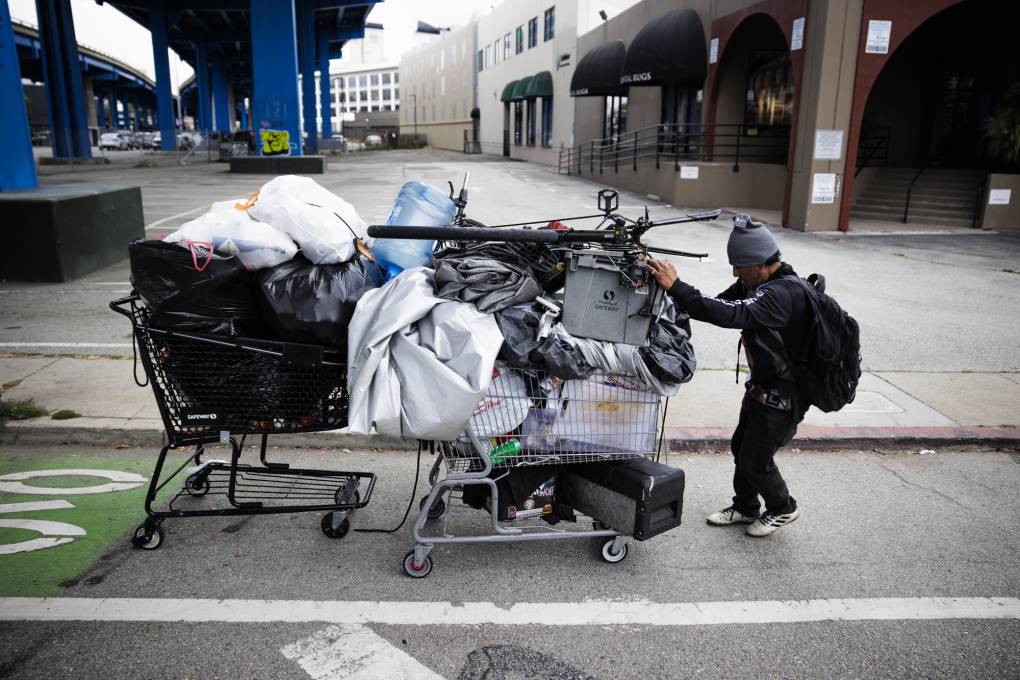
"caption": "An unhoused man relocates his belongings to a new site in anticipation of an encampment sweep by San Francisco's Department of Public Works near Showplace Square in San Francisco on Aug. 1, 2024.",
"credit": "Martin do Nascimento/KQED",
"altTag": "A person wearing black moves a shopping cart full of belongings.",
"description": null,
"imgSizes": {
"medium": {
"file": "https://cdn.kqed.org/wp-content/uploads/sites/10/2024/08/240801-ENCAMPMENT-SWEEPS-MD-02-KQED-800x533.jpg",
"width": 800,
"height": 533,
"mimeType": "image/jpeg"
},
"large": {
"file": "https://cdn.kqed.org/wp-content/uploads/sites/10/2024/08/240801-ENCAMPMENT-SWEEPS-MD-02-KQED-1020x680.jpg",
"width": 1020,
"height": 680,
"mimeType": "image/jpeg"
},
"thumbnail": {
"file": "https://cdn.kqed.org/wp-content/uploads/sites/10/2024/08/240801-ENCAMPMENT-SWEEPS-MD-02-KQED-160x107.jpg",
"width": 160,
"height": 107,
"mimeType": "image/jpeg"
},
"1536x1536": {
"file": "https://cdn.kqed.org/wp-content/uploads/sites/10/2024/08/240801-ENCAMPMENT-SWEEPS-MD-02-KQED-1536x1024.jpg",
"width": 1536,
"height": 1024,
"mimeType": "image/jpeg"
},
"post-thumbnail": {
"file": "https://cdn.kqed.org/wp-content/uploads/sites/10/2024/08/240801-ENCAMPMENT-SWEEPS-MD-02-KQED-672x372.jpg",
"width": 672,
"height": 372,
"mimeType": "image/jpeg"
},
"twentyfourteen-full-width": {
"file": "https://cdn.kqed.org/wp-content/uploads/sites/10/2024/08/240801-ENCAMPMENT-SWEEPS-MD-02-KQED-1038x576.jpg",
"width": 1038,
"height": 576,
"mimeType": "image/jpeg"
},
"full-width": {
"file": "https://cdn.kqed.org/wp-content/uploads/sites/10/2024/08/240801-ENCAMPMENT-SWEEPS-MD-02-KQED-1920x1280.jpg",
"width": 1920,
"height": 1280,
"mimeType": "image/jpeg"
},
"kqedFullSize": {
"file": "https://cdn.kqed.org/wp-content/uploads/sites/10/2024/08/240801-ENCAMPMENT-SWEEPS-MD-02-KQED.jpg?ver=1722631109",
"width": 2000,
"height": 1333
}
},
"isLoading": false,
"fetchFailed": false
},
"news_12000291": {
"type": "attachments",
"id": "news_12000291",
"meta": {
"index": "attachments_1716263798",
"site": "news",
"id": "12000291",
"found": true
},
"title": "231017-LakeMercedRVs-019-BL_qed",
"publishDate": 1723682731,
"status": "inherit",
"parent": 12000285,
"modified": 1723742553,
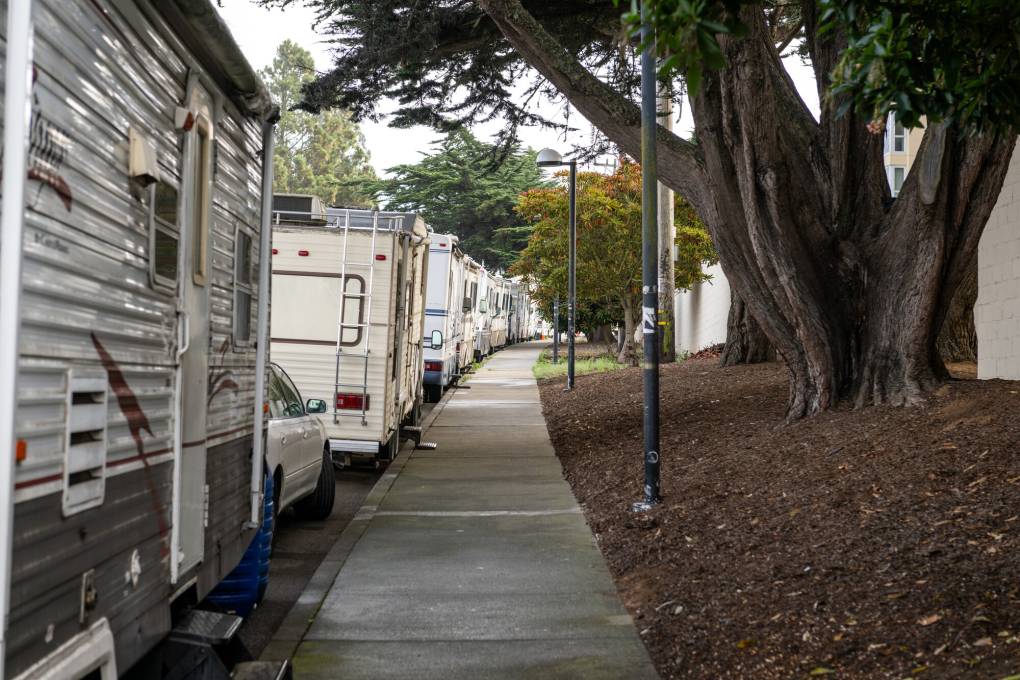
"caption": "RVs line Winston Drive in San Francisco in October 2023. Several families have again parked their RVs at the site after being pushed out of a nearby location on Zoo Road. The latest reshuffle follows years of unsuccessful attempts to find a safe parking site or other housing options for dozens of immigrant families living in the RVs.",
"credit": "Beth LaBerge/KQED",
"altTag": null,
"description": null,
"imgSizes": {
"medium": {
"file": "https://cdn.kqed.org/wp-content/uploads/sites/10/2024/08/231017-LakeMercedRVs-019-BL_qed-800x533.jpg",
"width": 800,
"height": 533,
"mimeType": "image/jpeg"
},
"large": {
"file": "https://cdn.kqed.org/wp-content/uploads/sites/10/2024/08/231017-LakeMercedRVs-019-BL_qed-1020x680.jpg",
"width": 1020,
"height": 680,
"mimeType": "image/jpeg"
},
"thumbnail": {
"file": "https://cdn.kqed.org/wp-content/uploads/sites/10/2024/08/231017-LakeMercedRVs-019-BL_qed-160x107.jpg",
"width": 160,
"height": 107,
"mimeType": "image/jpeg"
},
"1536x1536": {
"file": "https://cdn.kqed.org/wp-content/uploads/sites/10/2024/08/231017-LakeMercedRVs-019-BL_qed-1536x1024.jpg",
"width": 1536,
"height": 1024,
"mimeType": "image/jpeg"
},
"post-thumbnail": {
"file": "https://cdn.kqed.org/wp-content/uploads/sites/10/2024/08/231017-LakeMercedRVs-019-BL_qed-672x372.jpg",
"width": 672,
"height": 372,
"mimeType": "image/jpeg"
},
"twentyfourteen-full-width": {
"file": "https://cdn.kqed.org/wp-content/uploads/sites/10/2024/08/231017-LakeMercedRVs-019-BL_qed-1038x576.jpg",
"width": 1038,
"height": 576,
"mimeType": "image/jpeg"
},
"full-width": {
"file": "https://cdn.kqed.org/wp-content/uploads/sites/10/2024/08/231017-LakeMercedRVs-019-BL_qed-1920x1280.jpg",
"width": 1920,
"height": 1280,
"mimeType": "image/jpeg"
},
"kqedFullSize": {
"file": "https://cdn.kqed.org/wp-content/uploads/sites/10/2024/08/231017-LakeMercedRVs-019-BL_qed.jpg",
"width": 2000,
"height": 1333
}
},
"isLoading": false,
"fetchFailed": false
},
"news_11999892": {
"type": "attachments",
"id": "news_11999892",
"meta": {
"index": "attachments_1716263798",
"site": "news",
"id": "11999892",
"found": true
},
"title": "080724_Santa-Cruz-Sweeps_MO_CM_14-1",
"publishDate": 1723495459,
"status": "inherit",
"parent": 11999880,
"modified": 1723495513,
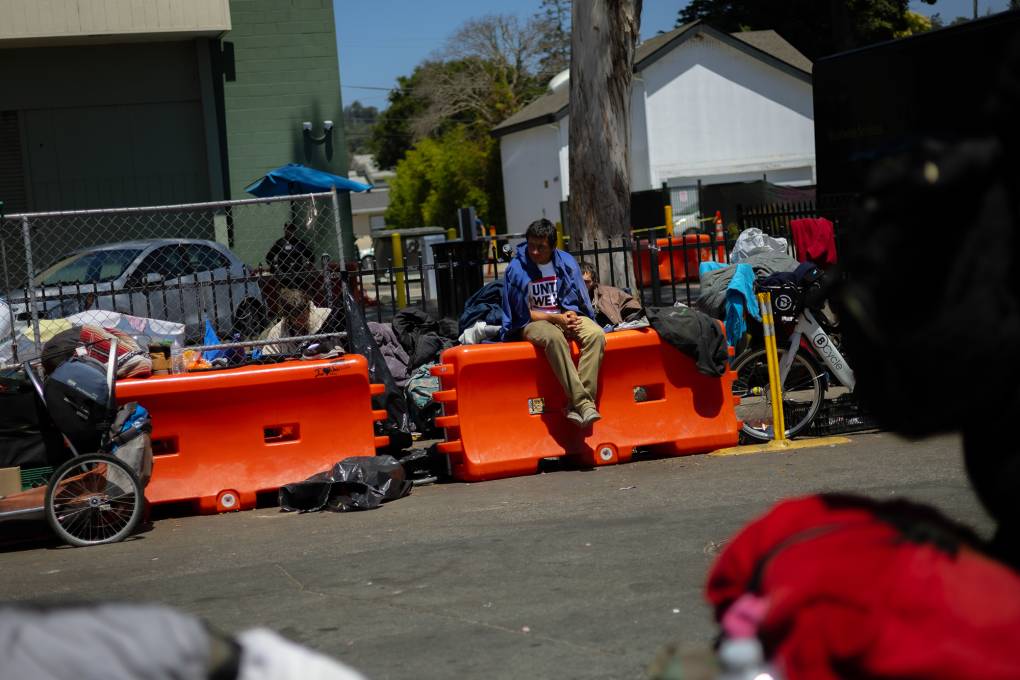
"caption": "Coral Street in Santa Cruz has become a prominent hangout for the unhoused community, who find resources at the Housing Matters shelter during the day.",
"credit": "Manuel Orbegozo/CalMatters",
"altTag": null,
"description": null,
"imgSizes": {
"medium": {
"file": "https://cdn.kqed.org/wp-content/uploads/sites/10/2024/08/080724_Santa-Cruz-Sweeps_MO_CM_14-1-800x533.jpg",
"width": 800,
"height": 533,
"mimeType": "image/jpeg"
},
"large": {
"file": "https://cdn.kqed.org/wp-content/uploads/sites/10/2024/08/080724_Santa-Cruz-Sweeps_MO_CM_14-1-1020x680.jpg",
"width": 1020,
"height": 680,
"mimeType": "image/jpeg"
},
"thumbnail": {
"file": "https://cdn.kqed.org/wp-content/uploads/sites/10/2024/08/080724_Santa-Cruz-Sweeps_MO_CM_14-1-160x107.jpg",
"width": 160,
"height": 107,
"mimeType": "image/jpeg"
},
"1536x1536": {
"file": "https://cdn.kqed.org/wp-content/uploads/sites/10/2024/08/080724_Santa-Cruz-Sweeps_MO_CM_14-1-1536x1024.jpg",
"width": 1536,
"height": 1024,
"mimeType": "image/jpeg"
},
"post-thumbnail": {
"file": "https://cdn.kqed.org/wp-content/uploads/sites/10/2024/08/080724_Santa-Cruz-Sweeps_MO_CM_14-1-672x372.jpg",
"width": 672,
"height": 372,
"mimeType": "image/jpeg"
},
"twentyfourteen-full-width": {
"file": "https://cdn.kqed.org/wp-content/uploads/sites/10/2024/08/080724_Santa-Cruz-Sweeps_MO_CM_14-1-1038x576.jpg",
"width": 1038,
"height": 576,
"mimeType": "image/jpeg"
},
"full-width": {
"file": "https://cdn.kqed.org/wp-content/uploads/sites/10/2024/08/080724_Santa-Cruz-Sweeps_MO_CM_14-1-1920x1280.jpg",
"width": 1920,
"height": 1280,
"mimeType": "image/jpeg"
},
"kqedFullSize": {
"file": "https://cdn.kqed.org/wp-content/uploads/sites/10/2024/08/080724_Santa-Cruz-Sweeps_MO_CM_14-1.jpg",
"width": 2000,
"height": 1333
}
},
"isLoading": false,
"fetchFailed": false
},
"news_11999642": {
"type": "attachments",
"id": "news_11999642",
"meta": {
"index": "attachments_1716263798",
"site": "news",
"id": "11999642",
"found": true
},
"title": "SFZooRVs",
"publishDate": 1723233996,
"status": "inherit",
"parent": 0,
"modified": 1723234201,
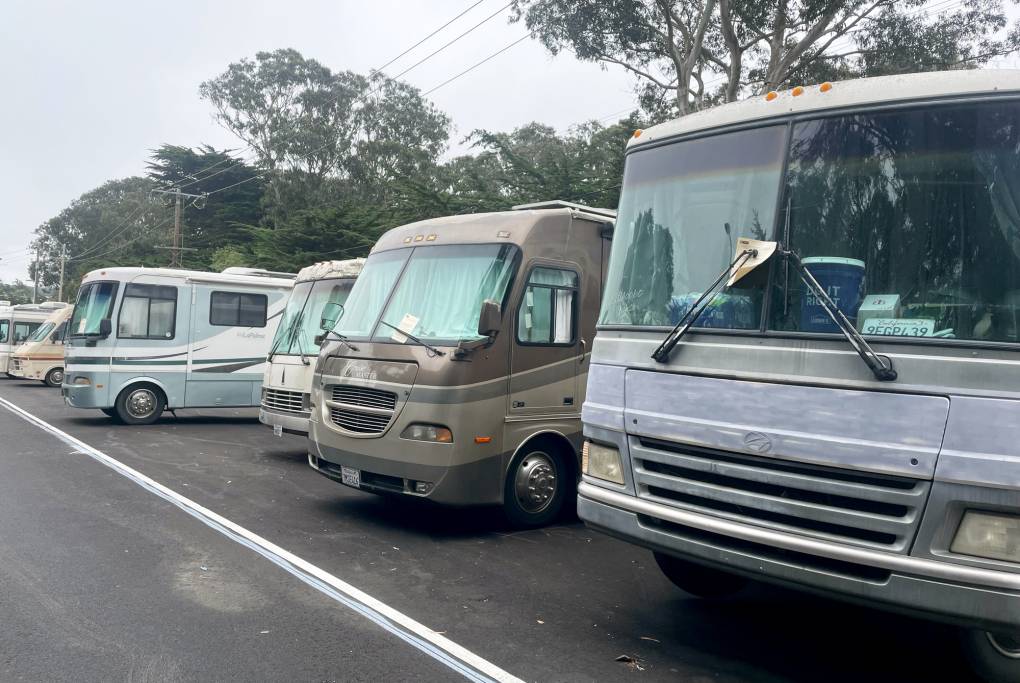
"caption": "Residents of an RV encampment near the San Francisco Zoo, previously displaced from a location near San Francisco State University, were issued notices to vacate by Aug. 11.",
"credit": "Riley Cooke/KQED",
"altTag": null,
"description": null,
"imgSizes": {
"medium": {
"file": "https://cdn.kqed.org/wp-content/uploads/sites/10/2024/08/SFZooRVs-800x536.jpg",
"width": 800,
"height": 536,
"mimeType": "image/jpeg"
},
"large": {
"file": "https://cdn.kqed.org/wp-content/uploads/sites/10/2024/08/SFZooRVs-1020x683.jpg",
"width": 1020,
"height": 683,
"mimeType": "image/jpeg"
},
"thumbnail": {
"file": "https://cdn.kqed.org/wp-content/uploads/sites/10/2024/08/SFZooRVs-160x107.jpg",
"width": 160,
"height": 107,
"mimeType": "image/jpeg"
},
"1536x1536": {
"file": "https://cdn.kqed.org/wp-content/uploads/sites/10/2024/08/SFZooRVs-1536x1028.jpg",
"width": 1536,
"height": 1028,
"mimeType": "image/jpeg"
},
"post-thumbnail": {
"file": "https://cdn.kqed.org/wp-content/uploads/sites/10/2024/08/SFZooRVs-672x372.jpg",
"width": 672,
"height": 372,
"mimeType": "image/jpeg"
},
"twentyfourteen-full-width": {
"file": "https://cdn.kqed.org/wp-content/uploads/sites/10/2024/08/SFZooRVs-1038x576.jpg",
"width": 1038,
"height": 576,
"mimeType": "image/jpeg"
},
"full-width": {
"file": "https://cdn.kqed.org/wp-content/uploads/sites/10/2024/08/SFZooRVs-1920x1285.jpg",
"width": 1920,
"height": 1285,
"mimeType": "image/jpeg"
},
"kqedFullSize": {
"file": "https://cdn.kqed.org/wp-content/uploads/sites/10/2024/08/SFZooRVs.jpg",
"width": 2000,
"height": 1339
}
},
"isLoading": false,
"fetchFailed": false
},
"news_11999590": {
"type": "attachments",
"id": "news_11999590",
"meta": {
"index": "attachments_1716263798",
"site": "news",
"id": "11999590",
"found": true
},
"title": "the white card",
"publishDate": 1723212299,
"status": "inherit",
"parent": 11999588,
"modified": 1723212732,
"caption": "The White Card is a play that explores race, particularly in the arts. it's playing at the Redwood Curtain Theater in Humboldt County.",
"credit": "Photo courtesy of North Coast Repertory Theatre ",
"altTag": null,
"description": null,
"imgSizes": {
"medium": {
"file": "https://cdn.kqed.org/wp-content/uploads/sites/10/2024/08/the-white-card-800x800.jpg",
"width": 800,
"height": 800,
"mimeType": "image/jpeg"
},
"thumbnail": {
"file": "https://cdn.kqed.org/wp-content/uploads/sites/10/2024/08/the-white-card-160x160.jpg",
"width": 160,
"height": 160,
"mimeType": "image/jpeg"
},
"post-thumbnail": {
"file": "https://cdn.kqed.org/wp-content/uploads/sites/10/2024/08/the-white-card-672x372.jpg",
"width": 672,
"height": 372,
"mimeType": "image/jpeg"
},
"twentyfourteen-full-width": {
"file": "https://cdn.kqed.org/wp-content/uploads/sites/10/2024/08/the-white-card-828x576.jpg",
"width": 828,
"height": 576,
"mimeType": "image/jpeg"
},
"kqedFullSize": {
"file": "https://cdn.kqed.org/wp-content/uploads/sites/10/2024/08/the-white-card.jpg",
"width": 828,
"height": 828
}
},
"isLoading": false,
"fetchFailed": false
},
"news_11999044": {
"type": "attachments",
"id": "news_11999044",
"meta": {
"index": "attachments_1716263798",
"site": "news",
"id": "11999044",
"found": true
},
"title": "IMG_2471 headline photo_qed",
"publishDate": 1722973341,
"status": "inherit",
"parent": 11999014,
"modified": 1722973454,
"caption": "Workers assemble frozen meals at Amy's Kitchen in Santa Rosa in 2022. California heat protections for indoor workers includes guidelines for those who must wear full-body clothing.",
"credit": "Farida Jhabvala Romero/KQED",
"altTag": null,
"description": null,
"imgSizes": {
"medium": {
"file": "https://cdn.kqed.org/wp-content/uploads/sites/10/2024/08/IMG_2471-headline-photo_qed-800x533.jpg",
"width": 800,
"height": 533,
"mimeType": "image/jpeg"
},
"large": {
"file": "https://cdn.kqed.org/wp-content/uploads/sites/10/2024/08/IMG_2471-headline-photo_qed-1020x680.jpg",
"width": 1020,
"height": 680,
"mimeType": "image/jpeg"
},
"thumbnail": {
"file": "https://cdn.kqed.org/wp-content/uploads/sites/10/2024/08/IMG_2471-headline-photo_qed-160x107.jpg",
"width": 160,
"height": 107,
"mimeType": "image/jpeg"
},
"1536x1536": {
"file": "https://cdn.kqed.org/wp-content/uploads/sites/10/2024/08/IMG_2471-headline-photo_qed-1536x1024.jpg",
"width": 1536,
"height": 1024,
"mimeType": "image/jpeg"
},
"post-thumbnail": {
"file": "https://cdn.kqed.org/wp-content/uploads/sites/10/2024/08/IMG_2471-headline-photo_qed-672x372.jpg",
"width": 672,
"height": 372,
"mimeType": "image/jpeg"
},
"twentyfourteen-full-width": {
"file": "https://cdn.kqed.org/wp-content/uploads/sites/10/2024/08/IMG_2471-headline-photo_qed-1038x576.jpg",
"width": 1038,
"height": 576,
"mimeType": "image/jpeg"
},
"full-width": {
"file": "https://cdn.kqed.org/wp-content/uploads/sites/10/2024/08/IMG_2471-headline-photo_qed-1920x1280.jpg",
"width": 1920,
"height": 1280,
"mimeType": "image/jpeg"
},
"kqedFullSize": {
"file": "https://cdn.kqed.org/wp-content/uploads/sites/10/2024/08/IMG_2471-headline-photo_qed.jpg",
"width": 2000,
"height": 1333
}
},
"isLoading": false,
"fetchFailed": false
},
"news_11998577": {
"type": "attachments",
"id": "news_11998577",
"meta": {
"index": "attachments_1716263798",
"site": "news",
"id": "11998577",
"found": true
},
"title": "240801-ENCAMPMENT SWEEPS-MD-09-KQED",
"publishDate": 1722601945,
"status": "inherit",
"parent": 0,
"modified": 1722602684,
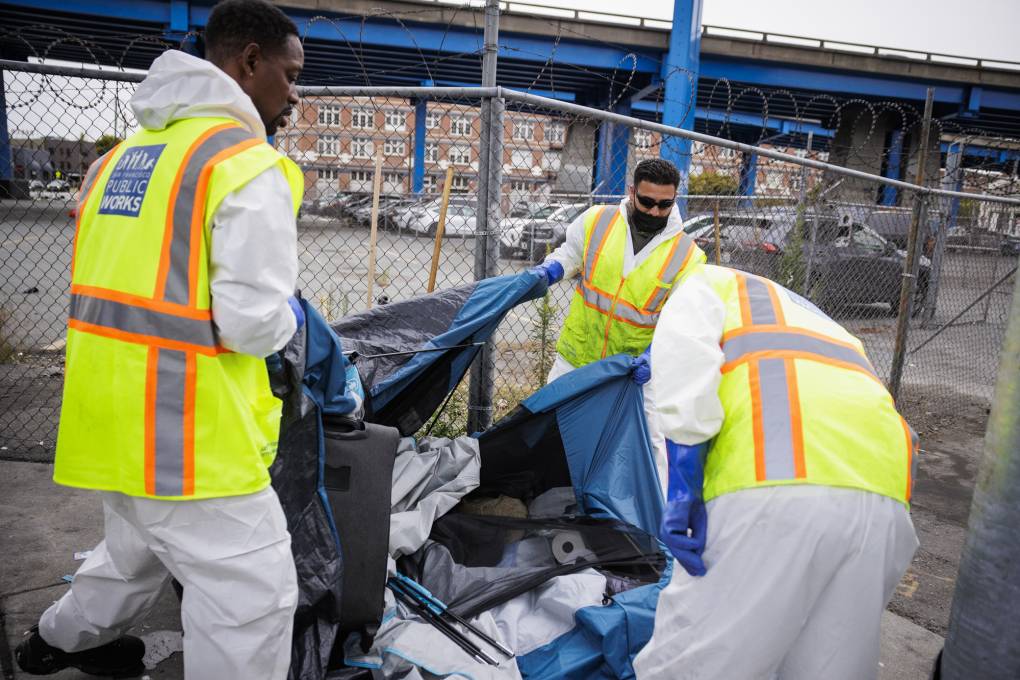
"caption": "San Francisco's Department of Public Works removes a tent filled with its owners possessions from an encampment around Showplace Square in San Francisco on Aug. 1, 2024.",
"credit": "Martin do Nascimento/KQED",
"altTag": null,
"description": null,
"imgSizes": {
"medium": {
"file": "https://cdn.kqed.org/wp-content/uploads/sites/10/2024/08/240801-ENCAMPMENT-SWEEPS-MD-09-KQED-800x533.jpg",
"width": 800,
"height": 533,
"mimeType": "image/jpeg"
},
"large": {
"file": "https://cdn.kqed.org/wp-content/uploads/sites/10/2024/08/240801-ENCAMPMENT-SWEEPS-MD-09-KQED-1020x680.jpg",
"width": 1020,
"height": 680,
"mimeType": "image/jpeg"
},
"thumbnail": {
"file": "https://cdn.kqed.org/wp-content/uploads/sites/10/2024/08/240801-ENCAMPMENT-SWEEPS-MD-09-KQED-160x107.jpg",
"width": 160,
"height": 107,
"mimeType": "image/jpeg"
},
"1536x1536": {
"file": "https://cdn.kqed.org/wp-content/uploads/sites/10/2024/08/240801-ENCAMPMENT-SWEEPS-MD-09-KQED-1536x1024.jpg",
"width": 1536,
"height": 1024,
"mimeType": "image/jpeg"
},
"post-thumbnail": {
"file": "https://cdn.kqed.org/wp-content/uploads/sites/10/2024/08/240801-ENCAMPMENT-SWEEPS-MD-09-KQED-672x372.jpg",
"width": 672,
"height": 372,
"mimeType": "image/jpeg"
},
"twentyfourteen-full-width": {
"file": "https://cdn.kqed.org/wp-content/uploads/sites/10/2024/08/240801-ENCAMPMENT-SWEEPS-MD-09-KQED-1038x576.jpg",
"width": 1038,
"height": 576,
"mimeType": "image/jpeg"
},
"full-width": {
"file": "https://cdn.kqed.org/wp-content/uploads/sites/10/2024/08/240801-ENCAMPMENT-SWEEPS-MD-09-KQED-1920x1280.jpg",
"width": 1920,
"height": 1280,
"mimeType": "image/jpeg"
},
"kqedFullSize": {
"file": "https://cdn.kqed.org/wp-content/uploads/sites/10/2024/08/240801-ENCAMPMENT-SWEEPS-MD-09-KQED.jpg",
"width": 2000,
"height": 1333
}
},
"isLoading": false,
"fetchFailed": false
},
"news_11998579": {
"type": "attachments",
"id": "news_11998579",
"meta": {
"index": "attachments_1716263798",
"site": "news",
"id": "11998579",
"found": true
},
"title": "240801-ENCAMPMENT SWEEPS-MD-14-KQED",
"publishDate": 1722601953,
"status": "inherit",
"parent": 0,
"modified": 1722601995,
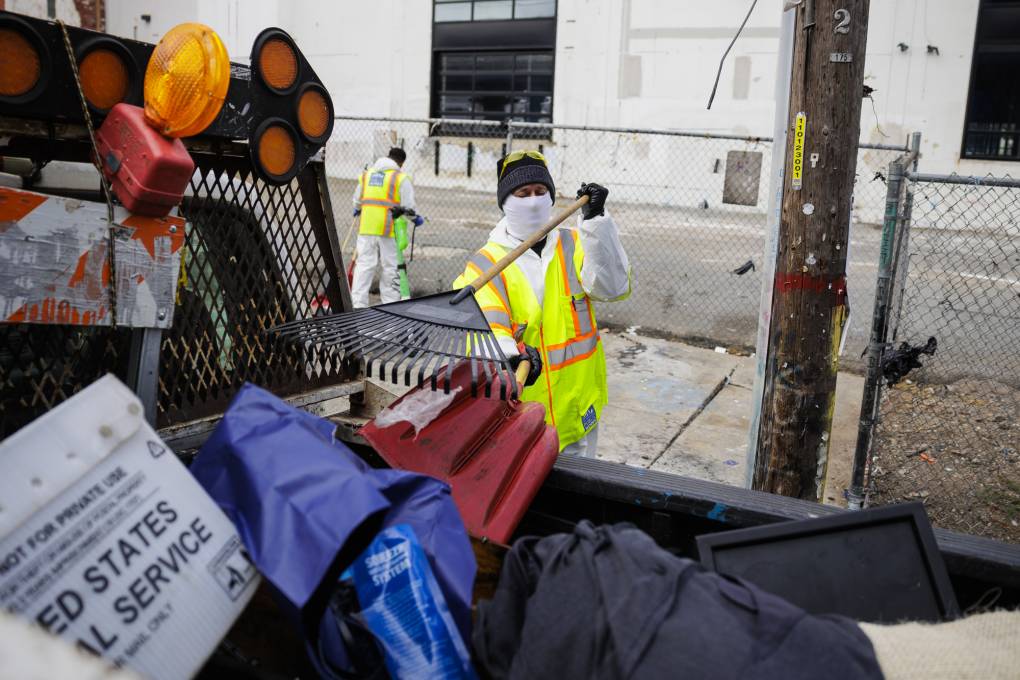
"caption": "San Francisco's Department of Public Works sweeps an encampment around Showplace Square in San Francisco on Aug. 1, 2024.",
"credit": "Martin do Nascimento/KQED",
"altTag": null,
"description": null,
"imgSizes": {
"medium": {
"file": "https://cdn.kqed.org/wp-content/uploads/sites/10/2024/08/240801-ENCAMPMENT-SWEEPS-MD-14-KQED-800x533.jpg",
"width": 800,
"height": 533,
"mimeType": "image/jpeg"
},
"large": {
"file": "https://cdn.kqed.org/wp-content/uploads/sites/10/2024/08/240801-ENCAMPMENT-SWEEPS-MD-14-KQED-1020x680.jpg",
"width": 1020,
"height": 680,
"mimeType": "image/jpeg"
},
"thumbnail": {
"file": "https://cdn.kqed.org/wp-content/uploads/sites/10/2024/08/240801-ENCAMPMENT-SWEEPS-MD-14-KQED-160x107.jpg",
"width": 160,
"height": 107,
"mimeType": "image/jpeg"
},
"1536x1536": {
"file": "https://cdn.kqed.org/wp-content/uploads/sites/10/2024/08/240801-ENCAMPMENT-SWEEPS-MD-14-KQED-1536x1024.jpg",
"width": 1536,
"height": 1024,
"mimeType": "image/jpeg"
},
"post-thumbnail": {
"file": "https://cdn.kqed.org/wp-content/uploads/sites/10/2024/08/240801-ENCAMPMENT-SWEEPS-MD-14-KQED-672x372.jpg",
"width": 672,
"height": 372,
"mimeType": "image/jpeg"
},
"twentyfourteen-full-width": {
"file": "https://cdn.kqed.org/wp-content/uploads/sites/10/2024/08/240801-ENCAMPMENT-SWEEPS-MD-14-KQED-1038x576.jpg",
"width": 1038,
"height": 576,
"mimeType": "image/jpeg"
},
"full-width": {
"file": "https://cdn.kqed.org/wp-content/uploads/sites/10/2024/08/240801-ENCAMPMENT-SWEEPS-MD-14-KQED-1920x1280.jpg",
"width": 1920,
"height": 1280,
"mimeType": "image/jpeg"
},
"kqedFullSize": {
"file": "https://cdn.kqed.org/wp-content/uploads/sites/10/2024/08/240801-ENCAMPMENT-SWEEPS-MD-14-KQED.jpg",
"width": 2000,
"height": 1333
}
},
"isLoading": false,
"fetchFailed": false
},
"news_11998981": {
"type": "attachments",
"id": "news_11998981",
"meta": {
"index": "attachments_1716263798",
"site": "news",
"id": "11998981",
"found": true
},
"title": "antelope-valley-66b24f1b9f2df",
"publishDate": 1722961724,
"status": "inherit",
"parent": 11998978,
"modified": 1722961913,
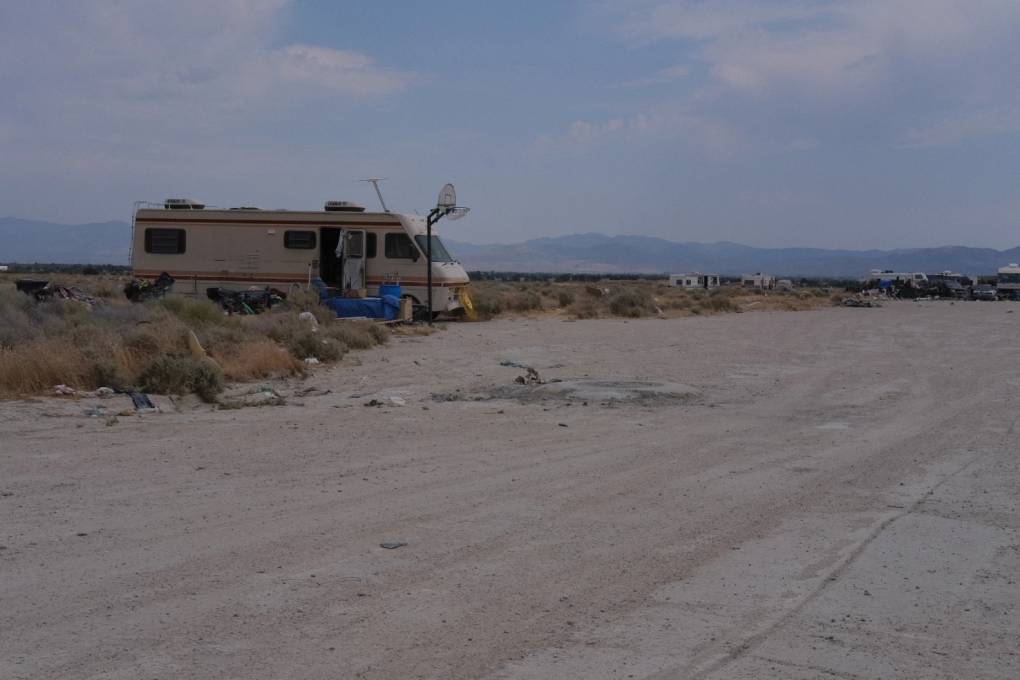
"caption": "Clusters of RVs spread out in the Mojave Desert, where unhoused people lack access to electricity lines and running water.",
"credit": "David Wagner/LAist",
"altTag": "antelope valley homeless",
"description": null,
"imgSizes": {
"medium": {
"file": "https://cdn.kqed.org/wp-content/uploads/sites/10/2024/08/antelope-valley-66b24f1b9f2df-800x533.jpg",
"width": 800,
"height": 533,
"mimeType": "image/jpeg"
},
"large": {
"file": "https://cdn.kqed.org/wp-content/uploads/sites/10/2024/08/antelope-valley-66b24f1b9f2df-1020x680.jpg",
"width": 1020,
"height": 680,
"mimeType": "image/jpeg"
},
"thumbnail": {
"file": "https://cdn.kqed.org/wp-content/uploads/sites/10/2024/08/antelope-valley-66b24f1b9f2df-160x107.jpg",
"width": 160,
"height": 107,
"mimeType": "image/jpeg"
},
"1536x1536": {
"file": "https://cdn.kqed.org/wp-content/uploads/sites/10/2024/08/antelope-valley-66b24f1b9f2df-1536x1024.jpg",
"width": 1536,
"height": 1024,
"mimeType": "image/jpeg"
},
"post-thumbnail": {
"file": "https://cdn.kqed.org/wp-content/uploads/sites/10/2024/08/antelope-valley-66b24f1b9f2df-672x372.jpg",
"width": 672,
"height": 372,
"mimeType": "image/jpeg"
},
"twentyfourteen-full-width": {
"file": "https://cdn.kqed.org/wp-content/uploads/sites/10/2024/08/antelope-valley-66b24f1b9f2df-1038x576.jpg",
"width": 1038,
"height": 576,
"mimeType": "image/jpeg"
},
"kqedFullSize": {
"file": "https://cdn.kqed.org/wp-content/uploads/sites/10/2024/08/antelope-valley-66b24f1b9f2df.jpg",
"width": 1584,
"height": 1056
}
},
"isLoading": false,
"fetchFailed": false
},
"news_11998573": {
"type": "attachments",
"id": "news_11998573",
"meta": {
"index": "attachments_1716263798",
"site": "news",
"id": "11998573",
"found": true
},
"title": "240801-ENCAMPMENT SWEEPS-MD-04-KQED",
"publishDate": 1722601927,
"status": "inherit",
"parent": 0,
"modified": 1722901039,
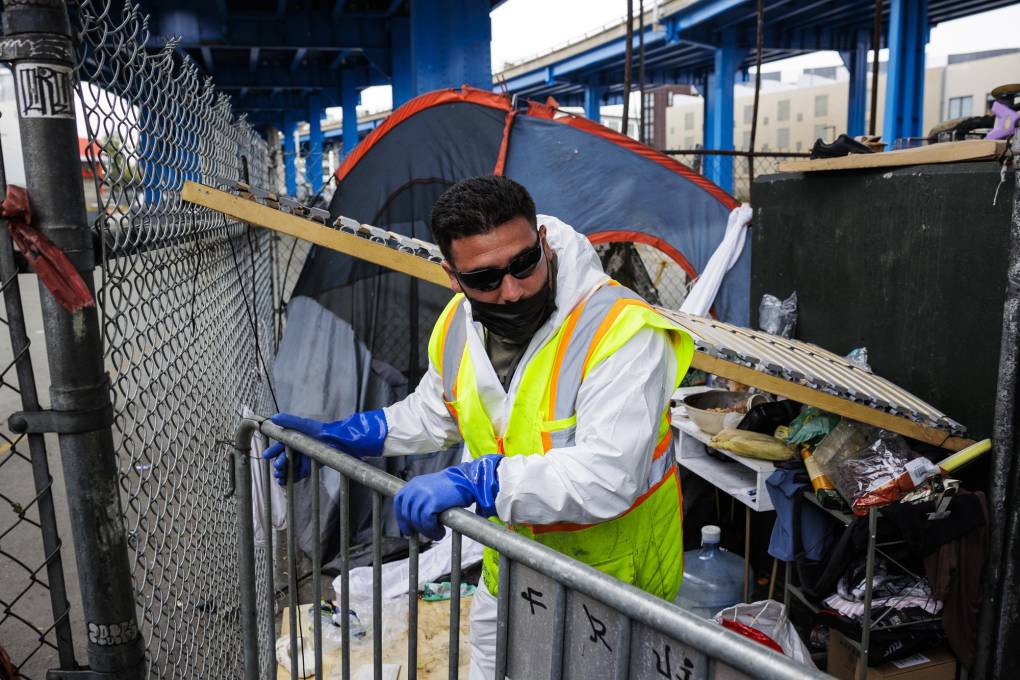
"caption": "A San Francisco Department of Public Works employee helps sweep an encampment around Showplace Square on Aug. 1, 2024.",
"credit": "Martin do Nascimento/KQED",
"altTag": null,
"description": null,
"imgSizes": {
"medium": {
"file": "https://cdn.kqed.org/wp-content/uploads/sites/10/2024/08/240801-ENCAMPMENT-SWEEPS-MD-04-KQED-800x533.jpg",
"width": 800,
"height": 533,
"mimeType": "image/jpeg"
},
"large": {
"file": "https://cdn.kqed.org/wp-content/uploads/sites/10/2024/08/240801-ENCAMPMENT-SWEEPS-MD-04-KQED-1020x680.jpg",
"width": 1020,
"height": 680,
"mimeType": "image/jpeg"
},
"thumbnail": {
"file": "https://cdn.kqed.org/wp-content/uploads/sites/10/2024/08/240801-ENCAMPMENT-SWEEPS-MD-04-KQED-160x107.jpg",
"width": 160,
"height": 107,
"mimeType": "image/jpeg"
},
"1536x1536": {
"file": "https://cdn.kqed.org/wp-content/uploads/sites/10/2024/08/240801-ENCAMPMENT-SWEEPS-MD-04-KQED-1536x1024.jpg",
"width": 1536,
"height": 1024,
"mimeType": "image/jpeg"
},
"post-thumbnail": {
"file": "https://cdn.kqed.org/wp-content/uploads/sites/10/2024/08/240801-ENCAMPMENT-SWEEPS-MD-04-KQED-672x372.jpg",
"width": 672,
"height": 372,
"mimeType": "image/jpeg"
},
"twentyfourteen-full-width": {
"file": "https://cdn.kqed.org/wp-content/uploads/sites/10/2024/08/240801-ENCAMPMENT-SWEEPS-MD-04-KQED-1038x576.jpg",
"width": 1038,
"height": 576,
"mimeType": "image/jpeg"
},
"full-width": {
"file": "https://cdn.kqed.org/wp-content/uploads/sites/10/2024/08/240801-ENCAMPMENT-SWEEPS-MD-04-KQED-1920x1280.jpg",
"width": 1920,
"height": 1280,
"mimeType": "image/jpeg"
},
"kqedFullSize": {
"file": "https://cdn.kqed.org/wp-content/uploads/sites/10/2024/08/240801-ENCAMPMENT-SWEEPS-MD-04-KQED.jpg",
"width": 2000,
"height": 1333
}
},
"isLoading": false,
"fetchFailed": false
},
"news_11998505": {
"type": "attachments",
"id": "news_11998505",
"meta": {
"index": "attachments_1716263798",
"site": "news",
"id": "11998505",
"found": true
},
"title": "008_KQED_SanFrancisco_TentEncampments_05052020_qed",
"publishDate": 1722552429,
"status": "inherit",
"parent": 11998474,
"modified": 1722552444,
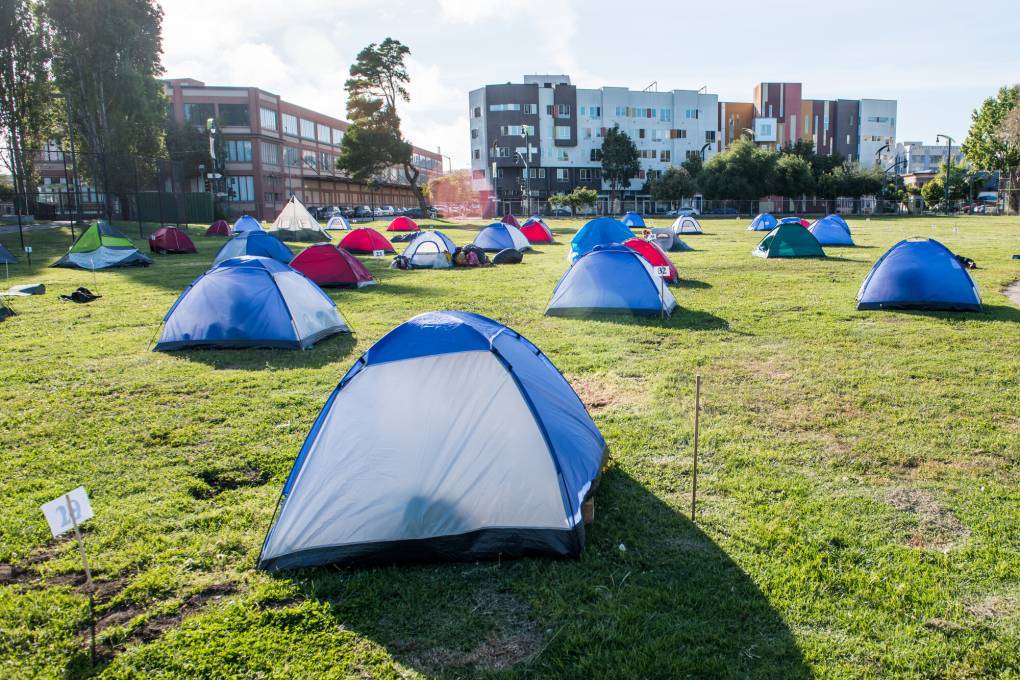
"caption": "Tents are spaced for social distancing at Bay View Park K.C. Jones Playground on April 5, 2020.",
"credit": "Beth LaBerge/KQED",
"altTag": null,
"description": null,
"imgSizes": {
"medium": {
"file": "https://cdn.kqed.org/wp-content/uploads/sites/10/2024/08/008_KQED_SanFrancisco_TentEncampments_05052020_qed-800x533.jpg",
"width": 800,
"height": 533,
"mimeType": "image/jpeg"
},
"large": {
"file": "https://cdn.kqed.org/wp-content/uploads/sites/10/2024/08/008_KQED_SanFrancisco_TentEncampments_05052020_qed-1020x680.jpg",
"width": 1020,
"height": 680,
"mimeType": "image/jpeg"
},
"thumbnail": {
"file": "https://cdn.kqed.org/wp-content/uploads/sites/10/2024/08/008_KQED_SanFrancisco_TentEncampments_05052020_qed-160x107.jpg",
"width": 160,
"height": 107,
"mimeType": "image/jpeg"
},
"1536x1536": {
"file": "https://cdn.kqed.org/wp-content/uploads/sites/10/2024/08/008_KQED_SanFrancisco_TentEncampments_05052020_qed-1536x1024.jpg",
"width": 1536,
"height": 1024,
"mimeType": "image/jpeg"
},
"post-thumbnail": {
"file": "https://cdn.kqed.org/wp-content/uploads/sites/10/2024/08/008_KQED_SanFrancisco_TentEncampments_05052020_qed-672x372.jpg",
"width": 672,
"height": 372,
"mimeType": "image/jpeg"
},
"twentyfourteen-full-width": {
"file": "https://cdn.kqed.org/wp-content/uploads/sites/10/2024/08/008_KQED_SanFrancisco_TentEncampments_05052020_qed-1038x576.jpg",
"width": 1038,
"height": 576,
"mimeType": "image/jpeg"
},
"full-width": {
"file": "https://cdn.kqed.org/wp-content/uploads/sites/10/2024/08/008_KQED_SanFrancisco_TentEncampments_05052020_qed-1920x1280.jpg",
"width": 1920,
"height": 1280,
"mimeType": "image/jpeg"
},
"kqedFullSize": {
"file": "https://cdn.kqed.org/wp-content/uploads/sites/10/2024/08/008_KQED_SanFrancisco_TentEncampments_05052020_qed.jpg",
"width": 1999,
"height": 1333
}
},
"isLoading": false,
"fetchFailed": false
},
"news_11997503": {
"type": "attachments",
"id": "news_11997503",
"meta": {
"index": "attachments_1716263798",
"site": "news",
"id": "11997503",
"found": true
},
"title": "240726-ParkFire-02-BL",
"publishDate": 1721983384,
"status": "inherit",
"parent": 0,
"modified": 1722967573,
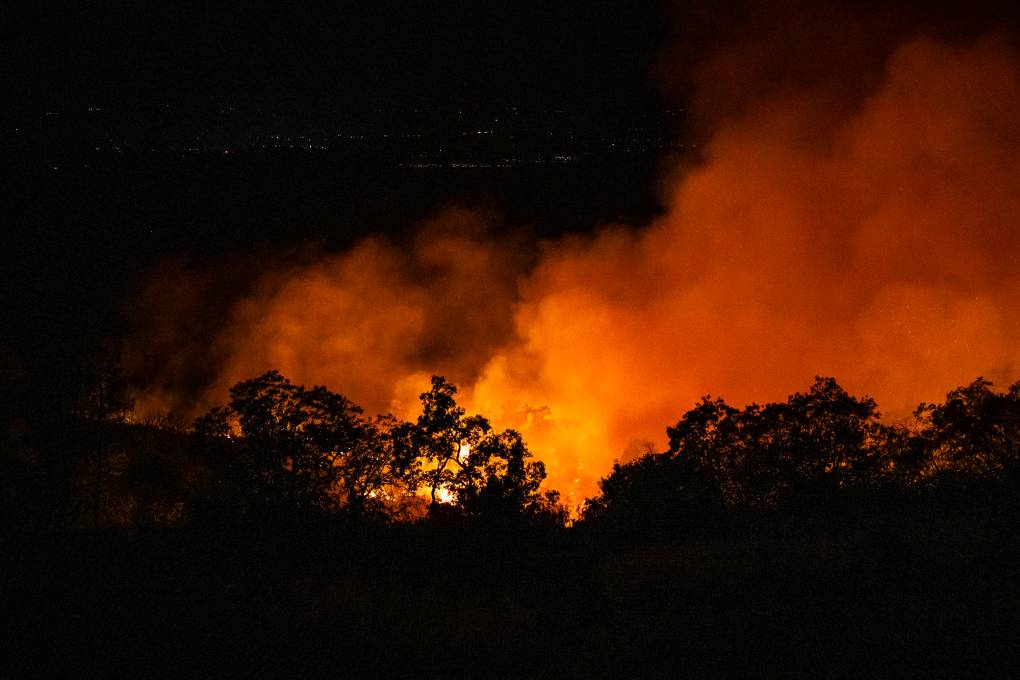
"caption": "The lights of Chico are visible from Highway 32 northeast of the city as the Park Fire burns in the early morning hours on July 26, 2024.",
"credit": "Beth LaBerge/KQED",
"altTag": null,
"description": null,
"imgSizes": {
"medium": {
"file": "https://cdn.kqed.org/wp-content/uploads/sites/10/2024/07/240726-ParkFire-02-BL-800x533.jpg",
"width": 800,
"height": 533,
"mimeType": "image/jpeg"
},
"large": {
"file": "https://cdn.kqed.org/wp-content/uploads/sites/10/2024/07/240726-ParkFire-02-BL-1020x680.jpg",
"width": 1020,
"height": 680,
"mimeType": "image/jpeg"
},
"thumbnail": {
"file": "https://cdn.kqed.org/wp-content/uploads/sites/10/2024/07/240726-ParkFire-02-BL-160x107.jpg",
"width": 160,
"height": 107,
"mimeType": "image/jpeg"
},
"1536x1536": {
"file": "https://cdn.kqed.org/wp-content/uploads/sites/10/2024/07/240726-ParkFire-02-BL-1536x1024.jpg",
"width": 1536,
"height": 1024,
"mimeType": "image/jpeg"
},
"post-thumbnail": {
"file": "https://cdn.kqed.org/wp-content/uploads/sites/10/2024/07/240726-ParkFire-02-BL-672x372.jpg",
"width": 672,
"height": 372,
"mimeType": "image/jpeg"
},
"twentyfourteen-full-width": {
"file": "https://cdn.kqed.org/wp-content/uploads/sites/10/2024/07/240726-ParkFire-02-BL-1038x576.jpg",
"width": 1038,
"height": 576,
"mimeType": "image/jpeg"
},
"full-width": {
"file": "https://cdn.kqed.org/wp-content/uploads/sites/10/2024/07/240726-ParkFire-02-BL-1920x1280.jpg",
"width": 1920,
"height": 1280,
"mimeType": "image/jpeg"
},
"kqedFullSize": {
"file": "https://cdn.kqed.org/wp-content/uploads/sites/10/2024/07/240726-ParkFire-02-BL.jpg",
"width": 2000,
"height": 1333
}
},
"isLoading": false,
"fetchFailed": false
}
},
"audioPlayerReducer": {
"postId": "stream_live",
"isPaused": true,
"isPlaying": false,
"pfsActive": false,
"pledgeModalIsOpen": true,
"playerDrawerIsOpen": false,
"liveAudioPlayStartedAt": 0,
"liveAudioPlayContext": ""
},
"authorsReducer": {
"byline_news_11999880": {
"type": "authors",
"id": "byline_news_11999880",
"meta": {
"override": true
},
"slug": "byline_news_11999880",
"name": "Marisa Kendall, Calmatters",
"isLoading": false
},
"shossaini": {
"type": "authors",
"id": "3214",
"meta": {
"index": "authors_1716337520",
"id": "3214",
"found": true
},
"name": "Sara Hossaini",
"firstName": "Sara",
"lastName": "Hossaini",
"slug": "shossaini",
"email": "shossaini@kqed.org",
"display_author_email": true,
"staff_mastheads": [
"news"
],
"title": "KQED Reporter",
"bio": "Sara Hossaini came to general assignment reporting at KQED in 2013 after two winters reporting at Wyoming Public Radio. She holds a bachelor's degree in broadcast journalism from the University of Nebraska-Lincoln. Her radio romance began after a bitter breakup with documentary film (Ok, maybe it's still complicated). Her first simultaneous jobs in San Francisco were as Associate Producer on a PBS film series through the Center for Asian American Media and as a butler. She likes to trot, plot and make things with her hands.",
"avatar": "https://secure.gravatar.com/avatar/060e9f56b9554e17942e89f413242774?s=600&d=blank&r=g",
"twitter": "mshossaini",
"facebook": null,
"instagram": null,
"linkedin": null,
"sites": [
{
"site": "news",
"roles": [
"author"
]
},
{
"site": "stateofhealth",
"roles": [
"author"
]
}
],
"headData": {
"title": "Sara Hossaini | KQED",
"description": "KQED Reporter",
"ogImgSrc": "https://secure.gravatar.com/avatar/060e9f56b9554e17942e89f413242774?s=600&d=blank&r=g",
"twImgSrc": "https://secure.gravatar.com/avatar/060e9f56b9554e17942e89f413242774?s=600&d=blank&r=g"
},
"isLoading": false,
"link": "/author/shossaini"
},
"ecruzguevarra": {
"type": "authors",
"id": "8654",
"meta": {
"index": "authors_1716337520",
"id": "8654",
"found": true
},
"name": "Ericka Cruz Guevarra",
"firstName": "Ericka",
"lastName": "Cruz Guevarra",
"slug": "ecruzguevarra",
"email": "ecruzguevarra@kqed.org",
"display_author_email": true,
"staff_mastheads": [
"news"
],
"title": "Producer, The Bay Podcast",
"bio": "Ericka Cruz Guevarra is host of \u003ca href=\"https://www.kqed.org/podcasts/thebay\">\u003cem>The Bay\u003c/em>\u003c/a> podcast at KQED. Before host, she was the show’s producer. Her work in that capacity includes a three-part reported series on policing in Vallejo, which won a 2020 excellence in journalism award from the Society of Professional Journalists. Ericka has worked as a breaking news reporter at Oregon Public Broadcasting, helped produce the Code Switch podcast, and was KQED’s inaugural Raul Ramirez Diversity Fund intern. She’s also an alumna of NPR’s Next Generation Radio program. Send her an email if you have strong feelings about whether Fairfield and Suisun City are the Bay. Ericka is represented by SAG-AFTRA.",
"avatar": "https://secure.gravatar.com/avatar/25e5ab8d3d53fad2dcc7bb2b5c506b1a?s=600&d=blank&r=g",
"twitter": "NotoriousECG",
"facebook": null,
"instagram": null,
"linkedin": null,
"sites": [
{
"site": "arts",
"roles": [
"subscriber"
]
},
{
"site": "news",
"roles": [
"editor",
"manage_categories"
]
},
{
"site": "futureofyou",
"roles": [
"subscriber"
]
},
{
"site": "stateofhealth",
"roles": [
"subscriber"
]
},
{
"site": "science",
"roles": [
"editor"
]
},
{
"site": "forum",
"roles": [
"subscriber"
]
}
],
"headData": {
"title": "Ericka Cruz Guevarra | KQED",
"description": "Producer, The Bay Podcast",
"ogImgSrc": "https://secure.gravatar.com/avatar/25e5ab8d3d53fad2dcc7bb2b5c506b1a?s=600&d=blank&r=g",
"twImgSrc": "https://secure.gravatar.com/avatar/25e5ab8d3d53fad2dcc7bb2b5c506b1a?s=600&d=blank&r=g"
},
"isLoading": false,
"link": "/author/ecruzguevarra"
},
"amontecillo": {
"type": "authors",
"id": "11649",
"meta": {
"index": "authors_1716337520",
"id": "11649",
"found": true
},
"name": "Alan Montecillo",
"firstName": "Alan",
"lastName": "Montecillo",
"slug": "amontecillo",
"email": "amontecillo@kqed.org",
"display_author_email": false,
"staff_mastheads": [
"news"
],
"title": "KQED Contributor",
"bio": "Alan Montecillo is the senior editor of \u003cem>\u003ca href=\"http://kqed.org/thebay\">The Bay\u003c/a>, \u003c/em> KQED's local news podcast. Before moving to the Bay Area, he worked as a senior talk show producer for WILL in Champaign-Urbana, Illinois and at Oregon Public Broadcasting in Portland, Oregon. He has won journalism awards from the Society of Professional Journalists Northern California, the Public Media Journalists Association, The Signal Awards, and has also received a regional Edward R. Murrow award. Alan is a Filipino American from Hong Kong and a graduate of Reed College.",
"avatar": "https://secure.gravatar.com/avatar/d5e4e7a76481969ccba76f4e2b5ccabc?s=600&d=blank&r=g",
"twitter": "alanmontecillo",
"facebook": null,
"instagram": null,
"linkedin": null,
"sites": [
{
"site": "",
"roles": [
"editor"
]
},
{
"site": "news",
"roles": [
"editor",
"manage_categories"
]
}
],
"headData": {
"title": "Alan Montecillo | KQED",
"description": "KQED Contributor",
"ogImgSrc": "https://secure.gravatar.com/avatar/d5e4e7a76481969ccba76f4e2b5ccabc?s=600&d=blank&r=g",
"twImgSrc": "https://secure.gravatar.com/avatar/d5e4e7a76481969ccba76f4e2b5ccabc?s=600&d=blank&r=g"
},
"isLoading": false,
"link": "/author/amontecillo"
},
"ebaldassari": {
"type": "authors",
"id": "11652",
"meta": {
"index": "authors_1716337520",
"id": "11652",
"found": true
},
"name": "Erin Baldassari",
"firstName": "Erin",
"lastName": "Baldassari",
"slug": "ebaldassari",
"email": "ebaldassari@KQED.org",
"display_author_email": true,
"staff_mastheads": [
"news"
],
"title": "Staff Writer",
"bio": "Erin Baldassari covers housing for KQED. She's a former print journalist and most recently worked as the transportation reporter for the \u003cem>Mercury News\u003c/em> and \u003cem>East Bay Times. \u003c/em>There, she focused on how the Bay Area’s housing shortage has changed the way people move around the region. She also served on the \u003cem>East Bay Times\u003c/em>’ 2017 Pulitzer Prize-winning team for coverage of the Ghost Ship Fire in Oakland. Prior to that, Erin worked as a breaking news and general assignment reporter for a variety of outlets in the Bay Area and the greater Boston area. A Tufts University alumna, Erin grew up in the foothills of the Sierra Nevada mountains and in Sonoma County. She is a life-long KQED listener.",
"avatar": "https://secure.gravatar.com/avatar/660ce35d088ca54ad606d7e941abc652?s=600&d=mm&r=g",
"twitter": "e_baldi",
"facebook": null,
"instagram": null,
"linkedin": null,
"sites": [
{
"site": "news",
"roles": [
"edit_others_posts",
"editor"
]
},
{
"site": "science",
"roles": [
"editor"
]
},
{
"site": "liveblog",
"roles": [
"editor"
]
}
],
"headData": {
"title": "Erin Baldassari | KQED",
"description": "Staff Writer",
"ogImgSrc": "https://secure.gravatar.com/avatar/660ce35d088ca54ad606d7e941abc652?s=600&d=mm&r=g",
"twImgSrc": "https://secure.gravatar.com/avatar/660ce35d088ca54ad606d7e941abc652?s=600&d=mm&r=g"
},
"isLoading": false,
"link": "/author/ebaldassari"
},
"blaberge": {
"type": "authors",
"id": "11667",
"meta": {
"index": "authors_1716337520",
"id": "11667",
"found": true
},
"name": "Beth LaBerge",
"firstName": "Beth",
"lastName": "LaBerge",
"slug": "blaberge",
"email": "blaberge@KQED.org",
"display_author_email": true,
"staff_mastheads": [
"news"
],
"title": "Photographer, News",
"bio": "Beth LaBerge is a visual journalist for \u003ca href=\"https://www.kqed.org/news\">KQED News\u003c/a>.",
"avatar": "https://secure.gravatar.com/avatar/15e224cd55918d1876693b8280954875?s=600&d=blank&r=g",
"twitter": null,
"facebook": null,
"instagram": "https://www.instagram.com/bethlaberge/",
"linkedin": null,
"sites": [
{
"site": "arts",
"roles": [
"editor"
]
},
{
"site": "news",
"roles": [
"editor"
]
},
{
"site": "science",
"roles": [
"editor",
"contributor",
"author"
]
},
{
"site": "liveblog",
"roles": [
"editor"
]
}
],
"headData": {
"title": "Beth LaBerge | KQED",
"description": "Photographer, News",
"ogImgSrc": "https://secure.gravatar.com/avatar/15e224cd55918d1876693b8280954875?s=600&d=blank&r=g",
"twImgSrc": "https://secure.gravatar.com/avatar/15e224cd55918d1876693b8280954875?s=600&d=blank&r=g"
},
"isLoading": false,
"link": "/author/blaberge"
},
"kmizuguchi": {
"type": "authors",
"id": "11739",
"meta": {
"index": "authors_1716337520",
"id": "11739",
"found": true
},
"name": "Keith Mizuguchi",
"firstName": "Keith",
"lastName": "Mizuguchi",
"slug": "kmizuguchi",
"email": "kmizuguchi@kqed.org",
"display_author_email": false,
"staff_mastheads": [],
"title": "KQED Contributor",
"bio": null,
"avatar": "https://secure.gravatar.com/avatar/64d8a7de0723d4099b9fe4e915136103febcc20809abce228ee4415bcb237023?s=600&d=blank&r=g",
"twitter": null,
"bluesky": null,
"facebook": null,
"instagram": null,
"linkedin": null,
"sites": [
{
"site": "news",
"roles": [
"editor"
]
},
{
"site": "science",
"roles": [
"editor"
]
}
],
"headData": {
"title": "Keith Mizuguchi | KQED",
"description": "KQED Contributor",
"ogImgSrc": "https://secure.gravatar.com/avatar/64d8a7de0723d4099b9fe4e915136103febcc20809abce228ee4415bcb237023?s=600&d=blank&r=g",
"twImgSrc": "https://secure.gravatar.com/avatar/64d8a7de0723d4099b9fe4e915136103febcc20809abce228ee4415bcb237023?s=600&d=blank&r=g"
},
"isLoading": false,
"link": "/author/kmizuguchi"
},
"jlara": {
"type": "authors",
"id": "11761",
"meta": {
"index": "authors_1716337520",
"id": "11761",
"found": true
},
"name": "Juan Carlos Lara",
"firstName": "Juan Carlos",
"lastName": "Lara",
"slug": "jlara",
"email": "jlara@kqed.org",
"display_author_email": false,
"staff_mastheads": [],
"title": "KQED Contributor",
"bio": null,
"avatar": "https://secure.gravatar.com/avatar/19e2052b9b05657c5ff2af2121846e9c?s=600&d=blank&r=g",
"twitter": null,
"facebook": null,
"instagram": null,
"linkedin": null,
"sites": [
{
"site": "arts",
"roles": [
"editor"
]
},
{
"site": "news",
"roles": [
"editor"
]
},
{
"site": "forum",
"roles": [
"editor"
]
},
{
"site": "liveblog",
"roles": [
"contributor"
]
}
],
"headData": {
"title": "Juan Carlos Lara | KQED",
"description": "KQED Contributor",
"ogImgSrc": "https://secure.gravatar.com/avatar/19e2052b9b05657c5ff2af2121846e9c?s=600&d=blank&r=g",
"twImgSrc": "https://secure.gravatar.com/avatar/19e2052b9b05657c5ff2af2121846e9c?s=600&d=blank&r=g"
},
"isLoading": false,
"link": "/author/jlara"
},
"sjohnson": {
"type": "authors",
"id": "11840",
"meta": {
"index": "authors_1716337520",
"id": "11840",
"found": true
},
"name": "Sydney Johnson",
"firstName": "Sydney",
"lastName": "Johnson",
"slug": "sjohnson",
"email": "sjohnson@kqed.org",
"display_author_email": false,
"staff_mastheads": [
"news"
],
"title": "KQED Reporter",
"bio": "Sydney Johnson is a general assignment reporter at KQED. She previously reported on public health and city government at the San Francisco Examiner, and before that, she covered statewide education policy for EdSource. Her reporting has won multiple local, state and national awards. Sydney is a graduate of the University of California, Berkeley and lives in San Francisco.",
"avatar": "https://secure.gravatar.com/avatar/97855f2719b72ad6190b7c535fe642c8?s=600&d=blank&r=g",
"twitter": "sydneyfjohnson",
"facebook": null,
"instagram": null,
"linkedin": null,
"sites": [
{
"site": "news",
"roles": [
"editor"
]
}
],
"headData": {
"title": "Sydney Johnson | KQED",
"description": "KQED Reporter",
"ogImgSrc": "https://secure.gravatar.com/avatar/97855f2719b72ad6190b7c535fe642c8?s=600&d=blank&r=g",
"twImgSrc": "https://secure.gravatar.com/avatar/97855f2719b72ad6190b7c535fe642c8?s=600&d=blank&r=g"
},
"isLoading": false,
"link": "/author/sjohnson"
},
"mdonascimento": {
"type": "authors",
"id": "11865",
"meta": {
"index": "authors_1716337520",
"id": "11865",
"found": true
},
"name": "Martin do Nascimento",
"firstName": "Martin",
"lastName": "do Nascimento",
"slug": "mdonascimento",
"email": "mdonascimento@kqed.org",
"display_author_email": false,
"staff_mastheads": [
"news",
"science",
"arts"
],
"title": "KQED Contributor",
"bio": null,
"avatar": "https://secure.gravatar.com/avatar/e1a11bbd5fdcaa80e53b8de53f99cf2c?s=600&d=blank&r=g",
"twitter": null,
"bluesky": null,
"facebook": null,
"instagram": null,
"linkedin": null,
"sites": [
{
"site": "arts",
"roles": [
"editor",
"manage_categories"
]
},
{
"site": "news",
"roles": [
"manage_categories",
"administrator"
]
},
{
"site": "science",
"roles": [
"editor",
"manage_categories"
]
},
{
"site": "perspectives",
"roles": [
"editor"
]
},
{
"site": "liveblog",
"roles": [
"editor"
]
}
],
"headData": {
"title": "Martin do Nascimento | KQED",
"description": "KQED Contributor",
"ogImgSrc": "https://secure.gravatar.com/avatar/e1a11bbd5fdcaa80e53b8de53f99cf2c?s=600&d=blank&r=g",
"twImgSrc": "https://secure.gravatar.com/avatar/e1a11bbd5fdcaa80e53b8de53f99cf2c?s=600&d=blank&r=g"
},
"isLoading": false,
"link": "/author/mdonascimento"
},
"gcastro": {
"type": "authors",
"id": "11908",
"meta": {
"index": "authors_1716337520",
"id": "11908",
"found": true
},
"name": "Gina Castro",
"firstName": "Gina",
"lastName": "Castro",
"slug": "gcastro",
"email": "gcastro@kqed.org",
"display_author_email": false,
"staff_mastheads": [
"news"
],
"title": "KQED Contributor",
"bio": null,
"avatar": "https://secure.gravatar.com/avatar/27b36c9ac0b86aced91deb0fc63fc510307488fa6761ac6062ac2eb798ed123f?s=600&d=blank&r=g",
"twitter": null,
"bluesky": null,
"facebook": null,
"instagram": null,
"linkedin": null,
"sites": [
{
"site": "arts",
"roles": [
"editor"
]
},
{
"site": "news",
"roles": [
"editor"
]
},
{
"site": "science",
"roles": [
"editor"
]
}
],
"headData": {
"title": "Gina Castro | KQED",
"description": "KQED Contributor",
"ogImgSrc": "https://secure.gravatar.com/avatar/27b36c9ac0b86aced91deb0fc63fc510307488fa6761ac6062ac2eb798ed123f?s=600&d=blank&r=g",
"twImgSrc": "https://secure.gravatar.com/avatar/27b36c9ac0b86aced91deb0fc63fc510307488fa6761ac6062ac2eb798ed123f?s=600&d=blank&r=g"
},
"isLoading": false,
"link": "/author/gcastro"
},
"kdebenedetti": {
"type": "authors",
"id": "11913",
"meta": {
"index": "authors_1716337520",
"id": "11913",
"found": true
},
"name": "Katie DeBenedetti",
"firstName": "Katie",
"lastName": "DeBenedetti",
"slug": "kdebenedetti",
"email": "kdebenedetti@kqed.org",
"display_author_email": false,
"staff_mastheads": [
"news",
"science"
],
"title": "KQED Contributor",
"bio": "Katie DeBenedetti is a digital reporter covering daily news for the Express Desk. Prior to joining KQED as a culture reporting intern in January 2024, she covered education and city government for the Napa Valley Register.",
"avatar": "https://secure.gravatar.com/avatar/6e31073cb8f7e4214ab03f42771d0f45?s=600&d=blank&r=g",
"twitter": null,
"facebook": null,
"instagram": null,
"linkedin": null,
"sites": [
{
"site": "news",
"roles": [
"author"
]
},
{
"site": "science",
"roles": [
"author"
]
},
{
"site": "liveblog",
"roles": [
"author"
]
}
],
"headData": {
"title": "Katie DeBenedetti | KQED",
"description": "KQED Contributor",
"ogImgSrc": "https://secure.gravatar.com/avatar/6e31073cb8f7e4214ab03f42771d0f45?s=600&d=blank&r=g",
"twImgSrc": "https://secure.gravatar.com/avatar/6e31073cb8f7e4214ab03f42771d0f45?s=600&d=blank&r=g"
},
"isLoading": false,
"link": "/author/kdebenedetti"
},
"rcooke": {
"type": "authors",
"id": "11921",
"meta": {
"index": "authors_1716337520",
"id": "11921",
"found": true
},
"name": "Riley Cooke",
"firstName": "Riley",
"lastName": "Cooke",
"slug": "rcooke",
"email": "rcooke@kqed.org",
"display_author_email": true,
"staff_mastheads": [
"news"
],
"title": "KQED Contributor",
"bio": "Riley is a senior at UC Berkeley, where she studies political science and journalism. Her work has appeared in SFGate, NBC Bay Area, Local News Matters and more. She enjoys reporting on politics, housing and homelessness — and using as many em dashes as her editors will allow.",
"avatar": "https://secure.gravatar.com/avatar/792f98c126cc5e270a8a96f77f7224ea?s=600&d=blank&r=g",
"twitter": "rrileycooke",
"facebook": null,
"instagram": null,
"linkedin": null,
"sites": [
{
"site": "arts",
"roles": [
"author"
]
},
{
"site": "news",
"roles": [
"author"
]
}
],
"headData": {
"title": "Riley Cooke | KQED",
"description": "KQED Contributor",
"ogImgSrc": "https://secure.gravatar.com/avatar/792f98c126cc5e270a8a96f77f7224ea?s=600&d=blank&r=g",
"twImgSrc": "https://secure.gravatar.com/avatar/792f98c126cc5e270a8a96f77f7224ea?s=600&d=blank&r=g"
},
"isLoading": false,
"link": "/author/rcooke"
}
},
"pagesReducer": {
"news_tag_homelessness": {
"type": "terms",
"id": "news_4020",
"meta": {
"index": "terms_1716263798",
"site": "news",
"id": "4020",
"score": 8.5546055
},
"name": "Homelessness",
"slug": "homelessness",
"taxonomy": "tag",
"description": null,
"featImg": null,
"headData": {
"title": "Homelessness | KQED News",
"description": null,
"ogTitle": null,
"ogDescription": null,
"ogImgId": null,
"twTitle": null,
"twDescription": null,
"twImgId": null,
"metaRobotsNoIndex": "index"
},
"ttid": 4039,
"isLoading": false,
"title": "Homelessness",
"pageMeta": {
"site": "news",
"WpPageTemplate": "page-topic-editorial",
"currentPage": 13
},
"blocks": [
{
"blockName": "kqed/post-list",
"attrs": {
"layout": "cardArticle2",
"query": "posts/news?tag=homelessness",
"seeMore": false,
"paginated": true,
"page": 13
}
},
{
"blockName": "kqed/ad"
}
]
}
},
"pfsSessionReducer": {},
"postsReducer": {
"stream_live": {
"type": "live",
"id": "stream_live",
"audioUrl": "https://streams.kqed.org/kqedradio",
"title": "Live Stream",
"excerpt": "Live Stream information currently unavailable.",
"link": "/radio",
"featImg": "",
"label": {
"name": "KQED Live",
"link": "/"
}
},
"stream_kqedNewscast": {
"type": "posts",
"id": "stream_kqedNewscast",
"audioUrl": "https://www.kqed.org/.stream/anon/radio/RDnews/newscast.mp3?_=1",
"title": "KQED Newscast",
"featImg": "",
"label": {
"name": "88.5 FM",
"link": "/"
}
},
"news_12000606": {
"type": "posts",
"id": "news_12000606",
"meta": {
"index": "posts_1716263798",
"site": "news",
"id": "12000606",
"score": null,
"sort": [
1724065259000
]
},
"guestAuthors": [],
"slug": "scenes-from-san-franciscos-unhoused-encampment-sweeps",
"title": "Scenes From San Francisco's Unhoused Encampment Sweeps",
"publishDate": 1724065259,
"format": "standard",
"headTitle": "Scenes From San Francisco’s Unhoused Encampment Sweeps | KQED",
"labelTerm": {
"site": "news"
},
"content": "\u003cp>[dropcap]S[/dropcap]an Francisco officials are ramping up citations and sweeps of unhoused people sleeping on the city’s streets.\u003c/p>\n\u003cp>The escalation in enforcement comes as Mayor London Breed \u003ca href=\"https://www.kqed.org/news/11998871/the-rhetoric-is-amplified-sf-homeless-sweeps-a-focal-point-of-mayors-race\">faces a tight reelection this November\u003c/a> and increasing pressure from opponents saying the city hasn’t done enough to solve the problem. In July, she \u003ca href=\"https://www.kqed.org/news/11996234/sf-mayor-says-very-aggressive-encampment-sweeps-will-start-in-august\">vowed to more aggressively clear encampments beginning in August\u003c/a>.\u003c/p>\n\u003cp>The mayor’s crackdown follows the recent \u003ca href=\"https://www.sfchronicle.com/politics/article/homelessness-grants-pass-ruling-19484767.php\">U.S. Supreme Court ruling\u003c/a> making it easier for cities to cite or even arrest unhoused people for sleeping on public property whether or not any alternative shelter is available. She has directed San Francisco city crews made up of police, emergency responders, social outreach workers and street cleaning workers to clear tent encampments throughout the city twice a day. Since the sweeps began, a federal judge \u003ca href=\"https://www.kqed.org/news/11999041/san-francisco-workers-clearing-homeless-encampments-need-better-training-judge-rules\">ruled the city must better train its workers\u003c/a> on how to handle unhoused people’s belongings.\u003c/p>\n\u003cp>The city has increased shelter capacity by more than 60% since 2018 and has added more housing units for formerly unhoused people, according to the mayor’s office. But San Francisco still \u003ca href=\"https://hsh.sfgov.org/services/how-to-get-services/accessing-temporary-shelter/adult-temporary-shelter/shelter-reservation-waitlist/\">lacks enough temporary shelter\u003c/a> and permanent homes for people to move into off the street.\u003c/p>\n\u003cp>KQED’s photo team spent a series of days over the past two weeks documenting the sweeps and speaking with the people impacted by them.\u003c/p>\n\u003cp>[ad fullwidth]\u003c/p>\n\u003ch2>August 1, Showplace Square Neighborhood\u003c/h2>\n\u003cp>City crews sweep encampments on Division Street, from Vermont Street to 9th Street, and on Alameda Street from San Bruno Ave. to Potrero Ave.\u003c/p>\n\u003cp>At 7:45 a.m. Alex Vallardo packs up his camp from under the I-80/Highway101 freeway interchange to avoid losing them to the city’s encampment sweep teams. Vallardo says he plans on staying in the same general part of San Francisco.\u003c/p>\n\u003cfigure id=\"attachment_11998743\" class=\"wp-caption aligncenter\" style=\"max-width: 2000px\">\u003cimg loading=\"lazy\" decoding=\"async\" class=\"size-full wp-image-11998743\" src=\"https://cdn.kqed.org/wp-content/uploads/sites/10/2024/08/240801-ENCAMPMENT-SWEEPS-MD-03-KQED.jpg\" alt=\"\" width=\"2000\" height=\"1333\" srcset=\"https://cdn.kqed.org/wp-content/uploads/sites/10/2024/08/240801-ENCAMPMENT-SWEEPS-MD-03-KQED.jpg 2000w, https://cdn.kqed.org/wp-content/uploads/sites/10/2024/08/240801-ENCAMPMENT-SWEEPS-MD-03-KQED-800x533.jpg 800w, https://cdn.kqed.org/wp-content/uploads/sites/10/2024/08/240801-ENCAMPMENT-SWEEPS-MD-03-KQED-1020x680.jpg 1020w, https://cdn.kqed.org/wp-content/uploads/sites/10/2024/08/240801-ENCAMPMENT-SWEEPS-MD-03-KQED-160x107.jpg 160w, https://cdn.kqed.org/wp-content/uploads/sites/10/2024/08/240801-ENCAMPMENT-SWEEPS-MD-03-KQED-1536x1024.jpg 1536w, https://cdn.kqed.org/wp-content/uploads/sites/10/2024/08/240801-ENCAMPMENT-SWEEPS-MD-03-KQED-1920x1280.jpg 1920w\" sizes=\"auto, (max-width: 2000px) 100vw, 2000px\">\u003cfigcaption class=\"wp-caption-text\">Alex Vallardo ties his belongings to a wagon as he prepares to relocate before the sweep team arrives. \u003ccite>(Martin do Nascimento/KQED)\u003c/cite>\u003c/figcaption>\u003c/figure>\n\u003cp>The sweep begins and a team from the San Francisco Department of Public works clears out a handful of unoccupied encampments and power washes the area.\u003c/p>\n\u003cfigure id=\"attachment_12000640\" class=\"wp-caption aligncenter\" style=\"max-width: 2500px\">\u003cimg loading=\"lazy\" decoding=\"async\" class=\"wp-image-12000640 size-full\" src=\"https://cdn.kqed.org/wp-content/uploads/sites/10/2024/08/ENCAMPMENT-SWEEPS-TRIPTYCH-01.jpg\" alt=\"\" width=\"2500\" height=\"2547\" srcset=\"https://cdn.kqed.org/wp-content/uploads/sites/10/2024/08/ENCAMPMENT-SWEEPS-TRIPTYCH-01.jpg 2500w, https://cdn.kqed.org/wp-content/uploads/sites/10/2024/08/ENCAMPMENT-SWEEPS-TRIPTYCH-01-800x815.jpg 800w, https://cdn.kqed.org/wp-content/uploads/sites/10/2024/08/ENCAMPMENT-SWEEPS-TRIPTYCH-01-1020x1039.jpg 1020w, https://cdn.kqed.org/wp-content/uploads/sites/10/2024/08/ENCAMPMENT-SWEEPS-TRIPTYCH-01-160x163.jpg 160w, https://cdn.kqed.org/wp-content/uploads/sites/10/2024/08/ENCAMPMENT-SWEEPS-TRIPTYCH-01-1508x1536.jpg 1508w, https://cdn.kqed.org/wp-content/uploads/sites/10/2024/08/ENCAMPMENT-SWEEPS-TRIPTYCH-01-2010x2048.jpg 2010w, https://cdn.kqed.org/wp-content/uploads/sites/10/2024/08/ENCAMPMENT-SWEEPS-TRIPTYCH-01-1920x1956.jpg 1920w\" sizes=\"auto, (max-width: 2500px) 100vw, 2500px\">\u003cfigcaption class=\"wp-caption-text\">Workers with the Department of Public Works examine and break down the contents of an unoccupied tent and load it into trucks headed for the dump. \u003ccite>(Martin do Nascimento/KQED)\u003c/cite>\u003c/figcaption>\u003c/figure>\n\u003cfigure id=\"attachment_11998575\" class=\"wp-caption aligncenter\" style=\"max-width: 2000px\">\u003cimg loading=\"lazy\" decoding=\"async\" class=\"size-full wp-image-11998575\" src=\"https://cdn.kqed.org/wp-content/uploads/sites/10/2024/08/240801-ENCAMPMENT-SWEEPS-MD-06-KQED.jpg\" alt=\"\" width=\"2000\" height=\"1333\" srcset=\"https://cdn.kqed.org/wp-content/uploads/sites/10/2024/08/240801-ENCAMPMENT-SWEEPS-MD-06-KQED.jpg 2000w, https://cdn.kqed.org/wp-content/uploads/sites/10/2024/08/240801-ENCAMPMENT-SWEEPS-MD-06-KQED-800x533.jpg 800w, https://cdn.kqed.org/wp-content/uploads/sites/10/2024/08/240801-ENCAMPMENT-SWEEPS-MD-06-KQED-1020x680.jpg 1020w, https://cdn.kqed.org/wp-content/uploads/sites/10/2024/08/240801-ENCAMPMENT-SWEEPS-MD-06-KQED-160x107.jpg 160w, https://cdn.kqed.org/wp-content/uploads/sites/10/2024/08/240801-ENCAMPMENT-SWEEPS-MD-06-KQED-1536x1024.jpg 1536w, https://cdn.kqed.org/wp-content/uploads/sites/10/2024/08/240801-ENCAMPMENT-SWEEPS-MD-06-KQED-1920x1280.jpg 1920w\" sizes=\"auto, (max-width: 2000px) 100vw, 2000px\">\u003cfigcaption class=\"wp-caption-text\">A worker with the Department of Public Works rakes a sidewalk in Showplace Square. \u003ccite>(Martin do Nascimento/KQED)\u003c/cite>\u003c/figcaption>\u003c/figure>\n\u003cfigure id=\"attachment_11998580\" class=\"wp-caption aligncenter\" style=\"max-width: 2000px\">\u003cimg loading=\"lazy\" decoding=\"async\" class=\"size-full wp-image-11998580\" src=\"https://cdn.kqed.org/wp-content/uploads/sites/10/2024/08/240801-ENCAMPMENT-SWEEPS-MD-16-KQED.jpg\" alt=\"\" width=\"2000\" height=\"1333\" srcset=\"https://cdn.kqed.org/wp-content/uploads/sites/10/2024/08/240801-ENCAMPMENT-SWEEPS-MD-16-KQED.jpg 2000w, https://cdn.kqed.org/wp-content/uploads/sites/10/2024/08/240801-ENCAMPMENT-SWEEPS-MD-16-KQED-800x533.jpg 800w, https://cdn.kqed.org/wp-content/uploads/sites/10/2024/08/240801-ENCAMPMENT-SWEEPS-MD-16-KQED-1020x680.jpg 1020w, https://cdn.kqed.org/wp-content/uploads/sites/10/2024/08/240801-ENCAMPMENT-SWEEPS-MD-16-KQED-160x107.jpg 160w, https://cdn.kqed.org/wp-content/uploads/sites/10/2024/08/240801-ENCAMPMENT-SWEEPS-MD-16-KQED-1536x1024.jpg 1536w, https://cdn.kqed.org/wp-content/uploads/sites/10/2024/08/240801-ENCAMPMENT-SWEEPS-MD-16-KQED-1920x1280.jpg 1920w\" sizes=\"auto, (max-width: 2000px) 100vw, 2000px\">\u003cfigcaption class=\"wp-caption-text\">After clearing an encampment, a worker with the Department of Public Works sprays disinfectant and power washes the area. \u003ccite>(Martin do Nascimento/KQED)\u003c/cite>\u003c/figcaption>\u003c/figure>\n\u003cp>By 10:50 a.m. the sweep is over in the area and Alex Vallardo returns to the same location where he’d been that morning. He says he’d like to go home to Mexico but can’t afford to.\u003c/p>\n\u003cfigure id=\"attachment_12000326\" class=\"wp-caption aligncenter\" style=\"max-width: 2000px\">\u003cimg loading=\"lazy\" decoding=\"async\" class=\"size-full wp-image-12000326\" src=\"https://cdn.kqed.org/wp-content/uploads/sites/10/2024/08/240801-ENCAMPMENT-SWEEPS-MD-17-KQED.jpg\" alt=\"\" width=\"2000\" height=\"1333\" srcset=\"https://cdn.kqed.org/wp-content/uploads/sites/10/2024/08/240801-ENCAMPMENT-SWEEPS-MD-17-KQED.jpg 2000w, https://cdn.kqed.org/wp-content/uploads/sites/10/2024/08/240801-ENCAMPMENT-SWEEPS-MD-17-KQED-800x533.jpg 800w, https://cdn.kqed.org/wp-content/uploads/sites/10/2024/08/240801-ENCAMPMENT-SWEEPS-MD-17-KQED-1020x680.jpg 1020w, https://cdn.kqed.org/wp-content/uploads/sites/10/2024/08/240801-ENCAMPMENT-SWEEPS-MD-17-KQED-160x107.jpg 160w, https://cdn.kqed.org/wp-content/uploads/sites/10/2024/08/240801-ENCAMPMENT-SWEEPS-MD-17-KQED-1536x1024.jpg 1536w, https://cdn.kqed.org/wp-content/uploads/sites/10/2024/08/240801-ENCAMPMENT-SWEEPS-MD-17-KQED-1920x1280.jpg 1920w\" sizes=\"auto, (max-width: 2000px) 100vw, 2000px\">\u003cfigcaption class=\"wp-caption-text\">Alex Vallardo reassembles his encampment following the sweep. \u003ccite>(Martin do Nascimento/KQED)\u003c/cite>\u003c/figcaption>\u003c/figure>\n\u003ch2>August 8, Bayview Neighborhood\u003c/h2>\n\u003cp>City crews sweep encampments on McKinnon Ave., from Selby Street to Toland Street, and on Toland Street from McKinnon Ave. to Jerrold Ave.\u003c/p>\n\u003cp>Ronnie Haggard pushes an overloaded cart up Selby Street away from McKinnon Street, where the city’s sweep will begin at 8 a.m.\u003c/p>\n\u003cp>Haggard and Ariel Young are relocating their camp and their four puppies two blocks from where they had been.\u003c/p>\n\u003cp>“We moved from one spot to another just until they’re finished doing what they’re doing,” says Haggard. “Then we’ll move back to where we was.”\u003c/p>\n\u003cfigure id=\"attachment_12000328\" class=\"wp-caption aligncenter\" style=\"max-width: 2000px\">\u003cimg loading=\"lazy\" decoding=\"async\" class=\"size-full wp-image-12000328\" src=\"https://cdn.kqed.org/wp-content/uploads/sites/10/2024/08/240808-ENCAMPMENT-SWEEP-MD-02-KQED.jpg\" alt=\"\" width=\"2000\" height=\"1333\" srcset=\"https://cdn.kqed.org/wp-content/uploads/sites/10/2024/08/240808-ENCAMPMENT-SWEEP-MD-02-KQED.jpg 2000w, https://cdn.kqed.org/wp-content/uploads/sites/10/2024/08/240808-ENCAMPMENT-SWEEP-MD-02-KQED-800x533.jpg 800w, https://cdn.kqed.org/wp-content/uploads/sites/10/2024/08/240808-ENCAMPMENT-SWEEP-MD-02-KQED-1020x680.jpg 1020w, https://cdn.kqed.org/wp-content/uploads/sites/10/2024/08/240808-ENCAMPMENT-SWEEP-MD-02-KQED-160x107.jpg 160w, https://cdn.kqed.org/wp-content/uploads/sites/10/2024/08/240808-ENCAMPMENT-SWEEP-MD-02-KQED-1536x1024.jpg 1536w, https://cdn.kqed.org/wp-content/uploads/sites/10/2024/08/240808-ENCAMPMENT-SWEEP-MD-02-KQED-1920x1280.jpg 1920w\" sizes=\"auto, (max-width: 2000px) 100vw, 2000px\">\u003cfigcaption class=\"wp-caption-text\">Ronnie Haggard pushes a cartload of belongings up Selby Street. \u003ccite>(Martin do Nascimento/KQED)\u003c/cite>\u003c/figcaption>\u003c/figure>\n\u003cfigure id=\"attachment_12000376\" class=\"wp-caption aligncenter\" style=\"max-width: 2500px\">\u003cimg loading=\"lazy\" decoding=\"async\" class=\"size-full wp-image-12000376\" src=\"https://cdn.kqed.org/wp-content/uploads/sites/10/2024/08/ENCAMPMENT-SWEEPS-DIPTYCH-02.jpg\" alt=\"\" width=\"2500\" height=\"866\" srcset=\"https://cdn.kqed.org/wp-content/uploads/sites/10/2024/08/ENCAMPMENT-SWEEPS-DIPTYCH-02.jpg 2500w, https://cdn.kqed.org/wp-content/uploads/sites/10/2024/08/ENCAMPMENT-SWEEPS-DIPTYCH-02-800x277.jpg 800w, https://cdn.kqed.org/wp-content/uploads/sites/10/2024/08/ENCAMPMENT-SWEEPS-DIPTYCH-02-1020x353.jpg 1020w, https://cdn.kqed.org/wp-content/uploads/sites/10/2024/08/ENCAMPMENT-SWEEPS-DIPTYCH-02-160x55.jpg 160w, https://cdn.kqed.org/wp-content/uploads/sites/10/2024/08/ENCAMPMENT-SWEEPS-DIPTYCH-02-1536x532.jpg 1536w, https://cdn.kqed.org/wp-content/uploads/sites/10/2024/08/ENCAMPMENT-SWEEPS-DIPTYCH-02-2048x709.jpg 2048w, https://cdn.kqed.org/wp-content/uploads/sites/10/2024/08/ENCAMPMENT-SWEEPS-DIPTYCH-02-1920x665.jpg 1920w\" sizes=\"auto, (max-width: 2500px) 100vw, 2500px\">\u003cfigcaption class=\"wp-caption-text\">Left: Haggard pushes another cartload of belongings up Selby Street. It took multiple trips to relocate his and Ariel Young’s encampment. Right: Haggard and Young’s puppies in their new encampment. \u003ccite>(Martin do Nascimento/KQED)\u003c/cite>\u003c/figcaption>\u003c/figure>\n\u003cfigure id=\"attachment_12000329\" class=\"wp-caption aligncenter\" style=\"max-width: 2000px\">\u003cimg loading=\"lazy\" decoding=\"async\" class=\"size-full wp-image-12000329\" src=\"https://cdn.kqed.org/wp-content/uploads/sites/10/2024/08/240808-ENCAMPMENT-SWEEP-MD-04-KQED.jpg\" alt=\"\" width=\"2000\" height=\"1333\" srcset=\"https://cdn.kqed.org/wp-content/uploads/sites/10/2024/08/240808-ENCAMPMENT-SWEEP-MD-04-KQED.jpg 2000w, https://cdn.kqed.org/wp-content/uploads/sites/10/2024/08/240808-ENCAMPMENT-SWEEP-MD-04-KQED-800x533.jpg 800w, https://cdn.kqed.org/wp-content/uploads/sites/10/2024/08/240808-ENCAMPMENT-SWEEP-MD-04-KQED-1020x680.jpg 1020w, https://cdn.kqed.org/wp-content/uploads/sites/10/2024/08/240808-ENCAMPMENT-SWEEP-MD-04-KQED-160x107.jpg 160w, https://cdn.kqed.org/wp-content/uploads/sites/10/2024/08/240808-ENCAMPMENT-SWEEP-MD-04-KQED-1536x1024.jpg 1536w, https://cdn.kqed.org/wp-content/uploads/sites/10/2024/08/240808-ENCAMPMENT-SWEEP-MD-04-KQED-1920x1280.jpg 1920w\" sizes=\"auto, (max-width: 2000px) 100vw, 2000px\">\u003cfigcaption class=\"wp-caption-text\">Ariel Young cleans out a pen for her puppies at the new encampment. \u003ccite>(Martin do Nascimento/KQED)\u003c/cite>\u003c/figcaption>\u003c/figure>\n\u003cp>On McKinnon Ave., a man known as MacGyver goes through his belongings deciding what to take with him and what he’ll have to leave.\u003c/p>\n\u003cp>Like several residents of the area, he’s not in a tent but has built a shelter out of wooden pallets. When he leaves, MacGyver is forced to leave the pallets behind.\u003c/p>\n\u003cfigure id=\"attachment_12000330\" class=\"wp-caption aligncenter\" style=\"max-width: 2000px\">\u003cimg loading=\"lazy\" decoding=\"async\" class=\"size-full wp-image-12000330\" src=\"https://cdn.kqed.org/wp-content/uploads/sites/10/2024/08/240808-ENCAMPMENT-SWEEP-MD-08-KQED.jpg\" alt=\"\" width=\"2000\" height=\"1333\" srcset=\"https://cdn.kqed.org/wp-content/uploads/sites/10/2024/08/240808-ENCAMPMENT-SWEEP-MD-08-KQED.jpg 2000w, https://cdn.kqed.org/wp-content/uploads/sites/10/2024/08/240808-ENCAMPMENT-SWEEP-MD-08-KQED-800x533.jpg 800w, https://cdn.kqed.org/wp-content/uploads/sites/10/2024/08/240808-ENCAMPMENT-SWEEP-MD-08-KQED-1020x680.jpg 1020w, https://cdn.kqed.org/wp-content/uploads/sites/10/2024/08/240808-ENCAMPMENT-SWEEP-MD-08-KQED-160x107.jpg 160w, https://cdn.kqed.org/wp-content/uploads/sites/10/2024/08/240808-ENCAMPMENT-SWEEP-MD-08-KQED-1536x1024.jpg 1536w, https://cdn.kqed.org/wp-content/uploads/sites/10/2024/08/240808-ENCAMPMENT-SWEEP-MD-08-KQED-1920x1280.jpg 1920w\" sizes=\"auto, (max-width: 2000px) 100vw, 2000px\">\u003cfigcaption class=\"wp-caption-text\">MacGyver breaks down his encampment. \u003ccite>(Martin do Nascimento/KQED)\u003c/cite>\u003c/figcaption>\u003c/figure>\n\u003cfigure id=\"attachment_12000331\" class=\"wp-caption aligncenter\" style=\"max-width: 2000px\">\u003cimg loading=\"lazy\" decoding=\"async\" class=\"size-full wp-image-12000331\" src=\"https://cdn.kqed.org/wp-content/uploads/sites/10/2024/08/240808-ENCAMPMENT-SWEEP-MD-12-KQED.jpg\" alt=\"\" width=\"2000\" height=\"1333\" srcset=\"https://cdn.kqed.org/wp-content/uploads/sites/10/2024/08/240808-ENCAMPMENT-SWEEP-MD-12-KQED.jpg 2000w, https://cdn.kqed.org/wp-content/uploads/sites/10/2024/08/240808-ENCAMPMENT-SWEEP-MD-12-KQED-800x533.jpg 800w, https://cdn.kqed.org/wp-content/uploads/sites/10/2024/08/240808-ENCAMPMENT-SWEEP-MD-12-KQED-1020x680.jpg 1020w, https://cdn.kqed.org/wp-content/uploads/sites/10/2024/08/240808-ENCAMPMENT-SWEEP-MD-12-KQED-160x107.jpg 160w, https://cdn.kqed.org/wp-content/uploads/sites/10/2024/08/240808-ENCAMPMENT-SWEEP-MD-12-KQED-1536x1024.jpg 1536w, https://cdn.kqed.org/wp-content/uploads/sites/10/2024/08/240808-ENCAMPMENT-SWEEP-MD-12-KQED-1920x1280.jpg 1920w\" sizes=\"auto, (max-width: 2000px) 100vw, 2000px\">\u003cfigcaption class=\"wp-caption-text\">MacGyver relocates the belongings he’s able to move in a shopping cart. \u003ccite>(Martin do Nascimento/KQED)\u003c/cite>\u003c/figcaption>\u003c/figure>\n\u003cp>As the sweep team works its way up at McKinnon Ave., nearby residents Suyen and José Zapatano desperately try to relocate the RV where they live with their 11-year-old son.\u003c/p>\n\u003cp>The battery is dead and they say they’ve been trying to replace it since the night prior.\u003c/p>\n\u003cp>As José calls out of work for the day to address the situation, a mechanic friend tries to install a new battery in the RV. DPW tells the Zapatanos that they have until 9 a.m. to move their vehicle or it will be towed.\u003c/p>\n\u003cfigure id=\"attachment_12000332\" class=\"wp-caption aligncenter\" style=\"max-width: 2000px\">\u003cimg loading=\"lazy\" decoding=\"async\" class=\"size-full wp-image-12000332\" src=\"https://cdn.kqed.org/wp-content/uploads/sites/10/2024/08/240808-ENCAMPMENT-SWEEP-MD-13-KQED.jpg\" alt=\"\" width=\"2000\" height=\"1333\" srcset=\"https://cdn.kqed.org/wp-content/uploads/sites/10/2024/08/240808-ENCAMPMENT-SWEEP-MD-13-KQED.jpg 2000w, https://cdn.kqed.org/wp-content/uploads/sites/10/2024/08/240808-ENCAMPMENT-SWEEP-MD-13-KQED-800x533.jpg 800w, https://cdn.kqed.org/wp-content/uploads/sites/10/2024/08/240808-ENCAMPMENT-SWEEP-MD-13-KQED-1020x680.jpg 1020w, https://cdn.kqed.org/wp-content/uploads/sites/10/2024/08/240808-ENCAMPMENT-SWEEP-MD-13-KQED-160x107.jpg 160w, https://cdn.kqed.org/wp-content/uploads/sites/10/2024/08/240808-ENCAMPMENT-SWEEP-MD-13-KQED-1536x1024.jpg 1536w, https://cdn.kqed.org/wp-content/uploads/sites/10/2024/08/240808-ENCAMPMENT-SWEEP-MD-13-KQED-1920x1280.jpg 1920w\" sizes=\"auto, (max-width: 2000px) 100vw, 2000px\">\u003cfigcaption class=\"wp-caption-text\">José Zapatano (left) calls out of work in order to try to relocate his family’s RV. \u003ccite>(Martin do Nascimento/KQED)\u003c/cite>\u003c/figcaption>\u003c/figure>\n\u003cfigure id=\"attachment_12000333\" class=\"wp-caption aligncenter\" style=\"max-width: 2000px\">\u003cimg loading=\"lazy\" decoding=\"async\" class=\"size-full wp-image-12000333\" src=\"https://cdn.kqed.org/wp-content/uploads/sites/10/2024/08/240808-ENCAMPMENT-SWEEP-MD-14-KQED.jpg\" alt=\"\" width=\"2000\" height=\"1333\" srcset=\"https://cdn.kqed.org/wp-content/uploads/sites/10/2024/08/240808-ENCAMPMENT-SWEEP-MD-14-KQED.jpg 2000w, https://cdn.kqed.org/wp-content/uploads/sites/10/2024/08/240808-ENCAMPMENT-SWEEP-MD-14-KQED-800x533.jpg 800w, https://cdn.kqed.org/wp-content/uploads/sites/10/2024/08/240808-ENCAMPMENT-SWEEP-MD-14-KQED-1020x680.jpg 1020w, https://cdn.kqed.org/wp-content/uploads/sites/10/2024/08/240808-ENCAMPMENT-SWEEP-MD-14-KQED-160x107.jpg 160w, https://cdn.kqed.org/wp-content/uploads/sites/10/2024/08/240808-ENCAMPMENT-SWEEP-MD-14-KQED-1536x1024.jpg 1536w, https://cdn.kqed.org/wp-content/uploads/sites/10/2024/08/240808-ENCAMPMENT-SWEEP-MD-14-KQED-1920x1280.jpg 1920w\" sizes=\"auto, (max-width: 2000px) 100vw, 2000px\">\u003cfigcaption class=\"wp-caption-text\">Suyen Zapatano hugs her son not knowing if they will be able to relocate their RV or if it will be towed. \u003ccite>(Martin do Nascimento/KQED)\u003c/cite>\u003c/figcaption>\u003c/figure>\n\u003cp>The replacement battery doesn’t work – but by strapping the RV to his car, their friend is able to tow the RV one block over and out of the sweep zone.\u003c/p>\n\u003cp>“Nobody would choose to live like this”, says Suyen. She says the family would like to find an apartment to live in but can’t because they don’t have credit.\u003c/p>\n\u003cfigure id=\"attachment_12000334\" class=\"wp-caption aligncenter\" style=\"max-width: 2000px\">\u003cimg loading=\"lazy\" decoding=\"async\" class=\"size-full wp-image-12000334\" src=\"https://cdn.kqed.org/wp-content/uploads/sites/10/2024/08/240808-ENCAMPMENT-SWEEP-MD-15-KQED.jpg\" alt=\"\" width=\"2000\" height=\"1333\" srcset=\"https://cdn.kqed.org/wp-content/uploads/sites/10/2024/08/240808-ENCAMPMENT-SWEEP-MD-15-KQED.jpg 2000w, https://cdn.kqed.org/wp-content/uploads/sites/10/2024/08/240808-ENCAMPMENT-SWEEP-MD-15-KQED-800x533.jpg 800w, https://cdn.kqed.org/wp-content/uploads/sites/10/2024/08/240808-ENCAMPMENT-SWEEP-MD-15-KQED-1020x680.jpg 1020w, https://cdn.kqed.org/wp-content/uploads/sites/10/2024/08/240808-ENCAMPMENT-SWEEP-MD-15-KQED-160x107.jpg 160w, https://cdn.kqed.org/wp-content/uploads/sites/10/2024/08/240808-ENCAMPMENT-SWEEP-MD-15-KQED-1536x1024.jpg 1536w, https://cdn.kqed.org/wp-content/uploads/sites/10/2024/08/240808-ENCAMPMENT-SWEEP-MD-15-KQED-1920x1280.jpg 1920w\" sizes=\"auto, (max-width: 2000px) 100vw, 2000px\">\u003cfigcaption class=\"wp-caption-text\">José Zapatano and a friend strap the RV to the back of the friend’s car. \u003ccite>(Martin do Nascimento/KQED)\u003c/cite>\u003c/figcaption>\u003c/figure>\n\u003cfigure id=\"attachment_12000335\" class=\"wp-caption aligncenter\" style=\"max-width: 2000px\">\u003cimg loading=\"lazy\" decoding=\"async\" class=\"size-full wp-image-12000335\" src=\"https://cdn.kqed.org/wp-content/uploads/sites/10/2024/08/240808-ENCAMPMENT-SWEEP-MD-16-KQED.jpg\" alt=\"\" width=\"2000\" height=\"1333\" srcset=\"https://cdn.kqed.org/wp-content/uploads/sites/10/2024/08/240808-ENCAMPMENT-SWEEP-MD-16-KQED.jpg 2000w, https://cdn.kqed.org/wp-content/uploads/sites/10/2024/08/240808-ENCAMPMENT-SWEEP-MD-16-KQED-800x533.jpg 800w, https://cdn.kqed.org/wp-content/uploads/sites/10/2024/08/240808-ENCAMPMENT-SWEEP-MD-16-KQED-1020x680.jpg 1020w, https://cdn.kqed.org/wp-content/uploads/sites/10/2024/08/240808-ENCAMPMENT-SWEEP-MD-16-KQED-160x107.jpg 160w, https://cdn.kqed.org/wp-content/uploads/sites/10/2024/08/240808-ENCAMPMENT-SWEEP-MD-16-KQED-1536x1024.jpg 1536w, https://cdn.kqed.org/wp-content/uploads/sites/10/2024/08/240808-ENCAMPMENT-SWEEP-MD-16-KQED-1920x1280.jpg 1920w\" sizes=\"auto, (max-width: 2000px) 100vw, 2000px\">\u003cfigcaption class=\"wp-caption-text\">The Zapatanos’ RV is towed by a friend one block over and out of the sweep area. \u003ccite>(Martin do Nascimento/KQED)\u003c/cite>\u003c/figcaption>\u003c/figure>\n\u003cp>The sweep moves up McKinnon Ave. and around the corner on Tolland Ave., alongside the perimeter of a large Amazon facility with crews filling the backs of pickup trucks with trash and discarded belongings to be taken to the dump. A front-end loader is used to demolish larger encampments.\u003c/p>\n\u003cfigure id=\"attachment_12000377\" class=\"wp-caption aligncenter\" style=\"max-width: 2500px\">\u003cimg loading=\"lazy\" decoding=\"async\" class=\"size-full wp-image-12000377\" src=\"https://cdn.kqed.org/wp-content/uploads/sites/10/2024/08/ENCAMPMENT-SWEEPS-DIPTYCH-03.jpg\" alt=\"\" width=\"2500\" height=\"866\" srcset=\"https://cdn.kqed.org/wp-content/uploads/sites/10/2024/08/ENCAMPMENT-SWEEPS-DIPTYCH-03.jpg 2500w, https://cdn.kqed.org/wp-content/uploads/sites/10/2024/08/ENCAMPMENT-SWEEPS-DIPTYCH-03-800x277.jpg 800w, https://cdn.kqed.org/wp-content/uploads/sites/10/2024/08/ENCAMPMENT-SWEEPS-DIPTYCH-03-1020x353.jpg 1020w, https://cdn.kqed.org/wp-content/uploads/sites/10/2024/08/ENCAMPMENT-SWEEPS-DIPTYCH-03-160x55.jpg 160w, https://cdn.kqed.org/wp-content/uploads/sites/10/2024/08/ENCAMPMENT-SWEEPS-DIPTYCH-03-1536x532.jpg 1536w, https://cdn.kqed.org/wp-content/uploads/sites/10/2024/08/ENCAMPMENT-SWEEPS-DIPTYCH-03-2048x709.jpg 2048w, https://cdn.kqed.org/wp-content/uploads/sites/10/2024/08/ENCAMPMENT-SWEEPS-DIPTYCH-03-1920x665.jpg 1920w\" sizes=\"auto, (max-width: 2500px) 100vw, 2500px\">\u003cfigcaption class=\"wp-caption-text\">Crews with the Department of Public Works dispose of the contents of encampments along McKinnon Ave. \u003ccite>(Martin do Nascimento/KQED)\u003c/cite>\u003c/figcaption>\u003c/figure>\n\u003cfigure id=\"attachment_12000337\" class=\"wp-caption aligncenter\" style=\"max-width: 2000px\">\u003cimg loading=\"lazy\" decoding=\"async\" class=\"size-full wp-image-12000337\" src=\"https://cdn.kqed.org/wp-content/uploads/sites/10/2024/08/240808-ENCAMPMENT-SWEEP-MD-18-KQED.jpg\" alt=\"\" width=\"2000\" height=\"1333\" srcset=\"https://cdn.kqed.org/wp-content/uploads/sites/10/2024/08/240808-ENCAMPMENT-SWEEP-MD-18-KQED.jpg 2000w, https://cdn.kqed.org/wp-content/uploads/sites/10/2024/08/240808-ENCAMPMENT-SWEEP-MD-18-KQED-800x533.jpg 800w, https://cdn.kqed.org/wp-content/uploads/sites/10/2024/08/240808-ENCAMPMENT-SWEEP-MD-18-KQED-1020x680.jpg 1020w, https://cdn.kqed.org/wp-content/uploads/sites/10/2024/08/240808-ENCAMPMENT-SWEEP-MD-18-KQED-160x107.jpg 160w, https://cdn.kqed.org/wp-content/uploads/sites/10/2024/08/240808-ENCAMPMENT-SWEEP-MD-18-KQED-1536x1024.jpg 1536w, https://cdn.kqed.org/wp-content/uploads/sites/10/2024/08/240808-ENCAMPMENT-SWEEP-MD-18-KQED-1920x1280.jpg 1920w\" sizes=\"auto, (max-width: 2000px) 100vw, 2000px\">\u003cfigcaption class=\"wp-caption-text\">A Department of Public Works crew uses a front-end loader to scrape an encampment along Tolland Ave. \u003ccite>(Martin do Nascimento/KQED)\u003c/cite>\u003c/figcaption>\u003c/figure>\n\u003cp>After leaving her encampment briefly to relocate a shopping cart full of belongings, a resident of McKinnon Ave. is blocked by San Francisco police officers from returning to gather the remainder of her possessions.\u003c/p>\n\u003cfigure id=\"attachment_12000338\" class=\"wp-caption aligncenter\" style=\"max-width: 2000px\">\u003cimg loading=\"lazy\" decoding=\"async\" class=\"size-full wp-image-12000338\" src=\"https://cdn.kqed.org/wp-content/uploads/sites/10/2024/08/240808-ENCAMPMENT-SWEEP-MD-21-KQED.jpg\" alt=\"\" width=\"2000\" height=\"1333\" srcset=\"https://cdn.kqed.org/wp-content/uploads/sites/10/2024/08/240808-ENCAMPMENT-SWEEP-MD-21-KQED.jpg 2000w, https://cdn.kqed.org/wp-content/uploads/sites/10/2024/08/240808-ENCAMPMENT-SWEEP-MD-21-KQED-800x533.jpg 800w, https://cdn.kqed.org/wp-content/uploads/sites/10/2024/08/240808-ENCAMPMENT-SWEEP-MD-21-KQED-1020x680.jpg 1020w, https://cdn.kqed.org/wp-content/uploads/sites/10/2024/08/240808-ENCAMPMENT-SWEEP-MD-21-KQED-160x107.jpg 160w, https://cdn.kqed.org/wp-content/uploads/sites/10/2024/08/240808-ENCAMPMENT-SWEEP-MD-21-KQED-1536x1024.jpg 1536w, https://cdn.kqed.org/wp-content/uploads/sites/10/2024/08/240808-ENCAMPMENT-SWEEP-MD-21-KQED-1920x1280.jpg 1920w\" sizes=\"auto, (max-width: 2000px) 100vw, 2000px\">\u003cfigcaption class=\"wp-caption-text\">Police bar a resident of McKinnon Ave. from returning to her encampment. \u003ccite>(Martin do Nascimento/KQED)\u003c/cite>\u003c/figcaption>\u003c/figure>\n\u003cp>Gilbert Cayago says he’s been living in an RV along Tolland Ave. for three years. It’s ironic, he says, that after supporting neighbors in repairing their vehicles for years, he’s now unable to start his own and will have to surrender it.\u003c/p>\n\u003cp>Cayago says he’s learned to smile through the pain and jokes with the SFPD officers on the scene. He accepts an offer from the city for placement in housing services and leaves Tolland Ave. after selecting a few prize possessions to take with him, including his guitar.\u003c/p>\n\u003cfigure id=\"attachment_12000339\" class=\"wp-caption aligncenter\" style=\"max-width: 2000px\">\u003cimg loading=\"lazy\" decoding=\"async\" class=\"size-full wp-image-12000339\" src=\"https://cdn.kqed.org/wp-content/uploads/sites/10/2024/08/240808-ENCAMPMENT-SWEEP-MD-23-KQED.jpg\" alt=\"\" width=\"2000\" height=\"1333\" srcset=\"https://cdn.kqed.org/wp-content/uploads/sites/10/2024/08/240808-ENCAMPMENT-SWEEP-MD-23-KQED.jpg 2000w, https://cdn.kqed.org/wp-content/uploads/sites/10/2024/08/240808-ENCAMPMENT-SWEEP-MD-23-KQED-800x533.jpg 800w, https://cdn.kqed.org/wp-content/uploads/sites/10/2024/08/240808-ENCAMPMENT-SWEEP-MD-23-KQED-1020x680.jpg 1020w, https://cdn.kqed.org/wp-content/uploads/sites/10/2024/08/240808-ENCAMPMENT-SWEEP-MD-23-KQED-160x107.jpg 160w, https://cdn.kqed.org/wp-content/uploads/sites/10/2024/08/240808-ENCAMPMENT-SWEEP-MD-23-KQED-1536x1024.jpg 1536w, https://cdn.kqed.org/wp-content/uploads/sites/10/2024/08/240808-ENCAMPMENT-SWEEP-MD-23-KQED-1920x1280.jpg 1920w\" sizes=\"auto, (max-width: 2000px) 100vw, 2000px\">\u003cfigcaption class=\"wp-caption-text\">Gilbert Cayago speaks with police officers after he is unable to relocate his RV from Tolland Ave. \u003ccite>(Martin do Nascimento/KQED)\u003c/cite>\u003c/figcaption>\u003c/figure>\n\u003cfigure id=\"attachment_12000378\" class=\"wp-caption aligncenter\" style=\"max-width: 2500px\">\u003cimg loading=\"lazy\" decoding=\"async\" class=\"size-full wp-image-12000378\" src=\"https://cdn.kqed.org/wp-content/uploads/sites/10/2024/08/ENCAMPMENT-SWEEPS-DIPTYCH-04.jpg\" alt=\"\" width=\"2500\" height=\"866\" srcset=\"https://cdn.kqed.org/wp-content/uploads/sites/10/2024/08/ENCAMPMENT-SWEEPS-DIPTYCH-04.jpg 2500w, https://cdn.kqed.org/wp-content/uploads/sites/10/2024/08/ENCAMPMENT-SWEEPS-DIPTYCH-04-800x277.jpg 800w, https://cdn.kqed.org/wp-content/uploads/sites/10/2024/08/ENCAMPMENT-SWEEPS-DIPTYCH-04-1020x353.jpg 1020w, https://cdn.kqed.org/wp-content/uploads/sites/10/2024/08/ENCAMPMENT-SWEEPS-DIPTYCH-04-160x55.jpg 160w, https://cdn.kqed.org/wp-content/uploads/sites/10/2024/08/ENCAMPMENT-SWEEPS-DIPTYCH-04-1536x532.jpg 1536w, https://cdn.kqed.org/wp-content/uploads/sites/10/2024/08/ENCAMPMENT-SWEEPS-DIPTYCH-04-2048x709.jpg 2048w, https://cdn.kqed.org/wp-content/uploads/sites/10/2024/08/ENCAMPMENT-SWEEPS-DIPTYCH-04-1920x665.jpg 1920w\" sizes=\"auto, (max-width: 2500px) 100vw, 2500px\">\u003cfigcaption class=\"wp-caption-text\">Left: Cayago’s RV is towed. Right: Cayago departs Tolland Ave. for city-provided housing. \u003ccite>(Martin do Nascimento/KQED)\u003c/cite>\u003c/figcaption>\u003c/figure>\n\u003ch2>August 8, Tenderloin Neighborhood\u003c/h2>\n\u003cp>Crews sweep encampments on Leavenworth Street, between Turk and Eddy streets.\u003c/p>\n\u003cp>As the afternoon sweep begins, unhoused people in the area begin packing up their things.\u003c/p>\n\u003cp>Alongside the city’s sweep team, Jay Paulino, a youth reporter at POOR Magazine, is on the scene handing out bagels to unhoused people in the area, and live streaming video documenting the sweeps.\u003c/p>\n\u003cfigure id=\"attachment_12000343\" class=\"wp-caption aligncenter\" style=\"max-width: 2000px\">\u003cimg loading=\"lazy\" decoding=\"async\" class=\"size-full wp-image-12000343\" src=\"https://cdn.kqed.org/wp-content/uploads/sites/10/2024/08/20240808_ENCAMPMENTSWEEP_GC-23-KQED.jpg\" alt=\"\" width=\"2000\" height=\"1342\" srcset=\"https://cdn.kqed.org/wp-content/uploads/sites/10/2024/08/20240808_ENCAMPMENTSWEEP_GC-23-KQED.jpg 2000w, https://cdn.kqed.org/wp-content/uploads/sites/10/2024/08/20240808_ENCAMPMENTSWEEP_GC-23-KQED-800x537.jpg 800w, https://cdn.kqed.org/wp-content/uploads/sites/10/2024/08/20240808_ENCAMPMENTSWEEP_GC-23-KQED-1020x684.jpg 1020w, https://cdn.kqed.org/wp-content/uploads/sites/10/2024/08/20240808_ENCAMPMENTSWEEP_GC-23-KQED-160x107.jpg 160w, https://cdn.kqed.org/wp-content/uploads/sites/10/2024/08/20240808_ENCAMPMENTSWEEP_GC-23-KQED-1536x1031.jpg 1536w, https://cdn.kqed.org/wp-content/uploads/sites/10/2024/08/20240808_ENCAMPMENTSWEEP_GC-23-KQED-1920x1288.jpg 1920w\" sizes=\"auto, (max-width: 2000px) 100vw, 2000px\">\u003cfigcaption class=\"wp-caption-text\">Department of Public Works crews begin their work on Leavenworth Street as unhoused people prepare to relocate from the area. \u003ccite>(Gina Castro/KQED)\u003c/cite>\u003c/figcaption>\u003c/figure>\n\u003cfigure id=\"attachment_12000342\" class=\"wp-caption aligncenter\" style=\"max-width: 2000px\">\u003cimg loading=\"lazy\" decoding=\"async\" class=\"size-full wp-image-12000342\" src=\"https://cdn.kqed.org/wp-content/uploads/sites/10/2024/08/20240808_ENCAMPMENTSWEEP_GC-21-KQED.jpg\" alt=\"\" width=\"2000\" height=\"1333\" srcset=\"https://cdn.kqed.org/wp-content/uploads/sites/10/2024/08/20240808_ENCAMPMENTSWEEP_GC-21-KQED.jpg 2000w, https://cdn.kqed.org/wp-content/uploads/sites/10/2024/08/20240808_ENCAMPMENTSWEEP_GC-21-KQED-800x533.jpg 800w, https://cdn.kqed.org/wp-content/uploads/sites/10/2024/08/20240808_ENCAMPMENTSWEEP_GC-21-KQED-1020x680.jpg 1020w, https://cdn.kqed.org/wp-content/uploads/sites/10/2024/08/20240808_ENCAMPMENTSWEEP_GC-21-KQED-160x107.jpg 160w, https://cdn.kqed.org/wp-content/uploads/sites/10/2024/08/20240808_ENCAMPMENTSWEEP_GC-21-KQED-1536x1024.jpg 1536w, https://cdn.kqed.org/wp-content/uploads/sites/10/2024/08/20240808_ENCAMPMENTSWEEP_GC-21-KQED-1920x1280.jpg 1920w\" sizes=\"auto, (max-width: 2000px) 100vw, 2000px\">\u003cfigcaption class=\"wp-caption-text\">Jay Paulino offers bagels to unhoused people on Leavenworth Street. \u003ccite>(Gina Castro/KQED)\u003c/cite>\u003c/figcaption>\u003c/figure>\n\u003cfigure id=\"attachment_12000341\" class=\"wp-caption aligncenter\" style=\"max-width: 2000px\">\u003cimg loading=\"lazy\" decoding=\"async\" class=\"size-full wp-image-12000341\" src=\"https://cdn.kqed.org/wp-content/uploads/sites/10/2024/08/20240808_ENCAMPMENTSWEEP_GC-6-KQED.jpg\" alt=\"\" width=\"2000\" height=\"1333\" srcset=\"https://cdn.kqed.org/wp-content/uploads/sites/10/2024/08/20240808_ENCAMPMENTSWEEP_GC-6-KQED.jpg 2000w, https://cdn.kqed.org/wp-content/uploads/sites/10/2024/08/20240808_ENCAMPMENTSWEEP_GC-6-KQED-800x533.jpg 800w, https://cdn.kqed.org/wp-content/uploads/sites/10/2024/08/20240808_ENCAMPMENTSWEEP_GC-6-KQED-1020x680.jpg 1020w, https://cdn.kqed.org/wp-content/uploads/sites/10/2024/08/20240808_ENCAMPMENTSWEEP_GC-6-KQED-160x107.jpg 160w, https://cdn.kqed.org/wp-content/uploads/sites/10/2024/08/20240808_ENCAMPMENTSWEEP_GC-6-KQED-1536x1024.jpg 1536w, https://cdn.kqed.org/wp-content/uploads/sites/10/2024/08/20240808_ENCAMPMENTSWEEP_GC-6-KQED-1920x1280.jpg 1920w\" sizes=\"auto, (max-width: 2000px) 100vw, 2000px\">\u003cfigcaption class=\"wp-caption-text\">A Department of Public Works crewmember clears Leavenworth Street. \u003ccite>(Gina Castro/KQED)\u003c/cite>\u003c/figcaption>\u003c/figure>\n\u003cp>As the DPW teams move up Leavenworth Street between Eddy and Ellis streets, an unhoused resident named Jasmine is asked to pack her belongings and clear the area. The sweep team power washes the sidewalks where the people had been.\u003c/p>\n\u003cfigure id=\"attachment_12000574\" class=\"wp-caption aligncenter\" style=\"max-width: 2000px\">\u003cimg loading=\"lazy\" decoding=\"async\" class=\"size-full wp-image-12000574\" src=\"https://cdn.kqed.org/wp-content/uploads/sites/10/2024/08/20240808_EncampmentSweep_GC-29_qed.jpg\" alt=\"\" width=\"2000\" height=\"1333\" srcset=\"https://cdn.kqed.org/wp-content/uploads/sites/10/2024/08/20240808_EncampmentSweep_GC-29_qed.jpg 2000w, https://cdn.kqed.org/wp-content/uploads/sites/10/2024/08/20240808_EncampmentSweep_GC-29_qed-800x533.jpg 800w, https://cdn.kqed.org/wp-content/uploads/sites/10/2024/08/20240808_EncampmentSweep_GC-29_qed-1020x680.jpg 1020w, https://cdn.kqed.org/wp-content/uploads/sites/10/2024/08/20240808_EncampmentSweep_GC-29_qed-160x107.jpg 160w, https://cdn.kqed.org/wp-content/uploads/sites/10/2024/08/20240808_EncampmentSweep_GC-29_qed-1536x1024.jpg 1536w, https://cdn.kqed.org/wp-content/uploads/sites/10/2024/08/20240808_EncampmentSweep_GC-29_qed-1920x1280.jpg 1920w\" sizes=\"auto, (max-width: 2000px) 100vw, 2000px\">\u003cfigcaption class=\"wp-caption-text\">Department of Public Works crew members ask Jasmine to relocate from Leavenworth Street. \u003ccite>(Gina Castro/KQED)\u003c/cite>\u003c/figcaption>\u003c/figure>\n\u003cfigure id=\"attachment_12000345\" class=\"wp-caption aligncenter\" style=\"max-width: 2000px\">\u003cimg loading=\"lazy\" decoding=\"async\" class=\"size-full wp-image-12000345\" src=\"https://cdn.kqed.org/wp-content/uploads/sites/10/2024/08/20240808_ENCAMPMENTSWEEP_GC-40-KQED.jpg\" alt=\"\" width=\"2000\" height=\"1333\" srcset=\"https://cdn.kqed.org/wp-content/uploads/sites/10/2024/08/20240808_ENCAMPMENTSWEEP_GC-40-KQED.jpg 2000w, https://cdn.kqed.org/wp-content/uploads/sites/10/2024/08/20240808_ENCAMPMENTSWEEP_GC-40-KQED-800x533.jpg 800w, https://cdn.kqed.org/wp-content/uploads/sites/10/2024/08/20240808_ENCAMPMENTSWEEP_GC-40-KQED-1020x680.jpg 1020w, https://cdn.kqed.org/wp-content/uploads/sites/10/2024/08/20240808_ENCAMPMENTSWEEP_GC-40-KQED-160x107.jpg 160w, https://cdn.kqed.org/wp-content/uploads/sites/10/2024/08/20240808_ENCAMPMENTSWEEP_GC-40-KQED-1536x1024.jpg 1536w, https://cdn.kqed.org/wp-content/uploads/sites/10/2024/08/20240808_ENCAMPMENTSWEEP_GC-40-KQED-1920x1280.jpg 1920w\" sizes=\"auto, (max-width: 2000px) 100vw, 2000px\">\u003cfigcaption class=\"wp-caption-text\">A Department of Public Works crew member power washes the sidewalk. \u003ccite>(Gina Castro/KQED)\u003c/cite>\u003c/figcaption>\u003c/figure>\n\u003ch2>August 9, South of Market Neighborhood\u003c/h2>\n\u003cp>Crews sweep encampments on Merlin Street, near the intersection of Harrison and 5th streets.\u003c/p>\n\u003cp>“If you don’t know your rights, you’re stuck in this wave,” says Tracey Luz, a Bay Area native who was forced to move.\u003c/p>\n\u003cp>[aside label='More Photo Stories' tag='photography']\u003c/p>\n\u003cp>In the morning, Luz packs her clothes and blankets into a cart and walks with her dog around the corner from where she had been sleeping on Merlin Street, where she’s lived on and off for nearly a year. She says city crews used to clear the area once every six months or so, but it’s happened multiple times in the last couple of weeks.\u003c/p>\n\u003cp>The city notified Luz on August 5 that crews would be clearing the street on August 9, she said. When they arrive, she accepts an offer for shelter for the day. But she doesn’t know where she will go after that, saying the shuffle around had been “disconcerting.”\u003c/p>\n\u003cp>“Some people lose almost everything. They might fall asleep or they are gone and come back and everything is gone,” Luz says.\u003c/p>\n\u003cfigure id=\"attachment_12000348\" class=\"wp-caption aligncenter\" style=\"max-width: 2000px\">\u003cimg loading=\"lazy\" decoding=\"async\" class=\"size-full wp-image-12000348\" src=\"https://cdn.kqed.org/wp-content/uploads/sites/10/2024/08/20240809_ENCAMPMENTSWEEP_GC-11-KQED.jpg\" alt=\"\" width=\"2000\" height=\"1333\" srcset=\"https://cdn.kqed.org/wp-content/uploads/sites/10/2024/08/20240809_ENCAMPMENTSWEEP_GC-11-KQED.jpg 2000w, https://cdn.kqed.org/wp-content/uploads/sites/10/2024/08/20240809_ENCAMPMENTSWEEP_GC-11-KQED-800x533.jpg 800w, https://cdn.kqed.org/wp-content/uploads/sites/10/2024/08/20240809_ENCAMPMENTSWEEP_GC-11-KQED-1020x680.jpg 1020w, https://cdn.kqed.org/wp-content/uploads/sites/10/2024/08/20240809_ENCAMPMENTSWEEP_GC-11-KQED-160x107.jpg 160w, https://cdn.kqed.org/wp-content/uploads/sites/10/2024/08/20240809_ENCAMPMENTSWEEP_GC-11-KQED-1536x1024.jpg 1536w, https://cdn.kqed.org/wp-content/uploads/sites/10/2024/08/20240809_ENCAMPMENTSWEEP_GC-11-KQED-1920x1280.jpg 1920w\" sizes=\"auto, (max-width: 2000px) 100vw, 2000px\">\u003cfigcaption class=\"wp-caption-text\">Tracey Luz with her 7-month-old puppy Scooby on Merlin Street. \u003ccite>(Gina Castro/KQED)\u003c/cite>\u003c/figcaption>\u003c/figure>\n\u003cfigure id=\"attachment_12000687\" class=\"wp-caption aligncenter\" style=\"max-width: 2500px\">\u003cimg loading=\"lazy\" decoding=\"async\" class=\"size-full wp-image-12000687\" src=\"https://cdn.kqed.org/wp-content/uploads/sites/10/2024/08/ENCAMPMENT-SWEEPS-TRIPTYCH-2.jpg\" alt=\"\" width=\"2500\" height=\"2547\" srcset=\"https://cdn.kqed.org/wp-content/uploads/sites/10/2024/08/ENCAMPMENT-SWEEPS-TRIPTYCH-2.jpg 2500w, https://cdn.kqed.org/wp-content/uploads/sites/10/2024/08/ENCAMPMENT-SWEEPS-TRIPTYCH-2-800x815.jpg 800w, https://cdn.kqed.org/wp-content/uploads/sites/10/2024/08/ENCAMPMENT-SWEEPS-TRIPTYCH-2-1020x1039.jpg 1020w, https://cdn.kqed.org/wp-content/uploads/sites/10/2024/08/ENCAMPMENT-SWEEPS-TRIPTYCH-2-160x163.jpg 160w, https://cdn.kqed.org/wp-content/uploads/sites/10/2024/08/ENCAMPMENT-SWEEPS-TRIPTYCH-2-1508x1536.jpg 1508w, https://cdn.kqed.org/wp-content/uploads/sites/10/2024/08/ENCAMPMENT-SWEEPS-TRIPTYCH-2-2010x2048.jpg 2010w, https://cdn.kqed.org/wp-content/uploads/sites/10/2024/08/ENCAMPMENT-SWEEPS-TRIPTYCH-2-1920x1956.jpg 1920w\" sizes=\"auto, (max-width: 2500px) 100vw, 2500px\">\u003cfigcaption class=\"wp-caption-text\">Department of Public Works crews clear encampments from Merlin Street. \u003ccite>(Gina Castro/KQED)\u003c/cite>\u003c/figcaption>\u003c/figure>\n\u003cp>In the nearby Embarcadero Neighborhood, James Harris was told he needed to leave an F-train stop where he’d been staying. Harris, an army veteran, has lived in San Francisco for 33 years.\u003c/p>\n\u003cfigure id=\"attachment_12000351\" class=\"wp-caption aligncenter\" style=\"max-width: 2000px\">\u003cimg loading=\"lazy\" decoding=\"async\" class=\"size-full wp-image-12000351\" src=\"https://cdn.kqed.org/wp-content/uploads/sites/10/2024/08/20240809_ENCAMPMENTSWEEP_GC-41-KQED.jpg\" alt=\"\" width=\"2000\" height=\"1333\" srcset=\"https://cdn.kqed.org/wp-content/uploads/sites/10/2024/08/20240809_ENCAMPMENTSWEEP_GC-41-KQED.jpg 2000w, https://cdn.kqed.org/wp-content/uploads/sites/10/2024/08/20240809_ENCAMPMENTSWEEP_GC-41-KQED-800x533.jpg 800w, https://cdn.kqed.org/wp-content/uploads/sites/10/2024/08/20240809_ENCAMPMENTSWEEP_GC-41-KQED-1020x680.jpg 1020w, https://cdn.kqed.org/wp-content/uploads/sites/10/2024/08/20240809_ENCAMPMENTSWEEP_GC-41-KQED-160x107.jpg 160w, https://cdn.kqed.org/wp-content/uploads/sites/10/2024/08/20240809_ENCAMPMENTSWEEP_GC-41-KQED-1536x1024.jpg 1536w, https://cdn.kqed.org/wp-content/uploads/sites/10/2024/08/20240809_ENCAMPMENTSWEEP_GC-41-KQED-1920x1280.jpg 1920w\" sizes=\"auto, (max-width: 2000px) 100vw, 2000px\">\u003cfigcaption class=\"wp-caption-text\">San Francisco Fire Dept. Incident Commander Leslie Fong speaks with James Harris. \u003ccite>(Gina Castro/KQED)\u003c/cite>\u003c/figcaption>\u003c/figure>\n\u003cfigure id=\"attachment_12000350\" class=\"wp-caption aligncenter\" style=\"max-width: 2000px\">\u003cimg loading=\"lazy\" decoding=\"async\" class=\"size-full wp-image-12000350\" src=\"https://cdn.kqed.org/wp-content/uploads/sites/10/2024/08/20240809_ENCAMPMENTSWEEP_GC-38-KQED.jpg\" alt=\"\" width=\"2000\" height=\"1358\" srcset=\"https://cdn.kqed.org/wp-content/uploads/sites/10/2024/08/20240809_ENCAMPMENTSWEEP_GC-38-KQED.jpg 2000w, https://cdn.kqed.org/wp-content/uploads/sites/10/2024/08/20240809_ENCAMPMENTSWEEP_GC-38-KQED-800x543.jpg 800w, https://cdn.kqed.org/wp-content/uploads/sites/10/2024/08/20240809_ENCAMPMENTSWEEP_GC-38-KQED-1020x693.jpg 1020w, https://cdn.kqed.org/wp-content/uploads/sites/10/2024/08/20240809_ENCAMPMENTSWEEP_GC-38-KQED-160x109.jpg 160w, https://cdn.kqed.org/wp-content/uploads/sites/10/2024/08/20240809_ENCAMPMENTSWEEP_GC-38-KQED-1536x1043.jpg 1536w, https://cdn.kqed.org/wp-content/uploads/sites/10/2024/08/20240809_ENCAMPMENTSWEEP_GC-38-KQED-1920x1304.jpg 1920w\" sizes=\"auto, (max-width: 2000px) 100vw, 2000px\">\u003cfigcaption class=\"wp-caption-text\">James Harris packs his things to relocate his encampment. \u003ccite>(Gina Castro/KQED)\u003c/cite>\u003c/figcaption>\u003c/figure>\n\u003ch2>August 9, South of Market Neighborhood\u003c/h2>\n\u003cp>Crews sweep encampments on 6th Street, between Howard and Minna streets.\u003c/p>\n\u003cp>Seeing the sweep team arrive and begin their work, Gary Lai begins folding and packing his belongings. He says he and his dog Creed are headed “westward,” as far as he can go.\u003c/p>\n\u003cp>Lai says his father is from Hawaii and he wishes he could go there. Lai says he’s been on the street in the area for 5 years but has only been staying where the sweep will take place for the past 24 hours.\u003c/p>\n\u003cfigure id=\"attachment_12000354\" class=\"wp-caption aligncenter\" style=\"max-width: 2000px\">\u003cimg loading=\"lazy\" decoding=\"async\" class=\"size-full wp-image-12000354\" src=\"https://cdn.kqed.org/wp-content/uploads/sites/10/2024/08/080924-ENCAMPMENT-SWEEP-MD-01-KQED.jpg\" alt=\"\" width=\"2000\" height=\"1333\" srcset=\"https://cdn.kqed.org/wp-content/uploads/sites/10/2024/08/080924-ENCAMPMENT-SWEEP-MD-01-KQED.jpg 2000w, https://cdn.kqed.org/wp-content/uploads/sites/10/2024/08/080924-ENCAMPMENT-SWEEP-MD-01-KQED-800x533.jpg 800w, https://cdn.kqed.org/wp-content/uploads/sites/10/2024/08/080924-ENCAMPMENT-SWEEP-MD-01-KQED-1020x680.jpg 1020w, https://cdn.kqed.org/wp-content/uploads/sites/10/2024/08/080924-ENCAMPMENT-SWEEP-MD-01-KQED-160x107.jpg 160w, https://cdn.kqed.org/wp-content/uploads/sites/10/2024/08/080924-ENCAMPMENT-SWEEP-MD-01-KQED-1536x1024.jpg 1536w, https://cdn.kqed.org/wp-content/uploads/sites/10/2024/08/080924-ENCAMPMENT-SWEEP-MD-01-KQED-1920x1280.jpg 1920w\" sizes=\"auto, (max-width: 2000px) 100vw, 2000px\">\u003cfigcaption class=\"wp-caption-text\">Gary Lai carefully folds a blanket while packing up his encampment. \u003ccite>(Martin do Nascimento/KQED)\u003c/cite>\u003c/figcaption>\u003c/figure>\n\u003cfigure id=\"attachment_12000380\" class=\"wp-caption aligncenter\" style=\"max-width: 2500px\">\u003cimg loading=\"lazy\" decoding=\"async\" class=\"size-full wp-image-12000380\" src=\"https://cdn.kqed.org/wp-content/uploads/sites/10/2024/08/ENCAMPMENT-SWEEPS-DIPTYCH-06.jpg\" alt=\"\" width=\"2500\" height=\"866\" srcset=\"https://cdn.kqed.org/wp-content/uploads/sites/10/2024/08/ENCAMPMENT-SWEEPS-DIPTYCH-06.jpg 2500w, https://cdn.kqed.org/wp-content/uploads/sites/10/2024/08/ENCAMPMENT-SWEEPS-DIPTYCH-06-800x277.jpg 800w, https://cdn.kqed.org/wp-content/uploads/sites/10/2024/08/ENCAMPMENT-SWEEPS-DIPTYCH-06-1020x353.jpg 1020w, https://cdn.kqed.org/wp-content/uploads/sites/10/2024/08/ENCAMPMENT-SWEEPS-DIPTYCH-06-160x55.jpg 160w, https://cdn.kqed.org/wp-content/uploads/sites/10/2024/08/ENCAMPMENT-SWEEPS-DIPTYCH-06-1536x532.jpg 1536w, https://cdn.kqed.org/wp-content/uploads/sites/10/2024/08/ENCAMPMENT-SWEEPS-DIPTYCH-06-2048x709.jpg 2048w, https://cdn.kqed.org/wp-content/uploads/sites/10/2024/08/ENCAMPMENT-SWEEPS-DIPTYCH-06-1920x665.jpg 1920w\" sizes=\"auto, (max-width: 2500px) 100vw, 2500px\">\u003cfigcaption class=\"wp-caption-text\">Lai and his dog Creed relocate their encampment to outside the sweep area. \u003ccite>(Martin do Nascimento/KQED)\u003c/cite>\u003c/figcaption>\u003c/figure>\n\u003cp>As others prepare their things to relocate, Incident Commander Leslie Fong with the San Francisco Fire Department approaches several unhoused people within the sweep area to inform them that city officials are on the scene offering services including housing.\u003c/p>\n\u003cfigure id=\"attachment_12000355\" class=\"wp-caption aligncenter\" style=\"max-width: 2000px\">\u003cimg loading=\"lazy\" decoding=\"async\" class=\"size-full wp-image-12000355\" src=\"https://cdn.kqed.org/wp-content/uploads/sites/10/2024/08/080924-ENCAMPMENT-SWEEP-MD-04-KQED.jpg\" alt=\"\" width=\"2000\" height=\"1333\" srcset=\"https://cdn.kqed.org/wp-content/uploads/sites/10/2024/08/080924-ENCAMPMENT-SWEEP-MD-04-KQED.jpg 2000w, https://cdn.kqed.org/wp-content/uploads/sites/10/2024/08/080924-ENCAMPMENT-SWEEP-MD-04-KQED-800x533.jpg 800w, https://cdn.kqed.org/wp-content/uploads/sites/10/2024/08/080924-ENCAMPMENT-SWEEP-MD-04-KQED-1020x680.jpg 1020w, https://cdn.kqed.org/wp-content/uploads/sites/10/2024/08/080924-ENCAMPMENT-SWEEP-MD-04-KQED-160x107.jpg 160w, https://cdn.kqed.org/wp-content/uploads/sites/10/2024/08/080924-ENCAMPMENT-SWEEP-MD-04-KQED-1536x1024.jpg 1536w, https://cdn.kqed.org/wp-content/uploads/sites/10/2024/08/080924-ENCAMPMENT-SWEEP-MD-04-KQED-1920x1280.jpg 1920w\" sizes=\"auto, (max-width: 2000px) 100vw, 2000px\">\u003cfigcaption class=\"wp-caption-text\">Incident Commander Leslie Fong speaks with unhoused people in the sweep area. \u003ccite>(Martin do Nascimento/KQED)\u003c/cite>\u003c/figcaption>\u003c/figure>\n\u003cfigure id=\"attachment_12000358\" class=\"wp-caption aligncenter\" style=\"max-width: 2000px\">\u003cimg loading=\"lazy\" decoding=\"async\" class=\"size-full wp-image-12000358\" src=\"https://cdn.kqed.org/wp-content/uploads/sites/10/2024/08/080924-ENCAMPMENT-SWEEP-MD-12-KQED.jpg\" alt=\"\" width=\"2000\" height=\"1333\" srcset=\"https://cdn.kqed.org/wp-content/uploads/sites/10/2024/08/080924-ENCAMPMENT-SWEEP-MD-12-KQED.jpg 2000w, https://cdn.kqed.org/wp-content/uploads/sites/10/2024/08/080924-ENCAMPMENT-SWEEP-MD-12-KQED-800x533.jpg 800w, https://cdn.kqed.org/wp-content/uploads/sites/10/2024/08/080924-ENCAMPMENT-SWEEP-MD-12-KQED-1020x680.jpg 1020w, https://cdn.kqed.org/wp-content/uploads/sites/10/2024/08/080924-ENCAMPMENT-SWEEP-MD-12-KQED-160x107.jpg 160w, https://cdn.kqed.org/wp-content/uploads/sites/10/2024/08/080924-ENCAMPMENT-SWEEP-MD-12-KQED-1536x1024.jpg 1536w, https://cdn.kqed.org/wp-content/uploads/sites/10/2024/08/080924-ENCAMPMENT-SWEEP-MD-12-KQED-1920x1280.jpg 1920w\" sizes=\"auto, (max-width: 2000px) 100vw, 2000px\">\u003cfigcaption class=\"wp-caption-text\">Department of Public Works teams clear trash from the corner of 6th and Natoma streets. \u003ccite>(Martin do Nascimento/KQED)\u003c/cite>\u003c/figcaption>\u003c/figure>\n\u003cp>“You’d be surprised how quickly your shoes get holes in them,” says Erin Henry as she laces up a pair of shoes on Minna and 6th streets.\u003c/p>\n\u003cp>Henry and her partner Michael Johnson are packing away their tent and getting ready to relocate as the sweep moves up 6th Street towards their encampment.\u003c/p>\n\u003cp>Johnson says that the last time the area was swept he was away from his things and his good wagon was taken, making it harder to move this time.\u003c/p>\n\u003cp>As the sweep approaches, Henry and Johnson relocate their things across 6th Street. to Natoma Street a block that has just been cleared.\u003c/p>\n\u003cfigure id=\"attachment_12000356\" class=\"wp-caption aligncenter\" style=\"max-width: 2000px\">\u003cimg loading=\"lazy\" decoding=\"async\" class=\"size-full wp-image-12000356\" src=\"https://cdn.kqed.org/wp-content/uploads/sites/10/2024/08/080924-ENCAMPMENT-SWEEP-MD-07-KQED.jpg\" alt=\"\" width=\"2000\" height=\"1333\" srcset=\"https://cdn.kqed.org/wp-content/uploads/sites/10/2024/08/080924-ENCAMPMENT-SWEEP-MD-07-KQED.jpg 2000w, https://cdn.kqed.org/wp-content/uploads/sites/10/2024/08/080924-ENCAMPMENT-SWEEP-MD-07-KQED-800x533.jpg 800w, https://cdn.kqed.org/wp-content/uploads/sites/10/2024/08/080924-ENCAMPMENT-SWEEP-MD-07-KQED-1020x680.jpg 1020w, https://cdn.kqed.org/wp-content/uploads/sites/10/2024/08/080924-ENCAMPMENT-SWEEP-MD-07-KQED-160x107.jpg 160w, https://cdn.kqed.org/wp-content/uploads/sites/10/2024/08/080924-ENCAMPMENT-SWEEP-MD-07-KQED-1536x1024.jpg 1536w, https://cdn.kqed.org/wp-content/uploads/sites/10/2024/08/080924-ENCAMPMENT-SWEEP-MD-07-KQED-1920x1280.jpg 1920w\" sizes=\"auto, (max-width: 2000px) 100vw, 2000px\">\u003cfigcaption class=\"wp-caption-text\">Erin Henry laces up a pair of shoes after wearing her old pair through. \u003ccite>(Martin do Nascimento/KQED)\u003c/cite>\u003c/figcaption>\u003c/figure>\n\u003cfigure id=\"attachment_12000381\" class=\"wp-caption aligncenter\" style=\"max-width: 2500px\">\u003cimg loading=\"lazy\" decoding=\"async\" class=\"size-full wp-image-12000381\" src=\"https://cdn.kqed.org/wp-content/uploads/sites/10/2024/08/ENCAMPMENT-SWEEPS-DIPTYCH-07.jpg\" alt=\"\" width=\"2500\" height=\"866\" srcset=\"https://cdn.kqed.org/wp-content/uploads/sites/10/2024/08/ENCAMPMENT-SWEEPS-DIPTYCH-07.jpg 2500w, https://cdn.kqed.org/wp-content/uploads/sites/10/2024/08/ENCAMPMENT-SWEEPS-DIPTYCH-07-800x277.jpg 800w, https://cdn.kqed.org/wp-content/uploads/sites/10/2024/08/ENCAMPMENT-SWEEPS-DIPTYCH-07-1020x353.jpg 1020w, https://cdn.kqed.org/wp-content/uploads/sites/10/2024/08/ENCAMPMENT-SWEEPS-DIPTYCH-07-160x55.jpg 160w, https://cdn.kqed.org/wp-content/uploads/sites/10/2024/08/ENCAMPMENT-SWEEPS-DIPTYCH-07-1536x532.jpg 1536w, https://cdn.kqed.org/wp-content/uploads/sites/10/2024/08/ENCAMPMENT-SWEEPS-DIPTYCH-07-2048x709.jpg 2048w, https://cdn.kqed.org/wp-content/uploads/sites/10/2024/08/ENCAMPMENT-SWEEPS-DIPTYCH-07-1920x665.jpg 1920w\" sizes=\"auto, (max-width: 2500px) 100vw, 2500px\">\u003cfigcaption class=\"wp-caption-text\">Henry and Johnson pack up and relocate their encampment to a block that has just been cleared. \u003ccite>(Martin do Nascimento/KQED)\u003c/cite>\u003c/figcaption>\u003c/figure>\n\u003ch2>August 14, Produce Market Neighborhood\u003c/h2>\n\u003cp>Crews sweep an area underneath the Highway 101 onramp near Cesar Chavez Street, known as The Hairball.\u003c/p>\n\u003cp>Shortly before 8 a.m., Salomon Bello Molina is approached by a member of the Encampment Resolution Team known as ERT. The ERT is an initiative by the city’s Department of Homelessness and Supportive Housing to provide services for unhoused people, including shelter placement.\u003c/p>\n\u003cp>As he packs his belongings, Molina is advised about temporary housing options available to him, but he ultimately declines.\u003c/p>\n\u003cfigure id=\"attachment_12000359\" class=\"wp-caption aligncenter\" style=\"max-width: 2000px\">\u003cimg loading=\"lazy\" decoding=\"async\" class=\"size-full wp-image-12000359\" src=\"https://cdn.kqed.org/wp-content/uploads/sites/10/2024/08/240814-ENCAMPMENTSWEEP-06-BL-KQED.jpg\" alt=\"\" width=\"2000\" height=\"1333\" srcset=\"https://cdn.kqed.org/wp-content/uploads/sites/10/2024/08/240814-ENCAMPMENTSWEEP-06-BL-KQED.jpg 2000w, https://cdn.kqed.org/wp-content/uploads/sites/10/2024/08/240814-ENCAMPMENTSWEEP-06-BL-KQED-800x533.jpg 800w, https://cdn.kqed.org/wp-content/uploads/sites/10/2024/08/240814-ENCAMPMENTSWEEP-06-BL-KQED-1020x680.jpg 1020w, https://cdn.kqed.org/wp-content/uploads/sites/10/2024/08/240814-ENCAMPMENTSWEEP-06-BL-KQED-160x107.jpg 160w, https://cdn.kqed.org/wp-content/uploads/sites/10/2024/08/240814-ENCAMPMENTSWEEP-06-BL-KQED-1536x1024.jpg 1536w, https://cdn.kqed.org/wp-content/uploads/sites/10/2024/08/240814-ENCAMPMENTSWEEP-06-BL-KQED-1920x1280.jpg 1920w\" sizes=\"auto, (max-width: 2000px) 100vw, 2000px\">\u003cfigcaption class=\"wp-caption-text\">An Encampment Resolution Team member speaks with Molina about temporary housing. \u003ccite>(Beth LaBerge/KQED)\u003c/cite>\u003c/figcaption>\u003c/figure>\n\u003cfigure id=\"attachment_12000384\" class=\"wp-caption aligncenter\" style=\"max-width: 2500px\">\u003cimg loading=\"lazy\" decoding=\"async\" class=\"size-full wp-image-12000384\" src=\"https://cdn.kqed.org/wp-content/uploads/sites/10/2024/08/ENCAMPMENT-SWEEPS-DIPTYCH-10.jpg\" alt=\"\" width=\"2500\" height=\"866\" srcset=\"https://cdn.kqed.org/wp-content/uploads/sites/10/2024/08/ENCAMPMENT-SWEEPS-DIPTYCH-10.jpg 2500w, https://cdn.kqed.org/wp-content/uploads/sites/10/2024/08/ENCAMPMENT-SWEEPS-DIPTYCH-10-800x277.jpg 800w, https://cdn.kqed.org/wp-content/uploads/sites/10/2024/08/ENCAMPMENT-SWEEPS-DIPTYCH-10-1020x353.jpg 1020w, https://cdn.kqed.org/wp-content/uploads/sites/10/2024/08/ENCAMPMENT-SWEEPS-DIPTYCH-10-160x55.jpg 160w, https://cdn.kqed.org/wp-content/uploads/sites/10/2024/08/ENCAMPMENT-SWEEPS-DIPTYCH-10-1536x532.jpg 1536w, https://cdn.kqed.org/wp-content/uploads/sites/10/2024/08/ENCAMPMENT-SWEEPS-DIPTYCH-10-2048x709.jpg 2048w, https://cdn.kqed.org/wp-content/uploads/sites/10/2024/08/ENCAMPMENT-SWEEPS-DIPTYCH-10-1920x665.jpg 1920w\" sizes=\"auto, (max-width: 2500px) 100vw, 2500px\">\u003cfigcaption class=\"wp-caption-text\">Left: Molina pets his dog Melvin, who has been his companion for seven years. Right: An Encampment Resolution Team member speaks with Molina about housing options with dogs. \u003ccite>(Beth LaBerge/KQED)\u003c/cite>\u003c/figcaption>\u003c/figure>\n\u003cp>Molina, 52, came to San Francisco 10 years ago with hopes of supporting his children and mother in Mexico. However, two years after his arrival, he became addicted to drugs and has been unhoused ever since.\u003c/p>\n\u003cp>“I came here to work, but I got lost in drugs – I relapsed,” he says. “That addiction is so powerful, you can’t have anything; you sell your things, you lose your principles.”\u003c/p>\n\u003cfigure id=\"attachment_12000360\" class=\"wp-caption aligncenter\" style=\"max-width: 2000px\">\u003cimg loading=\"lazy\" decoding=\"async\" class=\"size-full wp-image-12000360\" src=\"https://cdn.kqed.org/wp-content/uploads/sites/10/2024/08/240814-ENCAMPMENTSWEEP-45-BL-KQED.jpg\" alt=\"\" width=\"2000\" height=\"1333\" srcset=\"https://cdn.kqed.org/wp-content/uploads/sites/10/2024/08/240814-ENCAMPMENTSWEEP-45-BL-KQED.jpg 2000w, https://cdn.kqed.org/wp-content/uploads/sites/10/2024/08/240814-ENCAMPMENTSWEEP-45-BL-KQED-800x533.jpg 800w, https://cdn.kqed.org/wp-content/uploads/sites/10/2024/08/240814-ENCAMPMENTSWEEP-45-BL-KQED-1020x680.jpg 1020w, https://cdn.kqed.org/wp-content/uploads/sites/10/2024/08/240814-ENCAMPMENTSWEEP-45-BL-KQED-160x107.jpg 160w, https://cdn.kqed.org/wp-content/uploads/sites/10/2024/08/240814-ENCAMPMENTSWEEP-45-BL-KQED-1536x1024.jpg 1536w, https://cdn.kqed.org/wp-content/uploads/sites/10/2024/08/240814-ENCAMPMENTSWEEP-45-BL-KQED-1920x1280.jpg 1920w\" sizes=\"auto, (max-width: 2000px) 100vw, 2000px\">\u003cfigcaption class=\"wp-caption-text\">Public Works employees clear debris left under Highway 101 near Cesar Chavez Street. \u003ccite>(Beth LaBerge/KQED)\u003c/cite>\u003c/figcaption>\u003c/figure>\n\u003cfigure id=\"attachment_12000382\" class=\"wp-caption aligncenter\" style=\"max-width: 2500px\">\u003cimg loading=\"lazy\" decoding=\"async\" class=\"size-full wp-image-12000382\" src=\"https://cdn.kqed.org/wp-content/uploads/sites/10/2024/08/ENCAMPMENT-SWEEPS-DIPTYCH-08.jpg\" alt=\"\" width=\"2500\" height=\"866\" srcset=\"https://cdn.kqed.org/wp-content/uploads/sites/10/2024/08/ENCAMPMENT-SWEEPS-DIPTYCH-08.jpg 2500w, https://cdn.kqed.org/wp-content/uploads/sites/10/2024/08/ENCAMPMENT-SWEEPS-DIPTYCH-08-800x277.jpg 800w, https://cdn.kqed.org/wp-content/uploads/sites/10/2024/08/ENCAMPMENT-SWEEPS-DIPTYCH-08-1020x353.jpg 1020w, https://cdn.kqed.org/wp-content/uploads/sites/10/2024/08/ENCAMPMENT-SWEEPS-DIPTYCH-08-160x55.jpg 160w, https://cdn.kqed.org/wp-content/uploads/sites/10/2024/08/ENCAMPMENT-SWEEPS-DIPTYCH-08-1536x532.jpg 1536w, https://cdn.kqed.org/wp-content/uploads/sites/10/2024/08/ENCAMPMENT-SWEEPS-DIPTYCH-08-2048x709.jpg 2048w, https://cdn.kqed.org/wp-content/uploads/sites/10/2024/08/ENCAMPMENT-SWEEPS-DIPTYCH-08-1920x665.jpg 1920w\" sizes=\"auto, (max-width: 2500px) 100vw, 2500px\">\u003cfigcaption class=\"wp-caption-text\">Left: Public Works employees carry wood from a housing structure to a nearby trash truck. Right: Molina moves a cart of his belongings, including a lamp he hopes to trade for food. \u003ccite>(Beth LaBerge/KQED)\u003c/cite>\u003c/figcaption>\u003c/figure>\n\u003cp>Molina describes the encampment sweeps as overwhelming, and during this sweep, he abandoned most of his belongings.\u003c/p>\n\u003cp>“The city shows up – the police, the cleaning crew – and they all want my attention. I can’t give them all my attention. It’s chaos,” he says, adding that the experience gives him “stage fright.”\u003c/p>\n\u003cp>When he leaves, Molina takes only a few small carts filled with food, clothes, a bike he plans to sell and a pair of table lamps he hopes to trade for food.\u003c/p>\n\u003cfigure id=\"attachment_12000361\" class=\"wp-caption aligncenter\" style=\"max-width: 2000px\">\u003cimg loading=\"lazy\" decoding=\"async\" class=\"size-full wp-image-12000361\" src=\"https://cdn.kqed.org/wp-content/uploads/sites/10/2024/08/240814-ENCAMPMENTSWEEP-59-BL-KQED.jpg\" alt=\"\" width=\"2000\" height=\"1333\" srcset=\"https://cdn.kqed.org/wp-content/uploads/sites/10/2024/08/240814-ENCAMPMENTSWEEP-59-BL-KQED.jpg 2000w, https://cdn.kqed.org/wp-content/uploads/sites/10/2024/08/240814-ENCAMPMENTSWEEP-59-BL-KQED-800x533.jpg 800w, https://cdn.kqed.org/wp-content/uploads/sites/10/2024/08/240814-ENCAMPMENTSWEEP-59-BL-KQED-1020x680.jpg 1020w, https://cdn.kqed.org/wp-content/uploads/sites/10/2024/08/240814-ENCAMPMENTSWEEP-59-BL-KQED-160x107.jpg 160w, https://cdn.kqed.org/wp-content/uploads/sites/10/2024/08/240814-ENCAMPMENTSWEEP-59-BL-KQED-1536x1024.jpg 1536w, https://cdn.kqed.org/wp-content/uploads/sites/10/2024/08/240814-ENCAMPMENTSWEEP-59-BL-KQED-1920x1280.jpg 1920w\" sizes=\"auto, (max-width: 2000px) 100vw, 2000px\">\u003cfigcaption class=\"wp-caption-text\">Molina and a friend watch as Public Works employees clean a bicycle path where Molina moved his belongings, just a few hundred feet from where he had been living. \u003ccite>(Beth LaBerge/KQED)\u003c/cite>\u003c/figcaption>\u003c/figure>\n\u003cfigure id=\"attachment_12000383\" class=\"wp-caption aligncenter\" style=\"max-width: 2500px\">\u003cimg loading=\"lazy\" decoding=\"async\" class=\"size-full wp-image-12000383\" src=\"https://cdn.kqed.org/wp-content/uploads/sites/10/2024/08/ENCAMPMENT-SWEEPS-DIPTYCH-09.jpg\" alt=\"\" width=\"2500\" height=\"866\" srcset=\"https://cdn.kqed.org/wp-content/uploads/sites/10/2024/08/ENCAMPMENT-SWEEPS-DIPTYCH-09.jpg 2500w, https://cdn.kqed.org/wp-content/uploads/sites/10/2024/08/ENCAMPMENT-SWEEPS-DIPTYCH-09-800x277.jpg 800w, https://cdn.kqed.org/wp-content/uploads/sites/10/2024/08/ENCAMPMENT-SWEEPS-DIPTYCH-09-1020x353.jpg 1020w, https://cdn.kqed.org/wp-content/uploads/sites/10/2024/08/ENCAMPMENT-SWEEPS-DIPTYCH-09-160x55.jpg 160w, https://cdn.kqed.org/wp-content/uploads/sites/10/2024/08/ENCAMPMENT-SWEEPS-DIPTYCH-09-1536x532.jpg 1536w, https://cdn.kqed.org/wp-content/uploads/sites/10/2024/08/ENCAMPMENT-SWEEPS-DIPTYCH-09-2048x709.jpg 2048w, https://cdn.kqed.org/wp-content/uploads/sites/10/2024/08/ENCAMPMENT-SWEEPS-DIPTYCH-09-1920x665.jpg 1920w\" sizes=\"auto, (max-width: 2500px) 100vw, 2500px\">\u003cfigcaption class=\"wp-caption-text\">Left: Molina holds his dog, Melvin. Right: Public Works employees clean around Molina’s belongings and allow him to remain. \u003ccite>(Beth LaBerge/KQED)\u003c/cite>\u003c/figcaption>\u003c/figure>\n\u003cp>When asked about the kind of support he ideally wants, Molina says he would appreciate a decent job and a quiet place to clean up and keep his dog – a small room with a bathroom, kitchen and refrigerator.\u003c/p>\n\u003cfigure id=\"attachment_12000362\" class=\"wp-caption aligncenter\" style=\"max-width: 2000px\">\u003cimg loading=\"lazy\" decoding=\"async\" class=\"size-full wp-image-12000362\" src=\"https://cdn.kqed.org/wp-content/uploads/sites/10/2024/08/240814-ENCAMPMENTSWEEP-64-BL-KQED.jpg\" alt=\"\" width=\"2000\" height=\"1333\" srcset=\"https://cdn.kqed.org/wp-content/uploads/sites/10/2024/08/240814-ENCAMPMENTSWEEP-64-BL-KQED.jpg 2000w, https://cdn.kqed.org/wp-content/uploads/sites/10/2024/08/240814-ENCAMPMENTSWEEP-64-BL-KQED-800x533.jpg 800w, https://cdn.kqed.org/wp-content/uploads/sites/10/2024/08/240814-ENCAMPMENTSWEEP-64-BL-KQED-1020x680.jpg 1020w, https://cdn.kqed.org/wp-content/uploads/sites/10/2024/08/240814-ENCAMPMENTSWEEP-64-BL-KQED-160x107.jpg 160w, https://cdn.kqed.org/wp-content/uploads/sites/10/2024/08/240814-ENCAMPMENTSWEEP-64-BL-KQED-1536x1024.jpg 1536w, https://cdn.kqed.org/wp-content/uploads/sites/10/2024/08/240814-ENCAMPMENTSWEEP-64-BL-KQED-1920x1280.jpg 1920w\" sizes=\"auto, (max-width: 2000px) 100vw, 2000px\">\u003cfigcaption class=\"wp-caption-text\">The area where Molina lived is cleared of debris and items left behind. \u003ccite>(Beth LaBerge/KQED)\u003c/cite>\u003c/figcaption>\u003c/figure>\n\u003cp>Although he was offered a motel room in the past, he turned it down, citing concerns about neighbors, bedbugs and fleas.\u003c/p>\n\u003cp>“With a decent job, I can stop bothering people here. I can leave. But right now, I have nothing,” he says.\u003c/p>\n\u003cp>\u003cem>KQED’s Vanessa Rancano contributed to this story.\u003c/em>\u003c/p>\n\u003cp>[ad floatright]\u003c/p>\n",
"blocks": [],
"excerpt": "KQED's photo team has been documenting the city's ongoing, ramped-up sweeps of unhoused encampments and speaking with the people impacted by them over the past two weeks.",
"status": "publish",
"parent": 0,
"modified": 1740516461,
"stats": {
"hasAudio": false,
"hasVideo": false,
"hasChartOrMap": false,
"iframeSrcs": [],
"hasGoogleForm": false,
"hasGallery": false,
"hasHearkenModule": false,
"hasPolis": false,
"paragraphCount": 57,
"wordCount": 2625
},
"headData": {
"title": "Scenes From San Francisco's Unhoused Encampment Sweeps | KQED",
"description": "KQED's photo team has been documenting the city's ongoing, ramped-up sweeps of unhoused encampments and speaking with the people impacted by them over the past two weeks.",
"ogTitle": "",
"ogDescription": "",
"ogImgId": "",
"twTitle": "",
"twDescription": "",
"twImgId": "",
"schema": {
"@context": "https://schema.org",
"@type": "NewsArticle",
"headline": "Scenes From San Francisco's Unhoused Encampment Sweeps",
"datePublished": "2024-08-19T04:00:59-07:00",
"dateModified": "2025-02-25T12:47:41-08:00",
"image": "https://cdn.kqed.org/wp-content/uploads/2020/02/KQED-OG-Image@1x.png",
"isAccessibleForFree": "True",
"publisher": {
"@type": "NewsMediaOrganization",
"@id": "https://www.kqed.org/#organization",
"name": "KQED",
"logo": "https://cdn.kqed.org/wp-content/uploads/2020/02/KQED-OG-Image@1x.png",
"url": "https://www.kqed.org",
"sameAs": [
"https://www.facebook.com/KQED",
"https://twitter.com/KQED",
"https://www.instagram.com/kqed/",
"https://www.tiktok.com/@kqedofficial",
"https://www.linkedin.com/company/kqed",
"https://www.youtube.com/channel/UCeC0IOo7i1P_61zVUWbJ4nw"
]
}
}
},
"sticky": false,
"nprStoryId": "kqed-12000606",
"excludeFromSiteSearch": "Include",
"articleAge": "0",
"path": "/news/12000606/scenes-from-san-franciscos-unhoused-encampment-sweeps",
"audioTrackLength": null,
"parsedContent": [
{
"type": "contentString",
"content": "\u003cdiv class=\"post-body\">\u003cp>\u003cp>\u003c/p>\u003cp>\u003cspan class=\"utils-parseShortcode-shortcodes-__dropcapShortcode__dropcap\">S\u003c/span>\u003c/p>\u003cp>an Francisco officials are ramping up citations and sweeps of unhoused people sleeping on the city’s streets.\u003c/p>\n\u003cp>The escalation in enforcement comes as Mayor London Breed \u003ca href=\"https://www.kqed.org/news/11998871/the-rhetoric-is-amplified-sf-homeless-sweeps-a-focal-point-of-mayors-race\">faces a tight reelection this November\u003c/a> and increasing pressure from opponents saying the city hasn’t done enough to solve the problem. In July, she \u003ca href=\"https://www.kqed.org/news/11996234/sf-mayor-says-very-aggressive-encampment-sweeps-will-start-in-august\">vowed to more aggressively clear encampments beginning in August\u003c/a>.\u003c/p>\n\u003cp>The mayor’s crackdown follows the recent \u003ca href=\"https://www.sfchronicle.com/politics/article/homelessness-grants-pass-ruling-19484767.php\">U.S. Supreme Court ruling\u003c/a> making it easier for cities to cite or even arrest unhoused people for sleeping on public property whether or not any alternative shelter is available. She has directed San Francisco city crews made up of police, emergency responders, social outreach workers and street cleaning workers to clear tent encampments throughout the city twice a day. Since the sweeps began, a federal judge \u003ca href=\"https://www.kqed.org/news/11999041/san-francisco-workers-clearing-homeless-encampments-need-better-training-judge-rules\">ruled the city must better train its workers\u003c/a> on how to handle unhoused people’s belongings.\u003c/p>\n\u003cp>The city has increased shelter capacity by more than 60% since 2018 and has added more housing units for formerly unhoused people, according to the mayor’s office. But San Francisco still \u003ca href=\"https://hsh.sfgov.org/services/how-to-get-services/accessing-temporary-shelter/adult-temporary-shelter/shelter-reservation-waitlist/\">lacks enough temporary shelter\u003c/a> and permanent homes for people to move into off the street.\u003c/p>\n\u003cp>KQED’s photo team spent a series of days over the past two weeks documenting the sweeps and speaking with the people impacted by them.\u003c/p>\n\u003cp>\u003c/p>\u003c/div>",
"attributes": {
"named": {},
"numeric": []
}
},
{
"type": "component",
"content": "",
"name": "ad",
"attributes": {
"named": {
"label": "fullwidth"
},
"numeric": [
"fullwidth"
]
}
},
{
"type": "contentString",
"content": "\u003cdiv class=\"post-body\">\u003cp>\u003c/p>\n\u003ch2>August 1, Showplace Square Neighborhood\u003c/h2>\n\u003cp>City crews sweep encampments on Division Street, from Vermont Street to 9th Street, and on Alameda Street from San Bruno Ave. to Potrero Ave.\u003c/p>\n\u003cp>At 7:45 a.m. Alex Vallardo packs up his camp from under the I-80/Highway101 freeway interchange to avoid losing them to the city’s encampment sweep teams. Vallardo says he plans on staying in the same general part of San Francisco.\u003c/p>\n\u003cfigure id=\"attachment_11998743\" class=\"wp-caption aligncenter\" style=\"max-width: 2000px\">\u003cimg loading=\"lazy\" decoding=\"async\" class=\"size-full wp-image-11998743\" src=\"https://cdn.kqed.org/wp-content/uploads/sites/10/2024/08/240801-ENCAMPMENT-SWEEPS-MD-03-KQED.jpg\" alt=\"\" width=\"2000\" height=\"1333\" srcset=\"https://cdn.kqed.org/wp-content/uploads/sites/10/2024/08/240801-ENCAMPMENT-SWEEPS-MD-03-KQED.jpg 2000w, https://cdn.kqed.org/wp-content/uploads/sites/10/2024/08/240801-ENCAMPMENT-SWEEPS-MD-03-KQED-800x533.jpg 800w, https://cdn.kqed.org/wp-content/uploads/sites/10/2024/08/240801-ENCAMPMENT-SWEEPS-MD-03-KQED-1020x680.jpg 1020w, https://cdn.kqed.org/wp-content/uploads/sites/10/2024/08/240801-ENCAMPMENT-SWEEPS-MD-03-KQED-160x107.jpg 160w, https://cdn.kqed.org/wp-content/uploads/sites/10/2024/08/240801-ENCAMPMENT-SWEEPS-MD-03-KQED-1536x1024.jpg 1536w, https://cdn.kqed.org/wp-content/uploads/sites/10/2024/08/240801-ENCAMPMENT-SWEEPS-MD-03-KQED-1920x1280.jpg 1920w\" sizes=\"auto, (max-width: 2000px) 100vw, 2000px\">\u003cfigcaption class=\"wp-caption-text\">Alex Vallardo ties his belongings to a wagon as he prepares to relocate before the sweep team arrives. \u003ccite>(Martin do Nascimento/KQED)\u003c/cite>\u003c/figcaption>\u003c/figure>\n\u003cp>The sweep begins and a team from the San Francisco Department of Public works clears out a handful of unoccupied encampments and power washes the area.\u003c/p>\n\u003cfigure id=\"attachment_12000640\" class=\"wp-caption aligncenter\" style=\"max-width: 2500px\">\u003cimg loading=\"lazy\" decoding=\"async\" class=\"wp-image-12000640 size-full\" src=\"https://cdn.kqed.org/wp-content/uploads/sites/10/2024/08/ENCAMPMENT-SWEEPS-TRIPTYCH-01.jpg\" alt=\"\" width=\"2500\" height=\"2547\" srcset=\"https://cdn.kqed.org/wp-content/uploads/sites/10/2024/08/ENCAMPMENT-SWEEPS-TRIPTYCH-01.jpg 2500w, https://cdn.kqed.org/wp-content/uploads/sites/10/2024/08/ENCAMPMENT-SWEEPS-TRIPTYCH-01-800x815.jpg 800w, https://cdn.kqed.org/wp-content/uploads/sites/10/2024/08/ENCAMPMENT-SWEEPS-TRIPTYCH-01-1020x1039.jpg 1020w, https://cdn.kqed.org/wp-content/uploads/sites/10/2024/08/ENCAMPMENT-SWEEPS-TRIPTYCH-01-160x163.jpg 160w, https://cdn.kqed.org/wp-content/uploads/sites/10/2024/08/ENCAMPMENT-SWEEPS-TRIPTYCH-01-1508x1536.jpg 1508w, https://cdn.kqed.org/wp-content/uploads/sites/10/2024/08/ENCAMPMENT-SWEEPS-TRIPTYCH-01-2010x2048.jpg 2010w, https://cdn.kqed.org/wp-content/uploads/sites/10/2024/08/ENCAMPMENT-SWEEPS-TRIPTYCH-01-1920x1956.jpg 1920w\" sizes=\"auto, (max-width: 2500px) 100vw, 2500px\">\u003cfigcaption class=\"wp-caption-text\">Workers with the Department of Public Works examine and break down the contents of an unoccupied tent and load it into trucks headed for the dump. \u003ccite>(Martin do Nascimento/KQED)\u003c/cite>\u003c/figcaption>\u003c/figure>\n\u003cfigure id=\"attachment_11998575\" class=\"wp-caption aligncenter\" style=\"max-width: 2000px\">\u003cimg loading=\"lazy\" decoding=\"async\" class=\"size-full wp-image-11998575\" src=\"https://cdn.kqed.org/wp-content/uploads/sites/10/2024/08/240801-ENCAMPMENT-SWEEPS-MD-06-KQED.jpg\" alt=\"\" width=\"2000\" height=\"1333\" srcset=\"https://cdn.kqed.org/wp-content/uploads/sites/10/2024/08/240801-ENCAMPMENT-SWEEPS-MD-06-KQED.jpg 2000w, https://cdn.kqed.org/wp-content/uploads/sites/10/2024/08/240801-ENCAMPMENT-SWEEPS-MD-06-KQED-800x533.jpg 800w, https://cdn.kqed.org/wp-content/uploads/sites/10/2024/08/240801-ENCAMPMENT-SWEEPS-MD-06-KQED-1020x680.jpg 1020w, https://cdn.kqed.org/wp-content/uploads/sites/10/2024/08/240801-ENCAMPMENT-SWEEPS-MD-06-KQED-160x107.jpg 160w, https://cdn.kqed.org/wp-content/uploads/sites/10/2024/08/240801-ENCAMPMENT-SWEEPS-MD-06-KQED-1536x1024.jpg 1536w, https://cdn.kqed.org/wp-content/uploads/sites/10/2024/08/240801-ENCAMPMENT-SWEEPS-MD-06-KQED-1920x1280.jpg 1920w\" sizes=\"auto, (max-width: 2000px) 100vw, 2000px\">\u003cfigcaption class=\"wp-caption-text\">A worker with the Department of Public Works rakes a sidewalk in Showplace Square. \u003ccite>(Martin do Nascimento/KQED)\u003c/cite>\u003c/figcaption>\u003c/figure>\n\u003cfigure id=\"attachment_11998580\" class=\"wp-caption aligncenter\" style=\"max-width: 2000px\">\u003cimg loading=\"lazy\" decoding=\"async\" class=\"size-full wp-image-11998580\" src=\"https://cdn.kqed.org/wp-content/uploads/sites/10/2024/08/240801-ENCAMPMENT-SWEEPS-MD-16-KQED.jpg\" alt=\"\" width=\"2000\" height=\"1333\" srcset=\"https://cdn.kqed.org/wp-content/uploads/sites/10/2024/08/240801-ENCAMPMENT-SWEEPS-MD-16-KQED.jpg 2000w, https://cdn.kqed.org/wp-content/uploads/sites/10/2024/08/240801-ENCAMPMENT-SWEEPS-MD-16-KQED-800x533.jpg 800w, https://cdn.kqed.org/wp-content/uploads/sites/10/2024/08/240801-ENCAMPMENT-SWEEPS-MD-16-KQED-1020x680.jpg 1020w, https://cdn.kqed.org/wp-content/uploads/sites/10/2024/08/240801-ENCAMPMENT-SWEEPS-MD-16-KQED-160x107.jpg 160w, https://cdn.kqed.org/wp-content/uploads/sites/10/2024/08/240801-ENCAMPMENT-SWEEPS-MD-16-KQED-1536x1024.jpg 1536w, https://cdn.kqed.org/wp-content/uploads/sites/10/2024/08/240801-ENCAMPMENT-SWEEPS-MD-16-KQED-1920x1280.jpg 1920w\" sizes=\"auto, (max-width: 2000px) 100vw, 2000px\">\u003cfigcaption class=\"wp-caption-text\">After clearing an encampment, a worker with the Department of Public Works sprays disinfectant and power washes the area. \u003ccite>(Martin do Nascimento/KQED)\u003c/cite>\u003c/figcaption>\u003c/figure>\n\u003cp>By 10:50 a.m. the sweep is over in the area and Alex Vallardo returns to the same location where he’d been that morning. He says he’d like to go home to Mexico but can’t afford to.\u003c/p>\n\u003cfigure id=\"attachment_12000326\" class=\"wp-caption aligncenter\" style=\"max-width: 2000px\">\u003cimg loading=\"lazy\" decoding=\"async\" class=\"size-full wp-image-12000326\" src=\"https://cdn.kqed.org/wp-content/uploads/sites/10/2024/08/240801-ENCAMPMENT-SWEEPS-MD-17-KQED.jpg\" alt=\"\" width=\"2000\" height=\"1333\" srcset=\"https://cdn.kqed.org/wp-content/uploads/sites/10/2024/08/240801-ENCAMPMENT-SWEEPS-MD-17-KQED.jpg 2000w, https://cdn.kqed.org/wp-content/uploads/sites/10/2024/08/240801-ENCAMPMENT-SWEEPS-MD-17-KQED-800x533.jpg 800w, https://cdn.kqed.org/wp-content/uploads/sites/10/2024/08/240801-ENCAMPMENT-SWEEPS-MD-17-KQED-1020x680.jpg 1020w, https://cdn.kqed.org/wp-content/uploads/sites/10/2024/08/240801-ENCAMPMENT-SWEEPS-MD-17-KQED-160x107.jpg 160w, https://cdn.kqed.org/wp-content/uploads/sites/10/2024/08/240801-ENCAMPMENT-SWEEPS-MD-17-KQED-1536x1024.jpg 1536w, https://cdn.kqed.org/wp-content/uploads/sites/10/2024/08/240801-ENCAMPMENT-SWEEPS-MD-17-KQED-1920x1280.jpg 1920w\" sizes=\"auto, (max-width: 2000px) 100vw, 2000px\">\u003cfigcaption class=\"wp-caption-text\">Alex Vallardo reassembles his encampment following the sweep. \u003ccite>(Martin do Nascimento/KQED)\u003c/cite>\u003c/figcaption>\u003c/figure>\n\u003ch2>August 8, Bayview Neighborhood\u003c/h2>\n\u003cp>City crews sweep encampments on McKinnon Ave., from Selby Street to Toland Street, and on Toland Street from McKinnon Ave. to Jerrold Ave.\u003c/p>\n\u003cp>Ronnie Haggard pushes an overloaded cart up Selby Street away from McKinnon Street, where the city’s sweep will begin at 8 a.m.\u003c/p>\n\u003cp>Haggard and Ariel Young are relocating their camp and their four puppies two blocks from where they had been.\u003c/p>\n\u003cp>“We moved from one spot to another just until they’re finished doing what they’re doing,” says Haggard. “Then we’ll move back to where we was.”\u003c/p>\n\u003cfigure id=\"attachment_12000328\" class=\"wp-caption aligncenter\" style=\"max-width: 2000px\">\u003cimg loading=\"lazy\" decoding=\"async\" class=\"size-full wp-image-12000328\" src=\"https://cdn.kqed.org/wp-content/uploads/sites/10/2024/08/240808-ENCAMPMENT-SWEEP-MD-02-KQED.jpg\" alt=\"\" width=\"2000\" height=\"1333\" srcset=\"https://cdn.kqed.org/wp-content/uploads/sites/10/2024/08/240808-ENCAMPMENT-SWEEP-MD-02-KQED.jpg 2000w, https://cdn.kqed.org/wp-content/uploads/sites/10/2024/08/240808-ENCAMPMENT-SWEEP-MD-02-KQED-800x533.jpg 800w, https://cdn.kqed.org/wp-content/uploads/sites/10/2024/08/240808-ENCAMPMENT-SWEEP-MD-02-KQED-1020x680.jpg 1020w, https://cdn.kqed.org/wp-content/uploads/sites/10/2024/08/240808-ENCAMPMENT-SWEEP-MD-02-KQED-160x107.jpg 160w, https://cdn.kqed.org/wp-content/uploads/sites/10/2024/08/240808-ENCAMPMENT-SWEEP-MD-02-KQED-1536x1024.jpg 1536w, https://cdn.kqed.org/wp-content/uploads/sites/10/2024/08/240808-ENCAMPMENT-SWEEP-MD-02-KQED-1920x1280.jpg 1920w\" sizes=\"auto, (max-width: 2000px) 100vw, 2000px\">\u003cfigcaption class=\"wp-caption-text\">Ronnie Haggard pushes a cartload of belongings up Selby Street. \u003ccite>(Martin do Nascimento/KQED)\u003c/cite>\u003c/figcaption>\u003c/figure>\n\u003cfigure id=\"attachment_12000376\" class=\"wp-caption aligncenter\" style=\"max-width: 2500px\">\u003cimg loading=\"lazy\" decoding=\"async\" class=\"size-full wp-image-12000376\" src=\"https://cdn.kqed.org/wp-content/uploads/sites/10/2024/08/ENCAMPMENT-SWEEPS-DIPTYCH-02.jpg\" alt=\"\" width=\"2500\" height=\"866\" srcset=\"https://cdn.kqed.org/wp-content/uploads/sites/10/2024/08/ENCAMPMENT-SWEEPS-DIPTYCH-02.jpg 2500w, https://cdn.kqed.org/wp-content/uploads/sites/10/2024/08/ENCAMPMENT-SWEEPS-DIPTYCH-02-800x277.jpg 800w, https://cdn.kqed.org/wp-content/uploads/sites/10/2024/08/ENCAMPMENT-SWEEPS-DIPTYCH-02-1020x353.jpg 1020w, https://cdn.kqed.org/wp-content/uploads/sites/10/2024/08/ENCAMPMENT-SWEEPS-DIPTYCH-02-160x55.jpg 160w, https://cdn.kqed.org/wp-content/uploads/sites/10/2024/08/ENCAMPMENT-SWEEPS-DIPTYCH-02-1536x532.jpg 1536w, https://cdn.kqed.org/wp-content/uploads/sites/10/2024/08/ENCAMPMENT-SWEEPS-DIPTYCH-02-2048x709.jpg 2048w, https://cdn.kqed.org/wp-content/uploads/sites/10/2024/08/ENCAMPMENT-SWEEPS-DIPTYCH-02-1920x665.jpg 1920w\" sizes=\"auto, (max-width: 2500px) 100vw, 2500px\">\u003cfigcaption class=\"wp-caption-text\">Left: Haggard pushes another cartload of belongings up Selby Street. It took multiple trips to relocate his and Ariel Young’s encampment. Right: Haggard and Young’s puppies in their new encampment. \u003ccite>(Martin do Nascimento/KQED)\u003c/cite>\u003c/figcaption>\u003c/figure>\n\u003cfigure id=\"attachment_12000329\" class=\"wp-caption aligncenter\" style=\"max-width: 2000px\">\u003cimg loading=\"lazy\" decoding=\"async\" class=\"size-full wp-image-12000329\" src=\"https://cdn.kqed.org/wp-content/uploads/sites/10/2024/08/240808-ENCAMPMENT-SWEEP-MD-04-KQED.jpg\" alt=\"\" width=\"2000\" height=\"1333\" srcset=\"https://cdn.kqed.org/wp-content/uploads/sites/10/2024/08/240808-ENCAMPMENT-SWEEP-MD-04-KQED.jpg 2000w, https://cdn.kqed.org/wp-content/uploads/sites/10/2024/08/240808-ENCAMPMENT-SWEEP-MD-04-KQED-800x533.jpg 800w, https://cdn.kqed.org/wp-content/uploads/sites/10/2024/08/240808-ENCAMPMENT-SWEEP-MD-04-KQED-1020x680.jpg 1020w, https://cdn.kqed.org/wp-content/uploads/sites/10/2024/08/240808-ENCAMPMENT-SWEEP-MD-04-KQED-160x107.jpg 160w, https://cdn.kqed.org/wp-content/uploads/sites/10/2024/08/240808-ENCAMPMENT-SWEEP-MD-04-KQED-1536x1024.jpg 1536w, https://cdn.kqed.org/wp-content/uploads/sites/10/2024/08/240808-ENCAMPMENT-SWEEP-MD-04-KQED-1920x1280.jpg 1920w\" sizes=\"auto, (max-width: 2000px) 100vw, 2000px\">\u003cfigcaption class=\"wp-caption-text\">Ariel Young cleans out a pen for her puppies at the new encampment. \u003ccite>(Martin do Nascimento/KQED)\u003c/cite>\u003c/figcaption>\u003c/figure>\n\u003cp>On McKinnon Ave., a man known as MacGyver goes through his belongings deciding what to take with him and what he’ll have to leave.\u003c/p>\n\u003cp>Like several residents of the area, he’s not in a tent but has built a shelter out of wooden pallets. When he leaves, MacGyver is forced to leave the pallets behind.\u003c/p>\n\u003cfigure id=\"attachment_12000330\" class=\"wp-caption aligncenter\" style=\"max-width: 2000px\">\u003cimg loading=\"lazy\" decoding=\"async\" class=\"size-full wp-image-12000330\" src=\"https://cdn.kqed.org/wp-content/uploads/sites/10/2024/08/240808-ENCAMPMENT-SWEEP-MD-08-KQED.jpg\" alt=\"\" width=\"2000\" height=\"1333\" srcset=\"https://cdn.kqed.org/wp-content/uploads/sites/10/2024/08/240808-ENCAMPMENT-SWEEP-MD-08-KQED.jpg 2000w, https://cdn.kqed.org/wp-content/uploads/sites/10/2024/08/240808-ENCAMPMENT-SWEEP-MD-08-KQED-800x533.jpg 800w, https://cdn.kqed.org/wp-content/uploads/sites/10/2024/08/240808-ENCAMPMENT-SWEEP-MD-08-KQED-1020x680.jpg 1020w, https://cdn.kqed.org/wp-content/uploads/sites/10/2024/08/240808-ENCAMPMENT-SWEEP-MD-08-KQED-160x107.jpg 160w, https://cdn.kqed.org/wp-content/uploads/sites/10/2024/08/240808-ENCAMPMENT-SWEEP-MD-08-KQED-1536x1024.jpg 1536w, https://cdn.kqed.org/wp-content/uploads/sites/10/2024/08/240808-ENCAMPMENT-SWEEP-MD-08-KQED-1920x1280.jpg 1920w\" sizes=\"auto, (max-width: 2000px) 100vw, 2000px\">\u003cfigcaption class=\"wp-caption-text\">MacGyver breaks down his encampment. \u003ccite>(Martin do Nascimento/KQED)\u003c/cite>\u003c/figcaption>\u003c/figure>\n\u003cfigure id=\"attachment_12000331\" class=\"wp-caption aligncenter\" style=\"max-width: 2000px\">\u003cimg loading=\"lazy\" decoding=\"async\" class=\"size-full wp-image-12000331\" src=\"https://cdn.kqed.org/wp-content/uploads/sites/10/2024/08/240808-ENCAMPMENT-SWEEP-MD-12-KQED.jpg\" alt=\"\" width=\"2000\" height=\"1333\" srcset=\"https://cdn.kqed.org/wp-content/uploads/sites/10/2024/08/240808-ENCAMPMENT-SWEEP-MD-12-KQED.jpg 2000w, https://cdn.kqed.org/wp-content/uploads/sites/10/2024/08/240808-ENCAMPMENT-SWEEP-MD-12-KQED-800x533.jpg 800w, https://cdn.kqed.org/wp-content/uploads/sites/10/2024/08/240808-ENCAMPMENT-SWEEP-MD-12-KQED-1020x680.jpg 1020w, https://cdn.kqed.org/wp-content/uploads/sites/10/2024/08/240808-ENCAMPMENT-SWEEP-MD-12-KQED-160x107.jpg 160w, https://cdn.kqed.org/wp-content/uploads/sites/10/2024/08/240808-ENCAMPMENT-SWEEP-MD-12-KQED-1536x1024.jpg 1536w, https://cdn.kqed.org/wp-content/uploads/sites/10/2024/08/240808-ENCAMPMENT-SWEEP-MD-12-KQED-1920x1280.jpg 1920w\" sizes=\"auto, (max-width: 2000px) 100vw, 2000px\">\u003cfigcaption class=\"wp-caption-text\">MacGyver relocates the belongings he’s able to move in a shopping cart. \u003ccite>(Martin do Nascimento/KQED)\u003c/cite>\u003c/figcaption>\u003c/figure>\n\u003cp>As the sweep team works its way up at McKinnon Ave., nearby residents Suyen and José Zapatano desperately try to relocate the RV where they live with their 11-year-old son.\u003c/p>\n\u003cp>The battery is dead and they say they’ve been trying to replace it since the night prior.\u003c/p>\n\u003cp>As José calls out of work for the day to address the situation, a mechanic friend tries to install a new battery in the RV. DPW tells the Zapatanos that they have until 9 a.m. to move their vehicle or it will be towed.\u003c/p>\n\u003cfigure id=\"attachment_12000332\" class=\"wp-caption aligncenter\" style=\"max-width: 2000px\">\u003cimg loading=\"lazy\" decoding=\"async\" class=\"size-full wp-image-12000332\" src=\"https://cdn.kqed.org/wp-content/uploads/sites/10/2024/08/240808-ENCAMPMENT-SWEEP-MD-13-KQED.jpg\" alt=\"\" width=\"2000\" height=\"1333\" srcset=\"https://cdn.kqed.org/wp-content/uploads/sites/10/2024/08/240808-ENCAMPMENT-SWEEP-MD-13-KQED.jpg 2000w, https://cdn.kqed.org/wp-content/uploads/sites/10/2024/08/240808-ENCAMPMENT-SWEEP-MD-13-KQED-800x533.jpg 800w, https://cdn.kqed.org/wp-content/uploads/sites/10/2024/08/240808-ENCAMPMENT-SWEEP-MD-13-KQED-1020x680.jpg 1020w, https://cdn.kqed.org/wp-content/uploads/sites/10/2024/08/240808-ENCAMPMENT-SWEEP-MD-13-KQED-160x107.jpg 160w, https://cdn.kqed.org/wp-content/uploads/sites/10/2024/08/240808-ENCAMPMENT-SWEEP-MD-13-KQED-1536x1024.jpg 1536w, https://cdn.kqed.org/wp-content/uploads/sites/10/2024/08/240808-ENCAMPMENT-SWEEP-MD-13-KQED-1920x1280.jpg 1920w\" sizes=\"auto, (max-width: 2000px) 100vw, 2000px\">\u003cfigcaption class=\"wp-caption-text\">José Zapatano (left) calls out of work in order to try to relocate his family’s RV. \u003ccite>(Martin do Nascimento/KQED)\u003c/cite>\u003c/figcaption>\u003c/figure>\n\u003cfigure id=\"attachment_12000333\" class=\"wp-caption aligncenter\" style=\"max-width: 2000px\">\u003cimg loading=\"lazy\" decoding=\"async\" class=\"size-full wp-image-12000333\" src=\"https://cdn.kqed.org/wp-content/uploads/sites/10/2024/08/240808-ENCAMPMENT-SWEEP-MD-14-KQED.jpg\" alt=\"\" width=\"2000\" height=\"1333\" srcset=\"https://cdn.kqed.org/wp-content/uploads/sites/10/2024/08/240808-ENCAMPMENT-SWEEP-MD-14-KQED.jpg 2000w, https://cdn.kqed.org/wp-content/uploads/sites/10/2024/08/240808-ENCAMPMENT-SWEEP-MD-14-KQED-800x533.jpg 800w, https://cdn.kqed.org/wp-content/uploads/sites/10/2024/08/240808-ENCAMPMENT-SWEEP-MD-14-KQED-1020x680.jpg 1020w, https://cdn.kqed.org/wp-content/uploads/sites/10/2024/08/240808-ENCAMPMENT-SWEEP-MD-14-KQED-160x107.jpg 160w, https://cdn.kqed.org/wp-content/uploads/sites/10/2024/08/240808-ENCAMPMENT-SWEEP-MD-14-KQED-1536x1024.jpg 1536w, https://cdn.kqed.org/wp-content/uploads/sites/10/2024/08/240808-ENCAMPMENT-SWEEP-MD-14-KQED-1920x1280.jpg 1920w\" sizes=\"auto, (max-width: 2000px) 100vw, 2000px\">\u003cfigcaption class=\"wp-caption-text\">Suyen Zapatano hugs her son not knowing if they will be able to relocate their RV or if it will be towed. \u003ccite>(Martin do Nascimento/KQED)\u003c/cite>\u003c/figcaption>\u003c/figure>\n\u003cp>The replacement battery doesn’t work – but by strapping the RV to his car, their friend is able to tow the RV one block over and out of the sweep zone.\u003c/p>\n\u003cp>“Nobody would choose to live like this”, says Suyen. She says the family would like to find an apartment to live in but can’t because they don’t have credit.\u003c/p>\n\u003cfigure id=\"attachment_12000334\" class=\"wp-caption aligncenter\" style=\"max-width: 2000px\">\u003cimg loading=\"lazy\" decoding=\"async\" class=\"size-full wp-image-12000334\" src=\"https://cdn.kqed.org/wp-content/uploads/sites/10/2024/08/240808-ENCAMPMENT-SWEEP-MD-15-KQED.jpg\" alt=\"\" width=\"2000\" height=\"1333\" srcset=\"https://cdn.kqed.org/wp-content/uploads/sites/10/2024/08/240808-ENCAMPMENT-SWEEP-MD-15-KQED.jpg 2000w, https://cdn.kqed.org/wp-content/uploads/sites/10/2024/08/240808-ENCAMPMENT-SWEEP-MD-15-KQED-800x533.jpg 800w, https://cdn.kqed.org/wp-content/uploads/sites/10/2024/08/240808-ENCAMPMENT-SWEEP-MD-15-KQED-1020x680.jpg 1020w, https://cdn.kqed.org/wp-content/uploads/sites/10/2024/08/240808-ENCAMPMENT-SWEEP-MD-15-KQED-160x107.jpg 160w, https://cdn.kqed.org/wp-content/uploads/sites/10/2024/08/240808-ENCAMPMENT-SWEEP-MD-15-KQED-1536x1024.jpg 1536w, https://cdn.kqed.org/wp-content/uploads/sites/10/2024/08/240808-ENCAMPMENT-SWEEP-MD-15-KQED-1920x1280.jpg 1920w\" sizes=\"auto, (max-width: 2000px) 100vw, 2000px\">\u003cfigcaption class=\"wp-caption-text\">José Zapatano and a friend strap the RV to the back of the friend’s car. \u003ccite>(Martin do Nascimento/KQED)\u003c/cite>\u003c/figcaption>\u003c/figure>\n\u003cfigure id=\"attachment_12000335\" class=\"wp-caption aligncenter\" style=\"max-width: 2000px\">\u003cimg loading=\"lazy\" decoding=\"async\" class=\"size-full wp-image-12000335\" src=\"https://cdn.kqed.org/wp-content/uploads/sites/10/2024/08/240808-ENCAMPMENT-SWEEP-MD-16-KQED.jpg\" alt=\"\" width=\"2000\" height=\"1333\" srcset=\"https://cdn.kqed.org/wp-content/uploads/sites/10/2024/08/240808-ENCAMPMENT-SWEEP-MD-16-KQED.jpg 2000w, https://cdn.kqed.org/wp-content/uploads/sites/10/2024/08/240808-ENCAMPMENT-SWEEP-MD-16-KQED-800x533.jpg 800w, https://cdn.kqed.org/wp-content/uploads/sites/10/2024/08/240808-ENCAMPMENT-SWEEP-MD-16-KQED-1020x680.jpg 1020w, https://cdn.kqed.org/wp-content/uploads/sites/10/2024/08/240808-ENCAMPMENT-SWEEP-MD-16-KQED-160x107.jpg 160w, https://cdn.kqed.org/wp-content/uploads/sites/10/2024/08/240808-ENCAMPMENT-SWEEP-MD-16-KQED-1536x1024.jpg 1536w, https://cdn.kqed.org/wp-content/uploads/sites/10/2024/08/240808-ENCAMPMENT-SWEEP-MD-16-KQED-1920x1280.jpg 1920w\" sizes=\"auto, (max-width: 2000px) 100vw, 2000px\">\u003cfigcaption class=\"wp-caption-text\">The Zapatanos’ RV is towed by a friend one block over and out of the sweep area. \u003ccite>(Martin do Nascimento/KQED)\u003c/cite>\u003c/figcaption>\u003c/figure>\n\u003cp>The sweep moves up McKinnon Ave. and around the corner on Tolland Ave., alongside the perimeter of a large Amazon facility with crews filling the backs of pickup trucks with trash and discarded belongings to be taken to the dump. A front-end loader is used to demolish larger encampments.\u003c/p>\n\u003cfigure id=\"attachment_12000377\" class=\"wp-caption aligncenter\" style=\"max-width: 2500px\">\u003cimg loading=\"lazy\" decoding=\"async\" class=\"size-full wp-image-12000377\" src=\"https://cdn.kqed.org/wp-content/uploads/sites/10/2024/08/ENCAMPMENT-SWEEPS-DIPTYCH-03.jpg\" alt=\"\" width=\"2500\" height=\"866\" srcset=\"https://cdn.kqed.org/wp-content/uploads/sites/10/2024/08/ENCAMPMENT-SWEEPS-DIPTYCH-03.jpg 2500w, https://cdn.kqed.org/wp-content/uploads/sites/10/2024/08/ENCAMPMENT-SWEEPS-DIPTYCH-03-800x277.jpg 800w, https://cdn.kqed.org/wp-content/uploads/sites/10/2024/08/ENCAMPMENT-SWEEPS-DIPTYCH-03-1020x353.jpg 1020w, https://cdn.kqed.org/wp-content/uploads/sites/10/2024/08/ENCAMPMENT-SWEEPS-DIPTYCH-03-160x55.jpg 160w, https://cdn.kqed.org/wp-content/uploads/sites/10/2024/08/ENCAMPMENT-SWEEPS-DIPTYCH-03-1536x532.jpg 1536w, https://cdn.kqed.org/wp-content/uploads/sites/10/2024/08/ENCAMPMENT-SWEEPS-DIPTYCH-03-2048x709.jpg 2048w, https://cdn.kqed.org/wp-content/uploads/sites/10/2024/08/ENCAMPMENT-SWEEPS-DIPTYCH-03-1920x665.jpg 1920w\" sizes=\"auto, (max-width: 2500px) 100vw, 2500px\">\u003cfigcaption class=\"wp-caption-text\">Crews with the Department of Public Works dispose of the contents of encampments along McKinnon Ave. \u003ccite>(Martin do Nascimento/KQED)\u003c/cite>\u003c/figcaption>\u003c/figure>\n\u003cfigure id=\"attachment_12000337\" class=\"wp-caption aligncenter\" style=\"max-width: 2000px\">\u003cimg loading=\"lazy\" decoding=\"async\" class=\"size-full wp-image-12000337\" src=\"https://cdn.kqed.org/wp-content/uploads/sites/10/2024/08/240808-ENCAMPMENT-SWEEP-MD-18-KQED.jpg\" alt=\"\" width=\"2000\" height=\"1333\" srcset=\"https://cdn.kqed.org/wp-content/uploads/sites/10/2024/08/240808-ENCAMPMENT-SWEEP-MD-18-KQED.jpg 2000w, https://cdn.kqed.org/wp-content/uploads/sites/10/2024/08/240808-ENCAMPMENT-SWEEP-MD-18-KQED-800x533.jpg 800w, https://cdn.kqed.org/wp-content/uploads/sites/10/2024/08/240808-ENCAMPMENT-SWEEP-MD-18-KQED-1020x680.jpg 1020w, https://cdn.kqed.org/wp-content/uploads/sites/10/2024/08/240808-ENCAMPMENT-SWEEP-MD-18-KQED-160x107.jpg 160w, https://cdn.kqed.org/wp-content/uploads/sites/10/2024/08/240808-ENCAMPMENT-SWEEP-MD-18-KQED-1536x1024.jpg 1536w, https://cdn.kqed.org/wp-content/uploads/sites/10/2024/08/240808-ENCAMPMENT-SWEEP-MD-18-KQED-1920x1280.jpg 1920w\" sizes=\"auto, (max-width: 2000px) 100vw, 2000px\">\u003cfigcaption class=\"wp-caption-text\">A Department of Public Works crew uses a front-end loader to scrape an encampment along Tolland Ave. \u003ccite>(Martin do Nascimento/KQED)\u003c/cite>\u003c/figcaption>\u003c/figure>\n\u003cp>After leaving her encampment briefly to relocate a shopping cart full of belongings, a resident of McKinnon Ave. is blocked by San Francisco police officers from returning to gather the remainder of her possessions.\u003c/p>\n\u003cfigure id=\"attachment_12000338\" class=\"wp-caption aligncenter\" style=\"max-width: 2000px\">\u003cimg loading=\"lazy\" decoding=\"async\" class=\"size-full wp-image-12000338\" src=\"https://cdn.kqed.org/wp-content/uploads/sites/10/2024/08/240808-ENCAMPMENT-SWEEP-MD-21-KQED.jpg\" alt=\"\" width=\"2000\" height=\"1333\" srcset=\"https://cdn.kqed.org/wp-content/uploads/sites/10/2024/08/240808-ENCAMPMENT-SWEEP-MD-21-KQED.jpg 2000w, https://cdn.kqed.org/wp-content/uploads/sites/10/2024/08/240808-ENCAMPMENT-SWEEP-MD-21-KQED-800x533.jpg 800w, https://cdn.kqed.org/wp-content/uploads/sites/10/2024/08/240808-ENCAMPMENT-SWEEP-MD-21-KQED-1020x680.jpg 1020w, https://cdn.kqed.org/wp-content/uploads/sites/10/2024/08/240808-ENCAMPMENT-SWEEP-MD-21-KQED-160x107.jpg 160w, https://cdn.kqed.org/wp-content/uploads/sites/10/2024/08/240808-ENCAMPMENT-SWEEP-MD-21-KQED-1536x1024.jpg 1536w, https://cdn.kqed.org/wp-content/uploads/sites/10/2024/08/240808-ENCAMPMENT-SWEEP-MD-21-KQED-1920x1280.jpg 1920w\" sizes=\"auto, (max-width: 2000px) 100vw, 2000px\">\u003cfigcaption class=\"wp-caption-text\">Police bar a resident of McKinnon Ave. from returning to her encampment. \u003ccite>(Martin do Nascimento/KQED)\u003c/cite>\u003c/figcaption>\u003c/figure>\n\u003cp>Gilbert Cayago says he’s been living in an RV along Tolland Ave. for three years. It’s ironic, he says, that after supporting neighbors in repairing their vehicles for years, he’s now unable to start his own and will have to surrender it.\u003c/p>\n\u003cp>Cayago says he’s learned to smile through the pain and jokes with the SFPD officers on the scene. He accepts an offer from the city for placement in housing services and leaves Tolland Ave. after selecting a few prize possessions to take with him, including his guitar.\u003c/p>\n\u003cfigure id=\"attachment_12000339\" class=\"wp-caption aligncenter\" style=\"max-width: 2000px\">\u003cimg loading=\"lazy\" decoding=\"async\" class=\"size-full wp-image-12000339\" src=\"https://cdn.kqed.org/wp-content/uploads/sites/10/2024/08/240808-ENCAMPMENT-SWEEP-MD-23-KQED.jpg\" alt=\"\" width=\"2000\" height=\"1333\" srcset=\"https://cdn.kqed.org/wp-content/uploads/sites/10/2024/08/240808-ENCAMPMENT-SWEEP-MD-23-KQED.jpg 2000w, https://cdn.kqed.org/wp-content/uploads/sites/10/2024/08/240808-ENCAMPMENT-SWEEP-MD-23-KQED-800x533.jpg 800w, https://cdn.kqed.org/wp-content/uploads/sites/10/2024/08/240808-ENCAMPMENT-SWEEP-MD-23-KQED-1020x680.jpg 1020w, https://cdn.kqed.org/wp-content/uploads/sites/10/2024/08/240808-ENCAMPMENT-SWEEP-MD-23-KQED-160x107.jpg 160w, https://cdn.kqed.org/wp-content/uploads/sites/10/2024/08/240808-ENCAMPMENT-SWEEP-MD-23-KQED-1536x1024.jpg 1536w, https://cdn.kqed.org/wp-content/uploads/sites/10/2024/08/240808-ENCAMPMENT-SWEEP-MD-23-KQED-1920x1280.jpg 1920w\" sizes=\"auto, (max-width: 2000px) 100vw, 2000px\">\u003cfigcaption class=\"wp-caption-text\">Gilbert Cayago speaks with police officers after he is unable to relocate his RV from Tolland Ave. \u003ccite>(Martin do Nascimento/KQED)\u003c/cite>\u003c/figcaption>\u003c/figure>\n\u003cfigure id=\"attachment_12000378\" class=\"wp-caption aligncenter\" style=\"max-width: 2500px\">\u003cimg loading=\"lazy\" decoding=\"async\" class=\"size-full wp-image-12000378\" src=\"https://cdn.kqed.org/wp-content/uploads/sites/10/2024/08/ENCAMPMENT-SWEEPS-DIPTYCH-04.jpg\" alt=\"\" width=\"2500\" height=\"866\" srcset=\"https://cdn.kqed.org/wp-content/uploads/sites/10/2024/08/ENCAMPMENT-SWEEPS-DIPTYCH-04.jpg 2500w, https://cdn.kqed.org/wp-content/uploads/sites/10/2024/08/ENCAMPMENT-SWEEPS-DIPTYCH-04-800x277.jpg 800w, https://cdn.kqed.org/wp-content/uploads/sites/10/2024/08/ENCAMPMENT-SWEEPS-DIPTYCH-04-1020x353.jpg 1020w, https://cdn.kqed.org/wp-content/uploads/sites/10/2024/08/ENCAMPMENT-SWEEPS-DIPTYCH-04-160x55.jpg 160w, https://cdn.kqed.org/wp-content/uploads/sites/10/2024/08/ENCAMPMENT-SWEEPS-DIPTYCH-04-1536x532.jpg 1536w, https://cdn.kqed.org/wp-content/uploads/sites/10/2024/08/ENCAMPMENT-SWEEPS-DIPTYCH-04-2048x709.jpg 2048w, https://cdn.kqed.org/wp-content/uploads/sites/10/2024/08/ENCAMPMENT-SWEEPS-DIPTYCH-04-1920x665.jpg 1920w\" sizes=\"auto, (max-width: 2500px) 100vw, 2500px\">\u003cfigcaption class=\"wp-caption-text\">Left: Cayago’s RV is towed. Right: Cayago departs Tolland Ave. for city-provided housing. \u003ccite>(Martin do Nascimento/KQED)\u003c/cite>\u003c/figcaption>\u003c/figure>\n\u003ch2>August 8, Tenderloin Neighborhood\u003c/h2>\n\u003cp>Crews sweep encampments on Leavenworth Street, between Turk and Eddy streets.\u003c/p>\n\u003cp>As the afternoon sweep begins, unhoused people in the area begin packing up their things.\u003c/p>\n\u003cp>Alongside the city’s sweep team, Jay Paulino, a youth reporter at POOR Magazine, is on the scene handing out bagels to unhoused people in the area, and live streaming video documenting the sweeps.\u003c/p>\n\u003cfigure id=\"attachment_12000343\" class=\"wp-caption aligncenter\" style=\"max-width: 2000px\">\u003cimg loading=\"lazy\" decoding=\"async\" class=\"size-full wp-image-12000343\" src=\"https://cdn.kqed.org/wp-content/uploads/sites/10/2024/08/20240808_ENCAMPMENTSWEEP_GC-23-KQED.jpg\" alt=\"\" width=\"2000\" height=\"1342\" srcset=\"https://cdn.kqed.org/wp-content/uploads/sites/10/2024/08/20240808_ENCAMPMENTSWEEP_GC-23-KQED.jpg 2000w, https://cdn.kqed.org/wp-content/uploads/sites/10/2024/08/20240808_ENCAMPMENTSWEEP_GC-23-KQED-800x537.jpg 800w, https://cdn.kqed.org/wp-content/uploads/sites/10/2024/08/20240808_ENCAMPMENTSWEEP_GC-23-KQED-1020x684.jpg 1020w, https://cdn.kqed.org/wp-content/uploads/sites/10/2024/08/20240808_ENCAMPMENTSWEEP_GC-23-KQED-160x107.jpg 160w, https://cdn.kqed.org/wp-content/uploads/sites/10/2024/08/20240808_ENCAMPMENTSWEEP_GC-23-KQED-1536x1031.jpg 1536w, https://cdn.kqed.org/wp-content/uploads/sites/10/2024/08/20240808_ENCAMPMENTSWEEP_GC-23-KQED-1920x1288.jpg 1920w\" sizes=\"auto, (max-width: 2000px) 100vw, 2000px\">\u003cfigcaption class=\"wp-caption-text\">Department of Public Works crews begin their work on Leavenworth Street as unhoused people prepare to relocate from the area. \u003ccite>(Gina Castro/KQED)\u003c/cite>\u003c/figcaption>\u003c/figure>\n\u003cfigure id=\"attachment_12000342\" class=\"wp-caption aligncenter\" style=\"max-width: 2000px\">\u003cimg loading=\"lazy\" decoding=\"async\" class=\"size-full wp-image-12000342\" src=\"https://cdn.kqed.org/wp-content/uploads/sites/10/2024/08/20240808_ENCAMPMENTSWEEP_GC-21-KQED.jpg\" alt=\"\" width=\"2000\" height=\"1333\" srcset=\"https://cdn.kqed.org/wp-content/uploads/sites/10/2024/08/20240808_ENCAMPMENTSWEEP_GC-21-KQED.jpg 2000w, https://cdn.kqed.org/wp-content/uploads/sites/10/2024/08/20240808_ENCAMPMENTSWEEP_GC-21-KQED-800x533.jpg 800w, https://cdn.kqed.org/wp-content/uploads/sites/10/2024/08/20240808_ENCAMPMENTSWEEP_GC-21-KQED-1020x680.jpg 1020w, https://cdn.kqed.org/wp-content/uploads/sites/10/2024/08/20240808_ENCAMPMENTSWEEP_GC-21-KQED-160x107.jpg 160w, https://cdn.kqed.org/wp-content/uploads/sites/10/2024/08/20240808_ENCAMPMENTSWEEP_GC-21-KQED-1536x1024.jpg 1536w, https://cdn.kqed.org/wp-content/uploads/sites/10/2024/08/20240808_ENCAMPMENTSWEEP_GC-21-KQED-1920x1280.jpg 1920w\" sizes=\"auto, (max-width: 2000px) 100vw, 2000px\">\u003cfigcaption class=\"wp-caption-text\">Jay Paulino offers bagels to unhoused people on Leavenworth Street. \u003ccite>(Gina Castro/KQED)\u003c/cite>\u003c/figcaption>\u003c/figure>\n\u003cfigure id=\"attachment_12000341\" class=\"wp-caption aligncenter\" style=\"max-width: 2000px\">\u003cimg loading=\"lazy\" decoding=\"async\" class=\"size-full wp-image-12000341\" src=\"https://cdn.kqed.org/wp-content/uploads/sites/10/2024/08/20240808_ENCAMPMENTSWEEP_GC-6-KQED.jpg\" alt=\"\" width=\"2000\" height=\"1333\" srcset=\"https://cdn.kqed.org/wp-content/uploads/sites/10/2024/08/20240808_ENCAMPMENTSWEEP_GC-6-KQED.jpg 2000w, https://cdn.kqed.org/wp-content/uploads/sites/10/2024/08/20240808_ENCAMPMENTSWEEP_GC-6-KQED-800x533.jpg 800w, https://cdn.kqed.org/wp-content/uploads/sites/10/2024/08/20240808_ENCAMPMENTSWEEP_GC-6-KQED-1020x680.jpg 1020w, https://cdn.kqed.org/wp-content/uploads/sites/10/2024/08/20240808_ENCAMPMENTSWEEP_GC-6-KQED-160x107.jpg 160w, https://cdn.kqed.org/wp-content/uploads/sites/10/2024/08/20240808_ENCAMPMENTSWEEP_GC-6-KQED-1536x1024.jpg 1536w, https://cdn.kqed.org/wp-content/uploads/sites/10/2024/08/20240808_ENCAMPMENTSWEEP_GC-6-KQED-1920x1280.jpg 1920w\" sizes=\"auto, (max-width: 2000px) 100vw, 2000px\">\u003cfigcaption class=\"wp-caption-text\">A Department of Public Works crewmember clears Leavenworth Street. \u003ccite>(Gina Castro/KQED)\u003c/cite>\u003c/figcaption>\u003c/figure>\n\u003cp>As the DPW teams move up Leavenworth Street between Eddy and Ellis streets, an unhoused resident named Jasmine is asked to pack her belongings and clear the area. The sweep team power washes the sidewalks where the people had been.\u003c/p>\n\u003cfigure id=\"attachment_12000574\" class=\"wp-caption aligncenter\" style=\"max-width: 2000px\">\u003cimg loading=\"lazy\" decoding=\"async\" class=\"size-full wp-image-12000574\" src=\"https://cdn.kqed.org/wp-content/uploads/sites/10/2024/08/20240808_EncampmentSweep_GC-29_qed.jpg\" alt=\"\" width=\"2000\" height=\"1333\" srcset=\"https://cdn.kqed.org/wp-content/uploads/sites/10/2024/08/20240808_EncampmentSweep_GC-29_qed.jpg 2000w, https://cdn.kqed.org/wp-content/uploads/sites/10/2024/08/20240808_EncampmentSweep_GC-29_qed-800x533.jpg 800w, https://cdn.kqed.org/wp-content/uploads/sites/10/2024/08/20240808_EncampmentSweep_GC-29_qed-1020x680.jpg 1020w, https://cdn.kqed.org/wp-content/uploads/sites/10/2024/08/20240808_EncampmentSweep_GC-29_qed-160x107.jpg 160w, https://cdn.kqed.org/wp-content/uploads/sites/10/2024/08/20240808_EncampmentSweep_GC-29_qed-1536x1024.jpg 1536w, https://cdn.kqed.org/wp-content/uploads/sites/10/2024/08/20240808_EncampmentSweep_GC-29_qed-1920x1280.jpg 1920w\" sizes=\"auto, (max-width: 2000px) 100vw, 2000px\">\u003cfigcaption class=\"wp-caption-text\">Department of Public Works crew members ask Jasmine to relocate from Leavenworth Street. \u003ccite>(Gina Castro/KQED)\u003c/cite>\u003c/figcaption>\u003c/figure>\n\u003cfigure id=\"attachment_12000345\" class=\"wp-caption aligncenter\" style=\"max-width: 2000px\">\u003cimg loading=\"lazy\" decoding=\"async\" class=\"size-full wp-image-12000345\" src=\"https://cdn.kqed.org/wp-content/uploads/sites/10/2024/08/20240808_ENCAMPMENTSWEEP_GC-40-KQED.jpg\" alt=\"\" width=\"2000\" height=\"1333\" srcset=\"https://cdn.kqed.org/wp-content/uploads/sites/10/2024/08/20240808_ENCAMPMENTSWEEP_GC-40-KQED.jpg 2000w, https://cdn.kqed.org/wp-content/uploads/sites/10/2024/08/20240808_ENCAMPMENTSWEEP_GC-40-KQED-800x533.jpg 800w, https://cdn.kqed.org/wp-content/uploads/sites/10/2024/08/20240808_ENCAMPMENTSWEEP_GC-40-KQED-1020x680.jpg 1020w, https://cdn.kqed.org/wp-content/uploads/sites/10/2024/08/20240808_ENCAMPMENTSWEEP_GC-40-KQED-160x107.jpg 160w, https://cdn.kqed.org/wp-content/uploads/sites/10/2024/08/20240808_ENCAMPMENTSWEEP_GC-40-KQED-1536x1024.jpg 1536w, https://cdn.kqed.org/wp-content/uploads/sites/10/2024/08/20240808_ENCAMPMENTSWEEP_GC-40-KQED-1920x1280.jpg 1920w\" sizes=\"auto, (max-width: 2000px) 100vw, 2000px\">\u003cfigcaption class=\"wp-caption-text\">A Department of Public Works crew member power washes the sidewalk. \u003ccite>(Gina Castro/KQED)\u003c/cite>\u003c/figcaption>\u003c/figure>\n\u003ch2>August 9, South of Market Neighborhood\u003c/h2>\n\u003cp>Crews sweep encampments on Merlin Street, near the intersection of Harrison and 5th streets.\u003c/p>\n\u003cp>“If you don’t know your rights, you’re stuck in this wave,” says Tracey Luz, a Bay Area native who was forced to move.\u003c/p>\n\u003cp>\u003c/p>\u003c/div>",
"attributes": {
"named": {},
"numeric": []
}
},
{
"type": "component",
"content": "",
"name": "aside",
"attributes": {
"named": {
"label": "More Photo Stories ",
"tag": "photography"
},
"numeric": []
}
},
{
"type": "contentString",
"content": "\u003cdiv class=\"post-body\">\u003cp>\u003c/p>\n\u003cp>In the morning, Luz packs her clothes and blankets into a cart and walks with her dog around the corner from where she had been sleeping on Merlin Street, where she’s lived on and off for nearly a year. She says city crews used to clear the area once every six months or so, but it’s happened multiple times in the last couple of weeks.\u003c/p>\n\u003cp>The city notified Luz on August 5 that crews would be clearing the street on August 9, she said. When they arrive, she accepts an offer for shelter for the day. But she doesn’t know where she will go after that, saying the shuffle around had been “disconcerting.”\u003c/p>\n\u003cp>“Some people lose almost everything. They might fall asleep or they are gone and come back and everything is gone,” Luz says.\u003c/p>\n\u003cfigure id=\"attachment_12000348\" class=\"wp-caption aligncenter\" style=\"max-width: 2000px\">\u003cimg loading=\"lazy\" decoding=\"async\" class=\"size-full wp-image-12000348\" src=\"https://cdn.kqed.org/wp-content/uploads/sites/10/2024/08/20240809_ENCAMPMENTSWEEP_GC-11-KQED.jpg\" alt=\"\" width=\"2000\" height=\"1333\" srcset=\"https://cdn.kqed.org/wp-content/uploads/sites/10/2024/08/20240809_ENCAMPMENTSWEEP_GC-11-KQED.jpg 2000w, https://cdn.kqed.org/wp-content/uploads/sites/10/2024/08/20240809_ENCAMPMENTSWEEP_GC-11-KQED-800x533.jpg 800w, https://cdn.kqed.org/wp-content/uploads/sites/10/2024/08/20240809_ENCAMPMENTSWEEP_GC-11-KQED-1020x680.jpg 1020w, https://cdn.kqed.org/wp-content/uploads/sites/10/2024/08/20240809_ENCAMPMENTSWEEP_GC-11-KQED-160x107.jpg 160w, https://cdn.kqed.org/wp-content/uploads/sites/10/2024/08/20240809_ENCAMPMENTSWEEP_GC-11-KQED-1536x1024.jpg 1536w, https://cdn.kqed.org/wp-content/uploads/sites/10/2024/08/20240809_ENCAMPMENTSWEEP_GC-11-KQED-1920x1280.jpg 1920w\" sizes=\"auto, (max-width: 2000px) 100vw, 2000px\">\u003cfigcaption class=\"wp-caption-text\">Tracey Luz with her 7-month-old puppy Scooby on Merlin Street. \u003ccite>(Gina Castro/KQED)\u003c/cite>\u003c/figcaption>\u003c/figure>\n\u003cfigure id=\"attachment_12000687\" class=\"wp-caption aligncenter\" style=\"max-width: 2500px\">\u003cimg loading=\"lazy\" decoding=\"async\" class=\"size-full wp-image-12000687\" src=\"https://cdn.kqed.org/wp-content/uploads/sites/10/2024/08/ENCAMPMENT-SWEEPS-TRIPTYCH-2.jpg\" alt=\"\" width=\"2500\" height=\"2547\" srcset=\"https://cdn.kqed.org/wp-content/uploads/sites/10/2024/08/ENCAMPMENT-SWEEPS-TRIPTYCH-2.jpg 2500w, https://cdn.kqed.org/wp-content/uploads/sites/10/2024/08/ENCAMPMENT-SWEEPS-TRIPTYCH-2-800x815.jpg 800w, https://cdn.kqed.org/wp-content/uploads/sites/10/2024/08/ENCAMPMENT-SWEEPS-TRIPTYCH-2-1020x1039.jpg 1020w, https://cdn.kqed.org/wp-content/uploads/sites/10/2024/08/ENCAMPMENT-SWEEPS-TRIPTYCH-2-160x163.jpg 160w, https://cdn.kqed.org/wp-content/uploads/sites/10/2024/08/ENCAMPMENT-SWEEPS-TRIPTYCH-2-1508x1536.jpg 1508w, https://cdn.kqed.org/wp-content/uploads/sites/10/2024/08/ENCAMPMENT-SWEEPS-TRIPTYCH-2-2010x2048.jpg 2010w, https://cdn.kqed.org/wp-content/uploads/sites/10/2024/08/ENCAMPMENT-SWEEPS-TRIPTYCH-2-1920x1956.jpg 1920w\" sizes=\"auto, (max-width: 2500px) 100vw, 2500px\">\u003cfigcaption class=\"wp-caption-text\">Department of Public Works crews clear encampments from Merlin Street. \u003ccite>(Gina Castro/KQED)\u003c/cite>\u003c/figcaption>\u003c/figure>\n\u003cp>In the nearby Embarcadero Neighborhood, James Harris was told he needed to leave an F-train stop where he’d been staying. Harris, an army veteran, has lived in San Francisco for 33 years.\u003c/p>\n\u003cfigure id=\"attachment_12000351\" class=\"wp-caption aligncenter\" style=\"max-width: 2000px\">\u003cimg loading=\"lazy\" decoding=\"async\" class=\"size-full wp-image-12000351\" src=\"https://cdn.kqed.org/wp-content/uploads/sites/10/2024/08/20240809_ENCAMPMENTSWEEP_GC-41-KQED.jpg\" alt=\"\" width=\"2000\" height=\"1333\" srcset=\"https://cdn.kqed.org/wp-content/uploads/sites/10/2024/08/20240809_ENCAMPMENTSWEEP_GC-41-KQED.jpg 2000w, https://cdn.kqed.org/wp-content/uploads/sites/10/2024/08/20240809_ENCAMPMENTSWEEP_GC-41-KQED-800x533.jpg 800w, https://cdn.kqed.org/wp-content/uploads/sites/10/2024/08/20240809_ENCAMPMENTSWEEP_GC-41-KQED-1020x680.jpg 1020w, https://cdn.kqed.org/wp-content/uploads/sites/10/2024/08/20240809_ENCAMPMENTSWEEP_GC-41-KQED-160x107.jpg 160w, https://cdn.kqed.org/wp-content/uploads/sites/10/2024/08/20240809_ENCAMPMENTSWEEP_GC-41-KQED-1536x1024.jpg 1536w, https://cdn.kqed.org/wp-content/uploads/sites/10/2024/08/20240809_ENCAMPMENTSWEEP_GC-41-KQED-1920x1280.jpg 1920w\" sizes=\"auto, (max-width: 2000px) 100vw, 2000px\">\u003cfigcaption class=\"wp-caption-text\">San Francisco Fire Dept. Incident Commander Leslie Fong speaks with James Harris. \u003ccite>(Gina Castro/KQED)\u003c/cite>\u003c/figcaption>\u003c/figure>\n\u003cfigure id=\"attachment_12000350\" class=\"wp-caption aligncenter\" style=\"max-width: 2000px\">\u003cimg loading=\"lazy\" decoding=\"async\" class=\"size-full wp-image-12000350\" src=\"https://cdn.kqed.org/wp-content/uploads/sites/10/2024/08/20240809_ENCAMPMENTSWEEP_GC-38-KQED.jpg\" alt=\"\" width=\"2000\" height=\"1358\" srcset=\"https://cdn.kqed.org/wp-content/uploads/sites/10/2024/08/20240809_ENCAMPMENTSWEEP_GC-38-KQED.jpg 2000w, https://cdn.kqed.org/wp-content/uploads/sites/10/2024/08/20240809_ENCAMPMENTSWEEP_GC-38-KQED-800x543.jpg 800w, https://cdn.kqed.org/wp-content/uploads/sites/10/2024/08/20240809_ENCAMPMENTSWEEP_GC-38-KQED-1020x693.jpg 1020w, https://cdn.kqed.org/wp-content/uploads/sites/10/2024/08/20240809_ENCAMPMENTSWEEP_GC-38-KQED-160x109.jpg 160w, https://cdn.kqed.org/wp-content/uploads/sites/10/2024/08/20240809_ENCAMPMENTSWEEP_GC-38-KQED-1536x1043.jpg 1536w, https://cdn.kqed.org/wp-content/uploads/sites/10/2024/08/20240809_ENCAMPMENTSWEEP_GC-38-KQED-1920x1304.jpg 1920w\" sizes=\"auto, (max-width: 2000px) 100vw, 2000px\">\u003cfigcaption class=\"wp-caption-text\">James Harris packs his things to relocate his encampment. \u003ccite>(Gina Castro/KQED)\u003c/cite>\u003c/figcaption>\u003c/figure>\n\u003ch2>August 9, South of Market Neighborhood\u003c/h2>\n\u003cp>Crews sweep encampments on 6th Street, between Howard and Minna streets.\u003c/p>\n\u003cp>Seeing the sweep team arrive and begin their work, Gary Lai begins folding and packing his belongings. He says he and his dog Creed are headed “westward,” as far as he can go.\u003c/p>\n\u003cp>Lai says his father is from Hawaii and he wishes he could go there. Lai says he’s been on the street in the area for 5 years but has only been staying where the sweep will take place for the past 24 hours.\u003c/p>\n\u003cfigure id=\"attachment_12000354\" class=\"wp-caption aligncenter\" style=\"max-width: 2000px\">\u003cimg loading=\"lazy\" decoding=\"async\" class=\"size-full wp-image-12000354\" src=\"https://cdn.kqed.org/wp-content/uploads/sites/10/2024/08/080924-ENCAMPMENT-SWEEP-MD-01-KQED.jpg\" alt=\"\" width=\"2000\" height=\"1333\" srcset=\"https://cdn.kqed.org/wp-content/uploads/sites/10/2024/08/080924-ENCAMPMENT-SWEEP-MD-01-KQED.jpg 2000w, https://cdn.kqed.org/wp-content/uploads/sites/10/2024/08/080924-ENCAMPMENT-SWEEP-MD-01-KQED-800x533.jpg 800w, https://cdn.kqed.org/wp-content/uploads/sites/10/2024/08/080924-ENCAMPMENT-SWEEP-MD-01-KQED-1020x680.jpg 1020w, https://cdn.kqed.org/wp-content/uploads/sites/10/2024/08/080924-ENCAMPMENT-SWEEP-MD-01-KQED-160x107.jpg 160w, https://cdn.kqed.org/wp-content/uploads/sites/10/2024/08/080924-ENCAMPMENT-SWEEP-MD-01-KQED-1536x1024.jpg 1536w, https://cdn.kqed.org/wp-content/uploads/sites/10/2024/08/080924-ENCAMPMENT-SWEEP-MD-01-KQED-1920x1280.jpg 1920w\" sizes=\"auto, (max-width: 2000px) 100vw, 2000px\">\u003cfigcaption class=\"wp-caption-text\">Gary Lai carefully folds a blanket while packing up his encampment. \u003ccite>(Martin do Nascimento/KQED)\u003c/cite>\u003c/figcaption>\u003c/figure>\n\u003cfigure id=\"attachment_12000380\" class=\"wp-caption aligncenter\" style=\"max-width: 2500px\">\u003cimg loading=\"lazy\" decoding=\"async\" class=\"size-full wp-image-12000380\" src=\"https://cdn.kqed.org/wp-content/uploads/sites/10/2024/08/ENCAMPMENT-SWEEPS-DIPTYCH-06.jpg\" alt=\"\" width=\"2500\" height=\"866\" srcset=\"https://cdn.kqed.org/wp-content/uploads/sites/10/2024/08/ENCAMPMENT-SWEEPS-DIPTYCH-06.jpg 2500w, https://cdn.kqed.org/wp-content/uploads/sites/10/2024/08/ENCAMPMENT-SWEEPS-DIPTYCH-06-800x277.jpg 800w, https://cdn.kqed.org/wp-content/uploads/sites/10/2024/08/ENCAMPMENT-SWEEPS-DIPTYCH-06-1020x353.jpg 1020w, https://cdn.kqed.org/wp-content/uploads/sites/10/2024/08/ENCAMPMENT-SWEEPS-DIPTYCH-06-160x55.jpg 160w, https://cdn.kqed.org/wp-content/uploads/sites/10/2024/08/ENCAMPMENT-SWEEPS-DIPTYCH-06-1536x532.jpg 1536w, https://cdn.kqed.org/wp-content/uploads/sites/10/2024/08/ENCAMPMENT-SWEEPS-DIPTYCH-06-2048x709.jpg 2048w, https://cdn.kqed.org/wp-content/uploads/sites/10/2024/08/ENCAMPMENT-SWEEPS-DIPTYCH-06-1920x665.jpg 1920w\" sizes=\"auto, (max-width: 2500px) 100vw, 2500px\">\u003cfigcaption class=\"wp-caption-text\">Lai and his dog Creed relocate their encampment to outside the sweep area. \u003ccite>(Martin do Nascimento/KQED)\u003c/cite>\u003c/figcaption>\u003c/figure>\n\u003cp>As others prepare their things to relocate, Incident Commander Leslie Fong with the San Francisco Fire Department approaches several unhoused people within the sweep area to inform them that city officials are on the scene offering services including housing.\u003c/p>\n\u003cfigure id=\"attachment_12000355\" class=\"wp-caption aligncenter\" style=\"max-width: 2000px\">\u003cimg loading=\"lazy\" decoding=\"async\" class=\"size-full wp-image-12000355\" src=\"https://cdn.kqed.org/wp-content/uploads/sites/10/2024/08/080924-ENCAMPMENT-SWEEP-MD-04-KQED.jpg\" alt=\"\" width=\"2000\" height=\"1333\" srcset=\"https://cdn.kqed.org/wp-content/uploads/sites/10/2024/08/080924-ENCAMPMENT-SWEEP-MD-04-KQED.jpg 2000w, https://cdn.kqed.org/wp-content/uploads/sites/10/2024/08/080924-ENCAMPMENT-SWEEP-MD-04-KQED-800x533.jpg 800w, https://cdn.kqed.org/wp-content/uploads/sites/10/2024/08/080924-ENCAMPMENT-SWEEP-MD-04-KQED-1020x680.jpg 1020w, https://cdn.kqed.org/wp-content/uploads/sites/10/2024/08/080924-ENCAMPMENT-SWEEP-MD-04-KQED-160x107.jpg 160w, https://cdn.kqed.org/wp-content/uploads/sites/10/2024/08/080924-ENCAMPMENT-SWEEP-MD-04-KQED-1536x1024.jpg 1536w, https://cdn.kqed.org/wp-content/uploads/sites/10/2024/08/080924-ENCAMPMENT-SWEEP-MD-04-KQED-1920x1280.jpg 1920w\" sizes=\"auto, (max-width: 2000px) 100vw, 2000px\">\u003cfigcaption class=\"wp-caption-text\">Incident Commander Leslie Fong speaks with unhoused people in the sweep area. \u003ccite>(Martin do Nascimento/KQED)\u003c/cite>\u003c/figcaption>\u003c/figure>\n\u003cfigure id=\"attachment_12000358\" class=\"wp-caption aligncenter\" style=\"max-width: 2000px\">\u003cimg loading=\"lazy\" decoding=\"async\" class=\"size-full wp-image-12000358\" src=\"https://cdn.kqed.org/wp-content/uploads/sites/10/2024/08/080924-ENCAMPMENT-SWEEP-MD-12-KQED.jpg\" alt=\"\" width=\"2000\" height=\"1333\" srcset=\"https://cdn.kqed.org/wp-content/uploads/sites/10/2024/08/080924-ENCAMPMENT-SWEEP-MD-12-KQED.jpg 2000w, https://cdn.kqed.org/wp-content/uploads/sites/10/2024/08/080924-ENCAMPMENT-SWEEP-MD-12-KQED-800x533.jpg 800w, https://cdn.kqed.org/wp-content/uploads/sites/10/2024/08/080924-ENCAMPMENT-SWEEP-MD-12-KQED-1020x680.jpg 1020w, https://cdn.kqed.org/wp-content/uploads/sites/10/2024/08/080924-ENCAMPMENT-SWEEP-MD-12-KQED-160x107.jpg 160w, https://cdn.kqed.org/wp-content/uploads/sites/10/2024/08/080924-ENCAMPMENT-SWEEP-MD-12-KQED-1536x1024.jpg 1536w, https://cdn.kqed.org/wp-content/uploads/sites/10/2024/08/080924-ENCAMPMENT-SWEEP-MD-12-KQED-1920x1280.jpg 1920w\" sizes=\"auto, (max-width: 2000px) 100vw, 2000px\">\u003cfigcaption class=\"wp-caption-text\">Department of Public Works teams clear trash from the corner of 6th and Natoma streets. \u003ccite>(Martin do Nascimento/KQED)\u003c/cite>\u003c/figcaption>\u003c/figure>\n\u003cp>“You’d be surprised how quickly your shoes get holes in them,” says Erin Henry as she laces up a pair of shoes on Minna and 6th streets.\u003c/p>\n\u003cp>Henry and her partner Michael Johnson are packing away their tent and getting ready to relocate as the sweep moves up 6th Street towards their encampment.\u003c/p>\n\u003cp>Johnson says that the last time the area was swept he was away from his things and his good wagon was taken, making it harder to move this time.\u003c/p>\n\u003cp>As the sweep approaches, Henry and Johnson relocate their things across 6th Street. to Natoma Street a block that has just been cleared.\u003c/p>\n\u003cfigure id=\"attachment_12000356\" class=\"wp-caption aligncenter\" style=\"max-width: 2000px\">\u003cimg loading=\"lazy\" decoding=\"async\" class=\"size-full wp-image-12000356\" src=\"https://cdn.kqed.org/wp-content/uploads/sites/10/2024/08/080924-ENCAMPMENT-SWEEP-MD-07-KQED.jpg\" alt=\"\" width=\"2000\" height=\"1333\" srcset=\"https://cdn.kqed.org/wp-content/uploads/sites/10/2024/08/080924-ENCAMPMENT-SWEEP-MD-07-KQED.jpg 2000w, https://cdn.kqed.org/wp-content/uploads/sites/10/2024/08/080924-ENCAMPMENT-SWEEP-MD-07-KQED-800x533.jpg 800w, https://cdn.kqed.org/wp-content/uploads/sites/10/2024/08/080924-ENCAMPMENT-SWEEP-MD-07-KQED-1020x680.jpg 1020w, https://cdn.kqed.org/wp-content/uploads/sites/10/2024/08/080924-ENCAMPMENT-SWEEP-MD-07-KQED-160x107.jpg 160w, https://cdn.kqed.org/wp-content/uploads/sites/10/2024/08/080924-ENCAMPMENT-SWEEP-MD-07-KQED-1536x1024.jpg 1536w, https://cdn.kqed.org/wp-content/uploads/sites/10/2024/08/080924-ENCAMPMENT-SWEEP-MD-07-KQED-1920x1280.jpg 1920w\" sizes=\"auto, (max-width: 2000px) 100vw, 2000px\">\u003cfigcaption class=\"wp-caption-text\">Erin Henry laces up a pair of shoes after wearing her old pair through. \u003ccite>(Martin do Nascimento/KQED)\u003c/cite>\u003c/figcaption>\u003c/figure>\n\u003cfigure id=\"attachment_12000381\" class=\"wp-caption aligncenter\" style=\"max-width: 2500px\">\u003cimg loading=\"lazy\" decoding=\"async\" class=\"size-full wp-image-12000381\" src=\"https://cdn.kqed.org/wp-content/uploads/sites/10/2024/08/ENCAMPMENT-SWEEPS-DIPTYCH-07.jpg\" alt=\"\" width=\"2500\" height=\"866\" srcset=\"https://cdn.kqed.org/wp-content/uploads/sites/10/2024/08/ENCAMPMENT-SWEEPS-DIPTYCH-07.jpg 2500w, https://cdn.kqed.org/wp-content/uploads/sites/10/2024/08/ENCAMPMENT-SWEEPS-DIPTYCH-07-800x277.jpg 800w, https://cdn.kqed.org/wp-content/uploads/sites/10/2024/08/ENCAMPMENT-SWEEPS-DIPTYCH-07-1020x353.jpg 1020w, https://cdn.kqed.org/wp-content/uploads/sites/10/2024/08/ENCAMPMENT-SWEEPS-DIPTYCH-07-160x55.jpg 160w, https://cdn.kqed.org/wp-content/uploads/sites/10/2024/08/ENCAMPMENT-SWEEPS-DIPTYCH-07-1536x532.jpg 1536w, https://cdn.kqed.org/wp-content/uploads/sites/10/2024/08/ENCAMPMENT-SWEEPS-DIPTYCH-07-2048x709.jpg 2048w, https://cdn.kqed.org/wp-content/uploads/sites/10/2024/08/ENCAMPMENT-SWEEPS-DIPTYCH-07-1920x665.jpg 1920w\" sizes=\"auto, (max-width: 2500px) 100vw, 2500px\">\u003cfigcaption class=\"wp-caption-text\">Henry and Johnson pack up and relocate their encampment to a block that has just been cleared. \u003ccite>(Martin do Nascimento/KQED)\u003c/cite>\u003c/figcaption>\u003c/figure>\n\u003ch2>August 14, Produce Market Neighborhood\u003c/h2>\n\u003cp>Crews sweep an area underneath the Highway 101 onramp near Cesar Chavez Street, known as The Hairball.\u003c/p>\n\u003cp>Shortly before 8 a.m., Salomon Bello Molina is approached by a member of the Encampment Resolution Team known as ERT. The ERT is an initiative by the city’s Department of Homelessness and Supportive Housing to provide services for unhoused people, including shelter placement.\u003c/p>\n\u003cp>As he packs his belongings, Molina is advised about temporary housing options available to him, but he ultimately declines.\u003c/p>\n\u003cfigure id=\"attachment_12000359\" class=\"wp-caption aligncenter\" style=\"max-width: 2000px\">\u003cimg loading=\"lazy\" decoding=\"async\" class=\"size-full wp-image-12000359\" src=\"https://cdn.kqed.org/wp-content/uploads/sites/10/2024/08/240814-ENCAMPMENTSWEEP-06-BL-KQED.jpg\" alt=\"\" width=\"2000\" height=\"1333\" srcset=\"https://cdn.kqed.org/wp-content/uploads/sites/10/2024/08/240814-ENCAMPMENTSWEEP-06-BL-KQED.jpg 2000w, https://cdn.kqed.org/wp-content/uploads/sites/10/2024/08/240814-ENCAMPMENTSWEEP-06-BL-KQED-800x533.jpg 800w, https://cdn.kqed.org/wp-content/uploads/sites/10/2024/08/240814-ENCAMPMENTSWEEP-06-BL-KQED-1020x680.jpg 1020w, https://cdn.kqed.org/wp-content/uploads/sites/10/2024/08/240814-ENCAMPMENTSWEEP-06-BL-KQED-160x107.jpg 160w, https://cdn.kqed.org/wp-content/uploads/sites/10/2024/08/240814-ENCAMPMENTSWEEP-06-BL-KQED-1536x1024.jpg 1536w, https://cdn.kqed.org/wp-content/uploads/sites/10/2024/08/240814-ENCAMPMENTSWEEP-06-BL-KQED-1920x1280.jpg 1920w\" sizes=\"auto, (max-width: 2000px) 100vw, 2000px\">\u003cfigcaption class=\"wp-caption-text\">An Encampment Resolution Team member speaks with Molina about temporary housing. \u003ccite>(Beth LaBerge/KQED)\u003c/cite>\u003c/figcaption>\u003c/figure>\n\u003cfigure id=\"attachment_12000384\" class=\"wp-caption aligncenter\" style=\"max-width: 2500px\">\u003cimg loading=\"lazy\" decoding=\"async\" class=\"size-full wp-image-12000384\" src=\"https://cdn.kqed.org/wp-content/uploads/sites/10/2024/08/ENCAMPMENT-SWEEPS-DIPTYCH-10.jpg\" alt=\"\" width=\"2500\" height=\"866\" srcset=\"https://cdn.kqed.org/wp-content/uploads/sites/10/2024/08/ENCAMPMENT-SWEEPS-DIPTYCH-10.jpg 2500w, https://cdn.kqed.org/wp-content/uploads/sites/10/2024/08/ENCAMPMENT-SWEEPS-DIPTYCH-10-800x277.jpg 800w, https://cdn.kqed.org/wp-content/uploads/sites/10/2024/08/ENCAMPMENT-SWEEPS-DIPTYCH-10-1020x353.jpg 1020w, https://cdn.kqed.org/wp-content/uploads/sites/10/2024/08/ENCAMPMENT-SWEEPS-DIPTYCH-10-160x55.jpg 160w, https://cdn.kqed.org/wp-content/uploads/sites/10/2024/08/ENCAMPMENT-SWEEPS-DIPTYCH-10-1536x532.jpg 1536w, https://cdn.kqed.org/wp-content/uploads/sites/10/2024/08/ENCAMPMENT-SWEEPS-DIPTYCH-10-2048x709.jpg 2048w, https://cdn.kqed.org/wp-content/uploads/sites/10/2024/08/ENCAMPMENT-SWEEPS-DIPTYCH-10-1920x665.jpg 1920w\" sizes=\"auto, (max-width: 2500px) 100vw, 2500px\">\u003cfigcaption class=\"wp-caption-text\">Left: Molina pets his dog Melvin, who has been his companion for seven years. Right: An Encampment Resolution Team member speaks with Molina about housing options with dogs. \u003ccite>(Beth LaBerge/KQED)\u003c/cite>\u003c/figcaption>\u003c/figure>\n\u003cp>Molina, 52, came to San Francisco 10 years ago with hopes of supporting his children and mother in Mexico. However, two years after his arrival, he became addicted to drugs and has been unhoused ever since.\u003c/p>\n\u003cp>“I came here to work, but I got lost in drugs – I relapsed,” he says. “That addiction is so powerful, you can’t have anything; you sell your things, you lose your principles.”\u003c/p>\n\u003cfigure id=\"attachment_12000360\" class=\"wp-caption aligncenter\" style=\"max-width: 2000px\">\u003cimg loading=\"lazy\" decoding=\"async\" class=\"size-full wp-image-12000360\" src=\"https://cdn.kqed.org/wp-content/uploads/sites/10/2024/08/240814-ENCAMPMENTSWEEP-45-BL-KQED.jpg\" alt=\"\" width=\"2000\" height=\"1333\" srcset=\"https://cdn.kqed.org/wp-content/uploads/sites/10/2024/08/240814-ENCAMPMENTSWEEP-45-BL-KQED.jpg 2000w, https://cdn.kqed.org/wp-content/uploads/sites/10/2024/08/240814-ENCAMPMENTSWEEP-45-BL-KQED-800x533.jpg 800w, https://cdn.kqed.org/wp-content/uploads/sites/10/2024/08/240814-ENCAMPMENTSWEEP-45-BL-KQED-1020x680.jpg 1020w, https://cdn.kqed.org/wp-content/uploads/sites/10/2024/08/240814-ENCAMPMENTSWEEP-45-BL-KQED-160x107.jpg 160w, https://cdn.kqed.org/wp-content/uploads/sites/10/2024/08/240814-ENCAMPMENTSWEEP-45-BL-KQED-1536x1024.jpg 1536w, https://cdn.kqed.org/wp-content/uploads/sites/10/2024/08/240814-ENCAMPMENTSWEEP-45-BL-KQED-1920x1280.jpg 1920w\" sizes=\"auto, (max-width: 2000px) 100vw, 2000px\">\u003cfigcaption class=\"wp-caption-text\">Public Works employees clear debris left under Highway 101 near Cesar Chavez Street. \u003ccite>(Beth LaBerge/KQED)\u003c/cite>\u003c/figcaption>\u003c/figure>\n\u003cfigure id=\"attachment_12000382\" class=\"wp-caption aligncenter\" style=\"max-width: 2500px\">\u003cimg loading=\"lazy\" decoding=\"async\" class=\"size-full wp-image-12000382\" src=\"https://cdn.kqed.org/wp-content/uploads/sites/10/2024/08/ENCAMPMENT-SWEEPS-DIPTYCH-08.jpg\" alt=\"\" width=\"2500\" height=\"866\" srcset=\"https://cdn.kqed.org/wp-content/uploads/sites/10/2024/08/ENCAMPMENT-SWEEPS-DIPTYCH-08.jpg 2500w, https://cdn.kqed.org/wp-content/uploads/sites/10/2024/08/ENCAMPMENT-SWEEPS-DIPTYCH-08-800x277.jpg 800w, https://cdn.kqed.org/wp-content/uploads/sites/10/2024/08/ENCAMPMENT-SWEEPS-DIPTYCH-08-1020x353.jpg 1020w, https://cdn.kqed.org/wp-content/uploads/sites/10/2024/08/ENCAMPMENT-SWEEPS-DIPTYCH-08-160x55.jpg 160w, https://cdn.kqed.org/wp-content/uploads/sites/10/2024/08/ENCAMPMENT-SWEEPS-DIPTYCH-08-1536x532.jpg 1536w, https://cdn.kqed.org/wp-content/uploads/sites/10/2024/08/ENCAMPMENT-SWEEPS-DIPTYCH-08-2048x709.jpg 2048w, https://cdn.kqed.org/wp-content/uploads/sites/10/2024/08/ENCAMPMENT-SWEEPS-DIPTYCH-08-1920x665.jpg 1920w\" sizes=\"auto, (max-width: 2500px) 100vw, 2500px\">\u003cfigcaption class=\"wp-caption-text\">Left: Public Works employees carry wood from a housing structure to a nearby trash truck. Right: Molina moves a cart of his belongings, including a lamp he hopes to trade for food. \u003ccite>(Beth LaBerge/KQED)\u003c/cite>\u003c/figcaption>\u003c/figure>\n\u003cp>Molina describes the encampment sweeps as overwhelming, and during this sweep, he abandoned most of his belongings.\u003c/p>\n\u003cp>“The city shows up – the police, the cleaning crew – and they all want my attention. I can’t give them all my attention. It’s chaos,” he says, adding that the experience gives him “stage fright.”\u003c/p>\n\u003cp>When he leaves, Molina takes only a few small carts filled with food, clothes, a bike he plans to sell and a pair of table lamps he hopes to trade for food.\u003c/p>\n\u003cfigure id=\"attachment_12000361\" class=\"wp-caption aligncenter\" style=\"max-width: 2000px\">\u003cimg loading=\"lazy\" decoding=\"async\" class=\"size-full wp-image-12000361\" src=\"https://cdn.kqed.org/wp-content/uploads/sites/10/2024/08/240814-ENCAMPMENTSWEEP-59-BL-KQED.jpg\" alt=\"\" width=\"2000\" height=\"1333\" srcset=\"https://cdn.kqed.org/wp-content/uploads/sites/10/2024/08/240814-ENCAMPMENTSWEEP-59-BL-KQED.jpg 2000w, https://cdn.kqed.org/wp-content/uploads/sites/10/2024/08/240814-ENCAMPMENTSWEEP-59-BL-KQED-800x533.jpg 800w, https://cdn.kqed.org/wp-content/uploads/sites/10/2024/08/240814-ENCAMPMENTSWEEP-59-BL-KQED-1020x680.jpg 1020w, https://cdn.kqed.org/wp-content/uploads/sites/10/2024/08/240814-ENCAMPMENTSWEEP-59-BL-KQED-160x107.jpg 160w, https://cdn.kqed.org/wp-content/uploads/sites/10/2024/08/240814-ENCAMPMENTSWEEP-59-BL-KQED-1536x1024.jpg 1536w, https://cdn.kqed.org/wp-content/uploads/sites/10/2024/08/240814-ENCAMPMENTSWEEP-59-BL-KQED-1920x1280.jpg 1920w\" sizes=\"auto, (max-width: 2000px) 100vw, 2000px\">\u003cfigcaption class=\"wp-caption-text\">Molina and a friend watch as Public Works employees clean a bicycle path where Molina moved his belongings, just a few hundred feet from where he had been living. \u003ccite>(Beth LaBerge/KQED)\u003c/cite>\u003c/figcaption>\u003c/figure>\n\u003cfigure id=\"attachment_12000383\" class=\"wp-caption aligncenter\" style=\"max-width: 2500px\">\u003cimg loading=\"lazy\" decoding=\"async\" class=\"size-full wp-image-12000383\" src=\"https://cdn.kqed.org/wp-content/uploads/sites/10/2024/08/ENCAMPMENT-SWEEPS-DIPTYCH-09.jpg\" alt=\"\" width=\"2500\" height=\"866\" srcset=\"https://cdn.kqed.org/wp-content/uploads/sites/10/2024/08/ENCAMPMENT-SWEEPS-DIPTYCH-09.jpg 2500w, https://cdn.kqed.org/wp-content/uploads/sites/10/2024/08/ENCAMPMENT-SWEEPS-DIPTYCH-09-800x277.jpg 800w, https://cdn.kqed.org/wp-content/uploads/sites/10/2024/08/ENCAMPMENT-SWEEPS-DIPTYCH-09-1020x353.jpg 1020w, https://cdn.kqed.org/wp-content/uploads/sites/10/2024/08/ENCAMPMENT-SWEEPS-DIPTYCH-09-160x55.jpg 160w, https://cdn.kqed.org/wp-content/uploads/sites/10/2024/08/ENCAMPMENT-SWEEPS-DIPTYCH-09-1536x532.jpg 1536w, https://cdn.kqed.org/wp-content/uploads/sites/10/2024/08/ENCAMPMENT-SWEEPS-DIPTYCH-09-2048x709.jpg 2048w, https://cdn.kqed.org/wp-content/uploads/sites/10/2024/08/ENCAMPMENT-SWEEPS-DIPTYCH-09-1920x665.jpg 1920w\" sizes=\"auto, (max-width: 2500px) 100vw, 2500px\">\u003cfigcaption class=\"wp-caption-text\">Left: Molina holds his dog, Melvin. Right: Public Works employees clean around Molina’s belongings and allow him to remain. \u003ccite>(Beth LaBerge/KQED)\u003c/cite>\u003c/figcaption>\u003c/figure>\n\u003cp>When asked about the kind of support he ideally wants, Molina says he would appreciate a decent job and a quiet place to clean up and keep his dog – a small room with a bathroom, kitchen and refrigerator.\u003c/p>\n\u003cfigure id=\"attachment_12000362\" class=\"wp-caption aligncenter\" style=\"max-width: 2000px\">\u003cimg loading=\"lazy\" decoding=\"async\" class=\"size-full wp-image-12000362\" src=\"https://cdn.kqed.org/wp-content/uploads/sites/10/2024/08/240814-ENCAMPMENTSWEEP-64-BL-KQED.jpg\" alt=\"\" width=\"2000\" height=\"1333\" srcset=\"https://cdn.kqed.org/wp-content/uploads/sites/10/2024/08/240814-ENCAMPMENTSWEEP-64-BL-KQED.jpg 2000w, https://cdn.kqed.org/wp-content/uploads/sites/10/2024/08/240814-ENCAMPMENTSWEEP-64-BL-KQED-800x533.jpg 800w, https://cdn.kqed.org/wp-content/uploads/sites/10/2024/08/240814-ENCAMPMENTSWEEP-64-BL-KQED-1020x680.jpg 1020w, https://cdn.kqed.org/wp-content/uploads/sites/10/2024/08/240814-ENCAMPMENTSWEEP-64-BL-KQED-160x107.jpg 160w, https://cdn.kqed.org/wp-content/uploads/sites/10/2024/08/240814-ENCAMPMENTSWEEP-64-BL-KQED-1536x1024.jpg 1536w, https://cdn.kqed.org/wp-content/uploads/sites/10/2024/08/240814-ENCAMPMENTSWEEP-64-BL-KQED-1920x1280.jpg 1920w\" sizes=\"auto, (max-width: 2000px) 100vw, 2000px\">\u003cfigcaption class=\"wp-caption-text\">The area where Molina lived is cleared of debris and items left behind. \u003ccite>(Beth LaBerge/KQED)\u003c/cite>\u003c/figcaption>\u003c/figure>\n\u003cp>Although he was offered a motel room in the past, he turned it down, citing concerns about neighbors, bedbugs and fleas.\u003c/p>\n\u003cp>“With a decent job, I can stop bothering people here. I can leave. But right now, I have nothing,” he says.\u003c/p>\n\u003cp>\u003cem>KQED’s Vanessa Rancano contributed to this story.\u003c/em>\u003c/p>\n\u003cp>\u003c/p>\u003c/div>",
"attributes": {
"named": {},
"numeric": []
}
},
{
"type": "component",
"content": "",
"name": "ad",
"attributes": {
"named": {
"label": "floatright"
},
"numeric": [
"floatright"
]
}
},
{
"type": "contentString",
"content": "\u003cdiv class=\"post-body\">\u003cp>\u003c/p>\n\u003c/div>\u003c/p>",
"attributes": {
"named": {},
"numeric": []
}
}
],
"link": "/news/12000606/scenes-from-san-franciscos-unhoused-encampment-sweeps",
"authors": [
"11865",
"11667",
"11908",
"11840"
],
"categories": [
"news_31795",
"news_6266",
"news_8",
"news_13"
],
"tags": [
"news_27626",
"news_4020",
"news_1775",
"news_2672",
"news_38",
"news_29607"
],
"featImg": "news_11998571",
"label": "news"
},
"news_12000285": {
"type": "posts",
"id": "news_12000285",
"meta": {
"index": "posts_1716263798",
"site": "news",
"id": "12000285",
"score": null,
"sort": [
1723732238000
]
},
"guestAuthors": [],
"slug": "unhoused-rv-families-return-to-winston-drive-after-eviction-from-s-f-zoo-road",
"title": "Unhoused San Francisco RV Families Return to Winston Drive After Zoo Road Eviction",
"publishDate": 1723732238,
"format": "standard",
"headTitle": "Unhoused San Francisco RV Families Return to Winston Drive After Zoo Road Eviction | KQED",
"labelTerm": {
"site": "news"
},
"content": "\u003cp>Several families residing in RVs near San Francisco’s Lake Merced Park have returned to an area they previously inhabited on Winston Drive after city officials \u003ca href=\"https://www.kqed.org/news/11999643/unhoused-san-francisco-rv-families-forced-to-move-yet-again-with-nowhere-to-go\">began trying to boot them from a road adjacent to the San Francisco Zoo late last week\u003c/a>. Many of those families had moved to Zoo Road just the week prior — after having been cleared from Winston Drive.\u003c/p>\n\u003cp>This latest shuffle follows several years of \u003ca href=\"https://www.kqed.org/news/11970299/city-delays-parking-restrictions-near-sf-state-offering-brief-reprieve-to-rv-community\">unsuccessful attempts\u003c/a> to find a safe parking space or other housing for dozens of immigrant families living in cars and RVs on Winston Drive behind Stonestown Galleria.\u003c/p>\n\u003cp>“Evicting these families before they have secured housing is not only inhumane but counterproductive,” said Jennifer Friedenbach, executive director of the Coalition on Homelessness, in a statement. “We urge the city to take down the tow-away signs [on Zoo Road] and halt the eviction to ensure that these families can transition into long term housing without unnecessary trauma.”\u003c/p>\n\u003cp>[ad fullwidth]\u003c/p>\n\u003cp>Earlier this year, San Francisco began \u003ca href=\"https://www.kqed.org/news/11983146/san-franciscos-new-parking-rules-set-to-displace-rv-community-near-sf-state\">enforcing four-hour parking restrictions\u003c/a> along Winston Drive. Families were recently told they could park at the Zoo Road site, near the Pomeroy Recreation & Rehabilitation Center, when parking enforcement began. However, the city also began receiving complaints about the RVs in the new location.\u003c/p>\n\u003cp>City officials issued notices to vacate Zoo Road late last week. Then, on Tuesday, the San Francisco Municipal Transportation Agency posted signs warning that the RVs would be towed if not removed before midnight, causing residents to scramble and move yet again. Now, dozens of RVs line Lake Merced Boulevard near Winston Drive.\u003c/p>\n\u003cp>“They have had no sleep, they’re stressed out, they’re scared, and they’re traumatized from all of what they have been experiencing. They’re being pushed from one place to another,” said Yessica Hernandez, a housing justice organizer with the Coalition on Homelessness.\u003c/p>\n\u003cp>[aside label='Related Coverage' tag='homelessness']\u003c/p>\n\u003cp>The city offered housing to some of the families living on Zoo Road, advocates said. Around 20 households agreed to the city’s housing offers, which range from shelter beds to subsidies on rent.\u003c/p>\n\u003cp>However, while the housing applications are processed, the city’s order to vacate Zoo Road remains, concerning residents who don’t know where to go in the interim.\u003c/p>\n\u003cp>Advocates are also concerned that the latest enforcement has split up the tight-knit community of families at Zoo Road, which are made up of majority Latino, non-English speaking immigrants and their children. Outreach workers with La Raza Community Resource Center previously told KQED that they estimate about 50 children live in the community.\u003c/p>\n\u003cp>Advocates say the back and forth and threats of towing, eviction or fines have made it increasingly difficult for the families to move forward.\u003c/p>\n\u003cp>“This is a community of families who are working but can’t afford to pay rent in San Francisco, and they are looking for some help from the city to find the stability that they need,” Hernandez said.\u003c/p>\n\u003cp>\u003c/p>\n",
"blocks": [],
"excerpt": "The latest shuffle follows years of unsuccessful attempts to find a safe parking site or other housing options for dozens of immigrant families living in the RVs.",
"status": "publish",
"parent": 0,
"modified": 1723742555,
"stats": {
"hasAudio": false,
"hasVideo": false,
"hasChartOrMap": false,
"iframeSrcs": [],
"hasGoogleForm": false,
"hasGallery": false,
"hasHearkenModule": false,
"hasPolis": false,
"paragraphCount": 14,
"wordCount": 510
},
"headData": {
"title": "Unhoused San Francisco RV Families Return to Winston Drive After Zoo Road Eviction | KQED",
"description": "The latest shuffle follows years of unsuccessful attempts to find a safe parking site or other housing options for dozens of immigrant families living in the RVs.",
"ogTitle": "",
"ogDescription": "",
"ogImgId": "",
"twTitle": "",
"twDescription": "",
"twImgId": "",
"schema": {
"@context": "https://schema.org",
"@type": "NewsArticle",
"headline": "Unhoused San Francisco RV Families Return to Winston Drive After Zoo Road Eviction",
"datePublished": "2024-08-15T07:30:38-07:00",
"dateModified": "2024-08-15T10:22:35-07:00",
"image": "https://cdn.kqed.org/wp-content/uploads/2020/02/KQED-OG-Image@1x.png",
"isAccessibleForFree": "True",
"publisher": {
"@type": "NewsMediaOrganization",
"@id": "https://www.kqed.org/#organization",
"name": "KQED",
"logo": "https://cdn.kqed.org/wp-content/uploads/2020/02/KQED-OG-Image@1x.png",
"url": "https://www.kqed.org",
"sameAs": [
"https://www.facebook.com/KQED",
"https://twitter.com/KQED",
"https://www.instagram.com/kqed/",
"https://www.tiktok.com/@kqedofficial",
"https://www.linkedin.com/company/kqed",
"https://www.youtube.com/channel/UCeC0IOo7i1P_61zVUWbJ4nw"
]
}
}
},
"sticky": false,
"nprStoryId": "kqed-12000285",
"excludeFromSiteSearch": "Include",
"articleAge": "0",
"path": "/news/12000285/unhoused-rv-families-return-to-winston-drive-after-eviction-from-s-f-zoo-road",
"audioTrackLength": null,
"parsedContent": [
{
"type": "contentString",
"content": "\u003cdiv class=\"post-body\">\u003cp>\u003cp>Several families residing in RVs near San Francisco’s Lake Merced Park have returned to an area they previously inhabited on Winston Drive after city officials \u003ca href=\"https://www.kqed.org/news/11999643/unhoused-san-francisco-rv-families-forced-to-move-yet-again-with-nowhere-to-go\">began trying to boot them from a road adjacent to the San Francisco Zoo late last week\u003c/a>. Many of those families had moved to Zoo Road just the week prior — after having been cleared from Winston Drive.\u003c/p>\n\u003cp>This latest shuffle follows several years of \u003ca href=\"https://www.kqed.org/news/11970299/city-delays-parking-restrictions-near-sf-state-offering-brief-reprieve-to-rv-community\">unsuccessful attempts\u003c/a> to find a safe parking space or other housing for dozens of immigrant families living in cars and RVs on Winston Drive behind Stonestown Galleria.\u003c/p>\n\u003cp>“Evicting these families before they have secured housing is not only inhumane but counterproductive,” said Jennifer Friedenbach, executive director of the Coalition on Homelessness, in a statement. “We urge the city to take down the tow-away signs [on Zoo Road] and halt the eviction to ensure that these families can transition into long term housing without unnecessary trauma.”\u003c/p>\n\u003cp>\u003c/p>\u003c/div>",
"attributes": {
"named": {},
"numeric": []
}
},
{
"type": "component",
"content": "",
"name": "ad",
"attributes": {
"named": {
"label": "fullwidth"
},
"numeric": [
"fullwidth"
]
}
},
{
"type": "contentString",
"content": "\u003cdiv class=\"post-body\">\u003cp>\u003c/p>\n\u003cp>Earlier this year, San Francisco began \u003ca href=\"https://www.kqed.org/news/11983146/san-franciscos-new-parking-rules-set-to-displace-rv-community-near-sf-state\">enforcing four-hour parking restrictions\u003c/a> along Winston Drive. Families were recently told they could park at the Zoo Road site, near the Pomeroy Recreation & Rehabilitation Center, when parking enforcement began. However, the city also began receiving complaints about the RVs in the new location.\u003c/p>\n\u003cp>City officials issued notices to vacate Zoo Road late last week. Then, on Tuesday, the San Francisco Municipal Transportation Agency posted signs warning that the RVs would be towed if not removed before midnight, causing residents to scramble and move yet again. Now, dozens of RVs line Lake Merced Boulevard near Winston Drive.\u003c/p>\n\u003cp>“They have had no sleep, they’re stressed out, they’re scared, and they’re traumatized from all of what they have been experiencing. They’re being pushed from one place to another,” said Yessica Hernandez, a housing justice organizer with the Coalition on Homelessness.\u003c/p>\n\u003cp>\u003c/p>\u003c/div>",
"attributes": {
"named": {},
"numeric": []
}
},
{
"type": "component",
"content": "",
"name": "aside",
"attributes": {
"named": {
"label": "Related Coverage ",
"tag": "homelessness"
},
"numeric": []
}
},
{
"type": "contentString",
"content": "\u003cdiv class=\"post-body\">\u003cp>\u003c/p>\n\u003cp>The city offered housing to some of the families living on Zoo Road, advocates said. Around 20 households agreed to the city’s housing offers, which range from shelter beds to subsidies on rent.\u003c/p>\n\u003cp>However, while the housing applications are processed, the city’s order to vacate Zoo Road remains, concerning residents who don’t know where to go in the interim.\u003c/p>\n\u003cp>Advocates are also concerned that the latest enforcement has split up the tight-knit community of families at Zoo Road, which are made up of majority Latino, non-English speaking immigrants and their children. Outreach workers with La Raza Community Resource Center previously told KQED that they estimate about 50 children live in the community.\u003c/p>\n\u003cp>Advocates say the back and forth and threats of towing, eviction or fines have made it increasingly difficult for the families to move forward.\u003c/p>\n\u003cp>“This is a community of families who are working but can’t afford to pay rent in San Francisco, and they are looking for some help from the city to find the stability that they need,” Hernandez said.\u003c/p>\n\u003cp>\u003c/p>\n\u003c/div>\u003c/p>",
"attributes": {
"named": {},
"numeric": []
}
}
],
"link": "/news/12000285/unhoused-rv-families-return-to-winston-drive-after-eviction-from-s-f-zoo-road",
"authors": [
"11840",
"11921"
],
"categories": [
"news_6266",
"news_8",
"news_1397"
],
"tags": [
"news_4020",
"news_1775",
"news_24635",
"news_38"
],
"featImg": "news_12000291",
"label": "news"
},
"news_11999880": {
"type": "posts",
"id": "news_11999880",
"meta": {
"index": "posts_1716263798",
"site": "news",
"id": "11999880",
"score": null,
"sort": [
1723498206000
]
},
"guestAuthors": [],
"slug": "we-gotta-be-somewhere-unhoused-californians-react-to-newsoms-crackdown",
"title": "'We Gotta Be Somewhere': Unhoused Californians React to Newsom's Crackdown",
"publishDate": 1723498206,
"format": "standard",
"headTitle": "‘We Gotta Be Somewhere’: Unhoused Californians React to Newsom’s Crackdown | KQED",
"labelTerm": {},
"content": "\u003cp>[dropcap]G[/dropcap]ov. Gavin Newsom’s message on homelessness in recent weeks has been clear: The state will no longer tolerate encampments, and cities shouldn’t either.\u003c/p>\n\u003cp>Californians who live on the streets, as well as the outreach workers who support them, say they’re already feeling the difference. Places, where someone used to be able to pitch a tent and sleep in peace, have suddenly become inhospitable. Police seem to be clearing camps more often and more aggressively and are less likely to give advance notice before they come in with bulldozers and trash compactors, according to anecdotal reports in some cities. Even in cities where officials said publicly nothing would change, unhoused people and activists say it’s become harder to live without a home.\u003c/p>\n\u003cp>But the shift, \u003ca href=\"https://www.kqed.org/news/11997352/newsom-orders-state-agencies-to-dismantle-homeless-encampments-across-california\">sparked by a Supreme Court ruling\u003c/a> and then further fueled by an executive order, hasn’t caused a significant increase in shelter beds or affordable housing.\u003c/p>\n\u003cp>That’s led people on the streets to ask: Where are we supposed to go?\u003c/p>\n\u003cp>“We gotta be somewhere,” said Tré Watson, who lives in a tent in Santa Cruz and said unhoused people are running out of places to go. “We can’t hover. We come here; they run us away. We go to any park and they run us away. We go to the Pogonip (nature preserve), and they bring bulldozers.”\u003c/p>\n\u003cfigure id=\"attachment_11999893\" class=\"wp-caption aligncenter\" style=\"max-width: 1916px\">\u003cimg loading=\"lazy\" decoding=\"async\" class=\"size-full wp-image-11999893\" src=\"https://cdn.kqed.org/wp-content/uploads/sites/10/2024/08/TreWatson.png\" alt=\"\" width=\"1916\" height=\"1278\" srcset=\"https://cdn.kqed.org/wp-content/uploads/sites/10/2024/08/TreWatson.png 1916w, https://cdn.kqed.org/wp-content/uploads/sites/10/2024/08/TreWatson-800x534.png 800w, https://cdn.kqed.org/wp-content/uploads/sites/10/2024/08/TreWatson-1020x680.png 1020w, https://cdn.kqed.org/wp-content/uploads/sites/10/2024/08/TreWatson-160x107.png 160w, https://cdn.kqed.org/wp-content/uploads/sites/10/2024/08/TreWatson-1536x1025.png 1536w\" sizes=\"(max-width: 1916px) 100vw, 1916px\">\u003cfigcaption class=\"wp-caption-text\">Tré Watson stands outside the Housing Matters shelter in Santa Cruz on Aug. 7. \u003ccite>(Manuel Orbegozo/CalMatters)\u003c/cite>\u003c/figcaption>\u003c/figure>\n\u003cp>Californians experiencing homelessness and activists from San Diego to Sacramento told CalMatters that enforcement has become more frequent and more aggressive. Some city leaders have made their intentions to ramp up enforcement explicitly clear. The Fresno City Council recently passed an ordinance, which, if it gets final approval later this month, will make it illegal to camp on public property at all times. San Francisco Mayor London Breed said the city will launch a “very aggressive” crackdown, \u003ca href=\"https://www.sfchronicle.com/sf/article/mayor-breed-says-aggressive-sweep-of-sf-19582134.php\">according to the\u003cem> San Francisco Chronicle\u003c/em>\u003c/a>.\u003c/p>\n\u003cp>[ad fullwidth]\u003c/p>\n\u003cp>Others have said they won’t \u003cspan style=\"margin: 0px;padding: 0px\">change their encampment strategies. the \u003cem>Los Angeles\u003c/em> \u003cem>Times\u003c/em> reported that the Los Angeles County Board of Supervisors last month reaffirmed that the county won’t use its jails to hold unhoused people arrested for camping. Los Angeles Mayor Karen Bass has also \u003c/span>been critical of criminalizing public camping.\u003c/p>\n\u003ch2>Newsom pushes for a crackdown on encampments\u003c/h2>\n\u003cp>Homelessness has been a defining obstacle of Newsom’s career ever since he was mayor of San Francisco in the early 2000s. And it’s only become more pressing — California’s estimated unhoused population has swelled to more than 181,000, at the same time, Newsom is widely rumored to have \u003ca href=\"https://calmatters.org/politics/2024/07/gavin-newsom-biden-democrats/\">presidential ambitions\u003c/a>.\u003c/p>\n\u003cp>Earlier this summer, the conservative majority on the U.S. Supreme Court \u003ca href=\"https://calmatters.org/housing/2024/06/california-homeless-camps-grants-pass-ruling/\">handed cities a new cudgel\u003c/a> to crack down on the encampments that proliferate across California’s parks, sidewalks and open spaces. Per the Grants Pass v. Johnson ruling, law enforcement can now cite or arrest people for sleeping on public property — even if there are no shelter beds available to them. That’s a major change from prior legal precedent, which said it was unconstitutional to punish someone for sleeping outside if they had nowhere else to go.\u003c/p>\n\u003cfigure id=\"attachment_11999895\" class=\"wp-caption aligncenter\" style=\"max-width: 1914px\">\u003cimg loading=\"lazy\" decoding=\"async\" class=\"size-full wp-image-11999895\" src=\"https://cdn.kqed.org/wp-content/uploads/sites/10/2024/08/Sidewalk.png\" alt=\"\" width=\"1914\" height=\"1276\" srcset=\"https://cdn.kqed.org/wp-content/uploads/sites/10/2024/08/Sidewalk.png 1914w, https://cdn.kqed.org/wp-content/uploads/sites/10/2024/08/Sidewalk-800x533.png 800w, https://cdn.kqed.org/wp-content/uploads/sites/10/2024/08/Sidewalk-1020x680.png 1020w, https://cdn.kqed.org/wp-content/uploads/sites/10/2024/08/Sidewalk-160x107.png 160w, https://cdn.kqed.org/wp-content/uploads/sites/10/2024/08/Sidewalk-1536x1024.png 1536w\" sizes=\"(max-width: 1914px) 100vw, 1914px\">\u003cfigcaption class=\"wp-caption-text\">Roberta Titus, 67, sits outside a juice shop on Front Street in Santa Cruz on Aug. 7. \u003ccite>(Manuel Orbegozo/CalMatters)\u003c/cite>\u003c/figcaption>\u003c/figure>\n\u003cp>A month later, Newsom responded with an executive order directing state agencies to ramp up enforcement against encampments and encouraging cities to do the same. The order didn’t technically require cities to act, but last week, \u003ca href=\"https://www.kqed.org/news/11999607/newsom-vows-to-take-away-funding-from-cities-and-counties-for-not-clearing-encampments\">Newsom made it clear there will be consequences\u003c/a> for cities that don’t.\u003c/p>\n\u003cp>If he doesn’t see results in the next few months, and if he doesn’t feel local leaders are acting with a “sense of urgency,” he’ll start redirecting their funding, Newsom said during a news conference outside a homeless encampment in Los Angeles.\u003c/p>\n\u003cp>“We’re done with the excuses,” he said. “And the last big excuse was, ‘Well, the courts are saying we can’t do anything.’ Well, that’s no longer the case. So we had a simple executive order: Do your job. There’s no more excuses.”\u003c/p>\n\u003cp>The state agencies that will be most immediately affected by Newsom’s order — Caltrans, California State Parks and the California Department of Fish and Wildlife — did not answer questions requesting details about how the executive order will change how they clear encampments on their property, nor did they provide data on their prior abatement efforts. State Parks referred questions to the governor’s office, which did not respond.\u003c/p>\n\u003ch2>What it’s like for unhoused Californians\u003c/h2>\n\u003cp>In Santa Cruz, enforcement has become particularly “brutal” in recent weeks, said Keith McHenry, an activist who hands out food and other supplies to homeless communities through his organization Food Not Bombs. Though, as in many cities, it’s hard to tell how much of the change is a direct result of the Supreme Court decision and executive order. The tide was already shifting toward enforcement before the justices ruled.\u003c/p>\n\u003cp>In April, Santa Cruz pushed between 30 and 40 people out of a major encampment in a community park, according to the city. Many of the people displaced from the park then set up tents on Coral Street, outside the local homeless shelter, McHenry said. The city cleared that camp in June. After those sweeps, some people relocated to the Pogonip nature preserve at the edge of the city. Late last month, the city swept the nature preserve.\u003c/p>\n\u003cp>The city said just five people were removed from the Pogonip in that sweep, but McHenry suspects it was more.\u003c/p>\n\u003cp>The city said its strategy for dealing with homeless camps hasn’t changed.\u003c/p>\n\u003cp>“The City’s current practices have proven effective and are already consistent with Governor Newsom’s suggested encampment-related policies for local governments contained in his recent executive order,” city spokesperson Erika Smart said in an email.\u003c/p>\n\u003cfigure id=\"attachment_11999897\" class=\"wp-caption aligncenter\" style=\"max-width: 1912px\">\u003cimg loading=\"lazy\" decoding=\"async\" class=\"size-full wp-image-11999897\" src=\"https://cdn.kqed.org/wp-content/uploads/sites/10/2024/08/Spraq.png\" alt=\"\" width=\"1912\" height=\"1272\" srcset=\"https://cdn.kqed.org/wp-content/uploads/sites/10/2024/08/Spraq.png 1912w, https://cdn.kqed.org/wp-content/uploads/sites/10/2024/08/Spraq-800x532.png 800w, https://cdn.kqed.org/wp-content/uploads/sites/10/2024/08/Spraq-1020x679.png 1020w, https://cdn.kqed.org/wp-content/uploads/sites/10/2024/08/Spraq-160x106.png 160w, https://cdn.kqed.org/wp-content/uploads/sites/10/2024/08/Spraq-1536x1022.png 1536w\" sizes=\"(max-width: 1912px) 100vw, 1912px\">\u003cfigcaption class=\"wp-caption-text\">Spraq, 46, stays with his dogs and a partner in a small camp outside the Housing Matter shelter in Santa Cruz. \u003ccite>(Manuel Orbegozo/CalMatters)\u003c/cite>\u003c/figcaption>\u003c/figure>\n\u003cp>On a recent Wednesday morning, a man who goes by the nickname Spraq was packing his belongings onto a bike trailer, preparing for the sweep he thought might come later that day on Coral Street. Spraq, who ended up on the streets after the truck he was living in got repossessed about 10 years ago, was camping in the park until police kicked everyone out. He and his ex-girlfriend moved to a nearby street, and two days later, police found them, threw away his ex’s clothes and other possessions, and forced them to move on, Spraq said. So they moved into a parking spot on the street outside Costco – a place where they’d camped without issue many times before, he said. Again, police found them, said they couldn’t be there, and threw away their belongings, Spraq said.\u003c/p>\n\u003cp>“They kept doing that until we had nothing,” he said.\u003c/p>\n\u003cfigure id=\"attachment_11999900\" class=\"wp-caption aligncenter\" style=\"max-width: 1912px\">\u003cimg loading=\"lazy\" decoding=\"async\" class=\"size-full wp-image-11999900\" src=\"https://cdn.kqed.org/wp-content/uploads/sites/10/2024/08/EncampmentSantaCruz.png\" alt=\"\" width=\"1912\" height=\"1276\" srcset=\"https://cdn.kqed.org/wp-content/uploads/sites/10/2024/08/EncampmentSantaCruz.png 1912w, https://cdn.kqed.org/wp-content/uploads/sites/10/2024/08/EncampmentSantaCruz-800x534.png 800w, https://cdn.kqed.org/wp-content/uploads/sites/10/2024/08/EncampmentSantaCruz-1020x681.png 1020w, https://cdn.kqed.org/wp-content/uploads/sites/10/2024/08/EncampmentSantaCruz-160x107.png 160w, https://cdn.kqed.org/wp-content/uploads/sites/10/2024/08/EncampmentSantaCruz-1536x1025.png 1536w\" sizes=\"(max-width: 1912px) 100vw, 1912px\">\u003cfigcaption class=\"wp-caption-text\">A group of unhoused people camp outside the Housing Matters shelter in Santa Cruz on Aug. 7. \u003ccite>(Manuel Orbegozo/CalMatters)\u003c/cite>\u003c/figcaption>\u003c/figure>\n\u003cp>Combined, McHenry said the recent sweeps mark the biggest push to dismantle encampments that he’s seen in Santa Cruz in years. Before, he said, people would relocate after a sweep and the city would generally leave them alone for a while. This time, police have been coming back regularly to spots like Coral Street to make sure people don’t return, he said. The city recently erected a chain-link fence and orange plastic barricades along the sidewalk to deter campers.\u003c/p>\n\u003cp>“There’s just a full-court press to keep people from being settled anywhere,” McHenry said.\u003c/p>\n\u003ch2>Cities respond to Newsom’s push for a crackdown\u003c/h2>\n\u003cp>Enforcement seems to be ramping up along the bank of the San Diego River, where about 300 people live in tents and make-shift shacks — many of whom ended up there after police kicked them out of other camps closer to town, said Kendall Burdett, an outreach worker with the nonprofit PATH. Lately, the authorities have been clearing camps along the river multiple times per week, Burdett said. Before Newsom’s executive order, sweeps happened closer to a few times a month, he said.\u003c/p>\n\u003cp>The riverbank includes land controlled by Caltrans and by the city, and it’s not always clear who is sweeping camps, Burdett said. But he said he’s noticing the authorities are less likely to give advance notice before sweeping, leaving him and his co-workers scrambling to help their clients. That’s making it harder to get people into housing, Burdett said. People often lose their identifying documents in sweeps — which they need to get into subsidized housing.\u003c/p>\n\u003cp>“That sets the whole thing back,” he said.\u003c/p>\n\u003cp>Other times, Burdett can’t find clients after they’re swept. As a result, sometimes clients end up losing their housing placements.\u003c/p>\n\u003cp>San Diego already had been ramping up enforcement, passing an \u003ca href=\"https://calmatters.org/housing/homelessness/2024/04/homeless-encampment-ban/\">ordinance banning encampments\u003c/a> in certain areas last year. But the city said recent developments have changed nothing.\u003c/p>\n\u003cp>“There has been no change or move to increase abatements after the Supreme Court decision or following Newsom’s executive order,” city spokesperson Matt Hoffman said. “It’s just business as usual as of now.”\u003c/p>\n\u003cp>[aside label='Related Coverage' tag='homelessness']\u003c/p>\n\u003cp>In San Francisco, where Mayor Breed promised an aggressive crackdown following the court ruling, the city removed 82 tents and five other structures from the streets the week of July 29 through Aug. 2. Abatement teams engaged with 326 people during those operations — 38 of whom accepted a shelter bed — and arrested or cited nine people, according to the city.\u003c/p>\n\u003cp>Other cities are passing or considering new, more punitive rules as a result of Newsom’s executive order. In Fresno, the City Council granted preliminary approval last month to an ordinance that would ban camping on public property at all times, the Fresno Bee \u003ca href=\"https://www.fresnobee.com/news/local/article290535239.html\">reported\u003c/a>. Fresno County approved a similar measure.\u003c/p>\n\u003cp>Stockton Mayor Kevin Lincoln \u003ca href=\"https://twitter.com/kevinjlincoln/status/1816551503617736817/photo/2\" target=\"_blank\" rel=\"noopener\">said on social media site X that\u003c/a> the city must “move urgently” to ensure public safety while also supporting those in need. He made plans for a public study session later this month to discuss how the city will enforce anti-camping ordinances going forward.\u003c/p>\n\u003cp>In Sacramento, the city distributes fliers to educate its unhoused residents about the changes under the Supreme Court ruling. The light-blue notices, titled “Attention: Unlawful Camping,” warn that people can be charged with a misdemeanor for camping on public property.\u003c/p>\n\u003cp>“They’re forcing someone under threat of arrest to pack up and move all their belongings,” said Niki Jones, executive director of the Sacramento Regional Coalition to End Homelessness. “And people’s bodies literally can’t handle the physical stress.”\u003c/p>\n\u003ch2>‘Where do we go?’\u003c/h2>\n\u003cp>While Newsom has provided an influx of money for shelter beds and other services in recent years — including $1 billion in this year’s budget for Homeless Housing, Assistance and Prevention funds that cities and counties can spend as they see fit — his recent executive order comes with no additional funding. Last year, California cities and counties reported having roughly 71,000 shelter beds. They’d need more than twice that to accommodate every unhoused Californian.\u003c/p>\n\u003cp>“Folks are rightly asking, ‘Where do we go?’” Jones said.\u003c/p>\n\u003cp>Even when shelter beds are available, sweeps often fail to fill them. Santa Cruz, for example, estimates between 30 and 40 people were living in the park encampment it swept in April. Just 16 of those people accepted a shelter placement. No one kicked out of the nature preserve accepted shelter.\u003c/p>\n\u003cfigure id=\"attachment_11999902\" class=\"wp-caption aligncenter\" style=\"max-width: 1916px\">\u003cimg loading=\"lazy\" decoding=\"async\" class=\"size-full wp-image-11999902\" src=\"https://cdn.kqed.org/wp-content/uploads/sites/10/2024/08/Ross.png\" alt=\"\" width=\"1916\" height=\"1278\" srcset=\"https://cdn.kqed.org/wp-content/uploads/sites/10/2024/08/Ross.png 1916w, https://cdn.kqed.org/wp-content/uploads/sites/10/2024/08/Ross-800x534.png 800w, https://cdn.kqed.org/wp-content/uploads/sites/10/2024/08/Ross-1020x680.png 1020w, https://cdn.kqed.org/wp-content/uploads/sites/10/2024/08/Ross-160x107.png 160w, https://cdn.kqed.org/wp-content/uploads/sites/10/2024/08/Ross-1536x1025.png 1536w\" sizes=\"(max-width: 1916px) 100vw, 1916px\">\u003cfigcaption class=\"wp-caption-text\">Stephanie Ross, 49, has been unhoused in Santa Cruz and receives help from local activists. \u003ccite>(Manuel Orbegozo/CalMatters)\u003c/cite>\u003c/figcaption>\u003c/figure>\n\u003cp>People living on the streets of Santa Cruz say police often tell them to go to a sanctioned encampment on the National Guard Armory property — where residents sleep in tents and get meals and showers. But many people won’t even consider it. Several unhoused people CalMatters spoke to said they didn’t want to live somewhere with strict rules and a curfew.\u003c/p>\n\u003cp>Stephanie Ross, who has been living on the streets of Santa Cruz for seven months, recently lost everything in a sweep. All she had left was the outfit she was wearing — a dinosaur-print dress, pants covered in pink flowers and a sweater she found on the ground. On Wednesday, she met up with McHenry to pick up a new tent to replace the one she said was confiscated by police a few days ago.\u003c/p>\n\u003cp>Ross said she can’t concentrate on finding a job or doing anything else because she’s constantly worried about hiding her blankets and other possessions from the police. Even so, she worries she’d chafe under the rules of the Armory tent shelter.\u003c/p>\n\u003cp>“I need a little bit more freedom than that,” she said.\u003c/p>\n\u003cp>Demarr Clark, 42, said no one offered him a bed when police recently kicked him out of his camp on the sidewalk outside the Santa Cruz shelter. He lost everything he owned, including his tent, he said. Afterward, Clark moved across the street with a new tent gifted to him by a friend.\u003c/p>\n\u003cp>Clark grew up in Santa Cruz, and the city always seemed like a place where you could find somewhere out of the way to camp, he said. But that’s changing, he said. “It just seems like they have no tolerance for it anymore.”\u003c/p>\n\u003cp>[ad floatright]\u003c/p>\n\u003cp>\u003cem>CalMatters originally published this \u003c/em>\u003ca href=\"https://calmatters.org/\" target=\"_blank\" rel=\"noopener\">\u003cem>article\u003c/em>\u003c/a>\u003cem>.\u003c/em>\u003c/p>\n\n",
"blocks": [],
"excerpt": "Californians experiencing homelessness and activists say authorities are cracking down harder on encampments after getting the green light from the U.S. Supreme Court and Gov. Gavin Newsom.\r\n",
"status": "publish",
"parent": 0,
"modified": 1723502913,
"stats": {
"hasAudio": false,
"hasVideo": false,
"hasChartOrMap": false,
"iframeSrcs": [],
"hasGoogleForm": false,
"hasGallery": false,
"hasHearkenModule": false,
"hasPolis": false,
"paragraphCount": 46,
"wordCount": 2381
},
"headData": {
"title": "'We Gotta Be Somewhere': Unhoused Californians React to Newsom's Crackdown | KQED",
"description": "Californians experiencing homelessness and activists say authorities are cracking down harder on encampments after getting the green light from the U.S. Supreme Court and Gov. Gavin Newsom.\r\n",
"ogTitle": "",
"ogDescription": "",
"ogImgId": "",
"twTitle": "",
"twDescription": "",
"twImgId": "",
"schema": {
"@context": "https://schema.org",
"@type": "NewsArticle",
"headline": "'We Gotta Be Somewhere': Unhoused Californians React to Newsom's Crackdown",
"datePublished": "2024-08-12T14:30:06-07:00",
"dateModified": "2024-08-12T15:48:33-07:00",
"image": "https://cdn.kqed.org/wp-content/uploads/2020/02/KQED-OG-Image@1x.png",
"isAccessibleForFree": "True",
"publisher": {
"@type": "NewsMediaOrganization",
"@id": "https://www.kqed.org/#organization",
"name": "KQED",
"logo": "https://cdn.kqed.org/wp-content/uploads/2020/02/KQED-OG-Image@1x.png",
"url": "https://www.kqed.org",
"sameAs": [
"https://www.facebook.com/KQED",
"https://twitter.com/KQED",
"https://www.instagram.com/kqed/",
"https://www.tiktok.com/@kqedofficial",
"https://www.linkedin.com/company/kqed",
"https://www.youtube.com/channel/UCeC0IOo7i1P_61zVUWbJ4nw"
]
}
}
},
"source": "CalMatters",
"sourceUrl": "https://calmatters.org/",
"sticky": false,
"nprByline": "Marisa Kendall, Calmatters",
"nprStoryId": "kqed-11999880",
"excludeFromSiteSearch": "Include",
"showOnAuthorArchivePages": "No",
"articleAge": "0",
"path": "/news/11999880/we-gotta-be-somewhere-unhoused-californians-react-to-newsoms-crackdown",
"audioTrackLength": null,
"parsedContent": [
{
"type": "contentString",
"content": "\u003cdiv class=\"post-body\">\u003cp>\u003cp>\u003c/p>\u003cp>\u003cspan class=\"utils-parseShortcode-shortcodes-__dropcapShortcode__dropcap\">G\u003c/span>\u003c/p>\u003cp>ov. Gavin Newsom’s message on homelessness in recent weeks has been clear: The state will no longer tolerate encampments, and cities shouldn’t either.\u003c/p>\n\u003cp>Californians who live on the streets, as well as the outreach workers who support them, say they’re already feeling the difference. Places, where someone used to be able to pitch a tent and sleep in peace, have suddenly become inhospitable. Police seem to be clearing camps more often and more aggressively and are less likely to give advance notice before they come in with bulldozers and trash compactors, according to anecdotal reports in some cities. Even in cities where officials said publicly nothing would change, unhoused people and activists say it’s become harder to live without a home.\u003c/p>\n\u003cp>But the shift, \u003ca href=\"https://www.kqed.org/news/11997352/newsom-orders-state-agencies-to-dismantle-homeless-encampments-across-california\">sparked by a Supreme Court ruling\u003c/a> and then further fueled by an executive order, hasn’t caused a significant increase in shelter beds or affordable housing.\u003c/p>\n\u003cp>That’s led people on the streets to ask: Where are we supposed to go?\u003c/p>\n\u003cp>“We gotta be somewhere,” said Tré Watson, who lives in a tent in Santa Cruz and said unhoused people are running out of places to go. “We can’t hover. We come here; they run us away. We go to any park and they run us away. We go to the Pogonip (nature preserve), and they bring bulldozers.”\u003c/p>\n\u003cfigure id=\"attachment_11999893\" class=\"wp-caption aligncenter\" style=\"max-width: 1916px\">\u003cimg loading=\"lazy\" decoding=\"async\" class=\"size-full wp-image-11999893\" src=\"https://cdn.kqed.org/wp-content/uploads/sites/10/2024/08/TreWatson.png\" alt=\"\" width=\"1916\" height=\"1278\" srcset=\"https://cdn.kqed.org/wp-content/uploads/sites/10/2024/08/TreWatson.png 1916w, https://cdn.kqed.org/wp-content/uploads/sites/10/2024/08/TreWatson-800x534.png 800w, https://cdn.kqed.org/wp-content/uploads/sites/10/2024/08/TreWatson-1020x680.png 1020w, https://cdn.kqed.org/wp-content/uploads/sites/10/2024/08/TreWatson-160x107.png 160w, https://cdn.kqed.org/wp-content/uploads/sites/10/2024/08/TreWatson-1536x1025.png 1536w\" sizes=\"(max-width: 1916px) 100vw, 1916px\">\u003cfigcaption class=\"wp-caption-text\">Tré Watson stands outside the Housing Matters shelter in Santa Cruz on Aug. 7. \u003ccite>(Manuel Orbegozo/CalMatters)\u003c/cite>\u003c/figcaption>\u003c/figure>\n\u003cp>Californians experiencing homelessness and activists from San Diego to Sacramento told CalMatters that enforcement has become more frequent and more aggressive. Some city leaders have made their intentions to ramp up enforcement explicitly clear. The Fresno City Council recently passed an ordinance, which, if it gets final approval later this month, will make it illegal to camp on public property at all times. San Francisco Mayor London Breed said the city will launch a “very aggressive” crackdown, \u003ca href=\"https://www.sfchronicle.com/sf/article/mayor-breed-says-aggressive-sweep-of-sf-19582134.php\">according to the\u003cem> San Francisco Chronicle\u003c/em>\u003c/a>.\u003c/p>\n\u003cp>\u003c/p>\u003c/div>",
"attributes": {
"named": {},
"numeric": []
}
},
{
"type": "component",
"content": "",
"name": "ad",
"attributes": {
"named": {
"label": "fullwidth"
},
"numeric": [
"fullwidth"
]
}
},
{
"type": "contentString",
"content": "\u003cdiv class=\"post-body\">\u003cp>\u003c/p>\n\u003cp>Others have said they won’t \u003cspan style=\"margin: 0px;padding: 0px\">change their encampment strategies. the \u003cem>Los Angeles\u003c/em> \u003cem>Times\u003c/em> reported that the Los Angeles County Board of Supervisors last month reaffirmed that the county won’t use its jails to hold unhoused people arrested for camping. Los Angeles Mayor Karen Bass has also \u003c/span>been critical of criminalizing public camping.\u003c/p>\n\u003ch2>Newsom pushes for a crackdown on encampments\u003c/h2>\n\u003cp>Homelessness has been a defining obstacle of Newsom’s career ever since he was mayor of San Francisco in the early 2000s. And it’s only become more pressing — California’s estimated unhoused population has swelled to more than 181,000, at the same time, Newsom is widely rumored to have \u003ca href=\"https://calmatters.org/politics/2024/07/gavin-newsom-biden-democrats/\">presidential ambitions\u003c/a>.\u003c/p>\n\u003cp>Earlier this summer, the conservative majority on the U.S. Supreme Court \u003ca href=\"https://calmatters.org/housing/2024/06/california-homeless-camps-grants-pass-ruling/\">handed cities a new cudgel\u003c/a> to crack down on the encampments that proliferate across California’s parks, sidewalks and open spaces. Per the Grants Pass v. Johnson ruling, law enforcement can now cite or arrest people for sleeping on public property — even if there are no shelter beds available to them. That’s a major change from prior legal precedent, which said it was unconstitutional to punish someone for sleeping outside if they had nowhere else to go.\u003c/p>\n\u003cfigure id=\"attachment_11999895\" class=\"wp-caption aligncenter\" style=\"max-width: 1914px\">\u003cimg loading=\"lazy\" decoding=\"async\" class=\"size-full wp-image-11999895\" src=\"https://cdn.kqed.org/wp-content/uploads/sites/10/2024/08/Sidewalk.png\" alt=\"\" width=\"1914\" height=\"1276\" srcset=\"https://cdn.kqed.org/wp-content/uploads/sites/10/2024/08/Sidewalk.png 1914w, https://cdn.kqed.org/wp-content/uploads/sites/10/2024/08/Sidewalk-800x533.png 800w, https://cdn.kqed.org/wp-content/uploads/sites/10/2024/08/Sidewalk-1020x680.png 1020w, https://cdn.kqed.org/wp-content/uploads/sites/10/2024/08/Sidewalk-160x107.png 160w, https://cdn.kqed.org/wp-content/uploads/sites/10/2024/08/Sidewalk-1536x1024.png 1536w\" sizes=\"(max-width: 1914px) 100vw, 1914px\">\u003cfigcaption class=\"wp-caption-text\">Roberta Titus, 67, sits outside a juice shop on Front Street in Santa Cruz on Aug. 7. \u003ccite>(Manuel Orbegozo/CalMatters)\u003c/cite>\u003c/figcaption>\u003c/figure>\n\u003cp>A month later, Newsom responded with an executive order directing state agencies to ramp up enforcement against encampments and encouraging cities to do the same. The order didn’t technically require cities to act, but last week, \u003ca href=\"https://www.kqed.org/news/11999607/newsom-vows-to-take-away-funding-from-cities-and-counties-for-not-clearing-encampments\">Newsom made it clear there will be consequences\u003c/a> for cities that don’t.\u003c/p>\n\u003cp>If he doesn’t see results in the next few months, and if he doesn’t feel local leaders are acting with a “sense of urgency,” he’ll start redirecting their funding, Newsom said during a news conference outside a homeless encampment in Los Angeles.\u003c/p>\n\u003cp>“We’re done with the excuses,” he said. “And the last big excuse was, ‘Well, the courts are saying we can’t do anything.’ Well, that’s no longer the case. So we had a simple executive order: Do your job. There’s no more excuses.”\u003c/p>\n\u003cp>The state agencies that will be most immediately affected by Newsom’s order — Caltrans, California State Parks and the California Department of Fish and Wildlife — did not answer questions requesting details about how the executive order will change how they clear encampments on their property, nor did they provide data on their prior abatement efforts. State Parks referred questions to the governor’s office, which did not respond.\u003c/p>\n\u003ch2>What it’s like for unhoused Californians\u003c/h2>\n\u003cp>In Santa Cruz, enforcement has become particularly “brutal” in recent weeks, said Keith McHenry, an activist who hands out food and other supplies to homeless communities through his organization Food Not Bombs. Though, as in many cities, it’s hard to tell how much of the change is a direct result of the Supreme Court decision and executive order. The tide was already shifting toward enforcement before the justices ruled.\u003c/p>\n\u003cp>In April, Santa Cruz pushed between 30 and 40 people out of a major encampment in a community park, according to the city. Many of the people displaced from the park then set up tents on Coral Street, outside the local homeless shelter, McHenry said. The city cleared that camp in June. After those sweeps, some people relocated to the Pogonip nature preserve at the edge of the city. Late last month, the city swept the nature preserve.\u003c/p>\n\u003cp>The city said just five people were removed from the Pogonip in that sweep, but McHenry suspects it was more.\u003c/p>\n\u003cp>The city said its strategy for dealing with homeless camps hasn’t changed.\u003c/p>\n\u003cp>“The City’s current practices have proven effective and are already consistent with Governor Newsom’s suggested encampment-related policies for local governments contained in his recent executive order,” city spokesperson Erika Smart said in an email.\u003c/p>\n\u003cfigure id=\"attachment_11999897\" class=\"wp-caption aligncenter\" style=\"max-width: 1912px\">\u003cimg loading=\"lazy\" decoding=\"async\" class=\"size-full wp-image-11999897\" src=\"https://cdn.kqed.org/wp-content/uploads/sites/10/2024/08/Spraq.png\" alt=\"\" width=\"1912\" height=\"1272\" srcset=\"https://cdn.kqed.org/wp-content/uploads/sites/10/2024/08/Spraq.png 1912w, https://cdn.kqed.org/wp-content/uploads/sites/10/2024/08/Spraq-800x532.png 800w, https://cdn.kqed.org/wp-content/uploads/sites/10/2024/08/Spraq-1020x679.png 1020w, https://cdn.kqed.org/wp-content/uploads/sites/10/2024/08/Spraq-160x106.png 160w, https://cdn.kqed.org/wp-content/uploads/sites/10/2024/08/Spraq-1536x1022.png 1536w\" sizes=\"(max-width: 1912px) 100vw, 1912px\">\u003cfigcaption class=\"wp-caption-text\">Spraq, 46, stays with his dogs and a partner in a small camp outside the Housing Matter shelter in Santa Cruz. \u003ccite>(Manuel Orbegozo/CalMatters)\u003c/cite>\u003c/figcaption>\u003c/figure>\n\u003cp>On a recent Wednesday morning, a man who goes by the nickname Spraq was packing his belongings onto a bike trailer, preparing for the sweep he thought might come later that day on Coral Street. Spraq, who ended up on the streets after the truck he was living in got repossessed about 10 years ago, was camping in the park until police kicked everyone out. He and his ex-girlfriend moved to a nearby street, and two days later, police found them, threw away his ex’s clothes and other possessions, and forced them to move on, Spraq said. So they moved into a parking spot on the street outside Costco – a place where they’d camped without issue many times before, he said. Again, police found them, said they couldn’t be there, and threw away their belongings, Spraq said.\u003c/p>\n\u003cp>“They kept doing that until we had nothing,” he said.\u003c/p>\n\u003cfigure id=\"attachment_11999900\" class=\"wp-caption aligncenter\" style=\"max-width: 1912px\">\u003cimg loading=\"lazy\" decoding=\"async\" class=\"size-full wp-image-11999900\" src=\"https://cdn.kqed.org/wp-content/uploads/sites/10/2024/08/EncampmentSantaCruz.png\" alt=\"\" width=\"1912\" height=\"1276\" srcset=\"https://cdn.kqed.org/wp-content/uploads/sites/10/2024/08/EncampmentSantaCruz.png 1912w, https://cdn.kqed.org/wp-content/uploads/sites/10/2024/08/EncampmentSantaCruz-800x534.png 800w, https://cdn.kqed.org/wp-content/uploads/sites/10/2024/08/EncampmentSantaCruz-1020x681.png 1020w, https://cdn.kqed.org/wp-content/uploads/sites/10/2024/08/EncampmentSantaCruz-160x107.png 160w, https://cdn.kqed.org/wp-content/uploads/sites/10/2024/08/EncampmentSantaCruz-1536x1025.png 1536w\" sizes=\"(max-width: 1912px) 100vw, 1912px\">\u003cfigcaption class=\"wp-caption-text\">A group of unhoused people camp outside the Housing Matters shelter in Santa Cruz on Aug. 7. \u003ccite>(Manuel Orbegozo/CalMatters)\u003c/cite>\u003c/figcaption>\u003c/figure>\n\u003cp>Combined, McHenry said the recent sweeps mark the biggest push to dismantle encampments that he’s seen in Santa Cruz in years. Before, he said, people would relocate after a sweep and the city would generally leave them alone for a while. This time, police have been coming back regularly to spots like Coral Street to make sure people don’t return, he said. The city recently erected a chain-link fence and orange plastic barricades along the sidewalk to deter campers.\u003c/p>\n\u003cp>“There’s just a full-court press to keep people from being settled anywhere,” McHenry said.\u003c/p>\n\u003ch2>Cities respond to Newsom’s push for a crackdown\u003c/h2>\n\u003cp>Enforcement seems to be ramping up along the bank of the San Diego River, where about 300 people live in tents and make-shift shacks — many of whom ended up there after police kicked them out of other camps closer to town, said Kendall Burdett, an outreach worker with the nonprofit PATH. Lately, the authorities have been clearing camps along the river multiple times per week, Burdett said. Before Newsom’s executive order, sweeps happened closer to a few times a month, he said.\u003c/p>\n\u003cp>The riverbank includes land controlled by Caltrans and by the city, and it’s not always clear who is sweeping camps, Burdett said. But he said he’s noticing the authorities are less likely to give advance notice before sweeping, leaving him and his co-workers scrambling to help their clients. That’s making it harder to get people into housing, Burdett said. People often lose their identifying documents in sweeps — which they need to get into subsidized housing.\u003c/p>\n\u003cp>“That sets the whole thing back,” he said.\u003c/p>\n\u003cp>Other times, Burdett can’t find clients after they’re swept. As a result, sometimes clients end up losing their housing placements.\u003c/p>\n\u003cp>San Diego already had been ramping up enforcement, passing an \u003ca href=\"https://calmatters.org/housing/homelessness/2024/04/homeless-encampment-ban/\">ordinance banning encampments\u003c/a> in certain areas last year. But the city said recent developments have changed nothing.\u003c/p>\n\u003cp>“There has been no change or move to increase abatements after the Supreme Court decision or following Newsom’s executive order,” city spokesperson Matt Hoffman said. “It’s just business as usual as of now.”\u003c/p>\n\u003cp>\u003c/p>\u003c/div>",
"attributes": {
"named": {},
"numeric": []
}
},
{
"type": "component",
"content": "",
"name": "aside",
"attributes": {
"named": {
"label": "Related Coverage ",
"tag": "homelessness"
},
"numeric": []
}
},
{
"type": "contentString",
"content": "\u003cdiv class=\"post-body\">\u003cp>\u003c/p>\n\u003cp>In San Francisco, where Mayor Breed promised an aggressive crackdown following the court ruling, the city removed 82 tents and five other structures from the streets the week of July 29 through Aug. 2. Abatement teams engaged with 326 people during those operations — 38 of whom accepted a shelter bed — and arrested or cited nine people, according to the city.\u003c/p>\n\u003cp>Other cities are passing or considering new, more punitive rules as a result of Newsom’s executive order. In Fresno, the City Council granted preliminary approval last month to an ordinance that would ban camping on public property at all times, the Fresno Bee \u003ca href=\"https://www.fresnobee.com/news/local/article290535239.html\">reported\u003c/a>. Fresno County approved a similar measure.\u003c/p>\n\u003cp>Stockton Mayor Kevin Lincoln \u003ca href=\"https://twitter.com/kevinjlincoln/status/1816551503617736817/photo/2\" target=\"_blank\" rel=\"noopener\">said on social media site X that\u003c/a> the city must “move urgently” to ensure public safety while also supporting those in need. He made plans for a public study session later this month to discuss how the city will enforce anti-camping ordinances going forward.\u003c/p>\n\u003cp>In Sacramento, the city distributes fliers to educate its unhoused residents about the changes under the Supreme Court ruling. The light-blue notices, titled “Attention: Unlawful Camping,” warn that people can be charged with a misdemeanor for camping on public property.\u003c/p>\n\u003cp>“They’re forcing someone under threat of arrest to pack up and move all their belongings,” said Niki Jones, executive director of the Sacramento Regional Coalition to End Homelessness. “And people’s bodies literally can’t handle the physical stress.”\u003c/p>\n\u003ch2>‘Where do we go?’\u003c/h2>\n\u003cp>While Newsom has provided an influx of money for shelter beds and other services in recent years — including $1 billion in this year’s budget for Homeless Housing, Assistance and Prevention funds that cities and counties can spend as they see fit — his recent executive order comes with no additional funding. Last year, California cities and counties reported having roughly 71,000 shelter beds. They’d need more than twice that to accommodate every unhoused Californian.\u003c/p>\n\u003cp>“Folks are rightly asking, ‘Where do we go?’” Jones said.\u003c/p>\n\u003cp>Even when shelter beds are available, sweeps often fail to fill them. Santa Cruz, for example, estimates between 30 and 40 people were living in the park encampment it swept in April. Just 16 of those people accepted a shelter placement. No one kicked out of the nature preserve accepted shelter.\u003c/p>\n\u003cfigure id=\"attachment_11999902\" class=\"wp-caption aligncenter\" style=\"max-width: 1916px\">\u003cimg loading=\"lazy\" decoding=\"async\" class=\"size-full wp-image-11999902\" src=\"https://cdn.kqed.org/wp-content/uploads/sites/10/2024/08/Ross.png\" alt=\"\" width=\"1916\" height=\"1278\" srcset=\"https://cdn.kqed.org/wp-content/uploads/sites/10/2024/08/Ross.png 1916w, https://cdn.kqed.org/wp-content/uploads/sites/10/2024/08/Ross-800x534.png 800w, https://cdn.kqed.org/wp-content/uploads/sites/10/2024/08/Ross-1020x680.png 1020w, https://cdn.kqed.org/wp-content/uploads/sites/10/2024/08/Ross-160x107.png 160w, https://cdn.kqed.org/wp-content/uploads/sites/10/2024/08/Ross-1536x1025.png 1536w\" sizes=\"(max-width: 1916px) 100vw, 1916px\">\u003cfigcaption class=\"wp-caption-text\">Stephanie Ross, 49, has been unhoused in Santa Cruz and receives help from local activists. \u003ccite>(Manuel Orbegozo/CalMatters)\u003c/cite>\u003c/figcaption>\u003c/figure>\n\u003cp>People living on the streets of Santa Cruz say police often tell them to go to a sanctioned encampment on the National Guard Armory property — where residents sleep in tents and get meals and showers. But many people won’t even consider it. Several unhoused people CalMatters spoke to said they didn’t want to live somewhere with strict rules and a curfew.\u003c/p>\n\u003cp>Stephanie Ross, who has been living on the streets of Santa Cruz for seven months, recently lost everything in a sweep. All she had left was the outfit she was wearing — a dinosaur-print dress, pants covered in pink flowers and a sweater she found on the ground. On Wednesday, she met up with McHenry to pick up a new tent to replace the one she said was confiscated by police a few days ago.\u003c/p>\n\u003cp>Ross said she can’t concentrate on finding a job or doing anything else because she’s constantly worried about hiding her blankets and other possessions from the police. Even so, she worries she’d chafe under the rules of the Armory tent shelter.\u003c/p>\n\u003cp>“I need a little bit more freedom than that,” she said.\u003c/p>\n\u003cp>Demarr Clark, 42, said no one offered him a bed when police recently kicked him out of his camp on the sidewalk outside the Santa Cruz shelter. He lost everything he owned, including his tent, he said. Afterward, Clark moved across the street with a new tent gifted to him by a friend.\u003c/p>\n\u003cp>Clark grew up in Santa Cruz, and the city always seemed like a place where you could find somewhere out of the way to camp, he said. But that’s changing, he said. “It just seems like they have no tolerance for it anymore.”\u003c/p>\n\u003cp>\u003c/p>\u003c/div>",
"attributes": {
"named": {},
"numeric": []
}
},
{
"type": "component",
"content": "",
"name": "ad",
"attributes": {
"named": {
"label": "floatright"
},
"numeric": [
"floatright"
]
}
},
{
"type": "contentString",
"content": "\u003cdiv class=\"post-body\">\u003cp>\u003c/p>\n\u003cp>\u003cem>CalMatters originally published this \u003c/em>\u003ca href=\"https://calmatters.org/\" target=\"_blank\" rel=\"noopener\">\u003cem>article\u003c/em>\u003c/a>\u003cem>.\u003c/em>\u003c/p>\n\n\u003c/div>\u003c/p>",
"attributes": {
"named": {},
"numeric": []
}
}
],
"link": "/news/11999880/we-gotta-be-somewhere-unhoused-californians-react-to-newsoms-crackdown",
"authors": [
"byline_news_11999880"
],
"categories": [
"news_6266",
"news_8",
"news_13"
],
"tags": [
"news_16",
"news_4020",
"news_1775",
"news_17968",
"news_29607"
],
"featImg": "news_11999892",
"label": "source_news_11999880"
},
"news_11999643": {
"type": "posts",
"id": "news_11999643",
"meta": {
"index": "posts_1716263798",
"site": "news",
"id": "11999643",
"score": null,
"sort": [
1723244425000
]
},
"guestAuthors": [],
"slug": "unhoused-san-francisco-rv-families-forced-to-move-yet-again-with-nowhere-to-go",
"title": "Unhoused San Francisco RV Families Forced to Move Yet Again, With 'Nowhere to Go'",
"publishDate": 1723244425,
"format": "standard",
"headTitle": "Unhoused San Francisco RV Families Forced to Move Yet Again, With ‘Nowhere to Go’ | KQED",
"labelTerm": {
"site": "news"
},
"content": "\u003cp>Residents of an RV community in San Francisco say they have nowhere to go after city officials gave them three days to clear out. For many, it’s the second move in less than two weeks.\u003c/p>\n\u003cp>The group of some two dozen vehicles was previously stationed on Winston Drive near the Stonestown Galleria, but city officials cleared them from the street a week ago. Most then moved to a low-traffic street behind the San Francisco Zoo.\u003c/p>\n\u003cp>Members of La Raza Community Resource Center, an organization offering outreach services to the group, say the RV community is fully Latino and mostly made up of families, with roughly 50 children living there.\u003c/p>\n\u003cp>[ad fullwidth]\u003c/p>\n\u003cp>Leonor Deleon, who lives with her husband and two daughters, said she was a nanny and lived in an apartment with her family. But when the pandemic started, work dried up for her and her husband, and a year later, they lost their home. The RV that the family originally bought to go camping became their home.\u003c/p>\n\u003cp>“I don’t know why, but I feel like after the pandemic, it’s been very difficult to get back on my feet,” Deleon said in Spanish. She added that many of her neighbors from her old apartment building also ended up on the street after the start of the pandemic.\u003c/p>\n\u003cp>Deleon said she and the other RV residents, whom she considers a tight-knit community, are only looking for a safe place to live while they work to save up enough money for an apartment again, and city efforts to fine them or tow their vehicles only make that more difficult.\u003c/p>\n\u003cp>When city officials descended on the encampment Thursday to deliver the 72-hour notices to clear out, they also towed some vehicles without valid registrations.\u003c/p>\n\u003cp>Jamilet Lira said her son was at work when the city came, and she was unable to find the registration for his RV. She said she was only able to grab some clothes and blankets before the vehicle was taken away, along with many of their belongings and immigration papers.\u003c/p>\n\u003cp>“They gave me very little time,” Lira said in Spanish. “And my neighbors helped me. If I had been alone, I probably wouldn’t have grabbed anything.”\u003c/p>\n\u003cp>City officials said they are offering housing, shelter and other services to residents of the encampment.\u003c/p>\n\u003cp>Lira said she was offered space in a shelter, but for an unspecified amount of time and that she could not take her adult children with her. She said she is still recovering after being struck by a vehicle and needs her kids’ help around the house.\u003c/p>\n\u003cp>Members of La Raza, the outreach organization, also said the resources offered are insufficient.\u003c/p>\n\u003cp>Gabriel Medina, the executive director of La Raza, said he hopes the city can ensure housing vouchers get into the hands of encampment residents. The voucher program acts like a subsidy, covering the housing costs for two years.\u003c/p>\n\u003cp>[aside label=\"Related Stories\" postID=\"news_11983146,news_11970299,news_11965352\"]\u003c/p>\n\u003cp>For multifamily and multigenerational communities like the RV encampment, Medina said finding suitable landlords and units proves challenging—even if they get the housing vouchers.\u003c/p>\n\u003cp>In the meantime, Medina is begging the city to give residents more time.\u003c/p>\n\u003cp>“We’ve seen the city crackdown on trying to bust tents and do sweeps here in San Francisco. And this seems like the best way to get more tents is to bust people out of their RVs,” Medina said.\u003c/p>\n\u003cp>City Supervisor Myrna Melgar, who represents the area, said in a statement that she has advocated for a safe parking site for this RV community for years and has asked for the mayor’s help in that effort.\u003c/p>\n\u003cp>However, the Department of Homelessness and Supportive Housing said they are not pursuing any proposed permitting system for RV residents to stay on the site, and the mayor’s office added that those who do not accept support services will face towing violations come Sunday.\u003c/p>\n\u003cp>\u003c/p>\n",
"blocks": [],
"excerpt": "The RV community — which advocates say is fully Latino and mostly made up of families — has been living at an RV encampment by San Francisco State University and the Stonestown mall.",
"status": "publish",
"parent": 0,
"modified": 1740516993,
"stats": {
"hasAudio": false,
"hasVideo": false,
"hasChartOrMap": false,
"iframeSrcs": [],
"hasGoogleForm": false,
"hasGallery": false,
"hasHearkenModule": false,
"hasPolis": false,
"paragraphCount": 21,
"wordCount": 674
},
"headData": {
"title": "Unhoused San Francisco RV Families Forced to Move Yet Again, With 'Nowhere to Go' | KQED",
"description": "The RV community — which advocates say is fully Latino and mostly made up of families — has been living at an RV encampment by San Francisco State University and the Stonestown mall.",
"ogTitle": "",
"ogDescription": "",
"ogImgId": "",
"twTitle": "",
"twDescription": "",
"twImgId": "",
"schema": {
"@context": "https://schema.org",
"@type": "NewsArticle",
"headline": "Unhoused San Francisco RV Families Forced to Move Yet Again, With 'Nowhere to Go'",
"datePublished": "2024-08-09T16:00:25-07:00",
"dateModified": "2025-02-25T12:56:33-08:00",
"image": "https://cdn.kqed.org/wp-content/uploads/2020/02/KQED-OG-Image@1x.png",
"isAccessibleForFree": "True",
"publisher": {
"@type": "NewsMediaOrganization",
"@id": "https://www.kqed.org/#organization",
"name": "KQED",
"logo": "https://cdn.kqed.org/wp-content/uploads/2020/02/KQED-OG-Image@1x.png",
"url": "https://www.kqed.org",
"sameAs": [
"https://www.facebook.com/KQED",
"https://twitter.com/KQED",
"https://www.instagram.com/kqed/",
"https://www.tiktok.com/@kqedofficial",
"https://www.linkedin.com/company/kqed",
"https://www.youtube.com/channel/UCeC0IOo7i1P_61zVUWbJ4nw"
]
}
}
},
"sticky": false,
"nprStoryId": "kqed-11999643",
"excludeFromSiteSearch": "Include",
"showOnAuthorArchivePages": "No",
"articleAge": "0",
"path": "/news/11999643/unhoused-san-francisco-rv-families-forced-to-move-yet-again-with-nowhere-to-go",
"audioTrackLength": null,
"parsedContent": [
{
"type": "contentString",
"content": "\u003cdiv class=\"post-body\">\u003cp>\u003cp>Residents of an RV community in San Francisco say they have nowhere to go after city officials gave them three days to clear out. For many, it’s the second move in less than two weeks.\u003c/p>\n\u003cp>The group of some two dozen vehicles was previously stationed on Winston Drive near the Stonestown Galleria, but city officials cleared them from the street a week ago. Most then moved to a low-traffic street behind the San Francisco Zoo.\u003c/p>\n\u003cp>Members of La Raza Community Resource Center, an organization offering outreach services to the group, say the RV community is fully Latino and mostly made up of families, with roughly 50 children living there.\u003c/p>\n\u003cp>\u003c/p>\u003c/div>",
"attributes": {
"named": {},
"numeric": []
}
},
{
"type": "component",
"content": "",
"name": "ad",
"attributes": {
"named": {
"label": "fullwidth"
},
"numeric": [
"fullwidth"
]
}
},
{
"type": "contentString",
"content": "\u003cdiv class=\"post-body\">\u003cp>\u003c/p>\n\u003cp>Leonor Deleon, who lives with her husband and two daughters, said she was a nanny and lived in an apartment with her family. But when the pandemic started, work dried up for her and her husband, and a year later, they lost their home. The RV that the family originally bought to go camping became their home.\u003c/p>\n\u003cp>“I don’t know why, but I feel like after the pandemic, it’s been very difficult to get back on my feet,” Deleon said in Spanish. She added that many of her neighbors from her old apartment building also ended up on the street after the start of the pandemic.\u003c/p>\n\u003cp>Deleon said she and the other RV residents, whom she considers a tight-knit community, are only looking for a safe place to live while they work to save up enough money for an apartment again, and city efforts to fine them or tow their vehicles only make that more difficult.\u003c/p>\n\u003cp>When city officials descended on the encampment Thursday to deliver the 72-hour notices to clear out, they also towed some vehicles without valid registrations.\u003c/p>\n\u003cp>Jamilet Lira said her son was at work when the city came, and she was unable to find the registration for his RV. She said she was only able to grab some clothes and blankets before the vehicle was taken away, along with many of their belongings and immigration papers.\u003c/p>\n\u003cp>“They gave me very little time,” Lira said in Spanish. “And my neighbors helped me. If I had been alone, I probably wouldn’t have grabbed anything.”\u003c/p>\n\u003cp>City officials said they are offering housing, shelter and other services to residents of the encampment.\u003c/p>\n\u003cp>Lira said she was offered space in a shelter, but for an unspecified amount of time and that she could not take her adult children with her. She said she is still recovering after being struck by a vehicle and needs her kids’ help around the house.\u003c/p>\n\u003cp>Members of La Raza, the outreach organization, also said the resources offered are insufficient.\u003c/p>\n\u003cp>Gabriel Medina, the executive director of La Raza, said he hopes the city can ensure housing vouchers get into the hands of encampment residents. The voucher program acts like a subsidy, covering the housing costs for two years.\u003c/p>\n\u003cp>\u003c/p>\u003c/div>",
"attributes": {
"named": {},
"numeric": []
}
},
{
"type": "component",
"content": "",
"name": "aside",
"attributes": {
"named": {
"label": "Related Stories ",
"postid": "news_11983146,news_11970299,news_11965352"
},
"numeric": []
}
},
{
"type": "contentString",
"content": "\u003cdiv class=\"post-body\">\u003cp>\u003c/p>\n\u003cp>For multifamily and multigenerational communities like the RV encampment, Medina said finding suitable landlords and units proves challenging—even if they get the housing vouchers.\u003c/p>\n\u003cp>In the meantime, Medina is begging the city to give residents more time.\u003c/p>\n\u003cp>“We’ve seen the city crackdown on trying to bust tents and do sweeps here in San Francisco. And this seems like the best way to get more tents is to bust people out of their RVs,” Medina said.\u003c/p>\n\u003cp>City Supervisor Myrna Melgar, who represents the area, said in a statement that she has advocated for a safe parking site for this RV community for years and has asked for the mayor’s help in that effort.\u003c/p>\n\u003cp>However, the Department of Homelessness and Supportive Housing said they are not pursuing any proposed permitting system for RV residents to stay on the site, and the mayor’s office added that those who do not accept support services will face towing violations come Sunday.\u003c/p>\n\u003cp>\u003c/p>\n\u003c/div>\u003c/p>",
"attributes": {
"named": {},
"numeric": []
}
}
],
"link": "/news/11999643/unhoused-san-francisco-rv-families-forced-to-move-yet-again-with-nowhere-to-go",
"authors": [
"11761",
"11921"
],
"categories": [
"news_6266",
"news_8"
],
"tags": [
"news_4020",
"news_24635",
"news_38",
"news_29607"
],
"featImg": "news_11999642",
"label": "news"
},
"news_11999588": {
"type": "posts",
"id": "news_11999588",
"meta": {
"index": "posts_1716263798",
"site": "news",
"id": "11999588",
"score": null,
"sort": [
1723227017000
]
},
"guestAuthors": [],
"slug": "play-in-humboldt-county-confronts-racism",
"title": "Play In Humboldt County Confronts Racism",
"publishDate": 1723227017,
"format": "standard",
"headTitle": "Play In Humboldt County Confronts Racism | KQED",
"labelTerm": {},
"content": "\u003cp>\u003cb>Here are the morning’s top stories on Friday, August 9, 2024…\u003c/b>\u003c/p>\n\u003cul>\n\u003cli style=\"font-weight: 400\">\u003cspan style=\"font-weight: 400\">Five actors take the stage for a performance in Humboldt County. One of them is Black, the others are white. In this region, fewer than 25% of residents identify as people of color and they often find themselves victims of lifelong habits of the white majority. This production of \u003c/span>\u003ca href=\"https://www.visitredwoods.com/event/redwood-curtain-theatre-the-white-card/8531/\">\u003cspan style=\"font-weight: 400\">The White Card\u003c/span>\u003c/a>\u003cspan style=\"font-weight: 400\"> aims to shake up those entrenched dynamics.\u003c/span>\u003c/li>\n\u003cli style=\"font-weight: 400\">\u003cspan style=\"font-weight: 400\">California Governor Gavin Newsom helped clear a homeless encampment in the Los Angeles region on Thursday. Newsom \u003c/span>\u003ca href=\"https://apnews.com/article/california-gavin-newsom-homeless-sweeps-funding-bdaf5719847e11daf8cca06c62737994\">\u003cspan style=\"font-weight: 400\">vowed to start taking state funding away\u003c/span>\u003c/a>\u003cspan style=\"font-weight: 400\"> from cities and counties that are not doing enough to move people out of encampments and into shelters. \u003c/span>\u003c/li>\n\u003cli>Advocates are applauding changes to federal rules that had denied housing to many disabled veterans. \u003ca href=\"https://www.hud.gov/press/press_releases_media_advisories/HUD_No_24_202\">The US Department of Housing and Urban Development \u003c/a>announced that service-related disability benefits will no longer count against veterans seeking housing.\u003c/li>\n\u003c/ul>\n\u003ch2>\u003cb>Play Looks At Black Art And Representations Of Race\u003c/b>\u003c/h2>\n\u003cp>\u003cspan style=\"font-weight: 400\">Claudia Rankine’s \u003ca href=\"https://www.northcoastjournal.com/arts-scene/the-white-cards-dialogue-on-race-and-art-30522512\">play “The White Card”\u003c/a> focuses on an influential Manhattan couple — who are throwing \u003c/span>\u003cspan style=\"font-weight: 400\">a dinner party for an up-and-coming Black artist. Conversations between the characters expose their monolithic ideologies – like the white characters being dismissive of Black issues and minimizing Black suffering.\u003c/span>\u003c/p>\n\u003cp>It’s in exploring these nuances of toxic allyship and other heavy topics found within the historical Black/white social dilemma that makes the play stand out.\u003c/p>\n\u003cp>The play \u003ca href=\"https://www.visitredwoods.com/event/redwood-curtain-theatre-the-white-card/8531/\">is currently\u003c/a> wrapping up its run at the Redwood Curtain Theatre in Eureka this weekend.\u003c/p>\n\u003ch2 class=\"Page-headline\">\u003ca href=\"https://apnews.com/article/california-gavin-newsom-homeless-sweeps-funding-bdaf5719847e11daf8cca06c62737994\">\u003cstrong>California Governor Vows To Take Away Funding From Cities, Counties For Not Clearing Encampments\u003c/strong>\u003c/a>\u003c/h2>\n\u003cp>California Gov. Gavin Newsom on Thursday had a message for local governments: \u003ca href=\"https://www.kqed.org/news/11997352/newsom-orders-state-agencies-to-dismantle-homeless-encampments-across-california\">clean up homeless encampments\u003c/a> now or lose out on state funding next year.\u003c/p>\n\u003cp>[ad fullwidth]\u003c/p>\n\u003cp>Standing in front of a cleared homeless encampment in Los Angeles, Newsom vowed to start taking state funding away from cities and counties that are not doing enough to move people out of encampments and into shelter. The governor joined the California Department of Transportation to clear several encampment sites in the area.\u003c/p>\n\u003cp>“I want to see results,” Newsom told reporters. “I don’t want to read about them. I don’t want to see the data. I want to see it.”\u003c/p>\n\u003ch2 class=\"ArticlePage-headline\">\u003ca href=\"https://laist.com/news/housing-homelessness/los-angeles-veterans-va-west-campus-housing-homeless-hud-vash-vouchers-eligibility-change-disability\">\u003cstrong>Federal Government Ends Policy That Blocked Unhoused Veterans From Housing\u003c/strong>\u003c/a>\u003c/h2>\n\u003cp>The \u003ca href=\"https://www.hud.gov/press/press_releases_media_advisories/HUD_No_24_202\">U.S. Department of Housing and Urban Development\u003c/a> announced Thursday that service-related disability benefits will no longer count against applicants seeking housing help through a federal program designed for veterans. Until now, those benefits were often enough to put unhoused veterans \u003ca class=\"Link\" href=\"https://laist.com/news/housing-homelessness/housing-vouchers-veterans-income-limits\" data-cms-ai=\"0\">\u003cu>above the income limit\u003c/u>\u003c/a> for obtaining a housing voucher.\u003c/p>\n\u003cp>The move comes in the middle of a \u003ca class=\"Link\" href=\"https://laist.com/news/housing-homelessness/homeless-veterans-west-la-campus-ruling-judge-carter\" data-cms-ai=\"0\">\u003cu>federal trial\u003c/u>\u003c/a> happening in Los Angeles. The case was brought by 14 unhoused veterans who allege the federal government has persistently failed to fulfill its duty to provide housing and healthcare to disabled veterans.\u003c/p>\n\u003cp>\u003c/p>\n\u003cp>The VA agreed in 2015 as part of a separate settlement to build 1,200 units of housing on its West L.A. campus. Currently, the campus only includes about 230 permanent supportive housing units.\u003c/p>\n\n",
"blocks": [],
"excerpt": null,
"status": "publish",
"parent": 0,
"modified": 1740521531,
"stats": {
"hasAudio": false,
"hasVideo": false,
"hasChartOrMap": false,
"iframeSrcs": [],
"hasGoogleForm": false,
"hasGallery": false,
"hasHearkenModule": false,
"hasPolis": false,
"paragraphCount": 12,
"wordCount": 532
},
"headData": {
"title": "Play In Humboldt County Confronts Racism | KQED",
"description": "Here are the morning's top stories on Friday, August 9, 2024… Five actors take the stage for a performance in Humboldt County. One of them is Black, the others are white. In this region, fewer than 25% of residents identify as people of color and they often find themselves victims of lifelong habits of the white majority. This production of The White Card aims to shake up those entrenched dynamics. California Governor Gavin Newsom helped clear a homeless encampment in the Los Angeles region on Thursday. Newsom vowed to start taking state funding away from cities and counties that are",
"ogTitle": "",
"ogDescription": "",
"ogImgId": "",
"twTitle": "",
"twDescription": "",
"twImgId": "",
"schema": {
"@context": "https://schema.org",
"@type": "NewsArticle",
"headline": "Play In Humboldt County Confronts Racism",
"datePublished": "2024-08-09T11:10:17-07:00",
"dateModified": "2025-02-25T14:12:11-08:00",
"image": "https://cdn.kqed.org/wp-content/uploads/2020/02/KQED-OG-Image@1x.png",
"isAccessibleForFree": "True",
"publisher": {
"@type": "NewsMediaOrganization",
"@id": "https://www.kqed.org/#organization",
"name": "KQED",
"logo": "https://cdn.kqed.org/wp-content/uploads/2020/02/KQED-OG-Image@1x.png",
"url": "https://www.kqed.org",
"sameAs": [
"https://www.facebook.com/KQED",
"https://twitter.com/KQED",
"https://www.instagram.com/kqed/",
"https://www.tiktok.com/@kqedofficial",
"https://www.linkedin.com/company/kqed",
"https://www.youtube.com/channel/UCeC0IOo7i1P_61zVUWbJ4nw"
]
}
}
},
"source": "The California Report",
"sourceUrl": "https://www.kqed.org/news/tag/tcrarchive/",
"audioUrl": "https://www.podtrac.com/pts/redirect.mp3/chrt.fm/track/G6C7C3/traffic.megaphone.fm/KQINC2959251461.mp3?updated=1723213555",
"sticky": false,
"nprStoryId": "kqed-11999588",
"excludeFromSiteSearch": "Include",
"articleAge": "0",
"path": "/news/11999588/play-in-humboldt-county-confronts-racism",
"audioTrackLength": null,
"parsedContent": [
{
"type": "contentString",
"content": "\u003cdiv class=\"post-body\">\u003cp>\u003cp>\u003cb>Here are the morning’s top stories on Friday, August 9, 2024…\u003c/b>\u003c/p>\n\u003cul>\n\u003cli style=\"font-weight: 400\">\u003cspan style=\"font-weight: 400\">Five actors take the stage for a performance in Humboldt County. One of them is Black, the others are white. In this region, fewer than 25% of residents identify as people of color and they often find themselves victims of lifelong habits of the white majority. This production of \u003c/span>\u003ca href=\"https://www.visitredwoods.com/event/redwood-curtain-theatre-the-white-card/8531/\">\u003cspan style=\"font-weight: 400\">The White Card\u003c/span>\u003c/a>\u003cspan style=\"font-weight: 400\"> aims to shake up those entrenched dynamics.\u003c/span>\u003c/li>\n\u003cli style=\"font-weight: 400\">\u003cspan style=\"font-weight: 400\">California Governor Gavin Newsom helped clear a homeless encampment in the Los Angeles region on Thursday. Newsom \u003c/span>\u003ca href=\"https://apnews.com/article/california-gavin-newsom-homeless-sweeps-funding-bdaf5719847e11daf8cca06c62737994\">\u003cspan style=\"font-weight: 400\">vowed to start taking state funding away\u003c/span>\u003c/a>\u003cspan style=\"font-weight: 400\"> from cities and counties that are not doing enough to move people out of encampments and into shelters. \u003c/span>\u003c/li>\n\u003cli>Advocates are applauding changes to federal rules that had denied housing to many disabled veterans. \u003ca href=\"https://www.hud.gov/press/press_releases_media_advisories/HUD_No_24_202\">The US Department of Housing and Urban Development \u003c/a>announced that service-related disability benefits will no longer count against veterans seeking housing.\u003c/li>\n\u003c/ul>\n\u003ch2>\u003cb>Play Looks At Black Art And Representations Of Race\u003c/b>\u003c/h2>\n\u003cp>\u003cspan style=\"font-weight: 400\">Claudia Rankine’s \u003ca href=\"https://www.northcoastjournal.com/arts-scene/the-white-cards-dialogue-on-race-and-art-30522512\">play “The White Card”\u003c/a> focuses on an influential Manhattan couple — who are throwing \u003c/span>\u003cspan style=\"font-weight: 400\">a dinner party for an up-and-coming Black artist. Conversations between the characters expose their monolithic ideologies – like the white characters being dismissive of Black issues and minimizing Black suffering.\u003c/span>\u003c/p>\n\u003cp>It’s in exploring these nuances of toxic allyship and other heavy topics found within the historical Black/white social dilemma that makes the play stand out.\u003c/p>\n\u003cp>The play \u003ca href=\"https://www.visitredwoods.com/event/redwood-curtain-theatre-the-white-card/8531/\">is currently\u003c/a> wrapping up its run at the Redwood Curtain Theatre in Eureka this weekend.\u003c/p>\n\u003ch2 class=\"Page-headline\">\u003ca href=\"https://apnews.com/article/california-gavin-newsom-homeless-sweeps-funding-bdaf5719847e11daf8cca06c62737994\">\u003cstrong>California Governor Vows To Take Away Funding From Cities, Counties For Not Clearing Encampments\u003c/strong>\u003c/a>\u003c/h2>\n\u003cp>California Gov. Gavin Newsom on Thursday had a message for local governments: \u003ca href=\"https://www.kqed.org/news/11997352/newsom-orders-state-agencies-to-dismantle-homeless-encampments-across-california\">clean up homeless encampments\u003c/a> now or lose out on state funding next year.\u003c/p>\n\u003cp>\u003c/p>\u003c/div>",
"attributes": {
"named": {},
"numeric": []
}
},
{
"type": "component",
"content": "",
"name": "ad",
"attributes": {
"named": {
"label": "fullwidth"
},
"numeric": [
"fullwidth"
]
}
},
{
"type": "contentString",
"content": "\u003cdiv class=\"post-body\">\u003cp>\u003c/p>\n\u003cp>Standing in front of a cleared homeless encampment in Los Angeles, Newsom vowed to start taking state funding away from cities and counties that are not doing enough to move people out of encampments and into shelter. The governor joined the California Department of Transportation to clear several encampment sites in the area.\u003c/p>\n\u003cp>“I want to see results,” Newsom told reporters. “I don’t want to read about them. I don’t want to see the data. I want to see it.”\u003c/p>\n\u003ch2 class=\"ArticlePage-headline\">\u003ca href=\"https://laist.com/news/housing-homelessness/los-angeles-veterans-va-west-campus-housing-homeless-hud-vash-vouchers-eligibility-change-disability\">\u003cstrong>Federal Government Ends Policy That Blocked Unhoused Veterans From Housing\u003c/strong>\u003c/a>\u003c/h2>\n\u003cp>The \u003ca href=\"https://www.hud.gov/press/press_releases_media_advisories/HUD_No_24_202\">U.S. Department of Housing and Urban Development\u003c/a> announced Thursday that service-related disability benefits will no longer count against applicants seeking housing help through a federal program designed for veterans. Until now, those benefits were often enough to put unhoused veterans \u003ca class=\"Link\" href=\"https://laist.com/news/housing-homelessness/housing-vouchers-veterans-income-limits\" data-cms-ai=\"0\">\u003cu>above the income limit\u003c/u>\u003c/a> for obtaining a housing voucher.\u003c/p>\n\u003cp>The move comes in the middle of a \u003ca class=\"Link\" href=\"https://laist.com/news/housing-homelessness/homeless-veterans-west-la-campus-ruling-judge-carter\" data-cms-ai=\"0\">\u003cu>federal trial\u003c/u>\u003c/a> happening in Los Angeles. The case was brought by 14 unhoused veterans who allege the federal government has persistently failed to fulfill its duty to provide housing and healthcare to disabled veterans.\u003c/p>\n\u003cp>\u003c/p>\n\u003cp>The VA agreed in 2015 as part of a separate settlement to build 1,200 units of housing on its West L.A. campus. Currently, the campus only includes about 230 permanent supportive housing units.\u003c/p>\n\n\u003c/div>\u003c/p>",
"attributes": {
"named": {},
"numeric": []
}
}
],
"link": "/news/11999588/play-in-humboldt-county-confronts-racism",
"authors": [
"11739"
],
"programs": [
"news_72"
],
"categories": [
"news_33520",
"news_34018"
],
"tags": [
"news_21214",
"news_4020",
"news_21998",
"news_21268",
"news_34391",
"news_828",
"news_237"
],
"featImg": "news_11999590",
"label": "source_news_11999588"
},
"news_11999391": {
"type": "posts",
"id": "news_11999391",
"meta": {
"index": "posts_1716263798",
"site": "news",
"id": "11999391",
"score": null,
"sort": [
1723135803000
]
},
"guestAuthors": [],
"slug": "how-new-california-rules-protect-indoor-workers-from-heat",
"title": "How New California Rules Protect Indoor Workers From Heat",
"publishDate": 1723135803,
"format": "standard",
"headTitle": "How New California Rules Protect Indoor Workers From Heat | KQED",
"labelTerm": {},
"content": "\u003cp>\u003cb>Here are the morning’s top stories on Thursday, August 8, 2024…\u003c/b>\u003c/p>\n\u003cul>\n\u003cli style=\"font-weight: 400\">\u003cspan style=\"font-weight: 400\">Multiple cities throughout California have seen temperatures well above 90 degrees this week. Workers, both indoors and outdoors, are feeling the heat, but for the first time ever, \u003c/span>\u003ca href=\"https://www.kqed.org/news/11999014/working-inside-during-a-heat-wave-what-to-know-about-californias-new-protections\">\u003cspan style=\"font-weight: 400\">indoor workers finally have protections\u003c/span>\u003c/a>\u003cspan style=\"font-weight: 400\"> against excessive heat in the workplace. At the end of last month, state officials unveiled new rules of what’s required in indoor workplaces when temperatures surpass 82 degrees.\u003c/span>\u003cspan style=\"font-weight: 400\"> \u003c/span>\u003c/li>\n\u003cli style=\"font-weight: 400\">\u003cspan style=\"font-weight: 400\">California put hundreds of millions worth of federal homelessness dollars at risk. A \u003c/span>\u003ca href=\"https://calmatters.org/housing/homelessness/2024/08/hud-hcd-audit/\">\u003cspan style=\"font-weight: 400\">federal audit\u003c/span>\u003c/a>\u003cspan style=\"font-weight: 400\"> out this week blames “chaotic” and “disorganized” anti-fraud policies at the state’s housing agency. Auditors gave the California agency its lowest possible ranking. \u003c/span>\u003c/li>\n\u003cli style=\"font-weight: 400\">\u003cspan style=\"font-weight: 400\">A \u003ca href=\"https://www.kqed.org/news/11999170/us-abortion-rates-have-gone-up-slightly-since-roe-was-overturned-new-study-finds\">new report\u003c/a> says abortions are up nationwide compared to before Roe v. Wade was overturned two years ago. California is leading the way, providing more than 16,000 abortions a month on average.\u003c/span>\u003c/li>\n\u003c/ul>\n\u003ch2>\u003ca href=\"https://www.kqed.org/news/11999014/working-inside-during-a-heat-wave-what-to-know-about-californias-new-protections\">\u003cb>Working Inside During a Heat Wave? Learn How New California Rules Protect You\u003c/b>\u003c/a>\u003c/h2>\n\u003cp>\u003cspan style=\"font-weight: 400\">California recently \u003c/span>\u003ca href=\"https://www.kqed.org/news/11991314/california-board-approves-long-awaited-heat-protections-for-most-indoor-workers\">\u003cspan style=\"font-weight: 400\">enacted heat protections for employees who work indoors\u003c/span>\u003c/a>\u003cspan style=\"font-weight: 400\">. As of July 24, the state’s Occupational Safety and Health Standards Board (Cal/OSHA) will enforce \u003c/span>\u003ca href=\"https://www.dir.ca.gov/oshsb/documents/Indoor-Heat-updated-txtbrdconsider.pdf\">\u003cspan style=\"font-weight: 400\">a whole set of rules that protect indoor workers\u003c/span>\u003c/a>\u003cspan style=\"font-weight: 400\">, regardless of their immigration or employment status.\u003c/span>\u003c/p>\n\u003cp>Once temperatures reach 82 degrees inside your indoor workplace, your employer needs to provide you with four things: at least two gallons of water per day, cool-down areas for employees, workers have the right to take preventative cool-down rests whenever they feel close to overheating and both employees and supervisors need to be trained about these new Cal/OSHA protections. Further protections are in place if indoor work temperatures reach 87 degrees.\u003c/p>\n\u003cp>Cal/OSHA’s new rules protect every person working indoors in California — with one exception: people who work in prisons, local detention facilities and juvenile facilities. That’s because regulators agreed to exempt state prisons as part of a compromise with Gov. Gavin Newsom’s administration, which claimed \u003ca href=\"https://www.kqed.org/news/11983396/prison-workers-excluded-from-indoor-heat-protections-by-california-regulators\">including prisons would cost these facilities billions of dollars to comply\u003c/a>.\u003c/p>\n\u003ch2>\u003ca href=\"https://calmatters.org/housing/homelessness/2024/08/hud-hcd-audit/\">\u003cb>Audit: California Risked Millions In Homelessness Funds Due To Poor Anti-Fraud Protections\u003c/b>\u003c/a>\u003c/h2>\n\u003cp>\u003cspan style=\"font-weight: 400\">California put hundreds of millions of homelessness dollars at risk because of its “disorganized” and “chaotic” anti-fraud policies, according to a \u003c/span>\u003ca href=\"https://www.hudoig.gov/sites/default/files/2024-08/2024la1001_0.pdf\">\u003cspan style=\"font-weight: 400\">critical federal audit\u003c/span>\u003c/a>\u003cspan style=\"font-weight: 400\"> released this week.\u003c/span>\u003c/p>\n\u003cp>[ad fullwidth]\u003c/p>\n\u003cp>\u003cspan style=\"font-weight: 400\">The audit analyzed California’s Department of Housing and Community Development, which oversees the state’s homelessness programs. It gave the California agency its lowest possible ranking, finding that it lacked adequate policies to prevent, detect and respond to fraud. As a result, the audit found, the state agency failed to properly protect $319.5 million in federal homelessness funds, which were distributed during the COVID-19 pandemic, from the possibility of misuse. \u003c/span>\u003c/p>\n\u003cp>\u003cspan style=\"font-weight: 400\">The audit did not uncover any new instances of fraud.\u003c/span>\u003c/p>\n\u003ch2>\u003ca href=\"https://www.kqed.org/news/11999170/us-abortion-rates-have-gone-up-slightly-since-roe-was-overturned-new-study-finds\">\u003cb>US Abortion Rates Have Gone Up Slightly Since Roe Was Overturned, New Study Finds\u003c/b>\u003c/a>\u003c/h2>\n\u003cp>The number of women getting \u003ca href=\"https://apnews.com/hub/abortion\">abortions\u003c/a> in the U.S. each month actually went up in the first three months of 2024 compared with the months before the Supreme Court overturned Roe v. Wade, \u003ca href=\"https://societyfp.org/wp-content/uploads/2024/07/WeCount-Report-7-Mar-2024-data.pdf\">a report released Wednesday found\u003c/a>, reflecting the lengths that Democratic-controlled states went to expand access.\u003c/p>\n\u003cp>A major reason for the increase is that some Democratic-controlled states enacted laws to protect doctors who use telemedicine to see patients in places that have abortion bans, according to the quarterly #WeCount report for the Society of Family Planning, which supports abortion access.\u003c/p>\n\u003cp>The data comes ahead of the \u003ca href=\"https://apnews.com/hub/election-2024\">November elections\u003c/a> in which abortion-rights supporters hope the issue will drive voters to the polls. In some places, voters will have a chance to enshrine or reject state-level abortion protections.\u003c/p>\n\u003cp>\u003c/p>\n\u003cp>In the first three months of 2024, California provided the largest average number of abortions per month (16,217), followed by New York (9,660), Illinois (8,243), Florida (7,470), and New Jersey (4,983), the study found.\u003c/p>\n\n",
"blocks": [],
"excerpt": null,
"status": "publish",
"parent": 0,
"modified": 1740517004,
"stats": {
"hasAudio": false,
"hasVideo": false,
"hasChartOrMap": false,
"iframeSrcs": [],
"hasGoogleForm": false,
"hasGallery": false,
"hasHearkenModule": false,
"hasPolis": false,
"paragraphCount": 13,
"wordCount": 677
},
"headData": {
"title": "How New California Rules Protect Indoor Workers From Heat | KQED",
"description": "Here are the morning's top stories on Thursday, August 8, 2024… Multiple cities throughout California have seen temperatures well above 90 degrees this week. Workers, both indoors and outdoors, are feeling the heat, but for the first time ever, indoor workers finally have protections against excessive heat in the workplace. At the end of last month, state officials unveiled new rules of what’s required in indoor workplaces when temperatures surpass 82 degrees. California put hundreds of millions worth of federal homelessness dollars at risk. A federal audit out this week blames “chaotic” and “disorganized” anti-fraud policies at the state’s housing",
"ogTitle": "",
"ogDescription": "",
"ogImgId": "",
"twTitle": "",
"twDescription": "",
"twImgId": "",
"schema": {
"@context": "https://schema.org",
"@type": "NewsArticle",
"headline": "How New California Rules Protect Indoor Workers From Heat",
"datePublished": "2024-08-08T09:50:03-07:00",
"dateModified": "2025-02-25T12:56:44-08:00",
"image": "https://cdn.kqed.org/wp-content/uploads/2020/02/KQED-OG-Image@1x.png",
"isAccessibleForFree": "True",
"publisher": {
"@type": "NewsMediaOrganization",
"@id": "https://www.kqed.org/#organization",
"name": "KQED",
"logo": "https://cdn.kqed.org/wp-content/uploads/2020/02/KQED-OG-Image@1x.png",
"url": "https://www.kqed.org",
"sameAs": [
"https://www.facebook.com/KQED",
"https://twitter.com/KQED",
"https://www.instagram.com/kqed/",
"https://www.tiktok.com/@kqedofficial",
"https://www.linkedin.com/company/kqed",
"https://www.youtube.com/channel/UCeC0IOo7i1P_61zVUWbJ4nw"
]
}
}
},
"source": "The California Report",
"sourceUrl": "https://www.kqed.org/news/tag/tcrarchive/",
"audioUrl": "https://www.podtrac.com/pts/redirect.mp3/chrt.fm/track/G6C7C3/traffic.megaphone.fm/KQINC3649002327.mp3?updated=1723125596",
"sticky": false,
"nprStoryId": "kqed-11999391",
"excludeFromSiteSearch": "Include",
"articleAge": "0",
"path": "/news/11999391/how-new-california-rules-protect-indoor-workers-from-heat",
"audioTrackLength": null,
"parsedContent": [
{
"type": "contentString",
"content": "\u003cdiv class=\"post-body\">\u003cp>\u003cp>\u003cb>Here are the morning’s top stories on Thursday, August 8, 2024…\u003c/b>\u003c/p>\n\u003cul>\n\u003cli style=\"font-weight: 400\">\u003cspan style=\"font-weight: 400\">Multiple cities throughout California have seen temperatures well above 90 degrees this week. Workers, both indoors and outdoors, are feeling the heat, but for the first time ever, \u003c/span>\u003ca href=\"https://www.kqed.org/news/11999014/working-inside-during-a-heat-wave-what-to-know-about-californias-new-protections\">\u003cspan style=\"font-weight: 400\">indoor workers finally have protections\u003c/span>\u003c/a>\u003cspan style=\"font-weight: 400\"> against excessive heat in the workplace. At the end of last month, state officials unveiled new rules of what’s required in indoor workplaces when temperatures surpass 82 degrees.\u003c/span>\u003cspan style=\"font-weight: 400\"> \u003c/span>\u003c/li>\n\u003cli style=\"font-weight: 400\">\u003cspan style=\"font-weight: 400\">California put hundreds of millions worth of federal homelessness dollars at risk. A \u003c/span>\u003ca href=\"https://calmatters.org/housing/homelessness/2024/08/hud-hcd-audit/\">\u003cspan style=\"font-weight: 400\">federal audit\u003c/span>\u003c/a>\u003cspan style=\"font-weight: 400\"> out this week blames “chaotic” and “disorganized” anti-fraud policies at the state’s housing agency. Auditors gave the California agency its lowest possible ranking. \u003c/span>\u003c/li>\n\u003cli style=\"font-weight: 400\">\u003cspan style=\"font-weight: 400\">A \u003ca href=\"https://www.kqed.org/news/11999170/us-abortion-rates-have-gone-up-slightly-since-roe-was-overturned-new-study-finds\">new report\u003c/a> says abortions are up nationwide compared to before Roe v. Wade was overturned two years ago. California is leading the way, providing more than 16,000 abortions a month on average.\u003c/span>\u003c/li>\n\u003c/ul>\n\u003ch2>\u003ca href=\"https://www.kqed.org/news/11999014/working-inside-during-a-heat-wave-what-to-know-about-californias-new-protections\">\u003cb>Working Inside During a Heat Wave? Learn How New California Rules Protect You\u003c/b>\u003c/a>\u003c/h2>\n\u003cp>\u003cspan style=\"font-weight: 400\">California recently \u003c/span>\u003ca href=\"https://www.kqed.org/news/11991314/california-board-approves-long-awaited-heat-protections-for-most-indoor-workers\">\u003cspan style=\"font-weight: 400\">enacted heat protections for employees who work indoors\u003c/span>\u003c/a>\u003cspan style=\"font-weight: 400\">. As of July 24, the state’s Occupational Safety and Health Standards Board (Cal/OSHA) will enforce \u003c/span>\u003ca href=\"https://www.dir.ca.gov/oshsb/documents/Indoor-Heat-updated-txtbrdconsider.pdf\">\u003cspan style=\"font-weight: 400\">a whole set of rules that protect indoor workers\u003c/span>\u003c/a>\u003cspan style=\"font-weight: 400\">, regardless of their immigration or employment status.\u003c/span>\u003c/p>\n\u003cp>Once temperatures reach 82 degrees inside your indoor workplace, your employer needs to provide you with four things: at least two gallons of water per day, cool-down areas for employees, workers have the right to take preventative cool-down rests whenever they feel close to overheating and both employees and supervisors need to be trained about these new Cal/OSHA protections. Further protections are in place if indoor work temperatures reach 87 degrees.\u003c/p>\n\u003cp>Cal/OSHA’s new rules protect every person working indoors in California — with one exception: people who work in prisons, local detention facilities and juvenile facilities. That’s because regulators agreed to exempt state prisons as part of a compromise with Gov. Gavin Newsom’s administration, which claimed \u003ca href=\"https://www.kqed.org/news/11983396/prison-workers-excluded-from-indoor-heat-protections-by-california-regulators\">including prisons would cost these facilities billions of dollars to comply\u003c/a>.\u003c/p>\n\u003ch2>\u003ca href=\"https://calmatters.org/housing/homelessness/2024/08/hud-hcd-audit/\">\u003cb>Audit: California Risked Millions In Homelessness Funds Due To Poor Anti-Fraud Protections\u003c/b>\u003c/a>\u003c/h2>\n\u003cp>\u003cspan style=\"font-weight: 400\">California put hundreds of millions of homelessness dollars at risk because of its “disorganized” and “chaotic” anti-fraud policies, according to a \u003c/span>\u003ca href=\"https://www.hudoig.gov/sites/default/files/2024-08/2024la1001_0.pdf\">\u003cspan style=\"font-weight: 400\">critical federal audit\u003c/span>\u003c/a>\u003cspan style=\"font-weight: 400\"> released this week.\u003c/span>\u003c/p>\n\u003cp>\u003c/p>\u003c/div>",
"attributes": {
"named": {},
"numeric": []
}
},
{
"type": "component",
"content": "",
"name": "ad",
"attributes": {
"named": {
"label": "fullwidth"
},
"numeric": [
"fullwidth"
]
}
},
{
"type": "contentString",
"content": "\u003cdiv class=\"post-body\">\u003cp>\u003c/p>\n\u003cp>\u003cspan style=\"font-weight: 400\">The audit analyzed California’s Department of Housing and Community Development, which oversees the state’s homelessness programs. It gave the California agency its lowest possible ranking, finding that it lacked adequate policies to prevent, detect and respond to fraud. As a result, the audit found, the state agency failed to properly protect $319.5 million in federal homelessness funds, which were distributed during the COVID-19 pandemic, from the possibility of misuse. \u003c/span>\u003c/p>\n\u003cp>\u003cspan style=\"font-weight: 400\">The audit did not uncover any new instances of fraud.\u003c/span>\u003c/p>\n\u003ch2>\u003ca href=\"https://www.kqed.org/news/11999170/us-abortion-rates-have-gone-up-slightly-since-roe-was-overturned-new-study-finds\">\u003cb>US Abortion Rates Have Gone Up Slightly Since Roe Was Overturned, New Study Finds\u003c/b>\u003c/a>\u003c/h2>\n\u003cp>The number of women getting \u003ca href=\"https://apnews.com/hub/abortion\">abortions\u003c/a> in the U.S. each month actually went up in the first three months of 2024 compared with the months before the Supreme Court overturned Roe v. Wade, \u003ca href=\"https://societyfp.org/wp-content/uploads/2024/07/WeCount-Report-7-Mar-2024-data.pdf\">a report released Wednesday found\u003c/a>, reflecting the lengths that Democratic-controlled states went to expand access.\u003c/p>\n\u003cp>A major reason for the increase is that some Democratic-controlled states enacted laws to protect doctors who use telemedicine to see patients in places that have abortion bans, according to the quarterly #WeCount report for the Society of Family Planning, which supports abortion access.\u003c/p>\n\u003cp>The data comes ahead of the \u003ca href=\"https://apnews.com/hub/election-2024\">November elections\u003c/a> in which abortion-rights supporters hope the issue will drive voters to the polls. In some places, voters will have a chance to enshrine or reject state-level abortion protections.\u003c/p>\n\u003cp>\u003c/p>\n\u003cp>In the first three months of 2024, California provided the largest average number of abortions per month (16,217), followed by New York (9,660), Illinois (8,243), Florida (7,470), and New Jersey (4,983), the study found.\u003c/p>\n\n\u003c/div>\u003c/p>",
"attributes": {
"named": {},
"numeric": []
}
}
],
"link": "/news/11999391/how-new-california-rules-protect-indoor-workers-from-heat",
"authors": [
"11739"
],
"programs": [
"news_72"
],
"categories": [
"news_33520",
"news_34018"
],
"tags": [
"news_34389",
"news_6145",
"news_34388",
"news_2929",
"news_4020",
"news_34387",
"news_21998",
"news_21268"
],
"featImg": "news_11999044",
"label": "source_news_11999391"
},
"news_11999056": {
"type": "posts",
"id": "news_11999056",
"meta": {
"index": "posts_1716263798",
"site": "news",
"id": "11999056",
"score": null,
"sort": [
1723024821000
]
},
"guestAuthors": [],
"slug": "sf-promises-to-make-life-uncomfortable-for-people-sleeping-outside",
"title": "SF Promises to Make Life 'Uncomfortable' for People Sleeping Outside",
"publishDate": 1723024821,
"format": "audio",
"headTitle": "SF Promises to Make Life ‘Uncomfortable’ for People Sleeping Outside | KQED",
"labelTerm": {},
"content": "\u003cp class=\"p1\">\u003ca href=\"#episode-transcript\">\u003ci>View the full episode transcript.\u003c/i>\u003c/a>\u003c/p>\n\u003cp>\u003cspan style=\"font-weight: 400\">San Francisco Mayor London Breed has promised “\u003c/span>\u003ca href=\"https://www.kqed.org/news/11996234/sf-mayor-says-very-aggressive-encampment-sweeps-will-start-in-august\">\u003cspan style=\"font-weight: 400\">very aggressive”\u003c/span>\u003c/a>\u003cspan style=\"font-weight: 400\"> sweeps of homeless encampments this month, on the heels of a U.S. Supreme Court ruling in June that gives cities more leeway to fine or jail people for camping in public. KQED’s Sara Hossaini joins us to talk about what’s changed on the ground — and what hasn’t. \u003c/span>\u003c/p>\n\u003cp>\u003c!-- iframe plugin v.4.3 wordpress.org/plugins/iframe/ -->\u003cbr>\n\u003ciframe loading=\"lazy\" frameborder=\"0\" height=\"200\" scrolling=\"no\" src=\"https://playlist.megaphone.fm/?e=KQINC3561974266\" width=\"100%\" class=\"iframe-class\">\u003c/iframe>\u003c/p>\n\u003ch2 id=\"episode-transcript\">Episode Transcript\u003c/h2>\n\u003cp>\u003ci>This is a computer-generated transcript. While our team has reviewed it, there may be errors.\u003c/i>\u003c/p>\n\u003cp>\u003cstrong>Ericka Cruz Guevarra: \u003c/strong>I’m Ericka Cruz Guevarra and welcome to the Bay. Local news to keep you rooted. San Francisco mayor, London Breed has promised to get much more aggressive at sweeping homeless encampments after a U.S. Supreme Court ruling in June that gives cities more leeway to fine or jail people for camping in public.\u003c/p>\n\u003cp>[ad fullwidth]\u003c/p>\n\u003cp>\u003cstrong>Mayor London Breed: \u003c/strong>This is not just about cleaning and clearing because these are people and they got to go somewhere. But we are going to make them so uncomfortable on the streets of San Francisco that they have to take our offer. That really is the goal of what we’re trying to accomplish.\u003c/p>\n\u003cp>\u003cstrong>Ericka Cruz Guevarra: \u003c/strong>Homeless advocates have been bracing for the impact of the Supreme Court decision on encampments across the bay today. What’s changed on the ground in San Francisco and what hasn’t?\u003c/p>\n\u003cp>\u003cstrong>Sara Hossaini: \u003c/strong>Mayor London Breed had come out in July and basically promised that she was going to get aggressive.\u003c/p>\n\u003cp>\u003cstrong>Ericka Cruz Guevarra: \u003c/strong>Sara Hossaini is a reporter for KQED.\u003c/p>\n\u003cp>\u003cstrong>Sara Hossaini: \u003c/strong>I think she had a quote that was like she was going to make it so uncomfortable that people would have to either move or accept the city’s offer of shelter. And this kind of comes hand in hand with the Supreme Court case ruling, the grants pass ruling, which basically overturned a precedent that had been if you’re clearing an encampment, you can’t fine or jail people if you don’t have adequate shelter available.\u003c/p>\n\u003cp>\u003cstrong>Sara Hossaini: \u003c/strong>If someone’s only option is sleeping on the street and you’re saying you can’t. It’s cruel and unusual punishment. But what happened with the Supreme Court ruling in June is that they decided that actually fines and jail time are not cruel. Cities and counties can decide their own policies. But if you if you want to do those things, you can do them. You can find in jail, folks.\u003c/p>\n\u003cp>\u003cstrong>Ericka Cruz Guevarra: \u003c/strong>And I know in anticipation of these sweeps and these changes, you actually went out to some homeless encampments in San Francisco first. Where did you go and and how were folks feeling where you went?\u003c/p>\n\u003cp>\u003cstrong>Sara Hossaini: \u003c/strong>So I went out to one in the city’s design district, which is around Division and Potrero Streets. It’s several blocks large. It’s under an underpass that goes to the 1 to 1, and it’s actually really close to KQED station. So I just headed out there a couple of days before August 1st, which is kind of when Mayor London Breed had suggested that things were going to heat up.\u003c/p>\n\u003cp>\u003cstrong>Sara Hossaini: \u003c/strong>The scene was already pretty sparse. A notice from the city had gone up, and I think it was a mix of this is familiar, but also people on the street were aware of the rhetoric kind of shift, and so they weren’t really sure what it was going to mean for them, but they were preparing to move as as they do often there.\u003c/p>\n\u003cp>\u003cstrong>Ericka Cruz Guevarra: \u003c/strong>So who’d you meet while you were out there?\u003c/p>\n\u003cp>\u003cstrong>Sara Hossaini: \u003c/strong>So one of the people that I spent a lot of time with was this young man, 32 year old named C.J.. C.J., I sort of caught out of the corner of my eye as he was taking this black bucket to a fire hydrant, opening it up with a wrench and filling it with water to take back to his tent as he was preparing to leave. Cleaning up around your area?\u003c/p>\n\u003cp>\u003cstrong>CJ: \u003c/strong>Yeah, Keeping it sanitized. Yeah. People are dirty.\u003c/p>\n\u003cp>\u003cstrong>Ericka Cruz Guevarra: \u003c/strong>Yeah. And tell me a little bit more about C.J. and what he told you about why he’s living on the streets.\u003c/p>\n\u003cp>\u003cstrong>Sara Hossaini: \u003c/strong>So C.J. told me that he had been there for about a year, and he talked about his brother having died a few years prior. He himself since then has survived a fentanyl overdose.\u003c/p>\n\u003cp>\u003cstrong>CJ: \u003c/strong>I passed away from overdose, but they brought me back to the Narcan. Spitting.\u003c/p>\n\u003cp>\u003cstrong>Sara Hossaini: \u003c/strong>He still does meth. He says he knows he should quit, but he will when the time is right. He is HIV positive. He seems to be a little bit of a loner. He says that in the year he’s been out, folks from the city have come and asked him if he wants shelter three times. He said that he told them, I’m not going to a shelter. I don’t like shelters. At the same time, he says, I know I should go there and see about this.\u003c/p>\n\u003cp>\u003cstrong>CJ: \u003c/strong>They said, Do I want housing right now? I said, No, I don’t know why I said that. So I’m still trying. I need to. It’s just hard. I never thought I would have said, this is comfortable for me. For some reason. I got comfortable and got comfortable like this.\u003c/p>\n\u003cp>\u003cstrong>Sara Hossaini: \u003c/strong>How did you end up living?\u003c/p>\n\u003cp>\u003cstrong>Ericka Cruz Guevarra: \u003c/strong>I mean, it sounds like he is the exact kind of person who people like London Breed would like to see in shelters, but who they sort of have a hard time getting to accept offers for shelters.\u003c/p>\n\u003cp>\u003cstrong>Sara Hossaini: \u003c/strong>Absolutely. And I think that if you talk to C.J., you realize that he has reasons and his reasons are varied.\u003c/p>\n\u003cp>\u003cstrong>CJ: \u003c/strong>I don’t like people stellar for me and. I don’t like arguing when he will let you know that.\u003c/p>\n\u003cp>\u003cstrong>Sara Hossaini: \u003c/strong>He has this prized possession. It’s his cart. It’s a kind of like a mail cart with four shelves and he’s attached some milk crates to it and it has wheels. And this is something he uses to basically pack up and leave and come back to wherever he’s going in 45 minutes. It’s kind of a nomadic existence, and he depends on this.\u003c/p>\n\u003cp>\u003cstrong>CJ: \u003c/strong>They’re not going to take this weight either. The only reason why they think the only way they’re going to take it away if I go inside.\u003c/p>\n\u003cp>\u003cstrong>Sara Hossaini: \u003c/strong>Etc.. So, yeah, the idea of going to a temporary shelter, a congregate shelter maybe for a day or two, which is often the case, I mean, we have a bad track record of moving people from these temporary shelters into actual permanent housing. So the idea of giving this thing up and then not being clear on what happens afterwards is not appealing to many people.\u003c/p>\n\u003cp>\u003cstrong>Sara Hossaini: \u003c/strong>There’s also just not enough shelters. San Francisco has about 8000 unhoused people and 4000 shelter beds, and those are full. So what does that mean? We’re asking them potentially to give up everything they have on the street. So it’s kind of a catch 22.\u003c/p>\n\u003cp>\u003cstrong>Ericka Cruz Guevarra: \u003c/strong>You mentioned homeless advocates. What was your sense of how these advocates were gearing up for these sweeps?\u003c/p>\n\u003cp>\u003cstrong>Sara Hossaini: \u003c/strong>Advocates like Lukas Illa of the Coalition on Homelessness were feeling watchful.\u003c/p>\n\u003cp>\u003cstrong>Lukas Illa: \u003c/strong>We’re kind of bracing for impact in that way, right where the mayor is taking this big game.\u003c/p>\n\u003cp>\u003cstrong>Sara Hossaini: \u003c/strong>It’s on the one hand, Lukas was saying, yes, they sweep this encampments very regularly. And as far as they’re concerned, the aggressive sweeps have been in play. But on the other hand, this rhetoric that we’re going to get aggressive and make it so uncomfortable for people that they have to do what we’re asking them is something that they’re keeping an eye on.\u003c/p>\n\u003cp>\u003cstrong>Lukas Illa: \u003c/strong>It’s an election year. Homeless folks know it. They’ve been well rehearsed and practiced in knowing that they’re in the direct focus of her ire and how she scores political points, that they’re going to be facing a lot more scrutiny.\u003c/p>\n\u003cp>\u003cstrong>Sara Hossaini: \u003c/strong>But and so they were out there trying to see if they could keep an eye on the situation and prepare people that they met.\u003c/p>\n\u003cp>\u003cstrong>Ericka Cruz Guevarra: \u003c/strong>Coming up, what Sarah saw when she went back to the encampment on the day of the sweep. Stay with us.\u003c/p>\n\u003cp>\u003cstrong>Ericka Cruz Guevarra: \u003c/strong>So you went back to this same encampment on the day that the city actually did promise to sweep it August 1st. What did you see? Sarah?\u003c/p>\n\u003cp>\u003cstrong>Sara Hossaini: \u003c/strong>So when I got there on August 1st, the first thing I noticed is it seemed pretty desolate. People that were there with the city team, which was a handful of Department of Public Works workers who were, you know, dressed in their white and their bright vests. So busily trying to clean the streets with power washers and discarding unattended tents, as well as police and social workers who kind of just had nothing to do.\u003c/p>\n\u003cp>\u003cstrong>Sara Hossaini: \u003c/strong>They were standing idly by. There was an observer from the city’s attorney’s office taking notes. There was an Office of Emergency services spokesman there kind of on the scene. I didn’t see any unhoused people in the area when the teams arrived. Everyone had left. I think people at this particular spot are used to sweeps.\u003c/p>\n\u003cp>\u003cstrong>Sara Hossaini: \u003c/strong>It’s nothing new in that sense, but it does seem like almost everyone has left. Now, if you walk 4 or 5 blocks down the road, that’s where you found many of them. They were just kind of right outside the perimeter until the coast is clear. And then many of them said they they would try to return. What’s your name?\u003c/p>\n\u003cp>\u003cstrong>Lt. Wayman Young: \u003c/strong>Lt. Wayman Young.\u003c/p>\n\u003cp>\u003cstrong>Sara Hossaini: \u003c/strong>And how do you spell your first name?\u003c/p>\n\u003cp>\u003cstrong>Lt. Wayman Young: \u003c/strong>W a y m…\u003c/p>\n\u003cp>\u003cstrong>Sara Hossaini: \u003c/strong>And so when I was on scene, I spoke with the San Francisco Police Department’s police representative on scene for the Healthy Streets Operation Center. His name was Lieutenant Waymon Young. And I was just sort of asking him how he thought things were going. You know, what do you think about all this? Do you do you consider this futile? And he said he didn’t.\u003c/p>\n\u003cp>\u003cstrong>Lt. Wayman Young: \u003c/strong>Well, our plan has always been the same. I mean, we clean it. And that’s what’s been happening all these years. We clean it, they come back to clean it. They come back and. If we come back more often. That’s how you prevent the encampment.\u003c/p>\n\u003cp>\u003cstrong>Ericka Cruz Guevarra: \u003c/strong>Did the lieutenant that you spoke with, Sara, tell you about whether his job feels different now since the grants pass ruling? Does he have more authority now than he did maybe a couple months ago?\u003c/p>\n\u003cp>\u003cstrong>Sara Hossaini: \u003c/strong>I think with grants pass and with Governor Gavin Newsom’s embracing of that, as well as Mayor Breed’s pledge to get rid of encampments. I think that Lieutenant Young felt that he had more tools available to him.\u003c/p>\n\u003cp>\u003cstrong>Lt. Wayman Young: \u003c/strong>The only difference was during the injunction, we have to verify that what that was, there was actually shelter beds available. So what we had to do was call verify.\u003c/p>\n\u003cp>\u003cstrong>Sara Hossaini: \u003c/strong>He did say that he’s intends to still offer people shelter when he meets them. Even ones who return to the encampments, which is something the city has said they no longer have to do. But he also said that he feels a duty to people like, you know, the grandma who’s just trying to get across the sidewalk.\u003c/p>\n\u003cp>\u003cstrong>Lt. Wayman Young: \u003c/strong>You have the other side, the citizens that deserve to have a place I want. I have mothers with baby stroller, people that are wheelchair elderly that have to walk in the street. Well, how do you what do you say to those folks?\u003c/p>\n\u003cp>\u003cstrong>Sara Hossaini: \u003c/strong>He just feels that he’s enforcing the law and the law is there for a reason.\u003c/p>\n\u003cp>\u003cstrong>Lt. Wayman Young: \u003c/strong>And it’s very easy for us. We enforce the law. If I think that if people are upset at us or. Were happy with us. Change the law.\u003c/p>\n\u003cp>\u003cstrong>Ericka Cruz Guevarra: \u003c/strong>I mean, I’m curious, too, if you saw C.J. again, Sarah, the homeless man that you had met the day before the sweeps.\u003c/p>\n\u003cp>\u003cstrong>Sara Hossaini: \u003c/strong>I did see C.J. again on the day of the sweep. I saw him riding a pink child’s bike that said, Chase your dreams. Holding in one hand a stack of flattened cardboard. And then the other hand, a broom. And he was biking five blocks down to the spot where his neighbors from the encampment had moved.\u003c/p>\n\u003cp>\u003cstrong>Sara Hossaini: \u003c/strong>And I asked him, what are you going to do? And he said, you know, I might go to my auntie’s for a night, but I’ll come back here. And I said, Why? And he said, he said, he’s comfortable here. He’s lived here for a year. And. And these sorts of sweeps aren’t new to him. So that was his plan.\u003c/p>\n\u003cp>\u003cstrong>Ericka Cruz Guevarra: \u003c/strong>Sarah, you asked earlier, like, what is different as a result of Gran’s pass? And I guess that really is like the question of this episode, right? Is like, was this sweep, I guess, different from the kind of sweeps that we’ve seen before in San Francisco?\u003c/p>\n\u003cp>\u003cstrong>Sara Hossaini: \u003c/strong>I don’t think that people on the ground, the unhoused folks, the advocates, even many of the the workers on these cleanup teams would consider this too different from what we’ve had already. This particular site has been swept more an average of more than once a week for the past six months. And people still return.\u003c/p>\n\u003cp>\u003cstrong>Sara Hossaini: \u003c/strong>They still consider themselves residents of this area. Really, the only thing that I think changes is the possibility that some of these people will end up in the justice system into this cycle of being fined or even going to jail. And does that encourage people to get into shelter? Maybe, maybe not.\u003c/p>\n\u003cp>\u003cstrong>Ericka Cruz Guevarra: \u003c/strong>And what about across the city? Are things basically the same when it comes to sweeps or are they really shifting? Because we have seen some news reports about the city getting more aggressive.\u003c/p>\n\u003cp>\u003cstrong>Sara Hossaini: \u003c/strong>You know, a lot kind of happened on Thursday. So it was the first day of the sweep. There was this press release from the mayor’s office that they were going to start using this existing program called the Journey Home Program to start issuing people bus tickets out of town before they would offer them services. There was also reports of encampments being swept without notice.\u003c/p>\n\u003cp>\u003cstrong>Sara Hossaini: \u003c/strong>There was also a scheduled meeting of the Homelessness Oversight Commission where the vice chair warned that unhoused people were being stripped of essential items like IDs and medication, which just makes their job harder when it comes to getting people into the system and getting them out and off the streets. While it seems like for some encampments like the one I visited, this is old hat.\u003c/p>\n\u003cp>\u003cstrong>Sara Hossaini: \u003c/strong>There’s this sort of shift in tone towards less tolerance. And how that actually will play out remains to be seen. Mayor Breed is running for reelection. And there are people on her heels and people on her heels about the issue of the homelessness crisis. So I think that that is something to keep in mind. The timing is important here. And I think that people on the street know that to.\u003c/p>\n\u003cp>\u003cstrong>Ericka Cruz Guevarra: \u003c/strong>Sara, thank you so much.\u003c/p>\n\u003cp>\u003cstrong>Sara Hossaini: \u003c/strong>Thank you.\u003c/p>\n\u003cp>[ad floatright]\u003c/p>\n\u003cp>\u003cstrong>Ericka Cruz Guevarra: \u003c/strong>That was Sara Hossaini, a reporter for KQED. This 35 minute conversation with Sara was cut down and edited by me. Alan Montecillo is our senior editor. He scored this episode and added all the tape music courtesy of NPR and Audio Network. The Bay is a listener supported production. I’m Ericka Cruz Guevarra. Thanks for listening. Talk to you next time.\u003c/p>\n\n",
"blocks": [],
"excerpt": "San Francisco Mayor London Breed has promised ‘very aggressive’ sweeps of homeless encampments this month",
"status": "publish",
"parent": 0,
"modified": 1740611648,
"stats": {
"hasAudio": true,
"hasVideo": false,
"hasChartOrMap": false,
"iframeSrcs": [],
"hasGoogleForm": false,
"hasGallery": false,
"hasHearkenModule": false,
"hasPolis": false,
"paragraphCount": 67,
"wordCount": 2880
},
"headData": {
"title": "SF Promises to Make Life 'Uncomfortable' for People Sleeping Outside | KQED",
"description": "San Francisco Mayor London Breed has promised ‘very aggressive’ sweeps of homeless encampments this month",
"ogTitle": "",
"ogDescription": "",
"ogImgId": "",
"twTitle": "",
"twDescription": "",
"twImgId": "",
"schema": {
"@context": "https://schema.org",
"@type": "NewsArticle",
"headline": "SF Promises to Make Life 'Uncomfortable' for People Sleeping Outside",
"datePublished": "2024-08-07T03:00:21-07:00",
"dateModified": "2025-02-26T15:14:08-08:00",
"image": "https://cdn.kqed.org/wp-content/uploads/2020/02/KQED-OG-Image@1x.png",
"isAccessibleForFree": "True",
"publisher": {
"@type": "NewsMediaOrganization",
"@id": "https://www.kqed.org/#organization",
"name": "KQED",
"logo": "https://cdn.kqed.org/wp-content/uploads/2020/02/KQED-OG-Image@1x.png",
"url": "https://www.kqed.org",
"sameAs": [
"https://www.facebook.com/KQED",
"https://twitter.com/KQED",
"https://www.instagram.com/kqed/",
"https://www.tiktok.com/@kqedofficial",
"https://www.linkedin.com/company/kqed",
"https://www.youtube.com/channel/UCeC0IOo7i1P_61zVUWbJ4nw"
]
}
}
},
"source": "The Bay",
"sourceUrl": "https://www.kqed.org/podcasts/thebay",
"audioUrl": "https://www.podtrac.com/pts/redirect.mp3/chrt.fm/track/G6C7C3/traffic.megaphone.fm/KQINC3561974266.mp3?updated=1722976712",
"sticky": false,
"nprStoryId": "kqed-11999056",
"excludeFromSiteSearch": "Include",
"articleAge": "0",
"path": "/news/11999056/sf-promises-to-make-life-uncomfortable-for-people-sleeping-outside",
"audioTrackLength": null,
"parsedContent": [
{
"type": "contentString",
"content": "\u003cdiv class=\"post-body\">\u003cp>\u003cp class=\"p1\">\u003ca href=\"#episode-transcript\">\u003ci>View the full episode transcript.\u003c/i>\u003c/a>\u003c/p>\n\u003cp>\u003cspan style=\"font-weight: 400\">San Francisco Mayor London Breed has promised “\u003c/span>\u003ca href=\"https://www.kqed.org/news/11996234/sf-mayor-says-very-aggressive-encampment-sweeps-will-start-in-august\">\u003cspan style=\"font-weight: 400\">very aggressive”\u003c/span>\u003c/a>\u003cspan style=\"font-weight: 400\"> sweeps of homeless encampments this month, on the heels of a U.S. Supreme Court ruling in June that gives cities more leeway to fine or jail people for camping in public. KQED’s Sara Hossaini joins us to talk about what’s changed on the ground — and what hasn’t. \u003c/span>\u003c/p>\n\u003cp>\u003c!-- iframe plugin v.4.3 wordpress.org/plugins/iframe/ -->\u003cbr>\n\u003ciframe loading=\"lazy\" frameborder=\"0\" height=\"200\" scrolling=\"no\" src=\"https://playlist.megaphone.fm/?e=KQINC3561974266\" width=\"100%\" class=\"iframe-class\">\u003c/iframe>\u003c/div>",
"attributes": {
"named": {},
"numeric": []
}
},
{
"type": "contentString",
"content": "\u003cdiv class=\"post-content post-body\">\u003ch2 id=\"episode-transcript\">Episode Transcript\u003c/h2>\n\u003cp>\u003ci>This is a computer-generated transcript. While our team has reviewed it, there may be errors.\u003c/i>\u003c/p>\n\u003cp>\u003cstrong>Ericka Cruz Guevarra: \u003c/strong>I’m Ericka Cruz Guevarra and welcome to the Bay. Local news to keep you rooted. San Francisco mayor, London Breed has promised to get much more aggressive at sweeping homeless encampments after a U.S. Supreme Court ruling in June that gives cities more leeway to fine or jail people for camping in public.\u003c/p>\n\u003cp>\u003c/p>\n\u003cp>\u003cstrong>Mayor London Breed: \u003c/strong>This is not just about cleaning and clearing because these are people and they got to go somewhere. But we are going to make them so uncomfortable on the streets of San Francisco that they have to take our offer. That really is the goal of what we’re trying to accomplish.\u003c/p>\n\u003cp>\u003cstrong>Ericka Cruz Guevarra: \u003c/strong>Homeless advocates have been bracing for the impact of the Supreme Court decision on encampments across the bay today. What’s changed on the ground in San Francisco and what hasn’t?\u003c/p>\n\u003cp>\u003cstrong>Sara Hossaini: \u003c/strong>Mayor London Breed had come out in July and basically promised that she was going to get aggressive.\u003c/p>\n\u003cp>\u003cstrong>Ericka Cruz Guevarra: \u003c/strong>Sara Hossaini is a reporter for KQED.\u003c/p>\n\u003cp>\u003cstrong>Sara Hossaini: \u003c/strong>I think she had a quote that was like she was going to make it so uncomfortable that people would have to either move or accept the city’s offer of shelter. And this kind of comes hand in hand with the Supreme Court case ruling, the grants pass ruling, which basically overturned a precedent that had been if you’re clearing an encampment, you can’t fine or jail people if you don’t have adequate shelter available.\u003c/p>\n\u003cp>\u003cstrong>Sara Hossaini: \u003c/strong>If someone’s only option is sleeping on the street and you’re saying you can’t. It’s cruel and unusual punishment. But what happened with the Supreme Court ruling in June is that they decided that actually fines and jail time are not cruel. Cities and counties can decide their own policies. But if you if you want to do those things, you can do them. You can find in jail, folks.\u003c/p>\n\u003cp>\u003cstrong>Ericka Cruz Guevarra: \u003c/strong>And I know in anticipation of these sweeps and these changes, you actually went out to some homeless encampments in San Francisco first. Where did you go and and how were folks feeling where you went?\u003c/p>\n\u003cp>\u003cstrong>Sara Hossaini: \u003c/strong>So I went out to one in the city’s design district, which is around Division and Potrero Streets. It’s several blocks large. It’s under an underpass that goes to the 1 to 1, and it’s actually really close to KQED station. So I just headed out there a couple of days before August 1st, which is kind of when Mayor London Breed had suggested that things were going to heat up.\u003c/p>\n\u003cp>\u003cstrong>Sara Hossaini: \u003c/strong>The scene was already pretty sparse. A notice from the city had gone up, and I think it was a mix of this is familiar, but also people on the street were aware of the rhetoric kind of shift, and so they weren’t really sure what it was going to mean for them, but they were preparing to move as as they do often there.\u003c/p>\n\u003cp>\u003cstrong>Ericka Cruz Guevarra: \u003c/strong>So who’d you meet while you were out there?\u003c/p>\n\u003cp>\u003cstrong>Sara Hossaini: \u003c/strong>So one of the people that I spent a lot of time with was this young man, 32 year old named C.J.. C.J., I sort of caught out of the corner of my eye as he was taking this black bucket to a fire hydrant, opening it up with a wrench and filling it with water to take back to his tent as he was preparing to leave. Cleaning up around your area?\u003c/p>\n\u003cp>\u003cstrong>CJ: \u003c/strong>Yeah, Keeping it sanitized. Yeah. People are dirty.\u003c/p>\n\u003cp>\u003cstrong>Ericka Cruz Guevarra: \u003c/strong>Yeah. And tell me a little bit more about C.J. and what he told you about why he’s living on the streets.\u003c/p>\n\u003cp>\u003cstrong>Sara Hossaini: \u003c/strong>So C.J. told me that he had been there for about a year, and he talked about his brother having died a few years prior. He himself since then has survived a fentanyl overdose.\u003c/p>\n\u003cp>\u003cstrong>CJ: \u003c/strong>I passed away from overdose, but they brought me back to the Narcan. Spitting.\u003c/p>\n\u003cp>\u003cstrong>Sara Hossaini: \u003c/strong>He still does meth. He says he knows he should quit, but he will when the time is right. He is HIV positive. He seems to be a little bit of a loner. He says that in the year he’s been out, folks from the city have come and asked him if he wants shelter three times. He said that he told them, I’m not going to a shelter. I don’t like shelters. At the same time, he says, I know I should go there and see about this.\u003c/p>\n\u003cp>\u003cstrong>CJ: \u003c/strong>They said, Do I want housing right now? I said, No, I don’t know why I said that. So I’m still trying. I need to. It’s just hard. I never thought I would have said, this is comfortable for me. For some reason. I got comfortable and got comfortable like this.\u003c/p>\n\u003cp>\u003cstrong>Sara Hossaini: \u003c/strong>How did you end up living?\u003c/p>\n\u003cp>\u003cstrong>Ericka Cruz Guevarra: \u003c/strong>I mean, it sounds like he is the exact kind of person who people like London Breed would like to see in shelters, but who they sort of have a hard time getting to accept offers for shelters.\u003c/p>\n\u003cp>\u003cstrong>Sara Hossaini: \u003c/strong>Absolutely. And I think that if you talk to C.J., you realize that he has reasons and his reasons are varied.\u003c/p>\n\u003cp>\u003cstrong>CJ: \u003c/strong>I don’t like people stellar for me and. I don’t like arguing when he will let you know that.\u003c/p>\n\u003cp>\u003cstrong>Sara Hossaini: \u003c/strong>He has this prized possession. It’s his cart. It’s a kind of like a mail cart with four shelves and he’s attached some milk crates to it and it has wheels. And this is something he uses to basically pack up and leave and come back to wherever he’s going in 45 minutes. It’s kind of a nomadic existence, and he depends on this.\u003c/p>\n\u003cp>\u003cstrong>CJ: \u003c/strong>They’re not going to take this weight either. The only reason why they think the only way they’re going to take it away if I go inside.\u003c/p>\n\u003cp>\u003cstrong>Sara Hossaini: \u003c/strong>Etc.. So, yeah, the idea of going to a temporary shelter, a congregate shelter maybe for a day or two, which is often the case, I mean, we have a bad track record of moving people from these temporary shelters into actual permanent housing. So the idea of giving this thing up and then not being clear on what happens afterwards is not appealing to many people.\u003c/p>\n\u003cp>\u003cstrong>Sara Hossaini: \u003c/strong>There’s also just not enough shelters. San Francisco has about 8000 unhoused people and 4000 shelter beds, and those are full. So what does that mean? We’re asking them potentially to give up everything they have on the street. So it’s kind of a catch 22.\u003c/p>\n\u003cp>\u003cstrong>Ericka Cruz Guevarra: \u003c/strong>You mentioned homeless advocates. What was your sense of how these advocates were gearing up for these sweeps?\u003c/p>\n\u003cp>\u003cstrong>Sara Hossaini: \u003c/strong>Advocates like Lukas Illa of the Coalition on Homelessness were feeling watchful.\u003c/p>\n\u003cp>\u003cstrong>Lukas Illa: \u003c/strong>We’re kind of bracing for impact in that way, right where the mayor is taking this big game.\u003c/p>\n\u003cp>\u003cstrong>Sara Hossaini: \u003c/strong>It’s on the one hand, Lukas was saying, yes, they sweep this encampments very regularly. And as far as they’re concerned, the aggressive sweeps have been in play. But on the other hand, this rhetoric that we’re going to get aggressive and make it so uncomfortable for people that they have to do what we’re asking them is something that they’re keeping an eye on.\u003c/p>\n\u003cp>\u003cstrong>Lukas Illa: \u003c/strong>It’s an election year. Homeless folks know it. They’ve been well rehearsed and practiced in knowing that they’re in the direct focus of her ire and how she scores political points, that they’re going to be facing a lot more scrutiny.\u003c/p>\n\u003cp>\u003cstrong>Sara Hossaini: \u003c/strong>But and so they were out there trying to see if they could keep an eye on the situation and prepare people that they met.\u003c/p>\n\u003cp>\u003cstrong>Ericka Cruz Guevarra: \u003c/strong>Coming up, what Sarah saw when she went back to the encampment on the day of the sweep. Stay with us.\u003c/p>\n\u003cp>\u003cstrong>Ericka Cruz Guevarra: \u003c/strong>So you went back to this same encampment on the day that the city actually did promise to sweep it August 1st. What did you see? Sarah?\u003c/p>\n\u003cp>\u003cstrong>Sara Hossaini: \u003c/strong>So when I got there on August 1st, the first thing I noticed is it seemed pretty desolate. People that were there with the city team, which was a handful of Department of Public Works workers who were, you know, dressed in their white and their bright vests. So busily trying to clean the streets with power washers and discarding unattended tents, as well as police and social workers who kind of just had nothing to do.\u003c/p>\n\u003cp>\u003cstrong>Sara Hossaini: \u003c/strong>They were standing idly by. There was an observer from the city’s attorney’s office taking notes. There was an Office of Emergency services spokesman there kind of on the scene. I didn’t see any unhoused people in the area when the teams arrived. Everyone had left. I think people at this particular spot are used to sweeps.\u003c/p>\n\u003cp>\u003cstrong>Sara Hossaini: \u003c/strong>It’s nothing new in that sense, but it does seem like almost everyone has left. Now, if you walk 4 or 5 blocks down the road, that’s where you found many of them. They were just kind of right outside the perimeter until the coast is clear. And then many of them said they they would try to return. What’s your name?\u003c/p>\n\u003cp>\u003cstrong>Lt. Wayman Young: \u003c/strong>Lt. Wayman Young.\u003c/p>\n\u003cp>\u003cstrong>Sara Hossaini: \u003c/strong>And how do you spell your first name?\u003c/p>\n\u003cp>\u003cstrong>Lt. Wayman Young: \u003c/strong>W a y m…\u003c/p>\n\u003cp>\u003cstrong>Sara Hossaini: \u003c/strong>And so when I was on scene, I spoke with the San Francisco Police Department’s police representative on scene for the Healthy Streets Operation Center. His name was Lieutenant Waymon Young. And I was just sort of asking him how he thought things were going. You know, what do you think about all this? Do you do you consider this futile? And he said he didn’t.\u003c/p>\n\u003cp>\u003cstrong>Lt. Wayman Young: \u003c/strong>Well, our plan has always been the same. I mean, we clean it. And that’s what’s been happening all these years. We clean it, they come back to clean it. They come back and. If we come back more often. That’s how you prevent the encampment.\u003c/p>\n\u003cp>\u003cstrong>Ericka Cruz Guevarra: \u003c/strong>Did the lieutenant that you spoke with, Sara, tell you about whether his job feels different now since the grants pass ruling? Does he have more authority now than he did maybe a couple months ago?\u003c/p>\n\u003cp>\u003cstrong>Sara Hossaini: \u003c/strong>I think with grants pass and with Governor Gavin Newsom’s embracing of that, as well as Mayor Breed’s pledge to get rid of encampments. I think that Lieutenant Young felt that he had more tools available to him.\u003c/p>\n\u003cp>\u003cstrong>Lt. Wayman Young: \u003c/strong>The only difference was during the injunction, we have to verify that what that was, there was actually shelter beds available. So what we had to do was call verify.\u003c/p>\n\u003cp>\u003cstrong>Sara Hossaini: \u003c/strong>He did say that he’s intends to still offer people shelter when he meets them. Even ones who return to the encampments, which is something the city has said they no longer have to do. But he also said that he feels a duty to people like, you know, the grandma who’s just trying to get across the sidewalk.\u003c/p>\n\u003cp>\u003cstrong>Lt. Wayman Young: \u003c/strong>You have the other side, the citizens that deserve to have a place I want. I have mothers with baby stroller, people that are wheelchair elderly that have to walk in the street. Well, how do you what do you say to those folks?\u003c/p>\n\u003cp>\u003cstrong>Sara Hossaini: \u003c/strong>He just feels that he’s enforcing the law and the law is there for a reason.\u003c/p>\n\u003cp>\u003cstrong>Lt. Wayman Young: \u003c/strong>And it’s very easy for us. We enforce the law. If I think that if people are upset at us or. Were happy with us. Change the law.\u003c/p>\n\u003cp>\u003cstrong>Ericka Cruz Guevarra: \u003c/strong>I mean, I’m curious, too, if you saw C.J. again, Sarah, the homeless man that you had met the day before the sweeps.\u003c/p>\n\u003cp>\u003cstrong>Sara Hossaini: \u003c/strong>I did see C.J. again on the day of the sweep. I saw him riding a pink child’s bike that said, Chase your dreams. Holding in one hand a stack of flattened cardboard. And then the other hand, a broom. And he was biking five blocks down to the spot where his neighbors from the encampment had moved.\u003c/p>\n\u003cp>\u003cstrong>Sara Hossaini: \u003c/strong>And I asked him, what are you going to do? And he said, you know, I might go to my auntie’s for a night, but I’ll come back here. And I said, Why? And he said, he said, he’s comfortable here. He’s lived here for a year. And. And these sorts of sweeps aren’t new to him. So that was his plan.\u003c/p>\n\u003cp>\u003cstrong>Ericka Cruz Guevarra: \u003c/strong>Sarah, you asked earlier, like, what is different as a result of Gran’s pass? And I guess that really is like the question of this episode, right? Is like, was this sweep, I guess, different from the kind of sweeps that we’ve seen before in San Francisco?\u003c/p>\n\u003cp>\u003cstrong>Sara Hossaini: \u003c/strong>I don’t think that people on the ground, the unhoused folks, the advocates, even many of the the workers on these cleanup teams would consider this too different from what we’ve had already. This particular site has been swept more an average of more than once a week for the past six months. And people still return.\u003c/p>\n\u003cp>\u003cstrong>Sara Hossaini: \u003c/strong>They still consider themselves residents of this area. Really, the only thing that I think changes is the possibility that some of these people will end up in the justice system into this cycle of being fined or even going to jail. And does that encourage people to get into shelter? Maybe, maybe not.\u003c/p>\n\u003cp>\u003cstrong>Ericka Cruz Guevarra: \u003c/strong>And what about across the city? Are things basically the same when it comes to sweeps or are they really shifting? Because we have seen some news reports about the city getting more aggressive.\u003c/p>\n\u003cp>\u003cstrong>Sara Hossaini: \u003c/strong>You know, a lot kind of happened on Thursday. So it was the first day of the sweep. There was this press release from the mayor’s office that they were going to start using this existing program called the Journey Home Program to start issuing people bus tickets out of town before they would offer them services. There was also reports of encampments being swept without notice.\u003c/p>\n\u003cp>\u003cstrong>Sara Hossaini: \u003c/strong>There was also a scheduled meeting of the Homelessness Oversight Commission where the vice chair warned that unhoused people were being stripped of essential items like IDs and medication, which just makes their job harder when it comes to getting people into the system and getting them out and off the streets. While it seems like for some encampments like the one I visited, this is old hat.\u003c/p>\n\u003cp>\u003cstrong>Sara Hossaini: \u003c/strong>There’s this sort of shift in tone towards less tolerance. And how that actually will play out remains to be seen. Mayor Breed is running for reelection. And there are people on her heels and people on her heels about the issue of the homelessness crisis. So I think that that is something to keep in mind. The timing is important here. And I think that people on the street know that to.\u003c/p>\n\u003cp>\u003cstrong>Ericka Cruz Guevarra: \u003c/strong>Sara, thank you so much.\u003c/p>\n\u003cp>\u003cstrong>Sara Hossaini: \u003c/strong>Thank you.\u003c/p>\n\u003cp>\u003c/p>\n\u003cp>\u003cstrong>Ericka Cruz Guevarra: \u003c/strong>That was Sara Hossaini, a reporter for KQED. This 35 minute conversation with Sara was cut down and edited by me. Alan Montecillo is our senior editor. He scored this episode and added all the tape music courtesy of NPR and Audio Network. The Bay is a listener supported production. I’m Ericka Cruz Guevarra. Thanks for listening. Talk to you next time.\u003c/p>\n\n\u003c/div>"
}
],
"link": "/news/11999056/sf-promises-to-make-life-uncomfortable-for-people-sleeping-outside",
"authors": [
"8654",
"3214",
"11649"
],
"programs": [
"news_28779"
],
"categories": [
"news_8",
"news_33520"
],
"tags": [
"news_4020",
"news_33812",
"news_22598"
],
"featImg": "news_11998577",
"label": "source_news_11999056"
},
"news_11999041": {
"type": "posts",
"id": "news_11999041",
"meta": {
"index": "posts_1716263798",
"site": "news",
"id": "11999041",
"score": null,
"sort": [
1722980020000
]
},
"guestAuthors": [],
"slug": "san-francisco-workers-clearing-homeless-encampments-need-better-training-judge-rules",
"title": "San Francisco Workers Clearing Homeless Encampments Need Better Training, Judge Rules",
"publishDate": 1722980020,
"format": "standard",
"headTitle": "San Francisco Workers Clearing Homeless Encampments Need Better Training, Judge Rules | KQED",
"labelTerm": {
"site": "news"
},
"content": "\u003cp>As San Francisco officials vow to \u003ca href=\"https://www.kqed.org/news/11998871/the-rhetoric-is-amplified-sf-homeless-sweeps-a-focal-point-of-mayors-race\">ramp up sweeps of homeless encampments\u003c/a>, a federal judge is requiring the city to better train its workers on what to do with people’s belongings.\u003c/p>\n\u003cp>The case filed by a group of unhoused residents in 2022 centered on arguments that the city routinely disregarded its own policy by destroying property during sweeps and that workers were violating residents’ Fourth Amendment rights, protecting them from unreasonable seizures by the government.\u003c/p>\n\u003cp>U.S. Chief Magistrate Judge Donna Ryu ruled Monday that the city must work with the plaintiffs on a new policy training city staff on how to properly handle and store property, but Ryu denied the plaintiffs’ request to have someone oversee the city’s implementation of the policy.\u003c/p>\n\u003cp>The ruling comes as Mayor London Breed has promised, beginning this month, a \u003ca href=\"https://www.kqed.org/news/11996234/sf-mayor-says-very-aggressive-encampment-sweeps-will-start-in-august\">“very aggressive” crackdown\u003c/a> on encampments. According to the mayor’s office, the city last week engaged with 235 people. Of those, 24 accepted offers of shelter, seven received shelter, and one person was placed on a mental health hold. The vast majority — 195 people — declined offers or provided no information to city workers.\u003c/p>\n\u003cp>[aside postID=news_11998871 hero='https://cdn.kqed.org/wp-content/uploads/sites/10/2024/08/240801-ENCAMPMENT-SWEEPS-MD-04-KQED-1020x680.jpg']Nisha Kashyap, an attorney for the plaintiffs with Lawyers’ Committee for Civil Rights of the San Francisco Bay Area, called the ruling “incredibly important.”\u003c/p>\n\u003cp>“We have said for a very long time — plaintiffs have said, our clients have said — that they have real concerns about the city’s compliance with its ‘bag and tag’ policy, and that was the impetus of bringing this claim in the first place,” she said.\u003c/p>\n\u003cp>That policy prohibits workers from throwing away people’s belongings, with the exception of hazardous or perishable materials. It also requires them to distinguish between abandoned property and property that has been left unattended temporarily.\u003c/p>\n\u003cp>“They’re not allowed to throw away people’s property, and they’re doing that,” said Jennifer Friedenbach, the executive director of the Coalition on Homelessness, which brought the suit. “If it’s unattended property, they’re supposed to bag and tag it.”\u003c/p>\n\u003cp>In her ruling, Ryu agreed with the unhoused residents that there was sufficient evidence the city was not consistently following its own policy and said its training program “raises more questions than answers.” However, Ryu also decided that it would be unnecessary to require the city to provide regular and detailed reports regarding the property it collects.\u003c/p>\n\u003cp>[ad fullwidth]\u003c/p>\n\u003cp>Jen Kwart, a spokesperson for the city attorney’s office, said in a statement that the city appreciated the judge’s decision to deny part of the plaintiffs’ request.\u003c/p>\n\u003cp>“But we are disappointed the court found the amount of training to be inadequate,” she wrote. “We are evaluating any appropriate next steps.”\u003c/p>\n\u003cp>The expansive case — which initially contained 13 claims — had been \u003ca href=\"https://sfstandard.com/2024/02/23/san-francisco-homelessness-lawsuit-paused/\">placed on hold\u003c/a> in February, pending the U.S. Supreme Court’s \u003ca href=\"https://www.kqed.org/news/11991340/supreme-court-says-laws-criminalizing-homeless-camping-do-not-violate-constitution\">ruling in \u003cem>Grants Pass v. Johnson\u003c/em>\u003c/a>, which took up the question of whether it is cruel and unusual punishment to fine or jail someone for sleeping on public property if there are no alternative shelter spaces available. After the high court determined cities could enforce anti-camping bans, the Ninth Circuit vacated part of Ryu’s injunction on related claims.\u003c/p>\n\u003cp>It left alive a preliminary injunction related to the unhoused residents’ Fourth Amendment claims. Kashyap said other claims in the case will now be considered, including whether the city’s practices violate the rights of people who have disabilities and whether the city’s action constitutes a “state-created danger” — essentially, whether the city’s sweeps place people in even more danger than they would be if they had simply been out on the street.\u003c/p>\n\u003cp>[aside postID=news_11998474 hero='https://cdn.kqed.org/wp-content/uploads/sites/10/2024/08/008_KQED_SanFrancisco_TentEncampments_05052020_qed-1020x680.jpg']Kashyap pointed to \u003ca href=\"https://www.sciencedirect.com/science/article/pii/S0277953623007657#bib25\">multiple\u003c/a> \u003ca href=\"https://www.sciencedirect.com/science/article/pii/S2667321522000269?via%3Dihub\">research\u003c/a> \u003ca href=\"https://bmcpublichealth.biomedcentral.com/articles/10.1186/s12889-022-13227-4\">studies\u003c/a> \u003ca href=\"https://jamanetwork.com/journals/jama/article-abstract/2803840\">showing\u003c/a> that clearing encampments without providing appropriate housing or services often leads to more harm, by disrupting people’s connections to service providers, as well as the direct loss of survival gear, medication and legal documents.\u003c/p>\n\u003cp>“[Sweeps] don’t help individuals exit homelessness. They are counterproductive and expensive. And, it is political theater to act otherwise,” she said. “The sooner our local officials make the choice to invest in true solutions to homelessness — which are prevention, affordable housing, and, in the short term, temporary shelter — the sooner we will see real progress on this issue.”\u003c/p>\n\u003cp>Kashyap said she expects a trial on the lawsuit’s remaining claims next spring.\u003c/p>\n\u003cp>\u003c/p>\n",
"blocks": [],
"excerpt": "The ruling requires the city and a group of homeless residents to jointly craft a new training program on the “bag and tag” policy regarding people’s belongings.",
"status": "publish",
"parent": 0,
"modified": 1740611653,
"stats": {
"hasAudio": false,
"hasVideo": false,
"hasChartOrMap": false,
"iframeSrcs": [],
"hasGoogleForm": false,
"hasGallery": false,
"hasHearkenModule": false,
"hasPolis": false,
"paragraphCount": 18,
"wordCount": 821
},
"headData": {
"title": "San Francisco Workers Clearing Homeless Encampments Need Better Training, Judge Rules | KQED",
"description": "The ruling requires the city and a group of homeless residents to jointly craft a new training program on the “bag and tag” policy regarding people’s belongings.",
"ogTitle": "",
"ogDescription": "",
"ogImgId": "",
"twTitle": "",
"twDescription": "",
"twImgId": "",
"schema": {
"@context": "https://schema.org",
"@type": "NewsArticle",
"headline": "San Francisco Workers Clearing Homeless Encampments Need Better Training, Judge Rules",
"datePublished": "2024-08-06T14:33:40-07:00",
"dateModified": "2025-02-26T15:14:13-08:00",
"image": "https://cdn.kqed.org/wp-content/uploads/2020/02/KQED-OG-Image@1x.png",
"isAccessibleForFree": "True",
"publisher": {
"@type": "NewsMediaOrganization",
"@id": "https://www.kqed.org/#organization",
"name": "KQED",
"logo": "https://cdn.kqed.org/wp-content/uploads/2020/02/KQED-OG-Image@1x.png",
"url": "https://www.kqed.org",
"sameAs": [
"https://www.facebook.com/KQED",
"https://twitter.com/KQED",
"https://www.instagram.com/kqed/",
"https://www.tiktok.com/@kqedofficial",
"https://www.linkedin.com/company/kqed",
"https://www.youtube.com/channel/UCeC0IOo7i1P_61zVUWbJ4nw"
]
}
}
},
"sticky": false,
"nprStoryId": "kqed-11999041",
"excludeFromSiteSearch": "Include",
"articleAge": "0",
"path": "/news/11999041/san-francisco-workers-clearing-homeless-encampments-need-better-training-judge-rules",
"audioTrackLength": null,
"parsedContent": [
{
"type": "contentString",
"content": "\u003cdiv class=\"post-body\">\u003cp>\u003cp>As San Francisco officials vow to \u003ca href=\"https://www.kqed.org/news/11998871/the-rhetoric-is-amplified-sf-homeless-sweeps-a-focal-point-of-mayors-race\">ramp up sweeps of homeless encampments\u003c/a>, a federal judge is requiring the city to better train its workers on what to do with people’s belongings.\u003c/p>\n\u003cp>The case filed by a group of unhoused residents in 2022 centered on arguments that the city routinely disregarded its own policy by destroying property during sweeps and that workers were violating residents’ Fourth Amendment rights, protecting them from unreasonable seizures by the government.\u003c/p>\n\u003cp>U.S. Chief Magistrate Judge Donna Ryu ruled Monday that the city must work with the plaintiffs on a new policy training city staff on how to properly handle and store property, but Ryu denied the plaintiffs’ request to have someone oversee the city’s implementation of the policy.\u003c/p>\n\u003cp>The ruling comes as Mayor London Breed has promised, beginning this month, a \u003ca href=\"https://www.kqed.org/news/11996234/sf-mayor-says-very-aggressive-encampment-sweeps-will-start-in-august\">“very aggressive” crackdown\u003c/a> on encampments. According to the mayor’s office, the city last week engaged with 235 people. Of those, 24 accepted offers of shelter, seven received shelter, and one person was placed on a mental health hold. The vast majority — 195 people — declined offers or provided no information to city workers.\u003c/p>\n\u003cp>\u003c/p>\u003c/div>",
"attributes": {
"named": {},
"numeric": []
}
},
{
"type": "component",
"content": "",
"name": "aside",
"attributes": {
"named": {
"postid": "news_11998871",
"hero": "https://cdn.kqed.org/wp-content/uploads/sites/10/2024/08/240801-ENCAMPMENT-SWEEPS-MD-04-KQED-1020x680.jpg",
"label": ""
},
"numeric": []
}
},
{
"type": "contentString",
"content": "\u003cdiv class=\"post-body\">\u003cp>Nisha Kashyap, an attorney for the plaintiffs with Lawyers’ Committee for Civil Rights of the San Francisco Bay Area, called the ruling “incredibly important.”\u003c/p>\n\u003cp>“We have said for a very long time — plaintiffs have said, our clients have said — that they have real concerns about the city’s compliance with its ‘bag and tag’ policy, and that was the impetus of bringing this claim in the first place,” she said.\u003c/p>\n\u003cp>That policy prohibits workers from throwing away people’s belongings, with the exception of hazardous or perishable materials. It also requires them to distinguish between abandoned property and property that has been left unattended temporarily.\u003c/p>\n\u003cp>“They’re not allowed to throw away people’s property, and they’re doing that,” said Jennifer Friedenbach, the executive director of the Coalition on Homelessness, which brought the suit. “If it’s unattended property, they’re supposed to bag and tag it.”\u003c/p>\n\u003cp>In her ruling, Ryu agreed with the unhoused residents that there was sufficient evidence the city was not consistently following its own policy and said its training program “raises more questions than answers.” However, Ryu also decided that it would be unnecessary to require the city to provide regular and detailed reports regarding the property it collects.\u003c/p>\n\u003cp>\u003c/p>\u003c/div>",
"attributes": {
"named": {},
"numeric": []
}
},
{
"type": "component",
"content": "",
"name": "ad",
"attributes": {
"named": {
"label": "fullwidth"
},
"numeric": [
"fullwidth"
]
}
},
{
"type": "contentString",
"content": "\u003cdiv class=\"post-body\">\u003cp>\u003c/p>\n\u003cp>Jen Kwart, a spokesperson for the city attorney’s office, said in a statement that the city appreciated the judge’s decision to deny part of the plaintiffs’ request.\u003c/p>\n\u003cp>“But we are disappointed the court found the amount of training to be inadequate,” she wrote. “We are evaluating any appropriate next steps.”\u003c/p>\n\u003cp>The expansive case — which initially contained 13 claims — had been \u003ca href=\"https://sfstandard.com/2024/02/23/san-francisco-homelessness-lawsuit-paused/\">placed on hold\u003c/a> in February, pending the U.S. Supreme Court’s \u003ca href=\"https://www.kqed.org/news/11991340/supreme-court-says-laws-criminalizing-homeless-camping-do-not-violate-constitution\">ruling in \u003cem>Grants Pass v. Johnson\u003c/em>\u003c/a>, which took up the question of whether it is cruel and unusual punishment to fine or jail someone for sleeping on public property if there are no alternative shelter spaces available. After the high court determined cities could enforce anti-camping bans, the Ninth Circuit vacated part of Ryu’s injunction on related claims.\u003c/p>\n\u003cp>It left alive a preliminary injunction related to the unhoused residents’ Fourth Amendment claims. Kashyap said other claims in the case will now be considered, including whether the city’s practices violate the rights of people who have disabilities and whether the city’s action constitutes a “state-created danger” — essentially, whether the city’s sweeps place people in even more danger than they would be if they had simply been out on the street.\u003c/p>\n\u003cp>\u003c/p>\u003c/div>",
"attributes": {
"named": {},
"numeric": []
}
},
{
"type": "component",
"content": "",
"name": "aside",
"attributes": {
"named": {
"postid": "news_11998474",
"hero": "https://cdn.kqed.org/wp-content/uploads/sites/10/2024/08/008_KQED_SanFrancisco_TentEncampments_05052020_qed-1020x680.jpg",
"label": ""
},
"numeric": []
}
},
{
"type": "contentString",
"content": "\u003cdiv class=\"post-body\">\u003cp>Kashyap pointed to \u003ca href=\"https://www.sciencedirect.com/science/article/pii/S0277953623007657#bib25\">multiple\u003c/a> \u003ca href=\"https://www.sciencedirect.com/science/article/pii/S2667321522000269?via%3Dihub\">research\u003c/a> \u003ca href=\"https://bmcpublichealth.biomedcentral.com/articles/10.1186/s12889-022-13227-4\">studies\u003c/a> \u003ca href=\"https://jamanetwork.com/journals/jama/article-abstract/2803840\">showing\u003c/a> that clearing encampments without providing appropriate housing or services often leads to more harm, by disrupting people’s connections to service providers, as well as the direct loss of survival gear, medication and legal documents.\u003c/p>\n\u003cp>“[Sweeps] don’t help individuals exit homelessness. They are counterproductive and expensive. And, it is political theater to act otherwise,” she said. “The sooner our local officials make the choice to invest in true solutions to homelessness — which are prevention, affordable housing, and, in the short term, temporary shelter — the sooner we will see real progress on this issue.”\u003c/p>\n\u003cp>Kashyap said she expects a trial on the lawsuit’s remaining claims next spring.\u003c/p>\n\u003cp>\u003c/p>\n\u003c/div>\u003c/p>",
"attributes": {
"named": {},
"numeric": []
}
}
],
"link": "/news/11999041/san-francisco-workers-clearing-homeless-encampments-need-better-training-judge-rules",
"authors": [
"11652"
],
"categories": [
"news_6266",
"news_6188",
"news_8"
],
"tags": [
"news_27626",
"news_21214",
"news_4020",
"news_1775",
"news_38"
],
"featImg": "news_11998579",
"label": "news"
},
"news_11998978": {
"type": "posts",
"id": "news_11998978",
"meta": {
"index": "posts_1716263798",
"site": "news",
"id": "11998978",
"score": null,
"sort": [
1722969512000
]
},
"guestAuthors": [],
"slug": "homeless-numbers-more-than-double-in-la-countys-northern-desert-area",
"title": "Homeless Numbers More Than Double In LA County's Northern Desert Area",
"publishDate": 1722969512,
"format": "standard",
"headTitle": "Homeless Numbers More Than Double In LA County’s Northern Desert Area | KQED",
"labelTerm": {},
"content": "\u003cp>\u003cb>Here are the morning’s top stories on Tuesday, August 6, 2024…\u003c/b>\u003c/p>\n\u003cul>\n\u003cli style=\"font-weight: 400\">\u003cspan style=\"font-weight: 400\">Stories about homelessness in Los Angeles tend to focus on problems in big, urban cities. But homelessness has actually been \u003c/span>\u003ca href=\"https://laist.com/news/housing-homelessness/los-angeles-homeless-count-antelope-valley-lancaster-palmdale-unhoused-2024-parris-barger\">\u003cspan style=\"font-weight: 400\">growing faster in a remote desert region\u003c/span>\u003c/a>\u003cspan style=\"font-weight: 400\"> 90 minutes north of Downtown L.A.’s Skid Row.\u003c/span>\u003c/li>\n\u003cli style=\"font-weight: 400\">\u003cspan style=\"font-weight: 400\">Sacramento State on Monday \u003c/span>\u003ca href=\"https://www.capradio.org/articles/2024/08/05/absolutely-unacceptable-forensic-examination-finds-misuse-of-funds-possible-conflicts-of-interest-and-700000-in-mysterious-reimbursements-at-capradio/\">\u003cspan style=\"font-weight: 400\">released the findings\u003c/span>\u003c/a>\u003cspan style=\"font-weight: 400\"> of a highly anticipated forensic examination of Capital Public Radio’s finances. It found more than $700,000 in “unsupported” payments, or payments that could not be backed up by expense reports or receipts. \u003c/span>\u003c/li>\n\u003cli>A bill on track to pass the Legislature before the session ends on August 31 would effectively \u003ca href=\"https://calmatters.org/politics/capitol/2024/08/book-bans-california-libraries/\">outlaw book review committees\u003c/a> and other policies that limit access to materials at public libraries.\u003c/li>\n\u003c/ul>\n\u003ch2>\u003ca href=\"https://laist.com/news/housing-homelessness/los-angeles-homeless-count-antelope-valley-lancaster-palmdale-unhoused-2024-parris-barger\">\u003cb>Why Homelessness Has More Than Doubled In LA County’s Once-Affordable Northern Desert\u003c/b>\u003c/a>\u003c/h2>\n\u003cp>\u003cspan style=\"font-weight: 400\">When \u003c/span>\u003ca href=\"https://laist.com/news/housing-homelessness/los-angeles-homeless-count-drop-unsheltered\">\u003cspan style=\"font-weight: 400\">the results\u003c/span>\u003c/a>\u003cspan style=\"font-weight: 400\"> of Los Angeles County’s most recent homeless count showed the number of unhoused people holding steady, elected leaders celebrated. The news brought some relief after years of increases.\u003c/span>\u003c/p>\n\u003cp>\u003cspan style=\"font-weight: 400\">Lost amid the cheers were the much more dire numbers coming out of the Antelope Valley, where homelessness rose 42% in the last year alone.\u003c/span>\u003c/p>\n\u003cp>\u003cspan style=\"font-weight: 400\">Homelessness in L.A. County’s northern desert region has more than doubled since 2018, far outpacing other parts of the county.\u003c/span>\u003c/p>\n\u003cp>\u003cspan style=\"font-weight: 400\">What’s causing the increase? Service providers and housing advocates say this once-affordable oasis has itself become too expensive. Antelope Valley residents hanging onto cheap housing are now competing with an influx of people fleeing high rents in central L.A. County.\u003c/span>\u003c/p>\n\u003ch2>\u003cstrong>\u003ca href=\"https://www.capradio.org/articles/2024/08/05/absolutely-unacceptable-forensic-examination-finds-misuse-of-funds-possible-conflicts-of-interest-and-700000-in-mysterious-reimbursements-at-capradio/\">Forensic Examination Finds Misuse Of Funds, Possible Conflicts Of Interest And $700,000 In Mysterious Reimbursements At CapRadio\u003c/a>\u003c/strong>\u003c/h2>\n\u003cp>\u003cspan style=\"font-weight: 400\">On Monday, Sacramento State released the findings of a long-awaited forensic examination of Capital Public Radio’s finances, shedding more light into years of mismanagement at the NPR member station.\u003c/span>\u003c/p>\n\u003cp>[ad fullwidth]\u003c/p>\n\u003cp>\u003cspan style=\"font-weight: 400\">The findings — released in a redacted summary — focused heavily on prior leadership, and found several instances of misuse of funds and conflicts of interest at CapRadio, which is an auxiliary of Sac State. The examination focused on the period of time between July 1, 2020 and June 30, 2023. \u003c/span>\u003c/p>\n\u003cp>\u003cspan style=\"font-weight: 400\">The examination also found over $700,000 in “unsupported” payments, or payments that could not be backed up by expense reports or receipts. Nearly $400,000 was paid out to one individual, whose name was redacted.\u003c/span>\u003c/p>\n\u003ch2>\u003cstrong>\u003ca href=\"https://calmatters.org/politics/capitol/2024/08/book-bans-california-libraries/\">As LGBTQ Library Material Comes Under Fire, California May Ban Book Bans\u003c/a>\u003c/strong>\u003c/h2>\n\u003cp>\u003cspan style=\"font-weight: 400\">As the state Legislature reconvenes this week, one bill lawmakers are considering would \u003c/span>\u003cspan style=\"font-weight: 400\">make it illegal to ban books from public libraries, just because they deal with race or sexuality.\u003c/span>\u003c/p>\n\u003cp>\u003cspan style=\"font-weight: 400\">\u003ca href=\"https://digitaldemocracy.calmatters.org/bills/ca_202320240ab1825?slug=CA_202320240AB1825&_gl=1*1wskpsb*_gcl_au*MjExODYyMzIwMy4xNzE2OTIxMTI3*_ga*MTEyNTIzNzAxNy4xNjkzNDAwNjY4*_ga_5TKXNLE5NK*MTcyMjk2NTc4MS4yNzQuMS4xNzIyOTY2MTQ1LjYwLjAuMA..*_ga_DX0K9PCWYH*MTcyMjk2NTc4MS4zMi4xLjE3MjI5NjU4NTQuMC4wLjA.*_ga_GNY4L81DZE*MTcyMjk2NTc4MS4yNjAuMS4xNzIyOTY1ODU0LjAuMC4w\">The bill\u003c/a> would outlaw restrictions on children’s books that some conservative communities have begun to adopt, nationally and in California. In Fresno County, and in Huntington Beach, local politicians have created committees to review books for sexual content or themes about gender identity and move them into adult sections.\u003c/span>\u003c/p>\n\u003cp>\u003c/p>\n\u003cp>\u003cspan style=\"font-weight: 400\">Supporters say this allows parents to introduce their children to mature themes on their own terms. But critics say it targets the LGBTQ community. They believe this information should stay publicly accessible for young people who are exploring their identities.\u003c/span>\u003c/p>\n\n",
"blocks": [],
"excerpt": null,
"status": "publish",
"parent": 0,
"modified": 1740517006,
"stats": {
"hasAudio": false,
"hasVideo": false,
"hasChartOrMap": false,
"iframeSrcs": [],
"hasGoogleForm": false,
"hasGallery": false,
"hasHearkenModule": false,
"hasPolis": false,
"paragraphCount": 13,
"wordCount": 544
},
"headData": {
"title": "Homeless Numbers More Than Double In LA County's Northern Desert Area | KQED",
"description": "Here are the morning's top stories on Tuesday, August 6, 2024… Stories about homelessness in Los Angeles tend to focus on problems in big, urban cities. But homelessness has actually been growing faster in a remote desert region 90 minutes north of Downtown L.A.’s Skid Row. Sacramento State on Monday released the findings of a highly anticipated forensic examination of Capital Public Radio’s finances. It found more than $700,000 in “unsupported” payments, or payments that could not be backed up by expense reports or receipts. A bill on track to pass the Legislature before the session ends on August 31",
"ogTitle": "",
"ogDescription": "",
"ogImgId": "",
"twTitle": "",
"twDescription": "",
"twImgId": "",
"schema": {
"@context": "https://schema.org",
"@type": "NewsArticle",
"headline": "Homeless Numbers More Than Double In LA County's Northern Desert Area",
"datePublished": "2024-08-06T11:38:32-07:00",
"dateModified": "2025-02-25T12:56:46-08:00",
"image": "https://cdn.kqed.org/wp-content/uploads/2020/02/KQED-OG-Image@1x.png",
"isAccessibleForFree": "True",
"publisher": {
"@type": "NewsMediaOrganization",
"@id": "https://www.kqed.org/#organization",
"name": "KQED",
"logo": "https://cdn.kqed.org/wp-content/uploads/2020/02/KQED-OG-Image@1x.png",
"url": "https://www.kqed.org",
"sameAs": [
"https://www.facebook.com/KQED",
"https://twitter.com/KQED",
"https://www.instagram.com/kqed/",
"https://www.tiktok.com/@kqedofficial",
"https://www.linkedin.com/company/kqed",
"https://www.youtube.com/channel/UCeC0IOo7i1P_61zVUWbJ4nw"
]
}
}
},
"source": "The California Report",
"sourceUrl": "https://www.kqed.org/news/tag/tcrarchive/",
"audioUrl": "https://www.podtrac.com/pts/redirect.mp3/chrt.fm/track/G6C7C3/traffic.megaphone.fm/KQINC2167760680.mp3?updated=1722963095",
"sticky": false,
"nprStoryId": "kqed-11998978",
"excludeFromSiteSearch": "Include",
"articleAge": "0",
"path": "/news/11998978/homeless-numbers-more-than-double-in-la-countys-northern-desert-area",
"audioTrackLength": null,
"parsedContent": [
{
"type": "contentString",
"content": "\u003cdiv class=\"post-body\">\u003cp>\u003cp>\u003cb>Here are the morning’s top stories on Tuesday, August 6, 2024…\u003c/b>\u003c/p>\n\u003cul>\n\u003cli style=\"font-weight: 400\">\u003cspan style=\"font-weight: 400\">Stories about homelessness in Los Angeles tend to focus on problems in big, urban cities. But homelessness has actually been \u003c/span>\u003ca href=\"https://laist.com/news/housing-homelessness/los-angeles-homeless-count-antelope-valley-lancaster-palmdale-unhoused-2024-parris-barger\">\u003cspan style=\"font-weight: 400\">growing faster in a remote desert region\u003c/span>\u003c/a>\u003cspan style=\"font-weight: 400\"> 90 minutes north of Downtown L.A.’s Skid Row.\u003c/span>\u003c/li>\n\u003cli style=\"font-weight: 400\">\u003cspan style=\"font-weight: 400\">Sacramento State on Monday \u003c/span>\u003ca href=\"https://www.capradio.org/articles/2024/08/05/absolutely-unacceptable-forensic-examination-finds-misuse-of-funds-possible-conflicts-of-interest-and-700000-in-mysterious-reimbursements-at-capradio/\">\u003cspan style=\"font-weight: 400\">released the findings\u003c/span>\u003c/a>\u003cspan style=\"font-weight: 400\"> of a highly anticipated forensic examination of Capital Public Radio’s finances. It found more than $700,000 in “unsupported” payments, or payments that could not be backed up by expense reports or receipts. \u003c/span>\u003c/li>\n\u003cli>A bill on track to pass the Legislature before the session ends on August 31 would effectively \u003ca href=\"https://calmatters.org/politics/capitol/2024/08/book-bans-california-libraries/\">outlaw book review committees\u003c/a> and other policies that limit access to materials at public libraries.\u003c/li>\n\u003c/ul>\n\u003ch2>\u003ca href=\"https://laist.com/news/housing-homelessness/los-angeles-homeless-count-antelope-valley-lancaster-palmdale-unhoused-2024-parris-barger\">\u003cb>Why Homelessness Has More Than Doubled In LA County’s Once-Affordable Northern Desert\u003c/b>\u003c/a>\u003c/h2>\n\u003cp>\u003cspan style=\"font-weight: 400\">When \u003c/span>\u003ca href=\"https://laist.com/news/housing-homelessness/los-angeles-homeless-count-drop-unsheltered\">\u003cspan style=\"font-weight: 400\">the results\u003c/span>\u003c/a>\u003cspan style=\"font-weight: 400\"> of Los Angeles County’s most recent homeless count showed the number of unhoused people holding steady, elected leaders celebrated. The news brought some relief after years of increases.\u003c/span>\u003c/p>\n\u003cp>\u003cspan style=\"font-weight: 400\">Lost amid the cheers were the much more dire numbers coming out of the Antelope Valley, where homelessness rose 42% in the last year alone.\u003c/span>\u003c/p>\n\u003cp>\u003cspan style=\"font-weight: 400\">Homelessness in L.A. County’s northern desert region has more than doubled since 2018, far outpacing other parts of the county.\u003c/span>\u003c/p>\n\u003cp>\u003cspan style=\"font-weight: 400\">What’s causing the increase? Service providers and housing advocates say this once-affordable oasis has itself become too expensive. Antelope Valley residents hanging onto cheap housing are now competing with an influx of people fleeing high rents in central L.A. County.\u003c/span>\u003c/p>\n\u003ch2>\u003cstrong>\u003ca href=\"https://www.capradio.org/articles/2024/08/05/absolutely-unacceptable-forensic-examination-finds-misuse-of-funds-possible-conflicts-of-interest-and-700000-in-mysterious-reimbursements-at-capradio/\">Forensic Examination Finds Misuse Of Funds, Possible Conflicts Of Interest And $700,000 In Mysterious Reimbursements At CapRadio\u003c/a>\u003c/strong>\u003c/h2>\n\u003cp>\u003cspan style=\"font-weight: 400\">On Monday, Sacramento State released the findings of a long-awaited forensic examination of Capital Public Radio’s finances, shedding more light into years of mismanagement at the NPR member station.\u003c/span>\u003c/p>\n\u003cp>\u003c/p>\u003c/div>",
"attributes": {
"named": {},
"numeric": []
}
},
{
"type": "component",
"content": "",
"name": "ad",
"attributes": {
"named": {
"label": "fullwidth"
},
"numeric": [
"fullwidth"
]
}
},
{
"type": "contentString",
"content": "\u003cdiv class=\"post-body\">\u003cp>\u003c/p>\n\u003cp>\u003cspan style=\"font-weight: 400\">The findings — released in a redacted summary — focused heavily on prior leadership, and found several instances of misuse of funds and conflicts of interest at CapRadio, which is an auxiliary of Sac State. The examination focused on the period of time between July 1, 2020 and June 30, 2023. \u003c/span>\u003c/p>\n\u003cp>\u003cspan style=\"font-weight: 400\">The examination also found over $700,000 in “unsupported” payments, or payments that could not be backed up by expense reports or receipts. Nearly $400,000 was paid out to one individual, whose name was redacted.\u003c/span>\u003c/p>\n\u003ch2>\u003cstrong>\u003ca href=\"https://calmatters.org/politics/capitol/2024/08/book-bans-california-libraries/\">As LGBTQ Library Material Comes Under Fire, California May Ban Book Bans\u003c/a>\u003c/strong>\u003c/h2>\n\u003cp>\u003cspan style=\"font-weight: 400\">As the state Legislature reconvenes this week, one bill lawmakers are considering would \u003c/span>\u003cspan style=\"font-weight: 400\">make it illegal to ban books from public libraries, just because they deal with race or sexuality.\u003c/span>\u003c/p>\n\u003cp>\u003cspan style=\"font-weight: 400\">\u003ca href=\"https://digitaldemocracy.calmatters.org/bills/ca_202320240ab1825?slug=CA_202320240AB1825&_gl=1*1wskpsb*_gcl_au*MjExODYyMzIwMy4xNzE2OTIxMTI3*_ga*MTEyNTIzNzAxNy4xNjkzNDAwNjY4*_ga_5TKXNLE5NK*MTcyMjk2NTc4MS4yNzQuMS4xNzIyOTY2MTQ1LjYwLjAuMA..*_ga_DX0K9PCWYH*MTcyMjk2NTc4MS4zMi4xLjE3MjI5NjU4NTQuMC4wLjA.*_ga_GNY4L81DZE*MTcyMjk2NTc4MS4yNjAuMS4xNzIyOTY1ODU0LjAuMC4w\">The bill\u003c/a> would outlaw restrictions on children’s books that some conservative communities have begun to adopt, nationally and in California. In Fresno County, and in Huntington Beach, local politicians have created committees to review books for sexual content or themes about gender identity and move them into adult sections.\u003c/span>\u003c/p>\n\u003cp>\u003c/p>\n\u003cp>\u003cspan style=\"font-weight: 400\">Supporters say this allows parents to introduce their children to mature themes on their own terms. But critics say it targets the LGBTQ community. They believe this information should stay publicly accessible for young people who are exploring their identities.\u003c/span>\u003c/p>\n\n\u003c/div>\u003c/p>",
"attributes": {
"named": {},
"numeric": []
}
}
],
"link": "/news/11998978/homeless-numbers-more-than-double-in-la-countys-northern-desert-area",
"authors": [
"11739"
],
"programs": [
"news_72"
],
"categories": [
"news_33520",
"news_34018"
],
"tags": [
"news_34374",
"news_34376",
"news_34375",
"news_4020",
"news_21998",
"news_21268"
],
"featImg": "news_11998981",
"label": "source_news_11998978"
},
"news_11998871": {
"type": "posts",
"id": "news_11998871",
"meta": {
"index": "posts_1716263798",
"site": "news",
"id": "11998871",
"score": null,
"sort": [
1722942039000
]
},
"guestAuthors": [],
"slug": "the-rhetoric-is-amplified-sf-homeless-sweeps-a-focal-point-of-mayors-race",
"title": "'The Rhetoric Is Amplified': SF Homeless Sweeps a Focal Point of Mayor's Race",
"publishDate": 1722942039,
"format": "standard",
"headTitle": "‘The Rhetoric Is Amplified’: SF Homeless Sweeps a Focal Point of Mayor’s Race | KQED",
"labelTerm": {
"site": "news"
},
"content": "\u003cp>Facing a tough reelection this November, San Francisco Mayor London Breed’s “tough-love” approach to homelessness in the city has become increasingly vitriolic — an approach some critics say could put actual lives at risk.\u003c/p>\n\u003cp>Last month, \u003ca href=\"https://www.kqed.org/news/11996234/sf-mayor-says-very-aggressive-encampment-sweeps-will-start-in-august\">Breed vowed to begin “aggressively” removing people experiencing homelessness\u003c/a> from encampments beginning in August. She told reporters, “We are going to make them so uncomfortable on the streets of San Francisco that they have to take our offer” of shelter or housing. She continued, “We will be using law enforcement to cite, and those citations can get progressive and can lead to a misdemeanor.”\u003c/p>\n\u003cp>The intensified rhetoric comes as voter polling \u003ca href=\"https://www.bayareacouncil.org/press-releases/2022-bay-area-council-poll-voters-demand-get-tough-approach-on-homelessness/\">frequently shows homelessness is a top issue for San Franciscans\u003c/a> and as the incumbent seeks to overcome challengers’ accusations that she hasn’t done enough to clean the city’s streets.\u003c/p>\n\u003cp>It follows \u003ca href=\"https://www.kqed.org/news/11997352/newsom-orders-state-agencies-to-dismantle-homeless-encampments-across-california\">Gov. Gavin Newsom’s order last month\u003c/a>, directing state agencies to clear encampments from state properties, along with a majority-conservative U.S. Supreme Court’s ruling in June, which gave cities greater leeway to \u003ca href=\"https://www.kqed.org/news/11991340/supreme-court-says-laws-criminalizing-homeless-camping-do-not-violate-constitution\">fine or jail people for camping on sidewalks and in parks\u003c/a> — even if no alternative shelter is available.\u003c/p>\n\u003cp>[ad fullwidth]\u003c/p>\n\u003cp>Last week, Breed appeared to deliver on her promises: A \u003ca href=\"https://apnews.com/article/san-francisco-mayor-california-homeless-encampments-3f8b79c8446bb60b5168711f8b06695c\">flurry\u003c/a> of \u003ca href=\"https://sfstandard.com/2024/07/30/san-francisco-aggressive-homeless-camp-sweeps-begin/\">media\u003c/a> \u003ca href=\"https://www.sfchronicle.com/sf/article/homeless-encampments-sweeps-breed-19607448.php\">reports\u003c/a> detailed encampment sweeps taking place throughout the city despite a shortage of available shelter. At last count, there were \u003ca href=\"https://www.kqed.org/news/11986620/san-francisco-homelessness-up-7-despite-decline-in-street-camping\">more than 4,300 people sleeping in tents or cars on San Francisco’s streets\u003c/a> on any given night, and only around 3,600 shelter beds, of which more than 90% were \u003ca href=\"https://hsh.sfgov.org/services/the-homelessness-response-system/shelter/#:~:text=Capacity%20Card%20showing%20the%20total,Use%20Escape%20to%20exit.\">already occupied\u003c/a>. On Monday, there were 170 people on the city’s \u003ca href=\"https://hsh.sfgov.org/services/how-to-get-services/accessing-temporary-shelter/adult-temporary-shelter/shelter-reservation-waitlist/\">online reservation system\u003c/a> for shelter.\u003c/p>\n\u003ch2>What Breed’s Opponents Are Saying\u003c/h2>\n\u003cfigure id=\"attachment_11998904\" class=\"wp-caption aligncenter\" style=\"max-width: 1999px\">\u003cimg loading=\"lazy\" decoding=\"async\" class=\"size-full wp-image-11998904\" src=\"https://cdn.kqed.org/wp-content/uploads/sites/10/2024/08/240612-SFMayoralDebate-36-BL_qed.jpg\" alt=\"\" width=\"1999\" height=\"1333\" srcset=\"https://cdn.kqed.org/wp-content/uploads/sites/10/2024/08/240612-SFMayoralDebate-36-BL_qed.jpg 1999w, https://cdn.kqed.org/wp-content/uploads/sites/10/2024/08/240612-SFMayoralDebate-36-BL_qed-800x533.jpg 800w, https://cdn.kqed.org/wp-content/uploads/sites/10/2024/08/240612-SFMayoralDebate-36-BL_qed-1020x680.jpg 1020w, https://cdn.kqed.org/wp-content/uploads/sites/10/2024/08/240612-SFMayoralDebate-36-BL_qed-160x107.jpg 160w, https://cdn.kqed.org/wp-content/uploads/sites/10/2024/08/240612-SFMayoralDebate-36-BL_qed-1536x1024.jpg 1536w, https://cdn.kqed.org/wp-content/uploads/sites/10/2024/08/240612-SFMayoralDebate-36-BL_qed-1920x1280.jpg 1920w\" sizes=\"(max-width: 1999px) 100vw, 1999px\">\u003cfigcaption class=\"wp-caption-text\">Mayor London Breed speaks during a San Francisco mayoral debate on June 12. \u003ccite>(Beth LaBerge/KQED)\u003c/cite>\u003c/figcaption>\u003c/figure>\n\u003cp>Not all Democrats are falling in line with the gloves-off approach. Los Angeles Mayor Karen Bass, for example, criticized the governor’s encampment order, and the county’s Board of Supervisors recently passed a motion to prevent jail time for simply living in an encampment.\u003c/p>\n\u003cp>In San Francisco, mayoral candidates to Breed’s left and right jumped at the opportunity to critique the recent blitz.\u003c/p>\n\u003cp>“Let’s be clear: Nothing prohibited the city from clearing encampments pre-Grants Pass,” Mark Farrell, a former supervisor and interim mayor who is running to unseat Breed, posted to social media last week, referring to the recent Supreme Court ruling. “Mayor Breed used ongoing litigation as an excuse.”\u003c/p>\n\u003cp>Farrell is campaigning on promises to sweep all of the city’s major encampments if elected and has positioned himself as the most conservative among a largely moderate slate of candidates.\u003c/p>\n\u003cp>Nonprofit founder and Levi Strauss heir Daniel Lurie echoed the criticism, calling it a “lack of action” and pointing out that the city does not have enough shelter beds or supportive housing to move people.\u003c/p>\n\u003cp>“Pushing encampments from one block to another didn’t work when Mark Farrell tried it, and it’s not going to work under this mayor,” Lurie said in a statement.\u003c/p>\n\u003cfigure id=\"attachment_11998907\" class=\"wp-caption aligncenter\" style=\"max-width: 2000px\">\u003cimg loading=\"lazy\" decoding=\"async\" class=\"size-full wp-image-11998907\" src=\"https://cdn.kqed.org/wp-content/uploads/sites/10/2024/08/240612-SFMayoralDebate-90-BL_qed.jpg\" alt=\"\" width=\"2000\" height=\"1333\" srcset=\"https://cdn.kqed.org/wp-content/uploads/sites/10/2024/08/240612-SFMayoralDebate-90-BL_qed.jpg 2000w, https://cdn.kqed.org/wp-content/uploads/sites/10/2024/08/240612-SFMayoralDebate-90-BL_qed-800x533.jpg 800w, https://cdn.kqed.org/wp-content/uploads/sites/10/2024/08/240612-SFMayoralDebate-90-BL_qed-1020x680.jpg 1020w, https://cdn.kqed.org/wp-content/uploads/sites/10/2024/08/240612-SFMayoralDebate-90-BL_qed-160x107.jpg 160w, https://cdn.kqed.org/wp-content/uploads/sites/10/2024/08/240612-SFMayoralDebate-90-BL_qed-1536x1024.jpg 1536w, https://cdn.kqed.org/wp-content/uploads/sites/10/2024/08/240612-SFMayoralDebate-90-BL_qed-1920x1280.jpg 1920w\" sizes=\"(max-width: 2000px) 100vw, 2000px\">\u003cfigcaption class=\"wp-caption-text\">Daniel Lurie speaks during a San Francisco mayoral debate on June 12, flanked by former Mayor Mark Farrell (left), Mayor London Breed and Aaron Peskin (right). \u003ccite>(Beth LaBerge/KQED)\u003c/cite>\u003c/figcaption>\u003c/figure>\n\u003cp>Breed’s progressive opponent, Board of Supervisors President Aaron Peskin, said Breed is promoting harsh policies that often fail to efficiently and compassionately move people into long-term housing after an encampment is removed.\u003c/p>\n\u003cp>“Policies to address homelessness must be humane, lawful and effective — not implemented just because someone’s job is on the line…What is happening now is a quick and performative election-year gimmick,” Peskin said in a statement. “Mayor Breed and former Mayor Farrell are advocating for failed policies from the past that simply sweep our homeless problem from one neighborhood to another without any long-term solutions.”\u003c/p>\n\u003ch2>Tough Love\u003c/h2>\n\u003cp>Advocates for people experiencing homelessness say that although Breed’s rhetoric has ramped up, her actual policies have not changed as dramatically.\u003c/p>\n\u003cp>“Her narratives have shifted as she has seen political opportunity,” said Christin Evans, a small business owner in the Haight Ashbury neighborhood and vice chair of the city’s Homelessness Oversight Commission. “I think in this particular political moment, the rhetoric is amplified.”\u003c/p>\n\u003cp>Evans pointed to the mayor’s recent order \u003cspan style=\"margin: 0px;padding: 0px\">that city workers conducting sweeps first offer homeless people \u003ca href=\"https://www.kqed.org/news/11998474/breed-orders-sf-homeless-outreach-workers-to-offer-relocation-out-of-city-before-shelter\" target=\"_blank\" rel=\"noopener\">a bus ticket out of the city\u003c/a> — \u003c/span>a tool the city has had available and used since 2005.\u003c/p>\n\u003cp>“She is amplifying these things to make it sound like she is doing something when it’s really theater,” Evans said. “She has been capable and able to address these issues all along, and she hasn’t done that.”\u003c/p>\n\u003cp>Back in 2018, when running for mayor, Breed promoted a tough-love approach in her plans to address homelessness. “There is nothing compassionate or safe about relegating people, particularly those suffering from mental health or addiction issues, to sleep on our streets,” she said at the time.\u003c/p>\n\u003cp>Breed was also careful to contextualize homelessness as the result of larger structural inequalities.\u003c/p>\n\u003cp>“Homelessness often seems like a uniquely, or at least, acutely San Francisco problem. But it isn’t,” she \u003ca href=\"https://londonbreed.medium.com/a-bold-approach-to-homelessness-a42121dc586c\">wrote in a Medium post\u003c/a> during her campaign. “The federal government has been cutting supportive housing and homelessness funding for decades and leaving cities holding the bag. West Coast cities, with high costs of living and scarce housing, are particularly susceptible to homelessness.”\u003c/p>\n\u003cfigure id=\"attachment_11998920\" class=\"wp-caption aligncenter\" style=\"max-width: 1999px\">\u003cimg loading=\"lazy\" decoding=\"async\" class=\"size-full wp-image-11998920\" src=\"https://cdn.kqed.org/wp-content/uploads/sites/10/2024/08/M6A2369_qed.jpg\" alt=\"\" width=\"1999\" height=\"1333\" srcset=\"https://cdn.kqed.org/wp-content/uploads/sites/10/2024/08/M6A2369_qed.jpg 1999w, https://cdn.kqed.org/wp-content/uploads/sites/10/2024/08/M6A2369_qed-800x533.jpg 800w, https://cdn.kqed.org/wp-content/uploads/sites/10/2024/08/M6A2369_qed-1020x680.jpg 1020w, https://cdn.kqed.org/wp-content/uploads/sites/10/2024/08/M6A2369_qed-160x107.jpg 160w, https://cdn.kqed.org/wp-content/uploads/sites/10/2024/08/M6A2369_qed-1536x1024.jpg 1536w, https://cdn.kqed.org/wp-content/uploads/sites/10/2024/08/M6A2369_qed-1920x1280.jpg 1920w\" sizes=\"(max-width: 1999px) 100vw, 1999px\">\u003cfigcaption class=\"wp-caption-text\">Mayor London Breed talks to members of the press after a dramatic meeting in April 2019 about the Embarcadero SAFE Navigation Center. \u003ccite>(Stephanie Lister/KQED)\u003c/cite>\u003c/figcaption>\u003c/figure>\n\u003cp>In December 2022, a U.S. judge barred San Francisco from enforcing sit-lie laws without first offering an alternative shelter as part of an \u003ca href=\"https://www.kqed.org/news/11958939/sf-homelessness-lawsuit-faces-critical-hearing-over-sweeps-ban\">ongoing lawsuit against the city\u003c/a> for not following its own homelessness response policies. The Supreme Court’s ruling in Grants Pass \u003ca href=\"https://www.kqed.org/news/11993312/court-lifts-restrictions-on-sf-encampment-sweeps\">overturned that ruling\u003c/a>, giving the city more freedom to clear encampments even if shelters are full. The lower court, however, kept the city bound to its own requirement to “bag and tag” personal items during sweeps so people could later recover them.\u003c/p>\n\u003cp>“There has always been some level of (homeless) criminalization that’s taken place in San Francisco, but it’s been more behind the scenes,” said Jennifer Friedenbach, who leads the Coalition on Homelessness. “Fast-forward to today, and this administration is calling for arrests of unhoused people as if that is a potential solution to homelessness. That’s what’s changed significantly.”\u003c/p>\n\u003cp>[aside label='Related Coverage' tag='homelessness']\u003c/p>\n\u003cp>In Breed’s six years as mayor, San Francisco’s \u003ca href=\"https://hsh.sfgov.org/services/the-homelessness-response-system/shelter/\">temporary shelter supply\u003c/a> has increased by more than 60%, according to the Department of Homelessness and Supportive Housing, thousands of new permanent supportive housing units \u003ca href=\"https://www.sf.gov/data/ocoh-fund-annual-report-fy22-23-executive-summary?_gl=1*edbb9g*_ga*MTk2Mzg5NzE0NS4xNzE0Njc0NTIx*_ga_BT9NDE0NFC*MTcyMjg4NDk0MC4zNi4xLjE3MjI4ODUyMzMuMC4wLjA.*_ga_63SCS846YP*MTcyMjg4NDk0MC4zNi4xLjE3MjI4ODUyMzMuMC4wLjA.#ocoh-capacity-added\">have come online\u003c/a>, and the city has invested millions of dollars into affordable housing.\u003c/p>\n\u003cp>Breed’s administration helped 2,400 people move into San Francisco’s temporary shelter last year and \u003ca href=\"https://www.sf.gov/news/new-data-san-francisco-street-homelessness-hits-10-year-low\">more than 15,000 people off the street\u003c/a> during her overall tenure, according to the mayor’s office. And, while the city’s overall homeless population has increased in recent years, the number of people in San Francisco sleeping in tents, cars and RVs has \u003ca href=\"https://hsh.sfgov.org/about/research-and-reports/pit/\">decreased by 16%\u003c/a> since 2019, according to data from the federal Point-in-Time count.\u003c/p>\n\u003cp>Even with those efforts, a drop-off of pandemic-era rent and eviction relief, persistent economic inequality, and the ongoing shortage of both emergency and permanent affordable housing have all enabled a steady flow of people falling into homelessness.\u003c/p>\n\u003cp>“The numbers don’t show that kind of impact because, sadly, we’re dealing with the influx of people from everywhere,” Breed said.\u003c/p>\n\u003ch2>A Dangerous Precedent\u003c/h2>\n\u003cp>Caught in the middle of the political winds are people actually living on the street.\u003c/p>\n\u003cp>“It’s really fueling some very mean-spirited policies and acts of vigilantism and attacks on homeless people,” Supervisor Dean Preston said.\u003c/p>\n\u003cp>Preston joined other government officials and unhoused San Francisco residents at a recent rally outside Hotel Whitcomb, where attendees decried Breed’s recent actions. Advocates are calling on the city to acquire the hotel and use it to house people who are experiencing homelessness.\u003c/p>\n\u003cp>Several speakers highlighted the fact that people living on the street are \u003ca href=\"https://jamanetwork.com/journals/jama/article-abstract/2803839\">more likely to die of overdose\u003c/a>, \u003ca href=\"https://nhchc.org/study-shows-involuntary-displacement-of-people-experiencing-homelessness-may-cause-significant-spikes-in-mortality-overdoses-and-hospitalizations/\">end up in the hospital\u003c/a>, and experience other traumatic setbacks when they are forcefully displaced.\u003c/p>\n\u003cp>“Unfortunately, we have seen in an election year over and over again, going back decades in this city, that ramped-up rhetoric and talk of criminalizing homeless people is viewed by some as a ticket to electoral success in this city,” Preston said. “And it’s disgusting.”\u003c/p>\n\u003cfigure id=\"attachment_11998912\" class=\"wp-caption aligncenter\" style=\"max-width: 2000px\">\u003cimg loading=\"lazy\" decoding=\"async\" class=\"size-full wp-image-11998912\" src=\"https://cdn.kqed.org/wp-content/uploads/sites/10/2024/08/240801-ENCAMPMENT-SWEEPS-MD-01_qed.jpg\" alt=\"\" width=\"2000\" height=\"1333\" srcset=\"https://cdn.kqed.org/wp-content/uploads/sites/10/2024/08/240801-ENCAMPMENT-SWEEPS-MD-01_qed.jpg 2000w, https://cdn.kqed.org/wp-content/uploads/sites/10/2024/08/240801-ENCAMPMENT-SWEEPS-MD-01_qed-800x533.jpg 800w, https://cdn.kqed.org/wp-content/uploads/sites/10/2024/08/240801-ENCAMPMENT-SWEEPS-MD-01_qed-1020x680.jpg 1020w, https://cdn.kqed.org/wp-content/uploads/sites/10/2024/08/240801-ENCAMPMENT-SWEEPS-MD-01_qed-160x107.jpg 160w, https://cdn.kqed.org/wp-content/uploads/sites/10/2024/08/240801-ENCAMPMENT-SWEEPS-MD-01_qed-1536x1024.jpg 1536w, https://cdn.kqed.org/wp-content/uploads/sites/10/2024/08/240801-ENCAMPMENT-SWEEPS-MD-01_qed-1920x1280.jpg 1920w\" sizes=\"(max-width: 2000px) 100vw, 2000px\">\u003cfigcaption class=\"wp-caption-text\">A man experiencing homelessness packs up his belongings in anticipation of an encampment sweep by San Francisco’s Dept. of Public Works around Showplace Square on Aug. 1. \u003ccite>(Martin do Nascimento/KQED)\u003c/cite>\u003c/figcaption>\u003c/figure>\n\u003cp>Breed did not confirm when reporters asked last week whether jail time is on the table for people who defy sit-lie laws. Legal advocates, however, say that is already happening.\u003c/p>\n\u003cp>“Unhoused folks are being criminalized purely for being poor. And we have lots of clients coming to us who have been arrested and have faced harassment from police,” said Angela Chan, attorney and advocate at the San Francisco Public Defender’s Office.\u003c/p>\n\u003cp>Advocates at the rally said they would like to see the city further expand rental and eviction relief, housing subsidies like Section 8 vouchers, and continue to invest in both shelter and permanent housing for extremely low-income people. Chan and others also urged the city to rapidly fill the city’s \u003ca href=\"https://www.sfchronicle.com/sf/article/sf-homeless-crisis-tents-vacancy-sros-street-18348739.php\">hundreds of empty permanent supportive housing units\u003c/a>.\u003c/p>\n\u003cp>“The irony of people who are denied housing but are offered jail on a daily basis is really concerning,” Chan said. “I think every San Franciscan should really take stock of this moment and push our city to use our resources much more wisely and much more humanely.”\u003c/p>\n\u003cp>[ad floatright]\u003c/p>\n",
"blocks": [],
"excerpt": "San Francisco mayoral candidates are intensifying their language around clearing street homelessness ahead of the November election.\r\n",
"status": "publish",
"parent": 0,
"modified": 1722902981,
"stats": {
"hasAudio": false,
"hasVideo": false,
"hasChartOrMap": false,
"iframeSrcs": [],
"hasGoogleForm": false,
"hasGallery": false,
"hasHearkenModule": false,
"hasPolis": false,
"paragraphCount": 38,
"wordCount": 1756
},
"headData": {
"title": "'The Rhetoric Is Amplified': SF Homeless Sweeps a Focal Point of Mayor's Race | KQED",
"description": "San Francisco mayoral candidates are intensifying their language around clearing street homelessness ahead of the November election.\r\n",
"ogTitle": "",
"ogDescription": "",
"ogImgId": "",
"twTitle": "",
"twDescription": "",
"twImgId": "",
"schema": {
"@context": "https://schema.org",
"@type": "NewsArticle",
"headline": "'The Rhetoric Is Amplified': SF Homeless Sweeps a Focal Point of Mayor's Race",
"datePublished": "2024-08-06T04:00:39-07:00",
"dateModified": "2024-08-05T17:09:41-07:00",
"image": "https://cdn.kqed.org/wp-content/uploads/2020/02/KQED-OG-Image@1x.png",
"isAccessibleForFree": "True",
"publisher": {
"@type": "NewsMediaOrganization",
"@id": "https://www.kqed.org/#organization",
"name": "KQED",
"logo": "https://cdn.kqed.org/wp-content/uploads/2020/02/KQED-OG-Image@1x.png",
"url": "https://www.kqed.org",
"sameAs": [
"https://www.facebook.com/KQED",
"https://twitter.com/KQED",
"https://www.instagram.com/kqed/",
"https://www.tiktok.com/@kqedofficial",
"https://www.linkedin.com/company/kqed",
"https://www.youtube.com/channel/UCeC0IOo7i1P_61zVUWbJ4nw"
]
}
}
},
"sticky": false,
"excludeFromSiteSearch": "Include",
"articleAge": "0",
"path": "/news/11998871/the-rhetoric-is-amplified-sf-homeless-sweeps-a-focal-point-of-mayors-race",
"audioTrackLength": null,
"parsedContent": [
{
"type": "contentString",
"content": "\u003cdiv class=\"post-body\">\u003cp>\u003cp>Facing a tough reelection this November, San Francisco Mayor London Breed’s “tough-love” approach to homelessness in the city has become increasingly vitriolic — an approach some critics say could put actual lives at risk.\u003c/p>\n\u003cp>Last month, \u003ca href=\"https://www.kqed.org/news/11996234/sf-mayor-says-very-aggressive-encampment-sweeps-will-start-in-august\">Breed vowed to begin “aggressively” removing people experiencing homelessness\u003c/a> from encampments beginning in August. She told reporters, “We are going to make them so uncomfortable on the streets of San Francisco that they have to take our offer” of shelter or housing. She continued, “We will be using law enforcement to cite, and those citations can get progressive and can lead to a misdemeanor.”\u003c/p>\n\u003cp>The intensified rhetoric comes as voter polling \u003ca href=\"https://www.bayareacouncil.org/press-releases/2022-bay-area-council-poll-voters-demand-get-tough-approach-on-homelessness/\">frequently shows homelessness is a top issue for San Franciscans\u003c/a> and as the incumbent seeks to overcome challengers’ accusations that she hasn’t done enough to clean the city’s streets.\u003c/p>\n\u003cp>It follows \u003ca href=\"https://www.kqed.org/news/11997352/newsom-orders-state-agencies-to-dismantle-homeless-encampments-across-california\">Gov. Gavin Newsom’s order last month\u003c/a>, directing state agencies to clear encampments from state properties, along with a majority-conservative U.S. Supreme Court’s ruling in June, which gave cities greater leeway to \u003ca href=\"https://www.kqed.org/news/11991340/supreme-court-says-laws-criminalizing-homeless-camping-do-not-violate-constitution\">fine or jail people for camping on sidewalks and in parks\u003c/a> — even if no alternative shelter is available.\u003c/p>\n\u003cp>\u003c/p>\u003c/div>",
"attributes": {
"named": {},
"numeric": []
}
},
{
"type": "component",
"content": "",
"name": "ad",
"attributes": {
"named": {
"label": "fullwidth"
},
"numeric": [
"fullwidth"
]
}
},
{
"type": "contentString",
"content": "\u003cdiv class=\"post-body\">\u003cp>\u003c/p>\n\u003cp>Last week, Breed appeared to deliver on her promises: A \u003ca href=\"https://apnews.com/article/san-francisco-mayor-california-homeless-encampments-3f8b79c8446bb60b5168711f8b06695c\">flurry\u003c/a> of \u003ca href=\"https://sfstandard.com/2024/07/30/san-francisco-aggressive-homeless-camp-sweeps-begin/\">media\u003c/a> \u003ca href=\"https://www.sfchronicle.com/sf/article/homeless-encampments-sweeps-breed-19607448.php\">reports\u003c/a> detailed encampment sweeps taking place throughout the city despite a shortage of available shelter. At last count, there were \u003ca href=\"https://www.kqed.org/news/11986620/san-francisco-homelessness-up-7-despite-decline-in-street-camping\">more than 4,300 people sleeping in tents or cars on San Francisco’s streets\u003c/a> on any given night, and only around 3,600 shelter beds, of which more than 90% were \u003ca href=\"https://hsh.sfgov.org/services/the-homelessness-response-system/shelter/#:~:text=Capacity%20Card%20showing%20the%20total,Use%20Escape%20to%20exit.\">already occupied\u003c/a>. On Monday, there were 170 people on the city’s \u003ca href=\"https://hsh.sfgov.org/services/how-to-get-services/accessing-temporary-shelter/adult-temporary-shelter/shelter-reservation-waitlist/\">online reservation system\u003c/a> for shelter.\u003c/p>\n\u003ch2>What Breed’s Opponents Are Saying\u003c/h2>\n\u003cfigure id=\"attachment_11998904\" class=\"wp-caption aligncenter\" style=\"max-width: 1999px\">\u003cimg loading=\"lazy\" decoding=\"async\" class=\"size-full wp-image-11998904\" src=\"https://cdn.kqed.org/wp-content/uploads/sites/10/2024/08/240612-SFMayoralDebate-36-BL_qed.jpg\" alt=\"\" width=\"1999\" height=\"1333\" srcset=\"https://cdn.kqed.org/wp-content/uploads/sites/10/2024/08/240612-SFMayoralDebate-36-BL_qed.jpg 1999w, https://cdn.kqed.org/wp-content/uploads/sites/10/2024/08/240612-SFMayoralDebate-36-BL_qed-800x533.jpg 800w, https://cdn.kqed.org/wp-content/uploads/sites/10/2024/08/240612-SFMayoralDebate-36-BL_qed-1020x680.jpg 1020w, https://cdn.kqed.org/wp-content/uploads/sites/10/2024/08/240612-SFMayoralDebate-36-BL_qed-160x107.jpg 160w, https://cdn.kqed.org/wp-content/uploads/sites/10/2024/08/240612-SFMayoralDebate-36-BL_qed-1536x1024.jpg 1536w, https://cdn.kqed.org/wp-content/uploads/sites/10/2024/08/240612-SFMayoralDebate-36-BL_qed-1920x1280.jpg 1920w\" sizes=\"(max-width: 1999px) 100vw, 1999px\">\u003cfigcaption class=\"wp-caption-text\">Mayor London Breed speaks during a San Francisco mayoral debate on June 12. \u003ccite>(Beth LaBerge/KQED)\u003c/cite>\u003c/figcaption>\u003c/figure>\n\u003cp>Not all Democrats are falling in line with the gloves-off approach. Los Angeles Mayor Karen Bass, for example, criticized the governor’s encampment order, and the county’s Board of Supervisors recently passed a motion to prevent jail time for simply living in an encampment.\u003c/p>\n\u003cp>In San Francisco, mayoral candidates to Breed’s left and right jumped at the opportunity to critique the recent blitz.\u003c/p>\n\u003cp>“Let’s be clear: Nothing prohibited the city from clearing encampments pre-Grants Pass,” Mark Farrell, a former supervisor and interim mayor who is running to unseat Breed, posted to social media last week, referring to the recent Supreme Court ruling. “Mayor Breed used ongoing litigation as an excuse.”\u003c/p>\n\u003cp>Farrell is campaigning on promises to sweep all of the city’s major encampments if elected and has positioned himself as the most conservative among a largely moderate slate of candidates.\u003c/p>\n\u003cp>Nonprofit founder and Levi Strauss heir Daniel Lurie echoed the criticism, calling it a “lack of action” and pointing out that the city does not have enough shelter beds or supportive housing to move people.\u003c/p>\n\u003cp>“Pushing encampments from one block to another didn’t work when Mark Farrell tried it, and it’s not going to work under this mayor,” Lurie said in a statement.\u003c/p>\n\u003cfigure id=\"attachment_11998907\" class=\"wp-caption aligncenter\" style=\"max-width: 2000px\">\u003cimg loading=\"lazy\" decoding=\"async\" class=\"size-full wp-image-11998907\" src=\"https://cdn.kqed.org/wp-content/uploads/sites/10/2024/08/240612-SFMayoralDebate-90-BL_qed.jpg\" alt=\"\" width=\"2000\" height=\"1333\" srcset=\"https://cdn.kqed.org/wp-content/uploads/sites/10/2024/08/240612-SFMayoralDebate-90-BL_qed.jpg 2000w, https://cdn.kqed.org/wp-content/uploads/sites/10/2024/08/240612-SFMayoralDebate-90-BL_qed-800x533.jpg 800w, https://cdn.kqed.org/wp-content/uploads/sites/10/2024/08/240612-SFMayoralDebate-90-BL_qed-1020x680.jpg 1020w, https://cdn.kqed.org/wp-content/uploads/sites/10/2024/08/240612-SFMayoralDebate-90-BL_qed-160x107.jpg 160w, https://cdn.kqed.org/wp-content/uploads/sites/10/2024/08/240612-SFMayoralDebate-90-BL_qed-1536x1024.jpg 1536w, https://cdn.kqed.org/wp-content/uploads/sites/10/2024/08/240612-SFMayoralDebate-90-BL_qed-1920x1280.jpg 1920w\" sizes=\"(max-width: 2000px) 100vw, 2000px\">\u003cfigcaption class=\"wp-caption-text\">Daniel Lurie speaks during a San Francisco mayoral debate on June 12, flanked by former Mayor Mark Farrell (left), Mayor London Breed and Aaron Peskin (right). \u003ccite>(Beth LaBerge/KQED)\u003c/cite>\u003c/figcaption>\u003c/figure>\n\u003cp>Breed’s progressive opponent, Board of Supervisors President Aaron Peskin, said Breed is promoting harsh policies that often fail to efficiently and compassionately move people into long-term housing after an encampment is removed.\u003c/p>\n\u003cp>“Policies to address homelessness must be humane, lawful and effective — not implemented just because someone’s job is on the line…What is happening now is a quick and performative election-year gimmick,” Peskin said in a statement. “Mayor Breed and former Mayor Farrell are advocating for failed policies from the past that simply sweep our homeless problem from one neighborhood to another without any long-term solutions.”\u003c/p>\n\u003ch2>Tough Love\u003c/h2>\n\u003cp>Advocates for people experiencing homelessness say that although Breed’s rhetoric has ramped up, her actual policies have not changed as dramatically.\u003c/p>\n\u003cp>“Her narratives have shifted as she has seen political opportunity,” said Christin Evans, a small business owner in the Haight Ashbury neighborhood and vice chair of the city’s Homelessness Oversight Commission. “I think in this particular political moment, the rhetoric is amplified.”\u003c/p>\n\u003cp>Evans pointed to the mayor’s recent order \u003cspan style=\"margin: 0px;padding: 0px\">that city workers conducting sweeps first offer homeless people \u003ca href=\"https://www.kqed.org/news/11998474/breed-orders-sf-homeless-outreach-workers-to-offer-relocation-out-of-city-before-shelter\" target=\"_blank\" rel=\"noopener\">a bus ticket out of the city\u003c/a> — \u003c/span>a tool the city has had available and used since 2005.\u003c/p>\n\u003cp>“She is amplifying these things to make it sound like she is doing something when it’s really theater,” Evans said. “She has been capable and able to address these issues all along, and she hasn’t done that.”\u003c/p>\n\u003cp>Back in 2018, when running for mayor, Breed promoted a tough-love approach in her plans to address homelessness. “There is nothing compassionate or safe about relegating people, particularly those suffering from mental health or addiction issues, to sleep on our streets,” she said at the time.\u003c/p>\n\u003cp>Breed was also careful to contextualize homelessness as the result of larger structural inequalities.\u003c/p>\n\u003cp>“Homelessness often seems like a uniquely, or at least, acutely San Francisco problem. But it isn’t,” she \u003ca href=\"https://londonbreed.medium.com/a-bold-approach-to-homelessness-a42121dc586c\">wrote in a Medium post\u003c/a> during her campaign. “The federal government has been cutting supportive housing and homelessness funding for decades and leaving cities holding the bag. West Coast cities, with high costs of living and scarce housing, are particularly susceptible to homelessness.”\u003c/p>\n\u003cfigure id=\"attachment_11998920\" class=\"wp-caption aligncenter\" style=\"max-width: 1999px\">\u003cimg loading=\"lazy\" decoding=\"async\" class=\"size-full wp-image-11998920\" src=\"https://cdn.kqed.org/wp-content/uploads/sites/10/2024/08/M6A2369_qed.jpg\" alt=\"\" width=\"1999\" height=\"1333\" srcset=\"https://cdn.kqed.org/wp-content/uploads/sites/10/2024/08/M6A2369_qed.jpg 1999w, https://cdn.kqed.org/wp-content/uploads/sites/10/2024/08/M6A2369_qed-800x533.jpg 800w, https://cdn.kqed.org/wp-content/uploads/sites/10/2024/08/M6A2369_qed-1020x680.jpg 1020w, https://cdn.kqed.org/wp-content/uploads/sites/10/2024/08/M6A2369_qed-160x107.jpg 160w, https://cdn.kqed.org/wp-content/uploads/sites/10/2024/08/M6A2369_qed-1536x1024.jpg 1536w, https://cdn.kqed.org/wp-content/uploads/sites/10/2024/08/M6A2369_qed-1920x1280.jpg 1920w\" sizes=\"(max-width: 1999px) 100vw, 1999px\">\u003cfigcaption class=\"wp-caption-text\">Mayor London Breed talks to members of the press after a dramatic meeting in April 2019 about the Embarcadero SAFE Navigation Center. \u003ccite>(Stephanie Lister/KQED)\u003c/cite>\u003c/figcaption>\u003c/figure>\n\u003cp>In December 2022, a U.S. judge barred San Francisco from enforcing sit-lie laws without first offering an alternative shelter as part of an \u003ca href=\"https://www.kqed.org/news/11958939/sf-homelessness-lawsuit-faces-critical-hearing-over-sweeps-ban\">ongoing lawsuit against the city\u003c/a> for not following its own homelessness response policies. The Supreme Court’s ruling in Grants Pass \u003ca href=\"https://www.kqed.org/news/11993312/court-lifts-restrictions-on-sf-encampment-sweeps\">overturned that ruling\u003c/a>, giving the city more freedom to clear encampments even if shelters are full. The lower court, however, kept the city bound to its own requirement to “bag and tag” personal items during sweeps so people could later recover them.\u003c/p>\n\u003cp>“There has always been some level of (homeless) criminalization that’s taken place in San Francisco, but it’s been more behind the scenes,” said Jennifer Friedenbach, who leads the Coalition on Homelessness. “Fast-forward to today, and this administration is calling for arrests of unhoused people as if that is a potential solution to homelessness. That’s what’s changed significantly.”\u003c/p>\n\u003cp>\u003c/p>\u003c/div>",
"attributes": {
"named": {},
"numeric": []
}
},
{
"type": "component",
"content": "",
"name": "aside",
"attributes": {
"named": {
"label": "Related Coverage ",
"tag": "homelessness"
},
"numeric": []
}
},
{
"type": "contentString",
"content": "\u003cdiv class=\"post-body\">\u003cp>\u003c/p>\n\u003cp>In Breed’s six years as mayor, San Francisco’s \u003ca href=\"https://hsh.sfgov.org/services/the-homelessness-response-system/shelter/\">temporary shelter supply\u003c/a> has increased by more than 60%, according to the Department of Homelessness and Supportive Housing, thousands of new permanent supportive housing units \u003ca href=\"https://www.sf.gov/data/ocoh-fund-annual-report-fy22-23-executive-summary?_gl=1*edbb9g*_ga*MTk2Mzg5NzE0NS4xNzE0Njc0NTIx*_ga_BT9NDE0NFC*MTcyMjg4NDk0MC4zNi4xLjE3MjI4ODUyMzMuMC4wLjA.*_ga_63SCS846YP*MTcyMjg4NDk0MC4zNi4xLjE3MjI4ODUyMzMuMC4wLjA.#ocoh-capacity-added\">have come online\u003c/a>, and the city has invested millions of dollars into affordable housing.\u003c/p>\n\u003cp>Breed’s administration helped 2,400 people move into San Francisco’s temporary shelter last year and \u003ca href=\"https://www.sf.gov/news/new-data-san-francisco-street-homelessness-hits-10-year-low\">more than 15,000 people off the street\u003c/a> during her overall tenure, according to the mayor’s office. And, while the city’s overall homeless population has increased in recent years, the number of people in San Francisco sleeping in tents, cars and RVs has \u003ca href=\"https://hsh.sfgov.org/about/research-and-reports/pit/\">decreased by 16%\u003c/a> since 2019, according to data from the federal Point-in-Time count.\u003c/p>\n\u003cp>Even with those efforts, a drop-off of pandemic-era rent and eviction relief, persistent economic inequality, and the ongoing shortage of both emergency and permanent affordable housing have all enabled a steady flow of people falling into homelessness.\u003c/p>\n\u003cp>“The numbers don’t show that kind of impact because, sadly, we’re dealing with the influx of people from everywhere,” Breed said.\u003c/p>\n\u003ch2>A Dangerous Precedent\u003c/h2>\n\u003cp>Caught in the middle of the political winds are people actually living on the street.\u003c/p>\n\u003cp>“It’s really fueling some very mean-spirited policies and acts of vigilantism and attacks on homeless people,” Supervisor Dean Preston said.\u003c/p>\n\u003cp>Preston joined other government officials and unhoused San Francisco residents at a recent rally outside Hotel Whitcomb, where attendees decried Breed’s recent actions. Advocates are calling on the city to acquire the hotel and use it to house people who are experiencing homelessness.\u003c/p>\n\u003cp>Several speakers highlighted the fact that people living on the street are \u003ca href=\"https://jamanetwork.com/journals/jama/article-abstract/2803839\">more likely to die of overdose\u003c/a>, \u003ca href=\"https://nhchc.org/study-shows-involuntary-displacement-of-people-experiencing-homelessness-may-cause-significant-spikes-in-mortality-overdoses-and-hospitalizations/\">end up in the hospital\u003c/a>, and experience other traumatic setbacks when they are forcefully displaced.\u003c/p>\n\u003cp>“Unfortunately, we have seen in an election year over and over again, going back decades in this city, that ramped-up rhetoric and talk of criminalizing homeless people is viewed by some as a ticket to electoral success in this city,” Preston said. “And it’s disgusting.”\u003c/p>\n\u003cfigure id=\"attachment_11998912\" class=\"wp-caption aligncenter\" style=\"max-width: 2000px\">\u003cimg loading=\"lazy\" decoding=\"async\" class=\"size-full wp-image-11998912\" src=\"https://cdn.kqed.org/wp-content/uploads/sites/10/2024/08/240801-ENCAMPMENT-SWEEPS-MD-01_qed.jpg\" alt=\"\" width=\"2000\" height=\"1333\" srcset=\"https://cdn.kqed.org/wp-content/uploads/sites/10/2024/08/240801-ENCAMPMENT-SWEEPS-MD-01_qed.jpg 2000w, https://cdn.kqed.org/wp-content/uploads/sites/10/2024/08/240801-ENCAMPMENT-SWEEPS-MD-01_qed-800x533.jpg 800w, https://cdn.kqed.org/wp-content/uploads/sites/10/2024/08/240801-ENCAMPMENT-SWEEPS-MD-01_qed-1020x680.jpg 1020w, https://cdn.kqed.org/wp-content/uploads/sites/10/2024/08/240801-ENCAMPMENT-SWEEPS-MD-01_qed-160x107.jpg 160w, https://cdn.kqed.org/wp-content/uploads/sites/10/2024/08/240801-ENCAMPMENT-SWEEPS-MD-01_qed-1536x1024.jpg 1536w, https://cdn.kqed.org/wp-content/uploads/sites/10/2024/08/240801-ENCAMPMENT-SWEEPS-MD-01_qed-1920x1280.jpg 1920w\" sizes=\"(max-width: 2000px) 100vw, 2000px\">\u003cfigcaption class=\"wp-caption-text\">A man experiencing homelessness packs up his belongings in anticipation of an encampment sweep by San Francisco’s Dept. of Public Works around Showplace Square on Aug. 1. \u003ccite>(Martin do Nascimento/KQED)\u003c/cite>\u003c/figcaption>\u003c/figure>\n\u003cp>Breed did not confirm when reporters asked last week whether jail time is on the table for people who defy sit-lie laws. Legal advocates, however, say that is already happening.\u003c/p>\n\u003cp>“Unhoused folks are being criminalized purely for being poor. And we have lots of clients coming to us who have been arrested and have faced harassment from police,” said Angela Chan, attorney and advocate at the San Francisco Public Defender’s Office.\u003c/p>\n\u003cp>Advocates at the rally said they would like to see the city further expand rental and eviction relief, housing subsidies like Section 8 vouchers, and continue to invest in both shelter and permanent housing for extremely low-income people. Chan and others also urged the city to rapidly fill the city’s \u003ca href=\"https://www.sfchronicle.com/sf/article/sf-homeless-crisis-tents-vacancy-sros-street-18348739.php\">hundreds of empty permanent supportive housing units\u003c/a>.\u003c/p>\n\u003cp>“The irony of people who are denied housing but are offered jail on a daily basis is really concerning,” Chan said. “I think every San Franciscan should really take stock of this moment and push our city to use our resources much more wisely and much more humanely.”\u003c/p>\n\u003cp>\u003c/p>\u003c/div>",
"attributes": {
"named": {},
"numeric": []
}
},
{
"type": "component",
"content": "",
"name": "ad",
"attributes": {
"named": {
"label": "floatright"
},
"numeric": [
"floatright"
]
}
},
{
"type": "contentString",
"content": "\u003cdiv class=\"post-body\">\u003cp>\u003c/p>\n\u003c/div>\u003c/p>",
"attributes": {
"named": {},
"numeric": []
}
}
],
"link": "/news/11998871/the-rhetoric-is-amplified-sf-homeless-sweeps-a-focal-point-of-mayors-race",
"authors": [
"11840"
],
"categories": [
"news_457",
"news_6266",
"news_28250",
"news_8",
"news_13"
],
"tags": [
"news_195",
"news_34055",
"news_27045",
"news_32839",
"news_27626",
"news_4020",
"news_6931",
"news_22439",
"news_38",
"news_34371"
],
"featImg": "news_11998573",
"label": "news"
},
"news_11998474": {
"type": "posts",
"id": "news_11998474",
"meta": {
"index": "posts_1716263798",
"site": "news",
"id": "11998474",
"score": null,
"sort": [
1722552475000
]
},
"guestAuthors": [],
"slug": "breed-orders-sf-homeless-outreach-workers-to-offer-relocation-out-of-city-before-shelter",
"title": "Breed Orders SF Homeless Outreach Workers to Offer Relocation Out of City Before Shelter",
"publishDate": 1722552475,
"format": "standard",
"headTitle": "Breed Orders SF Homeless Outreach Workers to Offer Relocation Out of City Before Shelter | KQED",
"labelTerm": {
"site": "news"
},
"content": "\u003cp>\u003cem>Updated 4:30 p.m. Thursday\u003c/em>\u003c/p>\n\u003cp>As encampment sweeps ramp up across San Francisco, Mayor London Breed has directed homeless outreach workers to prioritize “relocation support” out of the city over housing or shelter.\u003c/p>\n\u003cp>Under the executive directive issued Thursday, all city and contracted nonprofit staffers must offer access to Journey Home or another of the city’s relocation assistance programs before providing other services, including housing and shelter.\u003c/p>\n\u003cp>“We’ve made significant progress in housing many long-time San Franciscans who became homeless, but we are seeing an increase in people in our data who are coming from elsewhere. Today’s order will ensure that all our city departments are leveraging our relocation programs to address this growing trend,” Breed said in a press release.\u003c/p>\n\u003cp>Data from the city’s January point-in-time count of the unhoused population showed that 37% of those surveyed who had been previously housed had been living in San Francisco for less than a year, and 40% said they came to California from out of the country or state — both double-digit percentage increases since prior to the pandemic.\u003c/p>\n\u003cp>[ad fullwidth]\u003c/p>\n\u003cp>The Journey Home program offers travel assistance and temporary housing for people experiencing homelessness and people with substance use disorders, according to the release. It is a part of the city’s efforts under the Drug Market Agency Coordination Center, a centralized hub for local, state and federal law enforcement agencies to \u003ca href=\"https://www.kqed.org/news/11997174/sfs-top-district-5-candidates-outline-bold-plans-to-tackle-drug-crisis-in-tenderloin\">disrupt drug dealing and public drug use\u003c/a> in the Tenderloin and South of Market neighborhoods, started by Breed in May 2023.\u003c/p>\n\u003cp>Another relocation program known as Problem Solving Relocation Assistance is the successor to Homeward Bound, which started in 2005 to offer bus tickets out of the city. The newer program tries to connect people with “stabilizing networks of family and friends” back home, Department of Homelessness and Supportive Housing executive director Shireen McSpadden said in the release.[aside postID=news_11997352 hero='https://cdn.kqed.org/wp-content/uploads/sites/10/2024/07/GavinNewsomGetty-1020x708.jpg']The shift comes as city officials on Monday began clearing encampments in the Mission, Potrero Hill and Lake Merced neighborhoods following an \u003ca href=\"https://www.kqed.org/news/11996234/sf-mayor-says-very-aggressive-encampment-sweeps-will-start-in-august\">announcement from Breed\u003c/a> last month that “very aggressive” sweeps would begin in August.\u003c/p>\n\u003cp>Jennifer Friedenbach, director of the Coalition on Homelessness, criticized the city’s approach of more aggressive sweeps and said the solution to homelessness is preventing it in the first place.\u003c/p>\n\u003cp>“We have over 700 vacant units in San Francisco that are permanent supportive housing that we’re paying a lot of money for. We need to fix our broken housing placement system,” she said. “So there’s a number of steps that the city should be working on that would vastly improve the humanitarian crises that folks are facing on the streets.”\u003c/p>\n\u003cp>Between Monday and Wednesday, the city’s Healthy Streets Operations Center reported removing 75 tents and four structures from public spaces. Nine people accepted housing.\u003c/p>\n\u003cp>Last week, Gov. Gavin Newsom issued an \u003ca href=\"https://www.kqed.org/news/11997352/newsom-orders-state-agencies-to-dismantle-homeless-encampments-across-california\">executive order\u003c/a> directing state agencies to dismantle encampments and encouraging cities to follow suit, citing a June decision by the Supreme Court granting local jurisdictions more power to crack down on unhoused encampments.\u003c/p>\n\u003cp>Following the ruling, a federal magistrate judge lifted a temporary order blocking the city from arresting unhoused people who refused to move when no shelter was available, which was put in place in 2022 as a lawsuit by the Coalition on Homelessness worked its way through the courts. Though the city could and did continue to clear encampments despite the order, its lifting seems to have renewed Breed’s efforts to do so.\u003c/p>\n\u003cp>Friedenbach said that during the sweeps, the city was violating its own “bag and tag” policies by throwing away the belongings of unhoused people.\u003c/p>\n\u003cp>“The Supreme Court removed that requirement so cities could just cite and arrest — they don’t have to offer shelter first — but that did not change anything with regards to illegal property confiscation,” Friedenbach said. “It is still illegal to take property out of someone else’s hands against their will.”\u003c/p>\n\u003cp>During a meeting of the Homelessness Oversight Commission on Thursday, Commissioner Christin Evans said that when people have their property taken, they often lose important belongings like identification documents, medications and safety gear.\u003c/p>\n\u003cp>“It makes it harder for us to do our job and get them to a safe and stable exit from homelessness. The mayor’s policy is making our job harder,” she said.\u003c/p>\n\u003cp>\u003cem>\u003ca href=\"https://www.kqed.org/author/calam\">KQED’s Christopher Alam\u003c/a> contributed to this report.\u003c/em>\u003c/p>\n\u003cp>\u003c/p>\n",
"blocks": [],
"excerpt": "Mayor London Breed’s order requires staffers to offer programs that pay for bus tickets and other relocation aid before providing other services, including housing and shelter.",
"status": "publish",
"parent": 0,
"modified": 1740530274,
"stats": {
"hasAudio": false,
"hasVideo": false,
"hasChartOrMap": false,
"iframeSrcs": [],
"hasGoogleForm": false,
"hasGallery": false,
"hasHearkenModule": false,
"hasPolis": false,
"paragraphCount": 19,
"wordCount": 786
},
"headData": {
"title": "Breed Orders SF Homeless Outreach Workers to Offer Relocation Out of City Before Shelter | KQED",
"description": "Mayor London Breed’s order requires staffers to offer programs that pay for bus tickets and other relocation aid before providing other services, including housing and shelter.",
"ogTitle": "",
"ogDescription": "",
"ogImgId": "",
"twTitle": "",
"twDescription": "",
"twImgId": "",
"schema": {
"@context": "https://schema.org",
"@type": "NewsArticle",
"headline": "Breed Orders SF Homeless Outreach Workers to Offer Relocation Out of City Before Shelter",
"datePublished": "2024-08-01T15:47:55-07:00",
"dateModified": "2025-02-25T16:37:54-08:00",
"image": "https://cdn.kqed.org/wp-content/uploads/2020/02/KQED-OG-Image@1x.png",
"isAccessibleForFree": "True",
"publisher": {
"@type": "NewsMediaOrganization",
"@id": "https://www.kqed.org/#organization",
"name": "KQED",
"logo": "https://cdn.kqed.org/wp-content/uploads/2020/02/KQED-OG-Image@1x.png",
"url": "https://www.kqed.org",
"sameAs": [
"https://www.facebook.com/KQED",
"https://twitter.com/KQED",
"https://www.instagram.com/kqed/",
"https://www.tiktok.com/@kqedofficial",
"https://www.linkedin.com/company/kqed",
"https://www.youtube.com/channel/UCeC0IOo7i1P_61zVUWbJ4nw"
]
}
}
},
"sticky": false,
"nprStoryId": "kqed-11998474",
"excludeFromSiteSearch": "Include",
"articleAge": "0",
"path": "/news/11998474/breed-orders-sf-homeless-outreach-workers-to-offer-relocation-out-of-city-before-shelter",
"audioTrackLength": null,
"parsedContent": [
{
"type": "contentString",
"content": "\u003cdiv class=\"post-body\">\u003cp>\u003cp>\u003cem>Updated 4:30 p.m. Thursday\u003c/em>\u003c/p>\n\u003cp>As encampment sweeps ramp up across San Francisco, Mayor London Breed has directed homeless outreach workers to prioritize “relocation support” out of the city over housing or shelter.\u003c/p>\n\u003cp>Under the executive directive issued Thursday, all city and contracted nonprofit staffers must offer access to Journey Home or another of the city’s relocation assistance programs before providing other services, including housing and shelter.\u003c/p>\n\u003cp>“We’ve made significant progress in housing many long-time San Franciscans who became homeless, but we are seeing an increase in people in our data who are coming from elsewhere. Today’s order will ensure that all our city departments are leveraging our relocation programs to address this growing trend,” Breed said in a press release.\u003c/p>\n\u003cp>Data from the city’s January point-in-time count of the unhoused population showed that 37% of those surveyed who had been previously housed had been living in San Francisco for less than a year, and 40% said they came to California from out of the country or state — both double-digit percentage increases since prior to the pandemic.\u003c/p>\n\u003cp>\u003c/p>\u003c/div>",
"attributes": {
"named": {},
"numeric": []
}
},
{
"type": "component",
"content": "",
"name": "ad",
"attributes": {
"named": {
"label": "fullwidth"
},
"numeric": [
"fullwidth"
]
}
},
{
"type": "contentString",
"content": "\u003cdiv class=\"post-body\">\u003cp>\u003c/p>\n\u003cp>The Journey Home program offers travel assistance and temporary housing for people experiencing homelessness and people with substance use disorders, according to the release. It is a part of the city’s efforts under the Drug Market Agency Coordination Center, a centralized hub for local, state and federal law enforcement agencies to \u003ca href=\"https://www.kqed.org/news/11997174/sfs-top-district-5-candidates-outline-bold-plans-to-tackle-drug-crisis-in-tenderloin\">disrupt drug dealing and public drug use\u003c/a> in the Tenderloin and South of Market neighborhoods, started by Breed in May 2023.\u003c/p>\n\u003cp>Another relocation program known as Problem Solving Relocation Assistance is the successor to Homeward Bound, which started in 2005 to offer bus tickets out of the city. The newer program tries to connect people with “stabilizing networks of family and friends” back home, Department of Homelessness and Supportive Housing executive director Shireen McSpadden said in the release.\u003c/p>\u003c/div>",
"attributes": {
"named": {},
"numeric": []
}
},
{
"type": "component",
"content": "",
"name": "aside",
"attributes": {
"named": {
"postid": "news_11997352",
"hero": "https://cdn.kqed.org/wp-content/uploads/sites/10/2024/07/GavinNewsomGetty-1020x708.jpg",
"label": ""
},
"numeric": []
}
},
{
"type": "contentString",
"content": "\u003cdiv class=\"post-body\">\u003cp>The shift comes as city officials on Monday began clearing encampments in the Mission, Potrero Hill and Lake Merced neighborhoods following an \u003ca href=\"https://www.kqed.org/news/11996234/sf-mayor-says-very-aggressive-encampment-sweeps-will-start-in-august\">announcement from Breed\u003c/a> last month that “very aggressive” sweeps would begin in August.\u003c/p>\n\u003cp>Jennifer Friedenbach, director of the Coalition on Homelessness, criticized the city’s approach of more aggressive sweeps and said the solution to homelessness is preventing it in the first place.\u003c/p>\n\u003cp>“We have over 700 vacant units in San Francisco that are permanent supportive housing that we’re paying a lot of money for. We need to fix our broken housing placement system,” she said. “So there’s a number of steps that the city should be working on that would vastly improve the humanitarian crises that folks are facing on the streets.”\u003c/p>\n\u003cp>Between Monday and Wednesday, the city’s Healthy Streets Operations Center reported removing 75 tents and four structures from public spaces. Nine people accepted housing.\u003c/p>\n\u003cp>Last week, Gov. Gavin Newsom issued an \u003ca href=\"https://www.kqed.org/news/11997352/newsom-orders-state-agencies-to-dismantle-homeless-encampments-across-california\">executive order\u003c/a> directing state agencies to dismantle encampments and encouraging cities to follow suit, citing a June decision by the Supreme Court granting local jurisdictions more power to crack down on unhoused encampments.\u003c/p>\n\u003cp>Following the ruling, a federal magistrate judge lifted a temporary order blocking the city from arresting unhoused people who refused to move when no shelter was available, which was put in place in 2022 as a lawsuit by the Coalition on Homelessness worked its way through the courts. Though the city could and did continue to clear encampments despite the order, its lifting seems to have renewed Breed’s efforts to do so.\u003c/p>\n\u003cp>Friedenbach said that during the sweeps, the city was violating its own “bag and tag” policies by throwing away the belongings of unhoused people.\u003c/p>\n\u003cp>“The Supreme Court removed that requirement so cities could just cite and arrest — they don’t have to offer shelter first — but that did not change anything with regards to illegal property confiscation,” Friedenbach said. “It is still illegal to take property out of someone else’s hands against their will.”\u003c/p>\n\u003cp>During a meeting of the Homelessness Oversight Commission on Thursday, Commissioner Christin Evans said that when people have their property taken, they often lose important belongings like identification documents, medications and safety gear.\u003c/p>\n\u003cp>“It makes it harder for us to do our job and get them to a safe and stable exit from homelessness. The mayor’s policy is making our job harder,” she said.\u003c/p>\n\u003cp>\u003cem>\u003ca href=\"https://www.kqed.org/author/calam\">KQED’s Christopher Alam\u003c/a> contributed to this report.\u003c/em>\u003c/p>\n\u003cp>\u003c/p>\n\u003c/div>\u003c/p>",
"attributes": {
"named": {},
"numeric": []
}
}
],
"link": "/news/11998474/breed-orders-sf-homeless-outreach-workers-to-offer-relocation-out-of-city-before-shelter",
"authors": [
"11913"
],
"categories": [
"news_6266",
"news_8"
],
"tags": [
"news_4020",
"news_1775",
"news_6931",
"news_38",
"news_29607"
],
"featImg": "news_11998505",
"label": "news"
},
"news_11997510": {
"type": "posts",
"id": "news_11997510",
"meta": {
"index": "posts_1716263798",
"site": "news",
"id": "11997510",
"score": null,
"sort": [
1722018102000
]
},
"guestAuthors": [],
"slug": "massive-wildfire-explodes-in-size-near-chico",
"title": "Massive Wildfire Explodes In Size Near Chico",
"publishDate": 1722018102,
"format": "standard",
"headTitle": "Massive Wildfire Explodes In Size Near Chico | KQED",
"labelTerm": {},
"content": "\u003cp>\u003cb>Here are the morning’s top stories on Friday, July 26, 2024…\u003c/b>\u003c/p>\n\u003cul>\n\u003cli style=\"font-weight: 400\">\u003cspan style=\"font-weight: 400\">The Park Fire north of Chico has \u003c/span>\u003ca href=\"https://www.kqed.org/news/11997515/massive-park-fire-near-chico-destroys-134-structures-as-it-burns-out-of-control\">\u003cspan style=\"font-weight: 400\">exploded to more than 164,000 acres\u003c/span>\u003c/a>\u003cspan style=\"font-weight: 400\"> in just over a day. And according to Cal Fire this morning, the blaze has destroyed at least 134 structures. \u003c/span>\u003c/li>\n\u003cli>Homeless rights advocates blasted \u003ca href=\"https://www.kqed.org/news/11997352/newsom-orders-state-agencies-to-dismantle-homeless-encampments-across-california\">a decision Thursday by Governor Gavin Newsom to crack down on homeless encampments\u003c/a> across the state. Meanwhile, some city officials celebrated.\u003c/li>\n\u003c/ul>\n\u003ch2>\u003ca href=\"https://www.kqed.org/news/11997515/massive-park-fire-near-chico-destroys-134-structures-as-it-burns-out-of-control\">\u003cb>Massive Park Fire Near Chico Destroys 134 Structures As It Burns Out of Control\u003c/b>\u003c/a>\u003c/h2>\n\u003cp>\u003cspan style=\"font-weight: 400\">California’s largest \u003c/span>\u003ca href=\"https://www.kqed.org/wildfires\">\u003cspan style=\"font-weight: 400\">wildfire\u003c/span>\u003c/a>\u003cspan style=\"font-weight: 400\"> of the year has destroyed 134 structures as it burns out of control just north of Chico, state fire officials said Friday morning.\u003c/span>\u003c/p>\n\u003cp>\u003cspan style=\"font-weight: 400\">The Park Fire has pushed some 4,000 people from their homes and has now charred more than 164,280 acres since it ignited Wednesday afternoon. Containment dropped from 3% to 0% by Friday as the fire continued to spread rapidly.\u003c/span>\u003c/p>\n\u003cp>\u003cspan style=\"font-weight: 400\">The rural communities of Cohasset and Forest Ranch along Highway 32, which have been ordered to evacuate, are under threat.\u003c/span>\u003c/p>\n\u003cp>\u003cspan style=\"font-weight: 400\">Arson investigators believe the blaze \u003c/span>\u003ca href=\"https://www.kqed.org/science/1993684/arson-suspect-arrested-park-fire-near-chico-californias-largest-this-year\">\u003cspan style=\"font-weight: 400\">was started\u003c/span>\u003c/a>\u003cspan style=\"font-weight: 400\"> by a man who pushed a burning car into a gully in Chico’s upper Bidwell Park.\u003c/span>\u003c/p>\n\u003ch2>\u003ca href=\"https://www.kqed.org/news/11997352/newsom-orders-state-agencies-to-dismantle-homeless-encampments-across-california\">\u003cb>Newsom Orders State Agencies to Dismantle Homeless Encampments Across California\u003c/b>\u003c/a>\u003c/h2>\n\u003cp>Gov. Gavin Newsom issued an executive order on Thursday directing state officials to \u003ca href=\"https://www.kqed.org/forum/2010101906457/bay-area-cities-increase-encampment-sweeps-after-supreme-court-grants-pass-ruling\">dismantle homeless encampments\u003c/a> from public areas and urging cities to take similar action, about a month after a Supreme Court decision expanding local governments’ authority to remove unhoused people from the streets.\u003c/p>\n\u003cp>[ad fullwidth]\u003c/p>\n\u003cp>“This executive order directs state agencies to move urgently to address dangerous encampments while supporting and assisting the individuals living in them,” Newsom said in a statement. “There are simply no more excuses. It’s time for everyone to do their part.”\u003c/p>\n\u003cp>The order directs state agencies to adopt policies similar to the California Department of Transportation’s encampment policy, under which officials prioritize clearing encampments that pose “an imminent threat to life, health, safety or infrastructure;” provide at least 48 hours’ notice to encampment residents; request outreach and assistance from service providers; and store personal property for at least 60 days.\u003c/p>\n\u003cp>\u003c/p>\n\u003cp>Newsom also encouraged local governments to do the same and to use state funding to clear encampments and provide care.\u003c/p>\n\n",
"blocks": [],
"excerpt": null,
"status": "publish",
"parent": 0,
"modified": 1740521538,
"stats": {
"hasAudio": false,
"hasVideo": false,
"hasChartOrMap": false,
"iframeSrcs": [],
"hasGoogleForm": false,
"hasGallery": false,
"hasHearkenModule": false,
"hasPolis": false,
"paragraphCount": 11,
"wordCount": 392
},
"headData": {
"title": "Massive Wildfire Explodes In Size Near Chico | KQED",
"description": "Here are the morning's top stories on Friday, July 26, 2024… The Park Fire north of Chico has exploded to more than 164,000 acres in just over a day. And according to Cal Fire this morning, the blaze has destroyed at least 134 structures. Homeless rights advocates blasted a decision Thursday by Governor Gavin Newsom to crack down on homeless encampments across the state. Meanwhile, some city officials celebrated. Massive Park Fire Near Chico Destroys 134 Structures As It Burns Out of Control California’s largest wildfire of the year has destroyed 134 structures as it burns out of control just",
"ogTitle": "",
"ogDescription": "",
"ogImgId": "",
"twTitle": "",
"twDescription": "",
"twImgId": "",
"schema": {
"@context": "https://schema.org",
"@type": "NewsArticle",
"headline": "Massive Wildfire Explodes In Size Near Chico",
"datePublished": "2024-07-26T11:21:42-07:00",
"dateModified": "2025-02-25T14:12:18-08:00",
"image": "https://cdn.kqed.org/wp-content/uploads/2020/02/KQED-OG-Image@1x.png",
"isAccessibleForFree": "True",
"publisher": {
"@type": "NewsMediaOrganization",
"@id": "https://www.kqed.org/#organization",
"name": "KQED",
"logo": "https://cdn.kqed.org/wp-content/uploads/2020/02/KQED-OG-Image@1x.png",
"url": "https://www.kqed.org",
"sameAs": [
"https://www.facebook.com/KQED",
"https://twitter.com/KQED",
"https://www.instagram.com/kqed/",
"https://www.tiktok.com/@kqedofficial",
"https://www.linkedin.com/company/kqed",
"https://www.youtube.com/channel/UCeC0IOo7i1P_61zVUWbJ4nw"
]
}
}
},
"source": "The California Report",
"sourceUrl": "https://www.kqed.org/news/tag/tcrarchive/",
"audioUrl": "https://www.podtrac.com/pts/redirect.mp3/chrt.fm/track/G6C7C3/traffic.megaphone.fm/KQINC7912620073.mp3?updated=1722017686",
"sticky": false,
"nprStoryId": "kqed-11997510",
"excludeFromSiteSearch": "Include",
"articleAge": "0",
"path": "/news/11997510/massive-wildfire-explodes-in-size-near-chico",
"audioTrackLength": null,
"parsedContent": [
{
"type": "contentString",
"content": "\u003cdiv class=\"post-body\">\u003cp>\u003cp>\u003cb>Here are the morning’s top stories on Friday, July 26, 2024…\u003c/b>\u003c/p>\n\u003cul>\n\u003cli style=\"font-weight: 400\">\u003cspan style=\"font-weight: 400\">The Park Fire north of Chico has \u003c/span>\u003ca href=\"https://www.kqed.org/news/11997515/massive-park-fire-near-chico-destroys-134-structures-as-it-burns-out-of-control\">\u003cspan style=\"font-weight: 400\">exploded to more than 164,000 acres\u003c/span>\u003c/a>\u003cspan style=\"font-weight: 400\"> in just over a day. And according to Cal Fire this morning, the blaze has destroyed at least 134 structures. \u003c/span>\u003c/li>\n\u003cli>Homeless rights advocates blasted \u003ca href=\"https://www.kqed.org/news/11997352/newsom-orders-state-agencies-to-dismantle-homeless-encampments-across-california\">a decision Thursday by Governor Gavin Newsom to crack down on homeless encampments\u003c/a> across the state. Meanwhile, some city officials celebrated.\u003c/li>\n\u003c/ul>\n\u003ch2>\u003ca href=\"https://www.kqed.org/news/11997515/massive-park-fire-near-chico-destroys-134-structures-as-it-burns-out-of-control\">\u003cb>Massive Park Fire Near Chico Destroys 134 Structures As It Burns Out of Control\u003c/b>\u003c/a>\u003c/h2>\n\u003cp>\u003cspan style=\"font-weight: 400\">California’s largest \u003c/span>\u003ca href=\"https://www.kqed.org/wildfires\">\u003cspan style=\"font-weight: 400\">wildfire\u003c/span>\u003c/a>\u003cspan style=\"font-weight: 400\"> of the year has destroyed 134 structures as it burns out of control just north of Chico, state fire officials said Friday morning.\u003c/span>\u003c/p>\n\u003cp>\u003cspan style=\"font-weight: 400\">The Park Fire has pushed some 4,000 people from their homes and has now charred more than 164,280 acres since it ignited Wednesday afternoon. Containment dropped from 3% to 0% by Friday as the fire continued to spread rapidly.\u003c/span>\u003c/p>\n\u003cp>\u003cspan style=\"font-weight: 400\">The rural communities of Cohasset and Forest Ranch along Highway 32, which have been ordered to evacuate, are under threat.\u003c/span>\u003c/p>\n\u003cp>\u003cspan style=\"font-weight: 400\">Arson investigators believe the blaze \u003c/span>\u003ca href=\"https://www.kqed.org/science/1993684/arson-suspect-arrested-park-fire-near-chico-californias-largest-this-year\">\u003cspan style=\"font-weight: 400\">was started\u003c/span>\u003c/a>\u003cspan style=\"font-weight: 400\"> by a man who pushed a burning car into a gully in Chico’s upper Bidwell Park.\u003c/span>\u003c/p>\n\u003ch2>\u003ca href=\"https://www.kqed.org/news/11997352/newsom-orders-state-agencies-to-dismantle-homeless-encampments-across-california\">\u003cb>Newsom Orders State Agencies to Dismantle Homeless Encampments Across California\u003c/b>\u003c/a>\u003c/h2>\n\u003cp>Gov. Gavin Newsom issued an executive order on Thursday directing state officials to \u003ca href=\"https://www.kqed.org/forum/2010101906457/bay-area-cities-increase-encampment-sweeps-after-supreme-court-grants-pass-ruling\">dismantle homeless encampments\u003c/a> from public areas and urging cities to take similar action, about a month after a Supreme Court decision expanding local governments’ authority to remove unhoused people from the streets.\u003c/p>\n\u003cp>\u003c/p>\u003c/div>",
"attributes": {
"named": {},
"numeric": []
}
},
{
"type": "component",
"content": "",
"name": "ad",
"attributes": {
"named": {
"label": "fullwidth"
},
"numeric": [
"fullwidth"
]
}
},
{
"type": "contentString",
"content": "\u003cdiv class=\"post-body\">\u003cp>\u003c/p>\n\u003cp>“This executive order directs state agencies to move urgently to address dangerous encampments while supporting and assisting the individuals living in them,” Newsom said in a statement. “There are simply no more excuses. It’s time for everyone to do their part.”\u003c/p>\n\u003cp>The order directs state agencies to adopt policies similar to the California Department of Transportation’s encampment policy, under which officials prioritize clearing encampments that pose “an imminent threat to life, health, safety or infrastructure;” provide at least 48 hours’ notice to encampment residents; request outreach and assistance from service providers; and store personal property for at least 60 days.\u003c/p>\n\u003cp>\u003c/p>\n\u003cp>Newsom also encouraged local governments to do the same and to use state funding to clear encampments and provide care.\u003c/p>\n\n\u003c/div>\u003c/p>",
"attributes": {
"named": {},
"numeric": []
}
}
],
"link": "/news/11997510/massive-wildfire-explodes-in-size-near-chico",
"authors": [
"11739"
],
"programs": [
"news_72"
],
"categories": [
"news_33520",
"news_34018"
],
"tags": [
"news_24512",
"news_16",
"news_21214",
"news_4020",
"news_34332",
"news_34334",
"news_21998",
"news_21268"
],
"featImg": "news_11997503",
"label": "source_news_11997510"
}
},
"podcastsReducer": {
"isFetching": false,
"fetchFailed": false,
"hasFetched": false,
"podcasts": {}
},
"radioProgramsReducer": {
"isFetching": false,
"fetchFailed": false,
"hasFetched": false,
"radioPrograms": {}
},
"programsReducer": {
"all-things-considered": {
"id": "all-things-considered",
"title": "All Things Considered",
"info": "Every weekday, \u003cem>All Things Considered\u003c/em> hosts Robert Siegel, Audie Cornish, Ari Shapiro, and Kelly McEvers present the program's trademark mix of news, interviews, commentaries, reviews, and offbeat features. Michel Martin hosts on the weekends.",
"airtime": "MON-FRI 1pm-2pm, 4:30pm-6:30pm\u003cbr />SAT-SUN 5pm-6pm",
"imageSrc": "https://cdn.kqed.org/wp-content/uploads/2024/04/All-Things-Considered-Podcast-Tile-360x360-1.jpg",
"officialWebsiteLink": "https://www.npr.org/programs/all-things-considered/",
"meta": {
"site": "news",
"source": "npr"
},
"link": "/radio/program/all-things-considered"
},
"american-suburb-podcast": {
"id": "american-suburb-podcast",
"title": "American Suburb: The Podcast",
"tagline": "The flip side of gentrification, told through one town",
"info": "Gentrification is changing cities across America, forcing people from neighborhoods they have long called home. Call them the displaced. Now those priced out of the Bay Area are looking for a better life in an unlikely place. American Suburb follows this migration to one California town along the Delta, 45 miles from San Francisco. But is this once sleepy suburb ready for them?",
"imageSrc": "https://cdn.kqed.org/wp-content/uploads/2024/04/American-Suburb-Podcast-Tile-703x703-1.jpg",
"officialWebsiteLink": "/news/series/american-suburb-podcast",
"meta": {
"site": "news",
"source": "kqed",
"order": 19
},
"link": "/news/series/american-suburb-podcast/",
"subscribe": {
"npr": "https://rpb3r.app.goo.gl/RBrW",
"apple": "https://itunes.apple.com/WebObjects/MZStore.woa/wa/viewPodcast?mt=2&id=1287748328",
"tuneIn": "https://tunein.com/radio/American-Suburb-p1086805/",
"rss": "https://ww2.kqed.org/news/series/american-suburb-podcast/feed/podcast",
"google": "https://podcasts.google.com/feed/aHR0cHM6Ly9mZWVkcy5tZWdhcGhvbmUuZm0vS1FJTkMzMDExODgxNjA5"
}
},
"baycurious": {
"id": "baycurious",
"title": "Bay Curious",
"tagline": "Exploring the Bay Area, one question at a time",
"info": "KQED’s new podcast, Bay Curious, gets to the bottom of the mysteries — both profound and peculiar — that give the Bay Area its unique identity. And we’ll do it with your help! You ask the questions. You decide what Bay Curious investigates. And you join us on the journey to find the answers.",
"imageSrc": "https://cdn.kqed.org/wp-content/uploads/2024/04/Bay-Curious-Podcast-Tile-703x703-1.jpg",
"imageAlt": "KQED Bay Curious",
"officialWebsiteLink": "/news/series/baycurious",
"meta": {
"site": "news",
"source": "kqed",
"order": 3
},
"link": "/podcasts/baycurious",
"subscribe": {
"apple": "https://podcasts.apple.com/us/podcast/bay-curious/id1172473406",
"npr": "https://www.npr.org/podcasts/500557090/bay-curious",
"rss": "https://ww2.kqed.org/news/category/bay-curious-podcast/feed/podcast",
"amazon": "https://music.amazon.com/podcasts/9a90d476-aa04-455d-9a4c-0871ed6216d4/bay-curious",
"stitcher": "https://www.stitcher.com/podcast/kqed/bay-curious",
"spotify": "https://open.spotify.com/show/6O76IdmhixfijmhTZLIJ8k"
}
},
"bbc-world-service": {
"id": "bbc-world-service",
"title": "BBC World Service",
"info": "The day's top stories from BBC News compiled twice daily in the week, once at weekends.",
"airtime": "MON-FRI 9pm-10pm, TUE-FRI 1am-2am",
"imageSrc": "https://cdn.kqed.org/wp-content/uploads/2024/04/BBC-World-Service-Podcast-Tile-360x360-1.jpg",
"officialWebsiteLink": "https://www.bbc.co.uk/sounds/play/live:bbc_world_service",
"meta": {
"site": "news",
"source": "BBC World Service"
},
"link": "/radio/program/bbc-world-service",
"subscribe": {
"apple": "https://itunes.apple.com/us/podcast/global-news-podcast/id135067274?mt=2",
"tuneIn": "https://tunein.com/radio/BBC-World-Service-p455581/",
"rss": "https://podcasts.files.bbci.co.uk/p02nq0gn.rss"
}
},
"californiareport": {
"id": "californiareport",
"title": "The California Report",
"tagline": "California, day by day",
"info": "KQED’s statewide radio news program providing daily coverage of issues, trends and public policy decisions.",
"imageSrc": "https://cdn.kqed.org/wp-content/uploads/2024/04/The-California-Report-Podcast-Tile-703x703-1.jpg",
"imageAlt": "KQED The California Report",
"officialWebsiteLink": "/californiareport",
"meta": {
"site": "news",
"source": "kqed",
"order": 8
},
"link": "/californiareport",
"subscribe": {
"apple": "https://podcasts.apple.com/us/podcast/kqeds-the-california-report/id79681292",
"amazon": "https://music.amazon.com/podcasts/26099305-72af-4542-9dde-ac1807fe36d5/kqed-s-the-california-report",
"npr": "https://www.npr.org/podcasts/432285393/the-california-report",
"stitcher": "https://www.stitcher.com/podcast/kqedfm-kqeds-the-california-report-podcast-8838",
"rss": "https://ww2.kqed.org/news/tag/tcram/feed/podcast"
}
},
"californiareportmagazine": {
"id": "californiareportmagazine",
"title": "The California Report Magazine",
"tagline": "Your state, your stories",
"info": "Every week, The California Report Magazine takes you on a road trip for the ears: to visit the places and meet the people who make California unique. The in-depth storytelling podcast from the California Report.",
"airtime": "FRI 4:30pm-5pm, 6:30pm-7pm, 11pm-11:30pm",
"imageSrc": "https://cdn.kqed.org/wp-content/uploads/2024/04/The-California-Report-Magazine-Podcast-Tile-703x703-1.jpg",
"imageAlt": "KQED The California Report Magazine",
"officialWebsiteLink": "/californiareportmagazine",
"meta": {
"site": "news",
"source": "kqed",
"order": 10
},
"link": "/californiareportmagazine",
"subscribe": {
"apple": "https://podcasts.apple.com/us/podcast/the-california-report-magazine/id1314750545",
"google": "https://podcasts.google.com/feed/aHR0cHM6Ly9mZWVkcy5tZWdhcGhvbmUuZm0vS1FJTkM3NjkwNjk1OTAz",
"npr": "https://www.npr.org/podcasts/564733126/the-california-report-magazine",
"stitcher": "https://www.stitcher.com/podcast/kqed/the-california-report-magazine",
"rss": "https://ww2.kqed.org/news/tag/tcrmag/feed/podcast"
}
},
"city-arts": {
"id": "city-arts",
"title": "City Arts & Lectures",
"info": "A one-hour radio program to hear celebrated writers, artists and thinkers address contemporary ideas and values, often discussing the creative process. Please note: tapes or transcripts are not available",
"imageSrc": "https://ww2.kqed.org/radio/wp-content/uploads/sites/50/2018/05/cityartsandlecture-300x300.jpg",
"officialWebsiteLink": "https://www.cityarts.net/",
"airtime": "SUN 1pm-2pm, TUE 10pm, WED 1am",
"meta": {
"site": "news",
"source": "City Arts & Lectures"
},
"link": "https://www.cityarts.net",
"subscribe": {
"tuneIn": "https://tunein.com/radio/City-Arts-and-Lectures-p692/",
"rss": "https://www.cityarts.net/feed/"
}
},
"closealltabs": {
"id": "closealltabs",
"title": "Close All Tabs",
"tagline": "Your irreverent guide to the trends redefining our world",
"info": "Close All Tabs breaks down how digital culture shapes our world through thoughtful insights and irreverent humor.",
"imageSrc": "https://cdn.kqed.org/wp-content/uploads/2025/02/CAT_2_Tile-scaled.jpg",
"imageAlt": "KQED Close All Tabs",
"officialWebsiteLink": "/podcasts/closealltabs",
"meta": {
"site": "news",
"source": "kqed",
"order": 1
},
"link": "/podcasts/closealltabs",
"subscribe": {
"apple": "https://podcasts.apple.com/us/podcast/close-all-tabs/id214663465",
"rss": "https://feeds.megaphone.fm/KQINC6993880386",
"amazon": "https://music.amazon.com/podcasts/92d9d4ac-67a3-4eed-b10a-fb45d45b1ef2/close-all-tabs",
"spotify": "https://open.spotify.com/show/6LAJFHnGK1pYXYzv6SIol6?si=deb0cae19813417c"
}
},
"code-switch-life-kit": {
"id": "code-switch-life-kit",
"title": "Code Switch / Life Kit",
"info": "\u003cem>Code Switch\u003c/em>, which listeners will hear in the first part of the hour, has fearless and much-needed conversations about race. Hosted by journalists of color, the show tackles the subject of race head-on, exploring how it impacts every part of society — from politics and pop culture to history, sports and more.\u003cbr />\u003cbr />\u003cem>Life Kit\u003c/em>, which will be in the second part of the hour, guides you through spaces and feelings no one prepares you for — from finances to mental health, from workplace microaggressions to imposter syndrome, from relationships to parenting. The show features experts with real world experience and shares their knowledge. Because everyone needs a little help being human.\u003cbr />\u003cbr />\u003ca href=\"https://www.npr.org/podcasts/510312/codeswitch\">\u003cem>Code Switch\u003c/em> offical site and podcast\u003c/a>\u003cbr />\u003ca href=\"https://www.npr.org/lifekit\">\u003cem>Life Kit\u003c/em> offical site and podcast\u003c/a>\u003cbr />",
"airtime": "SUN 9pm-10pm",
"imageSrc": "https://cdn.kqed.org/wp-content/uploads/2024/04/Code-Switch-Life-Kit-Podcast-Tile-360x360-1.jpg",
"meta": {
"site": "radio",
"source": "npr"
},
"link": "/radio/program/code-switch-life-kit",
"subscribe": {
"apple": "https://podcasts.apple.com/podcast/1112190608?mt=2&at=11l79Y&ct=nprdirectory",
"google": "https://podcasts.google.com/feed/aHR0cHM6Ly93d3cubnByLm9yZy9yc3MvcG9kY2FzdC5waHA_aWQ9NTEwMzEy",
"spotify": "https://open.spotify.com/show/3bExJ9JQpkwNhoHvaIIuyV",
"rss": "https://feeds.npr.org/510312/podcast.xml"
}
},
"commonwealth-club": {
"id": "commonwealth-club",
"title": "Commonwealth Club of California Podcast",
"info": "The Commonwealth Club of California is the nation's oldest and largest public affairs forum. As a non-partisan forum, The Club brings to the public airwaves diverse viewpoints on important topics. The Club's weekly radio broadcast - the oldest in the U.S., dating back to 1924 - is carried across the nation on public radio stations and is now podcasting. Our website archive features audio of our recent programs, as well as selected speeches from our long and distinguished history. This podcast feed is usually updated twice a week and is always un-edited.",
"airtime": "THU 10pm, FRI 1am",
"imageSrc": "https://cdn.kqed.org/wp-content/uploads/2024/04/Commonwealth-Club-Podcast-Tile-360x360-1.jpg",
"officialWebsiteLink": "https://www.commonwealthclub.org/podcasts",
"meta": {
"site": "news",
"source": "Commonwealth Club of California"
},
"link": "/radio/program/commonwealth-club",
"subscribe": {
"apple": "https://itunes.apple.com/us/podcast/commonwealth-club-of-california-podcast/id976334034?mt=2",
"google": "https://podcasts.google.com/feed/aHR0cDovL3d3dy5jb21tb253ZWFsdGhjbHViLm9yZy9hdWRpby9wb2RjYXN0L3dlZWtseS54bWw",
"tuneIn": "https://tunein.com/radio/Commonwealth-Club-of-California-p1060/"
}
},
"forum": {
"id": "forum",
"title": "Forum",
"tagline": "The conversation starts here",
"info": "KQED’s live call-in program discussing local, state, national and international issues, as well as in-depth interviews.",
"airtime": "MON-FRI 9am-11am, 10pm-11pm",
"imageSrc": "https://cdn.kqed.org/wp-content/uploads/2024/04/Forum-Podcast-Tile-703x703-1.jpg",
"imageAlt": "KQED Forum with Mina Kim and Alexis Madrigal",
"officialWebsiteLink": "/forum",
"meta": {
"site": "news",
"source": "kqed",
"order": 9
},
"link": "/forum",
"subscribe": {
"apple": "https://podcasts.apple.com/us/podcast/kqeds-forum/id73329719",
"google": "https://podcasts.google.com/feed/aHR0cHM6Ly9mZWVkcy5tZWdhcGhvbmUuZm0vS1FJTkM5NTU3MzgxNjMz",
"npr": "https://www.npr.org/podcasts/432307980/forum",
"stitcher": "https://www.stitcher.com/podcast/kqedfm-kqeds-forum-podcast",
"rss": "https://feeds.megaphone.fm/KQINC9557381633"
}
},
"freakonomics-radio": {
"id": "freakonomics-radio",
"title": "Freakonomics Radio",
"info": "Freakonomics Radio is a one-hour award-winning podcast and public-radio project hosted by Stephen Dubner, with co-author Steve Levitt as a regular guest. It is produced in partnership with WNYC.",
"imageSrc": "https://ww2.kqed.org/news/wp-content/uploads/sites/10/2018/05/freakonomicsRadio.png",
"officialWebsiteLink": "http://freakonomics.com/",
"airtime": "SUN 1am-2am, SAT 3pm-4pm",
"meta": {
"site": "radio",
"source": "WNYC"
},
"link": "/radio/program/freakonomics-radio",
"subscribe": {
"npr": "https://rpb3r.app.goo.gl/4s8b",
"apple": "https://itunes.apple.com/us/podcast/freakonomics-radio/id354668519",
"tuneIn": "https://tunein.com/podcasts/WNYC-Podcasts/Freakonomics-Radio-p272293/",
"rss": "https://feeds.feedburner.com/freakonomicsradio"
}
},
"fresh-air": {
"id": "fresh-air",
"title": "Fresh Air",
"info": "Hosted by Terry Gross, \u003cem>Fresh Air from WHYY\u003c/em> is the Peabody Award-winning weekday magazine of contemporary arts and issues. One of public radio's most popular programs, Fresh Air features intimate conversations with today's biggest luminaries.",
"airtime": "MON-FRI 7pm-8pm",
"imageSrc": "https://cdn.kqed.org/wp-content/uploads/2024/04/Fresh-Air-Podcast-Tile-360x360-1.jpg",
"officialWebsiteLink": "https://www.npr.org/programs/fresh-air/",
"meta": {
"site": "radio",
"source": "npr"
},
"link": "/radio/program/fresh-air",
"subscribe": {
"npr": "https://rpb3r.app.goo.gl/4s8b",
"apple": "https://itunes.apple.com/WebObjects/MZStore.woa/wa/viewPodcast?s=143441&mt=2&id=214089682&at=11l79Y&ct=nprdirectory",
"tuneIn": "https://tunein.com/radio/Fresh-Air-p17/",
"rss": "https://feeds.npr.org/381444908/podcast.xml"
}
},
"here-and-now": {
"id": "here-and-now",
"title": "Here & Now",
"info": "A live production of NPR and WBUR Boston, in collaboration with stations across the country, Here & Now reflects the fluid world of news as it's happening in the middle of the day, with timely, in-depth news, interviews and conversation. Hosted by Robin Young, Jeremy Hobson and Tonya Mosley.",
"airtime": "MON-THU 11am-12pm",
"imageSrc": "https://cdn.kqed.org/wp-content/uploads/2024/04/Here-And-Now-Podcast-Tile-360x360-1.jpg",
"officialWebsiteLink": "http://www.wbur.org/hereandnow",
"meta": {
"site": "news",
"source": "npr"
},
"link": "/radio/program/here-and-now",
"subsdcribe": {
"apple": "https://itunes.apple.com/WebObjects/MZStore.woa/wa/viewPodcast?mt=2&id=426698661",
"tuneIn": "https://tunein.com/radio/Here--Now-p211/",
"rss": "https://feeds.npr.org/510051/podcast.xml"
}
},
"hidden-brain": {
"id": "hidden-brain",
"title": "Hidden Brain",
"info": "Shankar Vedantam uses science and storytelling to reveal the unconscious patterns that drive human behavior, shape our choices and direct our relationships.",
"imageSrc": "https://ww2.kqed.org/radio/wp-content/uploads/sites/50/2018/05/hiddenbrain.jpg",
"officialWebsiteLink": "https://www.npr.org/series/423302056/hidden-brain",
"airtime": "SUN 7pm-8pm",
"meta": {
"site": "news",
"source": "NPR"
},
"link": "/radio/program/hidden-brain",
"subscribe": {
"apple": "https://itunes.apple.com/us/podcast/hidden-brain/id1028908750?mt=2",
"tuneIn": "https://tunein.com/podcasts/Science-Podcasts/Hidden-Brain-p787503/",
"rss": "https://feeds.npr.org/510308/podcast.xml"
}
},
"how-i-built-this": {
"id": "how-i-built-this",
"title": "How I Built This with Guy Raz",
"info": "Guy Raz dives into the stories behind some of the world's best known companies. How I Built This weaves a narrative journey about innovators, entrepreneurs and idealists—and the movements they built.",
"imageSrc": "https://ww2.kqed.org/news/wp-content/uploads/sites/10/2018/05/howIBuiltThis.png",
"officialWebsiteLink": "https://www.npr.org/podcasts/510313/how-i-built-this",
"airtime": "SUN 7:30pm-8pm",
"meta": {
"site": "news",
"source": "npr"
},
"link": "/radio/program/how-i-built-this",
"subscribe": {
"npr": "https://rpb3r.app.goo.gl/3zxy",
"apple": "https://itunes.apple.com/us/podcast/how-i-built-this-with-guy-raz/id1150510297?mt=2",
"tuneIn": "https://tunein.com/podcasts/Arts--Culture-Podcasts/How-I-Built-This-p910896/",
"rss": "https://feeds.npr.org/510313/podcast.xml"
}
},
"hyphenacion": {
"id": "hyphenacion",
"title": "Hyphenación",
"tagline": "Where conversation and cultura meet",
"info": "What kind of no sabo word is Hyphenación? For us, it’s about living within a hyphenation. Like being a third-gen Mexican-American from the Texas border now living that Bay Area Chicano life. Like Xorje! Each week we bring together a couple of hyphenated Latinos to talk all about personal life choices: family, careers, relationships, belonging … everything is on the table. ",
"imageSrc": "https://cdn.kqed.org/wp-content/uploads/2025/03/Hyphenacion_FinalAssets_PodcastTile.png",
"imageAlt": "KQED Hyphenación",
"officialWebsiteLink": "/podcasts/hyphenacion",
"meta": {
"site": "news",
"source": "kqed",
"order": 15
},
"link": "/podcasts/hyphenacion",
"subscribe": {
"apple": "https://podcasts.apple.com/us/podcast/hyphenaci%C3%B3n/id1191591838",
"spotify": "https://open.spotify.com/show/2p3Fifq96nw9BPcmFdIq0o?si=39209f7b25774f38",
"youtube": "https://www.youtube.com/c/kqedarts",
"amazon": "https://music.amazon.com/podcasts/6c3dd23c-93fb-4aab-97ba-1725fa6315f1/hyphenaci%C3%B3n",
"rss": "https://feeds.megaphone.fm/KQINC2275451163"
}
},
"jerrybrown": {
"id": "jerrybrown",
"title": "The Political Mind of Jerry Brown",
"tagline": "Lessons from a lifetime in politics",
"info": "The Political Mind of Jerry Brown brings listeners the wisdom of the former Governor, Mayor, and presidential candidate. Scott Shafer interviewed Brown for more than 40 hours, covering the former governor's life and half-century in the political game – and Brown has some lessons he'd like to share. ",
"imageSrc": "https://cdn.kqed.org/wp-content/uploads/2024/04/The-Political-Mind-of-Jerry-Brown-Podcast-Tile-703x703-1.jpg",
"imageAlt": "KQED The Political Mind of Jerry Brown",
"officialWebsiteLink": "/podcasts/jerrybrown",
"meta": {
"site": "news",
"source": "kqed",
"order": 18
},
"link": "/podcasts/jerrybrown",
"subscribe": {
"npr": "https://www.npr.org/podcasts/790253322/the-political-mind-of-jerry-brown",
"apple": "https://itunes.apple.com/us/podcast/id1492194549",
"rss": "https://ww2.kqed.org/news/series/jerrybrown/feed/podcast/",
"tuneIn": "http://tun.in/pjGcK",
"stitcher": "https://www.stitcher.com/podcast/kqed/the-political-mind-of-jerry-brown",
"spotify": "https://open.spotify.com/show/54C1dmuyFyKMFttY6X2j6r?si=K8SgRCoISNK6ZbjpXrX5-w",
"amazon": "https://music.amazon.com/podcasts/44420f75-3b0e-4301-ab3b-16da6b09e543/the-political-mind-of-jerry-brown"
}
},
"latino-usa": {
"id": "latino-usa",
"title": "Latino USA",
"airtime": "MON 1am-2am, SUN 6pm-7pm",
"info": "Latino USA, the radio journal of news and culture, is the only national, English-language radio program produced from a Latino perspective.",
"imageSrc": "https://ww2.kqed.org/radio/wp-content/uploads/sites/50/2018/04/latinoUsa.jpg",
"officialWebsiteLink": "http://latinousa.org/",
"meta": {
"site": "news",
"source": "npr"
},
"link": "/radio/program/latino-usa",
"subscribe": {
"npr": "https://rpb3r.app.goo.gl/xtTd",
"apple": "https://itunes.apple.com/WebObjects/MZStore.woa/wa/viewPodcast?s=143441&mt=2&id=79681317&at=11l79Y&ct=nprdirectory",
"tuneIn": "https://tunein.com/radio/Latino-USA-p621/",
"rss": "https://feeds.npr.org/510016/podcast.xml"
}
},
"marketplace": {
"id": "marketplace",
"title": "Marketplace",
"info": "Our flagship program, helmed by Kai Ryssdal, examines what the day in money delivered, through stories, conversations, newsworthy numbers and more. Updated Monday through Friday at about 3:30 p.m. PT.",
"airtime": "MON-FRI 4pm-4:30pm, MON-WED 6:30pm-7pm",
"imageSrc": "https://cdn.kqed.org/wp-content/uploads/2024/04/Marketplace-Podcast-Tile-360x360-1.jpg",
"officialWebsiteLink": "https://www.marketplace.org/",
"meta": {
"site": "news",
"source": "American Public Media"
},
"link": "/radio/program/marketplace",
"subscribe": {
"apple": "https://itunes.apple.com/WebObjects/MZStore.woa/wa/viewPodcast?s=143441&mt=2&id=201853034&at=11l79Y&ct=nprdirectory",
"tuneIn": "https://tunein.com/radio/APM-Marketplace-p88/",
"rss": "https://feeds.publicradio.org/public_feeds/marketplace-pm/rss/rss"
}
},
"masters-of-scale": {
"id": "masters-of-scale",
"title": "Masters of Scale",
"info": "Masters of Scale is an original podcast in which LinkedIn co-founder and Greylock Partner Reid Hoffman sets out to describe and prove theories that explain how great entrepreneurs take their companies from zero to a gazillion in ingenious fashion.",
"airtime": "Every other Wednesday June 12 through October 16 at 8pm (repeats Thursdays at 2am)",
"imageSrc": "https://cdn.kqed.org/wp-content/uploads/2024/04/Masters-of-Scale-Podcast-Tile-360x360-1.jpg",
"officialWebsiteLink": "https://mastersofscale.com/",
"meta": {
"site": "radio",
"source": "WaitWhat"
},
"link": "/radio/program/masters-of-scale",
"subscribe": {
"apple": "http://mastersofscale.app.link/",
"rss": "https://rss.art19.com/masters-of-scale"
}
},
"mindshift": {
"id": "mindshift",
"title": "MindShift",
"tagline": "A podcast about the future of learning and how we raise our kids",
"info": "The MindShift podcast explores the innovations in education that are shaping how kids learn. Hosts Ki Sung and Katrina Schwartz introduce listeners to educators, researchers, parents and students who are developing effective ways to improve how kids learn. We cover topics like how fed-up administrators are developing surprising tactics to deal with classroom disruptions; how listening to podcasts are helping kids develop reading skills; the consequences of overparenting; and why interdisciplinary learning can engage students on all ends of the traditional achievement spectrum. This podcast is part of the MindShift education site, a division of KQED News. KQED is an NPR/PBS member station based in San Francisco. You can also visit the MindShift website for episodes and supplemental blog posts or tweet us \u003ca href=\"https://twitter.com/MindShiftKQED\">@MindShiftKQED\u003c/a> or visit us at \u003ca href=\"/mindshift\">MindShift.KQED.org\u003c/a>",
"imageSrc": "https://cdn.kqed.org/wp-content/uploads/2024/04/Mindshift-Podcast-Tile-703x703-1.jpg",
"imageAlt": "KQED MindShift: How We Will Learn",
"officialWebsiteLink": "/mindshift/",
"meta": {
"site": "news",
"source": "kqed",
"order": 12
},
"link": "/podcasts/mindshift",
"subscribe": {
"apple": "https://podcasts.apple.com/us/podcast/mindshift-podcast/id1078765985",
"google": "https://podcasts.google.com/feed/aHR0cHM6Ly9mZWVkcy5tZWdhcGhvbmUuZm0vS1FJTkM1NzY0NjAwNDI5",
"npr": "https://www.npr.org/podcasts/464615685/mind-shift-podcast",
"stitcher": "https://www.stitcher.com/podcast/kqed/stories-teachers-share",
"spotify": "https://open.spotify.com/show/0MxSpNYZKNprFLCl7eEtyx"
}
},
"morning-edition": {
"id": "morning-edition",
"title": "Morning Edition",
"info": "\u003cem>Morning Edition\u003c/em> takes listeners around the country and the world with multi-faceted stories and commentaries every weekday. Hosts Steve Inskeep, David Greene and Rachel Martin bring you the latest breaking news and features to prepare you for the day.",
"airtime": "MON-FRI 3am-9am",
"imageSrc": "https://cdn.kqed.org/wp-content/uploads/2024/04/Morning-Edition-Podcast-Tile-360x360-1.jpg",
"officialWebsiteLink": "https://www.npr.org/programs/morning-edition/",
"meta": {
"site": "news",
"source": "npr"
},
"link": "/radio/program/morning-edition"
},
"onourwatch": {
"id": "onourwatch",
"title": "On Our Watch",
"tagline": "Deeply-reported investigative journalism",
"info": "For decades, the process for how police police themselves has been inconsistent – if not opaque. In some states, like California, these proceedings were completely hidden. After a new police transparency law unsealed scores of internal affairs files, our reporters set out to examine these cases and the shadow world of police discipline. On Our Watch brings listeners into the rooms where officers are questioned and witnesses are interrogated to find out who this system is really protecting. Is it the officers, or the public they've sworn to serve?",
"imageSrc": "https://cdn.kqed.org/wp-content/uploads/2024/04/On-Our-Watch-Podcast-Tile-703x703-1.jpg",
"imageAlt": "On Our Watch from NPR and KQED",
"officialWebsiteLink": "/podcasts/onourwatch",
"meta": {
"site": "news",
"source": "kqed",
"order": 11
},
"link": "/podcasts/onourwatch",
"subscribe": {
"apple": "https://podcasts.apple.com/podcast/id1567098962",
"google": "https://podcasts.google.com/feed/aHR0cHM6Ly9mZWVkcy5ucHIub3JnLzUxMDM2MC9wb2RjYXN0LnhtbD9zYz1nb29nbGVwb2RjYXN0cw",
"npr": "https://rpb3r.app.goo.gl/onourwatch",
"spotify": "https://open.spotify.com/show/0OLWoyizopu6tY1XiuX70x",
"tuneIn": "https://tunein.com/radio/On-Our-Watch-p1436229/",
"stitcher": "https://www.stitcher.com/show/on-our-watch",
"rss": "https://feeds.npr.org/510360/podcast.xml"
}
},
"on-the-media": {
"id": "on-the-media",
"title": "On The Media",
"info": "Our weekly podcast explores how the media 'sausage' is made, casts an incisive eye on fluctuations in the marketplace of ideas, and examines threats to the freedom of information and expression in America and abroad. For one hour a week, the show tries to lift the veil from the process of \"making media,\" especially news media, because it's through that lens that we see the world and the world sees us",
"airtime": "SUN 2pm-3pm, MON 12am-1am",
"imageSrc": "https://ww2.kqed.org/radio/wp-content/uploads/sites/50/2018/04/onTheMedia.png",
"officialWebsiteLink": "https://www.wnycstudios.org/shows/otm",
"meta": {
"site": "news",
"source": "wnyc"
},
"link": "/radio/program/on-the-media",
"subscribe": {
"apple": "https://itunes.apple.com/us/podcast/on-the-media/id73330715?mt=2",
"tuneIn": "https://tunein.com/radio/On-the-Media-p69/",
"rss": "http://feeds.wnyc.org/onthemedia"
}
},
"pbs-newshour": {
"id": "pbs-newshour",
"title": "PBS NewsHour",
"info": "Analysis, background reports and updates from the PBS NewsHour putting today's news in context.",
"airtime": "MON-FRI 3pm-4pm",
"imageSrc": "https://cdn.kqed.org/wp-content/uploads/2024/04/PBS-News-Hour-Podcast-Tile-360x360-1.jpg",
"officialWebsiteLink": "https://www.pbs.org/newshour/",
"meta": {
"site": "news",
"source": "pbs"
},
"link": "/radio/program/pbs-newshour",
"subscribe": {
"apple": "https://itunes.apple.com/us/podcast/pbs-newshour-full-show/id394432287?mt=2",
"tuneIn": "https://tunein.com/radio/PBS-NewsHour---Full-Show-p425698/",
"rss": "https://www.pbs.org/newshour/feeds/rss/podcasts/show"
}
},
"perspectives": {
"id": "perspectives",
"title": "Perspectives",
"tagline": "KQED's series of daily listener commentaries since 1991",
"info": "KQED's series of daily listener commentaries since 1991.",
"imageSrc": "https://cdn.kqed.org/wp-content/uploads/2025/01/Perspectives_Tile_Final.jpg",
"imageAlt": "KQED Perspectives",
"officialWebsiteLink": "/perspectives/",
"meta": {
"site": "radio",
"source": "kqed",
"order": 14
},
"link": "/perspectives",
"subscribe": {
"apple": "https://podcasts.apple.com/us/podcast/id73801135",
"npr": "https://www.npr.org/podcasts/432309616/perspectives",
"rss": "https://ww2.kqed.org/perspectives/category/perspectives/feed/",
"google": "https://podcasts.google.com/feed/aHR0cHM6Ly93dzIua3FlZC5vcmcvcGVyc3BlY3RpdmVzL2NhdGVnb3J5L3BlcnNwZWN0aXZlcy9mZWVkLw"
}
},
"planet-money": {
"id": "planet-money",
"title": "Planet Money",
"info": "The economy explained. Imagine you could call up a friend and say, Meet me at the bar and tell me what's going on with the economy. Now imagine that's actually a fun evening.",
"airtime": "SUN 3pm-4pm",
"imageSrc": "https://ww2.kqed.org/radio/wp-content/uploads/sites/50/2018/04/planetmoney.jpg",
"officialWebsiteLink": "https://www.npr.org/sections/money/",
"meta": {
"site": "news",
"source": "npr"
},
"link": "/radio/program/planet-money",
"subscribe": {
"npr": "https://rpb3r.app.goo.gl/M4f5",
"apple": "https://itunes.apple.com/us/podcast/planet-money/id290783428?mt=2",
"tuneIn": "https://tunein.com/podcasts/Business--Economics-Podcasts/Planet-Money-p164680/",
"rss": "https://feeds.npr.org/510289/podcast.xml"
}
},
"politicalbreakdown": {
"id": "politicalbreakdown",
"title": "Political Breakdown",
"tagline": "Politics from a personal perspective",
"info": "Political Breakdown is a new series that explores the political intersection of California and the nation. Each week hosts Scott Shafer and Marisa Lagos are joined with a new special guest to unpack politics -- with personality — and offer an insider’s glimpse at how politics happens.",
"airtime": "THU 6:30pm-7pm",
"imageSrc": "https://cdn.kqed.org/wp-content/uploads/2024/04/Political-Breakdown-2024-Podcast-Tile-703x703-1.jpg",
"imageAlt": "KQED Political Breakdown",
"officialWebsiteLink": "/podcasts/politicalbreakdown",
"meta": {
"site": "radio",
"source": "kqed",
"order": 5
},
"link": "/podcasts/politicalbreakdown",
"subscribe": {
"apple": "https://podcasts.apple.com/us/podcast/political-breakdown/id1327641087",
"amazon": "https://music.amazon.com/podcasts/e0c2d153-ad36-4c8d-901d-f1da6a724824/political-breakdown",
"npr": "https://www.npr.org/podcasts/572155894/political-breakdown",
"stitcher": "https://www.stitcher.com/podcast/kqed/political-breakdown",
"spotify": "https://open.spotify.com/show/07RVyIjIdk2WDuVehvBMoN",
"rss": "https://ww2.kqed.org/news/tag/political-breakdown/feed/podcast"
}
},
"possible": {
"id": "possible",
"title": "Possible",
"info": "Possible is hosted by entrepreneur Reid Hoffman and writer Aria Finger. Together in Possible, Hoffman and Finger lead enlightening discussions about building a brighter collective future. The show features interviews with visionary guests like Trevor Noah, Sam Altman and Janette Sadik-Khan. Possible paints an optimistic portrait of the world we can create through science, policy, business, art and our shared humanity. It asks: What if everything goes right for once? How can we get there? Each episode also includes a short fiction story generated by advanced AI GPT-4, serving as a thought-provoking springboard to speculate how humanity could leverage technology for good.",
"airtime": "SUN 2pm",
"imageSrc": "https://cdn.kqed.org/wp-content/uploads/2024/04/Possible-Podcast-Tile-360x360-1.jpg",
"officialWebsiteLink": "https://www.possible.fm/",
"meta": {
"site": "news",
"source": "Possible"
},
"link": "/radio/program/possible",
"subscribe": {
"apple": "https://podcasts.apple.com/us/podcast/possible/id1677184070",
"spotify": "https://open.spotify.com/show/730YpdUSNlMyPQwNnyjp4k"
}
},
"pri-the-world": {
"id": "pri-the-world",
"title": "PRI's The World: Latest Edition",
"info": "Each weekday, host Marco Werman and his team of producers bring you the world's most interesting stories in an hour of radio that reminds us just how small our planet really is.",
"airtime": "MON-FRI 2pm-3pm",
"imageSrc": "https://cdn.kqed.org/wp-content/uploads/2024/04/The-World-Podcast-Tile-360x360-1.jpg",
"officialWebsiteLink": "https://www.pri.org/programs/the-world",
"meta": {
"site": "news",
"source": "PRI"
},
"link": "/radio/program/pri-the-world",
"subscribe": {
"apple": "https://itunes.apple.com/us/podcast/pris-the-world-latest-edition/id278196007?mt=2",
"tuneIn": "https://tunein.com/podcasts/News--Politics-Podcasts/PRIs-The-World-p24/",
"rss": "http://feeds.feedburner.com/pri/theworld"
}
},
"radiolab": {
"id": "radiolab",
"title": "Radiolab",
"info": "A two-time Peabody Award-winner, Radiolab is an investigation told through sounds and stories, and centered around one big idea. In the Radiolab world, information sounds like music and science and culture collide. Hosted by Jad Abumrad and Robert Krulwich, the show is designed for listeners who demand skepticism, but appreciate wonder. WNYC Studios is the producer of other leading podcasts including Freakonomics Radio, Death, Sex & Money, On the Media and many more.",
"airtime": "SUN 12am-1am, SAT 2pm-3pm",
"imageSrc": "https://ww2.kqed.org/radio/wp-content/uploads/sites/50/2018/04/radiolab1400.png",
"officialWebsiteLink": "https://www.wnycstudios.org/shows/radiolab/",
"meta": {
"site": "science",
"source": "WNYC"
},
"link": "/radio/program/radiolab",
"subscribe": {
"apple": "https://itunes.apple.com/us/podcast/radiolab/id152249110?mt=2",
"tuneIn": "https://tunein.com/radio/RadioLab-p68032/",
"rss": "https://feeds.wnyc.org/radiolab"
}
},
"reveal": {
"id": "reveal",
"title": "Reveal",
"info": "Created by The Center for Investigative Reporting and PRX, Reveal is public radios first one-hour weekly radio show and podcast dedicated to investigative reporting. Credible, fact based and without a partisan agenda, Reveal combines the power and artistry of driveway moment storytelling with data-rich reporting on critically important issues. The result is stories that inform and inspire, arming our listeners with information to right injustices, hold the powerful accountable and improve lives.Reveal is hosted by Al Letson and showcases the award-winning work of CIR and newsrooms large and small across the nation. In a radio and podcast market crowded with choices, Reveal focuses on important and often surprising stories that illuminate the world for our listeners.",
"airtime": "SAT 4pm-5pm",
"imageSrc": "https://ww2.kqed.org/radio/wp-content/uploads/sites/50/2018/04/reveal300px.png",
"officialWebsiteLink": "https://www.revealnews.org/episodes/",
"meta": {
"site": "news",
"source": "npr"
},
"link": "/radio/program/reveal",
"subscribe": {
"apple": "https://itunes.apple.com/us/podcast/reveal/id886009669",
"tuneIn": "https://tunein.com/radio/Reveal-p679597/",
"rss": "http://feeds.revealradio.org/revealpodcast"
}
},
"rightnowish": {
"id": "rightnowish",
"title": "Rightnowish",
"tagline": "Art is where you find it",
"info": "Rightnowish digs into life in the Bay Area right now… ish. Journalist Pendarvis Harshaw takes us to galleries painted on the sides of liquor stores in West Oakland. We'll dance in warehouses in the Bayview, make smoothies with kids in South Berkeley, and listen to classical music in a 1984 Cutlass Supreme in Richmond. Every week, Pen talks to movers and shakers about how the Bay Area shapes what they create, and how they shape the place we call home.",
"imageSrc": "https://cdn.kqed.org/wp-content/uploads/2024/04/Rightnowish-Podcast-Tile-500x500-1.jpg",
"imageAlt": "KQED Rightnowish with Pendarvis Harshaw",
"officialWebsiteLink": "/podcasts/rightnowish",
"meta": {
"site": "arts",
"source": "kqed",
"order": 16
},
"link": "/podcasts/rightnowish",
"subscribe": {
"npr": "https://www.npr.org/podcasts/721590300/rightnowish",
"rss": "https://ww2.kqed.org/arts/programs/rightnowish/feed/podcast",
"apple": "https://podcasts.apple.com/us/podcast/rightnowish/id1482187648",
"stitcher": "https://www.stitcher.com/podcast/kqed/rightnowish",
"google": "https://podcasts.google.com/feed/aHR0cHM6Ly9mZWVkcy5tZWdhcGhvbmUuZm0vS1FJTkMxMjU5MTY3NDc4",
"spotify": "https://open.spotify.com/show/7kEJuafTzTVan7B78ttz1I"
}
},
"science-friday": {
"id": "science-friday",
"title": "Science Friday",
"info": "Science Friday is a weekly science talk show, broadcast live over public radio stations nationwide. Each week, the show focuses on science topics that are in the news and tries to bring an educated, balanced discussion to bear on the scientific issues at hand. Panels of expert guests join host Ira Flatow, a veteran science journalist, to discuss science and to take questions from listeners during the call-in portion of the program.",
"airtime": "FRI 11am-1pm",
"imageSrc": "https://cdn.kqed.org/wp-content/uploads/2024/04/Science-Friday-Podcast-Tile-360x360-1.jpg",
"officialWebsiteLink": "https://www.wnycstudios.org/shows/science-friday",
"meta": {
"site": "news",
"source": "npr"
},
"link": "/radio/program/science-friday",
"subscribe": {
"apple": "https://itunes.apple.com/WebObjects/MZStore.woa/wa/viewPodcast?s=143441&mt=2&id=73329284&at=11l79Y&ct=nprdirectory",
"tuneIn": "https://tunein.com/radio/Science-Friday-p394/",
"rss": "http://feeds.wnyc.org/science-friday"
}
},
"snap-judgment": {
"id": "snap-judgment",
"title": "Snap Judgment",
"tagline": "Real stories with killer beats",
"info": "The Snap Judgment radio show and podcast mixes real stories with killer beats to produce cinematic, dramatic radio. Snap's musical brand of storytelling dares listeners to see the world through the eyes of another. This is storytelling... with a BEAT!! Snap first aired on public radio stations nationwide in July 2010. Today, Snap Judgment airs on over 450 public radio stations and is brought to the airwaves by KQED & PRX.",
"airtime": "SAT 1pm-2pm, 9pm-10pm",
"imageSrc": "https://cdn.kqed.org/wp-content/uploads/2024/05/Snap-Judgment-Podcast-Tile-703x703-1.jpg",
"imageAlt": "KQED Snap Judgment",
"officialWebsiteLink": "https://snapjudgment.org",
"meta": {
"site": "arts",
"source": "kqed",
"order": 4
},
"link": "https://snapjudgment.org",
"subscribe": {
"apple": "https://podcasts.apple.com/us/podcast/snap-judgment/id283657561",
"npr": "https://www.npr.org/podcasts/449018144/snap-judgment",
"stitcher": "https://www.pandora.com/podcast/snap-judgment/PC:241?source=stitcher-sunset",
"spotify": "https://open.spotify.com/show/3Cct7ZWmxHNAtLgBTqjC5v",
"rss": "https://snap.feed.snapjudgment.org/"
}
},
"soldout": {
"id": "soldout",
"title": "SOLD OUT: Rethinking Housing in America",
"tagline": "A new future for housing",
"info": "Sold Out: Rethinking Housing in America",
"imageSrc": "https://cdn.kqed.org/wp-content/uploads/2024/04/Sold-Out-Podcast-Tile-703x703-1.jpg",
"imageAlt": "KQED Sold Out: Rethinking Housing in America",
"officialWebsiteLink": "/podcasts/soldout",
"meta": {
"site": "news",
"source": "kqed",
"order": 13
},
"link": "/podcasts/soldout",
"subscribe": {
"npr": "https://www.npr.org/podcasts/911586047/s-o-l-d-o-u-t-a-new-future-for-housing",
"apple": "https://podcasts.apple.com/us/podcast/introducing-sold-out-rethinking-housing-in-america/id1531354937",
"rss": "https://feeds.megaphone.fm/soldout",
"spotify": "https://open.spotify.com/show/38dTBSk2ISFoPiyYNoKn1X",
"stitcher": "https://www.stitcher.com/podcast/kqed/sold-out-rethinking-housing-in-america",
"tunein": "https://tunein.com/radio/SOLD-OUT-Rethinking-Housing-in-America-p1365871/"
}
},
"spooked": {
"id": "spooked",
"title": "Spooked",
"tagline": "True-life supernatural stories",
"info": "",
"imageSrc": "https://cdn.kqed.org/wp-content/uploads/2024/10/Spooked-Podcast-Tile-703x703-1.jpg",
"imageAlt": "KQED Spooked",
"officialWebsiteLink": "https://spookedpodcast.org/",
"meta": {
"site": "news",
"source": "kqed",
"order": 7
},
"link": "https://spookedpodcast.org/",
"subscribe": {
"apple": "https://podcasts.apple.com/us/podcast/spooked/id1279361017",
"npr": "https://www.npr.org/podcasts/549547848/snap-judgment-presents-spooked",
"spotify": "https://open.spotify.com/show/76571Rfl3m7PLJQZKQIGCT",
"rss": "https://feeds.simplecast.com/TBotaapn"
}
},
"tech-nation": {
"id": "tech-nation",
"title": "Tech Nation Radio Podcast",
"info": "Tech Nation is a weekly public radio program, hosted by Dr. Moira Gunn. Founded in 1993, it has grown from a simple interview show to a multi-faceted production, featuring conversations with noted technology and science leaders, and a weekly science and technology-related commentary.",
"airtime": "FRI 10pm",
"imageSrc": "https://cdn.kqed.org/wp-content/uploads/2024/04/Tech-Nation-Radio-Podcast-Tile-360x360-1.jpg",
"officialWebsiteLink": "http://technation.podomatic.com/",
"meta": {
"site": "science",
"source": "Tech Nation Media"
},
"link": "/radio/program/tech-nation",
"subscribe": {
"rss": "https://technation.podomatic.com/rss2.xml"
}
},
"ted-radio-hour": {
"id": "ted-radio-hour",
"title": "TED Radio Hour",
"info": "The TED Radio Hour is a journey through fascinating ideas, astonishing inventions, fresh approaches to old problems, and new ways to think and create.",
"airtime": "SUN 3pm-4pm, SAT 10pm-11pm",
"imageSrc": "https://ww2.kqed.org/radio/wp-content/uploads/sites/50/2018/04/tedRadioHour.jpg",
"officialWebsiteLink": "https://www.npr.org/programs/ted-radio-hour/?showDate=2018-06-22",
"meta": {
"site": "news",
"source": "npr"
},
"link": "/radio/program/ted-radio-hour",
"subscribe": {
"npr": "https://rpb3r.app.goo.gl/8vsS",
"apple": "https://itunes.apple.com/WebObjects/MZStore.woa/wa/viewPodcast?s=143441&mt=2&id=523121474&at=11l79Y&ct=nprdirectory",
"tuneIn": "https://tunein.com/radio/TED-Radio-Hour-p418021/",
"rss": "https://feeds.npr.org/510298/podcast.xml"
}
},
"thebay": {
"id": "thebay",
"title": "The Bay",
"tagline": "Local news to keep you rooted",
"info": "Host Devin Katayama walks you through the biggest story of the day with reporters and newsmakers.",
"imageSrc": "https://cdn.kqed.org/wp-content/uploads/2024/04/The-Bay-Podcast-Tile-703x703-1.jpg",
"imageAlt": "KQED The Bay",
"officialWebsiteLink": "/podcasts/thebay",
"meta": {
"site": "radio",
"source": "kqed",
"order": 2
},
"link": "/podcasts/thebay",
"subscribe": {
"apple": "https://podcasts.apple.com/us/podcast/the-bay/id1350043452",
"amazon": "https://music.amazon.com/podcasts/d800ea4c-7a2c-42f2-b861-edaf78a5db0b/the-bay",
"npr": "https://www.npr.org/podcasts/586725995/the-bay",
"stitcher": "https://www.stitcher.com/podcast/kqed/the-bay",
"spotify": "https://open.spotify.com/show/4BIKBKIujizLHlIlBNaAqQ",
"rss": "https://feeds.megaphone.fm/KQINC8259786327"
}
},
"thelatest": {
"id": "thelatest",
"title": "The Latest",
"tagline": "Trusted local news in real time",
"info": "",
"imageSrc": "https://cdn.kqed.org/wp-content/uploads/2025/05/The-Latest-2025-Podcast-Tile-703x703-1.jpg",
"imageAlt": "KQED The Latest",
"officialWebsiteLink": "/thelatest",
"meta": {
"site": "news",
"source": "kqed",
"order": 6
},
"link": "/thelatest",
"subscribe": {
"apple": "https://podcasts.apple.com/us/podcast/the-latest-from-kqed/id1197721799",
"npr": "https://www.npr.org/podcasts/1257949365/the-latest-from-k-q-e-d",
"spotify": "https://open.spotify.com/show/5KIIXMgM9GTi5AepwOYvIZ?si=bd3053fec7244dba",
"rss": "https://feeds.megaphone.fm/KQINC9137121918"
}
},
"theleap": {
"id": "theleap",
"title": "The Leap",
"tagline": "What if you closed your eyes, and jumped?",
"info": "Stories about people making dramatic, risky changes, told by award-winning public radio reporter Judy Campbell.",
"imageSrc": "https://cdn.kqed.org/wp-content/uploads/2024/04/The-Leap-Podcast-Tile-703x703-1.jpg",
"imageAlt": "KQED The Leap",
"officialWebsiteLink": "/podcasts/theleap",
"meta": {
"site": "news",
"source": "kqed",
"order": 17
},
"link": "/podcasts/theleap",
"subscribe": {
"apple": "https://podcasts.apple.com/us/podcast/the-leap/id1046668171",
"npr": "https://www.npr.org/podcasts/447248267/the-leap",
"stitcher": "https://www.stitcher.com/podcast/kqed/the-leap",
"spotify": "https://open.spotify.com/show/3sSlVHHzU0ytLwuGs1SD1U",
"rss": "https://ww2.kqed.org/news/programs/the-leap/feed/podcast"
}
},
"the-moth-radio-hour": {
"id": "the-moth-radio-hour",
"title": "The Moth Radio Hour",
"info": "Since its launch in 1997, The Moth has presented thousands of true stories, told live and without notes, to standing-room-only crowds worldwide. Moth storytellers stand alone, under a spotlight, with only a microphone and a roomful of strangers. The storyteller and the audience embark on a high-wire act of shared experience which is both terrifying and exhilarating. Since 2008, The Moth podcast has featured many of our favorite stories told live on Moth stages around the country. For information on all of our programs and live events, visit themoth.org.",
"airtime": "SAT 8pm-9pm and SUN 11am-12pm",
"imageSrc": "https://ww2.kqed.org/radio/wp-content/uploads/sites/50/2018/04/theMoth.jpg",
"officialWebsiteLink": "https://themoth.org/",
"meta": {
"site": "arts",
"source": "prx"
},
"link": "/radio/program/the-moth-radio-hour",
"subscribe": {
"apple": "https://itunes.apple.com/us/podcast/the-moth-podcast/id275699983?mt=2",
"tuneIn": "https://tunein.com/radio/The-Moth-p273888/",
"rss": "http://feeds.themoth.org/themothpodcast"
}
},
"the-new-yorker-radio-hour": {
"id": "the-new-yorker-radio-hour",
"title": "The New Yorker Radio Hour",
"info": "The New Yorker Radio Hour is a weekly program presented by the magazine's editor, David Remnick, and produced by WNYC Studios and The New Yorker. Each episode features a diverse mix of interviews, profiles, storytelling, and an occasional burst of humor inspired by the magazine, and shaped by its writers, artists, and editors. This isn't a radio version of a magazine, but something all its own, reflecting the rich possibilities of audio storytelling and conversation. Theme music for the show was composed and performed by Merrill Garbus of tUnE-YArDs.",
"airtime": "SAT 10am-11am",
"imageSrc": "https://cdn.kqed.org/wp-content/uploads/2024/04/The-New-Yorker-Podcast-Tile-360x360-1.jpg",
"officialWebsiteLink": "https://www.wnycstudios.org/shows/tnyradiohour",
"meta": {
"site": "arts",
"source": "WNYC"
},
"link": "/radio/program/the-new-yorker-radio-hour",
"subscribe": {
"apple": "https://itunes.apple.com/us/podcast/id1050430296",
"tuneIn": "https://tunein.com/podcasts/WNYC-Podcasts/New-Yorker-Radio-Hour-p803804/",
"rss": "https://feeds.feedburner.com/newyorkerradiohour"
}
},
"the-sam-sanders-show": {
"id": "the-sam-sanders-show",
"title": "The Sam Sanders Show",
"info": "One of public radio's most dynamic voices, Sam Sanders helped launch The NPR Politics Podcast and hosted NPR's hit show It's Been A Minute. Now, the award-winning host returns with something brand new, The Sam Sanders Show. Every week, Sam Sanders and friends dig into the culture that shapes our lives: what's driving the biggest trends, how artists really think, and even the memes you can't stop scrolling past. Sam is beloved for his way of unpacking the world and bringing you up close to fresh currents and engaging conversations. The Sam Sanders Show is smart, funny and always a good time.",
"airtime": "FRI 12-1pm AND SAT 11am-12pm",
"imageSrc": "https://cdn.kqed.org/wp-content/uploads/2025/11/The-Sam-Sanders-Show-Podcast-Tile-400x400-1.jpg",
"officialWebsiteLink": "https://www.kcrw.com/shows/the-sam-sanders-show/latest",
"meta": {
"site": "arts",
"source": "KCRW"
},
"link": "https://www.kcrw.com/shows/the-sam-sanders-show/latest",
"subscribe": {
"rss": "https://feed.cdnstream1.com/zjb/feed/download/ac/28/59/ac28594c-e1d0-4231-8728-61865cdc80e8.xml"
}
},
"the-splendid-table": {
"id": "the-splendid-table",
"title": "The Splendid Table",
"info": "\u003cem>The Splendid Table\u003c/em> hosts our nation's conversations about cooking, sustainability and food culture.",
"imageSrc": "https://cdn.kqed.org/wp-content/uploads/2024/04/The-Splendid-Table-Podcast-Tile-360x360-1.jpg",
"officialWebsiteLink": "https://www.splendidtable.org/",
"airtime": "SUN 10-11 pm",
"meta": {
"site": "radio",
"source": "npr"
},
"link": "/radio/program/the-splendid-table"
},
"this-american-life": {
"id": "this-american-life",
"title": "This American Life",
"info": "This American Life is a weekly public radio show, heard by 2.2 million people on more than 500 stations. Another 2.5 million people download the weekly podcast. It is hosted by Ira Glass, produced in collaboration with Chicago Public Media, delivered to stations by PRX The Public Radio Exchange, and has won all of the major broadcasting awards.",
"airtime": "SAT 12pm-1pm, 7pm-8pm",
"imageSrc": "https://ww2.kqed.org/radio/wp-content/uploads/sites/50/2018/04/thisAmericanLife.png",
"officialWebsiteLink": "https://www.thisamericanlife.org/",
"meta": {
"site": "news",
"source": "wbez"
},
"link": "/radio/program/this-american-life",
"subscribe": {
"apple": "https://itunes.apple.com/WebObjects/MZStore.woa/wa/viewPodcast?s=143441&mt=2&id=201671138&at=11l79Y&ct=nprdirectory",
"rss": "https://www.thisamericanlife.org/podcast/rss.xml"
}
},
"tinydeskradio": {
"id": "tinydeskradio",
"title": "Tiny Desk Radio",
"info": "We're bringing the best of Tiny Desk to the airwaves, only on public radio.",
"airtime": "SUN 8pm and SAT 9pm",
"imageSrc": "https://cdn.kqed.org/wp-content/uploads/2025/04/300x300-For-Member-Station-Logo-Tiny-Desk-Radio-@2x.png",
"officialWebsiteLink": "https://www.npr.org/series/g-s1-52030/tiny-desk-radio",
"meta": {
"site": "news",
"source": "npr"
},
"link": "/radio/program/tinydeskradio",
"subscribe": {
"rss": "https://feeds.npr.org/g-s1-52030/rss.xml"
}
},
"wait-wait-dont-tell-me": {
"id": "wait-wait-dont-tell-me",
"title": "Wait Wait... Don't Tell Me!",
"info": "Peter Sagal and Bill Kurtis host the weekly NPR News quiz show alongside some of the best and brightest news and entertainment personalities.",
"airtime": "SUN 10am-11am, SAT 11am-12pm, SAT 6pm-7pm",
"imageSrc": "https://cdn.kqed.org/wp-content/uploads/2024/04/Wait-Wait-Podcast-Tile-300x300-1.jpg",
"officialWebsiteLink": "https://www.npr.org/programs/wait-wait-dont-tell-me/",
"meta": {
"site": "news",
"source": "npr"
},
"link": "/radio/program/wait-wait-dont-tell-me",
"subscribe": {
"npr": "https://rpb3r.app.goo.gl/Xogv",
"apple": "https://itunes.apple.com/WebObjects/MZStore.woa/wa/viewPodcast?s=143441&mt=2&id=121493804&at=11l79Y&ct=nprdirectory",
"tuneIn": "https://tunein.com/radio/Wait-Wait-Dont-Tell-Me-p46/",
"rss": "https://feeds.npr.org/344098539/podcast.xml"
}
},
"weekend-edition-saturday": {
"id": "weekend-edition-saturday",
"title": "Weekend Edition Saturday",
"info": "Weekend Edition Saturday wraps up the week's news and offers a mix of analysis and features on a wide range of topics, including arts, sports, entertainment, and human interest stories. The two-hour program is hosted by NPR's Peabody Award-winning Scott Simon.",
"airtime": "SAT 5am-10am",
"imageSrc": "https://cdn.kqed.org/wp-content/uploads/2024/04/Weekend-Edition-Podcast-Tile-360x360-1.jpg",
"officialWebsiteLink": "https://www.npr.org/programs/weekend-edition-saturday/",
"meta": {
"site": "news",
"source": "npr"
},
"link": "/radio/program/weekend-edition-saturday"
},
"weekend-edition-sunday": {
"id": "weekend-edition-sunday",
"title": "Weekend Edition Sunday",
"info": "Weekend Edition Sunday features interviews with newsmakers, artists, scientists, politicians, musicians, writers, theologians and historians. The program has covered news events from Nelson Mandela's 1990 release from a South African prison to the capture of Saddam Hussein.",
"airtime": "SUN 5am-10am",
"imageSrc": "https://cdn.kqed.org/wp-content/uploads/2024/04/Weekend-Edition-Podcast-Tile-360x360-1.jpg",
"officialWebsiteLink": "https://www.npr.org/programs/weekend-edition-sunday/",
"meta": {
"site": "news",
"source": "npr"
},
"link": "/radio/program/weekend-edition-sunday"
}
},
"racesReducer": {},
"racesGenElectionReducer": {},
"racesGenElection2026Reducer": {},
"radioSchedulesReducer": {},
"listsReducer": {
"posts/news?tag=homelessness": {
"isFetching": false,
"latestQuery": {
"from": 144,
"size": 12
},
"vitalsOnly": false,
"totalRequested": 12,
"isLoading": false,
"isLoadingMore": true,
"total": {
"value": 799,
"relation": "eq"
},
"items": [
"news_12000606",
"news_12000285",
"news_11999880",
"news_11999643",
"news_11999588",
"news_11999391",
"news_11999056",
"news_11999041",
"news_11998978",
"news_11998871",
"news_11998474",
"news_11997510"
],
"complete": true
}
},
"recallGuideReducer": {
"intros": {},
"policy": {},
"candidates": {}
},
"savedArticleReducer": {
"articles": [],
"status": {}
},
"newslettersReducer": {
"isFetching": false,
"fetchFailed": false,
"hasFetched": false,
"newsletters": {},
"isSubscribing": false,
"isUnsubscribing": false,
"subscribedNewsletters": {}
},
"termsReducer": {
"about": {
"name": "About",
"type": "terms",
"id": "about",
"slug": "about",
"link": "/about",
"taxonomy": "site"
},
"arts": {
"name": "Arts & Culture",
"grouping": [
"arts",
"pop",
"trulyca"
],
"description": "KQED Arts provides daily in-depth coverage of the Bay Area's music, art, film, performing arts, literature and arts news, as well as cultural commentary and criticism.",
"type": "terms",
"id": "arts",
"slug": "arts",
"link": "/arts",
"taxonomy": "site"
},
"artschool": {
"name": "Art School",
"parent": "arts",
"type": "terms",
"id": "artschool",
"slug": "artschool",
"link": "/artschool",
"taxonomy": "site"
},
"bayareabites": {
"name": "KQED food",
"grouping": [
"food",
"bayareabites",
"checkplease"
],
"parent": "food",
"type": "terms",
"id": "bayareabites",
"slug": "bayareabites",
"link": "/food",
"taxonomy": "site"
},
"bayareahiphop": {
"name": "Bay Area Hiphop",
"type": "terms",
"id": "bayareahiphop",
"slug": "bayareahiphop",
"link": "/bayareahiphop",
"taxonomy": "site"
},
"campaign21": {
"name": "Campaign 21",
"type": "terms",
"id": "campaign21",
"slug": "campaign21",
"link": "/campaign21",
"taxonomy": "site"
},
"careers": {
"name": "Careers",
"type": "terms",
"id": "careers",
"slug": "careers",
"link": "/careers",
"taxonomy": "site"
},
"checkplease": {
"name": "KQED food",
"grouping": [
"food",
"bayareabites",
"checkplease"
],
"parent": "food",
"type": "terms",
"id": "checkplease",
"slug": "checkplease",
"link": "/food",
"taxonomy": "site"
},
"education": {
"name": "Education",
"grouping": [
"education"
],
"type": "terms",
"id": "education",
"slug": "education",
"link": "/education",
"taxonomy": "site"
},
"elections": {
"name": "Elections",
"type": "terms",
"id": "elections",
"slug": "elections",
"link": "/elections",
"taxonomy": "site"
},
"events": {
"name": "Events",
"type": "terms",
"id": "events",
"slug": "events",
"link": "/events",
"taxonomy": "site"
},
"event": {
"name": "Event",
"alias": "events",
"type": "terms",
"id": "event",
"slug": "event",
"link": "/event",
"taxonomy": "site"
},
"filmschoolshorts": {
"name": "Film School Shorts",
"type": "terms",
"id": "filmschoolshorts",
"slug": "filmschoolshorts",
"link": "/filmschoolshorts",
"taxonomy": "site"
},
"food": {
"name": "KQED food",
"grouping": [
"food",
"bayareabites",
"checkplease"
],
"type": "terms",
"id": "food",
"slug": "food",
"link": "/food",
"taxonomy": "site"
},
"forum": {
"name": "Forum",
"relatedContentQuery": "posts/forum?",
"parent": "news",
"type": "terms",
"id": "forum",
"slug": "forum",
"link": "/forum",
"taxonomy": "site"
},
"futureofyou": {
"name": "Future of You",
"grouping": [
"science",
"futureofyou"
],
"parent": "science",
"type": "terms",
"id": "futureofyou",
"slug": "futureofyou",
"link": "/futureofyou",
"taxonomy": "site"
},
"jpepinheart": {
"name": "KQED food",
"relatedContentQuery": "posts/food,bayareabites,checkplease",
"parent": "food",
"type": "terms",
"id": "jpepinheart",
"slug": "jpepinheart",
"link": "/food",
"taxonomy": "site"
},
"liveblog": {
"name": "Live Blog",
"type": "terms",
"id": "liveblog",
"slug": "liveblog",
"link": "/liveblog",
"taxonomy": "site"
},
"livetv": {
"name": "Live TV",
"parent": "tv",
"type": "terms",
"id": "livetv",
"slug": "livetv",
"link": "/livetv",
"taxonomy": "site"
},
"lowdown": {
"name": "The Lowdown",
"relatedContentQuery": "posts/lowdown?",
"parent": "news",
"type": "terms",
"id": "lowdown",
"slug": "lowdown",
"link": "/lowdown",
"taxonomy": "site"
},
"mindshift": {
"name": "Mindshift",
"parent": "news",
"description": "MindShift explores the future of education by highlighting the innovative – and sometimes counterintuitive – ways educators and parents are helping all children succeed.",
"type": "terms",
"id": "mindshift",
"slug": "mindshift",
"link": "/mindshift",
"taxonomy": "site"
},
"news": {
"name": "News",
"grouping": [
"news",
"forum"
],
"type": "terms",
"id": "news",
"slug": "news",
"link": "/news",
"taxonomy": "site"
},
"newsletters": {
"name": "newsletters",
"type": "terms",
"id": "newsletters",
"slug": "newsletters",
"link": "/newsletters",
"taxonomy": "site"
},
"perspectives": {
"name": "Perspectives",
"parent": "radio",
"type": "terms",
"id": "perspectives",
"slug": "perspectives",
"link": "/perspectives",
"taxonomy": "site"
},
"podcasts": {
"name": "Podcasts",
"type": "terms",
"id": "podcasts",
"slug": "podcasts",
"link": "/podcasts",
"taxonomy": "site"
},
"pop": {
"name": "Pop",
"parent": "arts",
"type": "terms",
"id": "pop",
"slug": "pop",
"link": "/pop",
"taxonomy": "site"
},
"pressroom": {
"name": "Pressroom",
"type": "terms",
"id": "pressroom",
"slug": "pressroom",
"link": "/pressroom",
"taxonomy": "site"
},
"quest": {
"name": "Quest",
"parent": "science",
"type": "terms",
"id": "quest",
"slug": "quest",
"link": "/quest",
"taxonomy": "site"
},
"radio": {
"name": "Radio",
"grouping": [
"forum",
"perspectives"
],
"description": "Listen to KQED Public Radio – home of Forum and The California Report – on 88.5 FM in San Francisco, 89.3 FM in Sacramento, 88.3 FM in Santa Rosa and 88.1 FM in Martinez.",
"type": "terms",
"id": "radio",
"slug": "radio",
"link": "/radio",
"taxonomy": "site"
},
"root": {
"name": "KQED",
"image": "https://ww2.kqed.org/app/uploads/2020/02/KQED-OG-Image@1x.png",
"imageWidth": 1200,
"imageHeight": 630,
"headData": {
"title": "KQED | News, Radio, Podcasts, TV | Public Media for Northern California",
"description": "KQED provides public radio, television, and independent reporting on issues that matter to the Bay Area. We’re the NPR and PBS member station for Northern California."
},
"type": "terms",
"id": "root",
"slug": "root",
"link": "/root",
"taxonomy": "site"
},
"science": {
"name": "Science",
"grouping": [
"science",
"futureofyou"
],
"description": "KQED Science brings you award-winning science and environment coverage from the Bay Area and beyond.",
"type": "terms",
"id": "science",
"slug": "science",
"link": "/science",
"taxonomy": "site"
},
"stateofhealth": {
"name": "State of Health",
"parent": "science",
"type": "terms",
"id": "stateofhealth",
"slug": "stateofhealth",
"link": "/stateofhealth",
"taxonomy": "site"
},
"support": {
"name": "Support",
"type": "terms",
"id": "support",
"slug": "support",
"link": "/support",
"taxonomy": "site"
},
"thedolist": {
"name": "The Do List",
"parent": "arts",
"type": "terms",
"id": "thedolist",
"slug": "thedolist",
"link": "/thedolist",
"taxonomy": "site"
},
"trulyca": {
"name": "Truly CA",
"grouping": [
"arts",
"pop",
"trulyca"
],
"parent": "arts",
"type": "terms",
"id": "trulyca",
"slug": "trulyca",
"link": "/trulyca",
"taxonomy": "site"
},
"tv": {
"name": "TV",
"type": "terms",
"id": "tv",
"slug": "tv",
"link": "/tv",
"taxonomy": "site"
},
"voterguide": {
"name": "Voter Guide",
"parent": "elections",
"alias": "elections",
"type": "terms",
"id": "voterguide",
"slug": "voterguide",
"link": "/voterguide",
"taxonomy": "site"
},
"guiaelectoral": {
"name": "Guia Electoral",
"parent": "elections",
"alias": "elections",
"type": "terms",
"id": "guiaelectoral",
"slug": "guiaelectoral",
"link": "/guiaelectoral",
"taxonomy": "site"
},
"news_tag_homelessness": {
"isLoading": true
},
"news_4020": {
"type": "terms",
"id": "news_4020",
"meta": {
"index": "terms_1716263798",
"site": "news",
"id": "4020",
"found": true
},
"relationships": {},
"name": "Homelessness",
"slug": "homelessness",
"taxonomy": "tag",
"description": null,
"featImg": null,
"headData": {
"title": "Homelessness | KQED News",
"description": null,
"ogTitle": null,
"ogDescription": null,
"ogImgId": null,
"twTitle": null,
"twDescription": null,
"twImgId": null,
"metaRobotsNoIndex": "index"
},
"ttid": 4039,
"isLoading": false,
"link": "/news/tag/homelessness"
},
"source_news_11999880": {
"type": "terms",
"id": "source_news_11999880",
"meta": {
"override": true
},
"name": "CalMatters",
"link": "https://calmatters.org/",
"isLoading": false
},
"source_news_11999588": {
"type": "terms",
"id": "source_news_11999588",
"meta": {
"override": true
},
"name": "The California Report",
"link": "https://www.kqed.org/news/tag/tcrarchive/",
"isLoading": false
},
"source_news_11999391": {
"type": "terms",
"id": "source_news_11999391",
"meta": {
"override": true
},
"name": "The California Report",
"link": "https://www.kqed.org/news/tag/tcrarchive/",
"isLoading": false
},
"source_news_11999056": {
"type": "terms",
"id": "source_news_11999056",
"meta": {
"override": true
},
"name": "The Bay",
"link": "https://www.kqed.org/podcasts/thebay",
"isLoading": false
},
"source_news_11998978": {
"type": "terms",
"id": "source_news_11998978",
"meta": {
"override": true
},
"name": "The California Report",
"link": "https://www.kqed.org/news/tag/tcrarchive/",
"isLoading": false
},
"source_news_11997510": {
"type": "terms",
"id": "source_news_11997510",
"meta": {
"override": true
},
"name": "The California Report",
"link": "https://www.kqed.org/news/tag/tcrarchive/",
"isLoading": false
},
"news_31795": {
"type": "terms",
"id": "news_31795",
"meta": {
"index": "terms_1716263798",
"site": "news",
"id": "31795",
"found": true
},
"relationships": {},
"featImg": null,
"name": "California",
"description": null,
"taxonomy": "category",
"headData": {
"twImgId": null,
"twTitle": null,
"ogTitle": null,
"ogImgId": null,
"twDescription": null,
"description": null,
"title": "California Archives | KQED News",
"ogDescription": null
},
"ttid": 31812,
"slug": "california",
"isLoading": false,
"link": "/news/category/california"
},
"news_6266": {
"type": "terms",
"id": "news_6266",
"meta": {
"index": "terms_1716263798",
"site": "news",
"id": "6266",
"found": true
},
"relationships": {},
"featImg": null,
"name": "Housing",
"description": null,
"taxonomy": "category",
"headData": {
"twImgId": null,
"twTitle": null,
"ogTitle": null,
"ogImgId": null,
"twDescription": null,
"description": null,
"title": "Housing Archives | KQED News",
"ogDescription": null
},
"ttid": 6290,
"slug": "housing",
"isLoading": false,
"link": "/news/category/housing"
},
"news_8": {
"type": "terms",
"id": "news_8",
"meta": {
"index": "terms_1716263798",
"site": "news",
"id": "8",
"found": true
},
"relationships": {},
"featImg": null,
"name": "News",
"description": null,
"taxonomy": "category",
"headData": {
"twImgId": null,
"twTitle": null,
"ogTitle": null,
"ogImgId": null,
"twDescription": null,
"description": null,
"title": "News Archives | KQED News",
"ogDescription": null
},
"ttid": 8,
"slug": "news",
"isLoading": false,
"link": "/news/category/news"
},
"news_13": {
"type": "terms",
"id": "news_13",
"meta": {
"index": "terms_1716263798",
"site": "news",
"id": "13",
"found": true
},
"relationships": {},
"name": "Politics",
"slug": "politics",
"taxonomy": "category",
"description": null,
"featImg": null,
"headData": {
"title": "Politics | KQED News",
"description": null,
"ogTitle": null,
"ogDescription": null,
"ogImgId": null,
"twTitle": null,
"twDescription": null,
"twImgId": null
},
"ttid": 13,
"isLoading": false,
"link": "/news/category/politics"
},
"news_27626": {
"type": "terms",
"id": "news_27626",
"meta": {
"index": "terms_1716263798",
"site": "news",
"id": "27626",
"found": true
},
"relationships": {},
"featImg": null,
"name": "featured-news",
"description": null,
"taxonomy": "tag",
"headData": {
"twImgId": null,
"twTitle": null,
"ogTitle": null,
"ogImgId": null,
"twDescription": null,
"description": null,
"title": "featured-news Archives | KQED News",
"ogDescription": null
},
"ttid": 27643,
"slug": "featured-news",
"isLoading": false,
"link": "/news/tag/featured-news"
},
"news_1775": {
"type": "terms",
"id": "news_1775",
"meta": {
"index": "terms_1716263798",
"site": "news",
"id": "1775",
"found": true
},
"relationships": {},
"featImg": null,
"name": "housing",
"description": null,
"taxonomy": "tag",
"headData": {
"twImgId": null,
"twTitle": null,
"ogTitle": null,
"ogImgId": null,
"twDescription": null,
"description": null,
"title": "housing Archives | KQED News",
"ogDescription": null
},
"ttid": 1790,
"slug": "housing",
"isLoading": false,
"link": "/news/tag/housing"
},
"news_2672": {
"type": "terms",
"id": "news_2672",
"meta": {
"index": "terms_1716263798",
"site": "news",
"id": "2672",
"found": true
},
"relationships": {},
"featImg": null,
"name": "Photography",
"description": "Witness the Bay Area through captivating images and compelling narratives. Explore the latest visually-driven storytelling by KQED and immerse yourself in the heart of our community.",
"taxonomy": "tag",
"headData": {
"twImgId": null,
"twTitle": null,
"ogTitle": null,
"ogImgId": null,
"twDescription": null,
"description": "Witness the Bay Area through captivating images and compelling narratives. Explore the latest visually-driven storytelling by KQED and immerse yourself in the heart of our community.",
"title": "Photography Archives | KQED News",
"ogDescription": null
},
"ttid": 2689,
"slug": "photography",
"isLoading": false,
"link": "/news/tag/photography"
},
"news_38": {
"type": "terms",
"id": "news_38",
"meta": {
"index": "terms_1716263798",
"site": "news",
"id": "38",
"found": true
},
"relationships": {},
"featImg": null,
"name": "San Francisco",
"description": null,
"taxonomy": "tag",
"headData": {
"twImgId": null,
"twTitle": null,
"ogTitle": null,
"ogImgId": null,
"twDescription": null,
"description": null,
"title": "San Francisco Archives | KQED News",
"ogDescription": null
},
"ttid": 58,
"slug": "san-francisco",
"isLoading": false,
"link": "/news/tag/san-francisco"
},
"news_29607": {
"type": "terms",
"id": "news_29607",
"meta": {
"index": "terms_1716263798",
"site": "news",
"id": "29607",
"found": true
},
"relationships": {},
"featImg": null,
"name": "unhoused",
"description": null,
"taxonomy": "tag",
"headData": {
"twImgId": null,
"twTitle": null,
"ogTitle": null,
"ogImgId": null,
"twDescription": null,
"description": null,
"title": "unhoused Archives | KQED News",
"ogDescription": null
},
"ttid": 29624,
"slug": "unhoused",
"isLoading": false,
"link": "/news/tag/unhoused"
},
"news_33738": {
"type": "terms",
"id": "news_33738",
"meta": {
"index": "terms_1716263798",
"site": "news",
"id": "33738",
"found": true
},
"relationships": {},
"featImg": null,
"name": "California",
"description": null,
"taxonomy": "interest",
"headData": {
"twImgId": null,
"twTitle": null,
"ogTitle": null,
"ogImgId": null,
"twDescription": null,
"description": null,
"title": "California Archives | KQED News",
"ogDescription": null
},
"ttid": 33755,
"slug": "california",
"isLoading": false,
"link": "/news/interest/california"
},
"news_33739": {
"type": "terms",
"id": "news_33739",
"meta": {
"index": "terms_1716263798",
"site": "news",
"id": "33739",
"found": true
},
"relationships": {},
"featImg": null,
"name": "Housing",
"description": null,
"taxonomy": "interest",
"headData": {
"twImgId": null,
"twTitle": null,
"ogTitle": null,
"ogImgId": null,
"twDescription": null,
"description": null,
"title": "Housing Archives | KQED News",
"ogDescription": null
},
"ttid": 33756,
"slug": "housing",
"isLoading": false,
"link": "/news/interest/housing"
},
"news_33734": {
"type": "terms",
"id": "news_33734",
"meta": {
"index": "terms_1716263798",
"site": "news",
"id": "33734",
"found": true
},
"relationships": {},
"featImg": null,
"name": "Local Politics",
"description": null,
"taxonomy": "interest",
"headData": {
"twImgId": null,
"twTitle": null,
"ogTitle": null,
"ogImgId": null,
"twDescription": null,
"description": null,
"title": "Local Politics Archives | KQED News",
"ogDescription": null
},
"ttid": 33751,
"slug": "local-politics",
"isLoading": false,
"link": "/news/interest/local-politics"
},
"news_33733": {
"type": "terms",
"id": "news_33733",
"meta": {
"index": "terms_1716263798",
"site": "news",
"id": "33733",
"found": true
},
"relationships": {},
"featImg": null,
"name": "News",
"description": null,
"taxonomy": "interest",
"headData": {
"twImgId": null,
"twTitle": null,
"ogTitle": null,
"ogImgId": null,
"twDescription": null,
"description": null,
"title": "News Archives | KQED News",
"ogDescription": null
},
"ttid": 33750,
"slug": "news",
"isLoading": false,
"link": "/news/interest/news"
},
"news_33729": {
"type": "terms",
"id": "news_33729",
"meta": {
"index": "terms_1716263798",
"site": "news",
"id": "33729",
"found": true
},
"relationships": {},
"featImg": null,
"name": "San Francisco",
"description": null,
"taxonomy": "interest",
"headData": {
"twImgId": null,
"twTitle": null,
"ogTitle": null,
"ogImgId": null,
"twDescription": null,
"description": null,
"title": "San Francisco Archives | KQED News",
"ogDescription": null
},
"ttid": 33746,
"slug": "san-francisco",
"isLoading": false,
"link": "/news/interest/san-francisco"
},
"news_1397": {
"type": "terms",
"id": "news_1397",
"meta": {
"index": "terms_1716263798",
"site": "news",
"id": "1397",
"found": true
},
"relationships": {},
"featImg": null,
"name": "Transportation",
"description": null,
"taxonomy": "category",
"headData": {
"twImgId": null,
"twTitle": null,
"ogTitle": null,
"ogImgId": null,
"twDescription": null,
"description": null,
"title": "Transportation Archives | KQED News",
"ogDescription": null
},
"ttid": 1409,
"slug": "transportation",
"isLoading": false,
"link": "/news/category/transportation"
},
"news_24635": {
"type": "terms",
"id": "news_24635",
"meta": {
"index": "terms_1716263798",
"site": "news",
"id": "24635",
"found": true
},
"relationships": {},
"featImg": null,
"name": "RVs",
"description": null,
"taxonomy": "tag",
"headData": {
"twImgId": null,
"twTitle": null,
"ogTitle": null,
"ogImgId": null,
"twDescription": null,
"description": null,
"title": "RVs Archives | KQED News",
"ogDescription": null
},
"ttid": 24652,
"slug": "rvs",
"isLoading": false,
"link": "/news/tag/rvs"
},
"news_16": {
"type": "terms",
"id": "news_16",
"meta": {
"index": "terms_1716263798",
"site": "news",
"id": "16",
"found": true
},
"relationships": {},
"featImg": null,
"name": "Gavin Newsom",
"description": null,
"taxonomy": "tag",
"headData": {
"twImgId": null,
"twTitle": null,
"ogTitle": null,
"ogImgId": null,
"twDescription": null,
"description": null,
"title": "Gavin Newsom Archives | KQED News",
"ogDescription": null
},
"ttid": 16,
"slug": "gavin-newsom",
"isLoading": false,
"link": "/news/tag/gavin-newsom"
},
"news_17968": {
"type": "terms",
"id": "news_17968",
"meta": {
"index": "terms_1716263798",
"site": "news",
"id": "17968",
"found": true
},
"relationships": {},
"name": "Politics",
"slug": "politics",
"taxonomy": "tag",
"description": null,
"featImg": null,
"headData": {
"title": "Politics | KQED News",
"description": null,
"ogTitle": null,
"ogDescription": null,
"ogImgId": null,
"twTitle": null,
"twDescription": null,
"twImgId": null
},
"ttid": 18002,
"isLoading": false,
"link": "/news/tag/politics"
},
"news_72": {
"type": "terms",
"id": "news_72",
"meta": {
"index": "terms_1716263798",
"site": "news",
"id": "72",
"found": true
},
"relationships": {},
"featImg": "https://ww2.kqed.org/app/uploads/sites/10/2014/10/TCR-2-Logo-Web-Banners-03.png",
"name": "The California Report",
"description": null,
"taxonomy": "program",
"headData": {
"twImgId": null,
"twTitle": null,
"ogTitle": null,
"ogImgId": null,
"twDescription": null,
"description": null,
"title": "The California Report Archives | KQED News",
"ogDescription": null
},
"ttid": 6969,
"slug": "the-california-report",
"isLoading": false,
"link": "/news/program/the-california-report"
},
"news_33520": {
"type": "terms",
"id": "news_33520",
"meta": {
"index": "terms_1716263798",
"site": "news",
"id": "33520",
"found": true
},
"relationships": {},
"featImg": null,
"name": "Podcast",
"description": null,
"taxonomy": "category",
"headData": {
"twImgId": null,
"twTitle": null,
"ogTitle": null,
"ogImgId": null,
"twDescription": null,
"description": null,
"title": "Podcast Archives | KQED News",
"ogDescription": null
},
"ttid": 33537,
"slug": "podcast",
"isLoading": false,
"link": "/news/category/podcast"
},
"news_34018": {
"type": "terms",
"id": "news_34018",
"meta": {
"index": "terms_1716263798",
"site": "news",
"id": "34018",
"found": true
},
"relationships": {},
"featImg": null,
"name": "tcr",
"description": null,
"taxonomy": "category",
"headData": {
"twImgId": null,
"twTitle": null,
"ogTitle": null,
"ogImgId": null,
"twDescription": null,
"description": null,
"title": "tcr Archives | KQED News",
"ogDescription": null
},
"ttid": 34035,
"slug": "tcr",
"isLoading": false,
"link": "/news/category/tcr"
},
"news_21214": {
"type": "terms",
"id": "news_21214",
"meta": {
"index": "terms_1716263798",
"site": "news",
"id": "21214",
"found": true
},
"relationships": {},
"featImg": null,
"name": "homeless encampments",
"description": null,
"taxonomy": "tag",
"headData": {
"twImgId": null,
"twTitle": null,
"ogTitle": null,
"ogImgId": null,
"twDescription": null,
"description": null,
"title": "homeless encampments Archives | KQED News",
"ogDescription": null
},
"ttid": 21231,
"slug": "homeless-encampments",
"isLoading": false,
"link": "/news/tag/homeless-encampments"
},
"news_21998": {
"type": "terms",
"id": "news_21998",
"meta": {
"index": "terms_1716263798",
"site": "news",
"id": "21998",
"found": true
},
"relationships": {},
"featImg": null,
"name": "TCRAM",
"description": null,
"taxonomy": "tag",
"headData": {
"twImgId": null,
"twTitle": null,
"ogTitle": null,
"ogImgId": null,
"twDescription": null,
"description": null,
"title": "TCRAM Archives | KQED News",
"ogDescription": null
},
"ttid": 22015,
"slug": "tcram",
"isLoading": false,
"link": "/news/tag/tcram"
},
"news_21268": {
"type": "terms",
"id": "news_21268",
"meta": {
"index": "terms_1716263798",
"site": "news",
"id": "21268",
"found": true
},
"relationships": {},
"featImg": null,
"name": "tcrarchive",
"description": null,
"taxonomy": "tag",
"headData": {
"twImgId": null,
"twTitle": null,
"ogTitle": null,
"ogImgId": null,
"twDescription": null,
"description": null,
"title": "tcrarchive Archives | KQED News",
"ogDescription": null
},
"ttid": 21285,
"slug": "tcrarchive",
"isLoading": false,
"link": "/news/tag/tcrarchive"
},
"news_34391": {
"type": "terms",
"id": "news_34391",
"meta": {
"index": "terms_1716263798",
"site": "news",
"id": "34391",
"found": true
},
"relationships": {},
"name": "The White Card",
"slug": "the-white-card",
"taxonomy": "tag",
"description": null,
"featImg": null,
"headData": {
"title": "The White Card | KQED News",
"description": null,
"ogTitle": null,
"ogDescription": null,
"ogImgId": null,
"twTitle": null,
"twDescription": null,
"twImgId": null,
"metaRobotsNoIndex": "noindex"
},
"ttid": 34408,
"isLoading": false,
"link": "/news/tag/the-white-card"
},
"news_828": {
"type": "terms",
"id": "news_828",
"meta": {
"index": "terms_1716263798",
"site": "news",
"id": "828",
"found": true
},
"relationships": {},
"featImg": null,
"name": "va",
"description": null,
"taxonomy": "tag",
"headData": {
"twImgId": null,
"twTitle": null,
"ogTitle": null,
"ogImgId": null,
"twDescription": null,
"description": null,
"title": "va Archives | KQED News",
"ogDescription": null
},
"ttid": 838,
"slug": "va",
"isLoading": false,
"link": "/news/tag/va"
},
"news_237": {
"type": "terms",
"id": "news_237",
"meta": {
"index": "terms_1716263798",
"site": "news",
"id": "237",
"found": true
},
"relationships": {},
"featImg": null,
"name": "veterans",
"description": null,
"taxonomy": "tag",
"headData": {
"twImgId": null,
"twTitle": null,
"ogTitle": null,
"ogImgId": null,
"twDescription": null,
"description": null,
"title": "veterans Archives | KQED News",
"ogDescription": null
},
"ttid": 245,
"slug": "veterans",
"isLoading": false,
"link": "/news/tag/veterans"
},
"news_34389": {
"type": "terms",
"id": "news_34389",
"meta": {
"index": "terms_1716263798",
"site": "news",
"id": "34389",
"found": true
},
"relationships": {},
"name": "abortions",
"slug": "abortions",
"taxonomy": "tag",
"description": null,
"featImg": null,
"headData": {
"title": "abortions | KQED News",
"description": null,
"ogTitle": null,
"ogDescription": null,
"ogImgId": null,
"twTitle": null,
"twDescription": null,
"twImgId": null,
"metaRobotsNoIndex": "noindex"
},
"ttid": 34406,
"isLoading": false,
"link": "/news/tag/abortions"
},
"news_6145": {
"type": "terms",
"id": "news_6145",
"meta": {
"index": "terms_1716263798",
"site": "news",
"id": "6145",
"found": true
},
"relationships": {},
"featImg": null,
"name": "Cal-OSHA",
"description": null,
"taxonomy": "tag",
"headData": {
"twImgId": null,
"twTitle": null,
"ogTitle": null,
"ogImgId": null,
"twDescription": null,
"description": null,
"title": "Cal-OSHA Archives | KQED News",
"ogDescription": null
},
"ttid": 6169,
"slug": "cal-osha",
"isLoading": false,
"link": "/news/tag/cal-osha"
},
"news_34388": {
"type": "terms",
"id": "news_34388",
"meta": {
"index": "terms_1716263798",
"site": "news",
"id": "34388",
"found": true
},
"relationships": {},
"name": "funding",
"slug": "funding",
"taxonomy": "tag",
"description": null,
"featImg": null,
"headData": {
"title": "funding Archives | KQED News",
"description": null,
"ogTitle": null,
"ogDescription": null,
"ogImgId": null,
"twTitle": null,
"twDescription": null,
"twImgId": null
},
"ttid": 34405,
"isLoading": false,
"link": "/news/tag/funding"
},
"news_2929": {
"type": "terms",
"id": "news_2929",
"meta": {
"index": "terms_1716263798",
"site": "news",
"id": "2929",
"found": true
},
"relationships": {},
"featImg": null,
"name": "heat",
"description": null,
"taxonomy": "tag",
"headData": {
"twImgId": null,
"twTitle": null,
"ogTitle": null,
"ogImgId": null,
"twDescription": null,
"description": null,
"title": "heat Archives | KQED News",
"ogDescription": null
},
"ttid": 2947,
"slug": "heat",
"isLoading": false,
"link": "/news/tag/heat"
},
"news_34387": {
"type": "terms",
"id": "news_34387",
"meta": {
"index": "terms_1716263798",
"site": "news",
"id": "34387",
"found": true
},
"relationships": {},
"name": "indoor workers",
"slug": "indoor-workers",
"taxonomy": "tag",
"description": null,
"featImg": null,
"headData": {
"title": "indoor workers | KQED News",
"description": null,
"ogTitle": null,
"ogDescription": null,
"ogImgId": null,
"twTitle": null,
"twDescription": null,
"twImgId": null,
"metaRobotsNoIndex": "noindex"
},
"ttid": 34404,
"isLoading": false,
"link": "/news/tag/indoor-workers"
},
"news_28779": {
"type": "terms",
"id": "news_28779",
"meta": {
"index": "terms_1716263798",
"site": "news",
"id": "28779",
"found": true
},
"relationships": {},
"featImg": null,
"name": "The Bay",
"description": null,
"taxonomy": "program",
"headData": {
"twImgId": null,
"twTitle": null,
"ogTitle": null,
"ogImgId": null,
"twDescription": null,
"description": "The Bay is a daily news and culture program from KQED that covers the latest headlines, trends, and stories that matter to the Bay Area.",
"title": "The Bay Area Archives | KQED",
"ogDescription": null
},
"ttid": 28796,
"slug": "the-bay",
"isLoading": false,
"link": "/news/program/the-bay"
},
"news_33812": {
"type": "terms",
"id": "news_33812",
"meta": {
"index": "terms_1716263798",
"site": "news",
"id": "33812",
"found": true
},
"relationships": {},
"featImg": null,
"name": "Interests",
"description": null,
"taxonomy": "tag",
"headData": {
"twImgId": null,
"twTitle": null,
"ogTitle": null,
"ogImgId": null,
"twDescription": null,
"description": null,
"title": "Interests Archives | KQED News",
"ogDescription": null
},
"ttid": 33829,
"slug": "interests",
"isLoading": false,
"link": "/news/tag/interests"
},
"news_22598": {
"type": "terms",
"id": "news_22598",
"meta": {
"index": "terms_1716263798",
"site": "news",
"id": "22598",
"found": true
},
"relationships": {},
"featImg": null,
"name": "The Bay",
"description": "\u003cimg class=\"alignnone size-medium wp-image-11638190\" src=\"https://ww2.kqed.org/news/wp-content/uploads/sites/10/2018/02/TheBay_1200x6301.png\" alt=\"\" />\r\n\u003cbr/>\r\n\r\nEvery good story starts local. So that’s where we start. \u003ci>The Bay\u003c/i> is storytelling for daily news. KQED host Devin Katayama talks with reporters to help us make sense of what’s happening in the Bay Area. One story. One conversation. One idea.\r\n\r\n\u003cstrong>Subscribe to The Bay:\u003c/strong>\r\n\r\n\u003ca href=\"https://itunes.apple.com/us/podcast/the-bay/id1350043452?mt=2\">\u003cimg src=\"https://ww2.kqed.org/news/wp-content/uploads/sites/10/2018/01/Listen_on_Apple_Podcasts_sRGB_US-e1515635079510.png\" />\u003c/a>",
"taxonomy": "tag",
"headData": {
"twImgId": null,
"twTitle": null,
"ogTitle": null,
"ogImgId": null,
"twDescription": null,
"description": "Every good story starts local. So that’s where we start. The Bay is storytelling for daily news. KQED host Devin Katayama talks with reporters to help us make sense of what’s happening in the Bay Area. One story. One conversation. One idea. Subscribe to The Bay:",
"title": "The Bay Archives | KQED News",
"ogDescription": null
},
"ttid": 22615,
"slug": "the-bay",
"isLoading": false,
"link": "/news/tag/the-bay"
},
"news_6188": {
"type": "terms",
"id": "news_6188",
"meta": {
"index": "terms_1716263798",
"site": "news",
"id": "6188",
"found": true
},
"relationships": {},
"featImg": null,
"name": "Law and Justice",
"description": null,
"taxonomy": "category",
"headData": {
"twImgId": null,
"twTitle": null,
"ogTitle": null,
"ogImgId": null,
"twDescription": null,
"description": null,
"title": "Law and Justice Archives | KQED News",
"ogDescription": null
},
"ttid": 6212,
"slug": "law-and-justice",
"isLoading": false,
"link": "/news/category/law-and-justice"
},
"news_33750": {
"type": "terms",
"id": "news_33750",
"meta": {
"index": "terms_1716263798",
"site": "news",
"id": "33750",
"found": true
},
"relationships": {},
"featImg": null,
"name": "Climate",
"description": null,
"taxonomy": "interest",
"headData": {
"twImgId": null,
"twTitle": null,
"ogTitle": null,
"ogImgId": null,
"twDescription": null,
"description": null,
"title": "Climate Archives | KQED News",
"ogDescription": null
},
"ttid": 33767,
"slug": "climate",
"isLoading": false,
"link": "/news/interest/climate"
},
"news_34374": {
"type": "terms",
"id": "news_34374",
"meta": {
"index": "terms_1716263798",
"site": "news",
"id": "34374",
"found": true
},
"relationships": {},
"name": "Antelope Valley",
"slug": "antelope-valley",
"taxonomy": "tag",
"description": null,
"featImg": null,
"headData": {
"title": "Antelope Valley | KQED News",
"description": null,
"ogTitle": null,
"ogDescription": null,
"ogImgId": null,
"twTitle": null,
"twDescription": null,
"twImgId": null,
"metaRobotsNoIndex": "noindex"
},
"ttid": 34391,
"isLoading": false,
"link": "/news/tag/antelope-valley"
},
"news_34376": {
"type": "terms",
"id": "news_34376",
"meta": {
"index": "terms_1716263798",
"site": "news",
"id": "34376",
"found": true
},
"relationships": {},
"name": "book ban",
"slug": "book-ban",
"taxonomy": "tag",
"description": null,
"featImg": null,
"headData": {
"title": "book ban | KQED News",
"description": null,
"ogTitle": null,
"ogDescription": null,
"ogImgId": null,
"twTitle": null,
"twDescription": null,
"twImgId": null,
"metaRobotsNoIndex": "noindex"
},
"ttid": 34393,
"isLoading": false,
"link": "/news/tag/book-ban"
},
"news_34375": {
"type": "terms",
"id": "news_34375",
"meta": {
"index": "terms_1716263798",
"site": "news",
"id": "34375",
"found": true
},
"relationships": {},
"name": "CapRadio",
"slug": "capradio",
"taxonomy": "tag",
"description": null,
"featImg": null,
"headData": {
"title": "CapRadio | KQED News",
"description": null,
"ogTitle": null,
"ogDescription": null,
"ogImgId": null,
"twTitle": null,
"twDescription": null,
"twImgId": null,
"metaRobotsNoIndex": "noindex"
},
"ttid": 34392,
"isLoading": false,
"link": "/news/tag/capradio"
},
"news_457": {
"type": "terms",
"id": "news_457",
"meta": {
"index": "terms_1716263798",
"site": "news",
"id": "457",
"found": true
},
"relationships": {},
"featImg": null,
"name": "Health",
"description": null,
"taxonomy": "category",
"headData": {
"twImgId": null,
"twTitle": null,
"ogTitle": null,
"ogImgId": null,
"twDescription": null,
"description": null,
"title": "Health Archives | KQED News",
"ogDescription": null
},
"ttid": 16998,
"slug": "health",
"isLoading": false,
"link": "/news/category/health"
},
"news_28250": {
"type": "terms",
"id": "news_28250",
"meta": {
"index": "terms_1716263798",
"site": "news",
"id": "28250",
"found": true
},
"relationships": {},
"featImg": null,
"name": "Local",
"description": null,
"taxonomy": "category",
"headData": {
"twImgId": null,
"twTitle": null,
"ogTitle": null,
"ogImgId": null,
"twDescription": null,
"description": null,
"title": "Local Archives | KQED News",
"ogDescription": null
},
"ttid": 28267,
"slug": "local",
"isLoading": false,
"link": "/news/category/local"
},
"news_195": {
"type": "terms",
"id": "news_195",
"meta": {
"index": "terms_1716263798",
"site": "news",
"id": "195",
"found": true
},
"relationships": {},
"featImg": null,
"name": "Aaron Peskin",
"description": null,
"taxonomy": "tag",
"headData": {
"twImgId": null,
"twTitle": null,
"ogTitle": null,
"ogImgId": null,
"twDescription": null,
"description": null,
"title": "Aaron Peskin Archives | KQED News",
"ogDescription": null
},
"ttid": 203,
"slug": "aaron-peskin",
"isLoading": false,
"link": "/news/tag/aaron-peskin"
},
"news_34055": {
"type": "terms",
"id": "news_34055",
"meta": {
"index": "terms_1716263798",
"site": "news",
"id": "34055",
"found": true
},
"relationships": {},
"name": "Daniel Lurie",
"slug": "daniel-lurie",
"taxonomy": "tag",
"description": null,
"featImg": null,
"headData": {
"title": "Daniel Lurie | KQED News",
"description": null,
"ogTitle": null,
"ogDescription": null,
"ogImgId": null,
"twTitle": null,
"twDescription": null,
"twImgId": null
},
"ttid": 34072,
"isLoading": false,
"link": "/news/tag/daniel-lurie"
},
"news_27045": {
"type": "terms",
"id": "news_27045",
"meta": {
"index": "terms_1716263798",
"site": "news",
"id": "27045",
"found": true
},
"relationships": {},
"featImg": null,
"name": "Dean Preston",
"description": null,
"taxonomy": "tag",
"headData": {
"twImgId": null,
"twTitle": null,
"ogTitle": null,
"ogImgId": null,
"twDescription": null,
"description": null,
"title": "Dean Preston Archives | KQED News",
"ogDescription": null
},
"ttid": 27062,
"slug": "dean-preston",
"isLoading": false,
"link": "/news/tag/dean-preston"
},
"news_32839": {
"type": "terms",
"id": "news_32839",
"meta": {
"index": "terms_1716263798",
"site": "news",
"id": "32839",
"found": true
},
"relationships": {},
"featImg": null,
"name": "Election 2024",
"description": null,
"taxonomy": "tag",
"headData": {
"twImgId": null,
"twTitle": null,
"ogTitle": null,
"ogImgId": null,
"twDescription": null,
"description": null,
"title": "Election 2024 Archives | KQED News",
"ogDescription": null
},
"ttid": 32856,
"slug": "election-2024",
"isLoading": false,
"link": "/news/tag/election-2024"
},
"news_6931": {
"type": "terms",
"id": "news_6931",
"meta": {
"index": "terms_1716263798",
"site": "news",
"id": "6931",
"found": true
},
"relationships": {},
"featImg": null,
"name": "London Breed",
"description": null,
"taxonomy": "tag",
"headData": {
"twImgId": null,
"twTitle": null,
"ogTitle": null,
"ogImgId": null,
"twDescription": null,
"description": null,
"title": "London Breed Archives | KQED News",
"ogDescription": null
},
"ttid": 6955,
"slug": "london-breed",
"isLoading": false,
"link": "/news/tag/london-breed"
},
"news_22439": {
"type": "terms",
"id": "news_22439",
"meta": {
"index": "terms_1716263798",
"site": "news",
"id": "22439",
"found": true
},
"relationships": {},
"featImg": null,
"name": "Mark Farrell",
"description": null,
"taxonomy": "tag",
"headData": {
"twImgId": null,
"twTitle": null,
"ogTitle": null,
"ogImgId": null,
"twDescription": null,
"description": null,
"title": "Mark Farrell Archives | KQED News",
"ogDescription": null
},
"ttid": 22456,
"slug": "mark-farrell",
"isLoading": false,
"link": "/news/tag/mark-farrell"
},
"news_34371": {
"type": "terms",
"id": "news_34371",
"meta": {
"index": "terms_1716263798",
"site": "news",
"id": "34371",
"found": true
},
"relationships": {},
"name": "San Francisco Mayor Election",
"slug": "san-francisco-mayor-election",
"taxonomy": "tag",
"description": null,
"featImg": null,
"headData": {
"title": "San Francisco Mayor Election Archives | KQED News",
"description": null,
"ogTitle": null,
"ogDescription": null,
"ogImgId": null,
"twTitle": null,
"twDescription": null,
"twImgId": null
},
"ttid": 34388,
"isLoading": false,
"link": "/news/tag/san-francisco-mayor-election"
},
"news_24512": {
"type": "terms",
"id": "news_24512",
"meta": {
"index": "terms_1716263798",
"site": "news",
"id": "24512",
"found": true
},
"relationships": {},
"featImg": null,
"name": "chico",
"description": null,
"taxonomy": "tag",
"headData": {
"twImgId": null,
"twTitle": null,
"ogTitle": null,
"ogImgId": null,
"twDescription": null,
"description": null,
"title": "chico Archives | KQED News",
"ogDescription": null
},
"ttid": 24529,
"slug": "chico",
"isLoading": false,
"link": "/news/tag/chico"
},
"news_34332": {
"type": "terms",
"id": "news_34332",
"meta": {
"index": "terms_1716263798",
"site": "news",
"id": "34332",
"found": true
},
"relationships": {},
"name": "Park Fire",
"slug": "park-fire",
"taxonomy": "tag",
"description": null,
"featImg": null,
"headData": {
"title": "Park Fire Archives | KQED News",
"description": null,
"ogTitle": null,
"ogDescription": null,
"ogImgId": null,
"twTitle": null,
"twDescription": null,
"twImgId": null
},
"ttid": 34349,
"isLoading": false,
"link": "/news/tag/park-fire"
},
"news_34334": {
"type": "terms",
"id": "news_34334",
"meta": {
"index": "terms_1716263798",
"site": "news",
"id": "34334",
"found": true
},
"relationships": {},
"name": "sweeps",
"slug": "sweeps",
"taxonomy": "tag",
"description": null,
"featImg": null,
"headData": {
"title": "sweeps | KQED News",
"description": null,
"ogTitle": null,
"ogDescription": null,
"ogImgId": null,
"twTitle": null,
"twDescription": null,
"twImgId": null,
"metaRobotsNoIndex": "noindex"
},
"ttid": 34351,
"isLoading": false,
"link": "/news/tag/sweeps"
}
},
"userPermissionsReducer": {
"wpLoggedIn": false
},
"eventsReducer": {},
"fssReducer": {},
"tvDailyScheduleReducer": {},
"tvWeeklyScheduleReducer": {},
"tvPrimetimeScheduleReducer": {},
"tvMonthlyScheduleReducer": {},
"userAccountReducer": {
"user": {
"email": null,
"emailStatus": "EMAIL_UNVALIDATED",
"loggedStatus": "LOGGED_OUT",
"loggingChecked": false,
"articles": [],
"firstName": null,
"lastName": null,
"phoneNumber": null,
"fetchingMembership": false,
"membershipError": false,
"memberships": [
{
"id": null,
"startDate": null,
"firstName": null,
"lastName": null,
"familyNumber": null,
"memberNumber": null,
"memberSince": null,
"expirationDate": null,
"pfsEligible": false,
"isSustaining": false,
"membershipLevel": "Prospect",
"membershipStatus": "Non Member",
"lastGiftDate": null,
"renewalDate": null,
"lastDonationAmount": null
}
]
},
"authModal": {
"isOpen": false,
"view": "LANDING_VIEW"
},
"error": null
},
"youthMediaReducer": {},
"checkPleaseReducer": {
"filterData": {
"region": {
"key": "Restaurant Region",
"filters": [
"Any Region"
]
},
"cuisine": {
"key": "Restaurant Cuisine",
"filters": [
"Any Cuisine"
]
}
},
"restaurantDataById": {},
"restaurantIdsSorted": [],
"error": null
},
"userAgentReducer": {
"userAgent": "Mozilla/5.0 AppleWebKit/537.36 (KHTML, like Gecko; compatible; ClaudeBot/1.0; +claudebot@anthropic.com)",
"isBot": true
}
}