window.__IS_SSR__=true
window.__INITIAL_STATE__={
"attachmentsReducer": {
"audio_0": {
"type": "attachments",
"id": "audio_0",
"imgSizes": {
"kqedFullSize": {
"file": "https://ww2.kqed.org/news/wp-content/themes/KQED-unified/img/audio_bgs/background0.jpg"
}
}
},
"audio_1": {
"type": "attachments",
"id": "audio_1",
"imgSizes": {
"kqedFullSize": {
"file": "https://ww2.kqed.org/news/wp-content/themes/KQED-unified/img/audio_bgs/background1.jpg"
}
}
},
"audio_2": {
"type": "attachments",
"id": "audio_2",
"imgSizes": {
"kqedFullSize": {
"file": "https://ww2.kqed.org/news/wp-content/themes/KQED-unified/img/audio_bgs/background2.jpg"
}
}
},
"audio_3": {
"type": "attachments",
"id": "audio_3",
"imgSizes": {
"kqedFullSize": {
"file": "https://ww2.kqed.org/news/wp-content/themes/KQED-unified/img/audio_bgs/background3.jpg"
}
}
},
"audio_4": {
"type": "attachments",
"id": "audio_4",
"imgSizes": {
"kqedFullSize": {
"file": "https://ww2.kqed.org/news/wp-content/themes/KQED-unified/img/audio_bgs/background4.jpg"
}
}
},
"placeholder": {
"type": "attachments",
"id": "placeholder",
"imgSizes": {
"thumbnail": {
"file": "https://cdn.kqed.org/wp-content/uploads/2024/12/KQED-Default-Image-816638274-2000x1333-1-160x107.jpg",
"width": 160,
"height": 107,
"mimeType": "image/jpeg"
},
"medium": {
"file": "https://cdn.kqed.org/wp-content/uploads/2024/12/KQED-Default-Image-816638274-2000x1333-1-800x533.jpg",
"width": 800,
"height": 533,
"mimeType": "image/jpeg"
},
"medium_large": {
"file": "https://cdn.kqed.org/wp-content/uploads/2024/12/KQED-Default-Image-816638274-2000x1333-1-768x512.jpg",
"width": 768,
"height": 512,
"mimeType": "image/jpeg"
},
"large": {
"file": "https://cdn.kqed.org/wp-content/uploads/2024/12/KQED-Default-Image-816638274-2000x1333-1-1020x680.jpg",
"width": 1020,
"height": 680,
"mimeType": "image/jpeg"
},
"1536x1536": {
"file": "https://cdn.kqed.org/wp-content/uploads/2024/12/KQED-Default-Image-816638274-2000x1333-1-1536x1024.jpg",
"width": 1536,
"height": 1024,
"mimeType": "image/jpeg"
},
"fd-lrg": {
"file": "https://cdn.kqed.org/wp-content/uploads/2024/12/KQED-Default-Image-816638274-2000x1333-1-1536x1024.jpg",
"width": 1536,
"height": 1024,
"mimeType": "image/jpeg"
},
"fd-med": {
"file": "https://cdn.kqed.org/wp-content/uploads/2024/12/KQED-Default-Image-816638274-2000x1333-1-1020x680.jpg",
"width": 1020,
"height": 680,
"mimeType": "image/jpeg"
},
"fd-sm": {
"file": "https://cdn.kqed.org/wp-content/uploads/2024/12/KQED-Default-Image-816638274-2000x1333-1-800x533.jpg",
"width": 800,
"height": 533,
"mimeType": "image/jpeg"
},
"post-thumbnail": {
"file": "https://cdn.kqed.org/wp-content/uploads/2024/12/KQED-Default-Image-816638274-2000x1333-1-672x372.jpg",
"width": 672,
"height": 372,
"mimeType": "image/jpeg"
},
"twentyfourteen-full-width": {
"file": "https://cdn.kqed.org/wp-content/uploads/2024/12/KQED-Default-Image-816638274-2000x1333-1-1038x576.jpg",
"width": 1038,
"height": 576,
"mimeType": "image/jpeg"
},
"xxsmall": {
"file": "https://cdn.kqed.org/wp-content/uploads/2024/12/KQED-Default-Image-816638274-2000x1333-1-160x107.jpg",
"width": 160,
"height": 107,
"mimeType": "image/jpeg"
},
"xsmall": {
"file": "https://cdn.kqed.org/wp-content/uploads/2024/12/KQED-Default-Image-816638274-2000x1333-1-672x372.jpg",
"width": 672,
"height": 372,
"mimeType": "image/jpeg"
},
"small": {
"file": "https://cdn.kqed.org/wp-content/uploads/2024/12/KQED-Default-Image-816638274-2000x1333-1-672x372.jpg",
"width": 672,
"height": 372,
"mimeType": "image/jpeg"
},
"xlarge": {
"file": "https://cdn.kqed.org/wp-content/uploads/2024/12/KQED-Default-Image-816638274-2000x1333-1-1020x680.jpg",
"width": 1020,
"height": 680,
"mimeType": "image/jpeg"
},
"full-width": {
"file": "https://cdn.kqed.org/wp-content/uploads/2024/12/KQED-Default-Image-816638274-2000x1333-1-1920x1280.jpg",
"width": 1920,
"height": 1280,
"mimeType": "image/jpeg"
},
"guest-author-32": {
"file": "https://cdn.kqed.org/wp-content/uploads/2025/01/KQED-Default-Image-816638274-1333x1333-1-160x160.jpg",
"width": 32,
"height": 32,
"mimeType": "image/jpeg"
},
"guest-author-50": {
"file": "https://cdn.kqed.org/wp-content/uploads/2025/01/KQED-Default-Image-816638274-1333x1333-1-160x160.jpg",
"width": 50,
"height": 50,
"mimeType": "image/jpeg"
},
"guest-author-64": {
"file": "https://cdn.kqed.org/wp-content/uploads/2025/01/KQED-Default-Image-816638274-1333x1333-1-160x160.jpg",
"width": 64,
"height": 64,
"mimeType": "image/jpeg"
},
"guest-author-96": {
"file": "https://cdn.kqed.org/wp-content/uploads/2025/01/KQED-Default-Image-816638274-1333x1333-1-160x160.jpg",
"width": 96,
"height": 96,
"mimeType": "image/jpeg"
},
"guest-author-128": {
"file": "https://cdn.kqed.org/wp-content/uploads/2025/01/KQED-Default-Image-816638274-1333x1333-1-160x160.jpg",
"width": 128,
"height": 128,
"mimeType": "image/jpeg"
},
"detail": {
"file": "https://cdn.kqed.org/wp-content/uploads/2025/01/KQED-Default-Image-816638274-1333x1333-1-160x160.jpg",
"width": 160,
"height": 160,
"mimeType": "image/jpeg"
},
"kqedFullSize": {
"file": "https://cdn.kqed.org/wp-content/uploads/2024/12/KQED-Default-Image-816638274-2000x1333-1.jpg",
"width": 2000,
"height": 1333
}
}
},
"news_11972159": {
"type": "attachments",
"id": "news_11972159",
"meta": {
"index": "attachments_1716263798",
"site": "news",
"id": "11972159",
"found": true
},
"parent": 11972157,
"imgSizes": {
"twentyfourteen-full-width": {
"file": "https://cdn.kqed.org/wp-content/uploads/sites/10/2024/01/shangri-la-659eafb5b7aa8-1038x576.jpg",
"width": 1038,
"mimeType": "image/jpeg",
"height": 576
},
"thumbnail": {
"file": "https://cdn.kqed.org/wp-content/uploads/sites/10/2024/01/shangri-la-659eafb5b7aa8-160x90.jpg",
"width": 160,
"mimeType": "image/jpeg",
"height": 90
},
"post-thumbnail": {
"file": "https://cdn.kqed.org/wp-content/uploads/sites/10/2024/01/shangri-la-659eafb5b7aa8-672x372.jpg",
"width": 672,
"mimeType": "image/jpeg",
"height": 372
},
"kqedFullSize": {
"file": "https://cdn.kqed.org/wp-content/uploads/sites/10/2024/01/shangri-la-659eafb5b7aa8.jpg",
"width": 1456,
"height": 820
},
"large": {
"file": "https://cdn.kqed.org/wp-content/uploads/sites/10/2024/01/shangri-la-659eafb5b7aa8-1020x574.jpg",
"width": 1020,
"mimeType": "image/jpeg",
"height": 574
},
"medium": {
"file": "https://cdn.kqed.org/wp-content/uploads/sites/10/2024/01/shangri-la-659eafb5b7aa8-800x451.jpg",
"width": 800,
"mimeType": "image/jpeg",
"height": 451
}
},
"publishDate": 1704898565,
"modified": 1704898629,
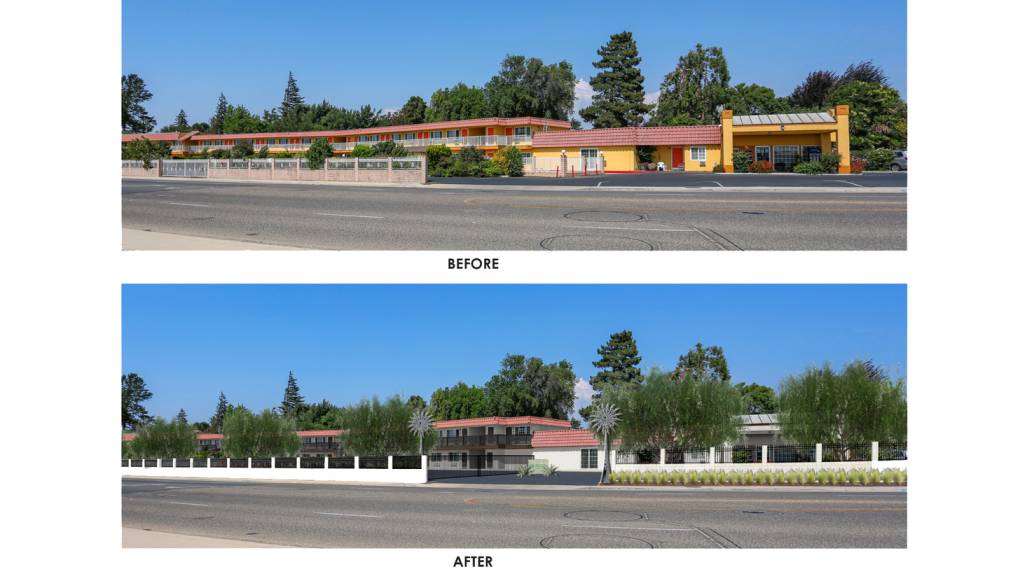
"caption": "In King City, in Monterey County, Shangri-La Industries received $12.2 million in Homekey funds in mid-2022 to turn an approximately 45-unit motel (top image) into housing. The bottom image is a rendering of the proposed final conversion. However, the project remains unfinished and is more than a year past its target opening date.",
"description": null,
"title": "shangri-la-659eafb5b7aa8",
"credit": "Photo courtesy of King City Mayor Mike LeBarre",
"status": "inherit",
"altTag": "Shangri-La",
"isLoading": false,
"fetchFailed": false
},
"news_11971091": {
"type": "attachments",
"id": "news_11971091",
"meta": {
"index": "attachments_1716263798",
"site": "news",
"id": "11971091",
"found": true
},
"title": "Donald Trump Delivers Remarks At Nevada Recruitment Event",
"publishDate": 1703793049,
"status": "inherit",
"parent": 0,
"modified": 1726466386,
"caption": "Former U.S. President and Republican presidential candidate Donald Trump delivers remarks at a Nevada Republican volunteer recruiting event at Fervent: A Calvary Chapel on July 8, 2023, in Las Vegas. ",
"credit": "Mario Tama/Getty Images",
"altTag": "An older white man with a navy blue suit and red tie gestures as he speaks.",
"description": null,
"imgSizes": {
"medium": {
"file": "https://cdn.kqed.org/wp-content/uploads/sites/10/2023/12/GettyImages-1527386991-800x533.jpg",
"width": 800,
"height": 533,
"mimeType": "image/jpeg"
},
"large": {
"file": "https://cdn.kqed.org/wp-content/uploads/sites/10/2023/12/GettyImages-1527386991-1020x680.jpg",
"width": 1020,
"height": 680,
"mimeType": "image/jpeg"
},
"thumbnail": {
"file": "https://cdn.kqed.org/wp-content/uploads/sites/10/2023/12/GettyImages-1527386991-160x107.jpg",
"width": 160,
"height": 107,
"mimeType": "image/jpeg"
},
"1536x1536": {
"file": "https://cdn.kqed.org/wp-content/uploads/sites/10/2023/12/GettyImages-1527386991-1536x1024.jpg",
"width": 1536,
"height": 1024,
"mimeType": "image/jpeg"
},
"post-thumbnail": {
"file": "https://cdn.kqed.org/wp-content/uploads/sites/10/2023/12/GettyImages-1527386991-672x372.jpg",
"width": 672,
"height": 372,
"mimeType": "image/jpeg"
},
"twentyfourteen-full-width": {
"file": "https://cdn.kqed.org/wp-content/uploads/sites/10/2023/12/GettyImages-1527386991-1038x576.jpg",
"width": 1038,
"height": 576,
"mimeType": "image/jpeg"
},
"kqedFullSize": {
"file": "https://cdn.kqed.org/wp-content/uploads/sites/10/2023/12/GettyImages-1527386991.jpg",
"width": 1920,
"height": 1280
}
},
"isLoading": false,
"fetchFailed": false
},
"news_11990406": {
"type": "attachments",
"id": "news_11990406",
"meta": {
"index": "attachments_1716263798",
"site": "news",
"id": "11990406",
"found": true
},
"title": "240610-HomelessFamilies-35-BL_qut",
"publishDate": 1718382647,
"status": "inherit",
"parent": 0,
"modified": 1726251957,
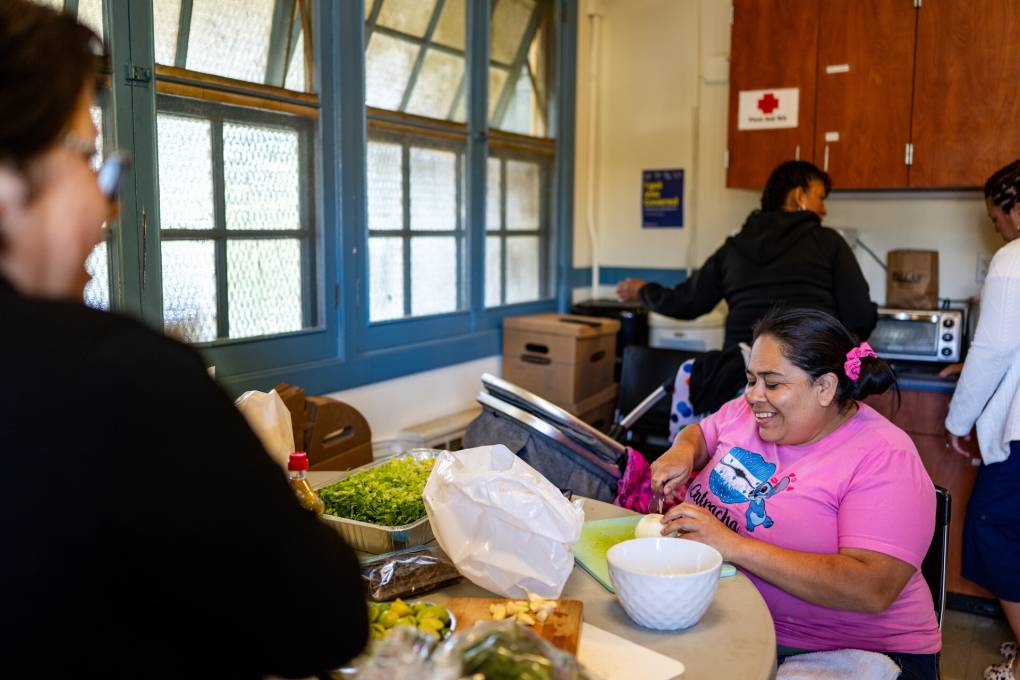
"caption": "Shelter resident Analy Padilla prepares pozole alongside Claudia Carmona and Maria Figeroa in a teacher's lounge at Buena Vista Horace Mann Community School on June 10, 2024. The pozole will feed their families and others in one of San Francisco's largest shelters for families experiencing homelessness. The nonprofit Mission Action operates the shelter at Horace Mann after hours and during the summer when school is not in session.",
"credit": "Beth LaBerge/KQED",
"altTag": "A woman wearing glasses and a black shirt talks to a woman wearing a pink t-shirt in a kitchen, cutting food with two other people in the background.",
"description": null,
"imgSizes": {
"medium": {
"file": "https://cdn.kqed.org/wp-content/uploads/sites/10/2024/06/240610-HomelessFamilies-35-BL_qut-800x533.jpg",
"width": 800,
"height": 533,
"mimeType": "image/jpeg"
},
"large": {
"file": "https://cdn.kqed.org/wp-content/uploads/sites/10/2024/06/240610-HomelessFamilies-35-BL_qut-1020x680.jpg",
"width": 1020,
"height": 680,
"mimeType": "image/jpeg"
},
"thumbnail": {
"file": "https://cdn.kqed.org/wp-content/uploads/sites/10/2024/06/240610-HomelessFamilies-35-BL_qut-160x107.jpg",
"width": 160,
"height": 107,
"mimeType": "image/jpeg"
},
"1536x1536": {
"file": "https://cdn.kqed.org/wp-content/uploads/sites/10/2024/06/240610-HomelessFamilies-35-BL_qut-1536x1024.jpg",
"width": 1536,
"height": 1024,
"mimeType": "image/jpeg"
},
"post-thumbnail": {
"file": "https://cdn.kqed.org/wp-content/uploads/sites/10/2024/06/240610-HomelessFamilies-35-BL_qut-672x372.jpg",
"width": 672,
"height": 372,
"mimeType": "image/jpeg"
},
"twentyfourteen-full-width": {
"file": "https://cdn.kqed.org/wp-content/uploads/sites/10/2024/06/240610-HomelessFamilies-35-BL_qut-1038x576.jpg",
"width": 1038,
"height": 576,
"mimeType": "image/jpeg"
},
"kqedFullSize": {
"file": "https://cdn.kqed.org/wp-content/uploads/sites/10/2024/06/240610-HomelessFamilies-35-BL_qut.jpg",
"width": 1920,
"height": 1280
}
},
"isLoading": false,
"fetchFailed": false
},
"news_12004341": {
"type": "attachments",
"id": "news_12004341",
"meta": {
"index": "attachments_1716263798",
"site": "news",
"id": "12004341",
"found": true
},
"title": "Bridge Fire Burns In Southern California",
"publishDate": 1726069768,
"status": "inherit",
"parent": 12004340,
"modified": 1726069800,
"caption": "GLENDORA, CALIFORNIA - SEPTEMBER 10: Large flames rapidly consume vegetation during a run up a ridge as the Bridge fire explodes in size from 2,995 acres to 46,727 acres in single day, racing up the San Gabriel Mountains toward the ski resort community of Wrightwood, on September 10 2024 near Glendora, California. The fire is incinerating the Sheep Mountain Wilderness and is also threatening Baldy Village, in the Mount Baldy area, to the east. Heatwave conditions have been fueling extreme fire behavior at multiple large wildfires in Southern California. ",
"credit": "Photo by David McNew/Getty Images",
"altTag": "bridge fire",
"description": null,
"imgSizes": {
"medium": {
"file": "https://cdn.kqed.org/wp-content/uploads/sites/10/2024/09/GettyImages-2170619999-800x534.jpg",
"width": 800,
"height": 534,
"mimeType": "image/jpeg"
},
"large": {
"file": "https://cdn.kqed.org/wp-content/uploads/sites/10/2024/09/GettyImages-2170619999-1020x680.jpg",
"width": 1020,
"height": 680,
"mimeType": "image/jpeg"
},
"thumbnail": {
"file": "https://cdn.kqed.org/wp-content/uploads/sites/10/2024/09/GettyImages-2170619999-160x107.jpg",
"width": 160,
"height": 107,
"mimeType": "image/jpeg"
},
"1536x1536": {
"file": "https://cdn.kqed.org/wp-content/uploads/sites/10/2024/09/GettyImages-2170619999-1536x1025.jpg",
"width": 1536,
"height": 1025,
"mimeType": "image/jpeg"
},
"2048x2048": {
"file": "https://cdn.kqed.org/wp-content/uploads/sites/10/2024/09/GettyImages-2170619999-2048x1366.jpg",
"width": 2048,
"height": 1366,
"mimeType": "image/jpeg"
},
"post-thumbnail": {
"file": "https://cdn.kqed.org/wp-content/uploads/sites/10/2024/09/GettyImages-2170619999-672x372.jpg",
"width": 672,
"height": 372,
"mimeType": "image/jpeg"
},
"twentyfourteen-full-width": {
"file": "https://cdn.kqed.org/wp-content/uploads/sites/10/2024/09/GettyImages-2170619999-1038x576.jpg",
"width": 1038,
"height": 576,
"mimeType": "image/jpeg"
},
"full-width": {
"file": "https://cdn.kqed.org/wp-content/uploads/sites/10/2024/09/GettyImages-2170619999-1920x1281.jpg",
"width": 1920,
"height": 1281,
"mimeType": "image/jpeg"
},
"kqedFullSize": {
"file": "https://cdn.kqed.org/wp-content/uploads/sites/10/2024/09/GettyImages-2170619999-scaled.jpg",
"width": 2560,
"height": 1708
}
},
"isLoading": false,
"fetchFailed": false
},
"news_12003127": {
"type": "attachments",
"id": "news_12003127",
"meta": {
"index": "attachments_1716263798",
"site": "news",
"id": "12003127",
"found": true
},
"title": "240903-RAPIDREHOUSING-06-BL-KQED",
"publishDate": 1725486658,
"status": "inherit",
"parent": 0,
"modified": 1725486715,
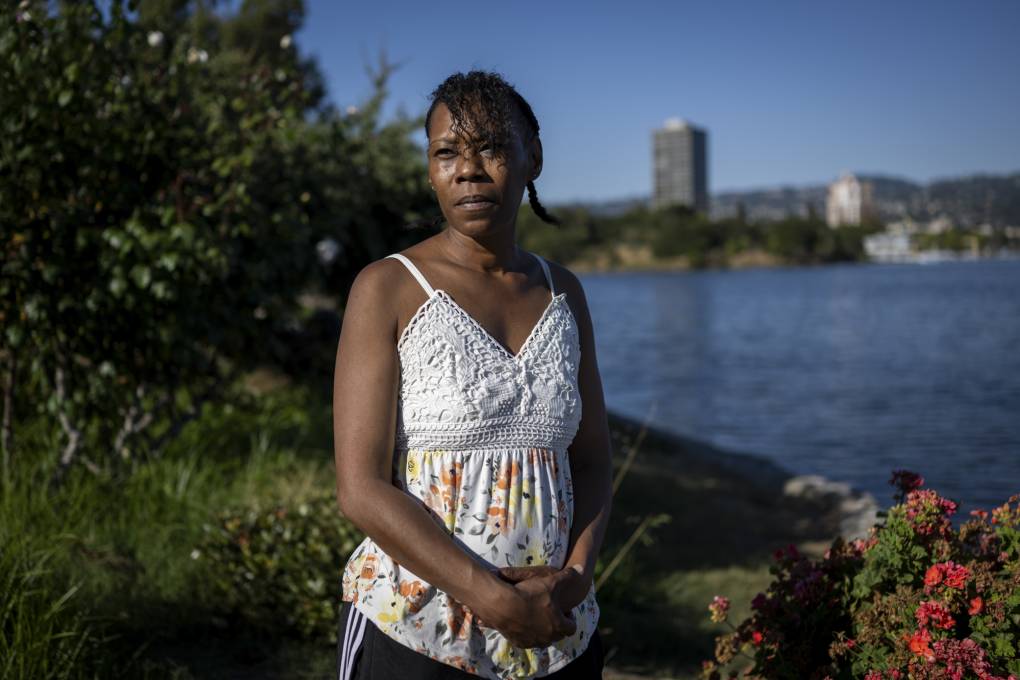
"caption": "Francine Edwards, the mother of Larry Williams, stands by Lake Merritt in Oakland on Sept. 3, 2024.",
"credit": "Beth LaBerge/KQED",
"altTag": null,
"description": null,
"imgSizes": {
"medium": {
"file": "https://cdn.kqed.org/wp-content/uploads/sites/10/2024/09/240903-RAPIDREHOUSING-06-BL-KQED-800x533.jpg",
"width": 800,
"height": 533,
"mimeType": "image/jpeg"
},
"large": {
"file": "https://cdn.kqed.org/wp-content/uploads/sites/10/2024/09/240903-RAPIDREHOUSING-06-BL-KQED-1020x680.jpg",
"width": 1020,
"height": 680,
"mimeType": "image/jpeg"
},
"thumbnail": {
"file": "https://cdn.kqed.org/wp-content/uploads/sites/10/2024/09/240903-RAPIDREHOUSING-06-BL-KQED-160x107.jpg",
"width": 160,
"height": 107,
"mimeType": "image/jpeg"
},
"1536x1536": {
"file": "https://cdn.kqed.org/wp-content/uploads/sites/10/2024/09/240903-RAPIDREHOUSING-06-BL-KQED-1536x1024.jpg",
"width": 1536,
"height": 1024,
"mimeType": "image/jpeg"
},
"post-thumbnail": {
"file": "https://cdn.kqed.org/wp-content/uploads/sites/10/2024/09/240903-RAPIDREHOUSING-06-BL-KQED-672x372.jpg",
"width": 672,
"height": 372,
"mimeType": "image/jpeg"
},
"twentyfourteen-full-width": {
"file": "https://cdn.kqed.org/wp-content/uploads/sites/10/2024/09/240903-RAPIDREHOUSING-06-BL-KQED-1038x576.jpg",
"width": 1038,
"height": 576,
"mimeType": "image/jpeg"
},
"full-width": {
"file": "https://cdn.kqed.org/wp-content/uploads/sites/10/2024/09/240903-RAPIDREHOUSING-06-BL-KQED-1920x1280.jpg",
"width": 1920,
"height": 1280,
"mimeType": "image/jpeg"
},
"kqedFullSize": {
"file": "https://cdn.kqed.org/wp-content/uploads/sites/10/2024/09/240903-RAPIDREHOUSING-06-BL-KQED.jpg",
"width": 2000,
"height": 1333
}
},
"isLoading": false,
"fetchFailed": false
},
"news_12003055": {
"type": "attachments",
"id": "news_12003055",
"meta": {
"index": "attachments_1716263798",
"site": "news",
"id": "12003055",
"found": true
},
"title": "011_KQED_Berkeley_Homelessness_03192020_9408_qed",
"publishDate": 1725479997,
"status": "inherit",
"parent": 12003051,
"modified": 1725480040,
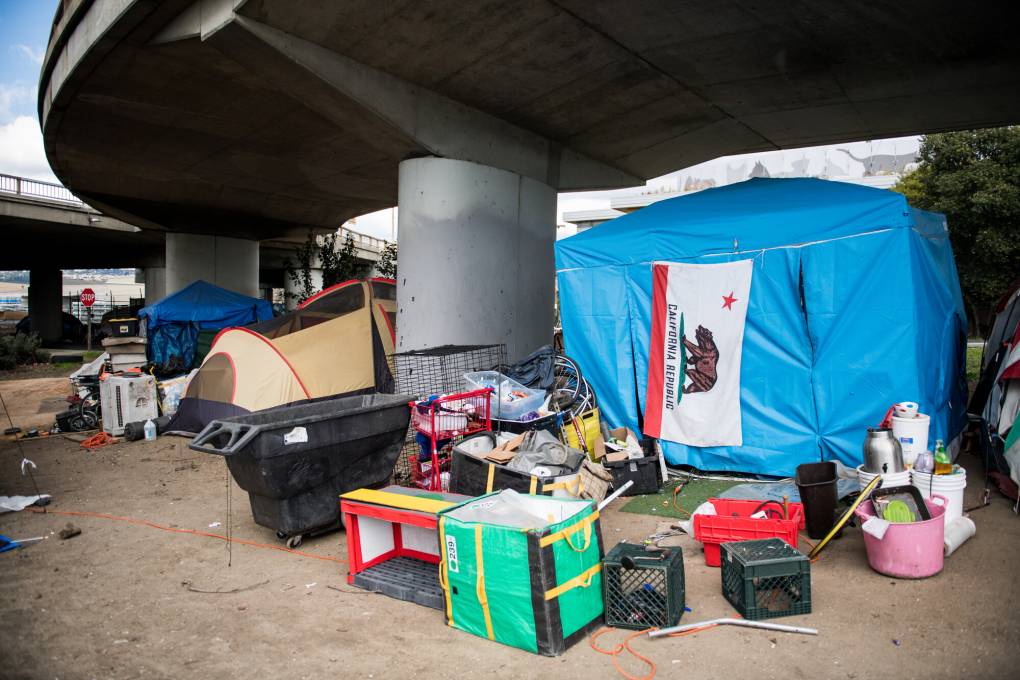
"caption": "A tent encampment under a freeway overpass in Berkeley on March 19, 2020.",
"credit": "Beth LaBerge/KQED",
"altTag": null,
"description": null,
"imgSizes": {
"medium": {
"file": "https://cdn.kqed.org/wp-content/uploads/sites/10/2024/09/011_KQED_Berkeley_Homelessness_03192020_9408_qed-800x533.jpg",
"width": 800,
"height": 533,
"mimeType": "image/jpeg"
},
"large": {
"file": "https://cdn.kqed.org/wp-content/uploads/sites/10/2024/09/011_KQED_Berkeley_Homelessness_03192020_9408_qed-1020x680.jpg",
"width": 1020,
"height": 680,
"mimeType": "image/jpeg"
},
"thumbnail": {
"file": "https://cdn.kqed.org/wp-content/uploads/sites/10/2024/09/011_KQED_Berkeley_Homelessness_03192020_9408_qed-160x107.jpg",
"width": 160,
"height": 107,
"mimeType": "image/jpeg"
},
"1536x1536": {
"file": "https://cdn.kqed.org/wp-content/uploads/sites/10/2024/09/011_KQED_Berkeley_Homelessness_03192020_9408_qed-1536x1024.jpg",
"width": 1536,
"height": 1024,
"mimeType": "image/jpeg"
},
"post-thumbnail": {
"file": "https://cdn.kqed.org/wp-content/uploads/sites/10/2024/09/011_KQED_Berkeley_Homelessness_03192020_9408_qed-672x372.jpg",
"width": 672,
"height": 372,
"mimeType": "image/jpeg"
},
"twentyfourteen-full-width": {
"file": "https://cdn.kqed.org/wp-content/uploads/sites/10/2024/09/011_KQED_Berkeley_Homelessness_03192020_9408_qed-1038x576.jpg",
"width": 1038,
"height": 576,
"mimeType": "image/jpeg"
},
"full-width": {
"file": "https://cdn.kqed.org/wp-content/uploads/sites/10/2024/09/011_KQED_Berkeley_Homelessness_03192020_9408_qed-1920x1280.jpg",
"width": 1920,
"height": 1280,
"mimeType": "image/jpeg"
},
"kqedFullSize": {
"file": "https://cdn.kqed.org/wp-content/uploads/sites/10/2024/09/011_KQED_Berkeley_Homelessness_03192020_9408_qed.jpg",
"width": 2000,
"height": 1333
}
},
"isLoading": false,
"fetchFailed": false
},
"news_12002105": {
"type": "attachments",
"id": "news_12002105",
"meta": {
"index": "attachments_1716263798",
"site": "news",
"id": "12002105",
"found": true
},
"title": "014_Richmond_JeanStanley_07152021_qed",
"publishDate": 1724799607,
"status": "inherit",
"parent": 12002010,
"modified": 1724800457,
"caption": "A woman holds the hotel key for a room she and her son have shared for months in Richmond on July 15, 2021. On Tuesday, Gov. Gavin Newsom signed two bills intended to ease California’s housing and homelessness crisis. One bill makes it easier for people experiencing homelessness to stay longer at a hotel or motel that has been converted into a shelter, and the other streamlines the approval process for smaller accessory dwelling units.",
"credit": "Beth LaBerge/KQED",
"altTag": null,
"description": null,
"imgSizes": {
"medium": {
"file": "https://cdn.kqed.org/wp-content/uploads/sites/10/2024/08/014_Richmond_JeanStanley_07152021_qed-800x533.jpg",
"width": 800,
"height": 533,
"mimeType": "image/jpeg"
},
"large": {
"file": "https://cdn.kqed.org/wp-content/uploads/sites/10/2024/08/014_Richmond_JeanStanley_07152021_qed-1020x680.jpg",
"width": 1020,
"height": 680,
"mimeType": "image/jpeg"
},
"thumbnail": {
"file": "https://cdn.kqed.org/wp-content/uploads/sites/10/2024/08/014_Richmond_JeanStanley_07152021_qed-160x107.jpg",
"width": 160,
"height": 107,
"mimeType": "image/jpeg"
},
"1536x1536": {
"file": "https://cdn.kqed.org/wp-content/uploads/sites/10/2024/08/014_Richmond_JeanStanley_07152021_qed-1536x1024.jpg",
"width": 1536,
"height": 1024,
"mimeType": "image/jpeg"
},
"post-thumbnail": {
"file": "https://cdn.kqed.org/wp-content/uploads/sites/10/2024/08/014_Richmond_JeanStanley_07152021_qed-672x372.jpg",
"width": 672,
"height": 372,
"mimeType": "image/jpeg"
},
"twentyfourteen-full-width": {
"file": "https://cdn.kqed.org/wp-content/uploads/sites/10/2024/08/014_Richmond_JeanStanley_07152021_qed-1038x576.jpg",
"width": 1038,
"height": 576,
"mimeType": "image/jpeg"
},
"full-width": {
"file": "https://cdn.kqed.org/wp-content/uploads/sites/10/2024/08/014_Richmond_JeanStanley_07152021_qed-1920x1280.jpg",
"width": 1920,
"height": 1280,
"mimeType": "image/jpeg"
},
"kqedFullSize": {
"file": "https://cdn.kqed.org/wp-content/uploads/sites/10/2024/08/014_Richmond_JeanStanley_07152021_qed.jpg",
"width": 2000,
"height": 1333
}
},
"isLoading": false,
"fetchFailed": false
},
"news_12001564": {
"type": "attachments",
"id": "news_12001564",
"meta": {
"index": "attachments_1716263798",
"site": "news",
"id": "12001564",
"found": true
},
"title": "240822-ACTION-AGAINST-HOMELESS-SWEEPS-MD-01-KQED-1",
"publishDate": 1724421281,
"status": "inherit",
"parent": 0,
"modified": 1724421304,
"caption": "A rally in opposition to San Francisco's unhoused encampment sweeps in front of City Hall on Aug. 22, 2024.",
"credit": "Martin do Nascimento/KQED",
"altTag": null,
"description": null,
"imgSizes": {
"medium": {
"file": "https://cdn.kqed.org/wp-content/uploads/sites/10/2024/08/240822-ACTION-AGAINST-HOMELESS-SWEEPS-MD-01-KQED-1-800x533.jpg",
"width": 800,
"height": 533,
"mimeType": "image/jpeg"
},
"large": {
"file": "https://cdn.kqed.org/wp-content/uploads/sites/10/2024/08/240822-ACTION-AGAINST-HOMELESS-SWEEPS-MD-01-KQED-1-1020x680.jpg",
"width": 1020,
"height": 680,
"mimeType": "image/jpeg"
},
"thumbnail": {
"file": "https://cdn.kqed.org/wp-content/uploads/sites/10/2024/08/240822-ACTION-AGAINST-HOMELESS-SWEEPS-MD-01-KQED-1-160x107.jpg",
"width": 160,
"height": 107,
"mimeType": "image/jpeg"
},
"1536x1536": {
"file": "https://cdn.kqed.org/wp-content/uploads/sites/10/2024/08/240822-ACTION-AGAINST-HOMELESS-SWEEPS-MD-01-KQED-1-1536x1024.jpg",
"width": 1536,
"height": 1024,
"mimeType": "image/jpeg"
},
"post-thumbnail": {
"file": "https://cdn.kqed.org/wp-content/uploads/sites/10/2024/08/240822-ACTION-AGAINST-HOMELESS-SWEEPS-MD-01-KQED-1-672x372.jpg",
"width": 672,
"height": 372,
"mimeType": "image/jpeg"
},
"twentyfourteen-full-width": {
"file": "https://cdn.kqed.org/wp-content/uploads/sites/10/2024/08/240822-ACTION-AGAINST-HOMELESS-SWEEPS-MD-01-KQED-1-1038x576.jpg",
"width": 1038,
"height": 576,
"mimeType": "image/jpeg"
},
"full-width": {
"file": "https://cdn.kqed.org/wp-content/uploads/sites/10/2024/08/240822-ACTION-AGAINST-HOMELESS-SWEEPS-MD-01-KQED-1-1920x1280.jpg",
"width": 1920,
"height": 1280,
"mimeType": "image/jpeg"
},
"kqedFullSize": {
"file": "https://cdn.kqed.org/wp-content/uploads/sites/10/2024/08/240822-ACTION-AGAINST-HOMELESS-SWEEPS-MD-01-KQED-1.jpg",
"width": 2000,
"height": 1333
}
},
"isLoading": false,
"fetchFailed": false
},
"news_12001043": {
"type": "attachments",
"id": "news_12001043",
"meta": {
"index": "attachments_1716263798",
"site": "news",
"id": "12001043",
"found": true
},
"title": "240814-ENCAMPMENTSWEEP-59-BL-KQED",
"publishDate": 1724195896,
"status": "inherit",
"parent": 12000987,
"modified": 1724195963,
"caption": "San Francisco Public Works employees clear debris on a bicycle path under Highway 101 near Cesar Chavez Street on Aug. 14, 2024, after an encampment sweep moved unhoused residents out of the area.",
"credit": "Beth LaBerge/KQED",
"altTag": null,
"description": null,
"imgSizes": {
"medium": {
"file": "https://cdn.kqed.org/wp-content/uploads/sites/10/2024/08/240814-ENCAMPMENTSWEEP-59-BL-KQED-1-800x533.jpg",
"width": 800,
"height": 533,
"mimeType": "image/jpeg"
},
"large": {
"file": "https://cdn.kqed.org/wp-content/uploads/sites/10/2024/08/240814-ENCAMPMENTSWEEP-59-BL-KQED-1-1020x680.jpg",
"width": 1020,
"height": 680,
"mimeType": "image/jpeg"
},
"thumbnail": {
"file": "https://cdn.kqed.org/wp-content/uploads/sites/10/2024/08/240814-ENCAMPMENTSWEEP-59-BL-KQED-1-160x107.jpg",
"width": 160,
"height": 107,
"mimeType": "image/jpeg"
},
"1536x1536": {
"file": "https://cdn.kqed.org/wp-content/uploads/sites/10/2024/08/240814-ENCAMPMENTSWEEP-59-BL-KQED-1-1536x1024.jpg",
"width": 1536,
"height": 1024,
"mimeType": "image/jpeg"
},
"post-thumbnail": {
"file": "https://cdn.kqed.org/wp-content/uploads/sites/10/2024/08/240814-ENCAMPMENTSWEEP-59-BL-KQED-1-672x372.jpg",
"width": 672,
"height": 372,
"mimeType": "image/jpeg"
},
"twentyfourteen-full-width": {
"file": "https://cdn.kqed.org/wp-content/uploads/sites/10/2024/08/240814-ENCAMPMENTSWEEP-59-BL-KQED-1-1038x576.jpg",
"width": 1038,
"height": 576,
"mimeType": "image/jpeg"
},
"full-width": {
"file": "https://cdn.kqed.org/wp-content/uploads/sites/10/2024/08/240814-ENCAMPMENTSWEEP-59-BL-KQED-1-1920x1280.jpg",
"width": 1920,
"height": 1280,
"mimeType": "image/jpeg"
},
"kqedFullSize": {
"file": "https://cdn.kqed.org/wp-content/uploads/sites/10/2024/08/240814-ENCAMPMENTSWEEP-59-BL-KQED-1.jpg",
"width": 2000,
"height": 1333
}
},
"isLoading": false,
"fetchFailed": false
},
"news_12000943": {
"type": "attachments",
"id": "news_12000943",
"meta": {
"index": "attachments_1716263798",
"site": "news",
"id": "12000943",
"found": true
},
"title": "240406-PeskinCampaignKickoff-038-BL_qed",
"publishDate": 1724181558,
"status": "inherit",
"parent": 12000938,
"modified": 1724181594,
"caption": "Board of Supervisors president Aaron Peskin speaks during a rally to announce his campaign for mayor of San Francisco in Chinatown’s Portsmouth Square in San Francisco on April 6, 2024.",
"credit": "Beth LaBerge/KQED",
"altTag": null,
"description": null,
"imgSizes": {
"medium": {
"file": "https://cdn.kqed.org/wp-content/uploads/sites/10/2024/08/240406-PeskinCampaignKickoff-038-BL_qed-800x533.jpg",
"width": 800,
"height": 533,
"mimeType": "image/jpeg"
},
"large": {
"file": "https://cdn.kqed.org/wp-content/uploads/sites/10/2024/08/240406-PeskinCampaignKickoff-038-BL_qed-1020x680.jpg",
"width": 1020,
"height": 680,
"mimeType": "image/jpeg"
},
"thumbnail": {
"file": "https://cdn.kqed.org/wp-content/uploads/sites/10/2024/08/240406-PeskinCampaignKickoff-038-BL_qed-160x107.jpg",
"width": 160,
"height": 107,
"mimeType": "image/jpeg"
},
"1536x1536": {
"file": "https://cdn.kqed.org/wp-content/uploads/sites/10/2024/08/240406-PeskinCampaignKickoff-038-BL_qed-1536x1024.jpg",
"width": 1536,
"height": 1024,
"mimeType": "image/jpeg"
},
"post-thumbnail": {
"file": "https://cdn.kqed.org/wp-content/uploads/sites/10/2024/08/240406-PeskinCampaignKickoff-038-BL_qed-672x372.jpg",
"width": 672,
"height": 372,
"mimeType": "image/jpeg"
},
"twentyfourteen-full-width": {
"file": "https://cdn.kqed.org/wp-content/uploads/sites/10/2024/08/240406-PeskinCampaignKickoff-038-BL_qed-1038x576.jpg",
"width": 1038,
"height": 576,
"mimeType": "image/jpeg"
},
"full-width": {
"file": "https://cdn.kqed.org/wp-content/uploads/sites/10/2024/08/240406-PeskinCampaignKickoff-038-BL_qed-1920x1280.jpg",
"width": 1920,
"height": 1280,
"mimeType": "image/jpeg"
},
"kqedFullSize": {
"file": "https://cdn.kqed.org/wp-content/uploads/sites/10/2024/08/240406-PeskinCampaignKickoff-038-BL_qed.jpg",
"width": 2000,
"height": 1333
}
},
"isLoading": false,
"fetchFailed": false
},
"news_12000980": {
"type": "attachments",
"id": "news_12000980",
"meta": {
"index": "attachments_1716263798",
"site": "news",
"id": "12000980",
"found": true
},
"title": "San Rafael, California",
"publishDate": 1724186610,
"status": "inherit",
"parent": 12000944,
"modified": 1724186745,
"caption": "San Rafael city leaders approved a plan on Monday to establish a sanctioned homeless encampment, part of a broader push to clamp down on public camping in the wake of favorable court rulings and pressure from Gov. Gavin Newsom.",
"credit": "Matt Gush/iStock via Getty Images",
"altTag": null,
"description": null,
"imgSizes": {
"medium": {
"file": "https://cdn.kqed.org/wp-content/uploads/sites/10/2024/08/SanRafaelCitySkyline1Getty-800x449.jpg",
"width": 800,
"height": 449,
"mimeType": "image/jpeg"
},
"large": {
"file": "https://cdn.kqed.org/wp-content/uploads/sites/10/2024/08/SanRafaelCitySkyline1Getty-1020x573.jpg",
"width": 1020,
"height": 573,
"mimeType": "image/jpeg"
},
"thumbnail": {
"file": "https://cdn.kqed.org/wp-content/uploads/sites/10/2024/08/SanRafaelCitySkyline1Getty-160x90.jpg",
"width": 160,
"height": 90,
"mimeType": "image/jpeg"
},
"1536x1536": {
"file": "https://cdn.kqed.org/wp-content/uploads/sites/10/2024/08/SanRafaelCitySkyline1Getty-1536x862.jpg",
"width": 1536,
"height": 862,
"mimeType": "image/jpeg"
},
"post-thumbnail": {
"file": "https://cdn.kqed.org/wp-content/uploads/sites/10/2024/08/SanRafaelCitySkyline1Getty-672x372.jpg",
"width": 672,
"height": 372,
"mimeType": "image/jpeg"
},
"twentyfourteen-full-width": {
"file": "https://cdn.kqed.org/wp-content/uploads/sites/10/2024/08/SanRafaelCitySkyline1Getty-1038x576.jpg",
"width": 1038,
"height": 576,
"mimeType": "image/jpeg"
},
"full-width": {
"file": "https://cdn.kqed.org/wp-content/uploads/sites/10/2024/08/SanRafaelCitySkyline1Getty-1920x1078.jpg",
"width": 1920,
"height": 1078,
"mimeType": "image/jpeg"
},
"kqedFullSize": {
"file": "https://cdn.kqed.org/wp-content/uploads/sites/10/2024/08/SanRafaelCitySkyline1Getty.jpg",
"width": 2000,
"height": 1123
}
},
"isLoading": false,
"fetchFailed": false
},
"news_11998743": {
"type": "attachments",
"id": "news_11998743",
"meta": {
"index": "attachments_1716263798",
"site": "news",
"id": "11998743",
"found": true
},
"title": "240801-ENCAMPMENT SWEEPS-MD-03-KQED",
"publishDate": 1722690633,
"status": "inherit",
"parent": 12000606,
"modified": 1723850346,
"caption": "Alex Vallardo ties his belongings to a wagon as he prepares to relocate before the sweep team arrives.",
"credit": "Martin do Nascimento/KQED",
"altTag": null,
"description": null,
"imgSizes": {
"medium": {
"file": "https://cdn.kqed.org/wp-content/uploads/sites/10/2024/08/240801-ENCAMPMENT-SWEEPS-MD-03-KQED-800x533.jpg",
"width": 800,
"height": 533,
"mimeType": "image/jpeg"
},
"large": {
"file": "https://cdn.kqed.org/wp-content/uploads/sites/10/2024/08/240801-ENCAMPMENT-SWEEPS-MD-03-KQED-1020x680.jpg",
"width": 1020,
"height": 680,
"mimeType": "image/jpeg"
},
"thumbnail": {
"file": "https://cdn.kqed.org/wp-content/uploads/sites/10/2024/08/240801-ENCAMPMENT-SWEEPS-MD-03-KQED-160x107.jpg",
"width": 160,
"height": 107,
"mimeType": "image/jpeg"
},
"1536x1536": {
"file": "https://cdn.kqed.org/wp-content/uploads/sites/10/2024/08/240801-ENCAMPMENT-SWEEPS-MD-03-KQED-1536x1024.jpg",
"width": 1536,
"height": 1024,
"mimeType": "image/jpeg"
},
"post-thumbnail": {
"file": "https://cdn.kqed.org/wp-content/uploads/sites/10/2024/08/240801-ENCAMPMENT-SWEEPS-MD-03-KQED-672x372.jpg",
"width": 672,
"height": 372,
"mimeType": "image/jpeg"
},
"twentyfourteen-full-width": {
"file": "https://cdn.kqed.org/wp-content/uploads/sites/10/2024/08/240801-ENCAMPMENT-SWEEPS-MD-03-KQED-1038x576.jpg",
"width": 1038,
"height": 576,
"mimeType": "image/jpeg"
},
"full-width": {
"file": "https://cdn.kqed.org/wp-content/uploads/sites/10/2024/08/240801-ENCAMPMENT-SWEEPS-MD-03-KQED-1920x1280.jpg",
"width": 1920,
"height": 1280,
"mimeType": "image/jpeg"
},
"kqedFullSize": {
"file": "https://cdn.kqed.org/wp-content/uploads/sites/10/2024/08/240801-ENCAMPMENT-SWEEPS-MD-03-KQED.jpg",
"width": 2000,
"height": 1333
}
},
"isLoading": false,
"fetchFailed": false
}
},
"audioPlayerReducer": {
"postId": "stream_live",
"isPaused": true,
"isPlaying": false,
"pfsActive": false,
"pledgeModalIsOpen": true,
"playerDrawerIsOpen": false,
"liveAudioPlayStartedAt": 0,
"liveAudioPlayContext": ""
},
"authorsReducer": {
"byline_news_12004810": {
"type": "authors",
"id": "byline_news_12004810",
"meta": {
"override": true
},
"slug": "byline_news_12004810",
"name": "\u003ca href=\"https://calmatters.org/author/yue-yu\">Yue Stella Yu, \u003c/a>CalMatters",
"isLoading": false
},
"vrancano": {
"type": "authors",
"id": "11276",
"meta": {
"index": "authors_1716337520",
"id": "11276",
"found": true
},
"name": "Vanessa Rancaño",
"firstName": "Vanessa",
"lastName": "Rancaño",
"slug": "vrancano",
"email": "vrancano@kqed.org",
"display_author_email": false,
"staff_mastheads": [
"news"
],
"title": "Reporter",
"bio": "Vanessa Rancaño is a features reporter for KQED. She’s also covered homelessness and education for the station and reported from the Central Valley. Her work has aired across public radio, from flagship national news shows to longform narrative podcasts. Before taking up a mic, she worked as a freelance print journalist. She’s been recognized with a number of national and regional awards. Vanessa grew up in California's Central Valley. She's a former NPR Kroc Fellow, and a graduate of the UC Berkeley Graduate School of Journalism.",
"avatar": "https://secure.gravatar.com/avatar/b3a383dfb0e7ee1c17568f2cf067904ab654d6e3de9743fc661f3c788ade1bed?s=600&d=blank&r=g",
"twitter": "vanessarancano",
"bluesky": null,
"facebook": null,
"instagram": null,
"linkedin": null,
"sites": [
{
"site": "arts",
"roles": [
"editor"
]
},
{
"site": "news",
"roles": [
"editor"
]
},
{
"site": "liveblog",
"roles": [
"contributor"
]
}
],
"headData": {
"title": "Vanessa Rancaño | KQED",
"description": "Reporter",
"ogImgSrc": "https://secure.gravatar.com/avatar/b3a383dfb0e7ee1c17568f2cf067904ab654d6e3de9743fc661f3c788ade1bed?s=600&d=blank&r=g",
"twImgSrc": "https://secure.gravatar.com/avatar/b3a383dfb0e7ee1c17568f2cf067904ab654d6e3de9743fc661f3c788ade1bed?s=600&d=blank&r=g"
},
"isLoading": false,
"link": "/author/vrancano"
},
"abandlamudi": {
"type": "authors",
"id": "11672",
"meta": {
"index": "authors_1716337520",
"id": "11672",
"found": true
},
"name": "Adhiti Bandlamudi",
"firstName": "Adhiti",
"lastName": "Bandlamudi",
"slug": "abandlamudi",
"email": "abandlamudi@kqed.org",
"display_author_email": false,
"staff_mastheads": [
"news"
],
"title": "KQED Housing Reporter",
"bio": "Adhiti Bandlamudi reports for KQED's Housing desk. She focuses on how housing gets built across the Bay Area. Before joining KQED in 2020, she reported for WUNC in Durham, North Carolina, WABE in Atlanta, Georgia and Capital Public Radio in Sacramento. In 2017, she was awarded a Kroc Fellowship at NPR where she reported on everything from sprinkles to the Golden State Killer's arrest. When she's not reporting, she's baking new recipes in her kitchen or watching movies with friends and family. She's originally from Georgia and has strong opinions about Great British Bake Off.",
"avatar": "https://secure.gravatar.com/avatar/868129c8b257bb99a3500e2c86a65400?s=600&d=mm&r=g",
"twitter": "oddity_adhiti",
"facebook": null,
"instagram": null,
"linkedin": null,
"sites": [
{
"site": "arts",
"roles": [
"author"
]
},
{
"site": "news",
"roles": [
"editor"
]
},
{
"site": "liveblog",
"roles": [
"author"
]
}
],
"headData": {
"title": "Adhiti Bandlamudi | KQED",
"description": "KQED Housing Reporter",
"ogImgSrc": "https://secure.gravatar.com/avatar/868129c8b257bb99a3500e2c86a65400?s=600&d=mm&r=g",
"twImgSrc": "https://secure.gravatar.com/avatar/868129c8b257bb99a3500e2c86a65400?s=600&d=mm&r=g"
},
"isLoading": false,
"link": "/author/abandlamudi"
},
"ccabreralomeli": {
"type": "authors",
"id": "11708",
"meta": {
"index": "authors_1716337520",
"id": "11708",
"found": true
},
"name": "Carlos Cabrera-Lomelí",
"firstName": "Carlos",
"lastName": "Cabrera-Lomelí",
"slug": "ccabreralomeli",
"email": "ccabreralomeli@KQED.org",
"display_author_email": true,
"staff_mastheads": [
"news"
],
"title": "Community Reporter",
"bio": "Carlos Cabrera-Lomelí is a community reporter with KQED's digital engagement team. He also reports and co-produces for KQED's bilingual news hub KQED en Español. He grew up in San Francisco's Mission District and has previously worked with Univision, 48 Hills and REFORMA in Mexico City.",
"avatar": "https://secure.gravatar.com/avatar/e95ff80bb2eaf18a8f2af4dcf7ffb54b?s=600&d=mm&r=g",
"twitter": "@LomeliCabrera",
"facebook": null,
"instagram": null,
"linkedin": null,
"sites": [
{
"site": "arts",
"roles": [
"editor"
]
},
{
"site": "news",
"roles": [
"editor"
]
},
{
"site": "about",
"roles": [
"editor"
]
},
{
"site": "science",
"roles": [
"editor"
]
},
{
"site": "perspectives",
"roles": [
"editor"
]
},
{
"site": "elections",
"roles": [
"editor"
]
},
{
"site": "liveblog",
"roles": [
"contributor"
]
}
],
"headData": {
"title": "Carlos Cabrera-Lomelí | KQED",
"description": "Community Reporter",
"ogImgSrc": "https://secure.gravatar.com/avatar/e95ff80bb2eaf18a8f2af4dcf7ffb54b?s=600&d=mm&r=g",
"twImgSrc": "https://secure.gravatar.com/avatar/e95ff80bb2eaf18a8f2af4dcf7ffb54b?s=600&d=mm&r=g"
},
"isLoading": false,
"link": "/author/ccabreralomeli"
},
"kmizuguchi": {
"type": "authors",
"id": "11739",
"meta": {
"index": "authors_1716337520",
"id": "11739",
"found": true
},
"name": "Keith Mizuguchi",
"firstName": "Keith",
"lastName": "Mizuguchi",
"slug": "kmizuguchi",
"email": "kmizuguchi@kqed.org",
"display_author_email": false,
"staff_mastheads": [],
"title": "KQED Contributor",
"bio": null,
"avatar": "https://secure.gravatar.com/avatar/64d8a7de0723d4099b9fe4e915136103febcc20809abce228ee4415bcb237023?s=600&d=blank&r=g",
"twitter": null,
"bluesky": null,
"facebook": null,
"instagram": null,
"linkedin": null,
"sites": [
{
"site": "news",
"roles": [
"editor"
]
},
{
"site": "science",
"roles": [
"editor"
]
}
],
"headData": {
"title": "Keith Mizuguchi | KQED",
"description": "KQED Contributor",
"ogImgSrc": "https://secure.gravatar.com/avatar/64d8a7de0723d4099b9fe4e915136103febcc20809abce228ee4415bcb237023?s=600&d=blank&r=g",
"twImgSrc": "https://secure.gravatar.com/avatar/64d8a7de0723d4099b9fe4e915136103febcc20809abce228ee4415bcb237023?s=600&d=blank&r=g"
},
"isLoading": false,
"link": "/author/kmizuguchi"
},
"daisynguyen": {
"type": "authors",
"id": "11829",
"meta": {
"index": "authors_1716337520",
"id": "11829",
"found": true
},
"name": "Daisy Nguyen",
"firstName": "Daisy",
"lastName": "Nguyen",
"slug": "daisynguyen",
"email": "daisynguyen@kqed.org",
"display_author_email": true,
"staff_mastheads": [
"news"
],
"title": "KQED Contributor",
"bio": "I have covered early childhood education and child care for KQED since 2022. I focus on policies aimed at increasing access to early care and education and how they shape individual lives. I've been a journalist for more than two decades, with most of that time devoted to covering breaking news throughout California for The Associated Press. I grew up in San Francisco and studied at UC Davis and Columbia University's Graduate School of Journalism. I live in Oakland with my husband and two kids.",
"avatar": "https://secure.gravatar.com/avatar/2da2127c27f7143b53ebd419800fd55f?s=600&d=blank&r=g",
"twitter": null,
"facebook": null,
"instagram": null,
"linkedin": "https://www.linkedin.com/in/daisynguyen/",
"sites": [
{
"site": "news",
"roles": [
"author"
]
},
{
"site": "liveblog",
"roles": [
"author"
]
}
],
"headData": {
"title": "Daisy Nguyen | KQED",
"description": "KQED Contributor",
"ogImgSrc": "https://secure.gravatar.com/avatar/2da2127c27f7143b53ebd419800fd55f?s=600&d=blank&r=g",
"twImgSrc": "https://secure.gravatar.com/avatar/2da2127c27f7143b53ebd419800fd55f?s=600&d=blank&r=g"
},
"isLoading": false,
"link": "/author/daisynguyen"
},
"sjohnson": {
"type": "authors",
"id": "11840",
"meta": {
"index": "authors_1716337520",
"id": "11840",
"found": true
},
"name": "Sydney Johnson",
"firstName": "Sydney",
"lastName": "Johnson",
"slug": "sjohnson",
"email": "sjohnson@kqed.org",
"display_author_email": false,
"staff_mastheads": [
"news"
],
"title": "KQED Reporter",
"bio": "Sydney Johnson is a general assignment reporter at KQED. She previously reported on public health and city government at the San Francisco Examiner, and before that, she covered statewide education policy for EdSource. Her reporting has won multiple local, state and national awards. Sydney is a graduate of the University of California, Berkeley and lives in San Francisco.",
"avatar": "https://secure.gravatar.com/avatar/97855f2719b72ad6190b7c535fe642c8?s=600&d=blank&r=g",
"twitter": "sydneyfjohnson",
"facebook": null,
"instagram": null,
"linkedin": null,
"sites": [
{
"site": "news",
"roles": [
"editor"
]
}
],
"headData": {
"title": "Sydney Johnson | KQED",
"description": "KQED Reporter",
"ogImgSrc": "https://secure.gravatar.com/avatar/97855f2719b72ad6190b7c535fe642c8?s=600&d=blank&r=g",
"twImgSrc": "https://secure.gravatar.com/avatar/97855f2719b72ad6190b7c535fe642c8?s=600&d=blank&r=g"
},
"isLoading": false,
"link": "/author/sjohnson"
},
"nkhan": {
"type": "authors",
"id": "11867",
"meta": {
"index": "authors_1716337520",
"id": "11867",
"found": true
},
"name": "Nisa Khan",
"firstName": "Nisa",
"lastName": "Khan",
"slug": "nkhan",
"email": "nkhan@kqed.org",
"display_author_email": false,
"staff_mastheads": [],
"title": "KQED Contributor",
"bio": "Nisa Khan is a reporter for KQED's Audience News Desk. She was formerly a data reporter at Michigan Radio. She earned a Bachelor of Science in Information from the University of Michigan and a Master of Arts in Communication from Stanford University.",
"avatar": "https://secure.gravatar.com/avatar/a3bf1efcfbe7658d13a434cc54d0b2e3?s=600&d=blank&r=g",
"twitter": "mnisakhan",
"bluesky": null,
"facebook": null,
"instagram": null,
"linkedin": null,
"sites": [
{
"site": "arts",
"roles": [
"editor"
]
},
{
"site": "news",
"roles": [
"editor"
]
},
{
"site": "science",
"roles": [
"editor",
"author"
]
},
{
"site": "forum",
"roles": [
"editor"
]
},
{
"site": "liveblog",
"roles": [
"contributor"
]
}
],
"headData": {
"title": "Nisa Khan | KQED",
"description": "KQED Contributor",
"ogImgSrc": "https://secure.gravatar.com/avatar/a3bf1efcfbe7658d13a434cc54d0b2e3?s=600&d=blank&r=g",
"twImgSrc": "https://secure.gravatar.com/avatar/a3bf1efcfbe7658d13a434cc54d0b2e3?s=600&d=blank&r=g"
},
"isLoading": false,
"link": "/author/nkhan"
},
"rcooke": {
"type": "authors",
"id": "11921",
"meta": {
"index": "authors_1716337520",
"id": "11921",
"found": true
},
"name": "Riley Cooke",
"firstName": "Riley",
"lastName": "Cooke",
"slug": "rcooke",
"email": "rcooke@kqed.org",
"display_author_email": true,
"staff_mastheads": [
"news"
],
"title": "KQED Contributor",
"bio": "Riley is a senior at UC Berkeley, where she studies political science and journalism. Her work has appeared in SFGate, NBC Bay Area, Local News Matters and more. She enjoys reporting on politics, housing and homelessness — and using as many em dashes as her editors will allow.",
"avatar": "https://secure.gravatar.com/avatar/792f98c126cc5e270a8a96f77f7224ea?s=600&d=blank&r=g",
"twitter": "rrileycooke",
"facebook": null,
"instagram": null,
"linkedin": null,
"sites": [
{
"site": "arts",
"roles": [
"author"
]
},
{
"site": "news",
"roles": [
"author"
]
}
],
"headData": {
"title": "Riley Cooke | KQED",
"description": "KQED Contributor",
"ogImgSrc": "https://secure.gravatar.com/avatar/792f98c126cc5e270a8a96f77f7224ea?s=600&d=blank&r=g",
"twImgSrc": "https://secure.gravatar.com/avatar/792f98c126cc5e270a8a96f77f7224ea?s=600&d=blank&r=g"
},
"isLoading": false,
"link": "/author/rcooke"
}
},
"pagesReducer": {
"news_tag_homelessness": {
"type": "terms",
"id": "news_4020",
"meta": {
"index": "terms_1716263798",
"site": "news",
"id": "4020",
"score": 8.555192
},
"name": "Homelessness",
"slug": "homelessness",
"taxonomy": "tag",
"description": null,
"featImg": null,
"headData": {
"title": "Homelessness | KQED News",
"description": null,
"ogTitle": null,
"ogDescription": null,
"ogImgId": null,
"twTitle": null,
"twDescription": null,
"twImgId": null,
"metaRobotsNoIndex": "index"
},
"ttid": 4039,
"isLoading": false,
"title": "Homelessness",
"pageMeta": {
"site": "news",
"WpPageTemplate": "page-topic-editorial",
"currentPage": 12
},
"blocks": [
{
"blockName": "kqed/post-list",
"attrs": {
"layout": "cardArticle2",
"query": "posts/news?tag=homelessness",
"seeMore": false,
"paginated": true,
"page": 12
}
},
{
"blockName": "kqed/ad"
}
]
}
},
"pfsSessionReducer": {},
"postsReducer": {
"stream_live": {
"type": "live",
"id": "stream_live",
"audioUrl": "https://streams.kqed.org/kqedradio",
"title": "Live Stream",
"excerpt": "Live Stream information currently unavailable.",
"link": "/radio",
"featImg": "",
"label": {
"name": "KQED Live",
"link": "/"
}
},
"stream_kqedNewscast": {
"type": "posts",
"id": "stream_kqedNewscast",
"audioUrl": "https://www.kqed.org/.stream/anon/radio/RDnews/newscast.mp3?_=1",
"title": "KQED Newscast",
"featImg": "",
"label": {
"name": "88.5 FM",
"link": "/"
}
},
"news_12005166": {
"type": "posts",
"id": "news_12005166",
"meta": {
"index": "posts_1716263798",
"site": "news",
"id": "12005166",
"score": null,
"sort": [
1726676916000
]
},
"guestAuthors": [],
"slug": "nonprofit-fails-to-provide-housing-as-part-of-states-project-homekey",
"title": "Nonprofit Fails To Provide Housing As Part of State's Project Homekey",
"publishDate": 1726676916,
"format": "standard",
"headTitle": "Nonprofit Fails To Provide Housing As Part of State’s Project Homekey | KQED",
"labelTerm": {},
"content": "\u003cp>\u003cb>Here are the morning’s top stories on Wednesday, September 18, 2024…\u003c/b>\u003c/p>\n\u003cul>\n\u003cli style=\"font-weight: 400\">\u003cspan style=\"font-weight: 400\">A few years ago, \u003c/span>\u003ca href=\"https://www.latimes.com/homeless-housing/story/2024-09-17/non-profit-helped-conceive-californias-homeless-housing-program-then-left-string-of-failed-projects\">\u003cspan style=\"font-weight: 400\">two companies, one nonprofit, one for profit, received more than $100 million in taxpayer dollars\u003c/span>\u003c/a>\u003cspan style=\"font-weight: 400\"> to quickly house homeless people in California. It was part of Governor Gavin Newsom’s Project Homekey, which turned hotels into shelters for unhoused people. But little has come from the partnership.\u003c/span>\u003c/li>\n\u003cli style=\"font-weight: 400\">\u003cspan style=\"font-weight: 400\">The man accused of starting the Line Fire in San Bernardino County \u003c/span>\u003ca href=\"https://www.kvcrnews.org/2024-09-17/norco-man-pleads-not-guilty-to-charges-in-line-fire-arson-case\">\u003cspan style=\"font-weight: 400\">pleaded not guilty\u003c/span>\u003c/a>\u003cspan style=\"font-weight: 400\"> to arson charges on Tuesday.\u003c/span>\u003c/li>\n\u003cli>California’s Surgeon General \u003ca href=\"https://www.kqed.org/news/12005009/california-promises-to-cut-maternal-mortality-in-half-by-2026\">introduced a new initiative Tuesday\u003c/a> that aims to cut the state’s maternal mortality rate by 50% in two years.\u003c/li>\n\u003c/ul>\n\u003ch2>\u003ca href=\"https://www.latimes.com/homeless-housing/story/2024-09-17/non-profit-helped-conceive-californias-homeless-housing-program-then-left-string-of-failed-projects\">\u003cb>Homeless Services Nonprofit Leaves String Of Failed Projects As Part Of Project Homekey\u003c/b>\u003c/a>\u003c/h2>\n\u003cp>\u003cspan style=\"font-weight: 400\">One year ago, the Santa Monica-based homeless housing and services nonprofit \u003c/span>\u003ca href=\"https://www.stepup.org/locations/step-up-on-second/\">\u003cspan style=\"font-weight: 400\">Step Up On Second Street\u003c/span>\u003c/a>\u003cspan style=\"font-weight: 400\"> seemed like it was about to become a national player.\u003c/span>\u003c/p>\n\u003cp>\u003cspan style=\"font-weight: 400\">The politically connected organization had helped come up with California Gov. Gavin Newsom’s\u003c/span>\u003ca href=\"https://www.hcd.ca.gov/grants-and-funding/homekey\">\u003cspan style=\"font-weight: 400\"> “Homekey” homeless housing grant program\u003c/span>\u003c/a>\u003cspan style=\"font-weight: 400\"> and then, along with its for-profit real estate partner, had become a major recipient of Homekey funds.\u003c/span>\u003c/p>\n\u003cp>\u003cspan style=\"font-weight: 400\">Together, Step Up and its partner, Shangri-La Industries, pulled in more than $114 million to convert seven California motels into apartments for formerly unhoused tenants. \u003c/span>\u003c/p>\n\u003cp>\u003cspan style=\"font-weight: 400\">But getting the Homekey grants turned out to be the easy part. While Step Up and its partner lined up business elsewhere, the seven projects in California fell into debt. Instead of creating hundreds of badly needed apartments, the properties went into foreclosure and were taken over by lenders. Four remain empty and unfinished.\u003c/span>\u003c/p>\n\u003ch2>\u003ca href=\"https://www.kvcrnews.org/2024-09-17/norco-man-pleads-not-guilty-to-charges-in-line-fire-arson-case\">\u003cb>Norco Man Pleads Not Guilty To Charges In Line Fire Arson Case\u003c/b>\u003c/a>\u003c/h2>\n\u003cp>\u003cspan style=\"font-weight: 400\">The man accused of starting \u003ca href=\"https://www.fire.ca.gov/incidents/2024/9/5/line-fire\">the Line Fire\u003c/a> and burning close to 40,000 acres in the San Bernardino National Forest pleaded not guilty to arson charges on Tuesday.\u003c/span>\u003c/p>\n\u003cp>[ad fullwidth]\u003c/p>\n\u003cp>\u003cspan style=\"font-weight: 400\">Justin Wayne Halstenberg, 34, \u003ca href=\"https://www.kvcrnews.org/local-news/2024-09-11/suspected-arrested-in-connection-with-line-fire\">was arrested on September 10\u003c/a> at his home in Norco after investigators charged him with attempting three times to ignite the fire. Investigators shared last week that two of the attempts were put out by fire crews and nearby residents.\u003c/span>\u003c/p>\n\u003cp>\u003cspan style=\"font-weight: 400\">Prosecutors say the third attempt led to the start of the Line Fire, which is 50% contained and caused Governor Gavin Newsom to \u003ca href=\"https://www.gov.ca.gov/2024/09/07/governor-newsom-proclaims-state-of-emergency-in-san-bernardino-county-secures-federal-assistance-to-support-response-to-line-fire/\">declare a state of emergency\u003c/a> for San Bernardino County. Halstenberg is facing 11 felony counts, including aggravated arson, arson causing great bodily injury and arson of forest land.\u003c/span>\u003c/p>\n\u003ch2>\u003ca href=\"https://www.kqed.org/news/12005009/california-promises-to-cut-maternal-mortality-in-half-by-2026\">\u003cb>California Promises To Cut Maternal Mortality In Half By 2026\u003c/b>\u003c/a>\u003c/h2>\n\u003cp>\u003cspan style=\"font-weight: 400\">California’s surgeon general, Dr. Diana Ramos, introduced a new initiative on Tuesday that promises to cut the state’s maternal mortality rate by 50% by December 2026.\u003c/span>\u003c/p>\n\u003cp>\u003cspan style=\"font-weight: 400\">Currently, a mother in California loses her life to \u003c/span>\u003ca href=\"https://www.kqed.org/news/tag/pregnancy\">\u003cspan style=\"font-weight: 400\">pregnancy\u003c/span>\u003c/a>\u003cspan style=\"font-weight: 400\">-related complications every five days. Research from the Centers for Disease Control and Prevention shows that \u003c/span>\u003ca href=\"https://www.cdc.gov/media/releases/2022/p0919-pregnancy-related-deaths.html#:~:text=More%20than%2080%25%20of%20pregnancy,to%201%20year%20after%20pregnancy.\">\u003cspan style=\"font-weight: 400\">80%\u003c/span>\u003c/a>\u003cspan style=\"font-weight: 400\"> of maternal deaths are preventable.\u003c/span>\u003c/p>\n\u003cp>\u003c/p>\n\u003cp>\u003cspan style=\"font-weight: 400\">“Pregnancy is more than just a pivotal moment in a woman’s life; it is also a crucial indicator of future health. Complications like diabetes, hypertension, and depression can reappear later in life, often triggered by the conditions surrounding childbirth,” Ramos said. “We cannot stand idly by as preventable deaths continue to occur.” \u003c/span>\u003c/p>\n\n",
"blocks": [],
"excerpt": null,
"status": "publish",
"parent": 0,
"modified": 1740516975,
"stats": {
"hasAudio": false,
"hasVideo": false,
"hasChartOrMap": false,
"iframeSrcs": [],
"hasGoogleForm": false,
"hasGallery": false,
"hasHearkenModule": false,
"hasPolis": false,
"paragraphCount": 13,
"wordCount": 542
},
"headData": {
"title": "Nonprofit Fails To Provide Housing As Part of State's Project Homekey | KQED",
"description": "Here are the morning's top stories on Wednesday, September 18, 2024… A few years ago, two companies, one nonprofit, one for profit, received more than $100 million in taxpayer dollars to quickly house homeless people in California. It was part of Governor Gavin Newsom's Project Homekey, which turned hotels into shelters for unhoused people. But little has come from the partnership. The man accused of starting the Line Fire in San Bernardino County pleaded not guilty to arson charges on Tuesday. California's Surgeon General introduced a new initiative Tuesday that aims to cut the state's maternal mortality rate by 50%",
"ogTitle": "",
"ogDescription": "",
"ogImgId": "",
"twTitle": "",
"twDescription": "",
"twImgId": "",
"schema": {
"@context": "https://schema.org",
"@type": "NewsArticle",
"headline": "Nonprofit Fails To Provide Housing As Part of State's Project Homekey",
"datePublished": "2024-09-18T09:28:36-07:00",
"dateModified": "2025-02-25T12:56:15-08:00",
"image": "https://cdn.kqed.org/wp-content/uploads/2020/02/KQED-OG-Image@1x.png",
"isAccessibleForFree": "True",
"publisher": {
"@type": "NewsMediaOrganization",
"@id": "https://www.kqed.org/#organization",
"name": "KQED",
"logo": "https://cdn.kqed.org/wp-content/uploads/2020/02/KQED-OG-Image@1x.png",
"url": "https://www.kqed.org",
"sameAs": [
"https://www.facebook.com/KQED",
"https://twitter.com/KQED",
"https://www.instagram.com/kqed/",
"https://www.tiktok.com/@kqedofficial",
"https://www.linkedin.com/company/kqed",
"https://www.youtube.com/channel/UCeC0IOo7i1P_61zVUWbJ4nw"
]
}
}
},
"source": "The California Report",
"sourceUrl": "https://www.kqed.org/news/tag/tcrarchive/",
"audioUrl": "https://www.podtrac.com/pts/redirect.mp3/chrt.fm/track/G6C7C3/traffic.megaphone.fm/KQINC6885654817.mp3?updated=1726669184",
"sticky": false,
"nprStoryId": "kqed-12005166",
"excludeFromSiteSearch": "Include",
"articleAge": "0",
"path": "/news/12005166/nonprofit-fails-to-provide-housing-as-part-of-states-project-homekey",
"audioTrackLength": null,
"parsedContent": [
{
"type": "contentString",
"content": "\u003cdiv class=\"post-body\">\u003cp>\u003cp>\u003cb>Here are the morning’s top stories on Wednesday, September 18, 2024…\u003c/b>\u003c/p>\n\u003cul>\n\u003cli style=\"font-weight: 400\">\u003cspan style=\"font-weight: 400\">A few years ago, \u003c/span>\u003ca href=\"https://www.latimes.com/homeless-housing/story/2024-09-17/non-profit-helped-conceive-californias-homeless-housing-program-then-left-string-of-failed-projects\">\u003cspan style=\"font-weight: 400\">two companies, one nonprofit, one for profit, received more than $100 million in taxpayer dollars\u003c/span>\u003c/a>\u003cspan style=\"font-weight: 400\"> to quickly house homeless people in California. It was part of Governor Gavin Newsom’s Project Homekey, which turned hotels into shelters for unhoused people. But little has come from the partnership.\u003c/span>\u003c/li>\n\u003cli style=\"font-weight: 400\">\u003cspan style=\"font-weight: 400\">The man accused of starting the Line Fire in San Bernardino County \u003c/span>\u003ca href=\"https://www.kvcrnews.org/2024-09-17/norco-man-pleads-not-guilty-to-charges-in-line-fire-arson-case\">\u003cspan style=\"font-weight: 400\">pleaded not guilty\u003c/span>\u003c/a>\u003cspan style=\"font-weight: 400\"> to arson charges on Tuesday.\u003c/span>\u003c/li>\n\u003cli>California’s Surgeon General \u003ca href=\"https://www.kqed.org/news/12005009/california-promises-to-cut-maternal-mortality-in-half-by-2026\">introduced a new initiative Tuesday\u003c/a> that aims to cut the state’s maternal mortality rate by 50% in two years.\u003c/li>\n\u003c/ul>\n\u003ch2>\u003ca href=\"https://www.latimes.com/homeless-housing/story/2024-09-17/non-profit-helped-conceive-californias-homeless-housing-program-then-left-string-of-failed-projects\">\u003cb>Homeless Services Nonprofit Leaves String Of Failed Projects As Part Of Project Homekey\u003c/b>\u003c/a>\u003c/h2>\n\u003cp>\u003cspan style=\"font-weight: 400\">One year ago, the Santa Monica-based homeless housing and services nonprofit \u003c/span>\u003ca href=\"https://www.stepup.org/locations/step-up-on-second/\">\u003cspan style=\"font-weight: 400\">Step Up On Second Street\u003c/span>\u003c/a>\u003cspan style=\"font-weight: 400\"> seemed like it was about to become a national player.\u003c/span>\u003c/p>\n\u003cp>\u003cspan style=\"font-weight: 400\">The politically connected organization had helped come up with California Gov. Gavin Newsom’s\u003c/span>\u003ca href=\"https://www.hcd.ca.gov/grants-and-funding/homekey\">\u003cspan style=\"font-weight: 400\"> “Homekey” homeless housing grant program\u003c/span>\u003c/a>\u003cspan style=\"font-weight: 400\"> and then, along with its for-profit real estate partner, had become a major recipient of Homekey funds.\u003c/span>\u003c/p>\n\u003cp>\u003cspan style=\"font-weight: 400\">Together, Step Up and its partner, Shangri-La Industries, pulled in more than $114 million to convert seven California motels into apartments for formerly unhoused tenants. \u003c/span>\u003c/p>\n\u003cp>\u003cspan style=\"font-weight: 400\">But getting the Homekey grants turned out to be the easy part. While Step Up and its partner lined up business elsewhere, the seven projects in California fell into debt. Instead of creating hundreds of badly needed apartments, the properties went into foreclosure and were taken over by lenders. Four remain empty and unfinished.\u003c/span>\u003c/p>\n\u003ch2>\u003ca href=\"https://www.kvcrnews.org/2024-09-17/norco-man-pleads-not-guilty-to-charges-in-line-fire-arson-case\">\u003cb>Norco Man Pleads Not Guilty To Charges In Line Fire Arson Case\u003c/b>\u003c/a>\u003c/h2>\n\u003cp>\u003cspan style=\"font-weight: 400\">The man accused of starting \u003ca href=\"https://www.fire.ca.gov/incidents/2024/9/5/line-fire\">the Line Fire\u003c/a> and burning close to 40,000 acres in the San Bernardino National Forest pleaded not guilty to arson charges on Tuesday.\u003c/span>\u003c/p>\n\u003cp>\u003c/p>\u003c/div>",
"attributes": {
"named": {},
"numeric": []
}
},
{
"type": "component",
"content": "",
"name": "ad",
"attributes": {
"named": {
"label": "fullwidth"
},
"numeric": [
"fullwidth"
]
}
},
{
"type": "contentString",
"content": "\u003cdiv class=\"post-body\">\u003cp>\u003c/p>\n\u003cp>\u003cspan style=\"font-weight: 400\">Justin Wayne Halstenberg, 34, \u003ca href=\"https://www.kvcrnews.org/local-news/2024-09-11/suspected-arrested-in-connection-with-line-fire\">was arrested on September 10\u003c/a> at his home in Norco after investigators charged him with attempting three times to ignite the fire. Investigators shared last week that two of the attempts were put out by fire crews and nearby residents.\u003c/span>\u003c/p>\n\u003cp>\u003cspan style=\"font-weight: 400\">Prosecutors say the third attempt led to the start of the Line Fire, which is 50% contained and caused Governor Gavin Newsom to \u003ca href=\"https://www.gov.ca.gov/2024/09/07/governor-newsom-proclaims-state-of-emergency-in-san-bernardino-county-secures-federal-assistance-to-support-response-to-line-fire/\">declare a state of emergency\u003c/a> for San Bernardino County. Halstenberg is facing 11 felony counts, including aggravated arson, arson causing great bodily injury and arson of forest land.\u003c/span>\u003c/p>\n\u003ch2>\u003ca href=\"https://www.kqed.org/news/12005009/california-promises-to-cut-maternal-mortality-in-half-by-2026\">\u003cb>California Promises To Cut Maternal Mortality In Half By 2026\u003c/b>\u003c/a>\u003c/h2>\n\u003cp>\u003cspan style=\"font-weight: 400\">California’s surgeon general, Dr. Diana Ramos, introduced a new initiative on Tuesday that promises to cut the state’s maternal mortality rate by 50% by December 2026.\u003c/span>\u003c/p>\n\u003cp>\u003cspan style=\"font-weight: 400\">Currently, a mother in California loses her life to \u003c/span>\u003ca href=\"https://www.kqed.org/news/tag/pregnancy\">\u003cspan style=\"font-weight: 400\">pregnancy\u003c/span>\u003c/a>\u003cspan style=\"font-weight: 400\">-related complications every five days. Research from the Centers for Disease Control and Prevention shows that \u003c/span>\u003ca href=\"https://www.cdc.gov/media/releases/2022/p0919-pregnancy-related-deaths.html#:~:text=More%20than%2080%25%20of%20pregnancy,to%201%20year%20after%20pregnancy.\">\u003cspan style=\"font-weight: 400\">80%\u003c/span>\u003c/a>\u003cspan style=\"font-weight: 400\"> of maternal deaths are preventable.\u003c/span>\u003c/p>\n\u003cp>\u003c/p>\n\u003cp>\u003cspan style=\"font-weight: 400\">“Pregnancy is more than just a pivotal moment in a woman’s life; it is also a crucial indicator of future health. Complications like diabetes, hypertension, and depression can reappear later in life, often triggered by the conditions surrounding childbirth,” Ramos said. “We cannot stand idly by as preventable deaths continue to occur.” \u003c/span>\u003c/p>\n\n\u003c/div>\u003c/p>",
"attributes": {
"named": {},
"numeric": []
}
}
],
"link": "/news/12005166/nonprofit-fails-to-provide-housing-as-part-of-states-project-homekey",
"authors": [
"11739"
],
"programs": [
"news_72"
],
"categories": [
"news_33520",
"news_34018"
],
"tags": [
"news_4020",
"news_34516",
"news_34540",
"news_34118",
"news_34539",
"news_21998",
"news_21268"
],
"featImg": "news_11972159",
"label": "source_news_12005166"
},
"news_12004810": {
"type": "posts",
"id": "news_12004810",
"meta": {
"index": "posts_1716263798",
"site": "news",
"id": "12004810",
"score": null,
"sort": [
1726439442000
]
},
"guestAuthors": [],
"slug": "fact-check-reveals-trumps-inaccurate-claims-about-california-and-kamala-harris",
"title": "Fact-Check Reveals Trump's Inaccurate Claims About California and Kamala Harris",
"publishDate": 1726439442,
"format": "standard",
"headTitle": "Fact-Check Reveals Trump’s Inaccurate Claims About California and Kamala Harris | KQED",
"labelTerm": {
"term": 18481,
"site": "news"
},
"content": "\u003cp>Overlooking the Pacific Ocean from his \u003ca href=\"https://www.latimes.com/california/story/2024-09-13/trump-golf-course-rancho-palos-verdes-landslides\">own golf course in Rancho Palos Verdes\u003c/a>, former president Donald Trump praised his California property as one of the most beautiful in the world.\u003c/p>\n\u003cp>The rest of the state, however, is being destroyed by rampant crime, sweeping homelessness and unauthorized immigrants — and it’s spurring a mass exodus, Trump said at a press conference today.\u003c/p>\n\u003cp>“The state of California is a mess,” said Trump.\u003c/p>\n\u003cp>“We cannot allow Comrade Kamala Harris and the communist left to do to America what they did to California,” said the former president, who had held a fundraiser in Los Angeles on Thursday night and plans one later today in the Bay Area community of Woodside to cash in on \u003ca href=\"https://calmatters.org/politics/elections/2024/07/kamala-harris-donald-trump-campaign-money-california/\">California’s lucrative trove of donors\u003c/a>.\u003c/p>\n\u003cp>Attacking California is something Trump didn’t even do once in his first — and \u003ca href=\"https://x.com/meridithmcgraw/status/1834311545729225026\">he says only\u003c/a> — presidential debate with Vice President Kamala Harris Tuesday night in Philadelphia. Political experts perceived it as a missed opportunity: After all, his allies have for decades decried California as too liberal for the rest of the nation — \u003ca href=\"https://calmatters.org/politics/elections/2024/08/kamala-harris-california-record-democrats/\">partly why there has never been a California Democrat elected president\u003c/a>.\u003c/p>\n\u003cp>[ad fullwidth]\u003c/p>\n\u003cp>The jury is still out on how much Harris’ California ties could hurt her chance among undecided voters. For most Michigan and Arizona voters who spoke to CalMatters last month, Harris’ record in the White House \u003ca href=\"https://calmatters.org/politics/elections/2024/08/kamala-harris-california-record-democrats/\">mattered more\u003c/a> than her California brand.\u003c/p>\n\u003cp>Trump, who repeatedly mispronounced Harris’s first name, also blamed Harris for federal economic and border policies and insisted he outperformed her \u003ca href=\"https://calmatters.org/newsletter/presidential-debate-kamala-harris-donald-trump/\">during the debate\u003c/a>.\u003c/p>\n\u003cp>The Harris campaign’s rapid response team \u003ca href=\"https://x.com/KamalaHQ\">posted about some of Trump’s statements\u003c/a>, but has not directly responded to what he said about her record or her home state.\u003c/p>\n\u003cp>How much of the many, many things Trump said about California and Harris’ record is accurate? Here’s our fact check on some notable claims:\u003c/p>\n\u003ch3>State of the state\u003c/h3>\n\u003cp>\u003cstrong>What Trump said\u003c/strong>:\u003cbr>\n“California has the highest inflation, highest taxes, the highest gas prices, the most illegal aliens, the most regulations, the most expensive utilities, and it ranks as the third worst state to start a business.”\u003c/p>\n\u003cp>\u003cstrong>Facts\u003c/strong>:\u003c/p>\n\u003cul class=\"wp-block-list\">\n\u003cli>\u003cstrong>Inflation\u003c/strong>: Inflation rates fluctuate month to month. Florida had the highest inflation at 4% as of March, while California had the seventh highest, at 3.6%, according to an \u003ca href=\"https://www.usatoday.com/story/money/2024/04/09/states-highest-lowest-inflation/73184932007/\">analysis of the Bureau of Labor Statistics data\u003c/a> by Moody’s Analytics. Even according to U.S. Senate Republicans’ own inflation tracker, as of August, \u003ca href=\"https://www.jec.senate.gov/public/index.cfm/republicans/california-inflation-report/\">California\u003c/a> ranked 5th for increased monthly inflation costs since January 2021 and had a cumulative inflation rate lower than Florida and \u003ca href=\"https://www.jec.senate.gov/public/index.cfm/republicans/state-inflation-tracker\">other states in the West region\u003c/a>.\u003c/li>\n\u003cli>\u003cstrong>Taxes:\u003c/strong> California does have the highest state sales tax at 7.25%, but \u003ca href=\"https://taxfoundation.org/data/all/state/2024-sales-taxes/\">ranks 8th\u003c/a> in total state and local sales tax rates this year, according to the Tax Foundation. California’s property tax rate is at 0.75%, \u003ca href=\"https://www.businessinsider.com/personal-finance/mortgages/property-tax-by-state\">the 34th highest\u003c/a> of all 50 states. The state also has a progressive income tax rate while other states have a flat rate for all.\u003c/li>\n\u003cli>\u003cstrong>Gas prices\u003c/strong>: It is true. California does have the highest gas price of all states, at $4.76 a gallon as of today, \u003ca href=\"https://gasprices.aaa.com/?state=CA\">according to the AAA\u003c/a>. The national average is $3.23.\u003c/li>\n\u003cli>\u003cstrong>Unauthorized immigrants\u003c/strong>: California is estimated to have the largest population of undocumented immigrants, at \u003ca href=\"https://www.pewresearch.org/short-reads/2024/07/22/what-we-know-about-unauthorized-immigrants-living-in-the-us/\">1.8 million\u003c/a>, based on a Pew Research Center estimate of 2022 Census figures. But California is also the only state where that population decreased from 2019 to 2022, while the populations in Republican-led Florida and Texas grew the most.\u003c/li>\n\u003cli>\u003cstrong>Utility rates\u003c/strong>: \u003ca href=\"https://www.eia.gov/electricity/monthly/epm_table_grapher.php?t=epmt_5_6_a\">As of June\u003c/a>, Hawaii — not California — had the highest electricity rates, averaging 42.4 cents per kilowatt hour for residential customers, according to the U.S. Energy Information Administration. In California, residential customers paid an average of 33.0 cents per kilowatt hour. \u003ca href=\"https://www.forbes.com/home-improvement/living/monthly-utility-costs-by-state/#states_with_the_most_expensive_utilities_section\">A Forbes analysis\u003c/a> of monthly utility bills by state ranked Alaska the most expensive, followed by Hawaii, Connecticut, West Virginia and Georgia.\u003c/li>\n\u003cli>\u003cstrong>Worst state to start a business\u003c/strong>: It depends which ranking you look at, but \u003ca href=\"https://www.forbes.com/advisor/business/best-states-to-start-a-business/#state_by_state_ranking_the_best_states_to_start_a_business_section\">according to Forbes\u003c/a>, California is the 37th best state to start a business this year.\u003c/li>\n\u003c/ul>\n\u003ch3>Crime in California\u003c/h3>\n\u003cp>\u003cstrong>What Trump said:\u003c/strong> Trump blamed the “destruction” of San Francisco on Gov. Gavin Newsom and Harris. He said murders rose “significantly” and car thefts “went through the roof” while Harris was state attorney general. He argued that Harris was lenient in prosecuting several cases, that she had endorsed defunding the police and that “the police don’t endorse her.”\u003c/p>\n\u003cp>\u003cstrong>Facts:\u003c/strong>\u003c/p>\n\u003cul class=\"wp-block-list\">\n\u003cli>\u003cstrong>Crime stats\u003c/strong>: When Harris was California attorney general between 2011 and 2017, homicide rates fluctuated, with an average of 1,819 homicides — or 4.7 per 100,000 people — each year, according to \u003ca href=\"https://data-openjustice.doj.ca.gov/sites/default/files/2023-06/Crime%20In%20CA%202022f.pdf\">the state Department of Justice\u003c/a>. Vehicle thefts ebbed and flowed, averaging 164,000 or 424.9 per 100,000 people. Both rates were far lower than during the 1990s.\u003c/li>\n\u003cli>\u003cstrong>Leniency\u003c/strong>: Despite claims she’s soft on crime, Harris has a mixed record. As a local prosecutor, Harris \u003ca href=\"https://calmatters.org/politics/elections/2024/08/kamala-harris-prosecutor-california-san-francisco/\">did not pursue the death penalty against a cop killer\u003c/a> — a case Trump used during the press conference to justify his claim. But years later, Harris prosecuted a woman with mental illness for assaulting police officers. As California’s attorney general, Harris defended \u003ca href=\"https://calmatters.org/politics/elections/2024/08/kamala-harris-prosecutor-california-san-francisco/\">the state’s death penalty\u003c/a> even though she personally opposed it. Harris remained neutral on various ballot measures about reducing penalties for low-level offenses and \u003ca href=\"https://www.politico.com/news/2024/07/29/kamala-harris-california-criminal-justice-00171490\">allowing earlier release for more offenders\u003c/a>.\u003c/li>\n\u003cli>\u003cstrong>Defund the police\u003c/strong>: It is true that Harris \u003ca href=\"https://www.politifact.com/factchecks/2024/jul/30/donald-trump/fact-checking-trumps-false-statement-that-kamala-h/\">expressed support for redirecting some money\u003c/a> and “reimagining” public safety during her 2020 presidential campaign, weeks after George Floyd was murdered by a police officer in Minneapolis, sparking waves of protests against law enforcement. “This whole movement is about rightly saying, we need to take a look at these budgets and figure out whether it reflects the right priorities,” she said at the time. After President Joe Biden tapped her as his running mate, however, she denounced the “defund” movement.\u003c/li>\n\u003cli>\u003cstrong>Police endorsements\u003c/strong>: \u003ca href=\"https://thehill.com/homenews/campaign/4865127-law-enforcement-endorse-kamala-harris/\">More than 100 law enforcement officials\u003c/a> — including sheriffs, former and current police chiefs and FBI agents — endorsed Harris last week.\u003c/li>\n\u003c/ul>\n\u003cfigure id=\"attachment_12004813\" class=\"wp-caption aligncenter\" style=\"max-width: 2560px\">\u003ca href=\"https://cdn.kqed.org/wp-content/uploads/sites/10/2024/09/091024_PresidentialDebate_FM_CM-04-scaled-1.jpg\">\u003cimg loading=\"lazy\" decoding=\"async\" class=\"size-full wp-image-12004813\" src=\"https://cdn.kqed.org/wp-content/uploads/sites/10/2024/09/091024_PresidentialDebate_FM_CM-04-scaled-1.jpg\" alt=\"Several people are seating facing a split screen showing a man and woman.\" width=\"2560\" height=\"1708\" srcset=\"https://cdn.kqed.org/wp-content/uploads/sites/10/2024/09/091024_PresidentialDebate_FM_CM-04-scaled-1.jpg 2560w, https://cdn.kqed.org/wp-content/uploads/sites/10/2024/09/091024_PresidentialDebate_FM_CM-04-scaled-1-800x534.jpg 800w, https://cdn.kqed.org/wp-content/uploads/sites/10/2024/09/091024_PresidentialDebate_FM_CM-04-scaled-1-1020x681.jpg 1020w, https://cdn.kqed.org/wp-content/uploads/sites/10/2024/09/091024_PresidentialDebate_FM_CM-04-scaled-1-160x107.jpg 160w, https://cdn.kqed.org/wp-content/uploads/sites/10/2024/09/091024_PresidentialDebate_FM_CM-04-scaled-1-1536x1025.jpg 1536w, https://cdn.kqed.org/wp-content/uploads/sites/10/2024/09/091024_PresidentialDebate_FM_CM-04-scaled-1-2048x1366.jpg 2048w, https://cdn.kqed.org/wp-content/uploads/sites/10/2024/09/091024_PresidentialDebate_FM_CM-04-scaled-1-1920x1281.jpg 1920w\" sizes=\"(max-width: 2560px) 100vw, 2560px\">\u003c/a>\u003cfigcaption class=\"wp-caption-text\">People watch the presidential debate between former President Donald Trump and Vice President Kamala Harris at KQED headquarters in San Francisco on Sept. 10, 2024. \u003ccite>(Florence Middleton/CalMatters)\u003c/cite>\u003c/figcaption>\u003c/figure>\n\u003ch3>Immigration and the border\u003c/h3>\n\u003cp>\u003cstrong>What Trump said:\u003c/strong> He lambasted Harris for supporting “sanctuary cities” for undocumented immigrants while she was San Francisco’s district attorney, claiming she shielded “illegal aliens” who committed murders and refused to deport them.\u003c/p>\n\u003cp>\u003cstrong>Facts:\u003c/strong>\u003c/p>\n\u003cul class=\"wp-block-list\">\n\u003cli>\u003cstrong>Sanctuary city policy\u003c/strong>: The San Francisco city ordinance — which prevented officials from handing over unauthorized migrants to Immigration and Customs Enforcement even if they committed a felony — \u003ca href=\"https://www.factcheck.org/2024/08/trumps-false-and-misleading-claims-about-harris-record-on-crime/\">dates to 1985\u003c/a>. It was originally aimed at protecting asylum seekers from El Salvador and Guatemala, but was extended in 1989 to cover all immigrants. Harris — who was district attorney from 2004 to 2011 — \u003ca href=\"https://www.cnn.com/2019/02/11/politics/kfile-kamala-harris-undocumented-juveniles/index.html\">supported changing the policy\u003c/a> to report undocumented immigrants arrested on suspicion of a felony in 2008.\u003c/li>\n\u003cli>\u003cstrong>Prosecuting unauthorized immigrants\u003c/strong>: Trump said Harris offered sanctuary in 2008 to Edwin Ramos, a Salvadoran migrant who was charged with three counts of murder and who had prior convictions for assault and attempted robbery. Similarly, Trump mentioned the case of Rony Aguilera, a Honduran immigrant who murdered a 14-year-old boy in 2008. It is true city officials did not turn him over to federal agents at the time — under the sanctuary city policy that Harris helped change that year. Ramos was \u003ca href=\"https://www.sfgate.com/crime/article/SF-killer-Edwin-Ramos-sentenced-in-triple-slaying-3625545.php\">sentenced to life in prison in 2014\u003c/a>, and Aguilera was sentenced to 40 years to life in prison \u003ca href=\"https://www.sfgate.com/crime/article/s-f-gang-member-sentenced-in-teen-s-slaying-4847595.php\">in 2013\u003c/a>.\u003c/li>\n\u003c/ul>\n\u003ch3>Homelessness\u003c/h3>\n\u003cp>\u003cstrong>What Trump said:\u003c/strong> “After Kamala Harris and Gavin Newscum took charge of San Francisco, homelessness increased by over 200%.”\u003c/p>\n\u003cp>\u003cstrong>Facts:\u003c/strong> Homelessness has grown in California, but not by that much. From 2007 to 2023, the number of people experiencing homelessness grew \u003ca href=\"https://www.huduser.gov/portal/sites/default/files/pdf/2023-AHAR-Part-1.pdf\">by 30.5%\u003c/a>, according to a report to Congress. In San Francisco, the point-in-time count of homeless people this year reached the lowest level since 2015, \u003ca href=\"https://www.sf.gov/news/new-data-san-francisco-street-homelessness-hits-10-year-low\">according to the city\u003c/a>. Nearly 186,000 Californians live on the streets or homeless shelters, up 8% from 2022, \u003ca href=\"https://calmatters.org/housing/homelessness/2024/09/pit-count-analysis-2024/\">according to a new CalMatters analysis\u003c/a>. \u003ca href=\"https://shou.senate.ca.gov/sites/shou.senate.ca.gov/files/Homelessness%20in%20CA%202023%20Numbers%20-%201.2024.pdf\">As of last year\u003c/a>, California accounted for nearly 30% of the nation’s homeless population and roughly half of the unsheltered population. [aside postID=\"forum_2010101907043,news_12000992,news_12004347\" label=\"Related Stories\"]\u003c/p>\n\u003ch3>California exodus\u003c/h3>\n\u003cp>\u003cstrong>What Trump said\u003c/strong>: He claimed the state has the most number of people leaving.\u003c/p>\n\u003cp>\u003cstrong>Facts: \u003c/strong>It is true that California \u003ca href=\"https://www.census.gov/newsroom/press-releases/2023/population-trends-return-to-pre-pandemic-norms.html\">shed the most people\u003c/a> last year — 75,423, according to the Census Bureau. But it’s not just a California problem: \u003ca href=\"https://www.newsweek.com/population-map-reveals-states-growing-shrinking-1893641#:~:text=The%20states%20that%20lost%20the,same%20reasons%2C%22%20Poston%20said.\">New York\u003c/a> lost the most population between 2020 and 2022, losing 2.6% of its population, according to Census data. The \u003ca href=\"https://calmatters.org/newsletters/whatmatters/2023/02/california-population-exodus-housing/\">reasons for California’s shrinking population\u003c/a> are complicated: Some died, some moved to other states due to the high cost of living, and some left the country altogether.\u003c/p>\n\u003cp>[ad floatright]\u003c/p>\n\u003cp>\u003cem>Editor’s note: This story has been updated to clarify California’s crime rates.\u003c/em>\u003c/p>\n\n",
"blocks": [],
"excerpt": "Donald Trump didn’t attack California or Kamala Harris’s home-state record during their presidential debate. He didn’t miss his chance on a fundraising visit, blasting the state on crime, homelessness and more.",
"status": "publish",
"parent": 0,
"modified": 1727475106,
"stats": {
"hasAudio": false,
"hasVideo": false,
"hasChartOrMap": false,
"iframeSrcs": [],
"hasGoogleForm": false,
"hasGallery": false,
"hasHearkenModule": false,
"hasPolis": false,
"paragraphCount": 22,
"wordCount": 1560
},
"headData": {
"title": "Fact-Check Reveals Trump's Inaccurate Claims About California and Kamala Harris | KQED",
"description": "Donald Trump didn’t attack California or Kamala Harris’s home-state record during their presidential debate. He didn’t miss his chance on a fundraising visit, blasting the state on crime, homelessness and more.",
"ogTitle": "",
"ogDescription": "",
"ogImgId": "",
"twTitle": "",
"twDescription": "",
"twImgId": "",
"schema": {
"@context": "https://schema.org",
"@type": "NewsArticle",
"headline": "Fact-Check Reveals Trump's Inaccurate Claims About California and Kamala Harris",
"datePublished": "2024-09-15T15:30:42-07:00",
"dateModified": "2024-09-27T15:11:46-07:00",
"image": "https://cdn.kqed.org/wp-content/uploads/2020/02/KQED-OG-Image@1x.png",
"isAccessibleForFree": "True",
"publisher": {
"@type": "NewsMediaOrganization",
"@id": "https://www.kqed.org/#organization",
"name": "KQED",
"logo": "https://cdn.kqed.org/wp-content/uploads/2020/02/KQED-OG-Image@1x.png",
"url": "https://www.kqed.org",
"sameAs": [
"https://www.facebook.com/KQED",
"https://twitter.com/KQED",
"https://www.instagram.com/kqed/",
"https://www.tiktok.com/@kqedofficial",
"https://www.linkedin.com/company/kqed",
"https://www.youtube.com/channel/UCeC0IOo7i1P_61zVUWbJ4nw"
]
}
}
},
"sticky": false,
"nprByline": "\u003ca href=\"https://calmatters.org/author/yue-yu\">Yue Stella Yu, \u003c/a>CalMatters",
"nprStoryId": "kqed-12004810",
"templateType": "standard",
"featuredImageType": "standard",
"excludeFromSiteSearch": "Include",
"showOnAuthorArchivePages": "No",
"articleAge": "0",
"path": "/news/12004810/fact-check-reveals-trumps-inaccurate-claims-about-california-and-kamala-harris",
"audioTrackLength": null,
"parsedContent": [
{
"type": "contentString",
"content": "\u003cdiv class=\"post-body\">\u003cp>\u003cp>Overlooking the Pacific Ocean from his \u003ca href=\"https://www.latimes.com/california/story/2024-09-13/trump-golf-course-rancho-palos-verdes-landslides\">own golf course in Rancho Palos Verdes\u003c/a>, former president Donald Trump praised his California property as one of the most beautiful in the world.\u003c/p>\n\u003cp>The rest of the state, however, is being destroyed by rampant crime, sweeping homelessness and unauthorized immigrants — and it’s spurring a mass exodus, Trump said at a press conference today.\u003c/p>\n\u003cp>“The state of California is a mess,” said Trump.\u003c/p>\n\u003cp>“We cannot allow Comrade Kamala Harris and the communist left to do to America what they did to California,” said the former president, who had held a fundraiser in Los Angeles on Thursday night and plans one later today in the Bay Area community of Woodside to cash in on \u003ca href=\"https://calmatters.org/politics/elections/2024/07/kamala-harris-donald-trump-campaign-money-california/\">California’s lucrative trove of donors\u003c/a>.\u003c/p>\n\u003cp>Attacking California is something Trump didn’t even do once in his first — and \u003ca href=\"https://x.com/meridithmcgraw/status/1834311545729225026\">he says only\u003c/a> — presidential debate with Vice President Kamala Harris Tuesday night in Philadelphia. Political experts perceived it as a missed opportunity: After all, his allies have for decades decried California as too liberal for the rest of the nation — \u003ca href=\"https://calmatters.org/politics/elections/2024/08/kamala-harris-california-record-democrats/\">partly why there has never been a California Democrat elected president\u003c/a>.\u003c/p>\n\u003cp>\u003c/p>\u003c/div>",
"attributes": {
"named": {},
"numeric": []
}
},
{
"type": "component",
"content": "",
"name": "ad",
"attributes": {
"named": {
"label": "fullwidth"
},
"numeric": [
"fullwidth"
]
}
},
{
"type": "contentString",
"content": "\u003cdiv class=\"post-body\">\u003cp>\u003c/p>\n\u003cp>The jury is still out on how much Harris’ California ties could hurt her chance among undecided voters. For most Michigan and Arizona voters who spoke to CalMatters last month, Harris’ record in the White House \u003ca href=\"https://calmatters.org/politics/elections/2024/08/kamala-harris-california-record-democrats/\">mattered more\u003c/a> than her California brand.\u003c/p>\n\u003cp>Trump, who repeatedly mispronounced Harris’s first name, also blamed Harris for federal economic and border policies and insisted he outperformed her \u003ca href=\"https://calmatters.org/newsletter/presidential-debate-kamala-harris-donald-trump/\">during the debate\u003c/a>.\u003c/p>\n\u003cp>The Harris campaign’s rapid response team \u003ca href=\"https://x.com/KamalaHQ\">posted about some of Trump’s statements\u003c/a>, but has not directly responded to what he said about her record or her home state.\u003c/p>\n\u003cp>How much of the many, many things Trump said about California and Harris’ record is accurate? Here’s our fact check on some notable claims:\u003c/p>\n\u003ch3>State of the state\u003c/h3>\n\u003cp>\u003cstrong>What Trump said\u003c/strong>:\u003cbr>\n“California has the highest inflation, highest taxes, the highest gas prices, the most illegal aliens, the most regulations, the most expensive utilities, and it ranks as the third worst state to start a business.”\u003c/p>\n\u003cp>\u003cstrong>Facts\u003c/strong>:\u003c/p>\n\u003cul class=\"wp-block-list\">\n\u003cli>\u003cstrong>Inflation\u003c/strong>: Inflation rates fluctuate month to month. Florida had the highest inflation at 4% as of March, while California had the seventh highest, at 3.6%, according to an \u003ca href=\"https://www.usatoday.com/story/money/2024/04/09/states-highest-lowest-inflation/73184932007/\">analysis of the Bureau of Labor Statistics data\u003c/a> by Moody’s Analytics. Even according to U.S. Senate Republicans’ own inflation tracker, as of August, \u003ca href=\"https://www.jec.senate.gov/public/index.cfm/republicans/california-inflation-report/\">California\u003c/a> ranked 5th for increased monthly inflation costs since January 2021 and had a cumulative inflation rate lower than Florida and \u003ca href=\"https://www.jec.senate.gov/public/index.cfm/republicans/state-inflation-tracker\">other states in the West region\u003c/a>.\u003c/li>\n\u003cli>\u003cstrong>Taxes:\u003c/strong> California does have the highest state sales tax at 7.25%, but \u003ca href=\"https://taxfoundation.org/data/all/state/2024-sales-taxes/\">ranks 8th\u003c/a> in total state and local sales tax rates this year, according to the Tax Foundation. California’s property tax rate is at 0.75%, \u003ca href=\"https://www.businessinsider.com/personal-finance/mortgages/property-tax-by-state\">the 34th highest\u003c/a> of all 50 states. The state also has a progressive income tax rate while other states have a flat rate for all.\u003c/li>\n\u003cli>\u003cstrong>Gas prices\u003c/strong>: It is true. California does have the highest gas price of all states, at $4.76 a gallon as of today, \u003ca href=\"https://gasprices.aaa.com/?state=CA\">according to the AAA\u003c/a>. The national average is $3.23.\u003c/li>\n\u003cli>\u003cstrong>Unauthorized immigrants\u003c/strong>: California is estimated to have the largest population of undocumented immigrants, at \u003ca href=\"https://www.pewresearch.org/short-reads/2024/07/22/what-we-know-about-unauthorized-immigrants-living-in-the-us/\">1.8 million\u003c/a>, based on a Pew Research Center estimate of 2022 Census figures. But California is also the only state where that population decreased from 2019 to 2022, while the populations in Republican-led Florida and Texas grew the most.\u003c/li>\n\u003cli>\u003cstrong>Utility rates\u003c/strong>: \u003ca href=\"https://www.eia.gov/electricity/monthly/epm_table_grapher.php?t=epmt_5_6_a\">As of June\u003c/a>, Hawaii — not California — had the highest electricity rates, averaging 42.4 cents per kilowatt hour for residential customers, according to the U.S. Energy Information Administration. In California, residential customers paid an average of 33.0 cents per kilowatt hour. \u003ca href=\"https://www.forbes.com/home-improvement/living/monthly-utility-costs-by-state/#states_with_the_most_expensive_utilities_section\">A Forbes analysis\u003c/a> of monthly utility bills by state ranked Alaska the most expensive, followed by Hawaii, Connecticut, West Virginia and Georgia.\u003c/li>\n\u003cli>\u003cstrong>Worst state to start a business\u003c/strong>: It depends which ranking you look at, but \u003ca href=\"https://www.forbes.com/advisor/business/best-states-to-start-a-business/#state_by_state_ranking_the_best_states_to_start_a_business_section\">according to Forbes\u003c/a>, California is the 37th best state to start a business this year.\u003c/li>\n\u003c/ul>\n\u003ch3>Crime in California\u003c/h3>\n\u003cp>\u003cstrong>What Trump said:\u003c/strong> Trump blamed the “destruction” of San Francisco on Gov. Gavin Newsom and Harris. He said murders rose “significantly” and car thefts “went through the roof” while Harris was state attorney general. He argued that Harris was lenient in prosecuting several cases, that she had endorsed defunding the police and that “the police don’t endorse her.”\u003c/p>\n\u003cp>\u003cstrong>Facts:\u003c/strong>\u003c/p>\n\u003cul class=\"wp-block-list\">\n\u003cli>\u003cstrong>Crime stats\u003c/strong>: When Harris was California attorney general between 2011 and 2017, homicide rates fluctuated, with an average of 1,819 homicides — or 4.7 per 100,000 people — each year, according to \u003ca href=\"https://data-openjustice.doj.ca.gov/sites/default/files/2023-06/Crime%20In%20CA%202022f.pdf\">the state Department of Justice\u003c/a>. Vehicle thefts ebbed and flowed, averaging 164,000 or 424.9 per 100,000 people. Both rates were far lower than during the 1990s.\u003c/li>\n\u003cli>\u003cstrong>Leniency\u003c/strong>: Despite claims she’s soft on crime, Harris has a mixed record. As a local prosecutor, Harris \u003ca href=\"https://calmatters.org/politics/elections/2024/08/kamala-harris-prosecutor-california-san-francisco/\">did not pursue the death penalty against a cop killer\u003c/a> — a case Trump used during the press conference to justify his claim. But years later, Harris prosecuted a woman with mental illness for assaulting police officers. As California’s attorney general, Harris defended \u003ca href=\"https://calmatters.org/politics/elections/2024/08/kamala-harris-prosecutor-california-san-francisco/\">the state’s death penalty\u003c/a> even though she personally opposed it. Harris remained neutral on various ballot measures about reducing penalties for low-level offenses and \u003ca href=\"https://www.politico.com/news/2024/07/29/kamala-harris-california-criminal-justice-00171490\">allowing earlier release for more offenders\u003c/a>.\u003c/li>\n\u003cli>\u003cstrong>Defund the police\u003c/strong>: It is true that Harris \u003ca href=\"https://www.politifact.com/factchecks/2024/jul/30/donald-trump/fact-checking-trumps-false-statement-that-kamala-h/\">expressed support for redirecting some money\u003c/a> and “reimagining” public safety during her 2020 presidential campaign, weeks after George Floyd was murdered by a police officer in Minneapolis, sparking waves of protests against law enforcement. “This whole movement is about rightly saying, we need to take a look at these budgets and figure out whether it reflects the right priorities,” she said at the time. After President Joe Biden tapped her as his running mate, however, she denounced the “defund” movement.\u003c/li>\n\u003cli>\u003cstrong>Police endorsements\u003c/strong>: \u003ca href=\"https://thehill.com/homenews/campaign/4865127-law-enforcement-endorse-kamala-harris/\">More than 100 law enforcement officials\u003c/a> — including sheriffs, former and current police chiefs and FBI agents — endorsed Harris last week.\u003c/li>\n\u003c/ul>\n\u003cfigure id=\"attachment_12004813\" class=\"wp-caption aligncenter\" style=\"max-width: 2560px\">\u003ca href=\"https://cdn.kqed.org/wp-content/uploads/sites/10/2024/09/091024_PresidentialDebate_FM_CM-04-scaled-1.jpg\">\u003cimg loading=\"lazy\" decoding=\"async\" class=\"size-full wp-image-12004813\" src=\"https://cdn.kqed.org/wp-content/uploads/sites/10/2024/09/091024_PresidentialDebate_FM_CM-04-scaled-1.jpg\" alt=\"Several people are seating facing a split screen showing a man and woman.\" width=\"2560\" height=\"1708\" srcset=\"https://cdn.kqed.org/wp-content/uploads/sites/10/2024/09/091024_PresidentialDebate_FM_CM-04-scaled-1.jpg 2560w, https://cdn.kqed.org/wp-content/uploads/sites/10/2024/09/091024_PresidentialDebate_FM_CM-04-scaled-1-800x534.jpg 800w, https://cdn.kqed.org/wp-content/uploads/sites/10/2024/09/091024_PresidentialDebate_FM_CM-04-scaled-1-1020x681.jpg 1020w, https://cdn.kqed.org/wp-content/uploads/sites/10/2024/09/091024_PresidentialDebate_FM_CM-04-scaled-1-160x107.jpg 160w, https://cdn.kqed.org/wp-content/uploads/sites/10/2024/09/091024_PresidentialDebate_FM_CM-04-scaled-1-1536x1025.jpg 1536w, https://cdn.kqed.org/wp-content/uploads/sites/10/2024/09/091024_PresidentialDebate_FM_CM-04-scaled-1-2048x1366.jpg 2048w, https://cdn.kqed.org/wp-content/uploads/sites/10/2024/09/091024_PresidentialDebate_FM_CM-04-scaled-1-1920x1281.jpg 1920w\" sizes=\"(max-width: 2560px) 100vw, 2560px\">\u003c/a>\u003cfigcaption class=\"wp-caption-text\">People watch the presidential debate between former President Donald Trump and Vice President Kamala Harris at KQED headquarters in San Francisco on Sept. 10, 2024. \u003ccite>(Florence Middleton/CalMatters)\u003c/cite>\u003c/figcaption>\u003c/figure>\n\u003ch3>Immigration and the border\u003c/h3>\n\u003cp>\u003cstrong>What Trump said:\u003c/strong> He lambasted Harris for supporting “sanctuary cities” for undocumented immigrants while she was San Francisco’s district attorney, claiming she shielded “illegal aliens” who committed murders and refused to deport them.\u003c/p>\n\u003cp>\u003cstrong>Facts:\u003c/strong>\u003c/p>\n\u003cul class=\"wp-block-list\">\n\u003cli>\u003cstrong>Sanctuary city policy\u003c/strong>: The San Francisco city ordinance — which prevented officials from handing over unauthorized migrants to Immigration and Customs Enforcement even if they committed a felony — \u003ca href=\"https://www.factcheck.org/2024/08/trumps-false-and-misleading-claims-about-harris-record-on-crime/\">dates to 1985\u003c/a>. It was originally aimed at protecting asylum seekers from El Salvador and Guatemala, but was extended in 1989 to cover all immigrants. Harris — who was district attorney from 2004 to 2011 — \u003ca href=\"https://www.cnn.com/2019/02/11/politics/kfile-kamala-harris-undocumented-juveniles/index.html\">supported changing the policy\u003c/a> to report undocumented immigrants arrested on suspicion of a felony in 2008.\u003c/li>\n\u003cli>\u003cstrong>Prosecuting unauthorized immigrants\u003c/strong>: Trump said Harris offered sanctuary in 2008 to Edwin Ramos, a Salvadoran migrant who was charged with three counts of murder and who had prior convictions for assault and attempted robbery. Similarly, Trump mentioned the case of Rony Aguilera, a Honduran immigrant who murdered a 14-year-old boy in 2008. It is true city officials did not turn him over to federal agents at the time — under the sanctuary city policy that Harris helped change that year. Ramos was \u003ca href=\"https://www.sfgate.com/crime/article/SF-killer-Edwin-Ramos-sentenced-in-triple-slaying-3625545.php\">sentenced to life in prison in 2014\u003c/a>, and Aguilera was sentenced to 40 years to life in prison \u003ca href=\"https://www.sfgate.com/crime/article/s-f-gang-member-sentenced-in-teen-s-slaying-4847595.php\">in 2013\u003c/a>.\u003c/li>\n\u003c/ul>\n\u003ch3>Homelessness\u003c/h3>\n\u003cp>\u003cstrong>What Trump said:\u003c/strong> “After Kamala Harris and Gavin Newscum took charge of San Francisco, homelessness increased by over 200%.”\u003c/p>\n\u003cp>\u003cstrong>Facts:\u003c/strong> Homelessness has grown in California, but not by that much. From 2007 to 2023, the number of people experiencing homelessness grew \u003ca href=\"https://www.huduser.gov/portal/sites/default/files/pdf/2023-AHAR-Part-1.pdf\">by 30.5%\u003c/a>, according to a report to Congress. In San Francisco, the point-in-time count of homeless people this year reached the lowest level since 2015, \u003ca href=\"https://www.sf.gov/news/new-data-san-francisco-street-homelessness-hits-10-year-low\">according to the city\u003c/a>. Nearly 186,000 Californians live on the streets or homeless shelters, up 8% from 2022, \u003ca href=\"https://calmatters.org/housing/homelessness/2024/09/pit-count-analysis-2024/\">according to a new CalMatters analysis\u003c/a>. \u003ca href=\"https://shou.senate.ca.gov/sites/shou.senate.ca.gov/files/Homelessness%20in%20CA%202023%20Numbers%20-%201.2024.pdf\">As of last year\u003c/a>, California accounted for nearly 30% of the nation’s homeless population and roughly half of the unsheltered population. \u003c/p>\u003c/div>",
"attributes": {
"named": {},
"numeric": []
}
},
{
"type": "component",
"content": "",
"name": "aside",
"attributes": {
"named": {
"postid": "forum_2010101907043,news_12000992,news_12004347",
"label": "Related Stories "
},
"numeric": []
}
},
{
"type": "contentString",
"content": "\u003cdiv class=\"post-body\">\u003cp>\u003c/p>\n\u003ch3>California exodus\u003c/h3>\n\u003cp>\u003cstrong>What Trump said\u003c/strong>: He claimed the state has the most number of people leaving.\u003c/p>\n\u003cp>\u003cstrong>Facts: \u003c/strong>It is true that California \u003ca href=\"https://www.census.gov/newsroom/press-releases/2023/population-trends-return-to-pre-pandemic-norms.html\">shed the most people\u003c/a> last year — 75,423, according to the Census Bureau. But it’s not just a California problem: \u003ca href=\"https://www.newsweek.com/population-map-reveals-states-growing-shrinking-1893641#:~:text=The%20states%20that%20lost%20the,same%20reasons%2C%22%20Poston%20said.\">New York\u003c/a> lost the most population between 2020 and 2022, losing 2.6% of its population, according to Census data. The \u003ca href=\"https://calmatters.org/newsletters/whatmatters/2023/02/california-population-exodus-housing/\">reasons for California’s shrinking population\u003c/a> are complicated: Some died, some moved to other states due to the high cost of living, and some left the country altogether.\u003c/p>\n\u003cp>\u003c/p>\u003c/div>",
"attributes": {
"named": {},
"numeric": []
}
},
{
"type": "component",
"content": "",
"name": "ad",
"attributes": {
"named": {
"label": "floatright"
},
"numeric": [
"floatright"
]
}
},
{
"type": "contentString",
"content": "\u003cdiv class=\"post-body\">\u003cp>\u003c/p>\n\u003cp>\u003cem>Editor’s note: This story has been updated to clarify California’s crime rates.\u003c/em>\u003c/p>\n\n\u003c/div>\u003c/p>",
"attributes": {
"named": {},
"numeric": []
}
}
],
"link": "/news/12004810/fact-check-reveals-trumps-inaccurate-claims-about-california-and-kamala-harris",
"authors": [
"byline_news_12004810"
],
"categories": [
"news_1169",
"news_8",
"news_13"
],
"tags": [
"news_17626",
"news_1323",
"news_32839",
"news_4020",
"news_20202",
"news_61",
"news_17968",
"news_29111"
],
"affiliates": [
"news_18481"
],
"featImg": "news_11971091",
"label": "news_18481"
},
"news_12003994": {
"type": "posts",
"id": "news_12003994",
"meta": {
"index": "posts_1716263798",
"site": "news",
"id": "12003994",
"score": null,
"sort": [
1726225232000
]
},
"guestAuthors": [],
"slug": "at-a-san-francisco-shelter-for-unhoused-families-cooking-helps-heal-trauma",
"title": "At a San Francisco Shelter for Unhoused Families, Cooking Helps Heal Trauma",
"publishDate": 1726225232,
"format": "standard",
"headTitle": "At a San Francisco Shelter for Unhoused Families, Cooking Helps Heal Trauma | KQED",
"labelTerm": {},
"content": "\u003cp>\u003ca href=\"https://www.sfusd.edu/school/buena-vista-horace-mann-k-8-community-school\">Buena Vista Horace Mann\u003c/a> is a Spanish immersion school for students from kindergarten to 8th grade in San Francisco’s bustling Mission District. But by night, it transforms into something completely unique in the city: a homeless shelter for families with children enrolled in the school district.\u003c/p>\n\u003cp>The shelter provides a hot meal, a shower and a place to sleep in the gym or auditorium. It was formed six years ago by some of the parents of the school who, during a particularly rainy winter, asked if they could sleep in the hallway or an empty classroom.\u003c/p>\n\u003cp>“They were staying in cars. They were staying in laundromats. They were riding the bus or BART back and forth every night just to pass the time in a place that felt relatively safe,” Principal Claudia DeLarios Moran said. “And here we had a building that wasn’t in use out of school time.”\u003c/p>\n\u003cp>The school partnered with the city’s Department of Homelessness and Supportive Housing to care for these families. The city pays for their housing, and the nonprofit \u003ca href=\"https://www.missionaction.org/our-work/housing-shelter/\">Mission Action runs the shelter\u003c/a>.\u003c/p>\n\u003cfigure id=\"attachment_11990405\" class=\"wp-caption aligncenter\" style=\"max-width: 1920px\">\u003ca href=\"https://cdn.kqed.org/wp-content/uploads/sites/10/2024/06/240610-HomelessFamilies-29-BL_qut.jpg\">\u003cimg loading=\"lazy\" decoding=\"async\" class=\"size-full wp-image-11990405\" src=\"https://cdn.kqed.org/wp-content/uploads/sites/10/2024/06/240610-HomelessFamilies-29-BL_qut.jpg\" alt=\"Beds, blankets and personal belongings in a gym.\" width=\"1920\" height=\"1280\" srcset=\"https://cdn.kqed.org/wp-content/uploads/sites/10/2024/06/240610-HomelessFamilies-29-BL_qut.jpg 1920w, https://cdn.kqed.org/wp-content/uploads/sites/10/2024/06/240610-HomelessFamilies-29-BL_qut-800x533.jpg 800w, https://cdn.kqed.org/wp-content/uploads/sites/10/2024/06/240610-HomelessFamilies-29-BL_qut-1020x680.jpg 1020w, https://cdn.kqed.org/wp-content/uploads/sites/10/2024/06/240610-HomelessFamilies-29-BL_qut-160x107.jpg 160w, https://cdn.kqed.org/wp-content/uploads/sites/10/2024/06/240610-HomelessFamilies-29-BL_qut-1536x1024.jpg 1536w\" sizes=\"(max-width: 1920px) 100vw, 1920px\">\u003c/a>\u003cfigcaption class=\"wp-caption-text\">Shelter beds are set up in a gym at Buena Vista Horace Mann Community School on June 10. \u003ccite>(Beth LaBerge/KQED)\u003c/cite>\u003c/figcaption>\u003c/figure>\n\u003cp>The number of families experiencing homelessness or on the verge of homelessness has grown in San Francisco since then, and in recent months, the shelter has had to turn away families at the door when it fills up. Advocates and educators like Moran worry this is traumatizing for kids in desperate need of stability. Studies show housing insecurity early in life affects\u003ca href=\"https://publications.aap.org/pediatrics/article/154/2/e2023064551/197596/Trajectories-of-Housing-Insecurity-From-Infancy-to?searchresult=1\"> children’s health down the line\u003c/a> and their\u003ca href=\"https://learningpolicyinstitute.org/sites/default/files/product-files/Students_Experiencing_Homelessness_BRIEF.pdf\"> chances of finishing high school\u003c/a>.\u003c/p>\n\u003cp>[ad fullwidth]\u003c/p>\n\u003cp>“That level of insecurity in their home lives makes it really difficult for them to concentrate on whatever amazing instruction the teachers have in store for them once they get here every day,” Moran said.\u003c/p>\n\u003cp>As principal of a community school, Moran said her job is to make sure that students’ basic needs are met so they can learn better. That means partnering with local food, health care and housing organizations and \u003ca href=\"https://www.kqed.org/mindshift/59903/when-students-basic-needs-are-met-by-community-schools-learning-can-flourish\">turning the campus into a hub for easy access to services\u003c/a> its immigrant and low-income student population needs.\u003c/p>\n\u003cp>Giving kids a safe place to sleep and a predictable routine can help lessen their anxiety. The shelter also focuses on the parents’ mental health by connecting them to social services and job training programs to help them get back on their feet.\u003c/p>\n\u003cp>To boost their morale, parents at the shelter are able to cook a meal together twice a month.\u003c/p>\n\u003cp>Cooking gives the parents agency and helps lift their self-esteem, said the shelter’s manager, Jacqui Portillo.\u003c/p>\n\u003cp>“They feel relaxed, they feel connected, they’re accomplished, they did something,” Portillo said.\u003c/p>\n\u003cfigure id=\"attachment_11990404\" class=\"wp-caption aligncenter\" style=\"max-width: 1920px\">\u003ca href=\"https://cdn.kqed.org/wp-content/uploads/sites/10/2024/06/240610-HomelessFamilies-30-BL_qut.jpg\">\u003cimg loading=\"lazy\" decoding=\"async\" class=\"size-full wp-image-11990404\" src=\"https://cdn.kqed.org/wp-content/uploads/sites/10/2024/06/240610-HomelessFamilies-30-BL_qut.jpg\" alt=\"A woman wearing headphones and holding audio equipment speaks with a woman wearing a blue vest and jeans in a gym.\" width=\"1920\" height=\"1280\" srcset=\"https://cdn.kqed.org/wp-content/uploads/sites/10/2024/06/240610-HomelessFamilies-30-BL_qut.jpg 1920w, https://cdn.kqed.org/wp-content/uploads/sites/10/2024/06/240610-HomelessFamilies-30-BL_qut-800x533.jpg 800w, https://cdn.kqed.org/wp-content/uploads/sites/10/2024/06/240610-HomelessFamilies-30-BL_qut-1020x680.jpg 1020w, https://cdn.kqed.org/wp-content/uploads/sites/10/2024/06/240610-HomelessFamilies-30-BL_qut-160x107.jpg 160w, https://cdn.kqed.org/wp-content/uploads/sites/10/2024/06/240610-HomelessFamilies-30-BL_qut-1536x1024.jpg 1536w\" sizes=\"(max-width: 1920px) 100vw, 1920px\">\u003c/a>\u003cfigcaption class=\"wp-caption-text\">Jacqui Portillo, community services director for Mission Action (right), speaks with KQED reporter Daisy Nguyen at Buena Vista Horace Mann Community School on June 10. \u003ccite>(Beth LaBerge/KQED)\u003c/cite>\u003c/figcaption>\u003c/figure>\n\u003cp>“The parent has to be okay in order to support their kids,” she said. “And this little moment is helping them to really be more engaged with the kids.”\u003c/p>\n\u003cp>On a recent visit, several shelter residents volunteered to make red pozole – a spicy and hearty Mexican soup. Reporters Daisy Nguyen and Carlos Cabrera-Lomeli spoke with two moms at the shelter, who explained what cooking does for them.\u003c/p>\n\u003ch3>Maria Figueroa\u003c/h3>\n\u003cp>Figueroa migrated from Tijuana, Mexico, in July 2023 with her 18-year-old daughter and 10-year-old son. She said it was too dangerous to raise her children in Mexico and is seeking political asylum in the U.S. When she arrived in San Francisco, she enrolled her kids in school and went back to school herself to train to be an in-home caregiver for sick and elderly people.\u003c/p>\n\u003cp>Figueroa said her kids often ask when they will get to taste her cooking again.\u003c/p>\n\u003cp>“I tell them, ‘God willing, when we have our own little place’ because, to be honest, we just can’t cook like that here [all the time] … only when an opportunity like this comes up,” she said.\u003c/p>\n\u003cfigure id=\"attachment_11990411\" class=\"wp-caption aligncenter\" style=\"max-width: 1920px\">\u003ca href=\"https://cdn.kqed.org/wp-content/uploads/sites/10/2024/06/240610-HomelessFamilies-63-BL_qut.jpg\">\u003cimg loading=\"lazy\" decoding=\"async\" class=\"size-full wp-image-11990411\" src=\"https://cdn.kqed.org/wp-content/uploads/sites/10/2024/06/240610-HomelessFamilies-63-BL_qut.jpg\" alt=\"A woman wearing a black hooded sweatshirt pours soup into a large pot in a kitchen.\" width=\"1920\" height=\"1280\" srcset=\"https://cdn.kqed.org/wp-content/uploads/sites/10/2024/06/240610-HomelessFamilies-63-BL_qut.jpg 1920w, https://cdn.kqed.org/wp-content/uploads/sites/10/2024/06/240610-HomelessFamilies-63-BL_qut-800x533.jpg 800w, https://cdn.kqed.org/wp-content/uploads/sites/10/2024/06/240610-HomelessFamilies-63-BL_qut-1020x680.jpg 1020w, https://cdn.kqed.org/wp-content/uploads/sites/10/2024/06/240610-HomelessFamilies-63-BL_qut-160x107.jpg 160w, https://cdn.kqed.org/wp-content/uploads/sites/10/2024/06/240610-HomelessFamilies-63-BL_qut-1536x1024.jpg 1536w\" sizes=\"(max-width: 1920px) 100vw, 1920px\">\u003c/a>\u003cfigcaption class=\"wp-caption-text\">Shelter resident Maria Figeroa helps make pozole in a teacher’s lounge at Buena Vista Horace Mann Community School on June 10. \u003ccite>(Beth LaBerge/KQED)\u003c/cite>\u003c/figcaption>\u003c/figure>\n\u003cp>She decided to make her signature dish – pozole – because it reminds her of home.\u003c/p>\n\u003cp>When we met, Figueroa had been staying at the shelter for nine months and said she saw the place as home and the shelter residents, her neighbors.\u003c/p>\n\u003cfigure id=\"attachment_11990408\" class=\"wp-caption aligncenter\" style=\"max-width: 1920px\">\u003ca href=\"https://cdn.kqed.org/wp-content/uploads/sites/10/2024/06/240610-HomelessFamilies-58-BL_qut.jpg\">\u003cimg loading=\"lazy\" decoding=\"async\" class=\"size-full wp-image-11990408\" src=\"https://cdn.kqed.org/wp-content/uploads/sites/10/2024/06/240610-HomelessFamilies-58-BL_qut.jpg\" alt=\"A hand touches chiles in a pan on a stovetop.\" width=\"1920\" height=\"1280\" srcset=\"https://cdn.kqed.org/wp-content/uploads/sites/10/2024/06/240610-HomelessFamilies-58-BL_qut.jpg 1920w, https://cdn.kqed.org/wp-content/uploads/sites/10/2024/06/240610-HomelessFamilies-58-BL_qut-800x533.jpg 800w, https://cdn.kqed.org/wp-content/uploads/sites/10/2024/06/240610-HomelessFamilies-58-BL_qut-1020x680.jpg 1020w, https://cdn.kqed.org/wp-content/uploads/sites/10/2024/06/240610-HomelessFamilies-58-BL_qut-160x107.jpg 160w, https://cdn.kqed.org/wp-content/uploads/sites/10/2024/06/240610-HomelessFamilies-58-BL_qut-1536x1024.jpg 1536w\" sizes=\"(max-width: 1920px) 100vw, 1920px\">\u003c/a>\u003cfigcaption class=\"wp-caption-text\">Shelter resident Maria Figeroa helps make pozole in the kitchen of a teacher’s lounge at Buena Vista Horace Mann Community School on June 10. \u003ccite>(Beth LaBerge/KQED)\u003c/cite>\u003c/figcaption>\u003c/figure>\n\u003cp>“Regardless of how you see the situation, we’re all here for the same thing. We all need a home, we need a place to sleep, a place to eat while we figure out our situation and here, we all see each other and what we’re going through,” she said.\u003c/p>\n\u003ch3>Analy Padilla\u003c/h3>\n\u003cp>Analy Padilla is from Honduras and has been living in this country for 21 years. She also came to this shelter nine months ago after her husband lost his job, and they couldn’t afford the rising cost of rent in San Francisco.\u003c/p>\n\u003cp>She said she, her husband and their two sons spent several nights sleeping in their car. They called everywhere for an open shelter space.\u003c/p>\n\u003cp>“And when they told me there was a spot for my family to stay here, I cried,” Padilla said. “I was so happy. I was finally going to have a home to be with my family.”\u003c/p>\n\u003cfigure id=\"attachment_11990407\" class=\"wp-caption aligncenter\" style=\"max-width: 1920px\">\u003ca href=\"https://cdn.kqed.org/wp-content/uploads/sites/10/2024/06/240610-HomelessFamilies-40-BL_qut.jpg\">\u003cimg loading=\"lazy\" decoding=\"async\" class=\"size-full wp-image-11990407\" src=\"https://cdn.kqed.org/wp-content/uploads/sites/10/2024/06/240610-HomelessFamilies-40-BL_qut.jpg\" alt=\"A woman wearing a pink t-shirt cuts food on a cutting board in a kitchen.\" width=\"1920\" height=\"1280\" srcset=\"https://cdn.kqed.org/wp-content/uploads/sites/10/2024/06/240610-HomelessFamilies-40-BL_qut.jpg 1920w, https://cdn.kqed.org/wp-content/uploads/sites/10/2024/06/240610-HomelessFamilies-40-BL_qut-800x533.jpg 800w, https://cdn.kqed.org/wp-content/uploads/sites/10/2024/06/240610-HomelessFamilies-40-BL_qut-1020x680.jpg 1020w, https://cdn.kqed.org/wp-content/uploads/sites/10/2024/06/240610-HomelessFamilies-40-BL_qut-160x107.jpg 160w, https://cdn.kqed.org/wp-content/uploads/sites/10/2024/06/240610-HomelessFamilies-40-BL_qut-1536x1024.jpg 1536w\" sizes=\"(max-width: 1920px) 100vw, 1920px\">\u003c/a>\u003cfigcaption class=\"wp-caption-text\">Shelter resident Analy Padilla helps prepare pozole in a teacher’s lounge at Buena Vista Horace Mann Community School on June 10. \u003ccite>(Beth LaBerge/KQED)\u003c/cite>\u003c/figcaption>\u003c/figure>\n\u003cp>Padilla said it’s not easy sharing the bathroom, eating and sleeping spaces with strangers or packing up her stuff each morning. The experience hit her 15-year-old son Kevin hard, she said. At school, his grades dropped, he skipped classes, and he became withdrawn. [aside postID=\"news_11996078,news_12003407\" label=\"Related Stories\"]\u003c/p>\n\u003cp>Padilla said she urged him to see the bright side of their situation.\u003c/p>\n\u003cp>“I told him: ‘This is only temporary. We will soon get out of here. Then you will have your own space and your life will go back to normal. But give thanks to God that we have a mattress, a blanket and that you’re not outside in the cold. Many people have to spend their nights outside.’”\u003c/p>\n\u003cp>Padilla said as the last school year progressed, he became more comfortable at the shelter and played with other kids there. She said he also joined a support group at his high school to talk through his experience.\u003c/p>\n\u003cfigure id=\"attachment_11990403\" class=\"wp-caption aligncenter\" style=\"max-width: 1920px\">\u003ca href=\"https://cdn.kqed.org/wp-content/uploads/sites/10/2024/06/240610-HomelessFamilies-23-BL_qut.jpg\">\u003cimg loading=\"lazy\" decoding=\"async\" class=\"size-full wp-image-11990403\" src=\"https://cdn.kqed.org/wp-content/uploads/sites/10/2024/06/240610-HomelessFamilies-23-BL_qut.jpg\" alt=\"A pink suitcase, shoes and a unicorn toy lie next to and on a blue bed.\" width=\"1920\" height=\"1280\" srcset=\"https://cdn.kqed.org/wp-content/uploads/sites/10/2024/06/240610-HomelessFamilies-23-BL_qut.jpg 1920w, https://cdn.kqed.org/wp-content/uploads/sites/10/2024/06/240610-HomelessFamilies-23-BL_qut-800x533.jpg 800w, https://cdn.kqed.org/wp-content/uploads/sites/10/2024/06/240610-HomelessFamilies-23-BL_qut-1020x680.jpg 1020w, https://cdn.kqed.org/wp-content/uploads/sites/10/2024/06/240610-HomelessFamilies-23-BL_qut-160x107.jpg 160w, https://cdn.kqed.org/wp-content/uploads/sites/10/2024/06/240610-HomelessFamilies-23-BL_qut-1536x1024.jpg 1536w\" sizes=\"(max-width: 1920px) 100vw, 1920px\">\u003c/a>\u003cfigcaption class=\"wp-caption-text\">A child’s belongings sit next to a shelter bed set up in an auditorium at Buena Vista Horace Mann Community School on June 10. \u003ccite>(Beth LaBerge/KQED)\u003c/cite>\u003c/figcaption>\u003c/figure>\n\u003cp>“He ended up liking it because, on the last day of the group, he told me, ‘Mom, the group is going to end, and we need to bring something to share.’ And I saw him so excited,” Padilla said.\u003c/p>\n\u003cp>She said she also tries to make the best of the situation, and getting to cook together helps her feel like she’s part of a big family.\u003c/p>\n\u003cp>She said that every two weeks, the cooks rotate duties: some decide what to make while others help with the prepping and cleaning.\u003c/p>\n\u003cp>[ad floatright]\u003c/p>\n\u003cp>“We make a good team,” she said. “If someone doesn’t know how to do something, someone else will know how to do it. But we all add our own seasoning there in the kitchen.”\u003c/p>\n\n",
"blocks": [],
"excerpt": "Buena Vista Horace Mann, a Spanish immersion school in San Francisco’s Mission District, turns into a homeless shelter at night for families with children enrolled in the school district.",
"status": "publish",
"parent": 0,
"modified": 1726607377,
"stats": {
"hasAudio": false,
"hasVideo": false,
"hasChartOrMap": false,
"iframeSrcs": [],
"hasGoogleForm": false,
"hasGallery": false,
"hasHearkenModule": false,
"hasPolis": false,
"paragraphCount": 32,
"wordCount": 1337
},
"headData": {
"title": "At a San Francisco Shelter for Unhoused Families, Cooking Helps Heal Trauma | KQED",
"description": "Buena Vista Horace Mann, a Spanish immersion school in San Francisco’s Mission District, turns into a homeless shelter at night for families with children enrolled in the school district.",
"ogTitle": "",
"ogDescription": "",
"ogImgId": "",
"twTitle": "",
"twDescription": "",
"twImgId": "",
"schema": {
"@context": "https://schema.org",
"@type": "NewsArticle",
"headline": "At a San Francisco Shelter for Unhoused Families, Cooking Helps Heal Trauma",
"datePublished": "2024-09-13T04:00:32-07:00",
"dateModified": "2024-09-17T14:09:37-07:00",
"image": "https://cdn.kqed.org/wp-content/uploads/2020/02/KQED-OG-Image@1x.png",
"isAccessibleForFree": "True",
"publisher": {
"@type": "NewsMediaOrganization",
"@id": "https://www.kqed.org/#organization",
"name": "KQED",
"logo": "https://cdn.kqed.org/wp-content/uploads/2020/02/KQED-OG-Image@1x.png",
"url": "https://www.kqed.org",
"sameAs": [
"https://www.facebook.com/KQED",
"https://twitter.com/KQED",
"https://www.instagram.com/kqed/",
"https://www.tiktok.com/@kqedofficial",
"https://www.linkedin.com/company/kqed",
"https://www.youtube.com/channel/UCeC0IOo7i1P_61zVUWbJ4nw"
]
}
}
},
"source": "The California Report Magazine",
"sourceUrl": "https://www.kqed.org/californiareportmagazine",
"audioUrl": "https://traffic.omny.fm/d/clips/0af137ef-751e-4b19-a055-aaef00d2d578/ffca7e9f-6831-41c5-bcaf-aaef00f5a073/ec6c3932-b3a3-4636-9e22-b1e8013f2601/audio.mp3",
"sticky": false,
"nprStoryId": "kqed-12003994",
"excludeFromSiteSearch": "Include",
"articleAge": "0",
"path": "/news/12003994/at-a-san-francisco-shelter-for-unhoused-families-cooking-helps-heal-trauma",
"audioTrackLength": null,
"parsedContent": [
{
"type": "contentString",
"content": "\u003cdiv class=\"post-body\">\u003cp>\u003cp>\u003ca href=\"https://www.sfusd.edu/school/buena-vista-horace-mann-k-8-community-school\">Buena Vista Horace Mann\u003c/a> is a Spanish immersion school for students from kindergarten to 8th grade in San Francisco’s bustling Mission District. But by night, it transforms into something completely unique in the city: a homeless shelter for families with children enrolled in the school district.\u003c/p>\n\u003cp>The shelter provides a hot meal, a shower and a place to sleep in the gym or auditorium. It was formed six years ago by some of the parents of the school who, during a particularly rainy winter, asked if they could sleep in the hallway or an empty classroom.\u003c/p>\n\u003cp>“They were staying in cars. They were staying in laundromats. They were riding the bus or BART back and forth every night just to pass the time in a place that felt relatively safe,” Principal Claudia DeLarios Moran said. “And here we had a building that wasn’t in use out of school time.”\u003c/p>\n\u003cp>The school partnered with the city’s Department of Homelessness and Supportive Housing to care for these families. The city pays for their housing, and the nonprofit \u003ca href=\"https://www.missionaction.org/our-work/housing-shelter/\">Mission Action runs the shelter\u003c/a>.\u003c/p>\n\u003cfigure id=\"attachment_11990405\" class=\"wp-caption aligncenter\" style=\"max-width: 1920px\">\u003ca href=\"https://cdn.kqed.org/wp-content/uploads/sites/10/2024/06/240610-HomelessFamilies-29-BL_qut.jpg\">\u003cimg loading=\"lazy\" decoding=\"async\" class=\"size-full wp-image-11990405\" src=\"https://cdn.kqed.org/wp-content/uploads/sites/10/2024/06/240610-HomelessFamilies-29-BL_qut.jpg\" alt=\"Beds, blankets and personal belongings in a gym.\" width=\"1920\" height=\"1280\" srcset=\"https://cdn.kqed.org/wp-content/uploads/sites/10/2024/06/240610-HomelessFamilies-29-BL_qut.jpg 1920w, https://cdn.kqed.org/wp-content/uploads/sites/10/2024/06/240610-HomelessFamilies-29-BL_qut-800x533.jpg 800w, https://cdn.kqed.org/wp-content/uploads/sites/10/2024/06/240610-HomelessFamilies-29-BL_qut-1020x680.jpg 1020w, https://cdn.kqed.org/wp-content/uploads/sites/10/2024/06/240610-HomelessFamilies-29-BL_qut-160x107.jpg 160w, https://cdn.kqed.org/wp-content/uploads/sites/10/2024/06/240610-HomelessFamilies-29-BL_qut-1536x1024.jpg 1536w\" sizes=\"(max-width: 1920px) 100vw, 1920px\">\u003c/a>\u003cfigcaption class=\"wp-caption-text\">Shelter beds are set up in a gym at Buena Vista Horace Mann Community School on June 10. \u003ccite>(Beth LaBerge/KQED)\u003c/cite>\u003c/figcaption>\u003c/figure>\n\u003cp>The number of families experiencing homelessness or on the verge of homelessness has grown in San Francisco since then, and in recent months, the shelter has had to turn away families at the door when it fills up. Advocates and educators like Moran worry this is traumatizing for kids in desperate need of stability. Studies show housing insecurity early in life affects\u003ca href=\"https://publications.aap.org/pediatrics/article/154/2/e2023064551/197596/Trajectories-of-Housing-Insecurity-From-Infancy-to?searchresult=1\"> children’s health down the line\u003c/a> and their\u003ca href=\"https://learningpolicyinstitute.org/sites/default/files/product-files/Students_Experiencing_Homelessness_BRIEF.pdf\"> chances of finishing high school\u003c/a>.\u003c/p>\n\u003cp>\u003c/p>\u003c/div>",
"attributes": {
"named": {},
"numeric": []
}
},
{
"type": "component",
"content": "",
"name": "ad",
"attributes": {
"named": {
"label": "fullwidth"
},
"numeric": [
"fullwidth"
]
}
},
{
"type": "contentString",
"content": "\u003cdiv class=\"post-body\">\u003cp>\u003c/p>\n\u003cp>“That level of insecurity in their home lives makes it really difficult for them to concentrate on whatever amazing instruction the teachers have in store for them once they get here every day,” Moran said.\u003c/p>\n\u003cp>As principal of a community school, Moran said her job is to make sure that students’ basic needs are met so they can learn better. That means partnering with local food, health care and housing organizations and \u003ca href=\"https://www.kqed.org/mindshift/59903/when-students-basic-needs-are-met-by-community-schools-learning-can-flourish\">turning the campus into a hub for easy access to services\u003c/a> its immigrant and low-income student population needs.\u003c/p>\n\u003cp>Giving kids a safe place to sleep and a predictable routine can help lessen their anxiety. The shelter also focuses on the parents’ mental health by connecting them to social services and job training programs to help them get back on their feet.\u003c/p>\n\u003cp>To boost their morale, parents at the shelter are able to cook a meal together twice a month.\u003c/p>\n\u003cp>Cooking gives the parents agency and helps lift their self-esteem, said the shelter’s manager, Jacqui Portillo.\u003c/p>\n\u003cp>“They feel relaxed, they feel connected, they’re accomplished, they did something,” Portillo said.\u003c/p>\n\u003cfigure id=\"attachment_11990404\" class=\"wp-caption aligncenter\" style=\"max-width: 1920px\">\u003ca href=\"https://cdn.kqed.org/wp-content/uploads/sites/10/2024/06/240610-HomelessFamilies-30-BL_qut.jpg\">\u003cimg loading=\"lazy\" decoding=\"async\" class=\"size-full wp-image-11990404\" src=\"https://cdn.kqed.org/wp-content/uploads/sites/10/2024/06/240610-HomelessFamilies-30-BL_qut.jpg\" alt=\"A woman wearing headphones and holding audio equipment speaks with a woman wearing a blue vest and jeans in a gym.\" width=\"1920\" height=\"1280\" srcset=\"https://cdn.kqed.org/wp-content/uploads/sites/10/2024/06/240610-HomelessFamilies-30-BL_qut.jpg 1920w, https://cdn.kqed.org/wp-content/uploads/sites/10/2024/06/240610-HomelessFamilies-30-BL_qut-800x533.jpg 800w, https://cdn.kqed.org/wp-content/uploads/sites/10/2024/06/240610-HomelessFamilies-30-BL_qut-1020x680.jpg 1020w, https://cdn.kqed.org/wp-content/uploads/sites/10/2024/06/240610-HomelessFamilies-30-BL_qut-160x107.jpg 160w, https://cdn.kqed.org/wp-content/uploads/sites/10/2024/06/240610-HomelessFamilies-30-BL_qut-1536x1024.jpg 1536w\" sizes=\"(max-width: 1920px) 100vw, 1920px\">\u003c/a>\u003cfigcaption class=\"wp-caption-text\">Jacqui Portillo, community services director for Mission Action (right), speaks with KQED reporter Daisy Nguyen at Buena Vista Horace Mann Community School on June 10. \u003ccite>(Beth LaBerge/KQED)\u003c/cite>\u003c/figcaption>\u003c/figure>\n\u003cp>“The parent has to be okay in order to support their kids,” she said. “And this little moment is helping them to really be more engaged with the kids.”\u003c/p>\n\u003cp>On a recent visit, several shelter residents volunteered to make red pozole – a spicy and hearty Mexican soup. Reporters Daisy Nguyen and Carlos Cabrera-Lomeli spoke with two moms at the shelter, who explained what cooking does for them.\u003c/p>\n\u003ch3>Maria Figueroa\u003c/h3>\n\u003cp>Figueroa migrated from Tijuana, Mexico, in July 2023 with her 18-year-old daughter and 10-year-old son. She said it was too dangerous to raise her children in Mexico and is seeking political asylum in the U.S. When she arrived in San Francisco, she enrolled her kids in school and went back to school herself to train to be an in-home caregiver for sick and elderly people.\u003c/p>\n\u003cp>Figueroa said her kids often ask when they will get to taste her cooking again.\u003c/p>\n\u003cp>“I tell them, ‘God willing, when we have our own little place’ because, to be honest, we just can’t cook like that here [all the time] … only when an opportunity like this comes up,” she said.\u003c/p>\n\u003cfigure id=\"attachment_11990411\" class=\"wp-caption aligncenter\" style=\"max-width: 1920px\">\u003ca href=\"https://cdn.kqed.org/wp-content/uploads/sites/10/2024/06/240610-HomelessFamilies-63-BL_qut.jpg\">\u003cimg loading=\"lazy\" decoding=\"async\" class=\"size-full wp-image-11990411\" src=\"https://cdn.kqed.org/wp-content/uploads/sites/10/2024/06/240610-HomelessFamilies-63-BL_qut.jpg\" alt=\"A woman wearing a black hooded sweatshirt pours soup into a large pot in a kitchen.\" width=\"1920\" height=\"1280\" srcset=\"https://cdn.kqed.org/wp-content/uploads/sites/10/2024/06/240610-HomelessFamilies-63-BL_qut.jpg 1920w, https://cdn.kqed.org/wp-content/uploads/sites/10/2024/06/240610-HomelessFamilies-63-BL_qut-800x533.jpg 800w, https://cdn.kqed.org/wp-content/uploads/sites/10/2024/06/240610-HomelessFamilies-63-BL_qut-1020x680.jpg 1020w, https://cdn.kqed.org/wp-content/uploads/sites/10/2024/06/240610-HomelessFamilies-63-BL_qut-160x107.jpg 160w, https://cdn.kqed.org/wp-content/uploads/sites/10/2024/06/240610-HomelessFamilies-63-BL_qut-1536x1024.jpg 1536w\" sizes=\"(max-width: 1920px) 100vw, 1920px\">\u003c/a>\u003cfigcaption class=\"wp-caption-text\">Shelter resident Maria Figeroa helps make pozole in a teacher’s lounge at Buena Vista Horace Mann Community School on June 10. \u003ccite>(Beth LaBerge/KQED)\u003c/cite>\u003c/figcaption>\u003c/figure>\n\u003cp>She decided to make her signature dish – pozole – because it reminds her of home.\u003c/p>\n\u003cp>When we met, Figueroa had been staying at the shelter for nine months and said she saw the place as home and the shelter residents, her neighbors.\u003c/p>\n\u003cfigure id=\"attachment_11990408\" class=\"wp-caption aligncenter\" style=\"max-width: 1920px\">\u003ca href=\"https://cdn.kqed.org/wp-content/uploads/sites/10/2024/06/240610-HomelessFamilies-58-BL_qut.jpg\">\u003cimg loading=\"lazy\" decoding=\"async\" class=\"size-full wp-image-11990408\" src=\"https://cdn.kqed.org/wp-content/uploads/sites/10/2024/06/240610-HomelessFamilies-58-BL_qut.jpg\" alt=\"A hand touches chiles in a pan on a stovetop.\" width=\"1920\" height=\"1280\" srcset=\"https://cdn.kqed.org/wp-content/uploads/sites/10/2024/06/240610-HomelessFamilies-58-BL_qut.jpg 1920w, https://cdn.kqed.org/wp-content/uploads/sites/10/2024/06/240610-HomelessFamilies-58-BL_qut-800x533.jpg 800w, https://cdn.kqed.org/wp-content/uploads/sites/10/2024/06/240610-HomelessFamilies-58-BL_qut-1020x680.jpg 1020w, https://cdn.kqed.org/wp-content/uploads/sites/10/2024/06/240610-HomelessFamilies-58-BL_qut-160x107.jpg 160w, https://cdn.kqed.org/wp-content/uploads/sites/10/2024/06/240610-HomelessFamilies-58-BL_qut-1536x1024.jpg 1536w\" sizes=\"(max-width: 1920px) 100vw, 1920px\">\u003c/a>\u003cfigcaption class=\"wp-caption-text\">Shelter resident Maria Figeroa helps make pozole in the kitchen of a teacher’s lounge at Buena Vista Horace Mann Community School on June 10. \u003ccite>(Beth LaBerge/KQED)\u003c/cite>\u003c/figcaption>\u003c/figure>\n\u003cp>“Regardless of how you see the situation, we’re all here for the same thing. We all need a home, we need a place to sleep, a place to eat while we figure out our situation and here, we all see each other and what we’re going through,” she said.\u003c/p>\n\u003ch3>Analy Padilla\u003c/h3>\n\u003cp>Analy Padilla is from Honduras and has been living in this country for 21 years. She also came to this shelter nine months ago after her husband lost his job, and they couldn’t afford the rising cost of rent in San Francisco.\u003c/p>\n\u003cp>She said she, her husband and their two sons spent several nights sleeping in their car. They called everywhere for an open shelter space.\u003c/p>\n\u003cp>“And when they told me there was a spot for my family to stay here, I cried,” Padilla said. “I was so happy. I was finally going to have a home to be with my family.”\u003c/p>\n\u003cfigure id=\"attachment_11990407\" class=\"wp-caption aligncenter\" style=\"max-width: 1920px\">\u003ca href=\"https://cdn.kqed.org/wp-content/uploads/sites/10/2024/06/240610-HomelessFamilies-40-BL_qut.jpg\">\u003cimg loading=\"lazy\" decoding=\"async\" class=\"size-full wp-image-11990407\" src=\"https://cdn.kqed.org/wp-content/uploads/sites/10/2024/06/240610-HomelessFamilies-40-BL_qut.jpg\" alt=\"A woman wearing a pink t-shirt cuts food on a cutting board in a kitchen.\" width=\"1920\" height=\"1280\" srcset=\"https://cdn.kqed.org/wp-content/uploads/sites/10/2024/06/240610-HomelessFamilies-40-BL_qut.jpg 1920w, https://cdn.kqed.org/wp-content/uploads/sites/10/2024/06/240610-HomelessFamilies-40-BL_qut-800x533.jpg 800w, https://cdn.kqed.org/wp-content/uploads/sites/10/2024/06/240610-HomelessFamilies-40-BL_qut-1020x680.jpg 1020w, https://cdn.kqed.org/wp-content/uploads/sites/10/2024/06/240610-HomelessFamilies-40-BL_qut-160x107.jpg 160w, https://cdn.kqed.org/wp-content/uploads/sites/10/2024/06/240610-HomelessFamilies-40-BL_qut-1536x1024.jpg 1536w\" sizes=\"(max-width: 1920px) 100vw, 1920px\">\u003c/a>\u003cfigcaption class=\"wp-caption-text\">Shelter resident Analy Padilla helps prepare pozole in a teacher’s lounge at Buena Vista Horace Mann Community School on June 10. \u003ccite>(Beth LaBerge/KQED)\u003c/cite>\u003c/figcaption>\u003c/figure>\n\u003cp>Padilla said it’s not easy sharing the bathroom, eating and sleeping spaces with strangers or packing up her stuff each morning. The experience hit her 15-year-old son Kevin hard, she said. At school, his grades dropped, he skipped classes, and he became withdrawn. \u003c/p>\u003c/div>",
"attributes": {
"named": {},
"numeric": []
}
},
{
"type": "component",
"content": "",
"name": "aside",
"attributes": {
"named": {
"postid": "news_11996078,news_12003407",
"label": "Related Stories "
},
"numeric": []
}
},
{
"type": "contentString",
"content": "\u003cdiv class=\"post-body\">\u003cp>\u003c/p>\n\u003cp>Padilla said she urged him to see the bright side of their situation.\u003c/p>\n\u003cp>“I told him: ‘This is only temporary. We will soon get out of here. Then you will have your own space and your life will go back to normal. But give thanks to God that we have a mattress, a blanket and that you’re not outside in the cold. Many people have to spend their nights outside.’”\u003c/p>\n\u003cp>Padilla said as the last school year progressed, he became more comfortable at the shelter and played with other kids there. She said he also joined a support group at his high school to talk through his experience.\u003c/p>\n\u003cfigure id=\"attachment_11990403\" class=\"wp-caption aligncenter\" style=\"max-width: 1920px\">\u003ca href=\"https://cdn.kqed.org/wp-content/uploads/sites/10/2024/06/240610-HomelessFamilies-23-BL_qut.jpg\">\u003cimg loading=\"lazy\" decoding=\"async\" class=\"size-full wp-image-11990403\" src=\"https://cdn.kqed.org/wp-content/uploads/sites/10/2024/06/240610-HomelessFamilies-23-BL_qut.jpg\" alt=\"A pink suitcase, shoes and a unicorn toy lie next to and on a blue bed.\" width=\"1920\" height=\"1280\" srcset=\"https://cdn.kqed.org/wp-content/uploads/sites/10/2024/06/240610-HomelessFamilies-23-BL_qut.jpg 1920w, https://cdn.kqed.org/wp-content/uploads/sites/10/2024/06/240610-HomelessFamilies-23-BL_qut-800x533.jpg 800w, https://cdn.kqed.org/wp-content/uploads/sites/10/2024/06/240610-HomelessFamilies-23-BL_qut-1020x680.jpg 1020w, https://cdn.kqed.org/wp-content/uploads/sites/10/2024/06/240610-HomelessFamilies-23-BL_qut-160x107.jpg 160w, https://cdn.kqed.org/wp-content/uploads/sites/10/2024/06/240610-HomelessFamilies-23-BL_qut-1536x1024.jpg 1536w\" sizes=\"(max-width: 1920px) 100vw, 1920px\">\u003c/a>\u003cfigcaption class=\"wp-caption-text\">A child’s belongings sit next to a shelter bed set up in an auditorium at Buena Vista Horace Mann Community School on June 10. \u003ccite>(Beth LaBerge/KQED)\u003c/cite>\u003c/figcaption>\u003c/figure>\n\u003cp>“He ended up liking it because, on the last day of the group, he told me, ‘Mom, the group is going to end, and we need to bring something to share.’ And I saw him so excited,” Padilla said.\u003c/p>\n\u003cp>She said she also tries to make the best of the situation, and getting to cook together helps her feel like she’s part of a big family.\u003c/p>\n\u003cp>She said that every two weeks, the cooks rotate duties: some decide what to make while others help with the prepping and cleaning.\u003c/p>\n\u003cp>\u003c/p>\u003c/div>",
"attributes": {
"named": {},
"numeric": []
}
},
{
"type": "component",
"content": "",
"name": "ad",
"attributes": {
"named": {
"label": "floatright"
},
"numeric": [
"floatright"
]
}
},
{
"type": "contentString",
"content": "\u003cdiv class=\"post-body\">\u003cp>\u003c/p>\n\u003cp>“We make a good team,” she said. “If someone doesn’t know how to do something, someone else will know how to do it. But we all add our own seasoning there in the kitchen.”\u003c/p>\n\n\u003c/div>\u003c/p>",
"attributes": {
"named": {},
"numeric": []
}
}
],
"link": "/news/12003994/at-a-san-francisco-shelter-for-unhoused-families-cooking-helps-heal-trauma",
"authors": [
"11829",
"11708"
],
"programs": [
"news_72",
"news_26731"
],
"categories": [
"news_18540",
"news_24114",
"news_6266",
"news_8"
],
"tags": [
"news_32102",
"news_27626",
"news_4020",
"news_1775",
"news_28373",
"news_38",
"news_2998",
"news_3457"
],
"featImg": "news_11990406",
"label": "source_news_12003994"
},
"news_12004340": {
"type": "posts",
"id": "news_12004340",
"meta": {
"index": "posts_1716263798",
"site": "news",
"id": "12004340",
"score": null,
"sort": [
1726081522000
]
},
"guestAuthors": [],
"slug": "fires-explode-in-size-threaten-more-communities-across-southern-california",
"title": "Fires Explode In Size, Threaten More Communities Across Southern California",
"publishDate": 1726081522,
"format": "standard",
"headTitle": "Fires Explode In Size, Threaten More Communities Across Southern California | KQED",
"labelTerm": {},
"content": "\u003cp>\u003cb>Here are the morning’s top stories on Wednesday, September 11, 2024…\u003c/b>\u003c/p>\n\u003cul>\n\u003cli style=\"font-weight: 400\">\u003ca href=\"https://www.fire.ca.gov/incidents/2024/9/8/bridge-fire\">\u003cspan style=\"font-weight: 400\">The Bridge Fire\u003c/span>\u003c/a>\u003cspan style=\"font-weight: 400\"> burning in the Angeles National Forest outside of L.A. has exploded in size growing to more than 47,000 acres with no containment. Evacuation orders are in place for small mountain communities and flames have consumed homes in Wrightwood and swept through the Mountain High Ski resort.\u003c/span>\u003c/li>\n\u003cli style=\"font-weight: 400\">\u003ca href=\"https://laist.com/news/climate-environment/airport-fire-trabuco-evacuation-orange-county\">\u003cspan style=\"font-weight: 400\">The Airport Fire\u003c/span>\u003c/a>\u003cspan style=\"font-weight: 400\"> continues to burn across dry chaparral covered hills in Orange County. The wind-driven blaze had charred more than 22,000 acres, and jumped into Riverside County on Tuesday.\u003c/span>\u003c/li>\n\u003cli style=\"font-weight: 400\">\u003cspan style=\"font-weight: 400\">The Line Fire has burned more than 34,000 acres in and around the San Bernardino National Forest. Smoke from the blaze– and others around the state— is making air quality unhealthy for more than 10 million people in Southern California, especially in inland areas. Some people \u003c/span>\u003ca href=\"https://www.kvcrnews.org/local-news/2024-09-10/locals-get-creative-to-keep-smoke-out-of-homes\">\u003cspan style=\"font-weight: 400\">are getting creative\u003c/span>\u003c/a>\u003cspan style=\"font-weight: 400\"> to protect themselves. \u003c/span>\u003c/li>\n\u003cli style=\"font-weight: 400\">\u003cspan style=\"font-weight: 400\">California’s unhoused population has grown by 8% to 186,000 people. That’s according to a new analysis of state homelessness data from \u003c/span>\u003ca href=\"https://calmatters.org/housing/homelessness/2024/09/pit-count-analysis-2024/\">\u003cspan style=\"font-weight: 400\">our California Newsroom partner, CalMatters.\u003c/span>\u003c/a>\u003c/li>\n\u003cli>With the presidential race entering its final weeks, \u003ca href=\"https://latinocf.org/lcf-announces-results-of-statewide-poll-of-latino-voters-in-california/\">a new survey\u003c/a> finds that economic issues are top of mind for California’s 9 million Latino voters.\u003c/li>\n\u003c/ul>\n\u003ch2>\u003cb>Bridge Fire Explodes In Size, Impacts Mountain Communities \u003c/b>\u003c/h2>\n\u003cp>\u003ca href=\"https://www.fire.ca.gov/incidents/2024/9/8/bridge-fire\">The Bridge Fire\u003c/a>, which ignited on Sunday afternoon in the Angeles National Forest, exploded in size Tuesday from about 3,000 acres to more than 47,000 acres by Wednesday morning. The fire is burning through chaparral desiccated by months of extreme heat.\u003c/p>\n\u003cp>Those dry conditions, paired with a red flag warning, are expected to continue through Wednesday afternoon.\u003c/p>\n\u003cp>\u003ca href=\"https://laist.com/news/climate-environment/bridge-fire-angeles-national-forest-evacuations\">Evacuations\u003c/a>, initially ordered for Camp Williams Resort and River Community, have now expanded to include Wrightwood, as the fire has been charging up steep inclines to the east. Scenes from the mountain town showed authorities working Tuesday to get people out as flames blew through the area.\u003c/p>\n\u003ch2>\u003ca href=\"https://laist.com/news/climate-environment/airport-fire-trabuco-evacuation-orange-county\">\u003cb>Airport Fire Grows To 22,000 Acres \u003c/b>\u003c/a>\u003c/h2>\n\u003cp>\u003ca href=\"https://www.fire.ca.gov/incidents/2024/9/9/airport-fire\">\u003cspan style=\"font-weight: 400\">The Airport Fire\u003c/span>\u003c/a>\u003cspan style=\"font-weight: 400\"> continues to burn across dry chaparral covered hills in Orange County. The wind-driven blaze had charred more than 22,000 acres, and jumped into Riverside County on Tuesday.\u003c/span>\u003c/p>\n\u003cp>[ad fullwidth]\u003c/p>\n\u003cp>\u003cspan style=\"font-weight: 400\">Orange County supervisors declared a local state of emergency to deal with the fire, which quickly grew to more than 22,000 acres by Wednesday morning. The board’s declaration opens up the possibility of both state and federal help.\u003c/span>\u003c/p>\n\u003cp>\u003cspan style=\"font-weight: 400\">“The scale of this fire and its impact on our region call for a unified and immediate response,” said Chair Don Wagner at Tuesday’s board meeting. Like other fires in the region, it has sent massive plumes of smoke into the air, visible for many miles.\u003c/span>\u003c/p>\n\u003ch2>\u003ca href=\"https://www.kvcrnews.org/local-news/2024-09-10/locals-get-creative-to-keep-smoke-out-of-homes\">\u003cb>Locals Get Creative To Keep Smoke Out Of Homes\u003c/b>\u003c/a>\u003c/h2>\n\u003cp>\u003cspan style=\"font-weight: 400\">A 34-year-old man has been arrested on suspicion of arson in connection with the Line Fire that’s burning in San Bernardino County. \u003c/span>\u003c/p>\n\u003cp>\u003cspan style=\"font-weight: 400\">According to the \u003c/span>\u003ca href=\"https://nixle.us/FTYL9?_ga=2.150327600.709475961.1726078642-223129050.1726078642\">\u003cspan style=\"font-weight: 400\">San Bernardino Sheriff’s Office\u003c/span>\u003c/a>\u003cspan style=\"font-weight: 400\">, Justin Halstenberg of Norco was taken into custody on Tuesday. \u003c/span>\u003c/p>\n\u003cp>\u003cspan style=\"font-weight: 400\">\u003ca href=\"https://www.fire.ca.gov/incidents/2024/9/5/line-fire\">The Line Fire\u003c/a> has burned more than 34,000 acres in and around the San Bernardino National Forest. Smoke from the blaze– and others around the state— is making air quality unhealthy for more than 10 million people in Southern California, especially in inland areas. Some local residents \u003c/span>\u003ca href=\"https://www.kvcrnews.org/local-news/2024-09-10/locals-get-creative-to-keep-smoke-out-of-homes\">\u003cspan style=\"font-weight: 400\">are getting creative\u003c/span>\u003c/a>\u003cspan style=\"font-weight: 400\"> to protect themselves from the bad air quality.\u003c/span>\u003c/p>\n\u003ch2>\u003ca href=\"https://calmatters.org/housing/homelessness/2024/09/pit-count-analysis-2024/\">\u003cb>California’s Homeless Population Grew Again This Year, Especially In These Counties\u003c/b>\u003c/a>\u003c/h2>\n\u003cp>New data shows nearly 186,000 people now live on the streets and in homeless shelters in California, proving the crisis continues to grow despite increasing state and local efforts to stem the tide.\u003c/p>\n\u003cp>That’s according to an exclusive CalMatters analysis of the latest results of the \u003ca href=\"https://calmatters.org/housing/homelessness/2024/01/california-homeless-point-in-time-count-2024/\">point-in-time count\u003c/a>, a federally mandated census that requires counties to tally their \u003ca href=\"https://calmatters.org/category/housing/homelessness/\">unhoused residents\u003c/a> over the course of one night or early morning in January.\u003c/p>\n\u003cp>The count is up slightly from last year’s tally of about 181,000, and up 8% from 2022 (the last year most California counties counted people living in encampments). But there’s some good news: The rate at which the \u003ca href=\"https://calmatters.org/tag/homelessness/\">homelessness crisis\u003c/a> is growing appears to have slowed. It grew 13% between 2019 and 2022, 13% between 2017 and 2019, and 16% between 2015 and 2017.\u003c/p>\n\u003ch2>\u003cb>Latino Voters In California Weigh In On Key Election Issues \u003c/b>\u003c/h2>\n\u003cp>\u003cspan style=\"font-weight: 400\">With the presidential election two months away, a new survey is looking at the issues Latino voters are interested in. \u003c/span>\u003c/p>\n\u003cp>\u003cspan style=\"font-weight: 400\">The survey of more than 900 Latino voters by \u003c/span>\u003ca href=\"https://latinocf.org/lcf-announces-results-of-statewide-poll-of-latino-voters-in-california/\">\u003cspan style=\"font-weight: 400\">the Latino Community Foundation\u003c/span>\u003c/a>\u003cspan style=\"font-weight: 400\"> found their top concerns are the cost of living, housing affordability, and jobs. And nearly half of the respondents said the state is heading in the wrong direction. \u003c/span>\u003c/p>\n\u003cp>\u003c/p>\n\u003cp>\u003cspan style=\"font-weight: 400\">62% of the surveyed Latinos favor Vice President Kamala Harris, and about three-quarters support keeping abortion access legal.\u003c/span>\u003c/p>\n\n",
"blocks": [],
"excerpt": null,
"status": "publish",
"parent": 0,
"modified": 1740516978,
"stats": {
"hasAudio": false,
"hasVideo": false,
"hasChartOrMap": false,
"iframeSrcs": [],
"hasGoogleForm": false,
"hasGallery": false,
"hasHearkenModule": false,
"hasPolis": false,
"paragraphCount": 18,
"wordCount": 833
},
"headData": {
"title": "Fires Explode In Size, Threaten More Communities Across Southern California | KQED",
"description": "Here are the morning's top stories on Wednesday, September 11, 2024… The Bridge Fire burning in the Angeles National Forest outside of L.A. has exploded in size growing to more than 47,000 acres with no containment. Evacuation orders are in place for small mountain communities and flames have consumed homes in Wrightwood and swept through the Mountain High Ski resort. The Airport Fire continues to burn across dry chaparral covered hills in Orange County. The wind-driven blaze had charred more than 22,000 acres, and jumped into Riverside County on Tuesday. The Line Fire has burned more than 34,000 acres in",
"ogTitle": "",
"ogDescription": "",
"ogImgId": "",
"twTitle": "",
"twDescription": "",
"twImgId": "",
"schema": {
"@context": "https://schema.org",
"@type": "NewsArticle",
"headline": "Fires Explode In Size, Threaten More Communities Across Southern California",
"datePublished": "2024-09-11T12:05:22-07:00",
"dateModified": "2025-02-25T12:56:18-08:00",
"image": "https://cdn.kqed.org/wp-content/uploads/2020/02/KQED-OG-Image@1x.png",
"isAccessibleForFree": "True",
"publisher": {
"@type": "NewsMediaOrganization",
"@id": "https://www.kqed.org/#organization",
"name": "KQED",
"logo": "https://cdn.kqed.org/wp-content/uploads/2020/02/KQED-OG-Image@1x.png",
"url": "https://www.kqed.org",
"sameAs": [
"https://www.facebook.com/KQED",
"https://twitter.com/KQED",
"https://www.instagram.com/kqed/",
"https://www.tiktok.com/@kqedofficial",
"https://www.linkedin.com/company/kqed",
"https://www.youtube.com/channel/UCeC0IOo7i1P_61zVUWbJ4nw"
]
}
}
},
"source": "The California Report",
"sourceUrl": "https://www.kqed.org/news/tag/tcrarchive/",
"audioUrl": "https://www.podtrac.com/pts/redirect.mp3/chrt.fm/track/G6C7C3/traffic.megaphone.fm/KQINC3121976912.mp3?updated=1726070295",
"sticky": false,
"nprStoryId": "kqed-12004340",
"excludeFromSiteSearch": "Include",
"articleAge": "0",
"path": "/news/12004340/fires-explode-in-size-threaten-more-communities-across-southern-california",
"audioTrackLength": null,
"parsedContent": [
{
"type": "contentString",
"content": "\u003cdiv class=\"post-body\">\u003cp>\u003cp>\u003cb>Here are the morning’s top stories on Wednesday, September 11, 2024…\u003c/b>\u003c/p>\n\u003cul>\n\u003cli style=\"font-weight: 400\">\u003ca href=\"https://www.fire.ca.gov/incidents/2024/9/8/bridge-fire\">\u003cspan style=\"font-weight: 400\">The Bridge Fire\u003c/span>\u003c/a>\u003cspan style=\"font-weight: 400\"> burning in the Angeles National Forest outside of L.A. has exploded in size growing to more than 47,000 acres with no containment. Evacuation orders are in place for small mountain communities and flames have consumed homes in Wrightwood and swept through the Mountain High Ski resort.\u003c/span>\u003c/li>\n\u003cli style=\"font-weight: 400\">\u003ca href=\"https://laist.com/news/climate-environment/airport-fire-trabuco-evacuation-orange-county\">\u003cspan style=\"font-weight: 400\">The Airport Fire\u003c/span>\u003c/a>\u003cspan style=\"font-weight: 400\"> continues to burn across dry chaparral covered hills in Orange County. The wind-driven blaze had charred more than 22,000 acres, and jumped into Riverside County on Tuesday.\u003c/span>\u003c/li>\n\u003cli style=\"font-weight: 400\">\u003cspan style=\"font-weight: 400\">The Line Fire has burned more than 34,000 acres in and around the San Bernardino National Forest. Smoke from the blaze– and others around the state— is making air quality unhealthy for more than 10 million people in Southern California, especially in inland areas. Some people \u003c/span>\u003ca href=\"https://www.kvcrnews.org/local-news/2024-09-10/locals-get-creative-to-keep-smoke-out-of-homes\">\u003cspan style=\"font-weight: 400\">are getting creative\u003c/span>\u003c/a>\u003cspan style=\"font-weight: 400\"> to protect themselves. \u003c/span>\u003c/li>\n\u003cli style=\"font-weight: 400\">\u003cspan style=\"font-weight: 400\">California’s unhoused population has grown by 8% to 186,000 people. That’s according to a new analysis of state homelessness data from \u003c/span>\u003ca href=\"https://calmatters.org/housing/homelessness/2024/09/pit-count-analysis-2024/\">\u003cspan style=\"font-weight: 400\">our California Newsroom partner, CalMatters.\u003c/span>\u003c/a>\u003c/li>\n\u003cli>With the presidential race entering its final weeks, \u003ca href=\"https://latinocf.org/lcf-announces-results-of-statewide-poll-of-latino-voters-in-california/\">a new survey\u003c/a> finds that economic issues are top of mind for California’s 9 million Latino voters.\u003c/li>\n\u003c/ul>\n\u003ch2>\u003cb>Bridge Fire Explodes In Size, Impacts Mountain Communities \u003c/b>\u003c/h2>\n\u003cp>\u003ca href=\"https://www.fire.ca.gov/incidents/2024/9/8/bridge-fire\">The Bridge Fire\u003c/a>, which ignited on Sunday afternoon in the Angeles National Forest, exploded in size Tuesday from about 3,000 acres to more than 47,000 acres by Wednesday morning. The fire is burning through chaparral desiccated by months of extreme heat.\u003c/p>\n\u003cp>Those dry conditions, paired with a red flag warning, are expected to continue through Wednesday afternoon.\u003c/p>\n\u003cp>\u003ca href=\"https://laist.com/news/climate-environment/bridge-fire-angeles-national-forest-evacuations\">Evacuations\u003c/a>, initially ordered for Camp Williams Resort and River Community, have now expanded to include Wrightwood, as the fire has been charging up steep inclines to the east. Scenes from the mountain town showed authorities working Tuesday to get people out as flames blew through the area.\u003c/p>\n\u003ch2>\u003ca href=\"https://laist.com/news/climate-environment/airport-fire-trabuco-evacuation-orange-county\">\u003cb>Airport Fire Grows To 22,000 Acres \u003c/b>\u003c/a>\u003c/h2>\n\u003cp>\u003ca href=\"https://www.fire.ca.gov/incidents/2024/9/9/airport-fire\">\u003cspan style=\"font-weight: 400\">The Airport Fire\u003c/span>\u003c/a>\u003cspan style=\"font-weight: 400\"> continues to burn across dry chaparral covered hills in Orange County. The wind-driven blaze had charred more than 22,000 acres, and jumped into Riverside County on Tuesday.\u003c/span>\u003c/p>\n\u003cp>\u003c/p>\u003c/div>",
"attributes": {
"named": {},
"numeric": []
}
},
{
"type": "component",
"content": "",
"name": "ad",
"attributes": {
"named": {
"label": "fullwidth"
},
"numeric": [
"fullwidth"
]
}
},
{
"type": "contentString",
"content": "\u003cdiv class=\"post-body\">\u003cp>\u003c/p>\n\u003cp>\u003cspan style=\"font-weight: 400\">Orange County supervisors declared a local state of emergency to deal with the fire, which quickly grew to more than 22,000 acres by Wednesday morning. The board’s declaration opens up the possibility of both state and federal help.\u003c/span>\u003c/p>\n\u003cp>\u003cspan style=\"font-weight: 400\">“The scale of this fire and its impact on our region call for a unified and immediate response,” said Chair Don Wagner at Tuesday’s board meeting. Like other fires in the region, it has sent massive plumes of smoke into the air, visible for many miles.\u003c/span>\u003c/p>\n\u003ch2>\u003ca href=\"https://www.kvcrnews.org/local-news/2024-09-10/locals-get-creative-to-keep-smoke-out-of-homes\">\u003cb>Locals Get Creative To Keep Smoke Out Of Homes\u003c/b>\u003c/a>\u003c/h2>\n\u003cp>\u003cspan style=\"font-weight: 400\">A 34-year-old man has been arrested on suspicion of arson in connection with the Line Fire that’s burning in San Bernardino County. \u003c/span>\u003c/p>\n\u003cp>\u003cspan style=\"font-weight: 400\">According to the \u003c/span>\u003ca href=\"https://nixle.us/FTYL9?_ga=2.150327600.709475961.1726078642-223129050.1726078642\">\u003cspan style=\"font-weight: 400\">San Bernardino Sheriff’s Office\u003c/span>\u003c/a>\u003cspan style=\"font-weight: 400\">, Justin Halstenberg of Norco was taken into custody on Tuesday. \u003c/span>\u003c/p>\n\u003cp>\u003cspan style=\"font-weight: 400\">\u003ca href=\"https://www.fire.ca.gov/incidents/2024/9/5/line-fire\">The Line Fire\u003c/a> has burned more than 34,000 acres in and around the San Bernardino National Forest. Smoke from the blaze– and others around the state— is making air quality unhealthy for more than 10 million people in Southern California, especially in inland areas. Some local residents \u003c/span>\u003ca href=\"https://www.kvcrnews.org/local-news/2024-09-10/locals-get-creative-to-keep-smoke-out-of-homes\">\u003cspan style=\"font-weight: 400\">are getting creative\u003c/span>\u003c/a>\u003cspan style=\"font-weight: 400\"> to protect themselves from the bad air quality.\u003c/span>\u003c/p>\n\u003ch2>\u003ca href=\"https://calmatters.org/housing/homelessness/2024/09/pit-count-analysis-2024/\">\u003cb>California’s Homeless Population Grew Again This Year, Especially In These Counties\u003c/b>\u003c/a>\u003c/h2>\n\u003cp>New data shows nearly 186,000 people now live on the streets and in homeless shelters in California, proving the crisis continues to grow despite increasing state and local efforts to stem the tide.\u003c/p>\n\u003cp>That’s according to an exclusive CalMatters analysis of the latest results of the \u003ca href=\"https://calmatters.org/housing/homelessness/2024/01/california-homeless-point-in-time-count-2024/\">point-in-time count\u003c/a>, a federally mandated census that requires counties to tally their \u003ca href=\"https://calmatters.org/category/housing/homelessness/\">unhoused residents\u003c/a> over the course of one night or early morning in January.\u003c/p>\n\u003cp>The count is up slightly from last year’s tally of about 181,000, and up 8% from 2022 (the last year most California counties counted people living in encampments). But there’s some good news: The rate at which the \u003ca href=\"https://calmatters.org/tag/homelessness/\">homelessness crisis\u003c/a> is growing appears to have slowed. It grew 13% between 2019 and 2022, 13% between 2017 and 2019, and 16% between 2015 and 2017.\u003c/p>\n\u003ch2>\u003cb>Latino Voters In California Weigh In On Key Election Issues \u003c/b>\u003c/h2>\n\u003cp>\u003cspan style=\"font-weight: 400\">With the presidential election two months away, a new survey is looking at the issues Latino voters are interested in. \u003c/span>\u003c/p>\n\u003cp>\u003cspan style=\"font-weight: 400\">The survey of more than 900 Latino voters by \u003c/span>\u003ca href=\"https://latinocf.org/lcf-announces-results-of-statewide-poll-of-latino-voters-in-california/\">\u003cspan style=\"font-weight: 400\">the Latino Community Foundation\u003c/span>\u003c/a>\u003cspan style=\"font-weight: 400\"> found their top concerns are the cost of living, housing affordability, and jobs. And nearly half of the respondents said the state is heading in the wrong direction. \u003c/span>\u003c/p>\n\u003cp>\u003c/p>\n\u003cp>\u003cspan style=\"font-weight: 400\">62% of the surveyed Latinos favor Vice President Kamala Harris, and about three-quarters support keeping abortion access legal.\u003c/span>\u003c/p>\n\n\u003c/div>\u003c/p>",
"attributes": {
"named": {},
"numeric": []
}
}
],
"link": "/news/12004340/fires-explode-in-size-threaten-more-communities-across-southern-california",
"authors": [
"11739"
],
"programs": [
"news_72"
],
"categories": [
"news_33520",
"news_34018"
],
"tags": [
"news_34521",
"news_34526",
"news_4020",
"news_27600",
"news_34516",
"news_21998",
"news_21268"
],
"featImg": "news_12004341",
"label": "source_news_12004340"
},
"news_12003407": {
"type": "posts",
"id": "news_12003407",
"meta": {
"index": "posts_1716263798",
"site": "news",
"id": "12003407",
"score": null,
"sort": [
1725879603000
]
},
"guestAuthors": [],
"slug": "a-revolving-door-why-getting-housing-doesnt-always-mean-an-end-to-homelessness",
"title": "'A Revolving Door': Why Getting Housing Doesn't Always Mean an End to Homelessness",
"publishDate": 1725879603,
"format": "standard",
"headTitle": "‘A Revolving Door’: Why Getting Housing Doesn’t Always Mean an End to Homelessness | KQED",
"labelTerm": {
"site": "news"
},
"content": "\u003cp>A couple of years ago, Larry Williams was living out of his Nissan Sentra and recovering from gunshot wounds that left him alternating between a wheelchair, crutches and a cane.\u003c/p>\n\u003cp>Williams, now 30, had gotten caught in the crossfire at Oakland’s Juneteenth festival at Lake Merritt in 2021, not long after the pandemic put an end to his job as a security guard.\u003c/p>\n\u003cp>He got a break in the spring of 2022 when an outreach worker signed him up for housing. Resources and support aligned to get him off the streets and into his own East Oakland apartment. He even got some help paying for furniture and other necessities. But there was a catch: That rental assistance came with an expiration date, and time was up.\u003c/p>\n\u003cp>[ad fullwidth]\u003c/p>\n\u003cp>The last of his subsidized rent payments was issued in May. Now he’s on the hook for the full $1,875 per month rent, while his only income is $1,300 a month in disability benefits, and Williams is on the verge of moving back into his car.\u003c/p>\n\u003cp>At a moment when Gov. Gavin Newsom is \u003ca href=\"https://www.kqed.org/news/11997352/newsom-orders-state-agencies-to-dismantle-homeless-encampments-across-california\">demanding cities\u003c/a> get more people off the streets, Williams’ experience shows why that can be so difficult. He and his mother describe navigating a maze of assessments, nonprofits and public agencies that left them frustrated and discouraged. Meanwhile, providers describe working within a system crippled by scarcity and Byzantine regulations.\u003c/p>\n\u003cp>Their experience mirrors a \u003ca href=\"https://www.kqed.org/news/11982237/california-audit-questions-state-homelessness-spending-san-jose\">scathing critique\u003c/a> from the state auditor in April, which blasted Newsom’s administration for failing to track and evaluate its efforts to address homelessness despite allocating some $24 billion between 2019 and 2023. The report found that an alarming rate of people who entered some form of housing cycled back to the streets.\u003c/p>\n\u003cp>“They’re creating a revolving door,” Williams’ mother, Francine Edwards, said.\u003c/p>\n\u003cp>Williams was able to take advantage of a “rapid rehousing” program, temporary rental assistance meant to serve as a bridge to permanent housing. But advocates say the short-term help can also set up people like Williams, who lives on a fixed income, to fail. According to Alameda County officials, nearly 10% of program participants returned to homelessness.\u003c/p>\n\u003cp>Rapid rehousing programs were originally created to help people get back on their feet after temporary setbacks, like a job loss. Today, in the absence of enough permanent housing, they’re often applied to people with much higher needs.\u003c/p>\n\u003cp>“We’re putting very vulnerable homeless families on rapid rehousing and then expecting them to stabilize in 18 months, and in many cases, it’s not a sustainable situation,” said Mary Kate Johnson, director of regional homelessness prevention for the policy nonprofit, All Home.\u003c/p>\n\u003cfigure id=\"attachment_12003126\" class=\"wp-caption alignright\" style=\"max-width: 2000px\">\u003cimg loading=\"lazy\" decoding=\"async\" class=\"size-full wp-image-12003126\" src=\"https://cdn.kqed.org/wp-content/uploads/sites/10/2024/09/240903-RAPIDREHOUSING-02-BL-KQED.jpg\" alt=\"\" width=\"2000\" height=\"1333\" srcset=\"https://cdn.kqed.org/wp-content/uploads/sites/10/2024/09/240903-RAPIDREHOUSING-02-BL-KQED.jpg 2000w, https://cdn.kqed.org/wp-content/uploads/sites/10/2024/09/240903-RAPIDREHOUSING-02-BL-KQED-800x533.jpg 800w, https://cdn.kqed.org/wp-content/uploads/sites/10/2024/09/240903-RAPIDREHOUSING-02-BL-KQED-1020x680.jpg 1020w, https://cdn.kqed.org/wp-content/uploads/sites/10/2024/09/240903-RAPIDREHOUSING-02-BL-KQED-160x107.jpg 160w, https://cdn.kqed.org/wp-content/uploads/sites/10/2024/09/240903-RAPIDREHOUSING-02-BL-KQED-1536x1024.jpg 1536w, https://cdn.kqed.org/wp-content/uploads/sites/10/2024/09/240903-RAPIDREHOUSING-02-BL-KQED-1920x1280.jpg 1920w\" sizes=\"(max-width: 2000px) 100vw, 2000px\">\u003cfigcaption class=\"wp-caption-text\">Francine Edwards holds a photo on her phone of her son’s x-ray at Lake Merritt in Oakland on Sept. 3, 2024, after he was caught in gun crossfire during a Juneteenth celebration in 2021. \u003ccite>(Beth LaBerge/KQED)\u003c/cite>\u003c/figcaption>\u003c/figure>\n\u003cp>Rapid rehousing programs provide rental assistance for up to two years while people try to increase their household income through work, benefits, or by getting roommates. Financial help usually tapers off as beneficiaries are expected to pick up a greater share of the rent.\u003c/p>\n\u003cp>Experts caution that supportive services, such as job training or substance use counseling, are essential to setting people up for success. Without that extra support, it’s unlikely the subsidy alone will keep someone exiting homelessness in stable housing, said Jovan Yglecias, chief program officer for Bay Area Community Services, a nonprofit that runs housing programs and homeless services throughout the region.\u003c/p>\n\u003cp>“Because you’re not addressing any of the antecedents, you’re not addressing any of the issues, whether they’re social, economic or otherwise, that prevent that person from obtaining long-term stability,” he said.\u003c/p>\n\u003cp>Williams and his mom say this support is what was missing for him. It was just a few months ago that he fully understood he’d need to find a way to transition off of the rent subsidy, he said. “I was like, ‘An exit plan? What are you talking about?’”\u003c/p>\n\u003cp>Over the course of his two years at an apartment near Lake Merritt, Williams said workers coordinating his services came and went, leaving him without a point of contact for a few weeks. When he did connect with staff, they seemed overwhelmed by their caseloads, he said.\u003c/p>\n\u003cp>“I couldn’t even get a hold of these people,” he said. “They dropped the ball on me all the way.”\u003c/p>\n\u003cp>By the time he fully understood he was facing the possibility of eviction, he said he’d completely lost faith in his latest coordinator and stopped responding to her texts and calls.\u003c/p>\n\u003cp>Vivian Wan, chief executive officer for Abode Services, the provider that managed Williams’ case, declined to comment on his specific situation but said typical caseloads range from 20 to 30 clients per coordinator. She acknowledged that high turnover at Abode — and across the entire homeless services industry — is a challenge. At Abode, entry-level salaries hover around $60,000 a year, a competitive figure, Wan said.\u003c/p>\n\u003cp>“It’s really hard to live at $60,000 a year,” she said. “It’s a problem.”\u003c/p>\n\u003cp>Experts say the issue starts at the federal level, where wages set by government contracts are artificially low, especially in high-cost regions like the Bay Area.\u003c/p>\n\u003cp>In the 15 years she’s been working with rapid rehousing, Wan has seen success rates decline as the program has begun tilting toward people who are increasingly worse off, including those who are chronically homeless, on fixed incomes and face bigger barriers to staying housed.\u003c/p>\n\u003cp>“It’s just a steeper hill to climb,” she said.\u003c/p>\n\u003cp>Providers like Abode don’t get to choose which housing programs are offered to clients; it’s the city or county that’s contracted them that decides eligibility. She wants to see them to rethink who they offer the program to.\u003c/p>\n\u003cp>Despite the limitations, Wan said the temporary help is the best of bad options for many people, including people on fixed incomes, as long as they can find roommates to share the rent.\u003c/p>\n\u003cp>“Not trying rapid rehousing often means a choice of staying unsheltered for a really long time,” she said. “It’s the imperfect tool that we have available to us that works for a lot of people.”\u003c/p>\n\u003cp>[aside label=\"Related Stories\" postID=\"forum_2010101906733,news_11999880,news_12002010\"]\u003c/p>\n\u003cp>Abode’s data from fiscal years 2022 through 2024 show about 70% of people in rapid rehousing were still housed when they left the program, a figure that mirrors data from rapid rehousing programs across Alameda County.\u003c/p>\n\u003cp>But advocates say those who end up back on the streets are, in some cases, worse off than before they received assistance.\u003c/p>\n\u003cp>“When people have been on the streets for 15 years and then they go into housing and that ends with the sheriff yanking them out of the housing, it makes it harder to house them later because their experience was so bad,” said Ian Cordova Morales, head of the Berkeley nonprofit Where Do We Go and a housing navigator with the Homeless Action Center. “There’s so many reasons we want to do it right the first time.”\u003c/p>\n\u003cp>He’s currently assisting Williams and said he’s recently heard from a number of other people who may be facing eviction from rapid rehousing placements.\u003c/p>\n\u003cp>After Alameda County’s eviction moratorium was lifted last year, the East Bay Community Law Center saw a wave of eviction filings against formerly unhoused people who’d been put in rapid rehousing programs during the pandemic, said Meghan Gordon, who helps lead the center’s housing practice.\u003c/p>\n\u003cp>In these cases, not only can people end up with an eviction on their record, they can be left with substantial debt. “It’s a really, really challenging and demoralizing experience for clients,” Gordon said.\u003c/p>\n\u003cp>A housing services specialist who is not involved in Williams’ case but reviewed his case files said it may have been the best option available for him at the time. Permanent housing spots are reserved for the most vulnerable, and despite his disability, he may not have made the bar.\u003c/p>\n\u003cp>Jennifer Loving, CEO of the nonprofit Destination Home, said some people, especially seniors, families making minimum wage and those with disabilities or chronic health conditions, may never make enough money to afford the Bay Area’s costly market rents. But, she said, there simply isn’t enough affordable housing to go around.\u003c/p>\n\u003cp>“That idea of getting back up on your feet is becoming less and less of a reality,” she said\u003cem>.\u003c/em> “So we try to patch all these things and expect that if we provide enough case management or enough hopes and dreams, that’s going to magically change their situation.”\u003c/p>\n\u003cp>The only solution, she said, is to create affordable homes — by building them and by expanding federal rental assistance, which \u003ca href=\"https://www.cbo.gov/budget-options/other/51473\">only reaches a quarter of eligible families\u003c/a> today because of limited funding.\u003c/p>\n\u003cp>Williams is still looking for a solution. His mom said that, because of her efforts, he’s now working with the California Department of Rehabilitation to sort out job prospects.\u003c/p>\n\u003cp>He’s hoping he might be able to get another job as a security guard, he said, but “I don’t know when my body is going to be back to not hurting.”\u003c/p>\n\u003cp>As for his apartment, he said, “I haven’t heard anything good to help me out.”\u003c/p>\n\u003cp>https://docs.google.com/forms/d/e/1FAIpQLSfZ-ZKtuSHdeWqxooQwfEcr-oiOpdpJcf2RLZInU7aqjjQlRQ/viewform?embedded=true\u003c/p>\n\u003cp>[ad floatright]\u003c/p>\n",
"blocks": [],
"excerpt": "At a moment when Gov. Gavin Newsom is demanding cities get more people off the streets, one person's story from Oakland shows why that can be so difficult.",
"status": "publish",
"parent": 0,
"modified": 1725651293,
"stats": {
"hasAudio": false,
"hasVideo": false,
"hasChartOrMap": false,
"iframeSrcs": [],
"hasGoogleForm": true,
"hasGallery": false,
"hasHearkenModule": false,
"hasPolis": false,
"paragraphCount": 41,
"wordCount": 1668
},
"headData": {
"title": "'A Revolving Door': Why Getting Housing Doesn't Always Mean an End to Homelessness | KQED",
"description": "At a moment when Gov. Gavin Newsom is demanding cities get more people off the streets, one person's story from Oakland shows why that can be so difficult.",
"ogTitle": "",
"ogDescription": "",
"ogImgId": "",
"twTitle": "",
"twDescription": "",
"twImgId": "",
"schema": {
"@context": "https://schema.org",
"@type": "NewsArticle",
"headline": "'A Revolving Door': Why Getting Housing Doesn't Always Mean an End to Homelessness",
"datePublished": "2024-09-09T04:00:03-07:00",
"dateModified": "2024-09-06T12:34:53-07:00",
"image": "https://cdn.kqed.org/wp-content/uploads/2020/02/KQED-OG-Image@1x.png",
"isAccessibleForFree": "True",
"publisher": {
"@type": "NewsMediaOrganization",
"@id": "https://www.kqed.org/#organization",
"name": "KQED",
"logo": "https://cdn.kqed.org/wp-content/uploads/2020/02/KQED-OG-Image@1x.png",
"url": "https://www.kqed.org",
"sameAs": [
"https://www.facebook.com/KQED",
"https://twitter.com/KQED",
"https://www.instagram.com/kqed/",
"https://www.tiktok.com/@kqedofficial",
"https://www.linkedin.com/company/kqed",
"https://www.youtube.com/channel/UCeC0IOo7i1P_61zVUWbJ4nw"
]
}
}
},
"sticky": false,
"excludeFromSiteSearch": "Include",
"articleAge": "0",
"path": "/news/12003407/a-revolving-door-why-getting-housing-doesnt-always-mean-an-end-to-homelessness",
"audioTrackLength": null,
"parsedContent": [
{
"type": "contentString",
"content": "\u003cdiv class=\"post-body\">\u003cp>\u003cp>A couple of years ago, Larry Williams was living out of his Nissan Sentra and recovering from gunshot wounds that left him alternating between a wheelchair, crutches and a cane.\u003c/p>\n\u003cp>Williams, now 30, had gotten caught in the crossfire at Oakland’s Juneteenth festival at Lake Merritt in 2021, not long after the pandemic put an end to his job as a security guard.\u003c/p>\n\u003cp>He got a break in the spring of 2022 when an outreach worker signed him up for housing. Resources and support aligned to get him off the streets and into his own East Oakland apartment. He even got some help paying for furniture and other necessities. But there was a catch: That rental assistance came with an expiration date, and time was up.\u003c/p>\n\u003cp>\u003c/p>\u003c/div>",
"attributes": {
"named": {},
"numeric": []
}
},
{
"type": "component",
"content": "",
"name": "ad",
"attributes": {
"named": {
"label": "fullwidth"
},
"numeric": [
"fullwidth"
]
}
},
{
"type": "contentString",
"content": "\u003cdiv class=\"post-body\">\u003cp>\u003c/p>\n\u003cp>The last of his subsidized rent payments was issued in May. Now he’s on the hook for the full $1,875 per month rent, while his only income is $1,300 a month in disability benefits, and Williams is on the verge of moving back into his car.\u003c/p>\n\u003cp>At a moment when Gov. Gavin Newsom is \u003ca href=\"https://www.kqed.org/news/11997352/newsom-orders-state-agencies-to-dismantle-homeless-encampments-across-california\">demanding cities\u003c/a> get more people off the streets, Williams’ experience shows why that can be so difficult. He and his mother describe navigating a maze of assessments, nonprofits and public agencies that left them frustrated and discouraged. Meanwhile, providers describe working within a system crippled by scarcity and Byzantine regulations.\u003c/p>\n\u003cp>Their experience mirrors a \u003ca href=\"https://www.kqed.org/news/11982237/california-audit-questions-state-homelessness-spending-san-jose\">scathing critique\u003c/a> from the state auditor in April, which blasted Newsom’s administration for failing to track and evaluate its efforts to address homelessness despite allocating some $24 billion between 2019 and 2023. The report found that an alarming rate of people who entered some form of housing cycled back to the streets.\u003c/p>\n\u003cp>“They’re creating a revolving door,” Williams’ mother, Francine Edwards, said.\u003c/p>\n\u003cp>Williams was able to take advantage of a “rapid rehousing” program, temporary rental assistance meant to serve as a bridge to permanent housing. But advocates say the short-term help can also set up people like Williams, who lives on a fixed income, to fail. According to Alameda County officials, nearly 10% of program participants returned to homelessness.\u003c/p>\n\u003cp>Rapid rehousing programs were originally created to help people get back on their feet after temporary setbacks, like a job loss. Today, in the absence of enough permanent housing, they’re often applied to people with much higher needs.\u003c/p>\n\u003cp>“We’re putting very vulnerable homeless families on rapid rehousing and then expecting them to stabilize in 18 months, and in many cases, it’s not a sustainable situation,” said Mary Kate Johnson, director of regional homelessness prevention for the policy nonprofit, All Home.\u003c/p>\n\u003cfigure id=\"attachment_12003126\" class=\"wp-caption alignright\" style=\"max-width: 2000px\">\u003cimg loading=\"lazy\" decoding=\"async\" class=\"size-full wp-image-12003126\" src=\"https://cdn.kqed.org/wp-content/uploads/sites/10/2024/09/240903-RAPIDREHOUSING-02-BL-KQED.jpg\" alt=\"\" width=\"2000\" height=\"1333\" srcset=\"https://cdn.kqed.org/wp-content/uploads/sites/10/2024/09/240903-RAPIDREHOUSING-02-BL-KQED.jpg 2000w, https://cdn.kqed.org/wp-content/uploads/sites/10/2024/09/240903-RAPIDREHOUSING-02-BL-KQED-800x533.jpg 800w, https://cdn.kqed.org/wp-content/uploads/sites/10/2024/09/240903-RAPIDREHOUSING-02-BL-KQED-1020x680.jpg 1020w, https://cdn.kqed.org/wp-content/uploads/sites/10/2024/09/240903-RAPIDREHOUSING-02-BL-KQED-160x107.jpg 160w, https://cdn.kqed.org/wp-content/uploads/sites/10/2024/09/240903-RAPIDREHOUSING-02-BL-KQED-1536x1024.jpg 1536w, https://cdn.kqed.org/wp-content/uploads/sites/10/2024/09/240903-RAPIDREHOUSING-02-BL-KQED-1920x1280.jpg 1920w\" sizes=\"(max-width: 2000px) 100vw, 2000px\">\u003cfigcaption class=\"wp-caption-text\">Francine Edwards holds a photo on her phone of her son’s x-ray at Lake Merritt in Oakland on Sept. 3, 2024, after he was caught in gun crossfire during a Juneteenth celebration in 2021. \u003ccite>(Beth LaBerge/KQED)\u003c/cite>\u003c/figcaption>\u003c/figure>\n\u003cp>Rapid rehousing programs provide rental assistance for up to two years while people try to increase their household income through work, benefits, or by getting roommates. Financial help usually tapers off as beneficiaries are expected to pick up a greater share of the rent.\u003c/p>\n\u003cp>Experts caution that supportive services, such as job training or substance use counseling, are essential to setting people up for success. Without that extra support, it’s unlikely the subsidy alone will keep someone exiting homelessness in stable housing, said Jovan Yglecias, chief program officer for Bay Area Community Services, a nonprofit that runs housing programs and homeless services throughout the region.\u003c/p>\n\u003cp>“Because you’re not addressing any of the antecedents, you’re not addressing any of the issues, whether they’re social, economic or otherwise, that prevent that person from obtaining long-term stability,” he said.\u003c/p>\n\u003cp>Williams and his mom say this support is what was missing for him. It was just a few months ago that he fully understood he’d need to find a way to transition off of the rent subsidy, he said. “I was like, ‘An exit plan? What are you talking about?’”\u003c/p>\n\u003cp>Over the course of his two years at an apartment near Lake Merritt, Williams said workers coordinating his services came and went, leaving him without a point of contact for a few weeks. When he did connect with staff, they seemed overwhelmed by their caseloads, he said.\u003c/p>\n\u003cp>“I couldn’t even get a hold of these people,” he said. “They dropped the ball on me all the way.”\u003c/p>\n\u003cp>By the time he fully understood he was facing the possibility of eviction, he said he’d completely lost faith in his latest coordinator and stopped responding to her texts and calls.\u003c/p>\n\u003cp>Vivian Wan, chief executive officer for Abode Services, the provider that managed Williams’ case, declined to comment on his specific situation but said typical caseloads range from 20 to 30 clients per coordinator. She acknowledged that high turnover at Abode — and across the entire homeless services industry — is a challenge. At Abode, entry-level salaries hover around $60,000 a year, a competitive figure, Wan said.\u003c/p>\n\u003cp>“It’s really hard to live at $60,000 a year,” she said. “It’s a problem.”\u003c/p>\n\u003cp>Experts say the issue starts at the federal level, where wages set by government contracts are artificially low, especially in high-cost regions like the Bay Area.\u003c/p>\n\u003cp>In the 15 years she’s been working with rapid rehousing, Wan has seen success rates decline as the program has begun tilting toward people who are increasingly worse off, including those who are chronically homeless, on fixed incomes and face bigger barriers to staying housed.\u003c/p>\n\u003cp>“It’s just a steeper hill to climb,” she said.\u003c/p>\n\u003cp>Providers like Abode don’t get to choose which housing programs are offered to clients; it’s the city or county that’s contracted them that decides eligibility. She wants to see them to rethink who they offer the program to.\u003c/p>\n\u003cp>Despite the limitations, Wan said the temporary help is the best of bad options for many people, including people on fixed incomes, as long as they can find roommates to share the rent.\u003c/p>\n\u003cp>“Not trying rapid rehousing often means a choice of staying unsheltered for a really long time,” she said. “It’s the imperfect tool that we have available to us that works for a lot of people.”\u003c/p>\n\u003cp>\u003c/p>\u003c/div>",
"attributes": {
"named": {},
"numeric": []
}
},
{
"type": "component",
"content": "",
"name": "aside",
"attributes": {
"named": {
"label": "Related Stories ",
"postid": "forum_2010101906733,news_11999880,news_12002010"
},
"numeric": []
}
},
{
"type": "contentString",
"content": "\u003cdiv class=\"post-body\">\u003cp>\u003c/p>\n\u003cp>Abode’s data from fiscal years 2022 through 2024 show about 70% of people in rapid rehousing were still housed when they left the program, a figure that mirrors data from rapid rehousing programs across Alameda County.\u003c/p>\n\u003cp>But advocates say those who end up back on the streets are, in some cases, worse off than before they received assistance.\u003c/p>\n\u003cp>“When people have been on the streets for 15 years and then they go into housing and that ends with the sheriff yanking them out of the housing, it makes it harder to house them later because their experience was so bad,” said Ian Cordova Morales, head of the Berkeley nonprofit Where Do We Go and a housing navigator with the Homeless Action Center. “There’s so many reasons we want to do it right the first time.”\u003c/p>\n\u003cp>He’s currently assisting Williams and said he’s recently heard from a number of other people who may be facing eviction from rapid rehousing placements.\u003c/p>\n\u003cp>After Alameda County’s eviction moratorium was lifted last year, the East Bay Community Law Center saw a wave of eviction filings against formerly unhoused people who’d been put in rapid rehousing programs during the pandemic, said Meghan Gordon, who helps lead the center’s housing practice.\u003c/p>\n\u003cp>In these cases, not only can people end up with an eviction on their record, they can be left with substantial debt. “It’s a really, really challenging and demoralizing experience for clients,” Gordon said.\u003c/p>\n\u003cp>A housing services specialist who is not involved in Williams’ case but reviewed his case files said it may have been the best option available for him at the time. Permanent housing spots are reserved for the most vulnerable, and despite his disability, he may not have made the bar.\u003c/p>\n\u003cp>Jennifer Loving, CEO of the nonprofit Destination Home, said some people, especially seniors, families making minimum wage and those with disabilities or chronic health conditions, may never make enough money to afford the Bay Area’s costly market rents. But, she said, there simply isn’t enough affordable housing to go around.\u003c/p>\n\u003cp>“That idea of getting back up on your feet is becoming less and less of a reality,” she said\u003cem>.\u003c/em> “So we try to patch all these things and expect that if we provide enough case management or enough hopes and dreams, that’s going to magically change their situation.”\u003c/p>\n\u003cp>The only solution, she said, is to create affordable homes — by building them and by expanding federal rental assistance, which \u003ca href=\"https://www.cbo.gov/budget-options/other/51473\">only reaches a quarter of eligible families\u003c/a> today because of limited funding.\u003c/p>\n\u003cp>Williams is still looking for a solution. His mom said that, because of her efforts, he’s now working with the California Department of Rehabilitation to sort out job prospects.\u003c/p>\n\u003cp>He’s hoping he might be able to get another job as a security guard, he said, but “I don’t know when my body is going to be back to not hurting.”\u003c/p>\n\u003cp>As for his apartment, he said, “I haven’t heard anything good to help me out.”\u003c/p>\u003c/p>\u003cp>\u003cdiv class='utils-parseShortcode-shortcodes-__shortcodes__shortcodeWrapper'>\n \u003ciframe\n src='https://docs.google.com/forms/d/e/1FAIpQLSfZ-ZKtuSHdeWqxooQwfEcr-oiOpdpJcf2RLZInU7aqjjQlRQ/viewform?embedded=true?embedded=true'\n title='https://docs.google.com/forms/d/e/1FAIpQLSfZ-ZKtuSHdeWqxooQwfEcr-oiOpdpJcf2RLZInU7aqjjQlRQ/viewform?embedded=true'\n width='760' height='500'\n frameborder='0'\n marginheight='0' marginwidth='0'>\u003c/iframe>\u003c/div>\u003c/p>\u003cp>\u003cp>\u003c/p>\u003c/div>",
"attributes": {
"named": {},
"numeric": []
}
},
{
"type": "component",
"content": "",
"name": "ad",
"attributes": {
"named": {
"label": "floatright"
},
"numeric": [
"floatright"
]
}
},
{
"type": "contentString",
"content": "\u003cdiv class=\"post-body\">\u003cp>\u003c/p>\n\u003c/div>\u003c/p>",
"attributes": {
"named": {},
"numeric": []
}
}
],
"link": "/news/12003407/a-revolving-door-why-getting-housing-doesnt-always-mean-an-end-to-homelessness",
"authors": [
"11276"
],
"categories": [
"news_31795",
"news_6266",
"news_8"
],
"tags": [
"news_27626",
"news_4020",
"news_1775",
"news_21358",
"news_34054",
"news_29607"
],
"featImg": "news_12003127",
"label": "news"
},
"news_12003051": {
"type": "posts",
"id": "news_12003051",
"meta": {
"index": "posts_1716263798",
"site": "news",
"id": "12003051",
"score": null,
"sort": [
1725534338000
]
},
"guestAuthors": [],
"slug": "berkeley-could-sweep-homeless-encampments-without-offering-shelter-under-new-proposal",
"title": "Berkeley Could Sweep Homeless Encampments Without Offering Shelter Under New Proposal",
"publishDate": 1725534338,
"format": "standard",
"headTitle": "Berkeley Could Sweep Homeless Encampments Without Offering Shelter Under New Proposal | KQED",
"labelTerm": {
"site": "news"
},
"content": "\u003cp>\u003ca href=\"https://www.kqed.org/news/tag/berkeley\">Berkeley\u003c/a> may soon become the latest Bay Area city to \u003ca href=\"https://www.kqed.org/news/12000987/what-rights-do-unhoused-people-have-amid-heightened-sweeps\">crack down on homeless encampments\u003c/a> under expanded authority granted to local governments by a recent Supreme Court ruling.\u003c/p>\n\u003cp>Legislation proposed by Councilmember Rashi Kesarwani, who represents northwest Berkeley, would allow the city, under certain conditions, to clear encampments without providing alternative shelter. Unhoused residents could also face citation or arrest if the resolution passes.\u003c/p>\n\u003cp>“We want our staff to continue to make a shelter offer when practicable,” Kesarwani said. “But sometimes, we have encampments that have created a fire or health risk for neighboring businesses or residents, and we need to be able to address those health and safety issues by enforcing our state and local laws.”\u003c/p>\n\u003cp>Under Kesarwani’s proposal, encampments could be cleared if they pose a fire or health hazard, constitute a “public nuisance,” or sit in the way of traffic, construction or maintenance.\u003c/p>\n\u003cp>[ad fullwidth]\u003c/p>\n\u003cp>However, those exceptions are broad enough to apply to every encampment in the city, according to Andrea Henson, who provides legal counsel to the homeless advocacy group Where Do We Go Berkeley.\u003c/p>\n\u003cp>“If you want to sweep all these camps, where’s everyone going to go? Because they’re not going to leave Berkeley — a lot of them are from Berkeley. They don’t want to leave home,” Henson said.\u003c/p>\n\u003cp>Kesarwani argued that the exceptions are specific and nuanced. The legislation mentions two of the city’s largest encampments as priorities for removal — both of which are within her district.\u003c/p>\n\u003cp>One of them on Harrison Street prompts around one police call per day and has rampant health and safety violations that concern neighboring businesses and residents, Kesarwani said.\u003c/p>\n\u003cp>“It is not progressive to enable people who are in the throes of serious drug addiction to continue in their addiction without serious consequence and continue to create fire and health hazards for the surrounding neighborhood,” Kesarwani said.\u003c/p>\n\u003cfigure id=\"attachment_12003165\" class=\"wp-caption aligncenter\" style=\"max-width: 2000px\">\u003cimg loading=\"lazy\" decoding=\"async\" class=\"size-full wp-image-12003165\" src=\"https://cdn.kqed.org/wp-content/uploads/sites/10/2024/09/009_KQED_Berkeley_Homelessness_03192020__qed.jpg\" alt=\"\" width=\"2000\" height=\"1333\" srcset=\"https://cdn.kqed.org/wp-content/uploads/sites/10/2024/09/009_KQED_Berkeley_Homelessness_03192020__qed.jpg 2000w, https://cdn.kqed.org/wp-content/uploads/sites/10/2024/09/009_KQED_Berkeley_Homelessness_03192020__qed-800x533.jpg 800w, https://cdn.kqed.org/wp-content/uploads/sites/10/2024/09/009_KQED_Berkeley_Homelessness_03192020__qed-1020x680.jpg 1020w, https://cdn.kqed.org/wp-content/uploads/sites/10/2024/09/009_KQED_Berkeley_Homelessness_03192020__qed-160x107.jpg 160w, https://cdn.kqed.org/wp-content/uploads/sites/10/2024/09/009_KQED_Berkeley_Homelessness_03192020__qed-1536x1024.jpg 1536w, https://cdn.kqed.org/wp-content/uploads/sites/10/2024/09/009_KQED_Berkeley_Homelessness_03192020__qed-1920x1280.jpg 1920w\" sizes=\"auto, (max-width: 2000px) 100vw, 2000px\">\u003cfigcaption class=\"wp-caption-text\">A portable restroom at a tent encampment under a freeway overpass in Berkeley on March 19, 2020. \u003ccite>(Beth LaBerge/KQED)\u003c/cite>\u003c/figcaption>\u003c/figure>\n\u003cp>According to Kesarwani, Berkeley cut its unsheltered homeless population in half over the past two years, coinciding with the opening of several permanent and transitional housing options.\u003c/p>\n\u003cp>But there still aren’t enough beds to house the city’s remaining 445 unsheltered homeless residents. Henson said it could take years to get people into housing, adding that an independent audit of Berkeley’s shelters could identify the roadblocks to helping people off the street.\u003c/p>\n\u003cp>In the meantime, Henson said the city should prioritize options like safe parking sites instead of sweeps.\u003c/p>\n\u003cp>[aside postID=news_11996949 hero='https://cdn.kqed.org/wp-content/uploads/sites/10/2024/07/005_KQED_Housing_Berkeley_ShadowStandards_02272020__qed-1-1020x680.jpg']\u003c/p>\n\u003cp>Under a federal court ruling in 2022, sweeps were restricted and cities could not fine or jail people for camping in public if insufficient shelter was available. In June, the Supreme Court’s ruling in the City of Grants Pass, Ore. v. Gloria Johnson overturned that precedent, leading Gov. Gavin Newsom to \u003ca href=\"https://www.kqed.org/news/11997352/newsom-orders-state-agencies-to-dismantle-homeless-encampments-across-california\">direct state agencies to dismantle encampments on their property\u003c/a> and urge local officials to do the same.\u003c/p>\n\u003cp>In San Francisco, Mayor London Breed promised the city would launch \u003ca href=\"https://www.kqed.org/news/12000606/scenes-from-san-franciscos-unhoused-encampment-sweeps\">“very aggressive” sweeps\u003c/a>. Advocates and some neighbors have argued the crackdown is only \u003ca href=\"https://www.kqed.org/news/12000781/sf-encampment-crackdown-gets-tents-but-not-people-off-the-streets-neighbors-say\">moving people from place to place\u003c/a>, and a federal judge has \u003ca href=\"https://www.kqed.org/news/11999041/san-francisco-workers-clearing-homeless-encampments-need-better-training-judge-rules\">ruled the city must better train its workers\u003c/a> on how to handle unhoused people’s belongings during the sweeps.\u003c/p>\n\u003cp>Some officials in Berkeley tried to pass additional protections for unhoused residents in the wake of the Supreme Court ruling. That resolution, co-authored by Councilmember Cecilia Lunaparra, ultimately failed.\u003c/p>\n\u003cp>“I find it unconscionable to burden the most vulnerable residents of our City as a result of our regional failure in our housing shortage, insufficient anti-displacement mechanisms, and lack of shelters,” Lunaparra said in a statement. “Under no circumstance should the City effectively criminalize the status of being unhoused without providing a reasonable alternative.”\u003c/p>\n\u003cp>Kesarwani’s resolution is up for a vote before the council on Sept. 10. Homeless advocates also plan to hold a rally outside the council chambers ahead of the meeting.\u003c/p>\n\u003cp>“We’re all trying to make Berkeley a model for the state. We haven’t swept yet — let’s continue that,” Henson said.\u003c/p>\n\u003cp>\u003c/p>\n",
"blocks": [],
"excerpt": "The legislation would allow such sweeps under certain conditions, but homeless advocates argue those are overly broad.",
"status": "publish",
"parent": 0,
"modified": 1740527446,
"stats": {
"hasAudio": false,
"hasVideo": false,
"hasChartOrMap": false,
"iframeSrcs": [],
"hasGoogleForm": false,
"hasGallery": false,
"hasHearkenModule": false,
"hasPolis": false,
"paragraphCount": 21,
"wordCount": 741
},
"headData": {
"title": "Berkeley Could Sweep Homeless Encampments Without Offering Shelter Under New Proposal | KQED",
"description": "The legislation would allow such sweeps under certain conditions, but homeless advocates argue those are overly broad.",
"ogTitle": "",
"ogDescription": "",
"ogImgId": "",
"twTitle": "",
"twDescription": "",
"twImgId": "",
"schema": {
"@context": "https://schema.org",
"@type": "NewsArticle",
"headline": "Berkeley Could Sweep Homeless Encampments Without Offering Shelter Under New Proposal",
"datePublished": "2024-09-05T04:05:38-07:00",
"dateModified": "2025-02-25T15:50:46-08:00",
"image": "https://cdn.kqed.org/wp-content/uploads/2020/02/KQED-OG-Image@1x.png",
"isAccessibleForFree": "True",
"publisher": {
"@type": "NewsMediaOrganization",
"@id": "https://www.kqed.org/#organization",
"name": "KQED",
"logo": "https://cdn.kqed.org/wp-content/uploads/2020/02/KQED-OG-Image@1x.png",
"url": "https://www.kqed.org",
"sameAs": [
"https://www.facebook.com/KQED",
"https://twitter.com/KQED",
"https://www.instagram.com/kqed/",
"https://www.tiktok.com/@kqedofficial",
"https://www.linkedin.com/company/kqed",
"https://www.youtube.com/channel/UCeC0IOo7i1P_61zVUWbJ4nw"
]
}
}
},
"sticky": false,
"nprStoryId": "kqed-12003051",
"excludeFromSiteSearch": "Include",
"articleAge": "0",
"path": "/news/12003051/berkeley-could-sweep-homeless-encampments-without-offering-shelter-under-new-proposal",
"audioTrackLength": null,
"parsedContent": [
{
"type": "contentString",
"content": "\u003cdiv class=\"post-body\">\u003cp>\u003cp>\u003ca href=\"https://www.kqed.org/news/tag/berkeley\">Berkeley\u003c/a> may soon become the latest Bay Area city to \u003ca href=\"https://www.kqed.org/news/12000987/what-rights-do-unhoused-people-have-amid-heightened-sweeps\">crack down on homeless encampments\u003c/a> under expanded authority granted to local governments by a recent Supreme Court ruling.\u003c/p>\n\u003cp>Legislation proposed by Councilmember Rashi Kesarwani, who represents northwest Berkeley, would allow the city, under certain conditions, to clear encampments without providing alternative shelter. Unhoused residents could also face citation or arrest if the resolution passes.\u003c/p>\n\u003cp>“We want our staff to continue to make a shelter offer when practicable,” Kesarwani said. “But sometimes, we have encampments that have created a fire or health risk for neighboring businesses or residents, and we need to be able to address those health and safety issues by enforcing our state and local laws.”\u003c/p>\n\u003cp>Under Kesarwani’s proposal, encampments could be cleared if they pose a fire or health hazard, constitute a “public nuisance,” or sit in the way of traffic, construction or maintenance.\u003c/p>\n\u003cp>\u003c/p>\u003c/div>",
"attributes": {
"named": {},
"numeric": []
}
},
{
"type": "component",
"content": "",
"name": "ad",
"attributes": {
"named": {
"label": "fullwidth"
},
"numeric": [
"fullwidth"
]
}
},
{
"type": "contentString",
"content": "\u003cdiv class=\"post-body\">\u003cp>\u003c/p>\n\u003cp>However, those exceptions are broad enough to apply to every encampment in the city, according to Andrea Henson, who provides legal counsel to the homeless advocacy group Where Do We Go Berkeley.\u003c/p>\n\u003cp>“If you want to sweep all these camps, where’s everyone going to go? Because they’re not going to leave Berkeley — a lot of them are from Berkeley. They don’t want to leave home,” Henson said.\u003c/p>\n\u003cp>Kesarwani argued that the exceptions are specific and nuanced. The legislation mentions two of the city’s largest encampments as priorities for removal — both of which are within her district.\u003c/p>\n\u003cp>One of them on Harrison Street prompts around one police call per day and has rampant health and safety violations that concern neighboring businesses and residents, Kesarwani said.\u003c/p>\n\u003cp>“It is not progressive to enable people who are in the throes of serious drug addiction to continue in their addiction without serious consequence and continue to create fire and health hazards for the surrounding neighborhood,” Kesarwani said.\u003c/p>\n\u003cfigure id=\"attachment_12003165\" class=\"wp-caption aligncenter\" style=\"max-width: 2000px\">\u003cimg loading=\"lazy\" decoding=\"async\" class=\"size-full wp-image-12003165\" src=\"https://cdn.kqed.org/wp-content/uploads/sites/10/2024/09/009_KQED_Berkeley_Homelessness_03192020__qed.jpg\" alt=\"\" width=\"2000\" height=\"1333\" srcset=\"https://cdn.kqed.org/wp-content/uploads/sites/10/2024/09/009_KQED_Berkeley_Homelessness_03192020__qed.jpg 2000w, https://cdn.kqed.org/wp-content/uploads/sites/10/2024/09/009_KQED_Berkeley_Homelessness_03192020__qed-800x533.jpg 800w, https://cdn.kqed.org/wp-content/uploads/sites/10/2024/09/009_KQED_Berkeley_Homelessness_03192020__qed-1020x680.jpg 1020w, https://cdn.kqed.org/wp-content/uploads/sites/10/2024/09/009_KQED_Berkeley_Homelessness_03192020__qed-160x107.jpg 160w, https://cdn.kqed.org/wp-content/uploads/sites/10/2024/09/009_KQED_Berkeley_Homelessness_03192020__qed-1536x1024.jpg 1536w, https://cdn.kqed.org/wp-content/uploads/sites/10/2024/09/009_KQED_Berkeley_Homelessness_03192020__qed-1920x1280.jpg 1920w\" sizes=\"auto, (max-width: 2000px) 100vw, 2000px\">\u003cfigcaption class=\"wp-caption-text\">A portable restroom at a tent encampment under a freeway overpass in Berkeley on March 19, 2020. \u003ccite>(Beth LaBerge/KQED)\u003c/cite>\u003c/figcaption>\u003c/figure>\n\u003cp>According to Kesarwani, Berkeley cut its unsheltered homeless population in half over the past two years, coinciding with the opening of several permanent and transitional housing options.\u003c/p>\n\u003cp>But there still aren’t enough beds to house the city’s remaining 445 unsheltered homeless residents. Henson said it could take years to get people into housing, adding that an independent audit of Berkeley’s shelters could identify the roadblocks to helping people off the street.\u003c/p>\n\u003cp>In the meantime, Henson said the city should prioritize options like safe parking sites instead of sweeps.\u003c/p>\n\u003cp>\u003c/p>\u003c/div>",
"attributes": {
"named": {},
"numeric": []
}
},
{
"type": "component",
"content": "",
"name": "aside",
"attributes": {
"named": {
"postid": "news_11996949",
"hero": "https://cdn.kqed.org/wp-content/uploads/sites/10/2024/07/005_KQED_Housing_Berkeley_ShadowStandards_02272020__qed-1-1020x680.jpg",
"label": ""
},
"numeric": []
}
},
{
"type": "contentString",
"content": "\u003cdiv class=\"post-body\">\u003cp>\u003c/p>\n\u003cp>Under a federal court ruling in 2022, sweeps were restricted and cities could not fine or jail people for camping in public if insufficient shelter was available. In June, the Supreme Court’s ruling in the City of Grants Pass, Ore. v. Gloria Johnson overturned that precedent, leading Gov. Gavin Newsom to \u003ca href=\"https://www.kqed.org/news/11997352/newsom-orders-state-agencies-to-dismantle-homeless-encampments-across-california\">direct state agencies to dismantle encampments on their property\u003c/a> and urge local officials to do the same.\u003c/p>\n\u003cp>In San Francisco, Mayor London Breed promised the city would launch \u003ca href=\"https://www.kqed.org/news/12000606/scenes-from-san-franciscos-unhoused-encampment-sweeps\">“very aggressive” sweeps\u003c/a>. Advocates and some neighbors have argued the crackdown is only \u003ca href=\"https://www.kqed.org/news/12000781/sf-encampment-crackdown-gets-tents-but-not-people-off-the-streets-neighbors-say\">moving people from place to place\u003c/a>, and a federal judge has \u003ca href=\"https://www.kqed.org/news/11999041/san-francisco-workers-clearing-homeless-encampments-need-better-training-judge-rules\">ruled the city must better train its workers\u003c/a> on how to handle unhoused people’s belongings during the sweeps.\u003c/p>\n\u003cp>Some officials in Berkeley tried to pass additional protections for unhoused residents in the wake of the Supreme Court ruling. That resolution, co-authored by Councilmember Cecilia Lunaparra, ultimately failed.\u003c/p>\n\u003cp>“I find it unconscionable to burden the most vulnerable residents of our City as a result of our regional failure in our housing shortage, insufficient anti-displacement mechanisms, and lack of shelters,” Lunaparra said in a statement. “Under no circumstance should the City effectively criminalize the status of being unhoused without providing a reasonable alternative.”\u003c/p>\n\u003cp>Kesarwani’s resolution is up for a vote before the council on Sept. 10. Homeless advocates also plan to hold a rally outside the council chambers ahead of the meeting.\u003c/p>\n\u003cp>“We’re all trying to make Berkeley a model for the state. We haven’t swept yet — let’s continue that,” Henson said.\u003c/p>\n\u003cp>\u003c/p>\n\u003c/div>\u003c/p>",
"attributes": {
"named": {},
"numeric": []
}
}
],
"link": "/news/12003051/berkeley-could-sweep-homeless-encampments-without-offering-shelter-under-new-proposal",
"authors": [
"11921"
],
"categories": [
"news_31795",
"news_6266",
"news_8"
],
"tags": [
"news_3921",
"news_1386",
"news_129",
"news_18538",
"news_27626",
"news_21214",
"news_4020",
"news_1775",
"news_2960"
],
"featImg": "news_12003055",
"label": "news"
},
"news_12002010": {
"type": "posts",
"id": "news_12002010",
"meta": {
"index": "posts_1716263798",
"site": "news",
"id": "12002010",
"score": null,
"sort": [
1724800284000
]
},
"guestAuthors": [],
"slug": "newsom-signs-2-bills-aimed-at-solving-californias-housing-crisis",
"title": "Newsom Signs 2 Bills Aimed at Solving California’s Housing Crisis",
"publishDate": 1724800284,
"format": "standard",
"headTitle": "Newsom Signs 2 Bills Aimed at Solving California’s Housing Crisis | KQED",
"labelTerm": {
"site": "news"
},
"content": "\u003cp>Gov. \u003ca href=\"https://www.kqed.org/news/tag/gavin-newsom\">Gavin Newsom\u003c/a> on Tuesday signed two bills intended to ease California’s housing and homelessness crisis amid increased pressure from voters to address the growing number of unhoused people across the state.\u003c/p>\n\u003cp>One bill makes it easier for people experiencing homelessness to stay longer at a hotel or motel that has been converted into a shelter, and the other streamlines the approval process for smaller accessory dwelling units — often called “granny flats” or “in-law” apartments.\u003c/p>\n\u003cp>“The homelessness crisis demands immediate and innovative action, not the status quo,” Newsom \u003ca href=\"https://www.gov.ca.gov/2024/08/27/governor-newsom-signs-new-laws-to-help-communities-further-address-homelessness/\">said in a statement\u003c/a>. “With these new laws, local governments have even more tools to provide housing.”\u003c/p>\n\u003cp>[ad fullwidth]\u003c/p>\n\u003cp>During the pandemic, many hotels and motels were \u003ca href=\"https://www.kqed.org/news/11921155/last-days-at-the-radisson-as-state-shelter-program-shutters-formerly-unhoused-residents-in-oakland-brace-for-next-steps\">transformed into temporary shelters\u003c/a> for people experiencing homelessness. Although \u003ca href=\"https://www.kqed.org/news/11877000/californias-homekey-is-revolutionizing-homeless-housing-but-can-it-last\">Newsom’s Homekey grant program \u003c/a>converted some of those shelters into permanent housing, some cities have continued to use the hotels and motels as temporary housing.\u003c/p>\n\u003cp>One problem: When people stay at these types of shelters for longer than 30 days, they could be considered tenants and afforded certain rights under landlord-tenant law. To avoid that, building owners then shuffle people staying there every four weeks, which can be disruptive.\u003c/p>\n\u003cp>\u003ca href=\"https://legiscan.com/CA/text/AB2835/id/2957405\">AB 2835\u003c/a>, introduced by Assemblymember Jesse Gabriel (D-Encino), would allow these shelters to continue providing services for longer than 30 days without the landlord-tenant laws kicking in.\u003c/p>\n\u003cfigure id=\"attachment_11991885\" class=\"wp-caption aligncenter\" style=\"max-width: 1024px\">\u003cimg loading=\"lazy\" decoding=\"async\" class=\"wp-image-11991885 size-full\" src=\"https://cdn.kqed.org/wp-content/uploads/sites/10/2024/06/GettyImages-1252545130.jpg\" alt=\"\" width=\"1024\" height=\"682\" srcset=\"https://cdn.kqed.org/wp-content/uploads/sites/10/2024/06/GettyImages-1252545130.jpg 1024w, https://cdn.kqed.org/wp-content/uploads/sites/10/2024/06/GettyImages-1252545130-800x533.jpg 800w, https://cdn.kqed.org/wp-content/uploads/sites/10/2024/06/GettyImages-1252545130-1020x679.jpg 1020w, https://cdn.kqed.org/wp-content/uploads/sites/10/2024/06/GettyImages-1252545130-160x107.jpg 160w\" sizes=\"(max-width: 1024px) 100vw, 1024px\">\u003cfigcaption class=\"wp-caption-text\">“The homelessness crisis demands immediate and innovative action, not the status quo,” Gov. Gavin Newsom said in a statement on Tuesday. “With these new laws, local governments have even more tools to provide housing.” \u003ccite>(Patrick T. Fallon/AFP via Getty Images)\u003c/cite>\u003c/figcaption>\u003c/figure>\n\u003cp>“We need solutions to our homelessness crisis that are both compassionate and effective,” he said. “AB 2835 will deliver on both fronts by providing much-needed stability to kids and families experiencing homelessness.”\u003c/p>\n\u003cp>On the supply side of housing politics, Newsom signed \u003ca href=\"https://legiscan.com/CA/text/AB3057/id/2932367\">AB 3057\u003c/a>, which would streamline the permit and approval process for junior accessory dwelling units, smaller versions of the increasingly popular granny flat or in-law unit.\u003c/p>\n\u003cp>[aside postID=news_12001621 hero='https://cdn.kqed.org/wp-content/uploads/sites/10/2024/08/006_KQED_AlamedaAffordableHousing_01122023_qed-1020x680.jpg']\u003c/p>\n\u003cp>Granny flats have allowed cities to add a new option for homeowners to build housing, but they can cost \u003ca href=\"https://boxconstructioncorp.com/how-much-does-an-adu-cost-in-california/\">$500,000 or more\u003c/a> to build. Junior ADUs are much smaller — \u003ca href=\"https://www.hcd.ca.gov/policy-research/docs/faqsadujr.pdf\">only a maximum of 500 square feet by state law\u003c/a>, as opposed to an ADU’s 1,200 square foot size — making them cheaper to construct and a potentially more affordable option for renters.\u003c/p>\n\u003cp>Junior ADUs have to include a kitchen, but \u003ca href=\"https://www.hcd.ca.gov/policy-research/docs/faqsadujr.pdf\">not necessarily a bathroom\u003c/a> or parking. And many local ordinances governing junior ADUs require the owner to live on the property, unlike with granny flats.\u003c/p>\n\u003cp>Authored by Assemblymember Lori Wilson (D-Fairfield), AB 3057 would exempt junior ADUs from the California Environmental Quality Act, a controversial law that some argue blocks new developments from being added to the state’s housing stock.\u003c/p>\n\u003cp>Accessory dwelling units are exempt from this law due to their small size and construction on a property that already has housing on it, but state law does not specifically exempt junior ADUs from CEQA.\u003c/p>\n\u003cp>“AB 3057 represents a small but significant technical change that offers Californians more accessible and efficient options to build affordable housing solutions,” Wilson said.\u003c/p>\n\u003cp>\u003c/p>\n",
"blocks": [],
"excerpt": "One bill focuses on short-term solutions through hotels used as shelters, while the other attempts to create more affordable housing in junior ADUs.",
"status": "publish",
"parent": 0,
"modified": 1724801344,
"stats": {
"hasAudio": false,
"hasVideo": false,
"hasChartOrMap": false,
"iframeSrcs": [],
"hasGoogleForm": false,
"hasGallery": false,
"hasHearkenModule": false,
"hasPolis": false,
"paragraphCount": 16,
"wordCount": 572
},
"headData": {
"title": "Newsom Signs 2 Bills Aimed at Solving California’s Housing Crisis | KQED",
"description": "One bill focuses on short-term solutions through hotels used as shelters, while the other attempts to create more affordable housing in junior ADUs.",
"ogTitle": "",
"ogDescription": "",
"ogImgId": "",
"twTitle": "",
"twDescription": "",
"twImgId": "",
"schema": {
"@context": "https://schema.org",
"@type": "NewsArticle",
"headline": "Newsom Signs 2 Bills Aimed at Solving California’s Housing Crisis",
"datePublished": "2024-08-27T16:11:24-07:00",
"dateModified": "2024-08-27T16:29:04-07:00",
"image": "https://cdn.kqed.org/wp-content/uploads/2020/02/KQED-OG-Image@1x.png",
"isAccessibleForFree": "True",
"publisher": {
"@type": "NewsMediaOrganization",
"@id": "https://www.kqed.org/#organization",
"name": "KQED",
"logo": "https://cdn.kqed.org/wp-content/uploads/2020/02/KQED-OG-Image@1x.png",
"url": "https://www.kqed.org",
"sameAs": [
"https://www.facebook.com/KQED",
"https://twitter.com/KQED",
"https://www.instagram.com/kqed/",
"https://www.tiktok.com/@kqedofficial",
"https://www.linkedin.com/company/kqed",
"https://www.youtube.com/channel/UCeC0IOo7i1P_61zVUWbJ4nw"
]
}
}
},
"sticky": false,
"nprStoryId": "kqed-12002010",
"excludeFromSiteSearch": "Include",
"articleAge": "0",
"path": "/news/12002010/newsom-signs-2-bills-aimed-at-solving-californias-housing-crisis",
"audioTrackLength": null,
"parsedContent": [
{
"type": "contentString",
"content": "\u003cdiv class=\"post-body\">\u003cp>\u003cp>Gov. \u003ca href=\"https://www.kqed.org/news/tag/gavin-newsom\">Gavin Newsom\u003c/a> on Tuesday signed two bills intended to ease California’s housing and homelessness crisis amid increased pressure from voters to address the growing number of unhoused people across the state.\u003c/p>\n\u003cp>One bill makes it easier for people experiencing homelessness to stay longer at a hotel or motel that has been converted into a shelter, and the other streamlines the approval process for smaller accessory dwelling units — often called “granny flats” or “in-law” apartments.\u003c/p>\n\u003cp>“The homelessness crisis demands immediate and innovative action, not the status quo,” Newsom \u003ca href=\"https://www.gov.ca.gov/2024/08/27/governor-newsom-signs-new-laws-to-help-communities-further-address-homelessness/\">said in a statement\u003c/a>. “With these new laws, local governments have even more tools to provide housing.”\u003c/p>\n\u003cp>\u003c/p>\u003c/div>",
"attributes": {
"named": {},
"numeric": []
}
},
{
"type": "component",
"content": "",
"name": "ad",
"attributes": {
"named": {
"label": "fullwidth"
},
"numeric": [
"fullwidth"
]
}
},
{
"type": "contentString",
"content": "\u003cdiv class=\"post-body\">\u003cp>\u003c/p>\n\u003cp>During the pandemic, many hotels and motels were \u003ca href=\"https://www.kqed.org/news/11921155/last-days-at-the-radisson-as-state-shelter-program-shutters-formerly-unhoused-residents-in-oakland-brace-for-next-steps\">transformed into temporary shelters\u003c/a> for people experiencing homelessness. Although \u003ca href=\"https://www.kqed.org/news/11877000/californias-homekey-is-revolutionizing-homeless-housing-but-can-it-last\">Newsom’s Homekey grant program \u003c/a>converted some of those shelters into permanent housing, some cities have continued to use the hotels and motels as temporary housing.\u003c/p>\n\u003cp>One problem: When people stay at these types of shelters for longer than 30 days, they could be considered tenants and afforded certain rights under landlord-tenant law. To avoid that, building owners then shuffle people staying there every four weeks, which can be disruptive.\u003c/p>\n\u003cp>\u003ca href=\"https://legiscan.com/CA/text/AB2835/id/2957405\">AB 2835\u003c/a>, introduced by Assemblymember Jesse Gabriel (D-Encino), would allow these shelters to continue providing services for longer than 30 days without the landlord-tenant laws kicking in.\u003c/p>\n\u003cfigure id=\"attachment_11991885\" class=\"wp-caption aligncenter\" style=\"max-width: 1024px\">\u003cimg loading=\"lazy\" decoding=\"async\" class=\"wp-image-11991885 size-full\" src=\"https://cdn.kqed.org/wp-content/uploads/sites/10/2024/06/GettyImages-1252545130.jpg\" alt=\"\" width=\"1024\" height=\"682\" srcset=\"https://cdn.kqed.org/wp-content/uploads/sites/10/2024/06/GettyImages-1252545130.jpg 1024w, https://cdn.kqed.org/wp-content/uploads/sites/10/2024/06/GettyImages-1252545130-800x533.jpg 800w, https://cdn.kqed.org/wp-content/uploads/sites/10/2024/06/GettyImages-1252545130-1020x679.jpg 1020w, https://cdn.kqed.org/wp-content/uploads/sites/10/2024/06/GettyImages-1252545130-160x107.jpg 160w\" sizes=\"(max-width: 1024px) 100vw, 1024px\">\u003cfigcaption class=\"wp-caption-text\">“The homelessness crisis demands immediate and innovative action, not the status quo,” Gov. Gavin Newsom said in a statement on Tuesday. “With these new laws, local governments have even more tools to provide housing.” \u003ccite>(Patrick T. Fallon/AFP via Getty Images)\u003c/cite>\u003c/figcaption>\u003c/figure>\n\u003cp>“We need solutions to our homelessness crisis that are both compassionate and effective,” he said. “AB 2835 will deliver on both fronts by providing much-needed stability to kids and families experiencing homelessness.”\u003c/p>\n\u003cp>On the supply side of housing politics, Newsom signed \u003ca href=\"https://legiscan.com/CA/text/AB3057/id/2932367\">AB 3057\u003c/a>, which would streamline the permit and approval process for junior accessory dwelling units, smaller versions of the increasingly popular granny flat or in-law unit.\u003c/p>\n\u003cp>\u003c/p>\u003c/div>",
"attributes": {
"named": {},
"numeric": []
}
},
{
"type": "component",
"content": "",
"name": "aside",
"attributes": {
"named": {
"postid": "news_12001621",
"hero": "https://cdn.kqed.org/wp-content/uploads/sites/10/2024/08/006_KQED_AlamedaAffordableHousing_01122023_qed-1020x680.jpg",
"label": ""
},
"numeric": []
}
},
{
"type": "contentString",
"content": "\u003cdiv class=\"post-body\">\u003cp>\u003c/p>\n\u003cp>Granny flats have allowed cities to add a new option for homeowners to build housing, but they can cost \u003ca href=\"https://boxconstructioncorp.com/how-much-does-an-adu-cost-in-california/\">$500,000 or more\u003c/a> to build. Junior ADUs are much smaller — \u003ca href=\"https://www.hcd.ca.gov/policy-research/docs/faqsadujr.pdf\">only a maximum of 500 square feet by state law\u003c/a>, as opposed to an ADU’s 1,200 square foot size — making them cheaper to construct and a potentially more affordable option for renters.\u003c/p>\n\u003cp>Junior ADUs have to include a kitchen, but \u003ca href=\"https://www.hcd.ca.gov/policy-research/docs/faqsadujr.pdf\">not necessarily a bathroom\u003c/a> or parking. And many local ordinances governing junior ADUs require the owner to live on the property, unlike with granny flats.\u003c/p>\n\u003cp>Authored by Assemblymember Lori Wilson (D-Fairfield), AB 3057 would exempt junior ADUs from the California Environmental Quality Act, a controversial law that some argue blocks new developments from being added to the state’s housing stock.\u003c/p>\n\u003cp>Accessory dwelling units are exempt from this law due to their small size and construction on a property that already has housing on it, but state law does not specifically exempt junior ADUs from CEQA.\u003c/p>\n\u003cp>“AB 3057 represents a small but significant technical change that offers Californians more accessible and efficient options to build affordable housing solutions,” Wilson said.\u003c/p>\n\u003cp>\u003c/p>\n\u003c/div>\u003c/p>",
"attributes": {
"named": {},
"numeric": []
}
}
],
"link": "/news/12002010/newsom-signs-2-bills-aimed-at-solving-californias-housing-crisis",
"authors": [
"11672"
],
"categories": [
"news_31795",
"news_6266",
"news_8"
],
"tags": [
"news_3921",
"news_18538",
"news_22307",
"news_16",
"news_21214",
"news_4020",
"news_1775"
],
"featImg": "news_12002105",
"label": "news"
},
"news_12001373": {
"type": "posts",
"id": "news_12001373",
"meta": {
"index": "posts_1716263798",
"site": "news",
"id": "12001373",
"score": null,
"sort": [
1724350876000
]
},
"guestAuthors": [],
"slug": "homeless-advocates-urge-san-francisco-to-end-counterproductive-sweeps",
"title": "Homeless Advocates Urge SF to End Sweeps, Saying It Should Be 'Safe Place for Everybody'",
"publishDate": 1724350876,
"format": "standard",
"headTitle": "Homeless Advocates Urge SF to End Sweeps, Saying It Should Be ‘Safe Place for Everybody’ | KQED",
"labelTerm": {
"site": "news"
},
"content": "\u003cp>\u003cem>Updated at 3:10 p.m. Thursday\u003c/em>\u003c/p>\n\u003cp>Homeless advocates gathered Thursday afternoon on the steps of San Francisco City Hall to issue Mayor London Breed a symbolic citation in protest of her \u003ca href=\"https://www.kqed.org/news/12000606/scenes-from-san-franciscos-unhoused-encampment-sweeps\">crackdown on encampments\u003c/a>.\u003c/p>\n\u003cp>“This is what should be the moral epicenter of the United States,” Coalition on Homelessness organizer River Beck told a small crowd. “This should be a safe place for everybody, on the sidewalks and off.”\u003c/p>\n\u003cp>Demonstrators held a banner designed like a ticket that cited Breed for “street sweeps that violate rights and perpetuate homelessness.” Near the bottom, it read, “Issued by the people.”\u003c/p>\n\u003cp>“I cannot stand to live in a society where treating human beings like literal pieces of garbage is acceptable,” said District 6 resident Lea M, who declined to give her last name. “I have only seen human misery get worse and worse and worse.”\u003c/p>\n\u003cp>[ad fullwidth]\u003c/p>\n\u003cp>Since the crackdown started at the beginning of the month, advocates say they’re seeing police being more involved in encampment operations, with more citations and arrests as a result.\u003c/p>\n\u003cp>Coalition organizer Mercedes Bullock said the goal of Thursday’s protest is to end this “counterproductive” punitive approach.\u003c/p>\n\u003cp>Breed announced last month that the city would take a \u003ca href=\"https://www.kqed.org/news/11996234/sf-mayor-says-very-aggressive-encampment-sweeps-will-start-in-august\">“very aggressive” stance\u003c/a> on homelessness, directing agencies to target even the smallest encampments. Police are encouraged to follow warnings with citations or arrests.\u003c/p>\n\u003cp>“The goal is not punishment, it is compliance,” according to the mayor’s office.\u003c/p>\n\u003cfigure id=\"attachment_12001431\" class=\"wp-caption aligncenter\" style=\"max-width: 2000px\">\u003cimg loading=\"lazy\" decoding=\"async\" class=\"wp-image-12001431 size-full\" src=\"https://cdn.kqed.org/wp-content/uploads/sites/10/2024/08/240822-ACTION-AGAINST-HOMELESS-SWEEPS-MD-06-KQED.jpg\" alt=\"\" width=\"2000\" height=\"1333\" srcset=\"https://cdn.kqed.org/wp-content/uploads/sites/10/2024/08/240822-ACTION-AGAINST-HOMELESS-SWEEPS-MD-06-KQED.jpg 2000w, https://cdn.kqed.org/wp-content/uploads/sites/10/2024/08/240822-ACTION-AGAINST-HOMELESS-SWEEPS-MD-06-KQED-800x533.jpg 800w, https://cdn.kqed.org/wp-content/uploads/sites/10/2024/08/240822-ACTION-AGAINST-HOMELESS-SWEEPS-MD-06-KQED-1020x680.jpg 1020w, https://cdn.kqed.org/wp-content/uploads/sites/10/2024/08/240822-ACTION-AGAINST-HOMELESS-SWEEPS-MD-06-KQED-160x107.jpg 160w, https://cdn.kqed.org/wp-content/uploads/sites/10/2024/08/240822-ACTION-AGAINST-HOMELESS-SWEEPS-MD-06-KQED-1536x1024.jpg 1536w, https://cdn.kqed.org/wp-content/uploads/sites/10/2024/08/240822-ACTION-AGAINST-HOMELESS-SWEEPS-MD-06-KQED-1920x1280.jpg 1920w\" sizes=\"(max-width: 2000px) 100vw, 2000px\">\u003cfigcaption class=\"wp-caption-text\">Shiba (right) speaks at a rally in opposition to San Francisco’s unhoused encampment sweeps on Aug. 22, 2024. \u003ccite>(Martin do Nascimento/KQED)\u003c/cite>\u003c/figcaption>\u003c/figure>\n\u003cp>The new efforts focus on preventing “re-encampment” after city teams clear a camp. Once an area has been swept, staff no longer have to offer shelter before removing people and potentially citing them.\u003c/p>\n\u003cp>“What we’re seeing is that they’re doing that and a whole lot more,” said Jennifer Friedenbach, executive director of the coalition, which initiated an ongoing lawsuit against the city over its approach to encampment sweeps. “We’re seeing a massive amount of \u003ca href=\"https://www.kqed.org/news/11999041/san-francisco-workers-clearing-homeless-encampments-need-better-training-judge-rules\">property confiscation\u003c/a> … we’re seeing people go backwards in terms of their ability to get into housing because they’re losing all their paperwork.”\u003c/p>\n\u003cp>\u003cspan style=\"font-weight: 400\">[aside postID=news_12000938 hero='https://cdn.kqed.org/wp-content/uploads/sites/10/2024/08/240406-PeskinCampaignKickoff-038-BL_qed-1020x680.jpg']\u003c/span>\u003c/p>\n\u003cp>The policy changes follow a \u003ca href=\"https://www.kqed.org/news/11991340/supreme-court-says-laws-criminalizing-homeless-camping-do-not-violate-constitution\">Supreme Court ruling\u003c/a> that opened the door for cities to enforce anti-camping laws without first offering shelter beds, as well as the resulting \u003ca href=\"https://www.kqed.org/news/11993312/court-lifts-restrictions-on-sf-encampment-sweeps\">changes to an injunction\u003c/a> that limited San Francisco’s ability to enforce certain laws to clear camps amid the coalition’s lawsuit.\u003c/p>\n\u003cp>In the wake of those changes, the San Francisco Police Department issued a notice to members clarifying that they are free to enforce nuisance and sit/lie laws without extending shelter offers.\u003c/p>\n\u003cp>Since the crackdown began, \u003ca href=\"https://www.kqed.org/news/12000781/sf-encampment-crackdown-gets-tents-but-not-people-off-the-streets-neighbors-say\">business owners say they’re seeing fewer tents\u003c/a>, which they welcome, but just as many unhoused people.\u003c/p>\n\u003cp>“They don’t have anywhere to go,” Friedenbach said. “They’re just moving from place to place to place, and they don’t know what to do.”\u003c/p>\n\u003cp>\u003c/p>\n",
"blocks": [],
"excerpt": "Amid escalating enforcement against encampments, activists plan to march from a scheduled sweep to City Hall to issue a symbolic citation to Mayor London Breed.",
"status": "publish",
"parent": 0,
"modified": 1724422245,
"stats": {
"hasAudio": false,
"hasVideo": false,
"hasChartOrMap": false,
"iframeSrcs": [],
"hasGoogleForm": false,
"hasGallery": false,
"hasHearkenModule": false,
"hasPolis": false,
"paragraphCount": 18,
"wordCount": 561
},
"headData": {
"title": "Homeless Advocates Urge SF to End Sweeps, Saying It Should Be 'Safe Place for Everybody' | KQED",
"description": "Amid escalating enforcement against encampments, activists plan to march from a scheduled sweep to City Hall to issue a symbolic citation to Mayor London Breed.",
"ogTitle": "",
"ogDescription": "",
"ogImgId": "",
"twTitle": "",
"twDescription": "",
"twImgId": "",
"schema": {
"@context": "https://schema.org",
"@type": "NewsArticle",
"headline": "Homeless Advocates Urge SF to End Sweeps, Saying It Should Be 'Safe Place for Everybody'",
"datePublished": "2024-08-22T11:21:16-07:00",
"dateModified": "2024-08-23T07:10:45-07:00",
"image": "https://cdn.kqed.org/wp-content/uploads/2020/02/KQED-OG-Image@1x.png",
"isAccessibleForFree": "True",
"publisher": {
"@type": "NewsMediaOrganization",
"@id": "https://www.kqed.org/#organization",
"name": "KQED",
"logo": "https://cdn.kqed.org/wp-content/uploads/2020/02/KQED-OG-Image@1x.png",
"url": "https://www.kqed.org",
"sameAs": [
"https://www.facebook.com/KQED",
"https://twitter.com/KQED",
"https://www.instagram.com/kqed/",
"https://www.tiktok.com/@kqedofficial",
"https://www.linkedin.com/company/kqed",
"https://www.youtube.com/channel/UCeC0IOo7i1P_61zVUWbJ4nw"
]
}
}
},
"sticky": false,
"nprStoryId": "kqed-12001373",
"excludeFromSiteSearch": "Include",
"articleAge": "0",
"path": "/news/12001373/homeless-advocates-urge-san-francisco-to-end-counterproductive-sweeps",
"audioTrackLength": null,
"parsedContent": [
{
"type": "contentString",
"content": "\u003cdiv class=\"post-body\">\u003cp>\u003cp>\u003cem>Updated at 3:10 p.m. Thursday\u003c/em>\u003c/p>\n\u003cp>Homeless advocates gathered Thursday afternoon on the steps of San Francisco City Hall to issue Mayor London Breed a symbolic citation in protest of her \u003ca href=\"https://www.kqed.org/news/12000606/scenes-from-san-franciscos-unhoused-encampment-sweeps\">crackdown on encampments\u003c/a>.\u003c/p>\n\u003cp>“This is what should be the moral epicenter of the United States,” Coalition on Homelessness organizer River Beck told a small crowd. “This should be a safe place for everybody, on the sidewalks and off.”\u003c/p>\n\u003cp>Demonstrators held a banner designed like a ticket that cited Breed for “street sweeps that violate rights and perpetuate homelessness.” Near the bottom, it read, “Issued by the people.”\u003c/p>\n\u003cp>“I cannot stand to live in a society where treating human beings like literal pieces of garbage is acceptable,” said District 6 resident Lea M, who declined to give her last name. “I have only seen human misery get worse and worse and worse.”\u003c/p>\n\u003cp>\u003c/p>\u003c/div>",
"attributes": {
"named": {},
"numeric": []
}
},
{
"type": "component",
"content": "",
"name": "ad",
"attributes": {
"named": {
"label": "fullwidth"
},
"numeric": [
"fullwidth"
]
}
},
{
"type": "contentString",
"content": "\u003cdiv class=\"post-body\">\u003cp>\u003c/p>\n\u003cp>Since the crackdown started at the beginning of the month, advocates say they’re seeing police being more involved in encampment operations, with more citations and arrests as a result.\u003c/p>\n\u003cp>Coalition organizer Mercedes Bullock said the goal of Thursday’s protest is to end this “counterproductive” punitive approach.\u003c/p>\n\u003cp>Breed announced last month that the city would take a \u003ca href=\"https://www.kqed.org/news/11996234/sf-mayor-says-very-aggressive-encampment-sweeps-will-start-in-august\">“very aggressive” stance\u003c/a> on homelessness, directing agencies to target even the smallest encampments. Police are encouraged to follow warnings with citations or arrests.\u003c/p>\n\u003cp>“The goal is not punishment, it is compliance,” according to the mayor’s office.\u003c/p>\n\u003cfigure id=\"attachment_12001431\" class=\"wp-caption aligncenter\" style=\"max-width: 2000px\">\u003cimg loading=\"lazy\" decoding=\"async\" class=\"wp-image-12001431 size-full\" src=\"https://cdn.kqed.org/wp-content/uploads/sites/10/2024/08/240822-ACTION-AGAINST-HOMELESS-SWEEPS-MD-06-KQED.jpg\" alt=\"\" width=\"2000\" height=\"1333\" srcset=\"https://cdn.kqed.org/wp-content/uploads/sites/10/2024/08/240822-ACTION-AGAINST-HOMELESS-SWEEPS-MD-06-KQED.jpg 2000w, https://cdn.kqed.org/wp-content/uploads/sites/10/2024/08/240822-ACTION-AGAINST-HOMELESS-SWEEPS-MD-06-KQED-800x533.jpg 800w, https://cdn.kqed.org/wp-content/uploads/sites/10/2024/08/240822-ACTION-AGAINST-HOMELESS-SWEEPS-MD-06-KQED-1020x680.jpg 1020w, https://cdn.kqed.org/wp-content/uploads/sites/10/2024/08/240822-ACTION-AGAINST-HOMELESS-SWEEPS-MD-06-KQED-160x107.jpg 160w, https://cdn.kqed.org/wp-content/uploads/sites/10/2024/08/240822-ACTION-AGAINST-HOMELESS-SWEEPS-MD-06-KQED-1536x1024.jpg 1536w, https://cdn.kqed.org/wp-content/uploads/sites/10/2024/08/240822-ACTION-AGAINST-HOMELESS-SWEEPS-MD-06-KQED-1920x1280.jpg 1920w\" sizes=\"(max-width: 2000px) 100vw, 2000px\">\u003cfigcaption class=\"wp-caption-text\">Shiba (right) speaks at a rally in opposition to San Francisco’s unhoused encampment sweeps on Aug. 22, 2024. \u003ccite>(Martin do Nascimento/KQED)\u003c/cite>\u003c/figcaption>\u003c/figure>\n\u003cp>The new efforts focus on preventing “re-encampment” after city teams clear a camp. Once an area has been swept, staff no longer have to offer shelter before removing people and potentially citing them.\u003c/p>\n\u003cp>“What we’re seeing is that they’re doing that and a whole lot more,” said Jennifer Friedenbach, executive director of the coalition, which initiated an ongoing lawsuit against the city over its approach to encampment sweeps. “We’re seeing a massive amount of \u003ca href=\"https://www.kqed.org/news/11999041/san-francisco-workers-clearing-homeless-encampments-need-better-training-judge-rules\">property confiscation\u003c/a> … we’re seeing people go backwards in terms of their ability to get into housing because they’re losing all their paperwork.”\u003c/p>\n\u003cp>\u003cspan style=\"font-weight: 400\">\u003c/p>\u003c/div>",
"attributes": {
"named": {},
"numeric": []
}
},
{
"type": "component",
"content": "",
"name": "aside",
"attributes": {
"named": {
"postid": "news_12000938",
"hero": "https://cdn.kqed.org/wp-content/uploads/sites/10/2024/08/240406-PeskinCampaignKickoff-038-BL_qed-1020x680.jpg",
"label": ""
},
"numeric": []
}
},
{
"type": "contentString",
"content": "\u003cdiv class=\"post-body\">\u003cp>\u003c/span>\u003c/p>\n\u003cp>The policy changes follow a \u003ca href=\"https://www.kqed.org/news/11991340/supreme-court-says-laws-criminalizing-homeless-camping-do-not-violate-constitution\">Supreme Court ruling\u003c/a> that opened the door for cities to enforce anti-camping laws without first offering shelter beds, as well as the resulting \u003ca href=\"https://www.kqed.org/news/11993312/court-lifts-restrictions-on-sf-encampment-sweeps\">changes to an injunction\u003c/a> that limited San Francisco’s ability to enforce certain laws to clear camps amid the coalition’s lawsuit.\u003c/p>\n\u003cp>In the wake of those changes, the San Francisco Police Department issued a notice to members clarifying that they are free to enforce nuisance and sit/lie laws without extending shelter offers.\u003c/p>\n\u003cp>Since the crackdown began, \u003ca href=\"https://www.kqed.org/news/12000781/sf-encampment-crackdown-gets-tents-but-not-people-off-the-streets-neighbors-say\">business owners say they’re seeing fewer tents\u003c/a>, which they welcome, but just as many unhoused people.\u003c/p>\n\u003cp>“They don’t have anywhere to go,” Friedenbach said. “They’re just moving from place to place to place, and they don’t know what to do.”\u003c/p>\n\u003cp>\u003c/p>\n\u003c/div>\u003c/p>",
"attributes": {
"named": {},
"numeric": []
}
}
],
"link": "/news/12001373/homeless-advocates-urge-san-francisco-to-end-counterproductive-sweeps",
"authors": [
"11276"
],
"categories": [
"news_6266",
"news_8"
],
"tags": [
"news_27626",
"news_4020",
"news_1775"
],
"featImg": "news_12001564",
"label": "news"
},
"news_12000987": {
"type": "posts",
"id": "news_12000987",
"meta": {
"index": "posts_1716263798",
"site": "news",
"id": "12000987",
"score": null,
"sort": [
1724238018000
]
},
"guestAuthors": [],
"slug": "what-rights-do-unhoused-people-have-amid-heightened-sweeps",
"title": "What Rights Do Unhoused People Have Amid Heightened Sweeps?",
"publishDate": 1724238018,
"format": "standard",
"headTitle": "What Rights Do Unhoused People Have Amid Heightened Sweeps? | KQED",
"labelTerm": {
"site": "news"
},
"content": "\u003cp>[dropcap]S[/dropcap]ince \u003ca href=\"https://www.kqed.org/news/11960279/where-things-stand-in-san-franciscos-legal-battle-over-street-encampments\">December 2022\u003c/a>, a legal ruling has \u003ca href=\"https://homelesslaw.org/supreme-court-martin-v-boise/\">protected unhoused people in California\u003c/a> from facing criminal punishment \u003ca href=\"https://www.kqed.org/news/12000606/scenes-from-san-franciscos-unhoused-encampment-sweeps\">for living on the street\u003c/a> — as long as there’s no shelter available as an alternative.\u003c/p>\n\u003cp>That all \u003ca href=\"https://www.kqed.org/news/11991340/supreme-court-says-laws-criminalizing-homeless-camping-do-not-violate-constitution\">changed in June\u003c/a> when the 2022 ruling by the Ninth Circuit — the court that covers most of the country’s western states — was overturned.\u003c/p>\n\u003cp>Instead, in \u003ca href=\"https://www.kqed.org/news/11984071/how-supreme-court-case-on-homelessness-could-affect-the-bay\">the case of the City of Grants Pass, Oregon v. Gloria Johnson\u003c/a>, the conservative-heavy Supreme Court ruled that cities should have greater leeway to fine or jail people for camping on sidewalks and in parks, even if no alternative shelter exists.\u003c/p>\n\u003cp>The decision, often just known as “Grants Pass,” dealt a blow to housing justice advocates in the Bay Area and across the country. “I cried. I think most of us did,” said advocate Freeway Blalock, who is part of the West Oakland Homeless Union.\u003c/p>\n\u003cp>“It hit me like a ton of bricks,” Blalock said. “I was like, ‘Oh my God, our fight just got that much harder.’”\u003c/p>\n\u003cp>[ad fullwidth]\u003c/p>\n\u003cp>Almost immediately after the Supreme Court decision, California Gov. Gavin \u003ca href=\"https://www.kqed.org/news/11997352/newsom-orders-state-agencies-to-dismantle-homeless-encampments-across-california\">Newsom issued a stern executive order directing state officials to start dismantling encampments\u003c/a> across California. Urging cities to do the same, Newsom said, “There are simply no more excuses. It’s time for everyone to do their part.”\u003c/p>\n\u003cp>But in the aftermath of the Grants Pass ruling, what rights do unhoused communities still have amid ramped-up encampment sweeps? Keep reading for how things have already changed since the ruling, what legal advocates say unhoused people can do in the moment when caught up in a sweep, and what their housed neighbors can also do if they see a sweep in process.\u003c/p>\n\u003cp>\u003cstrong>Jump straight to:\u003c/strong>\u003c/p>\n\u003cul>\n\u003cli>\u003ca href=\"#homeless-sweeps\">\u003cstrong>What unhoused people can do during a sweep\u003c/strong>\u003c/a>\u003c/li>\n\u003cli>\u003cstrong>\u003ca href=\"#witness-homeless-sweeps\">What housed neighbors can do as witnesses\u003c/a>\u003c/strong>\u003c/li>\n\u003c/ul>\n\u003ch2>How have local authorities reacted to the Supreme Court ruling?\u003c/h2>\n\u003cp>Following Newsom’s statement, San Francisco \u003ca href=\"https://www.kqed.org/news/11998871/the-rhetoric-is-amplified-sf-homeless-sweeps-a-focal-point-of-mayors-race\">Mayor London Breed affirmed her stance in clearing out encampments\u003c/a>, telling reporters, “We are going to make them so uncomfortable on the streets of San Francisco that they have to take our offer [of shelter or housing.] … We will be using law enforcement to cite, and those citations can get progressive and can lead to a misdemeanor.”\u003c/p>\n\u003cp>Meanwhile, the Fresno City Council passed an ordinance — which is \u003ca href=\"https://calmatters.org/housing/homelessness/2024/08/homeless-encampments-sweep-reax/\">still waiting on approval to be law\u003c/a> — that would make camping on public property illegal. And unhoused Californians say they are already feeling an increased police presence. According to \u003ca href=\"https://calmatters.org/housing/homelessness/2024/08/homeless-encampments-sweep-reax/\">a report by CalMatters\u003c/a>, San Francisco authorities removed 82 tents and five structures from the city’s streets in five days after the ruling, with nine people arrested or cited.\u003c/p>\n\u003cp>The Supreme Court’s ruling means that authorities no longer need to prove that shelter is available in order to pass criminal punishment onto an unhoused person sleeping on the street. But activists like Blalock stress that shelters in California are inadequate to handle the number of people facing homelessness anyway.\u003c/p>\n\u003cp>As of mid-August, \u003ca href=\"https://hsh.sfgov.org/services/the-homelessness-response-system/shelter/#site-type\">sites for unhoused people were 93% full in San Francisco\u003c/a>, with a little \u003ca href=\"https://hsh.sfgov.org/services/how-to-get-services/accessing-temporary-shelter/adult-temporary-shelter/shelter-reservation-waitlist/\">over 200 people on a waitlist\u003c/a>. Even if a person does secure a bed, there can still be risks, as multiple media outlets have \u003ca href=\"https://www.kqed.org/news/11996078/californias-law-to-fix-unsafe-homeless-shelters-ignored-by-cities-and-counties\">reported incidents\u003c/a> of sexual harassment, food shortage and mold.\u003c/p>\n\u003cfigure id=\"attachment_12001044\" class=\"wp-caption aligncenter\" style=\"max-width: 2000px\">\u003cimg loading=\"lazy\" decoding=\"async\" class=\"size-full wp-image-12001044\" src=\"https://cdn.kqed.org/wp-content/uploads/sites/10/2024/08/240814-EncampmentSweep-10-BL_qed-1.jpg\" alt=\"\" width=\"2000\" height=\"1333\" srcset=\"https://cdn.kqed.org/wp-content/uploads/sites/10/2024/08/240814-EncampmentSweep-10-BL_qed-1.jpg 2000w, https://cdn.kqed.org/wp-content/uploads/sites/10/2024/08/240814-EncampmentSweep-10-BL_qed-1-800x533.jpg 800w, https://cdn.kqed.org/wp-content/uploads/sites/10/2024/08/240814-EncampmentSweep-10-BL_qed-1-1020x680.jpg 1020w, https://cdn.kqed.org/wp-content/uploads/sites/10/2024/08/240814-EncampmentSweep-10-BL_qed-1-160x107.jpg 160w, https://cdn.kqed.org/wp-content/uploads/sites/10/2024/08/240814-EncampmentSweep-10-BL_qed-1-1536x1024.jpg 1536w, https://cdn.kqed.org/wp-content/uploads/sites/10/2024/08/240814-EncampmentSweep-10-BL_qed-1-1920x1280.jpg 1920w\" sizes=\"auto, (max-width: 2000px) 100vw, 2000px\">\u003cfigcaption class=\"wp-caption-text\">A member of the Encampment Resolution Team advises Salomon Bello Molina, 52, about temporary housing options as he packs his belongings near Cesar Chavez Street under Highway 101 in an area known as the ‘Hairball’ in San Francisco on Aug. 14, 2024. Molina left behind everything except for a few carts of items. Shortly after, San Francisco Public Works team members clear the area of debris. \u003ccite>(Beth LaBerge/KQED)\u003c/cite>\u003c/figcaption>\u003c/figure>\n\u003ch2>What kind of pushback has the Grants Pass ruling received?\u003c/h2>\n\u003cp>Not all local authorities have followed the governor’s lead. Los Angeles Mayor Karen Bass criticized Newsom’s order, and the county’s Board of Supervisors \u003ca href=\"https://www.kqed.org/news/11998871/the-rhetoric-is-amplified-sf-homeless-sweeps-a-focal-point-of-mayors-race\">passed a motion\u003c/a> to prevent jail time for just living in an encampment.\u003c/p>\n\u003cp>\u003ca href=\"https://www.kqed.org/forum/2010101906733/post-grants-pass-how-are-california-cities-approaching-homelessness\">Santa Cruz Mayor Fred Keeley told KQED Forum that arrests were “not effective”\u003c/a> and that Santa Cruz had found ways to add shelter beds and affordable housing units.“The governor ought to come visit rather than wag his finger at every jurisdiction in the state of California,” Keeley said.\u003c/p>\n\u003cp>[aside postID=news_12000606]\u003c/p>\n\u003cp>Sacramento Mayor Darrell Steinberg was also against jail time for unhoused people and wanted instead to see the state focus on shelter availability. “Society must provide a bed to everybody, and people will have an obligation to take it,” he said.\u003c/p>\n\u003cp>John Do, an attorney with the ACLU Northern California, said that it was important to make sure a public leader’s words matched their policies — because “what happens on the ground, it often is very different.” For example, in Sacramento and Santa Cruz, he said there are simply not enough shelter opportunities.\u003c/p>\n\u003cp>“They just categorically do not exist,” he told KQED Forum. “And even if you’re not arresting individuals, certainly there are threats of it. And it’s understandable why an individual would ultimately choose not to be arrested and have to move, instead.”\u003c/p>\n\u003cp>John Janosko, an organizer based in Oakland, stressed the dangers unhoused people are facing, whether it is from arrest by police to \u003ca href=\"https://fox59.com/news/national-world/san-francisco-business-owner-filmed-spraying-woman-who-appears-to-be-homeless-with-hose/\">aggression from housed individuals\u003c/a>. “People are dying,” Janosko said. “We have a friend who just died a couple of days ago. She had brain cancer, and she was homeless this whole time. She didn’t really get the proper care that she needed to be able to beat brain cancer. She died somewhere on the street.”\u003c/p>\n\u003cp>“It’s just going to get worse and worse and worse if we as a community do not stand united — to push back on Gavin Newsom and these executive orders,” Janosko said.\u003c/p>\n\u003ch2>What rights do unhoused people still have after the Supreme Court ruling?\u003c/h2>\n\u003cp>\u003cstrong>Belongings\u003c/strong>\u003c/p>\n\u003cp>Nisha Kashyap, with the Lawyers Committee for Civil Rights of the San Francisco Bay Area, stressed that even after the Grants Pass ruling, “people who are unhoused — like all of us — still have \u003ca href=\"https://www.uscourts.gov/about-federal-courts/educational-resources/about-educational-outreach/activity-resources/what-does-0#:~:text=The%20Constitution%2C%20through%20the%20Fourth,deemed%20unreasonable%20under%20the%20law.\">Fourth Amendment rights to our property,\u003c/a>” which constitutionally protect people from unreasonable searches and seizures by the government “That includes the property of unhoused people or unsheltered people,” Kashyap said.\u003c/p>\n\u003cp>Kashyap was one of the lawyers involved with the 2022 lawsuit against the city of San Francisco that \u003ca href=\"https://www.kqed.org/news/11960279/where-things-stand-in-san-franciscos-legal-battle-over-street-encampments\">led to the Ninth Court injunction\u003c/a>. Part of that lawsuit specifically tackled the destruction of unhoused people’s belongings during the sweeps. Since those belongings can include items like “survival gear, medication, family photos, personal IDs,” Do said, “the destruction of that material just entrenches poverty, entrenches homelessness.”\u003c/p>\n\u003cp>While Grants Pass negates parts of the injunction that protects unhoused people from criminalization, it does not override the part of the injunction that “requires [San Francisco] to store and handle people’s belongings,” Kashyap said. In fact, \u003ca href=\"https://www.kqed.org/news/11999041/san-francisco-workers-clearing-homeless-encampments-need-better-training-judge-rules\">the Ninth Court reaffirmed this duty\u003c/a>, noting that San Francisco was still engaging in property destruction and the city “needed to do significantly more training around the injunction and the policy, and how to follow the policy, for its employees that handle unhoused people’s belongings.”\u003c/p>\n\u003cp>“We’re in the process now of working out what that training will look like and how we can ensure that San Francisco is following its policy and the law,” Kashyap said.\u003c/p>\n\u003cp>So, while things may have changed recently around how unhoused people can be criminalized for being on the street, one thing remains the same: The law still says that cities like San Francisco can’t just toss out a person’s belongings.\u003c/p>\n\u003cfigure id=\"attachment_12001051\" class=\"wp-caption aligncenter\" style=\"max-width: 2000px\">\u003cimg loading=\"lazy\" decoding=\"async\" class=\"size-full wp-image-12001051\" src=\"https://cdn.kqed.org/wp-content/uploads/sites/10/2024/08/20240809_EncampmentSweep_GC-16_qed-1.jpg\" alt=\"\" width=\"2000\" height=\"1307\" srcset=\"https://cdn.kqed.org/wp-content/uploads/sites/10/2024/08/20240809_EncampmentSweep_GC-16_qed-1.jpg 2000w, https://cdn.kqed.org/wp-content/uploads/sites/10/2024/08/20240809_EncampmentSweep_GC-16_qed-1-800x523.jpg 800w, https://cdn.kqed.org/wp-content/uploads/sites/10/2024/08/20240809_EncampmentSweep_GC-16_qed-1-1020x667.jpg 1020w, https://cdn.kqed.org/wp-content/uploads/sites/10/2024/08/20240809_EncampmentSweep_GC-16_qed-1-160x105.jpg 160w, https://cdn.kqed.org/wp-content/uploads/sites/10/2024/08/20240809_EncampmentSweep_GC-16_qed-1-1536x1004.jpg 1536w, https://cdn.kqed.org/wp-content/uploads/sites/10/2024/08/20240809_EncampmentSweep_GC-16_qed-1-1920x1255.jpg 1920w\" sizes=\"auto, (max-width: 2000px) 100vw, 2000px\">\u003cfigcaption class=\"wp-caption-text\">Department of Public Works crews clear encampments from Merlin Street. \u003ccite>(Gina Castro/KQED)\u003c/cite>\u003c/figcaption>\u003c/figure>\n\u003cp>\u003cstrong>ADA compliance\u003c/strong>\u003c/p>\n\u003cp>Another legal strategy some advocates are pursuing — albeit \u003ca href=\"https://www.kqed.org/news/11993380/unhoused-oakland-residents-eviction-battle-is-early-test-of-supreme-court-ruling\">a less tested one\u003c/a> — involves invoking the Americans with Disabilities (ADA) laws.\u003c/p>\n\u003cp>After the Supreme Court ruling, residents of an Oakland encampment managed to win a temporary restraining order to pause an eviction. Since the plaintiffs could no longer use the \u003ca href=\"https://constitution.congress.gov/constitution/amendment-8/\">Eighth Amendment\u003c/a> (cruel and unusual punishment) due to the Supreme Court ruling, they pointed to the \u003ca href=\"https://www.kqed.org/news/11993380/unhoused-oakland-residents-eviction-battle-is-early-test-of-supreme-court-ruling\">Fourteenth Amendment\u003c/a> (exposure to state-created danger) and violations under the Americans with Disabilities Act.\u003c/p>\n\u003cp>“Failing to provide shelter options to unhoused people that meet their disability-related needs … means that shelter is functionally unavailable to them,” \u003ca href=\"https://www.kqed.org/news/11993380/unhoused-oakland-residents-eviction-battle-is-early-test-of-supreme-court-ruling\">the complaint reads\u003c/a>.\u003c/p>\n\u003cp>The strategy requires that judges are given a list of the disabilities each person has — and how the city is not accommodating them.\u003c/p>\n\u003cp>According to a 2023 report by the nonprofit \u003ca href=\"https://calbudgetcenter.org/about/\">California Budget & Policy Center\u003c/a>, there are over 171,000 unhoused individuals in the state — and over a third of them are experiencing “chronic \u003ca href=\"https://calbudgetcenter.org/resources/who-is-experiencing-homelessness-in-california/\">homelessness exacerbated by a disability.\u003c/a>” A \u003ca href=\"https://calbudgetcenter.org/resources/the-rise-of-homelessness-among-californias-older-adults/\">2024 report\u003c/a> found that Californians over the age of 50 are disproportionately represented among unhoused individuals and that over 70% have a “disabling condition.”\u003c/p>\n\u003cp>Unhoused advocate Blalock said they are seeing many cases of people with disabilities living on the streets — and ADA laws going “out the window.”\u003c/p>\n\u003cp>“I heard city workers say, ‘Oh, ADA doesn’t apply here,’ they said. “ADA applies everywhere.”\u003c/p>\n\u003ch2>\u003ca id=\"homeless-sweeps\">\u003c/a>What should I do if a city worker is trying to take my things?\u003c/h2>\n\u003cp>\u003cstrong>Ask questions about your belongings\u003c/strong>\u003c/p>\n\u003cp>Kashyap said it is important to verbally ask the city worker for additional time to collect your belongings and move them, especially if you are disabled.\u003c/p>\n\u003cp>She acknowledged that while it may be difficult to advocate for yourself in a stressful moment like this, you should ask the city worker questions about your belongings, like, “Where are they going to be stored? How long will they be stored for?”\u003c/p>\n\u003cp>Your belongings should be bagged and tagged and stored at the central storage location for around \u003ca href=\"https://www.kqed.org/news/11997352/newsom-orders-state-agencies-to-dismantle-homeless-encampments-across-california\">60 days\u003c/a>.[aside label=\"Related Stories\" tag=\"homelessness\"]\u003c/p>\n\u003cp>City workers also need to leave a notice behind saying where the belongings have been taken, but Kashyap is reluctant to “suggest that this always happens perfectly.\u003c/p>\n\u003cp>“We know that, unfortunately, despite having policies on paper, not all jurisdictions are going to follow their own policies and the law all the time,” she said.\u003c/p>\n\u003cp>\u003cstrong>Document what’s happening\u003c/strong>\u003c/p>\n\u003cp>Kashyap said if you have a phone, you should take photos or videos as well.\u003c/p>\n\u003cp>Striving to “document as much as they can” is a protective measure that people should take “if they’re in a situation where they’re worried that their rights are being violated if the city is not following its own policies or procedures,” she said.\u003c/p>\n\u003cp>If law enforcement officers are also present at a sweep, the First Amendment protects the right of everyone — including unhoused people — to photograph and video record the police, particularly in a public place like a sidewalk. Read our full guide on \u003ca href=\"https://www.kqed.org/news/11871364/recording-the-police-what-to-know-and-how-to-stay-safe-doing-it\">filming the police\u003c/a>.\u003c/p>\n\u003cp>ACLU Northern California attorney Do emphasized these First Amendment rights for unhoused people and said that such documentation is a part of how folks can “still advocate for themselves.” Footage like this, Do said, can help a person raise awareness and “petition their government for real solutions.”\u003c/p>\n\u003cp>“The media and the public can see — and have a right to see — what is happening with regard to these sweeps … which protects against government abuses,” Do said.\u003c/p>\n\u003cp>\u003cstrong>Seek support from local legal aid\u003c/strong>\u003c/p>\n\u003cp>If you are concerned that your belongings have been trashed after trying to track them down, Kashyap said people should seek out free or low-cost civil legal services or local legal aid from organizations like:\u003c/p>\n\u003cul>\n\u003cli>\u003ca href=\"https://lccrsf.org/get-assistance/\">Lawyers Committee for Civil Rights of the San Francisco Bay Area\u003c/a>\u003c/li>\n\u003cli>\u003ca href=\"https://nlgsf.org/#\">National Lawyers Guild\u003c/a>\u003c/li>\n\u003cli>\u003ca href=\"https://docs.google.com/document/d/1Xb8gTzGpMiQQYAc0q-uNRUWZKK1aKmQN/edit\">Coalition on Homelessness\u003c/a>\u003c/li>\n\u003c/ul>\n\u003cp>The \u003cem>San Francisco Chronicle\u003c/em> also has \u003ca href=\"https://projects.sfchronicle.com/sf-homeless/how-to-help/\">an extensive database of organizations\u003c/a> dedicated to addressing homelessness in different parts of the Bay Area.\u003c/p>\n\u003cp>\u003cstrong>Join forces with others in the same situation\u003c/strong>\u003c/p>\n\u003cp>The right to organize is something that unhoused advocate Blalock is passionate about, saying that “we only have as much power as we organize to have — and the only way we’re going to be able to fight this is by organizing and by coming together.”\u003c/p>\n\u003cp>Blalock and Janosko were both part of the dissolution of \u003ca href=\"https://www.kqed.org/news/11949327/the-end-of-wood-street-inside-the-struggle-for-stability-housing-on-the-margins-of-the-bay-area\">Wood Street Commons RV\u003c/a> and makeshift tiny home community by the city of Oakland last year. Most of their neighbors still haven’t been housed, Blalock said, while they have both managed to find housing.\u003c/p>\n\u003cp>“We’re incredibly lucky to say that, but I’ll be honest with you … we deal with an immense amount of survivor’s guilt,” Blalock said. “The majority of our community is still out here, and they’re being arrested or they’re being targeted, and they’re being attacked and they’re dying. It’s great that we got housing. But at the end of the day, it doesn’t mean very much if we don’t have our family anymore.”\u003c/p>\n\u003cp>The experience spurred Blalock to get involved with organizing — like working with \u003ca href=\"https://www.poorpeoplescampaign.org/committee/california/\">the Poor People’s Campaign\u003c/a> and the homelessness union. Blalock has actually been going to different encampments to get people to sign up as members of the union.\u003c/p>\n\u003cp>“Most people that I’ve talked to about it are on board,” they said. “We’re just tired of being pushed around.”\u003c/p>\n\u003cp>“This is not something that happened overnight,” Blalock said. “You can only push people so far into a corner before they come out swinging.”\u003c/p>\n\u003ch2>\u003ca id=\"witness-homeless-sweeps\">\u003c/a>If I am housed, how can I help my unhoused neighbors?\u003c/h2>\n\u003cp>Kashyap said it is important for housed people to also know the rights of their unhoused neighbors — and one way they can help is by stepping up in the middle of an interaction with a city worker.\u003c/p>\n\u003cp>If a housed person sees “a situation where it looks like someone’s belongings are being summarily destroyed [or] thrown away,” then “stepping in and just asking questions” can be effective, she said. But first, Kashyap said, you should ask the unhoused person for their permission before engaging any city worker on their behalf: “‘What’s going on here? Can I help you [the unhoused person] out here?’”\u003c/p>\n\u003cp>When it comes to engaging the police in such a situation, Blalock said that they wouldn’t encourage anyone to put themselves in harm’s way — and urged anyone intervening on behalf of an unhoused person to keep a cool head.\u003c/p>\n\u003cp>“You can get upset, and you can get mad, and you can yell and curse the cops out and all that. But at the end of the day, the unhoused community are the ones that get the retaliation,” Blalock said.\u003c/p>\n\u003cp>Kashyap said she has seen housed people, during sweeps in progress, intervene and help pack up the unhoused person’s belongings before city workers pick them up, “and move them so that they don’t get either trashed or taken to a storage yard.”\u003c/p>\n\u003cp>But “bearing witness” by taking videos and photos is an “incredibly powerful thing folks can do as bystanders,” she said. “Especially as we see more and more aggressive responses to street homelessness. Responses that prioritize enforcement and punitive measures over services and care.\u003c/p>\n\u003cp>“It is incumbent on all of us, as a community, to keep our eyes open,” she said.\u003c/p>\n\u003cp>[ad floatright]\u003c/p>\n\u003cp>\u003cem>KQED’s Sydney Johnson and Vanessa Rancaño contributed to this report.\u003c/em>\u003c/p>\n\n",
"blocks": [],
"excerpt": "Since a June ruling by the Supreme Court overturned certain protections for unhoused people, encampment sweeps have ramped up. Here’s what constitutional rights still apply to unhoused communities and what housed neighbors can do.",
"status": "publish",
"parent": 0,
"modified": 1740520187,
"stats": {
"hasAudio": false,
"hasVideo": false,
"hasChartOrMap": false,
"iframeSrcs": [],
"hasGoogleForm": false,
"hasGallery": false,
"hasHearkenModule": false,
"hasPolis": false,
"paragraphCount": 66,
"wordCount": 2703
},
"headData": {
"title": "What Rights Do Unhoused People Have Amid Heightened Sweeps? | KQED",
"description": "Since a June ruling by the Supreme Court overturned certain protections for unhoused people, encampment sweeps have ramped up. Here’s what constitutional rights still apply to unhoused communities and what housed neighbors can do.",
"ogTitle": "",
"ogDescription": "",
"ogImgId": "",
"twTitle": "",
"twDescription": "",
"twImgId": "",
"schema": {
"@context": "https://schema.org",
"@type": "NewsArticle",
"headline": "What Rights Do Unhoused People Have Amid Heightened Sweeps?",
"datePublished": "2024-08-21T04:00:18-07:00",
"dateModified": "2025-02-25T13:49:47-08:00",
"image": "https://cdn.kqed.org/wp-content/uploads/2020/02/KQED-OG-Image@1x.png",
"isAccessibleForFree": "True",
"publisher": {
"@type": "NewsMediaOrganization",
"@id": "https://www.kqed.org/#organization",
"name": "KQED",
"logo": "https://cdn.kqed.org/wp-content/uploads/2020/02/KQED-OG-Image@1x.png",
"url": "https://www.kqed.org",
"sameAs": [
"https://www.facebook.com/KQED",
"https://twitter.com/KQED",
"https://www.instagram.com/kqed/",
"https://www.tiktok.com/@kqedofficial",
"https://www.linkedin.com/company/kqed",
"https://www.youtube.com/channel/UCeC0IOo7i1P_61zVUWbJ4nw"
]
}
}
},
"sticky": false,
"nprStoryId": "kqed-12000987",
"excludeFromSiteSearch": "Include",
"articleAge": "0",
"path": "/news/12000987/what-rights-do-unhoused-people-have-amid-heightened-sweeps",
"audioTrackLength": null,
"parsedContent": [
{
"type": "contentString",
"content": "\u003cdiv class=\"post-body\">\u003cp>\u003cp>\u003c/p>\u003cp>\u003cspan class=\"utils-parseShortcode-shortcodes-__dropcapShortcode__dropcap\">S\u003c/span>\u003c/p>\u003cp>ince \u003ca href=\"https://www.kqed.org/news/11960279/where-things-stand-in-san-franciscos-legal-battle-over-street-encampments\">December 2022\u003c/a>, a legal ruling has \u003ca href=\"https://homelesslaw.org/supreme-court-martin-v-boise/\">protected unhoused people in California\u003c/a> from facing criminal punishment \u003ca href=\"https://www.kqed.org/news/12000606/scenes-from-san-franciscos-unhoused-encampment-sweeps\">for living on the street\u003c/a> — as long as there’s no shelter available as an alternative.\u003c/p>\n\u003cp>That all \u003ca href=\"https://www.kqed.org/news/11991340/supreme-court-says-laws-criminalizing-homeless-camping-do-not-violate-constitution\">changed in June\u003c/a> when the 2022 ruling by the Ninth Circuit — the court that covers most of the country’s western states — was overturned.\u003c/p>\n\u003cp>Instead, in \u003ca href=\"https://www.kqed.org/news/11984071/how-supreme-court-case-on-homelessness-could-affect-the-bay\">the case of the City of Grants Pass, Oregon v. Gloria Johnson\u003c/a>, the conservative-heavy Supreme Court ruled that cities should have greater leeway to fine or jail people for camping on sidewalks and in parks, even if no alternative shelter exists.\u003c/p>\n\u003cp>The decision, often just known as “Grants Pass,” dealt a blow to housing justice advocates in the Bay Area and across the country. “I cried. I think most of us did,” said advocate Freeway Blalock, who is part of the West Oakland Homeless Union.\u003c/p>\n\u003cp>“It hit me like a ton of bricks,” Blalock said. “I was like, ‘Oh my God, our fight just got that much harder.’”\u003c/p>\n\u003cp>\u003c/p>\u003c/div>",
"attributes": {
"named": {},
"numeric": []
}
},
{
"type": "component",
"content": "",
"name": "ad",
"attributes": {
"named": {
"label": "fullwidth"
},
"numeric": [
"fullwidth"
]
}
},
{
"type": "contentString",
"content": "\u003cdiv class=\"post-body\">\u003cp>\u003c/p>\n\u003cp>Almost immediately after the Supreme Court decision, California Gov. Gavin \u003ca href=\"https://www.kqed.org/news/11997352/newsom-orders-state-agencies-to-dismantle-homeless-encampments-across-california\">Newsom issued a stern executive order directing state officials to start dismantling encampments\u003c/a> across California. Urging cities to do the same, Newsom said, “There are simply no more excuses. It’s time for everyone to do their part.”\u003c/p>\n\u003cp>But in the aftermath of the Grants Pass ruling, what rights do unhoused communities still have amid ramped-up encampment sweeps? Keep reading for how things have already changed since the ruling, what legal advocates say unhoused people can do in the moment when caught up in a sweep, and what their housed neighbors can also do if they see a sweep in process.\u003c/p>\n\u003cp>\u003cstrong>Jump straight to:\u003c/strong>\u003c/p>\n\u003cul>\n\u003cli>\u003ca href=\"#homeless-sweeps\">\u003cstrong>What unhoused people can do during a sweep\u003c/strong>\u003c/a>\u003c/li>\n\u003cli>\u003cstrong>\u003ca href=\"#witness-homeless-sweeps\">What housed neighbors can do as witnesses\u003c/a>\u003c/strong>\u003c/li>\n\u003c/ul>\n\u003ch2>How have local authorities reacted to the Supreme Court ruling?\u003c/h2>\n\u003cp>Following Newsom’s statement, San Francisco \u003ca href=\"https://www.kqed.org/news/11998871/the-rhetoric-is-amplified-sf-homeless-sweeps-a-focal-point-of-mayors-race\">Mayor London Breed affirmed her stance in clearing out encampments\u003c/a>, telling reporters, “We are going to make them so uncomfortable on the streets of San Francisco that they have to take our offer [of shelter or housing.] … We will be using law enforcement to cite, and those citations can get progressive and can lead to a misdemeanor.”\u003c/p>\n\u003cp>Meanwhile, the Fresno City Council passed an ordinance — which is \u003ca href=\"https://calmatters.org/housing/homelessness/2024/08/homeless-encampments-sweep-reax/\">still waiting on approval to be law\u003c/a> — that would make camping on public property illegal. And unhoused Californians say they are already feeling an increased police presence. According to \u003ca href=\"https://calmatters.org/housing/homelessness/2024/08/homeless-encampments-sweep-reax/\">a report by CalMatters\u003c/a>, San Francisco authorities removed 82 tents and five structures from the city’s streets in five days after the ruling, with nine people arrested or cited.\u003c/p>\n\u003cp>The Supreme Court’s ruling means that authorities no longer need to prove that shelter is available in order to pass criminal punishment onto an unhoused person sleeping on the street. But activists like Blalock stress that shelters in California are inadequate to handle the number of people facing homelessness anyway.\u003c/p>\n\u003cp>As of mid-August, \u003ca href=\"https://hsh.sfgov.org/services/the-homelessness-response-system/shelter/#site-type\">sites for unhoused people were 93% full in San Francisco\u003c/a>, with a little \u003ca href=\"https://hsh.sfgov.org/services/how-to-get-services/accessing-temporary-shelter/adult-temporary-shelter/shelter-reservation-waitlist/\">over 200 people on a waitlist\u003c/a>. Even if a person does secure a bed, there can still be risks, as multiple media outlets have \u003ca href=\"https://www.kqed.org/news/11996078/californias-law-to-fix-unsafe-homeless-shelters-ignored-by-cities-and-counties\">reported incidents\u003c/a> of sexual harassment, food shortage and mold.\u003c/p>\n\u003cfigure id=\"attachment_12001044\" class=\"wp-caption aligncenter\" style=\"max-width: 2000px\">\u003cimg loading=\"lazy\" decoding=\"async\" class=\"size-full wp-image-12001044\" src=\"https://cdn.kqed.org/wp-content/uploads/sites/10/2024/08/240814-EncampmentSweep-10-BL_qed-1.jpg\" alt=\"\" width=\"2000\" height=\"1333\" srcset=\"https://cdn.kqed.org/wp-content/uploads/sites/10/2024/08/240814-EncampmentSweep-10-BL_qed-1.jpg 2000w, https://cdn.kqed.org/wp-content/uploads/sites/10/2024/08/240814-EncampmentSweep-10-BL_qed-1-800x533.jpg 800w, https://cdn.kqed.org/wp-content/uploads/sites/10/2024/08/240814-EncampmentSweep-10-BL_qed-1-1020x680.jpg 1020w, https://cdn.kqed.org/wp-content/uploads/sites/10/2024/08/240814-EncampmentSweep-10-BL_qed-1-160x107.jpg 160w, https://cdn.kqed.org/wp-content/uploads/sites/10/2024/08/240814-EncampmentSweep-10-BL_qed-1-1536x1024.jpg 1536w, https://cdn.kqed.org/wp-content/uploads/sites/10/2024/08/240814-EncampmentSweep-10-BL_qed-1-1920x1280.jpg 1920w\" sizes=\"auto, (max-width: 2000px) 100vw, 2000px\">\u003cfigcaption class=\"wp-caption-text\">A member of the Encampment Resolution Team advises Salomon Bello Molina, 52, about temporary housing options as he packs his belongings near Cesar Chavez Street under Highway 101 in an area known as the ‘Hairball’ in San Francisco on Aug. 14, 2024. Molina left behind everything except for a few carts of items. Shortly after, San Francisco Public Works team members clear the area of debris. \u003ccite>(Beth LaBerge/KQED)\u003c/cite>\u003c/figcaption>\u003c/figure>\n\u003ch2>What kind of pushback has the Grants Pass ruling received?\u003c/h2>\n\u003cp>Not all local authorities have followed the governor’s lead. Los Angeles Mayor Karen Bass criticized Newsom’s order, and the county’s Board of Supervisors \u003ca href=\"https://www.kqed.org/news/11998871/the-rhetoric-is-amplified-sf-homeless-sweeps-a-focal-point-of-mayors-race\">passed a motion\u003c/a> to prevent jail time for just living in an encampment.\u003c/p>\n\u003cp>\u003ca href=\"https://www.kqed.org/forum/2010101906733/post-grants-pass-how-are-california-cities-approaching-homelessness\">Santa Cruz Mayor Fred Keeley told KQED Forum that arrests were “not effective”\u003c/a> and that Santa Cruz had found ways to add shelter beds and affordable housing units.“The governor ought to come visit rather than wag his finger at every jurisdiction in the state of California,” Keeley said.\u003c/p>\n\u003cp>\u003c/p>\u003c/div>",
"attributes": {
"named": {},
"numeric": []
}
},
{
"type": "component",
"content": "",
"name": "aside",
"attributes": {
"named": {
"postid": "news_12000606",
"label": ""
},
"numeric": []
}
},
{
"type": "contentString",
"content": "\u003cdiv class=\"post-body\">\u003cp>\u003c/p>\n\u003cp>Sacramento Mayor Darrell Steinberg was also against jail time for unhoused people and wanted instead to see the state focus on shelter availability. “Society must provide a bed to everybody, and people will have an obligation to take it,” he said.\u003c/p>\n\u003cp>John Do, an attorney with the ACLU Northern California, said that it was important to make sure a public leader’s words matched their policies — because “what happens on the ground, it often is very different.” For example, in Sacramento and Santa Cruz, he said there are simply not enough shelter opportunities.\u003c/p>\n\u003cp>“They just categorically do not exist,” he told KQED Forum. “And even if you’re not arresting individuals, certainly there are threats of it. And it’s understandable why an individual would ultimately choose not to be arrested and have to move, instead.”\u003c/p>\n\u003cp>John Janosko, an organizer based in Oakland, stressed the dangers unhoused people are facing, whether it is from arrest by police to \u003ca href=\"https://fox59.com/news/national-world/san-francisco-business-owner-filmed-spraying-woman-who-appears-to-be-homeless-with-hose/\">aggression from housed individuals\u003c/a>. “People are dying,” Janosko said. “We have a friend who just died a couple of days ago. She had brain cancer, and she was homeless this whole time. She didn’t really get the proper care that she needed to be able to beat brain cancer. She died somewhere on the street.”\u003c/p>\n\u003cp>“It’s just going to get worse and worse and worse if we as a community do not stand united — to push back on Gavin Newsom and these executive orders,” Janosko said.\u003c/p>\n\u003ch2>What rights do unhoused people still have after the Supreme Court ruling?\u003c/h2>\n\u003cp>\u003cstrong>Belongings\u003c/strong>\u003c/p>\n\u003cp>Nisha Kashyap, with the Lawyers Committee for Civil Rights of the San Francisco Bay Area, stressed that even after the Grants Pass ruling, “people who are unhoused — like all of us — still have \u003ca href=\"https://www.uscourts.gov/about-federal-courts/educational-resources/about-educational-outreach/activity-resources/what-does-0#:~:text=The%20Constitution%2C%20through%20the%20Fourth,deemed%20unreasonable%20under%20the%20law.\">Fourth Amendment rights to our property,\u003c/a>” which constitutionally protect people from unreasonable searches and seizures by the government “That includes the property of unhoused people or unsheltered people,” Kashyap said.\u003c/p>\n\u003cp>Kashyap was one of the lawyers involved with the 2022 lawsuit against the city of San Francisco that \u003ca href=\"https://www.kqed.org/news/11960279/where-things-stand-in-san-franciscos-legal-battle-over-street-encampments\">led to the Ninth Court injunction\u003c/a>. Part of that lawsuit specifically tackled the destruction of unhoused people’s belongings during the sweeps. Since those belongings can include items like “survival gear, medication, family photos, personal IDs,” Do said, “the destruction of that material just entrenches poverty, entrenches homelessness.”\u003c/p>\n\u003cp>While Grants Pass negates parts of the injunction that protects unhoused people from criminalization, it does not override the part of the injunction that “requires [San Francisco] to store and handle people’s belongings,” Kashyap said. In fact, \u003ca href=\"https://www.kqed.org/news/11999041/san-francisco-workers-clearing-homeless-encampments-need-better-training-judge-rules\">the Ninth Court reaffirmed this duty\u003c/a>, noting that San Francisco was still engaging in property destruction and the city “needed to do significantly more training around the injunction and the policy, and how to follow the policy, for its employees that handle unhoused people’s belongings.”\u003c/p>\n\u003cp>“We’re in the process now of working out what that training will look like and how we can ensure that San Francisco is following its policy and the law,” Kashyap said.\u003c/p>\n\u003cp>So, while things may have changed recently around how unhoused people can be criminalized for being on the street, one thing remains the same: The law still says that cities like San Francisco can’t just toss out a person’s belongings.\u003c/p>\n\u003cfigure id=\"attachment_12001051\" class=\"wp-caption aligncenter\" style=\"max-width: 2000px\">\u003cimg loading=\"lazy\" decoding=\"async\" class=\"size-full wp-image-12001051\" src=\"https://cdn.kqed.org/wp-content/uploads/sites/10/2024/08/20240809_EncampmentSweep_GC-16_qed-1.jpg\" alt=\"\" width=\"2000\" height=\"1307\" srcset=\"https://cdn.kqed.org/wp-content/uploads/sites/10/2024/08/20240809_EncampmentSweep_GC-16_qed-1.jpg 2000w, https://cdn.kqed.org/wp-content/uploads/sites/10/2024/08/20240809_EncampmentSweep_GC-16_qed-1-800x523.jpg 800w, https://cdn.kqed.org/wp-content/uploads/sites/10/2024/08/20240809_EncampmentSweep_GC-16_qed-1-1020x667.jpg 1020w, https://cdn.kqed.org/wp-content/uploads/sites/10/2024/08/20240809_EncampmentSweep_GC-16_qed-1-160x105.jpg 160w, https://cdn.kqed.org/wp-content/uploads/sites/10/2024/08/20240809_EncampmentSweep_GC-16_qed-1-1536x1004.jpg 1536w, https://cdn.kqed.org/wp-content/uploads/sites/10/2024/08/20240809_EncampmentSweep_GC-16_qed-1-1920x1255.jpg 1920w\" sizes=\"auto, (max-width: 2000px) 100vw, 2000px\">\u003cfigcaption class=\"wp-caption-text\">Department of Public Works crews clear encampments from Merlin Street. \u003ccite>(Gina Castro/KQED)\u003c/cite>\u003c/figcaption>\u003c/figure>\n\u003cp>\u003cstrong>ADA compliance\u003c/strong>\u003c/p>\n\u003cp>Another legal strategy some advocates are pursuing — albeit \u003ca href=\"https://www.kqed.org/news/11993380/unhoused-oakland-residents-eviction-battle-is-early-test-of-supreme-court-ruling\">a less tested one\u003c/a> — involves invoking the Americans with Disabilities (ADA) laws.\u003c/p>\n\u003cp>After the Supreme Court ruling, residents of an Oakland encampment managed to win a temporary restraining order to pause an eviction. Since the plaintiffs could no longer use the \u003ca href=\"https://constitution.congress.gov/constitution/amendment-8/\">Eighth Amendment\u003c/a> (cruel and unusual punishment) due to the Supreme Court ruling, they pointed to the \u003ca href=\"https://www.kqed.org/news/11993380/unhoused-oakland-residents-eviction-battle-is-early-test-of-supreme-court-ruling\">Fourteenth Amendment\u003c/a> (exposure to state-created danger) and violations under the Americans with Disabilities Act.\u003c/p>\n\u003cp>“Failing to provide shelter options to unhoused people that meet their disability-related needs … means that shelter is functionally unavailable to them,” \u003ca href=\"https://www.kqed.org/news/11993380/unhoused-oakland-residents-eviction-battle-is-early-test-of-supreme-court-ruling\">the complaint reads\u003c/a>.\u003c/p>\n\u003cp>The strategy requires that judges are given a list of the disabilities each person has — and how the city is not accommodating them.\u003c/p>\n\u003cp>According to a 2023 report by the nonprofit \u003ca href=\"https://calbudgetcenter.org/about/\">California Budget & Policy Center\u003c/a>, there are over 171,000 unhoused individuals in the state — and over a third of them are experiencing “chronic \u003ca href=\"https://calbudgetcenter.org/resources/who-is-experiencing-homelessness-in-california/\">homelessness exacerbated by a disability.\u003c/a>” A \u003ca href=\"https://calbudgetcenter.org/resources/the-rise-of-homelessness-among-californias-older-adults/\">2024 report\u003c/a> found that Californians over the age of 50 are disproportionately represented among unhoused individuals and that over 70% have a “disabling condition.”\u003c/p>\n\u003cp>Unhoused advocate Blalock said they are seeing many cases of people with disabilities living on the streets — and ADA laws going “out the window.”\u003c/p>\n\u003cp>“I heard city workers say, ‘Oh, ADA doesn’t apply here,’ they said. “ADA applies everywhere.”\u003c/p>\n\u003ch2>\u003ca id=\"homeless-sweeps\">\u003c/a>What should I do if a city worker is trying to take my things?\u003c/h2>\n\u003cp>\u003cstrong>Ask questions about your belongings\u003c/strong>\u003c/p>\n\u003cp>Kashyap said it is important to verbally ask the city worker for additional time to collect your belongings and move them, especially if you are disabled.\u003c/p>\n\u003cp>She acknowledged that while it may be difficult to advocate for yourself in a stressful moment like this, you should ask the city worker questions about your belongings, like, “Where are they going to be stored? How long will they be stored for?”\u003c/p>\n\u003cp>Your belongings should be bagged and tagged and stored at the central storage location for around \u003ca href=\"https://www.kqed.org/news/11997352/newsom-orders-state-agencies-to-dismantle-homeless-encampments-across-california\">60 days\u003c/a>.\u003c/p>\u003c/div>",
"attributes": {
"named": {},
"numeric": []
}
},
{
"type": "component",
"content": "",
"name": "aside",
"attributes": {
"named": {
"label": "Related Stories ",
"tag": "homelessness"
},
"numeric": []
}
},
{
"type": "contentString",
"content": "\u003cdiv class=\"post-body\">\u003cp>\u003c/p>\n\u003cp>City workers also need to leave a notice behind saying where the belongings have been taken, but Kashyap is reluctant to “suggest that this always happens perfectly.\u003c/p>\n\u003cp>“We know that, unfortunately, despite having policies on paper, not all jurisdictions are going to follow their own policies and the law all the time,” she said.\u003c/p>\n\u003cp>\u003cstrong>Document what’s happening\u003c/strong>\u003c/p>\n\u003cp>Kashyap said if you have a phone, you should take photos or videos as well.\u003c/p>\n\u003cp>Striving to “document as much as they can” is a protective measure that people should take “if they’re in a situation where they’re worried that their rights are being violated if the city is not following its own policies or procedures,” she said.\u003c/p>\n\u003cp>If law enforcement officers are also present at a sweep, the First Amendment protects the right of everyone — including unhoused people — to photograph and video record the police, particularly in a public place like a sidewalk. Read our full guide on \u003ca href=\"https://www.kqed.org/news/11871364/recording-the-police-what-to-know-and-how-to-stay-safe-doing-it\">filming the police\u003c/a>.\u003c/p>\n\u003cp>ACLU Northern California attorney Do emphasized these First Amendment rights for unhoused people and said that such documentation is a part of how folks can “still advocate for themselves.” Footage like this, Do said, can help a person raise awareness and “petition their government for real solutions.”\u003c/p>\n\u003cp>“The media and the public can see — and have a right to see — what is happening with regard to these sweeps … which protects against government abuses,” Do said.\u003c/p>\n\u003cp>\u003cstrong>Seek support from local legal aid\u003c/strong>\u003c/p>\n\u003cp>If you are concerned that your belongings have been trashed after trying to track them down, Kashyap said people should seek out free or low-cost civil legal services or local legal aid from organizations like:\u003c/p>\n\u003cul>\n\u003cli>\u003ca href=\"https://lccrsf.org/get-assistance/\">Lawyers Committee for Civil Rights of the San Francisco Bay Area\u003c/a>\u003c/li>\n\u003cli>\u003ca href=\"https://nlgsf.org/#\">National Lawyers Guild\u003c/a>\u003c/li>\n\u003cli>\u003ca href=\"https://docs.google.com/document/d/1Xb8gTzGpMiQQYAc0q-uNRUWZKK1aKmQN/edit\">Coalition on Homelessness\u003c/a>\u003c/li>\n\u003c/ul>\n\u003cp>The \u003cem>San Francisco Chronicle\u003c/em> also has \u003ca href=\"https://projects.sfchronicle.com/sf-homeless/how-to-help/\">an extensive database of organizations\u003c/a> dedicated to addressing homelessness in different parts of the Bay Area.\u003c/p>\n\u003cp>\u003cstrong>Join forces with others in the same situation\u003c/strong>\u003c/p>\n\u003cp>The right to organize is something that unhoused advocate Blalock is passionate about, saying that “we only have as much power as we organize to have — and the only way we’re going to be able to fight this is by organizing and by coming together.”\u003c/p>\n\u003cp>Blalock and Janosko were both part of the dissolution of \u003ca href=\"https://www.kqed.org/news/11949327/the-end-of-wood-street-inside-the-struggle-for-stability-housing-on-the-margins-of-the-bay-area\">Wood Street Commons RV\u003c/a> and makeshift tiny home community by the city of Oakland last year. Most of their neighbors still haven’t been housed, Blalock said, while they have both managed to find housing.\u003c/p>\n\u003cp>“We’re incredibly lucky to say that, but I’ll be honest with you … we deal with an immense amount of survivor’s guilt,” Blalock said. “The majority of our community is still out here, and they’re being arrested or they’re being targeted, and they’re being attacked and they’re dying. It’s great that we got housing. But at the end of the day, it doesn’t mean very much if we don’t have our family anymore.”\u003c/p>\n\u003cp>The experience spurred Blalock to get involved with organizing — like working with \u003ca href=\"https://www.poorpeoplescampaign.org/committee/california/\">the Poor People’s Campaign\u003c/a> and the homelessness union. Blalock has actually been going to different encampments to get people to sign up as members of the union.\u003c/p>\n\u003cp>“Most people that I’ve talked to about it are on board,” they said. “We’re just tired of being pushed around.”\u003c/p>\n\u003cp>“This is not something that happened overnight,” Blalock said. “You can only push people so far into a corner before they come out swinging.”\u003c/p>\n\u003ch2>\u003ca id=\"witness-homeless-sweeps\">\u003c/a>If I am housed, how can I help my unhoused neighbors?\u003c/h2>\n\u003cp>Kashyap said it is important for housed people to also know the rights of their unhoused neighbors — and one way they can help is by stepping up in the middle of an interaction with a city worker.\u003c/p>\n\u003cp>If a housed person sees “a situation where it looks like someone’s belongings are being summarily destroyed [or] thrown away,” then “stepping in and just asking questions” can be effective, she said. But first, Kashyap said, you should ask the unhoused person for their permission before engaging any city worker on their behalf: “‘What’s going on here? Can I help you [the unhoused person] out here?’”\u003c/p>\n\u003cp>When it comes to engaging the police in such a situation, Blalock said that they wouldn’t encourage anyone to put themselves in harm’s way — and urged anyone intervening on behalf of an unhoused person to keep a cool head.\u003c/p>\n\u003cp>“You can get upset, and you can get mad, and you can yell and curse the cops out and all that. But at the end of the day, the unhoused community are the ones that get the retaliation,” Blalock said.\u003c/p>\n\u003cp>Kashyap said she has seen housed people, during sweeps in progress, intervene and help pack up the unhoused person’s belongings before city workers pick them up, “and move them so that they don’t get either trashed or taken to a storage yard.”\u003c/p>\n\u003cp>But “bearing witness” by taking videos and photos is an “incredibly powerful thing folks can do as bystanders,” she said. “Especially as we see more and more aggressive responses to street homelessness. Responses that prioritize enforcement and punitive measures over services and care.\u003c/p>\n\u003cp>“It is incumbent on all of us, as a community, to keep our eyes open,” she said.\u003c/p>\n\u003cp>\u003c/p>\u003c/div>",
"attributes": {
"named": {},
"numeric": []
}
},
{
"type": "component",
"content": "",
"name": "ad",
"attributes": {
"named": {
"label": "floatright"
},
"numeric": [
"floatright"
]
}
},
{
"type": "contentString",
"content": "\u003cdiv class=\"post-body\">\u003cp>\u003c/p>\n\u003cp>\u003cem>KQED’s Sydney Johnson and Vanessa Rancaño contributed to this report.\u003c/em>\u003c/p>\n\n\u003c/div>\u003c/p>",
"attributes": {
"named": {},
"numeric": []
}
}
],
"link": "/news/12000987/what-rights-do-unhoused-people-have-amid-heightened-sweeps",
"authors": [
"11867"
],
"categories": [
"news_6266",
"news_8"
],
"tags": [
"news_27626",
"news_21214",
"news_4020"
],
"featImg": "news_12001043",
"label": "news"
},
"news_12000938": {
"type": "posts",
"id": "news_12000938",
"meta": {
"index": "posts_1716263798",
"site": "news",
"id": "12000938",
"score": null,
"sort": [
1724192939000
]
},
"guestAuthors": [],
"slug": "to-fight-homelessness-san-francisco-is-ramping-up-sweeps-aaron-peskin-has-another-plan",
"title": "To Fight Homelessness, San Francisco Is Ramping Up Sweeps. Aaron Peskin Has Another Plan",
"publishDate": 1724192939,
"format": "standard",
"headTitle": "To Fight Homelessness, San Francisco Is Ramping Up Sweeps. Aaron Peskin Has Another Plan | KQED",
"labelTerm": {
"site": "news"
},
"content": "\u003cp>Board of Supervisors President Aaron Peskin is drawing a line in the sand on his approach to homelessness versus that of \u003ca href=\"https://www.kqed.org/news/11998871/the-rhetoric-is-amplified-sf-homeless-sweeps-a-focal-point-of-mayors-race\">his opponents running for mayor of San Francisco\u003c/a>.\u003c/p>\n\u003cp>Peskin announced his plan, called From Crisis to Care, on Tuesday, taking a chance to criticize Mayor London Breed’s crackdown and promises from his opponents that their administrations will prioritize \u003ca href=\"https://www.kqed.org/news/12000606/scenes-from-san-franciscos-unhoused-encampment-sweeps\">clearing homeless encampments\u003c/a> after a Supreme Court ruling gave local governments expanded authority to do so.\u003c/p>\n\u003cp>“All these sweeps are doing is moving homelessness from one neighborhood to another,” Peskin said. “These are not actual solutions; these are election-year gimmicks.”\u003c/p>\n\u003cp>Peskin said his plan would expand the shelter system so 2,000 fewer people have to sleep outside every night.\u003c/p>\n\u003cp>[ad fullwidth]\u003c/p>\n\u003cp>The latest federal survey counted \u003ca href=\"https://www.kqed.org/news/11986620/san-francisco-homelessness-up-7-despite-decline-in-street-camping\">more than 8,000 people experiencing homelessness\u003c/a> in San Francisco, but the city has fewer than 4,000 shelter beds to offer, and those are typically around 90% full. There were 198 people on the Department of Homelessness and Supportive Housing’s online waitlist for shelter on Tuesday morning.\u003c/p>\n\u003cp>Peskin pointed to places like the now-full family homeless shelter at Buena Vista Horace Mann K–8 Community School as examples of the work he wants to uplift as mayor.\u003c/p>\n\u003cfigure id=\"attachment_11998571\" class=\"wp-caption aligncenter\" style=\"max-width: 2000px\">\u003cimg loading=\"lazy\" decoding=\"async\" class=\"size-full wp-image-11998571\" src=\"https://cdn.kqed.org/wp-content/uploads/sites/10/2024/08/240801-ENCAMPMENT-SWEEPS-MD-02-KQED.jpg\" alt=\"\" width=\"2000\" height=\"1333\" srcset=\"https://cdn.kqed.org/wp-content/uploads/sites/10/2024/08/240801-ENCAMPMENT-SWEEPS-MD-02-KQED.jpg 2000w, https://cdn.kqed.org/wp-content/uploads/sites/10/2024/08/240801-ENCAMPMENT-SWEEPS-MD-02-KQED-800x533.jpg 800w, https://cdn.kqed.org/wp-content/uploads/sites/10/2024/08/240801-ENCAMPMENT-SWEEPS-MD-02-KQED-1020x680.jpg 1020w, https://cdn.kqed.org/wp-content/uploads/sites/10/2024/08/240801-ENCAMPMENT-SWEEPS-MD-02-KQED-160x107.jpg 160w, https://cdn.kqed.org/wp-content/uploads/sites/10/2024/08/240801-ENCAMPMENT-SWEEPS-MD-02-KQED-1536x1024.jpg 1536w, https://cdn.kqed.org/wp-content/uploads/sites/10/2024/08/240801-ENCAMPMENT-SWEEPS-MD-02-KQED-1920x1280.jpg 1920w\" sizes=\"auto, (max-width: 2000px) 100vw, 2000px\">\u003cfigcaption class=\"wp-caption-text\">An unhoused man relocates his belongings to a new site in anticipation of an encampment sweep by San Francisco’s Department of Public Works near Showplace Square in San Francisco on Aug. 1. \u003ccite>(Martin do Nascimento/KQED)\u003c/cite>\u003c/figcaption>\u003c/figure>\n\u003cp>“This is a dire situation across the school district,” said Anabel Ibanez, a teacher at Buena Vista Horace Mann who helps oversee the homelessness program. “Currently, there is a waitlist in the stayover program that’s housed here at my school. In other words, a waitlist for basic security and dignity.”\u003c/p>\n\u003cp>Peskin’s plan would use existing funding sources — a statewide mental health bond and a San Francisco tax to fund homeless services — to open new housing and treatment beds in reactivated state and county-run hospitals and treatment centers. He is also backing Proposition G on the November ballot, which would amend the city’s charter to use general funds to subsidize housing for extremely low-income residents.\u003c/p>\n\u003cp>Reducing evictions and keeping tenants in their homes is another pillar of the plan. Peskin said he would expand rent control to about 40% more San Francisco apartments that currently don’t have it, create a fund for emergency loans of up to $2,000 for people facing eviction, and expand other rent-relief programs for families facing eviction.\u003c/p>\n\u003cp>“This is not pie in the sky. And I am ready to implement it on day one to make significant progress on day one in the area of homelessness, which is the most important issue that San Francisco faces for both our housed residents and unhoused residents,” Peskin said.\u003c/p>\n\u003cp>Former Mayor Art Agnos endorsed Peskin’s plan on Tuesday.\u003c/p>\n\u003cp>\u003cspan style=\"font-weight: 400\">[aside postID=news_12000285 hero='https://cdn.kqed.org/wp-content/uploads/sites/10/2024/08/231017-LakeMercedRVs-019-BL_qed-1020x680.jpg']\u003c/span>\u003c/p>\n\u003cp>“Each mayor comes up with their own program depending on the politics of the times they are in office rather than what’s in the best interest of the homeless,” Agnos said. “This complicated, unpopular social challenge needs smart management with services aimed at strengthening our current system to honestly help people.”\u003c/p>\n\u003cp>Peskin’s plan comes as San Francisco ramps up citations and sweeps of unhoused people who refuse to move from city streets. Breed \u003ca href=\"https://www.kqed.org/news/11996234/sf-mayor-says-very-aggressive-encampment-sweeps-will-start-in-august\">promised the crackdown\u003c/a> after the conservative-majority U.S. Supreme Court ruled in June that cities can remove tent encampments on sidewalks and other public places and force people to move even if there is no alternative place for them to go, like a temporary shelter.\u003c/p>\n\u003cp>She recently directed street crews that clear encampments to \u003ca href=\"https://www.kqed.org/news/11998474/breed-orders-sf-homeless-outreach-workers-to-offer-relocation-out-of-city-before-shelter\">first offer people bus tickets home\u003c/a>, a resource the city has had since 2005 but recently began promoting again. Peskin said he would broaden that program, too.\u003c/p>\n\u003cp>Breed has also been working for years to open up places for unhoused people to go. Since 2018, when she entered office, San Francisco’s shelter slots have expanded by over 60% and housing for formerly homeless people has increased by more than 50%, according to the mayor’s office.\u003c/p>\n\u003cp>However, without enough places for people to go, Peskin and advocates for unhoused residents say the recent crackdown has mostly amounted to \u003ca href=\"https://www.kqed.org/news/12000781/sf-encampment-crackdown-gets-tents-but-not-people-off-the-streets-neighbors-say\">moving people around from block to block\u003c/a> rather than helping people exit the streets for longer-term housing.\u003c/p>\n\u003cp>“I have received as a supervisor more complaints about homelessness in the last 10 days than I have in the last several years,” Peskin said, adding, “I have never gotten complaints about homelessness on Pacific and Leavenworth. I’m getting them now.”\u003c/p>\n\u003cp>\u003c/p>\n",
"blocks": [],
"excerpt": "The progressive mayoral candidate, taking on his opponents’ rhetoric around clearing tents, vows to open up more shelter and affordable housing.",
"status": "publish",
"parent": 0,
"modified": 1740527449,
"stats": {
"hasAudio": false,
"hasVideo": false,
"hasChartOrMap": false,
"iframeSrcs": [],
"hasGoogleForm": false,
"hasGallery": false,
"hasHearkenModule": false,
"hasPolis": false,
"paragraphCount": 20,
"wordCount": 827
},
"headData": {
"title": "To Fight Homelessness, San Francisco Is Ramping Up Sweeps. Aaron Peskin Has Another Plan | KQED",
"description": "The progressive mayoral candidate, taking on his opponents’ rhetoric around clearing tents, vows to open up more shelter and affordable housing.",
"ogTitle": "",
"ogDescription": "",
"ogImgId": "",
"twTitle": "",
"twDescription": "",
"twImgId": "",
"schema": {
"@context": "https://schema.org",
"@type": "NewsArticle",
"headline": "To Fight Homelessness, San Francisco Is Ramping Up Sweeps. Aaron Peskin Has Another Plan",
"datePublished": "2024-08-20T15:28:59-07:00",
"dateModified": "2025-02-25T15:50:49-08:00",
"image": "https://cdn.kqed.org/wp-content/uploads/2020/02/KQED-OG-Image@1x.png",
"isAccessibleForFree": "True",
"publisher": {
"@type": "NewsMediaOrganization",
"@id": "https://www.kqed.org/#organization",
"name": "KQED",
"logo": "https://cdn.kqed.org/wp-content/uploads/2020/02/KQED-OG-Image@1x.png",
"url": "https://www.kqed.org",
"sameAs": [
"https://www.facebook.com/KQED",
"https://twitter.com/KQED",
"https://www.instagram.com/kqed/",
"https://www.tiktok.com/@kqedofficial",
"https://www.linkedin.com/company/kqed",
"https://www.youtube.com/channel/UCeC0IOo7i1P_61zVUWbJ4nw"
]
}
}
},
"sticky": false,
"nprStoryId": "kqed-12000938",
"excludeFromSiteSearch": "Include",
"articleAge": "0",
"path": "/news/12000938/to-fight-homelessness-san-francisco-is-ramping-up-sweeps-aaron-peskin-has-another-plan",
"audioTrackLength": null,
"parsedContent": [
{
"type": "contentString",
"content": "\u003cdiv class=\"post-body\">\u003cp>\u003cp>Board of Supervisors President Aaron Peskin is drawing a line in the sand on his approach to homelessness versus that of \u003ca href=\"https://www.kqed.org/news/11998871/the-rhetoric-is-amplified-sf-homeless-sweeps-a-focal-point-of-mayors-race\">his opponents running for mayor of San Francisco\u003c/a>.\u003c/p>\n\u003cp>Peskin announced his plan, called From Crisis to Care, on Tuesday, taking a chance to criticize Mayor London Breed’s crackdown and promises from his opponents that their administrations will prioritize \u003ca href=\"https://www.kqed.org/news/12000606/scenes-from-san-franciscos-unhoused-encampment-sweeps\">clearing homeless encampments\u003c/a> after a Supreme Court ruling gave local governments expanded authority to do so.\u003c/p>\n\u003cp>“All these sweeps are doing is moving homelessness from one neighborhood to another,” Peskin said. “These are not actual solutions; these are election-year gimmicks.”\u003c/p>\n\u003cp>Peskin said his plan would expand the shelter system so 2,000 fewer people have to sleep outside every night.\u003c/p>\n\u003cp>\u003c/p>\u003c/div>",
"attributes": {
"named": {},
"numeric": []
}
},
{
"type": "component",
"content": "",
"name": "ad",
"attributes": {
"named": {
"label": "fullwidth"
},
"numeric": [
"fullwidth"
]
}
},
{
"type": "contentString",
"content": "\u003cdiv class=\"post-body\">\u003cp>\u003c/p>\n\u003cp>The latest federal survey counted \u003ca href=\"https://www.kqed.org/news/11986620/san-francisco-homelessness-up-7-despite-decline-in-street-camping\">more than 8,000 people experiencing homelessness\u003c/a> in San Francisco, but the city has fewer than 4,000 shelter beds to offer, and those are typically around 90% full. There were 198 people on the Department of Homelessness and Supportive Housing’s online waitlist for shelter on Tuesday morning.\u003c/p>\n\u003cp>Peskin pointed to places like the now-full family homeless shelter at Buena Vista Horace Mann K–8 Community School as examples of the work he wants to uplift as mayor.\u003c/p>\n\u003cfigure id=\"attachment_11998571\" class=\"wp-caption aligncenter\" style=\"max-width: 2000px\">\u003cimg loading=\"lazy\" decoding=\"async\" class=\"size-full wp-image-11998571\" src=\"https://cdn.kqed.org/wp-content/uploads/sites/10/2024/08/240801-ENCAMPMENT-SWEEPS-MD-02-KQED.jpg\" alt=\"\" width=\"2000\" height=\"1333\" srcset=\"https://cdn.kqed.org/wp-content/uploads/sites/10/2024/08/240801-ENCAMPMENT-SWEEPS-MD-02-KQED.jpg 2000w, https://cdn.kqed.org/wp-content/uploads/sites/10/2024/08/240801-ENCAMPMENT-SWEEPS-MD-02-KQED-800x533.jpg 800w, https://cdn.kqed.org/wp-content/uploads/sites/10/2024/08/240801-ENCAMPMENT-SWEEPS-MD-02-KQED-1020x680.jpg 1020w, https://cdn.kqed.org/wp-content/uploads/sites/10/2024/08/240801-ENCAMPMENT-SWEEPS-MD-02-KQED-160x107.jpg 160w, https://cdn.kqed.org/wp-content/uploads/sites/10/2024/08/240801-ENCAMPMENT-SWEEPS-MD-02-KQED-1536x1024.jpg 1536w, https://cdn.kqed.org/wp-content/uploads/sites/10/2024/08/240801-ENCAMPMENT-SWEEPS-MD-02-KQED-1920x1280.jpg 1920w\" sizes=\"auto, (max-width: 2000px) 100vw, 2000px\">\u003cfigcaption class=\"wp-caption-text\">An unhoused man relocates his belongings to a new site in anticipation of an encampment sweep by San Francisco’s Department of Public Works near Showplace Square in San Francisco on Aug. 1. \u003ccite>(Martin do Nascimento/KQED)\u003c/cite>\u003c/figcaption>\u003c/figure>\n\u003cp>“This is a dire situation across the school district,” said Anabel Ibanez, a teacher at Buena Vista Horace Mann who helps oversee the homelessness program. “Currently, there is a waitlist in the stayover program that’s housed here at my school. In other words, a waitlist for basic security and dignity.”\u003c/p>\n\u003cp>Peskin’s plan would use existing funding sources — a statewide mental health bond and a San Francisco tax to fund homeless services — to open new housing and treatment beds in reactivated state and county-run hospitals and treatment centers. He is also backing Proposition G on the November ballot, which would amend the city’s charter to use general funds to subsidize housing for extremely low-income residents.\u003c/p>\n\u003cp>Reducing evictions and keeping tenants in their homes is another pillar of the plan. Peskin said he would expand rent control to about 40% more San Francisco apartments that currently don’t have it, create a fund for emergency loans of up to $2,000 for people facing eviction, and expand other rent-relief programs for families facing eviction.\u003c/p>\n\u003cp>“This is not pie in the sky. And I am ready to implement it on day one to make significant progress on day one in the area of homelessness, which is the most important issue that San Francisco faces for both our housed residents and unhoused residents,” Peskin said.\u003c/p>\n\u003cp>Former Mayor Art Agnos endorsed Peskin’s plan on Tuesday.\u003c/p>\n\u003cp>\u003cspan style=\"font-weight: 400\">\u003c/p>\u003c/div>",
"attributes": {
"named": {},
"numeric": []
}
},
{
"type": "component",
"content": "",
"name": "aside",
"attributes": {
"named": {
"postid": "news_12000285",
"hero": "https://cdn.kqed.org/wp-content/uploads/sites/10/2024/08/231017-LakeMercedRVs-019-BL_qed-1020x680.jpg",
"label": ""
},
"numeric": []
}
},
{
"type": "contentString",
"content": "\u003cdiv class=\"post-body\">\u003cp>\u003c/span>\u003c/p>\n\u003cp>“Each mayor comes up with their own program depending on the politics of the times they are in office rather than what’s in the best interest of the homeless,” Agnos said. “This complicated, unpopular social challenge needs smart management with services aimed at strengthening our current system to honestly help people.”\u003c/p>\n\u003cp>Peskin’s plan comes as San Francisco ramps up citations and sweeps of unhoused people who refuse to move from city streets. Breed \u003ca href=\"https://www.kqed.org/news/11996234/sf-mayor-says-very-aggressive-encampment-sweeps-will-start-in-august\">promised the crackdown\u003c/a> after the conservative-majority U.S. Supreme Court ruled in June that cities can remove tent encampments on sidewalks and other public places and force people to move even if there is no alternative place for them to go, like a temporary shelter.\u003c/p>\n\u003cp>She recently directed street crews that clear encampments to \u003ca href=\"https://www.kqed.org/news/11998474/breed-orders-sf-homeless-outreach-workers-to-offer-relocation-out-of-city-before-shelter\">first offer people bus tickets home\u003c/a>, a resource the city has had since 2005 but recently began promoting again. Peskin said he would broaden that program, too.\u003c/p>\n\u003cp>Breed has also been working for years to open up places for unhoused people to go. Since 2018, when she entered office, San Francisco’s shelter slots have expanded by over 60% and housing for formerly homeless people has increased by more than 50%, according to the mayor’s office.\u003c/p>\n\u003cp>However, without enough places for people to go, Peskin and advocates for unhoused residents say the recent crackdown has mostly amounted to \u003ca href=\"https://www.kqed.org/news/12000781/sf-encampment-crackdown-gets-tents-but-not-people-off-the-streets-neighbors-say\">moving people around from block to block\u003c/a> rather than helping people exit the streets for longer-term housing.\u003c/p>\n\u003cp>“I have received as a supervisor more complaints about homelessness in the last 10 days than I have in the last several years,” Peskin said, adding, “I have never gotten complaints about homelessness on Pacific and Leavenworth. I’m getting them now.”\u003c/p>\n\u003cp>\u003c/p>\n\u003c/div>\u003c/p>",
"attributes": {
"named": {},
"numeric": []
}
}
],
"link": "/news/12000938/to-fight-homelessness-san-francisco-is-ramping-up-sweeps-aaron-peskin-has-another-plan",
"authors": [
"11840"
],
"categories": [
"news_6266",
"news_8"
],
"tags": [
"news_195",
"news_3921",
"news_27626",
"news_34377",
"news_21214",
"news_4020",
"news_1775",
"news_17968",
"news_38"
],
"featImg": "news_12000943",
"label": "news"
},
"news_12000944": {
"type": "posts",
"id": "news_12000944",
"meta": {
"index": "posts_1716263798",
"site": "news",
"id": "12000944",
"score": null,
"sort": [
1724186825000
]
},
"guestAuthors": [],
"slug": "san-rafael-to-set-up-fenced-sanctioned-homeless-encampment-along-mahon-creek",
"title": "San Rafael to Set Up Fenced, Sanctioned Homeless Encampment Along Mahon Creek",
"publishDate": 1724186825,
"format": "standard",
"headTitle": "San Rafael to Set Up Fenced, Sanctioned Homeless Encampment Along Mahon Creek | KQED",
"labelTerm": {
"site": "news"
},
"content": "\u003cp>\u003ca href=\"https://www.kqed.org/news/tag/san-rafael\">San Rafael\u003c/a> city leaders on Monday night approved a plan to establish a sanctioned encampment for unhoused people, part of a broader local push to restrict public camping in the wake of favorable court rulings and increased pressure from Gov. Gavin Newsom.\u003c/p>\n\u003cp>Almost 50 residents of the city’s largest encampment will be allowed to live there, on the same land where they now camp along Mahon Creek. The city will provide tents, case management, security, garbage and shower services within a fenced zone.\u003c/p>\n\u003cp>Officials hope to keep the camp in place for a maximum of a year and a half while they work toward creating a tiny home site elsewhere.\u003c/p>\n\u003cp>“We are taking a very thoughtful, human-centered and trauma-informed approach to ultimately help resolve the homelessness that these folks are experiencing,” said assistant city manager John Stefanski, who’s been working on the plan since December.\u003c/p>\n\u003cp>[ad fullwidth]\u003c/p>\n\u003cp>As public officials around the state face mounting frustration over homelessness, they’re increasingly looking to these city-approved encampments as a last resort for reducing sanitation and public safety hazards associated with tent cities.\u003c/p>\n\u003cp>San José is \u003ca href=\"https://www.mercurynews.com/2024/06/19/san-jose-approves-sanctioned-encampment-plan-for-500-homeless-people-near-waterways/\">moving ahead with a plan\u003c/a> to relocate 500 unhoused people into managed camps, and \u003ca href=\"https://www.sandiego.gov/homelessness-strategies-and-solutions/services/safe-sleeping-program\">San Diego\u003c/a> has also embraced the approach. Experiments with self-governed, sanctioned camps in \u003ca href=\"https://www.kqed.org/news/11978863/sacramento-gave-a-homeless-camp-a-lease-as-an-experiment-heres-what-happened\">Sacramento\u003c/a> and \u003ca href=\"https://www.kqed.org/news/11442103/oaklands-sanctioned-homeless-camp-project-ends-on-sad-note\">Oakland\u003c/a> have proved controversial.\u003c/p>\n\u003cp>San Rafael previously ran a 50-person sanctioned encampment under Interstate 101, and 70% of its residents ended up no longer homeless, according to Stefanski.\u003c/p>\n\u003cp>He said these projects are necessary stopgaps as the region works to create more shelter space and affordable housing. There are over \u003ca href=\"https://housingfirst.marinhhs.org/point-time-count\">1,000 unhoused people\u003c/a> in the county and only \u003ca href=\"https://storage.googleapis.com/proudcity/sanrafaelca/2024/08/5.a-Proposed-Camping-Ordinance-Amendments-Report-on-Homelessness-Including-Sanctioned-Camping-Program-Homeless-Program-Contracts-Appropration-of-Funds.pdf\">300 shelter beds\u003c/a>.\u003c/p>\n\u003cp>\u003cspan style=\"font-weight: 400\">[aside postID=news_12000781 hero='https://cdn.kqed.org/wp-content/uploads/sites/10/2024/08/240801-ENCAMPMENT-SWEEPS-MD-03-KQED-1020x680.jpg']\u003c/span>\u003c/p>\n\u003cp>On Monday night, the San Rafael City Council also amended the anti-camping ordinance to reflect new flexibility in policing homelessness \u003ca href=\"https://www.kqed.org/news/11991340/supreme-court-says-laws-criminalizing-homeless-camping-do-not-violate-constitution\">granted by the Supreme Court \u003c/a>and a \u003ca href=\"https://www.gov.ca.gov/2024/07/25/governor-newsom-orders-state-agencies-to-address-encampments-in-their-communities-with-urgency-and-dignity/\">directive from Newsom\u003c/a> to take more aggressive action against public camping.\u003c/p>\n\u003cp>After the City Council relaxed the rules in April, a judge this month \u003ca href=\"https://www.mercurynews.com/2024/08/09/federal-judge-san-rafael-can-enforce-homeless-camping-law/\">dismissed a lawsuit\u003c/a> against San Rafael that had limited its ability to enforce that ordinance, which is key to its strategy for cleaning up encampments. Without that impediment, officials said, they were able to move ahead with the sanctioned camp.\u003c/p>\n\u003cp>“I am so tired of waiting to take action,” Mayor Kate Colin said during Monday’s City Council meeting. “We all know the status quo is not OK.”\u003c/p>\n\u003cp>As officials in San Rafael and across the state take advantage of the opening from the court to crack down on encampments, they’re facing a backlash from homeless advocates who warn the tactics only cause more harm.\u003c/p>\n\u003cp>“There’s a perception among city officials that they can take their gloves off and start pummeling people,” said San Rafael advocate Robbie Powelson, who’s been fighting the city’s policies for years.\u003c/p>\n\u003cp>He argues the money would be better spent putting people into permanent housing. For the $4,000 per person per month the sanctioned camp will cost, he said, the city could put people up in their own apartments.\u003c/p>\n\u003cp>But Stefanski said that ignores the amount of support and services unhoused people often need on their path to permanent housing.\u003c/p>\n\u003cp>The City Council voted to funnel $2.2 million in encampment resolution grants and other state funding toward start-up costs.\u003c/p>\n\u003cp>Now that they have the green light from city leaders, outreach workers will begin identifying which of the Mahon camp’s current residents want to take up the offer to stay in the sanctioned encampment. Those who don’t participate can still get supportive services and will be free to camp elsewhere in the city as long as they abide by the updated camping ordinance, Stefanski said.\u003c/p>\n\u003cp>But Stefanski is confident many unhoused residents will embrace the program, whose design is based on comprehensive surveys with residents of the Mahon Creek camp.\u003c/p>\n\u003cp>\u003cstrong>“\u003c/strong>I’m optimistic,” he said. “Because what’s the alternative here?”\u003c/p>\n\u003cp>\u003c/p>\n",
"blocks": [],
"excerpt": "The plan to sanction San Rafael’s largest encampment, which city officials called a necessary stopgap, is part of a broader local push to restrict public camping.",
"status": "publish",
"parent": 0,
"modified": 1725921734,
"stats": {
"hasAudio": false,
"hasVideo": false,
"hasChartOrMap": false,
"iframeSrcs": [],
"hasGoogleForm": false,
"hasGallery": false,
"hasHearkenModule": false,
"hasPolis": false,
"paragraphCount": 22,
"wordCount": 705
},
"headData": {
"title": "San Rafael to Set Up Fenced, Sanctioned Homeless Encampment Along Mahon Creek | KQED",
"description": "The plan to sanction San Rafael’s largest encampment, which city officials called a necessary stopgap, is part of a broader local push to restrict public camping.",
"ogTitle": "",
"ogDescription": "",
"ogImgId": "",
"twTitle": "",
"twDescription": "",
"twImgId": "",
"schema": {
"@context": "https://schema.org",
"@type": "NewsArticle",
"headline": "San Rafael to Set Up Fenced, Sanctioned Homeless Encampment Along Mahon Creek",
"datePublished": "2024-08-20T13:47:05-07:00",
"dateModified": "2024-09-09T15:42:14-07:00",
"image": "https://cdn.kqed.org/wp-content/uploads/2020/02/KQED-OG-Image@1x.png",
"isAccessibleForFree": "True",
"publisher": {
"@type": "NewsMediaOrganization",
"@id": "https://www.kqed.org/#organization",
"name": "KQED",
"logo": "https://cdn.kqed.org/wp-content/uploads/2020/02/KQED-OG-Image@1x.png",
"url": "https://www.kqed.org",
"sameAs": [
"https://www.facebook.com/KQED",
"https://twitter.com/KQED",
"https://www.instagram.com/kqed/",
"https://www.tiktok.com/@kqedofficial",
"https://www.linkedin.com/company/kqed",
"https://www.youtube.com/channel/UCeC0IOo7i1P_61zVUWbJ4nw"
]
}
}
},
"sticky": false,
"nprStoryId": "kqed-12000944",
"excludeFromSiteSearch": "Include",
"articleAge": "0",
"path": "/news/12000944/san-rafael-to-set-up-fenced-sanctioned-homeless-encampment-along-mahon-creek",
"audioTrackLength": null,
"parsedContent": [
{
"type": "contentString",
"content": "\u003cdiv class=\"post-body\">\u003cp>\u003cp>\u003ca href=\"https://www.kqed.org/news/tag/san-rafael\">San Rafael\u003c/a> city leaders on Monday night approved a plan to establish a sanctioned encampment for unhoused people, part of a broader local push to restrict public camping in the wake of favorable court rulings and increased pressure from Gov. Gavin Newsom.\u003c/p>\n\u003cp>Almost 50 residents of the city’s largest encampment will be allowed to live there, on the same land where they now camp along Mahon Creek. The city will provide tents, case management, security, garbage and shower services within a fenced zone.\u003c/p>\n\u003cp>Officials hope to keep the camp in place for a maximum of a year and a half while they work toward creating a tiny home site elsewhere.\u003c/p>\n\u003cp>“We are taking a very thoughtful, human-centered and trauma-informed approach to ultimately help resolve the homelessness that these folks are experiencing,” said assistant city manager John Stefanski, who’s been working on the plan since December.\u003c/p>\n\u003cp>\u003c/p>\u003c/div>",
"attributes": {
"named": {},
"numeric": []
}
},
{
"type": "component",
"content": "",
"name": "ad",
"attributes": {
"named": {
"label": "fullwidth"
},
"numeric": [
"fullwidth"
]
}
},
{
"type": "contentString",
"content": "\u003cdiv class=\"post-body\">\u003cp>\u003c/p>\n\u003cp>As public officials around the state face mounting frustration over homelessness, they’re increasingly looking to these city-approved encampments as a last resort for reducing sanitation and public safety hazards associated with tent cities.\u003c/p>\n\u003cp>San José is \u003ca href=\"https://www.mercurynews.com/2024/06/19/san-jose-approves-sanctioned-encampment-plan-for-500-homeless-people-near-waterways/\">moving ahead with a plan\u003c/a> to relocate 500 unhoused people into managed camps, and \u003ca href=\"https://www.sandiego.gov/homelessness-strategies-and-solutions/services/safe-sleeping-program\">San Diego\u003c/a> has also embraced the approach. Experiments with self-governed, sanctioned camps in \u003ca href=\"https://www.kqed.org/news/11978863/sacramento-gave-a-homeless-camp-a-lease-as-an-experiment-heres-what-happened\">Sacramento\u003c/a> and \u003ca href=\"https://www.kqed.org/news/11442103/oaklands-sanctioned-homeless-camp-project-ends-on-sad-note\">Oakland\u003c/a> have proved controversial.\u003c/p>\n\u003cp>San Rafael previously ran a 50-person sanctioned encampment under Interstate 101, and 70% of its residents ended up no longer homeless, according to Stefanski.\u003c/p>\n\u003cp>He said these projects are necessary stopgaps as the region works to create more shelter space and affordable housing. There are over \u003ca href=\"https://housingfirst.marinhhs.org/point-time-count\">1,000 unhoused people\u003c/a> in the county and only \u003ca href=\"https://storage.googleapis.com/proudcity/sanrafaelca/2024/08/5.a-Proposed-Camping-Ordinance-Amendments-Report-on-Homelessness-Including-Sanctioned-Camping-Program-Homeless-Program-Contracts-Appropration-of-Funds.pdf\">300 shelter beds\u003c/a>.\u003c/p>\n\u003cp>\u003cspan style=\"font-weight: 400\">\u003c/p>\u003c/div>",
"attributes": {
"named": {},
"numeric": []
}
},
{
"type": "component",
"content": "",
"name": "aside",
"attributes": {
"named": {
"postid": "news_12000781",
"hero": "https://cdn.kqed.org/wp-content/uploads/sites/10/2024/08/240801-ENCAMPMENT-SWEEPS-MD-03-KQED-1020x680.jpg",
"label": ""
},
"numeric": []
}
},
{
"type": "contentString",
"content": "\u003cdiv class=\"post-body\">\u003cp>\u003c/span>\u003c/p>\n\u003cp>On Monday night, the San Rafael City Council also amended the anti-camping ordinance to reflect new flexibility in policing homelessness \u003ca href=\"https://www.kqed.org/news/11991340/supreme-court-says-laws-criminalizing-homeless-camping-do-not-violate-constitution\">granted by the Supreme Court \u003c/a>and a \u003ca href=\"https://www.gov.ca.gov/2024/07/25/governor-newsom-orders-state-agencies-to-address-encampments-in-their-communities-with-urgency-and-dignity/\">directive from Newsom\u003c/a> to take more aggressive action against public camping.\u003c/p>\n\u003cp>After the City Council relaxed the rules in April, a judge this month \u003ca href=\"https://www.mercurynews.com/2024/08/09/federal-judge-san-rafael-can-enforce-homeless-camping-law/\">dismissed a lawsuit\u003c/a> against San Rafael that had limited its ability to enforce that ordinance, which is key to its strategy for cleaning up encampments. Without that impediment, officials said, they were able to move ahead with the sanctioned camp.\u003c/p>\n\u003cp>“I am so tired of waiting to take action,” Mayor Kate Colin said during Monday’s City Council meeting. “We all know the status quo is not OK.”\u003c/p>\n\u003cp>As officials in San Rafael and across the state take advantage of the opening from the court to crack down on encampments, they’re facing a backlash from homeless advocates who warn the tactics only cause more harm.\u003c/p>\n\u003cp>“There’s a perception among city officials that they can take their gloves off and start pummeling people,” said San Rafael advocate Robbie Powelson, who’s been fighting the city’s policies for years.\u003c/p>\n\u003cp>He argues the money would be better spent putting people into permanent housing. For the $4,000 per person per month the sanctioned camp will cost, he said, the city could put people up in their own apartments.\u003c/p>\n\u003cp>But Stefanski said that ignores the amount of support and services unhoused people often need on their path to permanent housing.\u003c/p>\n\u003cp>The City Council voted to funnel $2.2 million in encampment resolution grants and other state funding toward start-up costs.\u003c/p>\n\u003cp>Now that they have the green light from city leaders, outreach workers will begin identifying which of the Mahon camp’s current residents want to take up the offer to stay in the sanctioned encampment. Those who don’t participate can still get supportive services and will be free to camp elsewhere in the city as long as they abide by the updated camping ordinance, Stefanski said.\u003c/p>\n\u003cp>But Stefanski is confident many unhoused residents will embrace the program, whose design is based on comprehensive surveys with residents of the Mahon Creek camp.\u003c/p>\n\u003cp>\u003cstrong>“\u003c/strong>I’m optimistic,” he said. “Because what’s the alternative here?”\u003c/p>\n\u003cp>\u003c/p>\n\u003c/div>\u003c/p>",
"attributes": {
"named": {},
"numeric": []
}
}
],
"link": "/news/12000944/san-rafael-to-set-up-fenced-sanctioned-homeless-encampment-along-mahon-creek",
"authors": [
"11276"
],
"categories": [
"news_6266",
"news_8"
],
"tags": [
"news_16",
"news_21214",
"news_4020",
"news_1775",
"news_23515"
],
"featImg": "news_12000980",
"label": "news"
},
"news_12000781": {
"type": "posts",
"id": "news_12000781",
"meta": {
"index": "posts_1716263798",
"site": "news",
"id": "12000781",
"score": null,
"sort": [
1724106346000
]
},
"guestAuthors": [],
"slug": "sf-encampment-crackdown-gets-tents-but-not-people-off-the-streets-neighbors-say",
"title": "SF Encampment Crackdown Gets Tents, But Not People, Off the Streets, Neighbors Say",
"publishDate": 1724106346,
"format": "standard",
"headTitle": "SF Encampment Crackdown Gets Tents, But Not People, Off the Streets, Neighbors Say | KQED",
"labelTerm": {
"site": "news"
},
"content": "\u003cp>More than two weeks into San Francisco’s aggressive \u003ca href=\"https://www.kqed.org/news/12000606/scenes-from-san-franciscos-unhoused-encampment-sweeps\">crackdown on homeless encampments\u003c/a>, business owners and neighbors say they’re seeing a decrease in tents — but not people.\u003c/p>\n\u003cp>“There’s a noticeable difference,” said Christian Martin, executive director of SoMa West Community Benefit District. Encampments are smaller and get cleared more quickly, he said, but as the sweeps diffuse camps, their residents have dispersed across the neighborhood.\u003c/p>\n\u003cp>People appear to be shuffling from place to place as they struggle to find shelter. Martin called it “the kicking of the ant hill effect.”\u003c/p>\n\u003cp>“It looks a lot cleaner and less visible,” he said of the tents and people who inhabit them. But at the same time, he said, the people remain, “just not the tent around them.”\u003c/p>\n\u003cp>[ad fullwidth]\u003c/p>\n\u003cp>Members of the SoMa neighborhood group still see that as an improvement over large camps, Martin said, noting that “what really harms the business atmosphere is the large tent encampments.” Without tents, business owners can more easily ask people to move, he said. “Once there’s a tent, there’s that veil of privacy.”\u003c/p>\n\u003cp>Not all business owners are pleased with the city’s more aggressive tack, which \u003ca href=\"https://www.kqed.org/news/11996234/sf-mayor-says-very-aggressive-encampment-sweeps-will-start-in-august\">Mayor London Breed promised \u003c/a>after a recent U.S. Supreme Court ruling granting cities expanded authority to police encampments.\u003c/p>\n\u003cp>“This is really counterproductive to addressing homelessness and helping those individuals off the street,” said Christin Evans, who owns the Booksmith and the Alembic in the Haight District and acts as vice chair of the Homeless Oversight Commission.\u003c/p>\n\u003cp>\u003cspan style=\"font-weight: 400\">[aside postID=news_12000606 hero='https://cdn.kqed.org/wp-content/uploads/sites/10/2024/08/240801-ENCAMPMENT-SWEEPS-MD-02-KQED-1020x680.jpg']\u003c/span>\u003c/p>\n\u003cp>“I personally have talked to individuals that have said they’ve \u003ca href=\"https://www.kqed.org/news/11999041/san-francisco-workers-clearing-homeless-encampments-need-better-training-judge-rules\">lost heart medication\u003c/a>, that they’ve lost their housing paperwork, that they’ve lost their identification card, debit card,” she said. “These are really big setbacks to people that are really trying to struggle to meet their basic needs.”\u003c/p>\n\u003cp>In the Tenderloin, Rev. Paul Trudeau praised the city’s Health Streets Operation Center (HSOC) teams for consistently tamping down an encampment next to his nonprofit, City Hope, clearing it twice a week for months.\u003c/p>\n\u003cp>But when the city clears the camp, which is most troublesome for him, the residents move across the street, becoming the barbershop owner’s problem. “There’s this constant dance,” he said.\u003c/p>\n\u003cp>More troubling for him, he said, is that it’s becoming increasingly hard to keep up with the overwhelming number of people who show up for the free breakfast at City Hope, which also runs a sober living facility. Since the ramp-up in HSOC team activity, lines have been stretching down the block.\u003c/p>\n\u003cp>“You get this tidal wave of humanity coming from the ebb and flow of encampments,” he said.\u003c/p>\n\u003cp>As unhoused people increasingly migrate within the neighborhood, he speculates they’re noticing the cafe, maybe for the first time. The volume is hard to manage, as are the incidents that he said come with these new customers: A man bashed Trudeau in the head with a rod, splitting it open, after the reverend announced the cafe wouldn’t be able to feed everyone in line; people are overdosing while waiting for food, passing out and vomiting in the cafe.\u003c/p>\n\u003cfigure id=\"attachment_12000574\" class=\"wp-caption aligncenter\" style=\"max-width: 2000px\">\u003cimg loading=\"lazy\" decoding=\"async\" class=\"size-full wp-image-12000574\" src=\"https://cdn.kqed.org/wp-content/uploads/sites/10/2024/08/20240808_EncampmentSweep_GC-29_qed.jpg\" alt=\"\" width=\"2000\" height=\"1333\" srcset=\"https://cdn.kqed.org/wp-content/uploads/sites/10/2024/08/20240808_EncampmentSweep_GC-29_qed.jpg 2000w, https://cdn.kqed.org/wp-content/uploads/sites/10/2024/08/20240808_EncampmentSweep_GC-29_qed-800x533.jpg 800w, https://cdn.kqed.org/wp-content/uploads/sites/10/2024/08/20240808_EncampmentSweep_GC-29_qed-1020x680.jpg 1020w, https://cdn.kqed.org/wp-content/uploads/sites/10/2024/08/20240808_EncampmentSweep_GC-29_qed-160x107.jpg 160w, https://cdn.kqed.org/wp-content/uploads/sites/10/2024/08/20240808_EncampmentSweep_GC-29_qed-1536x1024.jpg 1536w, https://cdn.kqed.org/wp-content/uploads/sites/10/2024/08/20240808_EncampmentSweep_GC-29_qed-1920x1280.jpg 1920w\" sizes=\"auto, (max-width: 2000px) 100vw, 2000px\">\u003cfigcaption class=\"wp-caption-text\">Department of Public Works crew members ask Jasmine to relocate from Leavenworth Street. \u003ccite>(Gina Castro/KQED)\u003c/cite>\u003c/figcaption>\u003c/figure>\n\u003cp>“I’ve been working for nine years trying to build up community, and when you have an influx come in it’s hard to take care of those who’ve called this place their living room,” Trudeau said.\u003c/p>\n\u003cp>Last week, as city workers cleared a small encampment under Interstate 101 near Cesar Chavez and Vermont streets, Gabe Brower stopped to thank them as he was riding by on his bike.\u003c/p>\n\u003cp>A year ago, Brower said, he had his bike stolen from his front porch, and a few days later, as he was passing by the camp on his way to work, he saw one of its residents working on it. He was able to get it back, but said it frustrates him that there was no accountability.\u003c/p>\n\u003cp>“His encampment was cleared, but then he came back, he posted up, and he’s doing the same thing,” Brower said. “It really sucks for people like me who rely on our bikes to get to work, so I’m really happy to see it being taken care of.”\u003c/p>\n\u003cp>While the city crew finished dismantling the camp, its former resident, 52-year-old Salomon Bello Molino, stood a few hundred feet away with his dog and two carts full of remaining possessions. He denied stealing bikes but said he works on them. Asked whether he would set up another camp nearby, he said, “With a decent job I can stop bothering people here, I can leave. But right now, I have nothing. I can’t lie.”\u003c/p>\n\u003cp>\u003c/p>\n",
"blocks": [],
"excerpt": "Over two weeks into San Francisco’s crackdown on homeless encampments, businesses and nonprofits are seeing benefits and unintended consequences.",
"status": "publish",
"parent": 0,
"modified": 1740527452,
"stats": {
"hasAudio": false,
"hasVideo": false,
"hasChartOrMap": false,
"iframeSrcs": [],
"hasGoogleForm": false,
"hasGallery": false,
"hasHearkenModule": false,
"hasPolis": false,
"paragraphCount": 21,
"wordCount": 865
},
"headData": {
"title": "SF Encampment Crackdown Gets Tents, But Not People, Off the Streets, Neighbors Say | KQED",
"description": "Over two weeks into San Francisco’s crackdown on homeless encampments, businesses and nonprofits are seeing benefits and unintended consequences.",
"ogTitle": "",
"ogDescription": "",
"ogImgId": "",
"twTitle": "",
"twDescription": "",
"twImgId": "",
"schema": {
"@context": "https://schema.org",
"@type": "NewsArticle",
"headline": "SF Encampment Crackdown Gets Tents, But Not People, Off the Streets, Neighbors Say",
"datePublished": "2024-08-19T15:25:46-07:00",
"dateModified": "2025-02-25T15:50:52-08:00",
"image": "https://cdn.kqed.org/wp-content/uploads/2020/02/KQED-OG-Image@1x.png",
"isAccessibleForFree": "True",
"publisher": {
"@type": "NewsMediaOrganization",
"@id": "https://www.kqed.org/#organization",
"name": "KQED",
"logo": "https://cdn.kqed.org/wp-content/uploads/2020/02/KQED-OG-Image@1x.png",
"url": "https://www.kqed.org",
"sameAs": [
"https://www.facebook.com/KQED",
"https://twitter.com/KQED",
"https://www.instagram.com/kqed/",
"https://www.tiktok.com/@kqedofficial",
"https://www.linkedin.com/company/kqed",
"https://www.youtube.com/channel/UCeC0IOo7i1P_61zVUWbJ4nw"
]
}
}
},
"sticky": false,
"nprStoryId": "kqed-12000781",
"excludeFromSiteSearch": "Include",
"articleAge": "0",
"path": "/news/12000781/sf-encampment-crackdown-gets-tents-but-not-people-off-the-streets-neighbors-say",
"audioTrackLength": null,
"parsedContent": [
{
"type": "contentString",
"content": "\u003cdiv class=\"post-body\">\u003cp>\u003cp>More than two weeks into San Francisco’s aggressive \u003ca href=\"https://www.kqed.org/news/12000606/scenes-from-san-franciscos-unhoused-encampment-sweeps\">crackdown on homeless encampments\u003c/a>, business owners and neighbors say they’re seeing a decrease in tents — but not people.\u003c/p>\n\u003cp>“There’s a noticeable difference,” said Christian Martin, executive director of SoMa West Community Benefit District. Encampments are smaller and get cleared more quickly, he said, but as the sweeps diffuse camps, their residents have dispersed across the neighborhood.\u003c/p>\n\u003cp>People appear to be shuffling from place to place as they struggle to find shelter. Martin called it “the kicking of the ant hill effect.”\u003c/p>\n\u003cp>“It looks a lot cleaner and less visible,” he said of the tents and people who inhabit them. But at the same time, he said, the people remain, “just not the tent around them.”\u003c/p>\n\u003cp>\u003c/p>\u003c/div>",
"attributes": {
"named": {},
"numeric": []
}
},
{
"type": "component",
"content": "",
"name": "ad",
"attributes": {
"named": {
"label": "fullwidth"
},
"numeric": [
"fullwidth"
]
}
},
{
"type": "contentString",
"content": "\u003cdiv class=\"post-body\">\u003cp>\u003c/p>\n\u003cp>Members of the SoMa neighborhood group still see that as an improvement over large camps, Martin said, noting that “what really harms the business atmosphere is the large tent encampments.” Without tents, business owners can more easily ask people to move, he said. “Once there’s a tent, there’s that veil of privacy.”\u003c/p>\n\u003cp>Not all business owners are pleased with the city’s more aggressive tack, which \u003ca href=\"https://www.kqed.org/news/11996234/sf-mayor-says-very-aggressive-encampment-sweeps-will-start-in-august\">Mayor London Breed promised \u003c/a>after a recent U.S. Supreme Court ruling granting cities expanded authority to police encampments.\u003c/p>\n\u003cp>“This is really counterproductive to addressing homelessness and helping those individuals off the street,” said Christin Evans, who owns the Booksmith and the Alembic in the Haight District and acts as vice chair of the Homeless Oversight Commission.\u003c/p>\n\u003cp>\u003cspan style=\"font-weight: 400\">\u003c/p>\u003c/div>",
"attributes": {
"named": {},
"numeric": []
}
},
{
"type": "component",
"content": "",
"name": "aside",
"attributes": {
"named": {
"postid": "news_12000606",
"hero": "https://cdn.kqed.org/wp-content/uploads/sites/10/2024/08/240801-ENCAMPMENT-SWEEPS-MD-02-KQED-1020x680.jpg",
"label": ""
},
"numeric": []
}
},
{
"type": "contentString",
"content": "\u003cdiv class=\"post-body\">\u003cp>\u003c/span>\u003c/p>\n\u003cp>“I personally have talked to individuals that have said they’ve \u003ca href=\"https://www.kqed.org/news/11999041/san-francisco-workers-clearing-homeless-encampments-need-better-training-judge-rules\">lost heart medication\u003c/a>, that they’ve lost their housing paperwork, that they’ve lost their identification card, debit card,” she said. “These are really big setbacks to people that are really trying to struggle to meet their basic needs.”\u003c/p>\n\u003cp>In the Tenderloin, Rev. Paul Trudeau praised the city’s Health Streets Operation Center (HSOC) teams for consistently tamping down an encampment next to his nonprofit, City Hope, clearing it twice a week for months.\u003c/p>\n\u003cp>But when the city clears the camp, which is most troublesome for him, the residents move across the street, becoming the barbershop owner’s problem. “There’s this constant dance,” he said.\u003c/p>\n\u003cp>More troubling for him, he said, is that it’s becoming increasingly hard to keep up with the overwhelming number of people who show up for the free breakfast at City Hope, which also runs a sober living facility. Since the ramp-up in HSOC team activity, lines have been stretching down the block.\u003c/p>\n\u003cp>“You get this tidal wave of humanity coming from the ebb and flow of encampments,” he said.\u003c/p>\n\u003cp>As unhoused people increasingly migrate within the neighborhood, he speculates they’re noticing the cafe, maybe for the first time. The volume is hard to manage, as are the incidents that he said come with these new customers: A man bashed Trudeau in the head with a rod, splitting it open, after the reverend announced the cafe wouldn’t be able to feed everyone in line; people are overdosing while waiting for food, passing out and vomiting in the cafe.\u003c/p>\n\u003cfigure id=\"attachment_12000574\" class=\"wp-caption aligncenter\" style=\"max-width: 2000px\">\u003cimg loading=\"lazy\" decoding=\"async\" class=\"size-full wp-image-12000574\" src=\"https://cdn.kqed.org/wp-content/uploads/sites/10/2024/08/20240808_EncampmentSweep_GC-29_qed.jpg\" alt=\"\" width=\"2000\" height=\"1333\" srcset=\"https://cdn.kqed.org/wp-content/uploads/sites/10/2024/08/20240808_EncampmentSweep_GC-29_qed.jpg 2000w, https://cdn.kqed.org/wp-content/uploads/sites/10/2024/08/20240808_EncampmentSweep_GC-29_qed-800x533.jpg 800w, https://cdn.kqed.org/wp-content/uploads/sites/10/2024/08/20240808_EncampmentSweep_GC-29_qed-1020x680.jpg 1020w, https://cdn.kqed.org/wp-content/uploads/sites/10/2024/08/20240808_EncampmentSweep_GC-29_qed-160x107.jpg 160w, https://cdn.kqed.org/wp-content/uploads/sites/10/2024/08/20240808_EncampmentSweep_GC-29_qed-1536x1024.jpg 1536w, https://cdn.kqed.org/wp-content/uploads/sites/10/2024/08/20240808_EncampmentSweep_GC-29_qed-1920x1280.jpg 1920w\" sizes=\"auto, (max-width: 2000px) 100vw, 2000px\">\u003cfigcaption class=\"wp-caption-text\">Department of Public Works crew members ask Jasmine to relocate from Leavenworth Street. \u003ccite>(Gina Castro/KQED)\u003c/cite>\u003c/figcaption>\u003c/figure>\n\u003cp>“I’ve been working for nine years trying to build up community, and when you have an influx come in it’s hard to take care of those who’ve called this place their living room,” Trudeau said.\u003c/p>\n\u003cp>Last week, as city workers cleared a small encampment under Interstate 101 near Cesar Chavez and Vermont streets, Gabe Brower stopped to thank them as he was riding by on his bike.\u003c/p>\n\u003cp>A year ago, Brower said, he had his bike stolen from his front porch, and a few days later, as he was passing by the camp on his way to work, he saw one of its residents working on it. He was able to get it back, but said it frustrates him that there was no accountability.\u003c/p>\n\u003cp>“His encampment was cleared, but then he came back, he posted up, and he’s doing the same thing,” Brower said. “It really sucks for people like me who rely on our bikes to get to work, so I’m really happy to see it being taken care of.”\u003c/p>\n\u003cp>While the city crew finished dismantling the camp, its former resident, 52-year-old Salomon Bello Molino, stood a few hundred feet away with his dog and two carts full of remaining possessions. He denied stealing bikes but said he works on them. Asked whether he would set up another camp nearby, he said, “With a decent job I can stop bothering people here, I can leave. But right now, I have nothing. I can’t lie.”\u003c/p>\n\u003cp>\u003c/p>\n\u003c/div>\u003c/p>",
"attributes": {
"named": {},
"numeric": []
}
}
],
"link": "/news/12000781/sf-encampment-crackdown-gets-tents-but-not-people-off-the-streets-neighbors-say",
"authors": [
"11276"
],
"categories": [
"news_6266",
"news_8"
],
"tags": [
"news_21214",
"news_4020",
"news_1775",
"news_6931",
"news_38",
"news_27734"
],
"featImg": "news_11998743",
"label": "news"
}
},
"podcastsReducer": {
"isFetching": false,
"fetchFailed": false,
"hasFetched": false,
"podcasts": {}
},
"radioProgramsReducer": {
"isFetching": false,
"fetchFailed": false,
"hasFetched": false,
"radioPrograms": {}
},
"programsReducer": {
"all-things-considered": {
"id": "all-things-considered",
"title": "All Things Considered",
"info": "Every weekday, \u003cem>All Things Considered\u003c/em> hosts Robert Siegel, Audie Cornish, Ari Shapiro, and Kelly McEvers present the program's trademark mix of news, interviews, commentaries, reviews, and offbeat features. Michel Martin hosts on the weekends.",
"airtime": "MON-FRI 1pm-2pm, 4:30pm-6:30pm\u003cbr />SAT-SUN 5pm-6pm",
"imageSrc": "https://cdn.kqed.org/wp-content/uploads/2024/04/All-Things-Considered-Podcast-Tile-360x360-1.jpg",
"officialWebsiteLink": "https://www.npr.org/programs/all-things-considered/",
"meta": {
"site": "news",
"source": "npr"
},
"link": "/radio/program/all-things-considered"
},
"american-suburb-podcast": {
"id": "american-suburb-podcast",
"title": "American Suburb: The Podcast",
"tagline": "The flip side of gentrification, told through one town",
"info": "Gentrification is changing cities across America, forcing people from neighborhoods they have long called home. Call them the displaced. Now those priced out of the Bay Area are looking for a better life in an unlikely place. American Suburb follows this migration to one California town along the Delta, 45 miles from San Francisco. But is this once sleepy suburb ready for them?",
"imageSrc": "https://cdn.kqed.org/wp-content/uploads/2024/04/American-Suburb-Podcast-Tile-703x703-1.jpg",
"officialWebsiteLink": "/news/series/american-suburb-podcast",
"meta": {
"site": "news",
"source": "kqed",
"order": 19
},
"link": "/news/series/american-suburb-podcast/",
"subscribe": {
"npr": "https://rpb3r.app.goo.gl/RBrW",
"apple": "https://itunes.apple.com/WebObjects/MZStore.woa/wa/viewPodcast?mt=2&id=1287748328",
"tuneIn": "https://tunein.com/radio/American-Suburb-p1086805/",
"rss": "https://ww2.kqed.org/news/series/american-suburb-podcast/feed/podcast",
"google": "https://podcasts.google.com/feed/aHR0cHM6Ly9mZWVkcy5tZWdhcGhvbmUuZm0vS1FJTkMzMDExODgxNjA5"
}
},
"baycurious": {
"id": "baycurious",
"title": "Bay Curious",
"tagline": "Exploring the Bay Area, one question at a time",
"info": "KQED’s new podcast, Bay Curious, gets to the bottom of the mysteries — both profound and peculiar — that give the Bay Area its unique identity. And we’ll do it with your help! You ask the questions. You decide what Bay Curious investigates. And you join us on the journey to find the answers.",
"imageSrc": "https://cdn.kqed.org/wp-content/uploads/2024/04/Bay-Curious-Podcast-Tile-703x703-1.jpg",
"imageAlt": "KQED Bay Curious",
"officialWebsiteLink": "/news/series/baycurious",
"meta": {
"site": "news",
"source": "kqed",
"order": 3
},
"link": "/podcasts/baycurious",
"subscribe": {
"apple": "https://podcasts.apple.com/us/podcast/bay-curious/id1172473406",
"npr": "https://www.npr.org/podcasts/500557090/bay-curious",
"rss": "https://ww2.kqed.org/news/category/bay-curious-podcast/feed/podcast",
"amazon": "https://music.amazon.com/podcasts/9a90d476-aa04-455d-9a4c-0871ed6216d4/bay-curious",
"stitcher": "https://www.stitcher.com/podcast/kqed/bay-curious",
"spotify": "https://open.spotify.com/show/6O76IdmhixfijmhTZLIJ8k"
}
},
"bbc-world-service": {
"id": "bbc-world-service",
"title": "BBC World Service",
"info": "The day's top stories from BBC News compiled twice daily in the week, once at weekends.",
"airtime": "MON-FRI 9pm-10pm, TUE-FRI 1am-2am",
"imageSrc": "https://cdn.kqed.org/wp-content/uploads/2024/04/BBC-World-Service-Podcast-Tile-360x360-1.jpg",
"officialWebsiteLink": "https://www.bbc.co.uk/sounds/play/live:bbc_world_service",
"meta": {
"site": "news",
"source": "BBC World Service"
},
"link": "/radio/program/bbc-world-service",
"subscribe": {
"apple": "https://itunes.apple.com/us/podcast/global-news-podcast/id135067274?mt=2",
"tuneIn": "https://tunein.com/radio/BBC-World-Service-p455581/",
"rss": "https://podcasts.files.bbci.co.uk/p02nq0gn.rss"
}
},
"californiareport": {
"id": "californiareport",
"title": "The California Report",
"tagline": "California, day by day",
"info": "KQED’s statewide radio news program providing daily coverage of issues, trends and public policy decisions.",
"imageSrc": "https://cdn.kqed.org/wp-content/uploads/2024/04/The-California-Report-Podcast-Tile-703x703-1.jpg",
"imageAlt": "KQED The California Report",
"officialWebsiteLink": "/californiareport",
"meta": {
"site": "news",
"source": "kqed",
"order": 8
},
"link": "/californiareport",
"subscribe": {
"apple": "https://podcasts.apple.com/us/podcast/kqeds-the-california-report/id79681292",
"amazon": "https://music.amazon.com/podcasts/26099305-72af-4542-9dde-ac1807fe36d5/kqed-s-the-california-report",
"npr": "https://www.npr.org/podcasts/432285393/the-california-report",
"stitcher": "https://www.stitcher.com/podcast/kqedfm-kqeds-the-california-report-podcast-8838",
"rss": "https://ww2.kqed.org/news/tag/tcram/feed/podcast"
}
},
"californiareportmagazine": {
"id": "californiareportmagazine",
"title": "The California Report Magazine",
"tagline": "Your state, your stories",
"info": "Every week, The California Report Magazine takes you on a road trip for the ears: to visit the places and meet the people who make California unique. The in-depth storytelling podcast from the California Report.",
"airtime": "FRI 4:30pm-5pm, 6:30pm-7pm, 11pm-11:30pm",
"imageSrc": "https://cdn.kqed.org/wp-content/uploads/2024/04/The-California-Report-Magazine-Podcast-Tile-703x703-1.jpg",
"imageAlt": "KQED The California Report Magazine",
"officialWebsiteLink": "/californiareportmagazine",
"meta": {
"site": "news",
"source": "kqed",
"order": 10
},
"link": "/californiareportmagazine",
"subscribe": {
"apple": "https://podcasts.apple.com/us/podcast/the-california-report-magazine/id1314750545",
"google": "https://podcasts.google.com/feed/aHR0cHM6Ly9mZWVkcy5tZWdhcGhvbmUuZm0vS1FJTkM3NjkwNjk1OTAz",
"npr": "https://www.npr.org/podcasts/564733126/the-california-report-magazine",
"stitcher": "https://www.stitcher.com/podcast/kqed/the-california-report-magazine",
"rss": "https://ww2.kqed.org/news/tag/tcrmag/feed/podcast"
}
},
"city-arts": {
"id": "city-arts",
"title": "City Arts & Lectures",
"info": "A one-hour radio program to hear celebrated writers, artists and thinkers address contemporary ideas and values, often discussing the creative process. Please note: tapes or transcripts are not available",
"imageSrc": "https://ww2.kqed.org/radio/wp-content/uploads/sites/50/2018/05/cityartsandlecture-300x300.jpg",
"officialWebsiteLink": "https://www.cityarts.net/",
"airtime": "SUN 1pm-2pm, TUE 10pm, WED 1am",
"meta": {
"site": "news",
"source": "City Arts & Lectures"
},
"link": "https://www.cityarts.net",
"subscribe": {
"tuneIn": "https://tunein.com/radio/City-Arts-and-Lectures-p692/",
"rss": "https://www.cityarts.net/feed/"
}
},
"closealltabs": {
"id": "closealltabs",
"title": "Close All Tabs",
"tagline": "Your irreverent guide to the trends redefining our world",
"info": "Close All Tabs breaks down how digital culture shapes our world through thoughtful insights and irreverent humor.",
"imageSrc": "https://cdn.kqed.org/wp-content/uploads/2025/02/CAT_2_Tile-scaled.jpg",
"imageAlt": "KQED Close All Tabs",
"officialWebsiteLink": "/podcasts/closealltabs",
"meta": {
"site": "news",
"source": "kqed",
"order": 1
},
"link": "/podcasts/closealltabs",
"subscribe": {
"apple": "https://podcasts.apple.com/us/podcast/close-all-tabs/id214663465",
"rss": "https://feeds.megaphone.fm/KQINC6993880386",
"amazon": "https://music.amazon.com/podcasts/92d9d4ac-67a3-4eed-b10a-fb45d45b1ef2/close-all-tabs",
"spotify": "https://open.spotify.com/show/6LAJFHnGK1pYXYzv6SIol6?si=deb0cae19813417c"
}
},
"code-switch-life-kit": {
"id": "code-switch-life-kit",
"title": "Code Switch / Life Kit",
"info": "\u003cem>Code Switch\u003c/em>, which listeners will hear in the first part of the hour, has fearless and much-needed conversations about race. Hosted by journalists of color, the show tackles the subject of race head-on, exploring how it impacts every part of society — from politics and pop culture to history, sports and more.\u003cbr />\u003cbr />\u003cem>Life Kit\u003c/em>, which will be in the second part of the hour, guides you through spaces and feelings no one prepares you for — from finances to mental health, from workplace microaggressions to imposter syndrome, from relationships to parenting. The show features experts with real world experience and shares their knowledge. Because everyone needs a little help being human.\u003cbr />\u003cbr />\u003ca href=\"https://www.npr.org/podcasts/510312/codeswitch\">\u003cem>Code Switch\u003c/em> offical site and podcast\u003c/a>\u003cbr />\u003ca href=\"https://www.npr.org/lifekit\">\u003cem>Life Kit\u003c/em> offical site and podcast\u003c/a>\u003cbr />",
"airtime": "SUN 9pm-10pm",
"imageSrc": "https://cdn.kqed.org/wp-content/uploads/2024/04/Code-Switch-Life-Kit-Podcast-Tile-360x360-1.jpg",
"meta": {
"site": "radio",
"source": "npr"
},
"link": "/radio/program/code-switch-life-kit",
"subscribe": {
"apple": "https://podcasts.apple.com/podcast/1112190608?mt=2&at=11l79Y&ct=nprdirectory",
"google": "https://podcasts.google.com/feed/aHR0cHM6Ly93d3cubnByLm9yZy9yc3MvcG9kY2FzdC5waHA_aWQ9NTEwMzEy",
"spotify": "https://open.spotify.com/show/3bExJ9JQpkwNhoHvaIIuyV",
"rss": "https://feeds.npr.org/510312/podcast.xml"
}
},
"commonwealth-club": {
"id": "commonwealth-club",
"title": "Commonwealth Club of California Podcast",
"info": "The Commonwealth Club of California is the nation's oldest and largest public affairs forum. As a non-partisan forum, The Club brings to the public airwaves diverse viewpoints on important topics. The Club's weekly radio broadcast - the oldest in the U.S., dating back to 1924 - is carried across the nation on public radio stations and is now podcasting. Our website archive features audio of our recent programs, as well as selected speeches from our long and distinguished history. This podcast feed is usually updated twice a week and is always un-edited.",
"airtime": "THU 10pm, FRI 1am",
"imageSrc": "https://cdn.kqed.org/wp-content/uploads/2024/04/Commonwealth-Club-Podcast-Tile-360x360-1.jpg",
"officialWebsiteLink": "https://www.commonwealthclub.org/podcasts",
"meta": {
"site": "news",
"source": "Commonwealth Club of California"
},
"link": "/radio/program/commonwealth-club",
"subscribe": {
"apple": "https://itunes.apple.com/us/podcast/commonwealth-club-of-california-podcast/id976334034?mt=2",
"google": "https://podcasts.google.com/feed/aHR0cDovL3d3dy5jb21tb253ZWFsdGhjbHViLm9yZy9hdWRpby9wb2RjYXN0L3dlZWtseS54bWw",
"tuneIn": "https://tunein.com/radio/Commonwealth-Club-of-California-p1060/"
}
},
"forum": {
"id": "forum",
"title": "Forum",
"tagline": "The conversation starts here",
"info": "KQED’s live call-in program discussing local, state, national and international issues, as well as in-depth interviews.",
"airtime": "MON-FRI 9am-11am, 10pm-11pm",
"imageSrc": "https://cdn.kqed.org/wp-content/uploads/2024/04/Forum-Podcast-Tile-703x703-1.jpg",
"imageAlt": "KQED Forum with Mina Kim and Alexis Madrigal",
"officialWebsiteLink": "/forum",
"meta": {
"site": "news",
"source": "kqed",
"order": 9
},
"link": "/forum",
"subscribe": {
"apple": "https://podcasts.apple.com/us/podcast/kqeds-forum/id73329719",
"google": "https://podcasts.google.com/feed/aHR0cHM6Ly9mZWVkcy5tZWdhcGhvbmUuZm0vS1FJTkM5NTU3MzgxNjMz",
"npr": "https://www.npr.org/podcasts/432307980/forum",
"stitcher": "https://www.stitcher.com/podcast/kqedfm-kqeds-forum-podcast",
"rss": "https://feeds.megaphone.fm/KQINC9557381633"
}
},
"freakonomics-radio": {
"id": "freakonomics-radio",
"title": "Freakonomics Radio",
"info": "Freakonomics Radio is a one-hour award-winning podcast and public-radio project hosted by Stephen Dubner, with co-author Steve Levitt as a regular guest. It is produced in partnership with WNYC.",
"imageSrc": "https://ww2.kqed.org/news/wp-content/uploads/sites/10/2018/05/freakonomicsRadio.png",
"officialWebsiteLink": "http://freakonomics.com/",
"airtime": "SUN 1am-2am, SAT 3pm-4pm",
"meta": {
"site": "radio",
"source": "WNYC"
},
"link": "/radio/program/freakonomics-radio",
"subscribe": {
"npr": "https://rpb3r.app.goo.gl/4s8b",
"apple": "https://itunes.apple.com/us/podcast/freakonomics-radio/id354668519",
"tuneIn": "https://tunein.com/podcasts/WNYC-Podcasts/Freakonomics-Radio-p272293/",
"rss": "https://feeds.feedburner.com/freakonomicsradio"
}
},
"fresh-air": {
"id": "fresh-air",
"title": "Fresh Air",
"info": "Hosted by Terry Gross, \u003cem>Fresh Air from WHYY\u003c/em> is the Peabody Award-winning weekday magazine of contemporary arts and issues. One of public radio's most popular programs, Fresh Air features intimate conversations with today's biggest luminaries.",
"airtime": "MON-FRI 7pm-8pm",
"imageSrc": "https://cdn.kqed.org/wp-content/uploads/2024/04/Fresh-Air-Podcast-Tile-360x360-1.jpg",
"officialWebsiteLink": "https://www.npr.org/programs/fresh-air/",
"meta": {
"site": "radio",
"source": "npr"
},
"link": "/radio/program/fresh-air",
"subscribe": {
"npr": "https://rpb3r.app.goo.gl/4s8b",
"apple": "https://itunes.apple.com/WebObjects/MZStore.woa/wa/viewPodcast?s=143441&mt=2&id=214089682&at=11l79Y&ct=nprdirectory",
"tuneIn": "https://tunein.com/radio/Fresh-Air-p17/",
"rss": "https://feeds.npr.org/381444908/podcast.xml"
}
},
"here-and-now": {
"id": "here-and-now",
"title": "Here & Now",
"info": "A live production of NPR and WBUR Boston, in collaboration with stations across the country, Here & Now reflects the fluid world of news as it's happening in the middle of the day, with timely, in-depth news, interviews and conversation. Hosted by Robin Young, Jeremy Hobson and Tonya Mosley.",
"airtime": "MON-THU 11am-12pm",
"imageSrc": "https://cdn.kqed.org/wp-content/uploads/2024/04/Here-And-Now-Podcast-Tile-360x360-1.jpg",
"officialWebsiteLink": "http://www.wbur.org/hereandnow",
"meta": {
"site": "news",
"source": "npr"
},
"link": "/radio/program/here-and-now",
"subsdcribe": {
"apple": "https://itunes.apple.com/WebObjects/MZStore.woa/wa/viewPodcast?mt=2&id=426698661",
"tuneIn": "https://tunein.com/radio/Here--Now-p211/",
"rss": "https://feeds.npr.org/510051/podcast.xml"
}
},
"hidden-brain": {
"id": "hidden-brain",
"title": "Hidden Brain",
"info": "Shankar Vedantam uses science and storytelling to reveal the unconscious patterns that drive human behavior, shape our choices and direct our relationships.",
"imageSrc": "https://ww2.kqed.org/radio/wp-content/uploads/sites/50/2018/05/hiddenbrain.jpg",
"officialWebsiteLink": "https://www.npr.org/series/423302056/hidden-brain",
"airtime": "SUN 7pm-8pm",
"meta": {
"site": "news",
"source": "NPR"
},
"link": "/radio/program/hidden-brain",
"subscribe": {
"apple": "https://itunes.apple.com/us/podcast/hidden-brain/id1028908750?mt=2",
"tuneIn": "https://tunein.com/podcasts/Science-Podcasts/Hidden-Brain-p787503/",
"rss": "https://feeds.npr.org/510308/podcast.xml"
}
},
"how-i-built-this": {
"id": "how-i-built-this",
"title": "How I Built This with Guy Raz",
"info": "Guy Raz dives into the stories behind some of the world's best known companies. How I Built This weaves a narrative journey about innovators, entrepreneurs and idealists—and the movements they built.",
"imageSrc": "https://ww2.kqed.org/news/wp-content/uploads/sites/10/2018/05/howIBuiltThis.png",
"officialWebsiteLink": "https://www.npr.org/podcasts/510313/how-i-built-this",
"airtime": "SUN 7:30pm-8pm",
"meta": {
"site": "news",
"source": "npr"
},
"link": "/radio/program/how-i-built-this",
"subscribe": {
"npr": "https://rpb3r.app.goo.gl/3zxy",
"apple": "https://itunes.apple.com/us/podcast/how-i-built-this-with-guy-raz/id1150510297?mt=2",
"tuneIn": "https://tunein.com/podcasts/Arts--Culture-Podcasts/How-I-Built-This-p910896/",
"rss": "https://feeds.npr.org/510313/podcast.xml"
}
},
"hyphenacion": {
"id": "hyphenacion",
"title": "Hyphenación",
"tagline": "Where conversation and cultura meet",
"info": "What kind of no sabo word is Hyphenación? For us, it’s about living within a hyphenation. Like being a third-gen Mexican-American from the Texas border now living that Bay Area Chicano life. Like Xorje! Each week we bring together a couple of hyphenated Latinos to talk all about personal life choices: family, careers, relationships, belonging … everything is on the table. ",
"imageSrc": "https://cdn.kqed.org/wp-content/uploads/2025/03/Hyphenacion_FinalAssets_PodcastTile.png",
"imageAlt": "KQED Hyphenación",
"officialWebsiteLink": "/podcasts/hyphenacion",
"meta": {
"site": "news",
"source": "kqed",
"order": 15
},
"link": "/podcasts/hyphenacion",
"subscribe": {
"apple": "https://podcasts.apple.com/us/podcast/hyphenaci%C3%B3n/id1191591838",
"spotify": "https://open.spotify.com/show/2p3Fifq96nw9BPcmFdIq0o?si=39209f7b25774f38",
"youtube": "https://www.youtube.com/c/kqedarts",
"amazon": "https://music.amazon.com/podcasts/6c3dd23c-93fb-4aab-97ba-1725fa6315f1/hyphenaci%C3%B3n",
"rss": "https://feeds.megaphone.fm/KQINC2275451163"
}
},
"jerrybrown": {
"id": "jerrybrown",
"title": "The Political Mind of Jerry Brown",
"tagline": "Lessons from a lifetime in politics",
"info": "The Political Mind of Jerry Brown brings listeners the wisdom of the former Governor, Mayor, and presidential candidate. Scott Shafer interviewed Brown for more than 40 hours, covering the former governor's life and half-century in the political game – and Brown has some lessons he'd like to share. ",
"imageSrc": "https://cdn.kqed.org/wp-content/uploads/2024/04/The-Political-Mind-of-Jerry-Brown-Podcast-Tile-703x703-1.jpg",
"imageAlt": "KQED The Political Mind of Jerry Brown",
"officialWebsiteLink": "/podcasts/jerrybrown",
"meta": {
"site": "news",
"source": "kqed",
"order": 18
},
"link": "/podcasts/jerrybrown",
"subscribe": {
"npr": "https://www.npr.org/podcasts/790253322/the-political-mind-of-jerry-brown",
"apple": "https://itunes.apple.com/us/podcast/id1492194549",
"rss": "https://ww2.kqed.org/news/series/jerrybrown/feed/podcast/",
"tuneIn": "http://tun.in/pjGcK",
"stitcher": "https://www.stitcher.com/podcast/kqed/the-political-mind-of-jerry-brown",
"spotify": "https://open.spotify.com/show/54C1dmuyFyKMFttY6X2j6r?si=K8SgRCoISNK6ZbjpXrX5-w",
"amazon": "https://music.amazon.com/podcasts/44420f75-3b0e-4301-ab3b-16da6b09e543/the-political-mind-of-jerry-brown"
}
},
"latino-usa": {
"id": "latino-usa",
"title": "Latino USA",
"airtime": "MON 1am-2am, SUN 6pm-7pm",
"info": "Latino USA, the radio journal of news and culture, is the only national, English-language radio program produced from a Latino perspective.",
"imageSrc": "https://ww2.kqed.org/radio/wp-content/uploads/sites/50/2018/04/latinoUsa.jpg",
"officialWebsiteLink": "http://latinousa.org/",
"meta": {
"site": "news",
"source": "npr"
},
"link": "/radio/program/latino-usa",
"subscribe": {
"npr": "https://rpb3r.app.goo.gl/xtTd",
"apple": "https://itunes.apple.com/WebObjects/MZStore.woa/wa/viewPodcast?s=143441&mt=2&id=79681317&at=11l79Y&ct=nprdirectory",
"tuneIn": "https://tunein.com/radio/Latino-USA-p621/",
"rss": "https://feeds.npr.org/510016/podcast.xml"
}
},
"marketplace": {
"id": "marketplace",
"title": "Marketplace",
"info": "Our flagship program, helmed by Kai Ryssdal, examines what the day in money delivered, through stories, conversations, newsworthy numbers and more. Updated Monday through Friday at about 3:30 p.m. PT.",
"airtime": "MON-FRI 4pm-4:30pm, MON-WED 6:30pm-7pm",
"imageSrc": "https://cdn.kqed.org/wp-content/uploads/2024/04/Marketplace-Podcast-Tile-360x360-1.jpg",
"officialWebsiteLink": "https://www.marketplace.org/",
"meta": {
"site": "news",
"source": "American Public Media"
},
"link": "/radio/program/marketplace",
"subscribe": {
"apple": "https://itunes.apple.com/WebObjects/MZStore.woa/wa/viewPodcast?s=143441&mt=2&id=201853034&at=11l79Y&ct=nprdirectory",
"tuneIn": "https://tunein.com/radio/APM-Marketplace-p88/",
"rss": "https://feeds.publicradio.org/public_feeds/marketplace-pm/rss/rss"
}
},
"masters-of-scale": {
"id": "masters-of-scale",
"title": "Masters of Scale",
"info": "Masters of Scale is an original podcast in which LinkedIn co-founder and Greylock Partner Reid Hoffman sets out to describe and prove theories that explain how great entrepreneurs take their companies from zero to a gazillion in ingenious fashion.",
"airtime": "Every other Wednesday June 12 through October 16 at 8pm (repeats Thursdays at 2am)",
"imageSrc": "https://cdn.kqed.org/wp-content/uploads/2024/04/Masters-of-Scale-Podcast-Tile-360x360-1.jpg",
"officialWebsiteLink": "https://mastersofscale.com/",
"meta": {
"site": "radio",
"source": "WaitWhat"
},
"link": "/radio/program/masters-of-scale",
"subscribe": {
"apple": "http://mastersofscale.app.link/",
"rss": "https://rss.art19.com/masters-of-scale"
}
},
"mindshift": {
"id": "mindshift",
"title": "MindShift",
"tagline": "A podcast about the future of learning and how we raise our kids",
"info": "The MindShift podcast explores the innovations in education that are shaping how kids learn. Hosts Ki Sung and Katrina Schwartz introduce listeners to educators, researchers, parents and students who are developing effective ways to improve how kids learn. We cover topics like how fed-up administrators are developing surprising tactics to deal with classroom disruptions; how listening to podcasts are helping kids develop reading skills; the consequences of overparenting; and why interdisciplinary learning can engage students on all ends of the traditional achievement spectrum. This podcast is part of the MindShift education site, a division of KQED News. KQED is an NPR/PBS member station based in San Francisco. You can also visit the MindShift website for episodes and supplemental blog posts or tweet us \u003ca href=\"https://twitter.com/MindShiftKQED\">@MindShiftKQED\u003c/a> or visit us at \u003ca href=\"/mindshift\">MindShift.KQED.org\u003c/a>",
"imageSrc": "https://cdn.kqed.org/wp-content/uploads/2024/04/Mindshift-Podcast-Tile-703x703-1.jpg",
"imageAlt": "KQED MindShift: How We Will Learn",
"officialWebsiteLink": "/mindshift/",
"meta": {
"site": "news",
"source": "kqed",
"order": 12
},
"link": "/podcasts/mindshift",
"subscribe": {
"apple": "https://podcasts.apple.com/us/podcast/mindshift-podcast/id1078765985",
"google": "https://podcasts.google.com/feed/aHR0cHM6Ly9mZWVkcy5tZWdhcGhvbmUuZm0vS1FJTkM1NzY0NjAwNDI5",
"npr": "https://www.npr.org/podcasts/464615685/mind-shift-podcast",
"stitcher": "https://www.stitcher.com/podcast/kqed/stories-teachers-share",
"spotify": "https://open.spotify.com/show/0MxSpNYZKNprFLCl7eEtyx"
}
},
"morning-edition": {
"id": "morning-edition",
"title": "Morning Edition",
"info": "\u003cem>Morning Edition\u003c/em> takes listeners around the country and the world with multi-faceted stories and commentaries every weekday. Hosts Steve Inskeep, David Greene and Rachel Martin bring you the latest breaking news and features to prepare you for the day.",
"airtime": "MON-FRI 3am-9am",
"imageSrc": "https://cdn.kqed.org/wp-content/uploads/2024/04/Morning-Edition-Podcast-Tile-360x360-1.jpg",
"officialWebsiteLink": "https://www.npr.org/programs/morning-edition/",
"meta": {
"site": "news",
"source": "npr"
},
"link": "/radio/program/morning-edition"
},
"onourwatch": {
"id": "onourwatch",
"title": "On Our Watch",
"tagline": "Deeply-reported investigative journalism",
"info": "For decades, the process for how police police themselves has been inconsistent – if not opaque. In some states, like California, these proceedings were completely hidden. After a new police transparency law unsealed scores of internal affairs files, our reporters set out to examine these cases and the shadow world of police discipline. On Our Watch brings listeners into the rooms where officers are questioned and witnesses are interrogated to find out who this system is really protecting. Is it the officers, or the public they've sworn to serve?",
"imageSrc": "https://cdn.kqed.org/wp-content/uploads/2024/04/On-Our-Watch-Podcast-Tile-703x703-1.jpg",
"imageAlt": "On Our Watch from NPR and KQED",
"officialWebsiteLink": "/podcasts/onourwatch",
"meta": {
"site": "news",
"source": "kqed",
"order": 11
},
"link": "/podcasts/onourwatch",
"subscribe": {
"apple": "https://podcasts.apple.com/podcast/id1567098962",
"google": "https://podcasts.google.com/feed/aHR0cHM6Ly9mZWVkcy5ucHIub3JnLzUxMDM2MC9wb2RjYXN0LnhtbD9zYz1nb29nbGVwb2RjYXN0cw",
"npr": "https://rpb3r.app.goo.gl/onourwatch",
"spotify": "https://open.spotify.com/show/0OLWoyizopu6tY1XiuX70x",
"tuneIn": "https://tunein.com/radio/On-Our-Watch-p1436229/",
"stitcher": "https://www.stitcher.com/show/on-our-watch",
"rss": "https://feeds.npr.org/510360/podcast.xml"
}
},
"on-the-media": {
"id": "on-the-media",
"title": "On The Media",
"info": "Our weekly podcast explores how the media 'sausage' is made, casts an incisive eye on fluctuations in the marketplace of ideas, and examines threats to the freedom of information and expression in America and abroad. For one hour a week, the show tries to lift the veil from the process of \"making media,\" especially news media, because it's through that lens that we see the world and the world sees us",
"airtime": "SUN 2pm-3pm, MON 12am-1am",
"imageSrc": "https://ww2.kqed.org/radio/wp-content/uploads/sites/50/2018/04/onTheMedia.png",
"officialWebsiteLink": "https://www.wnycstudios.org/shows/otm",
"meta": {
"site": "news",
"source": "wnyc"
},
"link": "/radio/program/on-the-media",
"subscribe": {
"apple": "https://itunes.apple.com/us/podcast/on-the-media/id73330715?mt=2",
"tuneIn": "https://tunein.com/radio/On-the-Media-p69/",
"rss": "http://feeds.wnyc.org/onthemedia"
}
},
"pbs-newshour": {
"id": "pbs-newshour",
"title": "PBS NewsHour",
"info": "Analysis, background reports and updates from the PBS NewsHour putting today's news in context.",
"airtime": "MON-FRI 3pm-4pm",
"imageSrc": "https://cdn.kqed.org/wp-content/uploads/2024/04/PBS-News-Hour-Podcast-Tile-360x360-1.jpg",
"officialWebsiteLink": "https://www.pbs.org/newshour/",
"meta": {
"site": "news",
"source": "pbs"
},
"link": "/radio/program/pbs-newshour",
"subscribe": {
"apple": "https://itunes.apple.com/us/podcast/pbs-newshour-full-show/id394432287?mt=2",
"tuneIn": "https://tunein.com/radio/PBS-NewsHour---Full-Show-p425698/",
"rss": "https://www.pbs.org/newshour/feeds/rss/podcasts/show"
}
},
"perspectives": {
"id": "perspectives",
"title": "Perspectives",
"tagline": "KQED's series of daily listener commentaries since 1991",
"info": "KQED's series of daily listener commentaries since 1991.",
"imageSrc": "https://cdn.kqed.org/wp-content/uploads/2025/01/Perspectives_Tile_Final.jpg",
"imageAlt": "KQED Perspectives",
"officialWebsiteLink": "/perspectives/",
"meta": {
"site": "radio",
"source": "kqed",
"order": 14
},
"link": "/perspectives",
"subscribe": {
"apple": "https://podcasts.apple.com/us/podcast/id73801135",
"npr": "https://www.npr.org/podcasts/432309616/perspectives",
"rss": "https://ww2.kqed.org/perspectives/category/perspectives/feed/",
"google": "https://podcasts.google.com/feed/aHR0cHM6Ly93dzIua3FlZC5vcmcvcGVyc3BlY3RpdmVzL2NhdGVnb3J5L3BlcnNwZWN0aXZlcy9mZWVkLw"
}
},
"planet-money": {
"id": "planet-money",
"title": "Planet Money",
"info": "The economy explained. Imagine you could call up a friend and say, Meet me at the bar and tell me what's going on with the economy. Now imagine that's actually a fun evening.",
"airtime": "SUN 3pm-4pm",
"imageSrc": "https://ww2.kqed.org/radio/wp-content/uploads/sites/50/2018/04/planetmoney.jpg",
"officialWebsiteLink": "https://www.npr.org/sections/money/",
"meta": {
"site": "news",
"source": "npr"
},
"link": "/radio/program/planet-money",
"subscribe": {
"npr": "https://rpb3r.app.goo.gl/M4f5",
"apple": "https://itunes.apple.com/us/podcast/planet-money/id290783428?mt=2",
"tuneIn": "https://tunein.com/podcasts/Business--Economics-Podcasts/Planet-Money-p164680/",
"rss": "https://feeds.npr.org/510289/podcast.xml"
}
},
"politicalbreakdown": {
"id": "politicalbreakdown",
"title": "Political Breakdown",
"tagline": "Politics from a personal perspective",
"info": "Political Breakdown is a new series that explores the political intersection of California and the nation. Each week hosts Scott Shafer and Marisa Lagos are joined with a new special guest to unpack politics -- with personality — and offer an insider’s glimpse at how politics happens.",
"airtime": "THU 6:30pm-7pm",
"imageSrc": "https://cdn.kqed.org/wp-content/uploads/2024/04/Political-Breakdown-2024-Podcast-Tile-703x703-1.jpg",
"imageAlt": "KQED Political Breakdown",
"officialWebsiteLink": "/podcasts/politicalbreakdown",
"meta": {
"site": "radio",
"source": "kqed",
"order": 5
},
"link": "/podcasts/politicalbreakdown",
"subscribe": {
"apple": "https://podcasts.apple.com/us/podcast/political-breakdown/id1327641087",
"amazon": "https://music.amazon.com/podcasts/e0c2d153-ad36-4c8d-901d-f1da6a724824/political-breakdown",
"npr": "https://www.npr.org/podcasts/572155894/political-breakdown",
"stitcher": "https://www.stitcher.com/podcast/kqed/political-breakdown",
"spotify": "https://open.spotify.com/show/07RVyIjIdk2WDuVehvBMoN",
"rss": "https://ww2.kqed.org/news/tag/political-breakdown/feed/podcast"
}
},
"possible": {
"id": "possible",
"title": "Possible",
"info": "Possible is hosted by entrepreneur Reid Hoffman and writer Aria Finger. Together in Possible, Hoffman and Finger lead enlightening discussions about building a brighter collective future. The show features interviews with visionary guests like Trevor Noah, Sam Altman and Janette Sadik-Khan. Possible paints an optimistic portrait of the world we can create through science, policy, business, art and our shared humanity. It asks: What if everything goes right for once? How can we get there? Each episode also includes a short fiction story generated by advanced AI GPT-4, serving as a thought-provoking springboard to speculate how humanity could leverage technology for good.",
"airtime": "SUN 2pm",
"imageSrc": "https://cdn.kqed.org/wp-content/uploads/2024/04/Possible-Podcast-Tile-360x360-1.jpg",
"officialWebsiteLink": "https://www.possible.fm/",
"meta": {
"site": "news",
"source": "Possible"
},
"link": "/radio/program/possible",
"subscribe": {
"apple": "https://podcasts.apple.com/us/podcast/possible/id1677184070",
"spotify": "https://open.spotify.com/show/730YpdUSNlMyPQwNnyjp4k"
}
},
"pri-the-world": {
"id": "pri-the-world",
"title": "PRI's The World: Latest Edition",
"info": "Each weekday, host Marco Werman and his team of producers bring you the world's most interesting stories in an hour of radio that reminds us just how small our planet really is.",
"airtime": "MON-FRI 2pm-3pm",
"imageSrc": "https://cdn.kqed.org/wp-content/uploads/2024/04/The-World-Podcast-Tile-360x360-1.jpg",
"officialWebsiteLink": "https://www.pri.org/programs/the-world",
"meta": {
"site": "news",
"source": "PRI"
},
"link": "/radio/program/pri-the-world",
"subscribe": {
"apple": "https://itunes.apple.com/us/podcast/pris-the-world-latest-edition/id278196007?mt=2",
"tuneIn": "https://tunein.com/podcasts/News--Politics-Podcasts/PRIs-The-World-p24/",
"rss": "http://feeds.feedburner.com/pri/theworld"
}
},
"radiolab": {
"id": "radiolab",
"title": "Radiolab",
"info": "A two-time Peabody Award-winner, Radiolab is an investigation told through sounds and stories, and centered around one big idea. In the Radiolab world, information sounds like music and science and culture collide. Hosted by Jad Abumrad and Robert Krulwich, the show is designed for listeners who demand skepticism, but appreciate wonder. WNYC Studios is the producer of other leading podcasts including Freakonomics Radio, Death, Sex & Money, On the Media and many more.",
"airtime": "SUN 12am-1am, SAT 2pm-3pm",
"imageSrc": "https://ww2.kqed.org/radio/wp-content/uploads/sites/50/2018/04/radiolab1400.png",
"officialWebsiteLink": "https://www.wnycstudios.org/shows/radiolab/",
"meta": {
"site": "science",
"source": "WNYC"
},
"link": "/radio/program/radiolab",
"subscribe": {
"apple": "https://itunes.apple.com/us/podcast/radiolab/id152249110?mt=2",
"tuneIn": "https://tunein.com/radio/RadioLab-p68032/",
"rss": "https://feeds.wnyc.org/radiolab"
}
},
"reveal": {
"id": "reveal",
"title": "Reveal",
"info": "Created by The Center for Investigative Reporting and PRX, Reveal is public radios first one-hour weekly radio show and podcast dedicated to investigative reporting. Credible, fact based and without a partisan agenda, Reveal combines the power and artistry of driveway moment storytelling with data-rich reporting on critically important issues. The result is stories that inform and inspire, arming our listeners with information to right injustices, hold the powerful accountable and improve lives.Reveal is hosted by Al Letson and showcases the award-winning work of CIR and newsrooms large and small across the nation. In a radio and podcast market crowded with choices, Reveal focuses on important and often surprising stories that illuminate the world for our listeners.",
"airtime": "SAT 4pm-5pm",
"imageSrc": "https://ww2.kqed.org/radio/wp-content/uploads/sites/50/2018/04/reveal300px.png",
"officialWebsiteLink": "https://www.revealnews.org/episodes/",
"meta": {
"site": "news",
"source": "npr"
},
"link": "/radio/program/reveal",
"subscribe": {
"apple": "https://itunes.apple.com/us/podcast/reveal/id886009669",
"tuneIn": "https://tunein.com/radio/Reveal-p679597/",
"rss": "http://feeds.revealradio.org/revealpodcast"
}
},
"rightnowish": {
"id": "rightnowish",
"title": "Rightnowish",
"tagline": "Art is where you find it",
"info": "Rightnowish digs into life in the Bay Area right now… ish. Journalist Pendarvis Harshaw takes us to galleries painted on the sides of liquor stores in West Oakland. We'll dance in warehouses in the Bayview, make smoothies with kids in South Berkeley, and listen to classical music in a 1984 Cutlass Supreme in Richmond. Every week, Pen talks to movers and shakers about how the Bay Area shapes what they create, and how they shape the place we call home.",
"imageSrc": "https://cdn.kqed.org/wp-content/uploads/2024/04/Rightnowish-Podcast-Tile-500x500-1.jpg",
"imageAlt": "KQED Rightnowish with Pendarvis Harshaw",
"officialWebsiteLink": "/podcasts/rightnowish",
"meta": {
"site": "arts",
"source": "kqed",
"order": 16
},
"link": "/podcasts/rightnowish",
"subscribe": {
"npr": "https://www.npr.org/podcasts/721590300/rightnowish",
"rss": "https://ww2.kqed.org/arts/programs/rightnowish/feed/podcast",
"apple": "https://podcasts.apple.com/us/podcast/rightnowish/id1482187648",
"stitcher": "https://www.stitcher.com/podcast/kqed/rightnowish",
"google": "https://podcasts.google.com/feed/aHR0cHM6Ly9mZWVkcy5tZWdhcGhvbmUuZm0vS1FJTkMxMjU5MTY3NDc4",
"spotify": "https://open.spotify.com/show/7kEJuafTzTVan7B78ttz1I"
}
},
"science-friday": {
"id": "science-friday",
"title": "Science Friday",
"info": "Science Friday is a weekly science talk show, broadcast live over public radio stations nationwide. Each week, the show focuses on science topics that are in the news and tries to bring an educated, balanced discussion to bear on the scientific issues at hand. Panels of expert guests join host Ira Flatow, a veteran science journalist, to discuss science and to take questions from listeners during the call-in portion of the program.",
"airtime": "FRI 11am-1pm",
"imageSrc": "https://cdn.kqed.org/wp-content/uploads/2024/04/Science-Friday-Podcast-Tile-360x360-1.jpg",
"officialWebsiteLink": "https://www.wnycstudios.org/shows/science-friday",
"meta": {
"site": "news",
"source": "npr"
},
"link": "/radio/program/science-friday",
"subscribe": {
"apple": "https://itunes.apple.com/WebObjects/MZStore.woa/wa/viewPodcast?s=143441&mt=2&id=73329284&at=11l79Y&ct=nprdirectory",
"tuneIn": "https://tunein.com/radio/Science-Friday-p394/",
"rss": "http://feeds.wnyc.org/science-friday"
}
},
"snap-judgment": {
"id": "snap-judgment",
"title": "Snap Judgment",
"tagline": "Real stories with killer beats",
"info": "The Snap Judgment radio show and podcast mixes real stories with killer beats to produce cinematic, dramatic radio. Snap's musical brand of storytelling dares listeners to see the world through the eyes of another. This is storytelling... with a BEAT!! Snap first aired on public radio stations nationwide in July 2010. Today, Snap Judgment airs on over 450 public radio stations and is brought to the airwaves by KQED & PRX.",
"airtime": "SAT 1pm-2pm, 9pm-10pm",
"imageSrc": "https://cdn.kqed.org/wp-content/uploads/2024/05/Snap-Judgment-Podcast-Tile-703x703-1.jpg",
"imageAlt": "KQED Snap Judgment",
"officialWebsiteLink": "https://snapjudgment.org",
"meta": {
"site": "arts",
"source": "kqed",
"order": 4
},
"link": "https://snapjudgment.org",
"subscribe": {
"apple": "https://podcasts.apple.com/us/podcast/snap-judgment/id283657561",
"npr": "https://www.npr.org/podcasts/449018144/snap-judgment",
"stitcher": "https://www.pandora.com/podcast/snap-judgment/PC:241?source=stitcher-sunset",
"spotify": "https://open.spotify.com/show/3Cct7ZWmxHNAtLgBTqjC5v",
"rss": "https://snap.feed.snapjudgment.org/"
}
},
"soldout": {
"id": "soldout",
"title": "SOLD OUT: Rethinking Housing in America",
"tagline": "A new future for housing",
"info": "Sold Out: Rethinking Housing in America",
"imageSrc": "https://cdn.kqed.org/wp-content/uploads/2024/04/Sold-Out-Podcast-Tile-703x703-1.jpg",
"imageAlt": "KQED Sold Out: Rethinking Housing in America",
"officialWebsiteLink": "/podcasts/soldout",
"meta": {
"site": "news",
"source": "kqed",
"order": 13
},
"link": "/podcasts/soldout",
"subscribe": {
"npr": "https://www.npr.org/podcasts/911586047/s-o-l-d-o-u-t-a-new-future-for-housing",
"apple": "https://podcasts.apple.com/us/podcast/introducing-sold-out-rethinking-housing-in-america/id1531354937",
"rss": "https://feeds.megaphone.fm/soldout",
"spotify": "https://open.spotify.com/show/38dTBSk2ISFoPiyYNoKn1X",
"stitcher": "https://www.stitcher.com/podcast/kqed/sold-out-rethinking-housing-in-america",
"tunein": "https://tunein.com/radio/SOLD-OUT-Rethinking-Housing-in-America-p1365871/"
}
},
"spooked": {
"id": "spooked",
"title": "Spooked",
"tagline": "True-life supernatural stories",
"info": "",
"imageSrc": "https://cdn.kqed.org/wp-content/uploads/2024/10/Spooked-Podcast-Tile-703x703-1.jpg",
"imageAlt": "KQED Spooked",
"officialWebsiteLink": "https://spookedpodcast.org/",
"meta": {
"site": "news",
"source": "kqed",
"order": 7
},
"link": "https://spookedpodcast.org/",
"subscribe": {
"apple": "https://podcasts.apple.com/us/podcast/spooked/id1279361017",
"npr": "https://www.npr.org/podcasts/549547848/snap-judgment-presents-spooked",
"spotify": "https://open.spotify.com/show/76571Rfl3m7PLJQZKQIGCT",
"rss": "https://feeds.simplecast.com/TBotaapn"
}
},
"tech-nation": {
"id": "tech-nation",
"title": "Tech Nation Radio Podcast",
"info": "Tech Nation is a weekly public radio program, hosted by Dr. Moira Gunn. Founded in 1993, it has grown from a simple interview show to a multi-faceted production, featuring conversations with noted technology and science leaders, and a weekly science and technology-related commentary.",
"airtime": "FRI 10pm",
"imageSrc": "https://cdn.kqed.org/wp-content/uploads/2024/04/Tech-Nation-Radio-Podcast-Tile-360x360-1.jpg",
"officialWebsiteLink": "http://technation.podomatic.com/",
"meta": {
"site": "science",
"source": "Tech Nation Media"
},
"link": "/radio/program/tech-nation",
"subscribe": {
"rss": "https://technation.podomatic.com/rss2.xml"
}
},
"ted-radio-hour": {
"id": "ted-radio-hour",
"title": "TED Radio Hour",
"info": "The TED Radio Hour is a journey through fascinating ideas, astonishing inventions, fresh approaches to old problems, and new ways to think and create.",
"airtime": "SUN 3pm-4pm, SAT 10pm-11pm",
"imageSrc": "https://ww2.kqed.org/radio/wp-content/uploads/sites/50/2018/04/tedRadioHour.jpg",
"officialWebsiteLink": "https://www.npr.org/programs/ted-radio-hour/?showDate=2018-06-22",
"meta": {
"site": "news",
"source": "npr"
},
"link": "/radio/program/ted-radio-hour",
"subscribe": {
"npr": "https://rpb3r.app.goo.gl/8vsS",
"apple": "https://itunes.apple.com/WebObjects/MZStore.woa/wa/viewPodcast?s=143441&mt=2&id=523121474&at=11l79Y&ct=nprdirectory",
"tuneIn": "https://tunein.com/radio/TED-Radio-Hour-p418021/",
"rss": "https://feeds.npr.org/510298/podcast.xml"
}
},
"thebay": {
"id": "thebay",
"title": "The Bay",
"tagline": "Local news to keep you rooted",
"info": "Host Devin Katayama walks you through the biggest story of the day with reporters and newsmakers.",
"imageSrc": "https://cdn.kqed.org/wp-content/uploads/2024/04/The-Bay-Podcast-Tile-703x703-1.jpg",
"imageAlt": "KQED The Bay",
"officialWebsiteLink": "/podcasts/thebay",
"meta": {
"site": "radio",
"source": "kqed",
"order": 2
},
"link": "/podcasts/thebay",
"subscribe": {
"apple": "https://podcasts.apple.com/us/podcast/the-bay/id1350043452",
"amazon": "https://music.amazon.com/podcasts/d800ea4c-7a2c-42f2-b861-edaf78a5db0b/the-bay",
"npr": "https://www.npr.org/podcasts/586725995/the-bay",
"stitcher": "https://www.stitcher.com/podcast/kqed/the-bay",
"spotify": "https://open.spotify.com/show/4BIKBKIujizLHlIlBNaAqQ",
"rss": "https://feeds.megaphone.fm/KQINC8259786327"
}
},
"thelatest": {
"id": "thelatest",
"title": "The Latest",
"tagline": "Trusted local news in real time",
"info": "",
"imageSrc": "https://cdn.kqed.org/wp-content/uploads/2025/05/The-Latest-2025-Podcast-Tile-703x703-1.jpg",
"imageAlt": "KQED The Latest",
"officialWebsiteLink": "/thelatest",
"meta": {
"site": "news",
"source": "kqed",
"order": 6
},
"link": "/thelatest",
"subscribe": {
"apple": "https://podcasts.apple.com/us/podcast/the-latest-from-kqed/id1197721799",
"npr": "https://www.npr.org/podcasts/1257949365/the-latest-from-k-q-e-d",
"spotify": "https://open.spotify.com/show/5KIIXMgM9GTi5AepwOYvIZ?si=bd3053fec7244dba",
"rss": "https://feeds.megaphone.fm/KQINC9137121918"
}
},
"theleap": {
"id": "theleap",
"title": "The Leap",
"tagline": "What if you closed your eyes, and jumped?",
"info": "Stories about people making dramatic, risky changes, told by award-winning public radio reporter Judy Campbell.",
"imageSrc": "https://cdn.kqed.org/wp-content/uploads/2024/04/The-Leap-Podcast-Tile-703x703-1.jpg",
"imageAlt": "KQED The Leap",
"officialWebsiteLink": "/podcasts/theleap",
"meta": {
"site": "news",
"source": "kqed",
"order": 17
},
"link": "/podcasts/theleap",
"subscribe": {
"apple": "https://podcasts.apple.com/us/podcast/the-leap/id1046668171",
"npr": "https://www.npr.org/podcasts/447248267/the-leap",
"stitcher": "https://www.stitcher.com/podcast/kqed/the-leap",
"spotify": "https://open.spotify.com/show/3sSlVHHzU0ytLwuGs1SD1U",
"rss": "https://ww2.kqed.org/news/programs/the-leap/feed/podcast"
}
},
"the-moth-radio-hour": {
"id": "the-moth-radio-hour",
"title": "The Moth Radio Hour",
"info": "Since its launch in 1997, The Moth has presented thousands of true stories, told live and without notes, to standing-room-only crowds worldwide. Moth storytellers stand alone, under a spotlight, with only a microphone and a roomful of strangers. The storyteller and the audience embark on a high-wire act of shared experience which is both terrifying and exhilarating. Since 2008, The Moth podcast has featured many of our favorite stories told live on Moth stages around the country. For information on all of our programs and live events, visit themoth.org.",
"airtime": "SAT 8pm-9pm and SUN 11am-12pm",
"imageSrc": "https://ww2.kqed.org/radio/wp-content/uploads/sites/50/2018/04/theMoth.jpg",
"officialWebsiteLink": "https://themoth.org/",
"meta": {
"site": "arts",
"source": "prx"
},
"link": "/radio/program/the-moth-radio-hour",
"subscribe": {
"apple": "https://itunes.apple.com/us/podcast/the-moth-podcast/id275699983?mt=2",
"tuneIn": "https://tunein.com/radio/The-Moth-p273888/",
"rss": "http://feeds.themoth.org/themothpodcast"
}
},
"the-new-yorker-radio-hour": {
"id": "the-new-yorker-radio-hour",
"title": "The New Yorker Radio Hour",
"info": "The New Yorker Radio Hour is a weekly program presented by the magazine's editor, David Remnick, and produced by WNYC Studios and The New Yorker. Each episode features a diverse mix of interviews, profiles, storytelling, and an occasional burst of humor inspired by the magazine, and shaped by its writers, artists, and editors. This isn't a radio version of a magazine, but something all its own, reflecting the rich possibilities of audio storytelling and conversation. Theme music for the show was composed and performed by Merrill Garbus of tUnE-YArDs.",
"airtime": "SAT 10am-11am",
"imageSrc": "https://cdn.kqed.org/wp-content/uploads/2024/04/The-New-Yorker-Podcast-Tile-360x360-1.jpg",
"officialWebsiteLink": "https://www.wnycstudios.org/shows/tnyradiohour",
"meta": {
"site": "arts",
"source": "WNYC"
},
"link": "/radio/program/the-new-yorker-radio-hour",
"subscribe": {
"apple": "https://itunes.apple.com/us/podcast/id1050430296",
"tuneIn": "https://tunein.com/podcasts/WNYC-Podcasts/New-Yorker-Radio-Hour-p803804/",
"rss": "https://feeds.feedburner.com/newyorkerradiohour"
}
},
"the-sam-sanders-show": {
"id": "the-sam-sanders-show",
"title": "The Sam Sanders Show",
"info": "One of public radio's most dynamic voices, Sam Sanders helped launch The NPR Politics Podcast and hosted NPR's hit show It's Been A Minute. Now, the award-winning host returns with something brand new, The Sam Sanders Show. Every week, Sam Sanders and friends dig into the culture that shapes our lives: what's driving the biggest trends, how artists really think, and even the memes you can't stop scrolling past. Sam is beloved for his way of unpacking the world and bringing you up close to fresh currents and engaging conversations. The Sam Sanders Show is smart, funny and always a good time.",
"airtime": "FRI 12-1pm AND SAT 11am-12pm",
"imageSrc": "https://cdn.kqed.org/wp-content/uploads/2025/11/The-Sam-Sanders-Show-Podcast-Tile-400x400-1.jpg",
"officialWebsiteLink": "https://www.kcrw.com/shows/the-sam-sanders-show/latest",
"meta": {
"site": "arts",
"source": "KCRW"
},
"link": "https://www.kcrw.com/shows/the-sam-sanders-show/latest",
"subscribe": {
"rss": "https://feed.cdnstream1.com/zjb/feed/download/ac/28/59/ac28594c-e1d0-4231-8728-61865cdc80e8.xml"
}
},
"the-splendid-table": {
"id": "the-splendid-table",
"title": "The Splendid Table",
"info": "\u003cem>The Splendid Table\u003c/em> hosts our nation's conversations about cooking, sustainability and food culture.",
"imageSrc": "https://cdn.kqed.org/wp-content/uploads/2024/04/The-Splendid-Table-Podcast-Tile-360x360-1.jpg",
"officialWebsiteLink": "https://www.splendidtable.org/",
"airtime": "SUN 10-11 pm",
"meta": {
"site": "radio",
"source": "npr"
},
"link": "/radio/program/the-splendid-table"
},
"this-american-life": {
"id": "this-american-life",
"title": "This American Life",
"info": "This American Life is a weekly public radio show, heard by 2.2 million people on more than 500 stations. Another 2.5 million people download the weekly podcast. It is hosted by Ira Glass, produced in collaboration with Chicago Public Media, delivered to stations by PRX The Public Radio Exchange, and has won all of the major broadcasting awards.",
"airtime": "SAT 12pm-1pm, 7pm-8pm",
"imageSrc": "https://ww2.kqed.org/radio/wp-content/uploads/sites/50/2018/04/thisAmericanLife.png",
"officialWebsiteLink": "https://www.thisamericanlife.org/",
"meta": {
"site": "news",
"source": "wbez"
},
"link": "/radio/program/this-american-life",
"subscribe": {
"apple": "https://itunes.apple.com/WebObjects/MZStore.woa/wa/viewPodcast?s=143441&mt=2&id=201671138&at=11l79Y&ct=nprdirectory",
"rss": "https://www.thisamericanlife.org/podcast/rss.xml"
}
},
"tinydeskradio": {
"id": "tinydeskradio",
"title": "Tiny Desk Radio",
"info": "We're bringing the best of Tiny Desk to the airwaves, only on public radio.",
"airtime": "SUN 8pm and SAT 9pm",
"imageSrc": "https://cdn.kqed.org/wp-content/uploads/2025/04/300x300-For-Member-Station-Logo-Tiny-Desk-Radio-@2x.png",
"officialWebsiteLink": "https://www.npr.org/series/g-s1-52030/tiny-desk-radio",
"meta": {
"site": "news",
"source": "npr"
},
"link": "/radio/program/tinydeskradio",
"subscribe": {
"rss": "https://feeds.npr.org/g-s1-52030/rss.xml"
}
},
"wait-wait-dont-tell-me": {
"id": "wait-wait-dont-tell-me",
"title": "Wait Wait... Don't Tell Me!",
"info": "Peter Sagal and Bill Kurtis host the weekly NPR News quiz show alongside some of the best and brightest news and entertainment personalities.",
"airtime": "SUN 10am-11am, SAT 11am-12pm, SAT 6pm-7pm",
"imageSrc": "https://cdn.kqed.org/wp-content/uploads/2024/04/Wait-Wait-Podcast-Tile-300x300-1.jpg",
"officialWebsiteLink": "https://www.npr.org/programs/wait-wait-dont-tell-me/",
"meta": {
"site": "news",
"source": "npr"
},
"link": "/radio/program/wait-wait-dont-tell-me",
"subscribe": {
"npr": "https://rpb3r.app.goo.gl/Xogv",
"apple": "https://itunes.apple.com/WebObjects/MZStore.woa/wa/viewPodcast?s=143441&mt=2&id=121493804&at=11l79Y&ct=nprdirectory",
"tuneIn": "https://tunein.com/radio/Wait-Wait-Dont-Tell-Me-p46/",
"rss": "https://feeds.npr.org/344098539/podcast.xml"
}
},
"weekend-edition-saturday": {
"id": "weekend-edition-saturday",
"title": "Weekend Edition Saturday",
"info": "Weekend Edition Saturday wraps up the week's news and offers a mix of analysis and features on a wide range of topics, including arts, sports, entertainment, and human interest stories. The two-hour program is hosted by NPR's Peabody Award-winning Scott Simon.",
"airtime": "SAT 5am-10am",
"imageSrc": "https://cdn.kqed.org/wp-content/uploads/2024/04/Weekend-Edition-Podcast-Tile-360x360-1.jpg",
"officialWebsiteLink": "https://www.npr.org/programs/weekend-edition-saturday/",
"meta": {
"site": "news",
"source": "npr"
},
"link": "/radio/program/weekend-edition-saturday"
},
"weekend-edition-sunday": {
"id": "weekend-edition-sunday",
"title": "Weekend Edition Sunday",
"info": "Weekend Edition Sunday features interviews with newsmakers, artists, scientists, politicians, musicians, writers, theologians and historians. The program has covered news events from Nelson Mandela's 1990 release from a South African prison to the capture of Saddam Hussein.",
"airtime": "SUN 5am-10am",
"imageSrc": "https://cdn.kqed.org/wp-content/uploads/2024/04/Weekend-Edition-Podcast-Tile-360x360-1.jpg",
"officialWebsiteLink": "https://www.npr.org/programs/weekend-edition-sunday/",
"meta": {
"site": "news",
"source": "npr"
},
"link": "/radio/program/weekend-edition-sunday"
}
},
"racesReducer": {},
"racesGenElectionReducer": {},
"racesGenElection2026Reducer": {},
"radioSchedulesReducer": {},
"listsReducer": {
"posts/news?tag=homelessness": {
"isFetching": false,
"latestQuery": {
"from": 132,
"size": 12
},
"vitalsOnly": false,
"totalRequested": 12,
"isLoading": false,
"isLoadingMore": true,
"total": {
"value": 799,
"relation": "eq"
},
"items": [
"news_12005166",
"news_12004810",
"news_12003994",
"news_12004340",
"news_12003407",
"news_12003051",
"news_12002010",
"news_12001373",
"news_12000987",
"news_12000938",
"news_12000944",
"news_12000781"
],
"complete": true
}
},
"recallGuideReducer": {
"intros": {},
"policy": {},
"candidates": {}
},
"savedArticleReducer": {
"articles": [],
"status": {}
},
"newslettersReducer": {
"isFetching": false,
"fetchFailed": false,
"hasFetched": false,
"newsletters": {},
"isSubscribing": false,
"isUnsubscribing": false,
"subscribedNewsletters": {}
},
"termsReducer": {
"about": {
"name": "About",
"type": "terms",
"id": "about",
"slug": "about",
"link": "/about",
"taxonomy": "site"
},
"arts": {
"name": "Arts & Culture",
"grouping": [
"arts",
"pop",
"trulyca"
],
"description": "KQED Arts provides daily in-depth coverage of the Bay Area's music, art, film, performing arts, literature and arts news, as well as cultural commentary and criticism.",
"type": "terms",
"id": "arts",
"slug": "arts",
"link": "/arts",
"taxonomy": "site"
},
"artschool": {
"name": "Art School",
"parent": "arts",
"type": "terms",
"id": "artschool",
"slug": "artschool",
"link": "/artschool",
"taxonomy": "site"
},
"bayareabites": {
"name": "KQED food",
"grouping": [
"food",
"bayareabites",
"checkplease"
],
"parent": "food",
"type": "terms",
"id": "bayareabites",
"slug": "bayareabites",
"link": "/food",
"taxonomy": "site"
},
"bayareahiphop": {
"name": "Bay Area Hiphop",
"type": "terms",
"id": "bayareahiphop",
"slug": "bayareahiphop",
"link": "/bayareahiphop",
"taxonomy": "site"
},
"campaign21": {
"name": "Campaign 21",
"type": "terms",
"id": "campaign21",
"slug": "campaign21",
"link": "/campaign21",
"taxonomy": "site"
},
"careers": {
"name": "Careers",
"type": "terms",
"id": "careers",
"slug": "careers",
"link": "/careers",
"taxonomy": "site"
},
"checkplease": {
"name": "KQED food",
"grouping": [
"food",
"bayareabites",
"checkplease"
],
"parent": "food",
"type": "terms",
"id": "checkplease",
"slug": "checkplease",
"link": "/food",
"taxonomy": "site"
},
"education": {
"name": "Education",
"grouping": [
"education"
],
"type": "terms",
"id": "education",
"slug": "education",
"link": "/education",
"taxonomy": "site"
},
"elections": {
"name": "Elections",
"type": "terms",
"id": "elections",
"slug": "elections",
"link": "/elections",
"taxonomy": "site"
},
"events": {
"name": "Events",
"type": "terms",
"id": "events",
"slug": "events",
"link": "/events",
"taxonomy": "site"
},
"event": {
"name": "Event",
"alias": "events",
"type": "terms",
"id": "event",
"slug": "event",
"link": "/event",
"taxonomy": "site"
},
"filmschoolshorts": {
"name": "Film School Shorts",
"type": "terms",
"id": "filmschoolshorts",
"slug": "filmschoolshorts",
"link": "/filmschoolshorts",
"taxonomy": "site"
},
"food": {
"name": "KQED food",
"grouping": [
"food",
"bayareabites",
"checkplease"
],
"type": "terms",
"id": "food",
"slug": "food",
"link": "/food",
"taxonomy": "site"
},
"forum": {
"name": "Forum",
"relatedContentQuery": "posts/forum?",
"parent": "news",
"type": "terms",
"id": "forum",
"slug": "forum",
"link": "/forum",
"taxonomy": "site"
},
"futureofyou": {
"name": "Future of You",
"grouping": [
"science",
"futureofyou"
],
"parent": "science",
"type": "terms",
"id": "futureofyou",
"slug": "futureofyou",
"link": "/futureofyou",
"taxonomy": "site"
},
"jpepinheart": {
"name": "KQED food",
"relatedContentQuery": "posts/food,bayareabites,checkplease",
"parent": "food",
"type": "terms",
"id": "jpepinheart",
"slug": "jpepinheart",
"link": "/food",
"taxonomy": "site"
},
"liveblog": {
"name": "Live Blog",
"type": "terms",
"id": "liveblog",
"slug": "liveblog",
"link": "/liveblog",
"taxonomy": "site"
},
"livetv": {
"name": "Live TV",
"parent": "tv",
"type": "terms",
"id": "livetv",
"slug": "livetv",
"link": "/livetv",
"taxonomy": "site"
},
"lowdown": {
"name": "The Lowdown",
"relatedContentQuery": "posts/lowdown?",
"parent": "news",
"type": "terms",
"id": "lowdown",
"slug": "lowdown",
"link": "/lowdown",
"taxonomy": "site"
},
"mindshift": {
"name": "Mindshift",
"parent": "news",
"description": "MindShift explores the future of education by highlighting the innovative – and sometimes counterintuitive – ways educators and parents are helping all children succeed.",
"type": "terms",
"id": "mindshift",
"slug": "mindshift",
"link": "/mindshift",
"taxonomy": "site"
},
"news": {
"name": "News",
"grouping": [
"news",
"forum"
],
"type": "terms",
"id": "news",
"slug": "news",
"link": "/news",
"taxonomy": "site"
},
"newsletters": {
"name": "newsletters",
"type": "terms",
"id": "newsletters",
"slug": "newsletters",
"link": "/newsletters",
"taxonomy": "site"
},
"perspectives": {
"name": "Perspectives",
"parent": "radio",
"type": "terms",
"id": "perspectives",
"slug": "perspectives",
"link": "/perspectives",
"taxonomy": "site"
},
"podcasts": {
"name": "Podcasts",
"type": "terms",
"id": "podcasts",
"slug": "podcasts",
"link": "/podcasts",
"taxonomy": "site"
},
"pop": {
"name": "Pop",
"parent": "arts",
"type": "terms",
"id": "pop",
"slug": "pop",
"link": "/pop",
"taxonomy": "site"
},
"pressroom": {
"name": "Pressroom",
"type": "terms",
"id": "pressroom",
"slug": "pressroom",
"link": "/pressroom",
"taxonomy": "site"
},
"quest": {
"name": "Quest",
"parent": "science",
"type": "terms",
"id": "quest",
"slug": "quest",
"link": "/quest",
"taxonomy": "site"
},
"radio": {
"name": "Radio",
"grouping": [
"forum",
"perspectives"
],
"description": "Listen to KQED Public Radio – home of Forum and The California Report – on 88.5 FM in San Francisco, 89.3 FM in Sacramento, 88.3 FM in Santa Rosa and 88.1 FM in Martinez.",
"type": "terms",
"id": "radio",
"slug": "radio",
"link": "/radio",
"taxonomy": "site"
},
"root": {
"name": "KQED",
"image": "https://ww2.kqed.org/app/uploads/2020/02/KQED-OG-Image@1x.png",
"imageWidth": 1200,
"imageHeight": 630,
"headData": {
"title": "KQED | News, Radio, Podcasts, TV | Public Media for Northern California",
"description": "KQED provides public radio, television, and independent reporting on issues that matter to the Bay Area. We’re the NPR and PBS member station for Northern California."
},
"type": "terms",
"id": "root",
"slug": "root",
"link": "/root",
"taxonomy": "site"
},
"science": {
"name": "Science",
"grouping": [
"science",
"futureofyou"
],
"description": "KQED Science brings you award-winning science and environment coverage from the Bay Area and beyond.",
"type": "terms",
"id": "science",
"slug": "science",
"link": "/science",
"taxonomy": "site"
},
"stateofhealth": {
"name": "State of Health",
"parent": "science",
"type": "terms",
"id": "stateofhealth",
"slug": "stateofhealth",
"link": "/stateofhealth",
"taxonomy": "site"
},
"support": {
"name": "Support",
"type": "terms",
"id": "support",
"slug": "support",
"link": "/support",
"taxonomy": "site"
},
"thedolist": {
"name": "The Do List",
"parent": "arts",
"type": "terms",
"id": "thedolist",
"slug": "thedolist",
"link": "/thedolist",
"taxonomy": "site"
},
"trulyca": {
"name": "Truly CA",
"grouping": [
"arts",
"pop",
"trulyca"
],
"parent": "arts",
"type": "terms",
"id": "trulyca",
"slug": "trulyca",
"link": "/trulyca",
"taxonomy": "site"
},
"tv": {
"name": "TV",
"type": "terms",
"id": "tv",
"slug": "tv",
"link": "/tv",
"taxonomy": "site"
},
"voterguide": {
"name": "Voter Guide",
"parent": "elections",
"alias": "elections",
"type": "terms",
"id": "voterguide",
"slug": "voterguide",
"link": "/voterguide",
"taxonomy": "site"
},
"guiaelectoral": {
"name": "Guia Electoral",
"parent": "elections",
"alias": "elections",
"type": "terms",
"id": "guiaelectoral",
"slug": "guiaelectoral",
"link": "/guiaelectoral",
"taxonomy": "site"
},
"news_tag_homelessness": {
"isLoading": true
},
"news_4020": {
"type": "terms",
"id": "news_4020",
"meta": {
"index": "terms_1716263798",
"site": "news",
"id": "4020",
"found": true
},
"relationships": {},
"name": "Homelessness",
"slug": "homelessness",
"taxonomy": "tag",
"description": null,
"featImg": null,
"headData": {
"title": "Homelessness | KQED News",
"description": null,
"ogTitle": null,
"ogDescription": null,
"ogImgId": null,
"twTitle": null,
"twDescription": null,
"twImgId": null,
"metaRobotsNoIndex": "index"
},
"ttid": 4039,
"isLoading": false,
"link": "/news/tag/homelessness"
},
"source_news_12005166": {
"type": "terms",
"id": "source_news_12005166",
"meta": {
"override": true
},
"name": "The California Report",
"link": "https://www.kqed.org/news/tag/tcrarchive/",
"isLoading": false
},
"source_news_12003994": {
"type": "terms",
"id": "source_news_12003994",
"meta": {
"override": true
},
"name": "The California Report Magazine",
"link": "https://www.kqed.org/californiareportmagazine",
"isLoading": false
},
"source_news_12004340": {
"type": "terms",
"id": "source_news_12004340",
"meta": {
"override": true
},
"name": "The California Report",
"link": "https://www.kqed.org/news/tag/tcrarchive/",
"isLoading": false
},
"news_72": {
"type": "terms",
"id": "news_72",
"meta": {
"index": "terms_1716263798",
"site": "news",
"id": "72",
"found": true
},
"relationships": {},
"featImg": "https://ww2.kqed.org/app/uploads/sites/10/2014/10/TCR-2-Logo-Web-Banners-03.png",
"name": "The California Report",
"description": null,
"taxonomy": "program",
"headData": {
"twImgId": null,
"twTitle": null,
"ogTitle": null,
"ogImgId": null,
"twDescription": null,
"description": null,
"title": "The California Report Archives | KQED News",
"ogDescription": null
},
"ttid": 6969,
"slug": "the-california-report",
"isLoading": false,
"link": "/news/program/the-california-report"
},
"news_33520": {
"type": "terms",
"id": "news_33520",
"meta": {
"index": "terms_1716263798",
"site": "news",
"id": "33520",
"found": true
},
"relationships": {},
"featImg": null,
"name": "Podcast",
"description": null,
"taxonomy": "category",
"headData": {
"twImgId": null,
"twTitle": null,
"ogTitle": null,
"ogImgId": null,
"twDescription": null,
"description": null,
"title": "Podcast Archives | KQED News",
"ogDescription": null
},
"ttid": 33537,
"slug": "podcast",
"isLoading": false,
"link": "/news/category/podcast"
},
"news_34018": {
"type": "terms",
"id": "news_34018",
"meta": {
"index": "terms_1716263798",
"site": "news",
"id": "34018",
"found": true
},
"relationships": {},
"featImg": null,
"name": "tcr",
"description": null,
"taxonomy": "category",
"headData": {
"twImgId": null,
"twTitle": null,
"ogTitle": null,
"ogImgId": null,
"twDescription": null,
"description": null,
"title": "tcr Archives | KQED News",
"ogDescription": null
},
"ttid": 34035,
"slug": "tcr",
"isLoading": false,
"link": "/news/category/tcr"
},
"news_34516": {
"type": "terms",
"id": "news_34516",
"meta": {
"index": "terms_1716263798",
"site": "news",
"id": "34516",
"found": true
},
"relationships": {},
"name": "Line Fire",
"slug": "line-fire",
"taxonomy": "tag",
"description": null,
"featImg": null,
"headData": {
"title": "Line Fire | KQED News",
"description": null,
"ogTitle": null,
"ogDescription": null,
"ogImgId": null,
"twTitle": null,
"twDescription": null,
"twImgId": null
},
"ttid": 34533,
"isLoading": false,
"link": "/news/tag/line-fire"
},
"news_34540": {
"type": "terms",
"id": "news_34540",
"meta": {
"index": "terms_1716263798",
"site": "news",
"id": "34540",
"found": true
},
"relationships": {},
"name": "maternal mortality",
"slug": "maternal-mortality",
"taxonomy": "tag",
"description": null,
"featImg": null,
"headData": {
"title": "maternal mortality | KQED News",
"description": null,
"ogTitle": null,
"ogDescription": null,
"ogImgId": null,
"twTitle": null,
"twDescription": null,
"twImgId": null,
"metaRobotsNoIndex": "noindex"
},
"ttid": 34557,
"isLoading": false,
"link": "/news/tag/maternal-mortality"
},
"news_34118": {
"type": "terms",
"id": "news_34118",
"meta": {
"index": "terms_1716263798",
"site": "news",
"id": "34118",
"found": true
},
"relationships": {},
"name": "project homekey",
"slug": "project-homekey",
"taxonomy": "tag",
"description": null,
"featImg": null,
"headData": {
"title": "project homekey | KQED News",
"description": null,
"ogTitle": null,
"ogDescription": null,
"ogImgId": null,
"twTitle": null,
"twDescription": null,
"twImgId": null,
"metaRobotsNoIndex": "noindex"
},
"ttid": 34135,
"isLoading": false,
"link": "/news/tag/project-homekey"
},
"news_34539": {
"type": "terms",
"id": "news_34539",
"meta": {
"index": "terms_1716263798",
"site": "news",
"id": "34539",
"found": true
},
"relationships": {},
"name": "Step Up On Second Street",
"slug": "step-up-on-second-street",
"taxonomy": "tag",
"description": null,
"featImg": null,
"headData": {
"title": "Step Up On Second Street | KQED News",
"description": null,
"ogTitle": null,
"ogDescription": null,
"ogImgId": null,
"twTitle": null,
"twDescription": null,
"twImgId": null,
"metaRobotsNoIndex": "noindex"
},
"ttid": 34556,
"isLoading": false,
"link": "/news/tag/step-up-on-second-street"
},
"news_21998": {
"type": "terms",
"id": "news_21998",
"meta": {
"index": "terms_1716263798",
"site": "news",
"id": "21998",
"found": true
},
"relationships": {},
"featImg": null,
"name": "TCRAM",
"description": null,
"taxonomy": "tag",
"headData": {
"twImgId": null,
"twTitle": null,
"ogTitle": null,
"ogImgId": null,
"twDescription": null,
"description": null,
"title": "TCRAM Archives | KQED News",
"ogDescription": null
},
"ttid": 22015,
"slug": "tcram",
"isLoading": false,
"link": "/news/tag/tcram"
},
"news_21268": {
"type": "terms",
"id": "news_21268",
"meta": {
"index": "terms_1716263798",
"site": "news",
"id": "21268",
"found": true
},
"relationships": {},
"featImg": null,
"name": "tcrarchive",
"description": null,
"taxonomy": "tag",
"headData": {
"twImgId": null,
"twTitle": null,
"ogTitle": null,
"ogImgId": null,
"twDescription": null,
"description": null,
"title": "tcrarchive Archives | KQED News",
"ogDescription": null
},
"ttid": 21285,
"slug": "tcrarchive",
"isLoading": false,
"link": "/news/tag/tcrarchive"
},
"news_1169": {
"type": "terms",
"id": "news_1169",
"meta": {
"index": "terms_1716263798",
"site": "news",
"id": "1169",
"found": true
},
"relationships": {},
"featImg": null,
"name": "Immigration",
"description": null,
"taxonomy": "category",
"headData": {
"twImgId": null,
"twTitle": null,
"ogTitle": null,
"ogImgId": null,
"twDescription": null,
"description": null,
"title": "Immigration Archives | KQED News",
"ogDescription": null
},
"ttid": 1180,
"slug": "immigration",
"isLoading": false,
"link": "/news/category/immigration"
},
"news_8": {
"type": "terms",
"id": "news_8",
"meta": {
"index": "terms_1716263798",
"site": "news",
"id": "8",
"found": true
},
"relationships": {},
"featImg": null,
"name": "News",
"description": null,
"taxonomy": "category",
"headData": {
"twImgId": null,
"twTitle": null,
"ogTitle": null,
"ogImgId": null,
"twDescription": null,
"description": null,
"title": "News Archives | KQED News",
"ogDescription": null
},
"ttid": 8,
"slug": "news",
"isLoading": false,
"link": "/news/category/news"
},
"news_13": {
"type": "terms",
"id": "news_13",
"meta": {
"index": "terms_1716263798",
"site": "news",
"id": "13",
"found": true
},
"relationships": {},
"name": "Politics",
"slug": "politics",
"taxonomy": "category",
"description": null,
"featImg": null,
"headData": {
"title": "Politics | KQED News",
"description": null,
"ogTitle": null,
"ogDescription": null,
"ogImgId": null,
"twTitle": null,
"twDescription": null,
"twImgId": null
},
"ttid": 13,
"isLoading": false,
"link": "/news/category/politics"
},
"news_17626": {
"type": "terms",
"id": "news_17626",
"meta": {
"index": "terms_1716263798",
"site": "news",
"id": "17626",
"found": true
},
"relationships": {},
"featImg": null,
"name": "crime",
"description": null,
"taxonomy": "tag",
"headData": {
"twImgId": null,
"twTitle": null,
"ogTitle": null,
"ogImgId": null,
"twDescription": null,
"description": null,
"title": "crime Archives | KQED News",
"ogDescription": null
},
"ttid": 17660,
"slug": "crime",
"isLoading": false,
"link": "/news/tag/crime"
},
"news_1323": {
"type": "terms",
"id": "news_1323",
"meta": {
"index": "terms_1716263798",
"site": "news",
"id": "1323",
"found": true
},
"relationships": {},
"featImg": null,
"name": "Donald Trump",
"description": null,
"taxonomy": "tag",
"headData": {
"twImgId": null,
"twTitle": null,
"ogTitle": null,
"ogImgId": null,
"twDescription": null,
"description": null,
"title": "Donald Trump Archives | KQED News",
"ogDescription": null
},
"ttid": 1335,
"slug": "donald-trump",
"isLoading": false,
"link": "/news/tag/donald-trump"
},
"news_32839": {
"type": "terms",
"id": "news_32839",
"meta": {
"index": "terms_1716263798",
"site": "news",
"id": "32839",
"found": true
},
"relationships": {},
"featImg": null,
"name": "Election 2024",
"description": null,
"taxonomy": "tag",
"headData": {
"twImgId": null,
"twTitle": null,
"ogTitle": null,
"ogImgId": null,
"twDescription": null,
"description": null,
"title": "Election 2024 Archives | KQED News",
"ogDescription": null
},
"ttid": 32856,
"slug": "election-2024",
"isLoading": false,
"link": "/news/tag/election-2024"
},
"news_20202": {
"type": "terms",
"id": "news_20202",
"meta": {
"index": "terms_1716263798",
"site": "news",
"id": "20202",
"found": true
},
"relationships": {},
"featImg": null,
"name": "immigration",
"description": null,
"taxonomy": "tag",
"headData": {
"twImgId": null,
"twTitle": null,
"ogTitle": null,
"ogImgId": null,
"twDescription": null,
"description": null,
"title": "immigration Archives | KQED News",
"ogDescription": null
},
"ttid": 20219,
"slug": "immigration",
"isLoading": false,
"link": "/news/tag/immigration"
},
"news_61": {
"type": "terms",
"id": "news_61",
"meta": {
"index": "terms_1716263798",
"site": "news",
"id": "61",
"found": true
},
"relationships": {},
"name": "Kamala Harris",
"slug": "kamala-harris",
"taxonomy": "tag",
"description": "Browse all our stories on Vice President Kamala Harris, including archive coverage of her accomplishments — and controversies — during her time in Bay Area and California politics before 2020.\r\n\r\nThe Oakland-born, Berkeley-raised Harris was San Francisco district attorney from 2004–10, California attorney general from 2011–17 and United States senator for California from 2017–21. In 2020, she became the first woman, the first Black woman and the first South Asian woman to be elected to vice president.",
"featImg": null,
"headData": {
"title": "Kamala Harris Archives | KQED News",
"description": "Browse all our stories on Vice President Kamala Harris, including archive coverage of her accomplishments — and controversies — during her time in Bay Area and California politics before 2020. The Oakland-born, Berkeley-raised Harris was San Francisco district attorney from 2004–10, California attorney general from 2011–17 and United States senator for California from 2017–21. In 2020, she became the first woman, the first Black woman and the first South Asian woman to be elected to vice president.",
"ogTitle": null,
"ogDescription": null,
"ogImgId": null,
"twTitle": null,
"twDescription": null,
"twImgId": null
},
"ttid": 62,
"isLoading": false,
"link": "/news/tag/kamala-harris"
},
"news_17968": {
"type": "terms",
"id": "news_17968",
"meta": {
"index": "terms_1716263798",
"site": "news",
"id": "17968",
"found": true
},
"relationships": {},
"name": "Politics",
"slug": "politics",
"taxonomy": "tag",
"description": null,
"featImg": null,
"headData": {
"title": "Politics | KQED News",
"description": null,
"ogTitle": null,
"ogDescription": null,
"ogImgId": null,
"twTitle": null,
"twDescription": null,
"twImgId": null
},
"ttid": 18002,
"isLoading": false,
"link": "/news/tag/politics"
},
"news_29111": {
"type": "terms",
"id": "news_29111",
"meta": {
"index": "terms_1716263798",
"site": "news",
"id": "29111",
"found": true
},
"relationships": {},
"name": "Presidential Election",
"slug": "presidential-election",
"taxonomy": "tag",
"description": null,
"featImg": null,
"headData": {
"title": "Presidential Election Archives | KQED News",
"description": null,
"ogTitle": null,
"ogDescription": null,
"ogImgId": null,
"twTitle": null,
"twDescription": null,
"twImgId": null
},
"ttid": 29128,
"isLoading": false,
"link": "/news/tag/presidential-election"
},
"news_18481": {
"type": "terms",
"id": "news_18481",
"meta": {
"index": "terms_1716263798",
"site": "news",
"id": "18481",
"found": true
},
"relationships": {},
"featImg": null,
"name": "CALmatters",
"description": null,
"taxonomy": "affiliate",
"headData": {
"twImgId": null,
"twTitle": null,
"ogTitle": null,
"ogImgId": null,
"twDescription": null,
"description": null,
"title": "CALmatters Archives | KQED Arts",
"ogDescription": null
},
"ttid": 18515,
"slug": "calmatters",
"isLoading": false,
"link": "/news/affiliate/calmatters"
},
"news_33733": {
"type": "terms",
"id": "news_33733",
"meta": {
"index": "terms_1716263798",
"site": "news",
"id": "33733",
"found": true
},
"relationships": {},
"featImg": null,
"name": "News",
"description": null,
"taxonomy": "interest",
"headData": {
"twImgId": null,
"twTitle": null,
"ogTitle": null,
"ogImgId": null,
"twDescription": null,
"description": null,
"title": "News Archives | KQED News",
"ogDescription": null
},
"ttid": 33750,
"slug": "news",
"isLoading": false,
"link": "/news/interest/news"
},
"news_26731": {
"type": "terms",
"id": "news_26731",
"meta": {
"index": "terms_1716263798",
"site": "news",
"id": "26731",
"found": true
},
"relationships": {},
"featImg": null,
"name": "The California Report Magazine",
"description": null,
"taxonomy": "program",
"headData": {
"twImgId": null,
"twTitle": null,
"ogTitle": null,
"ogImgId": null,
"twDescription": null,
"description": null,
"title": "The California Report Magazine Archives | KQED News",
"ogDescription": null
},
"ttid": 26748,
"slug": "the-california-report-magazine",
"isLoading": false,
"link": "/news/program/the-california-report-magazine"
},
"news_18540": {
"type": "terms",
"id": "news_18540",
"meta": {
"index": "terms_1716263798",
"site": "news",
"id": "18540",
"found": true
},
"relationships": {},
"featImg": null,
"name": "Education",
"description": null,
"taxonomy": "category",
"headData": {
"twImgId": null,
"twTitle": null,
"ogTitle": null,
"ogImgId": null,
"twDescription": null,
"description": null,
"title": "Education Archives | KQED News",
"ogDescription": null
},
"ttid": 2595,
"slug": "education",
"isLoading": false,
"link": "/news/category/education"
},
"news_24114": {
"type": "terms",
"id": "news_24114",
"meta": {
"index": "terms_1716263798",
"site": "news",
"id": "24114",
"found": true
},
"relationships": {},
"featImg": null,
"name": "Food",
"description": null,
"taxonomy": "category",
"headData": {
"twImgId": null,
"twTitle": null,
"ogTitle": null,
"ogImgId": null,
"twDescription": null,
"description": null,
"title": "Food Archives | KQED News",
"ogDescription": null
},
"ttid": 24131,
"slug": "food",
"isLoading": false,
"link": "/news/category/food"
},
"news_6266": {
"type": "terms",
"id": "news_6266",
"meta": {
"index": "terms_1716263798",
"site": "news",
"id": "6266",
"found": true
},
"relationships": {},
"featImg": null,
"name": "Housing",
"description": null,
"taxonomy": "category",
"headData": {
"twImgId": null,
"twTitle": null,
"ogTitle": null,
"ogImgId": null,
"twDescription": null,
"description": null,
"title": "Housing Archives | KQED News",
"ogDescription": null
},
"ttid": 6290,
"slug": "housing",
"isLoading": false,
"link": "/news/category/housing"
},
"news_32102": {
"type": "terms",
"id": "news_32102",
"meta": {
"index": "terms_1716263798",
"site": "news",
"id": "32102",
"found": true
},
"relationships": {},
"featImg": null,
"name": "early childhood education and care",
"description": null,
"taxonomy": "tag",
"headData": {
"twImgId": null,
"twTitle": null,
"ogTitle": null,
"ogImgId": null,
"twDescription": null,
"description": null,
"title": "early childhood education and care Archives | KQED News",
"ogDescription": null
},
"ttid": 32119,
"slug": "early-childhood-education-and-care",
"isLoading": false,
"link": "/news/tag/early-childhood-education-and-care"
},
"news_27626": {
"type": "terms",
"id": "news_27626",
"meta": {
"index": "terms_1716263798",
"site": "news",
"id": "27626",
"found": true
},
"relationships": {},
"featImg": null,
"name": "featured-news",
"description": null,
"taxonomy": "tag",
"headData": {
"twImgId": null,
"twTitle": null,
"ogTitle": null,
"ogImgId": null,
"twDescription": null,
"description": null,
"title": "featured-news Archives | KQED News",
"ogDescription": null
},
"ttid": 27643,
"slug": "featured-news",
"isLoading": false,
"link": "/news/tag/featured-news"
},
"news_1775": {
"type": "terms",
"id": "news_1775",
"meta": {
"index": "terms_1716263798",
"site": "news",
"id": "1775",
"found": true
},
"relationships": {},
"featImg": null,
"name": "housing",
"description": null,
"taxonomy": "tag",
"headData": {
"twImgId": null,
"twTitle": null,
"ogTitle": null,
"ogImgId": null,
"twDescription": null,
"description": null,
"title": "housing Archives | KQED News",
"ogDescription": null
},
"ttid": 1790,
"slug": "housing",
"isLoading": false,
"link": "/news/tag/housing"
},
"news_28373": {
"type": "terms",
"id": "news_28373",
"meta": {
"index": "terms_1716263798",
"site": "news",
"id": "28373",
"found": true
},
"relationships": {},
"featImg": null,
"name": "parents",
"description": null,
"taxonomy": "tag",
"headData": {
"twImgId": null,
"twTitle": null,
"ogTitle": null,
"ogImgId": null,
"twDescription": null,
"description": null,
"title": "parents Archives | KQED News",
"ogDescription": null
},
"ttid": 28390,
"slug": "parents",
"isLoading": false,
"link": "/news/tag/parents"
},
"news_38": {
"type": "terms",
"id": "news_38",
"meta": {
"index": "terms_1716263798",
"site": "news",
"id": "38",
"found": true
},
"relationships": {},
"featImg": null,
"name": "San Francisco",
"description": null,
"taxonomy": "tag",
"headData": {
"twImgId": null,
"twTitle": null,
"ogTitle": null,
"ogImgId": null,
"twDescription": null,
"description": null,
"title": "San Francisco Archives | KQED News",
"ogDescription": null
},
"ttid": 58,
"slug": "san-francisco",
"isLoading": false,
"link": "/news/tag/san-francisco"
},
"news_2998": {
"type": "terms",
"id": "news_2998",
"meta": {
"index": "terms_1716263798",
"site": "news",
"id": "2998",
"found": true
},
"relationships": {},
"featImg": null,
"name": "schools",
"description": null,
"taxonomy": "tag",
"headData": {
"twImgId": null,
"twTitle": null,
"ogTitle": null,
"ogImgId": null,
"twDescription": null,
"description": null,
"title": "schools Archives | KQED News",
"ogDescription": null
},
"ttid": 3016,
"slug": "schools",
"isLoading": false,
"link": "/news/tag/schools"
},
"news_3457": {
"type": "terms",
"id": "news_3457",
"meta": {
"index": "terms_1716263798",
"site": "news",
"id": "3457",
"found": true
},
"relationships": {},
"name": "Students",
"slug": "students",
"taxonomy": "tag",
"description": null,
"featImg": null,
"headData": {
"title": "Students | KQED News",
"description": null,
"ogTitle": null,
"ogDescription": null,
"ogImgId": null,
"twTitle": null,
"twDescription": null,
"twImgId": null
},
"ttid": 3475,
"isLoading": false,
"link": "/news/tag/students"
},
"news_33739": {
"type": "terms",
"id": "news_33739",
"meta": {
"index": "terms_1716263798",
"site": "news",
"id": "33739",
"found": true
},
"relationships": {},
"featImg": null,
"name": "Housing",
"description": null,
"taxonomy": "interest",
"headData": {
"twImgId": null,
"twTitle": null,
"ogTitle": null,
"ogImgId": null,
"twDescription": null,
"description": null,
"title": "Housing Archives | KQED News",
"ogDescription": null
},
"ttid": 33756,
"slug": "housing",
"isLoading": false,
"link": "/news/interest/housing"
},
"news_33729": {
"type": "terms",
"id": "news_33729",
"meta": {
"index": "terms_1716263798",
"site": "news",
"id": "33729",
"found": true
},
"relationships": {},
"featImg": null,
"name": "San Francisco",
"description": null,
"taxonomy": "interest",
"headData": {
"twImgId": null,
"twTitle": null,
"ogTitle": null,
"ogImgId": null,
"twDescription": null,
"description": null,
"title": "San Francisco Archives | KQED News",
"ogDescription": null
},
"ttid": 33746,
"slug": "san-francisco",
"isLoading": false,
"link": "/news/interest/san-francisco"
},
"news_34521": {
"type": "terms",
"id": "news_34521",
"meta": {
"index": "terms_1716263798",
"site": "news",
"id": "34521",
"found": true
},
"relationships": {},
"name": "Airport Fire",
"slug": "airport-fire",
"taxonomy": "tag",
"description": null,
"featImg": null,
"headData": {
"title": "Airport Fire | KQED News",
"description": null,
"ogTitle": null,
"ogDescription": null,
"ogImgId": null,
"twTitle": null,
"twDescription": null,
"twImgId": null,
"metaRobotsNoIndex": "noindex"
},
"ttid": 34538,
"isLoading": false,
"link": "/news/tag/airport-fire"
},
"news_34526": {
"type": "terms",
"id": "news_34526",
"meta": {
"index": "terms_1716263798",
"site": "news",
"id": "34526",
"found": true
},
"relationships": {},
"name": "Bridge Fire",
"slug": "bridge-fire",
"taxonomy": "tag",
"description": null,
"featImg": null,
"headData": {
"title": "Bridge Fire | KQED News",
"description": null,
"ogTitle": null,
"ogDescription": null,
"ogImgId": null,
"twTitle": null,
"twDescription": null,
"twImgId": null,
"metaRobotsNoIndex": "noindex"
},
"ttid": 34543,
"isLoading": false,
"link": "/news/tag/bridge-fire"
},
"news_27600": {
"type": "terms",
"id": "news_27600",
"meta": {
"index": "terms_1716263798",
"site": "news",
"id": "27600",
"found": true
},
"relationships": {},
"featImg": null,
"name": "Latino voters",
"description": null,
"taxonomy": "tag",
"headData": {
"twImgId": null,
"twTitle": null,
"ogTitle": null,
"ogImgId": null,
"twDescription": null,
"description": null,
"title": "Latino voters Archives | KQED News",
"ogDescription": null
},
"ttid": 27617,
"slug": "latino-voters",
"isLoading": false,
"link": "/news/tag/latino-voters"
},
"news_31795": {
"type": "terms",
"id": "news_31795",
"meta": {
"index": "terms_1716263798",
"site": "news",
"id": "31795",
"found": true
},
"relationships": {},
"featImg": null,
"name": "California",
"description": null,
"taxonomy": "category",
"headData": {
"twImgId": null,
"twTitle": null,
"ogTitle": null,
"ogImgId": null,
"twDescription": null,
"description": null,
"title": "California Archives | KQED News",
"ogDescription": null
},
"ttid": 31812,
"slug": "california",
"isLoading": false,
"link": "/news/category/california"
},
"news_21358": {
"type": "terms",
"id": "news_21358",
"meta": {
"index": "terms_1716263798",
"site": "news",
"id": "21358",
"found": true
},
"relationships": {},
"featImg": null,
"name": "housing crisis",
"description": null,
"taxonomy": "tag",
"headData": {
"twImgId": null,
"twTitle": null,
"ogTitle": null,
"ogImgId": null,
"twDescription": null,
"description": null,
"title": "housing crisis Archives | KQED News",
"ogDescription": null
},
"ttid": 21375,
"slug": "housing-crisis",
"isLoading": false,
"link": "/news/tag/housing-crisis"
},
"news_34054": {
"type": "terms",
"id": "news_34054",
"meta": {
"index": "terms_1716263798",
"site": "news",
"id": "34054",
"found": true
},
"relationships": {},
"featImg": null,
"name": "oakland",
"description": null,
"taxonomy": "tag",
"headData": {
"twImgId": null,
"twTitle": null,
"ogTitle": null,
"ogImgId": null,
"twDescription": null,
"description": null,
"title": "oakland Archives | KQED News",
"ogDescription": null
},
"ttid": 34071,
"slug": "oakland",
"isLoading": false,
"link": "/news/tag/oakland"
},
"news_29607": {
"type": "terms",
"id": "news_29607",
"meta": {
"index": "terms_1716263798",
"site": "news",
"id": "29607",
"found": true
},
"relationships": {},
"featImg": null,
"name": "unhoused",
"description": null,
"taxonomy": "tag",
"headData": {
"twImgId": null,
"twTitle": null,
"ogTitle": null,
"ogImgId": null,
"twDescription": null,
"description": null,
"title": "unhoused Archives | KQED News",
"ogDescription": null
},
"ttid": 29624,
"slug": "unhoused",
"isLoading": false,
"link": "/news/tag/unhoused"
},
"news_33738": {
"type": "terms",
"id": "news_33738",
"meta": {
"index": "terms_1716263798",
"site": "news",
"id": "33738",
"found": true
},
"relationships": {},
"featImg": null,
"name": "California",
"description": null,
"taxonomy": "interest",
"headData": {
"twImgId": null,
"twTitle": null,
"ogTitle": null,
"ogImgId": null,
"twDescription": null,
"description": null,
"title": "California Archives | KQED News",
"ogDescription": null
},
"ttid": 33755,
"slug": "california",
"isLoading": false,
"link": "/news/interest/california"
},
"news_33730": {
"type": "terms",
"id": "news_33730",
"meta": {
"index": "terms_1716263798",
"site": "news",
"id": "33730",
"found": true
},
"relationships": {},
"featImg": null,
"name": "Oakland",
"description": null,
"taxonomy": "interest",
"headData": {
"twImgId": null,
"twTitle": null,
"ogTitle": null,
"ogImgId": null,
"twDescription": null,
"description": null,
"title": "Oakland Archives | KQED News",
"ogDescription": null
},
"ttid": 33747,
"slug": "oakland",
"isLoading": false,
"link": "/news/interest/oakland"
},
"news_3921": {
"type": "terms",
"id": "news_3921",
"meta": {
"index": "terms_1716263798",
"site": "news",
"id": "3921",
"found": true
},
"relationships": {},
"featImg": null,
"name": "affordable housing",
"description": null,
"taxonomy": "tag",
"headData": {
"twImgId": null,
"twTitle": null,
"ogTitle": null,
"ogImgId": null,
"twDescription": null,
"description": null,
"title": "affordable housing Archives | KQED News",
"ogDescription": null
},
"ttid": 3940,
"slug": "affordable-housing",
"isLoading": false,
"link": "/news/tag/affordable-housing"
},
"news_1386": {
"type": "terms",
"id": "news_1386",
"meta": {
"index": "terms_1716263798",
"site": "news",
"id": "1386",
"found": true
},
"relationships": {},
"featImg": null,
"name": "Bay Area",
"description": null,
"taxonomy": "tag",
"headData": {
"twImgId": null,
"twTitle": null,
"ogTitle": null,
"ogImgId": null,
"twDescription": null,
"description": null,
"title": "Bay Area Archives | KQED News",
"ogDescription": null
},
"ttid": 1398,
"slug": "bay-area",
"isLoading": false,
"link": "/news/tag/bay-area"
},
"news_129": {
"type": "terms",
"id": "news_129",
"meta": {
"index": "terms_1716263798",
"site": "news",
"id": "129",
"found": true
},
"relationships": {},
"featImg": null,
"name": "Berkeley",
"description": null,
"taxonomy": "tag",
"headData": {
"twImgId": null,
"twTitle": null,
"ogTitle": null,
"ogImgId": null,
"twDescription": null,
"description": null,
"title": "Berkeley Archives | KQED News",
"ogDescription": null
},
"ttid": 133,
"slug": "berkeley",
"isLoading": false,
"link": "/news/tag/berkeley"
},
"news_18538": {
"type": "terms",
"id": "news_18538",
"meta": {
"index": "terms_1716263798",
"site": "news",
"id": "18538",
"found": true
},
"relationships": {},
"featImg": null,
"name": "California",
"description": null,
"taxonomy": "tag",
"headData": {
"twImgId": null,
"twTitle": null,
"ogTitle": null,
"ogImgId": null,
"twDescription": null,
"description": null,
"title": "California Archives | KQED News",
"ogDescription": null
},
"ttid": 31,
"slug": "california",
"isLoading": false,
"link": "/news/tag/california"
},
"news_21214": {
"type": "terms",
"id": "news_21214",
"meta": {
"index": "terms_1716263798",
"site": "news",
"id": "21214",
"found": true
},
"relationships": {},
"featImg": null,
"name": "homeless encampments",
"description": null,
"taxonomy": "tag",
"headData": {
"twImgId": null,
"twTitle": null,
"ogTitle": null,
"ogImgId": null,
"twDescription": null,
"description": null,
"title": "homeless encampments Archives | KQED News",
"ogDescription": null
},
"ttid": 21231,
"slug": "homeless-encampments",
"isLoading": false,
"link": "/news/tag/homeless-encampments"
},
"news_2960": {
"type": "terms",
"id": "news_2960",
"meta": {
"index": "terms_1716263798",
"site": "news",
"id": "2960",
"found": true
},
"relationships": {},
"featImg": null,
"name": "legislation",
"description": null,
"taxonomy": "tag",
"headData": {
"twImgId": null,
"twTitle": null,
"ogTitle": null,
"ogImgId": null,
"twDescription": null,
"description": null,
"title": "legislation Archives | KQED News",
"ogDescription": null
},
"ttid": 2978,
"slug": "legislation",
"isLoading": false,
"link": "/news/tag/legislation"
},
"news_33742": {
"type": "terms",
"id": "news_33742",
"meta": {
"index": "terms_1716263798",
"site": "news",
"id": "33742",
"found": true
},
"relationships": {},
"featImg": null,
"name": "Berkeley",
"description": null,
"taxonomy": "interest",
"headData": {
"twImgId": null,
"twTitle": null,
"ogTitle": null,
"ogImgId": null,
"twDescription": null,
"description": null,
"title": "Berkeley Archives | KQED News",
"ogDescription": null
},
"ttid": 33759,
"slug": "berkeley",
"isLoading": false,
"link": "/news/interest/berkeley"
},
"news_22307": {
"type": "terms",
"id": "news_22307",
"meta": {
"index": "terms_1716263798",
"site": "news",
"id": "22307",
"found": true
},
"relationships": {},
"featImg": null,
"name": "california laws",
"description": null,
"taxonomy": "tag",
"headData": {
"twImgId": null,
"twTitle": null,
"ogTitle": null,
"ogImgId": null,
"twDescription": null,
"description": null,
"title": "california laws Archives | KQED News",
"ogDescription": null
},
"ttid": 22324,
"slug": "california-laws",
"isLoading": false,
"link": "/news/tag/california-laws"
},
"news_16": {
"type": "terms",
"id": "news_16",
"meta": {
"index": "terms_1716263798",
"site": "news",
"id": "16",
"found": true
},
"relationships": {},
"featImg": null,
"name": "Gavin Newsom",
"description": null,
"taxonomy": "tag",
"headData": {
"twImgId": null,
"twTitle": null,
"ogTitle": null,
"ogImgId": null,
"twDescription": null,
"description": null,
"title": "Gavin Newsom Archives | KQED News",
"ogDescription": null
},
"ttid": 16,
"slug": "gavin-newsom",
"isLoading": false,
"link": "/news/tag/gavin-newsom"
},
"news_195": {
"type": "terms",
"id": "news_195",
"meta": {
"index": "terms_1716263798",
"site": "news",
"id": "195",
"found": true
},
"relationships": {},
"featImg": null,
"name": "Aaron Peskin",
"description": null,
"taxonomy": "tag",
"headData": {
"twImgId": null,
"twTitle": null,
"ogTitle": null,
"ogImgId": null,
"twDescription": null,
"description": null,
"title": "Aaron Peskin Archives | KQED News",
"ogDescription": null
},
"ttid": 203,
"slug": "aaron-peskin",
"isLoading": false,
"link": "/news/tag/aaron-peskin"
},
"news_34377": {
"type": "terms",
"id": "news_34377",
"meta": {
"index": "terms_1716263798",
"site": "news",
"id": "34377",
"found": true
},
"relationships": {},
"name": "featured-politics",
"slug": "featured-politics",
"taxonomy": "tag",
"description": null,
"featImg": null,
"headData": {
"title": "featured-politics Archives | KQED News",
"description": null,
"ogTitle": null,
"ogDescription": null,
"ogImgId": null,
"twTitle": null,
"twDescription": null,
"twImgId": null
},
"ttid": 34394,
"isLoading": false,
"link": "/news/tag/featured-politics"
},
"news_33734": {
"type": "terms",
"id": "news_33734",
"meta": {
"index": "terms_1716263798",
"site": "news",
"id": "33734",
"found": true
},
"relationships": {},
"featImg": null,
"name": "Local Politics",
"description": null,
"taxonomy": "interest",
"headData": {
"twImgId": null,
"twTitle": null,
"ogTitle": null,
"ogImgId": null,
"twDescription": null,
"description": null,
"title": "Local Politics Archives | KQED News",
"ogDescription": null
},
"ttid": 33751,
"slug": "local-politics",
"isLoading": false,
"link": "/news/interest/local-politics"
},
"news_23515": {
"type": "terms",
"id": "news_23515",
"meta": {
"index": "terms_1716263798",
"site": "news",
"id": "23515",
"found": true
},
"relationships": {},
"featImg": null,
"name": "San Rafael",
"description": null,
"taxonomy": "tag",
"headData": {
"twImgId": null,
"twTitle": null,
"ogTitle": null,
"ogImgId": null,
"twDescription": null,
"description": null,
"title": "San Rafael Archives | KQED News",
"ogDescription": null
},
"ttid": 23532,
"slug": "san-rafael",
"isLoading": false,
"link": "/news/tag/san-rafael"
},
"news_33741": {
"type": "terms",
"id": "news_33741",
"meta": {
"index": "terms_1716263798",
"site": "news",
"id": "33741",
"found": true
},
"relationships": {},
"featImg": null,
"name": "East Bay",
"description": null,
"taxonomy": "interest",
"headData": {
"twImgId": null,
"twTitle": null,
"ogTitle": null,
"ogImgId": null,
"twDescription": null,
"description": null,
"title": "East Bay Archives | KQED News",
"ogDescription": null
},
"ttid": 33758,
"slug": "east-bay",
"isLoading": false,
"link": "/news/interest/east-bay"
},
"news_6931": {
"type": "terms",
"id": "news_6931",
"meta": {
"index": "terms_1716263798",
"site": "news",
"id": "6931",
"found": true
},
"relationships": {},
"featImg": null,
"name": "London Breed",
"description": null,
"taxonomy": "tag",
"headData": {
"twImgId": null,
"twTitle": null,
"ogTitle": null,
"ogImgId": null,
"twDescription": null,
"description": null,
"title": "London Breed Archives | KQED News",
"ogDescription": null
},
"ttid": 6955,
"slug": "london-breed",
"isLoading": false,
"link": "/news/tag/london-breed"
},
"news_27734": {
"type": "terms",
"id": "news_27734",
"meta": {
"index": "terms_1716263798",
"site": "news",
"id": "27734",
"found": true
},
"relationships": {},
"featImg": null,
"name": "small businesses",
"description": null,
"taxonomy": "tag",
"headData": {
"twImgId": null,
"twTitle": null,
"ogTitle": null,
"ogImgId": null,
"twDescription": null,
"description": null,
"title": "small businesses Archives | KQED News",
"ogDescription": null
},
"ttid": 27751,
"slug": "small-businesses",
"isLoading": false,
"link": "/news/tag/small-businesses"
}
},
"userPermissionsReducer": {
"wpLoggedIn": false
},
"eventsReducer": {},
"fssReducer": {},
"tvDailyScheduleReducer": {},
"tvWeeklyScheduleReducer": {},
"tvPrimetimeScheduleReducer": {},
"tvMonthlyScheduleReducer": {},
"userAccountReducer": {
"user": {
"email": null,
"emailStatus": "EMAIL_UNVALIDATED",
"loggedStatus": "LOGGED_OUT",
"loggingChecked": false,
"articles": [],
"firstName": null,
"lastName": null,
"phoneNumber": null,
"fetchingMembership": false,
"membershipError": false,
"memberships": [
{
"id": null,
"startDate": null,
"firstName": null,
"lastName": null,
"familyNumber": null,
"memberNumber": null,
"memberSince": null,
"expirationDate": null,
"pfsEligible": false,
"isSustaining": false,
"membershipLevel": "Prospect",
"membershipStatus": "Non Member",
"lastGiftDate": null,
"renewalDate": null,
"lastDonationAmount": null
}
]
},
"authModal": {
"isOpen": false,
"view": "LANDING_VIEW"
},
"error": null
},
"youthMediaReducer": {},
"checkPleaseReducer": {
"filterData": {
"region": {
"key": "Restaurant Region",
"filters": [
"Any Region"
]
},
"cuisine": {
"key": "Restaurant Cuisine",
"filters": [
"Any Cuisine"
]
}
},
"restaurantDataById": {},
"restaurantIdsSorted": [],
"error": null
},
"userAgentReducer": {
"userAgent": "Mozilla/5.0 AppleWebKit/537.36 (KHTML, like Gecko; compatible; ClaudeBot/1.0; +claudebot@anthropic.com)",
"isBot": true
}
}