window.__IS_SSR__=true
window.__INITIAL_STATE__={
"attachmentsReducer": {
"audio_0": {
"type": "attachments",
"id": "audio_0",
"imgSizes": {
"kqedFullSize": {
"file": "https://ww2.kqed.org/news/wp-content/themes/KQED-unified/img/audio_bgs/background0.jpg"
}
}
},
"audio_1": {
"type": "attachments",
"id": "audio_1",
"imgSizes": {
"kqedFullSize": {
"file": "https://ww2.kqed.org/news/wp-content/themes/KQED-unified/img/audio_bgs/background1.jpg"
}
}
},
"audio_2": {
"type": "attachments",
"id": "audio_2",
"imgSizes": {
"kqedFullSize": {
"file": "https://ww2.kqed.org/news/wp-content/themes/KQED-unified/img/audio_bgs/background2.jpg"
}
}
},
"audio_3": {
"type": "attachments",
"id": "audio_3",
"imgSizes": {
"kqedFullSize": {
"file": "https://ww2.kqed.org/news/wp-content/themes/KQED-unified/img/audio_bgs/background3.jpg"
}
}
},
"audio_4": {
"type": "attachments",
"id": "audio_4",
"imgSizes": {
"kqedFullSize": {
"file": "https://ww2.kqed.org/news/wp-content/themes/KQED-unified/img/audio_bgs/background4.jpg"
}
}
},
"placeholder": {
"type": "attachments",
"id": "placeholder",
"imgSizes": {
"thumbnail": {
"file": "https://cdn.kqed.org/wp-content/uploads/2024/12/KQED-Default-Image-816638274-2000x1333-1-160x107.jpg",
"width": 160,
"height": 107,
"mimeType": "image/jpeg"
},
"medium": {
"file": "https://cdn.kqed.org/wp-content/uploads/2024/12/KQED-Default-Image-816638274-2000x1333-1-800x533.jpg",
"width": 800,
"height": 533,
"mimeType": "image/jpeg"
},
"medium_large": {
"file": "https://cdn.kqed.org/wp-content/uploads/2024/12/KQED-Default-Image-816638274-2000x1333-1-768x512.jpg",
"width": 768,
"height": 512,
"mimeType": "image/jpeg"
},
"large": {
"file": "https://cdn.kqed.org/wp-content/uploads/2024/12/KQED-Default-Image-816638274-2000x1333-1-1020x680.jpg",
"width": 1020,
"height": 680,
"mimeType": "image/jpeg"
},
"1536x1536": {
"file": "https://cdn.kqed.org/wp-content/uploads/2024/12/KQED-Default-Image-816638274-2000x1333-1-1536x1024.jpg",
"width": 1536,
"height": 1024,
"mimeType": "image/jpeg"
},
"fd-lrg": {
"file": "https://cdn.kqed.org/wp-content/uploads/2024/12/KQED-Default-Image-816638274-2000x1333-1-1536x1024.jpg",
"width": 1536,
"height": 1024,
"mimeType": "image/jpeg"
},
"fd-med": {
"file": "https://cdn.kqed.org/wp-content/uploads/2024/12/KQED-Default-Image-816638274-2000x1333-1-1020x680.jpg",
"width": 1020,
"height": 680,
"mimeType": "image/jpeg"
},
"fd-sm": {
"file": "https://cdn.kqed.org/wp-content/uploads/2024/12/KQED-Default-Image-816638274-2000x1333-1-800x533.jpg",
"width": 800,
"height": 533,
"mimeType": "image/jpeg"
},
"post-thumbnail": {
"file": "https://cdn.kqed.org/wp-content/uploads/2024/12/KQED-Default-Image-816638274-2000x1333-1-672x372.jpg",
"width": 672,
"height": 372,
"mimeType": "image/jpeg"
},
"twentyfourteen-full-width": {
"file": "https://cdn.kqed.org/wp-content/uploads/2024/12/KQED-Default-Image-816638274-2000x1333-1-1038x576.jpg",
"width": 1038,
"height": 576,
"mimeType": "image/jpeg"
},
"xxsmall": {
"file": "https://cdn.kqed.org/wp-content/uploads/2024/12/KQED-Default-Image-816638274-2000x1333-1-160x107.jpg",
"width": 160,
"height": 107,
"mimeType": "image/jpeg"
},
"xsmall": {
"file": "https://cdn.kqed.org/wp-content/uploads/2024/12/KQED-Default-Image-816638274-2000x1333-1-672x372.jpg",
"width": 672,
"height": 372,
"mimeType": "image/jpeg"
},
"small": {
"file": "https://cdn.kqed.org/wp-content/uploads/2024/12/KQED-Default-Image-816638274-2000x1333-1-672x372.jpg",
"width": 672,
"height": 372,
"mimeType": "image/jpeg"
},
"xlarge": {
"file": "https://cdn.kqed.org/wp-content/uploads/2024/12/KQED-Default-Image-816638274-2000x1333-1-1020x680.jpg",
"width": 1020,
"height": 680,
"mimeType": "image/jpeg"
},
"full-width": {
"file": "https://cdn.kqed.org/wp-content/uploads/2024/12/KQED-Default-Image-816638274-2000x1333-1-1920x1280.jpg",
"width": 1920,
"height": 1280,
"mimeType": "image/jpeg"
},
"guest-author-32": {
"file": "https://cdn.kqed.org/wp-content/uploads/2025/01/KQED-Default-Image-816638274-1333x1333-1-160x160.jpg",
"width": 32,
"height": 32,
"mimeType": "image/jpeg"
},
"guest-author-50": {
"file": "https://cdn.kqed.org/wp-content/uploads/2025/01/KQED-Default-Image-816638274-1333x1333-1-160x160.jpg",
"width": 50,
"height": 50,
"mimeType": "image/jpeg"
},
"guest-author-64": {
"file": "https://cdn.kqed.org/wp-content/uploads/2025/01/KQED-Default-Image-816638274-1333x1333-1-160x160.jpg",
"width": 64,
"height": 64,
"mimeType": "image/jpeg"
},
"guest-author-96": {
"file": "https://cdn.kqed.org/wp-content/uploads/2025/01/KQED-Default-Image-816638274-1333x1333-1-160x160.jpg",
"width": 96,
"height": 96,
"mimeType": "image/jpeg"
},
"guest-author-128": {
"file": "https://cdn.kqed.org/wp-content/uploads/2025/01/KQED-Default-Image-816638274-1333x1333-1-160x160.jpg",
"width": 128,
"height": 128,
"mimeType": "image/jpeg"
},
"detail": {
"file": "https://cdn.kqed.org/wp-content/uploads/2025/01/KQED-Default-Image-816638274-1333x1333-1-160x160.jpg",
"width": 160,
"height": 160,
"mimeType": "image/jpeg"
},
"kqedFullSize": {
"file": "https://cdn.kqed.org/wp-content/uploads/2024/12/KQED-Default-Image-816638274-2000x1333-1.jpg",
"width": 2000,
"height": 1333
}
}
},
"news_12009247": {
"type": "attachments",
"id": "news_12009247",
"meta": {
"index": "attachments_1716263798",
"site": "news",
"id": "12009247",
"found": true
},
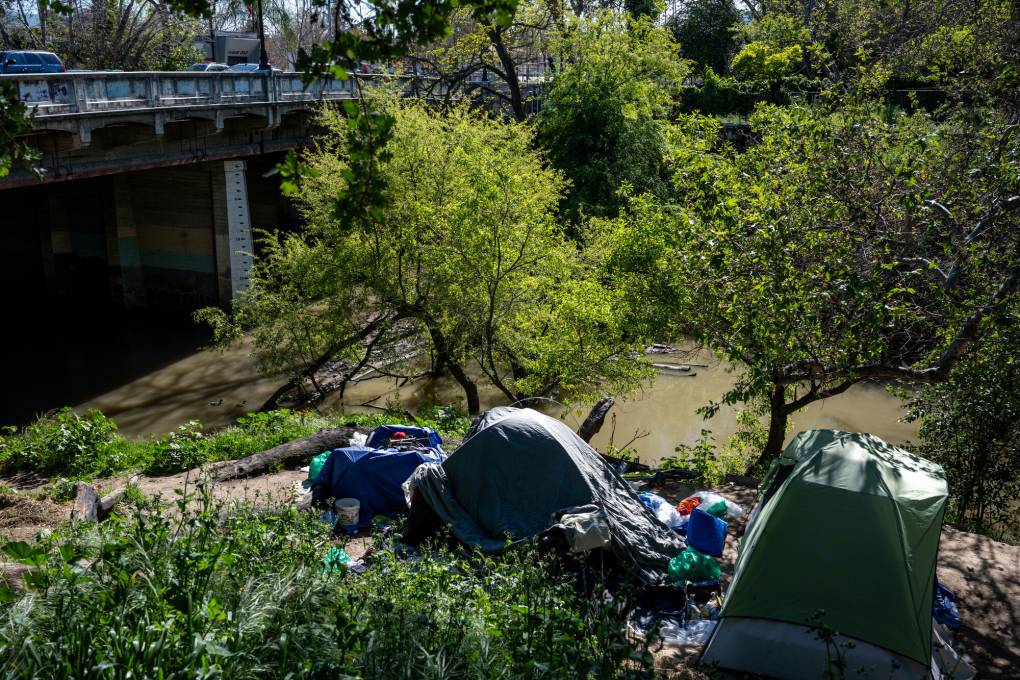
"title": "Tents sit along Coyote Creek in Roosevelt Park in San José on April 9, 2024.",
"publishDate": 1728691276,
"status": "inherit",
"parent": 12009230,
"modified": 1728691300,
"caption": "Tents sit along Coyote Creek in Roosevelt Park in San José on April 9, 2024.",
"credit": "Beth LaBerge/KQED",
"altTag": null,
"description": null,
"imgSizes": {
"medium": {
"file": "https://cdn.kqed.org/wp-content/uploads/sites/10/2024/10/240409-SJEncampmentBan-064-BL_qed-800x533.jpg",
"width": 800,
"height": 533,
"mimeType": "image/jpeg"
},
"large": {
"file": "https://cdn.kqed.org/wp-content/uploads/sites/10/2024/10/240409-SJEncampmentBan-064-BL_qed-1020x680.jpg",
"width": 1020,
"height": 680,
"mimeType": "image/jpeg"
},
"thumbnail": {
"file": "https://cdn.kqed.org/wp-content/uploads/sites/10/2024/10/240409-SJEncampmentBan-064-BL_qed-160x107.jpg",
"width": 160,
"height": 107,
"mimeType": "image/jpeg"
},
"1536x1536": {
"file": "https://cdn.kqed.org/wp-content/uploads/sites/10/2024/10/240409-SJEncampmentBan-064-BL_qed-1536x1024.jpg",
"width": 1536,
"height": 1024,
"mimeType": "image/jpeg"
},
"post-thumbnail": {
"file": "https://cdn.kqed.org/wp-content/uploads/sites/10/2024/10/240409-SJEncampmentBan-064-BL_qed-672x372.jpg",
"width": 672,
"height": 372,
"mimeType": "image/jpeg"
},
"twentyfourteen-full-width": {
"file": "https://cdn.kqed.org/wp-content/uploads/sites/10/2024/10/240409-SJEncampmentBan-064-BL_qed-1038x576.jpg",
"width": 1038,
"height": 576,
"mimeType": "image/jpeg"
},
"full-width": {
"file": "https://cdn.kqed.org/wp-content/uploads/sites/10/2024/10/240409-SJEncampmentBan-064-BL_qed-1920x1280.jpg",
"width": 1920,
"height": 1280,
"mimeType": "image/jpeg"
},
"kqedFullSize": {
"file": "https://cdn.kqed.org/wp-content/uploads/sites/10/2024/10/240409-SJEncampmentBan-064-BL_qed.jpg",
"width": 2000,
"height": 1333
}
},
"isLoading": false,
"fetchFailed": false
},
"news_12009059": {
"type": "attachments",
"id": "news_12009059",
"meta": {
"index": "attachments_1716263798",
"site": "news",
"id": "12009059",
"found": true
},
"title": "rizpah-ranch-670926c7bd908",
"publishDate": 1728653052,
"status": "inherit",
"parent": 12009058,
"modified": 1728653102,
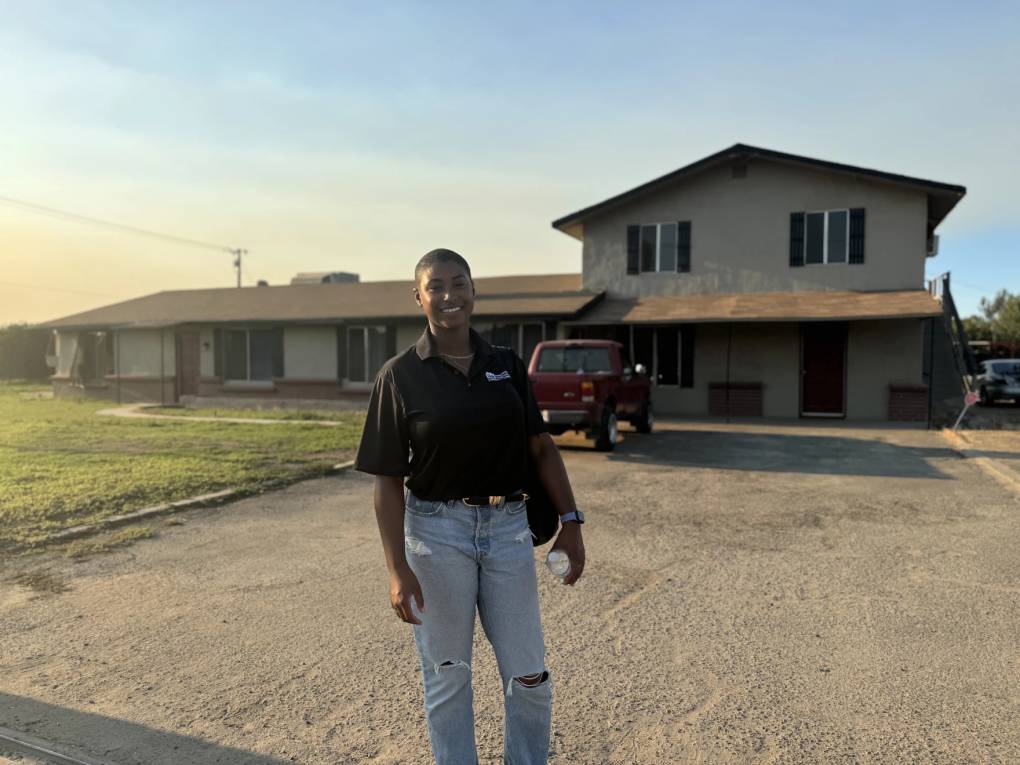
"caption": "Rizpah Bellard is a landlord for the Independent Living Association, which aims to lower barriers to housing in Fresno.",
"credit": null,
"altTag": "rizpah",
"description": null,
"imgSizes": {
"medium": {
"file": "https://cdn.kqed.org/wp-content/uploads/sites/10/2024/10/rizpah-ranch-670926c7bd908-800x600.jpg",
"width": 800,
"height": 600,
"mimeType": "image/jpeg"
},
"large": {
"file": "https://cdn.kqed.org/wp-content/uploads/sites/10/2024/10/rizpah-ranch-670926c7bd908-1020x765.jpg",
"width": 1020,
"height": 765,
"mimeType": "image/jpeg"
},
"thumbnail": {
"file": "https://cdn.kqed.org/wp-content/uploads/sites/10/2024/10/rizpah-ranch-670926c7bd908-160x120.jpg",
"width": 160,
"height": 120,
"mimeType": "image/jpeg"
},
"1536x1536": {
"file": "https://cdn.kqed.org/wp-content/uploads/sites/10/2024/10/rizpah-ranch-670926c7bd908-1536x1152.jpg",
"width": 1536,
"height": 1152,
"mimeType": "image/jpeg"
},
"post-thumbnail": {
"file": "https://cdn.kqed.org/wp-content/uploads/sites/10/2024/10/rizpah-ranch-670926c7bd908-672x372.jpg",
"width": 672,
"height": 372,
"mimeType": "image/jpeg"
},
"twentyfourteen-full-width": {
"file": "https://cdn.kqed.org/wp-content/uploads/sites/10/2024/10/rizpah-ranch-670926c7bd908-1038x576.jpg",
"width": 1038,
"height": 576,
"mimeType": "image/jpeg"
},
"kqedFullSize": {
"file": "https://cdn.kqed.org/wp-content/uploads/sites/10/2024/10/rizpah-ranch-670926c7bd908.jpg",
"width": 1760,
"height": 1320
}
},
"isLoading": false,
"fetchFailed": false
},
"news_12000350": {
"type": "attachments",
"id": "news_12000350",
"meta": {
"index": "attachments_1716263798",
"site": "news",
"id": "12000350",
"found": true
},
"title": "20240809_ENCAMPMENTSWEEP_GC-38-KQED",
"publishDate": 1723742926,
"status": "inherit",
"parent": 12000606,
"modified": 1723853884,
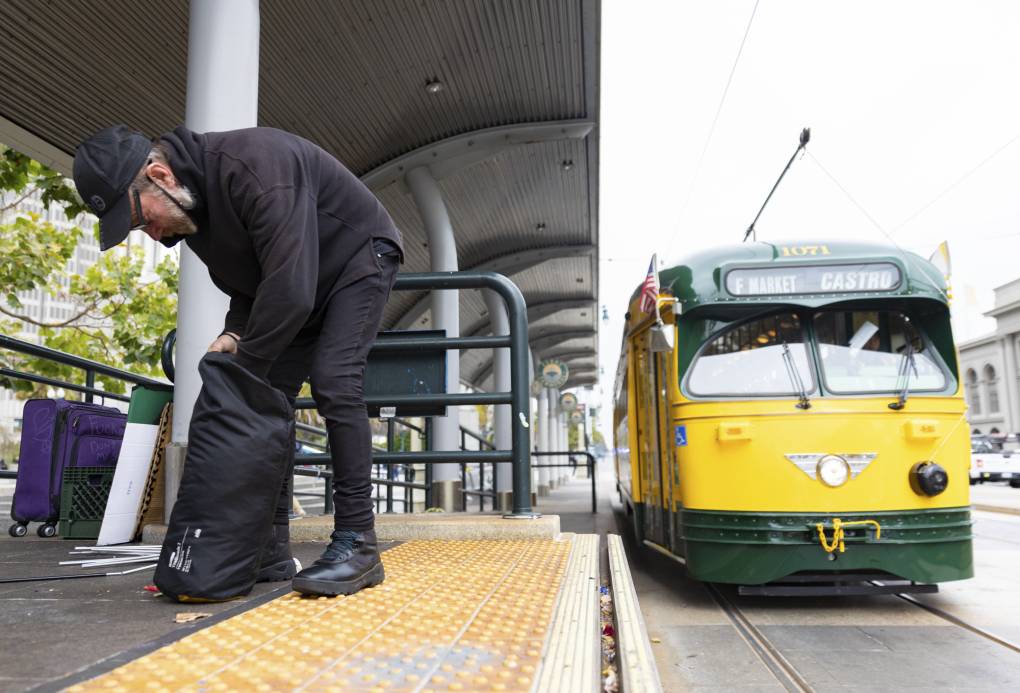
"caption": "James Harris packs his things to relocate his encampment.",
"credit": "Gina Castro/KQED",
"altTag": null,
"description": null,
"imgSizes": {
"medium": {
"file": "https://cdn.kqed.org/wp-content/uploads/sites/10/2024/08/20240809_ENCAMPMENTSWEEP_GC-38-KQED-800x543.jpg",
"width": 800,
"height": 543,
"mimeType": "image/jpeg"
},
"large": {
"file": "https://cdn.kqed.org/wp-content/uploads/sites/10/2024/08/20240809_ENCAMPMENTSWEEP_GC-38-KQED-1020x693.jpg",
"width": 1020,
"height": 693,
"mimeType": "image/jpeg"
},
"thumbnail": {
"file": "https://cdn.kqed.org/wp-content/uploads/sites/10/2024/08/20240809_ENCAMPMENTSWEEP_GC-38-KQED-160x109.jpg",
"width": 160,
"height": 109,
"mimeType": "image/jpeg"
},
"1536x1536": {
"file": "https://cdn.kqed.org/wp-content/uploads/sites/10/2024/08/20240809_ENCAMPMENTSWEEP_GC-38-KQED-1536x1043.jpg",
"width": 1536,
"height": 1043,
"mimeType": "image/jpeg"
},
"post-thumbnail": {
"file": "https://cdn.kqed.org/wp-content/uploads/sites/10/2024/08/20240809_ENCAMPMENTSWEEP_GC-38-KQED-672x372.jpg",
"width": 672,
"height": 372,
"mimeType": "image/jpeg"
},
"twentyfourteen-full-width": {
"file": "https://cdn.kqed.org/wp-content/uploads/sites/10/2024/08/20240809_ENCAMPMENTSWEEP_GC-38-KQED-1038x576.jpg",
"width": 1038,
"height": 576,
"mimeType": "image/jpeg"
},
"full-width": {
"file": "https://cdn.kqed.org/wp-content/uploads/sites/10/2024/08/20240809_ENCAMPMENTSWEEP_GC-38-KQED-1920x1304.jpg",
"width": 1920,
"height": 1304,
"mimeType": "image/jpeg"
},
"kqedFullSize": {
"file": "https://cdn.kqed.org/wp-content/uploads/sites/10/2024/08/20240809_ENCAMPMENTSWEEP_GC-38-KQED.jpg",
"width": 2000,
"height": 1358
}
},
"isLoading": false,
"fetchFailed": false
},
"news_12007768": {
"type": "attachments",
"id": "news_12007768",
"meta": {
"index": "attachments_1716263798",
"site": "news",
"id": "12007768",
"found": true
},
"title": "241003-LONDON BREED ON PB-MD-01-KQED_1",
"publishDate": 1727985796,
"status": "inherit",
"parent": 0,
"modified": 1728330226,
"caption": "San Francisco Mayor London Breed at KQED Headquarters in San Francisco on Oct. 3, 2024.",
"credit": "Martin do Nascimento/KQED",
"altTag": "A Black woman wearing a red jacket and white shirt.",
"description": null,
"imgSizes": {
"medium": {
"file": "https://cdn.kqed.org/wp-content/uploads/sites/10/2024/10/241003-LONDON-BREED-ON-PB-MD-01-KQED_1-800x533.jpg",
"width": 800,
"height": 533,
"mimeType": "image/jpeg"
},
"large": {
"file": "https://cdn.kqed.org/wp-content/uploads/sites/10/2024/10/241003-LONDON-BREED-ON-PB-MD-01-KQED_1-1020x680.jpg",
"width": 1020,
"height": 680,
"mimeType": "image/jpeg"
},
"thumbnail": {
"file": "https://cdn.kqed.org/wp-content/uploads/sites/10/2024/10/241003-LONDON-BREED-ON-PB-MD-01-KQED_1-160x107.jpg",
"width": 160,
"height": 107,
"mimeType": "image/jpeg"
},
"1536x1536": {
"file": "https://cdn.kqed.org/wp-content/uploads/sites/10/2024/10/241003-LONDON-BREED-ON-PB-MD-01-KQED_1-1536x1024.jpg",
"width": 1536,
"height": 1024,
"mimeType": "image/jpeg"
},
"post-thumbnail": {
"file": "https://cdn.kqed.org/wp-content/uploads/sites/10/2024/10/241003-LONDON-BREED-ON-PB-MD-01-KQED_1-672x372.jpg",
"width": 672,
"height": 372,
"mimeType": "image/jpeg"
},
"twentyfourteen-full-width": {
"file": "https://cdn.kqed.org/wp-content/uploads/sites/10/2024/10/241003-LONDON-BREED-ON-PB-MD-01-KQED_1-1038x576.jpg",
"width": 1038,
"height": 576,
"mimeType": "image/jpeg"
},
"full-width": {
"file": "https://cdn.kqed.org/wp-content/uploads/sites/10/2024/10/241003-LONDON-BREED-ON-PB-MD-01-KQED_1-1920x1280.jpg",
"width": 1920,
"height": 1280,
"mimeType": "image/jpeg"
},
"kqedFullSize": {
"file": "https://cdn.kqed.org/wp-content/uploads/sites/10/2024/10/241003-LONDON-BREED-ON-PB-MD-01-KQED_1.jpg?ver=1728011638",
"width": 2000,
"height": 1333
}
},
"isLoading": false,
"fetchFailed": false
},
"news_12000524": {
"type": "attachments",
"id": "news_12000524",
"meta": {
"index": "attachments_1716263798",
"site": "news",
"id": "12000524",
"found": true
},
"title": "California-Homeless",
"publishDate": 1723830664,
"status": "inherit",
"parent": 12000513,
"modified": 1723833367,
"caption": "California Gov. Gavin Newsom greets people on July 8, 2024, near the Common Man Roadside Market and Deli in Hooksett, New Hampshire. Newsom issued an executive order Thursday, July 25, to remove homeless encampments in his state.",
"credit": "Steven Senne/AP Photo",
"altTag": null,
"description": null,
"imgSizes": {
"medium": {
"file": "https://cdn.kqed.org/wp-content/uploads/sites/10/2024/08/AP24207558088069-800x533.jpg",
"width": 800,
"height": 533,
"mimeType": "image/jpeg"
},
"large": {
"file": "https://cdn.kqed.org/wp-content/uploads/sites/10/2024/08/AP24207558088069-1020x680.jpg",
"width": 1020,
"height": 680,
"mimeType": "image/jpeg"
},
"thumbnail": {
"file": "https://cdn.kqed.org/wp-content/uploads/sites/10/2024/08/AP24207558088069-160x107.jpg",
"width": 160,
"height": 107,
"mimeType": "image/jpeg"
},
"1536x1536": {
"file": "https://cdn.kqed.org/wp-content/uploads/sites/10/2024/08/AP24207558088069-1536x1024.jpg",
"width": 1536,
"height": 1024,
"mimeType": "image/jpeg"
},
"post-thumbnail": {
"file": "https://cdn.kqed.org/wp-content/uploads/sites/10/2024/08/AP24207558088069-672x372.jpg",
"width": 672,
"height": 372,
"mimeType": "image/jpeg"
},
"twentyfourteen-full-width": {
"file": "https://cdn.kqed.org/wp-content/uploads/sites/10/2024/08/AP24207558088069-1038x576.jpg",
"width": 1038,
"height": 576,
"mimeType": "image/jpeg"
},
"full-width": {
"file": "https://cdn.kqed.org/wp-content/uploads/sites/10/2024/08/AP24207558088069-1920x1280.jpg",
"width": 1920,
"height": 1280,
"mimeType": "image/jpeg"
},
"kqedFullSize": {
"file": "https://cdn.kqed.org/wp-content/uploads/sites/10/2024/08/AP24207558088069.jpg",
"width": 2000,
"height": 1333
}
},
"isLoading": false,
"fetchFailed": false
},
"news_12007185": {
"type": "attachments",
"id": "news_12007185",
"meta": {
"index": "attachments_1716263798",
"site": "news",
"id": "12007185",
"found": true
},
"title": "240917-CARECourt-13-BL_qed",
"publishDate": 1727725996,
"status": "inherit",
"parent": 12007175,
"modified": 1727726054,
"caption": "Judge Michael Begert, presiding over CARE Court, stands in the San Francisco Superior Court in San Francisco on Sept. 17, 2024.",
"credit": "Beth LaBerge/KQED",
"altTag": "A white man wearing a blue dress suit sits at a table inside a courtroom.",
"description": null,
"imgSizes": {
"medium": {
"file": "https://cdn.kqed.org/wp-content/uploads/sites/10/2024/09/240917-CARECourt-13-BL_qed-800x533.jpg",
"width": 800,
"height": 533,
"mimeType": "image/jpeg"
},
"large": {
"file": "https://cdn.kqed.org/wp-content/uploads/sites/10/2024/09/240917-CARECourt-13-BL_qed-1020x680.jpg",
"width": 1020,
"height": 680,
"mimeType": "image/jpeg"
},
"thumbnail": {
"file": "https://cdn.kqed.org/wp-content/uploads/sites/10/2024/09/240917-CARECourt-13-BL_qed-160x107.jpg",
"width": 160,
"height": 107,
"mimeType": "image/jpeg"
},
"1536x1536": {
"file": "https://cdn.kqed.org/wp-content/uploads/sites/10/2024/09/240917-CARECourt-13-BL_qed-1536x1024.jpg",
"width": 1536,
"height": 1024,
"mimeType": "image/jpeg"
},
"post-thumbnail": {
"file": "https://cdn.kqed.org/wp-content/uploads/sites/10/2024/09/240917-CARECourt-13-BL_qed-672x372.jpg",
"width": 672,
"height": 372,
"mimeType": "image/jpeg"
},
"twentyfourteen-full-width": {
"file": "https://cdn.kqed.org/wp-content/uploads/sites/10/2024/09/240917-CARECourt-13-BL_qed-1038x576.jpg",
"width": 1038,
"height": 576,
"mimeType": "image/jpeg"
},
"full-width": {
"file": "https://cdn.kqed.org/wp-content/uploads/sites/10/2024/09/240917-CARECourt-13-BL_qed-1920x1280.jpg",
"width": 1920,
"height": 1280,
"mimeType": "image/jpeg"
},
"kqedFullSize": {
"file": "https://cdn.kqed.org/wp-content/uploads/sites/10/2024/09/240917-CARECourt-13-BL_qed.jpg",
"width": 1999,
"height": 1333
}
},
"isLoading": false,
"fetchFailed": false
},
"news_12006965": {
"type": "attachments",
"id": "news_12006965",
"meta": {
"index": "attachments_1716263798",
"site": "news",
"id": "12006965",
"found": true
},
"title": "080924_Arizona-Kamala-Rally-LV_CM_23 copy",
"publishDate": 1727479642,
"status": "inherit",
"parent": 12006964,
"modified": 1727479676,
"caption": "Vice President Kamala Harris speaks to the crowd during her presidential campaign rally at the Desert Diamond Arena in Glendale, Ariz., on Aug. 9, 2024. ",
"credit": "Larry Valenzuela/CalMatters/CatchLight Local",
"altTag": null,
"description": null,
"imgSizes": {
"medium": {
"file": "https://cdn.kqed.org/wp-content/uploads/sites/10/2024/09/080924_Arizona-Kamala-Rally-LV_CM_23-copy-800x533.jpg",
"width": 800,
"height": 533,
"mimeType": "image/jpeg"
},
"large": {
"file": "https://cdn.kqed.org/wp-content/uploads/sites/10/2024/09/080924_Arizona-Kamala-Rally-LV_CM_23-copy-1020x680.jpg",
"width": 1020,
"height": 680,
"mimeType": "image/jpeg"
},
"thumbnail": {
"file": "https://cdn.kqed.org/wp-content/uploads/sites/10/2024/09/080924_Arizona-Kamala-Rally-LV_CM_23-copy-160x107.jpg",
"width": 160,
"height": 107,
"mimeType": "image/jpeg"
},
"1536x1536": {
"file": "https://cdn.kqed.org/wp-content/uploads/sites/10/2024/09/080924_Arizona-Kamala-Rally-LV_CM_23-copy-1536x1024.jpg",
"width": 1536,
"height": 1024,
"mimeType": "image/jpeg"
},
"post-thumbnail": {
"file": "https://cdn.kqed.org/wp-content/uploads/sites/10/2024/09/080924_Arizona-Kamala-Rally-LV_CM_23-copy-672x372.jpg",
"width": 672,
"height": 372,
"mimeType": "image/jpeg"
},
"twentyfourteen-full-width": {
"file": "https://cdn.kqed.org/wp-content/uploads/sites/10/2024/09/080924_Arizona-Kamala-Rally-LV_CM_23-copy-1038x576.jpg",
"width": 1038,
"height": 576,
"mimeType": "image/jpeg"
},
"full-width": {
"file": "https://cdn.kqed.org/wp-content/uploads/sites/10/2024/09/080924_Arizona-Kamala-Rally-LV_CM_23-copy-1920x1280.jpg",
"width": 1920,
"height": 1280,
"mimeType": "image/jpeg"
},
"kqedFullSize": {
"file": "https://cdn.kqed.org/wp-content/uploads/sites/10/2024/09/080924_Arizona-Kamala-Rally-LV_CM_23-copy.jpg",
"width": 2000,
"height": 1333
}
},
"isLoading": false,
"fetchFailed": false
},
"news_12006544": {
"type": "attachments",
"id": "news_12006544",
"meta": {
"index": "attachments_1716263798",
"site": "news",
"id": "12006544",
"found": true
},
"title": "240405-District5BOSRedistricting-001-BL_qed",
"publishDate": 1727371352,
"status": "inherit",
"parent": 12006541,
"modified": 1727371363,
"caption": "A tourist bus passes through the Tenderloin neighborhood, a part of the 5th Supervisorial District, in San Francisco on April 5, 2024.",
"credit": "Beth LaBerge/KQED",
"altTag": null,
"description": null,
"imgSizes": {
"medium": {
"file": "https://cdn.kqed.org/wp-content/uploads/sites/10/2024/09/240405-District5BOSRedistricting-001-BL_qed-800x533.jpg",
"width": 800,
"height": 533,
"mimeType": "image/jpeg"
},
"large": {
"file": "https://cdn.kqed.org/wp-content/uploads/sites/10/2024/09/240405-District5BOSRedistricting-001-BL_qed-1020x680.jpg",
"width": 1020,
"height": 680,
"mimeType": "image/jpeg"
},
"thumbnail": {
"file": "https://cdn.kqed.org/wp-content/uploads/sites/10/2024/09/240405-District5BOSRedistricting-001-BL_qed-160x107.jpg",
"width": 160,
"height": 107,
"mimeType": "image/jpeg"
},
"1536x1536": {
"file": "https://cdn.kqed.org/wp-content/uploads/sites/10/2024/09/240405-District5BOSRedistricting-001-BL_qed-1536x1024.jpg",
"width": 1536,
"height": 1024,
"mimeType": "image/jpeg"
},
"post-thumbnail": {
"file": "https://cdn.kqed.org/wp-content/uploads/sites/10/2024/09/240405-District5BOSRedistricting-001-BL_qed-672x372.jpg",
"width": 672,
"height": 372,
"mimeType": "image/jpeg"
},
"twentyfourteen-full-width": {
"file": "https://cdn.kqed.org/wp-content/uploads/sites/10/2024/09/240405-District5BOSRedistricting-001-BL_qed-1038x576.jpg",
"width": 1038,
"height": 576,
"mimeType": "image/jpeg"
},
"full-width": {
"file": "https://cdn.kqed.org/wp-content/uploads/sites/10/2024/09/240405-District5BOSRedistricting-001-BL_qed-1920x1280.jpg",
"width": 1920,
"height": 1280,
"mimeType": "image/jpeg"
},
"kqedFullSize": {
"file": "https://cdn.kqed.org/wp-content/uploads/sites/10/2024/09/240405-District5BOSRedistricting-001-BL_qed.jpg",
"width": 2000,
"height": 1333
}
},
"isLoading": false,
"fetchFailed": false
},
"news_12006155": {
"type": "attachments",
"id": "news_12006155",
"meta": {
"index": "attachments_1716263798",
"site": "news",
"id": "12006155",
"found": true
},
"title": "IMG_4153-1024x768-1",
"publishDate": 1727198162,
"status": "inherit",
"parent": 12006150,
"modified": 1727198296,
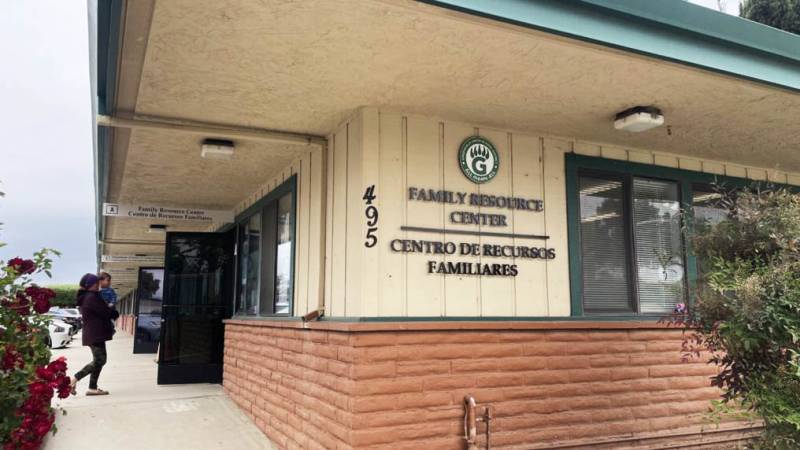
"caption": "Family Resource Center in Greenfield, where families go for assistance with basic needs. The school district is located in southern Monterey County.",
"credit": "Betty Márquez Rosales/EdSource",
"altTag": null,
"description": null,
"imgSizes": {
"medium": {
"file": "https://cdn.kqed.org/wp-content/uploads/sites/10/2024/09/IMG_4153-1024x768-1-800x450.jpg",
"width": 800,
"height": 450,
"mimeType": "image/jpeg"
},
"thumbnail": {
"file": "https://cdn.kqed.org/wp-content/uploads/sites/10/2024/09/IMG_4153-1024x768-1-160x90.jpg",
"width": 160,
"height": 90,
"mimeType": "image/jpeg"
},
"post-thumbnail": {
"file": "https://cdn.kqed.org/wp-content/uploads/sites/10/2024/09/IMG_4153-1024x768-1-672x372.jpg",
"width": 672,
"height": 372,
"mimeType": "image/jpeg"
},
"kqedFullSize": {
"file": "https://cdn.kqed.org/wp-content/uploads/sites/10/2024/09/IMG_4153-1024x768-1.jpg",
"width": 1016,
"height": 572
}
},
"isLoading": false,
"fetchFailed": false
},
"news_12006124": {
"type": "attachments",
"id": "news_12006124",
"meta": {
"index": "attachments_1716263798",
"site": "news",
"id": "12006124",
"found": true
},
"title": "page-header-66f2bb1292565",
"publishDate": 1727183717,
"status": "inherit",
"parent": 12006122,
"modified": 1727183717,
"caption": null,
"credit": null,
"altTag": null,
"description": null,
"imgSizes": {
"medium": {
"file": "https://cdn.kqed.org/wp-content/uploads/sites/10/2024/09/page-header-66f2bb1292565-800x449.jpg",
"width": 800,
"height": 449,
"mimeType": "image/jpeg"
},
"large": {
"file": "https://cdn.kqed.org/wp-content/uploads/sites/10/2024/09/page-header-66f2bb1292565-1020x573.jpg",
"width": 1020,
"height": 573,
"mimeType": "image/jpeg"
},
"thumbnail": {
"file": "https://cdn.kqed.org/wp-content/uploads/sites/10/2024/09/page-header-66f2bb1292565-160x90.jpg",
"width": 160,
"height": 90,
"mimeType": "image/jpeg"
},
"post-thumbnail": {
"file": "https://cdn.kqed.org/wp-content/uploads/sites/10/2024/09/page-header-66f2bb1292565-672x372.jpg",
"width": 672,
"height": 372,
"mimeType": "image/jpeg"
},
"twentyfourteen-full-width": {
"file": "https://cdn.kqed.org/wp-content/uploads/sites/10/2024/09/page-header-66f2bb1292565-1038x576.jpg",
"width": 1038,
"height": 576,
"mimeType": "image/jpeg"
},
"kqedFullSize": {
"file": "https://cdn.kqed.org/wp-content/uploads/sites/10/2024/09/page-header-66f2bb1292565.jpg",
"width": 1460,
"height": 820
}
},
"isLoading": false,
"fetchFailed": false
},
"news_12005504": {
"type": "attachments",
"id": "news_12005504",
"meta": {
"index": "attachments_1716263798",
"site": "news",
"id": "12005504",
"found": true
},
"title": "082424_Safe-Parking_AH_12 copy",
"publishDate": 1726781690,
"status": "inherit",
"parent": 12005503,
"modified": 1726781726,
"caption": "Brad Butterfield pauses after checking the top of his RV for leaks in Arcata on Aug. 24, 2024. Due to the high cost of education, Butterfield lived in his vehicle on campus at the California State Polytechnic University, Humboldt until the university prohibited students from doing so in the fall of 2023. Now, Butterfield parks in the city of Arcata, which requires he move his vehicle every 72 hours or receive a ticket. ",
"credit": "Alexandra Hootnick for CalMatters",
"altTag": null,
"description": null,
"imgSizes": {
"medium": {
"file": "https://cdn.kqed.org/wp-content/uploads/sites/10/2024/09/082424_Safe-Parking_AH_12-copy-800x534.jpg",
"width": 800,
"height": 534,
"mimeType": "image/jpeg"
},
"large": {
"file": "https://cdn.kqed.org/wp-content/uploads/sites/10/2024/09/082424_Safe-Parking_AH_12-copy-1020x681.jpg",
"width": 1020,
"height": 681,
"mimeType": "image/jpeg"
},
"thumbnail": {
"file": "https://cdn.kqed.org/wp-content/uploads/sites/10/2024/09/082424_Safe-Parking_AH_12-copy-160x107.jpg",
"width": 160,
"height": 107,
"mimeType": "image/jpeg"
},
"1536x1536": {
"file": "https://cdn.kqed.org/wp-content/uploads/sites/10/2024/09/082424_Safe-Parking_AH_12-copy-1536x1025.jpg",
"width": 1536,
"height": 1025,
"mimeType": "image/jpeg"
},
"post-thumbnail": {
"file": "https://cdn.kqed.org/wp-content/uploads/sites/10/2024/09/082424_Safe-Parking_AH_12-copy-672x372.jpg",
"width": 672,
"height": 372,
"mimeType": "image/jpeg"
},
"twentyfourteen-full-width": {
"file": "https://cdn.kqed.org/wp-content/uploads/sites/10/2024/09/082424_Safe-Parking_AH_12-copy-1038x576.jpg",
"width": 1038,
"height": 576,
"mimeType": "image/jpeg"
},
"full-width": {
"file": "https://cdn.kqed.org/wp-content/uploads/sites/10/2024/09/082424_Safe-Parking_AH_12-copy-1920x1282.jpg",
"width": 1920,
"height": 1282,
"mimeType": "image/jpeg"
},
"kqedFullSize": {
"file": "https://cdn.kqed.org/wp-content/uploads/sites/10/2024/09/082424_Safe-Parking_AH_12-copy.jpg",
"width": 2000,
"height": 1335
}
},
"isLoading": false,
"fetchFailed": false
},
"news_12000331": {
"type": "attachments",
"id": "news_12000331",
"meta": {
"index": "attachments_1716263798",
"site": "news",
"id": "12000331",
"found": true
},
"title": "240808-ENCAMPMENT SWEEP-MD-12-KQED",
"publishDate": 1723742479,
"status": "inherit",
"parent": 12000606,
"modified": 1723852028,
"caption": "MacGyver relocates the belongings he’s able to move in a shopping cart.",
"credit": "Martin do Nascimento/KQED",
"altTag": null,
"description": null,
"imgSizes": {
"medium": {
"file": "https://cdn.kqed.org/wp-content/uploads/sites/10/2024/08/240808-ENCAMPMENT-SWEEP-MD-12-KQED-800x533.jpg",
"width": 800,
"height": 533,
"mimeType": "image/jpeg"
},
"large": {
"file": "https://cdn.kqed.org/wp-content/uploads/sites/10/2024/08/240808-ENCAMPMENT-SWEEP-MD-12-KQED-1020x680.jpg",
"width": 1020,
"height": 680,
"mimeType": "image/jpeg"
},
"thumbnail": {
"file": "https://cdn.kqed.org/wp-content/uploads/sites/10/2024/08/240808-ENCAMPMENT-SWEEP-MD-12-KQED-160x107.jpg",
"width": 160,
"height": 107,
"mimeType": "image/jpeg"
},
"1536x1536": {
"file": "https://cdn.kqed.org/wp-content/uploads/sites/10/2024/08/240808-ENCAMPMENT-SWEEP-MD-12-KQED-1536x1024.jpg",
"width": 1536,
"height": 1024,
"mimeType": "image/jpeg"
},
"post-thumbnail": {
"file": "https://cdn.kqed.org/wp-content/uploads/sites/10/2024/08/240808-ENCAMPMENT-SWEEP-MD-12-KQED-672x372.jpg",
"width": 672,
"height": 372,
"mimeType": "image/jpeg"
},
"twentyfourteen-full-width": {
"file": "https://cdn.kqed.org/wp-content/uploads/sites/10/2024/08/240808-ENCAMPMENT-SWEEP-MD-12-KQED-1038x576.jpg",
"width": 1038,
"height": 576,
"mimeType": "image/jpeg"
},
"full-width": {
"file": "https://cdn.kqed.org/wp-content/uploads/sites/10/2024/08/240808-ENCAMPMENT-SWEEP-MD-12-KQED-1920x1280.jpg",
"width": 1920,
"height": 1280,
"mimeType": "image/jpeg"
},
"kqedFullSize": {
"file": "https://cdn.kqed.org/wp-content/uploads/sites/10/2024/08/240808-ENCAMPMENT-SWEEP-MD-12-KQED.jpg",
"width": 2000,
"height": 1333
}
},
"isLoading": false,
"fetchFailed": false
}
},
"audioPlayerReducer": {
"postId": "stream_live",
"isPaused": true,
"isPlaying": false,
"pfsActive": false,
"pledgeModalIsOpen": true,
"playerDrawerIsOpen": false,
"liveAudioPlayStartedAt": 0,
"liveAudioPlayContext": ""
},
"authorsReducer": {
"byline_news_12006964": {
"type": "authors",
"id": "byline_news_12006964",
"meta": {
"override": true
},
"slug": "byline_news_12006964",
"name": "\u003ca href=\"https://calmatters.org/author/alexei-koseff/\">Alexei Koseff\u003c/a>, CalMatters",
"isLoading": false
},
"byline_news_12006150": {
"type": "authors",
"id": "byline_news_12006150",
"meta": {
"override": true
},
"slug": "byline_news_12006150",
"name": "\u003ca>Betty Márquez Rosales\u003c/a>, EdSource",
"isLoading": false
},
"byline_news_12005503": {
"type": "authors",
"id": "byline_news_12005503",
"meta": {
"override": true
},
"slug": "byline_news_12005503",
"name": "\u003ca href=\"https://calmatters.org/author/briana-mendez-padilla/\">Briana Mendez-Padilla\u003c/a>, CalMatters",
"isLoading": false
},
"vrancano": {
"type": "authors",
"id": "11276",
"meta": {
"index": "authors_1716337520",
"id": "11276",
"found": true
},
"name": "Vanessa Rancaño",
"firstName": "Vanessa",
"lastName": "Rancaño",
"slug": "vrancano",
"email": "vrancano@kqed.org",
"display_author_email": false,
"staff_mastheads": [
"news"
],
"title": "Reporter",
"bio": "Vanessa Rancaño is a features reporter for KQED. She’s also covered homelessness and education for the station and reported from the Central Valley. Her work has aired across public radio, from flagship national news shows to longform narrative podcasts. Before taking up a mic, she worked as a freelance print journalist. She’s been recognized with a number of national and regional awards. Vanessa grew up in California's Central Valley. She's a former NPR Kroc Fellow, and a graduate of the UC Berkeley Graduate School of Journalism.",
"avatar": "https://secure.gravatar.com/avatar/b3a383dfb0e7ee1c17568f2cf067904ab654d6e3de9743fc661f3c788ade1bed?s=600&d=blank&r=g",
"twitter": "vanessarancano",
"bluesky": null,
"facebook": null,
"instagram": null,
"linkedin": null,
"sites": [
{
"site": "arts",
"roles": [
"editor"
]
},
{
"site": "news",
"roles": [
"editor"
]
},
{
"site": "liveblog",
"roles": [
"contributor"
]
}
],
"headData": {
"title": "Vanessa Rancaño | KQED",
"description": "Reporter",
"ogImgSrc": "https://secure.gravatar.com/avatar/b3a383dfb0e7ee1c17568f2cf067904ab654d6e3de9743fc661f3c788ade1bed?s=600&d=blank&r=g",
"twImgSrc": "https://secure.gravatar.com/avatar/b3a383dfb0e7ee1c17568f2cf067904ab654d6e3de9743fc661f3c788ade1bed?s=600&d=blank&r=g"
},
"isLoading": false,
"link": "/author/vrancano"
},
"ebaldassari": {
"type": "authors",
"id": "11652",
"meta": {
"index": "authors_1716337520",
"id": "11652",
"found": true
},
"name": "Erin Baldassari",
"firstName": "Erin",
"lastName": "Baldassari",
"slug": "ebaldassari",
"email": "ebaldassari@KQED.org",
"display_author_email": true,
"staff_mastheads": [
"news"
],
"title": "Staff Writer",
"bio": "Erin Baldassari covers housing for KQED. She's a former print journalist and most recently worked as the transportation reporter for the \u003cem>Mercury News\u003c/em> and \u003cem>East Bay Times. \u003c/em>There, she focused on how the Bay Area’s housing shortage has changed the way people move around the region. She also served on the \u003cem>East Bay Times\u003c/em>’ 2017 Pulitzer Prize-winning team for coverage of the Ghost Ship Fire in Oakland. Prior to that, Erin worked as a breaking news and general assignment reporter for a variety of outlets in the Bay Area and the greater Boston area. A Tufts University alumna, Erin grew up in the foothills of the Sierra Nevada mountains and in Sonoma County. She is a life-long KQED listener.",
"avatar": "https://secure.gravatar.com/avatar/660ce35d088ca54ad606d7e941abc652?s=600&d=mm&r=g",
"twitter": "e_baldi",
"facebook": null,
"instagram": null,
"linkedin": null,
"sites": [
{
"site": "news",
"roles": [
"edit_others_posts",
"editor"
]
},
{
"site": "science",
"roles": [
"editor"
]
},
{
"site": "liveblog",
"roles": [
"editor"
]
}
],
"headData": {
"title": "Erin Baldassari | KQED",
"description": "Staff Writer",
"ogImgSrc": "https://secure.gravatar.com/avatar/660ce35d088ca54ad606d7e941abc652?s=600&d=mm&r=g",
"twImgSrc": "https://secure.gravatar.com/avatar/660ce35d088ca54ad606d7e941abc652?s=600&d=mm&r=g"
},
"isLoading": false,
"link": "/author/ebaldassari"
},
"kmizuguchi": {
"type": "authors",
"id": "11739",
"meta": {
"index": "authors_1716337520",
"id": "11739",
"found": true
},
"name": "Keith Mizuguchi",
"firstName": "Keith",
"lastName": "Mizuguchi",
"slug": "kmizuguchi",
"email": "kmizuguchi@kqed.org",
"display_author_email": false,
"staff_mastheads": [],
"title": "KQED Contributor",
"bio": null,
"avatar": "https://secure.gravatar.com/avatar/64d8a7de0723d4099b9fe4e915136103febcc20809abce228ee4415bcb237023?s=600&d=blank&r=g",
"twitter": null,
"bluesky": null,
"facebook": null,
"instagram": null,
"linkedin": null,
"sites": [
{
"site": "news",
"roles": [
"editor"
]
},
{
"site": "science",
"roles": [
"editor"
]
}
],
"headData": {
"title": "Keith Mizuguchi | KQED",
"description": "KQED Contributor",
"ogImgSrc": "https://secure.gravatar.com/avatar/64d8a7de0723d4099b9fe4e915136103febcc20809abce228ee4415bcb237023?s=600&d=blank&r=g",
"twImgSrc": "https://secure.gravatar.com/avatar/64d8a7de0723d4099b9fe4e915136103febcc20809abce228ee4415bcb237023?s=600&d=blank&r=g"
},
"isLoading": false,
"link": "/author/kmizuguchi"
},
"sjohnson": {
"type": "authors",
"id": "11840",
"meta": {
"index": "authors_1716337520",
"id": "11840",
"found": true
},
"name": "Sydney Johnson",
"firstName": "Sydney",
"lastName": "Johnson",
"slug": "sjohnson",
"email": "sjohnson@kqed.org",
"display_author_email": false,
"staff_mastheads": [
"news"
],
"title": "KQED Reporter",
"bio": "Sydney Johnson is a general assignment reporter at KQED. She previously reported on public health and city government at the San Francisco Examiner, and before that, she covered statewide education policy for EdSource. Her reporting has won multiple local, state and national awards. Sydney is a graduate of the University of California, Berkeley and lives in San Francisco.",
"avatar": "https://secure.gravatar.com/avatar/97855f2719b72ad6190b7c535fe642c8?s=600&d=blank&r=g",
"twitter": "sydneyfjohnson",
"facebook": null,
"instagram": null,
"linkedin": null,
"sites": [
{
"site": "news",
"roles": [
"editor"
]
}
],
"headData": {
"title": "Sydney Johnson | KQED",
"description": "KQED Reporter",
"ogImgSrc": "https://secure.gravatar.com/avatar/97855f2719b72ad6190b7c535fe642c8?s=600&d=blank&r=g",
"twImgSrc": "https://secure.gravatar.com/avatar/97855f2719b72ad6190b7c535fe642c8?s=600&d=blank&r=g"
},
"isLoading": false,
"link": "/author/sjohnson"
},
"wcruz": {
"type": "authors",
"id": "11877",
"meta": {
"index": "authors_1716337520",
"id": "11877",
"found": true
},
"name": "Billy Cruz",
"firstName": "Billy",
"lastName": "Cruz",
"slug": "wcruz",
"email": "wcruz@KQED.org",
"display_author_email": false,
"staff_mastheads": [
"news"
],
"title": null,
"bio": null,
"avatar": "https://secure.gravatar.com/avatar/efb9f03fbae607d3633ff94bb902e942?s=600&d=blank&r=g",
"twitter": null,
"bluesky": null,
"facebook": null,
"instagram": null,
"linkedin": null,
"sites": [
{
"site": "news",
"roles": [
"editor"
]
}
],
"headData": {
"title": "Billy Cruz | KQED",
"description": null,
"ogImgSrc": "https://secure.gravatar.com/avatar/efb9f03fbae607d3633ff94bb902e942?s=600&d=blank&r=g",
"twImgSrc": "https://secure.gravatar.com/avatar/efb9f03fbae607d3633ff94bb902e942?s=600&d=blank&r=g"
},
"isLoading": false,
"link": "/author/wcruz"
},
"jgeha": {
"type": "authors",
"id": "11906",
"meta": {
"index": "authors_1716337520",
"id": "11906",
"found": true
},
"name": "Joseph Geha",
"firstName": "Joseph",
"lastName": "Geha",
"slug": "jgeha",
"email": "jgeha@kqed.org",
"display_author_email": false,
"staff_mastheads": [
"news",
"science"
],
"title": "KQED Contributor",
"bio": null,
"avatar": "https://secure.gravatar.com/avatar/ea84d2b6dd93d6369d453edf19dd583f117cd1759d2d9c9c92f9de77017354fe?s=600&d=blank&r=g",
"twitter": null,
"bluesky": null,
"facebook": null,
"instagram": null,
"linkedin": null,
"sites": [
{
"site": "news",
"roles": [
"editor"
]
},
{
"site": "liveblog",
"roles": [
"author"
]
}
],
"headData": {
"title": "Joseph Geha | KQED",
"description": "KQED Contributor",
"ogImgSrc": "https://secure.gravatar.com/avatar/ea84d2b6dd93d6369d453edf19dd583f117cd1759d2d9c9c92f9de77017354fe?s=600&d=blank&r=g",
"twImgSrc": "https://secure.gravatar.com/avatar/ea84d2b6dd93d6369d453edf19dd583f117cd1759d2d9c9c92f9de77017354fe?s=600&d=blank&r=g"
},
"isLoading": false,
"link": "/author/jgeha"
},
"kdebenedetti": {
"type": "authors",
"id": "11913",
"meta": {
"index": "authors_1716337520",
"id": "11913",
"found": true
},
"name": "Katie DeBenedetti",
"firstName": "Katie",
"lastName": "DeBenedetti",
"slug": "kdebenedetti",
"email": "kdebenedetti@kqed.org",
"display_author_email": false,
"staff_mastheads": [
"news",
"science"
],
"title": "KQED Contributor",
"bio": "Katie DeBenedetti is a digital reporter covering daily news for the Express Desk. Prior to joining KQED as a culture reporting intern in January 2024, she covered education and city government for the Napa Valley Register.",
"avatar": "https://secure.gravatar.com/avatar/6e31073cb8f7e4214ab03f42771d0f45?s=600&d=blank&r=g",
"twitter": null,
"facebook": null,
"instagram": null,
"linkedin": null,
"sites": [
{
"site": "news",
"roles": [
"author"
]
},
{
"site": "science",
"roles": [
"author"
]
},
{
"site": "liveblog",
"roles": [
"author"
]
}
],
"headData": {
"title": "Katie DeBenedetti | KQED",
"description": "KQED Contributor",
"ogImgSrc": "https://secure.gravatar.com/avatar/6e31073cb8f7e4214ab03f42771d0f45?s=600&d=blank&r=g",
"twImgSrc": "https://secure.gravatar.com/avatar/6e31073cb8f7e4214ab03f42771d0f45?s=600&d=blank&r=g"
},
"isLoading": false,
"link": "/author/kdebenedetti"
}
},
"pagesReducer": {
"news_tag_homelessness": {
"type": "terms",
"id": "news_4020",
"meta": {
"index": "terms_1716263798",
"site": "news",
"id": "4020",
"score": 8.555192
},
"name": "Homelessness",
"slug": "homelessness",
"taxonomy": "tag",
"description": null,
"featImg": null,
"headData": {
"title": "Homelessness | KQED News",
"description": null,
"ogTitle": null,
"ogDescription": null,
"ogImgId": null,
"twTitle": null,
"twDescription": null,
"twImgId": null,
"metaRobotsNoIndex": "index"
},
"ttid": 4039,
"isLoading": false,
"title": "Homelessness",
"pageMeta": {
"site": "news",
"WpPageTemplate": "page-topic-editorial",
"currentPage": 11
},
"blocks": [
{
"blockName": "kqed/post-list",
"attrs": {
"layout": "cardArticle2",
"query": "posts/news?tag=homelessness",
"seeMore": false,
"paginated": true,
"page": 11
}
},
{
"blockName": "kqed/ad"
}
]
}
},
"pfsSessionReducer": {},
"postsReducer": {
"stream_live": {
"type": "live",
"id": "stream_live",
"audioUrl": "https://streams.kqed.org/kqedradio",
"title": "Live Stream",
"excerpt": "Live Stream information currently unavailable.",
"link": "/radio",
"featImg": "",
"label": {
"name": "KQED Live",
"link": "/"
}
},
"stream_kqedNewscast": {
"type": "posts",
"id": "stream_kqedNewscast",
"audioUrl": "https://www.kqed.org/.stream/anon/radio/RDnews/newscast.mp3?_=1",
"title": "KQED Newscast",
"featImg": "",
"label": {
"name": "88.5 FM",
"link": "/"
}
},
"news_12009230": {
"type": "posts",
"id": "news_12009230",
"meta": {
"index": "posts_1716263798",
"site": "news",
"id": "12009230",
"score": null,
"sort": [
1728745229000
]
},
"guestAuthors": [],
"slug": "santa-clara-valley-water-district-hosts-summit-on-homelessness-ahead-of-encampment-ban-decision",
"title": "Santa Clara Valley Water District Hosts Summit on Homelessness Ahead of Encampment Ban Decision",
"publishDate": 1728745229,
"format": "standard",
"headTitle": "Santa Clara Valley Water District Hosts Summit on Homelessness Ahead of Encampment Ban Decision | KQED",
"labelTerm": {
"site": "news"
},
"content": "\u003cp>Leaders from South Bay cities, nonprofits and Santa Clara County gathered Friday for a meeting hosted by the region’s main water provider, aiming to better coordinate efforts to address the homelessness crisis and its impact on local waterways.\u003c/p>\n\u003cp>The \u003cem>\u003ca href=\"https://scvwd.legistar.com/LegislationDetail.aspx?ID=6876090&GUID=903B64E2-1319-4201-8459-A9884D10A517&Options=&Search=&FullText=1\">Unhoused People and Environment Summit\u003c/a>\u003c/em>, hosted by the Santa Clara Valley Water District, comes a little more than a month ahead of a district meeting where the board will consider approving new restrictions banning homeless people from living near most rivers, creeks and streams in the region.\u003c/p>\n\u003cp>The district board previously weighed approving such a ban in July but ultimately \u003ca href=\"https://www.ktvu.com/news/valley-water-refuses-vote-homeless-encampment-ordinance\">postponed a decision\u003c/a> until more outreach could be done and until the summit took place. The board will take it up at its Nov. 26 meeting.\u003c/p>\n\u003cp>[ad fullwidth]\u003c/p>\n\u003cp>Several people, including advocates for unhoused people, said Friday’s summit — held at the Santa Clara Convention Center — didn’t focus enough on concrete policy ideas or actions that agencies could take and was flawed overall because unhoused people were not invited to be panelists or guest speakers.\u003c/p>\n\u003cp>“They were excluded from the start. So it’s just a summit about unhoused people, not for or with unhoused people,” said Shaunn Cartwright, an advocate for unhoused people.\u003c/p>\n\u003cp>“So you just feel that there was all this planning and had nothing to do with homeless people. It was more, ‘How can we take care of that problem,’ but not ‘How can we help unhoused people?’”\u003c/p>\n\u003cp>The vice chair of the water board, Richard Santos, said unhoused people and advocates have had their thoughts and opinions folded into plenty of previous gatherings, including at district committee meetings focused on the issue of people living along waterways.\u003c/p>\n\u003cfigure id=\"attachment_12009248\" class=\"wp-caption alignright\" style=\"max-width: 800px\">\u003cimg loading=\"lazy\" decoding=\"async\" class=\"size-medium wp-image-12009248\" src=\"https://cdn.kqed.org/wp-content/uploads/sites/10/2024/10/241011-VALLEYWATER-JG-1-800x602.jpg\" alt=\"\" width=\"800\" height=\"602\" srcset=\"https://cdn.kqed.org/wp-content/uploads/sites/10/2024/10/241011-VALLEYWATER-JG-1-800x602.jpg 800w, https://cdn.kqed.org/wp-content/uploads/sites/10/2024/10/241011-VALLEYWATER-JG-1-1020x768.jpg 1020w, https://cdn.kqed.org/wp-content/uploads/sites/10/2024/10/241011-VALLEYWATER-JG-1-160x120.jpg 160w, https://cdn.kqed.org/wp-content/uploads/sites/10/2024/10/241011-VALLEYWATER-JG-1-1536x1157.jpg 1536w, https://cdn.kqed.org/wp-content/uploads/sites/10/2024/10/241011-VALLEYWATER-JG-1-2048x1542.jpg 2048w, https://cdn.kqed.org/wp-content/uploads/sites/10/2024/10/241011-VALLEYWATER-JG-1-1920x1446.jpg 1920w\" sizes=\"(max-width: 800px) 100vw, 800px\">\u003cfigcaption class=\"wp-caption-text\">Attendees at the Santa Clara Water District’s ‘Unhoused People and Environment Summit’ at the Santa Clara Convention Center in Santa Clara on Friday, Oct. 11, 2024. \u003ccite>(Joseph Geha/KQED)\u003c/cite>\u003c/figcaption>\u003c/figure>\n\u003cp>“So they’ve been given all kinds of opportunities. And our meetings went on for hours. It didn’t solve one thing. We’re trying to get action steps to help people get out of the creeks, get shelter, get their mental health, get their medical help, and save their lives,” Santos said. He said he understood the challenges for unhoused people and wanted the summit to focus on solutions and funding.\u003c/p>\n\u003cp>While the water district has long worked to clean up trash, debris and other waste along portions of its roughly 330 miles of waterways where unhoused people set up encampments, over the last year and a half, it has taken a more coordinated and aggressive tack to address the crisis under its Good Neighbor program.\u003c/p>\n\u003cp>Water district officials say encampments cause environmental harm when trash, food and other items flow into rivers, creeks and streams, and can cause blockages or pinch points in channels meant to help control flood waters.\u003c/p>\n\u003cp>The district has also raised safety concerns for its workers, who claim to have at times been threatened or accosted by people living near waterways.\u003c/p>\n\u003cp>“Our board is really engaged in these issues, and we’re a lead environmental agency in our area. So it makes sense for us to kind of take the lead, especially as it regards the impacts of unsheltered homelessness in the waterways,” said Mark Bilski, an assistant officer in charge of the Good Neighbor program.\u003c/p>\n\u003cp>“So to just have this opportunity to come to a public forum and to bring all these different agencies together to talk out loud in the open about our needs, our limitations and the resources that we have that we can bring to bear on the topic, I think it’s really a good step in the right direction,” Bilski said of the summit.\u003c/p>\n\u003cp>The list of local leaders who spoke at the summit included San José Mayor Matt Mahan, Santa Clara Mayor Lisa Gillmor, Santa Clara County Supervisor Cindy Chavez, Deputy Santa Clara County Executive Consuelo Hernández, and executive officer of the California Interagency Council on Homelessness, Meghan Marshall.[aside label=\"Related Stories\" postID=\"news_11977258,news_12000987,news_11982379\"]While board leaders said earlier this year they envisioned also having state and federal elected officials present who could help steer funding toward clean-up efforts, housing and support services, no members of Congress or state legislators were present.\u003c/p>\n\u003cp>Many of the panelists, board members and speakers mentioned a need for greater regional and state coordination, and the issue of funding was a central theme.\u003c/p>\n\u003cp>Santos said he personally invited state and federal representatives but that none of them showed up to the meeting.\u003c/p>\n\u003cp>Summit attendee James Campbell, 32, has been unhoused for about 10 years. He said he currently sleeps in his car about once a week and stays with friends at their homes on other nights. His mother is currently unhoused and living along Valley Water property.\u003c/p>\n\u003cp>He said he wants to see local agencies do more community engagement with unhoused people to learn about their needs, especially because it’s sometimes hard for unhoused people to attend meetings or summits.\u003c/p>\n\u003cp>“They’re saying that they’re providing services, but they’re not working, and they’re being duplicated. It’s just wasting money, is what I think,” Campell said. “[I]f we continue to engage in more discussions with the unhoused, I think that that’s going to be a lot more beneficial rather than just talking about what’s working or what’s not working on the executive level.”\u003c/p>\n\u003cp>\u003c/p>\n",
"blocks": [],
"excerpt": "The Santa Clara Valley Water District's summit on unhoused people and the impacts of encampments on its many miles of waterways was criticized by some advocates for lacking unhoused panelists and speakers.",
"status": "publish",
"parent": 0,
"modified": 1728941032,
"stats": {
"hasAudio": false,
"hasVideo": false,
"hasChartOrMap": false,
"iframeSrcs": [],
"hasGoogleForm": false,
"hasGallery": false,
"hasHearkenModule": false,
"hasPolis": false,
"paragraphCount": 21,
"wordCount": 949
},
"headData": {
"title": "Santa Clara Valley Water District Hosts Summit on Homelessness Ahead of Encampment Ban Decision | KQED",
"description": "The Santa Clara Valley Water District's summit on unhoused people and the impacts of encampments on its many miles of waterways was criticized by some advocates for lacking unhoused panelists and speakers.",
"ogTitle": "",
"ogDescription": "",
"ogImgId": "",
"twTitle": "",
"twDescription": "",
"twImgId": "",
"schema": {
"@context": "https://schema.org",
"@type": "NewsArticle",
"headline": "Santa Clara Valley Water District Hosts Summit on Homelessness Ahead of Encampment Ban Decision",
"datePublished": "2024-10-12T08:00:29-07:00",
"dateModified": "2024-10-14T14:23:52-07:00",
"image": "https://cdn.kqed.org/wp-content/uploads/2020/02/KQED-OG-Image@1x.png",
"isAccessibleForFree": "True",
"publisher": {
"@type": "NewsMediaOrganization",
"@id": "https://www.kqed.org/#organization",
"name": "KQED",
"logo": "https://cdn.kqed.org/wp-content/uploads/2020/02/KQED-OG-Image@1x.png",
"url": "https://www.kqed.org",
"sameAs": [
"https://www.facebook.com/KQED",
"https://twitter.com/KQED",
"https://www.instagram.com/kqed/",
"https://www.tiktok.com/@kqedofficial",
"https://www.linkedin.com/company/kqed",
"https://www.youtube.com/channel/UCeC0IOo7i1P_61zVUWbJ4nw"
]
}
}
},
"sticky": false,
"nprStoryId": "kqed-12009230",
"excludeFromSiteSearch": "Include",
"articleAge": "0",
"path": "/news/12009230/santa-clara-valley-water-district-hosts-summit-on-homelessness-ahead-of-encampment-ban-decision",
"audioTrackLength": null,
"parsedContent": [
{
"type": "contentString",
"content": "\u003cdiv class=\"post-body\">\u003cp>\u003cp>Leaders from South Bay cities, nonprofits and Santa Clara County gathered Friday for a meeting hosted by the region’s main water provider, aiming to better coordinate efforts to address the homelessness crisis and its impact on local waterways.\u003c/p>\n\u003cp>The \u003cem>\u003ca href=\"https://scvwd.legistar.com/LegislationDetail.aspx?ID=6876090&GUID=903B64E2-1319-4201-8459-A9884D10A517&Options=&Search=&FullText=1\">Unhoused People and Environment Summit\u003c/a>\u003c/em>, hosted by the Santa Clara Valley Water District, comes a little more than a month ahead of a district meeting where the board will consider approving new restrictions banning homeless people from living near most rivers, creeks and streams in the region.\u003c/p>\n\u003cp>The district board previously weighed approving such a ban in July but ultimately \u003ca href=\"https://www.ktvu.com/news/valley-water-refuses-vote-homeless-encampment-ordinance\">postponed a decision\u003c/a> until more outreach could be done and until the summit took place. The board will take it up at its Nov. 26 meeting.\u003c/p>\n\u003cp>\u003c/p>\u003c/div>",
"attributes": {
"named": {},
"numeric": []
}
},
{
"type": "component",
"content": "",
"name": "ad",
"attributes": {
"named": {
"label": "fullwidth"
},
"numeric": [
"fullwidth"
]
}
},
{
"type": "contentString",
"content": "\u003cdiv class=\"post-body\">\u003cp>\u003c/p>\n\u003cp>Several people, including advocates for unhoused people, said Friday’s summit — held at the Santa Clara Convention Center — didn’t focus enough on concrete policy ideas or actions that agencies could take and was flawed overall because unhoused people were not invited to be panelists or guest speakers.\u003c/p>\n\u003cp>“They were excluded from the start. So it’s just a summit about unhoused people, not for or with unhoused people,” said Shaunn Cartwright, an advocate for unhoused people.\u003c/p>\n\u003cp>“So you just feel that there was all this planning and had nothing to do with homeless people. It was more, ‘How can we take care of that problem,’ but not ‘How can we help unhoused people?’”\u003c/p>\n\u003cp>The vice chair of the water board, Richard Santos, said unhoused people and advocates have had their thoughts and opinions folded into plenty of previous gatherings, including at district committee meetings focused on the issue of people living along waterways.\u003c/p>\n\u003cfigure id=\"attachment_12009248\" class=\"wp-caption alignright\" style=\"max-width: 800px\">\u003cimg loading=\"lazy\" decoding=\"async\" class=\"size-medium wp-image-12009248\" src=\"https://cdn.kqed.org/wp-content/uploads/sites/10/2024/10/241011-VALLEYWATER-JG-1-800x602.jpg\" alt=\"\" width=\"800\" height=\"602\" srcset=\"https://cdn.kqed.org/wp-content/uploads/sites/10/2024/10/241011-VALLEYWATER-JG-1-800x602.jpg 800w, https://cdn.kqed.org/wp-content/uploads/sites/10/2024/10/241011-VALLEYWATER-JG-1-1020x768.jpg 1020w, https://cdn.kqed.org/wp-content/uploads/sites/10/2024/10/241011-VALLEYWATER-JG-1-160x120.jpg 160w, https://cdn.kqed.org/wp-content/uploads/sites/10/2024/10/241011-VALLEYWATER-JG-1-1536x1157.jpg 1536w, https://cdn.kqed.org/wp-content/uploads/sites/10/2024/10/241011-VALLEYWATER-JG-1-2048x1542.jpg 2048w, https://cdn.kqed.org/wp-content/uploads/sites/10/2024/10/241011-VALLEYWATER-JG-1-1920x1446.jpg 1920w\" sizes=\"(max-width: 800px) 100vw, 800px\">\u003cfigcaption class=\"wp-caption-text\">Attendees at the Santa Clara Water District’s ‘Unhoused People and Environment Summit’ at the Santa Clara Convention Center in Santa Clara on Friday, Oct. 11, 2024. \u003ccite>(Joseph Geha/KQED)\u003c/cite>\u003c/figcaption>\u003c/figure>\n\u003cp>“So they’ve been given all kinds of opportunities. And our meetings went on for hours. It didn’t solve one thing. We’re trying to get action steps to help people get out of the creeks, get shelter, get their mental health, get their medical help, and save their lives,” Santos said. He said he understood the challenges for unhoused people and wanted the summit to focus on solutions and funding.\u003c/p>\n\u003cp>While the water district has long worked to clean up trash, debris and other waste along portions of its roughly 330 miles of waterways where unhoused people set up encampments, over the last year and a half, it has taken a more coordinated and aggressive tack to address the crisis under its Good Neighbor program.\u003c/p>\n\u003cp>Water district officials say encampments cause environmental harm when trash, food and other items flow into rivers, creeks and streams, and can cause blockages or pinch points in channels meant to help control flood waters.\u003c/p>\n\u003cp>The district has also raised safety concerns for its workers, who claim to have at times been threatened or accosted by people living near waterways.\u003c/p>\n\u003cp>“Our board is really engaged in these issues, and we’re a lead environmental agency in our area. So it makes sense for us to kind of take the lead, especially as it regards the impacts of unsheltered homelessness in the waterways,” said Mark Bilski, an assistant officer in charge of the Good Neighbor program.\u003c/p>\n\u003cp>“So to just have this opportunity to come to a public forum and to bring all these different agencies together to talk out loud in the open about our needs, our limitations and the resources that we have that we can bring to bear on the topic, I think it’s really a good step in the right direction,” Bilski said of the summit.\u003c/p>\n\u003cp>The list of local leaders who spoke at the summit included San José Mayor Matt Mahan, Santa Clara Mayor Lisa Gillmor, Santa Clara County Supervisor Cindy Chavez, Deputy Santa Clara County Executive Consuelo Hernández, and executive officer of the California Interagency Council on Homelessness, Meghan Marshall.\u003c/p>\u003c/div>",
"attributes": {
"named": {},
"numeric": []
}
},
{
"type": "component",
"content": "",
"name": "aside",
"attributes": {
"named": {
"label": "Related Stories ",
"postid": "news_11977258,news_12000987,news_11982379"
},
"numeric": []
}
},
{
"type": "contentString",
"content": "\u003cdiv class=\"post-body\">\u003cp>While board leaders said earlier this year they envisioned also having state and federal elected officials present who could help steer funding toward clean-up efforts, housing and support services, no members of Congress or state legislators were present.\u003c/p>\n\u003cp>Many of the panelists, board members and speakers mentioned a need for greater regional and state coordination, and the issue of funding was a central theme.\u003c/p>\n\u003cp>Santos said he personally invited state and federal representatives but that none of them showed up to the meeting.\u003c/p>\n\u003cp>Summit attendee James Campbell, 32, has been unhoused for about 10 years. He said he currently sleeps in his car about once a week and stays with friends at their homes on other nights. His mother is currently unhoused and living along Valley Water property.\u003c/p>\n\u003cp>He said he wants to see local agencies do more community engagement with unhoused people to learn about their needs, especially because it’s sometimes hard for unhoused people to attend meetings or summits.\u003c/p>\n\u003cp>“They’re saying that they’re providing services, but they’re not working, and they’re being duplicated. It’s just wasting money, is what I think,” Campell said. “[I]f we continue to engage in more discussions with the unhoused, I think that that’s going to be a lot more beneficial rather than just talking about what’s working or what’s not working on the executive level.”\u003c/p>\n\u003cp>\u003c/p>\n\u003c/div>\u003c/p>",
"attributes": {
"named": {},
"numeric": []
}
}
],
"link": "/news/12009230/santa-clara-valley-water-district-hosts-summit-on-homelessness-ahead-of-encampment-ban-decision",
"authors": [
"11906"
],
"categories": [
"news_6266",
"news_8",
"news_13"
],
"tags": [
"news_4020"
],
"featImg": "news_12009247",
"label": "news"
},
"news_12009058": {
"type": "posts",
"id": "news_12009058",
"meta": {
"index": "posts_1716263798",
"site": "news",
"id": "12009058",
"score": null,
"sort": [
1728666063000
]
},
"guestAuthors": [],
"slug": "fresno-landlord-hopes-her-home-can-be-model-to-end-barriers-for-housing",
"title": "Fresno Landlord Hopes Her Home Can Be Model To End Barriers For Housing",
"publishDate": 1728666063,
"format": "standard",
"headTitle": "Fresno Landlord Hopes Her Home Can Be Model To End Barriers For Housing | KQED",
"labelTerm": {},
"content": "\u003cp>\u003cb>Here are the morning’s top stories on Friday, October 11, 2024…\u003c/b>\u003c/p>\n\u003cul>\n\u003cli style=\"font-weight: 400\">\u003cspan style=\"font-weight: 400\">Last month, a Fresno County ordinance went into effect that prohibits people from sleeping or camping on public property. So where will the city’s thousands of unhoused people go next? An \u003c/span>\u003ca href=\"https://www.kvpr.org/community/2024-10-07/its-easy-to-start-your-life-again-a-fresno-programs-novel-approach-to-house-the-unhoused\">\u003cspan style=\"font-weight: 400\">untraditional program\u003c/span>\u003c/a>\u003cspan style=\"font-weight: 400\"> is attempting to reduce some barriers to housing. \u003c/span>\u003c/li>\n\u003cli style=\"font-weight: 400\">\u003cspan style=\"font-weight: 400\">A federal judge this week \u003c/span>\u003ca href=\"https://laist.com/news/housing-homelessness/los-angeles-veteran-homelessness-west-la-va-campus-judge-carter-housing\">\u003cspan style=\"font-weight: 400\">ordered a much faster timeline\u003c/span>\u003c/a>\u003cspan style=\"font-weight: 400\"> to add homes for unhoused veterans on the sprawling West L.A. VA campus, directing officials to add dozens of pre-built tiny homes before winter and hundreds by spring.\u003c/span>\u003c/li>\n\u003cli>The Deferred Action for Childhood Arrivals program, also known as DACA, gives protection from deportation to more than half a million undocumented immigrants who entered the U.S. as kids, including tens of thousands in California. The latest in a series of legal battles over the program \u003ca href=\"https://www.keranews.org/texas-news/2024-10-10/texas-makes-another-push-in-federal-court-to-end-popular-daca-program\">came Thursday\u003c/a> in a federal appeals court.\u003c/li>\n\u003c/ul>\n\u003ch2 class=\"ArtP-headline\">\u003ca href=\"https://www.kvpr.org/community/2024-10-07/its-easy-to-start-your-life-again-a-fresno-programs-novel-approach-to-house-the-unhoused\">\u003cstrong>A Fresno Program’s Novel Approach To House The Unhoused\u003c/strong>\u003c/a>\u003c/h2>\n\u003cp>The Independent Living Association (ILA), got its start in San Diego in 2012 as part of another organization known as Community Health Improvement Partners. With funding from the state Mental Health Services Act, the program expanded into Alameda, Santa Clara and Fresno counties. Operations in Alameda and Santa Clara shuttered earlier this year due to lack of funding. The program follows what’s called a “\u003ca class=\"Link\" href=\"https://www.hcd.ca.gov/grants-funding/active-funding/docs/housing-first-fact-sheet.pdf\" target=\"_blank\" rel=\"noopener\" data-cms-ai=\"0\">\u003cu>housing first model\u003c/u>\u003c/a>,” a housing strategy that prioritizes secure shelter ahead of other additional resources.\u003c/p>\n\u003cp>Rizpah Bellard is a rancher in West Fresno with a huge property. Seven-and-a-half baths. Two living rooms. Fourteen bedrooms. She’s now known as an “operator,” through the ILA, often renting to people who have psychiatric conditions or disabilities, like schizophrenia, bipolar disorder, and PTSD. According to Bellard, many of her tenants were at risk of becoming homeless – or already were – before moving in.\u003c/p>\n\u003cp>A month after the city and county of Fresno began enforcing an anti-camping ordinance, the city’s nearly 4,500 unhoused residents are \u003ca class=\"Link\" href=\"https://fresnoland.org/2024/09/13/homeless-encampment/\" target=\"_blank\" rel=\"noopener\" data-cms-ai=\"0\">\u003cu>looking for where to go next\u003c/u>\u003c/a>. Programs like the one Bellard helps run are just one of the options around.\u003c/p>\n\u003ch2 class=\"ArticlePage-headline\">\u003ca href=\"https://laist.com/news/housing-homelessness/los-angeles-veteran-homelessness-west-la-va-campus-judge-carter-housing\">\u003cstrong>Citing Veteran Homelessness ‘Emergency,’ Judge Orders Housing Built Faster At VA Campus\u003c/strong>\u003c/a>\u003c/h2>\n\u003cp>A federal judge this week ordered a much faster timeline to add homes for unhoused veterans on the sprawling West L.A. VA campus, directing officials to add dozens of pre-built tiny homes before winter and hundreds by spring. It comes amid a brewing showdown between the judge and UCLA over his shutdown of the university’s baseball stadium there.\u003c/p>\n\u003cp>[ad fullwidth]\u003c/p>\n\u003cp>“This is an emergency. It’s as simple as that. It demands our attention every single day until we reach an agreement or an impasse,” U.S. District Judge David O. Carter said at a hearing Monday where he issued the new orders.\u003c/p>\n\u003cp>Following up on \u003ca class=\"Link\" href=\"https://laist.com/news/housing-homelessness/judge-orders-thousands-more-homes-in-la-for-unhoused-veterans\" data-cms-ai=\"0\">a broader ruling last month following a trial\u003c/a>, Carter issued two emergency orders Monday to speed up the creation of temporary “modular” housing on the campus — essentially, tiny homes that are built ahead of time in factories. \u003ca class=\"Link\" href=\"https://www.cacd.uscourts.gov/sites/default/files/22-08357%20emergency%20order%202-filed.pdf\" target=\"_blank\" rel=\"noopener\" data-cms-ai=\"0\">\u003cu>One order\u003c/u>\u003c/a> requires the VA to hire a vendor within 30 days that would install 50 homes within a month and a half of being hired, and install 200 to 300 homes within 120 days of being hired. The second order requires VA officials to provide him with information by Friday to help decide where temporary homes can be built on the campus. Specifically, he ordered information on what kind of utilities — like water and power — exist on several parcels of land there, including UCLA’s baseball stadium.\u003c/p>\n\u003ch2 class=\"ArtP-headline\">\u003ca href=\"https://www.keranews.org/texas-news/2024-10-10/texas-makes-another-push-in-federal-court-to-end-popular-daca-program\">\u003cstrong>Texas Makes Another Push In Federal Court To End DACA Program\u003c/strong>\u003c/a>\u003c/h2>\n\u003cp>The fate of tens of thousands of immigrants legally living and working in the U.S., including in California, could hinge on arguments presented to a panel of federal judges Thursday in New Orleans.\u003c/p>\n\u003cp>The hearing before the Fifth Circuit of Appeals was the state of Texas’ latest attempt to end the popular and controversial Deferred Action for Childhood Arrivals program, commonly called DACA, that began in 2012. The program grants some young, undocumented immigrants a reprieve from deportation and a two-year work permit.\u003c/p>\n\u003cp>\u003c/p>\n\u003cp>Texas \u003ca class=\"Link\" href=\"https://www.keranews.org/texas-news/2023-02-01/texas-ken-paxton-files-motion-to-stop-daca-immigration-program\" target=\"_blank\" rel=\"noopener\" data-cms-ai=\"0\">has argued\u003c/a> it’s suffered irreparable harm under DACA because of the costs incurred to educate and provide medical care for undocumented immigrants in the program. Nina Perales, the vice president of litigation for MALDEF, said Texas hasn’t proven that burden and could be cherry picking its data.\u003c/p>\n\n",
"blocks": [],
"excerpt": null,
"status": "publish",
"parent": 0,
"modified": 1740516966,
"stats": {
"hasAudio": false,
"hasVideo": false,
"hasChartOrMap": false,
"iframeSrcs": [],
"hasGoogleForm": false,
"hasGallery": false,
"hasHearkenModule": false,
"hasPolis": false,
"paragraphCount": 12,
"wordCount": 778
},
"headData": {
"title": "Fresno Landlord Hopes Her Home Can Be Model To End Barriers For Housing | KQED",
"description": "Here are the morning's top stories on Friday, October 11, 2024… Last month, a Fresno County ordinance went into effect that prohibits people from sleeping or camping on public property. So where will the city’s thousands of unhoused people go next? An untraditional program is attempting to reduce some barriers to housing. A federal judge this week ordered a much faster timeline to add homes for unhoused veterans on the sprawling West L.A. VA campus, directing officials to add dozens of pre-built tiny homes before winter and hundreds by spring. The Deferred Action for Childhood Arrivals program, also known as",
"ogTitle": "",
"ogDescription": "",
"ogImgId": "",
"twTitle": "",
"twDescription": "",
"twImgId": "",
"schema": {
"@context": "https://schema.org",
"@type": "NewsArticle",
"headline": "Fresno Landlord Hopes Her Home Can Be Model To End Barriers For Housing",
"datePublished": "2024-10-11T10:01:03-07:00",
"dateModified": "2025-02-25T12:56:06-08:00",
"image": "https://cdn.kqed.org/wp-content/uploads/2020/02/KQED-OG-Image@1x.png",
"isAccessibleForFree": "True",
"publisher": {
"@type": "NewsMediaOrganization",
"@id": "https://www.kqed.org/#organization",
"name": "KQED",
"logo": "https://cdn.kqed.org/wp-content/uploads/2020/02/KQED-OG-Image@1x.png",
"url": "https://www.kqed.org",
"sameAs": [
"https://www.facebook.com/KQED",
"https://twitter.com/KQED",
"https://www.instagram.com/kqed/",
"https://www.tiktok.com/@kqedofficial",
"https://www.linkedin.com/company/kqed",
"https://www.youtube.com/channel/UCeC0IOo7i1P_61zVUWbJ4nw"
]
}
}
},
"source": "The California Report",
"sourceUrl": "https://www.kqed.org/news/tag/tcrarchive/",
"audioUrl": "https://www.podtrac.com/pts/redirect.mp3/chrt.fm/track/G6C7C3/traffic.megaphone.fm/KQINC6163555450.mp3?updated=1728655042",
"sticky": false,
"nprStoryId": "kqed-12009058",
"excludeFromSiteSearch": "Include",
"articleAge": "0",
"path": "/news/12009058/fresno-landlord-hopes-her-home-can-be-model-to-end-barriers-for-housing",
"audioTrackLength": null,
"parsedContent": [
{
"type": "contentString",
"content": "\u003cdiv class=\"post-body\">\u003cp>\u003cp>\u003cb>Here are the morning’s top stories on Friday, October 11, 2024…\u003c/b>\u003c/p>\n\u003cul>\n\u003cli style=\"font-weight: 400\">\u003cspan style=\"font-weight: 400\">Last month, a Fresno County ordinance went into effect that prohibits people from sleeping or camping on public property. So where will the city’s thousands of unhoused people go next? An \u003c/span>\u003ca href=\"https://www.kvpr.org/community/2024-10-07/its-easy-to-start-your-life-again-a-fresno-programs-novel-approach-to-house-the-unhoused\">\u003cspan style=\"font-weight: 400\">untraditional program\u003c/span>\u003c/a>\u003cspan style=\"font-weight: 400\"> is attempting to reduce some barriers to housing. \u003c/span>\u003c/li>\n\u003cli style=\"font-weight: 400\">\u003cspan style=\"font-weight: 400\">A federal judge this week \u003c/span>\u003ca href=\"https://laist.com/news/housing-homelessness/los-angeles-veteran-homelessness-west-la-va-campus-judge-carter-housing\">\u003cspan style=\"font-weight: 400\">ordered a much faster timeline\u003c/span>\u003c/a>\u003cspan style=\"font-weight: 400\"> to add homes for unhoused veterans on the sprawling West L.A. VA campus, directing officials to add dozens of pre-built tiny homes before winter and hundreds by spring.\u003c/span>\u003c/li>\n\u003cli>The Deferred Action for Childhood Arrivals program, also known as DACA, gives protection from deportation to more than half a million undocumented immigrants who entered the U.S. as kids, including tens of thousands in California. The latest in a series of legal battles over the program \u003ca href=\"https://www.keranews.org/texas-news/2024-10-10/texas-makes-another-push-in-federal-court-to-end-popular-daca-program\">came Thursday\u003c/a> in a federal appeals court.\u003c/li>\n\u003c/ul>\n\u003ch2 class=\"ArtP-headline\">\u003ca href=\"https://www.kvpr.org/community/2024-10-07/its-easy-to-start-your-life-again-a-fresno-programs-novel-approach-to-house-the-unhoused\">\u003cstrong>A Fresno Program’s Novel Approach To House The Unhoused\u003c/strong>\u003c/a>\u003c/h2>\n\u003cp>The Independent Living Association (ILA), got its start in San Diego in 2012 as part of another organization known as Community Health Improvement Partners. With funding from the state Mental Health Services Act, the program expanded into Alameda, Santa Clara and Fresno counties. Operations in Alameda and Santa Clara shuttered earlier this year due to lack of funding. The program follows what’s called a “\u003ca class=\"Link\" href=\"https://www.hcd.ca.gov/grants-funding/active-funding/docs/housing-first-fact-sheet.pdf\" target=\"_blank\" rel=\"noopener\" data-cms-ai=\"0\">\u003cu>housing first model\u003c/u>\u003c/a>,” a housing strategy that prioritizes secure shelter ahead of other additional resources.\u003c/p>\n\u003cp>Rizpah Bellard is a rancher in West Fresno with a huge property. Seven-and-a-half baths. Two living rooms. Fourteen bedrooms. She’s now known as an “operator,” through the ILA, often renting to people who have psychiatric conditions or disabilities, like schizophrenia, bipolar disorder, and PTSD. According to Bellard, many of her tenants were at risk of becoming homeless – or already were – before moving in.\u003c/p>\n\u003cp>A month after the city and county of Fresno began enforcing an anti-camping ordinance, the city’s nearly 4,500 unhoused residents are \u003ca class=\"Link\" href=\"https://fresnoland.org/2024/09/13/homeless-encampment/\" target=\"_blank\" rel=\"noopener\" data-cms-ai=\"0\">\u003cu>looking for where to go next\u003c/u>\u003c/a>. Programs like the one Bellard helps run are just one of the options around.\u003c/p>\n\u003ch2 class=\"ArticlePage-headline\">\u003ca href=\"https://laist.com/news/housing-homelessness/los-angeles-veteran-homelessness-west-la-va-campus-judge-carter-housing\">\u003cstrong>Citing Veteran Homelessness ‘Emergency,’ Judge Orders Housing Built Faster At VA Campus\u003c/strong>\u003c/a>\u003c/h2>\n\u003cp>A federal judge this week ordered a much faster timeline to add homes for unhoused veterans on the sprawling West L.A. VA campus, directing officials to add dozens of pre-built tiny homes before winter and hundreds by spring. It comes amid a brewing showdown between the judge and UCLA over his shutdown of the university’s baseball stadium there.\u003c/p>\n\u003cp>\u003c/p>\u003c/div>",
"attributes": {
"named": {},
"numeric": []
}
},
{
"type": "component",
"content": "",
"name": "ad",
"attributes": {
"named": {
"label": "fullwidth"
},
"numeric": [
"fullwidth"
]
}
},
{
"type": "contentString",
"content": "\u003cdiv class=\"post-body\">\u003cp>\u003c/p>\n\u003cp>“This is an emergency. It’s as simple as that. It demands our attention every single day until we reach an agreement or an impasse,” U.S. District Judge David O. Carter said at a hearing Monday where he issued the new orders.\u003c/p>\n\u003cp>Following up on \u003ca class=\"Link\" href=\"https://laist.com/news/housing-homelessness/judge-orders-thousands-more-homes-in-la-for-unhoused-veterans\" data-cms-ai=\"0\">a broader ruling last month following a trial\u003c/a>, Carter issued two emergency orders Monday to speed up the creation of temporary “modular” housing on the campus — essentially, tiny homes that are built ahead of time in factories. \u003ca class=\"Link\" href=\"https://www.cacd.uscourts.gov/sites/default/files/22-08357%20emergency%20order%202-filed.pdf\" target=\"_blank\" rel=\"noopener\" data-cms-ai=\"0\">\u003cu>One order\u003c/u>\u003c/a> requires the VA to hire a vendor within 30 days that would install 50 homes within a month and a half of being hired, and install 200 to 300 homes within 120 days of being hired. The second order requires VA officials to provide him with information by Friday to help decide where temporary homes can be built on the campus. Specifically, he ordered information on what kind of utilities — like water and power — exist on several parcels of land there, including UCLA’s baseball stadium.\u003c/p>\n\u003ch2 class=\"ArtP-headline\">\u003ca href=\"https://www.keranews.org/texas-news/2024-10-10/texas-makes-another-push-in-federal-court-to-end-popular-daca-program\">\u003cstrong>Texas Makes Another Push In Federal Court To End DACA Program\u003c/strong>\u003c/a>\u003c/h2>\n\u003cp>The fate of tens of thousands of immigrants legally living and working in the U.S., including in California, could hinge on arguments presented to a panel of federal judges Thursday in New Orleans.\u003c/p>\n\u003cp>The hearing before the Fifth Circuit of Appeals was the state of Texas’ latest attempt to end the popular and controversial Deferred Action for Childhood Arrivals program, commonly called DACA, that began in 2012. The program grants some young, undocumented immigrants a reprieve from deportation and a two-year work permit.\u003c/p>\n\u003cp>\u003c/p>\n\u003cp>Texas \u003ca class=\"Link\" href=\"https://www.keranews.org/texas-news/2023-02-01/texas-ken-paxton-files-motion-to-stop-daca-immigration-program\" target=\"_blank\" rel=\"noopener\" data-cms-ai=\"0\">has argued\u003c/a> it’s suffered irreparable harm under DACA because of the costs incurred to educate and provide medical care for undocumented immigrants in the program. Nina Perales, the vice president of litigation for MALDEF, said Texas hasn’t proven that burden and could be cherry picking its data.\u003c/p>\n\n\u003c/div>\u003c/p>",
"attributes": {
"named": {},
"numeric": []
}
}
],
"link": "/news/12009058/fresno-landlord-hopes-her-home-can-be-model-to-end-barriers-for-housing",
"authors": [
"11739"
],
"programs": [
"news_72"
],
"categories": [
"news_33520",
"news_34018"
],
"tags": [
"news_20226",
"news_37",
"news_4020",
"news_21998",
"news_21268",
"news_828",
"news_237"
],
"featImg": "news_12009059",
"label": "source_news_12009058"
},
"news_12008860": {
"type": "posts",
"id": "news_12008860",
"meta": {
"index": "posts_1716263798",
"site": "news",
"id": "12008860",
"score": null,
"sort": [
1728586147000
]
},
"guestAuthors": [],
"slug": "san-franciscos-homeless-tent-count-drops-record-low",
"title": "San Francisco’s Homeless Tent Count Drops to Record Low, Mayor Says",
"publishDate": 1728586147,
"format": "standard",
"headTitle": "San Francisco’s Homeless Tent Count Drops to Record Low, Mayor Says | KQED",
"labelTerm": {
"site": "news"
},
"content": "\u003cp>\u003cem>Updated 12:35 p.m. Thursday\u003c/em>\u003c/p>\n\u003cp>The number of \u003ca href=\"https://www.kqed.org/news/12000781/sf-encampment-crackdown-gets-tents-but-not-people-off-the-streets-neighbors-say\">tents on San Francisco streets\u003c/a> is at its lowest point since before the city started counting in 2018, according to new quarterly figures announced on Thursday by Mayor \u003ca href=\"https://www.kqed.org/news/tag/london-breed\">London Breed\u003c/a>.\u003c/p>\n\u003cp>The latest tally, conducted this month, found 242 tents and other structures around the city, down 60% from the 609 counted in July 2023, when a steady month-over-month decline began. The recent count found only five encampments of five or more tents, down from 14 last July. Declines were seen in every supervisorial district, ranging from a 9% drop in District 3 to 96% in District 8.\u003c/p>\n\u003cp>“We have seen more progress than we’ve seen in a long time because we’re making it harder for people to live on the streets,” Breed said at a Thursday press conference. “The goal is to not let people be comfortable living on the streets of San Francisco when we have an alternative.”\u003c/p>\n\u003cp>[ad fullwidth]\u003c/p>\n\u003cp>According to the mayor’s office, city outreach teams have connected over 950 people to shelters since the beginning of the year.\u003c/p>\n\u003cp>The city ramped up efforts to clear encampments in the wake of a June \u003ca href=\"https://www.kqed.org/news/11993312/court-lifts-restrictions-on-sf-encampment-sweeps\">Supreme Court decision\u003c/a> that opened the door for more aggressive enforcement, including the use of fines and arrests, whether or not shelter beds are available.\u003c/p>\n\u003cfigure id=\"attachment_12000640\" class=\"wp-caption aligncenter\" style=\"max-width: 2500px\">\u003cimg loading=\"lazy\" decoding=\"async\" class=\"size-full wp-image-12000640\" src=\"https://cdn.kqed.org/wp-content/uploads/sites/10/2024/08/ENCAMPMENT-SWEEPS-TRIPTYCH-01.jpg\" alt=\"\" width=\"2500\" height=\"2547\" srcset=\"https://cdn.kqed.org/wp-content/uploads/sites/10/2024/08/ENCAMPMENT-SWEEPS-TRIPTYCH-01.jpg 2500w, https://cdn.kqed.org/wp-content/uploads/sites/10/2024/08/ENCAMPMENT-SWEEPS-TRIPTYCH-01-800x815.jpg 800w, https://cdn.kqed.org/wp-content/uploads/sites/10/2024/08/ENCAMPMENT-SWEEPS-TRIPTYCH-01-1020x1039.jpg 1020w, https://cdn.kqed.org/wp-content/uploads/sites/10/2024/08/ENCAMPMENT-SWEEPS-TRIPTYCH-01-160x163.jpg 160w, https://cdn.kqed.org/wp-content/uploads/sites/10/2024/08/ENCAMPMENT-SWEEPS-TRIPTYCH-01-1508x1536.jpg 1508w, https://cdn.kqed.org/wp-content/uploads/sites/10/2024/08/ENCAMPMENT-SWEEPS-TRIPTYCH-01-2010x2048.jpg 2010w, https://cdn.kqed.org/wp-content/uploads/sites/10/2024/08/ENCAMPMENT-SWEEPS-TRIPTYCH-01-1920x1956.jpg 1920w\" sizes=\"auto, (max-width: 2500px) 100vw, 2500px\">\u003cfigcaption class=\"wp-caption-text\">Workers with the Department of Public Works examine and break down the contents of an unoccupied tent and load it into trucks headed for the dump. \u003ccite>(Martin do Nascimento/KQED)\u003c/cite>\u003c/figcaption>\u003c/figure>\n\u003cp>Since Breed launched the crackdown in August, amid a \u003ca href=\"https://www.kqed.org/news/11998871/the-rhetoric-is-amplified-sf-homeless-sweeps-a-focal-point-of-mayors-race\">tough reelection campaign\u003c/a>, business owners and residents have said they see \u003ca href=\"https://www.kqed.org/news/12000781/sf-encampment-crackdown-gets-tents-but-not-people-off-the-streets-neighbors-say\">fewer tents but just as many people\u003c/a> as they disperse throughout neighborhoods and \u003ca href=\"https://www.kqed.org/news/12006541/sfs-homeless-sweeps-have-cleared-over-1200-tents-where-are-people-going\">find more discreet spots\u003c/a> to shelter.\u003c/p>\n\u003cp>“The tent count is meaningless. We need to consider human beings,” said Jennifer Friedenbach, executive director of the Coalition on Homelessness, which has an ongoing lawsuit against the city over its homelessness policies. She said people often end up sleeping rough after their camps are cleared until they can buy another tent or get one donated.\u003c/p>\n\u003cp>“We have seen progress from Prop C,” she added, referring to a business tax passed in 2018 that funds services and housing, “but high rents are driving more people into homelessness. We need more efforts focused on prevention, rather than punishing them for being poor.”\u003c/p>\n\u003cp>[aside postID=news_12006541 hero='https://cdn.kqed.org/wp-content/uploads/sites/10/2024/09/240405-District5BOSRedistricting-001-BL_qed-1020x680.jpg']\u003c/p>\n\u003cp>Out of 3,000 interactions with people in encampments — a number that includes multiple interactions with the same individuals — 365 people accepted shelter, 296 people were arrested and 46 already had housing or shelter, per the mayor’s office. Of those who were arrested, 80% were cited for illegal lodging and released at the scene.\u003c/p>\n\u003cp>Mary Ellen Carroll, executive director of the Department of Emergency Management, credited better coordination for the latest numbers. “Why we have seen improvement is because of the collaborative work of all the city departments,” she said.\u003c/p>\n\u003cp>The city has also seen a drop in the number of people living in vehicles, with the vehicle count down from 1,058 in July 2023 to 458 this month. An increase in family homelessness over the last couple of years fueled rising RV camping. The city recently \u003ca href=\"https://www.kqed.org/news/12000285/unhoused-rv-families-return-to-winston-drive-after-eviction-from-s-f-zoo-road\">evicted an RV community\u003c/a> near the zoo and \u003ca href=\"https://www.kqed.org/news/12007425/san-francisco-bans-overnight-parking-for-rvs-on-most-city-streets\">banned overnight RV parking\u003c/a> on most streets.\u003c/p>\n\u003cp>Supervisor Rafael Mandelman, whose District 8 saw the steepest decline in tents, celebrated the latest numbers. Just one tent remained in his district at last count, down from 24 last summer.\u003c/p>\n\u003cp>“If you look at the progress the city has made over the last six years, it is remarkable,” he said. “This is not to say the work is done.”\u003c/p>\n\u003cp>\u003c/p>\n",
"blocks": [],
"excerpt": "Encampment sweeps have accelerated since August, when Mayor London Breed’s promised crackdown began, adding to a steady decline in the number of tents on city streets since last summer. ",
"status": "publish",
"parent": 0,
"modified": 1740527419,
"stats": {
"hasAudio": false,
"hasVideo": false,
"hasChartOrMap": false,
"iframeSrcs": [],
"hasGoogleForm": false,
"hasGallery": false,
"hasHearkenModule": false,
"hasPolis": false,
"paragraphCount": 17,
"wordCount": 652
},
"headData": {
"title": "San Francisco’s Homeless Tent Count Drops to Record Low, Mayor Says | KQED",
"description": "Encampment sweeps have accelerated since August, when Mayor London Breed’s promised crackdown began, adding to a steady decline in the number of tents on city streets since last summer. ",
"ogTitle": "",
"ogDescription": "",
"ogImgId": "",
"twTitle": "",
"twDescription": "",
"twImgId": "",
"schema": {
"@context": "https://schema.org",
"@type": "NewsArticle",
"headline": "San Francisco’s Homeless Tent Count Drops to Record Low, Mayor Says",
"datePublished": "2024-10-10T11:49:07-07:00",
"dateModified": "2025-02-25T15:50:19-08:00",
"image": "https://cdn.kqed.org/wp-content/uploads/2020/02/KQED-OG-Image@1x.png",
"isAccessibleForFree": "True",
"publisher": {
"@type": "NewsMediaOrganization",
"@id": "https://www.kqed.org/#organization",
"name": "KQED",
"logo": "https://cdn.kqed.org/wp-content/uploads/2020/02/KQED-OG-Image@1x.png",
"url": "https://www.kqed.org",
"sameAs": [
"https://www.facebook.com/KQED",
"https://twitter.com/KQED",
"https://www.instagram.com/kqed/",
"https://www.tiktok.com/@kqedofficial",
"https://www.linkedin.com/company/kqed",
"https://www.youtube.com/channel/UCeC0IOo7i1P_61zVUWbJ4nw"
]
}
}
},
"sticky": false,
"nprStoryId": "kqed-12008860",
"excludeFromSiteSearch": "Include",
"articleAge": "0",
"path": "/news/12008860/san-franciscos-homeless-tent-count-drops-record-low",
"audioTrackLength": null,
"parsedContent": [
{
"type": "contentString",
"content": "\u003cdiv class=\"post-body\">\u003cp>\u003cp>\u003cem>Updated 12:35 p.m. Thursday\u003c/em>\u003c/p>\n\u003cp>The number of \u003ca href=\"https://www.kqed.org/news/12000781/sf-encampment-crackdown-gets-tents-but-not-people-off-the-streets-neighbors-say\">tents on San Francisco streets\u003c/a> is at its lowest point since before the city started counting in 2018, according to new quarterly figures announced on Thursday by Mayor \u003ca href=\"https://www.kqed.org/news/tag/london-breed\">London Breed\u003c/a>.\u003c/p>\n\u003cp>The latest tally, conducted this month, found 242 tents and other structures around the city, down 60% from the 609 counted in July 2023, when a steady month-over-month decline began. The recent count found only five encampments of five or more tents, down from 14 last July. Declines were seen in every supervisorial district, ranging from a 9% drop in District 3 to 96% in District 8.\u003c/p>\n\u003cp>“We have seen more progress than we’ve seen in a long time because we’re making it harder for people to live on the streets,” Breed said at a Thursday press conference. “The goal is to not let people be comfortable living on the streets of San Francisco when we have an alternative.”\u003c/p>\n\u003cp>\u003c/p>\u003c/div>",
"attributes": {
"named": {},
"numeric": []
}
},
{
"type": "component",
"content": "",
"name": "ad",
"attributes": {
"named": {
"label": "fullwidth"
},
"numeric": [
"fullwidth"
]
}
},
{
"type": "contentString",
"content": "\u003cdiv class=\"post-body\">\u003cp>\u003c/p>\n\u003cp>According to the mayor’s office, city outreach teams have connected over 950 people to shelters since the beginning of the year.\u003c/p>\n\u003cp>The city ramped up efforts to clear encampments in the wake of a June \u003ca href=\"https://www.kqed.org/news/11993312/court-lifts-restrictions-on-sf-encampment-sweeps\">Supreme Court decision\u003c/a> that opened the door for more aggressive enforcement, including the use of fines and arrests, whether or not shelter beds are available.\u003c/p>\n\u003cfigure id=\"attachment_12000640\" class=\"wp-caption aligncenter\" style=\"max-width: 2500px\">\u003cimg loading=\"lazy\" decoding=\"async\" class=\"size-full wp-image-12000640\" src=\"https://cdn.kqed.org/wp-content/uploads/sites/10/2024/08/ENCAMPMENT-SWEEPS-TRIPTYCH-01.jpg\" alt=\"\" width=\"2500\" height=\"2547\" srcset=\"https://cdn.kqed.org/wp-content/uploads/sites/10/2024/08/ENCAMPMENT-SWEEPS-TRIPTYCH-01.jpg 2500w, https://cdn.kqed.org/wp-content/uploads/sites/10/2024/08/ENCAMPMENT-SWEEPS-TRIPTYCH-01-800x815.jpg 800w, https://cdn.kqed.org/wp-content/uploads/sites/10/2024/08/ENCAMPMENT-SWEEPS-TRIPTYCH-01-1020x1039.jpg 1020w, https://cdn.kqed.org/wp-content/uploads/sites/10/2024/08/ENCAMPMENT-SWEEPS-TRIPTYCH-01-160x163.jpg 160w, https://cdn.kqed.org/wp-content/uploads/sites/10/2024/08/ENCAMPMENT-SWEEPS-TRIPTYCH-01-1508x1536.jpg 1508w, https://cdn.kqed.org/wp-content/uploads/sites/10/2024/08/ENCAMPMENT-SWEEPS-TRIPTYCH-01-2010x2048.jpg 2010w, https://cdn.kqed.org/wp-content/uploads/sites/10/2024/08/ENCAMPMENT-SWEEPS-TRIPTYCH-01-1920x1956.jpg 1920w\" sizes=\"auto, (max-width: 2500px) 100vw, 2500px\">\u003cfigcaption class=\"wp-caption-text\">Workers with the Department of Public Works examine and break down the contents of an unoccupied tent and load it into trucks headed for the dump. \u003ccite>(Martin do Nascimento/KQED)\u003c/cite>\u003c/figcaption>\u003c/figure>\n\u003cp>Since Breed launched the crackdown in August, amid a \u003ca href=\"https://www.kqed.org/news/11998871/the-rhetoric-is-amplified-sf-homeless-sweeps-a-focal-point-of-mayors-race\">tough reelection campaign\u003c/a>, business owners and residents have said they see \u003ca href=\"https://www.kqed.org/news/12000781/sf-encampment-crackdown-gets-tents-but-not-people-off-the-streets-neighbors-say\">fewer tents but just as many people\u003c/a> as they disperse throughout neighborhoods and \u003ca href=\"https://www.kqed.org/news/12006541/sfs-homeless-sweeps-have-cleared-over-1200-tents-where-are-people-going\">find more discreet spots\u003c/a> to shelter.\u003c/p>\n\u003cp>“The tent count is meaningless. We need to consider human beings,” said Jennifer Friedenbach, executive director of the Coalition on Homelessness, which has an ongoing lawsuit against the city over its homelessness policies. She said people often end up sleeping rough after their camps are cleared until they can buy another tent or get one donated.\u003c/p>\n\u003cp>“We have seen progress from Prop C,” she added, referring to a business tax passed in 2018 that funds services and housing, “but high rents are driving more people into homelessness. We need more efforts focused on prevention, rather than punishing them for being poor.”\u003c/p>\n\u003cp>\u003c/p>\u003c/div>",
"attributes": {
"named": {},
"numeric": []
}
},
{
"type": "component",
"content": "",
"name": "aside",
"attributes": {
"named": {
"postid": "news_12006541",
"hero": "https://cdn.kqed.org/wp-content/uploads/sites/10/2024/09/240405-District5BOSRedistricting-001-BL_qed-1020x680.jpg",
"label": ""
},
"numeric": []
}
},
{
"type": "contentString",
"content": "\u003cdiv class=\"post-body\">\u003cp>\u003c/p>\n\u003cp>Out of 3,000 interactions with people in encampments — a number that includes multiple interactions with the same individuals — 365 people accepted shelter, 296 people were arrested and 46 already had housing or shelter, per the mayor’s office. Of those who were arrested, 80% were cited for illegal lodging and released at the scene.\u003c/p>\n\u003cp>Mary Ellen Carroll, executive director of the Department of Emergency Management, credited better coordination for the latest numbers. “Why we have seen improvement is because of the collaborative work of all the city departments,” she said.\u003c/p>\n\u003cp>The city has also seen a drop in the number of people living in vehicles, with the vehicle count down from 1,058 in July 2023 to 458 this month. An increase in family homelessness over the last couple of years fueled rising RV camping. The city recently \u003ca href=\"https://www.kqed.org/news/12000285/unhoused-rv-families-return-to-winston-drive-after-eviction-from-s-f-zoo-road\">evicted an RV community\u003c/a> near the zoo and \u003ca href=\"https://www.kqed.org/news/12007425/san-francisco-bans-overnight-parking-for-rvs-on-most-city-streets\">banned overnight RV parking\u003c/a> on most streets.\u003c/p>\n\u003cp>Supervisor Rafael Mandelman, whose District 8 saw the steepest decline in tents, celebrated the latest numbers. Just one tent remained in his district at last count, down from 24 last summer.\u003c/p>\n\u003cp>“If you look at the progress the city has made over the last six years, it is remarkable,” he said. “This is not to say the work is done.”\u003c/p>\n\u003cp>\u003c/p>\n\u003c/div>\u003c/p>",
"attributes": {
"named": {},
"numeric": []
}
}
],
"link": "/news/12008860/san-franciscos-homeless-tent-count-drops-record-low",
"authors": [
"11276"
],
"categories": [
"news_31795",
"news_6266",
"news_8"
],
"tags": [
"news_27626",
"news_21214",
"news_4020",
"news_1775",
"news_6931",
"news_38"
],
"featImg": "news_12000350",
"label": "news"
},
"news_12008296": {
"type": "posts",
"id": "news_12008296",
"meta": {
"index": "posts_1716263798",
"site": "news",
"id": "12008296",
"score": null,
"sort": [
1728397831000
]
},
"guestAuthors": [],
"slug": "mayor-london-breed-says-shes-just-getting-started",
"title": "Mayor London Breed Says She’s Just Getting Started",
"publishDate": 1728397831,
"format": "standard",
"headTitle": "Mayor London Breed Says She’s Just Getting Started | KQED",
"labelTerm": {
"site": "news"
},
"content": "\u003cp>San Francisco voters will choose their next mayor this November, and \u003ca href=\"https://www.kqed.org/news/12007833/london-breed-makes-her-case-for-re-election\">KQED’s Political Breakdown\u003c/a> is bringing you interviews with all the top candidates.\u003c/p>\n\u003cp>Mayor London Breed, a San Francisco native who steered the city during the COVID-19 pandemic, is promising voters she’ll see through the work she started in a second term.\u003c/p>\n\u003cp>Here are five key takeaways from our interview.\u003c/p>\n\u003cp>\u003c!-- iframe plugin v.4.3 wordpress.org/plugins/iframe/ -->\u003cbr>\n\u003ciframe loading=\"lazy\" frameborder=\"0\" height=\"200\" scrolling=\"no\" src=\"https://playlist.megaphone.fm/?e=KQINC1471812915\" width=\"100%\" class=\"iframe-class\">\u003c/iframe>\u003c/p>\n\u003ch2>Personal ties to the overdose crisis motivate her public service\u003c/h2>\n\u003cp>Growing up in the city’s public housing, Breed said she learned to “balance pride with the real problems” she witnessed, such as violence and drug addiction.\u003c/p>\n\u003cp>[ad fullwidth]\u003c/p>\n\u003cp>“My sister suffered from addiction. She lost her battle with drugs and lost her life,” Breed told KQED. “When I think about why I’m in public service in the first place, it’s because I’m trying to make sure this city makes the right kinds of investments to stop that kind of thing from happening again.”\u003c/p>\n\u003cp>That’s partly why she appointed Matt Dorsey, who is in recovery and drug addiction, to the Board of Supervisors. Together, the two have pushed for tougher consequences for drug dealers and users, including passing Proposition F in March, a controversial measure that requires drug screening and treatment for welfare recipients in order to receive cash assistance.\u003c/p>\n\u003cfigure id=\"attachment_12008310\" class=\"wp-caption aligncenter\" style=\"max-width: 1999px\">\u003ca href=\"https://cdn.kqed.org/wp-content/uploads/sites/10/2024/10/240617-SyringeExchange-43-BL_qed.jpg\">\u003cimg loading=\"lazy\" decoding=\"async\" class=\"size-full wp-image-12008310\" src=\"https://cdn.kqed.org/wp-content/uploads/sites/10/2024/10/240617-SyringeExchange-43-BL_qed.jpg\" alt=\"A hand holds a nasal spray and medication.\" width=\"1999\" height=\"1333\" srcset=\"https://cdn.kqed.org/wp-content/uploads/sites/10/2024/10/240617-SyringeExchange-43-BL_qed.jpg 1999w, https://cdn.kqed.org/wp-content/uploads/sites/10/2024/10/240617-SyringeExchange-43-BL_qed-800x533.jpg 800w, https://cdn.kqed.org/wp-content/uploads/sites/10/2024/10/240617-SyringeExchange-43-BL_qed-1020x680.jpg 1020w, https://cdn.kqed.org/wp-content/uploads/sites/10/2024/10/240617-SyringeExchange-43-BL_qed-160x107.jpg 160w, https://cdn.kqed.org/wp-content/uploads/sites/10/2024/10/240617-SyringeExchange-43-BL_qed-1536x1024.jpg 1536w, https://cdn.kqed.org/wp-content/uploads/sites/10/2024/10/240617-SyringeExchange-43-BL_qed-1920x1280.jpg 1920w\" sizes=\"(max-width: 1999px) 100vw, 1999px\">\u003c/a>\u003cfigcaption class=\"wp-caption-text\">A person displays the contents of their harm reduction kit on June 17, 2024. The kit includes new syringes, fentanyl test strips, and Narcan. \u003ccite>(Beth LaBerge/KQED)\u003c/cite>\u003c/figcaption>\u003c/figure>\n\u003cp>“When I’ve made hard decisions that I know people have criticized, including the arrest of people suffering from addiction to get them into treatment, or Prop F… that’s coming from people in recovery,” Breed said.\u003c/p>\n\u003ch2>She wants the mayor to have more power\u003c/h2>\n\u003cp>While her opponents for mayor have made promises to ax department heads such as the Chief of Police or the Director of Public Health, Breed said that firing department heads is “easier said than done.”\u003c/p>\n\u003cp>The incumbent has sparred with the police commission, which provides citizen oversight for the police department and would make recommendations for a new chief.\u003c/p>\n\u003cp>“I’m not interested in any names they would send me,” Breed said. “This has been a rogue commission. I don’t have the support I need to do anything right now.”\u003c/p>\n\u003cp>She accused her opponent, Board of Supervisors President Aaron Peskin, of pushing legislation over the years that has increased checks and balances between the mayor and the Board of Supervisors.\u003c/p>\n\u003cp>“Willie Brown could appoint any police commissioner or MTA commissioner without going through the Board of Supervisors,” Breed said.\u003c/p>\n\u003cp>“I’m not suggesting that the mayor doesn’t have a lot of authority. I am saying there are things the public would expect the mayor can do but we need to make changes so the mayor can do it.”\u003c/p>\n\u003ch2>She says she’s rooting out corruption that predated her time in City Hall\u003c/h2>\n\u003cp>Throughout Breed’s first term, multiple city officials and department heads were convicted for corruption and are now serving time in prison, including Mohammed Nuru, former head of the Director of Public Works, and former Public Utilities Commission General Manager Harlan Kelly, who was appointed by her predecessor, Mayor Ed Lee.\u003c/p>\n\u003cp>“Back when I first became mayor, it was very devastating. I was just coming in as mayor, and I had to make some really hard decisions, and I did that,” Breed said.\u003c/p>\n\u003cp>However, new corruption allegations have continued to follow Breed’s tenure, like the recent scandal at the Dreamkeeper Initiative, Breed’s hallmark program for the Black community, which is facing allegations of misspending and other ethics violations.\u003c/p>\n\u003cp>“We took the action to freeze funding, to do investigations, and ask for her resignation,” Breed said, referring to Sheryl Davis, who led the city’s Human Rights Commission until resigning in September.\u003c/p>\n\u003cp>“I am extremely hurt and disappointed by what has transpired. As a leader of the city, when you hire people, you put a lot of trust in them,” Breed said. “Even though I didn’t hire any of them, they still worked under my administration and I have to take responsibility.”\u003c/p>\n\u003ch2>She vows to get more aggressive in clearing homeless encampments\u003c/h2>\n\u003cfigure id=\"attachment_12008309\" class=\"wp-caption aligncenter\" style=\"max-width: 2000px\">\u003ca href=\"https://cdn.kqed.org/wp-content/uploads/sites/10/2024/10/IMAG2736_qed.jpg\">\u003cimg loading=\"lazy\" decoding=\"async\" class=\"size-full wp-image-12008309\" src=\"https://cdn.kqed.org/wp-content/uploads/sites/10/2024/10/IMAG2736_qed.jpg\" alt=\"Tents with various items on a sidewalk next to a large vehicle.\" width=\"2000\" height=\"1125\" srcset=\"https://cdn.kqed.org/wp-content/uploads/sites/10/2024/10/IMAG2736_qed.jpg 2000w, https://cdn.kqed.org/wp-content/uploads/sites/10/2024/10/IMAG2736_qed-800x450.jpg 800w, https://cdn.kqed.org/wp-content/uploads/sites/10/2024/10/IMAG2736_qed-1020x574.jpg 1020w, https://cdn.kqed.org/wp-content/uploads/sites/10/2024/10/IMAG2736_qed-160x90.jpg 160w, https://cdn.kqed.org/wp-content/uploads/sites/10/2024/10/IMAG2736_qed-1536x864.jpg 1536w, https://cdn.kqed.org/wp-content/uploads/sites/10/2024/10/IMAG2736_qed-1920x1080.jpg 1920w\" sizes=\"(max-width: 2000px) 100vw, 2000px\">\u003c/a>\u003cfigcaption class=\"wp-caption-text\">A homeless encampment on Division Street in San Francisco in 2016. \u003ccite>(Amy Mostafa/KQED)\u003c/cite>\u003c/figcaption>\u003c/figure>\n\u003cp>Breed received accolades for her handling of the COVID-19 pandemic. At the same time, the city faced increased criticism for an increase in overall homelessness, even as the number of sidewalk encampments has decreased. Breed touted her administration’s expansion of shelter capacity by 60% while also adding more units to the city’s permanent supportive housing stock.\u003c/p>\n\u003cp>[aside label='Related Coverage' tag='san-francisco-mayor-election']\u003c/p>\n\u003cp>After a Supreme Court ruling in June that allowed cities to enforce anti-camping laws even if there was no available shelter, Breed directed city crews to become more aggressive with issuing citations and removing encampments.\u003c/p>\n\u003cp>“We aren’t saying this is an option. We are saying this is the option,” Breed said. “It’s not to imply that it’s gone away, but we have better tools to combat it. And we are trying to reconnect people with the places that they came from.”\u003c/p>\n\u003cp>However, the majority of people (69%) who are homeless in San Francisco were living in the city at the time that they lost their housing, according to \u003ca href=\"https://hsh.sfgov.org/about/research-and-reports/pit/#PIT-Count-Dashboard\">2024 federal data\u003c/a>.\u003c/p>\n\u003ch2>She says challenges like homelessness are not ‘what defines us as a city’\u003c/h2>\n\u003cp>Breed was raised by her grandmother in San Francisco’s Western Addition neighborhood before moving to attend the University of California, Davis.\u003c/p>\n\u003cp>There, she said, she experienced real “culture shock.”\u003c/p>\n\u003cp>“I didn’t know much about college until 10th grade. I didn’t understand what a higher education option looked like. It was about graduating from high school. That’s what my grandma pushed,” Breed said. “Then a recruiter came to my class, and I thought, ‘This is my way out of poverty.’ So from that point forward, I really worked hard and went above and beyond and tried to improve my grades.”\u003c/p>\n\u003cp>That experience showed her that while San Francisco struggles with unaffordability, homelessness, and overdoses, these problems “shouldn’t be completely what defines us as a city,” Breed said.\u003c/p>\n\u003cp>[ad floatright]\u003c/p>\n\u003cp>“What place would someone grow up in the most challenging of circumstances and grow up to be mayor? San Francisco is where, and I take a lot of pride in that.”\u003c/p>\n\n",
"blocks": [],
"excerpt": "The incumbent shares what shapes her leadership on KQED’s Political Breakdown.",
"status": "publish",
"parent": 0,
"modified": 1728425278,
"stats": {
"hasAudio": true,
"hasVideo": false,
"hasChartOrMap": false,
"iframeSrcs": [],
"hasGoogleForm": false,
"hasGallery": false,
"hasHearkenModule": false,
"hasPolis": false,
"paragraphCount": 31,
"wordCount": 1145
},
"headData": {
"title": "Mayor London Breed Says She’s Just Getting Started | KQED",
"description": "The incumbent shares what shapes her leadership on KQED’s Political Breakdown.",
"ogTitle": "",
"ogDescription": "",
"ogImgId": "",
"twTitle": "",
"twDescription": "",
"twImgId": "",
"schema": {
"@context": "https://schema.org",
"@type": "NewsArticle",
"headline": "Mayor London Breed Says She’s Just Getting Started",
"datePublished": "2024-10-08T07:30:31-07:00",
"dateModified": "2024-10-08T15:07:58-07:00",
"image": "https://cdn.kqed.org/wp-content/uploads/2020/02/KQED-OG-Image@1x.png",
"isAccessibleForFree": "True",
"publisher": {
"@type": "NewsMediaOrganization",
"@id": "https://www.kqed.org/#organization",
"name": "KQED",
"logo": "https://cdn.kqed.org/wp-content/uploads/2020/02/KQED-OG-Image@1x.png",
"url": "https://www.kqed.org",
"sameAs": [
"https://www.facebook.com/KQED",
"https://twitter.com/KQED",
"https://www.instagram.com/kqed/",
"https://www.tiktok.com/@kqedofficial",
"https://www.linkedin.com/company/kqed",
"https://www.youtube.com/channel/UCeC0IOo7i1P_61zVUWbJ4nw"
]
}
}
},
"sticky": false,
"nprStoryId": "kqed-12008296",
"excludeFromSiteSearch": "Include",
"articleAge": "0",
"path": "/news/12008296/mayor-london-breed-says-shes-just-getting-started",
"audioTrackLength": null,
"parsedContent": [
{
"type": "contentString",
"content": "\u003cdiv class=\"post-body\">\u003cp>\u003cp>San Francisco voters will choose their next mayor this November, and \u003ca href=\"https://www.kqed.org/news/12007833/london-breed-makes-her-case-for-re-election\">KQED’s Political Breakdown\u003c/a> is bringing you interviews with all the top candidates.\u003c/p>\n\u003cp>Mayor London Breed, a San Francisco native who steered the city during the COVID-19 pandemic, is promising voters she’ll see through the work she started in a second term.\u003c/p>\n\u003cp>Here are five key takeaways from our interview.\u003c/p>\n\u003cp>\u003c!-- iframe plugin v.4.3 wordpress.org/plugins/iframe/ -->\u003cbr>\n\u003ciframe loading=\"lazy\" frameborder=\"0\" height=\"200\" scrolling=\"no\" src=\"https://playlist.megaphone.fm/?e=KQINC1471812915\" width=\"100%\" class=\"iframe-class\">\u003c/iframe>\u003c/p>\n\u003ch2>Personal ties to the overdose crisis motivate her public service\u003c/h2>\n\u003cp>Growing up in the city’s public housing, Breed said she learned to “balance pride with the real problems” she witnessed, such as violence and drug addiction.\u003c/p>\n\u003cp>\u003c/p>\u003c/div>",
"attributes": {
"named": {},
"numeric": []
}
},
{
"type": "component",
"content": "",
"name": "ad",
"attributes": {
"named": {
"label": "fullwidth"
},
"numeric": [
"fullwidth"
]
}
},
{
"type": "contentString",
"content": "\u003cdiv class=\"post-body\">\u003cp>\u003c/p>\n\u003cp>“My sister suffered from addiction. She lost her battle with drugs and lost her life,” Breed told KQED. “When I think about why I’m in public service in the first place, it’s because I’m trying to make sure this city makes the right kinds of investments to stop that kind of thing from happening again.”\u003c/p>\n\u003cp>That’s partly why she appointed Matt Dorsey, who is in recovery and drug addiction, to the Board of Supervisors. Together, the two have pushed for tougher consequences for drug dealers and users, including passing Proposition F in March, a controversial measure that requires drug screening and treatment for welfare recipients in order to receive cash assistance.\u003c/p>\n\u003cfigure id=\"attachment_12008310\" class=\"wp-caption aligncenter\" style=\"max-width: 1999px\">\u003ca href=\"https://cdn.kqed.org/wp-content/uploads/sites/10/2024/10/240617-SyringeExchange-43-BL_qed.jpg\">\u003cimg loading=\"lazy\" decoding=\"async\" class=\"size-full wp-image-12008310\" src=\"https://cdn.kqed.org/wp-content/uploads/sites/10/2024/10/240617-SyringeExchange-43-BL_qed.jpg\" alt=\"A hand holds a nasal spray and medication.\" width=\"1999\" height=\"1333\" srcset=\"https://cdn.kqed.org/wp-content/uploads/sites/10/2024/10/240617-SyringeExchange-43-BL_qed.jpg 1999w, https://cdn.kqed.org/wp-content/uploads/sites/10/2024/10/240617-SyringeExchange-43-BL_qed-800x533.jpg 800w, https://cdn.kqed.org/wp-content/uploads/sites/10/2024/10/240617-SyringeExchange-43-BL_qed-1020x680.jpg 1020w, https://cdn.kqed.org/wp-content/uploads/sites/10/2024/10/240617-SyringeExchange-43-BL_qed-160x107.jpg 160w, https://cdn.kqed.org/wp-content/uploads/sites/10/2024/10/240617-SyringeExchange-43-BL_qed-1536x1024.jpg 1536w, https://cdn.kqed.org/wp-content/uploads/sites/10/2024/10/240617-SyringeExchange-43-BL_qed-1920x1280.jpg 1920w\" sizes=\"(max-width: 1999px) 100vw, 1999px\">\u003c/a>\u003cfigcaption class=\"wp-caption-text\">A person displays the contents of their harm reduction kit on June 17, 2024. The kit includes new syringes, fentanyl test strips, and Narcan. \u003ccite>(Beth LaBerge/KQED)\u003c/cite>\u003c/figcaption>\u003c/figure>\n\u003cp>“When I’ve made hard decisions that I know people have criticized, including the arrest of people suffering from addiction to get them into treatment, or Prop F… that’s coming from people in recovery,” Breed said.\u003c/p>\n\u003ch2>She wants the mayor to have more power\u003c/h2>\n\u003cp>While her opponents for mayor have made promises to ax department heads such as the Chief of Police or the Director of Public Health, Breed said that firing department heads is “easier said than done.”\u003c/p>\n\u003cp>The incumbent has sparred with the police commission, which provides citizen oversight for the police department and would make recommendations for a new chief.\u003c/p>\n\u003cp>“I’m not interested in any names they would send me,” Breed said. “This has been a rogue commission. I don’t have the support I need to do anything right now.”\u003c/p>\n\u003cp>She accused her opponent, Board of Supervisors President Aaron Peskin, of pushing legislation over the years that has increased checks and balances between the mayor and the Board of Supervisors.\u003c/p>\n\u003cp>“Willie Brown could appoint any police commissioner or MTA commissioner without going through the Board of Supervisors,” Breed said.\u003c/p>\n\u003cp>“I’m not suggesting that the mayor doesn’t have a lot of authority. I am saying there are things the public would expect the mayor can do but we need to make changes so the mayor can do it.”\u003c/p>\n\u003ch2>She says she’s rooting out corruption that predated her time in City Hall\u003c/h2>\n\u003cp>Throughout Breed’s first term, multiple city officials and department heads were convicted for corruption and are now serving time in prison, including Mohammed Nuru, former head of the Director of Public Works, and former Public Utilities Commission General Manager Harlan Kelly, who was appointed by her predecessor, Mayor Ed Lee.\u003c/p>\n\u003cp>“Back when I first became mayor, it was very devastating. I was just coming in as mayor, and I had to make some really hard decisions, and I did that,” Breed said.\u003c/p>\n\u003cp>However, new corruption allegations have continued to follow Breed’s tenure, like the recent scandal at the Dreamkeeper Initiative, Breed’s hallmark program for the Black community, which is facing allegations of misspending and other ethics violations.\u003c/p>\n\u003cp>“We took the action to freeze funding, to do investigations, and ask for her resignation,” Breed said, referring to Sheryl Davis, who led the city’s Human Rights Commission until resigning in September.\u003c/p>\n\u003cp>“I am extremely hurt and disappointed by what has transpired. As a leader of the city, when you hire people, you put a lot of trust in them,” Breed said. “Even though I didn’t hire any of them, they still worked under my administration and I have to take responsibility.”\u003c/p>\n\u003ch2>She vows to get more aggressive in clearing homeless encampments\u003c/h2>\n\u003cfigure id=\"attachment_12008309\" class=\"wp-caption aligncenter\" style=\"max-width: 2000px\">\u003ca href=\"https://cdn.kqed.org/wp-content/uploads/sites/10/2024/10/IMAG2736_qed.jpg\">\u003cimg loading=\"lazy\" decoding=\"async\" class=\"size-full wp-image-12008309\" src=\"https://cdn.kqed.org/wp-content/uploads/sites/10/2024/10/IMAG2736_qed.jpg\" alt=\"Tents with various items on a sidewalk next to a large vehicle.\" width=\"2000\" height=\"1125\" srcset=\"https://cdn.kqed.org/wp-content/uploads/sites/10/2024/10/IMAG2736_qed.jpg 2000w, https://cdn.kqed.org/wp-content/uploads/sites/10/2024/10/IMAG2736_qed-800x450.jpg 800w, https://cdn.kqed.org/wp-content/uploads/sites/10/2024/10/IMAG2736_qed-1020x574.jpg 1020w, https://cdn.kqed.org/wp-content/uploads/sites/10/2024/10/IMAG2736_qed-160x90.jpg 160w, https://cdn.kqed.org/wp-content/uploads/sites/10/2024/10/IMAG2736_qed-1536x864.jpg 1536w, https://cdn.kqed.org/wp-content/uploads/sites/10/2024/10/IMAG2736_qed-1920x1080.jpg 1920w\" sizes=\"(max-width: 2000px) 100vw, 2000px\">\u003c/a>\u003cfigcaption class=\"wp-caption-text\">A homeless encampment on Division Street in San Francisco in 2016. \u003ccite>(Amy Mostafa/KQED)\u003c/cite>\u003c/figcaption>\u003c/figure>\n\u003cp>Breed received accolades for her handling of the COVID-19 pandemic. At the same time, the city faced increased criticism for an increase in overall homelessness, even as the number of sidewalk encampments has decreased. Breed touted her administration’s expansion of shelter capacity by 60% while also adding more units to the city’s permanent supportive housing stock.\u003c/p>\n\u003cp>\u003c/p>\u003c/div>",
"attributes": {
"named": {},
"numeric": []
}
},
{
"type": "component",
"content": "",
"name": "aside",
"attributes": {
"named": {
"label": "Related Coverage ",
"tag": "san-francisco-mayor-election"
},
"numeric": []
}
},
{
"type": "contentString",
"content": "\u003cdiv class=\"post-body\">\u003cp>\u003c/p>\n\u003cp>After a Supreme Court ruling in June that allowed cities to enforce anti-camping laws even if there was no available shelter, Breed directed city crews to become more aggressive with issuing citations and removing encampments.\u003c/p>\n\u003cp>“We aren’t saying this is an option. We are saying this is the option,” Breed said. “It’s not to imply that it’s gone away, but we have better tools to combat it. And we are trying to reconnect people with the places that they came from.”\u003c/p>\n\u003cp>However, the majority of people (69%) who are homeless in San Francisco were living in the city at the time that they lost their housing, according to \u003ca href=\"https://hsh.sfgov.org/about/research-and-reports/pit/#PIT-Count-Dashboard\">2024 federal data\u003c/a>.\u003c/p>\n\u003ch2>She says challenges like homelessness are not ‘what defines us as a city’\u003c/h2>\n\u003cp>Breed was raised by her grandmother in San Francisco’s Western Addition neighborhood before moving to attend the University of California, Davis.\u003c/p>\n\u003cp>There, she said, she experienced real “culture shock.”\u003c/p>\n\u003cp>“I didn’t know much about college until 10th grade. I didn’t understand what a higher education option looked like. It was about graduating from high school. That’s what my grandma pushed,” Breed said. “Then a recruiter came to my class, and I thought, ‘This is my way out of poverty.’ So from that point forward, I really worked hard and went above and beyond and tried to improve my grades.”\u003c/p>\n\u003cp>That experience showed her that while San Francisco struggles with unaffordability, homelessness, and overdoses, these problems “shouldn’t be completely what defines us as a city,” Breed said.\u003c/p>\n\u003cp>\u003c/p>\u003c/div>",
"attributes": {
"named": {},
"numeric": []
}
},
{
"type": "component",
"content": "",
"name": "ad",
"attributes": {
"named": {
"label": "floatright"
},
"numeric": [
"floatright"
]
}
},
{
"type": "contentString",
"content": "\u003cdiv class=\"post-body\">\u003cp>\u003c/p>\n\u003cp>“What place would someone grow up in the most challenging of circumstances and grow up to be mayor? San Francisco is where, and I take a lot of pride in that.”\u003c/p>\n\n\u003c/div>\u003c/p>",
"attributes": {
"named": {},
"numeric": []
}
}
],
"link": "/news/12008296/mayor-london-breed-says-shes-just-getting-started",
"authors": [
"11840"
],
"categories": [
"news_8",
"news_13"
],
"tags": [
"news_195",
"news_4020",
"news_6931",
"news_33046",
"news_17968",
"news_38",
"news_28545",
"news_34371"
],
"featImg": "news_12007768",
"label": "news"
},
"news_12007934": {
"type": "posts",
"id": "news_12007934",
"meta": {
"index": "posts_1716263798",
"site": "news",
"id": "12007934",
"score": null,
"sort": [
1728077210000
]
},
"guestAuthors": [],
"slug": "california-homelessness-funds-come-with-a-catch-cities-must-follow-housing-laws",
"title": "California Homelessness Funds Come With a Catch: Cities Must Follow Housing Laws",
"publishDate": 1728077210,
"format": "standard",
"headTitle": "California Homelessness Funds Come With a Catch: Cities Must Follow Housing Laws | KQED",
"labelTerm": {
"site": "news"
},
"content": "\u003cp>Gov. Gavin Newsom on Friday dangled a new carrot in front of cities looking to \u003ca href=\"https://www.kqed.org/news/tag/encampment-sweeps\">clean up homeless encampments\u003c/a>: money in exchange for compliance with state housing laws.\u003c/p>\n\u003cp>Newsom said the $131 million in new \u003ca href=\"https://www.hcd.ca.gov/grants-and-funding/programs-active/encampment-resolution-funding-program\">Encampment Resolution Funding Program\u003c/a> dollars would be available to 18 cities and counties across the state, including seven in the Bay Area, representing a nearly $50 million investment in the region.\u003c/p>\n\u003cp>But the money comes with new conditions, including that local governments maintain a compliant housing element — a state-mandated document detailing where cities propose to permit new housing — and follow all state housing laws. If they fail to do so, the state could revoke the grants.\u003c/p>\n\u003cp>“We want to provide carrots, not just sticks,” Newsom said. But, he warned, “We will claw back funds. … If you’re out of compliance, we’re no longer interested in funding failure.”\u003c/p>\n\u003cp>[ad fullwidth]\u003c/p>\n\u003cp>The announcement comes after Newsom on Thursday said the city of Norwalk, southeast of Los Angeles, was far behind on its housing element and violated state law by imposing a shelter moratorium, making it ineligible for state housing and homelessness funds.\u003c/p>\n\u003cp>The governor has increased pressure on cities to clear encampments following a \u003ca href=\"https://www.kqed.org/news/11991340/supreme-court-says-laws-criminalizing-homeless-camping-do-not-violate-constitution\">Supreme Court decision\u003c/a> in June that gave them the green light to enforce camping bans by citing and arresting people, whether or not there are shelter beds available. In a \u003ca href=\"https://www.kqed.org/news/11997352/newsom-orders-state-agencies-to-dismantle-homeless-encampments-across-california\">July executive order\u003c/a>, he directed state agencies to dismantle camps on their land and urged cities to follow suit.\u003c/p>\n\u003cfigure id=\"attachment_11959131\" class=\"wp-caption aligncenter\" style=\"max-width: 1920px\">\u003cimg loading=\"lazy\" decoding=\"async\" class=\"size-full wp-image-11959131\" src=\"https://cdn.kqed.org/wp-content/uploads/sites/10/2023/08/RS43040_011_KQED_SanFrancisco_TentEncampments_05052020-qut.jpg\" alt=\"a row of tents in a plaza in front of city hall\" width=\"1920\" height=\"1280\" srcset=\"https://cdn.kqed.org/wp-content/uploads/sites/10/2023/08/RS43040_011_KQED_SanFrancisco_TentEncampments_05052020-qut.jpg 1920w, https://cdn.kqed.org/wp-content/uploads/sites/10/2023/08/RS43040_011_KQED_SanFrancisco_TentEncampments_05052020-qut-800x533.jpg 800w, https://cdn.kqed.org/wp-content/uploads/sites/10/2023/08/RS43040_011_KQED_SanFrancisco_TentEncampments_05052020-qut-1020x680.jpg 1020w, https://cdn.kqed.org/wp-content/uploads/sites/10/2023/08/RS43040_011_KQED_SanFrancisco_TentEncampments_05052020-qut-160x107.jpg 160w, https://cdn.kqed.org/wp-content/uploads/sites/10/2023/08/RS43040_011_KQED_SanFrancisco_TentEncampments_05052020-qut-1536x1024.jpg 1536w\" sizes=\"auto, (max-width: 1920px) 100vw, 1920px\">\u003cfigcaption class=\"wp-caption-text\">Tents line Fulton Street near San Francisco City Hall in 2020. \u003ccite>(Beth LaBerge/KQED)\u003c/cite>\u003c/figcaption>\u003c/figure>\n\u003cp>Since then, at least 18 jurisdictions around the state have enacted anti-camping laws, according to a tally maintained by the National Homelessness Law Center.\u003c/p>\n\u003cp>Meanwhile, Newsom said that since the beginning of July, California has cleared 991 encampments and 18,771 cubic yards of debris on state-owned land, while 12,200 camps have been removed since 2021.\u003c/p>\n\u003cp>President and CEO Jim Wunderman of Bay Area Council, a business-backed advocacy organization, said he was encouraged to see the governor maintain a focus on clearing encampments and provide “real money to cities to make that possible.”\u003c/p>\n\u003cp>He said there’s been tremendous frustration in the business community in recent years over the lack of progress on homelessness. “Now,” he said, “we’re seeing that happen,” thanks to the opening provided by the Supreme Court. “It really enables cities now to take control of their destiny.”\u003c/p>\n\u003cfigure id=\"attachment_12000360\" class=\"wp-caption aligncenter\" style=\"max-width: 2000px\">\u003cimg loading=\"lazy\" decoding=\"async\" class=\"size-full wp-image-12000360\" src=\"https://cdn.kqed.org/wp-content/uploads/sites/10/2024/08/240814-ENCAMPMENTSWEEP-45-BL-KQED.jpg\" alt=\"\" width=\"2000\" height=\"1333\" srcset=\"https://cdn.kqed.org/wp-content/uploads/sites/10/2024/08/240814-ENCAMPMENTSWEEP-45-BL-KQED.jpg 2000w, https://cdn.kqed.org/wp-content/uploads/sites/10/2024/08/240814-ENCAMPMENTSWEEP-45-BL-KQED-800x533.jpg 800w, https://cdn.kqed.org/wp-content/uploads/sites/10/2024/08/240814-ENCAMPMENTSWEEP-45-BL-KQED-1020x680.jpg 1020w, https://cdn.kqed.org/wp-content/uploads/sites/10/2024/08/240814-ENCAMPMENTSWEEP-45-BL-KQED-160x107.jpg 160w, https://cdn.kqed.org/wp-content/uploads/sites/10/2024/08/240814-ENCAMPMENTSWEEP-45-BL-KQED-1536x1024.jpg 1536w, https://cdn.kqed.org/wp-content/uploads/sites/10/2024/08/240814-ENCAMPMENTSWEEP-45-BL-KQED-1920x1280.jpg 1920w\" sizes=\"auto, (max-width: 2000px) 100vw, 2000px\">\u003cfigcaption class=\"wp-caption-text\">Public Works employees clear debris left under Highway 101 near Cesar Chavez Street. \u003ccite>(Beth LaBerge/KQED)\u003c/cite>\u003c/figcaption>\u003c/figure>\n\u003cp>The governor also announced a new effort to streamline encampment sweeps by allowing local communities to get reimbursed by the state for clearing encampments on state-owned land in their jurisdictions.\u003c/p>\n\u003cp>Alex Visotzky, senior California policy fellow for the National Alliance to End Homelessness, welcomed that emphasis on shared responsibility.\u003c/p>\n\u003cp>“Communities can only address homelessness when all levels of government are working together and leveraging each other’s resources,” he said.\u003c/p>\n\u003cp>[aside postID=news_12007425 hero='https://cdn.kqed.org/wp-content/uploads/sites/10/2023/10/231017-LakeMercedRVs-023-BL-KQED-1020x680.jpg']\u003c/p>\n\u003cp>This marked a change in tone for the governor, who’s struck a more combative note in the recent past, blaming cities for making excuses and not doing enough to address the crisis. “He talked about sharing responsibility with cities, which felt important,” Visotzky said. “He was stepping away from some of the finger-pointing.”\u003c/p>\n\u003cp>Since Newsom took office in 2019, the state has funneled more than $27 billion toward the homelessness crisis. Despite that, the number of homeless Californians has risen nearly 20% in that time, \u003ca href=\"https://www.huduser.gov/portal/sites/default/files/pdf/2023-ahar-part-1.Pdf\">surpassing 180,000 at last count\u003c/a> — with nearly 70% of those unsheltered.\u003c/p>\n\u003cp>While the state’s investment is unprecedented, researchers at the policy nonprofit All Home said it doesn’t come close to what’s needed. The organization \u003ca href=\"https://www.kqed.org/news/11991834/slashing-bay-area-homelessness-would-cost-9-5-billion-report-says\">estimates\u003c/a> that slashing homelessness in the Bay Area alone would require an additional $9.5 billion on top of current spending.\u003c/p>\n\u003cp>The state has disbursed $737 million through the Encampment Resolution Funding Program since 2021, according to Newsom’s office.\u003c/p>\n\u003cp>\u003cstrong>Here’s a list of the latest Encampment Resolution Fund recipients:\u003c/strong>\u003c/p>\n\u003cul>\n\u003cli>City of Antioch: $6,812,686\u003c/li>\n\u003cli>City of Berkeley: $5,395,637\u003c/li>\n\u003cli>City of Carlsbad: $2,994,225\u003c/li>\n\u003cli>City of Los Angeles: $11,351,281\u003c/li>\n\u003cli>City of Palm Springs: $5,106,731\u003c/li>\n\u003cli>City of Petaluma: $8,098,978\u003c/li>\n\u003cli>City of Redlands: $5,341,800\u003c/li>\n\u003cli>City of Richmond: $9,336,746\u003c/li>\n\u003cli>City of Sacramento: $18,199,661\u003c/li>\n\u003cli>City of San José: $4,821,083\u003c/li>\n\u003cli>City of Victorville: $6,365,070\u003c/li>\n\u003cli>City of Visalia: $3,000,000\u003c/li>\n\u003cli>County of Contra Costa: $5,708,516\u003c/li>\n\u003cli>County of Riverside: $12,612,779\u003c/li>\n\u003cli>County of San Bernardino: $11,000,000\u003c/li>\n\u003cli>City and County of San Francisco: $7,975,486\u003c/li>\n\u003cli>Humboldt County — Continuum of Care: $3,784,294\u003c/li>\n\u003cli>Pasadena — Continuum of Care: $2,772,801\u003c/li>\n\u003c/ul>\n\u003cp>\u003c/p>\n",
"blocks": [],
"excerpt": "Gov. Gavin Newsom said the $131 million to clean up homeless encampments can be clawed back if cities fail to comply with state law, including standards on planning for new housing.",
"status": "publish",
"parent": 0,
"modified": 1740527422,
"stats": {
"hasAudio": false,
"hasVideo": false,
"hasChartOrMap": false,
"iframeSrcs": [],
"hasGoogleForm": false,
"hasGallery": false,
"hasHearkenModule": false,
"hasPolis": false,
"paragraphCount": 21,
"wordCount": 848
},
"headData": {
"title": "California Homelessness Funds Come With a Catch: Cities Must Follow Housing Laws | KQED",
"description": "Gov. Gavin Newsom said the $131 million to clean up homeless encampments can be clawed back if cities fail to comply with state law, including standards on planning for new housing.",
"ogTitle": "",
"ogDescription": "",
"ogImgId": "",
"twTitle": "",
"twDescription": "",
"twImgId": "",
"schema": {
"@context": "https://schema.org",
"@type": "NewsArticle",
"headline": "California Homelessness Funds Come With a Catch: Cities Must Follow Housing Laws",
"datePublished": "2024-10-04T14:26:50-07:00",
"dateModified": "2025-02-25T15:50:22-08:00",
"image": "https://cdn.kqed.org/wp-content/uploads/2020/02/KQED-OG-Image@1x.png",
"isAccessibleForFree": "True",
"publisher": {
"@type": "NewsMediaOrganization",
"@id": "https://www.kqed.org/#organization",
"name": "KQED",
"logo": "https://cdn.kqed.org/wp-content/uploads/2020/02/KQED-OG-Image@1x.png",
"url": "https://www.kqed.org",
"sameAs": [
"https://www.facebook.com/KQED",
"https://twitter.com/KQED",
"https://www.instagram.com/kqed/",
"https://www.tiktok.com/@kqedofficial",
"https://www.linkedin.com/company/kqed",
"https://www.youtube.com/channel/UCeC0IOo7i1P_61zVUWbJ4nw"
]
}
}
},
"sticky": false,
"nprStoryId": "kqed-12007934",
"excludeFromSiteSearch": "Include",
"articleAge": "0",
"path": "/news/12007934/california-homelessness-funds-come-with-a-catch-cities-must-follow-housing-laws",
"audioTrackLength": null,
"parsedContent": [
{
"type": "contentString",
"content": "\u003cdiv class=\"post-body\">\u003cp>\u003cp>Gov. Gavin Newsom on Friday dangled a new carrot in front of cities looking to \u003ca href=\"https://www.kqed.org/news/tag/encampment-sweeps\">clean up homeless encampments\u003c/a>: money in exchange for compliance with state housing laws.\u003c/p>\n\u003cp>Newsom said the $131 million in new \u003ca href=\"https://www.hcd.ca.gov/grants-and-funding/programs-active/encampment-resolution-funding-program\">Encampment Resolution Funding Program\u003c/a> dollars would be available to 18 cities and counties across the state, including seven in the Bay Area, representing a nearly $50 million investment in the region.\u003c/p>\n\u003cp>But the money comes with new conditions, including that local governments maintain a compliant housing element — a state-mandated document detailing where cities propose to permit new housing — and follow all state housing laws. If they fail to do so, the state could revoke the grants.\u003c/p>\n\u003cp>“We want to provide carrots, not just sticks,” Newsom said. But, he warned, “We will claw back funds. … If you’re out of compliance, we’re no longer interested in funding failure.”\u003c/p>\n\u003cp>\u003c/p>\u003c/div>",
"attributes": {
"named": {},
"numeric": []
}
},
{
"type": "component",
"content": "",
"name": "ad",
"attributes": {
"named": {
"label": "fullwidth"
},
"numeric": [
"fullwidth"
]
}
},
{
"type": "contentString",
"content": "\u003cdiv class=\"post-body\">\u003cp>\u003c/p>\n\u003cp>The announcement comes after Newsom on Thursday said the city of Norwalk, southeast of Los Angeles, was far behind on its housing element and violated state law by imposing a shelter moratorium, making it ineligible for state housing and homelessness funds.\u003c/p>\n\u003cp>The governor has increased pressure on cities to clear encampments following a \u003ca href=\"https://www.kqed.org/news/11991340/supreme-court-says-laws-criminalizing-homeless-camping-do-not-violate-constitution\">Supreme Court decision\u003c/a> in June that gave them the green light to enforce camping bans by citing and arresting people, whether or not there are shelter beds available. In a \u003ca href=\"https://www.kqed.org/news/11997352/newsom-orders-state-agencies-to-dismantle-homeless-encampments-across-california\">July executive order\u003c/a>, he directed state agencies to dismantle camps on their land and urged cities to follow suit.\u003c/p>\n\u003cfigure id=\"attachment_11959131\" class=\"wp-caption aligncenter\" style=\"max-width: 1920px\">\u003cimg loading=\"lazy\" decoding=\"async\" class=\"size-full wp-image-11959131\" src=\"https://cdn.kqed.org/wp-content/uploads/sites/10/2023/08/RS43040_011_KQED_SanFrancisco_TentEncampments_05052020-qut.jpg\" alt=\"a row of tents in a plaza in front of city hall\" width=\"1920\" height=\"1280\" srcset=\"https://cdn.kqed.org/wp-content/uploads/sites/10/2023/08/RS43040_011_KQED_SanFrancisco_TentEncampments_05052020-qut.jpg 1920w, https://cdn.kqed.org/wp-content/uploads/sites/10/2023/08/RS43040_011_KQED_SanFrancisco_TentEncampments_05052020-qut-800x533.jpg 800w, https://cdn.kqed.org/wp-content/uploads/sites/10/2023/08/RS43040_011_KQED_SanFrancisco_TentEncampments_05052020-qut-1020x680.jpg 1020w, https://cdn.kqed.org/wp-content/uploads/sites/10/2023/08/RS43040_011_KQED_SanFrancisco_TentEncampments_05052020-qut-160x107.jpg 160w, https://cdn.kqed.org/wp-content/uploads/sites/10/2023/08/RS43040_011_KQED_SanFrancisco_TentEncampments_05052020-qut-1536x1024.jpg 1536w\" sizes=\"auto, (max-width: 1920px) 100vw, 1920px\">\u003cfigcaption class=\"wp-caption-text\">Tents line Fulton Street near San Francisco City Hall in 2020. \u003ccite>(Beth LaBerge/KQED)\u003c/cite>\u003c/figcaption>\u003c/figure>\n\u003cp>Since then, at least 18 jurisdictions around the state have enacted anti-camping laws, according to a tally maintained by the National Homelessness Law Center.\u003c/p>\n\u003cp>Meanwhile, Newsom said that since the beginning of July, California has cleared 991 encampments and 18,771 cubic yards of debris on state-owned land, while 12,200 camps have been removed since 2021.\u003c/p>\n\u003cp>President and CEO Jim Wunderman of Bay Area Council, a business-backed advocacy organization, said he was encouraged to see the governor maintain a focus on clearing encampments and provide “real money to cities to make that possible.”\u003c/p>\n\u003cp>He said there’s been tremendous frustration in the business community in recent years over the lack of progress on homelessness. “Now,” he said, “we’re seeing that happen,” thanks to the opening provided by the Supreme Court. “It really enables cities now to take control of their destiny.”\u003c/p>\n\u003cfigure id=\"attachment_12000360\" class=\"wp-caption aligncenter\" style=\"max-width: 2000px\">\u003cimg loading=\"lazy\" decoding=\"async\" class=\"size-full wp-image-12000360\" src=\"https://cdn.kqed.org/wp-content/uploads/sites/10/2024/08/240814-ENCAMPMENTSWEEP-45-BL-KQED.jpg\" alt=\"\" width=\"2000\" height=\"1333\" srcset=\"https://cdn.kqed.org/wp-content/uploads/sites/10/2024/08/240814-ENCAMPMENTSWEEP-45-BL-KQED.jpg 2000w, https://cdn.kqed.org/wp-content/uploads/sites/10/2024/08/240814-ENCAMPMENTSWEEP-45-BL-KQED-800x533.jpg 800w, https://cdn.kqed.org/wp-content/uploads/sites/10/2024/08/240814-ENCAMPMENTSWEEP-45-BL-KQED-1020x680.jpg 1020w, https://cdn.kqed.org/wp-content/uploads/sites/10/2024/08/240814-ENCAMPMENTSWEEP-45-BL-KQED-160x107.jpg 160w, https://cdn.kqed.org/wp-content/uploads/sites/10/2024/08/240814-ENCAMPMENTSWEEP-45-BL-KQED-1536x1024.jpg 1536w, https://cdn.kqed.org/wp-content/uploads/sites/10/2024/08/240814-ENCAMPMENTSWEEP-45-BL-KQED-1920x1280.jpg 1920w\" sizes=\"auto, (max-width: 2000px) 100vw, 2000px\">\u003cfigcaption class=\"wp-caption-text\">Public Works employees clear debris left under Highway 101 near Cesar Chavez Street. \u003ccite>(Beth LaBerge/KQED)\u003c/cite>\u003c/figcaption>\u003c/figure>\n\u003cp>The governor also announced a new effort to streamline encampment sweeps by allowing local communities to get reimbursed by the state for clearing encampments on state-owned land in their jurisdictions.\u003c/p>\n\u003cp>Alex Visotzky, senior California policy fellow for the National Alliance to End Homelessness, welcomed that emphasis on shared responsibility.\u003c/p>\n\u003cp>“Communities can only address homelessness when all levels of government are working together and leveraging each other’s resources,” he said.\u003c/p>\n\u003cp>\u003c/p>\u003c/div>",
"attributes": {
"named": {},
"numeric": []
}
},
{
"type": "component",
"content": "",
"name": "aside",
"attributes": {
"named": {
"postid": "news_12007425",
"hero": "https://cdn.kqed.org/wp-content/uploads/sites/10/2023/10/231017-LakeMercedRVs-023-BL-KQED-1020x680.jpg",
"label": ""
},
"numeric": []
}
},
{
"type": "contentString",
"content": "\u003cdiv class=\"post-body\">\u003cp>\u003c/p>\n\u003cp>This marked a change in tone for the governor, who’s struck a more combative note in the recent past, blaming cities for making excuses and not doing enough to address the crisis. “He talked about sharing responsibility with cities, which felt important,” Visotzky said. “He was stepping away from some of the finger-pointing.”\u003c/p>\n\u003cp>Since Newsom took office in 2019, the state has funneled more than $27 billion toward the homelessness crisis. Despite that, the number of homeless Californians has risen nearly 20% in that time, \u003ca href=\"https://www.huduser.gov/portal/sites/default/files/pdf/2023-ahar-part-1.Pdf\">surpassing 180,000 at last count\u003c/a> — with nearly 70% of those unsheltered.\u003c/p>\n\u003cp>While the state’s investment is unprecedented, researchers at the policy nonprofit All Home said it doesn’t come close to what’s needed. The organization \u003ca href=\"https://www.kqed.org/news/11991834/slashing-bay-area-homelessness-would-cost-9-5-billion-report-says\">estimates\u003c/a> that slashing homelessness in the Bay Area alone would require an additional $9.5 billion on top of current spending.\u003c/p>\n\u003cp>The state has disbursed $737 million through the Encampment Resolution Funding Program since 2021, according to Newsom’s office.\u003c/p>\n\u003cp>\u003cstrong>Here’s a list of the latest Encampment Resolution Fund recipients:\u003c/strong>\u003c/p>\n\u003cul>\n\u003cli>City of Antioch: $6,812,686\u003c/li>\n\u003cli>City of Berkeley: $5,395,637\u003c/li>\n\u003cli>City of Carlsbad: $2,994,225\u003c/li>\n\u003cli>City of Los Angeles: $11,351,281\u003c/li>\n\u003cli>City of Palm Springs: $5,106,731\u003c/li>\n\u003cli>City of Petaluma: $8,098,978\u003c/li>\n\u003cli>City of Redlands: $5,341,800\u003c/li>\n\u003cli>City of Richmond: $9,336,746\u003c/li>\n\u003cli>City of Sacramento: $18,199,661\u003c/li>\n\u003cli>City of San José: $4,821,083\u003c/li>\n\u003cli>City of Victorville: $6,365,070\u003c/li>\n\u003cli>City of Visalia: $3,000,000\u003c/li>\n\u003cli>County of Contra Costa: $5,708,516\u003c/li>\n\u003cli>County of Riverside: $12,612,779\u003c/li>\n\u003cli>County of San Bernardino: $11,000,000\u003c/li>\n\u003cli>City and County of San Francisco: $7,975,486\u003c/li>\n\u003cli>Humboldt County — Continuum of Care: $3,784,294\u003c/li>\n\u003cli>Pasadena — Continuum of Care: $2,772,801\u003c/li>\n\u003c/ul>\n\u003cp>\u003c/p>\n\u003c/div>\u003c/p>",
"attributes": {
"named": {},
"numeric": []
}
}
],
"link": "/news/12007934/california-homelessness-funds-come-with-a-catch-cities-must-follow-housing-laws",
"authors": [
"11276"
],
"categories": [
"news_31795",
"news_6266",
"news_8"
],
"tags": [
"news_3921",
"news_18538",
"news_16",
"news_21214",
"news_4020",
"news_1775"
],
"featImg": "news_12000524",
"label": "news"
},
"news_12007175": {
"type": "posts",
"id": "news_12007175",
"meta": {
"index": "posts_1716263798",
"site": "news",
"id": "12007175",
"score": null,
"sort": [
1727780448000
]
},
"guestAuthors": [],
"slug": "care-court-was-supposed-to-help-those-hardest-to-treat-heres-how-its-going",
"title": "CARE Court Was Supposed to Help Those Hardest to Treat. Here's How It's Going",
"publishDate": 1727780448,
"format": "standard",
"headTitle": "CARE Court Was Supposed to Help Those Hardest to Treat. Here’s How It’s Going | KQED",
"labelTerm": {
"term": 72,
"site": "news"
},
"content": "\u003cp>[dropcap]W[/dropcap]hen it rolled out last year in eight counties, CARE Court took aim at one of the state’s most vexing challenges: how to treat people whose illness often makes them believe they are not sick and who, if left untreated, can oscillate between jails, hospitals and homelessness.\u003c/p>\n\u003cp>Using the weight of a judge’s black robe to nudge county health departments’ doctors in white coats to provide an array of services, the program sought to reach the hardest-to-treat cases.\u003c/p>\n\u003cp>Now, a year after the program went live in seven counties — San Francisco, Glenn, Tuolumne, Stanislaus, Orange, Riverside, and San Diego — and ten months after it launched in Los Angeles County, petitions appear to be trickling in slower than expected and treatment plans are taking longer to put in place.\u003c/p>\n\u003cp>And, while Gov. Gavin Newsom, who first \u003ca href=\"https://www.gov.ca.gov/2022/03/03/governor-newsom-launches-new-plan-to-help-californians-struggling-with-mental-health-challenges-homelessness/\">introduced the initiative in March 2022\u003c/a>, initially said it would target those “living on our streets with severe mental health and substance use disorders,” the number of unhoused people going through the program varies widely from county to county.\u003c/p>\n\u003cfigure id=\"attachment_12005914\" class=\"wp-caption aligncenter\" style=\"max-width: 2000px\">\u003ca href=\"https://cdn.kqed.org/wp-content/uploads/sites/10/2024/09/092024-Senate-Judiciary-FG-05.jpg\">\u003cimg loading=\"lazy\" decoding=\"async\" class=\"size-full wp-image-12005914\" src=\"https://cdn.kqed.org/wp-content/uploads/sites/10/2024/09/092024-Senate-Judiciary-FG-05.jpg\" alt=\"A white man wearing a suit stands at a podium with a microphone.\" width=\"2000\" height=\"1355\" srcset=\"https://cdn.kqed.org/wp-content/uploads/sites/10/2024/09/092024-Senate-Judiciary-FG-05.jpg 2000w, https://cdn.kqed.org/wp-content/uploads/sites/10/2024/09/092024-Senate-Judiciary-FG-05-800x542.jpg 800w, https://cdn.kqed.org/wp-content/uploads/sites/10/2024/09/092024-Senate-Judiciary-FG-05-1020x691.jpg 1020w, https://cdn.kqed.org/wp-content/uploads/sites/10/2024/09/092024-Senate-Judiciary-FG-05-160x108.jpg 160w, https://cdn.kqed.org/wp-content/uploads/sites/10/2024/09/092024-Senate-Judiciary-FG-05-1536x1041.jpg 1536w, https://cdn.kqed.org/wp-content/uploads/sites/10/2024/09/092024-Senate-Judiciary-FG-05-1920x1301.jpg 1920w\" sizes=\"auto, (max-width: 2000px) 100vw, 2000px\">\u003c/a>\u003cfigcaption class=\"wp-caption-text\">California State Senator Thomas Umberg speaks before the Senate Judiciary Committee about SB1338, the Community Assistance, Recovery, and Empowerment (CARE) Court Program, on April 26, 2022, in Sacramento. \u003ccite>(Fred Greaves/CalMatters)\u003c/cite>\u003c/figcaption>\u003c/figure>\n\u003cp>State Sen. Tom Umberg, who co-authored the \u003ca href=\"https://leginfo.legislature.ca.gov/faces/billTextClient.xhtml?bill_id=202120220SB1338\">legislation\u003c/a> that implemented CARE Court, said the gradual rollout hasn’t come as a complete surprise.\u003c/p>\n\u003cp>[ad fullwidth]\u003c/p>\n\u003cp>“We’re changing the culture here,” he said. “So, that takes a little time.”\u003c/p>\n\u003cp>As of mid-September, at least 692 petitions had been filed across seven of the counties in the first cohort, excluding San Francisco, according to data provided by superior court and county health officials. Of those petitions, a little more than a third, or 245, have been dismissed. And nearly one in five, or 121 petitions, have resulted in a CARE Agreement, an official document that details a voluntary treatment regime. There have been six court-ordered, or involuntary, CARE Plans issued.\u003c/p>\n\u003cp>San Francisco has so far received 42 petitions, said Melanie Kushnir, director of the Collaborative Justice Programs at the San Francisco Superior Courts. Of those, she said roughly half are active, meaning the participant is attending hearings and working toward or enrolled in a CARE Agreement. Citing privacy concerns, Kushnir declined to provide data on the exact number of dismissals or CARE Agreements reached but said there had been no CARE Plans issued.\u003c/p>\n\u003cp>The state had initially estimated that between 7,000 and 12,000 people would qualify for CARE Court each year once the program was fully implemented. But even accounting for the small number of counties that launched last year, court and public health officials agree the number of petitions is far fewer than expected — prompting opponents to argue the program is wasting taxpayers’ dollars.\u003c/p>\n\u003cp>According to the California Department of Finance, the state has already allocated $72 million to counties for start-up costs, along with $12 million for ongoing operations in fiscal year 2024–25, which will increase to $47 million in fiscal year 2026–27.\u003c/p>\n\u003cp>“We feel like the program has already failed,” said Samuel Jain, a senior mental health policy attorney at Disability Rights California, which is among the groups that advocated against CARE Court from the start. “The law doesn’t provide any new services and instead directs the limited resources we have to these expensive court processes.”\u003c/p>\n\u003cp>But supporters say it’s too early to pass judgment on a program that has yet to be fully implemented. The remaining 50 counties are due to open their own programs by Dec. 1.\u003c/p>\n\u003cp>“To really make some grand statement about its efficacy in the first 12 months of it rolling out, I think, is a leap for a state with 40 million people,” Dr. Mark Ghaly, the outgoing Secretary of California’s Health and Human Services Agency, told KQED. “But I do think that’s exactly the question that we have to keep in mind.”\u003c/p>\n\u003ch3>The number of petitions varies widely\u003c/h3>\n\u003cp>In Glenn County, with a population of \u003ca href=\"https://data.census.gov/profile/Glenn_County,_California?g=050XX00US06021\">around 29,000\u003c/a>, just one petition has been filed as of Sept. 12, and it was ultimately dismissed, said Chris Ruhl, executive officer of the Glenn County Superior Court. Ruhl expects one or two more may be submitted soon and that more will follow as word of the program spreads.\u003c/p>\n\u003cp>“We generally anticipate there will be an increase in the number of petitions and filings, but we don’t know that for sure,” he said. “We’ll be watching very closely.”\u003c/p>\n\u003cfigure id=\"attachment_12007228\" class=\"wp-caption aligncenter\" style=\"max-width: 2000px\">\u003ca href=\"https://cdn.kqed.org/wp-content/uploads/sites/10/2024/10/240917-CARECourt-12-BL_qed.jpg\">\u003cimg loading=\"lazy\" decoding=\"async\" class=\"size-full wp-image-12007228\" src=\"https://cdn.kqed.org/wp-content/uploads/sites/10/2024/10/240917-CARECourt-12-BL_qed.jpg\" alt=\"A white man wearing a blue dress suit leans against a wooden divider in a court room.\" width=\"2000\" height=\"1333\" srcset=\"https://cdn.kqed.org/wp-content/uploads/sites/10/2024/10/240917-CARECourt-12-BL_qed.jpg 2000w, https://cdn.kqed.org/wp-content/uploads/sites/10/2024/10/240917-CARECourt-12-BL_qed-800x533.jpg 800w, https://cdn.kqed.org/wp-content/uploads/sites/10/2024/10/240917-CARECourt-12-BL_qed-1020x680.jpg 1020w, https://cdn.kqed.org/wp-content/uploads/sites/10/2024/10/240917-CARECourt-12-BL_qed-160x107.jpg 160w, https://cdn.kqed.org/wp-content/uploads/sites/10/2024/10/240917-CARECourt-12-BL_qed-1536x1024.jpg 1536w, https://cdn.kqed.org/wp-content/uploads/sites/10/2024/10/240917-CARECourt-12-BL_qed-1920x1280.jpg 1920w\" sizes=\"auto, (max-width: 2000px) 100vw, 2000px\">\u003c/a>\u003cfigcaption class=\"wp-caption-text\">Judge Michael Begert, presiding over CARE Court, stands in the San Francisco Superior Court in San Francisco on Sept. 17, 2024. \u003ccite>(Beth LaBerge/KQED)\u003c/cite>\u003c/figcaption>\u003c/figure>\n\u003cp>At the other end of the spectrum is Los Angeles County, which, with a population of around \u003ca href=\"https://data.census.gov/profile/Los_Angeles_County,_California?g=050XX00US06037\">10 million\u003c/a>, has seen the most petitions: 268 as of Sept. 18. There, the number of petitions has been steadily increasing, Los Angeles Superior Court Judge Scott Herin said.\u003c/p>\n\u003cp>“I don’t think it started off like everybody expected, which was an overwhelming flood of cases,” Herin said, adding that the gradual ramp-up was perhaps “more healthy.”\u003c/p>\n\u003cp>That’s allowed some county behavioral health agencies to reappropriate staff assigned to CARE Court to other needs. In Stanislaus County, which has received 47 petitions, 19 of which have been dismissed, Behavioral Health & Recovery Services Director Tony Vartan said some of his CARE Court staff spent the first four to five months doing outreach with police and sheriff departments, hospital workers and others to build awareness.\u003c/p>\n\u003cp>“But as we saw that trend of those petitions, we pulled back some of our staff, and we assigned them to areas that needed more work,” he said. “Our staff emphasize where the cases are, regardless of what program we manage. That way, we make sure that the staff are working and they’ve got cases.”\u003c/p>\n\u003ch3>Cases dismissed\u003c/h3>\n\u003cp>Despite the lower-than-expected number of petitions, county behavioral health and court staff say they weren’t surprised to see that more than a third have been dismissed. Dismissal rates vary across the counties, from just over 90% in Tuolumne County, where 10 of 11 cases were dismissed, to a low of 26% in both Riverside and Los Angeles counties.\u003c/p>\n\u003cp>To be eligible, San Francisco Superior Court Judge Michael Begert said participants need to not only be diagnosed with schizophrenia or another psychotic disorder, but they also must be likely to benefit from services, can’t already be enrolled in services, and must be unlikely to survive without additional support.\u003c/p>\n\u003cp>“And that’s a small eye in a needle to thread,” Begert said.\u003c/p>\n\u003cp>Algenib Collin is trying to thread that needle as she looks for any program that might help for her daughter.\u003c/p>\n\u003cp>Collin applied for CARE Court the day it opened, she said, “I was so desperate.”\u003c/p>\n\u003cp>For roughly 18 months prior, she had seen her daughter, now 27, rapidly deteriorate on San Francisco’s streets. Collin said she would receive a call from the hospital nearly every other week, reporting her daughter had been placed on a 5150, or a temporary mental health hold, only to be rereleased back into homelessness and addiction.\u003c/p>\n\u003cfigure id=\"attachment_11955160\" class=\"wp-caption aligncenter\" style=\"max-width: 2000px\">\u003ca href=\"https://cdn.kqed.org/wp-content/uploads/sites/10/2023/07/230707-ORANGE-COUNTY-CARE-COURT-AD-02-KQED.jpg\">\u003cimg loading=\"lazy\" decoding=\"async\" class=\"size-full wp-image-11955160\" src=\"https://cdn.kqed.org/wp-content/uploads/sites/10/2023/07/230707-ORANGE-COUNTY-CARE-COURT-AD-02-KQED.jpg\" alt=\"A large multi-story building and a driveway alongside it.\" width=\"2000\" height=\"1333\" srcset=\"https://cdn.kqed.org/wp-content/uploads/sites/10/2023/07/230707-ORANGE-COUNTY-CARE-COURT-AD-02-KQED.jpg 2000w, https://cdn.kqed.org/wp-content/uploads/sites/10/2023/07/230707-ORANGE-COUNTY-CARE-COURT-AD-02-KQED-800x533.jpg 800w, https://cdn.kqed.org/wp-content/uploads/sites/10/2023/07/230707-ORANGE-COUNTY-CARE-COURT-AD-02-KQED-1020x680.jpg 1020w, https://cdn.kqed.org/wp-content/uploads/sites/10/2023/07/230707-ORANGE-COUNTY-CARE-COURT-AD-02-KQED-160x107.jpg 160w, https://cdn.kqed.org/wp-content/uploads/sites/10/2023/07/230707-ORANGE-COUNTY-CARE-COURT-AD-02-KQED-1536x1024.jpg 1536w, https://cdn.kqed.org/wp-content/uploads/sites/10/2023/07/230707-ORANGE-COUNTY-CARE-COURT-AD-02-KQED-1920x1280.jpg 1920w\" sizes=\"auto, (max-width: 2000px) 100vw, 2000px\">\u003c/a>\u003cfigcaption class=\"wp-caption-text\">Orange County Superior Court will technically house the local CARE Court, though judges say they will more likely hold meetings with patients at a more neutral site, like a conference room at the county health office. \u003ccite>(April Dembosky/KQED)\u003c/cite>\u003c/figcaption>\u003c/figure>\n\u003cp>High on fentanyl and possibly other drugs, Collin said her daughter would bang her head against the sidewalk or speak to herself in a language only she could understand.\u003c/p>\n\u003cp>“My daughter will die if she doesn’t get help,” Collin said. “Believe me.”\u003c/p>\n\u003cp>However, when it came to determining whether she qualified for CARE Court, the petition was rejected. Collin doesn’t know why, and she may never know. Privacy laws prohibit her from accessing her daughter’s medical records, so she isn’t sure whether her daughter has been formally diagnosed with a psychotic disorder.\u003c/p>\n\u003cp>The legislation doesn’t include any provision that gives petitioners the right to appeal a judge’s denial, though Ghaly said she could potentially refile the case.\u003c/p>\n\u003cp>“It’s frustrating,” Collin said. “I don’t want my daughter to die.”\u003c/p>\n\u003cp>Representatives from the San Francisco Public Health Department declined to be interviewed. Begert said he couldn’t comment on individual cases.\u003c/p>\n\u003cp>Ultimately, it’s up to the judge to hold public health departments accountable for providing appropriate care, Ghaly said, sharing an anecdote about how officials in San Diego frame the program: “They share with clients that CARE is an approach for the individual to … really get the black robe effect to hold the county accountable. And that’s exactly the way that we had hoped.”\u003c/p>\n\u003ch3>Breaking the pattern\u003c/h3>\n\u003cp>Collin’s experience, however, highlights a disconnect between the way the program was initially described — to, in Newsom’s words from 2022, “break the pattern that leaves people without hope and cycling repeatedly through homelessness and incarceration” — and what was actually written into legislation.\u003c/p>\n\u003cp>In the first year of the program’s rollout, success rates of getting people who are also experiencing homelessness into the program have varied. In Stanislaus County, for instance, Vartan said roughly 70% of the participants were unhoused before enrolling.\u003c/p>\n\u003cp>The opposite is true in Los Angeles and Riverside counties, where 30% and 20%–25% of enrollees are experiencing homelessness, respectively, health officials said. In Orange County, the figure is closer to 15%, according to Dr. Veronica Kelley, Director of the Orange County Health Care Agency.\u003c/p>\n\u003cfigure id=\"attachment_12007229\" class=\"wp-caption aligncenter\" style=\"max-width: 1024px\">\u003ca href=\"https://cdn.kqed.org/wp-content/uploads/sites/10/2024/10/GettyImages-1612098398.jpg\">\u003cimg loading=\"lazy\" decoding=\"async\" class=\"size-full wp-image-12007229\" src=\"https://cdn.kqed.org/wp-content/uploads/sites/10/2024/10/GettyImages-1612098398.jpg\" alt=\"A man sits next to three women at a table as he points to something.\" width=\"1024\" height=\"694\" srcset=\"https://cdn.kqed.org/wp-content/uploads/sites/10/2024/10/GettyImages-1612098398.jpg 1024w, https://cdn.kqed.org/wp-content/uploads/sites/10/2024/10/GettyImages-1612098398-800x542.jpg 800w, https://cdn.kqed.org/wp-content/uploads/sites/10/2024/10/GettyImages-1612098398-1020x691.jpg 1020w, https://cdn.kqed.org/wp-content/uploads/sites/10/2024/10/GettyImages-1612098398-160x108.jpg 160w\" sizes=\"auto, (max-width: 1024px) 100vw, 1024px\">\u003c/a>\u003cfigcaption class=\"wp-caption-text\">Dr. Veronica Kelley, director of Behavioral Health Services for Orange County, right, listens as Orange County Superior Judge Ebrahim Baytieh speaks during a CARE court information session at Behavioral Health Training Center on Aug. 16, 2023, in Orange. The county’s behavioral health department and a representative from the public defender’s office is meeting with the public to explain what the CARE Act is. \u003ccite>(Gina Ferazzi / Los Angeles Times via Getty Images)\u003c/cite>\u003c/figcaption>\u003c/figure>\n\u003cp>In the former two counties, the majority of petitions have come from family members, health officials said. In Orange County, Kelley said the figure is closer to 40%.\u003c/p>\n\u003cp>Rather than view this as a failure to reach people who are living outside, Ghaly said he’s actually pleased to see the higher levels of petitions coming from family members on behalf of people who have housing, emphasizing that the goal was not to solve homelessness but to solve the problem of untreated mental illness “upstream.”\u003c/p>\n\u003cp>“It means that we’re getting to meet them earlier,” he said. “Almost anyone with severe schizophrenia or a psychotic disorder may be at risk of homelessness.”\u003c/p>\n\u003cp>But, Ghaly acknowledged that because eligibility is narrowly tailored, it may also mean, “We might not see the kind of outcomes that we wanted to see.”\u003c/p>\n\u003cp>Under the legislation, people whose primary diagnosis is a psychotic disorder are eligible for CARE Court, but those whose psychosis is primarily the result of using drugs are not. Asked whether the state would consider expanding eligibility to include cases of drug-induced psychosis, Ghaly said the question is a “fraught” one.\u003c/p>\n\u003cp>“If you ask most psychiatrists who take care of patients with these diagnoses and in largely these social circumstances, it’s really hard to tell what came first,” he said. “Was it the substance-use disorder that drove the psychosis? Or, were there underlying psychotic features to some disorder — maybe diagnosed, maybe not — that then drove the substance-use disorder?”\u003c/p>\n\u003cp>He continued, “Where the state lands at the moment is, there may be a very important population of people who have significant substance-use disorders and these other mental health conditions, who could benefit from CARE. And as we engage with our county partners and the practitioners who are in CARE, we’re asking exactly this question.”\u003c/p>\n\u003cp>But, even if someone doesn’t end up in CARE Court, health officials say they’re often referred to other programs within the county. And in Orange County, Kelley said 41 out of 95 petitions were dismissed because the client was already receiving services.\u003c/p>\n\u003cp>“And it would be unethical to remove them from that treatment and stick them over here in court and hope that that works better,” she said.\u003c/p>\n\u003cp>Ultimately, Ghaly said, that is also part of the point.\u003c/p>\n\u003cp>“It really is a group of people who didn’t go all the way down the CARE path, but because the CARE pathway was a potential, they got served and supported,” he said.\u003c/p>\n\u003ch3>Building trust\u003c/h3>\n\u003cp>For those who do qualify for CARE Court, the process to reach a voluntary treatment plan or CARE Agreement can be challenging, judges and health officials said. Just building enough trust to get someone to come into court can itself sometimes take two months, Kelley said.\u003c/p>\n\u003cp>“None of us would be open to a stranger coming up to us and telling us, ‘Come with me to court. I can help you,’” she said. “So, to believe that someone who’s severely impacted by a mental illness would be open to that doesn’t make any sense.” [aside postID=\"news_11955211,news_11952228,news_11924117\" label=\"Related Stories\"]\u003c/p>\n\u003cp>Kaitlyn Willison, an attorney with Legal Assistance to the Elderly in San Francisco who represents CARE Court participants, said the first step might involve combing the streets to search for people, which takes time. Once the person is found, the next hurdle is building trust.\u003c/p>\n\u003cp>“That means I need to see them two, three, four times before they go to court,” Willison said. “And the timelines just aren’t set up in a way that allows us as respondents’ counsel enough time to build that really precious trust that we need to best advocate for our clients.”\u003c/p>\n\u003cp>Umberg said he’s looking into further legislation or possible rule changes within the court system to address the challenges Willison and others have experienced so far.\u003c/p>\n\u003cp>But Jain, with Disability Rights California, is skeptical. One of those challenges is baked into the nature of the program itself, he said: that it has the potential to veer away from voluntary agreements and into coerced care.\u003c/p>\n\u003cp>“The bottom line is that the court is a coercive program,” he said.\u003c/p>\n\u003cfigure id=\"attachment_12007227\" class=\"wp-caption aligncenter\" style=\"max-width: 2000px\">\u003ca href=\"https://cdn.kqed.org/wp-content/uploads/sites/10/2024/10/240917-CARECourt-04-BL_qed.jpg\">\u003cimg loading=\"lazy\" decoding=\"async\" class=\"size-full wp-image-12007227\" src=\"https://cdn.kqed.org/wp-content/uploads/sites/10/2024/10/240917-CARECourt-04-BL_qed.jpg\" alt=\"A white man wearing a blue dress suit rests his hand on his face with a calendar in the background.\" width=\"2000\" height=\"1333\" srcset=\"https://cdn.kqed.org/wp-content/uploads/sites/10/2024/10/240917-CARECourt-04-BL_qed.jpg 2000w, https://cdn.kqed.org/wp-content/uploads/sites/10/2024/10/240917-CARECourt-04-BL_qed-800x533.jpg 800w, https://cdn.kqed.org/wp-content/uploads/sites/10/2024/10/240917-CARECourt-04-BL_qed-1020x680.jpg 1020w, https://cdn.kqed.org/wp-content/uploads/sites/10/2024/10/240917-CARECourt-04-BL_qed-160x107.jpg 160w, https://cdn.kqed.org/wp-content/uploads/sites/10/2024/10/240917-CARECourt-04-BL_qed-1536x1024.jpg 1536w, https://cdn.kqed.org/wp-content/uploads/sites/10/2024/10/240917-CARECourt-04-BL_qed-1920x1280.jpg 1920w\" sizes=\"auto, (max-width: 2000px) 100vw, 2000px\">\u003c/a>\u003cfigcaption class=\"wp-caption-text\">Judge Michael Begert, presiding over CARE Court, sits in the San Francisco Superior Court in San Francisco on Sept. 17, 2024. \u003ccite>(Beth LaBerge/KQED)\u003c/cite>\u003c/figcaption>\u003c/figure>\n\u003cp>For Judge Begert in San Francisco, coerced treatment is very much “what we’re trying to avoid.” But, he acknowledged that changing the cultures of both the court system and the mental health care system is no easy task.\u003c/p>\n\u003cp>[ad floatright]\u003c/p>\n\u003cp>“Getting people to change their mindset in a culture that’s very well-formed and static is a hard thing to do,” he said. “You bring the healthcare system into the criminal justice system — or the justice system in general — it starts to act like the justice system. So, that’s always a challenge.”\u003c/p>\n\n",
"blocks": [],
"excerpt": "The California program is marking one year since it first rolled out in seven counties. It was billed as a way to get people with untreated schizophrenia and associated disorders — particularly those experiencing street homelessness — into services and housing.",
"status": "publish",
"parent": 0,
"modified": 1738185287,
"stats": {
"hasAudio": false,
"hasVideo": false,
"hasChartOrMap": false,
"iframeSrcs": [],
"hasGoogleForm": false,
"hasGallery": false,
"hasHearkenModule": false,
"hasPolis": false,
"paragraphCount": 57,
"wordCount": 2630
},
"headData": {
"title": "CARE Court Was Supposed to Help Those Hardest to Treat. Here's How It's Going | KQED",
"description": "The California program is marking one year since it first rolled out in seven counties. It was billed as a way to get people with untreated schizophrenia and associated disorders — particularly those experiencing street homelessness — into services and housing.",
"ogTitle": "",
"ogDescription": "",
"ogImgId": "",
"twTitle": "",
"twDescription": "",
"twImgId": "",
"schema": {
"@context": "https://schema.org",
"@type": "NewsArticle",
"headline": "CARE Court Was Supposed to Help Those Hardest to Treat. Here's How It's Going",
"datePublished": "2024-10-01T04:00:48-07:00",
"dateModified": "2025-01-29T13:14:47-08:00",
"image": "https://cdn.kqed.org/wp-content/uploads/2020/02/KQED-OG-Image@1x.png",
"isAccessibleForFree": "True",
"publisher": {
"@type": "NewsMediaOrganization",
"@id": "https://www.kqed.org/#organization",
"name": "KQED",
"logo": "https://cdn.kqed.org/wp-content/uploads/2020/02/KQED-OG-Image@1x.png",
"url": "https://www.kqed.org",
"sameAs": [
"https://www.facebook.com/KQED",
"https://twitter.com/KQED",
"https://www.instagram.com/kqed/",
"https://www.tiktok.com/@kqedofficial",
"https://www.linkedin.com/company/kqed",
"https://www.youtube.com/channel/UCeC0IOo7i1P_61zVUWbJ4nw"
]
}
}
},
"audioUrl": "https://traffic.omny.fm/d/clips/0af137ef-751e-4b19-a055-aaef00d2d578/ffca7e9f-6831-41c5-bcaf-aaef00f5a073/3fdd3b1e-16f1-4c13-9fbd-b1fd0104900f/audio.mp3",
"sticky": false,
"nprStoryId": "kqed-12007175",
"excludeFromSiteSearch": "Include",
"articleAge": "0",
"path": "/news/12007175/care-court-was-supposed-to-help-those-hardest-to-treat-heres-how-its-going",
"audioTrackLength": null,
"parsedContent": [
{
"type": "contentString",
"content": "\u003cdiv class=\"post-body\">\u003cp>\u003cp>\u003c/p>\u003cp>\u003cspan class=\"utils-parseShortcode-shortcodes-__dropcapShortcode__dropcap\">W\u003c/span>\u003c/p>\u003cp>hen it rolled out last year in eight counties, CARE Court took aim at one of the state’s most vexing challenges: how to treat people whose illness often makes them believe they are not sick and who, if left untreated, can oscillate between jails, hospitals and homelessness.\u003c/p>\n\u003cp>Using the weight of a judge’s black robe to nudge county health departments’ doctors in white coats to provide an array of services, the program sought to reach the hardest-to-treat cases.\u003c/p>\n\u003cp>Now, a year after the program went live in seven counties — San Francisco, Glenn, Tuolumne, Stanislaus, Orange, Riverside, and San Diego — and ten months after it launched in Los Angeles County, petitions appear to be trickling in slower than expected and treatment plans are taking longer to put in place.\u003c/p>\n\u003cp>And, while Gov. Gavin Newsom, who first \u003ca href=\"https://www.gov.ca.gov/2022/03/03/governor-newsom-launches-new-plan-to-help-californians-struggling-with-mental-health-challenges-homelessness/\">introduced the initiative in March 2022\u003c/a>, initially said it would target those “living on our streets with severe mental health and substance use disorders,” the number of unhoused people going through the program varies widely from county to county.\u003c/p>\n\u003cfigure id=\"attachment_12005914\" class=\"wp-caption aligncenter\" style=\"max-width: 2000px\">\u003ca href=\"https://cdn.kqed.org/wp-content/uploads/sites/10/2024/09/092024-Senate-Judiciary-FG-05.jpg\">\u003cimg loading=\"lazy\" decoding=\"async\" class=\"size-full wp-image-12005914\" src=\"https://cdn.kqed.org/wp-content/uploads/sites/10/2024/09/092024-Senate-Judiciary-FG-05.jpg\" alt=\"A white man wearing a suit stands at a podium with a microphone.\" width=\"2000\" height=\"1355\" srcset=\"https://cdn.kqed.org/wp-content/uploads/sites/10/2024/09/092024-Senate-Judiciary-FG-05.jpg 2000w, https://cdn.kqed.org/wp-content/uploads/sites/10/2024/09/092024-Senate-Judiciary-FG-05-800x542.jpg 800w, https://cdn.kqed.org/wp-content/uploads/sites/10/2024/09/092024-Senate-Judiciary-FG-05-1020x691.jpg 1020w, https://cdn.kqed.org/wp-content/uploads/sites/10/2024/09/092024-Senate-Judiciary-FG-05-160x108.jpg 160w, https://cdn.kqed.org/wp-content/uploads/sites/10/2024/09/092024-Senate-Judiciary-FG-05-1536x1041.jpg 1536w, https://cdn.kqed.org/wp-content/uploads/sites/10/2024/09/092024-Senate-Judiciary-FG-05-1920x1301.jpg 1920w\" sizes=\"auto, (max-width: 2000px) 100vw, 2000px\">\u003c/a>\u003cfigcaption class=\"wp-caption-text\">California State Senator Thomas Umberg speaks before the Senate Judiciary Committee about SB1338, the Community Assistance, Recovery, and Empowerment (CARE) Court Program, on April 26, 2022, in Sacramento. \u003ccite>(Fred Greaves/CalMatters)\u003c/cite>\u003c/figcaption>\u003c/figure>\n\u003cp>State Sen. Tom Umberg, who co-authored the \u003ca href=\"https://leginfo.legislature.ca.gov/faces/billTextClient.xhtml?bill_id=202120220SB1338\">legislation\u003c/a> that implemented CARE Court, said the gradual rollout hasn’t come as a complete surprise.\u003c/p>\n\u003cp>\u003c/p>\u003c/div>",
"attributes": {
"named": {},
"numeric": []
}
},
{
"type": "component",
"content": "",
"name": "ad",
"attributes": {
"named": {
"label": "fullwidth"
},
"numeric": [
"fullwidth"
]
}
},
{
"type": "contentString",
"content": "\u003cdiv class=\"post-body\">\u003cp>\u003c/p>\n\u003cp>“We’re changing the culture here,” he said. “So, that takes a little time.”\u003c/p>\n\u003cp>As of mid-September, at least 692 petitions had been filed across seven of the counties in the first cohort, excluding San Francisco, according to data provided by superior court and county health officials. Of those petitions, a little more than a third, or 245, have been dismissed. And nearly one in five, or 121 petitions, have resulted in a CARE Agreement, an official document that details a voluntary treatment regime. There have been six court-ordered, or involuntary, CARE Plans issued.\u003c/p>\n\u003cp>San Francisco has so far received 42 petitions, said Melanie Kushnir, director of the Collaborative Justice Programs at the San Francisco Superior Courts. Of those, she said roughly half are active, meaning the participant is attending hearings and working toward or enrolled in a CARE Agreement. Citing privacy concerns, Kushnir declined to provide data on the exact number of dismissals or CARE Agreements reached but said there had been no CARE Plans issued.\u003c/p>\n\u003cp>The state had initially estimated that between 7,000 and 12,000 people would qualify for CARE Court each year once the program was fully implemented. But even accounting for the small number of counties that launched last year, court and public health officials agree the number of petitions is far fewer than expected — prompting opponents to argue the program is wasting taxpayers’ dollars.\u003c/p>\n\u003cp>According to the California Department of Finance, the state has already allocated $72 million to counties for start-up costs, along with $12 million for ongoing operations in fiscal year 2024–25, which will increase to $47 million in fiscal year 2026–27.\u003c/p>\n\u003cp>“We feel like the program has already failed,” said Samuel Jain, a senior mental health policy attorney at Disability Rights California, which is among the groups that advocated against CARE Court from the start. “The law doesn’t provide any new services and instead directs the limited resources we have to these expensive court processes.”\u003c/p>\n\u003cp>But supporters say it’s too early to pass judgment on a program that has yet to be fully implemented. The remaining 50 counties are due to open their own programs by Dec. 1.\u003c/p>\n\u003cp>“To really make some grand statement about its efficacy in the first 12 months of it rolling out, I think, is a leap for a state with 40 million people,” Dr. Mark Ghaly, the outgoing Secretary of California’s Health and Human Services Agency, told KQED. “But I do think that’s exactly the question that we have to keep in mind.”\u003c/p>\n\u003ch3>The number of petitions varies widely\u003c/h3>\n\u003cp>In Glenn County, with a population of \u003ca href=\"https://data.census.gov/profile/Glenn_County,_California?g=050XX00US06021\">around 29,000\u003c/a>, just one petition has been filed as of Sept. 12, and it was ultimately dismissed, said Chris Ruhl, executive officer of the Glenn County Superior Court. Ruhl expects one or two more may be submitted soon and that more will follow as word of the program spreads.\u003c/p>\n\u003cp>“We generally anticipate there will be an increase in the number of petitions and filings, but we don’t know that for sure,” he said. “We’ll be watching very closely.”\u003c/p>\n\u003cfigure id=\"attachment_12007228\" class=\"wp-caption aligncenter\" style=\"max-width: 2000px\">\u003ca href=\"https://cdn.kqed.org/wp-content/uploads/sites/10/2024/10/240917-CARECourt-12-BL_qed.jpg\">\u003cimg loading=\"lazy\" decoding=\"async\" class=\"size-full wp-image-12007228\" src=\"https://cdn.kqed.org/wp-content/uploads/sites/10/2024/10/240917-CARECourt-12-BL_qed.jpg\" alt=\"A white man wearing a blue dress suit leans against a wooden divider in a court room.\" width=\"2000\" height=\"1333\" srcset=\"https://cdn.kqed.org/wp-content/uploads/sites/10/2024/10/240917-CARECourt-12-BL_qed.jpg 2000w, https://cdn.kqed.org/wp-content/uploads/sites/10/2024/10/240917-CARECourt-12-BL_qed-800x533.jpg 800w, https://cdn.kqed.org/wp-content/uploads/sites/10/2024/10/240917-CARECourt-12-BL_qed-1020x680.jpg 1020w, https://cdn.kqed.org/wp-content/uploads/sites/10/2024/10/240917-CARECourt-12-BL_qed-160x107.jpg 160w, https://cdn.kqed.org/wp-content/uploads/sites/10/2024/10/240917-CARECourt-12-BL_qed-1536x1024.jpg 1536w, https://cdn.kqed.org/wp-content/uploads/sites/10/2024/10/240917-CARECourt-12-BL_qed-1920x1280.jpg 1920w\" sizes=\"auto, (max-width: 2000px) 100vw, 2000px\">\u003c/a>\u003cfigcaption class=\"wp-caption-text\">Judge Michael Begert, presiding over CARE Court, stands in the San Francisco Superior Court in San Francisco on Sept. 17, 2024. \u003ccite>(Beth LaBerge/KQED)\u003c/cite>\u003c/figcaption>\u003c/figure>\n\u003cp>At the other end of the spectrum is Los Angeles County, which, with a population of around \u003ca href=\"https://data.census.gov/profile/Los_Angeles_County,_California?g=050XX00US06037\">10 million\u003c/a>, has seen the most petitions: 268 as of Sept. 18. There, the number of petitions has been steadily increasing, Los Angeles Superior Court Judge Scott Herin said.\u003c/p>\n\u003cp>“I don’t think it started off like everybody expected, which was an overwhelming flood of cases,” Herin said, adding that the gradual ramp-up was perhaps “more healthy.”\u003c/p>\n\u003cp>That’s allowed some county behavioral health agencies to reappropriate staff assigned to CARE Court to other needs. In Stanislaus County, which has received 47 petitions, 19 of which have been dismissed, Behavioral Health & Recovery Services Director Tony Vartan said some of his CARE Court staff spent the first four to five months doing outreach with police and sheriff departments, hospital workers and others to build awareness.\u003c/p>\n\u003cp>“But as we saw that trend of those petitions, we pulled back some of our staff, and we assigned them to areas that needed more work,” he said. “Our staff emphasize where the cases are, regardless of what program we manage. That way, we make sure that the staff are working and they’ve got cases.”\u003c/p>\n\u003ch3>Cases dismissed\u003c/h3>\n\u003cp>Despite the lower-than-expected number of petitions, county behavioral health and court staff say they weren’t surprised to see that more than a third have been dismissed. Dismissal rates vary across the counties, from just over 90% in Tuolumne County, where 10 of 11 cases were dismissed, to a low of 26% in both Riverside and Los Angeles counties.\u003c/p>\n\u003cp>To be eligible, San Francisco Superior Court Judge Michael Begert said participants need to not only be diagnosed with schizophrenia or another psychotic disorder, but they also must be likely to benefit from services, can’t already be enrolled in services, and must be unlikely to survive without additional support.\u003c/p>\n\u003cp>“And that’s a small eye in a needle to thread,” Begert said.\u003c/p>\n\u003cp>Algenib Collin is trying to thread that needle as she looks for any program that might help for her daughter.\u003c/p>\n\u003cp>Collin applied for CARE Court the day it opened, she said, “I was so desperate.”\u003c/p>\n\u003cp>For roughly 18 months prior, she had seen her daughter, now 27, rapidly deteriorate on San Francisco’s streets. Collin said she would receive a call from the hospital nearly every other week, reporting her daughter had been placed on a 5150, or a temporary mental health hold, only to be rereleased back into homelessness and addiction.\u003c/p>\n\u003cfigure id=\"attachment_11955160\" class=\"wp-caption aligncenter\" style=\"max-width: 2000px\">\u003ca href=\"https://cdn.kqed.org/wp-content/uploads/sites/10/2023/07/230707-ORANGE-COUNTY-CARE-COURT-AD-02-KQED.jpg\">\u003cimg loading=\"lazy\" decoding=\"async\" class=\"size-full wp-image-11955160\" src=\"https://cdn.kqed.org/wp-content/uploads/sites/10/2023/07/230707-ORANGE-COUNTY-CARE-COURT-AD-02-KQED.jpg\" alt=\"A large multi-story building and a driveway alongside it.\" width=\"2000\" height=\"1333\" srcset=\"https://cdn.kqed.org/wp-content/uploads/sites/10/2023/07/230707-ORANGE-COUNTY-CARE-COURT-AD-02-KQED.jpg 2000w, https://cdn.kqed.org/wp-content/uploads/sites/10/2023/07/230707-ORANGE-COUNTY-CARE-COURT-AD-02-KQED-800x533.jpg 800w, https://cdn.kqed.org/wp-content/uploads/sites/10/2023/07/230707-ORANGE-COUNTY-CARE-COURT-AD-02-KQED-1020x680.jpg 1020w, https://cdn.kqed.org/wp-content/uploads/sites/10/2023/07/230707-ORANGE-COUNTY-CARE-COURT-AD-02-KQED-160x107.jpg 160w, https://cdn.kqed.org/wp-content/uploads/sites/10/2023/07/230707-ORANGE-COUNTY-CARE-COURT-AD-02-KQED-1536x1024.jpg 1536w, https://cdn.kqed.org/wp-content/uploads/sites/10/2023/07/230707-ORANGE-COUNTY-CARE-COURT-AD-02-KQED-1920x1280.jpg 1920w\" sizes=\"auto, (max-width: 2000px) 100vw, 2000px\">\u003c/a>\u003cfigcaption class=\"wp-caption-text\">Orange County Superior Court will technically house the local CARE Court, though judges say they will more likely hold meetings with patients at a more neutral site, like a conference room at the county health office. \u003ccite>(April Dembosky/KQED)\u003c/cite>\u003c/figcaption>\u003c/figure>\n\u003cp>High on fentanyl and possibly other drugs, Collin said her daughter would bang her head against the sidewalk or speak to herself in a language only she could understand.\u003c/p>\n\u003cp>“My daughter will die if she doesn’t get help,” Collin said. “Believe me.”\u003c/p>\n\u003cp>However, when it came to determining whether she qualified for CARE Court, the petition was rejected. Collin doesn’t know why, and she may never know. Privacy laws prohibit her from accessing her daughter’s medical records, so she isn’t sure whether her daughter has been formally diagnosed with a psychotic disorder.\u003c/p>\n\u003cp>The legislation doesn’t include any provision that gives petitioners the right to appeal a judge’s denial, though Ghaly said she could potentially refile the case.\u003c/p>\n\u003cp>“It’s frustrating,” Collin said. “I don’t want my daughter to die.”\u003c/p>\n\u003cp>Representatives from the San Francisco Public Health Department declined to be interviewed. Begert said he couldn’t comment on individual cases.\u003c/p>\n\u003cp>Ultimately, it’s up to the judge to hold public health departments accountable for providing appropriate care, Ghaly said, sharing an anecdote about how officials in San Diego frame the program: “They share with clients that CARE is an approach for the individual to … really get the black robe effect to hold the county accountable. And that’s exactly the way that we had hoped.”\u003c/p>\n\u003ch3>Breaking the pattern\u003c/h3>\n\u003cp>Collin’s experience, however, highlights a disconnect between the way the program was initially described — to, in Newsom’s words from 2022, “break the pattern that leaves people without hope and cycling repeatedly through homelessness and incarceration” — and what was actually written into legislation.\u003c/p>\n\u003cp>In the first year of the program’s rollout, success rates of getting people who are also experiencing homelessness into the program have varied. In Stanislaus County, for instance, Vartan said roughly 70% of the participants were unhoused before enrolling.\u003c/p>\n\u003cp>The opposite is true in Los Angeles and Riverside counties, where 30% and 20%–25% of enrollees are experiencing homelessness, respectively, health officials said. In Orange County, the figure is closer to 15%, according to Dr. Veronica Kelley, Director of the Orange County Health Care Agency.\u003c/p>\n\u003cfigure id=\"attachment_12007229\" class=\"wp-caption aligncenter\" style=\"max-width: 1024px\">\u003ca href=\"https://cdn.kqed.org/wp-content/uploads/sites/10/2024/10/GettyImages-1612098398.jpg\">\u003cimg loading=\"lazy\" decoding=\"async\" class=\"size-full wp-image-12007229\" src=\"https://cdn.kqed.org/wp-content/uploads/sites/10/2024/10/GettyImages-1612098398.jpg\" alt=\"A man sits next to three women at a table as he points to something.\" width=\"1024\" height=\"694\" srcset=\"https://cdn.kqed.org/wp-content/uploads/sites/10/2024/10/GettyImages-1612098398.jpg 1024w, https://cdn.kqed.org/wp-content/uploads/sites/10/2024/10/GettyImages-1612098398-800x542.jpg 800w, https://cdn.kqed.org/wp-content/uploads/sites/10/2024/10/GettyImages-1612098398-1020x691.jpg 1020w, https://cdn.kqed.org/wp-content/uploads/sites/10/2024/10/GettyImages-1612098398-160x108.jpg 160w\" sizes=\"auto, (max-width: 1024px) 100vw, 1024px\">\u003c/a>\u003cfigcaption class=\"wp-caption-text\">Dr. Veronica Kelley, director of Behavioral Health Services for Orange County, right, listens as Orange County Superior Judge Ebrahim Baytieh speaks during a CARE court information session at Behavioral Health Training Center on Aug. 16, 2023, in Orange. The county’s behavioral health department and a representative from the public defender’s office is meeting with the public to explain what the CARE Act is. \u003ccite>(Gina Ferazzi / Los Angeles Times via Getty Images)\u003c/cite>\u003c/figcaption>\u003c/figure>\n\u003cp>In the former two counties, the majority of petitions have come from family members, health officials said. In Orange County, Kelley said the figure is closer to 40%.\u003c/p>\n\u003cp>Rather than view this as a failure to reach people who are living outside, Ghaly said he’s actually pleased to see the higher levels of petitions coming from family members on behalf of people who have housing, emphasizing that the goal was not to solve homelessness but to solve the problem of untreated mental illness “upstream.”\u003c/p>\n\u003cp>“It means that we’re getting to meet them earlier,” he said. “Almost anyone with severe schizophrenia or a psychotic disorder may be at risk of homelessness.”\u003c/p>\n\u003cp>But, Ghaly acknowledged that because eligibility is narrowly tailored, it may also mean, “We might not see the kind of outcomes that we wanted to see.”\u003c/p>\n\u003cp>Under the legislation, people whose primary diagnosis is a psychotic disorder are eligible for CARE Court, but those whose psychosis is primarily the result of using drugs are not. Asked whether the state would consider expanding eligibility to include cases of drug-induced psychosis, Ghaly said the question is a “fraught” one.\u003c/p>\n\u003cp>“If you ask most psychiatrists who take care of patients with these diagnoses and in largely these social circumstances, it’s really hard to tell what came first,” he said. “Was it the substance-use disorder that drove the psychosis? Or, were there underlying psychotic features to some disorder — maybe diagnosed, maybe not — that then drove the substance-use disorder?”\u003c/p>\n\u003cp>He continued, “Where the state lands at the moment is, there may be a very important population of people who have significant substance-use disorders and these other mental health conditions, who could benefit from CARE. And as we engage with our county partners and the practitioners who are in CARE, we’re asking exactly this question.”\u003c/p>\n\u003cp>But, even if someone doesn’t end up in CARE Court, health officials say they’re often referred to other programs within the county. And in Orange County, Kelley said 41 out of 95 petitions were dismissed because the client was already receiving services.\u003c/p>\n\u003cp>“And it would be unethical to remove them from that treatment and stick them over here in court and hope that that works better,” she said.\u003c/p>\n\u003cp>Ultimately, Ghaly said, that is also part of the point.\u003c/p>\n\u003cp>“It really is a group of people who didn’t go all the way down the CARE path, but because the CARE pathway was a potential, they got served and supported,” he said.\u003c/p>\n\u003ch3>Building trust\u003c/h3>\n\u003cp>For those who do qualify for CARE Court, the process to reach a voluntary treatment plan or CARE Agreement can be challenging, judges and health officials said. Just building enough trust to get someone to come into court can itself sometimes take two months, Kelley said.\u003c/p>\n\u003cp>“None of us would be open to a stranger coming up to us and telling us, ‘Come with me to court. I can help you,’” she said. “So, to believe that someone who’s severely impacted by a mental illness would be open to that doesn’t make any sense.” \u003c/p>\u003c/div>",
"attributes": {
"named": {},
"numeric": []
}
},
{
"type": "component",
"content": "",
"name": "aside",
"attributes": {
"named": {
"postid": "news_11955211,news_11952228,news_11924117",
"label": "Related Stories "
},
"numeric": []
}
},
{
"type": "contentString",
"content": "\u003cdiv class=\"post-body\">\u003cp>\u003c/p>\n\u003cp>Kaitlyn Willison, an attorney with Legal Assistance to the Elderly in San Francisco who represents CARE Court participants, said the first step might involve combing the streets to search for people, which takes time. Once the person is found, the next hurdle is building trust.\u003c/p>\n\u003cp>“That means I need to see them two, three, four times before they go to court,” Willison said. “And the timelines just aren’t set up in a way that allows us as respondents’ counsel enough time to build that really precious trust that we need to best advocate for our clients.”\u003c/p>\n\u003cp>Umberg said he’s looking into further legislation or possible rule changes within the court system to address the challenges Willison and others have experienced so far.\u003c/p>\n\u003cp>But Jain, with Disability Rights California, is skeptical. One of those challenges is baked into the nature of the program itself, he said: that it has the potential to veer away from voluntary agreements and into coerced care.\u003c/p>\n\u003cp>“The bottom line is that the court is a coercive program,” he said.\u003c/p>\n\u003cfigure id=\"attachment_12007227\" class=\"wp-caption aligncenter\" style=\"max-width: 2000px\">\u003ca href=\"https://cdn.kqed.org/wp-content/uploads/sites/10/2024/10/240917-CARECourt-04-BL_qed.jpg\">\u003cimg loading=\"lazy\" decoding=\"async\" class=\"size-full wp-image-12007227\" src=\"https://cdn.kqed.org/wp-content/uploads/sites/10/2024/10/240917-CARECourt-04-BL_qed.jpg\" alt=\"A white man wearing a blue dress suit rests his hand on his face with a calendar in the background.\" width=\"2000\" height=\"1333\" srcset=\"https://cdn.kqed.org/wp-content/uploads/sites/10/2024/10/240917-CARECourt-04-BL_qed.jpg 2000w, https://cdn.kqed.org/wp-content/uploads/sites/10/2024/10/240917-CARECourt-04-BL_qed-800x533.jpg 800w, https://cdn.kqed.org/wp-content/uploads/sites/10/2024/10/240917-CARECourt-04-BL_qed-1020x680.jpg 1020w, https://cdn.kqed.org/wp-content/uploads/sites/10/2024/10/240917-CARECourt-04-BL_qed-160x107.jpg 160w, https://cdn.kqed.org/wp-content/uploads/sites/10/2024/10/240917-CARECourt-04-BL_qed-1536x1024.jpg 1536w, https://cdn.kqed.org/wp-content/uploads/sites/10/2024/10/240917-CARECourt-04-BL_qed-1920x1280.jpg 1920w\" sizes=\"auto, (max-width: 2000px) 100vw, 2000px\">\u003c/a>\u003cfigcaption class=\"wp-caption-text\">Judge Michael Begert, presiding over CARE Court, sits in the San Francisco Superior Court in San Francisco on Sept. 17, 2024. \u003ccite>(Beth LaBerge/KQED)\u003c/cite>\u003c/figcaption>\u003c/figure>\n\u003cp>For Judge Begert in San Francisco, coerced treatment is very much “what we’re trying to avoid.” But, he acknowledged that changing the cultures of both the court system and the mental health care system is no easy task.\u003c/p>\n\u003cp>\u003c/p>\u003c/div>",
"attributes": {
"named": {},
"numeric": []
}
},
{
"type": "component",
"content": "",
"name": "ad",
"attributes": {
"named": {
"label": "floatright"
},
"numeric": [
"floatright"
]
}
},
{
"type": "contentString",
"content": "\u003cdiv class=\"post-body\">\u003cp>\u003c/p>\n\u003cp>“Getting people to change their mindset in a culture that’s very well-formed and static is a hard thing to do,” he said. “You bring the healthcare system into the criminal justice system — or the justice system in general — it starts to act like the justice system. So, that’s always a challenge.”\u003c/p>\n\n\u003c/div>\u003c/p>",
"attributes": {
"named": {},
"numeric": []
}
}
],
"link": "/news/12007175/care-court-was-supposed-to-help-those-hardest-to-treat-heres-how-its-going",
"authors": [
"11652"
],
"programs": [
"news_72"
],
"categories": [
"news_457",
"news_6266",
"news_6188",
"news_8"
],
"tags": [
"news_3921",
"news_31336",
"news_2587",
"news_27626",
"news_18543",
"news_4020",
"news_2109"
],
"featImg": "news_12007185",
"label": "news_72"
},
"news_12006964": {
"type": "posts",
"id": "news_12006964",
"meta": {
"index": "posts_1716263798",
"site": "news",
"id": "12006964",
"score": null,
"sort": [
1727636453000
]
},
"guestAuthors": [],
"slug": "newsom-has-not-solved-californias-housing-crisis-3-lessons-for-kamala-harris",
"title": "Newsom Has Not Solved California's Housing Crisis. 3 Lessons for Kamala Harris",
"publishDate": 1727636453,
"format": "standard",
"headTitle": "Newsom Has Not Solved California’s Housing Crisis. 3 Lessons for Kamala Harris | KQED",
"labelTerm": {
"term": 18481,
"site": "news"
},
"content": "\u003cp>For California political observers, the housing plan that Kamala Harris recently unveiled may have caused a twinge of familiarity.\u003c/p>\n\u003cp>As a \u003ca href=\"https://mailchi.mp/press.kamalaharris.com/vice-president-harris-lays-out-agenda-to-lower-costs-for-american-families\">central plank of her agenda\u003c/a> to “lower costs for American families,” the Democratic presidential nominee pledged in August to build 3 million additional affordable homes and rentals over the next four years to address “a serious housing shortage across America” — echoing Gov. Gavin Newsom’s platform during his first gubernatorial campaign in 2018, when he called for California to add 3.5 million housing units by 2025.\u003c/p>\n\u003cp>Housing policy experts are enthusiastic about many of the ideas that \u003ca href=\"https://calmatters.org/tag/Kamala-Harris/\">Harris\u003c/a> floated to promote production, which include creating a new tax incentive for developers who build starter homes for first-time homebuyers, expanding a tax incentive for affordable rental housing projects and establishing a $40 billion “innovation fund” to finance construction, as well as repurposing some federal land for housing and streamlining the permitting processes for projects.\u003c/p>\n\u003cp>[ad fullwidth]\u003c/p>\n\u003cp>Michael Lens, a professor of urban planning and public policy at UCLA, called it a wonk’s wish list: “This is all of the stuff we talk about at dorky academic conferences.”\u003c/p>\n\u003cp>But transforming the housing market from the top is difficult, as Newsom’s experience has demonstrated.\u003c/p>\n\u003cp>While California has increased production during his time in office — about 112,000 units were completed last year, \u003ca href=\"https://www.hcd.ca.gov/planning-and-community-development/housing-open-data-tools/housing-element-implementation-and-apr-dashboard\">according to the Department of Housing and Community Development\u003c/a>, compared to about 70,000 in 2018 — it is still only building at a fifth of the rate necessary to meet his original target.\u003c/p>\n\u003cp>The governor has since acknowledged that 3.5 million units “was always a stretch goal” and scaled back. His office declined an interview request for this story.\u003c/p>\n\u003cp>Even with new policy priorities in place, high construction costs, onerous regulations, lack of public funding and community resistance remain major hurdles to supercharging homebuilding in California — offering lessons for a potential Harris administration.\u003c/p>\n\u003cp>“You’re going to be limited in your ability to change things on the ground,” said Ben Metcalf, a former state and federal housing official who is now managing director of the Terner Center for Housing Innovation at UC Berkeley. “Even when you are trying to move carrots and sticks, you find years later, what do you have to show?”\u003c/p>\n\u003ch2 id=\"h-set-manageable-goals\" class=\"wp-block-heading\">Set manageable goals\u003c/h2>\n\u003cp>The high cost of housing has long been a top concern for Californians, but the problem is \u003ca href=\"https://www.nytimes.com/2024/08/22/business/economy/housing-crisis-kalamazoo-michigan.html\">spreading across the nation\u003c/a>. Industry data indicates that home prices \u003ca href=\"https://www.washingtonpost.com/business/interactive/2024/housing-market-price-trends-zip-code-map/\">exploded over the past five years\u003c/a>, up more than 50% since 2019, while rent \u003ca href=\"https://www.cbsnews.com/news/rent-cost-us-2024-housing-national/\">surged by about a third\u003c/a> during that time, outstripping raises.\u003c/p>\n\u003cp>People moving \u003ca href=\"https://calmatters.org/housing/2023/07/cheap-places-to-live-california/\">from expensive cities to outlying areas\u003c/a> for more affordable housing or moving into bigger homes during the coronavirus pandemic has driven up demand in new places, while even many recent pro-growth boom towns are becoming strained by the natural limits of expansion or a dimming taste for development.\u003c/p>\n\u003cp>“There is plenty of reason to think that it could get worse, in the sense that California is a bellwether,” Lens said.\u003c/p>\n\u003cp>Construction is constrained in California by pricey land, local zoning limits and fees, lengthy permitting processes and the threat of litigation, all of which \u003ca href=\"https://calmatters.org/explainers/housing-costs-high-california/\">drive up the cost of building\u003c/a> and make it difficult for many projects to pencil out financially.\u003c/p>\n\u003cp>It’s unclear where the Harris campaign came up with its goal of 3 million housing units over the next four years — or how exactly it would measure success, given the emphasis on affordability. A campaign spokesperson did not respond to questions seeking a more detailed explanation, though he did clarify that this would be above current production.\u003c/p>\n\u003cp>That would require a President Harris to immediately boost construction nationwide by 50%, to levels not seen since before the housing market crashed during the 2008 financial crisis. The country built about 1.45 million new homes last year, according to the \u003ca href=\"https://www.census.gov/construction/nrc/data/series.html\">U.S. Census Bureau\u003c/a>.\u003c/p>\n\u003cp>The strategy carries some political risk. Newsom set an ambitious housing goal as a candidate for governor, which would have required California to build 500,000 new homes per year, and then \u003ca href=\"https://calmatters.org/housing/2022/10/newsom-california-housing-crisis/\">faced criticism for falling short\u003c/a>.\u003c/p>\n\u003cfigure id=\"attachment_12006967\" class=\"wp-caption aligncenter\" style=\"max-width: 1536px\">\u003cimg loading=\"lazy\" decoding=\"async\" class=\"size-full wp-image-12006967\" src=\"https://cdn.kqed.org/wp-content/uploads/sites/10/2024/09/092623_Newsom-Gun-Bill-Signing_MG_CM_11-copy.jpg\" alt=\"\" width=\"1536\" height=\"1024\" srcset=\"https://cdn.kqed.org/wp-content/uploads/sites/10/2024/09/092623_Newsom-Gun-Bill-Signing_MG_CM_11-copy.jpg 1536w, https://cdn.kqed.org/wp-content/uploads/sites/10/2024/09/092623_Newsom-Gun-Bill-Signing_MG_CM_11-copy-800x533.jpg 800w, https://cdn.kqed.org/wp-content/uploads/sites/10/2024/09/092623_Newsom-Gun-Bill-Signing_MG_CM_11-copy-1020x680.jpg 1020w, https://cdn.kqed.org/wp-content/uploads/sites/10/2024/09/092623_Newsom-Gun-Bill-Signing_MG_CM_11-copy-160x107.jpg 160w\" sizes=\"(max-width: 1536px) 100vw, 1536px\">\u003cfigcaption class=\"wp-caption-text\">Gov. Gavin Newsom during a press conference where he signed new gun legislation into law at the Capitol Annex Swing Space in Sacramento on Sept. 26, 2023. \u003ccite>(Miguel Gutierrez Jr./CalMatters)\u003c/cite>\u003c/figcaption>\u003c/figure>\n\u003cp>Metcalf noted that Harris’ plan for 3 million homes is more aggressive than the 2 million figure that President Joe Biden was campaigning on before he dropped out of the race this summer, but far below the \u003ca href=\"https://www.hud.gov/sites/documents/LEGS_CHRON_JUNE2014.PDF\">Housing and Urban Development Act of 1968 (PDF)\u003c/a>, which targeted the construction or rehabilitation of 26 million units over the next decade, including six million for low- and moderate-income families.\u003c/p>\n\u003cp>“The last time we saw an incoming president really putting a big, bold number on the board was that,” Metcalf said. “She wants to be able to campaign for a second term saying, ‘Hey, we did it.’”\u003c/p>\n\u003ch2 id=\"h-clear-regulatory-hurdles\" class=\"wp-block-heading\">Clear regulatory hurdles\u003c/h2>\n\u003cp>California officials are undertaking a serious push to make it easier to build housing. Over the past several years, they have passed major legislation that allows landowners to \u003ca href=\"https://calmatters.org/housing/2021/08/california-housing-crisis-zoning-bill/\">add additional units on single-family lots\u003c/a> in residential neighborhoods, streamlines the process for \u003ca href=\"https://calmatters.org/housing/2022/08/california-housing-crisis-labor-deal/\">turning empty commercial properties into housing\u003c/a>, shields certain affordable projects \u003ca href=\"https://calmatters.org/housing/2023/09/affordable-housing-california/\">from lengthy environmental reviews and legal challenges\u003c/a>, opens up \u003ca href=\"https://calmatters.org/housing/2024/01/california-housing-laws-2024/\">land owned by religious institutions and colleges\u003c/a> for construction, and gives developers \u003ca href=\"https://calmatters.org/housing/2024/04/builders-remedy-bills/\">more tools to speed up permitting\u003c/a> in uncooperative cities and counties.\u003c/p>\n\u003cp>Advocates projected these policies could unlock millions of new homes across the state, but the impact so far has been significantly more modest.\u003c/p>\n\u003cp>“That’s a precursor to making a lot of these things work,” Lens said. “We have to make housing more allowable in more places.”\u003c/p>\n\u003cfigure id=\"attachment_12006974\" class=\"wp-caption aligncenter\" style=\"max-width: 1536px\">\u003cimg loading=\"lazy\" decoding=\"async\" class=\"size-full wp-image-12006974\" src=\"https://cdn.kqed.org/wp-content/uploads/sites/10/2024/09/070822_Housing_Elk-Grove_RL_CM_08-copy.jpg\" alt=\"\" width=\"1536\" height=\"1024\" srcset=\"https://cdn.kqed.org/wp-content/uploads/sites/10/2024/09/070822_Housing_Elk-Grove_RL_CM_08-copy.jpg 1536w, https://cdn.kqed.org/wp-content/uploads/sites/10/2024/09/070822_Housing_Elk-Grove_RL_CM_08-copy-800x533.jpg 800w, https://cdn.kqed.org/wp-content/uploads/sites/10/2024/09/070822_Housing_Elk-Grove_RL_CM_08-copy-1020x680.jpg 1020w, https://cdn.kqed.org/wp-content/uploads/sites/10/2024/09/070822_Housing_Elk-Grove_RL_CM_08-copy-160x107.jpg 160w\" sizes=\"(max-width: 1536px) 100vw, 1536px\">\u003cfigcaption class=\"wp-caption-text\">New housing construction in Elk Grove on July 8, 2022. \u003ccite>(Rahul Lal/CalMatters)\u003c/cite>\u003c/figcaption>\u003c/figure>\n\u003cp>A series of laws to encourage more “accessory dwelling units” has been a promising exception, according to Chris Elmendorf, a UC Davis law professor with an expertise in land use and housing law. Since California forced local governments to waive fees and affordability requirements and grant faster approval for backyard cottages and other secondary units, the state \u003ca href=\"https://calmatters.org/housing/2023/11/adu-san-diego/\">has seen a boom of ADU construction\u003c/a>.\u003c/p>\n\u003cp>Elmendorf said Harris’ proposed tax incentive for starter homes — which is not an official category, but generally refers to more modest housing that provides a cheaper entry point into the market — could similarly provide a quick jolt to the housing supply.\u003c/p>\n\u003cp>“If the goal is to promote small, inexpensive, market-rate homes, that’s really different than what California has been doing,” Elmendorf said. “California has been able to pass a lot of laws, but it hasn’t been able to pass many laws that make housing economically feasible.”\u003c/p>\n\u003cp>Experts argue that California has not been able to maximize the effectiveness of its new pro-housing laws because it is prioritizing so many other goals — demands to use union labor, requirements for more deed-restricted affordable units to reduce gentrification, environmental considerations to discourage sprawl and climate risks — that it’s still too expensive to build here.\u003c/p>\n\u003cp>[aside label=\"Related Stories\" postID=\"news_12002010,forum_2010101906781,forum_2010101906944\"]\u003c/p>\n\u003cp>The high costs for workers, materials and local regulations have been compounded lately by elevated interest rates, which drive up the price tag to finance projects and may actually be \u003ca href=\"https://www.latimes.com/california/story/2024-04-02/california-is-building-fewer-homes-the-state-could-get-even-more-expensive\">reversing California’s progress on construction\u003c/a>. Metcalf compared it to a straw breaking the camel’s back for the building industry.\u003c/p>\n\u003cp>“That’s something that we’ve made almost no progress on as a state,” he said. “Once you have the table set, if the costs are too high, then nothing gets built.”\u003c/p>\n\u003cp>It’s of particular concern for affordable housing developers, who rely heavily on public funding. Chione Lucina Muñoz Flegal, executive director of the affordable housing advocacy group Housing California, said that despite state laws that have made it easier to plan projects, developers continue to struggle to pull together enough money to get them over the finish line.\u003c/p>\n\u003cp>She is hopeful about a surge in financial support — through the tax incentives and innovation fund in Harris’ plan — that has been unavailable from state or local governments, which she said have not generally prioritized money for affordable housing because constituents do not understand the benefits.\u003c/p>\n\u003cp>“There’s a narrative challenge that we’re grappling with that often translates into a political challenge,” Flegal said. “That’s a way the federal government could be impactful in a way the state could never be.”\u003c/p>\n\u003ch2 id=\"h-use-sticks-as-well-as-carrots\" class=\"wp-block-heading\">Use sticks as well as carrots\u003c/h2>\n\u003cp>Though Newsom made clear his desire to boost housing production in California, not everyone has been on board with his approach.\u003c/p>\n\u003cp>Some cities, particularly wealthy or coastal suburbs, have vigorously fought to restrict additional development in their own communities, resisting a \u003ca href=\"https://www.mercurynews.com/2022/03/03/state-plan-calls-for-2-5-million-new-homes-by-2030/\">state mandate to plan for far more housing\u003c/a> and \u003ca href=\"https://calmatters.org/housing/2024/06/california-housing-law-charter-city/\">suing to exempt themselves\u003c/a> or overturn new laws that make it easier to build more densely. They contend these policies would destroy the character of their communities.\u003c/p>\n\u003cp>Newsom, who argues that everyone must do their part to solve the crisis, has cracked down by \u003ca href=\"https://calmatters.org/housing/2021/10/california-housing-podcast-enforcement/\">creating a new enforcement unit\u003c/a> within the state housing department and \u003ca href=\"https://www.latimes.com/socal/daily-pilot/news/story/2023-04-11/state-of-california-goes-after-huntington-beach-following-housing-plan-rejection\">suing the most intransigent cities\u003c/a> for failing to approve housing plans or \u003ca href=\"https://www.sacbee.com/community/elk-grove/article291934245.html\">even specific projects\u003c/a>.\u003c/p>\n\u003cfigure id=\"attachment_12006975\" class=\"wp-caption aligncenter\" style=\"max-width: 1536px\">\u003cimg loading=\"lazy\" decoding=\"async\" class=\"size-full wp-image-12006975\" src=\"https://cdn.kqed.org/wp-content/uploads/sites/10/2024/09/020624_No-Place-Like-Home_CC_CM_29-copy.jpg\" alt=\"\" width=\"1536\" height=\"1024\" srcset=\"https://cdn.kqed.org/wp-content/uploads/sites/10/2024/09/020624_No-Place-Like-Home_CC_CM_29-copy.jpg 1536w, https://cdn.kqed.org/wp-content/uploads/sites/10/2024/09/020624_No-Place-Like-Home_CC_CM_29-copy-800x533.jpg 800w, https://cdn.kqed.org/wp-content/uploads/sites/10/2024/09/020624_No-Place-Like-Home_CC_CM_29-copy-1020x680.jpg 1020w, https://cdn.kqed.org/wp-content/uploads/sites/10/2024/09/020624_No-Place-Like-Home_CC_CM_29-copy-160x107.jpg 160w\" sizes=\"(max-width: 1536px) 100vw, 1536px\">\u003cfigcaption class=\"wp-caption-text\">A framer works to build the Ruby Street apartments in Castro Valley on Feb. 6, 2024. The construction project is funded by the No Place Like Home bond, which passed in 2018 to create affordable housing for homeless residents experiencing mental health issues. \u003ccite>(Camille Cohen for CalMatters)\u003c/cite>\u003c/figcaption>\u003c/figure>\n\u003cp>But the federal government does not have the same legal authority that California has given itself to demand local communities build more housing, and there’s no guarantee that Congress would be willing to step in to play more of a role in what has traditionally been a local matter in most states.\u003c/p>\n\u003cp>“Plans don’t translate into outcomes if people don’t want to build housing,” Elmendorf said.\u003c/p>\n\u003cp>So to reach her goal of 3 million new homes, Harris would have to rely more on the proposed incentives, such as the tax breaks for starter homes and affordable rentals and the innovation fund, for voluntary compliance.\u003c/p>\n\u003cp>Experts believe she has a good political opportunity to actually get her plan passed. Congress will be under pressure next year to extend a series of tax cuts made under former President Donald Trump that are \u003ca href=\"https://www.cnbc.com/2024/05/18/trump-tcja-tax-cuts-are-slated-to-expire-after-next-year.html\">set to expire at the end of 2025\u003c/a>, which could be used as a bargaining chip for Harris’ housing proposals.\u003c/p>\n\u003cp>The federal government also has the power of the purse on a scale well beyond California, which it could amplify through regulations — such as tying transportation dollars to building more housing — that make supporting development the more desirable option.\u003c/p>\n\u003cp>California has tried this type of regulatory incentive, encouraging local governments to remove obstacles to construction with grant money and creating a “\u003ca href=\"https://www.hcd.ca.gov/planning-and-community-development/prohousing-designation-program\">pro-housing designation\u003c/a>” for cities that adopt streamlined development policies, which gives them privileged access to state funds.\u003c/p>\n\u003cp>“Unfortunately, that pro-housing designation is not based on outcomes. So that’s a fundamental problem,” Elmendorf said. “That’s something Harris will have to figure out.”\u003c/p>\n\u003cp>[ad floatright]\u003c/p>\n",
"blocks": [],
"excerpt": "Kamala Harris pledges to build 3 million affordable homes and apartments in her first term as president, but Gov. Newsom has fallen short on a similar campaign promise in California. What lessons can she learn?",
"status": "publish",
"parent": 0,
"modified": 1727481491,
"stats": {
"hasAudio": false,
"hasVideo": false,
"hasChartOrMap": false,
"iframeSrcs": [],
"hasGoogleForm": false,
"hasGallery": false,
"hasHearkenModule": false,
"hasPolis": false,
"paragraphCount": 43,
"wordCount": 1981
},
"headData": {
"title": "Newsom Has Not Solved California's Housing Crisis. 3 Lessons for Kamala Harris | KQED",
"description": "Kamala Harris pledges to build 3 million affordable homes and apartments in her first term as president, but Gov. Newsom has fallen short on a similar campaign promise in California. What lessons can she learn?",
"ogTitle": "",
"ogDescription": "",
"ogImgId": "",
"twTitle": "",
"twDescription": "",
"twImgId": "",
"schema": {
"@context": "https://schema.org",
"@type": "NewsArticle",
"headline": "Newsom Has Not Solved California's Housing Crisis. 3 Lessons for Kamala Harris",
"datePublished": "2024-09-29T12:00:53-07:00",
"dateModified": "2024-09-27T16:58:11-07:00",
"image": "https://cdn.kqed.org/wp-content/uploads/2020/02/KQED-OG-Image@1x.png",
"isAccessibleForFree": "True",
"publisher": {
"@type": "NewsMediaOrganization",
"@id": "https://www.kqed.org/#organization",
"name": "KQED",
"logo": "https://cdn.kqed.org/wp-content/uploads/2020/02/KQED-OG-Image@1x.png",
"url": "https://www.kqed.org",
"sameAs": [
"https://www.facebook.com/KQED",
"https://twitter.com/KQED",
"https://www.instagram.com/kqed/",
"https://www.tiktok.com/@kqedofficial",
"https://www.linkedin.com/company/kqed",
"https://www.youtube.com/channel/UCeC0IOo7i1P_61zVUWbJ4nw"
]
}
}
},
"sticky": false,
"nprByline": "\u003ca href=\"https://calmatters.org/author/alexei-koseff/\">Alexei Koseff\u003c/a>, CalMatters",
"excludeFromSiteSearch": "Include",
"showOnAuthorArchivePages": "No",
"articleAge": "0",
"path": "/news/12006964/newsom-has-not-solved-californias-housing-crisis-3-lessons-for-kamala-harris",
"audioTrackLength": null,
"parsedContent": [
{
"type": "contentString",
"content": "\u003cdiv class=\"post-body\">\u003cp>\u003cp>For California political observers, the housing plan that Kamala Harris recently unveiled may have caused a twinge of familiarity.\u003c/p>\n\u003cp>As a \u003ca href=\"https://mailchi.mp/press.kamalaharris.com/vice-president-harris-lays-out-agenda-to-lower-costs-for-american-families\">central plank of her agenda\u003c/a> to “lower costs for American families,” the Democratic presidential nominee pledged in August to build 3 million additional affordable homes and rentals over the next four years to address “a serious housing shortage across America” — echoing Gov. Gavin Newsom’s platform during his first gubernatorial campaign in 2018, when he called for California to add 3.5 million housing units by 2025.\u003c/p>\n\u003cp>Housing policy experts are enthusiastic about many of the ideas that \u003ca href=\"https://calmatters.org/tag/Kamala-Harris/\">Harris\u003c/a> floated to promote production, which include creating a new tax incentive for developers who build starter homes for first-time homebuyers, expanding a tax incentive for affordable rental housing projects and establishing a $40 billion “innovation fund” to finance construction, as well as repurposing some federal land for housing and streamlining the permitting processes for projects.\u003c/p>\n\u003cp>\u003c/p>\u003c/div>",
"attributes": {
"named": {},
"numeric": []
}
},
{
"type": "component",
"content": "",
"name": "ad",
"attributes": {
"named": {
"label": "fullwidth"
},
"numeric": [
"fullwidth"
]
}
},
{
"type": "contentString",
"content": "\u003cdiv class=\"post-body\">\u003cp>\u003c/p>\n\u003cp>Michael Lens, a professor of urban planning and public policy at UCLA, called it a wonk’s wish list: “This is all of the stuff we talk about at dorky academic conferences.”\u003c/p>\n\u003cp>But transforming the housing market from the top is difficult, as Newsom’s experience has demonstrated.\u003c/p>\n\u003cp>While California has increased production during his time in office — about 112,000 units were completed last year, \u003ca href=\"https://www.hcd.ca.gov/planning-and-community-development/housing-open-data-tools/housing-element-implementation-and-apr-dashboard\">according to the Department of Housing and Community Development\u003c/a>, compared to about 70,000 in 2018 — it is still only building at a fifth of the rate necessary to meet his original target.\u003c/p>\n\u003cp>The governor has since acknowledged that 3.5 million units “was always a stretch goal” and scaled back. His office declined an interview request for this story.\u003c/p>\n\u003cp>Even with new policy priorities in place, high construction costs, onerous regulations, lack of public funding and community resistance remain major hurdles to supercharging homebuilding in California — offering lessons for a potential Harris administration.\u003c/p>\n\u003cp>“You’re going to be limited in your ability to change things on the ground,” said Ben Metcalf, a former state and federal housing official who is now managing director of the Terner Center for Housing Innovation at UC Berkeley. “Even when you are trying to move carrots and sticks, you find years later, what do you have to show?”\u003c/p>\n\u003ch2 id=\"h-set-manageable-goals\" class=\"wp-block-heading\">Set manageable goals\u003c/h2>\n\u003cp>The high cost of housing has long been a top concern for Californians, but the problem is \u003ca href=\"https://www.nytimes.com/2024/08/22/business/economy/housing-crisis-kalamazoo-michigan.html\">spreading across the nation\u003c/a>. Industry data indicates that home prices \u003ca href=\"https://www.washingtonpost.com/business/interactive/2024/housing-market-price-trends-zip-code-map/\">exploded over the past five years\u003c/a>, up more than 50% since 2019, while rent \u003ca href=\"https://www.cbsnews.com/news/rent-cost-us-2024-housing-national/\">surged by about a third\u003c/a> during that time, outstripping raises.\u003c/p>\n\u003cp>People moving \u003ca href=\"https://calmatters.org/housing/2023/07/cheap-places-to-live-california/\">from expensive cities to outlying areas\u003c/a> for more affordable housing or moving into bigger homes during the coronavirus pandemic has driven up demand in new places, while even many recent pro-growth boom towns are becoming strained by the natural limits of expansion or a dimming taste for development.\u003c/p>\n\u003cp>“There is plenty of reason to think that it could get worse, in the sense that California is a bellwether,” Lens said.\u003c/p>\n\u003cp>Construction is constrained in California by pricey land, local zoning limits and fees, lengthy permitting processes and the threat of litigation, all of which \u003ca href=\"https://calmatters.org/explainers/housing-costs-high-california/\">drive up the cost of building\u003c/a> and make it difficult for many projects to pencil out financially.\u003c/p>\n\u003cp>It’s unclear where the Harris campaign came up with its goal of 3 million housing units over the next four years — or how exactly it would measure success, given the emphasis on affordability. A campaign spokesperson did not respond to questions seeking a more detailed explanation, though he did clarify that this would be above current production.\u003c/p>\n\u003cp>That would require a President Harris to immediately boost construction nationwide by 50%, to levels not seen since before the housing market crashed during the 2008 financial crisis. The country built about 1.45 million new homes last year, according to the \u003ca href=\"https://www.census.gov/construction/nrc/data/series.html\">U.S. Census Bureau\u003c/a>.\u003c/p>\n\u003cp>The strategy carries some political risk. Newsom set an ambitious housing goal as a candidate for governor, which would have required California to build 500,000 new homes per year, and then \u003ca href=\"https://calmatters.org/housing/2022/10/newsom-california-housing-crisis/\">faced criticism for falling short\u003c/a>.\u003c/p>\n\u003cfigure id=\"attachment_12006967\" class=\"wp-caption aligncenter\" style=\"max-width: 1536px\">\u003cimg loading=\"lazy\" decoding=\"async\" class=\"size-full wp-image-12006967\" src=\"https://cdn.kqed.org/wp-content/uploads/sites/10/2024/09/092623_Newsom-Gun-Bill-Signing_MG_CM_11-copy.jpg\" alt=\"\" width=\"1536\" height=\"1024\" srcset=\"https://cdn.kqed.org/wp-content/uploads/sites/10/2024/09/092623_Newsom-Gun-Bill-Signing_MG_CM_11-copy.jpg 1536w, https://cdn.kqed.org/wp-content/uploads/sites/10/2024/09/092623_Newsom-Gun-Bill-Signing_MG_CM_11-copy-800x533.jpg 800w, https://cdn.kqed.org/wp-content/uploads/sites/10/2024/09/092623_Newsom-Gun-Bill-Signing_MG_CM_11-copy-1020x680.jpg 1020w, https://cdn.kqed.org/wp-content/uploads/sites/10/2024/09/092623_Newsom-Gun-Bill-Signing_MG_CM_11-copy-160x107.jpg 160w\" sizes=\"(max-width: 1536px) 100vw, 1536px\">\u003cfigcaption class=\"wp-caption-text\">Gov. Gavin Newsom during a press conference where he signed new gun legislation into law at the Capitol Annex Swing Space in Sacramento on Sept. 26, 2023. \u003ccite>(Miguel Gutierrez Jr./CalMatters)\u003c/cite>\u003c/figcaption>\u003c/figure>\n\u003cp>Metcalf noted that Harris’ plan for 3 million homes is more aggressive than the 2 million figure that President Joe Biden was campaigning on before he dropped out of the race this summer, but far below the \u003ca href=\"https://www.hud.gov/sites/documents/LEGS_CHRON_JUNE2014.PDF\">Housing and Urban Development Act of 1968 (PDF)\u003c/a>, which targeted the construction or rehabilitation of 26 million units over the next decade, including six million for low- and moderate-income families.\u003c/p>\n\u003cp>“The last time we saw an incoming president really putting a big, bold number on the board was that,” Metcalf said. “She wants to be able to campaign for a second term saying, ‘Hey, we did it.’”\u003c/p>\n\u003ch2 id=\"h-clear-regulatory-hurdles\" class=\"wp-block-heading\">Clear regulatory hurdles\u003c/h2>\n\u003cp>California officials are undertaking a serious push to make it easier to build housing. Over the past several years, they have passed major legislation that allows landowners to \u003ca href=\"https://calmatters.org/housing/2021/08/california-housing-crisis-zoning-bill/\">add additional units on single-family lots\u003c/a> in residential neighborhoods, streamlines the process for \u003ca href=\"https://calmatters.org/housing/2022/08/california-housing-crisis-labor-deal/\">turning empty commercial properties into housing\u003c/a>, shields certain affordable projects \u003ca href=\"https://calmatters.org/housing/2023/09/affordable-housing-california/\">from lengthy environmental reviews and legal challenges\u003c/a>, opens up \u003ca href=\"https://calmatters.org/housing/2024/01/california-housing-laws-2024/\">land owned by religious institutions and colleges\u003c/a> for construction, and gives developers \u003ca href=\"https://calmatters.org/housing/2024/04/builders-remedy-bills/\">more tools to speed up permitting\u003c/a> in uncooperative cities and counties.\u003c/p>\n\u003cp>Advocates projected these policies could unlock millions of new homes across the state, but the impact so far has been significantly more modest.\u003c/p>\n\u003cp>“That’s a precursor to making a lot of these things work,” Lens said. “We have to make housing more allowable in more places.”\u003c/p>\n\u003cfigure id=\"attachment_12006974\" class=\"wp-caption aligncenter\" style=\"max-width: 1536px\">\u003cimg loading=\"lazy\" decoding=\"async\" class=\"size-full wp-image-12006974\" src=\"https://cdn.kqed.org/wp-content/uploads/sites/10/2024/09/070822_Housing_Elk-Grove_RL_CM_08-copy.jpg\" alt=\"\" width=\"1536\" height=\"1024\" srcset=\"https://cdn.kqed.org/wp-content/uploads/sites/10/2024/09/070822_Housing_Elk-Grove_RL_CM_08-copy.jpg 1536w, https://cdn.kqed.org/wp-content/uploads/sites/10/2024/09/070822_Housing_Elk-Grove_RL_CM_08-copy-800x533.jpg 800w, https://cdn.kqed.org/wp-content/uploads/sites/10/2024/09/070822_Housing_Elk-Grove_RL_CM_08-copy-1020x680.jpg 1020w, https://cdn.kqed.org/wp-content/uploads/sites/10/2024/09/070822_Housing_Elk-Grove_RL_CM_08-copy-160x107.jpg 160w\" sizes=\"(max-width: 1536px) 100vw, 1536px\">\u003cfigcaption class=\"wp-caption-text\">New housing construction in Elk Grove on July 8, 2022. \u003ccite>(Rahul Lal/CalMatters)\u003c/cite>\u003c/figcaption>\u003c/figure>\n\u003cp>A series of laws to encourage more “accessory dwelling units” has been a promising exception, according to Chris Elmendorf, a UC Davis law professor with an expertise in land use and housing law. Since California forced local governments to waive fees and affordability requirements and grant faster approval for backyard cottages and other secondary units, the state \u003ca href=\"https://calmatters.org/housing/2023/11/adu-san-diego/\">has seen a boom of ADU construction\u003c/a>.\u003c/p>\n\u003cp>Elmendorf said Harris’ proposed tax incentive for starter homes — which is not an official category, but generally refers to more modest housing that provides a cheaper entry point into the market — could similarly provide a quick jolt to the housing supply.\u003c/p>\n\u003cp>“If the goal is to promote small, inexpensive, market-rate homes, that’s really different than what California has been doing,” Elmendorf said. “California has been able to pass a lot of laws, but it hasn’t been able to pass many laws that make housing economically feasible.”\u003c/p>\n\u003cp>Experts argue that California has not been able to maximize the effectiveness of its new pro-housing laws because it is prioritizing so many other goals — demands to use union labor, requirements for more deed-restricted affordable units to reduce gentrification, environmental considerations to discourage sprawl and climate risks — that it’s still too expensive to build here.\u003c/p>\n\u003cp>\u003c/p>\u003c/div>",
"attributes": {
"named": {},
"numeric": []
}
},
{
"type": "component",
"content": "",
"name": "aside",
"attributes": {
"named": {
"label": "Related Stories ",
"postid": "news_12002010,forum_2010101906781,forum_2010101906944"
},
"numeric": []
}
},
{
"type": "contentString",
"content": "\u003cdiv class=\"post-body\">\u003cp>\u003c/p>\n\u003cp>The high costs for workers, materials and local regulations have been compounded lately by elevated interest rates, which drive up the price tag to finance projects and may actually be \u003ca href=\"https://www.latimes.com/california/story/2024-04-02/california-is-building-fewer-homes-the-state-could-get-even-more-expensive\">reversing California’s progress on construction\u003c/a>. Metcalf compared it to a straw breaking the camel’s back for the building industry.\u003c/p>\n\u003cp>“That’s something that we’ve made almost no progress on as a state,” he said. “Once you have the table set, if the costs are too high, then nothing gets built.”\u003c/p>\n\u003cp>It’s of particular concern for affordable housing developers, who rely heavily on public funding. Chione Lucina Muñoz Flegal, executive director of the affordable housing advocacy group Housing California, said that despite state laws that have made it easier to plan projects, developers continue to struggle to pull together enough money to get them over the finish line.\u003c/p>\n\u003cp>She is hopeful about a surge in financial support — through the tax incentives and innovation fund in Harris’ plan — that has been unavailable from state or local governments, which she said have not generally prioritized money for affordable housing because constituents do not understand the benefits.\u003c/p>\n\u003cp>“There’s a narrative challenge that we’re grappling with that often translates into a political challenge,” Flegal said. “That’s a way the federal government could be impactful in a way the state could never be.”\u003c/p>\n\u003ch2 id=\"h-use-sticks-as-well-as-carrots\" class=\"wp-block-heading\">Use sticks as well as carrots\u003c/h2>\n\u003cp>Though Newsom made clear his desire to boost housing production in California, not everyone has been on board with his approach.\u003c/p>\n\u003cp>Some cities, particularly wealthy or coastal suburbs, have vigorously fought to restrict additional development in their own communities, resisting a \u003ca href=\"https://www.mercurynews.com/2022/03/03/state-plan-calls-for-2-5-million-new-homes-by-2030/\">state mandate to plan for far more housing\u003c/a> and \u003ca href=\"https://calmatters.org/housing/2024/06/california-housing-law-charter-city/\">suing to exempt themselves\u003c/a> or overturn new laws that make it easier to build more densely. They contend these policies would destroy the character of their communities.\u003c/p>\n\u003cp>Newsom, who argues that everyone must do their part to solve the crisis, has cracked down by \u003ca href=\"https://calmatters.org/housing/2021/10/california-housing-podcast-enforcement/\">creating a new enforcement unit\u003c/a> within the state housing department and \u003ca href=\"https://www.latimes.com/socal/daily-pilot/news/story/2023-04-11/state-of-california-goes-after-huntington-beach-following-housing-plan-rejection\">suing the most intransigent cities\u003c/a> for failing to approve housing plans or \u003ca href=\"https://www.sacbee.com/community/elk-grove/article291934245.html\">even specific projects\u003c/a>.\u003c/p>\n\u003cfigure id=\"attachment_12006975\" class=\"wp-caption aligncenter\" style=\"max-width: 1536px\">\u003cimg loading=\"lazy\" decoding=\"async\" class=\"size-full wp-image-12006975\" src=\"https://cdn.kqed.org/wp-content/uploads/sites/10/2024/09/020624_No-Place-Like-Home_CC_CM_29-copy.jpg\" alt=\"\" width=\"1536\" height=\"1024\" srcset=\"https://cdn.kqed.org/wp-content/uploads/sites/10/2024/09/020624_No-Place-Like-Home_CC_CM_29-copy.jpg 1536w, https://cdn.kqed.org/wp-content/uploads/sites/10/2024/09/020624_No-Place-Like-Home_CC_CM_29-copy-800x533.jpg 800w, https://cdn.kqed.org/wp-content/uploads/sites/10/2024/09/020624_No-Place-Like-Home_CC_CM_29-copy-1020x680.jpg 1020w, https://cdn.kqed.org/wp-content/uploads/sites/10/2024/09/020624_No-Place-Like-Home_CC_CM_29-copy-160x107.jpg 160w\" sizes=\"(max-width: 1536px) 100vw, 1536px\">\u003cfigcaption class=\"wp-caption-text\">A framer works to build the Ruby Street apartments in Castro Valley on Feb. 6, 2024. The construction project is funded by the No Place Like Home bond, which passed in 2018 to create affordable housing for homeless residents experiencing mental health issues. \u003ccite>(Camille Cohen for CalMatters)\u003c/cite>\u003c/figcaption>\u003c/figure>\n\u003cp>But the federal government does not have the same legal authority that California has given itself to demand local communities build more housing, and there’s no guarantee that Congress would be willing to step in to play more of a role in what has traditionally been a local matter in most states.\u003c/p>\n\u003cp>“Plans don’t translate into outcomes if people don’t want to build housing,” Elmendorf said.\u003c/p>\n\u003cp>So to reach her goal of 3 million new homes, Harris would have to rely more on the proposed incentives, such as the tax breaks for starter homes and affordable rentals and the innovation fund, for voluntary compliance.\u003c/p>\n\u003cp>Experts believe she has a good political opportunity to actually get her plan passed. Congress will be under pressure next year to extend a series of tax cuts made under former President Donald Trump that are \u003ca href=\"https://www.cnbc.com/2024/05/18/trump-tcja-tax-cuts-are-slated-to-expire-after-next-year.html\">set to expire at the end of 2025\u003c/a>, which could be used as a bargaining chip for Harris’ housing proposals.\u003c/p>\n\u003cp>The federal government also has the power of the purse on a scale well beyond California, which it could amplify through regulations — such as tying transportation dollars to building more housing — that make supporting development the more desirable option.\u003c/p>\n\u003cp>California has tried this type of regulatory incentive, encouraging local governments to remove obstacles to construction with grant money and creating a “\u003ca href=\"https://www.hcd.ca.gov/planning-and-community-development/prohousing-designation-program\">pro-housing designation\u003c/a>” for cities that adopt streamlined development policies, which gives them privileged access to state funds.\u003c/p>\n\u003cp>“Unfortunately, that pro-housing designation is not based on outcomes. So that’s a fundamental problem,” Elmendorf said. “That’s something Harris will have to figure out.”\u003c/p>\n\u003cp>\u003c/p>\u003c/div>",
"attributes": {
"named": {},
"numeric": []
}
},
{
"type": "component",
"content": "",
"name": "ad",
"attributes": {
"named": {
"label": "floatright"
},
"numeric": [
"floatright"
]
}
},
{
"type": "contentString",
"content": "\u003cdiv class=\"post-body\">\u003cp>\u003c/p>\n\u003c/div>\u003c/p>",
"attributes": {
"named": {},
"numeric": []
}
}
],
"link": "/news/12006964/newsom-has-not-solved-californias-housing-crisis-3-lessons-for-kamala-harris",
"authors": [
"byline_news_12006964"
],
"categories": [
"news_31795",
"news_6266",
"news_8",
"news_13"
],
"tags": [
"news_3921",
"news_4020",
"news_1775"
],
"affiliates": [
"news_18481"
],
"featImg": "news_12006965",
"label": "news_18481"
},
"news_12006541": {
"type": "posts",
"id": "news_12006541",
"meta": {
"index": "posts_1716263798",
"site": "news",
"id": "12006541",
"score": null,
"sort": [
1727475550000
]
},
"guestAuthors": [],
"slug": "sfs-homeless-sweeps-have-cleared-over-1200-tents-where-are-people-going",
"title": "SF's Homeless Sweeps Have Cleared Over 1,200 Tents. Where Are People Going?",
"publishDate": 1727475550,
"format": "standard",
"headTitle": "SF’s Homeless Sweeps Have Cleared Over 1,200 Tents. Where Are People Going? | KQED",
"labelTerm": {
"site": "news"
},
"content": "\u003cp>San Francisco’s \u003ca href=\"https://www.kqed.org/news/12000606/scenes-from-san-franciscos-unhoused-encampment-sweeps\">crackdown on encampments\u003c/a> is showing on the streets of the Tenderloin, according to one local service provider. But many unhoused residents might just have found more discreet places to stay.\u003c/p>\n\u003cp>According to Karl Robillard, the chief communications officer for Glide, which provides services to about 500 people in the Tenderloin daily, the \u003ca href=\"https://www.kqed.org/news/11998871/the-rhetoric-is-amplified-sf-homeless-sweeps-a-focal-point-of-mayors-race\">ramp-up of encampment sweeps\u003c/a> has had a marked effect on the neighborhood.\u003c/p>\n\u003cp>“Absolutely, there’s been a noticeable uptick in terms of tent removal,” he said. “You can see it when you’re walking up and down the streets. You can see it happening. There’s far fewer tents on the sidewalk. It’s very visually obvious and it’s a significant change for a neighborhood like the Tenderloin.”\u003c/p>\n\u003cp>It has been two months since San Francisco began \u003ca href=\"https://www.kqed.org/news/11996234/sf-mayor-says-very-aggressive-encampment-sweeps-will-start-in-august\">“aggressive” street sweeps\u003c/a> announced by Mayor London Breed following a \u003ca href=\"https://www.kqed.org/forum/2010101906733/post-grants-pass-how-are-california-cities-approaching-homelessness\">Supreme Court ruling\u003c/a> that loosened restrictions on cities’ ability to clear homeless encampments even when there is not ample shelter available.\u003c/p>\n\u003cp>[ad fullwidth]\u003c/p>\n\u003cp>In that time, the city has held to its word.\u003c/p>\n\u003cp>The Department of Emergency Management said it has removed 1,245 tents and structures between Aug. 1 and Sept. 15. Police have made 218 arrests since crackdowns began, according to the mayor’s office, though about 80% have been for illegal lodgings, for which individuals are cited and released at the scene. The remaining violations have mostly warranted arrests.\u003c/p>\n\u003cp>Of the 2,170 engagements the Department of Emergency Management has tallied, only a small percentage seem to be off the streets: 294 people have accepted shelter and 41 are already housed.\u003c/p>\n\u003cfigure id=\"attachment_11997276\" class=\"wp-caption aligncenter\" style=\"max-width: 2000px\">\u003cimg loading=\"lazy\" decoding=\"async\" class=\"size-full wp-image-11997276\" src=\"https://cdn.kqed.org/wp-content/uploads/sites/10/2024/07/TenderloinD5.jpg\" alt=\"\" width=\"2000\" height=\"1333\" srcset=\"https://cdn.kqed.org/wp-content/uploads/sites/10/2024/07/TenderloinD5.jpg 2000w, https://cdn.kqed.org/wp-content/uploads/sites/10/2024/07/TenderloinD5-800x533.jpg 800w, https://cdn.kqed.org/wp-content/uploads/sites/10/2024/07/TenderloinD5-1020x680.jpg 1020w, https://cdn.kqed.org/wp-content/uploads/sites/10/2024/07/TenderloinD5-160x107.jpg 160w, https://cdn.kqed.org/wp-content/uploads/sites/10/2024/07/TenderloinD5-1536x1024.jpg 1536w, https://cdn.kqed.org/wp-content/uploads/sites/10/2024/07/TenderloinD5-1920x1280.jpg 1920w\" sizes=\"auto, (max-width: 2000px) 100vw, 2000px\">\u003cfigcaption class=\"wp-caption-text\">People sit on the sidewalk in the Tenderloin neighborhood on April 5, 2024. \u003ccite>(Beth LaBerge/KQED)\u003c/cite>\u003c/figcaption>\u003c/figure>\n\u003cp>Still, the sight of the Tenderloin’s streets has changed. The \u003cem>San Francisco Standard \u003c/em>reported that the number of tents counted in one subsection of the neighborhood, where the Tenderloin Community Benefit District conducts a daily tally, hit a record low this week since it began in May.\u003c/p>\n\u003cp>The number fluctuates pretty significantly, according to the TLCBD, but lingered around the mid-20s most days of this week. It ticked back up to 40 on Thursday.\u003c/p>\n\u003cp>Robillard said that while it varies on an individual basis, a lot of people have \u003ca href=\"https://www.kqed.org/news/12000781/sf-encampment-crackdown-gets-tents-but-not-people-off-the-streets-neighbors-say\">found less visible locations to stay\u003c/a>.\u003c/p>\n\u003cp>[aside postID=news_12005898 hero='https://cdn.kqed.org/wp-content/uploads/sites/10/2023/07/230701-FRESNO-UNHOUSED-HEAT-MHN-01-KQED-1020x680.jpg']\u003c/p>\n\u003cp>“I’ve heard of folks who were able to find parcels of land that belong to the state, which may not have jurisdiction, like a Caltrans property,” he told KQED. “People may have resources or information to find somewhere else where they think they can feel safe. But I think probably the most common situation is people are finding more discreet ways to be, even though they remain unhoused.”\u003c/p>\n\u003cp>Robillard said that there are a number of reasons people do not accept services like housing assistance from the city — including mental health challenges and substance use disorders that can not be adequately addressed in some shelter situations, and not feeling comfortable in a communal environment, which many of the temporary housing offerings are.\u003c/p>\n\u003cp>“I know I feel [like] I want to go home and close my door at night, that’s what most of us want. Even though this person may not have a home, I think they have that feeling in a place where they may have been even living in a tent here on the sidewalk somewhere in the city,” Robillard said. “I do think there can be a natural resistance to wanting to be in a congregate situation.”\u003c/p>\n\u003cp>Glide has seen more people making use of its services, especially the three meals it serves daily, according to Robillard. He also believes that more people have utilized the nonprofit’s rental assistance program and low-threshold case management, like harm reduction services, which are offered within a 10-block radius.\u003c/p>\n\u003cp>But he said that getting people into housing and connected to the right resources can’t always happen immediately when someone loses the place they were living.\u003c/p>\n\u003cp>“I think about this situation on a personal level, this is someone’s home,” Robillard told KQED. “It may be a tent on the sidewalk, it may be a structure, but it is a person’s home. It’s what they have relied on for some of their emotional safety, so when that is gone, that’s a very significant point in a person’s life.”\u003c/p>\n\u003cp>\u003c/p>\n",
"blocks": [],
"excerpt": "San Francisco’s crackdown on encampments has had a noticeable effect on the Tenderloin, but many unhoused residents might have just moved to more discreet spots.",
"status": "publish",
"parent": 0,
"modified": 1740527428,
"stats": {
"hasAudio": false,
"hasVideo": false,
"hasChartOrMap": false,
"iframeSrcs": [],
"hasGoogleForm": false,
"hasGallery": false,
"hasHearkenModule": false,
"hasPolis": false,
"paragraphCount": 19,
"wordCount": 787
},
"headData": {
"title": "SF's Homeless Sweeps Have Cleared Over 1,200 Tents. Where Are People Going? | KQED",
"description": "San Francisco’s crackdown on encampments has had a noticeable effect on the Tenderloin, but many unhoused residents might have just moved to more discreet spots.",
"ogTitle": "",
"ogDescription": "",
"ogImgId": "",
"twTitle": "",
"twDescription": "",
"twImgId": "",
"schema": {
"@context": "https://schema.org",
"@type": "NewsArticle",
"headline": "SF's Homeless Sweeps Have Cleared Over 1,200 Tents. Where Are People Going?",
"datePublished": "2024-09-27T15:19:10-07:00",
"dateModified": "2025-02-25T15:50:28-08:00",
"image": "https://cdn.kqed.org/wp-content/uploads/2020/02/KQED-OG-Image@1x.png",
"isAccessibleForFree": "True",
"publisher": {
"@type": "NewsMediaOrganization",
"@id": "https://www.kqed.org/#organization",
"name": "KQED",
"logo": "https://cdn.kqed.org/wp-content/uploads/2020/02/KQED-OG-Image@1x.png",
"url": "https://www.kqed.org",
"sameAs": [
"https://www.facebook.com/KQED",
"https://twitter.com/KQED",
"https://www.instagram.com/kqed/",
"https://www.tiktok.com/@kqedofficial",
"https://www.linkedin.com/company/kqed",
"https://www.youtube.com/channel/UCeC0IOo7i1P_61zVUWbJ4nw"
]
}
}
},
"sticky": false,
"nprStoryId": "kqed-12006541",
"excludeFromSiteSearch": "Include",
"articleAge": "0",
"path": "/news/12006541/sfs-homeless-sweeps-have-cleared-over-1200-tents-where-are-people-going",
"audioTrackLength": null,
"parsedContent": [
{
"type": "contentString",
"content": "\u003cdiv class=\"post-body\">\u003cp>\u003cp>San Francisco’s \u003ca href=\"https://www.kqed.org/news/12000606/scenes-from-san-franciscos-unhoused-encampment-sweeps\">crackdown on encampments\u003c/a> is showing on the streets of the Tenderloin, according to one local service provider. But many unhoused residents might just have found more discreet places to stay.\u003c/p>\n\u003cp>According to Karl Robillard, the chief communications officer for Glide, which provides services to about 500 people in the Tenderloin daily, the \u003ca href=\"https://www.kqed.org/news/11998871/the-rhetoric-is-amplified-sf-homeless-sweeps-a-focal-point-of-mayors-race\">ramp-up of encampment sweeps\u003c/a> has had a marked effect on the neighborhood.\u003c/p>\n\u003cp>“Absolutely, there’s been a noticeable uptick in terms of tent removal,” he said. “You can see it when you’re walking up and down the streets. You can see it happening. There’s far fewer tents on the sidewalk. It’s very visually obvious and it’s a significant change for a neighborhood like the Tenderloin.”\u003c/p>\n\u003cp>It has been two months since San Francisco began \u003ca href=\"https://www.kqed.org/news/11996234/sf-mayor-says-very-aggressive-encampment-sweeps-will-start-in-august\">“aggressive” street sweeps\u003c/a> announced by Mayor London Breed following a \u003ca href=\"https://www.kqed.org/forum/2010101906733/post-grants-pass-how-are-california-cities-approaching-homelessness\">Supreme Court ruling\u003c/a> that loosened restrictions on cities’ ability to clear homeless encampments even when there is not ample shelter available.\u003c/p>\n\u003cp>\u003c/p>\u003c/div>",
"attributes": {
"named": {},
"numeric": []
}
},
{
"type": "component",
"content": "",
"name": "ad",
"attributes": {
"named": {
"label": "fullwidth"
},
"numeric": [
"fullwidth"
]
}
},
{
"type": "contentString",
"content": "\u003cdiv class=\"post-body\">\u003cp>\u003c/p>\n\u003cp>In that time, the city has held to its word.\u003c/p>\n\u003cp>The Department of Emergency Management said it has removed 1,245 tents and structures between Aug. 1 and Sept. 15. Police have made 218 arrests since crackdowns began, according to the mayor’s office, though about 80% have been for illegal lodgings, for which individuals are cited and released at the scene. The remaining violations have mostly warranted arrests.\u003c/p>\n\u003cp>Of the 2,170 engagements the Department of Emergency Management has tallied, only a small percentage seem to be off the streets: 294 people have accepted shelter and 41 are already housed.\u003c/p>\n\u003cfigure id=\"attachment_11997276\" class=\"wp-caption aligncenter\" style=\"max-width: 2000px\">\u003cimg loading=\"lazy\" decoding=\"async\" class=\"size-full wp-image-11997276\" src=\"https://cdn.kqed.org/wp-content/uploads/sites/10/2024/07/TenderloinD5.jpg\" alt=\"\" width=\"2000\" height=\"1333\" srcset=\"https://cdn.kqed.org/wp-content/uploads/sites/10/2024/07/TenderloinD5.jpg 2000w, https://cdn.kqed.org/wp-content/uploads/sites/10/2024/07/TenderloinD5-800x533.jpg 800w, https://cdn.kqed.org/wp-content/uploads/sites/10/2024/07/TenderloinD5-1020x680.jpg 1020w, https://cdn.kqed.org/wp-content/uploads/sites/10/2024/07/TenderloinD5-160x107.jpg 160w, https://cdn.kqed.org/wp-content/uploads/sites/10/2024/07/TenderloinD5-1536x1024.jpg 1536w, https://cdn.kqed.org/wp-content/uploads/sites/10/2024/07/TenderloinD5-1920x1280.jpg 1920w\" sizes=\"auto, (max-width: 2000px) 100vw, 2000px\">\u003cfigcaption class=\"wp-caption-text\">People sit on the sidewalk in the Tenderloin neighborhood on April 5, 2024. \u003ccite>(Beth LaBerge/KQED)\u003c/cite>\u003c/figcaption>\u003c/figure>\n\u003cp>Still, the sight of the Tenderloin’s streets has changed. The \u003cem>San Francisco Standard \u003c/em>reported that the number of tents counted in one subsection of the neighborhood, where the Tenderloin Community Benefit District conducts a daily tally, hit a record low this week since it began in May.\u003c/p>\n\u003cp>The number fluctuates pretty significantly, according to the TLCBD, but lingered around the mid-20s most days of this week. It ticked back up to 40 on Thursday.\u003c/p>\n\u003cp>Robillard said that while it varies on an individual basis, a lot of people have \u003ca href=\"https://www.kqed.org/news/12000781/sf-encampment-crackdown-gets-tents-but-not-people-off-the-streets-neighbors-say\">found less visible locations to stay\u003c/a>.\u003c/p>\n\u003cp>\u003c/p>\u003c/div>",
"attributes": {
"named": {},
"numeric": []
}
},
{
"type": "component",
"content": "",
"name": "aside",
"attributes": {
"named": {
"postid": "news_12005898",
"hero": "https://cdn.kqed.org/wp-content/uploads/sites/10/2023/07/230701-FRESNO-UNHOUSED-HEAT-MHN-01-KQED-1020x680.jpg",
"label": ""
},
"numeric": []
}
},
{
"type": "contentString",
"content": "\u003cdiv class=\"post-body\">\u003cp>\u003c/p>\n\u003cp>“I’ve heard of folks who were able to find parcels of land that belong to the state, which may not have jurisdiction, like a Caltrans property,” he told KQED. “People may have resources or information to find somewhere else where they think they can feel safe. But I think probably the most common situation is people are finding more discreet ways to be, even though they remain unhoused.”\u003c/p>\n\u003cp>Robillard said that there are a number of reasons people do not accept services like housing assistance from the city — including mental health challenges and substance use disorders that can not be adequately addressed in some shelter situations, and not feeling comfortable in a communal environment, which many of the temporary housing offerings are.\u003c/p>\n\u003cp>“I know I feel [like] I want to go home and close my door at night, that’s what most of us want. Even though this person may not have a home, I think they have that feeling in a place where they may have been even living in a tent here on the sidewalk somewhere in the city,” Robillard said. “I do think there can be a natural resistance to wanting to be in a congregate situation.”\u003c/p>\n\u003cp>Glide has seen more people making use of its services, especially the three meals it serves daily, according to Robillard. He also believes that more people have utilized the nonprofit’s rental assistance program and low-threshold case management, like harm reduction services, which are offered within a 10-block radius.\u003c/p>\n\u003cp>But he said that getting people into housing and connected to the right resources can’t always happen immediately when someone loses the place they were living.\u003c/p>\n\u003cp>“I think about this situation on a personal level, this is someone’s home,” Robillard told KQED. “It may be a tent on the sidewalk, it may be a structure, but it is a person’s home. It’s what they have relied on for some of their emotional safety, so when that is gone, that’s a very significant point in a person’s life.”\u003c/p>\n\u003cp>\u003c/p>\n\u003c/div>\u003c/p>",
"attributes": {
"named": {},
"numeric": []
}
}
],
"link": "/news/12006541/sfs-homeless-sweeps-have-cleared-over-1200-tents-where-are-people-going",
"authors": [
"11913"
],
"categories": [
"news_31795",
"news_6266",
"news_8"
],
"tags": [
"news_1386",
"news_18538",
"news_27626",
"news_21214",
"news_4020",
"news_1775",
"news_38"
],
"featImg": "news_12006544",
"label": "news"
},
"news_12006150": {
"type": "posts",
"id": "news_12006150",
"meta": {
"index": "posts_1716263798",
"site": "news",
"id": "12006150",
"score": null,
"sort": [
1727211609000
]
},
"guestAuthors": [],
"slug": "looming-end-of-historic-student-homelessness-funding-has-arrived",
"title": "Looming End of Historic Student Homelessness Funding Has Arrived",
"publishDate": 1727211609,
"format": "standard",
"headTitle": "Looming End of Historic Student Homelessness Funding Has Arrived | KQED",
"labelTerm": {
"term": 33681,
"site": "news"
},
"content": "\u003cp>Less than two months into this school year, three families seeking shelter in Monterey County asked for motel vouchers from their children’s schools and were turned away. The vouchers, along with several other services for students experiencing homelessness, are no more.\u003c/p>\n\u003cp>The families sought help from the schools because, in the past, that was where the county’s homeless liaison had provided them with vouchers for short stays at local motels, temporarily sheltering their homeless families with the ultimate goal of getting them into permanent housing.\u003c/p>\n\u003cp>However, the funds that paid for those vouchers came from a federal program, the \u003ca class=\"external\" href=\"http://american%20rescue%20plan-homeless%20children%20and%20youth/\" target=\"_blank\" rel=\"noopener\">American Rescue Plan-Homeless Children and Youth\u003c/a>, known as ARP-HCY. The historic allocation of $800 million for schools nationwide, of which California received $98.76 million, was one-time pandemic-era funding that must be committed by the end of this month and used by the end of January 2025. There is a possibility for schools to receive an extension on the timeline to spend the funds, though they won’t receive additional amounts.\u003c/p>\n\u003cp>[ad fullwidth]\u003c/p>\n\u003cp>There is no plan either at the federal or state level to replace those funds at anywhere near the same level.\u003c/p>\n\u003cp>“There is a fair amount of heartache because the needs are high and higher than they were even before the pandemic, and homelessness is always a crisis,” said Barbara Duffield, executive director of youth homelessness nonprofit \u003ca class=\"external\" href=\"https://schoolhouseconnection.org/arp-hcy?gad_source=1&gclid=Cj0KCQjw9Km3BhDjARIsAGUb4nwON2QtPrh3rWupb3qeZxG64oBxcjoBu6ugYUCiuv6fcTr6ICK9c-kaAp2pEALw_wcB\" target=\"_blank\" rel=\"noopener\">SchoolHouse Connection\u003c/a>. “The prospect of the additional funds to meet those heightened needs going away is demoralizing. It’s true everywhere, but I think particularly true in California, where homelessness is unabated, to say the least.”\u003c/p>\n\u003cp>In preparation for the fiscal cliff, homeless liaisons — \u003ca href=\"https://edsource.org/2022/liaisons-play-pivotal-role-in-connecting-california-homeless-children-to-services/667682\">school staff tasked with identifying and supporting students experiencing homelessness\u003c/a> — are ending some services for students that they’d begun offering during the pandemic, laying off staff, and braiding together other streams of funding.\u003c/p>\n\u003ch2>\u003cstrong>Rising rates of child homelessness as the funding to address it decreases\u003c/strong>\u003c/h2>\n\u003cp>Homeless liaisons have long rung the alarm of rising child homelessness, and their concerns are not without merit. The rate of \u003ca href=\"https://edsource.org/2023/amid-pockets-of-rising-student-homelessness-california-districts-tap-covid-funding-to-help-families/691737\">student homelessness in California rose by 9%\u003c/a> during the 2022–23 school year from the year prior. Child poverty in the state also increased in 2023 for the third year in a row and, at 19.2%, is now higher than its pre-pandemic rate of 18.6%, according to \u003ca href=\"https://edsource.org/updates/california-poverty-increases-for-third-year-in-a-row-surpassing-pre-pandemic-rates\">a recent analysis\u003c/a> published by the California Budget and Policy Center.\u003c/p>\n\u003cp>There was a significant dip in student homelessness rates at the peak of the pandemic, which was followed by a sharp increase once schools reopened. Experts attribute this dramatic shift to \u003ca href=\"https://edsource.org/2022/california-launches-effort-to-count-all-homeless-students-quick-guide/665252\">the identification efforts by liaisons\u003c/a>. While some of the increase can be attributed to rising homelessness amid skyrocketing rent prices and inflation, it is also in part due to the staff hired with ARP-HCY funds whose jobs were to figure out which students were homeless and to connect them with resources.\u003c/p>\n\u003cp>Liaisons have also resoundingly cited a critical issue: There is no dedicated, ongoing funding for their work, which they say impedes their ability to implement long-term programming, hire staff and build out preventive measures to help families avoid homelessness.\u003c/p>\n\u003cp>“The money that we received is the money that we should be receiving on a regular basis to do the work that we need to do,” said Jennifer Kottke, the homeless liaison for the Los Angeles County Office of Education.\u003c/p>\n\u003cp>There are other streams of funding for students experiencing homelessness, but most are one-time funds, too limited to be distributed across all schools, or they are not set aside specifically for this population of students.\u003c/p>\n\u003cp>For example, California’s funding formula for education requires that funds be set aside for high-needs students, which includes homeless students. But those dollars need to be distributed across all high-needs students, not only those experiencing homelessness. As such, the percentage of funds has long been disproportionate to the number of homeless children enrolled in schools statewide. And crucially, this funding requires first identifying students who are homeless — the very effort school staff said needs to first be funded.\u003c/p>\n\u003cp>There is also the McKinney-Vento Homeless Assistance Act’s Education for Homeless Children And Youth grant, but at $129 million nationwide, it is a fraction of the windfall the ARP-HCY provided.\u003c/p>\n\u003cp>Earlier this year, there was \u003ca href=\"https://edsource.org/2024/homeless-youth-advocates-call-for-dedicated-state-funding-local-flexibility/707855\">a statewide push to include $13 million in the state budget\u003c/a> as dedicated funding for students experiencing homelessness. The amount was a match for the federal McKinney-Vento dollars California received in the pre-pandemic years, but the state Legislature failed to pass it.\u003c/p>\n\u003ch2>\u003cstrong>What did liaisons do with ARP-HCY funding?\u003c/strong>\u003c/h2>\n\u003cp>Liaisons are pointing to ARP-HCY dollars as an example of the possibilities for supporting students experiencing homelessness when they are given the opportunity to hire staff and expand their services for children.\u003c/p>\n\u003cp>“The thing is that the work is intense, but the funding doesn’t match, so then you end up undercounting because you don’t have the time to do the proper identification process,” L.A. County’s Kottke said.\u003c/p>\n\u003cp>With the influx of funds, Kottke hired someone to run a countywide free tutoring program for a year and a half that served about 600 students experiencing homelessness, a data analyst to navigate the complicated nature of homelessness data, and a community outreach specialist to distribute informational modules to other liaisons and share social media posts on homeless education resources. In the last school year alone, her office served at least 63,000 students and families experiencing homelessness, though they are still finalizing their numbers and expect that number to be higher.\u003c/p>\n\u003cp>[aside label=\"Related Stories\" postID=\"news_12005503,mindshift_64314,news_11999471\"]\u003c/p>\n\u003cp>Her county office received just over $3 million in the first round of ARP-HCY distributions and about $253,000 in the second round — but these amounts include the funds for 78 districts and charters that Kottke contracted with as the head of her local consortium, which she and other county offices statewide had to create in order to distribute funds to any districts and charters that received less than $500,000.\u003c/p>\n\u003cp>The \u003ca href=\"https://edsource.org/2023/amid-pockets-of-rising-student-homelessness-california-districts-tap-covid-funding-to-help-families/691737\">motel vouchers in \u003c/a>Monterey County were paired with case management to guide families through the county’s housing assistance programs. The part-time staffer in charge of that was hired with ARP-HCY funds, which means that Donna Smith, the county’s homeless liaison, has had to eliminate the position.\u003c/p>\n\u003cp>The American Rescue Plan “was designed as a safety net to be able to help students still participate in school, still have access to the curriculum,” said Smith, whose county has \u003ca href=\"https://edsource.org/2023/pockets-of-districts-across-california-show-increases-in-homeless-students-in-2022-23-school-year/691619\">some of the highest concentrations of student homelessness\u003c/a>. “It was really designed to keep them from failing in school because we know that school is very important no matter what you do.”\u003c/p>\n\u003cp>To highlight the importance of education, Smith also hired two people to run after-school programs for children at homeless shelters in the region. Every day, for two and a half years, children at the shelters were taught music and art, played sports, and went on field trips on the weekends. However, with the money drying up, the programs were shut down on June 30.\u003c/p>\n\u003cp>Smith’s county office received about $423,000 in the first round of allocations and just under $29,000 in the second round. As with Kottke, she was also the head of her local consortium and distributed portions of that funding to other districts and charters.\u003c/p>\n\u003cp>In total, Smith had to lay off seven part-time employees, and Kottke is laying off two this month.\u003c/p>\n\u003cp>Farther north, Meagan Meloy, Butte County’s liaison, began offering what she calls “the next tier of support for students.”\u003c/p>\n\u003cp>In her two decades doing this work, Meloy has focused on ensuring that students experiencing homelessness were enrolled and could get a ride to school. “That always felt like a Band-Aid approach versus the more comprehensive case management,” she said.\u003c/p>\n\u003cp>But with over $295,000 total in ARP-HCY funds, she was also able to support families with getting into housing, maintaining their housing, addressing their social-emotional needs, offering academic support, and distributing basic aid needs like food and clothing.\u003c/p>\n\u003cp>“It just puts more restrictions on prioritizing which students and families we’re going to serve first,” Meloy said, referring to the end of ARP-HCY funds.\u003c/p>\n\u003cp>One of the uses of the federal funds was the increase in identification efforts. A significant dip in student homelessness followed school closures at the height of the pandemic, which experts agree occurred because the identification of students experiencing homelessness relies on school staff being able to see and interact with children. That became much more difficult, at times impossible, via video.\u003c/p>\n\u003cp>If liaisons do not notice signs of potential homelessness, it is then up to the student and their families to self-identify. But, according to interviews with liaisons statewide, few children and families self-identify as homeless; they might feel ashamed, be fearful of their children being taken away from them, or might not consider themselves as being homeless.\u003c/p>\n\u003cp>Such challenges make identification of homelessness among students a key part of every homeless liaison’s job. Some schools, such as \u003ca href=\"https://edsource.org/2023/amid-pockets-of-rising-student-homelessness-california-districts-tap-covid-funding-to-help-families/691737\">Santa Rita Union Elementary in \u003c/a>Monterey County, used their ARP-HCY money to hire staff who focused primarily on calling and visiting families they believed might be homeless. It’s a job that liaisons say requires significant investment in time, money and effort, as trust needs to be built with families.\u003c/p>\n\u003cp>“I think we’ll see even a bigger bump (in homelessness rates) for ’23–’24 because that’s when ARP was fully out, but if it goes down next year, it’s not going to be because ‘Oh, we’re solving homelessness,’” Duffield said. “It’s because there are fewer people knocking on doors and following up and asking questions.”\u003c/p>\n\u003cp>\u003ca href=\"https://edsource.org/2024/looming-end-of-historic-student-homelessness-funding-has-arrived/719222\">\u003cem>This story originally appeared in EdSource.\u003c/em>\u003c/a>\u003c/p>\n\u003cp>[ad floatright]\u003c/p>\n",
"blocks": [],
"excerpt": "The historic allocation of $800 million for schools nationwide, of which California received $98.76 million, was one-time pandemic-era funding that must be committed by the end of this month and used by the end of January 2025.",
"status": "publish",
"parent": 0,
"modified": 1740612323,
"stats": {
"hasAudio": false,
"hasVideo": false,
"hasChartOrMap": false,
"iframeSrcs": [],
"hasGoogleForm": false,
"hasGallery": false,
"hasHearkenModule": false,
"hasPolis": false,
"paragraphCount": 35,
"wordCount": 1720
},
"headData": {
"title": "Looming End of Historic Student Homelessness Funding Has Arrived | KQED",
"description": "The historic allocation of $800 million for schools nationwide, of which California received $98.76 million, was one-time pandemic-era funding that must be committed by the end of this month and used by the end of January 2025.",
"ogTitle": "",
"ogDescription": "",
"ogImgId": "",
"twTitle": "",
"twDescription": "",
"twImgId": "",
"schema": {
"@context": "https://schema.org",
"@type": "NewsArticle",
"headline": "Looming End of Historic Student Homelessness Funding Has Arrived",
"datePublished": "2024-09-24T14:00:09-07:00",
"dateModified": "2025-02-26T15:25:23-08:00",
"image": "https://cdn.kqed.org/wp-content/uploads/2020/02/KQED-OG-Image@1x.png",
"isAccessibleForFree": "True",
"publisher": {
"@type": "NewsMediaOrganization",
"@id": "https://www.kqed.org/#organization",
"name": "KQED",
"logo": "https://cdn.kqed.org/wp-content/uploads/2020/02/KQED-OG-Image@1x.png",
"url": "https://www.kqed.org",
"sameAs": [
"https://www.facebook.com/KQED",
"https://twitter.com/KQED",
"https://www.instagram.com/kqed/",
"https://www.tiktok.com/@kqedofficial",
"https://www.linkedin.com/company/kqed",
"https://www.youtube.com/channel/UCeC0IOo7i1P_61zVUWbJ4nw"
]
}
}
},
"sticky": false,
"nprByline": "\u003ca>Betty Márquez Rosales\u003c/a>, EdSource",
"nprStoryId": "kqed-12006150",
"excludeFromSiteSearch": "Include",
"showOnAuthorArchivePages": "No",
"articleAge": "0",
"path": "/news/12006150/looming-end-of-historic-student-homelessness-funding-has-arrived",
"audioTrackLength": null,
"parsedContent": [
{
"type": "contentString",
"content": "\u003cdiv class=\"post-body\">\u003cp>\u003cp>Less than two months into this school year, three families seeking shelter in Monterey County asked for motel vouchers from their children’s schools and were turned away. The vouchers, along with several other services for students experiencing homelessness, are no more.\u003c/p>\n\u003cp>The families sought help from the schools because, in the past, that was where the county’s homeless liaison had provided them with vouchers for short stays at local motels, temporarily sheltering their homeless families with the ultimate goal of getting them into permanent housing.\u003c/p>\n\u003cp>However, the funds that paid for those vouchers came from a federal program, the \u003ca class=\"external\" href=\"http://american%20rescue%20plan-homeless%20children%20and%20youth/\" target=\"_blank\" rel=\"noopener\">American Rescue Plan-Homeless Children and Youth\u003c/a>, known as ARP-HCY. The historic allocation of $800 million for schools nationwide, of which California received $98.76 million, was one-time pandemic-era funding that must be committed by the end of this month and used by the end of January 2025. There is a possibility for schools to receive an extension on the timeline to spend the funds, though they won’t receive additional amounts.\u003c/p>\n\u003cp>\u003c/p>\u003c/div>",
"attributes": {
"named": {},
"numeric": []
}
},
{
"type": "component",
"content": "",
"name": "ad",
"attributes": {
"named": {
"label": "fullwidth"
},
"numeric": [
"fullwidth"
]
}
},
{
"type": "contentString",
"content": "\u003cdiv class=\"post-body\">\u003cp>\u003c/p>\n\u003cp>There is no plan either at the federal or state level to replace those funds at anywhere near the same level.\u003c/p>\n\u003cp>“There is a fair amount of heartache because the needs are high and higher than they were even before the pandemic, and homelessness is always a crisis,” said Barbara Duffield, executive director of youth homelessness nonprofit \u003ca class=\"external\" href=\"https://schoolhouseconnection.org/arp-hcy?gad_source=1&gclid=Cj0KCQjw9Km3BhDjARIsAGUb4nwON2QtPrh3rWupb3qeZxG64oBxcjoBu6ugYUCiuv6fcTr6ICK9c-kaAp2pEALw_wcB\" target=\"_blank\" rel=\"noopener\">SchoolHouse Connection\u003c/a>. “The prospect of the additional funds to meet those heightened needs going away is demoralizing. It’s true everywhere, but I think particularly true in California, where homelessness is unabated, to say the least.”\u003c/p>\n\u003cp>In preparation for the fiscal cliff, homeless liaisons — \u003ca href=\"https://edsource.org/2022/liaisons-play-pivotal-role-in-connecting-california-homeless-children-to-services/667682\">school staff tasked with identifying and supporting students experiencing homelessness\u003c/a> — are ending some services for students that they’d begun offering during the pandemic, laying off staff, and braiding together other streams of funding.\u003c/p>\n\u003ch2>\u003cstrong>Rising rates of child homelessness as the funding to address it decreases\u003c/strong>\u003c/h2>\n\u003cp>Homeless liaisons have long rung the alarm of rising child homelessness, and their concerns are not without merit. The rate of \u003ca href=\"https://edsource.org/2023/amid-pockets-of-rising-student-homelessness-california-districts-tap-covid-funding-to-help-families/691737\">student homelessness in California rose by 9%\u003c/a> during the 2022–23 school year from the year prior. Child poverty in the state also increased in 2023 for the third year in a row and, at 19.2%, is now higher than its pre-pandemic rate of 18.6%, according to \u003ca href=\"https://edsource.org/updates/california-poverty-increases-for-third-year-in-a-row-surpassing-pre-pandemic-rates\">a recent analysis\u003c/a> published by the California Budget and Policy Center.\u003c/p>\n\u003cp>There was a significant dip in student homelessness rates at the peak of the pandemic, which was followed by a sharp increase once schools reopened. Experts attribute this dramatic shift to \u003ca href=\"https://edsource.org/2022/california-launches-effort-to-count-all-homeless-students-quick-guide/665252\">the identification efforts by liaisons\u003c/a>. While some of the increase can be attributed to rising homelessness amid skyrocketing rent prices and inflation, it is also in part due to the staff hired with ARP-HCY funds whose jobs were to figure out which students were homeless and to connect them with resources.\u003c/p>\n\u003cp>Liaisons have also resoundingly cited a critical issue: There is no dedicated, ongoing funding for their work, which they say impedes their ability to implement long-term programming, hire staff and build out preventive measures to help families avoid homelessness.\u003c/p>\n\u003cp>“The money that we received is the money that we should be receiving on a regular basis to do the work that we need to do,” said Jennifer Kottke, the homeless liaison for the Los Angeles County Office of Education.\u003c/p>\n\u003cp>There are other streams of funding for students experiencing homelessness, but most are one-time funds, too limited to be distributed across all schools, or they are not set aside specifically for this population of students.\u003c/p>\n\u003cp>For example, California’s funding formula for education requires that funds be set aside for high-needs students, which includes homeless students. But those dollars need to be distributed across all high-needs students, not only those experiencing homelessness. As such, the percentage of funds has long been disproportionate to the number of homeless children enrolled in schools statewide. And crucially, this funding requires first identifying students who are homeless — the very effort school staff said needs to first be funded.\u003c/p>\n\u003cp>There is also the McKinney-Vento Homeless Assistance Act’s Education for Homeless Children And Youth grant, but at $129 million nationwide, it is a fraction of the windfall the ARP-HCY provided.\u003c/p>\n\u003cp>Earlier this year, there was \u003ca href=\"https://edsource.org/2024/homeless-youth-advocates-call-for-dedicated-state-funding-local-flexibility/707855\">a statewide push to include $13 million in the state budget\u003c/a> as dedicated funding for students experiencing homelessness. The amount was a match for the federal McKinney-Vento dollars California received in the pre-pandemic years, but the state Legislature failed to pass it.\u003c/p>\n\u003ch2>\u003cstrong>What did liaisons do with ARP-HCY funding?\u003c/strong>\u003c/h2>\n\u003cp>Liaisons are pointing to ARP-HCY dollars as an example of the possibilities for supporting students experiencing homelessness when they are given the opportunity to hire staff and expand their services for children.\u003c/p>\n\u003cp>“The thing is that the work is intense, but the funding doesn’t match, so then you end up undercounting because you don’t have the time to do the proper identification process,” L.A. County’s Kottke said.\u003c/p>\n\u003cp>With the influx of funds, Kottke hired someone to run a countywide free tutoring program for a year and a half that served about 600 students experiencing homelessness, a data analyst to navigate the complicated nature of homelessness data, and a community outreach specialist to distribute informational modules to other liaisons and share social media posts on homeless education resources. In the last school year alone, her office served at least 63,000 students and families experiencing homelessness, though they are still finalizing their numbers and expect that number to be higher.\u003c/p>\n\u003cp>\u003c/p>\u003c/div>",
"attributes": {
"named": {},
"numeric": []
}
},
{
"type": "component",
"content": "",
"name": "aside",
"attributes": {
"named": {
"label": "Related Stories ",
"postid": "news_12005503,mindshift_64314,news_11999471"
},
"numeric": []
}
},
{
"type": "contentString",
"content": "\u003cdiv class=\"post-body\">\u003cp>\u003c/p>\n\u003cp>Her county office received just over $3 million in the first round of ARP-HCY distributions and about $253,000 in the second round — but these amounts include the funds for 78 districts and charters that Kottke contracted with as the head of her local consortium, which she and other county offices statewide had to create in order to distribute funds to any districts and charters that received less than $500,000.\u003c/p>\n\u003cp>The \u003ca href=\"https://edsource.org/2023/amid-pockets-of-rising-student-homelessness-california-districts-tap-covid-funding-to-help-families/691737\">motel vouchers in \u003c/a>Monterey County were paired with case management to guide families through the county’s housing assistance programs. The part-time staffer in charge of that was hired with ARP-HCY funds, which means that Donna Smith, the county’s homeless liaison, has had to eliminate the position.\u003c/p>\n\u003cp>The American Rescue Plan “was designed as a safety net to be able to help students still participate in school, still have access to the curriculum,” said Smith, whose county has \u003ca href=\"https://edsource.org/2023/pockets-of-districts-across-california-show-increases-in-homeless-students-in-2022-23-school-year/691619\">some of the highest concentrations of student homelessness\u003c/a>. “It was really designed to keep them from failing in school because we know that school is very important no matter what you do.”\u003c/p>\n\u003cp>To highlight the importance of education, Smith also hired two people to run after-school programs for children at homeless shelters in the region. Every day, for two and a half years, children at the shelters were taught music and art, played sports, and went on field trips on the weekends. However, with the money drying up, the programs were shut down on June 30.\u003c/p>\n\u003cp>Smith’s county office received about $423,000 in the first round of allocations and just under $29,000 in the second round. As with Kottke, she was also the head of her local consortium and distributed portions of that funding to other districts and charters.\u003c/p>\n\u003cp>In total, Smith had to lay off seven part-time employees, and Kottke is laying off two this month.\u003c/p>\n\u003cp>Farther north, Meagan Meloy, Butte County’s liaison, began offering what she calls “the next tier of support for students.”\u003c/p>\n\u003cp>In her two decades doing this work, Meloy has focused on ensuring that students experiencing homelessness were enrolled and could get a ride to school. “That always felt like a Band-Aid approach versus the more comprehensive case management,” she said.\u003c/p>\n\u003cp>But with over $295,000 total in ARP-HCY funds, she was also able to support families with getting into housing, maintaining their housing, addressing their social-emotional needs, offering academic support, and distributing basic aid needs like food and clothing.\u003c/p>\n\u003cp>“It just puts more restrictions on prioritizing which students and families we’re going to serve first,” Meloy said, referring to the end of ARP-HCY funds.\u003c/p>\n\u003cp>One of the uses of the federal funds was the increase in identification efforts. A significant dip in student homelessness followed school closures at the height of the pandemic, which experts agree occurred because the identification of students experiencing homelessness relies on school staff being able to see and interact with children. That became much more difficult, at times impossible, via video.\u003c/p>\n\u003cp>If liaisons do not notice signs of potential homelessness, it is then up to the student and their families to self-identify. But, according to interviews with liaisons statewide, few children and families self-identify as homeless; they might feel ashamed, be fearful of their children being taken away from them, or might not consider themselves as being homeless.\u003c/p>\n\u003cp>Such challenges make identification of homelessness among students a key part of every homeless liaison’s job. Some schools, such as \u003ca href=\"https://edsource.org/2023/amid-pockets-of-rising-student-homelessness-california-districts-tap-covid-funding-to-help-families/691737\">Santa Rita Union Elementary in \u003c/a>Monterey County, used their ARP-HCY money to hire staff who focused primarily on calling and visiting families they believed might be homeless. It’s a job that liaisons say requires significant investment in time, money and effort, as trust needs to be built with families.\u003c/p>\n\u003cp>“I think we’ll see even a bigger bump (in homelessness rates) for ’23–’24 because that’s when ARP was fully out, but if it goes down next year, it’s not going to be because ‘Oh, we’re solving homelessness,’” Duffield said. “It’s because there are fewer people knocking on doors and following up and asking questions.”\u003c/p>\n\u003cp>\u003ca href=\"https://edsource.org/2024/looming-end-of-historic-student-homelessness-funding-has-arrived/719222\">\u003cem>This story originally appeared in EdSource.\u003c/em>\u003c/a>\u003c/p>\n\u003cp>\u003c/p>\u003c/div>",
"attributes": {
"named": {},
"numeric": []
}
},
{
"type": "component",
"content": "",
"name": "ad",
"attributes": {
"named": {
"label": "floatright"
},
"numeric": [
"floatright"
]
}
},
{
"type": "contentString",
"content": "\u003cdiv class=\"post-body\">\u003cp>\u003c/p>\n\u003c/div>\u003c/p>",
"attributes": {
"named": {},
"numeric": []
}
}
],
"link": "/news/12006150/looming-end-of-historic-student-homelessness-funding-has-arrived",
"authors": [
"byline_news_12006150"
],
"categories": [
"news_18540",
"news_8"
],
"tags": [
"news_20013",
"news_4020",
"news_3457"
],
"affiliates": [
"news_33681"
],
"featImg": "news_12006155",
"label": "news_33681"
},
"news_12006122": {
"type": "posts",
"id": "news_12006122",
"meta": {
"index": "posts_1716263798",
"site": "news",
"id": "12006122",
"score": null,
"sort": [
1727193121000
]
},
"guestAuthors": [],
"slug": "takeaways-from-a-ca-school-where-cell-phones-are-not-allowed",
"title": "Takeaways From a CA School Where Cell Phones Are Not Allowed",
"publishDate": 1727193121,
"format": "standard",
"headTitle": "Takeaways From a CA School Where Cell Phones Are Not Allowed | KQED",
"labelTerm": {},
"content": "\u003ch2>\u003cb>Here are the morning’s top stories on Tuesday, September 24, 2024…\u003c/b>\u003c/h2>\n\u003cul>\n\u003cli>In January of 2025, the Los Angeles Unified School District will ban cellphones on campus. More California school districts will follow suit, as Governor Gavin Newsom signed a law Monday that will require districts to restrict phones on campus. It’s part of a growing movement to help students improve academically, socially and emotionally. But\u003ca href=\"https://www.kcrw.com/news/shows/kcrw-features/cell-ban-lausd\"> one school\u003c/a> has a cell phone ban already in place… and the students seem to be thriving.\u003c/li>\n\u003cli>At least 18 cities and counties across California have put in place new bans on homeless encampments since the Supreme Court in June gave them more power to do so. One of those cities is \u003ca href=\"https://www.kqed.org/news/12005898/fresno-rolls-out-one-of-californias-most-aggressive-camping-bans\">Fresno\u003c/a>.\u003c/li>\n\u003cli>California is \u003ca href=\"https://oag.ca.gov/system/files/attachments/press-docs/Complaint_People%20v.%20Exxon%20Mobil%20et%20al.pdf\">suing\u003c/a> ExxonMobil for an alleged “campaign of deception” around the true impact of plastic recycling.\u003c/li>\n\u003c/ul>\n\u003ch2>\u003ca href=\"https://www.kcrw.com/news/shows/kcrw-features/cell-ban-lausd\">What One CA School Learned When They Banned Cell Phones\u003c/a>\u003c/h2>\n\u003cp>Governor Gavin Newsom signed a bill this week that will direct schools to create policies to restrict student cell phone use. But at Marina Del Rey Middle School in Los Angeles, cell phones have already been banned. There, Principal Sidra Dudley requires students to power off their phones each morning, then enclose them in neoprene pouches secured by a magnetic lock, created for that purpose by a company called Yondr. The pouches stay locked throughout the day. Six months after the school implemented the ban, the Los Angeles Unified School District followed suit. With a 5-2 majority, the school board passed a resolution forbidding cellphones in all public schools. Students at Marina Del Rey Middle School say this ban has made them less distracted in class. And teachers say test scores are improving.\u003c/p>\n\u003ch2>Fresno Rolls out Plans for Homeless Ban\u003c/h2>\n\u003cp>Fresno city leaders on Monday laid out plans for enforcing one of the state’s harshest crackdowns on homeless encampments, which bans public camping anywhere, anytime. Since the Supreme Court in June empowered cities to crack down on homeless encampments, and Gov. Gavin Newsom seized on the opening to push for ramped-up sweeps, at least 18 jurisdictions around the state have put in place new camping bans — the most of any state, according to a tally maintained by the National Homelessness Law Center.\u003c/p>\n\u003ch2>CA Sues ExxonMobil\u003c/h2>\n\u003cp>California is suing ExxonMobil for an alleged “campaign of deception” around the true impact of plastic recycling. The lawsuit was filed by The California Department of Justice on Monday. The lawsuit alleges that Exxon knowingly misled Californians by promoting all plastic as recyclable. The company is the world’s largest producer of fossil fuel materials that are used to make single-use plastics. The lawsuit is seeking billions of dollars. This comes at a time when California Environmental groups, including Sierra Club and Baykeeper, have also announced a separate lawsuit against ExxonMobil over the same issues.\u003c/p>\n\u003cp>[ad fullwidth]\u003c/p>\u003cp>\u003c/p>\n",
"blocks": [],
"excerpt": null,
"status": "publish",
"parent": 0,
"modified": 1740516969,
"stats": {
"hasAudio": false,
"hasVideo": false,
"hasChartOrMap": false,
"iframeSrcs": [],
"hasGoogleForm": false,
"hasGallery": false,
"hasHearkenModule": false,
"hasPolis": false,
"paragraphCount": 5,
"wordCount": 487
},
"headData": {
"title": "Takeaways From a CA School Where Cell Phones Are Not Allowed | KQED",
"description": "A sign in a Marina Del Rey Middle School classroom reminds students that campus is a no-phone zone.",
"ogTitle": "",
"ogDescription": "",
"ogImgId": "",
"twTitle": "",
"twDescription": "",
"twImgId": "",
"socialDescription": "A sign in a Marina Del Rey Middle School classroom reminds students that campus is a no-phone zone.",
"schema": {
"@context": "https://schema.org",
"@type": "NewsArticle",
"headline": "Takeaways From a CA School Where Cell Phones Are Not Allowed",
"datePublished": "2024-09-24T08:52:01-07:00",
"dateModified": "2025-02-25T12:56:09-08:00",
"image": "https://cdn.kqed.org/wp-content/uploads/2020/02/KQED-OG-Image@1x.png",
"isAccessibleForFree": "True",
"publisher": {
"@type": "NewsMediaOrganization",
"@id": "https://www.kqed.org/#organization",
"name": "KQED",
"logo": "https://cdn.kqed.org/wp-content/uploads/2020/02/KQED-OG-Image@1x.png",
"url": "https://www.kqed.org",
"sameAs": [
"https://www.facebook.com/KQED",
"https://twitter.com/KQED",
"https://www.instagram.com/kqed/",
"https://www.tiktok.com/@kqedofficial",
"https://www.linkedin.com/company/kqed",
"https://www.youtube.com/channel/UCeC0IOo7i1P_61zVUWbJ4nw"
]
}
}
},
"source": "The California Report",
"sourceUrl": "https://www.kqed.org/news/tag/tcrarchive/",
"audioUrl": "https://www.podtrac.com/pts/redirect.mp3/chrt.fm/track/G6C7C3/traffic.megaphone.fm/KQINC9536999869.mp3?updated=1727192866",
"sticky": false,
"nprStoryId": "kqed-12006122",
"excludeFromSiteSearch": "Include",
"articleAge": "0",
"path": "/news/12006122/takeaways-from-a-ca-school-where-cell-phones-are-not-allowed",
"audioTrackLength": null,
"parsedContent": [
{
"type": "contentString",
"content": "\u003cdiv class=\"post-body\">\u003cp>\u003ch2>\u003cb>Here are the morning’s top stories on Tuesday, September 24, 2024…\u003c/b>\u003c/h2>\n\u003cul>\n\u003cli>In January of 2025, the Los Angeles Unified School District will ban cellphones on campus. More California school districts will follow suit, as Governor Gavin Newsom signed a law Monday that will require districts to restrict phones on campus. It’s part of a growing movement to help students improve academically, socially and emotionally. But\u003ca href=\"https://www.kcrw.com/news/shows/kcrw-features/cell-ban-lausd\"> one school\u003c/a> has a cell phone ban already in place… and the students seem to be thriving.\u003c/li>\n\u003cli>At least 18 cities and counties across California have put in place new bans on homeless encampments since the Supreme Court in June gave them more power to do so. One of those cities is \u003ca href=\"https://www.kqed.org/news/12005898/fresno-rolls-out-one-of-californias-most-aggressive-camping-bans\">Fresno\u003c/a>.\u003c/li>\n\u003cli>California is \u003ca href=\"https://oag.ca.gov/system/files/attachments/press-docs/Complaint_People%20v.%20Exxon%20Mobil%20et%20al.pdf\">suing\u003c/a> ExxonMobil for an alleged “campaign of deception” around the true impact of plastic recycling.\u003c/li>\n\u003c/ul>\n\u003ch2>\u003ca href=\"https://www.kcrw.com/news/shows/kcrw-features/cell-ban-lausd\">What One CA School Learned When They Banned Cell Phones\u003c/a>\u003c/h2>\n\u003cp>Governor Gavin Newsom signed a bill this week that will direct schools to create policies to restrict student cell phone use. But at Marina Del Rey Middle School in Los Angeles, cell phones have already been banned. There, Principal Sidra Dudley requires students to power off their phones each morning, then enclose them in neoprene pouches secured by a magnetic lock, created for that purpose by a company called Yondr. The pouches stay locked throughout the day. Six months after the school implemented the ban, the Los Angeles Unified School District followed suit. With a 5-2 majority, the school board passed a resolution forbidding cellphones in all public schools. Students at Marina Del Rey Middle School say this ban has made them less distracted in class. And teachers say test scores are improving.\u003c/p>\n\u003ch2>Fresno Rolls out Plans for Homeless Ban\u003c/h2>\n\u003cp>Fresno city leaders on Monday laid out plans for enforcing one of the state’s harshest crackdowns on homeless encampments, which bans public camping anywhere, anytime. Since the Supreme Court in June empowered cities to crack down on homeless encampments, and Gov. Gavin Newsom seized on the opening to push for ramped-up sweeps, at least 18 jurisdictions around the state have put in place new camping bans — the most of any state, according to a tally maintained by the National Homelessness Law Center.\u003c/p>\n\u003ch2>CA Sues ExxonMobil\u003c/h2>\n\u003cp>California is suing ExxonMobil for an alleged “campaign of deception” around the true impact of plastic recycling. The lawsuit was filed by The California Department of Justice on Monday. The lawsuit alleges that Exxon knowingly misled Californians by promoting all plastic as recyclable. The company is the world’s largest producer of fossil fuel materials that are used to make single-use plastics. The lawsuit is seeking billions of dollars. This comes at a time when California Environmental groups, including Sierra Club and Baykeeper, have also announced a separate lawsuit against ExxonMobil over the same issues.\u003c/p>\n\u003cp>\u003c/p>\u003c/div>",
"attributes": {
"named": {},
"numeric": []
}
},
{
"type": "component",
"content": "",
"name": "ad",
"attributes": {
"named": {
"label": "fullwidth"
},
"numeric": [
"fullwidth"
]
}
},
{
"type": "contentString",
"content": "\u003cdiv class=\"post-body\">\u003cp>\u003c/p>\u003cp>\u003c/p>\n\u003c/div>\u003c/p>",
"attributes": {
"named": {},
"numeric": []
}
}
],
"link": "/news/12006122/takeaways-from-a-ca-school-where-cell-phones-are-not-allowed",
"authors": [
"11877"
],
"programs": [
"news_72"
],
"categories": [
"news_18540",
"news_8",
"news_33520",
"news_34018"
],
"tags": [
"news_2958",
"news_20013",
"news_3804",
"news_37",
"news_4020",
"news_34564",
"news_22602",
"news_21998",
"news_21268",
"news_20851"
],
"featImg": "news_12006124",
"label": "source_news_12006122"
},
"news_12005503": {
"type": "posts",
"id": "news_12005503",
"meta": {
"index": "posts_1716263798",
"site": "news",
"id": "12005503",
"score": null,
"sort": [
1726842650000
]
},
"guestAuthors": [],
"slug": "this-california-college-lets-homeless-students-sleep-safely-in-their-cars-on-campus-why-dont-other-schools-do-it",
"title": "This California College Lets Homeless Students Sleep Safely in Their Cars on Campus. Why Don't Other Schools Do It?",
"publishDate": 1726842650,
"format": "standard",
"headTitle": "This California College Lets Homeless Students Sleep Safely in Their Cars on Campus. Why Don’t Other Schools Do It? | KQED",
"labelTerm": {
"term": 18481,
"site": "news"
},
"content": "\u003cp>Pink hues adorn the horizon as the sun rises on a nondescript parking lot at Long Beach City College. The lot is quiet but not empty, with the same gray asphalt and slightly faded white lines as any other one on campus. But from 10 p.m. to 7 a.m., it is much more than a place to park.\u003c/p>\n\u003cp>The lot is a designated area for Long Beach City College’s Safe Parking Program, an initiative from the college’s Basic Needs Center that offers safe overnight parking for students and connects them to resources like showers and Wi-Fi. The program was created to address a particular student demographic: homeless students living in their cars.\u003c/p>\n\u003cp>A \u003ca href=\"https://www.ccleague.org/sites/default/files/images/basic_needs_among_california_community_college_students-final-2023.pdf\">report (PDF)\u003c/a> from the Community College League of California found that 2 out of 3 of the state’s community college students struggle to meet their basic needs and almost 3 out of 5 are housing insecure.\u003c/p>\n\u003cp>To help these students, multiple legislative measures have tried to create safe parking options similar to Long Beach City College’s. The most recent effort was \u003ca href=\"https://digitaldemocracy.calmatters.org/bills/ca_202320240ab1818?slug=CA_202320240AB1818\">Assembly Bill 1818\u003c/a>. Introduced by Assemblymember Corey Jackson early this year, the bill would have required the California Community College and California State University systems to create pilot programs to provide safe overnight parking for students living in their cars.\u003c/p>\n\u003cp>“Parking lot homeless programs are a best practice that’s been used throughout the nation; churches have done it, cities have done it, it’s time for colleges to step up and do it too,” Jackson said.\u003c/p>\n\u003cp>[ad fullwidth]\u003c/p>\n\u003cp>The bill was killed in the appropriations committee on Aug. 16 but would have required the California State University to select five campuses to participate in the pilot program; the California Community College chancellor would have had to select 20. The pilot program would have lasted through 2028.\u003c/p>\n\u003cp>The appropriations committee, which assesses the financial viability of a bill, estimated that establishing pilot programs across the Cal State system would cost around $500,000 as well as an additional $2.25 million in annual costs. For the California Community Colleges, the committee estimated between $91,500 and $112,00 in one-time costs and $10 million to $13 million in annual costs for the duration of the program.\u003c/p>\n\u003cp>Justin Mendez, coordinator of Long Beach City College’s Basic Needs Program, oversees the safe parking program and said those estimates sound high, although he acknowledges that costs will vary from campus to campus. Long Beach City College has been able to fund its program for less than the committee’s estimated costs by working collaboratively with other departments and using existing contracts.\u003c/p>\n\u003cp>While the bill had garnered support from organizations like the California Faculty Association and the Student Senate for California Community Colleges, several community college districts and the California State University system opposed it. Some of their concerns include liability risk and cost. They also argue that providing secure overnight parking is not a permanent solution.\u003c/p>\n\u003cfigure id=\"attachment_12005505\" class=\"wp-caption aligncenter\" style=\"max-width: 1536px\">\u003cimg loading=\"lazy\" decoding=\"async\" class=\"size-full wp-image-12005505\" src=\"https://cdn.kqed.org/wp-content/uploads/sites/10/2024/09/021119-LA-SAFE-PARKING-GETTY-CM-01-copy.jpg\" alt=\"\" width=\"1536\" height=\"1024\" srcset=\"https://cdn.kqed.org/wp-content/uploads/sites/10/2024/09/021119-LA-SAFE-PARKING-GETTY-CM-01-copy.jpg 1536w, https://cdn.kqed.org/wp-content/uploads/sites/10/2024/09/021119-LA-SAFE-PARKING-GETTY-CM-01-copy-800x533.jpg 800w, https://cdn.kqed.org/wp-content/uploads/sites/10/2024/09/021119-LA-SAFE-PARKING-GETTY-CM-01-copy-1020x680.jpg 1020w, https://cdn.kqed.org/wp-content/uploads/sites/10/2024/09/021119-LA-SAFE-PARKING-GETTY-CM-01-copy-160x107.jpg 160w\" sizes=\"auto, (max-width: 1536px) 100vw, 1536px\">\u003cfigcaption class=\"wp-caption-text\">A Safe Parking LA parking permit on a car windshield in a ‘safe parking’ lot in Los Angeles, on Feb. 11, 2019. By 2023, the organization was operating 7 ‘safe parking’ lots monitored by security guards in the Los Angeles area, offering a temporary 12-hour safe haven for people who live in their cars or RVs. \u003ccite>(Kyle Grillot/AFP via Getty Images)\u003c/cite>\u003c/figcaption>\u003c/figure>\n\u003cp>Letitia Clark, chief communications officer for the South Orange County Community College District, said the district has been investing in programs that support basic needs, including housing, as well as exploring building housing on campus as part of their facilities master plan.\u003c/p>\n\u003cp>“We don’t want any mandates or anything that would take away from that, and especially with an alternative that we actually don’t think is safe and really provides a good quality of life for our students,” Clark said.\u003c/p>\n\u003cp>Mendez at Long Beach City College acknowledges that overnight parking is not a housing solution.\u003c/p>\n\u003cp>“We’re not in the understanding that providing our students a safe place to park is providing them housing,” Mendez said, adding that the program is just one of the many resources available for students facing housing insecurity. However, overnight parking provides an immediate safe space while students are connected to longer-term housing.\u003c/p>\n\u003ch2>Providing holistic support\u003c/h2>\n\u003cp>Started in 2021, the program has evolved over the years. The lot is now located next to the college’s campus safety building, which has allowed Long Beach City College to cut down on the nearly $500,000 they spent the first two years hiring an outside security company. Students have access to the bathroom in the campus safety building throughout the night and can access the locker room showers from 6 a.m. to 9 a.m. at the nearby school stadium.\u003c/p>\n\u003cp>Being next to the campus safety building means overnight security officers and parking employees periodically check in on the lot as part of their routine rounds. Mendez said that despite there not being 24/7 surveillance, there haven’t been any safety issues.\u003c/p>\n\u003cp>The lot has 15 parking spots reserved for safe parking participants from 8 p.m. to 7 a.m., although the program can have around 30 folks enrolled at a time. Mendez said they rarely have issues with capacity because students use the resource to varying degrees — some enroll as a backup because they are at risk of losing their housing, others may only need a night or two while they wait to relocate.\u003c/p>\n\u003cp>Students in the Safe Parking Program need to be enrolled in the primary terms of fall and spring. However, they can continue using the program during summer and winter without being enrolled during those terms. They must also be independent; service animals are allowed but students can’t be living in their vehicle with family or have dependents.\u003c/p>\n\u003cp>These eligibility requirements have evolved as Mendez and his team assess what is realistic and better serves students. Originally, the program required students to have their vehicles registered and an up-to-date license, but now that is something the college assists them with.\u003c/p>\n\u003cp>Once enrolled in the program, students receive a welcome packet, sign a liability release form and are connected with a case manager to find long-term housing, whether that be through one of the college’s community partners or elsewhere.\u003c/p>\n\u003cp>For the 2022–23 academic year, the program had a total of 24 students. Twelve of them found transitional or permanent housing. For fall 2023, 21 students enrolled in the program, two obtained permanent housing and 19 of them continued into spring 2024.\u003c/p>\n\u003cp>The community has also been supportive of the program. Mendez said that since it started, the program has received donations of blankets, gift cards, hygiene kits and other necessities.\u003c/p>\n\u003cp>Elliot Stern, the president of Saddleback College, spoke against AB 1818 during a Senate committee hearing, arguing that colleges need to get students out of their cars and into their basic needs centers so their needs can be “addressed holistically.”\u003c/p>\n\u003cp>At Long Beach City College, students access the parking program through the basic needs center and its online request form. What began as a COVID-19 emergency aid application has continued to be a useful one-stop-shop application for students seeking help.\u003c/p>\n\u003cp>“For all of our basic needs efforts, we always take a wide scope and try to cast the widest net we can,” Mendez said.\u003c/p>\n\u003cp>The survey asks whether students are facing housing insecurity, which could mean they are struggling to pay rent or have to move frequently, or if they are homeless, meaning they don’t have a permanent place to live. If they answer yes to either, the survey then asks if they’re sleeping in their vehicle, couch surfing, staying in hotels or borrowing a room.\u003c/p>\n\u003cp>Through this data, the Basic Needs team can directly connect students with specific resources. For students who self-identify as living in their cars, the outreach coordinator then refers them to the Safe Parking Program.\u003c/p>\n\u003ch2>When students aren’t allowed to park\u003c/h2>\n\u003cp>AB 1818 was inspired by the experiences of students attending campuses without overnight parking. The bill originated as a response to Cal Poly Humboldt evicting students living in their vehicles.\u003c/p>\n\u003cp>On Oct. 25, 2023, Cal Poly Humboldt students received a \u003ca href=\"https://mailings.humboldt.edu/general/2023_10_25/index.html\">mass announcement\u003c/a> stating that the university would begin enforcing a parking policy it had previously overlooked and would be evicting students who were found sleeping in their vehicles overnight.\u003c/p>\n\u003cp>One of those students was Caleb Chen, a second-year public sociology graduate student. He applied to Humboldt in late June of last year and knew finding housing would be difficult. After doing some research, he learned about the university’s alternative living community and figured it would be feasible to live out of his van.\u003c/p>\n\u003cp>Chen was in the graduate lounge with a friend when they both got the email.\u003c/p>\n\u003cp>“Oh, the jig is up,” his friend told him.\u003c/p>\n\u003cp>The eviction announcement said allowing students to sleep in their cars was “unsanitary” and “unsafe” — terminology that not only made students feel dehumanized but also something they considered inaccurate.\u003c/p>\n\u003cfigure id=\"attachment_12005507\" class=\"wp-caption aligncenter\" style=\"max-width: 1536px\">\u003cimg loading=\"lazy\" decoding=\"async\" class=\"size-full wp-image-12005507\" src=\"https://cdn.kqed.org/wp-content/uploads/sites/10/2024/09/082424_Safe-Parking_AH_05-copy.jpg\" alt=\"\" width=\"1536\" height=\"1024\" srcset=\"https://cdn.kqed.org/wp-content/uploads/sites/10/2024/09/082424_Safe-Parking_AH_05-copy.jpg 1536w, https://cdn.kqed.org/wp-content/uploads/sites/10/2024/09/082424_Safe-Parking_AH_05-copy-800x533.jpg 800w, https://cdn.kqed.org/wp-content/uploads/sites/10/2024/09/082424_Safe-Parking_AH_05-copy-1020x680.jpg 1020w, https://cdn.kqed.org/wp-content/uploads/sites/10/2024/09/082424_Safe-Parking_AH_05-copy-160x107.jpg 160w\" sizes=\"auto, (max-width: 1536px) 100vw, 1536px\">\u003cfigcaption class=\"wp-caption-text\">Brad Butterfield standing inside his RV. \u003ccite>(Alexandra Hootnick for CalMatters)\u003c/cite>\u003c/figcaption>\u003c/figure>\n\u003cp>Brad Butterfield, president of the Alternative Living Club, a school club created by Humboldt students living in their cars to form a community and advocate for establishing a mail service, said the administration brought up similar sanitation concerns when they pitched the idea of a safe parking program on campus.\u003c/p>\n\u003cp>“We don’t need, nor ever asked for, bathrooms, showers or security,” said Butterfield, a journalism senior. “All we need is a place to park overnight.”\u003c/p>\n\u003cp>Butterfield lives in an RV, which has a built-in bathroom. He has a membership at a local gym and showers there. For students without RVs, Chen said there still are bathrooms on campus that are open 24/7 and that most undergraduate students shower in the school gym.\u003c/p>\n\u003cp>“It’s really difficult to be pretty much told that you can’t exist,” Butterfield said. “We weren’t causing any harm. We all kept a really low profile.”\u003c/p>\n\u003cp>Butterfield said that at the time of the evictions, 25 to 30 students were living in their cars. Some lived in discrete vehicles like SUVs, while others lived in RVs like him.\u003c/p>\n\u003cp>The email announcement stated that campus officers had received calls from members of the community “expressing fear and frustration about the situation.”\u003c/p>\n\u003cp>“There were never any issues between the vehicle dwellers on campus,” Butterfield said. “Not between us as a community and certainly not between us and the campus community at large.”\u003c/p>\n\u003cfigure id=\"attachment_12005506\" class=\"wp-caption aligncenter\" style=\"max-width: 1536px\">\u003cimg loading=\"lazy\" decoding=\"async\" class=\"size-full wp-image-12005506\" src=\"https://cdn.kqed.org/wp-content/uploads/sites/10/2024/09/082424_Safe-Parking_AH_11-copy.jpg\" alt=\"\" width=\"1536\" height=\"1024\" srcset=\"https://cdn.kqed.org/wp-content/uploads/sites/10/2024/09/082424_Safe-Parking_AH_11-copy.jpg 1536w, https://cdn.kqed.org/wp-content/uploads/sites/10/2024/09/082424_Safe-Parking_AH_11-copy-800x533.jpg 800w, https://cdn.kqed.org/wp-content/uploads/sites/10/2024/09/082424_Safe-Parking_AH_11-copy-1020x680.jpg 1020w, https://cdn.kqed.org/wp-content/uploads/sites/10/2024/09/082424_Safe-Parking_AH_11-copy-160x107.jpg 160w\" sizes=\"auto, (max-width: 1536px) 100vw, 1536px\">\u003cfigcaption class=\"wp-caption-text\">Brad Butterfield checks the top of his RV for leaks in Arcata on Aug. 24, 2024. \u003ccite>(Alexandra Hootnick for CalMatters)\u003c/cite>\u003c/figcaption>\u003c/figure>\n\u003cp>According to Butterfield, it was quite the contrary. He said some students had told him they felt safer knowing there were students in the parking lot at night who could call the police if anyone was trying to break into their car — something the group had done in the past.\u003c/p>\n\u003cp>The stigma around homelessness is something that Mendez from Long Beach City College has been fighting since the beginning of the safe parking program. He said the staff have a student-centered approach and are mindful of treating students with dignity.\u003c/p>\n\u003cp>“There’s all of these negative stereotypes about what a homeless person is instead of realizing that these college students are coming here to be successful. They’re coming here to work on their long-term goals and help themselves and their families,” Mendez said. “I think that level of dignity has made the biggest impact beyond the actual connection of housing partners.”\u003c/p>\n\u003cp>The mischaracterization of homeless students is what ended a 2019 bill that was also advocating for safe parking. \u003ca href=\"https://leginfo.legislature.ca.gov/faces/billNavClient.xhtml?bill_id=201920200AB302\">Assembly Bill 302\u003c/a> was introduced by Assemblymember Marc Berman and would have required community college campuses to allow overnight access to parking, bathroom and shower facilities for students living in their cars.\u003c/p>\n\u003cp>The bill made it to the appropriations committee, where it underwent significant amendments that Berman said “watered down the bill” and “treated homeless community college students like pedophiles” by placing restrictions for campuses within a certain distance from elementary schools.\u003c/p>\n\u003cp>[aside label=\"Related Stories\" postID=\"news_12000987,news_11988775,mindshift_64314\"]\u003c/p>\n\u003cp>“It was really unfortunate and damaging in terms of stigmatizing homeless students. And so, because of a lot of those reasons, we decided to stop the bill from moving forward and work on other solutions to the issue,” Berman said. He later drafted Assembly Bill 132, which successfully passed and required every California Community College to establish a basic needs center and hire a basic needs coordinator.\u003c/p>\n\u003cp>In 2020, another student tried starting a pilot overnight parking program at his campus. Grayson Peters, now a UCLA alumni, was a founder of UCLA Safe Parking and came across similar arguments from his administration at the time.\u003c/p>\n\u003cp>He said UCLA administrators told him allowing students to live in their cars and park overnight was “fundamentally unsafe.” Peters said that while he agrees with the statement, the alternative can be even more dangerous for students.\u003c/p>\n\u003cp>“Students are actively sleeping on unsecured city streets a few blocks over, without the benefit of university guards or university facilities or the student gym nearby to go to the restroom in the middle of the night if they need to,” Peters said. “The status quo is more unsafe than the solution we’re proposing.”\u003c/p>\n\u003cp>Butterfield and his partner have experienced that risk. After being evicted, they tried to find safe places to park around the city. But Arcata has a 72-hour parking limit, which meant they had to relocate every three days. Butterfield said the Arcata police have harassed them multiple times.\u003c/p>\n\u003cp>“It feels like we’re constantly trying to outrun the police because they keep wanting us to move from here to there to here to there,” Butterfield said.\u003c/p>\n\u003cp>Cal State Humboldt referred students to a safe parking program run by a local nonprofit organization, but that program ended this summer.\u003c/p>\n\u003cp>Stephanie Goldman, the associate director of the Student Senate for California Community Colleges, said data shows that a student’s proximity to campus can affect their academic outcomes.\u003c/p>\n\u003cp>“[Safe parking] is not only giving them a safer option, but an option that is conducive to them reaching their goals,” Goldman said.\u003c/p>\n\u003cp>Such was the case for Chen in Humboldt, who, before the eviction, was doing much better academically because the commute time was so short, and he didn’t have to stress about where he would spend the night.\u003c/p>\n\u003cp>Chen spent the remainder of the semester and the following one at a local public parking lot. He now lives in a studio apartment he can afford because of loans and scholarships and is splitting rent with his partner, who moved up to Humboldt.\u003c/p>\n\u003cfigure id=\"attachment_12005511\" class=\"wp-caption aligncenter\" style=\"max-width: 1536px\">\u003cimg loading=\"lazy\" decoding=\"async\" class=\"size-full wp-image-12005511\" src=\"https://cdn.kqed.org/wp-content/uploads/sites/10/2024/09/082424_Safe-Parking_AH_14-copy.jpg\" alt=\"\" width=\"1536\" height=\"1024\" srcset=\"https://cdn.kqed.org/wp-content/uploads/sites/10/2024/09/082424_Safe-Parking_AH_14-copy.jpg 1536w, https://cdn.kqed.org/wp-content/uploads/sites/10/2024/09/082424_Safe-Parking_AH_14-copy-800x533.jpg 800w, https://cdn.kqed.org/wp-content/uploads/sites/10/2024/09/082424_Safe-Parking_AH_14-copy-1020x680.jpg 1020w, https://cdn.kqed.org/wp-content/uploads/sites/10/2024/09/082424_Safe-Parking_AH_14-copy-160x107.jpg 160w\" sizes=\"auto, (max-width: 1536px) 100vw, 1536px\">\u003cfigcaption class=\"wp-caption-text\">Caleb Chen stands in the parking lot where he lived in his van at the California State Polytechnic University, Humboldt, in Arcata, on Aug. 24, 2024. Due to the high cost of housing and education, some students at the university lived in their vehicles on campus prior to the university, prohibiting them from doing so in the fall of 2023. Chen, a sociology graduate student, said that finding affordable housing near the university is challenging and only possible for him this year after moving in with his partner and receiving a fellowship that can be applied toward rent. \u003ccite>(Alexandra Hootnick for CalMatters)\u003c/cite>\u003c/figcaption>\u003c/figure>\n\u003cp>“When that announcement happened in November, it was just a wrench into a lot of people’s livelihoods, let alone academic success,” Chen said.\u003c/p>\n\u003cp>Jackson said he was disappointed that the bill was “mischaracterized” by the educational systems as encouraging students to live in their cars as opposed to more effective interventions. Moving forward, now that the legislature is on a break until January, Jackson said he will be scheduling a meeting with the Cal State and California Community Colleges chancellors to see if “there’s ways that we can still get this done.” If not, he will be reintroducing the bill next year.\u003c/p>\n\u003cp>The Student Senate for the Community Colleges said they will continue to advocate for student basics needs including securing funding for dorms.\u003c/p>\n\u003cp>Jetaun Stevens, a senior staff attorney with the nonprofit law firm Public Advocates, said she hopes the bill returns with a greater coalition behind it. She said that while AB 1818 was mostly sponsored by the author, working with advocacy organizations who can co-sponsor the bill would help bring forward student stories and amplify the potential impact of the bill.\u003c/p>\n\u003cp>“Oftentimes it does take [bills] that are somewhat controversial quite a few times before they make it across the finish line,” Stevens said.\u003c/p>\n\u003cp>[ad floatright]\u003c/p>\n\u003cp>\u003cem>Briana Mendez-Padilla is a fellow with the College Journalism Network, a collaboration between CalMatters and student journalists from across California. CalMatters higher education coverage is supported by a grant from the College Futures Foundation.\u003c/em>\u003c/p>\n\n",
"blocks": [],
"excerpt": "Legislative bills to create safe parking programs for students on California campuses while awaiting housing have failed. Meanwhile, Long Beach City College allows homeless students to park overnight. ",
"status": "publish",
"parent": 0,
"modified": 1740612327,
"stats": {
"hasAudio": false,
"hasVideo": false,
"hasChartOrMap": false,
"iframeSrcs": [],
"hasGoogleForm": false,
"hasGallery": false,
"hasHearkenModule": false,
"hasPolis": false,
"paragraphCount": 64,
"wordCount": 2918
},
"headData": {
"title": "This California College Lets Homeless Students Sleep Safely in Their Cars on Campus. Why Don't Other Schools Do It? | KQED",
"description": "Legislative bills to create safe parking programs for students on California campuses while awaiting housing have failed. Meanwhile, Long Beach City College allows homeless students to park overnight. ",
"ogTitle": "",
"ogDescription": "",
"ogImgId": "",
"twTitle": "",
"twDescription": "",
"twImgId": "",
"schema": {
"@context": "https://schema.org",
"@type": "NewsArticle",
"headline": "This California College Lets Homeless Students Sleep Safely in Their Cars on Campus. Why Don't Other Schools Do It?",
"datePublished": "2024-09-20T07:30:50-07:00",
"dateModified": "2025-02-26T15:25:27-08:00",
"image": "https://cdn.kqed.org/wp-content/uploads/2020/02/KQED-OG-Image@1x.png",
"isAccessibleForFree": "True",
"publisher": {
"@type": "NewsMediaOrganization",
"@id": "https://www.kqed.org/#organization",
"name": "KQED",
"logo": "https://cdn.kqed.org/wp-content/uploads/2020/02/KQED-OG-Image@1x.png",
"url": "https://www.kqed.org",
"sameAs": [
"https://www.facebook.com/KQED",
"https://twitter.com/KQED",
"https://www.instagram.com/kqed/",
"https://www.tiktok.com/@kqedofficial",
"https://www.linkedin.com/company/kqed",
"https://www.youtube.com/channel/UCeC0IOo7i1P_61zVUWbJ4nw"
]
}
}
},
"sticky": false,
"nprByline": "\u003ca href=\"https://calmatters.org/author/briana-mendez-padilla/\">Briana Mendez-Padilla\u003c/a>, CalMatters",
"nprStoryId": "kqed-12005503",
"excludeFromSiteSearch": "Include",
"showOnAuthorArchivePages": "No",
"articleAge": "0",
"path": "/news/12005503/this-california-college-lets-homeless-students-sleep-safely-in-their-cars-on-campus-why-dont-other-schools-do-it",
"audioTrackLength": null,
"parsedContent": [
{
"type": "contentString",
"content": "\u003cdiv class=\"post-body\">\u003cp>\u003cp>Pink hues adorn the horizon as the sun rises on a nondescript parking lot at Long Beach City College. The lot is quiet but not empty, with the same gray asphalt and slightly faded white lines as any other one on campus. But from 10 p.m. to 7 a.m., it is much more than a place to park.\u003c/p>\n\u003cp>The lot is a designated area for Long Beach City College’s Safe Parking Program, an initiative from the college’s Basic Needs Center that offers safe overnight parking for students and connects them to resources like showers and Wi-Fi. The program was created to address a particular student demographic: homeless students living in their cars.\u003c/p>\n\u003cp>A \u003ca href=\"https://www.ccleague.org/sites/default/files/images/basic_needs_among_california_community_college_students-final-2023.pdf\">report (PDF)\u003c/a> from the Community College League of California found that 2 out of 3 of the state’s community college students struggle to meet their basic needs and almost 3 out of 5 are housing insecure.\u003c/p>\n\u003cp>To help these students, multiple legislative measures have tried to create safe parking options similar to Long Beach City College’s. The most recent effort was \u003ca href=\"https://digitaldemocracy.calmatters.org/bills/ca_202320240ab1818?slug=CA_202320240AB1818\">Assembly Bill 1818\u003c/a>. Introduced by Assemblymember Corey Jackson early this year, the bill would have required the California Community College and California State University systems to create pilot programs to provide safe overnight parking for students living in their cars.\u003c/p>\n\u003cp>“Parking lot homeless programs are a best practice that’s been used throughout the nation; churches have done it, cities have done it, it’s time for colleges to step up and do it too,” Jackson said.\u003c/p>\n\u003cp>\u003c/p>\u003c/div>",
"attributes": {
"named": {},
"numeric": []
}
},
{
"type": "component",
"content": "",
"name": "ad",
"attributes": {
"named": {
"label": "fullwidth"
},
"numeric": [
"fullwidth"
]
}
},
{
"type": "contentString",
"content": "\u003cdiv class=\"post-body\">\u003cp>\u003c/p>\n\u003cp>The bill was killed in the appropriations committee on Aug. 16 but would have required the California State University to select five campuses to participate in the pilot program; the California Community College chancellor would have had to select 20. The pilot program would have lasted through 2028.\u003c/p>\n\u003cp>The appropriations committee, which assesses the financial viability of a bill, estimated that establishing pilot programs across the Cal State system would cost around $500,000 as well as an additional $2.25 million in annual costs. For the California Community Colleges, the committee estimated between $91,500 and $112,00 in one-time costs and $10 million to $13 million in annual costs for the duration of the program.\u003c/p>\n\u003cp>Justin Mendez, coordinator of Long Beach City College’s Basic Needs Program, oversees the safe parking program and said those estimates sound high, although he acknowledges that costs will vary from campus to campus. Long Beach City College has been able to fund its program for less than the committee’s estimated costs by working collaboratively with other departments and using existing contracts.\u003c/p>\n\u003cp>While the bill had garnered support from organizations like the California Faculty Association and the Student Senate for California Community Colleges, several community college districts and the California State University system opposed it. Some of their concerns include liability risk and cost. They also argue that providing secure overnight parking is not a permanent solution.\u003c/p>\n\u003cfigure id=\"attachment_12005505\" class=\"wp-caption aligncenter\" style=\"max-width: 1536px\">\u003cimg loading=\"lazy\" decoding=\"async\" class=\"size-full wp-image-12005505\" src=\"https://cdn.kqed.org/wp-content/uploads/sites/10/2024/09/021119-LA-SAFE-PARKING-GETTY-CM-01-copy.jpg\" alt=\"\" width=\"1536\" height=\"1024\" srcset=\"https://cdn.kqed.org/wp-content/uploads/sites/10/2024/09/021119-LA-SAFE-PARKING-GETTY-CM-01-copy.jpg 1536w, https://cdn.kqed.org/wp-content/uploads/sites/10/2024/09/021119-LA-SAFE-PARKING-GETTY-CM-01-copy-800x533.jpg 800w, https://cdn.kqed.org/wp-content/uploads/sites/10/2024/09/021119-LA-SAFE-PARKING-GETTY-CM-01-copy-1020x680.jpg 1020w, https://cdn.kqed.org/wp-content/uploads/sites/10/2024/09/021119-LA-SAFE-PARKING-GETTY-CM-01-copy-160x107.jpg 160w\" sizes=\"auto, (max-width: 1536px) 100vw, 1536px\">\u003cfigcaption class=\"wp-caption-text\">A Safe Parking LA parking permit on a car windshield in a ‘safe parking’ lot in Los Angeles, on Feb. 11, 2019. By 2023, the organization was operating 7 ‘safe parking’ lots monitored by security guards in the Los Angeles area, offering a temporary 12-hour safe haven for people who live in their cars or RVs. \u003ccite>(Kyle Grillot/AFP via Getty Images)\u003c/cite>\u003c/figcaption>\u003c/figure>\n\u003cp>Letitia Clark, chief communications officer for the South Orange County Community College District, said the district has been investing in programs that support basic needs, including housing, as well as exploring building housing on campus as part of their facilities master plan.\u003c/p>\n\u003cp>“We don’t want any mandates or anything that would take away from that, and especially with an alternative that we actually don’t think is safe and really provides a good quality of life for our students,” Clark said.\u003c/p>\n\u003cp>Mendez at Long Beach City College acknowledges that overnight parking is not a housing solution.\u003c/p>\n\u003cp>“We’re not in the understanding that providing our students a safe place to park is providing them housing,” Mendez said, adding that the program is just one of the many resources available for students facing housing insecurity. However, overnight parking provides an immediate safe space while students are connected to longer-term housing.\u003c/p>\n\u003ch2>Providing holistic support\u003c/h2>\n\u003cp>Started in 2021, the program has evolved over the years. The lot is now located next to the college’s campus safety building, which has allowed Long Beach City College to cut down on the nearly $500,000 they spent the first two years hiring an outside security company. Students have access to the bathroom in the campus safety building throughout the night and can access the locker room showers from 6 a.m. to 9 a.m. at the nearby school stadium.\u003c/p>\n\u003cp>Being next to the campus safety building means overnight security officers and parking employees periodically check in on the lot as part of their routine rounds. Mendez said that despite there not being 24/7 surveillance, there haven’t been any safety issues.\u003c/p>\n\u003cp>The lot has 15 parking spots reserved for safe parking participants from 8 p.m. to 7 a.m., although the program can have around 30 folks enrolled at a time. Mendez said they rarely have issues with capacity because students use the resource to varying degrees — some enroll as a backup because they are at risk of losing their housing, others may only need a night or two while they wait to relocate.\u003c/p>\n\u003cp>Students in the Safe Parking Program need to be enrolled in the primary terms of fall and spring. However, they can continue using the program during summer and winter without being enrolled during those terms. They must also be independent; service animals are allowed but students can’t be living in their vehicle with family or have dependents.\u003c/p>\n\u003cp>These eligibility requirements have evolved as Mendez and his team assess what is realistic and better serves students. Originally, the program required students to have their vehicles registered and an up-to-date license, but now that is something the college assists them with.\u003c/p>\n\u003cp>Once enrolled in the program, students receive a welcome packet, sign a liability release form and are connected with a case manager to find long-term housing, whether that be through one of the college’s community partners or elsewhere.\u003c/p>\n\u003cp>For the 2022–23 academic year, the program had a total of 24 students. Twelve of them found transitional or permanent housing. For fall 2023, 21 students enrolled in the program, two obtained permanent housing and 19 of them continued into spring 2024.\u003c/p>\n\u003cp>The community has also been supportive of the program. Mendez said that since it started, the program has received donations of blankets, gift cards, hygiene kits and other necessities.\u003c/p>\n\u003cp>Elliot Stern, the president of Saddleback College, spoke against AB 1818 during a Senate committee hearing, arguing that colleges need to get students out of their cars and into their basic needs centers so their needs can be “addressed holistically.”\u003c/p>\n\u003cp>At Long Beach City College, students access the parking program through the basic needs center and its online request form. What began as a COVID-19 emergency aid application has continued to be a useful one-stop-shop application for students seeking help.\u003c/p>\n\u003cp>“For all of our basic needs efforts, we always take a wide scope and try to cast the widest net we can,” Mendez said.\u003c/p>\n\u003cp>The survey asks whether students are facing housing insecurity, which could mean they are struggling to pay rent or have to move frequently, or if they are homeless, meaning they don’t have a permanent place to live. If they answer yes to either, the survey then asks if they’re sleeping in their vehicle, couch surfing, staying in hotels or borrowing a room.\u003c/p>\n\u003cp>Through this data, the Basic Needs team can directly connect students with specific resources. For students who self-identify as living in their cars, the outreach coordinator then refers them to the Safe Parking Program.\u003c/p>\n\u003ch2>When students aren’t allowed to park\u003c/h2>\n\u003cp>AB 1818 was inspired by the experiences of students attending campuses without overnight parking. The bill originated as a response to Cal Poly Humboldt evicting students living in their vehicles.\u003c/p>\n\u003cp>On Oct. 25, 2023, Cal Poly Humboldt students received a \u003ca href=\"https://mailings.humboldt.edu/general/2023_10_25/index.html\">mass announcement\u003c/a> stating that the university would begin enforcing a parking policy it had previously overlooked and would be evicting students who were found sleeping in their vehicles overnight.\u003c/p>\n\u003cp>One of those students was Caleb Chen, a second-year public sociology graduate student. He applied to Humboldt in late June of last year and knew finding housing would be difficult. After doing some research, he learned about the university’s alternative living community and figured it would be feasible to live out of his van.\u003c/p>\n\u003cp>Chen was in the graduate lounge with a friend when they both got the email.\u003c/p>\n\u003cp>“Oh, the jig is up,” his friend told him.\u003c/p>\n\u003cp>The eviction announcement said allowing students to sleep in their cars was “unsanitary” and “unsafe” — terminology that not only made students feel dehumanized but also something they considered inaccurate.\u003c/p>\n\u003cfigure id=\"attachment_12005507\" class=\"wp-caption aligncenter\" style=\"max-width: 1536px\">\u003cimg loading=\"lazy\" decoding=\"async\" class=\"size-full wp-image-12005507\" src=\"https://cdn.kqed.org/wp-content/uploads/sites/10/2024/09/082424_Safe-Parking_AH_05-copy.jpg\" alt=\"\" width=\"1536\" height=\"1024\" srcset=\"https://cdn.kqed.org/wp-content/uploads/sites/10/2024/09/082424_Safe-Parking_AH_05-copy.jpg 1536w, https://cdn.kqed.org/wp-content/uploads/sites/10/2024/09/082424_Safe-Parking_AH_05-copy-800x533.jpg 800w, https://cdn.kqed.org/wp-content/uploads/sites/10/2024/09/082424_Safe-Parking_AH_05-copy-1020x680.jpg 1020w, https://cdn.kqed.org/wp-content/uploads/sites/10/2024/09/082424_Safe-Parking_AH_05-copy-160x107.jpg 160w\" sizes=\"auto, (max-width: 1536px) 100vw, 1536px\">\u003cfigcaption class=\"wp-caption-text\">Brad Butterfield standing inside his RV. \u003ccite>(Alexandra Hootnick for CalMatters)\u003c/cite>\u003c/figcaption>\u003c/figure>\n\u003cp>Brad Butterfield, president of the Alternative Living Club, a school club created by Humboldt students living in their cars to form a community and advocate for establishing a mail service, said the administration brought up similar sanitation concerns when they pitched the idea of a safe parking program on campus.\u003c/p>\n\u003cp>“We don’t need, nor ever asked for, bathrooms, showers or security,” said Butterfield, a journalism senior. “All we need is a place to park overnight.”\u003c/p>\n\u003cp>Butterfield lives in an RV, which has a built-in bathroom. He has a membership at a local gym and showers there. For students without RVs, Chen said there still are bathrooms on campus that are open 24/7 and that most undergraduate students shower in the school gym.\u003c/p>\n\u003cp>“It’s really difficult to be pretty much told that you can’t exist,” Butterfield said. “We weren’t causing any harm. We all kept a really low profile.”\u003c/p>\n\u003cp>Butterfield said that at the time of the evictions, 25 to 30 students were living in their cars. Some lived in discrete vehicles like SUVs, while others lived in RVs like him.\u003c/p>\n\u003cp>The email announcement stated that campus officers had received calls from members of the community “expressing fear and frustration about the situation.”\u003c/p>\n\u003cp>“There were never any issues between the vehicle dwellers on campus,” Butterfield said. “Not between us as a community and certainly not between us and the campus community at large.”\u003c/p>\n\u003cfigure id=\"attachment_12005506\" class=\"wp-caption aligncenter\" style=\"max-width: 1536px\">\u003cimg loading=\"lazy\" decoding=\"async\" class=\"size-full wp-image-12005506\" src=\"https://cdn.kqed.org/wp-content/uploads/sites/10/2024/09/082424_Safe-Parking_AH_11-copy.jpg\" alt=\"\" width=\"1536\" height=\"1024\" srcset=\"https://cdn.kqed.org/wp-content/uploads/sites/10/2024/09/082424_Safe-Parking_AH_11-copy.jpg 1536w, https://cdn.kqed.org/wp-content/uploads/sites/10/2024/09/082424_Safe-Parking_AH_11-copy-800x533.jpg 800w, https://cdn.kqed.org/wp-content/uploads/sites/10/2024/09/082424_Safe-Parking_AH_11-copy-1020x680.jpg 1020w, https://cdn.kqed.org/wp-content/uploads/sites/10/2024/09/082424_Safe-Parking_AH_11-copy-160x107.jpg 160w\" sizes=\"auto, (max-width: 1536px) 100vw, 1536px\">\u003cfigcaption class=\"wp-caption-text\">Brad Butterfield checks the top of his RV for leaks in Arcata on Aug. 24, 2024. \u003ccite>(Alexandra Hootnick for CalMatters)\u003c/cite>\u003c/figcaption>\u003c/figure>\n\u003cp>According to Butterfield, it was quite the contrary. He said some students had told him they felt safer knowing there were students in the parking lot at night who could call the police if anyone was trying to break into their car — something the group had done in the past.\u003c/p>\n\u003cp>The stigma around homelessness is something that Mendez from Long Beach City College has been fighting since the beginning of the safe parking program. He said the staff have a student-centered approach and are mindful of treating students with dignity.\u003c/p>\n\u003cp>“There’s all of these negative stereotypes about what a homeless person is instead of realizing that these college students are coming here to be successful. They’re coming here to work on their long-term goals and help themselves and their families,” Mendez said. “I think that level of dignity has made the biggest impact beyond the actual connection of housing partners.”\u003c/p>\n\u003cp>The mischaracterization of homeless students is what ended a 2019 bill that was also advocating for safe parking. \u003ca href=\"https://leginfo.legislature.ca.gov/faces/billNavClient.xhtml?bill_id=201920200AB302\">Assembly Bill 302\u003c/a> was introduced by Assemblymember Marc Berman and would have required community college campuses to allow overnight access to parking, bathroom and shower facilities for students living in their cars.\u003c/p>\n\u003cp>The bill made it to the appropriations committee, where it underwent significant amendments that Berman said “watered down the bill” and “treated homeless community college students like pedophiles” by placing restrictions for campuses within a certain distance from elementary schools.\u003c/p>\n\u003cp>\u003c/p>\u003c/div>",
"attributes": {
"named": {},
"numeric": []
}
},
{
"type": "component",
"content": "",
"name": "aside",
"attributes": {
"named": {
"label": "Related Stories ",
"postid": "news_12000987,news_11988775,mindshift_64314"
},
"numeric": []
}
},
{
"type": "contentString",
"content": "\u003cdiv class=\"post-body\">\u003cp>\u003c/p>\n\u003cp>“It was really unfortunate and damaging in terms of stigmatizing homeless students. And so, because of a lot of those reasons, we decided to stop the bill from moving forward and work on other solutions to the issue,” Berman said. He later drafted Assembly Bill 132, which successfully passed and required every California Community College to establish a basic needs center and hire a basic needs coordinator.\u003c/p>\n\u003cp>In 2020, another student tried starting a pilot overnight parking program at his campus. Grayson Peters, now a UCLA alumni, was a founder of UCLA Safe Parking and came across similar arguments from his administration at the time.\u003c/p>\n\u003cp>He said UCLA administrators told him allowing students to live in their cars and park overnight was “fundamentally unsafe.” Peters said that while he agrees with the statement, the alternative can be even more dangerous for students.\u003c/p>\n\u003cp>“Students are actively sleeping on unsecured city streets a few blocks over, without the benefit of university guards or university facilities or the student gym nearby to go to the restroom in the middle of the night if they need to,” Peters said. “The status quo is more unsafe than the solution we’re proposing.”\u003c/p>\n\u003cp>Butterfield and his partner have experienced that risk. After being evicted, they tried to find safe places to park around the city. But Arcata has a 72-hour parking limit, which meant they had to relocate every three days. Butterfield said the Arcata police have harassed them multiple times.\u003c/p>\n\u003cp>“It feels like we’re constantly trying to outrun the police because they keep wanting us to move from here to there to here to there,” Butterfield said.\u003c/p>\n\u003cp>Cal State Humboldt referred students to a safe parking program run by a local nonprofit organization, but that program ended this summer.\u003c/p>\n\u003cp>Stephanie Goldman, the associate director of the Student Senate for California Community Colleges, said data shows that a student’s proximity to campus can affect their academic outcomes.\u003c/p>\n\u003cp>“[Safe parking] is not only giving them a safer option, but an option that is conducive to them reaching their goals,” Goldman said.\u003c/p>\n\u003cp>Such was the case for Chen in Humboldt, who, before the eviction, was doing much better academically because the commute time was so short, and he didn’t have to stress about where he would spend the night.\u003c/p>\n\u003cp>Chen spent the remainder of the semester and the following one at a local public parking lot. He now lives in a studio apartment he can afford because of loans and scholarships and is splitting rent with his partner, who moved up to Humboldt.\u003c/p>\n\u003cfigure id=\"attachment_12005511\" class=\"wp-caption aligncenter\" style=\"max-width: 1536px\">\u003cimg loading=\"lazy\" decoding=\"async\" class=\"size-full wp-image-12005511\" src=\"https://cdn.kqed.org/wp-content/uploads/sites/10/2024/09/082424_Safe-Parking_AH_14-copy.jpg\" alt=\"\" width=\"1536\" height=\"1024\" srcset=\"https://cdn.kqed.org/wp-content/uploads/sites/10/2024/09/082424_Safe-Parking_AH_14-copy.jpg 1536w, https://cdn.kqed.org/wp-content/uploads/sites/10/2024/09/082424_Safe-Parking_AH_14-copy-800x533.jpg 800w, https://cdn.kqed.org/wp-content/uploads/sites/10/2024/09/082424_Safe-Parking_AH_14-copy-1020x680.jpg 1020w, https://cdn.kqed.org/wp-content/uploads/sites/10/2024/09/082424_Safe-Parking_AH_14-copy-160x107.jpg 160w\" sizes=\"auto, (max-width: 1536px) 100vw, 1536px\">\u003cfigcaption class=\"wp-caption-text\">Caleb Chen stands in the parking lot where he lived in his van at the California State Polytechnic University, Humboldt, in Arcata, on Aug. 24, 2024. Due to the high cost of housing and education, some students at the university lived in their vehicles on campus prior to the university, prohibiting them from doing so in the fall of 2023. Chen, a sociology graduate student, said that finding affordable housing near the university is challenging and only possible for him this year after moving in with his partner and receiving a fellowship that can be applied toward rent. \u003ccite>(Alexandra Hootnick for CalMatters)\u003c/cite>\u003c/figcaption>\u003c/figure>\n\u003cp>“When that announcement happened in November, it was just a wrench into a lot of people’s livelihoods, let alone academic success,” Chen said.\u003c/p>\n\u003cp>Jackson said he was disappointed that the bill was “mischaracterized” by the educational systems as encouraging students to live in their cars as opposed to more effective interventions. Moving forward, now that the legislature is on a break until January, Jackson said he will be scheduling a meeting with the Cal State and California Community Colleges chancellors to see if “there’s ways that we can still get this done.” If not, he will be reintroducing the bill next year.\u003c/p>\n\u003cp>The Student Senate for the Community Colleges said they will continue to advocate for student basics needs including securing funding for dorms.\u003c/p>\n\u003cp>Jetaun Stevens, a senior staff attorney with the nonprofit law firm Public Advocates, said she hopes the bill returns with a greater coalition behind it. She said that while AB 1818 was mostly sponsored by the author, working with advocacy organizations who can co-sponsor the bill would help bring forward student stories and amplify the potential impact of the bill.\u003c/p>\n\u003cp>“Oftentimes it does take [bills] that are somewhat controversial quite a few times before they make it across the finish line,” Stevens said.\u003c/p>\n\u003cp>\u003c/p>\u003c/div>",
"attributes": {
"named": {},
"numeric": []
}
},
{
"type": "component",
"content": "",
"name": "ad",
"attributes": {
"named": {
"label": "floatright"
},
"numeric": [
"floatright"
]
}
},
{
"type": "contentString",
"content": "\u003cdiv class=\"post-body\">\u003cp>\u003c/p>\n\u003cp>\u003cem>Briana Mendez-Padilla is a fellow with the College Journalism Network, a collaboration between CalMatters and student journalists from across California. CalMatters higher education coverage is supported by a grant from the College Futures Foundation.\u003c/em>\u003c/p>\n\n\u003c/div>\u003c/p>",
"attributes": {
"named": {},
"numeric": []
}
}
],
"link": "/news/12005503/this-california-college-lets-homeless-students-sleep-safely-in-their-cars-on-campus-why-dont-other-schools-do-it",
"authors": [
"byline_news_12005503"
],
"categories": [
"news_31795",
"news_18540",
"news_6266",
"news_8"
],
"tags": [
"news_4020",
"news_1775",
"news_19904",
"news_3457"
],
"affiliates": [
"news_18481"
],
"featImg": "news_12005504",
"label": "news_18481"
},
"news_12005474": {
"type": "posts",
"id": "news_12005474",
"meta": {
"index": "posts_1716263798",
"site": "news",
"id": "12005474",
"score": null,
"sort": [
1726785544000
]
},
"guestAuthors": [],
"slug": "were-turning-up-the-heat-newsom-signs-slate-of-housing-homelessness-bills",
"title": "‘We’re Turning Up the Heat’ Newsom Signs Slate of Housing, Homelessness Bills",
"publishDate": 1726785544,
"format": "standard",
"headTitle": "‘We’re Turning Up the Heat’ Newsom Signs Slate of Housing, Homelessness Bills | KQED",
"labelTerm": {
"site": "news"
},
"content": "\u003cp>Gov. Gavin Newsom on Thursday signed a package of \u003ca href=\"https://www.kqed.org/news/tag/housing\">housing\u003c/a> bills aimed at fast-tracking construction, addressing homelessness and holding cities accountable to the state’s housing laws.\u003c/p>\n\u003cp>The legislation strengthens reporting requirements on cities’ progress in permitting housing, toughens penalties for localities that resist new development and requires cities and counties to take into account the needs of their lowest-income and homeless residents when they develop long-range housing plans.\u003c/p>\n\u003cp>“The original sin in this state is affordability,” Newsom said at a press conference in San Francisco with state and local leaders. “That’s the challenge we are trying to address here today.”\u003c/p>\n\u003cp>[ad fullwidth]\u003c/p>\n\u003cp>Newsom also announced $2.2 billion in new funding from Proposition 1, which voters \u003ca href=\"https://www.kqed.org/news/11980254/proposition-1-narrowly-approved-by-voters\">narrowly approved in March\u003c/a>, that will be available this summer to build permanent supportive housing for veterans and people with mental health or substance use issues, who also are at risk of becoming homeless.\u003c/p>\n\u003cp>The new program, dubbed \u003ca href=\"https://www.hcd.ca.gov/grants-and-funding/homekey-plus\">Homekey+\u003c/a>, builds on the existing \u003ca href=\"https://www.kqed.org/news/11877000/californias-homekey-is-revolutionizing-homeless-housing-but-can-it-last\">Homekey motel-conversion\u003c/a> model developed during the pandemic. Like its namesake, the new program will channel funding to cities and counties to buy or rehabilitate buildings, such as motels, that can be swiftly transformed into permanent affordable housing.\u003c/p>\n\u003cp>\u003cstrong>\u003cem>Do you have questions about housing? Or a tip or story you’d like to share with housing reporters at KQED? \u003c/em>\u003c/strong>\u003ca href=\"https://docs.google.com/forms/d/e/1FAIpQLSfZ-ZKtuSHdeWqxooQwfEcr-oiOpdpJcf2RLZInU7aqjjQlRQ/viewform?usp=sf_link\">\u003cstrong>\u003cem>Submit those questions, tips and more here. \u003c/em>\u003c/strong>\u003c/a>\u003c/p>\n\u003cp>According to the governor’s office, HomeKey+ will create more than 4,000 new permanent housing units, plus supportive services. Half of these homes will be reserved for veterans with behavioral health needs.\u003c/p>\n\u003cp>[aside postID=news_12002010 hero='https://cdn.kqed.org/wp-content/uploads/sites/10/2024/08/014_Richmond_JeanStanley_07152021_qed-1020x680.jpg']\u003c/p>\n\u003cp>Newsom singled out the city of Huntington Beach for its ongoing efforts to stymie new housing production, saying he’d use a newly signed law, SB 1037, to enforce steep fines of up to $50,000 a month against it.\u003c/p>\n\u003cp>“For those who turn their backs on this crisis, we’re turning up the heat,” Newsom said.\u003c/p>\n\u003cp>The bill gives the attorney general more power to seek penalties against local governments that refuse to adopt a compliant housing element or break housing law, money that would go toward developing affordable housing within the community where the violation occurred.\u003c/p>\n\u003cp>It’s one of two bills Attorney General Rob Bonta sponsored. Together, the legislation provides greater incentives, encouragement and clarity to help locals meet their housing obligations, he said.\u003c/p>\n\u003cp>“We believe that all of our incredible, good faith-acting cities … will help us get to where we need to go when it comes to creating what we all know we need — an affordable California,” he said.\u003c/p>\n\u003cp>Oakland Assemblymember Buffy Wicks authored a bill that updates the state’s “builder’s remedy” provision, in place since 1990, that gets triggered when a local government fails to pass a housing plan that meets state requirements and limits local government’s ability to reject certain affordable housing projects.\u003c/p>\n\u003cp>Wicks’ legislation, AB 1893, makes more projects eligible for that streamlined approval and gives city planners clarity about the application requirements.\u003c/p>\n\u003cp>“Inertia and the status quo are no longer acceptable in California,” Wicks said.\u003c/p>\n\u003cp>Newsom said over 70 housing-related bills made it to his desk this year. He signed 32 today. Here are some of them:\u003c/p>\n\u003ch2>Preventing and ending homelessness\u003c/h2>\n\u003cul>\n\u003cli>AB 799 by Assemblymember Luz Rivas: Aims to enhance the coordination and transparency of efforts to address homelessness in California.\u003c/li>\n\u003cli>SB 1395 by Sen. Josh Becker: Encourages the construction of \u003ca href=\"https://www.kqed.org/news/11988728/should-california-double-down-on-building-tiny-homes-for-people-experiencing-homelessness\">tiny homes and other interim housing\u003c/a> by streamlining zoning and CEQA requirements.\u003c/li>\n\u003c/ul>\n\u003ch2>Accountability\u003c/h2>\n\u003cul>\n\u003cli>AB 1893 by Assemblymember Wicks: Updates the original \u003ca href=\"https://www.kqed.org/news/11945744/california-building-boom-a-new-law-promised-big-but-has-yet-to-deliver-in-the-bay-area\">Builder’s Remedy law\u003c/a> to reduce the amount of affordable housing required, among other changes.\u003c/li>\n\u003cli>SB 1037 by Sen. Scott Wiener: Gives the attorney general more power to seek penalties of up to $50,000 per violation, per month, against local governments that refuse to adopt a compliant housing element or break housing laws. Money collected through the fines would go toward developing affordable housing within the community that violated the law.\u003c/li>\n\u003cli>SB 450 by Sen. Toni Atkins: \u003ca href=\"https://www.kqed.org/news/11980785/these-california-companies-want-to-buy-your-backyard-and-build-a-house\">Updates SB 9\u003c/a>, which allows property owners to subdivide parcels zoned for single-family homes in most urban neighborhoods and build up to two duplexes.\u003c/li>\n\u003c/ul>\n\u003ch2>Housing streamlining and production\u003c/h2>\n\u003cul>\n\u003cli>AB 2243 by Assemblymember Wicks: Simplifies and adjusts the approval process for affordable and mixed-income housing developments in California.\u003c/li>\n\u003cli>AB 2488 by Assemblymember Phil Ting: Allows for the conversion of commercial buildings into residential units through a special financing district in downtown San Francisco.\u003c/li>\n\u003cli>SB 312 by Sen. Wiener: This is clean-up legislation from an earlier law, SB 886. The original law, which \u003ca href=\"https://leginfo.legislature.ca.gov/faces/billHistoryClient.xhtml?bill_id=202120220SB886\">went into effect in 2023\u003c/a>, streamlined the construction of student and faculty housing.\u003c/li>\n\u003cli>SB 1123 by Sen. Anna Caballero: Eases land subdivision regulations for small housing projects to boost affordable housing.\u003c/li>\n\u003cli>SB 1211 by Sen. Nancy Skinner: Increases the number of detached granny flats allowed on multifamily properties so they can be approved more quickly and avoid long permitting times.\u003c/li>\n\u003c/ul>\n\u003ch2>Transparency and efficiency\u003c/h2>\n\u003cul>\n\u003cli>AB 2553 by Assemblymember Laura Friedman: Limits local impact fees by extending the definition of what constitutes housing near transit, allowing more housing developments to pay lower local vehicular traffic impact fees, reflecting lower rates of car trips from those buildings.\u003c/li>\n\u003cli>AB 2663 by Assemblymember Timothy S. Grayson: Requires local governments to annually post online the amount of inclusionary housing fees collected in the previous year and whether those fees are intended to be used for a project, if any.\u003c/li>\n\u003cli>SB 937 by Sen. Wiener: This bill would allow developers to pay hefty development fees, imposed by cities, after people have moved into the new housing. Right now, those fees are often due at the start of or during construction — before developers have had a chance to collect rents.\u003c/li>\n\u003c/ul>\n\u003ch2>Housing protections\u003c/h2>\n\u003cul>\n\u003cli>AB 2801 by Assemblymember Friedman: Prevents landlords from \u003ca href=\"https://www.kqed.org/news/11989419/renters-could-get-help-building-credit-under-proposed-law-why-are-tenant-advocates-wary\">keeping a tenant’s security deposit\u003c/a> to pay for cleaning, as long as the tenant leaves the home as clean as they found it. — Tenancy: security deposits\u003c/li>\n\u003c/ul>\n\u003cul>\n\u003cli>AB 2747 by Assemblymember Matt Haney: Requires landlords to \u003ca href=\"https://www.kqed.org/news/11989419/renters-could-get-help-building-credit-under-proposed-law-why-are-tenant-advocates-wary\">give tenants the option to opt into\u003c/a> reporting their positive rent payments to a credit bureau agency, which could help boost their credit score. The law only applies to buildings with more than 15 units and allows landlords to collect a fee to cover the cost of reporting tenants’ rent payments.\u003c/li>\n\u003c/ul>\n\u003cp>[ad floatright]\u003c/p>\n",
"blocks": [],
"excerpt": "The 32 new bills add to the growing list of measures passed in recent years to address the state’s housing affordability crisis.",
"status": "publish",
"parent": 0,
"modified": 1726791791,
"stats": {
"hasAudio": false,
"hasVideo": false,
"hasChartOrMap": false,
"iframeSrcs": [],
"hasGoogleForm": false,
"hasGallery": false,
"hasHearkenModule": false,
"hasPolis": false,
"paragraphCount": 19,
"wordCount": 1101
},
"headData": {
"title": "‘We’re Turning Up the Heat’ Newsom Signs Slate of Housing, Homelessness Bills | KQED",
"description": "The 32 new bills add to the growing list of measures passed in recent years to address the state’s housing affordability crisis.",
"ogTitle": "",
"ogDescription": "",
"ogImgId": "",
"twTitle": "",
"twDescription": "",
"twImgId": "",
"schema": {
"@context": "https://schema.org",
"@type": "NewsArticle",
"headline": "‘We’re Turning Up the Heat’ Newsom Signs Slate of Housing, Homelessness Bills",
"datePublished": "2024-09-19T15:39:04-07:00",
"dateModified": "2024-09-19T17:23:11-07:00",
"image": "https://cdn.kqed.org/wp-content/uploads/2020/02/KQED-OG-Image@1x.png",
"isAccessibleForFree": "True",
"publisher": {
"@type": "NewsMediaOrganization",
"@id": "https://www.kqed.org/#organization",
"name": "KQED",
"logo": "https://cdn.kqed.org/wp-content/uploads/2020/02/KQED-OG-Image@1x.png",
"url": "https://www.kqed.org",
"sameAs": [
"https://www.facebook.com/KQED",
"https://twitter.com/KQED",
"https://www.instagram.com/kqed/",
"https://www.tiktok.com/@kqedofficial",
"https://www.linkedin.com/company/kqed",
"https://www.youtube.com/channel/UCeC0IOo7i1P_61zVUWbJ4nw"
]
}
}
},
"sticky": false,
"nprStoryId": "kqed-12005474",
"excludeFromSiteSearch": "Include",
"articleAge": "0",
"path": "/news/12005474/were-turning-up-the-heat-newsom-signs-slate-of-housing-homelessness-bills",
"audioTrackLength": null,
"parsedContent": [
{
"type": "contentString",
"content": "\u003cdiv class=\"post-body\">\u003cp>\u003cp>Gov. Gavin Newsom on Thursday signed a package of \u003ca href=\"https://www.kqed.org/news/tag/housing\">housing\u003c/a> bills aimed at fast-tracking construction, addressing homelessness and holding cities accountable to the state’s housing laws.\u003c/p>\n\u003cp>The legislation strengthens reporting requirements on cities’ progress in permitting housing, toughens penalties for localities that resist new development and requires cities and counties to take into account the needs of their lowest-income and homeless residents when they develop long-range housing plans.\u003c/p>\n\u003cp>“The original sin in this state is affordability,” Newsom said at a press conference in San Francisco with state and local leaders. “That’s the challenge we are trying to address here today.”\u003c/p>\n\u003cp>\u003c/p>\u003c/div>",
"attributes": {
"named": {},
"numeric": []
}
},
{
"type": "component",
"content": "",
"name": "ad",
"attributes": {
"named": {
"label": "fullwidth"
},
"numeric": [
"fullwidth"
]
}
},
{
"type": "contentString",
"content": "\u003cdiv class=\"post-body\">\u003cp>\u003c/p>\n\u003cp>Newsom also announced $2.2 billion in new funding from Proposition 1, which voters \u003ca href=\"https://www.kqed.org/news/11980254/proposition-1-narrowly-approved-by-voters\">narrowly approved in March\u003c/a>, that will be available this summer to build permanent supportive housing for veterans and people with mental health or substance use issues, who also are at risk of becoming homeless.\u003c/p>\n\u003cp>The new program, dubbed \u003ca href=\"https://www.hcd.ca.gov/grants-and-funding/homekey-plus\">Homekey+\u003c/a>, builds on the existing \u003ca href=\"https://www.kqed.org/news/11877000/californias-homekey-is-revolutionizing-homeless-housing-but-can-it-last\">Homekey motel-conversion\u003c/a> model developed during the pandemic. Like its namesake, the new program will channel funding to cities and counties to buy or rehabilitate buildings, such as motels, that can be swiftly transformed into permanent affordable housing.\u003c/p>\n\u003cp>\u003cstrong>\u003cem>Do you have questions about housing? Or a tip or story you’d like to share with housing reporters at KQED? \u003c/em>\u003c/strong>\u003ca href=\"https://docs.google.com/forms/d/e/1FAIpQLSfZ-ZKtuSHdeWqxooQwfEcr-oiOpdpJcf2RLZInU7aqjjQlRQ/viewform?usp=sf_link\">\u003cstrong>\u003cem>Submit those questions, tips and more here. \u003c/em>\u003c/strong>\u003c/a>\u003c/p>\n\u003cp>According to the governor’s office, HomeKey+ will create more than 4,000 new permanent housing units, plus supportive services. Half of these homes will be reserved for veterans with behavioral health needs.\u003c/p>\n\u003cp>\u003c/p>\u003c/div>",
"attributes": {
"named": {},
"numeric": []
}
},
{
"type": "component",
"content": "",
"name": "aside",
"attributes": {
"named": {
"postid": "news_12002010",
"hero": "https://cdn.kqed.org/wp-content/uploads/sites/10/2024/08/014_Richmond_JeanStanley_07152021_qed-1020x680.jpg",
"label": ""
},
"numeric": []
}
},
{
"type": "contentString",
"content": "\u003cdiv class=\"post-body\">\u003cp>\u003c/p>\n\u003cp>Newsom singled out the city of Huntington Beach for its ongoing efforts to stymie new housing production, saying he’d use a newly signed law, SB 1037, to enforce steep fines of up to $50,000 a month against it.\u003c/p>\n\u003cp>“For those who turn their backs on this crisis, we’re turning up the heat,” Newsom said.\u003c/p>\n\u003cp>The bill gives the attorney general more power to seek penalties against local governments that refuse to adopt a compliant housing element or break housing law, money that would go toward developing affordable housing within the community where the violation occurred.\u003c/p>\n\u003cp>It’s one of two bills Attorney General Rob Bonta sponsored. Together, the legislation provides greater incentives, encouragement and clarity to help locals meet their housing obligations, he said.\u003c/p>\n\u003cp>“We believe that all of our incredible, good faith-acting cities … will help us get to where we need to go when it comes to creating what we all know we need — an affordable California,” he said.\u003c/p>\n\u003cp>Oakland Assemblymember Buffy Wicks authored a bill that updates the state’s “builder’s remedy” provision, in place since 1990, that gets triggered when a local government fails to pass a housing plan that meets state requirements and limits local government’s ability to reject certain affordable housing projects.\u003c/p>\n\u003cp>Wicks’ legislation, AB 1893, makes more projects eligible for that streamlined approval and gives city planners clarity about the application requirements.\u003c/p>\n\u003cp>“Inertia and the status quo are no longer acceptable in California,” Wicks said.\u003c/p>\n\u003cp>Newsom said over 70 housing-related bills made it to his desk this year. He signed 32 today. Here are some of them:\u003c/p>\n\u003ch2>Preventing and ending homelessness\u003c/h2>\n\u003cul>\n\u003cli>AB 799 by Assemblymember Luz Rivas: Aims to enhance the coordination and transparency of efforts to address homelessness in California.\u003c/li>\n\u003cli>SB 1395 by Sen. Josh Becker: Encourages the construction of \u003ca href=\"https://www.kqed.org/news/11988728/should-california-double-down-on-building-tiny-homes-for-people-experiencing-homelessness\">tiny homes and other interim housing\u003c/a> by streamlining zoning and CEQA requirements.\u003c/li>\n\u003c/ul>\n\u003ch2>Accountability\u003c/h2>\n\u003cul>\n\u003cli>AB 1893 by Assemblymember Wicks: Updates the original \u003ca href=\"https://www.kqed.org/news/11945744/california-building-boom-a-new-law-promised-big-but-has-yet-to-deliver-in-the-bay-area\">Builder’s Remedy law\u003c/a> to reduce the amount of affordable housing required, among other changes.\u003c/li>\n\u003cli>SB 1037 by Sen. Scott Wiener: Gives the attorney general more power to seek penalties of up to $50,000 per violation, per month, against local governments that refuse to adopt a compliant housing element or break housing laws. Money collected through the fines would go toward developing affordable housing within the community that violated the law.\u003c/li>\n\u003cli>SB 450 by Sen. Toni Atkins: \u003ca href=\"https://www.kqed.org/news/11980785/these-california-companies-want-to-buy-your-backyard-and-build-a-house\">Updates SB 9\u003c/a>, which allows property owners to subdivide parcels zoned for single-family homes in most urban neighborhoods and build up to two duplexes.\u003c/li>\n\u003c/ul>\n\u003ch2>Housing streamlining and production\u003c/h2>\n\u003cul>\n\u003cli>AB 2243 by Assemblymember Wicks: Simplifies and adjusts the approval process for affordable and mixed-income housing developments in California.\u003c/li>\n\u003cli>AB 2488 by Assemblymember Phil Ting: Allows for the conversion of commercial buildings into residential units through a special financing district in downtown San Francisco.\u003c/li>\n\u003cli>SB 312 by Sen. Wiener: This is clean-up legislation from an earlier law, SB 886. The original law, which \u003ca href=\"https://leginfo.legislature.ca.gov/faces/billHistoryClient.xhtml?bill_id=202120220SB886\">went into effect in 2023\u003c/a>, streamlined the construction of student and faculty housing.\u003c/li>\n\u003cli>SB 1123 by Sen. Anna Caballero: Eases land subdivision regulations for small housing projects to boost affordable housing.\u003c/li>\n\u003cli>SB 1211 by Sen. Nancy Skinner: Increases the number of detached granny flats allowed on multifamily properties so they can be approved more quickly and avoid long permitting times.\u003c/li>\n\u003c/ul>\n\u003ch2>Transparency and efficiency\u003c/h2>\n\u003cul>\n\u003cli>AB 2553 by Assemblymember Laura Friedman: Limits local impact fees by extending the definition of what constitutes housing near transit, allowing more housing developments to pay lower local vehicular traffic impact fees, reflecting lower rates of car trips from those buildings.\u003c/li>\n\u003cli>AB 2663 by Assemblymember Timothy S. Grayson: Requires local governments to annually post online the amount of inclusionary housing fees collected in the previous year and whether those fees are intended to be used for a project, if any.\u003c/li>\n\u003cli>SB 937 by Sen. Wiener: This bill would allow developers to pay hefty development fees, imposed by cities, after people have moved into the new housing. Right now, those fees are often due at the start of or during construction — before developers have had a chance to collect rents.\u003c/li>\n\u003c/ul>\n\u003ch2>Housing protections\u003c/h2>\n\u003cul>\n\u003cli>AB 2801 by Assemblymember Friedman: Prevents landlords from \u003ca href=\"https://www.kqed.org/news/11989419/renters-could-get-help-building-credit-under-proposed-law-why-are-tenant-advocates-wary\">keeping a tenant’s security deposit\u003c/a> to pay for cleaning, as long as the tenant leaves the home as clean as they found it. — Tenancy: security deposits\u003c/li>\n\u003c/ul>\n\u003cul>\n\u003cli>AB 2747 by Assemblymember Matt Haney: Requires landlords to \u003ca href=\"https://www.kqed.org/news/11989419/renters-could-get-help-building-credit-under-proposed-law-why-are-tenant-advocates-wary\">give tenants the option to opt into\u003c/a> reporting their positive rent payments to a credit bureau agency, which could help boost their credit score. The law only applies to buildings with more than 15 units and allows landlords to collect a fee to cover the cost of reporting tenants’ rent payments.\u003c/li>\n\u003c/ul>\n\u003cp>\u003c/p>\u003c/div>",
"attributes": {
"named": {},
"numeric": []
}
},
{
"type": "component",
"content": "",
"name": "ad",
"attributes": {
"named": {
"label": "floatright"
},
"numeric": [
"floatright"
]
}
},
{
"type": "contentString",
"content": "\u003cdiv class=\"post-body\">\u003cp>\u003c/p>\n\u003c/div>\u003c/p>",
"attributes": {
"named": {},
"numeric": []
}
}
],
"link": "/news/12005474/were-turning-up-the-heat-newsom-signs-slate-of-housing-homelessness-bills",
"authors": [
"11276"
],
"categories": [
"news_31795",
"news_6266",
"news_8"
],
"tags": [
"news_3921",
"news_18538",
"news_30069",
"news_16",
"news_4020",
"news_1775",
"news_21358",
"news_2960"
],
"featImg": "news_12000331",
"label": "news"
}
},
"podcastsReducer": {
"isFetching": false,
"fetchFailed": false,
"hasFetched": false,
"podcasts": {}
},
"radioProgramsReducer": {
"isFetching": false,
"fetchFailed": false,
"hasFetched": false,
"radioPrograms": {}
},
"programsReducer": {
"all-things-considered": {
"id": "all-things-considered",
"title": "All Things Considered",
"info": "Every weekday, \u003cem>All Things Considered\u003c/em> hosts Robert Siegel, Audie Cornish, Ari Shapiro, and Kelly McEvers present the program's trademark mix of news, interviews, commentaries, reviews, and offbeat features. Michel Martin hosts on the weekends.",
"airtime": "MON-FRI 1pm-2pm, 4:30pm-6:30pm\u003cbr />SAT-SUN 5pm-6pm",
"imageSrc": "https://cdn.kqed.org/wp-content/uploads/2024/04/All-Things-Considered-Podcast-Tile-360x360-1.jpg",
"officialWebsiteLink": "https://www.npr.org/programs/all-things-considered/",
"meta": {
"site": "news",
"source": "npr"
},
"link": "/radio/program/all-things-considered"
},
"american-suburb-podcast": {
"id": "american-suburb-podcast",
"title": "American Suburb: The Podcast",
"tagline": "The flip side of gentrification, told through one town",
"info": "Gentrification is changing cities across America, forcing people from neighborhoods they have long called home. Call them the displaced. Now those priced out of the Bay Area are looking for a better life in an unlikely place. American Suburb follows this migration to one California town along the Delta, 45 miles from San Francisco. But is this once sleepy suburb ready for them?",
"imageSrc": "https://cdn.kqed.org/wp-content/uploads/2024/04/American-Suburb-Podcast-Tile-703x703-1.jpg",
"officialWebsiteLink": "/news/series/american-suburb-podcast",
"meta": {
"site": "news",
"source": "kqed",
"order": 19
},
"link": "/news/series/american-suburb-podcast/",
"subscribe": {
"npr": "https://rpb3r.app.goo.gl/RBrW",
"apple": "https://itunes.apple.com/WebObjects/MZStore.woa/wa/viewPodcast?mt=2&id=1287748328",
"tuneIn": "https://tunein.com/radio/American-Suburb-p1086805/",
"rss": "https://ww2.kqed.org/news/series/american-suburb-podcast/feed/podcast",
"google": "https://podcasts.google.com/feed/aHR0cHM6Ly9mZWVkcy5tZWdhcGhvbmUuZm0vS1FJTkMzMDExODgxNjA5"
}
},
"baycurious": {
"id": "baycurious",
"title": "Bay Curious",
"tagline": "Exploring the Bay Area, one question at a time",
"info": "KQED’s new podcast, Bay Curious, gets to the bottom of the mysteries — both profound and peculiar — that give the Bay Area its unique identity. And we’ll do it with your help! You ask the questions. You decide what Bay Curious investigates. And you join us on the journey to find the answers.",
"imageSrc": "https://cdn.kqed.org/wp-content/uploads/2024/04/Bay-Curious-Podcast-Tile-703x703-1.jpg",
"imageAlt": "KQED Bay Curious",
"officialWebsiteLink": "/news/series/baycurious",
"meta": {
"site": "news",
"source": "kqed",
"order": 3
},
"link": "/podcasts/baycurious",
"subscribe": {
"apple": "https://podcasts.apple.com/us/podcast/bay-curious/id1172473406",
"npr": "https://www.npr.org/podcasts/500557090/bay-curious",
"rss": "https://ww2.kqed.org/news/category/bay-curious-podcast/feed/podcast",
"amazon": "https://music.amazon.com/podcasts/9a90d476-aa04-455d-9a4c-0871ed6216d4/bay-curious",
"stitcher": "https://www.stitcher.com/podcast/kqed/bay-curious",
"spotify": "https://open.spotify.com/show/6O76IdmhixfijmhTZLIJ8k"
}
},
"bbc-world-service": {
"id": "bbc-world-service",
"title": "BBC World Service",
"info": "The day's top stories from BBC News compiled twice daily in the week, once at weekends.",
"airtime": "MON-FRI 9pm-10pm, TUE-FRI 1am-2am",
"imageSrc": "https://cdn.kqed.org/wp-content/uploads/2024/04/BBC-World-Service-Podcast-Tile-360x360-1.jpg",
"officialWebsiteLink": "https://www.bbc.co.uk/sounds/play/live:bbc_world_service",
"meta": {
"site": "news",
"source": "BBC World Service"
},
"link": "/radio/program/bbc-world-service",
"subscribe": {
"apple": "https://itunes.apple.com/us/podcast/global-news-podcast/id135067274?mt=2",
"tuneIn": "https://tunein.com/radio/BBC-World-Service-p455581/",
"rss": "https://podcasts.files.bbci.co.uk/p02nq0gn.rss"
}
},
"californiareport": {
"id": "californiareport",
"title": "The California Report",
"tagline": "California, day by day",
"info": "KQED’s statewide radio news program providing daily coverage of issues, trends and public policy decisions.",
"imageSrc": "https://cdn.kqed.org/wp-content/uploads/2024/04/The-California-Report-Podcast-Tile-703x703-1.jpg",
"imageAlt": "KQED The California Report",
"officialWebsiteLink": "/californiareport",
"meta": {
"site": "news",
"source": "kqed",
"order": 8
},
"link": "/californiareport",
"subscribe": {
"apple": "https://podcasts.apple.com/us/podcast/kqeds-the-california-report/id79681292",
"amazon": "https://music.amazon.com/podcasts/26099305-72af-4542-9dde-ac1807fe36d5/kqed-s-the-california-report",
"npr": "https://www.npr.org/podcasts/432285393/the-california-report",
"stitcher": "https://www.stitcher.com/podcast/kqedfm-kqeds-the-california-report-podcast-8838",
"rss": "https://ww2.kqed.org/news/tag/tcram/feed/podcast"
}
},
"californiareportmagazine": {
"id": "californiareportmagazine",
"title": "The California Report Magazine",
"tagline": "Your state, your stories",
"info": "Every week, The California Report Magazine takes you on a road trip for the ears: to visit the places and meet the people who make California unique. The in-depth storytelling podcast from the California Report.",
"airtime": "FRI 4:30pm-5pm, 6:30pm-7pm, 11pm-11:30pm",
"imageSrc": "https://cdn.kqed.org/wp-content/uploads/2024/04/The-California-Report-Magazine-Podcast-Tile-703x703-1.jpg",
"imageAlt": "KQED The California Report Magazine",
"officialWebsiteLink": "/californiareportmagazine",
"meta": {
"site": "news",
"source": "kqed",
"order": 10
},
"link": "/californiareportmagazine",
"subscribe": {
"apple": "https://podcasts.apple.com/us/podcast/the-california-report-magazine/id1314750545",
"google": "https://podcasts.google.com/feed/aHR0cHM6Ly9mZWVkcy5tZWdhcGhvbmUuZm0vS1FJTkM3NjkwNjk1OTAz",
"npr": "https://www.npr.org/podcasts/564733126/the-california-report-magazine",
"stitcher": "https://www.stitcher.com/podcast/kqed/the-california-report-magazine",
"rss": "https://ww2.kqed.org/news/tag/tcrmag/feed/podcast"
}
},
"city-arts": {
"id": "city-arts",
"title": "City Arts & Lectures",
"info": "A one-hour radio program to hear celebrated writers, artists and thinkers address contemporary ideas and values, often discussing the creative process. Please note: tapes or transcripts are not available",
"imageSrc": "https://ww2.kqed.org/radio/wp-content/uploads/sites/50/2018/05/cityartsandlecture-300x300.jpg",
"officialWebsiteLink": "https://www.cityarts.net/",
"airtime": "SUN 1pm-2pm, TUE 10pm, WED 1am",
"meta": {
"site": "news",
"source": "City Arts & Lectures"
},
"link": "https://www.cityarts.net",
"subscribe": {
"tuneIn": "https://tunein.com/radio/City-Arts-and-Lectures-p692/",
"rss": "https://www.cityarts.net/feed/"
}
},
"closealltabs": {
"id": "closealltabs",
"title": "Close All Tabs",
"tagline": "Your irreverent guide to the trends redefining our world",
"info": "Close All Tabs breaks down how digital culture shapes our world through thoughtful insights and irreverent humor.",
"imageSrc": "https://cdn.kqed.org/wp-content/uploads/2025/02/CAT_2_Tile-scaled.jpg",
"imageAlt": "KQED Close All Tabs",
"officialWebsiteLink": "/podcasts/closealltabs",
"meta": {
"site": "news",
"source": "kqed",
"order": 1
},
"link": "/podcasts/closealltabs",
"subscribe": {
"apple": "https://podcasts.apple.com/us/podcast/close-all-tabs/id214663465",
"rss": "https://feeds.megaphone.fm/KQINC6993880386",
"amazon": "https://music.amazon.com/podcasts/92d9d4ac-67a3-4eed-b10a-fb45d45b1ef2/close-all-tabs",
"spotify": "https://open.spotify.com/show/6LAJFHnGK1pYXYzv6SIol6?si=deb0cae19813417c"
}
},
"code-switch-life-kit": {
"id": "code-switch-life-kit",
"title": "Code Switch / Life Kit",
"info": "\u003cem>Code Switch\u003c/em>, which listeners will hear in the first part of the hour, has fearless and much-needed conversations about race. Hosted by journalists of color, the show tackles the subject of race head-on, exploring how it impacts every part of society — from politics and pop culture to history, sports and more.\u003cbr />\u003cbr />\u003cem>Life Kit\u003c/em>, which will be in the second part of the hour, guides you through spaces and feelings no one prepares you for — from finances to mental health, from workplace microaggressions to imposter syndrome, from relationships to parenting. The show features experts with real world experience and shares their knowledge. Because everyone needs a little help being human.\u003cbr />\u003cbr />\u003ca href=\"https://www.npr.org/podcasts/510312/codeswitch\">\u003cem>Code Switch\u003c/em> offical site and podcast\u003c/a>\u003cbr />\u003ca href=\"https://www.npr.org/lifekit\">\u003cem>Life Kit\u003c/em> offical site and podcast\u003c/a>\u003cbr />",
"airtime": "SUN 9pm-10pm",
"imageSrc": "https://cdn.kqed.org/wp-content/uploads/2024/04/Code-Switch-Life-Kit-Podcast-Tile-360x360-1.jpg",
"meta": {
"site": "radio",
"source": "npr"
},
"link": "/radio/program/code-switch-life-kit",
"subscribe": {
"apple": "https://podcasts.apple.com/podcast/1112190608?mt=2&at=11l79Y&ct=nprdirectory",
"google": "https://podcasts.google.com/feed/aHR0cHM6Ly93d3cubnByLm9yZy9yc3MvcG9kY2FzdC5waHA_aWQ9NTEwMzEy",
"spotify": "https://open.spotify.com/show/3bExJ9JQpkwNhoHvaIIuyV",
"rss": "https://feeds.npr.org/510312/podcast.xml"
}
},
"commonwealth-club": {
"id": "commonwealth-club",
"title": "Commonwealth Club of California Podcast",
"info": "The Commonwealth Club of California is the nation's oldest and largest public affairs forum. As a non-partisan forum, The Club brings to the public airwaves diverse viewpoints on important topics. The Club's weekly radio broadcast - the oldest in the U.S., dating back to 1924 - is carried across the nation on public radio stations and is now podcasting. Our website archive features audio of our recent programs, as well as selected speeches from our long and distinguished history. This podcast feed is usually updated twice a week and is always un-edited.",
"airtime": "THU 10pm, FRI 1am",
"imageSrc": "https://cdn.kqed.org/wp-content/uploads/2024/04/Commonwealth-Club-Podcast-Tile-360x360-1.jpg",
"officialWebsiteLink": "https://www.commonwealthclub.org/podcasts",
"meta": {
"site": "news",
"source": "Commonwealth Club of California"
},
"link": "/radio/program/commonwealth-club",
"subscribe": {
"apple": "https://itunes.apple.com/us/podcast/commonwealth-club-of-california-podcast/id976334034?mt=2",
"google": "https://podcasts.google.com/feed/aHR0cDovL3d3dy5jb21tb253ZWFsdGhjbHViLm9yZy9hdWRpby9wb2RjYXN0L3dlZWtseS54bWw",
"tuneIn": "https://tunein.com/radio/Commonwealth-Club-of-California-p1060/"
}
},
"forum": {
"id": "forum",
"title": "Forum",
"tagline": "The conversation starts here",
"info": "KQED’s live call-in program discussing local, state, national and international issues, as well as in-depth interviews.",
"airtime": "MON-FRI 9am-11am, 10pm-11pm",
"imageSrc": "https://cdn.kqed.org/wp-content/uploads/2024/04/Forum-Podcast-Tile-703x703-1.jpg",
"imageAlt": "KQED Forum with Mina Kim and Alexis Madrigal",
"officialWebsiteLink": "/forum",
"meta": {
"site": "news",
"source": "kqed",
"order": 9
},
"link": "/forum",
"subscribe": {
"apple": "https://podcasts.apple.com/us/podcast/kqeds-forum/id73329719",
"google": "https://podcasts.google.com/feed/aHR0cHM6Ly9mZWVkcy5tZWdhcGhvbmUuZm0vS1FJTkM5NTU3MzgxNjMz",
"npr": "https://www.npr.org/podcasts/432307980/forum",
"stitcher": "https://www.stitcher.com/podcast/kqedfm-kqeds-forum-podcast",
"rss": "https://feeds.megaphone.fm/KQINC9557381633"
}
},
"freakonomics-radio": {
"id": "freakonomics-radio",
"title": "Freakonomics Radio",
"info": "Freakonomics Radio is a one-hour award-winning podcast and public-radio project hosted by Stephen Dubner, with co-author Steve Levitt as a regular guest. It is produced in partnership with WNYC.",
"imageSrc": "https://ww2.kqed.org/news/wp-content/uploads/sites/10/2018/05/freakonomicsRadio.png",
"officialWebsiteLink": "http://freakonomics.com/",
"airtime": "SUN 1am-2am, SAT 3pm-4pm",
"meta": {
"site": "radio",
"source": "WNYC"
},
"link": "/radio/program/freakonomics-radio",
"subscribe": {
"npr": "https://rpb3r.app.goo.gl/4s8b",
"apple": "https://itunes.apple.com/us/podcast/freakonomics-radio/id354668519",
"tuneIn": "https://tunein.com/podcasts/WNYC-Podcasts/Freakonomics-Radio-p272293/",
"rss": "https://feeds.feedburner.com/freakonomicsradio"
}
},
"fresh-air": {
"id": "fresh-air",
"title": "Fresh Air",
"info": "Hosted by Terry Gross, \u003cem>Fresh Air from WHYY\u003c/em> is the Peabody Award-winning weekday magazine of contemporary arts and issues. One of public radio's most popular programs, Fresh Air features intimate conversations with today's biggest luminaries.",
"airtime": "MON-FRI 7pm-8pm",
"imageSrc": "https://cdn.kqed.org/wp-content/uploads/2024/04/Fresh-Air-Podcast-Tile-360x360-1.jpg",
"officialWebsiteLink": "https://www.npr.org/programs/fresh-air/",
"meta": {
"site": "radio",
"source": "npr"
},
"link": "/radio/program/fresh-air",
"subscribe": {
"npr": "https://rpb3r.app.goo.gl/4s8b",
"apple": "https://itunes.apple.com/WebObjects/MZStore.woa/wa/viewPodcast?s=143441&mt=2&id=214089682&at=11l79Y&ct=nprdirectory",
"tuneIn": "https://tunein.com/radio/Fresh-Air-p17/",
"rss": "https://feeds.npr.org/381444908/podcast.xml"
}
},
"here-and-now": {
"id": "here-and-now",
"title": "Here & Now",
"info": "A live production of NPR and WBUR Boston, in collaboration with stations across the country, Here & Now reflects the fluid world of news as it's happening in the middle of the day, with timely, in-depth news, interviews and conversation. Hosted by Robin Young, Jeremy Hobson and Tonya Mosley.",
"airtime": "MON-THU 11am-12pm",
"imageSrc": "https://cdn.kqed.org/wp-content/uploads/2024/04/Here-And-Now-Podcast-Tile-360x360-1.jpg",
"officialWebsiteLink": "http://www.wbur.org/hereandnow",
"meta": {
"site": "news",
"source": "npr"
},
"link": "/radio/program/here-and-now",
"subsdcribe": {
"apple": "https://itunes.apple.com/WebObjects/MZStore.woa/wa/viewPodcast?mt=2&id=426698661",
"tuneIn": "https://tunein.com/radio/Here--Now-p211/",
"rss": "https://feeds.npr.org/510051/podcast.xml"
}
},
"hidden-brain": {
"id": "hidden-brain",
"title": "Hidden Brain",
"info": "Shankar Vedantam uses science and storytelling to reveal the unconscious patterns that drive human behavior, shape our choices and direct our relationships.",
"imageSrc": "https://ww2.kqed.org/radio/wp-content/uploads/sites/50/2018/05/hiddenbrain.jpg",
"officialWebsiteLink": "https://www.npr.org/series/423302056/hidden-brain",
"airtime": "SUN 7pm-8pm",
"meta": {
"site": "news",
"source": "NPR"
},
"link": "/radio/program/hidden-brain",
"subscribe": {
"apple": "https://itunes.apple.com/us/podcast/hidden-brain/id1028908750?mt=2",
"tuneIn": "https://tunein.com/podcasts/Science-Podcasts/Hidden-Brain-p787503/",
"rss": "https://feeds.npr.org/510308/podcast.xml"
}
},
"how-i-built-this": {
"id": "how-i-built-this",
"title": "How I Built This with Guy Raz",
"info": "Guy Raz dives into the stories behind some of the world's best known companies. How I Built This weaves a narrative journey about innovators, entrepreneurs and idealists—and the movements they built.",
"imageSrc": "https://ww2.kqed.org/news/wp-content/uploads/sites/10/2018/05/howIBuiltThis.png",
"officialWebsiteLink": "https://www.npr.org/podcasts/510313/how-i-built-this",
"airtime": "SUN 7:30pm-8pm",
"meta": {
"site": "news",
"source": "npr"
},
"link": "/radio/program/how-i-built-this",
"subscribe": {
"npr": "https://rpb3r.app.goo.gl/3zxy",
"apple": "https://itunes.apple.com/us/podcast/how-i-built-this-with-guy-raz/id1150510297?mt=2",
"tuneIn": "https://tunein.com/podcasts/Arts--Culture-Podcasts/How-I-Built-This-p910896/",
"rss": "https://feeds.npr.org/510313/podcast.xml"
}
},
"hyphenacion": {
"id": "hyphenacion",
"title": "Hyphenación",
"tagline": "Where conversation and cultura meet",
"info": "What kind of no sabo word is Hyphenación? For us, it’s about living within a hyphenation. Like being a third-gen Mexican-American from the Texas border now living that Bay Area Chicano life. Like Xorje! Each week we bring together a couple of hyphenated Latinos to talk all about personal life choices: family, careers, relationships, belonging … everything is on the table. ",
"imageSrc": "https://cdn.kqed.org/wp-content/uploads/2025/03/Hyphenacion_FinalAssets_PodcastTile.png",
"imageAlt": "KQED Hyphenación",
"officialWebsiteLink": "/podcasts/hyphenacion",
"meta": {
"site": "news",
"source": "kqed",
"order": 15
},
"link": "/podcasts/hyphenacion",
"subscribe": {
"apple": "https://podcasts.apple.com/us/podcast/hyphenaci%C3%B3n/id1191591838",
"spotify": "https://open.spotify.com/show/2p3Fifq96nw9BPcmFdIq0o?si=39209f7b25774f38",
"youtube": "https://www.youtube.com/c/kqedarts",
"amazon": "https://music.amazon.com/podcasts/6c3dd23c-93fb-4aab-97ba-1725fa6315f1/hyphenaci%C3%B3n",
"rss": "https://feeds.megaphone.fm/KQINC2275451163"
}
},
"jerrybrown": {
"id": "jerrybrown",
"title": "The Political Mind of Jerry Brown",
"tagline": "Lessons from a lifetime in politics",
"info": "The Political Mind of Jerry Brown brings listeners the wisdom of the former Governor, Mayor, and presidential candidate. Scott Shafer interviewed Brown for more than 40 hours, covering the former governor's life and half-century in the political game – and Brown has some lessons he'd like to share. ",
"imageSrc": "https://cdn.kqed.org/wp-content/uploads/2024/04/The-Political-Mind-of-Jerry-Brown-Podcast-Tile-703x703-1.jpg",
"imageAlt": "KQED The Political Mind of Jerry Brown",
"officialWebsiteLink": "/podcasts/jerrybrown",
"meta": {
"site": "news",
"source": "kqed",
"order": 18
},
"link": "/podcasts/jerrybrown",
"subscribe": {
"npr": "https://www.npr.org/podcasts/790253322/the-political-mind-of-jerry-brown",
"apple": "https://itunes.apple.com/us/podcast/id1492194549",
"rss": "https://ww2.kqed.org/news/series/jerrybrown/feed/podcast/",
"tuneIn": "http://tun.in/pjGcK",
"stitcher": "https://www.stitcher.com/podcast/kqed/the-political-mind-of-jerry-brown",
"spotify": "https://open.spotify.com/show/54C1dmuyFyKMFttY6X2j6r?si=K8SgRCoISNK6ZbjpXrX5-w",
"amazon": "https://music.amazon.com/podcasts/44420f75-3b0e-4301-ab3b-16da6b09e543/the-political-mind-of-jerry-brown"
}
},
"latino-usa": {
"id": "latino-usa",
"title": "Latino USA",
"airtime": "MON 1am-2am, SUN 6pm-7pm",
"info": "Latino USA, the radio journal of news and culture, is the only national, English-language radio program produced from a Latino perspective.",
"imageSrc": "https://ww2.kqed.org/radio/wp-content/uploads/sites/50/2018/04/latinoUsa.jpg",
"officialWebsiteLink": "http://latinousa.org/",
"meta": {
"site": "news",
"source": "npr"
},
"link": "/radio/program/latino-usa",
"subscribe": {
"npr": "https://rpb3r.app.goo.gl/xtTd",
"apple": "https://itunes.apple.com/WebObjects/MZStore.woa/wa/viewPodcast?s=143441&mt=2&id=79681317&at=11l79Y&ct=nprdirectory",
"tuneIn": "https://tunein.com/radio/Latino-USA-p621/",
"rss": "https://feeds.npr.org/510016/podcast.xml"
}
},
"marketplace": {
"id": "marketplace",
"title": "Marketplace",
"info": "Our flagship program, helmed by Kai Ryssdal, examines what the day in money delivered, through stories, conversations, newsworthy numbers and more. Updated Monday through Friday at about 3:30 p.m. PT.",
"airtime": "MON-FRI 4pm-4:30pm, MON-WED 6:30pm-7pm",
"imageSrc": "https://cdn.kqed.org/wp-content/uploads/2024/04/Marketplace-Podcast-Tile-360x360-1.jpg",
"officialWebsiteLink": "https://www.marketplace.org/",
"meta": {
"site": "news",
"source": "American Public Media"
},
"link": "/radio/program/marketplace",
"subscribe": {
"apple": "https://itunes.apple.com/WebObjects/MZStore.woa/wa/viewPodcast?s=143441&mt=2&id=201853034&at=11l79Y&ct=nprdirectory",
"tuneIn": "https://tunein.com/radio/APM-Marketplace-p88/",
"rss": "https://feeds.publicradio.org/public_feeds/marketplace-pm/rss/rss"
}
},
"masters-of-scale": {
"id": "masters-of-scale",
"title": "Masters of Scale",
"info": "Masters of Scale is an original podcast in which LinkedIn co-founder and Greylock Partner Reid Hoffman sets out to describe and prove theories that explain how great entrepreneurs take their companies from zero to a gazillion in ingenious fashion.",
"airtime": "Every other Wednesday June 12 through October 16 at 8pm (repeats Thursdays at 2am)",
"imageSrc": "https://cdn.kqed.org/wp-content/uploads/2024/04/Masters-of-Scale-Podcast-Tile-360x360-1.jpg",
"officialWebsiteLink": "https://mastersofscale.com/",
"meta": {
"site": "radio",
"source": "WaitWhat"
},
"link": "/radio/program/masters-of-scale",
"subscribe": {
"apple": "http://mastersofscale.app.link/",
"rss": "https://rss.art19.com/masters-of-scale"
}
},
"mindshift": {
"id": "mindshift",
"title": "MindShift",
"tagline": "A podcast about the future of learning and how we raise our kids",
"info": "The MindShift podcast explores the innovations in education that are shaping how kids learn. Hosts Ki Sung and Katrina Schwartz introduce listeners to educators, researchers, parents and students who are developing effective ways to improve how kids learn. We cover topics like how fed-up administrators are developing surprising tactics to deal with classroom disruptions; how listening to podcasts are helping kids develop reading skills; the consequences of overparenting; and why interdisciplinary learning can engage students on all ends of the traditional achievement spectrum. This podcast is part of the MindShift education site, a division of KQED News. KQED is an NPR/PBS member station based in San Francisco. You can also visit the MindShift website for episodes and supplemental blog posts or tweet us \u003ca href=\"https://twitter.com/MindShiftKQED\">@MindShiftKQED\u003c/a> or visit us at \u003ca href=\"/mindshift\">MindShift.KQED.org\u003c/a>",
"imageSrc": "https://cdn.kqed.org/wp-content/uploads/2024/04/Mindshift-Podcast-Tile-703x703-1.jpg",
"imageAlt": "KQED MindShift: How We Will Learn",
"officialWebsiteLink": "/mindshift/",
"meta": {
"site": "news",
"source": "kqed",
"order": 12
},
"link": "/podcasts/mindshift",
"subscribe": {
"apple": "https://podcasts.apple.com/us/podcast/mindshift-podcast/id1078765985",
"google": "https://podcasts.google.com/feed/aHR0cHM6Ly9mZWVkcy5tZWdhcGhvbmUuZm0vS1FJTkM1NzY0NjAwNDI5",
"npr": "https://www.npr.org/podcasts/464615685/mind-shift-podcast",
"stitcher": "https://www.stitcher.com/podcast/kqed/stories-teachers-share",
"spotify": "https://open.spotify.com/show/0MxSpNYZKNprFLCl7eEtyx"
}
},
"morning-edition": {
"id": "morning-edition",
"title": "Morning Edition",
"info": "\u003cem>Morning Edition\u003c/em> takes listeners around the country and the world with multi-faceted stories and commentaries every weekday. Hosts Steve Inskeep, David Greene and Rachel Martin bring you the latest breaking news and features to prepare you for the day.",
"airtime": "MON-FRI 3am-9am",
"imageSrc": "https://cdn.kqed.org/wp-content/uploads/2024/04/Morning-Edition-Podcast-Tile-360x360-1.jpg",
"officialWebsiteLink": "https://www.npr.org/programs/morning-edition/",
"meta": {
"site": "news",
"source": "npr"
},
"link": "/radio/program/morning-edition"
},
"onourwatch": {
"id": "onourwatch",
"title": "On Our Watch",
"tagline": "Deeply-reported investigative journalism",
"info": "For decades, the process for how police police themselves has been inconsistent – if not opaque. In some states, like California, these proceedings were completely hidden. After a new police transparency law unsealed scores of internal affairs files, our reporters set out to examine these cases and the shadow world of police discipline. On Our Watch brings listeners into the rooms where officers are questioned and witnesses are interrogated to find out who this system is really protecting. Is it the officers, or the public they've sworn to serve?",
"imageSrc": "https://cdn.kqed.org/wp-content/uploads/2024/04/On-Our-Watch-Podcast-Tile-703x703-1.jpg",
"imageAlt": "On Our Watch from NPR and KQED",
"officialWebsiteLink": "/podcasts/onourwatch",
"meta": {
"site": "news",
"source": "kqed",
"order": 11
},
"link": "/podcasts/onourwatch",
"subscribe": {
"apple": "https://podcasts.apple.com/podcast/id1567098962",
"google": "https://podcasts.google.com/feed/aHR0cHM6Ly9mZWVkcy5ucHIub3JnLzUxMDM2MC9wb2RjYXN0LnhtbD9zYz1nb29nbGVwb2RjYXN0cw",
"npr": "https://rpb3r.app.goo.gl/onourwatch",
"spotify": "https://open.spotify.com/show/0OLWoyizopu6tY1XiuX70x",
"tuneIn": "https://tunein.com/radio/On-Our-Watch-p1436229/",
"stitcher": "https://www.stitcher.com/show/on-our-watch",
"rss": "https://feeds.npr.org/510360/podcast.xml"
}
},
"on-the-media": {
"id": "on-the-media",
"title": "On The Media",
"info": "Our weekly podcast explores how the media 'sausage' is made, casts an incisive eye on fluctuations in the marketplace of ideas, and examines threats to the freedom of information and expression in America and abroad. For one hour a week, the show tries to lift the veil from the process of \"making media,\" especially news media, because it's through that lens that we see the world and the world sees us",
"airtime": "SUN 2pm-3pm, MON 12am-1am",
"imageSrc": "https://ww2.kqed.org/radio/wp-content/uploads/sites/50/2018/04/onTheMedia.png",
"officialWebsiteLink": "https://www.wnycstudios.org/shows/otm",
"meta": {
"site": "news",
"source": "wnyc"
},
"link": "/radio/program/on-the-media",
"subscribe": {
"apple": "https://itunes.apple.com/us/podcast/on-the-media/id73330715?mt=2",
"tuneIn": "https://tunein.com/radio/On-the-Media-p69/",
"rss": "http://feeds.wnyc.org/onthemedia"
}
},
"pbs-newshour": {
"id": "pbs-newshour",
"title": "PBS NewsHour",
"info": "Analysis, background reports and updates from the PBS NewsHour putting today's news in context.",
"airtime": "MON-FRI 3pm-4pm",
"imageSrc": "https://cdn.kqed.org/wp-content/uploads/2024/04/PBS-News-Hour-Podcast-Tile-360x360-1.jpg",
"officialWebsiteLink": "https://www.pbs.org/newshour/",
"meta": {
"site": "news",
"source": "pbs"
},
"link": "/radio/program/pbs-newshour",
"subscribe": {
"apple": "https://itunes.apple.com/us/podcast/pbs-newshour-full-show/id394432287?mt=2",
"tuneIn": "https://tunein.com/radio/PBS-NewsHour---Full-Show-p425698/",
"rss": "https://www.pbs.org/newshour/feeds/rss/podcasts/show"
}
},
"perspectives": {
"id": "perspectives",
"title": "Perspectives",
"tagline": "KQED's series of daily listener commentaries since 1991",
"info": "KQED's series of daily listener commentaries since 1991.",
"imageSrc": "https://cdn.kqed.org/wp-content/uploads/2025/01/Perspectives_Tile_Final.jpg",
"imageAlt": "KQED Perspectives",
"officialWebsiteLink": "/perspectives/",
"meta": {
"site": "radio",
"source": "kqed",
"order": 14
},
"link": "/perspectives",
"subscribe": {
"apple": "https://podcasts.apple.com/us/podcast/id73801135",
"npr": "https://www.npr.org/podcasts/432309616/perspectives",
"rss": "https://ww2.kqed.org/perspectives/category/perspectives/feed/",
"google": "https://podcasts.google.com/feed/aHR0cHM6Ly93dzIua3FlZC5vcmcvcGVyc3BlY3RpdmVzL2NhdGVnb3J5L3BlcnNwZWN0aXZlcy9mZWVkLw"
}
},
"planet-money": {
"id": "planet-money",
"title": "Planet Money",
"info": "The economy explained. Imagine you could call up a friend and say, Meet me at the bar and tell me what's going on with the economy. Now imagine that's actually a fun evening.",
"airtime": "SUN 3pm-4pm",
"imageSrc": "https://ww2.kqed.org/radio/wp-content/uploads/sites/50/2018/04/planetmoney.jpg",
"officialWebsiteLink": "https://www.npr.org/sections/money/",
"meta": {
"site": "news",
"source": "npr"
},
"link": "/radio/program/planet-money",
"subscribe": {
"npr": "https://rpb3r.app.goo.gl/M4f5",
"apple": "https://itunes.apple.com/us/podcast/planet-money/id290783428?mt=2",
"tuneIn": "https://tunein.com/podcasts/Business--Economics-Podcasts/Planet-Money-p164680/",
"rss": "https://feeds.npr.org/510289/podcast.xml"
}
},
"politicalbreakdown": {
"id": "politicalbreakdown",
"title": "Political Breakdown",
"tagline": "Politics from a personal perspective",
"info": "Political Breakdown is a new series that explores the political intersection of California and the nation. Each week hosts Scott Shafer and Marisa Lagos are joined with a new special guest to unpack politics -- with personality — and offer an insider’s glimpse at how politics happens.",
"airtime": "THU 6:30pm-7pm",
"imageSrc": "https://cdn.kqed.org/wp-content/uploads/2024/04/Political-Breakdown-2024-Podcast-Tile-703x703-1.jpg",
"imageAlt": "KQED Political Breakdown",
"officialWebsiteLink": "/podcasts/politicalbreakdown",
"meta": {
"site": "radio",
"source": "kqed",
"order": 5
},
"link": "/podcasts/politicalbreakdown",
"subscribe": {
"apple": "https://podcasts.apple.com/us/podcast/political-breakdown/id1327641087",
"amazon": "https://music.amazon.com/podcasts/e0c2d153-ad36-4c8d-901d-f1da6a724824/political-breakdown",
"npr": "https://www.npr.org/podcasts/572155894/political-breakdown",
"stitcher": "https://www.stitcher.com/podcast/kqed/political-breakdown",
"spotify": "https://open.spotify.com/show/07RVyIjIdk2WDuVehvBMoN",
"rss": "https://ww2.kqed.org/news/tag/political-breakdown/feed/podcast"
}
},
"possible": {
"id": "possible",
"title": "Possible",
"info": "Possible is hosted by entrepreneur Reid Hoffman and writer Aria Finger. Together in Possible, Hoffman and Finger lead enlightening discussions about building a brighter collective future. The show features interviews with visionary guests like Trevor Noah, Sam Altman and Janette Sadik-Khan. Possible paints an optimistic portrait of the world we can create through science, policy, business, art and our shared humanity. It asks: What if everything goes right for once? How can we get there? Each episode also includes a short fiction story generated by advanced AI GPT-4, serving as a thought-provoking springboard to speculate how humanity could leverage technology for good.",
"airtime": "SUN 2pm",
"imageSrc": "https://cdn.kqed.org/wp-content/uploads/2024/04/Possible-Podcast-Tile-360x360-1.jpg",
"officialWebsiteLink": "https://www.possible.fm/",
"meta": {
"site": "news",
"source": "Possible"
},
"link": "/radio/program/possible",
"subscribe": {
"apple": "https://podcasts.apple.com/us/podcast/possible/id1677184070",
"spotify": "https://open.spotify.com/show/730YpdUSNlMyPQwNnyjp4k"
}
},
"pri-the-world": {
"id": "pri-the-world",
"title": "PRI's The World: Latest Edition",
"info": "Each weekday, host Marco Werman and his team of producers bring you the world's most interesting stories in an hour of radio that reminds us just how small our planet really is.",
"airtime": "MON-FRI 2pm-3pm",
"imageSrc": "https://cdn.kqed.org/wp-content/uploads/2024/04/The-World-Podcast-Tile-360x360-1.jpg",
"officialWebsiteLink": "https://www.pri.org/programs/the-world",
"meta": {
"site": "news",
"source": "PRI"
},
"link": "/radio/program/pri-the-world",
"subscribe": {
"apple": "https://itunes.apple.com/us/podcast/pris-the-world-latest-edition/id278196007?mt=2",
"tuneIn": "https://tunein.com/podcasts/News--Politics-Podcasts/PRIs-The-World-p24/",
"rss": "http://feeds.feedburner.com/pri/theworld"
}
},
"radiolab": {
"id": "radiolab",
"title": "Radiolab",
"info": "A two-time Peabody Award-winner, Radiolab is an investigation told through sounds and stories, and centered around one big idea. In the Radiolab world, information sounds like music and science and culture collide. Hosted by Jad Abumrad and Robert Krulwich, the show is designed for listeners who demand skepticism, but appreciate wonder. WNYC Studios is the producer of other leading podcasts including Freakonomics Radio, Death, Sex & Money, On the Media and many more.",
"airtime": "SUN 12am-1am, SAT 2pm-3pm",
"imageSrc": "https://ww2.kqed.org/radio/wp-content/uploads/sites/50/2018/04/radiolab1400.png",
"officialWebsiteLink": "https://www.wnycstudios.org/shows/radiolab/",
"meta": {
"site": "science",
"source": "WNYC"
},
"link": "/radio/program/radiolab",
"subscribe": {
"apple": "https://itunes.apple.com/us/podcast/radiolab/id152249110?mt=2",
"tuneIn": "https://tunein.com/radio/RadioLab-p68032/",
"rss": "https://feeds.wnyc.org/radiolab"
}
},
"reveal": {
"id": "reveal",
"title": "Reveal",
"info": "Created by The Center for Investigative Reporting and PRX, Reveal is public radios first one-hour weekly radio show and podcast dedicated to investigative reporting. Credible, fact based and without a partisan agenda, Reveal combines the power and artistry of driveway moment storytelling with data-rich reporting on critically important issues. The result is stories that inform and inspire, arming our listeners with information to right injustices, hold the powerful accountable and improve lives.Reveal is hosted by Al Letson and showcases the award-winning work of CIR and newsrooms large and small across the nation. In a radio and podcast market crowded with choices, Reveal focuses on important and often surprising stories that illuminate the world for our listeners.",
"airtime": "SAT 4pm-5pm",
"imageSrc": "https://ww2.kqed.org/radio/wp-content/uploads/sites/50/2018/04/reveal300px.png",
"officialWebsiteLink": "https://www.revealnews.org/episodes/",
"meta": {
"site": "news",
"source": "npr"
},
"link": "/radio/program/reveal",
"subscribe": {
"apple": "https://itunes.apple.com/us/podcast/reveal/id886009669",
"tuneIn": "https://tunein.com/radio/Reveal-p679597/",
"rss": "http://feeds.revealradio.org/revealpodcast"
}
},
"rightnowish": {
"id": "rightnowish",
"title": "Rightnowish",
"tagline": "Art is where you find it",
"info": "Rightnowish digs into life in the Bay Area right now… ish. Journalist Pendarvis Harshaw takes us to galleries painted on the sides of liquor stores in West Oakland. We'll dance in warehouses in the Bayview, make smoothies with kids in South Berkeley, and listen to classical music in a 1984 Cutlass Supreme in Richmond. Every week, Pen talks to movers and shakers about how the Bay Area shapes what they create, and how they shape the place we call home.",
"imageSrc": "https://cdn.kqed.org/wp-content/uploads/2024/04/Rightnowish-Podcast-Tile-500x500-1.jpg",
"imageAlt": "KQED Rightnowish with Pendarvis Harshaw",
"officialWebsiteLink": "/podcasts/rightnowish",
"meta": {
"site": "arts",
"source": "kqed",
"order": 16
},
"link": "/podcasts/rightnowish",
"subscribe": {
"npr": "https://www.npr.org/podcasts/721590300/rightnowish",
"rss": "https://ww2.kqed.org/arts/programs/rightnowish/feed/podcast",
"apple": "https://podcasts.apple.com/us/podcast/rightnowish/id1482187648",
"stitcher": "https://www.stitcher.com/podcast/kqed/rightnowish",
"google": "https://podcasts.google.com/feed/aHR0cHM6Ly9mZWVkcy5tZWdhcGhvbmUuZm0vS1FJTkMxMjU5MTY3NDc4",
"spotify": "https://open.spotify.com/show/7kEJuafTzTVan7B78ttz1I"
}
},
"science-friday": {
"id": "science-friday",
"title": "Science Friday",
"info": "Science Friday is a weekly science talk show, broadcast live over public radio stations nationwide. Each week, the show focuses on science topics that are in the news and tries to bring an educated, balanced discussion to bear on the scientific issues at hand. Panels of expert guests join host Ira Flatow, a veteran science journalist, to discuss science and to take questions from listeners during the call-in portion of the program.",
"airtime": "FRI 11am-1pm",
"imageSrc": "https://cdn.kqed.org/wp-content/uploads/2024/04/Science-Friday-Podcast-Tile-360x360-1.jpg",
"officialWebsiteLink": "https://www.wnycstudios.org/shows/science-friday",
"meta": {
"site": "news",
"source": "npr"
},
"link": "/radio/program/science-friday",
"subscribe": {
"apple": "https://itunes.apple.com/WebObjects/MZStore.woa/wa/viewPodcast?s=143441&mt=2&id=73329284&at=11l79Y&ct=nprdirectory",
"tuneIn": "https://tunein.com/radio/Science-Friday-p394/",
"rss": "http://feeds.wnyc.org/science-friday"
}
},
"snap-judgment": {
"id": "snap-judgment",
"title": "Snap Judgment",
"tagline": "Real stories with killer beats",
"info": "The Snap Judgment radio show and podcast mixes real stories with killer beats to produce cinematic, dramatic radio. Snap's musical brand of storytelling dares listeners to see the world through the eyes of another. This is storytelling... with a BEAT!! Snap first aired on public radio stations nationwide in July 2010. Today, Snap Judgment airs on over 450 public radio stations and is brought to the airwaves by KQED & PRX.",
"airtime": "SAT 1pm-2pm, 9pm-10pm",
"imageSrc": "https://cdn.kqed.org/wp-content/uploads/2024/05/Snap-Judgment-Podcast-Tile-703x703-1.jpg",
"imageAlt": "KQED Snap Judgment",
"officialWebsiteLink": "https://snapjudgment.org",
"meta": {
"site": "arts",
"source": "kqed",
"order": 4
},
"link": "https://snapjudgment.org",
"subscribe": {
"apple": "https://podcasts.apple.com/us/podcast/snap-judgment/id283657561",
"npr": "https://www.npr.org/podcasts/449018144/snap-judgment",
"stitcher": "https://www.pandora.com/podcast/snap-judgment/PC:241?source=stitcher-sunset",
"spotify": "https://open.spotify.com/show/3Cct7ZWmxHNAtLgBTqjC5v",
"rss": "https://snap.feed.snapjudgment.org/"
}
},
"soldout": {
"id": "soldout",
"title": "SOLD OUT: Rethinking Housing in America",
"tagline": "A new future for housing",
"info": "Sold Out: Rethinking Housing in America",
"imageSrc": "https://cdn.kqed.org/wp-content/uploads/2024/04/Sold-Out-Podcast-Tile-703x703-1.jpg",
"imageAlt": "KQED Sold Out: Rethinking Housing in America",
"officialWebsiteLink": "/podcasts/soldout",
"meta": {
"site": "news",
"source": "kqed",
"order": 13
},
"link": "/podcasts/soldout",
"subscribe": {
"npr": "https://www.npr.org/podcasts/911586047/s-o-l-d-o-u-t-a-new-future-for-housing",
"apple": "https://podcasts.apple.com/us/podcast/introducing-sold-out-rethinking-housing-in-america/id1531354937",
"rss": "https://feeds.megaphone.fm/soldout",
"spotify": "https://open.spotify.com/show/38dTBSk2ISFoPiyYNoKn1X",
"stitcher": "https://www.stitcher.com/podcast/kqed/sold-out-rethinking-housing-in-america",
"tunein": "https://tunein.com/radio/SOLD-OUT-Rethinking-Housing-in-America-p1365871/"
}
},
"spooked": {
"id": "spooked",
"title": "Spooked",
"tagline": "True-life supernatural stories",
"info": "",
"imageSrc": "https://cdn.kqed.org/wp-content/uploads/2024/10/Spooked-Podcast-Tile-703x703-1.jpg",
"imageAlt": "KQED Spooked",
"officialWebsiteLink": "https://spookedpodcast.org/",
"meta": {
"site": "news",
"source": "kqed",
"order": 7
},
"link": "https://spookedpodcast.org/",
"subscribe": {
"apple": "https://podcasts.apple.com/us/podcast/spooked/id1279361017",
"npr": "https://www.npr.org/podcasts/549547848/snap-judgment-presents-spooked",
"spotify": "https://open.spotify.com/show/76571Rfl3m7PLJQZKQIGCT",
"rss": "https://feeds.simplecast.com/TBotaapn"
}
},
"tech-nation": {
"id": "tech-nation",
"title": "Tech Nation Radio Podcast",
"info": "Tech Nation is a weekly public radio program, hosted by Dr. Moira Gunn. Founded in 1993, it has grown from a simple interview show to a multi-faceted production, featuring conversations with noted technology and science leaders, and a weekly science and technology-related commentary.",
"airtime": "FRI 10pm",
"imageSrc": "https://cdn.kqed.org/wp-content/uploads/2024/04/Tech-Nation-Radio-Podcast-Tile-360x360-1.jpg",
"officialWebsiteLink": "http://technation.podomatic.com/",
"meta": {
"site": "science",
"source": "Tech Nation Media"
},
"link": "/radio/program/tech-nation",
"subscribe": {
"rss": "https://technation.podomatic.com/rss2.xml"
}
},
"ted-radio-hour": {
"id": "ted-radio-hour",
"title": "TED Radio Hour",
"info": "The TED Radio Hour is a journey through fascinating ideas, astonishing inventions, fresh approaches to old problems, and new ways to think and create.",
"airtime": "SUN 3pm-4pm, SAT 10pm-11pm",
"imageSrc": "https://ww2.kqed.org/radio/wp-content/uploads/sites/50/2018/04/tedRadioHour.jpg",
"officialWebsiteLink": "https://www.npr.org/programs/ted-radio-hour/?showDate=2018-06-22",
"meta": {
"site": "news",
"source": "npr"
},
"link": "/radio/program/ted-radio-hour",
"subscribe": {
"npr": "https://rpb3r.app.goo.gl/8vsS",
"apple": "https://itunes.apple.com/WebObjects/MZStore.woa/wa/viewPodcast?s=143441&mt=2&id=523121474&at=11l79Y&ct=nprdirectory",
"tuneIn": "https://tunein.com/radio/TED-Radio-Hour-p418021/",
"rss": "https://feeds.npr.org/510298/podcast.xml"
}
},
"thebay": {
"id": "thebay",
"title": "The Bay",
"tagline": "Local news to keep you rooted",
"info": "Host Devin Katayama walks you through the biggest story of the day with reporters and newsmakers.",
"imageSrc": "https://cdn.kqed.org/wp-content/uploads/2024/04/The-Bay-Podcast-Tile-703x703-1.jpg",
"imageAlt": "KQED The Bay",
"officialWebsiteLink": "/podcasts/thebay",
"meta": {
"site": "radio",
"source": "kqed",
"order": 2
},
"link": "/podcasts/thebay",
"subscribe": {
"apple": "https://podcasts.apple.com/us/podcast/the-bay/id1350043452",
"amazon": "https://music.amazon.com/podcasts/d800ea4c-7a2c-42f2-b861-edaf78a5db0b/the-bay",
"npr": "https://www.npr.org/podcasts/586725995/the-bay",
"stitcher": "https://www.stitcher.com/podcast/kqed/the-bay",
"spotify": "https://open.spotify.com/show/4BIKBKIujizLHlIlBNaAqQ",
"rss": "https://feeds.megaphone.fm/KQINC8259786327"
}
},
"thelatest": {
"id": "thelatest",
"title": "The Latest",
"tagline": "Trusted local news in real time",
"info": "",
"imageSrc": "https://cdn.kqed.org/wp-content/uploads/2025/05/The-Latest-2025-Podcast-Tile-703x703-1.jpg",
"imageAlt": "KQED The Latest",
"officialWebsiteLink": "/thelatest",
"meta": {
"site": "news",
"source": "kqed",
"order": 6
},
"link": "/thelatest",
"subscribe": {
"apple": "https://podcasts.apple.com/us/podcast/the-latest-from-kqed/id1197721799",
"npr": "https://www.npr.org/podcasts/1257949365/the-latest-from-k-q-e-d",
"spotify": "https://open.spotify.com/show/5KIIXMgM9GTi5AepwOYvIZ?si=bd3053fec7244dba",
"rss": "https://feeds.megaphone.fm/KQINC9137121918"
}
},
"theleap": {
"id": "theleap",
"title": "The Leap",
"tagline": "What if you closed your eyes, and jumped?",
"info": "Stories about people making dramatic, risky changes, told by award-winning public radio reporter Judy Campbell.",
"imageSrc": "https://cdn.kqed.org/wp-content/uploads/2024/04/The-Leap-Podcast-Tile-703x703-1.jpg",
"imageAlt": "KQED The Leap",
"officialWebsiteLink": "/podcasts/theleap",
"meta": {
"site": "news",
"source": "kqed",
"order": 17
},
"link": "/podcasts/theleap",
"subscribe": {
"apple": "https://podcasts.apple.com/us/podcast/the-leap/id1046668171",
"npr": "https://www.npr.org/podcasts/447248267/the-leap",
"stitcher": "https://www.stitcher.com/podcast/kqed/the-leap",
"spotify": "https://open.spotify.com/show/3sSlVHHzU0ytLwuGs1SD1U",
"rss": "https://ww2.kqed.org/news/programs/the-leap/feed/podcast"
}
},
"the-moth-radio-hour": {
"id": "the-moth-radio-hour",
"title": "The Moth Radio Hour",
"info": "Since its launch in 1997, The Moth has presented thousands of true stories, told live and without notes, to standing-room-only crowds worldwide. Moth storytellers stand alone, under a spotlight, with only a microphone and a roomful of strangers. The storyteller and the audience embark on a high-wire act of shared experience which is both terrifying and exhilarating. Since 2008, The Moth podcast has featured many of our favorite stories told live on Moth stages around the country. For information on all of our programs and live events, visit themoth.org.",
"airtime": "SAT 8pm-9pm and SUN 11am-12pm",
"imageSrc": "https://ww2.kqed.org/radio/wp-content/uploads/sites/50/2018/04/theMoth.jpg",
"officialWebsiteLink": "https://themoth.org/",
"meta": {
"site": "arts",
"source": "prx"
},
"link": "/radio/program/the-moth-radio-hour",
"subscribe": {
"apple": "https://itunes.apple.com/us/podcast/the-moth-podcast/id275699983?mt=2",
"tuneIn": "https://tunein.com/radio/The-Moth-p273888/",
"rss": "http://feeds.themoth.org/themothpodcast"
}
},
"the-new-yorker-radio-hour": {
"id": "the-new-yorker-radio-hour",
"title": "The New Yorker Radio Hour",
"info": "The New Yorker Radio Hour is a weekly program presented by the magazine's editor, David Remnick, and produced by WNYC Studios and The New Yorker. Each episode features a diverse mix of interviews, profiles, storytelling, and an occasional burst of humor inspired by the magazine, and shaped by its writers, artists, and editors. This isn't a radio version of a magazine, but something all its own, reflecting the rich possibilities of audio storytelling and conversation. Theme music for the show was composed and performed by Merrill Garbus of tUnE-YArDs.",
"airtime": "SAT 10am-11am",
"imageSrc": "https://cdn.kqed.org/wp-content/uploads/2024/04/The-New-Yorker-Podcast-Tile-360x360-1.jpg",
"officialWebsiteLink": "https://www.wnycstudios.org/shows/tnyradiohour",
"meta": {
"site": "arts",
"source": "WNYC"
},
"link": "/radio/program/the-new-yorker-radio-hour",
"subscribe": {
"apple": "https://itunes.apple.com/us/podcast/id1050430296",
"tuneIn": "https://tunein.com/podcasts/WNYC-Podcasts/New-Yorker-Radio-Hour-p803804/",
"rss": "https://feeds.feedburner.com/newyorkerradiohour"
}
},
"the-sam-sanders-show": {
"id": "the-sam-sanders-show",
"title": "The Sam Sanders Show",
"info": "One of public radio's most dynamic voices, Sam Sanders helped launch The NPR Politics Podcast and hosted NPR's hit show It's Been A Minute. Now, the award-winning host returns with something brand new, The Sam Sanders Show. Every week, Sam Sanders and friends dig into the culture that shapes our lives: what's driving the biggest trends, how artists really think, and even the memes you can't stop scrolling past. Sam is beloved for his way of unpacking the world and bringing you up close to fresh currents and engaging conversations. The Sam Sanders Show is smart, funny and always a good time.",
"airtime": "FRI 12-1pm AND SAT 11am-12pm",
"imageSrc": "https://cdn.kqed.org/wp-content/uploads/2025/11/The-Sam-Sanders-Show-Podcast-Tile-400x400-1.jpg",
"officialWebsiteLink": "https://www.kcrw.com/shows/the-sam-sanders-show/latest",
"meta": {
"site": "arts",
"source": "KCRW"
},
"link": "https://www.kcrw.com/shows/the-sam-sanders-show/latest",
"subscribe": {
"rss": "https://feed.cdnstream1.com/zjb/feed/download/ac/28/59/ac28594c-e1d0-4231-8728-61865cdc80e8.xml"
}
},
"the-splendid-table": {
"id": "the-splendid-table",
"title": "The Splendid Table",
"info": "\u003cem>The Splendid Table\u003c/em> hosts our nation's conversations about cooking, sustainability and food culture.",
"imageSrc": "https://cdn.kqed.org/wp-content/uploads/2024/04/The-Splendid-Table-Podcast-Tile-360x360-1.jpg",
"officialWebsiteLink": "https://www.splendidtable.org/",
"airtime": "SUN 10-11 pm",
"meta": {
"site": "radio",
"source": "npr"
},
"link": "/radio/program/the-splendid-table"
},
"this-american-life": {
"id": "this-american-life",
"title": "This American Life",
"info": "This American Life is a weekly public radio show, heard by 2.2 million people on more than 500 stations. Another 2.5 million people download the weekly podcast. It is hosted by Ira Glass, produced in collaboration with Chicago Public Media, delivered to stations by PRX The Public Radio Exchange, and has won all of the major broadcasting awards.",
"airtime": "SAT 12pm-1pm, 7pm-8pm",
"imageSrc": "https://ww2.kqed.org/radio/wp-content/uploads/sites/50/2018/04/thisAmericanLife.png",
"officialWebsiteLink": "https://www.thisamericanlife.org/",
"meta": {
"site": "news",
"source": "wbez"
},
"link": "/radio/program/this-american-life",
"subscribe": {
"apple": "https://itunes.apple.com/WebObjects/MZStore.woa/wa/viewPodcast?s=143441&mt=2&id=201671138&at=11l79Y&ct=nprdirectory",
"rss": "https://www.thisamericanlife.org/podcast/rss.xml"
}
},
"tinydeskradio": {
"id": "tinydeskradio",
"title": "Tiny Desk Radio",
"info": "We're bringing the best of Tiny Desk to the airwaves, only on public radio.",
"airtime": "SUN 8pm and SAT 9pm",
"imageSrc": "https://cdn.kqed.org/wp-content/uploads/2025/04/300x300-For-Member-Station-Logo-Tiny-Desk-Radio-@2x.png",
"officialWebsiteLink": "https://www.npr.org/series/g-s1-52030/tiny-desk-radio",
"meta": {
"site": "news",
"source": "npr"
},
"link": "/radio/program/tinydeskradio",
"subscribe": {
"rss": "https://feeds.npr.org/g-s1-52030/rss.xml"
}
},
"wait-wait-dont-tell-me": {
"id": "wait-wait-dont-tell-me",
"title": "Wait Wait... Don't Tell Me!",
"info": "Peter Sagal and Bill Kurtis host the weekly NPR News quiz show alongside some of the best and brightest news and entertainment personalities.",
"airtime": "SUN 10am-11am, SAT 11am-12pm, SAT 6pm-7pm",
"imageSrc": "https://cdn.kqed.org/wp-content/uploads/2024/04/Wait-Wait-Podcast-Tile-300x300-1.jpg",
"officialWebsiteLink": "https://www.npr.org/programs/wait-wait-dont-tell-me/",
"meta": {
"site": "news",
"source": "npr"
},
"link": "/radio/program/wait-wait-dont-tell-me",
"subscribe": {
"npr": "https://rpb3r.app.goo.gl/Xogv",
"apple": "https://itunes.apple.com/WebObjects/MZStore.woa/wa/viewPodcast?s=143441&mt=2&id=121493804&at=11l79Y&ct=nprdirectory",
"tuneIn": "https://tunein.com/radio/Wait-Wait-Dont-Tell-Me-p46/",
"rss": "https://feeds.npr.org/344098539/podcast.xml"
}
},
"weekend-edition-saturday": {
"id": "weekend-edition-saturday",
"title": "Weekend Edition Saturday",
"info": "Weekend Edition Saturday wraps up the week's news and offers a mix of analysis and features on a wide range of topics, including arts, sports, entertainment, and human interest stories. The two-hour program is hosted by NPR's Peabody Award-winning Scott Simon.",
"airtime": "SAT 5am-10am",
"imageSrc": "https://cdn.kqed.org/wp-content/uploads/2024/04/Weekend-Edition-Podcast-Tile-360x360-1.jpg",
"officialWebsiteLink": "https://www.npr.org/programs/weekend-edition-saturday/",
"meta": {
"site": "news",
"source": "npr"
},
"link": "/radio/program/weekend-edition-saturday"
},
"weekend-edition-sunday": {
"id": "weekend-edition-sunday",
"title": "Weekend Edition Sunday",
"info": "Weekend Edition Sunday features interviews with newsmakers, artists, scientists, politicians, musicians, writers, theologians and historians. The program has covered news events from Nelson Mandela's 1990 release from a South African prison to the capture of Saddam Hussein.",
"airtime": "SUN 5am-10am",
"imageSrc": "https://cdn.kqed.org/wp-content/uploads/2024/04/Weekend-Edition-Podcast-Tile-360x360-1.jpg",
"officialWebsiteLink": "https://www.npr.org/programs/weekend-edition-sunday/",
"meta": {
"site": "news",
"source": "npr"
},
"link": "/radio/program/weekend-edition-sunday"
}
},
"racesReducer": {},
"racesGenElectionReducer": {},
"racesGenElection2026Reducer": {},
"radioSchedulesReducer": {},
"listsReducer": {
"posts/news?tag=homelessness": {
"isFetching": false,
"latestQuery": {
"from": 120,
"size": 12
},
"vitalsOnly": false,
"totalRequested": 12,
"isLoading": false,
"isLoadingMore": true,
"total": {
"value": 799,
"relation": "eq"
},
"items": [
"news_12009230",
"news_12009058",
"news_12008860",
"news_12008296",
"news_12007934",
"news_12007175",
"news_12006964",
"news_12006541",
"news_12006150",
"news_12006122",
"news_12005503",
"news_12005474"
],
"complete": true
}
},
"recallGuideReducer": {
"intros": {},
"policy": {},
"candidates": {}
},
"savedArticleReducer": {
"articles": [],
"status": {}
},
"newslettersReducer": {
"isFetching": false,
"fetchFailed": false,
"hasFetched": false,
"newsletters": {},
"isSubscribing": false,
"isUnsubscribing": false,
"subscribedNewsletters": {}
},
"termsReducer": {
"about": {
"name": "About",
"type": "terms",
"id": "about",
"slug": "about",
"link": "/about",
"taxonomy": "site"
},
"arts": {
"name": "Arts & Culture",
"grouping": [
"arts",
"pop",
"trulyca"
],
"description": "KQED Arts provides daily in-depth coverage of the Bay Area's music, art, film, performing arts, literature and arts news, as well as cultural commentary and criticism.",
"type": "terms",
"id": "arts",
"slug": "arts",
"link": "/arts",
"taxonomy": "site"
},
"artschool": {
"name": "Art School",
"parent": "arts",
"type": "terms",
"id": "artschool",
"slug": "artschool",
"link": "/artschool",
"taxonomy": "site"
},
"bayareabites": {
"name": "KQED food",
"grouping": [
"food",
"bayareabites",
"checkplease"
],
"parent": "food",
"type": "terms",
"id": "bayareabites",
"slug": "bayareabites",
"link": "/food",
"taxonomy": "site"
},
"bayareahiphop": {
"name": "Bay Area Hiphop",
"type": "terms",
"id": "bayareahiphop",
"slug": "bayareahiphop",
"link": "/bayareahiphop",
"taxonomy": "site"
},
"campaign21": {
"name": "Campaign 21",
"type": "terms",
"id": "campaign21",
"slug": "campaign21",
"link": "/campaign21",
"taxonomy": "site"
},
"careers": {
"name": "Careers",
"type": "terms",
"id": "careers",
"slug": "careers",
"link": "/careers",
"taxonomy": "site"
},
"checkplease": {
"name": "KQED food",
"grouping": [
"food",
"bayareabites",
"checkplease"
],
"parent": "food",
"type": "terms",
"id": "checkplease",
"slug": "checkplease",
"link": "/food",
"taxonomy": "site"
},
"education": {
"name": "Education",
"grouping": [
"education"
],
"type": "terms",
"id": "education",
"slug": "education",
"link": "/education",
"taxonomy": "site"
},
"elections": {
"name": "Elections",
"type": "terms",
"id": "elections",
"slug": "elections",
"link": "/elections",
"taxonomy": "site"
},
"events": {
"name": "Events",
"type": "terms",
"id": "events",
"slug": "events",
"link": "/events",
"taxonomy": "site"
},
"event": {
"name": "Event",
"alias": "events",
"type": "terms",
"id": "event",
"slug": "event",
"link": "/event",
"taxonomy": "site"
},
"filmschoolshorts": {
"name": "Film School Shorts",
"type": "terms",
"id": "filmschoolshorts",
"slug": "filmschoolshorts",
"link": "/filmschoolshorts",
"taxonomy": "site"
},
"food": {
"name": "KQED food",
"grouping": [
"food",
"bayareabites",
"checkplease"
],
"type": "terms",
"id": "food",
"slug": "food",
"link": "/food",
"taxonomy": "site"
},
"forum": {
"name": "Forum",
"relatedContentQuery": "posts/forum?",
"parent": "news",
"type": "terms",
"id": "forum",
"slug": "forum",
"link": "/forum",
"taxonomy": "site"
},
"futureofyou": {
"name": "Future of You",
"grouping": [
"science",
"futureofyou"
],
"parent": "science",
"type": "terms",
"id": "futureofyou",
"slug": "futureofyou",
"link": "/futureofyou",
"taxonomy": "site"
},
"jpepinheart": {
"name": "KQED food",
"relatedContentQuery": "posts/food,bayareabites,checkplease",
"parent": "food",
"type": "terms",
"id": "jpepinheart",
"slug": "jpepinheart",
"link": "/food",
"taxonomy": "site"
},
"liveblog": {
"name": "Live Blog",
"type": "terms",
"id": "liveblog",
"slug": "liveblog",
"link": "/liveblog",
"taxonomy": "site"
},
"livetv": {
"name": "Live TV",
"parent": "tv",
"type": "terms",
"id": "livetv",
"slug": "livetv",
"link": "/livetv",
"taxonomy": "site"
},
"lowdown": {
"name": "The Lowdown",
"relatedContentQuery": "posts/lowdown?",
"parent": "news",
"type": "terms",
"id": "lowdown",
"slug": "lowdown",
"link": "/lowdown",
"taxonomy": "site"
},
"mindshift": {
"name": "Mindshift",
"parent": "news",
"description": "MindShift explores the future of education by highlighting the innovative – and sometimes counterintuitive – ways educators and parents are helping all children succeed.",
"type": "terms",
"id": "mindshift",
"slug": "mindshift",
"link": "/mindshift",
"taxonomy": "site"
},
"news": {
"name": "News",
"grouping": [
"news",
"forum"
],
"type": "terms",
"id": "news",
"slug": "news",
"link": "/news",
"taxonomy": "site"
},
"newsletters": {
"name": "newsletters",
"type": "terms",
"id": "newsletters",
"slug": "newsletters",
"link": "/newsletters",
"taxonomy": "site"
},
"perspectives": {
"name": "Perspectives",
"parent": "radio",
"type": "terms",
"id": "perspectives",
"slug": "perspectives",
"link": "/perspectives",
"taxonomy": "site"
},
"podcasts": {
"name": "Podcasts",
"type": "terms",
"id": "podcasts",
"slug": "podcasts",
"link": "/podcasts",
"taxonomy": "site"
},
"pop": {
"name": "Pop",
"parent": "arts",
"type": "terms",
"id": "pop",
"slug": "pop",
"link": "/pop",
"taxonomy": "site"
},
"pressroom": {
"name": "Pressroom",
"type": "terms",
"id": "pressroom",
"slug": "pressroom",
"link": "/pressroom",
"taxonomy": "site"
},
"quest": {
"name": "Quest",
"parent": "science",
"type": "terms",
"id": "quest",
"slug": "quest",
"link": "/quest",
"taxonomy": "site"
},
"radio": {
"name": "Radio",
"grouping": [
"forum",
"perspectives"
],
"description": "Listen to KQED Public Radio – home of Forum and The California Report – on 88.5 FM in San Francisco, 89.3 FM in Sacramento, 88.3 FM in Santa Rosa and 88.1 FM in Martinez.",
"type": "terms",
"id": "radio",
"slug": "radio",
"link": "/radio",
"taxonomy": "site"
},
"root": {
"name": "KQED",
"image": "https://ww2.kqed.org/app/uploads/2020/02/KQED-OG-Image@1x.png",
"imageWidth": 1200,
"imageHeight": 630,
"headData": {
"title": "KQED | News, Radio, Podcasts, TV | Public Media for Northern California",
"description": "KQED provides public radio, television, and independent reporting on issues that matter to the Bay Area. We’re the NPR and PBS member station for Northern California."
},
"type": "terms",
"id": "root",
"slug": "root",
"link": "/root",
"taxonomy": "site"
},
"science": {
"name": "Science",
"grouping": [
"science",
"futureofyou"
],
"description": "KQED Science brings you award-winning science and environment coverage from the Bay Area and beyond.",
"type": "terms",
"id": "science",
"slug": "science",
"link": "/science",
"taxonomy": "site"
},
"stateofhealth": {
"name": "State of Health",
"parent": "science",
"type": "terms",
"id": "stateofhealth",
"slug": "stateofhealth",
"link": "/stateofhealth",
"taxonomy": "site"
},
"support": {
"name": "Support",
"type": "terms",
"id": "support",
"slug": "support",
"link": "/support",
"taxonomy": "site"
},
"thedolist": {
"name": "The Do List",
"parent": "arts",
"type": "terms",
"id": "thedolist",
"slug": "thedolist",
"link": "/thedolist",
"taxonomy": "site"
},
"trulyca": {
"name": "Truly CA",
"grouping": [
"arts",
"pop",
"trulyca"
],
"parent": "arts",
"type": "terms",
"id": "trulyca",
"slug": "trulyca",
"link": "/trulyca",
"taxonomy": "site"
},
"tv": {
"name": "TV",
"type": "terms",
"id": "tv",
"slug": "tv",
"link": "/tv",
"taxonomy": "site"
},
"voterguide": {
"name": "Voter Guide",
"parent": "elections",
"alias": "elections",
"type": "terms",
"id": "voterguide",
"slug": "voterguide",
"link": "/voterguide",
"taxonomy": "site"
},
"guiaelectoral": {
"name": "Guia Electoral",
"parent": "elections",
"alias": "elections",
"type": "terms",
"id": "guiaelectoral",
"slug": "guiaelectoral",
"link": "/guiaelectoral",
"taxonomy": "site"
},
"news_tag_homelessness": {
"isLoading": true
},
"news_4020": {
"type": "terms",
"id": "news_4020",
"meta": {
"index": "terms_1716263798",
"site": "news",
"id": "4020",
"found": true
},
"relationships": {},
"name": "Homelessness",
"slug": "homelessness",
"taxonomy": "tag",
"description": null,
"featImg": null,
"headData": {
"title": "Homelessness | KQED News",
"description": null,
"ogTitle": null,
"ogDescription": null,
"ogImgId": null,
"twTitle": null,
"twDescription": null,
"twImgId": null,
"metaRobotsNoIndex": "index"
},
"ttid": 4039,
"isLoading": false,
"link": "/news/tag/homelessness"
},
"source_news_12009058": {
"type": "terms",
"id": "source_news_12009058",
"meta": {
"override": true
},
"name": "The California Report",
"link": "https://www.kqed.org/news/tag/tcrarchive/",
"isLoading": false
},
"source_news_12006122": {
"type": "terms",
"id": "source_news_12006122",
"meta": {
"override": true
},
"name": "The California Report",
"link": "https://www.kqed.org/news/tag/tcrarchive/",
"isLoading": false
},
"news_6266": {
"type": "terms",
"id": "news_6266",
"meta": {
"index": "terms_1716263798",
"site": "news",
"id": "6266",
"found": true
},
"relationships": {},
"featImg": null,
"name": "Housing",
"description": null,
"taxonomy": "category",
"headData": {
"twImgId": null,
"twTitle": null,
"ogTitle": null,
"ogImgId": null,
"twDescription": null,
"description": null,
"title": "Housing Archives | KQED News",
"ogDescription": null
},
"ttid": 6290,
"slug": "housing",
"isLoading": false,
"link": "/news/category/housing"
},
"news_8": {
"type": "terms",
"id": "news_8",
"meta": {
"index": "terms_1716263798",
"site": "news",
"id": "8",
"found": true
},
"relationships": {},
"featImg": null,
"name": "News",
"description": null,
"taxonomy": "category",
"headData": {
"twImgId": null,
"twTitle": null,
"ogTitle": null,
"ogImgId": null,
"twDescription": null,
"description": null,
"title": "News Archives | KQED News",
"ogDescription": null
},
"ttid": 8,
"slug": "news",
"isLoading": false,
"link": "/news/category/news"
},
"news_13": {
"type": "terms",
"id": "news_13",
"meta": {
"index": "terms_1716263798",
"site": "news",
"id": "13",
"found": true
},
"relationships": {},
"name": "Politics",
"slug": "politics",
"taxonomy": "category",
"description": null,
"featImg": null,
"headData": {
"title": "Politics | KQED News",
"description": null,
"ogTitle": null,
"ogDescription": null,
"ogImgId": null,
"twTitle": null,
"twDescription": null,
"twImgId": null
},
"ttid": 13,
"isLoading": false,
"link": "/news/category/politics"
},
"news_33747": {
"type": "terms",
"id": "news_33747",
"meta": {
"index": "terms_1716263798",
"site": "news",
"id": "33747",
"found": true
},
"relationships": {},
"featImg": null,
"name": "Health",
"description": null,
"taxonomy": "interest",
"headData": {
"twImgId": null,
"twTitle": null,
"ogTitle": null,
"ogImgId": null,
"twDescription": null,
"description": null,
"title": "Health Archives | KQED News",
"ogDescription": null
},
"ttid": 33764,
"slug": "health",
"isLoading": false,
"link": "/news/interest/health"
},
"news_33739": {
"type": "terms",
"id": "news_33739",
"meta": {
"index": "terms_1716263798",
"site": "news",
"id": "33739",
"found": true
},
"relationships": {},
"featImg": null,
"name": "Housing",
"description": null,
"taxonomy": "interest",
"headData": {
"twImgId": null,
"twTitle": null,
"ogTitle": null,
"ogImgId": null,
"twDescription": null,
"description": null,
"title": "Housing Archives | KQED News",
"ogDescription": null
},
"ttid": 33756,
"slug": "housing",
"isLoading": false,
"link": "/news/interest/housing"
},
"news_33734": {
"type": "terms",
"id": "news_33734",
"meta": {
"index": "terms_1716263798",
"site": "news",
"id": "33734",
"found": true
},
"relationships": {},
"featImg": null,
"name": "Local Politics",
"description": null,
"taxonomy": "interest",
"headData": {
"twImgId": null,
"twTitle": null,
"ogTitle": null,
"ogImgId": null,
"twDescription": null,
"description": null,
"title": "Local Politics Archives | KQED News",
"ogDescription": null
},
"ttid": 33751,
"slug": "local-politics",
"isLoading": false,
"link": "/news/interest/local-politics"
},
"news_33733": {
"type": "terms",
"id": "news_33733",
"meta": {
"index": "terms_1716263798",
"site": "news",
"id": "33733",
"found": true
},
"relationships": {},
"featImg": null,
"name": "News",
"description": null,
"taxonomy": "interest",
"headData": {
"twImgId": null,
"twTitle": null,
"ogTitle": null,
"ogImgId": null,
"twDescription": null,
"description": null,
"title": "News Archives | KQED News",
"ogDescription": null
},
"ttid": 33750,
"slug": "news",
"isLoading": false,
"link": "/news/interest/news"
},
"news_33731": {
"type": "terms",
"id": "news_33731",
"meta": {
"index": "terms_1716263798",
"site": "news",
"id": "33731",
"found": true
},
"relationships": {},
"featImg": null,
"name": "South Bay",
"description": null,
"taxonomy": "interest",
"headData": {
"twImgId": null,
"twTitle": null,
"ogTitle": null,
"ogImgId": null,
"twDescription": null,
"description": null,
"title": "South Bay Archives | KQED News",
"ogDescription": null
},
"ttid": 33748,
"slug": "south-bay",
"isLoading": false,
"link": "/news/interest/south-bay"
},
"news_72": {
"type": "terms",
"id": "news_72",
"meta": {
"index": "terms_1716263798",
"site": "news",
"id": "72",
"found": true
},
"relationships": {},
"featImg": "https://ww2.kqed.org/app/uploads/sites/10/2014/10/TCR-2-Logo-Web-Banners-03.png",
"name": "The California Report",
"description": null,
"taxonomy": "program",
"headData": {
"twImgId": null,
"twTitle": null,
"ogTitle": null,
"ogImgId": null,
"twDescription": null,
"description": null,
"title": "The California Report Archives | KQED News",
"ogDescription": null
},
"ttid": 6969,
"slug": "the-california-report",
"isLoading": false,
"link": "/news/program/the-california-report"
},
"news_33520": {
"type": "terms",
"id": "news_33520",
"meta": {
"index": "terms_1716263798",
"site": "news",
"id": "33520",
"found": true
},
"relationships": {},
"featImg": null,
"name": "Podcast",
"description": null,
"taxonomy": "category",
"headData": {
"twImgId": null,
"twTitle": null,
"ogTitle": null,
"ogImgId": null,
"twDescription": null,
"description": null,
"title": "Podcast Archives | KQED News",
"ogDescription": null
},
"ttid": 33537,
"slug": "podcast",
"isLoading": false,
"link": "/news/category/podcast"
},
"news_34018": {
"type": "terms",
"id": "news_34018",
"meta": {
"index": "terms_1716263798",
"site": "news",
"id": "34018",
"found": true
},
"relationships": {},
"featImg": null,
"name": "tcr",
"description": null,
"taxonomy": "category",
"headData": {
"twImgId": null,
"twTitle": null,
"ogTitle": null,
"ogImgId": null,
"twDescription": null,
"description": null,
"title": "tcr Archives | KQED News",
"ogDescription": null
},
"ttid": 34035,
"slug": "tcr",
"isLoading": false,
"link": "/news/category/tcr"
},
"news_20226": {
"type": "terms",
"id": "news_20226",
"meta": {
"index": "terms_1716263798",
"site": "news",
"id": "20226",
"found": true
},
"relationships": {},
"featImg": null,
"name": "DACA",
"description": null,
"taxonomy": "tag",
"headData": {
"twImgId": null,
"twTitle": null,
"ogTitle": null,
"ogImgId": null,
"twDescription": null,
"description": null,
"title": "DACA Archives | KQED News",
"ogDescription": null
},
"ttid": 20243,
"slug": "daca",
"isLoading": false,
"link": "/news/tag/daca"
},
"news_37": {
"type": "terms",
"id": "news_37",
"meta": {
"index": "terms_1716263798",
"site": "news",
"id": "37",
"found": true
},
"relationships": {},
"featImg": null,
"name": "Fresno",
"description": null,
"taxonomy": "tag",
"headData": {
"twImgId": null,
"twTitle": null,
"ogTitle": null,
"ogImgId": null,
"twDescription": null,
"description": null,
"title": "Fresno Archives | KQED News",
"ogDescription": null
},
"ttid": 37,
"slug": "fresno",
"isLoading": false,
"link": "/news/tag/fresno"
},
"news_21998": {
"type": "terms",
"id": "news_21998",
"meta": {
"index": "terms_1716263798",
"site": "news",
"id": "21998",
"found": true
},
"relationships": {},
"featImg": null,
"name": "TCRAM",
"description": null,
"taxonomy": "tag",
"headData": {
"twImgId": null,
"twTitle": null,
"ogTitle": null,
"ogImgId": null,
"twDescription": null,
"description": null,
"title": "TCRAM Archives | KQED News",
"ogDescription": null
},
"ttid": 22015,
"slug": "tcram",
"isLoading": false,
"link": "/news/tag/tcram"
},
"news_21268": {
"type": "terms",
"id": "news_21268",
"meta": {
"index": "terms_1716263798",
"site": "news",
"id": "21268",
"found": true
},
"relationships": {},
"featImg": null,
"name": "tcrarchive",
"description": null,
"taxonomy": "tag",
"headData": {
"twImgId": null,
"twTitle": null,
"ogTitle": null,
"ogImgId": null,
"twDescription": null,
"description": null,
"title": "tcrarchive Archives | KQED News",
"ogDescription": null
},
"ttid": 21285,
"slug": "tcrarchive",
"isLoading": false,
"link": "/news/tag/tcrarchive"
},
"news_828": {
"type": "terms",
"id": "news_828",
"meta": {
"index": "terms_1716263798",
"site": "news",
"id": "828",
"found": true
},
"relationships": {},
"featImg": null,
"name": "va",
"description": null,
"taxonomy": "tag",
"headData": {
"twImgId": null,
"twTitle": null,
"ogTitle": null,
"ogImgId": null,
"twDescription": null,
"description": null,
"title": "va Archives | KQED News",
"ogDescription": null
},
"ttid": 838,
"slug": "va",
"isLoading": false,
"link": "/news/tag/va"
},
"news_237": {
"type": "terms",
"id": "news_237",
"meta": {
"index": "terms_1716263798",
"site": "news",
"id": "237",
"found": true
},
"relationships": {},
"featImg": null,
"name": "veterans",
"description": null,
"taxonomy": "tag",
"headData": {
"twImgId": null,
"twTitle": null,
"ogTitle": null,
"ogImgId": null,
"twDescription": null,
"description": null,
"title": "veterans Archives | KQED News",
"ogDescription": null
},
"ttid": 245,
"slug": "veterans",
"isLoading": false,
"link": "/news/tag/veterans"
},
"news_31795": {
"type": "terms",
"id": "news_31795",
"meta": {
"index": "terms_1716263798",
"site": "news",
"id": "31795",
"found": true
},
"relationships": {},
"featImg": null,
"name": "California",
"description": null,
"taxonomy": "category",
"headData": {
"twImgId": null,
"twTitle": null,
"ogTitle": null,
"ogImgId": null,
"twDescription": null,
"description": null,
"title": "California Archives | KQED News",
"ogDescription": null
},
"ttid": 31812,
"slug": "california",
"isLoading": false,
"link": "/news/category/california"
},
"news_27626": {
"type": "terms",
"id": "news_27626",
"meta": {
"index": "terms_1716263798",
"site": "news",
"id": "27626",
"found": true
},
"relationships": {},
"featImg": null,
"name": "featured-news",
"description": null,
"taxonomy": "tag",
"headData": {
"twImgId": null,
"twTitle": null,
"ogTitle": null,
"ogImgId": null,
"twDescription": null,
"description": null,
"title": "featured-news Archives | KQED News",
"ogDescription": null
},
"ttid": 27643,
"slug": "featured-news",
"isLoading": false,
"link": "/news/tag/featured-news"
},
"news_21214": {
"type": "terms",
"id": "news_21214",
"meta": {
"index": "terms_1716263798",
"site": "news",
"id": "21214",
"found": true
},
"relationships": {},
"featImg": null,
"name": "homeless encampments",
"description": null,
"taxonomy": "tag",
"headData": {
"twImgId": null,
"twTitle": null,
"ogTitle": null,
"ogImgId": null,
"twDescription": null,
"description": null,
"title": "homeless encampments Archives | KQED News",
"ogDescription": null
},
"ttid": 21231,
"slug": "homeless-encampments",
"isLoading": false,
"link": "/news/tag/homeless-encampments"
},
"news_1775": {
"type": "terms",
"id": "news_1775",
"meta": {
"index": "terms_1716263798",
"site": "news",
"id": "1775",
"found": true
},
"relationships": {},
"featImg": null,
"name": "housing",
"description": null,
"taxonomy": "tag",
"headData": {
"twImgId": null,
"twTitle": null,
"ogTitle": null,
"ogImgId": null,
"twDescription": null,
"description": null,
"title": "housing Archives | KQED News",
"ogDescription": null
},
"ttid": 1790,
"slug": "housing",
"isLoading": false,
"link": "/news/tag/housing"
},
"news_6931": {
"type": "terms",
"id": "news_6931",
"meta": {
"index": "terms_1716263798",
"site": "news",
"id": "6931",
"found": true
},
"relationships": {},
"featImg": null,
"name": "London Breed",
"description": null,
"taxonomy": "tag",
"headData": {
"twImgId": null,
"twTitle": null,
"ogTitle": null,
"ogImgId": null,
"twDescription": null,
"description": null,
"title": "London Breed Archives | KQED News",
"ogDescription": null
},
"ttid": 6955,
"slug": "london-breed",
"isLoading": false,
"link": "/news/tag/london-breed"
},
"news_38": {
"type": "terms",
"id": "news_38",
"meta": {
"index": "terms_1716263798",
"site": "news",
"id": "38",
"found": true
},
"relationships": {},
"featImg": null,
"name": "San Francisco",
"description": null,
"taxonomy": "tag",
"headData": {
"twImgId": null,
"twTitle": null,
"ogTitle": null,
"ogImgId": null,
"twDescription": null,
"description": null,
"title": "San Francisco Archives | KQED News",
"ogDescription": null
},
"ttid": 58,
"slug": "san-francisco",
"isLoading": false,
"link": "/news/tag/san-francisco"
},
"news_33729": {
"type": "terms",
"id": "news_33729",
"meta": {
"index": "terms_1716263798",
"site": "news",
"id": "33729",
"found": true
},
"relationships": {},
"featImg": null,
"name": "San Francisco",
"description": null,
"taxonomy": "interest",
"headData": {
"twImgId": null,
"twTitle": null,
"ogTitle": null,
"ogImgId": null,
"twDescription": null,
"description": null,
"title": "San Francisco Archives | KQED News",
"ogDescription": null
},
"ttid": 33746,
"slug": "san-francisco",
"isLoading": false,
"link": "/news/interest/san-francisco"
},
"news_195": {
"type": "terms",
"id": "news_195",
"meta": {
"index": "terms_1716263798",
"site": "news",
"id": "195",
"found": true
},
"relationships": {},
"featImg": null,
"name": "Aaron Peskin",
"description": null,
"taxonomy": "tag",
"headData": {
"twImgId": null,
"twTitle": null,
"ogTitle": null,
"ogImgId": null,
"twDescription": null,
"description": null,
"title": "Aaron Peskin Archives | KQED News",
"ogDescription": null
},
"ttid": 203,
"slug": "aaron-peskin",
"isLoading": false,
"link": "/news/tag/aaron-peskin"
},
"news_33046": {
"type": "terms",
"id": "news_33046",
"meta": {
"index": "terms_1716263798",
"site": "news",
"id": "33046",
"found": true
},
"relationships": {},
"featImg": null,
"name": "overdose crisis",
"description": null,
"taxonomy": "tag",
"headData": {
"twImgId": null,
"twTitle": null,
"ogTitle": null,
"ogImgId": null,
"twDescription": null,
"description": null,
"title": "overdose crisis Archives | KQED News",
"ogDescription": null
},
"ttid": 33063,
"slug": "overdose-crisis",
"isLoading": false,
"link": "/news/tag/overdose-crisis"
},
"news_17968": {
"type": "terms",
"id": "news_17968",
"meta": {
"index": "terms_1716263798",
"site": "news",
"id": "17968",
"found": true
},
"relationships": {},
"name": "Politics",
"slug": "politics",
"taxonomy": "tag",
"description": null,
"featImg": null,
"headData": {
"title": "Politics | KQED News",
"description": null,
"ogTitle": null,
"ogDescription": null,
"ogImgId": null,
"twTitle": null,
"twDescription": null,
"twImgId": null
},
"ttid": 18002,
"isLoading": false,
"link": "/news/tag/politics"
},
"news_28545": {
"type": "terms",
"id": "news_28545",
"meta": {
"index": "terms_1716263798",
"site": "news",
"id": "28545",
"found": true
},
"relationships": {},
"featImg": null,
"name": "San Francisco corruption",
"description": null,
"taxonomy": "tag",
"headData": {
"twImgId": null,
"twTitle": null,
"ogTitle": null,
"ogImgId": null,
"twDescription": null,
"description": null,
"title": "San Francisco corruption Archives | KQED News",
"ogDescription": null
},
"ttid": 28562,
"slug": "san-francisco-corruption",
"isLoading": false,
"link": "/news/tag/san-francisco-corruption"
},
"news_34371": {
"type": "terms",
"id": "news_34371",
"meta": {
"index": "terms_1716263798",
"site": "news",
"id": "34371",
"found": true
},
"relationships": {},
"name": "San Francisco Mayor Election",
"slug": "san-francisco-mayor-election",
"taxonomy": "tag",
"description": null,
"featImg": null,
"headData": {
"title": "San Francisco Mayor Election Archives | KQED News",
"description": null,
"ogTitle": null,
"ogDescription": null,
"ogImgId": null,
"twTitle": null,
"twDescription": null,
"twImgId": null
},
"ttid": 34388,
"isLoading": false,
"link": "/news/tag/san-francisco-mayor-election"
},
"news_3921": {
"type": "terms",
"id": "news_3921",
"meta": {
"index": "terms_1716263798",
"site": "news",
"id": "3921",
"found": true
},
"relationships": {},
"featImg": null,
"name": "affordable housing",
"description": null,
"taxonomy": "tag",
"headData": {
"twImgId": null,
"twTitle": null,
"ogTitle": null,
"ogImgId": null,
"twDescription": null,
"description": null,
"title": "affordable housing Archives | KQED News",
"ogDescription": null
},
"ttid": 3940,
"slug": "affordable-housing",
"isLoading": false,
"link": "/news/tag/affordable-housing"
},
"news_18538": {
"type": "terms",
"id": "news_18538",
"meta": {
"index": "terms_1716263798",
"site": "news",
"id": "18538",
"found": true
},
"relationships": {},
"featImg": null,
"name": "California",
"description": null,
"taxonomy": "tag",
"headData": {
"twImgId": null,
"twTitle": null,
"ogTitle": null,
"ogImgId": null,
"twDescription": null,
"description": null,
"title": "California Archives | KQED News",
"ogDescription": null
},
"ttid": 31,
"slug": "california",
"isLoading": false,
"link": "/news/tag/california"
},
"news_16": {
"type": "terms",
"id": "news_16",
"meta": {
"index": "terms_1716263798",
"site": "news",
"id": "16",
"found": true
},
"relationships": {},
"featImg": null,
"name": "Gavin Newsom",
"description": null,
"taxonomy": "tag",
"headData": {
"twImgId": null,
"twTitle": null,
"ogTitle": null,
"ogImgId": null,
"twDescription": null,
"description": null,
"title": "Gavin Newsom Archives | KQED News",
"ogDescription": null
},
"ttid": 16,
"slug": "gavin-newsom",
"isLoading": false,
"link": "/news/tag/gavin-newsom"
},
"news_33738": {
"type": "terms",
"id": "news_33738",
"meta": {
"index": "terms_1716263798",
"site": "news",
"id": "33738",
"found": true
},
"relationships": {},
"featImg": null,
"name": "California",
"description": null,
"taxonomy": "interest",
"headData": {
"twImgId": null,
"twTitle": null,
"ogTitle": null,
"ogImgId": null,
"twDescription": null,
"description": null,
"title": "California Archives | KQED News",
"ogDescription": null
},
"ttid": 33755,
"slug": "california",
"isLoading": false,
"link": "/news/interest/california"
},
"news_457": {
"type": "terms",
"id": "news_457",
"meta": {
"index": "terms_1716263798",
"site": "news",
"id": "457",
"found": true
},
"relationships": {},
"featImg": null,
"name": "Health",
"description": null,
"taxonomy": "category",
"headData": {
"twImgId": null,
"twTitle": null,
"ogTitle": null,
"ogImgId": null,
"twDescription": null,
"description": null,
"title": "Health Archives | KQED News",
"ogDescription": null
},
"ttid": 16998,
"slug": "health",
"isLoading": false,
"link": "/news/category/health"
},
"news_6188": {
"type": "terms",
"id": "news_6188",
"meta": {
"index": "terms_1716263798",
"site": "news",
"id": "6188",
"found": true
},
"relationships": {},
"featImg": null,
"name": "Law and Justice",
"description": null,
"taxonomy": "category",
"headData": {
"twImgId": null,
"twTitle": null,
"ogTitle": null,
"ogImgId": null,
"twDescription": null,
"description": null,
"title": "Law and Justice Archives | KQED News",
"ogDescription": null
},
"ttid": 6212,
"slug": "law-and-justice",
"isLoading": false,
"link": "/news/category/law-and-justice"
},
"news_31336": {
"type": "terms",
"id": "news_31336",
"meta": {
"index": "terms_1716263798",
"site": "news",
"id": "31336",
"found": true
},
"relationships": {},
"featImg": null,
"name": "CARE court",
"description": null,
"taxonomy": "tag",
"headData": {
"twImgId": null,
"twTitle": null,
"ogTitle": null,
"ogImgId": null,
"twDescription": null,
"description": null,
"title": "CARE court Archives | KQED News",
"ogDescription": null
},
"ttid": 31353,
"slug": "care-court",
"isLoading": false,
"link": "/news/tag/care-court"
},
"news_2587": {
"type": "terms",
"id": "news_2587",
"meta": {
"index": "terms_1716263798",
"site": "news",
"id": "2587",
"found": true
},
"relationships": {},
"featImg": null,
"name": "drugs",
"description": null,
"taxonomy": "tag",
"headData": {
"twImgId": null,
"twTitle": null,
"ogTitle": null,
"ogImgId": null,
"twDescription": null,
"description": null,
"title": "drugs Archives | KQED News",
"ogDescription": null
},
"ttid": 2603,
"slug": "drugs",
"isLoading": false,
"link": "/news/tag/drugs"
},
"news_18543": {
"type": "terms",
"id": "news_18543",
"meta": {
"index": "terms_1716263798",
"site": "news",
"id": "18543",
"found": true
},
"relationships": {},
"featImg": null,
"name": "Health",
"description": null,
"taxonomy": "tag",
"headData": {
"twImgId": null,
"twTitle": null,
"ogTitle": null,
"ogImgId": null,
"twDescription": null,
"description": null,
"title": "Health Archives | KQED News",
"ogDescription": null
},
"ttid": 466,
"slug": "health",
"isLoading": false,
"link": "/news/tag/health"
},
"news_2109": {
"type": "terms",
"id": "news_2109",
"meta": {
"index": "terms_1716263798",
"site": "news",
"id": "2109",
"found": true
},
"relationships": {},
"featImg": null,
"name": "mental health",
"description": null,
"taxonomy": "tag",
"headData": {
"twImgId": null,
"twTitle": null,
"ogTitle": null,
"ogImgId": null,
"twDescription": null,
"description": null,
"title": "mental health Archives | KQED News",
"ogDescription": null
},
"ttid": 2124,
"slug": "mental-health",
"isLoading": false,
"link": "/news/tag/mental-health"
},
"news_18481": {
"type": "terms",
"id": "news_18481",
"meta": {
"index": "terms_1716263798",
"site": "news",
"id": "18481",
"found": true
},
"relationships": {},
"featImg": null,
"name": "CALmatters",
"description": null,
"taxonomy": "affiliate",
"headData": {
"twImgId": null,
"twTitle": null,
"ogTitle": null,
"ogImgId": null,
"twDescription": null,
"description": null,
"title": "CALmatters Archives | KQED Arts",
"ogDescription": null
},
"ttid": 18515,
"slug": "calmatters",
"isLoading": false,
"link": "/news/affiliate/calmatters"
},
"news_1386": {
"type": "terms",
"id": "news_1386",
"meta": {
"index": "terms_1716263798",
"site": "news",
"id": "1386",
"found": true
},
"relationships": {},
"featImg": null,
"name": "Bay Area",
"description": null,
"taxonomy": "tag",
"headData": {
"twImgId": null,
"twTitle": null,
"ogTitle": null,
"ogImgId": null,
"twDescription": null,
"description": null,
"title": "Bay Area Archives | KQED News",
"ogDescription": null
},
"ttid": 1398,
"slug": "bay-area",
"isLoading": false,
"link": "/news/tag/bay-area"
},
"news_18540": {
"type": "terms",
"id": "news_18540",
"meta": {
"index": "terms_1716263798",
"site": "news",
"id": "18540",
"found": true
},
"relationships": {},
"featImg": null,
"name": "Education",
"description": null,
"taxonomy": "category",
"headData": {
"twImgId": null,
"twTitle": null,
"ogTitle": null,
"ogImgId": null,
"twDescription": null,
"description": null,
"title": "Education Archives | KQED News",
"ogDescription": null
},
"ttid": 2595,
"slug": "education",
"isLoading": false,
"link": "/news/category/education"
},
"news_20013": {
"type": "terms",
"id": "news_20013",
"meta": {
"index": "terms_1716263798",
"site": "news",
"id": "20013",
"found": true
},
"relationships": {},
"featImg": null,
"name": "education",
"description": null,
"taxonomy": "tag",
"headData": {
"twImgId": null,
"twTitle": null,
"ogTitle": null,
"ogImgId": null,
"twDescription": null,
"description": null,
"title": "education Archives | KQED News",
"ogDescription": null
},
"ttid": 20030,
"slug": "education",
"isLoading": false,
"link": "/news/tag/education"
},
"news_3457": {
"type": "terms",
"id": "news_3457",
"meta": {
"index": "terms_1716263798",
"site": "news",
"id": "3457",
"found": true
},
"relationships": {},
"name": "Students",
"slug": "students",
"taxonomy": "tag",
"description": null,
"featImg": null,
"headData": {
"title": "Students | KQED News",
"description": null,
"ogTitle": null,
"ogDescription": null,
"ogImgId": null,
"twTitle": null,
"twDescription": null,
"twImgId": null
},
"ttid": 3475,
"isLoading": false,
"link": "/news/tag/students"
},
"news_33681": {
"type": "terms",
"id": "news_33681",
"meta": {
"index": "terms_1716263798",
"site": "news",
"id": "33681",
"found": true
},
"relationships": {},
"featImg": null,
"name": "EdSource",
"description": null,
"taxonomy": "affiliate",
"headData": {
"twImgId": null,
"twTitle": null,
"ogTitle": null,
"ogImgId": null,
"twDescription": null,
"description": null,
"title": "EdSource Archives | KQED News",
"ogDescription": null
},
"ttid": 33698,
"slug": "edsource",
"isLoading": false,
"link": "/news/affiliate/edsource"
},
"news_33746": {
"type": "terms",
"id": "news_33746",
"meta": {
"index": "terms_1716263798",
"site": "news",
"id": "33746",
"found": true
},
"relationships": {},
"featImg": null,
"name": "Education",
"description": null,
"taxonomy": "interest",
"headData": {
"twImgId": null,
"twTitle": null,
"ogTitle": null,
"ogImgId": null,
"twDescription": null,
"description": null,
"title": "Education Archives | KQED News",
"ogDescription": null
},
"ttid": 33763,
"slug": "education",
"isLoading": false,
"link": "/news/interest/education"
},
"news_2958": {
"type": "terms",
"id": "news_2958",
"meta": {
"index": "terms_1716263798",
"site": "news",
"id": "2958",
"found": true
},
"relationships": {},
"featImg": null,
"name": "cell phones",
"description": null,
"taxonomy": "tag",
"headData": {
"twImgId": null,
"twTitle": null,
"ogTitle": null,
"ogImgId": null,
"twDescription": null,
"description": null,
"title": "cell phones Archives | KQED News",
"ogDescription": null
},
"ttid": 2976,
"slug": "cell-phones",
"isLoading": false,
"link": "/news/tag/cell-phones"
},
"news_3804": {
"type": "terms",
"id": "news_3804",
"meta": {
"index": "terms_1716263798",
"site": "news",
"id": "3804",
"found": true
},
"relationships": {},
"featImg": null,
"name": "Exxon",
"description": null,
"taxonomy": "tag",
"headData": {
"twImgId": null,
"twTitle": null,
"ogTitle": null,
"ogImgId": null,
"twDescription": null,
"description": null,
"title": "Exxon Archives | KQED News",
"ogDescription": null
},
"ttid": 3823,
"slug": "exxon",
"isLoading": false,
"link": "/news/tag/exxon"
},
"news_34564": {
"type": "terms",
"id": "news_34564",
"meta": {
"index": "terms_1716263798",
"site": "news",
"id": "34564",
"found": true
},
"relationships": {},
"name": "newsom",
"slug": "newsom",
"taxonomy": "tag",
"description": null,
"featImg": null,
"headData": {
"title": "newsom | KQED News",
"description": null,
"ogTitle": null,
"ogDescription": null,
"ogImgId": null,
"twTitle": null,
"twDescription": null,
"twImgId": null
},
"ttid": 34581,
"isLoading": false,
"link": "/news/tag/newsom"
},
"news_22602": {
"type": "terms",
"id": "news_22602",
"meta": {
"index": "terms_1716263798",
"site": "news",
"id": "22602",
"found": true
},
"relationships": {},
"featImg": null,
"name": "school",
"description": null,
"taxonomy": "tag",
"headData": {
"twImgId": null,
"twTitle": null,
"ogTitle": null,
"ogImgId": null,
"twDescription": null,
"description": null,
"title": "school Archives | KQED News",
"ogDescription": null
},
"ttid": 22619,
"slug": "school",
"isLoading": false,
"link": "/news/tag/school"
},
"news_20851": {
"type": "terms",
"id": "news_20851",
"meta": {
"index": "terms_1716263798",
"site": "news",
"id": "20851",
"found": true
},
"relationships": {},
"featImg": null,
"name": "The California Report",
"description": null,
"taxonomy": "tag",
"headData": {
"twImgId": null,
"twTitle": null,
"ogTitle": null,
"ogImgId": null,
"twDescription": null,
"description": null,
"title": "The California Report Archives | KQED News",
"ogDescription": null
},
"ttid": 20868,
"slug": "the-california-report",
"isLoading": false,
"link": "/news/tag/the-california-report"
},
"news_19904": {
"type": "terms",
"id": "news_19904",
"meta": {
"index": "terms_1716263798",
"site": "news",
"id": "19904",
"found": true
},
"relationships": {},
"name": "Labor",
"slug": "labor",
"taxonomy": "tag",
"description": null,
"featImg": null,
"headData": {
"title": "Labor | KQED News",
"description": null,
"ogTitle": null,
"ogDescription": null,
"ogImgId": null,
"twTitle": null,
"twDescription": null,
"twImgId": null
},
"ttid": 19921,
"isLoading": false,
"link": "/news/tag/labor"
},
"news_30069": {
"type": "terms",
"id": "news_30069",
"meta": {
"index": "terms_1716263798",
"site": "news",
"id": "30069",
"found": true
},
"relationships": {},
"featImg": null,
"name": "california law",
"description": null,
"taxonomy": "tag",
"headData": {
"twImgId": null,
"twTitle": null,
"ogTitle": null,
"ogImgId": null,
"twDescription": null,
"description": null,
"title": "california law Archives | KQED News",
"ogDescription": null
},
"ttid": 30086,
"slug": "california-law",
"isLoading": false,
"link": "/news/tag/california-law"
},
"news_21358": {
"type": "terms",
"id": "news_21358",
"meta": {
"index": "terms_1716263798",
"site": "news",
"id": "21358",
"found": true
},
"relationships": {},
"featImg": null,
"name": "housing crisis",
"description": null,
"taxonomy": "tag",
"headData": {
"twImgId": null,
"twTitle": null,
"ogTitle": null,
"ogImgId": null,
"twDescription": null,
"description": null,
"title": "housing crisis Archives | KQED News",
"ogDescription": null
},
"ttid": 21375,
"slug": "housing-crisis",
"isLoading": false,
"link": "/news/tag/housing-crisis"
},
"news_2960": {
"type": "terms",
"id": "news_2960",
"meta": {
"index": "terms_1716263798",
"site": "news",
"id": "2960",
"found": true
},
"relationships": {},
"featImg": null,
"name": "legislation",
"description": null,
"taxonomy": "tag",
"headData": {
"twImgId": null,
"twTitle": null,
"ogTitle": null,
"ogImgId": null,
"twDescription": null,
"description": null,
"title": "legislation Archives | KQED News",
"ogDescription": null
},
"ttid": 2978,
"slug": "legislation",
"isLoading": false,
"link": "/news/tag/legislation"
}
},
"userPermissionsReducer": {
"wpLoggedIn": false
},
"eventsReducer": {},
"fssReducer": {},
"tvDailyScheduleReducer": {},
"tvWeeklyScheduleReducer": {},
"tvPrimetimeScheduleReducer": {},
"tvMonthlyScheduleReducer": {},
"userAccountReducer": {
"user": {
"email": null,
"emailStatus": "EMAIL_UNVALIDATED",
"loggedStatus": "LOGGED_OUT",
"loggingChecked": false,
"articles": [],
"firstName": null,
"lastName": null,
"phoneNumber": null,
"fetchingMembership": false,
"membershipError": false,
"memberships": [
{
"id": null,
"startDate": null,
"firstName": null,
"lastName": null,
"familyNumber": null,
"memberNumber": null,
"memberSince": null,
"expirationDate": null,
"pfsEligible": false,
"isSustaining": false,
"membershipLevel": "Prospect",
"membershipStatus": "Non Member",
"lastGiftDate": null,
"renewalDate": null,
"lastDonationAmount": null
}
]
},
"authModal": {
"isOpen": false,
"view": "LANDING_VIEW"
},
"error": null
},
"youthMediaReducer": {},
"checkPleaseReducer": {
"filterData": {
"region": {
"key": "Restaurant Region",
"filters": [
"Any Region"
]
},
"cuisine": {
"key": "Restaurant Cuisine",
"filters": [
"Any Cuisine"
]
}
},
"restaurantDataById": {},
"restaurantIdsSorted": [],
"error": null
},
"userAgentReducer": {
"userAgent": "Mozilla/5.0 AppleWebKit/537.36 (KHTML, like Gecko; compatible; ClaudeBot/1.0; +claudebot@anthropic.com)",
"isBot": true
}
}