window.__IS_SSR__=true
window.__INITIAL_STATE__={
"attachmentsReducer": {
"audio_0": {
"type": "attachments",
"id": "audio_0",
"imgSizes": {
"kqedFullSize": {
"file": "https://ww2.kqed.org/news/wp-content/themes/KQED-unified/img/audio_bgs/background0.jpg"
}
}
},
"audio_1": {
"type": "attachments",
"id": "audio_1",
"imgSizes": {
"kqedFullSize": {
"file": "https://ww2.kqed.org/news/wp-content/themes/KQED-unified/img/audio_bgs/background1.jpg"
}
}
},
"audio_2": {
"type": "attachments",
"id": "audio_2",
"imgSizes": {
"kqedFullSize": {
"file": "https://ww2.kqed.org/news/wp-content/themes/KQED-unified/img/audio_bgs/background2.jpg"
}
}
},
"audio_3": {
"type": "attachments",
"id": "audio_3",
"imgSizes": {
"kqedFullSize": {
"file": "https://ww2.kqed.org/news/wp-content/themes/KQED-unified/img/audio_bgs/background3.jpg"
}
}
},
"audio_4": {
"type": "attachments",
"id": "audio_4",
"imgSizes": {
"kqedFullSize": {
"file": "https://ww2.kqed.org/news/wp-content/themes/KQED-unified/img/audio_bgs/background4.jpg"
}
}
},
"placeholder": {
"type": "attachments",
"id": "placeholder",
"imgSizes": {
"thumbnail": {
"file": "https://cdn.kqed.org/wp-content/uploads/2024/12/KQED-Default-Image-816638274-2000x1333-1-160x107.jpg",
"width": 160,
"height": 107,
"mimeType": "image/jpeg"
},
"medium": {
"file": "https://cdn.kqed.org/wp-content/uploads/2024/12/KQED-Default-Image-816638274-2000x1333-1-800x533.jpg",
"width": 800,
"height": 533,
"mimeType": "image/jpeg"
},
"medium_large": {
"file": "https://cdn.kqed.org/wp-content/uploads/2024/12/KQED-Default-Image-816638274-2000x1333-1-768x512.jpg",
"width": 768,
"height": 512,
"mimeType": "image/jpeg"
},
"large": {
"file": "https://cdn.kqed.org/wp-content/uploads/2024/12/KQED-Default-Image-816638274-2000x1333-1-1020x680.jpg",
"width": 1020,
"height": 680,
"mimeType": "image/jpeg"
},
"1536x1536": {
"file": "https://cdn.kqed.org/wp-content/uploads/2024/12/KQED-Default-Image-816638274-2000x1333-1-1536x1024.jpg",
"width": 1536,
"height": 1024,
"mimeType": "image/jpeg"
},
"fd-lrg": {
"file": "https://cdn.kqed.org/wp-content/uploads/2024/12/KQED-Default-Image-816638274-2000x1333-1-1536x1024.jpg",
"width": 1536,
"height": 1024,
"mimeType": "image/jpeg"
},
"fd-med": {
"file": "https://cdn.kqed.org/wp-content/uploads/2024/12/KQED-Default-Image-816638274-2000x1333-1-1020x680.jpg",
"width": 1020,
"height": 680,
"mimeType": "image/jpeg"
},
"fd-sm": {
"file": "https://cdn.kqed.org/wp-content/uploads/2024/12/KQED-Default-Image-816638274-2000x1333-1-800x533.jpg",
"width": 800,
"height": 533,
"mimeType": "image/jpeg"
},
"post-thumbnail": {
"file": "https://cdn.kqed.org/wp-content/uploads/2024/12/KQED-Default-Image-816638274-2000x1333-1-672x372.jpg",
"width": 672,
"height": 372,
"mimeType": "image/jpeg"
},
"twentyfourteen-full-width": {
"file": "https://cdn.kqed.org/wp-content/uploads/2024/12/KQED-Default-Image-816638274-2000x1333-1-1038x576.jpg",
"width": 1038,
"height": 576,
"mimeType": "image/jpeg"
},
"xxsmall": {
"file": "https://cdn.kqed.org/wp-content/uploads/2024/12/KQED-Default-Image-816638274-2000x1333-1-160x107.jpg",
"width": 160,
"height": 107,
"mimeType": "image/jpeg"
},
"xsmall": {
"file": "https://cdn.kqed.org/wp-content/uploads/2024/12/KQED-Default-Image-816638274-2000x1333-1-672x372.jpg",
"width": 672,
"height": 372,
"mimeType": "image/jpeg"
},
"small": {
"file": "https://cdn.kqed.org/wp-content/uploads/2024/12/KQED-Default-Image-816638274-2000x1333-1-672x372.jpg",
"width": 672,
"height": 372,
"mimeType": "image/jpeg"
},
"xlarge": {
"file": "https://cdn.kqed.org/wp-content/uploads/2024/12/KQED-Default-Image-816638274-2000x1333-1-1020x680.jpg",
"width": 1020,
"height": 680,
"mimeType": "image/jpeg"
},
"full-width": {
"file": "https://cdn.kqed.org/wp-content/uploads/2024/12/KQED-Default-Image-816638274-2000x1333-1-1920x1280.jpg",
"width": 1920,
"height": 1280,
"mimeType": "image/jpeg"
},
"guest-author-32": {
"file": "https://cdn.kqed.org/wp-content/uploads/2025/01/KQED-Default-Image-816638274-1333x1333-1-160x160.jpg",
"width": 32,
"height": 32,
"mimeType": "image/jpeg"
},
"guest-author-50": {
"file": "https://cdn.kqed.org/wp-content/uploads/2025/01/KQED-Default-Image-816638274-1333x1333-1-160x160.jpg",
"width": 50,
"height": 50,
"mimeType": "image/jpeg"
},
"guest-author-64": {
"file": "https://cdn.kqed.org/wp-content/uploads/2025/01/KQED-Default-Image-816638274-1333x1333-1-160x160.jpg",
"width": 64,
"height": 64,
"mimeType": "image/jpeg"
},
"guest-author-96": {
"file": "https://cdn.kqed.org/wp-content/uploads/2025/01/KQED-Default-Image-816638274-1333x1333-1-160x160.jpg",
"width": 96,
"height": 96,
"mimeType": "image/jpeg"
},
"guest-author-128": {
"file": "https://cdn.kqed.org/wp-content/uploads/2025/01/KQED-Default-Image-816638274-1333x1333-1-160x160.jpg",
"width": 128,
"height": 128,
"mimeType": "image/jpeg"
},
"detail": {
"file": "https://cdn.kqed.org/wp-content/uploads/2025/01/KQED-Default-Image-816638274-1333x1333-1-160x160.jpg",
"width": 160,
"height": 160,
"mimeType": "image/jpeg"
},
"kqedFullSize": {
"file": "https://cdn.kqed.org/wp-content/uploads/2024/12/KQED-Default-Image-816638274-2000x1333-1.jpg",
"width": 2000,
"height": 1333
}
}
},
"news_11539279": {
"type": "attachments",
"id": "news_11539279",
"meta": {
"index": "attachments_1716263798",
"site": "news",
"id": "11539279",
"found": true
},
"parent": 11539035,
"imgSizes": {
"small": {
"file": "https://ww2.kqed.org/app/uploads/sites/10/2017/06/RS24780_GettyImages-157556522-qut-520x347.jpg",
"width": 520,
"mimeType": "image/jpeg",
"height": 347
},
"twentyfourteen-full-width": {
"file": "https://ww2.kqed.org/app/uploads/sites/10/2017/06/RS24780_GettyImages-157556522-qut-1038x576.jpg",
"width": 1038,
"mimeType": "image/jpeg",
"height": 576
},
"thumbnail": {
"file": "https://ww2.kqed.org/app/uploads/sites/10/2017/06/RS24780_GettyImages-157556522-qut-160x107.jpg",
"width": 160,
"mimeType": "image/jpeg",
"height": 107
},
"fd-sm": {
"file": "https://ww2.kqed.org/app/uploads/sites/10/2017/06/RS24780_GettyImages-157556522-qut-960x640.jpg",
"width": 960,
"mimeType": "image/jpeg",
"height": 640
},
"post-thumbnail": {
"file": "https://ww2.kqed.org/app/uploads/sites/10/2017/06/RS24780_GettyImages-157556522-qut-672x372.jpg",
"width": 672,
"mimeType": "image/jpeg",
"height": 372
},
"xsmall": {
"file": "https://ww2.kqed.org/app/uploads/sites/10/2017/06/RS24780_GettyImages-157556522-qut-375x250.jpg",
"width": 375,
"mimeType": "image/jpeg",
"height": 250
},
"kqedFullSize": {
"file": "https://ww2.kqed.org/app/uploads/sites/10/2017/06/RS24780_GettyImages-157556522-qut.jpg",
"width": 1920,
"height": 1280
},
"large": {
"file": "https://ww2.kqed.org/app/uploads/sites/10/2017/06/RS24780_GettyImages-157556522-qut-1020x680.jpg",
"width": 1020,
"mimeType": "image/jpeg",
"height": 680
},
"xlarge": {
"file": "https://ww2.kqed.org/app/uploads/sites/10/2017/06/RS24780_GettyImages-157556522-qut-1180x787.jpg",
"width": 1180,
"mimeType": "image/jpeg",
"height": 787
},
"guest-author-50": {
"file": "https://ww2.kqed.org/app/uploads/sites/10/2017/06/RS24780_GettyImages-157556522-qut-50x50.jpg",
"width": 50,
"mimeType": "image/jpeg",
"height": 50
},
"guest-author-96": {
"file": "https://ww2.kqed.org/app/uploads/sites/10/2017/06/RS24780_GettyImages-157556522-qut-96x96.jpg",
"width": 96,
"mimeType": "image/jpeg",
"height": 96
},
"medium": {
"file": "https://ww2.kqed.org/app/uploads/sites/10/2017/06/RS24780_GettyImages-157556522-qut-800x533.jpg",
"width": 800,
"mimeType": "image/jpeg",
"height": 533
},
"guest-author-64": {
"file": "https://ww2.kqed.org/app/uploads/sites/10/2017/06/RS24780_GettyImages-157556522-qut-64x64.jpg",
"width": 64,
"mimeType": "image/jpeg",
"height": 64
},
"guest-author-32": {
"file": "https://ww2.kqed.org/app/uploads/sites/10/2017/06/RS24780_GettyImages-157556522-qut-32x32.jpg",
"width": 32,
"mimeType": "image/jpeg",
"height": 32
},
"fd-lrg": {
"file": "https://ww2.kqed.org/app/uploads/sites/10/2017/06/RS24780_GettyImages-157556522-qut-1920x1280.jpg",
"width": 1920,
"mimeType": "image/jpeg",
"height": 1280
},
"fd-med": {
"file": "https://ww2.kqed.org/app/uploads/sites/10/2017/06/RS24780_GettyImages-157556522-qut-1180x787.jpg",
"width": 1180,
"mimeType": "image/jpeg",
"height": 787
},
"full-width": {
"file": "https://ww2.kqed.org/app/uploads/sites/10/2017/06/RS24780_GettyImages-157556522-qut-1920x1280.jpg",
"width": 1920,
"mimeType": "image/jpeg",
"height": 1280
},
"detail": {
"file": "https://ww2.kqed.org/app/uploads/sites/10/2017/06/RS24780_GettyImages-157556522-qut-150x150.jpg",
"width": 150,
"mimeType": "image/jpeg",
"height": 150
},
"guest-author-128": {
"file": "https://ww2.kqed.org/app/uploads/sites/10/2017/06/RS24780_GettyImages-157556522-qut-128x128.jpg",
"width": 128,
"mimeType": "image/jpeg",
"height": 128
},
"xxsmall": {
"file": "https://ww2.kqed.org/app/uploads/sites/10/2017/06/RS24780_GettyImages-157556522-qut-240x160.jpg",
"width": 240,
"mimeType": "image/jpeg",
"height": 160
}
},
"publishDate": 1498775017,
"modified": 1507398430,
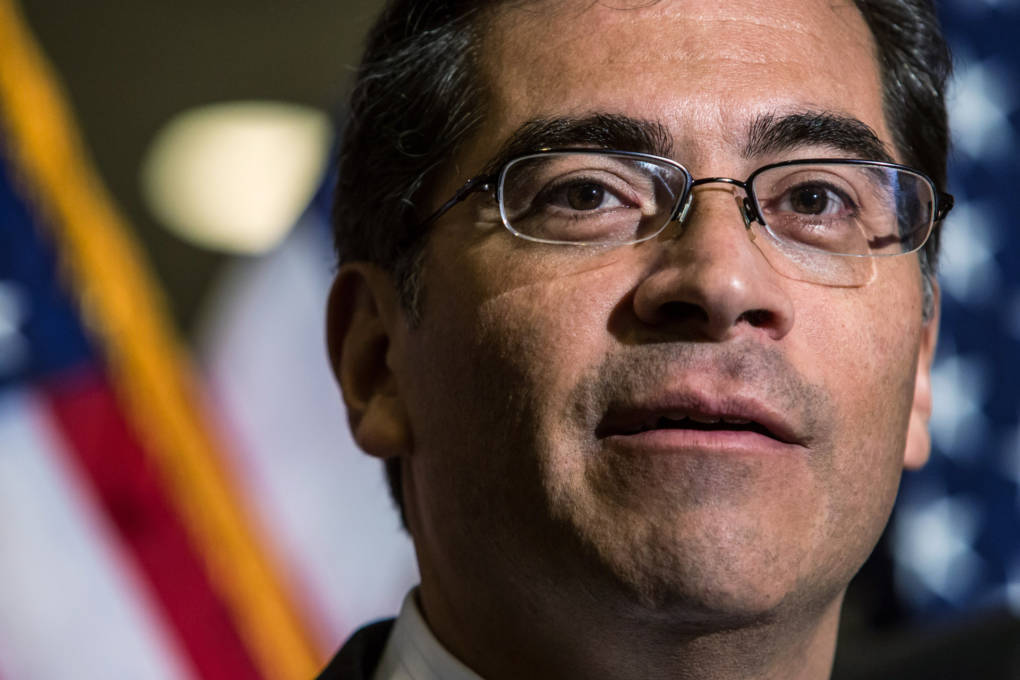
"caption": "California Attorney General Xavier Becerra.",
"description": null,
"title": "RS24780_GettyImages-157556522-qut",
"credit": "Brendan Hoffman/Getty Images",
"status": "inherit",
"isLoading": false,
"fetchFailed": false
},
"news_11618678": {
"type": "attachments",
"id": "news_11618678",
"meta": {
"index": "attachments_1716263798",
"site": "news",
"id": "11618678",
"found": true
},
"parent": 11618623,
"imgSizes": {
"small": {
"file": "https://ww2.kqed.org/app/uploads/sites/10/2017/09/RS26896_IMG_0006-qut-520x347.jpg",
"width": 520,
"mimeType": "image/jpeg",
"height": 347
},
"twentyfourteen-full-width": {
"file": "https://ww2.kqed.org/app/uploads/sites/10/2017/09/RS26896_IMG_0006-qut-1038x576.jpg",
"width": 1038,
"mimeType": "image/jpeg",
"height": 576
},
"thumbnail": {
"file": "https://ww2.kqed.org/app/uploads/sites/10/2017/09/RS26896_IMG_0006-qut-160x107.jpg",
"width": 160,
"mimeType": "image/jpeg",
"height": 107
},
"fd-sm": {
"file": "https://ww2.kqed.org/app/uploads/sites/10/2017/09/RS26896_IMG_0006-qut-960x640.jpg",
"width": 960,
"mimeType": "image/jpeg",
"height": 640
},
"post-thumbnail": {
"file": "https://ww2.kqed.org/app/uploads/sites/10/2017/09/RS26896_IMG_0006-qut-672x372.jpg",
"width": 672,
"mimeType": "image/jpeg",
"height": 372
},
"xsmall": {
"file": "https://ww2.kqed.org/app/uploads/sites/10/2017/09/RS26896_IMG_0006-qut-375x250.jpg",
"width": 375,
"mimeType": "image/jpeg",
"height": 250
},
"kqedFullSize": {
"file": "https://ww2.kqed.org/app/uploads/sites/10/2017/09/RS26896_IMG_0006-qut.jpg",
"width": 1280,
"height": 853
},
"large": {
"file": "https://ww2.kqed.org/app/uploads/sites/10/2017/09/RS26896_IMG_0006-qut-1020x680.jpg",
"width": 1020,
"mimeType": "image/jpeg",
"height": 680
},
"xlarge": {
"file": "https://ww2.kqed.org/app/uploads/sites/10/2017/09/RS26896_IMG_0006-qut-1180x786.jpg",
"width": 1180,
"mimeType": "image/jpeg",
"height": 786
},
"guest-author-50": {
"file": "https://ww2.kqed.org/app/uploads/sites/10/2017/09/RS26896_IMG_0006-qut-50x50.jpg",
"width": 50,
"mimeType": "image/jpeg",
"height": 50
},
"guest-author-96": {
"file": "https://ww2.kqed.org/app/uploads/sites/10/2017/09/RS26896_IMG_0006-qut-96x96.jpg",
"width": 96,
"mimeType": "image/jpeg",
"height": 96
},
"medium": {
"file": "https://ww2.kqed.org/app/uploads/sites/10/2017/09/RS26896_IMG_0006-qut-800x533.jpg",
"width": 800,
"mimeType": "image/jpeg",
"height": 533
},
"guest-author-64": {
"file": "https://ww2.kqed.org/app/uploads/sites/10/2017/09/RS26896_IMG_0006-qut-64x64.jpg",
"width": 64,
"mimeType": "image/jpeg",
"height": 64
},
"guest-author-32": {
"file": "https://ww2.kqed.org/app/uploads/sites/10/2017/09/RS26896_IMG_0006-qut-32x32.jpg",
"width": 32,
"mimeType": "image/jpeg",
"height": 32
},
"fd-med": {
"file": "https://ww2.kqed.org/app/uploads/sites/10/2017/09/RS26896_IMG_0006-qut-1180x786.jpg",
"width": 1180,
"mimeType": "image/jpeg",
"height": 786
},
"detail": {
"file": "https://ww2.kqed.org/app/uploads/sites/10/2017/09/RS26896_IMG_0006-qut-150x150.jpg",
"width": 150,
"mimeType": "image/jpeg",
"height": 150
},
"guest-author-128": {
"file": "https://ww2.kqed.org/app/uploads/sites/10/2017/09/RS26896_IMG_0006-qut-128x128.jpg",
"width": 128,
"mimeType": "image/jpeg",
"height": 128
},
"xxsmall": {
"file": "https://ww2.kqed.org/app/uploads/sites/10/2017/09/RS26896_IMG_0006-qut-240x160.jpg",
"width": 240,
"mimeType": "image/jpeg",
"height": 160
}
},
"publishDate": 1506115809,
"modified": 1506560058,
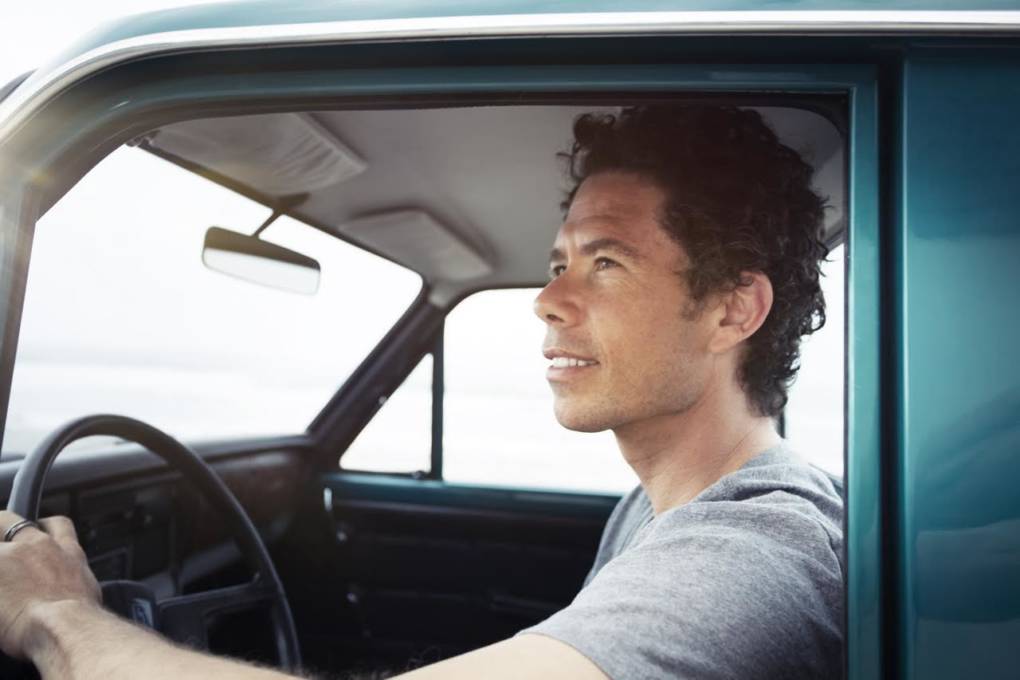
"caption": "Jaimal Yogis' new book chronicles his quest for inner peace and the perfect wave.",
"description": "Jaimal Yogis' new book chronicles his quest for inner peace, and the perfect wave.",
"title": "RS26896_IMG_0006-qut",
"credit": "Peter Dawson",
"status": "inherit",
"isLoading": false,
"fetchFailed": false
},
"news_11617370": {
"type": "attachments",
"id": "news_11617370",
"meta": {
"index": "attachments_1716263798",
"site": "news",
"id": "11617370",
"found": true
},
"parent": 11617367,
"imgSizes": {
"small": {
"file": "https://ww2.kqed.org/app/uploads/sites/10/2017/09/BERKELEY-PROTEST-3_MARQ-520x293.jpg",
"width": 520,
"mimeType": "image/jpeg",
"height": 293
},
"twentyfourteen-full-width": {
"file": "https://ww2.kqed.org/app/uploads/sites/10/2017/09/BERKELEY-PROTEST-3_MARQ-1038x576.jpg",
"width": 1038,
"mimeType": "image/jpeg",
"height": 576
},
"thumbnail": {
"file": "https://ww2.kqed.org/app/uploads/sites/10/2017/09/BERKELEY-PROTEST-3_MARQ-160x90.jpg",
"width": 160,
"mimeType": "image/jpeg",
"height": 90
},
"fd-sm": {
"file": "https://ww2.kqed.org/app/uploads/sites/10/2017/09/BERKELEY-PROTEST-3_MARQ-960x540.jpg",
"width": 960,
"mimeType": "image/jpeg",
"height": 540
},
"post-thumbnail": {
"file": "https://ww2.kqed.org/app/uploads/sites/10/2017/09/BERKELEY-PROTEST-3_MARQ-672x372.jpg",
"width": 672,
"mimeType": "image/jpeg",
"height": 372
},
"xsmall": {
"file": "https://ww2.kqed.org/app/uploads/sites/10/2017/09/BERKELEY-PROTEST-3_MARQ-375x211.jpg",
"width": 375,
"mimeType": "image/jpeg",
"height": 211
},
"kqedFullSize": {
"file": "https://ww2.kqed.org/app/uploads/sites/10/2017/09/BERKELEY-PROTEST-3_MARQ.jpg",
"width": 1280,
"height": 720
},
"large": {
"file": "https://ww2.kqed.org/app/uploads/sites/10/2017/09/BERKELEY-PROTEST-3_MARQ-1020x574.jpg",
"width": 1020,
"mimeType": "image/jpeg",
"height": 574
},
"xlarge": {
"file": "https://ww2.kqed.org/app/uploads/sites/10/2017/09/BERKELEY-PROTEST-3_MARQ-1180x664.jpg",
"width": 1180,
"mimeType": "image/jpeg",
"height": 664
},
"guest-author-50": {
"file": "https://ww2.kqed.org/app/uploads/sites/10/2017/09/BERKELEY-PROTEST-3_MARQ-50x50.jpg",
"width": 50,
"mimeType": "image/jpeg",
"height": 50
},
"guest-author-96": {
"file": "https://ww2.kqed.org/app/uploads/sites/10/2017/09/BERKELEY-PROTEST-3_MARQ-96x96.jpg",
"width": 96,
"mimeType": "image/jpeg",
"height": 96
},
"medium": {
"file": "https://ww2.kqed.org/app/uploads/sites/10/2017/09/BERKELEY-PROTEST-3_MARQ-800x450.jpg",
"width": 800,
"mimeType": "image/jpeg",
"height": 450
},
"guest-author-64": {
"file": "https://ww2.kqed.org/app/uploads/sites/10/2017/09/BERKELEY-PROTEST-3_MARQ-64x64.jpg",
"width": 64,
"mimeType": "image/jpeg",
"height": 64
},
"guest-author-32": {
"file": "https://ww2.kqed.org/app/uploads/sites/10/2017/09/BERKELEY-PROTEST-3_MARQ-32x32.jpg",
"width": 32,
"mimeType": "image/jpeg",
"height": 32
},
"fd-med": {
"file": "https://ww2.kqed.org/app/uploads/sites/10/2017/09/BERKELEY-PROTEST-3_MARQ-1180x664.jpg",
"width": 1180,
"mimeType": "image/jpeg",
"height": 664
},
"detail": {
"file": "https://ww2.kqed.org/app/uploads/sites/10/2017/09/BERKELEY-PROTEST-3_MARQ-150x150.jpg",
"width": 150,
"mimeType": "image/jpeg",
"height": 150
},
"guest-author-128": {
"file": "https://ww2.kqed.org/app/uploads/sites/10/2017/09/BERKELEY-PROTEST-3_MARQ-128x128.jpg",
"width": 128,
"mimeType": "image/jpeg",
"height": 128
},
"xxsmall": {
"file": "https://ww2.kqed.org/app/uploads/sites/10/2017/09/BERKELEY-PROTEST-3_MARQ-240x135.jpg",
"width": 240,
"mimeType": "image/jpeg",
"height": 135
}
},
"publishDate": 1505523274,
"modified": 1505523274,
"caption": null,
"description": null,
"title": "BERKELEY PROTEST 3_MARQ",
"credit": null,
"status": "inherit",
"isLoading": false,
"fetchFailed": false
},
"news_11616884": {
"type": "attachments",
"id": "news_11616884",
"meta": {
"index": "attachments_1716263798",
"site": "news",
"id": "11616884",
"found": true
},
"parent": 11616883,
"imgSizes": {
"small": {
"file": "https://ww2.kqed.org/app/uploads/sites/10/2017/09/gettyimages-846551810_wide-9b2870491b604cf34c6b46e2d96058b2b80d19aa-520x293.jpg",
"width": 520,
"mimeType": "image/jpeg",
"height": 293
},
"twentyfourteen-full-width": {
"file": "https://ww2.kqed.org/app/uploads/sites/10/2017/09/gettyimages-846551810_wide-9b2870491b604cf34c6b46e2d96058b2b80d19aa-1038x576.jpg",
"width": 1038,
"mimeType": "image/jpeg",
"height": 576
},
"thumbnail": {
"file": "https://ww2.kqed.org/app/uploads/sites/10/2017/09/gettyimages-846551810_wide-9b2870491b604cf34c6b46e2d96058b2b80d19aa-160x90.jpg",
"width": 160,
"mimeType": "image/jpeg",
"height": 90
},
"fd-sm": {
"file": "https://ww2.kqed.org/app/uploads/sites/10/2017/09/gettyimages-846551810_wide-9b2870491b604cf34c6b46e2d96058b2b80d19aa-960x540.jpg",
"width": 960,
"mimeType": "image/jpeg",
"height": 540
},
"post-thumbnail": {
"file": "https://ww2.kqed.org/app/uploads/sites/10/2017/09/gettyimages-846551810_wide-9b2870491b604cf34c6b46e2d96058b2b80d19aa-672x372.jpg",
"width": 672,
"mimeType": "image/jpeg",
"height": 372
},
"xsmall": {
"file": "https://ww2.kqed.org/app/uploads/sites/10/2017/09/gettyimages-846551810_wide-9b2870491b604cf34c6b46e2d96058b2b80d19aa-375x211.jpg",
"width": 375,
"mimeType": "image/jpeg",
"height": 211
},
"kqedFullSize": {
"file": "https://ww2.kqed.org/app/uploads/sites/10/2017/09/gettyimages-846551810_wide-9b2870491b604cf34c6b46e2d96058b2b80d19aa-e1505412835880.jpg",
"width": 1920,
"height": 1080
},
"large": {
"file": "https://ww2.kqed.org/app/uploads/sites/10/2017/09/gettyimages-846551810_wide-9b2870491b604cf34c6b46e2d96058b2b80d19aa-1020x574.jpg",
"width": 1020,
"mimeType": "image/jpeg",
"height": 574
},
"xlarge": {
"file": "https://ww2.kqed.org/app/uploads/sites/10/2017/09/gettyimages-846551810_wide-9b2870491b604cf34c6b46e2d96058b2b80d19aa-1180x664.jpg",
"width": 1180,
"mimeType": "image/jpeg",
"height": 664
},
"guest-author-50": {
"file": "https://ww2.kqed.org/app/uploads/sites/10/2017/09/gettyimages-846551810_wide-9b2870491b604cf34c6b46e2d96058b2b80d19aa-50x50.jpg",
"width": 50,
"mimeType": "image/jpeg",
"height": 50
},
"guest-author-96": {
"file": "https://ww2.kqed.org/app/uploads/sites/10/2017/09/gettyimages-846551810_wide-9b2870491b604cf34c6b46e2d96058b2b80d19aa-96x96.jpg",
"width": 96,
"mimeType": "image/jpeg",
"height": 96
},
"medium": {
"file": "https://ww2.kqed.org/app/uploads/sites/10/2017/09/gettyimages-846551810_wide-9b2870491b604cf34c6b46e2d96058b2b80d19aa-800x450.jpg",
"width": 800,
"mimeType": "image/jpeg",
"height": 450
},
"guest-author-64": {
"file": "https://ww2.kqed.org/app/uploads/sites/10/2017/09/gettyimages-846551810_wide-9b2870491b604cf34c6b46e2d96058b2b80d19aa-64x64.jpg",
"width": 64,
"mimeType": "image/jpeg",
"height": 64
},
"guest-author-32": {
"file": "https://ww2.kqed.org/app/uploads/sites/10/2017/09/gettyimages-846551810_wide-9b2870491b604cf34c6b46e2d96058b2b80d19aa-32x32.jpg",
"width": 32,
"mimeType": "image/jpeg",
"height": 32
},
"fd-lrg": {
"file": "https://ww2.kqed.org/app/uploads/sites/10/2017/09/gettyimages-846551810_wide-9b2870491b604cf34c6b46e2d96058b2b80d19aa-1920x1080.jpg",
"width": 1920,
"mimeType": "image/jpeg",
"height": 1080
},
"fd-med": {
"file": "https://ww2.kqed.org/app/uploads/sites/10/2017/09/gettyimages-846551810_wide-9b2870491b604cf34c6b46e2d96058b2b80d19aa-1180x664.jpg",
"width": 1180,
"mimeType": "image/jpeg",
"height": 664
},
"full-width": {
"file": "https://ww2.kqed.org/app/uploads/sites/10/2017/09/gettyimages-846551810_wide-9b2870491b604cf34c6b46e2d96058b2b80d19aa-1920x1080.jpg",
"width": 1920,
"mimeType": "image/jpeg",
"height": 1080
},
"detail": {
"file": "https://ww2.kqed.org/app/uploads/sites/10/2017/09/gettyimages-846551810_wide-9b2870491b604cf34c6b46e2d96058b2b80d19aa-150x150.jpg",
"width": 150,
"mimeType": "image/jpeg",
"height": 150
},
"guest-author-128": {
"file": "https://ww2.kqed.org/app/uploads/sites/10/2017/09/gettyimages-846551810_wide-9b2870491b604cf34c6b46e2d96058b2b80d19aa-128x128.jpg",
"width": 128,
"mimeType": "image/jpeg",
"height": 128
},
"xxsmall": {
"file": "https://ww2.kqed.org/app/uploads/sites/10/2017/09/gettyimages-846551810_wide-9b2870491b604cf34c6b46e2d96058b2b80d19aa-240x135.jpg",
"width": 240,
"mimeType": "image/jpeg",
"height": 135
}
},
"publishDate": 1505411175,
"modified": 1505412237,
"caption": "Sen. Bernie Sanders, I-Vt., discusses his \"Medicare for All\" legislation on Capitol Hill on Wednesday.",
"description": "Sen. Bernie Sanders, I-Vt., discusses his \"Medicare for All\" legislation on Capitol Hill on Wednesday",
"title": "Sen. Bernie Sanders, I-Vt., discusses his \"Medicare for All\" legislation on Capitol Hill on Wednesday.",
"credit": "Jim Watson/Getty Images",
"status": "inherit",
"isLoading": false,
"fetchFailed": false
},
"news_11614936": {
"type": "attachments",
"id": "news_11614936",
"meta": {
"index": "attachments_1716263798",
"site": "news",
"id": "11614936",
"found": true
},
"parent": 11614904,
"imgSizes": {
"small": {
"file": "https://ww2.kqed.org/app/uploads/sites/10/2017/08/Kamala_GettyImages-823543540-qut-520x347.jpg",
"width": 520,
"mimeType": "image/jpeg",
"height": 347
},
"twentyfourteen-full-width": {
"file": "https://ww2.kqed.org/app/uploads/sites/10/2017/08/Kamala_GettyImages-823543540-qut-1038x576.jpg",
"width": 1038,
"mimeType": "image/jpeg",
"height": 576
},
"thumbnail": {
"file": "https://ww2.kqed.org/app/uploads/sites/10/2017/08/Kamala_GettyImages-823543540-qut-160x107.jpg",
"width": 160,
"mimeType": "image/jpeg",
"height": 107
},
"fd-sm": {
"file": "https://ww2.kqed.org/app/uploads/sites/10/2017/08/Kamala_GettyImages-823543540-qut-960x640.jpg",
"width": 960,
"mimeType": "image/jpeg",
"height": 640
},
"post-thumbnail": {
"file": "https://ww2.kqed.org/app/uploads/sites/10/2017/08/Kamala_GettyImages-823543540-qut-672x372.jpg",
"width": 672,
"mimeType": "image/jpeg",
"height": 372
},
"xsmall": {
"file": "https://ww2.kqed.org/app/uploads/sites/10/2017/08/Kamala_GettyImages-823543540-qut-375x250.jpg",
"width": 375,
"mimeType": "image/jpeg",
"height": 250
},
"kqedFullSize": {
"file": "https://ww2.kqed.org/app/uploads/sites/10/2017/08/Kamala_GettyImages-823543540-qut.jpg",
"width": 1920,
"height": 1280
},
"large": {
"file": "https://ww2.kqed.org/app/uploads/sites/10/2017/08/Kamala_GettyImages-823543540-qut-1020x680.jpg",
"width": 1020,
"mimeType": "image/jpeg",
"height": 680
},
"xlarge": {
"file": "https://ww2.kqed.org/app/uploads/sites/10/2017/08/Kamala_GettyImages-823543540-qut-1180x787.jpg",
"width": 1180,
"mimeType": "image/jpeg",
"height": 787
},
"guest-author-50": {
"file": "https://ww2.kqed.org/app/uploads/sites/10/2017/08/Kamala_GettyImages-823543540-qut-50x50.jpg",
"width": 50,
"mimeType": "image/jpeg",
"height": 50
},
"guest-author-96": {
"file": "https://ww2.kqed.org/app/uploads/sites/10/2017/08/Kamala_GettyImages-823543540-qut-96x96.jpg",
"width": 96,
"mimeType": "image/jpeg",
"height": 96
},
"medium": {
"file": "https://ww2.kqed.org/app/uploads/sites/10/2017/08/Kamala_GettyImages-823543540-qut-800x533.jpg",
"width": 800,
"mimeType": "image/jpeg",
"height": 533
},
"guest-author-64": {
"file": "https://ww2.kqed.org/app/uploads/sites/10/2017/08/Kamala_GettyImages-823543540-qut-64x64.jpg",
"width": 64,
"mimeType": "image/jpeg",
"height": 64
},
"guest-author-32": {
"file": "https://ww2.kqed.org/app/uploads/sites/10/2017/08/Kamala_GettyImages-823543540-qut-32x32.jpg",
"width": 32,
"mimeType": "image/jpeg",
"height": 32
},
"fd-lrg": {
"file": "https://ww2.kqed.org/app/uploads/sites/10/2017/08/Kamala_GettyImages-823543540-qut-1920x1280.jpg",
"width": 1920,
"mimeType": "image/jpeg",
"height": 1280
},
"fd-med": {
"file": "https://ww2.kqed.org/app/uploads/sites/10/2017/08/Kamala_GettyImages-823543540-qut-1180x787.jpg",
"width": 1180,
"mimeType": "image/jpeg",
"height": 787
},
"full-width": {
"file": "https://ww2.kqed.org/app/uploads/sites/10/2017/08/Kamala_GettyImages-823543540-qut-1920x1280.jpg",
"width": 1920,
"mimeType": "image/jpeg",
"height": 1280
},
"detail": {
"file": "https://ww2.kqed.org/app/uploads/sites/10/2017/08/Kamala_GettyImages-823543540-qut-150x150.jpg",
"width": 150,
"mimeType": "image/jpeg",
"height": 150
},
"guest-author-128": {
"file": "https://ww2.kqed.org/app/uploads/sites/10/2017/08/Kamala_GettyImages-823543540-qut-128x128.jpg",
"width": 128,
"mimeType": "image/jpeg",
"height": 128
},
"xxsmall": {
"file": "https://ww2.kqed.org/app/uploads/sites/10/2017/08/Kamala_GettyImages-823543540-qut-240x160.jpg",
"width": 240,
"mimeType": "image/jpeg",
"height": 160
}
},
"publishDate": 1504194489,
"modified": 1504217682,
"caption": "Sen. Kamala Harris heads to a closed-door meeting of the Senate Intelligence Committee on Capitol Hill July 27, 2017, in Washington, D.C. ",
"description": "Sen. Kamala Harris heads to a closed-door meeting of the Senate Intelligence Committee on Capitol Hill July 27, 2017 in Washington, DC. ",
"title": "Senate Select Intelligence Committee Holds Closed Hearing",
"credit": "Chip Somodevilla/Getty Images",
"status": "inherit",
"isLoading": false,
"fetchFailed": false
},
"futureofyou_434987": {
"type": "attachments",
"id": "futureofyou_434987",
"meta": {
"index": "attachments_1716263798",
"site": "futureofyou",
"id": "434987",
"found": true
},
"parent": 434787,
"imgSizes": {
"small": {
"file": "https://ww2.kqed.org/app/uploads/sites/13/2017/08/ChanGlass-520x347.jpg",
"width": 520,
"mimeType": "image/jpeg",
"height": 347
},
"twentyfourteen-full-width": {
"file": "https://ww2.kqed.org/app/uploads/sites/13/2017/08/ChanGlass-1038x576.jpg",
"width": 1038,
"mimeType": "image/jpeg",
"height": 576
},
"thumbnail": {
"file": "https://ww2.kqed.org/app/uploads/sites/13/2017/08/ChanGlass-160x107.jpg",
"width": 160,
"mimeType": "image/jpeg",
"height": 107
},
"fd-sm": {
"file": "https://ww2.kqed.org/app/uploads/sites/13/2017/08/ChanGlass-960x640.jpg",
"width": 960,
"mimeType": "image/jpeg",
"height": 640
},
"post-thumbnail": {
"file": "https://ww2.kqed.org/app/uploads/sites/13/2017/08/ChanGlass-672x372.jpg",
"width": 672,
"mimeType": "image/jpeg",
"height": 372
},
"xsmall": {
"file": "https://ww2.kqed.org/app/uploads/sites/13/2017/08/ChanGlass-375x250.jpg",
"width": 375,
"mimeType": "image/jpeg",
"height": 250
},
"kqedFullSize": {
"file": "https://ww2.kqed.org/app/uploads/sites/13/2017/08/ChanGlass-e1503428570417.jpg",
"width": 1920,
"height": 1280
},
"large": {
"file": "https://ww2.kqed.org/app/uploads/sites/13/2017/08/ChanGlass-1020x680.jpg",
"width": 1020,
"mimeType": "image/jpeg",
"height": 680
},
"xlarge": {
"file": "https://ww2.kqed.org/app/uploads/sites/13/2017/08/ChanGlass-1180x787.jpg",
"width": 1180,
"mimeType": "image/jpeg",
"height": 787
},
"guest-author-50": {
"file": "https://ww2.kqed.org/app/uploads/sites/13/2017/08/ChanGlass-50x50.jpg",
"width": 50,
"mimeType": "image/jpeg",
"height": 50
},
"guest-author-96": {
"file": "https://ww2.kqed.org/app/uploads/sites/13/2017/08/ChanGlass-96x96.jpg",
"width": 96,
"mimeType": "image/jpeg",
"height": 96
},
"medium": {
"file": "https://ww2.kqed.org/app/uploads/sites/13/2017/08/ChanGlass-800x533.jpg",
"width": 800,
"mimeType": "image/jpeg",
"height": 533
},
"guest-author-64": {
"file": "https://ww2.kqed.org/app/uploads/sites/13/2017/08/ChanGlass-64x64.jpg",
"width": 64,
"mimeType": "image/jpeg",
"height": 64
},
"guest-author-32": {
"file": "https://ww2.kqed.org/app/uploads/sites/13/2017/08/ChanGlass-32x32.jpg",
"width": 32,
"mimeType": "image/jpeg",
"height": 32
},
"fd-lrg": {
"file": "https://ww2.kqed.org/app/uploads/sites/13/2017/08/ChanGlass-1920x1280.jpg",
"width": 1920,
"mimeType": "image/jpeg",
"height": 1280
},
"fd-med": {
"file": "https://ww2.kqed.org/app/uploads/sites/13/2017/08/ChanGlass-1180x787.jpg",
"width": 1180,
"mimeType": "image/jpeg",
"height": 787
},
"full-width": {
"file": "https://ww2.kqed.org/app/uploads/sites/13/2017/08/ChanGlass-1920x1280.jpg",
"width": 1920,
"mimeType": "image/jpeg",
"height": 1280
},
"detail": {
"file": "https://ww2.kqed.org/app/uploads/sites/13/2017/08/ChanGlass-150x150.jpg",
"width": 150,
"mimeType": "image/jpeg",
"height": 150
},
"medium_large": {
"file": "https://ww2.kqed.org/app/uploads/sites/13/2017/08/ChanGlass-768x512.jpg",
"width": 768,
"mimeType": "image/jpeg",
"height": 512
},
"guest-author-128": {
"file": "https://ww2.kqed.org/app/uploads/sites/13/2017/08/ChanGlass-128x128.jpg",
"width": 128,
"mimeType": "image/jpeg",
"height": 128
},
"xxsmall": {
"file": "https://ww2.kqed.org/app/uploads/sites/13/2017/08/ChanGlass-240x160.jpg",
"width": 240,
"mimeType": "image/jpeg",
"height": 160
}
},
"publishDate": 1503428519,
"modified": 1503428560,
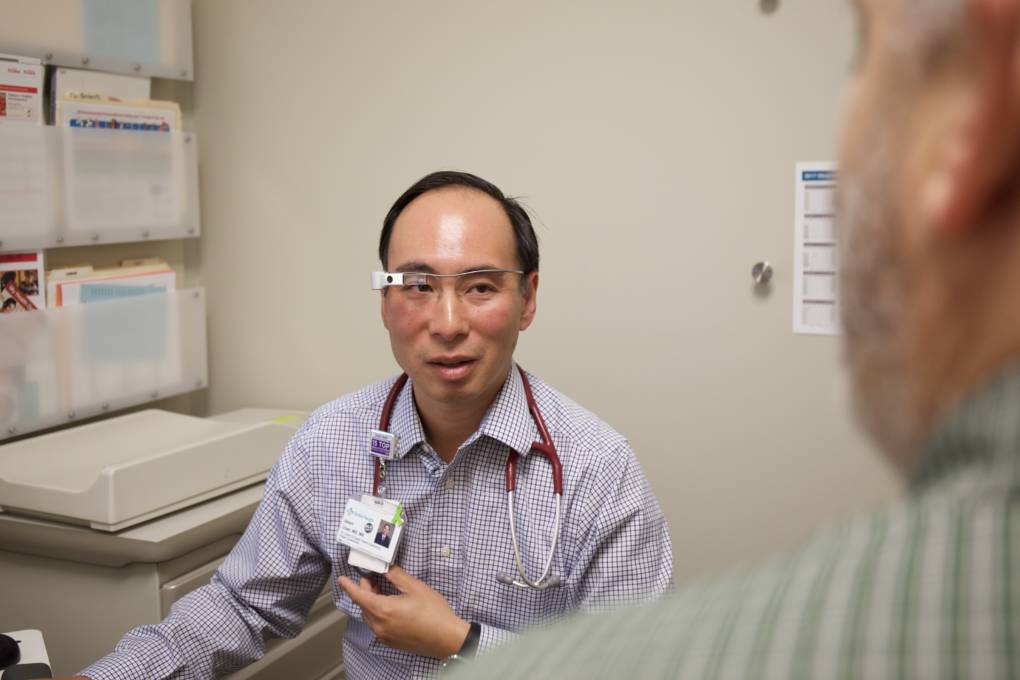
"caption": "During patient exams, Dr. Albert Chan wears Google Glass, which transmits a video feed to a note-taking, offsite medical scribe so Chan can better focus on the patient.",
"description": null,
"title": "ChanGlass",
"credit": "Serginho Roosblad/KQED",
"status": "inherit",
"isLoading": false,
"fetchFailed": false
},
"news_11612072": {
"type": "attachments",
"id": "news_11612072",
"meta": {
"index": "attachments_1716263798",
"site": "news",
"id": "11612072",
"found": true
},
"parent": 11611906,
"imgSizes": {
"small": {
"file": "https://ww2.kqed.org/app/uploads/sites/10/2017/08/Featured-trump-whitehouse-520x282.jpg",
"width": 520,
"mimeType": "image/jpeg",
"height": 282
},
"twentyfourteen-full-width": {
"file": "https://ww2.kqed.org/app/uploads/sites/10/2017/08/Featured-trump-whitehouse-1038x576.jpg",
"width": 1038,
"mimeType": "image/jpeg",
"height": 576
},
"thumbnail": {
"file": "https://ww2.kqed.org/app/uploads/sites/10/2017/08/Featured-trump-whitehouse-160x87.jpg",
"width": 160,
"mimeType": "image/jpeg",
"height": 87
},
"fd-sm": {
"file": "https://ww2.kqed.org/app/uploads/sites/10/2017/08/Featured-trump-whitehouse-960x522.jpg",
"width": 960,
"mimeType": "image/jpeg",
"height": 522
},
"post-thumbnail": {
"file": "https://ww2.kqed.org/app/uploads/sites/10/2017/08/Featured-trump-whitehouse-672x372.jpg",
"width": 672,
"mimeType": "image/jpeg",
"height": 372
},
"xsmall": {
"file": "https://ww2.kqed.org/app/uploads/sites/10/2017/08/Featured-trump-whitehouse-375x204.jpg",
"width": 375,
"mimeType": "image/jpeg",
"height": 204
},
"kqedFullSize": {
"file": "https://ww2.kqed.org/app/uploads/sites/10/2017/08/Featured-trump-whitehouse.jpg",
"width": 1920,
"height": 1043
},
"large": {
"file": "https://ww2.kqed.org/app/uploads/sites/10/2017/08/Featured-trump-whitehouse-1020x554.jpg",
"width": 1020,
"mimeType": "image/jpeg",
"height": 554
},
"xlarge": {
"file": "https://ww2.kqed.org/app/uploads/sites/10/2017/08/Featured-trump-whitehouse-1180x641.jpg",
"width": 1180,
"mimeType": "image/jpeg",
"height": 641
},
"guest-author-50": {
"file": "https://ww2.kqed.org/app/uploads/sites/10/2017/08/Featured-trump-whitehouse-50x50.jpg",
"width": 50,
"mimeType": "image/jpeg",
"height": 50
},
"guest-author-96": {
"file": "https://ww2.kqed.org/app/uploads/sites/10/2017/08/Featured-trump-whitehouse-96x96.jpg",
"width": 96,
"mimeType": "image/jpeg",
"height": 96
},
"medium": {
"file": "https://ww2.kqed.org/app/uploads/sites/10/2017/08/Featured-trump-whitehouse-800x435.jpg",
"width": 800,
"mimeType": "image/jpeg",
"height": 435
},
"guest-author-64": {
"file": "https://ww2.kqed.org/app/uploads/sites/10/2017/08/Featured-trump-whitehouse-64x64.jpg",
"width": 64,
"mimeType": "image/jpeg",
"height": 64
},
"guest-author-32": {
"file": "https://ww2.kqed.org/app/uploads/sites/10/2017/08/Featured-trump-whitehouse-32x32.jpg",
"width": 32,
"mimeType": "image/jpeg",
"height": 32
},
"fd-lrg": {
"file": "https://ww2.kqed.org/app/uploads/sites/10/2017/08/Featured-trump-whitehouse-1920x1043.jpg",
"width": 1920,
"mimeType": "image/jpeg",
"height": 1043
},
"fd-med": {
"file": "https://ww2.kqed.org/app/uploads/sites/10/2017/08/Featured-trump-whitehouse-1180x641.jpg",
"width": 1180,
"mimeType": "image/jpeg",
"height": 641
},
"full-width": {
"file": "https://ww2.kqed.org/app/uploads/sites/10/2017/08/Featured-trump-whitehouse-1920x1043.jpg",
"width": 1920,
"mimeType": "image/jpeg",
"height": 1043
},
"detail": {
"file": "https://ww2.kqed.org/app/uploads/sites/10/2017/08/Featured-trump-whitehouse-150x150.jpg",
"width": 150,
"mimeType": "image/jpeg",
"height": 150
},
"guest-author-128": {
"file": "https://ww2.kqed.org/app/uploads/sites/10/2017/08/Featured-trump-whitehouse-128x128.jpg",
"width": 128,
"mimeType": "image/jpeg",
"height": 128
},
"xxsmall": {
"file": "https://ww2.kqed.org/app/uploads/sites/10/2017/08/Featured-trump-whitehouse-240x130.jpg",
"width": 240,
"mimeType": "image/jpeg",
"height": 130
}
},
"publishDate": 1502828103,
"modified": 1502828225,
"caption": "President Trump has made it clear that he \"wants Obamacare to explode.\"",
"description": null,
"title": "Featured--trump-whitehouse",
"credit": "Mark Fiore/KQED",
"status": "inherit",
"isLoading": false,
"fetchFailed": false
},
"news_11611452": {
"type": "attachments",
"id": "news_11611452",
"meta": {
"index": "attachments_1716263798",
"site": "news",
"id": "11611452",
"found": true
},
"parent": 11611303,
"imgSizes": {
"small": {
"file": "https://ww2.kqed.org/app/uploads/sites/10/2017/08/FreeClinicMain2-520x545.jpg",
"width": 520,
"mimeType": "image/jpeg",
"height": 545
},
"twentyfourteen-full-width": {
"file": "https://ww2.kqed.org/app/uploads/sites/10/2017/08/FreeClinicMain2-1038x576.jpg",
"width": 1038,
"mimeType": "image/jpeg",
"height": 576
},
"thumbnail": {
"file": "https://ww2.kqed.org/app/uploads/sites/10/2017/08/FreeClinicMain2-160x168.jpg",
"width": 160,
"mimeType": "image/jpeg",
"height": 168
},
"fd-sm": {
"file": "https://ww2.kqed.org/app/uploads/sites/10/2017/08/FreeClinicMain2-960x1007.jpg",
"width": 960,
"mimeType": "image/jpeg",
"height": 1007
},
"post-thumbnail": {
"file": "https://ww2.kqed.org/app/uploads/sites/10/2017/08/FreeClinicMain2-672x372.jpg",
"width": 672,
"mimeType": "image/jpeg",
"height": 372
},
"xsmall": {
"file": "https://ww2.kqed.org/app/uploads/sites/10/2017/08/FreeClinicMain2-375x393.jpg",
"width": 375,
"mimeType": "image/jpeg",
"height": 393
},
"kqedFullSize": {
"file": "https://ww2.kqed.org/app/uploads/sites/10/2017/08/FreeClinicMain2.jpg",
"width": 1920,
"height": 2013
},
"large": {
"file": "https://ww2.kqed.org/app/uploads/sites/10/2017/08/FreeClinicMain2-1020x1069.jpg",
"width": 1020,
"mimeType": "image/jpeg",
"height": 1069
},
"xlarge": {
"file": "https://ww2.kqed.org/app/uploads/sites/10/2017/08/FreeClinicMain2-1180x1237.jpg",
"width": 1180,
"mimeType": "image/jpeg",
"height": 1237
},
"guest-author-50": {
"file": "https://ww2.kqed.org/app/uploads/sites/10/2017/08/FreeClinicMain2-50x50.jpg",
"width": 50,
"mimeType": "image/jpeg",
"height": 50
},
"guest-author-96": {
"file": "https://ww2.kqed.org/app/uploads/sites/10/2017/08/FreeClinicMain2-96x96.jpg",
"width": 96,
"mimeType": "image/jpeg",
"height": 96
},
"medium": {
"file": "https://ww2.kqed.org/app/uploads/sites/10/2017/08/FreeClinicMain2-800x839.jpg",
"width": 800,
"mimeType": "image/jpeg",
"height": 839
},
"guest-author-64": {
"file": "https://ww2.kqed.org/app/uploads/sites/10/2017/08/FreeClinicMain2-64x64.jpg",
"width": 64,
"mimeType": "image/jpeg",
"height": 64
},
"guest-author-32": {
"file": "https://ww2.kqed.org/app/uploads/sites/10/2017/08/FreeClinicMain2-32x32.jpg",
"width": 32,
"mimeType": "image/jpeg",
"height": 32
},
"fd-lrg": {
"file": "https://ww2.kqed.org/app/uploads/sites/10/2017/08/FreeClinicMain2-1920x2013.jpg",
"width": 1920,
"mimeType": "image/jpeg",
"height": 2013
},
"fd-med": {
"file": "https://ww2.kqed.org/app/uploads/sites/10/2017/08/FreeClinicMain2-1180x1237.jpg",
"width": 1180,
"mimeType": "image/jpeg",
"height": 1237
},
"full-width": {
"file": "https://ww2.kqed.org/app/uploads/sites/10/2017/08/FreeClinicMain2-1920x2013.jpg",
"width": 1920,
"mimeType": "image/jpeg",
"height": 2013
},
"detail": {
"file": "https://ww2.kqed.org/app/uploads/sites/10/2017/08/FreeClinicMain2-150x150.jpg",
"width": 150,
"mimeType": "image/jpeg",
"height": 150
},
"guest-author-128": {
"file": "https://ww2.kqed.org/app/uploads/sites/10/2017/08/FreeClinicMain2-128x128.jpg",
"width": 128,
"mimeType": "image/jpeg",
"height": 128
},
"xxsmall": {
"file": "https://ww2.kqed.org/app/uploads/sites/10/2017/08/FreeClinicMain2-240x252.jpg",
"width": 240,
"mimeType": "image/jpeg",
"height": 252
}
},
"publishDate": 1502492692,
"modified": 1502492993,
"caption": "Inside the Haight Ashbury Free Medical Clinic in its earliest days. The clinic opened on June 7, 1967, and remained open past midnight. This photo was taken by Gene Anthony, who chronicled much of the Summer of Love.",
"description": "Inside the Haight Ashbury Free Medical Clinic in its earliest days. The clinic opened on June 7, 1967, and remained open past midnight. This photo was taken by Gene Anthony, who chronicled much of the Summer of Love.",
"title": "FreeClinicMain2",
"credit": "Gene Anthony/David Smith Archives",
"status": "inherit",
"isLoading": false,
"fetchFailed": false
},
"news_11610200": {
"type": "attachments",
"id": "news_11610200",
"meta": {
"index": "attachments_1716263798",
"site": "news",
"id": "11610200",
"found": true
},
"parent": 11610195,
"imgSizes": {
"small": {
"file": "https://ww2.kqed.org/app/uploads/sites/10/2017/08/Shkreli-520x347.jpg",
"width": 520,
"mimeType": "image/jpeg",
"height": 347
},
"twentyfourteen-full-width": {
"file": "https://ww2.kqed.org/app/uploads/sites/10/2017/08/Shkreli-1038x576.jpg",
"width": 1038,
"mimeType": "image/jpeg",
"height": 576
},
"thumbnail": {
"file": "https://ww2.kqed.org/app/uploads/sites/10/2017/08/Shkreli-160x107.jpg",
"width": 160,
"mimeType": "image/jpeg",
"height": 107
},
"fd-sm": {
"file": "https://ww2.kqed.org/app/uploads/sites/10/2017/08/Shkreli-960x640.jpg",
"width": 960,
"mimeType": "image/jpeg",
"height": 640
},
"post-thumbnail": {
"file": "https://ww2.kqed.org/app/uploads/sites/10/2017/08/Shkreli-672x372.jpg",
"width": 672,
"mimeType": "image/jpeg",
"height": 372
},
"xsmall": {
"file": "https://ww2.kqed.org/app/uploads/sites/10/2017/08/Shkreli-375x250.jpg",
"width": 375,
"mimeType": "image/jpeg",
"height": 250
},
"kqedFullSize": {
"file": "https://ww2.kqed.org/app/uploads/sites/10/2017/08/Shkreli.jpg",
"width": 1920,
"height": 1280
},
"large": {
"file": "https://ww2.kqed.org/app/uploads/sites/10/2017/08/Shkreli-1020x680.jpg",
"width": 1020,
"mimeType": "image/jpeg",
"height": 680
},
"xlarge": {
"file": "https://ww2.kqed.org/app/uploads/sites/10/2017/08/Shkreli-1180x787.jpg",
"width": 1180,
"mimeType": "image/jpeg",
"height": 787
},
"guest-author-50": {
"file": "https://ww2.kqed.org/app/uploads/sites/10/2017/08/Shkreli-50x50.jpg",
"width": 50,
"mimeType": "image/jpeg",
"height": 50
},
"guest-author-96": {
"file": "https://ww2.kqed.org/app/uploads/sites/10/2017/08/Shkreli-96x96.jpg",
"width": 96,
"mimeType": "image/jpeg",
"height": 96
},
"medium": {
"file": "https://ww2.kqed.org/app/uploads/sites/10/2017/08/Shkreli-800x533.jpg",
"width": 800,
"mimeType": "image/jpeg",
"height": 533
},
"guest-author-64": {
"file": "https://ww2.kqed.org/app/uploads/sites/10/2017/08/Shkreli-64x64.jpg",
"width": 64,
"mimeType": "image/jpeg",
"height": 64
},
"guest-author-32": {
"file": "https://ww2.kqed.org/app/uploads/sites/10/2017/08/Shkreli-32x32.jpg",
"width": 32,
"mimeType": "image/jpeg",
"height": 32
},
"fd-lrg": {
"file": "https://ww2.kqed.org/app/uploads/sites/10/2017/08/Shkreli-1920x1280.jpg",
"width": 1920,
"mimeType": "image/jpeg",
"height": 1280
},
"fd-med": {
"file": "https://ww2.kqed.org/app/uploads/sites/10/2017/08/Shkreli-1180x787.jpg",
"width": 1180,
"mimeType": "image/jpeg",
"height": 787
},
"full-width": {
"file": "https://ww2.kqed.org/app/uploads/sites/10/2017/08/Shkreli-1920x1280.jpg",
"width": 1920,
"mimeType": "image/jpeg",
"height": 1280
},
"detail": {
"file": "https://ww2.kqed.org/app/uploads/sites/10/2017/08/Shkreli-150x150.jpg",
"width": 150,
"mimeType": "image/jpeg",
"height": 150
},
"guest-author-128": {
"file": "https://ww2.kqed.org/app/uploads/sites/10/2017/08/Shkreli-128x128.jpg",
"width": 128,
"mimeType": "image/jpeg",
"height": 128
},
"xxsmall": {
"file": "https://ww2.kqed.org/app/uploads/sites/10/2017/08/Shkreli-240x160.jpg",
"width": 240,
"mimeType": "image/jpeg",
"height": 160
}
},
"publishDate": 1501876265,
"modified": 1501876357,
"caption": "Martin Shkreli, the former pharmaceuticals executive who became known as 'Pharma Bro,' arrives for the first day of jury selection in his federal securities fraud trial on June 26, 2017.",
"description": "Martin Shkreli, the former pharmaceuticals executive who became known as 'Pharma Bro,' arrives for the first day of jury selection in his federal securities fraud trial on June 26, 2017.",
"title": "Shkreli",
"credit": "TIMOTHY A. CLARY/AFP/Getty Images",
"status": "inherit",
"isLoading": false,
"fetchFailed": false
},
"stateofhealth_360675": {
"type": "attachments",
"id": "stateofhealth_360675",
"meta": {
"index": "attachments_1716263798",
"site": "stateofhealth",
"id": "360675",
"found": true
},
"parent": 360674,
"imgSizes": {
"small": {
"file": "https://ww2.kqed.org/app/uploads/sites/27/2017/08/Josie-Valenzuela-ultrasound-520x293.jpg",
"width": 520,
"mimeType": "image/jpeg",
"height": 293
},
"twentyfourteen-full-width": {
"file": "https://ww2.kqed.org/app/uploads/sites/27/2017/08/Josie-Valenzuela-ultrasound-1038x576.jpg",
"width": 1038,
"mimeType": "image/jpeg",
"height": 576
},
"thumbnail": {
"file": "https://ww2.kqed.org/app/uploads/sites/27/2017/08/Josie-Valenzuela-ultrasound-160x90.jpg",
"width": 160,
"mimeType": "image/jpeg",
"height": 90
},
"fd-sm": {
"file": "https://ww2.kqed.org/app/uploads/sites/27/2017/08/Josie-Valenzuela-ultrasound-960x540.jpg",
"width": 960,
"mimeType": "image/jpeg",
"height": 540
},
"post-thumbnail": {
"file": "https://ww2.kqed.org/app/uploads/sites/27/2017/08/Josie-Valenzuela-ultrasound-672x372.jpg",
"width": 672,
"mimeType": "image/jpeg",
"height": 372
},
"xsmall": {
"file": "https://ww2.kqed.org/app/uploads/sites/27/2017/08/Josie-Valenzuela-ultrasound-375x211.jpg",
"width": 375,
"mimeType": "image/jpeg",
"height": 211
},
"kqedFullSize": {
"file": "https://ww2.kqed.org/app/uploads/sites/27/2017/08/Josie-Valenzuela-ultrasound-e1501800398754.jpg",
"width": 1920,
"height": 1080
},
"large": {
"file": "https://ww2.kqed.org/app/uploads/sites/27/2017/08/Josie-Valenzuela-ultrasound-1020x574.jpg",
"width": 1020,
"mimeType": "image/jpeg",
"height": 574
},
"xlarge": {
"file": "https://ww2.kqed.org/app/uploads/sites/27/2017/08/Josie-Valenzuela-ultrasound-1180x664.jpg",
"width": 1180,
"mimeType": "image/jpeg",
"height": 664
},
"guest-author-50": {
"file": "https://ww2.kqed.org/app/uploads/sites/27/2017/08/Josie-Valenzuela-ultrasound-50x50.jpg",
"width": 50,
"mimeType": "image/jpeg",
"height": 50
},
"guest-author-96": {
"file": "https://ww2.kqed.org/app/uploads/sites/27/2017/08/Josie-Valenzuela-ultrasound-96x96.jpg",
"width": 96,
"mimeType": "image/jpeg",
"height": 96
},
"medium": {
"file": "https://ww2.kqed.org/app/uploads/sites/27/2017/08/Josie-Valenzuela-ultrasound-800x450.jpg",
"width": 800,
"mimeType": "image/jpeg",
"height": 450
},
"guest-author-64": {
"file": "https://ww2.kqed.org/app/uploads/sites/27/2017/08/Josie-Valenzuela-ultrasound-64x64.jpg",
"width": 64,
"mimeType": "image/jpeg",
"height": 64
},
"guest-author-32": {
"file": "https://ww2.kqed.org/app/uploads/sites/27/2017/08/Josie-Valenzuela-ultrasound-32x32.jpg",
"width": 32,
"mimeType": "image/jpeg",
"height": 32
},
"fd-lrg": {
"file": "https://ww2.kqed.org/app/uploads/sites/27/2017/08/Josie-Valenzuela-ultrasound-1920x1080.jpg",
"width": 1920,
"mimeType": "image/jpeg",
"height": 1080
},
"fd-med": {
"file": "https://ww2.kqed.org/app/uploads/sites/27/2017/08/Josie-Valenzuela-ultrasound-1180x664.jpg",
"width": 1180,
"mimeType": "image/jpeg",
"height": 664
},
"full-width": {
"file": "https://ww2.kqed.org/app/uploads/sites/27/2017/08/Josie-Valenzuela-ultrasound-1920x1080.jpg",
"width": 1920,
"mimeType": "image/jpeg",
"height": 1080
},
"detail": {
"file": "https://ww2.kqed.org/app/uploads/sites/27/2017/08/Josie-Valenzuela-ultrasound-150x150.jpg",
"width": 150,
"mimeType": "image/jpeg",
"height": 150
},
"medium_large": {
"file": "https://ww2.kqed.org/app/uploads/sites/27/2017/08/Josie-Valenzuela-ultrasound-768x432.jpg",
"width": 768,
"mimeType": "image/jpeg",
"height": 432
},
"guest-author-128": {
"file": "https://ww2.kqed.org/app/uploads/sites/27/2017/08/Josie-Valenzuela-ultrasound-128x128.jpg",
"width": 128,
"mimeType": "image/jpeg",
"height": 128
},
"xxsmall": {
"file": "https://ww2.kqed.org/app/uploads/sites/27/2017/08/Josie-Valenzuela-ultrasound-240x135.jpg",
"width": 240,
"mimeType": "image/jpeg",
"height": 135
}
},
"publishDate": 1501800338,
"modified": 1501895795,
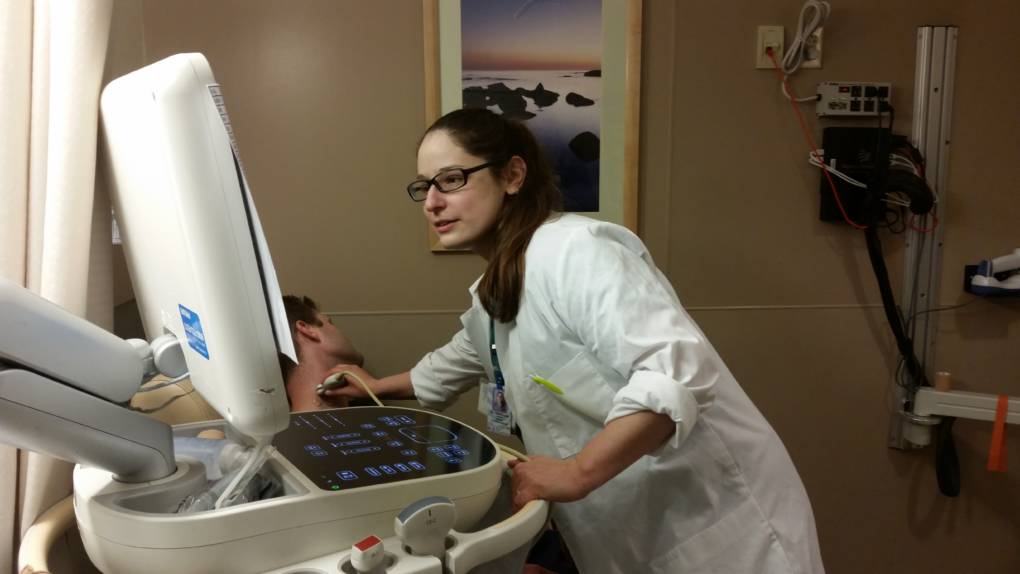
"caption": "Dr. Josie Valenzuela, now in her fourth year of residency at the University of Arizona, performs a carotid artery ultrasound on a patient.",
"description": null,
"title": "Josie Valenzuela ultrasound",
"credit": "Georgia Baumann/University of Arizona",
"status": "inherit",
"isLoading": false,
"fetchFailed": false
},
"news_11606377": {
"type": "attachments",
"id": "news_11606377",
"meta": {
"index": "attachments_1716263798",
"site": "news",
"id": "11606377",
"found": true
},
"parent": 11606374,
"imgSizes": {
"small": {
"file": "https://ww2.kqed.org/app/uploads/sites/10/2017/08/CoCo-At-Risk-Kids-1-520x195.jpg",
"width": 520,
"mimeType": "image/jpeg",
"height": 195
},
"thumbnail": {
"file": "https://ww2.kqed.org/app/uploads/sites/10/2017/08/CoCo-At-Risk-Kids-1-160x60.jpg",
"width": 160,
"mimeType": "image/jpeg",
"height": 60
},
"post-thumbnail": {
"file": "https://ww2.kqed.org/app/uploads/sites/10/2017/08/CoCo-At-Risk-Kids-1-672x300.jpg",
"width": 672,
"mimeType": "image/jpeg",
"height": 300
},
"xsmall": {
"file": "https://ww2.kqed.org/app/uploads/sites/10/2017/08/CoCo-At-Risk-Kids-1-375x141.jpg",
"width": 375,
"mimeType": "image/jpeg",
"height": 141
},
"kqedFullSize": {
"file": "https://ww2.kqed.org/app/uploads/sites/10/2017/08/CoCo-At-Risk-Kids-1.jpg",
"width": 800,
"height": 300
},
"guest-author-50": {
"file": "https://ww2.kqed.org/app/uploads/sites/10/2017/08/CoCo-At-Risk-Kids-1-50x50.jpg",
"width": 50,
"mimeType": "image/jpeg",
"height": 50
},
"guest-author-96": {
"file": "https://ww2.kqed.org/app/uploads/sites/10/2017/08/CoCo-At-Risk-Kids-1-96x96.jpg",
"width": 96,
"mimeType": "image/jpeg",
"height": 96
},
"medium": {
"file": "https://ww2.kqed.org/app/uploads/sites/10/2017/08/CoCo-At-Risk-Kids-1-800x300.jpg",
"width": 800,
"mimeType": "image/jpeg",
"height": 300
},
"guest-author-64": {
"file": "https://ww2.kqed.org/app/uploads/sites/10/2017/08/CoCo-At-Risk-Kids-1-64x64.jpg",
"width": 64,
"mimeType": "image/jpeg",
"height": 64
},
"guest-author-32": {
"file": "https://ww2.kqed.org/app/uploads/sites/10/2017/08/CoCo-At-Risk-Kids-1-32x32.jpg",
"width": 32,
"mimeType": "image/jpeg",
"height": 32
},
"detail": {
"file": "https://ww2.kqed.org/app/uploads/sites/10/2017/08/CoCo-At-Risk-Kids-1-150x150.jpg",
"width": 150,
"mimeType": "image/jpeg",
"height": 150
},
"guest-author-128": {
"file": "https://ww2.kqed.org/app/uploads/sites/10/2017/08/CoCo-At-Risk-Kids-1-128x128.jpg",
"width": 128,
"mimeType": "image/jpeg",
"height": 128
},
"xxsmall": {
"file": "https://ww2.kqed.org/app/uploads/sites/10/2017/08/CoCo-At-Risk-Kids-1-240x90.jpg",
"width": 240,
"mimeType": "image/jpeg",
"height": 90
}
},
"publishDate": 1501619784,
"modified": 1501623062,
"caption": null,
"description": null,
"title": "CoCo At-Risk Kids",
"credit": "Courtesy of Contra Costa Health Services",
"status": "inherit",
"isLoading": false,
"fetchFailed": false
},
"news_11591983": {
"type": "attachments",
"id": "news_11591983",
"meta": {
"index": "attachments_1716263798",
"site": "news",
"id": "11591983",
"found": true
},
"parent": 11579240,
"imgSizes": {
"small": {
"file": "https://ww2.kqed.org/app/uploads/sites/10/2017/07/ReadingtoInmates-520x333.jpg",
"width": 520,
"mimeType": "image/jpeg",
"height": 333
},
"twentyfourteen-full-width": {
"file": "https://ww2.kqed.org/app/uploads/sites/10/2017/07/ReadingtoInmates-1038x576.jpg",
"width": 1038,
"mimeType": "image/jpeg",
"height": 576
},
"thumbnail": {
"file": "https://ww2.kqed.org/app/uploads/sites/10/2017/07/ReadingtoInmates-160x103.jpg",
"width": 160,
"mimeType": "image/jpeg",
"height": 103
},
"fd-sm": {
"file": "https://ww2.kqed.org/app/uploads/sites/10/2017/07/ReadingtoInmates-960x616.jpg",
"width": 960,
"mimeType": "image/jpeg",
"height": 616
},
"post-thumbnail": {
"file": "https://ww2.kqed.org/app/uploads/sites/10/2017/07/ReadingtoInmates-672x372.jpg",
"width": 672,
"mimeType": "image/jpeg",
"height": 372
},
"xsmall": {
"file": "https://ww2.kqed.org/app/uploads/sites/10/2017/07/ReadingtoInmates-375x240.jpg",
"width": 375,
"mimeType": "image/jpeg",
"height": 240
},
"kqedFullSize": {
"file": "https://ww2.kqed.org/app/uploads/sites/10/2017/07/ReadingtoInmates.jpg",
"width": 1920,
"height": 1231
},
"large": {
"file": "https://ww2.kqed.org/app/uploads/sites/10/2017/07/ReadingtoInmates-1020x654.jpg",
"width": 1020,
"mimeType": "image/jpeg",
"height": 654
},
"xlarge": {
"file": "https://ww2.kqed.org/app/uploads/sites/10/2017/07/ReadingtoInmates-1180x757.jpg",
"width": 1180,
"mimeType": "image/jpeg",
"height": 757
},
"guest-author-50": {
"file": "https://ww2.kqed.org/app/uploads/sites/10/2017/07/ReadingtoInmates-50x50.jpg",
"width": 50,
"mimeType": "image/jpeg",
"height": 50
},
"guest-author-96": {
"file": "https://ww2.kqed.org/app/uploads/sites/10/2017/07/ReadingtoInmates-96x96.jpg",
"width": 96,
"mimeType": "image/jpeg",
"height": 96
},
"medium": {
"file": "https://ww2.kqed.org/app/uploads/sites/10/2017/07/ReadingtoInmates-800x513.jpg",
"width": 800,
"mimeType": "image/jpeg",
"height": 513
},
"guest-author-64": {
"file": "https://ww2.kqed.org/app/uploads/sites/10/2017/07/ReadingtoInmates-64x64.jpg",
"width": 64,
"mimeType": "image/jpeg",
"height": 64
},
"guest-author-32": {
"file": "https://ww2.kqed.org/app/uploads/sites/10/2017/07/ReadingtoInmates-32x32.jpg",
"width": 32,
"mimeType": "image/jpeg",
"height": 32
},
"fd-lrg": {
"file": "https://ww2.kqed.org/app/uploads/sites/10/2017/07/ReadingtoInmates-1920x1231.jpg",
"width": 1920,
"mimeType": "image/jpeg",
"height": 1231
},
"fd-med": {
"file": "https://ww2.kqed.org/app/uploads/sites/10/2017/07/ReadingtoInmates-1180x757.jpg",
"width": 1180,
"mimeType": "image/jpeg",
"height": 757
},
"full-width": {
"file": "https://ww2.kqed.org/app/uploads/sites/10/2017/07/ReadingtoInmates-1920x1231.jpg",
"width": 1920,
"mimeType": "image/jpeg",
"height": 1231
},
"detail": {
"file": "https://ww2.kqed.org/app/uploads/sites/10/2017/07/ReadingtoInmates-150x150.jpg",
"width": 150,
"mimeType": "image/jpeg",
"height": 150
},
"guest-author-128": {
"file": "https://ww2.kqed.org/app/uploads/sites/10/2017/07/ReadingtoInmates-128x128.jpg",
"width": 128,
"mimeType": "image/jpeg",
"height": 128
},
"xxsmall": {
"file": "https://ww2.kqed.org/app/uploads/sites/10/2017/07/ReadingtoInmates-240x154.jpg",
"width": 240,
"mimeType": "image/jpeg",
"height": 154
}
},
"publishDate": 1500934907,
"modified": 1500940756,
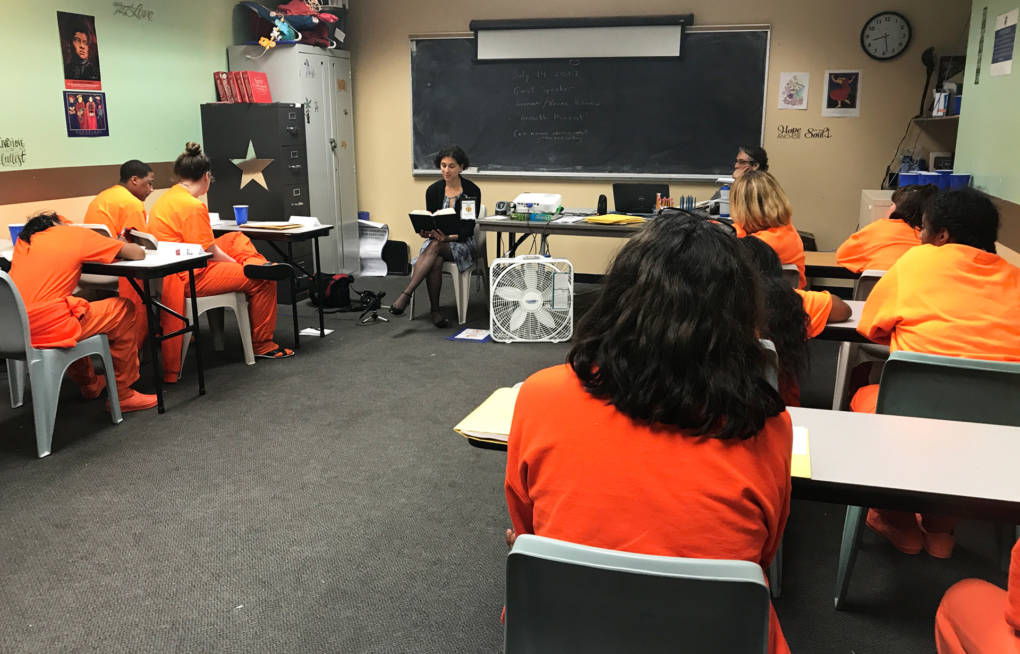
"caption": "Dr. Carolyn Sufrin reads to female inmates at San Francisco County Jail from her book, 'Jailcare.'",
"description": "Dr. Carolyn Sufrin reads to female inmates at San Francisco Jail from her book, 'Jailcare.'",
"title": "ReadingtoInmates",
"credit": "Marisa Lagos/KQED",
"status": "inherit",
"isLoading": false,
"fetchFailed": false
}
},
"audioPlayerReducer": {
"postId": "stream_live",
"isPaused": true,
"isPlaying": false,
"pfsActive": false,
"pledgeModalIsOpen": true,
"playerDrawerIsOpen": false,
"liveAudioPlayStartedAt": 0,
"liveAudioPlayContext": ""
},
"authorsReducer": {
"byline_news_11621695": {
"type": "authors",
"id": "byline_news_11621695",
"meta": {
"override": true
},
"slug": "byline_news_11621695",
"name": "\u003cstrong>Don Thompson\u003cbr/>Associated Press\u003c/strong>",
"isLoading": false
},
"byline_news_11616883": {
"type": "authors",
"id": "byline_news_11616883",
"meta": {
"override": true
},
"slug": "byline_news_11616883",
"name": "\u003cstrong>Danielle Kurtzleben\u003cbr />NPR\u003c/strong>",
"isLoading": false
},
"byline_news_11611906": {
"type": "authors",
"id": "byline_news_11611906",
"meta": {
"override": true
},
"slug": "byline_news_11611906",
"name": "\u003cstrong>April Dembosky, Mark Fiore and Adam Grossberg\u003c/strong>",
"isLoading": false
},
"byline_news_11610195": {
"type": "authors",
"id": "byline_news_11610195",
"meta": {
"override": true
},
"slug": "byline_news_11610195",
"name": "Merrit Kennedy",
"isLoading": false
},
"jbrooks": {
"type": "authors",
"id": "80",
"meta": {
"index": "authors_1716337520",
"id": "80",
"found": true
},
"name": "Jon Brooks",
"firstName": "Jon",
"lastName": "Brooks",
"slug": "jbrooks",
"email": "jbrooks@kqed.org",
"display_author_email": true,
"staff_mastheads": [
"science"
],
"title": "Digital Editor",
"bio": "Jon Brooks is a former Digital Editor for KQED Science. He is the former editor of KQED’s daily news blog, News Fix. In 2014, he won a California Journalism Award for his coverage of ride services like Uber and Lyft and the taxi industry. A veteran blogger, he previously worked for Yahoo! in various news writing and editing roles. Jon is also a playwright whose work has been produced in San Francisco, New York, Italy, and around the U.S. He has written about film for his own blog and studied film at Boston University.",
"avatar": "https://secure.gravatar.com/avatar/98887f7ed1c876ed414d4c915e969584?s=600&d=blank&r=g",
"twitter": "jbrooksfoy",
"facebook": null,
"instagram": null,
"linkedin": null,
"sites": [
{
"site": "arts",
"roles": [
"Contributor",
"editor"
]
},
{
"site": "news",
"roles": [
"author"
]
},
{
"site": "futureofyou",
"roles": [
"administrator"
]
},
{
"site": "mindshift",
"roles": [
"editor"
]
},
{
"site": "stateofhealth",
"roles": [
"editor"
]
},
{
"site": "science",
"roles": [
"administrator"
]
},
{
"site": "quest",
"roles": [
"editor"
]
}
],
"headData": {
"title": "Jon Brooks | KQED",
"description": "Digital Editor",
"ogImgSrc": "https://secure.gravatar.com/avatar/98887f7ed1c876ed414d4c915e969584?s=600&d=blank&r=g",
"twImgSrc": "https://secure.gravatar.com/avatar/98887f7ed1c876ed414d4c915e969584?s=600&d=blank&r=g"
},
"isLoading": false,
"link": "/author/jbrooks"
},
"kqed": {
"type": "authors",
"id": "236",
"meta": {
"index": "authors_1716337520",
"id": "236",
"found": true
},
"name": "KQED News Staff",
"firstName": "KQED News Staff",
"lastName": null,
"slug": "kqed",
"email": "faq@kqed.org",
"display_author_email": false,
"staff_mastheads": [],
"title": null,
"bio": null,
"avatar": "https://secure.gravatar.com/avatar/ef0e801a68c4c54afa9180db14084167?s=600&d=blank&r=g",
"twitter": null,
"facebook": null,
"instagram": null,
"linkedin": null,
"sites": [
{
"site": "arts",
"roles": [
"contributor"
]
},
{
"site": "news",
"roles": [
"editor"
]
},
{
"site": "futureofyou",
"roles": [
"author"
]
}
],
"headData": {
"title": "KQED News Staff | KQED",
"description": null,
"ogImgSrc": "https://secure.gravatar.com/avatar/ef0e801a68c4c54afa9180db14084167?s=600&d=blank&r=g",
"twImgSrc": "https://secure.gravatar.com/avatar/ef0e801a68c4c54afa9180db14084167?s=600&d=blank&r=g"
},
"isLoading": false,
"link": "/author/kqed"
},
"adembosky": {
"type": "authors",
"id": "3205",
"meta": {
"index": "authors_1716337520",
"id": "3205",
"found": true
},
"name": "April Dembosky",
"firstName": "April",
"lastName": "Dembosky",
"slug": "adembosky",
"email": "adembosky@kqed.org",
"display_author_email": false,
"staff_mastheads": [
"news",
"science"
],
"title": "KQED Health Correspondent",
"bio": "April Dembosky is the health correspondent for KQED News and a regular contributor to NPR. She specializes in covering altered states of mind, from postpartum depression to methamphetamine-induced psychosis to the insanity defense. Her investigative series on insurance companies sidestepping mental health laws won multiple awards, including first place in beat reporting from the national Association of Health Care Journalists. She is the recipient of numerous other prizes and fellowships, including a national Edward R. Murrow award for investigative reporting, a Society of Professional Journalists award for long-form storytelling, and a Carter Center Fellowship for Mental Health Journalism.\r\n\r\nDembosky reported and produced \u003cem>Soundtrack of Silence\u003c/em>, an audio documentary about music and memory that is currently being made into a feature film by Paramount Pictures.\r\n\r\nBefore joining KQED in 2013, Dembosky covered technology and Silicon Valley for \u003cem>The Financial Times of London,\u003c/em> and contributed business and arts stories to \u003cem>Marketplace \u003c/em>and \u003cem>The New York Times.\u003c/em> She got her undergraduate degree in philosophy from Smith College and her master's in journalism from the University of California, Berkeley. She is a classically trained violinist and proud alum of the first symphony orchestra at Burning Man.",
"avatar": "https://secure.gravatar.com/avatar/ef92999be4ceb9ea60701e7dc276f813?s=600&d=blank&r=g",
"twitter": "adembosky",
"facebook": null,
"instagram": null,
"linkedin": null,
"sites": [
{
"site": "arts",
"roles": [
"author"
]
},
{
"site": "news",
"roles": [
"editor"
]
},
{
"site": "futureofyou",
"roles": [
"author"
]
},
{
"site": "stateofhealth",
"roles": [
"editor"
]
},
{
"site": "science",
"roles": [
"editor"
]
},
{
"site": "forum",
"roles": [
"editor"
]
}
],
"headData": {
"title": "April Dembosky | KQED",
"description": "KQED Health Correspondent",
"ogImgSrc": "https://secure.gravatar.com/avatar/ef92999be4ceb9ea60701e7dc276f813?s=600&d=blank&r=g",
"twImgSrc": "https://secure.gravatar.com/avatar/ef92999be4ceb9ea60701e7dc276f813?s=600&d=blank&r=g"
},
"isLoading": false,
"link": "/author/adembosky"
},
"mlagos": {
"type": "authors",
"id": "3239",
"meta": {
"index": "authors_1716337520",
"id": "3239",
"found": true
},
"name": "Marisa Lagos",
"firstName": "Marisa",
"lastName": "Lagos",
"slug": "mlagos",
"email": "mlagos@kqed.org",
"display_author_email": false,
"staff_mastheads": [
"news"
],
"title": "KQED Contributor",
"bio": "Marisa Lagos is a correspondent for KQED’s California Politics and Government Desk and co-hosts the award-winning show and podcast, Political Breakdown. At KQED, Lagos also conducts reporting, analysis and investigations into state, local and national politics for radio, TV, online and onstage. In 2022, she and co-host, Scott Shafer, moderated the only gubernatorial debate in California. In 2020, the \u003ci>Washington Post\u003c/i> named her one of the top political journalists in California; she was nominated for a Peabody and won several other awards for her work investigating the 2017 California wildfires. She has worked at the \u003ci>San Francisco Chronicle\u003c/i>, \u003ci>San Francisco Examiner\u003c/i> and \u003ci>Los Angeles Times\u003c/i>. A UC Santa Barbara graduate, she lives in San Francisco with her two sons and husband.",
"avatar": "https://secure.gravatar.com/avatar/a261a0d3696fc066871ef96b85b5e7d2?s=600&d=blank&r=g",
"twitter": "@mlagos",
"facebook": null,
"instagram": null,
"linkedin": null,
"sites": [
{
"site": "arts",
"roles": [
"author"
]
},
{
"site": "news",
"roles": [
"editor"
]
},
{
"site": "science",
"roles": [
"editor"
]
},
{
"site": "forum",
"roles": [
"author"
]
},
{
"site": "liveblog",
"roles": [
"author"
]
}
],
"headData": {
"title": "Marisa Lagos | KQED",
"description": "KQED Contributor",
"ogImgSrc": "https://secure.gravatar.com/avatar/a261a0d3696fc066871ef96b85b5e7d2?s=600&d=blank&r=g",
"twImgSrc": "https://secure.gravatar.com/avatar/a261a0d3696fc066871ef96b85b5e7d2?s=600&d=blank&r=g"
},
"isLoading": false,
"link": "/author/mlagos"
},
"dgorn": {
"type": "authors",
"id": "8656",
"meta": {
"index": "authors_1716337520",
"id": "8656",
"found": true
},
"name": "David Gorn",
"firstName": "David",
"lastName": "Gorn",
"slug": "dgorn",
"email": "dgorn+donotmail@sbcglobal.net",
"display_author_email": false,
"staff_mastheads": [],
"title": "KQED Contributor",
"bio": "David Gorn is the former Deputy News Director of KQED Radio. His public radio pieces have appeared on NPR, the World, Marketplace and the California Report.",
"avatar": "https://secure.gravatar.com/avatar/a6ad3e1eec1712e19b986b9395614010?s=600&d=blank&r=g",
"twitter": null,
"facebook": null,
"instagram": null,
"linkedin": null,
"sites": [
{
"site": "news",
"roles": [
"subscriber"
]
},
{
"site": "futureofyou",
"roles": [
"author"
]
},
{
"site": "science",
"roles": [
"author"
]
},
{
"site": "quest",
"roles": [
"editor"
]
}
],
"headData": {
"title": "David Gorn | KQED",
"description": "KQED Contributor",
"ogImgSrc": "https://secure.gravatar.com/avatar/a6ad3e1eec1712e19b986b9395614010?s=600&d=blank&r=g",
"twImgSrc": "https://secure.gravatar.com/avatar/a6ad3e1eec1712e19b986b9395614010?s=600&d=blank&r=g"
},
"isLoading": false,
"link": "/author/dgorn"
},
"csaldana": {
"type": "authors",
"id": "11301",
"meta": {
"index": "authors_1716337520",
"id": "11301",
"found": true
},
"name": "Cesar Saldaña",
"firstName": "Cesar",
"lastName": "Saldaña",
"slug": "csaldana",
"email": "csaldana@kqed.org",
"display_author_email": false,
"staff_mastheads": [
"news"
],
"title": "KQED Contributor",
"bio": null,
"avatar": "https://secure.gravatar.com/avatar/04e89425007fe7102f750c79e76274bc?s=600&d=mm&r=g",
"twitter": null,
"facebook": null,
"instagram": null,
"linkedin": null,
"sites": [
{
"site": "news",
"roles": []
},
{
"site": "perspectives",
"roles": []
}
],
"headData": {
"title": "Cesar Saldaña | KQED",
"description": "KQED Contributor",
"ogImgSrc": "https://secure.gravatar.com/avatar/04e89425007fe7102f750c79e76274bc?s=600&d=mm&r=g",
"twImgSrc": "https://secure.gravatar.com/avatar/04e89425007fe7102f750c79e76274bc?s=600&d=mm&r=g"
},
"isLoading": false,
"link": "/author/csaldana"
},
"cfeibel": {
"type": "authors",
"id": "11314",
"meta": {
"index": "authors_1716337520",
"id": "11314",
"found": true
},
"name": "Carrie Feibel",
"firstName": "Carrie",
"lastName": "Feibel",
"slug": "cfeibel",
"email": "cfeibel@KQED.org",
"display_author_email": false,
"staff_mastheads": [],
"title": "KQED Contributor",
"bio": "Carrie Feibel is a former health editor at KQED, where she has also reported for radio and online. Her stories have appeared on the national NPR shows \u003cem>Morning Edition\u003c/em>, \u003cem>All Things Considered\u003c/em>, and \u003cem>Here & Now\u003c/em>, and on the national website, Kaiser Health News. Her print career included stints at the \u003cem>Houston Chronicle\u003c/em>, \u003cem>The (Bergen) Record,\u003c/em> and the Associated Press in New York City. A native of St. Louis, Feibel attended Cornell University, and earned a master's in journalism from Columbia University.",
"avatar": "https://secure.gravatar.com/avatar/c64a7e3c9a910e1bffd4ad32a5264aa9?s=600&d=blank&r=g",
"twitter": "KQEDHealth",
"facebook": null,
"instagram": null,
"linkedin": null,
"sites": [
{
"site": "news",
"roles": [
"subscriber"
]
},
{
"site": "stateofhealth",
"roles": [
"administrator"
]
}
],
"headData": {
"title": "Carrie Feibel | KQED",
"description": "KQED Contributor",
"ogImgSrc": "https://secure.gravatar.com/avatar/c64a7e3c9a910e1bffd4ad32a5264aa9?s=600&d=blank&r=g",
"twImgSrc": "https://secure.gravatar.com/avatar/c64a7e3c9a910e1bffd4ad32a5264aa9?s=600&d=blank&r=g"
},
"isLoading": false,
"link": "/author/cfeibel"
},
"btaylor": {
"type": "authors",
"id": "11365",
"meta": {
"index": "authors_1716337520",
"id": "11365",
"found": true
},
"name": "Bianca Taylor",
"firstName": "Bianca",
"lastName": "Taylor",
"slug": "btaylor",
"email": "btaylor@KQED.org",
"display_author_email": false,
"staff_mastheads": [
"news"
],
"title": "Host and Producer ",
"bio": "Bianca Taylor is a news producer and host of KQED's The Latest podcast.\r\n\r\nHer work with KQED has been honored by the Society of Professional Journalists NorCal, the Webby's, the Regional Murrow Awards, and ONA. She has also worked with NPR, the BBC World Service, and the Washington Post Creative Group.\r\n\r\nBianca is represented by SAG-AFTRA.",
"avatar": "https://secure.gravatar.com/avatar/6b9d3f6552dd10470c5d1c2e58cfe717?s=600&d=blank&r=g",
"twitter": "SoundsLkeBianca",
"facebook": null,
"instagram": null,
"linkedin": null,
"sites": [
{
"site": "arts",
"roles": [
"editor"
]
},
{
"site": "news",
"roles": [
"edit_others_posts",
"editor"
]
},
{
"site": "pop",
"roles": [
"editor"
]
},
{
"site": "bayareabites",
"roles": [
"author"
]
},
{
"site": "science",
"roles": [
"editor"
]
},
{
"site": "forum",
"roles": [
"editor"
]
},
{
"site": "radio",
"roles": [
"editor"
]
},
{
"site": "podcasts",
"roles": [
"editor"
]
}
],
"headData": {
"title": "Bianca Taylor | KQED",
"description": "Host and Producer ",
"ogImgSrc": "https://secure.gravatar.com/avatar/6b9d3f6552dd10470c5d1c2e58cfe717?s=600&d=blank&r=g",
"twImgSrc": "https://secure.gravatar.com/avatar/6b9d3f6552dd10470c5d1c2e58cfe717?s=600&d=blank&r=g"
},
"isLoading": false,
"link": "/author/btaylor"
}
},
"pagesReducer": {
"news_tag_health": {
"type": "terms",
"id": "news_18543",
"meta": {
"index": "terms_1716263798",
"site": "news",
"id": "18543",
"score": 6.886659
},
"featImg": null,
"name": "Health",
"description": null,
"taxonomy": "tag",
"headData": {
"twImgId": null,
"twTitle": null,
"ogTitle": null,
"ogImgId": null,
"twDescription": null,
"description": null,
"title": "Health Archives | KQED News",
"ogDescription": null
},
"ttid": 466,
"slug": "health",
"isLoading": false,
"title": "Health",
"pageMeta": {
"site": "news",
"WpPageTemplate": "page-topic-editorial",
"currentPage": 99
},
"blocks": [
{
"blockName": "kqed/post-list",
"attrs": {
"layout": "cardArticle2",
"query": "posts/news?tag=health",
"seeMore": false,
"paginated": true,
"page": 99
}
},
{
"blockName": "kqed/ad"
}
]
}
},
"pfsSessionReducer": {},
"postsReducer": {
"stream_live": {
"type": "live",
"id": "stream_live",
"audioUrl": "https://streams.kqed.org/kqedradio",
"title": "Live Stream",
"excerpt": "Live Stream information currently unavailable.",
"link": "/radio",
"featImg": "",
"label": {
"name": "KQED Live",
"link": "/"
}
},
"stream_kqedNewscast": {
"type": "posts",
"id": "stream_kqedNewscast",
"audioUrl": "https://www.kqed.org/.stream/anon/radio/RDnews/newscast.mp3?_=1",
"title": "KQED Newscast",
"featImg": "",
"label": {
"name": "88.5 FM",
"link": "/"
}
},
"news_11621695": {
"type": "posts",
"id": "news_11621695",
"meta": {
"index": "posts_1716263798",
"site": "news",
"id": "11621695",
"score": null,
"sort": [
1507398654000
]
},
"guestAuthors": [],
"slug": "california-sues-trump-over-rollback-of-birth-control-rules",
"title": "California Sues Trump Over Rollback of Birth Control Rules",
"publishDate": 1507398654,
"format": "standard",
"headTitle": "California Sues Trump Over Rollback of Birth Control Rules | KQED",
"labelTerm": {},
"content": "\u003cp>California’s attorney general sued the Trump administration Friday over \u003ca href=\"http://www.npr.org/sections/health-shots/2017/10/06/555970210/trump-ends-requirement-that-employer-health-plans-pay-for-birth-control\" target=\"_blank\" rel=\"noopener\">new rules\u003c/a> allowing more employers to opt out of providing no-cost birth control to women by claiming moral or religious objections, joining a flurry of lawsuits by other states and birth control advocacy groups.\u003c/p>\n\u003cp>Democratic Attorney General Xavier Becerra sued in federal court in San Francisco the same day the Republican administration announced it is giving employers more discretion as part of a broader rollback of the Affordable Care Act.\u003c/p>\n\u003cp>The lawsuit contends that the new rules violate the U.S. Constitution by allowing employers to use their religious beliefs to justify discrimination and to deny women equal protection under the law.. It says the administration also violated federal law by acting without allowing public comment and without providing a proper legal or factual basis for the change.\u003c/p>\n\u003cp>Becerra said the rollback could affect 13 million California women and their families, but he later said those women would still be protected by state law. California Department of Managed Health Care Director Shelley Rouillard said in a statement that California-regulated health plans must cover contraceptives for women without cost, with very narrow exceptions for religious employers.\u003c/p>\n\u003cp>“We’re not interested in going backwards,” Becerra said during a conference call with other contraception advocates, many of whom promised their own legal challenges. “We’re prepared in California to take all action, including legal action, to defend a woman’s rights against these unacceptable attacks.”\u003c/p>\n\u003cp>[ad fullwidth]\u003c/p>\n\u003cp>Massachusetts Attorney General Maura Healey, a fellow Democrat, also sued Friday, citing similar legal grounds.\u003c/p>\n\u003cp>Becerra said other attorneys general, whom he would not name, are preparing to file their own lawsuits or join existing suits.\u003c/p>\n\u003cp>He was one of 18 state attorneys general who signed a letter warning the Trump administration that it should expect legal action. The others are in Connecticut, Delaware, District of Columbia, Hawaii, Illinois, Iowa, Maine, Maryland, Massachusetts, New York, North Carolina, Oregon, Pennsylvania, Rhode Island, Vermont, Virginia and Washington.\u003c/p>\n\u003cp>\u003c/p>\n\u003cp>The American Civil Liberties Union also sued Friday in federal court in San Francisco on behalf of its members and members of Service Employee International Union-United Health Care Workers West whom it said were at risk of losing their contraception coverage.\u003c/p>\n\n",
"blocks": [],
"excerpt": "State Attorney General Xavier Becerra says the new rules are unconstitutional and deny women equal protection.",
"status": "publish",
"parent": 0,
"modified": 1738187021,
"stats": {
"hasAudio": false,
"hasVideo": false,
"hasChartOrMap": false,
"iframeSrcs": [],
"hasGoogleForm": false,
"hasGallery": false,
"hasHearkenModule": false,
"hasPolis": false,
"paragraphCount": 11,
"wordCount": 382
},
"headData": {
"title": "California Sues Trump Over Rollback of Birth Control Rules | KQED",
"description": "State Attorney General Xavier Becerra says the new rules are unconstitutional and deny women equal protection.",
"ogTitle": "",
"ogDescription": "",
"ogImgId": "",
"twTitle": "",
"twDescription": "",
"twImgId": "",
"schema": {
"@context": "https://schema.org",
"@type": "NewsArticle",
"headline": "California Sues Trump Over Rollback of Birth Control Rules",
"datePublished": "2017-10-07T10:50:54-07:00",
"dateModified": "2025-01-29T13:43:41-08:00",
"image": "https://cdn.kqed.org/wp-content/uploads/2020/02/KQED-OG-Image@1x.png",
"isAccessibleForFree": "True",
"publisher": {
"@type": "NewsMediaOrganization",
"@id": "https://www.kqed.org/#organization",
"name": "KQED",
"logo": "https://cdn.kqed.org/wp-content/uploads/2020/02/KQED-OG-Image@1x.png",
"url": "https://www.kqed.org",
"sameAs": [
"https://www.facebook.com/KQED",
"https://twitter.com/KQED",
"https://www.instagram.com/kqed/",
"https://www.tiktok.com/@kqedofficial",
"https://www.linkedin.com/company/kqed",
"https://www.youtube.com/channel/UCeC0IOo7i1P_61zVUWbJ4nw"
]
}
}
},
"source": "Associated Press",
"sticky": false,
"nprByline": "\u003cstrong>Don Thompson\u003cbr/>Associated Press\u003c/strong>",
"path": "/news/11621695/california-sues-trump-over-rollback-of-birth-control-rules",
"audioTrackLength": null,
"parsedContent": [
{
"type": "contentString",
"content": "\u003cdiv class=\"post-body\">\u003cp>\u003cp>California’s attorney general sued the Trump administration Friday over \u003ca href=\"http://www.npr.org/sections/health-shots/2017/10/06/555970210/trump-ends-requirement-that-employer-health-plans-pay-for-birth-control\" target=\"_blank\" rel=\"noopener\">new rules\u003c/a> allowing more employers to opt out of providing no-cost birth control to women by claiming moral or religious objections, joining a flurry of lawsuits by other states and birth control advocacy groups.\u003c/p>\n\u003cp>Democratic Attorney General Xavier Becerra sued in federal court in San Francisco the same day the Republican administration announced it is giving employers more discretion as part of a broader rollback of the Affordable Care Act.\u003c/p>\n\u003cp>The lawsuit contends that the new rules violate the U.S. Constitution by allowing employers to use their religious beliefs to justify discrimination and to deny women equal protection under the law.. It says the administration also violated federal law by acting without allowing public comment and without providing a proper legal or factual basis for the change.\u003c/p>\n\u003cp>Becerra said the rollback could affect 13 million California women and their families, but he later said those women would still be protected by state law. California Department of Managed Health Care Director Shelley Rouillard said in a statement that California-regulated health plans must cover contraceptives for women without cost, with very narrow exceptions for religious employers.\u003c/p>\n\u003cp>“We’re not interested in going backwards,” Becerra said during a conference call with other contraception advocates, many of whom promised their own legal challenges. “We’re prepared in California to take all action, including legal action, to defend a woman’s rights against these unacceptable attacks.”\u003c/p>\n\u003cp>\u003c/p>\u003c/div>",
"attributes": {
"named": {},
"numeric": []
}
},
{
"type": "component",
"content": "",
"name": "ad",
"attributes": {
"named": {
"label": "fullwidth"
},
"numeric": [
"fullwidth"
]
}
},
{
"type": "contentString",
"content": "\u003cdiv class=\"post-body\">\u003cp>\u003c/p>\n\u003cp>Massachusetts Attorney General Maura Healey, a fellow Democrat, also sued Friday, citing similar legal grounds.\u003c/p>\n\u003cp>Becerra said other attorneys general, whom he would not name, are preparing to file their own lawsuits or join existing suits.\u003c/p>\n\u003cp>He was one of 18 state attorneys general who signed a letter warning the Trump administration that it should expect legal action. The others are in Connecticut, Delaware, District of Columbia, Hawaii, Illinois, Iowa, Maine, Maryland, Massachusetts, New York, North Carolina, Oregon, Pennsylvania, Rhode Island, Vermont, Virginia and Washington.\u003c/p>\n\u003cp>\u003c/p>\n\u003cp>The American Civil Liberties Union also sued Friday in federal court in San Francisco on behalf of its members and members of Service Employee International Union-United Health Care Workers West whom it said were at risk of losing their contraception coverage.\u003c/p>\n\n\u003c/div>\u003c/p>",
"attributes": {
"named": {},
"numeric": []
}
}
],
"link": "/news/11621695/california-sues-trump-over-rollback-of-birth-control-rules",
"authors": [
"byline_news_11621695"
],
"programs": [
"news_72"
],
"categories": [
"news_457",
"news_8",
"news_33520",
"news_13"
],
"tags": [
"news_2409",
"news_19985",
"news_18543",
"news_17286"
],
"featImg": "news_11539279",
"label": "source_news_11621695"
},
"news_11618623": {
"type": "posts",
"id": "news_11618623",
"meta": {
"index": "posts_1716263798",
"site": "news",
"id": "11618623",
"score": null,
"sort": [
1506567716000
]
},
"guestAuthors": [],
"slug": "when-surfing-is-your-bridge-between-temple-and-the-world",
"title": "When Surfing Is Your Bridge Between Temple and the World",
"publishDate": 1506567716,
"format": "audio",
"headTitle": "When Surfing Is Your Bridge Between Temple and the World | KQED",
"labelTerm": {
"term": 72,
"site": "news"
},
"content": "\u003cp>What does an 83-year-old woman who surfs the cold waters of San Francisco’s Ocean Beach have in common with a Buddhist monk hiking through the Himalayas?\u003c/p>\n\u003cp>They’re both people who author \u003ca href=\"http://jaimalyogis.com\">Jaimal Yogis\u003c/a> encounters as he scours the planet looking for the secrets to internal happiness. Yogis is a San Francisco-based surfer, journalist and meditation teacher, whose new book, \u003ca href=\"http://www.jaimalyogis.com/allourwaves/\" target=\"_blank\" rel=\"noopener noreferrer\">“All Our Waves Are Water,”\u003c/a> chronicles his quest for the perfect wave, and for an internal life that can weather storms, lulls and thrilling rides.\u003c/p>\n\u003cp>\u003ca href=\"https://ww2.kqed.org/news/author/sasha-khokha/\" target=\"_blank\" rel=\"noopener\">Sasha Khokha\u003c/a>, host of \u003cem>The California Report Magazine,\u003c/em> sat down to talk with with Yogis about surfing Mavericks, the origins behind his name and how the ocean became his Zen master.\u003c/p>\n\u003cfigure id=\"attachment_11618681\" class=\"wp-caption aligncenter\" style=\"max-width: 800px\">\u003cimg loading=\"lazy\" decoding=\"async\" class=\"size-medium wp-image-11618681\" src=\"https://ww2.kqed.org/news/wp-content/uploads/sites/10/2017/09/RS26897_IMG_0196-qut-800x533.jpg\" alt=\"\" width=\"800\" height=\"533\" srcset=\"https://cdn.kqed.org/wp-content/uploads/sites/10/2017/09/RS26897_IMG_0196-qut-800x533.jpg 800w, https://cdn.kqed.org/wp-content/uploads/sites/10/2017/09/RS26897_IMG_0196-qut-160x107.jpg 160w, https://cdn.kqed.org/wp-content/uploads/sites/10/2017/09/RS26897_IMG_0196-qut-1020x680.jpg 1020w, https://cdn.kqed.org/wp-content/uploads/sites/10/2017/09/RS26897_IMG_0196-qut-960x640.jpg 960w, https://cdn.kqed.org/wp-content/uploads/sites/10/2017/09/RS26897_IMG_0196-qut-240x160.jpg 240w, https://cdn.kqed.org/wp-content/uploads/sites/10/2017/09/RS26897_IMG_0196-qut-375x250.jpg 375w, https://cdn.kqed.org/wp-content/uploads/sites/10/2017/09/RS26897_IMG_0196-qut-520x347.jpg 520w, https://cdn.kqed.org/wp-content/uploads/sites/10/2017/09/RS26897_IMG_0196-qut.jpg 1100w\" sizes=\"(max-width: 800px) 100vw, 800px\">\u003cfigcaption class=\"wp-caption-text\">Yogis has surfed all over the world, and now calls San Francisco’s Ocean Beach home. \u003ccite>(Peter Dawson)\u003c/cite>\u003c/figcaption>\u003c/figure>\n\u003cp>\u003cstrong>This book chronicles your travels to places like Mexico, Bali and the Himalayas, and explores what surfing and meditation have in common. What is that connection?\u003c/strong>\u003c/p>\n\u003cp>There is this sort of instant solitude that happens because you can’t bring yourself when you are with the elements. You have to be present because the ocean is very dynamic.\u003c/p>\n\u003cp>[ad fullwidth]\u003c/p>\n\u003cp>So it’s a little bit of a shortcut to some of the states of solitude that you might find in a Zen monastery.\u003c/p>\n\u003cp>\u003cstrong>This is a follow-up to your first memoir, \u003ca href=\"http://www.jaimalyogis.com/saltwaterbuddha/\" target=\"_blank\" rel=\"noopener noreferrer\">“Saltwater Buddha,”\u003c/a> about leaving your home and your military family in suburban Sacramento as a teenager, buying a one-way plane ticket to Hawaii without telling your parents, and just going off in search of the wave. Then you spent a year in a Buddhist monastery as a teenager?\u003c/strong>\u003c/p>\n\u003cfigure id=\"attachment_11618684\" class=\"wp-caption aligncenter\" style=\"max-width: 800px\">\u003cimg loading=\"lazy\" decoding=\"async\" class=\"size-medium wp-image-11618684\" src=\"https://ww2.kqed.org/news/wp-content/uploads/sites/10/2017/09/RS26898_IMG_0203-qut-800x533.jpg\" alt=\"\" width=\"800\" height=\"533\" srcset=\"https://cdn.kqed.org/wp-content/uploads/sites/10/2017/09/RS26898_IMG_0203-qut-800x533.jpg 800w, https://cdn.kqed.org/wp-content/uploads/sites/10/2017/09/RS26898_IMG_0203-qut-160x107.jpg 160w, https://cdn.kqed.org/wp-content/uploads/sites/10/2017/09/RS26898_IMG_0203-qut-1020x680.jpg 1020w, https://cdn.kqed.org/wp-content/uploads/sites/10/2017/09/RS26898_IMG_0203-qut.jpg 1920w, https://cdn.kqed.org/wp-content/uploads/sites/10/2017/09/RS26898_IMG_0203-qut-1180x787.jpg 1180w, https://cdn.kqed.org/wp-content/uploads/sites/10/2017/09/RS26898_IMG_0203-qut-960x640.jpg 960w, https://cdn.kqed.org/wp-content/uploads/sites/10/2017/09/RS26898_IMG_0203-qut-240x160.jpg 240w, https://cdn.kqed.org/wp-content/uploads/sites/10/2017/09/RS26898_IMG_0203-qut-375x250.jpg 375w, https://cdn.kqed.org/wp-content/uploads/sites/10/2017/09/RS26898_IMG_0203-qut-520x347.jpg 520w\" sizes=\"(max-width: 800px) 100vw, 800px\">\u003cfigcaption class=\"wp-caption-text\">When he was 16, Yogis headed to Hawaii, without telling his parents in suburban Sacramento. \u003ccite>(Nahendra Surf Photography)\u003c/cite>\u003c/figcaption>\u003c/figure>\n\u003cp>When I ran away to Maui I had this vision that surfing in the islands would save me. And when I got there at 16, I had no money. Maybe just enough to buy a surfboard and some avocados. It was hard. And I was lonely. I think you have to bump up against suffering, though, to really want to look deeper into who you are. And so that was sort of my introduction, both to surfing and to sort of a real loneliness.\u003c/p>\n\u003cp>Surfing was my bridge between the temple and the world, because there was this meditative aspect but you’re also getting beat up by the waves.\u003c/p>\n\u003cp>Surfing is hard and it’s dynamic. You can be getting your face ground into the sand, which doesn’t happen at the monastery! You might get whacked by the Zen master but it’s different. If I can use surfing as a sort of transition between this meditative place and the world, I’ll be in good shape.\u003c/p>\n\u003cp>\u003cstrong>People may be surprised to know that Yogis is your real name even though it sounds so appropriately spiritual. What’s the origin of your name?\u003c/strong>\u003c/p>\n\u003cp>It’s Lithuanian. Lithuanian is strangely the closest European language to Sanskrit. My family became interested in yoga in the ’70s, and then their teacher’s teacher in Boston at the time was named Bob Jaimal Singh. My dad wanted to name me Baba Jaimal.\u003c/p>\n\u003cp>\u003cstrong>I understand! My dad is from India, yet I have an Eastern European name.\u003c/strong>\u003c/p>\n\u003cp>We were meant to do this interview!\u003c/p>\n\u003cp>\u003cstrong>Now you’re back in California, across the street from \u003ca href=\"https://www.google.com/maps/place/Ocean+Beach/@37.7526294,-122.5448127,13z/data=!3m1!4b1!4m5!3m4!1s0x8085879469edc663:0x8a1e788f0b2d67fc!8m2!3d37.7593921!4d-122.510734\" target=\"_blank\" rel=\"noopener noreferrer\">Ocean Beach\u003c/a>. You’ve got some of these really interesting characters like the \u003ca href=\"https://www.theatlantic.com/entertainment/archive/2017/07/is-surfing-more-religion-than-sport/533721/\" target=\"_blank\" rel=\"noopener noreferrer\">Queen of Ocean Beach\u003c/a>, a very spirited woman surfer who’s in her 80s.\u003c/strong>\u003c/p>\n\u003cp>She’s 83 now and she lives on the Great Highway in San Francisco, and she’s still here almost every day on her beach cruiser or she goes to a secret spot and body-surfs without a wet suit. She gets some pretty amazing rides.\u003c/p>\n\u003cfigure id=\"attachment_11618686\" class=\"wp-caption aligncenter\" style=\"max-width: 640px\">\u003cimg loading=\"lazy\" decoding=\"async\" class=\"size-full wp-image-11618686\" src=\"https://ww2.kqed.org/news/wp-content/uploads/sites/10/2017/09/RS26901_image002-qut.jpg\" alt=\"\" width=\"640\" height=\"427\" srcset=\"https://cdn.kqed.org/wp-content/uploads/sites/10/2017/09/RS26901_image002-qut.jpg 640w, https://cdn.kqed.org/wp-content/uploads/sites/10/2017/09/RS26901_image002-qut-160x107.jpg 160w, https://cdn.kqed.org/wp-content/uploads/sites/10/2017/09/RS26901_image002-qut-240x160.jpg 240w, https://cdn.kqed.org/wp-content/uploads/sites/10/2017/09/RS26901_image002-qut-375x250.jpg 375w, https://cdn.kqed.org/wp-content/uploads/sites/10/2017/09/RS26901_image002-qut-520x347.jpg 520w\" sizes=\"(max-width: 640px) 100vw, 640px\">\u003cfigcaption class=\"wp-caption-text\">Yogis says surfing has helped him learn to weather life’s waves. \u003ccite>(Peter Dawson)\u003c/cite>\u003c/figcaption>\u003c/figure>\n\u003cp>\u003cstrong>I’ve got to ask you about the macho “bro” attitude in surf culture, where people get cuthroat and fight over waves. It’s oftentimes also a very white culture that makes some women and people of color feel left out.\u003c/strong>\u003c/p>\n\u003cp>Yeah. You know like anything, a good wave is a rare commodity and there are a lot of surfers who want that wave. So it’s people who are going to compete, and it’s going to bring out sort of that competitive macho culture.\u003c/p>\n\u003cp>It’s one of those things where you can avoid it if you want to surf for just the joy of surfing, and you just have to go to the right spots. Don’t go to the \u003ca href=\"http://www.santacruz.com/guides/santa-cruz-surf-spots\" target=\"_blank\" rel=\"noopener noreferrer\">point breaks in Santa Cruz\u003c/a> where there’s a bunch of people competing in a small area of water. Go to a beach break where it spreads out. There has been a wonderful rise of great women surfers and more diversity in surfing over the last decade.\u003c/p>\n\u003cfigure id=\"attachment_11618687\" class=\"wp-caption aligncenter\" style=\"max-width: 800px\">\u003cimg loading=\"lazy\" decoding=\"async\" class=\"size-medium wp-image-11618687\" src=\"https://ww2.kqed.org/news/wp-content/uploads/sites/10/2017/09/RS26903_peterdawson__MG_5235-qut-800x533.jpg\" alt=\"\" width=\"800\" height=\"533\" srcset=\"https://cdn.kqed.org/wp-content/uploads/sites/10/2017/09/RS26903_peterdawson__MG_5235-qut-800x533.jpg 800w, https://cdn.kqed.org/wp-content/uploads/sites/10/2017/09/RS26903_peterdawson__MG_5235-qut-160x107.jpg 160w, https://cdn.kqed.org/wp-content/uploads/sites/10/2017/09/RS26903_peterdawson__MG_5235-qut-1020x680.jpg 1020w, https://cdn.kqed.org/wp-content/uploads/sites/10/2017/09/RS26903_peterdawson__MG_5235-qut-1180x787.jpg 1180w, https://cdn.kqed.org/wp-content/uploads/sites/10/2017/09/RS26903_peterdawson__MG_5235-qut-960x640.jpg 960w, https://cdn.kqed.org/wp-content/uploads/sites/10/2017/09/RS26903_peterdawson__MG_5235-qut-240x160.jpg 240w, https://cdn.kqed.org/wp-content/uploads/sites/10/2017/09/RS26903_peterdawson__MG_5235-qut-375x250.jpg 375w, https://cdn.kqed.org/wp-content/uploads/sites/10/2017/09/RS26903_peterdawson__MG_5235-qut-520x347.jpg 520w, https://cdn.kqed.org/wp-content/uploads/sites/10/2017/09/RS26903_peterdawson__MG_5235-qut.jpg 1500w\" sizes=\"(max-width: 800px) 100vw, 800px\">\u003cfigcaption class=\"wp-caption-text\">Yogis meditates every night with his three kids. \u003ccite>(Peter Dawson)\u003c/cite>\u003c/figcaption>\u003c/figure>\n\u003cp>\u003cstrong>So now you are the parent of three small kids. If they’re anything like my kids, I can imagine your home life is not very peaceful. How do you maintain that sense of calm or even find a quiet corner to meditate?\u003c/strong>\u003c/p>\n\u003cp>I meditate with them before bed. As they’re falling asleep, I sit with them. Sometimes they fall asleep in five minutes and I get to actually meditate.\u003c/p>\n\u003cp>\u003c/p>\n\u003cp>Then there’s times they’re making me tell them the Giants score for 30 minutes, and I’m saying “shh!” So it just becomes more dynamic. There are more waves. It’s a little more stormy, but I try to surf the ones I can and let the bad ones pass.\u003c/p>\n\n",
"blocks": [],
"excerpt": "Jaimal Yogis' new book, 'All Our Waves Are Water,' chronicles his quest for the perfect wave and inner peace.",
"status": "publish",
"parent": 0,
"modified": 1726009322,
"stats": {
"hasAudio": false,
"hasVideo": false,
"hasChartOrMap": false,
"iframeSrcs": [],
"hasGoogleForm": false,
"hasGallery": false,
"hasHearkenModule": false,
"hasPolis": false,
"paragraphCount": 24,
"wordCount": 1014
},
"headData": {
"title": "When Surfing Is Your Bridge Between Temple and the World | KQED",
"description": "Jaimal Yogis' new book, 'All Our Waves Are Water,' chronicles his quest for the perfect wave and inner peace.",
"ogTitle": "",
"ogDescription": "",
"ogImgId": "",
"twTitle": "",
"twDescription": "",
"twImgId": "",
"schema": {
"@context": "https://schema.org",
"@type": "NewsArticle",
"headline": "When Surfing Is Your Bridge Between Temple and the World",
"datePublished": "2017-09-27T20:01:56-07:00",
"dateModified": "2024-09-10T16:02:02-07:00",
"image": "https://cdn.kqed.org/wp-content/uploads/2020/02/KQED-OG-Image@1x.png",
"isAccessibleForFree": "True",
"publisher": {
"@type": "NewsMediaOrganization",
"@id": "https://www.kqed.org/#organization",
"name": "KQED",
"logo": "https://cdn.kqed.org/wp-content/uploads/2020/02/KQED-OG-Image@1x.png",
"url": "https://www.kqed.org",
"sameAs": [
"https://www.facebook.com/KQED",
"https://twitter.com/KQED",
"https://www.instagram.com/kqed/",
"https://www.tiktok.com/@kqedofficial",
"https://www.linkedin.com/company/kqed",
"https://www.youtube.com/channel/UCeC0IOo7i1P_61zVUWbJ4nw"
]
}
}
},
"audioUrl": "https://www.kqed.org/.stream/anon/radio/tcrmag/2017/09/2017-09-22d-tcrmag.mp3",
"sticky": false,
"path": "/news/11618623/when-surfing-is-your-bridge-between-temple-and-the-world",
"audioTrackLength": null,
"parsedContent": [
{
"type": "contentString",
"content": "\u003cdiv class=\"post-body\">\u003cp>\u003cp>What does an 83-year-old woman who surfs the cold waters of San Francisco’s Ocean Beach have in common with a Buddhist monk hiking through the Himalayas?\u003c/p>\n\u003cp>They’re both people who author \u003ca href=\"http://jaimalyogis.com\">Jaimal Yogis\u003c/a> encounters as he scours the planet looking for the secrets to internal happiness. Yogis is a San Francisco-based surfer, journalist and meditation teacher, whose new book, \u003ca href=\"http://www.jaimalyogis.com/allourwaves/\" target=\"_blank\" rel=\"noopener noreferrer\">“All Our Waves Are Water,”\u003c/a> chronicles his quest for the perfect wave, and for an internal life that can weather storms, lulls and thrilling rides.\u003c/p>\n\u003cp>\u003ca href=\"https://ww2.kqed.org/news/author/sasha-khokha/\" target=\"_blank\" rel=\"noopener\">Sasha Khokha\u003c/a>, host of \u003cem>The California Report Magazine,\u003c/em> sat down to talk with with Yogis about surfing Mavericks, the origins behind his name and how the ocean became his Zen master.\u003c/p>\n\u003cfigure id=\"attachment_11618681\" class=\"wp-caption aligncenter\" style=\"max-width: 800px\">\u003cimg loading=\"lazy\" decoding=\"async\" class=\"size-medium wp-image-11618681\" src=\"https://ww2.kqed.org/news/wp-content/uploads/sites/10/2017/09/RS26897_IMG_0196-qut-800x533.jpg\" alt=\"\" width=\"800\" height=\"533\" srcset=\"https://cdn.kqed.org/wp-content/uploads/sites/10/2017/09/RS26897_IMG_0196-qut-800x533.jpg 800w, https://cdn.kqed.org/wp-content/uploads/sites/10/2017/09/RS26897_IMG_0196-qut-160x107.jpg 160w, https://cdn.kqed.org/wp-content/uploads/sites/10/2017/09/RS26897_IMG_0196-qut-1020x680.jpg 1020w, https://cdn.kqed.org/wp-content/uploads/sites/10/2017/09/RS26897_IMG_0196-qut-960x640.jpg 960w, https://cdn.kqed.org/wp-content/uploads/sites/10/2017/09/RS26897_IMG_0196-qut-240x160.jpg 240w, https://cdn.kqed.org/wp-content/uploads/sites/10/2017/09/RS26897_IMG_0196-qut-375x250.jpg 375w, https://cdn.kqed.org/wp-content/uploads/sites/10/2017/09/RS26897_IMG_0196-qut-520x347.jpg 520w, https://cdn.kqed.org/wp-content/uploads/sites/10/2017/09/RS26897_IMG_0196-qut.jpg 1100w\" sizes=\"(max-width: 800px) 100vw, 800px\">\u003cfigcaption class=\"wp-caption-text\">Yogis has surfed all over the world, and now calls San Francisco’s Ocean Beach home. \u003ccite>(Peter Dawson)\u003c/cite>\u003c/figcaption>\u003c/figure>\n\u003cp>\u003cstrong>This book chronicles your travels to places like Mexico, Bali and the Himalayas, and explores what surfing and meditation have in common. What is that connection?\u003c/strong>\u003c/p>\n\u003cp>There is this sort of instant solitude that happens because you can’t bring yourself when you are with the elements. You have to be present because the ocean is very dynamic.\u003c/p>\n\u003cp>\u003c/p>\u003c/div>",
"attributes": {
"named": {},
"numeric": []
}
},
{
"type": "component",
"content": "",
"name": "ad",
"attributes": {
"named": {
"label": "fullwidth"
},
"numeric": [
"fullwidth"
]
}
},
{
"type": "contentString",
"content": "\u003cdiv class=\"post-body\">\u003cp>\u003c/p>\n\u003cp>So it’s a little bit of a shortcut to some of the states of solitude that you might find in a Zen monastery.\u003c/p>\n\u003cp>\u003cstrong>This is a follow-up to your first memoir, \u003ca href=\"http://www.jaimalyogis.com/saltwaterbuddha/\" target=\"_blank\" rel=\"noopener noreferrer\">“Saltwater Buddha,”\u003c/a> about leaving your home and your military family in suburban Sacramento as a teenager, buying a one-way plane ticket to Hawaii without telling your parents, and just going off in search of the wave. Then you spent a year in a Buddhist monastery as a teenager?\u003c/strong>\u003c/p>\n\u003cfigure id=\"attachment_11618684\" class=\"wp-caption aligncenter\" style=\"max-width: 800px\">\u003cimg loading=\"lazy\" decoding=\"async\" class=\"size-medium wp-image-11618684\" src=\"https://ww2.kqed.org/news/wp-content/uploads/sites/10/2017/09/RS26898_IMG_0203-qut-800x533.jpg\" alt=\"\" width=\"800\" height=\"533\" srcset=\"https://cdn.kqed.org/wp-content/uploads/sites/10/2017/09/RS26898_IMG_0203-qut-800x533.jpg 800w, https://cdn.kqed.org/wp-content/uploads/sites/10/2017/09/RS26898_IMG_0203-qut-160x107.jpg 160w, https://cdn.kqed.org/wp-content/uploads/sites/10/2017/09/RS26898_IMG_0203-qut-1020x680.jpg 1020w, https://cdn.kqed.org/wp-content/uploads/sites/10/2017/09/RS26898_IMG_0203-qut.jpg 1920w, https://cdn.kqed.org/wp-content/uploads/sites/10/2017/09/RS26898_IMG_0203-qut-1180x787.jpg 1180w, https://cdn.kqed.org/wp-content/uploads/sites/10/2017/09/RS26898_IMG_0203-qut-960x640.jpg 960w, https://cdn.kqed.org/wp-content/uploads/sites/10/2017/09/RS26898_IMG_0203-qut-240x160.jpg 240w, https://cdn.kqed.org/wp-content/uploads/sites/10/2017/09/RS26898_IMG_0203-qut-375x250.jpg 375w, https://cdn.kqed.org/wp-content/uploads/sites/10/2017/09/RS26898_IMG_0203-qut-520x347.jpg 520w\" sizes=\"(max-width: 800px) 100vw, 800px\">\u003cfigcaption class=\"wp-caption-text\">When he was 16, Yogis headed to Hawaii, without telling his parents in suburban Sacramento. \u003ccite>(Nahendra Surf Photography)\u003c/cite>\u003c/figcaption>\u003c/figure>\n\u003cp>When I ran away to Maui I had this vision that surfing in the islands would save me. And when I got there at 16, I had no money. Maybe just enough to buy a surfboard and some avocados. It was hard. And I was lonely. I think you have to bump up against suffering, though, to really want to look deeper into who you are. And so that was sort of my introduction, both to surfing and to sort of a real loneliness.\u003c/p>\n\u003cp>Surfing was my bridge between the temple and the world, because there was this meditative aspect but you’re also getting beat up by the waves.\u003c/p>\n\u003cp>Surfing is hard and it’s dynamic. You can be getting your face ground into the sand, which doesn’t happen at the monastery! You might get whacked by the Zen master but it’s different. If I can use surfing as a sort of transition between this meditative place and the world, I’ll be in good shape.\u003c/p>\n\u003cp>\u003cstrong>People may be surprised to know that Yogis is your real name even though it sounds so appropriately spiritual. What’s the origin of your name?\u003c/strong>\u003c/p>\n\u003cp>It’s Lithuanian. Lithuanian is strangely the closest European language to Sanskrit. My family became interested in yoga in the ’70s, and then their teacher’s teacher in Boston at the time was named Bob Jaimal Singh. My dad wanted to name me Baba Jaimal.\u003c/p>\n\u003cp>\u003cstrong>I understand! My dad is from India, yet I have an Eastern European name.\u003c/strong>\u003c/p>\n\u003cp>We were meant to do this interview!\u003c/p>\n\u003cp>\u003cstrong>Now you’re back in California, across the street from \u003ca href=\"https://www.google.com/maps/place/Ocean+Beach/@37.7526294,-122.5448127,13z/data=!3m1!4b1!4m5!3m4!1s0x8085879469edc663:0x8a1e788f0b2d67fc!8m2!3d37.7593921!4d-122.510734\" target=\"_blank\" rel=\"noopener noreferrer\">Ocean Beach\u003c/a>. You’ve got some of these really interesting characters like the \u003ca href=\"https://www.theatlantic.com/entertainment/archive/2017/07/is-surfing-more-religion-than-sport/533721/\" target=\"_blank\" rel=\"noopener noreferrer\">Queen of Ocean Beach\u003c/a>, a very spirited woman surfer who’s in her 80s.\u003c/strong>\u003c/p>\n\u003cp>She’s 83 now and she lives on the Great Highway in San Francisco, and she’s still here almost every day on her beach cruiser or she goes to a secret spot and body-surfs without a wet suit. She gets some pretty amazing rides.\u003c/p>\n\u003cfigure id=\"attachment_11618686\" class=\"wp-caption aligncenter\" style=\"max-width: 640px\">\u003cimg loading=\"lazy\" decoding=\"async\" class=\"size-full wp-image-11618686\" src=\"https://ww2.kqed.org/news/wp-content/uploads/sites/10/2017/09/RS26901_image002-qut.jpg\" alt=\"\" width=\"640\" height=\"427\" srcset=\"https://cdn.kqed.org/wp-content/uploads/sites/10/2017/09/RS26901_image002-qut.jpg 640w, https://cdn.kqed.org/wp-content/uploads/sites/10/2017/09/RS26901_image002-qut-160x107.jpg 160w, https://cdn.kqed.org/wp-content/uploads/sites/10/2017/09/RS26901_image002-qut-240x160.jpg 240w, https://cdn.kqed.org/wp-content/uploads/sites/10/2017/09/RS26901_image002-qut-375x250.jpg 375w, https://cdn.kqed.org/wp-content/uploads/sites/10/2017/09/RS26901_image002-qut-520x347.jpg 520w\" sizes=\"(max-width: 640px) 100vw, 640px\">\u003cfigcaption class=\"wp-caption-text\">Yogis says surfing has helped him learn to weather life’s waves. \u003ccite>(Peter Dawson)\u003c/cite>\u003c/figcaption>\u003c/figure>\n\u003cp>\u003cstrong>I’ve got to ask you about the macho “bro” attitude in surf culture, where people get cuthroat and fight over waves. It’s oftentimes also a very white culture that makes some women and people of color feel left out.\u003c/strong>\u003c/p>\n\u003cp>Yeah. You know like anything, a good wave is a rare commodity and there are a lot of surfers who want that wave. So it’s people who are going to compete, and it’s going to bring out sort of that competitive macho culture.\u003c/p>\n\u003cp>It’s one of those things where you can avoid it if you want to surf for just the joy of surfing, and you just have to go to the right spots. Don’t go to the \u003ca href=\"http://www.santacruz.com/guides/santa-cruz-surf-spots\" target=\"_blank\" rel=\"noopener noreferrer\">point breaks in Santa Cruz\u003c/a> where there’s a bunch of people competing in a small area of water. Go to a beach break where it spreads out. There has been a wonderful rise of great women surfers and more diversity in surfing over the last decade.\u003c/p>\n\u003cfigure id=\"attachment_11618687\" class=\"wp-caption aligncenter\" style=\"max-width: 800px\">\u003cimg loading=\"lazy\" decoding=\"async\" class=\"size-medium wp-image-11618687\" src=\"https://ww2.kqed.org/news/wp-content/uploads/sites/10/2017/09/RS26903_peterdawson__MG_5235-qut-800x533.jpg\" alt=\"\" width=\"800\" height=\"533\" srcset=\"https://cdn.kqed.org/wp-content/uploads/sites/10/2017/09/RS26903_peterdawson__MG_5235-qut-800x533.jpg 800w, https://cdn.kqed.org/wp-content/uploads/sites/10/2017/09/RS26903_peterdawson__MG_5235-qut-160x107.jpg 160w, https://cdn.kqed.org/wp-content/uploads/sites/10/2017/09/RS26903_peterdawson__MG_5235-qut-1020x680.jpg 1020w, https://cdn.kqed.org/wp-content/uploads/sites/10/2017/09/RS26903_peterdawson__MG_5235-qut-1180x787.jpg 1180w, https://cdn.kqed.org/wp-content/uploads/sites/10/2017/09/RS26903_peterdawson__MG_5235-qut-960x640.jpg 960w, https://cdn.kqed.org/wp-content/uploads/sites/10/2017/09/RS26903_peterdawson__MG_5235-qut-240x160.jpg 240w, https://cdn.kqed.org/wp-content/uploads/sites/10/2017/09/RS26903_peterdawson__MG_5235-qut-375x250.jpg 375w, https://cdn.kqed.org/wp-content/uploads/sites/10/2017/09/RS26903_peterdawson__MG_5235-qut-520x347.jpg 520w, https://cdn.kqed.org/wp-content/uploads/sites/10/2017/09/RS26903_peterdawson__MG_5235-qut.jpg 1500w\" sizes=\"(max-width: 800px) 100vw, 800px\">\u003cfigcaption class=\"wp-caption-text\">Yogis meditates every night with his three kids. \u003ccite>(Peter Dawson)\u003c/cite>\u003c/figcaption>\u003c/figure>\n\u003cp>\u003cstrong>So now you are the parent of three small kids. If they’re anything like my kids, I can imagine your home life is not very peaceful. How do you maintain that sense of calm or even find a quiet corner to meditate?\u003c/strong>\u003c/p>\n\u003cp>I meditate with them before bed. As they’re falling asleep, I sit with them. Sometimes they fall asleep in five minutes and I get to actually meditate.\u003c/p>\n\u003cp>\u003c/p>\n\u003cp>Then there’s times they’re making me tell them the Giants score for 30 minutes, and I’m saying “shh!” So it just becomes more dynamic. There are more waves. It’s a little more stormy, but I try to surf the ones I can and let the bad ones pass.\u003c/p>\n\n\u003c/div>\u003c/p>",
"attributes": {
"named": {},
"numeric": []
}
}
],
"link": "/news/11618623/when-surfing-is-your-bridge-between-temple-and-the-world",
"authors": [
"11365"
],
"programs": [
"news_72"
],
"categories": [
"news_223",
"news_457"
],
"tags": [
"news_18880",
"news_18543",
"news_136",
"news_240",
"news_1071",
"news_17286"
],
"featImg": "news_11618678",
"label": "news_72"
},
"news_11617367": {
"type": "posts",
"id": "news_11617367",
"meta": {
"index": "posts_1716263798",
"site": "news",
"id": "11617367",
"score": null,
"sort": [
1505526000000
]
},
"guestAuthors": [],
"slug": "berkeley-protests-political-analysis-the-vietnam-war-and-taylor-mac",
"title": "Berkeley Protests, Political Analysis, “The Vietnam War” and Taylor Mac",
"publishDate": 1505526000,
"format": "video",
"headTitle": "Berkeley Protests, Political Analysis, “The Vietnam War” and Taylor Mac | KQED",
"labelTerm": {
"term": 7052,
"site": "news"
},
"content": "\u003cp>\u003cstrong>Hundreds protest Ben Shapiro’s Appearance at UC Berkeley\u003c/strong>\u003c/p>\n\u003cp>Protesters gathered at UC Berkeley last night to speak out against the appearance of conservative author and radio host Ben Shapiro. The former Breitbart editor tackled issues including abortion and affirmative action in front of a sold out crowd. The event remained largely peaceful, which campus officials credited to added security that cost an estimated $600,000. Naweed Tahmas of the Berkeley College Republicans joins us to discuss his organization’s goals in inviting Shapiro to campus.\u003c/p>\n\u003cp>\u003cstrong>DACA deal, single payer healthcare and state bills\u003c/strong>\u003c/p>\n\u003cp>We analyze this week’s big political stories, from Pres. Trump’s potential deal with Democrats on DACA, to Sen. Bernie Sanders’ proposal for single payer health care to the last minute scramble to pass key state laws in the last week of the legislative session.\u003c/p>\n\u003cp>Guests:\u003c/p>\n\u003cul>\n\u003cli>Marisa Lagos, KQED politics and government reporter\u003c/li>\n\u003cli>Tim Miller, political consultant with Definers Public Affairs\u003c/li>\n\u003c/ul>\n\u003cp>\u003cstrong>\u003cem> \u003c/em>\u003cem>‘\u003c/em>The Vietnam War’\u003c/strong>\u003c/p>\n\u003cp>[ad fullwidth]\u003c/p>\n\u003cp>Decades after the brutal conflict divided soldiers and civilians both on and off the battlefield, filmmakers Ken Burns and Lynn Novick take on the history of the Vietnam War in a 10-part,\u003cstrong> \u003c/strong>18-hour documentary series. \u003cem>The Vietnam War\u003c/em> premieres on national PBS on Sunday, Sept. 17 and airs through Sept. 28.\u003c/p>\n\u003cp>Guests:\u003c/p>\n\u003cul>\n\u003cli>Ken Burns, Co-Director, \u003cem>The Vietnam War\u003c/em>\u003c/li>\n\u003cli>Lynn Novick, Co-Director,\u003cem> The Vietnam War\u003c/em>\u003c/li>\n\u003c/ul>\n\u003cp>\u003cstrong> U.S. History Told Through Hit Songs\u003c/strong>\u003c/p>\n\u003cp>\u003cem> \u003c/em>\u003cem>A 24-Decade History of Popular Music\u003c/em> tackles 240 years of American historythrough flamboyant performances and elaborate costumes. Created and performed by drag artist and Stockton native Taylor Mac, with costumes designed by Machine Dazzle, the production shines a light on everything from slavery to gay activism.\u003c/p>\n\u003cp>The show runs through Sept. 24 at the Curran Theater in San Francisco. For more information: \u003ca href=\"https://sfcurran.com/taylor-mac/?gclid=EAIaIQobChMIhK2Kjsio1gIVTmB-Ch0BdAIFEAAYASAAEgLoLvD_BwE\">TAYLOR MAC: A 24-DECADE HISTORY OF POPULAR MUSIC\u003c/a>\u003c/p>\n\u003cp>\u003c/p>\n\u003cp> \u003c/p>\n\n",
"blocks": [],
"excerpt": "Hundreds protested conservative author and radio host Ben Shapiro at UC Berkeley last night.",
"status": "publish",
"parent": 0,
"modified": 1738185495,
"stats": {
"hasAudio": false,
"hasVideo": false,
"hasChartOrMap": false,
"iframeSrcs": [],
"hasGoogleForm": false,
"hasGallery": false,
"hasHearkenModule": false,
"hasPolis": false,
"paragraphCount": 10,
"wordCount": 323
},
"headData": {
"title": "Berkeley Protests, Political Analysis, “The Vietnam War” and Taylor Mac | KQED",
"description": "Hundreds protested conservative author and radio host Ben Shapiro at UC Berkeley last night.",
"ogTitle": "",
"ogDescription": "",
"ogImgId": "",
"twTitle": "",
"twDescription": "",
"twImgId": "",
"schema": {
"@context": "https://schema.org",
"@type": "NewsArticle",
"headline": "Berkeley Protests, Political Analysis, “The Vietnam War” and Taylor Mac",
"datePublished": "2017-09-15T18:40:00-07:00",
"dateModified": "2025-01-29T13:18:15-08:00",
"image": "https://cdn.kqed.org/wp-content/uploads/2020/02/KQED-OG-Image@1x.png",
"isAccessibleForFree": "True",
"publisher": {
"@type": "NewsMediaOrganization",
"@id": "https://www.kqed.org/#organization",
"name": "KQED",
"logo": "https://cdn.kqed.org/wp-content/uploads/2020/02/KQED-OG-Image@1x.png",
"url": "https://www.kqed.org",
"sameAs": [
"https://www.facebook.com/KQED",
"https://twitter.com/KQED",
"https://www.instagram.com/kqed/",
"https://www.tiktok.com/@kqedofficial",
"https://www.linkedin.com/company/kqed",
"https://www.youtube.com/channel/UCeC0IOo7i1P_61zVUWbJ4nw"
]
}
}
},
"videoEmbed": "https://youtu.be/tWw3r7fu3ZY",
"sticky": false,
"path": "/news/11617367/berkeley-protests-political-analysis-the-vietnam-war-and-taylor-mac",
"audioTrackLength": null,
"parsedContent": [
{
"type": "contentString",
"content": "\u003cdiv class=\"post-body\">\u003cp>\u003cp>\u003cstrong>Hundreds protest Ben Shapiro’s Appearance at UC Berkeley\u003c/strong>\u003c/p>\n\u003cp>Protesters gathered at UC Berkeley last night to speak out against the appearance of conservative author and radio host Ben Shapiro. The former Breitbart editor tackled issues including abortion and affirmative action in front of a sold out crowd. The event remained largely peaceful, which campus officials credited to added security that cost an estimated $600,000. Naweed Tahmas of the Berkeley College Republicans joins us to discuss his organization’s goals in inviting Shapiro to campus.\u003c/p>\n\u003cp>\u003cstrong>DACA deal, single payer healthcare and state bills\u003c/strong>\u003c/p>\n\u003cp>We analyze this week’s big political stories, from Pres. Trump’s potential deal with Democrats on DACA, to Sen. Bernie Sanders’ proposal for single payer health care to the last minute scramble to pass key state laws in the last week of the legislative session.\u003c/p>\n\u003cp>Guests:\u003c/p>\n\u003cul>\n\u003cli>Marisa Lagos, KQED politics and government reporter\u003c/li>\n\u003cli>Tim Miller, political consultant with Definers Public Affairs\u003c/li>\n\u003c/ul>\n\u003cp>\u003cstrong>\u003cem> \u003c/em>\u003cem>‘\u003c/em>The Vietnam War’\u003c/strong>\u003c/p>\n\u003cp>\u003c/p>\u003c/div>",
"attributes": {
"named": {},
"numeric": []
}
},
{
"type": "component",
"content": "",
"name": "ad",
"attributes": {
"named": {
"label": "fullwidth"
},
"numeric": [
"fullwidth"
]
}
},
{
"type": "contentString",
"content": "\u003cdiv class=\"post-body\">\u003cp>\u003c/p>\n\u003cp>Decades after the brutal conflict divided soldiers and civilians both on and off the battlefield, filmmakers Ken Burns and Lynn Novick take on the history of the Vietnam War in a 10-part,\u003cstrong> \u003c/strong>18-hour documentary series. \u003cem>The Vietnam War\u003c/em> premieres on national PBS on Sunday, Sept. 17 and airs through Sept. 28.\u003c/p>\n\u003cp>Guests:\u003c/p>\n\u003cul>\n\u003cli>Ken Burns, Co-Director, \u003cem>The Vietnam War\u003c/em>\u003c/li>\n\u003cli>Lynn Novick, Co-Director,\u003cem> The Vietnam War\u003c/em>\u003c/li>\n\u003c/ul>\n\u003cp>\u003cstrong> U.S. History Told Through Hit Songs\u003c/strong>\u003c/p>\n\u003cp>\u003cem> \u003c/em>\u003cem>A 24-Decade History of Popular Music\u003c/em> tackles 240 years of American historythrough flamboyant performances and elaborate costumes. Created and performed by drag artist and Stockton native Taylor Mac, with costumes designed by Machine Dazzle, the production shines a light on everything from slavery to gay activism.\u003c/p>\n\u003cp>The show runs through Sept. 24 at the Curran Theater in San Francisco. For more information: \u003ca href=\"https://sfcurran.com/taylor-mac/?gclid=EAIaIQobChMIhK2Kjsio1gIVTmB-Ch0BdAIFEAAYASAAEgLoLvD_BwE\">TAYLOR MAC: A 24-DECADE HISTORY OF POPULAR MUSIC\u003c/a>\u003c/p>\n\u003cp>\u003c/p>\n\u003cp> \u003c/p>\n\n\u003c/div>\u003c/p>",
"attributes": {
"named": {},
"numeric": []
}
}
],
"link": "/news/11617367/berkeley-protests-political-analysis-the-vietnam-war-and-taylor-mac",
"authors": [
"236"
],
"programs": [
"news_7052"
],
"categories": [
"news_223",
"news_18540",
"news_457",
"news_1169",
"news_6188",
"news_8",
"news_13"
],
"tags": [
"news_21281",
"news_20848",
"news_17423",
"news_19442",
"news_20226",
"news_18797",
"news_18543",
"news_5579",
"news_19177",
"news_20562",
"news_17968",
"news_1100",
"news_38",
"news_4592",
"news_17597"
],
"featImg": "news_11617370",
"label": "news_7052"
},
"news_11616883": {
"type": "posts",
"id": "news_11616883",
"meta": {
"index": "posts_1716263798",
"site": "news",
"id": "11616883",
"score": null,
"sort": [
1505412327000
]
},
"guestAuthors": [],
"slug": "heres-whats-in-bernie-sanders-medicare-for-all-bill",
"title": "Here's What's in Bernie Sanders' 'Medicare For All' Bill",
"publishDate": 1505412327,
"format": "standard",
"headTitle": "Here’s What’s in Bernie Sanders’ ‘Medicare For All’ Bill | KQED",
"labelTerm": {},
"content": "\u003cp>The Capitol Hill health care fight sure seemed dead. After Republican proposals to overhaul the Affordable Care Act, also known as Obamacare, failed to pass a Republican-controlled Congress, lawmakers looked poised to move on to other topics, like a tax overhaul. But this week, proposals from both the left and \u003ca href=\"http://www.politico.com/story/2017/09/13/obamacare-repeal-bill-senate-242665\" target=\"_blank\" rel=\"noopener\">the right\u003c/a> are grabbing headlines. (Meanwhile, \u003ca href=\"http://www.npr.org/sections/health-shots/2017/09/07/549193137/governors-sound-off-on-how-to-fix-health-insurance\" target=\"_blank\" rel=\"noopener\">some members\u003c/a> are also wrangling over how they can stabilize Obamacare.)\u003c/p>\n\u003cp>On Wednesday came a “Medicare for All” bill from Vermont Independent Sen. Bernie Sanders — his attempt to push single-payer health care, long one of his favorite causes.\u003c/p>\n\u003cp>In \u003ca href=\"https://www.nytimes.com/2017/09/13/opinion/bernie-sanders-medicare-single-payer.html?mcubz=0\" target=\"_blank\" rel=\"noopener\">a Wednesday op-ed\u003c/a> in the New York Times, the former presidential candidate wrote about single-payer health care as a moral issue, giving it his familiar populist framing.\u003c/p>\n\u003cp>“We remain the only major country on earth that allows chief executives and stockholders in the health care industry to get incredibly rich, while tens of millions of people suffer because they can’t get the health care they need,” he wrote. “This is not what the United States should be about.”\u003c/p>\n\u003cp>Spoiler: It’s not going to pass this Congress. But with 2020 (already) on people’s minds, single-payer seems primed to be something Democrats will be talking about for the next few years.\u003c/p>\n\u003cp>[ad fullwidth]\u003c/p>\n\u003cp>So here’s a quick primer on what is in Sanders’ bill — and why it matters, despite being dead on arrival.\u003c/p>\n\u003ch3>The Basics\u003c/h3>\n\u003cp>\u003cstrong>Sanders’ plan is a “single-payer” plan. \u003c/strong>That means the government will be the “single payer” on any health expenses. Right now, there are lots and lots of payers in the U.S. health care system — insurance companies, the federal government, states and so on.\u003c/p>\n\u003cp>\u003cstrong>“Medicare for All”? Not quite. \u003c/strong>Sanders calls his plan “Medicare for All,” but that’s more of a handy slogan than reality, as this plan would greatly expand Medicare and overhaul it — for example, it would greatly expand the type of coverage offered and also eliminate deductibles, copays and premiums. Private insurance companies are also currently a part of the Medicare system. That wouldn’t be the case under Sanders’ plan.\u003c/p>\n\u003cp>\u003cstrong>Phased in over time. \u003c/strong>The Sanders plan wouldn’t extend insurance to all Americans immediately; rather, it would do it over four years (and would, as stated above, greatly change the program). The first year, the Medicare eligibility age would be lowered to 55. That would move to 45 and then to 35 over the following two years, until finally, in the fourth year, everyone would be covered.\u003c/p>\n\u003cp>\u003cstrong>Covers all sorts of things. \u003c/strong>Sanders proposes generous coverage that goes well beyond what Medicare currently covers, and even well beyond what many people’s private insurance plans cover. His plan would cover dental and vision care, for example, which are, for the most part, not covered by Medicare.\u003c/p>\n\u003cp>\u003cstrong>Payment is unclear. \u003c/strong>A generous plan that covers all Americans is going to require more revenue. There’s no exact plan for how to pay for Sanders’ bill, but he did on Wednesday afternoon release \u003ca href=\"https://www.sanders.senate.gov/download/options-to-finance-medicare-for-all?inline=file\" target=\"_blank\" rel=\"noopener\">a list of potential payment options\u003c/a>. Among the proposals: a 7.5 percent payroll tax on employers, a 4 percent individual income tax and an array of taxes on wealthier Americans, as well as corporations. In addition, Sanders’ plan says the end of big health insurance-related tax expenditures, like employers’ ability to deduct insurance premiums, would save trillions of dollars.\u003c/p>\n\u003cp>But even with all of those potential revenue boosters, Sanders may still fall far short of the total amount of money needed to pay for his ambitious program. Altogether, his estimates of how much money his funding mechanisms would generate totals up to around $16 trillion over 10 years. In a 2016 report on his presidential campaign’s “Medicare for All” plan, the Urban Institute estimated that the plan would cost \u003ca href=\"https://www.urban.org/sites/default/files/alfresco/publication-pdfs/2000785-The-Sanders-Single-Payer-Health-Care-Plan.pdf\" target=\"_blank\" rel=\"noopener\">$32 trillion over 10 years\u003c/a>.\u003c/p>\n\u003ch3>What Problems Would It Solve?\u003c/h3>\n\u003cp>\u003cstrong>Reducing the number of uninsured. \u003c/strong>(Duh.) A byproduct of universal health care is that, well, people are universally covered.\u003c/p>\n\u003cp>\u003cstrong>Out-of-pocket spending: up or down? \u003c/strong>This would most likely vary from person to person, according to one health care expert.\u003c/p>\n\u003cp>“The dollars they’re currently paying out of pocket would go down, but government costs would go up substantially,” said Linda Blumberg, a senior fellow in health policy at the Urban Institute, a Washington think tank. “So depending on the person’s income and the way the program is financed, which is not in this proposal yet, people’s taxes are likely to go up substantially.”\u003c/p>\n\u003cp>For some people, the tax increase will exceed what they’re saving on out-of-pocket costs — looking at Sanders’ proposed taxes, this may apply to high-income people. For other people, the savings could exceed any tax increases.\u003c/p>\n\u003cp>\u003cstrong>Health care costs: up or down?\u003c/strong> It’s hard to answer this one, as some aspects of this plan would push costs down, while others would push it up.\u003c/p>\n\u003cp>“The single-payer, government-run system has the potential to control prices much better than our current system,” said Larry Levitt, a senior vice president at the Kaiser Family Foundation. With a simpler system would come lower administrative costs, making health care much more efficient, for example; and the government would negotiate drug prices, bringing health care costs down, as well as the price per service.\u003c/p>\n\u003cp>On the other hand, getting rid of those out-of-pocket costs has the potential to push overall spending up.\u003c/p>\n\u003cp>“More people would be covered — and that would drive up spending — and having no deductibles and copays will sound great to patients, but it means that people will be going to the doctor a lot more than they are now, and that will drive spending up,” he said.\u003c/p>\n\u003ch3>The Politics\u003c/h3>\n\u003cp>\u003cstrong>This bill will not pass.\u003c/strong> … And Sanders knows it, as \u003ca href=\"http://www.npr.org/2017/08/11/542676994/bernie-sanders-knows-his-medicare-for-all-bill-wont-pass-thats-not-the-point\" target=\"_blank\" rel=\"noopener\">NPR’s Scott Detrow wrote in August\u003c/a>. “The whole thing is more about political framing — getting Democrats to the point where this would be a top priority whenever the party is back in power,” Detrow wrote.\u003c/p>\n\u003cp>\u003cstrong>Political signaling. \u003c/strong>Sanders’ bill is the latest piece of evidence that Democrats are moving further and further to the left on health care. Sanders is an independent who considers himself a “\u003ca href=\"https://berniesanders.com/democratic-socialism-in-the-united-states/\" target=\"_blank\" rel=\"noopener\">democratic socialist\u003c/a>,” but he caucuses with the Democrats. His popularity in the 2016 Democratic primary signaled a party willing to move further left.\u003c/p>\n\u003cp>Sanders didn’t win over a single co-sponsor when he introduced a similar measure in 2013. On Wednesday, he had 16, including several other high-profile Democratic senators who are being talked about as potential 2020 presidential candidates, including California’s Kamala Harris, Massachusetts’ Elizabeth Warren, New Jersey’s Cory Booker and New York’s Kirsten Gillibrand.\u003c/p>\n\u003cp>Positioning themselves as proponents of socialized insurance could help Democratic candidates win over some voters in the party’s base. Now they each have video for their possible 2020 primary campaign ads, speaking next to Sanders during Wednesday’s rollout in support of his bill.\u003c/p>\n\u003cp>But people on the left disagree on how central single-payer should be to Democrats’ messaging going forward.\u003c/p>\n\u003cp>“A commitment to universal health coverage — bringing in the people currently falling through Obamacare’s cracks — should definitely be a litmus test,” \u003ca href=\"https://www.nytimes.com/2017/08/07/opinion/healthcare-single-payer-children.html?mcubz=3\" target=\"_blank\" rel=\"noopener\">wrote Paul Krugman\u003c/a> in the New York Times in August. “But single-payer, while it has many virtues, isn’t the only way to get there.”\u003c/p>\n\u003cp>\u003cstrong>Single-payer has grown more popular, but polling is tricky. \u003c/strong>Recent polls \u003ca href=\"http://www.pewresearch.org/fact-tank/2017/06/23/public-support-for-single-payer-health-coverage-grows-driven-by-democrats/\" target=\"_blank\" rel=\"noopener\">have shown\u003c/a> that the idea of single-payer \u003ca href=\"http://www.kff.org/health-reform/poll-finding/data-note-modestly-strong-but-malleable-support-for-single-payer-health-care/\" target=\"_blank\" rel=\"noopener\">has grown more popular\u003c/a> in recent years. But as with a lot of issue polling, people’s opinions on single-payer are pretty movable, as \u003ca href=\"http://www.npr.org/2017/07/10/536007571/americans-dont-want-senates-health-care-plan-but-its-unclear-what-they-do-want\" target=\"_blank\" rel=\"noopener\">NPR reported in July\u003c/a>. Tell them about the potential for higher taxes, and support for single-payer slips substantially. Tell them about the potential for lower administrative costs, and support grows.\u003c/p>\n\u003cp>Republicans appear eager to do that. On Wednesday they were already branding “Berniecare” as the latest Democratic push for socialized medicine and higher taxes. Sen. John Barrasso, R-Wyo., called it “a complete Washington takeover of America’s health care system.”\u003c/p>\n\u003cp>Sanders dismissed those attacks. “You, the Republican Party, have no credibility on the issue of health care,” he said Wednesday. “In the last few months, you, the Republican Party, have shown the American people what you stand for when you voted for legislation that would throw up to 32 million Americans off the health insurance they have.”\u003c/p>\n\u003cp>\u003cem>NPR congressional reporter Scott Detrow contributed to this report.\u003c/em>\u003c/p>\n\u003cp>[ad floatright]\u003c/p>\n\u003cp>Copyright 2017 NPR. To see more, visit http://www.npr.org/.\u003c/p>\n\n",
"blocks": [],
"excerpt": "Don't understand what the independent Vermont senator's single-payer plan is? Here are the bullet points.",
"status": "publish",
"parent": 0,
"modified": 1738185500,
"stats": {
"hasAudio": false,
"hasVideo": false,
"hasChartOrMap": false,
"iframeSrcs": [],
"hasGoogleForm": false,
"hasGallery": false,
"hasHearkenModule": false,
"hasPolis": false,
"paragraphCount": 33,
"wordCount": 1510
},
"headData": {
"title": "Here's What's in Bernie Sanders' 'Medicare For All' Bill | KQED",
"description": "Don't understand what the independent Vermont senator's single-payer plan is? Here are the bullet points.",
"ogTitle": "",
"ogDescription": "",
"ogImgId": "",
"twTitle": "",
"twDescription": "",
"twImgId": "",
"schema": {
"@context": "https://schema.org",
"@type": "NewsArticle",
"headline": "Here's What's in Bernie Sanders' 'Medicare For All' Bill",
"datePublished": "2017-09-14T11:05:27-07:00",
"dateModified": "2025-01-29T13:18:20-08:00",
"image": "https://cdn.kqed.org/wp-content/uploads/2020/02/KQED-OG-Image@1x.png",
"isAccessibleForFree": "True",
"publisher": {
"@type": "NewsMediaOrganization",
"@id": "https://www.kqed.org/#organization",
"name": "KQED",
"logo": "https://cdn.kqed.org/wp-content/uploads/2020/02/KQED-OG-Image@1x.png",
"url": "https://www.kqed.org",
"sameAs": [
"https://www.facebook.com/KQED",
"https://twitter.com/KQED",
"https://www.instagram.com/kqed/",
"https://www.tiktok.com/@kqedofficial",
"https://www.linkedin.com/company/kqed",
"https://www.youtube.com/channel/UCeC0IOo7i1P_61zVUWbJ4nw"
]
}
}
},
"source": "NPR",
"sourceUrl": "http://www.npr.org/sections/news/",
"sticky": false,
"nprImageCredit": "Jim Watson",
"nprByline": "\u003cstrong>Danielle Kurtzleben\u003cbr />NPR\u003c/strong>",
"nprImageAgency": "AFP/Getty Images",
"nprStoryId": "550768280",
"nprApiLink": "http://api.npr.org/query?id=550768280&apiKey=MDAxOTAwOTE4MDEyMTkxMDAzNjczZDljZA004",
"nprHtmlLink": "http://www.npr.org/2017/09/14/550768280/heres-whats-in-bernie-sanders-medicare-for-all-bill?ft=nprml&f=550768280",
"nprRetrievedStory": "1",
"nprPubDate": "Thu, 14 Sep 2017 10:31:00 -0400",
"nprStoryDate": "Thu, 14 Sep 2017 05:00:27 -0400",
"nprLastModifiedDate": "Thu, 14 Sep 2017 13:12:44 -0400",
"path": "/news/11616883/heres-whats-in-bernie-sanders-medicare-for-all-bill",
"audioTrackLength": null,
"parsedContent": [
{
"type": "contentString",
"content": "\u003cdiv class=\"post-body\">\u003cp>\u003cp>The Capitol Hill health care fight sure seemed dead. After Republican proposals to overhaul the Affordable Care Act, also known as Obamacare, failed to pass a Republican-controlled Congress, lawmakers looked poised to move on to other topics, like a tax overhaul. But this week, proposals from both the left and \u003ca href=\"http://www.politico.com/story/2017/09/13/obamacare-repeal-bill-senate-242665\" target=\"_blank\" rel=\"noopener\">the right\u003c/a> are grabbing headlines. (Meanwhile, \u003ca href=\"http://www.npr.org/sections/health-shots/2017/09/07/549193137/governors-sound-off-on-how-to-fix-health-insurance\" target=\"_blank\" rel=\"noopener\">some members\u003c/a> are also wrangling over how they can stabilize Obamacare.)\u003c/p>\n\u003cp>On Wednesday came a “Medicare for All” bill from Vermont Independent Sen. Bernie Sanders — his attempt to push single-payer health care, long one of his favorite causes.\u003c/p>\n\u003cp>In \u003ca href=\"https://www.nytimes.com/2017/09/13/opinion/bernie-sanders-medicare-single-payer.html?mcubz=0\" target=\"_blank\" rel=\"noopener\">a Wednesday op-ed\u003c/a> in the New York Times, the former presidential candidate wrote about single-payer health care as a moral issue, giving it his familiar populist framing.\u003c/p>\n\u003cp>“We remain the only major country on earth that allows chief executives and stockholders in the health care industry to get incredibly rich, while tens of millions of people suffer because they can’t get the health care they need,” he wrote. “This is not what the United States should be about.”\u003c/p>\n\u003cp>Spoiler: It’s not going to pass this Congress. But with 2020 (already) on people’s minds, single-payer seems primed to be something Democrats will be talking about for the next few years.\u003c/p>\n\u003cp>\u003c/p>\u003c/div>",
"attributes": {
"named": {},
"numeric": []
}
},
{
"type": "component",
"content": "",
"name": "ad",
"attributes": {
"named": {
"label": "fullwidth"
},
"numeric": [
"fullwidth"
]
}
},
{
"type": "contentString",
"content": "\u003cdiv class=\"post-body\">\u003cp>\u003c/p>\n\u003cp>So here’s a quick primer on what is in Sanders’ bill — and why it matters, despite being dead on arrival.\u003c/p>\n\u003ch3>The Basics\u003c/h3>\n\u003cp>\u003cstrong>Sanders’ plan is a “single-payer” plan. \u003c/strong>That means the government will be the “single payer” on any health expenses. Right now, there are lots and lots of payers in the U.S. health care system — insurance companies, the federal government, states and so on.\u003c/p>\n\u003cp>\u003cstrong>“Medicare for All”? Not quite. \u003c/strong>Sanders calls his plan “Medicare for All,” but that’s more of a handy slogan than reality, as this plan would greatly expand Medicare and overhaul it — for example, it would greatly expand the type of coverage offered and also eliminate deductibles, copays and premiums. Private insurance companies are also currently a part of the Medicare system. That wouldn’t be the case under Sanders’ plan.\u003c/p>\n\u003cp>\u003cstrong>Phased in over time. \u003c/strong>The Sanders plan wouldn’t extend insurance to all Americans immediately; rather, it would do it over four years (and would, as stated above, greatly change the program). The first year, the Medicare eligibility age would be lowered to 55. That would move to 45 and then to 35 over the following two years, until finally, in the fourth year, everyone would be covered.\u003c/p>\n\u003cp>\u003cstrong>Covers all sorts of things. \u003c/strong>Sanders proposes generous coverage that goes well beyond what Medicare currently covers, and even well beyond what many people’s private insurance plans cover. His plan would cover dental and vision care, for example, which are, for the most part, not covered by Medicare.\u003c/p>\n\u003cp>\u003cstrong>Payment is unclear. \u003c/strong>A generous plan that covers all Americans is going to require more revenue. There’s no exact plan for how to pay for Sanders’ bill, but he did on Wednesday afternoon release \u003ca href=\"https://www.sanders.senate.gov/download/options-to-finance-medicare-for-all?inline=file\" target=\"_blank\" rel=\"noopener\">a list of potential payment options\u003c/a>. Among the proposals: a 7.5 percent payroll tax on employers, a 4 percent individual income tax and an array of taxes on wealthier Americans, as well as corporations. In addition, Sanders’ plan says the end of big health insurance-related tax expenditures, like employers’ ability to deduct insurance premiums, would save trillions of dollars.\u003c/p>\n\u003cp>But even with all of those potential revenue boosters, Sanders may still fall far short of the total amount of money needed to pay for his ambitious program. Altogether, his estimates of how much money his funding mechanisms would generate totals up to around $16 trillion over 10 years. In a 2016 report on his presidential campaign’s “Medicare for All” plan, the Urban Institute estimated that the plan would cost \u003ca href=\"https://www.urban.org/sites/default/files/alfresco/publication-pdfs/2000785-The-Sanders-Single-Payer-Health-Care-Plan.pdf\" target=\"_blank\" rel=\"noopener\">$32 trillion over 10 years\u003c/a>.\u003c/p>\n\u003ch3>What Problems Would It Solve?\u003c/h3>\n\u003cp>\u003cstrong>Reducing the number of uninsured. \u003c/strong>(Duh.) A byproduct of universal health care is that, well, people are universally covered.\u003c/p>\n\u003cp>\u003cstrong>Out-of-pocket spending: up or down? \u003c/strong>This would most likely vary from person to person, according to one health care expert.\u003c/p>\n\u003cp>“The dollars they’re currently paying out of pocket would go down, but government costs would go up substantially,” said Linda Blumberg, a senior fellow in health policy at the Urban Institute, a Washington think tank. “So depending on the person’s income and the way the program is financed, which is not in this proposal yet, people’s taxes are likely to go up substantially.”\u003c/p>\n\u003cp>For some people, the tax increase will exceed what they’re saving on out-of-pocket costs — looking at Sanders’ proposed taxes, this may apply to high-income people. For other people, the savings could exceed any tax increases.\u003c/p>\n\u003cp>\u003cstrong>Health care costs: up or down?\u003c/strong> It’s hard to answer this one, as some aspects of this plan would push costs down, while others would push it up.\u003c/p>\n\u003cp>“The single-payer, government-run system has the potential to control prices much better than our current system,” said Larry Levitt, a senior vice president at the Kaiser Family Foundation. With a simpler system would come lower administrative costs, making health care much more efficient, for example; and the government would negotiate drug prices, bringing health care costs down, as well as the price per service.\u003c/p>\n\u003cp>On the other hand, getting rid of those out-of-pocket costs has the potential to push overall spending up.\u003c/p>\n\u003cp>“More people would be covered — and that would drive up spending — and having no deductibles and copays will sound great to patients, but it means that people will be going to the doctor a lot more than they are now, and that will drive spending up,” he said.\u003c/p>\n\u003ch3>The Politics\u003c/h3>\n\u003cp>\u003cstrong>This bill will not pass.\u003c/strong> … And Sanders knows it, as \u003ca href=\"http://www.npr.org/2017/08/11/542676994/bernie-sanders-knows-his-medicare-for-all-bill-wont-pass-thats-not-the-point\" target=\"_blank\" rel=\"noopener\">NPR’s Scott Detrow wrote in August\u003c/a>. “The whole thing is more about political framing — getting Democrats to the point where this would be a top priority whenever the party is back in power,” Detrow wrote.\u003c/p>\n\u003cp>\u003cstrong>Political signaling. \u003c/strong>Sanders’ bill is the latest piece of evidence that Democrats are moving further and further to the left on health care. Sanders is an independent who considers himself a “\u003ca href=\"https://berniesanders.com/democratic-socialism-in-the-united-states/\" target=\"_blank\" rel=\"noopener\">democratic socialist\u003c/a>,” but he caucuses with the Democrats. His popularity in the 2016 Democratic primary signaled a party willing to move further left.\u003c/p>\n\u003cp>Sanders didn’t win over a single co-sponsor when he introduced a similar measure in 2013. On Wednesday, he had 16, including several other high-profile Democratic senators who are being talked about as potential 2020 presidential candidates, including California’s Kamala Harris, Massachusetts’ Elizabeth Warren, New Jersey’s Cory Booker and New York’s Kirsten Gillibrand.\u003c/p>\n\u003cp>Positioning themselves as proponents of socialized insurance could help Democratic candidates win over some voters in the party’s base. Now they each have video for their possible 2020 primary campaign ads, speaking next to Sanders during Wednesday’s rollout in support of his bill.\u003c/p>\n\u003cp>But people on the left disagree on how central single-payer should be to Democrats’ messaging going forward.\u003c/p>\n\u003cp>“A commitment to universal health coverage — bringing in the people currently falling through Obamacare’s cracks — should definitely be a litmus test,” \u003ca href=\"https://www.nytimes.com/2017/08/07/opinion/healthcare-single-payer-children.html?mcubz=3\" target=\"_blank\" rel=\"noopener\">wrote Paul Krugman\u003c/a> in the New York Times in August. “But single-payer, while it has many virtues, isn’t the only way to get there.”\u003c/p>\n\u003cp>\u003cstrong>Single-payer has grown more popular, but polling is tricky. \u003c/strong>Recent polls \u003ca href=\"http://www.pewresearch.org/fact-tank/2017/06/23/public-support-for-single-payer-health-coverage-grows-driven-by-democrats/\" target=\"_blank\" rel=\"noopener\">have shown\u003c/a> that the idea of single-payer \u003ca href=\"http://www.kff.org/health-reform/poll-finding/data-note-modestly-strong-but-malleable-support-for-single-payer-health-care/\" target=\"_blank\" rel=\"noopener\">has grown more popular\u003c/a> in recent years. But as with a lot of issue polling, people’s opinions on single-payer are pretty movable, as \u003ca href=\"http://www.npr.org/2017/07/10/536007571/americans-dont-want-senates-health-care-plan-but-its-unclear-what-they-do-want\" target=\"_blank\" rel=\"noopener\">NPR reported in July\u003c/a>. Tell them about the potential for higher taxes, and support for single-payer slips substantially. Tell them about the potential for lower administrative costs, and support grows.\u003c/p>\n\u003cp>Republicans appear eager to do that. On Wednesday they were already branding “Berniecare” as the latest Democratic push for socialized medicine and higher taxes. Sen. John Barrasso, R-Wyo., called it “a complete Washington takeover of America’s health care system.”\u003c/p>\n\u003cp>Sanders dismissed those attacks. “You, the Republican Party, have no credibility on the issue of health care,” he said Wednesday. “In the last few months, you, the Republican Party, have shown the American people what you stand for when you voted for legislation that would throw up to 32 million Americans off the health insurance they have.”\u003c/p>\n\u003cp>\u003cem>NPR congressional reporter Scott Detrow contributed to this report.\u003c/em>\u003c/p>\n\u003cp>\u003c/p>\u003c/div>",
"attributes": {
"named": {},
"numeric": []
}
},
{
"type": "component",
"content": "",
"name": "ad",
"attributes": {
"named": {
"label": "floatright"
},
"numeric": [
"floatright"
]
}
},
{
"type": "contentString",
"content": "\u003cdiv class=\"post-body\">\u003cp>\u003c/p>\n\u003cp>Copyright 2017 NPR. To see more, visit http://www.npr.org/.\u003c/p>\n\n\u003c/div>\u003c/p>",
"attributes": {
"named": {},
"numeric": []
}
}
],
"link": "/news/11616883/heres-whats-in-bernie-sanders-medicare-for-all-bill",
"authors": [
"byline_news_11616883"
],
"programs": [
"news_6944",
"news_72"
],
"categories": [
"news_457",
"news_8",
"news_33520",
"news_13"
],
"tags": [
"news_19442",
"news_18543"
],
"featImg": "news_11616884",
"label": "source_news_11616883"
},
"news_11614904": {
"type": "posts",
"id": "news_11614904",
"meta": {
"index": "posts_1716263798",
"site": "news",
"id": "11614904",
"score": null,
"sort": [
1504194770000
]
},
"guestAuthors": [],
"slug": "no-reason-to-believe-trump-will-change-sen-kamala-harris",
"title": "No Reason to Believe Trump Will Change: Sen. Kamala Harris",
"publishDate": 1504194770,
"format": "audio",
"headTitle": "No Reason to Believe Trump Will Change: Sen. Kamala Harris | KQED",
"labelTerm": {
"term": 72,
"site": "news"
},
"content": "\u003cp>Sen. Kamala Harris didn’t mute her criticism of President Trump on Wednesday, one day after Sen. Dianne Feinstein \u003ca href=\"http://www.sfchronicle.com/politics/article/Democrats-explode-after-Sen-Feinstein-s-kind-12162501.php\">took heat\u003c/a> for saying he \u003ca href=\"https://ww2.kqed.org/news/2017/08/29/feinstein-advises-patience-for-trump-risks-angering-democrats/\">could become a good president\u003c/a>.\u003c/p>\n\u003cp>Harris got a hometown welcome Wednesday afternoon at a town hall at Beebe Memorial Cathedral in Oakland, fielding questions from a friendly crowd and\u003cspan class=\"s1\"> taking some well-received swipes at the president. After the event, she \u003c/span>\u003cspan class=\"s1\">wouldn’t directly address Feinstein’s remarks on Tuesday that Trump could become a good president if he learns from his mistakes. But Harris was happy to weigh in on whether she thinks Trump will change.\u003c/span>\u003c/p>\n\u003cp>[contextly_sidebar id=”gHI5GtG8oo3gLXyT1w6EGrv6pl2L8hve”]\u003c/p>\n\u003cp>“Everything that this president has done in the last eight months leads me to believe that he has spoken his intentions, he has spoken his values, he has spoken his style of communicating, and boundaries or lack of boundaries on many issues. And I have no reason to believe that he is going to change course,” Harris said.\u003c/p>\n\u003cp>Overall, the event was conflict-free — not anything like the \u003ca href=\"https://www.cbsnews.com/news/house-republicans-on-recess-face-angry-constituents-at-local-town-halls/\">tense town halls that went viral \u003c/a>this summer for other members of Congress.\u003c/p>\n\u003cp>[ad fullwidth]\u003c/p>\n\u003cp>Harris garnered cheers when she voiced support for keeping transgender soldiers in the military and again when she spoke about protecting the legal status for hundreds of thousands of people who came to the U.S. as children.\u003c/p>\n\u003cp>And, she threw some red meat to the progressive base with an announcement that she plans to co-sponsor a \u003ca href=\"http://fortune.com/2017/08/21/bernie-sanders-medicare-for-all-bill-health-care-insurance/\">Medicare-for-all\u003c/a> bill.\u003c/p>\n\u003cp>“Because it’s just the right thing to do,” Harris said.\u003c/p>\n\u003cp>https://twitter.com/SenKamalaHarris/status/903040606720667648\u003c/p>\n\u003cp>Supporters also applauded when she attacked Trump’s comments that there were “good people on both sides” in Charlottesville, Virginia, where a woman was killed protesting against a white supremacist rally.\u003c/p>\n\u003cp>\u003c/p>\n\u003cp>“And for those who are concerned about the wrong side, there are just a couple of simple signs: The wrong side is the side with the torches and the swastikas. That’s the wrong side,” she said.\u003c/p>\n\n",
"blocks": [],
"excerpt": "She also threw some red meat to the progressive base with an announcement that she plans to co-sponsor a Medicare-for-all bill. ",
"status": "publish",
"parent": 0,
"modified": 1726009328,
"stats": {
"hasAudio": false,
"hasVideo": false,
"hasChartOrMap": false,
"iframeSrcs": [],
"hasGoogleForm": false,
"hasGallery": false,
"hasHearkenModule": false,
"hasPolis": false,
"paragraphCount": 12,
"wordCount": 359
},
"headData": {
"title": "No Reason to Believe Trump Will Change: Sen. Kamala Harris | KQED",
"description": "She also threw some red meat to the progressive base with an announcement that she plans to co-sponsor a Medicare-for-all bill. ",
"ogTitle": "",
"ogDescription": "",
"ogImgId": "",
"twTitle": "",
"twDescription": "",
"twImgId": "",
"schema": {
"@context": "https://schema.org",
"@type": "NewsArticle",
"headline": "No Reason to Believe Trump Will Change: Sen. Kamala Harris",
"datePublished": "2017-08-31T08:52:50-07:00",
"dateModified": "2024-09-10T16:02:08-07:00",
"image": "https://cdn.kqed.org/wp-content/uploads/2020/02/KQED-OG-Image@1x.png",
"isAccessibleForFree": "True",
"publisher": {
"@type": "NewsMediaOrganization",
"@id": "https://www.kqed.org/#organization",
"name": "KQED",
"logo": "https://cdn.kqed.org/wp-content/uploads/2020/02/KQED-OG-Image@1x.png",
"url": "https://www.kqed.org",
"sameAs": [
"https://www.facebook.com/KQED",
"https://twitter.com/KQED",
"https://www.instagram.com/kqed/",
"https://www.tiktok.com/@kqedofficial",
"https://www.linkedin.com/company/kqed",
"https://www.youtube.com/channel/UCeC0IOo7i1P_61zVUWbJ4nw"
]
}
}
},
"audioUrl": "http://www.kqed.org/.stream/anon/radio/tcr/2017/08/HarrisTownHallLagosFINAL.mp3",
"sticky": false,
"path": "/news/11614904/no-reason-to-believe-trump-will-change-sen-kamala-harris",
"audioTrackLength": null,
"parsedContent": [
{
"type": "contentString",
"content": "\u003cdiv class=\"post-body\">\u003cp>\u003cp>Sen. Kamala Harris didn’t mute her criticism of President Trump on Wednesday, one day after Sen. Dianne Feinstein \u003ca href=\"http://www.sfchronicle.com/politics/article/Democrats-explode-after-Sen-Feinstein-s-kind-12162501.php\">took heat\u003c/a> for saying he \u003ca href=\"https://ww2.kqed.org/news/2017/08/29/feinstein-advises-patience-for-trump-risks-angering-democrats/\">could become a good president\u003c/a>.\u003c/p>\n\u003cp>Harris got a hometown welcome Wednesday afternoon at a town hall at Beebe Memorial Cathedral in Oakland, fielding questions from a friendly crowd and\u003cspan class=\"s1\"> taking some well-received swipes at the president. After the event, she \u003c/span>\u003cspan class=\"s1\">wouldn’t directly address Feinstein’s remarks on Tuesday that Trump could become a good president if he learns from his mistakes. But Harris was happy to weigh in on whether she thinks Trump will change.\u003c/span>\u003c/p>\n\u003cp>\u003c/p>\u003cp>\u003c/p>\u003cp>\u003c/p>\n\u003cp>“Everything that this president has done in the last eight months leads me to believe that he has spoken his intentions, he has spoken his values, he has spoken his style of communicating, and boundaries or lack of boundaries on many issues. And I have no reason to believe that he is going to change course,” Harris said.\u003c/p>\n\u003cp>Overall, the event was conflict-free — not anything like the \u003ca href=\"https://www.cbsnews.com/news/house-republicans-on-recess-face-angry-constituents-at-local-town-halls/\">tense town halls that went viral \u003c/a>this summer for other members of Congress.\u003c/p>\n\u003cp>\u003c/p>\u003c/div>",
"attributes": {
"named": {},
"numeric": []
}
},
{
"type": "component",
"content": "",
"name": "ad",
"attributes": {
"named": {
"label": "fullwidth"
},
"numeric": [
"fullwidth"
]
}
},
{
"type": "contentString",
"content": "\u003cdiv class=\"post-body\">\u003cp>\u003c/p>\n\u003cp>Harris garnered cheers when she voiced support for keeping transgender soldiers in the military and again when she spoke about protecting the legal status for hundreds of thousands of people who came to the U.S. as children.\u003c/p>\n\u003cp>And, she threw some red meat to the progressive base with an announcement that she plans to co-sponsor a \u003ca href=\"http://fortune.com/2017/08/21/bernie-sanders-medicare-for-all-bill-health-care-insurance/\">Medicare-for-all\u003c/a> bill.\u003c/p>\n\u003cp>“Because it’s just the right thing to do,” Harris said.\u003c/p>\u003c/p>\u003c/div>",
"attributes": {
"named": {},
"numeric": []
}
},
{
"type": "component",
"content": "",
"name": "singleTwitterStatus",
"attributes": {
"named": {
"id": "903040606720667648"
},
"numeric": []
}
},
{
"type": "contentString",
"content": "\u003cdiv class=\"post-body\">\u003cp>\n\u003cp>Supporters also applauded when she attacked Trump’s comments that there were “good people on both sides” in Charlottesville, Virginia, where a woman was killed protesting against a white supremacist rally.\u003c/p>\n\u003cp>\u003c/p>\n\u003cp>“And for those who are concerned about the wrong side, there are just a couple of simple signs: The wrong side is the side with the torches and the swastikas. That’s the wrong side,” she said.\u003c/p>\n\n\u003c/div>\u003c/p>",
"attributes": {
"named": {},
"numeric": []
}
}
],
"link": "/news/11614904/no-reason-to-believe-trump-will-change-sen-kamala-harris",
"authors": [
"3239"
],
"programs": [
"news_6944",
"news_72"
],
"categories": [
"news_457",
"news_8",
"news_13"
],
"tags": [
"news_19442",
"news_274",
"news_1323",
"news_19542",
"news_18543",
"news_61",
"news_17041"
],
"featImg": "news_11614936",
"label": "news_72"
},
"futureofyou_434787": {
"type": "posts",
"id": "futureofyou_434787",
"meta": {
"index": "posts_1716263798",
"site": "futureofyou",
"id": "434787",
"score": null,
"sort": [
1503412259000
]
},
"parent": 0,
"labelTerm": {},
"blocks": [],
"publishDate": 1503412259,
"format": "standard",
"disqusTitle": "To Lift EHR Burden, Doctors Live-Stream Patient Exams to Remote Scribes",
"title": "To Lift EHR Burden, Doctors Live-Stream Patient Exams to Remote Scribes",
"headTitle": "KQED Future of You | KQED Science",
"content": "\u003cp>The familiar phrase, “The doctor will see you now,” is not what it used to be.\u003c/p>\n\u003cp>That's because during most exams, physicians are spending a good chunk of time not looking at the patient, but at the patient's electronic health record on a computer screen.\u003c/p>\n\u003caside class=\"pullquote alignright\">'We have invested a lot of time to train physicians, so why not have them use their expertise in the most efficient way possible?'\u003c/aside>\n\u003cp>A 2016 \u003ca href=\"http://annals.org/aim/article/2546704/allocation-physician-time-ambulatory-practice-time-motion-study-4-specialties\" target=\"_blank\" rel=\"noopener noreferrer\"> study\u003c/a> in the \u003cem>Annals of Internal Medicine\u003c/em> found that physicians spent 37 percent of their time on\u003cstrong> \u003c/strong>a computer during exams.\u003c/p>\n\u003cp>The situation can be frustrating for patients, who don't think they are getting the doctor's full attention.\u003c/p>\n\u003cp>\"That most fundamental aspect of human communication, which is eye contact, now is being robbed from the medical encounter because of the electronic health record,\" says Dr. Lloyd Minor, dean of Stanford's medical school.\u003c/p>\n\u003cp>[ad fullwidth]\u003c/p>\n\u003cp>While acknowledging the benefits of EHRs, which are meant to improve patient care by providing an easily accessible health history, physicians have also railed against the heavy amount of data entry they require. Physicians spend an estimated one to two hours after work completing EHRs and other \"desktop medicine\" requirements, according to the study in \u003cem>Annals of Internal Medicine.\u003c/em>\u003c/p>\n\u003cp>But now Dr. Albert Chan, the chief of digital patient experience for the Sutter Health Network, thinks he has a solution for the burden of EHRs. Chan uses \u003ca href=\"https://www.x.company/glass/\" target=\"_blank\" rel=\"noopener noreferrer\">Google Glass\u003c/a>, with its tiny camera mounted on a device worn like eyeglasses, to stream audio and video of the patient to an offsite medical scribe. The scribe sees and hears what the doctor does, writing the notes that go into the electronic health record. This frees up the physician to give the patient her full attention. Doctors can communicate with their note-takers through a headset, asking them to retrieve test results and other data. The scribe responds via text message, which the physician sees in the Glass lens.\u003c/p>\n\u003caside class=\"pullquote alignright\">'You’re just adding more layers of cost and people to assist in the exam room.'\u003c/aside>\n\u003cp>“For patients, it’s better care because the doctors focus on them, and the doctors spend more time with them,\" Chan says. He says that because the doctor’s attention is not divided between the computer and the patient, records of the visit are more accurate.\u003c/p>\n\u003cp>The system is provided by a company called Augmedix, of which Sutter Health is an investor.\u003c/p>\n\u003cp>Currently about 100 Sutter doctors are using the system. After first deploying it among physicians in internal medicine, Sutter is now expanding it for use by specialists like dermatologists, podiatrists and orthopedists across its Northern California network.\u003c/p>\n\u003cp>“I mean, we have invested a lot of time to train physicians, so why not have them use their expertise in the most efficient way possible?” says Chan.\u003c/p>\n\u003cp>\u003cstrong>Encounter at Dolores Park\u003c/strong>\u003c/p>\n\u003cp>Augmedix was founded in 2012, by Ian Shakil and Pelu Tran. Shakil, who is the CEO, says he got the idea after a chance encounter at San Francisco's Dolores Park with some Google employees who were working on Glass. \"They had Glass in their backpacks. And they let us try it on,\" he says.\u003c/p>\n\u003cp>[contextly_sidebar id=\"TXibesbDeLMGc9JYIC8IybWNpNcdvmaW\"]After the Google crew explained the product was intended for consumers, \"I got into a big argument with the group that this was really meant for doctors.\" (Glass was a notorious bust with the public, but is \u003ca href=\"https://www.wired.com/story/google-glass-2-is-here/\" target=\"_blank\" rel=\"noopener noreferrer\">now hitting its stride as a workplace tool.\u003c/a>)\u003c/p>\n\u003cp>Shakil, who knew from media reports and his own encounters with physicians that they were beleaguered with documentation requirements, says he became obsessed with the idea of using Glass as a solution. \"I couldn't sleep; I couldn't stop talking about it. I literally quit my job.\"\u003c/p>\n\u003cp>He then reeled in his friend Tran, who dropped out of his fourth year at medical school, and the two formed the company. Shakil says more than 1,000 doctors are currently using Augmedix across the U.S. , with the largest deployment by Sutter.\u003c/p>\n\u003cp>Besides Sutter, investors include health services company McKesson and Dignity Health network.\u003c/p>\n\u003cp>Sutter's Dr. Chan says the scribes provide a number of benefits, including reminding physicians to address issues they might otherwise miss.\u003c/p>\n\u003cp>“If you have shoulder pain and chest pain, for instance, well, if I forget to address the shoulder pain during the exam, I can get a subtle hint from the transcriptionist -- ‘Hey, you may want to address the shoulder pain, too.’ ”\u003c/p>\n\u003cp>Because doctors use shorthand when entering information in an EHR, Chan says, they often have to go back hours later and fill in the gaps; that isn't necessary when a third party is taking the notes in real-time.\u003c/p>\n\u003cp>\u003cstrong>'Oh, I Can See My Kid's Soccer Game'\u003c/strong>\u003c/p>\n\u003cp>About two-thirds of Augmedix's note-takers are located overseas, in India, the Dominican Republic and Sri Lanka, says CEO Shakil. But Adeeba Hasan, a full-time scribe for the company, works out of headquarters in San Francisco. Hasan says she's able to take 80 percent of the EHR workload off a doctor's hands. \"My doctors are able to leave and get home about two or three hours early,\" Hasan says. \"They definitely thank for me for little things like, 'Oh, I can see my kids' soccer game.' \"\u003c/p>\n\u003cp>She has scribed for 20 doctors, whose predominant perspective, she says, is that while EHRs are important, they don't require a medical degree to complete. She herself is applying to medical school and finds the experience valuable. \"I'm learning all about different medications and illnesses and how you talk to patients,\" she says.\u003c/p>\n\u003cp>\u003cstrong>A Doubter\u003c/strong>\u003c/p>\n\u003cp>So is this the future of medicine as we know it?\u003c/p>\n\u003cp>“Oh my God, I hope not,” says David Lansky, executive director of the Pacific Business Group on Health, a nonprofit consortium of private companies and public agencies working toward greater health care affordability and quality.\u003c/p>\n\u003cp>The Augmedix service generally ranges from $1,500 to $3,500 per physician, per month, according to Shakil. Lansky says fixing the dysfunctional health care system requires putting the brakes on runaway costs, and using expensive scribes does just the opposite.\u003c/p>\n\u003cp>“You’re just adding more layers of cost and people to assist in the exam room,” Lansky says.\u003c/p>\n\u003cp>He thinks the solution to the burden of EHRs is to lessen reporting requirements, from quality measures to insurance coding to language intended to fend off lawsuits\u003cb>.\u003c/b>\u003c/p>\n\u003cp>“The real problem is that administrative requirements are uncoordinated and useless,\" Lansky says. \"I mean, no one’s even looking at the quality measures physicians are required to key in.\"\u003c/p>\n\u003cp>“The two paths we want to pursue are to reduce reporting and improve EHR function. If everything’s in front of you, you can use your face time [with the patient] to really \u003cem>do\u003c/em> face time.”\u003c/p>\n\u003cp>\u003cstrong>What About the Creepiness Factor?\u003c/strong>\u003c/p>\n\u003cp>Might some patients, especially women, not take too kindly to having something as intimate as a medical exam observed by someone they don't know and can't see?\u003c/p>\n\u003cp>\"To be honest\u003cstrong>, \u003c/strong>\u003cspan class=\"s1\">when we first founded the business, we had no idea if this issue was going to be a show-stopper or not a big deal,\" says Shakil. \"We’ve since grown and we’ve learned that it’ s not actually a big deal.\" \u003c/span>\u003c/p>\n\u003cp>He says only 2 percent of patients have opted out so far, a rate that remains steady across all demographics, including sex.\u003c/p>\n\u003cp>Shakil says the audio-video stream is encrypted, so hacking is not an issue. \"We've penetration-tested it, and it's Fort Knox, basically.\" The scribes sit in what he calls an \"ultra-secure environment,\" with nothing in their pockets, video monitoring, and computers that can only run the company's application.\u003c/p>\n\u003cp>The doctor can also temporarily switch off the Glass feed by swiping or verbal command if there's something occurring the patient doesn't want transmitted. The light on the device changes color to indicate its no longer active, which the patient can see.\u003c/p>\n\u003cp>Interestingly enough, there is one small sub-group of patients who are opting out at a slightly greater rate.\u003c/p>\n\u003cp>\"It's a little bit higher around the Google campus than anywhere in the country,\" Shakil says.\u003c/p>\n\u003cp>[ad floatright]\u003c/p>\n\u003cp>Make of that what you will.\u003c/p>\n\n",
"disqusIdentifier": "434787 https://ww2.kqed.org/futureofyou/?p=434787",
"disqusUrl": "https://ww2.kqed.org/futureofyou/2017/08/22/why-someone-thousands-of-miles-away-might-watch-your-medical-exam-with-google-glass/",
"stats": {
"hasVideo": false,
"hasChartOrMap": false,
"hasAudio": false,
"hasPolis": false,
"wordCount": 1436,
"hasGoogleForm": false,
"hasGallery": false,
"hasHearkenModule": false,
"iframeSrcs": [],
"paragraphCount": 42
},
"modified": 1503508393,
"excerpt": "Some physicians are now using Google Glass to allow offsite scribes to see and listen in on patient exams in order to take notes required for electronic health records, freeing doctors up to focus on patients.",
"headData": {
"twImgId": "",
"twTitle": "",
"ogTitle": "",
"ogImgId": "",
"twDescription": "",
"description": "Some physicians are now using Google Glass to allow offsite scribes to see and listen in on patient exams in order to take notes required for electronic health records, freeing doctors up to focus on patients.",
"title": "To Lift EHR Burden, Doctors Live-Stream Patient Exams to Remote Scribes | KQED",
"ogDescription": "",
"schema": {
"@context": "https://schema.org",
"@type": "Article",
"headline": "To Lift EHR Burden, Doctors Live-Stream Patient Exams to Remote Scribes",
"datePublished": "2017-08-22T07:30:59-07:00",
"dateModified": "2017-08-23T10:13:13-07:00",
"image": "https://cdn.kqed.org/wp-content/uploads/2020/02/KQED-OG-Image@1x.png"
}
},
"guestAuthors": [],
"slug": "why-someone-thousands-of-miles-away-might-watch-your-medical-exam-with-google-glass",
"status": "publish",
"source": "Future of You",
"path": "/futureofyou/434787/why-someone-thousands-of-miles-away-might-watch-your-medical-exam-with-google-glass",
"audioTrackLength": null,
"parsedContent": [
{
"type": "contentString",
"content": "\u003cdiv class=\"post-body\">\u003cp>\u003cp>The familiar phrase, “The doctor will see you now,” is not what it used to be.\u003c/p>\n\u003cp>That's because during most exams, physicians are spending a good chunk of time not looking at the patient, but at the patient's electronic health record on a computer screen.\u003c/p>\n\u003caside class=\"pullquote alignright\">'We have invested a lot of time to train physicians, so why not have them use their expertise in the most efficient way possible?'\u003c/aside>\n\u003cp>A 2016 \u003ca href=\"http://annals.org/aim/article/2546704/allocation-physician-time-ambulatory-practice-time-motion-study-4-specialties\" target=\"_blank\" rel=\"noopener noreferrer\"> study\u003c/a> in the \u003cem>Annals of Internal Medicine\u003c/em> found that physicians spent 37 percent of their time on\u003cstrong> \u003c/strong>a computer during exams.\u003c/p>\n\u003cp>The situation can be frustrating for patients, who don't think they are getting the doctor's full attention.\u003c/p>\n\u003cp>\"That most fundamental aspect of human communication, which is eye contact, now is being robbed from the medical encounter because of the electronic health record,\" says Dr. Lloyd Minor, dean of Stanford's medical school.\u003c/p>\n\u003cp>\u003c/p>\u003c/div>",
"attributes": {
"named": {},
"numeric": []
}
},
{
"type": "component",
"content": "",
"name": "ad",
"attributes": {
"named": {
"label": "fullwidth"
},
"numeric": [
"fullwidth"
]
}
},
{
"type": "contentString",
"content": "\u003cdiv class=\"post-body\">\u003cp>\u003c/p>\n\u003cp>While acknowledging the benefits of EHRs, which are meant to improve patient care by providing an easily accessible health history, physicians have also railed against the heavy amount of data entry they require. Physicians spend an estimated one to two hours after work completing EHRs and other \"desktop medicine\" requirements, according to the study in \u003cem>Annals of Internal Medicine.\u003c/em>\u003c/p>\n\u003cp>But now Dr. Albert Chan, the chief of digital patient experience for the Sutter Health Network, thinks he has a solution for the burden of EHRs. Chan uses \u003ca href=\"https://www.x.company/glass/\" target=\"_blank\" rel=\"noopener noreferrer\">Google Glass\u003c/a>, with its tiny camera mounted on a device worn like eyeglasses, to stream audio and video of the patient to an offsite medical scribe. The scribe sees and hears what the doctor does, writing the notes that go into the electronic health record. This frees up the physician to give the patient her full attention. Doctors can communicate with their note-takers through a headset, asking them to retrieve test results and other data. The scribe responds via text message, which the physician sees in the Glass lens.\u003c/p>\n\u003caside class=\"pullquote alignright\">'You’re just adding more layers of cost and people to assist in the exam room.'\u003c/aside>\n\u003cp>“For patients, it’s better care because the doctors focus on them, and the doctors spend more time with them,\" Chan says. He says that because the doctor’s attention is not divided between the computer and the patient, records of the visit are more accurate.\u003c/p>\n\u003cp>The system is provided by a company called Augmedix, of which Sutter Health is an investor.\u003c/p>\n\u003cp>Currently about 100 Sutter doctors are using the system. After first deploying it among physicians in internal medicine, Sutter is now expanding it for use by specialists like dermatologists, podiatrists and orthopedists across its Northern California network.\u003c/p>\n\u003cp>“I mean, we have invested a lot of time to train physicians, so why not have them use their expertise in the most efficient way possible?” says Chan.\u003c/p>\n\u003cp>\u003cstrong>Encounter at Dolores Park\u003c/strong>\u003c/p>\n\u003cp>Augmedix was founded in 2012, by Ian Shakil and Pelu Tran. Shakil, who is the CEO, says he got the idea after a chance encounter at San Francisco's Dolores Park with some Google employees who were working on Glass. \"They had Glass in their backpacks. And they let us try it on,\" he says.\u003c/p>\n\u003cp>\u003c/p>\u003cp>\u003c/p>\u003cp>After the Google crew explained the product was intended for consumers, \"I got into a big argument with the group that this was really meant for doctors.\" (Glass was a notorious bust with the public, but is \u003ca href=\"https://www.wired.com/story/google-glass-2-is-here/\" target=\"_blank\" rel=\"noopener noreferrer\">now hitting its stride as a workplace tool.\u003c/a>)\u003c/p>\n\u003cp>Shakil, who knew from media reports and his own encounters with physicians that they were beleaguered with documentation requirements, says he became obsessed with the idea of using Glass as a solution. \"I couldn't sleep; I couldn't stop talking about it. I literally quit my job.\"\u003c/p>\n\u003cp>He then reeled in his friend Tran, who dropped out of his fourth year at medical school, and the two formed the company. Shakil says more than 1,000 doctors are currently using Augmedix across the U.S. , with the largest deployment by Sutter.\u003c/p>\n\u003cp>Besides Sutter, investors include health services company McKesson and Dignity Health network.\u003c/p>\n\u003cp>Sutter's Dr. Chan says the scribes provide a number of benefits, including reminding physicians to address issues they might otherwise miss.\u003c/p>\n\u003cp>“If you have shoulder pain and chest pain, for instance, well, if I forget to address the shoulder pain during the exam, I can get a subtle hint from the transcriptionist -- ‘Hey, you may want to address the shoulder pain, too.’ ”\u003c/p>\n\u003cp>Because doctors use shorthand when entering information in an EHR, Chan says, they often have to go back hours later and fill in the gaps; that isn't necessary when a third party is taking the notes in real-time.\u003c/p>\n\u003cp>\u003cstrong>'Oh, I Can See My Kid's Soccer Game'\u003c/strong>\u003c/p>\n\u003cp>About two-thirds of Augmedix's note-takers are located overseas, in India, the Dominican Republic and Sri Lanka, says CEO Shakil. But Adeeba Hasan, a full-time scribe for the company, works out of headquarters in San Francisco. Hasan says she's able to take 80 percent of the EHR workload off a doctor's hands. \"My doctors are able to leave and get home about two or three hours early,\" Hasan says. \"They definitely thank for me for little things like, 'Oh, I can see my kids' soccer game.' \"\u003c/p>\n\u003cp>She has scribed for 20 doctors, whose predominant perspective, she says, is that while EHRs are important, they don't require a medical degree to complete. She herself is applying to medical school and finds the experience valuable. \"I'm learning all about different medications and illnesses and how you talk to patients,\" she says.\u003c/p>\n\u003cp>\u003cstrong>A Doubter\u003c/strong>\u003c/p>\n\u003cp>So is this the future of medicine as we know it?\u003c/p>\n\u003cp>“Oh my God, I hope not,” says David Lansky, executive director of the Pacific Business Group on Health, a nonprofit consortium of private companies and public agencies working toward greater health care affordability and quality.\u003c/p>\n\u003cp>The Augmedix service generally ranges from $1,500 to $3,500 per physician, per month, according to Shakil. Lansky says fixing the dysfunctional health care system requires putting the brakes on runaway costs, and using expensive scribes does just the opposite.\u003c/p>\n\u003cp>“You’re just adding more layers of cost and people to assist in the exam room,” Lansky says.\u003c/p>\n\u003cp>He thinks the solution to the burden of EHRs is to lessen reporting requirements, from quality measures to insurance coding to language intended to fend off lawsuits\u003cb>.\u003c/b>\u003c/p>\n\u003cp>“The real problem is that administrative requirements are uncoordinated and useless,\" Lansky says. \"I mean, no one’s even looking at the quality measures physicians are required to key in.\"\u003c/p>\n\u003cp>“The two paths we want to pursue are to reduce reporting and improve EHR function. If everything’s in front of you, you can use your face time [with the patient] to really \u003cem>do\u003c/em> face time.”\u003c/p>\n\u003cp>\u003cstrong>What About the Creepiness Factor?\u003c/strong>\u003c/p>\n\u003cp>Might some patients, especially women, not take too kindly to having something as intimate as a medical exam observed by someone they don't know and can't see?\u003c/p>\n\u003cp>\"To be honest\u003cstrong>, \u003c/strong>\u003cspan class=\"s1\">when we first founded the business, we had no idea if this issue was going to be a show-stopper or not a big deal,\" says Shakil. \"We’ve since grown and we’ve learned that it’ s not actually a big deal.\" \u003c/span>\u003c/p>\n\u003cp>He says only 2 percent of patients have opted out so far, a rate that remains steady across all demographics, including sex.\u003c/p>\n\u003cp>Shakil says the audio-video stream is encrypted, so hacking is not an issue. \"We've penetration-tested it, and it's Fort Knox, basically.\" The scribes sit in what he calls an \"ultra-secure environment,\" with nothing in their pockets, video monitoring, and computers that can only run the company's application.\u003c/p>\n\u003cp>The doctor can also temporarily switch off the Glass feed by swiping or verbal command if there's something occurring the patient doesn't want transmitted. The light on the device changes color to indicate its no longer active, which the patient can see.\u003c/p>\n\u003cp>Interestingly enough, there is one small sub-group of patients who are opting out at a slightly greater rate.\u003c/p>\n\u003cp>\"It's a little bit higher around the Google campus than anywhere in the country,\" Shakil says.\u003c/p>\n\u003cp>\u003c/p>\u003c/div>",
"attributes": {
"named": {},
"numeric": []
}
},
{
"type": "component",
"content": "",
"name": "ad",
"attributes": {
"named": {
"label": "floatright"
},
"numeric": [
"floatright"
]
}
},
{
"type": "contentString",
"content": "\u003cdiv class=\"post-body\">\u003cp>\u003c/p>\n\u003cp>Make of that what you will.\u003c/p>\n\n\u003c/div>\u003c/p>",
"attributes": {
"named": {},
"numeric": []
}
}
],
"link": "/futureofyou/434787/why-someone-thousands-of-miles-away-might-watch-your-medical-exam-with-google-glass",
"authors": [
"8656",
"80"
],
"categories": [
"futureofyou_452",
"futureofyou_1062",
"futureofyou_1",
"futureofyou_73"
],
"tags": [
"futureofyou_1338",
"futureofyou_190",
"futureofyou_1336",
"futureofyou_794",
"futureofyou_1275",
"futureofyou_226"
],
"featImg": "futureofyou_434987",
"label": "source_futureofyou_434787"
},
"news_11611906": {
"type": "posts",
"id": "news_11611906",
"meta": {
"index": "posts_1716263798",
"site": "news",
"id": "11611906",
"score": null,
"sort": [
1502846122000
]
},
"guestAuthors": [],
"slug": "three-ways-trump-is-helping-the-affordable-care-act-explode",
"title": "Three Ways Trump Is Helping the Affordable Care Act Explode",
"publishDate": 1502846122,
"format": "video",
"headTitle": "Three Ways Trump Is Helping the Affordable Care Act Explode | KQED",
"labelTerm": {
"term": 72,
"site": "news"
},
"content": "\u003cp>From the day he was inaugurated through today, President Trump has had it in for the Affordable Care Act.\u003c/p>\n\u003cp>After months of trying to repeal and replace Obamacare, Congress has moved on to other issues. But there are still things the administration can do — and is doing — to undermine the health insurance markets.\u003c/p>\n\u003cp>Indeed, Trump has said multiple times he wants to “let Obamacare explode.”\u003c/p>\n\u003cp>There are three ways his administration is helping things along, and three ways California is trying to counteract the federal moves (see video).\u003c/p>\n\u003cp>On Tuesday, the Congressional Budget Office released \u003ca href=\"https://www.cbo.gov/publication/53009\" target=\"_blank\" rel=\"noopener noreferrer\">a report\u003c/a> showing how one of the administration’s strategies would impact consumers and taxpayers: a 20 percent rise in premium costs and a $194 billion increase in the federal deficit over the next decade.\u003c/p>\n\u003cp>[ad fullwidth]\u003c/p>\n\u003cp>This would be the result if Trump follows through on threats to cut off key payments to health insurers, called cost-sharing subsidies. The money is used to give consumers discounts on co-pays and deductibles, which insurers are required to do under the Affordable Care Act. Without the money, insurers would pass on those costs to customers, causing premiums to rise.\u003c/p>\n\u003cp>But most consumers wouldn’t feel that, because the way the health law is written, they would get extra tax credits to match the increased cost.\u003c/p>\n\u003cp>\u003c/p>\n\u003cp>So even if Trump cuts the payments to insurers, the overall cost to taxpayers would actually be higher.\u003c/p>\n\n",
"blocks": [],
"excerpt": "How can the Trump administration undermine Obamacare? And what can California do to resist?",
"status": "publish",
"parent": 0,
"modified": 1727476347,
"stats": {
"hasAudio": false,
"hasVideo": false,
"hasChartOrMap": false,
"iframeSrcs": [],
"hasGoogleForm": false,
"hasGallery": false,
"hasHearkenModule": false,
"hasPolis": false,
"paragraphCount": 10,
"wordCount": 251
},
"headData": {
"title": "Three Ways Trump Is Helping the Affordable Care Act Explode | KQED",
"description": "How can the Trump administration undermine Obamacare? And what can California do to resist?",
"ogTitle": "",
"ogDescription": "",
"ogImgId": "",
"twTitle": "",
"twDescription": "",
"twImgId": "",
"schema": {
"@context": "https://schema.org",
"@type": "NewsArticle",
"headline": "Three Ways Trump Is Helping the Affordable Care Act Explode",
"datePublished": "2017-08-15T18:15:22-07:00",
"dateModified": "2024-09-27T15:32:27-07:00",
"image": "https://cdn.kqed.org/wp-content/uploads/2020/02/KQED-OG-Image@1x.png",
"isAccessibleForFree": "True",
"publisher": {
"@type": "NewsMediaOrganization",
"@id": "https://www.kqed.org/#organization",
"name": "KQED",
"logo": "https://cdn.kqed.org/wp-content/uploads/2020/02/KQED-OG-Image@1x.png",
"url": "https://www.kqed.org",
"sameAs": [
"https://www.facebook.com/KQED",
"https://twitter.com/KQED",
"https://www.instagram.com/kqed/",
"https://www.tiktok.com/@kqedofficial",
"https://www.linkedin.com/company/kqed",
"https://www.youtube.com/channel/UCeC0IOo7i1P_61zVUWbJ4nw"
]
}
}
},
"videoEmbed": "https://youtu.be/FAJfWfzKSxs",
"sticky": false,
"nprByline": "\u003cstrong>April Dembosky, Mark Fiore and Adam Grossberg\u003c/strong>",
"path": "/news/11611906/three-ways-trump-is-helping-the-affordable-care-act-explode",
"audioTrackLength": null,
"parsedContent": [
{
"type": "contentString",
"content": "\u003cdiv class=\"post-body\">\u003cp>\u003cp>From the day he was inaugurated through today, President Trump has had it in for the Affordable Care Act.\u003c/p>\n\u003cp>After months of trying to repeal and replace Obamacare, Congress has moved on to other issues. But there are still things the administration can do — and is doing — to undermine the health insurance markets.\u003c/p>\n\u003cp>Indeed, Trump has said multiple times he wants to “let Obamacare explode.”\u003c/p>\n\u003cp>There are three ways his administration is helping things along, and three ways California is trying to counteract the federal moves (see video).\u003c/p>\n\u003cp>On Tuesday, the Congressional Budget Office released \u003ca href=\"https://www.cbo.gov/publication/53009\" target=\"_blank\" rel=\"noopener noreferrer\">a report\u003c/a> showing how one of the administration’s strategies would impact consumers and taxpayers: a 20 percent rise in premium costs and a $194 billion increase in the federal deficit over the next decade.\u003c/p>\n\u003cp>\u003c/p>\u003c/div>",
"attributes": {
"named": {},
"numeric": []
}
},
{
"type": "component",
"content": "",
"name": "ad",
"attributes": {
"named": {
"label": "fullwidth"
},
"numeric": [
"fullwidth"
]
}
},
{
"type": "contentString",
"content": "\u003cdiv class=\"post-body\">\u003cp>\u003c/p>\n\u003cp>This would be the result if Trump follows through on threats to cut off key payments to health insurers, called cost-sharing subsidies. The money is used to give consumers discounts on co-pays and deductibles, which insurers are required to do under the Affordable Care Act. Without the money, insurers would pass on those costs to customers, causing premiums to rise.\u003c/p>\n\u003cp>But most consumers wouldn’t feel that, because the way the health law is written, they would get extra tax credits to match the increased cost.\u003c/p>\n\u003cp>\u003c/p>\n\u003cp>So even if Trump cuts the payments to insurers, the overall cost to taxpayers would actually be higher.\u003c/p>\n\n\u003c/div>\u003c/p>",
"attributes": {
"named": {},
"numeric": []
}
}
],
"link": "/news/11611906/three-ways-trump-is-helping-the-affordable-care-act-explode",
"authors": [
"byline_news_11611906"
],
"programs": [
"news_6944",
"news_72"
],
"categories": [
"news_457",
"news_8",
"news_33520",
"news_13"
],
"tags": [
"news_1323",
"news_19542",
"news_18543",
"news_3890",
"news_17286",
"news_150"
],
"featImg": "news_11612072",
"label": "news_72"
},
"news_11611303": {
"type": "posts",
"id": "news_11611303",
"meta": {
"index": "posts_1716263798",
"site": "news",
"id": "11611303",
"score": null,
"sort": [
1502490453000
]
},
"guestAuthors": [],
"slug": "how-a-hippie-clinic-in-the-haight-ashbury-started-a-medical-revolution",
"title": "How a 'Hippie Clinic' in the Haight-Ashbury Started a Medical Revolution",
"publishDate": 1502490453,
"format": "standard",
"headTitle": "How a ‘Hippie Clinic’ in the Haight-Ashbury Started a Medical Revolution | KQED",
"labelTerm": {
"term": 72,
"site": "news"
},
"content": "\u003cp>Unlike many things from the Summer of Love, the Haight Ashbury Free Clinic survived. The clinic still operates out of a second-floor office overlooking Haight Street. You enter by way of a steep wooden staircase, which leads to a warren of small rooms. One exam room still has a wall covered by a faded psychedelic mural, featuring a collage of famous rock stars, naked bodies and peace signs.\u003c/p>\n\u003cp>The decor used to be even more colorful, according to lab manager Pam Olton. She has worked at the Free Clinic for more than 40 years.\u003c/p>\n\u003cp>“Pink, aqua, Day-Glo orange … all of these exam rooms were painted in those Day-Glo colors,” she said.\u003c/p>\n\u003cp>Olton explained the colors helped the hippies feel welcome, easing their drug-induced paranoia or reassuring them that the clinic was a safe space. In the summer of ’67, and for years after, the Free Clinic treated the countercultural denizens of the Haight-Ashbury neighborhood. They were often the patients that nobody else wanted.\u003c/p>\n\u003cp>[audio src=\"http://www.kqed.org/.stream/anon/radio/tcrmag/2017/08/TCRMag20170811a.mp3\" Image=\"https://ww2.kqed.org/news/wp-content/uploads/sites/10/2017/08/RS26136_HAFMC-2-qut-800x494.jpg\" Title=\"How a 'Hippie Clinic' in the Haight-Ashbury Started a Medical Revolution\" program=\"The California Report\"]\u003c/p>\n\u003cp>“You had a big flash mob of kids coming to this neighborhood, from all over, from everywhere in America,” Olton said.\u003c/p>\n\u003cp>[ad fullwidth]\u003c/p>\n\u003cp>Most were uninsured, and some were living in parks, on the street, or sharing crowded apartments.\u003c/p>\n\u003cp>“They’re kids, they’re dirty, they’re a mess and they’re addicted, but we have to take care of their medical needs first,” Olton said. “And we have to be nonjudgmental. They’re human beings, they’re somebody’s kid and we need to take care of them.”\u003c/p>\n\u003cfigure id=\"attachment_11615332\" class=\"wp-caption alignnone\" style=\"max-width: 800px\">\u003cimg loading=\"lazy\" decoding=\"async\" src=\"https://ww2.kqed.org/news/wp-content/uploads/sites/10/2017/08/Free-Clinic-Pam-and-Mural-e1504305340780-800x600.jpg\" alt=\"\" width=\"800\" height=\"600\" class=\"size-medium wp-image-11615332\" srcset=\"https://cdn.kqed.org/wp-content/uploads/sites/10/2017/08/Free-Clinic-Pam-and-Mural-e1504305340780-800x600.jpg 800w, https://cdn.kqed.org/wp-content/uploads/sites/10/2017/08/Free-Clinic-Pam-and-Mural-e1504305340780-160x120.jpg 160w, https://cdn.kqed.org/wp-content/uploads/sites/10/2017/08/Free-Clinic-Pam-and-Mural-e1504305340780-1020x765.jpg 1020w, https://cdn.kqed.org/wp-content/uploads/sites/10/2017/08/Free-Clinic-Pam-and-Mural-e1504305340780-1920x1440.jpg 1920w, https://cdn.kqed.org/wp-content/uploads/sites/10/2017/08/Free-Clinic-Pam-and-Mural-e1504305340780-1180x885.jpg 1180w, https://cdn.kqed.org/wp-content/uploads/sites/10/2017/08/Free-Clinic-Pam-and-Mural-e1504305340780-960x720.jpg 960w, https://cdn.kqed.org/wp-content/uploads/sites/10/2017/08/Free-Clinic-Pam-and-Mural-e1504305340780-240x180.jpg 240w, https://cdn.kqed.org/wp-content/uploads/sites/10/2017/08/Free-Clinic-Pam-and-Mural-e1504305340780-375x281.jpg 375w, https://cdn.kqed.org/wp-content/uploads/sites/10/2017/08/Free-Clinic-Pam-and-Mural-e1504305340780-520x390.jpg 520w\" sizes=\"auto, (max-width: 800px) 100vw, 800px\">\u003cfigcaption class=\"wp-caption-text\">Pam Olton, a lab manager and accupuncturist, has worked at the Haight Ashbury Free Clinics for more than 40 years. An exam room at the original location in the Haight still has a mural created by a grateful patient. \u003ccite>(Carrie Feibel/KQED)\u003c/cite>\u003c/figcaption>\u003c/figure>\n\u003cp>Dr. David Smith was a young faculty member at UCSF when he started the free clinic 50 years ago. He’s now 78, but still works in addiction medicine.\u003c/p>\n\u003cfigure id=\"attachment_11611306\" class=\"wp-caption aligncenter\" style=\"max-width: 600px\">\u003cimg loading=\"lazy\" decoding=\"async\" class=\"wp-image-11611306 size-full\" src=\"https://ww2.kqed.org/news/wp-content/uploads/sites/10/2017/08/RS26134_HAFMC-4-qut.jpg\" alt=\"\" width=\"600\" height=\"900\" srcset=\"https://cdn.kqed.org/wp-content/uploads/sites/10/2017/08/RS26134_HAFMC-4-qut.jpg 600w, https://cdn.kqed.org/wp-content/uploads/sites/10/2017/08/RS26134_HAFMC-4-qut-160x240.jpg 160w, https://cdn.kqed.org/wp-content/uploads/sites/10/2017/08/RS26134_HAFMC-4-qut-240x360.jpg 240w, https://cdn.kqed.org/wp-content/uploads/sites/10/2017/08/RS26134_HAFMC-4-qut-375x563.jpg 375w, https://cdn.kqed.org/wp-content/uploads/sites/10/2017/08/RS26134_HAFMC-4-qut-520x780.jpg 520w\" sizes=\"auto, (max-width: 600px) 100vw, 600px\">\u003cfigcaption class=\"wp-caption-text\">Dr. David Smith stands outside the Haight Ashbury Free Medical Clinic circa 1975. The clinic still provides treatment today, and the iconic sign remains. \u003ccite>(Courtesy of David Smith Archives)\u003c/cite>\u003c/figcaption>\u003c/figure>\n\u003cp>“We were kind of the caregivers to the love generation,” he said. At the beginning of 1967, Smith had one foot in the world of academic medicine and one foot in the burgeoning counterculture. He lived in the Haight and had experimented with drugs.\u003c/p>\n\u003cp>“I had an LSD spiritual experience, and a vision that denial of health care to one segment of the population is a denial to all,” Smith recalled.\u003c/p>\n\u003cp>“So there was a transformation of me in that period, in ’67, like what happened to so many young people. I just happened to have a medical skill when that transformation occurred.”\u003c/p>\n\u003ch3>‘Health Care Is a Right, Not a Privilege’\u003c/h3>\n\u003cp>Smith knew that thousands of young adults would flood into San Francisco that summer, and he was worried not only about who would treat them, but how these young people would be treated by people in mainstream medicine.\u003c/p>\n\u003cp>“Some of us went to the city and said there’s going to be a huge problem this summer, and we need what we called then ‘a hippie clinic,’ ” Smith said. “And it was soundly rejected by the health department. They had no interest in this. They said, ‘We don’t want to take care of them. We want them to go away.’ ”\u003c/p>\n\u003cp>Smith and his colleagues, along with residents of the Haight, started getting ready anyway.\u003c/p>\n\u003cp>It was during one of their planning meetings when Smith stood up and declared: “Health care is a right, not a privilege.”\u003c/p>\n\u003cp>As far as he knows, Smith coined the phrase right then and there. “It became the founding slogan of our Haight Ashbury Free Clinic,” he said.\u003c/p>\n\u003cfigure id=\"attachment_11611312\" class=\"wp-caption aligncenter\" style=\"max-width: 800px\">\u003cimg loading=\"lazy\" decoding=\"async\" class=\"wp-image-11611312 size-medium\" src=\"https://ww2.kqed.org/news/wp-content/uploads/sites/10/2017/08/RS26140_HA2-qut-800x533.jpg\" alt=\"\" width=\"800\" height=\"533\" srcset=\"https://cdn.kqed.org/wp-content/uploads/sites/10/2017/08/RS26140_HA2-qut-800x533.jpg 800w, https://cdn.kqed.org/wp-content/uploads/sites/10/2017/08/RS26140_HA2-qut-160x107.jpg 160w, https://cdn.kqed.org/wp-content/uploads/sites/10/2017/08/RS26140_HA2-qut-240x160.jpg 240w, https://cdn.kqed.org/wp-content/uploads/sites/10/2017/08/RS26140_HA2-qut-375x250.jpg 375w, https://cdn.kqed.org/wp-content/uploads/sites/10/2017/08/RS26140_HA2-qut-520x347.jpg 520w, https://cdn.kqed.org/wp-content/uploads/sites/10/2017/08/RS26140_HA2-qut.jpg 900w\" sizes=\"auto, (max-width: 800px) 100vw, 800px\">\u003cfigcaption class=\"wp-caption-text\">Dr. David Smith (C), Dr. George ‘Skip’ Gay (R) and an unidentified man look over papers in an office at the Haight Ashbury Free Clinic. \u003ccite>(Courtesy of David Smith Archives)\u003c/cite>\u003c/figcaption>\u003c/figure>\n\u003cp>The clinic opened on June 7, 1967, to a line of people stretching down the block. As Smith recalls, the team treated 250 people and worked through the night. The next day, the staff treated 350 people.\u003c/p>\n\u003cp>At that time, the staff was entirely volunteer — a mix of sympathetic doctors, progressive nurses and politically driven students from the medical and pharmacy schools.\u003c/p>\n\u003cp>Keeping the clinic going was a struggle. Public health officials opposed it. Money, for rent and supplies, was in short supply. Police officers would frequently show up and search the rooms, looking for illicit drugs and underage runaways.\u003c/p>\n\u003cp>But Smith was determined to keep the clinic open. The established medical institutions had made their disdain for the counterculture quite clear.\u003c/p>\n\u003ch3>Free of Charge, Free From Judgment\u003c/h3>\n\u003cp>If hippies hurt themselves, for example, lots of doctors thought they got what they deserved. Sometimes hospitals turned them away. And when they got sick from taking illegal drugs, or overdosed, or became psychotic, they were often shamed, restrained or thrown in jail.\u003c/p>\n\u003cp>But the Free Clinic offered a safe space.\u003c/p>\n\u003cp>“If you were taken to the Haight Ashbury Free Clinic, you would be put into a room with a tie-dye, and a talk-down guide, and a lava lamp,” he said. “You’d be examined by a physician to see if you needed medication to help you come down.”\u003c/p>\n\u003cp>And it was free. Not only free of charge, but also free from hierarchy, moral judgment and condescension.\u003c/p>\n\u003cfigure id=\"attachment_11611309\" class=\"wp-caption aligncenter\" style=\"max-width: 800px\">\u003cimg loading=\"lazy\" decoding=\"async\" class=\"wp-image-11611309 size-medium\" src=\"https://ww2.kqed.org/news/wp-content/uploads/sites/10/2017/08/RS26137_HAFMC-1-qut-e1502472021980-800x533.jpg\" alt=\"\" width=\"800\" height=\"533\" srcset=\"https://cdn.kqed.org/wp-content/uploads/sites/10/2017/08/RS26137_HAFMC-1-qut-e1502472021980-800x533.jpg 800w, https://cdn.kqed.org/wp-content/uploads/sites/10/2017/08/RS26137_HAFMC-1-qut-e1502472021980-160x107.jpg 160w, https://cdn.kqed.org/wp-content/uploads/sites/10/2017/08/RS26137_HAFMC-1-qut-e1502472021980-1020x680.jpg 1020w, https://cdn.kqed.org/wp-content/uploads/sites/10/2017/08/RS26137_HAFMC-1-qut-e1502472021980-1180x787.jpg 1180w, https://cdn.kqed.org/wp-content/uploads/sites/10/2017/08/RS26137_HAFMC-1-qut-e1502472021980-960x640.jpg 960w, https://cdn.kqed.org/wp-content/uploads/sites/10/2017/08/RS26137_HAFMC-1-qut-e1502472021980-240x160.jpg 240w, https://cdn.kqed.org/wp-content/uploads/sites/10/2017/08/RS26137_HAFMC-1-qut-e1502472021980-375x250.jpg 375w, https://cdn.kqed.org/wp-content/uploads/sites/10/2017/08/RS26137_HAFMC-1-qut-e1502472021980-520x347.jpg 520w, https://cdn.kqed.org/wp-content/uploads/sites/10/2017/08/RS26137_HAFMC-1-qut-e1502472021980.jpg 1756w\" sizes=\"auto, (max-width: 800px) 100vw, 800px\">\u003cfigcaption class=\"wp-caption-text\">Dr. David Smith (second from left) helps a young woman by bandaging her feet as part of the clinic’s street medicine in 1968. \u003ccite>(Courtesy of David Smith Archives)\u003c/cite>\u003c/figcaption>\u003c/figure>\n\u003cp>After the Summer of Love, the clinic continued to function as a medical refuge, offering help to alienated and traumatized Vietnam veterans, hard-core addicts, AIDS patients and the homeless.\u003c/p>\n\u003cp>Eric Smith remembers visiting the Free Clinic about 15 years ago. He was living on the streets of San Francisco and using heroin. He can’t remember why he went there for care, but he does remember what it felt like to be there.\u003c/p>\n\u003cp>“I went in there, there was a whole bunch of people hanging out. It was cool,” he said. They asked him, “How can we help you out?”\u003c/p>\n\u003cp>“People were eating,” he said. “Some girl asked if I was hungry. She brought me a vegetarian burrito.\u003c/p>\n\u003cp>“It was very welcoming and I didn’t feel nervous or ashamed being in there. You know? I felt like these are my people, they’ll help me out. I can be honest with them. I think that carries on right now.”\u003c/p>\n\u003ch3>Meeting Modern Challenges\u003c/h3>\n\u003cp>Eric Smith eventually got sober, and for the last two years has worked for the clinic as a patient coordinator. He is usually based at the clinic’s second location, a larger building in the Mission District of San Francisco.\u003c/p>\n\u003cp>When patients come to the clinic, Eric makes sure they are connected to the services they need — whether that’s medical or dental care, therapy, detox or a drug recovery program.\u003c/p>\n\u003cp>But he also walks the neighborhood, doing outreach.\u003c/p>\n\u003caside class=\"pullquote alignright\">‘You want the best for everybody, but you can’t really push yourself too hard on them. You’ve got to meet them where they’re at.’\u003ccite>Eric Smith, Haight Ashbury Free Clinic\u003c/cite>\u003c/aside>\n\u003cp>He brings Narcan for opioid overdoses and a CPR mask. He has a big backpack full of snacks to hand out, along with gloves, socks, condoms and toothbrushes.\u003c/p>\n\u003cfigure id=\"attachment_11615319\" class=\"wp-caption alignnone\" style=\"max-width: 800px\">\u003cimg loading=\"lazy\" decoding=\"async\" class=\"size-medium wp-image-11615319\" src=\"https://ww2.kqed.org/news/wp-content/uploads/sites/10/2017/08/Free-Clinic-Eric-Smith-at-work-e1504304263652-800x600.jpg\" alt=\"\" width=\"800\" height=\"600\" srcset=\"https://cdn.kqed.org/wp-content/uploads/sites/10/2017/08/Free-Clinic-Eric-Smith-at-work-e1504304263652-800x600.jpg 800w, https://cdn.kqed.org/wp-content/uploads/sites/10/2017/08/Free-Clinic-Eric-Smith-at-work-e1504304263652-160x120.jpg 160w, https://cdn.kqed.org/wp-content/uploads/sites/10/2017/08/Free-Clinic-Eric-Smith-at-work-e1504304263652-1020x765.jpg 1020w, https://cdn.kqed.org/wp-content/uploads/sites/10/2017/08/Free-Clinic-Eric-Smith-at-work-e1504304263652-1920x1440.jpg 1920w, https://cdn.kqed.org/wp-content/uploads/sites/10/2017/08/Free-Clinic-Eric-Smith-at-work-e1504304263652-1180x885.jpg 1180w, https://cdn.kqed.org/wp-content/uploads/sites/10/2017/08/Free-Clinic-Eric-Smith-at-work-e1504304263652-960x720.jpg 960w, https://cdn.kqed.org/wp-content/uploads/sites/10/2017/08/Free-Clinic-Eric-Smith-at-work-e1504304263652-240x180.jpg 240w, https://cdn.kqed.org/wp-content/uploads/sites/10/2017/08/Free-Clinic-Eric-Smith-at-work-e1504304263652-375x281.jpg 375w, https://cdn.kqed.org/wp-content/uploads/sites/10/2017/08/Free-Clinic-Eric-Smith-at-work-e1504304263652-520x390.jpg 520w\" sizes=\"auto, (max-width: 800px) 100vw, 800px\">\u003cfigcaption class=\"wp-caption-text\">Eric Smith shares socks, snacks and advice with Kat and Sean, who recently moved to San Francisco from Ukiah, in Mendocino County. “There’s businesses that will absolutely refuse to serve you if you’re homeless,” Sean said, explaining why they left Ukiah. “It’s actually nicer down here than it is up there. The homeless community is actually somewhat being taken care of.” \u003ccite>(Carrie Feibel/KQED )\u003c/cite>\u003c/figcaption>\u003c/figure>\n\u003cp>On the day I joined him for his rounds, Eric stopped by a row of tents on Folsom Street. Men gathered around as he passed out supplies.\u003c/p>\n\u003cp>“You guys know who I work with, right?” he asked as he handed out socks and granola bars. “So you guys need any services at all? Is there anything you need?”\u003c/p>\n\u003cp>None of the men were interested in visiting the clinic that day.\u003c/p>\n\u003cp>Eric just smiled and moved on. He told me no encounter is ever wasted.\u003c/p>\n\u003cp>“I have to build a trust and rapport with the individual, so they know no matter what they tell me, that it’s safe,” he said.\u003c/p>\n\u003cp>“You want the best for everybody, but you can’t really push yourself too hard on them,” he added. “You’ve got to meet them where they’re at, and in their time they’ll come around eventually, you hope.”\u003c/p>\n\u003cfigure id=\"attachment_11611310\" class=\"wp-caption alignright\" style=\"max-width: 355px\">\u003cimg loading=\"lazy\" decoding=\"async\" class=\"size-full wp-image-11611310\" src=\"https://ww2.kqed.org/news/wp-content/uploads/sites/10/2017/08/RS26138_Detox-Door-Trimed-2-DSC_0018-qut.jpg\" alt=\"\" width=\"355\" height=\"800\" srcset=\"https://cdn.kqed.org/wp-content/uploads/sites/10/2017/08/RS26138_Detox-Door-Trimed-2-DSC_0018-qut.jpg 355w, https://cdn.kqed.org/wp-content/uploads/sites/10/2017/08/RS26138_Detox-Door-Trimed-2-DSC_0018-qut-160x361.jpg 160w, https://cdn.kqed.org/wp-content/uploads/sites/10/2017/08/RS26138_Detox-Door-Trimed-2-DSC_0018-qut-240x541.jpg 240w\" sizes=\"auto, (max-width: 355px) 100vw, 355px\">\u003cfigcaption class=\"wp-caption-text\">This painted door marked the entrance to the detox clinic across the street from the Haight Ashbury Free Medical Clinic. \u003ccite>(Courtesy of David Smith archives)\u003c/cite>\u003c/figcaption>\u003c/figure>\n\u003cp>Erie Street is just one block from the Haight Ashbury Free Clinic’s location in the Mission. District. It’s a long alleyway of sharp shadows and slants of sunlight. There was a tent at the far end, and a guy on a stepladder, spray-painting a mural on a large blank wall.\u003c/p>\n\u003cp>“It’s heartbreaking,” Eric said. “I used to get high in this alley, too.”\u003c/p>\n\u003cp>He nodded to a spot on the curb. “Right here.” He pointed to another: “Right here. So for someone who’s come from the pit, I actually really care. I feel for these individuals.”\u003c/p>\n\u003cp>But there was no time to dwell on that past, because Eric had spotted some new faces.\u003c/p>\n\u003cp>“Hey, guys,” he boomed, smiling and striding over. “You need any socks?”\u003c/p>\n\u003cp>A man and a woman were cuddling together sleepily with just thin sleeping bags against the hard sidewalk.\u003c/p>\n\u003cp>Nearby was a shopping cart stuffed with belongings and a cooler. A pit bull puppy flopped across their legs. They sat up and happily accepted everything Eric offered.\u003c/p>\n\u003cp>“Hey, so you guys, you guys need any medical attention at all?” Eric asked. “Do you got Medi-Cal?”\u003c/p>\n\u003cp>Sean and Kat are from Ukiah, in Mendocino County, and had been in San Francisco for only a month. They needed advice, and Eric had plenty: They talked about places to get day-old pastries, charities that offered free breakfast or lunch, or even showers. Eric pointed out the clinic. They discussed getting the puppy fixed at the SPCA.\u003c/p>\n\u003cp>“You guys use?” Eric asked. “I mean I’m an old junkie, all right?”\u003c/p>\n\u003cp>“We’re working on quitting,” Kat said.\u003c/p>\n\u003cp>“Oh what, heroin?”\u003c/p>\n\u003cp>“No,” said Sean.\u003c/p>\n\u003cp>“Meth?”\u003c/p>\n\u003cp>“Yeah.”\u003c/p>\n\u003cp>“Slamming it?”\u003c/p>\n\u003cp>“No.”\u003c/p>\n\u003cp>“Smoking?”\u003c/p>\n\u003cp>“Yeah, we smoke.”\u003c/p>\n\u003cp>Kat told Eric she used to slam, meaning she used to inject it. But after meeting Sean, she was able to stop that. He helped her “get off the needle.”\u003c/p>\n\u003cp>Eric jumped on this: “Really? So you guys are together. And you’re supporting one another, all right?”\u003c/p>\n\u003cp>Giving up the needle is a small step, but a positive one. It’s a little less harmful. Eric wanted them to know he gets it: They’re \u003ci>trying\u003c/i>.\u003c/p>\n\u003cp>“So you guys, come and talk to me, OK?” he told them. “Seriously, if you want help at all. I don’t care if you don’t want recovery or not, but just to know that there’s someone out there. I used to get high right here in this alley, dude, back in the day.”\u003c/p>\n\u003cp>The kind of care Eric is offering — nonjudgmental, patient, compassionate — goes straight back to the earliest days of the Haight Ashbury Free Clinic.\u003c/p>\n\u003cp>It’s an unremarkable approach these days, common in social services. But 50 years ago, before the Summer of Love, it was radical and new.\u003c/p>\n\u003ch3>Survival in Consolidation\u003c/h3>\n\u003cp>Today, the Haight Ashbury Free Clinics are part of an umbrella organization called \u003ca href=\"https://www.healthright360.org/\">HealthRIGHT 360\u003c/a>. It’s a large network of social service agencies, tackling a variety of problems besides health care: domestic abuse, rehabilitation for ex-inmates, gay, lesbian and transgender health, and addiction.\u003c/p>\n\u003cp>Consolidating with other agencies helped the Haight Ashbury Free Clinic survive.\u003c/p>\n\u003cp>Seven years ago, in 2010, it was struggling financially. Some staffers had been caught embezzling, and the clinic couldn’t afford the transition to electronic medical records, a new requirement of the Affordable Care Act.\u003c/p>\n\u003cp>In 2011, the Free Clinic joined forces with \u003ca href=\"https://www.healthright360.org/agency/walden-house\">\u003cspan style=\"font-weight: 400\">Walden House\u003c/span>\u003c/a>\u003cspan style=\"font-weight: 400\">, a nearby addiction recovery center. Other nonprofits soon joined as well, and HealthRIGHT 360 became the umbrella brand, allowing the smaller agencies to pool resources for administration, electronic records and fundraising.\u003c/span>\u003c/p>\n\u003cp>[contextly_sidebar id=”NckxdwUTJRX5RxeRAHpp4vO0ZfgWRb0b”]\u003c/p>\n\u003cp>Dr. David Smith, who started it all, applauds the decision to consolidate with other nonprofits. But he does miss the intimacy of those early days, when volunteers from the neighborhood worked at the clinic.\u003c/p>\n\u003cp>When money got tight, there were benefit concerts featuring local bands like Big Brother and the Holding Company, during the time Janis Joplin was the lead singer.\u003c/p>\n\u003cp>Dr. Smith lived in the Haight, and so did Janis Joplin. He remembered the night he saved her life.\u003c/p>\n\u003cp>“There was somebody at our clinic that was close with her — her name was Sunshine,” he recalled. “It was near the Grateful Dead house, and we got a call that she’d overdosed. So we zipped up there with the Narcan and reversed her overdose.”\u003c/p>\n\u003cp>“She was a wonderful woman, a great singer, very involved in the community,” Smith said. “But she had a very serious addiction problem, bounced back and forth between heroin and alcohol.”\u003c/p>\n\u003cp>After the Summer of Love, free clinics opened in Seattle, L.A. and Berkeley. By the end of the ’60s, the U.S. had dozens of free clinics, a third of them in California.\u003c/p>\n\u003cp>All were founded on that simple principle Dr. Smith first articulated 50 years ago: Health care is a right, not a privilege. No matter how you look, dress or act.\u003c/p>\n\u003cp>[ad floatright]\u003c/p>\n\u003cp>“In other words, when you get treated in a humane way in the medical system, the spirit of the Summer of Love lives on,” Smith said.\u003c/p>\n\n",
"blocks": [],
"excerpt": "In the Summer of Love and for years after, the Free Clinic treated countercultural denizens. They were often patients that nobody else wanted.",
"status": "publish",
"parent": 0,
"modified": 1738187027,
"stats": {
"hasAudio": true,
"hasVideo": false,
"hasChartOrMap": false,
"iframeSrcs": [],
"hasGoogleForm": false,
"hasGallery": false,
"hasHearkenModule": false,
"hasPolis": false,
"paragraphCount": 79,
"wordCount": 2566
},
"headData": {
"title": "How a 'Hippie Clinic' in the Haight-Ashbury Started a Medical Revolution | KQED",
"description": "In the Summer of Love and for years after, the Free Clinic treated countercultural denizens. They were often patients that nobody else wanted.",
"ogTitle": "",
"ogDescription": "",
"ogImgId": "",
"twTitle": "",
"twDescription": "",
"twImgId": "",
"schema": {
"@context": "https://schema.org",
"@type": "NewsArticle",
"headline": "How a 'Hippie Clinic' in the Haight-Ashbury Started a Medical Revolution",
"datePublished": "2017-08-11T15:27:33-07:00",
"dateModified": "2025-01-29T13:43:47-08:00",
"image": "https://cdn.kqed.org/wp-content/uploads/2020/02/KQED-OG-Image@1x.png",
"isAccessibleForFree": "True",
"publisher": {
"@type": "NewsMediaOrganization",
"@id": "https://www.kqed.org/#organization",
"name": "KQED",
"logo": "https://cdn.kqed.org/wp-content/uploads/2020/02/KQED-OG-Image@1x.png",
"url": "https://www.kqed.org",
"sameAs": [
"https://www.facebook.com/KQED",
"https://twitter.com/KQED",
"https://www.instagram.com/kqed/",
"https://www.tiktok.com/@kqedofficial",
"https://www.linkedin.com/company/kqed",
"https://www.youtube.com/channel/UCeC0IOo7i1P_61zVUWbJ4nw"
]
}
}
},
"sticky": false,
"path": "/news/11611303/how-a-hippie-clinic-in-the-haight-ashbury-started-a-medical-revolution",
"audioUrl": "http://www.kqed.org/.stream/anon/radio/tcrmag/2017/08/TCRMag20170811a.mp3",
"audioDuration": null,
"audioTrackLength": null,
"parsedContent": [
{
"type": "contentString",
"content": "\u003cdiv class=\"post-body\">\u003cp>\u003cp>Unlike many things from the Summer of Love, the Haight Ashbury Free Clinic survived. The clinic still operates out of a second-floor office overlooking Haight Street. You enter by way of a steep wooden staircase, which leads to a warren of small rooms. One exam room still has a wall covered by a faded psychedelic mural, featuring a collage of famous rock stars, naked bodies and peace signs.\u003c/p>\n\u003cp>The decor used to be even more colorful, according to lab manager Pam Olton. She has worked at the Free Clinic for more than 40 years.\u003c/p>\n\u003cp>“Pink, aqua, Day-Glo orange … all of these exam rooms were painted in those Day-Glo colors,” she said.\u003c/p>\n\u003cp>Olton explained the colors helped the hippies feel welcome, easing their drug-induced paranoia or reassuring them that the clinic was a safe space. In the summer of ’67, and for years after, the Free Clinic treated the countercultural denizens of the Haight-Ashbury neighborhood. They were often the patients that nobody else wanted.\u003c/p>\n\u003cp>\u003c/p>\u003c/div>",
"attributes": {
"named": {},
"numeric": []
}
},
{
"type": "component",
"content": "",
"name": "audio",
"attributes": {
"named": {
"src": "http://www.kqed.org/.stream/anon/radio/tcrmag/2017/08/TCRMag20170811a.mp3",
"image": "https://ww2.kqed.org/news/wp-content/uploads/sites/10/2017/08/RS26136_HAFMC-2-qut-800x494.jpg",
"title": "How a 'Hippie Clinic' in the Haight-Ashbury Started a Medical Revolution",
"program": "The California Report",
"label": ""
},
"numeric": []
}
},
{
"type": "contentString",
"content": "\u003cdiv class=\"post-body\">\u003cp>\u003c/p>\n\u003cp>“You had a big flash mob of kids coming to this neighborhood, from all over, from everywhere in America,” Olton said.\u003c/p>\n\u003cp>\u003c/p>\u003c/div>",
"attributes": {
"named": {},
"numeric": []
}
},
{
"type": "component",
"content": "",
"name": "ad",
"attributes": {
"named": {
"label": "fullwidth"
},
"numeric": [
"fullwidth"
]
}
},
{
"type": "contentString",
"content": "\u003cdiv class=\"post-body\">\u003cp>\u003c/p>\n\u003cp>Most were uninsured, and some were living in parks, on the street, or sharing crowded apartments.\u003c/p>\n\u003cp>“They’re kids, they’re dirty, they’re a mess and they’re addicted, but we have to take care of their medical needs first,” Olton said. “And we have to be nonjudgmental. They’re human beings, they’re somebody’s kid and we need to take care of them.”\u003c/p>\n\u003cfigure id=\"attachment_11615332\" class=\"wp-caption alignnone\" style=\"max-width: 800px\">\u003cimg loading=\"lazy\" decoding=\"async\" src=\"https://ww2.kqed.org/news/wp-content/uploads/sites/10/2017/08/Free-Clinic-Pam-and-Mural-e1504305340780-800x600.jpg\" alt=\"\" width=\"800\" height=\"600\" class=\"size-medium wp-image-11615332\" srcset=\"https://cdn.kqed.org/wp-content/uploads/sites/10/2017/08/Free-Clinic-Pam-and-Mural-e1504305340780-800x600.jpg 800w, https://cdn.kqed.org/wp-content/uploads/sites/10/2017/08/Free-Clinic-Pam-and-Mural-e1504305340780-160x120.jpg 160w, https://cdn.kqed.org/wp-content/uploads/sites/10/2017/08/Free-Clinic-Pam-and-Mural-e1504305340780-1020x765.jpg 1020w, https://cdn.kqed.org/wp-content/uploads/sites/10/2017/08/Free-Clinic-Pam-and-Mural-e1504305340780-1920x1440.jpg 1920w, https://cdn.kqed.org/wp-content/uploads/sites/10/2017/08/Free-Clinic-Pam-and-Mural-e1504305340780-1180x885.jpg 1180w, https://cdn.kqed.org/wp-content/uploads/sites/10/2017/08/Free-Clinic-Pam-and-Mural-e1504305340780-960x720.jpg 960w, https://cdn.kqed.org/wp-content/uploads/sites/10/2017/08/Free-Clinic-Pam-and-Mural-e1504305340780-240x180.jpg 240w, https://cdn.kqed.org/wp-content/uploads/sites/10/2017/08/Free-Clinic-Pam-and-Mural-e1504305340780-375x281.jpg 375w, https://cdn.kqed.org/wp-content/uploads/sites/10/2017/08/Free-Clinic-Pam-and-Mural-e1504305340780-520x390.jpg 520w\" sizes=\"auto, (max-width: 800px) 100vw, 800px\">\u003cfigcaption class=\"wp-caption-text\">Pam Olton, a lab manager and accupuncturist, has worked at the Haight Ashbury Free Clinics for more than 40 years. An exam room at the original location in the Haight still has a mural created by a grateful patient. \u003ccite>(Carrie Feibel/KQED)\u003c/cite>\u003c/figcaption>\u003c/figure>\n\u003cp>Dr. David Smith was a young faculty member at UCSF when he started the free clinic 50 years ago. He’s now 78, but still works in addiction medicine.\u003c/p>\n\u003cfigure id=\"attachment_11611306\" class=\"wp-caption aligncenter\" style=\"max-width: 600px\">\u003cimg loading=\"lazy\" decoding=\"async\" class=\"wp-image-11611306 size-full\" src=\"https://ww2.kqed.org/news/wp-content/uploads/sites/10/2017/08/RS26134_HAFMC-4-qut.jpg\" alt=\"\" width=\"600\" height=\"900\" srcset=\"https://cdn.kqed.org/wp-content/uploads/sites/10/2017/08/RS26134_HAFMC-4-qut.jpg 600w, https://cdn.kqed.org/wp-content/uploads/sites/10/2017/08/RS26134_HAFMC-4-qut-160x240.jpg 160w, https://cdn.kqed.org/wp-content/uploads/sites/10/2017/08/RS26134_HAFMC-4-qut-240x360.jpg 240w, https://cdn.kqed.org/wp-content/uploads/sites/10/2017/08/RS26134_HAFMC-4-qut-375x563.jpg 375w, https://cdn.kqed.org/wp-content/uploads/sites/10/2017/08/RS26134_HAFMC-4-qut-520x780.jpg 520w\" sizes=\"auto, (max-width: 600px) 100vw, 600px\">\u003cfigcaption class=\"wp-caption-text\">Dr. David Smith stands outside the Haight Ashbury Free Medical Clinic circa 1975. The clinic still provides treatment today, and the iconic sign remains. \u003ccite>(Courtesy of David Smith Archives)\u003c/cite>\u003c/figcaption>\u003c/figure>\n\u003cp>“We were kind of the caregivers to the love generation,” he said. At the beginning of 1967, Smith had one foot in the world of academic medicine and one foot in the burgeoning counterculture. He lived in the Haight and had experimented with drugs.\u003c/p>\n\u003cp>“I had an LSD spiritual experience, and a vision that denial of health care to one segment of the population is a denial to all,” Smith recalled.\u003c/p>\n\u003cp>“So there was a transformation of me in that period, in ’67, like what happened to so many young people. I just happened to have a medical skill when that transformation occurred.”\u003c/p>\n\u003ch3>‘Health Care Is a Right, Not a Privilege’\u003c/h3>\n\u003cp>Smith knew that thousands of young adults would flood into San Francisco that summer, and he was worried not only about who would treat them, but how these young people would be treated by people in mainstream medicine.\u003c/p>\n\u003cp>“Some of us went to the city and said there’s going to be a huge problem this summer, and we need what we called then ‘a hippie clinic,’ ” Smith said. “And it was soundly rejected by the health department. They had no interest in this. They said, ‘We don’t want to take care of them. We want them to go away.’ ”\u003c/p>\n\u003cp>Smith and his colleagues, along with residents of the Haight, started getting ready anyway.\u003c/p>\n\u003cp>It was during one of their planning meetings when Smith stood up and declared: “Health care is a right, not a privilege.”\u003c/p>\n\u003cp>As far as he knows, Smith coined the phrase right then and there. “It became the founding slogan of our Haight Ashbury Free Clinic,” he said.\u003c/p>\n\u003cfigure id=\"attachment_11611312\" class=\"wp-caption aligncenter\" style=\"max-width: 800px\">\u003cimg loading=\"lazy\" decoding=\"async\" class=\"wp-image-11611312 size-medium\" src=\"https://ww2.kqed.org/news/wp-content/uploads/sites/10/2017/08/RS26140_HA2-qut-800x533.jpg\" alt=\"\" width=\"800\" height=\"533\" srcset=\"https://cdn.kqed.org/wp-content/uploads/sites/10/2017/08/RS26140_HA2-qut-800x533.jpg 800w, https://cdn.kqed.org/wp-content/uploads/sites/10/2017/08/RS26140_HA2-qut-160x107.jpg 160w, https://cdn.kqed.org/wp-content/uploads/sites/10/2017/08/RS26140_HA2-qut-240x160.jpg 240w, https://cdn.kqed.org/wp-content/uploads/sites/10/2017/08/RS26140_HA2-qut-375x250.jpg 375w, https://cdn.kqed.org/wp-content/uploads/sites/10/2017/08/RS26140_HA2-qut-520x347.jpg 520w, https://cdn.kqed.org/wp-content/uploads/sites/10/2017/08/RS26140_HA2-qut.jpg 900w\" sizes=\"auto, (max-width: 800px) 100vw, 800px\">\u003cfigcaption class=\"wp-caption-text\">Dr. David Smith (C), Dr. George ‘Skip’ Gay (R) and an unidentified man look over papers in an office at the Haight Ashbury Free Clinic. \u003ccite>(Courtesy of David Smith Archives)\u003c/cite>\u003c/figcaption>\u003c/figure>\n\u003cp>The clinic opened on June 7, 1967, to a line of people stretching down the block. As Smith recalls, the team treated 250 people and worked through the night. The next day, the staff treated 350 people.\u003c/p>\n\u003cp>At that time, the staff was entirely volunteer — a mix of sympathetic doctors, progressive nurses and politically driven students from the medical and pharmacy schools.\u003c/p>\n\u003cp>Keeping the clinic going was a struggle. Public health officials opposed it. Money, for rent and supplies, was in short supply. Police officers would frequently show up and search the rooms, looking for illicit drugs and underage runaways.\u003c/p>\n\u003cp>But Smith was determined to keep the clinic open. The established medical institutions had made their disdain for the counterculture quite clear.\u003c/p>\n\u003ch3>Free of Charge, Free From Judgment\u003c/h3>\n\u003cp>If hippies hurt themselves, for example, lots of doctors thought they got what they deserved. Sometimes hospitals turned them away. And when they got sick from taking illegal drugs, or overdosed, or became psychotic, they were often shamed, restrained or thrown in jail.\u003c/p>\n\u003cp>But the Free Clinic offered a safe space.\u003c/p>\n\u003cp>“If you were taken to the Haight Ashbury Free Clinic, you would be put into a room with a tie-dye, and a talk-down guide, and a lava lamp,” he said. “You’d be examined by a physician to see if you needed medication to help you come down.”\u003c/p>\n\u003cp>And it was free. Not only free of charge, but also free from hierarchy, moral judgment and condescension.\u003c/p>\n\u003cfigure id=\"attachment_11611309\" class=\"wp-caption aligncenter\" style=\"max-width: 800px\">\u003cimg loading=\"lazy\" decoding=\"async\" class=\"wp-image-11611309 size-medium\" src=\"https://ww2.kqed.org/news/wp-content/uploads/sites/10/2017/08/RS26137_HAFMC-1-qut-e1502472021980-800x533.jpg\" alt=\"\" width=\"800\" height=\"533\" srcset=\"https://cdn.kqed.org/wp-content/uploads/sites/10/2017/08/RS26137_HAFMC-1-qut-e1502472021980-800x533.jpg 800w, https://cdn.kqed.org/wp-content/uploads/sites/10/2017/08/RS26137_HAFMC-1-qut-e1502472021980-160x107.jpg 160w, https://cdn.kqed.org/wp-content/uploads/sites/10/2017/08/RS26137_HAFMC-1-qut-e1502472021980-1020x680.jpg 1020w, https://cdn.kqed.org/wp-content/uploads/sites/10/2017/08/RS26137_HAFMC-1-qut-e1502472021980-1180x787.jpg 1180w, https://cdn.kqed.org/wp-content/uploads/sites/10/2017/08/RS26137_HAFMC-1-qut-e1502472021980-960x640.jpg 960w, https://cdn.kqed.org/wp-content/uploads/sites/10/2017/08/RS26137_HAFMC-1-qut-e1502472021980-240x160.jpg 240w, https://cdn.kqed.org/wp-content/uploads/sites/10/2017/08/RS26137_HAFMC-1-qut-e1502472021980-375x250.jpg 375w, https://cdn.kqed.org/wp-content/uploads/sites/10/2017/08/RS26137_HAFMC-1-qut-e1502472021980-520x347.jpg 520w, https://cdn.kqed.org/wp-content/uploads/sites/10/2017/08/RS26137_HAFMC-1-qut-e1502472021980.jpg 1756w\" sizes=\"auto, (max-width: 800px) 100vw, 800px\">\u003cfigcaption class=\"wp-caption-text\">Dr. David Smith (second from left) helps a young woman by bandaging her feet as part of the clinic’s street medicine in 1968. \u003ccite>(Courtesy of David Smith Archives)\u003c/cite>\u003c/figcaption>\u003c/figure>\n\u003cp>After the Summer of Love, the clinic continued to function as a medical refuge, offering help to alienated and traumatized Vietnam veterans, hard-core addicts, AIDS patients and the homeless.\u003c/p>\n\u003cp>Eric Smith remembers visiting the Free Clinic about 15 years ago. He was living on the streets of San Francisco and using heroin. He can’t remember why he went there for care, but he does remember what it felt like to be there.\u003c/p>\n\u003cp>“I went in there, there was a whole bunch of people hanging out. It was cool,” he said. They asked him, “How can we help you out?”\u003c/p>\n\u003cp>“People were eating,” he said. “Some girl asked if I was hungry. She brought me a vegetarian burrito.\u003c/p>\n\u003cp>“It was very welcoming and I didn’t feel nervous or ashamed being in there. You know? I felt like these are my people, they’ll help me out. I can be honest with them. I think that carries on right now.”\u003c/p>\n\u003ch3>Meeting Modern Challenges\u003c/h3>\n\u003cp>Eric Smith eventually got sober, and for the last two years has worked for the clinic as a patient coordinator. He is usually based at the clinic’s second location, a larger building in the Mission District of San Francisco.\u003c/p>\n\u003cp>When patients come to the clinic, Eric makes sure they are connected to the services they need — whether that’s medical or dental care, therapy, detox or a drug recovery program.\u003c/p>\n\u003cp>But he also walks the neighborhood, doing outreach.\u003c/p>\n\u003caside class=\"pullquote alignright\">‘You want the best for everybody, but you can’t really push yourself too hard on them. You’ve got to meet them where they’re at.’\u003ccite>Eric Smith, Haight Ashbury Free Clinic\u003c/cite>\u003c/aside>\n\u003cp>He brings Narcan for opioid overdoses and a CPR mask. He has a big backpack full of snacks to hand out, along with gloves, socks, condoms and toothbrushes.\u003c/p>\n\u003cfigure id=\"attachment_11615319\" class=\"wp-caption alignnone\" style=\"max-width: 800px\">\u003cimg loading=\"lazy\" decoding=\"async\" class=\"size-medium wp-image-11615319\" src=\"https://ww2.kqed.org/news/wp-content/uploads/sites/10/2017/08/Free-Clinic-Eric-Smith-at-work-e1504304263652-800x600.jpg\" alt=\"\" width=\"800\" height=\"600\" srcset=\"https://cdn.kqed.org/wp-content/uploads/sites/10/2017/08/Free-Clinic-Eric-Smith-at-work-e1504304263652-800x600.jpg 800w, https://cdn.kqed.org/wp-content/uploads/sites/10/2017/08/Free-Clinic-Eric-Smith-at-work-e1504304263652-160x120.jpg 160w, https://cdn.kqed.org/wp-content/uploads/sites/10/2017/08/Free-Clinic-Eric-Smith-at-work-e1504304263652-1020x765.jpg 1020w, https://cdn.kqed.org/wp-content/uploads/sites/10/2017/08/Free-Clinic-Eric-Smith-at-work-e1504304263652-1920x1440.jpg 1920w, https://cdn.kqed.org/wp-content/uploads/sites/10/2017/08/Free-Clinic-Eric-Smith-at-work-e1504304263652-1180x885.jpg 1180w, https://cdn.kqed.org/wp-content/uploads/sites/10/2017/08/Free-Clinic-Eric-Smith-at-work-e1504304263652-960x720.jpg 960w, https://cdn.kqed.org/wp-content/uploads/sites/10/2017/08/Free-Clinic-Eric-Smith-at-work-e1504304263652-240x180.jpg 240w, https://cdn.kqed.org/wp-content/uploads/sites/10/2017/08/Free-Clinic-Eric-Smith-at-work-e1504304263652-375x281.jpg 375w, https://cdn.kqed.org/wp-content/uploads/sites/10/2017/08/Free-Clinic-Eric-Smith-at-work-e1504304263652-520x390.jpg 520w\" sizes=\"auto, (max-width: 800px) 100vw, 800px\">\u003cfigcaption class=\"wp-caption-text\">Eric Smith shares socks, snacks and advice with Kat and Sean, who recently moved to San Francisco from Ukiah, in Mendocino County. “There’s businesses that will absolutely refuse to serve you if you’re homeless,” Sean said, explaining why they left Ukiah. “It’s actually nicer down here than it is up there. The homeless community is actually somewhat being taken care of.” \u003ccite>(Carrie Feibel/KQED )\u003c/cite>\u003c/figcaption>\u003c/figure>\n\u003cp>On the day I joined him for his rounds, Eric stopped by a row of tents on Folsom Street. Men gathered around as he passed out supplies.\u003c/p>\n\u003cp>“You guys know who I work with, right?” he asked as he handed out socks and granola bars. “So you guys need any services at all? Is there anything you need?”\u003c/p>\n\u003cp>None of the men were interested in visiting the clinic that day.\u003c/p>\n\u003cp>Eric just smiled and moved on. He told me no encounter is ever wasted.\u003c/p>\n\u003cp>“I have to build a trust and rapport with the individual, so they know no matter what they tell me, that it’s safe,” he said.\u003c/p>\n\u003cp>“You want the best for everybody, but you can’t really push yourself too hard on them,” he added. “You’ve got to meet them where they’re at, and in their time they’ll come around eventually, you hope.”\u003c/p>\n\u003cfigure id=\"attachment_11611310\" class=\"wp-caption alignright\" style=\"max-width: 355px\">\u003cimg loading=\"lazy\" decoding=\"async\" class=\"size-full wp-image-11611310\" src=\"https://ww2.kqed.org/news/wp-content/uploads/sites/10/2017/08/RS26138_Detox-Door-Trimed-2-DSC_0018-qut.jpg\" alt=\"\" width=\"355\" height=\"800\" srcset=\"https://cdn.kqed.org/wp-content/uploads/sites/10/2017/08/RS26138_Detox-Door-Trimed-2-DSC_0018-qut.jpg 355w, https://cdn.kqed.org/wp-content/uploads/sites/10/2017/08/RS26138_Detox-Door-Trimed-2-DSC_0018-qut-160x361.jpg 160w, https://cdn.kqed.org/wp-content/uploads/sites/10/2017/08/RS26138_Detox-Door-Trimed-2-DSC_0018-qut-240x541.jpg 240w\" sizes=\"auto, (max-width: 355px) 100vw, 355px\">\u003cfigcaption class=\"wp-caption-text\">This painted door marked the entrance to the detox clinic across the street from the Haight Ashbury Free Medical Clinic. \u003ccite>(Courtesy of David Smith archives)\u003c/cite>\u003c/figcaption>\u003c/figure>\n\u003cp>Erie Street is just one block from the Haight Ashbury Free Clinic’s location in the Mission. District. It’s a long alleyway of sharp shadows and slants of sunlight. There was a tent at the far end, and a guy on a stepladder, spray-painting a mural on a large blank wall.\u003c/p>\n\u003cp>“It’s heartbreaking,” Eric said. “I used to get high in this alley, too.”\u003c/p>\n\u003cp>He nodded to a spot on the curb. “Right here.” He pointed to another: “Right here. So for someone who’s come from the pit, I actually really care. I feel for these individuals.”\u003c/p>\n\u003cp>But there was no time to dwell on that past, because Eric had spotted some new faces.\u003c/p>\n\u003cp>“Hey, guys,” he boomed, smiling and striding over. “You need any socks?”\u003c/p>\n\u003cp>A man and a woman were cuddling together sleepily with just thin sleeping bags against the hard sidewalk.\u003c/p>\n\u003cp>Nearby was a shopping cart stuffed with belongings and a cooler. A pit bull puppy flopped across their legs. They sat up and happily accepted everything Eric offered.\u003c/p>\n\u003cp>“Hey, so you guys, you guys need any medical attention at all?” Eric asked. “Do you got Medi-Cal?”\u003c/p>\n\u003cp>Sean and Kat are from Ukiah, in Mendocino County, and had been in San Francisco for only a month. They needed advice, and Eric had plenty: They talked about places to get day-old pastries, charities that offered free breakfast or lunch, or even showers. Eric pointed out the clinic. They discussed getting the puppy fixed at the SPCA.\u003c/p>\n\u003cp>“You guys use?” Eric asked. “I mean I’m an old junkie, all right?”\u003c/p>\n\u003cp>“We’re working on quitting,” Kat said.\u003c/p>\n\u003cp>“Oh what, heroin?”\u003c/p>\n\u003cp>“No,” said Sean.\u003c/p>\n\u003cp>“Meth?”\u003c/p>\n\u003cp>“Yeah.”\u003c/p>\n\u003cp>“Slamming it?”\u003c/p>\n\u003cp>“No.”\u003c/p>\n\u003cp>“Smoking?”\u003c/p>\n\u003cp>“Yeah, we smoke.”\u003c/p>\n\u003cp>Kat told Eric she used to slam, meaning she used to inject it. But after meeting Sean, she was able to stop that. He helped her “get off the needle.”\u003c/p>\n\u003cp>Eric jumped on this: “Really? So you guys are together. And you’re supporting one another, all right?”\u003c/p>\n\u003cp>Giving up the needle is a small step, but a positive one. It’s a little less harmful. Eric wanted them to know he gets it: They’re \u003ci>trying\u003c/i>.\u003c/p>\n\u003cp>“So you guys, come and talk to me, OK?” he told them. “Seriously, if you want help at all. I don’t care if you don’t want recovery or not, but just to know that there’s someone out there. I used to get high right here in this alley, dude, back in the day.”\u003c/p>\n\u003cp>The kind of care Eric is offering — nonjudgmental, patient, compassionate — goes straight back to the earliest days of the Haight Ashbury Free Clinic.\u003c/p>\n\u003cp>It’s an unremarkable approach these days, common in social services. But 50 years ago, before the Summer of Love, it was radical and new.\u003c/p>\n\u003ch3>Survival in Consolidation\u003c/h3>\n\u003cp>Today, the Haight Ashbury Free Clinics are part of an umbrella organization called \u003ca href=\"https://www.healthright360.org/\">HealthRIGHT 360\u003c/a>. It’s a large network of social service agencies, tackling a variety of problems besides health care: domestic abuse, rehabilitation for ex-inmates, gay, lesbian and transgender health, and addiction.\u003c/p>\n\u003cp>Consolidating with other agencies helped the Haight Ashbury Free Clinic survive.\u003c/p>\n\u003cp>Seven years ago, in 2010, it was struggling financially. Some staffers had been caught embezzling, and the clinic couldn’t afford the transition to electronic medical records, a new requirement of the Affordable Care Act.\u003c/p>\n\u003cp>In 2011, the Free Clinic joined forces with \u003ca href=\"https://www.healthright360.org/agency/walden-house\">\u003cspan style=\"font-weight: 400\">Walden House\u003c/span>\u003c/a>\u003cspan style=\"font-weight: 400\">, a nearby addiction recovery center. Other nonprofits soon joined as well, and HealthRIGHT 360 became the umbrella brand, allowing the smaller agencies to pool resources for administration, electronic records and fundraising.\u003c/span>\u003c/p>\n\u003cp>\u003c/p>\u003cp>\u003c/p>\u003cp>\u003c/p>\n\u003cp>Dr. David Smith, who started it all, applauds the decision to consolidate with other nonprofits. But he does miss the intimacy of those early days, when volunteers from the neighborhood worked at the clinic.\u003c/p>\n\u003cp>When money got tight, there were benefit concerts featuring local bands like Big Brother and the Holding Company, during the time Janis Joplin was the lead singer.\u003c/p>\n\u003cp>Dr. Smith lived in the Haight, and so did Janis Joplin. He remembered the night he saved her life.\u003c/p>\n\u003cp>“There was somebody at our clinic that was close with her — her name was Sunshine,” he recalled. “It was near the Grateful Dead house, and we got a call that she’d overdosed. So we zipped up there with the Narcan and reversed her overdose.”\u003c/p>\n\u003cp>“She was a wonderful woman, a great singer, very involved in the community,” Smith said. “But she had a very serious addiction problem, bounced back and forth between heroin and alcohol.”\u003c/p>\n\u003cp>After the Summer of Love, free clinics opened in Seattle, L.A. and Berkeley. By the end of the ’60s, the U.S. had dozens of free clinics, a third of them in California.\u003c/p>\n\u003cp>All were founded on that simple principle Dr. Smith first articulated 50 years ago: Health care is a right, not a privilege. No matter how you look, dress or act.\u003c/p>\n\u003cp>\u003c/p>\u003c/div>",
"attributes": {
"named": {},
"numeric": []
}
},
{
"type": "component",
"content": "",
"name": "ad",
"attributes": {
"named": {
"label": "floatright"
},
"numeric": [
"floatright"
]
}
},
{
"type": "contentString",
"content": "\u003cdiv class=\"post-body\">\u003cp>\u003c/p>\n\u003cp>“In other words, when you get treated in a humane way in the medical system, the spirit of the Summer of Love lives on,” Smith said.\u003c/p>\n\n\u003c/div>\u003c/p>",
"attributes": {
"named": {},
"numeric": []
}
}
],
"link": "/news/11611303/how-a-hippie-clinic-in-the-haight-ashbury-started-a-medical-revolution",
"authors": [
"11314"
],
"programs": [
"news_6944",
"news_72"
],
"categories": [
"news_223",
"news_457",
"news_6266",
"news_8",
"news_33520"
],
"tags": [
"news_3631",
"news_2587",
"news_357",
"news_18543",
"news_4020",
"news_38",
"news_21150",
"news_17286",
"news_17041"
],
"featImg": "news_11611452",
"label": "news_72"
},
"news_11610195": {
"type": "posts",
"id": "news_11610195",
"meta": {
"index": "posts_1716263798",
"site": "news",
"id": "11610195",
"score": null,
"sort": [
1501883100000
]
},
"guestAuthors": [],
"slug": "pharma-bro-martin-shkreli-convicted-of-securities-fraud",
"title": "'Pharma Bro' Martin Shkreli Convicted of Securities Fraud",
"publishDate": 1501883100,
"format": "standard",
"headTitle": "‘Pharma Bro’ Martin Shkreli Convicted of Securities Fraud | KQED",
"labelTerm": {},
"content": "\u003cp>A federal jury in Brooklyn, N.Y., has convicted former pharmaceutical executive and “pharma bro” Martin Shkreli of securities fraud.\u003c/p>\n\u003cp>He was found guilty Friday on three counts — two counts of securities fraud and one count of conspiracy to commit securities fraud — out of a total of eight counts. Shkreli is best known for increasing the price of a life-saving drug for people with AIDS by 5,000 percent, from $13.50 to $750 per pill, when he was head of Turing Pharmaceuticals.\u003c/p>\n\u003cp>Shkreli has not been sentenced and faces up to 20 years in prison, as WSHU’s Charles Lane tells our Newscast unit. Still, he declared victory when he was acquitted of what he termed the most “important charges.”\u003c/p>\n\u003cp>“After the verdict was read, Shkreli and his lawyer said they were pleased and anticipated a light sentencing with minimal fines and no jail time,” Lane reported. “During the trial, Shkreli openly mocked prosecutors and ultimately never took the stand in his defense.”\u003c/p>\n\u003cp>\u003ca href=\"http://www.npr.org/sections/thetwo-way/2017/06/26/534411641/pharma-bro-martin-shkreli-goes-on-trial-on-securities-fraud-charges\">As NPR’s Laurel Wamsley\u003c/a> has written about the case:\u003c/p>\n\u003cblockquote>\n\u003cp>“Before he made headlines as the CEO of Turing Pharmaceuticals, Shkreli founded a pharmaceutical company, Retrophin, and a pair of hedge funds, MSMB Capital Management and MSMB Healthcare. Prosecutors say he committed a series of frauds while managing the funds between October 2009 and March 2014.\u003c/p>\n\u003cp>“The \u003ca href=\"https://www.sec.gov/litigation/complaints/2015/comp-pr2015-282.pdf\">SEC’s complaint\u003c/a> alleges ‘widespread fraudulent conduct’ by Shkreli — a series of misrepresentations and omissions, and of taking money from one fund to cover claims against the other. According to the complaint, he also issued stock and made cash payments from Retrophin (disguised as payments for consulting services) to disgruntled investors in the hedge funds who were threatening to sue.\u003c/p>\n\u003cp>“Prosecutors say Shkreli misled investors about the size and performance of MSMB Capital Management, claiming that its returns were ‘+35.77% since inception’ — when the fund had actually lost 18 percent. In another instance, he claimed the fund had $35 million in assets, when in fact it had less than $1,000 in assets.”\u003c/p>\n\u003c/blockquote>\n\u003cp>Shkreli attorney Ben Brafman told reporters after the verdict that he believed the conspiracy to commit wire fraud — which Shrekli was acquitted of — was the heart of the case. “It was the claim that Martin robbed money from his own company to pay back people, and that theory was soundly rejected.”\u003c/p>\n\u003cp>[ad fullwidth]\u003c/p>\n\u003cp>He added that Shkreli’s image issues have posed a challenge to the case:\u003c/p>\n\u003cblockquote>\n\u003cp>“Martin is a brilliant young man, but sometimes people skills don’t translate well. So we will have some good discussions, but at the end of the day, you know Martin, I think, has more than held his own in this case and despite the issues that travel with Martin, I think we’re standing here smiling even though it wasn’t a clean sweep that we would have preferred.”\u003c/p>\n\u003c/blockquote>\n\u003cp>As Brafman appeared to question Shkreli’s “people skills,” The Associated Press reported that the former executive “smiled and cocked his head quizzically in mock confusion.”\u003c/p>\n\u003cp>\u003c/p>\n\u003cp>During his time in the limelight, Shkreli has appeared to embrace the role of villain. For example, \u003ca href=\"http://www.npr.org/sections/thetwo-way/2015/12/09/459059359/sole-copy-of-latest-wu-tang-album-was-sold-to-pharma-bro\">as NPR’s Camila Domonoske reported\u003c/a>, he purchased the sole copy of the Wu-Tang Clan’s double album — then said he would never listen to it. \u003c/p>\n\u003cdiv class=\"fullattribution\">Copyright 2017 NPR. To see more, visit http://www.npr.org/.\u003cimg decoding=\"async\" src=\"https://www.google-analytics.com/__utm.gif?utmac=UA-5828686-4&utmdt=%27Pharma+Bro%27+Martin+Shkreli+Convicted+Of+Securities+Fraud&utme=8(APIKey)9(MDAxOTAwOTE4MDEyMTkxMDAzNjczZDljZA004)\">\u003c/div>\n\n",
"blocks": [],
"excerpt": "The former pharmaceutical executive was found guilty on three of eight counts — two counts of securities fraud and one count of conspiracy to commit securities fraud.",
"status": "publish",
"parent": 0,
"modified": 1726009339,
"stats": {
"hasAudio": false,
"hasVideo": false,
"hasChartOrMap": false,
"iframeSrcs": [],
"hasGoogleForm": false,
"hasGallery": false,
"hasHearkenModule": false,
"hasPolis": false,
"paragraphCount": 15,
"wordCount": 595
},
"headData": {
"title": "'Pharma Bro' Martin Shkreli Convicted of Securities Fraud | KQED",
"description": "The former pharmaceutical executive was found guilty on three of eight counts — two counts of securities fraud and one count of conspiracy to commit securities fraud.",
"ogTitle": "",
"ogDescription": "",
"ogImgId": "",
"twTitle": "",
"twDescription": "",
"twImgId": "",
"schema": {
"@context": "https://schema.org",
"@type": "NewsArticle",
"headline": "'Pharma Bro' Martin Shkreli Convicted of Securities Fraud",
"datePublished": "2017-08-04T14:45:00-07:00",
"dateModified": "2024-09-10T16:02:19-07:00",
"image": "https://cdn.kqed.org/wp-content/uploads/2020/02/KQED-OG-Image@1x.png",
"isAccessibleForFree": "True",
"publisher": {
"@type": "NewsMediaOrganization",
"@id": "https://www.kqed.org/#organization",
"name": "KQED",
"logo": "https://cdn.kqed.org/wp-content/uploads/2020/02/KQED-OG-Image@1x.png",
"url": "https://www.kqed.org",
"sameAs": [
"https://www.facebook.com/KQED",
"https://twitter.com/KQED",
"https://www.instagram.com/kqed/",
"https://www.tiktok.com/@kqedofficial",
"https://www.linkedin.com/company/kqed",
"https://www.youtube.com/channel/UCeC0IOo7i1P_61zVUWbJ4nw"
]
}
}
},
"source": "NPR",
"sourceUrl": "http://www.npr.org/",
"sticky": false,
"nprImageCredit": "Seth Wenig",
"nprByline": "Merrit Kennedy",
"nprImageAgency": "AP",
"nprStoryId": "541658697",
"nprApiLink": "http://api.npr.org/query?id=541658697&apiKey=MDAxOTAwOTE4MDEyMTkxMDAzNjczZDljZA004",
"nprHtmlLink": "http://www.npr.org/2017/08/04/541658697/pharma-bro-martin-shkreli-convicted-of-securities-fraud?ft=nprml&f=541658697",
"nprRetrievedStory": "1",
"nprPubDate": "Fri, 04 Aug 2017 17:30:00 -0400",
"nprStoryDate": "Fri, 04 Aug 2017 15:31:00 -0400",
"nprLastModifiedDate": "Fri, 04 Aug 2017 17:30:58 -0400",
"path": "/news/11610195/pharma-bro-martin-shkreli-convicted-of-securities-fraud",
"audioTrackLength": null,
"parsedContent": [
{
"type": "contentString",
"content": "\u003cdiv class=\"post-body\">\u003cp>\u003cp>A federal jury in Brooklyn, N.Y., has convicted former pharmaceutical executive and “pharma bro” Martin Shkreli of securities fraud.\u003c/p>\n\u003cp>He was found guilty Friday on three counts — two counts of securities fraud and one count of conspiracy to commit securities fraud — out of a total of eight counts. Shkreli is best known for increasing the price of a life-saving drug for people with AIDS by 5,000 percent, from $13.50 to $750 per pill, when he was head of Turing Pharmaceuticals.\u003c/p>\n\u003cp>Shkreli has not been sentenced and faces up to 20 years in prison, as WSHU’s Charles Lane tells our Newscast unit. Still, he declared victory when he was acquitted of what he termed the most “important charges.”\u003c/p>\n\u003cp>“After the verdict was read, Shkreli and his lawyer said they were pleased and anticipated a light sentencing with minimal fines and no jail time,” Lane reported. “During the trial, Shkreli openly mocked prosecutors and ultimately never took the stand in his defense.”\u003c/p>\n\u003cp>\u003ca href=\"http://www.npr.org/sections/thetwo-way/2017/06/26/534411641/pharma-bro-martin-shkreli-goes-on-trial-on-securities-fraud-charges\">As NPR’s Laurel Wamsley\u003c/a> has written about the case:\u003c/p>\n\u003cblockquote>\n\u003cp>“Before he made headlines as the CEO of Turing Pharmaceuticals, Shkreli founded a pharmaceutical company, Retrophin, and a pair of hedge funds, MSMB Capital Management and MSMB Healthcare. Prosecutors say he committed a series of frauds while managing the funds between October 2009 and March 2014.\u003c/p>\n\u003cp>“The \u003ca href=\"https://www.sec.gov/litigation/complaints/2015/comp-pr2015-282.pdf\">SEC’s complaint\u003c/a> alleges ‘widespread fraudulent conduct’ by Shkreli — a series of misrepresentations and omissions, and of taking money from one fund to cover claims against the other. According to the complaint, he also issued stock and made cash payments from Retrophin (disguised as payments for consulting services) to disgruntled investors in the hedge funds who were threatening to sue.\u003c/p>\n\u003cp>“Prosecutors say Shkreli misled investors about the size and performance of MSMB Capital Management, claiming that its returns were ‘+35.77% since inception’ — when the fund had actually lost 18 percent. In another instance, he claimed the fund had $35 million in assets, when in fact it had less than $1,000 in assets.”\u003c/p>\n\u003c/blockquote>\n\u003cp>Shkreli attorney Ben Brafman told reporters after the verdict that he believed the conspiracy to commit wire fraud — which Shrekli was acquitted of — was the heart of the case. “It was the claim that Martin robbed money from his own company to pay back people, and that theory was soundly rejected.”\u003c/p>\n\u003cp>\u003c/p>\u003c/div>",
"attributes": {
"named": {},
"numeric": []
}
},
{
"type": "component",
"content": "",
"name": "ad",
"attributes": {
"named": {
"label": "fullwidth"
},
"numeric": [
"fullwidth"
]
}
},
{
"type": "contentString",
"content": "\u003cdiv class=\"post-body\">\u003cp>\u003c/p>\n\u003cp>He added that Shkreli’s image issues have posed a challenge to the case:\u003c/p>\n\u003cblockquote>\n\u003cp>“Martin is a brilliant young man, but sometimes people skills don’t translate well. So we will have some good discussions, but at the end of the day, you know Martin, I think, has more than held his own in this case and despite the issues that travel with Martin, I think we’re standing here smiling even though it wasn’t a clean sweep that we would have preferred.”\u003c/p>\n\u003c/blockquote>\n\u003cp>As Brafman appeared to question Shkreli’s “people skills,” The Associated Press reported that the former executive “smiled and cocked his head quizzically in mock confusion.”\u003c/p>\n\u003cp>\u003c/p>\n\u003cp>During his time in the limelight, Shkreli has appeared to embrace the role of villain. For example, \u003ca href=\"http://www.npr.org/sections/thetwo-way/2015/12/09/459059359/sole-copy-of-latest-wu-tang-album-was-sold-to-pharma-bro\">as NPR’s Camila Domonoske reported\u003c/a>, he purchased the sole copy of the Wu-Tang Clan’s double album — then said he would never listen to it. \u003c/p>\n\u003cdiv class=\"fullattribution\">Copyright 2017 NPR. To see more, visit http://www.npr.org/.\u003cimg decoding=\"async\" src=\"https://www.google-analytics.com/__utm.gif?utmac=UA-5828686-4&utmdt=%27Pharma+Bro%27+Martin+Shkreli+Convicted+Of+Securities+Fraud&utme=8(APIKey)9(MDAxOTAwOTE4MDEyMTkxMDAzNjczZDljZA004)\">\u003c/div>\n\n\u003c/div>\u003c/p>",
"attributes": {
"named": {},
"numeric": []
}
}
],
"link": "/news/11610195/pharma-bro-martin-shkreli-convicted-of-securities-fraud",
"authors": [
"byline_news_11610195"
],
"programs": [
"news_6944",
"news_72"
],
"categories": [
"news_457",
"news_6188",
"news_8"
],
"tags": [
"news_18543",
"news_17286"
],
"featImg": "news_11610200",
"label": "source_news_11610195"
},
"stateofhealth_360674": {
"type": "posts",
"id": "stateofhealth_360674",
"meta": {
"index": "posts_1716263798",
"site": "stateofhealth",
"id": "360674",
"score": null,
"sort": [
1501803148000
]
},
"parent": 0,
"labelTerm": {
"site": "stateofhealth"
},
"blocks": [],
"publishDate": 1501803148,
"format": "standard",
"disqusTitle": "Is it OK for First-Year Doctors to Work 28 Hours in a Row? New Rule Says It's Fine",
"title": "Is it OK for First-Year Doctors to Work 28 Hours in a Row? New Rule Says It's Fine",
"headTitle": "State of Health | KQED News",
"content": "\u003cp>It was 1 am at San Francisco General Hospital. Saturday. The ambulances were rolling in one after another. Resident doctor Josie Valenzuela was near the end of her shift, trying to stay awake.\u003c/p>\n\u003cp>“I was really tired. And my back hurt a lot,” she remembers. “My mind was wandering all over the place.”\u003c/p>\n\u003cp>She was caring for a heroin addict, cutting an abscess open on her leg to drain infection. Then her pager went off. Another ambulance was coming in and this would have to wait for later.\u003c/p>\n\u003cp>“So I went to put the scalpel in some sterile towels for when I could come back,” Valenzuela says, “and I cut my left index finger.”\u003c/p>\n\u003cp>The patient had HIV and hepatitis C.\u003c/p>\n\u003cp>[ad fullwidth]\u003c/p>\n\u003cp>“I knew this was a bad exposure, and that all of the blood and pus that was on that scalpel was now touching my bloodstream,” she says.\u003c/p>\n\u003cp>[audio src=\"http:www.kqed.org/.stream/anon/radio//2017/08/28hourworkdayDembosky.mp3\" Image=\"https://ww2.kqed.org/stateofhealth/wp-content/uploads/sites/27/2017/08/Josie-Valenzuela-ultrasound-768x432.jpg\" Title=\"Is it OK for First-Year Doctors to Work 28 Hours in a Row? New Rule Says It's Fine\" program=\"The California Report\"]\u003c/p>\n\u003cp>Valenzuela would have to take anti-viral medications that would make her nauseated for weeks. And she’d have to explain to her husband that she may have contracted a life-long disease.\u003c/p>\n\u003cp>“We were going to start trying to have kids soon,” she says, choking up, “and so that would make it complicated for us.”\u003c/p>\n\u003cp>That’s what she was thinking about when she finally left the hospital at 4 in the morning.\u003c/p>\n\u003cp>“I found my car and I was backing out,” she says. “And I mixed up the gas and the brake. I've never done that before, but I backed right into a concrete pole.”\u003c/p>\n\u003cp>Mistakes like these led medical experts at the Institute of Medicine to issue a \u003ca href=\"https://www.ncbi.nlm.nih.gov/pubmed/23616719\" target=\"_blank\" rel=\"noopener noreferrer\">recommendation \u003c/a>in 2009 that residents' work shifts be capped at 16 hours. Until then, they were allowed to work up to 28 hours. After a year-long review of the scientific literature, the Institute concluded that human performance begins to decline after 16 hours, and the risk of medical errors and car accidents goes up.\u003c/p>\n\u003cp>So, in 2011, the \u003ca href=\"http://www.acgme.org/\" target=\"_blank\" rel=\"noopener noreferrer\">Accreditation Council for Graduate Medical Education\u003c/a> made a rule, saying first-year doctors could only work a maximum of 16 hours per shift.\u003c/p>\n\u003cp>But this year, the council reversed itself, and starting this summer, new doctors can again work up to 28 hours in a row.\u003c/p>\n\u003cp>“I think the majority of patients in the United States expect that their physician will be available to them whether it's daytime, nighttime, Saturday or Sunday,” says Dr. Rowen Zetterman, co-chair of the task force that reviewed and changed the rule.\u003c/p>\n\u003cfigure id=\"attachment_360682\" class=\"wp-caption aligncenter\" style=\"max-width: 800px\">\u003cimg class=\"size-medium wp-image-360682\" src=\"https://ww2.kqed.org/stateofhealth/wp-content/uploads/sites/27/2017/08/Josie-Valenzuela-microscope-800x450.jpg\" alt=\"\" width=\"800\" height=\"450\">\u003cfigcaption class=\"wp-caption-text\">Josie Valenzuela looks through a slit lamp at work. The microscope is for examining the eye. \u003ccite>(Georgie Baumann/University of Arizona)\u003c/cite>\u003c/figcaption>\u003c/figure>\n\u003cp>Patient and resident groups wanted to keep the 16-hour rule, Zetterman says. But senior doctors argued that long hours come with the profession. They complained that the shift limits cut into the time they had for teaching in the hospital, compromising the educational integrity of the residency.\u003c/p>\n\u003cp>“You ask residents a question and they'll say, ‘’I'm just covering, I don't know those things.’ That drives the more senior physicians batty,” says Adams Dudley, a pulmonologist and professor at UCSF School of Medicine. “The perception is they don't know what they're doing as well because they spend less time at the hospital.”\u003c/p>\n\u003cp>Physicians grouse that residents don’t seem as invested in the work when shift limits are in effect, he says, because they’re more focused on handing off their patients to others, rather then seeing them through the cycle of illness.\u003c/p>\n\u003cp>“Because they leave, they don't see the evolution of things, and they don't know the patients as well,” Dudley says. “If you're told you must pay attention to leaving, you have to detach yourself from the patient.”\u003c/p>\n\u003cp>Surgical residents complained about this, too.\u003c/p>\n\u003cp>“They would be in the middle of an operation that they felt like they were learning from, and they would hit the end of their 16 hours and be told that they had to leave the operation and go home,” Zetterman says.\u003c/p>\n\u003cp>This hurt morale on the health care team, he says, as other doctors watched first-year residents clock out when they had to stay, and raised patient-safety concerns.\u003c/p>\n\u003cp>“Let's say your copilot kept coming and going throughout the flight and, then was gone. Didn't come back for the remainder that flight,” Zetterman says. “It seems to me that would be disruptive.”\u003c/p>\n\u003cp>It’s unclear what’s riskier for patients: more frequent hand-offs between doctors, or doctors that are just exhausted. \u003ca href=\"https://www.ncbi.nlm.nih.gov/pubmed/26054323\" target=\"_blank\" rel=\"noopener noreferrer\">Most studies \u003c/a>show little or no change in patient outcomes after shift limits were put in place, suggesting mistakes and miscommunications that resulted from transitions in care offset any gains made from reducing doctor fatigue.\u003c/p>\n\u003cp>If that's the case, Dr. Josie Valenzuela believes there should be more focus on residents’ well-being, in addition to patients. And while the shift limit was extended to 28 hours in the regulatory, other rules require residency programs to provide more support for residents who feel burned out, stressed, or depressed, including \u003ca href=\"https://ww2.kqed.org/news/2017/07/05/physicians-are-human-beings-new-rules-aim-to-battle-burnout-in-medical-residencies/\" target=\"_blank\" rel=\"noopener noreferrer\">24/7 access\u003c/a> to a mental health professional.\u003c/p>\n\u003cp>\u003c/p>\n\u003cp>Valenzuela is in her last year of residency now. She says she was lucky after that accidental cut. After nearly a year of periodic checks, she's been officially declared negative for HIV and hepatitis C. Next year, she and her husband plan to have a baby.\u003c/p>\n\n",
"disqusIdentifier": "360674 https://ww2.kqed.org/stateofhealth/?p=360674",
"disqusUrl": "https://ww2.kqed.org/stateofhealth/2017/08/03/is-it-ok-for-first-year-doctors-to-work-28-hours-in-a-row-new-rule-says-its-fine/",
"stats": {
"hasVideo": false,
"hasChartOrMap": false,
"hasAudio": true,
"hasPolis": false,
"wordCount": 1009,
"hasGoogleForm": false,
"hasGallery": false,
"hasHearkenModule": false,
"iframeSrcs": [],
"paragraphCount": 27
},
"modified": 1501897616,
"excerpt": "Medical education council scraps old rules that limited beginner doctors to 16-hour shifts. This summer, the 28-hour max is back.",
"headData": {
"twImgId": "",
"twTitle": "",
"ogTitle": "",
"ogImgId": "",
"twDescription": "",
"description": "Medical education council scraps old rules that limited beginner doctors to 16-hour shifts. This summer, the 28-hour max is back.",
"title": "Is it OK for First-Year Doctors to Work 28 Hours in a Row? New Rule Says It's Fine | KQED",
"ogDescription": "",
"schema": {
"@context": "https://schema.org",
"@type": "Article",
"headline": "Is it OK for First-Year Doctors to Work 28 Hours in a Row? New Rule Says It's Fine",
"datePublished": "2017-08-03T16:32:28-07:00",
"dateModified": "2017-08-04T18:46:56-07:00",
"image": "https://cdn.kqed.org/wp-content/uploads/2020/02/KQED-OG-Image@1x.png"
}
},
"guestAuthors": [],
"slug": "is-it-ok-for-first-year-doctors-to-work-28-hours-in-a-row-new-rule-says-its-fine",
"status": "publish",
"path": "/stateofhealth/360674/is-it-ok-for-first-year-doctors-to-work-28-hours-in-a-row-new-rule-says-its-fine",
"audioTrackLength": null,
"parsedContent": [
{
"type": "contentString",
"content": "\u003cdiv class=\"post-body\">\u003cp>\u003cp>It was 1 am at San Francisco General Hospital. Saturday. The ambulances were rolling in one after another. Resident doctor Josie Valenzuela was near the end of her shift, trying to stay awake.\u003c/p>\n\u003cp>“I was really tired. And my back hurt a lot,” she remembers. “My mind was wandering all over the place.”\u003c/p>\n\u003cp>She was caring for a heroin addict, cutting an abscess open on her leg to drain infection. Then her pager went off. Another ambulance was coming in and this would have to wait for later.\u003c/p>\n\u003cp>“So I went to put the scalpel in some sterile towels for when I could come back,” Valenzuela says, “and I cut my left index finger.”\u003c/p>\n\u003cp>The patient had HIV and hepatitis C.\u003c/p>\n\u003cp>\u003c/p>\u003c/div>",
"attributes": {
"named": {},
"numeric": []
}
},
{
"type": "component",
"content": "",
"name": "ad",
"attributes": {
"named": {
"label": "fullwidth"
},
"numeric": [
"fullwidth"
]
}
},
{
"type": "contentString",
"content": "\u003cdiv class=\"post-body\">\u003cp>\u003c/p>\n\u003cp>“I knew this was a bad exposure, and that all of the blood and pus that was on that scalpel was now touching my bloodstream,” she says.\u003c/p>\n\u003cp>\u003c/p>\u003c/div>",
"attributes": {
"named": {},
"numeric": []
}
},
{
"type": "component",
"content": "",
"name": "audio",
"attributes": {
"named": {
"src": "http:www.kqed.org/.stream/anon/radio//2017/08/28hourworkdayDembosky.mp3",
"image": "https://ww2.kqed.org/stateofhealth/wp-content/uploads/sites/27/2017/08/Josie-Valenzuela-ultrasound-768x432.jpg",
"title": "Is it OK for First-Year Doctors to Work 28 Hours in a Row? New Rule Says It's Fine",
"program": "The California Report",
"label": ""
},
"numeric": []
}
},
{
"type": "contentString",
"content": "\u003cdiv class=\"post-body\">\u003cp>\u003c/p>\n\u003cp>Valenzuela would have to take anti-viral medications that would make her nauseated for weeks. And she’d have to explain to her husband that she may have contracted a life-long disease.\u003c/p>\n\u003cp>“We were going to start trying to have kids soon,” she says, choking up, “and so that would make it complicated for us.”\u003c/p>\n\u003cp>That’s what she was thinking about when she finally left the hospital at 4 in the morning.\u003c/p>\n\u003cp>“I found my car and I was backing out,” she says. “And I mixed up the gas and the brake. I've never done that before, but I backed right into a concrete pole.”\u003c/p>\n\u003cp>Mistakes like these led medical experts at the Institute of Medicine to issue a \u003ca href=\"https://www.ncbi.nlm.nih.gov/pubmed/23616719\" target=\"_blank\" rel=\"noopener noreferrer\">recommendation \u003c/a>in 2009 that residents' work shifts be capped at 16 hours. Until then, they were allowed to work up to 28 hours. After a year-long review of the scientific literature, the Institute concluded that human performance begins to decline after 16 hours, and the risk of medical errors and car accidents goes up.\u003c/p>\n\u003cp>So, in 2011, the \u003ca href=\"http://www.acgme.org/\" target=\"_blank\" rel=\"noopener noreferrer\">Accreditation Council for Graduate Medical Education\u003c/a> made a rule, saying first-year doctors could only work a maximum of 16 hours per shift.\u003c/p>\n\u003cp>But this year, the council reversed itself, and starting this summer, new doctors can again work up to 28 hours in a row.\u003c/p>\n\u003cp>“I think the majority of patients in the United States expect that their physician will be available to them whether it's daytime, nighttime, Saturday or Sunday,” says Dr. Rowen Zetterman, co-chair of the task force that reviewed and changed the rule.\u003c/p>\n\u003cfigure id=\"attachment_360682\" class=\"wp-caption aligncenter\" style=\"max-width: 800px\">\u003cimg class=\"size-medium wp-image-360682\" src=\"https://ww2.kqed.org/stateofhealth/wp-content/uploads/sites/27/2017/08/Josie-Valenzuela-microscope-800x450.jpg\" alt=\"\" width=\"800\" height=\"450\">\u003cfigcaption class=\"wp-caption-text\">Josie Valenzuela looks through a slit lamp at work. The microscope is for examining the eye. \u003ccite>(Georgie Baumann/University of Arizona)\u003c/cite>\u003c/figcaption>\u003c/figure>\n\u003cp>Patient and resident groups wanted to keep the 16-hour rule, Zetterman says. But senior doctors argued that long hours come with the profession. They complained that the shift limits cut into the time they had for teaching in the hospital, compromising the educational integrity of the residency.\u003c/p>\n\u003cp>“You ask residents a question and they'll say, ‘’I'm just covering, I don't know those things.’ That drives the more senior physicians batty,” says Adams Dudley, a pulmonologist and professor at UCSF School of Medicine. “The perception is they don't know what they're doing as well because they spend less time at the hospital.”\u003c/p>\n\u003cp>Physicians grouse that residents don’t seem as invested in the work when shift limits are in effect, he says, because they’re more focused on handing off their patients to others, rather then seeing them through the cycle of illness.\u003c/p>\n\u003cp>“Because they leave, they don't see the evolution of things, and they don't know the patients as well,” Dudley says. “If you're told you must pay attention to leaving, you have to detach yourself from the patient.”\u003c/p>\n\u003cp>Surgical residents complained about this, too.\u003c/p>\n\u003cp>“They would be in the middle of an operation that they felt like they were learning from, and they would hit the end of their 16 hours and be told that they had to leave the operation and go home,” Zetterman says.\u003c/p>\n\u003cp>This hurt morale on the health care team, he says, as other doctors watched first-year residents clock out when they had to stay, and raised patient-safety concerns.\u003c/p>\n\u003cp>“Let's say your copilot kept coming and going throughout the flight and, then was gone. Didn't come back for the remainder that flight,” Zetterman says. “It seems to me that would be disruptive.”\u003c/p>\n\u003cp>It’s unclear what’s riskier for patients: more frequent hand-offs between doctors, or doctors that are just exhausted. \u003ca href=\"https://www.ncbi.nlm.nih.gov/pubmed/26054323\" target=\"_blank\" rel=\"noopener noreferrer\">Most studies \u003c/a>show little or no change in patient outcomes after shift limits were put in place, suggesting mistakes and miscommunications that resulted from transitions in care offset any gains made from reducing doctor fatigue.\u003c/p>\n\u003cp>If that's the case, Dr. Josie Valenzuela believes there should be more focus on residents’ well-being, in addition to patients. And while the shift limit was extended to 28 hours in the regulatory, other rules require residency programs to provide more support for residents who feel burned out, stressed, or depressed, including \u003ca href=\"https://ww2.kqed.org/news/2017/07/05/physicians-are-human-beings-new-rules-aim-to-battle-burnout-in-medical-residencies/\" target=\"_blank\" rel=\"noopener noreferrer\">24/7 access\u003c/a> to a mental health professional.\u003c/p>\n\u003cp>\u003c/p>\n\u003cp>Valenzuela is in her last year of residency now. She says she was lucky after that accidental cut. After nearly a year of periodic checks, she's been officially declared negative for HIV and hepatitis C. Next year, she and her husband plan to have a baby.\u003c/p>\n\n\u003c/div>\u003c/p>",
"attributes": {
"named": {},
"numeric": []
}
}
],
"link": "/stateofhealth/360674/is-it-ok-for-first-year-doctors-to-work-28-hours-in-a-row-new-rule-says-its-fine",
"authors": [
"3205"
],
"categories": [
"stateofhealth_14"
],
"tags": [
"stateofhealth_2808",
"stateofhealth_2616",
"stateofhealth_2828",
"stateofhealth_2519",
"stateofhealth_3146"
],
"featImg": "stateofhealth_360675",
"label": "stateofhealth"
},
"news_11606374": {
"type": "posts",
"id": "news_11606374",
"meta": {
"index": "posts_1716263798",
"site": "news",
"id": "11606374",
"score": null,
"sort": [
1501624021000
]
},
"guestAuthors": [],
"slug": "contra-costas-at-risk-youth-suffer-from-shortage-of-psychiatrists",
"title": "Contra Costa’s At-Risk Youth Suffer From Shortage of Psychiatrists",
"publishDate": 1501624021,
"format": "standard",
"headTitle": "Contra Costa’s At-Risk Youth Suffer From Shortage of Psychiatrists | KQED",
"labelTerm": {
"term": 6944,
"site": "news"
},
"content": "\u003cp>Since July 1, 2016, Contra Costa County lost five psychiatrists who serve the county’s at-risk youth — minors in foster care and juvenile hall and victims of child sexual exploitation and domestic violence — and they have yet to replace them.\u003c/p>\n\u003cp>At a Family and Human Services Committee hearing on Monday, county officials responded to a civil grand jury report claiming that there is on average a 1-to-310 ratio of psychiatrists to cases of children with moderate to severe mental health issues. Sometimes it’s even worse.\u003c/p>\n\u003cp>That was an alarming ratio for most in the room, but committee members said they couldn’t be sure the statistic was accurate because they don’t know where the grand jury got its data. So Cynthia Belon, director of Contra Costa’s Behavioral Health Services, was asked to dig deeper.\u003c/p>\n\u003cp>“We will then be able to see that all these tables are accurate or not, which we believe they’re not, but we need to actually do further analysis,” Belon said.\u003c/p>\n\u003cp>The committee requested that Belon put together a report for its Aug. 15 meeting. It is expected to include the number of currently open cases and the number of psychiatrists on staff and how they are distributed. The committee also requested demographic breakdowns to see if the deficit is disproportionately affecting black and Latino children.\u003c/p>\n\u003cp>[ad fullwidth]\u003c/p>\n\u003cp>According to Belon, only two full-time and seven part-time psychiatrists are currently working in the county’s three mental health clinics for children in Richmond, Antioch and Concord.\u003c/p>\n\u003cp>Belon says the county is always recruiting for mental health professionals, but that the budget poses limits.\u003c/p>\n\u003cp>Psychiatrists are expensive, and Contra Costa is competing with other counties and the private sector, which can pay 25 percent to 50 percent more, according to Dr. Frank Barham, a retired county psychiatrist.\u003c/p>\n\u003cp>He says it wasn’t uncommon for grandparents to bring children in to see him because their parents were either in rehab or jail. He treated these kids for issues like depression and dyslexia, among others.\u003c/p>\n\u003cp>“The problems are generally quite severe, and they’re not going to be able to function in society [without help],” he said.\u003c/p>\n\u003cp>Behavioral Health Services is expected to suggest a pay increase to the committee, based on salaries of other Bay Area county psychiatrists.\u003c/p>\n\u003cp>Still, Barham, says there’s a snowball effect happening at the children’s mental health clinics because of high turnover rates and low pay.\u003c/p>\n\u003cp>“[It’s] going to get worse because, when you get fewer staff, that means there’s an overload on those there. Case in point, which is the worst, is East County, where they had hundreds of kids on the waitlist,” he said.\u003c/p>\n\u003cp>Belon said she couldn’t be sure how many kids are on the waitlist, but that at-risk youth receive a referral to see a mental health clinician within eight to 13 days of reaching out.\u003c/p>\n\u003cp>\u003c/p>\n\u003cp>Barham stressed the importance of these children seeing psychiatrists, and not just mental health clinicians, who he said don’t have the training or knowledge of how to correctly diagnosis mental health issues in children or track their development.\u003c/p>\n\n",
"blocks": [],
"excerpt": "Within the last year, Contra Costa lost five county psychiatrists that used to see at-risk youth. Now a civil grand jury and mental health experts are calling for the county to address the problem. ",
"status": "publish",
"parent": 0,
"modified": 1726009345,
"stats": {
"hasAudio": false,
"hasVideo": false,
"hasChartOrMap": false,
"iframeSrcs": [],
"hasGoogleForm": false,
"hasGallery": false,
"hasHearkenModule": false,
"hasPolis": false,
"paragraphCount": 17,
"wordCount": 552
},
"headData": {
"title": "Contra Costa’s At-Risk Youth Suffer From Shortage of Psychiatrists | KQED",
"description": "Within the last year, Contra Costa lost five county psychiatrists that used to see at-risk youth. Now a civil grand jury and mental health experts are calling for the county to address the problem. ",
"ogTitle": "",
"ogDescription": "",
"ogImgId": "",
"twTitle": "",
"twDescription": "",
"twImgId": "",
"schema": {
"@context": "https://schema.org",
"@type": "NewsArticle",
"headline": "Contra Costa’s At-Risk Youth Suffer From Shortage of Psychiatrists",
"datePublished": "2017-08-01T14:47:01-07:00",
"dateModified": "2024-09-10T16:02:25-07:00",
"image": "https://cdn.kqed.org/wp-content/uploads/2020/02/KQED-OG-Image@1x.png",
"isAccessibleForFree": "True",
"publisher": {
"@type": "NewsMediaOrganization",
"@id": "https://www.kqed.org/#organization",
"name": "KQED",
"logo": "https://cdn.kqed.org/wp-content/uploads/2020/02/KQED-OG-Image@1x.png",
"url": "https://www.kqed.org",
"sameAs": [
"https://www.facebook.com/KQED",
"https://twitter.com/KQED",
"https://www.instagram.com/kqed/",
"https://www.tiktok.com/@kqedofficial",
"https://www.linkedin.com/company/kqed",
"https://www.youtube.com/channel/UCeC0IOo7i1P_61zVUWbJ4nw"
]
}
}
},
"sticky": false,
"path": "/news/11606374/contra-costas-at-risk-youth-suffer-from-shortage-of-psychiatrists",
"audioTrackLength": null,
"parsedContent": [
{
"type": "contentString",
"content": "\u003cdiv class=\"post-body\">\u003cp>\u003cp>Since July 1, 2016, Contra Costa County lost five psychiatrists who serve the county’s at-risk youth — minors in foster care and juvenile hall and victims of child sexual exploitation and domestic violence — and they have yet to replace them.\u003c/p>\n\u003cp>At a Family and Human Services Committee hearing on Monday, county officials responded to a civil grand jury report claiming that there is on average a 1-to-310 ratio of psychiatrists to cases of children with moderate to severe mental health issues. Sometimes it’s even worse.\u003c/p>\n\u003cp>That was an alarming ratio for most in the room, but committee members said they couldn’t be sure the statistic was accurate because they don’t know where the grand jury got its data. So Cynthia Belon, director of Contra Costa’s Behavioral Health Services, was asked to dig deeper.\u003c/p>\n\u003cp>“We will then be able to see that all these tables are accurate or not, which we believe they’re not, but we need to actually do further analysis,” Belon said.\u003c/p>\n\u003cp>The committee requested that Belon put together a report for its Aug. 15 meeting. It is expected to include the number of currently open cases and the number of psychiatrists on staff and how they are distributed. The committee also requested demographic breakdowns to see if the deficit is disproportionately affecting black and Latino children.\u003c/p>\n\u003cp>\u003c/p>\u003c/div>",
"attributes": {
"named": {},
"numeric": []
}
},
{
"type": "component",
"content": "",
"name": "ad",
"attributes": {
"named": {
"label": "fullwidth"
},
"numeric": [
"fullwidth"
]
}
},
{
"type": "contentString",
"content": "\u003cdiv class=\"post-body\">\u003cp>\u003c/p>\n\u003cp>According to Belon, only two full-time and seven part-time psychiatrists are currently working in the county’s three mental health clinics for children in Richmond, Antioch and Concord.\u003c/p>\n\u003cp>Belon says the county is always recruiting for mental health professionals, but that the budget poses limits.\u003c/p>\n\u003cp>Psychiatrists are expensive, and Contra Costa is competing with other counties and the private sector, which can pay 25 percent to 50 percent more, according to Dr. Frank Barham, a retired county psychiatrist.\u003c/p>\n\u003cp>He says it wasn’t uncommon for grandparents to bring children in to see him because their parents were either in rehab or jail. He treated these kids for issues like depression and dyslexia, among others.\u003c/p>\n\u003cp>“The problems are generally quite severe, and they’re not going to be able to function in society [without help],” he said.\u003c/p>\n\u003cp>Behavioral Health Services is expected to suggest a pay increase to the committee, based on salaries of other Bay Area county psychiatrists.\u003c/p>\n\u003cp>Still, Barham, says there’s a snowball effect happening at the children’s mental health clinics because of high turnover rates and low pay.\u003c/p>\n\u003cp>“[It’s] going to get worse because, when you get fewer staff, that means there’s an overload on those there. Case in point, which is the worst, is East County, where they had hundreds of kids on the waitlist,” he said.\u003c/p>\n\u003cp>Belon said she couldn’t be sure how many kids are on the waitlist, but that at-risk youth receive a referral to see a mental health clinician within eight to 13 days of reaching out.\u003c/p>\n\u003cp>\u003c/p>\n\u003cp>Barham stressed the importance of these children seeing psychiatrists, and not just mental health clinicians, who he said don’t have the training or knowledge of how to correctly diagnosis mental health issues in children or track their development.\u003c/p>\n\n\u003c/div>\u003c/p>",
"attributes": {
"named": {},
"numeric": []
}
}
],
"link": "/news/11606374/contra-costas-at-risk-youth-suffer-from-shortage-of-psychiatrists",
"authors": [
"11301"
],
"programs": [
"news_6944"
],
"categories": [
"news_457",
"news_8"
],
"tags": [
"news_18543",
"news_2109",
"news_98"
],
"featImg": "news_11606377",
"label": "news_6944"
},
"news_11579240": {
"type": "posts",
"id": "news_11579240",
"meta": {
"index": "posts_1716263798",
"site": "news",
"id": "11579240",
"score": null,
"sort": [
1501526758000
]
},
"guestAuthors": [],
"slug": "pregnant-in-jail-female-inmates-and-motherhood",
"title": "What Does It Say When Jail Is a Safety Net for Pregnant Women?",
"publishDate": 1501526758,
"format": "audio",
"headTitle": "What Does It Say When Jail Is a Safety Net for Pregnant Women? | KQED",
"labelTerm": {
"term": 72,
"site": "news"
},
"content": "\u003cp>Dr. Carolyn Sufrin is sitting before a classroom reading a passage from her book, “Jailcare.”\u003c/p>\n\u003cp>Based on her experience as an obstetrician inside San Francisco’s jail, Sufrin is relating a passage about an inmate who recently gave birth in jail.\u003c/p>\n\u003cp>“She said to me, ‘I mean, my worst day in jail is way better than my best day on the streets.’ I had heard Kima say this before, but each time the comparison emerged, I had to pause to digest it: My worst day in jail is better than my best day on the streets. It was a profound statement,” Sufrin read.\u003c/p>\n\u003cp>As Sufrin was reading, Jamesa had to rush out of the classroom, into an adjacent bathroom, to throw up. She’s 11 weeks pregnant. She’s also, like all the students in this classroom, an inmate at San Francisco’s women’s jail — because of that, we’re using only her first name.\u003c/p>\n\u003caside class=\"pullquote alignright\">‘The idea jail can be a site of caregiving, or of safety and a place that some women might sometimes desire. … That’s really troubling and problematic.’\u003ccite>Carolyn Sufrin\u003c/cite>\u003c/aside>\n\u003cp>Jamesa is 25 and has a 4-year-old son at home, but said she’s never been pregnant in jail before. And, she said, it’s scary.\u003c/p>\n\u003cp>[ad fullwidth]\u003c/p>\n\u003cp>“I don’t want to have my baby in jail, ’cause I would like to go home with my baby — I got to go home with my first son, when I had him, I never was in jail or nothing, so I got to go home with my baby. I don’t want to feel that detachment, only get three days and then from the hospital I have to go to jail and my baby gotta go somewhere else,” she said.\u003c/p>\n\u003cp>Sufrin is here to hear these stories. She’s made this her life’s work, after she delivered a baby from a shackled inmate in Pennsylvania during her medical training. Sufrin says she was shocked — and decided she wanted to work with incarcerated women.\u003c/p>\n\u003cp>From 2007 to 2013, she worked inside the San Francisco County Jail — as an ob/gyn and then doing research for a Ph.D. in medical anthropology. Her book is based on that research, and the paradoxical nature of finding support while being incarcerated.\u003c/p>\n\u003cp>“The idea jail can be a site of caregiving, or of safety or of home and a place that some women might sometimes desire, like I said, that’s really troubling and problematic,” she said.\u003c/p>\n\u003cfigure id=\"attachment_11591987\" class=\"wp-caption alignright\" style=\"max-width: 800px\">\u003cimg loading=\"lazy\" decoding=\"async\" class=\"size-medium wp-image-11591987\" src=\"https://ww2.kqed.org/news/wp-content/uploads/sites/10/2017/07/SufrinReads-800x1038.jpg\" alt=\"Dr. Carolyn Sufrin reads to female inmates at San Francisco Jail from her book.\" width=\"800\" height=\"1038\" srcset=\"https://cdn.kqed.org/wp-content/uploads/sites/10/2017/07/SufrinReads-800x1038.jpg 800w, https://cdn.kqed.org/wp-content/uploads/sites/10/2017/07/SufrinReads-160x208.jpg 160w, https://cdn.kqed.org/wp-content/uploads/sites/10/2017/07/SufrinReads-1020x1323.jpg 1020w, https://cdn.kqed.org/wp-content/uploads/sites/10/2017/07/SufrinReads.jpg 1920w, https://cdn.kqed.org/wp-content/uploads/sites/10/2017/07/SufrinReads-1180x1530.jpg 1180w, https://cdn.kqed.org/wp-content/uploads/sites/10/2017/07/SufrinReads-960x1245.jpg 960w, https://cdn.kqed.org/wp-content/uploads/sites/10/2017/07/SufrinReads-240x311.jpg 240w, https://cdn.kqed.org/wp-content/uploads/sites/10/2017/07/SufrinReads-375x486.jpg 375w, https://cdn.kqed.org/wp-content/uploads/sites/10/2017/07/SufrinReads-520x674.jpg 520w\" sizes=\"auto, (max-width: 800px) 100vw, 800px\">\u003cfigcaption class=\"wp-caption-text\">Dr. Carolyn Sufrin reads to female inmates at San Francisco County Jail from her book. \u003ccite>(Marisa Lagos/KQED)\u003c/cite>\u003c/figcaption>\u003c/figure>\n\u003cp>Sufrin tells the women that to some people this may indicate the system’s working — because women are getting some medical care.\u003c/p>\n\u003cp>“But to read this depiction of the safety net of jail in such a practical and also fatalistic way, it ignores the punishment, and the putative structures from which this caregiving arises. It claims to see glimmer of home in fundamentally flawed system,” she said.\u003c/p>\n\u003cp>Her message is that something is deeply wrong with our society if jail is where women — particularly poor women of color — get the most consistent medical care. The students seem to agree, but they say this is about more than just pregnancy.\u003c/p>\n\u003cp>Jamesa said the baby growing in her belly isn’t the only child she’s thinking about: Since her first son was born, they’ve been inseparable — and that being there for him is the most important thing to her.\u003c/p>\n\u003cp>“My son is all I got. I don’t got my mama — I was in foster care. She’s around, I know her, but that ain’t my mama, she just had me,” she said. “It hurt hecka bad to know I can’t be with my baby every day.”\u003c/p>\n\u003cp>Tonnette, another inmate, says she’s never been pregnant in jail. But she is missing her 5-year-old son, who she talks to on the phone as much as she can.\u003c/p>\n\u003cp>“He has been going through this for years to the point that he’s like, all right, and that makes me feel bad — not him crying but him understanding about what I’m going through. At 5 years old, that’s kinda heavy on me,” she said.\u003c/p>\n\u003cp>The women say there’s another excruciating thing about being separated from your kids — the chance you might lose custody of them while you’re locked up.\u003c/p>\n\u003cp>Shanti, 29, said she was in jail a year ago when she got papers informing her that her son’s grandmother was trying to take full custody of him.\u003c/p>\n\u003cp>“She just took him. I asked her to hold my son until I get my life together, and have a place to live,” she said. “So I was crying, because she took my son, and they took me out our of class, to a holding cell, then I am talking about committing suicide.”\u003c/p>\n\u003cp>Shanti said a female deputy eventually came and talked to her, calming her down. But she said the default in these situations, when you’re behind bars, is to be put in a cell alone, not supported.\u003c/p>\n\u003cp>The issue of pregnant women and mothers in prisons and jails was recently tackled by California Sen. Kamala Harris in a speech before a bipartisan criminal justice reform group in Washington, D.C.\u003c/p>\n\u003cp>“Right now, there are women who are shackled while they are pregnant and in some states, while they give birth. That’s wrong,” Harris said. “What impacts a mother impacts a child. Because the fact is on this subject, we must keep in mind, nearly 80 percent of incarcerated women are mothers.”\u003c/p>\n\u003cp>Harris has authored legislation to give incarcerated mothers in the federal prison system — and their kids — more rights.\u003c/p>\n\u003cp>\u003c/p>\n\u003cp>The San Francisco Sheriff’s Department does more than many jail systems — for example, they let new moms pump their breast milk for their kids. But for the inmates in jail, they just want to be home with their kids.\u003c/p>\n\n",
"blocks": [],
"excerpt": "Dr. Carolyn Sufrin says something is deeply wrong in our society if jail is where women -- particularly poor women of color -- get the most consistent medical care.",
"status": "publish",
"parent": 0,
"modified": 1738187036,
"stats": {
"hasAudio": false,
"hasVideo": false,
"hasChartOrMap": false,
"iframeSrcs": [],
"hasGoogleForm": false,
"hasGallery": false,
"hasHearkenModule": false,
"hasPolis": false,
"paragraphCount": 26,
"wordCount": 1087
},
"headData": {
"title": "What Does It Say When Jail Is a Safety Net for Pregnant Women? | KQED",
"description": "Dr. Carolyn Sufrin says something is deeply wrong in our society if jail is where women -- particularly poor women of color -- get the most consistent medical care.",
"ogTitle": "",
"ogDescription": "",
"ogImgId": "",
"twTitle": "",
"twDescription": "",
"twImgId": "",
"schema": {
"@context": "https://schema.org",
"@type": "NewsArticle",
"headline": "What Does It Say When Jail Is a Safety Net for Pregnant Women?",
"datePublished": "2017-07-31T11:45:58-07:00",
"dateModified": "2025-01-29T13:43:56-08:00",
"image": "https://cdn.kqed.org/wp-content/uploads/2020/02/KQED-OG-Image@1x.png",
"isAccessibleForFree": "True",
"publisher": {
"@type": "NewsMediaOrganization",
"@id": "https://www.kqed.org/#organization",
"name": "KQED",
"logo": "https://cdn.kqed.org/wp-content/uploads/2020/02/KQED-OG-Image@1x.png",
"url": "https://www.kqed.org",
"sameAs": [
"https://www.facebook.com/KQED",
"https://twitter.com/KQED",
"https://www.instagram.com/kqed/",
"https://www.tiktok.com/@kqedofficial",
"https://www.linkedin.com/company/kqed",
"https://www.youtube.com/channel/UCeC0IOo7i1P_61zVUWbJ4nw"
]
}
}
},
"audioUrl": "http://www.kqed.org/.stream/anon/radio/tcr/2017/07/00127646.mp3",
"guestFields": "0",
"sticky": false,
"path": "/news/11579240/pregnant-in-jail-female-inmates-and-motherhood",
"audioTrackLength": null,
"parsedContent": [
{
"type": "contentString",
"content": "\u003cdiv class=\"post-body\">\u003cp>\u003cp>Dr. Carolyn Sufrin is sitting before a classroom reading a passage from her book, “Jailcare.”\u003c/p>\n\u003cp>Based on her experience as an obstetrician inside San Francisco’s jail, Sufrin is relating a passage about an inmate who recently gave birth in jail.\u003c/p>\n\u003cp>“She said to me, ‘I mean, my worst day in jail is way better than my best day on the streets.’ I had heard Kima say this before, but each time the comparison emerged, I had to pause to digest it: My worst day in jail is better than my best day on the streets. It was a profound statement,” Sufrin read.\u003c/p>\n\u003cp>As Sufrin was reading, Jamesa had to rush out of the classroom, into an adjacent bathroom, to throw up. She’s 11 weeks pregnant. She’s also, like all the students in this classroom, an inmate at San Francisco’s women’s jail — because of that, we’re using only her first name.\u003c/p>\n\u003caside class=\"pullquote alignright\">‘The idea jail can be a site of caregiving, or of safety and a place that some women might sometimes desire. … That’s really troubling and problematic.’\u003ccite>Carolyn Sufrin\u003c/cite>\u003c/aside>\n\u003cp>Jamesa is 25 and has a 4-year-old son at home, but said she’s never been pregnant in jail before. And, she said, it’s scary.\u003c/p>\n\u003cp>\u003c/p>\u003c/div>",
"attributes": {
"named": {},
"numeric": []
}
},
{
"type": "component",
"content": "",
"name": "ad",
"attributes": {
"named": {
"label": "fullwidth"
},
"numeric": [
"fullwidth"
]
}
},
{
"type": "contentString",
"content": "\u003cdiv class=\"post-body\">\u003cp>\u003c/p>\n\u003cp>“I don’t want to have my baby in jail, ’cause I would like to go home with my baby — I got to go home with my first son, when I had him, I never was in jail or nothing, so I got to go home with my baby. I don’t want to feel that detachment, only get three days and then from the hospital I have to go to jail and my baby gotta go somewhere else,” she said.\u003c/p>\n\u003cp>Sufrin is here to hear these stories. She’s made this her life’s work, after she delivered a baby from a shackled inmate in Pennsylvania during her medical training. Sufrin says she was shocked — and decided she wanted to work with incarcerated women.\u003c/p>\n\u003cp>From 2007 to 2013, she worked inside the San Francisco County Jail — as an ob/gyn and then doing research for a Ph.D. in medical anthropology. Her book is based on that research, and the paradoxical nature of finding support while being incarcerated.\u003c/p>\n\u003cp>“The idea jail can be a site of caregiving, or of safety or of home and a place that some women might sometimes desire, like I said, that’s really troubling and problematic,” she said.\u003c/p>\n\u003cfigure id=\"attachment_11591987\" class=\"wp-caption alignright\" style=\"max-width: 800px\">\u003cimg loading=\"lazy\" decoding=\"async\" class=\"size-medium wp-image-11591987\" src=\"https://ww2.kqed.org/news/wp-content/uploads/sites/10/2017/07/SufrinReads-800x1038.jpg\" alt=\"Dr. Carolyn Sufrin reads to female inmates at San Francisco Jail from her book.\" width=\"800\" height=\"1038\" srcset=\"https://cdn.kqed.org/wp-content/uploads/sites/10/2017/07/SufrinReads-800x1038.jpg 800w, https://cdn.kqed.org/wp-content/uploads/sites/10/2017/07/SufrinReads-160x208.jpg 160w, https://cdn.kqed.org/wp-content/uploads/sites/10/2017/07/SufrinReads-1020x1323.jpg 1020w, https://cdn.kqed.org/wp-content/uploads/sites/10/2017/07/SufrinReads.jpg 1920w, https://cdn.kqed.org/wp-content/uploads/sites/10/2017/07/SufrinReads-1180x1530.jpg 1180w, https://cdn.kqed.org/wp-content/uploads/sites/10/2017/07/SufrinReads-960x1245.jpg 960w, https://cdn.kqed.org/wp-content/uploads/sites/10/2017/07/SufrinReads-240x311.jpg 240w, https://cdn.kqed.org/wp-content/uploads/sites/10/2017/07/SufrinReads-375x486.jpg 375w, https://cdn.kqed.org/wp-content/uploads/sites/10/2017/07/SufrinReads-520x674.jpg 520w\" sizes=\"auto, (max-width: 800px) 100vw, 800px\">\u003cfigcaption class=\"wp-caption-text\">Dr. Carolyn Sufrin reads to female inmates at San Francisco County Jail from her book. \u003ccite>(Marisa Lagos/KQED)\u003c/cite>\u003c/figcaption>\u003c/figure>\n\u003cp>Sufrin tells the women that to some people this may indicate the system’s working — because women are getting some medical care.\u003c/p>\n\u003cp>“But to read this depiction of the safety net of jail in such a practical and also fatalistic way, it ignores the punishment, and the putative structures from which this caregiving arises. It claims to see glimmer of home in fundamentally flawed system,” she said.\u003c/p>\n\u003cp>Her message is that something is deeply wrong with our society if jail is where women — particularly poor women of color — get the most consistent medical care. The students seem to agree, but they say this is about more than just pregnancy.\u003c/p>\n\u003cp>Jamesa said the baby growing in her belly isn’t the only child she’s thinking about: Since her first son was born, they’ve been inseparable — and that being there for him is the most important thing to her.\u003c/p>\n\u003cp>“My son is all I got. I don’t got my mama — I was in foster care. She’s around, I know her, but that ain’t my mama, she just had me,” she said. “It hurt hecka bad to know I can’t be with my baby every day.”\u003c/p>\n\u003cp>Tonnette, another inmate, says she’s never been pregnant in jail. But she is missing her 5-year-old son, who she talks to on the phone as much as she can.\u003c/p>\n\u003cp>“He has been going through this for years to the point that he’s like, all right, and that makes me feel bad — not him crying but him understanding about what I’m going through. At 5 years old, that’s kinda heavy on me,” she said.\u003c/p>\n\u003cp>The women say there’s another excruciating thing about being separated from your kids — the chance you might lose custody of them while you’re locked up.\u003c/p>\n\u003cp>Shanti, 29, said she was in jail a year ago when she got papers informing her that her son’s grandmother was trying to take full custody of him.\u003c/p>\n\u003cp>“She just took him. I asked her to hold my son until I get my life together, and have a place to live,” she said. “So I was crying, because she took my son, and they took me out our of class, to a holding cell, then I am talking about committing suicide.”\u003c/p>\n\u003cp>Shanti said a female deputy eventually came and talked to her, calming her down. But she said the default in these situations, when you’re behind bars, is to be put in a cell alone, not supported.\u003c/p>\n\u003cp>The issue of pregnant women and mothers in prisons and jails was recently tackled by California Sen. Kamala Harris in a speech before a bipartisan criminal justice reform group in Washington, D.C.\u003c/p>\n\u003cp>“Right now, there are women who are shackled while they are pregnant and in some states, while they give birth. That’s wrong,” Harris said. “What impacts a mother impacts a child. Because the fact is on this subject, we must keep in mind, nearly 80 percent of incarcerated women are mothers.”\u003c/p>\n\u003cp>Harris has authored legislation to give incarcerated mothers in the federal prison system — and their kids — more rights.\u003c/p>\n\u003cp>\u003c/p>\n\u003cp>The San Francisco Sheriff’s Department does more than many jail systems — for example, they let new moms pump their breast milk for their kids. But for the inmates in jail, they just want to be home with their kids.\u003c/p>\n\n\u003c/div>\u003c/p>",
"attributes": {
"named": {},
"numeric": []
}
}
],
"link": "/news/11579240/pregnant-in-jail-female-inmates-and-motherhood",
"authors": [
"3239"
],
"programs": [
"news_6944",
"news_72"
],
"categories": [
"news_457",
"news_6188",
"news_8",
"news_33520",
"news_13"
],
"tags": [
"news_18543",
"news_2727",
"news_2687",
"news_19743",
"news_17286"
],
"featImg": "news_11591983",
"label": "news_72"
}
},
"podcastsReducer": {
"isFetching": false,
"fetchFailed": false,
"hasFetched": false,
"podcasts": {}
},
"radioProgramsReducer": {
"isFetching": false,
"fetchFailed": false,
"hasFetched": false,
"radioPrograms": {}
},
"radioSearchSegmentsReducer": {},
"programsReducer": {
"all-things-considered": {
"id": "all-things-considered",
"title": "All Things Considered",
"info": "Every weekday, \u003cem>All Things Considered\u003c/em> hosts Robert Siegel, Audie Cornish, Ari Shapiro, and Kelly McEvers present the program's trademark mix of news, interviews, commentaries, reviews, and offbeat features. Michel Martin hosts on the weekends.",
"airtime": "MON-FRI 1pm-2pm, 4:30pm-6:30pm\u003cbr />SAT-SUN 5pm-6pm",
"imageSrc": "https://cdn.kqed.org/wp-content/uploads/2024/04/All-Things-Considered-Podcast-Tile-360x360-1.jpg",
"officialWebsiteLink": "https://www.npr.org/programs/all-things-considered/",
"meta": {
"site": "news",
"source": "npr"
},
"link": "/radio/program/all-things-considered"
},
"american-suburb-podcast": {
"id": "american-suburb-podcast",
"title": "American Suburb: The Podcast",
"tagline": "The flip side of gentrification, told through one town",
"info": "Gentrification is changing cities across America, forcing people from neighborhoods they have long called home. Call them the displaced. Now those priced out of the Bay Area are looking for a better life in an unlikely place. American Suburb follows this migration to one California town along the Delta, 45 miles from San Francisco. But is this once sleepy suburb ready for them?",
"imageSrc": "https://cdn.kqed.org/wp-content/uploads/2024/04/American-Suburb-Podcast-Tile-703x703-1.jpg",
"officialWebsiteLink": "/news/series/american-suburb-podcast",
"meta": {
"site": "news",
"source": "kqed",
"order": 19
},
"link": "/news/series/american-suburb-podcast/",
"subscribe": {
"npr": "https://rpb3r.app.goo.gl/RBrW",
"apple": "https://itunes.apple.com/WebObjects/MZStore.woa/wa/viewPodcast?mt=2&id=1287748328",
"tuneIn": "https://tunein.com/radio/American-Suburb-p1086805/",
"rss": "https://ww2.kqed.org/news/series/american-suburb-podcast/feed/podcast",
"google": "https://podcasts.google.com/feed/aHR0cHM6Ly9mZWVkcy5tZWdhcGhvbmUuZm0vS1FJTkMzMDExODgxNjA5"
}
},
"baycurious": {
"id": "baycurious",
"title": "Bay Curious",
"tagline": "Exploring the Bay Area, one question at a time",
"info": "KQED’s new podcast, Bay Curious, gets to the bottom of the mysteries — both profound and peculiar — that give the Bay Area its unique identity. And we’ll do it with your help! You ask the questions. You decide what Bay Curious investigates. And you join us on the journey to find the answers.",
"imageSrc": "https://cdn.kqed.org/wp-content/uploads/2024/04/Bay-Curious-Podcast-Tile-703x703-1.jpg",
"imageAlt": "KQED Bay Curious",
"officialWebsiteLink": "/news/series/baycurious",
"meta": {
"site": "news",
"source": "kqed",
"order": 3
},
"link": "/podcasts/baycurious",
"subscribe": {
"apple": "https://podcasts.apple.com/us/podcast/bay-curious/id1172473406",
"npr": "https://www.npr.org/podcasts/500557090/bay-curious",
"rss": "https://ww2.kqed.org/news/category/bay-curious-podcast/feed/podcast",
"amazon": "https://music.amazon.com/podcasts/9a90d476-aa04-455d-9a4c-0871ed6216d4/bay-curious",
"stitcher": "https://www.stitcher.com/podcast/kqed/bay-curious",
"spotify": "https://open.spotify.com/show/6O76IdmhixfijmhTZLIJ8k"
}
},
"bbc-world-service": {
"id": "bbc-world-service",
"title": "BBC World Service",
"info": "The day's top stories from BBC News compiled twice daily in the week, once at weekends.",
"airtime": "MON-FRI 9pm-10pm, TUE-FRI 1am-2am",
"imageSrc": "https://cdn.kqed.org/wp-content/uploads/2024/04/BBC-World-Service-Podcast-Tile-360x360-1.jpg",
"officialWebsiteLink": "https://www.bbc.co.uk/sounds/play/live:bbc_world_service",
"meta": {
"site": "news",
"source": "BBC World Service"
},
"link": "/radio/program/bbc-world-service",
"subscribe": {
"apple": "https://itunes.apple.com/us/podcast/global-news-podcast/id135067274?mt=2",
"tuneIn": "https://tunein.com/radio/BBC-World-Service-p455581/",
"rss": "https://podcasts.files.bbci.co.uk/p02nq0gn.rss"
}
},
"californiareport": {
"id": "californiareport",
"title": "The California Report",
"tagline": "California, day by day",
"info": "KQED’s statewide radio news program providing daily coverage of issues, trends and public policy decisions.",
"imageSrc": "https://cdn.kqed.org/wp-content/uploads/2024/04/The-California-Report-Podcast-Tile-703x703-1.jpg",
"imageAlt": "KQED The California Report",
"officialWebsiteLink": "/californiareport",
"meta": {
"site": "news",
"source": "kqed",
"order": 8
},
"link": "/californiareport",
"subscribe": {
"apple": "https://podcasts.apple.com/us/podcast/kqeds-the-california-report/id79681292",
"amazon": "https://music.amazon.com/podcasts/26099305-72af-4542-9dde-ac1807fe36d5/kqed-s-the-california-report",
"npr": "https://www.npr.org/podcasts/432285393/the-california-report",
"stitcher": "https://www.stitcher.com/podcast/kqedfm-kqeds-the-california-report-podcast-8838",
"rss": "https://ww2.kqed.org/news/tag/tcram/feed/podcast"
}
},
"californiareportmagazine": {
"id": "californiareportmagazine",
"title": "The California Report Magazine",
"tagline": "Your state, your stories",
"info": "Every week, The California Report Magazine takes you on a road trip for the ears: to visit the places and meet the people who make California unique. The in-depth storytelling podcast from the California Report.",
"airtime": "FRI 4:30pm-5pm, 6:30pm-7pm, 11pm-11:30pm",
"imageSrc": "https://cdn.kqed.org/wp-content/uploads/2024/04/The-California-Report-Magazine-Podcast-Tile-703x703-1.jpg",
"imageAlt": "KQED The California Report Magazine",
"officialWebsiteLink": "/californiareportmagazine",
"meta": {
"site": "news",
"source": "kqed",
"order": 10
},
"link": "/californiareportmagazine",
"subscribe": {
"apple": "https://podcasts.apple.com/us/podcast/the-california-report-magazine/id1314750545",
"google": "https://podcasts.google.com/feed/aHR0cHM6Ly9mZWVkcy5tZWdhcGhvbmUuZm0vS1FJTkM3NjkwNjk1OTAz",
"npr": "https://www.npr.org/podcasts/564733126/the-california-report-magazine",
"stitcher": "https://www.stitcher.com/podcast/kqed/the-california-report-magazine",
"rss": "https://ww2.kqed.org/news/tag/tcrmag/feed/podcast"
}
},
"city-arts": {
"id": "city-arts",
"title": "City Arts & Lectures",
"info": "A one-hour radio program to hear celebrated writers, artists and thinkers address contemporary ideas and values, often discussing the creative process. Please note: tapes or transcripts are not available",
"imageSrc": "https://ww2.kqed.org/radio/wp-content/uploads/sites/50/2018/05/cityartsandlecture-300x300.jpg",
"officialWebsiteLink": "https://www.cityarts.net/",
"airtime": "SUN 1pm-2pm, TUE 10pm, WED 1am",
"meta": {
"site": "news",
"source": "City Arts & Lectures"
},
"link": "https://www.cityarts.net",
"subscribe": {
"tuneIn": "https://tunein.com/radio/City-Arts-and-Lectures-p692/",
"rss": "https://www.cityarts.net/feed/"
}
},
"closealltabs": {
"id": "closealltabs",
"title": "Close All Tabs",
"tagline": "Your irreverent guide to the trends redefining our world",
"info": "Close All Tabs breaks down how digital culture shapes our world through thoughtful insights and irreverent humor.",
"imageSrc": "https://cdn.kqed.org/wp-content/uploads/2025/02/CAT_2_Tile-scaled.jpg",
"imageAlt": "KQED Close All Tabs",
"officialWebsiteLink": "/podcasts/closealltabs",
"meta": {
"site": "news",
"source": "kqed",
"order": 1
},
"link": "/podcasts/closealltabs",
"subscribe": {
"apple": "https://podcasts.apple.com/us/podcast/close-all-tabs/id214663465",
"rss": "https://feeds.megaphone.fm/KQINC6993880386",
"amazon": "https://music.amazon.com/podcasts/92d9d4ac-67a3-4eed-b10a-fb45d45b1ef2/close-all-tabs",
"spotify": "https://open.spotify.com/show/6LAJFHnGK1pYXYzv6SIol6?si=deb0cae19813417c"
}
},
"code-switch-life-kit": {
"id": "code-switch-life-kit",
"title": "Code Switch / Life Kit",
"info": "\u003cem>Code Switch\u003c/em>, which listeners will hear in the first part of the hour, has fearless and much-needed conversations about race. Hosted by journalists of color, the show tackles the subject of race head-on, exploring how it impacts every part of society — from politics and pop culture to history, sports and more.\u003cbr />\u003cbr />\u003cem>Life Kit\u003c/em>, which will be in the second part of the hour, guides you through spaces and feelings no one prepares you for — from finances to mental health, from workplace microaggressions to imposter syndrome, from relationships to parenting. The show features experts with real world experience and shares their knowledge. Because everyone needs a little help being human.\u003cbr />\u003cbr />\u003ca href=\"https://www.npr.org/podcasts/510312/codeswitch\">\u003cem>Code Switch\u003c/em> offical site and podcast\u003c/a>\u003cbr />\u003ca href=\"https://www.npr.org/lifekit\">\u003cem>Life Kit\u003c/em> offical site and podcast\u003c/a>\u003cbr />",
"airtime": "SUN 9pm-10pm",
"imageSrc": "https://cdn.kqed.org/wp-content/uploads/2024/04/Code-Switch-Life-Kit-Podcast-Tile-360x360-1.jpg",
"meta": {
"site": "radio",
"source": "npr"
},
"link": "/radio/program/code-switch-life-kit",
"subscribe": {
"apple": "https://podcasts.apple.com/podcast/1112190608?mt=2&at=11l79Y&ct=nprdirectory",
"google": "https://podcasts.google.com/feed/aHR0cHM6Ly93d3cubnByLm9yZy9yc3MvcG9kY2FzdC5waHA_aWQ9NTEwMzEy",
"spotify": "https://open.spotify.com/show/3bExJ9JQpkwNhoHvaIIuyV",
"rss": "https://feeds.npr.org/510312/podcast.xml"
}
},
"commonwealth-club": {
"id": "commonwealth-club",
"title": "Commonwealth Club of California Podcast",
"info": "The Commonwealth Club of California is the nation's oldest and largest public affairs forum. As a non-partisan forum, The Club brings to the public airwaves diverse viewpoints on important topics. The Club's weekly radio broadcast - the oldest in the U.S., dating back to 1924 - is carried across the nation on public radio stations and is now podcasting. Our website archive features audio of our recent programs, as well as selected speeches from our long and distinguished history. This podcast feed is usually updated twice a week and is always un-edited.",
"airtime": "THU 10pm, FRI 1am",
"imageSrc": "https://cdn.kqed.org/wp-content/uploads/2024/04/Commonwealth-Club-Podcast-Tile-360x360-1.jpg",
"officialWebsiteLink": "https://www.commonwealthclub.org/podcasts",
"meta": {
"site": "news",
"source": "Commonwealth Club of California"
},
"link": "/radio/program/commonwealth-club",
"subscribe": {
"apple": "https://itunes.apple.com/us/podcast/commonwealth-club-of-california-podcast/id976334034?mt=2",
"google": "https://podcasts.google.com/feed/aHR0cDovL3d3dy5jb21tb253ZWFsdGhjbHViLm9yZy9hdWRpby9wb2RjYXN0L3dlZWtseS54bWw",
"tuneIn": "https://tunein.com/radio/Commonwealth-Club-of-California-p1060/"
}
},
"forum": {
"id": "forum",
"title": "Forum",
"tagline": "The conversation starts here",
"info": "KQED’s live call-in program discussing local, state, national and international issues, as well as in-depth interviews.",
"airtime": "MON-FRI 9am-11am, 10pm-11pm",
"imageSrc": "https://cdn.kqed.org/wp-content/uploads/2024/04/Forum-Podcast-Tile-703x703-1.jpg",
"imageAlt": "KQED Forum with Mina Kim and Alexis Madrigal",
"officialWebsiteLink": "/forum",
"meta": {
"site": "news",
"source": "kqed",
"order": 9
},
"link": "/forum",
"subscribe": {
"apple": "https://podcasts.apple.com/us/podcast/kqeds-forum/id73329719",
"google": "https://podcasts.google.com/feed/aHR0cHM6Ly9mZWVkcy5tZWdhcGhvbmUuZm0vS1FJTkM5NTU3MzgxNjMz",
"npr": "https://www.npr.org/podcasts/432307980/forum",
"stitcher": "https://www.stitcher.com/podcast/kqedfm-kqeds-forum-podcast",
"rss": "https://feeds.megaphone.fm/KQINC9557381633"
}
},
"freakonomics-radio": {
"id": "freakonomics-radio",
"title": "Freakonomics Radio",
"info": "Freakonomics Radio is a one-hour award-winning podcast and public-radio project hosted by Stephen Dubner, with co-author Steve Levitt as a regular guest. It is produced in partnership with WNYC.",
"imageSrc": "https://ww2.kqed.org/news/wp-content/uploads/sites/10/2018/05/freakonomicsRadio.png",
"officialWebsiteLink": "http://freakonomics.com/",
"airtime": "SUN 1am-2am, SAT 3pm-4pm",
"meta": {
"site": "radio",
"source": "WNYC"
},
"link": "/radio/program/freakonomics-radio",
"subscribe": {
"npr": "https://rpb3r.app.goo.gl/4s8b",
"apple": "https://itunes.apple.com/us/podcast/freakonomics-radio/id354668519",
"tuneIn": "https://tunein.com/podcasts/WNYC-Podcasts/Freakonomics-Radio-p272293/",
"rss": "https://feeds.feedburner.com/freakonomicsradio"
}
},
"fresh-air": {
"id": "fresh-air",
"title": "Fresh Air",
"info": "Hosted by Terry Gross, \u003cem>Fresh Air from WHYY\u003c/em> is the Peabody Award-winning weekday magazine of contemporary arts and issues. One of public radio's most popular programs, Fresh Air features intimate conversations with today's biggest luminaries.",
"airtime": "MON-FRI 7pm-8pm",
"imageSrc": "https://cdn.kqed.org/wp-content/uploads/2024/04/Fresh-Air-Podcast-Tile-360x360-1.jpg",
"officialWebsiteLink": "https://www.npr.org/programs/fresh-air/",
"meta": {
"site": "radio",
"source": "npr"
},
"link": "/radio/program/fresh-air",
"subscribe": {
"npr": "https://rpb3r.app.goo.gl/4s8b",
"apple": "https://itunes.apple.com/WebObjects/MZStore.woa/wa/viewPodcast?s=143441&mt=2&id=214089682&at=11l79Y&ct=nprdirectory",
"tuneIn": "https://tunein.com/radio/Fresh-Air-p17/",
"rss": "https://feeds.npr.org/381444908/podcast.xml"
}
},
"here-and-now": {
"id": "here-and-now",
"title": "Here & Now",
"info": "A live production of NPR and WBUR Boston, in collaboration with stations across the country, Here & Now reflects the fluid world of news as it's happening in the middle of the day, with timely, in-depth news, interviews and conversation. Hosted by Robin Young, Jeremy Hobson and Tonya Mosley.",
"airtime": "MON-THU 11am-12pm",
"imageSrc": "https://cdn.kqed.org/wp-content/uploads/2024/04/Here-And-Now-Podcast-Tile-360x360-1.jpg",
"officialWebsiteLink": "http://www.wbur.org/hereandnow",
"meta": {
"site": "news",
"source": "npr"
},
"link": "/radio/program/here-and-now",
"subsdcribe": {
"apple": "https://itunes.apple.com/WebObjects/MZStore.woa/wa/viewPodcast?mt=2&id=426698661",
"tuneIn": "https://tunein.com/radio/Here--Now-p211/",
"rss": "https://feeds.npr.org/510051/podcast.xml"
}
},
"hidden-brain": {
"id": "hidden-brain",
"title": "Hidden Brain",
"info": "Shankar Vedantam uses science and storytelling to reveal the unconscious patterns that drive human behavior, shape our choices and direct our relationships.",
"imageSrc": "https://ww2.kqed.org/radio/wp-content/uploads/sites/50/2018/05/hiddenbrain.jpg",
"officialWebsiteLink": "https://www.npr.org/series/423302056/hidden-brain",
"airtime": "SUN 7pm-8pm",
"meta": {
"site": "news",
"source": "NPR"
},
"link": "/radio/program/hidden-brain",
"subscribe": {
"apple": "https://itunes.apple.com/us/podcast/hidden-brain/id1028908750?mt=2",
"tuneIn": "https://tunein.com/podcasts/Science-Podcasts/Hidden-Brain-p787503/",
"rss": "https://feeds.npr.org/510308/podcast.xml"
}
},
"how-i-built-this": {
"id": "how-i-built-this",
"title": "How I Built This with Guy Raz",
"info": "Guy Raz dives into the stories behind some of the world's best known companies. How I Built This weaves a narrative journey about innovators, entrepreneurs and idealists—and the movements they built.",
"imageSrc": "https://ww2.kqed.org/news/wp-content/uploads/sites/10/2018/05/howIBuiltThis.png",
"officialWebsiteLink": "https://www.npr.org/podcasts/510313/how-i-built-this",
"airtime": "SUN 7:30pm-8pm",
"meta": {
"site": "news",
"source": "npr"
},
"link": "/radio/program/how-i-built-this",
"subscribe": {
"npr": "https://rpb3r.app.goo.gl/3zxy",
"apple": "https://itunes.apple.com/us/podcast/how-i-built-this-with-guy-raz/id1150510297?mt=2",
"tuneIn": "https://tunein.com/podcasts/Arts--Culture-Podcasts/How-I-Built-This-p910896/",
"rss": "https://feeds.npr.org/510313/podcast.xml"
}
},
"hyphenacion": {
"id": "hyphenacion",
"title": "Hyphenación",
"tagline": "Where conversation and cultura meet",
"info": "What kind of no sabo word is Hyphenación? For us, it’s about living within a hyphenation. Like being a third-gen Mexican-American from the Texas border now living that Bay Area Chicano life. Like Xorje! Each week we bring together a couple of hyphenated Latinos to talk all about personal life choices: family, careers, relationships, belonging … everything is on the table. ",
"imageSrc": "https://cdn.kqed.org/wp-content/uploads/2025/03/Hyphenacion_FinalAssets_PodcastTile.png",
"imageAlt": "KQED Hyphenación",
"officialWebsiteLink": "/podcasts/hyphenacion",
"meta": {
"site": "news",
"source": "kqed",
"order": 15
},
"link": "/podcasts/hyphenacion",
"subscribe": {
"apple": "https://podcasts.apple.com/us/podcast/hyphenaci%C3%B3n/id1191591838",
"spotify": "https://open.spotify.com/show/2p3Fifq96nw9BPcmFdIq0o?si=39209f7b25774f38",
"youtube": "https://www.youtube.com/c/kqedarts",
"amazon": "https://music.amazon.com/podcasts/6c3dd23c-93fb-4aab-97ba-1725fa6315f1/hyphenaci%C3%B3n",
"rss": "https://feeds.megaphone.fm/KQINC2275451163"
}
},
"jerrybrown": {
"id": "jerrybrown",
"title": "The Political Mind of Jerry Brown",
"tagline": "Lessons from a lifetime in politics",
"info": "The Political Mind of Jerry Brown brings listeners the wisdom of the former Governor, Mayor, and presidential candidate. Scott Shafer interviewed Brown for more than 40 hours, covering the former governor's life and half-century in the political game – and Brown has some lessons he'd like to share. ",
"imageSrc": "https://cdn.kqed.org/wp-content/uploads/2024/04/The-Political-Mind-of-Jerry-Brown-Podcast-Tile-703x703-1.jpg",
"imageAlt": "KQED The Political Mind of Jerry Brown",
"officialWebsiteLink": "/podcasts/jerrybrown",
"meta": {
"site": "news",
"source": "kqed",
"order": 18
},
"link": "/podcasts/jerrybrown",
"subscribe": {
"npr": "https://www.npr.org/podcasts/790253322/the-political-mind-of-jerry-brown",
"apple": "https://itunes.apple.com/us/podcast/id1492194549",
"rss": "https://ww2.kqed.org/news/series/jerrybrown/feed/podcast/",
"tuneIn": "http://tun.in/pjGcK",
"stitcher": "https://www.stitcher.com/podcast/kqed/the-political-mind-of-jerry-brown",
"spotify": "https://open.spotify.com/show/54C1dmuyFyKMFttY6X2j6r?si=K8SgRCoISNK6ZbjpXrX5-w",
"amazon": "https://music.amazon.com/podcasts/44420f75-3b0e-4301-ab3b-16da6b09e543/the-political-mind-of-jerry-brown"
}
},
"latino-usa": {
"id": "latino-usa",
"title": "Latino USA",
"airtime": "MON 1am-2am, SUN 6pm-7pm",
"info": "Latino USA, the radio journal of news and culture, is the only national, English-language radio program produced from a Latino perspective.",
"imageSrc": "https://ww2.kqed.org/radio/wp-content/uploads/sites/50/2018/04/latinoUsa.jpg",
"officialWebsiteLink": "http://latinousa.org/",
"meta": {
"site": "news",
"source": "npr"
},
"link": "/radio/program/latino-usa",
"subscribe": {
"npr": "https://rpb3r.app.goo.gl/xtTd",
"apple": "https://itunes.apple.com/WebObjects/MZStore.woa/wa/viewPodcast?s=143441&mt=2&id=79681317&at=11l79Y&ct=nprdirectory",
"tuneIn": "https://tunein.com/radio/Latino-USA-p621/",
"rss": "https://feeds.npr.org/510016/podcast.xml"
}
},
"marketplace": {
"id": "marketplace",
"title": "Marketplace",
"info": "Our flagship program, helmed by Kai Ryssdal, examines what the day in money delivered, through stories, conversations, newsworthy numbers and more. Updated Monday through Friday at about 3:30 p.m. PT.",
"airtime": "MON-FRI 4pm-4:30pm, MON-WED 6:30pm-7pm",
"imageSrc": "https://cdn.kqed.org/wp-content/uploads/2024/04/Marketplace-Podcast-Tile-360x360-1.jpg",
"officialWebsiteLink": "https://www.marketplace.org/",
"meta": {
"site": "news",
"source": "American Public Media"
},
"link": "/radio/program/marketplace",
"subscribe": {
"apple": "https://itunes.apple.com/WebObjects/MZStore.woa/wa/viewPodcast?s=143441&mt=2&id=201853034&at=11l79Y&ct=nprdirectory",
"tuneIn": "https://tunein.com/radio/APM-Marketplace-p88/",
"rss": "https://feeds.publicradio.org/public_feeds/marketplace-pm/rss/rss"
}
},
"masters-of-scale": {
"id": "masters-of-scale",
"title": "Masters of Scale",
"info": "Masters of Scale is an original podcast in which LinkedIn co-founder and Greylock Partner Reid Hoffman sets out to describe and prove theories that explain how great entrepreneurs take their companies from zero to a gazillion in ingenious fashion.",
"airtime": "Every other Wednesday June 12 through October 16 at 8pm (repeats Thursdays at 2am)",
"imageSrc": "https://cdn.kqed.org/wp-content/uploads/2024/04/Masters-of-Scale-Podcast-Tile-360x360-1.jpg",
"officialWebsiteLink": "https://mastersofscale.com/",
"meta": {
"site": "radio",
"source": "WaitWhat"
},
"link": "/radio/program/masters-of-scale",
"subscribe": {
"apple": "http://mastersofscale.app.link/",
"rss": "https://rss.art19.com/masters-of-scale"
}
},
"mindshift": {
"id": "mindshift",
"title": "MindShift",
"tagline": "A podcast about the future of learning and how we raise our kids",
"info": "The MindShift podcast explores the innovations in education that are shaping how kids learn. Hosts Ki Sung and Katrina Schwartz introduce listeners to educators, researchers, parents and students who are developing effective ways to improve how kids learn. We cover topics like how fed-up administrators are developing surprising tactics to deal with classroom disruptions; how listening to podcasts are helping kids develop reading skills; the consequences of overparenting; and why interdisciplinary learning can engage students on all ends of the traditional achievement spectrum. This podcast is part of the MindShift education site, a division of KQED News. KQED is an NPR/PBS member station based in San Francisco. You can also visit the MindShift website for episodes and supplemental blog posts or tweet us \u003ca href=\"https://twitter.com/MindShiftKQED\">@MindShiftKQED\u003c/a> or visit us at \u003ca href=\"/mindshift\">MindShift.KQED.org\u003c/a>",
"imageSrc": "https://cdn.kqed.org/wp-content/uploads/2024/04/Mindshift-Podcast-Tile-703x703-1.jpg",
"imageAlt": "KQED MindShift: How We Will Learn",
"officialWebsiteLink": "/mindshift/",
"meta": {
"site": "news",
"source": "kqed",
"order": 12
},
"link": "/podcasts/mindshift",
"subscribe": {
"apple": "https://podcasts.apple.com/us/podcast/mindshift-podcast/id1078765985",
"google": "https://podcasts.google.com/feed/aHR0cHM6Ly9mZWVkcy5tZWdhcGhvbmUuZm0vS1FJTkM1NzY0NjAwNDI5",
"npr": "https://www.npr.org/podcasts/464615685/mind-shift-podcast",
"stitcher": "https://www.stitcher.com/podcast/kqed/stories-teachers-share",
"spotify": "https://open.spotify.com/show/0MxSpNYZKNprFLCl7eEtyx"
}
},
"morning-edition": {
"id": "morning-edition",
"title": "Morning Edition",
"info": "\u003cem>Morning Edition\u003c/em> takes listeners around the country and the world with multi-faceted stories and commentaries every weekday. Hosts Steve Inskeep, David Greene and Rachel Martin bring you the latest breaking news and features to prepare you for the day.",
"airtime": "MON-FRI 3am-9am",
"imageSrc": "https://cdn.kqed.org/wp-content/uploads/2024/04/Morning-Edition-Podcast-Tile-360x360-1.jpg",
"officialWebsiteLink": "https://www.npr.org/programs/morning-edition/",
"meta": {
"site": "news",
"source": "npr"
},
"link": "/radio/program/morning-edition"
},
"onourwatch": {
"id": "onourwatch",
"title": "On Our Watch",
"tagline": "Deeply-reported investigative journalism",
"info": "For decades, the process for how police police themselves has been inconsistent – if not opaque. In some states, like California, these proceedings were completely hidden. After a new police transparency law unsealed scores of internal affairs files, our reporters set out to examine these cases and the shadow world of police discipline. On Our Watch brings listeners into the rooms where officers are questioned and witnesses are interrogated to find out who this system is really protecting. Is it the officers, or the public they've sworn to serve?",
"imageSrc": "https://cdn.kqed.org/wp-content/uploads/2024/04/On-Our-Watch-Podcast-Tile-703x703-1.jpg",
"imageAlt": "On Our Watch from NPR and KQED",
"officialWebsiteLink": "/podcasts/onourwatch",
"meta": {
"site": "news",
"source": "kqed",
"order": 11
},
"link": "/podcasts/onourwatch",
"subscribe": {
"apple": "https://podcasts.apple.com/podcast/id1567098962",
"google": "https://podcasts.google.com/feed/aHR0cHM6Ly9mZWVkcy5ucHIub3JnLzUxMDM2MC9wb2RjYXN0LnhtbD9zYz1nb29nbGVwb2RjYXN0cw",
"npr": "https://rpb3r.app.goo.gl/onourwatch",
"spotify": "https://open.spotify.com/show/0OLWoyizopu6tY1XiuX70x",
"tuneIn": "https://tunein.com/radio/On-Our-Watch-p1436229/",
"stitcher": "https://www.stitcher.com/show/on-our-watch",
"rss": "https://feeds.npr.org/510360/podcast.xml"
}
},
"on-the-media": {
"id": "on-the-media",
"title": "On The Media",
"info": "Our weekly podcast explores how the media 'sausage' is made, casts an incisive eye on fluctuations in the marketplace of ideas, and examines threats to the freedom of information and expression in America and abroad. For one hour a week, the show tries to lift the veil from the process of \"making media,\" especially news media, because it's through that lens that we see the world and the world sees us",
"airtime": "SUN 2pm-3pm, MON 12am-1am",
"imageSrc": "https://ww2.kqed.org/radio/wp-content/uploads/sites/50/2018/04/onTheMedia.png",
"officialWebsiteLink": "https://www.wnycstudios.org/shows/otm",
"meta": {
"site": "news",
"source": "wnyc"
},
"link": "/radio/program/on-the-media",
"subscribe": {
"apple": "https://itunes.apple.com/us/podcast/on-the-media/id73330715?mt=2",
"tuneIn": "https://tunein.com/radio/On-the-Media-p69/",
"rss": "http://feeds.wnyc.org/onthemedia"
}
},
"pbs-newshour": {
"id": "pbs-newshour",
"title": "PBS NewsHour",
"info": "Analysis, background reports and updates from the PBS NewsHour putting today's news in context.",
"airtime": "MON-FRI 3pm-4pm",
"imageSrc": "https://cdn.kqed.org/wp-content/uploads/2024/04/PBS-News-Hour-Podcast-Tile-360x360-1.jpg",
"officialWebsiteLink": "https://www.pbs.org/newshour/",
"meta": {
"site": "news",
"source": "pbs"
},
"link": "/radio/program/pbs-newshour",
"subscribe": {
"apple": "https://itunes.apple.com/us/podcast/pbs-newshour-full-show/id394432287?mt=2",
"tuneIn": "https://tunein.com/radio/PBS-NewsHour---Full-Show-p425698/",
"rss": "https://www.pbs.org/newshour/feeds/rss/podcasts/show"
}
},
"perspectives": {
"id": "perspectives",
"title": "Perspectives",
"tagline": "KQED's series of daily listener commentaries since 1991",
"info": "KQED's series of daily listener commentaries since 1991.",
"imageSrc": "https://cdn.kqed.org/wp-content/uploads/2025/01/Perspectives_Tile_Final.jpg",
"imageAlt": "KQED Perspectives",
"officialWebsiteLink": "/perspectives/",
"meta": {
"site": "radio",
"source": "kqed",
"order": 14
},
"link": "/perspectives",
"subscribe": {
"apple": "https://podcasts.apple.com/us/podcast/id73801135",
"npr": "https://www.npr.org/podcasts/432309616/perspectives",
"rss": "https://ww2.kqed.org/perspectives/category/perspectives/feed/",
"google": "https://podcasts.google.com/feed/aHR0cHM6Ly93dzIua3FlZC5vcmcvcGVyc3BlY3RpdmVzL2NhdGVnb3J5L3BlcnNwZWN0aXZlcy9mZWVkLw"
}
},
"planet-money": {
"id": "planet-money",
"title": "Planet Money",
"info": "The economy explained. Imagine you could call up a friend and say, Meet me at the bar and tell me what's going on with the economy. Now imagine that's actually a fun evening.",
"airtime": "SUN 3pm-4pm",
"imageSrc": "https://ww2.kqed.org/radio/wp-content/uploads/sites/50/2018/04/planetmoney.jpg",
"officialWebsiteLink": "https://www.npr.org/sections/money/",
"meta": {
"site": "news",
"source": "npr"
},
"link": "/radio/program/planet-money",
"subscribe": {
"npr": "https://rpb3r.app.goo.gl/M4f5",
"apple": "https://itunes.apple.com/us/podcast/planet-money/id290783428?mt=2",
"tuneIn": "https://tunein.com/podcasts/Business--Economics-Podcasts/Planet-Money-p164680/",
"rss": "https://feeds.npr.org/510289/podcast.xml"
}
},
"politicalbreakdown": {
"id": "politicalbreakdown",
"title": "Political Breakdown",
"tagline": "Politics from a personal perspective",
"info": "Political Breakdown is a new series that explores the political intersection of California and the nation. Each week hosts Scott Shafer and Marisa Lagos are joined with a new special guest to unpack politics -- with personality — and offer an insider’s glimpse at how politics happens.",
"airtime": "THU 6:30pm-7pm",
"imageSrc": "https://cdn.kqed.org/wp-content/uploads/2024/04/Political-Breakdown-2024-Podcast-Tile-703x703-1.jpg",
"imageAlt": "KQED Political Breakdown",
"officialWebsiteLink": "/podcasts/politicalbreakdown",
"meta": {
"site": "radio",
"source": "kqed",
"order": 5
},
"link": "/podcasts/politicalbreakdown",
"subscribe": {
"apple": "https://podcasts.apple.com/us/podcast/political-breakdown/id1327641087",
"amazon": "https://music.amazon.com/podcasts/e0c2d153-ad36-4c8d-901d-f1da6a724824/political-breakdown",
"npr": "https://www.npr.org/podcasts/572155894/political-breakdown",
"stitcher": "https://www.stitcher.com/podcast/kqed/political-breakdown",
"spotify": "https://open.spotify.com/show/07RVyIjIdk2WDuVehvBMoN",
"rss": "https://ww2.kqed.org/news/tag/political-breakdown/feed/podcast"
}
},
"possible": {
"id": "possible",
"title": "Possible",
"info": "Possible is hosted by entrepreneur Reid Hoffman and writer Aria Finger. Together in Possible, Hoffman and Finger lead enlightening discussions about building a brighter collective future. The show features interviews with visionary guests like Trevor Noah, Sam Altman and Janette Sadik-Khan. Possible paints an optimistic portrait of the world we can create through science, policy, business, art and our shared humanity. It asks: What if everything goes right for once? How can we get there? Each episode also includes a short fiction story generated by advanced AI GPT-4, serving as a thought-provoking springboard to speculate how humanity could leverage technology for good.",
"airtime": "SUN 2pm",
"imageSrc": "https://cdn.kqed.org/wp-content/uploads/2024/04/Possible-Podcast-Tile-360x360-1.jpg",
"officialWebsiteLink": "https://www.possible.fm/",
"meta": {
"site": "news",
"source": "Possible"
},
"link": "/radio/program/possible",
"subscribe": {
"apple": "https://podcasts.apple.com/us/podcast/possible/id1677184070",
"spotify": "https://open.spotify.com/show/730YpdUSNlMyPQwNnyjp4k"
}
},
"pri-the-world": {
"id": "pri-the-world",
"title": "PRI's The World: Latest Edition",
"info": "Each weekday, host Marco Werman and his team of producers bring you the world's most interesting stories in an hour of radio that reminds us just how small our planet really is.",
"airtime": "MON-FRI 2pm-3pm",
"imageSrc": "https://cdn.kqed.org/wp-content/uploads/2024/04/The-World-Podcast-Tile-360x360-1.jpg",
"officialWebsiteLink": "https://www.pri.org/programs/the-world",
"meta": {
"site": "news",
"source": "PRI"
},
"link": "/radio/program/pri-the-world",
"subscribe": {
"apple": "https://itunes.apple.com/us/podcast/pris-the-world-latest-edition/id278196007?mt=2",
"tuneIn": "https://tunein.com/podcasts/News--Politics-Podcasts/PRIs-The-World-p24/",
"rss": "http://feeds.feedburner.com/pri/theworld"
}
},
"radiolab": {
"id": "radiolab",
"title": "Radiolab",
"info": "A two-time Peabody Award-winner, Radiolab is an investigation told through sounds and stories, and centered around one big idea. In the Radiolab world, information sounds like music and science and culture collide. Hosted by Jad Abumrad and Robert Krulwich, the show is designed for listeners who demand skepticism, but appreciate wonder. WNYC Studios is the producer of other leading podcasts including Freakonomics Radio, Death, Sex & Money, On the Media and many more.",
"airtime": "SUN 12am-1am, SAT 2pm-3pm",
"imageSrc": "https://ww2.kqed.org/radio/wp-content/uploads/sites/50/2018/04/radiolab1400.png",
"officialWebsiteLink": "https://www.wnycstudios.org/shows/radiolab/",
"meta": {
"site": "science",
"source": "WNYC"
},
"link": "/radio/program/radiolab",
"subscribe": {
"apple": "https://itunes.apple.com/us/podcast/radiolab/id152249110?mt=2",
"tuneIn": "https://tunein.com/radio/RadioLab-p68032/",
"rss": "https://feeds.wnyc.org/radiolab"
}
},
"reveal": {
"id": "reveal",
"title": "Reveal",
"info": "Created by The Center for Investigative Reporting and PRX, Reveal is public radios first one-hour weekly radio show and podcast dedicated to investigative reporting. Credible, fact based and without a partisan agenda, Reveal combines the power and artistry of driveway moment storytelling with data-rich reporting on critically important issues. The result is stories that inform and inspire, arming our listeners with information to right injustices, hold the powerful accountable and improve lives.Reveal is hosted by Al Letson and showcases the award-winning work of CIR and newsrooms large and small across the nation. In a radio and podcast market crowded with choices, Reveal focuses on important and often surprising stories that illuminate the world for our listeners.",
"airtime": "SAT 4pm-5pm",
"imageSrc": "https://ww2.kqed.org/radio/wp-content/uploads/sites/50/2018/04/reveal300px.png",
"officialWebsiteLink": "https://www.revealnews.org/episodes/",
"meta": {
"site": "news",
"source": "npr"
},
"link": "/radio/program/reveal",
"subscribe": {
"apple": "https://itunes.apple.com/us/podcast/reveal/id886009669",
"tuneIn": "https://tunein.com/radio/Reveal-p679597/",
"rss": "http://feeds.revealradio.org/revealpodcast"
}
},
"rightnowish": {
"id": "rightnowish",
"title": "Rightnowish",
"tagline": "Art is where you find it",
"info": "Rightnowish digs into life in the Bay Area right now… ish. Journalist Pendarvis Harshaw takes us to galleries painted on the sides of liquor stores in West Oakland. We'll dance in warehouses in the Bayview, make smoothies with kids in South Berkeley, and listen to classical music in a 1984 Cutlass Supreme in Richmond. Every week, Pen talks to movers and shakers about how the Bay Area shapes what they create, and how they shape the place we call home.",
"imageSrc": "https://cdn.kqed.org/wp-content/uploads/2024/04/Rightnowish-Podcast-Tile-500x500-1.jpg",
"imageAlt": "KQED Rightnowish with Pendarvis Harshaw",
"officialWebsiteLink": "/podcasts/rightnowish",
"meta": {
"site": "arts",
"source": "kqed",
"order": 16
},
"link": "/podcasts/rightnowish",
"subscribe": {
"npr": "https://www.npr.org/podcasts/721590300/rightnowish",
"rss": "https://ww2.kqed.org/arts/programs/rightnowish/feed/podcast",
"apple": "https://podcasts.apple.com/us/podcast/rightnowish/id1482187648",
"stitcher": "https://www.stitcher.com/podcast/kqed/rightnowish",
"google": "https://podcasts.google.com/feed/aHR0cHM6Ly9mZWVkcy5tZWdhcGhvbmUuZm0vS1FJTkMxMjU5MTY3NDc4",
"spotify": "https://open.spotify.com/show/7kEJuafTzTVan7B78ttz1I"
}
},
"science-friday": {
"id": "science-friday",
"title": "Science Friday",
"info": "Science Friday is a weekly science talk show, broadcast live over public radio stations nationwide. Each week, the show focuses on science topics that are in the news and tries to bring an educated, balanced discussion to bear on the scientific issues at hand. Panels of expert guests join host Ira Flatow, a veteran science journalist, to discuss science and to take questions from listeners during the call-in portion of the program.",
"airtime": "FRI 11am-1pm",
"imageSrc": "https://cdn.kqed.org/wp-content/uploads/2024/04/Science-Friday-Podcast-Tile-360x360-1.jpg",
"officialWebsiteLink": "https://www.wnycstudios.org/shows/science-friday",
"meta": {
"site": "news",
"source": "npr"
},
"link": "/radio/program/science-friday",
"subscribe": {
"apple": "https://itunes.apple.com/WebObjects/MZStore.woa/wa/viewPodcast?s=143441&mt=2&id=73329284&at=11l79Y&ct=nprdirectory",
"tuneIn": "https://tunein.com/radio/Science-Friday-p394/",
"rss": "http://feeds.wnyc.org/science-friday"
}
},
"snap-judgment": {
"id": "snap-judgment",
"title": "Snap Judgment",
"tagline": "Real stories with killer beats",
"info": "The Snap Judgment radio show and podcast mixes real stories with killer beats to produce cinematic, dramatic radio. Snap's musical brand of storytelling dares listeners to see the world through the eyes of another. This is storytelling... with a BEAT!! Snap first aired on public radio stations nationwide in July 2010. Today, Snap Judgment airs on over 450 public radio stations and is brought to the airwaves by KQED & PRX.",
"airtime": "SAT 1pm-2pm, 9pm-10pm",
"imageSrc": "https://cdn.kqed.org/wp-content/uploads/2024/05/Snap-Judgment-Podcast-Tile-703x703-1.jpg",
"imageAlt": "KQED Snap Judgment",
"officialWebsiteLink": "https://snapjudgment.org",
"meta": {
"site": "arts",
"source": "kqed",
"order": 4
},
"link": "https://snapjudgment.org",
"subscribe": {
"apple": "https://podcasts.apple.com/us/podcast/snap-judgment/id283657561",
"npr": "https://www.npr.org/podcasts/449018144/snap-judgment",
"stitcher": "https://www.pandora.com/podcast/snap-judgment/PC:241?source=stitcher-sunset",
"spotify": "https://open.spotify.com/show/3Cct7ZWmxHNAtLgBTqjC5v",
"rss": "https://snap.feed.snapjudgment.org/"
}
},
"soldout": {
"id": "soldout",
"title": "SOLD OUT: Rethinking Housing in America",
"tagline": "A new future for housing",
"info": "Sold Out: Rethinking Housing in America",
"imageSrc": "https://cdn.kqed.org/wp-content/uploads/2024/04/Sold-Out-Podcast-Tile-703x703-1.jpg",
"imageAlt": "KQED Sold Out: Rethinking Housing in America",
"officialWebsiteLink": "/podcasts/soldout",
"meta": {
"site": "news",
"source": "kqed",
"order": 13
},
"link": "/podcasts/soldout",
"subscribe": {
"npr": "https://www.npr.org/podcasts/911586047/s-o-l-d-o-u-t-a-new-future-for-housing",
"apple": "https://podcasts.apple.com/us/podcast/introducing-sold-out-rethinking-housing-in-america/id1531354937",
"rss": "https://feeds.megaphone.fm/soldout",
"spotify": "https://open.spotify.com/show/38dTBSk2ISFoPiyYNoKn1X",
"stitcher": "https://www.stitcher.com/podcast/kqed/sold-out-rethinking-housing-in-america",
"tunein": "https://tunein.com/radio/SOLD-OUT-Rethinking-Housing-in-America-p1365871/"
}
},
"spooked": {
"id": "spooked",
"title": "Spooked",
"tagline": "True-life supernatural stories",
"info": "",
"imageSrc": "https://cdn.kqed.org/wp-content/uploads/2024/10/Spooked-Podcast-Tile-703x703-1.jpg",
"imageAlt": "KQED Spooked",
"officialWebsiteLink": "https://spookedpodcast.org/",
"meta": {
"site": "news",
"source": "kqed",
"order": 7
},
"link": "https://spookedpodcast.org/",
"subscribe": {
"apple": "https://podcasts.apple.com/us/podcast/spooked/id1279361017",
"npr": "https://www.npr.org/podcasts/549547848/snap-judgment-presents-spooked",
"spotify": "https://open.spotify.com/show/76571Rfl3m7PLJQZKQIGCT",
"rss": "https://feeds.simplecast.com/TBotaapn"
}
},
"tech-nation": {
"id": "tech-nation",
"title": "Tech Nation Radio Podcast",
"info": "Tech Nation is a weekly public radio program, hosted by Dr. Moira Gunn. Founded in 1993, it has grown from a simple interview show to a multi-faceted production, featuring conversations with noted technology and science leaders, and a weekly science and technology-related commentary.",
"airtime": "FRI 10pm",
"imageSrc": "https://cdn.kqed.org/wp-content/uploads/2024/04/Tech-Nation-Radio-Podcast-Tile-360x360-1.jpg",
"officialWebsiteLink": "http://technation.podomatic.com/",
"meta": {
"site": "science",
"source": "Tech Nation Media"
},
"link": "/radio/program/tech-nation",
"subscribe": {
"rss": "https://technation.podomatic.com/rss2.xml"
}
},
"ted-radio-hour": {
"id": "ted-radio-hour",
"title": "TED Radio Hour",
"info": "The TED Radio Hour is a journey through fascinating ideas, astonishing inventions, fresh approaches to old problems, and new ways to think and create.",
"airtime": "SUN 3pm-4pm, SAT 10pm-11pm",
"imageSrc": "https://ww2.kqed.org/radio/wp-content/uploads/sites/50/2018/04/tedRadioHour.jpg",
"officialWebsiteLink": "https://www.npr.org/programs/ted-radio-hour/?showDate=2018-06-22",
"meta": {
"site": "news",
"source": "npr"
},
"link": "/radio/program/ted-radio-hour",
"subscribe": {
"npr": "https://rpb3r.app.goo.gl/8vsS",
"apple": "https://itunes.apple.com/WebObjects/MZStore.woa/wa/viewPodcast?s=143441&mt=2&id=523121474&at=11l79Y&ct=nprdirectory",
"tuneIn": "https://tunein.com/radio/TED-Radio-Hour-p418021/",
"rss": "https://feeds.npr.org/510298/podcast.xml"
}
},
"thebay": {
"id": "thebay",
"title": "The Bay",
"tagline": "Local news to keep you rooted",
"info": "Host Devin Katayama walks you through the biggest story of the day with reporters and newsmakers.",
"imageSrc": "https://cdn.kqed.org/wp-content/uploads/2024/04/The-Bay-Podcast-Tile-703x703-1.jpg",
"imageAlt": "KQED The Bay",
"officialWebsiteLink": "/podcasts/thebay",
"meta": {
"site": "radio",
"source": "kqed",
"order": 2
},
"link": "/podcasts/thebay",
"subscribe": {
"apple": "https://podcasts.apple.com/us/podcast/the-bay/id1350043452",
"amazon": "https://music.amazon.com/podcasts/d800ea4c-7a2c-42f2-b861-edaf78a5db0b/the-bay",
"npr": "https://www.npr.org/podcasts/586725995/the-bay",
"stitcher": "https://www.stitcher.com/podcast/kqed/the-bay",
"spotify": "https://open.spotify.com/show/4BIKBKIujizLHlIlBNaAqQ",
"rss": "https://feeds.megaphone.fm/KQINC8259786327"
}
},
"thelatest": {
"id": "thelatest",
"title": "The Latest",
"tagline": "Trusted local news in real time",
"info": "",
"imageSrc": "https://cdn.kqed.org/wp-content/uploads/2025/05/The-Latest-2025-Podcast-Tile-703x703-1.jpg",
"imageAlt": "KQED The Latest",
"officialWebsiteLink": "/thelatest",
"meta": {
"site": "news",
"source": "kqed",
"order": 6
},
"link": "/thelatest",
"subscribe": {
"apple": "https://podcasts.apple.com/us/podcast/the-latest-from-kqed/id1197721799",
"npr": "https://www.npr.org/podcasts/1257949365/the-latest-from-k-q-e-d",
"spotify": "https://open.spotify.com/show/5KIIXMgM9GTi5AepwOYvIZ?si=bd3053fec7244dba",
"rss": "https://feeds.megaphone.fm/KQINC9137121918"
}
},
"theleap": {
"id": "theleap",
"title": "The Leap",
"tagline": "What if you closed your eyes, and jumped?",
"info": "Stories about people making dramatic, risky changes, told by award-winning public radio reporter Judy Campbell.",
"imageSrc": "https://cdn.kqed.org/wp-content/uploads/2024/04/The-Leap-Podcast-Tile-703x703-1.jpg",
"imageAlt": "KQED The Leap",
"officialWebsiteLink": "/podcasts/theleap",
"meta": {
"site": "news",
"source": "kqed",
"order": 17
},
"link": "/podcasts/theleap",
"subscribe": {
"apple": "https://podcasts.apple.com/us/podcast/the-leap/id1046668171",
"npr": "https://www.npr.org/podcasts/447248267/the-leap",
"stitcher": "https://www.stitcher.com/podcast/kqed/the-leap",
"spotify": "https://open.spotify.com/show/3sSlVHHzU0ytLwuGs1SD1U",
"rss": "https://ww2.kqed.org/news/programs/the-leap/feed/podcast"
}
},
"the-moth-radio-hour": {
"id": "the-moth-radio-hour",
"title": "The Moth Radio Hour",
"info": "Since its launch in 1997, The Moth has presented thousands of true stories, told live and without notes, to standing-room-only crowds worldwide. Moth storytellers stand alone, under a spotlight, with only a microphone and a roomful of strangers. The storyteller and the audience embark on a high-wire act of shared experience which is both terrifying and exhilarating. Since 2008, The Moth podcast has featured many of our favorite stories told live on Moth stages around the country. For information on all of our programs and live events, visit themoth.org.",
"airtime": "SAT 8pm-9pm and SUN 11am-12pm",
"imageSrc": "https://ww2.kqed.org/radio/wp-content/uploads/sites/50/2018/04/theMoth.jpg",
"officialWebsiteLink": "https://themoth.org/",
"meta": {
"site": "arts",
"source": "prx"
},
"link": "/radio/program/the-moth-radio-hour",
"subscribe": {
"apple": "https://itunes.apple.com/us/podcast/the-moth-podcast/id275699983?mt=2",
"tuneIn": "https://tunein.com/radio/The-Moth-p273888/",
"rss": "http://feeds.themoth.org/themothpodcast"
}
},
"the-new-yorker-radio-hour": {
"id": "the-new-yorker-radio-hour",
"title": "The New Yorker Radio Hour",
"info": "The New Yorker Radio Hour is a weekly program presented by the magazine's editor, David Remnick, and produced by WNYC Studios and The New Yorker. Each episode features a diverse mix of interviews, profiles, storytelling, and an occasional burst of humor inspired by the magazine, and shaped by its writers, artists, and editors. This isn't a radio version of a magazine, but something all its own, reflecting the rich possibilities of audio storytelling and conversation. Theme music for the show was composed and performed by Merrill Garbus of tUnE-YArDs.",
"airtime": "SAT 10am-11am",
"imageSrc": "https://cdn.kqed.org/wp-content/uploads/2024/04/The-New-Yorker-Podcast-Tile-360x360-1.jpg",
"officialWebsiteLink": "https://www.wnycstudios.org/shows/tnyradiohour",
"meta": {
"site": "arts",
"source": "WNYC"
},
"link": "/radio/program/the-new-yorker-radio-hour",
"subscribe": {
"apple": "https://itunes.apple.com/us/podcast/id1050430296",
"tuneIn": "https://tunein.com/podcasts/WNYC-Podcasts/New-Yorker-Radio-Hour-p803804/",
"rss": "https://feeds.feedburner.com/newyorkerradiohour"
}
},
"the-sam-sanders-show": {
"id": "the-sam-sanders-show",
"title": "The Sam Sanders Show",
"info": "One of public radio's most dynamic voices, Sam Sanders helped launch The NPR Politics Podcast and hosted NPR's hit show It's Been A Minute. Now, the award-winning host returns with something brand new, The Sam Sanders Show. Every week, Sam Sanders and friends dig into the culture that shapes our lives: what's driving the biggest trends, how artists really think, and even the memes you can't stop scrolling past. Sam is beloved for his way of unpacking the world and bringing you up close to fresh currents and engaging conversations. The Sam Sanders Show is smart, funny and always a good time.",
"airtime": "FRI 12-1pm AND SAT 11am-12pm",
"imageSrc": "https://cdn.kqed.org/wp-content/uploads/2025/11/The-Sam-Sanders-Show-Podcast-Tile-400x400-1.jpg",
"officialWebsiteLink": "https://www.kcrw.com/shows/the-sam-sanders-show/latest",
"meta": {
"site": "arts",
"source": "KCRW"
},
"link": "https://www.kcrw.com/shows/the-sam-sanders-show/latest",
"subscribe": {
"rss": "https://feed.cdnstream1.com/zjb/feed/download/ac/28/59/ac28594c-e1d0-4231-8728-61865cdc80e8.xml"
}
},
"the-splendid-table": {
"id": "the-splendid-table",
"title": "The Splendid Table",
"info": "\u003cem>The Splendid Table\u003c/em> hosts our nation's conversations about cooking, sustainability and food culture.",
"imageSrc": "https://cdn.kqed.org/wp-content/uploads/2024/04/The-Splendid-Table-Podcast-Tile-360x360-1.jpg",
"officialWebsiteLink": "https://www.splendidtable.org/",
"airtime": "SUN 10-11 pm",
"meta": {
"site": "radio",
"source": "npr"
},
"link": "/radio/program/the-splendid-table"
},
"this-american-life": {
"id": "this-american-life",
"title": "This American Life",
"info": "This American Life is a weekly public radio show, heard by 2.2 million people on more than 500 stations. Another 2.5 million people download the weekly podcast. It is hosted by Ira Glass, produced in collaboration with Chicago Public Media, delivered to stations by PRX The Public Radio Exchange, and has won all of the major broadcasting awards.",
"airtime": "SAT 12pm-1pm, 7pm-8pm",
"imageSrc": "https://ww2.kqed.org/radio/wp-content/uploads/sites/50/2018/04/thisAmericanLife.png",
"officialWebsiteLink": "https://www.thisamericanlife.org/",
"meta": {
"site": "news",
"source": "wbez"
},
"link": "/radio/program/this-american-life",
"subscribe": {
"apple": "https://itunes.apple.com/WebObjects/MZStore.woa/wa/viewPodcast?s=143441&mt=2&id=201671138&at=11l79Y&ct=nprdirectory",
"rss": "https://www.thisamericanlife.org/podcast/rss.xml"
}
},
"tinydeskradio": {
"id": "tinydeskradio",
"title": "Tiny Desk Radio",
"info": "We're bringing the best of Tiny Desk to the airwaves, only on public radio.",
"airtime": "SUN 8pm and SAT 9pm",
"imageSrc": "https://cdn.kqed.org/wp-content/uploads/2025/04/300x300-For-Member-Station-Logo-Tiny-Desk-Radio-@2x.png",
"officialWebsiteLink": "https://www.npr.org/series/g-s1-52030/tiny-desk-radio",
"meta": {
"site": "news",
"source": "npr"
},
"link": "/radio/program/tinydeskradio",
"subscribe": {
"rss": "https://feeds.npr.org/g-s1-52030/rss.xml"
}
},
"wait-wait-dont-tell-me": {
"id": "wait-wait-dont-tell-me",
"title": "Wait Wait... Don't Tell Me!",
"info": "Peter Sagal and Bill Kurtis host the weekly NPR News quiz show alongside some of the best and brightest news and entertainment personalities.",
"airtime": "SUN 10am-11am, SAT 11am-12pm, SAT 6pm-7pm",
"imageSrc": "https://cdn.kqed.org/wp-content/uploads/2024/04/Wait-Wait-Podcast-Tile-300x300-1.jpg",
"officialWebsiteLink": "https://www.npr.org/programs/wait-wait-dont-tell-me/",
"meta": {
"site": "news",
"source": "npr"
},
"link": "/radio/program/wait-wait-dont-tell-me",
"subscribe": {
"npr": "https://rpb3r.app.goo.gl/Xogv",
"apple": "https://itunes.apple.com/WebObjects/MZStore.woa/wa/viewPodcast?s=143441&mt=2&id=121493804&at=11l79Y&ct=nprdirectory",
"tuneIn": "https://tunein.com/radio/Wait-Wait-Dont-Tell-Me-p46/",
"rss": "https://feeds.npr.org/344098539/podcast.xml"
}
},
"weekend-edition-saturday": {
"id": "weekend-edition-saturday",
"title": "Weekend Edition Saturday",
"info": "Weekend Edition Saturday wraps up the week's news and offers a mix of analysis and features on a wide range of topics, including arts, sports, entertainment, and human interest stories. The two-hour program is hosted by NPR's Peabody Award-winning Scott Simon.",
"airtime": "SAT 5am-10am",
"imageSrc": "https://cdn.kqed.org/wp-content/uploads/2024/04/Weekend-Edition-Podcast-Tile-360x360-1.jpg",
"officialWebsiteLink": "https://www.npr.org/programs/weekend-edition-saturday/",
"meta": {
"site": "news",
"source": "npr"
},
"link": "/radio/program/weekend-edition-saturday"
},
"weekend-edition-sunday": {
"id": "weekend-edition-sunday",
"title": "Weekend Edition Sunday",
"info": "Weekend Edition Sunday features interviews with newsmakers, artists, scientists, politicians, musicians, writers, theologians and historians. The program has covered news events from Nelson Mandela's 1990 release from a South African prison to the capture of Saddam Hussein.",
"airtime": "SUN 5am-10am",
"imageSrc": "https://cdn.kqed.org/wp-content/uploads/2024/04/Weekend-Edition-Podcast-Tile-360x360-1.jpg",
"officialWebsiteLink": "https://www.npr.org/programs/weekend-edition-sunday/",
"meta": {
"site": "news",
"source": "npr"
},
"link": "/radio/program/weekend-edition-sunday"
}
},
"racesReducer": {},
"racesGenElectionReducer": {},
"racesGenElection2026Reducer": {},
"radioSchedulesReducer": {},
"listsReducer": {
"posts/news?tag=health": {
"isFetching": false,
"latestQuery": {
"from": 1176,
"size": 12
},
"vitalsOnly": false,
"totalRequested": 12,
"isLoading": false,
"isLoadingMore": true,
"total": {
"value": 1634,
"relation": "eq"
},
"items": [
"news_11621695",
"news_11618623",
"news_11617367",
"news_11616883",
"news_11614904",
"futureofyou_434787",
"news_11611906",
"news_11611303",
"news_11610195",
"stateofhealth_360674",
"news_11606374",
"news_11579240"
],
"complete": true
}
},
"recallGuideReducer": {
"intros": {},
"policy": {},
"candidates": {}
},
"savedArticleReducer": {
"articles": [],
"status": {}
},
"newslettersReducer": {
"isFetching": false,
"fetchFailed": false,
"hasFetched": false,
"newsletters": {},
"isSubscribing": false,
"isUnsubscribing": false,
"subscribedNewsletters": {}
},
"termsReducer": {
"about": {
"name": "About",
"type": "terms",
"id": "about",
"slug": "about",
"link": "/about",
"taxonomy": "site"
},
"arts": {
"name": "Arts & Culture",
"grouping": [
"arts",
"pop",
"trulyca"
],
"description": "KQED Arts provides daily in-depth coverage of the Bay Area's music, art, film, performing arts, literature and arts news, as well as cultural commentary and criticism.",
"type": "terms",
"id": "arts",
"slug": "arts",
"link": "/arts",
"taxonomy": "site"
},
"artschool": {
"name": "Art School",
"parent": "arts",
"type": "terms",
"id": "artschool",
"slug": "artschool",
"link": "/artschool",
"taxonomy": "site"
},
"bayareabites": {
"name": "KQED food",
"grouping": [
"food",
"bayareabites",
"checkplease"
],
"parent": "food",
"type": "terms",
"id": "bayareabites",
"slug": "bayareabites",
"link": "/food",
"taxonomy": "site"
},
"bayareahiphop": {
"name": "Bay Area Hiphop",
"type": "terms",
"id": "bayareahiphop",
"slug": "bayareahiphop",
"link": "/bayareahiphop",
"taxonomy": "site"
},
"campaign21": {
"name": "Campaign 21",
"type": "terms",
"id": "campaign21",
"slug": "campaign21",
"link": "/campaign21",
"taxonomy": "site"
},
"careers": {
"name": "Careers",
"type": "terms",
"id": "careers",
"slug": "careers",
"link": "/careers",
"taxonomy": "site"
},
"checkplease": {
"name": "KQED food",
"grouping": [
"food",
"bayareabites",
"checkplease"
],
"parent": "food",
"type": "terms",
"id": "checkplease",
"slug": "checkplease",
"link": "/food",
"taxonomy": "site"
},
"education": {
"name": "Education",
"grouping": [
"education"
],
"type": "terms",
"id": "education",
"slug": "education",
"link": "/education",
"taxonomy": "site"
},
"elections": {
"name": "Elections",
"type": "terms",
"id": "elections",
"slug": "elections",
"link": "/elections",
"taxonomy": "site"
},
"events": {
"name": "Events",
"type": "terms",
"id": "events",
"slug": "events",
"link": "/events",
"taxonomy": "site"
},
"event": {
"name": "Event",
"alias": "events",
"type": "terms",
"id": "event",
"slug": "event",
"link": "/event",
"taxonomy": "site"
},
"filmschoolshorts": {
"name": "Film School Shorts",
"type": "terms",
"id": "filmschoolshorts",
"slug": "filmschoolshorts",
"link": "/filmschoolshorts",
"taxonomy": "site"
},
"food": {
"name": "KQED food",
"grouping": [
"food",
"bayareabites",
"checkplease"
],
"type": "terms",
"id": "food",
"slug": "food",
"link": "/food",
"taxonomy": "site"
},
"forum": {
"name": "Forum",
"relatedContentQuery": "posts/forum?",
"parent": "news",
"type": "terms",
"id": "forum",
"slug": "forum",
"link": "/forum",
"taxonomy": "site"
},
"futureofyou": {
"name": "Future of You",
"grouping": [
"science",
"futureofyou"
],
"parent": "science",
"type": "terms",
"id": "futureofyou",
"slug": "futureofyou",
"link": "/futureofyou",
"taxonomy": "site"
},
"jpepinheart": {
"name": "KQED food",
"relatedContentQuery": "posts/food,bayareabites,checkplease",
"parent": "food",
"type": "terms",
"id": "jpepinheart",
"slug": "jpepinheart",
"link": "/food",
"taxonomy": "site"
},
"liveblog": {
"name": "Live Blog",
"type": "terms",
"id": "liveblog",
"slug": "liveblog",
"link": "/liveblog",
"taxonomy": "site"
},
"livetv": {
"name": "Live TV",
"parent": "tv",
"type": "terms",
"id": "livetv",
"slug": "livetv",
"link": "/livetv",
"taxonomy": "site"
},
"lowdown": {
"name": "The Lowdown",
"relatedContentQuery": "posts/lowdown?",
"parent": "news",
"type": "terms",
"id": "lowdown",
"slug": "lowdown",
"link": "/lowdown",
"taxonomy": "site"
},
"mindshift": {
"name": "Mindshift",
"parent": "news",
"description": "MindShift explores the future of education by highlighting the innovative – and sometimes counterintuitive – ways educators and parents are helping all children succeed.",
"type": "terms",
"id": "mindshift",
"slug": "mindshift",
"link": "/mindshift",
"taxonomy": "site"
},
"news": {
"name": "News",
"grouping": [
"news",
"forum"
],
"type": "terms",
"id": "news",
"slug": "news",
"link": "/news",
"taxonomy": "site"
},
"newsletters": {
"name": "newsletters",
"type": "terms",
"id": "newsletters",
"slug": "newsletters",
"link": "/newsletters",
"taxonomy": "site"
},
"perspectives": {
"name": "Perspectives",
"parent": "radio",
"type": "terms",
"id": "perspectives",
"slug": "perspectives",
"link": "/perspectives",
"taxonomy": "site"
},
"podcasts": {
"name": "Podcasts",
"type": "terms",
"id": "podcasts",
"slug": "podcasts",
"link": "/podcasts",
"taxonomy": "site"
},
"pop": {
"name": "Pop",
"parent": "arts",
"type": "terms",
"id": "pop",
"slug": "pop",
"link": "/pop",
"taxonomy": "site"
},
"pressroom": {
"name": "Pressroom",
"type": "terms",
"id": "pressroom",
"slug": "pressroom",
"link": "/pressroom",
"taxonomy": "site"
},
"quest": {
"name": "Quest",
"parent": "science",
"type": "terms",
"id": "quest",
"slug": "quest",
"link": "/quest",
"taxonomy": "site"
},
"radio": {
"name": "Radio",
"grouping": [
"forum",
"perspectives"
],
"description": "Listen to KQED Public Radio – home of Forum and The California Report – on 88.5 FM in San Francisco, 89.3 FM in Sacramento, 88.3 FM in Santa Rosa and 88.1 FM in Martinez.",
"type": "terms",
"id": "radio",
"slug": "radio",
"link": "/radio",
"taxonomy": "site"
},
"root": {
"name": "KQED",
"image": "https://ww2.kqed.org/app/uploads/2020/02/KQED-OG-Image@1x.png",
"imageWidth": 1200,
"imageHeight": 630,
"headData": {
"title": "KQED | News, Radio, Podcasts, TV | Public Media for Northern California",
"description": "KQED provides public radio, television, and independent reporting on issues that matter to the Bay Area. We’re the NPR and PBS member station for Northern California."
},
"type": "terms",
"id": "root",
"slug": "root",
"link": "/root",
"taxonomy": "site"
},
"science": {
"name": "Science",
"grouping": [
"science",
"futureofyou"
],
"description": "KQED Science brings you award-winning science and environment coverage from the Bay Area and beyond.",
"type": "terms",
"id": "science",
"slug": "science",
"link": "/science",
"taxonomy": "site"
},
"stateofhealth": {
"name": "State of Health",
"parent": "science",
"type": "terms",
"id": "stateofhealth",
"slug": "stateofhealth",
"link": "/stateofhealth",
"taxonomy": "site"
},
"support": {
"name": "Support",
"type": "terms",
"id": "support",
"slug": "support",
"link": "/support",
"taxonomy": "site"
},
"thedolist": {
"name": "The Do List",
"parent": "arts",
"type": "terms",
"id": "thedolist",
"slug": "thedolist",
"link": "/thedolist",
"taxonomy": "site"
},
"trulyca": {
"name": "Truly CA",
"grouping": [
"arts",
"pop",
"trulyca"
],
"parent": "arts",
"type": "terms",
"id": "trulyca",
"slug": "trulyca",
"link": "/trulyca",
"taxonomy": "site"
},
"tv": {
"name": "TV",
"type": "terms",
"id": "tv",
"slug": "tv",
"link": "/tv",
"taxonomy": "site"
},
"voterguide": {
"name": "Voter Guide",
"parent": "elections",
"alias": "elections",
"type": "terms",
"id": "voterguide",
"slug": "voterguide",
"link": "/voterguide",
"taxonomy": "site"
},
"guiaelectoral": {
"name": "Guia Electoral",
"parent": "elections",
"alias": "elections",
"type": "terms",
"id": "guiaelectoral",
"slug": "guiaelectoral",
"link": "/guiaelectoral",
"taxonomy": "site"
},
"news_tag_health": {
"isLoading": true
},
"news_18543": {
"type": "terms",
"id": "news_18543",
"meta": {
"index": "terms_1716263798",
"site": "news",
"id": "18543",
"found": true
},
"relationships": {},
"featImg": null,
"name": "Health",
"description": null,
"taxonomy": "tag",
"headData": {
"twImgId": null,
"twTitle": null,
"ogTitle": null,
"ogImgId": null,
"twDescription": null,
"description": null,
"title": "Health Archives | KQED News",
"ogDescription": null
},
"ttid": 466,
"slug": "health",
"isLoading": false,
"link": "/news/tag/health"
},
"source_news_11621695": {
"type": "terms",
"id": "source_news_11621695",
"meta": {
"override": true
},
"name": "Associated Press",
"isLoading": false
},
"source_news_11616883": {
"type": "terms",
"id": "source_news_11616883",
"meta": {
"override": true
},
"name": "NPR",
"link": "http://www.npr.org/sections/news/",
"isLoading": false
},
"source_futureofyou_434787": {
"type": "terms",
"id": "source_futureofyou_434787",
"meta": {
"override": true
},
"name": "Future of You",
"isLoading": false
},
"source_news_11610195": {
"type": "terms",
"id": "source_news_11610195",
"meta": {
"override": true
},
"name": "NPR",
"link": "http://www.npr.org/",
"isLoading": false
},
"news_72": {
"type": "terms",
"id": "news_72",
"meta": {
"index": "terms_1716263798",
"site": "news",
"id": "72",
"found": true
},
"relationships": {},
"featImg": "https://ww2.kqed.org/app/uploads/sites/10/2014/10/TCR-2-Logo-Web-Banners-03.png",
"name": "The California Report",
"description": null,
"taxonomy": "program",
"headData": {
"twImgId": null,
"twTitle": null,
"ogTitle": null,
"ogImgId": null,
"twDescription": null,
"description": null,
"title": "The California Report Archives | KQED News",
"ogDescription": null
},
"ttid": 6969,
"slug": "the-california-report",
"isLoading": false,
"link": "/news/program/the-california-report"
},
"news_457": {
"type": "terms",
"id": "news_457",
"meta": {
"index": "terms_1716263798",
"site": "news",
"id": "457",
"found": true
},
"relationships": {},
"featImg": null,
"name": "Health",
"description": null,
"taxonomy": "category",
"headData": {
"twImgId": null,
"twTitle": null,
"ogTitle": null,
"ogImgId": null,
"twDescription": null,
"description": null,
"title": "Health Archives | KQED News",
"ogDescription": null
},
"ttid": 16998,
"slug": "health",
"isLoading": false,
"link": "/news/category/health"
},
"news_8": {
"type": "terms",
"id": "news_8",
"meta": {
"index": "terms_1716263798",
"site": "news",
"id": "8",
"found": true
},
"relationships": {},
"featImg": null,
"name": "News",
"description": null,
"taxonomy": "category",
"headData": {
"twImgId": null,
"twTitle": null,
"ogTitle": null,
"ogImgId": null,
"twDescription": null,
"description": null,
"title": "News Archives | KQED News",
"ogDescription": null
},
"ttid": 8,
"slug": "news",
"isLoading": false,
"link": "/news/category/news"
},
"news_33520": {
"type": "terms",
"id": "news_33520",
"meta": {
"index": "terms_1716263798",
"site": "news",
"id": "33520",
"found": true
},
"relationships": {},
"featImg": null,
"name": "Podcast",
"description": null,
"taxonomy": "category",
"headData": {
"twImgId": null,
"twTitle": null,
"ogTitle": null,
"ogImgId": null,
"twDescription": null,
"description": null,
"title": "Podcast Archives | KQED News",
"ogDescription": null
},
"ttid": 33537,
"slug": "podcast",
"isLoading": false,
"link": "/news/category/podcast"
},
"news_13": {
"type": "terms",
"id": "news_13",
"meta": {
"index": "terms_1716263798",
"site": "news",
"id": "13",
"found": true
},
"relationships": {},
"name": "Politics",
"slug": "politics",
"taxonomy": "category",
"description": null,
"featImg": null,
"headData": {
"title": "Politics | KQED News",
"description": null,
"ogTitle": null,
"ogDescription": null,
"ogImgId": null,
"twTitle": null,
"twDescription": null,
"twImgId": null
},
"ttid": 13,
"isLoading": false,
"link": "/news/category/politics"
},
"news_2409": {
"type": "terms",
"id": "news_2409",
"meta": {
"index": "terms_1716263798",
"site": "news",
"id": "2409",
"found": true
},
"relationships": {},
"featImg": null,
"name": "Affordable Care Act",
"description": null,
"taxonomy": "tag",
"headData": {
"twImgId": null,
"twTitle": null,
"ogTitle": null,
"ogImgId": null,
"twDescription": null,
"description": null,
"title": "Affordable Care Act Archives | KQED News",
"ogDescription": null
},
"ttid": 2424,
"slug": "affordable-care-act",
"isLoading": false,
"link": "/news/tag/affordable-care-act"
},
"news_19985": {
"type": "terms",
"id": "news_19985",
"meta": {
"index": "terms_1716263798",
"site": "news",
"id": "19985",
"found": true
},
"relationships": {},
"featImg": null,
"name": "birth control",
"description": null,
"taxonomy": "tag",
"headData": {
"twImgId": null,
"twTitle": null,
"ogTitle": null,
"ogImgId": null,
"twDescription": null,
"description": null,
"title": "birth control Archives | KQED News",
"ogDescription": null
},
"ttid": 20002,
"slug": "birth-control",
"isLoading": false,
"link": "/news/tag/birth-control"
},
"news_17286": {
"type": "terms",
"id": "news_17286",
"meta": {
"index": "terms_1716263798",
"site": "news",
"id": "17286",
"found": true
},
"relationships": {},
"featImg": null,
"name": "tcr",
"description": null,
"taxonomy": "tag",
"headData": {
"twImgId": null,
"twTitle": null,
"ogTitle": null,
"ogImgId": null,
"twDescription": null,
"description": null,
"title": "tcr Archives | KQED News",
"ogDescription": null
},
"ttid": 17318,
"slug": "tcr",
"isLoading": false,
"link": "/news/tag/tcr"
},
"news_223": {
"type": "terms",
"id": "news_223",
"meta": {
"index": "terms_1716263798",
"site": "news",
"id": "223",
"found": true
},
"relationships": {},
"featImg": null,
"name": "Arts and Culture",
"description": null,
"taxonomy": "category",
"headData": {
"twImgId": null,
"twTitle": null,
"ogTitle": null,
"ogImgId": null,
"twDescription": null,
"description": null,
"title": "Arts and Culture Archives | KQED News",
"ogDescription": null
},
"ttid": 231,
"slug": "arts-and-culture",
"isLoading": false,
"link": "/news/category/arts-and-culture"
},
"news_18880": {
"type": "terms",
"id": "news_18880",
"meta": {
"index": "terms_1716263798",
"site": "news",
"id": "18880",
"found": true
},
"relationships": {},
"featImg": null,
"name": "books",
"description": null,
"taxonomy": "tag",
"headData": {
"twImgId": null,
"twTitle": null,
"ogTitle": null,
"ogImgId": null,
"twDescription": null,
"description": null,
"title": "books Archives | KQED News",
"ogDescription": null
},
"ttid": 18897,
"slug": "books",
"isLoading": false,
"link": "/news/tag/books"
},
"news_136": {
"type": "terms",
"id": "news_136",
"meta": {
"index": "terms_1716263798",
"site": "news",
"id": "136",
"found": true
},
"relationships": {},
"featImg": null,
"name": "Mavericks",
"description": null,
"taxonomy": "tag",
"headData": {
"twImgId": null,
"twTitle": null,
"ogTitle": null,
"ogImgId": null,
"twDescription": null,
"description": null,
"title": "Mavericks Archives | KQED News",
"ogDescription": null
},
"ttid": 140,
"slug": "mavericks",
"isLoading": false,
"link": "/news/tag/mavericks"
},
"news_240": {
"type": "terms",
"id": "news_240",
"meta": {
"index": "terms_1716263798",
"site": "news",
"id": "240",
"found": true
},
"relationships": {},
"featImg": null,
"name": "Ocean Beach",
"description": null,
"taxonomy": "tag",
"headData": {
"twImgId": null,
"twTitle": null,
"ogTitle": null,
"ogImgId": null,
"twDescription": null,
"description": null,
"title": "Ocean Beach Archives | KQED News",
"ogDescription": null
},
"ttid": 248,
"slug": "ocean-beach",
"isLoading": false,
"link": "/news/tag/ocean-beach"
},
"news_1071": {
"type": "terms",
"id": "news_1071",
"meta": {
"index": "terms_1716263798",
"site": "news",
"id": "1071",
"found": true
},
"relationships": {},
"featImg": null,
"name": "surfing",
"description": null,
"taxonomy": "tag",
"headData": {
"twImgId": null,
"twTitle": null,
"ogTitle": null,
"ogImgId": null,
"twDescription": null,
"description": null,
"title": "surfing Archives | KQED News",
"ogDescription": null
},
"ttid": 1082,
"slug": "surfing",
"isLoading": false,
"link": "/news/tag/surfing"
},
"news_7052": {
"type": "terms",
"id": "news_7052",
"meta": {
"index": "terms_1716263798",
"site": "news",
"id": "7052",
"found": true
},
"relationships": {
"ogImgId": {
"data": {
"type": "attachments",
"id": "news_117396"
}
}
},
"featImg": "https://ww2.kqed.org/app/uploads/sites/10/2014/10/KQED-Newsroom-Logo-Web-Banners-051.png",
"name": "KQED Newsroom",
"description": null,
"taxonomy": "program",
"headData": {
"twImgId": null,
"twTitle": null,
"ogTitle": "KQED Newsroom",
"ogImgId": "news_117396",
"twDescription": null,
"description": "KQED Newsroom airs every Friday on KQED-9",
"title": "KQED Newsroom | KQED Arts",
"ogDescription": "KQED Newsroom is our weekly show highlighting the issues that matter most to the people of Northern California."
},
"ttid": 7078,
"slug": "kqed-newsroom",
"isLoading": false,
"link": "/news/program/kqed-newsroom"
},
"news_18540": {
"type": "terms",
"id": "news_18540",
"meta": {
"index": "terms_1716263798",
"site": "news",
"id": "18540",
"found": true
},
"relationships": {},
"featImg": null,
"name": "Education",
"description": null,
"taxonomy": "category",
"headData": {
"twImgId": null,
"twTitle": null,
"ogTitle": null,
"ogImgId": null,
"twDescription": null,
"description": null,
"title": "Education Archives | KQED News",
"ogDescription": null
},
"ttid": 2595,
"slug": "education",
"isLoading": false,
"link": "/news/category/education"
},
"news_1169": {
"type": "terms",
"id": "news_1169",
"meta": {
"index": "terms_1716263798",
"site": "news",
"id": "1169",
"found": true
},
"relationships": {},
"featImg": null,
"name": "Immigration",
"description": null,
"taxonomy": "category",
"headData": {
"twImgId": null,
"twTitle": null,
"ogTitle": null,
"ogImgId": null,
"twDescription": null,
"description": null,
"title": "Immigration Archives | KQED News",
"ogDescription": null
},
"ttid": 1180,
"slug": "immigration",
"isLoading": false,
"link": "/news/category/immigration"
},
"news_6188": {
"type": "terms",
"id": "news_6188",
"meta": {
"index": "terms_1716263798",
"site": "news",
"id": "6188",
"found": true
},
"relationships": {},
"featImg": null,
"name": "Law and Justice",
"description": null,
"taxonomy": "category",
"headData": {
"twImgId": null,
"twTitle": null,
"ogTitle": null,
"ogImgId": null,
"twDescription": null,
"description": null,
"title": "Law and Justice Archives | KQED News",
"ogDescription": null
},
"ttid": 6212,
"slug": "law-and-justice",
"isLoading": false,
"link": "/news/category/law-and-justice"
},
"news_21281": {
"type": "terms",
"id": "news_21281",
"meta": {
"index": "terms_1716263798",
"site": "news",
"id": "21281",
"found": true
},
"relationships": {},
"name": "ben shapiro",
"slug": "ben-shapiro",
"taxonomy": "tag",
"description": null,
"featImg": null,
"headData": {
"title": "ben shapiro | KQED News",
"description": null,
"ogTitle": null,
"ogDescription": null,
"ogImgId": null,
"twTitle": null,
"twDescription": null,
"twImgId": null,
"metaRobotsNoIndex": "noindex"
},
"ttid": 21298,
"isLoading": false,
"link": "/news/tag/ben-shapiro"
},
"news_20848": {
"type": "terms",
"id": "news_20848",
"meta": {
"index": "terms_1716263798",
"site": "news",
"id": "20848",
"found": true
},
"relationships": {},
"featImg": null,
"name": "Berkeley College Republicans",
"description": null,
"taxonomy": "tag",
"headData": {
"twImgId": null,
"twTitle": null,
"ogTitle": null,
"ogImgId": null,
"twDescription": null,
"description": null,
"title": "Berkeley College Republicans Archives | KQED News",
"ogDescription": null
},
"ttid": 20865,
"slug": "berkeley-college-republicans",
"isLoading": false,
"link": "/news/tag/berkeley-college-republicans"
},
"news_17423": {
"type": "terms",
"id": "news_17423",
"meta": {
"index": "terms_1716263798",
"site": "news",
"id": "17423",
"found": true
},
"relationships": {},
"featImg": null,
"name": "Berkeley protests",
"description": null,
"taxonomy": "tag",
"headData": {
"twImgId": null,
"twTitle": null,
"ogTitle": null,
"ogImgId": null,
"twDescription": null,
"description": null,
"title": "Berkeley protests Archives | KQED News",
"ogDescription": null
},
"ttid": 17456,
"slug": "berkeley-protests",
"isLoading": false,
"link": "/news/tag/berkeley-protests"
},
"news_19442": {
"type": "terms",
"id": "news_19442",
"meta": {
"index": "terms_1716263798",
"site": "news",
"id": "19442",
"found": true
},
"relationships": {},
"featImg": null,
"name": "Bernie Sanders",
"description": null,
"taxonomy": "tag",
"headData": {
"twImgId": null,
"twTitle": null,
"ogTitle": null,
"ogImgId": null,
"twDescription": null,
"description": null,
"title": "Bernie Sanders Archives | KQED News",
"ogDescription": null
},
"ttid": 19459,
"slug": "bernie-sanders",
"isLoading": false,
"link": "/news/tag/bernie-sanders"
},
"news_20226": {
"type": "terms",
"id": "news_20226",
"meta": {
"index": "terms_1716263798",
"site": "news",
"id": "20226",
"found": true
},
"relationships": {},
"featImg": null,
"name": "DACA",
"description": null,
"taxonomy": "tag",
"headData": {
"twImgId": null,
"twTitle": null,
"ogTitle": null,
"ogImgId": null,
"twDescription": null,
"description": null,
"title": "DACA Archives | KQED News",
"ogDescription": null
},
"ttid": 20243,
"slug": "daca",
"isLoading": false,
"link": "/news/tag/daca"
},
"news_18797": {
"type": "terms",
"id": "news_18797",
"meta": {
"index": "terms_1716263798",
"site": "news",
"id": "18797",
"found": true
},
"relationships": {},
"featImg": null,
"name": "free speech",
"description": null,
"taxonomy": "tag",
"headData": {
"twImgId": null,
"twTitle": null,
"ogTitle": null,
"ogImgId": null,
"twDescription": null,
"description": null,
"title": "free speech Archives | KQED News",
"ogDescription": null
},
"ttid": 18814,
"slug": "free-speech",
"isLoading": false,
"link": "/news/tag/free-speech"
},
"news_5579": {
"type": "terms",
"id": "news_5579",
"meta": {
"index": "terms_1716263798",
"site": "news",
"id": "5579",
"found": true
},
"relationships": {},
"featImg": null,
"name": "Ken Burns",
"description": null,
"taxonomy": "tag",
"headData": {
"twImgId": null,
"twTitle": null,
"ogTitle": null,
"ogImgId": null,
"twDescription": null,
"description": null,
"title": "Ken Burns Archives | KQED News",
"ogDescription": null
},
"ttid": 5603,
"slug": "ken-burns",
"isLoading": false,
"link": "/news/tag/ken-burns"
},
"news_19177": {
"type": "terms",
"id": "news_19177",
"meta": {
"index": "terms_1716263798",
"site": "news",
"id": "19177",
"found": true
},
"relationships": {},
"featImg": null,
"name": "kqed-newsroom-featured",
"description": null,
"taxonomy": "tag",
"headData": {
"twImgId": null,
"twTitle": null,
"ogTitle": null,
"ogImgId": null,
"twDescription": null,
"description": null,
"title": "kqed-newsroom-featured Archives | KQED News",
"ogDescription": null
},
"ttid": 19194,
"slug": "kqed-newsroom-featured",
"isLoading": false,
"link": "/news/tag/kqed-newsroom-featured"
},
"news_20562": {
"type": "terms",
"id": "news_20562",
"meta": {
"index": "terms_1716263798",
"site": "news",
"id": "20562",
"found": true
},
"relationships": {},
"featImg": null,
"name": "Marisa Lagos",
"description": null,
"taxonomy": "tag",
"headData": {
"twImgId": null,
"twTitle": null,
"ogTitle": null,
"ogImgId": null,
"twDescription": null,
"description": null,
"title": "Marisa Lagos Archives | KQED News",
"ogDescription": null
},
"ttid": 20579,
"slug": "marisa-lagos",
"isLoading": false,
"link": "/news/tag/marisa-lagos"
},
"news_17968": {
"type": "terms",
"id": "news_17968",
"meta": {
"index": "terms_1716263798",
"site": "news",
"id": "17968",
"found": true
},
"relationships": {},
"name": "Politics",
"slug": "politics",
"taxonomy": "tag",
"description": null,
"featImg": null,
"headData": {
"title": "Politics | KQED News",
"description": null,
"ogTitle": null,
"ogDescription": null,
"ogImgId": null,
"twTitle": null,
"twDescription": null,
"twImgId": null
},
"ttid": 18002,
"isLoading": false,
"link": "/news/tag/politics"
},
"news_1100": {
"type": "terms",
"id": "news_1100",
"meta": {
"index": "terms_1716263798",
"site": "news",
"id": "1100",
"found": true
},
"relationships": {},
"featImg": null,
"name": "protest",
"description": null,
"taxonomy": "tag",
"headData": {
"twImgId": null,
"twTitle": null,
"ogTitle": null,
"ogImgId": null,
"twDescription": null,
"description": null,
"title": "protest Archives | KQED News",
"ogDescription": null
},
"ttid": 1111,
"slug": "protest",
"isLoading": false,
"link": "/news/tag/protest"
},
"news_38": {
"type": "terms",
"id": "news_38",
"meta": {
"index": "terms_1716263798",
"site": "news",
"id": "38",
"found": true
},
"relationships": {},
"featImg": null,
"name": "San Francisco",
"description": null,
"taxonomy": "tag",
"headData": {
"twImgId": null,
"twTitle": null,
"ogTitle": null,
"ogImgId": null,
"twDescription": null,
"description": null,
"title": "San Francisco Archives | KQED News",
"ogDescription": null
},
"ttid": 58,
"slug": "san-francisco",
"isLoading": false,
"link": "/news/tag/san-francisco"
},
"news_4592": {
"type": "terms",
"id": "news_4592",
"meta": {
"index": "terms_1716263798",
"site": "news",
"id": "4592",
"found": true
},
"relationships": {},
"featImg": null,
"name": "thuy vu",
"description": null,
"taxonomy": "tag",
"headData": {
"twImgId": null,
"twTitle": null,
"ogTitle": null,
"ogImgId": null,
"twDescription": null,
"description": null,
"title": "thuy vu Archives | KQED News",
"ogDescription": null
},
"ttid": 4611,
"slug": "thuy-vu",
"isLoading": false,
"link": "/news/tag/thuy-vu"
},
"news_17597": {
"type": "terms",
"id": "news_17597",
"meta": {
"index": "terms_1716263798",
"site": "news",
"id": "17597",
"found": true
},
"relationships": {},
"featImg": null,
"name": "UC Berkeley",
"description": null,
"taxonomy": "tag",
"headData": {
"twImgId": null,
"twTitle": null,
"ogTitle": null,
"ogImgId": null,
"twDescription": null,
"description": null,
"title": "UC Berkeley Archives | KQED News",
"ogDescription": null
},
"ttid": 17631,
"slug": "uc-berkeley",
"isLoading": false,
"link": "/news/tag/uc-berkeley"
},
"news_6944": {
"type": "terms",
"id": "news_6944",
"meta": {
"index": "terms_1716263798",
"site": "news",
"id": "6944",
"found": true
},
"relationships": {},
"featImg": "https://ww2.kqed.org/app/uploads/sites/10/2014/10/News-Fix-Logo-Web-Banners-04.png",
"name": "News Fix",
"description": null,
"taxonomy": "program",
"headData": {
"twImgId": null,
"twTitle": null,
"ogTitle": null,
"ogImgId": null,
"twDescription": null,
"description": "The News Fix is a daily news podcast from KQED that breaks down the latest headlines and provides in-depth analysis of the stories that matter to the Bay Area.",
"title": "News Fix - Daily Dose of Bay Area News | KQED",
"ogDescription": null
},
"ttid": 6968,
"slug": "news-fix",
"isLoading": false,
"link": "/news/program/news-fix"
},
"news_274": {
"type": "terms",
"id": "news_274",
"meta": {
"index": "terms_1716263798",
"site": "news",
"id": "274",
"found": true
},
"relationships": {},
"featImg": null,
"name": "Dianne Feinstein",
"description": null,
"taxonomy": "tag",
"headData": {
"twImgId": null,
"twTitle": null,
"ogTitle": null,
"ogImgId": null,
"twDescription": null,
"description": null,
"title": "Dianne Feinstein Archives | KQED News",
"ogDescription": null
},
"ttid": 282,
"slug": "dianne-feinstein",
"isLoading": false,
"link": "/news/tag/dianne-feinstein"
},
"news_1323": {
"type": "terms",
"id": "news_1323",
"meta": {
"index": "terms_1716263798",
"site": "news",
"id": "1323",
"found": true
},
"relationships": {},
"featImg": null,
"name": "Donald Trump",
"description": null,
"taxonomy": "tag",
"headData": {
"twImgId": null,
"twTitle": null,
"ogTitle": null,
"ogImgId": null,
"twDescription": null,
"description": null,
"title": "Donald Trump Archives | KQED News",
"ogDescription": null
},
"ttid": 1335,
"slug": "donald-trump",
"isLoading": false,
"link": "/news/tag/donald-trump"
},
"news_19542": {
"type": "terms",
"id": "news_19542",
"meta": {
"index": "terms_1716263798",
"site": "news",
"id": "19542",
"found": true
},
"relationships": {},
"featImg": null,
"name": "featured",
"description": null,
"taxonomy": "tag",
"headData": {
"twImgId": null,
"twTitle": null,
"ogTitle": null,
"ogImgId": null,
"twDescription": null,
"description": null,
"title": "featured Archives | KQED News",
"ogDescription": null
},
"ttid": 19559,
"slug": "featured",
"isLoading": false,
"link": "/news/tag/featured"
},
"news_61": {
"type": "terms",
"id": "news_61",
"meta": {
"index": "terms_1716263798",
"site": "news",
"id": "61",
"found": true
},
"relationships": {},
"name": "Kamala Harris",
"slug": "kamala-harris",
"taxonomy": "tag",
"description": "Browse all our stories on Vice President Kamala Harris, including archive coverage of her accomplishments — and controversies — during her time in Bay Area and California politics before 2020.\r\n\r\nThe Oakland-born, Berkeley-raised Harris was San Francisco district attorney from 2004–10, California attorney general from 2011–17 and United States senator for California from 2017–21. In 2020, she became the first woman, the first Black woman and the first South Asian woman to be elected to vice president.",
"featImg": null,
"headData": {
"title": "Kamala Harris Archives | KQED News",
"description": "Browse all our stories on Vice President Kamala Harris, including archive coverage of her accomplishments — and controversies — during her time in Bay Area and California politics before 2020. The Oakland-born, Berkeley-raised Harris was San Francisco district attorney from 2004–10, California attorney general from 2011–17 and United States senator for California from 2017–21. In 2020, she became the first woman, the first Black woman and the first South Asian woman to be elected to vice president.",
"ogTitle": null,
"ogDescription": null,
"ogImgId": null,
"twTitle": null,
"twDescription": null,
"twImgId": null
},
"ttid": 62,
"isLoading": false,
"link": "/news/tag/kamala-harris"
},
"news_17041": {
"type": "terms",
"id": "news_17041",
"meta": {
"index": "terms_1716263798",
"site": "news",
"id": "17041",
"found": true
},
"relationships": {},
"featImg": null,
"name": "the-california-report-featured",
"description": null,
"taxonomy": "tag",
"headData": {
"twImgId": null,
"twTitle": null,
"ogTitle": null,
"ogImgId": null,
"twDescription": null,
"description": null,
"title": "the-california-report-featured Archives | KQED News",
"ogDescription": null
},
"ttid": 17067,
"slug": "the-california-report-featured",
"isLoading": false,
"link": "/news/tag/the-california-report-featured"
},
"futureofyou_452": {
"type": "terms",
"id": "futureofyou_452",
"meta": {
"index": "terms_1716263798",
"site": "futureofyou",
"id": "452",
"found": true
},
"relationships": {},
"featImg": null,
"name": "Health Policy",
"description": null,
"taxonomy": "category",
"headData": {
"twImgId": null,
"twTitle": null,
"ogTitle": null,
"ogImgId": null,
"twDescription": null,
"description": null,
"title": "Health Policy Archives | KQED Arts",
"ogDescription": null
},
"ttid": 452,
"slug": "health-policy",
"isLoading": false,
"link": "/futureofyou/category/health-policy"
},
"futureofyou_1062": {
"type": "terms",
"id": "futureofyou_1062",
"meta": {
"index": "terms_1716263798",
"site": "futureofyou",
"id": "1062",
"found": true
},
"relationships": {},
"featImg": null,
"name": "Hope/Hype",
"description": null,
"taxonomy": "category",
"headData": {
"twImgId": null,
"twTitle": null,
"ogTitle": null,
"ogImgId": null,
"twDescription": null,
"description": null,
"title": "Hope/Hype Archives | KQED Arts",
"ogDescription": null
},
"ttid": 1062,
"slug": "hopehype",
"isLoading": false,
"link": "/futureofyou/category/hopehype"
},
"futureofyou_1": {
"type": "terms",
"id": "futureofyou_1",
"meta": {
"index": "terms_1716263798",
"site": "futureofyou",
"id": "1",
"found": true
},
"relationships": {},
"featImg": null,
"name": "KQED Future Of You",
"description": null,
"taxonomy": "category",
"headData": {
"twImgId": null,
"twTitle": null,
"ogTitle": null,
"ogImgId": null,
"twDescription": null,
"description": null,
"title": "KQED Future Of You Archives | KQED Arts",
"ogDescription": null
},
"ttid": 1,
"slug": "future-of-you",
"isLoading": false,
"link": "/futureofyou/category/future-of-you"
},
"futureofyou_73": {
"type": "terms",
"id": "futureofyou_73",
"meta": {
"index": "terms_1716263798",
"site": "futureofyou",
"id": "73",
"found": true
},
"relationships": {},
"featImg": null,
"name": "KQED News",
"description": null,
"taxonomy": "category",
"headData": {
"twImgId": null,
"twTitle": null,
"ogTitle": null,
"ogImgId": null,
"twDescription": null,
"description": null,
"title": "KQED News Archives | KQED Arts",
"ogDescription": null
},
"ttid": 73,
"slug": "kqed-news",
"isLoading": false,
"link": "/futureofyou/category/kqed-news"
},
"futureofyou_1338": {
"type": "terms",
"id": "futureofyou_1338",
"meta": {
"index": "terms_1716263798",
"site": "futureofyou",
"id": "1338",
"found": true
},
"relationships": {},
"featImg": null,
"name": "Augmedix",
"description": null,
"taxonomy": "tag",
"headData": {
"twImgId": null,
"twTitle": null,
"ogTitle": null,
"ogImgId": null,
"twDescription": null,
"description": null,
"title": "Augmedix Archives | KQED Arts",
"ogDescription": null
},
"ttid": 1338,
"slug": "augmedix",
"isLoading": false,
"link": "/futureofyou/tag/augmedix"
},
"futureofyou_190": {
"type": "terms",
"id": "futureofyou_190",
"meta": {
"index": "terms_1716263798",
"site": "futureofyou",
"id": "190",
"found": true
},
"relationships": {},
"featImg": null,
"name": "doctors",
"description": null,
"taxonomy": "tag",
"headData": {
"twImgId": null,
"twTitle": null,
"ogTitle": null,
"ogImgId": null,
"twDescription": null,
"description": null,
"title": "doctors Archives | KQED Arts",
"ogDescription": null
},
"ttid": 190,
"slug": "doctors",
"isLoading": false,
"link": "/futureofyou/tag/doctors"
},
"futureofyou_1336": {
"type": "terms",
"id": "futureofyou_1336",
"meta": {
"index": "terms_1716263798",
"site": "futureofyou",
"id": "1336",
"found": true
},
"relationships": {},
"featImg": null,
"name": "ehrs",
"description": null,
"taxonomy": "tag",
"headData": {
"twImgId": null,
"twTitle": null,
"ogTitle": null,
"ogImgId": null,
"twDescription": null,
"description": null,
"title": "ehrs Archives | KQED Arts",
"ogDescription": null
},
"ttid": 1336,
"slug": "ehrs",
"isLoading": false,
"link": "/futureofyou/tag/ehrs"
},
"futureofyou_794": {
"type": "terms",
"id": "futureofyou_794",
"meta": {
"index": "terms_1716263798",
"site": "futureofyou",
"id": "794",
"found": true
},
"relationships": {},
"featImg": null,
"name": "electronic health records",
"description": null,
"taxonomy": "tag",
"headData": {
"twImgId": null,
"twTitle": null,
"ogTitle": null,
"ogImgId": null,
"twDescription": null,
"description": null,
"title": "electronic health records Archives | KQED Arts",
"ogDescription": null
},
"ttid": 794,
"slug": "electronic-health-records",
"isLoading": false,
"link": "/futureofyou/tag/electronic-health-records"
},
"futureofyou_1275": {
"type": "terms",
"id": "futureofyou_1275",
"meta": {
"index": "terms_1716263798",
"site": "futureofyou",
"id": "1275",
"found": true
},
"relationships": {},
"featImg": null,
"name": "featured",
"description": null,
"taxonomy": "tag",
"headData": {
"twImgId": null,
"twTitle": null,
"ogTitle": null,
"ogImgId": null,
"twDescription": null,
"description": null,
"title": "featured Archives | KQED Arts",
"ogDescription": null
},
"ttid": 1275,
"slug": "featured",
"isLoading": false,
"link": "/futureofyou/tag/featured"
},
"futureofyou_226": {
"type": "terms",
"id": "futureofyou_226",
"meta": {
"index": "terms_1716263798",
"site": "futureofyou",
"id": "226",
"found": true
},
"relationships": {},
"featImg": null,
"name": "google glass",
"description": null,
"taxonomy": "tag",
"headData": {
"twImgId": null,
"twTitle": null,
"ogTitle": null,
"ogImgId": null,
"twDescription": null,
"description": null,
"title": "google glass Archives | KQED Arts",
"ogDescription": null
},
"ttid": 226,
"slug": "google-glass",
"isLoading": false,
"link": "/futureofyou/tag/google-glass"
},
"news_3890": {
"type": "terms",
"id": "news_3890",
"meta": {
"index": "terms_1716263798",
"site": "news",
"id": "3890",
"found": true
},
"relationships": {},
"featImg": null,
"name": "Obamacare",
"description": null,
"taxonomy": "tag",
"headData": {
"twImgId": null,
"twTitle": null,
"ogTitle": null,
"ogImgId": null,
"twDescription": null,
"description": null,
"title": "Obamacare Archives | KQED News",
"ogDescription": null
},
"ttid": 3909,
"slug": "obamacare",
"isLoading": false,
"link": "/news/tag/obamacare"
},
"news_150": {
"type": "terms",
"id": "news_150",
"meta": {
"index": "terms_1716263798",
"site": "news",
"id": "150",
"found": true
},
"relationships": {},
"featImg": null,
"name": "video",
"description": null,
"taxonomy": "tag",
"headData": {
"twImgId": null,
"twTitle": null,
"ogTitle": null,
"ogImgId": null,
"twDescription": null,
"description": null,
"title": "video Archives | KQED News",
"ogDescription": null
},
"ttid": 157,
"slug": "video",
"isLoading": false,
"link": "/news/tag/video"
},
"news_6266": {
"type": "terms",
"id": "news_6266",
"meta": {
"index": "terms_1716263798",
"site": "news",
"id": "6266",
"found": true
},
"relationships": {},
"featImg": null,
"name": "Housing",
"description": null,
"taxonomy": "category",
"headData": {
"twImgId": null,
"twTitle": null,
"ogTitle": null,
"ogImgId": null,
"twDescription": null,
"description": null,
"title": "Housing Archives | KQED News",
"ogDescription": null
},
"ttid": 6290,
"slug": "housing",
"isLoading": false,
"link": "/news/category/housing"
},
"news_3631": {
"type": "terms",
"id": "news_3631",
"meta": {
"index": "terms_1716263798",
"site": "news",
"id": "3631",
"found": true
},
"relationships": {},
"featImg": null,
"name": "Bay Area History",
"description": null,
"taxonomy": "tag",
"headData": {
"twImgId": null,
"twTitle": null,
"ogTitle": null,
"ogImgId": null,
"twDescription": null,
"description": null,
"title": "Bay Area History Archives | KQED News",
"ogDescription": null
},
"ttid": 3649,
"slug": "bay-area-history",
"isLoading": false,
"link": "/news/tag/bay-area-history"
},
"news_2587": {
"type": "terms",
"id": "news_2587",
"meta": {
"index": "terms_1716263798",
"site": "news",
"id": "2587",
"found": true
},
"relationships": {},
"featImg": null,
"name": "drugs",
"description": null,
"taxonomy": "tag",
"headData": {
"twImgId": null,
"twTitle": null,
"ogTitle": null,
"ogImgId": null,
"twDescription": null,
"description": null,
"title": "drugs Archives | KQED News",
"ogDescription": null
},
"ttid": 2603,
"slug": "drugs",
"isLoading": false,
"link": "/news/tag/drugs"
},
"news_357": {
"type": "terms",
"id": "news_357",
"meta": {
"index": "terms_1716263798",
"site": "news",
"id": "357",
"found": true
},
"relationships": {},
"featImg": null,
"name": "Haight",
"description": null,
"taxonomy": "tag",
"headData": {
"twImgId": null,
"twTitle": null,
"ogTitle": null,
"ogImgId": null,
"twDescription": null,
"description": null,
"title": "Haight Archives | KQED News",
"ogDescription": null
},
"ttid": 365,
"slug": "haight",
"isLoading": false,
"link": "/news/tag/haight"
},
"news_4020": {
"type": "terms",
"id": "news_4020",
"meta": {
"index": "terms_1716263798",
"site": "news",
"id": "4020",
"found": true
},
"relationships": {},
"name": "Homelessness",
"slug": "homelessness",
"taxonomy": "tag",
"description": null,
"featImg": null,
"headData": {
"title": "Homelessness | KQED News",
"description": null,
"ogTitle": null,
"ogDescription": null,
"ogImgId": null,
"twTitle": null,
"twDescription": null,
"twImgId": null,
"metaRobotsNoIndex": "index"
},
"ttid": 4039,
"isLoading": false,
"link": "/news/tag/homelessness"
},
"news_21150": {
"type": "terms",
"id": "news_21150",
"meta": {
"index": "terms_1716263798",
"site": "news",
"id": "21150",
"found": true
},
"relationships": {},
"name": "Summer of Love",
"slug": "summer-of-love",
"taxonomy": "tag",
"description": null,
"featImg": null,
"headData": {
"title": "Summer of Love | KQED News",
"description": null,
"ogTitle": null,
"ogDescription": null,
"ogImgId": null,
"twTitle": null,
"twDescription": null,
"twImgId": null,
"metaRobotsNoIndex": "noindex"
},
"ttid": 21167,
"isLoading": false,
"link": "/news/tag/summer-of-love"
},
"stateofhealth_14": {
"type": "terms",
"id": "stateofhealth_14",
"meta": {
"index": "terms_1716263798",
"site": "stateofhealth",
"id": "14",
"found": true
},
"relationships": {},
"featImg": null,
"name": "Policy",
"description": "Actions by people in power – lawmakers, regulators and the like – can make a difference to your health, for better or for worse. We keep you informed",
"taxonomy": "category",
"headData": {
"twImgId": null,
"twTitle": null,
"ogTitle": null,
"ogImgId": null,
"twDescription": null,
"description": "Actions by people in power – lawmakers, regulators and the like – can make a difference to your health, for better or for worse. We keep you informed",
"title": "Policy Archives | KQED Arts",
"ogDescription": null
},
"ttid": 14,
"slug": "policy",
"isLoading": false,
"link": "/stateofhealth/category/policy"
},
"stateofhealth_2808": {
"type": "terms",
"id": "stateofhealth_2808",
"meta": {
"index": "terms_1716263798",
"site": "stateofhealth",
"id": "2808",
"found": true
},
"relationships": {},
"featImg": null,
"name": "featured",
"description": null,
"taxonomy": "tag",
"headData": {
"twImgId": null,
"twTitle": null,
"ogTitle": null,
"ogImgId": null,
"twDescription": null,
"description": null,
"title": "featured Archives | KQED Arts",
"ogDescription": null
},
"ttid": 2817,
"slug": "featured",
"isLoading": false,
"link": "/stateofhealth/tag/featured"
},
"stateofhealth_2616": {
"type": "terms",
"id": "stateofhealth_2616",
"meta": {
"index": "terms_1716263798",
"site": "stateofhealth",
"id": "2616",
"found": true
},
"relationships": {},
"featImg": null,
"name": "Medical Education",
"description": null,
"taxonomy": "tag",
"headData": {
"twImgId": null,
"twTitle": null,
"ogTitle": null,
"ogImgId": null,
"twDescription": null,
"description": null,
"title": "Medical Education Archives | KQED Arts",
"ogDescription": null
},
"ttid": 2625,
"slug": "medical-education",
"isLoading": false,
"link": "/stateofhealth/tag/medical-education"
},
"stateofhealth_2828": {
"type": "terms",
"id": "stateofhealth_2828",
"meta": {
"index": "terms_1716263798",
"site": "stateofhealth",
"id": "2828",
"found": true
},
"relationships": {},
"featImg": null,
"name": "Medical Errors",
"description": null,
"taxonomy": "tag",
"headData": {
"twImgId": null,
"twTitle": null,
"ogTitle": null,
"ogImgId": null,
"twDescription": null,
"description": null,
"title": "Medical Errors Archives | KQED Arts",
"ogDescription": null
},
"ttid": 2837,
"slug": "medical-errors",
"isLoading": false,
"link": "/stateofhealth/tag/medical-errors"
},
"stateofhealth_2519": {
"type": "terms",
"id": "stateofhealth_2519",
"meta": {
"index": "terms_1716263798",
"site": "stateofhealth",
"id": "2519",
"found": true
},
"relationships": {},
"featImg": null,
"name": "News",
"description": null,
"taxonomy": "tag",
"headData": {
"twImgId": null,
"twTitle": null,
"ogTitle": null,
"ogImgId": null,
"twDescription": null,
"description": null,
"title": "News Archives | KQED Arts",
"ogDescription": null
},
"ttid": 2528,
"slug": "news",
"isLoading": false,
"link": "/stateofhealth/tag/news"
},
"stateofhealth_3146": {
"type": "terms",
"id": "stateofhealth_3146",
"meta": {
"index": "terms_1716263798",
"site": "stateofhealth",
"id": "3146",
"found": true
},
"relationships": {},
"featImg": null,
"name": "Resident doctors",
"description": null,
"taxonomy": "tag",
"headData": {
"twImgId": null,
"twTitle": null,
"ogTitle": null,
"ogImgId": null,
"twDescription": null,
"description": null,
"title": "Resident doctors Archives | KQED Arts",
"ogDescription": null
},
"ttid": 3155,
"slug": "resident-doctors",
"isLoading": false,
"link": "/stateofhealth/tag/resident-doctors"
},
"news_2109": {
"type": "terms",
"id": "news_2109",
"meta": {
"index": "terms_1716263798",
"site": "news",
"id": "2109",
"found": true
},
"relationships": {},
"featImg": null,
"name": "mental health",
"description": null,
"taxonomy": "tag",
"headData": {
"twImgId": null,
"twTitle": null,
"ogTitle": null,
"ogImgId": null,
"twDescription": null,
"description": null,
"title": "mental health Archives | KQED News",
"ogDescription": null
},
"ttid": 2124,
"slug": "mental-health",
"isLoading": false,
"link": "/news/tag/mental-health"
},
"news_98": {
"type": "terms",
"id": "news_98",
"meta": {
"index": "terms_1716263798",
"site": "news",
"id": "98",
"found": true
},
"relationships": {},
"featImg": null,
"name": "Youth",
"description": null,
"taxonomy": "tag",
"headData": {
"twImgId": null,
"twTitle": null,
"ogTitle": null,
"ogImgId": null,
"twDescription": null,
"description": null,
"title": "Youth Archives | KQED News",
"ogDescription": null
},
"ttid": 101,
"slug": "youth",
"isLoading": false,
"link": "/news/tag/youth"
},
"news_2727": {
"type": "terms",
"id": "news_2727",
"meta": {
"index": "terms_1716263798",
"site": "news",
"id": "2727",
"found": true
},
"relationships": {},
"featImg": null,
"name": "inmates",
"description": null,
"taxonomy": "tag",
"headData": {
"twImgId": null,
"twTitle": null,
"ogTitle": null,
"ogImgId": null,
"twDescription": null,
"description": null,
"title": "inmates Archives | KQED News",
"ogDescription": null
},
"ttid": 2745,
"slug": "inmates",
"isLoading": false,
"link": "/news/tag/inmates"
},
"news_2687": {
"type": "terms",
"id": "news_2687",
"meta": {
"index": "terms_1716263798",
"site": "news",
"id": "2687",
"found": true
},
"relationships": {},
"featImg": null,
"name": "jail",
"description": null,
"taxonomy": "tag",
"headData": {
"twImgId": null,
"twTitle": null,
"ogTitle": null,
"ogImgId": null,
"twDescription": null,
"description": null,
"title": "jail Archives | KQED News",
"ogDescription": null
},
"ttid": 2704,
"slug": "jail",
"isLoading": false,
"link": "/news/tag/jail"
},
"news_19743": {
"type": "terms",
"id": "news_19743",
"meta": {
"index": "terms_1716263798",
"site": "news",
"id": "19743",
"found": true
},
"relationships": {},
"featImg": null,
"name": "motherhood",
"description": null,
"taxonomy": "tag",
"headData": {
"twImgId": null,
"twTitle": null,
"ogTitle": null,
"ogImgId": null,
"twDescription": null,
"description": null,
"title": "motherhood Archives | KQED News",
"ogDescription": null
},
"ttid": 19760,
"slug": "motherhood",
"isLoading": false,
"link": "/news/tag/motherhood"
}
},
"userPermissionsReducer": {
"wpLoggedIn": false
},
"eventsReducer": {},
"fssReducer": {},
"tvDailyScheduleReducer": {},
"tvWeeklyScheduleReducer": {},
"tvPrimetimeScheduleReducer": {},
"tvMonthlyScheduleReducer": {},
"userAccountReducer": {
"user": {
"email": null,
"emailStatus": "EMAIL_UNVALIDATED",
"loggedStatus": "LOGGED_OUT",
"loggingChecked": false,
"articles": [],
"firstName": null,
"lastName": null,
"phoneNumber": null,
"fetchingMembership": false,
"membershipError": false,
"memberships": [
{
"id": null,
"startDate": null,
"firstName": null,
"lastName": null,
"familyNumber": null,
"memberNumber": null,
"memberSince": null,
"expirationDate": null,
"pfsEligible": false,
"isSustaining": false,
"membershipLevel": "Prospect",
"membershipStatus": "Non Member",
"lastGiftDate": null,
"renewalDate": null,
"lastDonationAmount": null
}
]
},
"authModal": {
"isOpen": false,
"view": "LANDING_VIEW"
},
"error": null
},
"youthMediaReducer": {},
"checkPleaseReducer": {
"filterData": {
"region": {
"key": "Restaurant Region",
"filters": [
"Any Region"
]
},
"cuisine": {
"key": "Restaurant Cuisine",
"filters": [
"Any Cuisine"
]
}
},
"restaurantDataById": {},
"restaurantIdsSorted": [],
"error": null
},
"userAgentReducer": {
"userAgent": "Mozilla/5.0 AppleWebKit/537.36 (KHTML, like Gecko; compatible; ClaudeBot/1.0; +claudebot@anthropic.com)",
"isBot": true
},
"requestOutcomesReducer": {
"notFound": []
}
}