window.__IS_SSR__=true
window.__INITIAL_STATE__={
"attachmentsReducer": {
"audio_0": {
"type": "attachments",
"id": "audio_0",
"imgSizes": {
"kqedFullSize": {
"file": "https://ww2.kqed.org/news/wp-content/themes/KQED-unified/img/audio_bgs/background0.jpg"
}
}
},
"audio_1": {
"type": "attachments",
"id": "audio_1",
"imgSizes": {
"kqedFullSize": {
"file": "https://ww2.kqed.org/news/wp-content/themes/KQED-unified/img/audio_bgs/background1.jpg"
}
}
},
"audio_2": {
"type": "attachments",
"id": "audio_2",
"imgSizes": {
"kqedFullSize": {
"file": "https://ww2.kqed.org/news/wp-content/themes/KQED-unified/img/audio_bgs/background2.jpg"
}
}
},
"audio_3": {
"type": "attachments",
"id": "audio_3",
"imgSizes": {
"kqedFullSize": {
"file": "https://ww2.kqed.org/news/wp-content/themes/KQED-unified/img/audio_bgs/background3.jpg"
}
}
},
"audio_4": {
"type": "attachments",
"id": "audio_4",
"imgSizes": {
"kqedFullSize": {
"file": "https://ww2.kqed.org/news/wp-content/themes/KQED-unified/img/audio_bgs/background4.jpg"
}
}
},
"placeholder": {
"type": "attachments",
"id": "placeholder",
"imgSizes": {
"thumbnail": {
"file": "https://cdn.kqed.org/wp-content/uploads/2024/12/KQED-Default-Image-816638274-2000x1333-1-160x107.jpg",
"width": 160,
"height": 107,
"mimeType": "image/jpeg"
},
"medium": {
"file": "https://cdn.kqed.org/wp-content/uploads/2024/12/KQED-Default-Image-816638274-2000x1333-1-800x533.jpg",
"width": 800,
"height": 533,
"mimeType": "image/jpeg"
},
"medium_large": {
"file": "https://cdn.kqed.org/wp-content/uploads/2024/12/KQED-Default-Image-816638274-2000x1333-1-768x512.jpg",
"width": 768,
"height": 512,
"mimeType": "image/jpeg"
},
"large": {
"file": "https://cdn.kqed.org/wp-content/uploads/2024/12/KQED-Default-Image-816638274-2000x1333-1-1020x680.jpg",
"width": 1020,
"height": 680,
"mimeType": "image/jpeg"
},
"1536x1536": {
"file": "https://cdn.kqed.org/wp-content/uploads/2024/12/KQED-Default-Image-816638274-2000x1333-1-1536x1024.jpg",
"width": 1536,
"height": 1024,
"mimeType": "image/jpeg"
},
"fd-lrg": {
"file": "https://cdn.kqed.org/wp-content/uploads/2024/12/KQED-Default-Image-816638274-2000x1333-1-1536x1024.jpg",
"width": 1536,
"height": 1024,
"mimeType": "image/jpeg"
},
"fd-med": {
"file": "https://cdn.kqed.org/wp-content/uploads/2024/12/KQED-Default-Image-816638274-2000x1333-1-1020x680.jpg",
"width": 1020,
"height": 680,
"mimeType": "image/jpeg"
},
"fd-sm": {
"file": "https://cdn.kqed.org/wp-content/uploads/2024/12/KQED-Default-Image-816638274-2000x1333-1-800x533.jpg",
"width": 800,
"height": 533,
"mimeType": "image/jpeg"
},
"post-thumbnail": {
"file": "https://cdn.kqed.org/wp-content/uploads/2024/12/KQED-Default-Image-816638274-2000x1333-1-672x372.jpg",
"width": 672,
"height": 372,
"mimeType": "image/jpeg"
},
"twentyfourteen-full-width": {
"file": "https://cdn.kqed.org/wp-content/uploads/2024/12/KQED-Default-Image-816638274-2000x1333-1-1038x576.jpg",
"width": 1038,
"height": 576,
"mimeType": "image/jpeg"
},
"xxsmall": {
"file": "https://cdn.kqed.org/wp-content/uploads/2024/12/KQED-Default-Image-816638274-2000x1333-1-160x107.jpg",
"width": 160,
"height": 107,
"mimeType": "image/jpeg"
},
"xsmall": {
"file": "https://cdn.kqed.org/wp-content/uploads/2024/12/KQED-Default-Image-816638274-2000x1333-1-672x372.jpg",
"width": 672,
"height": 372,
"mimeType": "image/jpeg"
},
"small": {
"file": "https://cdn.kqed.org/wp-content/uploads/2024/12/KQED-Default-Image-816638274-2000x1333-1-672x372.jpg",
"width": 672,
"height": 372,
"mimeType": "image/jpeg"
},
"xlarge": {
"file": "https://cdn.kqed.org/wp-content/uploads/2024/12/KQED-Default-Image-816638274-2000x1333-1-1020x680.jpg",
"width": 1020,
"height": 680,
"mimeType": "image/jpeg"
},
"full-width": {
"file": "https://cdn.kqed.org/wp-content/uploads/2024/12/KQED-Default-Image-816638274-2000x1333-1-1920x1280.jpg",
"width": 1920,
"height": 1280,
"mimeType": "image/jpeg"
},
"guest-author-32": {
"file": "https://cdn.kqed.org/wp-content/uploads/2025/01/KQED-Default-Image-816638274-1333x1333-1-160x160.jpg",
"width": 32,
"height": 32,
"mimeType": "image/jpeg"
},
"guest-author-50": {
"file": "https://cdn.kqed.org/wp-content/uploads/2025/01/KQED-Default-Image-816638274-1333x1333-1-160x160.jpg",
"width": 50,
"height": 50,
"mimeType": "image/jpeg"
},
"guest-author-64": {
"file": "https://cdn.kqed.org/wp-content/uploads/2025/01/KQED-Default-Image-816638274-1333x1333-1-160x160.jpg",
"width": 64,
"height": 64,
"mimeType": "image/jpeg"
},
"guest-author-96": {
"file": "https://cdn.kqed.org/wp-content/uploads/2025/01/KQED-Default-Image-816638274-1333x1333-1-160x160.jpg",
"width": 96,
"height": 96,
"mimeType": "image/jpeg"
},
"guest-author-128": {
"file": "https://cdn.kqed.org/wp-content/uploads/2025/01/KQED-Default-Image-816638274-1333x1333-1-160x160.jpg",
"width": 128,
"height": 128,
"mimeType": "image/jpeg"
},
"detail": {
"file": "https://cdn.kqed.org/wp-content/uploads/2025/01/KQED-Default-Image-816638274-1333x1333-1-160x160.jpg",
"width": 160,
"height": 160,
"mimeType": "image/jpeg"
},
"kqedFullSize": {
"file": "https://cdn.kqed.org/wp-content/uploads/2024/12/KQED-Default-Image-816638274-2000x1333-1.jpg",
"width": 2000,
"height": 1333
}
}
},
"news_11599219": {
"type": "attachments",
"id": "news_11599219",
"meta": {
"index": "attachments_1716263798",
"site": "news",
"id": "11599219",
"found": true
},
"parent": 0,
"imgSizes": {
"small": {
"file": "https://ww2.kqed.org/app/uploads/sites/10/2017/07/GettyImages-823749768-520x347.jpg",
"width": 520,
"mimeType": "image/jpeg",
"height": 347
},
"twentyfourteen-full-width": {
"file": "https://ww2.kqed.org/app/uploads/sites/10/2017/07/GettyImages-823749768-1024x576.jpg",
"width": 1024,
"mimeType": "image/jpeg",
"height": 576
},
"thumbnail": {
"file": "https://ww2.kqed.org/app/uploads/sites/10/2017/07/GettyImages-823749768-160x107.jpg",
"width": 160,
"mimeType": "image/jpeg",
"height": 107
},
"fd-sm": {
"file": "https://ww2.kqed.org/app/uploads/sites/10/2017/07/GettyImages-823749768-960x640.jpg",
"width": 960,
"mimeType": "image/jpeg",
"height": 640
},
"post-thumbnail": {
"file": "https://ww2.kqed.org/app/uploads/sites/10/2017/07/GettyImages-823749768-672x372.jpg",
"width": 672,
"mimeType": "image/jpeg",
"height": 372
},
"xsmall": {
"file": "https://ww2.kqed.org/app/uploads/sites/10/2017/07/GettyImages-823749768-375x250.jpg",
"width": 375,
"mimeType": "image/jpeg",
"height": 250
},
"kqedFullSize": {
"file": "https://ww2.kqed.org/app/uploads/sites/10/2017/07/GettyImages-823749768.jpg",
"width": 1024,
"height": 683
},
"large": {
"file": "https://ww2.kqed.org/app/uploads/sites/10/2017/07/GettyImages-823749768-1020x680.jpg",
"width": 1020,
"mimeType": "image/jpeg",
"height": 680
},
"guest-author-50": {
"file": "https://ww2.kqed.org/app/uploads/sites/10/2017/07/GettyImages-823749768-50x50.jpg",
"width": 50,
"mimeType": "image/jpeg",
"height": 50
},
"guest-author-96": {
"file": "https://ww2.kqed.org/app/uploads/sites/10/2017/07/GettyImages-823749768-96x96.jpg",
"width": 96,
"mimeType": "image/jpeg",
"height": 96
},
"medium": {
"file": "https://ww2.kqed.org/app/uploads/sites/10/2017/07/GettyImages-823749768-800x534.jpg",
"width": 800,
"mimeType": "image/jpeg",
"height": 534
},
"guest-author-64": {
"file": "https://ww2.kqed.org/app/uploads/sites/10/2017/07/GettyImages-823749768-64x64.jpg",
"width": 64,
"mimeType": "image/jpeg",
"height": 64
},
"guest-author-32": {
"file": "https://ww2.kqed.org/app/uploads/sites/10/2017/07/GettyImages-823749768-32x32.jpg",
"width": 32,
"mimeType": "image/jpeg",
"height": 32
},
"detail": {
"file": "https://ww2.kqed.org/app/uploads/sites/10/2017/07/GettyImages-823749768-150x150.jpg",
"width": 150,
"mimeType": "image/jpeg",
"height": 150
},
"guest-author-128": {
"file": "https://ww2.kqed.org/app/uploads/sites/10/2017/07/GettyImages-823749768-128x128.jpg",
"width": 128,
"mimeType": "image/jpeg",
"height": 128
},
"xxsmall": {
"file": "https://ww2.kqed.org/app/uploads/sites/10/2017/07/GettyImages-823749768-240x160.jpg",
"width": 240,
"mimeType": "image/jpeg",
"height": 160
}
},
"publishDate": 1501283968,
"modified": 1501285590,
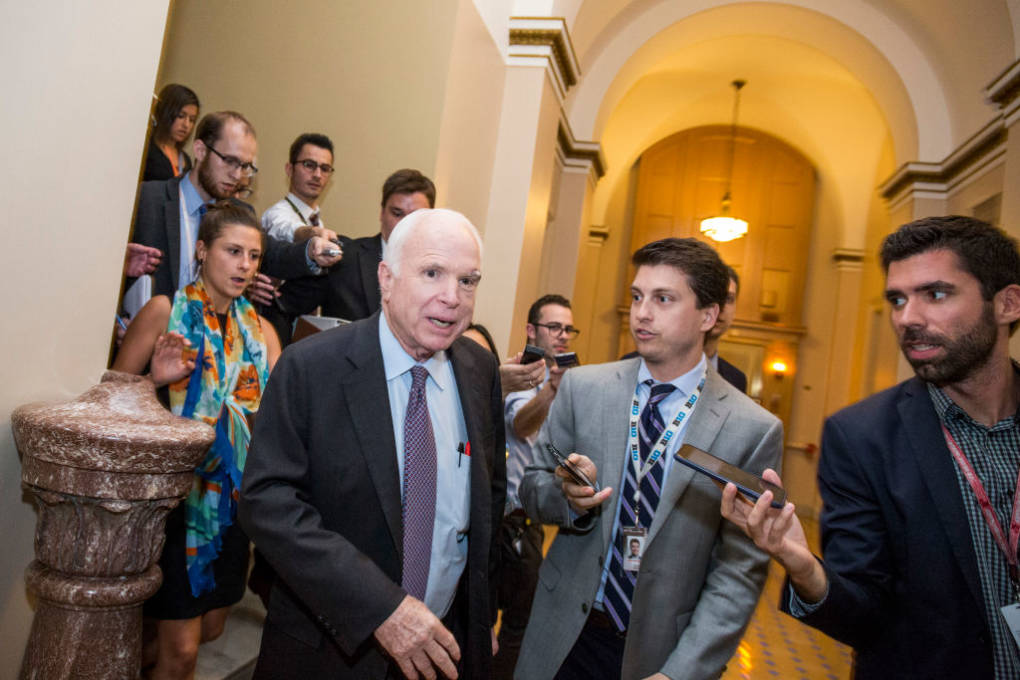
"caption": "Sen John McCain (R-AZ) leaves the Senate Chamber after a vote on a stripped-down, or 'Skinny Repeal,' version of Obamacare reform on July 28, 2017, in Washington, D.C. McCain was one of three Republican senators to vote against the measure. ",
"description": null,
"title": "GettyImages-823749768",
"credit": "Zach Gibson/Getty Images",
"status": "inherit",
"isLoading": false,
"fetchFailed": false
},
"news_11598506": {
"type": "attachments",
"id": "news_11598506",
"meta": {
"index": "attachments_1716263798",
"site": "news",
"id": "11598506",
"found": true
},
"parent": 11598505,
"imgSizes": {
"small": {
"file": "https://ww2.kqed.org/app/uploads/sites/10/2017/07/defeat_072817_final-520x520.jpg",
"width": 520,
"mimeType": "image/jpeg",
"height": 520
},
"twentyfourteen-full-width": {
"file": "https://ww2.kqed.org/app/uploads/sites/10/2017/07/defeat_072817_final-1038x576.jpg",
"width": 1038,
"mimeType": "image/jpeg",
"height": 576
},
"thumbnail": {
"file": "https://ww2.kqed.org/app/uploads/sites/10/2017/07/defeat_072817_final-160x160.jpg",
"width": 160,
"mimeType": "image/jpeg",
"height": 160
},
"fd-sm": {
"file": "https://ww2.kqed.org/app/uploads/sites/10/2017/07/defeat_072817_final-960x960.jpg",
"width": 960,
"mimeType": "image/jpeg",
"height": 960
},
"post-thumbnail": {
"file": "https://ww2.kqed.org/app/uploads/sites/10/2017/07/defeat_072817_final-672x372.jpg",
"width": 672,
"mimeType": "image/jpeg",
"height": 372
},
"xsmall": {
"file": "https://ww2.kqed.org/app/uploads/sites/10/2017/07/defeat_072817_final-375x375.jpg",
"width": 375,
"mimeType": "image/jpeg",
"height": 375
},
"kqedFullSize": {
"file": "https://ww2.kqed.org/app/uploads/sites/10/2017/07/defeat_072817_final.jpg",
"width": 1920,
"height": 1920
},
"large": {
"file": "https://ww2.kqed.org/app/uploads/sites/10/2017/07/defeat_072817_final-1020x1020.jpg",
"width": 1020,
"mimeType": "image/jpeg",
"height": 1020
},
"xlarge": {
"file": "https://ww2.kqed.org/app/uploads/sites/10/2017/07/defeat_072817_final-1180x1180.jpg",
"width": 1180,
"mimeType": "image/jpeg",
"height": 1180
},
"guest-author-50": {
"file": "https://ww2.kqed.org/app/uploads/sites/10/2017/07/defeat_072817_final-50x50.jpg",
"width": 50,
"mimeType": "image/jpeg",
"height": 50
},
"guest-author-96": {
"file": "https://ww2.kqed.org/app/uploads/sites/10/2017/07/defeat_072817_final-96x96.jpg",
"width": 96,
"mimeType": "image/jpeg",
"height": 96
},
"medium": {
"file": "https://ww2.kqed.org/app/uploads/sites/10/2017/07/defeat_072817_final-800x800.jpg",
"width": 800,
"mimeType": "image/jpeg",
"height": 800
},
"guest-author-64": {
"file": "https://ww2.kqed.org/app/uploads/sites/10/2017/07/defeat_072817_final-64x64.jpg",
"width": 64,
"mimeType": "image/jpeg",
"height": 64
},
"guest-author-32": {
"file": "https://ww2.kqed.org/app/uploads/sites/10/2017/07/defeat_072817_final-32x32.jpg",
"width": 32,
"mimeType": "image/jpeg",
"height": 32
},
"fd-lrg": {
"file": "https://ww2.kqed.org/app/uploads/sites/10/2017/07/defeat_072817_final-1920x1920.jpg",
"width": 1920,
"mimeType": "image/jpeg",
"height": 1920
},
"fd-med": {
"file": "https://ww2.kqed.org/app/uploads/sites/10/2017/07/defeat_072817_final-1180x1180.jpg",
"width": 1180,
"mimeType": "image/jpeg",
"height": 1180
},
"full-width": {
"file": "https://ww2.kqed.org/app/uploads/sites/10/2017/07/defeat_072817_final-1920x1920.jpg",
"width": 1920,
"mimeType": "image/jpeg",
"height": 1920
},
"detail": {
"file": "https://ww2.kqed.org/app/uploads/sites/10/2017/07/defeat_072817_final-150x150.jpg",
"width": 150,
"mimeType": "image/jpeg",
"height": 150
},
"guest-author-128": {
"file": "https://ww2.kqed.org/app/uploads/sites/10/2017/07/defeat_072817_final-128x128.jpg",
"width": 128,
"mimeType": "image/jpeg",
"height": 128
},
"xxsmall": {
"file": "https://ww2.kqed.org/app/uploads/sites/10/2017/07/defeat_072817_final-240x240.jpg",
"width": 240,
"mimeType": "image/jpeg",
"height": 240
}
},
"publishDate": 1501254982,
"modified": 1501255010,
"caption": null,
"description": null,
"title": "defeat_072817_final",
"credit": null,
"status": "inherit",
"isLoading": false,
"fetchFailed": false
},
"science_1870765": {
"type": "attachments",
"id": "science_1870765",
"meta": {
"index": "attachments_1716263798",
"site": "science",
"id": "1870765",
"found": true
},
"parent": 1866308,
"imgSizes": {
"small": {
"file": "https://ww2.kqed.org/app/uploads/sites/35/2017/07/ticks1-520x371.jpg",
"width": 520,
"mimeType": "image/jpeg",
"height": 371
},
"twentyfourteen-full-width": {
"file": "https://ww2.kqed.org/app/uploads/sites/35/2017/07/ticks1-1038x576.jpg",
"width": 1038,
"mimeType": "image/jpeg",
"height": 576
},
"thumbnail": {
"file": "https://ww2.kqed.org/app/uploads/sites/35/2017/07/ticks1-160x114.jpg",
"width": 160,
"mimeType": "image/jpeg",
"height": 114
},
"fd-sm": {
"file": "https://ww2.kqed.org/app/uploads/sites/35/2017/07/ticks1-960x686.jpg",
"width": 960,
"mimeType": "image/jpeg",
"height": 686
},
"post-thumbnail": {
"file": "https://ww2.kqed.org/app/uploads/sites/35/2017/07/ticks1-672x372.jpg",
"width": 672,
"mimeType": "image/jpeg",
"height": 372
},
"xsmall": {
"file": "https://ww2.kqed.org/app/uploads/sites/35/2017/07/ticks1-375x268.jpg",
"width": 375,
"mimeType": "image/jpeg",
"height": 268
},
"kqedFullSize": {
"file": "https://ww2.kqed.org/app/uploads/sites/35/2017/07/ticks1.jpg",
"width": 4768,
"height": 3406
},
"large": {
"file": "https://ww2.kqed.org/app/uploads/sites/35/2017/07/ticks1-1020x729.jpg",
"width": 1020,
"mimeType": "image/jpeg",
"height": 729
},
"xlarge": {
"file": "https://ww2.kqed.org/app/uploads/sites/35/2017/07/ticks1-1180x843.jpg",
"width": 1180,
"mimeType": "image/jpeg",
"height": 843
},
"guest-author-50": {
"file": "https://ww2.kqed.org/app/uploads/sites/35/2017/07/ticks1-50x50.jpg",
"width": 50,
"mimeType": "image/jpeg",
"height": 50
},
"guest-author-96": {
"file": "https://ww2.kqed.org/app/uploads/sites/35/2017/07/ticks1-96x96.jpg",
"width": 96,
"mimeType": "image/jpeg",
"height": 96
},
"medium": {
"file": "https://ww2.kqed.org/app/uploads/sites/35/2017/07/ticks1-800x571.jpg",
"width": 800,
"mimeType": "image/jpeg",
"height": 571
},
"guest-author-64": {
"file": "https://ww2.kqed.org/app/uploads/sites/35/2017/07/ticks1-64x64.jpg",
"width": 64,
"mimeType": "image/jpeg",
"height": 64
},
"guest-author-32": {
"file": "https://ww2.kqed.org/app/uploads/sites/35/2017/07/ticks1-32x32.jpg",
"width": 32,
"mimeType": "image/jpeg",
"height": 32
},
"fd-lrg": {
"file": "https://ww2.kqed.org/app/uploads/sites/35/2017/07/ticks1-1920x1372.jpg",
"width": 1920,
"mimeType": "image/jpeg",
"height": 1372
},
"fd-med": {
"file": "https://ww2.kqed.org/app/uploads/sites/35/2017/07/ticks1-1180x843.jpg",
"width": 1180,
"mimeType": "image/jpeg",
"height": 843
},
"full-width": {
"file": "https://ww2.kqed.org/app/uploads/sites/35/2017/07/ticks1-1920x1372.jpg",
"width": 1920,
"mimeType": "image/jpeg",
"height": 1372
},
"detail": {
"file": "https://ww2.kqed.org/app/uploads/sites/35/2017/07/ticks1-150x150.jpg",
"width": 150,
"mimeType": "image/jpeg",
"height": 150
},
"medium_large": {
"file": "https://ww2.kqed.org/app/uploads/sites/35/2017/07/ticks1-768x549.jpg",
"width": 768,
"mimeType": "image/jpeg",
"height": 549
},
"guest-author-128": {
"file": "https://ww2.kqed.org/app/uploads/sites/35/2017/07/ticks1-128x128.jpg",
"width": 128,
"mimeType": "image/jpeg",
"height": 128
},
"xxsmall": {
"file": "https://ww2.kqed.org/app/uploads/sites/35/2017/07/ticks1-240x171.jpg",
"width": 240,
"mimeType": "image/jpeg",
"height": 171
}
},
"publishDate": 1500677076,
"modified": 1501175152,
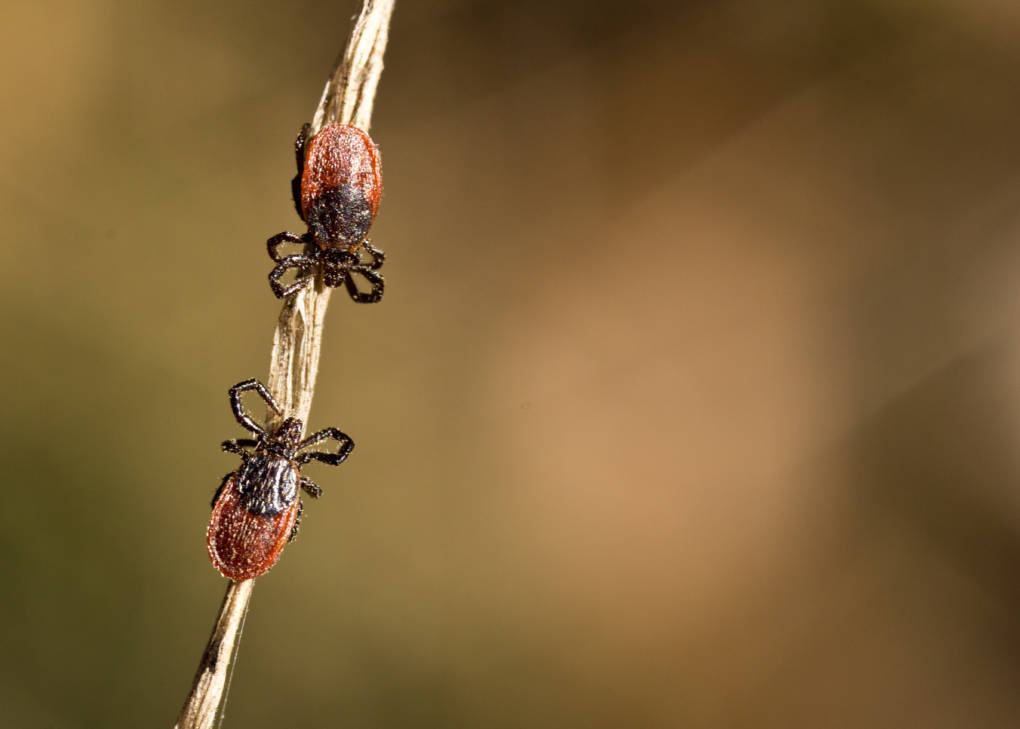
"caption": "Lyme-infected western blacklegged ticks have been found in 42 out of California's 58 counties.",
"description": null,
"title": "ticks1",
"credit": "Ervic Aquino",
"status": "inherit",
"isLoading": false,
"fetchFailed": false
},
"news_11595362": {
"type": "attachments",
"id": "news_11595362",
"meta": {
"index": "attachments_1716263798",
"site": "news",
"id": "11595362",
"found": true
},
"parent": 11595354,
"imgSizes": {
"small": {
"file": "https://ww2.kqed.org/app/uploads/sites/10/2017/07/GettyImages-822521966-520x352.jpg",
"width": 520,
"mimeType": "image/jpeg",
"height": 352
},
"twentyfourteen-full-width": {
"file": "https://ww2.kqed.org/app/uploads/sites/10/2017/07/GettyImages-822521966-1038x576.jpg",
"width": 1038,
"mimeType": "image/jpeg",
"height": 576
},
"thumbnail": {
"file": "https://ww2.kqed.org/app/uploads/sites/10/2017/07/GettyImages-822521966-160x108.jpg",
"width": 160,
"mimeType": "image/jpeg",
"height": 108
},
"fd-sm": {
"file": "https://ww2.kqed.org/app/uploads/sites/10/2017/07/GettyImages-822521966-960x650.jpg",
"width": 960,
"mimeType": "image/jpeg",
"height": 650
},
"post-thumbnail": {
"file": "https://ww2.kqed.org/app/uploads/sites/10/2017/07/GettyImages-822521966-672x372.jpg",
"width": 672,
"mimeType": "image/jpeg",
"height": 372
},
"xsmall": {
"file": "https://ww2.kqed.org/app/uploads/sites/10/2017/07/GettyImages-822521966-375x254.jpg",
"width": 375,
"mimeType": "image/jpeg",
"height": 254
},
"kqedFullSize": {
"file": "https://ww2.kqed.org/app/uploads/sites/10/2017/07/GettyImages-822521966.jpg",
"width": 3000,
"height": 2030
},
"large": {
"file": "https://ww2.kqed.org/app/uploads/sites/10/2017/07/GettyImages-822521966-1020x690.jpg",
"width": 1020,
"mimeType": "image/jpeg",
"height": 690
},
"xlarge": {
"file": "https://ww2.kqed.org/app/uploads/sites/10/2017/07/GettyImages-822521966-1180x798.jpg",
"width": 1180,
"mimeType": "image/jpeg",
"height": 798
},
"guest-author-50": {
"file": "https://ww2.kqed.org/app/uploads/sites/10/2017/07/GettyImages-822521966-50x50.jpg",
"width": 50,
"mimeType": "image/jpeg",
"height": 50
},
"guest-author-96": {
"file": "https://ww2.kqed.org/app/uploads/sites/10/2017/07/GettyImages-822521966-96x96.jpg",
"width": 96,
"mimeType": "image/jpeg",
"height": 96
},
"medium": {
"file": "https://ww2.kqed.org/app/uploads/sites/10/2017/07/GettyImages-822521966-800x541.jpg",
"width": 800,
"mimeType": "image/jpeg",
"height": 541
},
"guest-author-64": {
"file": "https://ww2.kqed.org/app/uploads/sites/10/2017/07/GettyImages-822521966-64x64.jpg",
"width": 64,
"mimeType": "image/jpeg",
"height": 64
},
"guest-author-32": {
"file": "https://ww2.kqed.org/app/uploads/sites/10/2017/07/GettyImages-822521966-32x32.jpg",
"width": 32,
"mimeType": "image/jpeg",
"height": 32
},
"fd-lrg": {
"file": "https://ww2.kqed.org/app/uploads/sites/10/2017/07/GettyImages-822521966-1920x1299.jpg",
"width": 1920,
"mimeType": "image/jpeg",
"height": 1299
},
"fd-med": {
"file": "https://ww2.kqed.org/app/uploads/sites/10/2017/07/GettyImages-822521966-1180x798.jpg",
"width": 1180,
"mimeType": "image/jpeg",
"height": 798
},
"full-width": {
"file": "https://ww2.kqed.org/app/uploads/sites/10/2017/07/GettyImages-822521966-1920x1299.jpg",
"width": 1920,
"mimeType": "image/jpeg",
"height": 1299
},
"detail": {
"file": "https://ww2.kqed.org/app/uploads/sites/10/2017/07/GettyImages-822521966-150x150.jpg",
"width": 150,
"mimeType": "image/jpeg",
"height": 150
},
"guest-author-128": {
"file": "https://ww2.kqed.org/app/uploads/sites/10/2017/07/GettyImages-822521966-128x128.jpg",
"width": 128,
"mimeType": "image/jpeg",
"height": 128
},
"xxsmall": {
"file": "https://ww2.kqed.org/app/uploads/sites/10/2017/07/GettyImages-822521966-240x162.jpg",
"width": 240,
"mimeType": "image/jpeg",
"height": 162
}
},
"publishDate": 1501108478,
"modified": 1501116727,
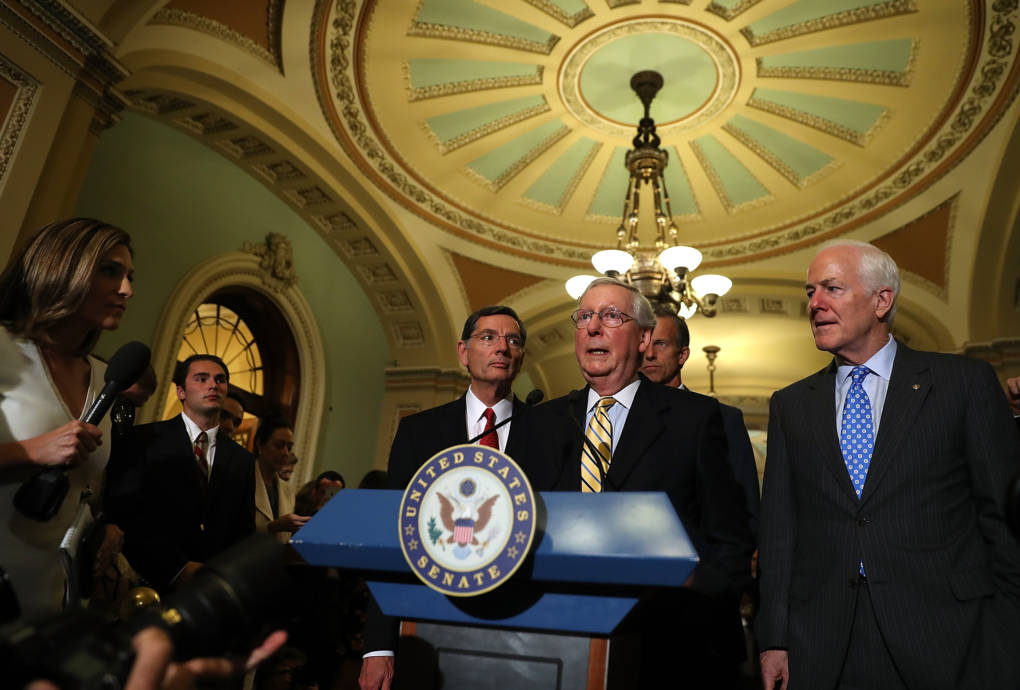
"caption": "U.S. Sen. John Barrasso (R-WY), Senate Majority Leader Mitch McConnell (R-KY), U.S. Sen. John Thune (R-SD) and U.S. Sen. John Cornyn (R-TX) speak to reporters during a news conference on Capitol Hill following a procedural vote Tuesday on the GOP health care bill. The Senate voted 55-45 on July 26, 2017, to reject legislation to repeal the Affordable Care Act. ",
"description": null,
"title": "Senate Holds Procedural Vote On GOP Health Care Bill",
"credit": "Justin Sullivan/Getty Images",
"status": "inherit",
"isLoading": false,
"fetchFailed": false
},
"stateofhealth_356501": {
"type": "attachments",
"id": "stateofhealth_356501",
"meta": {
"index": "attachments_1716263798",
"site": "stateofhealth",
"id": "356501",
"found": true
},
"parent": 356411,
"imgSizes": {
"small": {
"file": "https://ww2.kqed.org/app/uploads/sites/27/2017/07/RS26032_IMG_67441-qut-520x390.jpg",
"width": 520,
"mimeType": "image/jpeg",
"height": 390
},
"twentyfourteen-full-width": {
"file": "https://ww2.kqed.org/app/uploads/sites/27/2017/07/RS26032_IMG_67441-qut-1038x576.jpg",
"width": 1038,
"mimeType": "image/jpeg",
"height": 576
},
"thumbnail": {
"file": "https://ww2.kqed.org/app/uploads/sites/27/2017/07/RS26032_IMG_67441-qut-160x120.jpg",
"width": 160,
"mimeType": "image/jpeg",
"height": 120
},
"fd-sm": {
"file": "https://ww2.kqed.org/app/uploads/sites/27/2017/07/RS26032_IMG_67441-qut-960x720.jpg",
"width": 960,
"mimeType": "image/jpeg",
"height": 720
},
"post-thumbnail": {
"file": "https://ww2.kqed.org/app/uploads/sites/27/2017/07/RS26032_IMG_67441-qut-672x372.jpg",
"width": 672,
"mimeType": "image/jpeg",
"height": 372
},
"xsmall": {
"file": "https://ww2.kqed.org/app/uploads/sites/27/2017/07/RS26032_IMG_67441-qut-375x281.jpg",
"width": 375,
"mimeType": "image/jpeg",
"height": 281
},
"kqedFullSize": {
"file": "https://ww2.kqed.org/app/uploads/sites/27/2017/07/RS26032_IMG_67441-qut.jpg",
"width": 1920,
"height": 1440
},
"large": {
"file": "https://ww2.kqed.org/app/uploads/sites/27/2017/07/RS26032_IMG_67441-qut-1020x765.jpg",
"width": 1020,
"mimeType": "image/jpeg",
"height": 765
},
"xlarge": {
"file": "https://ww2.kqed.org/app/uploads/sites/27/2017/07/RS26032_IMG_67441-qut-1180x885.jpg",
"width": 1180,
"mimeType": "image/jpeg",
"height": 885
},
"guest-author-50": {
"file": "https://ww2.kqed.org/app/uploads/sites/27/2017/07/RS26032_IMG_67441-qut-50x50.jpg",
"width": 50,
"mimeType": "image/jpeg",
"height": 50
},
"guest-author-96": {
"file": "https://ww2.kqed.org/app/uploads/sites/27/2017/07/RS26032_IMG_67441-qut-96x96.jpg",
"width": 96,
"mimeType": "image/jpeg",
"height": 96
},
"medium": {
"file": "https://ww2.kqed.org/app/uploads/sites/27/2017/07/RS26032_IMG_67441-qut-800x600.jpg",
"width": 800,
"mimeType": "image/jpeg",
"height": 600
},
"guest-author-64": {
"file": "https://ww2.kqed.org/app/uploads/sites/27/2017/07/RS26032_IMG_67441-qut-64x64.jpg",
"width": 64,
"mimeType": "image/jpeg",
"height": 64
},
"guest-author-32": {
"file": "https://ww2.kqed.org/app/uploads/sites/27/2017/07/RS26032_IMG_67441-qut-32x32.jpg",
"width": 32,
"mimeType": "image/jpeg",
"height": 32
},
"fd-lrg": {
"file": "https://ww2.kqed.org/app/uploads/sites/27/2017/07/RS26032_IMG_67441-qut-1920x1440.jpg",
"width": 1920,
"mimeType": "image/jpeg",
"height": 1440
},
"fd-med": {
"file": "https://ww2.kqed.org/app/uploads/sites/27/2017/07/RS26032_IMG_67441-qut-1180x885.jpg",
"width": 1180,
"mimeType": "image/jpeg",
"height": 885
},
"full-width": {
"file": "https://ww2.kqed.org/app/uploads/sites/27/2017/07/RS26032_IMG_67441-qut-1920x1440.jpg",
"width": 1920,
"mimeType": "image/jpeg",
"height": 1440
},
"detail": {
"file": "https://ww2.kqed.org/app/uploads/sites/27/2017/07/RS26032_IMG_67441-qut-150x150.jpg",
"width": 150,
"mimeType": "image/jpeg",
"height": 150
},
"medium_large": {
"file": "https://ww2.kqed.org/app/uploads/sites/27/2017/07/RS26032_IMG_67441-qut-768x576.jpg",
"width": 768,
"mimeType": "image/jpeg",
"height": 576
},
"guest-author-128": {
"file": "https://ww2.kqed.org/app/uploads/sites/27/2017/07/RS26032_IMG_67441-qut-128x128.jpg",
"width": 128,
"mimeType": "image/jpeg",
"height": 128
},
"xxsmall": {
"file": "https://ww2.kqed.org/app/uploads/sites/27/2017/07/RS26032_IMG_67441-qut-240x180.jpg",
"width": 240,
"mimeType": "image/jpeg",
"height": 180
}
},
"publishDate": 1500508491,
"modified": 1501025578,
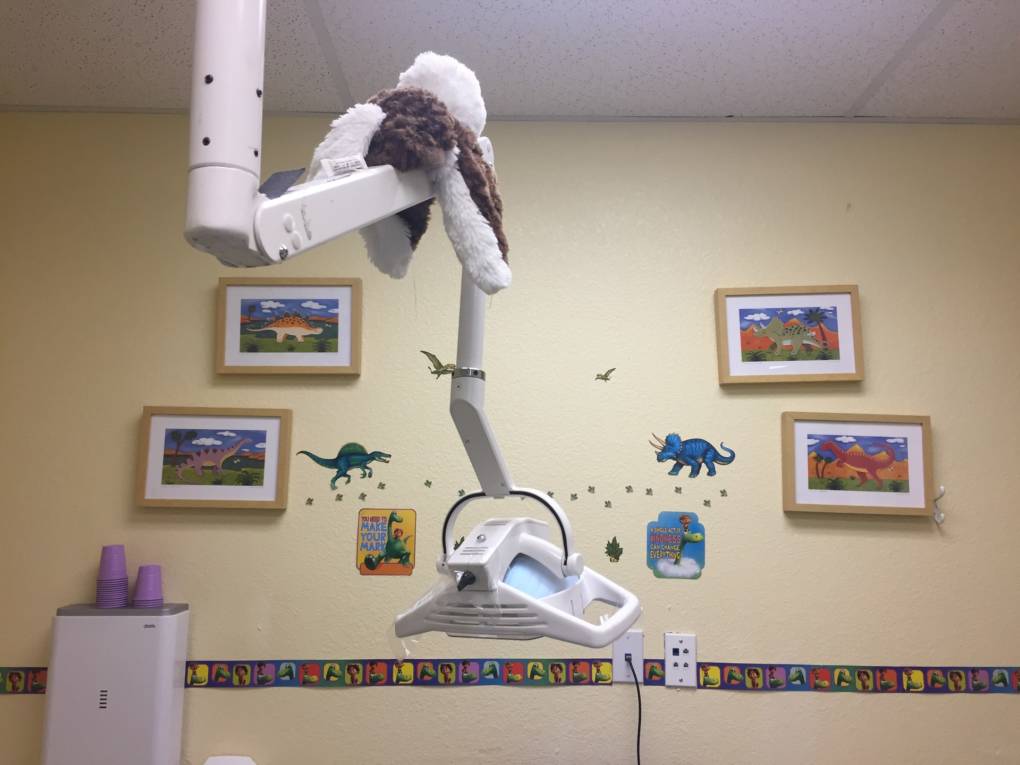
"caption": "A dental pediatric exam room at Tiburcio Vasquez Health Center in Hayward.",
"description": "A dental pediatric exam room at Tiburcio Vasquez Health Center in Hayward.",
"title": "RS26032_IMG_6744[1]-qut",
"credit": "Laura Klivans/KQED",
"status": "inherit",
"isLoading": false,
"fetchFailed": false
},
"news_11593175": {
"type": "attachments",
"id": "news_11593175",
"meta": {
"index": "attachments_1716263798",
"site": "news",
"id": "11593175",
"found": true
},
"parent": 11593174,
"imgSizes": {
"small": {
"file": "https://ww2.kqed.org/app/uploads/sites/10/2017/07/gettyimages-813886444_wide-73a9fef85085b733ae341ea27d7439103bf9ea57-520x292.jpg",
"width": 520,
"mimeType": "image/jpeg",
"height": 292
},
"twentyfourteen-full-width": {
"file": "https://ww2.kqed.org/app/uploads/sites/10/2017/07/gettyimages-813886444_wide-73a9fef85085b733ae341ea27d7439103bf9ea57-1038x576.jpg",
"width": 1038,
"mimeType": "image/jpeg",
"height": 576
},
"thumbnail": {
"file": "https://ww2.kqed.org/app/uploads/sites/10/2017/07/gettyimages-813886444_wide-73a9fef85085b733ae341ea27d7439103bf9ea57-160x90.jpg",
"width": 160,
"mimeType": "image/jpeg",
"height": 90
},
"fd-sm": {
"file": "https://ww2.kqed.org/app/uploads/sites/10/2017/07/gettyimages-813886444_wide-73a9fef85085b733ae341ea27d7439103bf9ea57-960x540.jpg",
"width": 960,
"mimeType": "image/jpeg",
"height": 540
},
"post-thumbnail": {
"file": "https://ww2.kqed.org/app/uploads/sites/10/2017/07/gettyimages-813886444_wide-73a9fef85085b733ae341ea27d7439103bf9ea57-672x372.jpg",
"width": 672,
"mimeType": "image/jpeg",
"height": 372
},
"xsmall": {
"file": "https://ww2.kqed.org/app/uploads/sites/10/2017/07/gettyimages-813886444_wide-73a9fef85085b733ae341ea27d7439103bf9ea57-375x211.jpg",
"width": 375,
"mimeType": "image/jpeg",
"height": 211
},
"kqedFullSize": {
"file": "https://ww2.kqed.org/app/uploads/sites/10/2017/07/gettyimages-813886444_wide-73a9fef85085b733ae341ea27d7439103bf9ea57-e1501023888520.jpg",
"width": 1920,
"height": 1080
},
"large": {
"file": "https://ww2.kqed.org/app/uploads/sites/10/2017/07/gettyimages-813886444_wide-73a9fef85085b733ae341ea27d7439103bf9ea57-1020x574.jpg",
"width": 1020,
"mimeType": "image/jpeg",
"height": 574
},
"xlarge": {
"file": "https://ww2.kqed.org/app/uploads/sites/10/2017/07/gettyimages-813886444_wide-73a9fef85085b733ae341ea27d7439103bf9ea57-1180x664.jpg",
"width": 1180,
"mimeType": "image/jpeg",
"height": 664
},
"guest-author-50": {
"file": "https://ww2.kqed.org/app/uploads/sites/10/2017/07/gettyimages-813886444_wide-73a9fef85085b733ae341ea27d7439103bf9ea57-50x50.jpg",
"width": 50,
"mimeType": "image/jpeg",
"height": 50
},
"guest-author-96": {
"file": "https://ww2.kqed.org/app/uploads/sites/10/2017/07/gettyimages-813886444_wide-73a9fef85085b733ae341ea27d7439103bf9ea57-96x96.jpg",
"width": 96,
"mimeType": "image/jpeg",
"height": 96
},
"medium": {
"file": "https://ww2.kqed.org/app/uploads/sites/10/2017/07/gettyimages-813886444_wide-73a9fef85085b733ae341ea27d7439103bf9ea57-800x450.jpg",
"width": 800,
"mimeType": "image/jpeg",
"height": 450
},
"guest-author-64": {
"file": "https://ww2.kqed.org/app/uploads/sites/10/2017/07/gettyimages-813886444_wide-73a9fef85085b733ae341ea27d7439103bf9ea57-64x64.jpg",
"width": 64,
"mimeType": "image/jpeg",
"height": 64
},
"guest-author-32": {
"file": "https://ww2.kqed.org/app/uploads/sites/10/2017/07/gettyimages-813886444_wide-73a9fef85085b733ae341ea27d7439103bf9ea57-32x32.jpg",
"width": 32,
"mimeType": "image/jpeg",
"height": 32
},
"fd-lrg": {
"file": "https://ww2.kqed.org/app/uploads/sites/10/2017/07/gettyimages-813886444_wide-73a9fef85085b733ae341ea27d7439103bf9ea57-1920x1080.jpg",
"width": 1920,
"mimeType": "image/jpeg",
"height": 1080
},
"fd-med": {
"file": "https://ww2.kqed.org/app/uploads/sites/10/2017/07/gettyimages-813886444_wide-73a9fef85085b733ae341ea27d7439103bf9ea57-1180x664.jpg",
"width": 1180,
"mimeType": "image/jpeg",
"height": 664
},
"full-width": {
"file": "https://ww2.kqed.org/app/uploads/sites/10/2017/07/gettyimages-813886444_wide-73a9fef85085b733ae341ea27d7439103bf9ea57-1920x1080.jpg",
"width": 1920,
"mimeType": "image/jpeg",
"height": 1080
},
"detail": {
"file": "https://ww2.kqed.org/app/uploads/sites/10/2017/07/gettyimages-813886444_wide-73a9fef85085b733ae341ea27d7439103bf9ea57-150x150.jpg",
"width": 150,
"mimeType": "image/jpeg",
"height": 150
},
"guest-author-128": {
"file": "https://ww2.kqed.org/app/uploads/sites/10/2017/07/gettyimages-813886444_wide-73a9fef85085b733ae341ea27d7439103bf9ea57-128x128.jpg",
"width": 128,
"mimeType": "image/jpeg",
"height": 128
},
"xxsmall": {
"file": "https://ww2.kqed.org/app/uploads/sites/10/2017/07/gettyimages-813886444_wide-73a9fef85085b733ae341ea27d7439103bf9ea57-240x135.jpg",
"width": 240,
"mimeType": "image/jpeg",
"height": 135
}
},
"publishDate": 1501004769,
"modified": 1501023899,
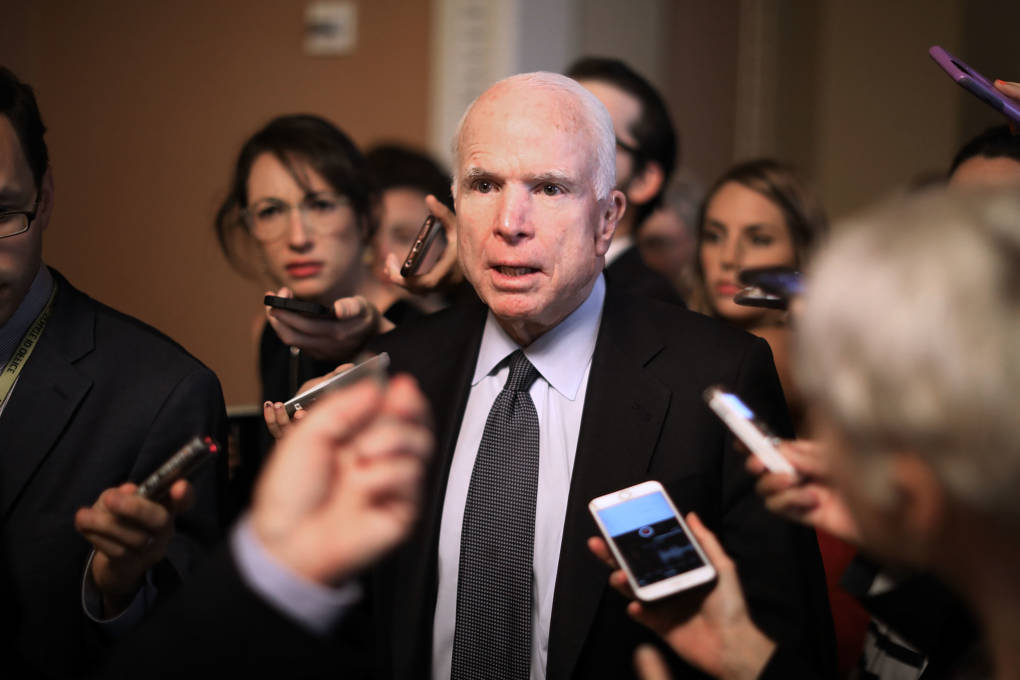
"caption": "Sen. John McCain, R-Ariz., answers questions from reporters on Capitol Hill earlier this month. He makes his return to the Senate on Tuesday, July 25, 2017, for the first time since being diagnosed with brain cancer.",
"description": "Sen. John McCain, R-Ariz., answers questions from reporters on Capitol Hill earlier this month. He makes his return to the Senate on Tuesday, July 25, 2017, for the first time since being diagnosed with brain cancer.",
"title": "Sen. John McCain, R-Ariz., answers questions from reporters on Capitol Hill earlier this month. He makes his return to the Senate for the first time since being diagnosed with brain cancer last week.",
"credit": "Win McNamee/Getty Images",
"status": "inherit",
"isLoading": false,
"fetchFailed": false
},
"news_11579627": {
"type": "attachments",
"id": "news_11579627",
"meta": {
"index": "attachments_1716263798",
"site": "news",
"id": "11579627",
"found": true
},
"parent": 11579626,
"imgSizes": {
"small": {
"file": "https://ww2.kqed.org/app/uploads/sites/10/2017/07/gettyimages-507238080_wide-23bc02cca29d877522d9e19dc74357d3d37e342e-520x292.jpg",
"width": 520,
"mimeType": "image/jpeg",
"height": 292
},
"twentyfourteen-full-width": {
"file": "https://ww2.kqed.org/app/uploads/sites/10/2017/07/gettyimages-507238080_wide-23bc02cca29d877522d9e19dc74357d3d37e342e-1038x576.jpg",
"width": 1038,
"mimeType": "image/jpeg",
"height": 576
},
"thumbnail": {
"file": "https://ww2.kqed.org/app/uploads/sites/10/2017/07/gettyimages-507238080_wide-23bc02cca29d877522d9e19dc74357d3d37e342e-160x90.jpg",
"width": 160,
"mimeType": "image/jpeg",
"height": 90
},
"fd-sm": {
"file": "https://ww2.kqed.org/app/uploads/sites/10/2017/07/gettyimages-507238080_wide-23bc02cca29d877522d9e19dc74357d3d37e342e-960x540.jpg",
"width": 960,
"mimeType": "image/jpeg",
"height": 540
},
"post-thumbnail": {
"file": "https://ww2.kqed.org/app/uploads/sites/10/2017/07/gettyimages-507238080_wide-23bc02cca29d877522d9e19dc74357d3d37e342e-672x372.jpg",
"width": 672,
"mimeType": "image/jpeg",
"height": 372
},
"xsmall": {
"file": "https://ww2.kqed.org/app/uploads/sites/10/2017/07/gettyimages-507238080_wide-23bc02cca29d877522d9e19dc74357d3d37e342e-375x211.jpg",
"width": 375,
"mimeType": "image/jpeg",
"height": 211
},
"kqedFullSize": {
"file": "https://ww2.kqed.org/app/uploads/sites/10/2017/07/gettyimages-507238080_wide-23bc02cca29d877522d9e19dc74357d3d37e342e-e1500670957180.jpg",
"width": 1920,
"height": 1080
},
"large": {
"file": "https://ww2.kqed.org/app/uploads/sites/10/2017/07/gettyimages-507238080_wide-23bc02cca29d877522d9e19dc74357d3d37e342e-1020x574.jpg",
"width": 1020,
"mimeType": "image/jpeg",
"height": 574
},
"xlarge": {
"file": "https://ww2.kqed.org/app/uploads/sites/10/2017/07/gettyimages-507238080_wide-23bc02cca29d877522d9e19dc74357d3d37e342e-1180x664.jpg",
"width": 1180,
"mimeType": "image/jpeg",
"height": 664
},
"guest-author-50": {
"file": "https://ww2.kqed.org/app/uploads/sites/10/2017/07/gettyimages-507238080_wide-23bc02cca29d877522d9e19dc74357d3d37e342e-50x50.jpg",
"width": 50,
"mimeType": "image/jpeg",
"height": 50
},
"guest-author-96": {
"file": "https://ww2.kqed.org/app/uploads/sites/10/2017/07/gettyimages-507238080_wide-23bc02cca29d877522d9e19dc74357d3d37e342e-96x96.jpg",
"width": 96,
"mimeType": "image/jpeg",
"height": 96
},
"medium": {
"file": "https://ww2.kqed.org/app/uploads/sites/10/2017/07/gettyimages-507238080_wide-23bc02cca29d877522d9e19dc74357d3d37e342e-800x450.jpg",
"width": 800,
"mimeType": "image/jpeg",
"height": 450
},
"guest-author-64": {
"file": "https://ww2.kqed.org/app/uploads/sites/10/2017/07/gettyimages-507238080_wide-23bc02cca29d877522d9e19dc74357d3d37e342e-64x64.jpg",
"width": 64,
"mimeType": "image/jpeg",
"height": 64
},
"guest-author-32": {
"file": "https://ww2.kqed.org/app/uploads/sites/10/2017/07/gettyimages-507238080_wide-23bc02cca29d877522d9e19dc74357d3d37e342e-32x32.jpg",
"width": 32,
"mimeType": "image/jpeg",
"height": 32
},
"fd-lrg": {
"file": "https://ww2.kqed.org/app/uploads/sites/10/2017/07/gettyimages-507238080_wide-23bc02cca29d877522d9e19dc74357d3d37e342e-1920x1080.jpg",
"width": 1920,
"mimeType": "image/jpeg",
"height": 1080
},
"fd-med": {
"file": "https://ww2.kqed.org/app/uploads/sites/10/2017/07/gettyimages-507238080_wide-23bc02cca29d877522d9e19dc74357d3d37e342e-1180x664.jpg",
"width": 1180,
"mimeType": "image/jpeg",
"height": 664
},
"full-width": {
"file": "https://ww2.kqed.org/app/uploads/sites/10/2017/07/gettyimages-507238080_wide-23bc02cca29d877522d9e19dc74357d3d37e342e-1920x1080.jpg",
"width": 1920,
"mimeType": "image/jpeg",
"height": 1080
},
"detail": {
"file": "https://ww2.kqed.org/app/uploads/sites/10/2017/07/gettyimages-507238080_wide-23bc02cca29d877522d9e19dc74357d3d37e342e-150x150.jpg",
"width": 150,
"mimeType": "image/jpeg",
"height": 150
},
"guest-author-128": {
"file": "https://ww2.kqed.org/app/uploads/sites/10/2017/07/gettyimages-507238080_wide-23bc02cca29d877522d9e19dc74357d3d37e342e-128x128.jpg",
"width": 128,
"mimeType": "image/jpeg",
"height": 128
},
"xxsmall": {
"file": "https://ww2.kqed.org/app/uploads/sites/10/2017/07/gettyimages-507238080_wide-23bc02cca29d877522d9e19dc74357d3d37e342e-240x135.jpg",
"width": 240,
"mimeType": "image/jpeg",
"height": 135
}
},
"publishDate": 1500669215,
"modified": 1500669378,
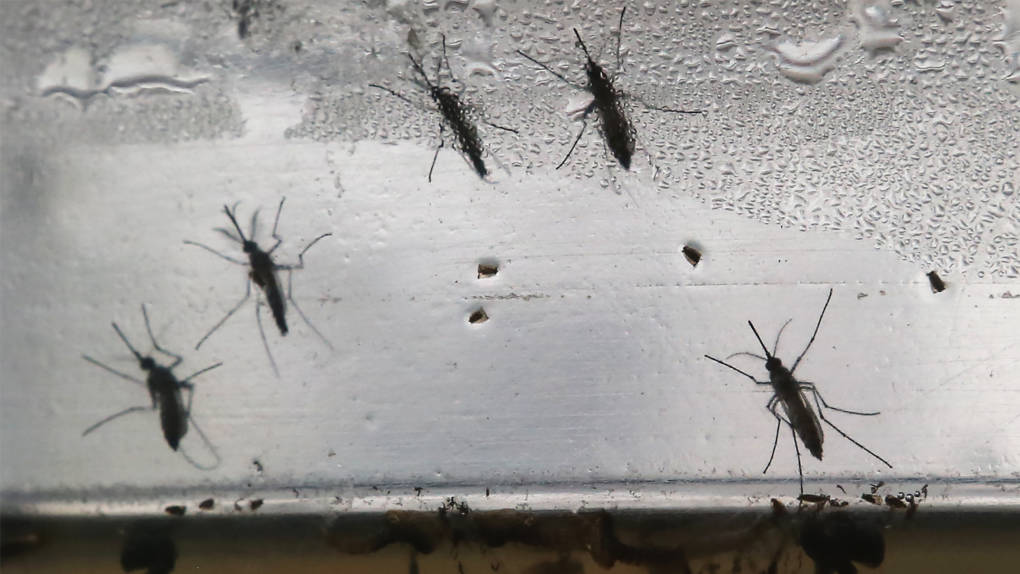
"caption": "\u003cem>Aedes aegypti\u003c/em> mosquitoes in various stages of development displayed in Brazil in 2016.",
"description": "\u003cem>Aedes aegypti\u003c/em> mosquitoes in various stages of development displayed in Brazil in 2016.",
"title": "Aedes aegypti mosquitoes in various stages of development displayed in Brazil in 2016.",
"credit": "Mario Tama/Getty Images",
"status": "inherit",
"isLoading": false,
"fetchFailed": false
},
"stateofhealth_356396": {
"type": "attachments",
"id": "stateofhealth_356396",
"meta": {
"index": "attachments_1716263798",
"site": "stateofhealth",
"id": "356396",
"found": true
},
"parent": 356393,
"imgSizes": {
"small": {
"file": "https://ww2.kqed.org/app/uploads/sites/27/2017/07/RS26025_GettyImages-802104828-qut-520x364.jpg",
"width": 520,
"mimeType": "image/jpeg",
"height": 364
},
"twentyfourteen-full-width": {
"file": "https://ww2.kqed.org/app/uploads/sites/27/2017/07/RS26025_GettyImages-802104828-qut-1038x576.jpg",
"width": 1038,
"mimeType": "image/jpeg",
"height": 576
},
"thumbnail": {
"file": "https://ww2.kqed.org/app/uploads/sites/27/2017/07/RS26025_GettyImages-802104828-qut-160x112.jpg",
"width": 160,
"mimeType": "image/jpeg",
"height": 112
},
"fd-sm": {
"file": "https://ww2.kqed.org/app/uploads/sites/27/2017/07/RS26025_GettyImages-802104828-qut-960x673.jpg",
"width": 960,
"mimeType": "image/jpeg",
"height": 673
},
"post-thumbnail": {
"file": "https://ww2.kqed.org/app/uploads/sites/27/2017/07/RS26025_GettyImages-802104828-qut-672x372.jpg",
"width": 672,
"mimeType": "image/jpeg",
"height": 372
},
"xsmall": {
"file": "https://ww2.kqed.org/app/uploads/sites/27/2017/07/RS26025_GettyImages-802104828-qut-375x263.jpg",
"width": 375,
"mimeType": "image/jpeg",
"height": 263
},
"kqedFullSize": {
"file": "https://ww2.kqed.org/app/uploads/sites/27/2017/07/RS26025_GettyImages-802104828-qut.jpg",
"width": 1920,
"height": 1345
},
"large": {
"file": "https://ww2.kqed.org/app/uploads/sites/27/2017/07/RS26025_GettyImages-802104828-qut-1020x715.jpg",
"width": 1020,
"mimeType": "image/jpeg",
"height": 715
},
"xlarge": {
"file": "https://ww2.kqed.org/app/uploads/sites/27/2017/07/RS26025_GettyImages-802104828-qut-1180x827.jpg",
"width": 1180,
"mimeType": "image/jpeg",
"height": 827
},
"guest-author-50": {
"file": "https://ww2.kqed.org/app/uploads/sites/27/2017/07/RS26025_GettyImages-802104828-qut-50x50.jpg",
"width": 50,
"mimeType": "image/jpeg",
"height": 50
},
"guest-author-96": {
"file": "https://ww2.kqed.org/app/uploads/sites/27/2017/07/RS26025_GettyImages-802104828-qut-96x96.jpg",
"width": 96,
"mimeType": "image/jpeg",
"height": 96
},
"medium": {
"file": "https://ww2.kqed.org/app/uploads/sites/27/2017/07/RS26025_GettyImages-802104828-qut-800x560.jpg",
"width": 800,
"mimeType": "image/jpeg",
"height": 560
},
"guest-author-64": {
"file": "https://ww2.kqed.org/app/uploads/sites/27/2017/07/RS26025_GettyImages-802104828-qut-64x64.jpg",
"width": 64,
"mimeType": "image/jpeg",
"height": 64
},
"guest-author-32": {
"file": "https://ww2.kqed.org/app/uploads/sites/27/2017/07/RS26025_GettyImages-802104828-qut-32x32.jpg",
"width": 32,
"mimeType": "image/jpeg",
"height": 32
},
"fd-lrg": {
"file": "https://ww2.kqed.org/app/uploads/sites/27/2017/07/RS26025_GettyImages-802104828-qut-1920x1345.jpg",
"width": 1920,
"mimeType": "image/jpeg",
"height": 1345
},
"fd-med": {
"file": "https://ww2.kqed.org/app/uploads/sites/27/2017/07/RS26025_GettyImages-802104828-qut-1180x827.jpg",
"width": 1180,
"mimeType": "image/jpeg",
"height": 827
},
"full-width": {
"file": "https://ww2.kqed.org/app/uploads/sites/27/2017/07/RS26025_GettyImages-802104828-qut-1920x1345.jpg",
"width": 1920,
"mimeType": "image/jpeg",
"height": 1345
},
"detail": {
"file": "https://ww2.kqed.org/app/uploads/sites/27/2017/07/RS26025_GettyImages-802104828-qut-150x150.jpg",
"width": 150,
"mimeType": "image/jpeg",
"height": 150
},
"medium_large": {
"file": "https://ww2.kqed.org/app/uploads/sites/27/2017/07/RS26025_GettyImages-802104828-qut-768x538.jpg",
"width": 768,
"mimeType": "image/jpeg",
"height": 538
},
"guest-author-128": {
"file": "https://ww2.kqed.org/app/uploads/sites/27/2017/07/RS26025_GettyImages-802104828-qut-128x128.jpg",
"width": 128,
"mimeType": "image/jpeg",
"height": 128
},
"xxsmall": {
"file": "https://ww2.kqed.org/app/uploads/sites/27/2017/07/RS26025_GettyImages-802104828-qut-240x168.jpg",
"width": 240,
"mimeType": "image/jpeg",
"height": 168
}
},
"publishDate": 1500484227,
"modified": 1500484262,
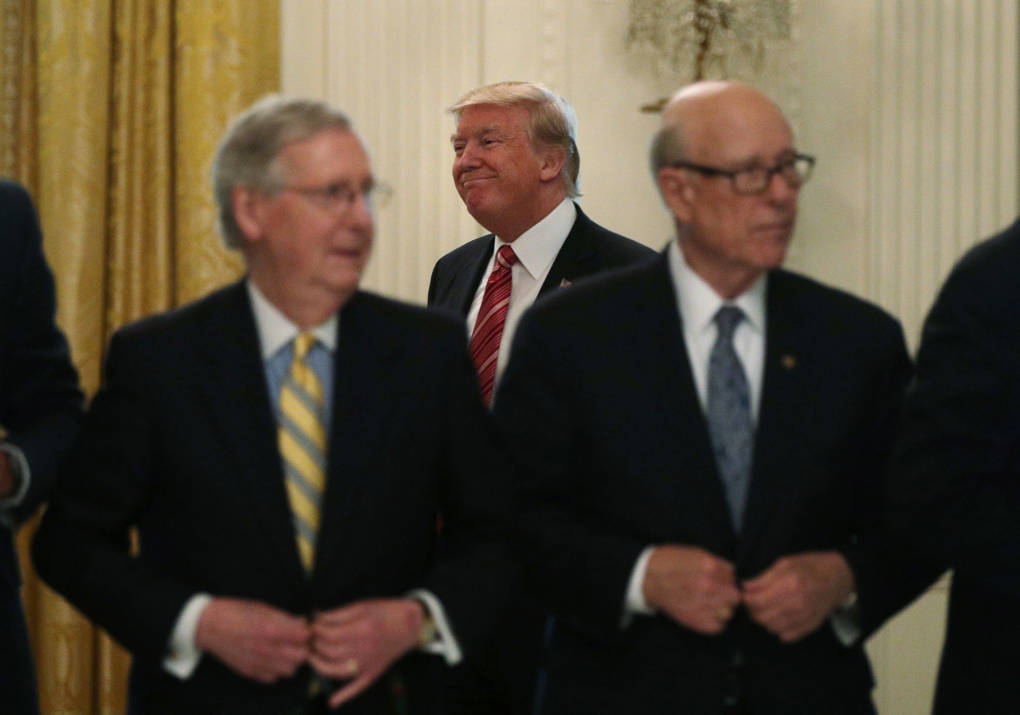
"caption": "U.S. President Donald Trump (C) arrives at the East Room of the White House as Senate Majority Leader Sen. Mitch McConnell (R-KY) (L) and Sen. Pat Roberts (R-KS) (R) wait for the beginning of a meeting June 27, 2017 in Washington, DC. President Trump invited all GOP Senate members to the White House to discuss the Health Care bill.",
"description": null,
"title": "President Trump Invites All GOP Senators To White House For Health Care Bill Discussion",
"credit": "Alex Wong/Getty Images",
"status": "inherit",
"isLoading": false,
"fetchFailed": false
},
"news_11574195": {
"type": "attachments",
"id": "news_11574195",
"meta": {
"index": "attachments_1716263798",
"site": "news",
"id": "11574195",
"found": true
},
"parent": 11574191,
"imgSizes": {
"small": {
"file": "https://ww2.kqed.org/app/uploads/sites/10/2017/07/RS25850_GettyImages-683871042-qut-520x347.jpg",
"width": 520,
"mimeType": "image/jpeg",
"height": 347
},
"twentyfourteen-full-width": {
"file": "https://ww2.kqed.org/app/uploads/sites/10/2017/07/RS25850_GettyImages-683871042-qut-1038x576.jpg",
"width": 1038,
"mimeType": "image/jpeg",
"height": 576
},
"thumbnail": {
"file": "https://ww2.kqed.org/app/uploads/sites/10/2017/07/RS25850_GettyImages-683871042-qut-160x107.jpg",
"width": 160,
"mimeType": "image/jpeg",
"height": 107
},
"fd-sm": {
"file": "https://ww2.kqed.org/app/uploads/sites/10/2017/07/RS25850_GettyImages-683871042-qut-960x640.jpg",
"width": 960,
"mimeType": "image/jpeg",
"height": 640
},
"post-thumbnail": {
"file": "https://ww2.kqed.org/app/uploads/sites/10/2017/07/RS25850_GettyImages-683871042-qut-672x372.jpg",
"width": 672,
"mimeType": "image/jpeg",
"height": 372
},
"xsmall": {
"file": "https://ww2.kqed.org/app/uploads/sites/10/2017/07/RS25850_GettyImages-683871042-qut-375x250.jpg",
"width": 375,
"mimeType": "image/jpeg",
"height": 250
},
"kqedFullSize": {
"file": "https://ww2.kqed.org/app/uploads/sites/10/2017/07/RS25850_GettyImages-683871042-qut.jpg",
"width": 1920,
"height": 1280
},
"large": {
"file": "https://ww2.kqed.org/app/uploads/sites/10/2017/07/RS25850_GettyImages-683871042-qut-1020x680.jpg",
"width": 1020,
"mimeType": "image/jpeg",
"height": 680
},
"xlarge": {
"file": "https://ww2.kqed.org/app/uploads/sites/10/2017/07/RS25850_GettyImages-683871042-qut-1180x787.jpg",
"width": 1180,
"mimeType": "image/jpeg",
"height": 787
},
"guest-author-50": {
"file": "https://ww2.kqed.org/app/uploads/sites/10/2017/07/RS25850_GettyImages-683871042-qut-50x50.jpg",
"width": 50,
"mimeType": "image/jpeg",
"height": 50
},
"guest-author-96": {
"file": "https://ww2.kqed.org/app/uploads/sites/10/2017/07/RS25850_GettyImages-683871042-qut-96x96.jpg",
"width": 96,
"mimeType": "image/jpeg",
"height": 96
},
"medium": {
"file": "https://ww2.kqed.org/app/uploads/sites/10/2017/07/RS25850_GettyImages-683871042-qut-800x533.jpg",
"width": 800,
"mimeType": "image/jpeg",
"height": 533
},
"guest-author-64": {
"file": "https://ww2.kqed.org/app/uploads/sites/10/2017/07/RS25850_GettyImages-683871042-qut-64x64.jpg",
"width": 64,
"mimeType": "image/jpeg",
"height": 64
},
"guest-author-32": {
"file": "https://ww2.kqed.org/app/uploads/sites/10/2017/07/RS25850_GettyImages-683871042-qut-32x32.jpg",
"width": 32,
"mimeType": "image/jpeg",
"height": 32
},
"fd-lrg": {
"file": "https://ww2.kqed.org/app/uploads/sites/10/2017/07/RS25850_GettyImages-683871042-qut-1920x1280.jpg",
"width": 1920,
"mimeType": "image/jpeg",
"height": 1280
},
"fd-med": {
"file": "https://ww2.kqed.org/app/uploads/sites/10/2017/07/RS25850_GettyImages-683871042-qut-1180x787.jpg",
"width": 1180,
"mimeType": "image/jpeg",
"height": 787
},
"full-width": {
"file": "https://ww2.kqed.org/app/uploads/sites/10/2017/07/RS25850_GettyImages-683871042-qut-1920x1280.jpg",
"width": 1920,
"mimeType": "image/jpeg",
"height": 1280
},
"detail": {
"file": "https://ww2.kqed.org/app/uploads/sites/10/2017/07/RS25850_GettyImages-683871042-qut-150x150.jpg",
"width": 150,
"mimeType": "image/jpeg",
"height": 150
},
"guest-author-128": {
"file": "https://ww2.kqed.org/app/uploads/sites/10/2017/07/RS25850_GettyImages-683871042-qut-128x128.jpg",
"width": 128,
"mimeType": "image/jpeg",
"height": 128
},
"xxsmall": {
"file": "https://ww2.kqed.org/app/uploads/sites/10/2017/07/RS25850_GettyImages-683871042-qut-240x160.jpg",
"width": 240,
"mimeType": "image/jpeg",
"height": 160
}
},
"publishDate": 1500390461,
"modified": 1500414018,
"caption": "Senate Majority Leader Mitch McConnell (R-KY) (C) talks to reporters with Sen. John Barrosso (R-WY) (L) and Sen. John Thune (R-SD) following their party's weekly policy luncheon at the U.S. Capitol May 16, 2017 in Washington, D.C. McConnell released a statement promising to repeal Obamacare after the GOP could not get enough support to pass their health care bill. ",
"description": "Senate Majority Leader Mitch McConnell (R-KY) (C) talks to reporters with Sen. John Barrosso (R-WY) (L) and Sen. John Thune (R-SD) following their party's weekly policy luncheon at the U.S. Capitol May 16, 2017 in Washington, DC. McConnell released a statement promising to repeal Obamacare after the GOP could not get enough support to pass their health care bill. ",
"title": "Senate Majority Leader Mitch McConnell (R-KY) (C) talks to reporters with Sen. John Barrosso (R-WY) (L) and Sen. John Thune (R-SD) following their party's weekly policy luncheon at the U.S. Capitol May 16, 2017 in Washington, DC. McConnell released a statement promising to repeal Obamacare after the GOP could not get enough support to pass their health care bill.",
"credit": "Chip Somodevilla/Getty Images",
"status": "inherit",
"isLoading": false,
"fetchFailed": false
},
"news_11573075": {
"type": "attachments",
"id": "news_11573075",
"meta": {
"index": "attachments_1716263798",
"site": "news",
"id": "11573075",
"found": true
},
"parent": 11573069,
"imgSizes": {
"small": {
"file": "https://ww2.kqed.org/app/uploads/sites/10/2017/07/GettyImages-813946748-520x347.jpg",
"width": 520,
"mimeType": "image/jpeg",
"height": 347
},
"twentyfourteen-full-width": {
"file": "https://ww2.kqed.org/app/uploads/sites/10/2017/07/GettyImages-813946748-1038x576.jpg",
"width": 1038,
"mimeType": "image/jpeg",
"height": 576
},
"thumbnail": {
"file": "https://ww2.kqed.org/app/uploads/sites/10/2017/07/GettyImages-813946748-160x107.jpg",
"width": 160,
"mimeType": "image/jpeg",
"height": 107
},
"fd-sm": {
"file": "https://ww2.kqed.org/app/uploads/sites/10/2017/07/GettyImages-813946748-960x640.jpg",
"width": 960,
"mimeType": "image/jpeg",
"height": 640
},
"post-thumbnail": {
"file": "https://ww2.kqed.org/app/uploads/sites/10/2017/07/GettyImages-813946748-672x372.jpg",
"width": 672,
"mimeType": "image/jpeg",
"height": 372
},
"xsmall": {
"file": "https://ww2.kqed.org/app/uploads/sites/10/2017/07/GettyImages-813946748-375x250.jpg",
"width": 375,
"mimeType": "image/jpeg",
"height": 250
},
"kqedFullSize": {
"file": "https://ww2.kqed.org/app/uploads/sites/10/2017/07/GettyImages-813946748-e1500329986747.jpg",
"width": 1920,
"height": 1280
},
"large": {
"file": "https://ww2.kqed.org/app/uploads/sites/10/2017/07/GettyImages-813946748-1020x680.jpg",
"width": 1020,
"mimeType": "image/jpeg",
"height": 680
},
"xlarge": {
"file": "https://ww2.kqed.org/app/uploads/sites/10/2017/07/GettyImages-813946748-1180x787.jpg",
"width": 1180,
"mimeType": "image/jpeg",
"height": 787
},
"guest-author-50": {
"file": "https://ww2.kqed.org/app/uploads/sites/10/2017/07/GettyImages-813946748-50x50.jpg",
"width": 50,
"mimeType": "image/jpeg",
"height": 50
},
"guest-author-96": {
"file": "https://ww2.kqed.org/app/uploads/sites/10/2017/07/GettyImages-813946748-96x96.jpg",
"width": 96,
"mimeType": "image/jpeg",
"height": 96
},
"medium": {
"file": "https://ww2.kqed.org/app/uploads/sites/10/2017/07/GettyImages-813946748-800x533.jpg",
"width": 800,
"mimeType": "image/jpeg",
"height": 533
},
"guest-author-64": {
"file": "https://ww2.kqed.org/app/uploads/sites/10/2017/07/GettyImages-813946748-64x64.jpg",
"width": 64,
"mimeType": "image/jpeg",
"height": 64
},
"guest-author-32": {
"file": "https://ww2.kqed.org/app/uploads/sites/10/2017/07/GettyImages-813946748-32x32.jpg",
"width": 32,
"mimeType": "image/jpeg",
"height": 32
},
"fd-lrg": {
"file": "https://ww2.kqed.org/app/uploads/sites/10/2017/07/GettyImages-813946748-1920x1280.jpg",
"width": 1920,
"mimeType": "image/jpeg",
"height": 1280
},
"fd-med": {
"file": "https://ww2.kqed.org/app/uploads/sites/10/2017/07/GettyImages-813946748-1180x787.jpg",
"width": 1180,
"mimeType": "image/jpeg",
"height": 787
},
"full-width": {
"file": "https://ww2.kqed.org/app/uploads/sites/10/2017/07/GettyImages-813946748-1920x1280.jpg",
"width": 1920,
"mimeType": "image/jpeg",
"height": 1280
},
"detail": {
"file": "https://ww2.kqed.org/app/uploads/sites/10/2017/07/GettyImages-813946748-150x150.jpg",
"width": 150,
"mimeType": "image/jpeg",
"height": 150
},
"guest-author-128": {
"file": "https://ww2.kqed.org/app/uploads/sites/10/2017/07/GettyImages-813946748-128x128.jpg",
"width": 128,
"mimeType": "image/jpeg",
"height": 128
},
"xxsmall": {
"file": "https://ww2.kqed.org/app/uploads/sites/10/2017/07/GettyImages-813946748-240x160.jpg",
"width": 240,
"mimeType": "image/jpeg",
"height": 160
}
},
"publishDate": 1500329885,
"modified": 1500333027,
"caption": " Sen. John McCain (R-AZ) leaves a meeting where a new version of a GOP health care bill was unveiled to Republican senators at the U.S. Capitol on July 13, 2017, in Washington, D.C. ",
"description": " Sen. John McCain (R-AZ) leaves a meeting where a new version of a GOP healthcare bill was unveiled to Republican senators at the U.S. Capitol July 13, 2017 in Washington, DC. The latest version of the proposed bill aims to repeal and replace the Affordable Care Act, also knows as Obamacare.",
"title": "Sen. John McCain (R-AZ) leaves a meeting where a new version of a GOP healthcare bill was unveiled to Republican senators at the U.S. Capitol July 13, 2017 in Washington, DC. The latest version of the proposed bill aims to repeal and replace the Affordable Care Act, also knows as Obamacare.",
"credit": "Chip Somodevilla/Getty Images",
"status": "inherit",
"isLoading": false,
"fetchFailed": false
},
"stateofhealth_354412": {
"type": "attachments",
"id": "stateofhealth_354412",
"meta": {
"index": "attachments_1716263798",
"site": "stateofhealth",
"id": "354412",
"found": true
},
"parent": 354410,
"imgSizes": {
"small": {
"file": "https://ww2.kqed.org/app/uploads/sites/27/2017/07/Mitch-McConnell-July-13-520x347.jpg",
"width": 520,
"mimeType": "image/jpeg",
"height": 347
},
"twentyfourteen-full-width": {
"file": "https://ww2.kqed.org/app/uploads/sites/27/2017/07/Mitch-McConnell-July-13-1024x576.jpg",
"width": 1024,
"mimeType": "image/jpeg",
"height": 576
},
"thumbnail": {
"file": "https://ww2.kqed.org/app/uploads/sites/27/2017/07/Mitch-McConnell-July-13-160x107.jpg",
"width": 160,
"mimeType": "image/jpeg",
"height": 107
},
"fd-sm": {
"file": "https://ww2.kqed.org/app/uploads/sites/27/2017/07/Mitch-McConnell-July-13-960x640.jpg",
"width": 960,
"mimeType": "image/jpeg",
"height": 640
},
"post-thumbnail": {
"file": "https://ww2.kqed.org/app/uploads/sites/27/2017/07/Mitch-McConnell-July-13-672x372.jpg",
"width": 672,
"mimeType": "image/jpeg",
"height": 372
},
"xsmall": {
"file": "https://ww2.kqed.org/app/uploads/sites/27/2017/07/Mitch-McConnell-July-13-375x250.jpg",
"width": 375,
"mimeType": "image/jpeg",
"height": 250
},
"kqedFullSize": {
"file": "https://ww2.kqed.org/app/uploads/sites/27/2017/07/Mitch-McConnell-July-13.jpg",
"width": 1024,
"height": 683
},
"large": {
"file": "https://ww2.kqed.org/app/uploads/sites/27/2017/07/Mitch-McConnell-July-13-1020x680.jpg",
"width": 1020,
"mimeType": "image/jpeg",
"height": 680
},
"guest-author-50": {
"file": "https://ww2.kqed.org/app/uploads/sites/27/2017/07/Mitch-McConnell-July-13-50x50.jpg",
"width": 50,
"mimeType": "image/jpeg",
"height": 50
},
"guest-author-96": {
"file": "https://ww2.kqed.org/app/uploads/sites/27/2017/07/Mitch-McConnell-July-13-96x96.jpg",
"width": 96,
"mimeType": "image/jpeg",
"height": 96
},
"medium": {
"file": "https://ww2.kqed.org/app/uploads/sites/27/2017/07/Mitch-McConnell-July-13-800x534.jpg",
"width": 800,
"mimeType": "image/jpeg",
"height": 534
},
"guest-author-64": {
"file": "https://ww2.kqed.org/app/uploads/sites/27/2017/07/Mitch-McConnell-July-13-64x64.jpg",
"width": 64,
"mimeType": "image/jpeg",
"height": 64
},
"guest-author-32": {
"file": "https://ww2.kqed.org/app/uploads/sites/27/2017/07/Mitch-McConnell-July-13-32x32.jpg",
"width": 32,
"mimeType": "image/jpeg",
"height": 32
},
"detail": {
"file": "https://ww2.kqed.org/app/uploads/sites/27/2017/07/Mitch-McConnell-July-13-150x150.jpg",
"width": 150,
"mimeType": "image/jpeg",
"height": 150
},
"medium_large": {
"file": "https://ww2.kqed.org/app/uploads/sites/27/2017/07/Mitch-McConnell-July-13-768x512.jpg",
"width": 768,
"mimeType": "image/jpeg",
"height": 512
},
"guest-author-128": {
"file": "https://ww2.kqed.org/app/uploads/sites/27/2017/07/Mitch-McConnell-July-13-128x128.jpg",
"width": 128,
"mimeType": "image/jpeg",
"height": 128
},
"xxsmall": {
"file": "https://ww2.kqed.org/app/uploads/sites/27/2017/07/Mitch-McConnell-July-13-240x160.jpg",
"width": 240,
"mimeType": "image/jpeg",
"height": 160
}
},
"publishDate": 1499983088,
"modified": 1499983149,
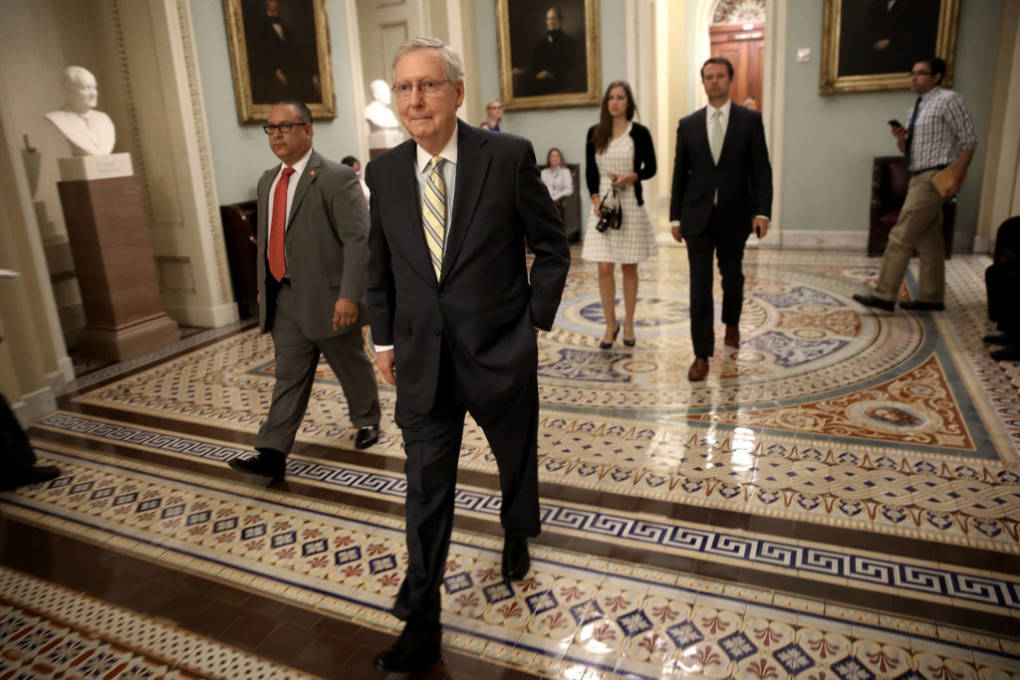
"caption": "Senate Majority Leader Mitch McConnell (R-KY) walks to a meeting of Republican senators where a new version of their healthcare bill was scheduled to be released at the U.S. Capitol July 13, 2017 in Washington, DC. ",
"description": null,
"title": "GOP Senators Continue Work On Revised Health Care Bill",
"credit": "Win McNamee/Getty Images",
"status": "inherit",
"isLoading": false,
"fetchFailed": false
},
"stateofhealth_353505": {
"type": "attachments",
"id": "stateofhealth_353505",
"meta": {
"index": "attachments_1716263798",
"site": "stateofhealth",
"id": "353505",
"found": true
},
"parent": 353504,
"imgSizes": {
"small": {
"file": "https://ww2.kqed.org/app/uploads/sites/27/2017/07/promo-healthcarefaq_wide-8bb1cc688514c695acec0712693d8caec1cd473e-520x292.png",
"width": 520,
"mimeType": "image/png",
"height": 292
},
"twentyfourteen-full-width": {
"file": "https://ww2.kqed.org/app/uploads/sites/27/2017/07/promo-healthcarefaq_wide-8bb1cc688514c695acec0712693d8caec1cd473e-1038x576.png",
"width": 1038,
"mimeType": "image/png",
"height": 576
},
"thumbnail": {
"file": "https://ww2.kqed.org/app/uploads/sites/27/2017/07/promo-healthcarefaq_wide-8bb1cc688514c695acec0712693d8caec1cd473e-160x90.png",
"width": 160,
"mimeType": "image/png",
"height": 90
},
"fd-sm": {
"file": "https://ww2.kqed.org/app/uploads/sites/27/2017/07/promo-healthcarefaq_wide-8bb1cc688514c695acec0712693d8caec1cd473e-960x540.png",
"width": 960,
"mimeType": "image/png",
"height": 540
},
"post-thumbnail": {
"file": "https://ww2.kqed.org/app/uploads/sites/27/2017/07/promo-healthcarefaq_wide-8bb1cc688514c695acec0712693d8caec1cd473e-672x372.png",
"width": 672,
"mimeType": "image/png",
"height": 372
},
"xsmall": {
"file": "https://ww2.kqed.org/app/uploads/sites/27/2017/07/promo-healthcarefaq_wide-8bb1cc688514c695acec0712693d8caec1cd473e-375x211.png",
"width": 375,
"mimeType": "image/png",
"height": 211
},
"kqedFullSize": {
"file": "https://ww2.kqed.org/app/uploads/sites/27/2017/07/promo-healthcarefaq_wide-8bb1cc688514c695acec0712693d8caec1cd473e.png",
"width": 1193,
"height": 671
},
"large": {
"file": "https://ww2.kqed.org/app/uploads/sites/27/2017/07/promo-healthcarefaq_wide-8bb1cc688514c695acec0712693d8caec1cd473e-1020x574.png",
"width": 1020,
"mimeType": "image/png",
"height": 574
},
"xlarge": {
"file": "https://ww2.kqed.org/app/uploads/sites/27/2017/07/promo-healthcarefaq_wide-8bb1cc688514c695acec0712693d8caec1cd473e-1180x664.png",
"width": 1180,
"mimeType": "image/png",
"height": 664
},
"guest-author-50": {
"file": "https://ww2.kqed.org/app/uploads/sites/27/2017/07/promo-healthcarefaq_wide-8bb1cc688514c695acec0712693d8caec1cd473e-50x50.png",
"width": 50,
"mimeType": "image/png",
"height": 50
},
"guest-author-96": {
"file": "https://ww2.kqed.org/app/uploads/sites/27/2017/07/promo-healthcarefaq_wide-8bb1cc688514c695acec0712693d8caec1cd473e-96x96.png",
"width": 96,
"mimeType": "image/png",
"height": 96
},
"medium": {
"file": "https://ww2.kqed.org/app/uploads/sites/27/2017/07/promo-healthcarefaq_wide-8bb1cc688514c695acec0712693d8caec1cd473e-800x450.png",
"width": 800,
"mimeType": "image/png",
"height": 450
},
"guest-author-64": {
"file": "https://ww2.kqed.org/app/uploads/sites/27/2017/07/promo-healthcarefaq_wide-8bb1cc688514c695acec0712693d8caec1cd473e-64x64.png",
"width": 64,
"mimeType": "image/png",
"height": 64
},
"guest-author-32": {
"file": "https://ww2.kqed.org/app/uploads/sites/27/2017/07/promo-healthcarefaq_wide-8bb1cc688514c695acec0712693d8caec1cd473e-32x32.png",
"width": 32,
"mimeType": "image/png",
"height": 32
},
"fd-med": {
"file": "https://ww2.kqed.org/app/uploads/sites/27/2017/07/promo-healthcarefaq_wide-8bb1cc688514c695acec0712693d8caec1cd473e-1180x664.png",
"width": 1180,
"mimeType": "image/png",
"height": 664
},
"detail": {
"file": "https://ww2.kqed.org/app/uploads/sites/27/2017/07/promo-healthcarefaq_wide-8bb1cc688514c695acec0712693d8caec1cd473e-150x150.png",
"width": 150,
"mimeType": "image/png",
"height": 150
},
"medium_large": {
"file": "https://ww2.kqed.org/app/uploads/sites/27/2017/07/promo-healthcarefaq_wide-8bb1cc688514c695acec0712693d8caec1cd473e-768x432.png",
"width": 768,
"mimeType": "image/png",
"height": 432
},
"guest-author-128": {
"file": "https://ww2.kqed.org/app/uploads/sites/27/2017/07/promo-healthcarefaq_wide-8bb1cc688514c695acec0712693d8caec1cd473e-128x128.png",
"width": 128,
"mimeType": "image/png",
"height": 128
},
"xxsmall": {
"file": "https://ww2.kqed.org/app/uploads/sites/27/2017/07/promo-healthcarefaq_wide-8bb1cc688514c695acec0712693d8caec1cd473e-240x135.png",
"width": 240,
"mimeType": "image/png",
"height": 135
}
},
"publishDate": 1499806523,
"modified": 1499806523,
"caption": null,
"description": null,
"title": "FAQ: How Would The Senate Health Care Bill Affect You?",
"credit": null,
"status": "inherit",
"isLoading": false,
"fetchFailed": false
}
},
"audioPlayerReducer": {
"postId": "stream_live",
"isPaused": true,
"isPlaying": false,
"pfsActive": false,
"pledgeModalIsOpen": true,
"playerDrawerIsOpen": false,
"liveAudioPlayStartedAt": 0,
"liveAudioPlayContext": ""
},
"authorsReducer": {
"byline_news_11595354": {
"type": "authors",
"id": "byline_news_11595354",
"meta": {
"override": true
},
"slug": "byline_news_11595354",
"name": "Erica Werner and Alan Fram\u003cbr> Associated Press",
"isLoading": false
},
"byline_news_11593174": {
"type": "authors",
"id": "byline_news_11593174",
"meta": {
"override": true
},
"slug": "byline_news_11593174",
"name": "Domenico Montanaro",
"isLoading": false
},
"byline_news_11579626": {
"type": "authors",
"id": "byline_news_11579626",
"meta": {
"override": true
},
"slug": "byline_news_11579626",
"name": "\u003cstrong>James Doubek\u003cbr />NPR\u003c/strong>",
"isLoading": false
},
"byline_stateofhealth_356393": {
"type": "authors",
"id": "byline_stateofhealth_356393",
"meta": {
"override": true
},
"slug": "byline_stateofhealth_356393",
"name": "\u003cstrong>\u003ca href=”http://www.npr.org/people/1930203/ron-elving”>Ron Elving\u003c/a>\u003cbr />\u003ca href=”https://npr.org”>NPR\u003c/a>\u003c/strong>",
"isLoading": false
},
"byline_news_11574191": {
"type": "authors",
"id": "byline_news_11574191",
"meta": {
"override": true
},
"slug": "byline_news_11574191",
"name": " \u003cstrong>Scott Neuman\u003c/strong> and \u003cstrong> Associated Press\u003c/strong>",
"isLoading": false
},
"byline_news_11573069": {
"type": "authors",
"id": "byline_news_11573069",
"meta": {
"override": true
},
"slug": "byline_news_11573069",
"name": " \u003cstrong>Alan Fram\u003cbr>Associated Press\u003c/strong>",
"isLoading": false
},
"byline_stateofhealth_354410": {
"type": "authors",
"id": "byline_stateofhealth_354410",
"meta": {
"override": true
},
"slug": "byline_stateofhealth_354410",
"name": "\u003ca href=\"http://khn.org/news/author/julie-rovner/\">\u003cstrong>Julie Rovner\u003c/strong>\u003c/a>\u003c/span>",
"isLoading": false
},
"byline_stateofhealth_353504": {
"type": "authors",
"id": "byline_stateofhealth_353504",
"meta": {
"override": true
},
"slug": "byline_stateofhealth_353504",
"name": "Gisele Grayson and Nancy Shute",
"isLoading": false
},
"markfiore": {
"type": "authors",
"id": "3236",
"meta": {
"index": "authors_1716337520",
"id": "3236",
"found": true
},
"name": "Mark Fiore",
"firstName": "Mark",
"lastName": "Fiore",
"slug": "markfiore",
"email": "mark@markfiore.com",
"display_author_email": false,
"staff_mastheads": [
"news"
],
"title": "KQED News Cartoonist",
"bio": "\u003ca href=\"http://www.MarkFiore.com\">MarkFiore.com\u003c/a> | \u003ca href=\"https://twitter.com/markfiore\">Follow on Twitter\u003c/a> | \u003ca href=\"https://www.facebook.com/pages/Mark-Fiore-Animated-Political-Cartoons/94451707396?ref=bookmarks\">Facebook\u003c/a> | \u003ca href=\"mailto:mark@markfiore.com\">email\u003c/a>\r\n\r\nPulitzer Prize-winner, Mark Fiore, who the Wall Street Journal has called “the undisputed guru of the form,” creates animated political cartoons in San Francisco, where his work has been featured regularly on the San Francisco Chronicle’s web site, SFGate.com. His work has appeared on Newsweek.com, Slate.com, CBSNews.com, MotherJones.com, DailyKos.com and NPR’s web site. Fiore’s political animation has appeared on CNN, Frontline, Bill Moyers Journal, Salon.com and cable and broadcast outlets across the globe.\r\n\r\nBeginning his professional life by drawing traditional political cartoons for newspapers, Fiore’s work appeared in publications ranging from the Washington Post to the Los Angeles Times. In the late 1990s, he began to experiment with animating political cartoons and, after a short stint at the San Jose Mercury News as their staff cartoonist, Fiore devoted all his energies to animation.\r\nGrowing up in California, Fiore also spent a good portion of his life in the backwoods of Idaho. It was this combination that shaped him politically. Mark majored in political science at Colorado College, where, in a perfect send-off for a cartoonist, he received his diploma in 1991 as commencement speaker Dick Cheney smiled approvingly.\r\nMark Fiore was awarded the Pulitzer Prize for political cartooning in 2010, a Robert F. Kennedy Journalism Award in 2004 and has twice received an Online Journalism Award for commentary from the Online News Association (2002, 2008). Fiore has received two awards for his work in new media from the National Cartoonists Society (2001, 2002), and in 2006 received The James Madison Freedom of Information Award from The Society of Professional Journalists.",
"avatar": "https://secure.gravatar.com/avatar/fc4e2a612b15b67bad0c6f0e1db4ca9b?s=600&d=blank&r=g",
"twitter": "MarkFiore",
"facebook": null,
"instagram": "https://www.instagram.com/markfiore/?hl=en",
"linkedin": null,
"sites": [
{
"site": "arts",
"roles": [
"contributor"
]
},
{
"site": "news",
"roles": [
"editor"
]
},
{
"site": "futureofyou",
"roles": [
"editor"
]
},
{
"site": "science",
"roles": [
"editor"
]
}
],
"headData": {
"title": "Mark Fiore | KQED",
"description": "KQED News Cartoonist",
"ogImgSrc": "https://secure.gravatar.com/avatar/fc4e2a612b15b67bad0c6f0e1db4ca9b?s=600&d=blank&r=g",
"twImgSrc": "https://secure.gravatar.com/avatar/fc4e2a612b15b67bad0c6f0e1db4ca9b?s=600&d=blank&r=g"
},
"isLoading": false,
"link": "/author/markfiore"
},
"lklivans": {
"type": "authors",
"id": "8648",
"meta": {
"index": "authors_1716337520",
"id": "8648",
"found": true
},
"name": "Laura Klivans",
"firstName": "Laura",
"lastName": "Klivans",
"slug": "lklivans",
"email": "lklivans@kqed.org",
"display_author_email": true,
"staff_mastheads": [
"news",
"science"
],
"title": "Reporter",
"bio": "Laura Klivans is an award-winning science reporter for KQED News, where she covers climate change with an eye on both groundbreaking progress and gaps in action. She is the former host of KQED's blockbuster video series about tiny, amazing animals, \u003cem>Deep Look\u003c/em>. Her work reaches national audiences through NPR, \u003cem>Here & Now, \u003c/em>PRI, and other major outlets. \r\n\r\nLaura’s won five Northern California Area Emmy Awards for Deep Look and First Place in the Greater Bay Area Journalism Awards for a podcast exploring how one Oakland neighborhood teamed up to reduce planet-heating pollution.\r\n\r\nBeyond her reporting, she hosts and moderates events. In the past, she taught audio storytelling at the UC Berkeley Graduate School of Journalism, led international education programs, worked with immigrants and refugees along the Thai-Burmese border, taught high schoolers sex ed, and was an actress. \r\n\r\nShe's a former UC Berkeley Human Rights Fellow, USC Center for Health Journalism's California Fellow and Coro Fellow in Public Affairs. Laura has a master’s in journalism from UC Berkeley, a master’s in education from Harvard, and an undergraduate degree from Northwestern University.\r\n\r\nShe loves trying to riddle the meaning out of vanity license plates.",
"avatar": "https://secure.gravatar.com/avatar/2d2ecd1550a494cc10ad4a503406965585902124739e775a9b3817eebf1d88be?s=600&d=blank&r=g",
"twitter": "lauraklivans",
"bluesky": null,
"facebook": null,
"instagram": null,
"linkedin": null,
"sites": [
{
"site": "news",
"roles": [
"editor"
]
},
{
"site": "stateofhealth",
"roles": [
"contributor",
"editor"
]
},
{
"site": "science",
"roles": [
"editor"
]
},
{
"site": "forum",
"roles": [
"editor"
]
}
],
"headData": {
"title": "Laura Klivans | KQED",
"description": "Reporter",
"ogImgSrc": "https://secure.gravatar.com/avatar/2d2ecd1550a494cc10ad4a503406965585902124739e775a9b3817eebf1d88be?s=600&d=blank&r=g",
"twImgSrc": "https://secure.gravatar.com/avatar/2d2ecd1550a494cc10ad4a503406965585902124739e775a9b3817eebf1d88be?s=600&d=blank&r=g"
},
"isLoading": false,
"link": "/author/lklivans"
},
"scraig": {
"type": "authors",
"id": "11327",
"meta": {
"index": "authors_1716337520",
"id": "11327",
"found": true
},
"name": "Sarah Craig",
"firstName": "Sarah",
"lastName": "Craig",
"slug": "scraig",
"email": "scraig@KQED.org",
"display_author_email": false,
"staff_mastheads": [],
"title": "KQED Contributor",
"bio": "Sarah Craig is a freelance radio reporter and documentary photographer. She is currently working on \u003cem>Dreams of Dust\u003c/em>, @dreamsofdust, a multimedia project that documents stories of climate migration in California’s Central Valley, previously funded by the California Humanities. Her completed projects include \u003cem>\u003ca href=\"http://www.facesoffracking.org/\" target=\"_blank\" rel=\"nofollow noopener noreferrer\">Faces of Fracking\u003c/a>,\u003c/em> an investigation into the impact of fracking on the people and places of California, and \u003cem>\u003ca href=\"http://sarahcraig.visura.co/gulf-disaster-2\" target=\"_blank\" rel=\"nofollow noopener noreferrer\">The Gulf Disaster\u003c/a>,\u003c/em> stories on the lives of fishermen in the aftermath of the BP spill. Her work has been published by Marketplace, KQED's Bay Curious and Q'ed Up podcasts, KQED's California Report Magazine, KALW's Crosscurrents, Grist.org, High Country News, Earth Island Journal, and others. Sarah received a B.A. in Geography at Vassar College and attended the \u003ca href=\"http://www.salt.edu/\" target=\"_blank\" rel=\"nofollow noopener noreferrer\">Salt Institute of Documentary Studies\u003c/a> in Portland, ME. She recently received an Excellence in Journalism Award from the NorCal Society of Professional Journalists for her documentary radio piece, \u003ca href=\"http://kalw.org/post/215-will-water-come#stream/0\">\"Will the Water Come.\"\u003c/a> Email: scraig@kqed.org Twitter: @sarahcraigmedia Website: sarahcraigmedia.com",
"avatar": "https://secure.gravatar.com/avatar/97f17950c828429d3df9f2907412a50b?s=600&d=blank&r=g",
"twitter": null,
"facebook": null,
"instagram": null,
"linkedin": null,
"sites": [
{
"site": "news",
"roles": [
"subscriber"
]
},
{
"site": "science",
"roles": [
"editor"
]
}
],
"headData": {
"title": "Sarah Craig | KQED",
"description": "KQED Contributor",
"ogImgSrc": "https://secure.gravatar.com/avatar/97f17950c828429d3df9f2907412a50b?s=600&d=blank&r=g",
"twImgSrc": "https://secure.gravatar.com/avatar/97f17950c828429d3df9f2907412a50b?s=600&d=blank&r=g"
},
"isLoading": false,
"link": "/author/scraig"
},
"akusmer": {
"type": "authors",
"id": "11361",
"meta": {
"index": "authors_1716337520",
"id": "11361",
"found": true
},
"name": "Anna Kusmer",
"firstName": "Anna",
"lastName": "Kusmer",
"slug": "akusmer",
"email": "akusmer@kqed.org",
"display_author_email": false,
"staff_mastheads": [],
"title": "News Intern",
"bio": "Anna Kusmer was a 2018 KQED News intern. She has worked as an ecologist and a hamburger flipper. She is also a freelance writer with stories appearing in NPR and PBS.",
"avatar": "https://secure.gravatar.com/avatar/307ee2fc39d2a9dffeaad0482e616c80?s=600&d=blank&r=g",
"twitter": "askusmer",
"facebook": null,
"instagram": null,
"linkedin": null,
"sites": [
{
"site": "news",
"roles": [
"subscriber"
]
},
{
"site": "futureofyou",
"roles": [
"editor"
]
},
{
"site": "science",
"roles": []
}
],
"headData": {
"title": "Anna Kusmer | KQED",
"description": "News Intern",
"ogImgSrc": "https://secure.gravatar.com/avatar/307ee2fc39d2a9dffeaad0482e616c80?s=600&d=blank&r=g",
"twImgSrc": "https://secure.gravatar.com/avatar/307ee2fc39d2a9dffeaad0482e616c80?s=600&d=blank&r=g"
},
"isLoading": false,
"link": "/author/akusmer"
}
},
"pagesReducer": {
"news_tag_health": {
"type": "terms",
"id": "news_18543",
"meta": {
"index": "terms_1716263798",
"site": "news",
"id": "18543",
"score": 6.886679
},
"featImg": null,
"name": "Health",
"description": null,
"taxonomy": "tag",
"headData": {
"twImgId": null,
"twTitle": null,
"ogTitle": null,
"ogImgId": null,
"twDescription": null,
"description": null,
"title": "Health Archives | KQED News",
"ogDescription": null
},
"ttid": 466,
"slug": "health",
"isLoading": false,
"title": "Health",
"pageMeta": {
"site": "news",
"WpPageTemplate": "page-topic-editorial",
"currentPage": 100
},
"blocks": [
{
"blockName": "kqed/post-list",
"attrs": {
"layout": "cardArticle2",
"query": "posts/news?tag=health",
"seeMore": false,
"paginated": true,
"page": 100
}
},
{
"blockName": "kqed/ad"
}
]
}
},
"pfsSessionReducer": {},
"postsReducer": {
"stream_live": {
"type": "live",
"id": "stream_live",
"audioUrl": "https://streams.kqed.org/kqedradio",
"title": "Live Stream",
"excerpt": "Live Stream information currently unavailable.",
"link": "/radio",
"featImg": "",
"label": {
"name": "KQED Live",
"link": "/"
}
},
"stream_kqedNewscast": {
"type": "posts",
"id": "stream_kqedNewscast",
"audioUrl": "https://www.kqed.org/.stream/anon/radio/RDnews/newscast.mp3?_=1",
"title": "KQED Newscast",
"featImg": "",
"label": {
"name": "88.5 FM",
"link": "/"
}
},
"news_11598843": {
"type": "posts",
"id": "news_11598843",
"meta": {
"index": "posts_1716263798",
"site": "news",
"id": "11598843",
"score": null,
"sort": [
1501284542000
]
},
"guestAuthors": [],
"slug": "after-gop-defeat-dems-relieved-that-millions-in-californians-can-keep-their-coverage",
"title": "After GOP Defeat, Dems Relieved Millions of Californians Can Keep Their Coverage",
"publishDate": 1501284542,
"format": "standard",
"headTitle": "After GOP Defeat, Dems Relieved Millions of Californians Can Keep Their Coverage | KQED",
"labelTerm": {
"term": 72,
"site": "news"
},
"content": "\u003cp>A last-ditch effort by struggling Senate Republicans to dismantle a few key provisions of the Affordable Care Act — an approach known as “skinny repeal” — failed in a dramatic fashion early Friday morning, around 1:30 EDT. The 49-51 vote was a major disappointment for the GOP, but a great relief for the state’s Democrats.\u003c/p>\n\u003cp>“Health care is a matter of life and death. It affects every person in this country,” said Sen. \u003ca href=\"https://www.feinstein.senate.gov/public/\" target=\"_blank\" rel=\"noopener noreferrer\">Dianne Feinstein\u003c/a> (D-California) in a statement she released less than an hour after the vote.\u003c/p>\n\u003cp>Feinstein lambasted Republicans for their secretive process, which bypassed the usual committees and public hearings.\u003c/p>\n\u003cp>“Their closed process, which shut out doctors, patients, families, hospitals, health plans and advocates, yielded terrible bill after terrible bill,” she said.\u003c/p>\n\u003cp>In California, which eagerly embraced the ACA and erected a resilient insurance exchange known as “\u003ca href=\"http://www.coveredca.com/\" target=\"_blank\" rel=\"noopener noreferrer\">Covered California\u003c/a>,” the relief was particularly strong on Friday.\u003c/p>\n\u003cp>[ad fullwidth]\u003c/p>\n\u003cp>Under “skinny repeal,” 700,000 fewer Californians would been covered through individual plans sold on the exchange, according to a Covered California statement. An additional 300,000 Californians were expected to drop out of Medi-Cal due to the elimination of the individual mandate.\u003c/p>\n\u003cp>[contextly_sidebar id=”XsNSDpLjXrZDgcH6ktvPhh8huwRkIzCQ”]\u003c/p>\n\u003cp>“Covered California and the Medi-Cal expansion are safe for now, and we can feel more secure knowing that our families, friends and employees won’t lose their health insurance,” said Jonathan Greer, an independent health insurance broker in Oakland.\u003c/p>\n\u003cp>Greer said watching the prolonged legislative battle in D.C. was agonizing: “It was like watching a good friend or relative suffer in the hospital, not knowing if they would recover.”\u003c/p>\n\u003cp>California’s Democrats applauded Sen. John McCain’s \u003ca href=\"https://www.mccain.senate.gov/public/index.cfm/press-releases?ID=A952CCCA-66D2-4570-9D57-514561BF3D4D\" target=\"_blank\" rel=\"noopener noreferrer\">call\u003c/a> for a return to bipartisanship after his thumbs-down “no” vote.\u003c/p>\n\u003cp>“I could not agree more, ” said \u003ca href=\"https://bera.house.gov/\" target=\"_blank\" rel=\"noopener noreferrer\">congressman Ami Bera\u003c/a> (D-Elk Grove). Bera, an internist. He’s one of two Democratic doctors in Congress. Earlier this month, Bera pushed an \u003ca href=\"https://newdemocratcoalition-himes.house.gov/media-center/press-releases/new-democrat-coalition-healthcare-task-force-leads-release-of-market\" target=\"_blank\" rel=\"noopener noreferrer\">alternate plan\u003c/a> to improve the Affordable Care Act, which now has the support of more than 80 House Democrats.\u003c/p>\n\u003cp>“We are ready and willing to come to the table with solutions,” Bera said. “I hope to work with my Republican colleagues in the coming weeks to put patients first, cut costs, and increase the number of people insured.”\u003c/p>\n\u003cp>Nearly 3.7 million individuals have health coverage through the ACA’s Medi-Cal expansion, and more than 1.4 million people are insured through Covered California.\u003c/p>\n\u003cp>California has experienced the largest decline in its uninsured rate in the country — dropping from 17.2 percent in 2013 to 7.1 percent in 2016.\u003c/p>\n\u003cp>But attempts to undermine the effectiveness of the Affordable Care Act could continue, said Sandra R. Hernández, president and CEO of the \u003ca href=\"http://www.chcf.org/\" target=\"_blank\" rel=\"noopener noreferrer\">California Health Care Foundation\u003c/a>.\u003c/p>\n\u003cp>“Danger still lies ahead,” she \u003ca href=\"http://www.chcf.org/media/press-releases/2017/aca-law-land\" target=\"_blank\" rel=\"noopener noreferrer\">warned\u003c/a>. “They will try to make enrollment more difficult, and cut back on public outreach. We especially need to keep a bright light on the budget and appropriations process and on tax reform efforts.”\u003c/p>\n\u003cp>Hernández predicts there will also be more attempts to slash funding for Medicaid and other medical safety-net programs.\u003c/p>\n\u003cp>But Rep. \u003ca href=\"https://calvert.house.gov/district/\" target=\"_blank\" rel=\"noopener noreferrer\">Ken Calvert\u003c/a> (R-Riverside County) says the status quo is a problem too big to ignore. “Despite political drama in the Senate, we must not lose sight of the fact that Obamacare premiums continue to rise and health insurance providers are dropping out of exchanges across the country.”\u003c/p>\n\u003cp>\u003c/p>\n\u003cp>Calvert urged Congress to keep working to provide Americans with the relief they need.\u003c/p>\n\n",
"blocks": [],
"excerpt": "Friday's rejection of the 'skinny repeal' has brought a renewed call for bipartisanship among California lawmakers. ",
"status": "publish",
"parent": 0,
"modified": 1726009348,
"stats": {
"hasAudio": false,
"hasVideo": false,
"hasChartOrMap": false,
"iframeSrcs": [],
"hasGoogleForm": false,
"hasGallery": false,
"hasHearkenModule": false,
"hasPolis": false,
"paragraphCount": 21,
"wordCount": 635
},
"headData": {
"title": "After GOP Defeat, Dems Relieved Millions of Californians Can Keep Their Coverage | KQED",
"description": "Friday's rejection of the 'skinny repeal' has brought a renewed call for bipartisanship among California lawmakers. ",
"ogTitle": "",
"ogDescription": "",
"ogImgId": "",
"twTitle": "",
"twDescription": "",
"twImgId": "",
"schema": {
"@context": "https://schema.org",
"@type": "NewsArticle",
"headline": "After GOP Defeat, Dems Relieved Millions of Californians Can Keep Their Coverage",
"datePublished": "2017-07-28T16:29:02-07:00",
"dateModified": "2024-09-10T16:02:28-07:00",
"image": "https://cdn.kqed.org/wp-content/uploads/2020/02/KQED-OG-Image@1x.png",
"isAccessibleForFree": "True",
"publisher": {
"@type": "NewsMediaOrganization",
"@id": "https://www.kqed.org/#organization",
"name": "KQED",
"logo": "https://cdn.kqed.org/wp-content/uploads/2020/02/KQED-OG-Image@1x.png",
"url": "https://www.kqed.org",
"sameAs": [
"https://www.facebook.com/KQED",
"https://twitter.com/KQED",
"https://www.instagram.com/kqed/",
"https://www.tiktok.com/@kqedofficial",
"https://www.linkedin.com/company/kqed",
"https://www.youtube.com/channel/UCeC0IOo7i1P_61zVUWbJ4nw"
]
}
}
},
"sticky": false,
"path": "/news/11598843/after-gop-defeat-dems-relieved-that-millions-in-californians-can-keep-their-coverage",
"audioTrackLength": null,
"parsedContent": [
{
"type": "contentString",
"content": "\u003cdiv class=\"post-body\">\u003cp>\u003cp>A last-ditch effort by struggling Senate Republicans to dismantle a few key provisions of the Affordable Care Act — an approach known as “skinny repeal” — failed in a dramatic fashion early Friday morning, around 1:30 EDT. The 49-51 vote was a major disappointment for the GOP, but a great relief for the state’s Democrats.\u003c/p>\n\u003cp>“Health care is a matter of life and death. It affects every person in this country,” said Sen. \u003ca href=\"https://www.feinstein.senate.gov/public/\" target=\"_blank\" rel=\"noopener noreferrer\">Dianne Feinstein\u003c/a> (D-California) in a statement she released less than an hour after the vote.\u003c/p>\n\u003cp>Feinstein lambasted Republicans for their secretive process, which bypassed the usual committees and public hearings.\u003c/p>\n\u003cp>“Their closed process, which shut out doctors, patients, families, hospitals, health plans and advocates, yielded terrible bill after terrible bill,” she said.\u003c/p>\n\u003cp>In California, which eagerly embraced the ACA and erected a resilient insurance exchange known as “\u003ca href=\"http://www.coveredca.com/\" target=\"_blank\" rel=\"noopener noreferrer\">Covered California\u003c/a>,” the relief was particularly strong on Friday.\u003c/p>\n\u003cp>\u003c/p>\u003c/div>",
"attributes": {
"named": {},
"numeric": []
}
},
{
"type": "component",
"content": "",
"name": "ad",
"attributes": {
"named": {
"label": "fullwidth"
},
"numeric": [
"fullwidth"
]
}
},
{
"type": "contentString",
"content": "\u003cdiv class=\"post-body\">\u003cp>\u003c/p>\n\u003cp>Under “skinny repeal,” 700,000 fewer Californians would been covered through individual plans sold on the exchange, according to a Covered California statement. An additional 300,000 Californians were expected to drop out of Medi-Cal due to the elimination of the individual mandate.\u003c/p>\n\u003cp>\u003c/p>\u003cp>\u003c/p>\u003cp>\u003c/p>\n\u003cp>“Covered California and the Medi-Cal expansion are safe for now, and we can feel more secure knowing that our families, friends and employees won’t lose their health insurance,” said Jonathan Greer, an independent health insurance broker in Oakland.\u003c/p>\n\u003cp>Greer said watching the prolonged legislative battle in D.C. was agonizing: “It was like watching a good friend or relative suffer in the hospital, not knowing if they would recover.”\u003c/p>\n\u003cp>California’s Democrats applauded Sen. John McCain’s \u003ca href=\"https://www.mccain.senate.gov/public/index.cfm/press-releases?ID=A952CCCA-66D2-4570-9D57-514561BF3D4D\" target=\"_blank\" rel=\"noopener noreferrer\">call\u003c/a> for a return to bipartisanship after his thumbs-down “no” vote.\u003c/p>\n\u003cp>“I could not agree more, ” said \u003ca href=\"https://bera.house.gov/\" target=\"_blank\" rel=\"noopener noreferrer\">congressman Ami Bera\u003c/a> (D-Elk Grove). Bera, an internist. He’s one of two Democratic doctors in Congress. Earlier this month, Bera pushed an \u003ca href=\"https://newdemocratcoalition-himes.house.gov/media-center/press-releases/new-democrat-coalition-healthcare-task-force-leads-release-of-market\" target=\"_blank\" rel=\"noopener noreferrer\">alternate plan\u003c/a> to improve the Affordable Care Act, which now has the support of more than 80 House Democrats.\u003c/p>\n\u003cp>“We are ready and willing to come to the table with solutions,” Bera said. “I hope to work with my Republican colleagues in the coming weeks to put patients first, cut costs, and increase the number of people insured.”\u003c/p>\n\u003cp>Nearly 3.7 million individuals have health coverage through the ACA’s Medi-Cal expansion, and more than 1.4 million people are insured through Covered California.\u003c/p>\n\u003cp>California has experienced the largest decline in its uninsured rate in the country — dropping from 17.2 percent in 2013 to 7.1 percent in 2016.\u003c/p>\n\u003cp>But attempts to undermine the effectiveness of the Affordable Care Act could continue, said Sandra R. Hernández, president and CEO of the \u003ca href=\"http://www.chcf.org/\" target=\"_blank\" rel=\"noopener noreferrer\">California Health Care Foundation\u003c/a>.\u003c/p>\n\u003cp>“Danger still lies ahead,” she \u003ca href=\"http://www.chcf.org/media/press-releases/2017/aca-law-land\" target=\"_blank\" rel=\"noopener noreferrer\">warned\u003c/a>. “They will try to make enrollment more difficult, and cut back on public outreach. We especially need to keep a bright light on the budget and appropriations process and on tax reform efforts.”\u003c/p>\n\u003cp>Hernández predicts there will also be more attempts to slash funding for Medicaid and other medical safety-net programs.\u003c/p>\n\u003cp>But Rep. \u003ca href=\"https://calvert.house.gov/district/\" target=\"_blank\" rel=\"noopener noreferrer\">Ken Calvert\u003c/a> (R-Riverside County) says the status quo is a problem too big to ignore. “Despite political drama in the Senate, we must not lose sight of the fact that Obamacare premiums continue to rise and health insurance providers are dropping out of exchanges across the country.”\u003c/p>\n\u003cp>\u003c/p>\n\u003cp>Calvert urged Congress to keep working to provide Americans with the relief they need.\u003c/p>\n\n\u003c/div>\u003c/p>",
"attributes": {
"named": {},
"numeric": []
}
}
],
"link": "/news/11598843/after-gop-defeat-dems-relieved-that-millions-in-californians-can-keep-their-coverage",
"authors": [
"11327"
],
"programs": [
"news_6944",
"news_72"
],
"categories": [
"news_457",
"news_8",
"news_13"
],
"tags": [
"news_5164",
"news_18543",
"news_21264",
"news_3890"
],
"featImg": "news_11599219",
"label": "news_72"
},
"news_11598505": {
"type": "posts",
"id": "news_11598505",
"meta": {
"index": "posts_1716263798",
"site": "news",
"id": "11598505",
"score": null,
"sort": [
1501265604000
]
},
"guestAuthors": [],
"slug": "republican-obamacare-repeal-fails-once-again",
"title": "Republican Obamacare Repeal Fails Once Again",
"publishDate": 1501265604,
"format": "standard",
"headTitle": "Republican Obamacare Repeal Fails Once Again | KQED",
"labelTerm": {
"term": 18515,
"site": "news"
},
"content": "\u003cp>After trying many times to repeal and replace the Affordable Care Act, \u003ca href=\"https://ww2.kqed.org/news/2017/07/27/republican-health-care-efforts-dealt-potential-death-blow-as-mccain-votes-no/\">Republicans failed once again in their effort to repeal Obamacare\u003c/a>. \u003c/p>\n\u003cp>Sen. John McCain, recently diagnosed with serious brain cancer, became a pivotal “no” vote as the drama unfolded on the floor of the Senate. And so ends, for now, the health care debate in Congress.\u003c/p>\n\u003cp>[ad fullwidth]\u003c/p>\u003cp>\u003c/p>\n",
"blocks": [],
"excerpt": "After trying many times to repeal and replace the Affordable Care Act, Republicans failed once again in their effort to repeal Obamacare. ",
"status": "publish",
"parent": 0,
"modified": 1738187043,
"stats": {
"hasAudio": false,
"hasVideo": false,
"hasChartOrMap": false,
"iframeSrcs": [],
"hasGoogleForm": false,
"hasGallery": false,
"hasHearkenModule": false,
"hasPolis": false,
"paragraphCount": 4,
"wordCount": 63
},
"headData": {
"title": "Republican Obamacare Repeal Fails Once Again | KQED",
"description": "After trying many times to repeal and replace the Affordable Care Act, Republicans failed once again in their effort to repeal Obamacare. ",
"ogTitle": "",
"ogDescription": "",
"ogImgId": "",
"twTitle": "",
"twDescription": "",
"twImgId": "",
"schema": {
"@context": "https://schema.org",
"@type": "NewsArticle",
"headline": "Republican Obamacare Repeal Fails Once Again",
"datePublished": "2017-07-28T11:13:24-07:00",
"dateModified": "2025-01-29T13:44:03-08:00",
"image": "https://cdn.kqed.org/wp-content/uploads/2020/02/KQED-OG-Image@1x.png",
"isAccessibleForFree": "True",
"publisher": {
"@type": "NewsMediaOrganization",
"@id": "https://www.kqed.org/#organization",
"name": "KQED",
"logo": "https://cdn.kqed.org/wp-content/uploads/2020/02/KQED-OG-Image@1x.png",
"url": "https://www.kqed.org",
"sameAs": [
"https://www.facebook.com/KQED",
"https://twitter.com/KQED",
"https://www.instagram.com/kqed/",
"https://www.tiktok.com/@kqedofficial",
"https://www.linkedin.com/company/kqed",
"https://www.youtube.com/channel/UCeC0IOo7i1P_61zVUWbJ4nw"
]
}
}
},
"sticky": false,
"path": "/news/11598505/republican-obamacare-repeal-fails-once-again",
"audioTrackLength": null,
"parsedContent": [
{
"type": "contentString",
"content": "\u003cdiv class=\"post-body\">\u003cp>\u003cp>After trying many times to repeal and replace the Affordable Care Act, \u003ca href=\"https://ww2.kqed.org/news/2017/07/27/republican-health-care-efforts-dealt-potential-death-blow-as-mccain-votes-no/\">Republicans failed once again in their effort to repeal Obamacare\u003c/a>. \u003c/p>\n\u003cp>Sen. John McCain, recently diagnosed with serious brain cancer, became a pivotal “no” vote as the drama unfolded on the floor of the Senate. And so ends, for now, the health care debate in Congress.\u003c/p>\n\u003cp>\u003c/p>\u003c/div>",
"attributes": {
"named": {},
"numeric": []
}
},
{
"type": "component",
"content": "",
"name": "ad",
"attributes": {
"named": {
"label": "fullwidth"
},
"numeric": [
"fullwidth"
]
}
},
{
"type": "contentString",
"content": "\u003cdiv class=\"post-body\">\u003cp>\u003c/p>\u003cp>\u003c/p>\n\u003c/div>\u003c/p>",
"attributes": {
"named": {},
"numeric": []
}
}
],
"link": "/news/11598505/republican-obamacare-repeal-fails-once-again",
"authors": [
"3236"
],
"series": [
"news_18515"
],
"categories": [
"news_1758",
"news_457",
"news_8",
"news_13"
],
"tags": [
"news_2409",
"news_20150",
"news_18543",
"news_20949",
"news_3890"
],
"featImg": "news_11598506",
"label": "news_18515"
},
"science_1866308": {
"type": "posts",
"id": "science_1866308",
"meta": {
"index": "posts_1716263798",
"site": "science",
"id": "1866308",
"score": null,
"sort": [
1501167639000
]
},
"guestAuthors": [],
"slug": "lyme-disease-in-california-sorting-fact-from-myth",
"title": "Know How to Protect Yourself From Lyme Disease on Bay Area Hikes",
"publishDate": 1501167639,
"format": "standard",
"headTitle": "Know How to Protect Yourself From Lyme Disease on Bay Area Hikes | KQED",
"labelTerm": {
"site": "science"
},
"content": "\u003cp>Northern California has many attractions, but the fact that it’s prime tick habitat isn’t one of them.\u003c/p>\n\u003cp>Adding to the angst surrounding outdoor activities is that tick hotspots are unevenly distributed on a patchy landscape.\u003c/p>\n\u003caside class=\"pullquote alignright\">‘Medicine has the tendency to want a vaccine or a clear antibiotic silver bullet, and I don’t think the Lyme system gives us that luxury.’\u003ccite>Nate Nieto, University of Northern Arizona\u003c/cite>\u003c/aside>\n\u003cp>One moment you’re strolling through redwood forests, the next through oak forests, and a couple of hours later you may come across scenic chaparral. While on this iconic hike, you probably don’t realize that you’ve moved through both high- and low-risk Lyme disease areas. The question is, do you know where you are most at risk?\u003c/p>\n\u003cp>The answer is in the oak forest where layers of rich leaf litter are a kind of Club Med for ticks.\u003c/p>\n\u003cp>\u003cstrong>It’s Always Tick Season\u003c/strong>\u003c/p>\n\u003cp>[ad fullwidth]\u003c/p>\n\u003cp>“Tick season” exists year-round in northern California. The highest risk is in the spring and early summer due to an abundance of juvenile ticks, known as nymphs (the most virulent life-stage). However, peak diagnosis time extends into July, because it can take a few weeks to realize that you have the disease.\u003c/p>\n\u003cp>Summer is also particularly dangerous for Lyme disease because that’s when people spend the most time outside, and many of the most beautiful hiking areas tend to be tick-ridden.\u003c/p>\n\u003cfigure id=\"attachment_1870758\" class=\"wp-caption aligncenter\" style=\"max-width: 800px\">\u003cimg loading=\"lazy\" decoding=\"async\" class=\"size-medium wp-image-1870758\" src=\"https://ww2.kqed.org/science/wp-content/uploads/sites/35/2017/07/Tick-on-Leaf_Shutterstock_99641744_-e1500680859219-800x533.jpg\" alt=\"\" width=\"800\" height=\"533\" srcset=\"https://cdn.kqed.org/wp-content/uploads/sites/35/2017/07/Tick-on-Leaf_Shutterstock_99641744_-e1500680859219-800x533.jpg 800w, https://cdn.kqed.org/wp-content/uploads/sites/35/2017/07/Tick-on-Leaf_Shutterstock_99641744_-e1500680859219-160x107.jpg 160w, https://cdn.kqed.org/wp-content/uploads/sites/35/2017/07/Tick-on-Leaf_Shutterstock_99641744_-e1500680859219-768x512.jpg 768w, https://cdn.kqed.org/wp-content/uploads/sites/35/2017/07/Tick-on-Leaf_Shutterstock_99641744_-e1500680859219-1020x680.jpg 1020w, https://cdn.kqed.org/wp-content/uploads/sites/35/2017/07/Tick-on-Leaf_Shutterstock_99641744_-e1500680859219-1920x1280.jpg 1920w, https://cdn.kqed.org/wp-content/uploads/sites/35/2017/07/Tick-on-Leaf_Shutterstock_99641744_-e1500680859219-1180x787.jpg 1180w, https://cdn.kqed.org/wp-content/uploads/sites/35/2017/07/Tick-on-Leaf_Shutterstock_99641744_-e1500680859219-960x640.jpg 960w, https://cdn.kqed.org/wp-content/uploads/sites/35/2017/07/Tick-on-Leaf_Shutterstock_99641744_-e1500680859219-240x160.jpg 240w, https://cdn.kqed.org/wp-content/uploads/sites/35/2017/07/Tick-on-Leaf_Shutterstock_99641744_-e1500680859219-375x250.jpg 375w, https://cdn.kqed.org/wp-content/uploads/sites/35/2017/07/Tick-on-Leaf_Shutterstock_99641744_-e1500680859219-520x347.jpg 520w\" sizes=\"(max-width: 800px) 100vw, 800px\">\u003cfigcaption class=\"wp-caption-text\">It’s always tick season in Northern California. Peak season is spring and early summer. \u003ccite>(Bay Area Lyme Foundation)\u003c/cite>\u003c/figcaption>\u003c/figure>\n\u003cp>Most people associate Lyme disease with the Northeastern U.S. and the upper Midwest, and for \u003ca href=\"https://www.cdc.gov/lyme/stats/maps.html\">good reason\u003c/a>; the vast majority of cases are reported there, due mostly to the fact that the landscape is blanketed with prime tick habitat. On the west coast, the risk is real, but it’s different.\u003c/p>\n\u003caside class=\"alignright\">\u003cstrong>How to prevent a tick bite in the first place.\u003c/strong>\n\u003cul>\n\u003cli>\u003cstrong>Dress the part\u003c/strong>: Ticks tend to like to climb upwards, so wear full-length pants, tucked into your socks, and a full length shirt, tucked into your pants\u003c/li>\n\u003cli>\u003cstrong>Pesticide options\u003c/strong>: Chemical tick-repellents or acaricides can be very effective at low dosages. Be sure to read manufacturer’s instructions carefully.\u003c/li>\n\u003cli>\u003cstrong>Clean your body and clothes\u003c/strong>: Take a shower once you get home from a hike and throw your clothes in a hot dryer for a 1-hour cycle.\u003c/li>\n\u003cli>\u003cstrong>Check your pets and yourself\u003c/strong>: Perform a thorough tick check when you get home. Ticks can travel into your house on dogs and cats.\u003c/li>\n\u003c/ul>\n\u003c/aside>\n\u003cp>“There are definitely patches in California where the risk is just as high as the East –it’s just not the same spatial extent,” says Dan Salkeld, research scientist at Colorado State University.\u003c/p>\n\u003cp>The overall abundance of Lyme ticks is relatively low on the West Coast; however, the risk is spread unevenly. Hikers can move from high-risk area to a low-risk area and never know it.\u003c/p>\n\u003cp>In California, “You can be in one valley and rates of Lyme can be as high as in upstate New York, Connecticut or Rhode Island,” says Nate Nieto, a microbiologist at Northern Arizona University in Flagstaff. “Then you go over one ridge, the habitat changes completely –and there’s nothing,”\u003c/p>\n\u003cp>Part of what puts Californians at risk is a lack of awareness — among the public and even among doctors. Much of the research and public health information is based on east coast ecology and may not apply to the West.\u003c/p>\n\u003cp>For many Californian physicians, Lyme disease is just not on the radar, even though according to the \u003ca href=\"http://www.bayarealyme.org/\">Bay Area Lyme Foundation\u003c/a>, Lyme-infected ticks have been located in 42 of California’s 58 counties (highest incidence were in Trinity, Humbolt and Mendocino as of 2014). About 100 cases of Lyme disease are reported in California each year, but according to Supervising Public Health Biologist Kerry Padgett of the state Department of Public Health, the disease is likely more widespread.\u003c/p>\n\u003cp>“There is an under-diagnosis and under-reporting of Lyme disease in California,” says Padgett.\u003c/p>\n\u003cp>\u003cstrong>How Ticks Make Us Sick\u003c/strong>\u003c/p>\n\u003cp>Lyme disease is caused by a microscopic spiral-shaped bacteria called \u003cem>borrelia burgdorferi\u003c/em>. On the west coast, these Lyme disease-causing bacteria live inside the guts of the western blacklegged tick and can travel into the blood streams of bitten animals.Ticks generally live for two or three years. They are born Lyme-free, and will contract or transmit Lyme during feeding, once during each of their three life stages.\u003c/p>\n\u003cfigure id=\"attachment_1870913\" class=\"wp-caption aligncenter\" style=\"max-width: 800px\">\u003cimg loading=\"lazy\" decoding=\"async\" class=\"size-medium wp-image-1870913\" src=\"https://ww2.kqed.org/science/wp-content/uploads/sites/35/2017/07/lizard-with-ticks-closer-up-800x572.jpg\" alt=\"\" width=\"800\" height=\"572\" srcset=\"https://cdn.kqed.org/wp-content/uploads/sites/35/2017/07/lizard-with-ticks-closer-up-800x572.jpg 800w, https://cdn.kqed.org/wp-content/uploads/sites/35/2017/07/lizard-with-ticks-closer-up-160x114.jpg 160w, https://cdn.kqed.org/wp-content/uploads/sites/35/2017/07/lizard-with-ticks-closer-up-768x549.jpg 768w, https://cdn.kqed.org/wp-content/uploads/sites/35/2017/07/lizard-with-ticks-closer-up-240x172.jpg 240w, https://cdn.kqed.org/wp-content/uploads/sites/35/2017/07/lizard-with-ticks-closer-up-375x268.jpg 375w, https://cdn.kqed.org/wp-content/uploads/sites/35/2017/07/lizard-with-ticks-closer-up-520x372.jpg 520w, https://cdn.kqed.org/wp-content/uploads/sites/35/2017/07/lizard-with-ticks-closer-up.jpg 898w\" sizes=\"(max-width: 800px) 100vw, 800px\">\u003cfigcaption class=\"wp-caption-text\">Blue-bellied lizards are our friends. Their blood actually cures infected ticks of Lyme disease. The “grapes” in this lizard’s ear are all feeding ticks. \u003ccite>(Ervic Aquino)\u003c/cite>\u003c/figcaption>\u003c/figure>\n\u003cp>When a Lyme-infected tick bites, it typically takes 36-48 hours for the bacteria to make the journey from the tick’s gut to their mouth and into the blood of their host. The process can take as little as 24 hours.\u003c/p>\n\u003cp>Only 15-20 percent of backlegged ticks contain Lyme disease during their nymph stage, and that number is much lower, 1-2 percent, in adults.\u003c/p>\n\u003cp>\u003cstrong>A Forest Full of Frenemies\u003c/strong>\u003c/p>\n\u003cp>To determine disease risk of a particular place, researchers look to some of the tick’s favorite foods.\u003c/p>\n\u003cp>The most common reservoir of Lyme disease — the species that initially infects ticks — is the western gray squirrel.\u003c/p>\n\u003cp>So avoid gray squirrel habitat and you’re safe? Not so fast.\u003c/p>\n\u003cp>Enter the blue-bellied lizard (also known as the western fence lizard), which is naturally immune to Lyme disease, and has special proteins in its blood that will cleanse infected ticks of the pathogen.\u003c/p>\n\u003caside class=\"alignright\">\n\u003ch3>What to do if you find a tick on you:\u003c/h3>\n\u003cfigure>\n\u003cfigure id=\"attachment_1870759\" class=\"wp-caption alignnone\" style=\"max-width: 800px\">\u003cimg loading=\"lazy\" decoding=\"async\" class=\"wp-image-1870759 size-medium\" src=\"https://ww2.kqed.org/science/wp-content/uploads/sites/35/2017/07/Tick-sizes_Nate_larger-1-800x515.jpg\" alt=\"\" width=\"800\" height=\"515\" srcset=\"https://cdn.kqed.org/wp-content/uploads/sites/35/2017/07/Tick-sizes_Nate_larger-1-800x515.jpg 800w, https://cdn.kqed.org/wp-content/uploads/sites/35/2017/07/Tick-sizes_Nate_larger-1-160x103.jpg 160w, https://cdn.kqed.org/wp-content/uploads/sites/35/2017/07/Tick-sizes_Nate_larger-1-768x494.jpg 768w, https://cdn.kqed.org/wp-content/uploads/sites/35/2017/07/Tick-sizes_Nate_larger-1-1020x656.jpg 1020w, https://cdn.kqed.org/wp-content/uploads/sites/35/2017/07/Tick-sizes_Nate_larger-1-1180x759.jpg 1180w, https://cdn.kqed.org/wp-content/uploads/sites/35/2017/07/Tick-sizes_Nate_larger-1-960x618.jpg 960w, https://cdn.kqed.org/wp-content/uploads/sites/35/2017/07/Tick-sizes_Nate_larger-1-240x154.jpg 240w, https://cdn.kqed.org/wp-content/uploads/sites/35/2017/07/Tick-sizes_Nate_larger-1-375x241.jpg 375w, https://cdn.kqed.org/wp-content/uploads/sites/35/2017/07/Tick-sizes_Nate_larger-1-520x335.jpg 520w, https://cdn.kqed.org/wp-content/uploads/sites/35/2017/07/Tick-sizes_Nate_larger-1.jpg 1200w\" sizes=\"(max-width: 800px) 100vw, 800px\">\u003cfigcaption class=\"wp-caption-text\">Adult (left) and nymph (right) western blacklegged ticks. \u003ccite>(Bay Area Lyme Foundation)\u003c/cite>\u003c/figcaption>\u003c/figure>\n\u003c/figure>\n\u003cp>\u003cstrong>If you find a tick on your body, don’t panic! Remove the tick and keep track of what happens.\u003c/strong>\u003c/p>\n\u003cul>\n\u003cli>Is the tick feeding? That is, is the tick embedded in the skin?\u003c/li>\n\u003cli>If the tick is embedded, slowly and steadily, with even pressure, remove the entire tick by pulling it straight out with a pair of tweezers. Do not jerk or twist the tick. Remove any mouthparts that break off during removal. Then, if possible, save the tick in a jar or plastic bag. DO NOT try to kill the tick with oil or matches while it’s feeding. (If you do, it will release the contents of its gut into you.)\u003c/li>\n\u003cli>Clean the bite area with rubbing alcohol or soap and warm water.\u003c/li>\n\u003cli>How long did it feed? If it’s less than 36 hours, there’s a high probability that you are safe.\u003c/li>\n\u003cli>Pay attention to your symptoms. If in 6-to-12 days, you have any kind of fever, go and see a doctor.\u003c/li>\n\u003cli>A bulls-eye rash around the tick bite is a sure-fire way to know if you’ve contracted Lyme, but this symptom only shows up in 50-70 percent of cases. Other symptoms include headache, fatigue, and skin rash.\u003c/li>\n\u003c/ul>\n\u003c/aside>\n\u003cp>So, a tick could feed on a squirrel and contract Lyme, which could then be neutralized when it bites a lizard.\u003c/p>\n\u003cp>“If you go into dense black oak woodland, which is prime habitat for ticks and squirrels, we find a higher proportion of infected ticks,” explains Salkeld. “However, if you move into a broken clearing with more light, you’re going to find more lizards, and the prevalence of Lyme goes down.”\u003c/p>\n\u003cp>Lyme disease involves many different species and is ecologically complex, which makes it a notoriously difficult problem to solve for researchers and public health officials.\u003c/p>\n\u003cp>“Medicine has the tendency to want a vaccine or a clear antibiotic silver bullet, and I don’t think the Lyme system gives us that luxury,” says Nieto.\u003c/p>\n\u003cp>“Lyme disease is something that we call, in the science world, a complex system, meaning that there’s a bunch going on here,” he continues. “ there’s a bunch of hosts, there’s a bunch of vectors, and there’s a bunch of pathogens, and that makes things difficult.”\u003c/p>\n\u003cp>\u003cstrong>Mapping a Pathogen\u003cbr>\n\u003c/strong>\u003c/p>\n\u003cp>California’s diverse landscape and the complex interplay among species makes predicting Lyme tricky. However, the greatest risk posed to Californians might be a lack of awareness. Doctors here are less likely to suspect Lyme when patients come in with characteristic symptoms.\u003c/p>\n\u003cp>“I have talked to physicians who say that they are not aware of Lyme disease in California,” says Salkeld.\u003c/p>\n\u003cp>Organizations, such as the Bay Area Lyme Foundation, along with researchers like Nieto and Salkeld, are working to change the narrative and build the necessary evidence to make doctors aware of the scale of the problem. The foundation has a \u003ca href=\"http://www.bayarealyme.org/blog/bay-area-lyme-foundation-offers-free-tick-testing-nationwide/\">program\u003c/a> offering free tick testing nationwide, which aims to map tick-borne diseases across the country by encouraging concerned citizens to send in samples.\u003c/p>\n\u003cp>“We’re working on gathering real empirical data to show that Lyme is in the ecosystems of the West Coast,” says Nieto, “We’re getting clinical samples, ecological [tick] samples, and wildlife host samples…so we can change the educational paradigm within the medical schools and say, ‘It’s not just the Northeast and upper Midwest’—it’s in California too.”\u003c/p>\n\u003cp>[ad floatright]\u003c/p>\n\u003cp>“I think Californians should be aware of ticks, and the risks of tick-borne diseases, but the fear of disease should not keep them from enjoying the great outdoors,” adds Padgett. “I really do feel it’s possible to stay tick-safe while recreating and spending time outside.”\u003c/p>\n\n",
"blocks": [],
"excerpt": "Some people -- even some doctors -- seem to consider California a Lyme-free zone. It's not, but you can protect yourself.",
"status": "publish",
"parent": 0,
"modified": 1721111210,
"stats": {
"hasAudio": false,
"hasVideo": false,
"hasChartOrMap": false,
"iframeSrcs": [],
"hasGoogleForm": false,
"hasGallery": false,
"hasHearkenModule": false,
"hasPolis": false,
"paragraphCount": 37,
"wordCount": 1657
},
"headData": {
"title": "Know How to Protect Yourself From Lyme Disease on Bay Area Hikes | KQED",
"description": "Some people -- even some doctors -- seem to consider California a Lyme-free zone. It's not, but you can protect yourself.",
"ogTitle": "",
"ogDescription": "",
"ogImgId": "",
"twTitle": "",
"twDescription": "",
"twImgId": "",
"schema": {
"@context": "https://schema.org",
"@type": "Article",
"headline": "Know How to Protect Yourself From Lyme Disease on Bay Area Hikes",
"datePublished": "2017-07-27T08:00:39-07:00",
"dateModified": "2024-07-15T23:26:50-07:00",
"image": "https://cdn.kqed.org/wp-content/uploads/2020/02/KQED-OG-Image@1x.png"
}
},
"sticky": false,
"path": "/science/1866308/lyme-disease-in-california-sorting-fact-from-myth",
"audioTrackLength": null,
"parsedContent": [
{
"type": "contentString",
"content": "\u003cdiv class=\"post-body\">\u003cp>\u003cp>Northern California has many attractions, but the fact that it’s prime tick habitat isn’t one of them.\u003c/p>\n\u003cp>Adding to the angst surrounding outdoor activities is that tick hotspots are unevenly distributed on a patchy landscape.\u003c/p>\n\u003caside class=\"pullquote alignright\">‘Medicine has the tendency to want a vaccine or a clear antibiotic silver bullet, and I don’t think the Lyme system gives us that luxury.’\u003ccite>Nate Nieto, University of Northern Arizona\u003c/cite>\u003c/aside>\n\u003cp>One moment you’re strolling through redwood forests, the next through oak forests, and a couple of hours later you may come across scenic chaparral. While on this iconic hike, you probably don’t realize that you’ve moved through both high- and low-risk Lyme disease areas. The question is, do you know where you are most at risk?\u003c/p>\n\u003cp>The answer is in the oak forest where layers of rich leaf litter are a kind of Club Med for ticks.\u003c/p>\n\u003cp>\u003cstrong>It’s Always Tick Season\u003c/strong>\u003c/p>\n\u003cp>\u003c/p>\u003c/div>",
"attributes": {
"named": {},
"numeric": []
}
},
{
"type": "component",
"content": "",
"name": "ad",
"attributes": {
"named": {
"label": "fullwidth"
},
"numeric": [
"fullwidth"
]
}
},
{
"type": "contentString",
"content": "\u003cdiv class=\"post-body\">\u003cp>\u003c/p>\n\u003cp>“Tick season” exists year-round in northern California. The highest risk is in the spring and early summer due to an abundance of juvenile ticks, known as nymphs (the most virulent life-stage). However, peak diagnosis time extends into July, because it can take a few weeks to realize that you have the disease.\u003c/p>\n\u003cp>Summer is also particularly dangerous for Lyme disease because that’s when people spend the most time outside, and many of the most beautiful hiking areas tend to be tick-ridden.\u003c/p>\n\u003cfigure id=\"attachment_1870758\" class=\"wp-caption aligncenter\" style=\"max-width: 800px\">\u003cimg loading=\"lazy\" decoding=\"async\" class=\"size-medium wp-image-1870758\" src=\"https://ww2.kqed.org/science/wp-content/uploads/sites/35/2017/07/Tick-on-Leaf_Shutterstock_99641744_-e1500680859219-800x533.jpg\" alt=\"\" width=\"800\" height=\"533\" srcset=\"https://cdn.kqed.org/wp-content/uploads/sites/35/2017/07/Tick-on-Leaf_Shutterstock_99641744_-e1500680859219-800x533.jpg 800w, https://cdn.kqed.org/wp-content/uploads/sites/35/2017/07/Tick-on-Leaf_Shutterstock_99641744_-e1500680859219-160x107.jpg 160w, https://cdn.kqed.org/wp-content/uploads/sites/35/2017/07/Tick-on-Leaf_Shutterstock_99641744_-e1500680859219-768x512.jpg 768w, https://cdn.kqed.org/wp-content/uploads/sites/35/2017/07/Tick-on-Leaf_Shutterstock_99641744_-e1500680859219-1020x680.jpg 1020w, https://cdn.kqed.org/wp-content/uploads/sites/35/2017/07/Tick-on-Leaf_Shutterstock_99641744_-e1500680859219-1920x1280.jpg 1920w, https://cdn.kqed.org/wp-content/uploads/sites/35/2017/07/Tick-on-Leaf_Shutterstock_99641744_-e1500680859219-1180x787.jpg 1180w, https://cdn.kqed.org/wp-content/uploads/sites/35/2017/07/Tick-on-Leaf_Shutterstock_99641744_-e1500680859219-960x640.jpg 960w, https://cdn.kqed.org/wp-content/uploads/sites/35/2017/07/Tick-on-Leaf_Shutterstock_99641744_-e1500680859219-240x160.jpg 240w, https://cdn.kqed.org/wp-content/uploads/sites/35/2017/07/Tick-on-Leaf_Shutterstock_99641744_-e1500680859219-375x250.jpg 375w, https://cdn.kqed.org/wp-content/uploads/sites/35/2017/07/Tick-on-Leaf_Shutterstock_99641744_-e1500680859219-520x347.jpg 520w\" sizes=\"(max-width: 800px) 100vw, 800px\">\u003cfigcaption class=\"wp-caption-text\">It’s always tick season in Northern California. Peak season is spring and early summer. \u003ccite>(Bay Area Lyme Foundation)\u003c/cite>\u003c/figcaption>\u003c/figure>\n\u003cp>Most people associate Lyme disease with the Northeastern U.S. and the upper Midwest, and for \u003ca href=\"https://www.cdc.gov/lyme/stats/maps.html\">good reason\u003c/a>; the vast majority of cases are reported there, due mostly to the fact that the landscape is blanketed with prime tick habitat. On the west coast, the risk is real, but it’s different.\u003c/p>\n\u003caside class=\"alignright\">\u003cstrong>How to prevent a tick bite in the first place.\u003c/strong>\n\u003cul>\n\u003cli>\u003cstrong>Dress the part\u003c/strong>: Ticks tend to like to climb upwards, so wear full-length pants, tucked into your socks, and a full length shirt, tucked into your pants\u003c/li>\n\u003cli>\u003cstrong>Pesticide options\u003c/strong>: Chemical tick-repellents or acaricides can be very effective at low dosages. Be sure to read manufacturer’s instructions carefully.\u003c/li>\n\u003cli>\u003cstrong>Clean your body and clothes\u003c/strong>: Take a shower once you get home from a hike and throw your clothes in a hot dryer for a 1-hour cycle.\u003c/li>\n\u003cli>\u003cstrong>Check your pets and yourself\u003c/strong>: Perform a thorough tick check when you get home. Ticks can travel into your house on dogs and cats.\u003c/li>\n\u003c/ul>\n\u003c/aside>\n\u003cp>“There are definitely patches in California where the risk is just as high as the East –it’s just not the same spatial extent,” says Dan Salkeld, research scientist at Colorado State University.\u003c/p>\n\u003cp>The overall abundance of Lyme ticks is relatively low on the West Coast; however, the risk is spread unevenly. Hikers can move from high-risk area to a low-risk area and never know it.\u003c/p>\n\u003cp>In California, “You can be in one valley and rates of Lyme can be as high as in upstate New York, Connecticut or Rhode Island,” says Nate Nieto, a microbiologist at Northern Arizona University in Flagstaff. “Then you go over one ridge, the habitat changes completely –and there’s nothing,”\u003c/p>\n\u003cp>Part of what puts Californians at risk is a lack of awareness — among the public and even among doctors. Much of the research and public health information is based on east coast ecology and may not apply to the West.\u003c/p>\n\u003cp>For many Californian physicians, Lyme disease is just not on the radar, even though according to the \u003ca href=\"http://www.bayarealyme.org/\">Bay Area Lyme Foundation\u003c/a>, Lyme-infected ticks have been located in 42 of California’s 58 counties (highest incidence were in Trinity, Humbolt and Mendocino as of 2014). About 100 cases of Lyme disease are reported in California each year, but according to Supervising Public Health Biologist Kerry Padgett of the state Department of Public Health, the disease is likely more widespread.\u003c/p>\n\u003cp>“There is an under-diagnosis and under-reporting of Lyme disease in California,” says Padgett.\u003c/p>\n\u003cp>\u003cstrong>How Ticks Make Us Sick\u003c/strong>\u003c/p>\n\u003cp>Lyme disease is caused by a microscopic spiral-shaped bacteria called \u003cem>borrelia burgdorferi\u003c/em>. On the west coast, these Lyme disease-causing bacteria live inside the guts of the western blacklegged tick and can travel into the blood streams of bitten animals.Ticks generally live for two or three years. They are born Lyme-free, and will contract or transmit Lyme during feeding, once during each of their three life stages.\u003c/p>\n\u003cfigure id=\"attachment_1870913\" class=\"wp-caption aligncenter\" style=\"max-width: 800px\">\u003cimg loading=\"lazy\" decoding=\"async\" class=\"size-medium wp-image-1870913\" src=\"https://ww2.kqed.org/science/wp-content/uploads/sites/35/2017/07/lizard-with-ticks-closer-up-800x572.jpg\" alt=\"\" width=\"800\" height=\"572\" srcset=\"https://cdn.kqed.org/wp-content/uploads/sites/35/2017/07/lizard-with-ticks-closer-up-800x572.jpg 800w, https://cdn.kqed.org/wp-content/uploads/sites/35/2017/07/lizard-with-ticks-closer-up-160x114.jpg 160w, https://cdn.kqed.org/wp-content/uploads/sites/35/2017/07/lizard-with-ticks-closer-up-768x549.jpg 768w, https://cdn.kqed.org/wp-content/uploads/sites/35/2017/07/lizard-with-ticks-closer-up-240x172.jpg 240w, https://cdn.kqed.org/wp-content/uploads/sites/35/2017/07/lizard-with-ticks-closer-up-375x268.jpg 375w, https://cdn.kqed.org/wp-content/uploads/sites/35/2017/07/lizard-with-ticks-closer-up-520x372.jpg 520w, https://cdn.kqed.org/wp-content/uploads/sites/35/2017/07/lizard-with-ticks-closer-up.jpg 898w\" sizes=\"(max-width: 800px) 100vw, 800px\">\u003cfigcaption class=\"wp-caption-text\">Blue-bellied lizards are our friends. Their blood actually cures infected ticks of Lyme disease. The “grapes” in this lizard’s ear are all feeding ticks. \u003ccite>(Ervic Aquino)\u003c/cite>\u003c/figcaption>\u003c/figure>\n\u003cp>When a Lyme-infected tick bites, it typically takes 36-48 hours for the bacteria to make the journey from the tick’s gut to their mouth and into the blood of their host. The process can take as little as 24 hours.\u003c/p>\n\u003cp>Only 15-20 percent of backlegged ticks contain Lyme disease during their nymph stage, and that number is much lower, 1-2 percent, in adults.\u003c/p>\n\u003cp>\u003cstrong>A Forest Full of Frenemies\u003c/strong>\u003c/p>\n\u003cp>To determine disease risk of a particular place, researchers look to some of the tick’s favorite foods.\u003c/p>\n\u003cp>The most common reservoir of Lyme disease — the species that initially infects ticks — is the western gray squirrel.\u003c/p>\n\u003cp>So avoid gray squirrel habitat and you’re safe? Not so fast.\u003c/p>\n\u003cp>Enter the blue-bellied lizard (also known as the western fence lizard), which is naturally immune to Lyme disease, and has special proteins in its blood that will cleanse infected ticks of the pathogen.\u003c/p>\n\u003caside class=\"alignright\">\n\u003ch3>What to do if you find a tick on you:\u003c/h3>\n\u003cfigure>\n\u003cfigure id=\"attachment_1870759\" class=\"wp-caption alignnone\" style=\"max-width: 800px\">\u003cimg loading=\"lazy\" decoding=\"async\" class=\"wp-image-1870759 size-medium\" src=\"https://ww2.kqed.org/science/wp-content/uploads/sites/35/2017/07/Tick-sizes_Nate_larger-1-800x515.jpg\" alt=\"\" width=\"800\" height=\"515\" srcset=\"https://cdn.kqed.org/wp-content/uploads/sites/35/2017/07/Tick-sizes_Nate_larger-1-800x515.jpg 800w, https://cdn.kqed.org/wp-content/uploads/sites/35/2017/07/Tick-sizes_Nate_larger-1-160x103.jpg 160w, https://cdn.kqed.org/wp-content/uploads/sites/35/2017/07/Tick-sizes_Nate_larger-1-768x494.jpg 768w, https://cdn.kqed.org/wp-content/uploads/sites/35/2017/07/Tick-sizes_Nate_larger-1-1020x656.jpg 1020w, https://cdn.kqed.org/wp-content/uploads/sites/35/2017/07/Tick-sizes_Nate_larger-1-1180x759.jpg 1180w, https://cdn.kqed.org/wp-content/uploads/sites/35/2017/07/Tick-sizes_Nate_larger-1-960x618.jpg 960w, https://cdn.kqed.org/wp-content/uploads/sites/35/2017/07/Tick-sizes_Nate_larger-1-240x154.jpg 240w, https://cdn.kqed.org/wp-content/uploads/sites/35/2017/07/Tick-sizes_Nate_larger-1-375x241.jpg 375w, https://cdn.kqed.org/wp-content/uploads/sites/35/2017/07/Tick-sizes_Nate_larger-1-520x335.jpg 520w, https://cdn.kqed.org/wp-content/uploads/sites/35/2017/07/Tick-sizes_Nate_larger-1.jpg 1200w\" sizes=\"(max-width: 800px) 100vw, 800px\">\u003cfigcaption class=\"wp-caption-text\">Adult (left) and nymph (right) western blacklegged ticks. \u003ccite>(Bay Area Lyme Foundation)\u003c/cite>\u003c/figcaption>\u003c/figure>\n\u003c/figure>\n\u003cp>\u003cstrong>If you find a tick on your body, don’t panic! Remove the tick and keep track of what happens.\u003c/strong>\u003c/p>\n\u003cul>\n\u003cli>Is the tick feeding? That is, is the tick embedded in the skin?\u003c/li>\n\u003cli>If the tick is embedded, slowly and steadily, with even pressure, remove the entire tick by pulling it straight out with a pair of tweezers. Do not jerk or twist the tick. Remove any mouthparts that break off during removal. Then, if possible, save the tick in a jar or plastic bag. DO NOT try to kill the tick with oil or matches while it’s feeding. (If you do, it will release the contents of its gut into you.)\u003c/li>\n\u003cli>Clean the bite area with rubbing alcohol or soap and warm water.\u003c/li>\n\u003cli>How long did it feed? If it’s less than 36 hours, there’s a high probability that you are safe.\u003c/li>\n\u003cli>Pay attention to your symptoms. If in 6-to-12 days, you have any kind of fever, go and see a doctor.\u003c/li>\n\u003cli>A bulls-eye rash around the tick bite is a sure-fire way to know if you’ve contracted Lyme, but this symptom only shows up in 50-70 percent of cases. Other symptoms include headache, fatigue, and skin rash.\u003c/li>\n\u003c/ul>\n\u003c/aside>\n\u003cp>So, a tick could feed on a squirrel and contract Lyme, which could then be neutralized when it bites a lizard.\u003c/p>\n\u003cp>“If you go into dense black oak woodland, which is prime habitat for ticks and squirrels, we find a higher proportion of infected ticks,” explains Salkeld. “However, if you move into a broken clearing with more light, you’re going to find more lizards, and the prevalence of Lyme goes down.”\u003c/p>\n\u003cp>Lyme disease involves many different species and is ecologically complex, which makes it a notoriously difficult problem to solve for researchers and public health officials.\u003c/p>\n\u003cp>“Medicine has the tendency to want a vaccine or a clear antibiotic silver bullet, and I don’t think the Lyme system gives us that luxury,” says Nieto.\u003c/p>\n\u003cp>“Lyme disease is something that we call, in the science world, a complex system, meaning that there’s a bunch going on here,” he continues. “ there’s a bunch of hosts, there’s a bunch of vectors, and there’s a bunch of pathogens, and that makes things difficult.”\u003c/p>\n\u003cp>\u003cstrong>Mapping a Pathogen\u003cbr>\n\u003c/strong>\u003c/p>\n\u003cp>California’s diverse landscape and the complex interplay among species makes predicting Lyme tricky. However, the greatest risk posed to Californians might be a lack of awareness. Doctors here are less likely to suspect Lyme when patients come in with characteristic symptoms.\u003c/p>\n\u003cp>“I have talked to physicians who say that they are not aware of Lyme disease in California,” says Salkeld.\u003c/p>\n\u003cp>Organizations, such as the Bay Area Lyme Foundation, along with researchers like Nieto and Salkeld, are working to change the narrative and build the necessary evidence to make doctors aware of the scale of the problem. The foundation has a \u003ca href=\"http://www.bayarealyme.org/blog/bay-area-lyme-foundation-offers-free-tick-testing-nationwide/\">program\u003c/a> offering free tick testing nationwide, which aims to map tick-borne diseases across the country by encouraging concerned citizens to send in samples.\u003c/p>\n\u003cp>“We’re working on gathering real empirical data to show that Lyme is in the ecosystems of the West Coast,” says Nieto, “We’re getting clinical samples, ecological [tick] samples, and wildlife host samples…so we can change the educational paradigm within the medical schools and say, ‘It’s not just the Northeast and upper Midwest’—it’s in California too.”\u003c/p>\n\u003cp>\u003c/p>\u003c/div>",
"attributes": {
"named": {},
"numeric": []
}
},
{
"type": "component",
"content": "",
"name": "ad",
"attributes": {
"named": {
"label": "floatright"
},
"numeric": [
"floatright"
]
}
},
{
"type": "contentString",
"content": "\u003cdiv class=\"post-body\">\u003cp>\u003c/p>\n\u003cp>“I think Californians should be aware of ticks, and the risks of tick-borne diseases, but the fear of disease should not keep them from enjoying the great outdoors,” adds Padgett. “I really do feel it’s possible to stay tick-safe while recreating and spending time outside.”\u003c/p>\n\n\u003c/div>\u003c/p>",
"attributes": {
"named": {},
"numeric": []
}
}
],
"link": "/science/1866308/lyme-disease-in-california-sorting-fact-from-myth",
"authors": [
"11361"
],
"categories": [
"science_30",
"science_35",
"science_39",
"science_40"
],
"tags": [
"science_856",
"science_3370",
"science_254"
],
"featImg": "science_1870765",
"label": "science"
},
"news_11595354": {
"type": "posts",
"id": "news_11595354",
"meta": {
"index": "posts_1716263798",
"site": "news",
"id": "11595354",
"score": null,
"sort": [
1501109823000
]
},
"guestAuthors": [],
"slug": "gop-senators-blink-on-a-big-chance-to-repeal-obamacare",
"title": "GOP Senators Blink on a Big Chance to Repeal 'Obamacare'",
"publishDate": 1501109823,
"format": "standard",
"headTitle": "GOP Senators Blink on a Big Chance to Repeal ‘Obamacare’ | KQED",
"labelTerm": {
"term": 72,
"site": "news"
},
"content": "\u003cp>WASHINGTON — After seven years of emphatic campaign promises, Senate Republicans demonstrated Wednesday they don’t have the stomach to repeal Obamacare when it really counts, as the Senate voted 55-45 to reject legislation undoing major portions of Barack Obama’s law without replacing it.\u003c/p>\n\u003cp>Seven Republicans joined all Democrats in rejecting an amendment by Rand Paul of Kentucky that would have repealed most of former President Obama’s health care law, with a two-year delay but no replacement. Congress passed nearly identical legislation in 2015 and sent it to Obama, who unsurprisingly vetoed it.\u003c/p>\n\u003cp>Yet this time, with a president in the White House who says he’s itching to sign the bill, the measure failed on the Senate floor.\u003c/p>\n\u003cp>The Congressional Budget Office has estimated that repealing Obamacare without replacing it would cost more than 30 million Americans their insurance coverage, and that was a key factor in driving away a handful of Republican senators, more than Majority Leader Mitch McConnell could lose in the closely divided Senate.\u003c/p>\n\u003cp>[contextly_sidebar id=”q4yDkDTS4BBB2H9GInIvL8b05XGzSxEH”]\u003c/p>\n\u003cp>The result frustrated other GOP senators, some of whom expressed disbelief that their colleagues would flip-flop on legislation they had voted for only two years ago and long promised to voters. Of the current Republican senators, only moderate Susan Collins of Maine opposed the 2015 repeal bill.\u003c/p>\n\u003cp>[ad fullwidth]\u003c/p>\n\u003cp>“I think everybody in there, maybe except for one senator, promised their supporters, their voters that they supported repeal of Obamacare,” said Ron Johnson of Wisconsin. “A lot of them said ‘root and branch.’ Now, we’re so far away from that. I’d just remind my colleagues, remember what you promised your voters.”\u003c/p>\n\u003cp>Yet the outcome was no shock in a Senate that’s already shown that unity is elusive when it comes to dealing with Obamacare. The real-world implications of repeal have proved sobering to GOP senators answering to voters who have come to rely on expanded insurance coverage under the law.\u003c/p>\n\u003cp>What the party’s senators will end up agreeing on instead is far from clear. Yet they plunged forward with debate toward their unknown goal, pressured by an impatient president. By week’s end Republicans hope to reach agreement among themselves, and eventually with the House, on some kind of repeal and replacement of the Obama law they have reviled for so long.\u003c/p>\n\u003cp>\u003c/p>\n\u003cp>One possibility taking shape in talks among senators was a “skinny repeal” that would abolish just a few of the key elements of Obama’s law, including mandates that everyone purchase insurance and taxes that all GOP senators can agree to oppose.\u003c/p>\n\n",
"blocks": [],
"excerpt": "The Senate voted 55-45 to reject legislation undoing major portions of the Affordable Care Act without replacing it.",
"status": "publish",
"parent": 0,
"modified": 1738187048,
"stats": {
"hasAudio": false,
"hasVideo": false,
"hasChartOrMap": false,
"iframeSrcs": [],
"hasGoogleForm": false,
"hasGallery": false,
"hasHearkenModule": false,
"hasPolis": false,
"paragraphCount": 12,
"wordCount": 455
},
"headData": {
"title": "GOP Senators Blink on a Big Chance to Repeal 'Obamacare' | KQED",
"description": "The Senate voted 55-45 to reject legislation undoing major portions of the Affordable Care Act without replacing it.",
"ogTitle": "",
"ogDescription": "",
"ogImgId": "",
"twTitle": "",
"twDescription": "",
"twImgId": "",
"schema": {
"@context": "https://schema.org",
"@type": "NewsArticle",
"headline": "GOP Senators Blink on a Big Chance to Repeal 'Obamacare'",
"datePublished": "2017-07-26T15:57:03-07:00",
"dateModified": "2025-01-29T13:44:08-08:00",
"image": "https://cdn.kqed.org/wp-content/uploads/2020/02/KQED-OG-Image@1x.png",
"isAccessibleForFree": "True",
"publisher": {
"@type": "NewsMediaOrganization",
"@id": "https://www.kqed.org/#organization",
"name": "KQED",
"logo": "https://cdn.kqed.org/wp-content/uploads/2020/02/KQED-OG-Image@1x.png",
"url": "https://www.kqed.org",
"sameAs": [
"https://www.facebook.com/KQED",
"https://twitter.com/KQED",
"https://www.instagram.com/kqed/",
"https://www.tiktok.com/@kqedofficial",
"https://www.linkedin.com/company/kqed",
"https://www.youtube.com/channel/UCeC0IOo7i1P_61zVUWbJ4nw"
]
}
}
},
"sticky": false,
"nprByline": "Erica Werner and Alan Fram\u003cbr> Associated Press",
"path": "/news/11595354/gop-senators-blink-on-a-big-chance-to-repeal-obamacare",
"audioTrackLength": null,
"parsedContent": [
{
"type": "contentString",
"content": "\u003cdiv class=\"post-body\">\u003cp>\u003cp>WASHINGTON — After seven years of emphatic campaign promises, Senate Republicans demonstrated Wednesday they don’t have the stomach to repeal Obamacare when it really counts, as the Senate voted 55-45 to reject legislation undoing major portions of Barack Obama’s law without replacing it.\u003c/p>\n\u003cp>Seven Republicans joined all Democrats in rejecting an amendment by Rand Paul of Kentucky that would have repealed most of former President Obama’s health care law, with a two-year delay but no replacement. Congress passed nearly identical legislation in 2015 and sent it to Obama, who unsurprisingly vetoed it.\u003c/p>\n\u003cp>Yet this time, with a president in the White House who says he’s itching to sign the bill, the measure failed on the Senate floor.\u003c/p>\n\u003cp>The Congressional Budget Office has estimated that repealing Obamacare without replacing it would cost more than 30 million Americans their insurance coverage, and that was a key factor in driving away a handful of Republican senators, more than Majority Leader Mitch McConnell could lose in the closely divided Senate.\u003c/p>\n\u003cp>\u003c/p>\u003cp>\u003c/p>\u003cp>\u003c/p>\n\u003cp>The result frustrated other GOP senators, some of whom expressed disbelief that their colleagues would flip-flop on legislation they had voted for only two years ago and long promised to voters. Of the current Republican senators, only moderate Susan Collins of Maine opposed the 2015 repeal bill.\u003c/p>\n\u003cp>\u003c/p>\u003c/div>",
"attributes": {
"named": {},
"numeric": []
}
},
{
"type": "component",
"content": "",
"name": "ad",
"attributes": {
"named": {
"label": "fullwidth"
},
"numeric": [
"fullwidth"
]
}
},
{
"type": "contentString",
"content": "\u003cdiv class=\"post-body\">\u003cp>\u003c/p>\n\u003cp>“I think everybody in there, maybe except for one senator, promised their supporters, their voters that they supported repeal of Obamacare,” said Ron Johnson of Wisconsin. “A lot of them said ‘root and branch.’ Now, we’re so far away from that. I’d just remind my colleagues, remember what you promised your voters.”\u003c/p>\n\u003cp>Yet the outcome was no shock in a Senate that’s already shown that unity is elusive when it comes to dealing with Obamacare. The real-world implications of repeal have proved sobering to GOP senators answering to voters who have come to rely on expanded insurance coverage under the law.\u003c/p>\n\u003cp>What the party’s senators will end up agreeing on instead is far from clear. Yet they plunged forward with debate toward their unknown goal, pressured by an impatient president. By week’s end Republicans hope to reach agreement among themselves, and eventually with the House, on some kind of repeal and replacement of the Obama law they have reviled for so long.\u003c/p>\n\u003cp>\u003c/p>\n\u003cp>One possibility taking shape in talks among senators was a “skinny repeal” that would abolish just a few of the key elements of Obama’s law, including mandates that everyone purchase insurance and taxes that all GOP senators can agree to oppose.\u003c/p>\n\n\u003c/div>\u003c/p>",
"attributes": {
"named": {},
"numeric": []
}
}
],
"link": "/news/11595354/gop-senators-blink-on-a-big-chance-to-repeal-obamacare",
"authors": [
"byline_news_11595354"
],
"programs": [
"news_6944",
"news_72"
],
"categories": [
"news_457",
"news_8",
"news_33520",
"news_13"
],
"tags": [
"news_2409",
"news_18543",
"news_3890",
"news_17968"
],
"featImg": "news_11595362",
"label": "news_72"
},
"stateofhealth_358411": {
"type": "posts",
"id": "stateofhealth_358411",
"meta": {
"index": "posts_1716263798",
"site": "stateofhealth",
"id": "358411",
"score": null,
"sort": [
1501028621000
]
},
"parent": 0,
"labelTerm": {
"site": "stateofhealth"
},
"blocks": [],
"publishDate": 1501028621,
"format": "standard",
"disqusTitle": "On Precipice of Senate Vote, East Bay Health Clinic Fears for Thousands of Patients",
"title": "On Precipice of Senate Vote, East Bay Health Clinic Fears for Thousands of Patients",
"headTitle": "State of Health | KQED News",
"content": "\u003cp>\u003cspan style=\"font-weight: 400\">U.S. senators voted 51-50 on Tuesday to begin debate on a controversial health care bill that could unwind the 7-year-old Affordable Care Act, and possibly revamp the way Medicaid has been funded for the past 52 years. \u003c/span>\u003c/p>\n\u003cp>\u003cspan style=\"font-weight: 400\">The GOP leaders have not determined exactly \u003ca href=\"https://www.vox.com/policy-and-politics/2017/7/25/16027526/senate-health-care-bill-debate-explained\" target=\"_blank\" rel=\"noopener noreferrer\">what version\u003c/a> of the bill will be brought up for a vote after 20 hours of scheduled debate. \u003c/span>\u003c/p>\n\u003cp>\u003cspan style=\"font-weight: 400\">But two of the bills being considered would cut federal funding for Medicaid, the insurance program for low-income adults and children, pregnant women and people with disabilities. Since 1965, Medicaid has been administered by the states, but paid for through a combination of state and federal funds. \u003c/span>\u003c/p>\n\u003cp>\u003cspan style=\"font-weight: 400\">In California, the program is called Medi-Cal, and it covers one in three Californians. \u003c/span>\u003c/p>\n\u003cp>\u003cspan style=\"font-weight: 400\">Doctors, nurses and staff members at \u003c/span>\u003ca href=\"http://www.tvhc.org/\" target=\"_blank\" rel=\"noopener noreferrer\">\u003cspan style=\"font-weight: 400\">Tiburcio Vasquez Health Center\u003c/span>\u003c/a>\u003cspan style=\"font-weight: 400\"> (TVHC) in Hayward have been speaking with KQED over the past month about how the proposed cuts of billions of dollars for Medi-Cal would affect the clinic's work as the safety-net provider of last resort for vulnerable patients. \u003c/span>\u003c/p>\n\u003cp>[ad fullwidth]\u003c/p>\n\u003cp>\u003cspan style=\"font-weight: 400\">“Both [bills] would be just terrible for our patients,\" said Chief Medical Officer Dr. Porshia Mack, after Tuesday's \"motion to proceed\" vote. \"If it’s 'repeal and delay,' there’s no guarantee that they’d come up with a bill to cover those people that would lose insurance.”\u003c/span>\u003c/p>\n\u003cp>\u003cstrong>'Less people will have coverage. Bottom line.' \u003c/strong>\u003c/p>\n\u003cfigure id=\"attachment_358426\" class=\"wp-caption alignleft\" style=\"max-width: 300px\">\u003cimg class=\"wp-image-358426\" src=\"https://ww2.kqed.org/stateofhealth/wp-content/uploads/sites/27/2017/07/RS26075_David-B-Vliet-NCB-pic-qut-1020x1096.jpg\" alt=\"David B. Vliet is the Chief Executive Officer of Tiburcio Vasquez Health Center. He says if Obamacare is dismantled, less people will have health coverage.\" width=\"300\" height=\"322\" srcset=\"https://ww2.kqed.org/app/uploads/sites/27/2017/07/RS26075_David-B-Vliet-NCB-pic-qut-1020x1096.jpg 1020w, https://ww2.kqed.org/app/uploads/sites/27/2017/07/RS26075_David-B-Vliet-NCB-pic-qut-160x172.jpg 160w, https://ww2.kqed.org/app/uploads/sites/27/2017/07/RS26075_David-B-Vliet-NCB-pic-qut-800x860.jpg 800w, https://ww2.kqed.org/app/uploads/sites/27/2017/07/RS26075_David-B-Vliet-NCB-pic-qut-768x825.jpg 768w, https://ww2.kqed.org/app/uploads/sites/27/2017/07/RS26075_David-B-Vliet-NCB-pic-qut-1180x1268.jpg 1180w, https://ww2.kqed.org/app/uploads/sites/27/2017/07/RS26075_David-B-Vliet-NCB-pic-qut-960x1032.jpg 960w, https://ww2.kqed.org/app/uploads/sites/27/2017/07/RS26075_David-B-Vliet-NCB-pic-qut-240x258.jpg 240w, https://ww2.kqed.org/app/uploads/sites/27/2017/07/RS26075_David-B-Vliet-NCB-pic-qut-375x403.jpg 375w, https://ww2.kqed.org/app/uploads/sites/27/2017/07/RS26075_David-B-Vliet-NCB-pic-qut-520x559.jpg 520w\" sizes=\"(max-width: 300px) 100vw, 300px\">\u003cfigcaption class=\"wp-caption-text\">David B. Vliet is the chief executive officer of Tiburcio Vasquez Health Center. He says if Obamacare is dismantled, fewer people will have health coverage.\u003c/figcaption>\u003c/figure>\n\u003cp>Recently, KQED health reporter Laura Klivans sat down with TVHC’s CEO to learn more about the day-to-day work of a large urban community health center and how potential cuts to Medi-Cal could affect that.\u003c/p>\n\u003cp>\u003ci>\u003cspan style=\"font-weight: 400\">This interview was edited for brevity and clarity.\u003c/span>\u003c/i>\u003c/p>\n\u003cp>\u003cspan style=\"font-weight: 400\">\u003cstrong>Name:\u003c/strong> David B. Vliet\u003c/span>\u003c/p>\n\u003cp>\u003cspan style=\"font-weight: 400\">\u003cstrong>Title:\u003c/strong> Chief executive officer at Tiburcio Vasquez Health Center, a federally supported clinic with locations in Hayward, Union City and Fremont. \u003c/span>\u003c/p>\n\u003cp>\u003cb>Q: Tell me a bit about the scope of the programs here.\u003c/b>\u003c/p>\n\u003cp>\u003cspan style=\"font-weight: 400\">\u003cstrong>A:\u003c/strong> We are pretty much a typical, run-of-the-mill community health center. We are \u003c/span>\u003ca href=\"https://www.cms.gov/Outreach-and-Education/Medicare-Learning-Network-MLN/MLNProducts/downloads/fqhcfactsheet.pdf\" target=\"_blank\" rel=\"noopener noreferrer\">\u003cspan style=\"font-weight: 400\">federally qualified\u003c/span>\u003c/a>\u003cspan style=\"font-weight: 400\">, which essentially compels us to take care of any member of the community that needs health care without regard to their ability to pay. We have pediatrics, internal medicine, family practice, women's health and dental. We also have a very large WIC — \u003c/span>\u003cspan style=\"font-weight: 400\">\u003ca href=\"https://www.fns.usda.gov/wic/women-infants-and-children-wic\" target=\"_blank\" rel=\"noopener noreferrer\">Women, Infants, and Children\u003c/a> —\u003c/span>\u003cspan style=\"font-weight: 400\"> program. \u003c/span>\u003c/p>\n\u003cp>\u003cb>Q: Can you tell me a little bit about your own background and how you ended up as the CEO of Tiburcio Vasquez Health Center?\u003c/b>\u003c/p>\n\u003cp>\u003cspan style=\"font-weight: 400\">\u003cstrong>A:\u003c/strong> This is a movement that goes back to the civil rights movement. So we have a large number of people who have been in this work for a long time. I'm relatively new to the community health center world. I have about 16 years.\u003c/span>\u003c/p>\n\u003cp>\u003cspan style=\"font-weight: 400\">I got here because having lived in Mexico as a younger man, I saw a very desperate need for health care. I wanted to actually have my own mobile clinic that would go into the rural areas of Florida to deliver health care, like a bus that was outfitted. And very long story short, I decided that if I was going to raise money to do that I’d have to get an undergraduate degree in that area. I sort of slipstreamed into health administration in Florida. Then I moved to Texas, where I was introduced in 2002 to the community health center model, and fell in love with it. \u003c/span>\u003c/p>\n\u003cp>\u003cspan style=\"font-weight: 400\">In Austin, Texas, I ran the \u003c/span>\u003ca href=\"http://communitycaretx.org/\" target=\"_blank\" rel=\"noopener noreferrer\">\u003cspan style=\"font-weight: 400\">community health centers\u003c/span>\u003c/a>\u003cspan style=\"font-weight: 400\"> for about 10 years. I learned that this is really important, rewarding work because we get to impact the health outcomes of the community and see people be well. A lot of people will walk around with their diabetes out of control or slight depression or a toothache. And the fact that we're able to address that in a systematic way, to me is very exciting. \u003c/span>\u003c/p>\n\u003cp>\u003cb>Q: Coming from Texas to a state like California, what are some of the things you've noticed about how health care is different at a community clinic level? \u003c/b>\u003c/p>\n\u003cp>\u003cspan style=\"font-weight: 400\">\u003cstrong>A:\u003c/strong> Similar to Travis County [where Austin, Texas, is located], Alameda County is also very progressive. And the community’s very committed to serving people even without documentation, because there is a return on investment when you do that. The overall cost of care longitudinally is reduced when you take care of people \u003c/span>\u003ci>\u003cspan style=\"font-weight: 400\">when\u003c/span>\u003c/i>\u003cspan style=\"font-weight: 400\"> they need to be taken care of. So I think there are a lot of similarities, but the political atmosphere certainly is much different in Texas.\u003c/span>\u003c/p>\n\u003cp>\u003cb>Q: What do you find to be unique about Tiburcio Vasquez? \u003c/b>\u003c/p>\n\u003cp>\u003cspan style=\"font-weight: 400\">\u003cstrong>A:\u003c/strong> We began our health care journey back in the early '70s taking care of families that were busy making America great in agriculture, in the fields. As their families grew and they got ill, we were there in a very simple form. \u003c/span>\u003c/p>\n\u003cp>\u003cspan style=\"font-weight: 400\">[Community Health Centers] take care of around \u003c/span>\u003ca href=\"http://www.kff.org/report-section/community-health-centers-recent-growth-and-the-role-of-the-aca-issue-brief/\" target=\"_blank\" rel=\"noopener noreferrer\">\u003cspan style=\"font-weight: 400\">24 million\u003c/span>\u003c/a>\u003cspan style=\"font-weight: 400\"> patients across the United States. We're a significant safety-net model and we've enjoyed bipartisan support for many years.\u003c/span>\u003c/p>\n\u003cp>\u003cb>Q: How have the additional dollars from the Medi-Cal expansion helped Tiburcio Vasquez?\u003c/b>\u003c/p>\n\u003cp>\u003cstrong>A:\u003c/strong> We opened up a new health center in San Leandro. We're able to add exam rooms, and add dental chairs, and hire staff, and then see more patients. But there were dollars that did other things, [for example], the conversion to the electronic health record so that we're no longer on paper charts.\u003c/p>\n\u003cp>\u003cspan style=\"font-weight: 400\">If those [Medi-Cal dollars] go away, we will continue to have to take care of communities whether the funding is there or not. Those dollars really do have a return on investment, in that when we are able to make sure that Mr. Smith or Mrs. Rodriguez doesn't show up in the ER with tooth pain, everyone in the community enjoys lower costs because of that.\u003c/span>\u003c/p>\n\u003cp>\u003cb>Q: If the ACA gets dismantled, what's the impact going to be for Tiburcio Vasquez? \u003c/b>\u003c/p>\n\u003cp>\u003cspan style=\"font-weight: 400\">\u003cstrong>A: \u003c/strong>Less people will have coverage. Bottom line. \u003c/span>\u003c/p>\n\u003cp>\u003cspan style=\"font-weight: 400\">Health centers are here, and have been for 50-odd years. We have funding from the federal government and have enjoyed bipartisan support. But that has not always been enough. \u003c/span>\u003c/p>\n\u003cp>\u003cspan style=\"font-weight: 400\">The Medicaid expansion assures -- particularly for adults who were not covered previously, working adults -- they're able to come in here and get preventive care. If there is a reduction in Medicaid, some of those folks in our county could be pushed off Medicaid and will probably go back on some sort of county plan. \u003c/span>\u003c/p>\n\u003cp>[ad floatright]\u003c/p>\n\u003cp>\u003cspan style=\"font-weight: 400\">At our health center, roughly 5,000 folks that did not have coverage before currently have Medicaid. That number will go away under the contraction of Medicaid under the proposed new bill. \u003c/span>\u003c/p>\n\n",
"disqusIdentifier": "358411 https://ww2.kqed.org/stateofhealth/?p=358411",
"disqusUrl": "https://ww2.kqed.org/stateofhealth/2017/07/25/on-precipice-of-senate-vote-east-bay-health-clinic-fears-for-thousands-of-patients/",
"stats": {
"hasVideo": false,
"hasChartOrMap": false,
"hasAudio": false,
"hasPolis": false,
"wordCount": 1160,
"hasGoogleForm": false,
"hasGallery": false,
"hasHearkenModule": false,
"iframeSrcs": [],
"paragraphCount": 32
},
"modified": 1501030308,
"excerpt": "'Less people will have coverage. Bottom line.' An interview with the CEO of Tiburcio Vasquez Health Center in Hayward.",
"headData": {
"twImgId": "",
"twTitle": "",
"ogTitle": "",
"ogImgId": "",
"twDescription": "",
"description": "'Less people will have coverage. Bottom line.' An interview with the CEO of Tiburcio Vasquez Health Center in Hayward.",
"title": "On Precipice of Senate Vote, East Bay Health Clinic Fears for Thousands of Patients | KQED",
"ogDescription": "",
"schema": {
"@context": "https://schema.org",
"@type": "Article",
"headline": "On Precipice of Senate Vote, East Bay Health Clinic Fears for Thousands of Patients",
"datePublished": "2017-07-25T17:23:41-07:00",
"dateModified": "2017-07-25T17:51:48-07:00",
"image": "https://cdn.kqed.org/wp-content/uploads/2020/02/KQED-OG-Image@1x.png"
}
},
"guestAuthors": [],
"slug": "on-precipice-of-senate-vote-east-bay-health-clinic-fears-for-thousands-of-patients",
"status": "publish",
"path": "/stateofhealth/358411/on-precipice-of-senate-vote-east-bay-health-clinic-fears-for-thousands-of-patients",
"audioTrackLength": null,
"parsedContent": [
{
"type": "contentString",
"content": "\u003cdiv class=\"post-body\">\u003cp>\u003cp>\u003cspan style=\"font-weight: 400\">U.S. senators voted 51-50 on Tuesday to begin debate on a controversial health care bill that could unwind the 7-year-old Affordable Care Act, and possibly revamp the way Medicaid has been funded for the past 52 years. \u003c/span>\u003c/p>\n\u003cp>\u003cspan style=\"font-weight: 400\">The GOP leaders have not determined exactly \u003ca href=\"https://www.vox.com/policy-and-politics/2017/7/25/16027526/senate-health-care-bill-debate-explained\" target=\"_blank\" rel=\"noopener noreferrer\">what version\u003c/a> of the bill will be brought up for a vote after 20 hours of scheduled debate. \u003c/span>\u003c/p>\n\u003cp>\u003cspan style=\"font-weight: 400\">But two of the bills being considered would cut federal funding for Medicaid, the insurance program for low-income adults and children, pregnant women and people with disabilities. Since 1965, Medicaid has been administered by the states, but paid for through a combination of state and federal funds. \u003c/span>\u003c/p>\n\u003cp>\u003cspan style=\"font-weight: 400\">In California, the program is called Medi-Cal, and it covers one in three Californians. \u003c/span>\u003c/p>\n\u003cp>\u003cspan style=\"font-weight: 400\">Doctors, nurses and staff members at \u003c/span>\u003ca href=\"http://www.tvhc.org/\" target=\"_blank\" rel=\"noopener noreferrer\">\u003cspan style=\"font-weight: 400\">Tiburcio Vasquez Health Center\u003c/span>\u003c/a>\u003cspan style=\"font-weight: 400\"> (TVHC) in Hayward have been speaking with KQED over the past month about how the proposed cuts of billions of dollars for Medi-Cal would affect the clinic's work as the safety-net provider of last resort for vulnerable patients. \u003c/span>\u003c/p>\n\u003cp>\u003c/p>\u003c/div>",
"attributes": {
"named": {},
"numeric": []
}
},
{
"type": "component",
"content": "",
"name": "ad",
"attributes": {
"named": {
"label": "fullwidth"
},
"numeric": [
"fullwidth"
]
}
},
{
"type": "contentString",
"content": "\u003cdiv class=\"post-body\">\u003cp>\u003c/p>\n\u003cp>\u003cspan style=\"font-weight: 400\">“Both [bills] would be just terrible for our patients,\" said Chief Medical Officer Dr. Porshia Mack, after Tuesday's \"motion to proceed\" vote. \"If it’s 'repeal and delay,' there’s no guarantee that they’d come up with a bill to cover those people that would lose insurance.”\u003c/span>\u003c/p>\n\u003cp>\u003cstrong>'Less people will have coverage. Bottom line.' \u003c/strong>\u003c/p>\n\u003cfigure id=\"attachment_358426\" class=\"wp-caption alignleft\" style=\"max-width: 300px\">\u003cimg class=\"wp-image-358426\" src=\"https://ww2.kqed.org/stateofhealth/wp-content/uploads/sites/27/2017/07/RS26075_David-B-Vliet-NCB-pic-qut-1020x1096.jpg\" alt=\"David B. Vliet is the Chief Executive Officer of Tiburcio Vasquez Health Center. He says if Obamacare is dismantled, less people will have health coverage.\" width=\"300\" height=\"322\" srcset=\"https://ww2.kqed.org/app/uploads/sites/27/2017/07/RS26075_David-B-Vliet-NCB-pic-qut-1020x1096.jpg 1020w, https://ww2.kqed.org/app/uploads/sites/27/2017/07/RS26075_David-B-Vliet-NCB-pic-qut-160x172.jpg 160w, https://ww2.kqed.org/app/uploads/sites/27/2017/07/RS26075_David-B-Vliet-NCB-pic-qut-800x860.jpg 800w, https://ww2.kqed.org/app/uploads/sites/27/2017/07/RS26075_David-B-Vliet-NCB-pic-qut-768x825.jpg 768w, https://ww2.kqed.org/app/uploads/sites/27/2017/07/RS26075_David-B-Vliet-NCB-pic-qut-1180x1268.jpg 1180w, https://ww2.kqed.org/app/uploads/sites/27/2017/07/RS26075_David-B-Vliet-NCB-pic-qut-960x1032.jpg 960w, https://ww2.kqed.org/app/uploads/sites/27/2017/07/RS26075_David-B-Vliet-NCB-pic-qut-240x258.jpg 240w, https://ww2.kqed.org/app/uploads/sites/27/2017/07/RS26075_David-B-Vliet-NCB-pic-qut-375x403.jpg 375w, https://ww2.kqed.org/app/uploads/sites/27/2017/07/RS26075_David-B-Vliet-NCB-pic-qut-520x559.jpg 520w\" sizes=\"(max-width: 300px) 100vw, 300px\">\u003cfigcaption class=\"wp-caption-text\">David B. Vliet is the chief executive officer of Tiburcio Vasquez Health Center. He says if Obamacare is dismantled, fewer people will have health coverage.\u003c/figcaption>\u003c/figure>\n\u003cp>Recently, KQED health reporter Laura Klivans sat down with TVHC’s CEO to learn more about the day-to-day work of a large urban community health center and how potential cuts to Medi-Cal could affect that.\u003c/p>\n\u003cp>\u003ci>\u003cspan style=\"font-weight: 400\">This interview was edited for brevity and clarity.\u003c/span>\u003c/i>\u003c/p>\n\u003cp>\u003cspan style=\"font-weight: 400\">\u003cstrong>Name:\u003c/strong> David B. Vliet\u003c/span>\u003c/p>\n\u003cp>\u003cspan style=\"font-weight: 400\">\u003cstrong>Title:\u003c/strong> Chief executive officer at Tiburcio Vasquez Health Center, a federally supported clinic with locations in Hayward, Union City and Fremont. \u003c/span>\u003c/p>\n\u003cp>\u003cb>Q: Tell me a bit about the scope of the programs here.\u003c/b>\u003c/p>\n\u003cp>\u003cspan style=\"font-weight: 400\">\u003cstrong>A:\u003c/strong> We are pretty much a typical, run-of-the-mill community health center. We are \u003c/span>\u003ca href=\"https://www.cms.gov/Outreach-and-Education/Medicare-Learning-Network-MLN/MLNProducts/downloads/fqhcfactsheet.pdf\" target=\"_blank\" rel=\"noopener noreferrer\">\u003cspan style=\"font-weight: 400\">federally qualified\u003c/span>\u003c/a>\u003cspan style=\"font-weight: 400\">, which essentially compels us to take care of any member of the community that needs health care without regard to their ability to pay. We have pediatrics, internal medicine, family practice, women's health and dental. We also have a very large WIC — \u003c/span>\u003cspan style=\"font-weight: 400\">\u003ca href=\"https://www.fns.usda.gov/wic/women-infants-and-children-wic\" target=\"_blank\" rel=\"noopener noreferrer\">Women, Infants, and Children\u003c/a> —\u003c/span>\u003cspan style=\"font-weight: 400\"> program. \u003c/span>\u003c/p>\n\u003cp>\u003cb>Q: Can you tell me a little bit about your own background and how you ended up as the CEO of Tiburcio Vasquez Health Center?\u003c/b>\u003c/p>\n\u003cp>\u003cspan style=\"font-weight: 400\">\u003cstrong>A:\u003c/strong> This is a movement that goes back to the civil rights movement. So we have a large number of people who have been in this work for a long time. I'm relatively new to the community health center world. I have about 16 years.\u003c/span>\u003c/p>\n\u003cp>\u003cspan style=\"font-weight: 400\">I got here because having lived in Mexico as a younger man, I saw a very desperate need for health care. I wanted to actually have my own mobile clinic that would go into the rural areas of Florida to deliver health care, like a bus that was outfitted. And very long story short, I decided that if I was going to raise money to do that I’d have to get an undergraduate degree in that area. I sort of slipstreamed into health administration in Florida. Then I moved to Texas, where I was introduced in 2002 to the community health center model, and fell in love with it. \u003c/span>\u003c/p>\n\u003cp>\u003cspan style=\"font-weight: 400\">In Austin, Texas, I ran the \u003c/span>\u003ca href=\"http://communitycaretx.org/\" target=\"_blank\" rel=\"noopener noreferrer\">\u003cspan style=\"font-weight: 400\">community health centers\u003c/span>\u003c/a>\u003cspan style=\"font-weight: 400\"> for about 10 years. I learned that this is really important, rewarding work because we get to impact the health outcomes of the community and see people be well. A lot of people will walk around with their diabetes out of control or slight depression or a toothache. And the fact that we're able to address that in a systematic way, to me is very exciting. \u003c/span>\u003c/p>\n\u003cp>\u003cb>Q: Coming from Texas to a state like California, what are some of the things you've noticed about how health care is different at a community clinic level? \u003c/b>\u003c/p>\n\u003cp>\u003cspan style=\"font-weight: 400\">\u003cstrong>A:\u003c/strong> Similar to Travis County [where Austin, Texas, is located], Alameda County is also very progressive. And the community’s very committed to serving people even without documentation, because there is a return on investment when you do that. The overall cost of care longitudinally is reduced when you take care of people \u003c/span>\u003ci>\u003cspan style=\"font-weight: 400\">when\u003c/span>\u003c/i>\u003cspan style=\"font-weight: 400\"> they need to be taken care of. So I think there are a lot of similarities, but the political atmosphere certainly is much different in Texas.\u003c/span>\u003c/p>\n\u003cp>\u003cb>Q: What do you find to be unique about Tiburcio Vasquez? \u003c/b>\u003c/p>\n\u003cp>\u003cspan style=\"font-weight: 400\">\u003cstrong>A:\u003c/strong> We began our health care journey back in the early '70s taking care of families that were busy making America great in agriculture, in the fields. As their families grew and they got ill, we were there in a very simple form. \u003c/span>\u003c/p>\n\u003cp>\u003cspan style=\"font-weight: 400\">[Community Health Centers] take care of around \u003c/span>\u003ca href=\"http://www.kff.org/report-section/community-health-centers-recent-growth-and-the-role-of-the-aca-issue-brief/\" target=\"_blank\" rel=\"noopener noreferrer\">\u003cspan style=\"font-weight: 400\">24 million\u003c/span>\u003c/a>\u003cspan style=\"font-weight: 400\"> patients across the United States. We're a significant safety-net model and we've enjoyed bipartisan support for many years.\u003c/span>\u003c/p>\n\u003cp>\u003cb>Q: How have the additional dollars from the Medi-Cal expansion helped Tiburcio Vasquez?\u003c/b>\u003c/p>\n\u003cp>\u003cstrong>A:\u003c/strong> We opened up a new health center in San Leandro. We're able to add exam rooms, and add dental chairs, and hire staff, and then see more patients. But there were dollars that did other things, [for example], the conversion to the electronic health record so that we're no longer on paper charts.\u003c/p>\n\u003cp>\u003cspan style=\"font-weight: 400\">If those [Medi-Cal dollars] go away, we will continue to have to take care of communities whether the funding is there or not. Those dollars really do have a return on investment, in that when we are able to make sure that Mr. Smith or Mrs. Rodriguez doesn't show up in the ER with tooth pain, everyone in the community enjoys lower costs because of that.\u003c/span>\u003c/p>\n\u003cp>\u003cb>Q: If the ACA gets dismantled, what's the impact going to be for Tiburcio Vasquez? \u003c/b>\u003c/p>\n\u003cp>\u003cspan style=\"font-weight: 400\">\u003cstrong>A: \u003c/strong>Less people will have coverage. Bottom line. \u003c/span>\u003c/p>\n\u003cp>\u003cspan style=\"font-weight: 400\">Health centers are here, and have been for 50-odd years. We have funding from the federal government and have enjoyed bipartisan support. But that has not always been enough. \u003c/span>\u003c/p>\n\u003cp>\u003cspan style=\"font-weight: 400\">The Medicaid expansion assures -- particularly for adults who were not covered previously, working adults -- they're able to come in here and get preventive care. If there is a reduction in Medicaid, some of those folks in our county could be pushed off Medicaid and will probably go back on some sort of county plan. \u003c/span>\u003c/p>\n\u003cp>\u003c/p>\u003c/div>",
"attributes": {
"named": {},
"numeric": []
}
},
{
"type": "component",
"content": "",
"name": "ad",
"attributes": {
"named": {
"label": "floatright"
},
"numeric": [
"floatright"
]
}
},
{
"type": "contentString",
"content": "\u003cdiv class=\"post-body\">\u003cp>\u003c/p>\n\u003cp>\u003cspan style=\"font-weight: 400\">At our health center, roughly 5,000 folks that did not have coverage before currently have Medicaid. That number will go away under the contraction of Medicaid under the proposed new bill. \u003c/span>\u003c/p>\n\n\u003c/div>\u003c/p>",
"attributes": {
"named": {},
"numeric": []
}
}
],
"link": "/stateofhealth/358411/on-precipice-of-senate-vote-east-bay-health-clinic-fears-for-thousands-of-patients",
"authors": [
"8648"
],
"categories": [
"stateofhealth_11",
"stateofhealth_2442",
"stateofhealth_15",
"stateofhealth_14",
"stateofhealth_2746",
"stateofhealth_1"
],
"tags": [
"stateofhealth_2808",
"stateofhealth_99",
"stateofhealth_2519",
"stateofhealth_3136",
"stateofhealth_3132"
],
"featImg": "stateofhealth_356501",
"label": "stateofhealth"
},
"news_11593174": {
"type": "posts",
"id": "news_11593174",
"meta": {
"index": "posts_1716263798",
"site": "news",
"id": "11593174",
"score": null,
"sort": [
1500991440000
]
},
"guestAuthors": [],
"slug": "john-mccain-to-make-dramatic-return-amid-health-care-storm",
"title": "John McCain Makes Dramatic Return Amid Political Storm",
"publishDate": 1500991440,
"format": "image",
"headTitle": "John McCain Makes Dramatic Return Amid Political Storm | KQED",
"labelTerm": {},
"content": "\u003cp>\u003cstrong>Update at 4:05 p.m. ET\u003c/strong>\u003c/p>\n\u003cp>Sen. John McCain, diagnosed with a deadly form of brain cancer just five days ago, returned to applause on the Senate floor Tuesday, where he cast a crucial vote to move forward on repeal of the Affordable Care Act and urged his colleagues to regain their sense of bipartisan cooperation.\u003c/p>\n\u003cp>However, the longtime Arizona senator, two-time presidential candidate and perhaps America’s most famous former prisoner of war, warned that he “will not vote for this bill as it is today,” describing it as “a shell.”\u003c/p>\n\u003cp>McCain said he would attend the Senate for a few days and then go home to Arizona to recuperate.\u003c/p>\n\u003cp>“I have every intention of returning here to give you all reason to regret the nice things you said about me,” he told his fellow senators, addressing the outpouring of support he’s received since announcing his diagnosis.\u003c/p>\n\u003cp>[ad fullwidth]\u003c/p>\n\u003cp>It was a remarkable moment, to see McCain, whose daughter described him poetically as a “warrior at dusk,” take his place again in the “world’s greatest deliberative body,” where he has represented his Southwestern state for 30 years.\u003c/p>\n\u003cp>McCain, with surgical stitches clearly visible above his left eye, admonished both Republicans and Democrats to work together in the old way and to stop trying to make laws “behind closed doors.”\u003c/p>\n\u003cp>He acknowledged that it was easy to fall victim to the urge to win instead of doing what is right. “Merely preventing your political opponents from getting what they want isn’t very inspiring,” he said.\u003c/p>\n\u003cp>And, he advised strongly: “Stop listening to the bombastic loudmouths on the television, radio and internet. The hell with them!”\u003c/p>\n\u003cp>https://www.youtube.com/watch?v=Cw4RqZAKa5A\u003c/p>\n\u003cp>Meanwhile, McCain’s vote, along with a tiebreaker from Vice President Mike Pence, gave Republicans the 51 votes they needed for the “motion to proceed.”\u003c/p>\n\u003cp>A motion to proceed is what it sounds like — a measure to allow debate to begin. There will be 20 hours of debate, which will expire Wednesday, NPR’s Susan Davis reports.\u003c/p>\n\u003cp>Republicans could only lose two votes for a majority without any Democratic support. Sens. Susan Collins, R-Maine, and Lisa Murkowski, R-Alaska, both voted no.\u003c/p>\n\u003cp>Beyond the motion-to-proceed vote and the ensuing debate, no one is quite sure — not even Republicans — what of substance the GOP will try to pass to overhaul health care, which affects roughly one-sixth of the U.S. economy.\u003c/p>\n\u003cp>Senate Majority Leader Mitch McConnell, of Kentucky, promised to bring a full repeal of the Affordable Care Act with a two-year delay to the floor, which President Trump seemed to be on board with. But, up to this point, the votes aren’t there for that approach; too many Republicans have come out publicly opposing the idea.\u003c/p>\n\u003cp>So then what? If the full repeal isn’t brought to the floor, or if it fails, then it’s on to the Senate’s version of no-holds barred — a “vote-o-rama,” where anyone can bring any amendment to the floor and have it voted on.\u003c/p>\n\u003cp>That would be kind of like doing the work normally done for months in committees out on the Senate floor in a matter of hours and days.\u003c/p>\n\u003cp>[contextly_sidebar id=”A1BV4vIZp3nWCZPcR9pkrpepufcyYqww”]\u003c/p>\n\u003cp>This is just the latest chapter in Republicans’ difficulty replacing the ACA, also known as Obamacare. Legislatively, they have been plagued by starts and stops during the Trump presidency, unable to get their differing ideological factions on the same page.\u003c/p>\n\u003cp>“Obamacare is the law of the land,” House Speaker Paul Ryan, R-Wis., declared after the House’s health care flameout months ago.\u003c/p>\n\u003cp>But, through arm twisting and legislative tweaks, the House eventually passed a version that tinkered with the ACA. The Congressional Budget Office said the law would increase the number of uninsured by tens of millions, especially because of how it would change Medicaid.\u003c/p>\n\u003cp>Nonetheless it was a political victory, if only a lead at halftime. It was greeted by Bud Lights in the House and a Rose Garden celebration with the president of the United States. There was no “45” jersey with GOP on the front and “Trump” on the back, but there might as well have been.\u003c/p>\n\u003cp>One would have thought a new law had been signed. It hadn’t. The House version was headed to the Senate, where it would certainly change and have to be reconciled with the House.\u003c/p>\n\u003cp>Back to the drawing board.\u003c/p>\n\u003cp>Nearly three months later, that Rose Garden ceremony remains the high point for Republicans. The GOP has not been able to gather the votes in the Senate — and that has started to really rankle Trump. His irritation was evident during his appearance Monday at the Boy Scouts National Jamboree in West Virginia.\u003c/p>\n\u003cp>“As the Scout law says, a Scout is trustworthy, loyal,” Trump said. He added, “We could use some more loyalty, I will tell you that.”\u003c/p>\n\u003cp>Speaking of Health and Human Services Secretary Tom Price, who was on stage with him, Trump said, “Hopefully he’s going to get the votes tomorrow to start our path toward killing this horrible thing known as Obamacare that’s really hurting us.”\u003c/p>\n\u003cp>Trump spoke of Price as if he were McConnell, as if he had some control over whipping the votes on health care. Price wasn’t even a senator before joining Trump’s Cabinet; he was a member of the House from Georgia.\u003c/p>\n\u003cp>He went on: “By the way, are you going to get the votes? He better get them. He better get them. Oh, he better. Otherwise, I’ll say, ‘Tom, you’re fired.’ I’ll get somebody.”\u003c/p>\n\u003cp>Then Trump turned to Price, smiling, as if to say, “Only kidding.”\u003c/p>\n\u003cp>Or maybe not. That came on the same day he called his attorney general, Jeff Sessions, “beleaguered.”\u003c/p>\n\u003cp>On Tuesday morning, he tweeted criticism of Sessions, calling him “weak” on Hillary Clinton and “leakers” from the intelligence community.\u003c/p>\n\u003cp>https://twitter.com/realDonaldTrump/status/889790429398528000\u003c/p>\n\u003cp>Speaking to the Scouts, Trump wasn’t quite done yet: “He better get Sen. [Shelley Moore] Capito to vote for it. He better get the other senators to vote for it. It’s time.”\u003c/p>\n\u003cp>At that time, Capito, a West Virginia Republican, was one of the holdouts on voting for what Republicans have so far proposed when it comes to health care. She was one of a dozen or so senators who had not committed to even voting for the motion to proceed. (During Tuesday’s vote, she did support the motion.)\u003c/p>\n\u003cp>The Boy Scouts is supposed to be an apolitical organization, and after the speech, the group put out a statement saying it does not endorse any candidate.\u003c/p>\n\u003cp>Trump has begun referring to Republicans as “they” and “you” (“they” promised to repeal and replace Obamacare for seven years; “you” didn’t do it). It’s a remarkable effort to separate himself from the party he is supposed to lead.\u003c/p>\n\u003cp>He tweeted that any senator who votes against the motion to proceed is for Obamacare.\u003c/p>\n\u003cp>And he seemed to threaten them politically.\u003c/p>\n\u003cp>https://twitter.com/realDonaldTrump/status/889599425458327552\u003c/p>\n\u003cp>Where any of this goes is anyone’s guess. But as a nation watches a new president who is blowing through with Twitter maelstroms and appears ready to politically fire in all directions, the Senate paused for a few moments Tuesday to recognize a man in McCain who means something very different.\u003c/p>\n\u003cp>[ad floatright]\u003c/p>\n\u003cp>And then it was back to the wind — with Trump, speaking immediately after McCain’s remarks on the Senate floor, about how no Democrats had voted in favor of the Republican effort to undo Obamacare and reaffirming his recent negative comments about Sessions.\u003c/p>\n\u003cdiv class=\"fullattribution\">Copyright 2017 NPR. To see more, visit http://www.npr.org/.\u003cimg decoding=\"async\" src=\"https://www.google-analytics.com/__utm.gif?utmac=UA-5828686-4&utmdt=John+McCain+Makes+Dramatic+Return+Amid+Political+Storm&utme=8(APIKey)9(MDAxOTAwOTE4MDEyMTkxMDAzNjczZDljZA004)\">\u003c/div>\n\n",
"blocks": [],
"excerpt": "The Arizona senator, recently diagnosed with brain cancer, was back in the Senate Tuesday, casting a crucial vote to move forward on debate to dismantle the Affordable Care Act.",
"status": "publish",
"parent": 0,
"modified": 1738187062,
"stats": {
"hasAudio": false,
"hasVideo": true,
"hasChartOrMap": false,
"iframeSrcs": [],
"hasGoogleForm": false,
"hasGallery": false,
"hasHearkenModule": false,
"hasPolis": false,
"paragraphCount": 41,
"wordCount": 1385
},
"headData": {
"title": "John McCain Makes Dramatic Return Amid Political Storm | KQED",
"description": "The Arizona senator, recently diagnosed with brain cancer, was back in the Senate Tuesday, casting a crucial vote to move forward on debate to dismantle the Affordable Care Act.",
"ogTitle": "",
"ogDescription": "",
"ogImgId": "",
"twTitle": "",
"twDescription": "",
"twImgId": "",
"schema": {
"@context": "https://schema.org",
"@type": "NewsArticle",
"headline": "John McCain Makes Dramatic Return Amid Political Storm",
"datePublished": "2017-07-25T07:04:00-07:00",
"dateModified": "2025-01-29T13:44:22-08:00",
"image": "https://cdn.kqed.org/wp-content/uploads/2020/02/KQED-OG-Image@1x.png",
"isAccessibleForFree": "True",
"publisher": {
"@type": "NewsMediaOrganization",
"@id": "https://www.kqed.org/#organization",
"name": "KQED",
"logo": "https://cdn.kqed.org/wp-content/uploads/2020/02/KQED-OG-Image@1x.png",
"url": "https://www.kqed.org",
"sameAs": [
"https://www.facebook.com/KQED",
"https://twitter.com/KQED",
"https://www.instagram.com/kqed/",
"https://www.tiktok.com/@kqedofficial",
"https://www.linkedin.com/company/kqed",
"https://www.youtube.com/channel/UCeC0IOo7i1P_61zVUWbJ4nw"
]
}
}
},
"source": "NPR",
"sourceUrl": "www.npr.org",
"sticky": false,
"nprImageCredit": "Win McNamee",
"nprByline": "Domenico Montanaro",
"nprImageAgency": "Getty Images",
"nprStoryId": "539187733",
"nprApiLink": "http://api.npr.org/query?id=539187733&apiKey=MDAxOTAwOTE4MDEyMTkxMDAzNjczZDljZA004",
"nprHtmlLink": "http://www.npr.org/2017/07/25/539187733/john-mccain-set-to-make-a-dramatic-return-amid-political-storm?ft=nprml&f=539187733",
"nprRetrievedStory": "1",
"nprPubDate": "Tue, 25 Jul 2017 17:18:00 -0400",
"nprStoryDate": "Tue, 25 Jul 2017 07:04:00 -0400",
"nprLastModifiedDate": "Tue, 25 Jul 2017 17:18:18 -0400",
"path": "/news/11593174/john-mccain-to-make-dramatic-return-amid-health-care-storm",
"audioTrackLength": null,
"parsedContent": [
{
"type": "contentString",
"content": "\u003cdiv class=\"post-body\">\u003cp>\u003cp>\u003cstrong>Update at 4:05 p.m. ET\u003c/strong>\u003c/p>\n\u003cp>Sen. John McCain, diagnosed with a deadly form of brain cancer just five days ago, returned to applause on the Senate floor Tuesday, where he cast a crucial vote to move forward on repeal of the Affordable Care Act and urged his colleagues to regain their sense of bipartisan cooperation.\u003c/p>\n\u003cp>However, the longtime Arizona senator, two-time presidential candidate and perhaps America’s most famous former prisoner of war, warned that he “will not vote for this bill as it is today,” describing it as “a shell.”\u003c/p>\n\u003cp>McCain said he would attend the Senate for a few days and then go home to Arizona to recuperate.\u003c/p>\n\u003cp>“I have every intention of returning here to give you all reason to regret the nice things you said about me,” he told his fellow senators, addressing the outpouring of support he’s received since announcing his diagnosis.\u003c/p>\n\u003cp>\u003c/p>\u003c/div>",
"attributes": {
"named": {},
"numeric": []
}
},
{
"type": "component",
"content": "",
"name": "ad",
"attributes": {
"named": {
"label": "fullwidth"
},
"numeric": [
"fullwidth"
]
}
},
{
"type": "contentString",
"content": "\u003cdiv class=\"post-body\">\u003cp>\u003c/p>\n\u003cp>It was a remarkable moment, to see McCain, whose daughter described him poetically as a “warrior at dusk,” take his place again in the “world’s greatest deliberative body,” where he has represented his Southwestern state for 30 years.\u003c/p>\n\u003cp>McCain, with surgical stitches clearly visible above his left eye, admonished both Republicans and Democrats to work together in the old way and to stop trying to make laws “behind closed doors.”\u003c/p>\n\u003cp>He acknowledged that it was easy to fall victim to the urge to win instead of doing what is right. “Merely preventing your political opponents from getting what they want isn’t very inspiring,” he said.\u003c/p>\n\u003cp>And, he advised strongly: “Stop listening to the bombastic loudmouths on the television, radio and internet. The hell with them!”\u003c/p>\u003c/p>\u003cp>\u003cspan class='utils-parseShortcode-shortcodes-__youtubeShortcode__embedYoutube'>\n \u003cspan class='utils-parseShortcode-shortcodes-__youtubeShortcode__embedYoutubeInside'>\n \u003ciframe\n loading='lazy'\n class='utils-parseShortcode-shortcodes-__youtubeShortcode__youtubePlayer'\n type='text/html'\n src='//www.youtube.com/embed/Cw4RqZAKa5A'\n title='//www.youtube.com/embed/Cw4RqZAKa5A'\n allowfullscreen='true'\n style='border:0;'>\u003c/iframe>\n \u003c/span>\n \u003c/span>\u003c/p>\u003cp>\u003cp>Meanwhile, McCain’s vote, along with a tiebreaker from Vice President Mike Pence, gave Republicans the 51 votes they needed for the “motion to proceed.”\u003c/p>\n\u003cp>A motion to proceed is what it sounds like — a measure to allow debate to begin. There will be 20 hours of debate, which will expire Wednesday, NPR’s Susan Davis reports.\u003c/p>\n\u003cp>Republicans could only lose two votes for a majority without any Democratic support. Sens. Susan Collins, R-Maine, and Lisa Murkowski, R-Alaska, both voted no.\u003c/p>\n\u003cp>Beyond the motion-to-proceed vote and the ensuing debate, no one is quite sure — not even Republicans — what of substance the GOP will try to pass to overhaul health care, which affects roughly one-sixth of the U.S. economy.\u003c/p>\n\u003cp>Senate Majority Leader Mitch McConnell, of Kentucky, promised to bring a full repeal of the Affordable Care Act with a two-year delay to the floor, which President Trump seemed to be on board with. But, up to this point, the votes aren’t there for that approach; too many Republicans have come out publicly opposing the idea.\u003c/p>\n\u003cp>So then what? If the full repeal isn’t brought to the floor, or if it fails, then it’s on to the Senate’s version of no-holds barred — a “vote-o-rama,” where anyone can bring any amendment to the floor and have it voted on.\u003c/p>\n\u003cp>That would be kind of like doing the work normally done for months in committees out on the Senate floor in a matter of hours and days.\u003c/p>\n\u003cp>\u003c/p>\u003cp>\u003c/p>\u003cp>\u003c/p>\n\u003cp>This is just the latest chapter in Republicans’ difficulty replacing the ACA, also known as Obamacare. Legislatively, they have been plagued by starts and stops during the Trump presidency, unable to get their differing ideological factions on the same page.\u003c/p>\n\u003cp>“Obamacare is the law of the land,” House Speaker Paul Ryan, R-Wis., declared after the House’s health care flameout months ago.\u003c/p>\n\u003cp>But, through arm twisting and legislative tweaks, the House eventually passed a version that tinkered with the ACA. The Congressional Budget Office said the law would increase the number of uninsured by tens of millions, especially because of how it would change Medicaid.\u003c/p>\n\u003cp>Nonetheless it was a political victory, if only a lead at halftime. It was greeted by Bud Lights in the House and a Rose Garden celebration with the president of the United States. There was no “45” jersey with GOP on the front and “Trump” on the back, but there might as well have been.\u003c/p>\n\u003cp>One would have thought a new law had been signed. It hadn’t. The House version was headed to the Senate, where it would certainly change and have to be reconciled with the House.\u003c/p>\n\u003cp>Back to the drawing board.\u003c/p>\n\u003cp>Nearly three months later, that Rose Garden ceremony remains the high point for Republicans. The GOP has not been able to gather the votes in the Senate — and that has started to really rankle Trump. His irritation was evident during his appearance Monday at the Boy Scouts National Jamboree in West Virginia.\u003c/p>\n\u003cp>“As the Scout law says, a Scout is trustworthy, loyal,” Trump said. He added, “We could use some more loyalty, I will tell you that.”\u003c/p>\n\u003cp>Speaking of Health and Human Services Secretary Tom Price, who was on stage with him, Trump said, “Hopefully he’s going to get the votes tomorrow to start our path toward killing this horrible thing known as Obamacare that’s really hurting us.”\u003c/p>\n\u003cp>Trump spoke of Price as if he were McConnell, as if he had some control over whipping the votes on health care. Price wasn’t even a senator before joining Trump’s Cabinet; he was a member of the House from Georgia.\u003c/p>\n\u003cp>He went on: “By the way, are you going to get the votes? He better get them. He better get them. Oh, he better. Otherwise, I’ll say, ‘Tom, you’re fired.’ I’ll get somebody.”\u003c/p>\n\u003cp>Then Trump turned to Price, smiling, as if to say, “Only kidding.”\u003c/p>\n\u003cp>Or maybe not. That came on the same day he called his attorney general, Jeff Sessions, “beleaguered.”\u003c/p>\n\u003cp>On Tuesday morning, he tweeted criticism of Sessions, calling him “weak” on Hillary Clinton and “leakers” from the intelligence community.\u003c/p>\u003c/p>\u003c/div>",
"attributes": {
"named": {},
"numeric": []
}
},
{
"type": "component",
"content": "",
"name": "singleTwitterStatus",
"attributes": {
"named": {
"id": "889790429398528000"
},
"numeric": []
}
},
{
"type": "contentString",
"content": "\u003cdiv class=\"post-body\">\u003cp>\n\u003cp>Speaking to the Scouts, Trump wasn’t quite done yet: “He better get Sen. [Shelley Moore] Capito to vote for it. He better get the other senators to vote for it. It’s time.”\u003c/p>\n\u003cp>At that time, Capito, a West Virginia Republican, was one of the holdouts on voting for what Republicans have so far proposed when it comes to health care. She was one of a dozen or so senators who had not committed to even voting for the motion to proceed. (During Tuesday’s vote, she did support the motion.)\u003c/p>\n\u003cp>The Boy Scouts is supposed to be an apolitical organization, and after the speech, the group put out a statement saying it does not endorse any candidate.\u003c/p>\n\u003cp>Trump has begun referring to Republicans as “they” and “you” (“they” promised to repeal and replace Obamacare for seven years; “you” didn’t do it). It’s a remarkable effort to separate himself from the party he is supposed to lead.\u003c/p>\n\u003cp>He tweeted that any senator who votes against the motion to proceed is for Obamacare.\u003c/p>\n\u003cp>And he seemed to threaten them politically.\u003c/p>\u003c/p>\u003c/div>",
"attributes": {
"named": {},
"numeric": []
}
},
{
"type": "component",
"content": "",
"name": "singleTwitterStatus",
"attributes": {
"named": {
"id": "889599425458327552"
},
"numeric": []
}
},
{
"type": "contentString",
"content": "\u003cdiv class=\"post-body\">\u003cp>\n\u003cp>Where any of this goes is anyone’s guess. But as a nation watches a new president who is blowing through with Twitter maelstroms and appears ready to politically fire in all directions, the Senate paused for a few moments Tuesday to recognize a man in McCain who means something very different.\u003c/p>\n\u003cp>\u003c/p>\u003c/div>",
"attributes": {
"named": {},
"numeric": []
}
},
{
"type": "component",
"content": "",
"name": "ad",
"attributes": {
"named": {
"label": "floatright"
},
"numeric": [
"floatright"
]
}
},
{
"type": "contentString",
"content": "\u003cdiv class=\"post-body\">\u003cp>\u003c/p>\n\u003cp>And then it was back to the wind — with Trump, speaking immediately after McCain’s remarks on the Senate floor, about how no Democrats had voted in favor of the Republican effort to undo Obamacare and reaffirming his recent negative comments about Sessions.\u003c/p>\n\u003cdiv class=\"fullattribution\">Copyright 2017 NPR. To see more, visit http://www.npr.org/.\u003cimg decoding=\"async\" src=\"https://www.google-analytics.com/__utm.gif?utmac=UA-5828686-4&utmdt=John+McCain+Makes+Dramatic+Return+Amid+Political+Storm&utme=8(APIKey)9(MDAxOTAwOTE4MDEyMTkxMDAzNjczZDljZA004)\">\u003c/div>\n\n\u003c/div>\u003c/p>",
"attributes": {
"named": {},
"numeric": []
}
}
],
"link": "/news/11593174/john-mccain-to-make-dramatic-return-amid-health-care-storm",
"authors": [
"byline_news_11593174"
],
"programs": [
"news_6944",
"news_72"
],
"categories": [
"news_457",
"news_8",
"news_33520",
"news_13"
],
"tags": [
"news_21167",
"news_18543",
"news_21264",
"news_3890"
],
"affiliates": [
"news_253"
],
"featImg": "news_11593175",
"label": "source_news_11593174"
},
"news_11579626": {
"type": "posts",
"id": "news_11579626",
"meta": {
"index": "posts_1716263798",
"site": "news",
"id": "11579626",
"score": null,
"sort": [
1500822335000
]
},
"guestAuthors": [],
"slug": "scientists-are-releasing-20-million-mosquitoes-in-fresno-county",
"title": "Scientists Are Releasing 20 Million Mosquitoes in Fresno County",
"publishDate": 1500822335,
"format": "standard",
"headTitle": "Scientists Are Releasing 20 Million Mosquitoes in Fresno County | KQED",
"labelTerm": {},
"content": "\u003cp>This summer, scientists in California are releasing 20 million mosquitoes in an effort to shrink the population of mosquitoes that can carry diseases.\u003c/p>\n\u003cp>It sounds counterintuitive. But the plan is to release millions of sterile male mosquitoes, which will then mate with wild female mosquitoes. The eggs the females lay won’t hatch, researchers say.\u003c/p>\n\u003cp>The project is called \u003ca href=\"https://blog.verily.com/2017/07/debug-fresno-our-first-us-field-study.html\">Debug Fresno\u003c/a> and it’s being undertaken by Verily, a subsidiary of Alphabet, Google’s holding company. It’s the company’s first field study involving sterile mosquitoes in the U.S.\u003c/p>\n\u003cp>Scientists say the goal is to cut the population of \u003cem>Aedes aegypti\u003c/em> mosquitoes — the species responsible for spreading Zika, dengue and chikungunya. \u003cem>A. aegypti\u003c/em> have been present in California’s Central Valley since 2013 and have been a problem in Fresno County.\u003c/p>\n\u003cp>“It’s a terrible nuisance, a terrible biting nuisance. It’s changed the way people can enjoy their backyard and it’s a threat for disease transmission,” Steve Mulligan of Fresno County’s Consolidated Mosquito Abatement District told \u003ca href=\"https://www.washingtonpost.com/news/to-your-health/wp/2017/07/19/scientists-plan-to-trick-zika-carrying-mosquitoes-into-breeding-themselves-out-of-existence/?utm_term=.488aede6eedb\">The Washington Post\u003c/a>.\u003c/p>\n\u003cp>[ad fullwidth]\u003c/p>\n\u003cp>Each week for 20 weeks, the company plans to release 1 million of the sterile, non-biting male mosquitoes in two neighborhoods in Fresno County. The male mosquitoes are bred and infected with \u003cem>Wolbachia\u003c/em>, a bacterium that is “naturally found in at least 40 percent of all insect species,” according to \u003ca href=\"http://www.the-scientist.com/?articles.view/articleNo/46021/title/Bacterium-Blocks-Zika-s-Spread/\">The Scientist magazine\u003c/a>, though it’s normally not found in \u003cem>A. aegypti\u003c/em>.\u003c/p>\n\u003cp>“Over time, we hope to see a steep decline in the presence of \u003cem>Aedes aegypti\u003c/em> in these communities,” Verily says in a statement.\u003c/p>\n\u003cp>In a phenomenon called cytoplasmic incompatibility, “matings between \u003cem>Wolbachia\u003c/em>-infected males and uninfected females results in embryo lethality or low hatch rates,” William Sullivan and Scott L. O’Neill \u003ca href=\"http://www.nature.com/nature/journal/v543/n7644/fig_tab/nature21509_F1.html\">write in the journal Nature\u003c/a>. “Because the effect of \u003cem>Wolbachia\u003c/em> infection on insect reproduction favours the survival of \u003cem>Wolbachia\u003c/em>-infected females over uninfected females, \u003cem>Wolbachia\u003c/em> can rapidly spread through an insect population.”\u003c/p>\n\u003cp>\u003cem>Wolbachia\u003c/em> also helps mosquitoes to avoid carrying diseases like Zika in the first place. \u003cem>A. aegypti\u003c/em> “carrying \u003cem>Wolbachia\u003c/em> bacteria were highly resistant to Zika virus infection, and were unable to transmit the virus via their saliva,” \u003ca href=\"http://www.the-scientist.com/?articles.view/articleNo/46021/title/Bacterium-Blocks-Zika-s-Spread/\">The Scientist writes\u003c/a>, citing a 2016 study in Brazil.\u003c/p>\n\u003cp>The magazine says the bacterium “is not known” to infect humans.\u003c/p>\n\u003cp>Verily is partnering in the project with the Kentucky-based company MosquitoMate and the Consolidated Mosquito Abatement District of Fresno County. They plan to study the \u003cem>A. aegypti\u003c/em> population density and number of eggs hatching in the experimental areas and compare to control neighborhoods to measure the experiment’s effectiveness.\u003c/p>\n\u003cp>It’s not the first time the bacteria-carrying mosquitoes have been released into the wild in the U.S.\u003c/p>\n\u003cp>MosquitoMate and the Florida Keys Mosquito Control District \u003ca href=\"http://fkmcd.maps.arcgis.com/apps/MapJournal/index.html?appid=d8c2b636e93b40b4b940e6042ef286c6\">released 75,000\u003c/a> \u003cem>Wolbachia\u003c/em>-carrying mosquitoes each week for several weeks this spring in the Florida Keys.\u003c/p>\n\u003cp>Last year in Fresno, MosquitoMate and county officials released \u003ca href=\"https://www.theverge.com/2017/7/14/15972950/mosquitoes-google-alphabet-verily-debug-wolbachia-bacteria-fresno-california\">about 800,000\u003c/a> of the mosquitoes. This experiment is a 25-fold increase on that.\u003c/p>\n\u003cp>Verily says it developed “automated mass rearing and sex-sorting processes,” which enable it to breed and release so many of the mosquitoes in such a short time.\u003c/p>\n\u003cp>\u003cem>A. aegypti\u003c/em> is an invasive species to Fresno County, and officials told the \u003cem>Post\u003c/em> they don’t predict an impact on the local ecosystem from reducing or eliminating it.\u003c/p>\n\u003cp>The method Verily is using to cut the mosquito population differs from the experiment the British company Oxitec proposed last year in the Florida Keys. In contrast to the mosquitoes being infected by bacteria, Oxitec has released males that are genetically modified with “a gene that causes the mosquito’s offspring to die in the first two to three days of life,” according to \u003ca href=\"https://www.dallasnews.com/news/zika-virus/2017/07/14/genetically-engineered-mosquitoes-wipe-zika-dallas-county-oppose-local-trials\">The Dallas Morning News\u003c/a>. Many Florida Keys residents \u003ca href=\"http://www.npr.org/sections/health-shots/2016/11/20/502717253/florida-keys-approves-trial-of-genetically-modified-mosquitoes-to-fight-zika\">bitterly opposed\u003c/a> the proposed experiment last year; some Texas residents are reacting similarly to a proposed trial there, the \u003cem>Morning News\u003c/em> reports.\u003c/p>\n\u003cp>\u003c/p>\n\u003cp>From the spring to the fall of 2016, \u003ca href=\"https://www.cdc.gov/media/releases/2017/s0620-virus-carrying-mosquitoes.html\">38 additional counties\u003c/a> in the U.S. reported evidence of the \u003cem>A. aegypti\u003c/em> mosquito, according to the Centers for Disease Control and Prevention. Since the beginning of 2015, \u003ca href=\"https://www.cdc.gov/zika/reporting/case-counts.html\">more than 5,300\u003c/a> symptomatic cases of Zika were reported to the CDC in the U.S., though the vast majority stemmed from people traveling to affected areas. As of Wednesday, the agency said there were \u003ca href=\"https://www.cdc.gov/zika/reporting/2017-case-counts.html\">no reported cases\u003c/a> of people getting Zika in the U.S. this year “through presumed local mosquito-borne transmission.”\u003c/p>\n\n",
"blocks": [],
"excerpt": "Scientists plan to release millions of sterile male mosquitoes in California, hoping for a \"steep decline\" in species that carries Zika.",
"status": "publish",
"parent": 0,
"modified": 1726009355,
"stats": {
"hasAudio": false,
"hasVideo": false,
"hasChartOrMap": false,
"iframeSrcs": [],
"hasGoogleForm": false,
"hasGallery": false,
"hasHearkenModule": false,
"hasPolis": false,
"paragraphCount": 20,
"wordCount": 777
},
"headData": {
"title": "Scientists Are Releasing 20 Million Mosquitoes in Fresno County | KQED",
"description": "Scientists plan to release millions of sterile male mosquitoes in California, hoping for a "steep decline" in species that carries Zika.",
"ogTitle": "",
"ogDescription": "",
"ogImgId": "",
"twTitle": "",
"twDescription": "",
"twImgId": "",
"schema": {
"@context": "https://schema.org",
"@type": "NewsArticle",
"headline": "Scientists Are Releasing 20 Million Mosquitoes in Fresno County",
"datePublished": "2017-07-23T08:05:35-07:00",
"dateModified": "2024-09-10T16:02:35-07:00",
"image": "https://cdn.kqed.org/wp-content/uploads/2020/02/KQED-OG-Image@1x.png",
"isAccessibleForFree": "True",
"publisher": {
"@type": "NewsMediaOrganization",
"@id": "https://www.kqed.org/#organization",
"name": "KQED",
"logo": "https://cdn.kqed.org/wp-content/uploads/2020/02/KQED-OG-Image@1x.png",
"url": "https://www.kqed.org",
"sameAs": [
"https://www.facebook.com/KQED",
"https://twitter.com/KQED",
"https://www.instagram.com/kqed/",
"https://www.tiktok.com/@kqedofficial",
"https://www.linkedin.com/company/kqed",
"https://www.youtube.com/channel/UCeC0IOo7i1P_61zVUWbJ4nw"
]
}
}
},
"source": "NPR",
"sourceUrl": "www.npr.org",
"sticky": false,
"nprImageCredit": "Mario Tama",
"nprByline": "\u003cstrong>James Doubek\u003cbr />NPR\u003c/strong>",
"nprImageAgency": "Getty Images",
"nprStoryId": "538470321",
"nprApiLink": "http://api.npr.org/query?id=538470321&apiKey=MDAxOTAwOTE4MDEyMTkxMDAzNjczZDljZA004",
"nprHtmlLink": "http://www.npr.org/sections/thetwo-way/2017/07/21/538470321/to-shrink-the-mosquito-population-scientists-are-releasing-20-million-of-them?ft=nprml&f=538470321",
"nprRetrievedStory": "1",
"nprPubDate": "Fri, 21 Jul 2017 10:49:00 -0400",
"nprStoryDate": "Fri, 21 Jul 2017 05:25:00 -0400",
"nprLastModifiedDate": "Fri, 21 Jul 2017 11:29:52 -0400",
"path": "/news/11579626/scientists-are-releasing-20-million-mosquitoes-in-fresno-county",
"audioTrackLength": null,
"parsedContent": [
{
"type": "contentString",
"content": "\u003cdiv class=\"post-body\">\u003cp>\u003cp>This summer, scientists in California are releasing 20 million mosquitoes in an effort to shrink the population of mosquitoes that can carry diseases.\u003c/p>\n\u003cp>It sounds counterintuitive. But the plan is to release millions of sterile male mosquitoes, which will then mate with wild female mosquitoes. The eggs the females lay won’t hatch, researchers say.\u003c/p>\n\u003cp>The project is called \u003ca href=\"https://blog.verily.com/2017/07/debug-fresno-our-first-us-field-study.html\">Debug Fresno\u003c/a> and it’s being undertaken by Verily, a subsidiary of Alphabet, Google’s holding company. It’s the company’s first field study involving sterile mosquitoes in the U.S.\u003c/p>\n\u003cp>Scientists say the goal is to cut the population of \u003cem>Aedes aegypti\u003c/em> mosquitoes — the species responsible for spreading Zika, dengue and chikungunya. \u003cem>A. aegypti\u003c/em> have been present in California’s Central Valley since 2013 and have been a problem in Fresno County.\u003c/p>\n\u003cp>“It’s a terrible nuisance, a terrible biting nuisance. It’s changed the way people can enjoy their backyard and it’s a threat for disease transmission,” Steve Mulligan of Fresno County’s Consolidated Mosquito Abatement District told \u003ca href=\"https://www.washingtonpost.com/news/to-your-health/wp/2017/07/19/scientists-plan-to-trick-zika-carrying-mosquitoes-into-breeding-themselves-out-of-existence/?utm_term=.488aede6eedb\">The Washington Post\u003c/a>.\u003c/p>\n\u003cp>\u003c/p>\u003c/div>",
"attributes": {
"named": {},
"numeric": []
}
},
{
"type": "component",
"content": "",
"name": "ad",
"attributes": {
"named": {
"label": "fullwidth"
},
"numeric": [
"fullwidth"
]
}
},
{
"type": "contentString",
"content": "\u003cdiv class=\"post-body\">\u003cp>\u003c/p>\n\u003cp>Each week for 20 weeks, the company plans to release 1 million of the sterile, non-biting male mosquitoes in two neighborhoods in Fresno County. The male mosquitoes are bred and infected with \u003cem>Wolbachia\u003c/em>, a bacterium that is “naturally found in at least 40 percent of all insect species,” according to \u003ca href=\"http://www.the-scientist.com/?articles.view/articleNo/46021/title/Bacterium-Blocks-Zika-s-Spread/\">The Scientist magazine\u003c/a>, though it’s normally not found in \u003cem>A. aegypti\u003c/em>.\u003c/p>\n\u003cp>“Over time, we hope to see a steep decline in the presence of \u003cem>Aedes aegypti\u003c/em> in these communities,” Verily says in a statement.\u003c/p>\n\u003cp>In a phenomenon called cytoplasmic incompatibility, “matings between \u003cem>Wolbachia\u003c/em>-infected males and uninfected females results in embryo lethality or low hatch rates,” William Sullivan and Scott L. O’Neill \u003ca href=\"http://www.nature.com/nature/journal/v543/n7644/fig_tab/nature21509_F1.html\">write in the journal Nature\u003c/a>. “Because the effect of \u003cem>Wolbachia\u003c/em> infection on insect reproduction favours the survival of \u003cem>Wolbachia\u003c/em>-infected females over uninfected females, \u003cem>Wolbachia\u003c/em> can rapidly spread through an insect population.”\u003c/p>\n\u003cp>\u003cem>Wolbachia\u003c/em> also helps mosquitoes to avoid carrying diseases like Zika in the first place. \u003cem>A. aegypti\u003c/em> “carrying \u003cem>Wolbachia\u003c/em> bacteria were highly resistant to Zika virus infection, and were unable to transmit the virus via their saliva,” \u003ca href=\"http://www.the-scientist.com/?articles.view/articleNo/46021/title/Bacterium-Blocks-Zika-s-Spread/\">The Scientist writes\u003c/a>, citing a 2016 study in Brazil.\u003c/p>\n\u003cp>The magazine says the bacterium “is not known” to infect humans.\u003c/p>\n\u003cp>Verily is partnering in the project with the Kentucky-based company MosquitoMate and the Consolidated Mosquito Abatement District of Fresno County. They plan to study the \u003cem>A. aegypti\u003c/em> population density and number of eggs hatching in the experimental areas and compare to control neighborhoods to measure the experiment’s effectiveness.\u003c/p>\n\u003cp>It’s not the first time the bacteria-carrying mosquitoes have been released into the wild in the U.S.\u003c/p>\n\u003cp>MosquitoMate and the Florida Keys Mosquito Control District \u003ca href=\"http://fkmcd.maps.arcgis.com/apps/MapJournal/index.html?appid=d8c2b636e93b40b4b940e6042ef286c6\">released 75,000\u003c/a> \u003cem>Wolbachia\u003c/em>-carrying mosquitoes each week for several weeks this spring in the Florida Keys.\u003c/p>\n\u003cp>Last year in Fresno, MosquitoMate and county officials released \u003ca href=\"https://www.theverge.com/2017/7/14/15972950/mosquitoes-google-alphabet-verily-debug-wolbachia-bacteria-fresno-california\">about 800,000\u003c/a> of the mosquitoes. This experiment is a 25-fold increase on that.\u003c/p>\n\u003cp>Verily says it developed “automated mass rearing and sex-sorting processes,” which enable it to breed and release so many of the mosquitoes in such a short time.\u003c/p>\n\u003cp>\u003cem>A. aegypti\u003c/em> is an invasive species to Fresno County, and officials told the \u003cem>Post\u003c/em> they don’t predict an impact on the local ecosystem from reducing or eliminating it.\u003c/p>\n\u003cp>The method Verily is using to cut the mosquito population differs from the experiment the British company Oxitec proposed last year in the Florida Keys. In contrast to the mosquitoes being infected by bacteria, Oxitec has released males that are genetically modified with “a gene that causes the mosquito’s offspring to die in the first two to three days of life,” according to \u003ca href=\"https://www.dallasnews.com/news/zika-virus/2017/07/14/genetically-engineered-mosquitoes-wipe-zika-dallas-county-oppose-local-trials\">The Dallas Morning News\u003c/a>. Many Florida Keys residents \u003ca href=\"http://www.npr.org/sections/health-shots/2016/11/20/502717253/florida-keys-approves-trial-of-genetically-modified-mosquitoes-to-fight-zika\">bitterly opposed\u003c/a> the proposed experiment last year; some Texas residents are reacting similarly to a proposed trial there, the \u003cem>Morning News\u003c/em> reports.\u003c/p>\n\u003cp>\u003c/p>\n\u003cp>From the spring to the fall of 2016, \u003ca href=\"https://www.cdc.gov/media/releases/2017/s0620-virus-carrying-mosquitoes.html\">38 additional counties\u003c/a> in the U.S. reported evidence of the \u003cem>A. aegypti\u003c/em> mosquito, according to the Centers for Disease Control and Prevention. Since the beginning of 2015, \u003ca href=\"https://www.cdc.gov/zika/reporting/case-counts.html\">more than 5,300\u003c/a> symptomatic cases of Zika were reported to the CDC in the U.S., though the vast majority stemmed from people traveling to affected areas. As of Wednesday, the agency said there were \u003ca href=\"https://www.cdc.gov/zika/reporting/2017-case-counts.html\">no reported cases\u003c/a> of people getting Zika in the U.S. this year “through presumed local mosquito-borne transmission.”\u003c/p>\n\n\u003c/div>\u003c/p>",
"attributes": {
"named": {},
"numeric": []
}
}
],
"link": "/news/11579626/scientists-are-releasing-20-million-mosquitoes-in-fresno-county",
"authors": [
"byline_news_11579626"
],
"programs": [
"news_72"
],
"categories": [
"news_19906",
"news_457",
"news_8",
"news_356"
],
"tags": [
"news_21216",
"news_18543",
"news_19960"
],
"affiliates": [
"news_253"
],
"featImg": "news_11579627",
"label": "source_news_11579626"
},
"stateofhealth_356393": {
"type": "posts",
"id": "stateofhealth_356393",
"meta": {
"index": "posts_1716263798",
"site": "stateofhealth",
"id": "356393",
"score": null,
"sort": [
1500486172000
]
},
"guestAuthors": [],
"slug": "trumps-big-repealing-deal-8-takeaways-on-the-senates-health-care-meltdown-moment",
"title": "Why 'Repeal and Replace' Collapsed: 8 Takeaways on the Senate's Health Care Meltdown",
"publishDate": 1500486172,
"format": "standard",
"headTitle": "Why ‘Repeal and Replace’ Collapsed: 8 Takeaways on the Senate’s Health Care Meltdown | KQED",
"labelTerm": {
"site": "stateofhealth"
},
"content": "\u003cp>President Trump has summoned all Senate Republicans to the White House on Wednesday for a debrief on the state of health care legislation effort in their chamber. Based on the week so far, the meeting may be more like a \u003cem>post\u003c/em> \u003cem>mortem\u003c/em>.\u003c/p>\n\u003cp>The Senate still \u003ca href=\"http://www.cnn.com/2017/07/18/politics/mcconell-repreal-and-replace-obamacare-not-successful/index.html\">reportedly\u003c/a> plans a vote next week on repealing the Affordable Care Act without a replacement plan. But it appears the GOP leadership will not have the votes it needs to bring even that fallback version of their legislation to the floor.\u003c/p>\n\u003cp>So what happened after seven years of prioritizing the promise to repeal Obamacare? And what does it all mean for what’s next?\u003c/p>\n\u003cp>\u003cstrong>1. The president was AWOL\u003c/strong>\u003c/p>\n\u003cp>Few major legislative changes happen without the active support of the White House. We now have another demonstration of why this is true, albeit a demonstration in reverse.\u003c/p>\n\u003cp>[ad fullwidth]\u003c/p>\n\u003cp>Trump made the decision to bet the first months of his presidency on a quick “repeal-and-replace” strategy. That decision is now being widely second-guessed. But Trump also failed to put shoulder to the wheel at any stage of the process. Unwilling to engage in the substantive issues, he famously decried the difficulty he had previously denied: \u003ca href=\"http://www.cnn.com/2017/02/27/politics/trump-health-care-complicated/index.html\">“Nobody knew health care could be so complicated.”\u003c/a> He then praised the House bill at a self-congratulatory ceremony \u003ca href=\"http://www.cnn.com/2017/06/13/politics/trump-senators-health-care-white-house-meeting/index.html\">only to trash it later as “mean”\u003c/a> while speaking with GOP senators.\u003c/p>\n\u003cp>When the bill came to the Senate, \u003ca href=\"https://twitter.com/realDonaldTrump/status/884363456849342464\">Trump tweeted his hope that it would be “beautiful,”\u003c/a> (that comment was made \u003ca href=\"http://www.latimes.com/politics/washington/la-na-essential-washington-updates-trump-says-he-hopes-senate-health-care-1498095617-htmlstory.html\">about a week after the president said the Senate bill would have “heart” and that he wanted more money for the GOP health care plan\u003c/a> — presumably to provide more care for everyone at a lower cost). But in the critical days when the bill’s fate hung in the balance, he was more often tweeting about his various media feuds than about the bill. And on the night the final collapse came, he was finally meeting with senators for dinner — but all of them were already “yes” votes.\u003c/p>\n\u003cp>\u003cstrong>2. The president wasn’t the problem\u003c/strong>\u003c/p>\n\u003cp>Trump seems to have wanted to show up for the trophy ceremony, not for the game. But even if he had plunged into the trenches, his presence there might not have made the difference. Because the real challenge here was not the politics or the process but the problem itself.\u003c/p>\n\u003cp>Health care is on its way to being a fifth of the total economy, and the Affordable Care Act, aka “Obamacare,” is now part of its warp and woof. Ripping it out would disrupt the health care system’s delivery of care and payment alike. Replace was always the hard part of repeal-and-replace, and we simply do not have a consensus on how to do it — even among Republicans. After the past few months, one is tempted to say \u003cem>especially\u003c/em> among Republicans.\u003c/p>\n\u003cp>\u003cstrong>3. Health care politics are explosively dangerous\u003c/strong>\u003c/p>\n\u003cp>People are always anxious about their health, their care and its cost, but when they actually get sick, lose their coverage or find their premiums rising, they get scared and angry. Politically, it is often enough just to make them \u003cem>fear\u003c/em> \u003cem>those things might happen\u003c/em>.\u003c/p>\n\u003cp>Democrats found that out eight years ago, before they even got their bill across the finish line. The issue eventually flipped control of Congress. But now the Republicans come with plans to take insurance away from a far \u003cem>larger\u003c/em> number of people and still no guarantee that the insurance will cost less or cover as much. That’s why \u003ca href=\"http://www.npr.org/2017/06/28/534612954/just-17-percent-of-americans-approve-of-republican-senate-health-care-bill\">polls show the country prefers Obamacare to the GOP repeal bills by 2-1.\u003c/a> This was going to give Republicans a case of cold feet no matter how hard Trump worked the bill.\u003c/p>\n\u003cp>\u003cstrong>4. The Senate sorcerer’s hat has been knocked off\u003c/strong>\u003c/p>\n\u003cp>Mitch McConnell is the Senate majority leader and a past master of process and hardball politics. But his mythical status as a magician now looks more like a memory.\u003c/p>\n\u003cp>In fairness, McConnell followed a game plan that has worked in the past and that worked as recently as this spring in the House. He fashioned a bill primarily to please the conservatives who dominate his caucus, then refined it to further accommodate holdouts on the right. His plan for holdouts in the moderate camp called for picking them off one at a time, earmarking billions for specific states or needs such as opioid abuse.\u003c/p>\n\u003cp>At closing, the idea was to cast the last holdouts as preservers of Obamacare, traitors to the party and enemies of the state. (The president’s Twitter finger was a fearsome threat in this regard.) But as it turned out, more than a few conservatives saw too much of Obamacare surviving, while moderates were still worried about Medicaid cuts. McConnell’s magic was not potent enough.\u003c/p>\n\u003cp>\u003cstrong>5. Obamacare in some form is here to stay\u003c/strong>\u003c/p>\n\u003cp>Democrats in 2009 and 2010 did not necessarily want to protect and preserve the private health insurance industry. Many of them would have preferred a “public option” format as a faster track to single-payer “Medicare for all.” But to cobble together the votes to prevail, they went for a hybrid model of public-private insurance, which in the 1990s had been a Republican-proposed compromise alternative.\u003c/p>\n\u003cp>This time around, the mirror image dilemma occurred for the GOP. Their most conservative cadre wanted full repeal of the Obamacare regulations and taxes and a rollback of Medicaid expansion as quickly as possible. Their more pragmatic senators feared the fallout from dumping millions off Medicaid. Even Sen. Shelley Moore Capito, whose West Virginia voters went overwhelmingly for Trump, had to think about having 30 percent of her state’s families now on Medicaid. Other GOP senators were primarily fixated on the plight of those with pre-existing conditions, assured of affordable insurance for the first time under Obamacare.\u003c/p>\n\u003cp>\u003cstrong>6. \u003c/strong>\u003cstrong>Opposition is easy; governing is hard\u003c/strong>\u003c/p>\n\u003cp>The GOP Senate caucus is home to profound ideological diversity. That can be a wonderful thing when all are united in opposition to the governing party. It is a far different creature when it must be united in order to pass things. So the divisions have now been vividly exposed by the coming of a Republican president.\u003c/p>\n\u003cp>Yes, in 2015 it was easy for the Senate GOP to be unified in repealing Obamacare without a replacement. But no one doubted President Barack Obama would veto that. Now, Republican votes alone can make laws happen, and the prospect arises of voters not liking those laws.\u003c/p>\n\u003cp>\u003cstrong>7. The health care issue will not go away\u003c/strong>\u003c/p>\n\u003cp>For more than a decade now, one major party or the other has been agitating for big changes in health care and insurance. The ever-escalating costs of high-tech care and the near-constant debate in the media guarantee the issue’s salience will continue to grow. The average American wants good health care and has been increasingly promised “the best.” But we often do not focus on the cost until necessity arises. Nor do we realize the true cost and reality of insurance coverage. As this changes, health care will demand more political attention, not less.\u003c/p>\n\u003cp>\u003cstrong>8. Surprise: The idea of “single-payer” is gaining ground\u003c/strong>\u003c/p>\n\u003cp>Even without the friendly label of “Medicare for all,” government-guaranteed health care single-payer polls better today than it has for generations. Democrats are increasingly likely to favor it as a logical extension of current programs for children, retirees and lower-income families. Among Republicans, however, it is still “socialized medicine” and it remains anathema — just as when it was first proposed in the late 1940s.\u003c/p>\n\u003cp>But with escalating costs and political wrangling, more people are realizing that the health care system is a series of economic and political choices. The basic choice is between a for-profit health insurance industry that needs to make money (and has the power to raise premiums) and a single-payer system based on taxation and government regulation. This already exists as Medicare and the States Children’s Health Insurance Program (S-CHIP) for the youngest. Those programs are both popular and enjoy bipartisan support in Congress. But extending them to cover the generations from young adulthood to seniority remains the key battleground in health care politics.\u003c/p>\n\u003cp>Seven years ago, an open microphone caught Vice President Joe Biden congratulating President Obama on the passage of the health care bill that would define their legacy. \u003ca href=\"http://www.mediaite.com/tv/joe-biden-drops-f-bomb-during-historic-health-care-signing/\">Biden’s salty choice of words is more politely repeated by the initials “BFD.”\u003c/a> But his assessment of the moment’s importance was far from wrong. Seven years from now will we remember the events of this week as a matching bookend for Biden’s BFD?\u003c/p>\n\u003cp>[ad floatright]\u003c/p>\n\u003cp>Copyright 2017 NPR. To see more, visit http://www.npr.org/.\u003c/p>\n\n",
"blocks": [],
"excerpt": "President Trump seems to have wanted to show up for the trophy ceremony, not for the game. But even if Trump had plunged into the trenches, his presence there might not have made the difference.",
"status": "publish",
"parent": 0,
"modified": 1721110675,
"stats": {
"hasAudio": false,
"hasVideo": false,
"hasChartOrMap": false,
"iframeSrcs": [],
"hasGoogleForm": false,
"hasGallery": false,
"hasHearkenModule": false,
"hasPolis": false,
"paragraphCount": 32,
"wordCount": 1516
},
"headData": {
"title": "Why ‘Repeal and Replace’ Collapsed: 8 Takeaways on the Senate’s Health Care Meltdown",
"description": "President Trump seems to have wanted to show up for the trophy ceremony, not for the game. But even if Trump had plunged into the trenches, his presence there might not have made the difference.",
"ogTitle": "",
"ogDescription": "",
"ogImgId": "",
"twTitle": "",
"twDescription": "",
"twImgId": "",
"schema": {
"@context": "https://schema.org",
"@type": "Article",
"headline": "Why 'Repeal and Replace' Collapsed: 8 Takeaways on the Senate's Health Care Meltdown",
"datePublished": "2017-07-19T10:42:52-07:00",
"dateModified": "2024-07-15T23:17:55-07:00",
"image": "https://cdn.kqed.org/wp-content/uploads/2020/02/KQED-OG-Image@1x.png"
}
},
"sticky": false,
"nprImageCredit": "Carlos Barria",
"nprByline": "\u003cstrong>\u003ca href=”http://www.npr.org/people/1930203/ron-elving”>Ron Elving\u003c/a>\u003cbr />\u003ca href=”https://npr.org”>NPR\u003c/a>\u003c/strong>",
"nprImageAgency": "Reuters",
"nprStoryId": "537948116",
"nprApiLink": "http://api.npr.org/query?id=537948116&apiKey=MDAxOTAwOTE4MDEyMTkxMDAzNjczZDljZA004",
"nprHtmlLink": "http://www.npr.org/2017/07/19/537948116/trumps-big-repeal-deal-8-thoughts-on-the-senate-s-meltdown-moment?ft=nprml&f=537948116",
"nprRetrievedStory": "1",
"nprPubDate": "Wed, 19 Jul 2017 09:24:00 -0400",
"nprStoryDate": "Wed, 19 Jul 2017 05:00:00 -0400",
"nprLastModifiedDate": "Wed, 19 Jul 2017 09:24:53 -0400",
"path": "/stateofhealth/356393/trumps-big-repealing-deal-8-takeaways-on-the-senates-health-care-meltdown-moment",
"audioTrackLength": null,
"parsedContent": [
{
"type": "contentString",
"content": "\u003cdiv class=\"post-body\">\u003cp>\u003cp>President Trump has summoned all Senate Republicans to the White House on Wednesday for a debrief on the state of health care legislation effort in their chamber. Based on the week so far, the meeting may be more like a \u003cem>post\u003c/em> \u003cem>mortem\u003c/em>.\u003c/p>\n\u003cp>The Senate still \u003ca href=\"http://www.cnn.com/2017/07/18/politics/mcconell-repreal-and-replace-obamacare-not-successful/index.html\">reportedly\u003c/a> plans a vote next week on repealing the Affordable Care Act without a replacement plan. But it appears the GOP leadership will not have the votes it needs to bring even that fallback version of their legislation to the floor.\u003c/p>\n\u003cp>So what happened after seven years of prioritizing the promise to repeal Obamacare? And what does it all mean for what’s next?\u003c/p>\n\u003cp>\u003cstrong>1. The president was AWOL\u003c/strong>\u003c/p>\n\u003cp>Few major legislative changes happen without the active support of the White House. We now have another demonstration of why this is true, albeit a demonstration in reverse.\u003c/p>\n\u003cp>\u003c/p>\u003c/div>",
"attributes": {
"named": {},
"numeric": []
}
},
{
"type": "component",
"content": "",
"name": "ad",
"attributes": {
"named": {
"label": "fullwidth"
},
"numeric": [
"fullwidth"
]
}
},
{
"type": "contentString",
"content": "\u003cdiv class=\"post-body\">\u003cp>\u003c/p>\n\u003cp>Trump made the decision to bet the first months of his presidency on a quick “repeal-and-replace” strategy. That decision is now being widely second-guessed. But Trump also failed to put shoulder to the wheel at any stage of the process. Unwilling to engage in the substantive issues, he famously decried the difficulty he had previously denied: \u003ca href=\"http://www.cnn.com/2017/02/27/politics/trump-health-care-complicated/index.html\">“Nobody knew health care could be so complicated.”\u003c/a> He then praised the House bill at a self-congratulatory ceremony \u003ca href=\"http://www.cnn.com/2017/06/13/politics/trump-senators-health-care-white-house-meeting/index.html\">only to trash it later as “mean”\u003c/a> while speaking with GOP senators.\u003c/p>\n\u003cp>When the bill came to the Senate, \u003ca href=\"https://twitter.com/realDonaldTrump/status/884363456849342464\">Trump tweeted his hope that it would be “beautiful,”\u003c/a> (that comment was made \u003ca href=\"http://www.latimes.com/politics/washington/la-na-essential-washington-updates-trump-says-he-hopes-senate-health-care-1498095617-htmlstory.html\">about a week after the president said the Senate bill would have “heart” and that he wanted more money for the GOP health care plan\u003c/a> — presumably to provide more care for everyone at a lower cost). But in the critical days when the bill’s fate hung in the balance, he was more often tweeting about his various media feuds than about the bill. And on the night the final collapse came, he was finally meeting with senators for dinner — but all of them were already “yes” votes.\u003c/p>\n\u003cp>\u003cstrong>2. The president wasn’t the problem\u003c/strong>\u003c/p>\n\u003cp>Trump seems to have wanted to show up for the trophy ceremony, not for the game. But even if he had plunged into the trenches, his presence there might not have made the difference. Because the real challenge here was not the politics or the process but the problem itself.\u003c/p>\n\u003cp>Health care is on its way to being a fifth of the total economy, and the Affordable Care Act, aka “Obamacare,” is now part of its warp and woof. Ripping it out would disrupt the health care system’s delivery of care and payment alike. Replace was always the hard part of repeal-and-replace, and we simply do not have a consensus on how to do it — even among Republicans. After the past few months, one is tempted to say \u003cem>especially\u003c/em> among Republicans.\u003c/p>\n\u003cp>\u003cstrong>3. Health care politics are explosively dangerous\u003c/strong>\u003c/p>\n\u003cp>People are always anxious about their health, their care and its cost, but when they actually get sick, lose their coverage or find their premiums rising, they get scared and angry. Politically, it is often enough just to make them \u003cem>fear\u003c/em> \u003cem>those things might happen\u003c/em>.\u003c/p>\n\u003cp>Democrats found that out eight years ago, before they even got their bill across the finish line. The issue eventually flipped control of Congress. But now the Republicans come with plans to take insurance away from a far \u003cem>larger\u003c/em> number of people and still no guarantee that the insurance will cost less or cover as much. That’s why \u003ca href=\"http://www.npr.org/2017/06/28/534612954/just-17-percent-of-americans-approve-of-republican-senate-health-care-bill\">polls show the country prefers Obamacare to the GOP repeal bills by 2-1.\u003c/a> This was going to give Republicans a case of cold feet no matter how hard Trump worked the bill.\u003c/p>\n\u003cp>\u003cstrong>4. The Senate sorcerer’s hat has been knocked off\u003c/strong>\u003c/p>\n\u003cp>Mitch McConnell is the Senate majority leader and a past master of process and hardball politics. But his mythical status as a magician now looks more like a memory.\u003c/p>\n\u003cp>In fairness, McConnell followed a game plan that has worked in the past and that worked as recently as this spring in the House. He fashioned a bill primarily to please the conservatives who dominate his caucus, then refined it to further accommodate holdouts on the right. His plan for holdouts in the moderate camp called for picking them off one at a time, earmarking billions for specific states or needs such as opioid abuse.\u003c/p>\n\u003cp>At closing, the idea was to cast the last holdouts as preservers of Obamacare, traitors to the party and enemies of the state. (The president’s Twitter finger was a fearsome threat in this regard.) But as it turned out, more than a few conservatives saw too much of Obamacare surviving, while moderates were still worried about Medicaid cuts. McConnell’s magic was not potent enough.\u003c/p>\n\u003cp>\u003cstrong>5. Obamacare in some form is here to stay\u003c/strong>\u003c/p>\n\u003cp>Democrats in 2009 and 2010 did not necessarily want to protect and preserve the private health insurance industry. Many of them would have preferred a “public option” format as a faster track to single-payer “Medicare for all.” But to cobble together the votes to prevail, they went for a hybrid model of public-private insurance, which in the 1990s had been a Republican-proposed compromise alternative.\u003c/p>\n\u003cp>This time around, the mirror image dilemma occurred for the GOP. Their most conservative cadre wanted full repeal of the Obamacare regulations and taxes and a rollback of Medicaid expansion as quickly as possible. Their more pragmatic senators feared the fallout from dumping millions off Medicaid. Even Sen. Shelley Moore Capito, whose West Virginia voters went overwhelmingly for Trump, had to think about having 30 percent of her state’s families now on Medicaid. Other GOP senators were primarily fixated on the plight of those with pre-existing conditions, assured of affordable insurance for the first time under Obamacare.\u003c/p>\n\u003cp>\u003cstrong>6. \u003c/strong>\u003cstrong>Opposition is easy; governing is hard\u003c/strong>\u003c/p>\n\u003cp>The GOP Senate caucus is home to profound ideological diversity. That can be a wonderful thing when all are united in opposition to the governing party. It is a far different creature when it must be united in order to pass things. So the divisions have now been vividly exposed by the coming of a Republican president.\u003c/p>\n\u003cp>Yes, in 2015 it was easy for the Senate GOP to be unified in repealing Obamacare without a replacement. But no one doubted President Barack Obama would veto that. Now, Republican votes alone can make laws happen, and the prospect arises of voters not liking those laws.\u003c/p>\n\u003cp>\u003cstrong>7. The health care issue will not go away\u003c/strong>\u003c/p>\n\u003cp>For more than a decade now, one major party or the other has been agitating for big changes in health care and insurance. The ever-escalating costs of high-tech care and the near-constant debate in the media guarantee the issue’s salience will continue to grow. The average American wants good health care and has been increasingly promised “the best.” But we often do not focus on the cost until necessity arises. Nor do we realize the true cost and reality of insurance coverage. As this changes, health care will demand more political attention, not less.\u003c/p>\n\u003cp>\u003cstrong>8. Surprise: The idea of “single-payer” is gaining ground\u003c/strong>\u003c/p>\n\u003cp>Even without the friendly label of “Medicare for all,” government-guaranteed health care single-payer polls better today than it has for generations. Democrats are increasingly likely to favor it as a logical extension of current programs for children, retirees and lower-income families. Among Republicans, however, it is still “socialized medicine” and it remains anathema — just as when it was first proposed in the late 1940s.\u003c/p>\n\u003cp>But with escalating costs and political wrangling, more people are realizing that the health care system is a series of economic and political choices. The basic choice is between a for-profit health insurance industry that needs to make money (and has the power to raise premiums) and a single-payer system based on taxation and government regulation. This already exists as Medicare and the States Children’s Health Insurance Program (S-CHIP) for the youngest. Those programs are both popular and enjoy bipartisan support in Congress. But extending them to cover the generations from young adulthood to seniority remains the key battleground in health care politics.\u003c/p>\n\u003cp>Seven years ago, an open microphone caught Vice President Joe Biden congratulating President Obama on the passage of the health care bill that would define their legacy. \u003ca href=\"http://www.mediaite.com/tv/joe-biden-drops-f-bomb-during-historic-health-care-signing/\">Biden’s salty choice of words is more politely repeated by the initials “BFD.”\u003c/a> But his assessment of the moment’s importance was far from wrong. Seven years from now will we remember the events of this week as a matching bookend for Biden’s BFD?\u003c/p>\n\u003cp>\u003c/p>\u003c/div>",
"attributes": {
"named": {},
"numeric": []
}
},
{
"type": "component",
"content": "",
"name": "ad",
"attributes": {
"named": {
"label": "floatright"
},
"numeric": [
"floatright"
]
}
},
{
"type": "contentString",
"content": "\u003cdiv class=\"post-body\">\u003cp>\u003c/p>\n\u003cp>Copyright 2017 NPR. To see more, visit http://www.npr.org/.\u003c/p>\n\n\u003c/div>\u003c/p>",
"attributes": {
"named": {},
"numeric": []
}
}
],
"link": "/stateofhealth/356393/trumps-big-repealing-deal-8-takeaways-on-the-senates-health-care-meltdown-moment",
"authors": [
"byline_stateofhealth_356393"
],
"categories": [
"stateofhealth_15",
"stateofhealth_14"
],
"tags": [
"stateofhealth_38",
"stateofhealth_2995",
"stateofhealth_2808",
"stateofhealth_3131",
"stateofhealth_2519",
"stateofhealth_2865",
"stateofhealth_365"
],
"featImg": "stateofhealth_356396",
"label": "stateofhealth"
},
"news_11574191": {
"type": "posts",
"id": "news_11574191",
"meta": {
"index": "posts_1716263798",
"site": "news",
"id": "11574191",
"score": null,
"sort": [
1500390918000
]
},
"guestAuthors": [],
"slug": "republican-health-care-bill-falls-short-dealing-blow-to-trump-agenda",
"title": "Republican Health Care Bill Falls Short, Dealing Blow to Trump Agenda",
"publishDate": 1500390918,
"format": "standard",
"headTitle": "Republican Health Care Bill Falls Short, Dealing Blow to Trump Agenda | KQED",
"labelTerm": {},
"content": "\u003cp>\u003cstrong> Updated 10:30 a.m. Tuesday \u003c/strong>\u003c/p>\n\u003cp>After seven years of promising to repeal the Affordable Care Act, Republican efforts at passing a health care bill on their own may have ended Monday night as the bill working its way through the Senate was effectively blocked. Two more GOP senators — \u003ca href=\"https://www.lee.senate.gov/public/index.cfm?p=press-releases&id=988195A6-7C42-4878-A59F-3FA344D170C9\">Mike Lee\u003c/a> of Utah and \u003ca href=\"https://twitter.com/JerryMoran/status/887108026246803456\">Jerry Moran\u003c/a> of Kansas — came out in opposition to the bill, which means it cannot get enough support to pass.\u003c/p>\n\u003cblockquote class=\"twitter-tweet\">\n\u003cp dir=\"ltr\" lang=\"en\">My colleague \u003ca href=\"https://twitter.com/SenMikeLee\">@SenMikeLee\u003c/a> and I will not support the MTP to this version of BCRA. \u003ca href=\"https://twitter.com/hashtag/HealthcareBill?src=hash\">#HealthcareBill\u003c/a>\u003c/p>\n\u003cp>— Jerry Moran (@JerryMoran) \u003ca href=\"https://twitter.com/JerryMoran/status/887107267824406528\">July 18, 2017\u003c/a>\u003c/p>\u003c/blockquote>\n\u003cp>Shortly afterward, President Trump \u003ca href=\"https://twitter.com/realDonaldTrump/status/887134287350439936\">wrote\u003c/a>, “Republicans should just REPEAL failing ObamaCare now & work on a new Healthcare Plan that will start from a clean slate. Dems will join in!”\u003c/p>\n\u003cblockquote class=\"twitter-tweet\">\n\u003cp dir=\"ltr\" lang=\"en\">Republicans should just REPEAL failing ObamaCare now & work on a new Healthcare Plan that will start from a clean slate. Dems will join in!\u003c/p>\n\u003cp>— Donald J. Trump (@realDonaldTrump) \u003ca href=\"https://twitter.com/realDonaldTrump/status/887134287350439936\">July 18, 2017\u003c/a>\u003c/p>\u003c/blockquote>\n\u003cp>Senate Majority Leader Mitch McConnell put out a statement promising to do just that, pointing to a 2015 bill passed by Congress and vetoed by President Barack Obama. It would repeal the ACA with a two-year delay, giving a fixed deadline for Congress to replace the law. McConnell would still need 50 votes to bring that to the floor.\u003c/p>\n\u003cp>McConnell has previously said turning to Democrats to come up with fixes for the current health care system is his next step, and several senators who criticized the crafting of the current bill in private have called for such a bipartisan process.\u003c/p>\n\u003cp>[ad fullwidth]\u003c/p>\n\u003cp>One such senator is John McCain, R-Ariz., who was kept from returning to Washington this week due to unexpected surgery for a blood clot, requiring GOP leaders to delay their push for the overhaul bill. In a statement late Monday, McCain \u003ca href=\"https://www.mccain.senate.gov/public/index.cfm/press-releases?ID=B2B6EBD7-6DF4-4E2D-BB59-98B40EAAA784\">said\u003c/a>, “The Congress must now return to regular order, hold hearings, receive input from members of both parties, and heed the recommendations of our nation’s governors so that we can produce a bill that finally provides Americans with access to quality and affordable health care.”\u003c/p>\n\u003cp>McCain has been among the more moderate Republicans who have joined several GOP governors in opposing the Republican health care bill’s proposed cuts to Medicaid. The bill would have represented a generational restructuring of the entitlement program. The Congressional Budget Office has not yet given its estimates on the impact of the latest Senate bill, but estimates on an earlier version showed the reductions in Medicaid coverage would have meant 15 million fewer Americans would have coverage under the program in 10 years.\u003c/p>\n\u003cp>In addition to paralyzing the GOP on its top political pledge for the better part of a decade, stalling on the health care bill could tie up the rest of the party’s agenda, including efforts at major tax reform. The health care bill has dominated work on Capitol Hill for the first six months of Trump’s term, typically the most potent period for an administration to move legislation, which is also the first period in a decade when the GOP has controlled both chambers of Congress and the White House.\u003c/p>\n\u003cp>On Tuesday Trump said he was deeply “disappointed” by the collapse of the GOP effort to rewrite Obama’s health care law.\u003c/p>\n\u003cp>Trump told reporters during a lunch with service members that Republicans have been talking for years about repealing and replacing “Obamacare,” and is disappointed they couldn’t deliver. He said it’s time to “Let Obamacare fail,” and says that “I’m not going to own it.”\u003c/p>\n\u003cp>\u003c/p>\n\u003cp>Trump said letting Obamacare fail will encourage Democrats to come to the table and negotiate. He also says he does not blame Majority Leader Mitch McConnell for the decision by two more Republican senators to come out against the legislation, effectively killing the bill.\u003c/p>\n\u003cdiv class=\"fullattribution\">Copyright 2017 NPR. To see more, visit http://www.npr.org/.\u003cimg decoding=\"async\" src=\"https://www.google-analytics.com/__utm.gif?utmac=UA-5828686-4&utmdt=Republican+Health+Care+Bill+Falls+Short%2C+Dealing+Blow+To+Trump+Agenda&utme=8(APIKey)9(MDAxOTAwOTE4MDEyMTkxMDAzNjczZDljZA004)\">\u003c/div>\n\n",
"blocks": [],
"excerpt": "Republicans Sen. Mike Lee and Jerry Moran have put their names in the no column, bringing to four the GOP senators opposed. As it stands, there aren't enough votes for an Obamacare replacement.",
"status": "publish",
"parent": 0,
"modified": 1738185507,
"stats": {
"hasAudio": false,
"hasVideo": false,
"hasChartOrMap": false,
"iframeSrcs": [],
"hasGoogleForm": false,
"hasGallery": false,
"hasHearkenModule": false,
"hasPolis": false,
"paragraphCount": 15,
"wordCount": 675
},
"headData": {
"title": "Republican Health Care Bill Falls Short, Dealing Blow to Trump Agenda | KQED",
"description": "Republicans Sen. Mike Lee and Jerry Moran have put their names in the no column, bringing to four the GOP senators opposed. As it stands, there aren't enough votes for an Obamacare replacement.",
"ogTitle": "",
"ogDescription": "",
"ogImgId": "",
"twTitle": "",
"twDescription": "",
"twImgId": "",
"schema": {
"@context": "https://schema.org",
"@type": "NewsArticle",
"headline": "Republican Health Care Bill Falls Short, Dealing Blow to Trump Agenda",
"datePublished": "2017-07-18T08:15:18-07:00",
"dateModified": "2025-01-29T13:18:27-08:00",
"image": "https://cdn.kqed.org/wp-content/uploads/2020/02/KQED-OG-Image@1x.png",
"isAccessibleForFree": "True",
"publisher": {
"@type": "NewsMediaOrganization",
"@id": "https://www.kqed.org/#organization",
"name": "KQED",
"logo": "https://cdn.kqed.org/wp-content/uploads/2020/02/KQED-OG-Image@1x.png",
"url": "https://www.kqed.org",
"sameAs": [
"https://www.facebook.com/KQED",
"https://twitter.com/KQED",
"https://www.instagram.com/kqed/",
"https://www.tiktok.com/@kqedofficial",
"https://www.linkedin.com/company/kqed",
"https://www.youtube.com/channel/UCeC0IOo7i1P_61zVUWbJ4nw"
]
}
}
},
"source": "NPR",
"sourceUrl": "http://www.npr.org",
"sticky": false,
"nprImageCredit": "John Hanna",
"nprByline": " \u003cstrong>Scott Neuman\u003c/strong> and \u003cstrong> Associated Press\u003c/strong>",
"nprImageAgency": "AP",
"nprStoryId": "537803874",
"nprApiLink": "http://api.npr.org/query?id=537803874&apiKey=MDAxOTAwOTE4MDEyMTkxMDAzNjczZDljZA004",
"nprHtmlLink": "http://www.npr.org/sections/thetwo-way/2017/07/17/537803874/gop-senators-come-out-against-republican-healthcare-bill-ensuring-it-cant-pass?ft=nprml&f=537803874",
"nprRetrievedStory": "1",
"nprPubDate": "Mon, 17 Jul 2017 23:39:00 -0400",
"nprStoryDate": "Mon, 17 Jul 2017 21:01:00 -0400",
"nprLastModifiedDate": "Mon, 17 Jul 2017 23:14:55 -0400",
"nprAudio": "https://ondemand.npr.org/anon.npr-mp3/npr/atc/2017/07/20170717_atc_hcbill_detrow.mp3?orgId=1&topicId=1014&d=222&p=2&story=537803874&t=progseg&e=537657366&seg=22&ft=nprml&f=537803874",
"nprAudioM3u": "http://api.npr.org/m3u/1537825226-73a6a6.m3u?orgId=1&topicId=1014&d=222&p=2&story=537803874&t=progseg&e=537657366&seg=22&ft=nprml&f=537803874",
"path": "/news/11574191/republican-health-care-bill-falls-short-dealing-blow-to-trump-agenda",
"audioUrl": "https://ondemand.npr.org/anon.npr-mp3/npr/atc/2017/07/20170717_atc_hcbill_detrow.mp3?orgId=1&topicId=1014&d=222&p=2&story=537803874&t=progseg&e=537657366&seg=22&ft=nprml&f=537803874",
"audioTrackLength": null,
"parsedContent": [
{
"type": "contentString",
"content": "\u003cdiv class=\"post-body\">\u003cp>\u003cp>\u003cstrong> Updated 10:30 a.m. Tuesday \u003c/strong>\u003c/p>\n\u003cp>After seven years of promising to repeal the Affordable Care Act, Republican efforts at passing a health care bill on their own may have ended Monday night as the bill working its way through the Senate was effectively blocked. Two more GOP senators — \u003ca href=\"https://www.lee.senate.gov/public/index.cfm?p=press-releases&id=988195A6-7C42-4878-A59F-3FA344D170C9\">Mike Lee\u003c/a> of Utah and \u003ca href=\"https://twitter.com/JerryMoran/status/887108026246803456\">Jerry Moran\u003c/a> of Kansas — came out in opposition to the bill, which means it cannot get enough support to pass.\u003c/p>\n\u003cblockquote class=\"twitter-tweet\">\n\u003cp dir=\"ltr\" lang=\"en\">My colleague \u003ca href=\"https://twitter.com/SenMikeLee\">@SenMikeLee\u003c/a> and I will not support the MTP to this version of BCRA. \u003ca href=\"https://twitter.com/hashtag/HealthcareBill?src=hash\">#HealthcareBill\u003c/a>\u003c/p>\n\u003cp>— Jerry Moran (@JerryMoran) \u003ca href=\"https://twitter.com/JerryMoran/status/887107267824406528\">July 18, 2017\u003c/a>\u003c/p>\u003c/blockquote>\n\u003cp>Shortly afterward, President Trump \u003ca href=\"https://twitter.com/realDonaldTrump/status/887134287350439936\">wrote\u003c/a>, “Republicans should just REPEAL failing ObamaCare now & work on a new Healthcare Plan that will start from a clean slate. Dems will join in!”\u003c/p>\n\u003cblockquote class=\"twitter-tweet\">\n\u003cp dir=\"ltr\" lang=\"en\">Republicans should just REPEAL failing ObamaCare now & work on a new Healthcare Plan that will start from a clean slate. Dems will join in!\u003c/p>\n\u003cp>— Donald J. Trump (@realDonaldTrump) \u003ca href=\"https://twitter.com/realDonaldTrump/status/887134287350439936\">July 18, 2017\u003c/a>\u003c/p>\u003c/blockquote>\n\u003cp>Senate Majority Leader Mitch McConnell put out a statement promising to do just that, pointing to a 2015 bill passed by Congress and vetoed by President Barack Obama. It would repeal the ACA with a two-year delay, giving a fixed deadline for Congress to replace the law. McConnell would still need 50 votes to bring that to the floor.\u003c/p>\n\u003cp>McConnell has previously said turning to Democrats to come up with fixes for the current health care system is his next step, and several senators who criticized the crafting of the current bill in private have called for such a bipartisan process.\u003c/p>\n\u003cp>\u003c/p>\u003c/div>",
"attributes": {
"named": {},
"numeric": []
}
},
{
"type": "component",
"content": "",
"name": "ad",
"attributes": {
"named": {
"label": "fullwidth"
},
"numeric": [
"fullwidth"
]
}
},
{
"type": "contentString",
"content": "\u003cdiv class=\"post-body\">\u003cp>\u003c/p>\n\u003cp>One such senator is John McCain, R-Ariz., who was kept from returning to Washington this week due to unexpected surgery for a blood clot, requiring GOP leaders to delay their push for the overhaul bill. In a statement late Monday, McCain \u003ca href=\"https://www.mccain.senate.gov/public/index.cfm/press-releases?ID=B2B6EBD7-6DF4-4E2D-BB59-98B40EAAA784\">said\u003c/a>, “The Congress must now return to regular order, hold hearings, receive input from members of both parties, and heed the recommendations of our nation’s governors so that we can produce a bill that finally provides Americans with access to quality and affordable health care.”\u003c/p>\n\u003cp>McCain has been among the more moderate Republicans who have joined several GOP governors in opposing the Republican health care bill’s proposed cuts to Medicaid. The bill would have represented a generational restructuring of the entitlement program. The Congressional Budget Office has not yet given its estimates on the impact of the latest Senate bill, but estimates on an earlier version showed the reductions in Medicaid coverage would have meant 15 million fewer Americans would have coverage under the program in 10 years.\u003c/p>\n\u003cp>In addition to paralyzing the GOP on its top political pledge for the better part of a decade, stalling on the health care bill could tie up the rest of the party’s agenda, including efforts at major tax reform. The health care bill has dominated work on Capitol Hill for the first six months of Trump’s term, typically the most potent period for an administration to move legislation, which is also the first period in a decade when the GOP has controlled both chambers of Congress and the White House.\u003c/p>\n\u003cp>On Tuesday Trump said he was deeply “disappointed” by the collapse of the GOP effort to rewrite Obama’s health care law.\u003c/p>\n\u003cp>Trump told reporters during a lunch with service members that Republicans have been talking for years about repealing and replacing “Obamacare,” and is disappointed they couldn’t deliver. He said it’s time to “Let Obamacare fail,” and says that “I’m not going to own it.”\u003c/p>\n\u003cp>\u003c/p>\n\u003cp>Trump said letting Obamacare fail will encourage Democrats to come to the table and negotiate. He also says he does not blame Majority Leader Mitch McConnell for the decision by two more Republican senators to come out against the legislation, effectively killing the bill.\u003c/p>\n\u003cdiv class=\"fullattribution\">Copyright 2017 NPR. To see more, visit http://www.npr.org/.\u003cimg decoding=\"async\" src=\"https://www.google-analytics.com/__utm.gif?utmac=UA-5828686-4&utmdt=Republican+Health+Care+Bill+Falls+Short%2C+Dealing+Blow+To+Trump+Agenda&utme=8(APIKey)9(MDAxOTAwOTE4MDEyMTkxMDAzNjczZDljZA004)\">\u003c/div>\n\n\u003c/div>\u003c/p>",
"attributes": {
"named": {},
"numeric": []
}
}
],
"link": "/news/11574191/republican-health-care-bill-falls-short-dealing-blow-to-trump-agenda",
"authors": [
"byline_news_11574191"
],
"programs": [
"news_6944",
"news_72"
],
"categories": [
"news_457",
"news_8",
"news_33520",
"news_13"
],
"tags": [
"news_19542",
"news_18543",
"news_3890"
],
"featImg": "news_11574195",
"label": "source_news_11574191"
},
"news_11573069": {
"type": "posts",
"id": "news_11573069",
"meta": {
"index": "posts_1716263798",
"site": "news",
"id": "11573069",
"score": null,
"sort": [
1500330247000
]
},
"guestAuthors": [],
"slug": "health-care-vote-delay-gives-foes-supporters-more-time",
"title": "Health Care Vote Delay Gives Foes, Supporters More Time",
"publishDate": 1500330247,
"format": "standard",
"headTitle": "Health Care Vote Delay Gives Foes, Supporters More Time | KQED",
"labelTerm": {
"term": 72,
"site": "news"
},
"content": "\u003cp>Foes from left and right are using the delayed vote on the Republican health care bill to make it as politically toxic as possible for wavering GOP senators to support it.\u003c/p>\n\u003cp>Over the weekend Senate Majority Leader Mitch McConnell delayed a vote on the GOP health care bill. Arizona Sen. John McCain’s absence has left Republicans short of the votes necessary to move ahead on the legislation to erase much of Barack Obama’s health care law.\u003c/p>\n\u003cp>McCain’s office says the 80-year-old Arizona senator underwent surgery Friday to remove a blood clot. McCain is at home and recuperating.\u003c/p>\n\u003cp>McConnell said he had spoken to McCain and that he hoped the ailing senator will be back in the Senate soon. McCain’s office says he’ll remain in Arizona this week.\u003c/p>\n\u003cp>President Trump says he hopes McCain gets better soon and calls him a “crusty voice in Washington.”\u003c/p>\n\u003cp>[ad fullwidth]\u003c/p>\n\u003cp>Trump added, “Plus, we need his vote.”\u003c/p>\n\u003cp>Trump brought up McCain while calling for the repeal of the national health care law during a trade event at the White House.\u003c/p>\n\u003cp>McCain’s absence has led Senate leaders to postpone action on the health care measure. It needs almost every Republican vote to pass.\u003c/p>\n\u003cp>But the postponement also gives McConnell and the White House more time to cut the deals they need to rescue the imperiled measure.\u003c/p>\n\u003cp>McConnell signaled Monday that days of bargaining and persuasion with reluctant colleagues lie ahead. He says the only way to prevail “is with continued hard work, and that’s just what we intend to do. ”\u003c/p>\n\u003cp>\u003c/p>\n\u003cp>The AARP is aiming TV and radio ads at undecided, moderate Republican senators in five states. From the right, Americans for Prosperity is rallying its members to urge senators to make the bill even more conservative.\u003c/p>\n\n",
"blocks": [],
"excerpt": "Arizona Sen. John McCain's absence has left Republicans short of the votes necessary to move ahead on the legislation to erase much of Obamacare.",
"status": "publish",
"parent": 0,
"modified": 1738187069,
"stats": {
"hasAudio": false,
"hasVideo": false,
"hasChartOrMap": false,
"iframeSrcs": [],
"hasGoogleForm": false,
"hasGallery": false,
"hasHearkenModule": false,
"hasPolis": false,
"paragraphCount": 13,
"wordCount": 313
},
"headData": {
"title": "Health Care Vote Delay Gives Foes, Supporters More Time | KQED",
"description": "Arizona Sen. John McCain's absence has left Republicans short of the votes necessary to move ahead on the legislation to erase much of Obamacare.",
"ogTitle": "",
"ogDescription": "",
"ogImgId": "",
"twTitle": "",
"twDescription": "",
"twImgId": "",
"schema": {
"@context": "https://schema.org",
"@type": "NewsArticle",
"headline": "Health Care Vote Delay Gives Foes, Supporters More Time",
"datePublished": "2017-07-17T15:24:07-07:00",
"dateModified": "2025-01-29T13:44:29-08:00",
"image": "https://cdn.kqed.org/wp-content/uploads/2020/02/KQED-OG-Image@1x.png",
"isAccessibleForFree": "True",
"publisher": {
"@type": "NewsMediaOrganization",
"@id": "https://www.kqed.org/#organization",
"name": "KQED",
"logo": "https://cdn.kqed.org/wp-content/uploads/2020/02/KQED-OG-Image@1x.png",
"url": "https://www.kqed.org",
"sameAs": [
"https://www.facebook.com/KQED",
"https://twitter.com/KQED",
"https://www.instagram.com/kqed/",
"https://www.tiktok.com/@kqedofficial",
"https://www.linkedin.com/company/kqed",
"https://www.youtube.com/channel/UCeC0IOo7i1P_61zVUWbJ4nw"
]
}
}
},
"sticky": false,
"nprByline": " \u003cstrong>Alan Fram\u003cbr>Associated Press\u003c/strong>",
"path": "/news/11573069/health-care-vote-delay-gives-foes-supporters-more-time",
"audioTrackLength": null,
"parsedContent": [
{
"type": "contentString",
"content": "\u003cdiv class=\"post-body\">\u003cp>\u003cp>Foes from left and right are using the delayed vote on the Republican health care bill to make it as politically toxic as possible for wavering GOP senators to support it.\u003c/p>\n\u003cp>Over the weekend Senate Majority Leader Mitch McConnell delayed a vote on the GOP health care bill. Arizona Sen. John McCain’s absence has left Republicans short of the votes necessary to move ahead on the legislation to erase much of Barack Obama’s health care law.\u003c/p>\n\u003cp>McCain’s office says the 80-year-old Arizona senator underwent surgery Friday to remove a blood clot. McCain is at home and recuperating.\u003c/p>\n\u003cp>McConnell said he had spoken to McCain and that he hoped the ailing senator will be back in the Senate soon. McCain’s office says he’ll remain in Arizona this week.\u003c/p>\n\u003cp>President Trump says he hopes McCain gets better soon and calls him a “crusty voice in Washington.”\u003c/p>\n\u003cp>\u003c/p>\u003c/div>",
"attributes": {
"named": {},
"numeric": []
}
},
{
"type": "component",
"content": "",
"name": "ad",
"attributes": {
"named": {
"label": "fullwidth"
},
"numeric": [
"fullwidth"
]
}
},
{
"type": "contentString",
"content": "\u003cdiv class=\"post-body\">\u003cp>\u003c/p>\n\u003cp>Trump added, “Plus, we need his vote.”\u003c/p>\n\u003cp>Trump brought up McCain while calling for the repeal of the national health care law during a trade event at the White House.\u003c/p>\n\u003cp>McCain’s absence has led Senate leaders to postpone action on the health care measure. It needs almost every Republican vote to pass.\u003c/p>\n\u003cp>But the postponement also gives McConnell and the White House more time to cut the deals they need to rescue the imperiled measure.\u003c/p>\n\u003cp>McConnell signaled Monday that days of bargaining and persuasion with reluctant colleagues lie ahead. He says the only way to prevail “is with continued hard work, and that’s just what we intend to do. ”\u003c/p>\n\u003cp>\u003c/p>\n\u003cp>The AARP is aiming TV and radio ads at undecided, moderate Republican senators in five states. From the right, Americans for Prosperity is rallying its members to urge senators to make the bill even more conservative.\u003c/p>\n\n\u003c/div>\u003c/p>",
"attributes": {
"named": {},
"numeric": []
}
}
],
"link": "/news/11573069/health-care-vote-delay-gives-foes-supporters-more-time",
"authors": [
"byline_news_11573069"
],
"programs": [
"news_6944",
"news_72"
],
"categories": [
"news_457",
"news_8",
"news_33520",
"news_13"
],
"tags": [
"news_18543",
"news_21264"
],
"featImg": "news_11573075",
"label": "news_72"
},
"stateofhealth_354410": {
"type": "posts",
"id": "stateofhealth_354410",
"meta": {
"index": "posts_1716263798",
"site": "stateofhealth",
"id": "354410",
"score": null,
"sort": [
1499983375000
]
},
"guestAuthors": [],
"slug": "senate-health-bill-still-short-on-yays-but-leaders-vow-vote-next-week",
"title": "GOP Health Bill Still Short On ‘Yays’ But Leaders Vow Vote Next Week",
"publishDate": 1499983375,
"format": "standard",
"headTitle": "GOP Health Bill Still Short On ‘Yays’ But Leaders Vow Vote Next Week | KQED",
"labelTerm": {
"term": 3007,
"site": "stateofhealth"
},
"content": "\u003cp>Senate Republican leaders Thursday released their revised bill to “repeal and replace” the Affordable Care Act, but they acknowledged that furious days of negotiation have not yet secured the 50 votes necessary to pass the measure over unanimous Democratic objections.\u003c/p>\n\u003cp>Sen. John Cornyn (R-Texas) the No. 2 GOP leader, told reporters that while backers of \u003ca href=\"https://www.budget.senate.gov/bettercare\">the measure\u003c/a> did not yet have the GOP votes needed, “we will by the time we vote.”\u003c/p>\n\u003cp>The revised draft was presented to Republican senators at a closed meeting Thursday morning. Among its many provisions, it would cap federal funding for the Medicaid program, covers more than 70 million low-income Americans, and give states authority to waive insurance regulations in the ACA.\u003c/p>\n\u003cp>Senate Majority Leader Mitch McConnell (R-Ky.) has been struggling for more than two weeks to satisfy holdouts from both wings of the party. Conservatives complain that the \u003ca href=\"http://khn.org/news/senate-health-bill-would-revamp-medicaid-alter-aca-guarantees-cut-premium-support/\">draft bill unveiled last month\u003c/a> did not go far enough to repeal many of the ACA’s regulations, while moderates argue that structural changes and cuts to the Medicaid program for the poor are too deep.\u003c/p>\n\u003cp>So far, two of the 52 Republican senators have declared they will not even vote for the preliminary motion that would begin formal debate: conservative Rand Paul of Kentucky and moderate Susan Collins of Maine. “Still deep cuts to Medicaid,” Collins tweeted. “Will vote no on” motion to proceed to the bill.\u003c/p>\n\u003cp>[ad fullwidth]\u003c/p>\n\u003cp>Collins told reporters separately that she cannot support the bill, and criticized Senate leaders for the way they produced it. Such a fundamental change to Medicaid should have a full set of legislative hearings, she explained. Even fully repealing the ACA would not cap spending for Medicaid in the way the Senate bill is proposing. “Repealing Obamcare would not change the underlying Medicaid program,” she said.\u003c/p>\n\u003cp>The ACA expanded Medicaid, but the Senate changes would cut it back well beyond that expansion.\u003c/p>\n\u003cp>One more “no” vote would stop the bill in its tracks, even with a potential tie-breaking vote from Vice President Mike Pence. Several moderate senators emerged from the closed meeting saying they were still undecided, including Shelley Moore Capito (R-W.Va.) and Lisa Murkowski (R-Alaska).\u003c/p>\n\u003cp>Leaders did, however, apparently satisfy some of their more conservative members by making some changes proposed by Ted Cruz (R-Texas). Cruz touted after the meeting that the legislation includes provisions to allow people to use tax-preferred health savings accounts to pay insurance premiums (which are currently banned). It would also allow anyone to purchase a plan that covers only catastrophic health expenses (which the ACA limits to those under age 30) and permit insurers to offer plans that do not conform to many of the regulations in current law. Those rules include the ACA’s requirements for coverage of specific health benefits as well as bans on insurers charging sick people more and limiting out-of-pocket costs.\u003c/p>\n\u003cp>Senate leaders offered to spend more money on people who could be adversely affected by the insurance changes, including an additional $45 billion to combat opioid abuse, but moderates said it does not solve the problem.\u003c/p>\n\u003cp>“There’s money,” Collins told reporters, “but too many uses for that money.”\u003c/p>\n\u003cp>Democrats remained steadfastly opposed to the measure. “The meat of this bill is exactly the same as it was before, and in some ways, they’ve somehow managed to make it even worse,” said Minority Leader Chuck Schumer (D-N.Y.).\u003c/p>\n\u003cp>Even if leaders round up the needed votes, there are still a number of obstacles between this draft bill and President Donald Trump’s signature. They include:\u003c/p>\n\u003cp>\u003cstrong>Procedural Restrictions\u003c/strong>\u003c/p>\n\u003cp>Republicans are trying to pass their health bill using a \u003ca href=\"http://khn.org/news/a-guide-to-budget-reconciliation-the-byzantine-rules-for-disassembling-the-health-law/\">special budget process\u003c/a> that lets them avoid a filibuster and the usual requirement to get 60 votes for passage. But strict rules govern what can and cannot be included in such a “budget reconciliation” bill. Democrats this week are arguing to the \u003ca href=\"https://www.theatlantic.com/politics/archive/2017/06/this-one-senate-staffer-could-sink-the-gops-health-care-plan/532296/\">Senate parliamentarian\u003c/a> that many sections of the bill should not be allowed, including those that would impose abortion restrictions and modify the private insurance regulations included in the ACA.\u003c/p>\n\u003cp>\u003cstrong>Cost Estimates\u003c/strong>\u003c/p>\n\u003cp>The Congressional Budget Office is the official scorekeeper for Congress. It said the \u003ca href=\"https://www.cbo.gov/publication/52849\">first version of the Senate bill\u003c/a> would result in 22 million more uninsured people by 2026.\u003c/p>\n\u003cp>CBO is expected to offer its score of the bill next week, but some \u003ca href=\"http://thehill.com/policy/healthcare/341904-senate-gop-may-not-use-cbo-to-score-cruz-amendment\">Senate Republicans\u003c/a> on Thursday said that rather than wait for that, they might ask the Department of Health and Human Services to do it instead. That would be likely to produce a number more favorable to Republicans.\u003c/p>\n\u003cp>Democrats saw that option as a partisan play by Republicans. “It’s gaming the score,” said Sen. Sherrod Brown (D-Ohio). “Why don’t they just have the score written in McConnell’s office by his staff?”\u003c/p>\n\u003cp>\u003cstrong>House Passage\u003c/strong>\u003c/p>\n\u003cp>Whatever the Senate produces must be acceptable to a majority of the House, or else the two chambers could get bogged down in weeks or months of negotiations. But changes that would make the Senate bill more acceptable to moderates there would likely not be able to get through the more conservative House. Leaders are walking a thin tightrope.\u003c/p>\n\u003cp>On the other hand, Republicans continue to be driven by the imperative of keeping their seven-year promise to overturn the health law.\u003c/p>\n\u003cp>“Virtually every Republican in this body has supported the effort to repeal and replace Obamacare more or less since the day it was signed into law,” Senate Finance Committee Chairman Orrin Hatch (R-Utah) said on the floor. “This legislation, while far from perfect, would fulfill the vast majority of those promises.”\u003c/p>\n\u003cp>\u003c/p>\n\u003cp>\u003ca href=\"http://www.kaiserhealthnews.org/\">Kaiser Health News\u003c/a> (KHN) is a national health policy news service. It is an editorially independent program of the \u003ca href=\"http://www.kff.org/\">Henry J. Kaiser Family Foundation\u003c/a>.\u003c/p>\n\n",
"blocks": [],
"excerpt": "Senate GOP leaders released their revised bill to 'repeal and replace' Obamacare, but they acknowledged that furious days of negotiation have not yet secured the 50 votes necessary.",
"status": "publish",
"parent": 0,
"modified": 1721110677,
"stats": {
"hasAudio": false,
"hasVideo": false,
"hasChartOrMap": false,
"iframeSrcs": [],
"hasGoogleForm": false,
"hasGallery": false,
"hasHearkenModule": false,
"hasPolis": false,
"paragraphCount": 26,
"wordCount": 1002
},
"headData": {
"title": "GOP Health Bill Still Short On ‘Yays’ But Leaders Vow Vote Next Week",
"description": "Senate GOP leaders released their revised bill to 'repeal and replace' Obamacare, but they acknowledged that furious days of negotiation have not yet secured the 50 votes necessary.",
"ogTitle": "",
"ogDescription": "",
"ogImgId": "",
"twTitle": "",
"twDescription": "",
"twImgId": "",
"schema": {
"@context": "https://schema.org",
"@type": "Article",
"headline": "GOP Health Bill Still Short On ‘Yays’ But Leaders Vow Vote Next Week",
"datePublished": "2017-07-13T15:02:55-07:00",
"dateModified": "2024-07-15T23:17:57-07:00",
"image": "https://cdn.kqed.org/wp-content/uploads/2020/02/KQED-OG-Image@1x.png"
}
},
"sticky": false,
"nprByline": "\u003ca href=\"http://khn.org/news/author/julie-rovner/\">\u003cstrong>Julie Rovner\u003c/strong>\u003c/a>\u003c/span>",
"path": "/stateofhealth/354410/senate-health-bill-still-short-on-yays-but-leaders-vow-vote-next-week",
"audioTrackLength": null,
"parsedContent": [
{
"type": "contentString",
"content": "\u003cdiv class=\"post-body\">\u003cp>\u003cp>Senate Republican leaders Thursday released their revised bill to “repeal and replace” the Affordable Care Act, but they acknowledged that furious days of negotiation have not yet secured the 50 votes necessary to pass the measure over unanimous Democratic objections.\u003c/p>\n\u003cp>Sen. John Cornyn (R-Texas) the No. 2 GOP leader, told reporters that while backers of \u003ca href=\"https://www.budget.senate.gov/bettercare\">the measure\u003c/a> did not yet have the GOP votes needed, “we will by the time we vote.”\u003c/p>\n\u003cp>The revised draft was presented to Republican senators at a closed meeting Thursday morning. Among its many provisions, it would cap federal funding for the Medicaid program, covers more than 70 million low-income Americans, and give states authority to waive insurance regulations in the ACA.\u003c/p>\n\u003cp>Senate Majority Leader Mitch McConnell (R-Ky.) has been struggling for more than two weeks to satisfy holdouts from both wings of the party. Conservatives complain that the \u003ca href=\"http://khn.org/news/senate-health-bill-would-revamp-medicaid-alter-aca-guarantees-cut-premium-support/\">draft bill unveiled last month\u003c/a> did not go far enough to repeal many of the ACA’s regulations, while moderates argue that structural changes and cuts to the Medicaid program for the poor are too deep.\u003c/p>\n\u003cp>So far, two of the 52 Republican senators have declared they will not even vote for the preliminary motion that would begin formal debate: conservative Rand Paul of Kentucky and moderate Susan Collins of Maine. “Still deep cuts to Medicaid,” Collins tweeted. “Will vote no on” motion to proceed to the bill.\u003c/p>\n\u003cp>\u003c/p>\u003c/div>",
"attributes": {
"named": {},
"numeric": []
}
},
{
"type": "component",
"content": "",
"name": "ad",
"attributes": {
"named": {
"label": "fullwidth"
},
"numeric": [
"fullwidth"
]
}
},
{
"type": "contentString",
"content": "\u003cdiv class=\"post-body\">\u003cp>\u003c/p>\n\u003cp>Collins told reporters separately that she cannot support the bill, and criticized Senate leaders for the way they produced it. Such a fundamental change to Medicaid should have a full set of legislative hearings, she explained. Even fully repealing the ACA would not cap spending for Medicaid in the way the Senate bill is proposing. “Repealing Obamcare would not change the underlying Medicaid program,” she said.\u003c/p>\n\u003cp>The ACA expanded Medicaid, but the Senate changes would cut it back well beyond that expansion.\u003c/p>\n\u003cp>One more “no” vote would stop the bill in its tracks, even with a potential tie-breaking vote from Vice President Mike Pence. Several moderate senators emerged from the closed meeting saying they were still undecided, including Shelley Moore Capito (R-W.Va.) and Lisa Murkowski (R-Alaska).\u003c/p>\n\u003cp>Leaders did, however, apparently satisfy some of their more conservative members by making some changes proposed by Ted Cruz (R-Texas). Cruz touted after the meeting that the legislation includes provisions to allow people to use tax-preferred health savings accounts to pay insurance premiums (which are currently banned). It would also allow anyone to purchase a plan that covers only catastrophic health expenses (which the ACA limits to those under age 30) and permit insurers to offer plans that do not conform to many of the regulations in current law. Those rules include the ACA’s requirements for coverage of specific health benefits as well as bans on insurers charging sick people more and limiting out-of-pocket costs.\u003c/p>\n\u003cp>Senate leaders offered to spend more money on people who could be adversely affected by the insurance changes, including an additional $45 billion to combat opioid abuse, but moderates said it does not solve the problem.\u003c/p>\n\u003cp>“There’s money,” Collins told reporters, “but too many uses for that money.”\u003c/p>\n\u003cp>Democrats remained steadfastly opposed to the measure. “The meat of this bill is exactly the same as it was before, and in some ways, they’ve somehow managed to make it even worse,” said Minority Leader Chuck Schumer (D-N.Y.).\u003c/p>\n\u003cp>Even if leaders round up the needed votes, there are still a number of obstacles between this draft bill and President Donald Trump’s signature. They include:\u003c/p>\n\u003cp>\u003cstrong>Procedural Restrictions\u003c/strong>\u003c/p>\n\u003cp>Republicans are trying to pass their health bill using a \u003ca href=\"http://khn.org/news/a-guide-to-budget-reconciliation-the-byzantine-rules-for-disassembling-the-health-law/\">special budget process\u003c/a> that lets them avoid a filibuster and the usual requirement to get 60 votes for passage. But strict rules govern what can and cannot be included in such a “budget reconciliation” bill. Democrats this week are arguing to the \u003ca href=\"https://www.theatlantic.com/politics/archive/2017/06/this-one-senate-staffer-could-sink-the-gops-health-care-plan/532296/\">Senate parliamentarian\u003c/a> that many sections of the bill should not be allowed, including those that would impose abortion restrictions and modify the private insurance regulations included in the ACA.\u003c/p>\n\u003cp>\u003cstrong>Cost Estimates\u003c/strong>\u003c/p>\n\u003cp>The Congressional Budget Office is the official scorekeeper for Congress. It said the \u003ca href=\"https://www.cbo.gov/publication/52849\">first version of the Senate bill\u003c/a> would result in 22 million more uninsured people by 2026.\u003c/p>\n\u003cp>CBO is expected to offer its score of the bill next week, but some \u003ca href=\"http://thehill.com/policy/healthcare/341904-senate-gop-may-not-use-cbo-to-score-cruz-amendment\">Senate Republicans\u003c/a> on Thursday said that rather than wait for that, they might ask the Department of Health and Human Services to do it instead. That would be likely to produce a number more favorable to Republicans.\u003c/p>\n\u003cp>Democrats saw that option as a partisan play by Republicans. “It’s gaming the score,” said Sen. Sherrod Brown (D-Ohio). “Why don’t they just have the score written in McConnell’s office by his staff?”\u003c/p>\n\u003cp>\u003cstrong>House Passage\u003c/strong>\u003c/p>\n\u003cp>Whatever the Senate produces must be acceptable to a majority of the House, or else the two chambers could get bogged down in weeks or months of negotiations. But changes that would make the Senate bill more acceptable to moderates there would likely not be able to get through the more conservative House. Leaders are walking a thin tightrope.\u003c/p>\n\u003cp>On the other hand, Republicans continue to be driven by the imperative of keeping their seven-year promise to overturn the health law.\u003c/p>\n\u003cp>“Virtually every Republican in this body has supported the effort to repeal and replace Obamacare more or less since the day it was signed into law,” Senate Finance Committee Chairman Orrin Hatch (R-Utah) said on the floor. “This legislation, while far from perfect, would fulfill the vast majority of those promises.”\u003c/p>\n\u003cp>\u003c/p>\n\u003cp>\u003ca href=\"http://www.kaiserhealthnews.org/\">Kaiser Health News\u003c/a> (KHN) is a national health policy news service. It is an editorially independent program of the \u003ca href=\"http://www.kff.org/\">Henry J. Kaiser Family Foundation\u003c/a>.\u003c/p>\n\n\u003c/div>\u003c/p>",
"attributes": {
"named": {},
"numeric": []
}
}
],
"link": "/stateofhealth/354410/senate-health-bill-still-short-on-yays-but-leaders-vow-vote-next-week",
"authors": [
"byline_stateofhealth_354410"
],
"categories": [
"stateofhealth_15",
"stateofhealth_14"
],
"tags": [
"stateofhealth_3120",
"stateofhealth_2808",
"stateofhealth_2519",
"stateofhealth_365"
],
"affiliates": [
"stateofhealth_3007"
],
"featImg": "stateofhealth_354412",
"label": "stateofhealth_3007"
},
"stateofhealth_353504": {
"type": "posts",
"id": "stateofhealth_353504",
"meta": {
"index": "posts_1716263798",
"site": "stateofhealth",
"id": "353504",
"score": null,
"sort": [
1499897934000
]
},
"guestAuthors": [],
"slug": "cheat-sheet-how-would-the-republican-health-plan-affect-me",
"title": "Cheat Sheet: How Would the Republican Health Plan Affect Me?",
"publishDate": 1499897934,
"format": "standard",
"headTitle": "Cheat Sheet: How Would the Republican Health Plan Affect Me? | KQED",
"labelTerm": {
"site": "stateofhealth"
},
"content": "\u003cp>When covering the GOP efforts to repeal and replace the Affordable Care Act, we tend to focus on the big picture: billions of cuts in Medicaid spending, say, or millions fewer people with health coverage.\u003c/p>\n\u003cp>But the real impacts would be felt in states, cities and towns, and they would vary a lot depending on where you live, how old you are and your particular health concerns. Reporters for NPR and NPR member stations across the country have delved into those geographic and demographic impacts; their reporting fuels this Q&A, which you can search by topic and locale.\u003c/p>\n\u003cp>[healthbilleffects]\u003c/p>\n\u003cdiv class=\"fullattribution\">Copyright 2017 NPR. To see more, visit http://www.npr.org/\u003c/div>\n\u003cp>[ad fullwidth]\u003c/p>\u003cp>\u003c/p>\n",
"blocks": [],
"excerpt": "Will it change my job-based coverage? What about my pre-existing condition? Will it cover mental illness? Does it cover abortion? This searchable FAQ has answers.",
"status": "publish",
"parent": 0,
"modified": 1721110679,
"stats": {
"hasAudio": false,
"hasVideo": false,
"hasChartOrMap": false,
"iframeSrcs": [],
"hasGoogleForm": false,
"hasGallery": false,
"hasHearkenModule": false,
"hasPolis": false,
"paragraphCount": 5,
"wordCount": 114
},
"headData": {
"title": "Cheat Sheet: How Would the Republican Health Plan Affect Me?",
"description": "Will it change my job-based coverage? What about my pre-existing condition? Will it cover mental illness? Does it cover abortion? This searchable FAQ has answers.",
"ogTitle": "",
"ogDescription": "",
"ogImgId": "",
"twTitle": "",
"twDescription": "",
"twImgId": "",
"schema": {
"@context": "https://schema.org",
"@type": "Article",
"headline": "Cheat Sheet: How Would the Republican Health Plan Affect Me?",
"datePublished": "2017-07-12T15:18:54-07:00",
"dateModified": "2024-07-15T23:17:59-07:00",
"image": "https://cdn.kqed.org/wp-content/uploads/2020/02/KQED-OG-Image@1x.png"
}
},
"sticky": false,
"nprByline": "Gisele Grayson and Nancy Shute",
"nprImageAgency": "NPR",
"nprStoryId": "535851043",
"nprApiLink": "http://api.npr.org/query?id=535851043&apiKey=MDAxOTAwOTE4MDEyMTkxMDAzNjczZDljZA004",
"nprHtmlLink": "http://www.npr.org/sections/health-shots/2017/07/10/535851043/faq-how-would-the-republican-health-care-bills-affect-you?ft=nprml&f=535851043",
"nprRetrievedStory": "1",
"nprPubDate": "Tue, 11 Jul 2017 12:07:00 -0400",
"nprStoryDate": "Mon, 10 Jul 2017 06:00:00 -0400",
"nprLastModifiedDate": "Tue, 11 Jul 2017 14:41:51 -0400",
"path": "/stateofhealth/353504/cheat-sheet-how-would-the-republican-health-plan-affect-me",
"audioTrackLength": null,
"parsedContent": [
{
"type": "contentString",
"content": "\u003cdiv class=\"post-body\">\u003cp>\u003cp>When covering the GOP efforts to repeal and replace the Affordable Care Act, we tend to focus on the big picture: billions of cuts in Medicaid spending, say, or millions fewer people with health coverage.\u003c/p>\n\u003cp>But the real impacts would be felt in states, cities and towns, and they would vary a lot depending on where you live, how old you are and your particular health concerns. Reporters for NPR and NPR member stations across the country have delved into those geographic and demographic impacts; their reporting fuels this Q&A, which you can search by topic and locale.\u003c/p>\n\u003cp>[healthbilleffects]\u003c/p>\n\u003cdiv class=\"fullattribution\">Copyright 2017 NPR. To see more, visit http://www.npr.org/\u003c/div>\n\u003cp>\u003c/p>\u003c/div>",
"attributes": {
"named": {},
"numeric": []
}
},
{
"type": "component",
"content": "",
"name": "ad",
"attributes": {
"named": {
"label": "fullwidth"
},
"numeric": [
"fullwidth"
]
}
},
{
"type": "contentString",
"content": "\u003cdiv class=\"post-body\">\u003cp>\u003c/p>\u003cp>\u003c/p>\n\u003c/div>\u003c/p>",
"attributes": {
"named": {},
"numeric": []
}
}
],
"link": "/stateofhealth/353504/cheat-sheet-how-would-the-republican-health-plan-affect-me",
"authors": [
"byline_stateofhealth_353504"
],
"categories": [
"stateofhealth_15",
"stateofhealth_14"
],
"tags": [
"stateofhealth_294",
"stateofhealth_3120",
"stateofhealth_28",
"stateofhealth_2519",
"stateofhealth_365"
],
"featImg": "stateofhealth_353505",
"label": "stateofhealth"
}
},
"podcastsReducer": {
"isFetching": false,
"fetchFailed": false,
"hasFetched": false,
"podcasts": {}
},
"radioProgramsReducer": {
"isFetching": false,
"fetchFailed": false,
"hasFetched": false,
"radioPrograms": {}
},
"radioSearchSegmentsReducer": {},
"programsReducer": {
"all-things-considered": {
"id": "all-things-considered",
"title": "All Things Considered",
"info": "Every weekday, \u003cem>All Things Considered\u003c/em> hosts Robert Siegel, Audie Cornish, Ari Shapiro, and Kelly McEvers present the program's trademark mix of news, interviews, commentaries, reviews, and offbeat features. Michel Martin hosts on the weekends.",
"airtime": "MON-FRI 1pm-2pm, 4:30pm-6:30pm\u003cbr />SAT-SUN 5pm-6pm",
"imageSrc": "https://cdn.kqed.org/wp-content/uploads/2024/04/All-Things-Considered-Podcast-Tile-360x360-1.jpg",
"officialWebsiteLink": "https://www.npr.org/programs/all-things-considered/",
"meta": {
"site": "news",
"source": "npr"
},
"link": "/radio/program/all-things-considered"
},
"american-suburb-podcast": {
"id": "american-suburb-podcast",
"title": "American Suburb: The Podcast",
"tagline": "The flip side of gentrification, told through one town",
"info": "Gentrification is changing cities across America, forcing people from neighborhoods they have long called home. Call them the displaced. Now those priced out of the Bay Area are looking for a better life in an unlikely place. American Suburb follows this migration to one California town along the Delta, 45 miles from San Francisco. But is this once sleepy suburb ready for them?",
"imageSrc": "https://cdn.kqed.org/wp-content/uploads/2024/04/American-Suburb-Podcast-Tile-703x703-1.jpg",
"officialWebsiteLink": "/news/series/american-suburb-podcast",
"meta": {
"site": "news",
"source": "kqed",
"order": 19
},
"link": "/news/series/american-suburb-podcast/",
"subscribe": {
"npr": "https://rpb3r.app.goo.gl/RBrW",
"apple": "https://itunes.apple.com/WebObjects/MZStore.woa/wa/viewPodcast?mt=2&id=1287748328",
"tuneIn": "https://tunein.com/radio/American-Suburb-p1086805/",
"rss": "https://ww2.kqed.org/news/series/american-suburb-podcast/feed/podcast",
"google": "https://podcasts.google.com/feed/aHR0cHM6Ly9mZWVkcy5tZWdhcGhvbmUuZm0vS1FJTkMzMDExODgxNjA5"
}
},
"baycurious": {
"id": "baycurious",
"title": "Bay Curious",
"tagline": "Exploring the Bay Area, one question at a time",
"info": "KQED’s new podcast, Bay Curious, gets to the bottom of the mysteries — both profound and peculiar — that give the Bay Area its unique identity. And we’ll do it with your help! You ask the questions. You decide what Bay Curious investigates. And you join us on the journey to find the answers.",
"imageSrc": "https://cdn.kqed.org/wp-content/uploads/2024/04/Bay-Curious-Podcast-Tile-703x703-1.jpg",
"imageAlt": "KQED Bay Curious",
"officialWebsiteLink": "/news/series/baycurious",
"meta": {
"site": "news",
"source": "kqed",
"order": 3
},
"link": "/podcasts/baycurious",
"subscribe": {
"apple": "https://podcasts.apple.com/us/podcast/bay-curious/id1172473406",
"npr": "https://www.npr.org/podcasts/500557090/bay-curious",
"rss": "https://ww2.kqed.org/news/category/bay-curious-podcast/feed/podcast",
"amazon": "https://music.amazon.com/podcasts/9a90d476-aa04-455d-9a4c-0871ed6216d4/bay-curious",
"stitcher": "https://www.stitcher.com/podcast/kqed/bay-curious",
"spotify": "https://open.spotify.com/show/6O76IdmhixfijmhTZLIJ8k"
}
},
"bbc-world-service": {
"id": "bbc-world-service",
"title": "BBC World Service",
"info": "The day's top stories from BBC News compiled twice daily in the week, once at weekends.",
"airtime": "MON-FRI 9pm-10pm, TUE-FRI 1am-2am",
"imageSrc": "https://cdn.kqed.org/wp-content/uploads/2024/04/BBC-World-Service-Podcast-Tile-360x360-1.jpg",
"officialWebsiteLink": "https://www.bbc.co.uk/sounds/play/live:bbc_world_service",
"meta": {
"site": "news",
"source": "BBC World Service"
},
"link": "/radio/program/bbc-world-service",
"subscribe": {
"apple": "https://itunes.apple.com/us/podcast/global-news-podcast/id135067274?mt=2",
"tuneIn": "https://tunein.com/radio/BBC-World-Service-p455581/",
"rss": "https://podcasts.files.bbci.co.uk/p02nq0gn.rss"
}
},
"californiareport": {
"id": "californiareport",
"title": "The California Report",
"tagline": "California, day by day",
"info": "KQED’s statewide radio news program providing daily coverage of issues, trends and public policy decisions.",
"imageSrc": "https://cdn.kqed.org/wp-content/uploads/2024/04/The-California-Report-Podcast-Tile-703x703-1.jpg",
"imageAlt": "KQED The California Report",
"officialWebsiteLink": "/californiareport",
"meta": {
"site": "news",
"source": "kqed",
"order": 8
},
"link": "/californiareport",
"subscribe": {
"apple": "https://podcasts.apple.com/us/podcast/kqeds-the-california-report/id79681292",
"amazon": "https://music.amazon.com/podcasts/26099305-72af-4542-9dde-ac1807fe36d5/kqed-s-the-california-report",
"npr": "https://www.npr.org/podcasts/432285393/the-california-report",
"stitcher": "https://www.stitcher.com/podcast/kqedfm-kqeds-the-california-report-podcast-8838",
"rss": "https://ww2.kqed.org/news/tag/tcram/feed/podcast"
}
},
"californiareportmagazine": {
"id": "californiareportmagazine",
"title": "The California Report Magazine",
"tagline": "Your state, your stories",
"info": "Every week, The California Report Magazine takes you on a road trip for the ears: to visit the places and meet the people who make California unique. The in-depth storytelling podcast from the California Report.",
"airtime": "FRI 4:30pm-5pm, 6:30pm-7pm, 11pm-11:30pm",
"imageSrc": "https://cdn.kqed.org/wp-content/uploads/2024/04/The-California-Report-Magazine-Podcast-Tile-703x703-1.jpg",
"imageAlt": "KQED The California Report Magazine",
"officialWebsiteLink": "/californiareportmagazine",
"meta": {
"site": "news",
"source": "kqed",
"order": 10
},
"link": "/californiareportmagazine",
"subscribe": {
"apple": "https://podcasts.apple.com/us/podcast/the-california-report-magazine/id1314750545",
"google": "https://podcasts.google.com/feed/aHR0cHM6Ly9mZWVkcy5tZWdhcGhvbmUuZm0vS1FJTkM3NjkwNjk1OTAz",
"npr": "https://www.npr.org/podcasts/564733126/the-california-report-magazine",
"stitcher": "https://www.stitcher.com/podcast/kqed/the-california-report-magazine",
"rss": "https://ww2.kqed.org/news/tag/tcrmag/feed/podcast"
}
},
"city-arts": {
"id": "city-arts",
"title": "City Arts & Lectures",
"info": "A one-hour radio program to hear celebrated writers, artists and thinkers address contemporary ideas and values, often discussing the creative process. Please note: tapes or transcripts are not available",
"imageSrc": "https://ww2.kqed.org/radio/wp-content/uploads/sites/50/2018/05/cityartsandlecture-300x300.jpg",
"officialWebsiteLink": "https://www.cityarts.net/",
"airtime": "SUN 1pm-2pm, TUE 10pm, WED 1am",
"meta": {
"site": "news",
"source": "City Arts & Lectures"
},
"link": "https://www.cityarts.net",
"subscribe": {
"tuneIn": "https://tunein.com/radio/City-Arts-and-Lectures-p692/",
"rss": "https://www.cityarts.net/feed/"
}
},
"closealltabs": {
"id": "closealltabs",
"title": "Close All Tabs",
"tagline": "Your irreverent guide to the trends redefining our world",
"info": "Close All Tabs breaks down how digital culture shapes our world through thoughtful insights and irreverent humor.",
"imageSrc": "https://cdn.kqed.org/wp-content/uploads/2025/02/CAT_2_Tile-scaled.jpg",
"imageAlt": "KQED Close All Tabs",
"officialWebsiteLink": "/podcasts/closealltabs",
"meta": {
"site": "news",
"source": "kqed",
"order": 1
},
"link": "/podcasts/closealltabs",
"subscribe": {
"apple": "https://podcasts.apple.com/us/podcast/close-all-tabs/id214663465",
"rss": "https://feeds.megaphone.fm/KQINC6993880386",
"amazon": "https://music.amazon.com/podcasts/92d9d4ac-67a3-4eed-b10a-fb45d45b1ef2/close-all-tabs",
"spotify": "https://open.spotify.com/show/6LAJFHnGK1pYXYzv6SIol6?si=deb0cae19813417c"
}
},
"code-switch-life-kit": {
"id": "code-switch-life-kit",
"title": "Code Switch / Life Kit",
"info": "\u003cem>Code Switch\u003c/em>, which listeners will hear in the first part of the hour, has fearless and much-needed conversations about race. Hosted by journalists of color, the show tackles the subject of race head-on, exploring how it impacts every part of society — from politics and pop culture to history, sports and more.\u003cbr />\u003cbr />\u003cem>Life Kit\u003c/em>, which will be in the second part of the hour, guides you through spaces and feelings no one prepares you for — from finances to mental health, from workplace microaggressions to imposter syndrome, from relationships to parenting. The show features experts with real world experience and shares their knowledge. Because everyone needs a little help being human.\u003cbr />\u003cbr />\u003ca href=\"https://www.npr.org/podcasts/510312/codeswitch\">\u003cem>Code Switch\u003c/em> offical site and podcast\u003c/a>\u003cbr />\u003ca href=\"https://www.npr.org/lifekit\">\u003cem>Life Kit\u003c/em> offical site and podcast\u003c/a>\u003cbr />",
"airtime": "SUN 9pm-10pm",
"imageSrc": "https://cdn.kqed.org/wp-content/uploads/2024/04/Code-Switch-Life-Kit-Podcast-Tile-360x360-1.jpg",
"meta": {
"site": "radio",
"source": "npr"
},
"link": "/radio/program/code-switch-life-kit",
"subscribe": {
"apple": "https://podcasts.apple.com/podcast/1112190608?mt=2&at=11l79Y&ct=nprdirectory",
"google": "https://podcasts.google.com/feed/aHR0cHM6Ly93d3cubnByLm9yZy9yc3MvcG9kY2FzdC5waHA_aWQ9NTEwMzEy",
"spotify": "https://open.spotify.com/show/3bExJ9JQpkwNhoHvaIIuyV",
"rss": "https://feeds.npr.org/510312/podcast.xml"
}
},
"commonwealth-club": {
"id": "commonwealth-club",
"title": "Commonwealth Club of California Podcast",
"info": "The Commonwealth Club of California is the nation's oldest and largest public affairs forum. As a non-partisan forum, The Club brings to the public airwaves diverse viewpoints on important topics. The Club's weekly radio broadcast - the oldest in the U.S., dating back to 1924 - is carried across the nation on public radio stations and is now podcasting. Our website archive features audio of our recent programs, as well as selected speeches from our long and distinguished history. This podcast feed is usually updated twice a week and is always un-edited.",
"airtime": "THU 10pm, FRI 1am",
"imageSrc": "https://cdn.kqed.org/wp-content/uploads/2024/04/Commonwealth-Club-Podcast-Tile-360x360-1.jpg",
"officialWebsiteLink": "https://www.commonwealthclub.org/podcasts",
"meta": {
"site": "news",
"source": "Commonwealth Club of California"
},
"link": "/radio/program/commonwealth-club",
"subscribe": {
"apple": "https://itunes.apple.com/us/podcast/commonwealth-club-of-california-podcast/id976334034?mt=2",
"google": "https://podcasts.google.com/feed/aHR0cDovL3d3dy5jb21tb253ZWFsdGhjbHViLm9yZy9hdWRpby9wb2RjYXN0L3dlZWtseS54bWw",
"tuneIn": "https://tunein.com/radio/Commonwealth-Club-of-California-p1060/"
}
},
"forum": {
"id": "forum",
"title": "Forum",
"tagline": "The conversation starts here",
"info": "KQED’s live call-in program discussing local, state, national and international issues, as well as in-depth interviews.",
"airtime": "MON-FRI 9am-11am, 10pm-11pm",
"imageSrc": "https://cdn.kqed.org/wp-content/uploads/2024/04/Forum-Podcast-Tile-703x703-1.jpg",
"imageAlt": "KQED Forum with Mina Kim and Alexis Madrigal",
"officialWebsiteLink": "/forum",
"meta": {
"site": "news",
"source": "kqed",
"order": 9
},
"link": "/forum",
"subscribe": {
"apple": "https://podcasts.apple.com/us/podcast/kqeds-forum/id73329719",
"google": "https://podcasts.google.com/feed/aHR0cHM6Ly9mZWVkcy5tZWdhcGhvbmUuZm0vS1FJTkM5NTU3MzgxNjMz",
"npr": "https://www.npr.org/podcasts/432307980/forum",
"stitcher": "https://www.stitcher.com/podcast/kqedfm-kqeds-forum-podcast",
"rss": "https://feeds.megaphone.fm/KQINC9557381633"
}
},
"freakonomics-radio": {
"id": "freakonomics-radio",
"title": "Freakonomics Radio",
"info": "Freakonomics Radio is a one-hour award-winning podcast and public-radio project hosted by Stephen Dubner, with co-author Steve Levitt as a regular guest. It is produced in partnership with WNYC.",
"imageSrc": "https://ww2.kqed.org/news/wp-content/uploads/sites/10/2018/05/freakonomicsRadio.png",
"officialWebsiteLink": "http://freakonomics.com/",
"airtime": "SUN 1am-2am, SAT 3pm-4pm",
"meta": {
"site": "radio",
"source": "WNYC"
},
"link": "/radio/program/freakonomics-radio",
"subscribe": {
"npr": "https://rpb3r.app.goo.gl/4s8b",
"apple": "https://itunes.apple.com/us/podcast/freakonomics-radio/id354668519",
"tuneIn": "https://tunein.com/podcasts/WNYC-Podcasts/Freakonomics-Radio-p272293/",
"rss": "https://feeds.feedburner.com/freakonomicsradio"
}
},
"fresh-air": {
"id": "fresh-air",
"title": "Fresh Air",
"info": "Hosted by Terry Gross, \u003cem>Fresh Air from WHYY\u003c/em> is the Peabody Award-winning weekday magazine of contemporary arts and issues. One of public radio's most popular programs, Fresh Air features intimate conversations with today's biggest luminaries.",
"airtime": "MON-FRI 7pm-8pm",
"imageSrc": "https://cdn.kqed.org/wp-content/uploads/2024/04/Fresh-Air-Podcast-Tile-360x360-1.jpg",
"officialWebsiteLink": "https://www.npr.org/programs/fresh-air/",
"meta": {
"site": "radio",
"source": "npr"
},
"link": "/radio/program/fresh-air",
"subscribe": {
"npr": "https://rpb3r.app.goo.gl/4s8b",
"apple": "https://itunes.apple.com/WebObjects/MZStore.woa/wa/viewPodcast?s=143441&mt=2&id=214089682&at=11l79Y&ct=nprdirectory",
"tuneIn": "https://tunein.com/radio/Fresh-Air-p17/",
"rss": "https://feeds.npr.org/381444908/podcast.xml"
}
},
"here-and-now": {
"id": "here-and-now",
"title": "Here & Now",
"info": "A live production of NPR and WBUR Boston, in collaboration with stations across the country, Here & Now reflects the fluid world of news as it's happening in the middle of the day, with timely, in-depth news, interviews and conversation. Hosted by Robin Young, Jeremy Hobson and Tonya Mosley.",
"airtime": "MON-THU 11am-12pm",
"imageSrc": "https://cdn.kqed.org/wp-content/uploads/2024/04/Here-And-Now-Podcast-Tile-360x360-1.jpg",
"officialWebsiteLink": "http://www.wbur.org/hereandnow",
"meta": {
"site": "news",
"source": "npr"
},
"link": "/radio/program/here-and-now",
"subsdcribe": {
"apple": "https://itunes.apple.com/WebObjects/MZStore.woa/wa/viewPodcast?mt=2&id=426698661",
"tuneIn": "https://tunein.com/radio/Here--Now-p211/",
"rss": "https://feeds.npr.org/510051/podcast.xml"
}
},
"hidden-brain": {
"id": "hidden-brain",
"title": "Hidden Brain",
"info": "Shankar Vedantam uses science and storytelling to reveal the unconscious patterns that drive human behavior, shape our choices and direct our relationships.",
"imageSrc": "https://ww2.kqed.org/radio/wp-content/uploads/sites/50/2018/05/hiddenbrain.jpg",
"officialWebsiteLink": "https://www.npr.org/series/423302056/hidden-brain",
"airtime": "SUN 7pm-8pm",
"meta": {
"site": "news",
"source": "NPR"
},
"link": "/radio/program/hidden-brain",
"subscribe": {
"apple": "https://itunes.apple.com/us/podcast/hidden-brain/id1028908750?mt=2",
"tuneIn": "https://tunein.com/podcasts/Science-Podcasts/Hidden-Brain-p787503/",
"rss": "https://feeds.npr.org/510308/podcast.xml"
}
},
"how-i-built-this": {
"id": "how-i-built-this",
"title": "How I Built This with Guy Raz",
"info": "Guy Raz dives into the stories behind some of the world's best known companies. How I Built This weaves a narrative journey about innovators, entrepreneurs and idealists—and the movements they built.",
"imageSrc": "https://ww2.kqed.org/news/wp-content/uploads/sites/10/2018/05/howIBuiltThis.png",
"officialWebsiteLink": "https://www.npr.org/podcasts/510313/how-i-built-this",
"airtime": "SUN 7:30pm-8pm",
"meta": {
"site": "news",
"source": "npr"
},
"link": "/radio/program/how-i-built-this",
"subscribe": {
"npr": "https://rpb3r.app.goo.gl/3zxy",
"apple": "https://itunes.apple.com/us/podcast/how-i-built-this-with-guy-raz/id1150510297?mt=2",
"tuneIn": "https://tunein.com/podcasts/Arts--Culture-Podcasts/How-I-Built-This-p910896/",
"rss": "https://feeds.npr.org/510313/podcast.xml"
}
},
"hyphenacion": {
"id": "hyphenacion",
"title": "Hyphenación",
"tagline": "Where conversation and cultura meet",
"info": "What kind of no sabo word is Hyphenación? For us, it’s about living within a hyphenation. Like being a third-gen Mexican-American from the Texas border now living that Bay Area Chicano life. Like Xorje! Each week we bring together a couple of hyphenated Latinos to talk all about personal life choices: family, careers, relationships, belonging … everything is on the table. ",
"imageSrc": "https://cdn.kqed.org/wp-content/uploads/2025/03/Hyphenacion_FinalAssets_PodcastTile.png",
"imageAlt": "KQED Hyphenación",
"officialWebsiteLink": "/podcasts/hyphenacion",
"meta": {
"site": "news",
"source": "kqed",
"order": 15
},
"link": "/podcasts/hyphenacion",
"subscribe": {
"apple": "https://podcasts.apple.com/us/podcast/hyphenaci%C3%B3n/id1191591838",
"spotify": "https://open.spotify.com/show/2p3Fifq96nw9BPcmFdIq0o?si=39209f7b25774f38",
"youtube": "https://www.youtube.com/c/kqedarts",
"amazon": "https://music.amazon.com/podcasts/6c3dd23c-93fb-4aab-97ba-1725fa6315f1/hyphenaci%C3%B3n",
"rss": "https://feeds.megaphone.fm/KQINC2275451163"
}
},
"jerrybrown": {
"id": "jerrybrown",
"title": "The Political Mind of Jerry Brown",
"tagline": "Lessons from a lifetime in politics",
"info": "The Political Mind of Jerry Brown brings listeners the wisdom of the former Governor, Mayor, and presidential candidate. Scott Shafer interviewed Brown for more than 40 hours, covering the former governor's life and half-century in the political game – and Brown has some lessons he'd like to share. ",
"imageSrc": "https://cdn.kqed.org/wp-content/uploads/2024/04/The-Political-Mind-of-Jerry-Brown-Podcast-Tile-703x703-1.jpg",
"imageAlt": "KQED The Political Mind of Jerry Brown",
"officialWebsiteLink": "/podcasts/jerrybrown",
"meta": {
"site": "news",
"source": "kqed",
"order": 18
},
"link": "/podcasts/jerrybrown",
"subscribe": {
"npr": "https://www.npr.org/podcasts/790253322/the-political-mind-of-jerry-brown",
"apple": "https://itunes.apple.com/us/podcast/id1492194549",
"rss": "https://ww2.kqed.org/news/series/jerrybrown/feed/podcast/",
"tuneIn": "http://tun.in/pjGcK",
"stitcher": "https://www.stitcher.com/podcast/kqed/the-political-mind-of-jerry-brown",
"spotify": "https://open.spotify.com/show/54C1dmuyFyKMFttY6X2j6r?si=K8SgRCoISNK6ZbjpXrX5-w",
"amazon": "https://music.amazon.com/podcasts/44420f75-3b0e-4301-ab3b-16da6b09e543/the-political-mind-of-jerry-brown"
}
},
"latino-usa": {
"id": "latino-usa",
"title": "Latino USA",
"airtime": "MON 1am-2am, SUN 6pm-7pm",
"info": "Latino USA, the radio journal of news and culture, is the only national, English-language radio program produced from a Latino perspective.",
"imageSrc": "https://ww2.kqed.org/radio/wp-content/uploads/sites/50/2018/04/latinoUsa.jpg",
"officialWebsiteLink": "http://latinousa.org/",
"meta": {
"site": "news",
"source": "npr"
},
"link": "/radio/program/latino-usa",
"subscribe": {
"npr": "https://rpb3r.app.goo.gl/xtTd",
"apple": "https://itunes.apple.com/WebObjects/MZStore.woa/wa/viewPodcast?s=143441&mt=2&id=79681317&at=11l79Y&ct=nprdirectory",
"tuneIn": "https://tunein.com/radio/Latino-USA-p621/",
"rss": "https://feeds.npr.org/510016/podcast.xml"
}
},
"marketplace": {
"id": "marketplace",
"title": "Marketplace",
"info": "Our flagship program, helmed by Kai Ryssdal, examines what the day in money delivered, through stories, conversations, newsworthy numbers and more. Updated Monday through Friday at about 3:30 p.m. PT.",
"airtime": "MON-FRI 4pm-4:30pm, MON-WED 6:30pm-7pm",
"imageSrc": "https://cdn.kqed.org/wp-content/uploads/2024/04/Marketplace-Podcast-Tile-360x360-1.jpg",
"officialWebsiteLink": "https://www.marketplace.org/",
"meta": {
"site": "news",
"source": "American Public Media"
},
"link": "/radio/program/marketplace",
"subscribe": {
"apple": "https://itunes.apple.com/WebObjects/MZStore.woa/wa/viewPodcast?s=143441&mt=2&id=201853034&at=11l79Y&ct=nprdirectory",
"tuneIn": "https://tunein.com/radio/APM-Marketplace-p88/",
"rss": "https://feeds.publicradio.org/public_feeds/marketplace-pm/rss/rss"
}
},
"masters-of-scale": {
"id": "masters-of-scale",
"title": "Masters of Scale",
"info": "Masters of Scale is an original podcast in which LinkedIn co-founder and Greylock Partner Reid Hoffman sets out to describe and prove theories that explain how great entrepreneurs take their companies from zero to a gazillion in ingenious fashion.",
"airtime": "Every other Wednesday June 12 through October 16 at 8pm (repeats Thursdays at 2am)",
"imageSrc": "https://cdn.kqed.org/wp-content/uploads/2024/04/Masters-of-Scale-Podcast-Tile-360x360-1.jpg",
"officialWebsiteLink": "https://mastersofscale.com/",
"meta": {
"site": "radio",
"source": "WaitWhat"
},
"link": "/radio/program/masters-of-scale",
"subscribe": {
"apple": "http://mastersofscale.app.link/",
"rss": "https://rss.art19.com/masters-of-scale"
}
},
"mindshift": {
"id": "mindshift",
"title": "MindShift",
"tagline": "A podcast about the future of learning and how we raise our kids",
"info": "The MindShift podcast explores the innovations in education that are shaping how kids learn. Hosts Ki Sung and Katrina Schwartz introduce listeners to educators, researchers, parents and students who are developing effective ways to improve how kids learn. We cover topics like how fed-up administrators are developing surprising tactics to deal with classroom disruptions; how listening to podcasts are helping kids develop reading skills; the consequences of overparenting; and why interdisciplinary learning can engage students on all ends of the traditional achievement spectrum. This podcast is part of the MindShift education site, a division of KQED News. KQED is an NPR/PBS member station based in San Francisco. You can also visit the MindShift website for episodes and supplemental blog posts or tweet us \u003ca href=\"https://twitter.com/MindShiftKQED\">@MindShiftKQED\u003c/a> or visit us at \u003ca href=\"/mindshift\">MindShift.KQED.org\u003c/a>",
"imageSrc": "https://cdn.kqed.org/wp-content/uploads/2024/04/Mindshift-Podcast-Tile-703x703-1.jpg",
"imageAlt": "KQED MindShift: How We Will Learn",
"officialWebsiteLink": "/mindshift/",
"meta": {
"site": "news",
"source": "kqed",
"order": 12
},
"link": "/podcasts/mindshift",
"subscribe": {
"apple": "https://podcasts.apple.com/us/podcast/mindshift-podcast/id1078765985",
"google": "https://podcasts.google.com/feed/aHR0cHM6Ly9mZWVkcy5tZWdhcGhvbmUuZm0vS1FJTkM1NzY0NjAwNDI5",
"npr": "https://www.npr.org/podcasts/464615685/mind-shift-podcast",
"stitcher": "https://www.stitcher.com/podcast/kqed/stories-teachers-share",
"spotify": "https://open.spotify.com/show/0MxSpNYZKNprFLCl7eEtyx"
}
},
"morning-edition": {
"id": "morning-edition",
"title": "Morning Edition",
"info": "\u003cem>Morning Edition\u003c/em> takes listeners around the country and the world with multi-faceted stories and commentaries every weekday. Hosts Steve Inskeep, David Greene and Rachel Martin bring you the latest breaking news and features to prepare you for the day.",
"airtime": "MON-FRI 3am-9am",
"imageSrc": "https://cdn.kqed.org/wp-content/uploads/2024/04/Morning-Edition-Podcast-Tile-360x360-1.jpg",
"officialWebsiteLink": "https://www.npr.org/programs/morning-edition/",
"meta": {
"site": "news",
"source": "npr"
},
"link": "/radio/program/morning-edition"
},
"onourwatch": {
"id": "onourwatch",
"title": "On Our Watch",
"tagline": "Deeply-reported investigative journalism",
"info": "For decades, the process for how police police themselves has been inconsistent – if not opaque. In some states, like California, these proceedings were completely hidden. After a new police transparency law unsealed scores of internal affairs files, our reporters set out to examine these cases and the shadow world of police discipline. On Our Watch brings listeners into the rooms where officers are questioned and witnesses are interrogated to find out who this system is really protecting. Is it the officers, or the public they've sworn to serve?",
"imageSrc": "https://cdn.kqed.org/wp-content/uploads/2024/04/On-Our-Watch-Podcast-Tile-703x703-1.jpg",
"imageAlt": "On Our Watch from NPR and KQED",
"officialWebsiteLink": "/podcasts/onourwatch",
"meta": {
"site": "news",
"source": "kqed",
"order": 11
},
"link": "/podcasts/onourwatch",
"subscribe": {
"apple": "https://podcasts.apple.com/podcast/id1567098962",
"google": "https://podcasts.google.com/feed/aHR0cHM6Ly9mZWVkcy5ucHIub3JnLzUxMDM2MC9wb2RjYXN0LnhtbD9zYz1nb29nbGVwb2RjYXN0cw",
"npr": "https://rpb3r.app.goo.gl/onourwatch",
"spotify": "https://open.spotify.com/show/0OLWoyizopu6tY1XiuX70x",
"tuneIn": "https://tunein.com/radio/On-Our-Watch-p1436229/",
"stitcher": "https://www.stitcher.com/show/on-our-watch",
"rss": "https://feeds.npr.org/510360/podcast.xml"
}
},
"on-the-media": {
"id": "on-the-media",
"title": "On The Media",
"info": "Our weekly podcast explores how the media 'sausage' is made, casts an incisive eye on fluctuations in the marketplace of ideas, and examines threats to the freedom of information and expression in America and abroad. For one hour a week, the show tries to lift the veil from the process of \"making media,\" especially news media, because it's through that lens that we see the world and the world sees us",
"airtime": "SUN 2pm-3pm, MON 12am-1am",
"imageSrc": "https://ww2.kqed.org/radio/wp-content/uploads/sites/50/2018/04/onTheMedia.png",
"officialWebsiteLink": "https://www.wnycstudios.org/shows/otm",
"meta": {
"site": "news",
"source": "wnyc"
},
"link": "/radio/program/on-the-media",
"subscribe": {
"apple": "https://itunes.apple.com/us/podcast/on-the-media/id73330715?mt=2",
"tuneIn": "https://tunein.com/radio/On-the-Media-p69/",
"rss": "http://feeds.wnyc.org/onthemedia"
}
},
"pbs-newshour": {
"id": "pbs-newshour",
"title": "PBS NewsHour",
"info": "Analysis, background reports and updates from the PBS NewsHour putting today's news in context.",
"airtime": "MON-FRI 3pm-4pm",
"imageSrc": "https://cdn.kqed.org/wp-content/uploads/2024/04/PBS-News-Hour-Podcast-Tile-360x360-1.jpg",
"officialWebsiteLink": "https://www.pbs.org/newshour/",
"meta": {
"site": "news",
"source": "pbs"
},
"link": "/radio/program/pbs-newshour",
"subscribe": {
"apple": "https://itunes.apple.com/us/podcast/pbs-newshour-full-show/id394432287?mt=2",
"tuneIn": "https://tunein.com/radio/PBS-NewsHour---Full-Show-p425698/",
"rss": "https://www.pbs.org/newshour/feeds/rss/podcasts/show"
}
},
"perspectives": {
"id": "perspectives",
"title": "Perspectives",
"tagline": "KQED's series of daily listener commentaries since 1991",
"info": "KQED's series of daily listener commentaries since 1991.",
"imageSrc": "https://cdn.kqed.org/wp-content/uploads/2025/01/Perspectives_Tile_Final.jpg",
"imageAlt": "KQED Perspectives",
"officialWebsiteLink": "/perspectives/",
"meta": {
"site": "radio",
"source": "kqed",
"order": 14
},
"link": "/perspectives",
"subscribe": {
"apple": "https://podcasts.apple.com/us/podcast/id73801135",
"npr": "https://www.npr.org/podcasts/432309616/perspectives",
"rss": "https://ww2.kqed.org/perspectives/category/perspectives/feed/",
"google": "https://podcasts.google.com/feed/aHR0cHM6Ly93dzIua3FlZC5vcmcvcGVyc3BlY3RpdmVzL2NhdGVnb3J5L3BlcnNwZWN0aXZlcy9mZWVkLw"
}
},
"planet-money": {
"id": "planet-money",
"title": "Planet Money",
"info": "The economy explained. Imagine you could call up a friend and say, Meet me at the bar and tell me what's going on with the economy. Now imagine that's actually a fun evening.",
"airtime": "SUN 3pm-4pm",
"imageSrc": "https://ww2.kqed.org/radio/wp-content/uploads/sites/50/2018/04/planetmoney.jpg",
"officialWebsiteLink": "https://www.npr.org/sections/money/",
"meta": {
"site": "news",
"source": "npr"
},
"link": "/radio/program/planet-money",
"subscribe": {
"npr": "https://rpb3r.app.goo.gl/M4f5",
"apple": "https://itunes.apple.com/us/podcast/planet-money/id290783428?mt=2",
"tuneIn": "https://tunein.com/podcasts/Business--Economics-Podcasts/Planet-Money-p164680/",
"rss": "https://feeds.npr.org/510289/podcast.xml"
}
},
"politicalbreakdown": {
"id": "politicalbreakdown",
"title": "Political Breakdown",
"tagline": "Politics from a personal perspective",
"info": "Political Breakdown is a new series that explores the political intersection of California and the nation. Each week hosts Scott Shafer and Marisa Lagos are joined with a new special guest to unpack politics -- with personality — and offer an insider’s glimpse at how politics happens.",
"airtime": "THU 6:30pm-7pm",
"imageSrc": "https://cdn.kqed.org/wp-content/uploads/2024/04/Political-Breakdown-2024-Podcast-Tile-703x703-1.jpg",
"imageAlt": "KQED Political Breakdown",
"officialWebsiteLink": "/podcasts/politicalbreakdown",
"meta": {
"site": "radio",
"source": "kqed",
"order": 5
},
"link": "/podcasts/politicalbreakdown",
"subscribe": {
"apple": "https://podcasts.apple.com/us/podcast/political-breakdown/id1327641087",
"amazon": "https://music.amazon.com/podcasts/e0c2d153-ad36-4c8d-901d-f1da6a724824/political-breakdown",
"npr": "https://www.npr.org/podcasts/572155894/political-breakdown",
"stitcher": "https://www.stitcher.com/podcast/kqed/political-breakdown",
"spotify": "https://open.spotify.com/show/07RVyIjIdk2WDuVehvBMoN",
"rss": "https://ww2.kqed.org/news/tag/political-breakdown/feed/podcast"
}
},
"possible": {
"id": "possible",
"title": "Possible",
"info": "Possible is hosted by entrepreneur Reid Hoffman and writer Aria Finger. Together in Possible, Hoffman and Finger lead enlightening discussions about building a brighter collective future. The show features interviews with visionary guests like Trevor Noah, Sam Altman and Janette Sadik-Khan. Possible paints an optimistic portrait of the world we can create through science, policy, business, art and our shared humanity. It asks: What if everything goes right for once? How can we get there? Each episode also includes a short fiction story generated by advanced AI GPT-4, serving as a thought-provoking springboard to speculate how humanity could leverage technology for good.",
"airtime": "SUN 2pm",
"imageSrc": "https://cdn.kqed.org/wp-content/uploads/2024/04/Possible-Podcast-Tile-360x360-1.jpg",
"officialWebsiteLink": "https://www.possible.fm/",
"meta": {
"site": "news",
"source": "Possible"
},
"link": "/radio/program/possible",
"subscribe": {
"apple": "https://podcasts.apple.com/us/podcast/possible/id1677184070",
"spotify": "https://open.spotify.com/show/730YpdUSNlMyPQwNnyjp4k"
}
},
"pri-the-world": {
"id": "pri-the-world",
"title": "PRI's The World: Latest Edition",
"info": "Each weekday, host Marco Werman and his team of producers bring you the world's most interesting stories in an hour of radio that reminds us just how small our planet really is.",
"airtime": "MON-FRI 2pm-3pm",
"imageSrc": "https://cdn.kqed.org/wp-content/uploads/2024/04/The-World-Podcast-Tile-360x360-1.jpg",
"officialWebsiteLink": "https://www.pri.org/programs/the-world",
"meta": {
"site": "news",
"source": "PRI"
},
"link": "/radio/program/pri-the-world",
"subscribe": {
"apple": "https://itunes.apple.com/us/podcast/pris-the-world-latest-edition/id278196007?mt=2",
"tuneIn": "https://tunein.com/podcasts/News--Politics-Podcasts/PRIs-The-World-p24/",
"rss": "http://feeds.feedburner.com/pri/theworld"
}
},
"radiolab": {
"id": "radiolab",
"title": "Radiolab",
"info": "A two-time Peabody Award-winner, Radiolab is an investigation told through sounds and stories, and centered around one big idea. In the Radiolab world, information sounds like music and science and culture collide. Hosted by Jad Abumrad and Robert Krulwich, the show is designed for listeners who demand skepticism, but appreciate wonder. WNYC Studios is the producer of other leading podcasts including Freakonomics Radio, Death, Sex & Money, On the Media and many more.",
"airtime": "SUN 12am-1am, SAT 2pm-3pm",
"imageSrc": "https://ww2.kqed.org/radio/wp-content/uploads/sites/50/2018/04/radiolab1400.png",
"officialWebsiteLink": "https://www.wnycstudios.org/shows/radiolab/",
"meta": {
"site": "science",
"source": "WNYC"
},
"link": "/radio/program/radiolab",
"subscribe": {
"apple": "https://itunes.apple.com/us/podcast/radiolab/id152249110?mt=2",
"tuneIn": "https://tunein.com/radio/RadioLab-p68032/",
"rss": "https://feeds.wnyc.org/radiolab"
}
},
"reveal": {
"id": "reveal",
"title": "Reveal",
"info": "Created by The Center for Investigative Reporting and PRX, Reveal is public radios first one-hour weekly radio show and podcast dedicated to investigative reporting. Credible, fact based and without a partisan agenda, Reveal combines the power and artistry of driveway moment storytelling with data-rich reporting on critically important issues. The result is stories that inform and inspire, arming our listeners with information to right injustices, hold the powerful accountable and improve lives.Reveal is hosted by Al Letson and showcases the award-winning work of CIR and newsrooms large and small across the nation. In a radio and podcast market crowded with choices, Reveal focuses on important and often surprising stories that illuminate the world for our listeners.",
"airtime": "SAT 4pm-5pm",
"imageSrc": "https://ww2.kqed.org/radio/wp-content/uploads/sites/50/2018/04/reveal300px.png",
"officialWebsiteLink": "https://www.revealnews.org/episodes/",
"meta": {
"site": "news",
"source": "npr"
},
"link": "/radio/program/reveal",
"subscribe": {
"apple": "https://itunes.apple.com/us/podcast/reveal/id886009669",
"tuneIn": "https://tunein.com/radio/Reveal-p679597/",
"rss": "http://feeds.revealradio.org/revealpodcast"
}
},
"rightnowish": {
"id": "rightnowish",
"title": "Rightnowish",
"tagline": "Art is where you find it",
"info": "Rightnowish digs into life in the Bay Area right now… ish. Journalist Pendarvis Harshaw takes us to galleries painted on the sides of liquor stores in West Oakland. We'll dance in warehouses in the Bayview, make smoothies with kids in South Berkeley, and listen to classical music in a 1984 Cutlass Supreme in Richmond. Every week, Pen talks to movers and shakers about how the Bay Area shapes what they create, and how they shape the place we call home.",
"imageSrc": "https://cdn.kqed.org/wp-content/uploads/2024/04/Rightnowish-Podcast-Tile-500x500-1.jpg",
"imageAlt": "KQED Rightnowish with Pendarvis Harshaw",
"officialWebsiteLink": "/podcasts/rightnowish",
"meta": {
"site": "arts",
"source": "kqed",
"order": 16
},
"link": "/podcasts/rightnowish",
"subscribe": {
"npr": "https://www.npr.org/podcasts/721590300/rightnowish",
"rss": "https://ww2.kqed.org/arts/programs/rightnowish/feed/podcast",
"apple": "https://podcasts.apple.com/us/podcast/rightnowish/id1482187648",
"stitcher": "https://www.stitcher.com/podcast/kqed/rightnowish",
"google": "https://podcasts.google.com/feed/aHR0cHM6Ly9mZWVkcy5tZWdhcGhvbmUuZm0vS1FJTkMxMjU5MTY3NDc4",
"spotify": "https://open.spotify.com/show/7kEJuafTzTVan7B78ttz1I"
}
},
"science-friday": {
"id": "science-friday",
"title": "Science Friday",
"info": "Science Friday is a weekly science talk show, broadcast live over public radio stations nationwide. Each week, the show focuses on science topics that are in the news and tries to bring an educated, balanced discussion to bear on the scientific issues at hand. Panels of expert guests join host Ira Flatow, a veteran science journalist, to discuss science and to take questions from listeners during the call-in portion of the program.",
"airtime": "FRI 11am-1pm",
"imageSrc": "https://cdn.kqed.org/wp-content/uploads/2024/04/Science-Friday-Podcast-Tile-360x360-1.jpg",
"officialWebsiteLink": "https://www.wnycstudios.org/shows/science-friday",
"meta": {
"site": "news",
"source": "npr"
},
"link": "/radio/program/science-friday",
"subscribe": {
"apple": "https://itunes.apple.com/WebObjects/MZStore.woa/wa/viewPodcast?s=143441&mt=2&id=73329284&at=11l79Y&ct=nprdirectory",
"tuneIn": "https://tunein.com/radio/Science-Friday-p394/",
"rss": "http://feeds.wnyc.org/science-friday"
}
},
"snap-judgment": {
"id": "snap-judgment",
"title": "Snap Judgment",
"tagline": "Real stories with killer beats",
"info": "The Snap Judgment radio show and podcast mixes real stories with killer beats to produce cinematic, dramatic radio. Snap's musical brand of storytelling dares listeners to see the world through the eyes of another. This is storytelling... with a BEAT!! Snap first aired on public radio stations nationwide in July 2010. Today, Snap Judgment airs on over 450 public radio stations and is brought to the airwaves by KQED & PRX.",
"airtime": "SAT 1pm-2pm, 9pm-10pm",
"imageSrc": "https://cdn.kqed.org/wp-content/uploads/2024/05/Snap-Judgment-Podcast-Tile-703x703-1.jpg",
"imageAlt": "KQED Snap Judgment",
"officialWebsiteLink": "https://snapjudgment.org",
"meta": {
"site": "arts",
"source": "kqed",
"order": 4
},
"link": "https://snapjudgment.org",
"subscribe": {
"apple": "https://podcasts.apple.com/us/podcast/snap-judgment/id283657561",
"npr": "https://www.npr.org/podcasts/449018144/snap-judgment",
"stitcher": "https://www.pandora.com/podcast/snap-judgment/PC:241?source=stitcher-sunset",
"spotify": "https://open.spotify.com/show/3Cct7ZWmxHNAtLgBTqjC5v",
"rss": "https://snap.feed.snapjudgment.org/"
}
},
"soldout": {
"id": "soldout",
"title": "SOLD OUT: Rethinking Housing in America",
"tagline": "A new future for housing",
"info": "Sold Out: Rethinking Housing in America",
"imageSrc": "https://cdn.kqed.org/wp-content/uploads/2024/04/Sold-Out-Podcast-Tile-703x703-1.jpg",
"imageAlt": "KQED Sold Out: Rethinking Housing in America",
"officialWebsiteLink": "/podcasts/soldout",
"meta": {
"site": "news",
"source": "kqed",
"order": 13
},
"link": "/podcasts/soldout",
"subscribe": {
"npr": "https://www.npr.org/podcasts/911586047/s-o-l-d-o-u-t-a-new-future-for-housing",
"apple": "https://podcasts.apple.com/us/podcast/introducing-sold-out-rethinking-housing-in-america/id1531354937",
"rss": "https://feeds.megaphone.fm/soldout",
"spotify": "https://open.spotify.com/show/38dTBSk2ISFoPiyYNoKn1X",
"stitcher": "https://www.stitcher.com/podcast/kqed/sold-out-rethinking-housing-in-america",
"tunein": "https://tunein.com/radio/SOLD-OUT-Rethinking-Housing-in-America-p1365871/"
}
},
"spooked": {
"id": "spooked",
"title": "Spooked",
"tagline": "True-life supernatural stories",
"info": "",
"imageSrc": "https://cdn.kqed.org/wp-content/uploads/2024/10/Spooked-Podcast-Tile-703x703-1.jpg",
"imageAlt": "KQED Spooked",
"officialWebsiteLink": "https://spookedpodcast.org/",
"meta": {
"site": "news",
"source": "kqed",
"order": 7
},
"link": "https://spookedpodcast.org/",
"subscribe": {
"apple": "https://podcasts.apple.com/us/podcast/spooked/id1279361017",
"npr": "https://www.npr.org/podcasts/549547848/snap-judgment-presents-spooked",
"spotify": "https://open.spotify.com/show/76571Rfl3m7PLJQZKQIGCT",
"rss": "https://feeds.simplecast.com/TBotaapn"
}
},
"tech-nation": {
"id": "tech-nation",
"title": "Tech Nation Radio Podcast",
"info": "Tech Nation is a weekly public radio program, hosted by Dr. Moira Gunn. Founded in 1993, it has grown from a simple interview show to a multi-faceted production, featuring conversations with noted technology and science leaders, and a weekly science and technology-related commentary.",
"airtime": "FRI 10pm",
"imageSrc": "https://cdn.kqed.org/wp-content/uploads/2024/04/Tech-Nation-Radio-Podcast-Tile-360x360-1.jpg",
"officialWebsiteLink": "http://technation.podomatic.com/",
"meta": {
"site": "science",
"source": "Tech Nation Media"
},
"link": "/radio/program/tech-nation",
"subscribe": {
"rss": "https://technation.podomatic.com/rss2.xml"
}
},
"ted-radio-hour": {
"id": "ted-radio-hour",
"title": "TED Radio Hour",
"info": "The TED Radio Hour is a journey through fascinating ideas, astonishing inventions, fresh approaches to old problems, and new ways to think and create.",
"airtime": "SUN 3pm-4pm, SAT 10pm-11pm",
"imageSrc": "https://ww2.kqed.org/radio/wp-content/uploads/sites/50/2018/04/tedRadioHour.jpg",
"officialWebsiteLink": "https://www.npr.org/programs/ted-radio-hour/?showDate=2018-06-22",
"meta": {
"site": "news",
"source": "npr"
},
"link": "/radio/program/ted-radio-hour",
"subscribe": {
"npr": "https://rpb3r.app.goo.gl/8vsS",
"apple": "https://itunes.apple.com/WebObjects/MZStore.woa/wa/viewPodcast?s=143441&mt=2&id=523121474&at=11l79Y&ct=nprdirectory",
"tuneIn": "https://tunein.com/radio/TED-Radio-Hour-p418021/",
"rss": "https://feeds.npr.org/510298/podcast.xml"
}
},
"thebay": {
"id": "thebay",
"title": "The Bay",
"tagline": "Local news to keep you rooted",
"info": "Host Devin Katayama walks you through the biggest story of the day with reporters and newsmakers.",
"imageSrc": "https://cdn.kqed.org/wp-content/uploads/2024/04/The-Bay-Podcast-Tile-703x703-1.jpg",
"imageAlt": "KQED The Bay",
"officialWebsiteLink": "/podcasts/thebay",
"meta": {
"site": "radio",
"source": "kqed",
"order": 2
},
"link": "/podcasts/thebay",
"subscribe": {
"apple": "https://podcasts.apple.com/us/podcast/the-bay/id1350043452",
"amazon": "https://music.amazon.com/podcasts/d800ea4c-7a2c-42f2-b861-edaf78a5db0b/the-bay",
"npr": "https://www.npr.org/podcasts/586725995/the-bay",
"stitcher": "https://www.stitcher.com/podcast/kqed/the-bay",
"spotify": "https://open.spotify.com/show/4BIKBKIujizLHlIlBNaAqQ",
"rss": "https://feeds.megaphone.fm/KQINC8259786327"
}
},
"thelatest": {
"id": "thelatest",
"title": "The Latest",
"tagline": "Trusted local news in real time",
"info": "",
"imageSrc": "https://cdn.kqed.org/wp-content/uploads/2025/05/The-Latest-2025-Podcast-Tile-703x703-1.jpg",
"imageAlt": "KQED The Latest",
"officialWebsiteLink": "/thelatest",
"meta": {
"site": "news",
"source": "kqed",
"order": 6
},
"link": "/thelatest",
"subscribe": {
"apple": "https://podcasts.apple.com/us/podcast/the-latest-from-kqed/id1197721799",
"npr": "https://www.npr.org/podcasts/1257949365/the-latest-from-k-q-e-d",
"spotify": "https://open.spotify.com/show/5KIIXMgM9GTi5AepwOYvIZ?si=bd3053fec7244dba",
"rss": "https://feeds.megaphone.fm/KQINC9137121918"
}
},
"theleap": {
"id": "theleap",
"title": "The Leap",
"tagline": "What if you closed your eyes, and jumped?",
"info": "Stories about people making dramatic, risky changes, told by award-winning public radio reporter Judy Campbell.",
"imageSrc": "https://cdn.kqed.org/wp-content/uploads/2024/04/The-Leap-Podcast-Tile-703x703-1.jpg",
"imageAlt": "KQED The Leap",
"officialWebsiteLink": "/podcasts/theleap",
"meta": {
"site": "news",
"source": "kqed",
"order": 17
},
"link": "/podcasts/theleap",
"subscribe": {
"apple": "https://podcasts.apple.com/us/podcast/the-leap/id1046668171",
"npr": "https://www.npr.org/podcasts/447248267/the-leap",
"stitcher": "https://www.stitcher.com/podcast/kqed/the-leap",
"spotify": "https://open.spotify.com/show/3sSlVHHzU0ytLwuGs1SD1U",
"rss": "https://ww2.kqed.org/news/programs/the-leap/feed/podcast"
}
},
"the-moth-radio-hour": {
"id": "the-moth-radio-hour",
"title": "The Moth Radio Hour",
"info": "Since its launch in 1997, The Moth has presented thousands of true stories, told live and without notes, to standing-room-only crowds worldwide. Moth storytellers stand alone, under a spotlight, with only a microphone and a roomful of strangers. The storyteller and the audience embark on a high-wire act of shared experience which is both terrifying and exhilarating. Since 2008, The Moth podcast has featured many of our favorite stories told live on Moth stages around the country. For information on all of our programs and live events, visit themoth.org.",
"airtime": "SAT 8pm-9pm and SUN 11am-12pm",
"imageSrc": "https://ww2.kqed.org/radio/wp-content/uploads/sites/50/2018/04/theMoth.jpg",
"officialWebsiteLink": "https://themoth.org/",
"meta": {
"site": "arts",
"source": "prx"
},
"link": "/radio/program/the-moth-radio-hour",
"subscribe": {
"apple": "https://itunes.apple.com/us/podcast/the-moth-podcast/id275699983?mt=2",
"tuneIn": "https://tunein.com/radio/The-Moth-p273888/",
"rss": "http://feeds.themoth.org/themothpodcast"
}
},
"the-new-yorker-radio-hour": {
"id": "the-new-yorker-radio-hour",
"title": "The New Yorker Radio Hour",
"info": "The New Yorker Radio Hour is a weekly program presented by the magazine's editor, David Remnick, and produced by WNYC Studios and The New Yorker. Each episode features a diverse mix of interviews, profiles, storytelling, and an occasional burst of humor inspired by the magazine, and shaped by its writers, artists, and editors. This isn't a radio version of a magazine, but something all its own, reflecting the rich possibilities of audio storytelling and conversation. Theme music for the show was composed and performed by Merrill Garbus of tUnE-YArDs.",
"airtime": "SAT 10am-11am",
"imageSrc": "https://cdn.kqed.org/wp-content/uploads/2024/04/The-New-Yorker-Podcast-Tile-360x360-1.jpg",
"officialWebsiteLink": "https://www.wnycstudios.org/shows/tnyradiohour",
"meta": {
"site": "arts",
"source": "WNYC"
},
"link": "/radio/program/the-new-yorker-radio-hour",
"subscribe": {
"apple": "https://itunes.apple.com/us/podcast/id1050430296",
"tuneIn": "https://tunein.com/podcasts/WNYC-Podcasts/New-Yorker-Radio-Hour-p803804/",
"rss": "https://feeds.feedburner.com/newyorkerradiohour"
}
},
"the-sam-sanders-show": {
"id": "the-sam-sanders-show",
"title": "The Sam Sanders Show",
"info": "One of public radio's most dynamic voices, Sam Sanders helped launch The NPR Politics Podcast and hosted NPR's hit show It's Been A Minute. Now, the award-winning host returns with something brand new, The Sam Sanders Show. Every week, Sam Sanders and friends dig into the culture that shapes our lives: what's driving the biggest trends, how artists really think, and even the memes you can't stop scrolling past. Sam is beloved for his way of unpacking the world and bringing you up close to fresh currents and engaging conversations. The Sam Sanders Show is smart, funny and always a good time.",
"airtime": "FRI 12-1pm AND SAT 11am-12pm",
"imageSrc": "https://cdn.kqed.org/wp-content/uploads/2025/11/The-Sam-Sanders-Show-Podcast-Tile-400x400-1.jpg",
"officialWebsiteLink": "https://www.kcrw.com/shows/the-sam-sanders-show/latest",
"meta": {
"site": "arts",
"source": "KCRW"
},
"link": "https://www.kcrw.com/shows/the-sam-sanders-show/latest",
"subscribe": {
"rss": "https://feed.cdnstream1.com/zjb/feed/download/ac/28/59/ac28594c-e1d0-4231-8728-61865cdc80e8.xml"
}
},
"the-splendid-table": {
"id": "the-splendid-table",
"title": "The Splendid Table",
"info": "\u003cem>The Splendid Table\u003c/em> hosts our nation's conversations about cooking, sustainability and food culture.",
"imageSrc": "https://cdn.kqed.org/wp-content/uploads/2024/04/The-Splendid-Table-Podcast-Tile-360x360-1.jpg",
"officialWebsiteLink": "https://www.splendidtable.org/",
"airtime": "SUN 10-11 pm",
"meta": {
"site": "radio",
"source": "npr"
},
"link": "/radio/program/the-splendid-table"
},
"this-american-life": {
"id": "this-american-life",
"title": "This American Life",
"info": "This American Life is a weekly public radio show, heard by 2.2 million people on more than 500 stations. Another 2.5 million people download the weekly podcast. It is hosted by Ira Glass, produced in collaboration with Chicago Public Media, delivered to stations by PRX The Public Radio Exchange, and has won all of the major broadcasting awards.",
"airtime": "SAT 12pm-1pm, 7pm-8pm",
"imageSrc": "https://ww2.kqed.org/radio/wp-content/uploads/sites/50/2018/04/thisAmericanLife.png",
"officialWebsiteLink": "https://www.thisamericanlife.org/",
"meta": {
"site": "news",
"source": "wbez"
},
"link": "/radio/program/this-american-life",
"subscribe": {
"apple": "https://itunes.apple.com/WebObjects/MZStore.woa/wa/viewPodcast?s=143441&mt=2&id=201671138&at=11l79Y&ct=nprdirectory",
"rss": "https://www.thisamericanlife.org/podcast/rss.xml"
}
},
"tinydeskradio": {
"id": "tinydeskradio",
"title": "Tiny Desk Radio",
"info": "We're bringing the best of Tiny Desk to the airwaves, only on public radio.",
"airtime": "SUN 8pm and SAT 9pm",
"imageSrc": "https://cdn.kqed.org/wp-content/uploads/2025/04/300x300-For-Member-Station-Logo-Tiny-Desk-Radio-@2x.png",
"officialWebsiteLink": "https://www.npr.org/series/g-s1-52030/tiny-desk-radio",
"meta": {
"site": "news",
"source": "npr"
},
"link": "/radio/program/tinydeskradio",
"subscribe": {
"rss": "https://feeds.npr.org/g-s1-52030/rss.xml"
}
},
"wait-wait-dont-tell-me": {
"id": "wait-wait-dont-tell-me",
"title": "Wait Wait... Don't Tell Me!",
"info": "Peter Sagal and Bill Kurtis host the weekly NPR News quiz show alongside some of the best and brightest news and entertainment personalities.",
"airtime": "SUN 10am-11am, SAT 11am-12pm, SAT 6pm-7pm",
"imageSrc": "https://cdn.kqed.org/wp-content/uploads/2024/04/Wait-Wait-Podcast-Tile-300x300-1.jpg",
"officialWebsiteLink": "https://www.npr.org/programs/wait-wait-dont-tell-me/",
"meta": {
"site": "news",
"source": "npr"
},
"link": "/radio/program/wait-wait-dont-tell-me",
"subscribe": {
"npr": "https://rpb3r.app.goo.gl/Xogv",
"apple": "https://itunes.apple.com/WebObjects/MZStore.woa/wa/viewPodcast?s=143441&mt=2&id=121493804&at=11l79Y&ct=nprdirectory",
"tuneIn": "https://tunein.com/radio/Wait-Wait-Dont-Tell-Me-p46/",
"rss": "https://feeds.npr.org/344098539/podcast.xml"
}
},
"weekend-edition-saturday": {
"id": "weekend-edition-saturday",
"title": "Weekend Edition Saturday",
"info": "Weekend Edition Saturday wraps up the week's news and offers a mix of analysis and features on a wide range of topics, including arts, sports, entertainment, and human interest stories. The two-hour program is hosted by NPR's Peabody Award-winning Scott Simon.",
"airtime": "SAT 5am-10am",
"imageSrc": "https://cdn.kqed.org/wp-content/uploads/2024/04/Weekend-Edition-Podcast-Tile-360x360-1.jpg",
"officialWebsiteLink": "https://www.npr.org/programs/weekend-edition-saturday/",
"meta": {
"site": "news",
"source": "npr"
},
"link": "/radio/program/weekend-edition-saturday"
},
"weekend-edition-sunday": {
"id": "weekend-edition-sunday",
"title": "Weekend Edition Sunday",
"info": "Weekend Edition Sunday features interviews with newsmakers, artists, scientists, politicians, musicians, writers, theologians and historians. The program has covered news events from Nelson Mandela's 1990 release from a South African prison to the capture of Saddam Hussein.",
"airtime": "SUN 5am-10am",
"imageSrc": "https://cdn.kqed.org/wp-content/uploads/2024/04/Weekend-Edition-Podcast-Tile-360x360-1.jpg",
"officialWebsiteLink": "https://www.npr.org/programs/weekend-edition-sunday/",
"meta": {
"site": "news",
"source": "npr"
},
"link": "/radio/program/weekend-edition-sunday"
}
},
"racesReducer": {},
"racesGenElectionReducer": {},
"racesGenElection2026Reducer": {},
"radioSchedulesReducer": {},
"listsReducer": {
"posts/news?tag=health": {
"isFetching": false,
"latestQuery": {
"from": 1188,
"size": 12
},
"vitalsOnly": false,
"totalRequested": 12,
"isLoading": false,
"isLoadingMore": true,
"total": {
"value": 1634,
"relation": "eq"
},
"items": [
"news_11598843",
"news_11598505",
"science_1866308",
"news_11595354",
"stateofhealth_358411",
"news_11593174",
"news_11579626",
"stateofhealth_356393",
"news_11574191",
"news_11573069",
"stateofhealth_354410",
"stateofhealth_353504"
],
"complete": true
}
},
"recallGuideReducer": {
"intros": {},
"policy": {},
"candidates": {}
},
"savedArticleReducer": {
"articles": [],
"status": {}
},
"newslettersReducer": {
"isFetching": false,
"fetchFailed": false,
"hasFetched": false,
"newsletters": {},
"isSubscribing": false,
"isUnsubscribing": false,
"subscribedNewsletters": {}
},
"termsReducer": {
"about": {
"name": "About",
"type": "terms",
"id": "about",
"slug": "about",
"link": "/about",
"taxonomy": "site"
},
"arts": {
"name": "Arts & Culture",
"grouping": [
"arts",
"pop",
"trulyca"
],
"description": "KQED Arts provides daily in-depth coverage of the Bay Area's music, art, film, performing arts, literature and arts news, as well as cultural commentary and criticism.",
"type": "terms",
"id": "arts",
"slug": "arts",
"link": "/arts",
"taxonomy": "site"
},
"artschool": {
"name": "Art School",
"parent": "arts",
"type": "terms",
"id": "artschool",
"slug": "artschool",
"link": "/artschool",
"taxonomy": "site"
},
"bayareabites": {
"name": "KQED food",
"grouping": [
"food",
"bayareabites",
"checkplease"
],
"parent": "food",
"type": "terms",
"id": "bayareabites",
"slug": "bayareabites",
"link": "/food",
"taxonomy": "site"
},
"bayareahiphop": {
"name": "Bay Area Hiphop",
"type": "terms",
"id": "bayareahiphop",
"slug": "bayareahiphop",
"link": "/bayareahiphop",
"taxonomy": "site"
},
"campaign21": {
"name": "Campaign 21",
"type": "terms",
"id": "campaign21",
"slug": "campaign21",
"link": "/campaign21",
"taxonomy": "site"
},
"careers": {
"name": "Careers",
"type": "terms",
"id": "careers",
"slug": "careers",
"link": "/careers",
"taxonomy": "site"
},
"checkplease": {
"name": "KQED food",
"grouping": [
"food",
"bayareabites",
"checkplease"
],
"parent": "food",
"type": "terms",
"id": "checkplease",
"slug": "checkplease",
"link": "/food",
"taxonomy": "site"
},
"education": {
"name": "Education",
"grouping": [
"education"
],
"type": "terms",
"id": "education",
"slug": "education",
"link": "/education",
"taxonomy": "site"
},
"elections": {
"name": "Elections",
"type": "terms",
"id": "elections",
"slug": "elections",
"link": "/elections",
"taxonomy": "site"
},
"events": {
"name": "Events",
"type": "terms",
"id": "events",
"slug": "events",
"link": "/events",
"taxonomy": "site"
},
"event": {
"name": "Event",
"alias": "events",
"type": "terms",
"id": "event",
"slug": "event",
"link": "/event",
"taxonomy": "site"
},
"filmschoolshorts": {
"name": "Film School Shorts",
"type": "terms",
"id": "filmschoolshorts",
"slug": "filmschoolshorts",
"link": "/filmschoolshorts",
"taxonomy": "site"
},
"food": {
"name": "KQED food",
"grouping": [
"food",
"bayareabites",
"checkplease"
],
"type": "terms",
"id": "food",
"slug": "food",
"link": "/food",
"taxonomy": "site"
},
"forum": {
"name": "Forum",
"relatedContentQuery": "posts/forum?",
"parent": "news",
"type": "terms",
"id": "forum",
"slug": "forum",
"link": "/forum",
"taxonomy": "site"
},
"futureofyou": {
"name": "Future of You",
"grouping": [
"science",
"futureofyou"
],
"parent": "science",
"type": "terms",
"id": "futureofyou",
"slug": "futureofyou",
"link": "/futureofyou",
"taxonomy": "site"
},
"jpepinheart": {
"name": "KQED food",
"relatedContentQuery": "posts/food,bayareabites,checkplease",
"parent": "food",
"type": "terms",
"id": "jpepinheart",
"slug": "jpepinheart",
"link": "/food",
"taxonomy": "site"
},
"liveblog": {
"name": "Live Blog",
"type": "terms",
"id": "liveblog",
"slug": "liveblog",
"link": "/liveblog",
"taxonomy": "site"
},
"livetv": {
"name": "Live TV",
"parent": "tv",
"type": "terms",
"id": "livetv",
"slug": "livetv",
"link": "/livetv",
"taxonomy": "site"
},
"lowdown": {
"name": "The Lowdown",
"relatedContentQuery": "posts/lowdown?",
"parent": "news",
"type": "terms",
"id": "lowdown",
"slug": "lowdown",
"link": "/lowdown",
"taxonomy": "site"
},
"mindshift": {
"name": "Mindshift",
"parent": "news",
"description": "MindShift explores the future of education by highlighting the innovative – and sometimes counterintuitive – ways educators and parents are helping all children succeed.",
"type": "terms",
"id": "mindshift",
"slug": "mindshift",
"link": "/mindshift",
"taxonomy": "site"
},
"news": {
"name": "News",
"grouping": [
"news",
"forum"
],
"type": "terms",
"id": "news",
"slug": "news",
"link": "/news",
"taxonomy": "site"
},
"newsletters": {
"name": "newsletters",
"type": "terms",
"id": "newsletters",
"slug": "newsletters",
"link": "/newsletters",
"taxonomy": "site"
},
"perspectives": {
"name": "Perspectives",
"parent": "radio",
"type": "terms",
"id": "perspectives",
"slug": "perspectives",
"link": "/perspectives",
"taxonomy": "site"
},
"podcasts": {
"name": "Podcasts",
"type": "terms",
"id": "podcasts",
"slug": "podcasts",
"link": "/podcasts",
"taxonomy": "site"
},
"pop": {
"name": "Pop",
"parent": "arts",
"type": "terms",
"id": "pop",
"slug": "pop",
"link": "/pop",
"taxonomy": "site"
},
"pressroom": {
"name": "Pressroom",
"type": "terms",
"id": "pressroom",
"slug": "pressroom",
"link": "/pressroom",
"taxonomy": "site"
},
"quest": {
"name": "Quest",
"parent": "science",
"type": "terms",
"id": "quest",
"slug": "quest",
"link": "/quest",
"taxonomy": "site"
},
"radio": {
"name": "Radio",
"grouping": [
"forum",
"perspectives"
],
"description": "Listen to KQED Public Radio – home of Forum and The California Report – on 88.5 FM in San Francisco, 89.3 FM in Sacramento, 88.3 FM in Santa Rosa and 88.1 FM in Martinez.",
"type": "terms",
"id": "radio",
"slug": "radio",
"link": "/radio",
"taxonomy": "site"
},
"root": {
"name": "KQED",
"image": "https://ww2.kqed.org/app/uploads/2020/02/KQED-OG-Image@1x.png",
"imageWidth": 1200,
"imageHeight": 630,
"headData": {
"title": "KQED | News, Radio, Podcasts, TV | Public Media for Northern California",
"description": "KQED provides public radio, television, and independent reporting on issues that matter to the Bay Area. We’re the NPR and PBS member station for Northern California."
},
"type": "terms",
"id": "root",
"slug": "root",
"link": "/root",
"taxonomy": "site"
},
"science": {
"name": "Science",
"grouping": [
"science",
"futureofyou"
],
"description": "KQED Science brings you award-winning science and environment coverage from the Bay Area and beyond.",
"type": "terms",
"id": "science",
"slug": "science",
"link": "/science",
"taxonomy": "site"
},
"stateofhealth": {
"name": "State of Health",
"parent": "science",
"type": "terms",
"id": "stateofhealth",
"slug": "stateofhealth",
"link": "/stateofhealth",
"taxonomy": "site"
},
"support": {
"name": "Support",
"type": "terms",
"id": "support",
"slug": "support",
"link": "/support",
"taxonomy": "site"
},
"thedolist": {
"name": "The Do List",
"parent": "arts",
"type": "terms",
"id": "thedolist",
"slug": "thedolist",
"link": "/thedolist",
"taxonomy": "site"
},
"trulyca": {
"name": "Truly CA",
"grouping": [
"arts",
"pop",
"trulyca"
],
"parent": "arts",
"type": "terms",
"id": "trulyca",
"slug": "trulyca",
"link": "/trulyca",
"taxonomy": "site"
},
"tv": {
"name": "TV",
"type": "terms",
"id": "tv",
"slug": "tv",
"link": "/tv",
"taxonomy": "site"
},
"voterguide": {
"name": "Voter Guide",
"parent": "elections",
"alias": "elections",
"type": "terms",
"id": "voterguide",
"slug": "voterguide",
"link": "/voterguide",
"taxonomy": "site"
},
"guiaelectoral": {
"name": "Guia Electoral",
"parent": "elections",
"alias": "elections",
"type": "terms",
"id": "guiaelectoral",
"slug": "guiaelectoral",
"link": "/guiaelectoral",
"taxonomy": "site"
},
"news_tag_health": {
"isLoading": true
},
"news_18543": {
"type": "terms",
"id": "news_18543",
"meta": {
"index": "terms_1716263798",
"site": "news",
"id": "18543",
"found": true
},
"relationships": {},
"featImg": null,
"name": "Health",
"description": null,
"taxonomy": "tag",
"headData": {
"twImgId": null,
"twTitle": null,
"ogTitle": null,
"ogImgId": null,
"twDescription": null,
"description": null,
"title": "Health Archives | KQED News",
"ogDescription": null
},
"ttid": 466,
"slug": "health",
"isLoading": false,
"link": "/news/tag/health"
},
"source_news_11593174": {
"type": "terms",
"id": "source_news_11593174",
"meta": {
"override": true
},
"name": "NPR",
"link": "www.npr.org",
"isLoading": false
},
"source_news_11579626": {
"type": "terms",
"id": "source_news_11579626",
"meta": {
"override": true
},
"name": "NPR",
"link": "www.npr.org",
"isLoading": false
},
"source_news_11574191": {
"type": "terms",
"id": "source_news_11574191",
"meta": {
"override": true
},
"name": "NPR",
"link": "http://www.npr.org",
"isLoading": false
},
"news_6944": {
"type": "terms",
"id": "news_6944",
"meta": {
"index": "terms_1716263798",
"site": "news",
"id": "6944",
"found": true
},
"relationships": {},
"featImg": "https://ww2.kqed.org/app/uploads/sites/10/2014/10/News-Fix-Logo-Web-Banners-04.png",
"name": "News Fix",
"description": null,
"taxonomy": "program",
"headData": {
"twImgId": null,
"twTitle": null,
"ogTitle": null,
"ogImgId": null,
"twDescription": null,
"description": "The News Fix is a daily news podcast from KQED that breaks down the latest headlines and provides in-depth analysis of the stories that matter to the Bay Area.",
"title": "News Fix - Daily Dose of Bay Area News | KQED",
"ogDescription": null
},
"ttid": 6968,
"slug": "news-fix",
"isLoading": false,
"link": "/news/program/news-fix"
},
"news_72": {
"type": "terms",
"id": "news_72",
"meta": {
"index": "terms_1716263798",
"site": "news",
"id": "72",
"found": true
},
"relationships": {},
"featImg": "https://ww2.kqed.org/app/uploads/sites/10/2014/10/TCR-2-Logo-Web-Banners-03.png",
"name": "The California Report",
"description": null,
"taxonomy": "program",
"headData": {
"twImgId": null,
"twTitle": null,
"ogTitle": null,
"ogImgId": null,
"twDescription": null,
"description": null,
"title": "The California Report Archives | KQED News",
"ogDescription": null
},
"ttid": 6969,
"slug": "the-california-report",
"isLoading": false,
"link": "/news/program/the-california-report"
},
"news_457": {
"type": "terms",
"id": "news_457",
"meta": {
"index": "terms_1716263798",
"site": "news",
"id": "457",
"found": true
},
"relationships": {},
"featImg": null,
"name": "Health",
"description": null,
"taxonomy": "category",
"headData": {
"twImgId": null,
"twTitle": null,
"ogTitle": null,
"ogImgId": null,
"twDescription": null,
"description": null,
"title": "Health Archives | KQED News",
"ogDescription": null
},
"ttid": 16998,
"slug": "health",
"isLoading": false,
"link": "/news/category/health"
},
"news_8": {
"type": "terms",
"id": "news_8",
"meta": {
"index": "terms_1716263798",
"site": "news",
"id": "8",
"found": true
},
"relationships": {},
"featImg": null,
"name": "News",
"description": null,
"taxonomy": "category",
"headData": {
"twImgId": null,
"twTitle": null,
"ogTitle": null,
"ogImgId": null,
"twDescription": null,
"description": null,
"title": "News Archives | KQED News",
"ogDescription": null
},
"ttid": 8,
"slug": "news",
"isLoading": false,
"link": "/news/category/news"
},
"news_13": {
"type": "terms",
"id": "news_13",
"meta": {
"index": "terms_1716263798",
"site": "news",
"id": "13",
"found": true
},
"relationships": {},
"name": "Politics",
"slug": "politics",
"taxonomy": "category",
"description": null,
"featImg": null,
"headData": {
"title": "Politics | KQED News",
"description": null,
"ogTitle": null,
"ogDescription": null,
"ogImgId": null,
"twTitle": null,
"twDescription": null,
"twImgId": null
},
"ttid": 13,
"isLoading": false,
"link": "/news/category/politics"
},
"news_5164": {
"type": "terms",
"id": "news_5164",
"meta": {
"index": "terms_1716263798",
"site": "news",
"id": "5164",
"found": true
},
"relationships": {},
"featImg": null,
"name": "Covered California",
"description": null,
"taxonomy": "tag",
"headData": {
"twImgId": null,
"twTitle": null,
"ogTitle": null,
"ogImgId": null,
"twDescription": null,
"description": null,
"title": "Covered California Archives | KQED News",
"ogDescription": null
},
"ttid": 5185,
"slug": "covered-california",
"isLoading": false,
"link": "/news/tag/covered-california"
},
"news_21264": {
"type": "terms",
"id": "news_21264",
"meta": {
"index": "terms_1716263798",
"site": "news",
"id": "21264",
"found": true
},
"relationships": {},
"featImg": null,
"name": "John McCain",
"description": null,
"taxonomy": "tag",
"headData": {
"twImgId": null,
"twTitle": null,
"ogTitle": null,
"ogImgId": null,
"twDescription": null,
"description": null,
"title": "John McCain Archives | KQED News",
"ogDescription": null
},
"ttid": 21281,
"slug": "john-mccain",
"isLoading": false,
"link": "/news/tag/john-mccain"
},
"news_3890": {
"type": "terms",
"id": "news_3890",
"meta": {
"index": "terms_1716263798",
"site": "news",
"id": "3890",
"found": true
},
"relationships": {},
"featImg": null,
"name": "Obamacare",
"description": null,
"taxonomy": "tag",
"headData": {
"twImgId": null,
"twTitle": null,
"ogTitle": null,
"ogImgId": null,
"twDescription": null,
"description": null,
"title": "Obamacare Archives | KQED News",
"ogDescription": null
},
"ttid": 3909,
"slug": "obamacare",
"isLoading": false,
"link": "/news/tag/obamacare"
},
"news_18515": {
"type": "terms",
"id": "news_18515",
"meta": {
"index": "terms_1716263798",
"site": "news",
"id": "18515",
"found": true
},
"relationships": {},
"featImg": "https://ww2.kqed.org/app/uploads/sites/10/2015/09/DrawnBayHeader.jpg",
"name": "Mark Fiore: Drawn to the Bay",
"description": "\"Mark Fiore: Drawn to the Bay\" is a look at the Bay Area through the eyes of a longtime local cartoonist. Sometimes current, sometimes quirky, always interesting and engaging, you can find Drawn to the Bay here and on KQED’s Facebook, Twitter and Instagram feeds Monday through Friday. Mark Fiore is a Pulitzer Prize-winning political animator and cartoonist who hatched in California before the Intertubes were even invented.\r\n",
"taxonomy": "series",
"headData": {
"twImgId": null,
"twTitle": null,
"ogTitle": null,
"ogImgId": null,
"twDescription": null,
"description": "\"Mark Fiore: Drawn to the Bay\" is a look at the Bay Area through the eyes of a longtime local cartoonist. Sometimes current, sometimes quirky, always interesting and engaging, you can find Drawn to the Bay here and on KQED’s Facebook, Twitter and Instagram feeds Monday through Friday. Mark Fiore is a Pulitzer Prize-winning political animator and cartoonist who hatched in California before the Intertubes were even invented.",
"title": "Mark Fiore: Drawn to the Bay Archives | KQED News",
"ogDescription": null
},
"ttid": 18549,
"slug": "mark-fiore-drawn-to-the-bay",
"isLoading": false,
"link": "/news/series/mark-fiore-drawn-to-the-bay"
},
"news_1758": {
"type": "terms",
"id": "news_1758",
"meta": {
"index": "terms_1716263798",
"site": "news",
"id": "1758",
"found": true
},
"relationships": {},
"featImg": null,
"name": "Economy",
"description": null,
"taxonomy": "category",
"headData": {
"twImgId": null,
"twTitle": null,
"ogTitle": null,
"ogImgId": null,
"twDescription": null,
"description": "Full coverage of the economy",
"title": "Economy Archives | KQED News",
"ogDescription": null
},
"ttid": 2648,
"slug": "economy",
"isLoading": false,
"link": "/news/category/economy"
},
"news_2409": {
"type": "terms",
"id": "news_2409",
"meta": {
"index": "terms_1716263798",
"site": "news",
"id": "2409",
"found": true
},
"relationships": {},
"featImg": null,
"name": "Affordable Care Act",
"description": null,
"taxonomy": "tag",
"headData": {
"twImgId": null,
"twTitle": null,
"ogTitle": null,
"ogImgId": null,
"twDescription": null,
"description": null,
"title": "Affordable Care Act Archives | KQED News",
"ogDescription": null
},
"ttid": 2424,
"slug": "affordable-care-act",
"isLoading": false,
"link": "/news/tag/affordable-care-act"
},
"news_20150": {
"type": "terms",
"id": "news_20150",
"meta": {
"index": "terms_1716263798",
"site": "news",
"id": "20150",
"found": true
},
"relationships": {},
"featImg": null,
"name": "exclude",
"description": null,
"taxonomy": "tag",
"headData": {
"twImgId": null,
"twTitle": null,
"ogTitle": null,
"ogImgId": null,
"twDescription": null,
"description": null,
"title": "exclude Archives | KQED News",
"ogDescription": null
},
"ttid": 20167,
"slug": "exclude",
"isLoading": false,
"link": "/news/tag/exclude"
},
"news_20949": {
"type": "terms",
"id": "news_20949",
"meta": {
"index": "terms_1716263798",
"site": "news",
"id": "20949",
"found": true
},
"relationships": {},
"featImg": null,
"name": "mark-fiore-drawn-to-the-bay-featured",
"description": null,
"taxonomy": "tag",
"headData": {
"twImgId": null,
"twTitle": null,
"ogTitle": null,
"ogImgId": null,
"twDescription": null,
"description": null,
"title": "mark-fiore-drawn-to-the-bay-featured Archives | KQED News",
"ogDescription": null
},
"ttid": 20966,
"slug": "mark-fiore-drawn-to-the-bay-featured",
"isLoading": false,
"link": "/news/tag/mark-fiore-drawn-to-the-bay-featured"
},
"science_30": {
"type": "terms",
"id": "science_30",
"meta": {
"index": "terms_1716263798",
"site": "science",
"id": "30",
"found": true
},
"relationships": {},
"featImg": null,
"name": "Biology",
"description": null,
"taxonomy": "category",
"headData": {
"twImgId": null,
"twTitle": null,
"ogTitle": null,
"ogImgId": null,
"twDescription": null,
"description": null,
"title": "Biology Archives | KQED Science",
"ogDescription": null
},
"ttid": 32,
"slug": "biology",
"isLoading": false,
"link": "/science/category/biology"
},
"science_35": {
"type": "terms",
"id": "science_35",
"meta": {
"index": "terms_1716263798",
"site": "science",
"id": "35",
"found": true
},
"relationships": {},
"featImg": null,
"name": "Environment",
"description": null,
"taxonomy": "category",
"headData": {
"twImgId": null,
"twTitle": null,
"ogTitle": null,
"ogImgId": null,
"twDescription": null,
"description": null,
"title": "Environment Archives | KQED Science",
"ogDescription": null
},
"ttid": 37,
"slug": "environment",
"isLoading": false,
"link": "/science/category/environment"
},
"science_39": {
"type": "terms",
"id": "science_39",
"meta": {
"index": "terms_1716263798",
"site": "science",
"id": "39",
"found": true
},
"relationships": {},
"featImg": null,
"name": "Health",
"description": null,
"taxonomy": "category",
"headData": {
"twImgId": null,
"twTitle": null,
"ogTitle": null,
"ogImgId": null,
"twDescription": null,
"description": null,
"title": "Health Archives | KQED Science",
"ogDescription": null
},
"ttid": 41,
"slug": "health",
"isLoading": false,
"link": "/science/category/health"
},
"science_40": {
"type": "terms",
"id": "science_40",
"meta": {
"index": "terms_1716263798",
"site": "science",
"id": "40",
"found": true
},
"relationships": {},
"featImg": null,
"name": "News",
"description": null,
"taxonomy": "category",
"headData": {
"twImgId": null,
"twTitle": null,
"ogTitle": null,
"ogImgId": null,
"twDescription": null,
"description": null,
"title": "News Archives | KQED Science",
"ogDescription": null
},
"ttid": 42,
"slug": "news",
"isLoading": false,
"link": "/science/category/news"
},
"science_856": {
"type": "terms",
"id": "science_856",
"meta": {
"index": "terms_1716263798",
"site": "science",
"id": "856",
"found": true
},
"relationships": {},
"featImg": null,
"name": "bay area",
"description": null,
"taxonomy": "tag",
"headData": {
"twImgId": null,
"twTitle": null,
"ogTitle": null,
"ogImgId": null,
"twDescription": null,
"description": null,
"title": "bay area Archives | KQED Science",
"ogDescription": null
},
"ttid": 862,
"slug": "bay-area",
"isLoading": false,
"link": "/science/tag/bay-area"
},
"science_3370": {
"type": "terms",
"id": "science_3370",
"meta": {
"index": "terms_1716263798",
"site": "science",
"id": "3370",
"found": true
},
"relationships": {},
"featImg": null,
"name": "featured",
"description": null,
"taxonomy": "tag",
"headData": {
"twImgId": null,
"twTitle": null,
"ogTitle": null,
"ogImgId": null,
"twDescription": null,
"description": null,
"title": "featured Archives | KQED Science",
"ogDescription": null
},
"ttid": 3370,
"slug": "featured",
"isLoading": false,
"link": "/science/tag/featured"
},
"science_254": {
"type": "terms",
"id": "science_254",
"meta": {
"index": "terms_1716263798",
"site": "science",
"id": "254",
"found": true
},
"relationships": {},
"featImg": null,
"name": "hiking",
"description": null,
"taxonomy": "tag",
"headData": {
"twImgId": null,
"twTitle": null,
"ogTitle": null,
"ogImgId": null,
"twDescription": null,
"description": null,
"title": "hiking Archives | KQED Science",
"ogDescription": null
},
"ttid": 258,
"slug": "hiking",
"isLoading": false,
"link": "/science/tag/hiking"
},
"news_33520": {
"type": "terms",
"id": "news_33520",
"meta": {
"index": "terms_1716263798",
"site": "news",
"id": "33520",
"found": true
},
"relationships": {},
"featImg": null,
"name": "Podcast",
"description": null,
"taxonomy": "category",
"headData": {
"twImgId": null,
"twTitle": null,
"ogTitle": null,
"ogImgId": null,
"twDescription": null,
"description": null,
"title": "Podcast Archives | KQED News",
"ogDescription": null
},
"ttid": 33537,
"slug": "podcast",
"isLoading": false,
"link": "/news/category/podcast"
},
"news_17968": {
"type": "terms",
"id": "news_17968",
"meta": {
"index": "terms_1716263798",
"site": "news",
"id": "17968",
"found": true
},
"relationships": {},
"name": "Politics",
"slug": "politics",
"taxonomy": "tag",
"description": null,
"featImg": null,
"headData": {
"title": "Politics | KQED News",
"description": null,
"ogTitle": null,
"ogDescription": null,
"ogImgId": null,
"twTitle": null,
"twDescription": null,
"twImgId": null
},
"ttid": 18002,
"isLoading": false,
"link": "/news/tag/politics"
},
"stateofhealth_11": {
"type": "terms",
"id": "stateofhealth_11",
"meta": {
"index": "terms_1716263798",
"site": "stateofhealth",
"id": "11",
"found": true
},
"relationships": {},
"featImg": null,
"name": "Community Health",
"description": "\r\n\r\nFrom rural California to urban neighborhoods, where you live affects your health",
"taxonomy": "category",
"headData": {
"twImgId": null,
"twTitle": null,
"ogTitle": null,
"ogImgId": null,
"twDescription": null,
"description": "From rural California to urban neighborhoods, where you live affects your health",
"title": "Community Health Archives | KQED Arts",
"ogDescription": null
},
"ttid": 11,
"slug": "place-matters",
"isLoading": false,
"link": "/stateofhealth/category/place-matters"
},
"stateofhealth_2442": {
"type": "terms",
"id": "stateofhealth_2442",
"meta": {
"index": "terms_1716263798",
"site": "stateofhealth",
"id": "2442",
"found": true
},
"relationships": {},
"featImg": null,
"name": "Health Insurance",
"description": null,
"taxonomy": "category",
"headData": {
"twImgId": null,
"twTitle": null,
"ogTitle": null,
"ogImgId": null,
"twDescription": null,
"description": null,
"title": "Health Insurance Archives | KQED Arts",
"ogDescription": null
},
"ttid": 2453,
"slug": "health-insurance",
"isLoading": false,
"link": "/stateofhealth/category/health-insurance"
},
"stateofhealth_15": {
"type": "terms",
"id": "stateofhealth_15",
"meta": {
"index": "terms_1716263798",
"site": "stateofhealth",
"id": "15",
"found": true
},
"relationships": {},
"featImg": null,
"name": "Obamacare",
"description": "The Affordable Care Act celebrates its seventh birthday this year. California has embraced the law, but will it survive a new Congress and President? \r\n",
"taxonomy": "category",
"headData": {
"twImgId": null,
"twTitle": null,
"ogTitle": null,
"ogImgId": null,
"twDescription": null,
"description": "The Affordable Care Act celebrates its seventh birthday this year. California has embraced the law, but will it survive a new Congress and President?",
"title": "Obamacare Archives | KQED Arts",
"ogDescription": null
},
"ttid": 15,
"slug": "reform",
"isLoading": false,
"link": "/stateofhealth/category/reform"
},
"stateofhealth_14": {
"type": "terms",
"id": "stateofhealth_14",
"meta": {
"index": "terms_1716263798",
"site": "stateofhealth",
"id": "14",
"found": true
},
"relationships": {},
"featImg": null,
"name": "Policy",
"description": "Actions by people in power – lawmakers, regulators and the like – can make a difference to your health, for better or for worse. We keep you informed",
"taxonomy": "category",
"headData": {
"twImgId": null,
"twTitle": null,
"ogTitle": null,
"ogImgId": null,
"twDescription": null,
"description": "Actions by people in power – lawmakers, regulators and the like – can make a difference to your health, for better or for worse. We keep you informed",
"title": "Policy Archives | KQED Arts",
"ogDescription": null
},
"ttid": 14,
"slug": "policy",
"isLoading": false,
"link": "/stateofhealth/category/policy"
},
"stateofhealth_2746": {
"type": "terms",
"id": "stateofhealth_2746",
"meta": {
"index": "terms_1716263798",
"site": "stateofhealth",
"id": "2746",
"found": true
},
"relationships": {},
"featImg": null,
"name": "Public Health",
"description": null,
"taxonomy": "category",
"headData": {
"twImgId": null,
"twTitle": null,
"ogTitle": null,
"ogImgId": null,
"twDescription": null,
"description": null,
"title": "Public Health Archives | KQED Arts",
"ogDescription": null
},
"ttid": 2755,
"slug": "public-health",
"isLoading": false,
"link": "/stateofhealth/category/public-health"
},
"stateofhealth_1": {
"type": "terms",
"id": "stateofhealth_1",
"meta": {
"index": "terms_1716263798",
"site": "stateofhealth",
"id": "1",
"found": true
},
"relationships": {},
"featImg": null,
"name": "Uncategorized",
"description": null,
"taxonomy": "category",
"headData": {
"twImgId": null,
"twTitle": null,
"ogTitle": null,
"ogImgId": null,
"twDescription": null,
"description": null,
"title": "Uncategorized Archives | KQED Arts",
"ogDescription": null
},
"ttid": 1,
"slug": "uncategorized",
"isLoading": false,
"link": "/stateofhealth/category/uncategorized"
},
"stateofhealth_2808": {
"type": "terms",
"id": "stateofhealth_2808",
"meta": {
"index": "terms_1716263798",
"site": "stateofhealth",
"id": "2808",
"found": true
},
"relationships": {},
"featImg": null,
"name": "featured",
"description": null,
"taxonomy": "tag",
"headData": {
"twImgId": null,
"twTitle": null,
"ogTitle": null,
"ogImgId": null,
"twDescription": null,
"description": null,
"title": "featured Archives | KQED Arts",
"ogDescription": null
},
"ttid": 2817,
"slug": "featured",
"isLoading": false,
"link": "/stateofhealth/tag/featured"
},
"stateofhealth_99": {
"type": "terms",
"id": "stateofhealth_99",
"meta": {
"index": "terms_1716263798",
"site": "stateofhealth",
"id": "99",
"found": true
},
"relationships": {},
"featImg": null,
"name": "Medi-Cal",
"description": null,
"taxonomy": "tag",
"headData": {
"twImgId": null,
"twTitle": null,
"ogTitle": null,
"ogImgId": null,
"twDescription": null,
"description": null,
"title": "Medi-Cal Archives | KQED Arts",
"ogDescription": null
},
"ttid": 99,
"slug": "medi-cal",
"isLoading": false,
"link": "/stateofhealth/tag/medi-cal"
},
"stateofhealth_2519": {
"type": "terms",
"id": "stateofhealth_2519",
"meta": {
"index": "terms_1716263798",
"site": "stateofhealth",
"id": "2519",
"found": true
},
"relationships": {},
"featImg": null,
"name": "News",
"description": null,
"taxonomy": "tag",
"headData": {
"twImgId": null,
"twTitle": null,
"ogTitle": null,
"ogImgId": null,
"twDescription": null,
"description": null,
"title": "News Archives | KQED Arts",
"ogDescription": null
},
"ttid": 2528,
"slug": "news",
"isLoading": false,
"link": "/stateofhealth/tag/news"
},
"stateofhealth_3136": {
"type": "terms",
"id": "stateofhealth_3136",
"meta": {
"index": "terms_1716263798",
"site": "stateofhealth",
"id": "3136",
"found": true
},
"relationships": {},
"featImg": null,
"name": "Senate health bill",
"description": null,
"taxonomy": "tag",
"headData": {
"twImgId": null,
"twTitle": null,
"ogTitle": null,
"ogImgId": null,
"twDescription": null,
"description": null,
"title": "Senate health bill Archives | KQED Arts",
"ogDescription": null
},
"ttid": 3145,
"slug": "senate-health-bill",
"isLoading": false,
"link": "/stateofhealth/tag/senate-health-bill"
},
"stateofhealth_3132": {
"type": "terms",
"id": "stateofhealth_3132",
"meta": {
"index": "terms_1716263798",
"site": "stateofhealth",
"id": "3132",
"found": true
},
"relationships": {},
"featImg": null,
"name": "Tiburcio Vasquez Health Center",
"description": null,
"taxonomy": "tag",
"headData": {
"twImgId": null,
"twTitle": null,
"ogTitle": null,
"ogImgId": null,
"twDescription": null,
"description": null,
"title": "Tiburcio Vasquez Health Center Archives | KQED Arts",
"ogDescription": null
},
"ttid": 3141,
"slug": "tiburcio-vasquez-health-center",
"isLoading": false,
"link": "/stateofhealth/tag/tiburcio-vasquez-health-center"
},
"news_21167": {
"type": "terms",
"id": "news_21167",
"meta": {
"index": "terms_1716263798",
"site": "news",
"id": "21167",
"found": true
},
"relationships": {},
"name": "Affordable Health Care Act",
"slug": "affordable-health-care-act",
"taxonomy": "tag",
"description": null,
"featImg": null,
"headData": {
"title": "Affordable Health Care Act | KQED News",
"description": null,
"ogTitle": null,
"ogDescription": null,
"ogImgId": null,
"twTitle": null,
"twDescription": null,
"twImgId": null,
"metaRobotsNoIndex": "noindex"
},
"ttid": 21184,
"isLoading": false,
"link": "/news/tag/affordable-health-care-act"
},
"news_253": {
"type": "terms",
"id": "news_253",
"meta": {
"index": "terms_1716263798",
"site": "news",
"id": "253",
"found": true
},
"relationships": {},
"featImg": null,
"name": "NPR",
"description": null,
"taxonomy": "affiliate",
"headData": {
"twImgId": null,
"twTitle": null,
"ogTitle": null,
"ogImgId": null,
"twDescription": null,
"description": "KQED is the NPR station for the Bay Area, providing award-winning news, programming, and community engagement.",
"title": "NPR Archives - Get the Latest News and Reports from California | KQED",
"ogDescription": null
},
"ttid": 7083,
"slug": "npr",
"isLoading": false,
"link": "/news/affiliate/npr"
},
"news_19906": {
"type": "terms",
"id": "news_19906",
"meta": {
"index": "terms_1716263798",
"site": "news",
"id": "19906",
"found": true
},
"relationships": {},
"featImg": null,
"name": "Environment",
"description": null,
"taxonomy": "category",
"headData": {
"twImgId": null,
"twTitle": null,
"ogTitle": null,
"ogImgId": null,
"twDescription": null,
"description": null,
"title": "Environment Archives | KQED News",
"ogDescription": null
},
"ttid": 19923,
"slug": "environment",
"isLoading": false,
"link": "/news/category/environment"
},
"news_356": {
"type": "terms",
"id": "news_356",
"meta": {
"index": "terms_1716263798",
"site": "news",
"id": "356",
"found": true
},
"relationships": {},
"featImg": null,
"name": "Science",
"description": null,
"taxonomy": "category",
"headData": {
"twImgId": null,
"twTitle": null,
"ogTitle": null,
"ogImgId": null,
"twDescription": null,
"description": null,
"title": "Science Archives | KQED News",
"ogDescription": null
},
"ttid": 364,
"slug": "science",
"isLoading": false,
"link": "/news/category/science"
},
"news_21216": {
"type": "terms",
"id": "news_21216",
"meta": {
"index": "terms_1716263798",
"site": "news",
"id": "21216",
"found": true
},
"relationships": {},
"featImg": null,
"name": "Fresno County",
"description": null,
"taxonomy": "tag",
"headData": {
"twImgId": null,
"twTitle": null,
"ogTitle": null,
"ogImgId": null,
"twDescription": null,
"description": null,
"title": "Fresno County Archives | KQED News",
"ogDescription": null
},
"ttid": 21233,
"slug": "fresno-county",
"isLoading": false,
"link": "/news/tag/fresno-county"
},
"news_19960": {
"type": "terms",
"id": "news_19960",
"meta": {
"index": "terms_1716263798",
"site": "news",
"id": "19960",
"found": true
},
"relationships": {},
"featImg": null,
"name": "public health",
"description": null,
"taxonomy": "tag",
"headData": {
"twImgId": null,
"twTitle": null,
"ogTitle": null,
"ogImgId": null,
"twDescription": null,
"description": null,
"title": "public health Archives | KQED News",
"ogDescription": null
},
"ttid": 19977,
"slug": "public-health",
"isLoading": false,
"link": "/news/tag/public-health"
},
"stateofhealth_38": {
"type": "terms",
"id": "stateofhealth_38",
"meta": {
"index": "terms_1716263798",
"site": "stateofhealth",
"id": "38",
"found": true
},
"relationships": {},
"featImg": null,
"name": "Affordable Care Act",
"description": null,
"taxonomy": "tag",
"headData": {
"twImgId": null,
"twTitle": null,
"ogTitle": null,
"ogImgId": null,
"twDescription": null,
"description": null,
"title": "Affordable Care Act Archives | KQED Arts",
"ogDescription": null
},
"ttid": 38,
"slug": "affordable-care-act",
"isLoading": false,
"link": "/stateofhealth/tag/affordable-care-act"
},
"stateofhealth_2995": {
"type": "terms",
"id": "stateofhealth_2995",
"meta": {
"index": "terms_1716263798",
"site": "stateofhealth",
"id": "2995",
"found": true
},
"relationships": {},
"featImg": null,
"name": "donald trump",
"description": null,
"taxonomy": "tag",
"headData": {
"twImgId": null,
"twTitle": null,
"ogTitle": null,
"ogImgId": null,
"twDescription": null,
"description": null,
"title": "donald trump Archives | KQED Arts",
"ogDescription": null
},
"ttid": 3004,
"slug": "donald-trump",
"isLoading": false,
"link": "/stateofhealth/tag/donald-trump"
},
"stateofhealth_3131": {
"type": "terms",
"id": "stateofhealth_3131",
"meta": {
"index": "terms_1716263798",
"site": "stateofhealth",
"id": "3131",
"found": true
},
"relationships": {},
"featImg": null,
"name": "health care",
"description": null,
"taxonomy": "tag",
"headData": {
"twImgId": null,
"twTitle": null,
"ogTitle": null,
"ogImgId": null,
"twDescription": null,
"description": null,
"title": "health care Archives | KQED Arts",
"ogDescription": null
},
"ttid": 3140,
"slug": "health-care",
"isLoading": false,
"link": "/stateofhealth/tag/health-care"
},
"stateofhealth_2865": {
"type": "terms",
"id": "stateofhealth_2865",
"meta": {
"index": "terms_1716263798",
"site": "stateofhealth",
"id": "2865",
"found": true
},
"relationships": {},
"featImg": null,
"name": "ntv",
"description": null,
"taxonomy": "tag",
"headData": {
"twImgId": null,
"twTitle": null,
"ogTitle": null,
"ogImgId": null,
"twDescription": null,
"description": null,
"title": "ntv Archives | KQED Arts",
"ogDescription": null
},
"ttid": 2874,
"slug": "ntv",
"isLoading": false,
"link": "/stateofhealth/tag/ntv"
},
"stateofhealth_365": {
"type": "terms",
"id": "stateofhealth_365",
"meta": {
"index": "terms_1716263798",
"site": "stateofhealth",
"id": "365",
"found": true
},
"relationships": {},
"featImg": null,
"name": "Obamacare",
"description": null,
"taxonomy": "tag",
"headData": {
"twImgId": null,
"twTitle": null,
"ogTitle": null,
"ogImgId": null,
"twDescription": null,
"description": null,
"title": "Obamacare Archives | KQED Arts",
"ogDescription": null
},
"ttid": 366,
"slug": "obamacare",
"isLoading": false,
"link": "/stateofhealth/tag/obamacare"
},
"news_19542": {
"type": "terms",
"id": "news_19542",
"meta": {
"index": "terms_1716263798",
"site": "news",
"id": "19542",
"found": true
},
"relationships": {},
"featImg": null,
"name": "featured",
"description": null,
"taxonomy": "tag",
"headData": {
"twImgId": null,
"twTitle": null,
"ogTitle": null,
"ogImgId": null,
"twDescription": null,
"description": null,
"title": "featured Archives | KQED News",
"ogDescription": null
},
"ttid": 19559,
"slug": "featured",
"isLoading": false,
"link": "/news/tag/featured"
},
"stateofhealth_3120": {
"type": "terms",
"id": "stateofhealth_3120",
"meta": {
"index": "terms_1716263798",
"site": "stateofhealth",
"id": "3120",
"found": true
},
"relationships": {},
"featImg": null,
"name": "BCRA",
"description": null,
"taxonomy": "tag",
"headData": {
"twImgId": null,
"twTitle": null,
"ogTitle": null,
"ogImgId": null,
"twDescription": null,
"description": null,
"title": "BCRA Archives | KQED Arts",
"ogDescription": null
},
"ttid": 3129,
"slug": "bcra",
"isLoading": false,
"link": "/stateofhealth/tag/bcra"
},
"stateofhealth_3007": {
"type": "terms",
"id": "stateofhealth_3007",
"meta": {
"index": "terms_1716263798",
"site": "stateofhealth",
"id": "3007",
"found": true
},
"relationships": {},
"featImg": null,
"name": "Kaiser Health News",
"description": null,
"taxonomy": "affiliate",
"headData": {
"twImgId": null,
"twTitle": null,
"ogTitle": null,
"ogImgId": null,
"twDescription": null,
"description": null,
"title": "Kaiser Health News Archives | KQED Arts",
"ogDescription": null
},
"ttid": 3016,
"slug": "kaiser-health-news",
"isLoading": false,
"link": "/stateofhealth/affiliate/kaiser-health-news"
},
"stateofhealth_294": {
"type": "terms",
"id": "stateofhealth_294",
"meta": {
"index": "terms_1716263798",
"site": "stateofhealth",
"id": "294",
"found": true
},
"relationships": {},
"featImg": null,
"name": "ACA",
"description": null,
"taxonomy": "tag",
"headData": {
"twImgId": null,
"twTitle": null,
"ogTitle": null,
"ogImgId": null,
"twDescription": null,
"description": null,
"title": "ACA Archives | KQED Arts",
"ogDescription": null
},
"ttid": 295,
"slug": "aca",
"isLoading": false,
"link": "/stateofhealth/tag/aca"
},
"stateofhealth_28": {
"type": "terms",
"id": "stateofhealth_28",
"meta": {
"index": "terms_1716263798",
"site": "stateofhealth",
"id": "28",
"found": true
},
"relationships": {},
"featImg": null,
"name": "health insurance",
"description": null,
"taxonomy": "tag",
"headData": {
"twImgId": null,
"twTitle": null,
"ogTitle": null,
"ogImgId": null,
"twDescription": null,
"description": null,
"title": "health insurance Archives | KQED Arts",
"ogDescription": null
},
"ttid": 28,
"slug": "health-insurance",
"isLoading": false,
"link": "/stateofhealth/tag/health-insurance"
}
},
"userPermissionsReducer": {
"wpLoggedIn": false
},
"eventsReducer": {},
"fssReducer": {},
"tvDailyScheduleReducer": {},
"tvWeeklyScheduleReducer": {},
"tvPrimetimeScheduleReducer": {},
"tvMonthlyScheduleReducer": {},
"userAccountReducer": {
"user": {
"email": null,
"emailStatus": "EMAIL_UNVALIDATED",
"loggedStatus": "LOGGED_OUT",
"loggingChecked": false,
"articles": [],
"firstName": null,
"lastName": null,
"phoneNumber": null,
"fetchingMembership": false,
"membershipError": false,
"memberships": [
{
"id": null,
"startDate": null,
"firstName": null,
"lastName": null,
"familyNumber": null,
"memberNumber": null,
"memberSince": null,
"expirationDate": null,
"pfsEligible": false,
"isSustaining": false,
"membershipLevel": "Prospect",
"membershipStatus": "Non Member",
"lastGiftDate": null,
"renewalDate": null,
"lastDonationAmount": null
}
]
},
"authModal": {
"isOpen": false,
"view": "LANDING_VIEW"
},
"error": null
},
"youthMediaReducer": {},
"checkPleaseReducer": {
"filterData": {
"region": {
"key": "Restaurant Region",
"filters": [
"Any Region"
]
},
"cuisine": {
"key": "Restaurant Cuisine",
"filters": [
"Any Cuisine"
]
}
},
"restaurantDataById": {},
"restaurantIdsSorted": [],
"error": null
},
"userAgentReducer": {
"userAgent": "Mozilla/5.0 AppleWebKit/537.36 (KHTML, like Gecko; compatible; ClaudeBot/1.0; +claudebot@anthropic.com)",
"isBot": true
},
"requestOutcomesReducer": {
"notFound": []
}
}