window.__IS_SSR__=true
window.__INITIAL_STATE__={
"attachmentsReducer": {
"audio_0": {
"type": "attachments",
"id": "audio_0",
"imgSizes": {
"kqedFullSize": {
"file": "https://ww2.kqed.org/news/wp-content/themes/KQED-unified/img/audio_bgs/background0.jpg"
}
}
},
"audio_1": {
"type": "attachments",
"id": "audio_1",
"imgSizes": {
"kqedFullSize": {
"file": "https://ww2.kqed.org/news/wp-content/themes/KQED-unified/img/audio_bgs/background1.jpg"
}
}
},
"audio_2": {
"type": "attachments",
"id": "audio_2",
"imgSizes": {
"kqedFullSize": {
"file": "https://ww2.kqed.org/news/wp-content/themes/KQED-unified/img/audio_bgs/background2.jpg"
}
}
},
"audio_3": {
"type": "attachments",
"id": "audio_3",
"imgSizes": {
"kqedFullSize": {
"file": "https://ww2.kqed.org/news/wp-content/themes/KQED-unified/img/audio_bgs/background3.jpg"
}
}
},
"audio_4": {
"type": "attachments",
"id": "audio_4",
"imgSizes": {
"kqedFullSize": {
"file": "https://ww2.kqed.org/news/wp-content/themes/KQED-unified/img/audio_bgs/background4.jpg"
}
}
},
"placeholder": {
"type": "attachments",
"id": "placeholder",
"imgSizes": {
"thumbnail": {
"file": "https://cdn.kqed.org/wp-content/uploads/2024/12/KQED-Default-Image-816638274-2000x1333-1-160x107.jpg",
"width": 160,
"height": 107,
"mimeType": "image/jpeg"
},
"medium": {
"file": "https://cdn.kqed.org/wp-content/uploads/2024/12/KQED-Default-Image-816638274-2000x1333-1-800x533.jpg",
"width": 800,
"height": 533,
"mimeType": "image/jpeg"
},
"medium_large": {
"file": "https://cdn.kqed.org/wp-content/uploads/2024/12/KQED-Default-Image-816638274-2000x1333-1-768x512.jpg",
"width": 768,
"height": 512,
"mimeType": "image/jpeg"
},
"large": {
"file": "https://cdn.kqed.org/wp-content/uploads/2024/12/KQED-Default-Image-816638274-2000x1333-1-1020x680.jpg",
"width": 1020,
"height": 680,
"mimeType": "image/jpeg"
},
"1536x1536": {
"file": "https://cdn.kqed.org/wp-content/uploads/2024/12/KQED-Default-Image-816638274-2000x1333-1-1536x1024.jpg",
"width": 1536,
"height": 1024,
"mimeType": "image/jpeg"
},
"fd-lrg": {
"file": "https://cdn.kqed.org/wp-content/uploads/2024/12/KQED-Default-Image-816638274-2000x1333-1-1536x1024.jpg",
"width": 1536,
"height": 1024,
"mimeType": "image/jpeg"
},
"fd-med": {
"file": "https://cdn.kqed.org/wp-content/uploads/2024/12/KQED-Default-Image-816638274-2000x1333-1-1020x680.jpg",
"width": 1020,
"height": 680,
"mimeType": "image/jpeg"
},
"fd-sm": {
"file": "https://cdn.kqed.org/wp-content/uploads/2024/12/KQED-Default-Image-816638274-2000x1333-1-800x533.jpg",
"width": 800,
"height": 533,
"mimeType": "image/jpeg"
},
"post-thumbnail": {
"file": "https://cdn.kqed.org/wp-content/uploads/2024/12/KQED-Default-Image-816638274-2000x1333-1-672x372.jpg",
"width": 672,
"height": 372,
"mimeType": "image/jpeg"
},
"twentyfourteen-full-width": {
"file": "https://cdn.kqed.org/wp-content/uploads/2024/12/KQED-Default-Image-816638274-2000x1333-1-1038x576.jpg",
"width": 1038,
"height": 576,
"mimeType": "image/jpeg"
},
"xxsmall": {
"file": "https://cdn.kqed.org/wp-content/uploads/2024/12/KQED-Default-Image-816638274-2000x1333-1-160x107.jpg",
"width": 160,
"height": 107,
"mimeType": "image/jpeg"
},
"xsmall": {
"file": "https://cdn.kqed.org/wp-content/uploads/2024/12/KQED-Default-Image-816638274-2000x1333-1-672x372.jpg",
"width": 672,
"height": 372,
"mimeType": "image/jpeg"
},
"small": {
"file": "https://cdn.kqed.org/wp-content/uploads/2024/12/KQED-Default-Image-816638274-2000x1333-1-672x372.jpg",
"width": 672,
"height": 372,
"mimeType": "image/jpeg"
},
"xlarge": {
"file": "https://cdn.kqed.org/wp-content/uploads/2024/12/KQED-Default-Image-816638274-2000x1333-1-1020x680.jpg",
"width": 1020,
"height": 680,
"mimeType": "image/jpeg"
},
"full-width": {
"file": "https://cdn.kqed.org/wp-content/uploads/2024/12/KQED-Default-Image-816638274-2000x1333-1-1920x1280.jpg",
"width": 1920,
"height": 1280,
"mimeType": "image/jpeg"
},
"guest-author-32": {
"file": "https://cdn.kqed.org/wp-content/uploads/2025/01/KQED-Default-Image-816638274-1333x1333-1-160x160.jpg",
"width": 32,
"height": 32,
"mimeType": "image/jpeg"
},
"guest-author-50": {
"file": "https://cdn.kqed.org/wp-content/uploads/2025/01/KQED-Default-Image-816638274-1333x1333-1-160x160.jpg",
"width": 50,
"height": 50,
"mimeType": "image/jpeg"
},
"guest-author-64": {
"file": "https://cdn.kqed.org/wp-content/uploads/2025/01/KQED-Default-Image-816638274-1333x1333-1-160x160.jpg",
"width": 64,
"height": 64,
"mimeType": "image/jpeg"
},
"guest-author-96": {
"file": "https://cdn.kqed.org/wp-content/uploads/2025/01/KQED-Default-Image-816638274-1333x1333-1-160x160.jpg",
"width": 96,
"height": 96,
"mimeType": "image/jpeg"
},
"guest-author-128": {
"file": "https://cdn.kqed.org/wp-content/uploads/2025/01/KQED-Default-Image-816638274-1333x1333-1-160x160.jpg",
"width": 128,
"height": 128,
"mimeType": "image/jpeg"
},
"detail": {
"file": "https://cdn.kqed.org/wp-content/uploads/2025/01/KQED-Default-Image-816638274-1333x1333-1-160x160.jpg",
"width": 160,
"height": 160,
"mimeType": "image/jpeg"
},
"kqedFullSize": {
"file": "https://cdn.kqed.org/wp-content/uploads/2024/12/KQED-Default-Image-816638274-2000x1333-1.jpg",
"width": 2000,
"height": 1333
}
}
},
"stateofhealth_353607": {
"type": "attachments",
"id": "stateofhealth_353607",
"meta": {
"index": "attachments_1716263798",
"site": "stateofhealth",
"id": "353607",
"found": true
},
"parent": 353587,
"imgSizes": {
"small": {
"file": "https://ww2.kqed.org/app/uploads/sites/27/2017/07/Aaron-car-520x390.jpg",
"width": 520,
"mimeType": "image/jpeg",
"height": 390
},
"twentyfourteen-full-width": {
"file": "https://ww2.kqed.org/app/uploads/sites/27/2017/07/Aaron-car-1038x576.jpg",
"width": 1038,
"mimeType": "image/jpeg",
"height": 576
},
"thumbnail": {
"file": "https://ww2.kqed.org/app/uploads/sites/27/2017/07/Aaron-car-160x120.jpg",
"width": 160,
"mimeType": "image/jpeg",
"height": 120
},
"fd-sm": {
"file": "https://ww2.kqed.org/app/uploads/sites/27/2017/07/Aaron-car-960x720.jpg",
"width": 960,
"mimeType": "image/jpeg",
"height": 720
},
"post-thumbnail": {
"file": "https://ww2.kqed.org/app/uploads/sites/27/2017/07/Aaron-car-672x372.jpg",
"width": 672,
"mimeType": "image/jpeg",
"height": 372
},
"xsmall": {
"file": "https://ww2.kqed.org/app/uploads/sites/27/2017/07/Aaron-car-375x281.jpg",
"width": 375,
"mimeType": "image/jpeg",
"height": 281
},
"kqedFullSize": {
"file": "https://ww2.kqed.org/app/uploads/sites/27/2017/07/Aaron-car-e1499822709868.jpg",
"width": 1920,
"height": 1440
},
"large": {
"file": "https://ww2.kqed.org/app/uploads/sites/27/2017/07/Aaron-car-1020x765.jpg",
"width": 1020,
"mimeType": "image/jpeg",
"height": 765
},
"xlarge": {
"file": "https://ww2.kqed.org/app/uploads/sites/27/2017/07/Aaron-car-1180x885.jpg",
"width": 1180,
"mimeType": "image/jpeg",
"height": 885
},
"guest-author-50": {
"file": "https://ww2.kqed.org/app/uploads/sites/27/2017/07/Aaron-car-50x50.jpg",
"width": 50,
"mimeType": "image/jpeg",
"height": 50
},
"guest-author-96": {
"file": "https://ww2.kqed.org/app/uploads/sites/27/2017/07/Aaron-car-96x96.jpg",
"width": 96,
"mimeType": "image/jpeg",
"height": 96
},
"medium": {
"file": "https://ww2.kqed.org/app/uploads/sites/27/2017/07/Aaron-car-800x600.jpg",
"width": 800,
"mimeType": "image/jpeg",
"height": 600
},
"guest-author-64": {
"file": "https://ww2.kqed.org/app/uploads/sites/27/2017/07/Aaron-car-64x64.jpg",
"width": 64,
"mimeType": "image/jpeg",
"height": 64
},
"guest-author-32": {
"file": "https://ww2.kqed.org/app/uploads/sites/27/2017/07/Aaron-car-32x32.jpg",
"width": 32,
"mimeType": "image/jpeg",
"height": 32
},
"fd-lrg": {
"file": "https://ww2.kqed.org/app/uploads/sites/27/2017/07/Aaron-car-1920x1440.jpg",
"width": 1920,
"mimeType": "image/jpeg",
"height": 1440
},
"fd-med": {
"file": "https://ww2.kqed.org/app/uploads/sites/27/2017/07/Aaron-car-1180x885.jpg",
"width": 1180,
"mimeType": "image/jpeg",
"height": 885
},
"full-width": {
"file": "https://ww2.kqed.org/app/uploads/sites/27/2017/07/Aaron-car-1920x1440.jpg",
"width": 1920,
"mimeType": "image/jpeg",
"height": 1440
},
"detail": {
"file": "https://ww2.kqed.org/app/uploads/sites/27/2017/07/Aaron-car-150x150.jpg",
"width": 150,
"mimeType": "image/jpeg",
"height": 150
},
"medium_large": {
"file": "https://ww2.kqed.org/app/uploads/sites/27/2017/07/Aaron-car-768x576.jpg",
"width": 768,
"mimeType": "image/jpeg",
"height": 576
},
"guest-author-128": {
"file": "https://ww2.kqed.org/app/uploads/sites/27/2017/07/Aaron-car-128x128.jpg",
"width": 128,
"mimeType": "image/jpeg",
"height": 128
},
"xxsmall": {
"file": "https://ww2.kqed.org/app/uploads/sites/27/2017/07/Aaron-car-240x180.jpg",
"width": 240,
"mimeType": "image/jpeg",
"height": 180
}
},
"publishDate": 1499822326,
"modified": 1499822811,
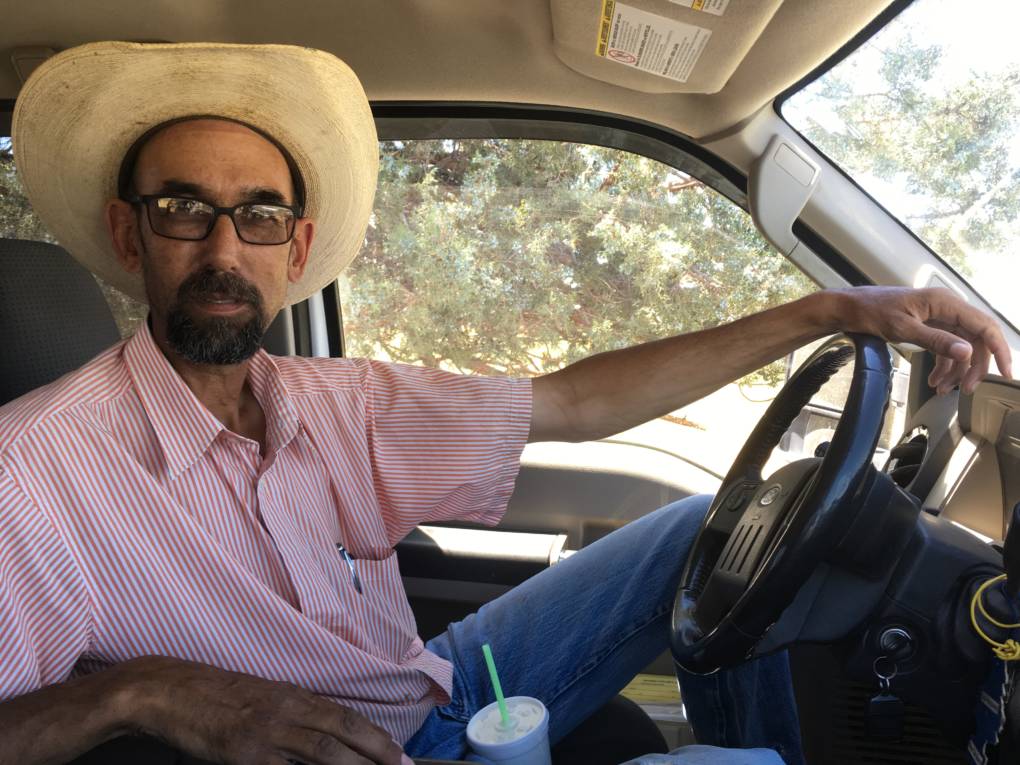
"caption": "Aaron Albaugh runs a cattle ranch in Lassen County. Living in a remote area, he says he's learned to \"do without\" a lot of things, including health care.",
"description": null,
"title": "Aaron Albaugh",
"credit": "April Dembosky/KQED",
"status": "inherit",
"isLoading": false,
"fetchFailed": false
},
"news_11549700": {
"type": "attachments",
"id": "news_11549700",
"meta": {
"index": "attachments_1716263798",
"site": "news",
"id": "11549700",
"found": true
},
"parent": 11549495,
"imgSizes": {
"small": {
"file": "https://ww2.kqed.org/app/uploads/sites/10/2017/07/PhysiciansMain-520x346.jpg",
"width": 520,
"mimeType": "image/jpeg",
"height": 346
},
"twentyfourteen-full-width": {
"file": "https://ww2.kqed.org/app/uploads/sites/10/2017/07/PhysiciansMain-1038x576.jpg",
"width": 1038,
"mimeType": "image/jpeg",
"height": 576
},
"thumbnail": {
"file": "https://ww2.kqed.org/app/uploads/sites/10/2017/07/PhysiciansMain-160x106.jpg",
"width": 160,
"mimeType": "image/jpeg",
"height": 106
},
"fd-sm": {
"file": "https://ww2.kqed.org/app/uploads/sites/10/2017/07/PhysiciansMain-960x639.jpg",
"width": 960,
"mimeType": "image/jpeg",
"height": 639
},
"post-thumbnail": {
"file": "https://ww2.kqed.org/app/uploads/sites/10/2017/07/PhysiciansMain-672x372.jpg",
"width": 672,
"mimeType": "image/jpeg",
"height": 372
},
"xsmall": {
"file": "https://ww2.kqed.org/app/uploads/sites/10/2017/07/PhysiciansMain-375x249.jpg",
"width": 375,
"mimeType": "image/jpeg",
"height": 249
},
"kqedFullSize": {
"file": "https://ww2.kqed.org/app/uploads/sites/10/2017/07/PhysiciansMain.jpg",
"width": 1920,
"height": 1277
},
"large": {
"file": "https://ww2.kqed.org/app/uploads/sites/10/2017/07/PhysiciansMain-1020x678.jpg",
"width": 1020,
"mimeType": "image/jpeg",
"height": 678
},
"xlarge": {
"file": "https://ww2.kqed.org/app/uploads/sites/10/2017/07/PhysiciansMain-1180x785.jpg",
"width": 1180,
"mimeType": "image/jpeg",
"height": 785
},
"guest-author-50": {
"file": "https://ww2.kqed.org/app/uploads/sites/10/2017/07/PhysiciansMain-50x50.jpg",
"width": 50,
"mimeType": "image/jpeg",
"height": 50
},
"guest-author-96": {
"file": "https://ww2.kqed.org/app/uploads/sites/10/2017/07/PhysiciansMain-96x96.jpg",
"width": 96,
"mimeType": "image/jpeg",
"height": 96
},
"medium": {
"file": "https://ww2.kqed.org/app/uploads/sites/10/2017/07/PhysiciansMain-800x532.jpg",
"width": 800,
"mimeType": "image/jpeg",
"height": 532
},
"guest-author-64": {
"file": "https://ww2.kqed.org/app/uploads/sites/10/2017/07/PhysiciansMain-64x64.jpg",
"width": 64,
"mimeType": "image/jpeg",
"height": 64
},
"guest-author-32": {
"file": "https://ww2.kqed.org/app/uploads/sites/10/2017/07/PhysiciansMain-32x32.jpg",
"width": 32,
"mimeType": "image/jpeg",
"height": 32
},
"fd-lrg": {
"file": "https://ww2.kqed.org/app/uploads/sites/10/2017/07/PhysiciansMain-1920x1277.jpg",
"width": 1920,
"mimeType": "image/jpeg",
"height": 1277
},
"fd-med": {
"file": "https://ww2.kqed.org/app/uploads/sites/10/2017/07/PhysiciansMain-1180x785.jpg",
"width": 1180,
"mimeType": "image/jpeg",
"height": 785
},
"full-width": {
"file": "https://ww2.kqed.org/app/uploads/sites/10/2017/07/PhysiciansMain-1920x1277.jpg",
"width": 1920,
"mimeType": "image/jpeg",
"height": 1277
},
"detail": {
"file": "https://ww2.kqed.org/app/uploads/sites/10/2017/07/PhysiciansMain-150x150.jpg",
"width": 150,
"mimeType": "image/jpeg",
"height": 150
},
"guest-author-128": {
"file": "https://ww2.kqed.org/app/uploads/sites/10/2017/07/PhysiciansMain-128x128.jpg",
"width": 128,
"mimeType": "image/jpeg",
"height": 128
},
"xxsmall": {
"file": "https://ww2.kqed.org/app/uploads/sites/10/2017/07/PhysiciansMain-240x160.jpg",
"width": 240,
"mimeType": "image/jpeg",
"height": 160
}
},
"publishDate": 1499285712,
"modified": 1499285791,
"caption": "Doctors Rudy Silva and Lily Assefa work with pediatric pharmacist Nancy Chang at the Loma Linda University Medical Center.",
"description": "Doctors Rudy Silva and Lily Assefa work with pediatric pharmacist Nancy Chang at the Loma Linda University Medical Center.",
"title": "PhysiciansMain",
"credit": "Daryl Barker/KPCC",
"status": "inherit",
"isLoading": false,
"fetchFailed": false
},
"news_11546454": {
"type": "attachments",
"id": "news_11546454",
"meta": {
"index": "attachments_1716263798",
"site": "news",
"id": "11546454",
"found": true
},
"parent": 11546368,
"imgSizes": {
"small": {
"file": "https://ww2.kqed.org/app/uploads/sites/10/2017/07/Harris-520x390.jpg",
"width": 520,
"mimeType": "image/jpeg",
"height": 390
},
"twentyfourteen-full-width": {
"file": "https://ww2.kqed.org/app/uploads/sites/10/2017/07/Harris-1038x576.jpg",
"width": 1038,
"mimeType": "image/jpeg",
"height": 576
},
"thumbnail": {
"file": "https://ww2.kqed.org/app/uploads/sites/10/2017/07/Harris-160x120.jpg",
"width": 160,
"mimeType": "image/jpeg",
"height": 120
},
"fd-sm": {
"file": "https://ww2.kqed.org/app/uploads/sites/10/2017/07/Harris-960x720.jpg",
"width": 960,
"mimeType": "image/jpeg",
"height": 720
},
"post-thumbnail": {
"file": "https://ww2.kqed.org/app/uploads/sites/10/2017/07/Harris-672x372.jpg",
"width": 672,
"mimeType": "image/jpeg",
"height": 372
},
"xsmall": {
"file": "https://ww2.kqed.org/app/uploads/sites/10/2017/07/Harris-375x281.jpg",
"width": 375,
"mimeType": "image/jpeg",
"height": 281
},
"kqedFullSize": {
"file": "https://ww2.kqed.org/app/uploads/sites/10/2017/07/Harris.jpg",
"width": 4032,
"height": 3024
},
"large": {
"file": "https://ww2.kqed.org/app/uploads/sites/10/2017/07/Harris-1020x765.jpg",
"width": 1020,
"mimeType": "image/jpeg",
"height": 765
},
"xlarge": {
"file": "https://ww2.kqed.org/app/uploads/sites/10/2017/07/Harris-1180x885.jpg",
"width": 1180,
"mimeType": "image/jpeg",
"height": 885
},
"guest-author-50": {
"file": "https://ww2.kqed.org/app/uploads/sites/10/2017/07/Harris-50x50.jpg",
"width": 50,
"mimeType": "image/jpeg",
"height": 50
},
"guest-author-96": {
"file": "https://ww2.kqed.org/app/uploads/sites/10/2017/07/Harris-96x96.jpg",
"width": 96,
"mimeType": "image/jpeg",
"height": 96
},
"medium": {
"file": "https://ww2.kqed.org/app/uploads/sites/10/2017/07/Harris-800x600.jpg",
"width": 800,
"mimeType": "image/jpeg",
"height": 600
},
"guest-author-64": {
"file": "https://ww2.kqed.org/app/uploads/sites/10/2017/07/Harris-64x64.jpg",
"width": 64,
"mimeType": "image/jpeg",
"height": 64
},
"guest-author-32": {
"file": "https://ww2.kqed.org/app/uploads/sites/10/2017/07/Harris-32x32.jpg",
"width": 32,
"mimeType": "image/jpeg",
"height": 32
},
"fd-lrg": {
"file": "https://ww2.kqed.org/app/uploads/sites/10/2017/07/Harris-1920x1440.jpg",
"width": 1920,
"mimeType": "image/jpeg",
"height": 1440
},
"fd-med": {
"file": "https://ww2.kqed.org/app/uploads/sites/10/2017/07/Harris-1180x885.jpg",
"width": 1180,
"mimeType": "image/jpeg",
"height": 885
},
"full-width": {
"file": "https://ww2.kqed.org/app/uploads/sites/10/2017/07/Harris-1920x1440.jpg",
"width": 1920,
"mimeType": "image/jpeg",
"height": 1440
},
"detail": {
"file": "https://ww2.kqed.org/app/uploads/sites/10/2017/07/Harris-150x150.jpg",
"width": 150,
"mimeType": "image/jpeg",
"height": 150
},
"guest-author-128": {
"file": "https://ww2.kqed.org/app/uploads/sites/10/2017/07/Harris-128x128.jpg",
"width": 128,
"mimeType": "image/jpeg",
"height": 128
},
"xxsmall": {
"file": "https://ww2.kqed.org/app/uploads/sites/10/2017/07/Harris-240x180.jpg",
"width": 240,
"mimeType": "image/jpeg",
"height": 180
}
},
"publishDate": 1499131077,
"modified": 1499291729,
"caption": "Sen. Kamala Harris tours the Institute on Aging in San Francisco on July 3, 2017. ",
"description": null,
"title": "Harris",
"credit": "Guy Marzorati/KQED",
"status": "inherit",
"isLoading": false,
"fetchFailed": false
},
"news_11540909": {
"type": "attachments",
"id": "news_11540909",
"meta": {
"index": "attachments_1716263798",
"site": "news",
"id": "11540909",
"found": true
},
"parent": 11538907,
"imgSizes": {
"small": {
"file": "https://ww2.kqed.org/app/uploads/sites/10/2017/06/Daniel-Yapo-520x390.jpg",
"width": 520,
"mimeType": "image/jpeg",
"height": 390
},
"twentyfourteen-full-width": {
"file": "https://ww2.kqed.org/app/uploads/sites/10/2017/06/Daniel-Yapo-1038x576.jpg",
"width": 1038,
"mimeType": "image/jpeg",
"height": 576
},
"thumbnail": {
"file": "https://ww2.kqed.org/app/uploads/sites/10/2017/06/Daniel-Yapo-160x120.jpg",
"width": 160,
"mimeType": "image/jpeg",
"height": 120
},
"fd-sm": {
"file": "https://ww2.kqed.org/app/uploads/sites/10/2017/06/Daniel-Yapo-960x720.jpg",
"width": 960,
"mimeType": "image/jpeg",
"height": 720
},
"post-thumbnail": {
"file": "https://ww2.kqed.org/app/uploads/sites/10/2017/06/Daniel-Yapo-672x372.jpg",
"width": 672,
"mimeType": "image/jpeg",
"height": 372
},
"xsmall": {
"file": "https://ww2.kqed.org/app/uploads/sites/10/2017/06/Daniel-Yapo-375x281.jpg",
"width": 375,
"mimeType": "image/jpeg",
"height": 281
},
"kqedFullSize": {
"file": "https://ww2.kqed.org/app/uploads/sites/10/2017/06/Daniel-Yapo.jpg",
"width": 4032,
"height": 3024
},
"large": {
"file": "https://ww2.kqed.org/app/uploads/sites/10/2017/06/Daniel-Yapo-1020x765.jpg",
"width": 1020,
"mimeType": "image/jpeg",
"height": 765
},
"xlarge": {
"file": "https://ww2.kqed.org/app/uploads/sites/10/2017/06/Daniel-Yapo-1180x885.jpg",
"width": 1180,
"mimeType": "image/jpeg",
"height": 885
},
"guest-author-50": {
"file": "https://ww2.kqed.org/app/uploads/sites/10/2017/06/Daniel-Yapo-50x50.jpg",
"width": 50,
"mimeType": "image/jpeg",
"height": 50
},
"guest-author-96": {
"file": "https://ww2.kqed.org/app/uploads/sites/10/2017/06/Daniel-Yapo-96x96.jpg",
"width": 96,
"mimeType": "image/jpeg",
"height": 96
},
"medium": {
"file": "https://ww2.kqed.org/app/uploads/sites/10/2017/06/Daniel-Yapo-800x600.jpg",
"width": 800,
"mimeType": "image/jpeg",
"height": 600
},
"guest-author-64": {
"file": "https://ww2.kqed.org/app/uploads/sites/10/2017/06/Daniel-Yapo-64x64.jpg",
"width": 64,
"mimeType": "image/jpeg",
"height": 64
},
"guest-author-32": {
"file": "https://ww2.kqed.org/app/uploads/sites/10/2017/06/Daniel-Yapo-32x32.jpg",
"width": 32,
"mimeType": "image/jpeg",
"height": 32
},
"fd-lrg": {
"file": "https://ww2.kqed.org/app/uploads/sites/10/2017/06/Daniel-Yapo-1920x1440.jpg",
"width": 1920,
"mimeType": "image/jpeg",
"height": 1440
},
"fd-med": {
"file": "https://ww2.kqed.org/app/uploads/sites/10/2017/06/Daniel-Yapo-1180x885.jpg",
"width": 1180,
"mimeType": "image/jpeg",
"height": 885
},
"full-width": {
"file": "https://ww2.kqed.org/app/uploads/sites/10/2017/06/Daniel-Yapo-1920x1440.jpg",
"width": 1920,
"mimeType": "image/jpeg",
"height": 1440
},
"detail": {
"file": "https://ww2.kqed.org/app/uploads/sites/10/2017/06/Daniel-Yapo-150x150.jpg",
"width": 150,
"mimeType": "image/jpeg",
"height": 150
},
"guest-author-128": {
"file": "https://ww2.kqed.org/app/uploads/sites/10/2017/06/Daniel-Yapo-128x128.jpg",
"width": 128,
"mimeType": "image/jpeg",
"height": 128
},
"xxsmall": {
"file": "https://ww2.kqed.org/app/uploads/sites/10/2017/06/Daniel-Yapo-240x180.jpg",
"width": 240,
"mimeType": "image/jpeg",
"height": 180
}
},
"publishDate": 1498847294,
"modified": 1498847338,
"caption": "Daniel Yapo, in the backyard of his new home in Oakland. ",
"description": null,
"title": "Daniel Yapo",
"credit": "Guy Marzorati/KQED",
"status": "inherit",
"isLoading": false,
"fetchFailed": false
},
"news_11541071": {
"type": "attachments",
"id": "news_11541071",
"meta": {
"index": "attachments_1716263798",
"site": "news",
"id": "11541071",
"found": true
},
"parent": 11541070,
"imgSizes": {
"small": {
"file": "https://ww2.kqed.org/app/uploads/sites/10/2017/06/437_Marquee_02-1-520x293.jpg",
"width": 520,
"mimeType": "image/jpeg",
"height": 293
},
"twentyfourteen-full-width": {
"file": "https://ww2.kqed.org/app/uploads/sites/10/2017/06/437_Marquee_02-1-1038x576.jpg",
"width": 1038,
"mimeType": "image/jpeg",
"height": 576
},
"thumbnail": {
"file": "https://ww2.kqed.org/app/uploads/sites/10/2017/06/437_Marquee_02-1-160x90.jpg",
"width": 160,
"mimeType": "image/jpeg",
"height": 90
},
"fd-sm": {
"file": "https://ww2.kqed.org/app/uploads/sites/10/2017/06/437_Marquee_02-1-960x540.jpg",
"width": 960,
"mimeType": "image/jpeg",
"height": 540
},
"post-thumbnail": {
"file": "https://ww2.kqed.org/app/uploads/sites/10/2017/06/437_Marquee_02-1-672x372.jpg",
"width": 672,
"mimeType": "image/jpeg",
"height": 372
},
"xsmall": {
"file": "https://ww2.kqed.org/app/uploads/sites/10/2017/06/437_Marquee_02-1-375x211.jpg",
"width": 375,
"mimeType": "image/jpeg",
"height": 211
},
"kqedFullSize": {
"file": "https://ww2.kqed.org/app/uploads/sites/10/2017/06/437_Marquee_02-1.jpg",
"width": 1280,
"height": 720
},
"large": {
"file": "https://ww2.kqed.org/app/uploads/sites/10/2017/06/437_Marquee_02-1-1020x574.jpg",
"width": 1020,
"mimeType": "image/jpeg",
"height": 574
},
"xlarge": {
"file": "https://ww2.kqed.org/app/uploads/sites/10/2017/06/437_Marquee_02-1-1180x664.jpg",
"width": 1180,
"mimeType": "image/jpeg",
"height": 664
},
"guest-author-50": {
"file": "https://ww2.kqed.org/app/uploads/sites/10/2017/06/437_Marquee_02-1-50x50.jpg",
"width": 50,
"mimeType": "image/jpeg",
"height": 50
},
"guest-author-96": {
"file": "https://ww2.kqed.org/app/uploads/sites/10/2017/06/437_Marquee_02-1-96x96.jpg",
"width": 96,
"mimeType": "image/jpeg",
"height": 96
},
"medium": {
"file": "https://ww2.kqed.org/app/uploads/sites/10/2017/06/437_Marquee_02-1-800x450.jpg",
"width": 800,
"mimeType": "image/jpeg",
"height": 450
},
"guest-author-64": {
"file": "https://ww2.kqed.org/app/uploads/sites/10/2017/06/437_Marquee_02-1-64x64.jpg",
"width": 64,
"mimeType": "image/jpeg",
"height": 64
},
"guest-author-32": {
"file": "https://ww2.kqed.org/app/uploads/sites/10/2017/06/437_Marquee_02-1-32x32.jpg",
"width": 32,
"mimeType": "image/jpeg",
"height": 32
},
"fd-med": {
"file": "https://ww2.kqed.org/app/uploads/sites/10/2017/06/437_Marquee_02-1-1180x664.jpg",
"width": 1180,
"mimeType": "image/jpeg",
"height": 664
},
"detail": {
"file": "https://ww2.kqed.org/app/uploads/sites/10/2017/06/437_Marquee_02-1-150x150.jpg",
"width": 150,
"mimeType": "image/jpeg",
"height": 150
},
"guest-author-128": {
"file": "https://ww2.kqed.org/app/uploads/sites/10/2017/06/437_Marquee_02-1-128x128.jpg",
"width": 128,
"mimeType": "image/jpeg",
"height": 128
},
"xxsmall": {
"file": "https://ww2.kqed.org/app/uploads/sites/10/2017/06/437_Marquee_02-1-240x135.jpg",
"width": 240,
"mimeType": "image/jpeg",
"height": 135
}
},
"publishDate": 1498859655,
"modified": 1498859655,
"caption": null,
"description": null,
"title": "437_Marquee_02 (1)",
"credit": null,
"status": "inherit",
"isLoading": false,
"fetchFailed": false
},
"stateofhealth_348689": {
"type": "attachments",
"id": "stateofhealth_348689",
"meta": {
"index": "attachments_1716263798",
"site": "stateofhealth",
"id": "348689",
"found": true
},
"parent": 348688,
"imgSizes": {
"small": {
"file": "https://ww2.kqed.org/app/uploads/sites/27/2017/06/nursing-home-2-ca2ec686426d3b9ecf37a4785c3792cd5348cca2-520x390.jpg",
"width": 520,
"mimeType": "image/jpeg",
"height": 390
},
"twentyfourteen-full-width": {
"file": "https://ww2.kqed.org/app/uploads/sites/27/2017/06/nursing-home-2-ca2ec686426d3b9ecf37a4785c3792cd5348cca2-1038x576.jpg",
"width": 1038,
"mimeType": "image/jpeg",
"height": 576
},
"thumbnail": {
"file": "https://ww2.kqed.org/app/uploads/sites/27/2017/06/nursing-home-2-ca2ec686426d3b9ecf37a4785c3792cd5348cca2-160x120.jpg",
"width": 160,
"mimeType": "image/jpeg",
"height": 120
},
"fd-sm": {
"file": "https://ww2.kqed.org/app/uploads/sites/27/2017/06/nursing-home-2-ca2ec686426d3b9ecf37a4785c3792cd5348cca2-960x720.jpg",
"width": 960,
"mimeType": "image/jpeg",
"height": 720
},
"post-thumbnail": {
"file": "https://ww2.kqed.org/app/uploads/sites/27/2017/06/nursing-home-2-ca2ec686426d3b9ecf37a4785c3792cd5348cca2-672x372.jpg",
"width": 672,
"mimeType": "image/jpeg",
"height": 372
},
"xsmall": {
"file": "https://ww2.kqed.org/app/uploads/sites/27/2017/06/nursing-home-2-ca2ec686426d3b9ecf37a4785c3792cd5348cca2-375x281.jpg",
"width": 375,
"mimeType": "image/jpeg",
"height": 281
},
"kqedFullSize": {
"file": "https://ww2.kqed.org/app/uploads/sites/27/2017/06/nursing-home-2-ca2ec686426d3b9ecf37a4785c3792cd5348cca2.jpg",
"width": 1998,
"height": 1499
},
"large": {
"file": "https://ww2.kqed.org/app/uploads/sites/27/2017/06/nursing-home-2-ca2ec686426d3b9ecf37a4785c3792cd5348cca2-1020x765.jpg",
"width": 1020,
"mimeType": "image/jpeg",
"height": 765
},
"xlarge": {
"file": "https://ww2.kqed.org/app/uploads/sites/27/2017/06/nursing-home-2-ca2ec686426d3b9ecf37a4785c3792cd5348cca2-1180x885.jpg",
"width": 1180,
"mimeType": "image/jpeg",
"height": 885
},
"guest-author-50": {
"file": "https://ww2.kqed.org/app/uploads/sites/27/2017/06/nursing-home-2-ca2ec686426d3b9ecf37a4785c3792cd5348cca2-50x50.jpg",
"width": 50,
"mimeType": "image/jpeg",
"height": 50
},
"guest-author-96": {
"file": "https://ww2.kqed.org/app/uploads/sites/27/2017/06/nursing-home-2-ca2ec686426d3b9ecf37a4785c3792cd5348cca2-96x96.jpg",
"width": 96,
"mimeType": "image/jpeg",
"height": 96
},
"medium": {
"file": "https://ww2.kqed.org/app/uploads/sites/27/2017/06/nursing-home-2-ca2ec686426d3b9ecf37a4785c3792cd5348cca2-800x600.jpg",
"width": 800,
"mimeType": "image/jpeg",
"height": 600
},
"guest-author-64": {
"file": "https://ww2.kqed.org/app/uploads/sites/27/2017/06/nursing-home-2-ca2ec686426d3b9ecf37a4785c3792cd5348cca2-64x64.jpg",
"width": 64,
"mimeType": "image/jpeg",
"height": 64
},
"guest-author-32": {
"file": "https://ww2.kqed.org/app/uploads/sites/27/2017/06/nursing-home-2-ca2ec686426d3b9ecf37a4785c3792cd5348cca2-32x32.jpg",
"width": 32,
"mimeType": "image/jpeg",
"height": 32
},
"fd-lrg": {
"file": "https://ww2.kqed.org/app/uploads/sites/27/2017/06/nursing-home-2-ca2ec686426d3b9ecf37a4785c3792cd5348cca2-1920x1440.jpg",
"width": 1920,
"mimeType": "image/jpeg",
"height": 1440
},
"fd-med": {
"file": "https://ww2.kqed.org/app/uploads/sites/27/2017/06/nursing-home-2-ca2ec686426d3b9ecf37a4785c3792cd5348cca2-1180x885.jpg",
"width": 1180,
"mimeType": "image/jpeg",
"height": 885
},
"full-width": {
"file": "https://ww2.kqed.org/app/uploads/sites/27/2017/06/nursing-home-2-ca2ec686426d3b9ecf37a4785c3792cd5348cca2-1920x1440.jpg",
"width": 1920,
"mimeType": "image/jpeg",
"height": 1440
},
"detail": {
"file": "https://ww2.kqed.org/app/uploads/sites/27/2017/06/nursing-home-2-ca2ec686426d3b9ecf37a4785c3792cd5348cca2-150x150.jpg",
"width": 150,
"mimeType": "image/jpeg",
"height": 150
},
"medium_large": {
"file": "https://ww2.kqed.org/app/uploads/sites/27/2017/06/nursing-home-2-ca2ec686426d3b9ecf37a4785c3792cd5348cca2-768x576.jpg",
"width": 768,
"mimeType": "image/jpeg",
"height": 576
},
"guest-author-128": {
"file": "https://ww2.kqed.org/app/uploads/sites/27/2017/06/nursing-home-2-ca2ec686426d3b9ecf37a4785c3792cd5348cca2-128x128.jpg",
"width": 128,
"mimeType": "image/jpeg",
"height": 128
},
"xxsmall": {
"file": "https://ww2.kqed.org/app/uploads/sites/27/2017/06/nursing-home-2-ca2ec686426d3b9ecf37a4785c3792cd5348cca2-240x180.jpg",
"width": 240,
"mimeType": "image/jpeg",
"height": 180
}
},
"publishDate": 1498775115,
"modified": 1498776085,
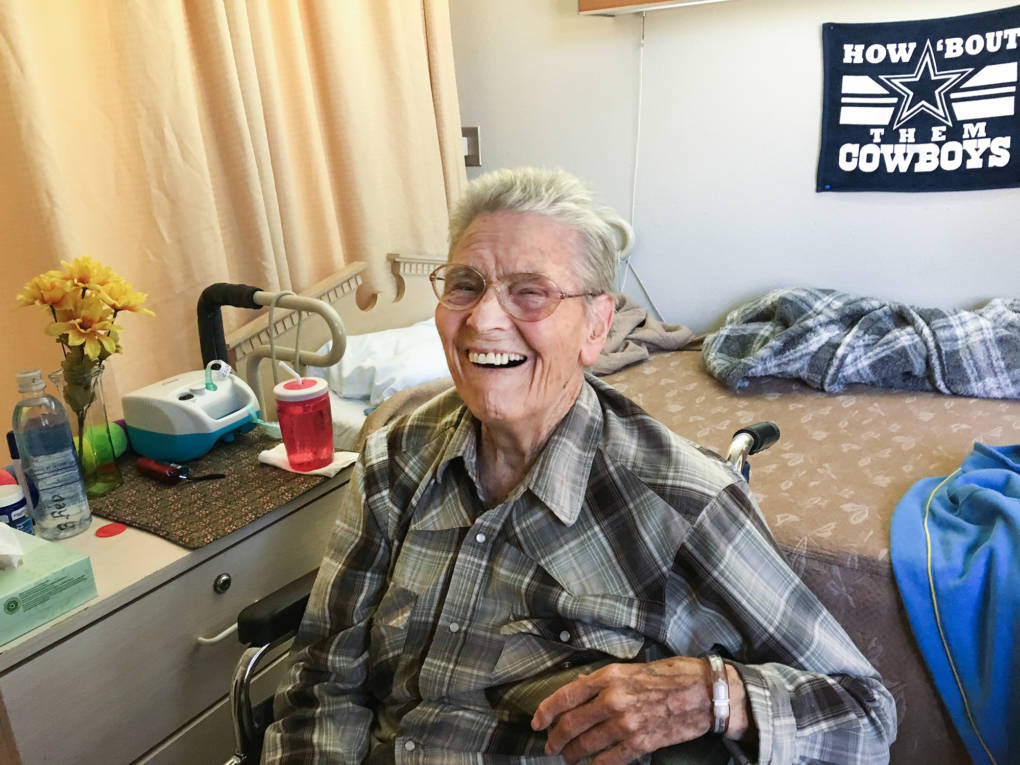
"caption": "Former bookkeeper Betty Redlin, 88, broke a hip a few years ago and was never able to walk again. She's on Medi-Cal, California's version of Medicaid.",
"description": "Former bookkeeper Betty Redlin, 88, broke a hip a few years ago and was never able to walk again. She's on Medi-Cal, California's version of Medicaid.",
"title": "Former bookkeeper Betty Redlin, 88, broke a hip a few years ago and was never able to walk again. She's on Medi-Cal, California's version of Medicaid.",
"credit": "Ina Jaffe/NPR",
"status": "inherit",
"isLoading": false,
"fetchFailed": false
},
"stateofhealth_348436": {
"type": "attachments",
"id": "stateofhealth_348436",
"meta": {
"index": "attachments_1716263798",
"site": "stateofhealth",
"id": "348436",
"found": true
},
"parent": 348243,
"imgSizes": {
"small": {
"file": "https://ww2.kqed.org/app/uploads/sites/27/2017/06/Greta-Elliott-520x390.jpg",
"width": 520,
"mimeType": "image/jpeg",
"height": 390
},
"twentyfourteen-full-width": {
"file": "https://ww2.kqed.org/app/uploads/sites/27/2017/06/Greta-Elliott-1038x576.jpg",
"width": 1038,
"mimeType": "image/jpeg",
"height": 576
},
"thumbnail": {
"file": "https://ww2.kqed.org/app/uploads/sites/27/2017/06/Greta-Elliott-160x120.jpg",
"width": 160,
"mimeType": "image/jpeg",
"height": 120
},
"fd-sm": {
"file": "https://ww2.kqed.org/app/uploads/sites/27/2017/06/Greta-Elliott-960x720.jpg",
"width": 960,
"mimeType": "image/jpeg",
"height": 720
},
"post-thumbnail": {
"file": "https://ww2.kqed.org/app/uploads/sites/27/2017/06/Greta-Elliott-672x372.jpg",
"width": 672,
"mimeType": "image/jpeg",
"height": 372
},
"xsmall": {
"file": "https://ww2.kqed.org/app/uploads/sites/27/2017/06/Greta-Elliott-375x281.jpg",
"width": 375,
"mimeType": "image/jpeg",
"height": 281
},
"kqedFullSize": {
"file": "https://ww2.kqed.org/app/uploads/sites/27/2017/06/Greta-Elliott-e1498675622942.jpg",
"width": 1920,
"height": 1440
},
"large": {
"file": "https://ww2.kqed.org/app/uploads/sites/27/2017/06/Greta-Elliott-1020x765.jpg",
"width": 1020,
"mimeType": "image/jpeg",
"height": 765
},
"xlarge": {
"file": "https://ww2.kqed.org/app/uploads/sites/27/2017/06/Greta-Elliott-1180x885.jpg",
"width": 1180,
"mimeType": "image/jpeg",
"height": 885
},
"guest-author-50": {
"file": "https://ww2.kqed.org/app/uploads/sites/27/2017/06/Greta-Elliott-50x50.jpg",
"width": 50,
"mimeType": "image/jpeg",
"height": 50
},
"guest-author-96": {
"file": "https://ww2.kqed.org/app/uploads/sites/27/2017/06/Greta-Elliott-96x96.jpg",
"width": 96,
"mimeType": "image/jpeg",
"height": 96
},
"medium": {
"file": "https://ww2.kqed.org/app/uploads/sites/27/2017/06/Greta-Elliott-800x600.jpg",
"width": 800,
"mimeType": "image/jpeg",
"height": 600
},
"guest-author-64": {
"file": "https://ww2.kqed.org/app/uploads/sites/27/2017/06/Greta-Elliott-64x64.jpg",
"width": 64,
"mimeType": "image/jpeg",
"height": 64
},
"guest-author-32": {
"file": "https://ww2.kqed.org/app/uploads/sites/27/2017/06/Greta-Elliott-32x32.jpg",
"width": 32,
"mimeType": "image/jpeg",
"height": 32
},
"fd-lrg": {
"file": "https://ww2.kqed.org/app/uploads/sites/27/2017/06/Greta-Elliott-1920x1440.jpg",
"width": 1920,
"mimeType": "image/jpeg",
"height": 1440
},
"fd-med": {
"file": "https://ww2.kqed.org/app/uploads/sites/27/2017/06/Greta-Elliott-1180x885.jpg",
"width": 1180,
"mimeType": "image/jpeg",
"height": 885
},
"full-width": {
"file": "https://ww2.kqed.org/app/uploads/sites/27/2017/06/Greta-Elliott-1920x1440.jpg",
"width": 1920,
"mimeType": "image/jpeg",
"height": 1440
},
"detail": {
"file": "https://ww2.kqed.org/app/uploads/sites/27/2017/06/Greta-Elliott-150x150.jpg",
"width": 150,
"mimeType": "image/jpeg",
"height": 150
},
"medium_large": {
"file": "https://ww2.kqed.org/app/uploads/sites/27/2017/06/Greta-Elliott-768x576.jpg",
"width": 768,
"mimeType": "image/jpeg",
"height": 576
},
"guest-author-128": {
"file": "https://ww2.kqed.org/app/uploads/sites/27/2017/06/Greta-Elliott-128x128.jpg",
"width": 128,
"mimeType": "image/jpeg",
"height": 128
},
"xxsmall": {
"file": "https://ww2.kqed.org/app/uploads/sites/27/2017/06/Greta-Elliott-240x180.jpg",
"width": 240,
"mimeType": "image/jpeg",
"height": 180
}
},
"publishDate": 1498675586,
"modified": 1498675934,
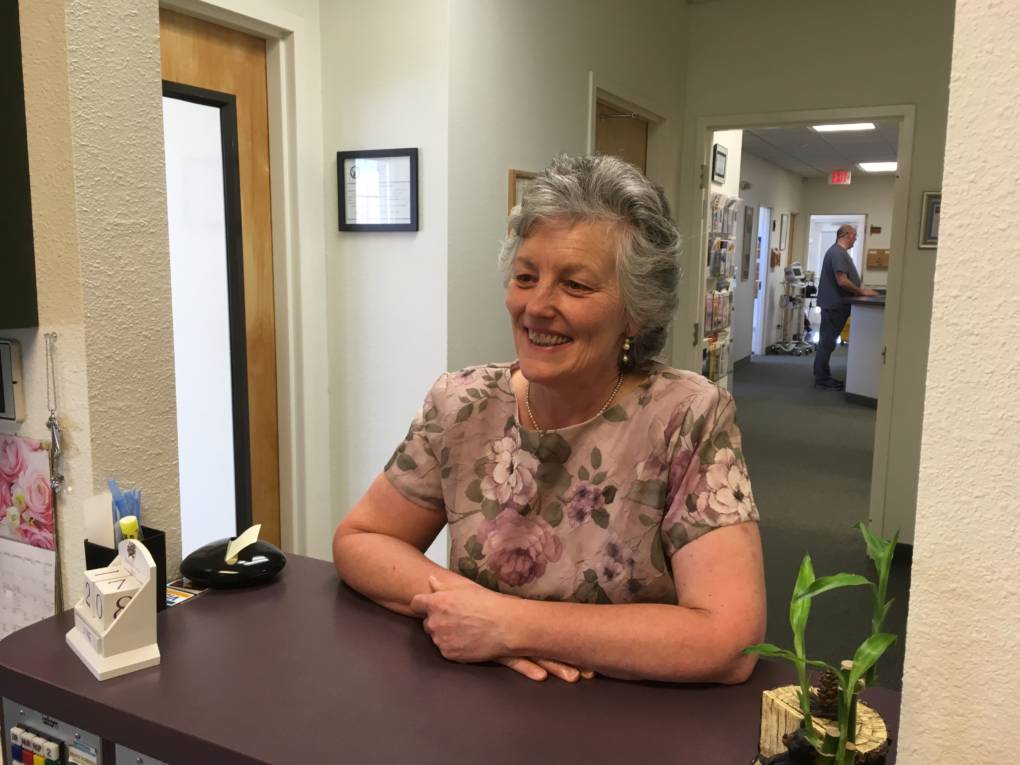
"caption": "Greta Elliott talks to her staff at the Canby Family Practice Clinic in Modoc County.",
"description": "Greta Elliott talks to her staff at the Canby Family Practice Clinic in Modoc County.",
"title": "Greta Elliott",
"credit": "April Dembosky/KQED",
"status": "inherit",
"isLoading": false,
"fetchFailed": false
},
"stateofhealth_348225": {
"type": "attachments",
"id": "stateofhealth_348225",
"meta": {
"index": "attachments_1716263798",
"site": "stateofhealth",
"id": "348225",
"found": true
},
"parent": 348224,
"imgSizes": {
"small": {
"file": "https://ww2.kqed.org/app/uploads/sites/27/2017/06/DiFi_Harris_GettyImages-674032596-qut-520x409.jpg",
"width": 520,
"mimeType": "image/jpeg",
"height": 409
},
"twentyfourteen-full-width": {
"file": "https://ww2.kqed.org/app/uploads/sites/27/2017/06/DiFi_Harris_GettyImages-674032596-qut-1038x576.jpg",
"width": 1038,
"mimeType": "image/jpeg",
"height": 576
},
"thumbnail": {
"file": "https://ww2.kqed.org/app/uploads/sites/27/2017/06/DiFi_Harris_GettyImages-674032596-qut-160x126.jpg",
"width": 160,
"mimeType": "image/jpeg",
"height": 126
},
"fd-sm": {
"file": "https://ww2.kqed.org/app/uploads/sites/27/2017/06/DiFi_Harris_GettyImages-674032596-qut-960x755.jpg",
"width": 960,
"mimeType": "image/jpeg",
"height": 755
},
"post-thumbnail": {
"file": "https://ww2.kqed.org/app/uploads/sites/27/2017/06/DiFi_Harris_GettyImages-674032596-qut-672x372.jpg",
"width": 672,
"mimeType": "image/jpeg",
"height": 372
},
"xsmall": {
"file": "https://ww2.kqed.org/app/uploads/sites/27/2017/06/DiFi_Harris_GettyImages-674032596-qut-375x295.jpg",
"width": 375,
"mimeType": "image/jpeg",
"height": 295
},
"kqedFullSize": {
"file": "https://ww2.kqed.org/app/uploads/sites/27/2017/06/DiFi_Harris_GettyImages-674032596-qut.jpg",
"width": 1920,
"height": 1510
},
"large": {
"file": "https://ww2.kqed.org/app/uploads/sites/27/2017/06/DiFi_Harris_GettyImages-674032596-qut-1020x802.jpg",
"width": 1020,
"mimeType": "image/jpeg",
"height": 802
},
"xlarge": {
"file": "https://ww2.kqed.org/app/uploads/sites/27/2017/06/DiFi_Harris_GettyImages-674032596-qut-1180x928.jpg",
"width": 1180,
"mimeType": "image/jpeg",
"height": 928
},
"guest-author-50": {
"file": "https://ww2.kqed.org/app/uploads/sites/27/2017/06/DiFi_Harris_GettyImages-674032596-qut-50x50.jpg",
"width": 50,
"mimeType": "image/jpeg",
"height": 50
},
"guest-author-96": {
"file": "https://ww2.kqed.org/app/uploads/sites/27/2017/06/DiFi_Harris_GettyImages-674032596-qut-96x96.jpg",
"width": 96,
"mimeType": "image/jpeg",
"height": 96
},
"medium": {
"file": "https://ww2.kqed.org/app/uploads/sites/27/2017/06/DiFi_Harris_GettyImages-674032596-qut-800x629.jpg",
"width": 800,
"mimeType": "image/jpeg",
"height": 629
},
"guest-author-64": {
"file": "https://ww2.kqed.org/app/uploads/sites/27/2017/06/DiFi_Harris_GettyImages-674032596-qut-64x64.jpg",
"width": 64,
"mimeType": "image/jpeg",
"height": 64
},
"guest-author-32": {
"file": "https://ww2.kqed.org/app/uploads/sites/27/2017/06/DiFi_Harris_GettyImages-674032596-qut-32x32.jpg",
"width": 32,
"mimeType": "image/jpeg",
"height": 32
},
"fd-lrg": {
"file": "https://ww2.kqed.org/app/uploads/sites/27/2017/06/DiFi_Harris_GettyImages-674032596-qut-1920x1510.jpg",
"width": 1920,
"mimeType": "image/jpeg",
"height": 1510
},
"fd-med": {
"file": "https://ww2.kqed.org/app/uploads/sites/27/2017/06/DiFi_Harris_GettyImages-674032596-qut-1180x928.jpg",
"width": 1180,
"mimeType": "image/jpeg",
"height": 928
},
"full-width": {
"file": "https://ww2.kqed.org/app/uploads/sites/27/2017/06/DiFi_Harris_GettyImages-674032596-qut-1920x1510.jpg",
"width": 1920,
"mimeType": "image/jpeg",
"height": 1510
},
"detail": {
"file": "https://ww2.kqed.org/app/uploads/sites/27/2017/06/DiFi_Harris_GettyImages-674032596-qut-150x150.jpg",
"width": 150,
"mimeType": "image/jpeg",
"height": 150
},
"medium_large": {
"file": "https://ww2.kqed.org/app/uploads/sites/27/2017/06/DiFi_Harris_GettyImages-674032596-qut-768x604.jpg",
"width": 768,
"mimeType": "image/jpeg",
"height": 604
},
"guest-author-128": {
"file": "https://ww2.kqed.org/app/uploads/sites/27/2017/06/DiFi_Harris_GettyImages-674032596-qut-128x128.jpg",
"width": 128,
"mimeType": "image/jpeg",
"height": 128
},
"xxsmall": {
"file": "https://ww2.kqed.org/app/uploads/sites/27/2017/06/DiFi_Harris_GettyImages-674032596-qut-240x189.jpg",
"width": 240,
"mimeType": "image/jpeg",
"height": 189
}
},
"publishDate": 1498603487,
"modified": 1498603604,
"caption": "Sen. Dianne Feinstein (D-CA), left, walks with Sen. Kamala Harris (D-CA) and Sen. Mark Warner (D-VA) (C), to a meeting of the Senate Select Committee on Intelligence in April.",
"description": null,
"title": "Senate Intelligence Committee Holds Closed Briefing",
"credit": "Mark Wilson/Getty Images",
"status": "inherit",
"isLoading": false,
"fetchFailed": false
},
"news_11535500": {
"type": "attachments",
"id": "news_11535500",
"meta": {
"index": "attachments_1716263798",
"site": "news",
"id": "11535500",
"found": true
},
"parent": 11535275,
"imgSizes": {
"small": {
"file": "https://ww2.kqed.org/app/uploads/sites/10/2017/06/MitchMcConnell-520x347.jpg",
"width": 520,
"mimeType": "image/jpeg",
"height": 347
},
"twentyfourteen-full-width": {
"file": "https://ww2.kqed.org/app/uploads/sites/10/2017/06/MitchMcConnell-1038x576.jpg",
"width": 1038,
"mimeType": "image/jpeg",
"height": 576
},
"thumbnail": {
"file": "https://ww2.kqed.org/app/uploads/sites/10/2017/06/MitchMcConnell-160x107.jpg",
"width": 160,
"mimeType": "image/jpeg",
"height": 107
},
"fd-sm": {
"file": "https://ww2.kqed.org/app/uploads/sites/10/2017/06/MitchMcConnell-960x640.jpg",
"width": 960,
"mimeType": "image/jpeg",
"height": 640
},
"post-thumbnail": {
"file": "https://ww2.kqed.org/app/uploads/sites/10/2017/06/MitchMcConnell-672x372.jpg",
"width": 672,
"mimeType": "image/jpeg",
"height": 372
},
"xsmall": {
"file": "https://ww2.kqed.org/app/uploads/sites/10/2017/06/MitchMcConnell-375x250.jpg",
"width": 375,
"mimeType": "image/jpeg",
"height": 250
},
"kqedFullSize": {
"file": "https://ww2.kqed.org/app/uploads/sites/10/2017/06/MitchMcConnell.jpg",
"width": 1920,
"height": 1280
},
"large": {
"file": "https://ww2.kqed.org/app/uploads/sites/10/2017/06/MitchMcConnell-1020x680.jpg",
"width": 1020,
"mimeType": "image/jpeg",
"height": 680
},
"xlarge": {
"file": "https://ww2.kqed.org/app/uploads/sites/10/2017/06/MitchMcConnell-1180x787.jpg",
"width": 1180,
"mimeType": "image/jpeg",
"height": 787
},
"guest-author-50": {
"file": "https://ww2.kqed.org/app/uploads/sites/10/2017/06/MitchMcConnell-50x50.jpg",
"width": 50,
"mimeType": "image/jpeg",
"height": 50
},
"guest-author-96": {
"file": "https://ww2.kqed.org/app/uploads/sites/10/2017/06/MitchMcConnell-96x96.jpg",
"width": 96,
"mimeType": "image/jpeg",
"height": 96
},
"medium": {
"file": "https://ww2.kqed.org/app/uploads/sites/10/2017/06/MitchMcConnell-800x533.jpg",
"width": 800,
"mimeType": "image/jpeg",
"height": 533
},
"guest-author-64": {
"file": "https://ww2.kqed.org/app/uploads/sites/10/2017/06/MitchMcConnell-64x64.jpg",
"width": 64,
"mimeType": "image/jpeg",
"height": 64
},
"guest-author-32": {
"file": "https://ww2.kqed.org/app/uploads/sites/10/2017/06/MitchMcConnell-32x32.jpg",
"width": 32,
"mimeType": "image/jpeg",
"height": 32
},
"fd-lrg": {
"file": "https://ww2.kqed.org/app/uploads/sites/10/2017/06/MitchMcConnell-1920x1280.jpg",
"width": 1920,
"mimeType": "image/jpeg",
"height": 1280
},
"fd-med": {
"file": "https://ww2.kqed.org/app/uploads/sites/10/2017/06/MitchMcConnell-1180x787.jpg",
"width": 1180,
"mimeType": "image/jpeg",
"height": 787
},
"full-width": {
"file": "https://ww2.kqed.org/app/uploads/sites/10/2017/06/MitchMcConnell-1920x1280.jpg",
"width": 1920,
"mimeType": "image/jpeg",
"height": 1280
},
"detail": {
"file": "https://ww2.kqed.org/app/uploads/sites/10/2017/06/MitchMcConnell-150x150.jpg",
"width": 150,
"mimeType": "image/jpeg",
"height": 150
},
"guest-author-128": {
"file": "https://ww2.kqed.org/app/uploads/sites/10/2017/06/MitchMcConnell-128x128.jpg",
"width": 128,
"mimeType": "image/jpeg",
"height": 128
},
"xxsmall": {
"file": "https://ww2.kqed.org/app/uploads/sites/10/2017/06/MitchMcConnell-240x160.jpg",
"width": 240,
"mimeType": "image/jpeg",
"height": 160
}
},
"publishDate": 1498594811,
"modified": 1498599504,
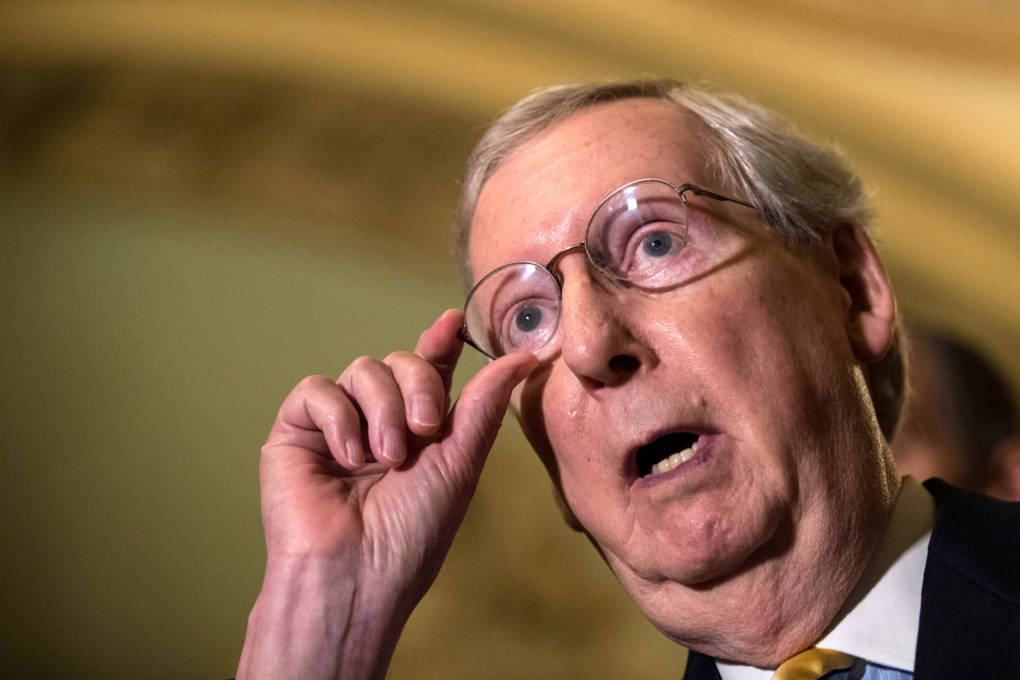
"caption": "Senate Majority Leader Mitch McConnell (R-KY) speaks during a press conference on June 27, 2017, in Washington, D.C. Senate GOP leaders announced they will delay a vote on their health care bill until after the July 4 recess. ",
"description": "Senate Majority Leader Mitch McConnell (R-KY) speaks during a press conference on June 27, 2017 in Washington, DC. Senate GOP leaders announced they will delay a vote on their health care bill until after the July 4 recess. ",
"title": "MitchMcConnell",
"credit": "Drew Angerer/Getty Images",
"status": "inherit",
"isLoading": false,
"fetchFailed": false
},
"news_11535378": {
"type": "attachments",
"id": "news_11535378",
"meta": {
"index": "attachments_1716263798",
"site": "news",
"id": "11535378",
"found": true
},
"parent": 11535298,
"imgSizes": {
"small": {
"file": "https://ww2.kqed.org/app/uploads/sites/10/2017/06/GettyImages-669539650-520x355.jpg",
"width": 520,
"mimeType": "image/jpeg",
"height": 355
},
"twentyfourteen-full-width": {
"file": "https://ww2.kqed.org/app/uploads/sites/10/2017/06/GettyImages-669539650-1038x576.jpg",
"width": 1038,
"mimeType": "image/jpeg",
"height": 576
},
"thumbnail": {
"file": "https://ww2.kqed.org/app/uploads/sites/10/2017/06/GettyImages-669539650-160x109.jpg",
"width": 160,
"mimeType": "image/jpeg",
"height": 109
},
"fd-sm": {
"file": "https://ww2.kqed.org/app/uploads/sites/10/2017/06/GettyImages-669539650-960x655.jpg",
"width": 960,
"mimeType": "image/jpeg",
"height": 655
},
"post-thumbnail": {
"file": "https://ww2.kqed.org/app/uploads/sites/10/2017/06/GettyImages-669539650-672x372.jpg",
"width": 672,
"mimeType": "image/jpeg",
"height": 372
},
"xsmall": {
"file": "https://ww2.kqed.org/app/uploads/sites/10/2017/06/GettyImages-669539650-375x256.jpg",
"width": 375,
"mimeType": "image/jpeg",
"height": 256
},
"kqedFullSize": {
"file": "https://ww2.kqed.org/app/uploads/sites/10/2017/06/GettyImages-669539650-e1498590411585.jpg",
"width": 1920,
"height": 1309
},
"large": {
"file": "https://ww2.kqed.org/app/uploads/sites/10/2017/06/GettyImages-669539650-1020x696.jpg",
"width": 1020,
"mimeType": "image/jpeg",
"height": 696
},
"xlarge": {
"file": "https://ww2.kqed.org/app/uploads/sites/10/2017/06/GettyImages-669539650-1180x805.jpg",
"width": 1180,
"mimeType": "image/jpeg",
"height": 805
},
"guest-author-50": {
"file": "https://ww2.kqed.org/app/uploads/sites/10/2017/06/GettyImages-669539650-50x50.jpg",
"width": 50,
"mimeType": "image/jpeg",
"height": 50
},
"guest-author-96": {
"file": "https://ww2.kqed.org/app/uploads/sites/10/2017/06/GettyImages-669539650-96x96.jpg",
"width": 96,
"mimeType": "image/jpeg",
"height": 96
},
"medium": {
"file": "https://ww2.kqed.org/app/uploads/sites/10/2017/06/GettyImages-669539650-800x546.jpg",
"width": 800,
"mimeType": "image/jpeg",
"height": 546
},
"guest-author-64": {
"file": "https://ww2.kqed.org/app/uploads/sites/10/2017/06/GettyImages-669539650-64x64.jpg",
"width": 64,
"mimeType": "image/jpeg",
"height": 64
},
"guest-author-32": {
"file": "https://ww2.kqed.org/app/uploads/sites/10/2017/06/GettyImages-669539650-32x32.jpg",
"width": 32,
"mimeType": "image/jpeg",
"height": 32
},
"fd-lrg": {
"file": "https://ww2.kqed.org/app/uploads/sites/10/2017/06/GettyImages-669539650-1920x1309.jpg",
"width": 1920,
"mimeType": "image/jpeg",
"height": 1309
},
"fd-med": {
"file": "https://ww2.kqed.org/app/uploads/sites/10/2017/06/GettyImages-669539650-1180x805.jpg",
"width": 1180,
"mimeType": "image/jpeg",
"height": 805
},
"full-width": {
"file": "https://ww2.kqed.org/app/uploads/sites/10/2017/06/GettyImages-669539650-1920x1309.jpg",
"width": 1920,
"mimeType": "image/jpeg",
"height": 1309
},
"detail": {
"file": "https://ww2.kqed.org/app/uploads/sites/10/2017/06/GettyImages-669539650-150x150.jpg",
"width": 150,
"mimeType": "image/jpeg",
"height": 150
},
"guest-author-128": {
"file": "https://ww2.kqed.org/app/uploads/sites/10/2017/06/GettyImages-669539650-128x128.jpg",
"width": 128,
"mimeType": "image/jpeg",
"height": 128
},
"xxsmall": {
"file": "https://ww2.kqed.org/app/uploads/sites/10/2017/06/GettyImages-669539650-240x164.jpg",
"width": 240,
"mimeType": "image/jpeg",
"height": 164
}
},
"publishDate": 1498590327,
"modified": 1498603110,
"caption": "U.S. Sen. Dianne Feinstein (D-CA) speaks during a town hall-style meeting at the San Francisco Scottish Rite Masonic Center on April 17, 2017.",
"description": null,
"title": "GettyImages-669539650",
"credit": "Justin Sullivan/Getty Images",
"status": "inherit",
"isLoading": false,
"fetchFailed": false
},
"news_11534062": {
"type": "attachments",
"id": "news_11534062",
"meta": {
"index": "attachments_1716263798",
"site": "news",
"id": "11534062",
"found": true
},
"parent": 11533917,
"imgSizes": {
"small": {
"file": "https://ww2.kqed.org/app/uploads/sites/10/2017/06/RS24341_Crowd-Healthy-CA-qut-520x390.jpg",
"width": 520,
"mimeType": "image/jpeg",
"height": 390
},
"twentyfourteen-full-width": {
"file": "https://ww2.kqed.org/app/uploads/sites/10/2017/06/RS24341_Crowd-Healthy-CA-qut-1038x576.jpg",
"width": 1038,
"mimeType": "image/jpeg",
"height": 576
},
"thumbnail": {
"file": "https://ww2.kqed.org/app/uploads/sites/10/2017/06/RS24341_Crowd-Healthy-CA-qut-160x120.jpg",
"width": 160,
"mimeType": "image/jpeg",
"height": 120
},
"fd-sm": {
"file": "https://ww2.kqed.org/app/uploads/sites/10/2017/06/RS24341_Crowd-Healthy-CA-qut-960x720.jpg",
"width": 960,
"mimeType": "image/jpeg",
"height": 720
},
"post-thumbnail": {
"file": "https://ww2.kqed.org/app/uploads/sites/10/2017/06/RS24341_Crowd-Healthy-CA-qut-672x372.jpg",
"width": 672,
"mimeType": "image/jpeg",
"height": 372
},
"xsmall": {
"file": "https://ww2.kqed.org/app/uploads/sites/10/2017/06/RS24341_Crowd-Healthy-CA-qut-375x281.jpg",
"width": 375,
"mimeType": "image/jpeg",
"height": 281
},
"kqedFullSize": {
"file": "https://ww2.kqed.org/app/uploads/sites/10/2017/06/RS24341_Crowd-Healthy-CA-qut.jpg",
"width": 1920,
"height": 1440
},
"large": {
"file": "https://ww2.kqed.org/app/uploads/sites/10/2017/06/RS24341_Crowd-Healthy-CA-qut-1020x765.jpg",
"width": 1020,
"mimeType": "image/jpeg",
"height": 765
},
"xlarge": {
"file": "https://ww2.kqed.org/app/uploads/sites/10/2017/06/RS24341_Crowd-Healthy-CA-qut-1180x885.jpg",
"width": 1180,
"mimeType": "image/jpeg",
"height": 885
},
"guest-author-50": {
"file": "https://ww2.kqed.org/app/uploads/sites/10/2017/06/RS24341_Crowd-Healthy-CA-qut-50x50.jpg",
"width": 50,
"mimeType": "image/jpeg",
"height": 50
},
"guest-author-96": {
"file": "https://ww2.kqed.org/app/uploads/sites/10/2017/06/RS24341_Crowd-Healthy-CA-qut-96x96.jpg",
"width": 96,
"mimeType": "image/jpeg",
"height": 96
},
"medium": {
"file": "https://ww2.kqed.org/app/uploads/sites/10/2017/06/RS24341_Crowd-Healthy-CA-qut-800x600.jpg",
"width": 800,
"mimeType": "image/jpeg",
"height": 600
},
"guest-author-64": {
"file": "https://ww2.kqed.org/app/uploads/sites/10/2017/06/RS24341_Crowd-Healthy-CA-qut-64x64.jpg",
"width": 64,
"mimeType": "image/jpeg",
"height": 64
},
"guest-author-32": {
"file": "https://ww2.kqed.org/app/uploads/sites/10/2017/06/RS24341_Crowd-Healthy-CA-qut-32x32.jpg",
"width": 32,
"mimeType": "image/jpeg",
"height": 32
},
"fd-lrg": {
"file": "https://ww2.kqed.org/app/uploads/sites/10/2017/06/RS24341_Crowd-Healthy-CA-qut-1920x1440.jpg",
"width": 1920,
"mimeType": "image/jpeg",
"height": 1440
},
"fd-med": {
"file": "https://ww2.kqed.org/app/uploads/sites/10/2017/06/RS24341_Crowd-Healthy-CA-qut-1180x885.jpg",
"width": 1180,
"mimeType": "image/jpeg",
"height": 885
},
"full-width": {
"file": "https://ww2.kqed.org/app/uploads/sites/10/2017/06/RS24341_Crowd-Healthy-CA-qut-1920x1440.jpg",
"width": 1920,
"mimeType": "image/jpeg",
"height": 1440
},
"detail": {
"file": "https://ww2.kqed.org/app/uploads/sites/10/2017/06/RS24341_Crowd-Healthy-CA-qut-150x150.jpg",
"width": 150,
"mimeType": "image/jpeg",
"height": 150
},
"guest-author-128": {
"file": "https://ww2.kqed.org/app/uploads/sites/10/2017/06/RS24341_Crowd-Healthy-CA-qut-128x128.jpg",
"width": 128,
"mimeType": "image/jpeg",
"height": 128
},
"xxsmall": {
"file": "https://ww2.kqed.org/app/uploads/sites/10/2017/06/RS24341_Crowd-Healthy-CA-qut-240x180.jpg",
"width": 240,
"mimeType": "image/jpeg",
"height": 180
}
},
"publishDate": 1498526360,
"modified": 1498611701,
"caption": "Nurses and health care activists rallied in Sacramento to push for universal health coverage in California.",
"description": "Nurses and health care activists rallied at the capitol to push for universal health coverage in California.",
"title": "RS24341_Crowd Healthy CA-qut",
"credit": "Laura Kilvans/KQED",
"status": "inherit",
"isLoading": false,
"fetchFailed": false
},
"stateofhealth_346838": {
"type": "attachments",
"id": "stateofhealth_346838",
"meta": {
"index": "attachments_1716263798",
"site": "stateofhealth",
"id": "346838",
"found": true
},
"parent": 346819,
"imgSizes": {
"small": {
"file": "https://ww2.kqed.org/app/uploads/sites/27/2017/06/GettyImages-699424552-520x347.jpg",
"width": 520,
"mimeType": "image/jpeg",
"height": 347
},
"twentyfourteen-full-width": {
"file": "https://ww2.kqed.org/app/uploads/sites/27/2017/06/GettyImages-699424552-1038x576.jpg",
"width": 1038,
"mimeType": "image/jpeg",
"height": 576
},
"thumbnail": {
"file": "https://ww2.kqed.org/app/uploads/sites/27/2017/06/GettyImages-699424552-160x107.jpg",
"width": 160,
"mimeType": "image/jpeg",
"height": 107
},
"fd-sm": {
"file": "https://ww2.kqed.org/app/uploads/sites/27/2017/06/GettyImages-699424552-960x640.jpg",
"width": 960,
"mimeType": "image/jpeg",
"height": 640
},
"post-thumbnail": {
"file": "https://ww2.kqed.org/app/uploads/sites/27/2017/06/GettyImages-699424552-672x372.jpg",
"width": 672,
"mimeType": "image/jpeg",
"height": 372
},
"xsmall": {
"file": "https://ww2.kqed.org/app/uploads/sites/27/2017/06/GettyImages-699424552-375x250.jpg",
"width": 375,
"mimeType": "image/jpeg",
"height": 250
},
"kqedFullSize": {
"file": "https://ww2.kqed.org/app/uploads/sites/27/2017/06/GettyImages-699424552.jpg",
"width": 3000,
"height": 2000
},
"large": {
"file": "https://ww2.kqed.org/app/uploads/sites/27/2017/06/GettyImages-699424552-1020x680.jpg",
"width": 1020,
"mimeType": "image/jpeg",
"height": 680
},
"xlarge": {
"file": "https://ww2.kqed.org/app/uploads/sites/27/2017/06/GettyImages-699424552-1180x787.jpg",
"width": 1180,
"mimeType": "image/jpeg",
"height": 787
},
"guest-author-50": {
"file": "https://ww2.kqed.org/app/uploads/sites/27/2017/06/GettyImages-699424552-50x50.jpg",
"width": 50,
"mimeType": "image/jpeg",
"height": 50
},
"guest-author-96": {
"file": "https://ww2.kqed.org/app/uploads/sites/27/2017/06/GettyImages-699424552-96x96.jpg",
"width": 96,
"mimeType": "image/jpeg",
"height": 96
},
"medium": {
"file": "https://ww2.kqed.org/app/uploads/sites/27/2017/06/GettyImages-699424552-800x533.jpg",
"width": 800,
"mimeType": "image/jpeg",
"height": 533
},
"guest-author-64": {
"file": "https://ww2.kqed.org/app/uploads/sites/27/2017/06/GettyImages-699424552-64x64.jpg",
"width": 64,
"mimeType": "image/jpeg",
"height": 64
},
"guest-author-32": {
"file": "https://ww2.kqed.org/app/uploads/sites/27/2017/06/GettyImages-699424552-32x32.jpg",
"width": 32,
"mimeType": "image/jpeg",
"height": 32
},
"fd-lrg": {
"file": "https://ww2.kqed.org/app/uploads/sites/27/2017/06/GettyImages-699424552-1920x1280.jpg",
"width": 1920,
"mimeType": "image/jpeg",
"height": 1280
},
"fd-med": {
"file": "https://ww2.kqed.org/app/uploads/sites/27/2017/06/GettyImages-699424552-1180x787.jpg",
"width": 1180,
"mimeType": "image/jpeg",
"height": 787
},
"full-width": {
"file": "https://ww2.kqed.org/app/uploads/sites/27/2017/06/GettyImages-699424552-1920x1280.jpg",
"width": 1920,
"mimeType": "image/jpeg",
"height": 1280
},
"detail": {
"file": "https://ww2.kqed.org/app/uploads/sites/27/2017/06/GettyImages-699424552-150x150.jpg",
"width": 150,
"mimeType": "image/jpeg",
"height": 150
},
"medium_large": {
"file": "https://ww2.kqed.org/app/uploads/sites/27/2017/06/GettyImages-699424552-768x512.jpg",
"width": 768,
"mimeType": "image/jpeg",
"height": 512
},
"guest-author-128": {
"file": "https://ww2.kqed.org/app/uploads/sites/27/2017/06/GettyImages-699424552-128x128.jpg",
"width": 128,
"mimeType": "image/jpeg",
"height": 128
},
"xxsmall": {
"file": "https://ww2.kqed.org/app/uploads/sites/27/2017/06/GettyImages-699424552-240x160.jpg",
"width": 240,
"mimeType": "image/jpeg",
"height": 160
}
},
"publishDate": 1498167213,
"modified": 1498521917,
"caption": "Healthcare activists in San Francisco staged a \"die-in\" on June 21, after the release of the Senate Republican health bill. The Congressional Budget Office estimates the bill will increase the ranks of the uninsured by 22 million. ",
"description": null,
"title": "Activists Protest Against GOP's Trumpcare Bill",
"credit": "Justin Sullivan/Getty Images",
"status": "inherit",
"isLoading": false,
"fetchFailed": false
}
},
"audioPlayerReducer": {
"postId": "stream_live",
"isPaused": true,
"isPlaying": false,
"pfsActive": false,
"pledgeModalIsOpen": true,
"playerDrawerIsOpen": false,
"liveAudioPlayStartedAt": 0,
"liveAudioPlayContext": ""
},
"authorsReducer": {
"byline_news_11549495": {
"type": "authors",
"id": "byline_news_11549495",
"meta": {
"override": true
},
"slug": "byline_news_11549495",
"name": "\u003cstrong>\u003ca href=\"http://www.scpr.org/about/people/staff/michelle-faust\">Michelle Faust\u003c/a>\u003c/strong>",
"isLoading": false
},
"byline_stateofhealth_348688": {
"type": "authors",
"id": "byline_stateofhealth_348688",
"meta": {
"override": true
},
"slug": "byline_stateofhealth_348688",
"name": "\u003ca href=\"http://www.npr.org/people/2100677/ina-jaffe\" target=\"_blank\">Ina Jaffe\u003c/a>",
"isLoading": false
},
"byline_news_11535275": {
"type": "authors",
"id": "byline_news_11535275",
"meta": {
"override": true
},
"slug": "byline_news_11535275",
"name": "Arnie Seipel",
"isLoading": false
},
"byline_news_11535298": {
"type": "authors",
"id": "byline_news_11535298",
"meta": {
"override": true
},
"slug": "byline_news_11535298",
"name": "\u003cstrong> Associated Press \u003c/strong>",
"isLoading": false
},
"gmarzorati": {
"type": "authors",
"id": "227",
"meta": {
"index": "authors_1716337520",
"id": "227",
"found": true
},
"name": "Guy Marzorati",
"firstName": "Guy",
"lastName": "Marzorati",
"slug": "gmarzorati",
"email": "gmarzorati@KQED.org",
"display_author_email": true,
"staff_mastheads": [
"news"
],
"title": "Correspondent",
"bio": "Guy Marzorati is a correspondent on KQED's California Politics and Government Desk, based in San Jose. A graduate of Santa Clara University, Guy joined KQED in 2013. He reports on state and local politics and produces KQED's digital voter guide.",
"avatar": "https://secure.gravatar.com/avatar/e7038b8dbfd55b104369b76b1cd0b9de?s=600&d=blank&r=g",
"twitter": "guymarzorati",
"facebook": null,
"instagram": null,
"linkedin": null,
"sites": [
{
"site": "",
"roles": [
"editor"
]
},
{
"site": "news",
"roles": [
"editor"
]
},
{
"site": "science",
"roles": [
"editor"
]
},
{
"site": "forum",
"roles": [
"editor"
]
},
{
"site": "elections",
"roles": [
"editor"
]
},
{
"site": "liveblog",
"roles": [
"editor"
]
}
],
"headData": {
"title": "Guy Marzorati | KQED",
"description": "Correspondent",
"ogImgSrc": "https://secure.gravatar.com/avatar/e7038b8dbfd55b104369b76b1cd0b9de?s=600&d=blank&r=g",
"twImgSrc": "https://secure.gravatar.com/avatar/e7038b8dbfd55b104369b76b1cd0b9de?s=600&d=blank&r=g"
},
"isLoading": false,
"link": "/author/gmarzorati"
},
"kqed": {
"type": "authors",
"id": "236",
"meta": {
"index": "authors_1716337520",
"id": "236",
"found": true
},
"name": "KQED News Staff",
"firstName": "KQED News Staff",
"lastName": null,
"slug": "kqed",
"email": "faq@kqed.org",
"display_author_email": false,
"staff_mastheads": [],
"title": null,
"bio": null,
"avatar": "https://secure.gravatar.com/avatar/ef0e801a68c4c54afa9180db14084167?s=600&d=blank&r=g",
"twitter": null,
"facebook": null,
"instagram": null,
"linkedin": null,
"sites": [
{
"site": "arts",
"roles": [
"contributor"
]
},
{
"site": "news",
"roles": [
"editor"
]
},
{
"site": "futureofyou",
"roles": [
"author"
]
}
],
"headData": {
"title": "KQED News Staff | KQED",
"description": null,
"ogImgSrc": "https://secure.gravatar.com/avatar/ef0e801a68c4c54afa9180db14084167?s=600&d=blank&r=g",
"twImgSrc": "https://secure.gravatar.com/avatar/ef0e801a68c4c54afa9180db14084167?s=600&d=blank&r=g"
},
"isLoading": false,
"link": "/author/kqed"
},
"adembosky": {
"type": "authors",
"id": "3205",
"meta": {
"index": "authors_1716337520",
"id": "3205",
"found": true
},
"name": "April Dembosky",
"firstName": "April",
"lastName": "Dembosky",
"slug": "adembosky",
"email": "adembosky@kqed.org",
"display_author_email": false,
"staff_mastheads": [
"news",
"science"
],
"title": "KQED Health Correspondent",
"bio": "April Dembosky is the health correspondent for KQED News and a regular contributor to NPR. She specializes in covering altered states of mind, from postpartum depression to methamphetamine-induced psychosis to the insanity defense. Her investigative series on insurance companies sidestepping mental health laws won multiple awards, including first place in beat reporting from the national Association of Health Care Journalists. She is the recipient of numerous other prizes and fellowships, including a national Edward R. Murrow award for investigative reporting, a Society of Professional Journalists award for long-form storytelling, and a Carter Center Fellowship for Mental Health Journalism.\r\n\r\nDembosky reported and produced \u003cem>Soundtrack of Silence\u003c/em>, an audio documentary about music and memory that is currently being made into a feature film by Paramount Pictures.\r\n\r\nBefore joining KQED in 2013, Dembosky covered technology and Silicon Valley for \u003cem>The Financial Times of London,\u003c/em> and contributed business and arts stories to \u003cem>Marketplace \u003c/em>and \u003cem>The New York Times.\u003c/em> She got her undergraduate degree in philosophy from Smith College and her master's in journalism from the University of California, Berkeley. She is a classically trained violinist and proud alum of the first symphony orchestra at Burning Man.",
"avatar": "https://secure.gravatar.com/avatar/ef92999be4ceb9ea60701e7dc276f813?s=600&d=blank&r=g",
"twitter": "adembosky",
"facebook": null,
"instagram": null,
"linkedin": null,
"sites": [
{
"site": "arts",
"roles": [
"author"
]
},
{
"site": "news",
"roles": [
"editor"
]
},
{
"site": "futureofyou",
"roles": [
"author"
]
},
{
"site": "stateofhealth",
"roles": [
"editor"
]
},
{
"site": "science",
"roles": [
"editor"
]
},
{
"site": "forum",
"roles": [
"editor"
]
}
],
"headData": {
"title": "April Dembosky | KQED",
"description": "KQED Health Correspondent",
"ogImgSrc": "https://secure.gravatar.com/avatar/ef92999be4ceb9ea60701e7dc276f813?s=600&d=blank&r=g",
"twImgSrc": "https://secure.gravatar.com/avatar/ef92999be4ceb9ea60701e7dc276f813?s=600&d=blank&r=g"
},
"isLoading": false,
"link": "/author/adembosky"
},
"cfeibel": {
"type": "authors",
"id": "11314",
"meta": {
"index": "authors_1716337520",
"id": "11314",
"found": true
},
"name": "Carrie Feibel",
"firstName": "Carrie",
"lastName": "Feibel",
"slug": "cfeibel",
"email": "cfeibel@KQED.org",
"display_author_email": false,
"staff_mastheads": [],
"title": "KQED Contributor",
"bio": "Carrie Feibel is a former health editor at KQED, where she has also reported for radio and online. Her stories have appeared on the national NPR shows \u003cem>Morning Edition\u003c/em>, \u003cem>All Things Considered\u003c/em>, and \u003cem>Here & Now\u003c/em>, and on the national website, Kaiser Health News. Her print career included stints at the \u003cem>Houston Chronicle\u003c/em>, \u003cem>The (Bergen) Record,\u003c/em> and the Associated Press in New York City. A native of St. Louis, Feibel attended Cornell University, and earned a master's in journalism from Columbia University.",
"avatar": "https://secure.gravatar.com/avatar/c64a7e3c9a910e1bffd4ad32a5264aa9?s=600&d=blank&r=g",
"twitter": "KQEDHealth",
"facebook": null,
"instagram": null,
"linkedin": null,
"sites": [
{
"site": "news",
"roles": [
"subscriber"
]
},
{
"site": "stateofhealth",
"roles": [
"administrator"
]
}
],
"headData": {
"title": "Carrie Feibel | KQED",
"description": "KQED Contributor",
"ogImgSrc": "https://secure.gravatar.com/avatar/c64a7e3c9a910e1bffd4ad32a5264aa9?s=600&d=blank&r=g",
"twImgSrc": "https://secure.gravatar.com/avatar/c64a7e3c9a910e1bffd4ad32a5264aa9?s=600&d=blank&r=g"
},
"isLoading": false,
"link": "/author/cfeibel"
}
},
"pagesReducer": {
"news_tag_health": {
"type": "terms",
"id": "news_18543",
"meta": {
"index": "terms_1716263798",
"site": "news",
"id": "18543",
"score": 6.886659
},
"featImg": null,
"name": "Health",
"description": null,
"taxonomy": "tag",
"headData": {
"twImgId": null,
"twTitle": null,
"ogTitle": null,
"ogImgId": null,
"twDescription": null,
"description": null,
"title": "Health Archives | KQED News",
"ogDescription": null
},
"ttid": 466,
"slug": "health",
"isLoading": false,
"title": "Health",
"pageMeta": {
"site": "news",
"WpPageTemplate": "page-topic-editorial",
"currentPage": 101
},
"blocks": [
{
"blockName": "kqed/post-list",
"attrs": {
"layout": "cardArticle2",
"query": "posts/news?tag=health",
"seeMore": false,
"paginated": true,
"page": 101
}
},
{
"blockName": "kqed/ad"
}
]
}
},
"pfsSessionReducer": {},
"postsReducer": {
"stream_live": {
"type": "live",
"id": "stream_live",
"audioUrl": "https://streams.kqed.org/kqedradio",
"title": "Live Stream",
"excerpt": "Live Stream information currently unavailable.",
"link": "/radio",
"featImg": "",
"label": {
"name": "KQED Live",
"link": "/"
}
},
"stream_kqedNewscast": {
"type": "posts",
"id": "stream_kqedNewscast",
"audioUrl": "https://www.kqed.org/.stream/anon/radio/RDnews/newscast.mp3?_=1",
"title": "KQED Newscast",
"featImg": "",
"label": {
"name": "88.5 FM",
"link": "/"
}
},
"stateofhealth_353587": {
"type": "posts",
"id": "stateofhealth_353587",
"meta": {
"index": "posts_1716263798",
"site": "stateofhealth",
"id": "353587",
"score": null,
"sort": [
1499896820000
]
},
"guestAuthors": [],
"slug": "rural-californians-want-price-relief-from-gop-health-bill-but-most-wont-get-it",
"title": "Rural Californians Want Price Relief From GOP Health Bill – But Most Won’t Get It",
"publishDate": 1499896820,
"format": "standard",
"headTitle": "Rural Californians Want Price Relief From GOP Health Bill – But Most Won’t Get It | KQED",
"labelTerm": {
"site": "stateofhealth"
},
"content": "\u003cp>Aaron Albaugh peers out from under the brim of his cowboy hat, surveying the acres of hay fields in front of him. The fourth-generation \u003ca href=\"http://www.frostyacres.net/index.html\">rancher\u003c/a> is raising about 450 cattle this year, in this remote corner of Lassen County.\u003c/p>\n\u003cp>His closest neighbor lives a half mile away. “And that’s my brother,” Albaugh says.\u003c/p>\n\u003cp>“If I want to go see a movie, it’s 70 miles round trip,” he adds. “If I want to go bowling, that’s 100 miles round trip.”\u003c/p>\n\u003cp>Living a half day’s drive from civilization, you learn to do without, he explains. If your refrigerator breaks, you put your food on ice until the weekend when you can go buy a new one. With health care, it’s the same thing.\u003c/p>\n\u003cp>“Put a Band Aid on it,” Albaugh says. “I was raised: ‘You don’t need to cry’ and ‘Suck it up, buttercup.’ That’s the way I still live, and I try to treat my kids the same way.”\u003c/p>\n\u003cp>[ad fullwidth]\u003c/p>\n\u003cp>So, when people are already used to doing without health coverage, it’s particularly annoying to have the government say you have to buy it, according to Albaugh and many of his neighbors in Lassen, Modoc and Shasta Counties.\u003c/p>\n\u003cp>While Obamacare is largely viewed as a success in California – the state marketplace, \u003ca href=\"http://www.coveredca.com/\">Covered California\u003c/a>, is one of the most financially stable in the country – it hasn’t worked as well for folks in this rural northeast corner of the state.\u003c/p>\n\u003cp>There are two insurers selling plans in each county here, but residents say that hasn’t created enough competition to bring down prices. Plus, a lot of the doctors they’re used to seeing don’t take the marketplace plans.\u003c/p>\n\u003cp>“Being told you have to have insurance you can’t afford, and then that doesn’t cover what you need? You are stuck,” says Modoc County resident Althia Cline, who decided to forego coverage – and a surgery she needed for her asthma.\u003c/p>\n\u003cp>Just like the movie theater and bowling alley, most medical specialists are miles away. In Modoc County, there’s nowhere to have a baby. Tessa Anklin, who lives in Canby, Calif., gave birth to her son and daughter over the border in Oregon, an hour and a half away from home.\u003c/p>\n\u003cp>Anklin makes about $33,000 a year as a dental receptionist. Her husband does seasonal work baling hay and herding cattle at local ranches. While their kids are covered by Medi-Cal, neither parent gets health insurance through work, and before the Affordable Care Act passed, Anklin and her husband did without coverage for a while.\u003c/p>\n\u003cfigure id=\"attachment_353608\" class=\"wp-caption aligncenter\" style=\"max-width: 800px\">\u003cimg loading=\"lazy\" decoding=\"async\" class=\"wp-image-353608 size-medium\" src=\"https://ww2.kqed.org/stateofhealth/wp-content/uploads/sites/27/2017/07/Tessa-front-800x600.jpg\" alt=\"\" width=\"800\" height=\"600\">\u003cfigcaption class=\"wp-caption-text\">Tessa Anklin says Covered California health plans are too expensive for her family. \u003ccite>(April Dembosky/KQED)\u003c/cite>\u003c/figcaption>\u003c/figure>\n\u003cp>Two years ago, they bought a plan through Covered California. With a subsidy, they paid just $2 a month for their premium, but their deductible was $10,000.\u003c/p>\n\u003cp>“We paid for all of our medical services and our prescriptions,” she says. “We had no help until we reached the $10,000 deductible. So really, we had nothing.”\u003c/p>\n\u003cp>Then, last year, their monthly premium jumped to $600. The plan was the same, Anklin says, and their household income was the same. But they still faced the same hour and a half drive to see doctors they almost never needed.*\u003c/p>\n\u003cp>Anklin thought of all the other ways she could spend that money.\u003c/p>\n\u003cp>“It makes the car payment. Almost your mortgage payment. Groceries for at least four months,” she says. “That’s a big difference, when you think about how little you actually use the health coverage.”\u003c/p>\n\u003cp>That’s the reason she decided to cancel her health plan this year and go without. But she’ll still have to pay a penalty when the next tax season comes around.\u003c/p>\n\u003cp>“It basically penalizes us one way or the other because we can’t afford the coverage,” she says. “So that’s kind of difficult, to be that middle-class person.”\u003c/p>\n\u003cp>Anklin says she’d be happy to see Republicans get rid of Obamacare.\u003c/p>\n\u003cp>“To me, it’s no good, if you have to force people to pay yet another something out of their paycheck when they’re already trying to survive with what they have,” she says. “It should be an option.”\u003c/p>\n\u003cp>But the Republican repeal and replace plan wouldn’t make things much better for Anklin and her neighbors. Average premiums in California would double under the GOP plan, according to a recent \u003ca href=\"http://www.kff.org/health-reform/issue-brief/premiums-under-the-senate-better-care-reconciliation-act/\">analysis\u003c/a> from the Kaiser Family Foundation. Anklin could end up paying more than $2,000 a month for coverage, according to Kaiser’s \u003ca href=\"http://www.kff.org/interactive/premiums-and-tax-credits-under-the-affordable-care-act-vs-the-senate-better-care-reconciliation-act-interactive-maps/\">county-by-county projections\u003c/a>.\u003c/p>\n\u003cp>That’s not what she had in mind for a fix.\u003c/p>\n\u003cp>“I’d love that insurance could be more affordable for families that need it, for families that work hard for it,” Anklin says.\u003c/p>\n\u003cp>With the Republican bill now in flux, Democrats have been more willing to admit to Obamacare’s flaws. The Dems agree that the rising costs of marketplace plans are the chief complaint they hear about, too.\u003c/p>\n\u003cp>Democrats have also said if the Republican bill fails, they’d be willing to \u003ca href=\"https://www.statnews.com/2017/07/05/health-care-compromise/\">work together on solutions\u003c/a>, but it’s not clear the parties could agree on one that would help people like Anklin.\u003c/p>\n\u003cp>If they can’t, she says she has no choice but to continue to go without coverage. Financially it makes sense in the short term, but it still worries her.\u003c/p>\n\u003cp>“If I ever have a problem,” she says, “I know I will be paying for the rest of my life.”\u003c/p>\n\u003cp>[audio src=\"http://www.kqed.org/.stream/anon/radio/tcr/2017/07/2017-07-11b-tcr.mp3\" Image=\"https://ww2.kqed.org/stateofhealth/wp-content/uploads/sites/27/2017/07/Aaron-car-768x576.jpg\" Title=\"Rural Californians Want Price Relief From GOP Health Bill – But Most Won’t Get It\" program=\"The California Report\"]\u003c/p>\n\u003cp>\u003cem>*Premiums in this region of the state went up an average of 10.6 percent in 2016, according to Covered California’s \u003ca href=\"http://www.coveredca.com/news/\" target=\"_blank\" rel=\"noopener noreferrer\">rate booklet\u003c/a>, and most premium increases are matched with an increase in subsidy, so the most likely explanation for why Anklin’s premium jumped this much is that she lost her subsidy. This can happen if customers, intentionally or unintentionally, do not check a box on their application form that allows the federal government to verify their income, or, if customers do not file tax returns.\u003c/em>\u003c/p>\n\u003cp>[ad floatright]\u003c/p>\n\u003cp> \u003c/p>\n\n",
"blocks": [],
"excerpt": "In far northern Lassen and Modoc counties, residents say Obamacare premiums are unaffordable. But under the proposed Senate bill, insurance premiums would increase even more. ",
"status": "publish",
"parent": 0,
"modified": 1721110680,
"stats": {
"hasAudio": true,
"hasVideo": false,
"hasChartOrMap": false,
"iframeSrcs": [],
"hasGoogleForm": false,
"hasGallery": false,
"hasHearkenModule": false,
"hasPolis": false,
"paragraphCount": 30,
"wordCount": 1157
},
"headData": {
"title": "Rural Californians Want Price Relief From GOP Health Bill – But Most Won’t Get It",
"description": "In far northern Lassen and Modoc counties, residents say Obamacare premiums are unaffordable. But under the proposed Senate bill, insurance premiums would increase even more. ",
"ogTitle": "",
"ogDescription": "",
"ogImgId": "",
"twTitle": "",
"twDescription": "",
"twImgId": "",
"schema": {
"@context": "https://schema.org",
"@type": "Article",
"headline": "Rural Californians Want Price Relief From GOP Health Bill – But Most Won’t Get It",
"datePublished": "2017-07-12T15:00:20-07:00",
"dateModified": "2024-07-15T23:18:00-07:00",
"image": "https://cdn.kqed.org/wp-content/uploads/2020/02/KQED-OG-Image@1x.png"
}
},
"sticky": false,
"path": "/stateofhealth/353587/rural-californians-want-price-relief-from-gop-health-bill-but-most-wont-get-it",
"audioTrackLength": null,
"parsedContent": [
{
"type": "contentString",
"content": "\u003cdiv class=\"post-body\">\u003cp>\u003cp>Aaron Albaugh peers out from under the brim of his cowboy hat, surveying the acres of hay fields in front of him. The fourth-generation \u003ca href=\"http://www.frostyacres.net/index.html\">rancher\u003c/a> is raising about 450 cattle this year, in this remote corner of Lassen County.\u003c/p>\n\u003cp>His closest neighbor lives a half mile away. “And that’s my brother,” Albaugh says.\u003c/p>\n\u003cp>“If I want to go see a movie, it’s 70 miles round trip,” he adds. “If I want to go bowling, that’s 100 miles round trip.”\u003c/p>\n\u003cp>Living a half day’s drive from civilization, you learn to do without, he explains. If your refrigerator breaks, you put your food on ice until the weekend when you can go buy a new one. With health care, it’s the same thing.\u003c/p>\n\u003cp>“Put a Band Aid on it,” Albaugh says. “I was raised: ‘You don’t need to cry’ and ‘Suck it up, buttercup.’ That’s the way I still live, and I try to treat my kids the same way.”\u003c/p>\n\u003cp>\u003c/p>\u003c/div>",
"attributes": {
"named": {},
"numeric": []
}
},
{
"type": "component",
"content": "",
"name": "ad",
"attributes": {
"named": {
"label": "fullwidth"
},
"numeric": [
"fullwidth"
]
}
},
{
"type": "contentString",
"content": "\u003cdiv class=\"post-body\">\u003cp>\u003c/p>\n\u003cp>So, when people are already used to doing without health coverage, it’s particularly annoying to have the government say you have to buy it, according to Albaugh and many of his neighbors in Lassen, Modoc and Shasta Counties.\u003c/p>\n\u003cp>While Obamacare is largely viewed as a success in California – the state marketplace, \u003ca href=\"http://www.coveredca.com/\">Covered California\u003c/a>, is one of the most financially stable in the country – it hasn’t worked as well for folks in this rural northeast corner of the state.\u003c/p>\n\u003cp>There are two insurers selling plans in each county here, but residents say that hasn’t created enough competition to bring down prices. Plus, a lot of the doctors they’re used to seeing don’t take the marketplace plans.\u003c/p>\n\u003cp>“Being told you have to have insurance you can’t afford, and then that doesn’t cover what you need? You are stuck,” says Modoc County resident Althia Cline, who decided to forego coverage – and a surgery she needed for her asthma.\u003c/p>\n\u003cp>Just like the movie theater and bowling alley, most medical specialists are miles away. In Modoc County, there’s nowhere to have a baby. Tessa Anklin, who lives in Canby, Calif., gave birth to her son and daughter over the border in Oregon, an hour and a half away from home.\u003c/p>\n\u003cp>Anklin makes about $33,000 a year as a dental receptionist. Her husband does seasonal work baling hay and herding cattle at local ranches. While their kids are covered by Medi-Cal, neither parent gets health insurance through work, and before the Affordable Care Act passed, Anklin and her husband did without coverage for a while.\u003c/p>\n\u003cfigure id=\"attachment_353608\" class=\"wp-caption aligncenter\" style=\"max-width: 800px\">\u003cimg loading=\"lazy\" decoding=\"async\" class=\"wp-image-353608 size-medium\" src=\"https://ww2.kqed.org/stateofhealth/wp-content/uploads/sites/27/2017/07/Tessa-front-800x600.jpg\" alt=\"\" width=\"800\" height=\"600\">\u003cfigcaption class=\"wp-caption-text\">Tessa Anklin says Covered California health plans are too expensive for her family. \u003ccite>(April Dembosky/KQED)\u003c/cite>\u003c/figcaption>\u003c/figure>\n\u003cp>Two years ago, they bought a plan through Covered California. With a subsidy, they paid just $2 a month for their premium, but their deductible was $10,000.\u003c/p>\n\u003cp>“We paid for all of our medical services and our prescriptions,” she says. “We had no help until we reached the $10,000 deductible. So really, we had nothing.”\u003c/p>\n\u003cp>Then, last year, their monthly premium jumped to $600. The plan was the same, Anklin says, and their household income was the same. But they still faced the same hour and a half drive to see doctors they almost never needed.*\u003c/p>\n\u003cp>Anklin thought of all the other ways she could spend that money.\u003c/p>\n\u003cp>“It makes the car payment. Almost your mortgage payment. Groceries for at least four months,” she says. “That’s a big difference, when you think about how little you actually use the health coverage.”\u003c/p>\n\u003cp>That’s the reason she decided to cancel her health plan this year and go without. But she’ll still have to pay a penalty when the next tax season comes around.\u003c/p>\n\u003cp>“It basically penalizes us one way or the other because we can’t afford the coverage,” she says. “So that’s kind of difficult, to be that middle-class person.”\u003c/p>\n\u003cp>Anklin says she’d be happy to see Republicans get rid of Obamacare.\u003c/p>\n\u003cp>“To me, it’s no good, if you have to force people to pay yet another something out of their paycheck when they’re already trying to survive with what they have,” she says. “It should be an option.”\u003c/p>\n\u003cp>But the Republican repeal and replace plan wouldn’t make things much better for Anklin and her neighbors. Average premiums in California would double under the GOP plan, according to a recent \u003ca href=\"http://www.kff.org/health-reform/issue-brief/premiums-under-the-senate-better-care-reconciliation-act/\">analysis\u003c/a> from the Kaiser Family Foundation. Anklin could end up paying more than $2,000 a month for coverage, according to Kaiser’s \u003ca href=\"http://www.kff.org/interactive/premiums-and-tax-credits-under-the-affordable-care-act-vs-the-senate-better-care-reconciliation-act-interactive-maps/\">county-by-county projections\u003c/a>.\u003c/p>\n\u003cp>That’s not what she had in mind for a fix.\u003c/p>\n\u003cp>“I’d love that insurance could be more affordable for families that need it, for families that work hard for it,” Anklin says.\u003c/p>\n\u003cp>With the Republican bill now in flux, Democrats have been more willing to admit to Obamacare’s flaws. The Dems agree that the rising costs of marketplace plans are the chief complaint they hear about, too.\u003c/p>\n\u003cp>Democrats have also said if the Republican bill fails, they’d be willing to \u003ca href=\"https://www.statnews.com/2017/07/05/health-care-compromise/\">work together on solutions\u003c/a>, but it’s not clear the parties could agree on one that would help people like Anklin.\u003c/p>\n\u003cp>If they can’t, she says she has no choice but to continue to go without coverage. Financially it makes sense in the short term, but it still worries her.\u003c/p>\n\u003cp>“If I ever have a problem,” she says, “I know I will be paying for the rest of my life.”\u003c/p>\n\u003cp>\u003c/p>\u003c/div>",
"attributes": {
"named": {},
"numeric": []
}
},
{
"type": "component",
"content": "",
"name": "audio",
"attributes": {
"named": {
"src": "http://www.kqed.org/.stream/anon/radio/tcr/2017/07/2017-07-11b-tcr.mp3",
"image": "https://ww2.kqed.org/stateofhealth/wp-content/uploads/sites/27/2017/07/Aaron-car-768x576.jpg",
"title": "Rural Californians Want Price Relief From GOP Health Bill – But Most Won’t Get It",
"program": "The California Report",
"label": ""
},
"numeric": []
}
},
{
"type": "contentString",
"content": "\u003cdiv class=\"post-body\">\u003cp>\u003c/p>\n\u003cp>\u003cem>*Premiums in this region of the state went up an average of 10.6 percent in 2016, according to Covered California’s \u003ca href=\"http://www.coveredca.com/news/\" target=\"_blank\" rel=\"noopener noreferrer\">rate booklet\u003c/a>, and most premium increases are matched with an increase in subsidy, so the most likely explanation for why Anklin’s premium jumped this much is that she lost her subsidy. This can happen if customers, intentionally or unintentionally, do not check a box on their application form that allows the federal government to verify their income, or, if customers do not file tax returns.\u003c/em>\u003c/p>\n\u003cp>\u003c/p>\u003c/div>",
"attributes": {
"named": {},
"numeric": []
}
},
{
"type": "component",
"content": "",
"name": "ad",
"attributes": {
"named": {
"label": "floatright"
},
"numeric": [
"floatright"
]
}
},
{
"type": "contentString",
"content": "\u003cdiv class=\"post-body\">\u003cp>\u003c/p>\n\u003cp> \u003c/p>\n\n\u003c/div>\u003c/p>",
"attributes": {
"named": {},
"numeric": []
}
}
],
"link": "/stateofhealth/353587/rural-californians-want-price-relief-from-gop-health-bill-but-most-wont-get-it",
"authors": [
"3205"
],
"categories": [
"stateofhealth_11",
"stateofhealth_15",
"stateofhealth_14"
],
"tags": [
"stateofhealth_2808",
"stateofhealth_2519",
"stateofhealth_365",
"stateofhealth_3125"
],
"featImg": "stateofhealth_353607",
"label": "stateofhealth"
},
"news_11549495": {
"type": "posts",
"id": "news_11549495",
"meta": {
"index": "posts_1716263798",
"site": "news",
"id": "11549495",
"score": null,
"sort": [
1499287208000
]
},
"guestAuthors": [],
"slug": "physicians-are-human-beings-new-rules-aim-to-battle-burnout-in-medical-residencies",
"title": "'Physicians Are Human Beings': New Rules Aim to Battle Burnout in Medical Residencies",
"publishDate": 1499287208,
"format": "standard",
"headTitle": "‘Physicians Are Human Beings’: New Rules Aim to Battle Burnout in Medical Residencies | KQED",
"labelTerm": {},
"content": "\u003cp>Thirty-one-year-old Rodolfo Silva, a second-year pediatric resident, thought he was prepared to handle death. In his first year of residency at Loma Linda University Medical Center, he felt he was prepared.\u003c/p>\n\u003cp>“This is part of the disease process. I think I’ll be OK,” he told himself. But then Silva watched as a terminally ill 4-year-old died and realized it was harder than he thought.\u003c/p>\n\u003cp>“It’s completely different when you’re actually in the moment and seeing the reactions of the family. I think that’s probably the harder part,” said Silva.\u003c/p>\n\u003cp>Death isn’t the only challenge young doctors-in-training face.\u003c/p>\n\u003caside class=\"pullquote alignright\">‘Some of these residents were inconsolable. I would see them and they would pull me into an empty room and just sob.’\u003c/aside>\n\u003cp>“You have to deal with difficult families. You have to deal with you not being as available to your own friends and family, or missing out on things that other people who are not in medicine that are your age would be able to do,” said Silva.\u003c/p>\n\u003cp>[ad fullwidth]\u003c/p>\n\u003cp>In light of the many pressures on young doctors, the Accreditation Council for Graduate Medical Education, the accrediting organization that oversees teaching hospitals, now requires residents have 24/7 access to a mental health professional.\u003c/p>\n\u003cp>It’s part a new set of guidelines that went into effect on July 1. The rules also include a change in the number of hours first-year residents can work and more flexibility in their schedules.\u003c/p>\n\u003cfigure id=\"attachment_11549702\" class=\"wp-caption aligncenter\" style=\"max-width: 800px\">\u003cimg loading=\"lazy\" decoding=\"async\" class=\"size-medium wp-image-11549702\" src=\"https://ww2.kqed.org/news/wp-content/uploads/sites/10/2017/07/DoctorRudy-800x538.jpg\" alt=\"Dr. Rudy Silva checks on one of his patients in the Pediatric Intensive Care Unit at the Loma Linda University Medical Center.\" width=\"800\" height=\"538\" srcset=\"https://cdn.kqed.org/wp-content/uploads/sites/10/2017/07/DoctorRudy-800x538.jpg 800w, https://cdn.kqed.org/wp-content/uploads/sites/10/2017/07/DoctorRudy-160x108.jpg 160w, https://cdn.kqed.org/wp-content/uploads/sites/10/2017/07/DoctorRudy-1020x686.jpg 1020w, https://cdn.kqed.org/wp-content/uploads/sites/10/2017/07/DoctorRudy.jpg 1920w, https://cdn.kqed.org/wp-content/uploads/sites/10/2017/07/DoctorRudy-1180x793.jpg 1180w, https://cdn.kqed.org/wp-content/uploads/sites/10/2017/07/DoctorRudy-960x646.jpg 960w, https://cdn.kqed.org/wp-content/uploads/sites/10/2017/07/DoctorRudy-240x161.jpg 240w, https://cdn.kqed.org/wp-content/uploads/sites/10/2017/07/DoctorRudy-375x252.jpg 375w, https://cdn.kqed.org/wp-content/uploads/sites/10/2017/07/DoctorRudy-520x350.jpg 520w\" sizes=\"auto, (max-width: 800px) 100vw, 800px\">\u003cfigcaption class=\"wp-caption-text\">Dr. Rudy Silva checks on one of his patients in the Pediatric Intensive Care Unit at the Loma Linda University Medical Center. \u003ccite>(Daryl Barker/KPCC)\u003c/cite>\u003c/figcaption>\u003c/figure>\n\u003cp>At Loma Linda, Barbara Hernandez, the director of physician vitality, works to address physician stress before it becomes a bigger problem.\u003c/p>\n\u003cp>“If many of our physicians saw the kinds of things on the street that they see in the protected walls of the hospital, they would need treatment for PTSD,” said Hernandez.\u003c/p>\n\u003cp>She came to her job after a career as an intensive care unit nurse. In that work, she saw firsthand as overwhelmed residents struggled to deal with the pressures of caring for patients.\u003c/p>\n\u003cp>“Some of these residents were inconsolable. I would see them and they would pull me into an empty room and just sob,” she said.\u003c/p>\n\u003cp>Hernandez’ job is to make sure physicians, especially new ones, are developing health habits to deal with that stress.\u003c/p>\n\u003cp>Of course, these issues aren’t new to medicine. She said the profession has a tradition of a certain mindset of infallibility and self-sacrifice.\u003c/p>\n\u003cp>“Physicians have no needs, should not talk about emotions, should never complain. … When we have people to subscribe to that, it’s a quick recipe for burnout,” said Hernandez.\u003c/p>\n\u003cp>Burnout is more than fatigue. It can be dangerous. \u003ca href=\"http://jamanetwork.com/journals/jamapsychiatry/fullarticle/2467822\" target=\"_blank\" rel=\"noopener noreferrer\">One study reported in 2015 in JAMA Psychiatry\u003c/a> found that 23 percent of first-year residents had suicidal thoughts. They can have high rates of other depressive symptoms, too.\u003c/p>\n\u003cp>[contextly_sidebar id=”fUY0PTmc0VdDDLo8D5eNflPn6ipLQWS1″]\u003c/p>\n\u003cp>Guidelines from the Accreditation Council aim to address this by making sure physicians have flexibility in their busy schedules. They’re encouraged not to work when they’re overly fatigued and to take time during the day to handle their own medical appointments. If they work on charts at home, they’re instructed to count those hours toward their maximum 80-hour workweek.\u003c/p>\n\u003cp>“It’s a recognition that physicians are human beings, and that we get tired, we get sad, we have problems in our social lives, just the way anyone else does,” said Dr. Daniel Giang, Loma Linda’s head of graduate education.\u003c/p>\n\u003cp>This year, first-year residents will be allowed to work 24-hour shifts. That’s an increase from the 16 hours they’ve been limited to since 2011. The longer shift puts their hours on par with older residents. The decision was based on research.\u003c/p>\n\u003cp>“A 16-hour limitation did not make it any safer for patients that we could determine,” Giang said.\u003c/p>\n\u003cp>Giang said residents didn’t report more satisfaction with the shorter shifts either.\u003c/p>\n\u003cp>For D’Artagnan DeBow, a fifth-year surgical resident, long shifts are part of on-the-job training for new doctors, some of whom haven’t had a job before.\u003c/p>\n\u003cp>“Now they’re working 80 hours and working a 24-[hour] shift on a Friday night with a busy trauma service, and going to the operating room and taking care of sick patients on the floor. You have to be able to triage your time appropriately,” said DeBow.\u003c/p>\n\u003cp>As an administrator, Giang sees the change in hours as a way to keep teams with different levels of experience together. He wants residents to find a work-life balance with the help of attending physicians.\u003c/p>\n\u003cfigure id=\"attachment_11549705\" class=\"wp-caption aligncenter\" style=\"max-width: 800px\">\u003cimg loading=\"lazy\" decoding=\"async\" class=\"size-medium wp-image-11549705\" src=\"https://ww2.kqed.org/news/wp-content/uploads/sites/10/2017/07/DrCynthia-800x535.jpg\" alt=\"Attending physician Cynthia Tinsley on call at the Loma Linda University Medical Center.\" width=\"800\" height=\"535\" srcset=\"https://cdn.kqed.org/wp-content/uploads/sites/10/2017/07/DrCynthia-800x535.jpg 800w, https://cdn.kqed.org/wp-content/uploads/sites/10/2017/07/DrCynthia-160x107.jpg 160w, https://cdn.kqed.org/wp-content/uploads/sites/10/2017/07/DrCynthia-1020x683.jpg 1020w, https://cdn.kqed.org/wp-content/uploads/sites/10/2017/07/DrCynthia.jpg 1920w, https://cdn.kqed.org/wp-content/uploads/sites/10/2017/07/DrCynthia-1180x790.jpg 1180w, https://cdn.kqed.org/wp-content/uploads/sites/10/2017/07/DrCynthia-960x643.jpg 960w, https://cdn.kqed.org/wp-content/uploads/sites/10/2017/07/DrCynthia-240x161.jpg 240w, https://cdn.kqed.org/wp-content/uploads/sites/10/2017/07/DrCynthia-375x251.jpg 375w, https://cdn.kqed.org/wp-content/uploads/sites/10/2017/07/DrCynthia-520x348.jpg 520w\" sizes=\"auto, (max-width: 800px) 100vw, 800px\">\u003cfigcaption class=\"wp-caption-text\">Attending physician Cynthia Tinsley on call at the Loma Linda University Medical Center. \u003ccite>(Daryl Barker/KPCC)\u003c/cite>\u003c/figcaption>\u003c/figure>\n\u003cp>Dr. Cynthia Tinsley’s dual role comes into play here. She makes sure the residents she supervises understand the medicine they practice, but she also serves as someone they can seek out when they need help.\u003c/p>\n\u003cp>Tinsley includes wellness in her curriculum, teaching the residents coping strategies for stress and the warning signs to watch for when it’s time to seek help.\u003c/p>\n\u003cp>“One of the common things is when you have anger management issues, when you’re finding that you’re seeking alcohol — ‘I need a drink.’ If you’re not sleeping well, if you’re not eating well. You’re finding that you’re losing interest in life and you’re going through things in a mechanical way,” she said.\u003c/p>\n\u003cp>Over her career, Tinsley has seen doctors develop these weak coping behaviors. That’s why some of them have a poor bedside manner. She’s training physicians to be alert to those risks.\u003c/p>\n\u003cp>Having Tinsley and others to talk to has made a big difference for Dr. Silva. He said he’s living a healthier lifestyle this year than he did in his first year of residency and his program has been a big support in this.\u003c/p>\n\u003cp>“If you came in with no anxiety, no depression, and you’re leaving with depression and anxiety, that’s not going to do anyone any good, whether it be the physician or the patients that they take care of,” said Silva.\u003c/p>\n\u003cp>Loma Linda administrators say that’s the point.\u003c/p>\n\u003cp>“It is certainly very important to medical educators at all levels trying to decide, how can we help residents and medical students and junior physicians and even senior physicians take care of their health better, realize that’s part of their professional responsibility, to present themselves ready to give their best in caring for their patients,” said administrator Giang.\u003c/p>\n\u003cp>[ad floatright]\u003c/p>\n\u003cp>He wants to make sure residents are doing their best for the patients they are treating both now and 15 years in the future.\u003c/p>\n\n",
"blocks": [],
"excerpt": "Giving young doctors access to a mental health professional 24/7 is part of a new set of guidelines that went into effect July 1.",
"status": "publish",
"parent": 0,
"modified": 1738187090,
"stats": {
"hasAudio": false,
"hasVideo": false,
"hasChartOrMap": false,
"iframeSrcs": [],
"hasGoogleForm": false,
"hasGallery": false,
"hasHearkenModule": false,
"hasPolis": false,
"paragraphCount": 35,
"wordCount": 1216
},
"headData": {
"title": "'Physicians Are Human Beings': New Rules Aim to Battle Burnout in Medical Residencies | KQED",
"description": "Giving young doctors access to a mental health professional 24/7 is part of a new set of guidelines that went into effect July 1.",
"ogTitle": "",
"ogDescription": "",
"ogImgId": "",
"twTitle": "",
"twDescription": "",
"twImgId": "",
"schema": {
"@context": "https://schema.org",
"@type": "NewsArticle",
"headline": "'Physicians Are Human Beings': New Rules Aim to Battle Burnout in Medical Residencies",
"datePublished": "2017-07-05T13:40:08-07:00",
"dateModified": "2025-01-29T13:44:50-08:00",
"image": "https://cdn.kqed.org/wp-content/uploads/2020/02/KQED-OG-Image@1x.png",
"isAccessibleForFree": "True",
"publisher": {
"@type": "NewsMediaOrganization",
"@id": "https://www.kqed.org/#organization",
"name": "KQED",
"logo": "https://cdn.kqed.org/wp-content/uploads/2020/02/KQED-OG-Image@1x.png",
"url": "https://www.kqed.org",
"sameAs": [
"https://www.facebook.com/KQED",
"https://twitter.com/KQED",
"https://www.instagram.com/kqed/",
"https://www.tiktok.com/@kqedofficial",
"https://www.linkedin.com/company/kqed",
"https://www.youtube.com/channel/UCeC0IOo7i1P_61zVUWbJ4nw"
]
}
}
},
"source": "KPCC",
"sourceUrl": "http://www.scpr.org/",
"sticky": false,
"nprByline": "\u003cstrong>\u003ca href=\"http://www.scpr.org/about/people/staff/michelle-faust\">Michelle Faust\u003c/a>\u003c/strong>",
"path": "/news/11549495/physicians-are-human-beings-new-rules-aim-to-battle-burnout-in-medical-residencies",
"audioTrackLength": null,
"parsedContent": [
{
"type": "contentString",
"content": "\u003cdiv class=\"post-body\">\u003cp>\u003cp>Thirty-one-year-old Rodolfo Silva, a second-year pediatric resident, thought he was prepared to handle death. In his first year of residency at Loma Linda University Medical Center, he felt he was prepared.\u003c/p>\n\u003cp>“This is part of the disease process. I think I’ll be OK,” he told himself. But then Silva watched as a terminally ill 4-year-old died and realized it was harder than he thought.\u003c/p>\n\u003cp>“It’s completely different when you’re actually in the moment and seeing the reactions of the family. I think that’s probably the harder part,” said Silva.\u003c/p>\n\u003cp>Death isn’t the only challenge young doctors-in-training face.\u003c/p>\n\u003caside class=\"pullquote alignright\">‘Some of these residents were inconsolable. I would see them and they would pull me into an empty room and just sob.’\u003c/aside>\n\u003cp>“You have to deal with difficult families. You have to deal with you not being as available to your own friends and family, or missing out on things that other people who are not in medicine that are your age would be able to do,” said Silva.\u003c/p>\n\u003cp>\u003c/p>\u003c/div>",
"attributes": {
"named": {},
"numeric": []
}
},
{
"type": "component",
"content": "",
"name": "ad",
"attributes": {
"named": {
"label": "fullwidth"
},
"numeric": [
"fullwidth"
]
}
},
{
"type": "contentString",
"content": "\u003cdiv class=\"post-body\">\u003cp>\u003c/p>\n\u003cp>In light of the many pressures on young doctors, the Accreditation Council for Graduate Medical Education, the accrediting organization that oversees teaching hospitals, now requires residents have 24/7 access to a mental health professional.\u003c/p>\n\u003cp>It’s part a new set of guidelines that went into effect on July 1. The rules also include a change in the number of hours first-year residents can work and more flexibility in their schedules.\u003c/p>\n\u003cfigure id=\"attachment_11549702\" class=\"wp-caption aligncenter\" style=\"max-width: 800px\">\u003cimg loading=\"lazy\" decoding=\"async\" class=\"size-medium wp-image-11549702\" src=\"https://ww2.kqed.org/news/wp-content/uploads/sites/10/2017/07/DoctorRudy-800x538.jpg\" alt=\"Dr. Rudy Silva checks on one of his patients in the Pediatric Intensive Care Unit at the Loma Linda University Medical Center.\" width=\"800\" height=\"538\" srcset=\"https://cdn.kqed.org/wp-content/uploads/sites/10/2017/07/DoctorRudy-800x538.jpg 800w, https://cdn.kqed.org/wp-content/uploads/sites/10/2017/07/DoctorRudy-160x108.jpg 160w, https://cdn.kqed.org/wp-content/uploads/sites/10/2017/07/DoctorRudy-1020x686.jpg 1020w, https://cdn.kqed.org/wp-content/uploads/sites/10/2017/07/DoctorRudy.jpg 1920w, https://cdn.kqed.org/wp-content/uploads/sites/10/2017/07/DoctorRudy-1180x793.jpg 1180w, https://cdn.kqed.org/wp-content/uploads/sites/10/2017/07/DoctorRudy-960x646.jpg 960w, https://cdn.kqed.org/wp-content/uploads/sites/10/2017/07/DoctorRudy-240x161.jpg 240w, https://cdn.kqed.org/wp-content/uploads/sites/10/2017/07/DoctorRudy-375x252.jpg 375w, https://cdn.kqed.org/wp-content/uploads/sites/10/2017/07/DoctorRudy-520x350.jpg 520w\" sizes=\"auto, (max-width: 800px) 100vw, 800px\">\u003cfigcaption class=\"wp-caption-text\">Dr. Rudy Silva checks on one of his patients in the Pediatric Intensive Care Unit at the Loma Linda University Medical Center. \u003ccite>(Daryl Barker/KPCC)\u003c/cite>\u003c/figcaption>\u003c/figure>\n\u003cp>At Loma Linda, Barbara Hernandez, the director of physician vitality, works to address physician stress before it becomes a bigger problem.\u003c/p>\n\u003cp>“If many of our physicians saw the kinds of things on the street that they see in the protected walls of the hospital, they would need treatment for PTSD,” said Hernandez.\u003c/p>\n\u003cp>She came to her job after a career as an intensive care unit nurse. In that work, she saw firsthand as overwhelmed residents struggled to deal with the pressures of caring for patients.\u003c/p>\n\u003cp>“Some of these residents were inconsolable. I would see them and they would pull me into an empty room and just sob,” she said.\u003c/p>\n\u003cp>Hernandez’ job is to make sure physicians, especially new ones, are developing health habits to deal with that stress.\u003c/p>\n\u003cp>Of course, these issues aren’t new to medicine. She said the profession has a tradition of a certain mindset of infallibility and self-sacrifice.\u003c/p>\n\u003cp>“Physicians have no needs, should not talk about emotions, should never complain. … When we have people to subscribe to that, it’s a quick recipe for burnout,” said Hernandez.\u003c/p>\n\u003cp>Burnout is more than fatigue. It can be dangerous. \u003ca href=\"http://jamanetwork.com/journals/jamapsychiatry/fullarticle/2467822\" target=\"_blank\" rel=\"noopener noreferrer\">One study reported in 2015 in JAMA Psychiatry\u003c/a> found that 23 percent of first-year residents had suicidal thoughts. They can have high rates of other depressive symptoms, too.\u003c/p>\n\u003cp>\u003c/p>\u003cp>\u003c/p>\u003cp>\u003c/p>\n\u003cp>Guidelines from the Accreditation Council aim to address this by making sure physicians have flexibility in their busy schedules. They’re encouraged not to work when they’re overly fatigued and to take time during the day to handle their own medical appointments. If they work on charts at home, they’re instructed to count those hours toward their maximum 80-hour workweek.\u003c/p>\n\u003cp>“It’s a recognition that physicians are human beings, and that we get tired, we get sad, we have problems in our social lives, just the way anyone else does,” said Dr. Daniel Giang, Loma Linda’s head of graduate education.\u003c/p>\n\u003cp>This year, first-year residents will be allowed to work 24-hour shifts. That’s an increase from the 16 hours they’ve been limited to since 2011. The longer shift puts their hours on par with older residents. The decision was based on research.\u003c/p>\n\u003cp>“A 16-hour limitation did not make it any safer for patients that we could determine,” Giang said.\u003c/p>\n\u003cp>Giang said residents didn’t report more satisfaction with the shorter shifts either.\u003c/p>\n\u003cp>For D’Artagnan DeBow, a fifth-year surgical resident, long shifts are part of on-the-job training for new doctors, some of whom haven’t had a job before.\u003c/p>\n\u003cp>“Now they’re working 80 hours and working a 24-[hour] shift on a Friday night with a busy trauma service, and going to the operating room and taking care of sick patients on the floor. You have to be able to triage your time appropriately,” said DeBow.\u003c/p>\n\u003cp>As an administrator, Giang sees the change in hours as a way to keep teams with different levels of experience together. He wants residents to find a work-life balance with the help of attending physicians.\u003c/p>\n\u003cfigure id=\"attachment_11549705\" class=\"wp-caption aligncenter\" style=\"max-width: 800px\">\u003cimg loading=\"lazy\" decoding=\"async\" class=\"size-medium wp-image-11549705\" src=\"https://ww2.kqed.org/news/wp-content/uploads/sites/10/2017/07/DrCynthia-800x535.jpg\" alt=\"Attending physician Cynthia Tinsley on call at the Loma Linda University Medical Center.\" width=\"800\" height=\"535\" srcset=\"https://cdn.kqed.org/wp-content/uploads/sites/10/2017/07/DrCynthia-800x535.jpg 800w, https://cdn.kqed.org/wp-content/uploads/sites/10/2017/07/DrCynthia-160x107.jpg 160w, https://cdn.kqed.org/wp-content/uploads/sites/10/2017/07/DrCynthia-1020x683.jpg 1020w, https://cdn.kqed.org/wp-content/uploads/sites/10/2017/07/DrCynthia.jpg 1920w, https://cdn.kqed.org/wp-content/uploads/sites/10/2017/07/DrCynthia-1180x790.jpg 1180w, https://cdn.kqed.org/wp-content/uploads/sites/10/2017/07/DrCynthia-960x643.jpg 960w, https://cdn.kqed.org/wp-content/uploads/sites/10/2017/07/DrCynthia-240x161.jpg 240w, https://cdn.kqed.org/wp-content/uploads/sites/10/2017/07/DrCynthia-375x251.jpg 375w, https://cdn.kqed.org/wp-content/uploads/sites/10/2017/07/DrCynthia-520x348.jpg 520w\" sizes=\"auto, (max-width: 800px) 100vw, 800px\">\u003cfigcaption class=\"wp-caption-text\">Attending physician Cynthia Tinsley on call at the Loma Linda University Medical Center. \u003ccite>(Daryl Barker/KPCC)\u003c/cite>\u003c/figcaption>\u003c/figure>\n\u003cp>Dr. Cynthia Tinsley’s dual role comes into play here. She makes sure the residents she supervises understand the medicine they practice, but she also serves as someone they can seek out when they need help.\u003c/p>\n\u003cp>Tinsley includes wellness in her curriculum, teaching the residents coping strategies for stress and the warning signs to watch for when it’s time to seek help.\u003c/p>\n\u003cp>“One of the common things is when you have anger management issues, when you’re finding that you’re seeking alcohol — ‘I need a drink.’ If you’re not sleeping well, if you’re not eating well. You’re finding that you’re losing interest in life and you’re going through things in a mechanical way,” she said.\u003c/p>\n\u003cp>Over her career, Tinsley has seen doctors develop these weak coping behaviors. That’s why some of them have a poor bedside manner. She’s training physicians to be alert to those risks.\u003c/p>\n\u003cp>Having Tinsley and others to talk to has made a big difference for Dr. Silva. He said he’s living a healthier lifestyle this year than he did in his first year of residency and his program has been a big support in this.\u003c/p>\n\u003cp>“If you came in with no anxiety, no depression, and you’re leaving with depression and anxiety, that’s not going to do anyone any good, whether it be the physician or the patients that they take care of,” said Silva.\u003c/p>\n\u003cp>Loma Linda administrators say that’s the point.\u003c/p>\n\u003cp>“It is certainly very important to medical educators at all levels trying to decide, how can we help residents and medical students and junior physicians and even senior physicians take care of their health better, realize that’s part of their professional responsibility, to present themselves ready to give their best in caring for their patients,” said administrator Giang.\u003c/p>\n\u003cp>\u003c/p>\u003c/div>",
"attributes": {
"named": {},
"numeric": []
}
},
{
"type": "component",
"content": "",
"name": "ad",
"attributes": {
"named": {
"label": "floatright"
},
"numeric": [
"floatright"
]
}
},
{
"type": "contentString",
"content": "\u003cdiv class=\"post-body\">\u003cp>\u003c/p>\n\u003cp>He wants to make sure residents are doing their best for the patients they are treating both now and 15 years in the future.\u003c/p>\n\n\u003c/div>\u003c/p>",
"attributes": {
"named": {},
"numeric": []
}
}
],
"link": "/news/11549495/physicians-are-human-beings-new-rules-aim-to-battle-burnout-in-medical-residencies",
"authors": [
"byline_news_11549495"
],
"programs": [
"news_6944",
"news_72"
],
"categories": [
"news_457",
"news_34551",
"news_8",
"news_33520"
],
"tags": [
"news_17606",
"news_18543",
"news_19904",
"news_17286"
],
"affiliates": [
"news_7055"
],
"featImg": "news_11549700",
"label": "source_news_11549495"
},
"news_11546368": {
"type": "posts",
"id": "news_11546368",
"meta": {
"index": "posts_1716263798",
"site": "news",
"id": "11546368",
"score": null,
"sort": [
1499138440000
]
},
"guestAuthors": [],
"slug": "kamala-harris-speaks-out-against-republican-health-care-plan",
"title": "Kamala Harris Speaks Out Against Republican Health Care Plan",
"publishDate": 1499138440,
"format": "standard",
"headTitle": "Kamala Harris Speaks Out Against Republican Health Care Plan | KQED",
"labelTerm": {
"term": 72,
"site": "news"
},
"content": "\u003cp>California Sen. Kamala Harris toured the state Monday, rallying supporters against the Republican-backed health care plan in the Senate as she searched for stories to highlight when debate over the bill returns to Congress next week.\u003c/p>\n\u003cp>After speaking at a citizenship ceremony in Los Angeles, Harris held \u003ca href=\"http://www.latimes.com/politics/essential/la-pol-ca-essential-politics-updates-kamala-harris-greets-supporters-at-1499107605-htmlstory.html\" target=\"_blank\" rel=\"noopener noreferrer\">a rally\u003c/a> at the Harbor-UCLA Medical Center in Torrance to oppose the Better Care Reconciliation Act currently in Senate. She then flew to San Francisco to meet with seniors at the Institute on Aging.\u003c/p>\n\u003cp>\u003cspan style=\"font-weight: 400\">Harris said she heard stories all day “from people who want to live with dignity, who want to work hard, but they want to afford to be able to pay for their asthma medication and also keep their home.” \u003c/span>\u003c/p>\n\u003cp>\u003cspan style=\"font-weight: 400\">“Without coverage, they can’t do both,” she said. \u003c/span>\u003c/p>\n\u003cp>The event in San Francisco focused on the impact the Senate bill would have on Californians who receive care through Medi-Cal, the state’s Medicaid program for the poor and disabled. The Senate proposal would reduce federal payments to Medicaid, leaving states on the hook for more of the cost.\u003c/p>\n\u003cp>[ad fullwidth]\u003c/p>\n\u003cp>Last week, the State Department of Health Care Services \u003ca href=\"http://www.dhcs.ca.gov/Documents/BCRA_Impact_Memo_062717.pdf\" target=\"_blank\" rel=\"noopener noreferrer\">estimated \u003c/a>that the Senate plan would shift $30.3 billion of Medi-Cal costs to California over the next decade.\u003c/p>\n\u003cp>Harris attended a roundtable of patients and providers, who emphasized that Medi-Cal covers critical services that older Californians can’t get through Medicare, the health care program for the elderly.\u003c/p>\n\u003cp>“Home care is the most striking example,” said Jeff Wilkins, a social worker at the Institute. “Medicare does not pay for home care.”\u003c/p>\n\u003cp>The most memorable exchanges of the afternoon came from the handful of seniors who spoke with Harris as she toured the Institute.\u003c/p>\n\u003cp>Huiquing Chen told the senator through an interpreter that the biggest difference between the current Affordable Care Act, and the Republican plans in the House and Senate, is the lack of the word ‘affordable.’\u003c/p>\n\u003cp>“We’re getting old, which is becoming a pre-existing condition,” Chen quipped.\u003c/p>\n\u003cp>Clem McCoy, 83, chatted up Harris on a different topic.\u003c/p>\n\u003cp>“Y’all need to get the president up out of there!” he said.\u003c/p>\n\u003cp>“One day at a time,” Harris replied.\u003c/p>\n\u003cblockquote class=\"twitter-video\">\n\u003cp dir=\"ltr\" lang=\"en\">At \u003ca href=\"https://twitter.com/IOASFBAY\">@IOASFBAY\u003c/a>, 83 year old Clem McCoy tells \u003ca href=\"https://twitter.com/SenKamalaHarris\">@SenKamalaHarris\u003c/a> to get President Trump “up outta here.” \u003ca href=\"https://t.co/kuWgyFZ3QQ\">pic.twitter.com/kuWgyFZ3QQ\u003c/a>\u003c/p>\n\u003cp>— Guy Marzorati (@GuyMarzorati) \u003ca href=\"https://twitter.com/GuyMarzorati/status/881997765894590465\">July 3, 2017\u003c/a>\u003c/p>\u003c/blockquote>\n\u003cp>The Republican plan in the Senate stalled over the July 4 holiday, with \u003ca href=\"https://www.apnews.com/769b99020b034b55a395e9e131003ac5/White-House:-Trump-backs-repeal-only-health-bill-as-'option'\" target=\"_blank\" rel=\"noopener noreferrer\">at least nine senators\u003c/a> opposing the bill. In response, President Trump has expressed some support for repealing the legislation without a replacement plan in place.\u003c/p>\n\u003cp>\u003c/p>\n\u003cp>\u003cspan style=\"font-weight: 400\">“I’m frankly not clear on what their strategy is,” Harris said in response to that idea. “Over 30 million Americans, if it is repealed, will lose their coverage.” \u003c/span>\u003c/p>\n\n",
"blocks": [],
"excerpt": "California's junior senator visited the Institute on Aging in San Francisco to discuss the impact of potential Medi-Cal cuts.",
"status": "publish",
"parent": 0,
"modified": 1738187096,
"stats": {
"hasAudio": false,
"hasVideo": false,
"hasChartOrMap": false,
"iframeSrcs": [],
"hasGoogleForm": false,
"hasGallery": false,
"hasHearkenModule": false,
"hasPolis": false,
"paragraphCount": 19,
"wordCount": 496
},
"headData": {
"title": "Kamala Harris Speaks Out Against Republican Health Care Plan | KQED",
"description": "California's junior senator visited the Institute on Aging in San Francisco to discuss the impact of potential Medi-Cal cuts.",
"ogTitle": "",
"ogDescription": "",
"ogImgId": "",
"twTitle": "",
"twDescription": "",
"twImgId": "",
"schema": {
"@context": "https://schema.org",
"@type": "NewsArticle",
"headline": "Kamala Harris Speaks Out Against Republican Health Care Plan",
"datePublished": "2017-07-03T20:20:40-07:00",
"dateModified": "2025-01-29T13:44:56-08:00",
"image": "https://cdn.kqed.org/wp-content/uploads/2020/02/KQED-OG-Image@1x.png",
"isAccessibleForFree": "True",
"publisher": {
"@type": "NewsMediaOrganization",
"@id": "https://www.kqed.org/#organization",
"name": "KQED",
"logo": "https://cdn.kqed.org/wp-content/uploads/2020/02/KQED-OG-Image@1x.png",
"url": "https://www.kqed.org",
"sameAs": [
"https://www.facebook.com/KQED",
"https://twitter.com/KQED",
"https://www.instagram.com/kqed/",
"https://www.tiktok.com/@kqedofficial",
"https://www.linkedin.com/company/kqed",
"https://www.youtube.com/channel/UCeC0IOo7i1P_61zVUWbJ4nw"
]
}
}
},
"sticky": false,
"path": "/news/11546368/kamala-harris-speaks-out-against-republican-health-care-plan",
"audioTrackLength": null,
"parsedContent": [
{
"type": "contentString",
"content": "\u003cdiv class=\"post-body\">\u003cp>\u003cp>California Sen. Kamala Harris toured the state Monday, rallying supporters against the Republican-backed health care plan in the Senate as she searched for stories to highlight when debate over the bill returns to Congress next week.\u003c/p>\n\u003cp>After speaking at a citizenship ceremony in Los Angeles, Harris held \u003ca href=\"http://www.latimes.com/politics/essential/la-pol-ca-essential-politics-updates-kamala-harris-greets-supporters-at-1499107605-htmlstory.html\" target=\"_blank\" rel=\"noopener noreferrer\">a rally\u003c/a> at the Harbor-UCLA Medical Center in Torrance to oppose the Better Care Reconciliation Act currently in Senate. She then flew to San Francisco to meet with seniors at the Institute on Aging.\u003c/p>\n\u003cp>\u003cspan style=\"font-weight: 400\">Harris said she heard stories all day “from people who want to live with dignity, who want to work hard, but they want to afford to be able to pay for their asthma medication and also keep their home.” \u003c/span>\u003c/p>\n\u003cp>\u003cspan style=\"font-weight: 400\">“Without coverage, they can’t do both,” she said. \u003c/span>\u003c/p>\n\u003cp>The event in San Francisco focused on the impact the Senate bill would have on Californians who receive care through Medi-Cal, the state’s Medicaid program for the poor and disabled. The Senate proposal would reduce federal payments to Medicaid, leaving states on the hook for more of the cost.\u003c/p>\n\u003cp>\u003c/p>\u003c/div>",
"attributes": {
"named": {},
"numeric": []
}
},
{
"type": "component",
"content": "",
"name": "ad",
"attributes": {
"named": {
"label": "fullwidth"
},
"numeric": [
"fullwidth"
]
}
},
{
"type": "contentString",
"content": "\u003cdiv class=\"post-body\">\u003cp>\u003c/p>\n\u003cp>Last week, the State Department of Health Care Services \u003ca href=\"http://www.dhcs.ca.gov/Documents/BCRA_Impact_Memo_062717.pdf\" target=\"_blank\" rel=\"noopener noreferrer\">estimated \u003c/a>that the Senate plan would shift $30.3 billion of Medi-Cal costs to California over the next decade.\u003c/p>\n\u003cp>Harris attended a roundtable of patients and providers, who emphasized that Medi-Cal covers critical services that older Californians can’t get through Medicare, the health care program for the elderly.\u003c/p>\n\u003cp>“Home care is the most striking example,” said Jeff Wilkins, a social worker at the Institute. “Medicare does not pay for home care.”\u003c/p>\n\u003cp>The most memorable exchanges of the afternoon came from the handful of seniors who spoke with Harris as she toured the Institute.\u003c/p>\n\u003cp>Huiquing Chen told the senator through an interpreter that the biggest difference between the current Affordable Care Act, and the Republican plans in the House and Senate, is the lack of the word ‘affordable.’\u003c/p>\n\u003cp>“We’re getting old, which is becoming a pre-existing condition,” Chen quipped.\u003c/p>\n\u003cp>Clem McCoy, 83, chatted up Harris on a different topic.\u003c/p>\n\u003cp>“Y’all need to get the president up out of there!” he said.\u003c/p>\n\u003cp>“One day at a time,” Harris replied.\u003c/p>\n\u003cblockquote class=\"twitter-video\">\n\u003cp dir=\"ltr\" lang=\"en\">At \u003ca href=\"https://twitter.com/IOASFBAY\">@IOASFBAY\u003c/a>, 83 year old Clem McCoy tells \u003ca href=\"https://twitter.com/SenKamalaHarris\">@SenKamalaHarris\u003c/a> to get President Trump “up outta here.” \u003ca href=\"https://t.co/kuWgyFZ3QQ\">pic.twitter.com/kuWgyFZ3QQ\u003c/a>\u003c/p>\n\u003cp>— Guy Marzorati (@GuyMarzorati) \u003ca href=\"https://twitter.com/GuyMarzorati/status/881997765894590465\">July 3, 2017\u003c/a>\u003c/p>\u003c/blockquote>\n\u003cp>The Republican plan in the Senate stalled over the July 4 holiday, with \u003ca href=\"https://www.apnews.com/769b99020b034b55a395e9e131003ac5/White-House:-Trump-backs-repeal-only-health-bill-as-'option'\" target=\"_blank\" rel=\"noopener noreferrer\">at least nine senators\u003c/a> opposing the bill. In response, President Trump has expressed some support for repealing the legislation without a replacement plan in place.\u003c/p>\n\u003cp>\u003c/p>\n\u003cp>\u003cspan style=\"font-weight: 400\">“I’m frankly not clear on what their strategy is,” Harris said in response to that idea. “Over 30 million Americans, if it is repealed, will lose their coverage.” \u003c/span>\u003c/p>\n\n\u003c/div>\u003c/p>",
"attributes": {
"named": {},
"numeric": []
}
}
],
"link": "/news/11546368/kamala-harris-speaks-out-against-republican-health-care-plan",
"authors": [
"227"
],
"programs": [
"news_6944",
"news_72"
],
"categories": [
"news_33520",
"news_13"
],
"tags": [
"news_2409",
"news_18543",
"news_61",
"news_3890",
"news_386"
],
"featImg": "news_11546454",
"label": "news_72"
},
"news_11538907": {
"type": "posts",
"id": "news_11538907",
"meta": {
"index": "posts_1716263798",
"site": "news",
"id": "11538907",
"score": null,
"sort": [
1499066119000
]
},
"guestAuthors": [],
"slug": "california-taps-health-care-money-to-pay-for-homeless-services",
"title": "California Taps Health Care Money to Pay for Homeless Services",
"publishDate": 1499066119,
"format": "audio",
"headTitle": "California Taps Health Care Money to Pay for Homeless Services | KQED",
"labelTerm": {
"term": 72,
"site": "news"
},
"content": "\u003cp>Standing in his new apartment, on the top of a two-level building in Oakland, Daniel Yapo admits his journey from homelessness to housing took a lot of help.\u003c/p>\n\u003cp>Yapo spent years bouncing between temporary homes and jail, even spending time living on a roof in nearby Hayward. Service providers helped him find a place of his own, navigate treatment for mental illness and handle the tasks that come with independent living.\u003c/p>\n\u003cp>“Whatever problem I had, whether it be courts, or my license, or anything that I had a problem with, they assigned somebody to help me with that,” Yapo said. “They just keep on helping me!”\u003c/p>\n\u003caside class=\"pullquote alignright\">‘We really think that housing is health care.’\u003ccite>Maria X. Martinez, Whole Person Care\u003c/cite>\u003c/aside>\n\u003cp>A new program \u003ca href=\"https://ww2.kqed.org/stateofhealth/2016/12/23/california-hopes-3-billion-experiment-will-improve-health-of-neediest/\">launching\u003c/a> around the state this summer aims to help more Medi-Cal recipients like Yapo by using federal health dollars to pay for supportive housing services.\u003c/p>\n\u003cp>The \u003ca href=\"http://www.dhcs.ca.gov/services/Pages/WholePersonCarePilots.aspx\">Whole Person Care\u003c/a> program represents a breakthrough in using health care money for housing services, which the federal government had long been wary of doing. The five-year pilot program allows local governments to pay for support services, but not actual rental costs, through a matching grant from Medicaid.\u003c/p>\n\u003cp>[ad fullwidth]\u003c/p>\n\u003cp>State lawmakers are now hoping to take the program a step further, and fund rental assistance for vulnerable Medi-Cal recipients.\u003c/p>\n\u003cp>“We really think that housing is health care,” said Maria X. Martinez, who is running the Whole Person Care pilot in San Francisco. “There’s a small number of homeless folks who are not only very poor, they’re very sick, either from living on the streets for so long or maybe their illness precipitated their homelessness.”\u003cbr>\n[contextly_sidebar id=”OJIO66ohKoFH8HlklOnc7mRoHCaUe7dk”]\u003cbr>\nThe program could save taxpayers money by treating people early on, so they won’t end up requiring expensive emergency room care.\u003c/p>\n\u003cp>Counties and cities are planning to use the $1.5 billion of matching funds in a variety of ways — from creating a tool to evaluate the health of residents on the street and share that data among service providers, to boosting services to help the homeless find and stay in housing, In Alameda County, the grant will bring the total supportive housing slots in the county from 2,000 to 3,000.\u003c/p>\n\u003cp>It means that the newly housed homeless like Daniel Yapo can get help from local providers such as \u003ca href=\"http://www.abodeservices.org/\">Abode Services\u003c/a> that extend beyond traditional medical care.\u003c/p>\n\u003cp>“I feel like they enveloped me and took care of me,” Yapo says. “They took me to a lot of activities that I might of missed when I was a child. Simple things like movies, beach, plays, creative writing classes.”\u003c/p>\n\u003cp>The latter seems to have paid dividends for Yapo, who eagerly recited a poem he wrote entitled “Careful What You Wish For” about his journey out of homelessness.\u003c/p>\n\u003cp>[audio src=\"https://ww2.kqed.org/news/wp-content/uploads/sites/10/2017/06/Yapo-Poem.mp3\" Image=\"https://ww2.kqed.org/news/wp-content/uploads/sites/10/2017/06/Daniel-Yapo-800x600.jpg\" Title=\"Daniel Yapo Reads ‘Careful What You Wish For’\" program=\"The California Report\"]\u003c/p>\n\u003cp>Services around supportive housing aren’t new, but the idea of paying for them with health care dollars had traditionally been rejected by the federal government. That changed when the federal Centers for Medicare & Medicaid Services approved California’s waiver to create the program in 2015. Other states, including New York and Washington, are taking a similar approach with federal waivers.\u003c/p>\n\u003cp>“Homelessness is considered a social determinant. It’s not really health related,” said Sharon Rapport, associate director for California policy with the Corporation for Supportive Housing. “But it is health related in that when somebody is homeless, they are going to experience health conditions, even if they were healthy before.”\u003c/p>\n\u003cp>Rapport said that state health officials were unable to convince the Obama administration to use Medicaid dollars to actually pay the rent of homeless Medi-Cal recipients.\u003c/p>\n\u003cp>“The federal government was really nervous about doing that,” she said.\u003c/p>\n\u003cp>As a result, participants in Whole Person Care will have to rely on a variety of categorical funding sources to pay rent, from the federal Department of Housing and Urban Development, to state sources like the Mental Health Services Act.\u003c/p>\n\u003cp>“It’s a doughnut,” said Dr. Kathleen Clanon, who is leading the Whole Person Care pilot in Alameda County, adding there’s a need to fill the “hole in the middle of our doughnut.”\u003c/p>\n\u003cfigure id=\"attachment_11540913\" class=\"wp-caption alignnone\" style=\"max-width: 800px\">\u003cimg loading=\"lazy\" decoding=\"async\" class=\"wp-image-11540913 size-medium\" src=\"https://ww2.kqed.org/news/wp-content/uploads/sites/10/2017/06/RS25439_20170515_StateCapitol_Assemblymember_DavidChiu_credit_BertJohnson-1-qut-1-1-800x533.jpg\" alt=\"\" width=\"800\" height=\"533\" srcset=\"https://cdn.kqed.org/wp-content/uploads/sites/10/2017/06/RS25439_20170515_StateCapitol_Assemblymember_DavidChiu_credit_BertJohnson-1-qut-1-1-800x533.jpg 800w, https://cdn.kqed.org/wp-content/uploads/sites/10/2017/06/RS25439_20170515_StateCapitol_Assemblymember_DavidChiu_credit_BertJohnson-1-qut-1-1-160x107.jpg 160w, https://cdn.kqed.org/wp-content/uploads/sites/10/2017/06/RS25439_20170515_StateCapitol_Assemblymember_DavidChiu_credit_BertJohnson-1-qut-1-1-1020x680.jpg 1020w, https://cdn.kqed.org/wp-content/uploads/sites/10/2017/06/RS25439_20170515_StateCapitol_Assemblymember_DavidChiu_credit_BertJohnson-1-qut-1-1.jpg 1920w, https://cdn.kqed.org/wp-content/uploads/sites/10/2017/06/RS25439_20170515_StateCapitol_Assemblymember_DavidChiu_credit_BertJohnson-1-qut-1-1-1180x787.jpg 1180w, https://cdn.kqed.org/wp-content/uploads/sites/10/2017/06/RS25439_20170515_StateCapitol_Assemblymember_DavidChiu_credit_BertJohnson-1-qut-1-1-960x640.jpg 960w, https://cdn.kqed.org/wp-content/uploads/sites/10/2017/06/RS25439_20170515_StateCapitol_Assemblymember_DavidChiu_credit_BertJohnson-1-qut-1-1-240x160.jpg 240w, https://cdn.kqed.org/wp-content/uploads/sites/10/2017/06/RS25439_20170515_StateCapitol_Assemblymember_DavidChiu_credit_BertJohnson-1-qut-1-1-375x250.jpg 375w, https://cdn.kqed.org/wp-content/uploads/sites/10/2017/06/RS25439_20170515_StateCapitol_Assemblymember_DavidChiu_credit_BertJohnson-1-qut-1-1-520x347.jpg 520w\" sizes=\"auto, (max-width: 800px) 100vw, 800px\">\u003cfigcaption class=\"wp-caption-text\">Asm. David Chiu (D-San Francisco) is hoping to fund rental assistance for homeless Californians on Medi-Cal. \u003ccite>(Guy Marzorati/KQED)\u003c/cite>\u003c/figcaption>\u003c/figure>\n\u003cp>The effort to fill the funding doughnut has been adopted in the state Legislature by Assemblyman David Chiu (D-San Francisco). His \u003ca href=\"https://leginfo.legislature.ca.gov/faces/billTextClient.xhtml?bill_id=201720180AB74\">Assembly Bill 74\u003c/a> would use general fund money to pay for rental assistance for Whole Person Care recipients.\u003c/p>\n\u003cp>An identical bill passed the Legislature last year, but was \u003ca href=\"https://www.gov.ca.gov/docs/AB_2821_Veto_Message.pdf\">vetoed\u003c/a> by Gov. Jerry Brown.\u003c/p>\n\u003cp>“While the goal of this bill is laudable and the policy could lead to savings in the health care system, codifying a program without an identified funding source raises false expectations,” the governor wrote in his veto message. “This grant program, like any new expenditure, is best left to budget discussions.”\u003c/p>\n\u003cp>The $90 million that Chiu and Assembly Democrats pushed for in this year’s budget was dropped in negotiations. Chiu is hopeful that the plan can be included in a larger legislative deal around housing that legislators are currently discussing with the governor’s office.\u003c/p>\n\u003cp>\u003c/p>\n\u003cp>“If we make an investment in rental assistance and housing for these folks, in the long run that is far cheaper, more effective, and more humane for those individuals than what we are currently doing today,” Chiu said.\u003c/p>\n\n",
"blocks": [],
"excerpt": "AB 74 from San Francisco Assemblyman David Chiu would fund rental assistance through the Whole Person Care pilot.",
"status": "publish",
"parent": 0,
"modified": 1738187105,
"stats": {
"hasAudio": true,
"hasVideo": false,
"hasChartOrMap": false,
"iframeSrcs": [],
"hasGoogleForm": false,
"hasGallery": false,
"hasHearkenModule": false,
"hasPolis": false,
"paragraphCount": 24,
"wordCount": 1012
},
"headData": {
"title": "California Taps Health Care Money to Pay for Homeless Services | KQED",
"description": "AB 74 from San Francisco Assemblyman David Chiu would fund rental assistance through the Whole Person Care pilot.",
"ogTitle": "",
"ogDescription": "",
"ogImgId": "",
"twTitle": "",
"twDescription": "",
"twImgId": "",
"schema": {
"@context": "https://schema.org",
"@type": "NewsArticle",
"headline": "California Taps Health Care Money to Pay for Homeless Services",
"datePublished": "2017-07-03T00:15:19-07:00",
"dateModified": "2025-01-29T13:45:05-08:00",
"image": "https://cdn.kqed.org/wp-content/uploads/2020/02/KQED-OG-Image@1x.png",
"isAccessibleForFree": "True",
"publisher": {
"@type": "NewsMediaOrganization",
"@id": "https://www.kqed.org/#organization",
"name": "KQED",
"logo": "https://cdn.kqed.org/wp-content/uploads/2020/02/KQED-OG-Image@1x.png",
"url": "https://www.kqed.org",
"sameAs": [
"https://www.facebook.com/KQED",
"https://twitter.com/KQED",
"https://www.instagram.com/kqed/",
"https://www.tiktok.com/@kqedofficial",
"https://www.linkedin.com/company/kqed",
"https://www.youtube.com/channel/UCeC0IOo7i1P_61zVUWbJ4nw"
]
}
}
},
"audioUrl": "https://ww2.kqed.org/news/wp-content/uploads/sites/10/2017/06/Yapo-Poem.mp3",
"guestFields": "0",
"sticky": false,
"path": "/news/11538907/california-taps-health-care-money-to-pay-for-homeless-services",
"audioDuration": null,
"audioTrackLength": null,
"parsedContent": [
{
"type": "contentString",
"content": "\u003cdiv class=\"post-body\">\u003cp>\u003cp>Standing in his new apartment, on the top of a two-level building in Oakland, Daniel Yapo admits his journey from homelessness to housing took a lot of help.\u003c/p>\n\u003cp>Yapo spent years bouncing between temporary homes and jail, even spending time living on a roof in nearby Hayward. Service providers helped him find a place of his own, navigate treatment for mental illness and handle the tasks that come with independent living.\u003c/p>\n\u003cp>“Whatever problem I had, whether it be courts, or my license, or anything that I had a problem with, they assigned somebody to help me with that,” Yapo said. “They just keep on helping me!”\u003c/p>\n\u003caside class=\"pullquote alignright\">‘We really think that housing is health care.’\u003ccite>Maria X. Martinez, Whole Person Care\u003c/cite>\u003c/aside>\n\u003cp>A new program \u003ca href=\"https://ww2.kqed.org/stateofhealth/2016/12/23/california-hopes-3-billion-experiment-will-improve-health-of-neediest/\">launching\u003c/a> around the state this summer aims to help more Medi-Cal recipients like Yapo by using federal health dollars to pay for supportive housing services.\u003c/p>\n\u003cp>The \u003ca href=\"http://www.dhcs.ca.gov/services/Pages/WholePersonCarePilots.aspx\">Whole Person Care\u003c/a> program represents a breakthrough in using health care money for housing services, which the federal government had long been wary of doing. The five-year pilot program allows local governments to pay for support services, but not actual rental costs, through a matching grant from Medicaid.\u003c/p>\n\u003cp>\u003c/p>\u003c/div>",
"attributes": {
"named": {},
"numeric": []
}
},
{
"type": "component",
"content": "",
"name": "ad",
"attributes": {
"named": {
"label": "fullwidth"
},
"numeric": [
"fullwidth"
]
}
},
{
"type": "contentString",
"content": "\u003cdiv class=\"post-body\">\u003cp>\u003c/p>\n\u003cp>State lawmakers are now hoping to take the program a step further, and fund rental assistance for vulnerable Medi-Cal recipients.\u003c/p>\n\u003cp>“We really think that housing is health care,” said Maria X. Martinez, who is running the Whole Person Care pilot in San Francisco. “There’s a small number of homeless folks who are not only very poor, they’re very sick, either from living on the streets for so long or maybe their illness precipitated their homelessness.”\u003cbr>\n\u003c/p>\u003cp>\u003c/p>\u003cp>\u003cbr>\nThe program could save taxpayers money by treating people early on, so they won’t end up requiring expensive emergency room care.\u003c/p>\n\u003cp>Counties and cities are planning to use the $1.5 billion of matching funds in a variety of ways — from creating a tool to evaluate the health of residents on the street and share that data among service providers, to boosting services to help the homeless find and stay in housing, In Alameda County, the grant will bring the total supportive housing slots in the county from 2,000 to 3,000.\u003c/p>\n\u003cp>It means that the newly housed homeless like Daniel Yapo can get help from local providers such as \u003ca href=\"http://www.abodeservices.org/\">Abode Services\u003c/a> that extend beyond traditional medical care.\u003c/p>\n\u003cp>“I feel like they enveloped me and took care of me,” Yapo says. “They took me to a lot of activities that I might of missed when I was a child. Simple things like movies, beach, plays, creative writing classes.”\u003c/p>\n\u003cp>The latter seems to have paid dividends for Yapo, who eagerly recited a poem he wrote entitled “Careful What You Wish For” about his journey out of homelessness.\u003c/p>\n\u003cp>\u003c/p>\u003c/div>",
"attributes": {
"named": {},
"numeric": []
}
},
{
"type": "component",
"content": "",
"name": "audio",
"attributes": {
"named": {
"src": "https://ww2.kqed.org/news/wp-content/uploads/sites/10/2017/06/Yapo-Poem.mp3",
"image": "https://ww2.kqed.org/news/wp-content/uploads/sites/10/2017/06/Daniel-Yapo-800x600.jpg",
"title": "Daniel Yapo Reads ‘Careful What You Wish For’",
"program": "The California Report",
"label": ""
},
"numeric": []
}
},
{
"type": "contentString",
"content": "\u003cdiv class=\"post-body\">\u003cp>\u003c/p>\n\u003cp>Services around supportive housing aren’t new, but the idea of paying for them with health care dollars had traditionally been rejected by the federal government. That changed when the federal Centers for Medicare & Medicaid Services approved California’s waiver to create the program in 2015. Other states, including New York and Washington, are taking a similar approach with federal waivers.\u003c/p>\n\u003cp>“Homelessness is considered a social determinant. It’s not really health related,” said Sharon Rapport, associate director for California policy with the Corporation for Supportive Housing. “But it is health related in that when somebody is homeless, they are going to experience health conditions, even if they were healthy before.”\u003c/p>\n\u003cp>Rapport said that state health officials were unable to convince the Obama administration to use Medicaid dollars to actually pay the rent of homeless Medi-Cal recipients.\u003c/p>\n\u003cp>“The federal government was really nervous about doing that,” she said.\u003c/p>\n\u003cp>As a result, participants in Whole Person Care will have to rely on a variety of categorical funding sources to pay rent, from the federal Department of Housing and Urban Development, to state sources like the Mental Health Services Act.\u003c/p>\n\u003cp>“It’s a doughnut,” said Dr. Kathleen Clanon, who is leading the Whole Person Care pilot in Alameda County, adding there’s a need to fill the “hole in the middle of our doughnut.”\u003c/p>\n\u003cfigure id=\"attachment_11540913\" class=\"wp-caption alignnone\" style=\"max-width: 800px\">\u003cimg loading=\"lazy\" decoding=\"async\" class=\"wp-image-11540913 size-medium\" src=\"https://ww2.kqed.org/news/wp-content/uploads/sites/10/2017/06/RS25439_20170515_StateCapitol_Assemblymember_DavidChiu_credit_BertJohnson-1-qut-1-1-800x533.jpg\" alt=\"\" width=\"800\" height=\"533\" srcset=\"https://cdn.kqed.org/wp-content/uploads/sites/10/2017/06/RS25439_20170515_StateCapitol_Assemblymember_DavidChiu_credit_BertJohnson-1-qut-1-1-800x533.jpg 800w, https://cdn.kqed.org/wp-content/uploads/sites/10/2017/06/RS25439_20170515_StateCapitol_Assemblymember_DavidChiu_credit_BertJohnson-1-qut-1-1-160x107.jpg 160w, https://cdn.kqed.org/wp-content/uploads/sites/10/2017/06/RS25439_20170515_StateCapitol_Assemblymember_DavidChiu_credit_BertJohnson-1-qut-1-1-1020x680.jpg 1020w, https://cdn.kqed.org/wp-content/uploads/sites/10/2017/06/RS25439_20170515_StateCapitol_Assemblymember_DavidChiu_credit_BertJohnson-1-qut-1-1.jpg 1920w, https://cdn.kqed.org/wp-content/uploads/sites/10/2017/06/RS25439_20170515_StateCapitol_Assemblymember_DavidChiu_credit_BertJohnson-1-qut-1-1-1180x787.jpg 1180w, https://cdn.kqed.org/wp-content/uploads/sites/10/2017/06/RS25439_20170515_StateCapitol_Assemblymember_DavidChiu_credit_BertJohnson-1-qut-1-1-960x640.jpg 960w, https://cdn.kqed.org/wp-content/uploads/sites/10/2017/06/RS25439_20170515_StateCapitol_Assemblymember_DavidChiu_credit_BertJohnson-1-qut-1-1-240x160.jpg 240w, https://cdn.kqed.org/wp-content/uploads/sites/10/2017/06/RS25439_20170515_StateCapitol_Assemblymember_DavidChiu_credit_BertJohnson-1-qut-1-1-375x250.jpg 375w, https://cdn.kqed.org/wp-content/uploads/sites/10/2017/06/RS25439_20170515_StateCapitol_Assemblymember_DavidChiu_credit_BertJohnson-1-qut-1-1-520x347.jpg 520w\" sizes=\"auto, (max-width: 800px) 100vw, 800px\">\u003cfigcaption class=\"wp-caption-text\">Asm. David Chiu (D-San Francisco) is hoping to fund rental assistance for homeless Californians on Medi-Cal. \u003ccite>(Guy Marzorati/KQED)\u003c/cite>\u003c/figcaption>\u003c/figure>\n\u003cp>The effort to fill the funding doughnut has been adopted in the state Legislature by Assemblyman David Chiu (D-San Francisco). His \u003ca href=\"https://leginfo.legislature.ca.gov/faces/billTextClient.xhtml?bill_id=201720180AB74\">Assembly Bill 74\u003c/a> would use general fund money to pay for rental assistance for Whole Person Care recipients.\u003c/p>\n\u003cp>An identical bill passed the Legislature last year, but was \u003ca href=\"https://www.gov.ca.gov/docs/AB_2821_Veto_Message.pdf\">vetoed\u003c/a> by Gov. Jerry Brown.\u003c/p>\n\u003cp>“While the goal of this bill is laudable and the policy could lead to savings in the health care system, codifying a program without an identified funding source raises false expectations,” the governor wrote in his veto message. “This grant program, like any new expenditure, is best left to budget discussions.”\u003c/p>\n\u003cp>The $90 million that Chiu and Assembly Democrats pushed for in this year’s budget was dropped in negotiations. Chiu is hopeful that the plan can be included in a larger legislative deal around housing that legislators are currently discussing with the governor’s office.\u003c/p>\n\u003cp>\u003c/p>\n\u003cp>“If we make an investment in rental assistance and housing for these folks, in the long run that is far cheaper, more effective, and more humane for those individuals than what we are currently doing today,” Chiu said.\u003c/p>\n\n\u003c/div>\u003c/p>",
"attributes": {
"named": {},
"numeric": []
}
}
],
"link": "/news/11538907/california-taps-health-care-money-to-pay-for-homeless-services",
"authors": [
"227"
],
"programs": [
"news_72"
],
"series": [
"news_19491"
],
"categories": [
"news_457",
"news_6266",
"news_8",
"news_33520",
"news_13"
],
"tags": [
"news_19542",
"news_18543",
"news_4020",
"news_1775",
"news_17286",
"news_17041"
],
"featImg": "news_11540909",
"label": "news_72"
},
"news_11541070": {
"type": "posts",
"id": "news_11541070",
"meta": {
"index": "posts_1716263798",
"site": "news",
"id": "11541070",
"score": null,
"sort": [
1498876864000
]
},
"guestAuthors": [],
"slug": "kqed-newsroom-national-and-state-politics-homelessness-and-working",
"title": "KQED Newsroom: National and State Politics, Homelessness and Working",
"publishDate": 1498876864,
"format": "video",
"headTitle": "KQED Newsroom: National and State Politics, Homelessness and Working | KQED",
"labelTerm": {
"term": 7052,
"site": "news"
},
"content": "\u003cp>\u003cstrong>Political Analysis\u003c/strong>\u003c/p>\n\u003cp>KQED Newsroom goes on the road again to UC Hastings College of the Law to discuss the week’s big political and legal news. We discuss President Trump’s and California’s travel bans, the fate of national health care reform and statewide single-payer health care, and cases concerning religion and the environment.\u003c/p>\n\u003cp>Guests:\u003c/p>\n\u003cul>\n\u003cli>Professor Rory Little, UC Hastings College of the Law\u003c/li>\n\u003cli>Scott Shafer, KQED politics and government senior editor\u003c/li>\n\u003cli>Carla Marinucci, Politico senior writer\u003c/li>\n\u003c/ul>\n\u003cp>\u003cstrong>Working Homeless\u003c/strong>\u003c/p>\n\u003cp>Many of the thousands of homeless people in the Bay Area work part- or full-time jobs even as they struggle to find a place to shower and sleep. We hear from three individuals about the challenges and misconceptions that many working homeless must overcome.\u003c/p>\n\u003cp>[ad fullwidth]\u003c/p>\n\u003cp>Guests:\u003c/p>\n\u003cul>\n\u003cli>Kevin McCracken, Social Imprints co-founder\u003c/li>\n\u003cli>Andrew Jackson, Civicorps member\u003c/li>\n\u003cli>Dominic Griffin, currently homeless\u003c/li>\n\u003c/ul>\n\u003cp>\u003c/p>\n\u003cp>This segment is part of our ongoing coverage of homelessness in the Bay Area, and is also part of the SF Homeless Project, a collaboration of more than 80 media organizations from the Bay Area and beyond.\u003c/p>\n\n",
"blocks": [],
"excerpt": "KQED Newsroom goes on the road again to UC Hastings College of the Law to discuss the week’s big political and legal news. We hear from three individuals about the challenges and misconceptions that many working homeless must overcome.",
"status": "publish",
"parent": 0,
"modified": 1740612005,
"stats": {
"hasAudio": false,
"hasVideo": false,
"hasChartOrMap": false,
"iframeSrcs": [],
"hasGoogleForm": false,
"hasGallery": false,
"hasHearkenModule": false,
"hasPolis": false,
"paragraphCount": 9,
"wordCount": 183
},
"headData": {
"title": "KQED Newsroom: National and State Politics, Homelessness and Working | KQED",
"description": "KQED Newsroom goes on the road again to UC Hastings College of the Law to discuss the week’s big political and legal news. We hear from three individuals about the challenges and misconceptions that many working homeless must overcome.",
"ogTitle": "",
"ogDescription": "",
"ogImgId": "",
"twTitle": "",
"twDescription": "",
"twImgId": "",
"schema": {
"@context": "https://schema.org",
"@type": "NewsArticle",
"headline": "KQED Newsroom: National and State Politics, Homelessness and Working",
"datePublished": "2017-06-30T19:41:04-07:00",
"dateModified": "2025-02-26T15:20:05-08:00",
"image": "https://cdn.kqed.org/wp-content/uploads/2020/02/KQED-OG-Image@1x.png",
"isAccessibleForFree": "True",
"publisher": {
"@type": "NewsMediaOrganization",
"@id": "https://www.kqed.org/#organization",
"name": "KQED",
"logo": "https://cdn.kqed.org/wp-content/uploads/2020/02/KQED-OG-Image@1x.png",
"url": "https://www.kqed.org",
"sameAs": [
"https://www.facebook.com/KQED",
"https://twitter.com/KQED",
"https://www.instagram.com/kqed/",
"https://www.tiktok.com/@kqedofficial",
"https://www.linkedin.com/company/kqed",
"https://www.youtube.com/channel/UCeC0IOo7i1P_61zVUWbJ4nw"
]
}
}
},
"videoEmbed": "https://youtu.be/bbzq7XVB1wQ",
"sticky": false,
"path": "/news/11541070/kqed-newsroom-national-and-state-politics-homelessness-and-working",
"audioTrackLength": null,
"parsedContent": [
{
"type": "contentString",
"content": "\u003cdiv class=\"post-body\">\u003cp>\u003cp>\u003cstrong>Political Analysis\u003c/strong>\u003c/p>\n\u003cp>KQED Newsroom goes on the road again to UC Hastings College of the Law to discuss the week’s big political and legal news. We discuss President Trump’s and California’s travel bans, the fate of national health care reform and statewide single-payer health care, and cases concerning religion and the environment.\u003c/p>\n\u003cp>Guests:\u003c/p>\n\u003cul>\n\u003cli>Professor Rory Little, UC Hastings College of the Law\u003c/li>\n\u003cli>Scott Shafer, KQED politics and government senior editor\u003c/li>\n\u003cli>Carla Marinucci, Politico senior writer\u003c/li>\n\u003c/ul>\n\u003cp>\u003cstrong>Working Homeless\u003c/strong>\u003c/p>\n\u003cp>Many of the thousands of homeless people in the Bay Area work part- or full-time jobs even as they struggle to find a place to shower and sleep. We hear from three individuals about the challenges and misconceptions that many working homeless must overcome.\u003c/p>\n\u003cp>\u003c/p>\u003c/div>",
"attributes": {
"named": {},
"numeric": []
}
},
{
"type": "component",
"content": "",
"name": "ad",
"attributes": {
"named": {
"label": "fullwidth"
},
"numeric": [
"fullwidth"
]
}
},
{
"type": "contentString",
"content": "\u003cdiv class=\"post-body\">\u003cp>\u003c/p>\n\u003cp>Guests:\u003c/p>\n\u003cul>\n\u003cli>Kevin McCracken, Social Imprints co-founder\u003c/li>\n\u003cli>Andrew Jackson, Civicorps member\u003c/li>\n\u003cli>Dominic Griffin, currently homeless\u003c/li>\n\u003c/ul>\n\u003cp>\u003c/p>\n\u003cp>This segment is part of our ongoing coverage of homelessness in the Bay Area, and is also part of the SF Homeless Project, a collaboration of more than 80 media organizations from the Bay Area and beyond.\u003c/p>\n\n\u003c/div>\u003c/p>",
"attributes": {
"named": {},
"numeric": []
}
}
],
"link": "/news/11541070/kqed-newsroom-national-and-state-politics-homelessness-and-working",
"authors": [
"236"
],
"programs": [
"news_7052"
],
"categories": [
"news_6266",
"news_6188",
"news_8",
"news_13"
],
"tags": [
"news_1386",
"news_782",
"news_262",
"news_255",
"news_1323",
"news_18543",
"news_4020",
"news_20297",
"news_19177",
"news_17968",
"news_856",
"news_38",
"news_163",
"news_20467",
"news_21185"
],
"featImg": "news_11541071",
"label": "news_7052"
},
"stateofhealth_348688": {
"type": "posts",
"id": "stateofhealth_348688",
"meta": {
"index": "posts_1716263798",
"site": "stateofhealth",
"id": "348688",
"score": null,
"sort": [
1498775776000
]
},
"parent": 0,
"labelTerm": {
"site": "stateofhealth"
},
"blocks": [],
"publishDate": 1498775776,
"format": "standard",
"disqusTitle": "Nursing Homes Worry Proposed Medicaid Cuts Will Force Cuts, Closures",
"title": "Nursing Homes Worry Proposed Medicaid Cuts Will Force Cuts, Closures",
"headTitle": "State of Health | KQED News",
"content": "\u003cp>The Senate vote on the health care bill has been pushed back, but it still has a lot of people in the nursing home industry worried. About two-thirds of nursing home residents are paid for by Medicaid. And the Congressional Budget Office \u003ca href=\"https://www.cbo.gov/system/files/115th-congress-2017-2018/costestimate/52849-hr1628senate.pdf\">found\u003c/a> that the Senate health care bill would cut Medicaid by more than $770 billion over the next decade.\u003c/p>\n\u003cp>That could mean trouble for people like 88-year-old Betty Redlin. She's lived at the \u003ca href=\"http://victoriacarecenter.com/\">Victoria Care Center\u003c/a> in Ventura, Calif. for about 2 1/2 years.\u003c/p>\n\u003cp>She explains that she fell and broke her hip and never regained her ability to walk. \"I was living with my granddaughter,\" she says, \"and my doctor won't [allow] going back to her place.\"\u003c/p>\n\u003cp>Betty had a career as a bookkeeper. She also raised three children. Now she's spent everything she had. There's no way she could afford the roughly $80,000 a year this nursing home costs. (That fee is pretty standard for nursing homes.) So it's Medicaid that enables her to stay here.\u003c/p>\n\u003cp>\"There's nothing I can do about it,\" she says. \"It's gotta be [Medicaid] or [I'm] out on the street. One or the other.\"\u003c/p>\n\u003cp>[ad fullwidth]\u003c/p>\n\u003cp>\u003c!-- iframe plugin v.4.3 wordpress.org/plugins/iframe/ -->\u003cbr>\n\u003ciframe src=\"https://www.npr.org/player/embed/534764940/534764941\" width=\"100%\" height=\"290\" frameborder=\"0\" scrolling=\"no\" title=\"NPR embedded audio player\" class=\"iframe-class\">\u003c/iframe>\u003c/p>\n\u003cp>John Gardner, executive director of the Victoria Care Center, says that most of the long-term care residents like Redlin are on Medicaid or, as it's called in California, Medi-Cal.\u003c/p>\n\u003cp>\"If you look at what it costs to provide that service and what we get from Medi-Cal, we're actually losing a little bit of money every day on that.\" He says they make up the difference with short-term residents who have Medicare, which pays more than Medicaid does. Private pay patients also pay more than Medicaid.\u003c/p>\n\u003cp>Gardner says he's an optimist. Whatever Congress does, he doesn't think that Victoria Care Center would close down, though there might have to be cuts in staff and in the costs of food and supplies. Also, Gardner says that Victoria Care Center is part of a chain of 200 facilities, which could cushion the blow.\u003c/p>\n\u003cp>But not everyone is as optimistic as he is. According to the \u003ca href=\"https://www.ahcancal.org/Pages/Default.aspx\">American Health Care Association\u003c/a> (AHCA), a national trade group for nursing homes, the current Senate bill's cuts to Medicaid could mean that a typical nursing home would eventually run deficits of hundreds of thousands of dollars a year. James Gomez is the CEO of The \u003ca href=\"http://www.cahf.org/\">California Association of Health Facilities\u003c/a>, the AHCA's California chapter.\u003c/p>\n\u003cp>[contextly_sidebar id=\"mrVakER0R6f0AToNbkAK83dprja2VTaO\"]\u003c/p>\n\u003cp>\"If you can't break even or make a few dollars, you're not going to keep running your business,\" says Gomez. And that could lead to closures. \"So access [to nursing home beds] will become a huge issue.\"\u003c/p>\n\u003cp>The repercussions of cuts and closures would be felt across the nation's health care system, says Katie Smith Sloan, the president of \u003ca href=\"http://www.leadingage.org/\">Leading Age\u003c/a>, which represents non-profit nursing homes and other services for older adults.\u003c/p>\n\u003cp>\"People who are in nursing homes are there because they need the kind of services that a nursing home provides\" says Sloan. \"Without those services, they'll be forced to get that kind of care in a hospital, which will simply increase costs to Medicare.\"\u003c/p>\n\u003cp>Reining in Medicaid has been on conservatives' to-do list for a long time. House Speaker Paul Ryan has said he's \u003ca href=\"http://www.cnbc.com/2017/03/20/paul-ryan-has-wanted-to-reform-medicaid-since-his-frat-days.html\">dreamed of it\u003c/a> since his college days. Robert Moffit, a senior fellow in health policy studies at the conservative \u003ca href=\"http://www.heritage.org/\">Heritage Foundation\u003c/a>, argues that the program isn't being used as intended.\u003c/p>\n\u003cp>\"Do we want Medicaid, which was a program designed for the poor and the indigent, to become a kind of backdoor mechanism to establish a middle class entitlement for long-term care? Medicaid was never really intended to do that,\" says Moffit.\u003c/p>\n\u003cp>\u003c/p>\n\u003cp>The Senate bill is likely to change. But leader Mitch McConnell has indicated that Medicaid cuts will still be part of it.\u003c/p>\n\u003cdiv class=\"fullattribution\">Copyright 2017 NPR. To see more, visit http://www.npr.org/.\u003cimg src=\"https://www.google-analytics.com/__utm.gif?utmac=UA-5828686-4&utmdt=Nursing+Homes+Worry+Proposed+Medicaid+Cuts+Will+Force+Cuts%2C+Closures&utme=8(APIKey)9(MDAxOTAwOTE4MDEyMTkxMDAzNjczZDljZA004)\">\u003c/div>\n\n",
"disqusIdentifier": "348688 https://ww2.kqed.org/stateofhealth/?p=348688",
"disqusUrl": "https://ww2.kqed.org/stateofhealth/2017/06/29/nursing-homes-worry-proposed-medicaid-cuts-will-force-cuts-closures/",
"stats": {
"hasVideo": false,
"hasChartOrMap": true,
"hasAudio": false,
"hasPolis": false,
"wordCount": 676,
"hasGoogleForm": false,
"hasGallery": false,
"hasHearkenModule": false,
"iframeSrcs": [
"https://www.npr.org/player/embed/534764940/534764941"
],
"paragraphCount": 19
},
"modified": 1498776331,
"excerpt": "Two-thirds of nursing home residents are paid for by Medicaid.",
"headData": {
"twImgId": "",
"twTitle": "",
"ogTitle": "",
"ogImgId": "",
"twDescription": "",
"description": "Two-thirds of nursing home residents are paid for by Medicaid.",
"title": "Nursing Homes Worry Proposed Medicaid Cuts Will Force Cuts, Closures | KQED",
"ogDescription": "",
"schema": {
"@context": "https://schema.org",
"@type": "Article",
"headline": "Nursing Homes Worry Proposed Medicaid Cuts Will Force Cuts, Closures",
"datePublished": "2017-06-29T15:36:16-07:00",
"dateModified": "2017-06-29T15:45:31-07:00",
"image": "https://cdn.kqed.org/wp-content/uploads/2020/02/KQED-OG-Image@1x.png"
}
},
"guestAuthors": [],
"slug": "nursing-homes-worry-proposed-medicaid-cuts-will-force-cuts-closures",
"status": "publish",
"nprApiLink": "http://api.npr.org/query?id=534764940&apiKey=MDAxOTAwOTE4MDEyMTkxMDAzNjczZDljZA004",
"nprByline": "\u003ca href=\"http://www.npr.org/people/2100677/ina-jaffe\" target=\"_blank\">Ina Jaffe\u003c/a>",
"nprStoryDate": "Wed, 28 Jun 2017 17:15:00 -0400",
"nprLastModifiedDate": "Thu, 29 Jun 2017 13:53:00 -0400",
"nprHtmlLink": "http://www.npr.org/sections/health-shots/2017/06/28/534764940/proposed-medicaid-cuts-likely-to-put-pressure-on-nursing-homes?ft=nprml&f=534764940",
"nprAudio": "https://ondemand.npr.org/anon.npr-mp3/npr/atc/2017/06/20170628_atc_proposed_medicaid_cuts_likely_to_put_pressure_on_nursing_homes.mp3?orgId=1&topicId=1128&d=213&p=2&story=534764940&t=progseg&e=534685874&seg=2&ft=nprml&f=534764940",
"nprImageAgency": "Ina Jaffe/NPR",
"nprAudioM3u": "http://api.npr.org/m3u/1534764941-043df7.m3u?orgId=1&topicId=1128&d=213&p=2&story=534764940&t=progseg&e=534685874&seg=2&ft=nprml&f=534764940",
"nprStoryId": "534764940",
"nprRetrievedStory": "1",
"nprPubDate": "Thu, 29 Jun 2017 13:53:00 -0400",
"path": "/stateofhealth/348688/nursing-homes-worry-proposed-medicaid-cuts-will-force-cuts-closures",
"audioUrl": "https://ondemand.npr.org/anon.npr-mp3/npr/atc/2017/06/20170628_atc_proposed_medicaid_cuts_likely_to_put_pressure_on_nursing_homes.mp3?orgId=1&topicId=1128&d=213&p=2&story=534764940&t=progseg&e=534685874&seg=2&ft=nprml&f=534764940",
"audioTrackLength": null,
"parsedContent": [
{
"type": "contentString",
"content": "\u003cdiv class=\"post-body\">\u003cp>\u003cp>The Senate vote on the health care bill has been pushed back, but it still has a lot of people in the nursing home industry worried. About two-thirds of nursing home residents are paid for by Medicaid. And the Congressional Budget Office \u003ca href=\"https://www.cbo.gov/system/files/115th-congress-2017-2018/costestimate/52849-hr1628senate.pdf\">found\u003c/a> that the Senate health care bill would cut Medicaid by more than $770 billion over the next decade.\u003c/p>\n\u003cp>That could mean trouble for people like 88-year-old Betty Redlin. She's lived at the \u003ca href=\"http://victoriacarecenter.com/\">Victoria Care Center\u003c/a> in Ventura, Calif. for about 2 1/2 years.\u003c/p>\n\u003cp>She explains that she fell and broke her hip and never regained her ability to walk. \"I was living with my granddaughter,\" she says, \"and my doctor won't [allow] going back to her place.\"\u003c/p>\n\u003cp>Betty had a career as a bookkeeper. She also raised three children. Now she's spent everything she had. There's no way she could afford the roughly $80,000 a year this nursing home costs. (That fee is pretty standard for nursing homes.) So it's Medicaid that enables her to stay here.\u003c/p>\n\u003cp>\"There's nothing I can do about it,\" she says. \"It's gotta be [Medicaid] or [I'm] out on the street. One or the other.\"\u003c/p>\n\u003cp>\u003c/p>\u003c/div>",
"attributes": {
"named": {},
"numeric": []
}
},
{
"type": "component",
"content": "",
"name": "ad",
"attributes": {
"named": {
"label": "fullwidth"
},
"numeric": [
"fullwidth"
]
}
},
{
"type": "contentString",
"content": "\u003cdiv class=\"post-body\">\u003cp>\u003c/p>\n\u003cp>\u003c!-- iframe plugin v.4.3 wordpress.org/plugins/iframe/ -->\u003cbr>\n\u003ciframe src=\"https://www.npr.org/player/embed/534764940/534764941\" width=\"100%\" height=\"290\" frameborder=\"0\" scrolling=\"no\" title=\"NPR embedded audio player\" class=\"iframe-class\">\u003c/iframe>\u003c/p>\n\u003cp>John Gardner, executive director of the Victoria Care Center, says that most of the long-term care residents like Redlin are on Medicaid or, as it's called in California, Medi-Cal.\u003c/p>\n\u003cp>\"If you look at what it costs to provide that service and what we get from Medi-Cal, we're actually losing a little bit of money every day on that.\" He says they make up the difference with short-term residents who have Medicare, which pays more than Medicaid does. Private pay patients also pay more than Medicaid.\u003c/p>\n\u003cp>Gardner says he's an optimist. Whatever Congress does, he doesn't think that Victoria Care Center would close down, though there might have to be cuts in staff and in the costs of food and supplies. Also, Gardner says that Victoria Care Center is part of a chain of 200 facilities, which could cushion the blow.\u003c/p>\n\u003cp>But not everyone is as optimistic as he is. According to the \u003ca href=\"https://www.ahcancal.org/Pages/Default.aspx\">American Health Care Association\u003c/a> (AHCA), a national trade group for nursing homes, the current Senate bill's cuts to Medicaid could mean that a typical nursing home would eventually run deficits of hundreds of thousands of dollars a year. James Gomez is the CEO of The \u003ca href=\"http://www.cahf.org/\">California Association of Health Facilities\u003c/a>, the AHCA's California chapter.\u003c/p>\n\u003cp>\u003c/p>\u003cp>\u003c/p>\u003cp>\u003c/p>\n\u003cp>\"If you can't break even or make a few dollars, you're not going to keep running your business,\" says Gomez. And that could lead to closures. \"So access [to nursing home beds] will become a huge issue.\"\u003c/p>\n\u003cp>The repercussions of cuts and closures would be felt across the nation's health care system, says Katie Smith Sloan, the president of \u003ca href=\"http://www.leadingage.org/\">Leading Age\u003c/a>, which represents non-profit nursing homes and other services for older adults.\u003c/p>\n\u003cp>\"People who are in nursing homes are there because they need the kind of services that a nursing home provides\" says Sloan. \"Without those services, they'll be forced to get that kind of care in a hospital, which will simply increase costs to Medicare.\"\u003c/p>\n\u003cp>Reining in Medicaid has been on conservatives' to-do list for a long time. House Speaker Paul Ryan has said he's \u003ca href=\"http://www.cnbc.com/2017/03/20/paul-ryan-has-wanted-to-reform-medicaid-since-his-frat-days.html\">dreamed of it\u003c/a> since his college days. Robert Moffit, a senior fellow in health policy studies at the conservative \u003ca href=\"http://www.heritage.org/\">Heritage Foundation\u003c/a>, argues that the program isn't being used as intended.\u003c/p>\n\u003cp>\"Do we want Medicaid, which was a program designed for the poor and the indigent, to become a kind of backdoor mechanism to establish a middle class entitlement for long-term care? Medicaid was never really intended to do that,\" says Moffit.\u003c/p>\n\u003cp>\u003c/p>\n\u003cp>The Senate bill is likely to change. But leader Mitch McConnell has indicated that Medicaid cuts will still be part of it.\u003c/p>\n\u003cdiv class=\"fullattribution\">Copyright 2017 NPR. To see more, visit http://www.npr.org/.\u003cimg src=\"https://www.google-analytics.com/__utm.gif?utmac=UA-5828686-4&utmdt=Nursing+Homes+Worry+Proposed+Medicaid+Cuts+Will+Force+Cuts%2C+Closures&utme=8(APIKey)9(MDAxOTAwOTE4MDEyMTkxMDAzNjczZDljZA004)\">\u003c/div>\n\n\u003c/div>\u003c/p>",
"attributes": {
"named": {},
"numeric": []
}
}
],
"link": "/stateofhealth/348688/nursing-homes-worry-proposed-medicaid-cuts-will-force-cuts-closures",
"authors": [
"byline_stateofhealth_348688"
],
"categories": [
"stateofhealth_2442",
"stateofhealth_15",
"stateofhealth_14",
"stateofhealth_1"
],
"tags": [
"stateofhealth_2808",
"stateofhealth_99",
"stateofhealth_218",
"stateofhealth_2519",
"stateofhealth_2829"
],
"featImg": "stateofhealth_348689",
"label": "stateofhealth"
},
"stateofhealth_348243": {
"type": "posts",
"id": "stateofhealth_348243",
"meta": {
"index": "posts_1716263798",
"site": "stateofhealth",
"id": "348243",
"score": null,
"sort": [
1498647659000
]
},
"parent": 0,
"labelTerm": {
"site": "stateofhealth"
},
"blocks": [],
"publishDate": 1498647659,
"format": "standard",
"disqusTitle": "Obamacare Inspires Unlikely Political Action in Red California",
"title": "Obamacare Inspires Unlikely Political Action in Red California",
"headTitle": "State of Health | KQED News",
"content": "\u003cp>Modoc County, in the northeast corner of California, is roughly the size of Connecticut. It's so sparsely populated, the entire county has just one stoplight. The nearest Wal-Mart is more than an hour's drive, across the Oregon border. Same with hospitals that deliver babies.\u003c/p>\n\u003cp>Greta Elliott runs a tiny health \u003ca href=\"http://canbyclinic.org/\" target=\"_blank\" rel=\"noopener noreferrer\">clinic\u003c/a> in Canby, on the edge of the national forest. \"Rural\" doesn’t begin to describe the area, she says. This is \"the frontier.\"\u003c/p>\n\u003cp>“There are more cows in Modoc than there are people,” Elliott says.\u003c/p>\n\u003cp>There's a frontier mentality, too. People take care of each other, and they take care of themselves. They don’t like being told what to do. Being forced to buy insurance made Obamacare a dirty word.\u003c/p>\n\u003cp>Even Elliott, the head of a health clinic, decided against buying coverage for herself.\u003c/p>\n\u003cp>[ad fullwidth]\u003c/p>\n\u003cp>“It's too expensive,” she says. “I choose to put my money back into paying the bills of the whole family.”\u003c/p>\n\u003cp>[audio src=\"http://www.kqed.org/.stream/anon/radio/tcr/2017/06/2017-06-28a-tcr.mp3\" Image=\"https://ww2.kqed.org/futureofyou/wp-content/uploads/sites/13/2016/03/BloodPressure-768x512.jpg\" Title=\"Obamacare Inspires Unlikely Political Action in Red California\" program=\"The California Report\"]\u003c/p>\n\u003cp>Overall, the Affordable Care Act helped 25,000 people in far Northern California buy plans through the state marketplace, \u003ca href=\"http://www.coveredca.com/\" target=\"_blank\" rel=\"noopener noreferrer\">Covered California\u003c/a>. But the law helped three times as many people, 75,000, enroll in Medi-Cal, the state’s Medicaid program that provides free health coverage for low-income residents.\u003c/p>\n\u003cp>“The data shows it's the rural communities that have greatly benefited from the Medicaid expansion. That’s the irony,” says Dean Germano, CEO of the \u003ca href=\"https://www.shastahealth.org\" target=\"_blank\" rel=\"noopener noreferrer\">Shasta Community Health Center\u003c/a>. “These are places that voted much more heavily for Donald Trump.”\u003c/p>\n\u003cp>In Modoc and Lassen counties, 70 percent of people voted for Trump in the November election. In neighboring Shasta County, Trump won 64 percent of the vote.\u003c/p>\n\u003cp>But now a \u003ca href=\"http://thehanc.org/\" target=\"_blank\" rel=\"noopener noreferrer\">coalition\u003c/a> of clinics from across the Northeast corner of the state is lobbying local officials to take an unpopular position in this conservative land: defend Obamacare.\u003c/p>\n\u003cp>And the right-leaning Shasta County Board of Supervisors took them up on it.\u003c/p>\n\u003cp>[contextly_sidebar id=\"Nl4j8x6j7iRmpWflZsVooGaqsbbbOLuA\"]\u003c/p>\n\u003cp>“We thought ‘Whoa! That is really bold,’” Germano says. “I was surprised.”\u003c/p>\n\u003cp>The board sent a letter to the local Republican congressman, \u003ca href=\"https://lamalfa.house.gov/\" target=\"_blank\" rel=\"noopener noreferrer\">Doug La Malfa\u003c/a>, asking him to vote against the initial GOP repeal and replace bill, because it would hurt local people.\u003c/p>\n\u003cp>“We have an obligation to say something,” says Supervisor David Kehoe. “And if it may be mildly offensive from a political standpoint for some, well, we’re not going to be intimidated by politics.”\u003c/p>\n\u003cp>But Congressman La Malfa still voted in favor of dismantling Obamacare.\u003c/p>\n\u003cp>La Malfa didn't return calls and emails for this story, but, in May, \u003ca href=\"https://ww2.kqed.org/news/2017/05/06/what-your-california-representative-says-about-the-gop-health-bill/\" target=\"_blank\" rel=\"noopener noreferrer\">he told KQED\u003c/a> that skyrocketing premiums were the main driver behind his vote.\u003c/p>\n\u003cp>\"Unfortunately, the reality is that too many young and healthy individuals are deciding they’d rather pay the penalty than sign up for care, citing financial barriers and lack of choice,\" he said in a statement. \"A 28 year old making $45,000 a year with no major health concerns is not going to pay upwards of $400 a month for a plan that does not even work for them.\"\u003c/p>\n\u003cp>When clinic representatives met with La Malfa's staffers, they were told the Congressman's office was flooded with calls like this.\u003c/p>\n\u003cp>But poor folks on Medi-Cal didn’t call to say how much they appreciate that program. In fact, clinics struggled getting people to sign up for Medi-Cal, at first.\u003c/p>\n\u003cp>“They feel like it's a handout and they're too proud, they don’t want to,” says Carol Morris, an enrollment counselor for the \u003ca href=\"http://mtnvalleyhc.org/\" target=\"_blank\" rel=\"noopener noreferrer\">Mountain Valleys\u003c/a> health clinics in Shasta county.\u003c/p>\n\u003cp>One way clinic workers get around the stigma is to avoid calling it Medi-Cal. Instead, they promote the name of the insurer that manages the Medi-Cal contract in that region. People get a card for \u003ca href=\"http://www.partnershiphp.org/Pages/PHC.aspx\" target=\"_blank\" rel=\"noopener noreferrer\">\"Partnership Health Plan\" \u003c/a>and may not realize they’re actually covered by a government program.\u003c/p>\n\u003cp>“It feels like it's more of an insurance,” Morris says. “It’s like a laminated, wallet-sized card that's got your numbers on it. It just looks exactly like an insurance card.”\u003c/p>\n\u003cp>One patient at the Mountain Valleys clinic in Beiber, Kay Roope, 64, knew she had Medi-Cal, and she liked it.\u003c/p>\n\u003cp>“It did me good,” she says.\u003c/p>\n\u003cp>[contextly_sidebar id=\"swxoiuaBwIFNHC8PbxRB3kfDYxOKFLOH\"]\u003c/p>\n\u003cp>Now she has a subsidized commercial plan through Covered California, with modest premiums and co-pays, and she likes that, too.\u003c/p>\n\u003cp>“It’s okay. 'Cause I’m at the doctor’s at least once a month,” she says.\u003c/p>\n\u003cp>But when asked what she thinks of Obamacare overall, she says she doesn’t like it.\u003c/p>\n\u003cp>“Because of Obama himself,” she says with a laugh. “I rest my case.”\u003c/p>\n\u003cp>The confusion and the contradictions are common among patients, explains Morris, the enrollment counselor.\u003c/p>\n\u003cp>“People just don't understand the different names,” she says. “But, of course, it's the same thing.”\u003c/p>\n\u003cp>Morris has seen the difference Obamacare has made for people in the region. She’s seen patients get treatment for diabetes and breast cancer, or get knee surgery that they otherwise wouldn’t have gotten.\u003c/p>\n\u003cp>\u003c/p>\n\u003cp>Those patients won’t fight for Obamacare, Morris says, so that’s why the clinics have to.\u003c/p>\n\n",
"disqusIdentifier": "348243 https://ww2.kqed.org/stateofhealth/?p=348243",
"disqusUrl": "https://ww2.kqed.org/stateofhealth/2017/06/28/obamacare-inspires-unlikely-political-action-in-californias-rural-republican-territory/",
"stats": {
"hasVideo": false,
"hasChartOrMap": false,
"hasAudio": true,
"hasPolis": false,
"wordCount": 973,
"hasGoogleForm": false,
"hasGallery": false,
"hasHearkenModule": false,
"iframeSrcs": [],
"paragraphCount": 36
},
"modified": 1498838553,
"excerpt": "Under the ACA, 75,000 people enrolled in Medi-Cal in the state's northeast. 'The data shows it’s the rural communities that have greatly benefited from the Medicaid expansion.'",
"headData": {
"twImgId": "",
"twTitle": "",
"ogTitle": "",
"ogImgId": "",
"twDescription": "",
"description": "Under the ACA, 75,000 people enrolled in Medi-Cal in the state's northeast. 'The data shows it’s the rural communities that have greatly benefited from the Medicaid expansion.'",
"title": "Obamacare Inspires Unlikely Political Action in Red California | KQED",
"ogDescription": "",
"schema": {
"@context": "https://schema.org",
"@type": "Article",
"headline": "Obamacare Inspires Unlikely Political Action in Red California",
"datePublished": "2017-06-28T04:00:59-07:00",
"dateModified": "2017-06-30T09:02:33-07:00",
"image": "https://cdn.kqed.org/wp-content/uploads/2020/02/KQED-OG-Image@1x.png"
}
},
"guestAuthors": [],
"slug": "obamacare-inspires-unlikely-political-action-in-californias-rural-republican-territory",
"status": "publish",
"audioUrl": "http://www.kqed.org/.stream/anon/radio/tcr/2017/06/2017-06-28a-tcr.mp3",
"path": "/stateofhealth/348243/obamacare-inspires-unlikely-political-action-in-californias-rural-republican-territory",
"audioTrackLength": null,
"parsedContent": [
{
"type": "contentString",
"content": "\u003cdiv class=\"post-body\">\u003cp>\u003cp>Modoc County, in the northeast corner of California, is roughly the size of Connecticut. It's so sparsely populated, the entire county has just one stoplight. The nearest Wal-Mart is more than an hour's drive, across the Oregon border. Same with hospitals that deliver babies.\u003c/p>\n\u003cp>Greta Elliott runs a tiny health \u003ca href=\"http://canbyclinic.org/\" target=\"_blank\" rel=\"noopener noreferrer\">clinic\u003c/a> in Canby, on the edge of the national forest. \"Rural\" doesn’t begin to describe the area, she says. This is \"the frontier.\"\u003c/p>\n\u003cp>“There are more cows in Modoc than there are people,” Elliott says.\u003c/p>\n\u003cp>There's a frontier mentality, too. People take care of each other, and they take care of themselves. They don’t like being told what to do. Being forced to buy insurance made Obamacare a dirty word.\u003c/p>\n\u003cp>Even Elliott, the head of a health clinic, decided against buying coverage for herself.\u003c/p>\n\u003cp>\u003c/p>\u003c/div>",
"attributes": {
"named": {},
"numeric": []
}
},
{
"type": "component",
"content": "",
"name": "ad",
"attributes": {
"named": {
"label": "fullwidth"
},
"numeric": [
"fullwidth"
]
}
},
{
"type": "contentString",
"content": "\u003cdiv class=\"post-body\">\u003cp>\u003c/p>\n\u003cp>“It's too expensive,” she says. “I choose to put my money back into paying the bills of the whole family.”\u003c/p>\n\u003cp>\u003c/p>\u003c/div>",
"attributes": {
"named": {},
"numeric": []
}
},
{
"type": "component",
"content": "",
"name": "audio",
"attributes": {
"named": {
"src": "http://www.kqed.org/.stream/anon/radio/tcr/2017/06/2017-06-28a-tcr.mp3",
"image": "https://ww2.kqed.org/futureofyou/wp-content/uploads/sites/13/2016/03/BloodPressure-768x512.jpg",
"title": "Obamacare Inspires Unlikely Political Action in Red California",
"program": "The California Report",
"label": ""
},
"numeric": []
}
},
{
"type": "contentString",
"content": "\u003cdiv class=\"post-body\">\u003cp>\u003c/p>\n\u003cp>Overall, the Affordable Care Act helped 25,000 people in far Northern California buy plans through the state marketplace, \u003ca href=\"http://www.coveredca.com/\" target=\"_blank\" rel=\"noopener noreferrer\">Covered California\u003c/a>. But the law helped three times as many people, 75,000, enroll in Medi-Cal, the state’s Medicaid program that provides free health coverage for low-income residents.\u003c/p>\n\u003cp>“The data shows it's the rural communities that have greatly benefited from the Medicaid expansion. That’s the irony,” says Dean Germano, CEO of the \u003ca href=\"https://www.shastahealth.org\" target=\"_blank\" rel=\"noopener noreferrer\">Shasta Community Health Center\u003c/a>. “These are places that voted much more heavily for Donald Trump.”\u003c/p>\n\u003cp>In Modoc and Lassen counties, 70 percent of people voted for Trump in the November election. In neighboring Shasta County, Trump won 64 percent of the vote.\u003c/p>\n\u003cp>But now a \u003ca href=\"http://thehanc.org/\" target=\"_blank\" rel=\"noopener noreferrer\">coalition\u003c/a> of clinics from across the Northeast corner of the state is lobbying local officials to take an unpopular position in this conservative land: defend Obamacare.\u003c/p>\n\u003cp>And the right-leaning Shasta County Board of Supervisors took them up on it.\u003c/p>\n\u003cp>\u003c/p>\u003cp>\u003c/p>\u003cp>\u003c/p>\n\u003cp>“We thought ‘Whoa! That is really bold,’” Germano says. “I was surprised.”\u003c/p>\n\u003cp>The board sent a letter to the local Republican congressman, \u003ca href=\"https://lamalfa.house.gov/\" target=\"_blank\" rel=\"noopener noreferrer\">Doug La Malfa\u003c/a>, asking him to vote against the initial GOP repeal and replace bill, because it would hurt local people.\u003c/p>\n\u003cp>“We have an obligation to say something,” says Supervisor David Kehoe. “And if it may be mildly offensive from a political standpoint for some, well, we’re not going to be intimidated by politics.”\u003c/p>\n\u003cp>But Congressman La Malfa still voted in favor of dismantling Obamacare.\u003c/p>\n\u003cp>La Malfa didn't return calls and emails for this story, but, in May, \u003ca href=\"https://ww2.kqed.org/news/2017/05/06/what-your-california-representative-says-about-the-gop-health-bill/\" target=\"_blank\" rel=\"noopener noreferrer\">he told KQED\u003c/a> that skyrocketing premiums were the main driver behind his vote.\u003c/p>\n\u003cp>\"Unfortunately, the reality is that too many young and healthy individuals are deciding they’d rather pay the penalty than sign up for care, citing financial barriers and lack of choice,\" he said in a statement. \"A 28 year old making $45,000 a year with no major health concerns is not going to pay upwards of $400 a month for a plan that does not even work for them.\"\u003c/p>\n\u003cp>When clinic representatives met with La Malfa's staffers, they were told the Congressman's office was flooded with calls like this.\u003c/p>\n\u003cp>But poor folks on Medi-Cal didn’t call to say how much they appreciate that program. In fact, clinics struggled getting people to sign up for Medi-Cal, at first.\u003c/p>\n\u003cp>“They feel like it's a handout and they're too proud, they don’t want to,” says Carol Morris, an enrollment counselor for the \u003ca href=\"http://mtnvalleyhc.org/\" target=\"_blank\" rel=\"noopener noreferrer\">Mountain Valleys\u003c/a> health clinics in Shasta county.\u003c/p>\n\u003cp>One way clinic workers get around the stigma is to avoid calling it Medi-Cal. Instead, they promote the name of the insurer that manages the Medi-Cal contract in that region. People get a card for \u003ca href=\"http://www.partnershiphp.org/Pages/PHC.aspx\" target=\"_blank\" rel=\"noopener noreferrer\">\"Partnership Health Plan\" \u003c/a>and may not realize they’re actually covered by a government program.\u003c/p>\n\u003cp>“It feels like it's more of an insurance,” Morris says. “It’s like a laminated, wallet-sized card that's got your numbers on it. It just looks exactly like an insurance card.”\u003c/p>\n\u003cp>One patient at the Mountain Valleys clinic in Beiber, Kay Roope, 64, knew she had Medi-Cal, and she liked it.\u003c/p>\n\u003cp>“It did me good,” she says.\u003c/p>\n\u003cp>\u003c/p>\u003cp>\u003c/p>\u003cp>\u003c/p>\n\u003cp>Now she has a subsidized commercial plan through Covered California, with modest premiums and co-pays, and she likes that, too.\u003c/p>\n\u003cp>“It’s okay. 'Cause I’m at the doctor’s at least once a month,” she says.\u003c/p>\n\u003cp>But when asked what she thinks of Obamacare overall, she says she doesn’t like it.\u003c/p>\n\u003cp>“Because of Obama himself,” she says with a laugh. “I rest my case.”\u003c/p>\n\u003cp>The confusion and the contradictions are common among patients, explains Morris, the enrollment counselor.\u003c/p>\n\u003cp>“People just don't understand the different names,” she says. “But, of course, it's the same thing.”\u003c/p>\n\u003cp>Morris has seen the difference Obamacare has made for people in the region. She’s seen patients get treatment for diabetes and breast cancer, or get knee surgery that they otherwise wouldn’t have gotten.\u003c/p>\n\u003cp>\u003c/p>\n\u003cp>Those patients won’t fight for Obamacare, Morris says, so that’s why the clinics have to.\u003c/p>\n\n\u003c/div>\u003c/p>",
"attributes": {
"named": {},
"numeric": []
}
}
],
"link": "/stateofhealth/348243/obamacare-inspires-unlikely-political-action-in-californias-rural-republican-territory",
"authors": [
"3205"
],
"categories": [
"stateofhealth_11",
"stateofhealth_15",
"stateofhealth_14"
],
"tags": [
"stateofhealth_38",
"stateofhealth_3057",
"stateofhealth_2808",
"stateofhealth_2519",
"stateofhealth_365",
"stateofhealth_251"
],
"featImg": "stateofhealth_348436",
"label": "stateofhealth"
},
"stateofhealth_348224": {
"type": "posts",
"id": "stateofhealth_348224",
"meta": {
"index": "posts_1716263798",
"site": "stateofhealth",
"id": "348224",
"score": null,
"sort": [
1498603938000
]
},
"parent": 0,
"labelTerm": {
"site": "stateofhealth"
},
"blocks": [],
"publishDate": 1498603938,
"format": "standard",
"disqusTitle": "Feinstein: Health Care of 14 Million Californians At Risk Under GOP Plan",
"title": "Feinstein: Health Care of 14 Million Californians At Risk Under GOP Plan",
"headTitle": "State of Health | KQED News",
"content": "\u003cp>Though Senate Republicans decided Tuesday to delay a vote on their controversial health plan until after the July 4 recess, Democrats in California are calling on residents to keep up their resistance to the plan.\u003c/p>\n\u003cp>Gov. Jerry Brown joined Sens. Dianne Feinstein and Kamala Harris for a call with reporters early Tuesday. Brown said the GOP bill's proposed Medicaid cuts, and its rollback of Obamacare's insurance regulations, would be disastrous for millions of Californians.\u003c/p>\n\u003cp>Feinstein said one in three Californians are covered by Medi-Cal. The loss of funding could put up to 14 million Californians at risk of losing health coverage or critical medical services, she said.\u003c/p>\n\u003cp>\"One of the things we all try not to do is never turn the haves or the have-nots against each other ... and this bill does that,\" she said.\u003c/p>\n\u003cp>\"This is a bad plan through and through and through, she added. \"There aren’t one or two amendments that can fix it. So it’s got to be defeated.”\u003c/p>\n\u003cp>[ad fullwidth]\u003c/p>\n\u003cp>Brown condemned the Senate bill, saying it \"will be the most divisive maneuver, cutting right into the heart of what is already a divided nation.\"\u003c/p>\n\u003cp>He noted it would cut billions of federal dollars from the Medi-Cal budget and that if California couldn't take care of low-income people, there would be ripple effects.\u003c/p>\n\u003cp>\"There's no doubt this bill will exacerbate homelessness, crime,\" Brown said. \"[The bill hurts] the kinds of people who really need help and are getting it under the Medi-Cal program.\"\u003c/p>\n\u003cp>The Senate is expected to reconvene on July 10, and the House or Representatives on July 11.\u003c/p>\n\u003cp>Congress needs to work on improving health care, not taking it away, said Feinstein, noting Democrats' strategy was \"to defeat this [GOP bill] solidly.\"\u003c/p>\n\u003cp>\"I've always believed there are a couple of things that maybe should be fixed in Obamacare, but the basic bill is a good bill. It has worked,\" she said.\u003c/p>\n\u003cp>In a statement late Tuesday, California Republican Rep. Ken Calvert said the Senate bill was like the House legislation that passed in May, aiming \"to refocus Medicaid on the most vulnerable Americans, while not pulling the rug out from anyone who has benefited from the Medicaid expansion.\"\u003c/p>\n\u003cp>That contradicts the \u003ca href=\"https://www.cbo.gov/system/files/115th-congress-2017-2018/costestimate/52849-hr1628senate.pdf\" target=\"_blank\" rel=\"noopener noreferrer\">analysis\u003c/a> released Monday by the nonpartisan Congressional Budget Office. That report said the number of people covered by Medicaid would decrease by 15 million over the next decade, and federal payments for Medicaid would be cut by $772 billion.\u003c/p>\n\u003cp>\u003c/p>\n\u003cp>\"In the long run, massive expansions of expensive government programs like Medicaid are simply not fiscally sustainable,\" Calvert said.\u003c/p>\n\n",
"disqusIdentifier": "348224 https://ww2.kqed.org/stateofhealth/?p=348224",
"disqusUrl": "https://ww2.kqed.org/stateofhealth/2017/06/27/californias-leaders-warn-health-bill-remains-a-dangerous-threat/",
"stats": {
"hasVideo": false,
"hasChartOrMap": false,
"hasAudio": false,
"hasPolis": false,
"wordCount": 452,
"hasGoogleForm": false,
"hasGallery": false,
"hasHearkenModule": false,
"iframeSrcs": [],
"paragraphCount": 16
},
"modified": 1498611249,
"excerpt": "Though Senate Republicans have delayed a vote on their health bill, California Dems are urging people to keep up the pressure.",
"headData": {
"twImgId": "",
"twTitle": "",
"ogTitle": "",
"ogImgId": "",
"twDescription": "",
"description": "Though Senate Republicans have delayed a vote on their health bill, California Dems are urging people to keep up the pressure.",
"title": "Feinstein: Health Care of 14 Million Californians At Risk Under GOP Plan | KQED",
"ogDescription": "",
"schema": {
"@context": "https://schema.org",
"@type": "Article",
"headline": "Feinstein: Health Care of 14 Million Californians At Risk Under GOP Plan",
"datePublished": "2017-06-27T15:52:18-07:00",
"dateModified": "2017-06-27T17:54:09-07:00",
"image": "https://cdn.kqed.org/wp-content/uploads/2020/02/KQED-OG-Image@1x.png"
}
},
"guestAuthors": [],
"slug": "californias-leaders-warn-health-bill-remains-a-dangerous-threat",
"status": "publish",
"path": "/stateofhealth/348224/californias-leaders-warn-health-bill-remains-a-dangerous-threat",
"audioTrackLength": null,
"parsedContent": [
{
"type": "contentString",
"content": "\u003cdiv class=\"post-body\">\u003cp>\u003cp>Though Senate Republicans decided Tuesday to delay a vote on their controversial health plan until after the July 4 recess, Democrats in California are calling on residents to keep up their resistance to the plan.\u003c/p>\n\u003cp>Gov. Jerry Brown joined Sens. Dianne Feinstein and Kamala Harris for a call with reporters early Tuesday. Brown said the GOP bill's proposed Medicaid cuts, and its rollback of Obamacare's insurance regulations, would be disastrous for millions of Californians.\u003c/p>\n\u003cp>Feinstein said one in three Californians are covered by Medi-Cal. The loss of funding could put up to 14 million Californians at risk of losing health coverage or critical medical services, she said.\u003c/p>\n\u003cp>\"One of the things we all try not to do is never turn the haves or the have-nots against each other ... and this bill does that,\" she said.\u003c/p>\n\u003cp>\"This is a bad plan through and through and through, she added. \"There aren’t one or two amendments that can fix it. So it’s got to be defeated.”\u003c/p>\n\u003cp>\u003c/p>\u003c/div>",
"attributes": {
"named": {},
"numeric": []
}
},
{
"type": "component",
"content": "",
"name": "ad",
"attributes": {
"named": {
"label": "fullwidth"
},
"numeric": [
"fullwidth"
]
}
},
{
"type": "contentString",
"content": "\u003cdiv class=\"post-body\">\u003cp>\u003c/p>\n\u003cp>Brown condemned the Senate bill, saying it \"will be the most divisive maneuver, cutting right into the heart of what is already a divided nation.\"\u003c/p>\n\u003cp>He noted it would cut billions of federal dollars from the Medi-Cal budget and that if California couldn't take care of low-income people, there would be ripple effects.\u003c/p>\n\u003cp>\"There's no doubt this bill will exacerbate homelessness, crime,\" Brown said. \"[The bill hurts] the kinds of people who really need help and are getting it under the Medi-Cal program.\"\u003c/p>\n\u003cp>The Senate is expected to reconvene on July 10, and the House or Representatives on July 11.\u003c/p>\n\u003cp>Congress needs to work on improving health care, not taking it away, said Feinstein, noting Democrats' strategy was \"to defeat this [GOP bill] solidly.\"\u003c/p>\n\u003cp>\"I've always believed there are a couple of things that maybe should be fixed in Obamacare, but the basic bill is a good bill. It has worked,\" she said.\u003c/p>\n\u003cp>In a statement late Tuesday, California Republican Rep. Ken Calvert said the Senate bill was like the House legislation that passed in May, aiming \"to refocus Medicaid on the most vulnerable Americans, while not pulling the rug out from anyone who has benefited from the Medicaid expansion.\"\u003c/p>\n\u003cp>That contradicts the \u003ca href=\"https://www.cbo.gov/system/files/115th-congress-2017-2018/costestimate/52849-hr1628senate.pdf\" target=\"_blank\" rel=\"noopener noreferrer\">analysis\u003c/a> released Monday by the nonpartisan Congressional Budget Office. That report said the number of people covered by Medicaid would decrease by 15 million over the next decade, and federal payments for Medicaid would be cut by $772 billion.\u003c/p>\n\u003cp>\u003c/p>\n\u003cp>\"In the long run, massive expansions of expensive government programs like Medicaid are simply not fiscally sustainable,\" Calvert said.\u003c/p>\n\n\u003c/div>\u003c/p>",
"attributes": {
"named": {},
"numeric": []
}
}
],
"link": "/stateofhealth/348224/californias-leaders-warn-health-bill-remains-a-dangerous-threat",
"authors": [
"11314"
],
"categories": [
"stateofhealth_15",
"stateofhealth_14"
],
"tags": [
"stateofhealth_2808",
"stateofhealth_28",
"stateofhealth_99",
"stateofhealth_218",
"stateofhealth_2519",
"stateofhealth_2865",
"stateofhealth_365"
],
"featImg": "stateofhealth_348225",
"label": "stateofhealth"
},
"news_11535275": {
"type": "posts",
"id": "news_11535275",
"meta": {
"index": "posts_1716263798",
"site": "news",
"id": "11535275",
"score": null,
"sort": [
1498590780000
]
},
"guestAuthors": [],
"slug": "senate-gop-leaders-push-off-health-care-vote-after-july-4th",
"title": "Senate GOP Leaders Push Off Health Care Vote After July 4th",
"publishDate": 1498590780,
"format": "standard",
"headTitle": "Senate GOP Leaders Push Off Health Care Vote After July 4th | KQED",
"labelTerm": {},
"content": "\u003cp>\u003cstrong>Updated 3:30 p.m. ET\u003c/strong>\u003c/p>\n\u003cp>Facing a perilous path for their health care bill, Senate Republican leaders have decided to push off a vote until after Congress returns from next week’s July Fourth recess, GOP aides confirm to NPR’s Susan Davis.\u003c/p>\n\u003cp>“We’re still working toward getting at least 50 people in a comfortable place,” Senate Majority Leader Mitch McConnell said on Tuesday. Despite the delay, McConnell confirmed that Republican senators were heading to the White House to meet with President Trump later in the afternoon to continue work on the issue.\u003c/p>\n\u003cp>If three Republicans oppose the bill, it cannot pass. The GOP holds 52 seats, with Vice President Mike Pence as a potential tie-breaker. The delay was announced with at least five Republicans indicating they were against bringing the bill to the floor this week.\u003c/p>\n\u003cp>[contextly_sidebar id=”ZRTrHV0lrDJshV1rQ5I96AmHTDlvmW9R”]\u003c/p>\n\u003cp>“Several of them want more time,” McConnell added. “We have a number of different discussions going on, that have been going on for six weeks. They continue.”\u003c/p>\n\u003cp>[ad fullwidth]\u003c/p>\n\u003cp>He made the announcement during Senate Republicans’ weekly lunch, which was attended by Pence. White House Chief of Staff Reince Preibus and press secretary Sean Spicer were in the Capitol on Tuesday as well. It’s expected the bill will be altered and get a new score from the Congressional Budget Office before it comes back up.\u003c/p>\n\u003cp>Leaders had been pressing hard for a vote before the holiday. Majority Whip John Cornyn of Texas \u003ca href=\"https://twitter.com/JohnCornyn/status/879364669907099648\">tweeted Monday\u003c/a> morning, “I am closing the door. We need to do it this week before double-digit premium increases are announced for next year.”\u003c/p>\n\u003cp>There has been speculation that McConnell had been prepared to bring the bill to the floor, even if it can’t pass, so the Senate can move onto its next big priority: tax reform.\u003c/p>\n\u003cp>Sen. Susan Collins, R-Maine, said late Monday that \u003ca href=\"https://twitter.com/SenatorCollins/status/879471862694256641\">she would vote “no” on a motion to proceed\u003c/a>, a procedural step that needs to be taken before a floor debate can even begin on the bill. If two more Republicans were to have voted no on that motion, the bill would have died.\u003c/p>\n\u003cp>https://twitter.com/SenatorCollins/status/879472221202391040\u003c/p>\n\u003cp>Collins cited \u003ca href=\"http://www.npr.org/2017/06/26/534432433/gop-senate-bill-would-cut-health-care-coverage-by-22-million\">a report from the Congressional Budget Office released Monday\u003c/a> that said the bill would result in 22 million fewer people with health care coverage over the next decade, compared with under the Affordable Care Act, also known as Obamacare. Much of that reduction would be because of the rollback of the ACA’s expansion of Medicaid, which Collins and other Republicans in states that took up the expansion funds have expressed serious reservations over.\u003c/p>\n\u003cp>Alaska Sen. Lisa Murkowski had similar concerns to Collins. “I need to understand really what we’re talking about, with some of the conclusions that we saw yesterday with the CBO score,” she told MSNBC. “Taking the time to get it right is where we should be.”\u003c/p>\n\u003cp>Democrats held a protest on Capitol Hill Tuesday. Senate Minority Leader Chuck Schumer told reporters, “We know the fight is not over. That is for sure. We’re not resting on any laurels, nor do we feel any sense yet of accomplishment, other than we are making progress because the American people are listening to our arguments.”\u003c/p>\n\u003cp>But the hurdle for McConnell remains divisions within his own party. Conservative Republicans, including Sens. Mike Lee of Utah, Ted Cruz of Texas and Rand Paul of Kentucky, had indicated they were very likely to vote no, as they push for greater spending cuts and reduction of regulations on health insurers.\u003c/p>\n\u003cp>Other GOP senators who appear strongly opposed include Dean Heller of Nevada, who excoriated the bill at a press conference on Friday mostly over its cuts, and Ron Johnson of Wisconsin, who had been urging leaders to wait on a vote until after next week’s recess.\u003c/p>\n\u003cp>[contextly_sidebar id=”VhSZnQ7oBkrgFZuGgGq7e9zxZLKy1E33″]\u003c/p>\n\u003cp>The House failed to advance a bill to repeal and replace Obamacare in late March, and it was seen as a spectacular failure on the GOP’s most persistent pledge to voters for the past seven years. After rounds of negotiations and amendments, the House passed its bill in early May.\u003c/p>\n\u003cp>The outlook for delaying the bill is tricky. Leaders have been insistent that they need to move on to other issues. To take up tax reform or funding the government in 2018, Senate procedure would require them to scrap the health care effort altogether.\u003c/p>\n\u003cp>Republicans have expressed grave warnings about what that could mean politically. Polls have shown the Republican health care effort is very unpopular overall, with even GOP support for the House bill at just 34 percent in an NBC/Wall Street Journal poll released last week. But that same poll showed that 71 percent of Republicans support repealing the Affordable Care Act, and it would be risky for the GOP to head into the 2018 midterms having failed their base on that pledge.\u003c/p>\n\u003cp>“I would not bet against Mitch McConnell,” House Speaker Paul Ryan, R-Wis., told reporters Tuesday morning when asked about the bill’s fate — but before news broke of McConnell’s announcement that he was pushing the vote back. “He is very, very good at getting things done through the Senate, even with this razor-thin majority. I have every expectation that the Senate — I don’t know what day —but I have every expectation the Senate will move this bill.”\u003c/p>\n\u003cp>The speaker nodded to the political pressure the party is under to deliver on their signature campaign pledge. “Every Republican senator campaigned on repealing and replacing this law,” he said.\u003c/p>\n\u003cp>[contextly_sidebar id=”hapQ6Vi3wewi0oe57liVFWkEYjgs7zWs”]\u003c/p>\n\u003cp>The Senate bill repeals the individual mandate to carry health care coverage and the employer mandate for businesses with at least 50 employees to offer coverage. It also repeals most of the taxes enacted under the ACA, which mostly affect high-income earners and corporations, in addition to rolling back federal subsidies and the expansion of Medicaid.\u003c/p>\n\u003cp>It would allow people up to age 26 to remain on their parents’ plans, and it would bar insurance companies from denying coverage to those with pre-existing conditions. Republicans revised the bill on Monday to add a penalty aimed at preventing people from signing up for coverage only once they are sick, which most experts predict would sink the insurance market.\u003c/p>\n\u003cp>“I’m a ‘no’ on it unless the bill changes,” Paul said to reporters on Monday. He has called the bill “Obamacare Lite” and is seeking a fuller rollback of the ACA. But the changes he wants seem unlikely to be included or would risk losing too many moderates because they would further reduce benefits from the federal government. Paul had a noon meeting at the White House scheduled on Tuesday, at which Trump had been expected to appeal for his support.\u003c/p>\n\u003cp>One frequent critic of Trump, Sen. Lindsey Graham, R-S.C., was quoted by \u003cem>The Hill\u003c/em> as saying Monday, “If you’re counting on the president to have your back, you need to watch it.” The president confirmed reports last week that he had privately criticized the House version of the health care bill as “mean,” even though he invited Ryan and members of the House GOP leadership over to the White House Rose Garden for a celebration after it passed. Graham also has said that waiting until after next week’s recess is not likely to make it any easier to pass a bill.\u003c/p>\n\u003cp>The White House led criticism of the CBO report on Monday, assailing its ability to estimate effects on coverage. But Ryan defended the Congressional Budget Office, which has also come under fire by outside conservatives and some Republicans in Congress. “It is important that we have a scorekeeper,” he said. “We can always complain about the nature of the score. I think their coverage numbers — there’s more to the story than the number implies. Having said that, it’s important that we have a referee.”\u003c/p>\n\u003cp>Many Republicans have taken issue with the CBO forecast, arguing that they believe more Americans will be inclined to sign up if cheaper plans are available. Republicans often note that millions of Americans have opted to pay fines in lieu of signing up for coverage under the ACA.\u003c/p>\n\u003cp>[ad floatright]\u003c/p>\n\u003cp>\u003cem>NPR’s Susan Davis contributed to this report. \u003c/em>\u003c/p>\n\u003cdiv class=\"fullattribution\">Copyright 2017 NPR. To see more, visit http://www.npr.org/.\u003cimg decoding=\"async\" src=\"https://www.google-analytics.com/__utm.gif?utmac=UA-5828686-4&utmdt=Senate+GOP+Leaders+Push+Off+Health+Care+Vote+After+July+4th&utme=8(APIKey)9(MDAxOTAwOTE4MDEyMTkxMDAzNjczZDljZA004)\">\u003c/div>\n\n",
"blocks": [],
"excerpt": "President Trump invited Senate Republicans to the White House to continue work on the issue. The bill is expected to undergo changes before a vote in mid-July.",
"status": "publish",
"parent": 0,
"modified": 1738187138,
"stats": {
"hasAudio": false,
"hasVideo": false,
"hasChartOrMap": false,
"iframeSrcs": [],
"hasGoogleForm": false,
"hasGallery": false,
"hasHearkenModule": false,
"hasPolis": false,
"paragraphCount": 31,
"wordCount": 1464
},
"headData": {
"title": "Senate GOP Leaders Push Off Health Care Vote After July 4th | KQED",
"description": "President Trump invited Senate Republicans to the White House to continue work on the issue. The bill is expected to undergo changes before a vote in mid-July.",
"ogTitle": "",
"ogDescription": "",
"ogImgId": "",
"twTitle": "",
"twDescription": "",
"twImgId": "",
"schema": {
"@context": "https://schema.org",
"@type": "NewsArticle",
"headline": "Senate GOP Leaders Push Off Health Care Vote After July 4th",
"datePublished": "2017-06-27T12:13:00-07:00",
"dateModified": "2025-01-29T13:45:38-08:00",
"image": "https://cdn.kqed.org/wp-content/uploads/2020/02/KQED-OG-Image@1x.png",
"isAccessibleForFree": "True",
"publisher": {
"@type": "NewsMediaOrganization",
"@id": "https://www.kqed.org/#organization",
"name": "KQED",
"logo": "https://cdn.kqed.org/wp-content/uploads/2020/02/KQED-OG-Image@1x.png",
"url": "https://www.kqed.org",
"sameAs": [
"https://www.facebook.com/KQED",
"https://twitter.com/KQED",
"https://www.instagram.com/kqed/",
"https://www.tiktok.com/@kqedofficial",
"https://www.linkedin.com/company/kqed",
"https://www.youtube.com/channel/UCeC0IOo7i1P_61zVUWbJ4nw"
]
}
}
},
"source": "NPR",
"sourceUrl": "http://www.npr.org/",
"sticky": false,
"nprImageCredit": "Jacquelyn Martin",
"nprByline": "Arnie Seipel",
"nprImageAgency": "AP",
"nprStoryId": "534557208",
"nprApiLink": "http://api.npr.org/query?id=534557208&apiKey=MDAxOTAwOTE4MDEyMTkxMDAzNjczZDljZA004",
"nprHtmlLink": "http://www.npr.org/2017/06/27/534557208/senate-gop-leaders-push-off-health-care-vote-after-july-4th?ft=nprml&f=534557208",
"nprRetrievedStory": "1",
"nprPubDate": "Tue, 27 Jun 2017 15:39:00 -0400",
"nprStoryDate": "Tue, 27 Jun 2017 12:13:00 -0400",
"nprLastModifiedDate": "Tue, 27 Jun 2017 15:39:21 -0400",
"path": "/news/11535275/senate-gop-leaders-push-off-health-care-vote-after-july-4th",
"audioTrackLength": null,
"parsedContent": [
{
"type": "contentString",
"content": "\u003cdiv class=\"post-body\">\u003cp>\u003cp>\u003cstrong>Updated 3:30 p.m. ET\u003c/strong>\u003c/p>\n\u003cp>Facing a perilous path for their health care bill, Senate Republican leaders have decided to push off a vote until after Congress returns from next week’s July Fourth recess, GOP aides confirm to NPR’s Susan Davis.\u003c/p>\n\u003cp>“We’re still working toward getting at least 50 people in a comfortable place,” Senate Majority Leader Mitch McConnell said on Tuesday. Despite the delay, McConnell confirmed that Republican senators were heading to the White House to meet with President Trump later in the afternoon to continue work on the issue.\u003c/p>\n\u003cp>If three Republicans oppose the bill, it cannot pass. The GOP holds 52 seats, with Vice President Mike Pence as a potential tie-breaker. The delay was announced with at least five Republicans indicating they were against bringing the bill to the floor this week.\u003c/p>\n\u003cp>\u003c/p>\u003cp>\u003c/p>\u003cp>\u003c/p>\n\u003cp>“Several of them want more time,” McConnell added. “We have a number of different discussions going on, that have been going on for six weeks. They continue.”\u003c/p>\n\u003cp>\u003c/p>\u003c/div>",
"attributes": {
"named": {},
"numeric": []
}
},
{
"type": "component",
"content": "",
"name": "ad",
"attributes": {
"named": {
"label": "fullwidth"
},
"numeric": [
"fullwidth"
]
}
},
{
"type": "contentString",
"content": "\u003cdiv class=\"post-body\">\u003cp>\u003c/p>\n\u003cp>He made the announcement during Senate Republicans’ weekly lunch, which was attended by Pence. White House Chief of Staff Reince Preibus and press secretary Sean Spicer were in the Capitol on Tuesday as well. It’s expected the bill will be altered and get a new score from the Congressional Budget Office before it comes back up.\u003c/p>\n\u003cp>Leaders had been pressing hard for a vote before the holiday. Majority Whip John Cornyn of Texas \u003ca href=\"https://twitter.com/JohnCornyn/status/879364669907099648\">tweeted Monday\u003c/a> morning, “I am closing the door. We need to do it this week before double-digit premium increases are announced for next year.”\u003c/p>\n\u003cp>There has been speculation that McConnell had been prepared to bring the bill to the floor, even if it can’t pass, so the Senate can move onto its next big priority: tax reform.\u003c/p>\n\u003cp>Sen. Susan Collins, R-Maine, said late Monday that \u003ca href=\"https://twitter.com/SenatorCollins/status/879471862694256641\">she would vote “no” on a motion to proceed\u003c/a>, a procedural step that needs to be taken before a floor debate can even begin on the bill. If two more Republicans were to have voted no on that motion, the bill would have died.\u003c/p>\u003c/p>\u003c/div>",
"attributes": {
"named": {},
"numeric": []
}
},
{
"type": "component",
"content": "",
"name": "singleTwitterStatus",
"attributes": {
"named": {
"id": "879472221202391040"
},
"numeric": []
}
},
{
"type": "contentString",
"content": "\u003cdiv class=\"post-body\">\u003cp>\n\u003cp>Collins cited \u003ca href=\"http://www.npr.org/2017/06/26/534432433/gop-senate-bill-would-cut-health-care-coverage-by-22-million\">a report from the Congressional Budget Office released Monday\u003c/a> that said the bill would result in 22 million fewer people with health care coverage over the next decade, compared with under the Affordable Care Act, also known as Obamacare. Much of that reduction would be because of the rollback of the ACA’s expansion of Medicaid, which Collins and other Republicans in states that took up the expansion funds have expressed serious reservations over.\u003c/p>\n\u003cp>Alaska Sen. Lisa Murkowski had similar concerns to Collins. “I need to understand really what we’re talking about, with some of the conclusions that we saw yesterday with the CBO score,” she told MSNBC. “Taking the time to get it right is where we should be.”\u003c/p>\n\u003cp>Democrats held a protest on Capitol Hill Tuesday. Senate Minority Leader Chuck Schumer told reporters, “We know the fight is not over. That is for sure. We’re not resting on any laurels, nor do we feel any sense yet of accomplishment, other than we are making progress because the American people are listening to our arguments.”\u003c/p>\n\u003cp>But the hurdle for McConnell remains divisions within his own party. Conservative Republicans, including Sens. Mike Lee of Utah, Ted Cruz of Texas and Rand Paul of Kentucky, had indicated they were very likely to vote no, as they push for greater spending cuts and reduction of regulations on health insurers.\u003c/p>\n\u003cp>Other GOP senators who appear strongly opposed include Dean Heller of Nevada, who excoriated the bill at a press conference on Friday mostly over its cuts, and Ron Johnson of Wisconsin, who had been urging leaders to wait on a vote until after next week’s recess.\u003c/p>\n\u003cp>\u003c/p>\u003cp>\u003c/p>\u003cp>\u003c/p>\n\u003cp>The House failed to advance a bill to repeal and replace Obamacare in late March, and it was seen as a spectacular failure on the GOP’s most persistent pledge to voters for the past seven years. After rounds of negotiations and amendments, the House passed its bill in early May.\u003c/p>\n\u003cp>The outlook for delaying the bill is tricky. Leaders have been insistent that they need to move on to other issues. To take up tax reform or funding the government in 2018, Senate procedure would require them to scrap the health care effort altogether.\u003c/p>\n\u003cp>Republicans have expressed grave warnings about what that could mean politically. Polls have shown the Republican health care effort is very unpopular overall, with even GOP support for the House bill at just 34 percent in an NBC/Wall Street Journal poll released last week. But that same poll showed that 71 percent of Republicans support repealing the Affordable Care Act, and it would be risky for the GOP to head into the 2018 midterms having failed their base on that pledge.\u003c/p>\n\u003cp>“I would not bet against Mitch McConnell,” House Speaker Paul Ryan, R-Wis., told reporters Tuesday morning when asked about the bill’s fate — but before news broke of McConnell’s announcement that he was pushing the vote back. “He is very, very good at getting things done through the Senate, even with this razor-thin majority. I have every expectation that the Senate — I don’t know what day —but I have every expectation the Senate will move this bill.”\u003c/p>\n\u003cp>The speaker nodded to the political pressure the party is under to deliver on their signature campaign pledge. “Every Republican senator campaigned on repealing and replacing this law,” he said.\u003c/p>\n\u003cp>\u003c/p>\u003cp>\u003c/p>\u003cp>\u003c/p>\n\u003cp>The Senate bill repeals the individual mandate to carry health care coverage and the employer mandate for businesses with at least 50 employees to offer coverage. It also repeals most of the taxes enacted under the ACA, which mostly affect high-income earners and corporations, in addition to rolling back federal subsidies and the expansion of Medicaid.\u003c/p>\n\u003cp>It would allow people up to age 26 to remain on their parents’ plans, and it would bar insurance companies from denying coverage to those with pre-existing conditions. Republicans revised the bill on Monday to add a penalty aimed at preventing people from signing up for coverage only once they are sick, which most experts predict would sink the insurance market.\u003c/p>\n\u003cp>“I’m a ‘no’ on it unless the bill changes,” Paul said to reporters on Monday. He has called the bill “Obamacare Lite” and is seeking a fuller rollback of the ACA. But the changes he wants seem unlikely to be included or would risk losing too many moderates because they would further reduce benefits from the federal government. Paul had a noon meeting at the White House scheduled on Tuesday, at which Trump had been expected to appeal for his support.\u003c/p>\n\u003cp>One frequent critic of Trump, Sen. Lindsey Graham, R-S.C., was quoted by \u003cem>The Hill\u003c/em> as saying Monday, “If you’re counting on the president to have your back, you need to watch it.” The president confirmed reports last week that he had privately criticized the House version of the health care bill as “mean,” even though he invited Ryan and members of the House GOP leadership over to the White House Rose Garden for a celebration after it passed. Graham also has said that waiting until after next week’s recess is not likely to make it any easier to pass a bill.\u003c/p>\n\u003cp>The White House led criticism of the CBO report on Monday, assailing its ability to estimate effects on coverage. But Ryan defended the Congressional Budget Office, which has also come under fire by outside conservatives and some Republicans in Congress. “It is important that we have a scorekeeper,” he said. “We can always complain about the nature of the score. I think their coverage numbers — there’s more to the story than the number implies. Having said that, it’s important that we have a referee.”\u003c/p>\n\u003cp>Many Republicans have taken issue with the CBO forecast, arguing that they believe more Americans will be inclined to sign up if cheaper plans are available. Republicans often note that millions of Americans have opted to pay fines in lieu of signing up for coverage under the ACA.\u003c/p>\n\u003cp>\u003c/p>\u003c/div>",
"attributes": {
"named": {},
"numeric": []
}
},
{
"type": "component",
"content": "",
"name": "ad",
"attributes": {
"named": {
"label": "floatright"
},
"numeric": [
"floatright"
]
}
},
{
"type": "contentString",
"content": "\u003cdiv class=\"post-body\">\u003cp>\u003c/p>\n\u003cp>\u003cem>NPR’s Susan Davis contributed to this report. \u003c/em>\u003c/p>\n\u003cdiv class=\"fullattribution\">Copyright 2017 NPR. To see more, visit http://www.npr.org/.\u003cimg decoding=\"async\" src=\"https://www.google-analytics.com/__utm.gif?utmac=UA-5828686-4&utmdt=Senate+GOP+Leaders+Push+Off+Health+Care+Vote+After+July+4th&utme=8(APIKey)9(MDAxOTAwOTE4MDEyMTkxMDAzNjczZDljZA004)\">\u003c/div>\n\n\u003c/div>\u003c/p>",
"attributes": {
"named": {},
"numeric": []
}
}
],
"link": "/news/11535275/senate-gop-leaders-push-off-health-care-vote-after-july-4th",
"authors": [
"byline_news_11535275"
],
"programs": [
"news_6944",
"news_72"
],
"categories": [
"news_457",
"news_8",
"news_33520",
"news_13"
],
"tags": [
"news_2409",
"news_20651",
"news_18543",
"news_3890",
"news_17286"
],
"affiliates": [
"news_253"
],
"featImg": "news_11535500",
"label": "source_news_11535275"
},
"news_11535298": {
"type": "posts",
"id": "news_11535298",
"meta": {
"index": "posts_1716263798",
"site": "news",
"id": "11535298",
"score": null,
"sort": [
1498590596000
]
},
"guestAuthors": [],
"slug": "feinstein-bill-would-cut-care-for-4-million-californians",
"title": "Feinstein: Health Care Bill Would Cut Coverage for 4 Million Californians",
"publishDate": 1498590596,
"format": "standard",
"headTitle": "Feinstein: Health Care Bill Would Cut Coverage for 4 Million Californians | KQED",
"labelTerm": {
"term": 72,
"site": "news"
},
"content": "\u003cp>Up to 4 million people in California would lose health coverage over the next decade under the Republican health care bill being proposed in the Senate, Sen. Dianne Feinstein said Tuesday.\u003c/p>\n\u003cp>About 1.6 million people would lose coverage next year, and by 2026 the state would lose $24 billion in federal money for Medi-Cal, the state’s Medicaid health care plan for the poor, Feinstein told reporters in a conference call with fellow Democrats Gov. Jerry Brown and Sen. Kamala Harris.\u003c/p>\n\u003cp>“It’s the most indefensible bill I’ve actually seen in 24 years in the Senate,” Feinstein said.\u003c/p>\n\u003cp>The numbers came from the liberal think tank Center for American Progress, Congress’ Joint Economic Committee and the state of California, according to Feinstein’s office.\u003c/p>\n\u003cp>Republican leaders had hoped for a vote on this bill this week but \u003ca href=\"https://ww2.kqed.org/news/2017/06/27/senate-gop-leaders-push-off-health-care-vote-after-july-4th/\" target=\"_blank\" rel=\"noopener noreferrer\">said Tuesday they’ll delay it\u003c/a> until after the July 4 recess.\u003c/p>\n\u003cp>[ad fullwidth]\u003c/p>\n\u003cp>[contextly_sidebar id=”ZGTbysN9iZUQZxJxb4OV10sNRNfoCRGg”]\u003c/p>\n\u003cp>The GOP bill would roll back much of former President Barack Obama’s 2010 health care law, ending a tax penalty for people who don’t buy insurance and allowing states to opt out of requirements that insurers cover certain services.\u003c/p>\n\u003cp>It would phase out extra federal money that California and 30 other states get to expand Medicaid and put annual caps on federal funding for the program.\u003c/p>\n\u003cp>Taxes on the wealthy and medical companies, which funded Obama’s law, would be eliminated.\u003c/p>\n\u003cp>Brown said the bill would eliminate funding for drug treatment, exacerbating homelessness and crime.\u003c/p>\n\u003cp>\u003c/p>\n\u003cp>“This thing is bad for people,” Brown said. “Millions and millions of people are going to suffer. That’s a crazy thing for elected representatives to inflict on people.”\u003c/p>\n\n",
"blocks": [],
"excerpt": "'It's the most indefensible bill I've actually seen in 24 years in the Senate,' says the state's senior senator.",
"status": "publish",
"parent": 0,
"modified": 1738187145,
"stats": {
"hasAudio": false,
"hasVideo": false,
"hasChartOrMap": false,
"iframeSrcs": [],
"hasGoogleForm": false,
"hasGallery": false,
"hasHearkenModule": false,
"hasPolis": false,
"paragraphCount": 13,
"wordCount": 301
},
"headData": {
"title": "Feinstein: Health Care Bill Would Cut Coverage for 4 Million Californians | KQED",
"description": "'It's the most indefensible bill I've actually seen in 24 years in the Senate,' says the state's senior senator.",
"ogTitle": "",
"ogDescription": "",
"ogImgId": "",
"twTitle": "",
"twDescription": "",
"twImgId": "",
"schema": {
"@context": "https://schema.org",
"@type": "NewsArticle",
"headline": "Feinstein: Health Care Bill Would Cut Coverage for 4 Million Californians",
"datePublished": "2017-06-27T12:09:56-07:00",
"dateModified": "2025-01-29T13:45:45-08:00",
"image": "https://cdn.kqed.org/wp-content/uploads/2020/02/KQED-OG-Image@1x.png",
"isAccessibleForFree": "True",
"publisher": {
"@type": "NewsMediaOrganization",
"@id": "https://www.kqed.org/#organization",
"name": "KQED",
"logo": "https://cdn.kqed.org/wp-content/uploads/2020/02/KQED-OG-Image@1x.png",
"url": "https://www.kqed.org",
"sameAs": [
"https://www.facebook.com/KQED",
"https://twitter.com/KQED",
"https://www.instagram.com/kqed/",
"https://www.tiktok.com/@kqedofficial",
"https://www.linkedin.com/company/kqed",
"https://www.youtube.com/channel/UCeC0IOo7i1P_61zVUWbJ4nw"
]
}
}
},
"sticky": false,
"nprByline": "\u003cstrong> Associated Press \u003c/strong>",
"path": "/news/11535298/feinstein-bill-would-cut-care-for-4-million-californians",
"audioTrackLength": null,
"parsedContent": [
{
"type": "contentString",
"content": "\u003cdiv class=\"post-body\">\u003cp>\u003cp>Up to 4 million people in California would lose health coverage over the next decade under the Republican health care bill being proposed in the Senate, Sen. Dianne Feinstein said Tuesday.\u003c/p>\n\u003cp>About 1.6 million people would lose coverage next year, and by 2026 the state would lose $24 billion in federal money for Medi-Cal, the state’s Medicaid health care plan for the poor, Feinstein told reporters in a conference call with fellow Democrats Gov. Jerry Brown and Sen. Kamala Harris.\u003c/p>\n\u003cp>“It’s the most indefensible bill I’ve actually seen in 24 years in the Senate,” Feinstein said.\u003c/p>\n\u003cp>The numbers came from the liberal think tank Center for American Progress, Congress’ Joint Economic Committee and the state of California, according to Feinstein’s office.\u003c/p>\n\u003cp>Republican leaders had hoped for a vote on this bill this week but \u003ca href=\"https://ww2.kqed.org/news/2017/06/27/senate-gop-leaders-push-off-health-care-vote-after-july-4th/\" target=\"_blank\" rel=\"noopener noreferrer\">said Tuesday they’ll delay it\u003c/a> until after the July 4 recess.\u003c/p>\n\u003cp>\u003c/p>\u003c/div>",
"attributes": {
"named": {},
"numeric": []
}
},
{
"type": "component",
"content": "",
"name": "ad",
"attributes": {
"named": {
"label": "fullwidth"
},
"numeric": [
"fullwidth"
]
}
},
{
"type": "contentString",
"content": "\u003cdiv class=\"post-body\">\u003cp>\u003c/p>\n\u003cp>\u003c/p>\u003cp>\u003c/p>\u003cp>\u003c/p>\n\u003cp>The GOP bill would roll back much of former President Barack Obama’s 2010 health care law, ending a tax penalty for people who don’t buy insurance and allowing states to opt out of requirements that insurers cover certain services.\u003c/p>\n\u003cp>It would phase out extra federal money that California and 30 other states get to expand Medicaid and put annual caps on federal funding for the program.\u003c/p>\n\u003cp>Taxes on the wealthy and medical companies, which funded Obama’s law, would be eliminated.\u003c/p>\n\u003cp>Brown said the bill would eliminate funding for drug treatment, exacerbating homelessness and crime.\u003c/p>\n\u003cp>\u003c/p>\n\u003cp>“This thing is bad for people,” Brown said. “Millions and millions of people are going to suffer. That’s a crazy thing for elected representatives to inflict on people.”\u003c/p>\n\n\u003c/div>\u003c/p>",
"attributes": {
"named": {},
"numeric": []
}
}
],
"link": "/news/11535298/feinstein-bill-would-cut-care-for-4-million-californians",
"authors": [
"byline_news_11535298"
],
"programs": [
"news_6944",
"news_72"
],
"categories": [
"news_457",
"news_8",
"news_33520",
"news_13"
],
"tags": [
"news_2409",
"news_20651",
"news_274",
"news_18543"
],
"featImg": "news_11535378",
"label": "news_72"
},
"news_11533917": {
"type": "posts",
"id": "news_11533917",
"meta": {
"index": "posts_1716263798",
"site": "news",
"id": "11533917",
"score": null,
"sort": [
1498527084000
]
},
"guestAuthors": [],
"slug": "california-dems-continue-single-payer-blame-game",
"title": "California Dems Trade Barbs Over Stalled Single-Payer Bill",
"publishDate": 1498527084,
"format": "standard",
"headTitle": "California Dems Trade Barbs Over Stalled Single-Payer Bill | KQED",
"labelTerm": {
"term": 72,
"site": "news"
},
"content": "\u003cp>Democrats in California are trading fire over the end of an effort to pass single-payer health care in the Legislature this year.\u003c/p>\n\u003cp>The California Nurses Association lashed out at Assembly Speaker Anthony Rendon, who \u003ca href=\"https://ww2.kqed.org/stateofhealth/2017/06/23/blaming-threat-of-gop-health-bill-california-hits-pause-on-single-payer/\" target=\"_blank\" rel=\"noopener noreferrer\">announced on Friday\u003c/a> that the single-payer \u003ca href=\"https://leginfo.legislature.ca.gov/faces/billTextClient.xhtml?bill_id=201720180SB562\" target=\"_blank\" rel=\"noopener noreferrer\">legislation\u003c/a> would not advance in the Assembly in 2017. Rendon hit back on Monday, criticizing the legislation that passed the Senate earlier this month.\u003c/p>\n\u003cp>“Senate Bill 562 is not a serious discussion about single-payer,” Rendon said. “Senate Bill 562 is a statement of values.”\u003c/p>\n\u003cp>National Nurses United executive director RoseAnn DeMoro has unleashed a social media tirade against Rendon in the days since his decision to shelve the bill. DeMoro \u003ca href=\"https://twitter.com/RoseAnnDeMoro/status/878474634030571521\">called the speaker\u003c/a> “outrageous” and said Rendon would end up on the “wrong side of history.”\u003c/p>\n\u003cp>The \u003ca href=\"http://www.nationalnursesunited.org/site/entry/california-nurses-association\" target=\"_blank\" rel=\"noopener noreferrer\">nurses union\u003c/a> has planned a pair of rallies this week to push their effort forward, or at least to exact political punishment on the Assembly speaker.\u003c/p>\n\u003cp>[ad fullwidth]\u003c/p>\n\u003cp>https://twitter.com/RoseAnnDeMoro/status/879468738000543744\u003c/p>\n\u003cp>Rendon maintained that he is in favor of single-payer health care, and that the effort can continue in the Legislature in the current session that runs through 2018. But he said that the process would have played out very differently if the bill had started in the Assembly.\u003c/p>\n\u003cp>“I’m sure that our committees would have asked the very basic questions that needed to be asked,” Rendon said. “Like how would this be paid for? How would this system operate?”\u003c/p>\n\u003cp>He also emphasized that Democratic energy should be focused squarely on defeating the Republican health plan in Congress.\u003c/p>\n\u003cp>[contextly_sidebar id=”sjyrNi6zBSKeXAy2qVVlGLiq0MiCq7Wt”]\u003c/p>\n\u003cp>The bill that \u003ca href=\"https://ww2.kqed.org/stateofhealth/2017/06/01/single-payer-economics-one-health-plan-two-new-taxes-three-ways-to-save/\" target=\"_blank\" rel=\"noopener noreferrer\">passed the Senate\u003c/a> came with an estimated price tag of $400 billion. Around $100 billion of that total would need to come from a new revenue source.\u003c/p>\n\u003cp>The debate over whether to pursue a government-run health care system in California through SB 562 has exposed divides among powerful factions of the Democratic Party.\u003c/p>\n\u003cp>Party chair Eric Bauman \u003ca href=\"https://www.cadem.org/news/press-releases/2017/statement-from-california-democratic-party-chair-eric-c-bauman-on-announcement-that-sb-562-will-be-held-in-rules-committee\">called\u003c/a> Rendon’s decision “an unambiguous disappointment.” That sentiment was echoed by progressives across the state and beyond.\u003c/p>\n\u003cp>https://twitter.com/BernieSanders/status/878659234916904960\u003c/p>\n\u003cp>But the powerful labor union SEIU California stood behind Rendon on Monday.\u003c/p>\n\u003cp>\u003c/p>\n\u003cp>“There is a lot of work to do on SB 562, and we remain eager to engage in that conversation,” said president Laphonza Butler in a \u003ca href=\"http://www.seiuca.org/2017/06/26/seiu-california-supports-decision-to-spend-more-time-developing-california-healthcare-reform/\">statement.\u003c/a>\u003c/p>\n\n",
"blocks": [],
"excerpt": "Assembly Speaker Anthony Rendon pushed back against criticism from progressive wings of the Democratic Party. ",
"status": "publish",
"parent": 0,
"modified": 1738187153,
"stats": {
"hasAudio": false,
"hasVideo": false,
"hasChartOrMap": false,
"iframeSrcs": [],
"hasGoogleForm": false,
"hasGallery": false,
"hasHearkenModule": false,
"hasPolis": false,
"paragraphCount": 16,
"wordCount": 419
},
"headData": {
"title": "California Dems Trade Barbs Over Stalled Single-Payer Bill | KQED",
"description": "Assembly Speaker Anthony Rendon pushed back against criticism from progressive wings of the Democratic Party. ",
"ogTitle": "",
"ogDescription": "",
"ogImgId": "",
"twTitle": "",
"twDescription": "",
"twImgId": "",
"schema": {
"@context": "https://schema.org",
"@type": "NewsArticle",
"headline": "California Dems Trade Barbs Over Stalled Single-Payer Bill",
"datePublished": "2017-06-26T18:31:24-07:00",
"dateModified": "2025-01-29T13:45:53-08:00",
"image": "https://cdn.kqed.org/wp-content/uploads/2020/02/KQED-OG-Image@1x.png",
"isAccessibleForFree": "True",
"publisher": {
"@type": "NewsMediaOrganization",
"@id": "https://www.kqed.org/#organization",
"name": "KQED",
"logo": "https://cdn.kqed.org/wp-content/uploads/2020/02/KQED-OG-Image@1x.png",
"url": "https://www.kqed.org",
"sameAs": [
"https://www.facebook.com/KQED",
"https://twitter.com/KQED",
"https://www.instagram.com/kqed/",
"https://www.tiktok.com/@kqedofficial",
"https://www.linkedin.com/company/kqed",
"https://www.youtube.com/channel/UCeC0IOo7i1P_61zVUWbJ4nw"
]
}
}
},
"sticky": false,
"path": "/news/11533917/california-dems-continue-single-payer-blame-game",
"audioTrackLength": null,
"parsedContent": [
{
"type": "contentString",
"content": "\u003cdiv class=\"post-body\">\u003cp>\u003cp>Democrats in California are trading fire over the end of an effort to pass single-payer health care in the Legislature this year.\u003c/p>\n\u003cp>The California Nurses Association lashed out at Assembly Speaker Anthony Rendon, who \u003ca href=\"https://ww2.kqed.org/stateofhealth/2017/06/23/blaming-threat-of-gop-health-bill-california-hits-pause-on-single-payer/\" target=\"_blank\" rel=\"noopener noreferrer\">announced on Friday\u003c/a> that the single-payer \u003ca href=\"https://leginfo.legislature.ca.gov/faces/billTextClient.xhtml?bill_id=201720180SB562\" target=\"_blank\" rel=\"noopener noreferrer\">legislation\u003c/a> would not advance in the Assembly in 2017. Rendon hit back on Monday, criticizing the legislation that passed the Senate earlier this month.\u003c/p>\n\u003cp>“Senate Bill 562 is not a serious discussion about single-payer,” Rendon said. “Senate Bill 562 is a statement of values.”\u003c/p>\n\u003cp>National Nurses United executive director RoseAnn DeMoro has unleashed a social media tirade against Rendon in the days since his decision to shelve the bill. DeMoro \u003ca href=\"https://twitter.com/RoseAnnDeMoro/status/878474634030571521\">called the speaker\u003c/a> “outrageous” and said Rendon would end up on the “wrong side of history.”\u003c/p>\n\u003cp>The \u003ca href=\"http://www.nationalnursesunited.org/site/entry/california-nurses-association\" target=\"_blank\" rel=\"noopener noreferrer\">nurses union\u003c/a> has planned a pair of rallies this week to push their effort forward, or at least to exact political punishment on the Assembly speaker.\u003c/p>\n\u003cp>\u003c/p>\u003c/div>",
"attributes": {
"named": {},
"numeric": []
}
},
{
"type": "component",
"content": "",
"name": "ad",
"attributes": {
"named": {
"label": "fullwidth"
},
"numeric": [
"fullwidth"
]
}
},
{
"type": "contentString",
"content": "\u003cdiv class=\"post-body\">\u003cp>\u003c/p>\u003c/p>\u003c/div>",
"attributes": {
"named": {},
"numeric": []
}
},
{
"type": "component",
"content": "",
"name": "singleTwitterStatus",
"attributes": {
"named": {
"id": "879468738000543744"
},
"numeric": []
}
},
{
"type": "contentString",
"content": "\u003cdiv class=\"post-body\">\u003cp>\n\u003cp>Rendon maintained that he is in favor of single-payer health care, and that the effort can continue in the Legislature in the current session that runs through 2018. But he said that the process would have played out very differently if the bill had started in the Assembly.\u003c/p>\n\u003cp>“I’m sure that our committees would have asked the very basic questions that needed to be asked,” Rendon said. “Like how would this be paid for? How would this system operate?”\u003c/p>\n\u003cp>He also emphasized that Democratic energy should be focused squarely on defeating the Republican health plan in Congress.\u003c/p>\n\u003cp>\u003c/p>\u003cp>\u003c/p>\u003cp>\u003c/p>\n\u003cp>The bill that \u003ca href=\"https://ww2.kqed.org/stateofhealth/2017/06/01/single-payer-economics-one-health-plan-two-new-taxes-three-ways-to-save/\" target=\"_blank\" rel=\"noopener noreferrer\">passed the Senate\u003c/a> came with an estimated price tag of $400 billion. Around $100 billion of that total would need to come from a new revenue source.\u003c/p>\n\u003cp>The debate over whether to pursue a government-run health care system in California through SB 562 has exposed divides among powerful factions of the Democratic Party.\u003c/p>\n\u003cp>Party chair Eric Bauman \u003ca href=\"https://www.cadem.org/news/press-releases/2017/statement-from-california-democratic-party-chair-eric-c-bauman-on-announcement-that-sb-562-will-be-held-in-rules-committee\">called\u003c/a> Rendon’s decision “an unambiguous disappointment.” That sentiment was echoed by progressives across the state and beyond.\u003c/p>\u003c/p>\u003c/div>",
"attributes": {
"named": {},
"numeric": []
}
},
{
"type": "component",
"content": "",
"name": "singleTwitterStatus",
"attributes": {
"named": {
"id": "878659234916904960"
},
"numeric": []
}
},
{
"type": "contentString",
"content": "\u003cdiv class=\"post-body\">\u003cp>\n\u003cp>But the powerful labor union SEIU California stood behind Rendon on Monday.\u003c/p>\n\u003cp>\u003c/p>\n\u003cp>“There is a lot of work to do on SB 562, and we remain eager to engage in that conversation,” said president Laphonza Butler in a \u003ca href=\"http://www.seiuca.org/2017/06/26/seiu-california-supports-decision-to-spend-more-time-developing-california-healthcare-reform/\">statement.\u003c/a>\u003c/p>\n\n\u003c/div>\u003c/p>",
"attributes": {
"named": {},
"numeric": []
}
}
],
"link": "/news/11533917/california-dems-continue-single-payer-blame-game",
"authors": [
"227"
],
"programs": [
"news_72"
],
"categories": [
"news_457",
"news_33520",
"news_13"
],
"tags": [
"news_18543",
"news_17286"
],
"featImg": "news_11534062",
"label": "news_72"
},
"stateofhealth_347981": {
"type": "posts",
"id": "stateofhealth_347981",
"meta": {
"index": "posts_1716263798",
"site": "stateofhealth",
"id": "347981",
"score": null,
"sort": [
1498522097000
]
},
"parent": 0,
"labelTerm": {
"site": "stateofhealth"
},
"blocks": [],
"publishDate": 1498522097,
"format": "standard",
"disqusTitle": "Californians Contemplate 'Unthinkable Choices' if GOP Health Plan Becomes Law",
"title": "Californians Contemplate 'Unthinkable Choices' if GOP Health Plan Becomes Law",
"headTitle": "State of Health | KQED News",
"content": "\u003cp>People in the state’s health industry, from advocates to clinic directors, were left reeling by the new CBO report, which estimated the Senate Republican health plan would create an additional 22 million uninsured Americans by 2026.\u003c/p>\n\u003cp>“Nowhere are the dangers greater than in California, where our Medicaid program (Medi-Cal) covers more than one in three state residents,” said Sandra R. Hernández, president and CEO of the \u003ca href=\"http://www.chcf.org/\" target=\"_blank\" rel=\"noopener noreferrer\">California Health Care Foundation.\u003c/a>\u003c/p>\n\u003cp>The Republican bill would radically cut federal funding for Medicaid, even more deeply than what was proposed in the House bill. It would also decrease subsidies for Americans who buy their own insurance on \u003ca href=\"http://www.coveredca.com/\" target=\"_blank\" rel=\"noopener noreferrer\">Covered California\u003c/a>, but that’s a smaller group, about 1.7 million residents, compared to the 13.5 million residents covered by Medi-Cal.\u003c/p>\n\u003cp>“More Californians will likely delay or defer necessary care, and when they show up at clinics and emergency rooms, they will likely be sicker and costlier to treat,” Hernandez predicted.\u003c/p>\n\u003cp>“States, communities, and families will be forced to make unthinkable choices about providing necessary care for their loved ones,\" she added.\u003c/p>\n\u003cp>[ad fullwidth]\u003c/p>\n\u003cp>Under the Senate plan, most consumers who shop for subsidized plans on Covered California would see their out-of-pocket costs rise, while also receiving less financial assistance to compensate. In San Francisco, a 60-year-old who earns $30,000 a year would be facing an out-of-pocket premium of $5,570 a year, more than double what she paid under the Affordable Care Act, according to an \u003ca href=\"http://www.kff.org/interactive/premiums-and-tax-credits-under-the-affordable-care-act-vs-the-senate-better-care-reconciliation-act-interactive-maps/\" target=\"_blank\" rel=\"noopener noreferrer\">analysis\u003c/a> by the Kaiser Family Foundation.\u003c/p>\n\u003cp>But a 27-year-old in San Francisco making $40,000 a year would see premiums decrease by 12 percent.\u003c/p>\n\u003cp>In general, older consumers would pay more under the Senate plan, because the bill allows insurers to charge them five times as much as younger people, but also because the subsidy they get decreases by almost $1,000 a year.\u003c/p>\n\u003cp>When it comes to the impacts on Medi-Cal, which covers the lower-income residents, people with disabilities, and many seniors, rural California would bear the brunt, said Doreen Bradshaw, executive director of a \u003ca href=\"http://thehanc.org/\" target=\"_blank\" rel=\"noopener noreferrer\">coalition\u003c/a> of health clinics in northern California.\u003c/p>\n\u003cp>“If you look at a map, 44 out of 58 counties in California are rural,” she said. “We need to maintain [Medicaid] for rural America. This has the potential to be very devastating.”\u003c/p>\n\u003cp>\u003c/p>\n\u003cp>The state’s rural counties provide food, timber, and water for the rest of California and the rest of the country. Bradshaw said cutting health care for rural California workers would have a negative ripple effect on the national economy.\u003c/p>\n\n",
"disqusIdentifier": "347981 https://ww2.kqed.org/stateofhealth/?p=347981",
"disqusUrl": "https://ww2.kqed.org/stateofhealth/2017/06/26/californians-contemplate-unthinkable-choices-if-gop-health-plan-becomes-law/",
"stats": {
"hasVideo": false,
"hasChartOrMap": false,
"hasAudio": false,
"hasPolis": false,
"wordCount": 448,
"hasGoogleForm": false,
"hasGallery": false,
"hasHearkenModule": false,
"iframeSrcs": [],
"paragraphCount": 13
},
"modified": 1498524414,
"excerpt": "Congressional Budget Office report predicts 15 million more uninsured in U.S. next year, and 22 million in a decade. ",
"headData": {
"twImgId": "",
"twTitle": "",
"ogTitle": "",
"ogImgId": "",
"twDescription": "",
"description": "Congressional Budget Office report predicts 15 million more uninsured in U.S. next year, and 22 million in a decade. ",
"title": "Californians Contemplate 'Unthinkable Choices' if GOP Health Plan Becomes Law | KQED",
"ogDescription": "",
"schema": {
"@context": "https://schema.org",
"@type": "Article",
"headline": "Californians Contemplate 'Unthinkable Choices' if GOP Health Plan Becomes Law",
"datePublished": "2017-06-26T17:08:17-07:00",
"dateModified": "2017-06-26T17:46:54-07:00",
"image": "https://cdn.kqed.org/wp-content/uploads/2020/02/KQED-OG-Image@1x.png"
}
},
"guestAuthors": [],
"slug": "californians-contemplate-unthinkable-choices-if-gop-health-plan-becomes-law",
"status": "publish",
"path": "/stateofhealth/347981/californians-contemplate-unthinkable-choices-if-gop-health-plan-becomes-law",
"audioTrackLength": null,
"parsedContent": [
{
"type": "contentString",
"content": "\u003cdiv class=\"post-body\">\u003cp>\u003cp>People in the state’s health industry, from advocates to clinic directors, were left reeling by the new CBO report, which estimated the Senate Republican health plan would create an additional 22 million uninsured Americans by 2026.\u003c/p>\n\u003cp>“Nowhere are the dangers greater than in California, where our Medicaid program (Medi-Cal) covers more than one in three state residents,” said Sandra R. Hernández, president and CEO of the \u003ca href=\"http://www.chcf.org/\" target=\"_blank\" rel=\"noopener noreferrer\">California Health Care Foundation.\u003c/a>\u003c/p>\n\u003cp>The Republican bill would radically cut federal funding for Medicaid, even more deeply than what was proposed in the House bill. It would also decrease subsidies for Americans who buy their own insurance on \u003ca href=\"http://www.coveredca.com/\" target=\"_blank\" rel=\"noopener noreferrer\">Covered California\u003c/a>, but that’s a smaller group, about 1.7 million residents, compared to the 13.5 million residents covered by Medi-Cal.\u003c/p>\n\u003cp>“More Californians will likely delay or defer necessary care, and when they show up at clinics and emergency rooms, they will likely be sicker and costlier to treat,” Hernandez predicted.\u003c/p>\n\u003cp>“States, communities, and families will be forced to make unthinkable choices about providing necessary care for their loved ones,\" she added.\u003c/p>\n\u003cp>\u003c/p>\u003c/div>",
"attributes": {
"named": {},
"numeric": []
}
},
{
"type": "component",
"content": "",
"name": "ad",
"attributes": {
"named": {
"label": "fullwidth"
},
"numeric": [
"fullwidth"
]
}
},
{
"type": "contentString",
"content": "\u003cdiv class=\"post-body\">\u003cp>\u003c/p>\n\u003cp>Under the Senate plan, most consumers who shop for subsidized plans on Covered California would see their out-of-pocket costs rise, while also receiving less financial assistance to compensate. In San Francisco, a 60-year-old who earns $30,000 a year would be facing an out-of-pocket premium of $5,570 a year, more than double what she paid under the Affordable Care Act, according to an \u003ca href=\"http://www.kff.org/interactive/premiums-and-tax-credits-under-the-affordable-care-act-vs-the-senate-better-care-reconciliation-act-interactive-maps/\" target=\"_blank\" rel=\"noopener noreferrer\">analysis\u003c/a> by the Kaiser Family Foundation.\u003c/p>\n\u003cp>But a 27-year-old in San Francisco making $40,000 a year would see premiums decrease by 12 percent.\u003c/p>\n\u003cp>In general, older consumers would pay more under the Senate plan, because the bill allows insurers to charge them five times as much as younger people, but also because the subsidy they get decreases by almost $1,000 a year.\u003c/p>\n\u003cp>When it comes to the impacts on Medi-Cal, which covers the lower-income residents, people with disabilities, and many seniors, rural California would bear the brunt, said Doreen Bradshaw, executive director of a \u003ca href=\"http://thehanc.org/\" target=\"_blank\" rel=\"noopener noreferrer\">coalition\u003c/a> of health clinics in northern California.\u003c/p>\n\u003cp>“If you look at a map, 44 out of 58 counties in California are rural,” she said. “We need to maintain [Medicaid] for rural America. This has the potential to be very devastating.”\u003c/p>\n\u003cp>\u003c/p>\n\u003cp>The state’s rural counties provide food, timber, and water for the rest of California and the rest of the country. Bradshaw said cutting health care for rural California workers would have a negative ripple effect on the national economy.\u003c/p>\n\n\u003c/div>\u003c/p>",
"attributes": {
"named": {},
"numeric": []
}
}
],
"link": "/stateofhealth/347981/californians-contemplate-unthinkable-choices-if-gop-health-plan-becomes-law",
"authors": [
"11314"
],
"categories": [
"stateofhealth_15",
"stateofhealth_1"
],
"tags": [
"stateofhealth_294",
"stateofhealth_3120",
"stateofhealth_3119",
"stateofhealth_2808",
"stateofhealth_2519",
"stateofhealth_365",
"stateofhealth_3118"
],
"featImg": "stateofhealth_346838",
"label": "stateofhealth"
}
},
"podcastsReducer": {
"isFetching": false,
"fetchFailed": false,
"hasFetched": false,
"podcasts": {}
},
"radioProgramsReducer": {
"isFetching": false,
"fetchFailed": false,
"hasFetched": false,
"radioPrograms": {}
},
"radioSearchSegmentsReducer": {},
"programsReducer": {
"all-things-considered": {
"id": "all-things-considered",
"title": "All Things Considered",
"info": "Every weekday, \u003cem>All Things Considered\u003c/em> hosts Robert Siegel, Audie Cornish, Ari Shapiro, and Kelly McEvers present the program's trademark mix of news, interviews, commentaries, reviews, and offbeat features. Michel Martin hosts on the weekends.",
"airtime": "MON-FRI 1pm-2pm, 4:30pm-6:30pm\u003cbr />SAT-SUN 5pm-6pm",
"imageSrc": "https://cdn.kqed.org/wp-content/uploads/2024/04/All-Things-Considered-Podcast-Tile-360x360-1.jpg",
"officialWebsiteLink": "https://www.npr.org/programs/all-things-considered/",
"meta": {
"site": "news",
"source": "npr"
},
"link": "/radio/program/all-things-considered"
},
"american-suburb-podcast": {
"id": "american-suburb-podcast",
"title": "American Suburb: The Podcast",
"tagline": "The flip side of gentrification, told through one town",
"info": "Gentrification is changing cities across America, forcing people from neighborhoods they have long called home. Call them the displaced. Now those priced out of the Bay Area are looking for a better life in an unlikely place. American Suburb follows this migration to one California town along the Delta, 45 miles from San Francisco. But is this once sleepy suburb ready for them?",
"imageSrc": "https://cdn.kqed.org/wp-content/uploads/2024/04/American-Suburb-Podcast-Tile-703x703-1.jpg",
"officialWebsiteLink": "/news/series/american-suburb-podcast",
"meta": {
"site": "news",
"source": "kqed",
"order": 19
},
"link": "/news/series/american-suburb-podcast/",
"subscribe": {
"npr": "https://rpb3r.app.goo.gl/RBrW",
"apple": "https://itunes.apple.com/WebObjects/MZStore.woa/wa/viewPodcast?mt=2&id=1287748328",
"tuneIn": "https://tunein.com/radio/American-Suburb-p1086805/",
"rss": "https://ww2.kqed.org/news/series/american-suburb-podcast/feed/podcast",
"google": "https://podcasts.google.com/feed/aHR0cHM6Ly9mZWVkcy5tZWdhcGhvbmUuZm0vS1FJTkMzMDExODgxNjA5"
}
},
"baycurious": {
"id": "baycurious",
"title": "Bay Curious",
"tagline": "Exploring the Bay Area, one question at a time",
"info": "KQED’s new podcast, Bay Curious, gets to the bottom of the mysteries — both profound and peculiar — that give the Bay Area its unique identity. And we’ll do it with your help! You ask the questions. You decide what Bay Curious investigates. And you join us on the journey to find the answers.",
"imageSrc": "https://cdn.kqed.org/wp-content/uploads/2024/04/Bay-Curious-Podcast-Tile-703x703-1.jpg",
"imageAlt": "KQED Bay Curious",
"officialWebsiteLink": "/news/series/baycurious",
"meta": {
"site": "news",
"source": "kqed",
"order": 3
},
"link": "/podcasts/baycurious",
"subscribe": {
"apple": "https://podcasts.apple.com/us/podcast/bay-curious/id1172473406",
"npr": "https://www.npr.org/podcasts/500557090/bay-curious",
"rss": "https://ww2.kqed.org/news/category/bay-curious-podcast/feed/podcast",
"amazon": "https://music.amazon.com/podcasts/9a90d476-aa04-455d-9a4c-0871ed6216d4/bay-curious",
"stitcher": "https://www.stitcher.com/podcast/kqed/bay-curious",
"spotify": "https://open.spotify.com/show/6O76IdmhixfijmhTZLIJ8k"
}
},
"bbc-world-service": {
"id": "bbc-world-service",
"title": "BBC World Service",
"info": "The day's top stories from BBC News compiled twice daily in the week, once at weekends.",
"airtime": "MON-FRI 9pm-10pm, TUE-FRI 1am-2am",
"imageSrc": "https://cdn.kqed.org/wp-content/uploads/2024/04/BBC-World-Service-Podcast-Tile-360x360-1.jpg",
"officialWebsiteLink": "https://www.bbc.co.uk/sounds/play/live:bbc_world_service",
"meta": {
"site": "news",
"source": "BBC World Service"
},
"link": "/radio/program/bbc-world-service",
"subscribe": {
"apple": "https://itunes.apple.com/us/podcast/global-news-podcast/id135067274?mt=2",
"tuneIn": "https://tunein.com/radio/BBC-World-Service-p455581/",
"rss": "https://podcasts.files.bbci.co.uk/p02nq0gn.rss"
}
},
"californiareport": {
"id": "californiareport",
"title": "The California Report",
"tagline": "California, day by day",
"info": "KQED’s statewide radio news program providing daily coverage of issues, trends and public policy decisions.",
"imageSrc": "https://cdn.kqed.org/wp-content/uploads/2024/04/The-California-Report-Podcast-Tile-703x703-1.jpg",
"imageAlt": "KQED The California Report",
"officialWebsiteLink": "/californiareport",
"meta": {
"site": "news",
"source": "kqed",
"order": 8
},
"link": "/californiareport",
"subscribe": {
"apple": "https://podcasts.apple.com/us/podcast/kqeds-the-california-report/id79681292",
"amazon": "https://music.amazon.com/podcasts/26099305-72af-4542-9dde-ac1807fe36d5/kqed-s-the-california-report",
"npr": "https://www.npr.org/podcasts/432285393/the-california-report",
"stitcher": "https://www.stitcher.com/podcast/kqedfm-kqeds-the-california-report-podcast-8838",
"rss": "https://ww2.kqed.org/news/tag/tcram/feed/podcast"
}
},
"californiareportmagazine": {
"id": "californiareportmagazine",
"title": "The California Report Magazine",
"tagline": "Your state, your stories",
"info": "Every week, The California Report Magazine takes you on a road trip for the ears: to visit the places and meet the people who make California unique. The in-depth storytelling podcast from the California Report.",
"airtime": "FRI 4:30pm-5pm, 6:30pm-7pm, 11pm-11:30pm",
"imageSrc": "https://cdn.kqed.org/wp-content/uploads/2024/04/The-California-Report-Magazine-Podcast-Tile-703x703-1.jpg",
"imageAlt": "KQED The California Report Magazine",
"officialWebsiteLink": "/californiareportmagazine",
"meta": {
"site": "news",
"source": "kqed",
"order": 10
},
"link": "/californiareportmagazine",
"subscribe": {
"apple": "https://podcasts.apple.com/us/podcast/the-california-report-magazine/id1314750545",
"google": "https://podcasts.google.com/feed/aHR0cHM6Ly9mZWVkcy5tZWdhcGhvbmUuZm0vS1FJTkM3NjkwNjk1OTAz",
"npr": "https://www.npr.org/podcasts/564733126/the-california-report-magazine",
"stitcher": "https://www.stitcher.com/podcast/kqed/the-california-report-magazine",
"rss": "https://ww2.kqed.org/news/tag/tcrmag/feed/podcast"
}
},
"city-arts": {
"id": "city-arts",
"title": "City Arts & Lectures",
"info": "A one-hour radio program to hear celebrated writers, artists and thinkers address contemporary ideas and values, often discussing the creative process. Please note: tapes or transcripts are not available",
"imageSrc": "https://ww2.kqed.org/radio/wp-content/uploads/sites/50/2018/05/cityartsandlecture-300x300.jpg",
"officialWebsiteLink": "https://www.cityarts.net/",
"airtime": "SUN 1pm-2pm, TUE 10pm, WED 1am",
"meta": {
"site": "news",
"source": "City Arts & Lectures"
},
"link": "https://www.cityarts.net",
"subscribe": {
"tuneIn": "https://tunein.com/radio/City-Arts-and-Lectures-p692/",
"rss": "https://www.cityarts.net/feed/"
}
},
"closealltabs": {
"id": "closealltabs",
"title": "Close All Tabs",
"tagline": "Your irreverent guide to the trends redefining our world",
"info": "Close All Tabs breaks down how digital culture shapes our world through thoughtful insights and irreverent humor.",
"imageSrc": "https://cdn.kqed.org/wp-content/uploads/2025/02/CAT_2_Tile-scaled.jpg",
"imageAlt": "KQED Close All Tabs",
"officialWebsiteLink": "/podcasts/closealltabs",
"meta": {
"site": "news",
"source": "kqed",
"order": 1
},
"link": "/podcasts/closealltabs",
"subscribe": {
"apple": "https://podcasts.apple.com/us/podcast/close-all-tabs/id214663465",
"rss": "https://feeds.megaphone.fm/KQINC6993880386",
"amazon": "https://music.amazon.com/podcasts/92d9d4ac-67a3-4eed-b10a-fb45d45b1ef2/close-all-tabs",
"spotify": "https://open.spotify.com/show/6LAJFHnGK1pYXYzv6SIol6?si=deb0cae19813417c"
}
},
"code-switch-life-kit": {
"id": "code-switch-life-kit",
"title": "Code Switch / Life Kit",
"info": "\u003cem>Code Switch\u003c/em>, which listeners will hear in the first part of the hour, has fearless and much-needed conversations about race. Hosted by journalists of color, the show tackles the subject of race head-on, exploring how it impacts every part of society — from politics and pop culture to history, sports and more.\u003cbr />\u003cbr />\u003cem>Life Kit\u003c/em>, which will be in the second part of the hour, guides you through spaces and feelings no one prepares you for — from finances to mental health, from workplace microaggressions to imposter syndrome, from relationships to parenting. The show features experts with real world experience and shares their knowledge. Because everyone needs a little help being human.\u003cbr />\u003cbr />\u003ca href=\"https://www.npr.org/podcasts/510312/codeswitch\">\u003cem>Code Switch\u003c/em> offical site and podcast\u003c/a>\u003cbr />\u003ca href=\"https://www.npr.org/lifekit\">\u003cem>Life Kit\u003c/em> offical site and podcast\u003c/a>\u003cbr />",
"airtime": "SUN 9pm-10pm",
"imageSrc": "https://cdn.kqed.org/wp-content/uploads/2024/04/Code-Switch-Life-Kit-Podcast-Tile-360x360-1.jpg",
"meta": {
"site": "radio",
"source": "npr"
},
"link": "/radio/program/code-switch-life-kit",
"subscribe": {
"apple": "https://podcasts.apple.com/podcast/1112190608?mt=2&at=11l79Y&ct=nprdirectory",
"google": "https://podcasts.google.com/feed/aHR0cHM6Ly93d3cubnByLm9yZy9yc3MvcG9kY2FzdC5waHA_aWQ9NTEwMzEy",
"spotify": "https://open.spotify.com/show/3bExJ9JQpkwNhoHvaIIuyV",
"rss": "https://feeds.npr.org/510312/podcast.xml"
}
},
"commonwealth-club": {
"id": "commonwealth-club",
"title": "Commonwealth Club of California Podcast",
"info": "The Commonwealth Club of California is the nation's oldest and largest public affairs forum. As a non-partisan forum, The Club brings to the public airwaves diverse viewpoints on important topics. The Club's weekly radio broadcast - the oldest in the U.S., dating back to 1924 - is carried across the nation on public radio stations and is now podcasting. Our website archive features audio of our recent programs, as well as selected speeches from our long and distinguished history. This podcast feed is usually updated twice a week and is always un-edited.",
"airtime": "THU 10pm, FRI 1am",
"imageSrc": "https://cdn.kqed.org/wp-content/uploads/2024/04/Commonwealth-Club-Podcast-Tile-360x360-1.jpg",
"officialWebsiteLink": "https://www.commonwealthclub.org/podcasts",
"meta": {
"site": "news",
"source": "Commonwealth Club of California"
},
"link": "/radio/program/commonwealth-club",
"subscribe": {
"apple": "https://itunes.apple.com/us/podcast/commonwealth-club-of-california-podcast/id976334034?mt=2",
"google": "https://podcasts.google.com/feed/aHR0cDovL3d3dy5jb21tb253ZWFsdGhjbHViLm9yZy9hdWRpby9wb2RjYXN0L3dlZWtseS54bWw",
"tuneIn": "https://tunein.com/radio/Commonwealth-Club-of-California-p1060/"
}
},
"forum": {
"id": "forum",
"title": "Forum",
"tagline": "The conversation starts here",
"info": "KQED’s live call-in program discussing local, state, national and international issues, as well as in-depth interviews.",
"airtime": "MON-FRI 9am-11am, 10pm-11pm",
"imageSrc": "https://cdn.kqed.org/wp-content/uploads/2024/04/Forum-Podcast-Tile-703x703-1.jpg",
"imageAlt": "KQED Forum with Mina Kim and Alexis Madrigal",
"officialWebsiteLink": "/forum",
"meta": {
"site": "news",
"source": "kqed",
"order": 9
},
"link": "/forum",
"subscribe": {
"apple": "https://podcasts.apple.com/us/podcast/kqeds-forum/id73329719",
"google": "https://podcasts.google.com/feed/aHR0cHM6Ly9mZWVkcy5tZWdhcGhvbmUuZm0vS1FJTkM5NTU3MzgxNjMz",
"npr": "https://www.npr.org/podcasts/432307980/forum",
"stitcher": "https://www.stitcher.com/podcast/kqedfm-kqeds-forum-podcast",
"rss": "https://feeds.megaphone.fm/KQINC9557381633"
}
},
"freakonomics-radio": {
"id": "freakonomics-radio",
"title": "Freakonomics Radio",
"info": "Freakonomics Radio is a one-hour award-winning podcast and public-radio project hosted by Stephen Dubner, with co-author Steve Levitt as a regular guest. It is produced in partnership with WNYC.",
"imageSrc": "https://ww2.kqed.org/news/wp-content/uploads/sites/10/2018/05/freakonomicsRadio.png",
"officialWebsiteLink": "http://freakonomics.com/",
"airtime": "SUN 1am-2am, SAT 3pm-4pm",
"meta": {
"site": "radio",
"source": "WNYC"
},
"link": "/radio/program/freakonomics-radio",
"subscribe": {
"npr": "https://rpb3r.app.goo.gl/4s8b",
"apple": "https://itunes.apple.com/us/podcast/freakonomics-radio/id354668519",
"tuneIn": "https://tunein.com/podcasts/WNYC-Podcasts/Freakonomics-Radio-p272293/",
"rss": "https://feeds.feedburner.com/freakonomicsradio"
}
},
"fresh-air": {
"id": "fresh-air",
"title": "Fresh Air",
"info": "Hosted by Terry Gross, \u003cem>Fresh Air from WHYY\u003c/em> is the Peabody Award-winning weekday magazine of contemporary arts and issues. One of public radio's most popular programs, Fresh Air features intimate conversations with today's biggest luminaries.",
"airtime": "MON-FRI 7pm-8pm",
"imageSrc": "https://cdn.kqed.org/wp-content/uploads/2024/04/Fresh-Air-Podcast-Tile-360x360-1.jpg",
"officialWebsiteLink": "https://www.npr.org/programs/fresh-air/",
"meta": {
"site": "radio",
"source": "npr"
},
"link": "/radio/program/fresh-air",
"subscribe": {
"npr": "https://rpb3r.app.goo.gl/4s8b",
"apple": "https://itunes.apple.com/WebObjects/MZStore.woa/wa/viewPodcast?s=143441&mt=2&id=214089682&at=11l79Y&ct=nprdirectory",
"tuneIn": "https://tunein.com/radio/Fresh-Air-p17/",
"rss": "https://feeds.npr.org/381444908/podcast.xml"
}
},
"here-and-now": {
"id": "here-and-now",
"title": "Here & Now",
"info": "A live production of NPR and WBUR Boston, in collaboration with stations across the country, Here & Now reflects the fluid world of news as it's happening in the middle of the day, with timely, in-depth news, interviews and conversation. Hosted by Robin Young, Jeremy Hobson and Tonya Mosley.",
"airtime": "MON-THU 11am-12pm",
"imageSrc": "https://cdn.kqed.org/wp-content/uploads/2024/04/Here-And-Now-Podcast-Tile-360x360-1.jpg",
"officialWebsiteLink": "http://www.wbur.org/hereandnow",
"meta": {
"site": "news",
"source": "npr"
},
"link": "/radio/program/here-and-now",
"subsdcribe": {
"apple": "https://itunes.apple.com/WebObjects/MZStore.woa/wa/viewPodcast?mt=2&id=426698661",
"tuneIn": "https://tunein.com/radio/Here--Now-p211/",
"rss": "https://feeds.npr.org/510051/podcast.xml"
}
},
"hidden-brain": {
"id": "hidden-brain",
"title": "Hidden Brain",
"info": "Shankar Vedantam uses science and storytelling to reveal the unconscious patterns that drive human behavior, shape our choices and direct our relationships.",
"imageSrc": "https://ww2.kqed.org/radio/wp-content/uploads/sites/50/2018/05/hiddenbrain.jpg",
"officialWebsiteLink": "https://www.npr.org/series/423302056/hidden-brain",
"airtime": "SUN 7pm-8pm",
"meta": {
"site": "news",
"source": "NPR"
},
"link": "/radio/program/hidden-brain",
"subscribe": {
"apple": "https://itunes.apple.com/us/podcast/hidden-brain/id1028908750?mt=2",
"tuneIn": "https://tunein.com/podcasts/Science-Podcasts/Hidden-Brain-p787503/",
"rss": "https://feeds.npr.org/510308/podcast.xml"
}
},
"how-i-built-this": {
"id": "how-i-built-this",
"title": "How I Built This with Guy Raz",
"info": "Guy Raz dives into the stories behind some of the world's best known companies. How I Built This weaves a narrative journey about innovators, entrepreneurs and idealists—and the movements they built.",
"imageSrc": "https://ww2.kqed.org/news/wp-content/uploads/sites/10/2018/05/howIBuiltThis.png",
"officialWebsiteLink": "https://www.npr.org/podcasts/510313/how-i-built-this",
"airtime": "SUN 7:30pm-8pm",
"meta": {
"site": "news",
"source": "npr"
},
"link": "/radio/program/how-i-built-this",
"subscribe": {
"npr": "https://rpb3r.app.goo.gl/3zxy",
"apple": "https://itunes.apple.com/us/podcast/how-i-built-this-with-guy-raz/id1150510297?mt=2",
"tuneIn": "https://tunein.com/podcasts/Arts--Culture-Podcasts/How-I-Built-This-p910896/",
"rss": "https://feeds.npr.org/510313/podcast.xml"
}
},
"hyphenacion": {
"id": "hyphenacion",
"title": "Hyphenación",
"tagline": "Where conversation and cultura meet",
"info": "What kind of no sabo word is Hyphenación? For us, it’s about living within a hyphenation. Like being a third-gen Mexican-American from the Texas border now living that Bay Area Chicano life. Like Xorje! Each week we bring together a couple of hyphenated Latinos to talk all about personal life choices: family, careers, relationships, belonging … everything is on the table. ",
"imageSrc": "https://cdn.kqed.org/wp-content/uploads/2025/03/Hyphenacion_FinalAssets_PodcastTile.png",
"imageAlt": "KQED Hyphenación",
"officialWebsiteLink": "/podcasts/hyphenacion",
"meta": {
"site": "news",
"source": "kqed",
"order": 15
},
"link": "/podcasts/hyphenacion",
"subscribe": {
"apple": "https://podcasts.apple.com/us/podcast/hyphenaci%C3%B3n/id1191591838",
"spotify": "https://open.spotify.com/show/2p3Fifq96nw9BPcmFdIq0o?si=39209f7b25774f38",
"youtube": "https://www.youtube.com/c/kqedarts",
"amazon": "https://music.amazon.com/podcasts/6c3dd23c-93fb-4aab-97ba-1725fa6315f1/hyphenaci%C3%B3n",
"rss": "https://feeds.megaphone.fm/KQINC2275451163"
}
},
"jerrybrown": {
"id": "jerrybrown",
"title": "The Political Mind of Jerry Brown",
"tagline": "Lessons from a lifetime in politics",
"info": "The Political Mind of Jerry Brown brings listeners the wisdom of the former Governor, Mayor, and presidential candidate. Scott Shafer interviewed Brown for more than 40 hours, covering the former governor's life and half-century in the political game – and Brown has some lessons he'd like to share. ",
"imageSrc": "https://cdn.kqed.org/wp-content/uploads/2024/04/The-Political-Mind-of-Jerry-Brown-Podcast-Tile-703x703-1.jpg",
"imageAlt": "KQED The Political Mind of Jerry Brown",
"officialWebsiteLink": "/podcasts/jerrybrown",
"meta": {
"site": "news",
"source": "kqed",
"order": 18
},
"link": "/podcasts/jerrybrown",
"subscribe": {
"npr": "https://www.npr.org/podcasts/790253322/the-political-mind-of-jerry-brown",
"apple": "https://itunes.apple.com/us/podcast/id1492194549",
"rss": "https://ww2.kqed.org/news/series/jerrybrown/feed/podcast/",
"tuneIn": "http://tun.in/pjGcK",
"stitcher": "https://www.stitcher.com/podcast/kqed/the-political-mind-of-jerry-brown",
"spotify": "https://open.spotify.com/show/54C1dmuyFyKMFttY6X2j6r?si=K8SgRCoISNK6ZbjpXrX5-w",
"amazon": "https://music.amazon.com/podcasts/44420f75-3b0e-4301-ab3b-16da6b09e543/the-political-mind-of-jerry-brown"
}
},
"latino-usa": {
"id": "latino-usa",
"title": "Latino USA",
"airtime": "MON 1am-2am, SUN 6pm-7pm",
"info": "Latino USA, the radio journal of news and culture, is the only national, English-language radio program produced from a Latino perspective.",
"imageSrc": "https://ww2.kqed.org/radio/wp-content/uploads/sites/50/2018/04/latinoUsa.jpg",
"officialWebsiteLink": "http://latinousa.org/",
"meta": {
"site": "news",
"source": "npr"
},
"link": "/radio/program/latino-usa",
"subscribe": {
"npr": "https://rpb3r.app.goo.gl/xtTd",
"apple": "https://itunes.apple.com/WebObjects/MZStore.woa/wa/viewPodcast?s=143441&mt=2&id=79681317&at=11l79Y&ct=nprdirectory",
"tuneIn": "https://tunein.com/radio/Latino-USA-p621/",
"rss": "https://feeds.npr.org/510016/podcast.xml"
}
},
"marketplace": {
"id": "marketplace",
"title": "Marketplace",
"info": "Our flagship program, helmed by Kai Ryssdal, examines what the day in money delivered, through stories, conversations, newsworthy numbers and more. Updated Monday through Friday at about 3:30 p.m. PT.",
"airtime": "MON-FRI 4pm-4:30pm, MON-WED 6:30pm-7pm",
"imageSrc": "https://cdn.kqed.org/wp-content/uploads/2024/04/Marketplace-Podcast-Tile-360x360-1.jpg",
"officialWebsiteLink": "https://www.marketplace.org/",
"meta": {
"site": "news",
"source": "American Public Media"
},
"link": "/radio/program/marketplace",
"subscribe": {
"apple": "https://itunes.apple.com/WebObjects/MZStore.woa/wa/viewPodcast?s=143441&mt=2&id=201853034&at=11l79Y&ct=nprdirectory",
"tuneIn": "https://tunein.com/radio/APM-Marketplace-p88/",
"rss": "https://feeds.publicradio.org/public_feeds/marketplace-pm/rss/rss"
}
},
"masters-of-scale": {
"id": "masters-of-scale",
"title": "Masters of Scale",
"info": "Masters of Scale is an original podcast in which LinkedIn co-founder and Greylock Partner Reid Hoffman sets out to describe and prove theories that explain how great entrepreneurs take their companies from zero to a gazillion in ingenious fashion.",
"airtime": "Every other Wednesday June 12 through October 16 at 8pm (repeats Thursdays at 2am)",
"imageSrc": "https://cdn.kqed.org/wp-content/uploads/2024/04/Masters-of-Scale-Podcast-Tile-360x360-1.jpg",
"officialWebsiteLink": "https://mastersofscale.com/",
"meta": {
"site": "radio",
"source": "WaitWhat"
},
"link": "/radio/program/masters-of-scale",
"subscribe": {
"apple": "http://mastersofscale.app.link/",
"rss": "https://rss.art19.com/masters-of-scale"
}
},
"mindshift": {
"id": "mindshift",
"title": "MindShift",
"tagline": "A podcast about the future of learning and how we raise our kids",
"info": "The MindShift podcast explores the innovations in education that are shaping how kids learn. Hosts Ki Sung and Katrina Schwartz introduce listeners to educators, researchers, parents and students who are developing effective ways to improve how kids learn. We cover topics like how fed-up administrators are developing surprising tactics to deal with classroom disruptions; how listening to podcasts are helping kids develop reading skills; the consequences of overparenting; and why interdisciplinary learning can engage students on all ends of the traditional achievement spectrum. This podcast is part of the MindShift education site, a division of KQED News. KQED is an NPR/PBS member station based in San Francisco. You can also visit the MindShift website for episodes and supplemental blog posts or tweet us \u003ca href=\"https://twitter.com/MindShiftKQED\">@MindShiftKQED\u003c/a> or visit us at \u003ca href=\"/mindshift\">MindShift.KQED.org\u003c/a>",
"imageSrc": "https://cdn.kqed.org/wp-content/uploads/2024/04/Mindshift-Podcast-Tile-703x703-1.jpg",
"imageAlt": "KQED MindShift: How We Will Learn",
"officialWebsiteLink": "/mindshift/",
"meta": {
"site": "news",
"source": "kqed",
"order": 12
},
"link": "/podcasts/mindshift",
"subscribe": {
"apple": "https://podcasts.apple.com/us/podcast/mindshift-podcast/id1078765985",
"google": "https://podcasts.google.com/feed/aHR0cHM6Ly9mZWVkcy5tZWdhcGhvbmUuZm0vS1FJTkM1NzY0NjAwNDI5",
"npr": "https://www.npr.org/podcasts/464615685/mind-shift-podcast",
"stitcher": "https://www.stitcher.com/podcast/kqed/stories-teachers-share",
"spotify": "https://open.spotify.com/show/0MxSpNYZKNprFLCl7eEtyx"
}
},
"morning-edition": {
"id": "morning-edition",
"title": "Morning Edition",
"info": "\u003cem>Morning Edition\u003c/em> takes listeners around the country and the world with multi-faceted stories and commentaries every weekday. Hosts Steve Inskeep, David Greene and Rachel Martin bring you the latest breaking news and features to prepare you for the day.",
"airtime": "MON-FRI 3am-9am",
"imageSrc": "https://cdn.kqed.org/wp-content/uploads/2024/04/Morning-Edition-Podcast-Tile-360x360-1.jpg",
"officialWebsiteLink": "https://www.npr.org/programs/morning-edition/",
"meta": {
"site": "news",
"source": "npr"
},
"link": "/radio/program/morning-edition"
},
"onourwatch": {
"id": "onourwatch",
"title": "On Our Watch",
"tagline": "Deeply-reported investigative journalism",
"info": "For decades, the process for how police police themselves has been inconsistent – if not opaque. In some states, like California, these proceedings were completely hidden. After a new police transparency law unsealed scores of internal affairs files, our reporters set out to examine these cases and the shadow world of police discipline. On Our Watch brings listeners into the rooms where officers are questioned and witnesses are interrogated to find out who this system is really protecting. Is it the officers, or the public they've sworn to serve?",
"imageSrc": "https://cdn.kqed.org/wp-content/uploads/2024/04/On-Our-Watch-Podcast-Tile-703x703-1.jpg",
"imageAlt": "On Our Watch from NPR and KQED",
"officialWebsiteLink": "/podcasts/onourwatch",
"meta": {
"site": "news",
"source": "kqed",
"order": 11
},
"link": "/podcasts/onourwatch",
"subscribe": {
"apple": "https://podcasts.apple.com/podcast/id1567098962",
"google": "https://podcasts.google.com/feed/aHR0cHM6Ly9mZWVkcy5ucHIub3JnLzUxMDM2MC9wb2RjYXN0LnhtbD9zYz1nb29nbGVwb2RjYXN0cw",
"npr": "https://rpb3r.app.goo.gl/onourwatch",
"spotify": "https://open.spotify.com/show/0OLWoyizopu6tY1XiuX70x",
"tuneIn": "https://tunein.com/radio/On-Our-Watch-p1436229/",
"stitcher": "https://www.stitcher.com/show/on-our-watch",
"rss": "https://feeds.npr.org/510360/podcast.xml"
}
},
"on-the-media": {
"id": "on-the-media",
"title": "On The Media",
"info": "Our weekly podcast explores how the media 'sausage' is made, casts an incisive eye on fluctuations in the marketplace of ideas, and examines threats to the freedom of information and expression in America and abroad. For one hour a week, the show tries to lift the veil from the process of \"making media,\" especially news media, because it's through that lens that we see the world and the world sees us",
"airtime": "SUN 2pm-3pm, MON 12am-1am",
"imageSrc": "https://ww2.kqed.org/radio/wp-content/uploads/sites/50/2018/04/onTheMedia.png",
"officialWebsiteLink": "https://www.wnycstudios.org/shows/otm",
"meta": {
"site": "news",
"source": "wnyc"
},
"link": "/radio/program/on-the-media",
"subscribe": {
"apple": "https://itunes.apple.com/us/podcast/on-the-media/id73330715?mt=2",
"tuneIn": "https://tunein.com/radio/On-the-Media-p69/",
"rss": "http://feeds.wnyc.org/onthemedia"
}
},
"pbs-newshour": {
"id": "pbs-newshour",
"title": "PBS NewsHour",
"info": "Analysis, background reports and updates from the PBS NewsHour putting today's news in context.",
"airtime": "MON-FRI 3pm-4pm",
"imageSrc": "https://cdn.kqed.org/wp-content/uploads/2024/04/PBS-News-Hour-Podcast-Tile-360x360-1.jpg",
"officialWebsiteLink": "https://www.pbs.org/newshour/",
"meta": {
"site": "news",
"source": "pbs"
},
"link": "/radio/program/pbs-newshour",
"subscribe": {
"apple": "https://itunes.apple.com/us/podcast/pbs-newshour-full-show/id394432287?mt=2",
"tuneIn": "https://tunein.com/radio/PBS-NewsHour---Full-Show-p425698/",
"rss": "https://www.pbs.org/newshour/feeds/rss/podcasts/show"
}
},
"perspectives": {
"id": "perspectives",
"title": "Perspectives",
"tagline": "KQED's series of daily listener commentaries since 1991",
"info": "KQED's series of daily listener commentaries since 1991.",
"imageSrc": "https://cdn.kqed.org/wp-content/uploads/2025/01/Perspectives_Tile_Final.jpg",
"imageAlt": "KQED Perspectives",
"officialWebsiteLink": "/perspectives/",
"meta": {
"site": "radio",
"source": "kqed",
"order": 14
},
"link": "/perspectives",
"subscribe": {
"apple": "https://podcasts.apple.com/us/podcast/id73801135",
"npr": "https://www.npr.org/podcasts/432309616/perspectives",
"rss": "https://ww2.kqed.org/perspectives/category/perspectives/feed/",
"google": "https://podcasts.google.com/feed/aHR0cHM6Ly93dzIua3FlZC5vcmcvcGVyc3BlY3RpdmVzL2NhdGVnb3J5L3BlcnNwZWN0aXZlcy9mZWVkLw"
}
},
"planet-money": {
"id": "planet-money",
"title": "Planet Money",
"info": "The economy explained. Imagine you could call up a friend and say, Meet me at the bar and tell me what's going on with the economy. Now imagine that's actually a fun evening.",
"airtime": "SUN 3pm-4pm",
"imageSrc": "https://ww2.kqed.org/radio/wp-content/uploads/sites/50/2018/04/planetmoney.jpg",
"officialWebsiteLink": "https://www.npr.org/sections/money/",
"meta": {
"site": "news",
"source": "npr"
},
"link": "/radio/program/planet-money",
"subscribe": {
"npr": "https://rpb3r.app.goo.gl/M4f5",
"apple": "https://itunes.apple.com/us/podcast/planet-money/id290783428?mt=2",
"tuneIn": "https://tunein.com/podcasts/Business--Economics-Podcasts/Planet-Money-p164680/",
"rss": "https://feeds.npr.org/510289/podcast.xml"
}
},
"politicalbreakdown": {
"id": "politicalbreakdown",
"title": "Political Breakdown",
"tagline": "Politics from a personal perspective",
"info": "Political Breakdown is a new series that explores the political intersection of California and the nation. Each week hosts Scott Shafer and Marisa Lagos are joined with a new special guest to unpack politics -- with personality — and offer an insider’s glimpse at how politics happens.",
"airtime": "THU 6:30pm-7pm",
"imageSrc": "https://cdn.kqed.org/wp-content/uploads/2024/04/Political-Breakdown-2024-Podcast-Tile-703x703-1.jpg",
"imageAlt": "KQED Political Breakdown",
"officialWebsiteLink": "/podcasts/politicalbreakdown",
"meta": {
"site": "radio",
"source": "kqed",
"order": 5
},
"link": "/podcasts/politicalbreakdown",
"subscribe": {
"apple": "https://podcasts.apple.com/us/podcast/political-breakdown/id1327641087",
"amazon": "https://music.amazon.com/podcasts/e0c2d153-ad36-4c8d-901d-f1da6a724824/political-breakdown",
"npr": "https://www.npr.org/podcasts/572155894/political-breakdown",
"stitcher": "https://www.stitcher.com/podcast/kqed/political-breakdown",
"spotify": "https://open.spotify.com/show/07RVyIjIdk2WDuVehvBMoN",
"rss": "https://ww2.kqed.org/news/tag/political-breakdown/feed/podcast"
}
},
"possible": {
"id": "possible",
"title": "Possible",
"info": "Possible is hosted by entrepreneur Reid Hoffman and writer Aria Finger. Together in Possible, Hoffman and Finger lead enlightening discussions about building a brighter collective future. The show features interviews with visionary guests like Trevor Noah, Sam Altman and Janette Sadik-Khan. Possible paints an optimistic portrait of the world we can create through science, policy, business, art and our shared humanity. It asks: What if everything goes right for once? How can we get there? Each episode also includes a short fiction story generated by advanced AI GPT-4, serving as a thought-provoking springboard to speculate how humanity could leverage technology for good.",
"airtime": "SUN 2pm",
"imageSrc": "https://cdn.kqed.org/wp-content/uploads/2024/04/Possible-Podcast-Tile-360x360-1.jpg",
"officialWebsiteLink": "https://www.possible.fm/",
"meta": {
"site": "news",
"source": "Possible"
},
"link": "/radio/program/possible",
"subscribe": {
"apple": "https://podcasts.apple.com/us/podcast/possible/id1677184070",
"spotify": "https://open.spotify.com/show/730YpdUSNlMyPQwNnyjp4k"
}
},
"pri-the-world": {
"id": "pri-the-world",
"title": "PRI's The World: Latest Edition",
"info": "Each weekday, host Marco Werman and his team of producers bring you the world's most interesting stories in an hour of radio that reminds us just how small our planet really is.",
"airtime": "MON-FRI 2pm-3pm",
"imageSrc": "https://cdn.kqed.org/wp-content/uploads/2024/04/The-World-Podcast-Tile-360x360-1.jpg",
"officialWebsiteLink": "https://www.pri.org/programs/the-world",
"meta": {
"site": "news",
"source": "PRI"
},
"link": "/radio/program/pri-the-world",
"subscribe": {
"apple": "https://itunes.apple.com/us/podcast/pris-the-world-latest-edition/id278196007?mt=2",
"tuneIn": "https://tunein.com/podcasts/News--Politics-Podcasts/PRIs-The-World-p24/",
"rss": "http://feeds.feedburner.com/pri/theworld"
}
},
"radiolab": {
"id": "radiolab",
"title": "Radiolab",
"info": "A two-time Peabody Award-winner, Radiolab is an investigation told through sounds and stories, and centered around one big idea. In the Radiolab world, information sounds like music and science and culture collide. Hosted by Jad Abumrad and Robert Krulwich, the show is designed for listeners who demand skepticism, but appreciate wonder. WNYC Studios is the producer of other leading podcasts including Freakonomics Radio, Death, Sex & Money, On the Media and many more.",
"airtime": "SUN 12am-1am, SAT 2pm-3pm",
"imageSrc": "https://ww2.kqed.org/radio/wp-content/uploads/sites/50/2018/04/radiolab1400.png",
"officialWebsiteLink": "https://www.wnycstudios.org/shows/radiolab/",
"meta": {
"site": "science",
"source": "WNYC"
},
"link": "/radio/program/radiolab",
"subscribe": {
"apple": "https://itunes.apple.com/us/podcast/radiolab/id152249110?mt=2",
"tuneIn": "https://tunein.com/radio/RadioLab-p68032/",
"rss": "https://feeds.wnyc.org/radiolab"
}
},
"reveal": {
"id": "reveal",
"title": "Reveal",
"info": "Created by The Center for Investigative Reporting and PRX, Reveal is public radios first one-hour weekly radio show and podcast dedicated to investigative reporting. Credible, fact based and without a partisan agenda, Reveal combines the power and artistry of driveway moment storytelling with data-rich reporting on critically important issues. The result is stories that inform and inspire, arming our listeners with information to right injustices, hold the powerful accountable and improve lives.Reveal is hosted by Al Letson and showcases the award-winning work of CIR and newsrooms large and small across the nation. In a radio and podcast market crowded with choices, Reveal focuses on important and often surprising stories that illuminate the world for our listeners.",
"airtime": "SAT 4pm-5pm",
"imageSrc": "https://ww2.kqed.org/radio/wp-content/uploads/sites/50/2018/04/reveal300px.png",
"officialWebsiteLink": "https://www.revealnews.org/episodes/",
"meta": {
"site": "news",
"source": "npr"
},
"link": "/radio/program/reveal",
"subscribe": {
"apple": "https://itunes.apple.com/us/podcast/reveal/id886009669",
"tuneIn": "https://tunein.com/radio/Reveal-p679597/",
"rss": "http://feeds.revealradio.org/revealpodcast"
}
},
"rightnowish": {
"id": "rightnowish",
"title": "Rightnowish",
"tagline": "Art is where you find it",
"info": "Rightnowish digs into life in the Bay Area right now… ish. Journalist Pendarvis Harshaw takes us to galleries painted on the sides of liquor stores in West Oakland. We'll dance in warehouses in the Bayview, make smoothies with kids in South Berkeley, and listen to classical music in a 1984 Cutlass Supreme in Richmond. Every week, Pen talks to movers and shakers about how the Bay Area shapes what they create, and how they shape the place we call home.",
"imageSrc": "https://cdn.kqed.org/wp-content/uploads/2024/04/Rightnowish-Podcast-Tile-500x500-1.jpg",
"imageAlt": "KQED Rightnowish with Pendarvis Harshaw",
"officialWebsiteLink": "/podcasts/rightnowish",
"meta": {
"site": "arts",
"source": "kqed",
"order": 16
},
"link": "/podcasts/rightnowish",
"subscribe": {
"npr": "https://www.npr.org/podcasts/721590300/rightnowish",
"rss": "https://ww2.kqed.org/arts/programs/rightnowish/feed/podcast",
"apple": "https://podcasts.apple.com/us/podcast/rightnowish/id1482187648",
"stitcher": "https://www.stitcher.com/podcast/kqed/rightnowish",
"google": "https://podcasts.google.com/feed/aHR0cHM6Ly9mZWVkcy5tZWdhcGhvbmUuZm0vS1FJTkMxMjU5MTY3NDc4",
"spotify": "https://open.spotify.com/show/7kEJuafTzTVan7B78ttz1I"
}
},
"science-friday": {
"id": "science-friday",
"title": "Science Friday",
"info": "Science Friday is a weekly science talk show, broadcast live over public radio stations nationwide. Each week, the show focuses on science topics that are in the news and tries to bring an educated, balanced discussion to bear on the scientific issues at hand. Panels of expert guests join host Ira Flatow, a veteran science journalist, to discuss science and to take questions from listeners during the call-in portion of the program.",
"airtime": "FRI 11am-1pm",
"imageSrc": "https://cdn.kqed.org/wp-content/uploads/2024/04/Science-Friday-Podcast-Tile-360x360-1.jpg",
"officialWebsiteLink": "https://www.wnycstudios.org/shows/science-friday",
"meta": {
"site": "news",
"source": "npr"
},
"link": "/radio/program/science-friday",
"subscribe": {
"apple": "https://itunes.apple.com/WebObjects/MZStore.woa/wa/viewPodcast?s=143441&mt=2&id=73329284&at=11l79Y&ct=nprdirectory",
"tuneIn": "https://tunein.com/radio/Science-Friday-p394/",
"rss": "http://feeds.wnyc.org/science-friday"
}
},
"snap-judgment": {
"id": "snap-judgment",
"title": "Snap Judgment",
"tagline": "Real stories with killer beats",
"info": "The Snap Judgment radio show and podcast mixes real stories with killer beats to produce cinematic, dramatic radio. Snap's musical brand of storytelling dares listeners to see the world through the eyes of another. This is storytelling... with a BEAT!! Snap first aired on public radio stations nationwide in July 2010. Today, Snap Judgment airs on over 450 public radio stations and is brought to the airwaves by KQED & PRX.",
"airtime": "SAT 1pm-2pm, 9pm-10pm",
"imageSrc": "https://cdn.kqed.org/wp-content/uploads/2024/05/Snap-Judgment-Podcast-Tile-703x703-1.jpg",
"imageAlt": "KQED Snap Judgment",
"officialWebsiteLink": "https://snapjudgment.org",
"meta": {
"site": "arts",
"source": "kqed",
"order": 4
},
"link": "https://snapjudgment.org",
"subscribe": {
"apple": "https://podcasts.apple.com/us/podcast/snap-judgment/id283657561",
"npr": "https://www.npr.org/podcasts/449018144/snap-judgment",
"stitcher": "https://www.pandora.com/podcast/snap-judgment/PC:241?source=stitcher-sunset",
"spotify": "https://open.spotify.com/show/3Cct7ZWmxHNAtLgBTqjC5v",
"rss": "https://snap.feed.snapjudgment.org/"
}
},
"soldout": {
"id": "soldout",
"title": "SOLD OUT: Rethinking Housing in America",
"tagline": "A new future for housing",
"info": "Sold Out: Rethinking Housing in America",
"imageSrc": "https://cdn.kqed.org/wp-content/uploads/2024/04/Sold-Out-Podcast-Tile-703x703-1.jpg",
"imageAlt": "KQED Sold Out: Rethinking Housing in America",
"officialWebsiteLink": "/podcasts/soldout",
"meta": {
"site": "news",
"source": "kqed",
"order": 13
},
"link": "/podcasts/soldout",
"subscribe": {
"npr": "https://www.npr.org/podcasts/911586047/s-o-l-d-o-u-t-a-new-future-for-housing",
"apple": "https://podcasts.apple.com/us/podcast/introducing-sold-out-rethinking-housing-in-america/id1531354937",
"rss": "https://feeds.megaphone.fm/soldout",
"spotify": "https://open.spotify.com/show/38dTBSk2ISFoPiyYNoKn1X",
"stitcher": "https://www.stitcher.com/podcast/kqed/sold-out-rethinking-housing-in-america",
"tunein": "https://tunein.com/radio/SOLD-OUT-Rethinking-Housing-in-America-p1365871/"
}
},
"spooked": {
"id": "spooked",
"title": "Spooked",
"tagline": "True-life supernatural stories",
"info": "",
"imageSrc": "https://cdn.kqed.org/wp-content/uploads/2024/10/Spooked-Podcast-Tile-703x703-1.jpg",
"imageAlt": "KQED Spooked",
"officialWebsiteLink": "https://spookedpodcast.org/",
"meta": {
"site": "news",
"source": "kqed",
"order": 7
},
"link": "https://spookedpodcast.org/",
"subscribe": {
"apple": "https://podcasts.apple.com/us/podcast/spooked/id1279361017",
"npr": "https://www.npr.org/podcasts/549547848/snap-judgment-presents-spooked",
"spotify": "https://open.spotify.com/show/76571Rfl3m7PLJQZKQIGCT",
"rss": "https://feeds.simplecast.com/TBotaapn"
}
},
"tech-nation": {
"id": "tech-nation",
"title": "Tech Nation Radio Podcast",
"info": "Tech Nation is a weekly public radio program, hosted by Dr. Moira Gunn. Founded in 1993, it has grown from a simple interview show to a multi-faceted production, featuring conversations with noted technology and science leaders, and a weekly science and technology-related commentary.",
"airtime": "FRI 10pm",
"imageSrc": "https://cdn.kqed.org/wp-content/uploads/2024/04/Tech-Nation-Radio-Podcast-Tile-360x360-1.jpg",
"officialWebsiteLink": "http://technation.podomatic.com/",
"meta": {
"site": "science",
"source": "Tech Nation Media"
},
"link": "/radio/program/tech-nation",
"subscribe": {
"rss": "https://technation.podomatic.com/rss2.xml"
}
},
"ted-radio-hour": {
"id": "ted-radio-hour",
"title": "TED Radio Hour",
"info": "The TED Radio Hour is a journey through fascinating ideas, astonishing inventions, fresh approaches to old problems, and new ways to think and create.",
"airtime": "SUN 3pm-4pm, SAT 10pm-11pm",
"imageSrc": "https://ww2.kqed.org/radio/wp-content/uploads/sites/50/2018/04/tedRadioHour.jpg",
"officialWebsiteLink": "https://www.npr.org/programs/ted-radio-hour/?showDate=2018-06-22",
"meta": {
"site": "news",
"source": "npr"
},
"link": "/radio/program/ted-radio-hour",
"subscribe": {
"npr": "https://rpb3r.app.goo.gl/8vsS",
"apple": "https://itunes.apple.com/WebObjects/MZStore.woa/wa/viewPodcast?s=143441&mt=2&id=523121474&at=11l79Y&ct=nprdirectory",
"tuneIn": "https://tunein.com/radio/TED-Radio-Hour-p418021/",
"rss": "https://feeds.npr.org/510298/podcast.xml"
}
},
"thebay": {
"id": "thebay",
"title": "The Bay",
"tagline": "Local news to keep you rooted",
"info": "Host Devin Katayama walks you through the biggest story of the day with reporters and newsmakers.",
"imageSrc": "https://cdn.kqed.org/wp-content/uploads/2024/04/The-Bay-Podcast-Tile-703x703-1.jpg",
"imageAlt": "KQED The Bay",
"officialWebsiteLink": "/podcasts/thebay",
"meta": {
"site": "radio",
"source": "kqed",
"order": 2
},
"link": "/podcasts/thebay",
"subscribe": {
"apple": "https://podcasts.apple.com/us/podcast/the-bay/id1350043452",
"amazon": "https://music.amazon.com/podcasts/d800ea4c-7a2c-42f2-b861-edaf78a5db0b/the-bay",
"npr": "https://www.npr.org/podcasts/586725995/the-bay",
"stitcher": "https://www.stitcher.com/podcast/kqed/the-bay",
"spotify": "https://open.spotify.com/show/4BIKBKIujizLHlIlBNaAqQ",
"rss": "https://feeds.megaphone.fm/KQINC8259786327"
}
},
"thelatest": {
"id": "thelatest",
"title": "The Latest",
"tagline": "Trusted local news in real time",
"info": "",
"imageSrc": "https://cdn.kqed.org/wp-content/uploads/2025/05/The-Latest-2025-Podcast-Tile-703x703-1.jpg",
"imageAlt": "KQED The Latest",
"officialWebsiteLink": "/thelatest",
"meta": {
"site": "news",
"source": "kqed",
"order": 6
},
"link": "/thelatest",
"subscribe": {
"apple": "https://podcasts.apple.com/us/podcast/the-latest-from-kqed/id1197721799",
"npr": "https://www.npr.org/podcasts/1257949365/the-latest-from-k-q-e-d",
"spotify": "https://open.spotify.com/show/5KIIXMgM9GTi5AepwOYvIZ?si=bd3053fec7244dba",
"rss": "https://feeds.megaphone.fm/KQINC9137121918"
}
},
"theleap": {
"id": "theleap",
"title": "The Leap",
"tagline": "What if you closed your eyes, and jumped?",
"info": "Stories about people making dramatic, risky changes, told by award-winning public radio reporter Judy Campbell.",
"imageSrc": "https://cdn.kqed.org/wp-content/uploads/2024/04/The-Leap-Podcast-Tile-703x703-1.jpg",
"imageAlt": "KQED The Leap",
"officialWebsiteLink": "/podcasts/theleap",
"meta": {
"site": "news",
"source": "kqed",
"order": 17
},
"link": "/podcasts/theleap",
"subscribe": {
"apple": "https://podcasts.apple.com/us/podcast/the-leap/id1046668171",
"npr": "https://www.npr.org/podcasts/447248267/the-leap",
"stitcher": "https://www.stitcher.com/podcast/kqed/the-leap",
"spotify": "https://open.spotify.com/show/3sSlVHHzU0ytLwuGs1SD1U",
"rss": "https://ww2.kqed.org/news/programs/the-leap/feed/podcast"
}
},
"the-moth-radio-hour": {
"id": "the-moth-radio-hour",
"title": "The Moth Radio Hour",
"info": "Since its launch in 1997, The Moth has presented thousands of true stories, told live and without notes, to standing-room-only crowds worldwide. Moth storytellers stand alone, under a spotlight, with only a microphone and a roomful of strangers. The storyteller and the audience embark on a high-wire act of shared experience which is both terrifying and exhilarating. Since 2008, The Moth podcast has featured many of our favorite stories told live on Moth stages around the country. For information on all of our programs and live events, visit themoth.org.",
"airtime": "SAT 8pm-9pm and SUN 11am-12pm",
"imageSrc": "https://ww2.kqed.org/radio/wp-content/uploads/sites/50/2018/04/theMoth.jpg",
"officialWebsiteLink": "https://themoth.org/",
"meta": {
"site": "arts",
"source": "prx"
},
"link": "/radio/program/the-moth-radio-hour",
"subscribe": {
"apple": "https://itunes.apple.com/us/podcast/the-moth-podcast/id275699983?mt=2",
"tuneIn": "https://tunein.com/radio/The-Moth-p273888/",
"rss": "http://feeds.themoth.org/themothpodcast"
}
},
"the-new-yorker-radio-hour": {
"id": "the-new-yorker-radio-hour",
"title": "The New Yorker Radio Hour",
"info": "The New Yorker Radio Hour is a weekly program presented by the magazine's editor, David Remnick, and produced by WNYC Studios and The New Yorker. Each episode features a diverse mix of interviews, profiles, storytelling, and an occasional burst of humor inspired by the magazine, and shaped by its writers, artists, and editors. This isn't a radio version of a magazine, but something all its own, reflecting the rich possibilities of audio storytelling and conversation. Theme music for the show was composed and performed by Merrill Garbus of tUnE-YArDs.",
"airtime": "SAT 10am-11am",
"imageSrc": "https://cdn.kqed.org/wp-content/uploads/2024/04/The-New-Yorker-Podcast-Tile-360x360-1.jpg",
"officialWebsiteLink": "https://www.wnycstudios.org/shows/tnyradiohour",
"meta": {
"site": "arts",
"source": "WNYC"
},
"link": "/radio/program/the-new-yorker-radio-hour",
"subscribe": {
"apple": "https://itunes.apple.com/us/podcast/id1050430296",
"tuneIn": "https://tunein.com/podcasts/WNYC-Podcasts/New-Yorker-Radio-Hour-p803804/",
"rss": "https://feeds.feedburner.com/newyorkerradiohour"
}
},
"the-sam-sanders-show": {
"id": "the-sam-sanders-show",
"title": "The Sam Sanders Show",
"info": "One of public radio's most dynamic voices, Sam Sanders helped launch The NPR Politics Podcast and hosted NPR's hit show It's Been A Minute. Now, the award-winning host returns with something brand new, The Sam Sanders Show. Every week, Sam Sanders and friends dig into the culture that shapes our lives: what's driving the biggest trends, how artists really think, and even the memes you can't stop scrolling past. Sam is beloved for his way of unpacking the world and bringing you up close to fresh currents and engaging conversations. The Sam Sanders Show is smart, funny and always a good time.",
"airtime": "FRI 12-1pm AND SAT 11am-12pm",
"imageSrc": "https://cdn.kqed.org/wp-content/uploads/2025/11/The-Sam-Sanders-Show-Podcast-Tile-400x400-1.jpg",
"officialWebsiteLink": "https://www.kcrw.com/shows/the-sam-sanders-show/latest",
"meta": {
"site": "arts",
"source": "KCRW"
},
"link": "https://www.kcrw.com/shows/the-sam-sanders-show/latest",
"subscribe": {
"rss": "https://feed.cdnstream1.com/zjb/feed/download/ac/28/59/ac28594c-e1d0-4231-8728-61865cdc80e8.xml"
}
},
"the-splendid-table": {
"id": "the-splendid-table",
"title": "The Splendid Table",
"info": "\u003cem>The Splendid Table\u003c/em> hosts our nation's conversations about cooking, sustainability and food culture.",
"imageSrc": "https://cdn.kqed.org/wp-content/uploads/2024/04/The-Splendid-Table-Podcast-Tile-360x360-1.jpg",
"officialWebsiteLink": "https://www.splendidtable.org/",
"airtime": "SUN 10-11 pm",
"meta": {
"site": "radio",
"source": "npr"
},
"link": "/radio/program/the-splendid-table"
},
"this-american-life": {
"id": "this-american-life",
"title": "This American Life",
"info": "This American Life is a weekly public radio show, heard by 2.2 million people on more than 500 stations. Another 2.5 million people download the weekly podcast. It is hosted by Ira Glass, produced in collaboration with Chicago Public Media, delivered to stations by PRX The Public Radio Exchange, and has won all of the major broadcasting awards.",
"airtime": "SAT 12pm-1pm, 7pm-8pm",
"imageSrc": "https://ww2.kqed.org/radio/wp-content/uploads/sites/50/2018/04/thisAmericanLife.png",
"officialWebsiteLink": "https://www.thisamericanlife.org/",
"meta": {
"site": "news",
"source": "wbez"
},
"link": "/radio/program/this-american-life",
"subscribe": {
"apple": "https://itunes.apple.com/WebObjects/MZStore.woa/wa/viewPodcast?s=143441&mt=2&id=201671138&at=11l79Y&ct=nprdirectory",
"rss": "https://www.thisamericanlife.org/podcast/rss.xml"
}
},
"tinydeskradio": {
"id": "tinydeskradio",
"title": "Tiny Desk Radio",
"info": "We're bringing the best of Tiny Desk to the airwaves, only on public radio.",
"airtime": "SUN 8pm and SAT 9pm",
"imageSrc": "https://cdn.kqed.org/wp-content/uploads/2025/04/300x300-For-Member-Station-Logo-Tiny-Desk-Radio-@2x.png",
"officialWebsiteLink": "https://www.npr.org/series/g-s1-52030/tiny-desk-radio",
"meta": {
"site": "news",
"source": "npr"
},
"link": "/radio/program/tinydeskradio",
"subscribe": {
"rss": "https://feeds.npr.org/g-s1-52030/rss.xml"
}
},
"wait-wait-dont-tell-me": {
"id": "wait-wait-dont-tell-me",
"title": "Wait Wait... Don't Tell Me!",
"info": "Peter Sagal and Bill Kurtis host the weekly NPR News quiz show alongside some of the best and brightest news and entertainment personalities.",
"airtime": "SUN 10am-11am, SAT 11am-12pm, SAT 6pm-7pm",
"imageSrc": "https://cdn.kqed.org/wp-content/uploads/2024/04/Wait-Wait-Podcast-Tile-300x300-1.jpg",
"officialWebsiteLink": "https://www.npr.org/programs/wait-wait-dont-tell-me/",
"meta": {
"site": "news",
"source": "npr"
},
"link": "/radio/program/wait-wait-dont-tell-me",
"subscribe": {
"npr": "https://rpb3r.app.goo.gl/Xogv",
"apple": "https://itunes.apple.com/WebObjects/MZStore.woa/wa/viewPodcast?s=143441&mt=2&id=121493804&at=11l79Y&ct=nprdirectory",
"tuneIn": "https://tunein.com/radio/Wait-Wait-Dont-Tell-Me-p46/",
"rss": "https://feeds.npr.org/344098539/podcast.xml"
}
},
"weekend-edition-saturday": {
"id": "weekend-edition-saturday",
"title": "Weekend Edition Saturday",
"info": "Weekend Edition Saturday wraps up the week's news and offers a mix of analysis and features on a wide range of topics, including arts, sports, entertainment, and human interest stories. The two-hour program is hosted by NPR's Peabody Award-winning Scott Simon.",
"airtime": "SAT 5am-10am",
"imageSrc": "https://cdn.kqed.org/wp-content/uploads/2024/04/Weekend-Edition-Podcast-Tile-360x360-1.jpg",
"officialWebsiteLink": "https://www.npr.org/programs/weekend-edition-saturday/",
"meta": {
"site": "news",
"source": "npr"
},
"link": "/radio/program/weekend-edition-saturday"
},
"weekend-edition-sunday": {
"id": "weekend-edition-sunday",
"title": "Weekend Edition Sunday",
"info": "Weekend Edition Sunday features interviews with newsmakers, artists, scientists, politicians, musicians, writers, theologians and historians. The program has covered news events from Nelson Mandela's 1990 release from a South African prison to the capture of Saddam Hussein.",
"airtime": "SUN 5am-10am",
"imageSrc": "https://cdn.kqed.org/wp-content/uploads/2024/04/Weekend-Edition-Podcast-Tile-360x360-1.jpg",
"officialWebsiteLink": "https://www.npr.org/programs/weekend-edition-sunday/",
"meta": {
"site": "news",
"source": "npr"
},
"link": "/radio/program/weekend-edition-sunday"
}
},
"racesReducer": {},
"racesGenElectionReducer": {},
"racesGenElection2026Reducer": {},
"radioSchedulesReducer": {},
"listsReducer": {
"posts/news?tag=health": {
"isFetching": false,
"latestQuery": {
"from": 1200,
"size": 12
},
"vitalsOnly": false,
"totalRequested": 12,
"isLoading": false,
"isLoadingMore": true,
"total": {
"value": 1634,
"relation": "eq"
},
"items": [
"stateofhealth_353587",
"news_11549495",
"news_11546368",
"news_11538907",
"news_11541070",
"stateofhealth_348688",
"stateofhealth_348243",
"stateofhealth_348224",
"news_11535275",
"news_11535298",
"news_11533917",
"stateofhealth_347981"
],
"complete": true
}
},
"recallGuideReducer": {
"intros": {},
"policy": {},
"candidates": {}
},
"savedArticleReducer": {
"articles": [],
"status": {}
},
"newslettersReducer": {
"isFetching": false,
"fetchFailed": false,
"hasFetched": false,
"newsletters": {},
"isSubscribing": false,
"isUnsubscribing": false,
"subscribedNewsletters": {}
},
"termsReducer": {
"about": {
"name": "About",
"type": "terms",
"id": "about",
"slug": "about",
"link": "/about",
"taxonomy": "site"
},
"arts": {
"name": "Arts & Culture",
"grouping": [
"arts",
"pop",
"trulyca"
],
"description": "KQED Arts provides daily in-depth coverage of the Bay Area's music, art, film, performing arts, literature and arts news, as well as cultural commentary and criticism.",
"type": "terms",
"id": "arts",
"slug": "arts",
"link": "/arts",
"taxonomy": "site"
},
"artschool": {
"name": "Art School",
"parent": "arts",
"type": "terms",
"id": "artschool",
"slug": "artschool",
"link": "/artschool",
"taxonomy": "site"
},
"bayareabites": {
"name": "KQED food",
"grouping": [
"food",
"bayareabites",
"checkplease"
],
"parent": "food",
"type": "terms",
"id": "bayareabites",
"slug": "bayareabites",
"link": "/food",
"taxonomy": "site"
},
"bayareahiphop": {
"name": "Bay Area Hiphop",
"type": "terms",
"id": "bayareahiphop",
"slug": "bayareahiphop",
"link": "/bayareahiphop",
"taxonomy": "site"
},
"campaign21": {
"name": "Campaign 21",
"type": "terms",
"id": "campaign21",
"slug": "campaign21",
"link": "/campaign21",
"taxonomy": "site"
},
"careers": {
"name": "Careers",
"type": "terms",
"id": "careers",
"slug": "careers",
"link": "/careers",
"taxonomy": "site"
},
"checkplease": {
"name": "KQED food",
"grouping": [
"food",
"bayareabites",
"checkplease"
],
"parent": "food",
"type": "terms",
"id": "checkplease",
"slug": "checkplease",
"link": "/food",
"taxonomy": "site"
},
"education": {
"name": "Education",
"grouping": [
"education"
],
"type": "terms",
"id": "education",
"slug": "education",
"link": "/education",
"taxonomy": "site"
},
"elections": {
"name": "Elections",
"type": "terms",
"id": "elections",
"slug": "elections",
"link": "/elections",
"taxonomy": "site"
},
"events": {
"name": "Events",
"type": "terms",
"id": "events",
"slug": "events",
"link": "/events",
"taxonomy": "site"
},
"event": {
"name": "Event",
"alias": "events",
"type": "terms",
"id": "event",
"slug": "event",
"link": "/event",
"taxonomy": "site"
},
"filmschoolshorts": {
"name": "Film School Shorts",
"type": "terms",
"id": "filmschoolshorts",
"slug": "filmschoolshorts",
"link": "/filmschoolshorts",
"taxonomy": "site"
},
"food": {
"name": "KQED food",
"grouping": [
"food",
"bayareabites",
"checkplease"
],
"type": "terms",
"id": "food",
"slug": "food",
"link": "/food",
"taxonomy": "site"
},
"forum": {
"name": "Forum",
"relatedContentQuery": "posts/forum?",
"parent": "news",
"type": "terms",
"id": "forum",
"slug": "forum",
"link": "/forum",
"taxonomy": "site"
},
"futureofyou": {
"name": "Future of You",
"grouping": [
"science",
"futureofyou"
],
"parent": "science",
"type": "terms",
"id": "futureofyou",
"slug": "futureofyou",
"link": "/futureofyou",
"taxonomy": "site"
},
"jpepinheart": {
"name": "KQED food",
"relatedContentQuery": "posts/food,bayareabites,checkplease",
"parent": "food",
"type": "terms",
"id": "jpepinheart",
"slug": "jpepinheart",
"link": "/food",
"taxonomy": "site"
},
"liveblog": {
"name": "Live Blog",
"type": "terms",
"id": "liveblog",
"slug": "liveblog",
"link": "/liveblog",
"taxonomy": "site"
},
"livetv": {
"name": "Live TV",
"parent": "tv",
"type": "terms",
"id": "livetv",
"slug": "livetv",
"link": "/livetv",
"taxonomy": "site"
},
"lowdown": {
"name": "The Lowdown",
"relatedContentQuery": "posts/lowdown?",
"parent": "news",
"type": "terms",
"id": "lowdown",
"slug": "lowdown",
"link": "/lowdown",
"taxonomy": "site"
},
"mindshift": {
"name": "Mindshift",
"parent": "news",
"description": "MindShift explores the future of education by highlighting the innovative – and sometimes counterintuitive – ways educators and parents are helping all children succeed.",
"type": "terms",
"id": "mindshift",
"slug": "mindshift",
"link": "/mindshift",
"taxonomy": "site"
},
"news": {
"name": "News",
"grouping": [
"news",
"forum"
],
"type": "terms",
"id": "news",
"slug": "news",
"link": "/news",
"taxonomy": "site"
},
"newsletters": {
"name": "newsletters",
"type": "terms",
"id": "newsletters",
"slug": "newsletters",
"link": "/newsletters",
"taxonomy": "site"
},
"perspectives": {
"name": "Perspectives",
"parent": "radio",
"type": "terms",
"id": "perspectives",
"slug": "perspectives",
"link": "/perspectives",
"taxonomy": "site"
},
"podcasts": {
"name": "Podcasts",
"type": "terms",
"id": "podcasts",
"slug": "podcasts",
"link": "/podcasts",
"taxonomy": "site"
},
"pop": {
"name": "Pop",
"parent": "arts",
"type": "terms",
"id": "pop",
"slug": "pop",
"link": "/pop",
"taxonomy": "site"
},
"pressroom": {
"name": "Pressroom",
"type": "terms",
"id": "pressroom",
"slug": "pressroom",
"link": "/pressroom",
"taxonomy": "site"
},
"quest": {
"name": "Quest",
"parent": "science",
"type": "terms",
"id": "quest",
"slug": "quest",
"link": "/quest",
"taxonomy": "site"
},
"radio": {
"name": "Radio",
"grouping": [
"forum",
"perspectives"
],
"description": "Listen to KQED Public Radio – home of Forum and The California Report – on 88.5 FM in San Francisco, 89.3 FM in Sacramento, 88.3 FM in Santa Rosa and 88.1 FM in Martinez.",
"type": "terms",
"id": "radio",
"slug": "radio",
"link": "/radio",
"taxonomy": "site"
},
"root": {
"name": "KQED",
"image": "https://ww2.kqed.org/app/uploads/2020/02/KQED-OG-Image@1x.png",
"imageWidth": 1200,
"imageHeight": 630,
"headData": {
"title": "KQED | News, Radio, Podcasts, TV | Public Media for Northern California",
"description": "KQED provides public radio, television, and independent reporting on issues that matter to the Bay Area. We’re the NPR and PBS member station for Northern California."
},
"type": "terms",
"id": "root",
"slug": "root",
"link": "/root",
"taxonomy": "site"
},
"science": {
"name": "Science",
"grouping": [
"science",
"futureofyou"
],
"description": "KQED Science brings you award-winning science and environment coverage from the Bay Area and beyond.",
"type": "terms",
"id": "science",
"slug": "science",
"link": "/science",
"taxonomy": "site"
},
"stateofhealth": {
"name": "State of Health",
"parent": "science",
"type": "terms",
"id": "stateofhealth",
"slug": "stateofhealth",
"link": "/stateofhealth",
"taxonomy": "site"
},
"support": {
"name": "Support",
"type": "terms",
"id": "support",
"slug": "support",
"link": "/support",
"taxonomy": "site"
},
"thedolist": {
"name": "The Do List",
"parent": "arts",
"type": "terms",
"id": "thedolist",
"slug": "thedolist",
"link": "/thedolist",
"taxonomy": "site"
},
"trulyca": {
"name": "Truly CA",
"grouping": [
"arts",
"pop",
"trulyca"
],
"parent": "arts",
"type": "terms",
"id": "trulyca",
"slug": "trulyca",
"link": "/trulyca",
"taxonomy": "site"
},
"tv": {
"name": "TV",
"type": "terms",
"id": "tv",
"slug": "tv",
"link": "/tv",
"taxonomy": "site"
},
"voterguide": {
"name": "Voter Guide",
"parent": "elections",
"alias": "elections",
"type": "terms",
"id": "voterguide",
"slug": "voterguide",
"link": "/voterguide",
"taxonomy": "site"
},
"guiaelectoral": {
"name": "Guia Electoral",
"parent": "elections",
"alias": "elections",
"type": "terms",
"id": "guiaelectoral",
"slug": "guiaelectoral",
"link": "/guiaelectoral",
"taxonomy": "site"
},
"news_tag_health": {
"isLoading": true
},
"news_18543": {
"type": "terms",
"id": "news_18543",
"meta": {
"index": "terms_1716263798",
"site": "news",
"id": "18543",
"found": true
},
"relationships": {},
"featImg": null,
"name": "Health",
"description": null,
"taxonomy": "tag",
"headData": {
"twImgId": null,
"twTitle": null,
"ogTitle": null,
"ogImgId": null,
"twDescription": null,
"description": null,
"title": "Health Archives | KQED News",
"ogDescription": null
},
"ttid": 466,
"slug": "health",
"isLoading": false,
"link": "/news/tag/health"
},
"source_news_11549495": {
"type": "terms",
"id": "source_news_11549495",
"meta": {
"override": true
},
"name": "KPCC",
"link": "http://www.scpr.org/",
"isLoading": false
},
"source_news_11535275": {
"type": "terms",
"id": "source_news_11535275",
"meta": {
"override": true
},
"name": "NPR",
"link": "http://www.npr.org/",
"isLoading": false
},
"stateofhealth_11": {
"type": "terms",
"id": "stateofhealth_11",
"meta": {
"index": "terms_1716263798",
"site": "stateofhealth",
"id": "11",
"found": true
},
"relationships": {},
"featImg": null,
"name": "Community Health",
"description": "\r\n\r\nFrom rural California to urban neighborhoods, where you live affects your health",
"taxonomy": "category",
"headData": {
"twImgId": null,
"twTitle": null,
"ogTitle": null,
"ogImgId": null,
"twDescription": null,
"description": "From rural California to urban neighborhoods, where you live affects your health",
"title": "Community Health Archives | KQED Arts",
"ogDescription": null
},
"ttid": 11,
"slug": "place-matters",
"isLoading": false,
"link": "/stateofhealth/category/place-matters"
},
"stateofhealth_15": {
"type": "terms",
"id": "stateofhealth_15",
"meta": {
"index": "terms_1716263798",
"site": "stateofhealth",
"id": "15",
"found": true
},
"relationships": {},
"featImg": null,
"name": "Obamacare",
"description": "The Affordable Care Act celebrates its seventh birthday this year. California has embraced the law, but will it survive a new Congress and President? \r\n",
"taxonomy": "category",
"headData": {
"twImgId": null,
"twTitle": null,
"ogTitle": null,
"ogImgId": null,
"twDescription": null,
"description": "The Affordable Care Act celebrates its seventh birthday this year. California has embraced the law, but will it survive a new Congress and President?",
"title": "Obamacare Archives | KQED Arts",
"ogDescription": null
},
"ttid": 15,
"slug": "reform",
"isLoading": false,
"link": "/stateofhealth/category/reform"
},
"stateofhealth_14": {
"type": "terms",
"id": "stateofhealth_14",
"meta": {
"index": "terms_1716263798",
"site": "stateofhealth",
"id": "14",
"found": true
},
"relationships": {},
"featImg": null,
"name": "Policy",
"description": "Actions by people in power – lawmakers, regulators and the like – can make a difference to your health, for better or for worse. We keep you informed",
"taxonomy": "category",
"headData": {
"twImgId": null,
"twTitle": null,
"ogTitle": null,
"ogImgId": null,
"twDescription": null,
"description": "Actions by people in power – lawmakers, regulators and the like – can make a difference to your health, for better or for worse. We keep you informed",
"title": "Policy Archives | KQED Arts",
"ogDescription": null
},
"ttid": 14,
"slug": "policy",
"isLoading": false,
"link": "/stateofhealth/category/policy"
},
"stateofhealth_2808": {
"type": "terms",
"id": "stateofhealth_2808",
"meta": {
"index": "terms_1716263798",
"site": "stateofhealth",
"id": "2808",
"found": true
},
"relationships": {},
"featImg": null,
"name": "featured",
"description": null,
"taxonomy": "tag",
"headData": {
"twImgId": null,
"twTitle": null,
"ogTitle": null,
"ogImgId": null,
"twDescription": null,
"description": null,
"title": "featured Archives | KQED Arts",
"ogDescription": null
},
"ttid": 2817,
"slug": "featured",
"isLoading": false,
"link": "/stateofhealth/tag/featured"
},
"stateofhealth_2519": {
"type": "terms",
"id": "stateofhealth_2519",
"meta": {
"index": "terms_1716263798",
"site": "stateofhealth",
"id": "2519",
"found": true
},
"relationships": {},
"featImg": null,
"name": "News",
"description": null,
"taxonomy": "tag",
"headData": {
"twImgId": null,
"twTitle": null,
"ogTitle": null,
"ogImgId": null,
"twDescription": null,
"description": null,
"title": "News Archives | KQED Arts",
"ogDescription": null
},
"ttid": 2528,
"slug": "news",
"isLoading": false,
"link": "/stateofhealth/tag/news"
},
"stateofhealth_365": {
"type": "terms",
"id": "stateofhealth_365",
"meta": {
"index": "terms_1716263798",
"site": "stateofhealth",
"id": "365",
"found": true
},
"relationships": {},
"featImg": null,
"name": "Obamacare",
"description": null,
"taxonomy": "tag",
"headData": {
"twImgId": null,
"twTitle": null,
"ogTitle": null,
"ogImgId": null,
"twDescription": null,
"description": null,
"title": "Obamacare Archives | KQED Arts",
"ogDescription": null
},
"ttid": 366,
"slug": "obamacare",
"isLoading": false,
"link": "/stateofhealth/tag/obamacare"
},
"stateofhealth_3125": {
"type": "terms",
"id": "stateofhealth_3125",
"meta": {
"index": "terms_1716263798",
"site": "stateofhealth",
"id": "3125",
"found": true
},
"relationships": {},
"featImg": null,
"name": "Rural health care",
"description": null,
"taxonomy": "tag",
"headData": {
"twImgId": null,
"twTitle": null,
"ogTitle": null,
"ogImgId": null,
"twDescription": null,
"description": null,
"title": "Rural health care Archives | KQED Arts",
"ogDescription": null
},
"ttid": 3134,
"slug": "rural-health-care",
"isLoading": false,
"link": "/stateofhealth/tag/rural-health-care"
},
"news_6944": {
"type": "terms",
"id": "news_6944",
"meta": {
"index": "terms_1716263798",
"site": "news",
"id": "6944",
"found": true
},
"relationships": {},
"featImg": "https://ww2.kqed.org/app/uploads/sites/10/2014/10/News-Fix-Logo-Web-Banners-04.png",
"name": "News Fix",
"description": null,
"taxonomy": "program",
"headData": {
"twImgId": null,
"twTitle": null,
"ogTitle": null,
"ogImgId": null,
"twDescription": null,
"description": "The News Fix is a daily news podcast from KQED that breaks down the latest headlines and provides in-depth analysis of the stories that matter to the Bay Area.",
"title": "News Fix - Daily Dose of Bay Area News | KQED",
"ogDescription": null
},
"ttid": 6968,
"slug": "news-fix",
"isLoading": false,
"link": "/news/program/news-fix"
},
"news_72": {
"type": "terms",
"id": "news_72",
"meta": {
"index": "terms_1716263798",
"site": "news",
"id": "72",
"found": true
},
"relationships": {},
"featImg": "https://ww2.kqed.org/app/uploads/sites/10/2014/10/TCR-2-Logo-Web-Banners-03.png",
"name": "The California Report",
"description": null,
"taxonomy": "program",
"headData": {
"twImgId": null,
"twTitle": null,
"ogTitle": null,
"ogImgId": null,
"twDescription": null,
"description": null,
"title": "The California Report Archives | KQED News",
"ogDescription": null
},
"ttid": 6969,
"slug": "the-california-report",
"isLoading": false,
"link": "/news/program/the-california-report"
},
"news_457": {
"type": "terms",
"id": "news_457",
"meta": {
"index": "terms_1716263798",
"site": "news",
"id": "457",
"found": true
},
"relationships": {},
"featImg": null,
"name": "Health",
"description": null,
"taxonomy": "category",
"headData": {
"twImgId": null,
"twTitle": null,
"ogTitle": null,
"ogImgId": null,
"twDescription": null,
"description": null,
"title": "Health Archives | KQED News",
"ogDescription": null
},
"ttid": 16998,
"slug": "health",
"isLoading": false,
"link": "/news/category/health"
},
"news_34551": {
"type": "terms",
"id": "news_34551",
"meta": {
"index": "terms_1716263798",
"site": "news",
"id": "34551",
"found": true
},
"relationships": {},
"name": "Labor",
"slug": "labor",
"taxonomy": "category",
"description": "We examine worker safety, workplace regulation, employment trends and union organizing.",
"featImg": null,
"headData": {
"title": "Labor | KQED News",
"description": "We examine worker safety, workplace regulation, employment trends and union organizing.",
"ogTitle": null,
"ogDescription": null,
"ogImgId": null,
"twTitle": null,
"twDescription": null,
"twImgId": null
},
"ttid": 34568,
"isLoading": false,
"link": "/news/category/labor"
},
"news_8": {
"type": "terms",
"id": "news_8",
"meta": {
"index": "terms_1716263798",
"site": "news",
"id": "8",
"found": true
},
"relationships": {},
"featImg": null,
"name": "News",
"description": null,
"taxonomy": "category",
"headData": {
"twImgId": null,
"twTitle": null,
"ogTitle": null,
"ogImgId": null,
"twDescription": null,
"description": null,
"title": "News Archives | KQED News",
"ogDescription": null
},
"ttid": 8,
"slug": "news",
"isLoading": false,
"link": "/news/category/news"
},
"news_33520": {
"type": "terms",
"id": "news_33520",
"meta": {
"index": "terms_1716263798",
"site": "news",
"id": "33520",
"found": true
},
"relationships": {},
"featImg": null,
"name": "Podcast",
"description": null,
"taxonomy": "category",
"headData": {
"twImgId": null,
"twTitle": null,
"ogTitle": null,
"ogImgId": null,
"twDescription": null,
"description": null,
"title": "Podcast Archives | KQED News",
"ogDescription": null
},
"ttid": 33537,
"slug": "podcast",
"isLoading": false,
"link": "/news/category/podcast"
},
"news_17606": {
"type": "terms",
"id": "news_17606",
"meta": {
"index": "terms_1716263798",
"site": "news",
"id": "17606",
"found": true
},
"relationships": {},
"featImg": null,
"name": "doctors",
"description": null,
"taxonomy": "tag",
"headData": {
"twImgId": null,
"twTitle": null,
"ogTitle": null,
"ogImgId": null,
"twDescription": null,
"description": null,
"title": "doctors Archives | KQED News",
"ogDescription": null
},
"ttid": 17640,
"slug": "doctors",
"isLoading": false,
"link": "/news/tag/doctors"
},
"news_19904": {
"type": "terms",
"id": "news_19904",
"meta": {
"index": "terms_1716263798",
"site": "news",
"id": "19904",
"found": true
},
"relationships": {},
"name": "Labor",
"slug": "labor",
"taxonomy": "tag",
"description": null,
"featImg": null,
"headData": {
"title": "Labor | KQED News",
"description": null,
"ogTitle": null,
"ogDescription": null,
"ogImgId": null,
"twTitle": null,
"twDescription": null,
"twImgId": null
},
"ttid": 19921,
"isLoading": false,
"link": "/news/tag/labor"
},
"news_17286": {
"type": "terms",
"id": "news_17286",
"meta": {
"index": "terms_1716263798",
"site": "news",
"id": "17286",
"found": true
},
"relationships": {},
"featImg": null,
"name": "tcr",
"description": null,
"taxonomy": "tag",
"headData": {
"twImgId": null,
"twTitle": null,
"ogTitle": null,
"ogImgId": null,
"twDescription": null,
"description": null,
"title": "tcr Archives | KQED News",
"ogDescription": null
},
"ttid": 17318,
"slug": "tcr",
"isLoading": false,
"link": "/news/tag/tcr"
},
"news_7055": {
"type": "terms",
"id": "news_7055",
"meta": {
"index": "terms_1716263798",
"site": "news",
"id": "7055",
"found": true
},
"relationships": {},
"featImg": null,
"name": "KPCC",
"description": null,
"taxonomy": "affiliate",
"headData": {
"twImgId": null,
"twTitle": null,
"ogTitle": null,
"ogImgId": null,
"twDescription": null,
"description": null,
"title": "KPCC Archives | KQED Arts",
"ogDescription": null
},
"ttid": 7082,
"slug": "kpcc",
"isLoading": false,
"link": "/news/affiliate/kpcc"
},
"news_13": {
"type": "terms",
"id": "news_13",
"meta": {
"index": "terms_1716263798",
"site": "news",
"id": "13",
"found": true
},
"relationships": {},
"name": "Politics",
"slug": "politics",
"taxonomy": "category",
"description": null,
"featImg": null,
"headData": {
"title": "Politics | KQED News",
"description": null,
"ogTitle": null,
"ogDescription": null,
"ogImgId": null,
"twTitle": null,
"twDescription": null,
"twImgId": null
},
"ttid": 13,
"isLoading": false,
"link": "/news/category/politics"
},
"news_2409": {
"type": "terms",
"id": "news_2409",
"meta": {
"index": "terms_1716263798",
"site": "news",
"id": "2409",
"found": true
},
"relationships": {},
"featImg": null,
"name": "Affordable Care Act",
"description": null,
"taxonomy": "tag",
"headData": {
"twImgId": null,
"twTitle": null,
"ogTitle": null,
"ogImgId": null,
"twDescription": null,
"description": null,
"title": "Affordable Care Act Archives | KQED News",
"ogDescription": null
},
"ttid": 2424,
"slug": "affordable-care-act",
"isLoading": false,
"link": "/news/tag/affordable-care-act"
},
"news_61": {
"type": "terms",
"id": "news_61",
"meta": {
"index": "terms_1716263798",
"site": "news",
"id": "61",
"found": true
},
"relationships": {},
"name": "Kamala Harris",
"slug": "kamala-harris",
"taxonomy": "tag",
"description": "Browse all our stories on Vice President Kamala Harris, including archive coverage of her accomplishments — and controversies — during her time in Bay Area and California politics before 2020.\r\n\r\nThe Oakland-born, Berkeley-raised Harris was San Francisco district attorney from 2004–10, California attorney general from 2011–17 and United States senator for California from 2017–21. In 2020, she became the first woman, the first Black woman and the first South Asian woman to be elected to vice president.",
"featImg": null,
"headData": {
"title": "Kamala Harris Archives | KQED News",
"description": "Browse all our stories on Vice President Kamala Harris, including archive coverage of her accomplishments — and controversies — during her time in Bay Area and California politics before 2020. The Oakland-born, Berkeley-raised Harris was San Francisco district attorney from 2004–10, California attorney general from 2011–17 and United States senator for California from 2017–21. In 2020, she became the first woman, the first Black woman and the first South Asian woman to be elected to vice president.",
"ogTitle": null,
"ogDescription": null,
"ogImgId": null,
"twTitle": null,
"twDescription": null,
"twImgId": null
},
"ttid": 62,
"isLoading": false,
"link": "/news/tag/kamala-harris"
},
"news_3890": {
"type": "terms",
"id": "news_3890",
"meta": {
"index": "terms_1716263798",
"site": "news",
"id": "3890",
"found": true
},
"relationships": {},
"featImg": null,
"name": "Obamacare",
"description": null,
"taxonomy": "tag",
"headData": {
"twImgId": null,
"twTitle": null,
"ogTitle": null,
"ogImgId": null,
"twDescription": null,
"description": null,
"title": "Obamacare Archives | KQED News",
"ogDescription": null
},
"ttid": 3909,
"slug": "obamacare",
"isLoading": false,
"link": "/news/tag/obamacare"
},
"news_386": {
"type": "terms",
"id": "news_386",
"meta": {
"index": "terms_1716263798",
"site": "news",
"id": "386",
"found": true
},
"relationships": {},
"featImg": null,
"name": "Republicans",
"description": null,
"taxonomy": "tag",
"headData": {
"twImgId": null,
"twTitle": null,
"ogTitle": null,
"ogImgId": null,
"twDescription": null,
"description": null,
"title": "Republicans Archives | KQED News",
"ogDescription": null
},
"ttid": 394,
"slug": "republicans",
"isLoading": false,
"link": "/news/tag/republicans"
},
"news_19491": {
"type": "terms",
"id": "news_19491",
"meta": {
"index": "terms_1716263798",
"site": "news",
"id": "19491",
"found": true
},
"relationships": {},
"featImg": "https://ww2.kqed.org/app/uploads/sites/10/2016/06/SFHomeless_long_Horizontal-02-e1467163328567.png",
"name": "SF Homeless Project",
"description": "Thousands of people are homeless in San Francisco, and even more throughout the Bay Area. Despite years of concern and millions of dollars of investment, the problem persists.\r\n\r\nWho are the people who live on the streets and on the edge of homelessness? Why have we failed to create lasting change? And are there solutions that offer hope for the future? \u003cstrong>As part of a collaboration with dozens of Bay Area news organizations, KQED is exploring these questions, and more.\u003c/strong>",
"taxonomy": "series",
"headData": {
"twImgId": null,
"twTitle": null,
"ogTitle": null,
"ogImgId": null,
"twDescription": null,
"description": "KQED's SF Homeless Project is an in-depth look at homelessness in SF. We explore the causes, the challenges, and the efforts being made to address this crisis.",
"title": "SF Homeless Project: Diving into Homelessness in SF | KQED",
"ogDescription": null
},
"ttid": 19508,
"slug": "sf-homeless-project",
"isLoading": false,
"link": "/news/series/sf-homeless-project"
},
"news_6266": {
"type": "terms",
"id": "news_6266",
"meta": {
"index": "terms_1716263798",
"site": "news",
"id": "6266",
"found": true
},
"relationships": {},
"featImg": null,
"name": "Housing",
"description": null,
"taxonomy": "category",
"headData": {
"twImgId": null,
"twTitle": null,
"ogTitle": null,
"ogImgId": null,
"twDescription": null,
"description": null,
"title": "Housing Archives | KQED News",
"ogDescription": null
},
"ttid": 6290,
"slug": "housing",
"isLoading": false,
"link": "/news/category/housing"
},
"news_19542": {
"type": "terms",
"id": "news_19542",
"meta": {
"index": "terms_1716263798",
"site": "news",
"id": "19542",
"found": true
},
"relationships": {},
"featImg": null,
"name": "featured",
"description": null,
"taxonomy": "tag",
"headData": {
"twImgId": null,
"twTitle": null,
"ogTitle": null,
"ogImgId": null,
"twDescription": null,
"description": null,
"title": "featured Archives | KQED News",
"ogDescription": null
},
"ttid": 19559,
"slug": "featured",
"isLoading": false,
"link": "/news/tag/featured"
},
"news_4020": {
"type": "terms",
"id": "news_4020",
"meta": {
"index": "terms_1716263798",
"site": "news",
"id": "4020",
"found": true
},
"relationships": {},
"name": "Homelessness",
"slug": "homelessness",
"taxonomy": "tag",
"description": null,
"featImg": null,
"headData": {
"title": "Homelessness | KQED News",
"description": null,
"ogTitle": null,
"ogDescription": null,
"ogImgId": null,
"twTitle": null,
"twDescription": null,
"twImgId": null,
"metaRobotsNoIndex": "index"
},
"ttid": 4039,
"isLoading": false,
"link": "/news/tag/homelessness"
},
"news_1775": {
"type": "terms",
"id": "news_1775",
"meta": {
"index": "terms_1716263798",
"site": "news",
"id": "1775",
"found": true
},
"relationships": {},
"featImg": null,
"name": "housing",
"description": null,
"taxonomy": "tag",
"headData": {
"twImgId": null,
"twTitle": null,
"ogTitle": null,
"ogImgId": null,
"twDescription": null,
"description": null,
"title": "housing Archives | KQED News",
"ogDescription": null
},
"ttid": 1790,
"slug": "housing",
"isLoading": false,
"link": "/news/tag/housing"
},
"news_17041": {
"type": "terms",
"id": "news_17041",
"meta": {
"index": "terms_1716263798",
"site": "news",
"id": "17041",
"found": true
},
"relationships": {},
"featImg": null,
"name": "the-california-report-featured",
"description": null,
"taxonomy": "tag",
"headData": {
"twImgId": null,
"twTitle": null,
"ogTitle": null,
"ogImgId": null,
"twDescription": null,
"description": null,
"title": "the-california-report-featured Archives | KQED News",
"ogDescription": null
},
"ttid": 17067,
"slug": "the-california-report-featured",
"isLoading": false,
"link": "/news/tag/the-california-report-featured"
},
"news_7052": {
"type": "terms",
"id": "news_7052",
"meta": {
"index": "terms_1716263798",
"site": "news",
"id": "7052",
"found": true
},
"relationships": {
"ogImgId": {
"data": {
"type": "attachments",
"id": "news_117396"
}
}
},
"featImg": "https://ww2.kqed.org/app/uploads/sites/10/2014/10/KQED-Newsroom-Logo-Web-Banners-051.png",
"name": "KQED Newsroom",
"description": null,
"taxonomy": "program",
"headData": {
"twImgId": null,
"twTitle": null,
"ogTitle": "KQED Newsroom",
"ogImgId": "news_117396",
"twDescription": null,
"description": "KQED Newsroom airs every Friday on KQED-9",
"title": "KQED Newsroom | KQED Arts",
"ogDescription": "KQED Newsroom is our weekly show highlighting the issues that matter most to the people of Northern California."
},
"ttid": 7078,
"slug": "kqed-newsroom",
"isLoading": false,
"link": "/news/program/kqed-newsroom"
},
"news_6188": {
"type": "terms",
"id": "news_6188",
"meta": {
"index": "terms_1716263798",
"site": "news",
"id": "6188",
"found": true
},
"relationships": {},
"featImg": null,
"name": "Law and Justice",
"description": null,
"taxonomy": "category",
"headData": {
"twImgId": null,
"twTitle": null,
"ogTitle": null,
"ogImgId": null,
"twDescription": null,
"description": null,
"title": "Law and Justice Archives | KQED News",
"ogDescription": null
},
"ttid": 6212,
"slug": "law-and-justice",
"isLoading": false,
"link": "/news/category/law-and-justice"
},
"news_1386": {
"type": "terms",
"id": "news_1386",
"meta": {
"index": "terms_1716263798",
"site": "news",
"id": "1386",
"found": true
},
"relationships": {},
"featImg": null,
"name": "Bay Area",
"description": null,
"taxonomy": "tag",
"headData": {
"twImgId": null,
"twTitle": null,
"ogTitle": null,
"ogImgId": null,
"twDescription": null,
"description": null,
"title": "Bay Area Archives | KQED News",
"ogDescription": null
},
"ttid": 1398,
"slug": "bay-area",
"isLoading": false,
"link": "/news/tag/bay-area"
},
"news_782": {
"type": "terms",
"id": "news_782",
"meta": {
"index": "terms_1716263798",
"site": "news",
"id": "782",
"found": true
},
"relationships": {},
"featImg": null,
"name": "cap and trade",
"description": null,
"taxonomy": "tag",
"headData": {
"twImgId": null,
"twTitle": null,
"ogTitle": null,
"ogImgId": null,
"twDescription": null,
"description": null,
"title": "cap and trade Archives | KQED News",
"ogDescription": null
},
"ttid": 791,
"slug": "cap-and-trade",
"isLoading": false,
"link": "/news/tag/cap-and-trade"
},
"news_262": {
"type": "terms",
"id": "news_262",
"meta": {
"index": "terms_1716263798",
"site": "news",
"id": "262",
"found": true
},
"relationships": {},
"featImg": null,
"name": "Carla Marinucci",
"description": null,
"taxonomy": "tag",
"headData": {
"twImgId": null,
"twTitle": null,
"ogTitle": null,
"ogImgId": null,
"twDescription": null,
"description": null,
"title": "Carla Marinucci Archives | KQED News",
"ogDescription": null
},
"ttid": 270,
"slug": "carla-marinucci",
"isLoading": false,
"link": "/news/tag/carla-marinucci"
},
"news_255": {
"type": "terms",
"id": "news_255",
"meta": {
"index": "terms_1716263798",
"site": "news",
"id": "255",
"found": true
},
"relationships": {},
"featImg": null,
"name": "climate change",
"description": null,
"taxonomy": "tag",
"headData": {
"twImgId": null,
"twTitle": null,
"ogTitle": null,
"ogImgId": null,
"twDescription": null,
"description": null,
"title": "climate change Archives | KQED News",
"ogDescription": null
},
"ttid": 263,
"slug": "climate-change",
"isLoading": false,
"link": "/news/tag/climate-change"
},
"news_1323": {
"type": "terms",
"id": "news_1323",
"meta": {
"index": "terms_1716263798",
"site": "news",
"id": "1323",
"found": true
},
"relationships": {},
"featImg": null,
"name": "Donald Trump",
"description": null,
"taxonomy": "tag",
"headData": {
"twImgId": null,
"twTitle": null,
"ogTitle": null,
"ogImgId": null,
"twDescription": null,
"description": null,
"title": "Donald Trump Archives | KQED News",
"ogDescription": null
},
"ttid": 1335,
"slug": "donald-trump",
"isLoading": false,
"link": "/news/tag/donald-trump"
},
"news_20297": {
"type": "terms",
"id": "news_20297",
"meta": {
"index": "terms_1716263798",
"site": "news",
"id": "20297",
"found": true
},
"relationships": {},
"featImg": "https://ww2.kqed.org/app/uploads/sites/10/2014/10/KQED-Newsroom-Logo-Web-Banners-051.png",
"name": "KQED Newsroom Full Episodes",
"description": null,
"taxonomy": "tag",
"headData": {
"twImgId": null,
"twTitle": null,
"ogTitle": null,
"ogImgId": null,
"twDescription": null,
"description": null,
"title": "KQED Newsroom Full Episodes Archives | KQED News",
"ogDescription": null
},
"ttid": 20314,
"slug": "kqed-newsroom-episode",
"isLoading": false,
"link": "/news/tag/kqed-newsroom-episode"
},
"news_19177": {
"type": "terms",
"id": "news_19177",
"meta": {
"index": "terms_1716263798",
"site": "news",
"id": "19177",
"found": true
},
"relationships": {},
"featImg": null,
"name": "kqed-newsroom-featured",
"description": null,
"taxonomy": "tag",
"headData": {
"twImgId": null,
"twTitle": null,
"ogTitle": null,
"ogImgId": null,
"twDescription": null,
"description": null,
"title": "kqed-newsroom-featured Archives | KQED News",
"ogDescription": null
},
"ttid": 19194,
"slug": "kqed-newsroom-featured",
"isLoading": false,
"link": "/news/tag/kqed-newsroom-featured"
},
"news_17968": {
"type": "terms",
"id": "news_17968",
"meta": {
"index": "terms_1716263798",
"site": "news",
"id": "17968",
"found": true
},
"relationships": {},
"name": "Politics",
"slug": "politics",
"taxonomy": "tag",
"description": null,
"featImg": null,
"headData": {
"title": "Politics | KQED News",
"description": null,
"ogTitle": null,
"ogDescription": null,
"ogImgId": null,
"twTitle": null,
"twDescription": null,
"twImgId": null
},
"ttid": 18002,
"isLoading": false,
"link": "/news/tag/politics"
},
"news_856": {
"type": "terms",
"id": "news_856",
"meta": {
"index": "terms_1716263798",
"site": "news",
"id": "856",
"found": true
},
"relationships": {},
"featImg": null,
"name": "Religion",
"description": null,
"taxonomy": "tag",
"headData": {
"twImgId": null,
"twTitle": null,
"ogTitle": null,
"ogImgId": null,
"twDescription": null,
"description": null,
"title": "Religion Archives | KQED News",
"ogDescription": null
},
"ttid": 866,
"slug": "religion",
"isLoading": false,
"link": "/news/tag/religion"
},
"news_38": {
"type": "terms",
"id": "news_38",
"meta": {
"index": "terms_1716263798",
"site": "news",
"id": "38",
"found": true
},
"relationships": {},
"featImg": null,
"name": "San Francisco",
"description": null,
"taxonomy": "tag",
"headData": {
"twImgId": null,
"twTitle": null,
"ogTitle": null,
"ogImgId": null,
"twDescription": null,
"description": null,
"title": "San Francisco Archives | KQED News",
"ogDescription": null
},
"ttid": 58,
"slug": "san-francisco",
"isLoading": false,
"link": "/news/tag/san-francisco"
},
"news_163": {
"type": "terms",
"id": "news_163",
"meta": {
"index": "terms_1716263798",
"site": "news",
"id": "163",
"found": true
},
"relationships": {},
"featImg": null,
"name": "Scott Shafer",
"description": null,
"taxonomy": "tag",
"headData": {
"twImgId": null,
"twTitle": null,
"ogTitle": null,
"ogImgId": null,
"twDescription": null,
"description": null,
"title": "Scott Shafer Archives | KQED News",
"ogDescription": null
},
"ttid": 170,
"slug": "scott-shafer",
"isLoading": false,
"link": "/news/tag/scott-shafer"
},
"news_20467": {
"type": "terms",
"id": "news_20467",
"meta": {
"index": "terms_1716263798",
"site": "news",
"id": "20467",
"found": true
},
"relationships": {},
"featImg": null,
"name": "Travel Ban",
"description": null,
"taxonomy": "tag",
"headData": {
"twImgId": null,
"twTitle": null,
"ogTitle": null,
"ogImgId": null,
"twDescription": null,
"description": null,
"title": "Travel Ban Archives | KQED News",
"ogDescription": null
},
"ttid": 20484,
"slug": "travel-ban",
"isLoading": false,
"link": "/news/tag/travel-ban"
},
"news_21185": {
"type": "terms",
"id": "news_21185",
"meta": {
"index": "terms_1716263798",
"site": "news",
"id": "21185",
"found": true
},
"relationships": {},
"name": "UC Hastings College of the Law",
"slug": "uc-hastings-college-of-the-law",
"taxonomy": "tag",
"description": null,
"featImg": null,
"headData": {
"title": "UC Hastings College of the Law | KQED News",
"description": null,
"ogTitle": null,
"ogDescription": null,
"ogImgId": null,
"twTitle": null,
"twDescription": null,
"twImgId": null,
"metaRobotsNoIndex": "noindex"
},
"ttid": 21202,
"isLoading": false,
"link": "/news/tag/uc-hastings-college-of-the-law"
},
"stateofhealth_2442": {
"type": "terms",
"id": "stateofhealth_2442",
"meta": {
"index": "terms_1716263798",
"site": "stateofhealth",
"id": "2442",
"found": true
},
"relationships": {},
"featImg": null,
"name": "Health Insurance",
"description": null,
"taxonomy": "category",
"headData": {
"twImgId": null,
"twTitle": null,
"ogTitle": null,
"ogImgId": null,
"twDescription": null,
"description": null,
"title": "Health Insurance Archives | KQED Arts",
"ogDescription": null
},
"ttid": 2453,
"slug": "health-insurance",
"isLoading": false,
"link": "/stateofhealth/category/health-insurance"
},
"stateofhealth_1": {
"type": "terms",
"id": "stateofhealth_1",
"meta": {
"index": "terms_1716263798",
"site": "stateofhealth",
"id": "1",
"found": true
},
"relationships": {},
"featImg": null,
"name": "Uncategorized",
"description": null,
"taxonomy": "category",
"headData": {
"twImgId": null,
"twTitle": null,
"ogTitle": null,
"ogImgId": null,
"twDescription": null,
"description": null,
"title": "Uncategorized Archives | KQED Arts",
"ogDescription": null
},
"ttid": 1,
"slug": "uncategorized",
"isLoading": false,
"link": "/stateofhealth/category/uncategorized"
},
"stateofhealth_99": {
"type": "terms",
"id": "stateofhealth_99",
"meta": {
"index": "terms_1716263798",
"site": "stateofhealth",
"id": "99",
"found": true
},
"relationships": {},
"featImg": null,
"name": "Medi-Cal",
"description": null,
"taxonomy": "tag",
"headData": {
"twImgId": null,
"twTitle": null,
"ogTitle": null,
"ogImgId": null,
"twDescription": null,
"description": null,
"title": "Medi-Cal Archives | KQED Arts",
"ogDescription": null
},
"ttid": 99,
"slug": "medi-cal",
"isLoading": false,
"link": "/stateofhealth/tag/medi-cal"
},
"stateofhealth_218": {
"type": "terms",
"id": "stateofhealth_218",
"meta": {
"index": "terms_1716263798",
"site": "stateofhealth",
"id": "218",
"found": true
},
"relationships": {},
"featImg": null,
"name": "Medicaid",
"description": null,
"taxonomy": "tag",
"headData": {
"twImgId": null,
"twTitle": null,
"ogTitle": null,
"ogImgId": null,
"twDescription": null,
"description": null,
"title": "Medicaid Archives | KQED Arts",
"ogDescription": null
},
"ttid": 218,
"slug": "medicaid",
"isLoading": false,
"link": "/stateofhealth/tag/medicaid"
},
"stateofhealth_2829": {
"type": "terms",
"id": "stateofhealth_2829",
"meta": {
"index": "terms_1716263798",
"site": "stateofhealth",
"id": "2829",
"found": true
},
"relationships": {},
"featImg": null,
"name": "Nursing Homes",
"description": null,
"taxonomy": "tag",
"headData": {
"twImgId": null,
"twTitle": null,
"ogTitle": null,
"ogImgId": null,
"twDescription": null,
"description": null,
"title": "Nursing Homes Archives | KQED Arts",
"ogDescription": null
},
"ttid": 2838,
"slug": "nursing-homes",
"isLoading": false,
"link": "/stateofhealth/tag/nursing-homes"
},
"stateofhealth_38": {
"type": "terms",
"id": "stateofhealth_38",
"meta": {
"index": "terms_1716263798",
"site": "stateofhealth",
"id": "38",
"found": true
},
"relationships": {},
"featImg": null,
"name": "Affordable Care Act",
"description": null,
"taxonomy": "tag",
"headData": {
"twImgId": null,
"twTitle": null,
"ogTitle": null,
"ogImgId": null,
"twDescription": null,
"description": null,
"title": "Affordable Care Act Archives | KQED Arts",
"ogDescription": null
},
"ttid": 38,
"slug": "affordable-care-act",
"isLoading": false,
"link": "/stateofhealth/tag/affordable-care-act"
},
"stateofhealth_3057": {
"type": "terms",
"id": "stateofhealth_3057",
"meta": {
"index": "terms_1716263798",
"site": "stateofhealth",
"id": "3057",
"found": true
},
"relationships": {},
"featImg": null,
"name": "American Health Care Act",
"description": null,
"taxonomy": "tag",
"headData": {
"twImgId": null,
"twTitle": null,
"ogTitle": null,
"ogImgId": null,
"twDescription": null,
"description": null,
"title": "American Health Care Act Archives | KQED Arts",
"ogDescription": null
},
"ttid": 3066,
"slug": "american-health-care-act",
"isLoading": false,
"link": "/stateofhealth/tag/american-health-care-act"
},
"stateofhealth_251": {
"type": "terms",
"id": "stateofhealth_251",
"meta": {
"index": "terms_1716263798",
"site": "stateofhealth",
"id": "251",
"found": true
},
"relationships": {},
"featImg": null,
"name": "Rural Health",
"description": null,
"taxonomy": "tag",
"headData": {
"twImgId": null,
"twTitle": null,
"ogTitle": null,
"ogImgId": null,
"twDescription": null,
"description": null,
"title": "Rural Health Archives | KQED Arts",
"ogDescription": null
},
"ttid": 251,
"slug": "rural-health",
"isLoading": false,
"link": "/stateofhealth/tag/rural-health"
},
"stateofhealth_28": {
"type": "terms",
"id": "stateofhealth_28",
"meta": {
"index": "terms_1716263798",
"site": "stateofhealth",
"id": "28",
"found": true
},
"relationships": {},
"featImg": null,
"name": "health insurance",
"description": null,
"taxonomy": "tag",
"headData": {
"twImgId": null,
"twTitle": null,
"ogTitle": null,
"ogImgId": null,
"twDescription": null,
"description": null,
"title": "health insurance Archives | KQED Arts",
"ogDescription": null
},
"ttid": 28,
"slug": "health-insurance",
"isLoading": false,
"link": "/stateofhealth/tag/health-insurance"
},
"stateofhealth_2865": {
"type": "terms",
"id": "stateofhealth_2865",
"meta": {
"index": "terms_1716263798",
"site": "stateofhealth",
"id": "2865",
"found": true
},
"relationships": {},
"featImg": null,
"name": "ntv",
"description": null,
"taxonomy": "tag",
"headData": {
"twImgId": null,
"twTitle": null,
"ogTitle": null,
"ogImgId": null,
"twDescription": null,
"description": null,
"title": "ntv Archives | KQED Arts",
"ogDescription": null
},
"ttid": 2874,
"slug": "ntv",
"isLoading": false,
"link": "/stateofhealth/tag/ntv"
},
"news_20651": {
"type": "terms",
"id": "news_20651",
"meta": {
"index": "terms_1716263798",
"site": "news",
"id": "20651",
"found": true
},
"relationships": {},
"name": "American Health Care Act",
"slug": "american-health-care-act",
"taxonomy": "tag",
"description": null,
"featImg": null,
"headData": {
"title": "American Health Care Act | KQED News",
"description": null,
"ogTitle": null,
"ogDescription": null,
"ogImgId": null,
"twTitle": null,
"twDescription": null,
"twImgId": null,
"metaRobotsNoIndex": "noindex"
},
"ttid": 20668,
"isLoading": false,
"link": "/news/tag/american-health-care-act"
},
"news_253": {
"type": "terms",
"id": "news_253",
"meta": {
"index": "terms_1716263798",
"site": "news",
"id": "253",
"found": true
},
"relationships": {},
"featImg": null,
"name": "NPR",
"description": null,
"taxonomy": "affiliate",
"headData": {
"twImgId": null,
"twTitle": null,
"ogTitle": null,
"ogImgId": null,
"twDescription": null,
"description": "KQED is the NPR station for the Bay Area, providing award-winning news, programming, and community engagement.",
"title": "NPR Archives - Get the Latest News and Reports from California | KQED",
"ogDescription": null
},
"ttid": 7083,
"slug": "npr",
"isLoading": false,
"link": "/news/affiliate/npr"
},
"news_274": {
"type": "terms",
"id": "news_274",
"meta": {
"index": "terms_1716263798",
"site": "news",
"id": "274",
"found": true
},
"relationships": {},
"featImg": null,
"name": "Dianne Feinstein",
"description": null,
"taxonomy": "tag",
"headData": {
"twImgId": null,
"twTitle": null,
"ogTitle": null,
"ogImgId": null,
"twDescription": null,
"description": null,
"title": "Dianne Feinstein Archives | KQED News",
"ogDescription": null
},
"ttid": 282,
"slug": "dianne-feinstein",
"isLoading": false,
"link": "/news/tag/dianne-feinstein"
},
"stateofhealth_294": {
"type": "terms",
"id": "stateofhealth_294",
"meta": {
"index": "terms_1716263798",
"site": "stateofhealth",
"id": "294",
"found": true
},
"relationships": {},
"featImg": null,
"name": "ACA",
"description": null,
"taxonomy": "tag",
"headData": {
"twImgId": null,
"twTitle": null,
"ogTitle": null,
"ogImgId": null,
"twDescription": null,
"description": null,
"title": "ACA Archives | KQED Arts",
"ogDescription": null
},
"ttid": 295,
"slug": "aca",
"isLoading": false,
"link": "/stateofhealth/tag/aca"
},
"stateofhealth_3120": {
"type": "terms",
"id": "stateofhealth_3120",
"meta": {
"index": "terms_1716263798",
"site": "stateofhealth",
"id": "3120",
"found": true
},
"relationships": {},
"featImg": null,
"name": "BCRA",
"description": null,
"taxonomy": "tag",
"headData": {
"twImgId": null,
"twTitle": null,
"ogTitle": null,
"ogImgId": null,
"twDescription": null,
"description": null,
"title": "BCRA Archives | KQED Arts",
"ogDescription": null
},
"ttid": 3129,
"slug": "bcra",
"isLoading": false,
"link": "/stateofhealth/tag/bcra"
},
"stateofhealth_3119": {
"type": "terms",
"id": "stateofhealth_3119",
"meta": {
"index": "terms_1716263798",
"site": "stateofhealth",
"id": "3119",
"found": true
},
"relationships": {},
"featImg": null,
"name": "CBO",
"description": null,
"taxonomy": "tag",
"headData": {
"twImgId": null,
"twTitle": null,
"ogTitle": null,
"ogImgId": null,
"twDescription": null,
"description": null,
"title": "CBO Archives | KQED Arts",
"ogDescription": null
},
"ttid": 3128,
"slug": "cbo",
"isLoading": false,
"link": "/stateofhealth/tag/cbo"
},
"stateofhealth_3118": {
"type": "terms",
"id": "stateofhealth_3118",
"meta": {
"index": "terms_1716263798",
"site": "stateofhealth",
"id": "3118",
"found": true
},
"relationships": {},
"featImg": null,
"name": "Trumpcare",
"description": null,
"taxonomy": "tag",
"headData": {
"twImgId": null,
"twTitle": null,
"ogTitle": null,
"ogImgId": null,
"twDescription": null,
"description": null,
"title": "Trumpcare Archives | KQED Arts",
"ogDescription": null
},
"ttid": 3127,
"slug": "trumpcare",
"isLoading": false,
"link": "/stateofhealth/tag/trumpcare"
}
},
"userPermissionsReducer": {
"wpLoggedIn": false
},
"eventsReducer": {},
"fssReducer": {},
"tvDailyScheduleReducer": {},
"tvWeeklyScheduleReducer": {},
"tvPrimetimeScheduleReducer": {},
"tvMonthlyScheduleReducer": {},
"userAccountReducer": {
"user": {
"email": null,
"emailStatus": "EMAIL_UNVALIDATED",
"loggedStatus": "LOGGED_OUT",
"loggingChecked": false,
"articles": [],
"firstName": null,
"lastName": null,
"phoneNumber": null,
"fetchingMembership": false,
"membershipError": false,
"memberships": [
{
"id": null,
"startDate": null,
"firstName": null,
"lastName": null,
"familyNumber": null,
"memberNumber": null,
"memberSince": null,
"expirationDate": null,
"pfsEligible": false,
"isSustaining": false,
"membershipLevel": "Prospect",
"membershipStatus": "Non Member",
"lastGiftDate": null,
"renewalDate": null,
"lastDonationAmount": null
}
]
},
"authModal": {
"isOpen": false,
"view": "LANDING_VIEW"
},
"error": null
},
"youthMediaReducer": {},
"checkPleaseReducer": {
"filterData": {
"region": {
"key": "Restaurant Region",
"filters": [
"Any Region"
]
},
"cuisine": {
"key": "Restaurant Cuisine",
"filters": [
"Any Cuisine"
]
}
},
"restaurantDataById": {},
"restaurantIdsSorted": [],
"error": null
},
"userAgentReducer": {
"userAgent": "Mozilla/5.0 AppleWebKit/537.36 (KHTML, like Gecko; compatible; ClaudeBot/1.0; +claudebot@anthropic.com)",
"isBot": true
},
"requestOutcomesReducer": {
"notFound": []
}
}