window.__IS_SSR__=true
window.__INITIAL_STATE__={
"attachmentsReducer": {
"audio_0": {
"type": "attachments",
"id": "audio_0",
"imgSizes": {
"kqedFullSize": {
"file": "https://ww2.kqed.org/news/wp-content/themes/KQED-unified/img/audio_bgs/background0.jpg"
}
}
},
"audio_1": {
"type": "attachments",
"id": "audio_1",
"imgSizes": {
"kqedFullSize": {
"file": "https://ww2.kqed.org/news/wp-content/themes/KQED-unified/img/audio_bgs/background1.jpg"
}
}
},
"audio_2": {
"type": "attachments",
"id": "audio_2",
"imgSizes": {
"kqedFullSize": {
"file": "https://ww2.kqed.org/news/wp-content/themes/KQED-unified/img/audio_bgs/background2.jpg"
}
}
},
"audio_3": {
"type": "attachments",
"id": "audio_3",
"imgSizes": {
"kqedFullSize": {
"file": "https://ww2.kqed.org/news/wp-content/themes/KQED-unified/img/audio_bgs/background3.jpg"
}
}
},
"audio_4": {
"type": "attachments",
"id": "audio_4",
"imgSizes": {
"kqedFullSize": {
"file": "https://ww2.kqed.org/news/wp-content/themes/KQED-unified/img/audio_bgs/background4.jpg"
}
}
},
"placeholder": {
"type": "attachments",
"id": "placeholder",
"imgSizes": {
"thumbnail": {
"file": "https://cdn.kqed.org/wp-content/uploads/2024/12/KQED-Default-Image-816638274-2000x1333-1-160x107.jpg",
"width": 160,
"height": 107,
"mimeType": "image/jpeg"
},
"medium": {
"file": "https://cdn.kqed.org/wp-content/uploads/2024/12/KQED-Default-Image-816638274-2000x1333-1-800x533.jpg",
"width": 800,
"height": 533,
"mimeType": "image/jpeg"
},
"medium_large": {
"file": "https://cdn.kqed.org/wp-content/uploads/2024/12/KQED-Default-Image-816638274-2000x1333-1-768x512.jpg",
"width": 768,
"height": 512,
"mimeType": "image/jpeg"
},
"large": {
"file": "https://cdn.kqed.org/wp-content/uploads/2024/12/KQED-Default-Image-816638274-2000x1333-1-1020x680.jpg",
"width": 1020,
"height": 680,
"mimeType": "image/jpeg"
},
"1536x1536": {
"file": "https://cdn.kqed.org/wp-content/uploads/2024/12/KQED-Default-Image-816638274-2000x1333-1-1536x1024.jpg",
"width": 1536,
"height": 1024,
"mimeType": "image/jpeg"
},
"fd-lrg": {
"file": "https://cdn.kqed.org/wp-content/uploads/2024/12/KQED-Default-Image-816638274-2000x1333-1-1536x1024.jpg",
"width": 1536,
"height": 1024,
"mimeType": "image/jpeg"
},
"fd-med": {
"file": "https://cdn.kqed.org/wp-content/uploads/2024/12/KQED-Default-Image-816638274-2000x1333-1-1020x680.jpg",
"width": 1020,
"height": 680,
"mimeType": "image/jpeg"
},
"fd-sm": {
"file": "https://cdn.kqed.org/wp-content/uploads/2024/12/KQED-Default-Image-816638274-2000x1333-1-800x533.jpg",
"width": 800,
"height": 533,
"mimeType": "image/jpeg"
},
"post-thumbnail": {
"file": "https://cdn.kqed.org/wp-content/uploads/2024/12/KQED-Default-Image-816638274-2000x1333-1-672x372.jpg",
"width": 672,
"height": 372,
"mimeType": "image/jpeg"
},
"twentyfourteen-full-width": {
"file": "https://cdn.kqed.org/wp-content/uploads/2024/12/KQED-Default-Image-816638274-2000x1333-1-1038x576.jpg",
"width": 1038,
"height": 576,
"mimeType": "image/jpeg"
},
"xxsmall": {
"file": "https://cdn.kqed.org/wp-content/uploads/2024/12/KQED-Default-Image-816638274-2000x1333-1-160x107.jpg",
"width": 160,
"height": 107,
"mimeType": "image/jpeg"
},
"xsmall": {
"file": "https://cdn.kqed.org/wp-content/uploads/2024/12/KQED-Default-Image-816638274-2000x1333-1-672x372.jpg",
"width": 672,
"height": 372,
"mimeType": "image/jpeg"
},
"small": {
"file": "https://cdn.kqed.org/wp-content/uploads/2024/12/KQED-Default-Image-816638274-2000x1333-1-672x372.jpg",
"width": 672,
"height": 372,
"mimeType": "image/jpeg"
},
"xlarge": {
"file": "https://cdn.kqed.org/wp-content/uploads/2024/12/KQED-Default-Image-816638274-2000x1333-1-1020x680.jpg",
"width": 1020,
"height": 680,
"mimeType": "image/jpeg"
},
"full-width": {
"file": "https://cdn.kqed.org/wp-content/uploads/2024/12/KQED-Default-Image-816638274-2000x1333-1-1920x1280.jpg",
"width": 1920,
"height": 1280,
"mimeType": "image/jpeg"
},
"guest-author-32": {
"file": "https://cdn.kqed.org/wp-content/uploads/2025/01/KQED-Default-Image-816638274-1333x1333-1-160x160.jpg",
"width": 32,
"height": 32,
"mimeType": "image/jpeg"
},
"guest-author-50": {
"file": "https://cdn.kqed.org/wp-content/uploads/2025/01/KQED-Default-Image-816638274-1333x1333-1-160x160.jpg",
"width": 50,
"height": 50,
"mimeType": "image/jpeg"
},
"guest-author-64": {
"file": "https://cdn.kqed.org/wp-content/uploads/2025/01/KQED-Default-Image-816638274-1333x1333-1-160x160.jpg",
"width": 64,
"height": 64,
"mimeType": "image/jpeg"
},
"guest-author-96": {
"file": "https://cdn.kqed.org/wp-content/uploads/2025/01/KQED-Default-Image-816638274-1333x1333-1-160x160.jpg",
"width": 96,
"height": 96,
"mimeType": "image/jpeg"
},
"guest-author-128": {
"file": "https://cdn.kqed.org/wp-content/uploads/2025/01/KQED-Default-Image-816638274-1333x1333-1-160x160.jpg",
"width": 128,
"height": 128,
"mimeType": "image/jpeg"
},
"detail": {
"file": "https://cdn.kqed.org/wp-content/uploads/2025/01/KQED-Default-Image-816638274-1333x1333-1-160x160.jpg",
"width": 160,
"height": 160,
"mimeType": "image/jpeg"
},
"kqedFullSize": {
"file": "https://cdn.kqed.org/wp-content/uploads/2024/12/KQED-Default-Image-816638274-2000x1333-1.jpg",
"width": 2000,
"height": 1333
}
}
},
"news_11533616": {
"type": "attachments",
"id": "news_11533616",
"meta": {
"index": "attachments_1716263798",
"site": "news",
"id": "11533616",
"found": true
},
"parent": 11533615,
"imgSizes": {
"small": {
"file": "https://ww2.kqed.org/app/uploads/sites/10/2017/06/gettyimages-800141240_custom-95d62404a01891328a0379027fe108cabeb60de2-520x326.jpg",
"width": 520,
"mimeType": "image/jpeg",
"height": 326
},
"twentyfourteen-full-width": {
"file": "https://ww2.kqed.org/app/uploads/sites/10/2017/06/gettyimages-800141240_custom-95d62404a01891328a0379027fe108cabeb60de2-1038x576.jpg",
"width": 1038,
"mimeType": "image/jpeg",
"height": 576
},
"thumbnail": {
"file": "https://ww2.kqed.org/app/uploads/sites/10/2017/06/gettyimages-800141240_custom-95d62404a01891328a0379027fe108cabeb60de2-160x100.jpg",
"width": 160,
"mimeType": "image/jpeg",
"height": 100
},
"fd-sm": {
"file": "https://ww2.kqed.org/app/uploads/sites/10/2017/06/gettyimages-800141240_custom-95d62404a01891328a0379027fe108cabeb60de2-960x603.jpg",
"width": 960,
"mimeType": "image/jpeg",
"height": 603
},
"post-thumbnail": {
"file": "https://ww2.kqed.org/app/uploads/sites/10/2017/06/gettyimages-800141240_custom-95d62404a01891328a0379027fe108cabeb60de2-672x372.jpg",
"width": 672,
"mimeType": "image/jpeg",
"height": 372
},
"xsmall": {
"file": "https://ww2.kqed.org/app/uploads/sites/10/2017/06/gettyimages-800141240_custom-95d62404a01891328a0379027fe108cabeb60de2-375x235.jpg",
"width": 375,
"mimeType": "image/jpeg",
"height": 235
},
"kqedFullSize": {
"file": "https://ww2.kqed.org/app/uploads/sites/10/2017/06/gettyimages-800141240_custom-95d62404a01891328a0379027fe108cabeb60de2-e1498510970481.jpg",
"width": 1920,
"height": 1205
},
"large": {
"file": "https://ww2.kqed.org/app/uploads/sites/10/2017/06/gettyimages-800141240_custom-95d62404a01891328a0379027fe108cabeb60de2-1020x640.jpg",
"width": 1020,
"mimeType": "image/jpeg",
"height": 640
},
"xlarge": {
"file": "https://ww2.kqed.org/app/uploads/sites/10/2017/06/gettyimages-800141240_custom-95d62404a01891328a0379027fe108cabeb60de2-1180x741.jpg",
"width": 1180,
"mimeType": "image/jpeg",
"height": 741
},
"guest-author-50": {
"file": "https://ww2.kqed.org/app/uploads/sites/10/2017/06/gettyimages-800141240_custom-95d62404a01891328a0379027fe108cabeb60de2-50x50.jpg",
"width": 50,
"mimeType": "image/jpeg",
"height": 50
},
"guest-author-96": {
"file": "https://ww2.kqed.org/app/uploads/sites/10/2017/06/gettyimages-800141240_custom-95d62404a01891328a0379027fe108cabeb60de2-96x96.jpg",
"width": 96,
"mimeType": "image/jpeg",
"height": 96
},
"medium": {
"file": "https://ww2.kqed.org/app/uploads/sites/10/2017/06/gettyimages-800141240_custom-95d62404a01891328a0379027fe108cabeb60de2-800x502.jpg",
"width": 800,
"mimeType": "image/jpeg",
"height": 502
},
"guest-author-64": {
"file": "https://ww2.kqed.org/app/uploads/sites/10/2017/06/gettyimages-800141240_custom-95d62404a01891328a0379027fe108cabeb60de2-64x64.jpg",
"width": 64,
"mimeType": "image/jpeg",
"height": 64
},
"guest-author-32": {
"file": "https://ww2.kqed.org/app/uploads/sites/10/2017/06/gettyimages-800141240_custom-95d62404a01891328a0379027fe108cabeb60de2-32x32.jpg",
"width": 32,
"mimeType": "image/jpeg",
"height": 32
},
"fd-lrg": {
"file": "https://ww2.kqed.org/app/uploads/sites/10/2017/06/gettyimages-800141240_custom-95d62404a01891328a0379027fe108cabeb60de2-1920x1205.jpg",
"width": 1920,
"mimeType": "image/jpeg",
"height": 1205
},
"fd-med": {
"file": "https://ww2.kqed.org/app/uploads/sites/10/2017/06/gettyimages-800141240_custom-95d62404a01891328a0379027fe108cabeb60de2-1180x741.jpg",
"width": 1180,
"mimeType": "image/jpeg",
"height": 741
},
"full-width": {
"file": "https://ww2.kqed.org/app/uploads/sites/10/2017/06/gettyimages-800141240_custom-95d62404a01891328a0379027fe108cabeb60de2-1920x1205.jpg",
"width": 1920,
"mimeType": "image/jpeg",
"height": 1205
},
"detail": {
"file": "https://ww2.kqed.org/app/uploads/sites/10/2017/06/gettyimages-800141240_custom-95d62404a01891328a0379027fe108cabeb60de2-150x150.jpg",
"width": 150,
"mimeType": "image/jpeg",
"height": 150
},
"guest-author-128": {
"file": "https://ww2.kqed.org/app/uploads/sites/10/2017/06/gettyimages-800141240_custom-95d62404a01891328a0379027fe108cabeb60de2-128x128.jpg",
"width": 128,
"mimeType": "image/jpeg",
"height": 128
},
"xxsmall": {
"file": "https://ww2.kqed.org/app/uploads/sites/10/2017/06/gettyimages-800141240_custom-95d62404a01891328a0379027fe108cabeb60de2-240x151.jpg",
"width": 240,
"mimeType": "image/jpeg",
"height": 151
}
},
"publishDate": 1498510287,
"modified": 1498510376,
"caption": "Doctors, nurses, patients and activists listen to Senate Minority Leader Chuck Schumer, D-N.Y., speak about Senate Republicans' health care bill on Friday at Bellevue Hospital in New York City. Schumer has vowed to help defeat the legislation, which the Congressional Budget Office scored on Monday.",
"description": "Doctors, nurses, patients and activists listen to Senate Minority Leader Chuck Schumer, D-N.Y., speak about Senate Republicans' health care bill on Friday at Bellevue Hospital in New York City. Schumer has vowed to help defeat the legislation, which the Congressional Budget Office scored on Monday.",
"title": "Doctors, nurses, patients and activists listen to Senate Minority Leader Chuck Schumer, D-N.Y., speak about Senate Republicans' health care bill on Friday at Bellevue Hospital in New York City. Schumer has vowed to help defeat the legislation, which the Congressional Budget Office scored on Monday.",
"credit": "Spencer Platt/Getty Images",
"status": "inherit",
"isLoading": false,
"fetchFailed": false
},
"stateofhealth_240358": {
"type": "attachments",
"id": "stateofhealth_240358",
"meta": {
"index": "attachments_1716263798",
"site": "stateofhealth",
"id": "240358",
"found": true
},
"parent": 240334,
"imgSizes": {
"twentyfourteen-full-width": {
"file": "https://ww2.kqed.org/app/uploads/sites/27/2016/09/SinglePayerSign-1038x576.jpg",
"width": 1038,
"mimeType": "image/jpeg",
"height": 576
},
"thumbnail": {
"file": "https://ww2.kqed.org/app/uploads/sites/27/2016/09/SinglePayerSign-400x260.jpg",
"width": 400,
"mimeType": "image/jpeg",
"height": 260
},
"fd-sm": {
"file": "https://ww2.kqed.org/app/uploads/sites/27/2016/09/SinglePayerSign-960x624.jpg",
"width": 960,
"mimeType": "image/jpeg",
"height": 624
},
"post-thumbnail": {
"file": "https://ww2.kqed.org/app/uploads/sites/27/2016/09/SinglePayerSign-672x372.jpg",
"width": 672,
"mimeType": "image/jpeg",
"height": 372
},
"kqedFullSize": {
"file": "https://ww2.kqed.org/app/uploads/sites/27/2016/09/SinglePayerSign.jpg",
"width": 1920,
"height": 1247
},
"large": {
"file": "https://ww2.kqed.org/app/uploads/sites/27/2016/09/SinglePayerSign-1440x935.jpg",
"width": 1440,
"mimeType": "image/jpeg",
"height": 935
},
"guest-author-50": {
"file": "https://ww2.kqed.org/app/uploads/sites/27/2016/09/SinglePayerSign-50x50.jpg",
"width": 50,
"mimeType": "image/jpeg",
"height": 50
},
"guest-author-96": {
"file": "https://ww2.kqed.org/app/uploads/sites/27/2016/09/SinglePayerSign-96x96.jpg",
"width": 96,
"mimeType": "image/jpeg",
"height": 96
},
"medium": {
"file": "https://ww2.kqed.org/app/uploads/sites/27/2016/09/SinglePayerSign-800x520.jpg",
"width": 800,
"mimeType": "image/jpeg",
"height": 520
},
"guest-author-64": {
"file": "https://ww2.kqed.org/app/uploads/sites/27/2016/09/SinglePayerSign-64x64.jpg",
"width": 64,
"mimeType": "image/jpeg",
"height": 64
},
"guest-author-32": {
"file": "https://ww2.kqed.org/app/uploads/sites/27/2016/09/SinglePayerSign-32x32.jpg",
"width": 32,
"mimeType": "image/jpeg",
"height": 32
},
"jmtc-small-thumb": {
"file": "https://ww2.kqed.org/app/uploads/sites/27/2016/09/SinglePayerSign-280x150.jpg",
"width": 280,
"mimeType": "image/jpeg",
"height": 150
},
"fd-lrg": {
"file": "https://ww2.kqed.org/app/uploads/sites/27/2016/09/SinglePayerSign-1920x1247.jpg",
"width": 1920,
"mimeType": "image/jpeg",
"height": 1247
},
"fd-med": {
"file": "https://ww2.kqed.org/app/uploads/sites/27/2016/09/SinglePayerSign-1180x766.jpg",
"width": 1180,
"mimeType": "image/jpeg",
"height": 766
},
"detail": {
"file": "https://ww2.kqed.org/app/uploads/sites/27/2016/09/SinglePayerSign-150x150.jpg",
"width": 150,
"mimeType": "image/jpeg",
"height": 150
},
"medium_large": {
"file": "https://ww2.kqed.org/app/uploads/sites/27/2016/09/SinglePayerSign-768x499.jpg",
"width": 768,
"mimeType": "image/jpeg",
"height": 499
},
"guest-author-128": {
"file": "https://ww2.kqed.org/app/uploads/sites/27/2016/09/SinglePayerSign-128x128.jpg",
"width": 128,
"mimeType": "image/jpeg",
"height": 128
}
},
"publishDate": 1474572187,
"modified": 1474572230,
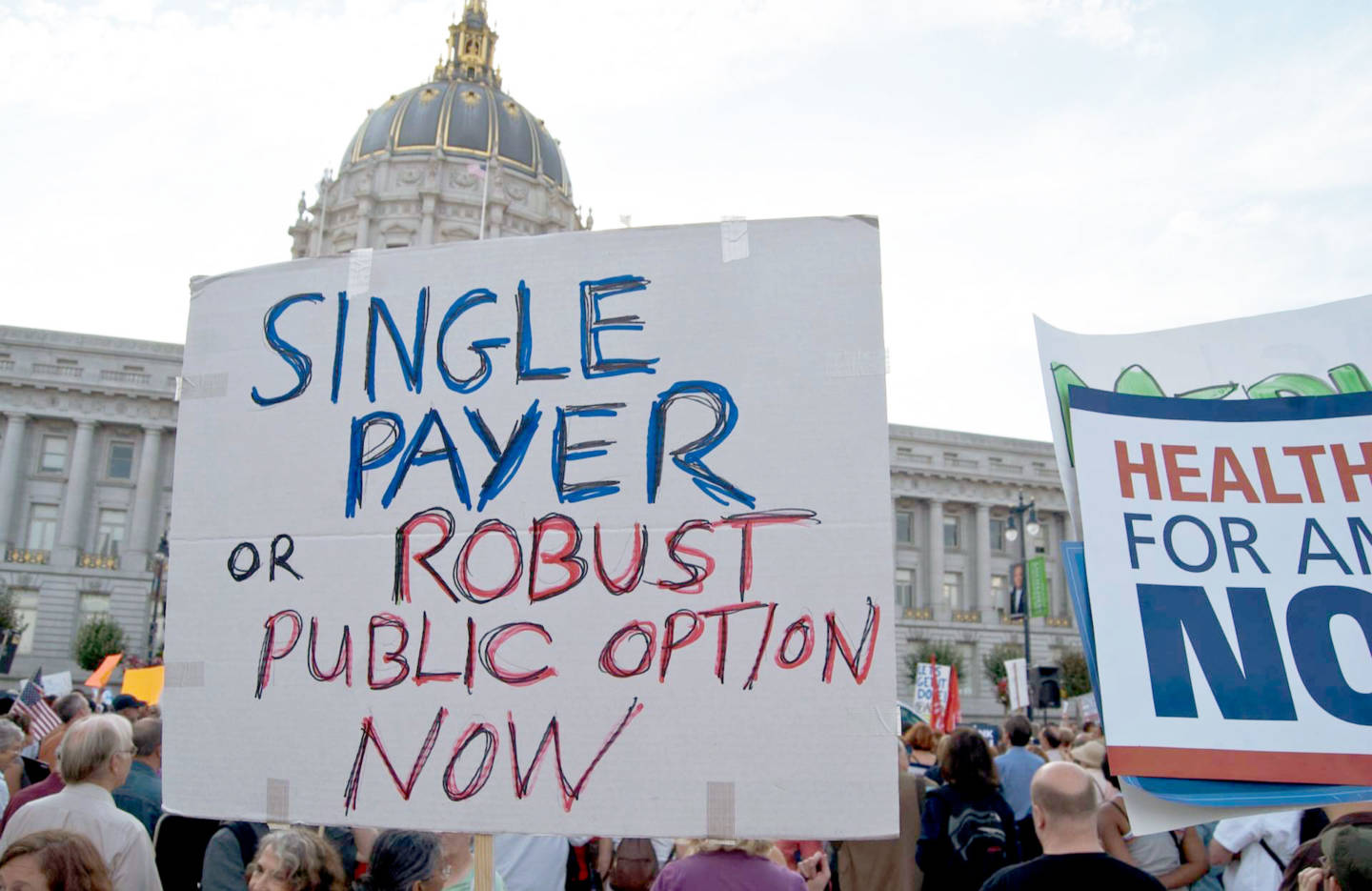
"caption": "A demonstrator holds a sign at a health care reform rally at San Francisco City Hall.",
"description": "A demonstrator holds a sign at a health care reform rally at San Francisco City Hall.",
"title": "SinglePayerSign",
"credit": "Steve Rhodes/Flickr",
"status": "inherit",
"isLoading": false,
"fetchFailed": false
},
"stateofhealth_346840": {
"type": "attachments",
"id": "stateofhealth_346840",
"meta": {
"index": "attachments_1716263798",
"site": "stateofhealth",
"id": "346840",
"found": true
},
"parent": 346819,
"imgSizes": {
"small": {
"file": "https://ww2.kqed.org/app/uploads/sites/27/2017/06/0M6A3404-520x347.jpg",
"width": 520,
"mimeType": "image/jpeg",
"height": 347
},
"twentyfourteen-full-width": {
"file": "https://ww2.kqed.org/app/uploads/sites/27/2017/06/0M6A3404-1038x576.jpg",
"width": 1038,
"mimeType": "image/jpeg",
"height": 576
},
"thumbnail": {
"file": "https://ww2.kqed.org/app/uploads/sites/27/2017/06/0M6A3404-160x107.jpg",
"width": 160,
"mimeType": "image/jpeg",
"height": 107
},
"fd-sm": {
"file": "https://ww2.kqed.org/app/uploads/sites/27/2017/06/0M6A3404-960x640.jpg",
"width": 960,
"mimeType": "image/jpeg",
"height": 640
},
"post-thumbnail": {
"file": "https://ww2.kqed.org/app/uploads/sites/27/2017/06/0M6A3404-672x372.jpg",
"width": 672,
"mimeType": "image/jpeg",
"height": 372
},
"xsmall": {
"file": "https://ww2.kqed.org/app/uploads/sites/27/2017/06/0M6A3404-375x250.jpg",
"width": 375,
"mimeType": "image/jpeg",
"height": 250
},
"kqedFullSize": {
"file": "https://ww2.kqed.org/app/uploads/sites/27/2017/06/0M6A3404.jpg",
"width": 4839,
"height": 3226
},
"large": {
"file": "https://ww2.kqed.org/app/uploads/sites/27/2017/06/0M6A3404-1020x680.jpg",
"width": 1020,
"mimeType": "image/jpeg",
"height": 680
},
"xlarge": {
"file": "https://ww2.kqed.org/app/uploads/sites/27/2017/06/0M6A3404-1180x787.jpg",
"width": 1180,
"mimeType": "image/jpeg",
"height": 787
},
"guest-author-50": {
"file": "https://ww2.kqed.org/app/uploads/sites/27/2017/06/0M6A3404-50x50.jpg",
"width": 50,
"mimeType": "image/jpeg",
"height": 50
},
"guest-author-96": {
"file": "https://ww2.kqed.org/app/uploads/sites/27/2017/06/0M6A3404-96x96.jpg",
"width": 96,
"mimeType": "image/jpeg",
"height": 96
},
"medium": {
"file": "https://ww2.kqed.org/app/uploads/sites/27/2017/06/0M6A3404-800x533.jpg",
"width": 800,
"mimeType": "image/jpeg",
"height": 533
},
"guest-author-64": {
"file": "https://ww2.kqed.org/app/uploads/sites/27/2017/06/0M6A3404-64x64.jpg",
"width": 64,
"mimeType": "image/jpeg",
"height": 64
},
"guest-author-32": {
"file": "https://ww2.kqed.org/app/uploads/sites/27/2017/06/0M6A3404-32x32.jpg",
"width": 32,
"mimeType": "image/jpeg",
"height": 32
},
"fd-lrg": {
"file": "https://ww2.kqed.org/app/uploads/sites/27/2017/06/0M6A3404-1920x1280.jpg",
"width": 1920,
"mimeType": "image/jpeg",
"height": 1280
},
"fd-med": {
"file": "https://ww2.kqed.org/app/uploads/sites/27/2017/06/0M6A3404-1180x787.jpg",
"width": 1180,
"mimeType": "image/jpeg",
"height": 787
},
"full-width": {
"file": "https://ww2.kqed.org/app/uploads/sites/27/2017/06/0M6A3404-1920x1280.jpg",
"width": 1920,
"mimeType": "image/jpeg",
"height": 1280
},
"detail": {
"file": "https://ww2.kqed.org/app/uploads/sites/27/2017/06/0M6A3404-150x150.jpg",
"width": 150,
"mimeType": "image/jpeg",
"height": 150
},
"medium_large": {
"file": "https://ww2.kqed.org/app/uploads/sites/27/2017/06/0M6A3404-768x512.jpg",
"width": 768,
"mimeType": "image/jpeg",
"height": 512
},
"guest-author-128": {
"file": "https://ww2.kqed.org/app/uploads/sites/27/2017/06/0M6A3404-128x128.jpg",
"width": 128,
"mimeType": "image/jpeg",
"height": 128
},
"xxsmall": {
"file": "https://ww2.kqed.org/app/uploads/sites/27/2017/06/0M6A3404-240x160.jpg",
"width": 240,
"mimeType": "image/jpeg",
"height": 160
}
},
"publishDate": 1498168473,
"modified": 1498177995,
"caption": "Health care professionals protest the Senate health care bill on Thursday at San Francisco General Hospital.",
"description": null,
"title": "0M6A3404",
"credit": "Serginho Roosblad/KQED",
"status": "inherit",
"isLoading": false,
"fetchFailed": false
},
"news_11526677": {
"type": "attachments",
"id": "news_11526677",
"meta": {
"index": "attachments_1716263798",
"site": "news",
"id": "11526677",
"found": true
},
"parent": 11526676,
"imgSizes": {
"small": {
"file": "https://ww2.kqed.org/app/uploads/sites/10/2017/06/gettyimages-699909100_wide-9ab62ec07dca907d92d93a65aa35b35cdf6f3505-520x293.jpg",
"width": 520,
"mimeType": "image/jpeg",
"height": 293
},
"twentyfourteen-full-width": {
"file": "https://ww2.kqed.org/app/uploads/sites/10/2017/06/gettyimages-699909100_wide-9ab62ec07dca907d92d93a65aa35b35cdf6f3505-1024x576.jpg",
"width": 1024,
"mimeType": "image/jpeg",
"height": 576
},
"thumbnail": {
"file": "https://ww2.kqed.org/app/uploads/sites/10/2017/06/gettyimages-699909100_wide-9ab62ec07dca907d92d93a65aa35b35cdf6f3505-160x90.jpg",
"width": 160,
"mimeType": "image/jpeg",
"height": 90
},
"fd-sm": {
"file": "https://ww2.kqed.org/app/uploads/sites/10/2017/06/gettyimages-699909100_wide-9ab62ec07dca907d92d93a65aa35b35cdf6f3505-960x540.jpg",
"width": 960,
"mimeType": "image/jpeg",
"height": 540
},
"post-thumbnail": {
"file": "https://ww2.kqed.org/app/uploads/sites/10/2017/06/gettyimages-699909100_wide-9ab62ec07dca907d92d93a65aa35b35cdf6f3505-672x372.jpg",
"width": 672,
"mimeType": "image/jpeg",
"height": 372
},
"xsmall": {
"file": "https://ww2.kqed.org/app/uploads/sites/10/2017/06/gettyimages-699909100_wide-9ab62ec07dca907d92d93a65aa35b35cdf6f3505-375x211.jpg",
"width": 375,
"mimeType": "image/jpeg",
"height": 211
},
"kqedFullSize": {
"file": "https://ww2.kqed.org/app/uploads/sites/10/2017/06/gettyimages-699909100_wide-9ab62ec07dca907d92d93a65aa35b35cdf6f3505.jpg",
"width": 1024,
"height": 576
},
"large": {
"file": "https://ww2.kqed.org/app/uploads/sites/10/2017/06/gettyimages-699909100_wide-9ab62ec07dca907d92d93a65aa35b35cdf6f3505-1020x574.jpg",
"width": 1020,
"mimeType": "image/jpeg",
"height": 574
},
"guest-author-50": {
"file": "https://ww2.kqed.org/app/uploads/sites/10/2017/06/gettyimages-699909100_wide-9ab62ec07dca907d92d93a65aa35b35cdf6f3505-50x50.jpg",
"width": 50,
"mimeType": "image/jpeg",
"height": 50
},
"guest-author-96": {
"file": "https://ww2.kqed.org/app/uploads/sites/10/2017/06/gettyimages-699909100_wide-9ab62ec07dca907d92d93a65aa35b35cdf6f3505-96x96.jpg",
"width": 96,
"mimeType": "image/jpeg",
"height": 96
},
"medium": {
"file": "https://ww2.kqed.org/app/uploads/sites/10/2017/06/gettyimages-699909100_wide-9ab62ec07dca907d92d93a65aa35b35cdf6f3505-800x450.jpg",
"width": 800,
"mimeType": "image/jpeg",
"height": 450
},
"guest-author-64": {
"file": "https://ww2.kqed.org/app/uploads/sites/10/2017/06/gettyimages-699909100_wide-9ab62ec07dca907d92d93a65aa35b35cdf6f3505-64x64.jpg",
"width": 64,
"mimeType": "image/jpeg",
"height": 64
},
"guest-author-32": {
"file": "https://ww2.kqed.org/app/uploads/sites/10/2017/06/gettyimages-699909100_wide-9ab62ec07dca907d92d93a65aa35b35cdf6f3505-32x32.jpg",
"width": 32,
"mimeType": "image/jpeg",
"height": 32
},
"detail": {
"file": "https://ww2.kqed.org/app/uploads/sites/10/2017/06/gettyimages-699909100_wide-9ab62ec07dca907d92d93a65aa35b35cdf6f3505-150x150.jpg",
"width": 150,
"mimeType": "image/jpeg",
"height": 150
},
"guest-author-128": {
"file": "https://ww2.kqed.org/app/uploads/sites/10/2017/06/gettyimages-699909100_wide-9ab62ec07dca907d92d93a65aa35b35cdf6f3505-128x128.jpg",
"width": 128,
"mimeType": "image/jpeg",
"height": 128
},
"xxsmall": {
"file": "https://ww2.kqed.org/app/uploads/sites/10/2017/06/gettyimages-699909100_wide-9ab62ec07dca907d92d93a65aa35b35cdf6f3505-240x135.jpg",
"width": 240,
"mimeType": "image/jpeg",
"height": 135
}
},
"publishDate": 1498170798,
"modified": 1498170894,
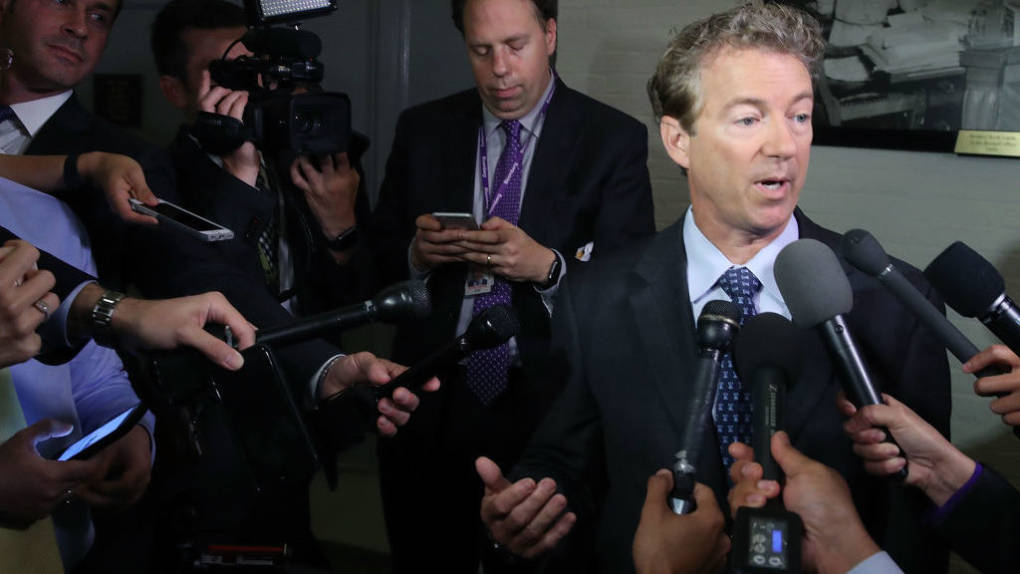
"caption": "Sen. Rand Paul, R-Ky., speaks to the media about the Senate Republican health care bill proposal on Thursday.",
"description": "Sen. Rand Paul, R-Ky., speaks to the media about the Senate Republican health care bill proposal on Thursday.",
"title": "Sen. Rand Paul, R-Ky., speaks to the media about the Senate Republican health care bill proposal on Thursday.",
"credit": "Mark Wilson/Getty Images",
"status": "inherit",
"isLoading": false,
"fetchFailed": false
},
"stateofhealth_346802": {
"type": "attachments",
"id": "stateofhealth_346802",
"meta": {
"index": "attachments_1716263798",
"site": "stateofhealth",
"id": "346802",
"found": true
},
"parent": 346757,
"imgSizes": {
"small": {
"file": "https://ww2.kqed.org/app/uploads/sites/27/2017/06/McConnell-AHCA-draft-520x350.jpg",
"width": 520,
"mimeType": "image/jpeg",
"height": 350
},
"twentyfourteen-full-width": {
"file": "https://ww2.kqed.org/app/uploads/sites/27/2017/06/McConnell-AHCA-draft-1024x576.jpg",
"width": 1024,
"mimeType": "image/jpeg",
"height": 576
},
"thumbnail": {
"file": "https://ww2.kqed.org/app/uploads/sites/27/2017/06/McConnell-AHCA-draft-160x108.jpg",
"width": 160,
"mimeType": "image/jpeg",
"height": 108
},
"fd-sm": {
"file": "https://ww2.kqed.org/app/uploads/sites/27/2017/06/McConnell-AHCA-draft-960x646.jpg",
"width": 960,
"mimeType": "image/jpeg",
"height": 646
},
"post-thumbnail": {
"file": "https://ww2.kqed.org/app/uploads/sites/27/2017/06/McConnell-AHCA-draft-672x372.jpg",
"width": 672,
"mimeType": "image/jpeg",
"height": 372
},
"xsmall": {
"file": "https://ww2.kqed.org/app/uploads/sites/27/2017/06/McConnell-AHCA-draft-375x252.jpg",
"width": 375,
"mimeType": "image/jpeg",
"height": 252
},
"kqedFullSize": {
"file": "https://ww2.kqed.org/app/uploads/sites/27/2017/06/McConnell-AHCA-draft.jpg",
"width": 1024,
"height": 689
},
"large": {
"file": "https://ww2.kqed.org/app/uploads/sites/27/2017/06/McConnell-AHCA-draft-1020x686.jpg",
"width": 1020,
"mimeType": "image/jpeg",
"height": 686
},
"guest-author-50": {
"file": "https://ww2.kqed.org/app/uploads/sites/27/2017/06/McConnell-AHCA-draft-50x50.jpg",
"width": 50,
"mimeType": "image/jpeg",
"height": 50
},
"guest-author-96": {
"file": "https://ww2.kqed.org/app/uploads/sites/27/2017/06/McConnell-AHCA-draft-96x96.jpg",
"width": 96,
"mimeType": "image/jpeg",
"height": 96
},
"medium": {
"file": "https://ww2.kqed.org/app/uploads/sites/27/2017/06/McConnell-AHCA-draft-800x538.jpg",
"width": 800,
"mimeType": "image/jpeg",
"height": 538
},
"guest-author-64": {
"file": "https://ww2.kqed.org/app/uploads/sites/27/2017/06/McConnell-AHCA-draft-64x64.jpg",
"width": 64,
"mimeType": "image/jpeg",
"height": 64
},
"guest-author-32": {
"file": "https://ww2.kqed.org/app/uploads/sites/27/2017/06/McConnell-AHCA-draft-32x32.jpg",
"width": 32,
"mimeType": "image/jpeg",
"height": 32
},
"detail": {
"file": "https://ww2.kqed.org/app/uploads/sites/27/2017/06/McConnell-AHCA-draft-150x150.jpg",
"width": 150,
"mimeType": "image/jpeg",
"height": 150
},
"medium_large": {
"file": "https://ww2.kqed.org/app/uploads/sites/27/2017/06/McConnell-AHCA-draft-768x517.jpg",
"width": 768,
"mimeType": "image/jpeg",
"height": 517
},
"guest-author-128": {
"file": "https://ww2.kqed.org/app/uploads/sites/27/2017/06/McConnell-AHCA-draft-128x128.jpg",
"width": 128,
"mimeType": "image/jpeg",
"height": 128
},
"xxsmall": {
"file": "https://ww2.kqed.org/app/uploads/sites/27/2017/06/McConnell-AHCA-draft-240x161.jpg",
"width": 240,
"mimeType": "image/jpeg",
"height": 161
}
},
"publishDate": 1498162009,
"modified": 1498179376,
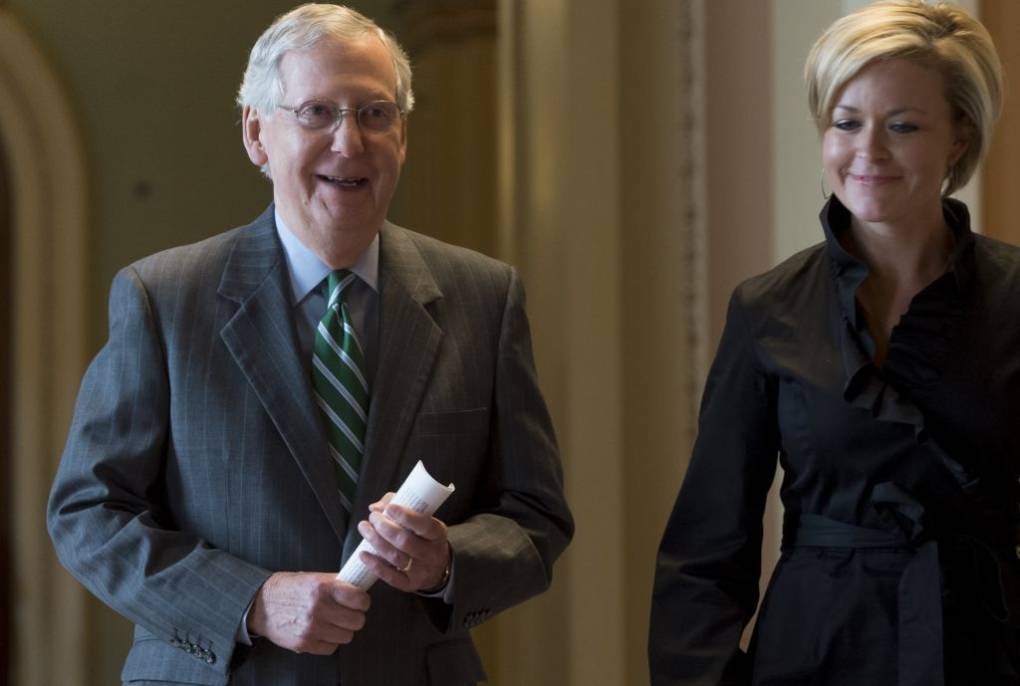
"caption": "Senate Majority Leader Mitch McConnell, R-Kentucky, walks through the U.S. Capitol on June 22 following the release of a draft of the Senate Republicans' health care bill. ",
"description": null,
"title": "US-POLITICS-HEALTH",
"credit": "Saul Loeb/AFP/Getty Images",
"status": "inherit",
"isLoading": false,
"fetchFailed": false
},
"news_11524616": {
"type": "attachments",
"id": "news_11524616",
"meta": {
"index": "attachments_1716263798",
"site": "news",
"id": "11524616",
"found": true
},
"parent": 11524613,
"imgSizes": {
"small": {
"file": "https://ww2.kqed.org/app/uploads/sites/10/2017/06/RS21191_GettyImages-528508098-qut-520x347.jpg",
"width": 520,
"mimeType": "image/jpeg",
"height": 347
},
"twentyfourteen-full-width": {
"file": "https://ww2.kqed.org/app/uploads/sites/10/2017/06/RS21191_GettyImages-528508098-qut-1038x576.jpg",
"width": 1038,
"mimeType": "image/jpeg",
"height": 576
},
"thumbnail": {
"file": "https://ww2.kqed.org/app/uploads/sites/10/2017/06/RS21191_GettyImages-528508098-qut-160x107.jpg",
"width": 160,
"mimeType": "image/jpeg",
"height": 107
},
"fd-sm": {
"file": "https://ww2.kqed.org/app/uploads/sites/10/2017/06/RS21191_GettyImages-528508098-qut-960x640.jpg",
"width": 960,
"mimeType": "image/jpeg",
"height": 640
},
"post-thumbnail": {
"file": "https://ww2.kqed.org/app/uploads/sites/10/2017/06/RS21191_GettyImages-528508098-qut-672x372.jpg",
"width": 672,
"mimeType": "image/jpeg",
"height": 372
},
"xsmall": {
"file": "https://ww2.kqed.org/app/uploads/sites/10/2017/06/RS21191_GettyImages-528508098-qut-375x250.jpg",
"width": 375,
"mimeType": "image/jpeg",
"height": 250
},
"kqedFullSize": {
"file": "https://ww2.kqed.org/app/uploads/sites/10/2017/06/RS21191_GettyImages-528508098-qut.jpg",
"width": 1920,
"height": 1280
},
"large": {
"file": "https://ww2.kqed.org/app/uploads/sites/10/2017/06/RS21191_GettyImages-528508098-qut-1020x680.jpg",
"width": 1020,
"mimeType": "image/jpeg",
"height": 680
},
"xlarge": {
"file": "https://ww2.kqed.org/app/uploads/sites/10/2017/06/RS21191_GettyImages-528508098-qut-1180x787.jpg",
"width": 1180,
"mimeType": "image/jpeg",
"height": 787
},
"guest-author-50": {
"file": "https://ww2.kqed.org/app/uploads/sites/10/2017/06/RS21191_GettyImages-528508098-qut-50x50.jpg",
"width": 50,
"mimeType": "image/jpeg",
"height": 50
},
"guest-author-96": {
"file": "https://ww2.kqed.org/app/uploads/sites/10/2017/06/RS21191_GettyImages-528508098-qut-96x96.jpg",
"width": 96,
"mimeType": "image/jpeg",
"height": 96
},
"medium": {
"file": "https://ww2.kqed.org/app/uploads/sites/10/2017/06/RS21191_GettyImages-528508098-qut-800x533.jpg",
"width": 800,
"mimeType": "image/jpeg",
"height": 533
},
"guest-author-64": {
"file": "https://ww2.kqed.org/app/uploads/sites/10/2017/06/RS21191_GettyImages-528508098-qut-64x64.jpg",
"width": 64,
"mimeType": "image/jpeg",
"height": 64
},
"guest-author-32": {
"file": "https://ww2.kqed.org/app/uploads/sites/10/2017/06/RS21191_GettyImages-528508098-qut-32x32.jpg",
"width": 32,
"mimeType": "image/jpeg",
"height": 32
},
"fd-lrg": {
"file": "https://ww2.kqed.org/app/uploads/sites/10/2017/06/RS21191_GettyImages-528508098-qut-1920x1280.jpg",
"width": 1920,
"mimeType": "image/jpeg",
"height": 1280
},
"fd-med": {
"file": "https://ww2.kqed.org/app/uploads/sites/10/2017/06/RS21191_GettyImages-528508098-qut-1180x787.jpg",
"width": 1180,
"mimeType": "image/jpeg",
"height": 787
},
"full-width": {
"file": "https://ww2.kqed.org/app/uploads/sites/10/2017/06/RS21191_GettyImages-528508098-qut-1920x1280.jpg",
"width": 1920,
"mimeType": "image/jpeg",
"height": 1280
},
"detail": {
"file": "https://ww2.kqed.org/app/uploads/sites/10/2017/06/RS21191_GettyImages-528508098-qut-150x150.jpg",
"width": 150,
"mimeType": "image/jpeg",
"height": 150
},
"guest-author-128": {
"file": "https://ww2.kqed.org/app/uploads/sites/10/2017/06/RS21191_GettyImages-528508098-qut-128x128.jpg",
"width": 128,
"mimeType": "image/jpeg",
"height": 128
},
"xxsmall": {
"file": "https://ww2.kqed.org/app/uploads/sites/10/2017/06/RS21191_GettyImages-528508098-qut-240x160.jpg",
"width": 240,
"mimeType": "image/jpeg",
"height": 160
}
},
"publishDate": 1498079768,
"modified": 1498088984,
"caption": "A man blows vapor from an e-cigarette at Gone With the Smoke Vapor Lounge on May 5, 2016 in San Francisco.",
"description": null,
"title": "RS21191_GettyImages-528508098-qut",
"credit": "Justin Sullivan/Getty Images",
"status": "inherit",
"isLoading": false,
"fetchFailed": false
},
"stateofhealth_337507": {
"type": "attachments",
"id": "stateofhealth_337507",
"meta": {
"index": "attachments_1716263798",
"site": "stateofhealth",
"id": "337507",
"found": true
},
"parent": 337364,
"imgSizes": {
"small": {
"file": "https://ww2.kqed.org/app/uploads/sites/27/2017/05/Health-abstract-network-520x319.jpg",
"width": 520,
"mimeType": "image/jpeg",
"height": 319
},
"twentyfourteen-full-width": {
"file": "https://ww2.kqed.org/app/uploads/sites/27/2017/05/Health-abstract-network-1038x576.jpg",
"width": 1038,
"mimeType": "image/jpeg",
"height": 576
},
"thumbnail": {
"file": "https://ww2.kqed.org/app/uploads/sites/27/2017/05/Health-abstract-network-160x98.jpg",
"width": 160,
"mimeType": "image/jpeg",
"height": 98
},
"fd-sm": {
"file": "https://ww2.kqed.org/app/uploads/sites/27/2017/05/Health-abstract-network-960x588.jpg",
"width": 960,
"mimeType": "image/jpeg",
"height": 588
},
"post-thumbnail": {
"file": "https://ww2.kqed.org/app/uploads/sites/27/2017/05/Health-abstract-network-672x372.jpg",
"width": 672,
"mimeType": "image/jpeg",
"height": 372
},
"xsmall": {
"file": "https://ww2.kqed.org/app/uploads/sites/27/2017/05/Health-abstract-network-375x230.jpg",
"width": 375,
"mimeType": "image/jpeg",
"height": 230
},
"kqedFullSize": {
"file": "https://ww2.kqed.org/app/uploads/sites/27/2017/05/Health-abstract-network.jpg",
"width": 1213,
"height": 743
},
"large": {
"file": "https://ww2.kqed.org/app/uploads/sites/27/2017/05/Health-abstract-network-1020x625.jpg",
"width": 1020,
"mimeType": "image/jpeg",
"height": 625
},
"xlarge": {
"file": "https://ww2.kqed.org/app/uploads/sites/27/2017/05/Health-abstract-network-1180x723.jpg",
"width": 1180,
"mimeType": "image/jpeg",
"height": 723
},
"guest-author-50": {
"file": "https://ww2.kqed.org/app/uploads/sites/27/2017/05/Health-abstract-network-50x50.jpg",
"width": 50,
"mimeType": "image/jpeg",
"height": 50
},
"guest-author-96": {
"file": "https://ww2.kqed.org/app/uploads/sites/27/2017/05/Health-abstract-network-96x96.jpg",
"width": 96,
"mimeType": "image/jpeg",
"height": 96
},
"medium": {
"file": "https://ww2.kqed.org/app/uploads/sites/27/2017/05/Health-abstract-network-800x490.jpg",
"width": 800,
"mimeType": "image/jpeg",
"height": 490
},
"guest-author-64": {
"file": "https://ww2.kqed.org/app/uploads/sites/27/2017/05/Health-abstract-network-64x64.jpg",
"width": 64,
"mimeType": "image/jpeg",
"height": 64
},
"guest-author-32": {
"file": "https://ww2.kqed.org/app/uploads/sites/27/2017/05/Health-abstract-network-32x32.jpg",
"width": 32,
"mimeType": "image/jpeg",
"height": 32
},
"fd-med": {
"file": "https://ww2.kqed.org/app/uploads/sites/27/2017/05/Health-abstract-network-1180x723.jpg",
"width": 1180,
"mimeType": "image/jpeg",
"height": 723
},
"detail": {
"file": "https://ww2.kqed.org/app/uploads/sites/27/2017/05/Health-abstract-network-150x150.jpg",
"width": 150,
"mimeType": "image/jpeg",
"height": 150
},
"medium_large": {
"file": "https://ww2.kqed.org/app/uploads/sites/27/2017/05/Health-abstract-network-768x470.jpg",
"width": 768,
"mimeType": "image/jpeg",
"height": 470
},
"guest-author-128": {
"file": "https://ww2.kqed.org/app/uploads/sites/27/2017/05/Health-abstract-network-128x128.jpg",
"width": 128,
"mimeType": "image/jpeg",
"height": 128
},
"xxsmall": {
"file": "https://ww2.kqed.org/app/uploads/sites/27/2017/05/Health-abstract-network-240x147.jpg",
"width": 240,
"mimeType": "image/jpeg",
"height": 147
}
},
"publishDate": 1496297550,
"modified": 1496297578,
"caption": null,
"description": null,
"title": "Health abstract network",
"credit": "iStock/Getty",
"status": "inherit",
"isLoading": false,
"fetchFailed": false
},
"stateofhealth_337325": {
"type": "attachments",
"id": "stateofhealth_337325",
"meta": {
"index": "attachments_1716263798",
"site": "stateofhealth",
"id": "337325",
"found": true
},
"parent": 337321,
"imgSizes": {
"small": {
"file": "https://ww2.kqed.org/app/uploads/sites/27/2017/05/Treating-a-Dollar-Sign-520x520.jpg",
"width": 520,
"mimeType": "image/jpeg",
"height": 520
},
"twentyfourteen-full-width": {
"file": "https://ww2.kqed.org/app/uploads/sites/27/2017/05/Treating-a-Dollar-Sign-1024x576.jpg",
"width": 1024,
"mimeType": "image/jpeg",
"height": 576
},
"thumbnail": {
"file": "https://ww2.kqed.org/app/uploads/sites/27/2017/05/Treating-a-Dollar-Sign-160x160.jpg",
"width": 160,
"mimeType": "image/jpeg",
"height": 160
},
"fd-sm": {
"file": "https://ww2.kqed.org/app/uploads/sites/27/2017/05/Treating-a-Dollar-Sign-960x960.jpg",
"width": 960,
"mimeType": "image/jpeg",
"height": 960
},
"post-thumbnail": {
"file": "https://ww2.kqed.org/app/uploads/sites/27/2017/05/Treating-a-Dollar-Sign-672x372.jpg",
"width": 672,
"mimeType": "image/jpeg",
"height": 372
},
"xsmall": {
"file": "https://ww2.kqed.org/app/uploads/sites/27/2017/05/Treating-a-Dollar-Sign-375x375.jpg",
"width": 375,
"mimeType": "image/jpeg",
"height": 375
},
"kqedFullSize": {
"file": "https://ww2.kqed.org/app/uploads/sites/27/2017/05/Treating-a-Dollar-Sign.jpg",
"width": 1024,
"height": 1024
},
"large": {
"file": "https://ww2.kqed.org/app/uploads/sites/27/2017/05/Treating-a-Dollar-Sign-1020x1020.jpg",
"width": 1020,
"mimeType": "image/jpeg",
"height": 1020
},
"guest-author-50": {
"file": "https://ww2.kqed.org/app/uploads/sites/27/2017/05/Treating-a-Dollar-Sign-50x50.jpg",
"width": 50,
"mimeType": "image/jpeg",
"height": 50
},
"guest-author-96": {
"file": "https://ww2.kqed.org/app/uploads/sites/27/2017/05/Treating-a-Dollar-Sign-96x96.jpg",
"width": 96,
"mimeType": "image/jpeg",
"height": 96
},
"medium": {
"file": "https://ww2.kqed.org/app/uploads/sites/27/2017/05/Treating-a-Dollar-Sign-800x800.jpg",
"width": 800,
"mimeType": "image/jpeg",
"height": 800
},
"guest-author-64": {
"file": "https://ww2.kqed.org/app/uploads/sites/27/2017/05/Treating-a-Dollar-Sign-64x64.jpg",
"width": 64,
"mimeType": "image/jpeg",
"height": 64
},
"guest-author-32": {
"file": "https://ww2.kqed.org/app/uploads/sites/27/2017/05/Treating-a-Dollar-Sign-32x32.jpg",
"width": 32,
"mimeType": "image/jpeg",
"height": 32
},
"detail": {
"file": "https://ww2.kqed.org/app/uploads/sites/27/2017/05/Treating-a-Dollar-Sign-150x150.jpg",
"width": 150,
"mimeType": "image/jpeg",
"height": 150
},
"medium_large": {
"file": "https://ww2.kqed.org/app/uploads/sites/27/2017/05/Treating-a-Dollar-Sign-768x768.jpg",
"width": 768,
"mimeType": "image/jpeg",
"height": 768
},
"guest-author-128": {
"file": "https://ww2.kqed.org/app/uploads/sites/27/2017/05/Treating-a-Dollar-Sign-128x128.jpg",
"width": 128,
"mimeType": "image/jpeg",
"height": 128
},
"xxsmall": {
"file": "https://ww2.kqed.org/app/uploads/sites/27/2017/05/Treating-a-Dollar-Sign-240x240.jpg",
"width": 240,
"mimeType": "image/jpeg",
"height": 240
}
},
"publishDate": 1496264451,
"modified": 1496264491,
"caption": null,
"description": null,
"title": "Sick Dollar",
"credit": "iStock/Getty Images",
"status": "inherit",
"isLoading": false,
"fetchFailed": false
},
"news_11475828": {
"type": "attachments",
"id": "news_11475828",
"meta": {
"index": "attachments_1716263798",
"site": "news",
"id": "11475828",
"found": true
},
"parent": 11474349,
"imgSizes": {
"small": {
"file": "https://ww2.kqed.org/app/uploads/sites/10/2017/05/Lawmakers_Rulers-qut-520x350.jpg",
"width": 520,
"mimeType": "image/jpeg",
"height": 350
},
"twentyfourteen-full-width": {
"file": "https://ww2.kqed.org/app/uploads/sites/10/2017/05/Lawmakers_Rulers-qut-1038x576.jpg",
"width": 1038,
"mimeType": "image/jpeg",
"height": 576
},
"thumbnail": {
"file": "https://ww2.kqed.org/app/uploads/sites/10/2017/05/Lawmakers_Rulers-qut-160x108.jpg",
"width": 160,
"mimeType": "image/jpeg",
"height": 108
},
"fd-sm": {
"file": "https://ww2.kqed.org/app/uploads/sites/10/2017/05/Lawmakers_Rulers-qut-960x646.jpg",
"width": 960,
"mimeType": "image/jpeg",
"height": 646
},
"post-thumbnail": {
"file": "https://ww2.kqed.org/app/uploads/sites/10/2017/05/Lawmakers_Rulers-qut-672x372.jpg",
"width": 672,
"mimeType": "image/jpeg",
"height": 372
},
"xsmall": {
"file": "https://ww2.kqed.org/app/uploads/sites/10/2017/05/Lawmakers_Rulers-qut-375x252.jpg",
"width": 375,
"mimeType": "image/jpeg",
"height": 252
},
"kqedFullSize": {
"file": "https://ww2.kqed.org/app/uploads/sites/10/2017/05/Lawmakers_Rulers-qut.jpg",
"width": 1920,
"height": 1291
},
"large": {
"file": "https://ww2.kqed.org/app/uploads/sites/10/2017/05/Lawmakers_Rulers-qut-1020x686.jpg",
"width": 1020,
"mimeType": "image/jpeg",
"height": 686
},
"xlarge": {
"file": "https://ww2.kqed.org/app/uploads/sites/10/2017/05/Lawmakers_Rulers-qut-1180x793.jpg",
"width": 1180,
"mimeType": "image/jpeg",
"height": 793
},
"guest-author-50": {
"file": "https://ww2.kqed.org/app/uploads/sites/10/2017/05/Lawmakers_Rulers-qut-50x50.jpg",
"width": 50,
"mimeType": "image/jpeg",
"height": 50
},
"guest-author-96": {
"file": "https://ww2.kqed.org/app/uploads/sites/10/2017/05/Lawmakers_Rulers-qut-96x96.jpg",
"width": 96,
"mimeType": "image/jpeg",
"height": 96
},
"medium": {
"file": "https://ww2.kqed.org/app/uploads/sites/10/2017/05/Lawmakers_Rulers-qut-800x538.jpg",
"width": 800,
"mimeType": "image/jpeg",
"height": 538
},
"guest-author-64": {
"file": "https://ww2.kqed.org/app/uploads/sites/10/2017/05/Lawmakers_Rulers-qut-64x64.jpg",
"width": 64,
"mimeType": "image/jpeg",
"height": 64
},
"guest-author-32": {
"file": "https://ww2.kqed.org/app/uploads/sites/10/2017/05/Lawmakers_Rulers-qut-32x32.jpg",
"width": 32,
"mimeType": "image/jpeg",
"height": 32
},
"fd-lrg": {
"file": "https://ww2.kqed.org/app/uploads/sites/10/2017/05/Lawmakers_Rulers-qut-1920x1291.jpg",
"width": 1920,
"mimeType": "image/jpeg",
"height": 1291
},
"fd-med": {
"file": "https://ww2.kqed.org/app/uploads/sites/10/2017/05/Lawmakers_Rulers-qut-1180x793.jpg",
"width": 1180,
"mimeType": "image/jpeg",
"height": 793
},
"full-width": {
"file": "https://ww2.kqed.org/app/uploads/sites/10/2017/05/Lawmakers_Rulers-qut-1920x1291.jpg",
"width": 1920,
"mimeType": "image/jpeg",
"height": 1291
},
"detail": {
"file": "https://ww2.kqed.org/app/uploads/sites/10/2017/05/Lawmakers_Rulers-qut-150x150.jpg",
"width": 150,
"mimeType": "image/jpeg",
"height": 150
},
"guest-author-128": {
"file": "https://ww2.kqed.org/app/uploads/sites/10/2017/05/Lawmakers_Rulers-qut-128x128.jpg",
"width": 128,
"mimeType": "image/jpeg",
"height": 128
},
"xxsmall": {
"file": "https://ww2.kqed.org/app/uploads/sites/10/2017/05/Lawmakers_Rulers-qut-240x161.jpg",
"width": 240,
"mimeType": "image/jpeg",
"height": 161
}
},
"publishDate": 1495663725,
"modified": 1496947038,
"caption": "How Is Your California Lawmaker Reacting to Comey Testimony?",
"description": null,
"title": "Lawmakers_Rulers-qut",
"credit": "Miranda Leitsinger/KQED",
"status": "inherit",
"isLoading": false,
"fetchFailed": false
},
"news_11474422": {
"type": "attachments",
"id": "news_11474422",
"meta": {
"index": "attachments_1716263798",
"site": "news",
"id": "11474422",
"found": true
},
"parent": 11465283,
"imgSizes": {
"small": {
"file": "https://ww2.kqed.org/app/uploads/sites/10/2017/05/congress_health01-qut-520x278.jpg",
"width": 520,
"mimeType": "image/jpeg",
"height": 278
},
"twentyfourteen-full-width": {
"file": "https://ww2.kqed.org/app/uploads/sites/10/2017/05/congress_health01-qut-1038x576.jpg",
"width": 1038,
"mimeType": "image/jpeg",
"height": 576
},
"thumbnail": {
"file": "https://ww2.kqed.org/app/uploads/sites/10/2017/05/congress_health01-qut-160x86.jpg",
"width": 160,
"mimeType": "image/jpeg",
"height": 86
},
"fd-sm": {
"file": "https://ww2.kqed.org/app/uploads/sites/10/2017/05/congress_health01-qut-960x514.jpg",
"width": 960,
"mimeType": "image/jpeg",
"height": 514
},
"post-thumbnail": {
"file": "https://ww2.kqed.org/app/uploads/sites/10/2017/05/congress_health01-qut-672x372.jpg",
"width": 672,
"mimeType": "image/jpeg",
"height": 372
},
"xsmall": {
"file": "https://ww2.kqed.org/app/uploads/sites/10/2017/05/congress_health01-qut-375x201.jpg",
"width": 375,
"mimeType": "image/jpeg",
"height": 201
},
"kqedFullSize": {
"file": "https://ww2.kqed.org/app/uploads/sites/10/2017/05/congress_health01-qut.jpg",
"width": 1920,
"height": 1028
},
"large": {
"file": "https://ww2.kqed.org/app/uploads/sites/10/2017/05/congress_health01-qut-1020x546.jpg",
"width": 1020,
"mimeType": "image/jpeg",
"height": 546
},
"xlarge": {
"file": "https://ww2.kqed.org/app/uploads/sites/10/2017/05/congress_health01-qut-1180x632.jpg",
"width": 1180,
"mimeType": "image/jpeg",
"height": 632
},
"guest-author-50": {
"file": "https://ww2.kqed.org/app/uploads/sites/10/2017/05/congress_health01-qut-50x50.jpg",
"width": 50,
"mimeType": "image/jpeg",
"height": 50
},
"guest-author-96": {
"file": "https://ww2.kqed.org/app/uploads/sites/10/2017/05/congress_health01-qut-96x96.jpg",
"width": 96,
"mimeType": "image/jpeg",
"height": 96
},
"medium": {
"file": "https://ww2.kqed.org/app/uploads/sites/10/2017/05/congress_health01-qut-800x428.jpg",
"width": 800,
"mimeType": "image/jpeg",
"height": 428
},
"guest-author-64": {
"file": "https://ww2.kqed.org/app/uploads/sites/10/2017/05/congress_health01-qut-64x64.jpg",
"width": 64,
"mimeType": "image/jpeg",
"height": 64
},
"guest-author-32": {
"file": "https://ww2.kqed.org/app/uploads/sites/10/2017/05/congress_health01-qut-32x32.jpg",
"width": 32,
"mimeType": "image/jpeg",
"height": 32
},
"fd-lrg": {
"file": "https://ww2.kqed.org/app/uploads/sites/10/2017/05/congress_health01-qut-1920x1028.jpg",
"width": 1920,
"mimeType": "image/jpeg",
"height": 1028
},
"fd-med": {
"file": "https://ww2.kqed.org/app/uploads/sites/10/2017/05/congress_health01-qut-1180x632.jpg",
"width": 1180,
"mimeType": "image/jpeg",
"height": 632
},
"full-width": {
"file": "https://ww2.kqed.org/app/uploads/sites/10/2017/05/congress_health01-qut-1920x1028.jpg",
"width": 1920,
"mimeType": "image/jpeg",
"height": 1028
},
"detail": {
"file": "https://ww2.kqed.org/app/uploads/sites/10/2017/05/congress_health01-qut-150x150.jpg",
"width": 150,
"mimeType": "image/jpeg",
"height": 150
},
"guest-author-128": {
"file": "https://ww2.kqed.org/app/uploads/sites/10/2017/05/congress_health01-qut-128x128.jpg",
"width": 128,
"mimeType": "image/jpeg",
"height": 128
},
"xxsmall": {
"file": "https://ww2.kqed.org/app/uploads/sites/10/2017/05/congress_health01-qut-240x129.jpg",
"width": 240,
"mimeType": "image/jpeg",
"height": 129
}
},
"publishDate": 1495594163,
"modified": 1495594197,
"caption": "What health insurance does your lawmaker have? KQED asked.",
"description": null,
"title": "congress_health01-qut",
"credit": "Mark Fiore/KQED",
"status": "inherit",
"isLoading": false,
"fetchFailed": false
},
"news_11475696": {
"type": "attachments",
"id": "news_11475696",
"meta": {
"index": "attachments_1716263798",
"site": "news",
"id": "11475696",
"found": true
},
"parent": 11475692,
"imgSizes": {
"small": {
"file": "https://ww2.kqed.org/app/uploads/sites/10/2017/05/gettyimages-649341364_custom-a9e86018c36ef7926e01b1d7c24913df1beae52b-520x346.jpg",
"width": 520,
"mimeType": "image/jpeg",
"height": 346
},
"twentyfourteen-full-width": {
"file": "https://ww2.kqed.org/app/uploads/sites/10/2017/05/gettyimages-649341364_custom-a9e86018c36ef7926e01b1d7c24913df1beae52b-1038x576.jpg",
"width": 1038,
"mimeType": "image/jpeg",
"height": 576
},
"thumbnail": {
"file": "https://ww2.kqed.org/app/uploads/sites/10/2017/05/gettyimages-649341364_custom-a9e86018c36ef7926e01b1d7c24913df1beae52b-160x107.jpg",
"width": 160,
"mimeType": "image/jpeg",
"height": 107
},
"fd-sm": {
"file": "https://ww2.kqed.org/app/uploads/sites/10/2017/05/gettyimages-649341364_custom-a9e86018c36ef7926e01b1d7c24913df1beae52b-960x639.jpg",
"width": 960,
"mimeType": "image/jpeg",
"height": 639
},
"post-thumbnail": {
"file": "https://ww2.kqed.org/app/uploads/sites/10/2017/05/gettyimages-649341364_custom-a9e86018c36ef7926e01b1d7c24913df1beae52b-672x372.jpg",
"width": 672,
"mimeType": "image/jpeg",
"height": 372
},
"xsmall": {
"file": "https://ww2.kqed.org/app/uploads/sites/10/2017/05/gettyimages-649341364_custom-a9e86018c36ef7926e01b1d7c24913df1beae52b-375x250.jpg",
"width": 375,
"mimeType": "image/jpeg",
"height": 250
},
"kqedFullSize": {
"file": "https://ww2.kqed.org/app/uploads/sites/10/2017/05/gettyimages-649341364_custom-a9e86018c36ef7926e01b1d7c24913df1beae52b.jpg",
"width": 3000,
"height": 1998
},
"large": {
"file": "https://ww2.kqed.org/app/uploads/sites/10/2017/05/gettyimages-649341364_custom-a9e86018c36ef7926e01b1d7c24913df1beae52b-1020x679.jpg",
"width": 1020,
"mimeType": "image/jpeg",
"height": 679
},
"xlarge": {
"file": "https://ww2.kqed.org/app/uploads/sites/10/2017/05/gettyimages-649341364_custom-a9e86018c36ef7926e01b1d7c24913df1beae52b-1180x786.jpg",
"width": 1180,
"mimeType": "image/jpeg",
"height": 786
},
"guest-author-50": {
"file": "https://ww2.kqed.org/app/uploads/sites/10/2017/05/gettyimages-649341364_custom-a9e86018c36ef7926e01b1d7c24913df1beae52b-50x50.jpg",
"width": 50,
"mimeType": "image/jpeg",
"height": 50
},
"guest-author-96": {
"file": "https://ww2.kqed.org/app/uploads/sites/10/2017/05/gettyimages-649341364_custom-a9e86018c36ef7926e01b1d7c24913df1beae52b-96x96.jpg",
"width": 96,
"mimeType": "image/jpeg",
"height": 96
},
"medium": {
"file": "https://ww2.kqed.org/app/uploads/sites/10/2017/05/gettyimages-649341364_custom-a9e86018c36ef7926e01b1d7c24913df1beae52b-800x533.jpg",
"width": 800,
"mimeType": "image/jpeg",
"height": 533
},
"guest-author-64": {
"file": "https://ww2.kqed.org/app/uploads/sites/10/2017/05/gettyimages-649341364_custom-a9e86018c36ef7926e01b1d7c24913df1beae52b-64x64.jpg",
"width": 64,
"mimeType": "image/jpeg",
"height": 64
},
"guest-author-32": {
"file": "https://ww2.kqed.org/app/uploads/sites/10/2017/05/gettyimages-649341364_custom-a9e86018c36ef7926e01b1d7c24913df1beae52b-32x32.jpg",
"width": 32,
"mimeType": "image/jpeg",
"height": 32
},
"fd-lrg": {
"file": "https://ww2.kqed.org/app/uploads/sites/10/2017/05/gettyimages-649341364_custom-a9e86018c36ef7926e01b1d7c24913df1beae52b-1920x1279.jpg",
"width": 1920,
"mimeType": "image/jpeg",
"height": 1279
},
"fd-med": {
"file": "https://ww2.kqed.org/app/uploads/sites/10/2017/05/gettyimages-649341364_custom-a9e86018c36ef7926e01b1d7c24913df1beae52b-1180x786.jpg",
"width": 1180,
"mimeType": "image/jpeg",
"height": 786
},
"full-width": {
"file": "https://ww2.kqed.org/app/uploads/sites/10/2017/05/gettyimages-649341364_custom-a9e86018c36ef7926e01b1d7c24913df1beae52b-1920x1279.jpg",
"width": 1920,
"mimeType": "image/jpeg",
"height": 1279
},
"detail": {
"file": "https://ww2.kqed.org/app/uploads/sites/10/2017/05/gettyimages-649341364_custom-a9e86018c36ef7926e01b1d7c24913df1beae52b-150x150.jpg",
"width": 150,
"mimeType": "image/jpeg",
"height": 150
},
"guest-author-128": {
"file": "https://ww2.kqed.org/app/uploads/sites/10/2017/05/gettyimages-649341364_custom-a9e86018c36ef7926e01b1d7c24913df1beae52b-128x128.jpg",
"width": 128,
"mimeType": "image/jpeg",
"height": 128
},
"xxsmall": {
"file": "https://ww2.kqed.org/app/uploads/sites/10/2017/05/gettyimages-649341364_custom-a9e86018c36ef7926e01b1d7c24913df1beae52b-240x160.jpg",
"width": 240,
"mimeType": "image/jpeg",
"height": 160
}
},
"publishDate": 1495659455,
"modified": 1495661606,
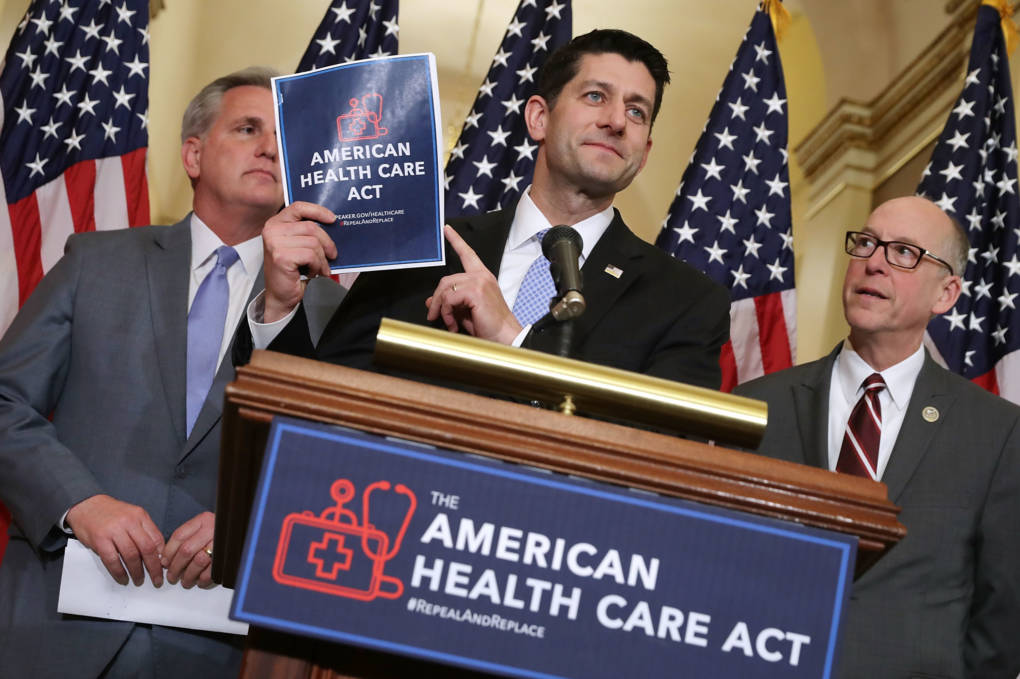
"caption": "Speaker of the House Paul Ryan holds up a copy of the American Health Care Act during a news conference with House Majority Leader Kevin McCarthy R-Calif., (left) and House Energy and Commerce Committee Chairman Greg Walden (R-Ore.) outside Ryan's office in the U.S. Capitol on March 7.",
"description": "Speaker of the House Paul Ryan holds up a copy of the American Health Care Act during a news conference with House Majority Leader Kevin McCarthy R-Calif., (left) and House Energy and Commerce Committee Chairman Greg Walden (R-Ore.) outside Ryan's office in the U.S. Capitol on March 7.",
"title": "Speaker of the House Paul Ryan holds up a copy of the American Health Care Act during a news conference with House Majority Leader Kevin McCarthy R-Calif., (left) and House Energy and Commerce Committee Chairman Greg Walden (R-Ore.) outside Ryan's office in the U.S. Capitol on March 7.",
"credit": "Chip Somodevilla/Getty Images",
"status": "inherit",
"isLoading": false,
"fetchFailed": false
},
"news_11472078": {
"type": "attachments",
"id": "news_11472078",
"meta": {
"index": "attachments_1716263798",
"site": "news",
"id": "11472078",
"found": true
},
"parent": 11472007,
"imgSizes": {
"small": {
"file": "https://ww2.kqed.org/app/uploads/sites/10/2017/05/singlepayer_052217_final-520x520.jpg",
"width": 520,
"mimeType": "image/jpeg",
"height": 520
},
"twentyfourteen-full-width": {
"file": "https://ww2.kqed.org/app/uploads/sites/10/2017/05/singlepayer_052217_final-1038x576.jpg",
"width": 1038,
"mimeType": "image/jpeg",
"height": 576
},
"thumbnail": {
"file": "https://ww2.kqed.org/app/uploads/sites/10/2017/05/singlepayer_052217_final-160x160.jpg",
"width": 160,
"mimeType": "image/jpeg",
"height": 160
},
"fd-sm": {
"file": "https://ww2.kqed.org/app/uploads/sites/10/2017/05/singlepayer_052217_final-960x960.jpg",
"width": 960,
"mimeType": "image/jpeg",
"height": 960
},
"post-thumbnail": {
"file": "https://ww2.kqed.org/app/uploads/sites/10/2017/05/singlepayer_052217_final-672x372.jpg",
"width": 672,
"mimeType": "image/jpeg",
"height": 372
},
"xsmall": {
"file": "https://ww2.kqed.org/app/uploads/sites/10/2017/05/singlepayer_052217_final-375x375.jpg",
"width": 375,
"mimeType": "image/jpeg",
"height": 375
},
"kqedFullSize": {
"file": "https://ww2.kqed.org/app/uploads/sites/10/2017/05/singlepayer_052217_final.jpg",
"width": 1920,
"height": 1920
},
"large": {
"file": "https://ww2.kqed.org/app/uploads/sites/10/2017/05/singlepayer_052217_final-1020x1020.jpg",
"width": 1020,
"mimeType": "image/jpeg",
"height": 1020
},
"xlarge": {
"file": "https://ww2.kqed.org/app/uploads/sites/10/2017/05/singlepayer_052217_final-1180x1180.jpg",
"width": 1180,
"mimeType": "image/jpeg",
"height": 1180
},
"guest-author-50": {
"file": "https://ww2.kqed.org/app/uploads/sites/10/2017/05/singlepayer_052217_final-50x50.jpg",
"width": 50,
"mimeType": "image/jpeg",
"height": 50
},
"guest-author-96": {
"file": "https://ww2.kqed.org/app/uploads/sites/10/2017/05/singlepayer_052217_final-96x96.jpg",
"width": 96,
"mimeType": "image/jpeg",
"height": 96
},
"medium": {
"file": "https://ww2.kqed.org/app/uploads/sites/10/2017/05/singlepayer_052217_final-800x800.jpg",
"width": 800,
"mimeType": "image/jpeg",
"height": 800
},
"guest-author-64": {
"file": "https://ww2.kqed.org/app/uploads/sites/10/2017/05/singlepayer_052217_final-64x64.jpg",
"width": 64,
"mimeType": "image/jpeg",
"height": 64
},
"guest-author-32": {
"file": "https://ww2.kqed.org/app/uploads/sites/10/2017/05/singlepayer_052217_final-32x32.jpg",
"width": 32,
"mimeType": "image/jpeg",
"height": 32
},
"fd-lrg": {
"file": "https://ww2.kqed.org/app/uploads/sites/10/2017/05/singlepayer_052217_final-1920x1920.jpg",
"width": 1920,
"mimeType": "image/jpeg",
"height": 1920
},
"fd-med": {
"file": "https://ww2.kqed.org/app/uploads/sites/10/2017/05/singlepayer_052217_final-1180x1180.jpg",
"width": 1180,
"mimeType": "image/jpeg",
"height": 1180
},
"full-width": {
"file": "https://ww2.kqed.org/app/uploads/sites/10/2017/05/singlepayer_052217_final-1920x1920.jpg",
"width": 1920,
"mimeType": "image/jpeg",
"height": 1920
},
"detail": {
"file": "https://ww2.kqed.org/app/uploads/sites/10/2017/05/singlepayer_052217_final-150x150.jpg",
"width": 150,
"mimeType": "image/jpeg",
"height": 150
},
"guest-author-128": {
"file": "https://ww2.kqed.org/app/uploads/sites/10/2017/05/singlepayer_052217_final-128x128.jpg",
"width": 128,
"mimeType": "image/jpeg",
"height": 128
},
"xxsmall": {
"file": "https://ww2.kqed.org/app/uploads/sites/10/2017/05/singlepayer_052217_final-240x240.jpg",
"width": 240,
"mimeType": "image/jpeg",
"height": 240
}
},
"publishDate": 1495490465,
"modified": 1495490502,
"caption": null,
"description": null,
"title": "singlepayer_052217_final",
"credit": null,
"status": "inherit",
"isLoading": false,
"fetchFailed": false
}
},
"audioPlayerReducer": {
"postId": "stream_live",
"isPaused": true,
"isPlaying": false,
"pfsActive": false,
"pledgeModalIsOpen": true,
"playerDrawerIsOpen": false,
"liveAudioPlayStartedAt": 0,
"liveAudioPlayContext": ""
},
"authorsReducer": {
"byline_news_11533615": {
"type": "authors",
"id": "byline_news_11533615",
"meta": {
"override": true
},
"slug": "byline_news_11533615",
"name": "\u003cstrong>Scott Horsley\u003cbr>NPR\u003c/strong>",
"isLoading": false
},
"byline_stateofhealth_346819": {
"type": "authors",
"id": "byline_stateofhealth_346819",
"meta": {
"override": true
},
"slug": "byline_stateofhealth_346819",
"name": "\u003cstrong>\u003ca href=\"https://ww2.kqed.org/news/author/shutson/\" target=\"_blank\">Sonja Hutson\u003c/a>\u003c/strong> and \u003cstrong>\u003ca href=\"https://twitter.com/sroosblad\" target=\"_blank\">Serginho Roosblad\u003c/a>\u003c/strong>",
"isLoading": false
},
"byline_news_11526676": {
"type": "authors",
"id": "byline_news_11526676",
"meta": {
"override": true
},
"slug": "byline_news_11526676",
"name": "Jessica Taylor\u003cbr>\u003cstrong>\u003ca href=\"http://www.npr.org/2017/06/22/533976146/senate-health-care-bill-could-be-in-jeopardy-as-conservatives-announce-oppositio\">NPR\u003c/a>\u003c/strong>",
"isLoading": false
},
"byline_news_11524613": {
"type": "authors",
"id": "byline_news_11524613",
"meta": {
"override": true
},
"slug": "byline_news_11524613",
"name": "\u003cstrong>Olga Rodriguez \u003cbr>Associated Press\u003c/strong>",
"isLoading": false
},
"byline_stateofhealth_337321": {
"type": "authors",
"id": "byline_stateofhealth_337321",
"meta": {
"override": true
},
"slug": "byline_stateofhealth_337321",
"name": "\u003cstrong>\u003ca href=\"http://khn.org/news/author/chad-terhune/\">Chad Terhune\u003c/a>\u003c/strong>",
"isLoading": false
},
"byline_news_11474349": {
"type": "authors",
"id": "byline_news_11474349",
"meta": {
"override": true
},
"slug": "byline_news_11474349",
"name": "Miranda Leitsinger",
"isLoading": false
},
"byline_news_11475692": {
"type": "authors",
"id": "byline_news_11475692",
"meta": {
"override": true
},
"slug": "byline_news_11475692",
"name": "Danielle Kurtzleben ",
"isLoading": false
},
"markfiore": {
"type": "authors",
"id": "3236",
"meta": {
"index": "authors_1716337520",
"id": "3236",
"found": true
},
"name": "Mark Fiore",
"firstName": "Mark",
"lastName": "Fiore",
"slug": "markfiore",
"email": "mark@markfiore.com",
"display_author_email": false,
"staff_mastheads": [
"news"
],
"title": "KQED News Cartoonist",
"bio": "\u003ca href=\"http://www.MarkFiore.com\">MarkFiore.com\u003c/a> | \u003ca href=\"https://twitter.com/markfiore\">Follow on Twitter\u003c/a> | \u003ca href=\"https://www.facebook.com/pages/Mark-Fiore-Animated-Political-Cartoons/94451707396?ref=bookmarks\">Facebook\u003c/a> | \u003ca href=\"mailto:mark@markfiore.com\">email\u003c/a>\r\n\r\nPulitzer Prize-winner, Mark Fiore, who the Wall Street Journal has called “the undisputed guru of the form,” creates animated political cartoons in San Francisco, where his work has been featured regularly on the San Francisco Chronicle’s web site, SFGate.com. His work has appeared on Newsweek.com, Slate.com, CBSNews.com, MotherJones.com, DailyKos.com and NPR’s web site. Fiore’s political animation has appeared on CNN, Frontline, Bill Moyers Journal, Salon.com and cable and broadcast outlets across the globe.\r\n\r\nBeginning his professional life by drawing traditional political cartoons for newspapers, Fiore’s work appeared in publications ranging from the Washington Post to the Los Angeles Times. In the late 1990s, he began to experiment with animating political cartoons and, after a short stint at the San Jose Mercury News as their staff cartoonist, Fiore devoted all his energies to animation.\r\nGrowing up in California, Fiore also spent a good portion of his life in the backwoods of Idaho. It was this combination that shaped him politically. Mark majored in political science at Colorado College, where, in a perfect send-off for a cartoonist, he received his diploma in 1991 as commencement speaker Dick Cheney smiled approvingly.\r\nMark Fiore was awarded the Pulitzer Prize for political cartooning in 2010, a Robert F. Kennedy Journalism Award in 2004 and has twice received an Online Journalism Award for commentary from the Online News Association (2002, 2008). Fiore has received two awards for his work in new media from the National Cartoonists Society (2001, 2002), and in 2006 received The James Madison Freedom of Information Award from The Society of Professional Journalists.",
"avatar": "https://secure.gravatar.com/avatar/fc4e2a612b15b67bad0c6f0e1db4ca9b?s=600&d=blank&r=g",
"twitter": "MarkFiore",
"facebook": null,
"instagram": "https://www.instagram.com/markfiore/?hl=en",
"linkedin": null,
"sites": [
{
"site": "arts",
"roles": [
"contributor"
]
},
{
"site": "news",
"roles": [
"editor"
]
},
{
"site": "futureofyou",
"roles": [
"editor"
]
},
{
"site": "science",
"roles": [
"editor"
]
}
],
"headData": {
"title": "Mark Fiore | KQED",
"description": "KQED News Cartoonist",
"ogImgSrc": "https://secure.gravatar.com/avatar/fc4e2a612b15b67bad0c6f0e1db4ca9b?s=600&d=blank&r=g",
"twImgSrc": "https://secure.gravatar.com/avatar/fc4e2a612b15b67bad0c6f0e1db4ca9b?s=600&d=blank&r=g"
},
"isLoading": false,
"link": "/author/markfiore"
},
"rlevi": {
"type": "authors",
"id": "11260",
"meta": {
"index": "authors_1716337520",
"id": "11260",
"found": true
},
"name": "Ryan Levi",
"firstName": "Ryan",
"lastName": "Levi",
"slug": "rlevi",
"email": "rlevi@KQED.org",
"display_author_email": false,
"staff_mastheads": [],
"title": "KQED Contributor",
"bio": "Ryan Levi was a reporter and podcast producer at KQED News from 2016-2019. He worked on \u003ca href=\"https://www.kqed.org/news/series/baycurious\">Bay Curious\u003c/a>, \u003ca href=\"https://www.kqed.org/news/tag/the-bay/\">The Bay, \u003c/a>and \u003ca href=\"https://podcasts.apple.com/us/podcast/the-california-report-magazine/id1314750545\">The California Report Magazine\u003c/a>, as well as hosting and producing the weekly \u003ca href=\"https://www.kqed.org/news/program/qedup/\">Q'ed Up podcast. \u003c/a>He also helped inaugurate KQED's weekend news coverage in 2017 as one of two original digital producers. Ryan holds degrees in multimedia journalism and Spanish from the University of Missouri.",
"avatar": "https://secure.gravatar.com/avatar/4cb2ddd028ac8807d1adf09609c5555d?s=600&d=blank&r=g",
"twitter": "ryan_levi",
"facebook": null,
"instagram": null,
"linkedin": null,
"sites": [
{
"site": "arts",
"roles": [
"editor"
]
},
{
"site": "news",
"roles": [
"subscriber"
]
},
{
"site": "stateofhealth",
"roles": [
"editor"
]
},
{
"site": "science",
"roles": [
"editor"
]
},
{
"site": "forum",
"roles": [
"administrator"
]
},
{
"site": "perspectives",
"roles": [
"administrator"
]
}
],
"headData": {
"title": "Ryan Levi | KQED",
"description": "KQED Contributor",
"ogImgSrc": "https://secure.gravatar.com/avatar/4cb2ddd028ac8807d1adf09609c5555d?s=600&d=blank&r=g",
"twImgSrc": "https://secure.gravatar.com/avatar/4cb2ddd028ac8807d1adf09609c5555d?s=600&d=blank&r=g"
},
"isLoading": false,
"link": "/author/rlevi"
},
"cfeibel": {
"type": "authors",
"id": "11314",
"meta": {
"index": "authors_1716337520",
"id": "11314",
"found": true
},
"name": "Carrie Feibel",
"firstName": "Carrie",
"lastName": "Feibel",
"slug": "cfeibel",
"email": "cfeibel@KQED.org",
"display_author_email": false,
"staff_mastheads": [],
"title": "KQED Contributor",
"bio": "Carrie Feibel is a former health editor at KQED, where she has also reported for radio and online. Her stories have appeared on the national NPR shows \u003cem>Morning Edition\u003c/em>, \u003cem>All Things Considered\u003c/em>, and \u003cem>Here & Now\u003c/em>, and on the national website, Kaiser Health News. Her print career included stints at the \u003cem>Houston Chronicle\u003c/em>, \u003cem>The (Bergen) Record,\u003c/em> and the Associated Press in New York City. A native of St. Louis, Feibel attended Cornell University, and earned a master's in journalism from Columbia University.",
"avatar": "https://secure.gravatar.com/avatar/c64a7e3c9a910e1bffd4ad32a5264aa9?s=600&d=blank&r=g",
"twitter": "KQEDHealth",
"facebook": null,
"instagram": null,
"linkedin": null,
"sites": [
{
"site": "news",
"roles": [
"subscriber"
]
},
{
"site": "stateofhealth",
"roles": [
"administrator"
]
}
],
"headData": {
"title": "Carrie Feibel | KQED",
"description": "KQED Contributor",
"ogImgSrc": "https://secure.gravatar.com/avatar/c64a7e3c9a910e1bffd4ad32a5264aa9?s=600&d=blank&r=g",
"twImgSrc": "https://secure.gravatar.com/avatar/c64a7e3c9a910e1bffd4ad32a5264aa9?s=600&d=blank&r=g"
},
"isLoading": false,
"link": "/author/cfeibel"
}
},
"pagesReducer": {
"news_tag_health": {
"type": "terms",
"id": "news_18543",
"meta": {
"index": "terms_1716263798",
"site": "news",
"id": "18543",
"score": 6.886659
},
"featImg": null,
"name": "Health",
"description": null,
"taxonomy": "tag",
"headData": {
"twImgId": null,
"twTitle": null,
"ogTitle": null,
"ogImgId": null,
"twDescription": null,
"description": null,
"title": "Health Archives | KQED News",
"ogDescription": null
},
"ttid": 466,
"slug": "health",
"isLoading": false,
"title": "Health",
"pageMeta": {
"site": "news",
"WpPageTemplate": "page-topic-editorial",
"currentPage": 102
},
"blocks": [
{
"blockName": "kqed/post-list",
"attrs": {
"layout": "cardArticle2",
"query": "posts/news?tag=health",
"seeMore": false,
"paginated": true,
"page": 102
}
},
{
"blockName": "kqed/ad"
}
]
}
},
"pfsSessionReducer": {},
"postsReducer": {
"stream_live": {
"type": "live",
"id": "stream_live",
"audioUrl": "https://streams.kqed.org/kqedradio",
"title": "Live Stream",
"excerpt": "Live Stream information currently unavailable.",
"link": "/radio",
"featImg": "",
"label": {
"name": "KQED Live",
"link": "/"
}
},
"stream_kqedNewscast": {
"type": "posts",
"id": "stream_kqedNewscast",
"audioUrl": "https://www.kqed.org/.stream/anon/radio/RDnews/newscast.mp3?_=1",
"title": "KQED Newscast",
"featImg": "",
"label": {
"name": "88.5 FM",
"link": "/"
}
},
"news_11533615": {
"type": "posts",
"id": "news_11533615",
"meta": {
"index": "posts_1716263798",
"site": "news",
"id": "11533615",
"score": null,
"sort": [
1498511151000
]
},
"guestAuthors": [],
"slug": "gop-senate-bill-would-cut-health-care-coverage-by-22-million",
"title": "GOP Senate Bill Would Cut Health Care Coverage by 22 Million",
"publishDate": 1498511151,
"format": "standard",
"headTitle": "GOP Senate Bill Would Cut Health Care Coverage by 22 Million | KQED",
"labelTerm": {},
"content": "\u003cp>Congressional forecasters say a Senate bill that aims to repeal and replace the Affordable Care Act would leave 22 million more people uninsured by 2026.\u003c/p>\n\u003cp>That’s only slightly fewer uninsured than a \u003ca href=\"http://www.npr.org/2017/05/24/529902300/cbo-republicans-ahca-would-leave-23-million-more-uninsured\">version passed by the House in May\u003c/a>.\u003c/p>\n\u003cp>\u003ca href=\"https://www.cbo.gov/publication/52849\" target=\"_blank\" rel=\"noopener noreferrer\">Monday’s report\u003c/a> from the nonpartisan Congressional Budget Office could give moderate senators concerned about health care coverage pause. Senate Republican Leader Mitch McConnell wants a vote on the bill this week, before senators head home for the Fourth of July recess. With Senate Democrats united in opposition, Republicans can afford to lose only two votes on their side and still pass the bill.\u003c/p>\n\u003cp>Republican Sen. Dean Heller of Nevada, who is up for re-election next year, has already expressed reservations about the number of people who could lose coverage under the GOP bill. Four other Republican senators have complained that the bill doesn’t go far enough in rolling back the Affordable Care Act, also known as Obamacare.\u003c/p>\n\u003cp>[contextly_sidebar id=”3VYukjwGuDWleAOvKiiHHmAd7ewuNtF3″]\u003c/p>\n\u003cp>The Senate bill would cut hundreds of billions of dollars in taxes over the coming decade, with most of the savings going to those at the top of the income ladder. At the same time, it would phase out the Affordable Care Act’s Medicaid expansion, while offering less generous subsidies to those who purchase health insurance on the individual market. That combination is expected to reduce the number of people with insurance coverage by 22 million by 2026: Fifteen million fewer on Medicaid and 7 million fewer in the individual market.\u003c/p>\n\u003cp>[ad fullwidth]\u003c/p>\n\u003cp>Over time, the bill would also make deep cuts to traditional Medicaid, the safety net program for the poor and people with disabilities. The program, which dates to the Great Society of the 1960s, covers nearly one in five Americans — more than Medicare, the better known program for the elderly.\u003c/p>\n\u003cp>For the first time, the Senate bill would cap federal spending on Medicaid in 2020, forcing state governments to either scale back the program or make up the difference out of their own budgets. The Senate bill also assumes that after 2025, medical bills will grow more slowly than they have historically. If that assumption is wrong, states would face an even bigger budget gap that would grow with each passing year.\u003c/p>\n\u003cp>Democratic Sen. Ron Wyden of Oregon worries the CBO report doesn’t fully reflect those long-term effects, since congressional forecasters typically focus on a 10-year budget window. Wyden, the ranking Democrat on the Senate Finance Committee, wrote a \u003ca href=\"https://www.finance.senate.gov/imo/media/doc/062217%20Keith%20Hall%20CBO%20Scoring%20of%20BRCA%20Letter.pdf\" target=\"_blank\" rel=\"noopener noreferrer\">letter\u003c/a> to CBO Director Keith Hall, asking him to assess how the Senate bill would affect Medicaid coverage 20 or 30 years into the future.\u003c/p>\n\u003cp>\u003c/p>\n\u003cp>“It is critical that Senators completely understand legislation and its impact prior to casting a vote,” Wyden wrote.\u003c/p>\n\u003cdiv class=\"fullattribution\">Copyright 2017 NPR. To see more, visit http://www.npr.org/.\u003cimg decoding=\"async\" src=\"https://www.google-analytics.com/__utm.gif?utmac=UA-5828686-4&utmdt=GOP+Senate+Bill+Would+Cut+Health+Care+Coverage+By+22+Million&utme=8(APIKey)9(MDAxOTAwOTE4MDEyMTkxMDAzNjczZDljZA004)\">\u003c/div>\n\n",
"blocks": [],
"excerpt": "The report from the nonpartisan Congressional Budget Office says the bill to repeal and replace Obamacare would leave 22 million more people uninsured by 2026.",
"status": "publish",
"parent": 0,
"modified": 1726009374,
"stats": {
"hasAudio": false,
"hasVideo": false,
"hasChartOrMap": false,
"iframeSrcs": [],
"hasGoogleForm": false,
"hasGallery": false,
"hasHearkenModule": false,
"hasPolis": false,
"paragraphCount": 12,
"wordCount": 483
},
"headData": {
"title": "GOP Senate Bill Would Cut Health Care Coverage by 22 Million | KQED",
"description": "The report from the nonpartisan Congressional Budget Office says the bill to repeal and replace Obamacare would leave 22 million more people uninsured by 2026.",
"ogTitle": "",
"ogDescription": "",
"ogImgId": "",
"twTitle": "",
"twDescription": "",
"twImgId": "",
"schema": {
"@context": "https://schema.org",
"@type": "NewsArticle",
"headline": "GOP Senate Bill Would Cut Health Care Coverage by 22 Million",
"datePublished": "2017-06-26T14:05:51-07:00",
"dateModified": "2024-09-10T16:02:54-07:00",
"image": "https://cdn.kqed.org/wp-content/uploads/2020/02/KQED-OG-Image@1x.png",
"isAccessibleForFree": "True",
"publisher": {
"@type": "NewsMediaOrganization",
"@id": "https://www.kqed.org/#organization",
"name": "KQED",
"logo": "https://cdn.kqed.org/wp-content/uploads/2020/02/KQED-OG-Image@1x.png",
"url": "https://www.kqed.org",
"sameAs": [
"https://www.facebook.com/KQED",
"https://twitter.com/KQED",
"https://www.instagram.com/kqed/",
"https://www.tiktok.com/@kqedofficial",
"https://www.linkedin.com/company/kqed",
"https://www.youtube.com/channel/UCeC0IOo7i1P_61zVUWbJ4nw"
]
}
}
},
"source": "NPR",
"sourceUrl": "www.npr.org",
"sticky": false,
"nprImageCredit": "Spencer Platt",
"nprByline": "\u003cstrong>Scott Horsley\u003cbr>NPR\u003c/strong>",
"nprImageAgency": "Getty Images",
"nprStoryId": "534432433",
"nprApiLink": "http://api.npr.org/query?id=534432433&apiKey=MDAxOTAwOTE4MDEyMTkxMDAzNjczZDljZA004",
"nprHtmlLink": "http://www.npr.org/2017/06/26/534432433/gop-senate-bill-would-cut-health-care-coverage-by-22-million?ft=nprml&f=534432433",
"nprRetrievedStory": "1",
"nprPubDate": "Mon, 26 Jun 2017 16:45:00 -0400",
"nprStoryDate": "Mon, 26 Jun 2017 16:39:00 -0400",
"nprLastModifiedDate": "Mon, 26 Jun 2017 16:45:47 -0400",
"path": "/news/11533615/gop-senate-bill-would-cut-health-care-coverage-by-22-million",
"audioTrackLength": null,
"parsedContent": [
{
"type": "contentString",
"content": "\u003cdiv class=\"post-body\">\u003cp>\u003cp>Congressional forecasters say a Senate bill that aims to repeal and replace the Affordable Care Act would leave 22 million more people uninsured by 2026.\u003c/p>\n\u003cp>That’s only slightly fewer uninsured than a \u003ca href=\"http://www.npr.org/2017/05/24/529902300/cbo-republicans-ahca-would-leave-23-million-more-uninsured\">version passed by the House in May\u003c/a>.\u003c/p>\n\u003cp>\u003ca href=\"https://www.cbo.gov/publication/52849\" target=\"_blank\" rel=\"noopener noreferrer\">Monday’s report\u003c/a> from the nonpartisan Congressional Budget Office could give moderate senators concerned about health care coverage pause. Senate Republican Leader Mitch McConnell wants a vote on the bill this week, before senators head home for the Fourth of July recess. With Senate Democrats united in opposition, Republicans can afford to lose only two votes on their side and still pass the bill.\u003c/p>\n\u003cp>Republican Sen. Dean Heller of Nevada, who is up for re-election next year, has already expressed reservations about the number of people who could lose coverage under the GOP bill. Four other Republican senators have complained that the bill doesn’t go far enough in rolling back the Affordable Care Act, also known as Obamacare.\u003c/p>\n\u003cp>\u003c/p>\u003cp>\u003c/p>\u003cp>\u003c/p>\n\u003cp>The Senate bill would cut hundreds of billions of dollars in taxes over the coming decade, with most of the savings going to those at the top of the income ladder. At the same time, it would phase out the Affordable Care Act’s Medicaid expansion, while offering less generous subsidies to those who purchase health insurance on the individual market. That combination is expected to reduce the number of people with insurance coverage by 22 million by 2026: Fifteen million fewer on Medicaid and 7 million fewer in the individual market.\u003c/p>\n\u003cp>\u003c/p>\u003c/div>",
"attributes": {
"named": {},
"numeric": []
}
},
{
"type": "component",
"content": "",
"name": "ad",
"attributes": {
"named": {
"label": "fullwidth"
},
"numeric": [
"fullwidth"
]
}
},
{
"type": "contentString",
"content": "\u003cdiv class=\"post-body\">\u003cp>\u003c/p>\n\u003cp>Over time, the bill would also make deep cuts to traditional Medicaid, the safety net program for the poor and people with disabilities. The program, which dates to the Great Society of the 1960s, covers nearly one in five Americans — more than Medicare, the better known program for the elderly.\u003c/p>\n\u003cp>For the first time, the Senate bill would cap federal spending on Medicaid in 2020, forcing state governments to either scale back the program or make up the difference out of their own budgets. The Senate bill also assumes that after 2025, medical bills will grow more slowly than they have historically. If that assumption is wrong, states would face an even bigger budget gap that would grow with each passing year.\u003c/p>\n\u003cp>Democratic Sen. Ron Wyden of Oregon worries the CBO report doesn’t fully reflect those long-term effects, since congressional forecasters typically focus on a 10-year budget window. Wyden, the ranking Democrat on the Senate Finance Committee, wrote a \u003ca href=\"https://www.finance.senate.gov/imo/media/doc/062217%20Keith%20Hall%20CBO%20Scoring%20of%20BRCA%20Letter.pdf\" target=\"_blank\" rel=\"noopener noreferrer\">letter\u003c/a> to CBO Director Keith Hall, asking him to assess how the Senate bill would affect Medicaid coverage 20 or 30 years into the future.\u003c/p>\n\u003cp>\u003c/p>\n\u003cp>“It is critical that Senators completely understand legislation and its impact prior to casting a vote,” Wyden wrote.\u003c/p>\n\u003cdiv class=\"fullattribution\">Copyright 2017 NPR. To see more, visit http://www.npr.org/.\u003cimg decoding=\"async\" src=\"https://www.google-analytics.com/__utm.gif?utmac=UA-5828686-4&utmdt=GOP+Senate+Bill+Would+Cut+Health+Care+Coverage+By+22+Million&utme=8(APIKey)9(MDAxOTAwOTE4MDEyMTkxMDAzNjczZDljZA004)\">\u003c/div>\n\n\u003c/div>\u003c/p>",
"attributes": {
"named": {},
"numeric": []
}
}
],
"link": "/news/11533615/gop-senate-bill-would-cut-health-care-coverage-by-22-million",
"authors": [
"byline_news_11533615"
],
"programs": [
"news_6944",
"news_72"
],
"categories": [
"news_457",
"news_8",
"news_13"
],
"tags": [
"news_2409",
"news_18543",
"news_17968"
],
"featImg": "news_11533616",
"label": "source_news_11533615"
},
"stateofhealth_347182": {
"type": "posts",
"id": "stateofhealth_347182",
"meta": {
"index": "posts_1716263798",
"site": "stateofhealth",
"id": "347182",
"score": null,
"sort": [
1498265516000
]
},
"parent": 0,
"labelTerm": {
"site": "stateofhealth"
},
"blocks": [],
"publishDate": 1498265516,
"format": "standard",
"disqusTitle": "Blaming 'Threat' of GOP Health Bill, California Hits Pause on Single Payer",
"title": "Blaming 'Threat' of GOP Health Bill, California Hits Pause on Single Payer",
"headTitle": "State of Health | KQED News",
"content": "\u003cp>Single-payer health care, a longtime goal of progressive Democrats and the \u003ca href=\"http://www.nationalnursesunited.org/site/entry/california-nurses-association\" target=\"_blank\" rel=\"noopener noreferrer\">nurses' union\u003c/a>, is dead for now. No further legislative action will be taken in 2017.\u003c/p>\n\u003cp>A bill pushing a state-based single-payer system was brought to a halt late Friday when Assembly Speaker Anthony Rendon, D-Lakewood, declined to move it forward. The bill will not get a hearing by the Assembly Rules Committee before the July 14 deadline, though it could be taken up again in 2018. It passed the California Senate on June 1.\u003c/p>\n\u003cp>\"Single payer\" generally refers to health care systems in which the government pays doctors and other health providers using tax revenues, bypassing the use of private insurance companies as middlemen.\u003c/p>\n\u003cp>In some systems, the doctors work directly for the government, but the California bill proposes a variant in which doctors and hospitals remain private entities and establish contracts with the state to provide care.\u003c/p>\n\u003cp>Rendon described himself as a longtime supporter of a single-payer system, but said the \u003ca href=\"https://leginfo.legislature.ca.gov/faces/billTextClient.xhtml?bill_id=201720180SB562\" target=\"_blank\" rel=\"noopener noreferrer\">current bill\u003c/a> was \"woefully incomplete\" and doesn't address the \"realities\" of both the Trump administration and voters.\u003c/p>\n\u003cp>[ad fullwidth]\u003c/p>\n\u003cp>“Yesterday, Republicans in the U.S. Senate released a cynical plan to repeal the Affordable Care Act, posing a real and immediate threat to millions of Californians who only have health coverage because of the ACA,\" Rendon said in a statement.\u003c/p>\n\u003cp>“Preparing California to meet this threat must be the top health care priority for the Legislature, Governor Brown, and organizations that advocate for increasing access to health care.\"\u003c/p>\n\u003cfigure id=\"attachment_347195\" class=\"wp-caption alignnone\" style=\"max-width: 800px\">\u003cimg class=\"size-medium wp-image-347195\" src=\"https://ww2.kqed.org/stateofhealth/wp-content/uploads/sites/27/2017/06/Anthony-Rendon-800x533.jpg\" alt=\"\" width=\"800\" height=\"533\" srcset=\"https://ww2.kqed.org/app/uploads/sites/27/2017/06/Anthony-Rendon-800x533.jpg 800w, https://ww2.kqed.org/app/uploads/sites/27/2017/06/Anthony-Rendon-160x107.jpg 160w, https://ww2.kqed.org/app/uploads/sites/27/2017/06/Anthony-Rendon-768x512.jpg 768w, https://ww2.kqed.org/app/uploads/sites/27/2017/06/Anthony-Rendon-1020x680.jpg 1020w, https://ww2.kqed.org/app/uploads/sites/27/2017/06/Anthony-Rendon-1180x787.jpg 1180w, https://ww2.kqed.org/app/uploads/sites/27/2017/06/Anthony-Rendon-960x640.jpg 960w, https://ww2.kqed.org/app/uploads/sites/27/2017/06/Anthony-Rendon-240x160.jpg 240w, https://ww2.kqed.org/app/uploads/sites/27/2017/06/Anthony-Rendon-375x250.jpg 375w, https://ww2.kqed.org/app/uploads/sites/27/2017/06/Anthony-Rendon-520x347.jpg 520w\" sizes=\"(max-width: 800px) 100vw, 800px\">\u003cfigcaption class=\"wp-caption-text\">California Assembly Speaker Anthony Rendon (right) confers with Assemblymember Cristina Garcia (left) in Sacramento on May 15, 2017. \u003ccite>(Bert Johnson/KQED)\u003c/cite>\u003c/figcaption>\u003c/figure>\n\u003cp>In legislative slang, the \"Healthy California Act\" (SB 562) was a \"shell bill.\" It described a long list of covered services and claimed residents would not have to pay any premiums or copays. Based on the raw outline, \u003ca href=\"https://ww2.kqed.org/stateofhealth/2017/06/01/single-payer-economics-one-health-plan-two-new-taxes-three-ways-to-save/\" target=\"_blank\" rel=\"noopener noreferrer\">two studies\u003c/a> tried to estimate the total cost: One came up with $400 billion a year, another said $330 billion.\u003c/p>\n\u003cp>\"This action does not mean SB 562 is dead,\" Rendon said later in the statement. He encouraged single-payer supporters in the Senate to use the time to \"fill the holes\" in the bill, and provide more information about financing, delivery of care and cost controls.\u003c/p>\n\u003cp>The two authors of the bill were disappointed by the move, but vowed to keep fighting for universal coverage in California.\u003c/p>\n\u003cp>State senators Ricardo Lara, D-Bell Gardens, and Toni G. Atkins, D-San Diego, released a joint statement.\u003c/p>\n\u003cp>“Continuing the push for universal healthcare has never been more critical, with Congress possibly days from voting on one of the cruelest bills in our nation’s history, which will lead to millions of the poorest Americans losing insurance, soaring costs for older and sicker people, and terrible budget choices for our state.\"\u003c/p>\n\u003cp>\u003c/p>\n\u003cp>“California has the chance to lead our nation toward healthcare for all, and we will not turn our backs on this matter of life or death for families.”\u003c/p>\n\n",
"disqusIdentifier": "347182 https://ww2.kqed.org/stateofhealth/?p=347182",
"disqusUrl": "https://ww2.kqed.org/stateofhealth/2017/06/23/blaming-threat-of-gop-health-bill-california-hits-pause-on-single-payer/",
"stats": {
"hasVideo": false,
"hasChartOrMap": false,
"hasAudio": false,
"hasPolis": false,
"wordCount": 510,
"hasGoogleForm": false,
"hasGallery": false,
"hasHearkenModule": false,
"iframeSrcs": [],
"paragraphCount": 15
},
"modified": 1498268682,
"excerpt": "Assembly leader says lawmakers must focus on stopping the 'real and immediate threat' posed by Republican health care legislation in Washington D.C.",
"headData": {
"twImgId": "",
"twTitle": "",
"ogTitle": "",
"ogImgId": "",
"twDescription": "",
"description": "Assembly leader says lawmakers must focus on stopping the 'real and immediate threat' posed by Republican health care legislation in Washington D.C.",
"title": "Blaming 'Threat' of GOP Health Bill, California Hits Pause on Single Payer | KQED",
"ogDescription": "",
"schema": {
"@context": "https://schema.org",
"@type": "Article",
"headline": "Blaming 'Threat' of GOP Health Bill, California Hits Pause on Single Payer",
"datePublished": "2017-06-23T17:51:56-07:00",
"dateModified": "2017-06-23T18:44:42-07:00",
"image": "https://cdn.kqed.org/wp-content/uploads/2020/02/KQED-OG-Image@1x.png"
}
},
"guestAuthors": [],
"slug": "blaming-threat-of-gop-health-bill-california-hits-pause-on-single-payer",
"status": "publish",
"path": "/stateofhealth/347182/blaming-threat-of-gop-health-bill-california-hits-pause-on-single-payer",
"audioTrackLength": null,
"parsedContent": [
{
"type": "contentString",
"content": "\u003cdiv class=\"post-body\">\u003cp>\u003cp>Single-payer health care, a longtime goal of progressive Democrats and the \u003ca href=\"http://www.nationalnursesunited.org/site/entry/california-nurses-association\" target=\"_blank\" rel=\"noopener noreferrer\">nurses' union\u003c/a>, is dead for now. No further legislative action will be taken in 2017.\u003c/p>\n\u003cp>A bill pushing a state-based single-payer system was brought to a halt late Friday when Assembly Speaker Anthony Rendon, D-Lakewood, declined to move it forward. The bill will not get a hearing by the Assembly Rules Committee before the July 14 deadline, though it could be taken up again in 2018. It passed the California Senate on June 1.\u003c/p>\n\u003cp>\"Single payer\" generally refers to health care systems in which the government pays doctors and other health providers using tax revenues, bypassing the use of private insurance companies as middlemen.\u003c/p>\n\u003cp>In some systems, the doctors work directly for the government, but the California bill proposes a variant in which doctors and hospitals remain private entities and establish contracts with the state to provide care.\u003c/p>\n\u003cp>Rendon described himself as a longtime supporter of a single-payer system, but said the \u003ca href=\"https://leginfo.legislature.ca.gov/faces/billTextClient.xhtml?bill_id=201720180SB562\" target=\"_blank\" rel=\"noopener noreferrer\">current bill\u003c/a> was \"woefully incomplete\" and doesn't address the \"realities\" of both the Trump administration and voters.\u003c/p>\n\u003cp>\u003c/p>\u003c/div>",
"attributes": {
"named": {},
"numeric": []
}
},
{
"type": "component",
"content": "",
"name": "ad",
"attributes": {
"named": {
"label": "fullwidth"
},
"numeric": [
"fullwidth"
]
}
},
{
"type": "contentString",
"content": "\u003cdiv class=\"post-body\">\u003cp>\u003c/p>\n\u003cp>“Yesterday, Republicans in the U.S. Senate released a cynical plan to repeal the Affordable Care Act, posing a real and immediate threat to millions of Californians who only have health coverage because of the ACA,\" Rendon said in a statement.\u003c/p>\n\u003cp>“Preparing California to meet this threat must be the top health care priority for the Legislature, Governor Brown, and organizations that advocate for increasing access to health care.\"\u003c/p>\n\u003cfigure id=\"attachment_347195\" class=\"wp-caption alignnone\" style=\"max-width: 800px\">\u003cimg class=\"size-medium wp-image-347195\" src=\"https://ww2.kqed.org/stateofhealth/wp-content/uploads/sites/27/2017/06/Anthony-Rendon-800x533.jpg\" alt=\"\" width=\"800\" height=\"533\" srcset=\"https://ww2.kqed.org/app/uploads/sites/27/2017/06/Anthony-Rendon-800x533.jpg 800w, https://ww2.kqed.org/app/uploads/sites/27/2017/06/Anthony-Rendon-160x107.jpg 160w, https://ww2.kqed.org/app/uploads/sites/27/2017/06/Anthony-Rendon-768x512.jpg 768w, https://ww2.kqed.org/app/uploads/sites/27/2017/06/Anthony-Rendon-1020x680.jpg 1020w, https://ww2.kqed.org/app/uploads/sites/27/2017/06/Anthony-Rendon-1180x787.jpg 1180w, https://ww2.kqed.org/app/uploads/sites/27/2017/06/Anthony-Rendon-960x640.jpg 960w, https://ww2.kqed.org/app/uploads/sites/27/2017/06/Anthony-Rendon-240x160.jpg 240w, https://ww2.kqed.org/app/uploads/sites/27/2017/06/Anthony-Rendon-375x250.jpg 375w, https://ww2.kqed.org/app/uploads/sites/27/2017/06/Anthony-Rendon-520x347.jpg 520w\" sizes=\"(max-width: 800px) 100vw, 800px\">\u003cfigcaption class=\"wp-caption-text\">California Assembly Speaker Anthony Rendon (right) confers with Assemblymember Cristina Garcia (left) in Sacramento on May 15, 2017. \u003ccite>(Bert Johnson/KQED)\u003c/cite>\u003c/figcaption>\u003c/figure>\n\u003cp>In legislative slang, the \"Healthy California Act\" (SB 562) was a \"shell bill.\" It described a long list of covered services and claimed residents would not have to pay any premiums or copays. Based on the raw outline, \u003ca href=\"https://ww2.kqed.org/stateofhealth/2017/06/01/single-payer-economics-one-health-plan-two-new-taxes-three-ways-to-save/\" target=\"_blank\" rel=\"noopener noreferrer\">two studies\u003c/a> tried to estimate the total cost: One came up with $400 billion a year, another said $330 billion.\u003c/p>\n\u003cp>\"This action does not mean SB 562 is dead,\" Rendon said later in the statement. He encouraged single-payer supporters in the Senate to use the time to \"fill the holes\" in the bill, and provide more information about financing, delivery of care and cost controls.\u003c/p>\n\u003cp>The two authors of the bill were disappointed by the move, but vowed to keep fighting for universal coverage in California.\u003c/p>\n\u003cp>State senators Ricardo Lara, D-Bell Gardens, and Toni G. Atkins, D-San Diego, released a joint statement.\u003c/p>\n\u003cp>“Continuing the push for universal healthcare has never been more critical, with Congress possibly days from voting on one of the cruelest bills in our nation’s history, which will lead to millions of the poorest Americans losing insurance, soaring costs for older and sicker people, and terrible budget choices for our state.\"\u003c/p>\n\u003cp>\u003c/p>\n\u003cp>“California has the chance to lead our nation toward healthcare for all, and we will not turn our backs on this matter of life or death for families.”\u003c/p>\n\n\u003c/div>\u003c/p>",
"attributes": {
"named": {},
"numeric": []
}
}
],
"link": "/stateofhealth/347182/blaming-threat-of-gop-health-bill-california-hits-pause-on-single-payer",
"authors": [
"11314"
],
"categories": [
"stateofhealth_1"
],
"tags": [
"stateofhealth_294",
"stateofhealth_3104",
"stateofhealth_2808",
"stateofhealth_2519",
"stateofhealth_3048"
],
"featImg": "stateofhealth_240358",
"label": "stateofhealth"
},
"stateofhealth_346819": {
"type": "posts",
"id": "stateofhealth_346819",
"meta": {
"index": "posts_1716263798",
"site": "stateofhealth",
"id": "346819",
"score": null,
"sort": [
1498174450000
]
},
"parent": 0,
"labelTerm": {
"site": "stateofhealth"
},
"blocks": [],
"publishDate": 1498174450,
"format": "standard",
"disqusTitle": "San Francisco Doctors and Nurses Rally Against Senate Health Care Bill",
"title": "San Francisco Doctors and Nurses Rally Against Senate Health Care Bill",
"headTitle": "State of Health | KQED News",
"content": "\u003cp>Roughly 200 San Francisco doctors and nurses rallied Thursday outside San Francisco General Hospital to protest the \u003ca href=\"https://ww2.kqed.org/news/2017/06/22/senate-republicans-reveal-obamacare-repeal-bill/\" target=\"_blank\" rel=\"noopener noreferrer\">recently released Senate health care bill\u003c/a>.\u003c/p>\n\u003cp>Crafted in secret by Republican leadership, the bill repeals major parts of the sweeping healthcare law implemented by President Obama, known as the Affordable Care Act or Obamacare. The Republican replacement bill would phase out Medicaid expansion, cap spending on Medicaid and eliminate many taxes that fund Obamacare.\u003c/p>\n\u003cp>“This is about public health,” said Sasha Cuttler, a nurse at the hospital. “This isn’t a partisan issue. ... We have a duty to speak up against this.”\u003c/p>\n\u003cfigure id=\"attachment_346861\" class=\"wp-caption aligncenter\" style=\"max-width: 640px\">\u003cimg class=\"size-large wp-image-346861\" src=\"https://ww2.kqed.org/stateofhealth/wp-content/uploads/sites/27/2017/06/RS25779_0M6A3091-qut-1020x680.jpg\" alt=\"\" width=\"640\" height=\"427\" srcset=\"https://ww2.kqed.org/app/uploads/sites/27/2017/06/RS25779_0M6A3091-qut-1020x680.jpg 1020w, https://ww2.kqed.org/app/uploads/sites/27/2017/06/RS25779_0M6A3091-qut-160x107.jpg 160w, https://ww2.kqed.org/app/uploads/sites/27/2017/06/RS25779_0M6A3091-qut-800x533.jpg 800w, https://ww2.kqed.org/app/uploads/sites/27/2017/06/RS25779_0M6A3091-qut-768x512.jpg 768w, https://ww2.kqed.org/app/uploads/sites/27/2017/06/RS25779_0M6A3091-qut-1180x787.jpg 1180w, https://ww2.kqed.org/app/uploads/sites/27/2017/06/RS25779_0M6A3091-qut-960x640.jpg 960w, https://ww2.kqed.org/app/uploads/sites/27/2017/06/RS25779_0M6A3091-qut-240x160.jpg 240w, https://ww2.kqed.org/app/uploads/sites/27/2017/06/RS25779_0M6A3091-qut-375x250.jpg 375w, https://ww2.kqed.org/app/uploads/sites/27/2017/06/RS25779_0M6A3091-qut-520x347.jpg 520w\" sizes=\"(max-width: 640px) 100vw, 640px\">\u003cfigcaption class=\"wp-caption-text\">A health care professional holding up a sign at a protest at the San Francisco General Hospital against the newly proposed health care bill. \u003ccite>(Serginho Roosblad/KQED)\u003c/cite>\u003c/figcaption>\u003c/figure>\n\u003cp>Dr. Matthew Hickey, resident physician and one of the organizers of the rally, said that it’s time for medical professionals to get more politically active.\u003c/p>\n\u003cp>“With the new health care bill being revealed, we felt it’s the right moment for us doctors to do more in the political sphere,” he said. Together with a group of resident doctors, Hickey created the group \"Keep America Covered\" that has organized other rallies since the elections.\u003c/p>\n\u003cp>[ad fullwidth]\u003c/p>\n\u003cp>During the rally, doctors, nurses and patients spoke to the crowd and led them in chants like, “Healthcare yes, denials no, profiteers have got to go.\" Organizers encouraged attendees to tweet about their opposition of the bill, as well as to ask their friends and family in other states to call their senators.\u003c/p>\n\u003cfigure id=\"attachment_346862\" class=\"wp-caption alignright\" style=\"max-width: 640px\">\u003cimg class=\"size-large wp-image-346862\" src=\"https://ww2.kqed.org/stateofhealth/wp-content/uploads/sites/27/2017/06/RS25780_0M6A3204-qut-1-1020x680.jpg\" alt=\"\" width=\"640\" height=\"427\" srcset=\"https://ww2.kqed.org/app/uploads/sites/27/2017/06/RS25780_0M6A3204-qut-1-1020x680.jpg 1020w, https://ww2.kqed.org/app/uploads/sites/27/2017/06/RS25780_0M6A3204-qut-1-160x107.jpg 160w, https://ww2.kqed.org/app/uploads/sites/27/2017/06/RS25780_0M6A3204-qut-1-800x533.jpg 800w, https://ww2.kqed.org/app/uploads/sites/27/2017/06/RS25780_0M6A3204-qut-1-768x512.jpg 768w, https://ww2.kqed.org/app/uploads/sites/27/2017/06/RS25780_0M6A3204-qut-1-1180x787.jpg 1180w, https://ww2.kqed.org/app/uploads/sites/27/2017/06/RS25780_0M6A3204-qut-1-960x640.jpg 960w, https://ww2.kqed.org/app/uploads/sites/27/2017/06/RS25780_0M6A3204-qut-1-240x160.jpg 240w, https://ww2.kqed.org/app/uploads/sites/27/2017/06/RS25780_0M6A3204-qut-1-375x250.jpg 375w, https://ww2.kqed.org/app/uploads/sites/27/2017/06/RS25780_0M6A3204-qut-1-520x347.jpg 520w\" sizes=\"(max-width: 640px) 100vw, 640px\">\u003cfigcaption class=\"wp-caption-text\">Health care professionals at the San Francisco General Hospital protested against the proposed new health care bill which is intended to replace the Affordable Care Act. \u003ccite>(Serginho Roosblad/KQED)\u003c/cite>\u003c/figcaption>\u003c/figure>\n\u003cp>The Congressional Budget Office has yet to release its report on the bill, but their report on the House’s version of the bill concluded it would leave 23 million Americans uninsured.\u003c/p>\n\u003cp>“This is not simply a despicable effort to deny essential healthcare services to 23 million Americans,” said UCSF professor Kevin Grumbach. “It is fundamentally an attack on the poor and the most vulnerable in our society and a massive transfer of wealth to the richest part of our society.”\u003c/p>\n\u003cp>One of the speakers at the rally was Troy Brunét, a patient living with HIV. He fears for fellow patients living with the decease.\u003c/p>\n\u003cp>“We are reverting back to the 1980s when the AIDS crisis hit us,\" he said. \"And to be honest, this freaks me out. From now on, things are going to change for the worse.”\u003c/p>\n\u003cfigure id=\"attachment_346860\" class=\"wp-caption alignright\" style=\"max-width: 640px\">\u003cimg class=\"size-large wp-image-346860\" src=\"https://ww2.kqed.org/stateofhealth/wp-content/uploads/sites/27/2017/06/RS25778_0M6A3283-qut-1020x680.jpg\" alt=\"\" width=\"640\" height=\"427\" srcset=\"https://ww2.kqed.org/app/uploads/sites/27/2017/06/RS25778_0M6A3283-qut-1020x680.jpg 1020w, https://ww2.kqed.org/app/uploads/sites/27/2017/06/RS25778_0M6A3283-qut-160x107.jpg 160w, https://ww2.kqed.org/app/uploads/sites/27/2017/06/RS25778_0M6A3283-qut-800x533.jpg 800w, https://ww2.kqed.org/app/uploads/sites/27/2017/06/RS25778_0M6A3283-qut-768x512.jpg 768w, https://ww2.kqed.org/app/uploads/sites/27/2017/06/RS25778_0M6A3283-qut-1180x787.jpg 1180w, https://ww2.kqed.org/app/uploads/sites/27/2017/06/RS25778_0M6A3283-qut-960x640.jpg 960w, https://ww2.kqed.org/app/uploads/sites/27/2017/06/RS25778_0M6A3283-qut-240x160.jpg 240w, https://ww2.kqed.org/app/uploads/sites/27/2017/06/RS25778_0M6A3283-qut-375x250.jpg 375w, https://ww2.kqed.org/app/uploads/sites/27/2017/06/RS25778_0M6A3283-qut-520x347.jpg 520w\" sizes=\"(max-width: 640px) 100vw, 640px\">\u003cfigcaption class=\"wp-caption-text\">Troy Brunét, a patient living with HIV, addressing the crowd at the San Francisco General Hospital. Health care professionals and some patients protested against the new Senate health care bill. \u003ccite>(Serginho Roosblad/KQED)\u003c/cite>\u003c/figcaption>\u003c/figure>\n\u003cp>Brunét said he’ll continue to fight.\u003c/p>\n\u003cp>“I’m going call Scott Weiner and Senator Harris to tell them to continue the fight as well,\" he said. \"And I’m going to reach out to my family back in Louisiana to tell them to also call their representatives and voice their anger.”\u003c/p>\n\u003cp>Things changed pretty dramatically at San Francisco General with the passage of Obamacare in 2010. Before it passed, nearly 35 percent of the hospital’s patients were uninsured. After, that number dropped to 3 percent for inpatient care.\u003c/p>\n\u003cp>“It means that people are going to get sick and people are going to die,” Dr. Amy Whittle said. “As a pediatrician I’m worried about preventive care and not being able to provide all the care that we know saves us money down the line.”\u003c/p>\n\u003cp>Republican leaders hope to vote on the bill as soon as next week, despite some initial \u003ca href=\"https://ww2.kqed.org/news/2017/06/22/senate-health-care-bill-could-be-in-jeopardy-as-conservatives-announce-opposition/\" target=\"_blank\" rel=\"noopener noreferrer\">opposition from Conservative lawmakers\u003c/a>.\u003c/p>\n\u003cfigure id=\"attachment_346863\" class=\"wp-caption aligncenter\" style=\"max-width: 640px\">\u003cimg class=\"wp-image-346863 size-large\" src=\"https://ww2.kqed.org/stateofhealth/wp-content/uploads/sites/27/2017/06/RS25781_ACA-protest-1-qut-1020x680.jpg\" alt=\"\" width=\"640\" height=\"427\" srcset=\"https://ww2.kqed.org/app/uploads/sites/27/2017/06/RS25781_ACA-protest-1-qut-1020x680.jpg 1020w, https://ww2.kqed.org/app/uploads/sites/27/2017/06/RS25781_ACA-protest-1-qut-160x107.jpg 160w, https://ww2.kqed.org/app/uploads/sites/27/2017/06/RS25781_ACA-protest-1-qut-800x533.jpg 800w, https://ww2.kqed.org/app/uploads/sites/27/2017/06/RS25781_ACA-protest-1-qut-768x512.jpg 768w, https://ww2.kqed.org/app/uploads/sites/27/2017/06/RS25781_ACA-protest-1-qut-1180x787.jpg 1180w, https://ww2.kqed.org/app/uploads/sites/27/2017/06/RS25781_ACA-protest-1-qut-960x640.jpg 960w, https://ww2.kqed.org/app/uploads/sites/27/2017/06/RS25781_ACA-protest-1-qut-240x160.jpg 240w, https://ww2.kqed.org/app/uploads/sites/27/2017/06/RS25781_ACA-protest-1-qut-375x250.jpg 375w, https://ww2.kqed.org/app/uploads/sites/27/2017/06/RS25781_ACA-protest-1-qut-520x347.jpg 520w\" sizes=\"(max-width: 640px) 100vw, 640px\">\u003cfigcaption class=\"wp-caption-text\">Matthew Hickey, resident physician at the San Francisco General Hospital poses for a photo with a sign in protest of the newly proposed senate health bill. \u003ccite>(Serginho Roosblad/KQED)\u003c/cite>\u003c/figcaption>\u003c/figure>\n\u003cp>\u003c/p>\n\u003cp>Earlier in the week, on Wednesday, the day before the Senate released their bill, another group of health care activists and senior citizens protested the proposed legislature, staging a \"die-in\" in front of the San Francisco Federal Building. The demonstration, organized by \u003ca href=\"https://t.co/Av5dcXIzXA\" target=\"_blank\" rel=\"noopener noreferrer\">San Francisco Rising\u003c/a>, was briefly interrupted when a \u003ca href=\"http://hoodline.com/2017/06/motorcyclist-in-custody-after-allegedly-attempting-to-run-over-trumpcare-protestors\" target=\"_blank\" rel=\"noopener noreferrer\">motorcyclist rode during through the group\u003c/a>, narrowly missing some of the people lying in the middle of 7th Street. Police officers at the scene detained the man and he was taken into custody. No injuries were reported.\u003c/p>\n\u003cfigure id=\"attachment_346838\" class=\"wp-caption aligncenter\" style=\"max-width: 800px\">\u003cimg class=\"wp-image-346838 size-medium\" src=\"https://ww2.kqed.org/stateofhealth/wp-content/uploads/sites/27/2017/06/GettyImages-699424552-800x533.jpg\" alt=\"\" width=\"800\" height=\"533\" srcset=\"https://ww2.kqed.org/app/uploads/sites/27/2017/06/GettyImages-699424552-800x533.jpg 800w, https://ww2.kqed.org/app/uploads/sites/27/2017/06/GettyImages-699424552-160x107.jpg 160w, https://ww2.kqed.org/app/uploads/sites/27/2017/06/GettyImages-699424552-768x512.jpg 768w, https://ww2.kqed.org/app/uploads/sites/27/2017/06/GettyImages-699424552-1020x680.jpg 1020w, https://ww2.kqed.org/app/uploads/sites/27/2017/06/GettyImages-699424552-1180x787.jpg 1180w, https://ww2.kqed.org/app/uploads/sites/27/2017/06/GettyImages-699424552-960x640.jpg 960w, https://ww2.kqed.org/app/uploads/sites/27/2017/06/GettyImages-699424552-240x160.jpg 240w, https://ww2.kqed.org/app/uploads/sites/27/2017/06/GettyImages-699424552-375x250.jpg 375w, https://ww2.kqed.org/app/uploads/sites/27/2017/06/GettyImages-699424552-520x347.jpg 520w\" sizes=\"(max-width: 800px) 100vw, 800px\">\u003cfigcaption class=\"wp-caption-text\">Healthcare activists hold signs as they stage a die-in while protesting the Trumpcare bill on June 21, 2017 in San Francisco. \u003ccite>(Justin Sullivan/Getty Images)\u003c/cite>\u003c/figcaption>\u003c/figure>\n\n",
"disqusIdentifier": "346819 https://ww2.kqed.org/stateofhealth/?p=346819",
"disqusUrl": "https://ww2.kqed.org/stateofhealth/2017/06/22/san-francisco-doctors-and-nurses-rally-against-senate-health-care-bill/",
"stats": {
"hasVideo": false,
"hasChartOrMap": false,
"hasAudio": false,
"hasPolis": false,
"wordCount": 790,
"hasGoogleForm": false,
"hasGallery": false,
"hasHearkenModule": false,
"iframeSrcs": [],
"paragraphCount": 18
},
"modified": 1498250770,
"excerpt": "As details of the Senate bill came out, several demonstrations in the city showed that many in S.F. were not happy with the latest bill. ",
"headData": {
"twImgId": "",
"twTitle": "",
"ogTitle": "",
"ogImgId": "",
"twDescription": "",
"description": "As details of the Senate bill came out, several demonstrations in the city showed that many in S.F. were not happy with the latest bill. ",
"title": "San Francisco Doctors and Nurses Rally Against Senate Health Care Bill | KQED",
"ogDescription": "",
"schema": {
"@context": "https://schema.org",
"@type": "Article",
"headline": "San Francisco Doctors and Nurses Rally Against Senate Health Care Bill",
"datePublished": "2017-06-22T16:34:10-07:00",
"dateModified": "2017-06-23T13:46:10-07:00",
"image": "https://cdn.kqed.org/wp-content/uploads/2020/02/KQED-OG-Image@1x.png"
}
},
"guestAuthors": [],
"slug": "san-francisco-doctors-and-nurses-rally-against-senate-health-care-bill",
"status": "publish",
"nprByline": "\u003cstrong>\u003ca href=\"https://ww2.kqed.org/news/author/shutson/\" target=\"_blank\">Sonja Hutson\u003c/a>\u003c/strong> and \u003cstrong>\u003ca href=\"https://twitter.com/sroosblad\" target=\"_blank\">Serginho Roosblad\u003c/a>\u003c/strong>",
"path": "/stateofhealth/346819/san-francisco-doctors-and-nurses-rally-against-senate-health-care-bill",
"audioTrackLength": null,
"parsedContent": [
{
"type": "contentString",
"content": "\u003cdiv class=\"post-body\">\u003cp>\u003cp>Roughly 200 San Francisco doctors and nurses rallied Thursday outside San Francisco General Hospital to protest the \u003ca href=\"https://ww2.kqed.org/news/2017/06/22/senate-republicans-reveal-obamacare-repeal-bill/\" target=\"_blank\" rel=\"noopener noreferrer\">recently released Senate health care bill\u003c/a>.\u003c/p>\n\u003cp>Crafted in secret by Republican leadership, the bill repeals major parts of the sweeping healthcare law implemented by President Obama, known as the Affordable Care Act or Obamacare. The Republican replacement bill would phase out Medicaid expansion, cap spending on Medicaid and eliminate many taxes that fund Obamacare.\u003c/p>\n\u003cp>“This is about public health,” said Sasha Cuttler, a nurse at the hospital. “This isn’t a partisan issue. ... We have a duty to speak up against this.”\u003c/p>\n\u003cfigure id=\"attachment_346861\" class=\"wp-caption aligncenter\" style=\"max-width: 640px\">\u003cimg class=\"size-large wp-image-346861\" src=\"https://ww2.kqed.org/stateofhealth/wp-content/uploads/sites/27/2017/06/RS25779_0M6A3091-qut-1020x680.jpg\" alt=\"\" width=\"640\" height=\"427\" srcset=\"https://ww2.kqed.org/app/uploads/sites/27/2017/06/RS25779_0M6A3091-qut-1020x680.jpg 1020w, https://ww2.kqed.org/app/uploads/sites/27/2017/06/RS25779_0M6A3091-qut-160x107.jpg 160w, https://ww2.kqed.org/app/uploads/sites/27/2017/06/RS25779_0M6A3091-qut-800x533.jpg 800w, https://ww2.kqed.org/app/uploads/sites/27/2017/06/RS25779_0M6A3091-qut-768x512.jpg 768w, https://ww2.kqed.org/app/uploads/sites/27/2017/06/RS25779_0M6A3091-qut-1180x787.jpg 1180w, https://ww2.kqed.org/app/uploads/sites/27/2017/06/RS25779_0M6A3091-qut-960x640.jpg 960w, https://ww2.kqed.org/app/uploads/sites/27/2017/06/RS25779_0M6A3091-qut-240x160.jpg 240w, https://ww2.kqed.org/app/uploads/sites/27/2017/06/RS25779_0M6A3091-qut-375x250.jpg 375w, https://ww2.kqed.org/app/uploads/sites/27/2017/06/RS25779_0M6A3091-qut-520x347.jpg 520w\" sizes=\"(max-width: 640px) 100vw, 640px\">\u003cfigcaption class=\"wp-caption-text\">A health care professional holding up a sign at a protest at the San Francisco General Hospital against the newly proposed health care bill. \u003ccite>(Serginho Roosblad/KQED)\u003c/cite>\u003c/figcaption>\u003c/figure>\n\u003cp>Dr. Matthew Hickey, resident physician and one of the organizers of the rally, said that it’s time for medical professionals to get more politically active.\u003c/p>\n\u003cp>“With the new health care bill being revealed, we felt it’s the right moment for us doctors to do more in the political sphere,” he said. Together with a group of resident doctors, Hickey created the group \"Keep America Covered\" that has organized other rallies since the elections.\u003c/p>\n\u003cp>\u003c/p>\u003c/div>",
"attributes": {
"named": {},
"numeric": []
}
},
{
"type": "component",
"content": "",
"name": "ad",
"attributes": {
"named": {
"label": "fullwidth"
},
"numeric": [
"fullwidth"
]
}
},
{
"type": "contentString",
"content": "\u003cdiv class=\"post-body\">\u003cp>\u003c/p>\n\u003cp>During the rally, doctors, nurses and patients spoke to the crowd and led them in chants like, “Healthcare yes, denials no, profiteers have got to go.\" Organizers encouraged attendees to tweet about their opposition of the bill, as well as to ask their friends and family in other states to call their senators.\u003c/p>\n\u003cfigure id=\"attachment_346862\" class=\"wp-caption alignright\" style=\"max-width: 640px\">\u003cimg class=\"size-large wp-image-346862\" src=\"https://ww2.kqed.org/stateofhealth/wp-content/uploads/sites/27/2017/06/RS25780_0M6A3204-qut-1-1020x680.jpg\" alt=\"\" width=\"640\" height=\"427\" srcset=\"https://ww2.kqed.org/app/uploads/sites/27/2017/06/RS25780_0M6A3204-qut-1-1020x680.jpg 1020w, https://ww2.kqed.org/app/uploads/sites/27/2017/06/RS25780_0M6A3204-qut-1-160x107.jpg 160w, https://ww2.kqed.org/app/uploads/sites/27/2017/06/RS25780_0M6A3204-qut-1-800x533.jpg 800w, https://ww2.kqed.org/app/uploads/sites/27/2017/06/RS25780_0M6A3204-qut-1-768x512.jpg 768w, https://ww2.kqed.org/app/uploads/sites/27/2017/06/RS25780_0M6A3204-qut-1-1180x787.jpg 1180w, https://ww2.kqed.org/app/uploads/sites/27/2017/06/RS25780_0M6A3204-qut-1-960x640.jpg 960w, https://ww2.kqed.org/app/uploads/sites/27/2017/06/RS25780_0M6A3204-qut-1-240x160.jpg 240w, https://ww2.kqed.org/app/uploads/sites/27/2017/06/RS25780_0M6A3204-qut-1-375x250.jpg 375w, https://ww2.kqed.org/app/uploads/sites/27/2017/06/RS25780_0M6A3204-qut-1-520x347.jpg 520w\" sizes=\"(max-width: 640px) 100vw, 640px\">\u003cfigcaption class=\"wp-caption-text\">Health care professionals at the San Francisco General Hospital protested against the proposed new health care bill which is intended to replace the Affordable Care Act. \u003ccite>(Serginho Roosblad/KQED)\u003c/cite>\u003c/figcaption>\u003c/figure>\n\u003cp>The Congressional Budget Office has yet to release its report on the bill, but their report on the House’s version of the bill concluded it would leave 23 million Americans uninsured.\u003c/p>\n\u003cp>“This is not simply a despicable effort to deny essential healthcare services to 23 million Americans,” said UCSF professor Kevin Grumbach. “It is fundamentally an attack on the poor and the most vulnerable in our society and a massive transfer of wealth to the richest part of our society.”\u003c/p>\n\u003cp>One of the speakers at the rally was Troy Brunét, a patient living with HIV. He fears for fellow patients living with the decease.\u003c/p>\n\u003cp>“We are reverting back to the 1980s when the AIDS crisis hit us,\" he said. \"And to be honest, this freaks me out. From now on, things are going to change for the worse.”\u003c/p>\n\u003cfigure id=\"attachment_346860\" class=\"wp-caption alignright\" style=\"max-width: 640px\">\u003cimg class=\"size-large wp-image-346860\" src=\"https://ww2.kqed.org/stateofhealth/wp-content/uploads/sites/27/2017/06/RS25778_0M6A3283-qut-1020x680.jpg\" alt=\"\" width=\"640\" height=\"427\" srcset=\"https://ww2.kqed.org/app/uploads/sites/27/2017/06/RS25778_0M6A3283-qut-1020x680.jpg 1020w, https://ww2.kqed.org/app/uploads/sites/27/2017/06/RS25778_0M6A3283-qut-160x107.jpg 160w, https://ww2.kqed.org/app/uploads/sites/27/2017/06/RS25778_0M6A3283-qut-800x533.jpg 800w, https://ww2.kqed.org/app/uploads/sites/27/2017/06/RS25778_0M6A3283-qut-768x512.jpg 768w, https://ww2.kqed.org/app/uploads/sites/27/2017/06/RS25778_0M6A3283-qut-1180x787.jpg 1180w, https://ww2.kqed.org/app/uploads/sites/27/2017/06/RS25778_0M6A3283-qut-960x640.jpg 960w, https://ww2.kqed.org/app/uploads/sites/27/2017/06/RS25778_0M6A3283-qut-240x160.jpg 240w, https://ww2.kqed.org/app/uploads/sites/27/2017/06/RS25778_0M6A3283-qut-375x250.jpg 375w, https://ww2.kqed.org/app/uploads/sites/27/2017/06/RS25778_0M6A3283-qut-520x347.jpg 520w\" sizes=\"(max-width: 640px) 100vw, 640px\">\u003cfigcaption class=\"wp-caption-text\">Troy Brunét, a patient living with HIV, addressing the crowd at the San Francisco General Hospital. Health care professionals and some patients protested against the new Senate health care bill. \u003ccite>(Serginho Roosblad/KQED)\u003c/cite>\u003c/figcaption>\u003c/figure>\n\u003cp>Brunét said he’ll continue to fight.\u003c/p>\n\u003cp>“I’m going call Scott Weiner and Senator Harris to tell them to continue the fight as well,\" he said. \"And I’m going to reach out to my family back in Louisiana to tell them to also call their representatives and voice their anger.”\u003c/p>\n\u003cp>Things changed pretty dramatically at San Francisco General with the passage of Obamacare in 2010. Before it passed, nearly 35 percent of the hospital’s patients were uninsured. After, that number dropped to 3 percent for inpatient care.\u003c/p>\n\u003cp>“It means that people are going to get sick and people are going to die,” Dr. Amy Whittle said. “As a pediatrician I’m worried about preventive care and not being able to provide all the care that we know saves us money down the line.”\u003c/p>\n\u003cp>Republican leaders hope to vote on the bill as soon as next week, despite some initial \u003ca href=\"https://ww2.kqed.org/news/2017/06/22/senate-health-care-bill-could-be-in-jeopardy-as-conservatives-announce-opposition/\" target=\"_blank\" rel=\"noopener noreferrer\">opposition from Conservative lawmakers\u003c/a>.\u003c/p>\n\u003cfigure id=\"attachment_346863\" class=\"wp-caption aligncenter\" style=\"max-width: 640px\">\u003cimg class=\"wp-image-346863 size-large\" src=\"https://ww2.kqed.org/stateofhealth/wp-content/uploads/sites/27/2017/06/RS25781_ACA-protest-1-qut-1020x680.jpg\" alt=\"\" width=\"640\" height=\"427\" srcset=\"https://ww2.kqed.org/app/uploads/sites/27/2017/06/RS25781_ACA-protest-1-qut-1020x680.jpg 1020w, https://ww2.kqed.org/app/uploads/sites/27/2017/06/RS25781_ACA-protest-1-qut-160x107.jpg 160w, https://ww2.kqed.org/app/uploads/sites/27/2017/06/RS25781_ACA-protest-1-qut-800x533.jpg 800w, https://ww2.kqed.org/app/uploads/sites/27/2017/06/RS25781_ACA-protest-1-qut-768x512.jpg 768w, https://ww2.kqed.org/app/uploads/sites/27/2017/06/RS25781_ACA-protest-1-qut-1180x787.jpg 1180w, https://ww2.kqed.org/app/uploads/sites/27/2017/06/RS25781_ACA-protest-1-qut-960x640.jpg 960w, https://ww2.kqed.org/app/uploads/sites/27/2017/06/RS25781_ACA-protest-1-qut-240x160.jpg 240w, https://ww2.kqed.org/app/uploads/sites/27/2017/06/RS25781_ACA-protest-1-qut-375x250.jpg 375w, https://ww2.kqed.org/app/uploads/sites/27/2017/06/RS25781_ACA-protest-1-qut-520x347.jpg 520w\" sizes=\"(max-width: 640px) 100vw, 640px\">\u003cfigcaption class=\"wp-caption-text\">Matthew Hickey, resident physician at the San Francisco General Hospital poses for a photo with a sign in protest of the newly proposed senate health bill. \u003ccite>(Serginho Roosblad/KQED)\u003c/cite>\u003c/figcaption>\u003c/figure>\n\u003cp>\u003c/p>\n\u003cp>Earlier in the week, on Wednesday, the day before the Senate released their bill, another group of health care activists and senior citizens protested the proposed legislature, staging a \"die-in\" in front of the San Francisco Federal Building. The demonstration, organized by \u003ca href=\"https://t.co/Av5dcXIzXA\" target=\"_blank\" rel=\"noopener noreferrer\">San Francisco Rising\u003c/a>, was briefly interrupted when a \u003ca href=\"http://hoodline.com/2017/06/motorcyclist-in-custody-after-allegedly-attempting-to-run-over-trumpcare-protestors\" target=\"_blank\" rel=\"noopener noreferrer\">motorcyclist rode during through the group\u003c/a>, narrowly missing some of the people lying in the middle of 7th Street. Police officers at the scene detained the man and he was taken into custody. No injuries were reported.\u003c/p>\n\u003cfigure id=\"attachment_346838\" class=\"wp-caption aligncenter\" style=\"max-width: 800px\">\u003cimg class=\"wp-image-346838 size-medium\" src=\"https://ww2.kqed.org/stateofhealth/wp-content/uploads/sites/27/2017/06/GettyImages-699424552-800x533.jpg\" alt=\"\" width=\"800\" height=\"533\" srcset=\"https://ww2.kqed.org/app/uploads/sites/27/2017/06/GettyImages-699424552-800x533.jpg 800w, https://ww2.kqed.org/app/uploads/sites/27/2017/06/GettyImages-699424552-160x107.jpg 160w, https://ww2.kqed.org/app/uploads/sites/27/2017/06/GettyImages-699424552-768x512.jpg 768w, https://ww2.kqed.org/app/uploads/sites/27/2017/06/GettyImages-699424552-1020x680.jpg 1020w, https://ww2.kqed.org/app/uploads/sites/27/2017/06/GettyImages-699424552-1180x787.jpg 1180w, https://ww2.kqed.org/app/uploads/sites/27/2017/06/GettyImages-699424552-960x640.jpg 960w, https://ww2.kqed.org/app/uploads/sites/27/2017/06/GettyImages-699424552-240x160.jpg 240w, https://ww2.kqed.org/app/uploads/sites/27/2017/06/GettyImages-699424552-375x250.jpg 375w, https://ww2.kqed.org/app/uploads/sites/27/2017/06/GettyImages-699424552-520x347.jpg 520w\" sizes=\"(max-width: 800px) 100vw, 800px\">\u003cfigcaption class=\"wp-caption-text\">Healthcare activists hold signs as they stage a die-in while protesting the Trumpcare bill on June 21, 2017 in San Francisco. \u003ccite>(Justin Sullivan/Getty Images)\u003c/cite>\u003c/figcaption>\u003c/figure>\n\n\u003c/div>\u003c/p>",
"attributes": {
"named": {},
"numeric": []
}
}
],
"link": "/stateofhealth/346819/san-francisco-doctors-and-nurses-rally-against-senate-health-care-bill",
"authors": [
"byline_stateofhealth_346819"
],
"categories": [
"stateofhealth_166"
],
"tags": [
"stateofhealth_3117",
"stateofhealth_2519",
"stateofhealth_2865"
],
"featImg": "stateofhealth_346840",
"label": "stateofhealth"
},
"news_11526676": {
"type": "posts",
"id": "news_11526676",
"meta": {
"index": "posts_1716263798",
"site": "news",
"id": "11526676",
"score": null,
"sort": [
1498171517000
]
},
"guestAuthors": [],
"slug": "senate-health-care-bill-could-be-in-jeopardy-as-conservatives-announce-opposition",
"title": "Senate Health Care Bill Could Be In Jeopardy As Conservatives Announce Opposition",
"publishDate": 1498171517,
"format": "standard",
"headTitle": "Senate Health Care Bill Could Be In Jeopardy As Conservatives Announce Opposition | KQED",
"labelTerm": {},
"content": "\u003cp>\u003cstrong>Updated at 4:15 p.m. ET\u003c/strong>\u003c/p>\n\u003cp>\u003ca href=\"https://ww2.kqed.org/news/2017/06/22/senate-republicans-unveil-health-care-overhaul-bill/\" target=\"_blank\" rel=\"noopener noreferrer\">Senate Republicans’ health care bill\u003c/a> may already be on life support, with four key lawmakers announcing their opposition just hours after the GOP’s latest effort to repeal and replace the Affordable Care Act was released.\u003c/p>\n\u003cp>“Currently, for a variety of reasons, we are not ready to vote for this bill, but we are open to negotiation and obtaining more information before it is brought to the floor,” Sens. Rand Paul, R-Ky.; Ted Cruz, R-Texas; Mike Lee, R-Utah; and Ron Johnson, R-Wis., said in a statement Thursday afternoon.\u003c/p>\n\u003cp>[contextly_sidebar id=”Js5fAdImbZVCutUZd0YxgZDWm1KtJNvA”]With Republicans in the Senate holding only a 52-48 seat edge, they can afford only two defections to get to a 50-50 tie, allowing Vice President Pence to then presumably break any logjam. However, the four senators do appear open to negotiations and amendments that could turn their “no” to a “yes.”\u003c/p>\n\u003cp>“There are provisions in this draft that represent an improvement to our current healthcare system but it does not appear this draft as written will accomplish the most important promise that we made to Americans: to repeal Obamacare and lower their healthcare costs,” the quartet continued in their statement.\u003c/p>\n\u003cp>[ad fullwidth]\u003c/p>\n\u003cp>The Tea Party-aligned group FreedomWorks also said in s statement that the bill doesn’t live up to promises by Senate Majority Leader Mitch McConnell, R-Ky., of a full repeal of the ACA.\u003c/p>\n\u003cp>“Unfortunately, the Senate bill is an amendment to Obamacare, not a repeal of it,” said FreedomWorks President Adam Brandon.\u003c/p>\n\u003cp>Termed the “Better Care Reconciliation Act,” the Senate’s answer to the House’s efforts to repeal and replace the ACA was finally released Thursday morning after weeks of secret negotiations.\u003c/p>\n\u003cp>As NPR’s Danielle Kurtzleben \u003ca href=\"http://www.npr.org/2017/06/22/533947844/senate-republicans-reveal-long-awaited-affordable-care-act-repeal-bill\">reports\u003c/a>, the BCRA is similar in many ways to the House’s health care alternative, the American Health Care Act, that passed last month. The bill “rolls back the ACA’s Medicaid expansion — making for deep spending cuts to that program, compared with current law. The Senate bill also proposes eliminating many ACA taxes, and the employer penalties associated with the employer and individual mandates would be repealed retroactively, dating to the start of 2016. And as in the House bill, young adults up to the age of 26 could stay on their parents’ health care plans.”\u003c/p>\n\u003cp>The bill in its current form may not just alienate conservative voters who think it doesn’t go far enough but also may not assuage moderates enough to get their votes, either.\u003c/p>\n\u003cp>Sen. Dean Heller, R-Nev., who faces a competitive re-election race in 2018, says he has “serious concerns about the bill’s impact on the Nevadans who depend on Medicaid.”\u003c/p>\n\u003cp>“As I have consistently stated, if the bill is good for Nevada, I’ll vote for it and if it’s not — I won’t,” Heller said.\u003c/p>\n\u003cp>Annie Clark, a spokeswoman for Sen. Susan Collins, R-Maine, said the centrist has some misgivings about the bills as well.\u003c/p>\n\u003cp>“Sen. Collins will carefully review the text of the Senate health care bill this week and into the weekend. She has a number of concerns and will be particularly interested in examining the forthcoming CBO analysis on the impact on insurance coverage, the effect on insurance premiums, and the changes in the Medicaid program,” Clark said. “She has met with and heard the concerns of many Mainers about their health care challenges, and she will continue to do so as she studies the impact of this legislation on Maine and the nation.\u003c/p>\n\u003cp>Predictably, Democrats were firm in their opposition to the GOP bill. Sen. Elizabeth Warren, D-Mass., didn’t mince words when she ripped into the bill on the Senate floor earlier Thursday.\u003c/p>\n\u003cp>“These cuts are blood money. People will die,” Warren said. “Let’s be very clear. Senate Republicans are paying for tax cuts for the wealthy with American lives.”\u003c/p>\n\u003cp>Senate Minority Leader Chuck Schumer, D-N.Y., said that the new Republican bill was “every bit as bad as the House bill” and “even worse” in some ways.\u003c/p>\n\u003cp>“This bill will result in higher costs, less care and millions of Americans will lose their health insurance, particularly through Medicaid,” Schumer said. “The way this bill cuts health care is heartless.”\u003c/p>\n\u003cp>Former President Barack Obama, whose signature legislation is the target of GOP repeal efforts, wrote in a lengthy \u003ca href=\"https://www.facebook.com/barackobama/posts/10154996557026749\">Facebook\u003c/a> post that the Republican plan “is not a health care bill.”\u003cstrong>\u003cbr>\n\u003c/strong>\u003c/p>\n\u003cblockquote>\u003cp>“It’s a massive transfer of wealth from middle-class and poor families to the richest people in America. It hands enormous tax cuts to the rich and to the drug and insurance industries, paid for by cutting health care for everybody else. Those with private insurance will experience higher premiums and higher deductibles, with lower tax credits to help working families cover the costs, even as their plans might no longer cover pregnancy, mental health care, or expensive prescriptions. Discrimination based on pre-existing conditions could become the norm again. Millions of families will lose coverage entirely.”\u003c/p>\u003c/blockquote>\n\u003cp>\u003ca href=\"http://abcnews.go.com/Politics/republican-senators-ready-vote-health-care-bill/story?id=48205351\">ABC News\u003c/a> also reported that as the GOP bill was being released Thursday morning there was a “large protest gathered outside McConnell’s office, with people in wheelchairs staging a ‘die-in,’ and protesters chanting that no changes be made to Medicaid. Protesters were physically removed by Capitol Police officers.”\u003c/p>\n\u003cp>\u003c/p>\n\u003cp>https://twitter.com/MKhan47/status/877910250560643072\u003c/p>\n\u003cdiv class=\"fullattribution\">\u003cem>Copyright 2017 \u003ca href=\"http://www.npr.org/\" target=\"_blank\" rel=\"noopener noreferrer\">NPR\u003c/a>. \u003c/em>\u003c/div>\n\n",
"blocks": [],
"excerpt": "Sens. Rand Paul, Ted Cruz, Ron Johnson and Mike Lee all say they oppose the bill in its current form, though they're open to negotiating. Republicans can afford to lose only two votes.",
"status": "publish",
"parent": 0,
"modified": 1738185520,
"stats": {
"hasAudio": false,
"hasVideo": false,
"hasChartOrMap": false,
"iframeSrcs": [],
"hasGoogleForm": false,
"hasGallery": false,
"hasHearkenModule": false,
"hasPolis": false,
"paragraphCount": 23,
"wordCount": 969
},
"headData": {
"title": "Senate Health Care Bill Could Be In Jeopardy As Conservatives Announce Opposition | KQED",
"description": "Sens. Rand Paul, Ted Cruz, Ron Johnson and Mike Lee all say they oppose the bill in its current form, though they're open to negotiating. Republicans can afford to lose only two votes.",
"ogTitle": "",
"ogDescription": "",
"ogImgId": "",
"twTitle": "",
"twDescription": "",
"twImgId": "",
"schema": {
"@context": "https://schema.org",
"@type": "NewsArticle",
"headline": "Senate Health Care Bill Could Be In Jeopardy As Conservatives Announce Opposition",
"datePublished": "2017-06-22T15:45:17-07:00",
"dateModified": "2025-01-29T13:18:40-08:00",
"image": "https://cdn.kqed.org/wp-content/uploads/2020/02/KQED-OG-Image@1x.png",
"isAccessibleForFree": "True",
"publisher": {
"@type": "NewsMediaOrganization",
"@id": "https://www.kqed.org/#organization",
"name": "KQED",
"logo": "https://cdn.kqed.org/wp-content/uploads/2020/02/KQED-OG-Image@1x.png",
"url": "https://www.kqed.org",
"sameAs": [
"https://www.facebook.com/KQED",
"https://twitter.com/KQED",
"https://www.instagram.com/kqed/",
"https://www.tiktok.com/@kqedofficial",
"https://www.linkedin.com/company/kqed",
"https://www.youtube.com/channel/UCeC0IOo7i1P_61zVUWbJ4nw"
]
}
}
},
"source": "NPR",
"sourceUrl": "http://www.npr.org/2017/06/22/533976146/senate-health-care-bill-could-be-in-jeopardy-as-conservatives-announce-oppositio",
"sticky": false,
"nprImageCredit": "Mark Wilson",
"nprByline": "Jessica Taylor\u003cbr>\u003cstrong>\u003ca href=\"http://www.npr.org/2017/06/22/533976146/senate-health-care-bill-could-be-in-jeopardy-as-conservatives-announce-oppositio\">NPR\u003c/a>\u003c/strong>",
"nprImageAgency": "Getty Images",
"nprStoryId": "533976146",
"nprApiLink": "http://api.npr.org/query?id=533976146&apiKey=MDAxOTAwOTE4MDEyMTkxMDAzNjczZDljZA004",
"nprHtmlLink": "http://www.npr.org/2017/06/22/533976146/senate-health-care-bill-could-be-in-jeopardy-as-conservatives-announce-oppositio?ft=nprml&f=533976146",
"nprRetrievedStory": "1",
"nprPubDate": "Thu, 22 Jun 2017 16:46:00 -0400",
"nprStoryDate": "Thu, 22 Jun 2017 15:23:00 -0400",
"nprLastModifiedDate": "Thu, 22 Jun 2017 16:46:29 -0400",
"path": "/news/11526676/senate-health-care-bill-could-be-in-jeopardy-as-conservatives-announce-opposition",
"audioTrackLength": null,
"parsedContent": [
{
"type": "contentString",
"content": "\u003cdiv class=\"post-body\">\u003cp>\u003cp>\u003cstrong>Updated at 4:15 p.m. ET\u003c/strong>\u003c/p>\n\u003cp>\u003ca href=\"https://ww2.kqed.org/news/2017/06/22/senate-republicans-unveil-health-care-overhaul-bill/\" target=\"_blank\" rel=\"noopener noreferrer\">Senate Republicans’ health care bill\u003c/a> may already be on life support, with four key lawmakers announcing their opposition just hours after the GOP’s latest effort to repeal and replace the Affordable Care Act was released.\u003c/p>\n\u003cp>“Currently, for a variety of reasons, we are not ready to vote for this bill, but we are open to negotiation and obtaining more information before it is brought to the floor,” Sens. Rand Paul, R-Ky.; Ted Cruz, R-Texas; Mike Lee, R-Utah; and Ron Johnson, R-Wis., said in a statement Thursday afternoon.\u003c/p>\n\u003cp>\u003c/p>\u003cp>\u003c/p>\u003cp>With Republicans in the Senate holding only a 52-48 seat edge, they can afford only two defections to get to a 50-50 tie, allowing Vice President Pence to then presumably break any logjam. However, the four senators do appear open to negotiations and amendments that could turn their “no” to a “yes.”\u003c/p>\n\u003cp>“There are provisions in this draft that represent an improvement to our current healthcare system but it does not appear this draft as written will accomplish the most important promise that we made to Americans: to repeal Obamacare and lower their healthcare costs,” the quartet continued in their statement.\u003c/p>\n\u003cp>\u003c/p>\u003c/div>",
"attributes": {
"named": {},
"numeric": []
}
},
{
"type": "component",
"content": "",
"name": "ad",
"attributes": {
"named": {
"label": "fullwidth"
},
"numeric": [
"fullwidth"
]
}
},
{
"type": "contentString",
"content": "\u003cdiv class=\"post-body\">\u003cp>\u003c/p>\n\u003cp>The Tea Party-aligned group FreedomWorks also said in s statement that the bill doesn’t live up to promises by Senate Majority Leader Mitch McConnell, R-Ky., of a full repeal of the ACA.\u003c/p>\n\u003cp>“Unfortunately, the Senate bill is an amendment to Obamacare, not a repeal of it,” said FreedomWorks President Adam Brandon.\u003c/p>\n\u003cp>Termed the “Better Care Reconciliation Act,” the Senate’s answer to the House’s efforts to repeal and replace the ACA was finally released Thursday morning after weeks of secret negotiations.\u003c/p>\n\u003cp>As NPR’s Danielle Kurtzleben \u003ca href=\"http://www.npr.org/2017/06/22/533947844/senate-republicans-reveal-long-awaited-affordable-care-act-repeal-bill\">reports\u003c/a>, the BCRA is similar in many ways to the House’s health care alternative, the American Health Care Act, that passed last month. The bill “rolls back the ACA’s Medicaid expansion — making for deep spending cuts to that program, compared with current law. The Senate bill also proposes eliminating many ACA taxes, and the employer penalties associated with the employer and individual mandates would be repealed retroactively, dating to the start of 2016. And as in the House bill, young adults up to the age of 26 could stay on their parents’ health care plans.”\u003c/p>\n\u003cp>The bill in its current form may not just alienate conservative voters who think it doesn’t go far enough but also may not assuage moderates enough to get their votes, either.\u003c/p>\n\u003cp>Sen. Dean Heller, R-Nev., who faces a competitive re-election race in 2018, says he has “serious concerns about the bill’s impact on the Nevadans who depend on Medicaid.”\u003c/p>\n\u003cp>“As I have consistently stated, if the bill is good for Nevada, I’ll vote for it and if it’s not — I won’t,” Heller said.\u003c/p>\n\u003cp>Annie Clark, a spokeswoman for Sen. Susan Collins, R-Maine, said the centrist has some misgivings about the bills as well.\u003c/p>\n\u003cp>“Sen. Collins will carefully review the text of the Senate health care bill this week and into the weekend. She has a number of concerns and will be particularly interested in examining the forthcoming CBO analysis on the impact on insurance coverage, the effect on insurance premiums, and the changes in the Medicaid program,” Clark said. “She has met with and heard the concerns of many Mainers about their health care challenges, and she will continue to do so as she studies the impact of this legislation on Maine and the nation.\u003c/p>\n\u003cp>Predictably, Democrats were firm in their opposition to the GOP bill. Sen. Elizabeth Warren, D-Mass., didn’t mince words when she ripped into the bill on the Senate floor earlier Thursday.\u003c/p>\n\u003cp>“These cuts are blood money. People will die,” Warren said. “Let’s be very clear. Senate Republicans are paying for tax cuts for the wealthy with American lives.”\u003c/p>\n\u003cp>Senate Minority Leader Chuck Schumer, D-N.Y., said that the new Republican bill was “every bit as bad as the House bill” and “even worse” in some ways.\u003c/p>\n\u003cp>“This bill will result in higher costs, less care and millions of Americans will lose their health insurance, particularly through Medicaid,” Schumer said. “The way this bill cuts health care is heartless.”\u003c/p>\n\u003cp>Former President Barack Obama, whose signature legislation is the target of GOP repeal efforts, wrote in a lengthy \u003ca href=\"https://www.facebook.com/barackobama/posts/10154996557026749\">Facebook\u003c/a> post that the Republican plan “is not a health care bill.”\u003cstrong>\u003cbr>\n\u003c/strong>\u003c/p>\n\u003cblockquote>\u003cp>“It’s a massive transfer of wealth from middle-class and poor families to the richest people in America. It hands enormous tax cuts to the rich and to the drug and insurance industries, paid for by cutting health care for everybody else. Those with private insurance will experience higher premiums and higher deductibles, with lower tax credits to help working families cover the costs, even as their plans might no longer cover pregnancy, mental health care, or expensive prescriptions. Discrimination based on pre-existing conditions could become the norm again. Millions of families will lose coverage entirely.”\u003c/p>\u003c/blockquote>\n\u003cp>\u003ca href=\"http://abcnews.go.com/Politics/republican-senators-ready-vote-health-care-bill/story?id=48205351\">ABC News\u003c/a> also reported that as the GOP bill was being released Thursday morning there was a “large protest gathered outside McConnell’s office, with people in wheelchairs staging a ‘die-in,’ and protesters chanting that no changes be made to Medicaid. Protesters were physically removed by Capitol Police officers.”\u003c/p>\n\u003cp>\u003c/p>\u003c/p>\u003c/div>",
"attributes": {
"named": {},
"numeric": []
}
},
{
"type": "component",
"content": "",
"name": "singleTwitterStatus",
"attributes": {
"named": {
"id": "877910250560643072"
},
"numeric": []
}
},
{
"type": "contentString",
"content": "\u003cdiv class=\"post-body\">\u003cp>\n\u003cdiv class=\"fullattribution\">\u003cem>Copyright 2017 \u003ca href=\"http://www.npr.org/\" target=\"_blank\" rel=\"noopener noreferrer\">NPR\u003c/a>. \u003c/em>\u003c/div>\n\n\u003c/div>\u003c/p>",
"attributes": {
"named": {},
"numeric": []
}
}
],
"link": "/news/11526676/senate-health-care-bill-could-be-in-jeopardy-as-conservatives-announce-opposition",
"authors": [
"byline_news_11526676"
],
"programs": [
"news_6944",
"news_72"
],
"categories": [
"news_457",
"news_8",
"news_33520",
"news_13"
],
"tags": [
"news_21167",
"news_18543",
"news_3890"
],
"affiliates": [
"news_253"
],
"featImg": "news_11526677",
"label": "source_news_11526676"
},
"stateofhealth_346757": {
"type": "posts",
"id": "stateofhealth_346757",
"meta": {
"index": "posts_1716263798",
"site": "stateofhealth",
"id": "346757",
"score": null,
"sort": [
1498162582000
]
},
"parent": 0,
"labelTerm": {
"site": "stateofhealth"
},
"blocks": [],
"publishDate": 1498162582,
"format": "standard",
"disqusTitle": "Analysis: Why Senate Health Bill Is Even 'Meaner' for California",
"title": "Analysis: Why Senate Health Bill Is Even 'Meaner' for California",
"headTitle": "State of Health | KQED News",
"content": "\u003cp>At last, Republican senators have \u003ca href=\"https://ww2.kqed.org/news/2017/06/22/senate-republicans-reveal-obamacare-repeal-bill/\" target=\"_blank\" rel=\"noopener noreferrer\">unveiled their crafted-in-secret health bill\u003c/a>, and everyone, including other Republican senators, are scrambling to understand the 142-page \"\u003ca href=\"https://www.budget.senate.gov/imo/media/doc/SENATEHEALTHCARE.pdf\" target=\"_blank\" rel=\"noopener noreferrer\">Better Care Reconciliation Act of 2017\u003c/a>.\"\u003c/p>\n\u003cp>To know whether it's truly \"better care,\" and for which patients, if any, we still need the Congressional Budget Office to weigh in. But some California advocates say the “discussion draft” is clear enough to conclude that the bill would be “disproportionately devastating” for California’s health care system.\u003c/p>\n\u003cp>“If the House bill was mean, as the President termed it, the Senate bill was actually meaner and crueler,” said Anthony Wright, executive director of Health Access California. “It has harsher cuts, especially to the Medicaid program that covers 14 million Californians.\"\u003c/p>\n\u003cp>In the meantime, here are my five takeaways from the bill:\u003c/p>\n\u003cp>\u003cstrong>1. 'Repeal and Replace' Rhetoric Should Be … Repealed\u003c/strong>\u003c/p>\n\u003cp>[ad fullwidth]\u003c/p>\n\u003cp>At this point, it’s inaccurate and misleading. The Republican bill doesn’t repeal all of President Obama's health care law known as the Affordable Care Act, or Obamacare. Nor does it replace it with anything. The bill maintains the basic mechanics of the ACA but rolls back the financial assistance and some of the consumer protections. In addition, a huge part of this bill has nothing to do with Obamacare: It proposes a radical dismemberment of Medicaid as we know it.\u003c/p>\n\u003cp>Let’s describe what the bill actually does: It’s an Obamacare \u003cem>rollback\u003c/em> and a Medicaid \u003cem>cutback\u003c/em>.\u003c/p>\n\u003cp>\u003cstrong>2. Much Less Aid for Medicaid\u003c/strong>\u003c/p>\n\u003cp>The Senate bill will phase out one of the ACA’s most visible accomplishments: the \u003cem>expansion\u003c/em> of Medicaid (Medi-Cal in California) to poor, uninsured adults. That means 3.7 million Californians who got Medi-Cal since 2014 will eventually lose it.\u003c/p>\n\u003cp>But there's more. The Senate plan will also cut funding for \u003cem>traditional\u003c/em> Medi-Cal, and the cuts will be deeper, over time, than even the House Republicans proposed.\u003c/p>\n\u003cp>In California, Medi-Cal covers one-third of all residents, half of all children, and two-thirds of seniors in nursing homes.\u003c/p>\n\u003cp>Who pays for their care if the feds pay less? The short answer is no one -- or state taxpayers.\u003c/p>\n\u003cp>\u003cstrong>3. What About Covered California? Could It help?\u003c/strong>\u003c/p>\n\u003cp>Not really. The Senate version tries to assuage pre-Medicare seniors (below age 65) who were alarmed that the House bill would have given them only a maximum tax credit of $4,000 to buy a plan, no matter the plan’s price. The Senate bill reverts to the ACA mechanism of offering tax credits based on income, not age. But, insurers can still charge older people five times what they charge younger people.\u003c/p>\n\u003cp>And tax credits would only be offered to people with incomes below 350 percent of the federal poverty level, down from the ACA’s 400 percent. Do you make $42,000-$48,000 a year? You would no longer qualify for any subsidies on Covered California.\u003c/p>\n\u003cp>That’s not all. Other complicated changes to the exchanges mean premiums and deductibles would go up, and special ACA grants that help reduce those deductibles disappear.\u003c/p>\n\u003cp>\u003cstrong>4. Winners? Or Just Losers: Pre-existing conditions vs. Planned Parenthood\u003c/strong>\u003c/p>\n\u003cp>The Senate bill appears to drop a wildly unpopular provision that is still in the House bill -- the possibility that your state might allow insurers to refuse to cover people with pre-existing conditions, or charge them much more. That seems like good news for cancer survivors and millions of others with chronic illnesses. They can't be denied coverage, or charged more up front.\u003c/p>\n\u003cp>But experts who have read the bill closely say there are loopholes that would allow individual states to loosen regulations on insurers -- enabling those insurers to carve away coverage that people with pre-existing conditions need. As Kaiser Health News \u003ca href=\"http://khn.org/news/promises-made-to-protect-preexisting-conditions-prove-hollow/\" target=\"_blank\">reports\u003c/a>: \u003c/p>\n\u003cblockquote>\u003cp>Somebody with cancer might be able to buy insurance but find it doesn’t cover expensive chemotherapy. A plan might pay for opioids to control pain but not recovery if a patient became addicted. People planning families might find it hard to get childbirth coverage.\u003c/p>\u003c/blockquote>\n\u003cp>The Senate bill also retains a proposal to eliminate all federal funding for Planned Parenthood, for one year. The feds never paid for abortions; this is money the organization uses for breast exams, contraception and testing for sexually transmitted diseases.\u003c/p>\n\u003cp>\u003cstrong>5. The Senate Bill Still Ignores Health Care’s Real Problem: Cost\u003c/strong>\u003c/p>\n\u003cp>The frustrations that many voters have with the Affordable Care Act are understandable. Very little in that law reduced health care spending, or got at the root causes of excessive charges -- though the ACA did slow down the growth rate compared to previous years.\u003c/p>\n\u003cp>It’s a valid criticism to point out that premiums continued to rise under the ACA, and quite sharply in some places. If you don’t qualify for any of the ACA assistance to shield you from those price increases, you -- or your employer -- are paying those increases out-of-pocket. It’s a difficult and chronic pre-existing condition of American health care.\u003c/p>\n\u003cp>\u003c/p>\n\u003cp>If you are interested in learning more about \u003cem>how\u003c/em> the U.S. health care system became so expensive for patients, I recommend \u003ca href=\"http://www.npr.org/books/titles/523005656/an-american-sickness-how-healthcare-became-big-business-and-how-you-can-take-it-\" target=\"_blank\" rel=\"noopener noreferrer\">this book\u003c/a>.\u003c/p>\n\n",
"disqusIdentifier": "346757 https://ww2.kqed.org/stateofhealth/?p=346757",
"disqusUrl": "https://ww2.kqed.org/stateofhealth/2017/06/22/analysis-why-senate-health-bill-is-even-meaner-for-california/",
"stats": {
"hasVideo": false,
"hasChartOrMap": false,
"hasAudio": false,
"hasPolis": false,
"wordCount": 887,
"hasGoogleForm": false,
"hasGallery": false,
"hasHearkenModule": false,
"iframeSrcs": [],
"paragraphCount": 27
},
"modified": 1498253090,
"excerpt": "Five takeaways from the new draft bill, and why it's not really 'repeal and replace.'",
"headData": {
"twImgId": "",
"twTitle": "",
"ogTitle": "",
"ogImgId": "",
"twDescription": "",
"description": "Five takeaways from the new draft bill, and why it's not really 'repeal and replace.'",
"title": "Analysis: Why Senate Health Bill Is Even 'Meaner' for California | KQED",
"ogDescription": "",
"schema": {
"@context": "https://schema.org",
"@type": "Article",
"headline": "Analysis: Why Senate Health Bill Is Even 'Meaner' for California",
"datePublished": "2017-06-22T13:16:22-07:00",
"dateModified": "2017-06-23T14:24:50-07:00",
"image": "https://cdn.kqed.org/wp-content/uploads/2020/02/KQED-OG-Image@1x.png"
}
},
"guestAuthors": [],
"slug": "analysis-why-senate-health-bill-is-even-meaner-for-california",
"status": "publish",
"path": "/stateofhealth/346757/analysis-why-senate-health-bill-is-even-meaner-for-california",
"audioTrackLength": null,
"parsedContent": [
{
"type": "contentString",
"content": "\u003cdiv class=\"post-body\">\u003cp>\u003cp>At last, Republican senators have \u003ca href=\"https://ww2.kqed.org/news/2017/06/22/senate-republicans-reveal-obamacare-repeal-bill/\" target=\"_blank\" rel=\"noopener noreferrer\">unveiled their crafted-in-secret health bill\u003c/a>, and everyone, including other Republican senators, are scrambling to understand the 142-page \"\u003ca href=\"https://www.budget.senate.gov/imo/media/doc/SENATEHEALTHCARE.pdf\" target=\"_blank\" rel=\"noopener noreferrer\">Better Care Reconciliation Act of 2017\u003c/a>.\"\u003c/p>\n\u003cp>To know whether it's truly \"better care,\" and for which patients, if any, we still need the Congressional Budget Office to weigh in. But some California advocates say the “discussion draft” is clear enough to conclude that the bill would be “disproportionately devastating” for California’s health care system.\u003c/p>\n\u003cp>“If the House bill was mean, as the President termed it, the Senate bill was actually meaner and crueler,” said Anthony Wright, executive director of Health Access California. “It has harsher cuts, especially to the Medicaid program that covers 14 million Californians.\"\u003c/p>\n\u003cp>In the meantime, here are my five takeaways from the bill:\u003c/p>\n\u003cp>\u003cstrong>1. 'Repeal and Replace' Rhetoric Should Be … Repealed\u003c/strong>\u003c/p>\n\u003cp>\u003c/p>\u003c/div>",
"attributes": {
"named": {},
"numeric": []
}
},
{
"type": "component",
"content": "",
"name": "ad",
"attributes": {
"named": {
"label": "fullwidth"
},
"numeric": [
"fullwidth"
]
}
},
{
"type": "contentString",
"content": "\u003cdiv class=\"post-body\">\u003cp>\u003c/p>\n\u003cp>At this point, it’s inaccurate and misleading. The Republican bill doesn’t repeal all of President Obama's health care law known as the Affordable Care Act, or Obamacare. Nor does it replace it with anything. The bill maintains the basic mechanics of the ACA but rolls back the financial assistance and some of the consumer protections. In addition, a huge part of this bill has nothing to do with Obamacare: It proposes a radical dismemberment of Medicaid as we know it.\u003c/p>\n\u003cp>Let’s describe what the bill actually does: It’s an Obamacare \u003cem>rollback\u003c/em> and a Medicaid \u003cem>cutback\u003c/em>.\u003c/p>\n\u003cp>\u003cstrong>2. Much Less Aid for Medicaid\u003c/strong>\u003c/p>\n\u003cp>The Senate bill will phase out one of the ACA’s most visible accomplishments: the \u003cem>expansion\u003c/em> of Medicaid (Medi-Cal in California) to poor, uninsured adults. That means 3.7 million Californians who got Medi-Cal since 2014 will eventually lose it.\u003c/p>\n\u003cp>But there's more. The Senate plan will also cut funding for \u003cem>traditional\u003c/em> Medi-Cal, and the cuts will be deeper, over time, than even the House Republicans proposed.\u003c/p>\n\u003cp>In California, Medi-Cal covers one-third of all residents, half of all children, and two-thirds of seniors in nursing homes.\u003c/p>\n\u003cp>Who pays for their care if the feds pay less? The short answer is no one -- or state taxpayers.\u003c/p>\n\u003cp>\u003cstrong>3. What About Covered California? Could It help?\u003c/strong>\u003c/p>\n\u003cp>Not really. The Senate version tries to assuage pre-Medicare seniors (below age 65) who were alarmed that the House bill would have given them only a maximum tax credit of $4,000 to buy a plan, no matter the plan’s price. The Senate bill reverts to the ACA mechanism of offering tax credits based on income, not age. But, insurers can still charge older people five times what they charge younger people.\u003c/p>\n\u003cp>And tax credits would only be offered to people with incomes below 350 percent of the federal poverty level, down from the ACA’s 400 percent. Do you make $42,000-$48,000 a year? You would no longer qualify for any subsidies on Covered California.\u003c/p>\n\u003cp>That’s not all. Other complicated changes to the exchanges mean premiums and deductibles would go up, and special ACA grants that help reduce those deductibles disappear.\u003c/p>\n\u003cp>\u003cstrong>4. Winners? Or Just Losers: Pre-existing conditions vs. Planned Parenthood\u003c/strong>\u003c/p>\n\u003cp>The Senate bill appears to drop a wildly unpopular provision that is still in the House bill -- the possibility that your state might allow insurers to refuse to cover people with pre-existing conditions, or charge them much more. That seems like good news for cancer survivors and millions of others with chronic illnesses. They can't be denied coverage, or charged more up front.\u003c/p>\n\u003cp>But experts who have read the bill closely say there are loopholes that would allow individual states to loosen regulations on insurers -- enabling those insurers to carve away coverage that people with pre-existing conditions need. As Kaiser Health News \u003ca href=\"http://khn.org/news/promises-made-to-protect-preexisting-conditions-prove-hollow/\" target=\"_blank\">reports\u003c/a>: \u003c/p>\n\u003cblockquote>\u003cp>Somebody with cancer might be able to buy insurance but find it doesn’t cover expensive chemotherapy. A plan might pay for opioids to control pain but not recovery if a patient became addicted. People planning families might find it hard to get childbirth coverage.\u003c/p>\u003c/blockquote>\n\u003cp>The Senate bill also retains a proposal to eliminate all federal funding for Planned Parenthood, for one year. The feds never paid for abortions; this is money the organization uses for breast exams, contraception and testing for sexually transmitted diseases.\u003c/p>\n\u003cp>\u003cstrong>5. The Senate Bill Still Ignores Health Care’s Real Problem: Cost\u003c/strong>\u003c/p>\n\u003cp>The frustrations that many voters have with the Affordable Care Act are understandable. Very little in that law reduced health care spending, or got at the root causes of excessive charges -- though the ACA did slow down the growth rate compared to previous years.\u003c/p>\n\u003cp>It’s a valid criticism to point out that premiums continued to rise under the ACA, and quite sharply in some places. If you don’t qualify for any of the ACA assistance to shield you from those price increases, you -- or your employer -- are paying those increases out-of-pocket. It’s a difficult and chronic pre-existing condition of American health care.\u003c/p>\n\u003cp>\u003c/p>\n\u003cp>If you are interested in learning more about \u003cem>how\u003c/em> the U.S. health care system became so expensive for patients, I recommend \u003ca href=\"http://www.npr.org/books/titles/523005656/an-american-sickness-how-healthcare-became-big-business-and-how-you-can-take-it-\" target=\"_blank\" rel=\"noopener noreferrer\">this book\u003c/a>.\u003c/p>\n\n\u003c/div>\u003c/p>",
"attributes": {
"named": {},
"numeric": []
}
}
],
"link": "/stateofhealth/346757/analysis-why-senate-health-bill-is-even-meaner-for-california",
"authors": [
"11314"
],
"categories": [
"stateofhealth_15",
"stateofhealth_14",
"stateofhealth_1"
],
"tags": [
"stateofhealth_38",
"stateofhealth_3117",
"stateofhealth_2808",
"stateofhealth_28",
"stateofhealth_99",
"stateofhealth_218",
"stateofhealth_2519",
"stateofhealth_2865",
"stateofhealth_365"
],
"featImg": "stateofhealth_346802",
"label": "stateofhealth"
},
"news_11524613": {
"type": "posts",
"id": "news_11524613",
"meta": {
"index": "posts_1716263798",
"site": "news",
"id": "11524613",
"score": null,
"sort": [
1498082093000
]
},
"guestAuthors": [],
"slug": "san-francisco-to-ban-sales-of-vaping-flavored-liquid",
"title": "San Francisco to Ban Sales of Vaping Flavored Liquid",
"publishDate": 1498082093,
"format": "standard",
"headTitle": "San Francisco to Ban Sales of Vaping Flavored Liquid | KQED",
"labelTerm": {
"term": 72,
"site": "news"
},
"content": "\u003cp>San Francisco city supervisors unanimously approved a measure Tuesday that bans the sale of flavored nicotine-laced liquid used in electronic cigarettes and flavored tobacco products — with city supervisors saying nicotine masked in cotton candy, banana cream, mint and other flavors entices kids into a lifetime of addiction.\u003c/p>\n\u003cp>Other cities have passed laws reducing access to flavored vaping liquids and flavored tobacco but San Francisco is the first in the country to approve a sales ban.\u003c/p>\n\u003cp>Sales of vaping liquids that taste like tobacco will still be allowed.\u003c/p>\n\u003cp>“We’re focusing on flavored products because they are widely considered to be a starter product for future smokers,” said Supervisor Malia Cohen, who sponsored the ordinance.\u003c/p>\n\u003cp>Chris Harihar, a spokesman for VMR Products, the largest independent vaporizer brand in the U.S, said he was not authorized to comment on Wednesday.\u003c/p>\n\u003cp>[ad fullwidth]\u003c/p>\n\u003cp>The measure requires another vote by the board next week, which is expected to pass. After that it will move on to Mayor Ed Lee, who says he’ll sign it. The law would take effect in April 2018.\u003c/p>\n\u003caside class=\"pullquote alignright\">\n“This legislation is about saying enough is enough.”\u003cbr>\n\u003ccite>Malia Cohen, San Francisco Board of Supervisors\u003c/cite>\u003cbr>\n\u003c/aside>\n\u003cp>Cohen, who represents the historically black Bayview-Hunters Point neighborhood, said tobacco companies advertise 10 times more in black neighborhoods and market candy and fruit flavored products to young people, the LGBTQ community and other minorities.\u003c/p>\n\u003cp>“For too many years, the tobacco industry has selectively targeted our young adults with products that are deceptively associated with fruits and mint and candy,” said Cohen, whose grandmother smoked menthol cigarettes for years and died of emphysema.\u003c/p>\n\u003cp>“Menthol cools the throat so you don’t feel the smoke and the irritants and it masks the flavors. This legislation is about saying enough is enough,” she added.\u003c/p>\n\u003cp>Businesses that violate the law could have their city tobacco sales permits suspended.\u003c/p>\n\u003cp>Small business owners have said they will lose business because people can still buy the flavored “e-liquid” and tobacco products in neighboring cities or online and have them delivered to their San Francisco homes.\u003c/p>\n\u003cp>“Those tobacco products aren’t 100 percent of our revenue, but they are an anchor product,” Miriam Zouzounis, a board member of the Arab American Grocers Association whose father owns a small corner store, told the San Francisco Chronicle.\u003c/p>\n\u003cp>She added: “Even at 15 percent of our stock, it’s what brings people through the door. We can’t compete with Safeway or Walgreens for food and milk items, let alone the online retailers filling the gap for everything else.”\u003c/p>\n\u003cp>The San Francisco ban is the latest restriction on tobacco products approved in California. The state’s cigarette tax increased in April by $2 per pack, more than doubling the previous tax of 87 cents a pack. This ban includes any product with flavoring: e-cigarettes, chewing tobacco and hookahs. Using or possessing the products, though, will still be legal. \u003c/p>\n\u003cp>Last year, Gov. Jerry Brown approved tougher tobacco regulations as part of a special legislative session on health care. The state’s legal age to buy tobacco was boosted from 18 to 21 and existing regulations governing tobacco were extended to electronic cigarettes.\u003c/p>\n\u003cp>“I think it’s a very important step that the city’s taking and I think that it will stimulate similar actions elsewhere in California and around the country,” said Doctor Stanton Glantz, UCSF, about the trend in tobacco product bans.\u003c/p>\n\u003cp>\u003c/p>\n\u003cp>Federal law bans sales of flavored cigarettes. But it does not prohibit the sale of menthol cigarettes or flavored tobacco products other than cigarettes.\u003c/p>\n\n",
"blocks": [],
"excerpt": "San Francisco Supervisors say nicotine masked in cotton candy, banana cream, mint and other flavors entices kids into a lifetime of addiction.",
"status": "publish",
"parent": 0,
"modified": 1726009377,
"stats": {
"hasAudio": false,
"hasVideo": false,
"hasChartOrMap": false,
"iframeSrcs": [],
"hasGoogleForm": false,
"hasGallery": false,
"hasHearkenModule": false,
"hasPolis": false,
"paragraphCount": 19,
"wordCount": 622
},
"headData": {
"title": "San Francisco to Ban Sales of Vaping Flavored Liquid | KQED",
"description": "San Francisco Supervisors say nicotine masked in cotton candy, banana cream, mint and other flavors entices kids into a lifetime of addiction.",
"ogTitle": "",
"ogDescription": "",
"ogImgId": "",
"twTitle": "",
"twDescription": "",
"twImgId": "",
"schema": {
"@context": "https://schema.org",
"@type": "NewsArticle",
"headline": "San Francisco to Ban Sales of Vaping Flavored Liquid",
"datePublished": "2017-06-21T14:54:53-07:00",
"dateModified": "2024-09-10T16:02:57-07:00",
"image": "https://cdn.kqed.org/wp-content/uploads/2020/02/KQED-OG-Image@1x.png",
"isAccessibleForFree": "True",
"publisher": {
"@type": "NewsMediaOrganization",
"@id": "https://www.kqed.org/#organization",
"name": "KQED",
"logo": "https://cdn.kqed.org/wp-content/uploads/2020/02/KQED-OG-Image@1x.png",
"url": "https://www.kqed.org",
"sameAs": [
"https://www.facebook.com/KQED",
"https://twitter.com/KQED",
"https://www.instagram.com/kqed/",
"https://www.tiktok.com/@kqedofficial",
"https://www.linkedin.com/company/kqed",
"https://www.youtube.com/channel/UCeC0IOo7i1P_61zVUWbJ4nw"
]
}
}
},
"sticky": false,
"nprByline": "\u003cstrong>Olga Rodriguez \u003cbr>Associated Press\u003c/strong>",
"path": "/news/11524613/san-francisco-to-ban-sales-of-vaping-flavored-liquid",
"audioTrackLength": null,
"parsedContent": [
{
"type": "contentString",
"content": "\u003cdiv class=\"post-body\">\u003cp>\u003cp>San Francisco city supervisors unanimously approved a measure Tuesday that bans the sale of flavored nicotine-laced liquid used in electronic cigarettes and flavored tobacco products — with city supervisors saying nicotine masked in cotton candy, banana cream, mint and other flavors entices kids into a lifetime of addiction.\u003c/p>\n\u003cp>Other cities have passed laws reducing access to flavored vaping liquids and flavored tobacco but San Francisco is the first in the country to approve a sales ban.\u003c/p>\n\u003cp>Sales of vaping liquids that taste like tobacco will still be allowed.\u003c/p>\n\u003cp>“We’re focusing on flavored products because they are widely considered to be a starter product for future smokers,” said Supervisor Malia Cohen, who sponsored the ordinance.\u003c/p>\n\u003cp>Chris Harihar, a spokesman for VMR Products, the largest independent vaporizer brand in the U.S, said he was not authorized to comment on Wednesday.\u003c/p>\n\u003cp>\u003c/p>\u003c/div>",
"attributes": {
"named": {},
"numeric": []
}
},
{
"type": "component",
"content": "",
"name": "ad",
"attributes": {
"named": {
"label": "fullwidth"
},
"numeric": [
"fullwidth"
]
}
},
{
"type": "contentString",
"content": "\u003cdiv class=\"post-body\">\u003cp>\u003c/p>\n\u003cp>The measure requires another vote by the board next week, which is expected to pass. After that it will move on to Mayor Ed Lee, who says he’ll sign it. The law would take effect in April 2018.\u003c/p>\n\u003caside class=\"pullquote alignright\">\n“This legislation is about saying enough is enough.”\u003cbr>\n\u003ccite>Malia Cohen, San Francisco Board of Supervisors\u003c/cite>\u003cbr>\n\u003c/aside>\n\u003cp>Cohen, who represents the historically black Bayview-Hunters Point neighborhood, said tobacco companies advertise 10 times more in black neighborhoods and market candy and fruit flavored products to young people, the LGBTQ community and other minorities.\u003c/p>\n\u003cp>“For too many years, the tobacco industry has selectively targeted our young adults with products that are deceptively associated with fruits and mint and candy,” said Cohen, whose grandmother smoked menthol cigarettes for years and died of emphysema.\u003c/p>\n\u003cp>“Menthol cools the throat so you don’t feel the smoke and the irritants and it masks the flavors. This legislation is about saying enough is enough,” she added.\u003c/p>\n\u003cp>Businesses that violate the law could have their city tobacco sales permits suspended.\u003c/p>\n\u003cp>Small business owners have said they will lose business because people can still buy the flavored “e-liquid” and tobacco products in neighboring cities or online and have them delivered to their San Francisco homes.\u003c/p>\n\u003cp>“Those tobacco products aren’t 100 percent of our revenue, but they are an anchor product,” Miriam Zouzounis, a board member of the Arab American Grocers Association whose father owns a small corner store, told the San Francisco Chronicle.\u003c/p>\n\u003cp>She added: “Even at 15 percent of our stock, it’s what brings people through the door. We can’t compete with Safeway or Walgreens for food and milk items, let alone the online retailers filling the gap for everything else.”\u003c/p>\n\u003cp>The San Francisco ban is the latest restriction on tobacco products approved in California. The state’s cigarette tax increased in April by $2 per pack, more than doubling the previous tax of 87 cents a pack. This ban includes any product with flavoring: e-cigarettes, chewing tobacco and hookahs. Using or possessing the products, though, will still be legal. \u003c/p>\n\u003cp>Last year, Gov. Jerry Brown approved tougher tobacco regulations as part of a special legislative session on health care. The state’s legal age to buy tobacco was boosted from 18 to 21 and existing regulations governing tobacco were extended to electronic cigarettes.\u003c/p>\n\u003cp>“I think it’s a very important step that the city’s taking and I think that it will stimulate similar actions elsewhere in California and around the country,” said Doctor Stanton Glantz, UCSF, about the trend in tobacco product bans.\u003c/p>\n\u003cp>\u003c/p>\n\u003cp>Federal law bans sales of flavored cigarettes. But it does not prohibit the sale of menthol cigarettes or flavored tobacco products other than cigarettes.\u003c/p>\n\n\u003c/div>\u003c/p>",
"attributes": {
"named": {},
"numeric": []
}
}
],
"link": "/news/11524613/san-francisco-to-ban-sales-of-vaping-flavored-liquid",
"authors": [
"byline_news_11524613"
],
"programs": [
"news_6944",
"news_72"
],
"categories": [
"news_457",
"news_8"
],
"tags": [
"news_18543",
"news_38",
"news_17286",
"news_2629"
],
"featImg": "news_11524616",
"label": "news_72"
},
"stateofhealth_337364": {
"type": "posts",
"id": "stateofhealth_337364",
"meta": {
"index": "posts_1716263798",
"site": "stateofhealth",
"id": "337364",
"score": null,
"sort": [
1496318421000
]
},
"parent": 0,
"labelTerm": {
"site": "stateofhealth"
},
"blocks": [],
"publishDate": 1496318421,
"format": "standard",
"disqusTitle": "Single Payer Economics: One Health Plan, Two New Taxes, Three Ways to Save",
"title": "Single Payer Economics: One Health Plan, Two New Taxes, Three Ways to Save",
"headTitle": "State of Health | KQED News",
"content": "\u003cp>A new outside analysis claims a \"single payer\" health system for California would cost $330 billion a year, not $400 billion, the \u003ca href=\"https://ww2.kqed.org/stateofhealth/2017/05/22/single-payers-price-tag-in-california-400-billion-a-year/\" target=\"_blank\" rel=\"noopener noreferrer\">initial price tag \u003c/a>announced last week in a legislative report.\u003c/p>\n\u003cp>The financial analysis also proposed two new taxes to pay for the system: an excise tax and a sales tax. That's in contrast to the 15 percent payroll tax proposed in last week's report.\u003c/p>\n\u003cp>The analysis was produced by a team of economists at the University of Massachusetts-Amherst, and paid for by the \u003ca href=\"http://www.nationalnursesunited.org/site/entry/california-nurses-association\" target=\"_blank\" rel=\"noopener noreferrer\">California Nurses Association\u003c/a>, a key leader in the movement to establish a universal health care system in California.\u003c/p>\n\u003cp>Supporters of a single-payer plan have promised these details for months, ever since two Democrats from southern California, state senators Ricardo Lara and Toni Atkins, introduced Senate Bill 562, \u003ca href=\"https://leginfo.legislature.ca.gov/faces/billHistoryClient.xhtml?bill_id=201720180SB562\" target=\"_blank\" rel=\"noopener noreferrer\">\"The Healthy California Act.\" \u003c/a>The full Senate must vote on the bill by Friday for it to move forward in the legislative process.\u003c/p>\n\u003cp>Here's your takeaway:\u003c/p>\n\u003cp>[ad fullwidth]\u003c/p>\n\u003cp>\u003cstrong>One Health Plan:\u003c/strong> Say goodbye to your employer-sponsored health plan, with its deductible, co-pays and co-insurance. Say goodbye to Medicare and its part B premium. Everyone would be moved into the still-unnamed, state-administered plan. The new plan would also completely absorb anyone now covered by Medi-Cal or Covered California. The seven percent of Californians who are still uninsured -- including undocumented residents -- would be brought into the fold as well.\u003c/p>\n\u003cp>The economists argue that a single payer plan, by eliminating private, for-profit insurers in California, and by pooling together public funds from Medicare and Medi-Cal, would create a stream-lined system with lots of bargaining power.\u003c/p>\n\u003cp>\"The good news is that California can get a lot more for our money,\" said State Senator Lara after unveiling the analysis on Wednesday at the state Capitol. \"When the legislature passes the Healthy California Act, we will actually spend less than we do now on health care.\"\u003c/p>\n\u003cp>\u003cstrong>Two New Taxes: \u003c/strong>The analysis assumes California would successfully obtain permission from the federal government -- not a given under a Trump administration -- to continue drawing down federal money for Medicare and Medi-Cal patients, but divert the funds into a single-payer system instead. That would take care of two-thirds of the annual cost.\u003c/p>\n\u003cp>Then, California could raise the remaining $106 billion by taxing consumers and business. Specifically, the analysis proposes:\u003c/p>\n\u003cul>\n\u003cli>A new 2.3 percent sales tax, except on basic living expenses such as housing, groceries, and utilities.\u003c/li>\n\u003cli>A new 2.3 percent excise tax on gross business receipts (the first $2 million in receipts are exempted).\u003c/li>\n\u003c/ul>\n\u003cp>\u003cstrong>Three Ways to Save:\u003c/strong> A single-payer plan would actually cost 10 percent less than the current system, the analysis claims. How would this savings of $38 billion be achieved?\u003c/p>\n\u003cul>\n\u003cli>\u003cstrong>Overhead:\u003c/strong> Having only one insurer, California, eliminates the need to make a profit or spend money on marketing and sales. The health care \"providers\" (doctors, nurses, hospitals, nursing homes, etc.), would also save money because they wouldn't have to pay people to administer different insurance contracts and navigate multiple payment systems.\u003c/li>\n\u003cli>\u003cstrong>Medical Salaries and Drug Prices:\u003c/strong> As the only entity paying for healthcare, California could negotiate lower reimbursement rates for some services. The state plan could also pressure drug companies to lower prices as a condition of having their drugs included in the state-run \u003ca href=\"https://www.healthcare.gov/glossary/formulary/\" target=\"_blank\" rel=\"noopener noreferrer\">formulary.\u003c/a>\u003c/li>\n\u003cli>\u003cstrong>More Efficient Treatment from Cradle to Grave:\u003c/strong> In a single, streamlined system, doctors won't have to duplicate tests. A unified system of electronic health records could also help identify risk factors for illness, or prompt patients to get necessary vaccines and screenings.\u003c/li>\n\u003c/ul>\n\u003cp>The new report was received skeptically by Charles Bacchi, who leads the industry trade group for private insurers, the \u003ca href=\"http://California%20Association%20of%20Health%20Plans\" target=\"_blank\" rel=\"noopener noreferrer\">California Association of Health Plans\u003c/a>. Bacchi predicted the plan would be \"incredibly disruptive\" and \"unaffordable,\" and implied that doctors might leave the state.\u003c/p>\n\u003cp>\u003c/p>\n\u003cp>\"They assume that every doctor is going to still be here in California providing coverage under this proposal,\" he said. \"And, you know, who knows? Something like this creates a lot of uncertainty.\"\u003c/p>\n\n",
"disqusIdentifier": "337364 https://ww2.kqed.org/stateofhealth/?p=337364",
"disqusUrl": "https://ww2.kqed.org/stateofhealth/2017/06/01/single-payer-economics-one-health-plan-two-new-taxes-three-ways-to-save/",
"stats": {
"hasVideo": false,
"hasChartOrMap": false,
"hasAudio": false,
"hasPolis": false,
"wordCount": 693,
"hasGoogleForm": false,
"hasGallery": false,
"hasHearkenModule": false,
"iframeSrcs": [],
"paragraphCount": 15
},
"modified": 1496298197,
"excerpt": "New economic analysis lowers final price tag to $330 billion a year. ",
"headData": {
"twImgId": "",
"twTitle": "",
"ogTitle": "",
"ogImgId": "",
"twDescription": "",
"description": "New economic analysis lowers final price tag to $330 billion a year. ",
"title": "Single Payer Economics: One Health Plan, Two New Taxes, Three Ways to Save | KQED",
"ogDescription": "",
"schema": {
"@context": "https://schema.org",
"@type": "Article",
"headline": "Single Payer Economics: One Health Plan, Two New Taxes, Three Ways to Save",
"datePublished": "2017-06-01T05:00:21-07:00",
"dateModified": "2017-05-31T23:23:17-07:00",
"image": "https://cdn.kqed.org/wp-content/uploads/2020/02/KQED-OG-Image@1x.png"
}
},
"guestAuthors": [],
"slug": "single-payer-economics-one-health-plan-two-new-taxes-three-ways-to-save",
"status": "publish",
"path": "/stateofhealth/337364/single-payer-economics-one-health-plan-two-new-taxes-three-ways-to-save",
"audioTrackLength": null,
"parsedContent": [
{
"type": "contentString",
"content": "\u003cdiv class=\"post-body\">\u003cp>\u003cp>A new outside analysis claims a \"single payer\" health system for California would cost $330 billion a year, not $400 billion, the \u003ca href=\"https://ww2.kqed.org/stateofhealth/2017/05/22/single-payers-price-tag-in-california-400-billion-a-year/\" target=\"_blank\" rel=\"noopener noreferrer\">initial price tag \u003c/a>announced last week in a legislative report.\u003c/p>\n\u003cp>The financial analysis also proposed two new taxes to pay for the system: an excise tax and a sales tax. That's in contrast to the 15 percent payroll tax proposed in last week's report.\u003c/p>\n\u003cp>The analysis was produced by a team of economists at the University of Massachusetts-Amherst, and paid for by the \u003ca href=\"http://www.nationalnursesunited.org/site/entry/california-nurses-association\" target=\"_blank\" rel=\"noopener noreferrer\">California Nurses Association\u003c/a>, a key leader in the movement to establish a universal health care system in California.\u003c/p>\n\u003cp>Supporters of a single-payer plan have promised these details for months, ever since two Democrats from southern California, state senators Ricardo Lara and Toni Atkins, introduced Senate Bill 562, \u003ca href=\"https://leginfo.legislature.ca.gov/faces/billHistoryClient.xhtml?bill_id=201720180SB562\" target=\"_blank\" rel=\"noopener noreferrer\">\"The Healthy California Act.\" \u003c/a>The full Senate must vote on the bill by Friday for it to move forward in the legislative process.\u003c/p>\n\u003cp>Here's your takeaway:\u003c/p>\n\u003cp>\u003c/p>\u003c/div>",
"attributes": {
"named": {},
"numeric": []
}
},
{
"type": "component",
"content": "",
"name": "ad",
"attributes": {
"named": {
"label": "fullwidth"
},
"numeric": [
"fullwidth"
]
}
},
{
"type": "contentString",
"content": "\u003cdiv class=\"post-body\">\u003cp>\u003c/p>\n\u003cp>\u003cstrong>One Health Plan:\u003c/strong> Say goodbye to your employer-sponsored health plan, with its deductible, co-pays and co-insurance. Say goodbye to Medicare and its part B premium. Everyone would be moved into the still-unnamed, state-administered plan. The new plan would also completely absorb anyone now covered by Medi-Cal or Covered California. The seven percent of Californians who are still uninsured -- including undocumented residents -- would be brought into the fold as well.\u003c/p>\n\u003cp>The economists argue that a single payer plan, by eliminating private, for-profit insurers in California, and by pooling together public funds from Medicare and Medi-Cal, would create a stream-lined system with lots of bargaining power.\u003c/p>\n\u003cp>\"The good news is that California can get a lot more for our money,\" said State Senator Lara after unveiling the analysis on Wednesday at the state Capitol. \"When the legislature passes the Healthy California Act, we will actually spend less than we do now on health care.\"\u003c/p>\n\u003cp>\u003cstrong>Two New Taxes: \u003c/strong>The analysis assumes California would successfully obtain permission from the federal government -- not a given under a Trump administration -- to continue drawing down federal money for Medicare and Medi-Cal patients, but divert the funds into a single-payer system instead. That would take care of two-thirds of the annual cost.\u003c/p>\n\u003cp>Then, California could raise the remaining $106 billion by taxing consumers and business. Specifically, the analysis proposes:\u003c/p>\n\u003cul>\n\u003cli>A new 2.3 percent sales tax, except on basic living expenses such as housing, groceries, and utilities.\u003c/li>\n\u003cli>A new 2.3 percent excise tax on gross business receipts (the first $2 million in receipts are exempted).\u003c/li>\n\u003c/ul>\n\u003cp>\u003cstrong>Three Ways to Save:\u003c/strong> A single-payer plan would actually cost 10 percent less than the current system, the analysis claims. How would this savings of $38 billion be achieved?\u003c/p>\n\u003cul>\n\u003cli>\u003cstrong>Overhead:\u003c/strong> Having only one insurer, California, eliminates the need to make a profit or spend money on marketing and sales. The health care \"providers\" (doctors, nurses, hospitals, nursing homes, etc.), would also save money because they wouldn't have to pay people to administer different insurance contracts and navigate multiple payment systems.\u003c/li>\n\u003cli>\u003cstrong>Medical Salaries and Drug Prices:\u003c/strong> As the only entity paying for healthcare, California could negotiate lower reimbursement rates for some services. The state plan could also pressure drug companies to lower prices as a condition of having their drugs included in the state-run \u003ca href=\"https://www.healthcare.gov/glossary/formulary/\" target=\"_blank\" rel=\"noopener noreferrer\">formulary.\u003c/a>\u003c/li>\n\u003cli>\u003cstrong>More Efficient Treatment from Cradle to Grave:\u003c/strong> In a single, streamlined system, doctors won't have to duplicate tests. A unified system of electronic health records could also help identify risk factors for illness, or prompt patients to get necessary vaccines and screenings.\u003c/li>\n\u003c/ul>\n\u003cp>The new report was received skeptically by Charles Bacchi, who leads the industry trade group for private insurers, the \u003ca href=\"http://California%20Association%20of%20Health%20Plans\" target=\"_blank\" rel=\"noopener noreferrer\">California Association of Health Plans\u003c/a>. Bacchi predicted the plan would be \"incredibly disruptive\" and \"unaffordable,\" and implied that doctors might leave the state.\u003c/p>\n\u003cp>\u003c/p>\n\u003cp>\"They assume that every doctor is going to still be here in California providing coverage under this proposal,\" he said. \"And, you know, who knows? Something like this creates a lot of uncertainty.\"\u003c/p>\n\n\u003c/div>\u003c/p>",
"attributes": {
"named": {},
"numeric": []
}
}
],
"link": "/stateofhealth/337364/single-payer-economics-one-health-plan-two-new-taxes-three-ways-to-save",
"authors": [
"11314"
],
"categories": [
"stateofhealth_2442",
"stateofhealth_15",
"stateofhealth_14",
"stateofhealth_2746",
"stateofhealth_1"
],
"tags": [
"stateofhealth_294",
"stateofhealth_2808",
"stateofhealth_2845",
"stateofhealth_2519",
"stateofhealth_3048"
],
"featImg": "stateofhealth_337507",
"label": "stateofhealth"
},
"stateofhealth_337321": {
"type": "posts",
"id": "stateofhealth_337321",
"meta": {
"index": "posts_1716263798",
"site": "stateofhealth",
"id": "337321",
"score": null,
"sort": [
1496264630000
]
},
"parent": 0,
"labelTerm": {
"site": "stateofhealth",
"term": 3036
},
"blocks": [],
"publishDate": 1496264630,
"format": "standard",
"disqusTitle": "California’s New Single-Payer Proposal Based On Costly Old Ways",
"title": "California’s New Single-Payer Proposal Based On Costly Old Ways",
"headTitle": "California Healthline | State of Health | KQED News",
"content": "\u003cp>Three of the dirtiest words in health care are “fee for service.”\u003c/p>\n\u003cp>For years, U.S. officials have sought to move Medicare away from paying doctors and hospitals for each task they perform, a costly approach that rewards the quantity of care over quality. State Medicaid programs and private insurers are pursuing similar changes.\u003c/p>\n\u003cp>Yet the \u003ca href=\"http://californiahealthline.org/news/tab-for-single-payer-proposal-in-california-could-run-400-billion/\">$400 billion single-payer proposal\u003c/a> that’s advancing in the California legislature would restore fee-for-service to its once-dominant perch in California.\u003c/p>\n\u003cp>A \u003ca href=\"https://assets.documentcloud.org/documents/3728610/SB-0562.pdf\">state Senate analysis\u003c/a> released last week warned that fee-for-service and other provisions in the legislation would “strongly limit the state’s ability to control costs.” Cost containment will be key in persuading lawmakers and the public to support the increased taxes that would be necessary to finance this ambitious, universal health care system for 39 million Californians.\u003c/p>\n\u003cp>Several health experts expressed skepticism about the bill’s prospects in its current form.\u003c/p>\n\u003cp>[ad fullwidth]\u003c/p>\n\u003cp>“Single-payer has its pros and cons, but if it’s built on the foundation of fee-for-service it will be a disaster,” said Stephen Shortell, dean emeritus of the School of Public Health at the University of California-Berkeley. “It would be a huge step backwards in delivering health care.”\u003c/p>\n\u003cp>[contextly_sidebar id=\"TJaQ7ImJONsaQhBNKC359DYzk8X4H5t4\"]\u003c/p>\n\u003cp>Paul Ginsburg, a health economist and professor at the University of Southern California, agreed and said the legislation reads like something out of the 1960s in terms of how it wants to reimburse providers.\u003c/p>\n\u003cp>“There’s broad consensus we ought to go from volume to value. This bill ignores all the signs pointing to progress and advocates a system that failed,” he said.\u003c/p>\n\u003cp>Backers of the \u003ca href=\"https://leginfo.legislature.ca.gov/faces/billNavClient.xhtml?bill_id=201720180SB562\">Healthy California proposal\u003c/a> are pushing for a vote in the Senate by Friday so the legislation can go to the state Assembly and remain in play for this year’s session.\u003c/p>\n\u003cp>The authors say that their single-payer proposal won’t rely entirely on old-fashioned fee-for-service and that there’s plenty of time for the bill to be amended. According to the authors, some of the criticism in the legislative analysis reflects a misreading of the bill: It would, they say, include some use of managed care.\u003c/p>\n\u003cp>In managed care organizations such as HMOs, providers receive a lump sum every month based on how many people they have enrolled. The idea is to encourage providers to offer preventive care and to scrutinize every test or treatment, since they bear the losses if they go over budget.\u003c/p>\n\u003cp>More than other states, California embraced this approach. In its Medicaid program, about 80 percent of enrollees are in managed care.\u003c/p>\n\u003cp>Michael Lighty, director of public policy for the California Nurses Association/National Nurses United, the lead sponsor of the California bill said “it will be a mixed-payment approach. Per capita payments are envisioned in this system.”\u003c/p>\n\u003cp>“We want to address how different payment methodologies work before mandating specifics in the bill,” he added.\u003c/p>\n\u003cp>Lighty said more provisions to curtail costs will be added shortly.\u003c/p>\n\u003cp>As opposition builds over congressional efforts to dismantle the Affordable Care Act, progressives in California and New York have responded to the ACA repeal threat by \u003ca href=\"http://nymag.com/daily/intelligencer/2017/05/new-york-and-california-consider-single-payer-health-care.html?mid=twitter-share-di\">crafting proposals\u003c/a> for universal coverage. (Such efforts failed earlier in Vermont and Colorado.)\u003c/p>\n\u003cp>Single-payer supporters are tapping into Americans’ deep dissatisfaction with the high costs and red tape embedded in the current hodgepodge of private insurance and public programs. But some defenders of the existing national health law say single-payer proposals are a costly distraction from the immediate fight in Washington over the health care safety net that millions of Americans rely on.\u003c/p>\n\u003cp>The California legislation, \u003ca href=\"https://leginfo.legislature.ca.gov/faces/billNavClient.xhtml?bill_id=201720180SB562\">Senate Bill 562\u003c/a>, requires that payments to providers be made on a “fee-for-service basis unless and until another payment methodology is established by the [Healthy California] board,” according to the bill.\u003c/p>\n\u003cp>It says health care delivery systems can choose to be paid on a capitated basis. But the analysis by the state Senate Appropriations Committee said it may be difficult for the single-payer program to establish such a payment system because of other features in the law, such as patients’ ability to see any provider with no referral necessary. A \u003ca href=\"https://leginfo.legislature.ca.gov/faces/billAnalysisClient.xhtml?bill_id=201720180SB562\">report in April\u003c/a> from the state Senate Health Committee made a similar determination, saying multiple provisions in this bill “would make cost control unlikely to occur.”\u003c/p>\n\u003cp>The bill doesn’t address other innovative approaches being rolled out across California and the country. For instance, Medicare and private insurers are shifting to “bundled payments” for knee and hip surgeries, in which providers are paid a set fee for all treatment. More physician groups and hospitals are forming accountable care organizations (ACOs), which try to coordinate care within a budget.\u003c/p>\n\u003cp>While fee-for-service medicine can lead to excessive spending, Lighty said, ACOs and other “pay-for-performance” initiatives haven’t been entirely effective at reining in costs either.\u003c/p>\n\u003cp>The California bill faces another daunting challenge: coming up with the estimated $400 billion annually required to pay for universal coverage. Existing government money used for health care could cover half of that amount, but the other half may need to come from payroll taxes on workers and employers — not a politically palatable prospect. (The taxes could be offset in some measure by reduced health spending by employers and workers.)\u003c/p>\n\u003cp>Every Californian, regardless of age, employment or immigration status, would be eligible for coverage and there would be no premiums, copayments or deductibles. In addition, patients could see any willing provider without a referral and receive any service deemed medically appropriate.\u003c/p>\n\u003cp>Those factors would make it difficult for the program to use “drug formularies, prior authorization requirements or other utilization management tools,” the Senate analysts wrote. As a result, they estimated that health care utilization may increase by 10 percent compared to fee-for-service in Medi-Cal, the state’s Medicaid program.\u003c/p>\n\u003cp>At a hearing May 22, state Sen. Jim Nielsen (R-Tehama) said the single-payer proposal appears to invite patients to “come in for what’s almost like a blank check.”\u003c/p>\n\u003cp>State Sen. Ricardo Lara (D-Bell Gardens), a chief sponsor of the bill, acknowledged the concern and said he’s looking at what single-payer systems outside the U.S. do to contain costs.\u003c/p>\n\u003cp>The bill’s sponsors are opposed to the proliferation of narrow insurance networks that exclude providers to keep costs down. But the Senate analysis said that approach means the state couldn’t use potential exclusion from the single-payer system as a means of negotiating favorable prices, as health insurers often do.\u003c/p>\n\u003cp>Lighty said significant costs can be pared from the current system in other ways. For instance, consumers will no longer subsidize lavish salaries for hospital CEOs and excessive profits because reimbursements will be tied to “efficiently providing health care services.”\u003c/p>\n\u003cp>Lara said eliminating the middleman role of health insurers and consolidating the state’s purchasing power would lead to huge savings. “By pooling health care funds in a publicly run fund, we get the bargaining power of the seventh-largest economy in the world,” he said.\u003c/p>\n\u003cp>Insurers and brokers in California and nationwide oppose single-payer proposals because they could literally put them out of business. And legislative analysts and health policy experts question whether California would be able to exert sufficient bargaining power. They noted the political constraints that Medicare has faced in flexing its market power on prices.\u003c/p>\n\u003cp>“Our system of government may mean single-payer is much less successful than in other countries,” Ginsburg said. “We are so open to lobbying it means we can’t count on some of the very strong actions other countries have taken to keep costs down.”\u003c/p>\n\u003cp>This story was produced by \u003ca href=\"http://khn.org/\">Kaiser Health News\u003c/a>, which publishes \u003ca href=\"http://www.californiahealthline.org/\">California Healthline\u003c/a>, an editorially independent service of the \u003ca href=\"http://www.chcf.org/\">California Health Care Foundation\u003c/a>.\u003c/p>\n\u003cp>[ad floatright]\u003c/p>\n\u003cp>\u003ca href=\"http://www.kaiserhealthnews.org/\">Kaiser Health News\u003c/a> (KHN) is a national health policy news service. It is an editorially independent program of the \u003ca href=\"http://www.kff.org/\">Henry J. Kaiser Family Foundation\u003c/a>.\u003c/p>\n\n",
"disqusIdentifier": "337321 https://ww2.kqed.org/stateofhealth/?p=337321",
"disqusUrl": "https://ww2.kqed.org/stateofhealth/2017/05/31/californias-new-single-payer-proposal-based-on-costly-old-ways/",
"stats": {
"hasVideo": false,
"hasChartOrMap": false,
"hasAudio": false,
"hasPolis": false,
"wordCount": 1386,
"hasGoogleForm": false,
"hasGallery": false,
"hasHearkenModule": false,
"iframeSrcs": [],
"paragraphCount": 36
},
"modified": 1496275443,
"excerpt": "Health experts say California shouldn't roll out universal health care unless there are limits on doctor and hospital fees.",
"headData": {
"twImgId": "",
"twTitle": "",
"ogTitle": "",
"ogImgId": "",
"twDescription": "",
"description": "Health experts say California shouldn't roll out universal health care unless there are limits on doctor and hospital fees.",
"title": "California’s New Single-Payer Proposal Based On Costly Old Ways | KQED",
"ogDescription": "",
"schema": {
"@context": "https://schema.org",
"@type": "Article",
"headline": "California’s New Single-Payer Proposal Based On Costly Old Ways",
"datePublished": "2017-05-31T14:03:50-07:00",
"dateModified": "2017-05-31T17:04:03-07:00",
"image": "https://cdn.kqed.org/wp-content/uploads/2020/02/KQED-OG-Image@1x.png"
}
},
"guestAuthors": [],
"slug": "californias-new-single-payer-proposal-based-on-costly-old-ways",
"status": "publish",
"nprByline": "\u003cstrong>\u003ca href=\"http://khn.org/news/author/chad-terhune/\">Chad Terhune\u003c/a>\u003c/strong>",
"path": "/stateofhealth/337321/californias-new-single-payer-proposal-based-on-costly-old-ways",
"audioTrackLength": null,
"parsedContent": [
{
"type": "contentString",
"content": "\u003cdiv class=\"post-body\">\u003cp>\u003cp>Three of the dirtiest words in health care are “fee for service.”\u003c/p>\n\u003cp>For years, U.S. officials have sought to move Medicare away from paying doctors and hospitals for each task they perform, a costly approach that rewards the quantity of care over quality. State Medicaid programs and private insurers are pursuing similar changes.\u003c/p>\n\u003cp>Yet the \u003ca href=\"http://californiahealthline.org/news/tab-for-single-payer-proposal-in-california-could-run-400-billion/\">$400 billion single-payer proposal\u003c/a> that’s advancing in the California legislature would restore fee-for-service to its once-dominant perch in California.\u003c/p>\n\u003cp>A \u003ca href=\"https://assets.documentcloud.org/documents/3728610/SB-0562.pdf\">state Senate analysis\u003c/a> released last week warned that fee-for-service and other provisions in the legislation would “strongly limit the state’s ability to control costs.” Cost containment will be key in persuading lawmakers and the public to support the increased taxes that would be necessary to finance this ambitious, universal health care system for 39 million Californians.\u003c/p>\n\u003cp>Several health experts expressed skepticism about the bill’s prospects in its current form.\u003c/p>\n\u003cp>\u003c/p>\u003c/div>",
"attributes": {
"named": {},
"numeric": []
}
},
{
"type": "component",
"content": "",
"name": "ad",
"attributes": {
"named": {
"label": "fullwidth"
},
"numeric": [
"fullwidth"
]
}
},
{
"type": "contentString",
"content": "\u003cdiv class=\"post-body\">\u003cp>\u003c/p>\n\u003cp>“Single-payer has its pros and cons, but if it’s built on the foundation of fee-for-service it will be a disaster,” said Stephen Shortell, dean emeritus of the School of Public Health at the University of California-Berkeley. “It would be a huge step backwards in delivering health care.”\u003c/p>\n\u003cp>\u003c/p>\u003cp>\u003c/p>\u003cp>\u003c/p>\n\u003cp>Paul Ginsburg, a health economist and professor at the University of Southern California, agreed and said the legislation reads like something out of the 1960s in terms of how it wants to reimburse providers.\u003c/p>\n\u003cp>“There’s broad consensus we ought to go from volume to value. This bill ignores all the signs pointing to progress and advocates a system that failed,” he said.\u003c/p>\n\u003cp>Backers of the \u003ca href=\"https://leginfo.legislature.ca.gov/faces/billNavClient.xhtml?bill_id=201720180SB562\">Healthy California proposal\u003c/a> are pushing for a vote in the Senate by Friday so the legislation can go to the state Assembly and remain in play for this year’s session.\u003c/p>\n\u003cp>The authors say that their single-payer proposal won’t rely entirely on old-fashioned fee-for-service and that there’s plenty of time for the bill to be amended. According to the authors, some of the criticism in the legislative analysis reflects a misreading of the bill: It would, they say, include some use of managed care.\u003c/p>\n\u003cp>In managed care organizations such as HMOs, providers receive a lump sum every month based on how many people they have enrolled. The idea is to encourage providers to offer preventive care and to scrutinize every test or treatment, since they bear the losses if they go over budget.\u003c/p>\n\u003cp>More than other states, California embraced this approach. In its Medicaid program, about 80 percent of enrollees are in managed care.\u003c/p>\n\u003cp>Michael Lighty, director of public policy for the California Nurses Association/National Nurses United, the lead sponsor of the California bill said “it will be a mixed-payment approach. Per capita payments are envisioned in this system.”\u003c/p>\n\u003cp>“We want to address how different payment methodologies work before mandating specifics in the bill,” he added.\u003c/p>\n\u003cp>Lighty said more provisions to curtail costs will be added shortly.\u003c/p>\n\u003cp>As opposition builds over congressional efforts to dismantle the Affordable Care Act, progressives in California and New York have responded to the ACA repeal threat by \u003ca href=\"http://nymag.com/daily/intelligencer/2017/05/new-york-and-california-consider-single-payer-health-care.html?mid=twitter-share-di\">crafting proposals\u003c/a> for universal coverage. (Such efforts failed earlier in Vermont and Colorado.)\u003c/p>\n\u003cp>Single-payer supporters are tapping into Americans’ deep dissatisfaction with the high costs and red tape embedded in the current hodgepodge of private insurance and public programs. But some defenders of the existing national health law say single-payer proposals are a costly distraction from the immediate fight in Washington over the health care safety net that millions of Americans rely on.\u003c/p>\n\u003cp>The California legislation, \u003ca href=\"https://leginfo.legislature.ca.gov/faces/billNavClient.xhtml?bill_id=201720180SB562\">Senate Bill 562\u003c/a>, requires that payments to providers be made on a “fee-for-service basis unless and until another payment methodology is established by the [Healthy California] board,” according to the bill.\u003c/p>\n\u003cp>It says health care delivery systems can choose to be paid on a capitated basis. But the analysis by the state Senate Appropriations Committee said it may be difficult for the single-payer program to establish such a payment system because of other features in the law, such as patients’ ability to see any provider with no referral necessary. A \u003ca href=\"https://leginfo.legislature.ca.gov/faces/billAnalysisClient.xhtml?bill_id=201720180SB562\">report in April\u003c/a> from the state Senate Health Committee made a similar determination, saying multiple provisions in this bill “would make cost control unlikely to occur.”\u003c/p>\n\u003cp>The bill doesn’t address other innovative approaches being rolled out across California and the country. For instance, Medicare and private insurers are shifting to “bundled payments” for knee and hip surgeries, in which providers are paid a set fee for all treatment. More physician groups and hospitals are forming accountable care organizations (ACOs), which try to coordinate care within a budget.\u003c/p>\n\u003cp>While fee-for-service medicine can lead to excessive spending, Lighty said, ACOs and other “pay-for-performance” initiatives haven’t been entirely effective at reining in costs either.\u003c/p>\n\u003cp>The California bill faces another daunting challenge: coming up with the estimated $400 billion annually required to pay for universal coverage. Existing government money used for health care could cover half of that amount, but the other half may need to come from payroll taxes on workers and employers — not a politically palatable prospect. (The taxes could be offset in some measure by reduced health spending by employers and workers.)\u003c/p>\n\u003cp>Every Californian, regardless of age, employment or immigration status, would be eligible for coverage and there would be no premiums, copayments or deductibles. In addition, patients could see any willing provider without a referral and receive any service deemed medically appropriate.\u003c/p>\n\u003cp>Those factors would make it difficult for the program to use “drug formularies, prior authorization requirements or other utilization management tools,” the Senate analysts wrote. As a result, they estimated that health care utilization may increase by 10 percent compared to fee-for-service in Medi-Cal, the state’s Medicaid program.\u003c/p>\n\u003cp>At a hearing May 22, state Sen. Jim Nielsen (R-Tehama) said the single-payer proposal appears to invite patients to “come in for what’s almost like a blank check.”\u003c/p>\n\u003cp>State Sen. Ricardo Lara (D-Bell Gardens), a chief sponsor of the bill, acknowledged the concern and said he’s looking at what single-payer systems outside the U.S. do to contain costs.\u003c/p>\n\u003cp>The bill’s sponsors are opposed to the proliferation of narrow insurance networks that exclude providers to keep costs down. But the Senate analysis said that approach means the state couldn’t use potential exclusion from the single-payer system as a means of negotiating favorable prices, as health insurers often do.\u003c/p>\n\u003cp>Lighty said significant costs can be pared from the current system in other ways. For instance, consumers will no longer subsidize lavish salaries for hospital CEOs and excessive profits because reimbursements will be tied to “efficiently providing health care services.”\u003c/p>\n\u003cp>Lara said eliminating the middleman role of health insurers and consolidating the state’s purchasing power would lead to huge savings. “By pooling health care funds in a publicly run fund, we get the bargaining power of the seventh-largest economy in the world,” he said.\u003c/p>\n\u003cp>Insurers and brokers in California and nationwide oppose single-payer proposals because they could literally put them out of business. And legislative analysts and health policy experts question whether California would be able to exert sufficient bargaining power. They noted the political constraints that Medicare has faced in flexing its market power on prices.\u003c/p>\n\u003cp>“Our system of government may mean single-payer is much less successful than in other countries,” Ginsburg said. “We are so open to lobbying it means we can’t count on some of the very strong actions other countries have taken to keep costs down.”\u003c/p>\n\u003cp>This story was produced by \u003ca href=\"http://khn.org/\">Kaiser Health News\u003c/a>, which publishes \u003ca href=\"http://www.californiahealthline.org/\">California Healthline\u003c/a>, an editorially independent service of the \u003ca href=\"http://www.chcf.org/\">California Health Care Foundation\u003c/a>.\u003c/p>\n\u003cp>\u003c/p>\u003c/div>",
"attributes": {
"named": {},
"numeric": []
}
},
{
"type": "component",
"content": "",
"name": "ad",
"attributes": {
"named": {
"label": "floatright"
},
"numeric": [
"floatright"
]
}
},
{
"type": "contentString",
"content": "\u003cdiv class=\"post-body\">\u003cp>\u003c/p>\n\u003cp>\u003ca href=\"http://www.kaiserhealthnews.org/\">Kaiser Health News\u003c/a> (KHN) is a national health policy news service. It is an editorially independent program of the \u003ca href=\"http://www.kff.org/\">Henry J. Kaiser Family Foundation\u003c/a>.\u003c/p>\n\n\u003c/div>\u003c/p>",
"attributes": {
"named": {},
"numeric": []
}
}
],
"link": "/stateofhealth/337321/californias-new-single-payer-proposal-based-on-costly-old-ways",
"authors": [
"byline_stateofhealth_337321"
],
"categories": [
"stateofhealth_14"
],
"tags": [
"stateofhealth_2808",
"stateofhealth_28",
"stateofhealth_2519",
"stateofhealth_3048"
],
"affiliates": [
"stateofhealth_3036"
],
"featImg": "stateofhealth_337325",
"label": "stateofhealth_3036"
},
"news_11474349": {
"type": "posts",
"id": "news_11474349",
"meta": {
"index": "posts_1716263798",
"site": "news",
"id": "11474349",
"score": null,
"sort": [
1495668457000
]
},
"guestAuthors": [],
"slug": "whats-your-california-lawmaker-say-on-cbo-score-on-gop-health-bill",
"title": "What's Your Lawmaker Saying About CBO Score on AHCA?",
"publishDate": 1495668457,
"format": "standard",
"headTitle": "What’s Your Lawmaker Saying About CBO Score on AHCA? | KQED",
"labelTerm": {
"term": 72,
"site": "news"
},
"content": "\u003cp>After the Congressional Budget Office on Wednesday released its long-awaited score on the Republican health care plan that passed the House of Representatives on May 4, KQED gathered reactions from California’s congressional caucus on the analysis.\u003c/p>\n\u003cp>We asked each of California’s 54 members of Congress — 52 in the House (excluding a vacancy) and the state’s two senators — to comment on the score by the nonpartisan \u003ca href=\"https://www.cbo.gov/\" target=\"_blank\" rel=\"noopener noreferrer\">CBO\u003c/a>, and aggregated their reactions on social media, too. We included links to their Twitter and Facebook pages where you can see some of their statements, plus additional comments they’ve made.\u003c/p>\n\u003cp>Whether the Senate will go along with the House legislation is unclear. But Senate Majority Leader Mitch McConnell has previously said the chamber would first await the CBO score — which includes estimates of the GOP bill’s impact on the federal budget and uninsured Americans — before proceeding.\u003c/p>\n\u003cp>\u003cstrong>Senate\u003c/strong>\u003cstrong>\u003cbr>\nDianne Feinstein\u003cbr>\n\u003c/strong>“The new Republican plan to repeal the \u003cem>Affordable Care Act\u003c/em> is no better than the old plan—23 million Americans still lose health care, Medicaid still gets gutted, premiums will still increase and the richest Americans still reap huge tax cuts.\u003c/p>\n\u003cp>“This version of the bill, which hasn’t received a single congressional hearing, would devastate millions of families and shred our country’s health care safety net. I’ll do all I can to oppose it.”\u003cbr>\n\u003ca href=\"https://twitter.com/SenFeinstein\">Twitter\u003c/a>, \u003ca href=\"https://www.facebook.com/SenatorFeinstein/\">Facebook\u003c/a>\u003c/p>\n\u003cp>[ad fullwidth]\u003c/p>\n\u003cp>\u003cstrong>Kamala Harris\u003cbr>\n\u003c/strong>“Access to quality and affordable health care in America should be a right, not a privilege. This nonpartisan report makes clear that if the Republican health care bill becomes law, middle class families will pay more for health care, costs for seniors will increase, 14 million more Americans will be uninsured next year, and 23 million more Americans uninsured over the next decade. This bill is nothing short of a disaster.\u003c/p>\n\u003cp>“Instead of working in a bipartisan, transparent way to lower costs and expand coverage, Senate Republicans have chosen to work in secret behind closed doors, out of view from the American people. A public debate over health care is one the American people need and deserve – doctors, patients, advocates, and stakeholders should all have a seat at the table.\u003c/p>\n\u003cp>“I will continue to urge my Republican colleagues to open up this process, and reject any bill that will raise costs, reduce coverage, or allow discrimination against women, those with pre-existing conditions, and seniors.”\u003cstrong>\u003cbr>\n\u003c/strong>\u003ca href=\"https://twitter.com/KamalaHarris\">Twitter\u003c/a>, \u003ca href=\"https://www.facebook.com/KamalaHarris/\">Facebook\u003c/a>\u003cbr>\n\u003cstrong>\u003cbr>\nHouse of Representatives\u003cbr>\nDoug LaMalfa (R-Richvale, District 1)\u003cbr>\n\u003c/strong>\u003cem>From his office: “\u003c/em>The Congressman has not issued a reaction statement at this time. The CBO score has proven to be extremely unreliable in the past. The original CBO score for the ACA assumed that 23 million people would be covered on the exchanges. In 2017, they were off by 12 million people. Patients will have the freedom to choose their own healthcare without the government forcing them to do anything – and it will ultimately lower costs and increase choice for consumers.”\u003cbr>\n\u003ca href=\"https://twitter.com/RepLaMalfa\">Twitter\u003c/a>, \u003ca href=\"https://www.facebook.com/RepLaMalfa/\">Facebook\u003c/a>\u003c/p>\n\u003cp>\u003cstrong>Jared Huffman (D-San Rafael, District 2)\u003cbr>\n\u003c/strong>“VERIFIED: House \u003ca class=\"twitter-hashtag pretty-link js-nav\" href=\"https://twitter.com/hashtag/Trumpcare?src=hash\">\u003cs>#\u003c/s>Trumpcare\u003c/a> bill = higher premiums, less coverage, and 23 million more uninsured.”\u003cstrong>\u003cbr>\n\u003c/strong>\u003ca href=\"https://twitter.com/RepHuffman\">Twitter\u003c/a>, \u003ca href=\"https://www.facebook.com/RepHuffman/\">Facebook\u003c/a>\u003c/p>\n\u003cp>\u003cstrong>John Garamendi (D-Walnut Grove, District 3)\u003cbr>\n\u003c/strong>“The CBO score for the latest version of TrumpCare confirms what we already knew: the bill is a disaster. 23 million people will lose their health insurance by 2026. Premiums will skyrocket for older, sicker Americans. Insurance will get worse for those who are able to afford it. And many insurance markets could end up destabilized. America’s wealthiest, however, would receive a trillion-dollar tax cut.\u003c/p>\n\u003cp>Those may be the values of President Trump and Speaker Ryan, but those aren’t American values, and I’ll do everything I can to make sure this bill never becomes law.”\u003cbr>\n\u003ca href=\"https://twitter.com/RepGaramendi\">Twitter\u003c/a>, \u003ca href=\"https://www.facebook.com/repgaramendi/\">Facebook\u003c/a>\u003cstrong>\u003cbr>\n\u003c/strong>\u003c/p>\n\u003cp>\u003cstrong>Tom McClintock (R-Elk Grove, District 4)\u003cbr>\n\u003c/strong>Statement requested\u003cstrong>\u003cbr>\n\u003c/strong>\u003ca href=\"https://twitter.com/RepMcClintock\">Twitter\u003c/a>, \u003ca href=\"https://www.facebook.com/jointom/?hc_ref=SEARCH\">Facebook\u003c/a>\u003c/p>\n\u003cp>\u003cstrong>Mike Thompson (D-St. Helena, District 5)\u003cbr>\n\u003c/strong>“Despite assurances from Speaker Ryan and the President, today’s CBO score confirms that their reckless repeal of the ACA will leave 23 million more Americans without health insurance. That’s unacceptable. Republicans claimed they would replace the ACA with a better healthcare bill, but instead they drafted and passed a bill that would rip healthcare away from families, allow states to end protections for pre-existing conditions, and let insurers charge seniors more just because of their age. This bill is a disaster, and if the President signs it into law, he will be signing away healthcare for men, women, and children all across the country.”\u003cstrong>\u003cbr>\n\u003c/strong>\u003ca href=\"https://twitter.com/RepThompson\">Twitter\u003c/a>, \u003ca href=\"https://www.facebook.com/RepMikeThompson/\">Facebook\u003c/a>\u003c/p>\n\u003cp>\u003cstrong>Doris Matsui (D-Sacramento, District 6)\u003cbr>\n\u003c/strong>“The Congressional Budget Office confirmed today that millions of families would lose health coverage under Trumpcare. House Republicans passed their reckless bill without listening to their constituents about how harmful it would be, and without an independent analysis of its effects.\u003c/p>\n\u003cp>“Now, we learn that the last minute, backroom changes made to the bill right before passage would still leave Americans behind. Health insurance would be ripped away from 23 million Americans, more than $800 billion would be cut from Medicaid, and people with pre-existing conditions and those nearing retirement age would be charged exorbitantly more.\u003c/p>\n\u003cp>“This bill will leave American families paying more for less care, and it must be stopped.”\u003cstrong>\u003cbr>\n\u003c/strong>\u003ca href=\"https://twitter.com/DorisMatsui\">Twitter\u003c/a>, \u003ca href=\"https://www.facebook.com/doris.matsui/\">Facebook\u003cbr>\n\u003c/a>\u003cstrong>\u003cbr>\nAmi Bera (D-Elk Grove, District 7)\u003cbr>\n\u003c/strong>“As we suspected \u003ca class=\"twitter-hashtag pretty-link js-nav\" href=\"https://twitter.com/hashtag/AHCA?src=hash\">\u003cs>#\u003c/s>AHCA\u003c/a> would force older sicker Americans to pay more for less coverage \u003ca class=\"twitter-hashtag pretty-link js-nav\" href=\"https://twitter.com/hashtag/CBOScore?src=hash\">\u003cs>#\u003c/s>CBOScore\u003c/a>\u003cbr>\n\u003cstrong>\u003cbr>\n\u003c/strong>“\u003ca class=\"twitter-hashtag pretty-link js-nav\" href=\"https://twitter.com/hashtag/CBOScore?src=hash\">\u003cs>#\u003c/s>CBOScore\u003c/a> confirms what we suspected: \u003ca class=\"twitter-hashtag pretty-link js-nav\" href=\"https://twitter.com/hashtag/AHCA?src=hash\">\u003cs>#\u003c/s>AHCA\u003c/a> would still kick 23 million Americans off their health care.\u003c/p>\n\u003cp>Nonpartisan experts say \u003ca class=\"twitter-hashtag pretty-link js-nav\" href=\"https://twitter.com/hashtag/AHCA?src=hash\">\u003cs>#\u003c/s>\u003cb>AHCA\u003c/b>\u003c/a> would drive up premiums by 20% NEXT YEAR. This will harm millions of hardworking Americans \u003ca class=\"twitter-hashtag pretty-link js-nav\" href=\"https://twitter.com/hashtag/CBOScore?src=hash\">\u003cs>#\u003c/s>\u003cb>CBOScore\u003c/b>\u003c/a>“\u003cstrong>\u003cbr>\n\u003c/strong>\u003ca href=\"https://twitter.com/RepBera\">Twitter\u003c/a>, \u003ca href=\"https://www.facebook.com/RepAmiBera/\">Facebook\u003c/a>\u003c/p>\n\u003cp>\u003cstrong>Paul Cook (R-Yucca Valley, District 8)\u003cbr>\n\u003c/strong>Statement requested\u003cstrong>\u003cbr>\n\u003c/strong>\u003ca href=\"https://twitter.com/RepPaulCook\">Twitter\u003c/a>, \u003ca href=\"https://www.facebook.com/RepPaulCook/\">Facebook\u003c/a>\u003c/p>\n\u003cp>\u003cstrong>Jerry McNerney (D-Stockton, District 9)\u003cbr>\n\u003c/strong>“Higher costs and fewer Americans covered – as a mathematician, I can tell you this just doesn’t add up. \u003ca class=\"twitter-hashtag pretty-link js-nav\" href=\"https://twitter.com/hashtag/Trumpcare?src=hash\">\u003cs>#\u003c/s>Trumpcare\u003c/a> \u003ca class=\"twitter-hashtag pretty-link js-nav\" href=\"https://twitter.com/hashtag/CBOScore?src=hash\">\u003cs>#\u003c/s>CBOScore\u003c/a>“\u003cstrong>\u003cbr>\n\u003c/strong>\u003ca href=\"https://twitter.com/RepMcNerney\">Twitter\u003c/a>, \u003ca href=\"https://www.facebook.com/jerrymcnerney/\">Facebook\u003c/a>\u003c/p>\n\u003cp>\u003cstrong>Jeff Denham (R-Turlock, District 10)\u003cbr>\n\u003c/strong>Statement requested\u003cstrong>\u003cbr>\n\u003c/strong>\u003ca href=\"https://twitter.com/RepJeffDenham\">Twitter\u003c/a>, \u003ca href=\"https://www.facebook.com/RepJeffDenham\">Facebook\u003c/a>\u003c/p>\n\u003cp>\u003cstrong>Mark DeSaulnier (D-Concord, District 11)\u003c/strong>\u003cbr>\nStatement requested\u003cstrong>\u003cbr>\n\u003c/strong>\u003ca href=\"https://twitter.com/RepDeSaulnier\">Twitter\u003c/a>, \u003ca href=\"https://www.facebook.com/RepMarkDeSaulnier/\">Facebook\u003c/a>\u003c/p>\n\u003cp>\u003cstrong>Nancy Pelosi (D-San Francisco, District 12)\u003cbr>\n\u003c/strong>“Today’s devastating CBO score hammers home Trumpcare’s dire consequences for working families and seniors across the country. House Republicans have tattooed themselves with a Trumpcare bill that means higher costs, 23 million hard-working Americans losing coverage, shredding key protections, a crushing age tax and stealing from Medicare.\u003c/p>\n\u003cp>[contextly_sidebar id=”yoYZAgj5Vq479pKM4Q8IddhiqdvzvTSc”]\u003c/p>\n\u003cp>“If House Republicans have their way, many Americans with pre-existing conditions will be pushed off their insurance and forced into high risk pools with soaring costs and frightening limits on the care they need. Some Americans with pre-existing conditions would no longer be able to afford coverage of any kind. Trumpcare would also gut the essential health benefits for millions of Americans, meaning huge cost increases for basic coverage like maternity care, addiction and mental health treatment, and emergency services. Under Trumpcare, after an illness or injury, many Americans will find they’ve been paying for health coverage that doesn’t cover much at all.\u003c/p>\n\u003cp>“Trumpcare is a billionaire’s tax cut disguised as a health care bill: one of the largest transfers of wealth from working families to the rich in our history. Despite the pleas of families across America and the urgent warnings of almost every doctors’ and patient group, Republicans are still pushing to enact this moral monstrosity. Democrats in Congress and across the country will continue to fight with all our strength to protect seniors and hard-working families from Trumpcare.”\u003cbr>\n\u003ca href=\"https://twitter.com/NancyPelosi\">Twitter\u003c/a>, \u003ca href=\"https://www.facebook.com/pelosiforcongress/\">Facebook\u003c/a>\u003c/p>\n\u003cp>\u003cstrong>Barbara Lee (D-Oakland, District 13)\u003cbr>\n\u003c/strong>“\u003ca class=\"twitter-hashtag pretty-link js-nav\" href=\"https://twitter.com/hashtag/CBOScore?src=hash\">\u003cs>#\u003c/s>CBOScore\u003c/a> confirms what we’ve known all along: \u003ca class=\"twitter-hashtag pretty-link js-nav\" href=\"https://twitter.com/hashtag/TrumpCare?src=hash\">\u003cs>#\u003c/s>TrumpCare\u003c/a> is cruel, it’s dangerous & it will rip healthcare from 23 MILLION ppl who need it.”\u003cstrong>\u003cbr>\n\u003c/strong>\u003ca href=\"https://twitter.com/RepBarbaraLee\">Twitter\u003c/a>, \u003ca href=\"https://www.facebook.com/BarbaraLeeforCongress/\">Facebook\u003c/a>\u003c/p>\n\u003cp>\u003cstrong>Jackie Speier (D-Peninsula, District 14)\u003cbr>\n\u003c/strong>Statement requested\u003cstrong>\u003cbr>\n\u003c/strong>\u003ca href=\"https://twitter.com/RepSpeier\">Twitter\u003c/a>, \u003ca href=\"https://www.facebook.com/JackieSpeier/\">Facebook\u003c/a>\u003c/p>\n\u003cp>\u003cstrong>Eric Swalwell (D-Dublin, District 15)\u003cbr>\n\u003c/strong>Declined to comment.\u003cstrong>\u003cbr>\n\u003c/strong>\u003ca href=\"https://twitter.com/RepSwalwell\">Twitter\u003c/a>, \u003ca href=\"https://www.facebook.com/CongressmanEricSwalwell/\">Facebook\u003c/a>\u003c/p>\n\u003cp>[contextly_sidebar id=”AjzUMT1G9smdI7uVYvmC8Yh2k4my3LnH”]\u003c/p>\n\u003cp>\u003cstrong>Jim Costa (D-Fresno, District 16)\u003cbr>\n\u003c/strong>“As I have said before, the American Health Care Act is a bad bill, and it was made even worse by the amendments Republicans added before it barely passed the House along party lines. If passed by the Senate and signed into law in its current form, 23 million Americans will lose their health care coverage, many of them seniors, low-income individuals and families, and veterans. In the San Joaquin Valley, the act will harm hundreds of thousands of our friends and neighbors through drastic cuts to Medi-Cal. Today’s Congressional Budget Office’s score affirms just how toxic this bill will be if it becomes law.\u003c/p>\n\u003cp>“Although the Affordable Care Act is not perfect, the American Health Care Act as passed by the House three weeks ago is not the answer. We need to work together on a bipartisan basis to find real solutions to the problems in the ACA, solutions which will increase access to quality and affordable health care coverage for all Americans. The American Health Care Act will do just the opposite, as made clear by today’s Congressional Budget Office score.\u003c/p>\n\u003cp>“Again, I hope the Senate takes seriously the damage this bill would have on our country’s health care system, and either oppose the bill or change it substantially. We simply cannot allow our nation’s health care policy to be another partisan battlefield. We must put the health of our citizens and our country first.”\u003cstrong>\u003cbr>\n\u003c/strong>\u003ca href=\"https://twitter.com/RepJimCosta\">Twitter\u003c/a>, \u003ca href=\"https://www.facebook.com/RepJimCosta/\">Facebook\u003c/a>\u003c/p>\n\u003cp>\u003cstrong>Ro Khanna (D-Fremont, District 17)\u003cbr>\n\u003c/strong>“Twenty-three million people at risk of losing their health care is 23 million too many. I find it incredibly hard to believe that Republicans in the House voted to pass this health care bill without knowing what was at stake.”\u003cstrong>\u003cbr>\n\u003c/strong>\u003ca href=\"https://twitter.com/RoKhannaUSA\">Twitter\u003c/a>, \u003ca href=\"https://www.facebook.com/RepRoKhanna/\">Facebook\u003c/a>\u003c/p>\n\u003cp>\u003cstrong>Anna Eshoo (D-Silicon Valley, District 18)\u003cbr>\n\u003c/strong>“The nonpartisan Congressional Budget Office (CBO) has once again put out the facts on Trumpcare, and they further confirm how damaging the legislation is.\u003c/p>\n\u003cp>After the dead-of-night changes by Republicans, the legislation provides less coverage for higher costs, with 23 million Americans projected to lose their health insurance. Essential health benefits will be eviscerated for millions of Americans, creating huge cost increases for basic coverage such as maternity care, addiction and mental health treatment, and emergency services. The bill also strips away Medicaid from millions of low-income families and children, and imposes a crushing age tax on older Americans.\u003c/p>\n\u003cp>“Republican and Democratic Senators alike have said Trumpcare is dead on arrival in the upper chamber. We can only hope it stays that way.”\u003cstrong>\u003cbr>\n\u003c/strong>\u003ca href=\"https://twitter.com/RepAnnaEshoo\">Twitter\u003c/a>, \u003ca href=\"https://www.facebook.com/RepAnnaEshoo/\">Facebook\u003c/a>\u003c/p>\n\u003cp>\u003cstrong>Zoe Lofgren (D-San Jose, District 19)\u003cbr>\n\u003c/strong>“23 million people lose their health care. What more needs to be said?”\u003cstrong>\u003cbr>\n\u003c/strong>\u003ca href=\"https://twitter.com/@RepZoeLofgren\">Twitter\u003c/a>, \u003ca href=\"https://www.facebook.com/zoelofgren/\">Facebook\u003c/a>\u003cstrong>\u003cbr>\n\u003c/strong>\u003c/p>\n\u003cp>\u003cstrong>Jimmy Panetta (D-Carmel Valley, District 20)\u003cbr>\n\u003c/strong>“The most recent analysis of the American Health Care Act (AHCA) by the nonpartisan CBO demonstrates that the majority’s changes to their initial bill were just as detrimental as their first attempt. The CBO reports that this quickly and carelessly crafted legislation will leave 23 million Americans uninsured and increase premiums for those who need health care the most. The AHCA targets every day Americans, including people living with pre-existing conditions, expectant mothers, veterans, and those seeking mental health treatment.\u003c/p>\n\u003cp>[contextly_sidebar id=”vcgT4Hj1ZWWqkcttdlmLVQHXwBfB7zbF”]\u003c/p>\n\u003cp>“I remain deeply concerned about the impact that the AHCA would have on the district should it ever pass in its current form in the Senate. I hope that my colleagues in the Senate heed our constituent’s calls for a thoughtful health care plan that helps, not hurts, Americans.”\u003cstrong>\u003cbr>\n\u003c/strong>\u003ca href=\"https://twitter.com/@RepJimmyPanetta\">Twitter\u003c/a>, \u003ca href=\"https://www.facebook.com/RepJimmyPanetta/\">Facebook\u003c/a>\u003c/p>\n\u003cp>\u003cstrong>David Valadao (R-Hanford, District 21)\u003cbr>\n\u003c/strong>“Under the current system, the Central Valley lacks access to quality health care. Costs continue to increase while treatment options and choice decline. By creating a system that encourages competition and puts patients in charge, we will stabilize our health care system. In return, care will improve, costs will go down, and more and more individuals will choose to purchase insurance. While the CBO report doesn’t show the whole picture, it confirms we are on the right path. The American Healthcare Act is just the first step in the process of overhauling our failing health care system and I will continue working to ensure my constituents have access to the best health care possible.”\u003cstrong>\u003cbr>\n\u003c/strong>\u003ca href=\"https://twitter.com/@RepDavidValadao\">Twitter\u003c/a>, \u003ca href=\"https://www.facebook.com/CongressmanDavidValadao/\">Facebook\u003c/a>\u003c/p>\n\u003cp>\u003cstrong>Devin Nunes (R- Tulare, District 22)\u003cbr>\n\u003c/strong>Statement requested\u003cbr>\n\u003ca href=\"https://twitter.com/@Rep_DevinNunes\">Twitter\u003c/a>, \u003ca href=\"https://www.facebook.com/Congressman-Devin-Nunes-376470350795/\">Facebook\u003c/a>\u003c/p>\n\u003cp>\u003cstrong>Kevin McCarthy (R-Bakersfield, District 23)\u003cbr>\n\u003c/strong>“The CBO reports yet again that our plan will keep a promise \u003ca class=\"twitter-hashtag pretty-link js-nav\" href=\"https://twitter.com/hashtag/Obamacare?src=hash\">\u003cs>#\u003c/s>Obamacare\u003c/a> broke—premiums will go down.”\u003cstrong>\u003cbr>\n\u003c/strong>\u003c/p>\n\u003cp>“Obamacare is broken, leaving millions of Americans with fewer choices and higher premiums. That is why the House took action and passed the American Health Care Act. Our plan will lower premiums, create more health care choices, and refocus programs like Medicaid on helping Americans that need it most. Today, the Congressional Budget Office (CBO) affirmed that the multiple layers of work done in the House have produced a bill that meets these principles. The CBO also identified that this bill will reduce the deficit by $119 billion, paving the way for the Senate to do its work to repeal and replace Obamacare.\u003c/p>\n\u003cp>“What hits Americans the hardest with Obamacare are the rising premiums. In fact, the Department of Health and Human Services just reported that average health insurance premiums on the federal Obamacare exchange’s individual market have doubled since 2013 as Obamacare was nearly fully implemented. Coverage is meaningless if you can’t afford it, and Obamacare’s rising premiums have eaten deep into the budgets of millions of Americans. The CBO reports yet again that our plan will keep a promise Obamacare broke—premiums will go down. Congress must act so that people across the country can pay less for health care coverage and finally get relief from a failing law.”\u003cstrong>\u003cbr>\n\u003c/strong>\u003ca href=\"https://twitter.com/@GOPLeader\">Twitter\u003c/a>, \u003ca href=\"https://www.facebook.com/CongressmanKevinMcCarthy/\">Facebook\u003cbr>\n\u003c/a>\u003c/p>\n\u003cp>[contextly_sidebar id=”slM3u5fhTJN6JRvWJUC1pulDVAmEICSV”]\u003c/p>\n\u003cp>\u003cstrong>Salud Carbajal (D-Santa Barbara, District 24)\u003cbr>\n\u003c/strong>“Republicans passed their healthcare repeal in the House weeks ago and today, the CBO confirmed just how harmful this bill is in their stunning analysis report. Next year alone, this plan would leave 14 million Americans uninsured, and many with preexisting conditions forced off their insurance plans by skyrocketing premium costs. My colleagues in the Senate must put the health of the American public over political games and outright reject this cruel piece of legislation.”\u003cstrong>\u003cbr>\n\u003c/strong>\u003ca href=\"https://twitter.com/@RepCarbajal\">Twitter\u003c/a>, \u003ca href=\"https://www.facebook.com/CarbajalForCongress/\">Facebook\u003c/a>\u003c/p>\n\u003cp>\u003cstrong>Steve Knight (R-Santa Clarita, District 25)\u003cbr>\n\u003c/strong>Statement requested\u003cstrong>\u003cbr>\n\u003c/strong>\u003ca href=\"https://twitter.com/@SteveKnight25\">Twitter\u003c/a>, \u003ca href=\"https://www.facebook.com/RepresentativeSteveKnight/\">Facebook\u003c/a>\u003c/p>\n\u003cp>\u003cstrong>Julia Brownley (D-Westlake Village, District 26)\u003cbr>\n\u003c/strong>“Ripping healthcare away from 23 million Americans and eliminating protections for women’s health may be a win for Republican extremism in Congress but it’s a disaster for the American people.”\u003cstrong>\u003cbr>\n\u003c/strong>\u003ca href=\"https://twitter.com/@JuliaBrownley26\">Twitter\u003c/a>, \u003ca href=\"https://www.facebook.com/RepJuliaBrownley/\">Facebook\u003c/a>\u003c/p>\n\u003cp>\u003cstrong>Judy Chu\u003c/strong>\u003cstrong> (D-Monterey Park, District 27)\u003cbr>\n\u003c/strong>“Thanks to the \u003ca class=\"twitter-hashtag pretty-link js-nav\" href=\"https://twitter.com/hashtag/CBO?src=hash\">\u003cs>#\u003c/s>CBO\u003c/a> score, we now know what they’re celebrating: a plan to kick 23 million off insurance & raise premiums for seniors by 800%”\u003cstrong>\u003cbr>\n\u003c/strong>\u003ca href=\"https://twitter.com/@RepJudyChu\">Twitter\u003c/a>, \u003ca href=\"https://www.facebook.com/RepJudyChu/\">Facebook\u003c/a>\u003c/p>\n\u003cp>\u003cstrong>Adam Schiff (D-Burbank, District 28)\u003cbr>\n\u003c/strong>\u003cstrong>“\u003c/strong>Today, the nonpartisan CBO confirmed that TrumpCare will throw 23 million off their insurance. This ill-considered bill, passed before members could review it or obtain the CBO analysis, increases out of pocket costs, puts caps on coverage, eliminates coverage for those with preexisting conditions, and even imposes an age tax on older Americans. And all of this to give a tax cut some of the country’s wealthiest families.”\u003cstrong>\u003cbr>\n\u003c/strong>\u003ca href=\"https://twitter.com/@RepAdamSchiff\">Twitter\u003c/a>, \u003ca href=\"https://www.facebook.com/RepAdamSchiff/\">Facebook \u003c/a>\u003c/p>\n\u003cp>\u003cstrong>Tony Cardenas (D-San Fernando Valley, District 29)\u003cbr>\n\u003c/strong>“Next year, literally NEXT YEAR 14 million more ppl will be uninsured if the Republicans continue ramming \u003ca class=\"twitter-hashtag pretty-link js-nav\" href=\"https://twitter.com/hashtag/trumpcare?src=hash\">\u003cs>#\u003c/s>trumpcare\u003c/a> thru congress \u003ca class=\"twitter-hashtag pretty-link js-nav\" href=\"https://twitter.com/hashtag/CBO?src=hash\">\u003cs>#\u003c/s>CBO\u003c/a>\u003c/p>\n\u003cp>“Next up in men deciding women’s healthcare… \u003ca class=\"twitter-hashtag pretty-link js-nav\" href=\"https://twitter.com/hashtag/CBOscore?src=hash\">\u003cs>#\u003c/s>CBOscore\u003c/a> \u003ca class=\"twitter-hashtag pretty-link js-nav\" href=\"https://twitter.com/hashtag/trumpcare?src=hash\">\u003cs>#\u003c/s>trumpcare\u003c/a>\u003c/p>\n\u003cp>“Can your grandpa or grandma afford their premium to go up 800 Percent? Can your mom or dad? Can you? \u003ca class=\"twitter-atreply pretty-link js-nav\" href=\"https://twitter.com/AARP\">\u003cs>@\u003c/s>AARP\u003c/a> \u003ca class=\"twitter-hashtag pretty-link js-nav\" href=\"https://twitter.com/hashtag/CBOSCORE?src=hash\">\u003cs>#\u003c/s>CBOSCORE\u003c/a> \u003ca class=\"twitter-hashtag pretty-link js-nav\" href=\"https://twitter.com/hashtag/TrumpCare?src=hash\">\u003cs>#\u003c/s>TrumpCare\u003c/a>\u003c/p>\n\u003cp>“Ive heard frm a lot of folks that the ban on limits is the 1 thing that kept them from bankruptcy or losing their home.They’re now in danger\u003c/p>\n\u003cp>“Bottom line: \u003ca class=\"twitter-hashtag pretty-link js-nav\" href=\"https://twitter.com/hashtag/TrumpCare?src=hash\">\u003cs>#\u003c/s>TrumpCare\u003c/a> will force Americans to pay more for less. Seniors, working families, and those w/ pre-ex cndtns will be hit hardest.”\u003cstrong>\u003cbr>\n\u003c/strong>\u003ca href=\"https://twitter.com/@RepCardenas\">Twitter\u003c/a>, \u003ca href=\"https://www.facebook.com/repcardenas/\">Facebook\u003cbr>\n\u003c/a>\u003cstrong>\u003cbr>\nBrad Sherman\u003c/strong>\u003cstrong> (D-Sherman Oaks, District 30)\u003cbr>\n\u003c/strong>Statement requested\u003cstrong>\u003cbr>\n\u003c/strong>\u003ca href=\"https://twitter.com/@BradSherman\">Twitter\u003c/a>, \u003ca href=\"https://www.facebook.com/CongressmanBradSherman/\">Facebook\u003c/a>\u003c/p>\n\u003cp>\u003cstrong>Pete Aguilar (D-San Bernadino, District 31)\u003cbr>\n\u003c/strong>“This new analysis confirms what we feared: this isn’t a health care bill at all. Trumpcare will strip tens of millions of Americans of health care coverage by eviscerating Medicaid. Inland Empire children and seniors will be forced to pay the price for Republicans’ political games. Americans with pre-existing conditions will be at the mercy of their health insurance companies as to whether they’ll have access to coverage. And middle-class families will be forced to foot the bill so millionaires and billionaires can get a tax break. This is shameful.”\u003cstrong>\u003cbr>\n\u003c/strong>\u003ca href=\"https://twitter.com/@RepPeteAguilar\">Twitter\u003c/a>, \u003ca href=\"https://www.facebook.com/reppeteaguilar/\">Facebook\u003c/a>\u003cbr>\n\u003cstrong>\u003cbr>\nGrace Napolitano (D-El Monte, District 32)\u003cbr>\n\u003c/strong>Statement requested\u003cstrong>\u003cbr>\n\u003c/strong>\u003ca href=\"https://twitter.com/@gracenapolitano\">Twitter\u003c/a>, \u003ca href=\"https://www.facebook.com/RepGraceNapolitano/\">Facebook\u003c/a>\u003c/p>\n\u003cp>\u003cstrong>Ted Lieu (D-Torrance, District 33)\u003cbr>\n\u003c/strong>“We all will die. The AHCA, however, will accelerate it for 23 million people.\u003c/p>\n\u003cp>“CBO score shows \u003ca class=\"twitter-hashtag pretty-link js-nav\" href=\"https://twitter.com/hashtag/Trumpcare?src=hash\">\u003cs>#\u003c/s>Trumpcare\u003c/a> isn’t just a long-term disaster, it would be an immediate disaster. Premiums will rise by 20% in 2018. \u003ca class=\"twitter-hashtag pretty-link js-nav\" href=\"https://twitter.com/hashtag/CBOSCORE?src=hash\">\u003cs>#\u003c/s>CBOSCORE\u003c/a>.”\u003cstrong>\u003cbr>\n\u003c/strong>\u003ca href=\"https://twitter.com/@tedlieu\">Twitter\u003c/a>, \u003ca href=\"https://www.facebook.com/RepTedLieu/\">Facebook\u003c/a>\u003c/p>\n\u003cp>\u003cstrong>District 34: Vacancy\u003c/strong>\u003c/p>\n\u003cp>\u003cstrong>Norma Torres (D-Pomona, District 35)\u003cbr>\n\u003c/strong>“The analysis released by CBO comes as no surprise. Just as the first version, the new version of the Republican health plan will leave millions uninsured, provide less coverage, and raise costs for seniors, families, and those with pre-existing conditions. Most troubling for me is that the bulk of the savings come from taking $884 billion out of Medicaid, directly impacting the 300,000 residents of the 35\u003csup>th\u003c/sup> congressional district who rely on Medi-Cal for their healthcare.\u003c/p>\n\u003cp>“This whole ordeal has been an exercise in irresponsible governing. In order to pass their bill, Republicans sacrificed basic services like mental health care and prescription drugs and will allow insurance companies to charge more to women and individuals with pre-existing conditions. There’s a reason Republicans didn’t wait for a CBO score to pass their bill; they knew it was just as bad, if not worse, than the original. The American people deserve better. I hope the Senate will be the voice of reason and put a stop to this disaster before it’s too late.”\u003cstrong>\u003cbr>\n\u003c/strong>\u003ca href=\"https://twitter.com/@NormaJTorres\">Twitter\u003c/a>, \u003ca href=\"https://www.facebook.com/RepNormaTorres/\">Facebook\u003c/a>\u003c/p>\n\u003cp>\u003cstrong>Dr. Raul Ruiz (D-Palm Desert, District 36)\u003cbr>\n\u003c/strong>“Today’s revised CBO score confirms that the American Health Care Act is devastating to people across the country. 14 million more will be uninsured within a year and 23 million more will be uninsured over a decade. It explains in dire terms how this bill will shift the burden of costs onto seniors, working families, and patients with pre-existing conditions, hitting hardest the people who need care the most, while giving tax breaks to millionaires. This is far too great a toll on the American people.”\u003cstrong>\u003cbr>\n\u003c/strong>\u003ca href=\"https://twitter.com/@CongressmanRuiz\">Twitter\u003c/a>, \u003ca href=\"https://www.facebook.com/CongressmanRaulRuizMD/\">Facebook\u003cbr>\n\u003c/a>\u003c/p>\n\u003cp>\u003cstrong>Karen Bass (D-Los Angeles, District 37)\u003cbr>\n\u003c/strong>Statement requested\u003cstrong>\u003cbr>\n\u003c/strong>\u003ca href=\"https://twitter.com/@RepKarenBass\">Twitter\u003c/a>, \u003ca href=\"https://www.facebook.com/RepKarenBass/\">Facebook\u003c/a>\u003c/p>\n\u003cp>\u003cstrong>Linda Sanchez (D-Orange, District 38)\u003cbr>\n\u003c/strong>“Republicans recklessly rushed to pass a bill without knowing the impact their legislation would have on our country. What we now know is Republicans voted to kick 23 million Americans off of their insurance. Millions of those who would still have insurance would be covered by stripped down plans, gutted of essential health benefits, that barely provide any protection at all. Even more troubling, is the CBO’s view that under Trumpcare insurance may become unaffordable for people with pre-existing conditions, essentially a death sentence for older and sicker Americans.”\u003c/p>\n\u003cp>“House Republicans passed a bad bill and now they have to own the consequences of that vote. They put their own politics ahead of the wellbeing of their constituents. Hardworking Americans would be the biggest losers under Trumpcare. For seven years, Republicans said they had the ‘Better Way.’ This CBO report shows the Republican plan is the wrong way for America.”\u003cbr>\n\u003ca href=\"https://twitter.com/@RepLindaSanchez\">Twitter\u003c/a>, \u003ca href=\"https://www.facebook.com/CongresswomanLindaSanchez/\">Facebook\u003c/a>\u003c/p>\n\u003cp>\u003cstrong>Ed Royce (R-Fullerton, District 39)\u003cbr>\n\u003c/strong>Statement requested\u003cstrong>\u003cbr>\n\u003c/strong>\u003ca href=\"https://twitter.com/@RepEdRoyce\">Twitter\u003c/a>, \u003ca href=\"https://www.facebook.com/EdRoyce/\">Facebook\u003c/a>\u003c/p>\n\u003cp>\u003cstrong>Lucille Roybal-Allard (D-Los Angel\u003c/strong>\u003cstrong>es, District 40)\u003cbr>\n\u003c/strong>“BIG NEWS: The \u003ca class=\"twitter-atreply pretty-link js-nav\" href=\"https://twitter.com/HouseGOP\">\u003cs>@\u003c/s>HouseGOP\u003c/a> ACA repeal would rip away 23 million Americans’ health coverage. I proudly voted against this disgraceful bill.”\u003cstrong>\u003cbr>\n\u003c/strong>\u003ca href=\"https://twitter.com/@RepRoybalAllard\">Twitter\u003c/a>, \u003ca href=\"https://www.facebook.com/RepRoybalAllard/\">Facebook\u003c/a>\u003c/p>\n\u003cp>\u003cstrong>Mark Takano (D-Riverside, District 41)\u003cbr>\n\u003c/strong>“The \u003ca class=\"twitter-hashtag pretty-link js-nav\" href=\"https://twitter.com/hashtag/CBO?src=hash\">\u003cs>#\u003c/s>CBO\u003c/a> score is in: \u003ca class=\"twitter-hashtag pretty-link js-nav\" href=\"https://twitter.com/hashtag/TrumpCare?src=hash\">\u003cs>#\u003c/s>TrumpCare\u003c/a> 3.0 still means 23 million fewer Americans with coverage by 2026. Proud to have voted no.”\u003cbr>\n\u003ca href=\"https://twitter.com/RepMarkTakano\">Twitter\u003c/a>, \u003ca href=\"https://www.facebook.com/RepMarkTakano/\">Facebook\u003c/a>\u003c/p>\n\u003cp>\u003cstrong>Ken Calvert (R-Corona, District 42)\u003cbr>\n\u003c/strong>Statement requested\u003cstrong>\u003cbr>\n\u003c/strong>\u003ca href=\"https://twitter.com/KenCalvert\">Twitter\u003c/a>, \u003ca href=\"https://www.facebook.com/RepKenCalvert/?ref=br_rs\">Facebook\u003c/a>\u003c/p>\n\u003cp>\u003cstrong>Maxine Waters (D-Inglewood, District 43)\u003cbr>\n\u003c/strong>Statement requested\u003cstrong>\u003cbr>\n\u003c/strong>\u003ca href=\"https://twitter.com/MaxineWaters\">Twitter\u003c/a>, \u003ca href=\"https://www.facebook.com/MaxineWaters/\">Facebook\u003c/a>\u003c/p>\n\u003cp>\u003cstrong>Nanette Barragan (D-San Pedro, District 44)\u003cbr>\n\u003c/strong>Statement requested\u003cstrong>\u003cbr>\n\u003c/strong>\u003ca href=\"https://twitter.com/RepBarragan\">Twitter\u003c/a>, \u003ca href=\"https://www.facebook.com/CongresswomanBarragan/\">Facebook\u003c/a>\u003c/p>\n\u003cp>\u003cstrong>Mimi Walters (R-Laguna Niguel, District 45)\u003cbr>\n\u003c/strong>Statement requested\u003cstrong>\u003cbr>\n\u003c/strong>\u003ca href=\"https://twitter.com/RepMimiWalters\">Twitter\u003c/a>, \u003ca href=\"https://www.facebook.com/RepMimiWalters/\">Facebook\u003cbr>\n\u003c/a>\u003c/p>\n\u003cp>\u003cstrong>Lou Correa (D-Santa Ana, District 46)\u003cbr>\n\u003c/strong>Statement requested\u003cstrong>\u003cbr>\n\u003c/strong>\u003ca href=\"https://twitter.com/RepLouCorrea\">Twitter\u003c/a>, \u003ca href=\"https://www.facebook.com/RepLouCorrea/\">Facebook\u003c/a>\u003c/p>\n\u003cp>\u003cstrong>Alan Lowenthal (D-Long Beach, District 47)\u003cbr>\n\u003c/strong>“The Congressional Budget Office (CBO) has again detailed how cruel the GOP healthcare plan is, despite the House GOPs best attempts to make it sound like an improvement. The approved House version from the GOP will result in tens of millions of Americans losing healthcare coverage. According to the CBO, 14 million people in the first year, reaching a total of 23 million by 2026. The CBO estimates that in total, 51 million Americans will be without health insurance by 2026 under the GOP plan. Exactly like the President’s budget released yesterday, the Republican health bill gouges the poor to pay for tax cuts to the rich. Make no mistake, this plan would seriously hurt the people across the country that need healthcare the most. And I could never, and will never, support such a heartless and ill-conceived plan.”\u003cbr>\n\u003ca href=\"https://twitter.com/RepLowenthal\">Twitter\u003c/a>, \u003ca href=\"https://www.facebook.com/RepLowenthal/\">Facebook\u003c/a>\u003c/p>\n\u003cp>\u003cstrong>Dana Rohrabacher (R-Costa Mesa, District 48)\u003cbr>\n\u003c/strong>Declined to comment.\u003cbr>\n\u003ca href=\"https://twitter.com/DanaRohrabacher\">Twitter\u003c/a>, \u003ca href=\"https://www.facebook.com/RepRohrabacher/\">Facebook\u003c/a>\u003c/p>\n\u003cp>\u003cstrong>Darrell Issa (R-Vista, District 49)\u003cbr>\n\u003c/strong>Statement requested\u003cstrong>\u003cbr>\n\u003c/strong>\u003ca href=\"https://twitter.com/DarrellIssa\">Twitter\u003c/a>, \u003ca href=\"https://www.facebook.com/CongressmanIssa/\">Facebook\u003c/a>\u003c/p>\n\u003cp>\u003cstrong>Duncan D. Hunter (R-Lakeside, District 50)\u003cbr>\n\u003c/strong>Statement requested\u003cem>\u003cbr>\n\u003c/em>\u003ca href=\"https://twitter.com/Rep_Hunter\">Twitter\u003c/a>, \u003ca href=\"https://www.facebook.com/DuncanHunter/\">Facebook\u003c/a>\u003c/p>\n\u003cp>\u003cstrong>Juan Vargas (D-San Diego, District 51)\u003cbr>\n\u003c/strong>Statement requested\u003cbr>\n\u003ca href=\"https://twitter.com/RepJuanVargas\">Twitter\u003c/a>, \u003ca href=\"https://www.facebook.com/RepJuanVargas/\">Facebook\u003c/a>\u003c/p>\n\u003cp>\u003cstrong>Scott Peters (D-La Jolla, District 52)\u003cbr>\n\u003c/strong>“The Republican healthcare repeal bill puts a huge burden on the backs of working families and seniors to pave the way for a tax cut for the wealthiest Americans. Instead of fixing what isn’t working in our healthcare system, this bill would make it worse: destabilizing insurance markets in some parts of the country, putting health insurance out of the reach of many Americans with pre-existing conditions, and even weakening employer-based plans in states that waive essential health benefits.\u003c/p>\n\u003cp>“In San Diego, this bill would be particularly hard on our veterans. The drastic cuts to Medicaid would rip the rug out from under thousands of veterans and their families who depend on the program for healthcare. Many veterans aren’t even eligible for the tax credits in this plan, which would make it more difficult for them to afford coverage. Our veterans have earned better than this.\u003c/p>\n\u003cp>“When you have a healthcare plan that would lead to 23 million fewer Americans having health insurance, is opposed by hospitals, doctors, and nurses, and throws our seniors, veterans, and working families out in the cold, it’s pretty clear that you need to go back to the drawing board. I’m ready to get to work with everyone – Republicans and Democrats – on a real plan to fix our healthcare system.”\u003cbr>\n\u003ca href=\"https://twitter.com/@ScottPetersSD\">Twitter\u003c/a>, \u003ca href=\"https://www.facebook.com/RepScottPeters/\">Facebook\u003c/a>\u003c/p>\n\u003cp>[ad floatright]\u003c/p>\n\u003cp>\u003cstrong>Susan Davis (D-San Diego, District 53)\u003cbr>\n\u003c/strong>“The CBO report confirms the fears I have been hearing from my constituents. TrumpCare will still leave millions uninsured, increase premiums, and discriminate against people with pre-existing conditions. It’s not too late for Republicans to join with Democrats and work together to build on the success of the Affordable Care Act.”\u003cstrong>\u003cbr>\n\u003c/strong>\u003ca href=\"https://twitter.com/RepSusanDavis\">Twitter\u003c/a>, \u003ca href=\"https://www.facebook.com/RepSusanDavis/\">Facebook\u003c/a>\u003c/p>\n\n",
"blocks": [],
"excerpt": null,
"status": "publish",
"parent": 0,
"modified": 1738187182,
"stats": {
"hasAudio": false,
"hasVideo": false,
"hasChartOrMap": false,
"iframeSrcs": [],
"hasGoogleForm": false,
"hasGallery": false,
"hasHearkenModule": false,
"hasPolis": false,
"paragraphCount": 85,
"wordCount": 4069
},
"headData": {
"title": "What's Your Lawmaker Saying About CBO Score on AHCA? | KQED",
"description": "After the Congressional Budget Office on Wednesday released its long-awaited score on the Republican health care plan that passed the House of Representatives on May 4, KQED gathered reactions from California's congressional caucus on the analysis. We asked each of California's 54 members of Congress — 52 in the House (excluding a vacancy) and the state's two senators — to comment on the score by the nonpartisan CBO, and aggregated their reactions on social media, too. We included links to their Twitter and Facebook pages where you can see some of their statements, plus additional comments they’ve made. Whether the Senate will go along",
"ogTitle": "",
"ogDescription": "",
"ogImgId": "",
"twTitle": "",
"twDescription": "",
"twImgId": "",
"schema": {
"@context": "https://schema.org",
"@type": "NewsArticle",
"headline": "What's Your Lawmaker Saying About CBO Score on AHCA?",
"datePublished": "2017-05-24T16:27:37-07:00",
"dateModified": "2025-01-29T13:46:22-08:00",
"image": "https://cdn.kqed.org/wp-content/uploads/2020/02/KQED-OG-Image@1x.png",
"isAccessibleForFree": "True",
"publisher": {
"@type": "NewsMediaOrganization",
"@id": "https://www.kqed.org/#organization",
"name": "KQED",
"logo": "https://cdn.kqed.org/wp-content/uploads/2020/02/KQED-OG-Image@1x.png",
"url": "https://www.kqed.org",
"sameAs": [
"https://www.facebook.com/KQED",
"https://twitter.com/KQED",
"https://www.instagram.com/kqed/",
"https://www.tiktok.com/@kqedofficial",
"https://www.linkedin.com/company/kqed",
"https://www.youtube.com/channel/UCeC0IOo7i1P_61zVUWbJ4nw"
]
}
}
},
"sticky": false,
"nprByline": "Miranda Leitsinger",
"path": "/news/11474349/whats-your-california-lawmaker-say-on-cbo-score-on-gop-health-bill",
"audioTrackLength": null,
"parsedContent": [
{
"type": "contentString",
"content": "\u003cdiv class=\"post-body\">\u003cp>\u003cp>After the Congressional Budget Office on Wednesday released its long-awaited score on the Republican health care plan that passed the House of Representatives on May 4, KQED gathered reactions from California’s congressional caucus on the analysis.\u003c/p>\n\u003cp>We asked each of California’s 54 members of Congress — 52 in the House (excluding a vacancy) and the state’s two senators — to comment on the score by the nonpartisan \u003ca href=\"https://www.cbo.gov/\" target=\"_blank\" rel=\"noopener noreferrer\">CBO\u003c/a>, and aggregated their reactions on social media, too. We included links to their Twitter and Facebook pages where you can see some of their statements, plus additional comments they’ve made.\u003c/p>\n\u003cp>Whether the Senate will go along with the House legislation is unclear. But Senate Majority Leader Mitch McConnell has previously said the chamber would first await the CBO score — which includes estimates of the GOP bill’s impact on the federal budget and uninsured Americans — before proceeding.\u003c/p>\n\u003cp>\u003cstrong>Senate\u003c/strong>\u003cstrong>\u003cbr>\nDianne Feinstein\u003cbr>\n\u003c/strong>“The new Republican plan to repeal the \u003cem>Affordable Care Act\u003c/em> is no better than the old plan—23 million Americans still lose health care, Medicaid still gets gutted, premiums will still increase and the richest Americans still reap huge tax cuts.\u003c/p>\n\u003cp>“This version of the bill, which hasn’t received a single congressional hearing, would devastate millions of families and shred our country’s health care safety net. I’ll do all I can to oppose it.”\u003cbr>\n\u003ca href=\"https://twitter.com/SenFeinstein\">Twitter\u003c/a>, \u003ca href=\"https://www.facebook.com/SenatorFeinstein/\">Facebook\u003c/a>\u003c/p>\n\u003cp>\u003c/p>\u003c/div>",
"attributes": {
"named": {},
"numeric": []
}
},
{
"type": "component",
"content": "",
"name": "ad",
"attributes": {
"named": {
"label": "fullwidth"
},
"numeric": [
"fullwidth"
]
}
},
{
"type": "contentString",
"content": "\u003cdiv class=\"post-body\">\u003cp>\u003c/p>\n\u003cp>\u003cstrong>Kamala Harris\u003cbr>\n\u003c/strong>“Access to quality and affordable health care in America should be a right, not a privilege. This nonpartisan report makes clear that if the Republican health care bill becomes law, middle class families will pay more for health care, costs for seniors will increase, 14 million more Americans will be uninsured next year, and 23 million more Americans uninsured over the next decade. This bill is nothing short of a disaster.\u003c/p>\n\u003cp>“Instead of working in a bipartisan, transparent way to lower costs and expand coverage, Senate Republicans have chosen to work in secret behind closed doors, out of view from the American people. A public debate over health care is one the American people need and deserve – doctors, patients, advocates, and stakeholders should all have a seat at the table.\u003c/p>\n\u003cp>“I will continue to urge my Republican colleagues to open up this process, and reject any bill that will raise costs, reduce coverage, or allow discrimination against women, those with pre-existing conditions, and seniors.”\u003cstrong>\u003cbr>\n\u003c/strong>\u003ca href=\"https://twitter.com/KamalaHarris\">Twitter\u003c/a>, \u003ca href=\"https://www.facebook.com/KamalaHarris/\">Facebook\u003c/a>\u003cbr>\n\u003cstrong>\u003cbr>\nHouse of Representatives\u003cbr>\nDoug LaMalfa (R-Richvale, District 1)\u003cbr>\n\u003c/strong>\u003cem>From his office: “\u003c/em>The Congressman has not issued a reaction statement at this time. The CBO score has proven to be extremely unreliable in the past. The original CBO score for the ACA assumed that 23 million people would be covered on the exchanges. In 2017, they were off by 12 million people. Patients will have the freedom to choose their own healthcare without the government forcing them to do anything – and it will ultimately lower costs and increase choice for consumers.”\u003cbr>\n\u003ca href=\"https://twitter.com/RepLaMalfa\">Twitter\u003c/a>, \u003ca href=\"https://www.facebook.com/RepLaMalfa/\">Facebook\u003c/a>\u003c/p>\n\u003cp>\u003cstrong>Jared Huffman (D-San Rafael, District 2)\u003cbr>\n\u003c/strong>“VERIFIED: House \u003ca class=\"twitter-hashtag pretty-link js-nav\" href=\"https://twitter.com/hashtag/Trumpcare?src=hash\">\u003cs>#\u003c/s>Trumpcare\u003c/a> bill = higher premiums, less coverage, and 23 million more uninsured.”\u003cstrong>\u003cbr>\n\u003c/strong>\u003ca href=\"https://twitter.com/RepHuffman\">Twitter\u003c/a>, \u003ca href=\"https://www.facebook.com/RepHuffman/\">Facebook\u003c/a>\u003c/p>\n\u003cp>\u003cstrong>John Garamendi (D-Walnut Grove, District 3)\u003cbr>\n\u003c/strong>“The CBO score for the latest version of TrumpCare confirms what we already knew: the bill is a disaster. 23 million people will lose their health insurance by 2026. Premiums will skyrocket for older, sicker Americans. Insurance will get worse for those who are able to afford it. And many insurance markets could end up destabilized. America’s wealthiest, however, would receive a trillion-dollar tax cut.\u003c/p>\n\u003cp>Those may be the values of President Trump and Speaker Ryan, but those aren’t American values, and I’ll do everything I can to make sure this bill never becomes law.”\u003cbr>\n\u003ca href=\"https://twitter.com/RepGaramendi\">Twitter\u003c/a>, \u003ca href=\"https://www.facebook.com/repgaramendi/\">Facebook\u003c/a>\u003cstrong>\u003cbr>\n\u003c/strong>\u003c/p>\n\u003cp>\u003cstrong>Tom McClintock (R-Elk Grove, District 4)\u003cbr>\n\u003c/strong>Statement requested\u003cstrong>\u003cbr>\n\u003c/strong>\u003ca href=\"https://twitter.com/RepMcClintock\">Twitter\u003c/a>, \u003ca href=\"https://www.facebook.com/jointom/?hc_ref=SEARCH\">Facebook\u003c/a>\u003c/p>\n\u003cp>\u003cstrong>Mike Thompson (D-St. Helena, District 5)\u003cbr>\n\u003c/strong>“Despite assurances from Speaker Ryan and the President, today’s CBO score confirms that their reckless repeal of the ACA will leave 23 million more Americans without health insurance. That’s unacceptable. Republicans claimed they would replace the ACA with a better healthcare bill, but instead they drafted and passed a bill that would rip healthcare away from families, allow states to end protections for pre-existing conditions, and let insurers charge seniors more just because of their age. This bill is a disaster, and if the President signs it into law, he will be signing away healthcare for men, women, and children all across the country.”\u003cstrong>\u003cbr>\n\u003c/strong>\u003ca href=\"https://twitter.com/RepThompson\">Twitter\u003c/a>, \u003ca href=\"https://www.facebook.com/RepMikeThompson/\">Facebook\u003c/a>\u003c/p>\n\u003cp>\u003cstrong>Doris Matsui (D-Sacramento, District 6)\u003cbr>\n\u003c/strong>“The Congressional Budget Office confirmed today that millions of families would lose health coverage under Trumpcare. House Republicans passed their reckless bill without listening to their constituents about how harmful it would be, and without an independent analysis of its effects.\u003c/p>\n\u003cp>“Now, we learn that the last minute, backroom changes made to the bill right before passage would still leave Americans behind. Health insurance would be ripped away from 23 million Americans, more than $800 billion would be cut from Medicaid, and people with pre-existing conditions and those nearing retirement age would be charged exorbitantly more.\u003c/p>\n\u003cp>“This bill will leave American families paying more for less care, and it must be stopped.”\u003cstrong>\u003cbr>\n\u003c/strong>\u003ca href=\"https://twitter.com/DorisMatsui\">Twitter\u003c/a>, \u003ca href=\"https://www.facebook.com/doris.matsui/\">Facebook\u003cbr>\n\u003c/a>\u003cstrong>\u003cbr>\nAmi Bera (D-Elk Grove, District 7)\u003cbr>\n\u003c/strong>“As we suspected \u003ca class=\"twitter-hashtag pretty-link js-nav\" href=\"https://twitter.com/hashtag/AHCA?src=hash\">\u003cs>#\u003c/s>AHCA\u003c/a> would force older sicker Americans to pay more for less coverage \u003ca class=\"twitter-hashtag pretty-link js-nav\" href=\"https://twitter.com/hashtag/CBOScore?src=hash\">\u003cs>#\u003c/s>CBOScore\u003c/a>\u003cbr>\n\u003cstrong>\u003cbr>\n\u003c/strong>“\u003ca class=\"twitter-hashtag pretty-link js-nav\" href=\"https://twitter.com/hashtag/CBOScore?src=hash\">\u003cs>#\u003c/s>CBOScore\u003c/a> confirms what we suspected: \u003ca class=\"twitter-hashtag pretty-link js-nav\" href=\"https://twitter.com/hashtag/AHCA?src=hash\">\u003cs>#\u003c/s>AHCA\u003c/a> would still kick 23 million Americans off their health care.\u003c/p>\n\u003cp>Nonpartisan experts say \u003ca class=\"twitter-hashtag pretty-link js-nav\" href=\"https://twitter.com/hashtag/AHCA?src=hash\">\u003cs>#\u003c/s>\u003cb>AHCA\u003c/b>\u003c/a> would drive up premiums by 20% NEXT YEAR. This will harm millions of hardworking Americans \u003ca class=\"twitter-hashtag pretty-link js-nav\" href=\"https://twitter.com/hashtag/CBOScore?src=hash\">\u003cs>#\u003c/s>\u003cb>CBOScore\u003c/b>\u003c/a>“\u003cstrong>\u003cbr>\n\u003c/strong>\u003ca href=\"https://twitter.com/RepBera\">Twitter\u003c/a>, \u003ca href=\"https://www.facebook.com/RepAmiBera/\">Facebook\u003c/a>\u003c/p>\n\u003cp>\u003cstrong>Paul Cook (R-Yucca Valley, District 8)\u003cbr>\n\u003c/strong>Statement requested\u003cstrong>\u003cbr>\n\u003c/strong>\u003ca href=\"https://twitter.com/RepPaulCook\">Twitter\u003c/a>, \u003ca href=\"https://www.facebook.com/RepPaulCook/\">Facebook\u003c/a>\u003c/p>\n\u003cp>\u003cstrong>Jerry McNerney (D-Stockton, District 9)\u003cbr>\n\u003c/strong>“Higher costs and fewer Americans covered – as a mathematician, I can tell you this just doesn’t add up. \u003ca class=\"twitter-hashtag pretty-link js-nav\" href=\"https://twitter.com/hashtag/Trumpcare?src=hash\">\u003cs>#\u003c/s>Trumpcare\u003c/a> \u003ca class=\"twitter-hashtag pretty-link js-nav\" href=\"https://twitter.com/hashtag/CBOScore?src=hash\">\u003cs>#\u003c/s>CBOScore\u003c/a>“\u003cstrong>\u003cbr>\n\u003c/strong>\u003ca href=\"https://twitter.com/RepMcNerney\">Twitter\u003c/a>, \u003ca href=\"https://www.facebook.com/jerrymcnerney/\">Facebook\u003c/a>\u003c/p>\n\u003cp>\u003cstrong>Jeff Denham (R-Turlock, District 10)\u003cbr>\n\u003c/strong>Statement requested\u003cstrong>\u003cbr>\n\u003c/strong>\u003ca href=\"https://twitter.com/RepJeffDenham\">Twitter\u003c/a>, \u003ca href=\"https://www.facebook.com/RepJeffDenham\">Facebook\u003c/a>\u003c/p>\n\u003cp>\u003cstrong>Mark DeSaulnier (D-Concord, District 11)\u003c/strong>\u003cbr>\nStatement requested\u003cstrong>\u003cbr>\n\u003c/strong>\u003ca href=\"https://twitter.com/RepDeSaulnier\">Twitter\u003c/a>, \u003ca href=\"https://www.facebook.com/RepMarkDeSaulnier/\">Facebook\u003c/a>\u003c/p>\n\u003cp>\u003cstrong>Nancy Pelosi (D-San Francisco, District 12)\u003cbr>\n\u003c/strong>“Today’s devastating CBO score hammers home Trumpcare’s dire consequences for working families and seniors across the country. House Republicans have tattooed themselves with a Trumpcare bill that means higher costs, 23 million hard-working Americans losing coverage, shredding key protections, a crushing age tax and stealing from Medicare.\u003c/p>\n\u003cp>\u003c/p>\u003cp>\u003c/p>\u003cp>\u003c/p>\n\u003cp>“If House Republicans have their way, many Americans with pre-existing conditions will be pushed off their insurance and forced into high risk pools with soaring costs and frightening limits on the care they need. Some Americans with pre-existing conditions would no longer be able to afford coverage of any kind. Trumpcare would also gut the essential health benefits for millions of Americans, meaning huge cost increases for basic coverage like maternity care, addiction and mental health treatment, and emergency services. Under Trumpcare, after an illness or injury, many Americans will find they’ve been paying for health coverage that doesn’t cover much at all.\u003c/p>\n\u003cp>“Trumpcare is a billionaire’s tax cut disguised as a health care bill: one of the largest transfers of wealth from working families to the rich in our history. Despite the pleas of families across America and the urgent warnings of almost every doctors’ and patient group, Republicans are still pushing to enact this moral monstrosity. Democrats in Congress and across the country will continue to fight with all our strength to protect seniors and hard-working families from Trumpcare.”\u003cbr>\n\u003ca href=\"https://twitter.com/NancyPelosi\">Twitter\u003c/a>, \u003ca href=\"https://www.facebook.com/pelosiforcongress/\">Facebook\u003c/a>\u003c/p>\n\u003cp>\u003cstrong>Barbara Lee (D-Oakland, District 13)\u003cbr>\n\u003c/strong>“\u003ca class=\"twitter-hashtag pretty-link js-nav\" href=\"https://twitter.com/hashtag/CBOScore?src=hash\">\u003cs>#\u003c/s>CBOScore\u003c/a> confirms what we’ve known all along: \u003ca class=\"twitter-hashtag pretty-link js-nav\" href=\"https://twitter.com/hashtag/TrumpCare?src=hash\">\u003cs>#\u003c/s>TrumpCare\u003c/a> is cruel, it’s dangerous & it will rip healthcare from 23 MILLION ppl who need it.”\u003cstrong>\u003cbr>\n\u003c/strong>\u003ca href=\"https://twitter.com/RepBarbaraLee\">Twitter\u003c/a>, \u003ca href=\"https://www.facebook.com/BarbaraLeeforCongress/\">Facebook\u003c/a>\u003c/p>\n\u003cp>\u003cstrong>Jackie Speier (D-Peninsula, District 14)\u003cbr>\n\u003c/strong>Statement requested\u003cstrong>\u003cbr>\n\u003c/strong>\u003ca href=\"https://twitter.com/RepSpeier\">Twitter\u003c/a>, \u003ca href=\"https://www.facebook.com/JackieSpeier/\">Facebook\u003c/a>\u003c/p>\n\u003cp>\u003cstrong>Eric Swalwell (D-Dublin, District 15)\u003cbr>\n\u003c/strong>Declined to comment.\u003cstrong>\u003cbr>\n\u003c/strong>\u003ca href=\"https://twitter.com/RepSwalwell\">Twitter\u003c/a>, \u003ca href=\"https://www.facebook.com/CongressmanEricSwalwell/\">Facebook\u003c/a>\u003c/p>\n\u003cp>\u003c/p>\u003cp>\u003c/p>\u003cp>\u003c/p>\n\u003cp>\u003cstrong>Jim Costa (D-Fresno, District 16)\u003cbr>\n\u003c/strong>“As I have said before, the American Health Care Act is a bad bill, and it was made even worse by the amendments Republicans added before it barely passed the House along party lines. If passed by the Senate and signed into law in its current form, 23 million Americans will lose their health care coverage, many of them seniors, low-income individuals and families, and veterans. In the San Joaquin Valley, the act will harm hundreds of thousands of our friends and neighbors through drastic cuts to Medi-Cal. Today’s Congressional Budget Office’s score affirms just how toxic this bill will be if it becomes law.\u003c/p>\n\u003cp>“Although the Affordable Care Act is not perfect, the American Health Care Act as passed by the House three weeks ago is not the answer. We need to work together on a bipartisan basis to find real solutions to the problems in the ACA, solutions which will increase access to quality and affordable health care coverage for all Americans. The American Health Care Act will do just the opposite, as made clear by today’s Congressional Budget Office score.\u003c/p>\n\u003cp>“Again, I hope the Senate takes seriously the damage this bill would have on our country’s health care system, and either oppose the bill or change it substantially. We simply cannot allow our nation’s health care policy to be another partisan battlefield. We must put the health of our citizens and our country first.”\u003cstrong>\u003cbr>\n\u003c/strong>\u003ca href=\"https://twitter.com/RepJimCosta\">Twitter\u003c/a>, \u003ca href=\"https://www.facebook.com/RepJimCosta/\">Facebook\u003c/a>\u003c/p>\n\u003cp>\u003cstrong>Ro Khanna (D-Fremont, District 17)\u003cbr>\n\u003c/strong>“Twenty-three million people at risk of losing their health care is 23 million too many. I find it incredibly hard to believe that Republicans in the House voted to pass this health care bill without knowing what was at stake.”\u003cstrong>\u003cbr>\n\u003c/strong>\u003ca href=\"https://twitter.com/RoKhannaUSA\">Twitter\u003c/a>, \u003ca href=\"https://www.facebook.com/RepRoKhanna/\">Facebook\u003c/a>\u003c/p>\n\u003cp>\u003cstrong>Anna Eshoo (D-Silicon Valley, District 18)\u003cbr>\n\u003c/strong>“The nonpartisan Congressional Budget Office (CBO) has once again put out the facts on Trumpcare, and they further confirm how damaging the legislation is.\u003c/p>\n\u003cp>After the dead-of-night changes by Republicans, the legislation provides less coverage for higher costs, with 23 million Americans projected to lose their health insurance. Essential health benefits will be eviscerated for millions of Americans, creating huge cost increases for basic coverage such as maternity care, addiction and mental health treatment, and emergency services. The bill also strips away Medicaid from millions of low-income families and children, and imposes a crushing age tax on older Americans.\u003c/p>\n\u003cp>“Republican and Democratic Senators alike have said Trumpcare is dead on arrival in the upper chamber. We can only hope it stays that way.”\u003cstrong>\u003cbr>\n\u003c/strong>\u003ca href=\"https://twitter.com/RepAnnaEshoo\">Twitter\u003c/a>, \u003ca href=\"https://www.facebook.com/RepAnnaEshoo/\">Facebook\u003c/a>\u003c/p>\n\u003cp>\u003cstrong>Zoe Lofgren (D-San Jose, District 19)\u003cbr>\n\u003c/strong>“23 million people lose their health care. What more needs to be said?”\u003cstrong>\u003cbr>\n\u003c/strong>\u003ca href=\"https://twitter.com/@RepZoeLofgren\">Twitter\u003c/a>, \u003ca href=\"https://www.facebook.com/zoelofgren/\">Facebook\u003c/a>\u003cstrong>\u003cbr>\n\u003c/strong>\u003c/p>\n\u003cp>\u003cstrong>Jimmy Panetta (D-Carmel Valley, District 20)\u003cbr>\n\u003c/strong>“The most recent analysis of the American Health Care Act (AHCA) by the nonpartisan CBO demonstrates that the majority’s changes to their initial bill were just as detrimental as their first attempt. The CBO reports that this quickly and carelessly crafted legislation will leave 23 million Americans uninsured and increase premiums for those who need health care the most. The AHCA targets every day Americans, including people living with pre-existing conditions, expectant mothers, veterans, and those seeking mental health treatment.\u003c/p>\n\u003cp>\u003c/p>\u003cp>\u003c/p>\u003cp>\u003c/p>\n\u003cp>“I remain deeply concerned about the impact that the AHCA would have on the district should it ever pass in its current form in the Senate. I hope that my colleagues in the Senate heed our constituent’s calls for a thoughtful health care plan that helps, not hurts, Americans.”\u003cstrong>\u003cbr>\n\u003c/strong>\u003ca href=\"https://twitter.com/@RepJimmyPanetta\">Twitter\u003c/a>, \u003ca href=\"https://www.facebook.com/RepJimmyPanetta/\">Facebook\u003c/a>\u003c/p>\n\u003cp>\u003cstrong>David Valadao (R-Hanford, District 21)\u003cbr>\n\u003c/strong>“Under the current system, the Central Valley lacks access to quality health care. Costs continue to increase while treatment options and choice decline. By creating a system that encourages competition and puts patients in charge, we will stabilize our health care system. In return, care will improve, costs will go down, and more and more individuals will choose to purchase insurance. While the CBO report doesn’t show the whole picture, it confirms we are on the right path. The American Healthcare Act is just the first step in the process of overhauling our failing health care system and I will continue working to ensure my constituents have access to the best health care possible.”\u003cstrong>\u003cbr>\n\u003c/strong>\u003ca href=\"https://twitter.com/@RepDavidValadao\">Twitter\u003c/a>, \u003ca href=\"https://www.facebook.com/CongressmanDavidValadao/\">Facebook\u003c/a>\u003c/p>\n\u003cp>\u003cstrong>Devin Nunes (R- Tulare, District 22)\u003cbr>\n\u003c/strong>Statement requested\u003cbr>\n\u003ca href=\"https://twitter.com/@Rep_DevinNunes\">Twitter\u003c/a>, \u003ca href=\"https://www.facebook.com/Congressman-Devin-Nunes-376470350795/\">Facebook\u003c/a>\u003c/p>\n\u003cp>\u003cstrong>Kevin McCarthy (R-Bakersfield, District 23)\u003cbr>\n\u003c/strong>“The CBO reports yet again that our plan will keep a promise \u003ca class=\"twitter-hashtag pretty-link js-nav\" href=\"https://twitter.com/hashtag/Obamacare?src=hash\">\u003cs>#\u003c/s>Obamacare\u003c/a> broke—premiums will go down.”\u003cstrong>\u003cbr>\n\u003c/strong>\u003c/p>\n\u003cp>“Obamacare is broken, leaving millions of Americans with fewer choices and higher premiums. That is why the House took action and passed the American Health Care Act. Our plan will lower premiums, create more health care choices, and refocus programs like Medicaid on helping Americans that need it most. Today, the Congressional Budget Office (CBO) affirmed that the multiple layers of work done in the House have produced a bill that meets these principles. The CBO also identified that this bill will reduce the deficit by $119 billion, paving the way for the Senate to do its work to repeal and replace Obamacare.\u003c/p>\n\u003cp>“What hits Americans the hardest with Obamacare are the rising premiums. In fact, the Department of Health and Human Services just reported that average health insurance premiums on the federal Obamacare exchange’s individual market have doubled since 2013 as Obamacare was nearly fully implemented. Coverage is meaningless if you can’t afford it, and Obamacare’s rising premiums have eaten deep into the budgets of millions of Americans. The CBO reports yet again that our plan will keep a promise Obamacare broke—premiums will go down. Congress must act so that people across the country can pay less for health care coverage and finally get relief from a failing law.”\u003cstrong>\u003cbr>\n\u003c/strong>\u003ca href=\"https://twitter.com/@GOPLeader\">Twitter\u003c/a>, \u003ca href=\"https://www.facebook.com/CongressmanKevinMcCarthy/\">Facebook\u003cbr>\n\u003c/a>\u003c/p>\n\u003cp>\u003c/p>\u003cp>\u003c/p>\u003cp>\u003c/p>\n\u003cp>\u003cstrong>Salud Carbajal (D-Santa Barbara, District 24)\u003cbr>\n\u003c/strong>“Republicans passed their healthcare repeal in the House weeks ago and today, the CBO confirmed just how harmful this bill is in their stunning analysis report. Next year alone, this plan would leave 14 million Americans uninsured, and many with preexisting conditions forced off their insurance plans by skyrocketing premium costs. My colleagues in the Senate must put the health of the American public over political games and outright reject this cruel piece of legislation.”\u003cstrong>\u003cbr>\n\u003c/strong>\u003ca href=\"https://twitter.com/@RepCarbajal\">Twitter\u003c/a>, \u003ca href=\"https://www.facebook.com/CarbajalForCongress/\">Facebook\u003c/a>\u003c/p>\n\u003cp>\u003cstrong>Steve Knight (R-Santa Clarita, District 25)\u003cbr>\n\u003c/strong>Statement requested\u003cstrong>\u003cbr>\n\u003c/strong>\u003ca href=\"https://twitter.com/@SteveKnight25\">Twitter\u003c/a>, \u003ca href=\"https://www.facebook.com/RepresentativeSteveKnight/\">Facebook\u003c/a>\u003c/p>\n\u003cp>\u003cstrong>Julia Brownley (D-Westlake Village, District 26)\u003cbr>\n\u003c/strong>“Ripping healthcare away from 23 million Americans and eliminating protections for women’s health may be a win for Republican extremism in Congress but it’s a disaster for the American people.”\u003cstrong>\u003cbr>\n\u003c/strong>\u003ca href=\"https://twitter.com/@JuliaBrownley26\">Twitter\u003c/a>, \u003ca href=\"https://www.facebook.com/RepJuliaBrownley/\">Facebook\u003c/a>\u003c/p>\n\u003cp>\u003cstrong>Judy Chu\u003c/strong>\u003cstrong> (D-Monterey Park, District 27)\u003cbr>\n\u003c/strong>“Thanks to the \u003ca class=\"twitter-hashtag pretty-link js-nav\" href=\"https://twitter.com/hashtag/CBO?src=hash\">\u003cs>#\u003c/s>CBO\u003c/a> score, we now know what they’re celebrating: a plan to kick 23 million off insurance & raise premiums for seniors by 800%”\u003cstrong>\u003cbr>\n\u003c/strong>\u003ca href=\"https://twitter.com/@RepJudyChu\">Twitter\u003c/a>, \u003ca href=\"https://www.facebook.com/RepJudyChu/\">Facebook\u003c/a>\u003c/p>\n\u003cp>\u003cstrong>Adam Schiff (D-Burbank, District 28)\u003cbr>\n\u003c/strong>\u003cstrong>“\u003c/strong>Today, the nonpartisan CBO confirmed that TrumpCare will throw 23 million off their insurance. This ill-considered bill, passed before members could review it or obtain the CBO analysis, increases out of pocket costs, puts caps on coverage, eliminates coverage for those with preexisting conditions, and even imposes an age tax on older Americans. And all of this to give a tax cut some of the country’s wealthiest families.”\u003cstrong>\u003cbr>\n\u003c/strong>\u003ca href=\"https://twitter.com/@RepAdamSchiff\">Twitter\u003c/a>, \u003ca href=\"https://www.facebook.com/RepAdamSchiff/\">Facebook \u003c/a>\u003c/p>\n\u003cp>\u003cstrong>Tony Cardenas (D-San Fernando Valley, District 29)\u003cbr>\n\u003c/strong>“Next year, literally NEXT YEAR 14 million more ppl will be uninsured if the Republicans continue ramming \u003ca class=\"twitter-hashtag pretty-link js-nav\" href=\"https://twitter.com/hashtag/trumpcare?src=hash\">\u003cs>#\u003c/s>trumpcare\u003c/a> thru congress \u003ca class=\"twitter-hashtag pretty-link js-nav\" href=\"https://twitter.com/hashtag/CBO?src=hash\">\u003cs>#\u003c/s>CBO\u003c/a>\u003c/p>\n\u003cp>“Next up in men deciding women’s healthcare… \u003ca class=\"twitter-hashtag pretty-link js-nav\" href=\"https://twitter.com/hashtag/CBOscore?src=hash\">\u003cs>#\u003c/s>CBOscore\u003c/a> \u003ca class=\"twitter-hashtag pretty-link js-nav\" href=\"https://twitter.com/hashtag/trumpcare?src=hash\">\u003cs>#\u003c/s>trumpcare\u003c/a>\u003c/p>\n\u003cp>“Can your grandpa or grandma afford their premium to go up 800 Percent? Can your mom or dad? Can you? \u003ca class=\"twitter-atreply pretty-link js-nav\" href=\"https://twitter.com/AARP\">\u003cs>@\u003c/s>AARP\u003c/a> \u003ca class=\"twitter-hashtag pretty-link js-nav\" href=\"https://twitter.com/hashtag/CBOSCORE?src=hash\">\u003cs>#\u003c/s>CBOSCORE\u003c/a> \u003ca class=\"twitter-hashtag pretty-link js-nav\" href=\"https://twitter.com/hashtag/TrumpCare?src=hash\">\u003cs>#\u003c/s>TrumpCare\u003c/a>\u003c/p>\n\u003cp>“Ive heard frm a lot of folks that the ban on limits is the 1 thing that kept them from bankruptcy or losing their home.They’re now in danger\u003c/p>\n\u003cp>“Bottom line: \u003ca class=\"twitter-hashtag pretty-link js-nav\" href=\"https://twitter.com/hashtag/TrumpCare?src=hash\">\u003cs>#\u003c/s>TrumpCare\u003c/a> will force Americans to pay more for less. Seniors, working families, and those w/ pre-ex cndtns will be hit hardest.”\u003cstrong>\u003cbr>\n\u003c/strong>\u003ca href=\"https://twitter.com/@RepCardenas\">Twitter\u003c/a>, \u003ca href=\"https://www.facebook.com/repcardenas/\">Facebook\u003cbr>\n\u003c/a>\u003cstrong>\u003cbr>\nBrad Sherman\u003c/strong>\u003cstrong> (D-Sherman Oaks, District 30)\u003cbr>\n\u003c/strong>Statement requested\u003cstrong>\u003cbr>\n\u003c/strong>\u003ca href=\"https://twitter.com/@BradSherman\">Twitter\u003c/a>, \u003ca href=\"https://www.facebook.com/CongressmanBradSherman/\">Facebook\u003c/a>\u003c/p>\n\u003cp>\u003cstrong>Pete Aguilar (D-San Bernadino, District 31)\u003cbr>\n\u003c/strong>“This new analysis confirms what we feared: this isn’t a health care bill at all. Trumpcare will strip tens of millions of Americans of health care coverage by eviscerating Medicaid. Inland Empire children and seniors will be forced to pay the price for Republicans’ political games. Americans with pre-existing conditions will be at the mercy of their health insurance companies as to whether they’ll have access to coverage. And middle-class families will be forced to foot the bill so millionaires and billionaires can get a tax break. This is shameful.”\u003cstrong>\u003cbr>\n\u003c/strong>\u003ca href=\"https://twitter.com/@RepPeteAguilar\">Twitter\u003c/a>, \u003ca href=\"https://www.facebook.com/reppeteaguilar/\">Facebook\u003c/a>\u003cbr>\n\u003cstrong>\u003cbr>\nGrace Napolitano (D-El Monte, District 32)\u003cbr>\n\u003c/strong>Statement requested\u003cstrong>\u003cbr>\n\u003c/strong>\u003ca href=\"https://twitter.com/@gracenapolitano\">Twitter\u003c/a>, \u003ca href=\"https://www.facebook.com/RepGraceNapolitano/\">Facebook\u003c/a>\u003c/p>\n\u003cp>\u003cstrong>Ted Lieu (D-Torrance, District 33)\u003cbr>\n\u003c/strong>“We all will die. The AHCA, however, will accelerate it for 23 million people.\u003c/p>\n\u003cp>“CBO score shows \u003ca class=\"twitter-hashtag pretty-link js-nav\" href=\"https://twitter.com/hashtag/Trumpcare?src=hash\">\u003cs>#\u003c/s>Trumpcare\u003c/a> isn’t just a long-term disaster, it would be an immediate disaster. Premiums will rise by 20% in 2018. \u003ca class=\"twitter-hashtag pretty-link js-nav\" href=\"https://twitter.com/hashtag/CBOSCORE?src=hash\">\u003cs>#\u003c/s>CBOSCORE\u003c/a>.”\u003cstrong>\u003cbr>\n\u003c/strong>\u003ca href=\"https://twitter.com/@tedlieu\">Twitter\u003c/a>, \u003ca href=\"https://www.facebook.com/RepTedLieu/\">Facebook\u003c/a>\u003c/p>\n\u003cp>\u003cstrong>District 34: Vacancy\u003c/strong>\u003c/p>\n\u003cp>\u003cstrong>Norma Torres (D-Pomona, District 35)\u003cbr>\n\u003c/strong>“The analysis released by CBO comes as no surprise. Just as the first version, the new version of the Republican health plan will leave millions uninsured, provide less coverage, and raise costs for seniors, families, and those with pre-existing conditions. Most troubling for me is that the bulk of the savings come from taking $884 billion out of Medicaid, directly impacting the 300,000 residents of the 35\u003csup>th\u003c/sup> congressional district who rely on Medi-Cal for their healthcare.\u003c/p>\n\u003cp>“This whole ordeal has been an exercise in irresponsible governing. In order to pass their bill, Republicans sacrificed basic services like mental health care and prescription drugs and will allow insurance companies to charge more to women and individuals with pre-existing conditions. There’s a reason Republicans didn’t wait for a CBO score to pass their bill; they knew it was just as bad, if not worse, than the original. The American people deserve better. I hope the Senate will be the voice of reason and put a stop to this disaster before it’s too late.”\u003cstrong>\u003cbr>\n\u003c/strong>\u003ca href=\"https://twitter.com/@NormaJTorres\">Twitter\u003c/a>, \u003ca href=\"https://www.facebook.com/RepNormaTorres/\">Facebook\u003c/a>\u003c/p>\n\u003cp>\u003cstrong>Dr. Raul Ruiz (D-Palm Desert, District 36)\u003cbr>\n\u003c/strong>“Today’s revised CBO score confirms that the American Health Care Act is devastating to people across the country. 14 million more will be uninsured within a year and 23 million more will be uninsured over a decade. It explains in dire terms how this bill will shift the burden of costs onto seniors, working families, and patients with pre-existing conditions, hitting hardest the people who need care the most, while giving tax breaks to millionaires. This is far too great a toll on the American people.”\u003cstrong>\u003cbr>\n\u003c/strong>\u003ca href=\"https://twitter.com/@CongressmanRuiz\">Twitter\u003c/a>, \u003ca href=\"https://www.facebook.com/CongressmanRaulRuizMD/\">Facebook\u003cbr>\n\u003c/a>\u003c/p>\n\u003cp>\u003cstrong>Karen Bass (D-Los Angeles, District 37)\u003cbr>\n\u003c/strong>Statement requested\u003cstrong>\u003cbr>\n\u003c/strong>\u003ca href=\"https://twitter.com/@RepKarenBass\">Twitter\u003c/a>, \u003ca href=\"https://www.facebook.com/RepKarenBass/\">Facebook\u003c/a>\u003c/p>\n\u003cp>\u003cstrong>Linda Sanchez (D-Orange, District 38)\u003cbr>\n\u003c/strong>“Republicans recklessly rushed to pass a bill without knowing the impact their legislation would have on our country. What we now know is Republicans voted to kick 23 million Americans off of their insurance. Millions of those who would still have insurance would be covered by stripped down plans, gutted of essential health benefits, that barely provide any protection at all. Even more troubling, is the CBO’s view that under Trumpcare insurance may become unaffordable for people with pre-existing conditions, essentially a death sentence for older and sicker Americans.”\u003c/p>\n\u003cp>“House Republicans passed a bad bill and now they have to own the consequences of that vote. They put their own politics ahead of the wellbeing of their constituents. Hardworking Americans would be the biggest losers under Trumpcare. For seven years, Republicans said they had the ‘Better Way.’ This CBO report shows the Republican plan is the wrong way for America.”\u003cbr>\n\u003ca href=\"https://twitter.com/@RepLindaSanchez\">Twitter\u003c/a>, \u003ca href=\"https://www.facebook.com/CongresswomanLindaSanchez/\">Facebook\u003c/a>\u003c/p>\n\u003cp>\u003cstrong>Ed Royce (R-Fullerton, District 39)\u003cbr>\n\u003c/strong>Statement requested\u003cstrong>\u003cbr>\n\u003c/strong>\u003ca href=\"https://twitter.com/@RepEdRoyce\">Twitter\u003c/a>, \u003ca href=\"https://www.facebook.com/EdRoyce/\">Facebook\u003c/a>\u003c/p>\n\u003cp>\u003cstrong>Lucille Roybal-Allard (D-Los Angel\u003c/strong>\u003cstrong>es, District 40)\u003cbr>\n\u003c/strong>“BIG NEWS: The \u003ca class=\"twitter-atreply pretty-link js-nav\" href=\"https://twitter.com/HouseGOP\">\u003cs>@\u003c/s>HouseGOP\u003c/a> ACA repeal would rip away 23 million Americans’ health coverage. I proudly voted against this disgraceful bill.”\u003cstrong>\u003cbr>\n\u003c/strong>\u003ca href=\"https://twitter.com/@RepRoybalAllard\">Twitter\u003c/a>, \u003ca href=\"https://www.facebook.com/RepRoybalAllard/\">Facebook\u003c/a>\u003c/p>\n\u003cp>\u003cstrong>Mark Takano (D-Riverside, District 41)\u003cbr>\n\u003c/strong>“The \u003ca class=\"twitter-hashtag pretty-link js-nav\" href=\"https://twitter.com/hashtag/CBO?src=hash\">\u003cs>#\u003c/s>CBO\u003c/a> score is in: \u003ca class=\"twitter-hashtag pretty-link js-nav\" href=\"https://twitter.com/hashtag/TrumpCare?src=hash\">\u003cs>#\u003c/s>TrumpCare\u003c/a> 3.0 still means 23 million fewer Americans with coverage by 2026. Proud to have voted no.”\u003cbr>\n\u003ca href=\"https://twitter.com/RepMarkTakano\">Twitter\u003c/a>, \u003ca href=\"https://www.facebook.com/RepMarkTakano/\">Facebook\u003c/a>\u003c/p>\n\u003cp>\u003cstrong>Ken Calvert (R-Corona, District 42)\u003cbr>\n\u003c/strong>Statement requested\u003cstrong>\u003cbr>\n\u003c/strong>\u003ca href=\"https://twitter.com/KenCalvert\">Twitter\u003c/a>, \u003ca href=\"https://www.facebook.com/RepKenCalvert/?ref=br_rs\">Facebook\u003c/a>\u003c/p>\n\u003cp>\u003cstrong>Maxine Waters (D-Inglewood, District 43)\u003cbr>\n\u003c/strong>Statement requested\u003cstrong>\u003cbr>\n\u003c/strong>\u003ca href=\"https://twitter.com/MaxineWaters\">Twitter\u003c/a>, \u003ca href=\"https://www.facebook.com/MaxineWaters/\">Facebook\u003c/a>\u003c/p>\n\u003cp>\u003cstrong>Nanette Barragan (D-San Pedro, District 44)\u003cbr>\n\u003c/strong>Statement requested\u003cstrong>\u003cbr>\n\u003c/strong>\u003ca href=\"https://twitter.com/RepBarragan\">Twitter\u003c/a>, \u003ca href=\"https://www.facebook.com/CongresswomanBarragan/\">Facebook\u003c/a>\u003c/p>\n\u003cp>\u003cstrong>Mimi Walters (R-Laguna Niguel, District 45)\u003cbr>\n\u003c/strong>Statement requested\u003cstrong>\u003cbr>\n\u003c/strong>\u003ca href=\"https://twitter.com/RepMimiWalters\">Twitter\u003c/a>, \u003ca href=\"https://www.facebook.com/RepMimiWalters/\">Facebook\u003cbr>\n\u003c/a>\u003c/p>\n\u003cp>\u003cstrong>Lou Correa (D-Santa Ana, District 46)\u003cbr>\n\u003c/strong>Statement requested\u003cstrong>\u003cbr>\n\u003c/strong>\u003ca href=\"https://twitter.com/RepLouCorrea\">Twitter\u003c/a>, \u003ca href=\"https://www.facebook.com/RepLouCorrea/\">Facebook\u003c/a>\u003c/p>\n\u003cp>\u003cstrong>Alan Lowenthal (D-Long Beach, District 47)\u003cbr>\n\u003c/strong>“The Congressional Budget Office (CBO) has again detailed how cruel the GOP healthcare plan is, despite the House GOPs best attempts to make it sound like an improvement. The approved House version from the GOP will result in tens of millions of Americans losing healthcare coverage. According to the CBO, 14 million people in the first year, reaching a total of 23 million by 2026. The CBO estimates that in total, 51 million Americans will be without health insurance by 2026 under the GOP plan. Exactly like the President’s budget released yesterday, the Republican health bill gouges the poor to pay for tax cuts to the rich. Make no mistake, this plan would seriously hurt the people across the country that need healthcare the most. And I could never, and will never, support such a heartless and ill-conceived plan.”\u003cbr>\n\u003ca href=\"https://twitter.com/RepLowenthal\">Twitter\u003c/a>, \u003ca href=\"https://www.facebook.com/RepLowenthal/\">Facebook\u003c/a>\u003c/p>\n\u003cp>\u003cstrong>Dana Rohrabacher (R-Costa Mesa, District 48)\u003cbr>\n\u003c/strong>Declined to comment.\u003cbr>\n\u003ca href=\"https://twitter.com/DanaRohrabacher\">Twitter\u003c/a>, \u003ca href=\"https://www.facebook.com/RepRohrabacher/\">Facebook\u003c/a>\u003c/p>\n\u003cp>\u003cstrong>Darrell Issa (R-Vista, District 49)\u003cbr>\n\u003c/strong>Statement requested\u003cstrong>\u003cbr>\n\u003c/strong>\u003ca href=\"https://twitter.com/DarrellIssa\">Twitter\u003c/a>, \u003ca href=\"https://www.facebook.com/CongressmanIssa/\">Facebook\u003c/a>\u003c/p>\n\u003cp>\u003cstrong>Duncan D. Hunter (R-Lakeside, District 50)\u003cbr>\n\u003c/strong>Statement requested\u003cem>\u003cbr>\n\u003c/em>\u003ca href=\"https://twitter.com/Rep_Hunter\">Twitter\u003c/a>, \u003ca href=\"https://www.facebook.com/DuncanHunter/\">Facebook\u003c/a>\u003c/p>\n\u003cp>\u003cstrong>Juan Vargas (D-San Diego, District 51)\u003cbr>\n\u003c/strong>Statement requested\u003cbr>\n\u003ca href=\"https://twitter.com/RepJuanVargas\">Twitter\u003c/a>, \u003ca href=\"https://www.facebook.com/RepJuanVargas/\">Facebook\u003c/a>\u003c/p>\n\u003cp>\u003cstrong>Scott Peters (D-La Jolla, District 52)\u003cbr>\n\u003c/strong>“The Republican healthcare repeal bill puts a huge burden on the backs of working families and seniors to pave the way for a tax cut for the wealthiest Americans. Instead of fixing what isn’t working in our healthcare system, this bill would make it worse: destabilizing insurance markets in some parts of the country, putting health insurance out of the reach of many Americans with pre-existing conditions, and even weakening employer-based plans in states that waive essential health benefits.\u003c/p>\n\u003cp>“In San Diego, this bill would be particularly hard on our veterans. The drastic cuts to Medicaid would rip the rug out from under thousands of veterans and their families who depend on the program for healthcare. Many veterans aren’t even eligible for the tax credits in this plan, which would make it more difficult for them to afford coverage. Our veterans have earned better than this.\u003c/p>\n\u003cp>“When you have a healthcare plan that would lead to 23 million fewer Americans having health insurance, is opposed by hospitals, doctors, and nurses, and throws our seniors, veterans, and working families out in the cold, it’s pretty clear that you need to go back to the drawing board. I’m ready to get to work with everyone – Republicans and Democrats – on a real plan to fix our healthcare system.”\u003cbr>\n\u003ca href=\"https://twitter.com/@ScottPetersSD\">Twitter\u003c/a>, \u003ca href=\"https://www.facebook.com/RepScottPeters/\">Facebook\u003c/a>\u003c/p>\n\u003cp>\u003c/p>\u003c/div>",
"attributes": {
"named": {},
"numeric": []
}
},
{
"type": "component",
"content": "",
"name": "ad",
"attributes": {
"named": {
"label": "floatright"
},
"numeric": [
"floatright"
]
}
},
{
"type": "contentString",
"content": "\u003cdiv class=\"post-body\">\u003cp>\u003c/p>\n\u003cp>\u003cstrong>Susan Davis (D-San Diego, District 53)\u003cbr>\n\u003c/strong>“The CBO report confirms the fears I have been hearing from my constituents. TrumpCare will still leave millions uninsured, increase premiums, and discriminate against people with pre-existing conditions. It’s not too late for Republicans to join with Democrats and work together to build on the success of the Affordable Care Act.”\u003cstrong>\u003cbr>\n\u003c/strong>\u003ca href=\"https://twitter.com/RepSusanDavis\">Twitter\u003c/a>, \u003ca href=\"https://www.facebook.com/RepSusanDavis/\">Facebook\u003c/a>\u003c/p>\n\n\u003c/div>\u003c/p>",
"attributes": {
"named": {},
"numeric": []
}
}
],
"link": "/news/11474349/whats-your-california-lawmaker-say-on-cbo-score-on-gop-health-bill",
"authors": [
"byline_news_11474349"
],
"programs": [
"news_6944",
"news_72"
],
"categories": [
"news_457",
"news_8",
"news_33520",
"news_13"
],
"tags": [
"news_20890",
"news_18538",
"news_18543",
"news_3890"
],
"featImg": "news_11475828",
"label": "news_72"
},
"news_11465283": {
"type": "posts",
"id": "news_11465283",
"meta": {
"index": "posts_1716263798",
"site": "news",
"id": "11465283",
"score": null,
"sort": [
1495665962000
]
},
"guestAuthors": [],
"slug": "what-health-insurance-does-your-lawmaker-have",
"title": "What Health Insurance Does Your California Representative Have?",
"publishDate": 1495665962,
"format": "image",
"headTitle": "What Health Insurance Does Your California Representative Have? | KQED",
"labelTerm": {
"term": 72,
"site": "news"
},
"content": "\u003cp>As Congress continues to battle over the \u003ca href=\"https://www.bloomberg.com/politics/articles/2017-05-18/house-may-be-forced-to-vote-again-on-gop-s-obamacare-repeal-bill\" target=\"_blank\" rel=\"noopener noreferrer\">future of health care\u003c/a> in America and, by extension, the fate of millions of Californians who currently receive coverage through the Affordable Care Act (ACA), we found ourselves asking a simple question: Where do California’s lawmakers get their health insurance?\u003c/p>\n\u003cp>Before the ACA fully went into effect in 2014, members of Congress received their coverage through the \u003ca href=\"https://www.opm.gov/healthcare-insurance/healthcare/\" target=\"_blank\" rel=\"noopener noreferrer\">Federal Employees Health Benefits Program\u003c/a>, or FEHB. But the ACA required lawmakers and their staff to leave FEHB and get coverage through the local insurance marketplaces, called “exchanges,” set up by the new law. Many started receiving this new coverage on Jan. 1, 2014.\u003c/p>\n\u003cp>Now, if a representative or senator wants to get health care as part of their work in Washington, D.C., they are eligible to purchase a private plan through \u003ca href=\"https://dchealthlink.com/\" target=\"_blank\" rel=\"noopener noreferrer\">DC Health Link\u003c/a>, the local exchange for residents of Washington, D.C.\u003c/p>\n\u003cp>[contextly_sidebar id=”MBzhimnqr8SJObj8liKRnDzKFQNodx1V”]\u003c/p>\n\u003cp>Lawmakers aren’t required to get their coverage through the DC exchange; they can choose to be insured through a spouse’s job, Medicare, or purchase a private individual health policy outside of the exchange. But if lawmakers do purchase a “gold plan” on DC Health Link, the federal government will pay about three-quarters of the cost — a tempting incentive that’s not available elsewhere.\u003c/p>\n\u003cp>[ad fullwidth]\u003c/p>\n\u003cp>\u003c/p>\n\u003cp>KQED reached out to California’s members of Congress to see what insurance they each have. We will continue to update the post as we receive responses.\u003c/p>\n\u003cdiv class=\"callout aligncenter\">\n\u003cdiv class=\"tableauPlaceholder\" id=\"viz1528915032110\" style=\"position: relative\">\u003cnoscript>\u003ca href=\"#\">\u003cimg alt=\"Dashboard 1 \" src=\"https://public.tableau.com/static/images/WM/WM-Legionre/Dashboard1/1_rss.png\" style=\"border: none\">\u003c/a>\u003c/noscript>\u003cobject class=\"tableauViz\" style=\"display:none;\">\u003cparam name=\"host_url\" value=\"https%3A%2F%2Fpublic.tableau.com%2F\">\u003cparam name=\"embed_code_version\" value=\"3\">\u003cparam name=\"site_root\" value=\"\">\u003cparam name=\"name\" value=\"WM-Legionre/Dashboard1\">\u003cparam name=\"tabs\" value=\"no\">\u003cparam name=\"toolbar\" value=\"yes\">\u003cparam name=\"static_image\" value=\"https://public.tableau.com/static/images/WM/WM-Legionre/Dashboard1/1.png\">\u003cparam name=\"animate_transition\" value=\"yes\">\u003cparam name=\"display_static_image\" value=\"yes\">\u003cparam name=\"display_spinner\" value=\"yes\">\u003cparam name=\"display_overlay\" value=\"yes\">\u003cparam name=\"display_count\" value=\"yes\">\u003cparam name=\"filter\" value=\"publish=yes\">\u003c/object>\u003c/div>\n\u003cp> \u003cscript type=\"text/javascript\"> var divElement = document.getElementById('viz1528915032110'); var vizElement = divElement.getElementsByTagName('object')[0]; if ( divElement.offsetWidth > 800 ) { vizElement.style.minWidth='500px';vizElement.style.maxWidth='900px';vizElement.style.width='100%';vizElement.style.height='627px';} else if ( divElement.offsetWidth > 500 ) { vizElement.style.minWidth='500px';vizElement.style.maxWidth='900px';vizElement.style.width='100%';vizElement.style.height='627px';} else { vizElement.style.width='100%';vizElement.style.height='727px';} var scriptElement = document.createElement('script'); scriptElement.src = 'https://public.tableau.com/javascripts/api/viz_v1.js'; vizElement.parentNode.insertBefore(scriptElement, vizElement); \u003c/script>\u003c/p>\n\u003c/div>\n\n",
"blocks": [],
"excerpt": "Lawmakers don't have to get coverage through the DC exchange; they can opt to be insured through a spouse's job, Medicare, or buy a private individual health policy outside of the exchange. ",
"status": "publish",
"parent": 0,
"modified": 1738187193,
"stats": {
"hasAudio": false,
"hasVideo": false,
"hasChartOrMap": false,
"iframeSrcs": [],
"hasGoogleForm": false,
"hasGallery": false,
"hasHearkenModule": false,
"hasPolis": false,
"paragraphCount": 9,
"wordCount": 342
},
"headData": {
"title": "What Health Insurance Does Your California Representative Have? | KQED",
"description": "Lawmakers don't have to get coverage through the DC exchange; they can opt to be insured through a spouse's job, Medicare, or buy a private individual health policy outside of the exchange. ",
"ogTitle": "",
"ogDescription": "",
"ogImgId": "",
"twTitle": "",
"twDescription": "",
"twImgId": "",
"schema": {
"@context": "https://schema.org",
"@type": "NewsArticle",
"headline": "What Health Insurance Does Your California Representative Have?",
"datePublished": "2017-05-24T15:46:02-07:00",
"dateModified": "2025-01-29T13:46:33-08:00",
"image": "https://cdn.kqed.org/wp-content/uploads/2020/02/KQED-OG-Image@1x.png",
"isAccessibleForFree": "True",
"publisher": {
"@type": "NewsMediaOrganization",
"@id": "https://www.kqed.org/#organization",
"name": "KQED",
"logo": "https://cdn.kqed.org/wp-content/uploads/2020/02/KQED-OG-Image@1x.png",
"url": "https://www.kqed.org",
"sameAs": [
"https://www.facebook.com/KQED",
"https://twitter.com/KQED",
"https://www.instagram.com/kqed/",
"https://www.tiktok.com/@kqedofficial",
"https://www.linkedin.com/company/kqed",
"https://www.youtube.com/channel/UCeC0IOo7i1P_61zVUWbJ4nw"
]
}
}
},
"sticky": false,
"path": "/news/11465283/what-health-insurance-does-your-lawmaker-have",
"audioTrackLength": null,
"parsedContent": [
{
"type": "contentString",
"content": "\u003cdiv class=\"post-body\">\u003cp>\u003cp>As Congress continues to battle over the \u003ca href=\"https://www.bloomberg.com/politics/articles/2017-05-18/house-may-be-forced-to-vote-again-on-gop-s-obamacare-repeal-bill\" target=\"_blank\" rel=\"noopener noreferrer\">future of health care\u003c/a> in America and, by extension, the fate of millions of Californians who currently receive coverage through the Affordable Care Act (ACA), we found ourselves asking a simple question: Where do California’s lawmakers get their health insurance?\u003c/p>\n\u003cp>Before the ACA fully went into effect in 2014, members of Congress received their coverage through the \u003ca href=\"https://www.opm.gov/healthcare-insurance/healthcare/\" target=\"_blank\" rel=\"noopener noreferrer\">Federal Employees Health Benefits Program\u003c/a>, or FEHB. But the ACA required lawmakers and their staff to leave FEHB and get coverage through the local insurance marketplaces, called “exchanges,” set up by the new law. Many started receiving this new coverage on Jan. 1, 2014.\u003c/p>\n\u003cp>Now, if a representative or senator wants to get health care as part of their work in Washington, D.C., they are eligible to purchase a private plan through \u003ca href=\"https://dchealthlink.com/\" target=\"_blank\" rel=\"noopener noreferrer\">DC Health Link\u003c/a>, the local exchange for residents of Washington, D.C.\u003c/p>\n\u003cp>\u003c/p>\u003cp>\u003c/p>\u003cp>\u003c/p>\n\u003cp>Lawmakers aren’t required to get their coverage through the DC exchange; they can choose to be insured through a spouse’s job, Medicare, or purchase a private individual health policy outside of the exchange. But if lawmakers do purchase a “gold plan” on DC Health Link, the federal government will pay about three-quarters of the cost — a tempting incentive that’s not available elsewhere.\u003c/p>\n\u003cp>\u003c/p>\u003c/div>",
"attributes": {
"named": {},
"numeric": []
}
},
{
"type": "component",
"content": "",
"name": "ad",
"attributes": {
"named": {
"label": "fullwidth"
},
"numeric": [
"fullwidth"
]
}
},
{
"type": "contentString",
"content": "\u003cdiv class=\"post-body\">\u003cp>\u003c/p>\n\u003cp>\u003c/p>\n\u003cp>KQED reached out to California’s members of Congress to see what insurance they each have. We will continue to update the post as we receive responses.\u003c/p>\n\u003cdiv class=\"callout aligncenter\">\n\u003cdiv class=\"tableauPlaceholder\" id=\"viz1528915032110\" style=\"position: relative\">\u003cnoscript>\u003ca href=\"#\">\u003cimg alt=\"Dashboard 1 \" src=\"https://public.tableau.com/static/images/WM/WM-Legionre/Dashboard1/1_rss.png\" style=\"border: none\">\u003c/a>\u003c/noscript>\u003cobject class=\"tableauViz\" style=\"display:none;\">\u003cparam name=\"host_url\" value=\"https%3A%2F%2Fpublic.tableau.com%2F\">\u003cparam name=\"embed_code_version\" value=\"3\">\u003cparam name=\"site_root\" value=\"\">\u003cparam name=\"name\" value=\"WM-Legionre/Dashboard1\">\u003cparam name=\"tabs\" value=\"no\">\u003cparam name=\"toolbar\" value=\"yes\">\u003cparam name=\"static_image\" value=\"https://public.tableau.com/static/images/WM/WM-Legionre/Dashboard1/1.png\">\u003cparam name=\"animate_transition\" value=\"yes\">\u003cparam name=\"display_static_image\" value=\"yes\">\u003cparam name=\"display_spinner\" value=\"yes\">\u003cparam name=\"display_overlay\" value=\"yes\">\u003cparam name=\"display_count\" value=\"yes\">\u003cparam name=\"filter\" value=\"publish=yes\">\u003c/object>\u003c/div>\n\u003cp> \u003cscript type=\"text/javascript\"> var divElement = document.getElementById('viz1528915032110'); var vizElement = divElement.getElementsByTagName('object')[0]; if ( divElement.offsetWidth > 800 ) { vizElement.style.minWidth='500px';vizElement.style.maxWidth='900px';vizElement.style.width='100%';vizElement.style.height='627px';} else if ( divElement.offsetWidth > 500 ) { vizElement.style.minWidth='500px';vizElement.style.maxWidth='900px';vizElement.style.width='100%';vizElement.style.height='627px';} else { vizElement.style.width='100%';vizElement.style.height='727px';} var scriptElement = document.createElement('script'); scriptElement.src = 'https://public.tableau.com/javascripts/api/viz_v1.js'; vizElement.parentNode.insertBefore(scriptElement, vizElement); \u003c/script>\u003c/p>\n\u003c/div>\n\n\u003c/div>\u003c/p>",
"attributes": {
"named": {},
"numeric": []
}
}
],
"link": "/news/11465283/what-health-insurance-does-your-lawmaker-have",
"authors": [
"11260"
],
"programs": [
"news_6944",
"news_72"
],
"categories": [
"news_457",
"news_8",
"news_33520",
"news_13"
],
"tags": [
"news_2409",
"news_20890",
"news_20651",
"news_18543"
],
"featImg": "news_11474422",
"label": "news_72"
},
"news_11475692": {
"type": "posts",
"id": "news_11475692",
"meta": {
"index": "posts_1716263798",
"site": "news",
"id": "11475692",
"score": null,
"sort": [
1495659596000
]
},
"guestAuthors": [],
"slug": "cbo-republicans-ahca-would-leave-23-million-more-uninsured",
"title": "CBO: Republicans' AHCA Would Leave 23 Million More Uninsured",
"publishDate": 1495659596,
"format": "standard",
"headTitle": "CBO: Republicans’ AHCA Would Leave 23 Million More Uninsured | KQED",
"labelTerm": {},
"content": "\u003cp>The revised Republican bill to repeal and replace the Affordable Care Act will leave 23 million more people uninsured over the next decade than if that act, also known as Obamacare, were to remain in place. The GOP bill would also reduce the deficit by $119 billion.\u003c/p>\n\u003cp>That’s what the nonpartisan Congressional Budget Office \u003ca href=\"https://www.cbo.gov/system/files/115th-congress-2017-2018/costestimate/hr1628aspassed.pdf\">reported on Wednesday\u003c/a> in its latest score of the American Health Care Act. The CBO’s assessment raises potential concerns about the bill. The agency reports that the bill could destabilize individual insurance markets in some states, leaving unhealthy Americans unable to buy insurance. The CBO also notes that the AHCA could mean some Americans would buy coverage that doesn’t cover “major medical risks.” Because of those policies’ skimpy coverage, the CBO doesn’t count those people as insured in this report.\u003c/p>\n\u003cp>The fate of the bill rests in part on this score, as House Republicans passed their most recent version of the bill without waiting for the CBO to report the bill’s estimated price tag. Three weeks after passing the bill, however, they have not sent the bill on to the Senate yet, because budget rules dictate that if its deficit savings did not reach $2 billion (and that $2 billion had to come from particular spending categories), the bill would be dead upon arrival in the upper chamber.\u003c/p>\n\u003cp>The deficit reduction in the latest version of the bill represents a decline from previous versions. When the CBO \u003ca href=\"https://www.cbo.gov/sites/default/files/115th-congress-2017-2018/costestimate/americanhealthcareact.pdf\">first scored the AHCA\u003c/a>, it said the plan would save $337 billion over 10 years. Later revisions reduced those savings \u003ca href=\"https://www.cbo.gov/system/files/115th-congress-2017-2018/costestimate/hr1628.pdf\">to $150 billion\u003c/a>.\u003c/p>\n\u003cp>By far the biggest savings would come from Medicaid, which serves low-income Americans. That program would face $884 billion in cuts. Cutbacks in subsidies for individual health insurance would likewise help cut $276 billion. But those are offset in large part by bigger costs, including the repeal of many of Obamacare’s taxes.\u003c/p>\n\u003cp>[ad fullwidth]\u003c/p>\u003cp>\u003c/p>\n",
"blocks": [],
"excerpt": "The nonpartisan Congressional Budget Office estimates that the GOP's Obamacare repeal-and-replace bill would increase the number of uninsured and reduce the deficit.",
"status": "publish",
"parent": 0,
"modified": 1738187201,
"stats": {
"hasAudio": false,
"hasVideo": false,
"hasChartOrMap": false,
"iframeSrcs": [],
"hasGoogleForm": false,
"hasGallery": false,
"hasHearkenModule": false,
"hasPolis": false,
"paragraphCount": 7,
"wordCount": 334
},
"headData": {
"title": "CBO: Republicans' AHCA Would Leave 23 Million More Uninsured | KQED",
"description": "The nonpartisan Congressional Budget Office estimates that the GOP's Obamacare repeal-and-replace bill would increase the number of uninsured and reduce the deficit.",
"ogTitle": "",
"ogDescription": "",
"ogImgId": "",
"twTitle": "",
"twDescription": "",
"twImgId": "",
"schema": {
"@context": "https://schema.org",
"@type": "NewsArticle",
"headline": "CBO: Republicans' AHCA Would Leave 23 Million More Uninsured",
"datePublished": "2017-05-24T13:59:56-07:00",
"dateModified": "2025-01-29T13:46:41-08:00",
"image": "https://cdn.kqed.org/wp-content/uploads/2020/02/KQED-OG-Image@1x.png",
"isAccessibleForFree": "True",
"publisher": {
"@type": "NewsMediaOrganization",
"@id": "https://www.kqed.org/#organization",
"name": "KQED",
"logo": "https://cdn.kqed.org/wp-content/uploads/2020/02/KQED-OG-Image@1x.png",
"url": "https://www.kqed.org",
"sameAs": [
"https://www.facebook.com/KQED",
"https://twitter.com/KQED",
"https://www.instagram.com/kqed/",
"https://www.tiktok.com/@kqedofficial",
"https://www.linkedin.com/company/kqed",
"https://www.youtube.com/channel/UCeC0IOo7i1P_61zVUWbJ4nw"
]
}
}
},
"source": "NPR",
"sourceUrl": "http://www.npr.org/",
"sticky": false,
"nprImageCredit": "Chip Somodevilla",
"nprByline": "Danielle Kurtzleben ",
"nprImageAgency": "Getty Images",
"nprStoryId": "529902300",
"nprApiLink": "http://api.npr.org/query?id=529902300&apiKey=MDAxOTAwOTE4MDEyMTkxMDAzNjczZDljZA004",
"nprHtmlLink": "http://www.npr.org/2017/05/24/529902300/cbo-republicans-ahca-would-leave-23-million-more-uninsured?ft=nprml&f=529902300",
"nprRetrievedStory": "1",
"nprPubDate": "Wed, 24 May 2017 16:57:00 -0400",
"nprStoryDate": "Wed, 24 May 2017 16:41:00 -0400",
"nprLastModifiedDate": "Wed, 24 May 2017 16:57:20 -0400",
"path": "/news/11475692/cbo-republicans-ahca-would-leave-23-million-more-uninsured",
"audioTrackLength": null,
"parsedContent": [
{
"type": "contentString",
"content": "\u003cdiv class=\"post-body\">\u003cp>\u003cp>The revised Republican bill to repeal and replace the Affordable Care Act will leave 23 million more people uninsured over the next decade than if that act, also known as Obamacare, were to remain in place. The GOP bill would also reduce the deficit by $119 billion.\u003c/p>\n\u003cp>That’s what the nonpartisan Congressional Budget Office \u003ca href=\"https://www.cbo.gov/system/files/115th-congress-2017-2018/costestimate/hr1628aspassed.pdf\">reported on Wednesday\u003c/a> in its latest score of the American Health Care Act. The CBO’s assessment raises potential concerns about the bill. The agency reports that the bill could destabilize individual insurance markets in some states, leaving unhealthy Americans unable to buy insurance. The CBO also notes that the AHCA could mean some Americans would buy coverage that doesn’t cover “major medical risks.” Because of those policies’ skimpy coverage, the CBO doesn’t count those people as insured in this report.\u003c/p>\n\u003cp>The fate of the bill rests in part on this score, as House Republicans passed their most recent version of the bill without waiting for the CBO to report the bill’s estimated price tag. Three weeks after passing the bill, however, they have not sent the bill on to the Senate yet, because budget rules dictate that if its deficit savings did not reach $2 billion (and that $2 billion had to come from particular spending categories), the bill would be dead upon arrival in the upper chamber.\u003c/p>\n\u003cp>The deficit reduction in the latest version of the bill represents a decline from previous versions. When the CBO \u003ca href=\"https://www.cbo.gov/sites/default/files/115th-congress-2017-2018/costestimate/americanhealthcareact.pdf\">first scored the AHCA\u003c/a>, it said the plan would save $337 billion over 10 years. Later revisions reduced those savings \u003ca href=\"https://www.cbo.gov/system/files/115th-congress-2017-2018/costestimate/hr1628.pdf\">to $150 billion\u003c/a>.\u003c/p>\n\u003cp>By far the biggest savings would come from Medicaid, which serves low-income Americans. That program would face $884 billion in cuts. Cutbacks in subsidies for individual health insurance would likewise help cut $276 billion. But those are offset in large part by bigger costs, including the repeal of many of Obamacare’s taxes.\u003c/p>\n\u003cp>\u003c/p>\u003c/div>",
"attributes": {
"named": {},
"numeric": []
}
},
{
"type": "component",
"content": "",
"name": "ad",
"attributes": {
"named": {
"label": "fullwidth"
},
"numeric": [
"fullwidth"
]
}
},
{
"type": "contentString",
"content": "\u003cdiv class=\"post-body\">\u003cp>\u003c/p>\u003cp>\u003c/p>\n\u003c/div>\u003c/p>",
"attributes": {
"named": {},
"numeric": []
}
}
],
"link": "/news/11475692/cbo-republicans-ahca-would-leave-23-million-more-uninsured",
"authors": [
"byline_news_11475692"
],
"programs": [
"news_6944",
"news_72"
],
"categories": [
"news_8",
"news_33520"
],
"tags": [
"news_20890",
"news_1323",
"news_19542",
"news_18543",
"news_1054",
"news_3890",
"news_17968",
"news_17041"
],
"featImg": "news_11475696",
"label": "source_news_11475692"
},
"news_11472007": {
"type": "posts",
"id": "news_11472007",
"meta": {
"index": "posts_1716263798",
"site": "news",
"id": "11472007",
"score": null,
"sort": [
1495494820000
]
},
"guestAuthors": [],
"slug": "single-payer-health-care-for-california-would-cost-400-billion",
"title": "Single-Payer Health Care for California Would Cost $400 Billion",
"publishDate": 1495494820,
"format": "standard",
"headTitle": "Single-Payer Health Care for California Would Cost $400 Billion | KQED",
"labelTerm": {
"term": 18515,
"site": "news"
},
"content": "\u003cp>Single-payer health coverage for all Californians would cost the state an estimated $400 billion a year, according to a legislative report released Monday. \u003c/p>\n\u003cp>It’s a little more complicated than writing a check for the full amount, though. \u003ca href=\"https://ww2.kqed.org/stateofhealth/2017/05/22/single-payers-price-tag-in-california-400-billion-a-year/\">Check out today’s story\u003c/a> about how that high-dollar figure breaks down.\u003c/p>\n\u003cp>[ad fullwidth]\u003c/p>\u003cp>\u003c/p>\n",
"blocks": [],
"excerpt": "Single-payer health coverage for all Californians would cost the state an estimated $400 billion a year, according to a legislative report released Monday. ",
"status": "publish",
"parent": 0,
"modified": 1738187208,
"stats": {
"hasAudio": false,
"hasVideo": false,
"hasChartOrMap": false,
"iframeSrcs": [],
"hasGoogleForm": false,
"hasGallery": false,
"hasHearkenModule": false,
"hasPolis": false,
"paragraphCount": 4,
"wordCount": 56
},
"headData": {
"title": "Single-Payer Health Care for California Would Cost $400 Billion | KQED",
"description": "Single-payer health coverage for all Californians would cost the state an estimated $400 billion a year, according to a legislative report released Monday. ",
"ogTitle": "",
"ogDescription": "",
"ogImgId": "",
"twTitle": "",
"twDescription": "",
"twImgId": "",
"schema": {
"@context": "https://schema.org",
"@type": "NewsArticle",
"headline": "Single-Payer Health Care for California Would Cost $400 Billion",
"datePublished": "2017-05-22T16:13:40-07:00",
"dateModified": "2025-01-29T13:46:48-08:00",
"image": "https://cdn.kqed.org/wp-content/uploads/2020/02/KQED-OG-Image@1x.png",
"isAccessibleForFree": "True",
"publisher": {
"@type": "NewsMediaOrganization",
"@id": "https://www.kqed.org/#organization",
"name": "KQED",
"logo": "https://cdn.kqed.org/wp-content/uploads/2020/02/KQED-OG-Image@1x.png",
"url": "https://www.kqed.org",
"sameAs": [
"https://www.facebook.com/KQED",
"https://twitter.com/KQED",
"https://www.instagram.com/kqed/",
"https://www.tiktok.com/@kqedofficial",
"https://www.linkedin.com/company/kqed",
"https://www.youtube.com/channel/UCeC0IOo7i1P_61zVUWbJ4nw"
]
}
}
},
"sticky": false,
"path": "/news/11472007/single-payer-health-care-for-california-would-cost-400-billion",
"audioTrackLength": null,
"parsedContent": [
{
"type": "contentString",
"content": "\u003cdiv class=\"post-body\">\u003cp>\u003cp>Single-payer health coverage for all Californians would cost the state an estimated $400 billion a year, according to a legislative report released Monday. \u003c/p>\n\u003cp>It’s a little more complicated than writing a check for the full amount, though. \u003ca href=\"https://ww2.kqed.org/stateofhealth/2017/05/22/single-payers-price-tag-in-california-400-billion-a-year/\">Check out today’s story\u003c/a> about how that high-dollar figure breaks down.\u003c/p>\n\u003cp>\u003c/p>\u003c/div>",
"attributes": {
"named": {},
"numeric": []
}
},
{
"type": "component",
"content": "",
"name": "ad",
"attributes": {
"named": {
"label": "fullwidth"
},
"numeric": [
"fullwidth"
]
}
},
{
"type": "contentString",
"content": "\u003cdiv class=\"post-body\">\u003cp>\u003c/p>\u003cp>\u003c/p>\n\u003c/div>\u003c/p>",
"attributes": {
"named": {},
"numeric": []
}
}
],
"link": "/news/11472007/single-payer-health-care-for-california-would-cost-400-billion",
"authors": [
"3236"
],
"series": [
"news_18515"
],
"categories": [
"news_457",
"news_8",
"news_13"
],
"tags": [
"news_20150",
"news_18543",
"news_20949"
],
"featImg": "news_11472078",
"label": "news_18515"
}
},
"podcastsReducer": {
"isFetching": false,
"fetchFailed": false,
"hasFetched": false,
"podcasts": {}
},
"radioProgramsReducer": {
"isFetching": false,
"fetchFailed": false,
"hasFetched": false,
"radioPrograms": {}
},
"radioSearchSegmentsReducer": {},
"programsReducer": {
"all-things-considered": {
"id": "all-things-considered",
"title": "All Things Considered",
"info": "Every weekday, \u003cem>All Things Considered\u003c/em> hosts Robert Siegel, Audie Cornish, Ari Shapiro, and Kelly McEvers present the program's trademark mix of news, interviews, commentaries, reviews, and offbeat features. Michel Martin hosts on the weekends.",
"airtime": "MON-FRI 1pm-2pm, 4:30pm-6:30pm\u003cbr />SAT-SUN 5pm-6pm",
"imageSrc": "https://cdn.kqed.org/wp-content/uploads/2024/04/All-Things-Considered-Podcast-Tile-360x360-1.jpg",
"officialWebsiteLink": "https://www.npr.org/programs/all-things-considered/",
"meta": {
"site": "news",
"source": "npr"
},
"link": "/radio/program/all-things-considered"
},
"american-suburb-podcast": {
"id": "american-suburb-podcast",
"title": "American Suburb: The Podcast",
"tagline": "The flip side of gentrification, told through one town",
"info": "Gentrification is changing cities across America, forcing people from neighborhoods they have long called home. Call them the displaced. Now those priced out of the Bay Area are looking for a better life in an unlikely place. American Suburb follows this migration to one California town along the Delta, 45 miles from San Francisco. But is this once sleepy suburb ready for them?",
"imageSrc": "https://cdn.kqed.org/wp-content/uploads/2024/04/American-Suburb-Podcast-Tile-703x703-1.jpg",
"officialWebsiteLink": "/news/series/american-suburb-podcast",
"meta": {
"site": "news",
"source": "kqed",
"order": 19
},
"link": "/news/series/american-suburb-podcast/",
"subscribe": {
"npr": "https://rpb3r.app.goo.gl/RBrW",
"apple": "https://itunes.apple.com/WebObjects/MZStore.woa/wa/viewPodcast?mt=2&id=1287748328",
"tuneIn": "https://tunein.com/radio/American-Suburb-p1086805/",
"rss": "https://ww2.kqed.org/news/series/american-suburb-podcast/feed/podcast",
"google": "https://podcasts.google.com/feed/aHR0cHM6Ly9mZWVkcy5tZWdhcGhvbmUuZm0vS1FJTkMzMDExODgxNjA5"
}
},
"baycurious": {
"id": "baycurious",
"title": "Bay Curious",
"tagline": "Exploring the Bay Area, one question at a time",
"info": "KQED’s new podcast, Bay Curious, gets to the bottom of the mysteries — both profound and peculiar — that give the Bay Area its unique identity. And we’ll do it with your help! You ask the questions. You decide what Bay Curious investigates. And you join us on the journey to find the answers.",
"imageSrc": "https://cdn.kqed.org/wp-content/uploads/2024/04/Bay-Curious-Podcast-Tile-703x703-1.jpg",
"imageAlt": "KQED Bay Curious",
"officialWebsiteLink": "/news/series/baycurious",
"meta": {
"site": "news",
"source": "kqed",
"order": 3
},
"link": "/podcasts/baycurious",
"subscribe": {
"apple": "https://podcasts.apple.com/us/podcast/bay-curious/id1172473406",
"npr": "https://www.npr.org/podcasts/500557090/bay-curious",
"rss": "https://ww2.kqed.org/news/category/bay-curious-podcast/feed/podcast",
"amazon": "https://music.amazon.com/podcasts/9a90d476-aa04-455d-9a4c-0871ed6216d4/bay-curious",
"stitcher": "https://www.stitcher.com/podcast/kqed/bay-curious",
"spotify": "https://open.spotify.com/show/6O76IdmhixfijmhTZLIJ8k"
}
},
"bbc-world-service": {
"id": "bbc-world-service",
"title": "BBC World Service",
"info": "The day's top stories from BBC News compiled twice daily in the week, once at weekends.",
"airtime": "MON-FRI 9pm-10pm, TUE-FRI 1am-2am",
"imageSrc": "https://cdn.kqed.org/wp-content/uploads/2024/04/BBC-World-Service-Podcast-Tile-360x360-1.jpg",
"officialWebsiteLink": "https://www.bbc.co.uk/sounds/play/live:bbc_world_service",
"meta": {
"site": "news",
"source": "BBC World Service"
},
"link": "/radio/program/bbc-world-service",
"subscribe": {
"apple": "https://itunes.apple.com/us/podcast/global-news-podcast/id135067274?mt=2",
"tuneIn": "https://tunein.com/radio/BBC-World-Service-p455581/",
"rss": "https://podcasts.files.bbci.co.uk/p02nq0gn.rss"
}
},
"californiareport": {
"id": "californiareport",
"title": "The California Report",
"tagline": "California, day by day",
"info": "KQED’s statewide radio news program providing daily coverage of issues, trends and public policy decisions.",
"imageSrc": "https://cdn.kqed.org/wp-content/uploads/2024/04/The-California-Report-Podcast-Tile-703x703-1.jpg",
"imageAlt": "KQED The California Report",
"officialWebsiteLink": "/californiareport",
"meta": {
"site": "news",
"source": "kqed",
"order": 8
},
"link": "/californiareport",
"subscribe": {
"apple": "https://podcasts.apple.com/us/podcast/kqeds-the-california-report/id79681292",
"amazon": "https://music.amazon.com/podcasts/26099305-72af-4542-9dde-ac1807fe36d5/kqed-s-the-california-report",
"npr": "https://www.npr.org/podcasts/432285393/the-california-report",
"stitcher": "https://www.stitcher.com/podcast/kqedfm-kqeds-the-california-report-podcast-8838",
"rss": "https://ww2.kqed.org/news/tag/tcram/feed/podcast"
}
},
"californiareportmagazine": {
"id": "californiareportmagazine",
"title": "The California Report Magazine",
"tagline": "Your state, your stories",
"info": "Every week, The California Report Magazine takes you on a road trip for the ears: to visit the places and meet the people who make California unique. The in-depth storytelling podcast from the California Report.",
"airtime": "FRI 4:30pm-5pm, 6:30pm-7pm, 11pm-11:30pm",
"imageSrc": "https://cdn.kqed.org/wp-content/uploads/2024/04/The-California-Report-Magazine-Podcast-Tile-703x703-1.jpg",
"imageAlt": "KQED The California Report Magazine",
"officialWebsiteLink": "/californiareportmagazine",
"meta": {
"site": "news",
"source": "kqed",
"order": 10
},
"link": "/californiareportmagazine",
"subscribe": {
"apple": "https://podcasts.apple.com/us/podcast/the-california-report-magazine/id1314750545",
"google": "https://podcasts.google.com/feed/aHR0cHM6Ly9mZWVkcy5tZWdhcGhvbmUuZm0vS1FJTkM3NjkwNjk1OTAz",
"npr": "https://www.npr.org/podcasts/564733126/the-california-report-magazine",
"stitcher": "https://www.stitcher.com/podcast/kqed/the-california-report-magazine",
"rss": "https://ww2.kqed.org/news/tag/tcrmag/feed/podcast"
}
},
"city-arts": {
"id": "city-arts",
"title": "City Arts & Lectures",
"info": "A one-hour radio program to hear celebrated writers, artists and thinkers address contemporary ideas and values, often discussing the creative process. Please note: tapes or transcripts are not available",
"imageSrc": "https://ww2.kqed.org/radio/wp-content/uploads/sites/50/2018/05/cityartsandlecture-300x300.jpg",
"officialWebsiteLink": "https://www.cityarts.net/",
"airtime": "SUN 1pm-2pm, TUE 10pm, WED 1am",
"meta": {
"site": "news",
"source": "City Arts & Lectures"
},
"link": "https://www.cityarts.net",
"subscribe": {
"tuneIn": "https://tunein.com/radio/City-Arts-and-Lectures-p692/",
"rss": "https://www.cityarts.net/feed/"
}
},
"closealltabs": {
"id": "closealltabs",
"title": "Close All Tabs",
"tagline": "Your irreverent guide to the trends redefining our world",
"info": "Close All Tabs breaks down how digital culture shapes our world through thoughtful insights and irreverent humor.",
"imageSrc": "https://cdn.kqed.org/wp-content/uploads/2025/02/CAT_2_Tile-scaled.jpg",
"imageAlt": "KQED Close All Tabs",
"officialWebsiteLink": "/podcasts/closealltabs",
"meta": {
"site": "news",
"source": "kqed",
"order": 1
},
"link": "/podcasts/closealltabs",
"subscribe": {
"apple": "https://podcasts.apple.com/us/podcast/close-all-tabs/id214663465",
"rss": "https://feeds.megaphone.fm/KQINC6993880386",
"amazon": "https://music.amazon.com/podcasts/92d9d4ac-67a3-4eed-b10a-fb45d45b1ef2/close-all-tabs",
"spotify": "https://open.spotify.com/show/6LAJFHnGK1pYXYzv6SIol6?si=deb0cae19813417c"
}
},
"code-switch-life-kit": {
"id": "code-switch-life-kit",
"title": "Code Switch / Life Kit",
"info": "\u003cem>Code Switch\u003c/em>, which listeners will hear in the first part of the hour, has fearless and much-needed conversations about race. Hosted by journalists of color, the show tackles the subject of race head-on, exploring how it impacts every part of society — from politics and pop culture to history, sports and more.\u003cbr />\u003cbr />\u003cem>Life Kit\u003c/em>, which will be in the second part of the hour, guides you through spaces and feelings no one prepares you for — from finances to mental health, from workplace microaggressions to imposter syndrome, from relationships to parenting. The show features experts with real world experience and shares their knowledge. Because everyone needs a little help being human.\u003cbr />\u003cbr />\u003ca href=\"https://www.npr.org/podcasts/510312/codeswitch\">\u003cem>Code Switch\u003c/em> offical site and podcast\u003c/a>\u003cbr />\u003ca href=\"https://www.npr.org/lifekit\">\u003cem>Life Kit\u003c/em> offical site and podcast\u003c/a>\u003cbr />",
"airtime": "SUN 9pm-10pm",
"imageSrc": "https://cdn.kqed.org/wp-content/uploads/2024/04/Code-Switch-Life-Kit-Podcast-Tile-360x360-1.jpg",
"meta": {
"site": "radio",
"source": "npr"
},
"link": "/radio/program/code-switch-life-kit",
"subscribe": {
"apple": "https://podcasts.apple.com/podcast/1112190608?mt=2&at=11l79Y&ct=nprdirectory",
"google": "https://podcasts.google.com/feed/aHR0cHM6Ly93d3cubnByLm9yZy9yc3MvcG9kY2FzdC5waHA_aWQ9NTEwMzEy",
"spotify": "https://open.spotify.com/show/3bExJ9JQpkwNhoHvaIIuyV",
"rss": "https://feeds.npr.org/510312/podcast.xml"
}
},
"commonwealth-club": {
"id": "commonwealth-club",
"title": "Commonwealth Club of California Podcast",
"info": "The Commonwealth Club of California is the nation's oldest and largest public affairs forum. As a non-partisan forum, The Club brings to the public airwaves diverse viewpoints on important topics. The Club's weekly radio broadcast - the oldest in the U.S., dating back to 1924 - is carried across the nation on public radio stations and is now podcasting. Our website archive features audio of our recent programs, as well as selected speeches from our long and distinguished history. This podcast feed is usually updated twice a week and is always un-edited.",
"airtime": "THU 10pm, FRI 1am",
"imageSrc": "https://cdn.kqed.org/wp-content/uploads/2024/04/Commonwealth-Club-Podcast-Tile-360x360-1.jpg",
"officialWebsiteLink": "https://www.commonwealthclub.org/podcasts",
"meta": {
"site": "news",
"source": "Commonwealth Club of California"
},
"link": "/radio/program/commonwealth-club",
"subscribe": {
"apple": "https://itunes.apple.com/us/podcast/commonwealth-club-of-california-podcast/id976334034?mt=2",
"google": "https://podcasts.google.com/feed/aHR0cDovL3d3dy5jb21tb253ZWFsdGhjbHViLm9yZy9hdWRpby9wb2RjYXN0L3dlZWtseS54bWw",
"tuneIn": "https://tunein.com/radio/Commonwealth-Club-of-California-p1060/"
}
},
"forum": {
"id": "forum",
"title": "Forum",
"tagline": "The conversation starts here",
"info": "KQED’s live call-in program discussing local, state, national and international issues, as well as in-depth interviews.",
"airtime": "MON-FRI 9am-11am, 10pm-11pm",
"imageSrc": "https://cdn.kqed.org/wp-content/uploads/2024/04/Forum-Podcast-Tile-703x703-1.jpg",
"imageAlt": "KQED Forum with Mina Kim and Alexis Madrigal",
"officialWebsiteLink": "/forum",
"meta": {
"site": "news",
"source": "kqed",
"order": 9
},
"link": "/forum",
"subscribe": {
"apple": "https://podcasts.apple.com/us/podcast/kqeds-forum/id73329719",
"google": "https://podcasts.google.com/feed/aHR0cHM6Ly9mZWVkcy5tZWdhcGhvbmUuZm0vS1FJTkM5NTU3MzgxNjMz",
"npr": "https://www.npr.org/podcasts/432307980/forum",
"stitcher": "https://www.stitcher.com/podcast/kqedfm-kqeds-forum-podcast",
"rss": "https://feeds.megaphone.fm/KQINC9557381633"
}
},
"freakonomics-radio": {
"id": "freakonomics-radio",
"title": "Freakonomics Radio",
"info": "Freakonomics Radio is a one-hour award-winning podcast and public-radio project hosted by Stephen Dubner, with co-author Steve Levitt as a regular guest. It is produced in partnership with WNYC.",
"imageSrc": "https://ww2.kqed.org/news/wp-content/uploads/sites/10/2018/05/freakonomicsRadio.png",
"officialWebsiteLink": "http://freakonomics.com/",
"airtime": "SUN 1am-2am, SAT 3pm-4pm",
"meta": {
"site": "radio",
"source": "WNYC"
},
"link": "/radio/program/freakonomics-radio",
"subscribe": {
"npr": "https://rpb3r.app.goo.gl/4s8b",
"apple": "https://itunes.apple.com/us/podcast/freakonomics-radio/id354668519",
"tuneIn": "https://tunein.com/podcasts/WNYC-Podcasts/Freakonomics-Radio-p272293/",
"rss": "https://feeds.feedburner.com/freakonomicsradio"
}
},
"fresh-air": {
"id": "fresh-air",
"title": "Fresh Air",
"info": "Hosted by Terry Gross, \u003cem>Fresh Air from WHYY\u003c/em> is the Peabody Award-winning weekday magazine of contemporary arts and issues. One of public radio's most popular programs, Fresh Air features intimate conversations with today's biggest luminaries.",
"airtime": "MON-FRI 7pm-8pm",
"imageSrc": "https://cdn.kqed.org/wp-content/uploads/2024/04/Fresh-Air-Podcast-Tile-360x360-1.jpg",
"officialWebsiteLink": "https://www.npr.org/programs/fresh-air/",
"meta": {
"site": "radio",
"source": "npr"
},
"link": "/radio/program/fresh-air",
"subscribe": {
"npr": "https://rpb3r.app.goo.gl/4s8b",
"apple": "https://itunes.apple.com/WebObjects/MZStore.woa/wa/viewPodcast?s=143441&mt=2&id=214089682&at=11l79Y&ct=nprdirectory",
"tuneIn": "https://tunein.com/radio/Fresh-Air-p17/",
"rss": "https://feeds.npr.org/381444908/podcast.xml"
}
},
"here-and-now": {
"id": "here-and-now",
"title": "Here & Now",
"info": "A live production of NPR and WBUR Boston, in collaboration with stations across the country, Here & Now reflects the fluid world of news as it's happening in the middle of the day, with timely, in-depth news, interviews and conversation. Hosted by Robin Young, Jeremy Hobson and Tonya Mosley.",
"airtime": "MON-THU 11am-12pm",
"imageSrc": "https://cdn.kqed.org/wp-content/uploads/2024/04/Here-And-Now-Podcast-Tile-360x360-1.jpg",
"officialWebsiteLink": "http://www.wbur.org/hereandnow",
"meta": {
"site": "news",
"source": "npr"
},
"link": "/radio/program/here-and-now",
"subsdcribe": {
"apple": "https://itunes.apple.com/WebObjects/MZStore.woa/wa/viewPodcast?mt=2&id=426698661",
"tuneIn": "https://tunein.com/radio/Here--Now-p211/",
"rss": "https://feeds.npr.org/510051/podcast.xml"
}
},
"hidden-brain": {
"id": "hidden-brain",
"title": "Hidden Brain",
"info": "Shankar Vedantam uses science and storytelling to reveal the unconscious patterns that drive human behavior, shape our choices and direct our relationships.",
"imageSrc": "https://ww2.kqed.org/radio/wp-content/uploads/sites/50/2018/05/hiddenbrain.jpg",
"officialWebsiteLink": "https://www.npr.org/series/423302056/hidden-brain",
"airtime": "SUN 7pm-8pm",
"meta": {
"site": "news",
"source": "NPR"
},
"link": "/radio/program/hidden-brain",
"subscribe": {
"apple": "https://itunes.apple.com/us/podcast/hidden-brain/id1028908750?mt=2",
"tuneIn": "https://tunein.com/podcasts/Science-Podcasts/Hidden-Brain-p787503/",
"rss": "https://feeds.npr.org/510308/podcast.xml"
}
},
"how-i-built-this": {
"id": "how-i-built-this",
"title": "How I Built This with Guy Raz",
"info": "Guy Raz dives into the stories behind some of the world's best known companies. How I Built This weaves a narrative journey about innovators, entrepreneurs and idealists—and the movements they built.",
"imageSrc": "https://ww2.kqed.org/news/wp-content/uploads/sites/10/2018/05/howIBuiltThis.png",
"officialWebsiteLink": "https://www.npr.org/podcasts/510313/how-i-built-this",
"airtime": "SUN 7:30pm-8pm",
"meta": {
"site": "news",
"source": "npr"
},
"link": "/radio/program/how-i-built-this",
"subscribe": {
"npr": "https://rpb3r.app.goo.gl/3zxy",
"apple": "https://itunes.apple.com/us/podcast/how-i-built-this-with-guy-raz/id1150510297?mt=2",
"tuneIn": "https://tunein.com/podcasts/Arts--Culture-Podcasts/How-I-Built-This-p910896/",
"rss": "https://feeds.npr.org/510313/podcast.xml"
}
},
"hyphenacion": {
"id": "hyphenacion",
"title": "Hyphenación",
"tagline": "Where conversation and cultura meet",
"info": "What kind of no sabo word is Hyphenación? For us, it’s about living within a hyphenation. Like being a third-gen Mexican-American from the Texas border now living that Bay Area Chicano life. Like Xorje! Each week we bring together a couple of hyphenated Latinos to talk all about personal life choices: family, careers, relationships, belonging … everything is on the table. ",
"imageSrc": "https://cdn.kqed.org/wp-content/uploads/2025/03/Hyphenacion_FinalAssets_PodcastTile.png",
"imageAlt": "KQED Hyphenación",
"officialWebsiteLink": "/podcasts/hyphenacion",
"meta": {
"site": "news",
"source": "kqed",
"order": 15
},
"link": "/podcasts/hyphenacion",
"subscribe": {
"apple": "https://podcasts.apple.com/us/podcast/hyphenaci%C3%B3n/id1191591838",
"spotify": "https://open.spotify.com/show/2p3Fifq96nw9BPcmFdIq0o?si=39209f7b25774f38",
"youtube": "https://www.youtube.com/c/kqedarts",
"amazon": "https://music.amazon.com/podcasts/6c3dd23c-93fb-4aab-97ba-1725fa6315f1/hyphenaci%C3%B3n",
"rss": "https://feeds.megaphone.fm/KQINC2275451163"
}
},
"jerrybrown": {
"id": "jerrybrown",
"title": "The Political Mind of Jerry Brown",
"tagline": "Lessons from a lifetime in politics",
"info": "The Political Mind of Jerry Brown brings listeners the wisdom of the former Governor, Mayor, and presidential candidate. Scott Shafer interviewed Brown for more than 40 hours, covering the former governor's life and half-century in the political game – and Brown has some lessons he'd like to share. ",
"imageSrc": "https://cdn.kqed.org/wp-content/uploads/2024/04/The-Political-Mind-of-Jerry-Brown-Podcast-Tile-703x703-1.jpg",
"imageAlt": "KQED The Political Mind of Jerry Brown",
"officialWebsiteLink": "/podcasts/jerrybrown",
"meta": {
"site": "news",
"source": "kqed",
"order": 18
},
"link": "/podcasts/jerrybrown",
"subscribe": {
"npr": "https://www.npr.org/podcasts/790253322/the-political-mind-of-jerry-brown",
"apple": "https://itunes.apple.com/us/podcast/id1492194549",
"rss": "https://ww2.kqed.org/news/series/jerrybrown/feed/podcast/",
"tuneIn": "http://tun.in/pjGcK",
"stitcher": "https://www.stitcher.com/podcast/kqed/the-political-mind-of-jerry-brown",
"spotify": "https://open.spotify.com/show/54C1dmuyFyKMFttY6X2j6r?si=K8SgRCoISNK6ZbjpXrX5-w",
"amazon": "https://music.amazon.com/podcasts/44420f75-3b0e-4301-ab3b-16da6b09e543/the-political-mind-of-jerry-brown"
}
},
"latino-usa": {
"id": "latino-usa",
"title": "Latino USA",
"airtime": "MON 1am-2am, SUN 6pm-7pm",
"info": "Latino USA, the radio journal of news and culture, is the only national, English-language radio program produced from a Latino perspective.",
"imageSrc": "https://ww2.kqed.org/radio/wp-content/uploads/sites/50/2018/04/latinoUsa.jpg",
"officialWebsiteLink": "http://latinousa.org/",
"meta": {
"site": "news",
"source": "npr"
},
"link": "/radio/program/latino-usa",
"subscribe": {
"npr": "https://rpb3r.app.goo.gl/xtTd",
"apple": "https://itunes.apple.com/WebObjects/MZStore.woa/wa/viewPodcast?s=143441&mt=2&id=79681317&at=11l79Y&ct=nprdirectory",
"tuneIn": "https://tunein.com/radio/Latino-USA-p621/",
"rss": "https://feeds.npr.org/510016/podcast.xml"
}
},
"marketplace": {
"id": "marketplace",
"title": "Marketplace",
"info": "Our flagship program, helmed by Kai Ryssdal, examines what the day in money delivered, through stories, conversations, newsworthy numbers and more. Updated Monday through Friday at about 3:30 p.m. PT.",
"airtime": "MON-FRI 4pm-4:30pm, MON-WED 6:30pm-7pm",
"imageSrc": "https://cdn.kqed.org/wp-content/uploads/2024/04/Marketplace-Podcast-Tile-360x360-1.jpg",
"officialWebsiteLink": "https://www.marketplace.org/",
"meta": {
"site": "news",
"source": "American Public Media"
},
"link": "/radio/program/marketplace",
"subscribe": {
"apple": "https://itunes.apple.com/WebObjects/MZStore.woa/wa/viewPodcast?s=143441&mt=2&id=201853034&at=11l79Y&ct=nprdirectory",
"tuneIn": "https://tunein.com/radio/APM-Marketplace-p88/",
"rss": "https://feeds.publicradio.org/public_feeds/marketplace-pm/rss/rss"
}
},
"masters-of-scale": {
"id": "masters-of-scale",
"title": "Masters of Scale",
"info": "Masters of Scale is an original podcast in which LinkedIn co-founder and Greylock Partner Reid Hoffman sets out to describe and prove theories that explain how great entrepreneurs take their companies from zero to a gazillion in ingenious fashion.",
"airtime": "Every other Wednesday June 12 through October 16 at 8pm (repeats Thursdays at 2am)",
"imageSrc": "https://cdn.kqed.org/wp-content/uploads/2024/04/Masters-of-Scale-Podcast-Tile-360x360-1.jpg",
"officialWebsiteLink": "https://mastersofscale.com/",
"meta": {
"site": "radio",
"source": "WaitWhat"
},
"link": "/radio/program/masters-of-scale",
"subscribe": {
"apple": "http://mastersofscale.app.link/",
"rss": "https://rss.art19.com/masters-of-scale"
}
},
"mindshift": {
"id": "mindshift",
"title": "MindShift",
"tagline": "A podcast about the future of learning and how we raise our kids",
"info": "The MindShift podcast explores the innovations in education that are shaping how kids learn. Hosts Ki Sung and Katrina Schwartz introduce listeners to educators, researchers, parents and students who are developing effective ways to improve how kids learn. We cover topics like how fed-up administrators are developing surprising tactics to deal with classroom disruptions; how listening to podcasts are helping kids develop reading skills; the consequences of overparenting; and why interdisciplinary learning can engage students on all ends of the traditional achievement spectrum. This podcast is part of the MindShift education site, a division of KQED News. KQED is an NPR/PBS member station based in San Francisco. You can also visit the MindShift website for episodes and supplemental blog posts or tweet us \u003ca href=\"https://twitter.com/MindShiftKQED\">@MindShiftKQED\u003c/a> or visit us at \u003ca href=\"/mindshift\">MindShift.KQED.org\u003c/a>",
"imageSrc": "https://cdn.kqed.org/wp-content/uploads/2024/04/Mindshift-Podcast-Tile-703x703-1.jpg",
"imageAlt": "KQED MindShift: How We Will Learn",
"officialWebsiteLink": "/mindshift/",
"meta": {
"site": "news",
"source": "kqed",
"order": 12
},
"link": "/podcasts/mindshift",
"subscribe": {
"apple": "https://podcasts.apple.com/us/podcast/mindshift-podcast/id1078765985",
"google": "https://podcasts.google.com/feed/aHR0cHM6Ly9mZWVkcy5tZWdhcGhvbmUuZm0vS1FJTkM1NzY0NjAwNDI5",
"npr": "https://www.npr.org/podcasts/464615685/mind-shift-podcast",
"stitcher": "https://www.stitcher.com/podcast/kqed/stories-teachers-share",
"spotify": "https://open.spotify.com/show/0MxSpNYZKNprFLCl7eEtyx"
}
},
"morning-edition": {
"id": "morning-edition",
"title": "Morning Edition",
"info": "\u003cem>Morning Edition\u003c/em> takes listeners around the country and the world with multi-faceted stories and commentaries every weekday. Hosts Steve Inskeep, David Greene and Rachel Martin bring you the latest breaking news and features to prepare you for the day.",
"airtime": "MON-FRI 3am-9am",
"imageSrc": "https://cdn.kqed.org/wp-content/uploads/2024/04/Morning-Edition-Podcast-Tile-360x360-1.jpg",
"officialWebsiteLink": "https://www.npr.org/programs/morning-edition/",
"meta": {
"site": "news",
"source": "npr"
},
"link": "/radio/program/morning-edition"
},
"onourwatch": {
"id": "onourwatch",
"title": "On Our Watch",
"tagline": "Deeply-reported investigative journalism",
"info": "For decades, the process for how police police themselves has been inconsistent – if not opaque. In some states, like California, these proceedings were completely hidden. After a new police transparency law unsealed scores of internal affairs files, our reporters set out to examine these cases and the shadow world of police discipline. On Our Watch brings listeners into the rooms where officers are questioned and witnesses are interrogated to find out who this system is really protecting. Is it the officers, or the public they've sworn to serve?",
"imageSrc": "https://cdn.kqed.org/wp-content/uploads/2024/04/On-Our-Watch-Podcast-Tile-703x703-1.jpg",
"imageAlt": "On Our Watch from NPR and KQED",
"officialWebsiteLink": "/podcasts/onourwatch",
"meta": {
"site": "news",
"source": "kqed",
"order": 11
},
"link": "/podcasts/onourwatch",
"subscribe": {
"apple": "https://podcasts.apple.com/podcast/id1567098962",
"google": "https://podcasts.google.com/feed/aHR0cHM6Ly9mZWVkcy5ucHIub3JnLzUxMDM2MC9wb2RjYXN0LnhtbD9zYz1nb29nbGVwb2RjYXN0cw",
"npr": "https://rpb3r.app.goo.gl/onourwatch",
"spotify": "https://open.spotify.com/show/0OLWoyizopu6tY1XiuX70x",
"tuneIn": "https://tunein.com/radio/On-Our-Watch-p1436229/",
"stitcher": "https://www.stitcher.com/show/on-our-watch",
"rss": "https://feeds.npr.org/510360/podcast.xml"
}
},
"on-the-media": {
"id": "on-the-media",
"title": "On The Media",
"info": "Our weekly podcast explores how the media 'sausage' is made, casts an incisive eye on fluctuations in the marketplace of ideas, and examines threats to the freedom of information and expression in America and abroad. For one hour a week, the show tries to lift the veil from the process of \"making media,\" especially news media, because it's through that lens that we see the world and the world sees us",
"airtime": "SUN 2pm-3pm, MON 12am-1am",
"imageSrc": "https://ww2.kqed.org/radio/wp-content/uploads/sites/50/2018/04/onTheMedia.png",
"officialWebsiteLink": "https://www.wnycstudios.org/shows/otm",
"meta": {
"site": "news",
"source": "wnyc"
},
"link": "/radio/program/on-the-media",
"subscribe": {
"apple": "https://itunes.apple.com/us/podcast/on-the-media/id73330715?mt=2",
"tuneIn": "https://tunein.com/radio/On-the-Media-p69/",
"rss": "http://feeds.wnyc.org/onthemedia"
}
},
"pbs-newshour": {
"id": "pbs-newshour",
"title": "PBS NewsHour",
"info": "Analysis, background reports and updates from the PBS NewsHour putting today's news in context.",
"airtime": "MON-FRI 3pm-4pm",
"imageSrc": "https://cdn.kqed.org/wp-content/uploads/2024/04/PBS-News-Hour-Podcast-Tile-360x360-1.jpg",
"officialWebsiteLink": "https://www.pbs.org/newshour/",
"meta": {
"site": "news",
"source": "pbs"
},
"link": "/radio/program/pbs-newshour",
"subscribe": {
"apple": "https://itunes.apple.com/us/podcast/pbs-newshour-full-show/id394432287?mt=2",
"tuneIn": "https://tunein.com/radio/PBS-NewsHour---Full-Show-p425698/",
"rss": "https://www.pbs.org/newshour/feeds/rss/podcasts/show"
}
},
"perspectives": {
"id": "perspectives",
"title": "Perspectives",
"tagline": "KQED's series of daily listener commentaries since 1991",
"info": "KQED's series of daily listener commentaries since 1991.",
"imageSrc": "https://cdn.kqed.org/wp-content/uploads/2025/01/Perspectives_Tile_Final.jpg",
"imageAlt": "KQED Perspectives",
"officialWebsiteLink": "/perspectives/",
"meta": {
"site": "radio",
"source": "kqed",
"order": 14
},
"link": "/perspectives",
"subscribe": {
"apple": "https://podcasts.apple.com/us/podcast/id73801135",
"npr": "https://www.npr.org/podcasts/432309616/perspectives",
"rss": "https://ww2.kqed.org/perspectives/category/perspectives/feed/",
"google": "https://podcasts.google.com/feed/aHR0cHM6Ly93dzIua3FlZC5vcmcvcGVyc3BlY3RpdmVzL2NhdGVnb3J5L3BlcnNwZWN0aXZlcy9mZWVkLw"
}
},
"planet-money": {
"id": "planet-money",
"title": "Planet Money",
"info": "The economy explained. Imagine you could call up a friend and say, Meet me at the bar and tell me what's going on with the economy. Now imagine that's actually a fun evening.",
"airtime": "SUN 3pm-4pm",
"imageSrc": "https://ww2.kqed.org/radio/wp-content/uploads/sites/50/2018/04/planetmoney.jpg",
"officialWebsiteLink": "https://www.npr.org/sections/money/",
"meta": {
"site": "news",
"source": "npr"
},
"link": "/radio/program/planet-money",
"subscribe": {
"npr": "https://rpb3r.app.goo.gl/M4f5",
"apple": "https://itunes.apple.com/us/podcast/planet-money/id290783428?mt=2",
"tuneIn": "https://tunein.com/podcasts/Business--Economics-Podcasts/Planet-Money-p164680/",
"rss": "https://feeds.npr.org/510289/podcast.xml"
}
},
"politicalbreakdown": {
"id": "politicalbreakdown",
"title": "Political Breakdown",
"tagline": "Politics from a personal perspective",
"info": "Political Breakdown is a new series that explores the political intersection of California and the nation. Each week hosts Scott Shafer and Marisa Lagos are joined with a new special guest to unpack politics -- with personality — and offer an insider’s glimpse at how politics happens.",
"airtime": "THU 6:30pm-7pm",
"imageSrc": "https://cdn.kqed.org/wp-content/uploads/2024/04/Political-Breakdown-2024-Podcast-Tile-703x703-1.jpg",
"imageAlt": "KQED Political Breakdown",
"officialWebsiteLink": "/podcasts/politicalbreakdown",
"meta": {
"site": "radio",
"source": "kqed",
"order": 5
},
"link": "/podcasts/politicalbreakdown",
"subscribe": {
"apple": "https://podcasts.apple.com/us/podcast/political-breakdown/id1327641087",
"amazon": "https://music.amazon.com/podcasts/e0c2d153-ad36-4c8d-901d-f1da6a724824/political-breakdown",
"npr": "https://www.npr.org/podcasts/572155894/political-breakdown",
"stitcher": "https://www.stitcher.com/podcast/kqed/political-breakdown",
"spotify": "https://open.spotify.com/show/07RVyIjIdk2WDuVehvBMoN",
"rss": "https://ww2.kqed.org/news/tag/political-breakdown/feed/podcast"
}
},
"possible": {
"id": "possible",
"title": "Possible",
"info": "Possible is hosted by entrepreneur Reid Hoffman and writer Aria Finger. Together in Possible, Hoffman and Finger lead enlightening discussions about building a brighter collective future. The show features interviews with visionary guests like Trevor Noah, Sam Altman and Janette Sadik-Khan. Possible paints an optimistic portrait of the world we can create through science, policy, business, art and our shared humanity. It asks: What if everything goes right for once? How can we get there? Each episode also includes a short fiction story generated by advanced AI GPT-4, serving as a thought-provoking springboard to speculate how humanity could leverage technology for good.",
"airtime": "SUN 2pm",
"imageSrc": "https://cdn.kqed.org/wp-content/uploads/2024/04/Possible-Podcast-Tile-360x360-1.jpg",
"officialWebsiteLink": "https://www.possible.fm/",
"meta": {
"site": "news",
"source": "Possible"
},
"link": "/radio/program/possible",
"subscribe": {
"apple": "https://podcasts.apple.com/us/podcast/possible/id1677184070",
"spotify": "https://open.spotify.com/show/730YpdUSNlMyPQwNnyjp4k"
}
},
"pri-the-world": {
"id": "pri-the-world",
"title": "PRI's The World: Latest Edition",
"info": "Each weekday, host Marco Werman and his team of producers bring you the world's most interesting stories in an hour of radio that reminds us just how small our planet really is.",
"airtime": "MON-FRI 2pm-3pm",
"imageSrc": "https://cdn.kqed.org/wp-content/uploads/2024/04/The-World-Podcast-Tile-360x360-1.jpg",
"officialWebsiteLink": "https://www.pri.org/programs/the-world",
"meta": {
"site": "news",
"source": "PRI"
},
"link": "/radio/program/pri-the-world",
"subscribe": {
"apple": "https://itunes.apple.com/us/podcast/pris-the-world-latest-edition/id278196007?mt=2",
"tuneIn": "https://tunein.com/podcasts/News--Politics-Podcasts/PRIs-The-World-p24/",
"rss": "http://feeds.feedburner.com/pri/theworld"
}
},
"radiolab": {
"id": "radiolab",
"title": "Radiolab",
"info": "A two-time Peabody Award-winner, Radiolab is an investigation told through sounds and stories, and centered around one big idea. In the Radiolab world, information sounds like music and science and culture collide. Hosted by Jad Abumrad and Robert Krulwich, the show is designed for listeners who demand skepticism, but appreciate wonder. WNYC Studios is the producer of other leading podcasts including Freakonomics Radio, Death, Sex & Money, On the Media and many more.",
"airtime": "SUN 12am-1am, SAT 2pm-3pm",
"imageSrc": "https://ww2.kqed.org/radio/wp-content/uploads/sites/50/2018/04/radiolab1400.png",
"officialWebsiteLink": "https://www.wnycstudios.org/shows/radiolab/",
"meta": {
"site": "science",
"source": "WNYC"
},
"link": "/radio/program/radiolab",
"subscribe": {
"apple": "https://itunes.apple.com/us/podcast/radiolab/id152249110?mt=2",
"tuneIn": "https://tunein.com/radio/RadioLab-p68032/",
"rss": "https://feeds.wnyc.org/radiolab"
}
},
"reveal": {
"id": "reveal",
"title": "Reveal",
"info": "Created by The Center for Investigative Reporting and PRX, Reveal is public radios first one-hour weekly radio show and podcast dedicated to investigative reporting. Credible, fact based and without a partisan agenda, Reveal combines the power and artistry of driveway moment storytelling with data-rich reporting on critically important issues. The result is stories that inform and inspire, arming our listeners with information to right injustices, hold the powerful accountable and improve lives.Reveal is hosted by Al Letson and showcases the award-winning work of CIR and newsrooms large and small across the nation. In a radio and podcast market crowded with choices, Reveal focuses on important and often surprising stories that illuminate the world for our listeners.",
"airtime": "SAT 4pm-5pm",
"imageSrc": "https://ww2.kqed.org/radio/wp-content/uploads/sites/50/2018/04/reveal300px.png",
"officialWebsiteLink": "https://www.revealnews.org/episodes/",
"meta": {
"site": "news",
"source": "npr"
},
"link": "/radio/program/reveal",
"subscribe": {
"apple": "https://itunes.apple.com/us/podcast/reveal/id886009669",
"tuneIn": "https://tunein.com/radio/Reveal-p679597/",
"rss": "http://feeds.revealradio.org/revealpodcast"
}
},
"rightnowish": {
"id": "rightnowish",
"title": "Rightnowish",
"tagline": "Art is where you find it",
"info": "Rightnowish digs into life in the Bay Area right now… ish. Journalist Pendarvis Harshaw takes us to galleries painted on the sides of liquor stores in West Oakland. We'll dance in warehouses in the Bayview, make smoothies with kids in South Berkeley, and listen to classical music in a 1984 Cutlass Supreme in Richmond. Every week, Pen talks to movers and shakers about how the Bay Area shapes what they create, and how they shape the place we call home.",
"imageSrc": "https://cdn.kqed.org/wp-content/uploads/2024/04/Rightnowish-Podcast-Tile-500x500-1.jpg",
"imageAlt": "KQED Rightnowish with Pendarvis Harshaw",
"officialWebsiteLink": "/podcasts/rightnowish",
"meta": {
"site": "arts",
"source": "kqed",
"order": 16
},
"link": "/podcasts/rightnowish",
"subscribe": {
"npr": "https://www.npr.org/podcasts/721590300/rightnowish",
"rss": "https://ww2.kqed.org/arts/programs/rightnowish/feed/podcast",
"apple": "https://podcasts.apple.com/us/podcast/rightnowish/id1482187648",
"stitcher": "https://www.stitcher.com/podcast/kqed/rightnowish",
"google": "https://podcasts.google.com/feed/aHR0cHM6Ly9mZWVkcy5tZWdhcGhvbmUuZm0vS1FJTkMxMjU5MTY3NDc4",
"spotify": "https://open.spotify.com/show/7kEJuafTzTVan7B78ttz1I"
}
},
"science-friday": {
"id": "science-friday",
"title": "Science Friday",
"info": "Science Friday is a weekly science talk show, broadcast live over public radio stations nationwide. Each week, the show focuses on science topics that are in the news and tries to bring an educated, balanced discussion to bear on the scientific issues at hand. Panels of expert guests join host Ira Flatow, a veteran science journalist, to discuss science and to take questions from listeners during the call-in portion of the program.",
"airtime": "FRI 11am-1pm",
"imageSrc": "https://cdn.kqed.org/wp-content/uploads/2024/04/Science-Friday-Podcast-Tile-360x360-1.jpg",
"officialWebsiteLink": "https://www.wnycstudios.org/shows/science-friday",
"meta": {
"site": "news",
"source": "npr"
},
"link": "/radio/program/science-friday",
"subscribe": {
"apple": "https://itunes.apple.com/WebObjects/MZStore.woa/wa/viewPodcast?s=143441&mt=2&id=73329284&at=11l79Y&ct=nprdirectory",
"tuneIn": "https://tunein.com/radio/Science-Friday-p394/",
"rss": "http://feeds.wnyc.org/science-friday"
}
},
"snap-judgment": {
"id": "snap-judgment",
"title": "Snap Judgment",
"tagline": "Real stories with killer beats",
"info": "The Snap Judgment radio show and podcast mixes real stories with killer beats to produce cinematic, dramatic radio. Snap's musical brand of storytelling dares listeners to see the world through the eyes of another. This is storytelling... with a BEAT!! Snap first aired on public radio stations nationwide in July 2010. Today, Snap Judgment airs on over 450 public radio stations and is brought to the airwaves by KQED & PRX.",
"airtime": "SAT 1pm-2pm, 9pm-10pm",
"imageSrc": "https://cdn.kqed.org/wp-content/uploads/2024/05/Snap-Judgment-Podcast-Tile-703x703-1.jpg",
"imageAlt": "KQED Snap Judgment",
"officialWebsiteLink": "https://snapjudgment.org",
"meta": {
"site": "arts",
"source": "kqed",
"order": 4
},
"link": "https://snapjudgment.org",
"subscribe": {
"apple": "https://podcasts.apple.com/us/podcast/snap-judgment/id283657561",
"npr": "https://www.npr.org/podcasts/449018144/snap-judgment",
"stitcher": "https://www.pandora.com/podcast/snap-judgment/PC:241?source=stitcher-sunset",
"spotify": "https://open.spotify.com/show/3Cct7ZWmxHNAtLgBTqjC5v",
"rss": "https://snap.feed.snapjudgment.org/"
}
},
"soldout": {
"id": "soldout",
"title": "SOLD OUT: Rethinking Housing in America",
"tagline": "A new future for housing",
"info": "Sold Out: Rethinking Housing in America",
"imageSrc": "https://cdn.kqed.org/wp-content/uploads/2024/04/Sold-Out-Podcast-Tile-703x703-1.jpg",
"imageAlt": "KQED Sold Out: Rethinking Housing in America",
"officialWebsiteLink": "/podcasts/soldout",
"meta": {
"site": "news",
"source": "kqed",
"order": 13
},
"link": "/podcasts/soldout",
"subscribe": {
"npr": "https://www.npr.org/podcasts/911586047/s-o-l-d-o-u-t-a-new-future-for-housing",
"apple": "https://podcasts.apple.com/us/podcast/introducing-sold-out-rethinking-housing-in-america/id1531354937",
"rss": "https://feeds.megaphone.fm/soldout",
"spotify": "https://open.spotify.com/show/38dTBSk2ISFoPiyYNoKn1X",
"stitcher": "https://www.stitcher.com/podcast/kqed/sold-out-rethinking-housing-in-america",
"tunein": "https://tunein.com/radio/SOLD-OUT-Rethinking-Housing-in-America-p1365871/"
}
},
"spooked": {
"id": "spooked",
"title": "Spooked",
"tagline": "True-life supernatural stories",
"info": "",
"imageSrc": "https://cdn.kqed.org/wp-content/uploads/2024/10/Spooked-Podcast-Tile-703x703-1.jpg",
"imageAlt": "KQED Spooked",
"officialWebsiteLink": "https://spookedpodcast.org/",
"meta": {
"site": "news",
"source": "kqed",
"order": 7
},
"link": "https://spookedpodcast.org/",
"subscribe": {
"apple": "https://podcasts.apple.com/us/podcast/spooked/id1279361017",
"npr": "https://www.npr.org/podcasts/549547848/snap-judgment-presents-spooked",
"spotify": "https://open.spotify.com/show/76571Rfl3m7PLJQZKQIGCT",
"rss": "https://feeds.simplecast.com/TBotaapn"
}
},
"tech-nation": {
"id": "tech-nation",
"title": "Tech Nation Radio Podcast",
"info": "Tech Nation is a weekly public radio program, hosted by Dr. Moira Gunn. Founded in 1993, it has grown from a simple interview show to a multi-faceted production, featuring conversations with noted technology and science leaders, and a weekly science and technology-related commentary.",
"airtime": "FRI 10pm",
"imageSrc": "https://cdn.kqed.org/wp-content/uploads/2024/04/Tech-Nation-Radio-Podcast-Tile-360x360-1.jpg",
"officialWebsiteLink": "http://technation.podomatic.com/",
"meta": {
"site": "science",
"source": "Tech Nation Media"
},
"link": "/radio/program/tech-nation",
"subscribe": {
"rss": "https://technation.podomatic.com/rss2.xml"
}
},
"ted-radio-hour": {
"id": "ted-radio-hour",
"title": "TED Radio Hour",
"info": "The TED Radio Hour is a journey through fascinating ideas, astonishing inventions, fresh approaches to old problems, and new ways to think and create.",
"airtime": "SUN 3pm-4pm, SAT 10pm-11pm",
"imageSrc": "https://ww2.kqed.org/radio/wp-content/uploads/sites/50/2018/04/tedRadioHour.jpg",
"officialWebsiteLink": "https://www.npr.org/programs/ted-radio-hour/?showDate=2018-06-22",
"meta": {
"site": "news",
"source": "npr"
},
"link": "/radio/program/ted-radio-hour",
"subscribe": {
"npr": "https://rpb3r.app.goo.gl/8vsS",
"apple": "https://itunes.apple.com/WebObjects/MZStore.woa/wa/viewPodcast?s=143441&mt=2&id=523121474&at=11l79Y&ct=nprdirectory",
"tuneIn": "https://tunein.com/radio/TED-Radio-Hour-p418021/",
"rss": "https://feeds.npr.org/510298/podcast.xml"
}
},
"thebay": {
"id": "thebay",
"title": "The Bay",
"tagline": "Local news to keep you rooted",
"info": "Host Devin Katayama walks you through the biggest story of the day with reporters and newsmakers.",
"imageSrc": "https://cdn.kqed.org/wp-content/uploads/2024/04/The-Bay-Podcast-Tile-703x703-1.jpg",
"imageAlt": "KQED The Bay",
"officialWebsiteLink": "/podcasts/thebay",
"meta": {
"site": "radio",
"source": "kqed",
"order": 2
},
"link": "/podcasts/thebay",
"subscribe": {
"apple": "https://podcasts.apple.com/us/podcast/the-bay/id1350043452",
"amazon": "https://music.amazon.com/podcasts/d800ea4c-7a2c-42f2-b861-edaf78a5db0b/the-bay",
"npr": "https://www.npr.org/podcasts/586725995/the-bay",
"stitcher": "https://www.stitcher.com/podcast/kqed/the-bay",
"spotify": "https://open.spotify.com/show/4BIKBKIujizLHlIlBNaAqQ",
"rss": "https://feeds.megaphone.fm/KQINC8259786327"
}
},
"thelatest": {
"id": "thelatest",
"title": "The Latest",
"tagline": "Trusted local news in real time",
"info": "",
"imageSrc": "https://cdn.kqed.org/wp-content/uploads/2025/05/The-Latest-2025-Podcast-Tile-703x703-1.jpg",
"imageAlt": "KQED The Latest",
"officialWebsiteLink": "/thelatest",
"meta": {
"site": "news",
"source": "kqed",
"order": 6
},
"link": "/thelatest",
"subscribe": {
"apple": "https://podcasts.apple.com/us/podcast/the-latest-from-kqed/id1197721799",
"npr": "https://www.npr.org/podcasts/1257949365/the-latest-from-k-q-e-d",
"spotify": "https://open.spotify.com/show/5KIIXMgM9GTi5AepwOYvIZ?si=bd3053fec7244dba",
"rss": "https://feeds.megaphone.fm/KQINC9137121918"
}
},
"theleap": {
"id": "theleap",
"title": "The Leap",
"tagline": "What if you closed your eyes, and jumped?",
"info": "Stories about people making dramatic, risky changes, told by award-winning public radio reporter Judy Campbell.",
"imageSrc": "https://cdn.kqed.org/wp-content/uploads/2024/04/The-Leap-Podcast-Tile-703x703-1.jpg",
"imageAlt": "KQED The Leap",
"officialWebsiteLink": "/podcasts/theleap",
"meta": {
"site": "news",
"source": "kqed",
"order": 17
},
"link": "/podcasts/theleap",
"subscribe": {
"apple": "https://podcasts.apple.com/us/podcast/the-leap/id1046668171",
"npr": "https://www.npr.org/podcasts/447248267/the-leap",
"stitcher": "https://www.stitcher.com/podcast/kqed/the-leap",
"spotify": "https://open.spotify.com/show/3sSlVHHzU0ytLwuGs1SD1U",
"rss": "https://ww2.kqed.org/news/programs/the-leap/feed/podcast"
}
},
"the-moth-radio-hour": {
"id": "the-moth-radio-hour",
"title": "The Moth Radio Hour",
"info": "Since its launch in 1997, The Moth has presented thousands of true stories, told live and without notes, to standing-room-only crowds worldwide. Moth storytellers stand alone, under a spotlight, with only a microphone and a roomful of strangers. The storyteller and the audience embark on a high-wire act of shared experience which is both terrifying and exhilarating. Since 2008, The Moth podcast has featured many of our favorite stories told live on Moth stages around the country. For information on all of our programs and live events, visit themoth.org.",
"airtime": "SAT 8pm-9pm and SUN 11am-12pm",
"imageSrc": "https://ww2.kqed.org/radio/wp-content/uploads/sites/50/2018/04/theMoth.jpg",
"officialWebsiteLink": "https://themoth.org/",
"meta": {
"site": "arts",
"source": "prx"
},
"link": "/radio/program/the-moth-radio-hour",
"subscribe": {
"apple": "https://itunes.apple.com/us/podcast/the-moth-podcast/id275699983?mt=2",
"tuneIn": "https://tunein.com/radio/The-Moth-p273888/",
"rss": "http://feeds.themoth.org/themothpodcast"
}
},
"the-new-yorker-radio-hour": {
"id": "the-new-yorker-radio-hour",
"title": "The New Yorker Radio Hour",
"info": "The New Yorker Radio Hour is a weekly program presented by the magazine's editor, David Remnick, and produced by WNYC Studios and The New Yorker. Each episode features a diverse mix of interviews, profiles, storytelling, and an occasional burst of humor inspired by the magazine, and shaped by its writers, artists, and editors. This isn't a radio version of a magazine, but something all its own, reflecting the rich possibilities of audio storytelling and conversation. Theme music for the show was composed and performed by Merrill Garbus of tUnE-YArDs.",
"airtime": "SAT 10am-11am",
"imageSrc": "https://cdn.kqed.org/wp-content/uploads/2024/04/The-New-Yorker-Podcast-Tile-360x360-1.jpg",
"officialWebsiteLink": "https://www.wnycstudios.org/shows/tnyradiohour",
"meta": {
"site": "arts",
"source": "WNYC"
},
"link": "/radio/program/the-new-yorker-radio-hour",
"subscribe": {
"apple": "https://itunes.apple.com/us/podcast/id1050430296",
"tuneIn": "https://tunein.com/podcasts/WNYC-Podcasts/New-Yorker-Radio-Hour-p803804/",
"rss": "https://feeds.feedburner.com/newyorkerradiohour"
}
},
"the-sam-sanders-show": {
"id": "the-sam-sanders-show",
"title": "The Sam Sanders Show",
"info": "One of public radio's most dynamic voices, Sam Sanders helped launch The NPR Politics Podcast and hosted NPR's hit show It's Been A Minute. Now, the award-winning host returns with something brand new, The Sam Sanders Show. Every week, Sam Sanders and friends dig into the culture that shapes our lives: what's driving the biggest trends, how artists really think, and even the memes you can't stop scrolling past. Sam is beloved for his way of unpacking the world and bringing you up close to fresh currents and engaging conversations. The Sam Sanders Show is smart, funny and always a good time.",
"airtime": "FRI 12-1pm AND SAT 11am-12pm",
"imageSrc": "https://cdn.kqed.org/wp-content/uploads/2025/11/The-Sam-Sanders-Show-Podcast-Tile-400x400-1.jpg",
"officialWebsiteLink": "https://www.kcrw.com/shows/the-sam-sanders-show/latest",
"meta": {
"site": "arts",
"source": "KCRW"
},
"link": "https://www.kcrw.com/shows/the-sam-sanders-show/latest",
"subscribe": {
"rss": "https://feed.cdnstream1.com/zjb/feed/download/ac/28/59/ac28594c-e1d0-4231-8728-61865cdc80e8.xml"
}
},
"the-splendid-table": {
"id": "the-splendid-table",
"title": "The Splendid Table",
"info": "\u003cem>The Splendid Table\u003c/em> hosts our nation's conversations about cooking, sustainability and food culture.",
"imageSrc": "https://cdn.kqed.org/wp-content/uploads/2024/04/The-Splendid-Table-Podcast-Tile-360x360-1.jpg",
"officialWebsiteLink": "https://www.splendidtable.org/",
"airtime": "SUN 10-11 pm",
"meta": {
"site": "radio",
"source": "npr"
},
"link": "/radio/program/the-splendid-table"
},
"this-american-life": {
"id": "this-american-life",
"title": "This American Life",
"info": "This American Life is a weekly public radio show, heard by 2.2 million people on more than 500 stations. Another 2.5 million people download the weekly podcast. It is hosted by Ira Glass, produced in collaboration with Chicago Public Media, delivered to stations by PRX The Public Radio Exchange, and has won all of the major broadcasting awards.",
"airtime": "SAT 12pm-1pm, 7pm-8pm",
"imageSrc": "https://ww2.kqed.org/radio/wp-content/uploads/sites/50/2018/04/thisAmericanLife.png",
"officialWebsiteLink": "https://www.thisamericanlife.org/",
"meta": {
"site": "news",
"source": "wbez"
},
"link": "/radio/program/this-american-life",
"subscribe": {
"apple": "https://itunes.apple.com/WebObjects/MZStore.woa/wa/viewPodcast?s=143441&mt=2&id=201671138&at=11l79Y&ct=nprdirectory",
"rss": "https://www.thisamericanlife.org/podcast/rss.xml"
}
},
"tinydeskradio": {
"id": "tinydeskradio",
"title": "Tiny Desk Radio",
"info": "We're bringing the best of Tiny Desk to the airwaves, only on public radio.",
"airtime": "SUN 8pm and SAT 9pm",
"imageSrc": "https://cdn.kqed.org/wp-content/uploads/2025/04/300x300-For-Member-Station-Logo-Tiny-Desk-Radio-@2x.png",
"officialWebsiteLink": "https://www.npr.org/series/g-s1-52030/tiny-desk-radio",
"meta": {
"site": "news",
"source": "npr"
},
"link": "/radio/program/tinydeskradio",
"subscribe": {
"rss": "https://feeds.npr.org/g-s1-52030/rss.xml"
}
},
"wait-wait-dont-tell-me": {
"id": "wait-wait-dont-tell-me",
"title": "Wait Wait... Don't Tell Me!",
"info": "Peter Sagal and Bill Kurtis host the weekly NPR News quiz show alongside some of the best and brightest news and entertainment personalities.",
"airtime": "SUN 10am-11am, SAT 11am-12pm, SAT 6pm-7pm",
"imageSrc": "https://cdn.kqed.org/wp-content/uploads/2024/04/Wait-Wait-Podcast-Tile-300x300-1.jpg",
"officialWebsiteLink": "https://www.npr.org/programs/wait-wait-dont-tell-me/",
"meta": {
"site": "news",
"source": "npr"
},
"link": "/radio/program/wait-wait-dont-tell-me",
"subscribe": {
"npr": "https://rpb3r.app.goo.gl/Xogv",
"apple": "https://itunes.apple.com/WebObjects/MZStore.woa/wa/viewPodcast?s=143441&mt=2&id=121493804&at=11l79Y&ct=nprdirectory",
"tuneIn": "https://tunein.com/radio/Wait-Wait-Dont-Tell-Me-p46/",
"rss": "https://feeds.npr.org/344098539/podcast.xml"
}
},
"weekend-edition-saturday": {
"id": "weekend-edition-saturday",
"title": "Weekend Edition Saturday",
"info": "Weekend Edition Saturday wraps up the week's news and offers a mix of analysis and features on a wide range of topics, including arts, sports, entertainment, and human interest stories. The two-hour program is hosted by NPR's Peabody Award-winning Scott Simon.",
"airtime": "SAT 5am-10am",
"imageSrc": "https://cdn.kqed.org/wp-content/uploads/2024/04/Weekend-Edition-Podcast-Tile-360x360-1.jpg",
"officialWebsiteLink": "https://www.npr.org/programs/weekend-edition-saturday/",
"meta": {
"site": "news",
"source": "npr"
},
"link": "/radio/program/weekend-edition-saturday"
},
"weekend-edition-sunday": {
"id": "weekend-edition-sunday",
"title": "Weekend Edition Sunday",
"info": "Weekend Edition Sunday features interviews with newsmakers, artists, scientists, politicians, musicians, writers, theologians and historians. The program has covered news events from Nelson Mandela's 1990 release from a South African prison to the capture of Saddam Hussein.",
"airtime": "SUN 5am-10am",
"imageSrc": "https://cdn.kqed.org/wp-content/uploads/2024/04/Weekend-Edition-Podcast-Tile-360x360-1.jpg",
"officialWebsiteLink": "https://www.npr.org/programs/weekend-edition-sunday/",
"meta": {
"site": "news",
"source": "npr"
},
"link": "/radio/program/weekend-edition-sunday"
}
},
"racesReducer": {},
"racesGenElectionReducer": {},
"racesGenElection2026Reducer": {},
"radioSchedulesReducer": {},
"listsReducer": {
"posts/news?tag=health": {
"isFetching": false,
"latestQuery": {
"from": 1212,
"size": 12
},
"vitalsOnly": false,
"totalRequested": 12,
"isLoading": false,
"isLoadingMore": true,
"total": {
"value": 1634,
"relation": "eq"
},
"items": [
"news_11533615",
"stateofhealth_347182",
"stateofhealth_346819",
"news_11526676",
"stateofhealth_346757",
"news_11524613",
"stateofhealth_337364",
"stateofhealth_337321",
"news_11474349",
"news_11465283",
"news_11475692",
"news_11472007"
],
"complete": true
}
},
"recallGuideReducer": {
"intros": {},
"policy": {},
"candidates": {}
},
"savedArticleReducer": {
"articles": [],
"status": {}
},
"newslettersReducer": {
"isFetching": false,
"fetchFailed": false,
"hasFetched": false,
"newsletters": {},
"isSubscribing": false,
"isUnsubscribing": false,
"subscribedNewsletters": {}
},
"termsReducer": {
"about": {
"name": "About",
"type": "terms",
"id": "about",
"slug": "about",
"link": "/about",
"taxonomy": "site"
},
"arts": {
"name": "Arts & Culture",
"grouping": [
"arts",
"pop",
"trulyca"
],
"description": "KQED Arts provides daily in-depth coverage of the Bay Area's music, art, film, performing arts, literature and arts news, as well as cultural commentary and criticism.",
"type": "terms",
"id": "arts",
"slug": "arts",
"link": "/arts",
"taxonomy": "site"
},
"artschool": {
"name": "Art School",
"parent": "arts",
"type": "terms",
"id": "artschool",
"slug": "artschool",
"link": "/artschool",
"taxonomy": "site"
},
"bayareabites": {
"name": "KQED food",
"grouping": [
"food",
"bayareabites",
"checkplease"
],
"parent": "food",
"type": "terms",
"id": "bayareabites",
"slug": "bayareabites",
"link": "/food",
"taxonomy": "site"
},
"bayareahiphop": {
"name": "Bay Area Hiphop",
"type": "terms",
"id": "bayareahiphop",
"slug": "bayareahiphop",
"link": "/bayareahiphop",
"taxonomy": "site"
},
"campaign21": {
"name": "Campaign 21",
"type": "terms",
"id": "campaign21",
"slug": "campaign21",
"link": "/campaign21",
"taxonomy": "site"
},
"careers": {
"name": "Careers",
"type": "terms",
"id": "careers",
"slug": "careers",
"link": "/careers",
"taxonomy": "site"
},
"checkplease": {
"name": "KQED food",
"grouping": [
"food",
"bayareabites",
"checkplease"
],
"parent": "food",
"type": "terms",
"id": "checkplease",
"slug": "checkplease",
"link": "/food",
"taxonomy": "site"
},
"education": {
"name": "Education",
"grouping": [
"education"
],
"type": "terms",
"id": "education",
"slug": "education",
"link": "/education",
"taxonomy": "site"
},
"elections": {
"name": "Elections",
"type": "terms",
"id": "elections",
"slug": "elections",
"link": "/elections",
"taxonomy": "site"
},
"events": {
"name": "Events",
"type": "terms",
"id": "events",
"slug": "events",
"link": "/events",
"taxonomy": "site"
},
"event": {
"name": "Event",
"alias": "events",
"type": "terms",
"id": "event",
"slug": "event",
"link": "/event",
"taxonomy": "site"
},
"filmschoolshorts": {
"name": "Film School Shorts",
"type": "terms",
"id": "filmschoolshorts",
"slug": "filmschoolshorts",
"link": "/filmschoolshorts",
"taxonomy": "site"
},
"food": {
"name": "KQED food",
"grouping": [
"food",
"bayareabites",
"checkplease"
],
"type": "terms",
"id": "food",
"slug": "food",
"link": "/food",
"taxonomy": "site"
},
"forum": {
"name": "Forum",
"relatedContentQuery": "posts/forum?",
"parent": "news",
"type": "terms",
"id": "forum",
"slug": "forum",
"link": "/forum",
"taxonomy": "site"
},
"futureofyou": {
"name": "Future of You",
"grouping": [
"science",
"futureofyou"
],
"parent": "science",
"type": "terms",
"id": "futureofyou",
"slug": "futureofyou",
"link": "/futureofyou",
"taxonomy": "site"
},
"jpepinheart": {
"name": "KQED food",
"relatedContentQuery": "posts/food,bayareabites,checkplease",
"parent": "food",
"type": "terms",
"id": "jpepinheart",
"slug": "jpepinheart",
"link": "/food",
"taxonomy": "site"
},
"liveblog": {
"name": "Live Blog",
"type": "terms",
"id": "liveblog",
"slug": "liveblog",
"link": "/liveblog",
"taxonomy": "site"
},
"livetv": {
"name": "Live TV",
"parent": "tv",
"type": "terms",
"id": "livetv",
"slug": "livetv",
"link": "/livetv",
"taxonomy": "site"
},
"lowdown": {
"name": "The Lowdown",
"relatedContentQuery": "posts/lowdown?",
"parent": "news",
"type": "terms",
"id": "lowdown",
"slug": "lowdown",
"link": "/lowdown",
"taxonomy": "site"
},
"mindshift": {
"name": "Mindshift",
"parent": "news",
"description": "MindShift explores the future of education by highlighting the innovative – and sometimes counterintuitive – ways educators and parents are helping all children succeed.",
"type": "terms",
"id": "mindshift",
"slug": "mindshift",
"link": "/mindshift",
"taxonomy": "site"
},
"news": {
"name": "News",
"grouping": [
"news",
"forum"
],
"type": "terms",
"id": "news",
"slug": "news",
"link": "/news",
"taxonomy": "site"
},
"newsletters": {
"name": "newsletters",
"type": "terms",
"id": "newsletters",
"slug": "newsletters",
"link": "/newsletters",
"taxonomy": "site"
},
"perspectives": {
"name": "Perspectives",
"parent": "radio",
"type": "terms",
"id": "perspectives",
"slug": "perspectives",
"link": "/perspectives",
"taxonomy": "site"
},
"podcasts": {
"name": "Podcasts",
"type": "terms",
"id": "podcasts",
"slug": "podcasts",
"link": "/podcasts",
"taxonomy": "site"
},
"pop": {
"name": "Pop",
"parent": "arts",
"type": "terms",
"id": "pop",
"slug": "pop",
"link": "/pop",
"taxonomy": "site"
},
"pressroom": {
"name": "Pressroom",
"type": "terms",
"id": "pressroom",
"slug": "pressroom",
"link": "/pressroom",
"taxonomy": "site"
},
"quest": {
"name": "Quest",
"parent": "science",
"type": "terms",
"id": "quest",
"slug": "quest",
"link": "/quest",
"taxonomy": "site"
},
"radio": {
"name": "Radio",
"grouping": [
"forum",
"perspectives"
],
"description": "Listen to KQED Public Radio – home of Forum and The California Report – on 88.5 FM in San Francisco, 89.3 FM in Sacramento, 88.3 FM in Santa Rosa and 88.1 FM in Martinez.",
"type": "terms",
"id": "radio",
"slug": "radio",
"link": "/radio",
"taxonomy": "site"
},
"root": {
"name": "KQED",
"image": "https://ww2.kqed.org/app/uploads/2020/02/KQED-OG-Image@1x.png",
"imageWidth": 1200,
"imageHeight": 630,
"headData": {
"title": "KQED | News, Radio, Podcasts, TV | Public Media for Northern California",
"description": "KQED provides public radio, television, and independent reporting on issues that matter to the Bay Area. We’re the NPR and PBS member station for Northern California."
},
"type": "terms",
"id": "root",
"slug": "root",
"link": "/root",
"taxonomy": "site"
},
"science": {
"name": "Science",
"grouping": [
"science",
"futureofyou"
],
"description": "KQED Science brings you award-winning science and environment coverage from the Bay Area and beyond.",
"type": "terms",
"id": "science",
"slug": "science",
"link": "/science",
"taxonomy": "site"
},
"stateofhealth": {
"name": "State of Health",
"parent": "science",
"type": "terms",
"id": "stateofhealth",
"slug": "stateofhealth",
"link": "/stateofhealth",
"taxonomy": "site"
},
"support": {
"name": "Support",
"type": "terms",
"id": "support",
"slug": "support",
"link": "/support",
"taxonomy": "site"
},
"thedolist": {
"name": "The Do List",
"parent": "arts",
"type": "terms",
"id": "thedolist",
"slug": "thedolist",
"link": "/thedolist",
"taxonomy": "site"
},
"trulyca": {
"name": "Truly CA",
"grouping": [
"arts",
"pop",
"trulyca"
],
"parent": "arts",
"type": "terms",
"id": "trulyca",
"slug": "trulyca",
"link": "/trulyca",
"taxonomy": "site"
},
"tv": {
"name": "TV",
"type": "terms",
"id": "tv",
"slug": "tv",
"link": "/tv",
"taxonomy": "site"
},
"voterguide": {
"name": "Voter Guide",
"parent": "elections",
"alias": "elections",
"type": "terms",
"id": "voterguide",
"slug": "voterguide",
"link": "/voterguide",
"taxonomy": "site"
},
"guiaelectoral": {
"name": "Guia Electoral",
"parent": "elections",
"alias": "elections",
"type": "terms",
"id": "guiaelectoral",
"slug": "guiaelectoral",
"link": "/guiaelectoral",
"taxonomy": "site"
},
"news_tag_health": {
"isLoading": true
},
"news_18543": {
"type": "terms",
"id": "news_18543",
"meta": {
"index": "terms_1716263798",
"site": "news",
"id": "18543",
"found": true
},
"relationships": {},
"featImg": null,
"name": "Health",
"description": null,
"taxonomy": "tag",
"headData": {
"twImgId": null,
"twTitle": null,
"ogTitle": null,
"ogImgId": null,
"twDescription": null,
"description": null,
"title": "Health Archives | KQED News",
"ogDescription": null
},
"ttid": 466,
"slug": "health",
"isLoading": false,
"link": "/news/tag/health"
},
"source_news_11533615": {
"type": "terms",
"id": "source_news_11533615",
"meta": {
"override": true
},
"name": "NPR",
"link": "www.npr.org",
"isLoading": false
},
"source_news_11526676": {
"type": "terms",
"id": "source_news_11526676",
"meta": {
"override": true
},
"name": "NPR",
"link": "http://www.npr.org/2017/06/22/533976146/senate-health-care-bill-could-be-in-jeopardy-as-conservatives-announce-oppositio",
"isLoading": false
},
"source_news_11475692": {
"type": "terms",
"id": "source_news_11475692",
"meta": {
"override": true
},
"name": "NPR",
"link": "http://www.npr.org/",
"isLoading": false
},
"news_6944": {
"type": "terms",
"id": "news_6944",
"meta": {
"index": "terms_1716263798",
"site": "news",
"id": "6944",
"found": true
},
"relationships": {},
"featImg": "https://ww2.kqed.org/app/uploads/sites/10/2014/10/News-Fix-Logo-Web-Banners-04.png",
"name": "News Fix",
"description": null,
"taxonomy": "program",
"headData": {
"twImgId": null,
"twTitle": null,
"ogTitle": null,
"ogImgId": null,
"twDescription": null,
"description": "The News Fix is a daily news podcast from KQED that breaks down the latest headlines and provides in-depth analysis of the stories that matter to the Bay Area.",
"title": "News Fix - Daily Dose of Bay Area News | KQED",
"ogDescription": null
},
"ttid": 6968,
"slug": "news-fix",
"isLoading": false,
"link": "/news/program/news-fix"
},
"news_72": {
"type": "terms",
"id": "news_72",
"meta": {
"index": "terms_1716263798",
"site": "news",
"id": "72",
"found": true
},
"relationships": {},
"featImg": "https://ww2.kqed.org/app/uploads/sites/10/2014/10/TCR-2-Logo-Web-Banners-03.png",
"name": "The California Report",
"description": null,
"taxonomy": "program",
"headData": {
"twImgId": null,
"twTitle": null,
"ogTitle": null,
"ogImgId": null,
"twDescription": null,
"description": null,
"title": "The California Report Archives | KQED News",
"ogDescription": null
},
"ttid": 6969,
"slug": "the-california-report",
"isLoading": false,
"link": "/news/program/the-california-report"
},
"news_457": {
"type": "terms",
"id": "news_457",
"meta": {
"index": "terms_1716263798",
"site": "news",
"id": "457",
"found": true
},
"relationships": {},
"featImg": null,
"name": "Health",
"description": null,
"taxonomy": "category",
"headData": {
"twImgId": null,
"twTitle": null,
"ogTitle": null,
"ogImgId": null,
"twDescription": null,
"description": null,
"title": "Health Archives | KQED News",
"ogDescription": null
},
"ttid": 16998,
"slug": "health",
"isLoading": false,
"link": "/news/category/health"
},
"news_8": {
"type": "terms",
"id": "news_8",
"meta": {
"index": "terms_1716263798",
"site": "news",
"id": "8",
"found": true
},
"relationships": {},
"featImg": null,
"name": "News",
"description": null,
"taxonomy": "category",
"headData": {
"twImgId": null,
"twTitle": null,
"ogTitle": null,
"ogImgId": null,
"twDescription": null,
"description": null,
"title": "News Archives | KQED News",
"ogDescription": null
},
"ttid": 8,
"slug": "news",
"isLoading": false,
"link": "/news/category/news"
},
"news_13": {
"type": "terms",
"id": "news_13",
"meta": {
"index": "terms_1716263798",
"site": "news",
"id": "13",
"found": true
},
"relationships": {},
"name": "Politics",
"slug": "politics",
"taxonomy": "category",
"description": null,
"featImg": null,
"headData": {
"title": "Politics | KQED News",
"description": null,
"ogTitle": null,
"ogDescription": null,
"ogImgId": null,
"twTitle": null,
"twDescription": null,
"twImgId": null
},
"ttid": 13,
"isLoading": false,
"link": "/news/category/politics"
},
"news_2409": {
"type": "terms",
"id": "news_2409",
"meta": {
"index": "terms_1716263798",
"site": "news",
"id": "2409",
"found": true
},
"relationships": {},
"featImg": null,
"name": "Affordable Care Act",
"description": null,
"taxonomy": "tag",
"headData": {
"twImgId": null,
"twTitle": null,
"ogTitle": null,
"ogImgId": null,
"twDescription": null,
"description": null,
"title": "Affordable Care Act Archives | KQED News",
"ogDescription": null
},
"ttid": 2424,
"slug": "affordable-care-act",
"isLoading": false,
"link": "/news/tag/affordable-care-act"
},
"news_17968": {
"type": "terms",
"id": "news_17968",
"meta": {
"index": "terms_1716263798",
"site": "news",
"id": "17968",
"found": true
},
"relationships": {},
"name": "Politics",
"slug": "politics",
"taxonomy": "tag",
"description": null,
"featImg": null,
"headData": {
"title": "Politics | KQED News",
"description": null,
"ogTitle": null,
"ogDescription": null,
"ogImgId": null,
"twTitle": null,
"twDescription": null,
"twImgId": null
},
"ttid": 18002,
"isLoading": false,
"link": "/news/tag/politics"
},
"stateofhealth_1": {
"type": "terms",
"id": "stateofhealth_1",
"meta": {
"index": "terms_1716263798",
"site": "stateofhealth",
"id": "1",
"found": true
},
"relationships": {},
"featImg": null,
"name": "Uncategorized",
"description": null,
"taxonomy": "category",
"headData": {
"twImgId": null,
"twTitle": null,
"ogTitle": null,
"ogImgId": null,
"twDescription": null,
"description": null,
"title": "Uncategorized Archives | KQED Arts",
"ogDescription": null
},
"ttid": 1,
"slug": "uncategorized",
"isLoading": false,
"link": "/stateofhealth/category/uncategorized"
},
"stateofhealth_294": {
"type": "terms",
"id": "stateofhealth_294",
"meta": {
"index": "terms_1716263798",
"site": "stateofhealth",
"id": "294",
"found": true
},
"relationships": {},
"featImg": null,
"name": "ACA",
"description": null,
"taxonomy": "tag",
"headData": {
"twImgId": null,
"twTitle": null,
"ogTitle": null,
"ogImgId": null,
"twDescription": null,
"description": null,
"title": "ACA Archives | KQED Arts",
"ogDescription": null
},
"ttid": 295,
"slug": "aca",
"isLoading": false,
"link": "/stateofhealth/tag/aca"
},
"stateofhealth_3104": {
"type": "terms",
"id": "stateofhealth_3104",
"meta": {
"index": "terms_1716263798",
"site": "stateofhealth",
"id": "3104",
"found": true
},
"relationships": {},
"featImg": null,
"name": "AHCA",
"description": null,
"taxonomy": "tag",
"headData": {
"twImgId": null,
"twTitle": null,
"ogTitle": null,
"ogImgId": null,
"twDescription": null,
"description": null,
"title": "AHCA Archives | KQED Arts",
"ogDescription": null
},
"ttid": 3113,
"slug": "ahca",
"isLoading": false,
"link": "/stateofhealth/tag/ahca"
},
"stateofhealth_2808": {
"type": "terms",
"id": "stateofhealth_2808",
"meta": {
"index": "terms_1716263798",
"site": "stateofhealth",
"id": "2808",
"found": true
},
"relationships": {},
"featImg": null,
"name": "featured",
"description": null,
"taxonomy": "tag",
"headData": {
"twImgId": null,
"twTitle": null,
"ogTitle": null,
"ogImgId": null,
"twDescription": null,
"description": null,
"title": "featured Archives | KQED Arts",
"ogDescription": null
},
"ttid": 2817,
"slug": "featured",
"isLoading": false,
"link": "/stateofhealth/tag/featured"
},
"stateofhealth_2519": {
"type": "terms",
"id": "stateofhealth_2519",
"meta": {
"index": "terms_1716263798",
"site": "stateofhealth",
"id": "2519",
"found": true
},
"relationships": {},
"featImg": null,
"name": "News",
"description": null,
"taxonomy": "tag",
"headData": {
"twImgId": null,
"twTitle": null,
"ogTitle": null,
"ogImgId": null,
"twDescription": null,
"description": null,
"title": "News Archives | KQED Arts",
"ogDescription": null
},
"ttid": 2528,
"slug": "news",
"isLoading": false,
"link": "/stateofhealth/tag/news"
},
"stateofhealth_3048": {
"type": "terms",
"id": "stateofhealth_3048",
"meta": {
"index": "terms_1716263798",
"site": "stateofhealth",
"id": "3048",
"found": true
},
"relationships": {},
"featImg": null,
"name": "single payer",
"description": null,
"taxonomy": "tag",
"headData": {
"twImgId": null,
"twTitle": null,
"ogTitle": null,
"ogImgId": null,
"twDescription": null,
"description": null,
"title": "single payer Archives | KQED Arts",
"ogDescription": null
},
"ttid": 3057,
"slug": "single-payer",
"isLoading": false,
"link": "/stateofhealth/tag/single-payer"
},
"stateofhealth_166": {
"type": "terms",
"id": "stateofhealth_166",
"meta": {
"index": "terms_1716263798",
"site": "stateofhealth",
"id": "166",
"found": true
},
"relationships": {},
"featImg": null,
"name": "KQED blogs",
"description": null,
"taxonomy": "category",
"headData": {
"twImgId": null,
"twTitle": null,
"ogTitle": null,
"ogImgId": null,
"twDescription": null,
"description": null,
"title": "KQED blogs Archives | KQED Arts",
"ogDescription": null
},
"ttid": 166,
"slug": "kqed-blogs",
"isLoading": false,
"link": "/stateofhealth/category/kqed-blogs"
},
"stateofhealth_3117": {
"type": "terms",
"id": "stateofhealth_3117",
"meta": {
"index": "terms_1716263798",
"site": "stateofhealth",
"id": "3117",
"found": true
},
"relationships": {},
"featImg": null,
"name": "Affordable Health Care Act",
"description": null,
"taxonomy": "tag",
"headData": {
"twImgId": null,
"twTitle": null,
"ogTitle": null,
"ogImgId": null,
"twDescription": null,
"description": null,
"title": "Affordable Health Care Act Archives | KQED Arts",
"ogDescription": null
},
"ttid": 3126,
"slug": "affordable-health-care-act",
"isLoading": false,
"link": "/stateofhealth/tag/affordable-health-care-act"
},
"stateofhealth_2865": {
"type": "terms",
"id": "stateofhealth_2865",
"meta": {
"index": "terms_1716263798",
"site": "stateofhealth",
"id": "2865",
"found": true
},
"relationships": {},
"featImg": null,
"name": "ntv",
"description": null,
"taxonomy": "tag",
"headData": {
"twImgId": null,
"twTitle": null,
"ogTitle": null,
"ogImgId": null,
"twDescription": null,
"description": null,
"title": "ntv Archives | KQED Arts",
"ogDescription": null
},
"ttid": 2874,
"slug": "ntv",
"isLoading": false,
"link": "/stateofhealth/tag/ntv"
},
"news_33520": {
"type": "terms",
"id": "news_33520",
"meta": {
"index": "terms_1716263798",
"site": "news",
"id": "33520",
"found": true
},
"relationships": {},
"featImg": null,
"name": "Podcast",
"description": null,
"taxonomy": "category",
"headData": {
"twImgId": null,
"twTitle": null,
"ogTitle": null,
"ogImgId": null,
"twDescription": null,
"description": null,
"title": "Podcast Archives | KQED News",
"ogDescription": null
},
"ttid": 33537,
"slug": "podcast",
"isLoading": false,
"link": "/news/category/podcast"
},
"news_21167": {
"type": "terms",
"id": "news_21167",
"meta": {
"index": "terms_1716263798",
"site": "news",
"id": "21167",
"found": true
},
"relationships": {},
"name": "Affordable Health Care Act",
"slug": "affordable-health-care-act",
"taxonomy": "tag",
"description": null,
"featImg": null,
"headData": {
"title": "Affordable Health Care Act | KQED News",
"description": null,
"ogTitle": null,
"ogDescription": null,
"ogImgId": null,
"twTitle": null,
"twDescription": null,
"twImgId": null,
"metaRobotsNoIndex": "noindex"
},
"ttid": 21184,
"isLoading": false,
"link": "/news/tag/affordable-health-care-act"
},
"news_3890": {
"type": "terms",
"id": "news_3890",
"meta": {
"index": "terms_1716263798",
"site": "news",
"id": "3890",
"found": true
},
"relationships": {},
"featImg": null,
"name": "Obamacare",
"description": null,
"taxonomy": "tag",
"headData": {
"twImgId": null,
"twTitle": null,
"ogTitle": null,
"ogImgId": null,
"twDescription": null,
"description": null,
"title": "Obamacare Archives | KQED News",
"ogDescription": null
},
"ttid": 3909,
"slug": "obamacare",
"isLoading": false,
"link": "/news/tag/obamacare"
},
"news_253": {
"type": "terms",
"id": "news_253",
"meta": {
"index": "terms_1716263798",
"site": "news",
"id": "253",
"found": true
},
"relationships": {},
"featImg": null,
"name": "NPR",
"description": null,
"taxonomy": "affiliate",
"headData": {
"twImgId": null,
"twTitle": null,
"ogTitle": null,
"ogImgId": null,
"twDescription": null,
"description": "KQED is the NPR station for the Bay Area, providing award-winning news, programming, and community engagement.",
"title": "NPR Archives - Get the Latest News and Reports from California | KQED",
"ogDescription": null
},
"ttid": 7083,
"slug": "npr",
"isLoading": false,
"link": "/news/affiliate/npr"
},
"stateofhealth_15": {
"type": "terms",
"id": "stateofhealth_15",
"meta": {
"index": "terms_1716263798",
"site": "stateofhealth",
"id": "15",
"found": true
},
"relationships": {},
"featImg": null,
"name": "Obamacare",
"description": "The Affordable Care Act celebrates its seventh birthday this year. California has embraced the law, but will it survive a new Congress and President? \r\n",
"taxonomy": "category",
"headData": {
"twImgId": null,
"twTitle": null,
"ogTitle": null,
"ogImgId": null,
"twDescription": null,
"description": "The Affordable Care Act celebrates its seventh birthday this year. California has embraced the law, but will it survive a new Congress and President?",
"title": "Obamacare Archives | KQED Arts",
"ogDescription": null
},
"ttid": 15,
"slug": "reform",
"isLoading": false,
"link": "/stateofhealth/category/reform"
},
"stateofhealth_14": {
"type": "terms",
"id": "stateofhealth_14",
"meta": {
"index": "terms_1716263798",
"site": "stateofhealth",
"id": "14",
"found": true
},
"relationships": {},
"featImg": null,
"name": "Policy",
"description": "Actions by people in power – lawmakers, regulators and the like – can make a difference to your health, for better or for worse. We keep you informed",
"taxonomy": "category",
"headData": {
"twImgId": null,
"twTitle": null,
"ogTitle": null,
"ogImgId": null,
"twDescription": null,
"description": "Actions by people in power – lawmakers, regulators and the like – can make a difference to your health, for better or for worse. We keep you informed",
"title": "Policy Archives | KQED Arts",
"ogDescription": null
},
"ttid": 14,
"slug": "policy",
"isLoading": false,
"link": "/stateofhealth/category/policy"
},
"stateofhealth_38": {
"type": "terms",
"id": "stateofhealth_38",
"meta": {
"index": "terms_1716263798",
"site": "stateofhealth",
"id": "38",
"found": true
},
"relationships": {},
"featImg": null,
"name": "Affordable Care Act",
"description": null,
"taxonomy": "tag",
"headData": {
"twImgId": null,
"twTitle": null,
"ogTitle": null,
"ogImgId": null,
"twDescription": null,
"description": null,
"title": "Affordable Care Act Archives | KQED Arts",
"ogDescription": null
},
"ttid": 38,
"slug": "affordable-care-act",
"isLoading": false,
"link": "/stateofhealth/tag/affordable-care-act"
},
"stateofhealth_28": {
"type": "terms",
"id": "stateofhealth_28",
"meta": {
"index": "terms_1716263798",
"site": "stateofhealth",
"id": "28",
"found": true
},
"relationships": {},
"featImg": null,
"name": "health insurance",
"description": null,
"taxonomy": "tag",
"headData": {
"twImgId": null,
"twTitle": null,
"ogTitle": null,
"ogImgId": null,
"twDescription": null,
"description": null,
"title": "health insurance Archives | KQED Arts",
"ogDescription": null
},
"ttid": 28,
"slug": "health-insurance",
"isLoading": false,
"link": "/stateofhealth/tag/health-insurance"
},
"stateofhealth_99": {
"type": "terms",
"id": "stateofhealth_99",
"meta": {
"index": "terms_1716263798",
"site": "stateofhealth",
"id": "99",
"found": true
},
"relationships": {},
"featImg": null,
"name": "Medi-Cal",
"description": null,
"taxonomy": "tag",
"headData": {
"twImgId": null,
"twTitle": null,
"ogTitle": null,
"ogImgId": null,
"twDescription": null,
"description": null,
"title": "Medi-Cal Archives | KQED Arts",
"ogDescription": null
},
"ttid": 99,
"slug": "medi-cal",
"isLoading": false,
"link": "/stateofhealth/tag/medi-cal"
},
"stateofhealth_218": {
"type": "terms",
"id": "stateofhealth_218",
"meta": {
"index": "terms_1716263798",
"site": "stateofhealth",
"id": "218",
"found": true
},
"relationships": {},
"featImg": null,
"name": "Medicaid",
"description": null,
"taxonomy": "tag",
"headData": {
"twImgId": null,
"twTitle": null,
"ogTitle": null,
"ogImgId": null,
"twDescription": null,
"description": null,
"title": "Medicaid Archives | KQED Arts",
"ogDescription": null
},
"ttid": 218,
"slug": "medicaid",
"isLoading": false,
"link": "/stateofhealth/tag/medicaid"
},
"stateofhealth_365": {
"type": "terms",
"id": "stateofhealth_365",
"meta": {
"index": "terms_1716263798",
"site": "stateofhealth",
"id": "365",
"found": true
},
"relationships": {},
"featImg": null,
"name": "Obamacare",
"description": null,
"taxonomy": "tag",
"headData": {
"twImgId": null,
"twTitle": null,
"ogTitle": null,
"ogImgId": null,
"twDescription": null,
"description": null,
"title": "Obamacare Archives | KQED Arts",
"ogDescription": null
},
"ttid": 366,
"slug": "obamacare",
"isLoading": false,
"link": "/stateofhealth/tag/obamacare"
},
"news_38": {
"type": "terms",
"id": "news_38",
"meta": {
"index": "terms_1716263798",
"site": "news",
"id": "38",
"found": true
},
"relationships": {},
"featImg": null,
"name": "San Francisco",
"description": null,
"taxonomy": "tag",
"headData": {
"twImgId": null,
"twTitle": null,
"ogTitle": null,
"ogImgId": null,
"twDescription": null,
"description": null,
"title": "San Francisco Archives | KQED News",
"ogDescription": null
},
"ttid": 58,
"slug": "san-francisco",
"isLoading": false,
"link": "/news/tag/san-francisco"
},
"news_17286": {
"type": "terms",
"id": "news_17286",
"meta": {
"index": "terms_1716263798",
"site": "news",
"id": "17286",
"found": true
},
"relationships": {},
"featImg": null,
"name": "tcr",
"description": null,
"taxonomy": "tag",
"headData": {
"twImgId": null,
"twTitle": null,
"ogTitle": null,
"ogImgId": null,
"twDescription": null,
"description": null,
"title": "tcr Archives | KQED News",
"ogDescription": null
},
"ttid": 17318,
"slug": "tcr",
"isLoading": false,
"link": "/news/tag/tcr"
},
"news_2629": {
"type": "terms",
"id": "news_2629",
"meta": {
"index": "terms_1716263798",
"site": "news",
"id": "2629",
"found": true
},
"relationships": {},
"featImg": null,
"name": "tobacco",
"description": null,
"taxonomy": "tag",
"headData": {
"twImgId": null,
"twTitle": null,
"ogTitle": null,
"ogImgId": null,
"twDescription": null,
"description": null,
"title": "tobacco Archives | KQED News",
"ogDescription": null
},
"ttid": 2645,
"slug": "tobacco",
"isLoading": false,
"link": "/news/tag/tobacco"
},
"stateofhealth_2442": {
"type": "terms",
"id": "stateofhealth_2442",
"meta": {
"index": "terms_1716263798",
"site": "stateofhealth",
"id": "2442",
"found": true
},
"relationships": {},
"featImg": null,
"name": "Health Insurance",
"description": null,
"taxonomy": "category",
"headData": {
"twImgId": null,
"twTitle": null,
"ogTitle": null,
"ogImgId": null,
"twDescription": null,
"description": null,
"title": "Health Insurance Archives | KQED Arts",
"ogDescription": null
},
"ttid": 2453,
"slug": "health-insurance",
"isLoading": false,
"link": "/stateofhealth/category/health-insurance"
},
"stateofhealth_2746": {
"type": "terms",
"id": "stateofhealth_2746",
"meta": {
"index": "terms_1716263798",
"site": "stateofhealth",
"id": "2746",
"found": true
},
"relationships": {},
"featImg": null,
"name": "Public Health",
"description": null,
"taxonomy": "category",
"headData": {
"twImgId": null,
"twTitle": null,
"ogTitle": null,
"ogImgId": null,
"twDescription": null,
"description": null,
"title": "Public Health Archives | KQED Arts",
"ogDescription": null
},
"ttid": 2755,
"slug": "public-health",
"isLoading": false,
"link": "/stateofhealth/category/public-health"
},
"stateofhealth_2845": {
"type": "terms",
"id": "stateofhealth_2845",
"meta": {
"index": "terms_1716263798",
"site": "stateofhealth",
"id": "2845",
"found": true
},
"relationships": {},
"featImg": null,
"name": "Insurance",
"description": null,
"taxonomy": "tag",
"headData": {
"twImgId": null,
"twTitle": null,
"ogTitle": null,
"ogImgId": null,
"twDescription": null,
"description": null,
"title": "Insurance Archives | KQED Arts",
"ogDescription": null
},
"ttid": 2854,
"slug": "insurance",
"isLoading": false,
"link": "/stateofhealth/tag/insurance"
},
"stateofhealth_3036": {
"type": "terms",
"id": "stateofhealth_3036",
"meta": {
"index": "terms_1716263798",
"site": "stateofhealth",
"id": "3036",
"found": true
},
"relationships": {},
"featImg": null,
"name": "California Healthline",
"description": null,
"taxonomy": "affiliate",
"headData": {
"twImgId": null,
"twTitle": null,
"ogTitle": null,
"ogImgId": null,
"twDescription": null,
"description": null,
"title": "California Healthline Archives | KQED Arts",
"ogDescription": null
},
"ttid": 3045,
"slug": "california-healthline",
"isLoading": false,
"link": "/stateofhealth/affiliate/california-healthline"
},
"news_20890": {
"type": "terms",
"id": "news_20890",
"meta": {
"index": "terms_1716263798",
"site": "news",
"id": "20890",
"found": true
},
"relationships": {},
"name": "ahca",
"slug": "ahca",
"taxonomy": "tag",
"description": null,
"featImg": null,
"headData": {
"title": "ahca | KQED News",
"description": null,
"ogTitle": null,
"ogDescription": null,
"ogImgId": null,
"twTitle": null,
"twDescription": null,
"twImgId": null,
"metaRobotsNoIndex": "noindex"
},
"ttid": 20907,
"isLoading": false,
"link": "/news/tag/ahca"
},
"news_18538": {
"type": "terms",
"id": "news_18538",
"meta": {
"index": "terms_1716263798",
"site": "news",
"id": "18538",
"found": true
},
"relationships": {},
"featImg": null,
"name": "California",
"description": null,
"taxonomy": "tag",
"headData": {
"twImgId": null,
"twTitle": null,
"ogTitle": null,
"ogImgId": null,
"twDescription": null,
"description": null,
"title": "California Archives | KQED News",
"ogDescription": null
},
"ttid": 31,
"slug": "california",
"isLoading": false,
"link": "/news/tag/california"
},
"news_20651": {
"type": "terms",
"id": "news_20651",
"meta": {
"index": "terms_1716263798",
"site": "news",
"id": "20651",
"found": true
},
"relationships": {},
"name": "American Health Care Act",
"slug": "american-health-care-act",
"taxonomy": "tag",
"description": null,
"featImg": null,
"headData": {
"title": "American Health Care Act | KQED News",
"description": null,
"ogTitle": null,
"ogDescription": null,
"ogImgId": null,
"twTitle": null,
"twDescription": null,
"twImgId": null,
"metaRobotsNoIndex": "noindex"
},
"ttid": 20668,
"isLoading": false,
"link": "/news/tag/american-health-care-act"
},
"news_1323": {
"type": "terms",
"id": "news_1323",
"meta": {
"index": "terms_1716263798",
"site": "news",
"id": "1323",
"found": true
},
"relationships": {},
"featImg": null,
"name": "Donald Trump",
"description": null,
"taxonomy": "tag",
"headData": {
"twImgId": null,
"twTitle": null,
"ogTitle": null,
"ogImgId": null,
"twDescription": null,
"description": null,
"title": "Donald Trump Archives | KQED News",
"ogDescription": null
},
"ttid": 1335,
"slug": "donald-trump",
"isLoading": false,
"link": "/news/tag/donald-trump"
},
"news_19542": {
"type": "terms",
"id": "news_19542",
"meta": {
"index": "terms_1716263798",
"site": "news",
"id": "19542",
"found": true
},
"relationships": {},
"featImg": null,
"name": "featured",
"description": null,
"taxonomy": "tag",
"headData": {
"twImgId": null,
"twTitle": null,
"ogTitle": null,
"ogImgId": null,
"twDescription": null,
"description": null,
"title": "featured Archives | KQED News",
"ogDescription": null
},
"ttid": 19559,
"slug": "featured",
"isLoading": false,
"link": "/news/tag/featured"
},
"news_1054": {
"type": "terms",
"id": "news_1054",
"meta": {
"index": "terms_1716263798",
"site": "news",
"id": "1054",
"found": true
},
"relationships": {},
"featImg": null,
"name": "health insurance",
"description": null,
"taxonomy": "tag",
"headData": {
"twImgId": null,
"twTitle": null,
"ogTitle": null,
"ogImgId": null,
"twDescription": null,
"description": null,
"title": "health insurance Archives | KQED News",
"ogDescription": null
},
"ttid": 1065,
"slug": "health-insurance",
"isLoading": false,
"link": "/news/tag/health-insurance"
},
"news_17041": {
"type": "terms",
"id": "news_17041",
"meta": {
"index": "terms_1716263798",
"site": "news",
"id": "17041",
"found": true
},
"relationships": {},
"featImg": null,
"name": "the-california-report-featured",
"description": null,
"taxonomy": "tag",
"headData": {
"twImgId": null,
"twTitle": null,
"ogTitle": null,
"ogImgId": null,
"twDescription": null,
"description": null,
"title": "the-california-report-featured Archives | KQED News",
"ogDescription": null
},
"ttid": 17067,
"slug": "the-california-report-featured",
"isLoading": false,
"link": "/news/tag/the-california-report-featured"
},
"news_18515": {
"type": "terms",
"id": "news_18515",
"meta": {
"index": "terms_1716263798",
"site": "news",
"id": "18515",
"found": true
},
"relationships": {},
"featImg": "https://ww2.kqed.org/app/uploads/sites/10/2015/09/DrawnBayHeader.jpg",
"name": "Mark Fiore: Drawn to the Bay",
"description": "\"Mark Fiore: Drawn to the Bay\" is a look at the Bay Area through the eyes of a longtime local cartoonist. Sometimes current, sometimes quirky, always interesting and engaging, you can find Drawn to the Bay here and on KQED’s Facebook, Twitter and Instagram feeds Monday through Friday. Mark Fiore is a Pulitzer Prize-winning political animator and cartoonist who hatched in California before the Intertubes were even invented.\r\n",
"taxonomy": "series",
"headData": {
"twImgId": null,
"twTitle": null,
"ogTitle": null,
"ogImgId": null,
"twDescription": null,
"description": "\"Mark Fiore: Drawn to the Bay\" is a look at the Bay Area through the eyes of a longtime local cartoonist. Sometimes current, sometimes quirky, always interesting and engaging, you can find Drawn to the Bay here and on KQED’s Facebook, Twitter and Instagram feeds Monday through Friday. Mark Fiore is a Pulitzer Prize-winning political animator and cartoonist who hatched in California before the Intertubes were even invented.",
"title": "Mark Fiore: Drawn to the Bay Archives | KQED News",
"ogDescription": null
},
"ttid": 18549,
"slug": "mark-fiore-drawn-to-the-bay",
"isLoading": false,
"link": "/news/series/mark-fiore-drawn-to-the-bay"
},
"news_20150": {
"type": "terms",
"id": "news_20150",
"meta": {
"index": "terms_1716263798",
"site": "news",
"id": "20150",
"found": true
},
"relationships": {},
"featImg": null,
"name": "exclude",
"description": null,
"taxonomy": "tag",
"headData": {
"twImgId": null,
"twTitle": null,
"ogTitle": null,
"ogImgId": null,
"twDescription": null,
"description": null,
"title": "exclude Archives | KQED News",
"ogDescription": null
},
"ttid": 20167,
"slug": "exclude",
"isLoading": false,
"link": "/news/tag/exclude"
},
"news_20949": {
"type": "terms",
"id": "news_20949",
"meta": {
"index": "terms_1716263798",
"site": "news",
"id": "20949",
"found": true
},
"relationships": {},
"featImg": null,
"name": "mark-fiore-drawn-to-the-bay-featured",
"description": null,
"taxonomy": "tag",
"headData": {
"twImgId": null,
"twTitle": null,
"ogTitle": null,
"ogImgId": null,
"twDescription": null,
"description": null,
"title": "mark-fiore-drawn-to-the-bay-featured Archives | KQED News",
"ogDescription": null
},
"ttid": 20966,
"slug": "mark-fiore-drawn-to-the-bay-featured",
"isLoading": false,
"link": "/news/tag/mark-fiore-drawn-to-the-bay-featured"
}
},
"userPermissionsReducer": {
"wpLoggedIn": false
},
"eventsReducer": {},
"fssReducer": {},
"tvDailyScheduleReducer": {},
"tvWeeklyScheduleReducer": {},
"tvPrimetimeScheduleReducer": {},
"tvMonthlyScheduleReducer": {},
"userAccountReducer": {
"user": {
"email": null,
"emailStatus": "EMAIL_UNVALIDATED",
"loggedStatus": "LOGGED_OUT",
"loggingChecked": false,
"articles": [],
"firstName": null,
"lastName": null,
"phoneNumber": null,
"fetchingMembership": false,
"membershipError": false,
"memberships": [
{
"id": null,
"startDate": null,
"firstName": null,
"lastName": null,
"familyNumber": null,
"memberNumber": null,
"memberSince": null,
"expirationDate": null,
"pfsEligible": false,
"isSustaining": false,
"membershipLevel": "Prospect",
"membershipStatus": "Non Member",
"lastGiftDate": null,
"renewalDate": null,
"lastDonationAmount": null
}
]
},
"authModal": {
"isOpen": false,
"view": "LANDING_VIEW"
},
"error": null
},
"youthMediaReducer": {},
"checkPleaseReducer": {
"filterData": {
"region": {
"key": "Restaurant Region",
"filters": [
"Any Region"
]
},
"cuisine": {
"key": "Restaurant Cuisine",
"filters": [
"Any Cuisine"
]
}
},
"restaurantDataById": {},
"restaurantIdsSorted": [],
"error": null
},
"userAgentReducer": {
"userAgent": "Mozilla/5.0 AppleWebKit/537.36 (KHTML, like Gecko; compatible; ClaudeBot/1.0; +claudebot@anthropic.com)",
"isBot": true
},
"requestOutcomesReducer": {
"notFound": []
}
}