window.__IS_SSR__=true
window.__INITIAL_STATE__={
"attachmentsReducer": {
"audio_0": {
"type": "attachments",
"id": "audio_0",
"imgSizes": {
"kqedFullSize": {
"file": "https://ww2.kqed.org/news/wp-content/themes/KQED-unified/img/audio_bgs/background0.jpg"
}
}
},
"audio_1": {
"type": "attachments",
"id": "audio_1",
"imgSizes": {
"kqedFullSize": {
"file": "https://ww2.kqed.org/news/wp-content/themes/KQED-unified/img/audio_bgs/background1.jpg"
}
}
},
"audio_2": {
"type": "attachments",
"id": "audio_2",
"imgSizes": {
"kqedFullSize": {
"file": "https://ww2.kqed.org/news/wp-content/themes/KQED-unified/img/audio_bgs/background2.jpg"
}
}
},
"audio_3": {
"type": "attachments",
"id": "audio_3",
"imgSizes": {
"kqedFullSize": {
"file": "https://ww2.kqed.org/news/wp-content/themes/KQED-unified/img/audio_bgs/background3.jpg"
}
}
},
"audio_4": {
"type": "attachments",
"id": "audio_4",
"imgSizes": {
"kqedFullSize": {
"file": "https://ww2.kqed.org/news/wp-content/themes/KQED-unified/img/audio_bgs/background4.jpg"
}
}
},
"placeholder": {
"type": "attachments",
"id": "placeholder",
"imgSizes": {
"thumbnail": {
"file": "https://cdn.kqed.org/wp-content/uploads/2024/12/KQED-Default-Image-816638274-2000x1333-1-160x107.jpg",
"width": 160,
"height": 107,
"mimeType": "image/jpeg"
},
"medium": {
"file": "https://cdn.kqed.org/wp-content/uploads/2024/12/KQED-Default-Image-816638274-2000x1333-1-800x533.jpg",
"width": 800,
"height": 533,
"mimeType": "image/jpeg"
},
"medium_large": {
"file": "https://cdn.kqed.org/wp-content/uploads/2024/12/KQED-Default-Image-816638274-2000x1333-1-768x512.jpg",
"width": 768,
"height": 512,
"mimeType": "image/jpeg"
},
"large": {
"file": "https://cdn.kqed.org/wp-content/uploads/2024/12/KQED-Default-Image-816638274-2000x1333-1-1020x680.jpg",
"width": 1020,
"height": 680,
"mimeType": "image/jpeg"
},
"1536x1536": {
"file": "https://cdn.kqed.org/wp-content/uploads/2024/12/KQED-Default-Image-816638274-2000x1333-1-1536x1024.jpg",
"width": 1536,
"height": 1024,
"mimeType": "image/jpeg"
},
"fd-lrg": {
"file": "https://cdn.kqed.org/wp-content/uploads/2024/12/KQED-Default-Image-816638274-2000x1333-1-1536x1024.jpg",
"width": 1536,
"height": 1024,
"mimeType": "image/jpeg"
},
"fd-med": {
"file": "https://cdn.kqed.org/wp-content/uploads/2024/12/KQED-Default-Image-816638274-2000x1333-1-1020x680.jpg",
"width": 1020,
"height": 680,
"mimeType": "image/jpeg"
},
"fd-sm": {
"file": "https://cdn.kqed.org/wp-content/uploads/2024/12/KQED-Default-Image-816638274-2000x1333-1-800x533.jpg",
"width": 800,
"height": 533,
"mimeType": "image/jpeg"
},
"post-thumbnail": {
"file": "https://cdn.kqed.org/wp-content/uploads/2024/12/KQED-Default-Image-816638274-2000x1333-1-672x372.jpg",
"width": 672,
"height": 372,
"mimeType": "image/jpeg"
},
"twentyfourteen-full-width": {
"file": "https://cdn.kqed.org/wp-content/uploads/2024/12/KQED-Default-Image-816638274-2000x1333-1-1038x576.jpg",
"width": 1038,
"height": 576,
"mimeType": "image/jpeg"
},
"xxsmall": {
"file": "https://cdn.kqed.org/wp-content/uploads/2024/12/KQED-Default-Image-816638274-2000x1333-1-160x107.jpg",
"width": 160,
"height": 107,
"mimeType": "image/jpeg"
},
"xsmall": {
"file": "https://cdn.kqed.org/wp-content/uploads/2024/12/KQED-Default-Image-816638274-2000x1333-1-672x372.jpg",
"width": 672,
"height": 372,
"mimeType": "image/jpeg"
},
"small": {
"file": "https://cdn.kqed.org/wp-content/uploads/2024/12/KQED-Default-Image-816638274-2000x1333-1-672x372.jpg",
"width": 672,
"height": 372,
"mimeType": "image/jpeg"
},
"xlarge": {
"file": "https://cdn.kqed.org/wp-content/uploads/2024/12/KQED-Default-Image-816638274-2000x1333-1-1020x680.jpg",
"width": 1020,
"height": 680,
"mimeType": "image/jpeg"
},
"full-width": {
"file": "https://cdn.kqed.org/wp-content/uploads/2024/12/KQED-Default-Image-816638274-2000x1333-1-1920x1280.jpg",
"width": 1920,
"height": 1280,
"mimeType": "image/jpeg"
},
"guest-author-32": {
"file": "https://cdn.kqed.org/wp-content/uploads/2025/01/KQED-Default-Image-816638274-1333x1333-1-160x160.jpg",
"width": 32,
"height": 32,
"mimeType": "image/jpeg"
},
"guest-author-50": {
"file": "https://cdn.kqed.org/wp-content/uploads/2025/01/KQED-Default-Image-816638274-1333x1333-1-160x160.jpg",
"width": 50,
"height": 50,
"mimeType": "image/jpeg"
},
"guest-author-64": {
"file": "https://cdn.kqed.org/wp-content/uploads/2025/01/KQED-Default-Image-816638274-1333x1333-1-160x160.jpg",
"width": 64,
"height": 64,
"mimeType": "image/jpeg"
},
"guest-author-96": {
"file": "https://cdn.kqed.org/wp-content/uploads/2025/01/KQED-Default-Image-816638274-1333x1333-1-160x160.jpg",
"width": 96,
"height": 96,
"mimeType": "image/jpeg"
},
"guest-author-128": {
"file": "https://cdn.kqed.org/wp-content/uploads/2025/01/KQED-Default-Image-816638274-1333x1333-1-160x160.jpg",
"width": 128,
"height": 128,
"mimeType": "image/jpeg"
},
"detail": {
"file": "https://cdn.kqed.org/wp-content/uploads/2025/01/KQED-Default-Image-816638274-1333x1333-1-160x160.jpg",
"width": 160,
"height": 160,
"mimeType": "image/jpeg"
},
"kqedFullSize": {
"file": "https://cdn.kqed.org/wp-content/uploads/2024/12/KQED-Default-Image-816638274-2000x1333-1.jpg",
"width": 2000,
"height": 1333
}
}
},
"news_11459627": {
"type": "attachments",
"id": "news_11459627",
"meta": {
"index": "attachments_1716263798",
"site": "news",
"id": "11459627",
"found": true
},
"parent": 11359487,
"imgSizes": {
"small": {
"file": "https://ww2.kqed.org/app/uploads/sites/10/2017/05/SantaSusanaSign-520x308.jpg",
"width": 520,
"mimeType": "image/jpeg",
"height": 308
},
"twentyfourteen-full-width": {
"file": "https://ww2.kqed.org/app/uploads/sites/10/2017/05/SantaSusanaSign-1038x576.jpg",
"width": 1038,
"mimeType": "image/jpeg",
"height": 576
},
"thumbnail": {
"file": "https://ww2.kqed.org/app/uploads/sites/10/2017/05/SantaSusanaSign-160x95.jpg",
"width": 160,
"mimeType": "image/jpeg",
"height": 95
},
"fd-sm": {
"file": "https://ww2.kqed.org/app/uploads/sites/10/2017/05/SantaSusanaSign-960x570.jpg",
"width": 960,
"mimeType": "image/jpeg",
"height": 570
},
"post-thumbnail": {
"file": "https://ww2.kqed.org/app/uploads/sites/10/2017/05/SantaSusanaSign-672x372.jpg",
"width": 672,
"mimeType": "image/jpeg",
"height": 372
},
"xsmall": {
"file": "https://ww2.kqed.org/app/uploads/sites/10/2017/05/SantaSusanaSign-375x222.jpg",
"width": 375,
"mimeType": "image/jpeg",
"height": 222
},
"kqedFullSize": {
"file": "https://ww2.kqed.org/app/uploads/sites/10/2017/05/SantaSusanaSign.jpg",
"width": 1920,
"height": 1139
},
"large": {
"file": "https://ww2.kqed.org/app/uploads/sites/10/2017/05/SantaSusanaSign-1020x605.jpg",
"width": 1020,
"mimeType": "image/jpeg",
"height": 605
},
"xlarge": {
"file": "https://ww2.kqed.org/app/uploads/sites/10/2017/05/SantaSusanaSign-1180x700.jpg",
"width": 1180,
"mimeType": "image/jpeg",
"height": 700
},
"guest-author-50": {
"file": "https://ww2.kqed.org/app/uploads/sites/10/2017/05/SantaSusanaSign-50x50.jpg",
"width": 50,
"mimeType": "image/jpeg",
"height": 50
},
"guest-author-96": {
"file": "https://ww2.kqed.org/app/uploads/sites/10/2017/05/SantaSusanaSign-96x96.jpg",
"width": 96,
"mimeType": "image/jpeg",
"height": 96
},
"medium": {
"file": "https://ww2.kqed.org/app/uploads/sites/10/2017/05/SantaSusanaSign-800x475.jpg",
"width": 800,
"mimeType": "image/jpeg",
"height": 475
},
"guest-author-64": {
"file": "https://ww2.kqed.org/app/uploads/sites/10/2017/05/SantaSusanaSign-64x64.jpg",
"width": 64,
"mimeType": "image/jpeg",
"height": 64
},
"guest-author-32": {
"file": "https://ww2.kqed.org/app/uploads/sites/10/2017/05/SantaSusanaSign-32x32.jpg",
"width": 32,
"mimeType": "image/jpeg",
"height": 32
},
"fd-lrg": {
"file": "https://ww2.kqed.org/app/uploads/sites/10/2017/05/SantaSusanaSign-1920x1139.jpg",
"width": 1920,
"mimeType": "image/jpeg",
"height": 1139
},
"fd-med": {
"file": "https://ww2.kqed.org/app/uploads/sites/10/2017/05/SantaSusanaSign-1180x700.jpg",
"width": 1180,
"mimeType": "image/jpeg",
"height": 700
},
"full-width": {
"file": "https://ww2.kqed.org/app/uploads/sites/10/2017/05/SantaSusanaSign-1920x1139.jpg",
"width": 1920,
"mimeType": "image/jpeg",
"height": 1139
},
"detail": {
"file": "https://ww2.kqed.org/app/uploads/sites/10/2017/05/SantaSusanaSign-150x150.jpg",
"width": 150,
"mimeType": "image/jpeg",
"height": 150
},
"guest-author-128": {
"file": "https://ww2.kqed.org/app/uploads/sites/10/2017/05/SantaSusanaSign-128x128.jpg",
"width": 128,
"mimeType": "image/jpeg",
"height": 128
},
"xxsmall": {
"file": "https://ww2.kqed.org/app/uploads/sites/10/2017/05/SantaSusanaSign-240x142.jpg",
"width": 240,
"mimeType": "image/jpeg",
"height": 142
}
},
"publishDate": 1494887755,
"modified": 1494887784,
"caption": "Decades of chemical and nuclear contamination pollute the Santa Susana Field Laboratory near Los Angeles.",
"description": "Decades of chemical and nuclear contamination pollute the Santa Susana Field Laboratory near Los Angeles.",
"title": "SantaSusanaSign",
"credit": "William Preston Bowling",
"status": "inherit",
"isLoading": false,
"fetchFailed": false
},
"stateofhealth_330320": {
"type": "attachments",
"id": "stateofhealth_330320",
"meta": {
"index": "attachments_1716263798",
"site": "stateofhealth",
"id": "330320",
"found": true
},
"parent": 330316,
"imgSizes": {
"small": {
"file": "https://ww2.kqed.org/app/uploads/sites/27/2017/05/GettyImages-McConnell-and-Cornyn-520x346.jpg",
"width": 520,
"mimeType": "image/jpeg",
"height": 346
},
"twentyfourteen-full-width": {
"file": "https://ww2.kqed.org/app/uploads/sites/27/2017/05/GettyImages-McConnell-and-Cornyn-1038x576.jpg",
"width": 1038,
"mimeType": "image/jpeg",
"height": 576
},
"thumbnail": {
"file": "https://ww2.kqed.org/app/uploads/sites/27/2017/05/GettyImages-McConnell-and-Cornyn-160x107.jpg",
"width": 160,
"mimeType": "image/jpeg",
"height": 107
},
"fd-sm": {
"file": "https://ww2.kqed.org/app/uploads/sites/27/2017/05/GettyImages-McConnell-and-Cornyn-960x640.jpg",
"width": 960,
"mimeType": "image/jpeg",
"height": 640
},
"post-thumbnail": {
"file": "https://ww2.kqed.org/app/uploads/sites/27/2017/05/GettyImages-McConnell-and-Cornyn-672x372.jpg",
"width": 672,
"mimeType": "image/jpeg",
"height": 372
},
"xsmall": {
"file": "https://ww2.kqed.org/app/uploads/sites/27/2017/05/GettyImages-McConnell-and-Cornyn-375x250.jpg",
"width": 375,
"mimeType": "image/jpeg",
"height": 250
},
"kqedFullSize": {
"file": "https://ww2.kqed.org/app/uploads/sites/27/2017/05/GettyImages-McConnell-and-Cornyn.jpg",
"width": 3000,
"height": 1999
},
"large": {
"file": "https://ww2.kqed.org/app/uploads/sites/27/2017/05/GettyImages-McConnell-and-Cornyn-1020x680.jpg",
"width": 1020,
"mimeType": "image/jpeg",
"height": 680
},
"xlarge": {
"file": "https://ww2.kqed.org/app/uploads/sites/27/2017/05/GettyImages-McConnell-and-Cornyn-1180x786.jpg",
"width": 1180,
"mimeType": "image/jpeg",
"height": 786
},
"guest-author-50": {
"file": "https://ww2.kqed.org/app/uploads/sites/27/2017/05/GettyImages-McConnell-and-Cornyn-50x50.jpg",
"width": 50,
"mimeType": "image/jpeg",
"height": 50
},
"guest-author-96": {
"file": "https://ww2.kqed.org/app/uploads/sites/27/2017/05/GettyImages-McConnell-and-Cornyn-96x96.jpg",
"width": 96,
"mimeType": "image/jpeg",
"height": 96
},
"medium": {
"file": "https://ww2.kqed.org/app/uploads/sites/27/2017/05/GettyImages-McConnell-and-Cornyn-800x533.jpg",
"width": 800,
"mimeType": "image/jpeg",
"height": 533
},
"guest-author-64": {
"file": "https://ww2.kqed.org/app/uploads/sites/27/2017/05/GettyImages-McConnell-and-Cornyn-64x64.jpg",
"width": 64,
"mimeType": "image/jpeg",
"height": 64
},
"guest-author-32": {
"file": "https://ww2.kqed.org/app/uploads/sites/27/2017/05/GettyImages-McConnell-and-Cornyn-32x32.jpg",
"width": 32,
"mimeType": "image/jpeg",
"height": 32
},
"fd-lrg": {
"file": "https://ww2.kqed.org/app/uploads/sites/27/2017/05/GettyImages-McConnell-and-Cornyn-1920x1279.jpg",
"width": 1920,
"mimeType": "image/jpeg",
"height": 1279
},
"fd-med": {
"file": "https://ww2.kqed.org/app/uploads/sites/27/2017/05/GettyImages-McConnell-and-Cornyn-1180x786.jpg",
"width": 1180,
"mimeType": "image/jpeg",
"height": 786
},
"full-width": {
"file": "https://ww2.kqed.org/app/uploads/sites/27/2017/05/GettyImages-McConnell-and-Cornyn-1920x1279.jpg",
"width": 1920,
"mimeType": "image/jpeg",
"height": 1279
},
"detail": {
"file": "https://ww2.kqed.org/app/uploads/sites/27/2017/05/GettyImages-McConnell-and-Cornyn-150x150.jpg",
"width": 150,
"mimeType": "image/jpeg",
"height": 150
},
"medium_large": {
"file": "https://ww2.kqed.org/app/uploads/sites/27/2017/05/GettyImages-McConnell-and-Cornyn-768x512.jpg",
"width": 768,
"mimeType": "image/jpeg",
"height": 512
},
"guest-author-128": {
"file": "https://ww2.kqed.org/app/uploads/sites/27/2017/05/GettyImages-McConnell-and-Cornyn-128x128.jpg",
"width": 128,
"mimeType": "image/jpeg",
"height": 128
},
"xxsmall": {
"file": "https://ww2.kqed.org/app/uploads/sites/27/2017/05/GettyImages-McConnell-and-Cornyn-240x160.jpg",
"width": 240,
"mimeType": "image/jpeg",
"height": 160
}
},
"publishDate": 1494881697,
"modified": 1494881864,
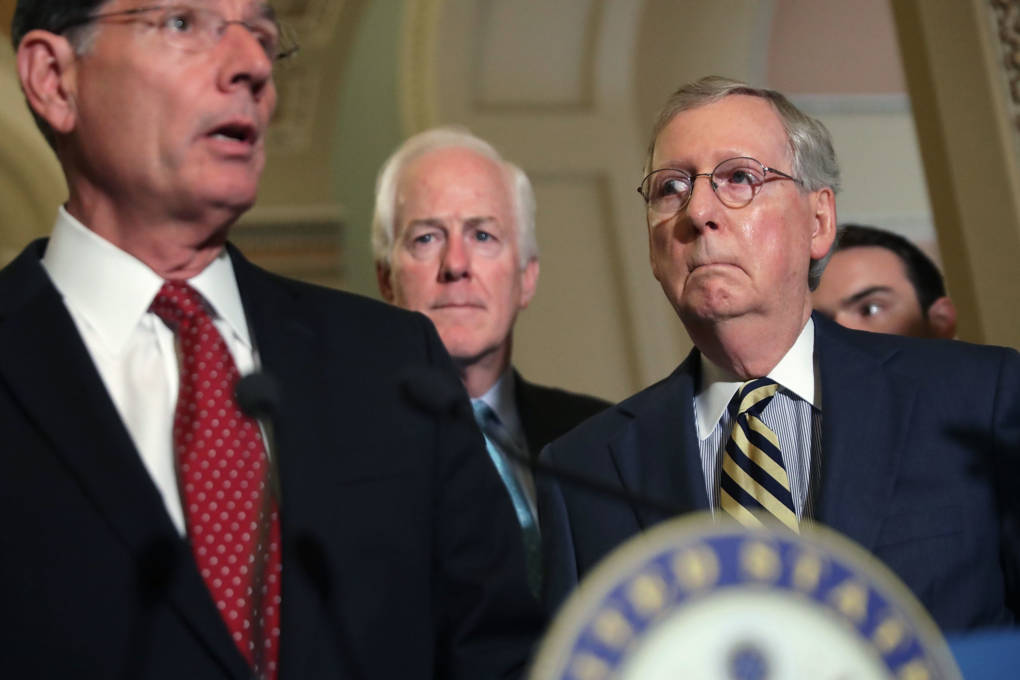
"caption": "Three of the 13 senators in the health care working group. From left to right: Sen. John Barrosso (R-WY), Senate Majority Whip John Cornyn (R-TX)., and Senate Majority Leader Mitch McConnell (R-KY). ",
"description": null,
"title": "Senate Leaders Speak To The Media After Their Weekly Policy Luncheons",
"credit": "Chip Somodevilla/Getty Images",
"status": "inherit",
"isLoading": false,
"fetchFailed": false
},
"news_11448630": {
"type": "attachments",
"id": "news_11448630",
"meta": {
"index": "attachments_1716263798",
"site": "news",
"id": "11448630",
"found": true
},
"parent": 11447163,
"imgSizes": {
"small": {
"file": "https://ww2.kqed.org/app/uploads/sites/10/2017/05/Denham-520x306.jpg",
"width": 520,
"mimeType": "image/jpeg",
"height": 306
},
"twentyfourteen-full-width": {
"file": "https://ww2.kqed.org/app/uploads/sites/10/2017/05/Denham-1038x576.jpg",
"width": 1038,
"mimeType": "image/jpeg",
"height": 576
},
"thumbnail": {
"file": "https://ww2.kqed.org/app/uploads/sites/10/2017/05/Denham-160x94.jpg",
"width": 160,
"mimeType": "image/jpeg",
"height": 94
},
"fd-sm": {
"file": "https://ww2.kqed.org/app/uploads/sites/10/2017/05/Denham-960x565.jpg",
"width": 960,
"mimeType": "image/jpeg",
"height": 565
},
"post-thumbnail": {
"file": "https://ww2.kqed.org/app/uploads/sites/10/2017/05/Denham-672x372.jpg",
"width": 672,
"mimeType": "image/jpeg",
"height": 372
},
"xsmall": {
"file": "https://ww2.kqed.org/app/uploads/sites/10/2017/05/Denham-375x221.jpg",
"width": 375,
"mimeType": "image/jpeg",
"height": 221
},
"kqedFullSize": {
"file": "https://ww2.kqed.org/app/uploads/sites/10/2017/05/Denham.jpg",
"width": 1920,
"height": 1129
},
"large": {
"file": "https://ww2.kqed.org/app/uploads/sites/10/2017/05/Denham-1020x600.jpg",
"width": 1020,
"mimeType": "image/jpeg",
"height": 600
},
"xlarge": {
"file": "https://ww2.kqed.org/app/uploads/sites/10/2017/05/Denham-1180x694.jpg",
"width": 1180,
"mimeType": "image/jpeg",
"height": 694
},
"guest-author-50": {
"file": "https://ww2.kqed.org/app/uploads/sites/10/2017/05/Denham-50x50.jpg",
"width": 50,
"mimeType": "image/jpeg",
"height": 50
},
"guest-author-96": {
"file": "https://ww2.kqed.org/app/uploads/sites/10/2017/05/Denham-96x96.jpg",
"width": 96,
"mimeType": "image/jpeg",
"height": 96
},
"medium": {
"file": "https://ww2.kqed.org/app/uploads/sites/10/2017/05/Denham-800x470.jpg",
"width": 800,
"mimeType": "image/jpeg",
"height": 470
},
"guest-author-64": {
"file": "https://ww2.kqed.org/app/uploads/sites/10/2017/05/Denham-64x64.jpg",
"width": 64,
"mimeType": "image/jpeg",
"height": 64
},
"guest-author-32": {
"file": "https://ww2.kqed.org/app/uploads/sites/10/2017/05/Denham-32x32.jpg",
"width": 32,
"mimeType": "image/jpeg",
"height": 32
},
"fd-lrg": {
"file": "https://ww2.kqed.org/app/uploads/sites/10/2017/05/Denham-1920x1129.jpg",
"width": 1920,
"mimeType": "image/jpeg",
"height": 1129
},
"fd-med": {
"file": "https://ww2.kqed.org/app/uploads/sites/10/2017/05/Denham-1180x694.jpg",
"width": 1180,
"mimeType": "image/jpeg",
"height": 694
},
"full-width": {
"file": "https://ww2.kqed.org/app/uploads/sites/10/2017/05/Denham-1920x1129.jpg",
"width": 1920,
"mimeType": "image/jpeg",
"height": 1129
},
"detail": {
"file": "https://ww2.kqed.org/app/uploads/sites/10/2017/05/Denham-150x150.jpg",
"width": 150,
"mimeType": "image/jpeg",
"height": 150
},
"guest-author-128": {
"file": "https://ww2.kqed.org/app/uploads/sites/10/2017/05/Denham-128x128.jpg",
"width": 128,
"mimeType": "image/jpeg",
"height": 128
},
"xxsmall": {
"file": "https://ww2.kqed.org/app/uploads/sites/10/2017/05/Denham-240x141.jpg",
"width": 240,
"mimeType": "image/jpeg",
"height": 141
}
},
"publishDate": 1494361410,
"modified": 1494361584,
"caption": "Rep. Jeff Denham (R) meets with constituents on May 9, 2017. The Stanislaus County Republican was a controversial 'yes' vote on the GOP health care bill.",
"description": "Rep. Jeff Denham (R) meets with constituents on May 9, 2017. The Stanislaus County Republican was a controversial 'yes' vote on the GOP health care bill.",
"title": "Denham",
"credit": "Guy Marzorati/KQED",
"status": "inherit",
"isLoading": false,
"fetchFailed": false
},
"news_11440366": {
"type": "attachments",
"id": "news_11440366",
"meta": {
"index": "attachments_1716263798",
"site": "news",
"id": "11440366",
"found": true
},
"parent": 11440106,
"imgSizes": {
"small": {
"file": "https://ww2.kqed.org/app/uploads/sites/10/2017/05/RyanWalks2-520x355.jpg",
"width": 520,
"mimeType": "image/jpeg",
"height": 355
},
"twentyfourteen-full-width": {
"file": "https://ww2.kqed.org/app/uploads/sites/10/2017/05/RyanWalks2-1038x576.jpg",
"width": 1038,
"mimeType": "image/jpeg",
"height": 576
},
"thumbnail": {
"file": "https://ww2.kqed.org/app/uploads/sites/10/2017/05/RyanWalks2-160x109.jpg",
"width": 160,
"mimeType": "image/jpeg",
"height": 109
},
"fd-sm": {
"file": "https://ww2.kqed.org/app/uploads/sites/10/2017/05/RyanWalks2-960x655.jpg",
"width": 960,
"mimeType": "image/jpeg",
"height": 655
},
"post-thumbnail": {
"file": "https://ww2.kqed.org/app/uploads/sites/10/2017/05/RyanWalks2-672x372.jpg",
"width": 672,
"mimeType": "image/jpeg",
"height": 372
},
"xsmall": {
"file": "https://ww2.kqed.org/app/uploads/sites/10/2017/05/RyanWalks2-375x256.jpg",
"width": 375,
"mimeType": "image/jpeg",
"height": 256
},
"kqedFullSize": {
"file": "https://ww2.kqed.org/app/uploads/sites/10/2017/05/RyanWalks2.jpg",
"width": 1920,
"height": 1310
},
"large": {
"file": "https://ww2.kqed.org/app/uploads/sites/10/2017/05/RyanWalks2-1020x696.jpg",
"width": 1020,
"mimeType": "image/jpeg",
"height": 696
},
"xlarge": {
"file": "https://ww2.kqed.org/app/uploads/sites/10/2017/05/RyanWalks2-1180x805.jpg",
"width": 1180,
"mimeType": "image/jpeg",
"height": 805
},
"guest-author-50": {
"file": "https://ww2.kqed.org/app/uploads/sites/10/2017/05/RyanWalks2-50x50.jpg",
"width": 50,
"mimeType": "image/jpeg",
"height": 50
},
"guest-author-96": {
"file": "https://ww2.kqed.org/app/uploads/sites/10/2017/05/RyanWalks2-96x96.jpg",
"width": 96,
"mimeType": "image/jpeg",
"height": 96
},
"medium": {
"file": "https://ww2.kqed.org/app/uploads/sites/10/2017/05/RyanWalks2-800x546.jpg",
"width": 800,
"mimeType": "image/jpeg",
"height": 546
},
"guest-author-64": {
"file": "https://ww2.kqed.org/app/uploads/sites/10/2017/05/RyanWalks2-64x64.jpg",
"width": 64,
"mimeType": "image/jpeg",
"height": 64
},
"guest-author-32": {
"file": "https://ww2.kqed.org/app/uploads/sites/10/2017/05/RyanWalks2-32x32.jpg",
"width": 32,
"mimeType": "image/jpeg",
"height": 32
},
"fd-lrg": {
"file": "https://ww2.kqed.org/app/uploads/sites/10/2017/05/RyanWalks2-1920x1310.jpg",
"width": 1920,
"mimeType": "image/jpeg",
"height": 1310
},
"fd-med": {
"file": "https://ww2.kqed.org/app/uploads/sites/10/2017/05/RyanWalks2-1180x805.jpg",
"width": 1180,
"mimeType": "image/jpeg",
"height": 805
},
"full-width": {
"file": "https://ww2.kqed.org/app/uploads/sites/10/2017/05/RyanWalks2-1920x1310.jpg",
"width": 1920,
"mimeType": "image/jpeg",
"height": 1310
},
"detail": {
"file": "https://ww2.kqed.org/app/uploads/sites/10/2017/05/RyanWalks2-150x150.jpg",
"width": 150,
"mimeType": "image/jpeg",
"height": 150
},
"guest-author-128": {
"file": "https://ww2.kqed.org/app/uploads/sites/10/2017/05/RyanWalks2-128x128.jpg",
"width": 128,
"mimeType": "image/jpeg",
"height": 128
},
"xxsmall": {
"file": "https://ww2.kqed.org/app/uploads/sites/10/2017/05/RyanWalks2-240x164.jpg",
"width": 240,
"mimeType": "image/jpeg",
"height": 164
}
},
"publishDate": 1493924366,
"modified": 1493924414,
"caption": "House Speaker Paul Ryan walks to the House chamber ahead of a vote on Capitol Hill May 3, 2017.",
"description": "House Speaker Paul Ryan walks to the House chamber ahead of a vote on Capitol Hill May 3, 2017.",
"title": "RyanWalks2",
"credit": "Eric Thayer/Getty Images",
"status": "inherit",
"isLoading": false,
"fetchFailed": false
},
"futureofyou_381345": {
"type": "attachments",
"id": "futureofyou_381345",
"meta": {
"index": "attachments_1716263798",
"site": "futureofyou",
"id": "381345",
"found": true
},
"parent": 379855,
"imgSizes": {
"small": {
"file": "https://ww2.kqed.org/app/uploads/sites/13/2017/04/IMG_1536-520x520.jpg",
"width": 520,
"mimeType": "image/jpeg",
"height": 520
},
"twentyfourteen-full-width": {
"file": "https://ww2.kqed.org/app/uploads/sites/13/2017/04/IMG_1536-640x576.jpg",
"width": 640,
"mimeType": "image/jpeg",
"height": 576
},
"thumbnail": {
"file": "https://ww2.kqed.org/app/uploads/sites/13/2017/04/IMG_1536-160x160.jpg",
"width": 160,
"mimeType": "image/jpeg",
"height": 160
},
"post-thumbnail": {
"file": "https://ww2.kqed.org/app/uploads/sites/13/2017/04/IMG_1536-640x372.jpg",
"width": 640,
"mimeType": "image/jpeg",
"height": 372
},
"xsmall": {
"file": "https://ww2.kqed.org/app/uploads/sites/13/2017/04/IMG_1536-375x375.jpg",
"width": 375,
"mimeType": "image/jpeg",
"height": 375
},
"kqedFullSize": {
"file": "https://ww2.kqed.org/app/uploads/sites/13/2017/04/IMG_1536.jpg",
"width": 640,
"height": 640
},
"guest-author-50": {
"file": "https://ww2.kqed.org/app/uploads/sites/13/2017/04/IMG_1536-50x50.jpg",
"width": 50,
"mimeType": "image/jpeg",
"height": 50
},
"guest-author-96": {
"file": "https://ww2.kqed.org/app/uploads/sites/13/2017/04/IMG_1536-96x96.jpg",
"width": 96,
"mimeType": "image/jpeg",
"height": 96
},
"guest-author-64": {
"file": "https://ww2.kqed.org/app/uploads/sites/13/2017/04/IMG_1536-64x64.jpg",
"width": 64,
"mimeType": "image/jpeg",
"height": 64
},
"guest-author-32": {
"file": "https://ww2.kqed.org/app/uploads/sites/13/2017/04/IMG_1536-32x32.jpg",
"width": 32,
"mimeType": "image/jpeg",
"height": 32
},
"detail": {
"file": "https://ww2.kqed.org/app/uploads/sites/13/2017/04/IMG_1536-150x150.jpg",
"width": 150,
"mimeType": "image/jpeg",
"height": 150
},
"guest-author-128": {
"file": "https://ww2.kqed.org/app/uploads/sites/13/2017/04/IMG_1536-128x128.jpg",
"width": 128,
"mimeType": "image/jpeg",
"height": 128
},
"xxsmall": {
"file": "https://ww2.kqed.org/app/uploads/sites/13/2017/04/IMG_1536-240x240.jpg",
"width": 240,
"mimeType": "image/jpeg",
"height": 240
}
},
"publishDate": 1493441900,
"modified": 1493675474,
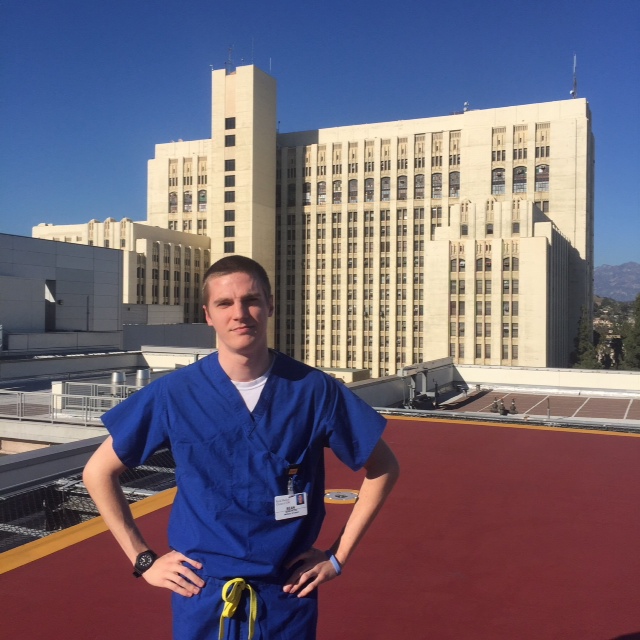
"caption": "Sean Petro, at age 24, one year before his suicide while attending the USC Keck School of Medicine.\n\n",
"description": null,
"title": "IMG_1536",
"credit": "Photo courtesy of Cheryl Petro Collier.",
"status": "inherit",
"isLoading": false,
"fetchFailed": false
},
"stateofhealth_323175": {
"type": "attachments",
"id": "stateofhealth_323175",
"meta": {
"index": "attachments_1716263798",
"site": "stateofhealth",
"id": "323175",
"found": true
},
"parent": 323172,
"imgSizes": {
"small": {
"file": "https://ww2.kqed.org/app/uploads/sites/27/2017/04/rare-disease-2-520x347.jpg",
"width": 520,
"mimeType": "image/jpeg",
"height": 347
},
"twentyfourteen-full-width": {
"file": "https://ww2.kqed.org/app/uploads/sites/27/2017/04/rare-disease-2-1038x576.jpg",
"width": 1038,
"mimeType": "image/jpeg",
"height": 576
},
"thumbnail": {
"file": "https://ww2.kqed.org/app/uploads/sites/27/2017/04/rare-disease-2-160x107.jpg",
"width": 160,
"mimeType": "image/jpeg",
"height": 107
},
"fd-sm": {
"file": "https://ww2.kqed.org/app/uploads/sites/27/2017/04/rare-disease-2-960x641.jpg",
"width": 960,
"mimeType": "image/jpeg",
"height": 641
},
"post-thumbnail": {
"file": "https://ww2.kqed.org/app/uploads/sites/27/2017/04/rare-disease-2-672x372.jpg",
"width": 672,
"mimeType": "image/jpeg",
"height": 372
},
"xsmall": {
"file": "https://ww2.kqed.org/app/uploads/sites/27/2017/04/rare-disease-2-375x250.jpg",
"width": 375,
"mimeType": "image/jpeg",
"height": 250
},
"kqedFullSize": {
"file": "https://ww2.kqed.org/app/uploads/sites/27/2017/04/rare-disease-2.jpg",
"width": 7360,
"height": 4912
},
"large": {
"file": "https://ww2.kqed.org/app/uploads/sites/27/2017/04/rare-disease-2-1020x681.jpg",
"width": 1020,
"mimeType": "image/jpeg",
"height": 681
},
"xlarge": {
"file": "https://ww2.kqed.org/app/uploads/sites/27/2017/04/rare-disease-2-1180x788.jpg",
"width": 1180,
"mimeType": "image/jpeg",
"height": 788
},
"guest-author-50": {
"file": "https://ww2.kqed.org/app/uploads/sites/27/2017/04/rare-disease-2-50x50.jpg",
"width": 50,
"mimeType": "image/jpeg",
"height": 50
},
"guest-author-96": {
"file": "https://ww2.kqed.org/app/uploads/sites/27/2017/04/rare-disease-2-96x96.jpg",
"width": 96,
"mimeType": "image/jpeg",
"height": 96
},
"medium": {
"file": "https://ww2.kqed.org/app/uploads/sites/27/2017/04/rare-disease-2-800x534.jpg",
"width": 800,
"mimeType": "image/jpeg",
"height": 534
},
"guest-author-64": {
"file": "https://ww2.kqed.org/app/uploads/sites/27/2017/04/rare-disease-2-64x64.jpg",
"width": 64,
"mimeType": "image/jpeg",
"height": 64
},
"guest-author-32": {
"file": "https://ww2.kqed.org/app/uploads/sites/27/2017/04/rare-disease-2-32x32.jpg",
"width": 32,
"mimeType": "image/jpeg",
"height": 32
},
"fd-lrg": {
"file": "https://ww2.kqed.org/app/uploads/sites/27/2017/04/rare-disease-2-1920x1281.jpg",
"width": 1920,
"mimeType": "image/jpeg",
"height": 1281
},
"fd-med": {
"file": "https://ww2.kqed.org/app/uploads/sites/27/2017/04/rare-disease-2-1180x788.jpg",
"width": 1180,
"mimeType": "image/jpeg",
"height": 788
},
"full-width": {
"file": "https://ww2.kqed.org/app/uploads/sites/27/2017/04/rare-disease-2-1920x1281.jpg",
"width": 1920,
"mimeType": "image/jpeg",
"height": 1281
},
"detail": {
"file": "https://ww2.kqed.org/app/uploads/sites/27/2017/04/rare-disease-2-150x150.jpg",
"width": 150,
"mimeType": "image/jpeg",
"height": 150
},
"medium_large": {
"file": "https://ww2.kqed.org/app/uploads/sites/27/2017/04/rare-disease-2-768x513.jpg",
"width": 768,
"mimeType": "image/jpeg",
"height": 513
},
"guest-author-128": {
"file": "https://ww2.kqed.org/app/uploads/sites/27/2017/04/rare-disease-2-128x128.jpg",
"width": 128,
"mimeType": "image/jpeg",
"height": 128
},
"xxsmall": {
"file": "https://ww2.kqed.org/app/uploads/sites/27/2017/04/rare-disease-2-240x160.jpg",
"width": 240,
"mimeType": "image/jpeg",
"height": 160
}
},
"publishDate": 1493330633,
"modified": 1493330703,
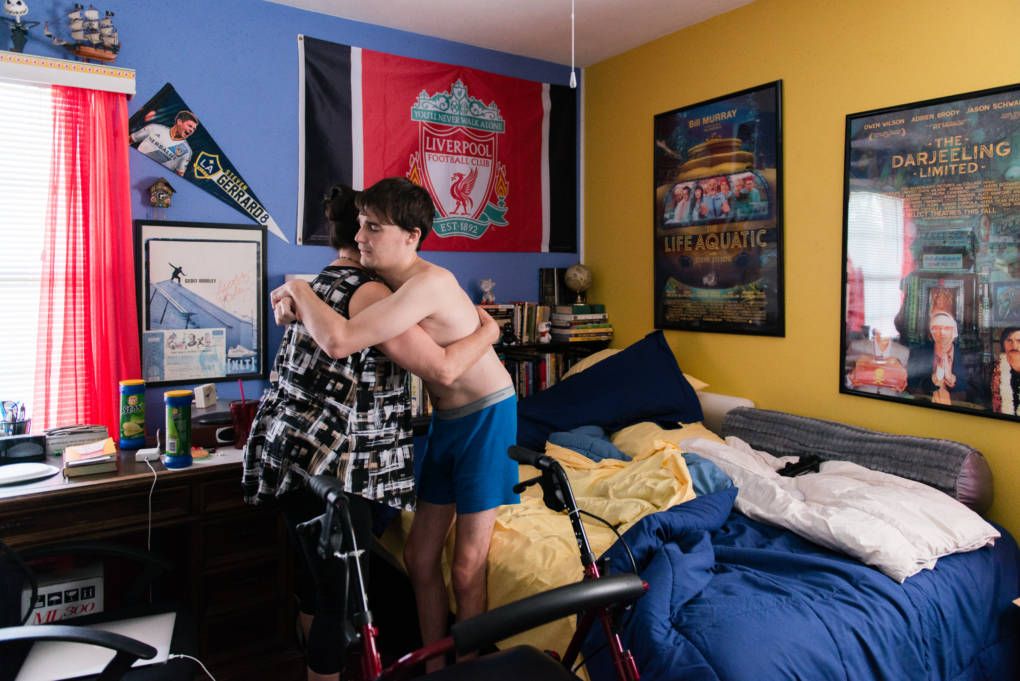
"caption": "Lynn Whittaker helps her son, Andrew Whittaker, out of bed every morning. Andrew, 27, has a rare disease and has lost mobility. ",
"description": null,
"title": "rare-disease-2",
"credit": "Heidi de Marco/KHN",
"status": "inherit",
"isLoading": false,
"fetchFailed": false
},
"stateofhealth_322684": {
"type": "attachments",
"id": "stateofhealth_322684",
"meta": {
"index": "attachments_1716263798",
"site": "stateofhealth",
"id": "322684",
"found": true
},
"parent": 322664,
"imgSizes": {
"small": {
"file": "https://ww2.kqed.org/app/uploads/sites/27/2017/04/iStock-622208456-520x347.jpg",
"width": 520,
"mimeType": "image/jpeg",
"height": 347
},
"twentyfourteen-full-width": {
"file": "https://ww2.kqed.org/app/uploads/sites/27/2017/04/iStock-622208456-1038x576.jpg",
"width": 1038,
"mimeType": "image/jpeg",
"height": 576
},
"thumbnail": {
"file": "https://ww2.kqed.org/app/uploads/sites/27/2017/04/iStock-622208456-160x107.jpg",
"width": 160,
"mimeType": "image/jpeg",
"height": 107
},
"fd-sm": {
"file": "https://ww2.kqed.org/app/uploads/sites/27/2017/04/iStock-622208456-960x641.jpg",
"width": 960,
"mimeType": "image/jpeg",
"height": 641
},
"post-thumbnail": {
"file": "https://ww2.kqed.org/app/uploads/sites/27/2017/04/iStock-622208456-672x372.jpg",
"width": 672,
"mimeType": "image/jpeg",
"height": 372
},
"xsmall": {
"file": "https://ww2.kqed.org/app/uploads/sites/27/2017/04/iStock-622208456-375x250.jpg",
"width": 375,
"mimeType": "image/jpeg",
"height": 250
},
"kqedFullSize": {
"file": "https://ww2.kqed.org/app/uploads/sites/27/2017/04/iStock-622208456-e1493241719809.jpg",
"width": 1920,
"height": 1282
},
"large": {
"file": "https://ww2.kqed.org/app/uploads/sites/27/2017/04/iStock-622208456-1020x681.jpg",
"width": 1020,
"mimeType": "image/jpeg",
"height": 681
},
"xlarge": {
"file": "https://ww2.kqed.org/app/uploads/sites/27/2017/04/iStock-622208456-1180x788.jpg",
"width": 1180,
"mimeType": "image/jpeg",
"height": 788
},
"guest-author-50": {
"file": "https://ww2.kqed.org/app/uploads/sites/27/2017/04/iStock-622208456-50x50.jpg",
"width": 50,
"mimeType": "image/jpeg",
"height": 50
},
"guest-author-96": {
"file": "https://ww2.kqed.org/app/uploads/sites/27/2017/04/iStock-622208456-96x96.jpg",
"width": 96,
"mimeType": "image/jpeg",
"height": 96
},
"medium": {
"file": "https://ww2.kqed.org/app/uploads/sites/27/2017/04/iStock-622208456-800x534.jpg",
"width": 800,
"mimeType": "image/jpeg",
"height": 534
},
"guest-author-64": {
"file": "https://ww2.kqed.org/app/uploads/sites/27/2017/04/iStock-622208456-64x64.jpg",
"width": 64,
"mimeType": "image/jpeg",
"height": 64
},
"guest-author-32": {
"file": "https://ww2.kqed.org/app/uploads/sites/27/2017/04/iStock-622208456-32x32.jpg",
"width": 32,
"mimeType": "image/jpeg",
"height": 32
},
"fd-lrg": {
"file": "https://ww2.kqed.org/app/uploads/sites/27/2017/04/iStock-622208456-1920x1282.jpg",
"width": 1920,
"mimeType": "image/jpeg",
"height": 1282
},
"fd-med": {
"file": "https://ww2.kqed.org/app/uploads/sites/27/2017/04/iStock-622208456-1180x788.jpg",
"width": 1180,
"mimeType": "image/jpeg",
"height": 788
},
"full-width": {
"file": "https://ww2.kqed.org/app/uploads/sites/27/2017/04/iStock-622208456-1920x1282.jpg",
"width": 1920,
"mimeType": "image/jpeg",
"height": 1282
},
"detail": {
"file": "https://ww2.kqed.org/app/uploads/sites/27/2017/04/iStock-622208456-150x150.jpg",
"width": 150,
"mimeType": "image/jpeg",
"height": 150
},
"medium_large": {
"file": "https://ww2.kqed.org/app/uploads/sites/27/2017/04/iStock-622208456-768x513.jpg",
"width": 768,
"mimeType": "image/jpeg",
"height": 513
},
"guest-author-128": {
"file": "https://ww2.kqed.org/app/uploads/sites/27/2017/04/iStock-622208456-128x128.jpg",
"width": 128,
"mimeType": "image/jpeg",
"height": 128
},
"xxsmall": {
"file": "https://ww2.kqed.org/app/uploads/sites/27/2017/04/iStock-622208456-240x160.jpg",
"width": 240,
"mimeType": "image/jpeg",
"height": 160
}
},
"publishDate": 1493241658,
"modified": 1493241685,
"caption": null,
"description": null,
"title": "iStock-622208456",
"credit": "Getty images",
"status": "inherit",
"isLoading": false,
"fetchFailed": false
},
"stateofhealth_320813": {
"type": "attachments",
"id": "stateofhealth_320813",
"meta": {
"index": "attachments_1716263798",
"site": "stateofhealth",
"id": "320813",
"found": true
},
"parent": 320798,
"imgSizes": {
"small": {
"file": "https://ww2.kqed.org/app/uploads/sites/27/2017/04/iStock-145848947-520x347.jpg",
"width": 520,
"mimeType": "image/jpeg",
"height": 347
},
"twentyfourteen-full-width": {
"file": "https://ww2.kqed.org/app/uploads/sites/27/2017/04/iStock-145848947-1038x576.jpg",
"width": 1038,
"mimeType": "image/jpeg",
"height": 576
},
"thumbnail": {
"file": "https://ww2.kqed.org/app/uploads/sites/27/2017/04/iStock-145848947-160x107.jpg",
"width": 160,
"mimeType": "image/jpeg",
"height": 107
},
"fd-sm": {
"file": "https://ww2.kqed.org/app/uploads/sites/27/2017/04/iStock-145848947-960x640.jpg",
"width": 960,
"mimeType": "image/jpeg",
"height": 640
},
"post-thumbnail": {
"file": "https://ww2.kqed.org/app/uploads/sites/27/2017/04/iStock-145848947-672x372.jpg",
"width": 672,
"mimeType": "image/jpeg",
"height": 372
},
"xsmall": {
"file": "https://ww2.kqed.org/app/uploads/sites/27/2017/04/iStock-145848947-375x250.jpg",
"width": 375,
"mimeType": "image/jpeg",
"height": 250
},
"kqedFullSize": {
"file": "https://ww2.kqed.org/app/uploads/sites/27/2017/04/iStock-145848947-e1492791912695.jpg",
"width": 1920,
"height": 1280
},
"large": {
"file": "https://ww2.kqed.org/app/uploads/sites/27/2017/04/iStock-145848947-1020x680.jpg",
"width": 1020,
"mimeType": "image/jpeg",
"height": 680
},
"xlarge": {
"file": "https://ww2.kqed.org/app/uploads/sites/27/2017/04/iStock-145848947-1180x787.jpg",
"width": 1180,
"mimeType": "image/jpeg",
"height": 787
},
"guest-author-50": {
"file": "https://ww2.kqed.org/app/uploads/sites/27/2017/04/iStock-145848947-50x50.jpg",
"width": 50,
"mimeType": "image/jpeg",
"height": 50
},
"guest-author-96": {
"file": "https://ww2.kqed.org/app/uploads/sites/27/2017/04/iStock-145848947-96x96.jpg",
"width": 96,
"mimeType": "image/jpeg",
"height": 96
},
"medium": {
"file": "https://ww2.kqed.org/app/uploads/sites/27/2017/04/iStock-145848947-800x533.jpg",
"width": 800,
"mimeType": "image/jpeg",
"height": 533
},
"guest-author-64": {
"file": "https://ww2.kqed.org/app/uploads/sites/27/2017/04/iStock-145848947-64x64.jpg",
"width": 64,
"mimeType": "image/jpeg",
"height": 64
},
"guest-author-32": {
"file": "https://ww2.kqed.org/app/uploads/sites/27/2017/04/iStock-145848947-32x32.jpg",
"width": 32,
"mimeType": "image/jpeg",
"height": 32
},
"fd-lrg": {
"file": "https://ww2.kqed.org/app/uploads/sites/27/2017/04/iStock-145848947-1920x1280.jpg",
"width": 1920,
"mimeType": "image/jpeg",
"height": 1280
},
"fd-med": {
"file": "https://ww2.kqed.org/app/uploads/sites/27/2017/04/iStock-145848947-1180x787.jpg",
"width": 1180,
"mimeType": "image/jpeg",
"height": 787
},
"full-width": {
"file": "https://ww2.kqed.org/app/uploads/sites/27/2017/04/iStock-145848947-1920x1280.jpg",
"width": 1920,
"mimeType": "image/jpeg",
"height": 1280
},
"detail": {
"file": "https://ww2.kqed.org/app/uploads/sites/27/2017/04/iStock-145848947-150x150.jpg",
"width": 150,
"mimeType": "image/jpeg",
"height": 150
},
"medium_large": {
"file": "https://ww2.kqed.org/app/uploads/sites/27/2017/04/iStock-145848947-768x512.jpg",
"width": 768,
"mimeType": "image/jpeg",
"height": 512
},
"guest-author-128": {
"file": "https://ww2.kqed.org/app/uploads/sites/27/2017/04/iStock-145848947-128x128.jpg",
"width": 128,
"mimeType": "image/jpeg",
"height": 128
},
"xxsmall": {
"file": "https://ww2.kqed.org/app/uploads/sites/27/2017/04/iStock-145848947-240x160.jpg",
"width": 240,
"mimeType": "image/jpeg",
"height": 160
}
},
"publishDate": 1492791875,
"modified": 1492791903,
"caption": null,
"description": null,
"title": "iStock-145848947",
"credit": "Getty images",
"status": "inherit",
"isLoading": false,
"fetchFailed": false
},
"stateofhealth_319667": {
"type": "attachments",
"id": "stateofhealth_319667",
"meta": {
"index": "attachments_1716263798",
"site": "stateofhealth",
"id": "319667",
"found": true
},
"parent": 319657,
"imgSizes": {
"small": {
"file": "https://ww2.kqed.org/app/uploads/sites/27/2017/04/iStock-465404013-520x347.jpg",
"width": 520,
"mimeType": "image/jpeg",
"height": 347
},
"twentyfourteen-full-width": {
"file": "https://ww2.kqed.org/app/uploads/sites/27/2017/04/iStock-465404013-1038x576.jpg",
"width": 1038,
"mimeType": "image/jpeg",
"height": 576
},
"thumbnail": {
"file": "https://ww2.kqed.org/app/uploads/sites/27/2017/04/iStock-465404013-160x107.jpg",
"width": 160,
"mimeType": "image/jpeg",
"height": 107
},
"fd-sm": {
"file": "https://ww2.kqed.org/app/uploads/sites/27/2017/04/iStock-465404013-960x640.jpg",
"width": 960,
"mimeType": "image/jpeg",
"height": 640
},
"post-thumbnail": {
"file": "https://ww2.kqed.org/app/uploads/sites/27/2017/04/iStock-465404013-672x372.jpg",
"width": 672,
"mimeType": "image/jpeg",
"height": 372
},
"xsmall": {
"file": "https://ww2.kqed.org/app/uploads/sites/27/2017/04/iStock-465404013-375x250.jpg",
"width": 375,
"mimeType": "image/jpeg",
"height": 250
},
"kqedFullSize": {
"file": "https://ww2.kqed.org/app/uploads/sites/27/2017/04/iStock-465404013-e1492547146303.jpg",
"width": 1920,
"height": 1280
},
"large": {
"file": "https://ww2.kqed.org/app/uploads/sites/27/2017/04/iStock-465404013-1020x680.jpg",
"width": 1020,
"mimeType": "image/jpeg",
"height": 680
},
"xlarge": {
"file": "https://ww2.kqed.org/app/uploads/sites/27/2017/04/iStock-465404013-1180x787.jpg",
"width": 1180,
"mimeType": "image/jpeg",
"height": 787
},
"guest-author-50": {
"file": "https://ww2.kqed.org/app/uploads/sites/27/2017/04/iStock-465404013-50x50.jpg",
"width": 50,
"mimeType": "image/jpeg",
"height": 50
},
"guest-author-96": {
"file": "https://ww2.kqed.org/app/uploads/sites/27/2017/04/iStock-465404013-96x96.jpg",
"width": 96,
"mimeType": "image/jpeg",
"height": 96
},
"medium": {
"file": "https://ww2.kqed.org/app/uploads/sites/27/2017/04/iStock-465404013-800x533.jpg",
"width": 800,
"mimeType": "image/jpeg",
"height": 533
},
"guest-author-64": {
"file": "https://ww2.kqed.org/app/uploads/sites/27/2017/04/iStock-465404013-64x64.jpg",
"width": 64,
"mimeType": "image/jpeg",
"height": 64
},
"guest-author-32": {
"file": "https://ww2.kqed.org/app/uploads/sites/27/2017/04/iStock-465404013-32x32.jpg",
"width": 32,
"mimeType": "image/jpeg",
"height": 32
},
"fd-lrg": {
"file": "https://ww2.kqed.org/app/uploads/sites/27/2017/04/iStock-465404013-1920x1280.jpg",
"width": 1920,
"mimeType": "image/jpeg",
"height": 1280
},
"fd-med": {
"file": "https://ww2.kqed.org/app/uploads/sites/27/2017/04/iStock-465404013-1180x787.jpg",
"width": 1180,
"mimeType": "image/jpeg",
"height": 787
},
"full-width": {
"file": "https://ww2.kqed.org/app/uploads/sites/27/2017/04/iStock-465404013-1920x1280.jpg",
"width": 1920,
"mimeType": "image/jpeg",
"height": 1280
},
"detail": {
"file": "https://ww2.kqed.org/app/uploads/sites/27/2017/04/iStock-465404013-150x150.jpg",
"width": 150,
"mimeType": "image/jpeg",
"height": 150
},
"medium_large": {
"file": "https://ww2.kqed.org/app/uploads/sites/27/2017/04/iStock-465404013-768x512.jpg",
"width": 768,
"mimeType": "image/jpeg",
"height": 512
},
"guest-author-128": {
"file": "https://ww2.kqed.org/app/uploads/sites/27/2017/04/iStock-465404013-128x128.jpg",
"width": 128,
"mimeType": "image/jpeg",
"height": 128
},
"xxsmall": {
"file": "https://ww2.kqed.org/app/uploads/sites/27/2017/04/iStock-465404013-240x160.jpg",
"width": 240,
"mimeType": "image/jpeg",
"height": 160
}
},
"publishDate": 1492547122,
"modified": 1492547179,
"caption": null,
"description": null,
"title": "iStock-465404013",
"credit": "Getty images",
"status": "inherit",
"isLoading": false,
"fetchFailed": false
},
"stateofhealth_316319": {
"type": "attachments",
"id": "stateofhealth_316319",
"meta": {
"index": "attachments_1716263798",
"site": "stateofhealth",
"id": "316319",
"found": true
},
"parent": 314323,
"imgSizes": {
"small": {
"file": "https://ww2.kqed.org/app/uploads/sites/27/2017/04/Single-Payer-Now-520x348.jpg",
"width": 520,
"mimeType": "image/jpeg",
"height": 348
},
"twentyfourteen-full-width": {
"file": "https://ww2.kqed.org/app/uploads/sites/27/2017/04/Single-Payer-Now-1024x576.jpg",
"width": 1024,
"mimeType": "image/jpeg",
"height": 576
},
"thumbnail": {
"file": "https://ww2.kqed.org/app/uploads/sites/27/2017/04/Single-Payer-Now-160x107.jpg",
"width": 160,
"mimeType": "image/jpeg",
"height": 107
},
"fd-sm": {
"file": "https://ww2.kqed.org/app/uploads/sites/27/2017/04/Single-Payer-Now-960x642.jpg",
"width": 960,
"mimeType": "image/jpeg",
"height": 642
},
"post-thumbnail": {
"file": "https://ww2.kqed.org/app/uploads/sites/27/2017/04/Single-Payer-Now-672x372.jpg",
"width": 672,
"mimeType": "image/jpeg",
"height": 372
},
"xsmall": {
"file": "https://ww2.kqed.org/app/uploads/sites/27/2017/04/Single-Payer-Now-375x251.jpg",
"width": 375,
"mimeType": "image/jpeg",
"height": 251
},
"kqedFullSize": {
"file": "https://ww2.kqed.org/app/uploads/sites/27/2017/04/Single-Payer-Now.jpg",
"width": 1024,
"height": 685
},
"large": {
"file": "https://ww2.kqed.org/app/uploads/sites/27/2017/04/Single-Payer-Now-1020x682.jpg",
"width": 1020,
"mimeType": "image/jpeg",
"height": 682
},
"guest-author-50": {
"file": "https://ww2.kqed.org/app/uploads/sites/27/2017/04/Single-Payer-Now-50x50.jpg",
"width": 50,
"mimeType": "image/jpeg",
"height": 50
},
"guest-author-96": {
"file": "https://ww2.kqed.org/app/uploads/sites/27/2017/04/Single-Payer-Now-96x96.jpg",
"width": 96,
"mimeType": "image/jpeg",
"height": 96
},
"medium": {
"file": "https://ww2.kqed.org/app/uploads/sites/27/2017/04/Single-Payer-Now-800x535.jpg",
"width": 800,
"mimeType": "image/jpeg",
"height": 535
},
"guest-author-64": {
"file": "https://ww2.kqed.org/app/uploads/sites/27/2017/04/Single-Payer-Now-64x64.jpg",
"width": 64,
"mimeType": "image/jpeg",
"height": 64
},
"guest-author-32": {
"file": "https://ww2.kqed.org/app/uploads/sites/27/2017/04/Single-Payer-Now-32x32.jpg",
"width": 32,
"mimeType": "image/jpeg",
"height": 32
},
"detail": {
"file": "https://ww2.kqed.org/app/uploads/sites/27/2017/04/Single-Payer-Now-150x150.jpg",
"width": 150,
"mimeType": "image/jpeg",
"height": 150
},
"medium_large": {
"file": "https://ww2.kqed.org/app/uploads/sites/27/2017/04/Single-Payer-Now-768x514.jpg",
"width": 768,
"mimeType": "image/jpeg",
"height": 514
},
"guest-author-128": {
"file": "https://ww2.kqed.org/app/uploads/sites/27/2017/04/Single-Payer-Now-128x128.jpg",
"width": 128,
"mimeType": "image/jpeg",
"height": 128
},
"xxsmall": {
"file": "https://ww2.kqed.org/app/uploads/sites/27/2017/04/Single-Payer-Now-240x161.jpg",
"width": 240,
"mimeType": "image/jpeg",
"height": 161
}
},
"publishDate": 1491958259,
"modified": 1491958294,
"caption": null,
"description": null,
"title": "Health Care Activists Demonstrate In Favor Of Single Payer Care Legislation",
"credit": "Justin Sullivan/Getty Images",
"status": "inherit",
"isLoading": false,
"fetchFailed": false
},
"news_11373080": {
"type": "attachments",
"id": "news_11373080",
"meta": {
"index": "attachments_1716263798",
"site": "news",
"id": "11373080",
"found": true
},
"parent": 11372927,
"imgSizes": {
"small": {
"file": "https://ww2.kqed.org/app/uploads/sites/10/2017/03/TrumpFresno-1920x1254-520x340.jpg",
"width": 520,
"mimeType": "image/jpeg",
"height": 340
},
"twentyfourteen-full-width": {
"file": "https://ww2.kqed.org/app/uploads/sites/10/2017/03/TrumpFresno-1920x1254-1038x576.jpg",
"width": 1038,
"mimeType": "image/jpeg",
"height": 576
},
"thumbnail": {
"file": "https://ww2.kqed.org/app/uploads/sites/10/2017/03/TrumpFresno-1920x1254-160x105.jpg",
"width": 160,
"mimeType": "image/jpeg",
"height": 105
},
"fd-sm": {
"file": "https://ww2.kqed.org/app/uploads/sites/10/2017/03/TrumpFresno-1920x1254-960x627.jpg",
"width": 960,
"mimeType": "image/jpeg",
"height": 627
},
"post-thumbnail": {
"file": "https://ww2.kqed.org/app/uploads/sites/10/2017/03/TrumpFresno-1920x1254-672x372.jpg",
"width": 672,
"mimeType": "image/jpeg",
"height": 372
},
"xsmall": {
"file": "https://ww2.kqed.org/app/uploads/sites/10/2017/03/TrumpFresno-1920x1254-375x245.jpg",
"width": 375,
"mimeType": "image/jpeg",
"height": 245
},
"kqedFullSize": {
"file": "https://ww2.kqed.org/app/uploads/sites/10/2017/03/TrumpFresno-1920x1254.jpg",
"width": 1920,
"height": 1254
},
"large": {
"file": "https://ww2.kqed.org/app/uploads/sites/10/2017/03/TrumpFresno-1920x1254-1020x666.jpg",
"width": 1020,
"mimeType": "image/jpeg",
"height": 666
},
"xlarge": {
"file": "https://ww2.kqed.org/app/uploads/sites/10/2017/03/TrumpFresno-1920x1254-1180x771.jpg",
"width": 1180,
"mimeType": "image/jpeg",
"height": 771
},
"guest-author-50": {
"file": "https://ww2.kqed.org/app/uploads/sites/10/2017/03/TrumpFresno-1920x1254-50x50.jpg",
"width": 50,
"mimeType": "image/jpeg",
"height": 50
},
"guest-author-96": {
"file": "https://ww2.kqed.org/app/uploads/sites/10/2017/03/TrumpFresno-1920x1254-96x96.jpg",
"width": 96,
"mimeType": "image/jpeg",
"height": 96
},
"medium": {
"file": "https://ww2.kqed.org/app/uploads/sites/10/2017/03/TrumpFresno-1920x1254-800x523.jpg",
"width": 800,
"mimeType": "image/jpeg",
"height": 523
},
"guest-author-64": {
"file": "https://ww2.kqed.org/app/uploads/sites/10/2017/03/TrumpFresno-1920x1254-64x64.jpg",
"width": 64,
"mimeType": "image/jpeg",
"height": 64
},
"guest-author-32": {
"file": "https://ww2.kqed.org/app/uploads/sites/10/2017/03/TrumpFresno-1920x1254-32x32.jpg",
"width": 32,
"mimeType": "image/jpeg",
"height": 32
},
"fd-lrg": {
"file": "https://ww2.kqed.org/app/uploads/sites/10/2017/03/TrumpFresno-1920x1254-1920x1254.jpg",
"width": 1920,
"mimeType": "image/jpeg",
"height": 1254
},
"fd-med": {
"file": "https://ww2.kqed.org/app/uploads/sites/10/2017/03/TrumpFresno-1920x1254-1180x771.jpg",
"width": 1180,
"mimeType": "image/jpeg",
"height": 771
},
"full-width": {
"file": "https://ww2.kqed.org/app/uploads/sites/10/2017/03/TrumpFresno-1920x1254-1920x1254.jpg",
"width": 1920,
"mimeType": "image/jpeg",
"height": 1254
},
"detail": {
"file": "https://ww2.kqed.org/app/uploads/sites/10/2017/03/TrumpFresno-1920x1254-150x150.jpg",
"width": 150,
"mimeType": "image/jpeg",
"height": 150
},
"guest-author-128": {
"file": "https://ww2.kqed.org/app/uploads/sites/10/2017/03/TrumpFresno-1920x1254-128x128.jpg",
"width": 128,
"mimeType": "image/jpeg",
"height": 128
},
"xxsmall": {
"file": "https://ww2.kqed.org/app/uploads/sites/10/2017/03/TrumpFresno-1920x1254-240x157.jpg",
"width": 240,
"mimeType": "image/jpeg",
"height": 157
}
},
"publishDate": 1490319655,
"modified": 1490319712,
"caption": "Donald Trump speaks at a rally in Fresno on May 27. Repealing and replacing the Affordable Care Act could hurt the voter base that helped put Trump in power.",
"description": "Donald Trump speaks at a rally in Fresno on May 27. Repealing and replacing the Affordable Care Act could hurt the voter base that helped put Trump in power.",
"title": "TrumpFresno-1920x1254",
"credit": "Spencer Platt/Getty Images",
"status": "inherit",
"isLoading": false,
"fetchFailed": false
},
"news_11360943": {
"type": "attachments",
"id": "news_11360943",
"meta": {
"index": "attachments_1716263798",
"site": "news",
"id": "11360943",
"found": true
},
"parent": 11359570,
"imgSizes": {
"small": {
"file": "https://ww2.kqed.org/app/uploads/sites/10/2017/03/RS5067_NurseChecksBloodPressure-520x347.jpg",
"width": 520,
"mimeType": "image/jpeg",
"height": 347
},
"twentyfourteen-full-width": {
"file": "https://ww2.kqed.org/app/uploads/sites/10/2017/03/RS5067_NurseChecksBloodPressure-1038x576.jpg",
"width": 1038,
"mimeType": "image/jpeg",
"height": 576
},
"thumbnail": {
"file": "https://ww2.kqed.org/app/uploads/sites/10/2017/03/RS5067_NurseChecksBloodPressure-160x107.jpg",
"width": 160,
"mimeType": "image/jpeg",
"height": 107
},
"fd-sm": {
"file": "https://ww2.kqed.org/app/uploads/sites/10/2017/03/RS5067_NurseChecksBloodPressure-960x640.jpg",
"width": 960,
"mimeType": "image/jpeg",
"height": 640
},
"post-thumbnail": {
"file": "https://ww2.kqed.org/app/uploads/sites/10/2017/03/RS5067_NurseChecksBloodPressure-672x372.jpg",
"width": 672,
"mimeType": "image/jpeg",
"height": 372
},
"xsmall": {
"file": "https://ww2.kqed.org/app/uploads/sites/10/2017/03/RS5067_NurseChecksBloodPressure-375x250.jpg",
"width": 375,
"mimeType": "image/jpeg",
"height": 250
},
"kqedFullSize": {
"file": "https://ww2.kqed.org/app/uploads/sites/10/2017/03/RS5067_NurseChecksBloodPressure-e1489614619803.jpg",
"width": 1920,
"height": 1280
},
"large": {
"file": "https://ww2.kqed.org/app/uploads/sites/10/2017/03/RS5067_NurseChecksBloodPressure-1020x680.jpg",
"width": 1020,
"mimeType": "image/jpeg",
"height": 680
},
"xlarge": {
"file": "https://ww2.kqed.org/app/uploads/sites/10/2017/03/RS5067_NurseChecksBloodPressure-1180x787.jpg",
"width": 1180,
"mimeType": "image/jpeg",
"height": 787
},
"guest-author-50": {
"file": "https://ww2.kqed.org/app/uploads/sites/10/2017/03/RS5067_NurseChecksBloodPressure-50x50.jpg",
"width": 50,
"mimeType": "image/jpeg",
"height": 50
},
"guest-author-96": {
"file": "https://ww2.kqed.org/app/uploads/sites/10/2017/03/RS5067_NurseChecksBloodPressure-96x96.jpg",
"width": 96,
"mimeType": "image/jpeg",
"height": 96
},
"medium": {
"file": "https://ww2.kqed.org/app/uploads/sites/10/2017/03/RS5067_NurseChecksBloodPressure-800x533.jpg",
"width": 800,
"mimeType": "image/jpeg",
"height": 533
},
"guest-author-64": {
"file": "https://ww2.kqed.org/app/uploads/sites/10/2017/03/RS5067_NurseChecksBloodPressure-64x64.jpg",
"width": 64,
"mimeType": "image/jpeg",
"height": 64
},
"guest-author-32": {
"file": "https://ww2.kqed.org/app/uploads/sites/10/2017/03/RS5067_NurseChecksBloodPressure-32x32.jpg",
"width": 32,
"mimeType": "image/jpeg",
"height": 32
},
"fd-lrg": {
"file": "https://ww2.kqed.org/app/uploads/sites/10/2017/03/RS5067_NurseChecksBloodPressure-1920x1280.jpg",
"width": 1920,
"mimeType": "image/jpeg",
"height": 1280
},
"fd-med": {
"file": "https://ww2.kqed.org/app/uploads/sites/10/2017/03/RS5067_NurseChecksBloodPressure-1180x787.jpg",
"width": 1180,
"mimeType": "image/jpeg",
"height": 787
},
"full-width": {
"file": "https://ww2.kqed.org/app/uploads/sites/10/2017/03/RS5067_NurseChecksBloodPressure-1920x1280.jpg",
"width": 1920,
"mimeType": "image/jpeg",
"height": 1280
},
"detail": {
"file": "https://ww2.kqed.org/app/uploads/sites/10/2017/03/RS5067_NurseChecksBloodPressure-150x150.jpg",
"width": 150,
"mimeType": "image/jpeg",
"height": 150
},
"guest-author-128": {
"file": "https://ww2.kqed.org/app/uploads/sites/10/2017/03/RS5067_NurseChecksBloodPressure-128x128.jpg",
"width": 128,
"mimeType": "image/jpeg",
"height": 128
},
"xxsmall": {
"file": "https://ww2.kqed.org/app/uploads/sites/10/2017/03/RS5067_NurseChecksBloodPressure-240x160.jpg",
"width": 240,
"mimeType": "image/jpeg",
"height": 160
}
},
"publishDate": 1489614601,
"modified": 1489614767,
"caption": "Insurance subsidies drop under the American Health Care Act if you're older, poorer or live in Northern California.",
"description": null,
"title": "Health Care Activists Offer Free Health Screenings In Los Angeles",
"credit": "David McNew/Getty Images",
"status": "inherit",
"isLoading": false,
"fetchFailed": false
}
},
"audioPlayerReducer": {
"postId": "stream_live",
"isPaused": true,
"isPlaying": false,
"pfsActive": false,
"pledgeModalIsOpen": true,
"playerDrawerIsOpen": false,
"liveAudioPlayStartedAt": 0,
"liveAudioPlayContext": ""
},
"authorsReducer": {
"byline_stateofhealth_330316": {
"type": "authors",
"id": "byline_stateofhealth_330316",
"meta": {
"override": true
},
"slug": "byline_stateofhealth_330316",
"name": "Susan Davis",
"isLoading": false
},
"byline_news_11440106": {
"type": "authors",
"id": "byline_news_11440106",
"meta": {
"override": true
},
"slug": "byline_news_11440106",
"name": "Domenico Montanaro and Brian Naylor",
"isLoading": false
},
"byline_stateofhealth_323172": {
"type": "authors",
"id": "byline_stateofhealth_323172",
"meta": {
"override": true
},
"slug": "byline_stateofhealth_323172",
"name": "\u003cstrong>\u003ca href=\"http://khn.org/news/author/anna-gorman/\"_blank\">Anna Gorman \u003c/strong>\u003c/a>\u003c/br>Kaiser Health News",
"isLoading": false
},
"byline_stateofhealth_322664": {
"type": "authors",
"id": "byline_stateofhealth_322664",
"meta": {
"override": true
},
"slug": "byline_stateofhealth_322664",
"name": "Associated Press",
"isLoading": false
},
"byline_stateofhealth_320798": {
"type": "authors",
"id": "byline_stateofhealth_320798",
"meta": {
"override": true
},
"slug": "byline_stateofhealth_320798",
"name": "Rebecca Hersher\u003cbr />\u003ca href=\"http://www.npr.org/sections/health-shots/\">NPR Shots\u003c/a> ",
"isLoading": false
},
"byline_stateofhealth_319657": {
"type": "authors",
"id": "byline_stateofhealth_319657",
"meta": {
"override": true
},
"slug": "byline_stateofhealth_319657",
"name": "Charles Ornstein\u003cbr />\u003ca href=\"http://www.npr.org/sections/health-shots/\">NPR Shots\u003c/a> ",
"isLoading": false
},
"byline_stateofhealth_314323": {
"type": "authors",
"id": "byline_stateofhealth_314323",
"meta": {
"override": true
},
"slug": "byline_stateofhealth_314323",
"name": "\u003ca href=\"http://khn.org/news/author/pauline-bartolone/\">\u003cstrong>Pauline Bartolone,\u003c/strong>\u003c/a> California Healthline, and \u003cstrong>Carrie Feibel,\u003c/strong> KQED",
"isLoading": false
},
"chrisrichard": {
"type": "authors",
"id": "219",
"meta": {
"index": "authors_1716337520",
"id": "219",
"found": true
},
"name": "Chris Richard",
"firstName": "Chris",
"lastName": "Richard",
"slug": "chrisrichard",
"email": "chris@chrisrichard.org",
"display_author_email": false,
"staff_mastheads": [],
"title": null,
"bio": null,
"avatar": "https://secure.gravatar.com/avatar/0a5aab2628cba861c36f5f2142bf3e9c?s=600&d=blank&r=g",
"twitter": null,
"facebook": null,
"instagram": null,
"linkedin": null,
"sites": [
{
"site": "news",
"roles": [
"author"
]
},
{
"site": "stateofhealth",
"roles": [
"author"
]
}
],
"headData": {
"title": "Chris Richard | KQED",
"description": null,
"ogImgSrc": "https://secure.gravatar.com/avatar/0a5aab2628cba861c36f5f2142bf3e9c?s=600&d=blank&r=g",
"twImgSrc": "https://secure.gravatar.com/avatar/0a5aab2628cba861c36f5f2142bf3e9c?s=600&d=blank&r=g"
},
"isLoading": false,
"link": "/author/chrisrichard"
},
"gmarzorati": {
"type": "authors",
"id": "227",
"meta": {
"index": "authors_1716337520",
"id": "227",
"found": true
},
"name": "Guy Marzorati",
"firstName": "Guy",
"lastName": "Marzorati",
"slug": "gmarzorati",
"email": "gmarzorati@KQED.org",
"display_author_email": true,
"staff_mastheads": [
"news"
],
"title": "Correspondent",
"bio": "Guy Marzorati is a correspondent on KQED's California Politics and Government Desk, based in San Jose. A graduate of Santa Clara University, Guy joined KQED in 2013. He reports on state and local politics and produces KQED's digital voter guide.",
"avatar": "https://secure.gravatar.com/avatar/e7038b8dbfd55b104369b76b1cd0b9de?s=600&d=blank&r=g",
"twitter": "guymarzorati",
"facebook": null,
"instagram": null,
"linkedin": null,
"sites": [
{
"site": "",
"roles": [
"editor"
]
},
{
"site": "news",
"roles": [
"editor"
]
},
{
"site": "science",
"roles": [
"editor"
]
},
{
"site": "forum",
"roles": [
"editor"
]
},
{
"site": "elections",
"roles": [
"editor"
]
},
{
"site": "liveblog",
"roles": [
"editor"
]
}
],
"headData": {
"title": "Guy Marzorati | KQED",
"description": "Correspondent",
"ogImgSrc": "https://secure.gravatar.com/avatar/e7038b8dbfd55b104369b76b1cd0b9de?s=600&d=blank&r=g",
"twImgSrc": "https://secure.gravatar.com/avatar/e7038b8dbfd55b104369b76b1cd0b9de?s=600&d=blank&r=g"
},
"isLoading": false,
"link": "/author/gmarzorati"
},
"dgorn": {
"type": "authors",
"id": "8656",
"meta": {
"index": "authors_1716337520",
"id": "8656",
"found": true
},
"name": "David Gorn",
"firstName": "David",
"lastName": "Gorn",
"slug": "dgorn",
"email": "dgorn+donotmail@sbcglobal.net",
"display_author_email": false,
"staff_mastheads": [],
"title": "KQED Contributor",
"bio": "David Gorn is the former Deputy News Director of KQED Radio. His public radio pieces have appeared on NPR, the World, Marketplace and the California Report.",
"avatar": "https://secure.gravatar.com/avatar/a6ad3e1eec1712e19b986b9395614010?s=600&d=blank&r=g",
"twitter": null,
"facebook": null,
"instagram": null,
"linkedin": null,
"sites": [
{
"site": "news",
"roles": [
"subscriber"
]
},
{
"site": "futureofyou",
"roles": [
"author"
]
},
{
"site": "science",
"roles": [
"author"
]
},
{
"site": "quest",
"roles": [
"editor"
]
}
],
"headData": {
"title": "David Gorn | KQED",
"description": "KQED Contributor",
"ogImgSrc": "https://secure.gravatar.com/avatar/a6ad3e1eec1712e19b986b9395614010?s=600&d=blank&r=g",
"twImgSrc": "https://secure.gravatar.com/avatar/a6ad3e1eec1712e19b986b9395614010?s=600&d=blank&r=g"
},
"isLoading": false,
"link": "/author/dgorn"
},
"korr": {
"type": "authors",
"id": "11200",
"meta": {
"index": "authors_1716337520",
"id": "11200",
"found": true
},
"name": "Katie Orr",
"firstName": "Katie",
"lastName": "Orr",
"slug": "korr",
"email": "korr@kqed.org",
"display_author_email": false,
"staff_mastheads": [],
"title": "KQED Contributor",
"bio": "Katie Orr was a Sacramento-based reporter for KQED's Politics and Government Desk, covering the state Capitol and a variety of issues including women in politics, voting and elections and legislation. Prior to joining KQED in 2016, Katie was state government reporter for Capital Public Radio in Sacramento. She's also worked for KPBS in San Diego, where she covered City Hall.\r\n\r\nKatie received her masters degree in political science from San Diego State University and holds a Bachelors degree in broadcast journalism from Arizona State University.\r\n\r\nIn 2015 Katie won a national Clarion Award for a series of stories she did on women in California politics. She's been honored by the Society for Professional Journalists and, in 2013, was named by \u003cem>The Washington Post\u003c/em> as one of the country's top state Capitol reporters. She's also reported for the award-winning documentary series \u003cem>The View from Here \u003c/em>and was part of the team that won national PRNDI and Gabriel Awards in 2015. She lives in Sacramento with her husband. Twitter: @1KatieOrr",
"avatar": "https://secure.gravatar.com/avatar/41a40b25845adc78f50808670860449e?s=600&d=blank&r=g",
"twitter": "1katieorr",
"facebook": null,
"instagram": null,
"linkedin": null,
"sites": [
{
"site": "news",
"roles": [
"subscriber"
]
},
{
"site": "stateofhealth",
"roles": [
"author"
]
},
{
"site": "forum",
"roles": [
"author"
]
}
],
"headData": {
"title": "Katie Orr | KQED",
"description": "KQED Contributor",
"ogImgSrc": "https://secure.gravatar.com/avatar/41a40b25845adc78f50808670860449e?s=600&d=blank&r=g",
"twImgSrc": "https://secure.gravatar.com/avatar/41a40b25845adc78f50808670860449e?s=600&d=blank&r=g"
},
"isLoading": false,
"link": "/author/korr"
},
"cfeibel": {
"type": "authors",
"id": "11314",
"meta": {
"index": "authors_1716337520",
"id": "11314",
"found": true
},
"name": "Carrie Feibel",
"firstName": "Carrie",
"lastName": "Feibel",
"slug": "cfeibel",
"email": "cfeibel@KQED.org",
"display_author_email": false,
"staff_mastheads": [],
"title": "KQED Contributor",
"bio": "Carrie Feibel is a former health editor at KQED, where she has also reported for radio and online. Her stories have appeared on the national NPR shows \u003cem>Morning Edition\u003c/em>, \u003cem>All Things Considered\u003c/em>, and \u003cem>Here & Now\u003c/em>, and on the national website, Kaiser Health News. Her print career included stints at the \u003cem>Houston Chronicle\u003c/em>, \u003cem>The (Bergen) Record,\u003c/em> and the Associated Press in New York City. A native of St. Louis, Feibel attended Cornell University, and earned a master's in journalism from Columbia University.",
"avatar": "https://secure.gravatar.com/avatar/c64a7e3c9a910e1bffd4ad32a5264aa9?s=600&d=blank&r=g",
"twitter": "KQEDHealth",
"facebook": null,
"instagram": null,
"linkedin": null,
"sites": [
{
"site": "news",
"roles": [
"subscriber"
]
},
{
"site": "stateofhealth",
"roles": [
"administrator"
]
}
],
"headData": {
"title": "Carrie Feibel | KQED",
"description": "KQED Contributor",
"ogImgSrc": "https://secure.gravatar.com/avatar/c64a7e3c9a910e1bffd4ad32a5264aa9?s=600&d=blank&r=g",
"twImgSrc": "https://secure.gravatar.com/avatar/c64a7e3c9a910e1bffd4ad32a5264aa9?s=600&d=blank&r=g"
},
"isLoading": false,
"link": "/author/cfeibel"
}
},
"pagesReducer": {
"news_tag_health": {
"type": "terms",
"id": "news_18543",
"meta": {
"index": "terms_1716263798",
"site": "news",
"id": "18543",
"score": 6.886679
},
"featImg": null,
"name": "Health",
"description": null,
"taxonomy": "tag",
"headData": {
"twImgId": null,
"twTitle": null,
"ogTitle": null,
"ogImgId": null,
"twDescription": null,
"description": null,
"title": "Health Archives | KQED News",
"ogDescription": null
},
"ttid": 466,
"slug": "health",
"isLoading": false,
"title": "Health",
"pageMeta": {
"site": "news",
"WpPageTemplate": "page-topic-editorial",
"currentPage": 103
},
"blocks": [
{
"blockName": "kqed/post-list",
"attrs": {
"layout": "cardArticle2",
"query": "posts/news?tag=health",
"seeMore": false,
"paginated": true,
"page": 103
}
},
{
"blockName": "kqed/ad"
}
]
}
},
"pfsSessionReducer": {},
"postsReducer": {
"stream_live": {
"type": "live",
"id": "stream_live",
"audioUrl": "https://streams.kqed.org/kqedradio",
"title": "Live Stream",
"excerpt": "Live Stream information currently unavailable.",
"link": "/radio",
"featImg": "",
"label": {
"name": "KQED Live",
"link": "/"
}
},
"stream_kqedNewscast": {
"type": "posts",
"id": "stream_kqedNewscast",
"audioUrl": "https://www.kqed.org/.stream/anon/radio/RDnews/newscast.mp3?_=1",
"title": "KQED Newscast",
"featImg": "",
"label": {
"name": "88.5 FM",
"link": "/"
}
},
"news_11359487": {
"type": "posts",
"id": "news_11359487",
"meta": {
"index": "posts_1716263798",
"site": "news",
"id": "11359487",
"score": null,
"sort": [
1494918613000
]
},
"guestAuthors": [],
"slug": "at-contaminated-lab-site-rigorous-cleanup-standards-again-in-question",
"title": "At Contaminated Lab Site, Rigorous Cleanup Standards Again in Question",
"publishDate": 1494918613,
"format": "image",
"headTitle": "At Contaminated Lab Site, Rigorous Cleanup Standards Again in Question | KQED",
"labelTerm": {
"term": 72,
"site": "news"
},
"content": "\u003cp>It’s been more than half a century since an experimental nuclear reactor at the Santa Susana Field Laboratory near Los Angeles \u003ca href=\"https://www.documentcloud.org/documents/2271069-report-of-the-santa-susana-field-laboratory-panel.html#document/p10/a352292\">suffered a partial nuclear meltdown\u003c/a>, spewing radiation over a period of weeks.\u003c/p>\n\u003cp>Private industry and government agencies followed that with repeated \u003ca href=\"https://www.documentcloud.org/documents/2424338-11-30-07-preliminary-assessment-site-inspection.html#document/p21/a351479\">chemical \u003c/a>spills,\u003ca href=\"https://www.documentcloud.org/documents/2271069-report-of-the-santa-susana-field-laboratory-panel.html#document/p9/a339581\"> accidental releases \u003c/a>of more radioactive material and \u003ca href=\"https://www.documentcloud.org/documents/2752144-1958-Burn-Pit-Memo.html#document/p1/a282086\">the open-air burning of poisonous chemicals\u003c/a> and \u003ca href=\"https://www.documentcloud.org/documents/2337520-carr-declaration.html#document/p40/a238263\">gases\u003c/a> at the former site use for the development and testing of nuclear reactors, rockets, missiles and munitions.\u003c/p>\n\u003cp>Both\u003ca href=\"https://www.documentcloud.org/documents/2761443-NASA-DTSC-Final-AOC-Dec-2010.html#document/p12/a352294\"> NASA\u003c/a> and the federal \u003ca href=\"https://www.documentcloud.org/documents/2761442-64791-SSFL-DOE-AOC-Final.html#document/p5/a339563\">Department of Energy\u003c/a> are behind on their legal \u003ca href=\"https://www.nasa.gov/home/hqnews/2010/dec/HQ_10-326_Santa_Susana.html\">agreements \u003c/a>to clean up all traces of the pollution they’d caused at the mountaintop laboratory about 30 miles northwest of downtown Los Angeles.\u003c/p>\n\u003cp>The Boeing Company, which inherited more than three-quarters of the laboratory grounds when it acquired \u003ca href=\"http://www.rocket.com/\">Aerojet Rocketdyne\u003c/a> in 1996, waged a\u003ca href=\"https://www.documentcloud.org/documents/2428063-the-federal-court-ruling-that-overturned-sb-990.html#document/p13/a242520\"> successful lawsuit\u003c/a> to overturn similarly \u003ca href=\"http://leginfo.legislature.ca.gov/faces/billNavClient.xhtml?bill_id=200720080SB990&search_keywords=\">rigorous cleanup requirements\u003c/a> for its share of the land.\u003c/p>\n\u003cp>Instead, it has been preparing its cleanup under the terms of a 2007 consent order in which the state Department of Toxic Substances Control \u003ca href=\"https://www.documentcloud.org/documents/2500793-ref-13.html#document/p8/a352028\">allows the company to write \u003c/a>its own risk assessment.\u003c/p>\n\u003cp>[ad fullwidth]\u003c/p>\n\u003cp>[contextly_sidebar id=”Qk5l28CgHB2xlwhGy1TZJOiCNrqhhiVM”]\u003c/p>\n\u003cp>Boeing has completed numerous studies on where the contamination is and how to clean it up, in accordance with DTSC requirements. It’s filed scores of reports.\u003c/p>\n\u003cp>The 2007 order stipulates that Boeing must complete remediation of contaminated soil and related cleanup tasks \u003ca href=\"https://www.documentcloud.org/documents/2500793-ref-13.html#document/p10/a352720\">by the end of next month\u003c/a>. Dave Dassler, the company’s site closure director, estimates that might require digging out and hauling away up to 400,000 cubic yards of dirt, enough to fill the Rose Bowl. The digging hasn’t even started.\u003c/p>\n\u003ch3>Boeing Creates Easement to Set Aside Land as Open Space\u003c/h3>\n\u003cp>Many public health and environmental activists say that Boeing’s characterization of the threat posed by the contamination at Santa Susana is far too permissive for a severely contaminated site that is only half a mile away and steeply uphill from residential neighborhoods.\u003c/p>\n\u003cp>But a recent Boeing legal maneuver may clear the way for the company to negotiate terms that are even less rigorous.\u003c/p>\n\u003cfigure id=\"attachment_11367884\" class=\"wp-caption aligncenter\" style=\"max-width: 800px\">\u003cimg loading=\"lazy\" decoding=\"async\" class=\"size-medium wp-image-11367884\" src=\"https://ww2.kqed.org/news/wp-content/uploads/sites/10/2017/03/RS24633_DSC_0055-qut-800x535.jpg\" alt=\"The Santa Susana Field Laboratory is surrounded by suburbs that extend to within half a mile of the lab gate.\" width=\"800\" height=\"535\" srcset=\"https://cdn.kqed.org/wp-content/uploads/sites/10/2017/03/RS24633_DSC_0055-qut-800x535.jpg 800w, https://cdn.kqed.org/wp-content/uploads/sites/10/2017/03/RS24633_DSC_0055-qut-160x107.jpg 160w, https://cdn.kqed.org/wp-content/uploads/sites/10/2017/03/RS24633_DSC_0055-qut-1020x683.jpg 1020w, https://cdn.kqed.org/wp-content/uploads/sites/10/2017/03/RS24633_DSC_0055-qut.jpg 1920w, https://cdn.kqed.org/wp-content/uploads/sites/10/2017/03/RS24633_DSC_0055-qut-1180x790.jpg 1180w, https://cdn.kqed.org/wp-content/uploads/sites/10/2017/03/RS24633_DSC_0055-qut-960x643.jpg 960w, https://cdn.kqed.org/wp-content/uploads/sites/10/2017/03/RS24633_DSC_0055-qut-240x161.jpg 240w, https://cdn.kqed.org/wp-content/uploads/sites/10/2017/03/RS24633_DSC_0055-qut-375x251.jpg 375w, https://cdn.kqed.org/wp-content/uploads/sites/10/2017/03/RS24633_DSC_0055-qut-520x348.jpg 520w\" sizes=\"(max-width: 800px) 100vw, 800px\">\u003cfigcaption class=\"wp-caption-text\">The Santa Susana Field Laboratory is surrounded by suburbs that extend to within half a mile of the lab gate. \u003ccite>(Chris Richard)\u003c/cite>\u003c/figcaption>\u003c/figure>\n\u003cp>Company officials have long declared that Boeing will preserve its property as open space to protect wildlife and preserve pre-Columbian historic sites in the hills adjacent to former test and accident sites.\u003c/p>\n\u003cp>Now, Boeing has made that commitment legally binding by granting the Pennsylvania-based \u003ca href=\"http://northamericanlandtrust.org/\">North American Land Trust\u003c/a> a \u003ca href=\"https://www.documentcloud.org/documents/3698554-Grant-Deed.html#document/p4/a351999\">conservation easement\u003c/a> that declares the company’s property permanent open space.\u003c/p>\n\u003cp>For years, activists have predicted that Santa Susana, which is surrounded by suburbs, might be turned into a housing development. Now the company’s agreement with the land trust \u003ca href=\"https://www.documentcloud.org/documents/3698554-Grant-Deed.html#document/p8/a352001\">bars \u003c/a>residential, commercial, industrial or agricultural development, North American president Stephen Johnson said.\u003c/p>\n\u003caside class=\"pullquote alignright\">‘My organization never felt this land had a secure open space future until now.’\u003ccite>Clark Stevens, Resource Conservation District of the Santa Monica Mountains\u003c/cite>\u003c/aside>\n\u003cp>Clark Stevens, executive officer of the \u003ca href=\"http://www.rcdsmm.org/\">Resource Conservation District of the Santa Monica Mountains\u003c/a>, said the agreement protects a vital travel corridor for wildlife, such as deer and mountain lions, between the Los Padres National Forest to the north and the Santa Monica Mountains.\u003c/p>\n\u003cp>Stevens, who has worked with conservation easements for 15 years, said Boeing stands to receive a substantial tax write-off for voiding its property’s development value. He said the public will benefit as well, because the building ban is legally inviolable.\u003c/p>\n\u003cp>“It rides with the land,” he said. “It doesn’t matter who the owner is in the future. They will be restricted by the conservation easement. My organization never felt this land had a secure open space future until now, because Boeing saying they would keep it open space was just a policy that could change. This easement changes that. It has teeth.”\u003c/p>\n\u003cp>With a firm development prohibition in place, it’s appropriate to reconsider cleanup standards, Stevens said.\u003c/p>\n\u003cp>“Now that we know we have protected open space, we should take seriously the fact that no one will ever live there and not overdo the cleanup,” he said. “My organization does habitat restoration. You can’t restore land that has been scraped to bare rock.”\u003c/p>\n\u003cfigure id=\"attachment_11459642\" class=\"wp-caption aligncenter\" style=\"max-width: 800px\">\u003cimg loading=\"lazy\" decoding=\"async\" class=\"size-medium wp-image-11459642\" src=\"https://ww2.kqed.org/news/wp-content/uploads/sites/10/2017/05/HirschMic-800x510.jpg\" alt=\"Dan Hirsch, president of the nuclear watchdog group Committee to Bridge the Gap and director of the Program on Environmental and Nuclear Policy at UC Santa Cruz. \" width=\"800\" height=\"510\" srcset=\"https://cdn.kqed.org/wp-content/uploads/sites/10/2017/05/HirschMic-800x510.jpg 800w, https://cdn.kqed.org/wp-content/uploads/sites/10/2017/05/HirschMic-160x102.jpg 160w, https://cdn.kqed.org/wp-content/uploads/sites/10/2017/05/HirschMic-1020x650.jpg 1020w, https://cdn.kqed.org/wp-content/uploads/sites/10/2017/05/HirschMic.jpg 1920w, https://cdn.kqed.org/wp-content/uploads/sites/10/2017/05/HirschMic-1180x752.jpg 1180w, https://cdn.kqed.org/wp-content/uploads/sites/10/2017/05/HirschMic-960x612.jpg 960w, https://cdn.kqed.org/wp-content/uploads/sites/10/2017/05/HirschMic-240x153.jpg 240w, https://cdn.kqed.org/wp-content/uploads/sites/10/2017/05/HirschMic-375x239.jpg 375w, https://cdn.kqed.org/wp-content/uploads/sites/10/2017/05/HirschMic-520x331.jpg 520w\" sizes=\"(max-width: 800px) 100vw, 800px\">\u003cfigcaption class=\"wp-caption-text\">Dan Hirsch, president of the nuclear watchdog group Committee to Bridge the Gap and director of the Program on Environmental and Nuclear Policy at UC Santa Cruz. \u003ccite>(Chris Richard/KQED)\u003c/cite>\u003c/figcaption>\u003c/figure>\n\u003cp>Like other Boeing officials, company spokeswoman Megan Hilfer has argued that Boeing is committed to making its property clean enough for people to live there.\u003c/p>\n\u003cp>Now, with the easement in place, the cleanup standard Boeing will apply “remains to be seen,” Hilfer said in a telephone interview.\u003c/p>\n\u003caside class=\"pullquote alignright\">‘The problem is that the people living nearby aren’t open space. They are real people who for the rest of their lives will face the risk of exposure to the toxic contamination leaking off that site.’\u003ccite>Dan Hirsh, president, Committee to Bridge the Gap\u003c/cite>\u003c/aside>\n\u003cp>“We look forward to working with the DTSC to determine the appropriate cleanup actions for Boeing’s portion of Santa Susana,” she said.\u003c/p>\n\u003cp>Dan Hirsch, president of the nuclear watchdog group \u003ca href=\"http://committeetobridgethegap.org/\">Committee to Bridge the Gap\u003c/a> and director of the \u003ca href=\"https://socialsciences.ucsc.edu/academics/singleton.php?&singleton=true&cruz_id=dohirsch\" target=\"_blank\" rel=\"noopener noreferrer\">Program on Environmental and Nuclear Policy at UC Santa Cruz,\u003c/a> fears the conservation easement will undermine a thorough cleanup at the field laboratory. By declaring its land “open space,” Boeing glosses over the fact that its contamination is very close to residential neighborhoods, Hirsch said.\u003c/p>\n\u003cp>“The problem is that the people living nearby aren’t open space. They are real people who for the rest of their lives will face the risk of exposure to the toxic contamination leaking off that site,” he said.\u003c/p>\n\u003cp>The Simi Hills, where the laboratory is located, lie between the suburban communities of Chatsworth and Simi Valley. Residential neighborhoods extend to within half a mile of the laboratory gates, and \u003ca href=\"http://www.simivalley.org/index.aspx?page=795\">a new housing development\u003c/a> is rising just north of the portion of Santa Susana where the experimental reactor once operated.\u003c/p>\n\u003cp>At a public meeting this month, the \u003ca href=\"http://www.dtsc.ca.gov/SiteCleanup/Santa_Susana_Field_Lab/ssfl_contacts.cfm\" target=\"_blank\" rel=\"noopener noreferrer\">project team leader \u003c/a>for Santa Susana at the state \u003ca href=\"http://www.dtsc.ca.gov\" target=\"_blank\" rel=\"noopener noreferrer\">Department of Toxic Substances Control\u003c/a>, Mark Malinowski, said the department only recently received a copy of Boeing’s easement agreement and hasn’t determined how it might affect the cleanup.\u003c/p>\n\u003cp>But Malinowski questioned whether the laboratory endangers its neighbors. He said a detailed survey of a property next to the laboratory’s most active radiological site didn’t find any contaminants that would pose a public threat. DTSC spokesman Russ Edmondson said the same holds true for the rest of the land around the laboratory.\u003c/p>\n\u003cfigure id=\"attachment_11439172\" class=\"wp-caption aligncenter\" style=\"max-width: 1920px\">\u003cimg loading=\"lazy\" decoding=\"async\" class=\"wp-image-11439172 size-full\" src=\"https://ww2.kqed.org/news/wp-content/uploads/sites/10/2017/05/RS25132__DSC0190-qut.jpg\" alt=\"\" width=\"1920\" height=\"1285\" srcset=\"https://cdn.kqed.org/wp-content/uploads/sites/10/2017/05/RS25132__DSC0190-qut.jpg 1920w, https://cdn.kqed.org/wp-content/uploads/sites/10/2017/05/RS25132__DSC0190-qut-160x107.jpg 160w, https://cdn.kqed.org/wp-content/uploads/sites/10/2017/05/RS25132__DSC0190-qut-800x535.jpg 800w, https://cdn.kqed.org/wp-content/uploads/sites/10/2017/05/RS25132__DSC0190-qut-1020x683.jpg 1020w, https://cdn.kqed.org/wp-content/uploads/sites/10/2017/05/RS25132__DSC0190-qut-1180x790.jpg 1180w, https://cdn.kqed.org/wp-content/uploads/sites/10/2017/05/RS25132__DSC0190-qut-960x643.jpg 960w, https://cdn.kqed.org/wp-content/uploads/sites/10/2017/05/RS25132__DSC0190-qut-240x161.jpg 240w, https://cdn.kqed.org/wp-content/uploads/sites/10/2017/05/RS25132__DSC0190-qut-375x251.jpg 375w, https://cdn.kqed.org/wp-content/uploads/sites/10/2017/05/RS25132__DSC0190-qut-520x348.jpg 520w\" sizes=\"(max-width: 1920px) 100vw, 1920px\">\u003cfigcaption class=\"wp-caption-text\">Mark Malinowski, Santa Susana project team leader for the state Department of Toxic Substances Control, answers a question at a public meeting. \u003ccite>(Chris Richard)\u003c/cite>\u003c/figcaption>\u003c/figure>\n\u003cp>That drew a terse response from Denise Duffield, associate director of Physicians for Social Responsibility in Los Angeles.\u003c/p>\n\u003cp>“So how do they know better than the National Academy of Sciences?” she asked. “The academy says there is \u003ca href=\"https://www.nirs.org/press/06-30-2005/\">no safe exposure level\u003c/a> for radioactivity.”\u003c/p>\n\u003ch3>How Rigorous Should the Safety Standards Be?\u003c/h3>\n\u003cp>The \u003ca href=\"http://www.waterboards.ca.gov/losangeles/\">Los Angeles Regional Water Quality Control Board \u003c/a>has repeatedly called attention to poisons and radioactive material in runoff from the laboratory. In 2007, for instance, it fined Boeing \u003ca href=\"https://www.documentcloud.org/documents/3701400-pressrelease2007-0911boeingpaysfine.html\">$471,000 \u003c/a> for releasing wastewater with elevated levels of chromium, dioxin, lead and mercury. Tests in 2009 found elevated levels of \u003ca href=\"https://www.documentcloud.org/documents/3717250-RWQCB-NPDES-Outfal-008-and-009-Status-Report.html#document/p2/a352759\">cesium-137\u003c/a>, copper and\u003ca href=\"https://www.documentcloud.org/documents/3717250-RWQCB-NPDES-Outfal-008-and-009-Status-Report.html#document/p2/a352758\"> lead\u003c/a>. In 2010, the board fined Boeing again after the laboratory’s runoff contained levels of radioactive materials, dioxins, mercury and other contaminants that the board \u003ca href=\"https://www.documentcloud.org/documents/3717282-50621720-Complaint.html#document/p5/a352775\">considered excessive\u003c/a>. This time, the fine was for \u003ca href=\"https://www.documentcloud.org/documents/3699738-50624955-CJ.html#document/p3/a352286\">$500,000.\u003c/a>\u003cspan class=\"SS_L3\">\u003cspan class=\"verdana\">\u003cbr>\n\u003c/span>\u003c/span>\u003c/p>\n\u003cp>In an interview, Malinowski stood by his claim.\u003c/p>\n\u003cp>“The numbers that the water board looks at for their discharge limits are much, much lower than human health standards are,” he said. “They are extremely low numbers.”\u003c/p>\n\u003cp>The water board isn’t the only government agency with stricter requirements than those the DTSC is applying at Santa Susana. Records show the department is holding Boeing to much weaker standards than the federal government’ s general guidelines as well. One example: The state has accepted a threshold for strontium 90, a carcinogen, that is \u003ca href=\"https://www.documentcloud.org/documents/3453382-PRGs-EPA-vs-DTSC.html#document/p2/a337179\">more than 1,000 times\u003c/a> more lenient than the EPA \u003ca href=\"https://www.documentcloud.org/documents/3453382-PRGs-EPA-vs-DTSC.html#document/p1/a337178\">cleanup standard\u003c/a>.\u003c/p>\n\u003cp>\u003ca href=\"https://ww2.kqed.org/news/wp-content/uploads/sites/10/2017/03/RS24779_Lead-qut.jpg\">\u003cimg loading=\"lazy\" decoding=\"async\" class=\"aligncenter wp-image-11378766 size-medium\" src=\"https://ww2.kqed.org/news/wp-content/uploads/sites/10/2017/03/RS24779_Lead-qut-800x550.jpg\" alt=\"RS24779_Lead-qut\" width=\"800\" height=\"550\" srcset=\"https://cdn.kqed.org/wp-content/uploads/sites/10/2017/03/RS24779_Lead-qut-800x550.jpg 800w, https://cdn.kqed.org/wp-content/uploads/sites/10/2017/03/RS24779_Lead-qut-160x110.jpg 160w, https://cdn.kqed.org/wp-content/uploads/sites/10/2017/03/RS24779_Lead-qut-1020x702.jpg 1020w, https://cdn.kqed.org/wp-content/uploads/sites/10/2017/03/RS24779_Lead-qut.jpg 1920w, https://cdn.kqed.org/wp-content/uploads/sites/10/2017/03/RS24779_Lead-qut-1180x812.jpg 1180w, https://cdn.kqed.org/wp-content/uploads/sites/10/2017/03/RS24779_Lead-qut-960x661.jpg 960w, https://cdn.kqed.org/wp-content/uploads/sites/10/2017/03/RS24779_Lead-qut-240x165.jpg 240w, https://cdn.kqed.org/wp-content/uploads/sites/10/2017/03/RS24779_Lead-qut-375x258.jpg 375w, https://cdn.kqed.org/wp-content/uploads/sites/10/2017/03/RS24779_Lead-qut-520x358.jpg 520w\" sizes=\"(max-width: 800px) 100vw, 800px\">\u003c/a>\u003c/p>\n\u003cp>Before it can clean up a toxic site, a pollution control agency has to identify where the contamination is and how dangerous it is. To do that, it chooses from a range of possible “risk-based screening levels” that can be used to create a pollution map.\u003c/p>\n\u003cp>The federal EPA’s standard for determining how much pollution must be removed from a polluted site is to achieve a contaminant level low enough that the pollution can be expected to cause no more than one cancer per million people over a 30-year period.\u003c/p>\n\u003cp>Regulators may set different screening levels depending on the land’s expected use, but residential scenarios are strict, because that’s where people spend the most time and face the greatest risk from pollutants.\u003c/p>\n\u003cp>For instance, the EPA considers the possibility that residents will eat fruit and vegetables from backyard gardens. It’s not that the EPA is trying to promote gardening. It’s the agency’s way of acknowledging that often, ingesting contaminants is more dangerous than merely passing by them or touching them.\u003c/p>\n\u003cp>Boeing has argued that a residential cleanup isn’t necessary at Santa Susana because nobody is going to live there. The company has promised that it would clean the land to a residential standard anyway, to be absolutely sure that the environment is protected, as well as the health of people living nearby or visiting the site.\u003c/p>\n\u003cp>Some residential scenarios are more rigorous than others. DTSC scientists who assesses the health risks of pollution \u003ca href=\"https://www.documentcloud.org/documents/3519086-65750-DTSC-Comments-on-Draft-HH-RBSLs-TM-2012-05.html#document/p6/a344374\">recommended \u003c/a>including a strict residential standard in setting the screening levels for Santa Susana. But in 2013, the department \u003ca href=\"https://www.documentcloud.org/documents/2433969-boeing-soil-scl-submittal-and-dtsc-approval.html#document/p4/a245064\">accepted\u003c/a> a Boeing method that \u003ca href=\"https://www.documentcloud.org/documents/3516752-Risk-Assessment-Excerpt.html\">skipped\u003c/a> the strictest benchmarks.\u003c/p>\n\u003cp>One result was a 2015 risk assessment in which Boeing discreetly contradicted itself. It started out by claiming the pollution \u003ca href=\"https://www.documentcloud.org/documents/3515375-66635-Draft-RCRA-Facility-Investigation-Data.html#document/p26/a343144\">really wasn’t that bad\u003c/a>. But buried in an appendix was an acknowledgment that if Boeing were to factor in the possibility of people eating fruit and vegetables grown on the site, it would have to admit to a cancer risk as high as \u003ca href=\"https://www.documentcloud.org/documents/3515375-66635-Draft-RCRA-Facility-Investigation-Data.html#document/p622/a343149\">three in 10\u003c/a>.\u003c/p>\n\u003cp>An assessment for another portion of the laboratory grounds acknowledged that if Boeing were to apply the strict standard there, it would have to admit the pollution was severe enough that for every 10 hypothetical people living there,\u003ca href=\"https://www.documentcloud.org/documents/3522589-Draft-RCRA-Facility-Investigation-Data-Summary.html#document/p2856/a345374\"> nine would get cancer\u003c/a>.\u003c/p>\n\u003cp>The revelations\u003ca href=\"https://www.documentcloud.org/documents/3515481-SSFL-Letter-to-B-Lee.html#document/p2/a343151\"> infuriated elected officials\u003c/a>, who pointed out that real people live very close to these sites. The DTSC \u003ca href=\"https://www.documentcloud.org/documents/3514661-67213-2016-08-23-DTSC-Cmmnt-Ltr-and-Cmmnts-for.html#document/p2/a343156\">ordered\u003c/a> Boeing to change its assessments to include gardens. But Boeing didn’t change its screening methods.\u003c/p>\n\u003cfigure id=\"attachment_11459714\" class=\"wp-caption aligncenter\" style=\"max-width: 800px\">\u003cimg loading=\"lazy\" decoding=\"async\" class=\"size-medium wp-image-11459714\" src=\"https://ww2.kqed.org/news/wp-content/uploads/sites/10/2017/05/Detwiler-800x529.jpg\" alt=\"John Detwiler, who lives just downhill from the Santa Susana Field Laboratory, told a public meeting recently that he’s angry and disappointed at the state Department of Toxic Substances Control’s failure to clean up the laboratory. \" width=\"800\" height=\"529\" srcset=\"https://cdn.kqed.org/wp-content/uploads/sites/10/2017/05/Detwiler-800x529.jpg 800w, https://cdn.kqed.org/wp-content/uploads/sites/10/2017/05/Detwiler-160x106.jpg 160w, https://cdn.kqed.org/wp-content/uploads/sites/10/2017/05/Detwiler-1020x674.jpg 1020w, https://cdn.kqed.org/wp-content/uploads/sites/10/2017/05/Detwiler.jpg 1920w, https://cdn.kqed.org/wp-content/uploads/sites/10/2017/05/Detwiler-1180x780.jpg 1180w, https://cdn.kqed.org/wp-content/uploads/sites/10/2017/05/Detwiler-960x635.jpg 960w, https://cdn.kqed.org/wp-content/uploads/sites/10/2017/05/Detwiler-240x159.jpg 240w, https://cdn.kqed.org/wp-content/uploads/sites/10/2017/05/Detwiler-375x248.jpg 375w, https://cdn.kqed.org/wp-content/uploads/sites/10/2017/05/Detwiler-520x344.jpg 520w\" sizes=\"(max-width: 800px) 100vw, 800px\">\u003cfigcaption class=\"wp-caption-text\">John Detwiler, who lives just downhill from the Santa Susana Field Laboratory, told a public meeting recently that he’s angry and disappointed at the state Department of Toxic Substances Control’s failure to clean up the laboratory. \u003ccite>(Chris Richard/KQED)\u003c/cite>\u003c/figcaption>\u003c/figure>\n\u003cp>In response to repeated inquiries, department public affairs officials offered no explanation as to why the DTSC allowed Boeing to continue to employ a screening method the department had expressly forbidden.\u003c/p>\n\u003cp>However, in a March 24 email, Boeing spokeswoman Megan Hilfer defended the company’s ongoing use of the less rigorous standard.\u003c/p>\n\u003cp>“When considering a risk-based approach, future land use is a critical consideration to ensure the property is adequately cleaned for that end use, while also protecting against adverse cleanup impacts to natural and cultural resources,” the email states.\u003c/p>\n\u003cp>“This is why including a garden exposure pathway in that assessment for Santa Susana, as some have suggested, makes no sense: the property will be legally-restricted open space where no produce of any kind will ever be grown for consumption on-site.”\u003c/p>\n\u003cp>Such arguments anger John Detwiler, who lives just downhill from the laboratory.\u003c/p>\n\u003cp>“Don’t tell me no pollution comes down every time it rains, every time the ground shakes, when the wind blows, we’re all victims,” he said. “Including me. Including my wife. Including her daughter. We’re all victims.”\u003c/p>\n\u003cp>[ad floatright]\u003c/p>\n\u003cp>\u003cem>\u003cstrong>Note:\u003c/strong> Reporting for this \u003ca href=\"https://ww2.kqed.org/news/tag/santa-susana-field-laboratory/\" target=\"_blank\" rel=\"noopener noreferrer\">series of stories\u003c/a> received financial support from the \u003ca href=\"http://www.fij.org\">Fund for Investigative Journalism\u003c/a>.\u003c/em>\u003c/p>\n\n",
"blocks": [],
"excerpt": "Boeing set aside the land near L.A. for conservation, but watchdogs fear cleanup standards will slip at Santa Susana Field Laboratory.",
"status": "publish",
"parent": 0,
"modified": 1726009380,
"stats": {
"hasAudio": false,
"hasVideo": false,
"hasChartOrMap": false,
"iframeSrcs": [],
"hasGoogleForm": false,
"hasGallery": false,
"hasHearkenModule": false,
"hasPolis": false,
"paragraphCount": 51,
"wordCount": 2134
},
"headData": {
"title": "At Contaminated Lab Site, Rigorous Cleanup Standards Again in Question | KQED",
"description": "Boeing set aside the land near L.A. for conservation, but watchdogs fear cleanup standards will slip at Santa Susana Field Laboratory.",
"ogTitle": "",
"ogDescription": "",
"ogImgId": "",
"twTitle": "",
"twDescription": "",
"twImgId": "",
"schema": {
"@context": "https://schema.org",
"@type": "NewsArticle",
"headline": "At Contaminated Lab Site, Rigorous Cleanup Standards Again in Question",
"datePublished": "2017-05-16T00:10:13-07:00",
"dateModified": "2024-09-10T16:03:00-07:00",
"image": "https://cdn.kqed.org/wp-content/uploads/2020/02/KQED-OG-Image@1x.png",
"isAccessibleForFree": "True",
"publisher": {
"@type": "NewsMediaOrganization",
"@id": "https://www.kqed.org/#organization",
"name": "KQED",
"logo": "https://cdn.kqed.org/wp-content/uploads/2020/02/KQED-OG-Image@1x.png",
"url": "https://www.kqed.org",
"sameAs": [
"https://www.facebook.com/KQED",
"https://twitter.com/KQED",
"https://www.instagram.com/kqed/",
"https://www.tiktok.com/@kqedofficial",
"https://www.linkedin.com/company/kqed",
"https://www.youtube.com/channel/UCeC0IOo7i1P_61zVUWbJ4nw"
]
}
}
},
"sticky": false,
"path": "/news/11359487/at-contaminated-lab-site-rigorous-cleanup-standards-again-in-question",
"audioTrackLength": null,
"parsedContent": [
{
"type": "contentString",
"content": "\u003cdiv class=\"post-body\">\u003cp>\u003cp>It’s been more than half a century since an experimental nuclear reactor at the Santa Susana Field Laboratory near Los Angeles \u003ca href=\"https://www.documentcloud.org/documents/2271069-report-of-the-santa-susana-field-laboratory-panel.html#document/p10/a352292\">suffered a partial nuclear meltdown\u003c/a>, spewing radiation over a period of weeks.\u003c/p>\n\u003cp>Private industry and government agencies followed that with repeated \u003ca href=\"https://www.documentcloud.org/documents/2424338-11-30-07-preliminary-assessment-site-inspection.html#document/p21/a351479\">chemical \u003c/a>spills,\u003ca href=\"https://www.documentcloud.org/documents/2271069-report-of-the-santa-susana-field-laboratory-panel.html#document/p9/a339581\"> accidental releases \u003c/a>of more radioactive material and \u003ca href=\"https://www.documentcloud.org/documents/2752144-1958-Burn-Pit-Memo.html#document/p1/a282086\">the open-air burning of poisonous chemicals\u003c/a> and \u003ca href=\"https://www.documentcloud.org/documents/2337520-carr-declaration.html#document/p40/a238263\">gases\u003c/a> at the former site use for the development and testing of nuclear reactors, rockets, missiles and munitions.\u003c/p>\n\u003cp>Both\u003ca href=\"https://www.documentcloud.org/documents/2761443-NASA-DTSC-Final-AOC-Dec-2010.html#document/p12/a352294\"> NASA\u003c/a> and the federal \u003ca href=\"https://www.documentcloud.org/documents/2761442-64791-SSFL-DOE-AOC-Final.html#document/p5/a339563\">Department of Energy\u003c/a> are behind on their legal \u003ca href=\"https://www.nasa.gov/home/hqnews/2010/dec/HQ_10-326_Santa_Susana.html\">agreements \u003c/a>to clean up all traces of the pollution they’d caused at the mountaintop laboratory about 30 miles northwest of downtown Los Angeles.\u003c/p>\n\u003cp>The Boeing Company, which inherited more than three-quarters of the laboratory grounds when it acquired \u003ca href=\"http://www.rocket.com/\">Aerojet Rocketdyne\u003c/a> in 1996, waged a\u003ca href=\"https://www.documentcloud.org/documents/2428063-the-federal-court-ruling-that-overturned-sb-990.html#document/p13/a242520\"> successful lawsuit\u003c/a> to overturn similarly \u003ca href=\"http://leginfo.legislature.ca.gov/faces/billNavClient.xhtml?bill_id=200720080SB990&search_keywords=\">rigorous cleanup requirements\u003c/a> for its share of the land.\u003c/p>\n\u003cp>Instead, it has been preparing its cleanup under the terms of a 2007 consent order in which the state Department of Toxic Substances Control \u003ca href=\"https://www.documentcloud.org/documents/2500793-ref-13.html#document/p8/a352028\">allows the company to write \u003c/a>its own risk assessment.\u003c/p>\n\u003cp>\u003c/p>\u003c/div>",
"attributes": {
"named": {},
"numeric": []
}
},
{
"type": "component",
"content": "",
"name": "ad",
"attributes": {
"named": {
"label": "fullwidth"
},
"numeric": [
"fullwidth"
]
}
},
{
"type": "contentString",
"content": "\u003cdiv class=\"post-body\">\u003cp>\u003c/p>\n\u003cp>\u003c/p>\u003cp>\u003c/p>\u003cp>\u003c/p>\n\u003cp>Boeing has completed numerous studies on where the contamination is and how to clean it up, in accordance with DTSC requirements. It’s filed scores of reports.\u003c/p>\n\u003cp>The 2007 order stipulates that Boeing must complete remediation of contaminated soil and related cleanup tasks \u003ca href=\"https://www.documentcloud.org/documents/2500793-ref-13.html#document/p10/a352720\">by the end of next month\u003c/a>. Dave Dassler, the company’s site closure director, estimates that might require digging out and hauling away up to 400,000 cubic yards of dirt, enough to fill the Rose Bowl. The digging hasn’t even started.\u003c/p>\n\u003ch3>Boeing Creates Easement to Set Aside Land as Open Space\u003c/h3>\n\u003cp>Many public health and environmental activists say that Boeing’s characterization of the threat posed by the contamination at Santa Susana is far too permissive for a severely contaminated site that is only half a mile away and steeply uphill from residential neighborhoods.\u003c/p>\n\u003cp>But a recent Boeing legal maneuver may clear the way for the company to negotiate terms that are even less rigorous.\u003c/p>\n\u003cfigure id=\"attachment_11367884\" class=\"wp-caption aligncenter\" style=\"max-width: 800px\">\u003cimg loading=\"lazy\" decoding=\"async\" class=\"size-medium wp-image-11367884\" src=\"https://ww2.kqed.org/news/wp-content/uploads/sites/10/2017/03/RS24633_DSC_0055-qut-800x535.jpg\" alt=\"The Santa Susana Field Laboratory is surrounded by suburbs that extend to within half a mile of the lab gate.\" width=\"800\" height=\"535\" srcset=\"https://cdn.kqed.org/wp-content/uploads/sites/10/2017/03/RS24633_DSC_0055-qut-800x535.jpg 800w, https://cdn.kqed.org/wp-content/uploads/sites/10/2017/03/RS24633_DSC_0055-qut-160x107.jpg 160w, https://cdn.kqed.org/wp-content/uploads/sites/10/2017/03/RS24633_DSC_0055-qut-1020x683.jpg 1020w, https://cdn.kqed.org/wp-content/uploads/sites/10/2017/03/RS24633_DSC_0055-qut.jpg 1920w, https://cdn.kqed.org/wp-content/uploads/sites/10/2017/03/RS24633_DSC_0055-qut-1180x790.jpg 1180w, https://cdn.kqed.org/wp-content/uploads/sites/10/2017/03/RS24633_DSC_0055-qut-960x643.jpg 960w, https://cdn.kqed.org/wp-content/uploads/sites/10/2017/03/RS24633_DSC_0055-qut-240x161.jpg 240w, https://cdn.kqed.org/wp-content/uploads/sites/10/2017/03/RS24633_DSC_0055-qut-375x251.jpg 375w, https://cdn.kqed.org/wp-content/uploads/sites/10/2017/03/RS24633_DSC_0055-qut-520x348.jpg 520w\" sizes=\"(max-width: 800px) 100vw, 800px\">\u003cfigcaption class=\"wp-caption-text\">The Santa Susana Field Laboratory is surrounded by suburbs that extend to within half a mile of the lab gate. \u003ccite>(Chris Richard)\u003c/cite>\u003c/figcaption>\u003c/figure>\n\u003cp>Company officials have long declared that Boeing will preserve its property as open space to protect wildlife and preserve pre-Columbian historic sites in the hills adjacent to former test and accident sites.\u003c/p>\n\u003cp>Now, Boeing has made that commitment legally binding by granting the Pennsylvania-based \u003ca href=\"http://northamericanlandtrust.org/\">North American Land Trust\u003c/a> a \u003ca href=\"https://www.documentcloud.org/documents/3698554-Grant-Deed.html#document/p4/a351999\">conservation easement\u003c/a> that declares the company’s property permanent open space.\u003c/p>\n\u003cp>For years, activists have predicted that Santa Susana, which is surrounded by suburbs, might be turned into a housing development. Now the company’s agreement with the land trust \u003ca href=\"https://www.documentcloud.org/documents/3698554-Grant-Deed.html#document/p8/a352001\">bars \u003c/a>residential, commercial, industrial or agricultural development, North American president Stephen Johnson said.\u003c/p>\n\u003caside class=\"pullquote alignright\">‘My organization never felt this land had a secure open space future until now.’\u003ccite>Clark Stevens, Resource Conservation District of the Santa Monica Mountains\u003c/cite>\u003c/aside>\n\u003cp>Clark Stevens, executive officer of the \u003ca href=\"http://www.rcdsmm.org/\">Resource Conservation District of the Santa Monica Mountains\u003c/a>, said the agreement protects a vital travel corridor for wildlife, such as deer and mountain lions, between the Los Padres National Forest to the north and the Santa Monica Mountains.\u003c/p>\n\u003cp>Stevens, who has worked with conservation easements for 15 years, said Boeing stands to receive a substantial tax write-off for voiding its property’s development value. He said the public will benefit as well, because the building ban is legally inviolable.\u003c/p>\n\u003cp>“It rides with the land,” he said. “It doesn’t matter who the owner is in the future. They will be restricted by the conservation easement. My organization never felt this land had a secure open space future until now, because Boeing saying they would keep it open space was just a policy that could change. This easement changes that. It has teeth.”\u003c/p>\n\u003cp>With a firm development prohibition in place, it’s appropriate to reconsider cleanup standards, Stevens said.\u003c/p>\n\u003cp>“Now that we know we have protected open space, we should take seriously the fact that no one will ever live there and not overdo the cleanup,” he said. “My organization does habitat restoration. You can’t restore land that has been scraped to bare rock.”\u003c/p>\n\u003cfigure id=\"attachment_11459642\" class=\"wp-caption aligncenter\" style=\"max-width: 800px\">\u003cimg loading=\"lazy\" decoding=\"async\" class=\"size-medium wp-image-11459642\" src=\"https://ww2.kqed.org/news/wp-content/uploads/sites/10/2017/05/HirschMic-800x510.jpg\" alt=\"Dan Hirsch, president of the nuclear watchdog group Committee to Bridge the Gap and director of the Program on Environmental and Nuclear Policy at UC Santa Cruz. \" width=\"800\" height=\"510\" srcset=\"https://cdn.kqed.org/wp-content/uploads/sites/10/2017/05/HirschMic-800x510.jpg 800w, https://cdn.kqed.org/wp-content/uploads/sites/10/2017/05/HirschMic-160x102.jpg 160w, https://cdn.kqed.org/wp-content/uploads/sites/10/2017/05/HirschMic-1020x650.jpg 1020w, https://cdn.kqed.org/wp-content/uploads/sites/10/2017/05/HirschMic.jpg 1920w, https://cdn.kqed.org/wp-content/uploads/sites/10/2017/05/HirschMic-1180x752.jpg 1180w, https://cdn.kqed.org/wp-content/uploads/sites/10/2017/05/HirschMic-960x612.jpg 960w, https://cdn.kqed.org/wp-content/uploads/sites/10/2017/05/HirschMic-240x153.jpg 240w, https://cdn.kqed.org/wp-content/uploads/sites/10/2017/05/HirschMic-375x239.jpg 375w, https://cdn.kqed.org/wp-content/uploads/sites/10/2017/05/HirschMic-520x331.jpg 520w\" sizes=\"(max-width: 800px) 100vw, 800px\">\u003cfigcaption class=\"wp-caption-text\">Dan Hirsch, president of the nuclear watchdog group Committee to Bridge the Gap and director of the Program on Environmental and Nuclear Policy at UC Santa Cruz. \u003ccite>(Chris Richard/KQED)\u003c/cite>\u003c/figcaption>\u003c/figure>\n\u003cp>Like other Boeing officials, company spokeswoman Megan Hilfer has argued that Boeing is committed to making its property clean enough for people to live there.\u003c/p>\n\u003cp>Now, with the easement in place, the cleanup standard Boeing will apply “remains to be seen,” Hilfer said in a telephone interview.\u003c/p>\n\u003caside class=\"pullquote alignright\">‘The problem is that the people living nearby aren’t open space. They are real people who for the rest of their lives will face the risk of exposure to the toxic contamination leaking off that site.’\u003ccite>Dan Hirsh, president, Committee to Bridge the Gap\u003c/cite>\u003c/aside>\n\u003cp>“We look forward to working with the DTSC to determine the appropriate cleanup actions for Boeing’s portion of Santa Susana,” she said.\u003c/p>\n\u003cp>Dan Hirsch, president of the nuclear watchdog group \u003ca href=\"http://committeetobridgethegap.org/\">Committee to Bridge the Gap\u003c/a> and director of the \u003ca href=\"https://socialsciences.ucsc.edu/academics/singleton.php?&singleton=true&cruz_id=dohirsch\" target=\"_blank\" rel=\"noopener noreferrer\">Program on Environmental and Nuclear Policy at UC Santa Cruz,\u003c/a> fears the conservation easement will undermine a thorough cleanup at the field laboratory. By declaring its land “open space,” Boeing glosses over the fact that its contamination is very close to residential neighborhoods, Hirsch said.\u003c/p>\n\u003cp>“The problem is that the people living nearby aren’t open space. They are real people who for the rest of their lives will face the risk of exposure to the toxic contamination leaking off that site,” he said.\u003c/p>\n\u003cp>The Simi Hills, where the laboratory is located, lie between the suburban communities of Chatsworth and Simi Valley. Residential neighborhoods extend to within half a mile of the laboratory gates, and \u003ca href=\"http://www.simivalley.org/index.aspx?page=795\">a new housing development\u003c/a> is rising just north of the portion of Santa Susana where the experimental reactor once operated.\u003c/p>\n\u003cp>At a public meeting this month, the \u003ca href=\"http://www.dtsc.ca.gov/SiteCleanup/Santa_Susana_Field_Lab/ssfl_contacts.cfm\" target=\"_blank\" rel=\"noopener noreferrer\">project team leader \u003c/a>for Santa Susana at the state \u003ca href=\"http://www.dtsc.ca.gov\" target=\"_blank\" rel=\"noopener noreferrer\">Department of Toxic Substances Control\u003c/a>, Mark Malinowski, said the department only recently received a copy of Boeing’s easement agreement and hasn’t determined how it might affect the cleanup.\u003c/p>\n\u003cp>But Malinowski questioned whether the laboratory endangers its neighbors. He said a detailed survey of a property next to the laboratory’s most active radiological site didn’t find any contaminants that would pose a public threat. DTSC spokesman Russ Edmondson said the same holds true for the rest of the land around the laboratory.\u003c/p>\n\u003cfigure id=\"attachment_11439172\" class=\"wp-caption aligncenter\" style=\"max-width: 1920px\">\u003cimg loading=\"lazy\" decoding=\"async\" class=\"wp-image-11439172 size-full\" src=\"https://ww2.kqed.org/news/wp-content/uploads/sites/10/2017/05/RS25132__DSC0190-qut.jpg\" alt=\"\" width=\"1920\" height=\"1285\" srcset=\"https://cdn.kqed.org/wp-content/uploads/sites/10/2017/05/RS25132__DSC0190-qut.jpg 1920w, https://cdn.kqed.org/wp-content/uploads/sites/10/2017/05/RS25132__DSC0190-qut-160x107.jpg 160w, https://cdn.kqed.org/wp-content/uploads/sites/10/2017/05/RS25132__DSC0190-qut-800x535.jpg 800w, https://cdn.kqed.org/wp-content/uploads/sites/10/2017/05/RS25132__DSC0190-qut-1020x683.jpg 1020w, https://cdn.kqed.org/wp-content/uploads/sites/10/2017/05/RS25132__DSC0190-qut-1180x790.jpg 1180w, https://cdn.kqed.org/wp-content/uploads/sites/10/2017/05/RS25132__DSC0190-qut-960x643.jpg 960w, https://cdn.kqed.org/wp-content/uploads/sites/10/2017/05/RS25132__DSC0190-qut-240x161.jpg 240w, https://cdn.kqed.org/wp-content/uploads/sites/10/2017/05/RS25132__DSC0190-qut-375x251.jpg 375w, https://cdn.kqed.org/wp-content/uploads/sites/10/2017/05/RS25132__DSC0190-qut-520x348.jpg 520w\" sizes=\"(max-width: 1920px) 100vw, 1920px\">\u003cfigcaption class=\"wp-caption-text\">Mark Malinowski, Santa Susana project team leader for the state Department of Toxic Substances Control, answers a question at a public meeting. \u003ccite>(Chris Richard)\u003c/cite>\u003c/figcaption>\u003c/figure>\n\u003cp>That drew a terse response from Denise Duffield, associate director of Physicians for Social Responsibility in Los Angeles.\u003c/p>\n\u003cp>“So how do they know better than the National Academy of Sciences?” she asked. “The academy says there is \u003ca href=\"https://www.nirs.org/press/06-30-2005/\">no safe exposure level\u003c/a> for radioactivity.”\u003c/p>\n\u003ch3>How Rigorous Should the Safety Standards Be?\u003c/h3>\n\u003cp>The \u003ca href=\"http://www.waterboards.ca.gov/losangeles/\">Los Angeles Regional Water Quality Control Board \u003c/a>has repeatedly called attention to poisons and radioactive material in runoff from the laboratory. In 2007, for instance, it fined Boeing \u003ca href=\"https://www.documentcloud.org/documents/3701400-pressrelease2007-0911boeingpaysfine.html\">$471,000 \u003c/a> for releasing wastewater with elevated levels of chromium, dioxin, lead and mercury. Tests in 2009 found elevated levels of \u003ca href=\"https://www.documentcloud.org/documents/3717250-RWQCB-NPDES-Outfal-008-and-009-Status-Report.html#document/p2/a352759\">cesium-137\u003c/a>, copper and\u003ca href=\"https://www.documentcloud.org/documents/3717250-RWQCB-NPDES-Outfal-008-and-009-Status-Report.html#document/p2/a352758\"> lead\u003c/a>. In 2010, the board fined Boeing again after the laboratory’s runoff contained levels of radioactive materials, dioxins, mercury and other contaminants that the board \u003ca href=\"https://www.documentcloud.org/documents/3717282-50621720-Complaint.html#document/p5/a352775\">considered excessive\u003c/a>. This time, the fine was for \u003ca href=\"https://www.documentcloud.org/documents/3699738-50624955-CJ.html#document/p3/a352286\">$500,000.\u003c/a>\u003cspan class=\"SS_L3\">\u003cspan class=\"verdana\">\u003cbr>\n\u003c/span>\u003c/span>\u003c/p>\n\u003cp>In an interview, Malinowski stood by his claim.\u003c/p>\n\u003cp>“The numbers that the water board looks at for their discharge limits are much, much lower than human health standards are,” he said. “They are extremely low numbers.”\u003c/p>\n\u003cp>The water board isn’t the only government agency with stricter requirements than those the DTSC is applying at Santa Susana. Records show the department is holding Boeing to much weaker standards than the federal government’ s general guidelines as well. One example: The state has accepted a threshold for strontium 90, a carcinogen, that is \u003ca href=\"https://www.documentcloud.org/documents/3453382-PRGs-EPA-vs-DTSC.html#document/p2/a337179\">more than 1,000 times\u003c/a> more lenient than the EPA \u003ca href=\"https://www.documentcloud.org/documents/3453382-PRGs-EPA-vs-DTSC.html#document/p1/a337178\">cleanup standard\u003c/a>.\u003c/p>\n\u003cp>\u003ca href=\"https://ww2.kqed.org/news/wp-content/uploads/sites/10/2017/03/RS24779_Lead-qut.jpg\">\u003cimg loading=\"lazy\" decoding=\"async\" class=\"aligncenter wp-image-11378766 size-medium\" src=\"https://ww2.kqed.org/news/wp-content/uploads/sites/10/2017/03/RS24779_Lead-qut-800x550.jpg\" alt=\"RS24779_Lead-qut\" width=\"800\" height=\"550\" srcset=\"https://cdn.kqed.org/wp-content/uploads/sites/10/2017/03/RS24779_Lead-qut-800x550.jpg 800w, https://cdn.kqed.org/wp-content/uploads/sites/10/2017/03/RS24779_Lead-qut-160x110.jpg 160w, https://cdn.kqed.org/wp-content/uploads/sites/10/2017/03/RS24779_Lead-qut-1020x702.jpg 1020w, https://cdn.kqed.org/wp-content/uploads/sites/10/2017/03/RS24779_Lead-qut.jpg 1920w, https://cdn.kqed.org/wp-content/uploads/sites/10/2017/03/RS24779_Lead-qut-1180x812.jpg 1180w, https://cdn.kqed.org/wp-content/uploads/sites/10/2017/03/RS24779_Lead-qut-960x661.jpg 960w, https://cdn.kqed.org/wp-content/uploads/sites/10/2017/03/RS24779_Lead-qut-240x165.jpg 240w, https://cdn.kqed.org/wp-content/uploads/sites/10/2017/03/RS24779_Lead-qut-375x258.jpg 375w, https://cdn.kqed.org/wp-content/uploads/sites/10/2017/03/RS24779_Lead-qut-520x358.jpg 520w\" sizes=\"(max-width: 800px) 100vw, 800px\">\u003c/a>\u003c/p>\n\u003cp>Before it can clean up a toxic site, a pollution control agency has to identify where the contamination is and how dangerous it is. To do that, it chooses from a range of possible “risk-based screening levels” that can be used to create a pollution map.\u003c/p>\n\u003cp>The federal EPA’s standard for determining how much pollution must be removed from a polluted site is to achieve a contaminant level low enough that the pollution can be expected to cause no more than one cancer per million people over a 30-year period.\u003c/p>\n\u003cp>Regulators may set different screening levels depending on the land’s expected use, but residential scenarios are strict, because that’s where people spend the most time and face the greatest risk from pollutants.\u003c/p>\n\u003cp>For instance, the EPA considers the possibility that residents will eat fruit and vegetables from backyard gardens. It’s not that the EPA is trying to promote gardening. It’s the agency’s way of acknowledging that often, ingesting contaminants is more dangerous than merely passing by them or touching them.\u003c/p>\n\u003cp>Boeing has argued that a residential cleanup isn’t necessary at Santa Susana because nobody is going to live there. The company has promised that it would clean the land to a residential standard anyway, to be absolutely sure that the environment is protected, as well as the health of people living nearby or visiting the site.\u003c/p>\n\u003cp>Some residential scenarios are more rigorous than others. DTSC scientists who assesses the health risks of pollution \u003ca href=\"https://www.documentcloud.org/documents/3519086-65750-DTSC-Comments-on-Draft-HH-RBSLs-TM-2012-05.html#document/p6/a344374\">recommended \u003c/a>including a strict residential standard in setting the screening levels for Santa Susana. But in 2013, the department \u003ca href=\"https://www.documentcloud.org/documents/2433969-boeing-soil-scl-submittal-and-dtsc-approval.html#document/p4/a245064\">accepted\u003c/a> a Boeing method that \u003ca href=\"https://www.documentcloud.org/documents/3516752-Risk-Assessment-Excerpt.html\">skipped\u003c/a> the strictest benchmarks.\u003c/p>\n\u003cp>One result was a 2015 risk assessment in which Boeing discreetly contradicted itself. It started out by claiming the pollution \u003ca href=\"https://www.documentcloud.org/documents/3515375-66635-Draft-RCRA-Facility-Investigation-Data.html#document/p26/a343144\">really wasn’t that bad\u003c/a>. But buried in an appendix was an acknowledgment that if Boeing were to factor in the possibility of people eating fruit and vegetables grown on the site, it would have to admit to a cancer risk as high as \u003ca href=\"https://www.documentcloud.org/documents/3515375-66635-Draft-RCRA-Facility-Investigation-Data.html#document/p622/a343149\">three in 10\u003c/a>.\u003c/p>\n\u003cp>An assessment for another portion of the laboratory grounds acknowledged that if Boeing were to apply the strict standard there, it would have to admit the pollution was severe enough that for every 10 hypothetical people living there,\u003ca href=\"https://www.documentcloud.org/documents/3522589-Draft-RCRA-Facility-Investigation-Data-Summary.html#document/p2856/a345374\"> nine would get cancer\u003c/a>.\u003c/p>\n\u003cp>The revelations\u003ca href=\"https://www.documentcloud.org/documents/3515481-SSFL-Letter-to-B-Lee.html#document/p2/a343151\"> infuriated elected officials\u003c/a>, who pointed out that real people live very close to these sites. The DTSC \u003ca href=\"https://www.documentcloud.org/documents/3514661-67213-2016-08-23-DTSC-Cmmnt-Ltr-and-Cmmnts-for.html#document/p2/a343156\">ordered\u003c/a> Boeing to change its assessments to include gardens. But Boeing didn’t change its screening methods.\u003c/p>\n\u003cfigure id=\"attachment_11459714\" class=\"wp-caption aligncenter\" style=\"max-width: 800px\">\u003cimg loading=\"lazy\" decoding=\"async\" class=\"size-medium wp-image-11459714\" src=\"https://ww2.kqed.org/news/wp-content/uploads/sites/10/2017/05/Detwiler-800x529.jpg\" alt=\"John Detwiler, who lives just downhill from the Santa Susana Field Laboratory, told a public meeting recently that he’s angry and disappointed at the state Department of Toxic Substances Control’s failure to clean up the laboratory. \" width=\"800\" height=\"529\" srcset=\"https://cdn.kqed.org/wp-content/uploads/sites/10/2017/05/Detwiler-800x529.jpg 800w, https://cdn.kqed.org/wp-content/uploads/sites/10/2017/05/Detwiler-160x106.jpg 160w, https://cdn.kqed.org/wp-content/uploads/sites/10/2017/05/Detwiler-1020x674.jpg 1020w, https://cdn.kqed.org/wp-content/uploads/sites/10/2017/05/Detwiler.jpg 1920w, https://cdn.kqed.org/wp-content/uploads/sites/10/2017/05/Detwiler-1180x780.jpg 1180w, https://cdn.kqed.org/wp-content/uploads/sites/10/2017/05/Detwiler-960x635.jpg 960w, https://cdn.kqed.org/wp-content/uploads/sites/10/2017/05/Detwiler-240x159.jpg 240w, https://cdn.kqed.org/wp-content/uploads/sites/10/2017/05/Detwiler-375x248.jpg 375w, https://cdn.kqed.org/wp-content/uploads/sites/10/2017/05/Detwiler-520x344.jpg 520w\" sizes=\"(max-width: 800px) 100vw, 800px\">\u003cfigcaption class=\"wp-caption-text\">John Detwiler, who lives just downhill from the Santa Susana Field Laboratory, told a public meeting recently that he’s angry and disappointed at the state Department of Toxic Substances Control’s failure to clean up the laboratory. \u003ccite>(Chris Richard/KQED)\u003c/cite>\u003c/figcaption>\u003c/figure>\n\u003cp>In response to repeated inquiries, department public affairs officials offered no explanation as to why the DTSC allowed Boeing to continue to employ a screening method the department had expressly forbidden.\u003c/p>\n\u003cp>However, in a March 24 email, Boeing spokeswoman Megan Hilfer defended the company’s ongoing use of the less rigorous standard.\u003c/p>\n\u003cp>“When considering a risk-based approach, future land use is a critical consideration to ensure the property is adequately cleaned for that end use, while also protecting against adverse cleanup impacts to natural and cultural resources,” the email states.\u003c/p>\n\u003cp>“This is why including a garden exposure pathway in that assessment for Santa Susana, as some have suggested, makes no sense: the property will be legally-restricted open space where no produce of any kind will ever be grown for consumption on-site.”\u003c/p>\n\u003cp>Such arguments anger John Detwiler, who lives just downhill from the laboratory.\u003c/p>\n\u003cp>“Don’t tell me no pollution comes down every time it rains, every time the ground shakes, when the wind blows, we’re all victims,” he said. “Including me. Including my wife. Including her daughter. We’re all victims.”\u003c/p>\n\u003cp>\u003c/p>\u003c/div>",
"attributes": {
"named": {},
"numeric": []
}
},
{
"type": "component",
"content": "",
"name": "ad",
"attributes": {
"named": {
"label": "floatright"
},
"numeric": [
"floatright"
]
}
},
{
"type": "contentString",
"content": "\u003cdiv class=\"post-body\">\u003cp>\u003c/p>\n\u003cp>\u003cem>\u003cstrong>Note:\u003c/strong> Reporting for this \u003ca href=\"https://ww2.kqed.org/news/tag/santa-susana-field-laboratory/\" target=\"_blank\" rel=\"noopener noreferrer\">series of stories\u003c/a> received financial support from the \u003ca href=\"http://www.fij.org\">Fund for Investigative Journalism\u003c/a>.\u003c/em>\u003c/p>\n\n\u003c/div>\u003c/p>",
"attributes": {
"named": {},
"numeric": []
}
}
],
"link": "/news/11359487/at-contaminated-lab-site-rigorous-cleanup-standards-again-in-question",
"authors": [
"219"
],
"programs": [
"news_72"
],
"categories": [
"news_19906",
"news_457",
"news_8",
"news_13",
"news_356"
],
"tags": [
"news_20023",
"news_18299",
"news_18543",
"news_17286"
],
"featImg": "news_11459627",
"label": "news_72"
},
"stateofhealth_330316": {
"type": "posts",
"id": "stateofhealth_330316",
"meta": {
"index": "posts_1716263798",
"site": "stateofhealth",
"id": "330316",
"score": null,
"sort": [
1494881976000
]
},
"parent": 0,
"labelTerm": {
"site": "stateofhealth"
},
"blocks": [],
"publishDate": 1494881976,
"format": "standard",
"disqusTitle": "Secret Republican Senate Talks Are Shaping Health Care Legislation",
"title": "Secret Republican Senate Talks Are Shaping Health Care Legislation",
"headTitle": "State of Health | KQED News",
"content": "\u003cp>The Senate is negotiating its own legislation to repeal and replace much of the Affordable Care Act in secret talks with senators hand-picked by party leaders and with no plans for committee hearings to publicly vet the bill.\u003c/p>\n\u003cp>\"I am encouraged by what we are seeing in the Senate. We're seeing senators leading,\" said Sen. Ted Cruz, R-Texas, one of the 13 Republicans involved in the private talks. \"We're seeing senators working together in good faith. We're not seeing senators throwing rocks at each other, either in private or in the press.\"\u003c/p>\n\u003cp>Senate Democrats have a different take. \"Your morning reminder that under the cloud cover of the FBI story, 13 GOP Senators are still secretly writing a bill to destroy the ACA,\" Sen. Chris Murphy, D-Conn., \u003ca href=\"https://twitter.com/ChrisMurphyCT/status/864089871270457345\">tweeted\u003c/a> Monday morning.\u003c/p>\n\u003cp>Senate Republicans have shrugged away criticism about their decision to avoid action in committees in favor of closely guarded meetings in the U.S. Capitol to craft legislation to repeal and replace key pillars of President Barack Obama's health care law and reshape Medicaid.\u003c/p>\n\u003cp>The working group has met four times, and it plans to continue to meet every Tuesday and Thursday. So far, its strategy appears to be selectively suggesting potential provisions of the legislation to the media.\u003c/p>\n\u003cp>[ad fullwidth]\u003c/p>\n\u003cp>For instance, Sen. John Thune, R-S.D., has \u003ca href=\"http://www.politico.com/story/2017/05/12/senate-obamacare-repeal-tax-credits-238290\">floated\u003c/a> pegging tax credits to help Americans buy health insurance to their income instead of their age like it does in the House version of the bill.\u003c/p>\n\u003cp>While the fallout over President Trump's decision to fire FBI Director James Comey consumes the news cycle, it has not had an impact on Republicans' health care talks. A GOP aide for a senator involved in the talks said it has even given the Senate some breathing room to negotiate with so much attention focused elsewhere.\u003c/p>\n\u003cp>Senate Majority Leader Mitch McConnell formed the negotiating team to take the lead on crafting health care legislation that can ultimately win the support of at least 50 of the chamber's 52 Republicans. No Democrats are expected to support any potential GOP health care bill. The legislation is moving under special budget rules known as reconciliation, which means it is not subject to usual filibuster rules and cannot be blocked by the minority party.\u003c/p>\n\u003cp>Republicans ditched the House-passed bill in pursuit of their own legislation, although the two chambers share the broad goals of repealing the ACA's individual mandates and taxes, restricting access to abortion services and overhauling the Medicaid system from an open-ended federal guarantee that covers costs to a system that gives states more flexibility to spend an allotted amount of money.\u003c/p>\n\u003cp>Conservatives like Cruz are also laying down what they say is a key marker for whether a bill can pass the Senate: \"Do premiums go up, or do they go down?\" Cruz said.\u003c/p>\n\u003cp>Sen. Ron Johnson, R-Wis., told reporters last week that Republicans are still in the early planning phase of crafting a bill. \"We still need to agree on those goals and find out what's achievable,\" he said. Like Cruz, Johnson said for him lowering premiums is a top goal and he wants to repeal as much of the ACA as possible under the Senate's more strict budget rules.\u003c/p>\n\u003cp>Early talks suggest Republicans are optimistic they can ultimately pass a bill by the August recess. \"We've got a group of 52 Republican senators, all of us want to get to 'yes,'\" Johnson said.\u003c/p>\n\u003cp>Sens. Susan Collins, R-Maine, and Bill Cassidy, R-La., have introduced their own health care plan, and they have been prominent voices in the debate, but they were excluded from the health care working group.\u003c/p>\n\u003cp>Republicans were roundly criticized for not including any women in their core group, but the Republican women in the Senate who were asked about the omission said they didn't mind. \"It doesn't bother me, the leaders have the right to choose whoever they wish,\" said Collins. \"It doesn't mean that I'm not going to work on health care.\"\u003c/p>\n\u003cp>Cassidy and Collins have been moderating voices in the health care debate, and their support or opposition could be critical to Republicans' success.\u003c/p>\n\u003cp>The Cassidy-Collins proposal would let states keep the ACA, also known as Obamacare, in place if they wanted to, and it leaves in place the ACA's taxes and fees to have revenue streams to pay for their health care overhaul. However, their plan doesn't enjoy support among conservatives who don't believe it goes far enough to repeal and replace Obamacare — the party's signature campaign pledge.\u003c/p>\n\u003cp>The duo has been reaching out to Democrats, but Cassidy said his efforts have been rejected. Democrats see no policy or political upside to working with Republicans to dismantle the ACA. \"Let me phrase this carefully. I've had seven or eight meetings with Democrats either in their office, maybe once my office or on the floor, and that was the consistent message I got,\" Cassidy said.\u003c/p>\n\u003cp>Most Republicans see no political advantage to attempting to craft bipartisan legislation that could aid vulnerable Red State Senate Democrats heading in to the midterm elections. In other words, there is mutual disinterest in bipartisanship when it comes to the fundamentals of Obamacare.\u003c/p>\n\u003cp>The GOP health care talks are expected to roll through the summer months in the Senate. The long-term strategy — according to senior GOP aides in both the House and Senate — is to pass a Senate bill and send it back to the House for an up-or-down vote.\u003c/p>\n\u003cp>\u003c/p>\n\u003cp>While House passage of their bill was hailed by the president in an unusual Rose Garden ceremony earlier this month, Republicans are still a long way away from fulfilling their campaign promises on health care. \u003c/p>\n\u003cdiv class=\"fullattribution\">Copyright 2017 NPR. To see more, visit http://www.npr.org/.\u003cimg src=\"https://www.google-analytics.com/__utm.gif?utmac=UA-5828686-4&utmdt=Secret+Republican+Senate+Talks+Are+Shaping+Health+Care+Legislation&utme=8(APIKey)9(MDAxOTAwOTE4MDEyMTkxMDAzNjczZDljZA004)\">\u003c/div>\n\n",
"disqusIdentifier": "330316 https://ww2.kqed.org/stateofhealth/?p=330316",
"disqusUrl": "https://ww2.kqed.org/stateofhealth/2017/05/15/secret-republican-senate-talks-are-shaping-health-care-legislation/",
"stats": {
"hasVideo": false,
"hasChartOrMap": false,
"hasAudio": false,
"hasPolis": false,
"wordCount": 987,
"hasGoogleForm": false,
"hasGallery": false,
"hasHearkenModule": false,
"iframeSrcs": [],
"paragraphCount": 22
},
"modified": 1494882012,
"excerpt": "A group of 13 Republican senators is leading the negotiations to craft a new bill to repeal and replace most of the Affordable Care Act. Senators plan to vote by the August recess.",
"headData": {
"twImgId": "",
"twTitle": "",
"ogTitle": "",
"ogImgId": "",
"twDescription": "",
"description": "A group of 13 Republican senators is leading the negotiations to craft a new bill to repeal and replace most of the Affordable Care Act. Senators plan to vote by the August recess.",
"title": "Secret Republican Senate Talks Are Shaping Health Care Legislation | KQED",
"ogDescription": "",
"schema": {
"@context": "https://schema.org",
"@type": "Article",
"headline": "Secret Republican Senate Talks Are Shaping Health Care Legislation",
"datePublished": "2017-05-15T13:59:36-07:00",
"dateModified": "2017-05-15T14:00:12-07:00",
"image": "https://cdn.kqed.org/wp-content/uploads/2020/02/KQED-OG-Image@1x.png"
}
},
"guestAuthors": [],
"slug": "secret-republican-senate-talks-are-shaping-health-care-legislation",
"status": "publish",
"nprApiLink": "http://api.npr.org/query?id=528449558&apiKey=MDAxOTAwOTE4MDEyMTkxMDAzNjczZDljZA004",
"nprByline": "Susan Davis",
"nprStoryDate": "Mon, 15 May 2017 13:41:00 -0400",
"nprLastModifiedDate": "Mon, 15 May 2017 14:44:30 -0400",
"nprHtmlLink": "http://www.npr.org/2017/05/15/528449558/secret-republican-senate-talks-shaping-health-care-legislation?ft=nprml&f=528449558",
"nprImageAgency": "AP",
"nprImageCredit": "Jacquelyn Martin",
"nprStoryId": "528449558",
"nprRetrievedStory": "1",
"nprPubDate": "Mon, 15 May 2017 14:44:00 -0400",
"path": "/stateofhealth/330316/secret-republican-senate-talks-are-shaping-health-care-legislation",
"audioTrackLength": null,
"parsedContent": [
{
"type": "contentString",
"content": "\u003cdiv class=\"post-body\">\u003cp>\u003cp>The Senate is negotiating its own legislation to repeal and replace much of the Affordable Care Act in secret talks with senators hand-picked by party leaders and with no plans for committee hearings to publicly vet the bill.\u003c/p>\n\u003cp>\"I am encouraged by what we are seeing in the Senate. We're seeing senators leading,\" said Sen. Ted Cruz, R-Texas, one of the 13 Republicans involved in the private talks. \"We're seeing senators working together in good faith. We're not seeing senators throwing rocks at each other, either in private or in the press.\"\u003c/p>\n\u003cp>Senate Democrats have a different take. \"Your morning reminder that under the cloud cover of the FBI story, 13 GOP Senators are still secretly writing a bill to destroy the ACA,\" Sen. Chris Murphy, D-Conn., \u003ca href=\"https://twitter.com/ChrisMurphyCT/status/864089871270457345\">tweeted\u003c/a> Monday morning.\u003c/p>\n\u003cp>Senate Republicans have shrugged away criticism about their decision to avoid action in committees in favor of closely guarded meetings in the U.S. Capitol to craft legislation to repeal and replace key pillars of President Barack Obama's health care law and reshape Medicaid.\u003c/p>\n\u003cp>The working group has met four times, and it plans to continue to meet every Tuesday and Thursday. So far, its strategy appears to be selectively suggesting potential provisions of the legislation to the media.\u003c/p>\n\u003cp>\u003c/p>\u003c/div>",
"attributes": {
"named": {},
"numeric": []
}
},
{
"type": "component",
"content": "",
"name": "ad",
"attributes": {
"named": {
"label": "fullwidth"
},
"numeric": [
"fullwidth"
]
}
},
{
"type": "contentString",
"content": "\u003cdiv class=\"post-body\">\u003cp>\u003c/p>\n\u003cp>For instance, Sen. John Thune, R-S.D., has \u003ca href=\"http://www.politico.com/story/2017/05/12/senate-obamacare-repeal-tax-credits-238290\">floated\u003c/a> pegging tax credits to help Americans buy health insurance to their income instead of their age like it does in the House version of the bill.\u003c/p>\n\u003cp>While the fallout over President Trump's decision to fire FBI Director James Comey consumes the news cycle, it has not had an impact on Republicans' health care talks. A GOP aide for a senator involved in the talks said it has even given the Senate some breathing room to negotiate with so much attention focused elsewhere.\u003c/p>\n\u003cp>Senate Majority Leader Mitch McConnell formed the negotiating team to take the lead on crafting health care legislation that can ultimately win the support of at least 50 of the chamber's 52 Republicans. No Democrats are expected to support any potential GOP health care bill. The legislation is moving under special budget rules known as reconciliation, which means it is not subject to usual filibuster rules and cannot be blocked by the minority party.\u003c/p>\n\u003cp>Republicans ditched the House-passed bill in pursuit of their own legislation, although the two chambers share the broad goals of repealing the ACA's individual mandates and taxes, restricting access to abortion services and overhauling the Medicaid system from an open-ended federal guarantee that covers costs to a system that gives states more flexibility to spend an allotted amount of money.\u003c/p>\n\u003cp>Conservatives like Cruz are also laying down what they say is a key marker for whether a bill can pass the Senate: \"Do premiums go up, or do they go down?\" Cruz said.\u003c/p>\n\u003cp>Sen. Ron Johnson, R-Wis., told reporters last week that Republicans are still in the early planning phase of crafting a bill. \"We still need to agree on those goals and find out what's achievable,\" he said. Like Cruz, Johnson said for him lowering premiums is a top goal and he wants to repeal as much of the ACA as possible under the Senate's more strict budget rules.\u003c/p>\n\u003cp>Early talks suggest Republicans are optimistic they can ultimately pass a bill by the August recess. \"We've got a group of 52 Republican senators, all of us want to get to 'yes,'\" Johnson said.\u003c/p>\n\u003cp>Sens. Susan Collins, R-Maine, and Bill Cassidy, R-La., have introduced their own health care plan, and they have been prominent voices in the debate, but they were excluded from the health care working group.\u003c/p>\n\u003cp>Republicans were roundly criticized for not including any women in their core group, but the Republican women in the Senate who were asked about the omission said they didn't mind. \"It doesn't bother me, the leaders have the right to choose whoever they wish,\" said Collins. \"It doesn't mean that I'm not going to work on health care.\"\u003c/p>\n\u003cp>Cassidy and Collins have been moderating voices in the health care debate, and their support or opposition could be critical to Republicans' success.\u003c/p>\n\u003cp>The Cassidy-Collins proposal would let states keep the ACA, also known as Obamacare, in place if they wanted to, and it leaves in place the ACA's taxes and fees to have revenue streams to pay for their health care overhaul. However, their plan doesn't enjoy support among conservatives who don't believe it goes far enough to repeal and replace Obamacare — the party's signature campaign pledge.\u003c/p>\n\u003cp>The duo has been reaching out to Democrats, but Cassidy said his efforts have been rejected. Democrats see no policy or political upside to working with Republicans to dismantle the ACA. \"Let me phrase this carefully. I've had seven or eight meetings with Democrats either in their office, maybe once my office or on the floor, and that was the consistent message I got,\" Cassidy said.\u003c/p>\n\u003cp>Most Republicans see no political advantage to attempting to craft bipartisan legislation that could aid vulnerable Red State Senate Democrats heading in to the midterm elections. In other words, there is mutual disinterest in bipartisanship when it comes to the fundamentals of Obamacare.\u003c/p>\n\u003cp>The GOP health care talks are expected to roll through the summer months in the Senate. The long-term strategy — according to senior GOP aides in both the House and Senate — is to pass a Senate bill and send it back to the House for an up-or-down vote.\u003c/p>\n\u003cp>\u003c/p>\n\u003cp>While House passage of their bill was hailed by the president in an unusual Rose Garden ceremony earlier this month, Republicans are still a long way away from fulfilling their campaign promises on health care. \u003c/p>\n\u003cdiv class=\"fullattribution\">Copyright 2017 NPR. To see more, visit http://www.npr.org/.\u003cimg src=\"https://www.google-analytics.com/__utm.gif?utmac=UA-5828686-4&utmdt=Secret+Republican+Senate+Talks+Are+Shaping+Health+Care+Legislation&utme=8(APIKey)9(MDAxOTAwOTE4MDEyMTkxMDAzNjczZDljZA004)\">\u003c/div>\n\n\u003c/div>\u003c/p>",
"attributes": {
"named": {},
"numeric": []
}
}
],
"link": "/stateofhealth/330316/secret-republican-senate-talks-are-shaping-health-care-legislation",
"authors": [
"byline_stateofhealth_330316"
],
"categories": [
"stateofhealth_2442",
"stateofhealth_15"
],
"tags": [
"stateofhealth_3104",
"stateofhealth_2808",
"stateofhealth_2519",
"stateofhealth_365",
"stateofhealth_3105"
],
"featImg": "stateofhealth_330320",
"label": "stateofhealth"
},
"news_11447163": {
"type": "posts",
"id": "news_11447163",
"meta": {
"index": "posts_1716263798",
"site": "news",
"id": "11447163",
"score": null,
"sort": [
1494339902000
]
},
"guestAuthors": [],
"slug": "rep-jeff-denham-to-face-constituents-after-controversial-gop-health-care-vote",
"title": "Rep. Jeff Denham Grilled by Constituents After Controversial GOP Health Care Vote",
"publishDate": 1494339902,
"format": "audio",
"headTitle": "Rep. Jeff Denham Grilled by Constituents After Controversial GOP Health Care Vote | KQED",
"labelTerm": {
"term": 72,
"site": "news"
},
"content": "\u003cp>Central Valley Rep. Jeff Denham was grilled by constituents on Tuesday upset with his vote to approve the Republican-drafted American Health Care Act that passed the House of Representatives last week.\u003c/p>\n\u003cp>The city of Riverbank invited the Stanislaus County congressman to meet with constituents over coffee at a local teen center. Although the event was planned long before the health care vote, City Manager Sean Scully said interest picked up in recent days after the vote took place.\u003c/p>\n\u003cp>Most questions centered on Denham’s vote for the AHCA.\u003c/p>\n\u003cp>\u003c!-- iframe plugin v.4.3 wordpress.org/plugins/iframe/ -->\u003cbr>\n\u003ciframe loading=\"lazy\" src=\"https://www.facebook.com/plugins/video.php?href=https%3A%2F%2Fwww.facebook.com%2FKQEDnews%2Fvideos%2F1447610475313345%2F&show_text=0&width=560\" width=\"800\" height=\"420\" style=\"border:none;overflow:hidden\" scrolling=\"no\" frameborder=\"0\" allowtransparency=\"true\" allowfullscreen=\"true\" class=\"iframe-class\">\u003c/iframe>\u003c/p>\n\u003cp>“I’m trying to understand how, when nurses are telling you to vote against this, when physicians — even though you’re saying that that’s who you’re trying to support — tell you to vote against this, you as a farmer are not listening to the people that are caring for these patients,” said Mechelle Perea-Ryan, an Oakdale nurse practitioner and educator of 25 years. “I don’t understand how you can do that vote with a clear conscience. … How come you are not listening to what we have to say?”\u003c/p>\n\u003cp>[ad fullwidth]\u003c/p>\n\u003cp>“I am listening,” Denham replied. “Under this important debate I’ve gone out to the hospitals, I’ve gone out and talked to the nurses. I’ve gone out and actually asked the questions on how do you fix our overcrowded emergency rooms. How do you get doctors to actually take Medi-Cal patients?\u003c/p>\n\u003cp>“There are a lot of challenges that not only have I listened, but I am fighting to make sure that we actually have a good response in this bill.”\u003c/p>\n\u003cp>Denham wasn’t the first to face upset constituents: Since the election of President Trump, California’s representatives have faced \u003ca href=\"https://ww2.kqed.org/news/2017/02/04/resist-protesters-descend-on-california-republicans-town-hall/\">lively crowds\u003c/a> at town halls and district events, with many voters urging the delegation to take a \u003ca href=\"https://ww2.kqed.org/news/2017/04/17/its-feinstein-vs-hecklers-at-town-hall-in-sf/\">hard stance \u003c/a>against the new administration and policies.\u003c/p>\n\u003cp>\u003cem>[contextly_sidebar id=”TgQZGALylkIdilNkAdOrMF9Y2tI9lPr0″]\u003c/em>\u003c/p>\n\u003cp>At a town hall that Denham (R-Turlock) held in April in Denair — which also drew a large, \u003ca href=\"http://audio.californiareport.org/archive/R201704180850/c\">rowdy crowd\u003c/a> — he told them \u003ca href=\"http://www.latimes.com/politics/essential/la-pol-ca-essential-politics-updates-rep-jeff-denham-1492484959-htmlstory.html\">he was a no vote\u003c/a> on the earlier draft of the GOP health care bill.\u003c/p>\n\u003cp>Last Thursday, he voted yes — along with \u003ca href=\"https://ww2.kqed.org/news/2017/05/06/what-your-california-representative-says-about-the-gop-health-bill/\">California’s 14 other Republican members of Congress\u003c/a> — on the latest Republican health legislation.\u003c/p>\n\u003cp>A few people at the event challenged him, accusing him of lying.\u003c/p>\n\u003cp>“During the town hall, you specifically said you were not going to repeal and replace the Affordable Care Act,” said Naramsen Goriel of Modesto. “Why did you lie to us?”\u003c/p>\n\u003cp>“Let’s be honest about what I said and be honest about the entire situation,” Denham replied. “Actually, what I said was, I cannot support a bill that does not address pre-existing conditions. (Denham was interrupted by people shouting: “This one doesn’t.”)\u003c/p>\n\u003cp>“Under the current plan, a state would have to opt out,” he continued. “They’d have to apply to the federal government to do that and they’d have to actually make sure they have a risk pool available.”\u003c/p>\n\u003cp>Denham co-sponsored a \u003ca href=\"http://docs.house.gov/billsthisweek/20170501/Upton%20Amendment.pdf\">late amendment\u003c/a> to the GOP bill that would provide $8 billion over the next five years to help pay for the insurance costs of Americans with pre-existing conditions. The AHCA allows states to apply for waivers to let insurers charge those sick consumers more.\u003c/p>\n\u003cp>One of his constituents at the Riverbank meeting challenged him on the high-risk pools.\u003c/p>\n\u003cp>“Do you have experience actually dealing with buying on a high-risk pool?” asked Brooke Myung of Riverbank, who said she worked in insurance billing. She noted that when she and her husband went to get him health insurance after he lost it at work, “it would have cost us our entire income, $2,000 every month. Except, there was a waiting period before we were allowed to buy. And then it was six months before it would cover his medication that keeps him alive.”\u003c/p>\n\u003cp>She added: “So how are we supposed to be assured that people in other states — because, yes, California won’t apply for waivers — but people in other states need to be protected from that, too. That’s unacceptable.”\u003c/p>\n\u003cp>Myung received applause from other attendees. “No part of this is OK,” she said. “No part of it helps to defend Americans, Californians specifically.”\u003c/p>\n\u003cp>Denham told her she had an open invitation to meet with him: “I would love to have you come in and walk me through the process that you’ve gone through. … Help me to understand.”\u003c/p>\n\u003cp>After the vote but ahead of the Riverbank event, Denham said that while “coverage in the Valley has expanded — and that’s a good thing — the access issues that existed before the ACA have only gotten worse with the expanded coverage.”\u003c/p>\n\u003cp>He added that California ranked near the bottom for Medicaid reimbursement rates, “creating a disincentive for physicians to accept more patients covered through Medi-Cal.”[contextly_sidebar id=”hTJ3zCw79M7GuP3WbL7lzRSR1YwiYhNA”]\u003c/p>\n\u003cp>“This coupled with the fact that we have been unable to recruit new physicians to our district has created a situation where coverage does not necessarily equal care, and families must resort to overflowing emergency rooms to be seen,” he has previously said.\u003c/p>\n\u003cp>“The American Health Care Act, as amended, is a good first step toward putting control over personal health care choices back into the hands of individuals — not the federal government — while ensuring important protections remain in place for those with pre-existing conditions and in high-risk pools,” Denham said.\u003c/p>\n\u003cp>Denham’s Stanislaus County seat has been an early target for Democrats, with Hillary Clinton outpacing Donald Trump in the 10th district by 3 points. Federal elections records shows five Democrats have filed to run against Denham, who was re-elected for a third time in November with 52 percent of the vote.\u003c/p>\n\u003cp>\u003c/p>\n\u003cp>\u003cem>Miranda Leitsinger and Polly Stryker contributed to this report.\u003c/em>\u003c/p>\n\n",
"blocks": [],
"excerpt": "The Stanislaus County Republican was a controversial 'yes' vote on the American Health Care Act. ",
"status": "publish",
"parent": 0,
"modified": 1738187220,
"stats": {
"hasAudio": false,
"hasVideo": false,
"hasChartOrMap": false,
"iframeSrcs": [],
"hasGoogleForm": false,
"hasGallery": false,
"hasHearkenModule": false,
"hasPolis": false,
"paragraphCount": 29,
"wordCount": 1068
},
"headData": {
"title": "Rep. Jeff Denham Grilled by Constituents After Controversial GOP Health Care Vote | KQED",
"description": "The Stanislaus County Republican was a controversial 'yes' vote on the American Health Care Act. ",
"ogTitle": "",
"ogDescription": "",
"ogImgId": "",
"twTitle": "",
"twDescription": "",
"twImgId": "",
"schema": {
"@context": "https://schema.org",
"@type": "NewsArticle",
"headline": "Rep. Jeff Denham Grilled by Constituents After Controversial GOP Health Care Vote",
"datePublished": "2017-05-09T07:25:02-07:00",
"dateModified": "2025-01-29T13:47:00-08:00",
"image": "https://cdn.kqed.org/wp-content/uploads/2020/02/KQED-OG-Image@1x.png",
"isAccessibleForFree": "True",
"publisher": {
"@type": "NewsMediaOrganization",
"@id": "https://www.kqed.org/#organization",
"name": "KQED",
"logo": "https://cdn.kqed.org/wp-content/uploads/2020/02/KQED-OG-Image@1x.png",
"url": "https://www.kqed.org",
"sameAs": [
"https://www.facebook.com/KQED",
"https://twitter.com/KQED",
"https://www.instagram.com/kqed/",
"https://www.tiktok.com/@kqedofficial",
"https://www.linkedin.com/company/kqed",
"https://www.youtube.com/channel/UCeC0IOo7i1P_61zVUWbJ4nw"
]
}
}
},
"audioUrl": "http://www.kqed.org/.stream/anon/radio/tcr/2017/05/2017-05-10b-tcr.mp3",
"sticky": false,
"path": "/news/11447163/rep-jeff-denham-to-face-constituents-after-controversial-gop-health-care-vote",
"audioTrackLength": null,
"parsedContent": [
{
"type": "contentString",
"content": "\u003cdiv class=\"post-body\">\u003cp>\u003cp>Central Valley Rep. Jeff Denham was grilled by constituents on Tuesday upset with his vote to approve the Republican-drafted American Health Care Act that passed the House of Representatives last week.\u003c/p>\n\u003cp>The city of Riverbank invited the Stanislaus County congressman to meet with constituents over coffee at a local teen center. Although the event was planned long before the health care vote, City Manager Sean Scully said interest picked up in recent days after the vote took place.\u003c/p>\n\u003cp>Most questions centered on Denham’s vote for the AHCA.\u003c/p>\n\u003cp>\u003c!-- iframe plugin v.4.3 wordpress.org/plugins/iframe/ -->\u003cbr>\n\u003ciframe loading=\"lazy\" src=\"https://www.facebook.com/plugins/video.php?href=https%3A%2F%2Fwww.facebook.com%2FKQEDnews%2Fvideos%2F1447610475313345%2F&show_text=0&width=560\" width=\"800\" height=\"420\" style=\"border:none;overflow:hidden\" scrolling=\"no\" frameborder=\"0\" allowtransparency=\"true\" allowfullscreen=\"true\" class=\"iframe-class\">\u003c/iframe>\u003c/p>\n\u003cp>“I’m trying to understand how, when nurses are telling you to vote against this, when physicians — even though you’re saying that that’s who you’re trying to support — tell you to vote against this, you as a farmer are not listening to the people that are caring for these patients,” said Mechelle Perea-Ryan, an Oakdale nurse practitioner and educator of 25 years. “I don’t understand how you can do that vote with a clear conscience. … How come you are not listening to what we have to say?”\u003c/p>\n\u003cp>\u003c/p>\u003c/div>",
"attributes": {
"named": {},
"numeric": []
}
},
{
"type": "component",
"content": "",
"name": "ad",
"attributes": {
"named": {
"label": "fullwidth"
},
"numeric": [
"fullwidth"
]
}
},
{
"type": "contentString",
"content": "\u003cdiv class=\"post-body\">\u003cp>\u003c/p>\n\u003cp>“I am listening,” Denham replied. “Under this important debate I’ve gone out to the hospitals, I’ve gone out and talked to the nurses. I’ve gone out and actually asked the questions on how do you fix our overcrowded emergency rooms. How do you get doctors to actually take Medi-Cal patients?\u003c/p>\n\u003cp>“There are a lot of challenges that not only have I listened, but I am fighting to make sure that we actually have a good response in this bill.”\u003c/p>\n\u003cp>Denham wasn’t the first to face upset constituents: Since the election of President Trump, California’s representatives have faced \u003ca href=\"https://ww2.kqed.org/news/2017/02/04/resist-protesters-descend-on-california-republicans-town-hall/\">lively crowds\u003c/a> at town halls and district events, with many voters urging the delegation to take a \u003ca href=\"https://ww2.kqed.org/news/2017/04/17/its-feinstein-vs-hecklers-at-town-hall-in-sf/\">hard stance \u003c/a>against the new administration and policies.\u003c/p>\n\u003cp>\u003cem>\u003c/p>\u003cp>\u003c/p>\u003cp>\u003c/em>\u003c/p>\n\u003cp>At a town hall that Denham (R-Turlock) held in April in Denair — which also drew a large, \u003ca href=\"http://audio.californiareport.org/archive/R201704180850/c\">rowdy crowd\u003c/a> — he told them \u003ca href=\"http://www.latimes.com/politics/essential/la-pol-ca-essential-politics-updates-rep-jeff-denham-1492484959-htmlstory.html\">he was a no vote\u003c/a> on the earlier draft of the GOP health care bill.\u003c/p>\n\u003cp>Last Thursday, he voted yes — along with \u003ca href=\"https://ww2.kqed.org/news/2017/05/06/what-your-california-representative-says-about-the-gop-health-bill/\">California’s 14 other Republican members of Congress\u003c/a> — on the latest Republican health legislation.\u003c/p>\n\u003cp>A few people at the event challenged him, accusing him of lying.\u003c/p>\n\u003cp>“During the town hall, you specifically said you were not going to repeal and replace the Affordable Care Act,” said Naramsen Goriel of Modesto. “Why did you lie to us?”\u003c/p>\n\u003cp>“Let’s be honest about what I said and be honest about the entire situation,” Denham replied. “Actually, what I said was, I cannot support a bill that does not address pre-existing conditions. (Denham was interrupted by people shouting: “This one doesn’t.”)\u003c/p>\n\u003cp>“Under the current plan, a state would have to opt out,” he continued. “They’d have to apply to the federal government to do that and they’d have to actually make sure they have a risk pool available.”\u003c/p>\n\u003cp>Denham co-sponsored a \u003ca href=\"http://docs.house.gov/billsthisweek/20170501/Upton%20Amendment.pdf\">late amendment\u003c/a> to the GOP bill that would provide $8 billion over the next five years to help pay for the insurance costs of Americans with pre-existing conditions. The AHCA allows states to apply for waivers to let insurers charge those sick consumers more.\u003c/p>\n\u003cp>One of his constituents at the Riverbank meeting challenged him on the high-risk pools.\u003c/p>\n\u003cp>“Do you have experience actually dealing with buying on a high-risk pool?” asked Brooke Myung of Riverbank, who said she worked in insurance billing. She noted that when she and her husband went to get him health insurance after he lost it at work, “it would have cost us our entire income, $2,000 every month. Except, there was a waiting period before we were allowed to buy. And then it was six months before it would cover his medication that keeps him alive.”\u003c/p>\n\u003cp>She added: “So how are we supposed to be assured that people in other states — because, yes, California won’t apply for waivers — but people in other states need to be protected from that, too. That’s unacceptable.”\u003c/p>\n\u003cp>Myung received applause from other attendees. “No part of this is OK,” she said. “No part of it helps to defend Americans, Californians specifically.”\u003c/p>\n\u003cp>Denham told her she had an open invitation to meet with him: “I would love to have you come in and walk me through the process that you’ve gone through. … Help me to understand.”\u003c/p>\n\u003cp>After the vote but ahead of the Riverbank event, Denham said that while “coverage in the Valley has expanded — and that’s a good thing — the access issues that existed before the ACA have only gotten worse with the expanded coverage.”\u003c/p>\n\u003cp>He added that California ranked near the bottom for Medicaid reimbursement rates, “creating a disincentive for physicians to accept more patients covered through Medi-Cal.”\u003c/p>\u003cp>\u003c/p>\u003cp>\u003c/p>\n\u003cp>“This coupled with the fact that we have been unable to recruit new physicians to our district has created a situation where coverage does not necessarily equal care, and families must resort to overflowing emergency rooms to be seen,” he has previously said.\u003c/p>\n\u003cp>“The American Health Care Act, as amended, is a good first step toward putting control over personal health care choices back into the hands of individuals — not the federal government — while ensuring important protections remain in place for those with pre-existing conditions and in high-risk pools,” Denham said.\u003c/p>\n\u003cp>Denham’s Stanislaus County seat has been an early target for Democrats, with Hillary Clinton outpacing Donald Trump in the 10th district by 3 points. Federal elections records shows five Democrats have filed to run against Denham, who was re-elected for a third time in November with 52 percent of the vote.\u003c/p>\n\u003cp>\u003c/p>\n\u003cp>\u003cem>Miranda Leitsinger and Polly Stryker contributed to this report.\u003c/em>\u003c/p>\n\n\u003c/div>\u003c/p>",
"attributes": {
"named": {},
"numeric": []
}
}
],
"link": "/news/11447163/rep-jeff-denham-to-face-constituents-after-controversial-gop-health-care-vote",
"authors": [
"227"
],
"programs": [
"news_6944",
"news_72"
],
"categories": [
"news_457",
"news_8",
"news_33520",
"news_13"
],
"tags": [
"news_20890",
"news_1323",
"news_18543",
"news_4874",
"news_3890",
"news_17968"
],
"featImg": "news_11448630",
"label": "news_72"
},
"news_11440106": {
"type": "posts",
"id": "news_11440106",
"meta": {
"index": "posts_1716263798",
"site": "news",
"id": "11440106",
"score": null,
"sort": [
1493916148000
]
},
"guestAuthors": [],
"slug": "a-gop-health-care-bill-is-expected-to-pass-but-still-has-a-long-way-to-go",
"title": "House Passes GOP Health Care Bill, But It Still Has a Long Way to Go",
"publishDate": 1493916148,
"format": "standard",
"headTitle": "House Passes GOP Health Care Bill, But It Still Has a Long Way to Go | KQED",
"labelTerm": {},
"content": "\u003cp>\u003cstrong>Update, 1:25 p.m., Thursday:\u003c/strong>\u003cbr>\nThe House voted Thursday to narrowly approve a Republican-drafted measure that would eliminate many of the provisions of the Affordable Care Act — the first step toward keeping one of President Trump’s campaign pledges and a victory for GOP lawmakers who have long railed against Obamacare, as the ACA is commonly known. The vote was 217-213.\u003c/p>\n\u003cp>The measure moves to the Senate, where its fate is far from certain.\u003c/p>\n\u003cp>After passing the measure, House Republicans jumped on buses for a quick trip to an unusual victory lap event in the White House Rose Garden — given that the measure has a long way before it actually becomes law.\u003c/p>\n\u003cp>[contextly_sidebar id=”tLBOmNSoftUFhfMXsUMurzLjMnS7I88a”]\u003c/p>\n\u003cp>Trump promised that premiums and deductibles would be coming down under the GOP plan and said that he feels “confident” the measure will make it through the Senate. “It’s going to be an unbelievable victory when we get it through the Senate,” he added. Trump also praised House Speaker Paul Ryan as “a genius” for engineering Thursday’s legislative win.\u003c/p>\n\u003cp>[ad fullwidth]\u003c/p>\n\u003cp>Speaking after Trump in the Rose Garden, Ryan asserted the GOP bill was “the beginning of the end of Obamacare.”\u003c/p>\n\u003cp>House Majority Leader Kevin McCarthy told lawmakers “finally after years of waiting, we have the chance to do something good today.”\u003c/p>\n\u003cp>Democrats accused Republicans of ramming the bill through without fully understanding its provisions or its implications.\u003c/p>\n\u003cp>\u003cimg loading=\"lazy\" decoding=\"async\" class=\"aligncenter size-medium wp-image-11440299\" src=\"https://ww2.kqed.org/news/wp-content/uploads/sites/10/2017/05/McCarthy_ModifiedGOP-800x800.png\" alt=\"\" width=\"800\" height=\"800\" srcset=\"https://cdn.kqed.org/wp-content/uploads/sites/10/2017/05/McCarthy_ModifiedGOP-800x800.png 800w, https://cdn.kqed.org/wp-content/uploads/sites/10/2017/05/McCarthy_ModifiedGOP-160x160.png 160w, https://cdn.kqed.org/wp-content/uploads/sites/10/2017/05/McCarthy_ModifiedGOP-960x960.png 960w, https://cdn.kqed.org/wp-content/uploads/sites/10/2017/05/McCarthy_ModifiedGOP-240x240.png 240w, https://cdn.kqed.org/wp-content/uploads/sites/10/2017/05/McCarthy_ModifiedGOP-375x375.png 375w, https://cdn.kqed.org/wp-content/uploads/sites/10/2017/05/McCarthy_ModifiedGOP-520x520.png 520w, https://cdn.kqed.org/wp-content/uploads/sites/10/2017/05/McCarthy_ModifiedGOP-32x32.png 32w, https://cdn.kqed.org/wp-content/uploads/sites/10/2017/05/McCarthy_ModifiedGOP-50x50.png 50w, https://cdn.kqed.org/wp-content/uploads/sites/10/2017/05/McCarthy_ModifiedGOP-64x64.png 64w, https://cdn.kqed.org/wp-content/uploads/sites/10/2017/05/McCarthy_ModifiedGOP-96x96.png 96w, https://cdn.kqed.org/wp-content/uploads/sites/10/2017/05/McCarthy_ModifiedGOP-128x128.png 128w, https://cdn.kqed.org/wp-content/uploads/sites/10/2017/05/McCarthy_ModifiedGOP-150x150.png 150w, https://cdn.kqed.org/wp-content/uploads/sites/10/2017/05/McCarthy_ModifiedGOP.png 1000w\" sizes=\"auto, (max-width: 800px) 100vw, 800px\">\u003c/p>\n\u003cp>All Republican representatives from California \u003ca href=\"https://ww2.kqed.org/news/2017/05/04/how-your-california-rep-voted-on-gop-health-care-bill/\" target=\"_blank\">voted for the bill\u003c/a>.\u003c/p>\n\u003cp>The bill included last-minute amendments designed to draw votes from the most conservative House Republicans in the House Freedom Caucus, as well as from their more moderate counterparts.\u003c/p>\n\u003cp>The changes were necessary after the original bill \u003ca href=\"http://www.npr.org/2017/03/24/521395060/ryan-trump-meet-as-more-republicans-defect-from-health-care-bill\">was pulled\u003c/a> from the floor in March when it became apparent it would not pass. And last week, GOP leaders considered bringing it back, but then \u003ca href=\"http://www.npr.org/2017/04/28/526050474/congress-passes-spending-bill-to-avoid-shutdown-again-punts-on-health-care\">decided not to risk another vote\u003c/a>.\u003c/p>\n\u003cp>[contextly_sidebar id=”qEVVPcKYRU6s9yEbCbNdQE46SAXieUvA”]\u003c/p>\n\u003cp>Republican members had their arms twisted by Trump in phone calls, and attended a last-minute pep rally Thursday morning, in which GOP House leaders reportedly told them it was \u003ca href=\"http://www.foxbusiness.com/markets/2017/05/04/gop-revives-struggling-health-care-bill-and-plans-house-vote.html\">“time to live or die by this day.”\u003c/a>\u003c/p>\n\u003cp>The measure, known as the American Health Care Act, was called “a monstrosity” by House Minority Leader Nancy Pelosi, who said centrist Republicans who voted for the bill will have “walked the plank from moderate to radical,” adding “you will glow in the dark,” after voting for the bill.\u003c/p>\n\u003cp>\u003cimg loading=\"lazy\" decoding=\"async\" class=\"aligncenter size-medium wp-image-11440300\" src=\"https://ww2.kqed.org/news/wp-content/uploads/sites/10/2017/05/Pelosi_ModifiedBill-800x800.png\" alt=\"\" width=\"800\" height=\"800\" srcset=\"https://cdn.kqed.org/wp-content/uploads/sites/10/2017/05/Pelosi_ModifiedBill-800x800.png 800w, https://cdn.kqed.org/wp-content/uploads/sites/10/2017/05/Pelosi_ModifiedBill-160x160.png 160w, https://cdn.kqed.org/wp-content/uploads/sites/10/2017/05/Pelosi_ModifiedBill-960x960.png 960w, https://cdn.kqed.org/wp-content/uploads/sites/10/2017/05/Pelosi_ModifiedBill-240x240.png 240w, https://cdn.kqed.org/wp-content/uploads/sites/10/2017/05/Pelosi_ModifiedBill-375x375.png 375w, https://cdn.kqed.org/wp-content/uploads/sites/10/2017/05/Pelosi_ModifiedBill-520x520.png 520w, https://cdn.kqed.org/wp-content/uploads/sites/10/2017/05/Pelosi_ModifiedBill-32x32.png 32w, https://cdn.kqed.org/wp-content/uploads/sites/10/2017/05/Pelosi_ModifiedBill-50x50.png 50w, https://cdn.kqed.org/wp-content/uploads/sites/10/2017/05/Pelosi_ModifiedBill-64x64.png 64w, https://cdn.kqed.org/wp-content/uploads/sites/10/2017/05/Pelosi_ModifiedBill-96x96.png 96w, https://cdn.kqed.org/wp-content/uploads/sites/10/2017/05/Pelosi_ModifiedBill-128x128.png 128w, https://cdn.kqed.org/wp-content/uploads/sites/10/2017/05/Pelosi_ModifiedBill-150x150.png 150w, https://cdn.kqed.org/wp-content/uploads/sites/10/2017/05/Pelosi_ModifiedBill.png 1000w\" sizes=\"auto, (max-width: 800px) 100vw, 800px\">\u003c/p>\n\u003cp>\u003cstrong>Original Post:\u003c/strong>\u003cbr>\nRepublicans appear to have finally gotten their health care bill.\u003c/p>\n\u003cp>After seven years of repeal-and-replace rhetoric against the Affordable Care Act, two presidential campaigns waged for and against it and a recent high-profile failure, GOP House leaders say they have the votes for their bill.\u003c/p>\n\u003cp>The trouble is this bill is likely never to become law — at least in its current iteration.\u003c/p>\n\u003cp>Here’s why: While the bill is expected to pass the House (narrowly) Thursday afternoon, it still has to go to the Senate. It’s being done with a wink and a promise that the Senate will overhaul substantial portions of the bill.\u003c/p>\n\u003cp>“This thing is going to the United States Senate. It’s going to change in my view in the United States Senate in some way,” Rep. Tom Cole of Oklahoma, a deputy whip in the House, told \u003cem>NPR’s Morning Edition\u003c/em>. (He’s one of the people in charge of making sure Republicans have the votes.) “Then we have to have a conference to work out the differences. \u003cem>If\u003c/em> we can do that, then it has to still pass the House and the Senate again before it ever gets to the president. So at some point, you just have to move.”\u003c/p>\n\u003cp>\u003c!-- iframe plugin v.4.3 wordpress.org/plugins/iframe/ -->\u003cbr>\n\u003ciframe loading=\"lazy\" src=\"https://www.npr.org/player/embed/526833507/526833508\" width=\"100%\" height=\"290\" frameborder=\"0\" scrolling=\"no\" title=\"NPR embedded audio player\" class=\"iframe-class\">\u003c/iframe>\u003c/p>\n\u003cp>Sure, the Senate is controlled by Republicans, too, but they have an even slimmer majority there with equally fractious divisions. If they lose three votes, the bill goes down.\u003c/p>\n\u003cp>Sen. Tom Cotton of Arkansas has been doing a delicate dance on Medicaid expansion. His state took federal money to expand Medicaid, but he’s called it a “welfare program” and said “\u003ca href=\"http://www.mediaite.com/online/gop-senator-republican-healthcare-plan-is-not-going-to-work-to-bring-down-premiums/\">able-bodied adults\u003c/a>” shouldn’t be on it.\u003c/p>\n\u003cp>After an angry town hall, he changed his tune, saying the House bill was “\u003ca href=\"https://www.arktimes.com/ArkansasBlog/archives/2017/04/18/tom-cottons-obamacare-repeal-dance\">moving too fast; I didn’t think it got it right\u003c/a>.” He also has indicated he’s against it in its current form because, “I simply think that it’s not going to work to bring down premiums for working Arkansans or working Americans around the country.”\u003c/p>\n\u003cp>Other senators, like Sens. Lisa Murkowski of Alaska, Susan Collins of Maine, Bob Corker of Tennessee, Rob Portman of Ohio and Bill Cassidy of Louisiana, are in favor of repeal, but \u003ca href=\"https://www.corker.senate.gov/public/index.cfm/2017/1/senators-introduce-amendment-to-improve-process-for-repealing-and-replacing-health-care-law-in-timely-fashion\">want something “stable” \u003c/a>to replace it. They have indicated that affordability, coverage and rural access (like what the bill means for rural hospitals) are key.\u003c/p>\n\u003cp>Senate Majority Leader Mitch McConnell is going to allow amendments. That means the bill will change. And if even a comma is inserted, it has to pass the House — again.\u003c/p>\n\u003cp>And that is inevitably going to bring back this whole game of whack-a-mole in the House.\u003c/p>\n\u003cp>Exhausted yet?\u003c/p>\n\u003cp>Wait, there’s more. Because Democrats aren’t going to sign onto something that guts the coverage mandates of the Affordable Care Act, Republicans can’t get 60 votes to advance the legislation.\u003c/p>\n\u003cp>[contextly_sidebar id=”VajiqRclxG7Eyq4VufiI3TOZ6hfrnGMq”]\u003c/p>\n\u003cp>So in order to pass it, they’re going to have to use the process known as \u003cstrong>reconciliation\u003c/strong>. That allows legislation to pass with just a majority (plus one). But there’s a catch — it has to be tied to the budget.\u003c/p>\n\u003cp>Get ready to hear a whole lot more about the \u003cstrong>“Byrd Rule.”\u003c/strong> What’s that? The Committee for a Responsible Federal Budget \u003ca href=\"http://www.crfb.org/blogs/byrd-rule-and-its-effect-health-reform-short-guide\">explains it this way\u003c/a>:\u003c/p>\n\u003cblockquote>\u003cp>“Although reconciliation bills are granted many privileges that are not available to most other legislation (see Reconciliation 101), they remain bound by several conditions. Some of these restrictions championed by former Senator Robert Byrd (D-WV) and established in Section 313 of the Budget Act are jointly referred to as the ‘Byrd Rule.’ The Byrd Rule disallows “extraneous matter” from being included in a reconciliation bill, extraneous matter being defined in three major categories of restrictions.\u003c/p>\n\u003cp>“First, reconciliation legislation must only involve budget-related changes and cannot include policies that have no fiscal impact, that have ‘merely incidental’ fiscal impacts, or that increase the deficit if the committee did not follow its reconciliation instructions (including proposals outside of a committee’s proper jurisdiction—more on this below). Second, reconciliation bills cannot change Social Security spending or dedicated revenue, which are considered ‘off-budget.’ And finally, provisions in a reconciliation bill cannot increase the deficit in any fiscal year after the window of the reconciliation bill (usually ten years in the future) unless the costs outside the budget window are offset by other savings in the bill.”\u003c/p>\u003c/blockquote>\n\u003cp>The umpire of what qualifies under the Byrd Rule is the \u003cstrong>Senate parliamentarian\u003c/strong>. Her name is Elizabeth MacDonough. \u003ca href=\"http://www.politico.com/story/2015/01/senate-parliamentarian-elizabeth-macdonough-obamacare-114274\">Politico\u003c/a> wrote of her in 2015:\u003c/p>\n\u003cblockquote>\u003cp>“[S]he may very well be the most powerful person in Washington in determining how far Republicans can go in trying to repeal Obamacare. As the Senate parliamentarian, MacDonough will make the decisions on which pieces of the law qualify to be repealed using a complicated budget procedure called reconciliation. Her decisions would allow Senate Republicans to vote to kill major provisions of the health care law under a simple 51-vote majority without giving Democrats a chance to filibuster.”\u003c/p>\u003c/blockquote>\n\u003cp>MacDonough was appointed in 2012, and even though she’s liked on Capitol Hill by both sides, past parliamentarians (\u003ca href=\"http://www.politico.com/story/2012/02/new-parliamentarian-knows-her-way-around-072526\">known colloquially on the Hill as “parls”\u003c/a>) have come under fire because the majority party didn’t like how they ruled. \u003ca href=\"http://www.politico.com/story/2015/01/senate-parliamentarian-elizabeth-macdonough-obamacare-114274\">More from Politico\u003c/a>:\u003c/p>\n\u003cblockquote>\u003cp>“Republicans protested decisions by then-parliamentarian Alan Frumin in the 2010 health care reform fight, when Democrats used the budget fast-track tool to pass a small part of the Affordable Care Act. In 2001, Republicans fired Robert Dove as parliamentarian after he ruled against them on how many reconciliation bills could be used. That was actually his second stint in the job: Democrats had fired Dove when they took the majority in 1987.”\u003c/p>\u003c/blockquote>\n\u003cp>Reconciliation — and what fits and doesn’t fit into it — isn’t the GOP’s only complication. Their biggest one is the policy itself. It has a lot of shortcomings.\u003c/p>\n\u003cp>The nonpartisan \u003cstrong>Congressional Budget Office\u003c/strong> said of the last iteration of the House bill that it would save money but would leave some 24 million without insurance.\u003c/p>\n\u003cp>So the GOP bill would be less generous in terms of benefits and cover fewer. And the only reason it would save money is because the repeal bill would \u003ca href=\"http://www.politico.com/story/2017/03/trump-obamacare-promises-236021\">cut $880 billion from Medicaid\u003c/a>.\u003c/p>\n\u003cp>That would break Trump’s promises of “insurance for everybody” and “no cuts to Social Security, Medicare & Medicaid.”\u003c/p>\n\u003cp>The CBO won’t get out an analysis of the bill before Republicans are planning to vote. Politically, that gives them a chance to wipe their brows and not have to defend something that could be difficult to defend.\u003c/p>\n\u003cp>It’s morally questionable, though, to vote on something without knowing its cost or consequences. And what happens when the CBO score does come out — and they’ve already voted for it without the opportunity to make changes?\u003c/p>\n\u003cp>And there’s the issue of the popular \u003cstrong>pre-existing conditions\u003c/strong> provision in Obamacare — that requires insurance companies to cover people with pre-existing conditions.\u003c/p>\n\u003cp>Trump claimed as late as this week that this bill would guarantee people with pre-existing conditions would continue to be covered. But Republicans’ attempts at doing that are very different from how Obamacare achieves it.\u003c/p>\n\u003cp>The GOP plan would essentially allow states to take sicker people out of the broader pool of people buying coverage and put them into a “high-risk pool.” That, in theory, would bring down the cost of insurance for healthier people, but drive up the cost for the sick. Depending upon how much costs increase, that could shut some or many of the people who definitely need health care out of the insurance market.\u003c/p>\n\u003cp>High-risk pools \u003ca href=\"http://www.npr.org/2017/02/03/513311344/republicans-consider-restoring-high-risk-pools-in-obamacare-replacement\">haven’t shown great results\u003c/a> where they have been currently implemented. Part of the problem has been funding. That’s why Trump picked up two more votes with a proposal for $8 billion more for those pools, but experts say that’s not even likely enough.\u003c/p>\n\u003cp>[contextly_sidebar id=”eunRwEXPkmqidH6LoEqaj64hk4ZeBZMv”]\u003c/p>\n\u003cp>The U.S. government already has very high-profile high-risk pools, Medicare and Medicaid. Medicare, health care for the elderly, is popular but expensive.\u003c/p>\n\u003cp>A big point of Obamacare was to not go down that potentially problematic funding lane. Healthier people might pay a little more, but if you got sick, it wouldn’t bankrupt you.\u003c/p>\n\u003cp>So why the rush to get this through if it has all these holes and it may not be what eventually becomes law anyway? Politics. The House finally has a chance to tell its base it did something, it passed \u003cem>something\u003c/em> to repeal and replace Obamacare.\u003c/p>\n\u003cp>The House goes on recess next week, and Republicans want to get this done and hand Trump a win before then.\u003c/p>\n\u003cp>It’s a huge relief for House Speaker Paul Ryan, who was feeling the heat of not being able to govern House Republicans.\u003c/p>\n\u003cp>It’s a huge relief for Trump, who has been made to look ineffectual with no legislative wins to speak of in his first 100 days and little other major accomplishments in that time — despite Republicans being in charge of the White House, the House and Senate.\u003c/p>\n\u003cp>But remember, the GOP plan that failed previously had just a \u003ca href=\"https://poll.qu.edu/national/release-detail?ReleaseID=2443\">17 percent approval rating\u003c/a>. And, policywise, it hasn’t changed all that much.\u003c/p>\n\u003cp>President Obama ran into a similar problem — health care is very difficult to message about but very easy to poke holes in. And Democrats lost control of the House in 2010 because of health care.\u003c/p>\n\u003cp>Now, the Affordable Care Act, Obama’s signature legislative achievement, has had a resurgence in public opinion. Gallup found approval of the ACA at 55 percent this month, the first time it’s ever reached a majority in the poll.\u003c/p>\n\u003cp>https://twitter.com/realDonaldTrump/status/858659215451271168\u003c/p>\n\u003cp>President Trump says the GOP bill can’t be compared to the ACA “because Obamacare is dead.”\u003c/p>\n\u003cp>First of all, that’s not true. The last CBO analysis of the ACA said it’s not in a death spiral.\u003c/p>\n\u003cp>Second, anything that comes after Obamacare has to be compared to it.\u003c/p>\n\u003cp>[ad floatright]\u003c/p>\n\u003cp>What’s that you say, health care \u003cem>and\u003c/em> legislating are complicated? Yes, they are, and there’s still a long way to go.\u003c/p>\n\u003cdiv class=\"fullattribution\">Copyright 2017 NPR. To see more, visit http://www.npr.org/.\u003cimg decoding=\"async\" src=\"https://www.google-analytics.com/__utm.gif?utmac=UA-5828686-4&utmdt=GOP+Expected+To+Pass+Its+Health+Care+Bill+At+Long+Last%2C+But+Still+A+Long+Way+To+Go&utme=8(APIKey)9(MDAxOTAwOTE4MDEyMTkxMDAzNjczZDljZA004)\">\u003c/div>\n\n",
"blocks": [],
"excerpt": "The House voted Thursday to repeal and replace the Affordable Care Act. But this bill will likely never become law, at least not in its current form.",
"status": "publish",
"parent": 0,
"modified": 1738187227,
"stats": {
"hasAudio": false,
"hasVideo": false,
"hasChartOrMap": false,
"iframeSrcs": [],
"hasGoogleForm": false,
"hasGallery": false,
"hasHearkenModule": false,
"hasPolis": false,
"paragraphCount": 65,
"wordCount": 2248
},
"headData": {
"title": "House Passes GOP Health Care Bill, But It Still Has a Long Way to Go | KQED",
"description": "The House voted Thursday to repeal and replace the Affordable Care Act. But this bill will likely never become law, at least not in its current form.",
"ogTitle": "",
"ogDescription": "",
"ogImgId": "",
"twTitle": "",
"twDescription": "",
"twImgId": "",
"schema": {
"@context": "https://schema.org",
"@type": "NewsArticle",
"headline": "House Passes GOP Health Care Bill, But It Still Has a Long Way to Go",
"datePublished": "2017-05-04T09:42:28-07:00",
"dateModified": "2025-01-29T13:47:07-08:00",
"image": "https://cdn.kqed.org/wp-content/uploads/2020/02/KQED-OG-Image@1x.png",
"isAccessibleForFree": "True",
"publisher": {
"@type": "NewsMediaOrganization",
"@id": "https://www.kqed.org/#organization",
"name": "KQED",
"logo": "https://cdn.kqed.org/wp-content/uploads/2020/02/KQED-OG-Image@1x.png",
"url": "https://www.kqed.org",
"sameAs": [
"https://www.facebook.com/KQED",
"https://twitter.com/KQED",
"https://www.instagram.com/kqed/",
"https://www.tiktok.com/@kqedofficial",
"https://www.linkedin.com/company/kqed",
"https://www.youtube.com/channel/UCeC0IOo7i1P_61zVUWbJ4nw"
]
}
}
},
"source": "NPR",
"sourceUrl": "http://www.npr.org/",
"sticky": false,
"nprImageCredit": "J. Scott Applewhite",
"nprByline": "Domenico Montanaro and Brian Naylor",
"nprImageAgency": "AP",
"nprStoryId": "526854352",
"nprApiLink": "http://api.npr.org/query?id=526854352&apiKey=MDAxOTAwOTE4MDEyMTkxMDAzNjczZDljZA004",
"nprHtmlLink": "http://www.npr.org/2017/05/04/526854352/gop-expected-to-pass-its-health-care-bill-at-long-last-but-still-a-long-way-to-g?ft=nprml&f=526854352",
"nprRetrievedStory": "1",
"nprPubDate": "Thu, 04 May 2017 12:18:00 -0400",
"nprStoryDate": "Thu, 04 May 2017 10:45:00 -0400",
"nprLastModifiedDate": "Thu, 04 May 2017 12:18:16 -0400",
"path": "/news/11440106/a-gop-health-care-bill-is-expected-to-pass-but-still-has-a-long-way-to-go",
"audioTrackLength": null,
"parsedContent": [
{
"type": "contentString",
"content": "\u003cdiv class=\"post-body\">\u003cp>\u003cp>\u003cstrong>Update, 1:25 p.m., Thursday:\u003c/strong>\u003cbr>\nThe House voted Thursday to narrowly approve a Republican-drafted measure that would eliminate many of the provisions of the Affordable Care Act — the first step toward keeping one of President Trump’s campaign pledges and a victory for GOP lawmakers who have long railed against Obamacare, as the ACA is commonly known. The vote was 217-213.\u003c/p>\n\u003cp>The measure moves to the Senate, where its fate is far from certain.\u003c/p>\n\u003cp>After passing the measure, House Republicans jumped on buses for a quick trip to an unusual victory lap event in the White House Rose Garden — given that the measure has a long way before it actually becomes law.\u003c/p>\n\u003cp>\u003c/p>\u003cp>\u003c/p>\u003cp>\u003c/p>\n\u003cp>Trump promised that premiums and deductibles would be coming down under the GOP plan and said that he feels “confident” the measure will make it through the Senate. “It’s going to be an unbelievable victory when we get it through the Senate,” he added. Trump also praised House Speaker Paul Ryan as “a genius” for engineering Thursday’s legislative win.\u003c/p>\n\u003cp>\u003c/p>\u003c/div>",
"attributes": {
"named": {},
"numeric": []
}
},
{
"type": "component",
"content": "",
"name": "ad",
"attributes": {
"named": {
"label": "fullwidth"
},
"numeric": [
"fullwidth"
]
}
},
{
"type": "contentString",
"content": "\u003cdiv class=\"post-body\">\u003cp>\u003c/p>\n\u003cp>Speaking after Trump in the Rose Garden, Ryan asserted the GOP bill was “the beginning of the end of Obamacare.”\u003c/p>\n\u003cp>House Majority Leader Kevin McCarthy told lawmakers “finally after years of waiting, we have the chance to do something good today.”\u003c/p>\n\u003cp>Democrats accused Republicans of ramming the bill through without fully understanding its provisions or its implications.\u003c/p>\n\u003cp>\u003cimg loading=\"lazy\" decoding=\"async\" class=\"aligncenter size-medium wp-image-11440299\" src=\"https://ww2.kqed.org/news/wp-content/uploads/sites/10/2017/05/McCarthy_ModifiedGOP-800x800.png\" alt=\"\" width=\"800\" height=\"800\" srcset=\"https://cdn.kqed.org/wp-content/uploads/sites/10/2017/05/McCarthy_ModifiedGOP-800x800.png 800w, https://cdn.kqed.org/wp-content/uploads/sites/10/2017/05/McCarthy_ModifiedGOP-160x160.png 160w, https://cdn.kqed.org/wp-content/uploads/sites/10/2017/05/McCarthy_ModifiedGOP-960x960.png 960w, https://cdn.kqed.org/wp-content/uploads/sites/10/2017/05/McCarthy_ModifiedGOP-240x240.png 240w, https://cdn.kqed.org/wp-content/uploads/sites/10/2017/05/McCarthy_ModifiedGOP-375x375.png 375w, https://cdn.kqed.org/wp-content/uploads/sites/10/2017/05/McCarthy_ModifiedGOP-520x520.png 520w, https://cdn.kqed.org/wp-content/uploads/sites/10/2017/05/McCarthy_ModifiedGOP-32x32.png 32w, https://cdn.kqed.org/wp-content/uploads/sites/10/2017/05/McCarthy_ModifiedGOP-50x50.png 50w, https://cdn.kqed.org/wp-content/uploads/sites/10/2017/05/McCarthy_ModifiedGOP-64x64.png 64w, https://cdn.kqed.org/wp-content/uploads/sites/10/2017/05/McCarthy_ModifiedGOP-96x96.png 96w, https://cdn.kqed.org/wp-content/uploads/sites/10/2017/05/McCarthy_ModifiedGOP-128x128.png 128w, https://cdn.kqed.org/wp-content/uploads/sites/10/2017/05/McCarthy_ModifiedGOP-150x150.png 150w, https://cdn.kqed.org/wp-content/uploads/sites/10/2017/05/McCarthy_ModifiedGOP.png 1000w\" sizes=\"auto, (max-width: 800px) 100vw, 800px\">\u003c/p>\n\u003cp>All Republican representatives from California \u003ca href=\"https://ww2.kqed.org/news/2017/05/04/how-your-california-rep-voted-on-gop-health-care-bill/\" target=\"_blank\">voted for the bill\u003c/a>.\u003c/p>\n\u003cp>The bill included last-minute amendments designed to draw votes from the most conservative House Republicans in the House Freedom Caucus, as well as from their more moderate counterparts.\u003c/p>\n\u003cp>The changes were necessary after the original bill \u003ca href=\"http://www.npr.org/2017/03/24/521395060/ryan-trump-meet-as-more-republicans-defect-from-health-care-bill\">was pulled\u003c/a> from the floor in March when it became apparent it would not pass. And last week, GOP leaders considered bringing it back, but then \u003ca href=\"http://www.npr.org/2017/04/28/526050474/congress-passes-spending-bill-to-avoid-shutdown-again-punts-on-health-care\">decided not to risk another vote\u003c/a>.\u003c/p>\n\u003cp>\u003c/p>\u003cp>\u003c/p>\u003cp>\u003c/p>\n\u003cp>Republican members had their arms twisted by Trump in phone calls, and attended a last-minute pep rally Thursday morning, in which GOP House leaders reportedly told them it was \u003ca href=\"http://www.foxbusiness.com/markets/2017/05/04/gop-revives-struggling-health-care-bill-and-plans-house-vote.html\">“time to live or die by this day.”\u003c/a>\u003c/p>\n\u003cp>The measure, known as the American Health Care Act, was called “a monstrosity” by House Minority Leader Nancy Pelosi, who said centrist Republicans who voted for the bill will have “walked the plank from moderate to radical,” adding “you will glow in the dark,” after voting for the bill.\u003c/p>\n\u003cp>\u003cimg loading=\"lazy\" decoding=\"async\" class=\"aligncenter size-medium wp-image-11440300\" src=\"https://ww2.kqed.org/news/wp-content/uploads/sites/10/2017/05/Pelosi_ModifiedBill-800x800.png\" alt=\"\" width=\"800\" height=\"800\" srcset=\"https://cdn.kqed.org/wp-content/uploads/sites/10/2017/05/Pelosi_ModifiedBill-800x800.png 800w, https://cdn.kqed.org/wp-content/uploads/sites/10/2017/05/Pelosi_ModifiedBill-160x160.png 160w, https://cdn.kqed.org/wp-content/uploads/sites/10/2017/05/Pelosi_ModifiedBill-960x960.png 960w, https://cdn.kqed.org/wp-content/uploads/sites/10/2017/05/Pelosi_ModifiedBill-240x240.png 240w, https://cdn.kqed.org/wp-content/uploads/sites/10/2017/05/Pelosi_ModifiedBill-375x375.png 375w, https://cdn.kqed.org/wp-content/uploads/sites/10/2017/05/Pelosi_ModifiedBill-520x520.png 520w, https://cdn.kqed.org/wp-content/uploads/sites/10/2017/05/Pelosi_ModifiedBill-32x32.png 32w, https://cdn.kqed.org/wp-content/uploads/sites/10/2017/05/Pelosi_ModifiedBill-50x50.png 50w, https://cdn.kqed.org/wp-content/uploads/sites/10/2017/05/Pelosi_ModifiedBill-64x64.png 64w, https://cdn.kqed.org/wp-content/uploads/sites/10/2017/05/Pelosi_ModifiedBill-96x96.png 96w, https://cdn.kqed.org/wp-content/uploads/sites/10/2017/05/Pelosi_ModifiedBill-128x128.png 128w, https://cdn.kqed.org/wp-content/uploads/sites/10/2017/05/Pelosi_ModifiedBill-150x150.png 150w, https://cdn.kqed.org/wp-content/uploads/sites/10/2017/05/Pelosi_ModifiedBill.png 1000w\" sizes=\"auto, (max-width: 800px) 100vw, 800px\">\u003c/p>\n\u003cp>\u003cstrong>Original Post:\u003c/strong>\u003cbr>\nRepublicans appear to have finally gotten their health care bill.\u003c/p>\n\u003cp>After seven years of repeal-and-replace rhetoric against the Affordable Care Act, two presidential campaigns waged for and against it and a recent high-profile failure, GOP House leaders say they have the votes for their bill.\u003c/p>\n\u003cp>The trouble is this bill is likely never to become law — at least in its current iteration.\u003c/p>\n\u003cp>Here’s why: While the bill is expected to pass the House (narrowly) Thursday afternoon, it still has to go to the Senate. It’s being done with a wink and a promise that the Senate will overhaul substantial portions of the bill.\u003c/p>\n\u003cp>“This thing is going to the United States Senate. It’s going to change in my view in the United States Senate in some way,” Rep. Tom Cole of Oklahoma, a deputy whip in the House, told \u003cem>NPR’s Morning Edition\u003c/em>. (He’s one of the people in charge of making sure Republicans have the votes.) “Then we have to have a conference to work out the differences. \u003cem>If\u003c/em> we can do that, then it has to still pass the House and the Senate again before it ever gets to the president. So at some point, you just have to move.”\u003c/p>\n\u003cp>\u003c!-- iframe plugin v.4.3 wordpress.org/plugins/iframe/ -->\u003cbr>\n\u003ciframe loading=\"lazy\" src=\"https://www.npr.org/player/embed/526833507/526833508\" width=\"100%\" height=\"290\" frameborder=\"0\" scrolling=\"no\" title=\"NPR embedded audio player\" class=\"iframe-class\">\u003c/iframe>\u003c/p>\n\u003cp>Sure, the Senate is controlled by Republicans, too, but they have an even slimmer majority there with equally fractious divisions. If they lose three votes, the bill goes down.\u003c/p>\n\u003cp>Sen. Tom Cotton of Arkansas has been doing a delicate dance on Medicaid expansion. His state took federal money to expand Medicaid, but he’s called it a “welfare program” and said “\u003ca href=\"http://www.mediaite.com/online/gop-senator-republican-healthcare-plan-is-not-going-to-work-to-bring-down-premiums/\">able-bodied adults\u003c/a>” shouldn’t be on it.\u003c/p>\n\u003cp>After an angry town hall, he changed his tune, saying the House bill was “\u003ca href=\"https://www.arktimes.com/ArkansasBlog/archives/2017/04/18/tom-cottons-obamacare-repeal-dance\">moving too fast; I didn’t think it got it right\u003c/a>.” He also has indicated he’s against it in its current form because, “I simply think that it’s not going to work to bring down premiums for working Arkansans or working Americans around the country.”\u003c/p>\n\u003cp>Other senators, like Sens. Lisa Murkowski of Alaska, Susan Collins of Maine, Bob Corker of Tennessee, Rob Portman of Ohio and Bill Cassidy of Louisiana, are in favor of repeal, but \u003ca href=\"https://www.corker.senate.gov/public/index.cfm/2017/1/senators-introduce-amendment-to-improve-process-for-repealing-and-replacing-health-care-law-in-timely-fashion\">want something “stable” \u003c/a>to replace it. They have indicated that affordability, coverage and rural access (like what the bill means for rural hospitals) are key.\u003c/p>\n\u003cp>Senate Majority Leader Mitch McConnell is going to allow amendments. That means the bill will change. And if even a comma is inserted, it has to pass the House — again.\u003c/p>\n\u003cp>And that is inevitably going to bring back this whole game of whack-a-mole in the House.\u003c/p>\n\u003cp>Exhausted yet?\u003c/p>\n\u003cp>Wait, there’s more. Because Democrats aren’t going to sign onto something that guts the coverage mandates of the Affordable Care Act, Republicans can’t get 60 votes to advance the legislation.\u003c/p>\n\u003cp>\u003c/p>\u003cp>\u003c/p>\u003cp>\u003c/p>\n\u003cp>So in order to pass it, they’re going to have to use the process known as \u003cstrong>reconciliation\u003c/strong>. That allows legislation to pass with just a majority (plus one). But there’s a catch — it has to be tied to the budget.\u003c/p>\n\u003cp>Get ready to hear a whole lot more about the \u003cstrong>“Byrd Rule.”\u003c/strong> What’s that? The Committee for a Responsible Federal Budget \u003ca href=\"http://www.crfb.org/blogs/byrd-rule-and-its-effect-health-reform-short-guide\">explains it this way\u003c/a>:\u003c/p>\n\u003cblockquote>\u003cp>“Although reconciliation bills are granted many privileges that are not available to most other legislation (see Reconciliation 101), they remain bound by several conditions. Some of these restrictions championed by former Senator Robert Byrd (D-WV) and established in Section 313 of the Budget Act are jointly referred to as the ‘Byrd Rule.’ The Byrd Rule disallows “extraneous matter” from being included in a reconciliation bill, extraneous matter being defined in three major categories of restrictions.\u003c/p>\n\u003cp>“First, reconciliation legislation must only involve budget-related changes and cannot include policies that have no fiscal impact, that have ‘merely incidental’ fiscal impacts, or that increase the deficit if the committee did not follow its reconciliation instructions (including proposals outside of a committee’s proper jurisdiction—more on this below). Second, reconciliation bills cannot change Social Security spending or dedicated revenue, which are considered ‘off-budget.’ And finally, provisions in a reconciliation bill cannot increase the deficit in any fiscal year after the window of the reconciliation bill (usually ten years in the future) unless the costs outside the budget window are offset by other savings in the bill.”\u003c/p>\u003c/blockquote>\n\u003cp>The umpire of what qualifies under the Byrd Rule is the \u003cstrong>Senate parliamentarian\u003c/strong>. Her name is Elizabeth MacDonough. \u003ca href=\"http://www.politico.com/story/2015/01/senate-parliamentarian-elizabeth-macdonough-obamacare-114274\">Politico\u003c/a> wrote of her in 2015:\u003c/p>\n\u003cblockquote>\u003cp>“[S]he may very well be the most powerful person in Washington in determining how far Republicans can go in trying to repeal Obamacare. As the Senate parliamentarian, MacDonough will make the decisions on which pieces of the law qualify to be repealed using a complicated budget procedure called reconciliation. Her decisions would allow Senate Republicans to vote to kill major provisions of the health care law under a simple 51-vote majority without giving Democrats a chance to filibuster.”\u003c/p>\u003c/blockquote>\n\u003cp>MacDonough was appointed in 2012, and even though she’s liked on Capitol Hill by both sides, past parliamentarians (\u003ca href=\"http://www.politico.com/story/2012/02/new-parliamentarian-knows-her-way-around-072526\">known colloquially on the Hill as “parls”\u003c/a>) have come under fire because the majority party didn’t like how they ruled. \u003ca href=\"http://www.politico.com/story/2015/01/senate-parliamentarian-elizabeth-macdonough-obamacare-114274\">More from Politico\u003c/a>:\u003c/p>\n\u003cblockquote>\u003cp>“Republicans protested decisions by then-parliamentarian Alan Frumin in the 2010 health care reform fight, when Democrats used the budget fast-track tool to pass a small part of the Affordable Care Act. In 2001, Republicans fired Robert Dove as parliamentarian after he ruled against them on how many reconciliation bills could be used. That was actually his second stint in the job: Democrats had fired Dove when they took the majority in 1987.”\u003c/p>\u003c/blockquote>\n\u003cp>Reconciliation — and what fits and doesn’t fit into it — isn’t the GOP’s only complication. Their biggest one is the policy itself. It has a lot of shortcomings.\u003c/p>\n\u003cp>The nonpartisan \u003cstrong>Congressional Budget Office\u003c/strong> said of the last iteration of the House bill that it would save money but would leave some 24 million without insurance.\u003c/p>\n\u003cp>So the GOP bill would be less generous in terms of benefits and cover fewer. And the only reason it would save money is because the repeal bill would \u003ca href=\"http://www.politico.com/story/2017/03/trump-obamacare-promises-236021\">cut $880 billion from Medicaid\u003c/a>.\u003c/p>\n\u003cp>That would break Trump’s promises of “insurance for everybody” and “no cuts to Social Security, Medicare & Medicaid.”\u003c/p>\n\u003cp>The CBO won’t get out an analysis of the bill before Republicans are planning to vote. Politically, that gives them a chance to wipe their brows and not have to defend something that could be difficult to defend.\u003c/p>\n\u003cp>It’s morally questionable, though, to vote on something without knowing its cost or consequences. And what happens when the CBO score does come out — and they’ve already voted for it without the opportunity to make changes?\u003c/p>\n\u003cp>And there’s the issue of the popular \u003cstrong>pre-existing conditions\u003c/strong> provision in Obamacare — that requires insurance companies to cover people with pre-existing conditions.\u003c/p>\n\u003cp>Trump claimed as late as this week that this bill would guarantee people with pre-existing conditions would continue to be covered. But Republicans’ attempts at doing that are very different from how Obamacare achieves it.\u003c/p>\n\u003cp>The GOP plan would essentially allow states to take sicker people out of the broader pool of people buying coverage and put them into a “high-risk pool.” That, in theory, would bring down the cost of insurance for healthier people, but drive up the cost for the sick. Depending upon how much costs increase, that could shut some or many of the people who definitely need health care out of the insurance market.\u003c/p>\n\u003cp>High-risk pools \u003ca href=\"http://www.npr.org/2017/02/03/513311344/republicans-consider-restoring-high-risk-pools-in-obamacare-replacement\">haven’t shown great results\u003c/a> where they have been currently implemented. Part of the problem has been funding. That’s why Trump picked up two more votes with a proposal for $8 billion more for those pools, but experts say that’s not even likely enough.\u003c/p>\n\u003cp>\u003c/p>\u003cp>\u003c/p>\u003cp>\u003c/p>\n\u003cp>The U.S. government already has very high-profile high-risk pools, Medicare and Medicaid. Medicare, health care for the elderly, is popular but expensive.\u003c/p>\n\u003cp>A big point of Obamacare was to not go down that potentially problematic funding lane. Healthier people might pay a little more, but if you got sick, it wouldn’t bankrupt you.\u003c/p>\n\u003cp>So why the rush to get this through if it has all these holes and it may not be what eventually becomes law anyway? Politics. The House finally has a chance to tell its base it did something, it passed \u003cem>something\u003c/em> to repeal and replace Obamacare.\u003c/p>\n\u003cp>The House goes on recess next week, and Republicans want to get this done and hand Trump a win before then.\u003c/p>\n\u003cp>It’s a huge relief for House Speaker Paul Ryan, who was feeling the heat of not being able to govern House Republicans.\u003c/p>\n\u003cp>It’s a huge relief for Trump, who has been made to look ineffectual with no legislative wins to speak of in his first 100 days and little other major accomplishments in that time — despite Republicans being in charge of the White House, the House and Senate.\u003c/p>\n\u003cp>But remember, the GOP plan that failed previously had just a \u003ca href=\"https://poll.qu.edu/national/release-detail?ReleaseID=2443\">17 percent approval rating\u003c/a>. And, policywise, it hasn’t changed all that much.\u003c/p>\n\u003cp>President Obama ran into a similar problem — health care is very difficult to message about but very easy to poke holes in. And Democrats lost control of the House in 2010 because of health care.\u003c/p>\n\u003cp>Now, the Affordable Care Act, Obama’s signature legislative achievement, has had a resurgence in public opinion. Gallup found approval of the ACA at 55 percent this month, the first time it’s ever reached a majority in the poll.\u003c/p>\u003c/p>\u003c/div>",
"attributes": {
"named": {},
"numeric": []
}
},
{
"type": "component",
"content": "",
"name": "singleTwitterStatus",
"attributes": {
"named": {
"id": "858659215451271168"
},
"numeric": []
}
},
{
"type": "contentString",
"content": "\u003cdiv class=\"post-body\">\u003cp>\n\u003cp>President Trump says the GOP bill can’t be compared to the ACA “because Obamacare is dead.”\u003c/p>\n\u003cp>First of all, that’s not true. The last CBO analysis of the ACA said it’s not in a death spiral.\u003c/p>\n\u003cp>Second, anything that comes after Obamacare has to be compared to it.\u003c/p>\n\u003cp>\u003c/p>\u003c/div>",
"attributes": {
"named": {},
"numeric": []
}
},
{
"type": "component",
"content": "",
"name": "ad",
"attributes": {
"named": {
"label": "floatright"
},
"numeric": [
"floatright"
]
}
},
{
"type": "contentString",
"content": "\u003cdiv class=\"post-body\">\u003cp>\u003c/p>\n\u003cp>What’s that you say, health care \u003cem>and\u003c/em> legislating are complicated? Yes, they are, and there’s still a long way to go.\u003c/p>\n\u003cdiv class=\"fullattribution\">Copyright 2017 NPR. To see more, visit http://www.npr.org/.\u003cimg decoding=\"async\" src=\"https://www.google-analytics.com/__utm.gif?utmac=UA-5828686-4&utmdt=GOP+Expected+To+Pass+Its+Health+Care+Bill+At+Long+Last%2C+But+Still+A+Long+Way+To+Go&utme=8(APIKey)9(MDAxOTAwOTE4MDEyMTkxMDAzNjczZDljZA004)\">\u003c/div>\n\n\u003c/div>\u003c/p>",
"attributes": {
"named": {},
"numeric": []
}
}
],
"link": "/news/11440106/a-gop-health-care-bill-is-expected-to-pass-but-still-has-a-long-way-to-go",
"authors": [
"byline_news_11440106"
],
"programs": [
"news_6944",
"news_72"
],
"categories": [
"news_457",
"news_8",
"news_33520",
"news_13"
],
"tags": [
"news_2409",
"news_19542",
"news_18543",
"news_3890",
"news_17286",
"news_17041",
"news_387"
],
"affiliates": [
"news_253"
],
"featImg": "news_11440366",
"label": "source_news_11440106"
},
"futureofyou_379855": {
"type": "posts",
"id": "futureofyou_379855",
"meta": {
"index": "posts_1716263798",
"site": "futureofyou",
"id": "379855",
"score": null,
"sort": [
1493738548000
]
},
"parent": 0,
"labelTerm": {
"site": "futureofyou",
"term": 54
},
"blocks": [],
"publishDate": 1493738548,
"format": "standard",
"disqusTitle": "Medical Student Suicides Prompt Schools to Finally Take Action",
"title": "Medical Student Suicides Prompt Schools to Finally Take Action",
"headTitle": "Future of You | KQED Future of You | KQED Science",
"content": "\u003cp>\u003cem>This post was updated May 22 to include the radio version, which you can listen to by scrolling down.\u003c/em>\u003c/p>\n\u003cp>Last year, all of the accumulated data pointing to the poor mental health of medical students in general suddenly became more than just numbers at USC's Keck School of Medicine.\u003c/p>\n\u003cp>A Keck student, 25-year-old Sean Petro, had failed to show up for a clinical rotation. Eventually, campus police found his body in a closet of his apartment, where he had hung himself. In addition to attending medical school, Petro had just become an officer in the Navy Reserve, and had hopes of becoming a flight surgeon.\u003c/p>\n\u003cp>At Keck, he was just one year shy of graduating.\u003c/p>\n\u003cp>His suicide shocked Ranjita Raghavan, now in her third year at the medical school, a year behind Petro.\u003c/p>\n\u003cp>[ad fullwidth]\u003c/p>\n\u003cp>\"It’s really scary,\" she says, speaking about medical school suicides in general. \"It’s one of those things that’s really alarming.\"\u003c/p>\n\u003cp>[audio src=\"http://www.kqed.org/.stream/anon/radio/science/2017/05/WEBSuicideDocsGorn170522.mp3\" title=\"Click on the play button below to listen to the radio story\" program=\"Future of You\" image=\"https://ww2.kqed.org/science/wp-content/uploads/sites/35/2017/05/SciencePlayer_BG.jpeg\"]\u003c/p>\n\u003cp>Her own schedule illustrates how daunting a medical student's life can be. Six days a week, she rises at 4:30 a.m. and doesn't return home till 7 p.m. Whatever free time she has is used to study and eat.\u003c/p>\n\u003cp>\"No one said medical school’s going to be easy,\" she says. \"But you just don’t know from the outside. I come off as a happy person, but it was really tough for me the first two years.\"\u003c/p>\n\u003cp>She says although she is generally upbeat about her medical school experience, she still can't quite get her mind around all the data that shows so many students are exhibiting signs of burnout, not to mention thinking about suicide.\u003c/p>\n\u003cp>\u003cstrong>A Known Risk\u003c/strong>\u003c/p>\n\u003cp>After aspiring doctors receive a prized acceptance letter to medical school, they face a daunting reality.\u003c/p>\n\u003caside class=\"pullquote alignright\">'There is so much buzz in our circle right now, in the academic and physician circle, and now it’s reaching a level that can no longer be pushed under the rug. It’s becoming scandalous.'\u003ccite>Dr. Andres Sciolla, psychiatrist, UC Davis School of Medicine\u003c/cite>\u003c/aside>\n\u003cp>Get ready for 80-hour work weeks for the next seven years of med school and residency. Get ready for trying to commit a crush of information to sleep-deprived brain cells. Get ready for little time spent with family and friends. Oh, and by the way, get ready for making decisions resulting in life and death.\u003c/p>\n\u003cp>And get ready for, potentially, thoughts about ending your own life.\u003c/p>\n\u003cp>No one knows the exact number of medical students or residents who have killed themselves in the U.S.; there is no requirement to report suicide rates in medical school or residency programs. But multiple studies have shown these doctors-in-training are at risk for suicide, and the reality of poor mental health among the population is well-known.\u003c/p>\n\u003cp>Last year, a\u003ca href=\"http://jamanetwork.com/journals/jama/article-abstract/2589340\" target=\"_blank\" rel=\"noopener noreferrer\"> meta-study \u003c/a>published in the \u003cem>Journal of the American Medical Association\u003c/em> looked at 117,000 medical students around the world. The findings: 11 percent had considered ending their lives.\u003c/p>\n\u003cp>A 2008\u003ca href=\"https://www.med.upenn.edu/gastro/documents/Dyrbye.pdf\" target=\"_blank\" rel=\"noopener noreferrer\"> study\u003c/a> of over 4,000 students at seven U.S. medical schools found as high as 13 percent having suicidal thoughts. For comparison, in the U.S., the rate of suicidal ideation among the general population is just 7 percent for 18 to-25 -year-olds, according to 2013 \u003ca href=\"https://www.cdc.gov/violenceprevention/pdf/suicide-datasheet-a.pdf\" target=\"_blank\" rel=\"noopener noreferrer\">numbers\u003c/a> from the U.S. Centers for Disease Control and Prevention. For 26- to 49-year-olds, it is 4 percent.\u003c/p>\n\u003cp>And while a 2014 \u003ca href=\"http://journals.lww.com/academicmedicine/Fulltext/2014/03000/Burnout_Among_U_S__Medical_Students,_Residents,.25.aspx\" target=\"_blank\" rel=\"noopener noreferrer\">study\u003c/a> found a slightly lower rate of suicidal ideation among medical students, residents and young doctors compared to others in their age group, it found significantly higher rates of depression and burnout.\u003c/p>\n\u003cp>\u003cstrong>Schools, Programs React\u003c/strong>\u003c/p>\n\u003cp>The data, combined with a number of actual suicides by medical students and residents, have prompted schools and residency programs across California and the country to initiate programs to reduce stress, require mental-health screenings and offer counseling.\u003c/p>\n\u003caside class=\"pullquote alignright\">'I don’t know that we recognized the need. I think medicine traditionally has been a profession that says, ‘You just do it.’ ”\u003ccite>Donna Elliott, senior associate dean of student affairs, USC\u003c/cite>\u003c/aside>\n\u003cp>The programs have been instituted over just the last several years; traditionally, stress and mental health problems are not issues the institutions have specifically addressed, mental health experts say.\u003c/p>\n\u003cp>That's changing because Petro's death is only one of several recent suicides by medical students and residents around the country, says Andres Sciolla, a psychiatrist at the UC Davis School of Medicine.\u003c/p>\n\u003cp>Sciolla says the suicides of two doctors-in-training in New York City in 2014 galvanized the idea among the medical community that something needed to be done.\u003c/p>\n\u003cp>\"It’s a very big topic that the general public just doesn’t know about,” Sciolla says. “There is so much buzz in our circle right now, in the academic and physician circle, and now it’s reaching a level that can no longer be pushed under the rug. It’s becoming scandalous.”\u003c/p>\n\u003cp>Sciolla helped institute a mental health program at UC Davis to catch problems before they can turn into crises. Residents fill out an online confidential survey to help identify those who are dealing with high levels of stress. Those individuals are contacted and offered counseling and other resources so they don't have to suffer in silence.\u003c/p>\n\u003cp>At the Keck School of Medicine, administrators started to address student mental health even before Petro's death. That's partly because in 2014, the same year national attention focused on the resident suicides in New York, another medical student who was enrolled at USC disappeared and was never found. That same year, a faculty physician took his own life.\u003c/p>\n\u003cp>Donna Elliott, the senior associate dean of student affairs at USC, says those local and national incidents were a loud wake-up call.\u003c/p>\n\u003cp>“There's a strong need in medical schools now in supporting students’ mental health,\" Elliott says. A big first step in that direction, she says, is the need to change the culture of shame and stigma around burnout, depression and suicide.\u003c/p>\n\u003cp>USC has hired a director of medical student wellness, instituted mandatory \"Keck Check\" mental health\u003cem> \u003c/em>evaluation sessions and now requires students to take several mental-health days off every year.\u003c/p>\n\u003cp>\u003cstrong>'Slow Going'\u003c/strong>\u003c/p>\n\u003cp>In the past, Elliott says, \"I don’t know that we recognized the need. I think medicine traditionally has been a profession that says, ‘You just do it.’ ”\u003c/p>\n\u003cp>Indeed the stigma and shame of suicide is more pronounced in the medical community, says Christine Moutier, chief medical officer at the American Foundation for Suicide Prevention.\u003c/p>\n\u003cp>Moutier, while working at UC San Diego, was the driving force behind the first med school suicide prevention program in California, \u003ca href=\"https://healthsciences.ucsd.edu/som/hear/Documents/suicide-prevention-depression-awareness.pdf\">back in 2009\u003c/a>.\u003c/p>\n\u003cp>\"At the time, it felt like few were doing that work, and it felt like swimming upstream to get it done,\" Moutier says. \"And it became even more difficult when I would take ideas to the regional or national level. It was slow going.\"\u003c/p>\n\u003cp>Moutier points to the irony that those attending to people’s health are facing their own health crisis. “It’s such a disconnect that health professionals don’t take this seriously,” she says.\u003c/p>\n\u003cp>She calls the problem a public health crisis–not just for the medical providers, but for their patients as well.\u003c/p>\n\u003cp>“This is a major problem,” Moutier says. “I mean, if you’re looking at the fact that almost a \u003ca href=\"http://jamanetwork.com/journals/jamapsychiatry/fullarticle/2467822\" target=\"_blank\" rel=\"noopener noreferrer\">quarter of interns\u003c/a> are thinking of suicide, what kind of care are they giving patients?”\u003c/p>\n\u003cp>A national movement is now afoot to address the issue. The Accreditation Council for Graduate Medical Education last year \u003ca href=\"https://www.acgme.org/Portals/0/PDFs/JointReleaseFinal_Letterhead.pdf\">launched an initiative\u003c/a> to prevent medical school and residency suicides, and it hopes to require residency training programs to have wellness initiatives in place starting in July.\u003c/p>\n\u003cp>However, a \u003ca href=\"http://www.acgme.org/Portals/0/PDFs/Nasca-Community/Section-VI-Memo-3-10-17.pdf\" target=\"_blank\" rel=\"noopener noreferrer\">recent ACGME decision\u003c/a> raised the\u003ca href=\"https://www.nytimes.com/2017/03/10/health/us-doctors-residents-24-hour-shifts.html\" target=\"_blank\" rel=\"noopener noreferrer\"> number of continuous hours\u003c/a> first-year residents can work, from 16 to 24.\u003c/p>\n\u003cp>Among other medical schools across the state, UCSF now requires third-year medical students, who typically spend up to 80 hours a week on hospital rotations, to attend check-in mental-health sessions. Stanford School of Medicine has a similar program to identify and help those who might be struggling with stress and burnout. One residency program at Stanford also offers stress-reduction perks like free delivery of groceries to residents' homes and time to exercise.\u003c/p>\n\u003cp>All of these efforts are a good start, but just a start, says Sidney Zisook, director of the psychiatry residency program at UC San Diego.\u003c/p>\n\u003cp>“There’s been a code of silence throughout the years. Places have tried to cover this up and hush it up, no question,\" Zisook says. “I do think things are moving in a positive direction now. But certainly institutions need to take a much more serious look at this.”\u003c/p>\n\u003cp>Raghavan, the third-year medical student from USC, says she recognizes the support she is getting from the school.\u003c/p>\n\u003cp>[ad floatright]\u003c/p>\n\u003cp>\"On your own, you never have enough time to sit and think about what you need. I mean, when do I have time to do that?\" she says with a laugh. \"So I appreciate the school thinking about that for you, and trying to do something about it.\"\u003c/p>\n\n",
"disqusIdentifier": "379855 https://ww2.kqed.org/futureofyou/?p=379855",
"disqusUrl": "https://ww2.kqed.org/futureofyou/2017/05/02/suicides-push-medical-schools-to-finally-address-student-mental-health/",
"stats": {
"hasVideo": false,
"hasChartOrMap": false,
"hasAudio": true,
"hasPolis": false,
"wordCount": 1669,
"hasGoogleForm": false,
"hasGallery": false,
"hasHearkenModule": false,
"iframeSrcs": [],
"paragraphCount": 45
},
"modified": 1495490914,
"excerpt": "Suicides in medical schools, as well as studies showing an alarming number of medical students consider ending their lives, have prompted schools and residency programs to provide more support for mental health.",
"headData": {
"twImgId": "",
"twTitle": "",
"ogTitle": "",
"ogImgId": "",
"twDescription": "",
"description": "Suicides in medical schools, as well as studies showing an alarming number of medical students consider ending their lives, have prompted schools and residency programs to provide more support for mental health.",
"title": "Medical Student Suicides Prompt Schools to Finally Take Action | KQED",
"ogDescription": "",
"schema": {
"@context": "https://schema.org",
"@type": "Article",
"headline": "Medical Student Suicides Prompt Schools to Finally Take Action",
"datePublished": "2017-05-02T08:22:28-07:00",
"dateModified": "2017-05-22T15:08:34-07:00",
"image": "https://cdn.kqed.org/wp-content/uploads/2020/02/KQED-OG-Image@1x.png"
}
},
"guestAuthors": [],
"slug": "suicides-push-medical-schools-to-finally-address-student-mental-health",
"status": "publish",
"audioUrl": "http://www.kqed.org/.stream/anon/radio/science/2017/05/WEBSuicideDocsGorn170522.mp3",
"path": "/futureofyou/379855/suicides-push-medical-schools-to-finally-address-student-mental-health",
"audioTrackLength": null,
"parsedContent": [
{
"type": "contentString",
"content": "\u003cdiv class=\"post-body\">\u003cp>\u003cp>\u003cem>This post was updated May 22 to include the radio version, which you can listen to by scrolling down.\u003c/em>\u003c/p>\n\u003cp>Last year, all of the accumulated data pointing to the poor mental health of medical students in general suddenly became more than just numbers at USC's Keck School of Medicine.\u003c/p>\n\u003cp>A Keck student, 25-year-old Sean Petro, had failed to show up for a clinical rotation. Eventually, campus police found his body in a closet of his apartment, where he had hung himself. In addition to attending medical school, Petro had just become an officer in the Navy Reserve, and had hopes of becoming a flight surgeon.\u003c/p>\n\u003cp>At Keck, he was just one year shy of graduating.\u003c/p>\n\u003cp>His suicide shocked Ranjita Raghavan, now in her third year at the medical school, a year behind Petro.\u003c/p>\n\u003cp>\u003c/p>\u003c/div>",
"attributes": {
"named": {},
"numeric": []
}
},
{
"type": "component",
"content": "",
"name": "ad",
"attributes": {
"named": {
"label": "fullwidth"
},
"numeric": [
"fullwidth"
]
}
},
{
"type": "contentString",
"content": "\u003cdiv class=\"post-body\">\u003cp>\u003c/p>\n\u003cp>\"It’s really scary,\" she says, speaking about medical school suicides in general. \"It’s one of those things that’s really alarming.\"\u003c/p>\n\u003cp>\u003c/p>\u003c/div>",
"attributes": {
"named": {},
"numeric": []
}
},
{
"type": "component",
"content": "",
"name": "audio",
"attributes": {
"named": {
"src": "http://www.kqed.org/.stream/anon/radio/science/2017/05/WEBSuicideDocsGorn170522.mp3",
"title": "Click on the play button below to listen to the radio story",
"program": "Future of You",
"image": "https://ww2.kqed.org/science/wp-content/uploads/sites/35/2017/05/SciencePlayer_BG.jpeg",
"label": ""
},
"numeric": []
}
},
{
"type": "contentString",
"content": "\u003cdiv class=\"post-body\">\u003cp>\u003c/p>\n\u003cp>Her own schedule illustrates how daunting a medical student's life can be. Six days a week, she rises at 4:30 a.m. and doesn't return home till 7 p.m. Whatever free time she has is used to study and eat.\u003c/p>\n\u003cp>\"No one said medical school’s going to be easy,\" she says. \"But you just don’t know from the outside. I come off as a happy person, but it was really tough for me the first two years.\"\u003c/p>\n\u003cp>She says although she is generally upbeat about her medical school experience, she still can't quite get her mind around all the data that shows so many students are exhibiting signs of burnout, not to mention thinking about suicide.\u003c/p>\n\u003cp>\u003cstrong>A Known Risk\u003c/strong>\u003c/p>\n\u003cp>After aspiring doctors receive a prized acceptance letter to medical school, they face a daunting reality.\u003c/p>\n\u003caside class=\"pullquote alignright\">'There is so much buzz in our circle right now, in the academic and physician circle, and now it’s reaching a level that can no longer be pushed under the rug. It’s becoming scandalous.'\u003ccite>Dr. Andres Sciolla, psychiatrist, UC Davis School of Medicine\u003c/cite>\u003c/aside>\n\u003cp>Get ready for 80-hour work weeks for the next seven years of med school and residency. Get ready for trying to commit a crush of information to sleep-deprived brain cells. Get ready for little time spent with family and friends. Oh, and by the way, get ready for making decisions resulting in life and death.\u003c/p>\n\u003cp>And get ready for, potentially, thoughts about ending your own life.\u003c/p>\n\u003cp>No one knows the exact number of medical students or residents who have killed themselves in the U.S.; there is no requirement to report suicide rates in medical school or residency programs. But multiple studies have shown these doctors-in-training are at risk for suicide, and the reality of poor mental health among the population is well-known.\u003c/p>\n\u003cp>Last year, a\u003ca href=\"http://jamanetwork.com/journals/jama/article-abstract/2589340\" target=\"_blank\" rel=\"noopener noreferrer\"> meta-study \u003c/a>published in the \u003cem>Journal of the American Medical Association\u003c/em> looked at 117,000 medical students around the world. The findings: 11 percent had considered ending their lives.\u003c/p>\n\u003cp>A 2008\u003ca href=\"https://www.med.upenn.edu/gastro/documents/Dyrbye.pdf\" target=\"_blank\" rel=\"noopener noreferrer\"> study\u003c/a> of over 4,000 students at seven U.S. medical schools found as high as 13 percent having suicidal thoughts. For comparison, in the U.S., the rate of suicidal ideation among the general population is just 7 percent for 18 to-25 -year-olds, according to 2013 \u003ca href=\"https://www.cdc.gov/violenceprevention/pdf/suicide-datasheet-a.pdf\" target=\"_blank\" rel=\"noopener noreferrer\">numbers\u003c/a> from the U.S. Centers for Disease Control and Prevention. For 26- to 49-year-olds, it is 4 percent.\u003c/p>\n\u003cp>And while a 2014 \u003ca href=\"http://journals.lww.com/academicmedicine/Fulltext/2014/03000/Burnout_Among_U_S__Medical_Students,_Residents,.25.aspx\" target=\"_blank\" rel=\"noopener noreferrer\">study\u003c/a> found a slightly lower rate of suicidal ideation among medical students, residents and young doctors compared to others in their age group, it found significantly higher rates of depression and burnout.\u003c/p>\n\u003cp>\u003cstrong>Schools, Programs React\u003c/strong>\u003c/p>\n\u003cp>The data, combined with a number of actual suicides by medical students and residents, have prompted schools and residency programs across California and the country to initiate programs to reduce stress, require mental-health screenings and offer counseling.\u003c/p>\n\u003caside class=\"pullquote alignright\">'I don’t know that we recognized the need. I think medicine traditionally has been a profession that says, ‘You just do it.’ ”\u003ccite>Donna Elliott, senior associate dean of student affairs, USC\u003c/cite>\u003c/aside>\n\u003cp>The programs have been instituted over just the last several years; traditionally, stress and mental health problems are not issues the institutions have specifically addressed, mental health experts say.\u003c/p>\n\u003cp>That's changing because Petro's death is only one of several recent suicides by medical students and residents around the country, says Andres Sciolla, a psychiatrist at the UC Davis School of Medicine.\u003c/p>\n\u003cp>Sciolla says the suicides of two doctors-in-training in New York City in 2014 galvanized the idea among the medical community that something needed to be done.\u003c/p>\n\u003cp>\"It’s a very big topic that the general public just doesn’t know about,” Sciolla says. “There is so much buzz in our circle right now, in the academic and physician circle, and now it’s reaching a level that can no longer be pushed under the rug. It’s becoming scandalous.”\u003c/p>\n\u003cp>Sciolla helped institute a mental health program at UC Davis to catch problems before they can turn into crises. Residents fill out an online confidential survey to help identify those who are dealing with high levels of stress. Those individuals are contacted and offered counseling and other resources so they don't have to suffer in silence.\u003c/p>\n\u003cp>At the Keck School of Medicine, administrators started to address student mental health even before Petro's death. That's partly because in 2014, the same year national attention focused on the resident suicides in New York, another medical student who was enrolled at USC disappeared and was never found. That same year, a faculty physician took his own life.\u003c/p>\n\u003cp>Donna Elliott, the senior associate dean of student affairs at USC, says those local and national incidents were a loud wake-up call.\u003c/p>\n\u003cp>“There's a strong need in medical schools now in supporting students’ mental health,\" Elliott says. A big first step in that direction, she says, is the need to change the culture of shame and stigma around burnout, depression and suicide.\u003c/p>\n\u003cp>USC has hired a director of medical student wellness, instituted mandatory \"Keck Check\" mental health\u003cem> \u003c/em>evaluation sessions and now requires students to take several mental-health days off every year.\u003c/p>\n\u003cp>\u003cstrong>'Slow Going'\u003c/strong>\u003c/p>\n\u003cp>In the past, Elliott says, \"I don’t know that we recognized the need. I think medicine traditionally has been a profession that says, ‘You just do it.’ ”\u003c/p>\n\u003cp>Indeed the stigma and shame of suicide is more pronounced in the medical community, says Christine Moutier, chief medical officer at the American Foundation for Suicide Prevention.\u003c/p>\n\u003cp>Moutier, while working at UC San Diego, was the driving force behind the first med school suicide prevention program in California, \u003ca href=\"https://healthsciences.ucsd.edu/som/hear/Documents/suicide-prevention-depression-awareness.pdf\">back in 2009\u003c/a>.\u003c/p>\n\u003cp>\"At the time, it felt like few were doing that work, and it felt like swimming upstream to get it done,\" Moutier says. \"And it became even more difficult when I would take ideas to the regional or national level. It was slow going.\"\u003c/p>\n\u003cp>Moutier points to the irony that those attending to people’s health are facing their own health crisis. “It’s such a disconnect that health professionals don’t take this seriously,” she says.\u003c/p>\n\u003cp>She calls the problem a public health crisis–not just for the medical providers, but for their patients as well.\u003c/p>\n\u003cp>“This is a major problem,” Moutier says. “I mean, if you’re looking at the fact that almost a \u003ca href=\"http://jamanetwork.com/journals/jamapsychiatry/fullarticle/2467822\" target=\"_blank\" rel=\"noopener noreferrer\">quarter of interns\u003c/a> are thinking of suicide, what kind of care are they giving patients?”\u003c/p>\n\u003cp>A national movement is now afoot to address the issue. The Accreditation Council for Graduate Medical Education last year \u003ca href=\"https://www.acgme.org/Portals/0/PDFs/JointReleaseFinal_Letterhead.pdf\">launched an initiative\u003c/a> to prevent medical school and residency suicides, and it hopes to require residency training programs to have wellness initiatives in place starting in July.\u003c/p>\n\u003cp>However, a \u003ca href=\"http://www.acgme.org/Portals/0/PDFs/Nasca-Community/Section-VI-Memo-3-10-17.pdf\" target=\"_blank\" rel=\"noopener noreferrer\">recent ACGME decision\u003c/a> raised the\u003ca href=\"https://www.nytimes.com/2017/03/10/health/us-doctors-residents-24-hour-shifts.html\" target=\"_blank\" rel=\"noopener noreferrer\"> number of continuous hours\u003c/a> first-year residents can work, from 16 to 24.\u003c/p>\n\u003cp>Among other medical schools across the state, UCSF now requires third-year medical students, who typically spend up to 80 hours a week on hospital rotations, to attend check-in mental-health sessions. Stanford School of Medicine has a similar program to identify and help those who might be struggling with stress and burnout. One residency program at Stanford also offers stress-reduction perks like free delivery of groceries to residents' homes and time to exercise.\u003c/p>\n\u003cp>All of these efforts are a good start, but just a start, says Sidney Zisook, director of the psychiatry residency program at UC San Diego.\u003c/p>\n\u003cp>“There’s been a code of silence throughout the years. Places have tried to cover this up and hush it up, no question,\" Zisook says. “I do think things are moving in a positive direction now. But certainly institutions need to take a much more serious look at this.”\u003c/p>\n\u003cp>Raghavan, the third-year medical student from USC, says she recognizes the support she is getting from the school.\u003c/p>\n\u003cp>\u003c/p>\u003c/div>",
"attributes": {
"named": {},
"numeric": []
}
},
{
"type": "component",
"content": "",
"name": "ad",
"attributes": {
"named": {
"label": "floatright"
},
"numeric": [
"floatright"
]
}
},
{
"type": "contentString",
"content": "\u003cdiv class=\"post-body\">\u003cp>\u003c/p>\n\u003cp>\"On your own, you never have enough time to sit and think about what you need. I mean, when do I have time to do that?\" she says with a laugh. \"So I appreciate the school thinking about that for you, and trying to do something about it.\"\u003c/p>\n\n\u003c/div>\u003c/p>",
"attributes": {
"named": {},
"numeric": []
}
}
],
"link": "/futureofyou/379855/suicides-push-medical-schools-to-finally-address-student-mental-health",
"authors": [
"8656"
],
"programs": [
"futureofyou_54"
],
"categories": [
"futureofyou_452",
"futureofyou_1",
"futureofyou_73"
],
"tags": [
"futureofyou_190",
"futureofyou_80",
"futureofyou_1256",
"futureofyou_1254",
"futureofyou_1258"
],
"featImg": "futureofyou_381345",
"label": "futureofyou_54"
},
"stateofhealth_323172": {
"type": "posts",
"id": "stateofhealth_323172",
"meta": {
"index": "posts_1716263798",
"site": "stateofhealth",
"id": "323172",
"score": null,
"sort": [
1493330860000
]
},
"parent": 0,
"labelTerm": {
"site": "stateofhealth"
},
"blocks": [],
"publishDate": 1493330860,
"format": "standard",
"disqusTitle": "Network of Scientists Works to Help Patients With Undiagnosed Diseases",
"title": "Network of Scientists Works to Help Patients With Undiagnosed Diseases",
"headTitle": "State of Health | KQED News",
"content": "\u003cp>WHITTIER, Calif. -- Lynn Whittaker stood in the hallway of her home looking at the framed photos on the wall. In one, her son Andrew is playing high school water polo. In another, he’s holding a trombone.\u003cbr>\nThe images show no hint of his life today: the seizures that leave him temporarily paralyzed, the weakness that makes him fall over, his labored speech, his scrambled thoughts.\u003c/p>\n\u003cp>Andrew, 28, can no longer feed himself or walk on his own. The past nine years have been a blur of doctor appointments, hospital visits and medical tests that have failed to produce answers.\u003c/p>\n\u003cp>“You name it, he doesn’t have it,” his mother said. \u003c/p>\n\u003cp>Andrew has never had a clear diagnosis. He and his family are in a torturous state of suspense, hanging their hopes on every new exam and evaluation. \u003c/p>\n\u003cp>Recently, they have sought help from the Undiagnosed Diseases Network, a federally funded coalition of universities, clinicians, hospitals and researchers dedicated to solving the nation’s toughest medical mysteries. The doctors and scientists in the network harness advances in genetic science to identify rare, sometimes unknown, illnesses.\u003c/p>\n\u003cp>[ad fullwidth]\u003c/p>\n\u003cp>[soundcloud url=\"https://api.soundcloud.com/tracks/319736138\" params=\"color=ff5500&auto_play=false&hide_related=false&show_comments=true&show_user=true&show_reposts=false\" width=\"100%\" height=\"166\" iframe=\"true\" /]\u003c/p>\n\u003cp>At UCLA, one of the network’s sites, Andrew’s medical team would map his genetic makeup, then bring him in for a week of exams and consultations with specialists.\u003c/p>\n\u003cp>\u003cstrong>Writing A New Disease Encyclopedia\u003cbr>\n\u003c/strong>\u003c/p>\n\u003cp>The Undiagnosed Diseases Network was founded in 2015 with a $43 million grant from the National Institutes of Health (NIH). Building on work already being done at NIH, the initiative expanded to include universities across the country: Duke, Columbia and Stanford are among the other sites. The goals are to provide answers for patients with mysterious diseases and to learn more about the disorders.\u003cbr>\nA proposal last month by President Donald Trump to cut the NIH budget by $5.8 billion could put the program in jeopardy.\u003c/p>\n\u003cp>Even with the best technology and the finest brains at work, progress is slow. Since its launch, the network has received nearly 1,400 applications on behalf of patients. It has accepted 545 for review so far. Just 74 of the cases have been diagnosed, including 11 at UCLA. Andrew Whittaker’s case is among many in progress.\u003c/p>\n\u003cp>It’s like battling “an unknown enemy,” said Euan Ashley, one of the principal investigators of the network’s Stanford University site. “That is a particular form of torment that other patients don’t have.” \u003c/p>\n\u003cp>A diagnosis can end families’ painful odyssey while helping physicians and scientists better understand rare diseases and human physiology, said Rachel Ramoni, former executive director of the network, which is based at Harvard University. \u003c/p>\n\u003cp>Researchers throughout the network use advanced medical technology. For example, to study patients’ gene expression and disease progression, they can make models using nearly transparent zebrafish, whose genetic structure is similar to that of humans. And scientists can conduct whole genome sequencing, which allows the medical team to read a patient’s DNA and identify changes that can reveal what may be causing a disease.\u003c/p>\n\u003cp>“We have powerful techniques to look at every gene that is being expressed as well as every gene that is inherited,” said Stanley Nelson, one of UCLA’s principal investigators and the lead doctor on Andrew’s case. “This is an example of true precision medicine.” \u003c/p>\n\u003cp>Nelson said the network can examine all known genes -- not just the ones believed to have mutations that cause diseases. Doing that can lead to the discovery of new illnesses.\u003c/p>\n\u003cp>“Part of what we have to do is keep building that library, that encyclopedia of what gene and what gene mutations cause what symptoms,” Nelson said. “It’s just incomplete at this moment.” \u003c/p>\n\u003cp>Already the work is helping patients and their families come to terms with their illnesses. In one case, at Stanford, a toddler was diagnosed with two rare diseases, including a connective tissue disorder called Marfan Syndrome, after doctors conducted a form of sequencing that looks for changes in coded genetic segments known as exons. \u003c/p>\n\u003cp>Sometimes answers come from something decidedly lower-tech: collaboration among clinicians and researchers who share experiences, data and expertise.\u003c/p>\n\u003cp>“A lot of times your ability to be diagnosed depends on who is in the room,” Ramoni said. “And what we are doing with the network is we are expanding exponentially the number of people in the room.”\u003cbr>\nDoctors at one institution might think their patient is a unique case, only to learn that colleagues elsewhere have a patient with a similar illness. But even when diseases are diagnosed or gene mutations are discovered, treatments may still not be available. \u003c/p>\n\u003cp>\u003cstrong>A Life-Changing Mystery\u003cbr>\n\u003c/strong>\u003c/p>\n\u003cp>Andrew Whittaker’s odyssey began one afternoon at age 19, when he started trembling and couldn’t speak. Doctors suspected he was suffering from anxiety and prescribed medication to control it. But Andrew said he continued to have “episodes,” during which everything just went blank.\u003c/p>\n\u003cp>“It’s like there’s not enough blood going to your brain,” he said. “You can’t think.” \u003c/p>\n\u003cp>Andrew also started losing his balance and falling off his bicycle. The family visited several hospitals. Doctors discovered that the receptors in his brain were malfunctioning and that he lacked sufficient dopamine, a chemical compound in the body responsible for transmitting signals between nerve cells. As a result, Andrew has some symptoms similar to those of Parkinson’s disease. Doctors also confirmed he was having seizures. \u003c/p>\n\u003cp>Still, Andrew’s symptoms didn’t add up to any known disease.\u003c/p>\n\u003cp>One afternoon last fall at precisely noon, as Andrew sat propped up on the living room couch, Lynn’s phone alarm sounded, signaling it was time for his medication. Lynn pried open Andrew’s hand, which was clenched into a fist, and dropped in the pills. \u003c/p>\n\u003cp>To keep Andrew from falling, the family has lowered his bed and removed carpet from the house. They also bought him a wheelchair. Their precautions don’t always work. One morning, Lynn was in the kitchen when she heard a crash. “I ran in there and he’s laid flat on his back,” she said. \u003c/p>\n\u003cp>Andrew is close to his mom. But he also gets frustrated. He can’t shower or dress without her help. He’s had to give up the things he loved to do: printing T-shirts. Skateboarding. Shooting short films. He’s lost friends and can’t imagine dating anymore.\u003c/p>\n\u003cp>“Girlfriends? Forget about it,” he said, his face twitching as he talks. “They want a guy who can do stuff for them, not the other way around.” \u003c/p>\n\u003cp>\u003cstrong>Running The Medical Gauntlet\u003cbr>\n\u003c/strong>\u003c/p>\n\u003cp>On a Monday morning in late January, Andrew and his parents were in an exam room at UCLA. Lynn teased her son, saying she was going to put him in a freezer until doctors figured out what was wrong.\u003cbr>\n“Then we’ll pull you back out again,” she said, smiling.\u003c/p>\n\u003cp>“I’ll never get pulled out,” Andrew responded. \u003c/p>\n\u003cp>“Yes, you will,” she said. “You will.”\u003c/p>\n\u003cp>Nelson, Andrew’s main doctor, walked into the room. He told Andrew he’d read through the medical records. “We’re going to try to figure you out.” \u003c/p>\n\u003cp>The work Nelson does is personal. His teenage son, Dylan, has Duchenne muscular dystrophy, a genetic disorder that causes muscle degeneration and weakness. Nelson knows his son’s disease will eventually take his life, but he said having a diagnosis makes all the difference. \u003c/p>\n\u003cp>“My heart very much goes out to the families that don’t even get an adequate diagnosis,” he said.\u003cbr>\nNelson suspects that Andrew’s disease is genetic as well. \u003c/p>\n\u003cp>He asked the Whittakers to describe their son’s journey and he conducted a short physical exam, asking Andrew to push against his hand and touch his own nose. Andrew trembled and his shoulders tensed, but he did it.\u003c/p>\n\u003cp>The rest of the week, Andrew underwent several other diagnostic tests, including a muscle biopsy, an EEG, MRI and a lumbar puncture. He remained upbeat, though running the medical gauntlet clearly wore him out. He also met with UCLA specialists in brain degeneration and muscle and nerve disorders. \u003c/p>\n\u003cp>At week’s end, Nelson sat down with the family to explain what he’d found. He had reviewed Andrew’s genome and compared it with that of both parents. Andrew had one copy of a defective gene that leads to Parkinson’s but the genome sequencing didn’t show a second copy, without which it could not be Parkinson’s.\u003c/p>\n\u003cp>He also explained that Andrew’s illness was clearly progressive and that his brain was shrinking, making it harder for him to process language and information. Nelson said he still didn’t have a diagnosis -- he believed it was a brand-new disease. \u003c/p>\n\u003cp>Nelson planned to continue poring over the test results, conducting additional exams and communicating with others in the network. He also is analyzing Andrew’s muscle, skin and blood to see whether any mutated gene is expressed abnormally. \u003c/p>\n\u003cp>Even in the absence of a clear diagnosis, Nelson said, rare diseases like Andrew’s help educate scientists and may help other patients. “These are the people we as a society will owe a great debt of gratitude,” he said. “They are effectively donating their lives to this process.” \u003c/p>\n\u003cp>Lynn Whittaker was disappointed. “We are still left with just hope that they will come up with something,” she lamented. “What else do we have?” \u003c/p>\n\u003cp>[ad floatright]\u003c/p>\n\u003cp>Andrew said his relatives have asked if he’s scared the doctors will find something. “I’m more scared if they don’t,” he replied.\u003c/p>\n\n",
"disqusIdentifier": "323172 https://ww2.kqed.org/stateofhealth/?p=323172",
"disqusUrl": "https://ww2.kqed.org/stateofhealth/2017/04/27/network-of-scientists-works-to-help-patients-with-undiagnosed-diseases/",
"stats": {
"hasVideo": false,
"hasChartOrMap": false,
"hasAudio": false,
"hasPolis": false,
"wordCount": 1722,
"hasGoogleForm": false,
"hasGallery": false,
"hasHearkenModule": false,
"iframeSrcs": [],
"paragraphCount": 45
},
"modified": 1493654325,
"excerpt": "An NIH-funded network of hospitals uses advanced genetic science and nationwide collaboration to diagnose rare and sometimes undiscovered diseases.\r\n",
"headData": {
"twImgId": "",
"twTitle": "",
"ogTitle": "",
"ogImgId": "",
"twDescription": "",
"description": "An NIH-funded network of hospitals uses advanced genetic science and nationwide collaboration to diagnose rare and sometimes undiscovered diseases.\r\n",
"title": "Network of Scientists Works to Help Patients With Undiagnosed Diseases | KQED",
"ogDescription": "",
"schema": {
"@context": "https://schema.org",
"@type": "Article",
"headline": "Network of Scientists Works to Help Patients With Undiagnosed Diseases",
"datePublished": "2017-04-27T15:07:40-07:00",
"dateModified": "2017-05-01T08:58:45-07:00",
"image": "https://cdn.kqed.org/wp-content/uploads/2020/02/KQED-OG-Image@1x.png"
}
},
"guestAuthors": [],
"slug": "network-of-scientists-works-to-help-patients-with-undiagnosed-diseases",
"status": "publish",
"nprByline": "\u003cstrong>\u003ca href=\"http://khn.org/news/author/anna-gorman/\"_blank\">Anna Gorman \u003c/strong>\u003c/a>\u003c/br>Kaiser Health News",
"path": "/stateofhealth/323172/network-of-scientists-works-to-help-patients-with-undiagnosed-diseases",
"audioTrackLength": null,
"parsedContent": [
{
"type": "contentString",
"content": "\u003cdiv class=\"post-body\">\u003cp>\u003cp>WHITTIER, Calif. -- Lynn Whittaker stood in the hallway of her home looking at the framed photos on the wall. In one, her son Andrew is playing high school water polo. In another, he’s holding a trombone.\u003cbr>\nThe images show no hint of his life today: the seizures that leave him temporarily paralyzed, the weakness that makes him fall over, his labored speech, his scrambled thoughts.\u003c/p>\n\u003cp>Andrew, 28, can no longer feed himself or walk on his own. The past nine years have been a blur of doctor appointments, hospital visits and medical tests that have failed to produce answers.\u003c/p>\n\u003cp>“You name it, he doesn’t have it,” his mother said. \u003c/p>\n\u003cp>Andrew has never had a clear diagnosis. He and his family are in a torturous state of suspense, hanging their hopes on every new exam and evaluation. \u003c/p>\n\u003cp>Recently, they have sought help from the Undiagnosed Diseases Network, a federally funded coalition of universities, clinicians, hospitals and researchers dedicated to solving the nation’s toughest medical mysteries. The doctors and scientists in the network harness advances in genetic science to identify rare, sometimes unknown, illnesses.\u003c/p>\n\u003cp>\u003c/p>\u003c/div>",
"attributes": {
"named": {},
"numeric": []
}
},
{
"type": "component",
"content": "",
"name": "ad",
"attributes": {
"named": {
"label": "fullwidth"
},
"numeric": [
"fullwidth"
]
}
},
{
"type": "contentString",
"content": "\u003cdiv class=\"post-body\">\u003cp>\u003c/p>\n\u003cp>\u003c/p>\u003cp>\u003cdiv class='utils-parseShortcode-shortcodes-__shortcodes__shortcodeWrapper'>\n \u003ciframe width='100%' height='166'\n scrolling='no' frameborder='no'\n src='https://w.soundcloud.com/player/?url=https://api.soundcloud.com/tracks/319736138&visual=true&color=ff5500&auto_play=false&hide_related=false&show_comments=true&show_user=true&show_reposts=false'\n title='https://api.soundcloud.com/tracks/319736138'>\n \u003c/iframe>\n \u003c/div>\u003c/p>\u003cp>\u003c/p>\n\u003cp>At UCLA, one of the network’s sites, Andrew’s medical team would map his genetic makeup, then bring him in for a week of exams and consultations with specialists.\u003c/p>\n\u003cp>\u003cstrong>Writing A New Disease Encyclopedia\u003cbr>\n\u003c/strong>\u003c/p>\n\u003cp>The Undiagnosed Diseases Network was founded in 2015 with a $43 million grant from the National Institutes of Health (NIH). Building on work already being done at NIH, the initiative expanded to include universities across the country: Duke, Columbia and Stanford are among the other sites. The goals are to provide answers for patients with mysterious diseases and to learn more about the disorders.\u003cbr>\nA proposal last month by President Donald Trump to cut the NIH budget by $5.8 billion could put the program in jeopardy.\u003c/p>\n\u003cp>Even with the best technology and the finest brains at work, progress is slow. Since its launch, the network has received nearly 1,400 applications on behalf of patients. It has accepted 545 for review so far. Just 74 of the cases have been diagnosed, including 11 at UCLA. Andrew Whittaker’s case is among many in progress.\u003c/p>\n\u003cp>It’s like battling “an unknown enemy,” said Euan Ashley, one of the principal investigators of the network’s Stanford University site. “That is a particular form of torment that other patients don’t have.” \u003c/p>\n\u003cp>A diagnosis can end families’ painful odyssey while helping physicians and scientists better understand rare diseases and human physiology, said Rachel Ramoni, former executive director of the network, which is based at Harvard University. \u003c/p>\n\u003cp>Researchers throughout the network use advanced medical technology. For example, to study patients’ gene expression and disease progression, they can make models using nearly transparent zebrafish, whose genetic structure is similar to that of humans. And scientists can conduct whole genome sequencing, which allows the medical team to read a patient’s DNA and identify changes that can reveal what may be causing a disease.\u003c/p>\n\u003cp>“We have powerful techniques to look at every gene that is being expressed as well as every gene that is inherited,” said Stanley Nelson, one of UCLA’s principal investigators and the lead doctor on Andrew’s case. “This is an example of true precision medicine.” \u003c/p>\n\u003cp>Nelson said the network can examine all known genes -- not just the ones believed to have mutations that cause diseases. Doing that can lead to the discovery of new illnesses.\u003c/p>\n\u003cp>“Part of what we have to do is keep building that library, that encyclopedia of what gene and what gene mutations cause what symptoms,” Nelson said. “It’s just incomplete at this moment.” \u003c/p>\n\u003cp>Already the work is helping patients and their families come to terms with their illnesses. In one case, at Stanford, a toddler was diagnosed with two rare diseases, including a connective tissue disorder called Marfan Syndrome, after doctors conducted a form of sequencing that looks for changes in coded genetic segments known as exons. \u003c/p>\n\u003cp>Sometimes answers come from something decidedly lower-tech: collaboration among clinicians and researchers who share experiences, data and expertise.\u003c/p>\n\u003cp>“A lot of times your ability to be diagnosed depends on who is in the room,” Ramoni said. “And what we are doing with the network is we are expanding exponentially the number of people in the room.”\u003cbr>\nDoctors at one institution might think their patient is a unique case, only to learn that colleagues elsewhere have a patient with a similar illness. But even when diseases are diagnosed or gene mutations are discovered, treatments may still not be available. \u003c/p>\n\u003cp>\u003cstrong>A Life-Changing Mystery\u003cbr>\n\u003c/strong>\u003c/p>\n\u003cp>Andrew Whittaker’s odyssey began one afternoon at age 19, when he started trembling and couldn’t speak. Doctors suspected he was suffering from anxiety and prescribed medication to control it. But Andrew said he continued to have “episodes,” during which everything just went blank.\u003c/p>\n\u003cp>“It’s like there’s not enough blood going to your brain,” he said. “You can’t think.” \u003c/p>\n\u003cp>Andrew also started losing his balance and falling off his bicycle. The family visited several hospitals. Doctors discovered that the receptors in his brain were malfunctioning and that he lacked sufficient dopamine, a chemical compound in the body responsible for transmitting signals between nerve cells. As a result, Andrew has some symptoms similar to those of Parkinson’s disease. Doctors also confirmed he was having seizures. \u003c/p>\n\u003cp>Still, Andrew’s symptoms didn’t add up to any known disease.\u003c/p>\n\u003cp>One afternoon last fall at precisely noon, as Andrew sat propped up on the living room couch, Lynn’s phone alarm sounded, signaling it was time for his medication. Lynn pried open Andrew’s hand, which was clenched into a fist, and dropped in the pills. \u003c/p>\n\u003cp>To keep Andrew from falling, the family has lowered his bed and removed carpet from the house. They also bought him a wheelchair. Their precautions don’t always work. One morning, Lynn was in the kitchen when she heard a crash. “I ran in there and he’s laid flat on his back,” she said. \u003c/p>\n\u003cp>Andrew is close to his mom. But he also gets frustrated. He can’t shower or dress without her help. He’s had to give up the things he loved to do: printing T-shirts. Skateboarding. Shooting short films. He’s lost friends and can’t imagine dating anymore.\u003c/p>\n\u003cp>“Girlfriends? Forget about it,” he said, his face twitching as he talks. “They want a guy who can do stuff for them, not the other way around.” \u003c/p>\n\u003cp>\u003cstrong>Running The Medical Gauntlet\u003cbr>\n\u003c/strong>\u003c/p>\n\u003cp>On a Monday morning in late January, Andrew and his parents were in an exam room at UCLA. Lynn teased her son, saying she was going to put him in a freezer until doctors figured out what was wrong.\u003cbr>\n“Then we’ll pull you back out again,” she said, smiling.\u003c/p>\n\u003cp>“I’ll never get pulled out,” Andrew responded. \u003c/p>\n\u003cp>“Yes, you will,” she said. “You will.”\u003c/p>\n\u003cp>Nelson, Andrew’s main doctor, walked into the room. He told Andrew he’d read through the medical records. “We’re going to try to figure you out.” \u003c/p>\n\u003cp>The work Nelson does is personal. His teenage son, Dylan, has Duchenne muscular dystrophy, a genetic disorder that causes muscle degeneration and weakness. Nelson knows his son’s disease will eventually take his life, but he said having a diagnosis makes all the difference. \u003c/p>\n\u003cp>“My heart very much goes out to the families that don’t even get an adequate diagnosis,” he said.\u003cbr>\nNelson suspects that Andrew’s disease is genetic as well. \u003c/p>\n\u003cp>He asked the Whittakers to describe their son’s journey and he conducted a short physical exam, asking Andrew to push against his hand and touch his own nose. Andrew trembled and his shoulders tensed, but he did it.\u003c/p>\n\u003cp>The rest of the week, Andrew underwent several other diagnostic tests, including a muscle biopsy, an EEG, MRI and a lumbar puncture. He remained upbeat, though running the medical gauntlet clearly wore him out. He also met with UCLA specialists in brain degeneration and muscle and nerve disorders. \u003c/p>\n\u003cp>At week’s end, Nelson sat down with the family to explain what he’d found. He had reviewed Andrew’s genome and compared it with that of both parents. Andrew had one copy of a defective gene that leads to Parkinson’s but the genome sequencing didn’t show a second copy, without which it could not be Parkinson’s.\u003c/p>\n\u003cp>He also explained that Andrew’s illness was clearly progressive and that his brain was shrinking, making it harder for him to process language and information. Nelson said he still didn’t have a diagnosis -- he believed it was a brand-new disease. \u003c/p>\n\u003cp>Nelson planned to continue poring over the test results, conducting additional exams and communicating with others in the network. He also is analyzing Andrew’s muscle, skin and blood to see whether any mutated gene is expressed abnormally. \u003c/p>\n\u003cp>Even in the absence of a clear diagnosis, Nelson said, rare diseases like Andrew’s help educate scientists and may help other patients. “These are the people we as a society will owe a great debt of gratitude,” he said. “They are effectively donating their lives to this process.” \u003c/p>\n\u003cp>Lynn Whittaker was disappointed. “We are still left with just hope that they will come up with something,” she lamented. “What else do we have?” \u003c/p>\n\u003cp>\u003c/p>\u003c/div>",
"attributes": {
"named": {},
"numeric": []
}
},
{
"type": "component",
"content": "",
"name": "ad",
"attributes": {
"named": {
"label": "floatright"
},
"numeric": [
"floatright"
]
}
},
{
"type": "contentString",
"content": "\u003cdiv class=\"post-body\">\u003cp>\u003c/p>\n\u003cp>Andrew said his relatives have asked if he’s scared the doctors will find something. “I’m more scared if they don’t,” he replied.\u003c/p>\n\n\u003c/div>\u003c/p>",
"attributes": {
"named": {},
"numeric": []
}
}
],
"link": "/stateofhealth/323172/network-of-scientists-works-to-help-patients-with-undiagnosed-diseases",
"authors": [
"byline_stateofhealth_323172"
],
"categories": [
"stateofhealth_2407",
"stateofhealth_13"
],
"tags": [
"stateofhealth_2808",
"stateofhealth_2519",
"stateofhealth_3096",
"stateofhealth_3097"
],
"featImg": "stateofhealth_323175",
"label": "stateofhealth"
},
"stateofhealth_322664": {
"type": "posts",
"id": "stateofhealth_322664",
"meta": {
"index": "posts_1716263798",
"site": "stateofhealth",
"id": "322664",
"score": null,
"sort": [
1493242189000
]
},
"parent": 0,
"labelTerm": {
"site": "stateofhealth"
},
"blocks": [],
"publishDate": 1493242189,
"format": "standard",
"disqusTitle": "California Lawmakers Advance Single-Payer Health Bill",
"title": "California Lawmakers Advance Single-Payer Health Bill",
"headTitle": "State of Health | KQED News",
"content": "\u003cp>\u003cstrong>Update\u003c/strong> 8:00 a.m\u003c/p>\n\u003cp>A proposal to substantially remake California's health care system by eliminating insurance companies and guaranteeing coverage for everyone has cleared the first legislative hurdle.\u003c/p>\n\u003cp>The state Senate Health Committee voted to advance the measure on Wednesday as hundreds of nurses and advocates converged on the state Capitol to show their support. \u003c/p>\n\u003cp>The plan, known as single-payer health care, is getting a new look in California as President Donald Trump struggles to repeal and replace former President Barack Obama's health care law.\u003c/p>\n\u003cp>The proposal, promoted by the state's powerful nursing union and two Democratic senators, is still a longshot. But supporters hope the time is right to persuade lawmakers in California, where Democrats are eager to stand up to the Republican president.\u003c/p>\n\u003cp>[ad fullwidth]\u003c/p>\n\u003cp>\"We have the chance to make universal health care a reality now,\" Democratic state Sen. Ricardo Lara of the Los Angeles-area city of Bell Gardens said last month. \"It's time to talk about how we get to health care for all that covers more and costs less.\"\u003c/p>\n\u003cp>The measure would guarantee health coverage with no out-of-pocket costs for all California residents, including people living in the country illegally.\u003c/p>\n\u003cp>Private insurers would be barred from covering the same services, essentially eliminating them from the marketplace. Instead, a new state agency would contract with health care providers such as doctors and hospitals and pay the bills for everyone.\u003c/p>\n\u003cp>However, an essential question is still unanswered: Where will the money come from? California health care expenditures last year totaled more than $367 billion, according to the Center for Health Policy Research at University of California, Los Angeles.\u003c/p>\n\u003cp>The measure envisions using all public money now spent on health care — from Medicare, Medicaid, federal public health funds and \"Obamacare\" subsidies. But it would also require tax increases on businesses, individuals or both.\u003c/p>\n\u003cp>Lara, who wrote the legislation with Democratic Sen. Toni Atkins of San Diego, says they are working on the details.\u003c/p>\n\u003cp>Employers, business groups and health plans have mobilized in opposition, warning that the measure would require massive tax increases and force patients into lengthy waits to see a doctor.\u003c/p>\n\u003cp>They say the state should stay focused on implementing Obama's health care law, which is credited with significantly reducing the ranks of the uninsured in California.\u003c/p>\n\u003cp>\"California can't afford a single-payer health care system,\" said Charles Bacchi, president and CEO of the California Association of Health Plans. \"It's going to reduce the quality of care. We think it will restrict access to care, and it will be incredibly disruptive to all the Californians who currently get health care coverage through their employer.\"\u003c/p>\n\u003cp>The idea faces significant hurdles.\u003c/p>\n\u003cp>The legislation, SB562, would affect everyone — not just the roughly 8 percent of Californians without insurance — including people on Medicare and private, employer-sponsored insurance, plans that are generally well-liked.\u003c/p>\n\u003cp>Replacing billions of dollars in health care spending by employers and individuals would require significant tax increases, which must have support from two-thirds of the Assembly and Senate.\u003c/p>\n\u003cp>Even if it were to clear the Legislature and be signed by Democratic Gov. Jerry Brown, it would require cooperation from Trump's administration to waive rules about federal Medicare and Medicaid dollars.\u003c/p>\n\u003cp>\u003c/p>\n\u003cp>The idea to substantially increase the government's role in health care comes as Trump and Republicans in Congress look to reduce it. The conservative House Freedom Caucus on Wednesday announced its support for a newly revised GOP health care bill, a month after the group's opposition forced Republican leaders to pull the legislation.\u003c/p>\n\n",
"disqusIdentifier": "322664 https://ww2.kqed.org/stateofhealth/?p=322664",
"disqusUrl": "https://ww2.kqed.org/stateofhealth/2017/04/26/california-lawmakers-consider-plan-to-create-single-payer-health-system/",
"stats": {
"hasVideo": false,
"hasChartOrMap": false,
"hasAudio": false,
"hasPolis": false,
"wordCount": 605,
"hasGoogleForm": false,
"hasGallery": false,
"hasHearkenModule": false,
"iframeSrcs": [],
"paragraphCount": 21
},
"modified": 1493309410,
"excerpt": "The proposal, which would guarantee health coverage for all California residents and eliminate insurers, faces significant hurdles.",
"headData": {
"twImgId": "",
"twTitle": "",
"ogTitle": "",
"ogImgId": "",
"twDescription": "",
"description": "The proposal, which would guarantee health coverage for all California residents and eliminate insurers, faces significant hurdles.",
"title": "California Lawmakers Advance Single-Payer Health Bill | KQED",
"ogDescription": "",
"schema": {
"@context": "https://schema.org",
"@type": "Article",
"headline": "California Lawmakers Advance Single-Payer Health Bill",
"datePublished": "2017-04-26T14:29:49-07:00",
"dateModified": "2017-04-27T09:10:10-07:00",
"image": "https://cdn.kqed.org/wp-content/uploads/2020/02/KQED-OG-Image@1x.png"
}
},
"guestAuthors": [],
"slug": "california-lawmakers-consider-plan-to-create-single-payer-health-system",
"status": "publish",
"nprByline": "Associated Press",
"path": "/stateofhealth/322664/california-lawmakers-consider-plan-to-create-single-payer-health-system",
"audioTrackLength": null,
"parsedContent": [
{
"type": "contentString",
"content": "\u003cdiv class=\"post-body\">\u003cp>\u003cp>\u003cstrong>Update\u003c/strong> 8:00 a.m\u003c/p>\n\u003cp>A proposal to substantially remake California's health care system by eliminating insurance companies and guaranteeing coverage for everyone has cleared the first legislative hurdle.\u003c/p>\n\u003cp>The state Senate Health Committee voted to advance the measure on Wednesday as hundreds of nurses and advocates converged on the state Capitol to show their support. \u003c/p>\n\u003cp>The plan, known as single-payer health care, is getting a new look in California as President Donald Trump struggles to repeal and replace former President Barack Obama's health care law.\u003c/p>\n\u003cp>The proposal, promoted by the state's powerful nursing union and two Democratic senators, is still a longshot. But supporters hope the time is right to persuade lawmakers in California, where Democrats are eager to stand up to the Republican president.\u003c/p>\n\u003cp>\u003c/p>\u003c/div>",
"attributes": {
"named": {},
"numeric": []
}
},
{
"type": "component",
"content": "",
"name": "ad",
"attributes": {
"named": {
"label": "fullwidth"
},
"numeric": [
"fullwidth"
]
}
},
{
"type": "contentString",
"content": "\u003cdiv class=\"post-body\">\u003cp>\u003c/p>\n\u003cp>\"We have the chance to make universal health care a reality now,\" Democratic state Sen. Ricardo Lara of the Los Angeles-area city of Bell Gardens said last month. \"It's time to talk about how we get to health care for all that covers more and costs less.\"\u003c/p>\n\u003cp>The measure would guarantee health coverage with no out-of-pocket costs for all California residents, including people living in the country illegally.\u003c/p>\n\u003cp>Private insurers would be barred from covering the same services, essentially eliminating them from the marketplace. Instead, a new state agency would contract with health care providers such as doctors and hospitals and pay the bills for everyone.\u003c/p>\n\u003cp>However, an essential question is still unanswered: Where will the money come from? California health care expenditures last year totaled more than $367 billion, according to the Center for Health Policy Research at University of California, Los Angeles.\u003c/p>\n\u003cp>The measure envisions using all public money now spent on health care — from Medicare, Medicaid, federal public health funds and \"Obamacare\" subsidies. But it would also require tax increases on businesses, individuals or both.\u003c/p>\n\u003cp>Lara, who wrote the legislation with Democratic Sen. Toni Atkins of San Diego, says they are working on the details.\u003c/p>\n\u003cp>Employers, business groups and health plans have mobilized in opposition, warning that the measure would require massive tax increases and force patients into lengthy waits to see a doctor.\u003c/p>\n\u003cp>They say the state should stay focused on implementing Obama's health care law, which is credited with significantly reducing the ranks of the uninsured in California.\u003c/p>\n\u003cp>\"California can't afford a single-payer health care system,\" said Charles Bacchi, president and CEO of the California Association of Health Plans. \"It's going to reduce the quality of care. We think it will restrict access to care, and it will be incredibly disruptive to all the Californians who currently get health care coverage through their employer.\"\u003c/p>\n\u003cp>The idea faces significant hurdles.\u003c/p>\n\u003cp>The legislation, SB562, would affect everyone — not just the roughly 8 percent of Californians without insurance — including people on Medicare and private, employer-sponsored insurance, plans that are generally well-liked.\u003c/p>\n\u003cp>Replacing billions of dollars in health care spending by employers and individuals would require significant tax increases, which must have support from two-thirds of the Assembly and Senate.\u003c/p>\n\u003cp>Even if it were to clear the Legislature and be signed by Democratic Gov. Jerry Brown, it would require cooperation from Trump's administration to waive rules about federal Medicare and Medicaid dollars.\u003c/p>\n\u003cp>\u003c/p>\n\u003cp>The idea to substantially increase the government's role in health care comes as Trump and Republicans in Congress look to reduce it. The conservative House Freedom Caucus on Wednesday announced its support for a newly revised GOP health care bill, a month after the group's opposition forced Republican leaders to pull the legislation.\u003c/p>\n\n\u003c/div>\u003c/p>",
"attributes": {
"named": {},
"numeric": []
}
}
],
"link": "/stateofhealth/322664/california-lawmakers-consider-plan-to-create-single-payer-health-system",
"authors": [
"byline_stateofhealth_322664"
],
"categories": [
"stateofhealth_14"
],
"tags": [
"stateofhealth_2808",
"stateofhealth_2519",
"stateofhealth_365",
"stateofhealth_3048",
"stateofhealth_3092"
],
"featImg": "stateofhealth_322684",
"label": "stateofhealth"
},
"stateofhealth_320798": {
"type": "posts",
"id": "stateofhealth_320798",
"meta": {
"index": "posts_1716263798",
"site": "stateofhealth",
"id": "320798",
"score": null,
"sort": [
1492793492000
]
},
"parent": 0,
"labelTerm": {
"site": "stateofhealth"
},
"blocks": [],
"publishDate": 1492793492,
"format": "standard",
"disqusTitle": "Kids Should Not Take Drugs Containing Codeine or Tramadol, FDA Says",
"title": "Kids Should Not Take Drugs Containing Codeine or Tramadol, FDA Says",
"headTitle": "State of Health | KQED News",
"content": "\u003cp>The Food and Drug Administration says children under 12 should not be given prescription medicines that contain codeine or another narcotic, tramadol, and that such drugs can also be dangerous to youth between 12 and 18.\u003c/p>\n\u003cp>On Thursday, the FDA said it will require that prescription drugs containing codeine or tramadol carry a warning on the label against using them in children under 12 or in women who are breast-feeding. The agency cited evidence that the drugs could cause dangerously slowed breathing in some children, which could lead to death.\u003c/p>\n\u003cp>Multiple prescription drugs contain codeine or tramadol. For example, the painkiller Tylenol 3 contains acetaminophen and codeine. Drugs containing codeine already carry a black-box warning against using it to treat pain in children who have their tonsils removed.\u003c/p>\n\u003cp>\"This is something we've been watching for several years,\" says Douglas Throckmorton, the deputy director for regulatory programs at the FDA's Center for Drug Evaluation and Research. \"They are powerful, effective medicines when used right [but] they can cause a lot of harm when they're not.\"\u003c/p>\n\u003cp>The agency also warned against using the drugs in young people between 12 and 18 who are obese or have breathing problems such as sleep apnea or lung disease.\u003c/p>\n\u003cp>[ad fullwidth]\u003c/p>\n\u003cp>The new warnings did not further restrict over-the-counter medicines that contain codeine, such as popular types of cough syrup and medication marketed for cold and flu symptoms. The FDA recommends that parents talk to a doctor before giving their children such drugs and notes that colds and coughs in kids \"are generally mild and go away in a few days, so they may not need to take any medicine.\"\u003c/p>\n\u003cp>Thursday's announcement was a partial acceptance of 2015 recommendations by an independent advisory committee that recommended the agency restrict prescription of codeine-containing drugs for children and also voted overwhelmingly against over-the-counter sale of codeine-containing cough syrup for children.\u003c/p>\n\u003cp>At the time, pharmacist Maria Pruchnicki, an associate professor at the Ohio State University College of Pharmacy, told NPR's Rob Stein, \"My concern, were I to be prescribing codeine in children, would be that I would, frankly, kill them.\"\u003c/p>\n\u003cp>As Stein reported, the FDA is not required to follow the committee's 2015 advice, although the agency generally acts in line with advisory committee recommendations.\u003c/p>\n\u003cp>In this case, the agency did act on prescription drugs but did not act on the over-the-counter recommendation.\u003c/p>\n\u003cp>It was unclear why more than a year passed between the committee recommendations and their partial adoption by the agency. In a press briefing, Throckmorton said the agency had received \"additional information.\"\u003c/p>\n\u003cp>Diana Zuckerman, president of the consumer group National Center for Health Research, called the move a \"long-overdue step to protect our children\":\u003c/p>\n\u003cp>\"The science is clear, so why did it take almost 18 months since the FDA's public meeting on the exact same issue? FDA needs to do more to warn patients about the known risks of medical products as soon as data are available. A change in the label is important, but unfortunately many doctors and patients don't read these labels. We need a public education campaign to warn parents and nursing women about these risks.\"\u003c/p>\n\u003cp>In 2015, the FDA acknowledged that although tramadol is not approved for use in children, it is used off-label to treat pain in kids. In that warning, the agency noted that some people are what's known as ultra-rapid metabolizers of tramadol and codeine. Those people have a variant of a liver enzyme that breaks down the drugs more quickly, leading to a rapid and potentially dangerous spike in the level of active opioids in the bloodstream.\u003c/p>\n\u003cp>The drugs can make their way into breast milk in nursing mothers and potentially harm infants, the FDA warns. The proportion of people with the enzyme variant, which is genetic, is thought to be between 1 and 10 percent.\u003c/p>\n\u003cp>\"Because we can't easily determine which children or nursing mothers specifically are at greater risk of ultra-rapid metabolism of codeine or tramadol, we are requiring manufacturers ... to make important labeling changes to protect those children who are at the greatest risk,\" explains Throckmorton.\u003c/p>\n\u003cp>As for future action on over-the-counter medicines that contain codeine, the American Academy of Pediatrics has made its position clear.\u003c/p>\n\u003cp>In a report published last year in the journal Pediatrics, members of the academy's committee on drugs wrote that although over-the-counter cough and cold medicines containing codeine were available in 28 states and Washington, D.C., \"neither the value of suppressing cough nor the effectiveness of codeine in children with acute illnesses has been shown.\"\u003c/p>\n\u003cp>\u003c/p>\n\u003cp>Regulators in Europe, Canada and Australia have all restricted the use of medicines containing codeine for children. According to the FDA's public label database, more than 100 medications containing codeine are approved for sale without a prescription in the U.S.\u003c/p>\n\n",
"disqusIdentifier": "320798 https://ww2.kqed.org/stateofhealth/?p=320798",
"disqusUrl": "https://ww2.kqed.org/stateofhealth/2017/04/21/kids-should-not-take-drugs-containing-codeine-or-tramadol-fda-says/",
"stats": {
"hasVideo": false,
"hasChartOrMap": false,
"hasAudio": false,
"hasPolis": false,
"wordCount": 827,
"hasGoogleForm": false,
"hasGallery": false,
"hasHearkenModule": false,
"iframeSrcs": [],
"paragraphCount": 21
},
"modified": 1492793784,
"excerpt": "The drugs, used to treat things like coughs or pain, could cause dangerously slowed breathing in some children.\r\n",
"headData": {
"twImgId": "",
"twTitle": "",
"ogTitle": "",
"ogImgId": "",
"twDescription": "",
"description": "The drugs, used to treat things like coughs or pain, could cause dangerously slowed breathing in some children.\r\n",
"title": "Kids Should Not Take Drugs Containing Codeine or Tramadol, FDA Says | KQED",
"ogDescription": "",
"schema": {
"@context": "https://schema.org",
"@type": "Article",
"headline": "Kids Should Not Take Drugs Containing Codeine or Tramadol, FDA Says",
"datePublished": "2017-04-21T09:51:32-07:00",
"dateModified": "2017-04-21T09:56:24-07:00",
"image": "https://cdn.kqed.org/wp-content/uploads/2020/02/KQED-OG-Image@1x.png"
}
},
"guestAuthors": [],
"slug": "kids-should-not-take-drugs-containing-codeine-or-tramadol-fda-says",
"status": "publish",
"nprByline": "Rebecca Hersher\u003cbr />\u003ca href=\"http://www.npr.org/sections/health-shots/\">NPR Shots\u003c/a> ",
"path": "/stateofhealth/320798/kids-should-not-take-drugs-containing-codeine-or-tramadol-fda-says",
"audioTrackLength": null,
"parsedContent": [
{
"type": "contentString",
"content": "\u003cdiv class=\"post-body\">\u003cp>\u003cp>The Food and Drug Administration says children under 12 should not be given prescription medicines that contain codeine or another narcotic, tramadol, and that such drugs can also be dangerous to youth between 12 and 18.\u003c/p>\n\u003cp>On Thursday, the FDA said it will require that prescription drugs containing codeine or tramadol carry a warning on the label against using them in children under 12 or in women who are breast-feeding. The agency cited evidence that the drugs could cause dangerously slowed breathing in some children, which could lead to death.\u003c/p>\n\u003cp>Multiple prescription drugs contain codeine or tramadol. For example, the painkiller Tylenol 3 contains acetaminophen and codeine. Drugs containing codeine already carry a black-box warning against using it to treat pain in children who have their tonsils removed.\u003c/p>\n\u003cp>\"This is something we've been watching for several years,\" says Douglas Throckmorton, the deputy director for regulatory programs at the FDA's Center for Drug Evaluation and Research. \"They are powerful, effective medicines when used right [but] they can cause a lot of harm when they're not.\"\u003c/p>\n\u003cp>The agency also warned against using the drugs in young people between 12 and 18 who are obese or have breathing problems such as sleep apnea or lung disease.\u003c/p>\n\u003cp>\u003c/p>\u003c/div>",
"attributes": {
"named": {},
"numeric": []
}
},
{
"type": "component",
"content": "",
"name": "ad",
"attributes": {
"named": {
"label": "fullwidth"
},
"numeric": [
"fullwidth"
]
}
},
{
"type": "contentString",
"content": "\u003cdiv class=\"post-body\">\u003cp>\u003c/p>\n\u003cp>The new warnings did not further restrict over-the-counter medicines that contain codeine, such as popular types of cough syrup and medication marketed for cold and flu symptoms. The FDA recommends that parents talk to a doctor before giving their children such drugs and notes that colds and coughs in kids \"are generally mild and go away in a few days, so they may not need to take any medicine.\"\u003c/p>\n\u003cp>Thursday's announcement was a partial acceptance of 2015 recommendations by an independent advisory committee that recommended the agency restrict prescription of codeine-containing drugs for children and also voted overwhelmingly against over-the-counter sale of codeine-containing cough syrup for children.\u003c/p>\n\u003cp>At the time, pharmacist Maria Pruchnicki, an associate professor at the Ohio State University College of Pharmacy, told NPR's Rob Stein, \"My concern, were I to be prescribing codeine in children, would be that I would, frankly, kill them.\"\u003c/p>\n\u003cp>As Stein reported, the FDA is not required to follow the committee's 2015 advice, although the agency generally acts in line with advisory committee recommendations.\u003c/p>\n\u003cp>In this case, the agency did act on prescription drugs but did not act on the over-the-counter recommendation.\u003c/p>\n\u003cp>It was unclear why more than a year passed between the committee recommendations and their partial adoption by the agency. In a press briefing, Throckmorton said the agency had received \"additional information.\"\u003c/p>\n\u003cp>Diana Zuckerman, president of the consumer group National Center for Health Research, called the move a \"long-overdue step to protect our children\":\u003c/p>\n\u003cp>\"The science is clear, so why did it take almost 18 months since the FDA's public meeting on the exact same issue? FDA needs to do more to warn patients about the known risks of medical products as soon as data are available. A change in the label is important, but unfortunately many doctors and patients don't read these labels. We need a public education campaign to warn parents and nursing women about these risks.\"\u003c/p>\n\u003cp>In 2015, the FDA acknowledged that although tramadol is not approved for use in children, it is used off-label to treat pain in kids. In that warning, the agency noted that some people are what's known as ultra-rapid metabolizers of tramadol and codeine. Those people have a variant of a liver enzyme that breaks down the drugs more quickly, leading to a rapid and potentially dangerous spike in the level of active opioids in the bloodstream.\u003c/p>\n\u003cp>The drugs can make their way into breast milk in nursing mothers and potentially harm infants, the FDA warns. The proportion of people with the enzyme variant, which is genetic, is thought to be between 1 and 10 percent.\u003c/p>\n\u003cp>\"Because we can't easily determine which children or nursing mothers specifically are at greater risk of ultra-rapid metabolism of codeine or tramadol, we are requiring manufacturers ... to make important labeling changes to protect those children who are at the greatest risk,\" explains Throckmorton.\u003c/p>\n\u003cp>As for future action on over-the-counter medicines that contain codeine, the American Academy of Pediatrics has made its position clear.\u003c/p>\n\u003cp>In a report published last year in the journal Pediatrics, members of the academy's committee on drugs wrote that although over-the-counter cough and cold medicines containing codeine were available in 28 states and Washington, D.C., \"neither the value of suppressing cough nor the effectiveness of codeine in children with acute illnesses has been shown.\"\u003c/p>\n\u003cp>\u003c/p>\n\u003cp>Regulators in Europe, Canada and Australia have all restricted the use of medicines containing codeine for children. According to the FDA's public label database, more than 100 medications containing codeine are approved for sale without a prescription in the U.S.\u003c/p>\n\n\u003c/div>\u003c/p>",
"attributes": {
"named": {},
"numeric": []
}
}
],
"link": "/stateofhealth/320798/kids-should-not-take-drugs-containing-codeine-or-tramadol-fda-says",
"authors": [
"byline_stateofhealth_320798"
],
"categories": [
"stateofhealth_14"
],
"tags": [
"stateofhealth_2850",
"stateofhealth_3081",
"stateofhealth_2892",
"stateofhealth_48",
"stateofhealth_2808",
"stateofhealth_3082",
"stateofhealth_2519",
"stateofhealth_2888"
],
"featImg": "stateofhealth_320813",
"label": "stateofhealth"
},
"stateofhealth_319657": {
"type": "posts",
"id": "stateofhealth_319657",
"meta": {
"index": "posts_1716263798",
"site": "stateofhealth",
"id": "319657",
"score": null,
"sort": [
1492548161000
]
},
"parent": 0,
"labelTerm": {
"site": "stateofhealth"
},
"blocks": [],
"publishDate": 1492548161,
"format": "standard",
"disqusTitle": "Secret Hospital Inspection Reports Could Be Made Public",
"title": "Secret Hospital Inspection Reports Could Be Made Public",
"headTitle": "State of Health | KQED News",
"content": "\u003cp>The public could soon get a look at confidential reports about errors, mishaps and mix-ups in the nation's hospitals that put patients' health and safety at risk, under a groundbreaking proposal from federal health officials.\u003c/p>\n\u003cp>The Centers for Medicare and Medicaid Services wants to require that private health care accreditors publicly detail problems they find during inspections of hospitals and other medical facilities, as well as the steps being taken to fix them. Nearly nine in 10 hospitals are directly overseen by those accreditors, not the government.\u003c/p>\n\u003cp>There's increasing concern among regulators that private accreditors aren't picking up on serious problems at health facilities. Every year, CMS takes a sample of hospitals and other health care facilities accredited by private organizations and does its own inspections to validate the work of the groups. In a 2016 report, CMS noted that its review found that accrediting organizations often missed serious deficiencies found soon after by state inspectors.\u003c/p>\n\u003cp>In 2014, for instance, state officials examined 103 acute-care hospitals that had been reviewed by an accreditor in the past 60 days. The state officials found 41 serious deficiencies. Of those, 39 were missed by the accrediting organizations. This disparity \"raises serious concerns regarding the [accrediting organizations'] ability to appropriately identify and cite health and safety deficiencies\" during inspections, CMS officials wrote when they released draft regulations including the proposed change on Friday.\u003c/p>\n\u003cp>The move follows steps CMS took several years ago to post government inspection reports online for nursing homes and some hospitals. ProPublica has created a tool, Nursing Home Inspect, to allow people to more easily search through the nursing home deficiency reports; the Association of Health Care Journalists has done the same for hospital violations.\u003c/p>\n\u003cp>[ad fullwidth]\u003c/p>\n\u003cp>Those government inspection reports do not identify patients or medical staff, but they do offer a description—often detailed—of what went wrong. This includes medication errors, operations on the wrong patient or the wrong body part, and patient abuse.\u003c/p>\n\u003cp>But private accrediting organizations, the largest of which is The Joint Commission, have not followed suit, creating a patchwork of disclosure in which some inspections are public and others are not. CMS' proposed rules are designed to fix this.\u003c/p>\n\u003cp>\"We believe it is important to continue to lead the effort to make information regarding a health care facility's compliance with health and safety requirements\" publicly available, CMS officials wrote.\u003c/p>\n\u003cp>\"It's huge, absolutely,\" says Rosemary Gibson, a patient safety expert who wrote a book, Wall of Silence, about medical errors. \"Right now the public has very little information about the places where they're putting their life on the line, and that's just not acceptable. If you're a good place, what are they afraid of?\"\u003c/p>\n\u003cp>Medical errors are a leading cause of death and injuries in U.S. hospitals. A 1999 report by the Institute of Medicine estimated that up to 98,000 people a year die because of mistakes in hospitals; subsequent reports have said the number is much higher.\u003c/p>\n\u003cp>To qualify for federal funding, health facilities have to meet minimum requirements, known as Medicare conditions of participation. If a health facility has problems and doesn't fix them, it stands to lose its Medicare funding. Though this rarely happens, it can be crippling for an institution and could force it to close.\u003c/p>\n\u003cp>State health departments get funding from CMS to inspect facilities to ensure they comply with these requirements. But the law also allows hospitals, ambulatory surgery centers, home health agencies and hospices to pay private, national accrediting organizations for such oversight. The Joint Commission conducts unannounced inspections at hospitals at least once every 39 months, and more often if complaints arise.\u003c/p>\n\u003cp>Though accreditors have to be approved by the secretary of Health and Human Services, they rarely take punitive action against the organizations they oversee. Of the 4,018 hospitals listed on the The Joint Commission's website, more than 99 percent have full accreditation and only seven are on track to lose their \"gold seal of approval.\"\u003c/p>\n\u003cp>The Joint Commission said it is reviewing the CMS proposal and couldn't comment further. A smaller competitor, the Healthcare Facilities Accreditation Program, said it supports the goal of transparency but is studying what the change would mean in practice, both in terms of staffing and costs. \"We haven't talked to our hospital partners,\" says Gary Ley, its executive director. \"It would be a major change for them also. It's hard not to support the goals but we have to look at the execution.\"\u003c/p>\n\u003cp>For its part, the American Hospital Association said it supports providing the public \"useful information\" about hospital quality, but has doubts that detailed inspection reports fit that description.\u003c/p>\n\u003cp>\"It's important that the information shared with consumers has a clear purpose, is transparent and is readily understood by folks from all walks of life, not just those with deep expertise in health care,\" says Nancy Foster, AHA's vice president of quality and patient safety, in a statement. \"We are concerned that sharing a detailed report may not be the most useful or effective strategy for informing the public.\"\u003c/p>\n\u003cp>Foster says it might be more useful to provide a one- or two-page \"accurate summary\" of inspection findings, with \"key takeaways\" and why they are important. \"This summary could also draw from the plan of correction the hospital creates and summarize how the hospital plans to address the findings,\" Foster says.\u003c/p>\n\u003cp>For years, accreditors have been accused of putting the interests of the facilities that pay them ahead of patient safety. In 2002, the Chicago Tribune reported how The Joint Commission gave its seal of approval to \"medical centers riddled by life-threatening problems and underreporting of patient deaths due to infections and hospital errors.\"\u003c/p>\n\u003cp>Last week, BuzzFeed News reported how an Oklahoma psychiatric hospital was named a \"Top Performer in Key Quality Measures\" by The Joint Commission even though police records, state inspection reports and lawsuit records showed that it \"is a profoundly troubled facility where frequent violence endangers patients and staff alike, where children as young as 5 are separated from their parents and held in dangerous situations, and where wards lack adequate staffing and staff lack adequate training.\"\u003c/p>\n\u003cp>In a response to BuzzFeed, the company that runs the hospital, Universal Health Services, said it \"is proud of the care it provides patients at Shadow Mountain Behavioral Health.\"\u003c/p>\n\u003cp>On its website, The Joint Commission allows users to check the accreditation status of hospitals but provides scant information of what went wrong, even when hospitals are described as receiving a \"preliminary denial of accreditation.\" For one hospital, the explanation is: \"Existence at time of survey of a condition, which in The Joint Commission's view, poses a threat to patients or other individuals served.\" The threat itself is not disclosed.\u003c/p>\n\u003cp>Consumers Union's Safe Patient Project and other patient safety organizations have been pushing for years for more information about hospital inspections. Lisa McGiffert, who directs the Safe Patient Project, hopes this may be the opportunity for change. \"The information that's available now is so minimal and would not really inform anyone about real quality of a hospital,\" she says.\u003c/p>\n\u003cp>Comments on the proposal may be submitted from April 28 to June 13 through the CMS website.\u003c/p>\n\u003cp>[ad floatright]\u003c/p>\n\u003cp>\u003cem>Disclosure: Ornstein was previously president of the Association of Health Care Journalists. While he served in that position, AHCJ called for The Joint Commission to make its inspection reports public. The Joint Commission declined to do so. Have you complained about a hospital to The Joint Commission or another accrediting body? We'd like to hear from you. Email Charles.ornstein@propublica.org. ProPublica is an independent nonprofit newsroom based in New York.\u003cbr>\n\u003c/em>\u003c/p>\n\n",
"disqusIdentifier": "319657 https://ww2.kqed.org/stateofhealth/?p=319657",
"disqusUrl": "https://ww2.kqed.org/stateofhealth/2017/04/18/secret-hospital-inspection-reports-could-be-made-public/",
"stats": {
"hasVideo": false,
"hasChartOrMap": false,
"hasAudio": false,
"hasPolis": false,
"wordCount": 1297,
"hasGoogleForm": false,
"hasGallery": false,
"hasHearkenModule": false,
"iframeSrcs": [],
"paragraphCount": 26
},
"modified": 1492548161,
"excerpt": "Centers for Medicare and Medicaid Services wants to require that private health care accreditors publicly detail problems they find.",
"headData": {
"twImgId": "",
"twTitle": "",
"ogTitle": "",
"ogImgId": "",
"twDescription": "",
"description": "Centers for Medicare and Medicaid Services wants to require that private health care accreditors publicly detail problems they find.",
"title": "Secret Hospital Inspection Reports Could Be Made Public | KQED",
"ogDescription": "",
"schema": {
"@context": "https://schema.org",
"@type": "Article",
"headline": "Secret Hospital Inspection Reports Could Be Made Public",
"datePublished": "2017-04-18T13:42:41-07:00",
"dateModified": "2017-04-18T13:42:41-07:00",
"image": "https://cdn.kqed.org/wp-content/uploads/2020/02/KQED-OG-Image@1x.png"
}
},
"guestAuthors": [],
"slug": "secret-hospital-inspection-reports-could-be-made-public",
"status": "publish",
"nprByline": "Charles Ornstein\u003cbr />\u003ca href=\"http://www.npr.org/sections/health-shots/\">NPR Shots\u003c/a> ",
"path": "/stateofhealth/319657/secret-hospital-inspection-reports-could-be-made-public",
"audioTrackLength": null,
"parsedContent": [
{
"type": "contentString",
"content": "\u003cdiv class=\"post-body\">\u003cp>\u003cp>The public could soon get a look at confidential reports about errors, mishaps and mix-ups in the nation's hospitals that put patients' health and safety at risk, under a groundbreaking proposal from federal health officials.\u003c/p>\n\u003cp>The Centers for Medicare and Medicaid Services wants to require that private health care accreditors publicly detail problems they find during inspections of hospitals and other medical facilities, as well as the steps being taken to fix them. Nearly nine in 10 hospitals are directly overseen by those accreditors, not the government.\u003c/p>\n\u003cp>There's increasing concern among regulators that private accreditors aren't picking up on serious problems at health facilities. Every year, CMS takes a sample of hospitals and other health care facilities accredited by private organizations and does its own inspections to validate the work of the groups. In a 2016 report, CMS noted that its review found that accrediting organizations often missed serious deficiencies found soon after by state inspectors.\u003c/p>\n\u003cp>In 2014, for instance, state officials examined 103 acute-care hospitals that had been reviewed by an accreditor in the past 60 days. The state officials found 41 serious deficiencies. Of those, 39 were missed by the accrediting organizations. This disparity \"raises serious concerns regarding the [accrediting organizations'] ability to appropriately identify and cite health and safety deficiencies\" during inspections, CMS officials wrote when they released draft regulations including the proposed change on Friday.\u003c/p>\n\u003cp>The move follows steps CMS took several years ago to post government inspection reports online for nursing homes and some hospitals. ProPublica has created a tool, Nursing Home Inspect, to allow people to more easily search through the nursing home deficiency reports; the Association of Health Care Journalists has done the same for hospital violations.\u003c/p>\n\u003cp>\u003c/p>\u003c/div>",
"attributes": {
"named": {},
"numeric": []
}
},
{
"type": "component",
"content": "",
"name": "ad",
"attributes": {
"named": {
"label": "fullwidth"
},
"numeric": [
"fullwidth"
]
}
},
{
"type": "contentString",
"content": "\u003cdiv class=\"post-body\">\u003cp>\u003c/p>\n\u003cp>Those government inspection reports do not identify patients or medical staff, but they do offer a description—often detailed—of what went wrong. This includes medication errors, operations on the wrong patient or the wrong body part, and patient abuse.\u003c/p>\n\u003cp>But private accrediting organizations, the largest of which is The Joint Commission, have not followed suit, creating a patchwork of disclosure in which some inspections are public and others are not. CMS' proposed rules are designed to fix this.\u003c/p>\n\u003cp>\"We believe it is important to continue to lead the effort to make information regarding a health care facility's compliance with health and safety requirements\" publicly available, CMS officials wrote.\u003c/p>\n\u003cp>\"It's huge, absolutely,\" says Rosemary Gibson, a patient safety expert who wrote a book, Wall of Silence, about medical errors. \"Right now the public has very little information about the places where they're putting their life on the line, and that's just not acceptable. If you're a good place, what are they afraid of?\"\u003c/p>\n\u003cp>Medical errors are a leading cause of death and injuries in U.S. hospitals. A 1999 report by the Institute of Medicine estimated that up to 98,000 people a year die because of mistakes in hospitals; subsequent reports have said the number is much higher.\u003c/p>\n\u003cp>To qualify for federal funding, health facilities have to meet minimum requirements, known as Medicare conditions of participation. If a health facility has problems and doesn't fix them, it stands to lose its Medicare funding. Though this rarely happens, it can be crippling for an institution and could force it to close.\u003c/p>\n\u003cp>State health departments get funding from CMS to inspect facilities to ensure they comply with these requirements. But the law also allows hospitals, ambulatory surgery centers, home health agencies and hospices to pay private, national accrediting organizations for such oversight. The Joint Commission conducts unannounced inspections at hospitals at least once every 39 months, and more often if complaints arise.\u003c/p>\n\u003cp>Though accreditors have to be approved by the secretary of Health and Human Services, they rarely take punitive action against the organizations they oversee. Of the 4,018 hospitals listed on the The Joint Commission's website, more than 99 percent have full accreditation and only seven are on track to lose their \"gold seal of approval.\"\u003c/p>\n\u003cp>The Joint Commission said it is reviewing the CMS proposal and couldn't comment further. A smaller competitor, the Healthcare Facilities Accreditation Program, said it supports the goal of transparency but is studying what the change would mean in practice, both in terms of staffing and costs. \"We haven't talked to our hospital partners,\" says Gary Ley, its executive director. \"It would be a major change for them also. It's hard not to support the goals but we have to look at the execution.\"\u003c/p>\n\u003cp>For its part, the American Hospital Association said it supports providing the public \"useful information\" about hospital quality, but has doubts that detailed inspection reports fit that description.\u003c/p>\n\u003cp>\"It's important that the information shared with consumers has a clear purpose, is transparent and is readily understood by folks from all walks of life, not just those with deep expertise in health care,\" says Nancy Foster, AHA's vice president of quality and patient safety, in a statement. \"We are concerned that sharing a detailed report may not be the most useful or effective strategy for informing the public.\"\u003c/p>\n\u003cp>Foster says it might be more useful to provide a one- or two-page \"accurate summary\" of inspection findings, with \"key takeaways\" and why they are important. \"This summary could also draw from the plan of correction the hospital creates and summarize how the hospital plans to address the findings,\" Foster says.\u003c/p>\n\u003cp>For years, accreditors have been accused of putting the interests of the facilities that pay them ahead of patient safety. In 2002, the Chicago Tribune reported how The Joint Commission gave its seal of approval to \"medical centers riddled by life-threatening problems and underreporting of patient deaths due to infections and hospital errors.\"\u003c/p>\n\u003cp>Last week, BuzzFeed News reported how an Oklahoma psychiatric hospital was named a \"Top Performer in Key Quality Measures\" by The Joint Commission even though police records, state inspection reports and lawsuit records showed that it \"is a profoundly troubled facility where frequent violence endangers patients and staff alike, where children as young as 5 are separated from their parents and held in dangerous situations, and where wards lack adequate staffing and staff lack adequate training.\"\u003c/p>\n\u003cp>In a response to BuzzFeed, the company that runs the hospital, Universal Health Services, said it \"is proud of the care it provides patients at Shadow Mountain Behavioral Health.\"\u003c/p>\n\u003cp>On its website, The Joint Commission allows users to check the accreditation status of hospitals but provides scant information of what went wrong, even when hospitals are described as receiving a \"preliminary denial of accreditation.\" For one hospital, the explanation is: \"Existence at time of survey of a condition, which in The Joint Commission's view, poses a threat to patients or other individuals served.\" The threat itself is not disclosed.\u003c/p>\n\u003cp>Consumers Union's Safe Patient Project and other patient safety organizations have been pushing for years for more information about hospital inspections. Lisa McGiffert, who directs the Safe Patient Project, hopes this may be the opportunity for change. \"The information that's available now is so minimal and would not really inform anyone about real quality of a hospital,\" she says.\u003c/p>\n\u003cp>Comments on the proposal may be submitted from April 28 to June 13 through the CMS website.\u003c/p>\n\u003cp>\u003c/p>\u003c/div>",
"attributes": {
"named": {},
"numeric": []
}
},
{
"type": "component",
"content": "",
"name": "ad",
"attributes": {
"named": {
"label": "floatright"
},
"numeric": [
"floatright"
]
}
},
{
"type": "contentString",
"content": "\u003cdiv class=\"post-body\">\u003cp>\u003c/p>\n\u003cp>\u003cem>Disclosure: Ornstein was previously president of the Association of Health Care Journalists. While he served in that position, AHCJ called for The Joint Commission to make its inspection reports public. The Joint Commission declined to do so. Have you complained about a hospital to The Joint Commission or another accrediting body? We'd like to hear from you. Email Charles.ornstein@propublica.org. ProPublica is an independent nonprofit newsroom based in New York.\u003cbr>\n\u003c/em>\u003c/p>\n\n\u003c/div>\u003c/p>",
"attributes": {
"named": {},
"numeric": []
}
}
],
"link": "/stateofhealth/319657/secret-hospital-inspection-reports-could-be-made-public",
"authors": [
"byline_stateofhealth_319657"
],
"categories": [
"stateofhealth_1"
],
"tags": [
"stateofhealth_3074",
"stateofhealth_3071",
"stateofhealth_3073",
"stateofhealth_2519",
"stateofhealth_3072"
],
"featImg": "stateofhealth_319667",
"label": "stateofhealth"
},
"stateofhealth_314323": {
"type": "posts",
"id": "stateofhealth_314323",
"meta": {
"index": "posts_1716263798",
"site": "stateofhealth",
"id": "314323",
"score": null,
"sort": [
1492002017000
]
},
"parent": 0,
"labelTerm": {
"site": "stateofhealth"
},
"blocks": [],
"publishDate": 1492002017,
"format": "standard",
"disqusTitle": "While Washington Fiddles, California Leaders Forge Ideas for Universal Health Care",
"title": "While Washington Fiddles, California Leaders Forge Ideas for Universal Health Care",
"headTitle": "State of Health | KQED News",
"content": "\u003cp>As the nation’s Republican leaders huddle to reconsider their plans to “repeal and replace” the nation’s health law, advocates for universal health coverage press on in California, armed with renewed political will and a new set of proposals.\u003c/p>\n\u003cp>Organized labor and two lawmakers are leading the charge for a single, government-financed program for everyone in the state. Another legislator wants to create a commission that would weigh the best options for a system to cover everyone. And Democratic Lt. Gov. Gavin Newsom, who hopes to become the next governor, has suggested building on employer-based health care to plug holes in existing coverage.\u003c/p>\n\u003cp>The proposals are fueled both by a fear of losing gains under the Affordable Care Act and a sense that the law doesn’t go far enough toward covering everyone and cutting costs.\u003c/p>\n\u003cp>But heath policy experts say that creating any type of universal health plan would face enormous political and fiscal challenges — and that if it happens at all, it could take years.\u003c/p>\n\u003cp>“There are different ways to get there,” says Jonathan Oberlander, professor of social medicine and health policy at the University of North Carolina. “None of them is easy.”\u003c/p>\n\u003cp>[ad fullwidth]\u003c/p>\n\u003cp>The most specific California proposal comes from state Sens. Ricardo Lara (D-Bell Gardens) and Toni Atkins (D-San Diego), co-authors of legislation that would take steps toward creating one publicly financed “single-payer” program.\u003c/p>\n\u003cp>The \u003ca href=\"https://leginfo.legislature.ca.gov/faces/billStatusClient.xhtml?bill_id=201720180SB562\" target=\"_blank\">bill\u003c/a>, co-sponsored by the California Nurses Association, would aim for something like a system of “Medicare for all” in which the government, not insurers, provides payments and sets coverage rules.\u003c/p>\n\u003cp>\"It's the right moral thing to do,\" Lara says. \"We live in the United States of America. We live in the most powerful state in the union. It is the right thing for us to make sure that we fight to ensure that everyone has coverage.”\u003c/p>\n\u003cp>Lara’s bill contains a long \u003ca href=\"http://sd33.senate.ca.gov/news/2017-02-17-californians-healthy-california-act-seeks-one-plan-more-choice-residents\" target=\"_blank\">list of benefits \u003c/a>the statewide program would cover. Not just doctors and hospitals, but also prescriptions, vision and dental care, hospice and rehabilitative therapies, and more.\u003c/p>\n\u003cp>California Health and Human Services Secretary, \u003ca href=\"http://www.chhs.ca.gov/Pages/Secretary-Diana-S.-Dooley.aspx\" target=\"_blank\">Diana Dooley\u003c/a>, understands the appeal.\u003c/p>\n\u003cp>“I think in California there continues to be a great deal of interest and enthusiasm around single payer,\" she says. \"It is very easy to talk about and it certainly takes advantage of the anxiety people have about health insurance companies.”\u003c/p>\n\u003cp>Lara’s plan does away with premiums, deductibles, co-pays — all those pesky out-of-pocket expenses. So where would the state get the money? Past proposals – here and in states like Vermont and Colorado – have suggested new payroll taxes.\u003c/p>\n\u003cp>\"We know that single payer will be expensive,\" says Assemblyman Jim Wood, chairman of the Health Committee. \"Some estimates from a few years ago, the analysis showed $200 billion plus.\"\u003c/p>\n\u003cp>\"I believe in universal coverage and I’d love to see that happen in the future, but the devils in the details,” he added.\u003c/p>\n\u003cp>[soundcloud url=\"https://api.soundcloud.com/tracks/317282377\" params=\"color=ff5500&auto_play=false&hide_related=false&show_comments=true&show_user=true&show_reposts=false\" width=\"100%\" height=\"166\" iframe=\"true\" /]\u003c/p>\n\u003cp>\u003ca href=\"http://kff.org/other/state-indicator/total-population/?currentTimeframe=0&sortModel=%7B%22colId%22:%22Location%22,%22sort%22:%22asc%22%7D\" target=\"_blank\">Roughly half of coverage\u003c/a> in California is sponsored by employers.\u003c/p>\n\u003cp>If “you’re going to take health insurance largely out of the market, you’re going to disconnect it from employers,” Oberlander says.\u003c/p>\n\u003cp>Currently, premiums paid by both employer and employee fund private health insurance plans. Single-payer would change that: instead of paycheck deductions for premiums, workers would see new taxes on their wages to pay for the state plan. It would be controversial and disruptive, Oberlander says. \"A lot of people are satisfied with what they have.\"\u003c/p>\n\u003cp>But Lara thinks it can be done, slowly and methodically. He is traveling this week in Canada, along with Bay-Area state senators Nancy Skinner and Scott Wiener. They’ll be learning about Canadian medical care and how it’s financed.\u003c/p>\n\u003cp>Lara takes heart from the fact that Canada’s system began in just one province, and then spread to others. It did so despite resistance, over many years.\u003c/p>\n\u003cp>\"We envision California being the first state to implement a universal healthcare program, and then having that then be the model for the rest of the other states.”\u003c/p>\n\u003cp>Lara says everyone should withhold judgment until he can provide more detailed funding plans in a month or two. His goal is to get the bill at least through the Senate this year, and then push it farther forward in 2018.\u003c/p>\n\u003cp>The trade group for insurers in California does not support the single-payer idea.\u003c/p>\n\u003cp>“A single-payer system would make the quality of our health care worse, not better,” says Charles Bacchi, president and CEO of the \u003ca href=\"http://www.calhealthplans.org/\" target=\"_blank\">California Association of Health Plans\u003c/a>. “We’ve made substantial progress in expanding and increasing access to and quality of care — this step backwards would be particularly devastating for Californians.”\u003c/p>\n\u003cp>Many conservatives oppose the single-payer approach. “We have come to value and expect a health care system that has private-sector market elements,” said \u003ca href=\"http://www.hoover.org/profiles/lanhee-j-chen\" target=\"_blank\">Lanhee Chen,\u003c/a> a fellow at the Hoover Institution and former chief policy adviser to former Massachusetts governor Mitt Romney.\u003c/p>\n\u003cp>A single-payer system would need federal approval, essentially giving California permission to take the money meant for Medicare and Medicaid, and distribute those funds in a totally new way.\u003c/p>\n\u003cp>\"I’m not sure under what construct that could even occur,\" says \u003ca href=\"http://www.dhcs.ca.gov/Pages/DirectorsBiography.aspx\" target=\"_blank\">Jennifer Kent\u003c/a>, director of the Department of Health Care Services, which operates the state’s Medicaid program, known as Medi-Cal.\u003c/p>\n\u003cp>\"The federal government would have to essentially turn those funds over to a state,\" she says.\u003c/p>\n\u003cp>As it stands, \u003ca href=\"http://californiahealthline.org/news/single-payer-health-care-bill-to-be-introduced-in-california-senate/\">no state has a single-payer system\u003c/a>. Perhaps the best-known effort to create one was in Vermont, but it failed in 2014 after officials there couldn’t figure out how to finance it.\u003c/p>\n\u003cp>Single-payer proposals have been put forth many times in the California Legislature since 2003, and all have hit roadblocks.\u003c/p>\n\u003cp>One bill, carried by former state senator Sheila Kuehl several years ago and passed by the state Legislature, would have created a payroll tax to help fund a program \u003ca href=\"http://www.lao.ca.gov/2008/hlth/sb840/SB840_analysis.pdf\" target=\"_blank\">costing \u003c/a> $200 billion a year or more. That measure and a similar bill were vetoed by then-governor Arnold Schwarzenegger, who cited financial concerns.\u003c/p>\n\u003cp>Kuehl, now a Los Angeles County supervisor, said the time is as good as ever to reintroduce a proposal like single-payer because many people fear losing coverage under Republican proposals being discussed in Washington, D.C.\u003c/p>\n\u003cp>“The ACA created more familiarity with being insured,” said Kuehl. “They’ve recognized the value.”\u003c/p>\n\u003cp>Other observers say attempts to expand access should not undermine efforts to preserve insurance gains under Obamacare. The threat to Medicaid or private insurance access is still real, they say.\u003c/p>\n\u003cp>“California should explore all options, [but] we should not do that if it means withdrawing support for protecting the ACA,” said Jerry Kominski, director of the UCLA Center for Health Policy Research. “It would take decades to get back to where we are now,” he said.\u003c/p>\n\u003cp>In an interview with California Healthline, California Gov. Jerry Brown emphasized that financing a single-payer system would be a major challenge. Although he said he would entertain a conversation about a single-payer system, he did not say whether he would endorse creating one.\u003c/p>\n\u003cp>For one thing, it would require a new tax, which would have to be approved either by a two-thirds majority vote in the state Legislature or a simple-majority popular vote, he said. Even with the current Democratic supermajority, Brown said, there are always a few “outliers” who wouldn’t support raising new revenues.\u003c/p>\n\u003cp>Brown leaves office in 2018, however, and Newsom, who hopes to succeed him, is looking into a creating a plan for universal coverage that would be an alternative to a single-payer system.\u003c/p>\n\u003cp>One option, according to Newsom’s office, would be to use as a model the Healthy San Francisco program he introduced in 2007 as mayor. The city has used a combination of public money and contributions from employers and enrollees to plug holes in coverage and make primary care accessible to nearly everyone.\u003c/p>\n\u003cp>Newsom has acknowledged, however, that the San Francisco approach \u003ca href=\"https://www.thenation.com/article/can-california-achieve-universal-health-care-in-the-age-of-trump/\">would not necessarily work in every county\u003c/a>, and said he is open to other possibilities.\u003c/p>\n\u003cp>Using that model to expand health care statewide has some political advantages, Oberlander said, because it builds on the “status quo rather than radically restructuring” the current system.\u003c/p>\n\u003cp>Another California lawmaker proposes to keep the conversation going about universal health care, at least, by creating a commission that would make various recommendations to policymakers.\u003c/p>\n\u003cp>“We have to be able to move on multiple tracks at once,” said Assemblyman Rob Bonta (D-Oakland), who is carrying the bill to create the Health Care for All commission, which would convene in 2018.\u003c/p>\n\u003cp>The debate in Washington could actually produce some surprising opportunities for California and other states. The feds might, for instance, approve waivers to allow other types of experimentation within states. \u003ca href=\"http://healthaffairs.org/blog/2017/01/24/aca-replacement-bill-from-cassidy-and-colleagues-offers-state-options-roth-hsas/\">Some Republicans\u003c/a> favor an approach in which each state decides on its own coverage system, within certain limits.\u003c/p>\n\u003cp>That could mean a retraction of coverage in some states, but in California it might open the door to a new model.\u003c/p>\n\u003cp>“It is possible that some liberal-leaning states are going to do things that we didn’t think possible before,” Oberlander said.\u003c/p>\n\u003cp>[ad floatright]\u003c/p>\n\u003cp>This story was produced by \u003ca href=\"http://khn.org/\">Kaiser Health News\u003c/a>, which publishes \u003ca href=\"http://www.californiahealthline.org/\">California Healthline\u003c/a>, an editorially independent service of the \u003ca href=\"http://www.chcf.org/\">California Health Care Foundation\u003c/a>.\u003c/p>\n\n",
"disqusIdentifier": "314323 https://ww2.kqed.org/stateofhealth/?p=314323",
"disqusUrl": "https://ww2.kqed.org/stateofhealth/2017/04/12/while-washington-fiddles-california-leaders-forge-ideas-for-universal-health-care/",
"stats": {
"hasVideo": false,
"hasChartOrMap": false,
"hasAudio": false,
"hasPolis": false,
"wordCount": 1672,
"hasGoogleForm": false,
"hasGallery": false,
"hasHearkenModule": false,
"iframeSrcs": [],
"paragraphCount": 49
},
"modified": 1492017675,
"excerpt": "But it could take years and billions of dollars to achieve coverage for everyone — if it happens at all.",
"headData": {
"twImgId": "",
"twTitle": "",
"ogTitle": "",
"ogImgId": "",
"twDescription": "",
"description": "But it could take years and billions of dollars to achieve coverage for everyone — if it happens at all.",
"title": "While Washington Fiddles, California Leaders Forge Ideas for Universal Health Care | KQED",
"ogDescription": "",
"schema": {
"@context": "https://schema.org",
"@type": "Article",
"headline": "While Washington Fiddles, California Leaders Forge Ideas for Universal Health Care",
"datePublished": "2017-04-12T06:00:17-07:00",
"dateModified": "2017-04-12T10:21:15-07:00",
"image": "https://cdn.kqed.org/wp-content/uploads/2020/02/KQED-OG-Image@1x.png"
}
},
"guestAuthors": [],
"slug": "while-washington-fiddles-california-leaders-forge-ideas-for-universal-health-care",
"status": "publish",
"nprByline": "\u003ca href=\"http://khn.org/news/author/pauline-bartolone/\">\u003cstrong>Pauline Bartolone,\u003c/strong>\u003c/a> California Healthline, and \u003cstrong>Carrie Feibel,\u003c/strong> KQED",
"path": "/stateofhealth/314323/while-washington-fiddles-california-leaders-forge-ideas-for-universal-health-care",
"audioTrackLength": null,
"parsedContent": [
{
"type": "contentString",
"content": "\u003cdiv class=\"post-body\">\u003cp>\u003cp>As the nation’s Republican leaders huddle to reconsider their plans to “repeal and replace” the nation’s health law, advocates for universal health coverage press on in California, armed with renewed political will and a new set of proposals.\u003c/p>\n\u003cp>Organized labor and two lawmakers are leading the charge for a single, government-financed program for everyone in the state. Another legislator wants to create a commission that would weigh the best options for a system to cover everyone. And Democratic Lt. Gov. Gavin Newsom, who hopes to become the next governor, has suggested building on employer-based health care to plug holes in existing coverage.\u003c/p>\n\u003cp>The proposals are fueled both by a fear of losing gains under the Affordable Care Act and a sense that the law doesn’t go far enough toward covering everyone and cutting costs.\u003c/p>\n\u003cp>But heath policy experts say that creating any type of universal health plan would face enormous political and fiscal challenges — and that if it happens at all, it could take years.\u003c/p>\n\u003cp>“There are different ways to get there,” says Jonathan Oberlander, professor of social medicine and health policy at the University of North Carolina. “None of them is easy.”\u003c/p>\n\u003cp>\u003c/p>\u003c/div>",
"attributes": {
"named": {},
"numeric": []
}
},
{
"type": "component",
"content": "",
"name": "ad",
"attributes": {
"named": {
"label": "fullwidth"
},
"numeric": [
"fullwidth"
]
}
},
{
"type": "contentString",
"content": "\u003cdiv class=\"post-body\">\u003cp>\u003c/p>\n\u003cp>The most specific California proposal comes from state Sens. Ricardo Lara (D-Bell Gardens) and Toni Atkins (D-San Diego), co-authors of legislation that would take steps toward creating one publicly financed “single-payer” program.\u003c/p>\n\u003cp>The \u003ca href=\"https://leginfo.legislature.ca.gov/faces/billStatusClient.xhtml?bill_id=201720180SB562\" target=\"_blank\">bill\u003c/a>, co-sponsored by the California Nurses Association, would aim for something like a system of “Medicare for all” in which the government, not insurers, provides payments and sets coverage rules.\u003c/p>\n\u003cp>\"It's the right moral thing to do,\" Lara says. \"We live in the United States of America. We live in the most powerful state in the union. It is the right thing for us to make sure that we fight to ensure that everyone has coverage.”\u003c/p>\n\u003cp>Lara’s bill contains a long \u003ca href=\"http://sd33.senate.ca.gov/news/2017-02-17-californians-healthy-california-act-seeks-one-plan-more-choice-residents\" target=\"_blank\">list of benefits \u003c/a>the statewide program would cover. Not just doctors and hospitals, but also prescriptions, vision and dental care, hospice and rehabilitative therapies, and more.\u003c/p>\n\u003cp>California Health and Human Services Secretary, \u003ca href=\"http://www.chhs.ca.gov/Pages/Secretary-Diana-S.-Dooley.aspx\" target=\"_blank\">Diana Dooley\u003c/a>, understands the appeal.\u003c/p>\n\u003cp>“I think in California there continues to be a great deal of interest and enthusiasm around single payer,\" she says. \"It is very easy to talk about and it certainly takes advantage of the anxiety people have about health insurance companies.”\u003c/p>\n\u003cp>Lara’s plan does away with premiums, deductibles, co-pays — all those pesky out-of-pocket expenses. So where would the state get the money? Past proposals – here and in states like Vermont and Colorado – have suggested new payroll taxes.\u003c/p>\n\u003cp>\"We know that single payer will be expensive,\" says Assemblyman Jim Wood, chairman of the Health Committee. \"Some estimates from a few years ago, the analysis showed $200 billion plus.\"\u003c/p>\n\u003cp>\"I believe in universal coverage and I’d love to see that happen in the future, but the devils in the details,” he added.\u003c/p>\n\u003cp>\u003c/p>\u003cp>\u003cdiv class='utils-parseShortcode-shortcodes-__shortcodes__shortcodeWrapper'>\n \u003ciframe width='100%' height='166'\n scrolling='no' frameborder='no'\n src='https://w.soundcloud.com/player/?url=https://api.soundcloud.com/tracks/317282377&visual=true&color=ff5500&auto_play=false&hide_related=false&show_comments=true&show_user=true&show_reposts=false'\n title='https://api.soundcloud.com/tracks/317282377'>\n \u003c/iframe>\n \u003c/div>\u003c/p>\u003cp>\u003c/p>\n\u003cp>\u003ca href=\"http://kff.org/other/state-indicator/total-population/?currentTimeframe=0&sortModel=%7B%22colId%22:%22Location%22,%22sort%22:%22asc%22%7D\" target=\"_blank\">Roughly half of coverage\u003c/a> in California is sponsored by employers.\u003c/p>\n\u003cp>If “you’re going to take health insurance largely out of the market, you’re going to disconnect it from employers,” Oberlander says.\u003c/p>\n\u003cp>Currently, premiums paid by both employer and employee fund private health insurance plans. Single-payer would change that: instead of paycheck deductions for premiums, workers would see new taxes on their wages to pay for the state plan. It would be controversial and disruptive, Oberlander says. \"A lot of people are satisfied with what they have.\"\u003c/p>\n\u003cp>But Lara thinks it can be done, slowly and methodically. He is traveling this week in Canada, along with Bay-Area state senators Nancy Skinner and Scott Wiener. They’ll be learning about Canadian medical care and how it’s financed.\u003c/p>\n\u003cp>Lara takes heart from the fact that Canada’s system began in just one province, and then spread to others. It did so despite resistance, over many years.\u003c/p>\n\u003cp>\"We envision California being the first state to implement a universal healthcare program, and then having that then be the model for the rest of the other states.”\u003c/p>\n\u003cp>Lara says everyone should withhold judgment until he can provide more detailed funding plans in a month or two. His goal is to get the bill at least through the Senate this year, and then push it farther forward in 2018.\u003c/p>\n\u003cp>The trade group for insurers in California does not support the single-payer idea.\u003c/p>\n\u003cp>“A single-payer system would make the quality of our health care worse, not better,” says Charles Bacchi, president and CEO of the \u003ca href=\"http://www.calhealthplans.org/\" target=\"_blank\">California Association of Health Plans\u003c/a>. “We’ve made substantial progress in expanding and increasing access to and quality of care — this step backwards would be particularly devastating for Californians.”\u003c/p>\n\u003cp>Many conservatives oppose the single-payer approach. “We have come to value and expect a health care system that has private-sector market elements,” said \u003ca href=\"http://www.hoover.org/profiles/lanhee-j-chen\" target=\"_blank\">Lanhee Chen,\u003c/a> a fellow at the Hoover Institution and former chief policy adviser to former Massachusetts governor Mitt Romney.\u003c/p>\n\u003cp>A single-payer system would need federal approval, essentially giving California permission to take the money meant for Medicare and Medicaid, and distribute those funds in a totally new way.\u003c/p>\n\u003cp>\"I’m not sure under what construct that could even occur,\" says \u003ca href=\"http://www.dhcs.ca.gov/Pages/DirectorsBiography.aspx\" target=\"_blank\">Jennifer Kent\u003c/a>, director of the Department of Health Care Services, which operates the state’s Medicaid program, known as Medi-Cal.\u003c/p>\n\u003cp>\"The federal government would have to essentially turn those funds over to a state,\" she says.\u003c/p>\n\u003cp>As it stands, \u003ca href=\"http://californiahealthline.org/news/single-payer-health-care-bill-to-be-introduced-in-california-senate/\">no state has a single-payer system\u003c/a>. Perhaps the best-known effort to create one was in Vermont, but it failed in 2014 after officials there couldn’t figure out how to finance it.\u003c/p>\n\u003cp>Single-payer proposals have been put forth many times in the California Legislature since 2003, and all have hit roadblocks.\u003c/p>\n\u003cp>One bill, carried by former state senator Sheila Kuehl several years ago and passed by the state Legislature, would have created a payroll tax to help fund a program \u003ca href=\"http://www.lao.ca.gov/2008/hlth/sb840/SB840_analysis.pdf\" target=\"_blank\">costing \u003c/a> $200 billion a year or more. That measure and a similar bill were vetoed by then-governor Arnold Schwarzenegger, who cited financial concerns.\u003c/p>\n\u003cp>Kuehl, now a Los Angeles County supervisor, said the time is as good as ever to reintroduce a proposal like single-payer because many people fear losing coverage under Republican proposals being discussed in Washington, D.C.\u003c/p>\n\u003cp>“The ACA created more familiarity with being insured,” said Kuehl. “They’ve recognized the value.”\u003c/p>\n\u003cp>Other observers say attempts to expand access should not undermine efforts to preserve insurance gains under Obamacare. The threat to Medicaid or private insurance access is still real, they say.\u003c/p>\n\u003cp>“California should explore all options, [but] we should not do that if it means withdrawing support for protecting the ACA,” said Jerry Kominski, director of the UCLA Center for Health Policy Research. “It would take decades to get back to where we are now,” he said.\u003c/p>\n\u003cp>In an interview with California Healthline, California Gov. Jerry Brown emphasized that financing a single-payer system would be a major challenge. Although he said he would entertain a conversation about a single-payer system, he did not say whether he would endorse creating one.\u003c/p>\n\u003cp>For one thing, it would require a new tax, which would have to be approved either by a two-thirds majority vote in the state Legislature or a simple-majority popular vote, he said. Even with the current Democratic supermajority, Brown said, there are always a few “outliers” who wouldn’t support raising new revenues.\u003c/p>\n\u003cp>Brown leaves office in 2018, however, and Newsom, who hopes to succeed him, is looking into a creating a plan for universal coverage that would be an alternative to a single-payer system.\u003c/p>\n\u003cp>One option, according to Newsom’s office, would be to use as a model the Healthy San Francisco program he introduced in 2007 as mayor. The city has used a combination of public money and contributions from employers and enrollees to plug holes in coverage and make primary care accessible to nearly everyone.\u003c/p>\n\u003cp>Newsom has acknowledged, however, that the San Francisco approach \u003ca href=\"https://www.thenation.com/article/can-california-achieve-universal-health-care-in-the-age-of-trump/\">would not necessarily work in every county\u003c/a>, and said he is open to other possibilities.\u003c/p>\n\u003cp>Using that model to expand health care statewide has some political advantages, Oberlander said, because it builds on the “status quo rather than radically restructuring” the current system.\u003c/p>\n\u003cp>Another California lawmaker proposes to keep the conversation going about universal health care, at least, by creating a commission that would make various recommendations to policymakers.\u003c/p>\n\u003cp>“We have to be able to move on multiple tracks at once,” said Assemblyman Rob Bonta (D-Oakland), who is carrying the bill to create the Health Care for All commission, which would convene in 2018.\u003c/p>\n\u003cp>The debate in Washington could actually produce some surprising opportunities for California and other states. The feds might, for instance, approve waivers to allow other types of experimentation within states. \u003ca href=\"http://healthaffairs.org/blog/2017/01/24/aca-replacement-bill-from-cassidy-and-colleagues-offers-state-options-roth-hsas/\">Some Republicans\u003c/a> favor an approach in which each state decides on its own coverage system, within certain limits.\u003c/p>\n\u003cp>That could mean a retraction of coverage in some states, but in California it might open the door to a new model.\u003c/p>\n\u003cp>“It is possible that some liberal-leaning states are going to do things that we didn’t think possible before,” Oberlander said.\u003c/p>\n\u003cp>\u003c/p>\u003c/div>",
"attributes": {
"named": {},
"numeric": []
}
},
{
"type": "component",
"content": "",
"name": "ad",
"attributes": {
"named": {
"label": "floatright"
},
"numeric": [
"floatright"
]
}
},
{
"type": "contentString",
"content": "\u003cdiv class=\"post-body\">\u003cp>\u003c/p>\n\u003cp>This story was produced by \u003ca href=\"http://khn.org/\">Kaiser Health News\u003c/a>, which publishes \u003ca href=\"http://www.californiahealthline.org/\">California Healthline\u003c/a>, an editorially independent service of the \u003ca href=\"http://www.chcf.org/\">California Health Care Foundation\u003c/a>.\u003c/p>\n\n\u003c/div>\u003c/p>",
"attributes": {
"named": {},
"numeric": []
}
}
],
"link": "/stateofhealth/314323/while-washington-fiddles-california-leaders-forge-ideas-for-universal-health-care",
"authors": [
"byline_stateofhealth_314323"
],
"categories": [
"stateofhealth_15",
"stateofhealth_14"
],
"tags": [
"stateofhealth_2808",
"stateofhealth_2845",
"stateofhealth_2519",
"stateofhealth_365",
"stateofhealth_3048"
],
"featImg": "stateofhealth_316319",
"label": "stateofhealth"
},
"news_11372927": {
"type": "posts",
"id": "news_11372927",
"meta": {
"index": "posts_1716263798",
"site": "news",
"id": "11372927",
"score": null,
"sort": [
1490339759000
]
},
"guestAuthors": [],
"slug": "rural-california-counties-could-be-hit-hard-under-obamacare-repeal",
"title": "Rural California Counties Could Be Hit Hard Under Obamacare Repeal",
"publishDate": 1490339759,
"format": "audio",
"headTitle": "Rural California Counties Could Be Hit Hard Under Obamacare Repeal | KQED",
"labelTerm": {
"term": 72,
"site": "news"
},
"content": "\u003cp>On Thursday, House Republicans postponed a vote on their proposed health care bill to replace the Affordable Care Act after it became clear they didn’t have the votes to pass it.\u003c/p>\n\u003cp>The White House \u003ca href=\"https://ww2.kqed.org/news/2017/03/23/in-major-blow-to-trump-gop-health-care-bill-vote-delayed/\" target=\"_blank\">reacted to the delay with an ultimatum\u003c/a>: Vote for the current GOP health care replacement plan, or leave the Affordable Care Act in place and suffer the consequences.\u003c/p>\n\u003cp>[contextly_sidebar id=”fRsksZiAgI3kVFBXYFDVBdAQtMC7VBTH”]\u003c/p>\n\u003cp>Replacing the Affordable Care Act (ACA) has long been a goal of the GOP — but getting rid of Obamacare may actually hurt the voter base that helped put them in power.\u003c/p>\n\u003cp>In California, it was largely \u003ca href=\"http://www.politico.com/2016-election/results/map/president/california/\" target=\"_blank\">rural counties\u003c/a> that voted to elect Donald Trump president. Trump made repealing the ACA one of his key campaign talking points. But Dr. Anthony Iton with the California Endowment says those counties are among those with the most to lose should the ACA be repealed.\u003c/p>\n\u003cp>[ad fullwidth]\u003c/p>\n\u003cp>“There are 25 counties that voted for President Trump,” Iton says. “And 23 of those 25 counties have \u003ca href=\"http://www.calendow.org/wp-content/uploads/MORTALITY-BRIEFING-FINAL-011817-FINAL-FINAL-2.pdf\" target=\"_blank\">rising white mortality rates\u003c/a>.”\u003c/p>\n\u003cp>Iton says people in those counties are dying of drug overdoses, alcohol-related illnesses, suicides and accidents. And he says many of the underlying causes of those premature deaths can be treated with services currently offered through the ACA, like mental health care and substance abuse treatment.\u003c/p>\n\u003cp>“Those are the things that are in jeopardy right now of being essentially withdrawn from these populations, particularly in rural areas where there’s a relatively thinly stretched health care delivery system,” he says.\u003c/p>\n\u003cp>[contextly_sidebar id=”66k6CGSzre1KxsaavuOcYMAIZq1PShR5″]\u003c/p>\n\u003cp>Rural Sierra County voted overwhelmingly for Trump in November. Supervisor Lee Adams, a Democrat, says nearly a third of the county’s 3,000 residents are enrolled in Obamacare.\u003c/p>\n\u003cp>“I think most are hoping for the best, and until the shoe drops they still are hopeful that everything is going to be fine,” he says.\u003c/p>\n\u003cp>\u003c/p>\n\u003cp>But Adams says a repeal of the ACA could have a significant negative impact on the county, where the economy has been struggling and about 14 percent of the population live below the poverty line.\u003c/p>\n\n",
"blocks": [],
"excerpt": "Repealing and replacing the Affordable Care Act could hurt the voter base that helped put Republicans in power.",
"status": "publish",
"parent": 0,
"modified": 1738187262,
"stats": {
"hasAudio": false,
"hasVideo": false,
"hasChartOrMap": false,
"iframeSrcs": [],
"hasGoogleForm": false,
"hasGallery": false,
"hasHearkenModule": false,
"hasPolis": false,
"paragraphCount": 14,
"wordCount": 363
},
"headData": {
"title": "Rural California Counties Could Be Hit Hard Under Obamacare Repeal | KQED",
"description": "Repealing and replacing the Affordable Care Act could hurt the voter base that helped put Republicans in power.",
"ogTitle": "",
"ogDescription": "",
"ogImgId": "",
"twTitle": "",
"twDescription": "",
"twImgId": "",
"schema": {
"@context": "https://schema.org",
"@type": "NewsArticle",
"headline": "Rural California Counties Could Be Hit Hard Under Obamacare Repeal",
"datePublished": "2017-03-24T00:15:59-07:00",
"dateModified": "2025-01-29T13:47:42-08:00",
"image": "https://cdn.kqed.org/wp-content/uploads/2020/02/KQED-OG-Image@1x.png",
"isAccessibleForFree": "True",
"publisher": {
"@type": "NewsMediaOrganization",
"@id": "https://www.kqed.org/#organization",
"name": "KQED",
"logo": "https://cdn.kqed.org/wp-content/uploads/2020/02/KQED-OG-Image@1x.png",
"url": "https://www.kqed.org",
"sameAs": [
"https://www.facebook.com/KQED",
"https://twitter.com/KQED",
"https://www.instagram.com/kqed/",
"https://www.tiktok.com/@kqedofficial",
"https://www.linkedin.com/company/kqed",
"https://www.youtube.com/channel/UCeC0IOo7i1P_61zVUWbJ4nw"
]
}
}
},
"audioUrl": "http://www.kqed.org/.stream/anon/radio/tcr/2017/03/2017-03-24b-tcr.mp3",
"guestFields": "0",
"sticky": false,
"path": "/news/11372927/rural-california-counties-could-be-hit-hard-under-obamacare-repeal",
"audioTrackLength": null,
"parsedContent": [
{
"type": "contentString",
"content": "\u003cdiv class=\"post-body\">\u003cp>\u003cp>On Thursday, House Republicans postponed a vote on their proposed health care bill to replace the Affordable Care Act after it became clear they didn’t have the votes to pass it.\u003c/p>\n\u003cp>The White House \u003ca href=\"https://ww2.kqed.org/news/2017/03/23/in-major-blow-to-trump-gop-health-care-bill-vote-delayed/\" target=\"_blank\">reacted to the delay with an ultimatum\u003c/a>: Vote for the current GOP health care replacement plan, or leave the Affordable Care Act in place and suffer the consequences.\u003c/p>\n\u003cp>\u003c/p>\u003cp>\u003c/p>\u003cp>\u003c/p>\n\u003cp>Replacing the Affordable Care Act (ACA) has long been a goal of the GOP — but getting rid of Obamacare may actually hurt the voter base that helped put them in power.\u003c/p>\n\u003cp>In California, it was largely \u003ca href=\"http://www.politico.com/2016-election/results/map/president/california/\" target=\"_blank\">rural counties\u003c/a> that voted to elect Donald Trump president. Trump made repealing the ACA one of his key campaign talking points. But Dr. Anthony Iton with the California Endowment says those counties are among those with the most to lose should the ACA be repealed.\u003c/p>\n\u003cp>\u003c/p>\u003c/div>",
"attributes": {
"named": {},
"numeric": []
}
},
{
"type": "component",
"content": "",
"name": "ad",
"attributes": {
"named": {
"label": "fullwidth"
},
"numeric": [
"fullwidth"
]
}
},
{
"type": "contentString",
"content": "\u003cdiv class=\"post-body\">\u003cp>\u003c/p>\n\u003cp>“There are 25 counties that voted for President Trump,” Iton says. “And 23 of those 25 counties have \u003ca href=\"http://www.calendow.org/wp-content/uploads/MORTALITY-BRIEFING-FINAL-011817-FINAL-FINAL-2.pdf\" target=\"_blank\">rising white mortality rates\u003c/a>.”\u003c/p>\n\u003cp>Iton says people in those counties are dying of drug overdoses, alcohol-related illnesses, suicides and accidents. And he says many of the underlying causes of those premature deaths can be treated with services currently offered through the ACA, like mental health care and substance abuse treatment.\u003c/p>\n\u003cp>“Those are the things that are in jeopardy right now of being essentially withdrawn from these populations, particularly in rural areas where there’s a relatively thinly stretched health care delivery system,” he says.\u003c/p>\n\u003cp>\u003c/p>\u003cp>\u003c/p>\u003cp>\u003c/p>\n\u003cp>Rural Sierra County voted overwhelmingly for Trump in November. Supervisor Lee Adams, a Democrat, says nearly a third of the county’s 3,000 residents are enrolled in Obamacare.\u003c/p>\n\u003cp>“I think most are hoping for the best, and until the shoe drops they still are hopeful that everything is going to be fine,” he says.\u003c/p>\n\u003cp>\u003c/p>\n\u003cp>But Adams says a repeal of the ACA could have a significant negative impact on the county, where the economy has been struggling and about 14 percent of the population live below the poverty line.\u003c/p>\n\n\u003c/div>\u003c/p>",
"attributes": {
"named": {},
"numeric": []
}
}
],
"link": "/news/11372927/rural-california-counties-could-be-hit-hard-under-obamacare-repeal",
"authors": [
"11200"
],
"programs": [
"news_6944",
"news_72"
],
"categories": [
"news_457",
"news_8",
"news_33520",
"news_13"
],
"tags": [
"news_2409",
"news_20651",
"news_1323",
"news_18543",
"news_3890",
"news_17286",
"news_17041"
],
"featImg": "news_11373080",
"label": "news_72"
},
"news_11359570": {
"type": "posts",
"id": "news_11359570",
"meta": {
"index": "posts_1716263798",
"site": "news",
"id": "11359570",
"score": null,
"sort": [
1489615232000
]
},
"guestAuthors": [],
"slug": "winners-losers-by-the-numbers-california-and-the-gop-health-plan",
"title": "Winners, Losers by the Numbers: California and the GOP Health Plan",
"publishDate": 1489615232,
"format": "audio",
"headTitle": "Winners, Losers by the Numbers: California and the GOP Health Plan | KQED",
"labelTerm": {
"term": 72,
"site": "news"
},
"content": "\u003cp>Californians are trying to understand how the new Republican health care bill introduced last week might affect them. Who wins? Who loses?\u003c/p>\n\u003cp>Covered California crunched the numbers, and then we put them in plain English. In a nutshell: When compared to the Affordable Care Act (Obamacare), insurance subsidies drop under the American Health Care Act (the new Republican bill) if you’re older, poorer or live in Northern California, where medical costs are higher.\u003c/p>\n\u003ch3>\u003cstrong>\u003cem>Who loses?\u003c/em>\u003c/strong>\u003c/h3>\n\u003cp>A 62-year-old in San Francisco with an annual income of $40,000 currently gets $9,500 in tax credits for health insurance. Under the Republican bill, the tax credit \u003cstrong>drops\u003c/strong> by $5,500, and coverage could become unaffordable.\u003c/p>\n\u003ch3>\u003cem>\u003cstrong>Who wins?\u003c/strong>\u003c/em>\u003c/h3>\n\u003cp>A 27-year-old in Los Angeles, \u003cem>also\u003c/em> with an annual income of $40,000, currently gets $180 in tax credits for health insurance. Under the Republican bill, her tax credit \u003cstrong>increases\u003c/strong> by $1,800.\u003c/p>\n\u003ch3>\u003cem>\u003cstrong>Why?\u003c/strong>\u003c/em>\u003c/h3>\n\u003cp>Because the Affordable Care Act subsidizes insurance premiums based on your age, income \u003cem>and\u003c/em> how expensive health insurance is in your hometown. The Republican replacement plan only takes into account age, and ignores income and local market conditions.\u003c/p>\n\u003cp>[ad fullwidth]\u003c/p>\n\u003cp>In Northern California, hospitals and doctors charge up to 40 percent more than they do in Southern California.\u003c/p>\n\u003ch3>\u003cstrong>\u003cem>Why does health care in Northern California cost more?\u003c/em>\u003c/strong>\u003c/h3>\n\u003cp>“In Northern California, there’s a more concentrated delivery system with a few major providers,” said Peter Lee, executive director of Covered California.\u003c/p>\n\u003cp>But in Los Angeles, there’s more structural diversity among hospitals and medical groups. That means more competition — and lower prices.\u003c/p>\n\u003cp>\u003c/p>\n\u003cp>Lee explained Obamacare tried to level costs, giving people up north a higher subsidy to pay for insurance. The Republican plan overlooks regional cost variations.\u003c/p>\n\n",
"blocks": [],
"excerpt": "How might the new Republican health care bill affect you?",
"status": "publish",
"parent": 0,
"modified": 1738185531,
"stats": {
"hasAudio": false,
"hasVideo": false,
"hasChartOrMap": false,
"iframeSrcs": [],
"hasGoogleForm": false,
"hasGallery": false,
"hasHearkenModule": false,
"hasPolis": false,
"paragraphCount": 11,
"wordCount": 301
},
"headData": {
"title": "Winners, Losers by the Numbers: California and the GOP Health Plan | KQED",
"description": "How might the new Republican health care bill affect you?",
"ogTitle": "",
"ogDescription": "",
"ogImgId": "",
"twTitle": "",
"twDescription": "",
"twImgId": "",
"schema": {
"@context": "https://schema.org",
"@type": "NewsArticle",
"headline": "Winners, Losers by the Numbers: California and the GOP Health Plan",
"datePublished": "2017-03-15T15:00:32-07:00",
"dateModified": "2025-01-29T13:18:51-08:00",
"image": "https://cdn.kqed.org/wp-content/uploads/2020/02/KQED-OG-Image@1x.png",
"isAccessibleForFree": "True",
"publisher": {
"@type": "NewsMediaOrganization",
"@id": "https://www.kqed.org/#organization",
"name": "KQED",
"logo": "https://cdn.kqed.org/wp-content/uploads/2020/02/KQED-OG-Image@1x.png",
"url": "https://www.kqed.org",
"sameAs": [
"https://www.facebook.com/KQED",
"https://twitter.com/KQED",
"https://www.instagram.com/kqed/",
"https://www.tiktok.com/@kqedofficial",
"https://www.linkedin.com/company/kqed",
"https://www.youtube.com/channel/UCeC0IOo7i1P_61zVUWbJ4nw"
]
}
}
},
"audioUrl": "http://www.kqed.org/.stream/anon/radio/tcr/2017/03/20170315atcr.mp3",
"guestFields": "0",
"sticky": false,
"path": "/news/11359570/winners-losers-by-the-numbers-california-and-the-gop-health-plan",
"audioTrackLength": null,
"parsedContent": [
{
"type": "contentString",
"content": "\u003cdiv class=\"post-body\">\u003cp>\u003cp>Californians are trying to understand how the new Republican health care bill introduced last week might affect them. Who wins? Who loses?\u003c/p>\n\u003cp>Covered California crunched the numbers, and then we put them in plain English. In a nutshell: When compared to the Affordable Care Act (Obamacare), insurance subsidies drop under the American Health Care Act (the new Republican bill) if you’re older, poorer or live in Northern California, where medical costs are higher.\u003c/p>\n\u003ch3>\u003cstrong>\u003cem>Who loses?\u003c/em>\u003c/strong>\u003c/h3>\n\u003cp>A 62-year-old in San Francisco with an annual income of $40,000 currently gets $9,500 in tax credits for health insurance. Under the Republican bill, the tax credit \u003cstrong>drops\u003c/strong> by $5,500, and coverage could become unaffordable.\u003c/p>\n\u003ch3>\u003cem>\u003cstrong>Who wins?\u003c/strong>\u003c/em>\u003c/h3>\n\u003cp>A 27-year-old in Los Angeles, \u003cem>also\u003c/em> with an annual income of $40,000, currently gets $180 in tax credits for health insurance. Under the Republican bill, her tax credit \u003cstrong>increases\u003c/strong> by $1,800.\u003c/p>\n\u003ch3>\u003cem>\u003cstrong>Why?\u003c/strong>\u003c/em>\u003c/h3>\n\u003cp>Because the Affordable Care Act subsidizes insurance premiums based on your age, income \u003cem>and\u003c/em> how expensive health insurance is in your hometown. The Republican replacement plan only takes into account age, and ignores income and local market conditions.\u003c/p>\n\u003cp>\u003c/p>\u003c/div>",
"attributes": {
"named": {},
"numeric": []
}
},
{
"type": "component",
"content": "",
"name": "ad",
"attributes": {
"named": {
"label": "fullwidth"
},
"numeric": [
"fullwidth"
]
}
},
{
"type": "contentString",
"content": "\u003cdiv class=\"post-body\">\u003cp>\u003c/p>\n\u003cp>In Northern California, hospitals and doctors charge up to 40 percent more than they do in Southern California.\u003c/p>\n\u003ch3>\u003cstrong>\u003cem>Why does health care in Northern California cost more?\u003c/em>\u003c/strong>\u003c/h3>\n\u003cp>“In Northern California, there’s a more concentrated delivery system with a few major providers,” said Peter Lee, executive director of Covered California.\u003c/p>\n\u003cp>But in Los Angeles, there’s more structural diversity among hospitals and medical groups. That means more competition — and lower prices.\u003c/p>\n\u003cp>\u003c/p>\n\u003cp>Lee explained Obamacare tried to level costs, giving people up north a higher subsidy to pay for insurance. The Republican plan overlooks regional cost variations.\u003c/p>\n\n\u003c/div>\u003c/p>",
"attributes": {
"named": {},
"numeric": []
}
}
],
"link": "/news/11359570/winners-losers-by-the-numbers-california-and-the-gop-health-plan",
"authors": [
"11314"
],
"programs": [
"news_6944",
"news_72"
],
"categories": [
"news_457",
"news_8",
"news_33520",
"news_13"
],
"tags": [
"news_3037",
"news_18543",
"news_3890",
"news_17286"
],
"featImg": "news_11360943",
"label": "news_72"
}
},
"podcastsReducer": {
"isFetching": false,
"fetchFailed": false,
"hasFetched": false,
"podcasts": {}
},
"radioProgramsReducer": {
"isFetching": false,
"fetchFailed": false,
"hasFetched": false,
"radioPrograms": {}
},
"radioSearchSegmentsReducer": {},
"programsReducer": {
"all-things-considered": {
"id": "all-things-considered",
"title": "All Things Considered",
"info": "Every weekday, \u003cem>All Things Considered\u003c/em> hosts Robert Siegel, Audie Cornish, Ari Shapiro, and Kelly McEvers present the program's trademark mix of news, interviews, commentaries, reviews, and offbeat features. Michel Martin hosts on the weekends.",
"airtime": "MON-FRI 1pm-2pm, 4:30pm-6:30pm\u003cbr />SAT-SUN 5pm-6pm",
"imageSrc": "https://cdn.kqed.org/wp-content/uploads/2024/04/All-Things-Considered-Podcast-Tile-360x360-1.jpg",
"officialWebsiteLink": "https://www.npr.org/programs/all-things-considered/",
"meta": {
"site": "news",
"source": "npr"
},
"link": "/radio/program/all-things-considered"
},
"american-suburb-podcast": {
"id": "american-suburb-podcast",
"title": "American Suburb: The Podcast",
"tagline": "The flip side of gentrification, told through one town",
"info": "Gentrification is changing cities across America, forcing people from neighborhoods they have long called home. Call them the displaced. Now those priced out of the Bay Area are looking for a better life in an unlikely place. American Suburb follows this migration to one California town along the Delta, 45 miles from San Francisco. But is this once sleepy suburb ready for them?",
"imageSrc": "https://cdn.kqed.org/wp-content/uploads/2024/04/American-Suburb-Podcast-Tile-703x703-1.jpg",
"officialWebsiteLink": "/news/series/american-suburb-podcast",
"meta": {
"site": "news",
"source": "kqed",
"order": 19
},
"link": "/news/series/american-suburb-podcast/",
"subscribe": {
"npr": "https://rpb3r.app.goo.gl/RBrW",
"apple": "https://itunes.apple.com/WebObjects/MZStore.woa/wa/viewPodcast?mt=2&id=1287748328",
"tuneIn": "https://tunein.com/radio/American-Suburb-p1086805/",
"rss": "https://ww2.kqed.org/news/series/american-suburb-podcast/feed/podcast",
"google": "https://podcasts.google.com/feed/aHR0cHM6Ly9mZWVkcy5tZWdhcGhvbmUuZm0vS1FJTkMzMDExODgxNjA5"
}
},
"baycurious": {
"id": "baycurious",
"title": "Bay Curious",
"tagline": "Exploring the Bay Area, one question at a time",
"info": "KQED’s new podcast, Bay Curious, gets to the bottom of the mysteries — both profound and peculiar — that give the Bay Area its unique identity. And we’ll do it with your help! You ask the questions. You decide what Bay Curious investigates. And you join us on the journey to find the answers.",
"imageSrc": "https://cdn.kqed.org/wp-content/uploads/2024/04/Bay-Curious-Podcast-Tile-703x703-1.jpg",
"imageAlt": "KQED Bay Curious",
"officialWebsiteLink": "/news/series/baycurious",
"meta": {
"site": "news",
"source": "kqed",
"order": 3
},
"link": "/podcasts/baycurious",
"subscribe": {
"apple": "https://podcasts.apple.com/us/podcast/bay-curious/id1172473406",
"npr": "https://www.npr.org/podcasts/500557090/bay-curious",
"rss": "https://ww2.kqed.org/news/category/bay-curious-podcast/feed/podcast",
"amazon": "https://music.amazon.com/podcasts/9a90d476-aa04-455d-9a4c-0871ed6216d4/bay-curious",
"stitcher": "https://www.stitcher.com/podcast/kqed/bay-curious",
"spotify": "https://open.spotify.com/show/6O76IdmhixfijmhTZLIJ8k"
}
},
"bbc-world-service": {
"id": "bbc-world-service",
"title": "BBC World Service",
"info": "The day's top stories from BBC News compiled twice daily in the week, once at weekends.",
"airtime": "MON-FRI 9pm-10pm, TUE-FRI 1am-2am",
"imageSrc": "https://cdn.kqed.org/wp-content/uploads/2024/04/BBC-World-Service-Podcast-Tile-360x360-1.jpg",
"officialWebsiteLink": "https://www.bbc.co.uk/sounds/play/live:bbc_world_service",
"meta": {
"site": "news",
"source": "BBC World Service"
},
"link": "/radio/program/bbc-world-service",
"subscribe": {
"apple": "https://itunes.apple.com/us/podcast/global-news-podcast/id135067274?mt=2",
"tuneIn": "https://tunein.com/radio/BBC-World-Service-p455581/",
"rss": "https://podcasts.files.bbci.co.uk/p02nq0gn.rss"
}
},
"californiareport": {
"id": "californiareport",
"title": "The California Report",
"tagline": "California, day by day",
"info": "KQED’s statewide radio news program providing daily coverage of issues, trends and public policy decisions.",
"imageSrc": "https://cdn.kqed.org/wp-content/uploads/2024/04/The-California-Report-Podcast-Tile-703x703-1.jpg",
"imageAlt": "KQED The California Report",
"officialWebsiteLink": "/californiareport",
"meta": {
"site": "news",
"source": "kqed",
"order": 8
},
"link": "/californiareport",
"subscribe": {
"apple": "https://podcasts.apple.com/us/podcast/kqeds-the-california-report/id79681292",
"amazon": "https://music.amazon.com/podcasts/26099305-72af-4542-9dde-ac1807fe36d5/kqed-s-the-california-report",
"npr": "https://www.npr.org/podcasts/432285393/the-california-report",
"stitcher": "https://www.stitcher.com/podcast/kqedfm-kqeds-the-california-report-podcast-8838",
"rss": "https://ww2.kqed.org/news/tag/tcram/feed/podcast"
}
},
"californiareportmagazine": {
"id": "californiareportmagazine",
"title": "The California Report Magazine",
"tagline": "Your state, your stories",
"info": "Every week, The California Report Magazine takes you on a road trip for the ears: to visit the places and meet the people who make California unique. The in-depth storytelling podcast from the California Report.",
"airtime": "FRI 4:30pm-5pm, 6:30pm-7pm, 11pm-11:30pm",
"imageSrc": "https://cdn.kqed.org/wp-content/uploads/2024/04/The-California-Report-Magazine-Podcast-Tile-703x703-1.jpg",
"imageAlt": "KQED The California Report Magazine",
"officialWebsiteLink": "/californiareportmagazine",
"meta": {
"site": "news",
"source": "kqed",
"order": 10
},
"link": "/californiareportmagazine",
"subscribe": {
"apple": "https://podcasts.apple.com/us/podcast/the-california-report-magazine/id1314750545",
"google": "https://podcasts.google.com/feed/aHR0cHM6Ly9mZWVkcy5tZWdhcGhvbmUuZm0vS1FJTkM3NjkwNjk1OTAz",
"npr": "https://www.npr.org/podcasts/564733126/the-california-report-magazine",
"stitcher": "https://www.stitcher.com/podcast/kqed/the-california-report-magazine",
"rss": "https://ww2.kqed.org/news/tag/tcrmag/feed/podcast"
}
},
"city-arts": {
"id": "city-arts",
"title": "City Arts & Lectures",
"info": "A one-hour radio program to hear celebrated writers, artists and thinkers address contemporary ideas and values, often discussing the creative process. Please note: tapes or transcripts are not available",
"imageSrc": "https://ww2.kqed.org/radio/wp-content/uploads/sites/50/2018/05/cityartsandlecture-300x300.jpg",
"officialWebsiteLink": "https://www.cityarts.net/",
"airtime": "SUN 1pm-2pm, TUE 10pm, WED 1am",
"meta": {
"site": "news",
"source": "City Arts & Lectures"
},
"link": "https://www.cityarts.net",
"subscribe": {
"tuneIn": "https://tunein.com/radio/City-Arts-and-Lectures-p692/",
"rss": "https://www.cityarts.net/feed/"
}
},
"closealltabs": {
"id": "closealltabs",
"title": "Close All Tabs",
"tagline": "Your irreverent guide to the trends redefining our world",
"info": "Close All Tabs breaks down how digital culture shapes our world through thoughtful insights and irreverent humor.",
"imageSrc": "https://cdn.kqed.org/wp-content/uploads/2025/02/CAT_2_Tile-scaled.jpg",
"imageAlt": "KQED Close All Tabs",
"officialWebsiteLink": "/podcasts/closealltabs",
"meta": {
"site": "news",
"source": "kqed",
"order": 1
},
"link": "/podcasts/closealltabs",
"subscribe": {
"apple": "https://podcasts.apple.com/us/podcast/close-all-tabs/id214663465",
"rss": "https://feeds.megaphone.fm/KQINC6993880386",
"amazon": "https://music.amazon.com/podcasts/92d9d4ac-67a3-4eed-b10a-fb45d45b1ef2/close-all-tabs",
"spotify": "https://open.spotify.com/show/6LAJFHnGK1pYXYzv6SIol6?si=deb0cae19813417c"
}
},
"code-switch-life-kit": {
"id": "code-switch-life-kit",
"title": "Code Switch / Life Kit",
"info": "\u003cem>Code Switch\u003c/em>, which listeners will hear in the first part of the hour, has fearless and much-needed conversations about race. Hosted by journalists of color, the show tackles the subject of race head-on, exploring how it impacts every part of society — from politics and pop culture to history, sports and more.\u003cbr />\u003cbr />\u003cem>Life Kit\u003c/em>, which will be in the second part of the hour, guides you through spaces and feelings no one prepares you for — from finances to mental health, from workplace microaggressions to imposter syndrome, from relationships to parenting. The show features experts with real world experience and shares their knowledge. Because everyone needs a little help being human.\u003cbr />\u003cbr />\u003ca href=\"https://www.npr.org/podcasts/510312/codeswitch\">\u003cem>Code Switch\u003c/em> offical site and podcast\u003c/a>\u003cbr />\u003ca href=\"https://www.npr.org/lifekit\">\u003cem>Life Kit\u003c/em> offical site and podcast\u003c/a>\u003cbr />",
"airtime": "SUN 9pm-10pm",
"imageSrc": "https://cdn.kqed.org/wp-content/uploads/2024/04/Code-Switch-Life-Kit-Podcast-Tile-360x360-1.jpg",
"meta": {
"site": "radio",
"source": "npr"
},
"link": "/radio/program/code-switch-life-kit",
"subscribe": {
"apple": "https://podcasts.apple.com/podcast/1112190608?mt=2&at=11l79Y&ct=nprdirectory",
"google": "https://podcasts.google.com/feed/aHR0cHM6Ly93d3cubnByLm9yZy9yc3MvcG9kY2FzdC5waHA_aWQ9NTEwMzEy",
"spotify": "https://open.spotify.com/show/3bExJ9JQpkwNhoHvaIIuyV",
"rss": "https://feeds.npr.org/510312/podcast.xml"
}
},
"commonwealth-club": {
"id": "commonwealth-club",
"title": "Commonwealth Club of California Podcast",
"info": "The Commonwealth Club of California is the nation's oldest and largest public affairs forum. As a non-partisan forum, The Club brings to the public airwaves diverse viewpoints on important topics. The Club's weekly radio broadcast - the oldest in the U.S., dating back to 1924 - is carried across the nation on public radio stations and is now podcasting. Our website archive features audio of our recent programs, as well as selected speeches from our long and distinguished history. This podcast feed is usually updated twice a week and is always un-edited.",
"airtime": "THU 10pm, FRI 1am",
"imageSrc": "https://cdn.kqed.org/wp-content/uploads/2024/04/Commonwealth-Club-Podcast-Tile-360x360-1.jpg",
"officialWebsiteLink": "https://www.commonwealthclub.org/podcasts",
"meta": {
"site": "news",
"source": "Commonwealth Club of California"
},
"link": "/radio/program/commonwealth-club",
"subscribe": {
"apple": "https://itunes.apple.com/us/podcast/commonwealth-club-of-california-podcast/id976334034?mt=2",
"google": "https://podcasts.google.com/feed/aHR0cDovL3d3dy5jb21tb253ZWFsdGhjbHViLm9yZy9hdWRpby9wb2RjYXN0L3dlZWtseS54bWw",
"tuneIn": "https://tunein.com/radio/Commonwealth-Club-of-California-p1060/"
}
},
"forum": {
"id": "forum",
"title": "Forum",
"tagline": "The conversation starts here",
"info": "KQED’s live call-in program discussing local, state, national and international issues, as well as in-depth interviews.",
"airtime": "MON-FRI 9am-11am, 10pm-11pm",
"imageSrc": "https://cdn.kqed.org/wp-content/uploads/2024/04/Forum-Podcast-Tile-703x703-1.jpg",
"imageAlt": "KQED Forum with Mina Kim and Alexis Madrigal",
"officialWebsiteLink": "/forum",
"meta": {
"site": "news",
"source": "kqed",
"order": 9
},
"link": "/forum",
"subscribe": {
"apple": "https://podcasts.apple.com/us/podcast/kqeds-forum/id73329719",
"google": "https://podcasts.google.com/feed/aHR0cHM6Ly9mZWVkcy5tZWdhcGhvbmUuZm0vS1FJTkM5NTU3MzgxNjMz",
"npr": "https://www.npr.org/podcasts/432307980/forum",
"stitcher": "https://www.stitcher.com/podcast/kqedfm-kqeds-forum-podcast",
"rss": "https://feeds.megaphone.fm/KQINC9557381633"
}
},
"freakonomics-radio": {
"id": "freakonomics-radio",
"title": "Freakonomics Radio",
"info": "Freakonomics Radio is a one-hour award-winning podcast and public-radio project hosted by Stephen Dubner, with co-author Steve Levitt as a regular guest. It is produced in partnership with WNYC.",
"imageSrc": "https://ww2.kqed.org/news/wp-content/uploads/sites/10/2018/05/freakonomicsRadio.png",
"officialWebsiteLink": "http://freakonomics.com/",
"airtime": "SUN 1am-2am, SAT 3pm-4pm",
"meta": {
"site": "radio",
"source": "WNYC"
},
"link": "/radio/program/freakonomics-radio",
"subscribe": {
"npr": "https://rpb3r.app.goo.gl/4s8b",
"apple": "https://itunes.apple.com/us/podcast/freakonomics-radio/id354668519",
"tuneIn": "https://tunein.com/podcasts/WNYC-Podcasts/Freakonomics-Radio-p272293/",
"rss": "https://feeds.feedburner.com/freakonomicsradio"
}
},
"fresh-air": {
"id": "fresh-air",
"title": "Fresh Air",
"info": "Hosted by Terry Gross, \u003cem>Fresh Air from WHYY\u003c/em> is the Peabody Award-winning weekday magazine of contemporary arts and issues. One of public radio's most popular programs, Fresh Air features intimate conversations with today's biggest luminaries.",
"airtime": "MON-FRI 7pm-8pm",
"imageSrc": "https://cdn.kqed.org/wp-content/uploads/2024/04/Fresh-Air-Podcast-Tile-360x360-1.jpg",
"officialWebsiteLink": "https://www.npr.org/programs/fresh-air/",
"meta": {
"site": "radio",
"source": "npr"
},
"link": "/radio/program/fresh-air",
"subscribe": {
"npr": "https://rpb3r.app.goo.gl/4s8b",
"apple": "https://itunes.apple.com/WebObjects/MZStore.woa/wa/viewPodcast?s=143441&mt=2&id=214089682&at=11l79Y&ct=nprdirectory",
"tuneIn": "https://tunein.com/radio/Fresh-Air-p17/",
"rss": "https://feeds.npr.org/381444908/podcast.xml"
}
},
"here-and-now": {
"id": "here-and-now",
"title": "Here & Now",
"info": "A live production of NPR and WBUR Boston, in collaboration with stations across the country, Here & Now reflects the fluid world of news as it's happening in the middle of the day, with timely, in-depth news, interviews and conversation. Hosted by Robin Young, Jeremy Hobson and Tonya Mosley.",
"airtime": "MON-THU 11am-12pm",
"imageSrc": "https://cdn.kqed.org/wp-content/uploads/2024/04/Here-And-Now-Podcast-Tile-360x360-1.jpg",
"officialWebsiteLink": "http://www.wbur.org/hereandnow",
"meta": {
"site": "news",
"source": "npr"
},
"link": "/radio/program/here-and-now",
"subsdcribe": {
"apple": "https://itunes.apple.com/WebObjects/MZStore.woa/wa/viewPodcast?mt=2&id=426698661",
"tuneIn": "https://tunein.com/radio/Here--Now-p211/",
"rss": "https://feeds.npr.org/510051/podcast.xml"
}
},
"hidden-brain": {
"id": "hidden-brain",
"title": "Hidden Brain",
"info": "Shankar Vedantam uses science and storytelling to reveal the unconscious patterns that drive human behavior, shape our choices and direct our relationships.",
"imageSrc": "https://ww2.kqed.org/radio/wp-content/uploads/sites/50/2018/05/hiddenbrain.jpg",
"officialWebsiteLink": "https://www.npr.org/series/423302056/hidden-brain",
"airtime": "SUN 7pm-8pm",
"meta": {
"site": "news",
"source": "NPR"
},
"link": "/radio/program/hidden-brain",
"subscribe": {
"apple": "https://itunes.apple.com/us/podcast/hidden-brain/id1028908750?mt=2",
"tuneIn": "https://tunein.com/podcasts/Science-Podcasts/Hidden-Brain-p787503/",
"rss": "https://feeds.npr.org/510308/podcast.xml"
}
},
"how-i-built-this": {
"id": "how-i-built-this",
"title": "How I Built This with Guy Raz",
"info": "Guy Raz dives into the stories behind some of the world's best known companies. How I Built This weaves a narrative journey about innovators, entrepreneurs and idealists—and the movements they built.",
"imageSrc": "https://ww2.kqed.org/news/wp-content/uploads/sites/10/2018/05/howIBuiltThis.png",
"officialWebsiteLink": "https://www.npr.org/podcasts/510313/how-i-built-this",
"airtime": "SUN 7:30pm-8pm",
"meta": {
"site": "news",
"source": "npr"
},
"link": "/radio/program/how-i-built-this",
"subscribe": {
"npr": "https://rpb3r.app.goo.gl/3zxy",
"apple": "https://itunes.apple.com/us/podcast/how-i-built-this-with-guy-raz/id1150510297?mt=2",
"tuneIn": "https://tunein.com/podcasts/Arts--Culture-Podcasts/How-I-Built-This-p910896/",
"rss": "https://feeds.npr.org/510313/podcast.xml"
}
},
"hyphenacion": {
"id": "hyphenacion",
"title": "Hyphenación",
"tagline": "Where conversation and cultura meet",
"info": "What kind of no sabo word is Hyphenación? For us, it’s about living within a hyphenation. Like being a third-gen Mexican-American from the Texas border now living that Bay Area Chicano life. Like Xorje! Each week we bring together a couple of hyphenated Latinos to talk all about personal life choices: family, careers, relationships, belonging … everything is on the table. ",
"imageSrc": "https://cdn.kqed.org/wp-content/uploads/2025/03/Hyphenacion_FinalAssets_PodcastTile.png",
"imageAlt": "KQED Hyphenación",
"officialWebsiteLink": "/podcasts/hyphenacion",
"meta": {
"site": "news",
"source": "kqed",
"order": 15
},
"link": "/podcasts/hyphenacion",
"subscribe": {
"apple": "https://podcasts.apple.com/us/podcast/hyphenaci%C3%B3n/id1191591838",
"spotify": "https://open.spotify.com/show/2p3Fifq96nw9BPcmFdIq0o?si=39209f7b25774f38",
"youtube": "https://www.youtube.com/c/kqedarts",
"amazon": "https://music.amazon.com/podcasts/6c3dd23c-93fb-4aab-97ba-1725fa6315f1/hyphenaci%C3%B3n",
"rss": "https://feeds.megaphone.fm/KQINC2275451163"
}
},
"jerrybrown": {
"id": "jerrybrown",
"title": "The Political Mind of Jerry Brown",
"tagline": "Lessons from a lifetime in politics",
"info": "The Political Mind of Jerry Brown brings listeners the wisdom of the former Governor, Mayor, and presidential candidate. Scott Shafer interviewed Brown for more than 40 hours, covering the former governor's life and half-century in the political game – and Brown has some lessons he'd like to share. ",
"imageSrc": "https://cdn.kqed.org/wp-content/uploads/2024/04/The-Political-Mind-of-Jerry-Brown-Podcast-Tile-703x703-1.jpg",
"imageAlt": "KQED The Political Mind of Jerry Brown",
"officialWebsiteLink": "/podcasts/jerrybrown",
"meta": {
"site": "news",
"source": "kqed",
"order": 18
},
"link": "/podcasts/jerrybrown",
"subscribe": {
"npr": "https://www.npr.org/podcasts/790253322/the-political-mind-of-jerry-brown",
"apple": "https://itunes.apple.com/us/podcast/id1492194549",
"rss": "https://ww2.kqed.org/news/series/jerrybrown/feed/podcast/",
"tuneIn": "http://tun.in/pjGcK",
"stitcher": "https://www.stitcher.com/podcast/kqed/the-political-mind-of-jerry-brown",
"spotify": "https://open.spotify.com/show/54C1dmuyFyKMFttY6X2j6r?si=K8SgRCoISNK6ZbjpXrX5-w",
"amazon": "https://music.amazon.com/podcasts/44420f75-3b0e-4301-ab3b-16da6b09e543/the-political-mind-of-jerry-brown"
}
},
"latino-usa": {
"id": "latino-usa",
"title": "Latino USA",
"airtime": "MON 1am-2am, SUN 6pm-7pm",
"info": "Latino USA, the radio journal of news and culture, is the only national, English-language radio program produced from a Latino perspective.",
"imageSrc": "https://ww2.kqed.org/radio/wp-content/uploads/sites/50/2018/04/latinoUsa.jpg",
"officialWebsiteLink": "http://latinousa.org/",
"meta": {
"site": "news",
"source": "npr"
},
"link": "/radio/program/latino-usa",
"subscribe": {
"npr": "https://rpb3r.app.goo.gl/xtTd",
"apple": "https://itunes.apple.com/WebObjects/MZStore.woa/wa/viewPodcast?s=143441&mt=2&id=79681317&at=11l79Y&ct=nprdirectory",
"tuneIn": "https://tunein.com/radio/Latino-USA-p621/",
"rss": "https://feeds.npr.org/510016/podcast.xml"
}
},
"marketplace": {
"id": "marketplace",
"title": "Marketplace",
"info": "Our flagship program, helmed by Kai Ryssdal, examines what the day in money delivered, through stories, conversations, newsworthy numbers and more. Updated Monday through Friday at about 3:30 p.m. PT.",
"airtime": "MON-FRI 4pm-4:30pm, MON-WED 6:30pm-7pm",
"imageSrc": "https://cdn.kqed.org/wp-content/uploads/2024/04/Marketplace-Podcast-Tile-360x360-1.jpg",
"officialWebsiteLink": "https://www.marketplace.org/",
"meta": {
"site": "news",
"source": "American Public Media"
},
"link": "/radio/program/marketplace",
"subscribe": {
"apple": "https://itunes.apple.com/WebObjects/MZStore.woa/wa/viewPodcast?s=143441&mt=2&id=201853034&at=11l79Y&ct=nprdirectory",
"tuneIn": "https://tunein.com/radio/APM-Marketplace-p88/",
"rss": "https://feeds.publicradio.org/public_feeds/marketplace-pm/rss/rss"
}
},
"masters-of-scale": {
"id": "masters-of-scale",
"title": "Masters of Scale",
"info": "Masters of Scale is an original podcast in which LinkedIn co-founder and Greylock Partner Reid Hoffman sets out to describe and prove theories that explain how great entrepreneurs take their companies from zero to a gazillion in ingenious fashion.",
"airtime": "Every other Wednesday June 12 through October 16 at 8pm (repeats Thursdays at 2am)",
"imageSrc": "https://cdn.kqed.org/wp-content/uploads/2024/04/Masters-of-Scale-Podcast-Tile-360x360-1.jpg",
"officialWebsiteLink": "https://mastersofscale.com/",
"meta": {
"site": "radio",
"source": "WaitWhat"
},
"link": "/radio/program/masters-of-scale",
"subscribe": {
"apple": "http://mastersofscale.app.link/",
"rss": "https://rss.art19.com/masters-of-scale"
}
},
"mindshift": {
"id": "mindshift",
"title": "MindShift",
"tagline": "A podcast about the future of learning and how we raise our kids",
"info": "The MindShift podcast explores the innovations in education that are shaping how kids learn. Hosts Ki Sung and Katrina Schwartz introduce listeners to educators, researchers, parents and students who are developing effective ways to improve how kids learn. We cover topics like how fed-up administrators are developing surprising tactics to deal with classroom disruptions; how listening to podcasts are helping kids develop reading skills; the consequences of overparenting; and why interdisciplinary learning can engage students on all ends of the traditional achievement spectrum. This podcast is part of the MindShift education site, a division of KQED News. KQED is an NPR/PBS member station based in San Francisco. You can also visit the MindShift website for episodes and supplemental blog posts or tweet us \u003ca href=\"https://twitter.com/MindShiftKQED\">@MindShiftKQED\u003c/a> or visit us at \u003ca href=\"/mindshift\">MindShift.KQED.org\u003c/a>",
"imageSrc": "https://cdn.kqed.org/wp-content/uploads/2024/04/Mindshift-Podcast-Tile-703x703-1.jpg",
"imageAlt": "KQED MindShift: How We Will Learn",
"officialWebsiteLink": "/mindshift/",
"meta": {
"site": "news",
"source": "kqed",
"order": 12
},
"link": "/podcasts/mindshift",
"subscribe": {
"apple": "https://podcasts.apple.com/us/podcast/mindshift-podcast/id1078765985",
"google": "https://podcasts.google.com/feed/aHR0cHM6Ly9mZWVkcy5tZWdhcGhvbmUuZm0vS1FJTkM1NzY0NjAwNDI5",
"npr": "https://www.npr.org/podcasts/464615685/mind-shift-podcast",
"stitcher": "https://www.stitcher.com/podcast/kqed/stories-teachers-share",
"spotify": "https://open.spotify.com/show/0MxSpNYZKNprFLCl7eEtyx"
}
},
"morning-edition": {
"id": "morning-edition",
"title": "Morning Edition",
"info": "\u003cem>Morning Edition\u003c/em> takes listeners around the country and the world with multi-faceted stories and commentaries every weekday. Hosts Steve Inskeep, David Greene and Rachel Martin bring you the latest breaking news and features to prepare you for the day.",
"airtime": "MON-FRI 3am-9am",
"imageSrc": "https://cdn.kqed.org/wp-content/uploads/2024/04/Morning-Edition-Podcast-Tile-360x360-1.jpg",
"officialWebsiteLink": "https://www.npr.org/programs/morning-edition/",
"meta": {
"site": "news",
"source": "npr"
},
"link": "/radio/program/morning-edition"
},
"onourwatch": {
"id": "onourwatch",
"title": "On Our Watch",
"tagline": "Deeply-reported investigative journalism",
"info": "For decades, the process for how police police themselves has been inconsistent – if not opaque. In some states, like California, these proceedings were completely hidden. After a new police transparency law unsealed scores of internal affairs files, our reporters set out to examine these cases and the shadow world of police discipline. On Our Watch brings listeners into the rooms where officers are questioned and witnesses are interrogated to find out who this system is really protecting. Is it the officers, or the public they've sworn to serve?",
"imageSrc": "https://cdn.kqed.org/wp-content/uploads/2024/04/On-Our-Watch-Podcast-Tile-703x703-1.jpg",
"imageAlt": "On Our Watch from NPR and KQED",
"officialWebsiteLink": "/podcasts/onourwatch",
"meta": {
"site": "news",
"source": "kqed",
"order": 11
},
"link": "/podcasts/onourwatch",
"subscribe": {
"apple": "https://podcasts.apple.com/podcast/id1567098962",
"google": "https://podcasts.google.com/feed/aHR0cHM6Ly9mZWVkcy5ucHIub3JnLzUxMDM2MC9wb2RjYXN0LnhtbD9zYz1nb29nbGVwb2RjYXN0cw",
"npr": "https://rpb3r.app.goo.gl/onourwatch",
"spotify": "https://open.spotify.com/show/0OLWoyizopu6tY1XiuX70x",
"tuneIn": "https://tunein.com/radio/On-Our-Watch-p1436229/",
"stitcher": "https://www.stitcher.com/show/on-our-watch",
"rss": "https://feeds.npr.org/510360/podcast.xml"
}
},
"on-the-media": {
"id": "on-the-media",
"title": "On The Media",
"info": "Our weekly podcast explores how the media 'sausage' is made, casts an incisive eye on fluctuations in the marketplace of ideas, and examines threats to the freedom of information and expression in America and abroad. For one hour a week, the show tries to lift the veil from the process of \"making media,\" especially news media, because it's through that lens that we see the world and the world sees us",
"airtime": "SUN 2pm-3pm, MON 12am-1am",
"imageSrc": "https://ww2.kqed.org/radio/wp-content/uploads/sites/50/2018/04/onTheMedia.png",
"officialWebsiteLink": "https://www.wnycstudios.org/shows/otm",
"meta": {
"site": "news",
"source": "wnyc"
},
"link": "/radio/program/on-the-media",
"subscribe": {
"apple": "https://itunes.apple.com/us/podcast/on-the-media/id73330715?mt=2",
"tuneIn": "https://tunein.com/radio/On-the-Media-p69/",
"rss": "http://feeds.wnyc.org/onthemedia"
}
},
"pbs-newshour": {
"id": "pbs-newshour",
"title": "PBS NewsHour",
"info": "Analysis, background reports and updates from the PBS NewsHour putting today's news in context.",
"airtime": "MON-FRI 3pm-4pm",
"imageSrc": "https://cdn.kqed.org/wp-content/uploads/2024/04/PBS-News-Hour-Podcast-Tile-360x360-1.jpg",
"officialWebsiteLink": "https://www.pbs.org/newshour/",
"meta": {
"site": "news",
"source": "pbs"
},
"link": "/radio/program/pbs-newshour",
"subscribe": {
"apple": "https://itunes.apple.com/us/podcast/pbs-newshour-full-show/id394432287?mt=2",
"tuneIn": "https://tunein.com/radio/PBS-NewsHour---Full-Show-p425698/",
"rss": "https://www.pbs.org/newshour/feeds/rss/podcasts/show"
}
},
"perspectives": {
"id": "perspectives",
"title": "Perspectives",
"tagline": "KQED's series of daily listener commentaries since 1991",
"info": "KQED's series of daily listener commentaries since 1991.",
"imageSrc": "https://cdn.kqed.org/wp-content/uploads/2025/01/Perspectives_Tile_Final.jpg",
"imageAlt": "KQED Perspectives",
"officialWebsiteLink": "/perspectives/",
"meta": {
"site": "radio",
"source": "kqed",
"order": 14
},
"link": "/perspectives",
"subscribe": {
"apple": "https://podcasts.apple.com/us/podcast/id73801135",
"npr": "https://www.npr.org/podcasts/432309616/perspectives",
"rss": "https://ww2.kqed.org/perspectives/category/perspectives/feed/",
"google": "https://podcasts.google.com/feed/aHR0cHM6Ly93dzIua3FlZC5vcmcvcGVyc3BlY3RpdmVzL2NhdGVnb3J5L3BlcnNwZWN0aXZlcy9mZWVkLw"
}
},
"planet-money": {
"id": "planet-money",
"title": "Planet Money",
"info": "The economy explained. Imagine you could call up a friend and say, Meet me at the bar and tell me what's going on with the economy. Now imagine that's actually a fun evening.",
"airtime": "SUN 3pm-4pm",
"imageSrc": "https://ww2.kqed.org/radio/wp-content/uploads/sites/50/2018/04/planetmoney.jpg",
"officialWebsiteLink": "https://www.npr.org/sections/money/",
"meta": {
"site": "news",
"source": "npr"
},
"link": "/radio/program/planet-money",
"subscribe": {
"npr": "https://rpb3r.app.goo.gl/M4f5",
"apple": "https://itunes.apple.com/us/podcast/planet-money/id290783428?mt=2",
"tuneIn": "https://tunein.com/podcasts/Business--Economics-Podcasts/Planet-Money-p164680/",
"rss": "https://feeds.npr.org/510289/podcast.xml"
}
},
"politicalbreakdown": {
"id": "politicalbreakdown",
"title": "Political Breakdown",
"tagline": "Politics from a personal perspective",
"info": "Political Breakdown is a new series that explores the political intersection of California and the nation. Each week hosts Scott Shafer and Marisa Lagos are joined with a new special guest to unpack politics -- with personality — and offer an insider’s glimpse at how politics happens.",
"airtime": "THU 6:30pm-7pm",
"imageSrc": "https://cdn.kqed.org/wp-content/uploads/2024/04/Political-Breakdown-2024-Podcast-Tile-703x703-1.jpg",
"imageAlt": "KQED Political Breakdown",
"officialWebsiteLink": "/podcasts/politicalbreakdown",
"meta": {
"site": "radio",
"source": "kqed",
"order": 5
},
"link": "/podcasts/politicalbreakdown",
"subscribe": {
"apple": "https://podcasts.apple.com/us/podcast/political-breakdown/id1327641087",
"amazon": "https://music.amazon.com/podcasts/e0c2d153-ad36-4c8d-901d-f1da6a724824/political-breakdown",
"npr": "https://www.npr.org/podcasts/572155894/political-breakdown",
"stitcher": "https://www.stitcher.com/podcast/kqed/political-breakdown",
"spotify": "https://open.spotify.com/show/07RVyIjIdk2WDuVehvBMoN",
"rss": "https://ww2.kqed.org/news/tag/political-breakdown/feed/podcast"
}
},
"possible": {
"id": "possible",
"title": "Possible",
"info": "Possible is hosted by entrepreneur Reid Hoffman and writer Aria Finger. Together in Possible, Hoffman and Finger lead enlightening discussions about building a brighter collective future. The show features interviews with visionary guests like Trevor Noah, Sam Altman and Janette Sadik-Khan. Possible paints an optimistic portrait of the world we can create through science, policy, business, art and our shared humanity. It asks: What if everything goes right for once? How can we get there? Each episode also includes a short fiction story generated by advanced AI GPT-4, serving as a thought-provoking springboard to speculate how humanity could leverage technology for good.",
"airtime": "SUN 2pm",
"imageSrc": "https://cdn.kqed.org/wp-content/uploads/2024/04/Possible-Podcast-Tile-360x360-1.jpg",
"officialWebsiteLink": "https://www.possible.fm/",
"meta": {
"site": "news",
"source": "Possible"
},
"link": "/radio/program/possible",
"subscribe": {
"apple": "https://podcasts.apple.com/us/podcast/possible/id1677184070",
"spotify": "https://open.spotify.com/show/730YpdUSNlMyPQwNnyjp4k"
}
},
"pri-the-world": {
"id": "pri-the-world",
"title": "PRI's The World: Latest Edition",
"info": "Each weekday, host Marco Werman and his team of producers bring you the world's most interesting stories in an hour of radio that reminds us just how small our planet really is.",
"airtime": "MON-FRI 2pm-3pm",
"imageSrc": "https://cdn.kqed.org/wp-content/uploads/2024/04/The-World-Podcast-Tile-360x360-1.jpg",
"officialWebsiteLink": "https://www.pri.org/programs/the-world",
"meta": {
"site": "news",
"source": "PRI"
},
"link": "/radio/program/pri-the-world",
"subscribe": {
"apple": "https://itunes.apple.com/us/podcast/pris-the-world-latest-edition/id278196007?mt=2",
"tuneIn": "https://tunein.com/podcasts/News--Politics-Podcasts/PRIs-The-World-p24/",
"rss": "http://feeds.feedburner.com/pri/theworld"
}
},
"radiolab": {
"id": "radiolab",
"title": "Radiolab",
"info": "A two-time Peabody Award-winner, Radiolab is an investigation told through sounds and stories, and centered around one big idea. In the Radiolab world, information sounds like music and science and culture collide. Hosted by Jad Abumrad and Robert Krulwich, the show is designed for listeners who demand skepticism, but appreciate wonder. WNYC Studios is the producer of other leading podcasts including Freakonomics Radio, Death, Sex & Money, On the Media and many more.",
"airtime": "SUN 12am-1am, SAT 2pm-3pm",
"imageSrc": "https://ww2.kqed.org/radio/wp-content/uploads/sites/50/2018/04/radiolab1400.png",
"officialWebsiteLink": "https://www.wnycstudios.org/shows/radiolab/",
"meta": {
"site": "science",
"source": "WNYC"
},
"link": "/radio/program/radiolab",
"subscribe": {
"apple": "https://itunes.apple.com/us/podcast/radiolab/id152249110?mt=2",
"tuneIn": "https://tunein.com/radio/RadioLab-p68032/",
"rss": "https://feeds.wnyc.org/radiolab"
}
},
"reveal": {
"id": "reveal",
"title": "Reveal",
"info": "Created by The Center for Investigative Reporting and PRX, Reveal is public radios first one-hour weekly radio show and podcast dedicated to investigative reporting. Credible, fact based and without a partisan agenda, Reveal combines the power and artistry of driveway moment storytelling with data-rich reporting on critically important issues. The result is stories that inform and inspire, arming our listeners with information to right injustices, hold the powerful accountable and improve lives.Reveal is hosted by Al Letson and showcases the award-winning work of CIR and newsrooms large and small across the nation. In a radio and podcast market crowded with choices, Reveal focuses on important and often surprising stories that illuminate the world for our listeners.",
"airtime": "SAT 4pm-5pm",
"imageSrc": "https://ww2.kqed.org/radio/wp-content/uploads/sites/50/2018/04/reveal300px.png",
"officialWebsiteLink": "https://www.revealnews.org/episodes/",
"meta": {
"site": "news",
"source": "npr"
},
"link": "/radio/program/reveal",
"subscribe": {
"apple": "https://itunes.apple.com/us/podcast/reveal/id886009669",
"tuneIn": "https://tunein.com/radio/Reveal-p679597/",
"rss": "http://feeds.revealradio.org/revealpodcast"
}
},
"rightnowish": {
"id": "rightnowish",
"title": "Rightnowish",
"tagline": "Art is where you find it",
"info": "Rightnowish digs into life in the Bay Area right now… ish. Journalist Pendarvis Harshaw takes us to galleries painted on the sides of liquor stores in West Oakland. We'll dance in warehouses in the Bayview, make smoothies with kids in South Berkeley, and listen to classical music in a 1984 Cutlass Supreme in Richmond. Every week, Pen talks to movers and shakers about how the Bay Area shapes what they create, and how they shape the place we call home.",
"imageSrc": "https://cdn.kqed.org/wp-content/uploads/2024/04/Rightnowish-Podcast-Tile-500x500-1.jpg",
"imageAlt": "KQED Rightnowish with Pendarvis Harshaw",
"officialWebsiteLink": "/podcasts/rightnowish",
"meta": {
"site": "arts",
"source": "kqed",
"order": 16
},
"link": "/podcasts/rightnowish",
"subscribe": {
"npr": "https://www.npr.org/podcasts/721590300/rightnowish",
"rss": "https://ww2.kqed.org/arts/programs/rightnowish/feed/podcast",
"apple": "https://podcasts.apple.com/us/podcast/rightnowish/id1482187648",
"stitcher": "https://www.stitcher.com/podcast/kqed/rightnowish",
"google": "https://podcasts.google.com/feed/aHR0cHM6Ly9mZWVkcy5tZWdhcGhvbmUuZm0vS1FJTkMxMjU5MTY3NDc4",
"spotify": "https://open.spotify.com/show/7kEJuafTzTVan7B78ttz1I"
}
},
"science-friday": {
"id": "science-friday",
"title": "Science Friday",
"info": "Science Friday is a weekly science talk show, broadcast live over public radio stations nationwide. Each week, the show focuses on science topics that are in the news and tries to bring an educated, balanced discussion to bear on the scientific issues at hand. Panels of expert guests join host Ira Flatow, a veteran science journalist, to discuss science and to take questions from listeners during the call-in portion of the program.",
"airtime": "FRI 11am-1pm",
"imageSrc": "https://cdn.kqed.org/wp-content/uploads/2024/04/Science-Friday-Podcast-Tile-360x360-1.jpg",
"officialWebsiteLink": "https://www.wnycstudios.org/shows/science-friday",
"meta": {
"site": "news",
"source": "npr"
},
"link": "/radio/program/science-friday",
"subscribe": {
"apple": "https://itunes.apple.com/WebObjects/MZStore.woa/wa/viewPodcast?s=143441&mt=2&id=73329284&at=11l79Y&ct=nprdirectory",
"tuneIn": "https://tunein.com/radio/Science-Friday-p394/",
"rss": "http://feeds.wnyc.org/science-friday"
}
},
"snap-judgment": {
"id": "snap-judgment",
"title": "Snap Judgment",
"tagline": "Real stories with killer beats",
"info": "The Snap Judgment radio show and podcast mixes real stories with killer beats to produce cinematic, dramatic radio. Snap's musical brand of storytelling dares listeners to see the world through the eyes of another. This is storytelling... with a BEAT!! Snap first aired on public radio stations nationwide in July 2010. Today, Snap Judgment airs on over 450 public radio stations and is brought to the airwaves by KQED & PRX.",
"airtime": "SAT 1pm-2pm, 9pm-10pm",
"imageSrc": "https://cdn.kqed.org/wp-content/uploads/2024/05/Snap-Judgment-Podcast-Tile-703x703-1.jpg",
"imageAlt": "KQED Snap Judgment",
"officialWebsiteLink": "https://snapjudgment.org",
"meta": {
"site": "arts",
"source": "kqed",
"order": 4
},
"link": "https://snapjudgment.org",
"subscribe": {
"apple": "https://podcasts.apple.com/us/podcast/snap-judgment/id283657561",
"npr": "https://www.npr.org/podcasts/449018144/snap-judgment",
"stitcher": "https://www.pandora.com/podcast/snap-judgment/PC:241?source=stitcher-sunset",
"spotify": "https://open.spotify.com/show/3Cct7ZWmxHNAtLgBTqjC5v",
"rss": "https://snap.feed.snapjudgment.org/"
}
},
"soldout": {
"id": "soldout",
"title": "SOLD OUT: Rethinking Housing in America",
"tagline": "A new future for housing",
"info": "Sold Out: Rethinking Housing in America",
"imageSrc": "https://cdn.kqed.org/wp-content/uploads/2024/04/Sold-Out-Podcast-Tile-703x703-1.jpg",
"imageAlt": "KQED Sold Out: Rethinking Housing in America",
"officialWebsiteLink": "/podcasts/soldout",
"meta": {
"site": "news",
"source": "kqed",
"order": 13
},
"link": "/podcasts/soldout",
"subscribe": {
"npr": "https://www.npr.org/podcasts/911586047/s-o-l-d-o-u-t-a-new-future-for-housing",
"apple": "https://podcasts.apple.com/us/podcast/introducing-sold-out-rethinking-housing-in-america/id1531354937",
"rss": "https://feeds.megaphone.fm/soldout",
"spotify": "https://open.spotify.com/show/38dTBSk2ISFoPiyYNoKn1X",
"stitcher": "https://www.stitcher.com/podcast/kqed/sold-out-rethinking-housing-in-america",
"tunein": "https://tunein.com/radio/SOLD-OUT-Rethinking-Housing-in-America-p1365871/"
}
},
"spooked": {
"id": "spooked",
"title": "Spooked",
"tagline": "True-life supernatural stories",
"info": "",
"imageSrc": "https://cdn.kqed.org/wp-content/uploads/2024/10/Spooked-Podcast-Tile-703x703-1.jpg",
"imageAlt": "KQED Spooked",
"officialWebsiteLink": "https://spookedpodcast.org/",
"meta": {
"site": "news",
"source": "kqed",
"order": 7
},
"link": "https://spookedpodcast.org/",
"subscribe": {
"apple": "https://podcasts.apple.com/us/podcast/spooked/id1279361017",
"npr": "https://www.npr.org/podcasts/549547848/snap-judgment-presents-spooked",
"spotify": "https://open.spotify.com/show/76571Rfl3m7PLJQZKQIGCT",
"rss": "https://feeds.simplecast.com/TBotaapn"
}
},
"tech-nation": {
"id": "tech-nation",
"title": "Tech Nation Radio Podcast",
"info": "Tech Nation is a weekly public radio program, hosted by Dr. Moira Gunn. Founded in 1993, it has grown from a simple interview show to a multi-faceted production, featuring conversations with noted technology and science leaders, and a weekly science and technology-related commentary.",
"airtime": "FRI 10pm",
"imageSrc": "https://cdn.kqed.org/wp-content/uploads/2024/04/Tech-Nation-Radio-Podcast-Tile-360x360-1.jpg",
"officialWebsiteLink": "http://technation.podomatic.com/",
"meta": {
"site": "science",
"source": "Tech Nation Media"
},
"link": "/radio/program/tech-nation",
"subscribe": {
"rss": "https://technation.podomatic.com/rss2.xml"
}
},
"ted-radio-hour": {
"id": "ted-radio-hour",
"title": "TED Radio Hour",
"info": "The TED Radio Hour is a journey through fascinating ideas, astonishing inventions, fresh approaches to old problems, and new ways to think and create.",
"airtime": "SUN 3pm-4pm, SAT 10pm-11pm",
"imageSrc": "https://ww2.kqed.org/radio/wp-content/uploads/sites/50/2018/04/tedRadioHour.jpg",
"officialWebsiteLink": "https://www.npr.org/programs/ted-radio-hour/?showDate=2018-06-22",
"meta": {
"site": "news",
"source": "npr"
},
"link": "/radio/program/ted-radio-hour",
"subscribe": {
"npr": "https://rpb3r.app.goo.gl/8vsS",
"apple": "https://itunes.apple.com/WebObjects/MZStore.woa/wa/viewPodcast?s=143441&mt=2&id=523121474&at=11l79Y&ct=nprdirectory",
"tuneIn": "https://tunein.com/radio/TED-Radio-Hour-p418021/",
"rss": "https://feeds.npr.org/510298/podcast.xml"
}
},
"thebay": {
"id": "thebay",
"title": "The Bay",
"tagline": "Local news to keep you rooted",
"info": "Host Devin Katayama walks you through the biggest story of the day with reporters and newsmakers.",
"imageSrc": "https://cdn.kqed.org/wp-content/uploads/2024/04/The-Bay-Podcast-Tile-703x703-1.jpg",
"imageAlt": "KQED The Bay",
"officialWebsiteLink": "/podcasts/thebay",
"meta": {
"site": "radio",
"source": "kqed",
"order": 2
},
"link": "/podcasts/thebay",
"subscribe": {
"apple": "https://podcasts.apple.com/us/podcast/the-bay/id1350043452",
"amazon": "https://music.amazon.com/podcasts/d800ea4c-7a2c-42f2-b861-edaf78a5db0b/the-bay",
"npr": "https://www.npr.org/podcasts/586725995/the-bay",
"stitcher": "https://www.stitcher.com/podcast/kqed/the-bay",
"spotify": "https://open.spotify.com/show/4BIKBKIujizLHlIlBNaAqQ",
"rss": "https://feeds.megaphone.fm/KQINC8259786327"
}
},
"thelatest": {
"id": "thelatest",
"title": "The Latest",
"tagline": "Trusted local news in real time",
"info": "",
"imageSrc": "https://cdn.kqed.org/wp-content/uploads/2025/05/The-Latest-2025-Podcast-Tile-703x703-1.jpg",
"imageAlt": "KQED The Latest",
"officialWebsiteLink": "/thelatest",
"meta": {
"site": "news",
"source": "kqed",
"order": 6
},
"link": "/thelatest",
"subscribe": {
"apple": "https://podcasts.apple.com/us/podcast/the-latest-from-kqed/id1197721799",
"npr": "https://www.npr.org/podcasts/1257949365/the-latest-from-k-q-e-d",
"spotify": "https://open.spotify.com/show/5KIIXMgM9GTi5AepwOYvIZ?si=bd3053fec7244dba",
"rss": "https://feeds.megaphone.fm/KQINC9137121918"
}
},
"theleap": {
"id": "theleap",
"title": "The Leap",
"tagline": "What if you closed your eyes, and jumped?",
"info": "Stories about people making dramatic, risky changes, told by award-winning public radio reporter Judy Campbell.",
"imageSrc": "https://cdn.kqed.org/wp-content/uploads/2024/04/The-Leap-Podcast-Tile-703x703-1.jpg",
"imageAlt": "KQED The Leap",
"officialWebsiteLink": "/podcasts/theleap",
"meta": {
"site": "news",
"source": "kqed",
"order": 17
},
"link": "/podcasts/theleap",
"subscribe": {
"apple": "https://podcasts.apple.com/us/podcast/the-leap/id1046668171",
"npr": "https://www.npr.org/podcasts/447248267/the-leap",
"stitcher": "https://www.stitcher.com/podcast/kqed/the-leap",
"spotify": "https://open.spotify.com/show/3sSlVHHzU0ytLwuGs1SD1U",
"rss": "https://ww2.kqed.org/news/programs/the-leap/feed/podcast"
}
},
"the-moth-radio-hour": {
"id": "the-moth-radio-hour",
"title": "The Moth Radio Hour",
"info": "Since its launch in 1997, The Moth has presented thousands of true stories, told live and without notes, to standing-room-only crowds worldwide. Moth storytellers stand alone, under a spotlight, with only a microphone and a roomful of strangers. The storyteller and the audience embark on a high-wire act of shared experience which is both terrifying and exhilarating. Since 2008, The Moth podcast has featured many of our favorite stories told live on Moth stages around the country. For information on all of our programs and live events, visit themoth.org.",
"airtime": "SAT 8pm-9pm and SUN 11am-12pm",
"imageSrc": "https://ww2.kqed.org/radio/wp-content/uploads/sites/50/2018/04/theMoth.jpg",
"officialWebsiteLink": "https://themoth.org/",
"meta": {
"site": "arts",
"source": "prx"
},
"link": "/radio/program/the-moth-radio-hour",
"subscribe": {
"apple": "https://itunes.apple.com/us/podcast/the-moth-podcast/id275699983?mt=2",
"tuneIn": "https://tunein.com/radio/The-Moth-p273888/",
"rss": "http://feeds.themoth.org/themothpodcast"
}
},
"the-new-yorker-radio-hour": {
"id": "the-new-yorker-radio-hour",
"title": "The New Yorker Radio Hour",
"info": "The New Yorker Radio Hour is a weekly program presented by the magazine's editor, David Remnick, and produced by WNYC Studios and The New Yorker. Each episode features a diverse mix of interviews, profiles, storytelling, and an occasional burst of humor inspired by the magazine, and shaped by its writers, artists, and editors. This isn't a radio version of a magazine, but something all its own, reflecting the rich possibilities of audio storytelling and conversation. Theme music for the show was composed and performed by Merrill Garbus of tUnE-YArDs.",
"airtime": "SAT 10am-11am",
"imageSrc": "https://cdn.kqed.org/wp-content/uploads/2024/04/The-New-Yorker-Podcast-Tile-360x360-1.jpg",
"officialWebsiteLink": "https://www.wnycstudios.org/shows/tnyradiohour",
"meta": {
"site": "arts",
"source": "WNYC"
},
"link": "/radio/program/the-new-yorker-radio-hour",
"subscribe": {
"apple": "https://itunes.apple.com/us/podcast/id1050430296",
"tuneIn": "https://tunein.com/podcasts/WNYC-Podcasts/New-Yorker-Radio-Hour-p803804/",
"rss": "https://feeds.feedburner.com/newyorkerradiohour"
}
},
"the-sam-sanders-show": {
"id": "the-sam-sanders-show",
"title": "The Sam Sanders Show",
"info": "One of public radio's most dynamic voices, Sam Sanders helped launch The NPR Politics Podcast and hosted NPR's hit show It's Been A Minute. Now, the award-winning host returns with something brand new, The Sam Sanders Show. Every week, Sam Sanders and friends dig into the culture that shapes our lives: what's driving the biggest trends, how artists really think, and even the memes you can't stop scrolling past. Sam is beloved for his way of unpacking the world and bringing you up close to fresh currents and engaging conversations. The Sam Sanders Show is smart, funny and always a good time.",
"airtime": "FRI 12-1pm AND SAT 11am-12pm",
"imageSrc": "https://cdn.kqed.org/wp-content/uploads/2025/11/The-Sam-Sanders-Show-Podcast-Tile-400x400-1.jpg",
"officialWebsiteLink": "https://www.kcrw.com/shows/the-sam-sanders-show/latest",
"meta": {
"site": "arts",
"source": "KCRW"
},
"link": "https://www.kcrw.com/shows/the-sam-sanders-show/latest",
"subscribe": {
"rss": "https://feed.cdnstream1.com/zjb/feed/download/ac/28/59/ac28594c-e1d0-4231-8728-61865cdc80e8.xml"
}
},
"the-splendid-table": {
"id": "the-splendid-table",
"title": "The Splendid Table",
"info": "\u003cem>The Splendid Table\u003c/em> hosts our nation's conversations about cooking, sustainability and food culture.",
"imageSrc": "https://cdn.kqed.org/wp-content/uploads/2024/04/The-Splendid-Table-Podcast-Tile-360x360-1.jpg",
"officialWebsiteLink": "https://www.splendidtable.org/",
"airtime": "SUN 10-11 pm",
"meta": {
"site": "radio",
"source": "npr"
},
"link": "/radio/program/the-splendid-table"
},
"this-american-life": {
"id": "this-american-life",
"title": "This American Life",
"info": "This American Life is a weekly public radio show, heard by 2.2 million people on more than 500 stations. Another 2.5 million people download the weekly podcast. It is hosted by Ira Glass, produced in collaboration with Chicago Public Media, delivered to stations by PRX The Public Radio Exchange, and has won all of the major broadcasting awards.",
"airtime": "SAT 12pm-1pm, 7pm-8pm",
"imageSrc": "https://ww2.kqed.org/radio/wp-content/uploads/sites/50/2018/04/thisAmericanLife.png",
"officialWebsiteLink": "https://www.thisamericanlife.org/",
"meta": {
"site": "news",
"source": "wbez"
},
"link": "/radio/program/this-american-life",
"subscribe": {
"apple": "https://itunes.apple.com/WebObjects/MZStore.woa/wa/viewPodcast?s=143441&mt=2&id=201671138&at=11l79Y&ct=nprdirectory",
"rss": "https://www.thisamericanlife.org/podcast/rss.xml"
}
},
"tinydeskradio": {
"id": "tinydeskradio",
"title": "Tiny Desk Radio",
"info": "We're bringing the best of Tiny Desk to the airwaves, only on public radio.",
"airtime": "SUN 8pm and SAT 9pm",
"imageSrc": "https://cdn.kqed.org/wp-content/uploads/2025/04/300x300-For-Member-Station-Logo-Tiny-Desk-Radio-@2x.png",
"officialWebsiteLink": "https://www.npr.org/series/g-s1-52030/tiny-desk-radio",
"meta": {
"site": "news",
"source": "npr"
},
"link": "/radio/program/tinydeskradio",
"subscribe": {
"rss": "https://feeds.npr.org/g-s1-52030/rss.xml"
}
},
"wait-wait-dont-tell-me": {
"id": "wait-wait-dont-tell-me",
"title": "Wait Wait... Don't Tell Me!",
"info": "Peter Sagal and Bill Kurtis host the weekly NPR News quiz show alongside some of the best and brightest news and entertainment personalities.",
"airtime": "SUN 10am-11am, SAT 11am-12pm, SAT 6pm-7pm",
"imageSrc": "https://cdn.kqed.org/wp-content/uploads/2024/04/Wait-Wait-Podcast-Tile-300x300-1.jpg",
"officialWebsiteLink": "https://www.npr.org/programs/wait-wait-dont-tell-me/",
"meta": {
"site": "news",
"source": "npr"
},
"link": "/radio/program/wait-wait-dont-tell-me",
"subscribe": {
"npr": "https://rpb3r.app.goo.gl/Xogv",
"apple": "https://itunes.apple.com/WebObjects/MZStore.woa/wa/viewPodcast?s=143441&mt=2&id=121493804&at=11l79Y&ct=nprdirectory",
"tuneIn": "https://tunein.com/radio/Wait-Wait-Dont-Tell-Me-p46/",
"rss": "https://feeds.npr.org/344098539/podcast.xml"
}
},
"weekend-edition-saturday": {
"id": "weekend-edition-saturday",
"title": "Weekend Edition Saturday",
"info": "Weekend Edition Saturday wraps up the week's news and offers a mix of analysis and features on a wide range of topics, including arts, sports, entertainment, and human interest stories. The two-hour program is hosted by NPR's Peabody Award-winning Scott Simon.",
"airtime": "SAT 5am-10am",
"imageSrc": "https://cdn.kqed.org/wp-content/uploads/2024/04/Weekend-Edition-Podcast-Tile-360x360-1.jpg",
"officialWebsiteLink": "https://www.npr.org/programs/weekend-edition-saturday/",
"meta": {
"site": "news",
"source": "npr"
},
"link": "/radio/program/weekend-edition-saturday"
},
"weekend-edition-sunday": {
"id": "weekend-edition-sunday",
"title": "Weekend Edition Sunday",
"info": "Weekend Edition Sunday features interviews with newsmakers, artists, scientists, politicians, musicians, writers, theologians and historians. The program has covered news events from Nelson Mandela's 1990 release from a South African prison to the capture of Saddam Hussein.",
"airtime": "SUN 5am-10am",
"imageSrc": "https://cdn.kqed.org/wp-content/uploads/2024/04/Weekend-Edition-Podcast-Tile-360x360-1.jpg",
"officialWebsiteLink": "https://www.npr.org/programs/weekend-edition-sunday/",
"meta": {
"site": "news",
"source": "npr"
},
"link": "/radio/program/weekend-edition-sunday"
}
},
"racesReducer": {},
"racesGenElectionReducer": {},
"racesGenElection2026Reducer": {},
"radioSchedulesReducer": {},
"listsReducer": {
"posts/news?tag=health": {
"isFetching": false,
"latestQuery": {
"from": 1224,
"size": 12
},
"vitalsOnly": false,
"totalRequested": 12,
"isLoading": false,
"isLoadingMore": true,
"total": {
"value": 1634,
"relation": "eq"
},
"items": [
"news_11359487",
"stateofhealth_330316",
"news_11447163",
"news_11440106",
"futureofyou_379855",
"stateofhealth_323172",
"stateofhealth_322664",
"stateofhealth_320798",
"stateofhealth_319657",
"stateofhealth_314323",
"news_11372927",
"news_11359570"
],
"complete": true
}
},
"recallGuideReducer": {
"intros": {},
"policy": {},
"candidates": {}
},
"savedArticleReducer": {
"articles": [],
"status": {}
},
"newslettersReducer": {
"isFetching": false,
"fetchFailed": false,
"hasFetched": false,
"newsletters": {},
"isSubscribing": false,
"isUnsubscribing": false,
"subscribedNewsletters": {}
},
"termsReducer": {
"about": {
"name": "About",
"type": "terms",
"id": "about",
"slug": "about",
"link": "/about",
"taxonomy": "site"
},
"arts": {
"name": "Arts & Culture",
"grouping": [
"arts",
"pop",
"trulyca"
],
"description": "KQED Arts provides daily in-depth coverage of the Bay Area's music, art, film, performing arts, literature and arts news, as well as cultural commentary and criticism.",
"type": "terms",
"id": "arts",
"slug": "arts",
"link": "/arts",
"taxonomy": "site"
},
"artschool": {
"name": "Art School",
"parent": "arts",
"type": "terms",
"id": "artschool",
"slug": "artschool",
"link": "/artschool",
"taxonomy": "site"
},
"bayareabites": {
"name": "KQED food",
"grouping": [
"food",
"bayareabites",
"checkplease"
],
"parent": "food",
"type": "terms",
"id": "bayareabites",
"slug": "bayareabites",
"link": "/food",
"taxonomy": "site"
},
"bayareahiphop": {
"name": "Bay Area Hiphop",
"type": "terms",
"id": "bayareahiphop",
"slug": "bayareahiphop",
"link": "/bayareahiphop",
"taxonomy": "site"
},
"campaign21": {
"name": "Campaign 21",
"type": "terms",
"id": "campaign21",
"slug": "campaign21",
"link": "/campaign21",
"taxonomy": "site"
},
"careers": {
"name": "Careers",
"type": "terms",
"id": "careers",
"slug": "careers",
"link": "/careers",
"taxonomy": "site"
},
"checkplease": {
"name": "KQED food",
"grouping": [
"food",
"bayareabites",
"checkplease"
],
"parent": "food",
"type": "terms",
"id": "checkplease",
"slug": "checkplease",
"link": "/food",
"taxonomy": "site"
},
"education": {
"name": "Education",
"grouping": [
"education"
],
"type": "terms",
"id": "education",
"slug": "education",
"link": "/education",
"taxonomy": "site"
},
"elections": {
"name": "Elections",
"type": "terms",
"id": "elections",
"slug": "elections",
"link": "/elections",
"taxonomy": "site"
},
"events": {
"name": "Events",
"type": "terms",
"id": "events",
"slug": "events",
"link": "/events",
"taxonomy": "site"
},
"event": {
"name": "Event",
"alias": "events",
"type": "terms",
"id": "event",
"slug": "event",
"link": "/event",
"taxonomy": "site"
},
"filmschoolshorts": {
"name": "Film School Shorts",
"type": "terms",
"id": "filmschoolshorts",
"slug": "filmschoolshorts",
"link": "/filmschoolshorts",
"taxonomy": "site"
},
"food": {
"name": "KQED food",
"grouping": [
"food",
"bayareabites",
"checkplease"
],
"type": "terms",
"id": "food",
"slug": "food",
"link": "/food",
"taxonomy": "site"
},
"forum": {
"name": "Forum",
"relatedContentQuery": "posts/forum?",
"parent": "news",
"type": "terms",
"id": "forum",
"slug": "forum",
"link": "/forum",
"taxonomy": "site"
},
"futureofyou": {
"name": "Future of You",
"grouping": [
"science",
"futureofyou"
],
"parent": "science",
"type": "terms",
"id": "futureofyou",
"slug": "futureofyou",
"link": "/futureofyou",
"taxonomy": "site"
},
"jpepinheart": {
"name": "KQED food",
"relatedContentQuery": "posts/food,bayareabites,checkplease",
"parent": "food",
"type": "terms",
"id": "jpepinheart",
"slug": "jpepinheart",
"link": "/food",
"taxonomy": "site"
},
"liveblog": {
"name": "Live Blog",
"type": "terms",
"id": "liveblog",
"slug": "liveblog",
"link": "/liveblog",
"taxonomy": "site"
},
"livetv": {
"name": "Live TV",
"parent": "tv",
"type": "terms",
"id": "livetv",
"slug": "livetv",
"link": "/livetv",
"taxonomy": "site"
},
"lowdown": {
"name": "The Lowdown",
"relatedContentQuery": "posts/lowdown?",
"parent": "news",
"type": "terms",
"id": "lowdown",
"slug": "lowdown",
"link": "/lowdown",
"taxonomy": "site"
},
"mindshift": {
"name": "Mindshift",
"parent": "news",
"description": "MindShift explores the future of education by highlighting the innovative – and sometimes counterintuitive – ways educators and parents are helping all children succeed.",
"type": "terms",
"id": "mindshift",
"slug": "mindshift",
"link": "/mindshift",
"taxonomy": "site"
},
"news": {
"name": "News",
"grouping": [
"news",
"forum"
],
"type": "terms",
"id": "news",
"slug": "news",
"link": "/news",
"taxonomy": "site"
},
"newsletters": {
"name": "newsletters",
"type": "terms",
"id": "newsletters",
"slug": "newsletters",
"link": "/newsletters",
"taxonomy": "site"
},
"perspectives": {
"name": "Perspectives",
"parent": "radio",
"type": "terms",
"id": "perspectives",
"slug": "perspectives",
"link": "/perspectives",
"taxonomy": "site"
},
"podcasts": {
"name": "Podcasts",
"type": "terms",
"id": "podcasts",
"slug": "podcasts",
"link": "/podcasts",
"taxonomy": "site"
},
"pop": {
"name": "Pop",
"parent": "arts",
"type": "terms",
"id": "pop",
"slug": "pop",
"link": "/pop",
"taxonomy": "site"
},
"pressroom": {
"name": "Pressroom",
"type": "terms",
"id": "pressroom",
"slug": "pressroom",
"link": "/pressroom",
"taxonomy": "site"
},
"quest": {
"name": "Quest",
"parent": "science",
"type": "terms",
"id": "quest",
"slug": "quest",
"link": "/quest",
"taxonomy": "site"
},
"radio": {
"name": "Radio",
"grouping": [
"forum",
"perspectives"
],
"description": "Listen to KQED Public Radio – home of Forum and The California Report – on 88.5 FM in San Francisco, 89.3 FM in Sacramento, 88.3 FM in Santa Rosa and 88.1 FM in Martinez.",
"type": "terms",
"id": "radio",
"slug": "radio",
"link": "/radio",
"taxonomy": "site"
},
"root": {
"name": "KQED",
"image": "https://ww2.kqed.org/app/uploads/2020/02/KQED-OG-Image@1x.png",
"imageWidth": 1200,
"imageHeight": 630,
"headData": {
"title": "KQED | News, Radio, Podcasts, TV | Public Media for Northern California",
"description": "KQED provides public radio, television, and independent reporting on issues that matter to the Bay Area. We’re the NPR and PBS member station for Northern California."
},
"type": "terms",
"id": "root",
"slug": "root",
"link": "/root",
"taxonomy": "site"
},
"science": {
"name": "Science",
"grouping": [
"science",
"futureofyou"
],
"description": "KQED Science brings you award-winning science and environment coverage from the Bay Area and beyond.",
"type": "terms",
"id": "science",
"slug": "science",
"link": "/science",
"taxonomy": "site"
},
"stateofhealth": {
"name": "State of Health",
"parent": "science",
"type": "terms",
"id": "stateofhealth",
"slug": "stateofhealth",
"link": "/stateofhealth",
"taxonomy": "site"
},
"support": {
"name": "Support",
"type": "terms",
"id": "support",
"slug": "support",
"link": "/support",
"taxonomy": "site"
},
"thedolist": {
"name": "The Do List",
"parent": "arts",
"type": "terms",
"id": "thedolist",
"slug": "thedolist",
"link": "/thedolist",
"taxonomy": "site"
},
"trulyca": {
"name": "Truly CA",
"grouping": [
"arts",
"pop",
"trulyca"
],
"parent": "arts",
"type": "terms",
"id": "trulyca",
"slug": "trulyca",
"link": "/trulyca",
"taxonomy": "site"
},
"tv": {
"name": "TV",
"type": "terms",
"id": "tv",
"slug": "tv",
"link": "/tv",
"taxonomy": "site"
},
"voterguide": {
"name": "Voter Guide",
"parent": "elections",
"alias": "elections",
"type": "terms",
"id": "voterguide",
"slug": "voterguide",
"link": "/voterguide",
"taxonomy": "site"
},
"guiaelectoral": {
"name": "Guia Electoral",
"parent": "elections",
"alias": "elections",
"type": "terms",
"id": "guiaelectoral",
"slug": "guiaelectoral",
"link": "/guiaelectoral",
"taxonomy": "site"
},
"news_tag_health": {
"isLoading": true
},
"news_18543": {
"type": "terms",
"id": "news_18543",
"meta": {
"index": "terms_1716263798",
"site": "news",
"id": "18543",
"found": true
},
"relationships": {},
"featImg": null,
"name": "Health",
"description": null,
"taxonomy": "tag",
"headData": {
"twImgId": null,
"twTitle": null,
"ogTitle": null,
"ogImgId": null,
"twDescription": null,
"description": null,
"title": "Health Archives | KQED News",
"ogDescription": null
},
"ttid": 466,
"slug": "health",
"isLoading": false,
"link": "/news/tag/health"
},
"source_news_11440106": {
"type": "terms",
"id": "source_news_11440106",
"meta": {
"override": true
},
"name": "NPR",
"link": "http://www.npr.org/",
"isLoading": false
},
"news_72": {
"type": "terms",
"id": "news_72",
"meta": {
"index": "terms_1716263798",
"site": "news",
"id": "72",
"found": true
},
"relationships": {},
"featImg": "https://ww2.kqed.org/app/uploads/sites/10/2014/10/TCR-2-Logo-Web-Banners-03.png",
"name": "The California Report",
"description": null,
"taxonomy": "program",
"headData": {
"twImgId": null,
"twTitle": null,
"ogTitle": null,
"ogImgId": null,
"twDescription": null,
"description": null,
"title": "The California Report Archives | KQED News",
"ogDescription": null
},
"ttid": 6969,
"slug": "the-california-report",
"isLoading": false,
"link": "/news/program/the-california-report"
},
"news_19906": {
"type": "terms",
"id": "news_19906",
"meta": {
"index": "terms_1716263798",
"site": "news",
"id": "19906",
"found": true
},
"relationships": {},
"featImg": null,
"name": "Environment",
"description": null,
"taxonomy": "category",
"headData": {
"twImgId": null,
"twTitle": null,
"ogTitle": null,
"ogImgId": null,
"twDescription": null,
"description": null,
"title": "Environment Archives | KQED News",
"ogDescription": null
},
"ttid": 19923,
"slug": "environment",
"isLoading": false,
"link": "/news/category/environment"
},
"news_457": {
"type": "terms",
"id": "news_457",
"meta": {
"index": "terms_1716263798",
"site": "news",
"id": "457",
"found": true
},
"relationships": {},
"featImg": null,
"name": "Health",
"description": null,
"taxonomy": "category",
"headData": {
"twImgId": null,
"twTitle": null,
"ogTitle": null,
"ogImgId": null,
"twDescription": null,
"description": null,
"title": "Health Archives | KQED News",
"ogDescription": null
},
"ttid": 16998,
"slug": "health",
"isLoading": false,
"link": "/news/category/health"
},
"news_8": {
"type": "terms",
"id": "news_8",
"meta": {
"index": "terms_1716263798",
"site": "news",
"id": "8",
"found": true
},
"relationships": {},
"featImg": null,
"name": "News",
"description": null,
"taxonomy": "category",
"headData": {
"twImgId": null,
"twTitle": null,
"ogTitle": null,
"ogImgId": null,
"twDescription": null,
"description": null,
"title": "News Archives | KQED News",
"ogDescription": null
},
"ttid": 8,
"slug": "news",
"isLoading": false,
"link": "/news/category/news"
},
"news_13": {
"type": "terms",
"id": "news_13",
"meta": {
"index": "terms_1716263798",
"site": "news",
"id": "13",
"found": true
},
"relationships": {},
"name": "Politics",
"slug": "politics",
"taxonomy": "category",
"description": null,
"featImg": null,
"headData": {
"title": "Politics | KQED News",
"description": null,
"ogTitle": null,
"ogDescription": null,
"ogImgId": null,
"twTitle": null,
"twDescription": null,
"twImgId": null
},
"ttid": 13,
"isLoading": false,
"link": "/news/category/politics"
},
"news_356": {
"type": "terms",
"id": "news_356",
"meta": {
"index": "terms_1716263798",
"site": "news",
"id": "356",
"found": true
},
"relationships": {},
"featImg": null,
"name": "Science",
"description": null,
"taxonomy": "category",
"headData": {
"twImgId": null,
"twTitle": null,
"ogTitle": null,
"ogImgId": null,
"twDescription": null,
"description": null,
"title": "Science Archives | KQED News",
"ogDescription": null
},
"ttid": 364,
"slug": "science",
"isLoading": false,
"link": "/news/category/science"
},
"news_20023": {
"type": "terms",
"id": "news_20023",
"meta": {
"index": "terms_1716263798",
"site": "news",
"id": "20023",
"found": true
},
"relationships": {},
"featImg": null,
"name": "environment",
"description": null,
"taxonomy": "tag",
"headData": {
"twImgId": null,
"twTitle": null,
"ogTitle": null,
"ogImgId": null,
"twDescription": null,
"description": null,
"title": "environment Archives | KQED News",
"ogDescription": null
},
"ttid": 20040,
"slug": "environment",
"isLoading": false,
"link": "/news/tag/environment"
},
"news_18299": {
"type": "terms",
"id": "news_18299",
"meta": {
"index": "terms_1716263798",
"site": "news",
"id": "18299",
"found": true
},
"relationships": {},
"featImg": null,
"name": "environmental justice",
"description": null,
"taxonomy": "tag",
"headData": {
"twImgId": null,
"twTitle": null,
"ogTitle": null,
"ogImgId": null,
"twDescription": null,
"description": null,
"title": "environmental justice Archives | KQED News",
"ogDescription": null
},
"ttid": 18333,
"slug": "environmental-justice",
"isLoading": false,
"link": "/news/tag/environmental-justice"
},
"news_17286": {
"type": "terms",
"id": "news_17286",
"meta": {
"index": "terms_1716263798",
"site": "news",
"id": "17286",
"found": true
},
"relationships": {},
"featImg": null,
"name": "tcr",
"description": null,
"taxonomy": "tag",
"headData": {
"twImgId": null,
"twTitle": null,
"ogTitle": null,
"ogImgId": null,
"twDescription": null,
"description": null,
"title": "tcr Archives | KQED News",
"ogDescription": null
},
"ttid": 17318,
"slug": "tcr",
"isLoading": false,
"link": "/news/tag/tcr"
},
"stateofhealth_2442": {
"type": "terms",
"id": "stateofhealth_2442",
"meta": {
"index": "terms_1716263798",
"site": "stateofhealth",
"id": "2442",
"found": true
},
"relationships": {},
"featImg": null,
"name": "Health Insurance",
"description": null,
"taxonomy": "category",
"headData": {
"twImgId": null,
"twTitle": null,
"ogTitle": null,
"ogImgId": null,
"twDescription": null,
"description": null,
"title": "Health Insurance Archives | KQED Arts",
"ogDescription": null
},
"ttid": 2453,
"slug": "health-insurance",
"isLoading": false,
"link": "/stateofhealth/category/health-insurance"
},
"stateofhealth_15": {
"type": "terms",
"id": "stateofhealth_15",
"meta": {
"index": "terms_1716263798",
"site": "stateofhealth",
"id": "15",
"found": true
},
"relationships": {},
"featImg": null,
"name": "Obamacare",
"description": "The Affordable Care Act celebrates its seventh birthday this year. California has embraced the law, but will it survive a new Congress and President? \r\n",
"taxonomy": "category",
"headData": {
"twImgId": null,
"twTitle": null,
"ogTitle": null,
"ogImgId": null,
"twDescription": null,
"description": "The Affordable Care Act celebrates its seventh birthday this year. California has embraced the law, but will it survive a new Congress and President?",
"title": "Obamacare Archives | KQED Arts",
"ogDescription": null
},
"ttid": 15,
"slug": "reform",
"isLoading": false,
"link": "/stateofhealth/category/reform"
},
"stateofhealth_3104": {
"type": "terms",
"id": "stateofhealth_3104",
"meta": {
"index": "terms_1716263798",
"site": "stateofhealth",
"id": "3104",
"found": true
},
"relationships": {},
"featImg": null,
"name": "AHCA",
"description": null,
"taxonomy": "tag",
"headData": {
"twImgId": null,
"twTitle": null,
"ogTitle": null,
"ogImgId": null,
"twDescription": null,
"description": null,
"title": "AHCA Archives | KQED Arts",
"ogDescription": null
},
"ttid": 3113,
"slug": "ahca",
"isLoading": false,
"link": "/stateofhealth/tag/ahca"
},
"stateofhealth_2808": {
"type": "terms",
"id": "stateofhealth_2808",
"meta": {
"index": "terms_1716263798",
"site": "stateofhealth",
"id": "2808",
"found": true
},
"relationships": {},
"featImg": null,
"name": "featured",
"description": null,
"taxonomy": "tag",
"headData": {
"twImgId": null,
"twTitle": null,
"ogTitle": null,
"ogImgId": null,
"twDescription": null,
"description": null,
"title": "featured Archives | KQED Arts",
"ogDescription": null
},
"ttid": 2817,
"slug": "featured",
"isLoading": false,
"link": "/stateofhealth/tag/featured"
},
"stateofhealth_2519": {
"type": "terms",
"id": "stateofhealth_2519",
"meta": {
"index": "terms_1716263798",
"site": "stateofhealth",
"id": "2519",
"found": true
},
"relationships": {},
"featImg": null,
"name": "News",
"description": null,
"taxonomy": "tag",
"headData": {
"twImgId": null,
"twTitle": null,
"ogTitle": null,
"ogImgId": null,
"twDescription": null,
"description": null,
"title": "News Archives | KQED Arts",
"ogDescription": null
},
"ttid": 2528,
"slug": "news",
"isLoading": false,
"link": "/stateofhealth/tag/news"
},
"stateofhealth_365": {
"type": "terms",
"id": "stateofhealth_365",
"meta": {
"index": "terms_1716263798",
"site": "stateofhealth",
"id": "365",
"found": true
},
"relationships": {},
"featImg": null,
"name": "Obamacare",
"description": null,
"taxonomy": "tag",
"headData": {
"twImgId": null,
"twTitle": null,
"ogTitle": null,
"ogImgId": null,
"twDescription": null,
"description": null,
"title": "Obamacare Archives | KQED Arts",
"ogDescription": null
},
"ttid": 366,
"slug": "obamacare",
"isLoading": false,
"link": "/stateofhealth/tag/obamacare"
},
"stateofhealth_3105": {
"type": "terms",
"id": "stateofhealth_3105",
"meta": {
"index": "terms_1716263798",
"site": "stateofhealth",
"id": "3105",
"found": true
},
"relationships": {},
"featImg": null,
"name": "repeal and replace",
"description": null,
"taxonomy": "tag",
"headData": {
"twImgId": null,
"twTitle": null,
"ogTitle": null,
"ogImgId": null,
"twDescription": null,
"description": null,
"title": "repeal and replace Archives | KQED Arts",
"ogDescription": null
},
"ttid": 3114,
"slug": "repeal-and-replace",
"isLoading": false,
"link": "/stateofhealth/tag/repeal-and-replace"
},
"news_6944": {
"type": "terms",
"id": "news_6944",
"meta": {
"index": "terms_1716263798",
"site": "news",
"id": "6944",
"found": true
},
"relationships": {},
"featImg": "https://ww2.kqed.org/app/uploads/sites/10/2014/10/News-Fix-Logo-Web-Banners-04.png",
"name": "News Fix",
"description": null,
"taxonomy": "program",
"headData": {
"twImgId": null,
"twTitle": null,
"ogTitle": null,
"ogImgId": null,
"twDescription": null,
"description": "The News Fix is a daily news podcast from KQED that breaks down the latest headlines and provides in-depth analysis of the stories that matter to the Bay Area.",
"title": "News Fix - Daily Dose of Bay Area News | KQED",
"ogDescription": null
},
"ttid": 6968,
"slug": "news-fix",
"isLoading": false,
"link": "/news/program/news-fix"
},
"news_33520": {
"type": "terms",
"id": "news_33520",
"meta": {
"index": "terms_1716263798",
"site": "news",
"id": "33520",
"found": true
},
"relationships": {},
"featImg": null,
"name": "Podcast",
"description": null,
"taxonomy": "category",
"headData": {
"twImgId": null,
"twTitle": null,
"ogTitle": null,
"ogImgId": null,
"twDescription": null,
"description": null,
"title": "Podcast Archives | KQED News",
"ogDescription": null
},
"ttid": 33537,
"slug": "podcast",
"isLoading": false,
"link": "/news/category/podcast"
},
"news_20890": {
"type": "terms",
"id": "news_20890",
"meta": {
"index": "terms_1716263798",
"site": "news",
"id": "20890",
"found": true
},
"relationships": {},
"name": "ahca",
"slug": "ahca",
"taxonomy": "tag",
"description": null,
"featImg": null,
"headData": {
"title": "ahca | KQED News",
"description": null,
"ogTitle": null,
"ogDescription": null,
"ogImgId": null,
"twTitle": null,
"twDescription": null,
"twImgId": null,
"metaRobotsNoIndex": "noindex"
},
"ttid": 20907,
"isLoading": false,
"link": "/news/tag/ahca"
},
"news_1323": {
"type": "terms",
"id": "news_1323",
"meta": {
"index": "terms_1716263798",
"site": "news",
"id": "1323",
"found": true
},
"relationships": {},
"featImg": null,
"name": "Donald Trump",
"description": null,
"taxonomy": "tag",
"headData": {
"twImgId": null,
"twTitle": null,
"ogTitle": null,
"ogImgId": null,
"twDescription": null,
"description": null,
"title": "Donald Trump Archives | KQED News",
"ogDescription": null
},
"ttid": 1335,
"slug": "donald-trump",
"isLoading": false,
"link": "/news/tag/donald-trump"
},
"news_4874": {
"type": "terms",
"id": "news_4874",
"meta": {
"index": "terms_1716263798",
"site": "news",
"id": "4874",
"found": true
},
"relationships": {},
"featImg": null,
"name": "Jeff Denham",
"description": null,
"taxonomy": "tag",
"headData": {
"twImgId": null,
"twTitle": null,
"ogTitle": null,
"ogImgId": null,
"twDescription": null,
"description": null,
"title": "Jeff Denham Archives | KQED News",
"ogDescription": null
},
"ttid": 4893,
"slug": "jeff-denham",
"isLoading": false,
"link": "/news/tag/jeff-denham"
},
"news_3890": {
"type": "terms",
"id": "news_3890",
"meta": {
"index": "terms_1716263798",
"site": "news",
"id": "3890",
"found": true
},
"relationships": {},
"featImg": null,
"name": "Obamacare",
"description": null,
"taxonomy": "tag",
"headData": {
"twImgId": null,
"twTitle": null,
"ogTitle": null,
"ogImgId": null,
"twDescription": null,
"description": null,
"title": "Obamacare Archives | KQED News",
"ogDescription": null
},
"ttid": 3909,
"slug": "obamacare",
"isLoading": false,
"link": "/news/tag/obamacare"
},
"news_17968": {
"type": "terms",
"id": "news_17968",
"meta": {
"index": "terms_1716263798",
"site": "news",
"id": "17968",
"found": true
},
"relationships": {},
"name": "Politics",
"slug": "politics",
"taxonomy": "tag",
"description": null,
"featImg": null,
"headData": {
"title": "Politics | KQED News",
"description": null,
"ogTitle": null,
"ogDescription": null,
"ogImgId": null,
"twTitle": null,
"twDescription": null,
"twImgId": null
},
"ttid": 18002,
"isLoading": false,
"link": "/news/tag/politics"
},
"news_2409": {
"type": "terms",
"id": "news_2409",
"meta": {
"index": "terms_1716263798",
"site": "news",
"id": "2409",
"found": true
},
"relationships": {},
"featImg": null,
"name": "Affordable Care Act",
"description": null,
"taxonomy": "tag",
"headData": {
"twImgId": null,
"twTitle": null,
"ogTitle": null,
"ogImgId": null,
"twDescription": null,
"description": null,
"title": "Affordable Care Act Archives | KQED News",
"ogDescription": null
},
"ttid": 2424,
"slug": "affordable-care-act",
"isLoading": false,
"link": "/news/tag/affordable-care-act"
},
"news_19542": {
"type": "terms",
"id": "news_19542",
"meta": {
"index": "terms_1716263798",
"site": "news",
"id": "19542",
"found": true
},
"relationships": {},
"featImg": null,
"name": "featured",
"description": null,
"taxonomy": "tag",
"headData": {
"twImgId": null,
"twTitle": null,
"ogTitle": null,
"ogImgId": null,
"twDescription": null,
"description": null,
"title": "featured Archives | KQED News",
"ogDescription": null
},
"ttid": 19559,
"slug": "featured",
"isLoading": false,
"link": "/news/tag/featured"
},
"news_17041": {
"type": "terms",
"id": "news_17041",
"meta": {
"index": "terms_1716263798",
"site": "news",
"id": "17041",
"found": true
},
"relationships": {},
"featImg": null,
"name": "the-california-report-featured",
"description": null,
"taxonomy": "tag",
"headData": {
"twImgId": null,
"twTitle": null,
"ogTitle": null,
"ogImgId": null,
"twDescription": null,
"description": null,
"title": "the-california-report-featured Archives | KQED News",
"ogDescription": null
},
"ttid": 17067,
"slug": "the-california-report-featured",
"isLoading": false,
"link": "/news/tag/the-california-report-featured"
},
"news_387": {
"type": "terms",
"id": "news_387",
"meta": {
"index": "terms_1716263798",
"site": "news",
"id": "387",
"found": true
},
"relationships": {},
"featImg": null,
"name": "U.S. House of Representatives",
"description": null,
"taxonomy": "tag",
"headData": {
"twImgId": null,
"twTitle": null,
"ogTitle": null,
"ogImgId": null,
"twDescription": null,
"description": null,
"title": "U.S. House of Representatives Archives | KQED News",
"ogDescription": null
},
"ttid": 395,
"slug": "u-s-house-of-representatives",
"isLoading": false,
"link": "/news/tag/u-s-house-of-representatives"
},
"news_253": {
"type": "terms",
"id": "news_253",
"meta": {
"index": "terms_1716263798",
"site": "news",
"id": "253",
"found": true
},
"relationships": {},
"featImg": null,
"name": "NPR",
"description": null,
"taxonomy": "affiliate",
"headData": {
"twImgId": null,
"twTitle": null,
"ogTitle": null,
"ogImgId": null,
"twDescription": null,
"description": "KQED is the NPR station for the Bay Area, providing award-winning news, programming, and community engagement.",
"title": "NPR Archives - Get the Latest News and Reports from California | KQED",
"ogDescription": null
},
"ttid": 7083,
"slug": "npr",
"isLoading": false,
"link": "/news/affiliate/npr"
},
"futureofyou_54": {
"type": "terms",
"id": "futureofyou_54",
"meta": {
"index": "terms_1716263798",
"site": "futureofyou",
"id": "54",
"found": true
},
"relationships": {},
"featImg": null,
"name": "Future of You",
"description": null,
"taxonomy": "program",
"headData": {
"twImgId": null,
"twTitle": null,
"ogTitle": null,
"ogImgId": null,
"twDescription": null,
"description": null,
"title": "Future of You Archives | KQED Arts",
"ogDescription": null
},
"ttid": 54,
"slug": "future-of-you",
"isLoading": false,
"link": "/futureofyou/program/future-of-you"
},
"futureofyou_452": {
"type": "terms",
"id": "futureofyou_452",
"meta": {
"index": "terms_1716263798",
"site": "futureofyou",
"id": "452",
"found": true
},
"relationships": {},
"featImg": null,
"name": "Health Policy",
"description": null,
"taxonomy": "category",
"headData": {
"twImgId": null,
"twTitle": null,
"ogTitle": null,
"ogImgId": null,
"twDescription": null,
"description": null,
"title": "Health Policy Archives | KQED Arts",
"ogDescription": null
},
"ttid": 452,
"slug": "health-policy",
"isLoading": false,
"link": "/futureofyou/category/health-policy"
},
"futureofyou_1": {
"type": "terms",
"id": "futureofyou_1",
"meta": {
"index": "terms_1716263798",
"site": "futureofyou",
"id": "1",
"found": true
},
"relationships": {},
"featImg": null,
"name": "KQED Future Of You",
"description": null,
"taxonomy": "category",
"headData": {
"twImgId": null,
"twTitle": null,
"ogTitle": null,
"ogImgId": null,
"twDescription": null,
"description": null,
"title": "KQED Future Of You Archives | KQED Arts",
"ogDescription": null
},
"ttid": 1,
"slug": "future-of-you",
"isLoading": false,
"link": "/futureofyou/category/future-of-you"
},
"futureofyou_73": {
"type": "terms",
"id": "futureofyou_73",
"meta": {
"index": "terms_1716263798",
"site": "futureofyou",
"id": "73",
"found": true
},
"relationships": {},
"featImg": null,
"name": "KQED News",
"description": null,
"taxonomy": "category",
"headData": {
"twImgId": null,
"twTitle": null,
"ogTitle": null,
"ogImgId": null,
"twDescription": null,
"description": null,
"title": "KQED News Archives | KQED Arts",
"ogDescription": null
},
"ttid": 73,
"slug": "kqed-news",
"isLoading": false,
"link": "/futureofyou/category/kqed-news"
},
"futureofyou_190": {
"type": "terms",
"id": "futureofyou_190",
"meta": {
"index": "terms_1716263798",
"site": "futureofyou",
"id": "190",
"found": true
},
"relationships": {},
"featImg": null,
"name": "doctors",
"description": null,
"taxonomy": "tag",
"headData": {
"twImgId": null,
"twTitle": null,
"ogTitle": null,
"ogImgId": null,
"twDescription": null,
"description": null,
"title": "doctors Archives | KQED Arts",
"ogDescription": null
},
"ttid": 190,
"slug": "doctors",
"isLoading": false,
"link": "/futureofyou/tag/doctors"
},
"futureofyou_80": {
"type": "terms",
"id": "futureofyou_80",
"meta": {
"index": "terms_1716263798",
"site": "futureofyou",
"id": "80",
"found": true
},
"relationships": {},
"featImg": null,
"name": "kqedscience",
"description": null,
"taxonomy": "tag",
"headData": {
"twImgId": null,
"twTitle": null,
"ogTitle": null,
"ogImgId": null,
"twDescription": null,
"description": null,
"title": "kqedscience Archives | KQED Arts",
"ogDescription": null
},
"ttid": 80,
"slug": "kqedscience",
"isLoading": false,
"link": "/futureofyou/tag/kqedscience"
},
"futureofyou_1256": {
"type": "terms",
"id": "futureofyou_1256",
"meta": {
"index": "terms_1716263798",
"site": "futureofyou",
"id": "1256",
"found": true
},
"relationships": {},
"featImg": null,
"name": "medical schools",
"description": null,
"taxonomy": "tag",
"headData": {
"twImgId": null,
"twTitle": null,
"ogTitle": null,
"ogImgId": null,
"twDescription": null,
"description": null,
"title": "medical schools Archives | KQED Arts",
"ogDescription": null
},
"ttid": 1256,
"slug": "medical-schools",
"isLoading": false,
"link": "/futureofyou/tag/medical-schools"
},
"futureofyou_1254": {
"type": "terms",
"id": "futureofyou_1254",
"meta": {
"index": "terms_1716263798",
"site": "futureofyou",
"id": "1254",
"found": true
},
"relationships": {},
"featImg": null,
"name": "physician suicide",
"description": null,
"taxonomy": "tag",
"headData": {
"twImgId": null,
"twTitle": null,
"ogTitle": null,
"ogImgId": null,
"twDescription": null,
"description": null,
"title": "physician suicide Archives | KQED Arts",
"ogDescription": null
},
"ttid": 1254,
"slug": "physician-suicide",
"isLoading": false,
"link": "/futureofyou/tag/physician-suicide"
},
"futureofyou_1258": {
"type": "terms",
"id": "futureofyou_1258",
"meta": {
"index": "terms_1716263798",
"site": "futureofyou",
"id": "1258",
"found": true
},
"relationships": {},
"featImg": null,
"name": "suicide",
"description": null,
"taxonomy": "tag",
"headData": {
"twImgId": null,
"twTitle": null,
"ogTitle": null,
"ogImgId": null,
"twDescription": null,
"description": null,
"title": "suicide Archives | KQED Arts",
"ogDescription": null
},
"ttid": 1258,
"slug": "suicide",
"isLoading": false,
"link": "/futureofyou/tag/suicide"
},
"stateofhealth_2407": {
"type": "terms",
"id": "stateofhealth_2407",
"meta": {
"index": "terms_1716263798",
"site": "stateofhealth",
"id": "2407",
"found": true
},
"relationships": {},
"featImg": null,
"name": "Digital Health",
"description": null,
"taxonomy": "category",
"headData": {
"twImgId": null,
"twTitle": null,
"ogTitle": null,
"ogImgId": null,
"twDescription": null,
"description": null,
"title": "Digital Health Archives | KQED Arts",
"ogDescription": null
},
"ttid": 2418,
"slug": "digital-health",
"isLoading": false,
"link": "/stateofhealth/category/digital-health"
},
"stateofhealth_13": {
"type": "terms",
"id": "stateofhealth_13",
"meta": {
"index": "terms_1716263798",
"site": "stateofhealth",
"id": "13",
"found": true
},
"relationships": {},
"featImg": null,
"name": "Tests & Treatments",
"description": "Information and new research about advances in discovering and treating diseases and conditions.",
"taxonomy": "category",
"headData": {
"twImgId": null,
"twTitle": null,
"ogTitle": null,
"ogImgId": null,
"twDescription": null,
"description": "Information and new research about advances in discovering and treating diseases and conditions.",
"title": "Tests & Treatments Archives | KQED Arts",
"ogDescription": null
},
"ttid": 13,
"slug": "tests-treatments",
"isLoading": false,
"link": "/stateofhealth/category/tests-treatments"
},
"stateofhealth_3096": {
"type": "terms",
"id": "stateofhealth_3096",
"meta": {
"index": "terms_1716263798",
"site": "stateofhealth",
"id": "3096",
"found": true
},
"relationships": {},
"featImg": null,
"name": "NIH",
"description": null,
"taxonomy": "tag",
"headData": {
"twImgId": null,
"twTitle": null,
"ogTitle": null,
"ogImgId": null,
"twDescription": null,
"description": null,
"title": "NIH Archives | KQED Arts",
"ogDescription": null
},
"ttid": 3105,
"slug": "nih",
"isLoading": false,
"link": "/stateofhealth/tag/nih"
},
"stateofhealth_3097": {
"type": "terms",
"id": "stateofhealth_3097",
"meta": {
"index": "terms_1716263798",
"site": "stateofhealth",
"id": "3097",
"found": true
},
"relationships": {},
"featImg": null,
"name": "Undiagnosed Diseases",
"description": null,
"taxonomy": "tag",
"headData": {
"twImgId": null,
"twTitle": null,
"ogTitle": null,
"ogImgId": null,
"twDescription": null,
"description": null,
"title": "Undiagnosed Diseases Archives | KQED Arts",
"ogDescription": null
},
"ttid": 3106,
"slug": "undiagnosed-diseases",
"isLoading": false,
"link": "/stateofhealth/tag/undiagnosed-diseases"
},
"stateofhealth_14": {
"type": "terms",
"id": "stateofhealth_14",
"meta": {
"index": "terms_1716263798",
"site": "stateofhealth",
"id": "14",
"found": true
},
"relationships": {},
"featImg": null,
"name": "Policy",
"description": "Actions by people in power – lawmakers, regulators and the like – can make a difference to your health, for better or for worse. We keep you informed",
"taxonomy": "category",
"headData": {
"twImgId": null,
"twTitle": null,
"ogTitle": null,
"ogImgId": null,
"twDescription": null,
"description": "Actions by people in power – lawmakers, regulators and the like – can make a difference to your health, for better or for worse. We keep you informed",
"title": "Policy Archives | KQED Arts",
"ogDescription": null
},
"ttid": 14,
"slug": "policy",
"isLoading": false,
"link": "/stateofhealth/category/policy"
},
"stateofhealth_3048": {
"type": "terms",
"id": "stateofhealth_3048",
"meta": {
"index": "terms_1716263798",
"site": "stateofhealth",
"id": "3048",
"found": true
},
"relationships": {},
"featImg": null,
"name": "single payer",
"description": null,
"taxonomy": "tag",
"headData": {
"twImgId": null,
"twTitle": null,
"ogTitle": null,
"ogImgId": null,
"twDescription": null,
"description": null,
"title": "single payer Archives | KQED Arts",
"ogDescription": null
},
"ttid": 3057,
"slug": "single-payer",
"isLoading": false,
"link": "/stateofhealth/tag/single-payer"
},
"stateofhealth_3092": {
"type": "terms",
"id": "stateofhealth_3092",
"meta": {
"index": "terms_1716263798",
"site": "stateofhealth",
"id": "3092",
"found": true
},
"relationships": {},
"featImg": null,
"name": "Universal Health Care",
"description": null,
"taxonomy": "tag",
"headData": {
"twImgId": null,
"twTitle": null,
"ogTitle": null,
"ogImgId": null,
"twDescription": null,
"description": null,
"title": "Universal Health Care Archives | KQED Arts",
"ogDescription": null
},
"ttid": 3101,
"slug": "universal-health-care",
"isLoading": false,
"link": "/stateofhealth/tag/universal-health-care"
},
"stateofhealth_2850": {
"type": "terms",
"id": "stateofhealth_2850",
"meta": {
"index": "terms_1716263798",
"site": "stateofhealth",
"id": "2850",
"found": true
},
"relationships": {},
"featImg": null,
"name": "Children",
"description": null,
"taxonomy": "tag",
"headData": {
"twImgId": null,
"twTitle": null,
"ogTitle": null,
"ogImgId": null,
"twDescription": null,
"description": null,
"title": "Children Archives | KQED Arts",
"ogDescription": null
},
"ttid": 2859,
"slug": "children",
"isLoading": false,
"link": "/stateofhealth/tag/children"
},
"stateofhealth_3081": {
"type": "terms",
"id": "stateofhealth_3081",
"meta": {
"index": "terms_1716263798",
"site": "stateofhealth",
"id": "3081",
"found": true
},
"relationships": {},
"featImg": null,
"name": "Cough",
"description": null,
"taxonomy": "tag",
"headData": {
"twImgId": null,
"twTitle": null,
"ogTitle": null,
"ogImgId": null,
"twDescription": null,
"description": null,
"title": "Cough Archives | KQED Arts",
"ogDescription": null
},
"ttid": 3090,
"slug": "cough",
"isLoading": false,
"link": "/stateofhealth/tag/cough"
},
"stateofhealth_2892": {
"type": "terms",
"id": "stateofhealth_2892",
"meta": {
"index": "terms_1716263798",
"site": "stateofhealth",
"id": "2892",
"found": true
},
"relationships": {},
"featImg": null,
"name": "Drugs",
"description": null,
"taxonomy": "tag",
"headData": {
"twImgId": null,
"twTitle": null,
"ogTitle": null,
"ogImgId": null,
"twDescription": null,
"description": null,
"title": "Drugs Archives | KQED Arts",
"ogDescription": null
},
"ttid": 2901,
"slug": "drugs",
"isLoading": false,
"link": "/stateofhealth/tag/drugs"
},
"stateofhealth_48": {
"type": "terms",
"id": "stateofhealth_48",
"meta": {
"index": "terms_1716263798",
"site": "stateofhealth",
"id": "48",
"found": true
},
"relationships": {},
"featImg": null,
"name": "FDA",
"description": null,
"taxonomy": "tag",
"headData": {
"twImgId": null,
"twTitle": null,
"ogTitle": null,
"ogImgId": null,
"twDescription": null,
"description": null,
"title": "FDA Archives | KQED Arts",
"ogDescription": null
},
"ttid": 48,
"slug": "fda",
"isLoading": false,
"link": "/stateofhealth/tag/fda"
},
"stateofhealth_3082": {
"type": "terms",
"id": "stateofhealth_3082",
"meta": {
"index": "terms_1716263798",
"site": "stateofhealth",
"id": "3082",
"found": true
},
"relationships": {},
"featImg": null,
"name": "Kids",
"description": null,
"taxonomy": "tag",
"headData": {
"twImgId": null,
"twTitle": null,
"ogTitle": null,
"ogImgId": null,
"twDescription": null,
"description": null,
"title": "Kids Archives | KQED Arts",
"ogDescription": null
},
"ttid": 3091,
"slug": "kids",
"isLoading": false,
"link": "/stateofhealth/tag/kids"
},
"stateofhealth_2888": {
"type": "terms",
"id": "stateofhealth_2888",
"meta": {
"index": "terms_1716263798",
"site": "stateofhealth",
"id": "2888",
"found": true
},
"relationships": {},
"featImg": null,
"name": "Painkillers",
"description": null,
"taxonomy": "tag",
"headData": {
"twImgId": null,
"twTitle": null,
"ogTitle": null,
"ogImgId": null,
"twDescription": null,
"description": null,
"title": "Painkillers Archives | KQED Arts",
"ogDescription": null
},
"ttid": 2897,
"slug": "painkillers",
"isLoading": false,
"link": "/stateofhealth/tag/painkillers"
},
"stateofhealth_1": {
"type": "terms",
"id": "stateofhealth_1",
"meta": {
"index": "terms_1716263798",
"site": "stateofhealth",
"id": "1",
"found": true
},
"relationships": {},
"featImg": null,
"name": "Uncategorized",
"description": null,
"taxonomy": "category",
"headData": {
"twImgId": null,
"twTitle": null,
"ogTitle": null,
"ogImgId": null,
"twDescription": null,
"description": null,
"title": "Uncategorized Archives | KQED Arts",
"ogDescription": null
},
"ttid": 1,
"slug": "uncategorized",
"isLoading": false,
"link": "/stateofhealth/category/uncategorized"
},
"stateofhealth_3074": {
"type": "terms",
"id": "stateofhealth_3074",
"meta": {
"index": "terms_1716263798",
"site": "stateofhealth",
"id": "3074",
"found": true
},
"relationships": {},
"featImg": null,
"name": "CMS",
"description": null,
"taxonomy": "tag",
"headData": {
"twImgId": null,
"twTitle": null,
"ogTitle": null,
"ogImgId": null,
"twDescription": null,
"description": null,
"title": "CMS Archives | KQED Arts",
"ogDescription": null
},
"ttid": 3083,
"slug": "cms",
"isLoading": false,
"link": "/stateofhealth/tag/cms"
},
"stateofhealth_3071": {
"type": "terms",
"id": "stateofhealth_3071",
"meta": {
"index": "terms_1716263798",
"site": "stateofhealth",
"id": "3071",
"found": true
},
"relationships": {},
"featImg": null,
"name": "Hospital",
"description": null,
"taxonomy": "tag",
"headData": {
"twImgId": null,
"twTitle": null,
"ogTitle": null,
"ogImgId": null,
"twDescription": null,
"description": null,
"title": "Hospital Archives | KQED Arts",
"ogDescription": null
},
"ttid": 3080,
"slug": "hospital",
"isLoading": false,
"link": "/stateofhealth/tag/hospital"
},
"stateofhealth_3073": {
"type": "terms",
"id": "stateofhealth_3073",
"meta": {
"index": "terms_1716263798",
"site": "stateofhealth",
"id": "3073",
"found": true
},
"relationships": {},
"featImg": null,
"name": "Inspections",
"description": null,
"taxonomy": "tag",
"headData": {
"twImgId": null,
"twTitle": null,
"ogTitle": null,
"ogImgId": null,
"twDescription": null,
"description": null,
"title": "Inspections Archives | KQED Arts",
"ogDescription": null
},
"ttid": 3082,
"slug": "inspections",
"isLoading": false,
"link": "/stateofhealth/tag/inspections"
},
"stateofhealth_3072": {
"type": "terms",
"id": "stateofhealth_3072",
"meta": {
"index": "terms_1716263798",
"site": "stateofhealth",
"id": "3072",
"found": true
},
"relationships": {},
"featImg": null,
"name": "Safety",
"description": null,
"taxonomy": "tag",
"headData": {
"twImgId": null,
"twTitle": null,
"ogTitle": null,
"ogImgId": null,
"twDescription": null,
"description": null,
"title": "Safety Archives | KQED Arts",
"ogDescription": null
},
"ttid": 3081,
"slug": "safety",
"isLoading": false,
"link": "/stateofhealth/tag/safety"
},
"stateofhealth_2845": {
"type": "terms",
"id": "stateofhealth_2845",
"meta": {
"index": "terms_1716263798",
"site": "stateofhealth",
"id": "2845",
"found": true
},
"relationships": {},
"featImg": null,
"name": "Insurance",
"description": null,
"taxonomy": "tag",
"headData": {
"twImgId": null,
"twTitle": null,
"ogTitle": null,
"ogImgId": null,
"twDescription": null,
"description": null,
"title": "Insurance Archives | KQED Arts",
"ogDescription": null
},
"ttid": 2854,
"slug": "insurance",
"isLoading": false,
"link": "/stateofhealth/tag/insurance"
},
"news_20651": {
"type": "terms",
"id": "news_20651",
"meta": {
"index": "terms_1716263798",
"site": "news",
"id": "20651",
"found": true
},
"relationships": {},
"name": "American Health Care Act",
"slug": "american-health-care-act",
"taxonomy": "tag",
"description": null,
"featImg": null,
"headData": {
"title": "American Health Care Act | KQED News",
"description": null,
"ogTitle": null,
"ogDescription": null,
"ogImgId": null,
"twTitle": null,
"twDescription": null,
"twImgId": null,
"metaRobotsNoIndex": "noindex"
},
"ttid": 20668,
"isLoading": false,
"link": "/news/tag/american-health-care-act"
},
"news_3037": {
"type": "terms",
"id": "news_3037",
"meta": {
"index": "terms_1716263798",
"site": "news",
"id": "3037",
"found": true
},
"relationships": {},
"featImg": null,
"name": "GOP",
"description": null,
"taxonomy": "tag",
"headData": {
"twImgId": null,
"twTitle": null,
"ogTitle": null,
"ogImgId": null,
"twDescription": null,
"description": null,
"title": "GOP Archives | KQED News",
"ogDescription": null
},
"ttid": 3055,
"slug": "gop",
"isLoading": false,
"link": "/news/tag/gop"
}
},
"userPermissionsReducer": {
"wpLoggedIn": false
},
"eventsReducer": {},
"fssReducer": {},
"tvDailyScheduleReducer": {},
"tvWeeklyScheduleReducer": {},
"tvPrimetimeScheduleReducer": {},
"tvMonthlyScheduleReducer": {},
"userAccountReducer": {
"user": {
"email": null,
"emailStatus": "EMAIL_UNVALIDATED",
"loggedStatus": "LOGGED_OUT",
"loggingChecked": false,
"articles": [],
"firstName": null,
"lastName": null,
"phoneNumber": null,
"fetchingMembership": false,
"membershipError": false,
"memberships": [
{
"id": null,
"startDate": null,
"firstName": null,
"lastName": null,
"familyNumber": null,
"memberNumber": null,
"memberSince": null,
"expirationDate": null,
"pfsEligible": false,
"isSustaining": false,
"membershipLevel": "Prospect",
"membershipStatus": "Non Member",
"lastGiftDate": null,
"renewalDate": null,
"lastDonationAmount": null
}
]
},
"authModal": {
"isOpen": false,
"view": "LANDING_VIEW"
},
"error": null
},
"youthMediaReducer": {},
"checkPleaseReducer": {
"filterData": {
"region": {
"key": "Restaurant Region",
"filters": [
"Any Region"
]
},
"cuisine": {
"key": "Restaurant Cuisine",
"filters": [
"Any Cuisine"
]
}
},
"restaurantDataById": {},
"restaurantIdsSorted": [],
"error": null
},
"userAgentReducer": {
"userAgent": "Mozilla/5.0 AppleWebKit/537.36 (KHTML, like Gecko; compatible; ClaudeBot/1.0; +claudebot@anthropic.com)",
"isBot": true
},
"requestOutcomesReducer": {
"notFound": []
}
}