window.__IS_SSR__=true
window.__INITIAL_STATE__={
"attachmentsReducer": {
"audio_0": {
"type": "attachments",
"id": "audio_0",
"imgSizes": {
"kqedFullSize": {
"file": "https://ww2.kqed.org/news/wp-content/themes/KQED-unified/img/audio_bgs/background0.jpg"
}
}
},
"audio_1": {
"type": "attachments",
"id": "audio_1",
"imgSizes": {
"kqedFullSize": {
"file": "https://ww2.kqed.org/news/wp-content/themes/KQED-unified/img/audio_bgs/background1.jpg"
}
}
},
"audio_2": {
"type": "attachments",
"id": "audio_2",
"imgSizes": {
"kqedFullSize": {
"file": "https://ww2.kqed.org/news/wp-content/themes/KQED-unified/img/audio_bgs/background2.jpg"
}
}
},
"audio_3": {
"type": "attachments",
"id": "audio_3",
"imgSizes": {
"kqedFullSize": {
"file": "https://ww2.kqed.org/news/wp-content/themes/KQED-unified/img/audio_bgs/background3.jpg"
}
}
},
"audio_4": {
"type": "attachments",
"id": "audio_4",
"imgSizes": {
"kqedFullSize": {
"file": "https://ww2.kqed.org/news/wp-content/themes/KQED-unified/img/audio_bgs/background4.jpg"
}
}
},
"placeholder": {
"type": "attachments",
"id": "placeholder",
"imgSizes": {
"thumbnail": {
"file": "https://cdn.kqed.org/wp-content/uploads/2024/12/KQED-Default-Image-816638274-2000x1333-1-160x107.jpg",
"width": 160,
"height": 107,
"mimeType": "image/jpeg"
},
"medium": {
"file": "https://cdn.kqed.org/wp-content/uploads/2024/12/KQED-Default-Image-816638274-2000x1333-1-800x533.jpg",
"width": 800,
"height": 533,
"mimeType": "image/jpeg"
},
"medium_large": {
"file": "https://cdn.kqed.org/wp-content/uploads/2024/12/KQED-Default-Image-816638274-2000x1333-1-768x512.jpg",
"width": 768,
"height": 512,
"mimeType": "image/jpeg"
},
"large": {
"file": "https://cdn.kqed.org/wp-content/uploads/2024/12/KQED-Default-Image-816638274-2000x1333-1-1020x680.jpg",
"width": 1020,
"height": 680,
"mimeType": "image/jpeg"
},
"1536x1536": {
"file": "https://cdn.kqed.org/wp-content/uploads/2024/12/KQED-Default-Image-816638274-2000x1333-1-1536x1024.jpg",
"width": 1536,
"height": 1024,
"mimeType": "image/jpeg"
},
"fd-lrg": {
"file": "https://cdn.kqed.org/wp-content/uploads/2024/12/KQED-Default-Image-816638274-2000x1333-1-1536x1024.jpg",
"width": 1536,
"height": 1024,
"mimeType": "image/jpeg"
},
"fd-med": {
"file": "https://cdn.kqed.org/wp-content/uploads/2024/12/KQED-Default-Image-816638274-2000x1333-1-1020x680.jpg",
"width": 1020,
"height": 680,
"mimeType": "image/jpeg"
},
"fd-sm": {
"file": "https://cdn.kqed.org/wp-content/uploads/2024/12/KQED-Default-Image-816638274-2000x1333-1-800x533.jpg",
"width": 800,
"height": 533,
"mimeType": "image/jpeg"
},
"post-thumbnail": {
"file": "https://cdn.kqed.org/wp-content/uploads/2024/12/KQED-Default-Image-816638274-2000x1333-1-672x372.jpg",
"width": 672,
"height": 372,
"mimeType": "image/jpeg"
},
"twentyfourteen-full-width": {
"file": "https://cdn.kqed.org/wp-content/uploads/2024/12/KQED-Default-Image-816638274-2000x1333-1-1038x576.jpg",
"width": 1038,
"height": 576,
"mimeType": "image/jpeg"
},
"xxsmall": {
"file": "https://cdn.kqed.org/wp-content/uploads/2024/12/KQED-Default-Image-816638274-2000x1333-1-160x107.jpg",
"width": 160,
"height": 107,
"mimeType": "image/jpeg"
},
"xsmall": {
"file": "https://cdn.kqed.org/wp-content/uploads/2024/12/KQED-Default-Image-816638274-2000x1333-1-672x372.jpg",
"width": 672,
"height": 372,
"mimeType": "image/jpeg"
},
"small": {
"file": "https://cdn.kqed.org/wp-content/uploads/2024/12/KQED-Default-Image-816638274-2000x1333-1-672x372.jpg",
"width": 672,
"height": 372,
"mimeType": "image/jpeg"
},
"xlarge": {
"file": "https://cdn.kqed.org/wp-content/uploads/2024/12/KQED-Default-Image-816638274-2000x1333-1-1020x680.jpg",
"width": 1020,
"height": 680,
"mimeType": "image/jpeg"
},
"full-width": {
"file": "https://cdn.kqed.org/wp-content/uploads/2024/12/KQED-Default-Image-816638274-2000x1333-1-1920x1280.jpg",
"width": 1920,
"height": 1280,
"mimeType": "image/jpeg"
},
"guest-author-32": {
"file": "https://cdn.kqed.org/wp-content/uploads/2025/01/KQED-Default-Image-816638274-1333x1333-1-160x160.jpg",
"width": 32,
"height": 32,
"mimeType": "image/jpeg"
},
"guest-author-50": {
"file": "https://cdn.kqed.org/wp-content/uploads/2025/01/KQED-Default-Image-816638274-1333x1333-1-160x160.jpg",
"width": 50,
"height": 50,
"mimeType": "image/jpeg"
},
"guest-author-64": {
"file": "https://cdn.kqed.org/wp-content/uploads/2025/01/KQED-Default-Image-816638274-1333x1333-1-160x160.jpg",
"width": 64,
"height": 64,
"mimeType": "image/jpeg"
},
"guest-author-96": {
"file": "https://cdn.kqed.org/wp-content/uploads/2025/01/KQED-Default-Image-816638274-1333x1333-1-160x160.jpg",
"width": 96,
"height": 96,
"mimeType": "image/jpeg"
},
"guest-author-128": {
"file": "https://cdn.kqed.org/wp-content/uploads/2025/01/KQED-Default-Image-816638274-1333x1333-1-160x160.jpg",
"width": 128,
"height": 128,
"mimeType": "image/jpeg"
},
"detail": {
"file": "https://cdn.kqed.org/wp-content/uploads/2025/01/KQED-Default-Image-816638274-1333x1333-1-160x160.jpg",
"width": 160,
"height": 160,
"mimeType": "image/jpeg"
},
"kqedFullSize": {
"file": "https://cdn.kqed.org/wp-content/uploads/2024/12/KQED-Default-Image-816638274-2000x1333-1.jpg",
"width": 2000,
"height": 1333
}
}
},
"news_11633404": {
"type": "attachments",
"id": "news_11633404",
"meta": {
"index": "attachments_1716263798",
"site": "news",
"id": "11633404",
"found": true
},
"parent": 11633394,
"imgSizes": {
"small": {
"file": "https://ww2.kqed.org/app/uploads/sites/10/2017/11/BandaidHeadKid-520x346.jpg",
"width": 520,
"mimeType": "image/jpeg",
"height": 346
},
"twentyfourteen-full-width": {
"file": "https://ww2.kqed.org/app/uploads/sites/10/2017/11/BandaidHeadKid-1038x576.jpg",
"width": 1038,
"mimeType": "image/jpeg",
"height": 576
},
"thumbnail": {
"file": "https://ww2.kqed.org/app/uploads/sites/10/2017/11/BandaidHeadKid-160x107.jpg",
"width": 160,
"mimeType": "image/jpeg",
"height": 107
},
"fd-sm": {
"file": "https://ww2.kqed.org/app/uploads/sites/10/2017/11/BandaidHeadKid-960x640.jpg",
"width": 960,
"mimeType": "image/jpeg",
"height": 640
},
"post-thumbnail": {
"file": "https://ww2.kqed.org/app/uploads/sites/10/2017/11/BandaidHeadKid-672x372.jpg",
"width": 672,
"mimeType": "image/jpeg",
"height": 372
},
"xsmall": {
"file": "https://ww2.kqed.org/app/uploads/sites/10/2017/11/BandaidHeadKid-375x250.jpg",
"width": 375,
"mimeType": "image/jpeg",
"height": 250
},
"kqedFullSize": {
"file": "https://ww2.kqed.org/app/uploads/sites/10/2017/11/BandaidHeadKid.jpg",
"width": 1920,
"height": 1279
},
"large": {
"file": "https://ww2.kqed.org/app/uploads/sites/10/2017/11/BandaidHeadKid-1020x679.jpg",
"width": 1020,
"mimeType": "image/jpeg",
"height": 679
},
"xlarge": {
"file": "https://ww2.kqed.org/app/uploads/sites/10/2017/11/BandaidHeadKid-1180x786.jpg",
"width": 1180,
"mimeType": "image/jpeg",
"height": 786
},
"guest-author-50": {
"file": "https://ww2.kqed.org/app/uploads/sites/10/2017/11/BandaidHeadKid-50x50.jpg",
"width": 50,
"mimeType": "image/jpeg",
"height": 50
},
"guest-author-96": {
"file": "https://ww2.kqed.org/app/uploads/sites/10/2017/11/BandaidHeadKid-96x96.jpg",
"width": 96,
"mimeType": "image/jpeg",
"height": 96
},
"medium": {
"file": "https://ww2.kqed.org/app/uploads/sites/10/2017/11/BandaidHeadKid-800x533.jpg",
"width": 800,
"mimeType": "image/jpeg",
"height": 533
},
"guest-author-64": {
"file": "https://ww2.kqed.org/app/uploads/sites/10/2017/11/BandaidHeadKid-64x64.jpg",
"width": 64,
"mimeType": "image/jpeg",
"height": 64
},
"guest-author-32": {
"file": "https://ww2.kqed.org/app/uploads/sites/10/2017/11/BandaidHeadKid-32x32.jpg",
"width": 32,
"mimeType": "image/jpeg",
"height": 32
},
"fd-lrg": {
"file": "https://ww2.kqed.org/app/uploads/sites/10/2017/11/BandaidHeadKid-1920x1279.jpg",
"width": 1920,
"mimeType": "image/jpeg",
"height": 1279
},
"fd-med": {
"file": "https://ww2.kqed.org/app/uploads/sites/10/2017/11/BandaidHeadKid-1180x786.jpg",
"width": 1180,
"mimeType": "image/jpeg",
"height": 786
},
"full-width": {
"file": "https://ww2.kqed.org/app/uploads/sites/10/2017/11/BandaidHeadKid-1920x1279.jpg",
"width": 1920,
"mimeType": "image/jpeg",
"height": 1279
},
"detail": {
"file": "https://ww2.kqed.org/app/uploads/sites/10/2017/11/BandaidHeadKid-150x150.jpg",
"width": 150,
"mimeType": "image/jpeg",
"height": 150
},
"guest-author-128": {
"file": "https://ww2.kqed.org/app/uploads/sites/10/2017/11/BandaidHeadKid-128x128.jpg",
"width": 128,
"mimeType": "image/jpeg",
"height": 128
},
"xxsmall": {
"file": "https://ww2.kqed.org/app/uploads/sites/10/2017/11/BandaidHeadKid-240x160.jpg",
"width": 240,
"mimeType": "image/jpeg",
"height": 160
}
},
"publishDate": 1511820745,
"modified": 1511820782,
"caption": null,
"description": null,
"title": "BandaidHeadKid",
"credit": "DAVID GALLAGHER/FLICKR",
"status": "inherit",
"isLoading": false,
"fetchFailed": false
},
"stateofhealth_361951": {
"type": "attachments",
"id": "stateofhealth_361951",
"meta": {
"index": "attachments_1716263798",
"site": "stateofhealth",
"id": "361951",
"found": true
},
"parent": 361907,
"imgSizes": {
"small": {
"file": "https://ww2.kqed.org/app/uploads/sites/27/2017/11/RonFleming-520x328.jpg",
"width": 520,
"mimeType": "image/jpeg",
"height": 328
},
"twentyfourteen-full-width": {
"file": "https://ww2.kqed.org/app/uploads/sites/27/2017/11/RonFleming-1038x576.jpg",
"width": 1038,
"mimeType": "image/jpeg",
"height": 576
},
"thumbnail": {
"file": "https://ww2.kqed.org/app/uploads/sites/27/2017/11/RonFleming-160x101.jpg",
"width": 160,
"mimeType": "image/jpeg",
"height": 101
},
"fd-sm": {
"file": "https://ww2.kqed.org/app/uploads/sites/27/2017/11/RonFleming-960x606.jpg",
"width": 960,
"mimeType": "image/jpeg",
"height": 606
},
"post-thumbnail": {
"file": "https://ww2.kqed.org/app/uploads/sites/27/2017/11/RonFleming-672x372.jpg",
"width": 672,
"mimeType": "image/jpeg",
"height": 372
},
"xsmall": {
"file": "https://ww2.kqed.org/app/uploads/sites/27/2017/11/RonFleming-375x237.jpg",
"width": 375,
"mimeType": "image/jpeg",
"height": 237
},
"kqedFullSize": {
"file": "https://ww2.kqed.org/app/uploads/sites/27/2017/11/RonFleming.jpg",
"width": 1920,
"height": 1211
},
"large": {
"file": "https://ww2.kqed.org/app/uploads/sites/27/2017/11/RonFleming-1020x643.jpg",
"width": 1020,
"mimeType": "image/jpeg",
"height": 643
},
"xlarge": {
"file": "https://ww2.kqed.org/app/uploads/sites/27/2017/11/RonFleming-1180x744.jpg",
"width": 1180,
"mimeType": "image/jpeg",
"height": 744
},
"guest-author-50": {
"file": "https://ww2.kqed.org/app/uploads/sites/27/2017/11/RonFleming-50x50.jpg",
"width": 50,
"mimeType": "image/jpeg",
"height": 50
},
"guest-author-96": {
"file": "https://ww2.kqed.org/app/uploads/sites/27/2017/11/RonFleming-96x96.jpg",
"width": 96,
"mimeType": "image/jpeg",
"height": 96
},
"medium": {
"file": "https://ww2.kqed.org/app/uploads/sites/27/2017/11/RonFleming-800x505.jpg",
"width": 800,
"mimeType": "image/jpeg",
"height": 505
},
"guest-author-64": {
"file": "https://ww2.kqed.org/app/uploads/sites/27/2017/11/RonFleming-64x64.jpg",
"width": 64,
"mimeType": "image/jpeg",
"height": 64
},
"guest-author-32": {
"file": "https://ww2.kqed.org/app/uploads/sites/27/2017/11/RonFleming-32x32.jpg",
"width": 32,
"mimeType": "image/jpeg",
"height": 32
},
"fd-lrg": {
"file": "https://ww2.kqed.org/app/uploads/sites/27/2017/11/RonFleming-1920x1211.jpg",
"width": 1920,
"mimeType": "image/jpeg",
"height": 1211
},
"fd-med": {
"file": "https://ww2.kqed.org/app/uploads/sites/27/2017/11/RonFleming-1180x744.jpg",
"width": 1180,
"mimeType": "image/jpeg",
"height": 744
},
"full-width": {
"file": "https://ww2.kqed.org/app/uploads/sites/27/2017/11/RonFleming-1920x1211.jpg",
"width": 1920,
"mimeType": "image/jpeg",
"height": 1211
},
"detail": {
"file": "https://ww2.kqed.org/app/uploads/sites/27/2017/11/RonFleming-150x150.jpg",
"width": 150,
"mimeType": "image/jpeg",
"height": 150
},
"medium_large": {
"file": "https://ww2.kqed.org/app/uploads/sites/27/2017/11/RonFleming-768x484.jpg",
"width": 768,
"mimeType": "image/jpeg",
"height": 484
},
"guest-author-128": {
"file": "https://ww2.kqed.org/app/uploads/sites/27/2017/11/RonFleming-128x128.jpg",
"width": 128,
"mimeType": "image/jpeg",
"height": 128
},
"xxsmall": {
"file": "https://ww2.kqed.org/app/uploads/sites/27/2017/11/RonFleming-240x151.jpg",
"width": 240,
"mimeType": "image/jpeg",
"height": 151
}
},
"publishDate": 1510273970,
"modified": 1510273999,
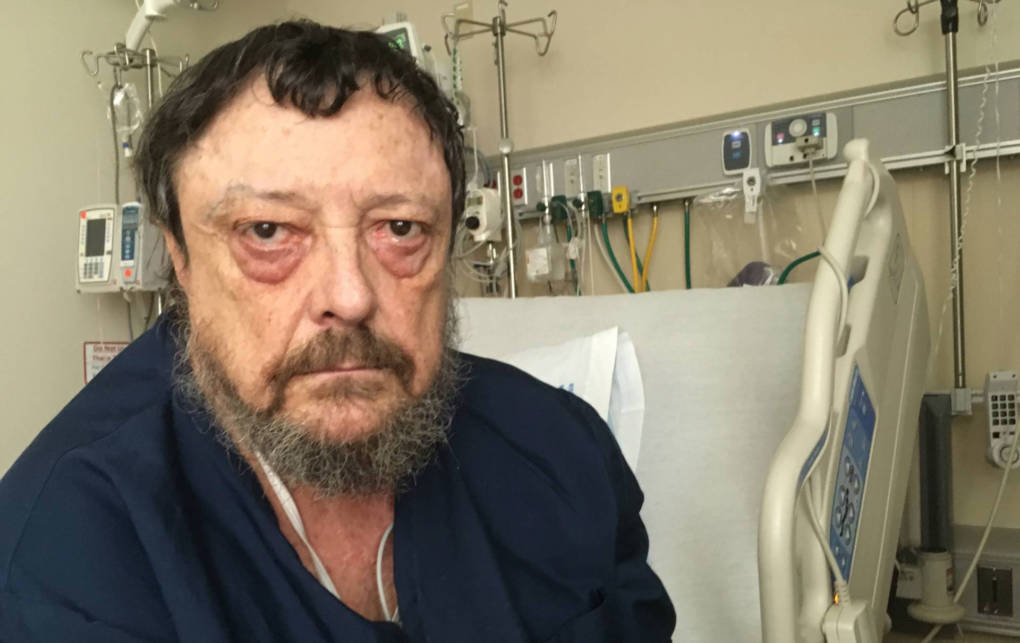
"caption": "Ron Fleming was a helicopter door gunner in the Vietnam War. He was in the VA hospital in San Francisco for an asthma attack.",
"description": "Ron Fleming was a helicopter door gunner in the Vietnam War. He was in the VA hospital in San Francisco for an asthma attack.",
"title": "RonFleming",
"credit": "April Dembosky/KQED",
"status": "inherit",
"isLoading": false,
"fetchFailed": false
},
"futureofyou_436943": {
"type": "attachments",
"id": "futureofyou_436943",
"meta": {
"index": "attachments_1716263798",
"site": "futureofyou",
"id": "436943",
"found": true
},
"parent": 436928,
"imgSizes": {
"small": {
"file": "https://ww2.kqed.org/app/uploads/sites/13/2017/11/49ers-520x346.jpg",
"width": 520,
"mimeType": "image/jpeg",
"height": 346
},
"twentyfourteen-full-width": {
"file": "https://ww2.kqed.org/app/uploads/sites/13/2017/11/49ers-1038x576.jpg",
"width": 1038,
"mimeType": "image/jpeg",
"height": 576
},
"thumbnail": {
"file": "https://ww2.kqed.org/app/uploads/sites/13/2017/11/49ers-160x107.jpg",
"width": 160,
"mimeType": "image/jpeg",
"height": 107
},
"fd-sm": {
"file": "https://ww2.kqed.org/app/uploads/sites/13/2017/11/49ers-960x640.jpg",
"width": 960,
"mimeType": "image/jpeg",
"height": 640
},
"post-thumbnail": {
"file": "https://ww2.kqed.org/app/uploads/sites/13/2017/11/49ers-672x372.jpg",
"width": 672,
"mimeType": "image/jpeg",
"height": 372
},
"xsmall": {
"file": "https://ww2.kqed.org/app/uploads/sites/13/2017/11/49ers-375x250.jpg",
"width": 375,
"mimeType": "image/jpeg",
"height": 250
},
"kqedFullSize": {
"file": "https://ww2.kqed.org/app/uploads/sites/13/2017/11/49ers.jpg",
"width": 2160,
"height": 1439
},
"large": {
"file": "https://ww2.kqed.org/app/uploads/sites/13/2017/11/49ers-1020x680.jpg",
"width": 1020,
"mimeType": "image/jpeg",
"height": 680
},
"xlarge": {
"file": "https://ww2.kqed.org/app/uploads/sites/13/2017/11/49ers-1180x786.jpg",
"width": 1180,
"mimeType": "image/jpeg",
"height": 786
},
"guest-author-50": {
"file": "https://ww2.kqed.org/app/uploads/sites/13/2017/11/49ers-50x50.jpg",
"width": 50,
"mimeType": "image/jpeg",
"height": 50
},
"guest-author-96": {
"file": "https://ww2.kqed.org/app/uploads/sites/13/2017/11/49ers-96x96.jpg",
"width": 96,
"mimeType": "image/jpeg",
"height": 96
},
"medium": {
"file": "https://ww2.kqed.org/app/uploads/sites/13/2017/11/49ers-800x533.jpg",
"width": 800,
"mimeType": "image/jpeg",
"height": 533
},
"guest-author-64": {
"file": "https://ww2.kqed.org/app/uploads/sites/13/2017/11/49ers-64x64.jpg",
"width": 64,
"mimeType": "image/jpeg",
"height": 64
},
"guest-author-32": {
"file": "https://ww2.kqed.org/app/uploads/sites/13/2017/11/49ers-32x32.jpg",
"width": 32,
"mimeType": "image/jpeg",
"height": 32
},
"fd-lrg": {
"file": "https://ww2.kqed.org/app/uploads/sites/13/2017/11/49ers-1920x1279.jpg",
"width": 1920,
"mimeType": "image/jpeg",
"height": 1279
},
"fd-med": {
"file": "https://ww2.kqed.org/app/uploads/sites/13/2017/11/49ers-1180x786.jpg",
"width": 1180,
"mimeType": "image/jpeg",
"height": 786
},
"full-width": {
"file": "https://ww2.kqed.org/app/uploads/sites/13/2017/11/49ers-1920x1279.jpg",
"width": 1920,
"mimeType": "image/jpeg",
"height": 1279
},
"detail": {
"file": "https://ww2.kqed.org/app/uploads/sites/13/2017/11/49ers-150x150.jpg",
"width": 150,
"mimeType": "image/jpeg",
"height": 150
},
"medium_large": {
"file": "https://ww2.kqed.org/app/uploads/sites/13/2017/11/49ers-768x512.jpg",
"width": 768,
"mimeType": "image/jpeg",
"height": 512
},
"guest-author-128": {
"file": "https://ww2.kqed.org/app/uploads/sites/13/2017/11/49ers-128x128.jpg",
"width": 128,
"mimeType": "image/jpeg",
"height": 128
},
"xxsmall": {
"file": "https://ww2.kqed.org/app/uploads/sites/13/2017/11/49ers-240x160.jpg",
"width": 240,
"mimeType": "image/jpeg",
"height": 160
}
},
"publishDate": 1510252312,
"modified": 1510254019,
"caption": "Jimmy Garoppolo of the 49ers during a game against the Arizona Cardinals at Levi's Stadium on Nov. 5, 2017. The 49ers are 0-9, but at least you can get a free DNA kit in the stands. Should you, though?",
"description": null,
"title": "Arizona Cardinals vs San Francisco 49ers",
"credit": "Ezra Shaw/Getty Images",
"status": "inherit",
"isLoading": false,
"fetchFailed": false
},
"news_11628717": {
"type": "attachments",
"id": "news_11628717",
"meta": {
"index": "attachments_1716263798",
"site": "news",
"id": "11628717",
"found": true
},
"parent": 11628716,
"imgSizes": {
"small": {
"file": "https://ww2.kqed.org/app/uploads/sites/10/2017/11/pr-520x291.jpg",
"width": 520,
"mimeType": "image/jpeg",
"height": 291
},
"twentyfourteen-full-width": {
"file": "https://ww2.kqed.org/app/uploads/sites/10/2017/11/pr-1038x576.jpg",
"width": 1038,
"mimeType": "image/jpeg",
"height": 576
},
"thumbnail": {
"file": "https://ww2.kqed.org/app/uploads/sites/10/2017/11/pr-160x90.jpg",
"width": 160,
"mimeType": "image/jpeg",
"height": 90
},
"fd-sm": {
"file": "https://ww2.kqed.org/app/uploads/sites/10/2017/11/pr-960x537.jpg",
"width": 960,
"mimeType": "image/jpeg",
"height": 537
},
"post-thumbnail": {
"file": "https://ww2.kqed.org/app/uploads/sites/10/2017/11/pr-672x372.jpg",
"width": 672,
"mimeType": "image/jpeg",
"height": 372
},
"xsmall": {
"file": "https://ww2.kqed.org/app/uploads/sites/10/2017/11/pr-375x210.jpg",
"width": 375,
"mimeType": "image/jpeg",
"height": 210
},
"kqedFullSize": {
"file": "https://ww2.kqed.org/app/uploads/sites/10/2017/11/pr.jpg",
"width": 1666,
"height": 932
},
"large": {
"file": "https://ww2.kqed.org/app/uploads/sites/10/2017/11/pr-1020x571.jpg",
"width": 1020,
"mimeType": "image/jpeg",
"height": 571
},
"xlarge": {
"file": "https://ww2.kqed.org/app/uploads/sites/10/2017/11/pr-1180x660.jpg",
"width": 1180,
"mimeType": "image/jpeg",
"height": 660
},
"guest-author-50": {
"file": "https://ww2.kqed.org/app/uploads/sites/10/2017/11/pr-50x50.jpg",
"width": 50,
"mimeType": "image/jpeg",
"height": 50
},
"guest-author-96": {
"file": "https://ww2.kqed.org/app/uploads/sites/10/2017/11/pr-96x96.jpg",
"width": 96,
"mimeType": "image/jpeg",
"height": 96
},
"medium": {
"file": "https://ww2.kqed.org/app/uploads/sites/10/2017/11/pr-800x448.jpg",
"width": 800,
"mimeType": "image/jpeg",
"height": 448
},
"guest-author-64": {
"file": "https://ww2.kqed.org/app/uploads/sites/10/2017/11/pr-64x64.jpg",
"width": 64,
"mimeType": "image/jpeg",
"height": 64
},
"guest-author-32": {
"file": "https://ww2.kqed.org/app/uploads/sites/10/2017/11/pr-32x32.jpg",
"width": 32,
"mimeType": "image/jpeg",
"height": 32
},
"fd-med": {
"file": "https://ww2.kqed.org/app/uploads/sites/10/2017/11/pr-1180x660.jpg",
"width": 1180,
"mimeType": "image/jpeg",
"height": 660
},
"detail": {
"file": "https://ww2.kqed.org/app/uploads/sites/10/2017/11/pr-150x150.jpg",
"width": 150,
"mimeType": "image/jpeg",
"height": 150
},
"guest-author-128": {
"file": "https://ww2.kqed.org/app/uploads/sites/10/2017/11/pr-128x128.jpg",
"width": 128,
"mimeType": "image/jpeg",
"height": 128
},
"xxsmall": {
"file": "https://ww2.kqed.org/app/uploads/sites/10/2017/11/pr-240x134.jpg",
"width": 240,
"mimeType": "image/jpeg",
"height": 134
}
},
"publishDate": 1510020463,
"modified": 1510020463,
"caption": null,
"description": null,
"title": "pr",
"credit": null,
"status": "inherit",
"isLoading": false,
"fetchFailed": false
},
"news_11628174": {
"type": "attachments",
"id": "news_11628174",
"meta": {
"index": "attachments_1716263798",
"site": "news",
"id": "11628174",
"found": true
},
"parent": 11628166,
"imgSizes": {
"small": {
"file": "https://ww2.kqed.org/app/uploads/sites/10/2017/11/MARQUEE_WEB_NR505-520x293.jpg",
"width": 520,
"mimeType": "image/jpeg",
"height": 293
},
"twentyfourteen-full-width": {
"file": "https://ww2.kqed.org/app/uploads/sites/10/2017/11/MARQUEE_WEB_NR505-1038x576.jpg",
"width": 1038,
"mimeType": "image/jpeg",
"height": 576
},
"thumbnail": {
"file": "https://ww2.kqed.org/app/uploads/sites/10/2017/11/MARQUEE_WEB_NR505-160x90.jpg",
"width": 160,
"mimeType": "image/jpeg",
"height": 90
},
"fd-sm": {
"file": "https://ww2.kqed.org/app/uploads/sites/10/2017/11/MARQUEE_WEB_NR505-960x540.jpg",
"width": 960,
"mimeType": "image/jpeg",
"height": 540
},
"post-thumbnail": {
"file": "https://ww2.kqed.org/app/uploads/sites/10/2017/11/MARQUEE_WEB_NR505-672x372.jpg",
"width": 672,
"mimeType": "image/jpeg",
"height": 372
},
"xsmall": {
"file": "https://ww2.kqed.org/app/uploads/sites/10/2017/11/MARQUEE_WEB_NR505-375x211.jpg",
"width": 375,
"mimeType": "image/jpeg",
"height": 211
},
"kqedFullSize": {
"file": "https://ww2.kqed.org/app/uploads/sites/10/2017/11/MARQUEE_WEB_NR505.jpg",
"width": 1280,
"height": 720
},
"large": {
"file": "https://ww2.kqed.org/app/uploads/sites/10/2017/11/MARQUEE_WEB_NR505-1020x574.jpg",
"width": 1020,
"mimeType": "image/jpeg",
"height": 574
},
"xlarge": {
"file": "https://ww2.kqed.org/app/uploads/sites/10/2017/11/MARQUEE_WEB_NR505-1180x664.jpg",
"width": 1180,
"mimeType": "image/jpeg",
"height": 664
},
"guest-author-50": {
"file": "https://ww2.kqed.org/app/uploads/sites/10/2017/11/MARQUEE_WEB_NR505-50x50.jpg",
"width": 50,
"mimeType": "image/jpeg",
"height": 50
},
"guest-author-96": {
"file": "https://ww2.kqed.org/app/uploads/sites/10/2017/11/MARQUEE_WEB_NR505-96x96.jpg",
"width": 96,
"mimeType": "image/jpeg",
"height": 96
},
"medium": {
"file": "https://ww2.kqed.org/app/uploads/sites/10/2017/11/MARQUEE_WEB_NR505-800x450.jpg",
"width": 800,
"mimeType": "image/jpeg",
"height": 450
},
"guest-author-64": {
"file": "https://ww2.kqed.org/app/uploads/sites/10/2017/11/MARQUEE_WEB_NR505-64x64.jpg",
"width": 64,
"mimeType": "image/jpeg",
"height": 64
},
"guest-author-32": {
"file": "https://ww2.kqed.org/app/uploads/sites/10/2017/11/MARQUEE_WEB_NR505-32x32.jpg",
"width": 32,
"mimeType": "image/jpeg",
"height": 32
},
"fd-med": {
"file": "https://ww2.kqed.org/app/uploads/sites/10/2017/11/MARQUEE_WEB_NR505-1180x664.jpg",
"width": 1180,
"mimeType": "image/jpeg",
"height": 664
},
"detail": {
"file": "https://ww2.kqed.org/app/uploads/sites/10/2017/11/MARQUEE_WEB_NR505-150x150.jpg",
"width": 150,
"mimeType": "image/jpeg",
"height": 150
},
"guest-author-128": {
"file": "https://ww2.kqed.org/app/uploads/sites/10/2017/11/MARQUEE_WEB_NR505-128x128.jpg",
"width": 128,
"mimeType": "image/jpeg",
"height": 128
},
"xxsmall": {
"file": "https://ww2.kqed.org/app/uploads/sites/10/2017/11/MARQUEE_WEB_NR505-240x135.jpg",
"width": 240,
"mimeType": "image/jpeg",
"height": 135
}
},
"publishDate": 1509754190,
"modified": 1509754190,
"caption": null,
"description": null,
"title": "MARQUEE_WEB_NR505",
"credit": null,
"status": "inherit",
"isLoading": false,
"fetchFailed": false
},
"stateofhealth_361769": {
"type": "attachments",
"id": "stateofhealth_361769",
"meta": {
"index": "attachments_1716263798",
"site": "stateofhealth",
"id": "361769",
"found": true
},
"parent": 361766,
"imgSizes": {
"small": {
"file": "https://ww2.kqed.org/app/uploads/sites/27/2017/10/MarijuanaHeart-520x288.jpg",
"width": 520,
"mimeType": "image/jpeg",
"height": 288
},
"twentyfourteen-full-width": {
"file": "https://ww2.kqed.org/app/uploads/sites/27/2017/10/MarijuanaHeart-1038x576.jpg",
"width": 1038,
"mimeType": "image/jpeg",
"height": 576
},
"thumbnail": {
"file": "https://ww2.kqed.org/app/uploads/sites/27/2017/10/MarijuanaHeart-160x89.jpg",
"width": 160,
"mimeType": "image/jpeg",
"height": 89
},
"fd-sm": {
"file": "https://ww2.kqed.org/app/uploads/sites/27/2017/10/MarijuanaHeart-960x531.jpg",
"width": 960,
"mimeType": "image/jpeg",
"height": 531
},
"post-thumbnail": {
"file": "https://ww2.kqed.org/app/uploads/sites/27/2017/10/MarijuanaHeart-672x372.jpg",
"width": 672,
"mimeType": "image/jpeg",
"height": 372
},
"xsmall": {
"file": "https://ww2.kqed.org/app/uploads/sites/27/2017/10/MarijuanaHeart-375x207.jpg",
"width": 375,
"mimeType": "image/jpeg",
"height": 207
},
"kqedFullSize": {
"file": "https://ww2.kqed.org/app/uploads/sites/27/2017/10/MarijuanaHeart.jpg",
"width": 2328,
"height": 1288
},
"large": {
"file": "https://ww2.kqed.org/app/uploads/sites/27/2017/10/MarijuanaHeart-1020x564.jpg",
"width": 1020,
"mimeType": "image/jpeg",
"height": 564
},
"xlarge": {
"file": "https://ww2.kqed.org/app/uploads/sites/27/2017/10/MarijuanaHeart-1180x653.jpg",
"width": 1180,
"mimeType": "image/jpeg",
"height": 653
},
"guest-author-50": {
"file": "https://ww2.kqed.org/app/uploads/sites/27/2017/10/MarijuanaHeart-50x50.jpg",
"width": 50,
"mimeType": "image/jpeg",
"height": 50
},
"guest-author-96": {
"file": "https://ww2.kqed.org/app/uploads/sites/27/2017/10/MarijuanaHeart-96x96.jpg",
"width": 96,
"mimeType": "image/jpeg",
"height": 96
},
"medium": {
"file": "https://ww2.kqed.org/app/uploads/sites/27/2017/10/MarijuanaHeart-800x443.jpg",
"width": 800,
"mimeType": "image/jpeg",
"height": 443
},
"guest-author-64": {
"file": "https://ww2.kqed.org/app/uploads/sites/27/2017/10/MarijuanaHeart-64x64.jpg",
"width": 64,
"mimeType": "image/jpeg",
"height": 64
},
"guest-author-32": {
"file": "https://ww2.kqed.org/app/uploads/sites/27/2017/10/MarijuanaHeart-32x32.jpg",
"width": 32,
"mimeType": "image/jpeg",
"height": 32
},
"fd-lrg": {
"file": "https://ww2.kqed.org/app/uploads/sites/27/2017/10/MarijuanaHeart-1920x1062.jpg",
"width": 1920,
"mimeType": "image/jpeg",
"height": 1062
},
"fd-med": {
"file": "https://ww2.kqed.org/app/uploads/sites/27/2017/10/MarijuanaHeart-1180x653.jpg",
"width": 1180,
"mimeType": "image/jpeg",
"height": 653
},
"full-width": {
"file": "https://ww2.kqed.org/app/uploads/sites/27/2017/10/MarijuanaHeart-1920x1062.jpg",
"width": 1920,
"mimeType": "image/jpeg",
"height": 1062
},
"detail": {
"file": "https://ww2.kqed.org/app/uploads/sites/27/2017/10/MarijuanaHeart-150x150.jpg",
"width": 150,
"mimeType": "image/jpeg",
"height": 150
},
"medium_large": {
"file": "https://ww2.kqed.org/app/uploads/sites/27/2017/10/MarijuanaHeart-768x425.jpg",
"width": 768,
"mimeType": "image/jpeg",
"height": 425
},
"guest-author-128": {
"file": "https://ww2.kqed.org/app/uploads/sites/27/2017/10/MarijuanaHeart-128x128.jpg",
"width": 128,
"mimeType": "image/jpeg",
"height": 128
},
"xxsmall": {
"file": "https://ww2.kqed.org/app/uploads/sites/27/2017/10/MarijuanaHeart-240x133.jpg",
"width": 240,
"mimeType": "image/jpeg",
"height": 133
}
},
"publishDate": 1509132909,
"modified": 1509132938,
"caption": null,
"description": null,
"title": "Marijuana leaf on a heart shape in notebook",
"credit": "iStock/Getty",
"status": "inherit",
"isLoading": false,
"fetchFailed": false
},
"news_11624750": {
"type": "attachments",
"id": "news_11624750",
"meta": {
"index": "attachments_1716263798",
"site": "news",
"id": "11624750",
"found": true
},
"parent": 11624732,
"imgSizes": {
"small": {
"file": "https://ww2.kqed.org/app/uploads/sites/10/2017/10/ahmet_kayak4-1-520x292.jpg",
"width": 520,
"mimeType": "image/jpeg",
"height": 292
},
"twentyfourteen-full-width": {
"file": "https://ww2.kqed.org/app/uploads/sites/10/2017/10/ahmet_kayak4-1-1038x576.jpg",
"width": 1038,
"mimeType": "image/jpeg",
"height": 576
},
"thumbnail": {
"file": "https://ww2.kqed.org/app/uploads/sites/10/2017/10/ahmet_kayak4-1-160x90.jpg",
"width": 160,
"mimeType": "image/jpeg",
"height": 90
},
"fd-sm": {
"file": "https://ww2.kqed.org/app/uploads/sites/10/2017/10/ahmet_kayak4-1-960x540.jpg",
"width": 960,
"mimeType": "image/jpeg",
"height": 540
},
"post-thumbnail": {
"file": "https://ww2.kqed.org/app/uploads/sites/10/2017/10/ahmet_kayak4-1-672x372.jpg",
"width": 672,
"mimeType": "image/jpeg",
"height": 372
},
"xsmall": {
"file": "https://ww2.kqed.org/app/uploads/sites/10/2017/10/ahmet_kayak4-1-375x211.jpg",
"width": 375,
"mimeType": "image/jpeg",
"height": 211
},
"kqedFullSize": {
"file": "https://ww2.kqed.org/app/uploads/sites/10/2017/10/ahmet_kayak4-1.jpg",
"width": 1645,
"height": 925
},
"large": {
"file": "https://ww2.kqed.org/app/uploads/sites/10/2017/10/ahmet_kayak4-1-1020x574.jpg",
"width": 1020,
"mimeType": "image/jpeg",
"height": 574
},
"xlarge": {
"file": "https://ww2.kqed.org/app/uploads/sites/10/2017/10/ahmet_kayak4-1-1180x664.jpg",
"width": 1180,
"mimeType": "image/jpeg",
"height": 664
},
"guest-author-50": {
"file": "https://ww2.kqed.org/app/uploads/sites/10/2017/10/ahmet_kayak4-1-50x50.jpg",
"width": 50,
"mimeType": "image/jpeg",
"height": 50
},
"guest-author-96": {
"file": "https://ww2.kqed.org/app/uploads/sites/10/2017/10/ahmet_kayak4-1-96x96.jpg",
"width": 96,
"mimeType": "image/jpeg",
"height": 96
},
"medium": {
"file": "https://ww2.kqed.org/app/uploads/sites/10/2017/10/ahmet_kayak4-1-800x450.jpg",
"width": 800,
"mimeType": "image/jpeg",
"height": 450
},
"guest-author-64": {
"file": "https://ww2.kqed.org/app/uploads/sites/10/2017/10/ahmet_kayak4-1-64x64.jpg",
"width": 64,
"mimeType": "image/jpeg",
"height": 64
},
"guest-author-32": {
"file": "https://ww2.kqed.org/app/uploads/sites/10/2017/10/ahmet_kayak4-1-32x32.jpg",
"width": 32,
"mimeType": "image/jpeg",
"height": 32
},
"fd-med": {
"file": "https://ww2.kqed.org/app/uploads/sites/10/2017/10/ahmet_kayak4-1-1180x664.jpg",
"width": 1180,
"mimeType": "image/jpeg",
"height": 664
},
"detail": {
"file": "https://ww2.kqed.org/app/uploads/sites/10/2017/10/ahmet_kayak4-1-150x150.jpg",
"width": 150,
"mimeType": "image/jpeg",
"height": 150
},
"guest-author-128": {
"file": "https://ww2.kqed.org/app/uploads/sites/10/2017/10/ahmet_kayak4-1-128x128.jpg",
"width": 128,
"mimeType": "image/jpeg",
"height": 128
},
"xxsmall": {
"file": "https://ww2.kqed.org/app/uploads/sites/10/2017/10/ahmet_kayak4-1-240x135.jpg",
"width": 240,
"mimeType": "image/jpeg",
"height": 135
}
},
"publishDate": 1508452362,
"modified": 1509145539,
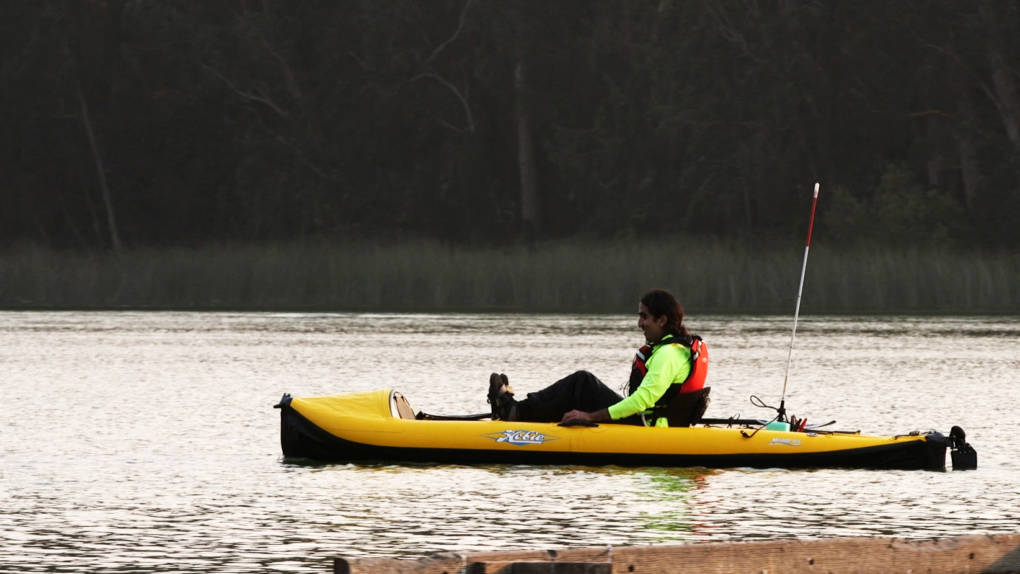
"caption": "Ahmet Ustunel takes his new kayak out on Lake Merced in San Francisco. The white-and-red cane he uses to navigate stands upright in the back of his kayak. It's a symbol that he is blind.",
"description": "Ahmet Ustunel takes his new kayak out on Lake Merced in San Francisco. The white and red cane he uses to navigate stands upright in the back of his kayak. It's a symbol that he is blind.",
"title": "ahmet_kayak4",
"credit": "Adam Grossberg/KQED",
"status": "inherit",
"isLoading": false,
"fetchFailed": false
},
"news_11625487": {
"type": "attachments",
"id": "news_11625487",
"meta": {
"index": "attachments_1716263798",
"site": "news",
"id": "11625487",
"found": true
},
"parent": 11625451,
"imgSizes": {
"small": {
"file": "https://ww2.kqed.org/app/uploads/sites/10/2017/10/RS27692_Charlies20Acres-62028129-2-qut-520x292.jpg",
"width": 520,
"mimeType": "image/jpeg",
"height": 292
},
"twentyfourteen-full-width": {
"file": "https://ww2.kqed.org/app/uploads/sites/10/2017/10/RS27692_Charlies20Acres-62028129-2-qut-1038x576.jpg",
"width": 1038,
"mimeType": "image/jpeg",
"height": 576
},
"thumbnail": {
"file": "https://ww2.kqed.org/app/uploads/sites/10/2017/10/RS27692_Charlies20Acres-62028129-2-qut-160x90.jpg",
"width": 160,
"mimeType": "image/jpeg",
"height": 90
},
"fd-sm": {
"file": "https://ww2.kqed.org/app/uploads/sites/10/2017/10/RS27692_Charlies20Acres-62028129-2-qut-960x540.jpg",
"width": 960,
"mimeType": "image/jpeg",
"height": 540
},
"post-thumbnail": {
"file": "https://ww2.kqed.org/app/uploads/sites/10/2017/10/RS27692_Charlies20Acres-62028129-2-qut-672x372.jpg",
"width": 672,
"mimeType": "image/jpeg",
"height": 372
},
"xsmall": {
"file": "https://ww2.kqed.org/app/uploads/sites/10/2017/10/RS27692_Charlies20Acres-62028129-2-qut-375x211.jpg",
"width": 375,
"mimeType": "image/jpeg",
"height": 211
},
"kqedFullSize": {
"file": "https://ww2.kqed.org/app/uploads/sites/10/2017/10/RS27692_Charlies20Acres-62028129-2-qut.jpg",
"width": 1920,
"height": 1079
},
"large": {
"file": "https://ww2.kqed.org/app/uploads/sites/10/2017/10/RS27692_Charlies20Acres-62028129-2-qut-1020x573.jpg",
"width": 1020,
"mimeType": "image/jpeg",
"height": 573
},
"xlarge": {
"file": "https://ww2.kqed.org/app/uploads/sites/10/2017/10/RS27692_Charlies20Acres-62028129-2-qut-1180x663.jpg",
"width": 1180,
"mimeType": "image/jpeg",
"height": 663
},
"guest-author-50": {
"file": "https://ww2.kqed.org/app/uploads/sites/10/2017/10/RS27692_Charlies20Acres-62028129-2-qut-50x50.jpg",
"width": 50,
"mimeType": "image/jpeg",
"height": 50
},
"guest-author-96": {
"file": "https://ww2.kqed.org/app/uploads/sites/10/2017/10/RS27692_Charlies20Acres-62028129-2-qut-96x96.jpg",
"width": 96,
"mimeType": "image/jpeg",
"height": 96
},
"medium": {
"file": "https://ww2.kqed.org/app/uploads/sites/10/2017/10/RS27692_Charlies20Acres-62028129-2-qut-800x450.jpg",
"width": 800,
"mimeType": "image/jpeg",
"height": 450
},
"guest-author-64": {
"file": "https://ww2.kqed.org/app/uploads/sites/10/2017/10/RS27692_Charlies20Acres-62028129-2-qut-64x64.jpg",
"width": 64,
"mimeType": "image/jpeg",
"height": 64
},
"guest-author-32": {
"file": "https://ww2.kqed.org/app/uploads/sites/10/2017/10/RS27692_Charlies20Acres-62028129-2-qut-32x32.jpg",
"width": 32,
"mimeType": "image/jpeg",
"height": 32
},
"fd-lrg": {
"file": "https://ww2.kqed.org/app/uploads/sites/10/2017/10/RS27692_Charlies20Acres-62028129-2-qut-1920x1079.jpg",
"width": 1920,
"mimeType": "image/jpeg",
"height": 1079
},
"fd-med": {
"file": "https://ww2.kqed.org/app/uploads/sites/10/2017/10/RS27692_Charlies20Acres-62028129-2-qut-1180x663.jpg",
"width": 1180,
"mimeType": "image/jpeg",
"height": 663
},
"full-width": {
"file": "https://ww2.kqed.org/app/uploads/sites/10/2017/10/RS27692_Charlies20Acres-62028129-2-qut-1920x1079.jpg",
"width": 1920,
"mimeType": "image/jpeg",
"height": 1079
},
"detail": {
"file": "https://ww2.kqed.org/app/uploads/sites/10/2017/10/RS27692_Charlies20Acres-62028129-2-qut-150x150.jpg",
"width": 150,
"mimeType": "image/jpeg",
"height": 150
},
"guest-author-128": {
"file": "https://ww2.kqed.org/app/uploads/sites/10/2017/10/RS27692_Charlies20Acres-62028129-2-qut-128x128.jpg",
"width": 128,
"mimeType": "image/jpeg",
"height": 128
},
"xxsmall": {
"file": "https://ww2.kqed.org/app/uploads/sites/10/2017/10/RS27692_Charlies20Acres-62028129-2-qut-240x135.jpg",
"width": 240,
"mimeType": "image/jpeg",
"height": 135
}
},
"publishDate": 1508795575,
"modified": 1508800027,
"caption": "Gertrude has survived two wildfires in the last two years, but in the hands of Charlie's Acres, she's expected to live a long and happy life.",
"description": "Gertrude has survived two wildfires in the last two years, but in the hands of Charlie's Acres, she's expected to live a long and happy life.",
"title": "RS27692_CharliesAcres-61 2-qut",
"credit": "Courtesy of Chris McCann",
"status": "inherit",
"isLoading": false,
"fetchFailed": false
},
"news_107772": {
"type": "attachments",
"id": "news_107772",
"meta": {
"index": "attachments_1716263798",
"site": "news",
"id": "107772",
"found": true
},
"parent": 107741,
"imgSizes": {
"kqedFullSize": {
"file": "https://ww2.kqed.org/app/uploads/sites/10/2013/08/vaccine1.jpg1-e1508205432659.jpg",
"width": 850,
"height": 700
}
},
"publishDate": 1377111523,
"modified": 1377111523,
"caption": null,
"description": null,
"title": "vaccine.jpg",
"credit": null,
"status": "inherit",
"isLoading": false,
"fetchFailed": false
},
"news_11623517": {
"type": "attachments",
"id": "news_11623517",
"meta": {
"index": "attachments_1716263798",
"site": "news",
"id": "11623517",
"found": true
},
"parent": 11623237,
"imgSizes": {
"small": {
"file": "https://ww2.kqed.org/app/uploads/sites/10/2017/10/julayne-520x348.jpg",
"width": 520,
"mimeType": "image/jpeg",
"height": 348
},
"twentyfourteen-full-width": {
"file": "https://ww2.kqed.org/app/uploads/sites/10/2017/10/julayne-1038x576.jpg",
"width": 1038,
"mimeType": "image/jpeg",
"height": 576
},
"thumbnail": {
"file": "https://ww2.kqed.org/app/uploads/sites/10/2017/10/julayne-160x107.jpg",
"width": 160,
"mimeType": "image/jpeg",
"height": 107
},
"fd-sm": {
"file": "https://ww2.kqed.org/app/uploads/sites/10/2017/10/julayne-960x643.jpg",
"width": 960,
"mimeType": "image/jpeg",
"height": 643
},
"post-thumbnail": {
"file": "https://ww2.kqed.org/app/uploads/sites/10/2017/10/julayne-672x372.jpg",
"width": 672,
"mimeType": "image/jpeg",
"height": 372
},
"xsmall": {
"file": "https://ww2.kqed.org/app/uploads/sites/10/2017/10/julayne-375x251.jpg",
"width": 375,
"mimeType": "image/jpeg",
"height": 251
},
"kqedFullSize": {
"file": "https://ww2.kqed.org/app/uploads/sites/10/2017/10/julayne.jpg",
"width": 1920,
"height": 1285
},
"large": {
"file": "https://ww2.kqed.org/app/uploads/sites/10/2017/10/julayne-1020x683.jpg",
"width": 1020,
"mimeType": "image/jpeg",
"height": 683
},
"xlarge": {
"file": "https://ww2.kqed.org/app/uploads/sites/10/2017/10/julayne-1180x790.jpg",
"width": 1180,
"mimeType": "image/jpeg",
"height": 790
},
"guest-author-50": {
"file": "https://ww2.kqed.org/app/uploads/sites/10/2017/10/julayne-50x50.jpg",
"width": 50,
"mimeType": "image/jpeg",
"height": 50
},
"guest-author-96": {
"file": "https://ww2.kqed.org/app/uploads/sites/10/2017/10/julayne-96x96.jpg",
"width": 96,
"mimeType": "image/jpeg",
"height": 96
},
"medium": {
"file": "https://ww2.kqed.org/app/uploads/sites/10/2017/10/julayne-800x535.jpg",
"width": 800,
"mimeType": "image/jpeg",
"height": 535
},
"guest-author-64": {
"file": "https://ww2.kqed.org/app/uploads/sites/10/2017/10/julayne-64x64.jpg",
"width": 64,
"mimeType": "image/jpeg",
"height": 64
},
"guest-author-32": {
"file": "https://ww2.kqed.org/app/uploads/sites/10/2017/10/julayne-32x32.jpg",
"width": 32,
"mimeType": "image/jpeg",
"height": 32
},
"fd-lrg": {
"file": "https://ww2.kqed.org/app/uploads/sites/10/2017/10/julayne-1920x1285.jpg",
"width": 1920,
"mimeType": "image/jpeg",
"height": 1285
},
"fd-med": {
"file": "https://ww2.kqed.org/app/uploads/sites/10/2017/10/julayne-1180x790.jpg",
"width": 1180,
"mimeType": "image/jpeg",
"height": 790
},
"full-width": {
"file": "https://ww2.kqed.org/app/uploads/sites/10/2017/10/julayne-1920x1285.jpg",
"width": 1920,
"mimeType": "image/jpeg",
"height": 1285
},
"detail": {
"file": "https://ww2.kqed.org/app/uploads/sites/10/2017/10/julayne-150x150.jpg",
"width": 150,
"mimeType": "image/jpeg",
"height": 150
},
"guest-author-128": {
"file": "https://ww2.kqed.org/app/uploads/sites/10/2017/10/julayne-128x128.jpg",
"width": 128,
"mimeType": "image/jpeg",
"height": 128
},
"xxsmall": {
"file": "https://ww2.kqed.org/app/uploads/sites/10/2017/10/julayne-240x161.jpg",
"width": 240,
"mimeType": "image/jpeg",
"height": 161
}
},
"publishDate": 1507945114,
"modified": 1507945143,
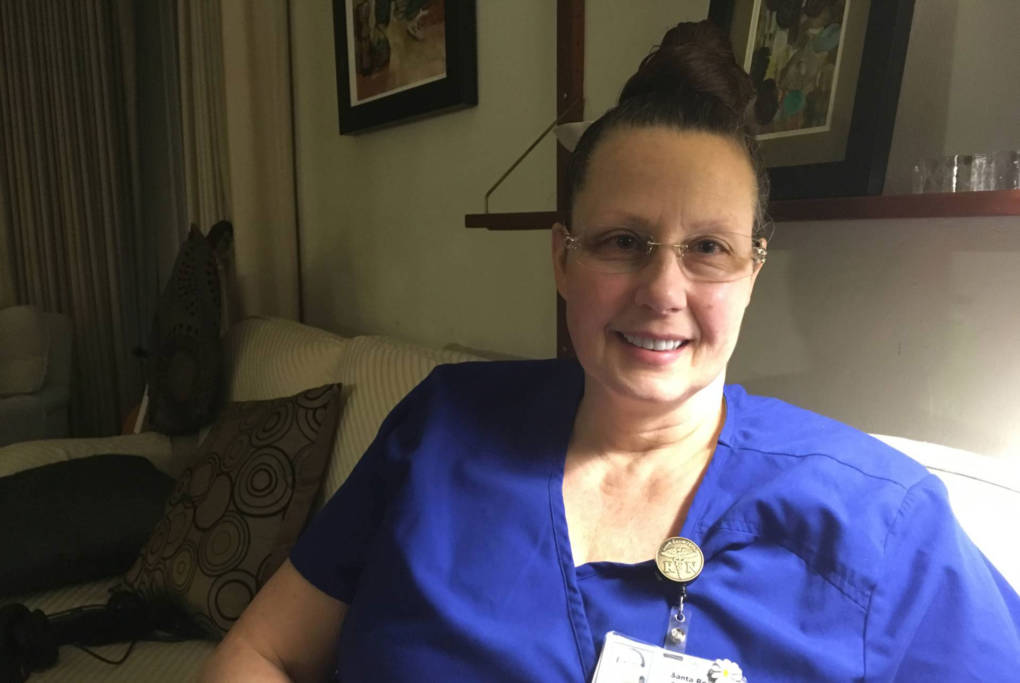
"caption": "Julayne Smithson continues to care for patients who were evacuated from the hospital during the Santa Rosa fires.",
"description": "Julayne Smithson continues to care for patients who were evacuated from the hospital during the Santa Rosa fires.",
"title": "julayne",
"credit": "April Dembosky/KQED",
"status": "inherit",
"isLoading": false,
"fetchFailed": false
},
"news_11622376": {
"type": "attachments",
"id": "news_11622376",
"meta": {
"index": "attachments_1716263798",
"site": "news",
"id": "11622376",
"found": true
},
"parent": 11622370,
"imgSizes": {
"small": {
"file": "https://ww2.kqed.org/app/uploads/sites/10/2017/10/Nicole-and-baby-520x390.jpg",
"width": 520,
"mimeType": "image/jpeg",
"height": 390
},
"twentyfourteen-full-width": {
"file": "https://ww2.kqed.org/app/uploads/sites/10/2017/10/Nicole-and-baby-1038x576.jpg",
"width": 1038,
"mimeType": "image/jpeg",
"height": 576
},
"thumbnail": {
"file": "https://ww2.kqed.org/app/uploads/sites/10/2017/10/Nicole-and-baby-160x120.jpg",
"width": 160,
"mimeType": "image/jpeg",
"height": 120
},
"fd-sm": {
"file": "https://ww2.kqed.org/app/uploads/sites/10/2017/10/Nicole-and-baby-960x720.jpg",
"width": 960,
"mimeType": "image/jpeg",
"height": 720
},
"post-thumbnail": {
"file": "https://ww2.kqed.org/app/uploads/sites/10/2017/10/Nicole-and-baby-672x372.jpg",
"width": 672,
"mimeType": "image/jpeg",
"height": 372
},
"xsmall": {
"file": "https://ww2.kqed.org/app/uploads/sites/10/2017/10/Nicole-and-baby-375x281.jpg",
"width": 375,
"mimeType": "image/jpeg",
"height": 281
},
"kqedFullSize": {
"file": "https://ww2.kqed.org/app/uploads/sites/10/2017/10/Nicole-and-baby-e1507691732502.jpg",
"width": 1920,
"height": 1440
},
"large": {
"file": "https://ww2.kqed.org/app/uploads/sites/10/2017/10/Nicole-and-baby-1020x765.jpg",
"width": 1020,
"mimeType": "image/jpeg",
"height": 765
},
"xlarge": {
"file": "https://ww2.kqed.org/app/uploads/sites/10/2017/10/Nicole-and-baby-1180x885.jpg",
"width": 1180,
"mimeType": "image/jpeg",
"height": 885
},
"guest-author-50": {
"file": "https://ww2.kqed.org/app/uploads/sites/10/2017/10/Nicole-and-baby-50x50.jpg",
"width": 50,
"mimeType": "image/jpeg",
"height": 50
},
"guest-author-96": {
"file": "https://ww2.kqed.org/app/uploads/sites/10/2017/10/Nicole-and-baby-96x96.jpg",
"width": 96,
"mimeType": "image/jpeg",
"height": 96
},
"medium": {
"file": "https://ww2.kqed.org/app/uploads/sites/10/2017/10/Nicole-and-baby-800x600.jpg",
"width": 800,
"mimeType": "image/jpeg",
"height": 600
},
"guest-author-64": {
"file": "https://ww2.kqed.org/app/uploads/sites/10/2017/10/Nicole-and-baby-64x64.jpg",
"width": 64,
"mimeType": "image/jpeg",
"height": 64
},
"guest-author-32": {
"file": "https://ww2.kqed.org/app/uploads/sites/10/2017/10/Nicole-and-baby-32x32.jpg",
"width": 32,
"mimeType": "image/jpeg",
"height": 32
},
"fd-lrg": {
"file": "https://ww2.kqed.org/app/uploads/sites/10/2017/10/Nicole-and-baby-1920x1440.jpg",
"width": 1920,
"mimeType": "image/jpeg",
"height": 1440
},
"fd-med": {
"file": "https://ww2.kqed.org/app/uploads/sites/10/2017/10/Nicole-and-baby-1180x885.jpg",
"width": 1180,
"mimeType": "image/jpeg",
"height": 885
},
"full-width": {
"file": "https://ww2.kqed.org/app/uploads/sites/10/2017/10/Nicole-and-baby-1920x1440.jpg",
"width": 1920,
"mimeType": "image/jpeg",
"height": 1440
},
"detail": {
"file": "https://ww2.kqed.org/app/uploads/sites/10/2017/10/Nicole-and-baby-150x150.jpg",
"width": 150,
"mimeType": "image/jpeg",
"height": 150
},
"guest-author-128": {
"file": "https://ww2.kqed.org/app/uploads/sites/10/2017/10/Nicole-and-baby-128x128.jpg",
"width": 128,
"mimeType": "image/jpeg",
"height": 128
},
"xxsmall": {
"file": "https://ww2.kqed.org/app/uploads/sites/10/2017/10/Nicole-and-baby-240x180.jpg",
"width": 240,
"mimeType": "image/jpeg",
"height": 180
}
},
"publishDate": 1507691703,
"modified": 1507692140,
"caption": "Nicole Veum was in labor when she was evacuated from the hospital in Santa Rosa on Monday.",
"description": null,
"title": "Nicole and baby",
"credit": "April Dembosky",
"status": "inherit",
"isLoading": false,
"fetchFailed": false
},
"news_11621523": {
"type": "attachments",
"id": "news_11621523",
"meta": {
"index": "attachments_1716263798",
"site": "news",
"id": "11621523",
"found": true
},
"parent": 11621472,
"imgSizes": {
"small": {
"file": "https://ww2.kqed.org/app/uploads/sites/10/2017/10/GettyImages-691243686-520x347.jpg",
"width": 520,
"mimeType": "image/jpeg",
"height": 347
},
"twentyfourteen-full-width": {
"file": "https://ww2.kqed.org/app/uploads/sites/10/2017/10/GettyImages-691243686-1038x576.jpg",
"width": 1038,
"mimeType": "image/jpeg",
"height": 576
},
"thumbnail": {
"file": "https://ww2.kqed.org/app/uploads/sites/10/2017/10/GettyImages-691243686-160x107.jpg",
"width": 160,
"mimeType": "image/jpeg",
"height": 107
},
"fd-sm": {
"file": "https://ww2.kqed.org/app/uploads/sites/10/2017/10/GettyImages-691243686-960x640.jpg",
"width": 960,
"mimeType": "image/jpeg",
"height": 640
},
"post-thumbnail": {
"file": "https://ww2.kqed.org/app/uploads/sites/10/2017/10/GettyImages-691243686-672x372.jpg",
"width": 672,
"mimeType": "image/jpeg",
"height": 372
},
"xsmall": {
"file": "https://ww2.kqed.org/app/uploads/sites/10/2017/10/GettyImages-691243686-375x250.jpg",
"width": 375,
"mimeType": "image/jpeg",
"height": 250
},
"kqedFullSize": {
"file": "https://ww2.kqed.org/app/uploads/sites/10/2017/10/GettyImages-691243686-e1507325544756.jpg",
"width": 1920,
"height": 1280
},
"large": {
"file": "https://ww2.kqed.org/app/uploads/sites/10/2017/10/GettyImages-691243686-1020x680.jpg",
"width": 1020,
"mimeType": "image/jpeg",
"height": 680
},
"xlarge": {
"file": "https://ww2.kqed.org/app/uploads/sites/10/2017/10/GettyImages-691243686-1180x787.jpg",
"width": 1180,
"mimeType": "image/jpeg",
"height": 787
},
"guest-author-50": {
"file": "https://ww2.kqed.org/app/uploads/sites/10/2017/10/GettyImages-691243686-50x50.jpg",
"width": 50,
"mimeType": "image/jpeg",
"height": 50
},
"guest-author-96": {
"file": "https://ww2.kqed.org/app/uploads/sites/10/2017/10/GettyImages-691243686-96x96.jpg",
"width": 96,
"mimeType": "image/jpeg",
"height": 96
},
"medium": {
"file": "https://ww2.kqed.org/app/uploads/sites/10/2017/10/GettyImages-691243686-800x533.jpg",
"width": 800,
"mimeType": "image/jpeg",
"height": 533
},
"guest-author-64": {
"file": "https://ww2.kqed.org/app/uploads/sites/10/2017/10/GettyImages-691243686-64x64.jpg",
"width": 64,
"mimeType": "image/jpeg",
"height": 64
},
"guest-author-32": {
"file": "https://ww2.kqed.org/app/uploads/sites/10/2017/10/GettyImages-691243686-32x32.jpg",
"width": 32,
"mimeType": "image/jpeg",
"height": 32
},
"fd-lrg": {
"file": "https://ww2.kqed.org/app/uploads/sites/10/2017/10/GettyImages-691243686-1920x1280.jpg",
"width": 1920,
"mimeType": "image/jpeg",
"height": 1280
},
"fd-med": {
"file": "https://ww2.kqed.org/app/uploads/sites/10/2017/10/GettyImages-691243686-1180x787.jpg",
"width": 1180,
"mimeType": "image/jpeg",
"height": 787
},
"full-width": {
"file": "https://ww2.kqed.org/app/uploads/sites/10/2017/10/GettyImages-691243686-1920x1280.jpg",
"width": 1920,
"mimeType": "image/jpeg",
"height": 1280
},
"detail": {
"file": "https://ww2.kqed.org/app/uploads/sites/10/2017/10/GettyImages-691243686-150x150.jpg",
"width": 150,
"mimeType": "image/jpeg",
"height": 150
},
"guest-author-128": {
"file": "https://ww2.kqed.org/app/uploads/sites/10/2017/10/GettyImages-691243686-128x128.jpg",
"width": 128,
"mimeType": "image/jpeg",
"height": 128
},
"xxsmall": {
"file": "https://ww2.kqed.org/app/uploads/sites/10/2017/10/GettyImages-691243686-240x160.jpg",
"width": 240,
"mimeType": "image/jpeg",
"height": 160
}
},
"publishDate": 1507325195,
"modified": 1507325519,
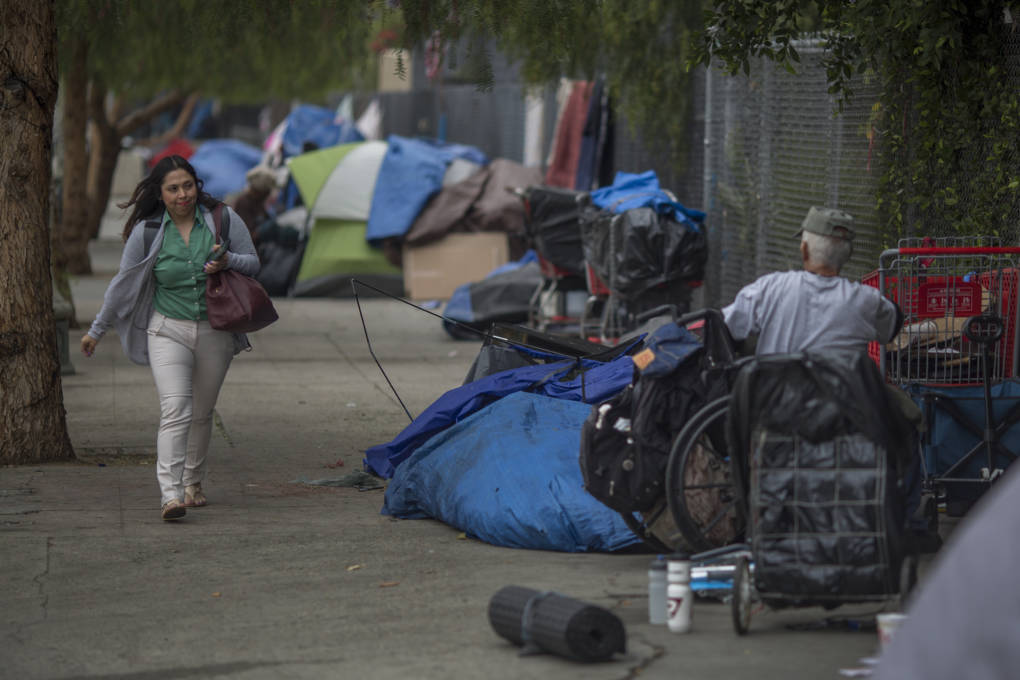
"caption": "A woman passes a homeless encampment in Los Angeles, California. ",
"description": "A woman passes a homeless encampment in Los Angeles, California. ",
"title": "Homelessness In Los Angeles Jumps 20 Percent From 2016 Numbers",
"credit": "David McNew/Getty Images",
"status": "inherit",
"isLoading": false,
"fetchFailed": false
}
},
"audioPlayerReducer": {
"postId": "stream_live",
"isPaused": true,
"isPlaying": false,
"pfsActive": false,
"pledgeModalIsOpen": true,
"playerDrawerIsOpen": false,
"liveAudioPlayStartedAt": 0,
"liveAudioPlayContext": ""
},
"authorsReducer": {
"byline_news_11633394": {
"type": "authors",
"id": "byline_news_11633394",
"meta": {
"override": true
},
"slug": "byline_news_11633394",
"name": "\u003cstrong>\u003ca href=\"http://www.scpr.org/about/people/staff/michelle-faust\">Michelle Faust\u003c/a>\u003c/strong>",
"isLoading": false
},
"byline_futureofyou_436928": {
"type": "authors",
"id": "byline_futureofyou_436928",
"meta": {
"override": true
},
"slug": "byline_futureofyou_436928",
"name": "Doug Levy\u003cbr />NPR Shots",
"isLoading": false
},
"byline_news_11621472": {
"type": "authors",
"id": "byline_news_11621472",
"meta": {
"override": true
},
"slug": "byline_news_11621472",
"name": "\u003cstrong>Associated Press\u003c/strong>",
"isLoading": false
},
"kqed": {
"type": "authors",
"id": "236",
"meta": {
"index": "authors_1716337520",
"id": "236",
"found": true
},
"name": "KQED News Staff",
"firstName": "KQED News Staff",
"lastName": null,
"slug": "kqed",
"email": "faq@kqed.org",
"display_author_email": false,
"staff_mastheads": [],
"title": null,
"bio": null,
"avatar": "https://secure.gravatar.com/avatar/ef0e801a68c4c54afa9180db14084167?s=600&d=blank&r=g",
"twitter": null,
"facebook": null,
"instagram": null,
"linkedin": null,
"sites": [
{
"site": "arts",
"roles": [
"contributor"
]
},
{
"site": "news",
"roles": [
"editor"
]
},
{
"site": "futureofyou",
"roles": [
"author"
]
}
],
"headData": {
"title": "KQED News Staff | KQED",
"description": null,
"ogImgSrc": "https://secure.gravatar.com/avatar/ef0e801a68c4c54afa9180db14084167?s=600&d=blank&r=g",
"twImgSrc": "https://secure.gravatar.com/avatar/ef0e801a68c4c54afa9180db14084167?s=600&d=blank&r=g"
},
"isLoading": false,
"link": "/author/kqed"
},
"rachael-myrow": {
"type": "authors",
"id": "251",
"meta": {
"index": "authors_1716337520",
"id": "251",
"found": true
},
"name": "Rachael Myrow",
"firstName": "Rachael",
"lastName": "Myrow",
"slug": "rachael-myrow",
"email": "rmyrow@kqed.org",
"display_author_email": true,
"staff_mastheads": [
"news"
],
"title": "Senior Editor of KQED's Silicon Valley News Desk",
"bio": "• I write and edit stories about how Silicon Valley power and policies shape everyday life in California. I’m also passionate about making Bay Area history and culture more accessible to a broad public. • I’ve been a journalist for most of my life, starting in high school with The Franklin Press in Los Angeles, where I grew up. While earning my first degree in English at UC Berkeley, I got my start in public radio at KALX-FM. After completing a second degree in journalism at Cal, I landed my first professional job at Marketplace, then moved on to KPCC (now LAist), and then KQED, where I hosted The California Report for more than seven years. • My reporting has appeared on NPR, The World, WBUR’s \u003ci>Here & Now\u003c/i>, and the BBC. I also guest host for KQED’s \u003ci>Forum\u003c/i>, as well as the Commonwealth Club in San Francisco. • I speak periodically on media, democracy and technology issues, and do voiceover work for documentaries and educational video projects. • Outside of the studio, you'll find me hiking Bay Area trails and whipping up Insta-ready meals in my kitchen. • I do not accept gifts, money, or favors from anyone connected to my reporting, I don't pay people for information, and I do not support or donate to political causes. • I strive to treat the people I report on with fairness, honesty, and respect. I also recognize there are often multiple sides to a story and work to verify information through multiple sources and documentation. If I get something wrong, I correct it.",
"avatar": "https://secure.gravatar.com/avatar/3ed8a3c5f26025e4a805ba634cda8cd764906b97438a6d9ce216b044e340da4e?s=600&d=blank&r=g",
"twitter": "rachaelmyrow",
"bluesky": null,
"facebook": null,
"instagram": null,
"linkedin": "https://www.linkedin.com/in/rachaelmyrow/",
"sites": [
{
"site": "arts",
"roles": [
"administrator"
]
},
{
"site": "news",
"roles": [
"edit_others_posts",
"editor"
]
},
{
"site": "futureofyou",
"roles": [
"editor"
]
},
{
"site": "bayareabites",
"roles": [
"editor"
]
},
{
"site": "stateofhealth",
"roles": [
"editor"
]
},
{
"site": "science",
"roles": [
"editor"
]
},
{
"site": "food",
"roles": [
"editor"
]
},
{
"site": "forum",
"roles": [
"editor"
]
},
{
"site": "liveblog",
"roles": [
"author"
]
}
],
"headData": {
"title": "Rachael Myrow | KQED",
"description": "Senior Editor of KQED's Silicon Valley News Desk",
"ogImgSrc": "https://secure.gravatar.com/avatar/3ed8a3c5f26025e4a805ba634cda8cd764906b97438a6d9ce216b044e340da4e?s=600&d=blank&r=g",
"twImgSrc": "https://secure.gravatar.com/avatar/3ed8a3c5f26025e4a805ba634cda8cd764906b97438a6d9ce216b044e340da4e?s=600&d=blank&r=g"
},
"isLoading": false,
"link": "/author/rachael-myrow"
},
"adembosky": {
"type": "authors",
"id": "3205",
"meta": {
"index": "authors_1716337520",
"id": "3205",
"found": true
},
"name": "April Dembosky",
"firstName": "April",
"lastName": "Dembosky",
"slug": "adembosky",
"email": "adembosky@kqed.org",
"display_author_email": false,
"staff_mastheads": [
"news",
"science"
],
"title": "KQED Health Correspondent",
"bio": "April Dembosky is the health correspondent for KQED News and a regular contributor to NPR. She specializes in covering altered states of mind, from postpartum depression to methamphetamine-induced psychosis to the insanity defense. Her investigative series on insurance companies sidestepping mental health laws won multiple awards, including first place in beat reporting from the national Association of Health Care Journalists. She is the recipient of numerous other prizes and fellowships, including a national Edward R. Murrow award for investigative reporting, a Society of Professional Journalists award for long-form storytelling, and a Carter Center Fellowship for Mental Health Journalism.\r\n\r\nDembosky reported and produced \u003cem>Soundtrack of Silence\u003c/em>, an audio documentary about music and memory that is currently being made into a feature film by Paramount Pictures.\r\n\r\nBefore joining KQED in 2013, Dembosky covered technology and Silicon Valley for \u003cem>The Financial Times of London,\u003c/em> and contributed business and arts stories to \u003cem>Marketplace \u003c/em>and \u003cem>The New York Times.\u003c/em> She got her undergraduate degree in philosophy from Smith College and her master's in journalism from the University of California, Berkeley. She is a classically trained violinist and proud alum of the first symphony orchestra at Burning Man.",
"avatar": "https://secure.gravatar.com/avatar/ef92999be4ceb9ea60701e7dc276f813?s=600&d=blank&r=g",
"twitter": "adembosky",
"facebook": null,
"instagram": null,
"linkedin": null,
"sites": [
{
"site": "arts",
"roles": [
"author"
]
},
{
"site": "news",
"roles": [
"editor"
]
},
{
"site": "futureofyou",
"roles": [
"author"
]
},
{
"site": "stateofhealth",
"roles": [
"editor"
]
},
{
"site": "science",
"roles": [
"editor"
]
},
{
"site": "forum",
"roles": [
"editor"
]
}
],
"headData": {
"title": "April Dembosky | KQED",
"description": "KQED Health Correspondent",
"ogImgSrc": "https://secure.gravatar.com/avatar/ef92999be4ceb9ea60701e7dc276f813?s=600&d=blank&r=g",
"twImgSrc": "https://secure.gravatar.com/avatar/ef92999be4ceb9ea60701e7dc276f813?s=600&d=blank&r=g"
},
"isLoading": false,
"link": "/author/adembosky"
},
"lklivans": {
"type": "authors",
"id": "8648",
"meta": {
"index": "authors_1716337520",
"id": "8648",
"found": true
},
"name": "Laura Klivans",
"firstName": "Laura",
"lastName": "Klivans",
"slug": "lklivans",
"email": "lklivans@kqed.org",
"display_author_email": true,
"staff_mastheads": [
"news",
"science"
],
"title": "Reporter",
"bio": "Laura Klivans is an award-winning science reporter for KQED News, where she covers climate change with an eye on both groundbreaking progress and gaps in action. She is the former host of KQED's blockbuster video series about tiny, amazing animals, \u003cem>Deep Look\u003c/em>. Her work reaches national audiences through NPR, \u003cem>Here & Now, \u003c/em>PRI, and other major outlets. \r\n\r\nLaura’s won five Northern California Area Emmy Awards for Deep Look and First Place in the Greater Bay Area Journalism Awards for a podcast exploring how one Oakland neighborhood teamed up to reduce planet-heating pollution.\r\n\r\nBeyond her reporting, she hosts and moderates events. In the past, she taught audio storytelling at the UC Berkeley Graduate School of Journalism, led international education programs, worked with immigrants and refugees along the Thai-Burmese border, taught high schoolers sex ed, and was an actress. \r\n\r\nShe's a former UC Berkeley Human Rights Fellow, USC Center for Health Journalism's California Fellow and Coro Fellow in Public Affairs. Laura has a master’s in journalism from UC Berkeley, a master’s in education from Harvard, and an undergraduate degree from Northwestern University.\r\n\r\nShe loves trying to riddle the meaning out of vanity license plates.",
"avatar": "https://secure.gravatar.com/avatar/2d2ecd1550a494cc10ad4a503406965585902124739e775a9b3817eebf1d88be?s=600&d=blank&r=g",
"twitter": "lauraklivans",
"bluesky": null,
"facebook": null,
"instagram": null,
"linkedin": null,
"sites": [
{
"site": "news",
"roles": [
"editor"
]
},
{
"site": "stateofhealth",
"roles": [
"contributor",
"editor"
]
},
{
"site": "science",
"roles": [
"editor"
]
},
{
"site": "forum",
"roles": [
"editor"
]
}
],
"headData": {
"title": "Laura Klivans | KQED",
"description": "Reporter",
"ogImgSrc": "https://secure.gravatar.com/avatar/2d2ecd1550a494cc10ad4a503406965585902124739e775a9b3817eebf1d88be?s=600&d=blank&r=g",
"twImgSrc": "https://secure.gravatar.com/avatar/2d2ecd1550a494cc10ad4a503406965585902124739e775a9b3817eebf1d88be?s=600&d=blank&r=g"
},
"isLoading": false,
"link": "/author/lklivans"
},
"cfeibel": {
"type": "authors",
"id": "11314",
"meta": {
"index": "authors_1716337520",
"id": "11314",
"found": true
},
"name": "Carrie Feibel",
"firstName": "Carrie",
"lastName": "Feibel",
"slug": "cfeibel",
"email": "cfeibel@KQED.org",
"display_author_email": false,
"staff_mastheads": [],
"title": "KQED Contributor",
"bio": "Carrie Feibel is a former health editor at KQED, where she has also reported for radio and online. Her stories have appeared on the national NPR shows \u003cem>Morning Edition\u003c/em>, \u003cem>All Things Considered\u003c/em>, and \u003cem>Here & Now\u003c/em>, and on the national website, Kaiser Health News. Her print career included stints at the \u003cem>Houston Chronicle\u003c/em>, \u003cem>The (Bergen) Record,\u003c/em> and the Associated Press in New York City. A native of St. Louis, Feibel attended Cornell University, and earned a master's in journalism from Columbia University.",
"avatar": "https://secure.gravatar.com/avatar/c64a7e3c9a910e1bffd4ad32a5264aa9?s=600&d=blank&r=g",
"twitter": "KQEDHealth",
"facebook": null,
"instagram": null,
"linkedin": null,
"sites": [
{
"site": "news",
"roles": [
"subscriber"
]
},
{
"site": "stateofhealth",
"roles": [
"administrator"
]
}
],
"headData": {
"title": "Carrie Feibel | KQED",
"description": "KQED Contributor",
"ogImgSrc": "https://secure.gravatar.com/avatar/c64a7e3c9a910e1bffd4ad32a5264aa9?s=600&d=blank&r=g",
"twImgSrc": "https://secure.gravatar.com/avatar/c64a7e3c9a910e1bffd4ad32a5264aa9?s=600&d=blank&r=g"
},
"isLoading": false,
"link": "/author/cfeibel"
}
},
"pagesReducer": {
"news_tag_health": {
"type": "terms",
"id": "news_18543",
"meta": {
"index": "terms_1716263798",
"site": "news",
"id": "18543",
"score": 6.886679
},
"featImg": null,
"name": "Health",
"description": null,
"taxonomy": "tag",
"headData": {
"twImgId": null,
"twTitle": null,
"ogTitle": null,
"ogImgId": null,
"twDescription": null,
"description": null,
"title": "Health Archives | KQED News",
"ogDescription": null
},
"ttid": 466,
"slug": "health",
"isLoading": false,
"title": "Health",
"pageMeta": {
"site": "news",
"WpPageTemplate": "page-topic-editorial",
"currentPage": 98
},
"blocks": [
{
"blockName": "kqed/post-list",
"attrs": {
"layout": "cardArticle2",
"query": "posts/news?tag=health",
"seeMore": false,
"paginated": true,
"page": 98
}
},
{
"blockName": "kqed/ad"
}
]
}
},
"pfsSessionReducer": {},
"postsReducer": {
"stream_live": {
"type": "live",
"id": "stream_live",
"audioUrl": "https://streams.kqed.org/kqedradio",
"title": "Live Stream",
"excerpt": "Live Stream information currently unavailable.",
"link": "/radio",
"featImg": "",
"label": {
"name": "KQED Live",
"link": "/"
}
},
"stream_kqedNewscast": {
"type": "posts",
"id": "stream_kqedNewscast",
"audioUrl": "https://www.kqed.org/.stream/anon/radio/RDnews/newscast.mp3?_=1",
"title": "KQED Newscast",
"featImg": "",
"label": {
"name": "88.5 FM",
"link": "/"
}
},
"news_11633394": {
"type": "posts",
"id": "news_11633394",
"meta": {
"index": "posts_1716263798",
"site": "news",
"id": "11633394",
"score": null,
"sort": [
1511822000000
]
},
"guestAuthors": [],
"slug": "california-could-lose-2-7-billion-in-kids-health-funding-and-theres-no-backup-plan",
"title": "California Could Lose $2.7 Billion in Kids' Health Funding - and There's No Backup Plan",
"publishDate": 1511822000,
"format": "standard",
"headTitle": "California Could Lose $2.7 Billion in Kids’ Health Funding – and There’s No Backup Plan | KQED",
"labelTerm": {},
"content": "\u003cp>Nearly two months after Congress \u003ca href=\"https://ww2.kqed.org/stateofhealth/2017/10/04/california-frets-over-funding-after-congress-misses-health-care-deadlines/\" target=\"_blank\" rel=\"noopener\">missed its deadline\u003c/a> to renew funding for the Children’s Health Insurance Program (CHIP), California is just a few weeks away from exhausting its reserves, and doesn’t yet have a plan to replace the $2.7 billion in federal support it stands to lose.\u003c/p>\n\u003cp>“The reason that there’s no plan B is that there’s no good options,” said Anthony Wright, executive director of the advocacy group Health Access.\u003c/p>\n\u003cp>CHIP provides Medi-Cal coverage for children whose parents make too much to qualify for the program. The cutoff point is 266 percent of the federal poverty level, or about $65,000 for a family of four.\u003c/p>\n\u003cp>California officials project the state will run out of money for the program around the end of the year. Even if it does, California is legally obligated to continue providing coverage for almost all of the children who qualify. Pregnant women, who make up less than 2 percent of those in the program, would lose their coverage without a new infusion of federal dollars.\u003c/p>\n\u003cp>[contextly_sidebar id=”KktSpouU4WPkvQw6HMHZPmzyc9plkikj”]\u003c/p>\n\u003cp>Last year 2 million California children received health care through CHIP.\u003c/p>\n\u003cp>[ad fullwidth]\u003c/p>\n\u003cp>Since the federal government funds 90 percent of the $3 billion program, Gov. Jerry Brown and the state Legislature would have to find new sources for the money elsewhere in the budget.\u003c/p>\n\u003cp>The office of Assemblyman Jim Wood (D-Healdsburg), chairman of the Assembly Health Committee, acknowledged that the Legislature doesn’t have a backup plan at this point. Wood recently attended a Sacramento rally to urge Congress to renew both CHIP and a federal grant program for community health centers.\u003c/p>\n\u003cp>“We wait while health care for these children and adults hangs in the balance,” he said, adding that he came to the rally “to demand that Congress act now to reauthorize this critical funding and recognize that these people are not numbers — they are our family members, our neighbors and our friends.”\u003c/p>\n\u003caside class=\"pullquote alignright\">‘I really don’t see a way for the state to close a budget gap of that size without hurting kids and families.’\u003ccite>Kelly Hardy, Children Now\u003c/cite>\u003c/aside>\n\u003cp>Sen. Ed Hernandez (D-West Covina), chair of the Senate Health Committee, did not respond to requests for comment.\u003c/p>\n\u003cp>If Congress fails to renew the money before it runs out, “the state would be forced into a Sophie’s Choice,” said Wright.\u003c/p>\n\u003cp>Lawmakers would have to make cuts, “if not to children’s coverage then to other critical programs and services,” he said.\u003c/p>\n\u003cp>Kelly Hardy, senior managing director of health policy for the advocacy group Children Now, agreed.\u003c/p>\n\u003cp>“I really don’t see a way for the state to close a budget gap of that size without hurting kids and families,” she said.\u003c/p>\n\u003cp>\u003c/p>\n\u003cp>The state doesn’t have a backup plan because it’s counting on Congress — which has backed CHIP for years on a bipartisan basis — to ultimately renew the program, said Wright.\u003c/p>\n\n",
"blocks": [],
"excerpt": "The state is counting on Congress to renew the Children’s Health Insurance Program. If not, California will be forced to face some tough choices.",
"status": "publish",
"parent": 0,
"modified": 1738187015,
"stats": {
"hasAudio": false,
"hasVideo": false,
"hasChartOrMap": false,
"iframeSrcs": [],
"hasGoogleForm": false,
"hasGallery": false,
"hasHearkenModule": false,
"hasPolis": false,
"paragraphCount": 17,
"wordCount": 517
},
"headData": {
"title": "California Could Lose $2.7 Billion in Kids' Health Funding - and There's No Backup Plan | KQED",
"description": "The state is counting on Congress to renew the Children’s Health Insurance Program. If not, California will be forced to face some tough choices.",
"ogTitle": "",
"ogDescription": "",
"ogImgId": "",
"twTitle": "",
"twDescription": "",
"twImgId": "",
"schema": {
"@context": "https://schema.org",
"@type": "NewsArticle",
"headline": "California Could Lose $2.7 Billion in Kids' Health Funding - and There's No Backup Plan",
"datePublished": "2017-11-27T14:33:20-08:00",
"dateModified": "2025-01-29T13:43:35-08:00",
"image": "https://cdn.kqed.org/wp-content/uploads/2020/02/KQED-OG-Image@1x.png",
"isAccessibleForFree": "True",
"publisher": {
"@type": "NewsMediaOrganization",
"@id": "https://www.kqed.org/#organization",
"name": "KQED",
"logo": "https://cdn.kqed.org/wp-content/uploads/2020/02/KQED-OG-Image@1x.png",
"url": "https://www.kqed.org",
"sameAs": [
"https://www.facebook.com/KQED",
"https://twitter.com/KQED",
"https://www.instagram.com/kqed/",
"https://www.tiktok.com/@kqedofficial",
"https://www.linkedin.com/company/kqed",
"https://www.youtube.com/channel/UCeC0IOo7i1P_61zVUWbJ4nw"
]
}
}
},
"source": "KPCC",
"sourceUrl": "http://www.scpr.org/",
"sticky": false,
"nprByline": "\u003cstrong>\u003ca href=\"http://www.scpr.org/about/people/staff/michelle-faust\">Michelle Faust\u003c/a>\u003c/strong>",
"path": "/news/11633394/california-could-lose-2-7-billion-in-kids-health-funding-and-theres-no-backup-plan",
"audioTrackLength": null,
"parsedContent": [
{
"type": "contentString",
"content": "\u003cdiv class=\"post-body\">\u003cp>\u003cp>Nearly two months after Congress \u003ca href=\"https://ww2.kqed.org/stateofhealth/2017/10/04/california-frets-over-funding-after-congress-misses-health-care-deadlines/\" target=\"_blank\" rel=\"noopener\">missed its deadline\u003c/a> to renew funding for the Children’s Health Insurance Program (CHIP), California is just a few weeks away from exhausting its reserves, and doesn’t yet have a plan to replace the $2.7 billion in federal support it stands to lose.\u003c/p>\n\u003cp>“The reason that there’s no plan B is that there’s no good options,” said Anthony Wright, executive director of the advocacy group Health Access.\u003c/p>\n\u003cp>CHIP provides Medi-Cal coverage for children whose parents make too much to qualify for the program. The cutoff point is 266 percent of the federal poverty level, or about $65,000 for a family of four.\u003c/p>\n\u003cp>California officials project the state will run out of money for the program around the end of the year. Even if it does, California is legally obligated to continue providing coverage for almost all of the children who qualify. Pregnant women, who make up less than 2 percent of those in the program, would lose their coverage without a new infusion of federal dollars.\u003c/p>\n\u003cp>\u003c/p>\u003cp>\u003c/p>\u003cp>\u003c/p>\n\u003cp>Last year 2 million California children received health care through CHIP.\u003c/p>\n\u003cp>\u003c/p>\u003c/div>",
"attributes": {
"named": {},
"numeric": []
}
},
{
"type": "component",
"content": "",
"name": "ad",
"attributes": {
"named": {
"label": "fullwidth"
},
"numeric": [
"fullwidth"
]
}
},
{
"type": "contentString",
"content": "\u003cdiv class=\"post-body\">\u003cp>\u003c/p>\n\u003cp>Since the federal government funds 90 percent of the $3 billion program, Gov. Jerry Brown and the state Legislature would have to find new sources for the money elsewhere in the budget.\u003c/p>\n\u003cp>The office of Assemblyman Jim Wood (D-Healdsburg), chairman of the Assembly Health Committee, acknowledged that the Legislature doesn’t have a backup plan at this point. Wood recently attended a Sacramento rally to urge Congress to renew both CHIP and a federal grant program for community health centers.\u003c/p>\n\u003cp>“We wait while health care for these children and adults hangs in the balance,” he said, adding that he came to the rally “to demand that Congress act now to reauthorize this critical funding and recognize that these people are not numbers — they are our family members, our neighbors and our friends.”\u003c/p>\n\u003caside class=\"pullquote alignright\">‘I really don’t see a way for the state to close a budget gap of that size without hurting kids and families.’\u003ccite>Kelly Hardy, Children Now\u003c/cite>\u003c/aside>\n\u003cp>Sen. Ed Hernandez (D-West Covina), chair of the Senate Health Committee, did not respond to requests for comment.\u003c/p>\n\u003cp>If Congress fails to renew the money before it runs out, “the state would be forced into a Sophie’s Choice,” said Wright.\u003c/p>\n\u003cp>Lawmakers would have to make cuts, “if not to children’s coverage then to other critical programs and services,” he said.\u003c/p>\n\u003cp>Kelly Hardy, senior managing director of health policy for the advocacy group Children Now, agreed.\u003c/p>\n\u003cp>“I really don’t see a way for the state to close a budget gap of that size without hurting kids and families,” she said.\u003c/p>\n\u003cp>\u003c/p>\n\u003cp>The state doesn’t have a backup plan because it’s counting on Congress — which has backed CHIP for years on a bipartisan basis — to ultimately renew the program, said Wright.\u003c/p>\n\n\u003c/div>\u003c/p>",
"attributes": {
"named": {},
"numeric": []
}
}
],
"link": "/news/11633394/california-could-lose-2-7-billion-in-kids-health-funding-and-theres-no-backup-plan",
"authors": [
"byline_news_11633394"
],
"programs": [
"news_6944",
"news_72"
],
"categories": [
"news_457",
"news_8",
"news_33520",
"news_13"
],
"tags": [
"news_2043",
"news_20149",
"news_18543",
"news_17286"
],
"affiliates": [
"news_7055"
],
"featImg": "news_11633404",
"label": "source_news_11633394"
},
"stateofhealth_361907": {
"type": "posts",
"id": "stateofhealth_361907",
"meta": {
"index": "posts_1716263798",
"site": "stateofhealth",
"id": "361907",
"score": null,
"sort": [
1510218031000
]
},
"parent": 0,
"labelTerm": {
"site": "stateofhealth"
},
"blocks": [],
"publishDate": 1510218031,
"format": "audio",
"disqusTitle": "What Vets Want at the End of Life Is Very Different From What Civilians Want",
"title": "What Vets Want at the End of Life Is Very Different From What Civilians Want",
"headTitle": "State of Health | KQED News",
"content": "\u003cp>A lot of Ron Fleming’s fellow soldiers spent the last five decades trying to forget what they saw and did in Vietnam. Now 74, Fleming has spent most of that time trying to hold on to it. He has never been as proud as he was when he was 21.\u003c/p>\n\u003cp>“I take issue with those who say we lost. We didn’t lose that war,” he said, sitting on the edge of his hospital bed at the \u003ca href=\"https://www.sanfrancisco.va.gov/\" target=\"_blank\" rel=\"noopener\">San Francisco VA medical center\u003c/a>. “Everywhere I went, we literally kicked the crap out of them.”\u003c/p>\n\u003cp>Fleming was a door gunner in the war, hanging out of a helicopter on a strap with a machine gun in his hands. He fought in the Tet Offensive, sometimes 40 hours straight, firing 6,000 rounds a minute. But he never gave much thought to catching one himself.\u003c/p>\n\u003cp>“You see, at 21, you’re bulletproof,” he said. “Dying wasn’t on the agenda.”\u003c/p>\n\u003cp>But now, it is. Fleming has congestive heart failure, arthritis and breathing problems. He often lands in the VA hospital with asthma attacks, and the palliative care team visits him regularly. He thinks about death.\u003c/p>\n\u003cp>[ad fullwidth]\u003c/p>\n\u003cp>“I wish it’d get off its ass and come on me. I’m sick of this crap,” he said, as his heart rate monitor ticked up. “You see, dying’s the easy part. Living is what’s hard.”\u003c/p>\n\u003cp>Fleming has had trouble holding down a job since he got back from the war. He had a girl he lived with for 10 years, but they never married, never had kids. He lives alone in Oakland now. He says he angers easily and is always hypervigilant. About 10 years ago, he was diagnosed with PTSD. More than anything, he says, he suffers from a \"rotten outlook\" on life.\u003c/p>\n\u003cp>“Sometimes I think that now I’m being paid back for all the men I killed,” he said. “I killed a lot of them. More than I can count.”\u003c/p>\n\u003cp>Unlike Fleming, some Vietnam vets don’t find out they have PTSD until they have just months or weeks left to live. Symptoms of terminal illnesses, like pain or breathlessness, can trigger flashbacks, making vets feel as threatened as they did on the battlefield.\u003c/p>\n\u003cp>“The war memories start coming back, they start having nightmares,” said \u003ca href=\"https://profiles.stanford.edu/vj-periyakoil\" target=\"_blank\" rel=\"noopener\">VJ Periyakoil\u003c/a>, a palliative care physician at the VA in Palo Alto. She says opioid medications, like morphine and oxycodone, that are often used for treating pain and breathlessness can make PTSD symptoms worse.\u003c/p>\n\u003cp>“The side effect of those medications, they make you fuzzyheaded,” she said. “Your defenses that you use to cope with the PTSD, which might help repress a lot of the difficult memories, that coping strategy starts to come apart.”\u003c/p>\n\u003cp>She has had patients tell her: “I would much rather tolerate the physical pain, the cancer pain, than take opioids and my defenses crumble.”\u003c/p>\n\u003cp>Some vets see their pain or PTSD as retribution for their work in the line of duty.\u003c/p>\n\u003cp>“Sometimes I’ve had patients refuse medications that might ease their experiences because they feel that they deserve to suffer,” Periyakoil said. “This is redemptive.”\u003c/p>\n\u003cp>The best thing to do in these situations can be to stand down, she said. With weeks left to live, there isn’t enough time to resolve the mental anguish, and staff have to let patients set the pace and tone for their care.\u003c/p>\n\u003cp>But doctors and nurses, just like soldiers, hate doing nothing.\u003c/p>\n\u003cp>“We talk about the moral distress that \u003cem>we \u003c/em>have sometimes about really knowing that we’re doing the right thing for this individual, so that we can be present for \u003cem>their \u003c/em>suffering, the way \u003cem>they\u003c/em> need to do it,” said Patrice Villars, a hospice nurse at the San Francisco VA.\u003c/p>\n\u003cp>For Ron Fleming, death is still likely a couple of years out. His doctors have been begging him, gently, to consider mental health counseling or antidepressants. But he has refused.\u003c/p>\n\u003cp>“I don’t want to take psychiatric drugs. The vets call them the happy pills,” he said. “I don’t want any of those, because they change you. I don’t want to change.”\u003c/p>\n\u003cp>He’s not sure if he deserves to be happy.\u003c/p>\n\u003cp>“That I don’t know,” he said.\u003c/p>\n\u003cp>\u003c/p>\n\u003cp>His pain is what connects him to the past. Fleming was awarded 18 air medals for acts of meritorious achievement and heroism. The loss and grief he experienced in Vietnam are woven into the same memories of victory and glory. He doesn’t want treatment that might make that go away.\u003c/p>\n\n",
"disqusIdentifier": "361907 https://ww2.kqed.org/stateofhealth/?p=361907",
"disqusUrl": "https://ww2.kqed.org/stateofhealth/2017/11/09/what-vets-want-at-the-end-of-life-is-very-different-from-what-civilians-want/",
"stats": {
"hasVideo": false,
"hasChartOrMap": false,
"hasAudio": false,
"hasPolis": false,
"wordCount": 817,
"hasGoogleForm": false,
"hasGallery": false,
"hasHearkenModule": false,
"iframeSrcs": [],
"paragraphCount": 24
},
"modified": 1510279371,
"excerpt": "Honor and respect can be much more important for dying vets than being comfortable or free of pain.",
"headData": {
"twImgId": "",
"twTitle": "",
"ogTitle": "",
"ogImgId": "",
"twDescription": "",
"description": "Honor and respect can be much more important for dying vets than being comfortable or free of pain.",
"title": "What Vets Want at the End of Life Is Very Different From What Civilians Want | KQED",
"ogDescription": "",
"schema": {
"@context": "https://schema.org",
"@type": "Article",
"headline": "What Vets Want at the End of Life Is Very Different From What Civilians Want",
"datePublished": "2017-11-09T01:00:31-08:00",
"dateModified": "2017-11-09T18:02:51-08:00",
"image": "https://cdn.kqed.org/wp-content/uploads/2020/02/KQED-OG-Image@1x.png"
}
},
"guestAuthors": [],
"slug": "what-vets-want-at-the-end-of-life-is-very-different-from-what-civilians-want",
"status": "publish",
"audioUrl": "https://www.kqed.org/.stream/anon/radio/RDnews/2017/11/DemboskyVetsEndofLife.mp3",
"path": "/stateofhealth/361907/what-vets-want-at-the-end-of-life-is-very-different-from-what-civilians-want",
"audioTrackLength": null,
"parsedContent": [
{
"type": "contentString",
"content": "\u003cdiv class=\"post-body\">\u003cp>\u003cp>A lot of Ron Fleming’s fellow soldiers spent the last five decades trying to forget what they saw and did in Vietnam. Now 74, Fleming has spent most of that time trying to hold on to it. He has never been as proud as he was when he was 21.\u003c/p>\n\u003cp>“I take issue with those who say we lost. We didn’t lose that war,” he said, sitting on the edge of his hospital bed at the \u003ca href=\"https://www.sanfrancisco.va.gov/\" target=\"_blank\" rel=\"noopener\">San Francisco VA medical center\u003c/a>. “Everywhere I went, we literally kicked the crap out of them.”\u003c/p>\n\u003cp>Fleming was a door gunner in the war, hanging out of a helicopter on a strap with a machine gun in his hands. He fought in the Tet Offensive, sometimes 40 hours straight, firing 6,000 rounds a minute. But he never gave much thought to catching one himself.\u003c/p>\n\u003cp>“You see, at 21, you’re bulletproof,” he said. “Dying wasn’t on the agenda.”\u003c/p>\n\u003cp>But now, it is. Fleming has congestive heart failure, arthritis and breathing problems. He often lands in the VA hospital with asthma attacks, and the palliative care team visits him regularly. He thinks about death.\u003c/p>\n\u003cp>\u003c/p>\u003c/div>",
"attributes": {
"named": {},
"numeric": []
}
},
{
"type": "component",
"content": "",
"name": "ad",
"attributes": {
"named": {
"label": "fullwidth"
},
"numeric": [
"fullwidth"
]
}
},
{
"type": "contentString",
"content": "\u003cdiv class=\"post-body\">\u003cp>\u003c/p>\n\u003cp>“I wish it’d get off its ass and come on me. I’m sick of this crap,” he said, as his heart rate monitor ticked up. “You see, dying’s the easy part. Living is what’s hard.”\u003c/p>\n\u003cp>Fleming has had trouble holding down a job since he got back from the war. He had a girl he lived with for 10 years, but they never married, never had kids. He lives alone in Oakland now. He says he angers easily and is always hypervigilant. About 10 years ago, he was diagnosed with PTSD. More than anything, he says, he suffers from a \"rotten outlook\" on life.\u003c/p>\n\u003cp>“Sometimes I think that now I’m being paid back for all the men I killed,” he said. “I killed a lot of them. More than I can count.”\u003c/p>\n\u003cp>Unlike Fleming, some Vietnam vets don’t find out they have PTSD until they have just months or weeks left to live. Symptoms of terminal illnesses, like pain or breathlessness, can trigger flashbacks, making vets feel as threatened as they did on the battlefield.\u003c/p>\n\u003cp>“The war memories start coming back, they start having nightmares,” said \u003ca href=\"https://profiles.stanford.edu/vj-periyakoil\" target=\"_blank\" rel=\"noopener\">VJ Periyakoil\u003c/a>, a palliative care physician at the VA in Palo Alto. She says opioid medications, like morphine and oxycodone, that are often used for treating pain and breathlessness can make PTSD symptoms worse.\u003c/p>\n\u003cp>“The side effect of those medications, they make you fuzzyheaded,” she said. “Your defenses that you use to cope with the PTSD, which might help repress a lot of the difficult memories, that coping strategy starts to come apart.”\u003c/p>\n\u003cp>She has had patients tell her: “I would much rather tolerate the physical pain, the cancer pain, than take opioids and my defenses crumble.”\u003c/p>\n\u003cp>Some vets see their pain or PTSD as retribution for their work in the line of duty.\u003c/p>\n\u003cp>“Sometimes I’ve had patients refuse medications that might ease their experiences because they feel that they deserve to suffer,” Periyakoil said. “This is redemptive.”\u003c/p>\n\u003cp>The best thing to do in these situations can be to stand down, she said. With weeks left to live, there isn’t enough time to resolve the mental anguish, and staff have to let patients set the pace and tone for their care.\u003c/p>\n\u003cp>But doctors and nurses, just like soldiers, hate doing nothing.\u003c/p>\n\u003cp>“We talk about the moral distress that \u003cem>we \u003c/em>have sometimes about really knowing that we’re doing the right thing for this individual, so that we can be present for \u003cem>their \u003c/em>suffering, the way \u003cem>they\u003c/em> need to do it,” said Patrice Villars, a hospice nurse at the San Francisco VA.\u003c/p>\n\u003cp>For Ron Fleming, death is still likely a couple of years out. His doctors have been begging him, gently, to consider mental health counseling or antidepressants. But he has refused.\u003c/p>\n\u003cp>“I don’t want to take psychiatric drugs. The vets call them the happy pills,” he said. “I don’t want any of those, because they change you. I don’t want to change.”\u003c/p>\n\u003cp>He’s not sure if he deserves to be happy.\u003c/p>\n\u003cp>“That I don’t know,” he said.\u003c/p>\n\u003cp>\u003c/p>\n\u003cp>His pain is what connects him to the past. Fleming was awarded 18 air medals for acts of meritorious achievement and heroism. The loss and grief he experienced in Vietnam are woven into the same memories of victory and glory. He doesn’t want treatment that might make that go away.\u003c/p>\n\n\u003c/div>\u003c/p>",
"attributes": {
"named": {},
"numeric": []
}
}
],
"link": "/stateofhealth/361907/what-vets-want-at-the-end-of-life-is-very-different-from-what-civilians-want",
"authors": [
"3205"
],
"categories": [
"stateofhealth_3012",
"stateofhealth_1"
],
"tags": [
"stateofhealth_2847",
"stateofhealth_2808",
"stateofhealth_3023",
"stateofhealth_2519",
"stateofhealth_2656",
"stateofhealth_3194",
"stateofhealth_136",
"stateofhealth_3193"
],
"featImg": "stateofhealth_361951",
"label": "stateofhealth"
},
"futureofyou_436928": {
"type": "posts",
"id": "futureofyou_436928",
"meta": {
"index": "posts_1716263798",
"site": "futureofyou",
"id": "436928",
"score": null,
"sort": [
1510252699000
]
},
"guestAuthors": [],
"slug": "free-dna-kits-at-s-f-49ers-games-attract-skeptics-and-regulators",
"title": "Free DNA Kits at S.F. 49ers Games Attract Skeptics -- and Regulators",
"publishDate": 1510252699,
"format": "standard",
"headTitle": "Free DNA Kits at S.F. 49ers Games Attract Skeptics — and Regulators | KQED",
"labelTerm": {},
"content": "\u003cp>Depending on whom you ask, finding out whether your genes make you a better athlete or give you healthier skin may be as easy as swabbing your cheeks for a DNA test on your way into a football game. But others say these “wellness” tests marketed directly to consumers are modern snake oil — worthless, or even misleading.\u003c/p>\n\u003cp>On Monday, the Food and Drug Administration gave a boost to direct-to-consumer genetic testing when it announced plans to streamline its approval process.\u003c/p>\n\u003caside class=\"pullquote alignright\">‘Giving out DNA kits at a football game screams out for regulation.’\u003ccite>Peter Pitts, Center for Medicine in the Public Interest\u003c/cite>\u003c/aside>\n\u003cp>“These tests can prompt consumers to be more engaged in pursuing the benefits of healthy lifestyle choices and more aware of their health risks,” FDA Commissioner Scott Gottlieb said in a \u003ca href=\"https://www.prnewswire.com/news-releases/statement-from-fda-commissioner-scott-gottlieb-md-on-implementation-of-agencys-streamlined-development-and-review-pathway-for-consumer-tests-that-evaluate-genetic-health-risks-300549992.html\" target=\"_blank\" rel=\"noopener\">statement\u003c/a>. However, he continued, “They’re not without their own risks — especially if they provide consumers with incorrect or misleading information that may be used to make health choices without considering the advice of a medical professional.”\u003c/p>\n\u003cp>The FDA intends to let sellers of direct-to-consumer DNA test kits seek a one-time FDA review, which would allow subsequent tests to be sold without going first to the FDA for approval. Under present rules, each new health test must be submitted and reviewed. The FDA’s jurisdiction applies to tests used to assess or diagnose health.\u003c/p>\n\u003cp>But a company in Boston is finding out that mass marketing of DNA tests attracts not just customers and fans, but skeptics and regulators. \u003ca href=\"http://orig3n.com/\" target=\"_blank\" rel=\"noopener\">Orig3n\u003c/a>, which sells genetic test kits with catchy names like “Fitcode,” “Fuel” and “Bliss” at festivals and sporting events, now finds itself under scrutiny by state and federal officials.\u003c/p>\n\u003cp>[ad fullwidth]\u003c/p>\n\u003cp>“The California Department of Public Health is investigating the nature and distribution of these test kits by Orig3n at Levi’s Stadium in Santa Clara,” a department representative said in an email.\u003c/p>\n\u003cp>At every 49ers home game during the current season, the company has a booth where it offers free introductory DNA test kits to the 68,000 fans entering the stadium. Fans can also purchase other tests at prices ranging from $29 to $149 each. It has a similar relationship with the Baltimore Ravens, but a plan to give test kits to every fan entering a September game was called off after Maryland regulators had some questions.\u003c/p>\n\u003cp>“I want people to learn more about themselves, and what they choose to do with that information is really up to them,” says Orig3n co-founder and chief operating officer Kate Blanchard. “But some of the information can really impact the way they live their life.”\u003c/p>\n\u003cp>That is precisely the problem, and it’s why state and federal regulators have said that “information” tests like Orig3n’s should be regulated as medical tests, because they’re assessing a person’s health. It’s a complex question, as the FDA’s Gottlieb notes. “Consider the consequences of a person who is told they’re not at risk for coronary heart disease and incorrectly opts to forgo dietary changes or drugs that reduce their risk of heart attack and death,” he says.\u003c/p>\n\u003cp>As much as genetic science has advanced, scientists do not fully understand how the more than 50 million known genetic variations interact with each other or with lifestyle and other factors to affect someone’s health, wellness or behavior. Very few genes are as closely associated with a specific outcome as the breast cancer genes BRCA1 and BRCA2, and even a positive test for these cancer-associated genes is insufficient for doctors to advise patients to have surgery or other major treatments.\u003c/p>\n\u003cp>In other words, you can get a test that tells you what variations you have, but that test alone cannot predict your future or dictate specific health or lifestyle decisions. Skeptics worry that people will read too much into genetic test results, especially if they are done without the help of a medical professional.\u003c/p>\n\u003cp>Blanchard says she stepped up her personal training regimen after her DNA test indicated that she might perform well in endurance sports. She says it was a change she might not have made without this information.\u003c/p>\n\u003cp>Distributing DNA tests to tens of thousands of people at NFL football games “is not good clinical practice,” says Peter Pitts, president of the advocacy group \u003ca href=\"http://cmpi.org/\">Center for Medicine in the Public Interest\u003c/a>. Unlike tests done in clinical laboratories, like tests for diabetes or cholesterol, there is less control over the quality of the test process, so the resulting data may be “highly questionable,” says Pitts, who is a former associate commissioner of the Food and Drug Administration.\u003c/p>\n\u003cp>Now you can get a nutrition plan and ready-to-eat meals based on “your body’s unique make-up” from Campbell’s Soup-funded \u003ca href=\"http://habit.com/\">Habit\u003c/a>. \u003ca href=\"http://ancestry.com/\">Ancestry\u003c/a> sells a test that “tells a more complete story of you,” and \u003ca href=\"https://www.helix.com/shop/\">Helix\u003c/a> promotes more than a dozen of its partners who sell genetic tests ranging from National Geographic (your ancestor’s migration paths) to companies that offer targeted fitness routines based on the DNA results, and several health companies. There is even a \u003ca href=\"https://www.helix.com/shop/vinome-wine-explorer/\">wine club\u003c/a> with wines “scientifically selected based on your DNA.”\u003c/p>\n\u003cp>“We don’t begrudge the excitement and the desire to help people based on genetics,” says Shirley Wu, director of product science for 23andMe, a direct-to-consumer genetic testing company that started in 2006. However, she questions companies that may be overpromising on what the tests can tell you. The science behind some consumer-oriented tests is lacking, says Wu. “We are still at the beginning of our understanding.”\u003c/p>\n\u003cp>The FDA \u003ca href=\"https://www.npr.org/sections/health-shots/2013/12/06/249231236/23andme-bows-to-fdas-demands-drops-health-claims\">halted 23andMe’s sales\u003c/a> of medical-risk tests in 2013, saying that it couldn’t prove those tests were accurate. In April, 23andMe obtained federal \u003ca href=\"https://www.fda.gov/newsevents/newsroom/pressannouncements/ucm551185.htm\">clearance\u003c/a> to resume selling direct-to-consumer DNA tests for certain health risks. Now, consumers can get reports on their ancestry as well as genes associated with sleep quality, lactose sensitivity, weight and other wellness factors and risks for several dozen inherited conditions for about $200.\u003c/p>\n\u003cp>And companies can offer very different information on the same finding. That’s evident in two reports on the CC variant of the ACTN3 gene:\u003c/p>\n\u003cul>\n\u003cli>23andMe tells you that you have a trait “common among elite power athletes … but its role for non-elite athletes isn’t completely understood.” The report also says that lifestyle and training are the driver of athletic performance for most people.\u003c/li>\n\u003cli>Orig3n also tells you that this trait is common in elite athletes and “is found in 45 percent of the general population.” And it “contributes to your ability to perform better in sports requiring power such as sprinting.” The Orig3n report recommends the types of sports that someone with this biomarker might want to pursue.\u003c/li>\n\u003c/ul>\n\u003cp>A \u003ca href=\"https://www.ncbi.nlm.nih.gov/pmc/articles/PMC4278350/\">2015 review\u003c/a> of genetic testing for sports concluded that there is little value to knowing the ACTN3 or other variants in recreational athletes. However, genetic testing of professional athletes may be useful for training and injury prevention, the review authors concluded.\u003c/p>\n\u003cp>“For the most part, data on personal genomic testing have revealed little or no harms but also little or no health benefits,” writes Dr. Muin Khoury, director of the Office of Public Health Genomics at the Centers for Disease Control and Prevention in a \u003ca href=\"https://blogs.cdc.gov/genomics/2017/04/18/direct-to-consumer-2/\">recent article\u003c/a>. “Also, evidence on the ability of genetic information to change health behavior has been lacking.”\u003c/p>\n\u003cp>Blanchard says that Orig3n got the idea for its fitness DNA test after it solicited blood samples for research at marathons and other sporting events. “People started asking, ‘What can you tell me about me?’ ” she says.\u003c/p>\n\u003cp>The business model for 23andMe, Helix and some of the other direct-to-consumer DNA testing companies doesn’t rely solely on sales of test kits. They want to aggregate massive amounts of human genetic data that can be mined for research and commercial uses. Consumers are asked to “opt-in” to this when getting tested — and most do, according to 23andMe.\u003c/p>\n\u003cp>Orig3n is an exception: It says it would contact people separately if it ever wanted to use the DNA for anything other than the person’s own tests. But those test kits create a pool of people who would be more likely to give blood samples for Orig3n’s stem cell research. Its business banks on amassing tens of thousands of human blood samples so that it can create many stem cell lines.\u003c/p>\n\u003cp>Orig3n has sponsorship arrangements with the Baltimore Ravens and the San Francisco 49ers football teams. Fans at home games can get a free test that reports on three genes — ACTN3 for muscle force, FOXP2 for language-learning ability and AGER for skin aging. For $149, Orig3n reports back on 27 genes related to strength, metabolism, endurance and power. The company’s other tests are to provide information about genes associated with skin, child development, and how you think, feel and react.\u003c/p>\n\u003cp>Orig3n says its tests are “not diagnostic” and “for informational purposes only.” The federal agency that oversees medical labs disagrees. That distinction is critical because it is the boundary between regulated medical services and ones that avoid that level of scrutiny.\u003c/p>\n\u003cp>After reviewing Orig3n’s materials, the Centers for Medicare and Medicaid Services told the company on Oct. 30 that it must follow the rules for medical laboratories because its services include “genetic testing for the assessment of health.”\u003c/p>\n\u003cp>The decision was based on 18 of the 140 genes included in Orig3n’s tests, according to a \u003ca href=\"https://www.documentcloud.org/documents/4176983-CMS-Letter.html\">letter\u003c/a> from CMS to Orig3n.\u003c/p>\n\u003cp>Orig3n’s Blanchard says the company will continue selling its tests without those 18 genes until Orig3n receives approval from regulators to resume. In addition to CMS, Orig3n must satisfy state regulators in Massachusetts, Maryland and California – or any other states where it operates. “Going forward, we will continue to work with CMS, California, Massachusetts and the other states to ensure that we are meeting all federal and state regulatory requirements regarding our products,” Blanchard said in an email.\u003c/p>\n\u003cp>That may not be enough to satisfy all the critics. Says Pitts: “Giving out DNA kits at a football game screams out for regulation.”\u003c/p>\n\u003chr>\n\u003cp>[ad floatright]\u003c/p>\n\u003cp>\u003cem>Doug Levy is a freelance writer based in Sausalito, Calif. \u003c/em>\u003c/p>\n\u003cdiv class=\"fullattribution\">Copyright 2017 NPR. To see more, visit http://www.npr.org/.\u003cimg decoding=\"async\" src=\"https://www.google-analytics.com/__utm.gif?utmac=UA-5828686-4&utmdt=You+Can+Get+Your+DNA+Tested+At+An+NFL+Game.+Should+You%3F+&utme=8(APIKey)9(MDAxOTAwOTE4MDEyMTkxMDAzNjczZDljZA004)\">\u003c/div>\n\n",
"blocks": [],
"excerpt": "Companies distributing genetic tests at pro sports events say they can help people make the most of exercise and nutrition. But regulators say some are medical tests that could land people in trouble.",
"status": "publish",
"parent": 0,
"modified": 1721254875,
"stats": {
"hasAudio": false,
"hasVideo": false,
"hasChartOrMap": false,
"iframeSrcs": [],
"hasGoogleForm": false,
"hasGallery": false,
"hasHearkenModule": false,
"hasPolis": false,
"paragraphCount": 31,
"wordCount": 1809
},
"headData": {
"title": "Free DNA Kits at S.F. 49ers Games Attract Skeptics — and Regulators",
"description": "Companies distributing genetic tests at pro sports events say they can help people make the most of exercise and nutrition. But regulators say some are medical tests that could land people in trouble.",
"ogTitle": "",
"ogDescription": "",
"ogImgId": "",
"twTitle": "",
"twDescription": "",
"twImgId": "",
"schema": {
"@context": "https://schema.org",
"@type": "Article",
"headline": "Free DNA Kits at S.F. 49ers Games Attract Skeptics -- and Regulators",
"datePublished": "2017-11-09T10:38:19-08:00",
"dateModified": "2024-07-17T15:21:15-07:00",
"image": "https://cdn.kqed.org/wp-content/uploads/2020/02/KQED-OG-Image@1x.png"
}
},
"source": "KQED Future of You",
"sticky": false,
"nprByline": "Doug Levy\u003cbr />NPR Shots",
"nprImageAgency": "Douglas Levy for NPR",
"nprStoryId": "562564639",
"nprApiLink": "http://api.npr.org/query?id=562564639&apiKey=MDAxOTAwOTE4MDEyMTkxMDAzNjczZDljZA004",
"nprHtmlLink": "https://www.npr.org/sections/health-shots/2017/11/08/562564639/you-can-get-your-dna-tested-at-an-nfl-game-should-you?ft=nprml&f=562564639",
"nprRetrievedStory": "1",
"nprPubDate": "Wed, 08 Nov 2017 15:44:00 -0500",
"nprStoryDate": "Wed, 08 Nov 2017 05:00:00 -0500",
"nprLastModifiedDate": "Wed, 08 Nov 2017 20:19:10 -0500",
"templateType": "standard",
"featuredImageType": "standard",
"excludeFromSiteSearch": "Include",
"showOnAuthorArchivePages": "No",
"articleAge": "0",
"path": "/futureofyou/436928/free-dna-kits-at-s-f-49ers-games-attract-skeptics-and-regulators",
"audioTrackLength": null,
"parsedContent": [
{
"type": "contentString",
"content": "\u003cdiv class=\"post-body\">\u003cp>\u003cp>Depending on whom you ask, finding out whether your genes make you a better athlete or give you healthier skin may be as easy as swabbing your cheeks for a DNA test on your way into a football game. But others say these “wellness” tests marketed directly to consumers are modern snake oil — worthless, or even misleading.\u003c/p>\n\u003cp>On Monday, the Food and Drug Administration gave a boost to direct-to-consumer genetic testing when it announced plans to streamline its approval process.\u003c/p>\n\u003caside class=\"pullquote alignright\">‘Giving out DNA kits at a football game screams out for regulation.’\u003ccite>Peter Pitts, Center for Medicine in the Public Interest\u003c/cite>\u003c/aside>\n\u003cp>“These tests can prompt consumers to be more engaged in pursuing the benefits of healthy lifestyle choices and more aware of their health risks,” FDA Commissioner Scott Gottlieb said in a \u003ca href=\"https://www.prnewswire.com/news-releases/statement-from-fda-commissioner-scott-gottlieb-md-on-implementation-of-agencys-streamlined-development-and-review-pathway-for-consumer-tests-that-evaluate-genetic-health-risks-300549992.html\" target=\"_blank\" rel=\"noopener\">statement\u003c/a>. However, he continued, “They’re not without their own risks — especially if they provide consumers with incorrect or misleading information that may be used to make health choices without considering the advice of a medical professional.”\u003c/p>\n\u003cp>The FDA intends to let sellers of direct-to-consumer DNA test kits seek a one-time FDA review, which would allow subsequent tests to be sold without going first to the FDA for approval. Under present rules, each new health test must be submitted and reviewed. The FDA’s jurisdiction applies to tests used to assess or diagnose health.\u003c/p>\n\u003cp>But a company in Boston is finding out that mass marketing of DNA tests attracts not just customers and fans, but skeptics and regulators. \u003ca href=\"http://orig3n.com/\" target=\"_blank\" rel=\"noopener\">Orig3n\u003c/a>, which sells genetic test kits with catchy names like “Fitcode,” “Fuel” and “Bliss” at festivals and sporting events, now finds itself under scrutiny by state and federal officials.\u003c/p>\n\u003cp>\u003c/p>\u003c/div>",
"attributes": {
"named": {},
"numeric": []
}
},
{
"type": "component",
"content": "",
"name": "ad",
"attributes": {
"named": {
"label": "fullwidth"
},
"numeric": [
"fullwidth"
]
}
},
{
"type": "contentString",
"content": "\u003cdiv class=\"post-body\">\u003cp>\u003c/p>\n\u003cp>“The California Department of Public Health is investigating the nature and distribution of these test kits by Orig3n at Levi’s Stadium in Santa Clara,” a department representative said in an email.\u003c/p>\n\u003cp>At every 49ers home game during the current season, the company has a booth where it offers free introductory DNA test kits to the 68,000 fans entering the stadium. Fans can also purchase other tests at prices ranging from $29 to $149 each. It has a similar relationship with the Baltimore Ravens, but a plan to give test kits to every fan entering a September game was called off after Maryland regulators had some questions.\u003c/p>\n\u003cp>“I want people to learn more about themselves, and what they choose to do with that information is really up to them,” says Orig3n co-founder and chief operating officer Kate Blanchard. “But some of the information can really impact the way they live their life.”\u003c/p>\n\u003cp>That is precisely the problem, and it’s why state and federal regulators have said that “information” tests like Orig3n’s should be regulated as medical tests, because they’re assessing a person’s health. It’s a complex question, as the FDA’s Gottlieb notes. “Consider the consequences of a person who is told they’re not at risk for coronary heart disease and incorrectly opts to forgo dietary changes or drugs that reduce their risk of heart attack and death,” he says.\u003c/p>\n\u003cp>As much as genetic science has advanced, scientists do not fully understand how the more than 50 million known genetic variations interact with each other or with lifestyle and other factors to affect someone’s health, wellness or behavior. Very few genes are as closely associated with a specific outcome as the breast cancer genes BRCA1 and BRCA2, and even a positive test for these cancer-associated genes is insufficient for doctors to advise patients to have surgery or other major treatments.\u003c/p>\n\u003cp>In other words, you can get a test that tells you what variations you have, but that test alone cannot predict your future or dictate specific health or lifestyle decisions. Skeptics worry that people will read too much into genetic test results, especially if they are done without the help of a medical professional.\u003c/p>\n\u003cp>Blanchard says she stepped up her personal training regimen after her DNA test indicated that she might perform well in endurance sports. She says it was a change she might not have made without this information.\u003c/p>\n\u003cp>Distributing DNA tests to tens of thousands of people at NFL football games “is not good clinical practice,” says Peter Pitts, president of the advocacy group \u003ca href=\"http://cmpi.org/\">Center for Medicine in the Public Interest\u003c/a>. Unlike tests done in clinical laboratories, like tests for diabetes or cholesterol, there is less control over the quality of the test process, so the resulting data may be “highly questionable,” says Pitts, who is a former associate commissioner of the Food and Drug Administration.\u003c/p>\n\u003cp>Now you can get a nutrition plan and ready-to-eat meals based on “your body’s unique make-up” from Campbell’s Soup-funded \u003ca href=\"http://habit.com/\">Habit\u003c/a>. \u003ca href=\"http://ancestry.com/\">Ancestry\u003c/a> sells a test that “tells a more complete story of you,” and \u003ca href=\"https://www.helix.com/shop/\">Helix\u003c/a> promotes more than a dozen of its partners who sell genetic tests ranging from National Geographic (your ancestor’s migration paths) to companies that offer targeted fitness routines based on the DNA results, and several health companies. There is even a \u003ca href=\"https://www.helix.com/shop/vinome-wine-explorer/\">wine club\u003c/a> with wines “scientifically selected based on your DNA.”\u003c/p>\n\u003cp>“We don’t begrudge the excitement and the desire to help people based on genetics,” says Shirley Wu, director of product science for 23andMe, a direct-to-consumer genetic testing company that started in 2006. However, she questions companies that may be overpromising on what the tests can tell you. The science behind some consumer-oriented tests is lacking, says Wu. “We are still at the beginning of our understanding.”\u003c/p>\n\u003cp>The FDA \u003ca href=\"https://www.npr.org/sections/health-shots/2013/12/06/249231236/23andme-bows-to-fdas-demands-drops-health-claims\">halted 23andMe’s sales\u003c/a> of medical-risk tests in 2013, saying that it couldn’t prove those tests were accurate. In April, 23andMe obtained federal \u003ca href=\"https://www.fda.gov/newsevents/newsroom/pressannouncements/ucm551185.htm\">clearance\u003c/a> to resume selling direct-to-consumer DNA tests for certain health risks. Now, consumers can get reports on their ancestry as well as genes associated with sleep quality, lactose sensitivity, weight and other wellness factors and risks for several dozen inherited conditions for about $200.\u003c/p>\n\u003cp>And companies can offer very different information on the same finding. That’s evident in two reports on the CC variant of the ACTN3 gene:\u003c/p>\n\u003cul>\n\u003cli>23andMe tells you that you have a trait “common among elite power athletes … but its role for non-elite athletes isn’t completely understood.” The report also says that lifestyle and training are the driver of athletic performance for most people.\u003c/li>\n\u003cli>Orig3n also tells you that this trait is common in elite athletes and “is found in 45 percent of the general population.” And it “contributes to your ability to perform better in sports requiring power such as sprinting.” The Orig3n report recommends the types of sports that someone with this biomarker might want to pursue.\u003c/li>\n\u003c/ul>\n\u003cp>A \u003ca href=\"https://www.ncbi.nlm.nih.gov/pmc/articles/PMC4278350/\">2015 review\u003c/a> of genetic testing for sports concluded that there is little value to knowing the ACTN3 or other variants in recreational athletes. However, genetic testing of professional athletes may be useful for training and injury prevention, the review authors concluded.\u003c/p>\n\u003cp>“For the most part, data on personal genomic testing have revealed little or no harms but also little or no health benefits,” writes Dr. Muin Khoury, director of the Office of Public Health Genomics at the Centers for Disease Control and Prevention in a \u003ca href=\"https://blogs.cdc.gov/genomics/2017/04/18/direct-to-consumer-2/\">recent article\u003c/a>. “Also, evidence on the ability of genetic information to change health behavior has been lacking.”\u003c/p>\n\u003cp>Blanchard says that Orig3n got the idea for its fitness DNA test after it solicited blood samples for research at marathons and other sporting events. “People started asking, ‘What can you tell me about me?’ ” she says.\u003c/p>\n\u003cp>The business model for 23andMe, Helix and some of the other direct-to-consumer DNA testing companies doesn’t rely solely on sales of test kits. They want to aggregate massive amounts of human genetic data that can be mined for research and commercial uses. Consumers are asked to “opt-in” to this when getting tested — and most do, according to 23andMe.\u003c/p>\n\u003cp>Orig3n is an exception: It says it would contact people separately if it ever wanted to use the DNA for anything other than the person’s own tests. But those test kits create a pool of people who would be more likely to give blood samples for Orig3n’s stem cell research. Its business banks on amassing tens of thousands of human blood samples so that it can create many stem cell lines.\u003c/p>\n\u003cp>Orig3n has sponsorship arrangements with the Baltimore Ravens and the San Francisco 49ers football teams. Fans at home games can get a free test that reports on three genes — ACTN3 for muscle force, FOXP2 for language-learning ability and AGER for skin aging. For $149, Orig3n reports back on 27 genes related to strength, metabolism, endurance and power. The company’s other tests are to provide information about genes associated with skin, child development, and how you think, feel and react.\u003c/p>\n\u003cp>Orig3n says its tests are “not diagnostic” and “for informational purposes only.” The federal agency that oversees medical labs disagrees. That distinction is critical because it is the boundary between regulated medical services and ones that avoid that level of scrutiny.\u003c/p>\n\u003cp>After reviewing Orig3n’s materials, the Centers for Medicare and Medicaid Services told the company on Oct. 30 that it must follow the rules for medical laboratories because its services include “genetic testing for the assessment of health.”\u003c/p>\n\u003cp>The decision was based on 18 of the 140 genes included in Orig3n’s tests, according to a \u003ca href=\"https://www.documentcloud.org/documents/4176983-CMS-Letter.html\">letter\u003c/a> from CMS to Orig3n.\u003c/p>\n\u003cp>Orig3n’s Blanchard says the company will continue selling its tests without those 18 genes until Orig3n receives approval from regulators to resume. In addition to CMS, Orig3n must satisfy state regulators in Massachusetts, Maryland and California – or any other states where it operates. “Going forward, we will continue to work with CMS, California, Massachusetts and the other states to ensure that we are meeting all federal and state regulatory requirements regarding our products,” Blanchard said in an email.\u003c/p>\n\u003cp>That may not be enough to satisfy all the critics. Says Pitts: “Giving out DNA kits at a football game screams out for regulation.”\u003c/p>\n\u003chr>\n\u003cp>\u003c/p>\u003c/div>",
"attributes": {
"named": {},
"numeric": []
}
},
{
"type": "component",
"content": "",
"name": "ad",
"attributes": {
"named": {
"label": "floatright"
},
"numeric": [
"floatright"
]
}
},
{
"type": "contentString",
"content": "\u003cdiv class=\"post-body\">\u003cp>\u003c/p>\n\u003cp>\u003cem>Doug Levy is a freelance writer based in Sausalito, Calif. \u003c/em>\u003c/p>\n\u003cdiv class=\"fullattribution\">Copyright 2017 NPR. To see more, visit http://www.npr.org/.\u003cimg decoding=\"async\" src=\"https://www.google-analytics.com/__utm.gif?utmac=UA-5828686-4&utmdt=You+Can+Get+Your+DNA+Tested+At+An+NFL+Game.+Should+You%3F+&utme=8(APIKey)9(MDAxOTAwOTE4MDEyMTkxMDAzNjczZDljZA004)\">\u003c/div>\n\n\u003c/div>\u003c/p>",
"attributes": {
"named": {},
"numeric": []
}
}
],
"link": "/futureofyou/436928/free-dna-kits-at-s-f-49ers-games-attract-skeptics-and-regulators",
"authors": [
"byline_futureofyou_436928"
],
"categories": [
"futureofyou_452",
"futureofyou_1",
"futureofyou_73",
"futureofyou_1064"
],
"tags": [
"futureofyou_15",
"futureofyou_1390",
"futureofyou_1015",
"futureofyou_1391"
],
"featImg": "futureofyou_436943",
"label": "source_futureofyou_436928"
},
"news_11628716": {
"type": "posts",
"id": "news_11628716",
"meta": {
"index": "posts_1716263798",
"site": "news",
"id": "11628716",
"score": null,
"sort": [
1509757733000
]
},
"guestAuthors": [],
"slug": "helping-puerto-rico",
"title": "Helping Puerto Rico",
"publishDate": 1509757733,
"format": "video",
"headTitle": "Helping Puerto Rico | KQED",
"labelTerm": {
"term": 7052,
"site": "news"
},
"content": "\u003cp>Six weeks after Hurricane Maria tore through Puerto Rico, roughly 70 percent of the U.S. territory remains without power. Last month the Registered Nurse Response Network sent 50 volunteer nurses on a two-week relief mission. We hear from two California nurses about what they witnessed and why residents are still desperate for assistance.\u003c/p>\n\u003cp>Guests:\u003c/p>\n\u003cul>\n\u003cli>Sandy Adler Killen, Registered Nurse Response Network\u003c/li>\n\u003cli>Randee Litten, Registered Nurse Response Network\u003c/li>\n\u003c/ul>\n\u003cp>[ad fullwidth]\u003c/p>\u003cp>\u003c/p>\n",
"blocks": [],
"excerpt": "Six weeks after Hurricane Maria tore through Puerto Rico, roughly 70 percent of the U.S. territory remains without power. Last month the Registered Nurse Response Network sent 50 volunteer nurses on a two-week relief mission. We hear from two California nurses about what they witnessed and why residents are still desperate for assistance.\r\n\r\nGuests:\r\n\r\n Sandy Adler Killen, Registered Nurse Response Network\r\n Randee Litten, Registered Nurse Response Network\r\n",
"status": "publish",
"parent": 0,
"modified": 1726009289,
"stats": {
"hasAudio": false,
"hasVideo": false,
"hasChartOrMap": false,
"iframeSrcs": [],
"hasGoogleForm": false,
"hasGallery": false,
"hasHearkenModule": false,
"hasPolis": false,
"paragraphCount": 4,
"wordCount": 71
},
"headData": {
"title": "Helping Puerto Rico | KQED",
"description": "Six weeks after Hurricane Maria tore through Puerto Rico, roughly 70 percent of the U.S. territory remains without power. Last month the Registered Nurse Response Network sent 50 volunteer nurses on a two-week relief mission. We hear from two California nurses about what they witnessed and why residents are still desperate for assistance.\r\n\r\nGuests:\r\n\r\n Sandy Adler Killen, Registered Nurse Response Network\r\n Randee Litten, Registered Nurse Response Network\r\n",
"ogTitle": "",
"ogDescription": "",
"ogImgId": "",
"twTitle": "",
"twDescription": "",
"twImgId": "",
"schema": {
"@context": "https://schema.org",
"@type": "NewsArticle",
"headline": "Helping Puerto Rico",
"datePublished": "2017-11-03T18:08:53-07:00",
"dateModified": "2024-09-10T16:01:29-07:00",
"image": "https://cdn.kqed.org/wp-content/uploads/2020/02/KQED-OG-Image@1x.png",
"isAccessibleForFree": "True",
"publisher": {
"@type": "NewsMediaOrganization",
"@id": "https://www.kqed.org/#organization",
"name": "KQED",
"logo": "https://cdn.kqed.org/wp-content/uploads/2020/02/KQED-OG-Image@1x.png",
"url": "https://www.kqed.org",
"sameAs": [
"https://www.facebook.com/KQED",
"https://twitter.com/KQED",
"https://www.instagram.com/kqed/",
"https://www.tiktok.com/@kqedofficial",
"https://www.linkedin.com/company/kqed",
"https://www.youtube.com/channel/UCeC0IOo7i1P_61zVUWbJ4nw"
]
}
}
},
"videoEmbed": "https://youtu.be/0qOKjnrSz_U",
"sticky": false,
"path": "/news/11628716/helping-puerto-rico",
"audioTrackLength": null,
"parsedContent": [
{
"type": "contentString",
"content": "\u003cdiv class=\"post-body\">\u003cp>\u003cp>Six weeks after Hurricane Maria tore through Puerto Rico, roughly 70 percent of the U.S. territory remains without power. Last month the Registered Nurse Response Network sent 50 volunteer nurses on a two-week relief mission. We hear from two California nurses about what they witnessed and why residents are still desperate for assistance.\u003c/p>\n\u003cp>Guests:\u003c/p>\n\u003cul>\n\u003cli>Sandy Adler Killen, Registered Nurse Response Network\u003c/li>\n\u003cli>Randee Litten, Registered Nurse Response Network\u003c/li>\n\u003c/ul>\n\u003cp>\u003c/p>\u003c/div>",
"attributes": {
"named": {},
"numeric": []
}
},
{
"type": "component",
"content": "",
"name": "ad",
"attributes": {
"named": {
"label": "fullwidth"
},
"numeric": [
"fullwidth"
]
}
},
{
"type": "contentString",
"content": "\u003cdiv class=\"post-body\">\u003cp>\u003c/p>\u003cp>\u003c/p>\n\u003c/div>\u003c/p>",
"attributes": {
"named": {},
"numeric": []
}
}
],
"link": "/news/11628716/helping-puerto-rico",
"authors": [
"236"
],
"programs": [
"news_7052"
],
"categories": [
"news_457",
"news_6266",
"news_8"
],
"tags": [
"news_21917",
"news_18543",
"news_20052"
],
"featImg": "news_11628717",
"label": "news_7052"
},
"news_11628166": {
"type": "posts",
"id": "news_11628166",
"meta": {
"index": "posts_1716263798",
"site": "news",
"id": "11628166",
"score": null,
"sort": [
1509755808000
]
},
"guestAuthors": [],
"slug": "tech-giants-testify-in-russian-hearings-muellers-indictments-gop-tax-reform-helping-puerto-rico",
"title": "Tech Giants Testify in Russian Hearings, Mueller's Indictments, GOP Tax Reform, Helping Puerto Rico",
"publishDate": 1509755808,
"format": "video",
"headTitle": "Tech Giants Testify in Russian Hearings, Mueller’s Indictments, GOP Tax Reform, Helping Puerto Rico | KQED",
"labelTerm": {
"term": 7052,
"site": "news"
},
"content": "\u003cp>\u003cb>Tech giants testify in Russian hearings\u003cbr>\n\u003c/b>\u003cspan style=\"font-weight: 400\">Silicon Valley executives testified before Congress this week about the role their companies played in allowing Russian misinformation to spread in the run-up to the presidential election. Congressman Adam Schiff (D-Calif.), who led the hearings, says many questions continue to revolve around how Russian operatives were able to pose as Americans and spread content through Facebook, Google and Twitter on divisive issues such as immigration and race relations.\u003c/span>\u003c/p>\n\u003cp>\u003cb>Political Analysis: Mueller’s indictments and GOP tax reform\u003cbr>\n\u003c/b>\u003cspan style=\"font-weight: 400\">Our political experts analyze the week’s key developments, from indictments handed down by special counsel Bob Mueller in the investigation into alleged Russian meddling in U.S. politics to the GOP’s tax reform proposal. \u003c/span>\u003c/p>\n\u003cp>\u003cspan style=\"font-weight: 400\">Guests:\u003c/span>\u003c/p>\n\u003cul>\n\u003cli style=\"font-weight: 400\">\u003cspan style=\"font-weight: 400\">Lanhee Chen, Hoover Institution fellow\u003c/span>\u003c/li>\n\u003cli style=\"font-weight: 400\">\u003cspan style=\"font-weight: 400\">Carla Marinucci, POLITICO senior writer \u003c/span>\u003c/li>\n\u003cli style=\"font-weight: 400\">\u003cspan style=\"font-weight: 400\">Tim Miller, Definers Public Affairs partner\u003c/span>\u003c/li>\n\u003c/ul>\n\u003cp>\u003cb>Helping Puerto Rico\u003cbr>\n\u003c/b>\u003cspan style=\"font-weight: 400\">Six weeks after Hurricane Maria tore through Puerto Rico, roughly 70 percent of the U.S. territory remains without power. Last month the Registered Nurse Response Network sent 50 volunteer nurses on a two-week relief mission. We hear from two California nurses about what they witnessed and why residents are still desperate for assistance.\u003cbr>\n\u003c/span>\u003cspan style=\"font-weight: 400\">\u003cbr>\n\u003c/span>\u003cspan style=\"font-weight: 400\">Guests:\u003c/span>\u003c/p>\n\u003cul>\n\u003cli style=\"font-weight: 400\">\u003cspan style=\"font-weight: 400\">Sandy Adler Killen, Registered Nurse Response Network\u003c/span>\u003c/li>\n\u003cli style=\"font-weight: 400\">\u003cspan style=\"font-weight: 400\">Randee Litten, Registered Nurse Response Network\u003c/span>\u003c/li>\n\u003c/ul>\n\u003cp>\u003cem>\u003cspan style=\"font-weight: 400\">To contribute to Randee Litten’s Go Fund Me page, visit: \u003c/span>\u003ca href=\"https://www.gofundme.com/hurricanemarianurserelief\">\u003cspan style=\"font-weight: 400\">https://www.gofundme.com/hurricanemarianurserelief\u003c/span>\u003c/a>\u003c/em>\u003c/p>\n\u003cp>[ad fullwidth]\u003c/p>\u003cp>\u003c/p>\n",
"blocks": [],
"excerpt": "Silicon Valley executives testified before Congress this week about the role their companies played in allowing Russian misinformation to spread.",
"status": "publish",
"parent": 0,
"modified": 1729029460,
"stats": {
"hasAudio": false,
"hasVideo": false,
"hasChartOrMap": false,
"iframeSrcs": [],
"hasGoogleForm": false,
"hasGallery": false,
"hasHearkenModule": false,
"hasPolis": false,
"paragraphCount": 7,
"wordCount": 233
},
"headData": {
"title": "Tech Giants Testify in Russian Hearings, Mueller's Indictments, GOP Tax Reform, Helping Puerto Rico | KQED",
"description": "Silicon Valley executives testified before Congress this week about the role their companies played in allowing Russian misinformation to spread.",
"ogTitle": "",
"ogDescription": "",
"ogImgId": "",
"twTitle": "",
"twDescription": "",
"twImgId": "",
"schema": {
"@context": "https://schema.org",
"@type": "NewsArticle",
"headline": "Tech Giants Testify in Russian Hearings, Mueller's Indictments, GOP Tax Reform, Helping Puerto Rico",
"datePublished": "2017-11-03T17:36:48-07:00",
"dateModified": "2024-10-15T14:57:40-07:00",
"image": "https://cdn.kqed.org/wp-content/uploads/2020/02/KQED-OG-Image@1x.png",
"isAccessibleForFree": "True",
"publisher": {
"@type": "NewsMediaOrganization",
"@id": "https://www.kqed.org/#organization",
"name": "KQED",
"logo": "https://cdn.kqed.org/wp-content/uploads/2020/02/KQED-OG-Image@1x.png",
"url": "https://www.kqed.org",
"sameAs": [
"https://www.facebook.com/KQED",
"https://twitter.com/KQED",
"https://www.instagram.com/kqed/",
"https://www.tiktok.com/@kqedofficial",
"https://www.linkedin.com/company/kqed",
"https://www.youtube.com/channel/UCeC0IOo7i1P_61zVUWbJ4nw"
]
}
}
},
"videoEmbed": "https://youtu.be/CRI1T9JwrOQ",
"sticky": false,
"path": "/news/11628166/tech-giants-testify-in-russian-hearings-muellers-indictments-gop-tax-reform-helping-puerto-rico",
"audioTrackLength": null,
"parsedContent": [
{
"type": "contentString",
"content": "\u003cdiv class=\"post-body\">\u003cp>\u003cp>\u003cb>Tech giants testify in Russian hearings\u003cbr>\n\u003c/b>\u003cspan style=\"font-weight: 400\">Silicon Valley executives testified before Congress this week about the role their companies played in allowing Russian misinformation to spread in the run-up to the presidential election. Congressman Adam Schiff (D-Calif.), who led the hearings, says many questions continue to revolve around how Russian operatives were able to pose as Americans and spread content through Facebook, Google and Twitter on divisive issues such as immigration and race relations.\u003c/span>\u003c/p>\n\u003cp>\u003cb>Political Analysis: Mueller’s indictments and GOP tax reform\u003cbr>\n\u003c/b>\u003cspan style=\"font-weight: 400\">Our political experts analyze the week’s key developments, from indictments handed down by special counsel Bob Mueller in the investigation into alleged Russian meddling in U.S. politics to the GOP’s tax reform proposal. \u003c/span>\u003c/p>\n\u003cp>\u003cspan style=\"font-weight: 400\">Guests:\u003c/span>\u003c/p>\n\u003cul>\n\u003cli style=\"font-weight: 400\">\u003cspan style=\"font-weight: 400\">Lanhee Chen, Hoover Institution fellow\u003c/span>\u003c/li>\n\u003cli style=\"font-weight: 400\">\u003cspan style=\"font-weight: 400\">Carla Marinucci, POLITICO senior writer \u003c/span>\u003c/li>\n\u003cli style=\"font-weight: 400\">\u003cspan style=\"font-weight: 400\">Tim Miller, Definers Public Affairs partner\u003c/span>\u003c/li>\n\u003c/ul>\n\u003cp>\u003cb>Helping Puerto Rico\u003cbr>\n\u003c/b>\u003cspan style=\"font-weight: 400\">Six weeks after Hurricane Maria tore through Puerto Rico, roughly 70 percent of the U.S. territory remains without power. Last month the Registered Nurse Response Network sent 50 volunteer nurses on a two-week relief mission. We hear from two California nurses about what they witnessed and why residents are still desperate for assistance.\u003cbr>\n\u003c/span>\u003cspan style=\"font-weight: 400\">\u003cbr>\n\u003c/span>\u003cspan style=\"font-weight: 400\">Guests:\u003c/span>\u003c/p>\n\u003cul>\n\u003cli style=\"font-weight: 400\">\u003cspan style=\"font-weight: 400\">Sandy Adler Killen, Registered Nurse Response Network\u003c/span>\u003c/li>\n\u003cli style=\"font-weight: 400\">\u003cspan style=\"font-weight: 400\">Randee Litten, Registered Nurse Response Network\u003c/span>\u003c/li>\n\u003c/ul>\n\u003cp>\u003cem>\u003cspan style=\"font-weight: 400\">To contribute to Randee Litten’s Go Fund Me page, visit: \u003c/span>\u003ca href=\"https://www.gofundme.com/hurricanemarianurserelief\">\u003cspan style=\"font-weight: 400\">https://www.gofundme.com/hurricanemarianurserelief\u003c/span>\u003c/a>\u003c/em>\u003c/p>\n\u003cp>\u003c/p>\u003c/div>",
"attributes": {
"named": {},
"numeric": []
}
},
{
"type": "component",
"content": "",
"name": "ad",
"attributes": {
"named": {
"label": "fullwidth"
},
"numeric": [
"fullwidth"
]
}
},
{
"type": "contentString",
"content": "\u003cdiv class=\"post-body\">\u003cp>\u003c/p>\u003cp>\u003c/p>\n\u003c/div>\u003c/p>",
"attributes": {
"named": {},
"numeric": []
}
}
],
"link": "/news/11628166/tech-giants-testify-in-russian-hearings-muellers-indictments-gop-tax-reform-helping-puerto-rico",
"authors": [
"236"
],
"programs": [
"news_7052"
],
"categories": [
"news_1758",
"news_457",
"news_1169",
"news_6188",
"news_8",
"news_13",
"news_248"
],
"tags": [
"news_20716",
"news_262",
"news_249",
"news_20261",
"news_93",
"news_18543",
"news_20297",
"news_20052",
"news_19177",
"news_21899",
"news_20696",
"news_17968",
"news_20963",
"news_21120",
"news_21254",
"news_21900",
"news_1631",
"news_346"
],
"featImg": "news_11628174",
"label": "news_7052"
},
"stateofhealth_361766": {
"type": "posts",
"id": "stateofhealth_361766",
"meta": {
"index": "posts_1716263798",
"site": "stateofhealth",
"id": "361766",
"score": null,
"sort": [
1509133032000
]
},
"parent": 0,
"labelTerm": {
"site": "stateofhealth"
},
"blocks": [],
"publishDate": 1509133032,
"format": "audio",
"disqusTitle": "Recreational or Procreational? Study Links Marijuana Use with More Frequent Sex",
"title": "Recreational or Procreational? Study Links Marijuana Use with More Frequent Sex",
"headTitle": "State of Health | KQED News",
"content": "\u003cp>People who smoke marijuana reported having more sexual intercourse than non-users, according to a new study conducted by urologists at the \u003ca href=\"http://med.stanford.edu/\" target=\"_blank\" rel=\"noopener\">Stanford University School of Medicine\u003c/a>.\u003c/p>\n\u003cp>The results were modest but statistically significant: Non-users said they had engaged in sexual intercourse between five and six times in the previous month. Daily pot smokers reported having intercourse around seven times over that same period. The frequency was in-between for people who smoked marijuana less often, on a weekly or monthly basis: they reported having sex more than abstainers, but less than daily users.\u003c/p>\n\u003cp>“I was surprised,” said\u003ca href=\"https://stanfordhealthcare.org/doctors/e/michael-eisenberg.html\" target=\"_blank\" rel=\"noopener\"> Dr. Michael Eisenberg\u003c/a>, the study’s senior author and an assistant professor of urology at Stanford University Medical Center.\u003c/p>\n\u003cp>“The daily users for example, compared to the never users, reported about 20 more sexual encounters a year. So I think that is a significant difference,\" he said.\u003c/p>\n\u003cp>It’s the first study to look at the connection between pot smoking and sex at the population level. To tease out the association, Eisenberg and his co-author Dr. Andrew Sun used survey data drawn from more than 50,000 Americans between the ages of 25 and 45.\u003c/p>\n\u003cp>[ad fullwidth]\u003c/p>\n\u003cp>The data comes from the National Center for Health Statistics at the CDC. Since that survey does not ask about homosexual encounters, the results only apply to straight men and women.\u003c/p>\n\u003cp>Eisenberg decided to do the study because more of his patients had been asking him if smoking marijuana could be contributing to their sexual difficulties. He had previously told them it might, and to abstain just in case. He was basing his assumptions on research about the negative vascular effects of cigarette smoking. In addition, some past studies and case reports have indicated heavy marijuana use may be associated with erectile dysfunction or depressed sperm count.\u003c/p>\n\u003cp>But now Eisenberg is rethinking his advice, at least for some patients.\u003c/p>\n\u003cp>“If somebody is using marijuana to help them for chronic back pain or something like that, there may be other interventions that we can think about targeting,” he said. “Rather than telling them they have to stop, otherwise their sex life is doomed.”\u003c/p>\n\u003cp>For \u003ca href=\"http://sexandthesoma.com/\" target=\"_blank\" rel=\"noopener\">Dr. Holly Richmond\u003c/a>, a sex therapist, the study results are “pretty remarkable.”\u003c/p>\n\u003cp>In her offices in Los Angeles and Portland, Oregon, Richmond has seen mixed results when her clients use marijuana. Some couples tell her that they have more sex when they use pot, but others have less sex.\u003c/p>\n\u003cp>She said those differences are probably attributable to how much pot someone smokes, instead of how often.\u003c/p>\n\u003cp>“Too much can lead to lethargy and really checking out, which does not facilitate [emotional] connection at all, and definitely doesn't encourage sexual activity.”\u003c/p>\n\u003cp>Eisenberg cautioned against drawing unwarranted conclusions from the study, and cited the old statistical adage “correlation does not equal causation.”\u003c/p>\n\u003cp>“This doesn’t mean that if you want to have more sex you should start smoking marijuana,” he said. “That’s definitely not what this data supports.”\u003c/p>\n\u003cp>The study can’t explain what factors are driving the association between pot use and sex, said Dr. Igor Grant, chair of psychiatry and director of the \u003ca href=\"http://www.cmcr.ucsd.edu/\" target=\"_blank\" rel=\"noopener\">Center for Medicinal Cannabis Research\u003c/a> at the University of California San Diego.\u003c/p>\n\u003cp>He said one explanation is that people who use marijuana —or are willing to admit marijuana use in a survey —are more likely to report their sexual encounters, or remember more of them. Grant said marijuana users are also sensation seekers, and may be more driven to have sex.\u003c/p>\n\u003cp>“Drug use is one type of sensation-seeking behavior, and obviously sex is another,” Grant said.\u003c/p>\n\u003cp>Eisenberg agreed that personality and other behaviors could be a factor, but if that was the case, he would expect to see different results from different demographic groups. For example, young and single respondents might be more willing and able to engage in risky or sensation-seeking behavior, when compared to married people with children. But the results held across all categories, including race and ethnicity, educational level, income level, religious affiliation, and family status.\u003c/p>\n\u003cp>“For every group, the more marijuana use that they reported, the more sex they reported as well. So that was really interesting to me, and also made me think that there could potentially be some biologic explanation here,” Eisenberg said.\u003c/p>\n\u003cp>Richmond, the sex therapist, says she wouldn’t advise any client who doesn’t already smoke to start smoking marijuana as a sexual aid. But she said it could be reassuring to her pot-using clients to learn from the study that smoking pot doesn’t appear to \u003cem>decrease\u003c/em> sexual activity.\u003c/p>\n\u003cp>“Individuals and couples look for additional ways to create novelty in the relationship and have fun, and that's now a legal and accessible way to do it,” she said.\u003c/p>\n\u003cp>Medicinal marijuana is now legal in 29 states, and eight of them allow recreational use as well. (The District of Columbia allows both).\u003c/p>\n\u003cp>\u003c/p>\n\u003cp>Dr. Eisenberg said that’s why learning more about the potential side effects of marijuana use is so critical.\u003c/p>\n\n",
"disqusIdentifier": "361766 https://ww2.kqed.org/stateofhealth/?p=361766",
"disqusUrl": "https://ww2.kqed.org/stateofhealth/2017/10/27/recreational-or-procreational-study-links-marijuana-use-with-more-frequent-sex/",
"stats": {
"hasVideo": false,
"hasChartOrMap": false,
"hasAudio": false,
"hasPolis": false,
"wordCount": 874,
"hasGoogleForm": false,
"hasGallery": false,
"hasHearkenModule": false,
"iframeSrcs": [],
"paragraphCount": 26
},
"modified": 1509149322,
"excerpt": "A survey shows a positive correlation between pot use and frequency of sex, across all demographic groups. But it's unclear why. ",
"headData": {
"twImgId": "",
"twTitle": "",
"ogTitle": "",
"ogImgId": "",
"twDescription": "",
"description": "A survey shows a positive correlation between pot use and frequency of sex, across all demographic groups. But it's unclear why. ",
"title": "Recreational or Procreational? Study Links Marijuana Use with More Frequent Sex | KQED",
"ogDescription": "",
"schema": {
"@context": "https://schema.org",
"@type": "Article",
"headline": "Recreational or Procreational? Study Links Marijuana Use with More Frequent Sex",
"datePublished": "2017-10-27T12:37:12-07:00",
"dateModified": "2017-10-27T17:08:42-07:00",
"image": "https://cdn.kqed.org/wp-content/uploads/2020/02/KQED-OG-Image@1x.png"
}
},
"guestAuthors": [],
"slug": "recreational-or-procreational-study-links-marijuana-use-with-more-frequent-sex",
"status": "publish",
"audioUrl": "https://www.kqed.org/.stream/anon/radio/tcr/2017/10/MJSexFeibel171027.mp3",
"path": "/stateofhealth/361766/recreational-or-procreational-study-links-marijuana-use-with-more-frequent-sex",
"audioTrackLength": null,
"parsedContent": [
{
"type": "contentString",
"content": "\u003cdiv class=\"post-body\">\u003cp>\u003cp>People who smoke marijuana reported having more sexual intercourse than non-users, according to a new study conducted by urologists at the \u003ca href=\"http://med.stanford.edu/\" target=\"_blank\" rel=\"noopener\">Stanford University School of Medicine\u003c/a>.\u003c/p>\n\u003cp>The results were modest but statistically significant: Non-users said they had engaged in sexual intercourse between five and six times in the previous month. Daily pot smokers reported having intercourse around seven times over that same period. The frequency was in-between for people who smoked marijuana less often, on a weekly or monthly basis: they reported having sex more than abstainers, but less than daily users.\u003c/p>\n\u003cp>“I was surprised,” said\u003ca href=\"https://stanfordhealthcare.org/doctors/e/michael-eisenberg.html\" target=\"_blank\" rel=\"noopener\"> Dr. Michael Eisenberg\u003c/a>, the study’s senior author and an assistant professor of urology at Stanford University Medical Center.\u003c/p>\n\u003cp>“The daily users for example, compared to the never users, reported about 20 more sexual encounters a year. So I think that is a significant difference,\" he said.\u003c/p>\n\u003cp>It’s the first study to look at the connection between pot smoking and sex at the population level. To tease out the association, Eisenberg and his co-author Dr. Andrew Sun used survey data drawn from more than 50,000 Americans between the ages of 25 and 45.\u003c/p>\n\u003cp>\u003c/p>\u003c/div>",
"attributes": {
"named": {},
"numeric": []
}
},
{
"type": "component",
"content": "",
"name": "ad",
"attributes": {
"named": {
"label": "fullwidth"
},
"numeric": [
"fullwidth"
]
}
},
{
"type": "contentString",
"content": "\u003cdiv class=\"post-body\">\u003cp>\u003c/p>\n\u003cp>The data comes from the National Center for Health Statistics at the CDC. Since that survey does not ask about homosexual encounters, the results only apply to straight men and women.\u003c/p>\n\u003cp>Eisenberg decided to do the study because more of his patients had been asking him if smoking marijuana could be contributing to their sexual difficulties. He had previously told them it might, and to abstain just in case. He was basing his assumptions on research about the negative vascular effects of cigarette smoking. In addition, some past studies and case reports have indicated heavy marijuana use may be associated with erectile dysfunction or depressed sperm count.\u003c/p>\n\u003cp>But now Eisenberg is rethinking his advice, at least for some patients.\u003c/p>\n\u003cp>“If somebody is using marijuana to help them for chronic back pain or something like that, there may be other interventions that we can think about targeting,” he said. “Rather than telling them they have to stop, otherwise their sex life is doomed.”\u003c/p>\n\u003cp>For \u003ca href=\"http://sexandthesoma.com/\" target=\"_blank\" rel=\"noopener\">Dr. Holly Richmond\u003c/a>, a sex therapist, the study results are “pretty remarkable.”\u003c/p>\n\u003cp>In her offices in Los Angeles and Portland, Oregon, Richmond has seen mixed results when her clients use marijuana. Some couples tell her that they have more sex when they use pot, but others have less sex.\u003c/p>\n\u003cp>She said those differences are probably attributable to how much pot someone smokes, instead of how often.\u003c/p>\n\u003cp>“Too much can lead to lethargy and really checking out, which does not facilitate [emotional] connection at all, and definitely doesn't encourage sexual activity.”\u003c/p>\n\u003cp>Eisenberg cautioned against drawing unwarranted conclusions from the study, and cited the old statistical adage “correlation does not equal causation.”\u003c/p>\n\u003cp>“This doesn’t mean that if you want to have more sex you should start smoking marijuana,” he said. “That’s definitely not what this data supports.”\u003c/p>\n\u003cp>The study can’t explain what factors are driving the association between pot use and sex, said Dr. Igor Grant, chair of psychiatry and director of the \u003ca href=\"http://www.cmcr.ucsd.edu/\" target=\"_blank\" rel=\"noopener\">Center for Medicinal Cannabis Research\u003c/a> at the University of California San Diego.\u003c/p>\n\u003cp>He said one explanation is that people who use marijuana —or are willing to admit marijuana use in a survey —are more likely to report their sexual encounters, or remember more of them. Grant said marijuana users are also sensation seekers, and may be more driven to have sex.\u003c/p>\n\u003cp>“Drug use is one type of sensation-seeking behavior, and obviously sex is another,” Grant said.\u003c/p>\n\u003cp>Eisenberg agreed that personality and other behaviors could be a factor, but if that was the case, he would expect to see different results from different demographic groups. For example, young and single respondents might be more willing and able to engage in risky or sensation-seeking behavior, when compared to married people with children. But the results held across all categories, including race and ethnicity, educational level, income level, religious affiliation, and family status.\u003c/p>\n\u003cp>“For every group, the more marijuana use that they reported, the more sex they reported as well. So that was really interesting to me, and also made me think that there could potentially be some biologic explanation here,” Eisenberg said.\u003c/p>\n\u003cp>Richmond, the sex therapist, says she wouldn’t advise any client who doesn’t already smoke to start smoking marijuana as a sexual aid. But she said it could be reassuring to her pot-using clients to learn from the study that smoking pot doesn’t appear to \u003cem>decrease\u003c/em> sexual activity.\u003c/p>\n\u003cp>“Individuals and couples look for additional ways to create novelty in the relationship and have fun, and that's now a legal and accessible way to do it,” she said.\u003c/p>\n\u003cp>Medicinal marijuana is now legal in 29 states, and eight of them allow recreational use as well. (The District of Columbia allows both).\u003c/p>\n\u003cp>\u003c/p>\n\u003cp>Dr. Eisenberg said that’s why learning more about the potential side effects of marijuana use is so critical.\u003c/p>\n\n\u003c/div>\u003c/p>",
"attributes": {
"named": {},
"numeric": []
}
}
],
"link": "/stateofhealth/361766/recreational-or-procreational-study-links-marijuana-use-with-more-frequent-sex",
"authors": [
"11314"
],
"categories": [
"stateofhealth_12",
"stateofhealth_3012",
"stateofhealth_2746",
"stateofhealth_13"
],
"tags": [
"stateofhealth_3186",
"stateofhealth_2808",
"stateofhealth_2519",
"stateofhealth_3185",
"stateofhealth_3187"
],
"featImg": "stateofhealth_361769",
"label": "stateofhealth"
},
"news_11624732": {
"type": "posts",
"id": "news_11624732",
"meta": {
"index": "posts_1716263798",
"site": "news",
"id": "11624732",
"score": null,
"sort": [
1509139837000
]
},
"guestAuthors": [],
"slug": "the-water-belongs-to-everyone-and-this-blind-kayaker-will-prove-it",
"title": "The Water Belongs to Everyone, and This Blind Kayaker Will Prove It",
"publishDate": 1509139837,
"format": "video",
"headTitle": "The Water Belongs to Everyone, and This Blind Kayaker Will Prove It | KQED",
"labelTerm": {
"term": 72,
"site": "news"
},
"content": "\u003cp>Ahmet Ustunel remembers his daily commute to high school well. He’d wake up at home, on the Asian side of Istanbul, Turkey, a city that straddles two continents. Then he would take a ferry across the Bosphorus Strait to the European side of the city.\u003c/p>\n\u003cp>After boarding the ferry, Ustunel liked to buy tea and sesame bread, and take it outside on the deck. He’d stand at the railing, feeling the spray of the water on his face and listening for nearby boats. Ustunel has been blind since he was 3 years old.\u003c/p>\n\u003cp>“And I used to think one day, this strait, Bosphorus, should be more accessible to blind swimmers, blind surfers or sailors,” Ustunel said. “People should be able to see blind people using boats.”\u003c/p>\n\u003cp>For the last 11 years, Ustunel has lived in the U.S., and finally he’s making good on that high school aspiration. He plans to return to his homeland next summer, to be one of those blind people using a boat on the waters off Turkey. His goal is to kayak solo across the Bosphorus Strait.\u003c/p>\n\u003ch2>A ‘Blind Captain,’ Inspired by a Mythological Blind Navigator\u003c/h2>\n\u003cp>[audio src=\"https://www.kqed.org/.stream/anon/radio/tcrmag/2017/10/BlindKayaker.mp3\" Image=\"https://ww2.kqed.org/news/wp-content/uploads/sites/10/2017/10/Ahmet1-1180x637.jpg\" Title=\"The Water Belongs to Everyone, and This Blind Kayaker Will Prove It\" program=\"The California Report\"]\u003c/p>\n\u003cp>Ustunel lost his sight because of eye cancer when he was a child, but that never kept him away from the water. He spent afternoons fishing with his father, and summers swimming in the Black Sea, where his grandmother had a house.\u003c/p>\n\u003cp>[ad fullwidth]\u003c/p>\n\u003cp>Now, he’s 37 and still loves being on the water. But instead of going out in another person’s boat, Ustunel wants to go out on his own.\u003c/p>\n\u003cp>Ustunel first became inspired to captain his own boat in high school, while studying Greek mythology. Ustunel remembers one myth about a blind navigator.\u003c/p>\n\u003cp>“There was this blind king called Phineus, and he used to live on the north side of the Bosphorus,” he recalled. “His mission was guiding sailors in the dark safely to the Black Sea from the Mediterranean.”\u003c/p>\n\u003cp>Phineus, although mythical, became a role model.\u003c/p>\n\u003cp>When he was in college, Ustunel met an American woman whom he eventually married. After moving to the U.S. so the couple could be together, they decided to leave his wife’s Midwestern hometown and settle in San Francisco, in part because of Ustunel’s love of the ocean.\u003c/p>\n\u003cp>The pair started kayaking in a two-person boat, and his wife would steer. Sometimes, Ustunel would kayak solo, but he’d go along with a group, and ask a sighted friend to wear bells so Ustunel could hear and follow as they paddled across the water. But his desire to kayak independently persisted.\u003c/p>\n\u003cfigure id=\"attachment_11626481\" class=\"wp-caption aligncenter\" style=\"max-width: 800px\">\u003cimg loading=\"lazy\" decoding=\"async\" class=\"size-medium wp-image-11626481\" src=\"https://ww2.kqed.org/news/wp-content/uploads/sites/10/2017/10/AhmetonKayak-800x445.jpg\" alt=\"Ustunel paddles his kayak solo on San Francisco's Lake Merced.\" width=\"800\" height=\"445\" srcset=\"https://cdn.kqed.org/wp-content/uploads/sites/10/2017/10/AhmetonKayak-800x445.jpg 800w, https://cdn.kqed.org/wp-content/uploads/sites/10/2017/10/AhmetonKayak-160x89.jpg 160w, https://cdn.kqed.org/wp-content/uploads/sites/10/2017/10/AhmetonKayak-1020x567.jpg 1020w, https://cdn.kqed.org/wp-content/uploads/sites/10/2017/10/AhmetonKayak.jpg 1920w, https://cdn.kqed.org/wp-content/uploads/sites/10/2017/10/AhmetonKayak-1180x656.jpg 1180w, https://cdn.kqed.org/wp-content/uploads/sites/10/2017/10/AhmetonKayak-960x534.jpg 960w, https://cdn.kqed.org/wp-content/uploads/sites/10/2017/10/AhmetonKayak-1038x576.jpg 1038w, https://cdn.kqed.org/wp-content/uploads/sites/10/2017/10/AhmetonKayak-240x134.jpg 240w, https://cdn.kqed.org/wp-content/uploads/sites/10/2017/10/AhmetonKayak-375x209.jpg 375w, https://cdn.kqed.org/wp-content/uploads/sites/10/2017/10/AhmetonKayak-520x289.jpg 520w\" sizes=\"(max-width: 800px) 100vw, 800px\">\u003cfigcaption class=\"wp-caption-text\">Ustunel paddles his kayak solo on San Francisco’s Lake Merced. \u003ccite>(Adam Grossberg/KQED)\u003c/cite>\u003c/figcaption>\u003c/figure>\n\u003cp>Earlier this year, he saw an opportunity that could make this possible: A nonprofit launched a new award to fund blind and visually impaired people undertaking adventures. \u003ca href=\"https://www.holmanprize.org/\" target=\"_blank\" rel=\"noopener\">The Holman Prize for Blind Ambition\u003c/a> offers grants of up to $25,000 to accomplish a bold project.\u003c/p>\n\u003cp>The organization behind the prize,\u003ca href=\"http://lighthouse-sf.org/\" target=\"_blank\" rel=\"noopener\"> LightHouse for the Blind and Visually Impaired\u003c/a>, received over 200 applications from 27 countries. They finally whittled down the winners to three individuals. In addition to Ustunel, the other prize recipients were a Ugandan beekeeper hoping to expand job opportunities for other visually impaired people, and a British baker hoping to travel with her prize money and connect people across cultures through food.\u003c/p>\n\u003cp>LightHouse has been able to fund these creative projects after receiving an unexpected gift of $125 million from a Seattle businessman upon his death.\u003c/p>\n\u003cp>For Ustunel, the money will help him buy the right kind of kayak and the instruments he will use to navigate. He’s documenting his training process on his \u003ca href=\"http://theblindcaptain.com/\">website\u003c/a>, where he calls himself “The Blind Captain.”\u003c/p>\n\u003ch2>How do you kayak if you can’t see?\u003c/h2>\n\u003cp>Ustunel says the first thing is to use your other senses, which can convey lots of information. When he nears the shore, Ustunel smells plants or flowers. If it’s rained recently, the land produces an earthy scent from the soil, called petrichor. If Ustunel is out on the open water, he will sometimes sense a smell similar to watermelon. He thinks this might be a kind of seaweed scent.\u003c/p>\n\u003cp>Ustunel also uses his ears to locate people, construction or cars. These sounds mean he’s close to shore. When he’s out farther in the water, he mostly just hears birds.\u003c/p>\n\u003cp>But to cross the Bosphorus, Ustunel will need more than just his senses. His journey will be just over 3 miles, but the strait is one of the busiest shipping channels in the world: the waters are dangerously crowded with huge freighters and tankers, alongside small ferries and fishing boats. And the currents are strong.\u003c/p>\n\u003cp>So Ustunel will need gadgets that can tell him exactly where he is and what’s around him.\u003c/p>\n\u003cfigure id=\"attachment_11626483\" class=\"wp-caption aligncenter\" style=\"max-width: 800px\">\u003cimg loading=\"lazy\" decoding=\"async\" class=\"size-medium wp-image-11626483\" src=\"https://ww2.kqed.org/news/wp-content/uploads/sites/10/2017/10/Bosphorous-800x547.jpg\" alt=\"Ferry boats criss-cross the Bosphorus Strait off Istanbul, one of the world's busiest shipping channels. Crossing it safely is a huge challenge for a blind kayaker.\" width=\"800\" height=\"547\" srcset=\"https://cdn.kqed.org/wp-content/uploads/sites/10/2017/10/Bosphorous-800x547.jpg 800w, https://cdn.kqed.org/wp-content/uploads/sites/10/2017/10/Bosphorous-160x109.jpg 160w, https://cdn.kqed.org/wp-content/uploads/sites/10/2017/10/Bosphorous-1020x698.jpg 1020w, https://cdn.kqed.org/wp-content/uploads/sites/10/2017/10/Bosphorous.jpg 1920w, https://cdn.kqed.org/wp-content/uploads/sites/10/2017/10/Bosphorous-1180x807.jpg 1180w, https://cdn.kqed.org/wp-content/uploads/sites/10/2017/10/Bosphorous-960x657.jpg 960w, https://cdn.kqed.org/wp-content/uploads/sites/10/2017/10/Bosphorous-240x164.jpg 240w, https://cdn.kqed.org/wp-content/uploads/sites/10/2017/10/Bosphorous-375x256.jpg 375w, https://cdn.kqed.org/wp-content/uploads/sites/10/2017/10/Bosphorous-520x356.jpg 520w\" sizes=\"(max-width: 800px) 100vw, 800px\">\u003cfigcaption class=\"wp-caption-text\">Ferries criss-cross the Bosphorus Strait off Istanbul, one of the world’s busiest shipping channels. Crossing it safely is a huge challenge for a blind kayaker. \u003ccite>(OZAN KOSE/AFP/Getty Images)\u003c/cite>\u003c/figcaption>\u003c/figure>\n\u003cp>To prepare, Ustunel is training in a variety of waterways, including Tomales Bay, San Francisco Bay and Lake Merritt in Oakland. And he’s testing new technology every time he goes out.\u003c/p>\n\u003cp>On a recent Tuesday, he launched on the calm waters of San Francisco’s tiny Lake Merced. He got there by taking a public city bus for people with disabilities. Once at the lake, he rolled his suitcase to the end of the dock and popped it open. Inside, he had a black-and-yellow kayak, neatly folded up.\u003c/p>\n\u003cp>After inflating the boat, Ustunel took his white-and-red cane and stuck it on the back, like a flagpole. This cane is a symbol, he said.\u003c/p>\n\u003cp>“I’m a blind guy kayaking, raising awareness,” Ustunel said.\u003c/p>\n\u003cfigure id=\"attachment_11626407\" class=\"wp-caption aligncenter\" style=\"max-width: 800px\">\u003cimg loading=\"lazy\" decoding=\"async\" class=\"size-medium wp-image-11626407\" src=\"https://ww2.kqed.org/news/wp-content/uploads/sites/10/2017/10/RS27757_IMG_7449-qut-800x600.jpg\" alt=\"Ahmet Ustunel sets up his kayak with many gadgets to help him navigate the water. He attaches his white cane to his boat to indicate that he is blind.\" width=\"800\" height=\"600\" srcset=\"https://cdn.kqed.org/wp-content/uploads/sites/10/2017/10/RS27757_IMG_7449-qut-800x600.jpg 800w, https://cdn.kqed.org/wp-content/uploads/sites/10/2017/10/RS27757_IMG_7449-qut-160x120.jpg 160w, https://cdn.kqed.org/wp-content/uploads/sites/10/2017/10/RS27757_IMG_7449-qut-1020x765.jpg 1020w, https://cdn.kqed.org/wp-content/uploads/sites/10/2017/10/RS27757_IMG_7449-qut.jpg 1920w, https://cdn.kqed.org/wp-content/uploads/sites/10/2017/10/RS27757_IMG_7449-qut-1180x885.jpg 1180w, https://cdn.kqed.org/wp-content/uploads/sites/10/2017/10/RS27757_IMG_7449-qut-960x720.jpg 960w, https://cdn.kqed.org/wp-content/uploads/sites/10/2017/10/RS27757_IMG_7449-qut-240x180.jpg 240w, https://cdn.kqed.org/wp-content/uploads/sites/10/2017/10/RS27757_IMG_7449-qut-375x281.jpg 375w, https://cdn.kqed.org/wp-content/uploads/sites/10/2017/10/RS27757_IMG_7449-qut-520x390.jpg 520w\" sizes=\"(max-width: 800px) 100vw, 800px\">\u003cfigcaption class=\"wp-caption-text\">Ahmet Ustunel sets up his kayak with many gadgets to help him navigate the water. He attaches his white cane to his boat to indicate that he is blind. \u003ccite>(Laura Klivans/KQED)\u003c/cite>\u003c/figcaption>\u003c/figure>\n\u003cp>With his red life jacket zipped up, he climbed into his boat and pushed off.\u003c/p>\n\u003cp>On the other side of the lake, there was a loud road, which Ustunel used as a landmark, steering toward the sound.\u003c/p>\n\u003cp>Then he pulled out his smartphone. Like all his devices, he has it set to play at double speed for maximum efficiency. In a fast, robotic tone, the GPS device on his phone told him his coordinates, and Ustunel decided to head south.\u003c/p>\n\u003cp>In addition to the GPS on his phone, Ustunel placed another on the back of his kayak, just behind his seat. He refers to that one as “Mr. Beep.” It beeped slowly and steadily when Ustunel was correctly following a pre-programmed route, and quickly to alert him if he drifted.\u003c/p>\n\u003cfigure id=\"attachment_11626486\" class=\"wp-caption aligncenter\" style=\"max-width: 800px\">\u003cimg loading=\"lazy\" decoding=\"async\" class=\"size-medium wp-image-11626486\" src=\"https://ww2.kqed.org/news/wp-content/uploads/sites/10/2017/10/AhmetonNav-800x436.jpg\" alt=\"Ustunel uses an app that connects him to a sighted volunteer who can look through the camera on his phone and tell him what's around him.\" width=\"800\" height=\"436\" srcset=\"https://cdn.kqed.org/wp-content/uploads/sites/10/2017/10/AhmetonNav-800x436.jpg 800w, https://cdn.kqed.org/wp-content/uploads/sites/10/2017/10/AhmetonNav-160x87.jpg 160w, https://cdn.kqed.org/wp-content/uploads/sites/10/2017/10/AhmetonNav-1020x556.jpg 1020w, https://cdn.kqed.org/wp-content/uploads/sites/10/2017/10/AhmetonNav.jpg 1920w, https://cdn.kqed.org/wp-content/uploads/sites/10/2017/10/AhmetonNav-1180x643.jpg 1180w, https://cdn.kqed.org/wp-content/uploads/sites/10/2017/10/AhmetonNav-960x523.jpg 960w, https://cdn.kqed.org/wp-content/uploads/sites/10/2017/10/AhmetonNav-240x131.jpg 240w, https://cdn.kqed.org/wp-content/uploads/sites/10/2017/10/AhmetonNav-375x204.jpg 375w, https://cdn.kqed.org/wp-content/uploads/sites/10/2017/10/AhmetonNav-520x283.jpg 520w\" sizes=\"(max-width: 800px) 100vw, 800px\">\u003cfigcaption class=\"wp-caption-text\">Ustunel uses an app that connects him to a sighted volunteer who can look through the camera on his phone and tell him what’s around him. \u003ccite>(Adam Grossberg/KQED)\u003c/cite>\u003c/figcaption>\u003c/figure>\n\u003cp>Ustunel’s kayak is powered by foot pedals, which allow him to keep his hands free.\u003c/p>\n\u003cp>On the water, he also tested a sonar used by fishers to find fish. Ustunel instead used this to scan the water in front of him for objects or debris.\u003c/p>\n\u003cp>And when he wanted even more information, Ustunel opened an app on his phone that connected him to a sighted person, a volunteer who could be anywhere in the world, who could look through the camera on his phone and see for him.\u003c/p>\n\u003cp>This particular volunteer was in Texas.\u003c/p>\n\u003cp>“Hello?” a female voice said.\u003c/p>\n\u003cp>“Hi,” responded Ustunel. “I am on a kayak on a lake and I want to know what’s around me. I hear a street on my right. Can you see the street?”\u003c/p>\n\u003cp>The tools Ustunel uses are prototypes. He is providing feedback to engineers who will tweak the devices so that other people who are blind can use them, too.\u003c/p>\n\u003cp>Ustunel is not a stranger to helping other blind and visually impaired people access opportunities. This is what he does in his day job as a teacher of visually impaired students in San Francisco public schools.\u003c/p>\n\u003cp>On a recent school day he met privately with Ethan, a 15-year-old who Ustunel was helping write a letter to the city about an intersection that’s not accessible for blind people. Together Ustunel and his student went over a draft of the letter. A computer program read it out loud. The pair made tweaks and spell-checked the document. Then, they agreed, it was ready to send.\u003c/p>\n\u003cp>In part, Ustunel says he teaches because when he was young, he had trouble finding role models. He took whatever he could get — even mythological Greek kings.\u003c/p>\n\u003cp>[ad floatright]\u003c/p>\n\u003cp>Now times have changed, and it’s much easier to find blind heroes, because they’re walking around us every day. Or maybe they’re kayaking on a nearby lake. Just look for the white-tipped cane jutting out the back.\u003c/p>\n\n",
"blocks": [],
"excerpt": "Ahmet Ustunel plans to cross Turkey's Bosphorus Strait next summer alone by kayak. And he's blind.",
"status": "publish",
"parent": 0,
"modified": 1726009301,
"stats": {
"hasAudio": true,
"hasVideo": false,
"hasChartOrMap": false,
"iframeSrcs": [],
"hasGoogleForm": false,
"hasGallery": false,
"hasHearkenModule": false,
"hasPolis": false,
"paragraphCount": 40,
"wordCount": 1599
},
"headData": {
"title": "The Water Belongs to Everyone, and This Blind Kayaker Will Prove It | KQED",
"description": "Ahmet Ustunel plans to cross Turkey's Bosphorus Strait next summer alone by kayak. And he's blind.",
"ogTitle": "",
"ogDescription": "",
"ogImgId": "",
"twTitle": "",
"twDescription": "",
"twImgId": "",
"schema": {
"@context": "https://schema.org",
"@type": "NewsArticle",
"headline": "The Water Belongs to Everyone, and This Blind Kayaker Will Prove It",
"datePublished": "2017-10-27T14:30:37-07:00",
"dateModified": "2024-09-10T16:01:41-07:00",
"image": "https://cdn.kqed.org/wp-content/uploads/2020/02/KQED-OG-Image@1x.png",
"isAccessibleForFree": "True",
"publisher": {
"@type": "NewsMediaOrganization",
"@id": "https://www.kqed.org/#organization",
"name": "KQED",
"logo": "https://cdn.kqed.org/wp-content/uploads/2020/02/KQED-OG-Image@1x.png",
"url": "https://www.kqed.org",
"sameAs": [
"https://www.facebook.com/KQED",
"https://twitter.com/KQED",
"https://www.instagram.com/kqed/",
"https://www.tiktok.com/@kqedofficial",
"https://www.linkedin.com/company/kqed",
"https://www.youtube.com/channel/UCeC0IOo7i1P_61zVUWbJ4nw"
]
}
}
},
"videoEmbed": "https://youtu.be/mDI9K5o3598",
"sticky": false,
"path": "/news/11624732/the-water-belongs-to-everyone-and-this-blind-kayaker-will-prove-it",
"audioUrl": "https://www.kqed.org/.stream/anon/radio/tcrmag/2017/10/BlindKayaker.mp3",
"audioDuration": 439000,
"audioTrackLength": null,
"parsedContent": [
{
"type": "contentString",
"content": "\u003cdiv class=\"post-body\">\u003cp>\u003cp>Ahmet Ustunel remembers his daily commute to high school well. He’d wake up at home, on the Asian side of Istanbul, Turkey, a city that straddles two continents. Then he would take a ferry across the Bosphorus Strait to the European side of the city.\u003c/p>\n\u003cp>After boarding the ferry, Ustunel liked to buy tea and sesame bread, and take it outside on the deck. He’d stand at the railing, feeling the spray of the water on his face and listening for nearby boats. Ustunel has been blind since he was 3 years old.\u003c/p>\n\u003cp>“And I used to think one day, this strait, Bosphorus, should be more accessible to blind swimmers, blind surfers or sailors,” Ustunel said. “People should be able to see blind people using boats.”\u003c/p>\n\u003cp>For the last 11 years, Ustunel has lived in the U.S., and finally he’s making good on that high school aspiration. He plans to return to his homeland next summer, to be one of those blind people using a boat on the waters off Turkey. His goal is to kayak solo across the Bosphorus Strait.\u003c/p>\n\u003ch2>A ‘Blind Captain,’ Inspired by a Mythological Blind Navigator\u003c/h2>\n\u003cp>\u003c/p>\u003c/div>",
"attributes": {
"named": {},
"numeric": []
}
},
{
"type": "component",
"content": "",
"name": "audio",
"attributes": {
"named": {
"src": "https://www.kqed.org/.stream/anon/radio/tcrmag/2017/10/BlindKayaker.mp3",
"image": "https://ww2.kqed.org/news/wp-content/uploads/sites/10/2017/10/Ahmet1-1180x637.jpg",
"title": "The Water Belongs to Everyone, and This Blind Kayaker Will Prove It",
"program": "The California Report",
"label": ""
},
"numeric": []
}
},
{
"type": "contentString",
"content": "\u003cdiv class=\"post-body\">\u003cp>\u003c/p>\n\u003cp>Ustunel lost his sight because of eye cancer when he was a child, but that never kept him away from the water. He spent afternoons fishing with his father, and summers swimming in the Black Sea, where his grandmother had a house.\u003c/p>\n\u003cp>\u003c/p>\u003c/div>",
"attributes": {
"named": {},
"numeric": []
}
},
{
"type": "component",
"content": "",
"name": "ad",
"attributes": {
"named": {
"label": "fullwidth"
},
"numeric": [
"fullwidth"
]
}
},
{
"type": "contentString",
"content": "\u003cdiv class=\"post-body\">\u003cp>\u003c/p>\n\u003cp>Now, he’s 37 and still loves being on the water. But instead of going out in another person’s boat, Ustunel wants to go out on his own.\u003c/p>\n\u003cp>Ustunel first became inspired to captain his own boat in high school, while studying Greek mythology. Ustunel remembers one myth about a blind navigator.\u003c/p>\n\u003cp>“There was this blind king called Phineus, and he used to live on the north side of the Bosphorus,” he recalled. “His mission was guiding sailors in the dark safely to the Black Sea from the Mediterranean.”\u003c/p>\n\u003cp>Phineus, although mythical, became a role model.\u003c/p>\n\u003cp>When he was in college, Ustunel met an American woman whom he eventually married. After moving to the U.S. so the couple could be together, they decided to leave his wife’s Midwestern hometown and settle in San Francisco, in part because of Ustunel’s love of the ocean.\u003c/p>\n\u003cp>The pair started kayaking in a two-person boat, and his wife would steer. Sometimes, Ustunel would kayak solo, but he’d go along with a group, and ask a sighted friend to wear bells so Ustunel could hear and follow as they paddled across the water. But his desire to kayak independently persisted.\u003c/p>\n\u003cfigure id=\"attachment_11626481\" class=\"wp-caption aligncenter\" style=\"max-width: 800px\">\u003cimg loading=\"lazy\" decoding=\"async\" class=\"size-medium wp-image-11626481\" src=\"https://ww2.kqed.org/news/wp-content/uploads/sites/10/2017/10/AhmetonKayak-800x445.jpg\" alt=\"Ustunel paddles his kayak solo on San Francisco's Lake Merced.\" width=\"800\" height=\"445\" srcset=\"https://cdn.kqed.org/wp-content/uploads/sites/10/2017/10/AhmetonKayak-800x445.jpg 800w, https://cdn.kqed.org/wp-content/uploads/sites/10/2017/10/AhmetonKayak-160x89.jpg 160w, https://cdn.kqed.org/wp-content/uploads/sites/10/2017/10/AhmetonKayak-1020x567.jpg 1020w, https://cdn.kqed.org/wp-content/uploads/sites/10/2017/10/AhmetonKayak.jpg 1920w, https://cdn.kqed.org/wp-content/uploads/sites/10/2017/10/AhmetonKayak-1180x656.jpg 1180w, https://cdn.kqed.org/wp-content/uploads/sites/10/2017/10/AhmetonKayak-960x534.jpg 960w, https://cdn.kqed.org/wp-content/uploads/sites/10/2017/10/AhmetonKayak-1038x576.jpg 1038w, https://cdn.kqed.org/wp-content/uploads/sites/10/2017/10/AhmetonKayak-240x134.jpg 240w, https://cdn.kqed.org/wp-content/uploads/sites/10/2017/10/AhmetonKayak-375x209.jpg 375w, https://cdn.kqed.org/wp-content/uploads/sites/10/2017/10/AhmetonKayak-520x289.jpg 520w\" sizes=\"(max-width: 800px) 100vw, 800px\">\u003cfigcaption class=\"wp-caption-text\">Ustunel paddles his kayak solo on San Francisco’s Lake Merced. \u003ccite>(Adam Grossberg/KQED)\u003c/cite>\u003c/figcaption>\u003c/figure>\n\u003cp>Earlier this year, he saw an opportunity that could make this possible: A nonprofit launched a new award to fund blind and visually impaired people undertaking adventures. \u003ca href=\"https://www.holmanprize.org/\" target=\"_blank\" rel=\"noopener\">The Holman Prize for Blind Ambition\u003c/a> offers grants of up to $25,000 to accomplish a bold project.\u003c/p>\n\u003cp>The organization behind the prize,\u003ca href=\"http://lighthouse-sf.org/\" target=\"_blank\" rel=\"noopener\"> LightHouse for the Blind and Visually Impaired\u003c/a>, received over 200 applications from 27 countries. They finally whittled down the winners to three individuals. In addition to Ustunel, the other prize recipients were a Ugandan beekeeper hoping to expand job opportunities for other visually impaired people, and a British baker hoping to travel with her prize money and connect people across cultures through food.\u003c/p>\n\u003cp>LightHouse has been able to fund these creative projects after receiving an unexpected gift of $125 million from a Seattle businessman upon his death.\u003c/p>\n\u003cp>For Ustunel, the money will help him buy the right kind of kayak and the instruments he will use to navigate. He’s documenting his training process on his \u003ca href=\"http://theblindcaptain.com/\">website\u003c/a>, where he calls himself “The Blind Captain.”\u003c/p>\n\u003ch2>How do you kayak if you can’t see?\u003c/h2>\n\u003cp>Ustunel says the first thing is to use your other senses, which can convey lots of information. When he nears the shore, Ustunel smells plants or flowers. If it’s rained recently, the land produces an earthy scent from the soil, called petrichor. If Ustunel is out on the open water, he will sometimes sense a smell similar to watermelon. He thinks this might be a kind of seaweed scent.\u003c/p>\n\u003cp>Ustunel also uses his ears to locate people, construction or cars. These sounds mean he’s close to shore. When he’s out farther in the water, he mostly just hears birds.\u003c/p>\n\u003cp>But to cross the Bosphorus, Ustunel will need more than just his senses. His journey will be just over 3 miles, but the strait is one of the busiest shipping channels in the world: the waters are dangerously crowded with huge freighters and tankers, alongside small ferries and fishing boats. And the currents are strong.\u003c/p>\n\u003cp>So Ustunel will need gadgets that can tell him exactly where he is and what’s around him.\u003c/p>\n\u003cfigure id=\"attachment_11626483\" class=\"wp-caption aligncenter\" style=\"max-width: 800px\">\u003cimg loading=\"lazy\" decoding=\"async\" class=\"size-medium wp-image-11626483\" src=\"https://ww2.kqed.org/news/wp-content/uploads/sites/10/2017/10/Bosphorous-800x547.jpg\" alt=\"Ferry boats criss-cross the Bosphorus Strait off Istanbul, one of the world's busiest shipping channels. Crossing it safely is a huge challenge for a blind kayaker.\" width=\"800\" height=\"547\" srcset=\"https://cdn.kqed.org/wp-content/uploads/sites/10/2017/10/Bosphorous-800x547.jpg 800w, https://cdn.kqed.org/wp-content/uploads/sites/10/2017/10/Bosphorous-160x109.jpg 160w, https://cdn.kqed.org/wp-content/uploads/sites/10/2017/10/Bosphorous-1020x698.jpg 1020w, https://cdn.kqed.org/wp-content/uploads/sites/10/2017/10/Bosphorous.jpg 1920w, https://cdn.kqed.org/wp-content/uploads/sites/10/2017/10/Bosphorous-1180x807.jpg 1180w, https://cdn.kqed.org/wp-content/uploads/sites/10/2017/10/Bosphorous-960x657.jpg 960w, https://cdn.kqed.org/wp-content/uploads/sites/10/2017/10/Bosphorous-240x164.jpg 240w, https://cdn.kqed.org/wp-content/uploads/sites/10/2017/10/Bosphorous-375x256.jpg 375w, https://cdn.kqed.org/wp-content/uploads/sites/10/2017/10/Bosphorous-520x356.jpg 520w\" sizes=\"(max-width: 800px) 100vw, 800px\">\u003cfigcaption class=\"wp-caption-text\">Ferries criss-cross the Bosphorus Strait off Istanbul, one of the world’s busiest shipping channels. Crossing it safely is a huge challenge for a blind kayaker. \u003ccite>(OZAN KOSE/AFP/Getty Images)\u003c/cite>\u003c/figcaption>\u003c/figure>\n\u003cp>To prepare, Ustunel is training in a variety of waterways, including Tomales Bay, San Francisco Bay and Lake Merritt in Oakland. And he’s testing new technology every time he goes out.\u003c/p>\n\u003cp>On a recent Tuesday, he launched on the calm waters of San Francisco’s tiny Lake Merced. He got there by taking a public city bus for people with disabilities. Once at the lake, he rolled his suitcase to the end of the dock and popped it open. Inside, he had a black-and-yellow kayak, neatly folded up.\u003c/p>\n\u003cp>After inflating the boat, Ustunel took his white-and-red cane and stuck it on the back, like a flagpole. This cane is a symbol, he said.\u003c/p>\n\u003cp>“I’m a blind guy kayaking, raising awareness,” Ustunel said.\u003c/p>\n\u003cfigure id=\"attachment_11626407\" class=\"wp-caption aligncenter\" style=\"max-width: 800px\">\u003cimg loading=\"lazy\" decoding=\"async\" class=\"size-medium wp-image-11626407\" src=\"https://ww2.kqed.org/news/wp-content/uploads/sites/10/2017/10/RS27757_IMG_7449-qut-800x600.jpg\" alt=\"Ahmet Ustunel sets up his kayak with many gadgets to help him navigate the water. He attaches his white cane to his boat to indicate that he is blind.\" width=\"800\" height=\"600\" srcset=\"https://cdn.kqed.org/wp-content/uploads/sites/10/2017/10/RS27757_IMG_7449-qut-800x600.jpg 800w, https://cdn.kqed.org/wp-content/uploads/sites/10/2017/10/RS27757_IMG_7449-qut-160x120.jpg 160w, https://cdn.kqed.org/wp-content/uploads/sites/10/2017/10/RS27757_IMG_7449-qut-1020x765.jpg 1020w, https://cdn.kqed.org/wp-content/uploads/sites/10/2017/10/RS27757_IMG_7449-qut.jpg 1920w, https://cdn.kqed.org/wp-content/uploads/sites/10/2017/10/RS27757_IMG_7449-qut-1180x885.jpg 1180w, https://cdn.kqed.org/wp-content/uploads/sites/10/2017/10/RS27757_IMG_7449-qut-960x720.jpg 960w, https://cdn.kqed.org/wp-content/uploads/sites/10/2017/10/RS27757_IMG_7449-qut-240x180.jpg 240w, https://cdn.kqed.org/wp-content/uploads/sites/10/2017/10/RS27757_IMG_7449-qut-375x281.jpg 375w, https://cdn.kqed.org/wp-content/uploads/sites/10/2017/10/RS27757_IMG_7449-qut-520x390.jpg 520w\" sizes=\"(max-width: 800px) 100vw, 800px\">\u003cfigcaption class=\"wp-caption-text\">Ahmet Ustunel sets up his kayak with many gadgets to help him navigate the water. He attaches his white cane to his boat to indicate that he is blind. \u003ccite>(Laura Klivans/KQED)\u003c/cite>\u003c/figcaption>\u003c/figure>\n\u003cp>With his red life jacket zipped up, he climbed into his boat and pushed off.\u003c/p>\n\u003cp>On the other side of the lake, there was a loud road, which Ustunel used as a landmark, steering toward the sound.\u003c/p>\n\u003cp>Then he pulled out his smartphone. Like all his devices, he has it set to play at double speed for maximum efficiency. In a fast, robotic tone, the GPS device on his phone told him his coordinates, and Ustunel decided to head south.\u003c/p>\n\u003cp>In addition to the GPS on his phone, Ustunel placed another on the back of his kayak, just behind his seat. He refers to that one as “Mr. Beep.” It beeped slowly and steadily when Ustunel was correctly following a pre-programmed route, and quickly to alert him if he drifted.\u003c/p>\n\u003cfigure id=\"attachment_11626486\" class=\"wp-caption aligncenter\" style=\"max-width: 800px\">\u003cimg loading=\"lazy\" decoding=\"async\" class=\"size-medium wp-image-11626486\" src=\"https://ww2.kqed.org/news/wp-content/uploads/sites/10/2017/10/AhmetonNav-800x436.jpg\" alt=\"Ustunel uses an app that connects him to a sighted volunteer who can look through the camera on his phone and tell him what's around him.\" width=\"800\" height=\"436\" srcset=\"https://cdn.kqed.org/wp-content/uploads/sites/10/2017/10/AhmetonNav-800x436.jpg 800w, https://cdn.kqed.org/wp-content/uploads/sites/10/2017/10/AhmetonNav-160x87.jpg 160w, https://cdn.kqed.org/wp-content/uploads/sites/10/2017/10/AhmetonNav-1020x556.jpg 1020w, https://cdn.kqed.org/wp-content/uploads/sites/10/2017/10/AhmetonNav.jpg 1920w, https://cdn.kqed.org/wp-content/uploads/sites/10/2017/10/AhmetonNav-1180x643.jpg 1180w, https://cdn.kqed.org/wp-content/uploads/sites/10/2017/10/AhmetonNav-960x523.jpg 960w, https://cdn.kqed.org/wp-content/uploads/sites/10/2017/10/AhmetonNav-240x131.jpg 240w, https://cdn.kqed.org/wp-content/uploads/sites/10/2017/10/AhmetonNav-375x204.jpg 375w, https://cdn.kqed.org/wp-content/uploads/sites/10/2017/10/AhmetonNav-520x283.jpg 520w\" sizes=\"(max-width: 800px) 100vw, 800px\">\u003cfigcaption class=\"wp-caption-text\">Ustunel uses an app that connects him to a sighted volunteer who can look through the camera on his phone and tell him what’s around him. \u003ccite>(Adam Grossberg/KQED)\u003c/cite>\u003c/figcaption>\u003c/figure>\n\u003cp>Ustunel’s kayak is powered by foot pedals, which allow him to keep his hands free.\u003c/p>\n\u003cp>On the water, he also tested a sonar used by fishers to find fish. Ustunel instead used this to scan the water in front of him for objects or debris.\u003c/p>\n\u003cp>And when he wanted even more information, Ustunel opened an app on his phone that connected him to a sighted person, a volunteer who could be anywhere in the world, who could look through the camera on his phone and see for him.\u003c/p>\n\u003cp>This particular volunteer was in Texas.\u003c/p>\n\u003cp>“Hello?” a female voice said.\u003c/p>\n\u003cp>“Hi,” responded Ustunel. “I am on a kayak on a lake and I want to know what’s around me. I hear a street on my right. Can you see the street?”\u003c/p>\n\u003cp>The tools Ustunel uses are prototypes. He is providing feedback to engineers who will tweak the devices so that other people who are blind can use them, too.\u003c/p>\n\u003cp>Ustunel is not a stranger to helping other blind and visually impaired people access opportunities. This is what he does in his day job as a teacher of visually impaired students in San Francisco public schools.\u003c/p>\n\u003cp>On a recent school day he met privately with Ethan, a 15-year-old who Ustunel was helping write a letter to the city about an intersection that’s not accessible for blind people. Together Ustunel and his student went over a draft of the letter. A computer program read it out loud. The pair made tweaks and spell-checked the document. Then, they agreed, it was ready to send.\u003c/p>\n\u003cp>In part, Ustunel says he teaches because when he was young, he had trouble finding role models. He took whatever he could get — even mythological Greek kings.\u003c/p>\n\u003cp>\u003c/p>\u003c/div>",
"attributes": {
"named": {},
"numeric": []
}
},
{
"type": "component",
"content": "",
"name": "ad",
"attributes": {
"named": {
"label": "floatright"
},
"numeric": [
"floatright"
]
}
},
{
"type": "contentString",
"content": "\u003cdiv class=\"post-body\">\u003cp>\u003c/p>\n\u003cp>Now times have changed, and it’s much easier to find blind heroes, because they’re walking around us every day. Or maybe they’re kayaking on a nearby lake. Just look for the white-tipped cane jutting out the back.\u003c/p>\n\n\u003c/div>\u003c/p>",
"attributes": {
"named": {},
"numeric": []
}
}
],
"link": "/news/11624732/the-water-belongs-to-everyone-and-this-blind-kayaker-will-prove-it",
"authors": [
"8648"
],
"programs": [
"news_6944",
"news_72"
],
"categories": [
"news_457",
"news_8",
"news_248"
],
"tags": [
"news_21855",
"news_18543",
"news_34078",
"news_17286",
"news_17041",
"news_150"
],
"featImg": "news_11624750",
"label": "news_72"
},
"news_11625451": {
"type": "posts",
"id": "news_11625451",
"meta": {
"index": "posts_1716263798",
"site": "news",
"id": "11625451",
"score": null,
"sort": [
1508850015000
]
},
"guestAuthors": [],
"slug": "pigs-fleeing-north-bay-fires-find-refuge-in-half-moon-bay",
"title": "Pigs Fleeing North Bay Fires Find Refuge in Half Moon Bay",
"publishDate": 1508850015,
"format": "audio",
"headTitle": "Pigs Fleeing North Bay Fires Find Refuge in Half Moon Bay | KQED",
"labelTerm": {
"term": 72,
"site": "news"
},
"content": "\u003cp>\u003cspan style=\"font-weight: 400\">When Anna Sweet of \u003ca href=\"http://www.sweetfarm.org\" target=\"_blank\" rel=\"noopener noreferrer\">Sweet Farm\u003c/a> got the call in the middle of the night, she said she’d be happy to take in emergency guests fleeing the fires in Sonoma County. And then realized she needed to get up and get busy.\u003c/span>\u003c/p>\n\u003cp>“We were not set up yet for pigs at all,” Sweet recalls. “We didn’t have a shelter for them. We weren’t quite sure our fences were going to work.”\u003c/p>\n\u003cp>They did need to build new fencing. Not to embarrass these fine ladies, but Gertrude weighs about 600 pounds and Punky’s just a wee bit smaller than that.\u003c/p>\n\u003cfigure id=\"attachment_11625489\" class=\"wp-caption aligncenter\" style=\"max-width: 800px\">\u003cimg loading=\"lazy\" decoding=\"async\" class=\"wp-image-11625489 size-medium\" src=\"https://ww2.kqed.org/news/wp-content/uploads/sites/10/2017/10/RS27691_Charlies20Acres-12028129-2-qut-800x450.jpg\" alt=\"Punky and her buddy Gertrude have found refuge from the North Bay Fires in Half Moon Bay at Sweet Ranch, a non-profit farm animal sanctuary.\" width=\"800\" height=\"450\" srcset=\"https://cdn.kqed.org/wp-content/uploads/sites/10/2017/10/RS27691_Charlies20Acres-12028129-2-qut-800x450.jpg 800w, https://cdn.kqed.org/wp-content/uploads/sites/10/2017/10/RS27691_Charlies20Acres-12028129-2-qut-160x90.jpg 160w, https://cdn.kqed.org/wp-content/uploads/sites/10/2017/10/RS27691_Charlies20Acres-12028129-2-qut-1020x574.jpg 1020w, https://cdn.kqed.org/wp-content/uploads/sites/10/2017/10/RS27691_Charlies20Acres-12028129-2-qut.jpg 1920w, https://cdn.kqed.org/wp-content/uploads/sites/10/2017/10/RS27691_Charlies20Acres-12028129-2-qut-1180x664.jpg 1180w, https://cdn.kqed.org/wp-content/uploads/sites/10/2017/10/RS27691_Charlies20Acres-12028129-2-qut-960x540.jpg 960w, https://cdn.kqed.org/wp-content/uploads/sites/10/2017/10/RS27691_Charlies20Acres-12028129-2-qut-240x135.jpg 240w, https://cdn.kqed.org/wp-content/uploads/sites/10/2017/10/RS27691_Charlies20Acres-12028129-2-qut-375x211.jpg 375w, https://cdn.kqed.org/wp-content/uploads/sites/10/2017/10/RS27691_Charlies20Acres-12028129-2-qut-520x293.jpg 520w\" sizes=\"(max-width: 800px) 100vw, 800px\">\u003cfigcaption class=\"wp-caption-text\">Punky and her buddy, Gertrude, have found refuge from the North Bay Fires in Half Moon Bay at Sweet Ranch, a nonprofit farm animal sanctuary. \u003ccite>(Courtesy of Chris McCann)\u003c/cite>\u003c/figcaption>\u003c/figure>\n\u003cp>These porcine refugees came from \u003ca href=\"https://www.charliesacres.org\" target=\"_blank\" rel=\"noopener noreferrer\">Charlie’s Acres\u003c/a>, escaping the Partrick Fire. Charlie’s Acres, like Sweet Farm, is a nonprofit farm animal sanctuary. They provide a “forever” home for all kinds of animals that would otherwise be headed for slaughter, including chickens, llamas and horses.\u003c/p>\n\u003cp>“Sheep and goats and a few, probably more, cows, and then definitely on the pig side, we’re ready,” Sweet adds.\u003c/p>\n\u003cp>[ad fullwidth]\u003c/p>\n\u003cp>Some animals are “liberated” — or stolen, depending on your perspective — from industrial farms. A lot of bulls and roosters are rescued in this fashion. Other animals are given up for adoption or abandoned, often when families are surprised to discover an animal they procured when small has grown quite large.\u003c/p>\n\u003cfigure id=\"attachment_11625490\" class=\"wp-caption aligncenter\" style=\"max-width: 800px\">\u003cimg loading=\"lazy\" decoding=\"async\" class=\"wp-image-11625490 size-medium\" src=\"https://ww2.kqed.org/news/wp-content/uploads/sites/10/2017/10/RS27695_IMG_3487-2-qut-800x450.jpg\" alt=\"You can't ask just anyone to babysit two 600 lb pigs. Tracy Vogt (left) of Charlie's Acres in Sonoma County knew she could count on Anna Sweet and Nate Salpeter of Sweet Farm to help out in a pinch. \" width=\"800\" height=\"450\" srcset=\"https://cdn.kqed.org/wp-content/uploads/sites/10/2017/10/RS27695_IMG_3487-2-qut-800x450.jpg 800w, https://cdn.kqed.org/wp-content/uploads/sites/10/2017/10/RS27695_IMG_3487-2-qut-160x90.jpg 160w, https://cdn.kqed.org/wp-content/uploads/sites/10/2017/10/RS27695_IMG_3487-2-qut-1020x574.jpg 1020w, https://cdn.kqed.org/wp-content/uploads/sites/10/2017/10/RS27695_IMG_3487-2-qut.jpg 1920w, https://cdn.kqed.org/wp-content/uploads/sites/10/2017/10/RS27695_IMG_3487-2-qut-1180x664.jpg 1180w, https://cdn.kqed.org/wp-content/uploads/sites/10/2017/10/RS27695_IMG_3487-2-qut-960x540.jpg 960w, https://cdn.kqed.org/wp-content/uploads/sites/10/2017/10/RS27695_IMG_3487-2-qut-240x135.jpg 240w, https://cdn.kqed.org/wp-content/uploads/sites/10/2017/10/RS27695_IMG_3487-2-qut-375x211.jpg 375w, https://cdn.kqed.org/wp-content/uploads/sites/10/2017/10/RS27695_IMG_3487-2-qut-520x293.jpg 520w\" sizes=\"(max-width: 800px) 100vw, 800px\">\u003cfigcaption class=\"wp-caption-text\">You can’t ask just anyone to baby-sit two 600-lb pigs. Tracy Vogt (left) of Charlie’s Acres in Sonoma County knew she could count on Anna Sweet and Nate Salpeter of Sweet Farm to help out in a pinch. \u003ccite>(Rachael Myrow/KQED)\u003c/cite>\u003c/figcaption>\u003c/figure>\n\u003cp>Gertrude was found wandering around during a wildfire: the 2016 Blue Cut Fire in San Bernardino County. Tracy Vogt of Charlie’s Acres explains, “Somebody had just left her there when they were evacuating. She had a burned back hoof. She had smoke inhalation issues, and hadn’t eaten or drank anything for three days.”\u003c/p>\n\u003cp>Now Gertrude is a fire survivor twice over. For Vogt, the help from Sweet Farm is sweet in more ways than one. The fire was on her property when the animals were shuttled away in trucks and trailers. Her barn and fences burned, and it’s going to take some time to get the electricity up and running again.\u003c/p>\n\u003cp>“I feel very lucky. I feel very blessed that we were able to get the animals to a really nice spot. And it was really cool to see that the community stepped in and helped each other out,” Vogt says.\u003c/p>\n\u003cfigure id=\"attachment_11625494\" class=\"wp-caption aligncenter\" style=\"max-width: 800px\">\u003cimg loading=\"lazy\" decoding=\"async\" class=\"size-medium wp-image-11625494\" src=\"https://ww2.kqed.org/news/wp-content/uploads/sites/10/2017/10/RS27694_IMG_3476-2-qut-800x450.jpg\" alt=\"Paco the llama is almost 10 years old and good friends with the steers and horse at Sweet Farm. The reasons why animals end up at a sanctuary are as varied as the animals themselves. Paco came from a horse farm where he was getting attacked by neighborhood dogs.\" width=\"800\" height=\"450\" srcset=\"https://cdn.kqed.org/wp-content/uploads/sites/10/2017/10/RS27694_IMG_3476-2-qut-800x450.jpg 800w, https://cdn.kqed.org/wp-content/uploads/sites/10/2017/10/RS27694_IMG_3476-2-qut-160x90.jpg 160w, https://cdn.kqed.org/wp-content/uploads/sites/10/2017/10/RS27694_IMG_3476-2-qut-1020x574.jpg 1020w, https://cdn.kqed.org/wp-content/uploads/sites/10/2017/10/RS27694_IMG_3476-2-qut.jpg 1920w, https://cdn.kqed.org/wp-content/uploads/sites/10/2017/10/RS27694_IMG_3476-2-qut-1180x664.jpg 1180w, https://cdn.kqed.org/wp-content/uploads/sites/10/2017/10/RS27694_IMG_3476-2-qut-960x540.jpg 960w, https://cdn.kqed.org/wp-content/uploads/sites/10/2017/10/RS27694_IMG_3476-2-qut-240x135.jpg 240w, https://cdn.kqed.org/wp-content/uploads/sites/10/2017/10/RS27694_IMG_3476-2-qut-375x211.jpg 375w, https://cdn.kqed.org/wp-content/uploads/sites/10/2017/10/RS27694_IMG_3476-2-qut-520x293.jpg 520w\" sizes=\"(max-width: 800px) 100vw, 800px\">\u003cfigcaption class=\"wp-caption-text\">Paco the llama is almost 10 years old and good friends with the steers and horse at Sweet Farm. The reasons why animals end up at a sanctuary are as varied as the animals themselves. Paco came from a horse farm where he was getting attacked by neighborhood dogs. \u003ccite>(Rachael Myrow/KQED)\u003c/cite>\u003c/figcaption>\u003c/figure>\n\u003cp>For Sweet, who like her husband, Nate Salpeter, has a day job in tech, this nonprofit work is what feeds the soul.\u003c/p>\n\u003cp>“I like coming home and turning everything off and focusing on the animals and the land. It’s a good balance,” Sweet says. The couple gets help paying for this passion project from fans and members who come out for tours and classes. Their \u003ca href=\"https://www.facebook.com/SweetFarmCA/\" target=\"_blank\" rel=\"noopener noreferrer\">Facebook page\u003c/a> boasts more than 86,000 followers.\u003c/p>\n\u003cp>\u003c/p>\n\u003cp>Another sanctuary near Sweet Farm is housing Vogt’s chickens and ducks. Now that Vogt’s brood is safely settled, she and Sweet are turning their attention to anyone else who needs help with housing and supplies for farm animals in the wake of the North Bay wildfires. Vogt has set up a \u003ca href=\"https://www.gofundme.com/z2brs-sonoma-fire-victims\" target=\"_blank\" rel=\"noopener noreferrer\">GoFundMe campaign\u003c/a> to further that mission.\u003c/p>\n\n",
"blocks": [],
"excerpt": "The farm animal sanctuary community has rallied to help animals left homeless by the deadly North Bay fires.",
"status": "publish",
"parent": 0,
"modified": 1726009305,
"stats": {
"hasAudio": false,
"hasVideo": false,
"hasChartOrMap": false,
"iframeSrcs": [],
"hasGoogleForm": false,
"hasGallery": false,
"hasHearkenModule": false,
"hasPolis": false,
"paragraphCount": 14,
"wordCount": 670
},
"headData": {
"title": "Pigs Fleeing North Bay Fires Find Refuge in Half Moon Bay | KQED",
"description": "The farm animal sanctuary community has rallied to help animals left homeless by the deadly North Bay fires.",
"ogTitle": "",
"ogDescription": "",
"ogImgId": "",
"twTitle": "",
"twDescription": "",
"twImgId": "",
"schema": {
"@context": "https://schema.org",
"@type": "NewsArticle",
"headline": "Pigs Fleeing North Bay Fires Find Refuge in Half Moon Bay",
"datePublished": "2017-10-24T06:00:15-07:00",
"dateModified": "2024-09-10T16:01:45-07:00",
"image": "https://cdn.kqed.org/wp-content/uploads/2020/02/KQED-OG-Image@1x.png",
"isAccessibleForFree": "True",
"publisher": {
"@type": "NewsMediaOrganization",
"@id": "https://www.kqed.org/#organization",
"name": "KQED",
"logo": "https://cdn.kqed.org/wp-content/uploads/2020/02/KQED-OG-Image@1x.png",
"url": "https://www.kqed.org",
"sameAs": [
"https://www.facebook.com/KQED",
"https://twitter.com/KQED",
"https://www.instagram.com/kqed/",
"https://www.tiktok.com/@kqedofficial",
"https://www.linkedin.com/company/kqed",
"https://www.youtube.com/channel/UCeC0IOo7i1P_61zVUWbJ4nw"
]
}
}
},
"audioUrl": "https://www.kqed.org/.stream/anon/radio/tcr/2017/10/FireAnimalRescureMyrow.mp3",
"sticky": false,
"path": "/news/11625451/pigs-fleeing-north-bay-fires-find-refuge-in-half-moon-bay",
"audioTrackLength": null,
"parsedContent": [
{
"type": "contentString",
"content": "\u003cdiv class=\"post-body\">\u003cp>\u003cp>\u003cspan style=\"font-weight: 400\">When Anna Sweet of \u003ca href=\"http://www.sweetfarm.org\" target=\"_blank\" rel=\"noopener noreferrer\">Sweet Farm\u003c/a> got the call in the middle of the night, she said she’d be happy to take in emergency guests fleeing the fires in Sonoma County. And then realized she needed to get up and get busy.\u003c/span>\u003c/p>\n\u003cp>“We were not set up yet for pigs at all,” Sweet recalls. “We didn’t have a shelter for them. We weren’t quite sure our fences were going to work.”\u003c/p>\n\u003cp>They did need to build new fencing. Not to embarrass these fine ladies, but Gertrude weighs about 600 pounds and Punky’s just a wee bit smaller than that.\u003c/p>\n\u003cfigure id=\"attachment_11625489\" class=\"wp-caption aligncenter\" style=\"max-width: 800px\">\u003cimg loading=\"lazy\" decoding=\"async\" class=\"wp-image-11625489 size-medium\" src=\"https://ww2.kqed.org/news/wp-content/uploads/sites/10/2017/10/RS27691_Charlies20Acres-12028129-2-qut-800x450.jpg\" alt=\"Punky and her buddy Gertrude have found refuge from the North Bay Fires in Half Moon Bay at Sweet Ranch, a non-profit farm animal sanctuary.\" width=\"800\" height=\"450\" srcset=\"https://cdn.kqed.org/wp-content/uploads/sites/10/2017/10/RS27691_Charlies20Acres-12028129-2-qut-800x450.jpg 800w, https://cdn.kqed.org/wp-content/uploads/sites/10/2017/10/RS27691_Charlies20Acres-12028129-2-qut-160x90.jpg 160w, https://cdn.kqed.org/wp-content/uploads/sites/10/2017/10/RS27691_Charlies20Acres-12028129-2-qut-1020x574.jpg 1020w, https://cdn.kqed.org/wp-content/uploads/sites/10/2017/10/RS27691_Charlies20Acres-12028129-2-qut.jpg 1920w, https://cdn.kqed.org/wp-content/uploads/sites/10/2017/10/RS27691_Charlies20Acres-12028129-2-qut-1180x664.jpg 1180w, https://cdn.kqed.org/wp-content/uploads/sites/10/2017/10/RS27691_Charlies20Acres-12028129-2-qut-960x540.jpg 960w, https://cdn.kqed.org/wp-content/uploads/sites/10/2017/10/RS27691_Charlies20Acres-12028129-2-qut-240x135.jpg 240w, https://cdn.kqed.org/wp-content/uploads/sites/10/2017/10/RS27691_Charlies20Acres-12028129-2-qut-375x211.jpg 375w, https://cdn.kqed.org/wp-content/uploads/sites/10/2017/10/RS27691_Charlies20Acres-12028129-2-qut-520x293.jpg 520w\" sizes=\"(max-width: 800px) 100vw, 800px\">\u003cfigcaption class=\"wp-caption-text\">Punky and her buddy, Gertrude, have found refuge from the North Bay Fires in Half Moon Bay at Sweet Ranch, a nonprofit farm animal sanctuary. \u003ccite>(Courtesy of Chris McCann)\u003c/cite>\u003c/figcaption>\u003c/figure>\n\u003cp>These porcine refugees came from \u003ca href=\"https://www.charliesacres.org\" target=\"_blank\" rel=\"noopener noreferrer\">Charlie’s Acres\u003c/a>, escaping the Partrick Fire. Charlie’s Acres, like Sweet Farm, is a nonprofit farm animal sanctuary. They provide a “forever” home for all kinds of animals that would otherwise be headed for slaughter, including chickens, llamas and horses.\u003c/p>\n\u003cp>“Sheep and goats and a few, probably more, cows, and then definitely on the pig side, we’re ready,” Sweet adds.\u003c/p>\n\u003cp>\u003c/p>\u003c/div>",
"attributes": {
"named": {},
"numeric": []
}
},
{
"type": "component",
"content": "",
"name": "ad",
"attributes": {
"named": {
"label": "fullwidth"
},
"numeric": [
"fullwidth"
]
}
},
{
"type": "contentString",
"content": "\u003cdiv class=\"post-body\">\u003cp>\u003c/p>\n\u003cp>Some animals are “liberated” — or stolen, depending on your perspective — from industrial farms. A lot of bulls and roosters are rescued in this fashion. Other animals are given up for adoption or abandoned, often when families are surprised to discover an animal they procured when small has grown quite large.\u003c/p>\n\u003cfigure id=\"attachment_11625490\" class=\"wp-caption aligncenter\" style=\"max-width: 800px\">\u003cimg loading=\"lazy\" decoding=\"async\" class=\"wp-image-11625490 size-medium\" src=\"https://ww2.kqed.org/news/wp-content/uploads/sites/10/2017/10/RS27695_IMG_3487-2-qut-800x450.jpg\" alt=\"You can't ask just anyone to babysit two 600 lb pigs. Tracy Vogt (left) of Charlie's Acres in Sonoma County knew she could count on Anna Sweet and Nate Salpeter of Sweet Farm to help out in a pinch. \" width=\"800\" height=\"450\" srcset=\"https://cdn.kqed.org/wp-content/uploads/sites/10/2017/10/RS27695_IMG_3487-2-qut-800x450.jpg 800w, https://cdn.kqed.org/wp-content/uploads/sites/10/2017/10/RS27695_IMG_3487-2-qut-160x90.jpg 160w, https://cdn.kqed.org/wp-content/uploads/sites/10/2017/10/RS27695_IMG_3487-2-qut-1020x574.jpg 1020w, https://cdn.kqed.org/wp-content/uploads/sites/10/2017/10/RS27695_IMG_3487-2-qut.jpg 1920w, https://cdn.kqed.org/wp-content/uploads/sites/10/2017/10/RS27695_IMG_3487-2-qut-1180x664.jpg 1180w, https://cdn.kqed.org/wp-content/uploads/sites/10/2017/10/RS27695_IMG_3487-2-qut-960x540.jpg 960w, https://cdn.kqed.org/wp-content/uploads/sites/10/2017/10/RS27695_IMG_3487-2-qut-240x135.jpg 240w, https://cdn.kqed.org/wp-content/uploads/sites/10/2017/10/RS27695_IMG_3487-2-qut-375x211.jpg 375w, https://cdn.kqed.org/wp-content/uploads/sites/10/2017/10/RS27695_IMG_3487-2-qut-520x293.jpg 520w\" sizes=\"(max-width: 800px) 100vw, 800px\">\u003cfigcaption class=\"wp-caption-text\">You can’t ask just anyone to baby-sit two 600-lb pigs. Tracy Vogt (left) of Charlie’s Acres in Sonoma County knew she could count on Anna Sweet and Nate Salpeter of Sweet Farm to help out in a pinch. \u003ccite>(Rachael Myrow/KQED)\u003c/cite>\u003c/figcaption>\u003c/figure>\n\u003cp>Gertrude was found wandering around during a wildfire: the 2016 Blue Cut Fire in San Bernardino County. Tracy Vogt of Charlie’s Acres explains, “Somebody had just left her there when they were evacuating. She had a burned back hoof. She had smoke inhalation issues, and hadn’t eaten or drank anything for three days.”\u003c/p>\n\u003cp>Now Gertrude is a fire survivor twice over. For Vogt, the help from Sweet Farm is sweet in more ways than one. The fire was on her property when the animals were shuttled away in trucks and trailers. Her barn and fences burned, and it’s going to take some time to get the electricity up and running again.\u003c/p>\n\u003cp>“I feel very lucky. I feel very blessed that we were able to get the animals to a really nice spot. And it was really cool to see that the community stepped in and helped each other out,” Vogt says.\u003c/p>\n\u003cfigure id=\"attachment_11625494\" class=\"wp-caption aligncenter\" style=\"max-width: 800px\">\u003cimg loading=\"lazy\" decoding=\"async\" class=\"size-medium wp-image-11625494\" src=\"https://ww2.kqed.org/news/wp-content/uploads/sites/10/2017/10/RS27694_IMG_3476-2-qut-800x450.jpg\" alt=\"Paco the llama is almost 10 years old and good friends with the steers and horse at Sweet Farm. The reasons why animals end up at a sanctuary are as varied as the animals themselves. Paco came from a horse farm where he was getting attacked by neighborhood dogs.\" width=\"800\" height=\"450\" srcset=\"https://cdn.kqed.org/wp-content/uploads/sites/10/2017/10/RS27694_IMG_3476-2-qut-800x450.jpg 800w, https://cdn.kqed.org/wp-content/uploads/sites/10/2017/10/RS27694_IMG_3476-2-qut-160x90.jpg 160w, https://cdn.kqed.org/wp-content/uploads/sites/10/2017/10/RS27694_IMG_3476-2-qut-1020x574.jpg 1020w, https://cdn.kqed.org/wp-content/uploads/sites/10/2017/10/RS27694_IMG_3476-2-qut.jpg 1920w, https://cdn.kqed.org/wp-content/uploads/sites/10/2017/10/RS27694_IMG_3476-2-qut-1180x664.jpg 1180w, https://cdn.kqed.org/wp-content/uploads/sites/10/2017/10/RS27694_IMG_3476-2-qut-960x540.jpg 960w, https://cdn.kqed.org/wp-content/uploads/sites/10/2017/10/RS27694_IMG_3476-2-qut-240x135.jpg 240w, https://cdn.kqed.org/wp-content/uploads/sites/10/2017/10/RS27694_IMG_3476-2-qut-375x211.jpg 375w, https://cdn.kqed.org/wp-content/uploads/sites/10/2017/10/RS27694_IMG_3476-2-qut-520x293.jpg 520w\" sizes=\"(max-width: 800px) 100vw, 800px\">\u003cfigcaption class=\"wp-caption-text\">Paco the llama is almost 10 years old and good friends with the steers and horse at Sweet Farm. The reasons why animals end up at a sanctuary are as varied as the animals themselves. Paco came from a horse farm where he was getting attacked by neighborhood dogs. \u003ccite>(Rachael Myrow/KQED)\u003c/cite>\u003c/figcaption>\u003c/figure>\n\u003cp>For Sweet, who like her husband, Nate Salpeter, has a day job in tech, this nonprofit work is what feeds the soul.\u003c/p>\n\u003cp>“I like coming home and turning everything off and focusing on the animals and the land. It’s a good balance,” Sweet says. The couple gets help paying for this passion project from fans and members who come out for tours and classes. Their \u003ca href=\"https://www.facebook.com/SweetFarmCA/\" target=\"_blank\" rel=\"noopener noreferrer\">Facebook page\u003c/a> boasts more than 86,000 followers.\u003c/p>\n\u003cp>\u003c/p>\n\u003cp>Another sanctuary near Sweet Farm is housing Vogt’s chickens and ducks. Now that Vogt’s brood is safely settled, she and Sweet are turning their attention to anyone else who needs help with housing and supplies for farm animals in the wake of the North Bay wildfires. Vogt has set up a \u003ca href=\"https://www.gofundme.com/z2brs-sonoma-fire-victims\" target=\"_blank\" rel=\"noopener noreferrer\">GoFundMe campaign\u003c/a> to further that mission.\u003c/p>\n\n\u003c/div>\u003c/p>",
"attributes": {
"named": {},
"numeric": []
}
}
],
"link": "/news/11625451/pigs-fleeing-north-bay-fires-find-refuge-in-half-moon-bay",
"authors": [
"251"
],
"programs": [
"news_6944",
"news_72"
],
"categories": [
"news_223",
"news_457",
"news_8"
],
"tags": [
"news_4092",
"news_18132",
"news_1164",
"news_18543",
"news_2011",
"news_4981",
"news_17286",
"news_4463"
],
"featImg": "news_11625487",
"label": "news_72"
},
"news_11623882": {
"type": "posts",
"id": "news_11623882",
"meta": {
"index": "posts_1716263798",
"site": "news",
"id": "11623882",
"score": null,
"sort": [
1508209436000
]
},
"guestAuthors": [],
"slug": "california-declares-emergency-in-fight-against-hepatitis-a-outbreak",
"title": "California Declares Emergency in Fight Against Hepatitis A Outbreak",
"publishDate": 1508209436,
"format": "standard",
"headTitle": "California Declares Emergency in Fight Against Hepatitis A Outbreak | KQED",
"labelTerm": {
"term": 72,
"site": "news"
},
"content": "\u003cp>California health officials will order a big batch of hepatitis A vaccine this week, after Gov. Jerry Brown declared a state of emergency to combat one of the state’s biggest outbreaks of the liver infection in two decades.\u003c/p>\n\u003cp>Hepatitis A has been racing through \u003ca href=\"https://ww2.kqed.org/stateofhealth/2017/09/25/san-diego-fighting-a-deadly-hepatitis-outbreak-linked-to-homeless-encampments/\" target=\"_blank\" rel=\"noopener\">homeless populations in San Diego\u003c/a>, Los Angeles and Santa Cruz. As of mid-October, 576 people became ill, 386 went to the hospital and 18 people died due to the outbreak.\u003c/p>\n\u003cp>“Vaccination is the most effective means to prevent additional cases,” said \u003ca href=\"https://www.cdph.ca.gov/Programs/CID/Pages/AboutDeputyDirector.aspx\" target=\"_blank\" rel=\"noopener\">Dr. Gil Chavez\u003c/a>, state epidemiologist for the Center for Infectious Diseases at California’s Public Health Department.\u003c/p>\n\u003cp>The state has received 81,000 doses of the vaccine free of charge from the Centers for Disease Control and Prevention, Chavez said, representing a big chunk of the federal government’s total supply for the year. And it’s not enough.\u003c/p>\n\u003cp>“It’s been very clear that our continued requests for additional vaccine is running into the limit of what they can share with California,” Chavez said.\u003c/p>\n\u003cp>[ad fullwidth]\u003c/p>\n\u003cp>[audio src=\"https://www.kqed.org/.stream/anon/radio/tcr/2017/10/HepAStateEmergencyDembosky.mp3\" Image=\"https://ww2.kqed.org/news/wp-content/uploads/sites/10/2013/08/vaccine1.jpg1-e1508205432659.jpg\" Title=\"California Declares Emergency in Fight Against Hepatitis A Outbreak\" program=\"The California Report\"]\u003c/p>\n\u003cp>The governor’s emergency proclamation, issued Friday, allows the state to draw money from the general budget to order more vaccines directly from manufacturers.\u003c/p>\n\u003cp>“We believe that if we procure our own vaccine, we will have more control over the vaccine supply and who gets vaccination,” Chavez said. “We have the capacity to use as much vaccine as we can get our hands on.”\u003c/p>\n\u003cp>Hepatitis A is a viral infection that attacks the liver, causing fever, nausea and abdominal discomfort, followed by yellowing of the skin. It is typically spread when an infected person doesn’t wash their hands after using the bathroom, then touches food or public surfaces.\u003c/p>\n\u003cp>It has spread quickly among drug users and in crowded homeless communities that lack public restrooms and sinks, growing into the largest person-to-person hepatitis A outbreak in the state since a vaccine was developed 22 years ago, according to the governor’s emergency proclamation.\u003c/p>\n\u003cp>Several counties, including Sacramento, \u003ca href=\"https://ww2.kqed.org/news/2017/09/18/san-diegos-hepatitis-a-outbreak-spurs-action-in-l-a-orange-county/\" target=\"_blank\" rel=\"noopener\">Orange\u003c/a> and San Francisco, have been pro-actively offering vaccinations at shelters, drop-in centers, food pantries and tent encampments.\u003c/p>\n\u003cp>“We do not have an outbreak of hepatitis A in San Francisco and we want to keep it that way,” said Dr. Tomas Aragon, the city’s health officer. “The best way to prevent that is by vaccinating as many people as we can who are at risk.”\u003c/p>\n\u003cp>There is no increased risk of infection in the general population, Chavez said. The state usually sees about 150 cases of hepatitis A per year, mainly among people who travel to, or are visiting from, countries where the virus is common.\u003c/p>\n\u003cp>The hep A vaccine has been routinely recommended for children in California since 1999, meaning most kids and teens are protected against the disease. Otherwise, good sanitation and thorough hand-washing is the best protection.\u003c/p>\n\u003cp>Though the hep A vaccine is normally administered in two doses that are six months apart, Chavez said even getting only the first dose can prevent infection for up to 20 years.\u003c/p>\n\u003cp>\u003c/p>\n\u003cp>“The first dose is one that gives you a very, very high level of immunity,” he said. “We believe that if we are able to get only one dose in people that that will be sufficient to contain the outbreak.”\u003c/p>\n\n",
"blocks": [],
"excerpt": "Hepatitis A has been racing through homeless populations in San Diego, Los Angeles and Santa Cruz. As of mid-October, 18 people have died in the outbreak.",
"status": "publish",
"parent": 0,
"modified": 1740517745,
"stats": {
"hasAudio": true,
"hasVideo": false,
"hasChartOrMap": false,
"iframeSrcs": [],
"hasGoogleForm": false,
"hasGallery": false,
"hasHearkenModule": false,
"hasPolis": false,
"paragraphCount": 17,
"wordCount": 620
},
"headData": {
"title": "California Declares Emergency in Fight Against Hepatitis A Outbreak | KQED",
"description": "Hepatitis A has been racing through homeless populations in San Diego, Los Angeles and Santa Cruz. As of mid-October, 18 people have died in the outbreak.",
"ogTitle": "",
"ogDescription": "",
"ogImgId": "",
"twTitle": "",
"twDescription": "",
"twImgId": "",
"schema": {
"@context": "https://schema.org",
"@type": "NewsArticle",
"headline": "California Declares Emergency in Fight Against Hepatitis A Outbreak",
"datePublished": "2017-10-16T20:03:56-07:00",
"dateModified": "2025-02-25T13:09:05-08:00",
"image": "https://cdn.kqed.org/wp-content/uploads/2020/02/KQED-OG-Image@1x.png",
"isAccessibleForFree": "True",
"publisher": {
"@type": "NewsMediaOrganization",
"@id": "https://www.kqed.org/#organization",
"name": "KQED",
"logo": "https://cdn.kqed.org/wp-content/uploads/2020/02/KQED-OG-Image@1x.png",
"url": "https://www.kqed.org",
"sameAs": [
"https://www.facebook.com/KQED",
"https://twitter.com/KQED",
"https://www.instagram.com/kqed/",
"https://www.tiktok.com/@kqedofficial",
"https://www.linkedin.com/company/kqed",
"https://www.youtube.com/channel/UCeC0IOo7i1P_61zVUWbJ4nw"
]
}
}
},
"sticky": false,
"path": "/news/11623882/california-declares-emergency-in-fight-against-hepatitis-a-outbreak",
"audioUrl": "https://www.kqed.org/.stream/anon/radio/tcr/2017/10/HepAStateEmergencyDembosky.mp3",
"audioDuration": 101000,
"audioTrackLength": null,
"parsedContent": [
{
"type": "contentString",
"content": "\u003cdiv class=\"post-body\">\u003cp>\u003cp>California health officials will order a big batch of hepatitis A vaccine this week, after Gov. Jerry Brown declared a state of emergency to combat one of the state’s biggest outbreaks of the liver infection in two decades.\u003c/p>\n\u003cp>Hepatitis A has been racing through \u003ca href=\"https://ww2.kqed.org/stateofhealth/2017/09/25/san-diego-fighting-a-deadly-hepatitis-outbreak-linked-to-homeless-encampments/\" target=\"_blank\" rel=\"noopener\">homeless populations in San Diego\u003c/a>, Los Angeles and Santa Cruz. As of mid-October, 576 people became ill, 386 went to the hospital and 18 people died due to the outbreak.\u003c/p>\n\u003cp>“Vaccination is the most effective means to prevent additional cases,” said \u003ca href=\"https://www.cdph.ca.gov/Programs/CID/Pages/AboutDeputyDirector.aspx\" target=\"_blank\" rel=\"noopener\">Dr. Gil Chavez\u003c/a>, state epidemiologist for the Center for Infectious Diseases at California’s Public Health Department.\u003c/p>\n\u003cp>The state has received 81,000 doses of the vaccine free of charge from the Centers for Disease Control and Prevention, Chavez said, representing a big chunk of the federal government’s total supply for the year. And it’s not enough.\u003c/p>\n\u003cp>“It’s been very clear that our continued requests for additional vaccine is running into the limit of what they can share with California,” Chavez said.\u003c/p>\n\u003cp>\u003c/p>\u003c/div>",
"attributes": {
"named": {},
"numeric": []
}
},
{
"type": "component",
"content": "",
"name": "ad",
"attributes": {
"named": {
"label": "fullwidth"
},
"numeric": [
"fullwidth"
]
}
},
{
"type": "contentString",
"content": "\u003cdiv class=\"post-body\">\u003cp>\u003c/p>\n\u003cp>\u003c/p>\u003c/div>",
"attributes": {
"named": {},
"numeric": []
}
},
{
"type": "component",
"content": "",
"name": "audio",
"attributes": {
"named": {
"src": "https://www.kqed.org/.stream/anon/radio/tcr/2017/10/HepAStateEmergencyDembosky.mp3",
"image": "https://ww2.kqed.org/news/wp-content/uploads/sites/10/2013/08/vaccine1.jpg1-e1508205432659.jpg",
"title": "California Declares Emergency in Fight Against Hepatitis A Outbreak",
"program": "The California Report",
"label": ""
},
"numeric": []
}
},
{
"type": "contentString",
"content": "\u003cdiv class=\"post-body\">\u003cp>\u003c/p>\n\u003cp>The governor’s emergency proclamation, issued Friday, allows the state to draw money from the general budget to order more vaccines directly from manufacturers.\u003c/p>\n\u003cp>“We believe that if we procure our own vaccine, we will have more control over the vaccine supply and who gets vaccination,” Chavez said. “We have the capacity to use as much vaccine as we can get our hands on.”\u003c/p>\n\u003cp>Hepatitis A is a viral infection that attacks the liver, causing fever, nausea and abdominal discomfort, followed by yellowing of the skin. It is typically spread when an infected person doesn’t wash their hands after using the bathroom, then touches food or public surfaces.\u003c/p>\n\u003cp>It has spread quickly among drug users and in crowded homeless communities that lack public restrooms and sinks, growing into the largest person-to-person hepatitis A outbreak in the state since a vaccine was developed 22 years ago, according to the governor’s emergency proclamation.\u003c/p>\n\u003cp>Several counties, including Sacramento, \u003ca href=\"https://ww2.kqed.org/news/2017/09/18/san-diegos-hepatitis-a-outbreak-spurs-action-in-l-a-orange-county/\" target=\"_blank\" rel=\"noopener\">Orange\u003c/a> and San Francisco, have been pro-actively offering vaccinations at shelters, drop-in centers, food pantries and tent encampments.\u003c/p>\n\u003cp>“We do not have an outbreak of hepatitis A in San Francisco and we want to keep it that way,” said Dr. Tomas Aragon, the city’s health officer. “The best way to prevent that is by vaccinating as many people as we can who are at risk.”\u003c/p>\n\u003cp>There is no increased risk of infection in the general population, Chavez said. The state usually sees about 150 cases of hepatitis A per year, mainly among people who travel to, or are visiting from, countries where the virus is common.\u003c/p>\n\u003cp>The hep A vaccine has been routinely recommended for children in California since 1999, meaning most kids and teens are protected against the disease. Otherwise, good sanitation and thorough hand-washing is the best protection.\u003c/p>\n\u003cp>Though the hep A vaccine is normally administered in two doses that are six months apart, Chavez said even getting only the first dose can prevent infection for up to 20 years.\u003c/p>\n\u003cp>\u003c/p>\n\u003cp>“The first dose is one that gives you a very, very high level of immunity,” he said. “We believe that if we are able to get only one dose in people that that will be sufficient to contain the outbreak.”\u003c/p>\n\n\u003c/div>\u003c/p>",
"attributes": {
"named": {},
"numeric": []
}
}
],
"link": "/news/11623882/california-declares-emergency-in-fight-against-hepatitis-a-outbreak",
"authors": [
"3205"
],
"programs": [
"news_6944",
"news_72"
],
"categories": [
"news_457",
"news_8",
"news_33520"
],
"tags": [
"news_18543",
"news_4469",
"news_4020",
"news_17996",
"news_19960"
],
"featImg": "news_107772",
"label": "news_72"
},
"news_11623237": {
"type": "posts",
"id": "news_11623237",
"meta": {
"index": "posts_1716263798",
"site": "news",
"id": "11623237",
"score": null,
"sort": [
1507923972000
]
},
"guestAuthors": [],
"slug": "as-she-evacuated-patients-from-the-hospital-her-home-burned",
"title": "As She Evacuated Patients From the Hospital, Her Home Burned",
"publishDate": 1507923972,
"format": "audio",
"headTitle": "As She Evacuated Patients From the Hospital, Her Home Burned | KQED",
"labelTerm": {
"term": 72,
"site": "news"
},
"content": "\u003cp>[dropcap]J[/dropcap]ulayne Smithson was working an overnight shift in the Intensive Care Unit at the Kaiser Permanente hospital in Santa Rosa when massive wildfires started racing through the city. Smithson had no idea how close they were. She was too busy taking care of her patient.\u003c/p>\n\u003cp>“One of the nurses came up to me and she said, ‘Julayne, I’m sorry, but your house is not going to make it,’” she said.\u003c/p>\n\u003cp>Smithson, 55, recently moved from Indiana and had just bought a new home a few weeks ago. From the hospital window, she could see the flames moving through her neighborhood.\u003c/p>\n\u003cp>“I was so busy working the last couple of weeks that I didn’t get my insurance, which I never do. I never ever, ever go uninsured,” she said. “I kept saying, ‘Tomorrow, I’m going to do that. Tomorrow, I’m going to do that.”\u003c/p>\n\u003cp>[contextly_sidebar id=”G9hfFQdPhqcscgWQ02zuOf5wTZ9VBia6″]\u003c/p>\n\u003cp>Smithson asked a colleague to watch her patient and raced home to try to save a few things. The fire was a block away.\u003c/p>\n\u003cp>[ad fullwidth]\u003c/p>\n\u003cp>“I knew I didn’t have much time,” she said. “So I ran inside and I thought, ‘I have to get my nursing documents, because if I’m going to lose everything I own, I have to be able to work, to care for patients.’”\u003c/p>\n\u003cp>She grabbed the papers, a pair of scrubs and a nightgown, and raced back to the ICU. Over the next two hours, smoke filled the hospital.\u003c/p>\n\u003cp>“All of a sudden the police busted in the door and they said, ‘everybody out,” she said. “’Grab what you can carry, get your patients, and go now.’”\u003c/p>\n\u003cp>One of Kaiser’s emergency room doctors took charge as the fire approached, setting up a disaster command center, and making the call to evacuate the hospital’s 130 patients.\u003c/p>\n\u003cp>“It’s a really challenging decision to make, one you don’t make lightly,” said Joshua Weil, Kaiser’s ER doctor in charge that night. “You have to weigh the potential risk of moving hospitalized patients and patients from the emergency department, versus the risk of keeping them where they are.”\u003c/p>\n\u003cp>He decided to evacuate when the fire moved suddenly toward the hospital. Firefighters told him the blaze was 100 to 200 yards from the property, posing an imminent threat to the hospital structure.\u003c/p>\n\u003cp>“They literally used the words, ‘we’re making the last stand,’” Weil said.\u003c/p>\n\u003cp>Staff immediately started assessing and triaging patients. \u003c/p>\n\u003cp>Patients who could walk, got on a bus provided by the city. Patients who couldn’t walk, like Smithson’s patient, had to wait.\u003c/p>\n\u003caside class=\"pullquote alignleft\">\nA lot of nurses and staff were putting patients in their cars and driving them to the hospital.\u003cbr>\n\u003ccite>Julayne Smithson, Nurse at the ICY at the Kaiser Permanente Santa Rosa\u003c/cite>\u003cbr>\n\u003c/aside>\n\u003cp>Sutter Santa Rosa Regional Hospital was also evacuating, and they had close to 80 patients, so ambulances were in high demand.\u003c/p>\n\u003cp>“A lot of nurses and staff were putting patients in their cars and driving them to the hospital,” she said. “And then other people were carrying people on blankets, people who couldn’t walk, and putting them in cars.”\u003c/p>\n\u003cp>In the end, Smithson said they waited about 15 minutes for an ambulance, but it was a stressful 15 minutes. Her team was manually pumping air into her patient’s mouth with an air bag. A team of five had to push him, in his bed with all the monitors, through the parking lot several times to get away from fast-moving smoke and flames. His medication was running low and he was getting agitated.\u003c/p>\n\u003cp>“The pharmacy pre-mixes those medicines for us, but we didn’t have time to prepare extra medication for a trip like that because it just came up so fast,” she said.\u003c/p>\n\u003cp>Three hours passed from the moment the evacuation was called, to the moment the last patient was out of the hospital, Weil said.\u003c/p>\n\u003cp>Smithson’s patient, and several other critical patients, made it safely to Santa Rosa Memorial Hospital, about four miles away. About a hundred less critical patients were transferred to Kaiser’s hospital in San Rafael, about 40 miles away.\u003c/p>\n\u003cp>Beatrice Immoos was one of the nurses there getting prepped to receive the influx.\u003c/p>\n\u003cp>“We were essentially told that we were in a disaster situation and all ratios were out the window,” she said, meaning nurses would be assigned more patients than usually allowed under California law. “They were going to start triaging people through the ER.”\u003c/p>\n\u003caside class=\"pullquote alignright\">\nEvery day, nurses are always working with the common goal of taking care of our patients, and in a disaster, it’s just even more hands on deck working to get them the best treatment.\u003cbr>\n\u003ccite>Beatrice Immoos, Nurse at Kaiser San Rafael \u003c/cite>\u003cbr>\n\u003c/aside>\n\u003cp>She remembers patients arriving wearing colored armbands, indicating the severity of their health status. These were likely assigned by paramedics during transport, Weil said.\u003c/p>\n\u003cp>“This level of disaster is a new one for us,” said Immoos. “It was very emotional, but there was a lot of resolve. Every day, nurses are always working with the common goal of taking care of our patients, and in a disaster, it’s just even more hands on deck working to get them the best treatment.”\u003c/p>\n\u003cp>The hospital put out calls for volunteer nurses to come help in San Rafael. Many responded, including Julayne Smithson. Her husband was supposed to fly in from Indiana in two days, but with their new home gone, she told him to wait.\u003c/p>\n\u003cp>“I said, ‘Well, I don’t have anywhere to go right now. And we don’t know what’s going on,’” she said. “So I said ‘I’ll go to San Rafael and help there.’”\u003c/p>\n\u003cp>[ad floatright]\u003c/p>\n\u003cp>Another nurse offered Smithson a pullout couch in a spare room. She’s been sleeping there during the day, and working 7 p.m. to 7 a.m. every night since the fire. She says all she wants to do right now is help patients, so she doesn’t have to think about what she’s lost.\u003c/p>\n\n",
"blocks": [],
"excerpt": "Nurse helped 130 hospital patients out safely, while massive wildfires burned through Santa Rosa.",
"status": "publish",
"parent": 0,
"modified": 1726009313,
"stats": {
"hasAudio": false,
"hasVideo": false,
"hasChartOrMap": false,
"iframeSrcs": [],
"hasGoogleForm": false,
"hasGallery": false,
"hasHearkenModule": false,
"hasPolis": false,
"paragraphCount": 30,
"wordCount": 1094
},
"headData": {
"title": "As She Evacuated Patients From the Hospital, Her Home Burned | KQED",
"description": "Nurse helped 130 hospital patients out safely, while massive wildfires burned through Santa Rosa.",
"ogTitle": "",
"ogDescription": "",
"ogImgId": "",
"twTitle": "",
"twDescription": "",
"twImgId": "",
"schema": {
"@context": "https://schema.org",
"@type": "NewsArticle",
"headline": "As She Evacuated Patients From the Hospital, Her Home Burned",
"datePublished": "2017-10-13T12:46:12-07:00",
"dateModified": "2024-09-10T16:01:53-07:00",
"image": "https://cdn.kqed.org/wp-content/uploads/2020/02/KQED-OG-Image@1x.png",
"isAccessibleForFree": "True",
"publisher": {
"@type": "NewsMediaOrganization",
"@id": "https://www.kqed.org/#organization",
"name": "KQED",
"logo": "https://cdn.kqed.org/wp-content/uploads/2020/02/KQED-OG-Image@1x.png",
"url": "https://www.kqed.org",
"sameAs": [
"https://www.facebook.com/KQED",
"https://twitter.com/KQED",
"https://www.instagram.com/kqed/",
"https://www.tiktok.com/@kqedofficial",
"https://www.linkedin.com/company/kqed",
"https://www.youtube.com/channel/UCeC0IOo7i1P_61zVUWbJ4nw"
]
}
}
},
"audioUrl": "https://www.kqed.org/.stream/anon/radio/tcr/2017/10/KaiserNurseEvac.mp3",
"sticky": false,
"path": "/news/11623237/as-she-evacuated-patients-from-the-hospital-her-home-burned",
"audioTrackLength": null,
"parsedContent": [
{
"type": "contentString",
"content": "\u003cdiv class=\"post-body\">\u003cp>\u003cp>\u003c/p>\u003cp>\u003cspan class=\"utils-parseShortcode-shortcodes-__dropcapShortcode__dropcap\">J\u003c/span>\u003c/p>\u003cp>ulayne Smithson was working an overnight shift in the Intensive Care Unit at the Kaiser Permanente hospital in Santa Rosa when massive wildfires started racing through the city. Smithson had no idea how close they were. She was too busy taking care of her patient.\u003c/p>\n\u003cp>“One of the nurses came up to me and she said, ‘Julayne, I’m sorry, but your house is not going to make it,’” she said.\u003c/p>\n\u003cp>Smithson, 55, recently moved from Indiana and had just bought a new home a few weeks ago. From the hospital window, she could see the flames moving through her neighborhood.\u003c/p>\n\u003cp>“I was so busy working the last couple of weeks that I didn’t get my insurance, which I never do. I never ever, ever go uninsured,” she said. “I kept saying, ‘Tomorrow, I’m going to do that. Tomorrow, I’m going to do that.”\u003c/p>\n\u003cp>\u003c/p>\u003cp>\u003c/p>\u003cp>\u003c/p>\n\u003cp>Smithson asked a colleague to watch her patient and raced home to try to save a few things. The fire was a block away.\u003c/p>\n\u003cp>\u003c/p>\u003c/div>",
"attributes": {
"named": {},
"numeric": []
}
},
{
"type": "component",
"content": "",
"name": "ad",
"attributes": {
"named": {
"label": "fullwidth"
},
"numeric": [
"fullwidth"
]
}
},
{
"type": "contentString",
"content": "\u003cdiv class=\"post-body\">\u003cp>\u003c/p>\n\u003cp>“I knew I didn’t have much time,” she said. “So I ran inside and I thought, ‘I have to get my nursing documents, because if I’m going to lose everything I own, I have to be able to work, to care for patients.’”\u003c/p>\n\u003cp>She grabbed the papers, a pair of scrubs and a nightgown, and raced back to the ICU. Over the next two hours, smoke filled the hospital.\u003c/p>\n\u003cp>“All of a sudden the police busted in the door and they said, ‘everybody out,” she said. “’Grab what you can carry, get your patients, and go now.’”\u003c/p>\n\u003cp>One of Kaiser’s emergency room doctors took charge as the fire approached, setting up a disaster command center, and making the call to evacuate the hospital’s 130 patients.\u003c/p>\n\u003cp>“It’s a really challenging decision to make, one you don’t make lightly,” said Joshua Weil, Kaiser’s ER doctor in charge that night. “You have to weigh the potential risk of moving hospitalized patients and patients from the emergency department, versus the risk of keeping them where they are.”\u003c/p>\n\u003cp>He decided to evacuate when the fire moved suddenly toward the hospital. Firefighters told him the blaze was 100 to 200 yards from the property, posing an imminent threat to the hospital structure.\u003c/p>\n\u003cp>“They literally used the words, ‘we’re making the last stand,’” Weil said.\u003c/p>\n\u003cp>Staff immediately started assessing and triaging patients. \u003c/p>\n\u003cp>Patients who could walk, got on a bus provided by the city. Patients who couldn’t walk, like Smithson’s patient, had to wait.\u003c/p>\n\u003caside class=\"pullquote alignleft\">\nA lot of nurses and staff were putting patients in their cars and driving them to the hospital.\u003cbr>\n\u003ccite>Julayne Smithson, Nurse at the ICY at the Kaiser Permanente Santa Rosa\u003c/cite>\u003cbr>\n\u003c/aside>\n\u003cp>Sutter Santa Rosa Regional Hospital was also evacuating, and they had close to 80 patients, so ambulances were in high demand.\u003c/p>\n\u003cp>“A lot of nurses and staff were putting patients in their cars and driving them to the hospital,” she said. “And then other people were carrying people on blankets, people who couldn’t walk, and putting them in cars.”\u003c/p>\n\u003cp>In the end, Smithson said they waited about 15 minutes for an ambulance, but it was a stressful 15 minutes. Her team was manually pumping air into her patient’s mouth with an air bag. A team of five had to push him, in his bed with all the monitors, through the parking lot several times to get away from fast-moving smoke and flames. His medication was running low and he was getting agitated.\u003c/p>\n\u003cp>“The pharmacy pre-mixes those medicines for us, but we didn’t have time to prepare extra medication for a trip like that because it just came up so fast,” she said.\u003c/p>\n\u003cp>Three hours passed from the moment the evacuation was called, to the moment the last patient was out of the hospital, Weil said.\u003c/p>\n\u003cp>Smithson’s patient, and several other critical patients, made it safely to Santa Rosa Memorial Hospital, about four miles away. About a hundred less critical patients were transferred to Kaiser’s hospital in San Rafael, about 40 miles away.\u003c/p>\n\u003cp>Beatrice Immoos was one of the nurses there getting prepped to receive the influx.\u003c/p>\n\u003cp>“We were essentially told that we were in a disaster situation and all ratios were out the window,” she said, meaning nurses would be assigned more patients than usually allowed under California law. “They were going to start triaging people through the ER.”\u003c/p>\n\u003caside class=\"pullquote alignright\">\nEvery day, nurses are always working with the common goal of taking care of our patients, and in a disaster, it’s just even more hands on deck working to get them the best treatment.\u003cbr>\n\u003ccite>Beatrice Immoos, Nurse at Kaiser San Rafael \u003c/cite>\u003cbr>\n\u003c/aside>\n\u003cp>She remembers patients arriving wearing colored armbands, indicating the severity of their health status. These were likely assigned by paramedics during transport, Weil said.\u003c/p>\n\u003cp>“This level of disaster is a new one for us,” said Immoos. “It was very emotional, but there was a lot of resolve. Every day, nurses are always working with the common goal of taking care of our patients, and in a disaster, it’s just even more hands on deck working to get them the best treatment.”\u003c/p>\n\u003cp>The hospital put out calls for volunteer nurses to come help in San Rafael. Many responded, including Julayne Smithson. Her husband was supposed to fly in from Indiana in two days, but with their new home gone, she told him to wait.\u003c/p>\n\u003cp>“I said, ‘Well, I don’t have anywhere to go right now. And we don’t know what’s going on,’” she said. “So I said ‘I’ll go to San Rafael and help there.’”\u003c/p>\n\u003cp>\u003c/p>\u003c/div>",
"attributes": {
"named": {},
"numeric": []
}
},
{
"type": "component",
"content": "",
"name": "ad",
"attributes": {
"named": {
"label": "floatright"
},
"numeric": [
"floatright"
]
}
},
{
"type": "contentString",
"content": "\u003cdiv class=\"post-body\">\u003cp>\u003c/p>\n\u003cp>Another nurse offered Smithson a pullout couch in a spare room. She’s been sleeping there during the day, and working 7 p.m. to 7 a.m. every night since the fire. She says all she wants to do right now is help patients, so she doesn’t have to think about what she’s lost.\u003c/p>\n\n\u003c/div>\u003c/p>",
"attributes": {
"named": {},
"numeric": []
}
}
],
"link": "/news/11623237/as-she-evacuated-patients-from-the-hospital-her-home-burned",
"authors": [
"3205"
],
"programs": [
"news_6944",
"news_72"
],
"categories": [
"news_457",
"news_8"
],
"tags": [
"news_21788",
"news_212",
"news_18543",
"news_21770",
"news_21790",
"news_21789",
"news_474",
"news_4463"
],
"featImg": "news_11623517",
"label": "news_72"
},
"news_11622370": {
"type": "posts",
"id": "news_11622370",
"meta": {
"index": "posts_1716263798",
"site": "news",
"id": "11622370",
"score": null,
"sort": [
1507697759000
]
},
"guestAuthors": [],
"slug": "giving-birth-is-hard-enough-now-try-it-in-the-middle-of-a-wildfire",
"title": "Giving Birth Is Hard Enough. Now Try It in the Middle of a Wildfire.",
"publishDate": 1507697759,
"format": "audio",
"headTitle": "Giving Birth Is Hard Enough. Now Try It in the Middle of a Wildfire. | KQED",
"labelTerm": {
"term": 72,
"site": "news"
},
"content": "\u003cp>Nicole and Ben Veum had been waiting and waiting for their baby to arrive. Nicole’s due date came and went. Her doctor called her into the hospital — Sutter Santa Rosa Regional Hospital — to induce labor. That was Friday.\u003c/p>\n\u003cp>“So we were very excited at that point,” she said. “And then day after day after day, with not a whole lot of progress.”\u003c/p>\n\u003cp>They tried three different ways of inducing labor. Then, on the third day, with the third attempt, it started working.\u003c/p>\n\u003cp>“And then finally I am in a great rhythm,” she said. “We’re all excited. They’re talking about breaking my water.”\u003c/p>\n\u003cp>[contextly_sidebar id=”qaPk63b1ejoXiMMNr8YdeEUPcyxIekdN”]\u003c/p>\n\u003cp>Her contractions were coming strong, every four to five minutes.\u003c/p>\n\u003cp>[ad fullwidth]\u003c/p>\n\u003cp>“Things are rolling,” Ben said. “We’re getting good checks from the nurses. We started to get in the mood to play some music — a little bit of opera.”\u003c/p>\n\u003cp>They just turned on Pavarotti when the hospital power went out. The generators came on. And the smoke outside the building started to creep inside.\u003c/p>\n\u003cp>“There was a ton of smoke in the hospital,” Nicole said. “You could see it and smell it.”\u003c/p>\n\u003cfigure id=\"attachment_11622596\" class=\"wp-caption aligncenter\" style=\"max-width: 800px\">\u003cimg loading=\"lazy\" decoding=\"async\" src=\"https://ww2.kqed.org/news/wp-content/uploads/sites/10/2017/10/BabyBirth-800x600.jpg\" alt=\"Nicole and Ben Veum and baby Adrian.\" width=\"800\" height=\"600\" class=\"size-medium wp-image-11622596\" srcset=\"https://cdn.kqed.org/wp-content/uploads/sites/10/2017/10/BabyBirth-800x600.jpg 800w, https://cdn.kqed.org/wp-content/uploads/sites/10/2017/10/BabyBirth-160x120.jpg 160w, https://cdn.kqed.org/wp-content/uploads/sites/10/2017/10/BabyBirth-1020x765.jpg 1020w, https://cdn.kqed.org/wp-content/uploads/sites/10/2017/10/BabyBirth.jpg 1920w, https://cdn.kqed.org/wp-content/uploads/sites/10/2017/10/BabyBirth-1180x885.jpg 1180w, https://cdn.kqed.org/wp-content/uploads/sites/10/2017/10/BabyBirth-960x720.jpg 960w, https://cdn.kqed.org/wp-content/uploads/sites/10/2017/10/BabyBirth-240x180.jpg 240w, https://cdn.kqed.org/wp-content/uploads/sites/10/2017/10/BabyBirth-375x281.jpg 375w, https://cdn.kqed.org/wp-content/uploads/sites/10/2017/10/BabyBirth-520x390.jpg 520w\" sizes=\"(max-width: 800px) 100vw, 800px\">\u003cfigcaption class=\"wp-caption-text\">Nicole and Ben Veum and baby Adrian. \u003ccite>(April Dembosky/KQED)\u003c/cite>\u003c/figcaption>\u003c/figure>\n\u003cp>The nurses said the buildings around the hospital were on fire and they had to evacuate everyone. Eighty patients from Sutter and another 130 patients from Kaiser were transferred to other hospitals in the area on Monday, including Santa Rosa Memorial and Kaiser San Rafael.\u003c/p>\n\u003cp>Nicole Veum had just received an epidural when the evacuation orders came through.\u003c/p>\n\u003cp>“I couldn’t walk or move, which was just not cool,” she said. “I didn’t like that part. I felt really vulnerable.”\u003c/p>\n\u003cp>The staff gave Nicole medication to stop her contractions.\u003c/p>\n\u003cp>[contextly_sidebar id=”uGxGSsXGQxiFVAqKPqRBLB1laFgSQ1ve”]\u003c/p>\n\u003cp>“We were like ‘Noooo.’ It was the worst news,” she said. “To have tried for three days and then OK, here’s the shot that’s going to end all of that.”\u003c/p>\n\u003cp>Then, Nicole had to wait again. For an ambulance.\u003c/p>\n\u003cp>It was hours before dawn, and Nicole lay on a gurney by the docking bay, feeling paralyzed, in a line of would-be evacuees. There were so many patients that needed to be transported, and by the time her turn came, she had to share the ride with another woman in labor and a third with a newborn in her arms. That left no room for her husband.\u003c/p>\n\u003cp>“The charge nurse explained that ‘This is a disaster. We’re following disaster protocol and no spouses or birth teams or anything are going along on the ambulance,’” Ben said. “And there was a part of me briefly that was like – but I’m a dad. I’m going to be a dad. This is us.”\u003c/p>\n\u003cp>Ben waited for the bus, and was soon reunited with Nicole at Santa Rosa Memorial. But by that point, her labor was again at a stand still.\u003c/p>\n\u003cp>[contextly_sidebar id=”q9NLa0ZP8yZcE8zveM7DZgZMouQUNHtv”]\u003c/p>\n\u003cp>They gave it another 12 hours, then agreed to a C-section. Monday evening, Nicole gave birth to a healthy baby boy, named Adrian Veum. Their friends had some suggestions for a middle name.\u003c/p>\n\u003cp>“They wanted us to call him Adrian Fuego Veum, or Blaze Veum,” she said.\u003c/p>\n\u003cp>\u003c/p>\n\u003cp>But Nicole is a big Los Angeles baseball fan, and she and Ben decided to stick with their original name plan: Adrian Dodger Veum.\u003c/p>\n\n",
"blocks": [],
"excerpt": "As she was going into labor, Nicole Veum says the nurses said the buildings around the hospital were on fire and they had to evacuate everyone. ",
"status": "publish",
"parent": 0,
"modified": 1726009315,
"stats": {
"hasAudio": false,
"hasVideo": false,
"hasChartOrMap": false,
"iframeSrcs": [],
"hasGoogleForm": false,
"hasGallery": false,
"hasHearkenModule": false,
"hasPolis": false,
"paragraphCount": 25,
"wordCount": 617
},
"headData": {
"title": "Giving Birth Is Hard Enough. Now Try It in the Middle of a Wildfire. | KQED",
"description": "As she was going into labor, Nicole Veum says the nurses said the buildings around the hospital were on fire and they had to evacuate everyone. ",
"ogTitle": "",
"ogDescription": "",
"ogImgId": "",
"twTitle": "",
"twDescription": "",
"twImgId": "",
"schema": {
"@context": "https://schema.org",
"@type": "NewsArticle",
"headline": "Giving Birth Is Hard Enough. Now Try It in the Middle of a Wildfire.",
"datePublished": "2017-10-10T21:55:59-07:00",
"dateModified": "2024-09-10T16:01:55-07:00",
"image": "https://cdn.kqed.org/wp-content/uploads/2020/02/KQED-OG-Image@1x.png",
"isAccessibleForFree": "True",
"publisher": {
"@type": "NewsMediaOrganization",
"@id": "https://www.kqed.org/#organization",
"name": "KQED",
"logo": "https://cdn.kqed.org/wp-content/uploads/2020/02/KQED-OG-Image@1x.png",
"url": "https://www.kqed.org",
"sameAs": [
"https://www.facebook.com/KQED",
"https://twitter.com/KQED",
"https://www.instagram.com/kqed/",
"https://www.tiktok.com/@kqedofficial",
"https://www.linkedin.com/company/kqed",
"https://www.youtube.com/channel/UCeC0IOo7i1P_61zVUWbJ4nw"
]
}
}
},
"audioUrl": "https://www.kqed.org/.stream/anon/radio/tcr/2017/10/DemboskyFireBaby.mp3",
"sticky": false,
"path": "/news/11622370/giving-birth-is-hard-enough-now-try-it-in-the-middle-of-a-wildfire",
"audioTrackLength": null,
"parsedContent": [
{
"type": "contentString",
"content": "\u003cdiv class=\"post-body\">\u003cp>\u003cp>Nicole and Ben Veum had been waiting and waiting for their baby to arrive. Nicole’s due date came and went. Her doctor called her into the hospital — Sutter Santa Rosa Regional Hospital — to induce labor. That was Friday.\u003c/p>\n\u003cp>“So we were very excited at that point,” she said. “And then day after day after day, with not a whole lot of progress.”\u003c/p>\n\u003cp>They tried three different ways of inducing labor. Then, on the third day, with the third attempt, it started working.\u003c/p>\n\u003cp>“And then finally I am in a great rhythm,” she said. “We’re all excited. They’re talking about breaking my water.”\u003c/p>\n\u003cp>\u003c/p>\u003cp>\u003c/p>\u003cp>\u003c/p>\n\u003cp>Her contractions were coming strong, every four to five minutes.\u003c/p>\n\u003cp>\u003c/p>\u003c/div>",
"attributes": {
"named": {},
"numeric": []
}
},
{
"type": "component",
"content": "",
"name": "ad",
"attributes": {
"named": {
"label": "fullwidth"
},
"numeric": [
"fullwidth"
]
}
},
{
"type": "contentString",
"content": "\u003cdiv class=\"post-body\">\u003cp>\u003c/p>\n\u003cp>“Things are rolling,” Ben said. “We’re getting good checks from the nurses. We started to get in the mood to play some music — a little bit of opera.”\u003c/p>\n\u003cp>They just turned on Pavarotti when the hospital power went out. The generators came on. And the smoke outside the building started to creep inside.\u003c/p>\n\u003cp>“There was a ton of smoke in the hospital,” Nicole said. “You could see it and smell it.”\u003c/p>\n\u003cfigure id=\"attachment_11622596\" class=\"wp-caption aligncenter\" style=\"max-width: 800px\">\u003cimg loading=\"lazy\" decoding=\"async\" src=\"https://ww2.kqed.org/news/wp-content/uploads/sites/10/2017/10/BabyBirth-800x600.jpg\" alt=\"Nicole and Ben Veum and baby Adrian.\" width=\"800\" height=\"600\" class=\"size-medium wp-image-11622596\" srcset=\"https://cdn.kqed.org/wp-content/uploads/sites/10/2017/10/BabyBirth-800x600.jpg 800w, https://cdn.kqed.org/wp-content/uploads/sites/10/2017/10/BabyBirth-160x120.jpg 160w, https://cdn.kqed.org/wp-content/uploads/sites/10/2017/10/BabyBirth-1020x765.jpg 1020w, https://cdn.kqed.org/wp-content/uploads/sites/10/2017/10/BabyBirth.jpg 1920w, https://cdn.kqed.org/wp-content/uploads/sites/10/2017/10/BabyBirth-1180x885.jpg 1180w, https://cdn.kqed.org/wp-content/uploads/sites/10/2017/10/BabyBirth-960x720.jpg 960w, https://cdn.kqed.org/wp-content/uploads/sites/10/2017/10/BabyBirth-240x180.jpg 240w, https://cdn.kqed.org/wp-content/uploads/sites/10/2017/10/BabyBirth-375x281.jpg 375w, https://cdn.kqed.org/wp-content/uploads/sites/10/2017/10/BabyBirth-520x390.jpg 520w\" sizes=\"(max-width: 800px) 100vw, 800px\">\u003cfigcaption class=\"wp-caption-text\">Nicole and Ben Veum and baby Adrian. \u003ccite>(April Dembosky/KQED)\u003c/cite>\u003c/figcaption>\u003c/figure>\n\u003cp>The nurses said the buildings around the hospital were on fire and they had to evacuate everyone. Eighty patients from Sutter and another 130 patients from Kaiser were transferred to other hospitals in the area on Monday, including Santa Rosa Memorial and Kaiser San Rafael.\u003c/p>\n\u003cp>Nicole Veum had just received an epidural when the evacuation orders came through.\u003c/p>\n\u003cp>“I couldn’t walk or move, which was just not cool,” she said. “I didn’t like that part. I felt really vulnerable.”\u003c/p>\n\u003cp>The staff gave Nicole medication to stop her contractions.\u003c/p>\n\u003cp>\u003c/p>\u003cp>\u003c/p>\u003cp>\u003c/p>\n\u003cp>“We were like ‘Noooo.’ It was the worst news,” she said. “To have tried for three days and then OK, here’s the shot that’s going to end all of that.”\u003c/p>\n\u003cp>Then, Nicole had to wait again. For an ambulance.\u003c/p>\n\u003cp>It was hours before dawn, and Nicole lay on a gurney by the docking bay, feeling paralyzed, in a line of would-be evacuees. There were so many patients that needed to be transported, and by the time her turn came, she had to share the ride with another woman in labor and a third with a newborn in her arms. That left no room for her husband.\u003c/p>\n\u003cp>“The charge nurse explained that ‘This is a disaster. We’re following disaster protocol and no spouses or birth teams or anything are going along on the ambulance,’” Ben said. “And there was a part of me briefly that was like – but I’m a dad. I’m going to be a dad. This is us.”\u003c/p>\n\u003cp>Ben waited for the bus, and was soon reunited with Nicole at Santa Rosa Memorial. But by that point, her labor was again at a stand still.\u003c/p>\n\u003cp>\u003c/p>\u003cp>\u003c/p>\u003cp>\u003c/p>\n\u003cp>They gave it another 12 hours, then agreed to a C-section. Monday evening, Nicole gave birth to a healthy baby boy, named Adrian Veum. Their friends had some suggestions for a middle name.\u003c/p>\n\u003cp>“They wanted us to call him Adrian Fuego Veum, or Blaze Veum,” she said.\u003c/p>\n\u003cp>\u003c/p>\n\u003cp>But Nicole is a big Los Angeles baseball fan, and she and Ben decided to stick with their original name plan: Adrian Dodger Veum.\u003c/p>\n\n\u003c/div>\u003c/p>",
"attributes": {
"named": {},
"numeric": []
}
}
],
"link": "/news/11622370/giving-birth-is-hard-enough-now-try-it-in-the-middle-of-a-wildfire",
"authors": [
"3205"
],
"programs": [
"news_6944",
"news_72"
],
"categories": [
"news_457",
"news_8"
],
"tags": [
"news_212",
"news_18543",
"news_21770",
"news_19904",
"news_21771",
"news_474",
"news_17286",
"news_4463"
],
"featImg": "news_11622376",
"label": "news_72"
},
"news_11621472": {
"type": "posts",
"id": "news_11621472",
"meta": {
"index": "posts_1716263798",
"site": "news",
"id": "11621472",
"score": null,
"sort": [
1507478402000
]
},
"guestAuthors": [],
"slug": "experts-california-hepatitis-a-outbreak-may-linger",
"title": "Experts: California Hepatitis A Outbreak May Linger",
"publishDate": 1507478402,
"format": "standard",
"headTitle": "Experts: California Hepatitis A Outbreak May Linger | KQED",
"labelTerm": {},
"content": "\u003cp>The \u003ca href=\"https://ww2.kqed.org/stateofhealth/2017/09/25/san-diego-fighting-a-deadly-hepatitis-outbreak-linked-to-homeless-encampments/\">hepatitis A outbreak in California\u003c/a> that has claimed 17 lives may not have peaked and could take a year or more to abate, health officials said Thursday.\u003c/p>\n\u003cp>The contagious, liver-damaging illness has infected at least 568 people since November, mainly in San Diego, Santa Cruz and Los Angeles counties.\u003c/p>\n\u003cp>People without symptoms can carry the illness, and health officials suspect that transients in San Diego County spread it through other homeless populations around the state.\u003c/p>\n\u003cp>More than 480 cases of the illness, including all 17 deaths, have occurred in San Diego County, which declared a public health emergency last month.\u003c/p>\n\u003cp>There have been 70 cases in Santa Cruz County, 12 in Los Angeles County and five elsewhere in the state, the \u003ca href=\"http://www.latimes.com/local/california/la-me-ln-hepatitis-outbreaks-20171006-htmlstory.html\">Los Angeles Times reported\u003c/a> Thursday, citing state and county health departments.\u003c/p>\n\u003cp>[ad fullwidth]\u003c/p>\n\u003cp>Some communities have begun vaccinating homeless people, but such preventative efforts may not immediately halt the outbreak.\u003c/p>\n\u003cp>It’s not unusual for outbreaks to last more than a year, said Dr. Monique Foster, a medical epidemiologist with the U.S. Centers for Disease Control and Prevention.\u003c/p>\n\u003cp>[contextly_sidebar id=”oTelrZZFLGSUBpjfowW4HpbRlA28jy5C”]Hepatitis A spreads when someone comes in contact with an infected person’s feces — sometimes when hands are not properly washed after going to the bathroom or by changing diapers. The virus can then spread through food, objects, sex or sharing drug paraphernalia.\u003c/p>\n\u003cp>San Diego has responded to the emergency by power-washing streets and installing hand-washing stations. The city says it will open an encampment for the homeless equipped with tents, showers, restrooms, food security and social services.\u003c/p>\n\u003cp>Santa Cruz County has distributed nearly 1,400 doses of vaccine, However, more cases are likely because it can take up to 50 days for infected people to show symptoms, said Jessica Randolph, the county’s public health manager.\u003c/p>\n\u003cp>\u003c/p>\n\u003cp>“I don’t think the worst is over,” she told the Times.\u003c/p>\n\n",
"blocks": [],
"excerpt": "A health crisis among homeless Californians will likely continue, according to experts.",
"status": "publish",
"parent": 0,
"modified": 1726009319,
"stats": {
"hasAudio": false,
"hasVideo": false,
"hasChartOrMap": false,
"iframeSrcs": [],
"hasGoogleForm": false,
"hasGallery": false,
"hasHearkenModule": false,
"hasPolis": false,
"paragraphCount": 13,
"wordCount": 325
},
"headData": {
"title": "Experts: California Hepatitis A Outbreak May Linger | KQED",
"description": "A health crisis among homeless Californians will likely continue, according to experts.",
"ogTitle": "",
"ogDescription": "",
"ogImgId": "",
"twTitle": "",
"twDescription": "",
"twImgId": "",
"schema": {
"@context": "https://schema.org",
"@type": "NewsArticle",
"headline": "Experts: California Hepatitis A Outbreak May Linger",
"datePublished": "2017-10-08T09:00:02-07:00",
"dateModified": "2024-09-10T16:01:59-07:00",
"image": "https://cdn.kqed.org/wp-content/uploads/2020/02/KQED-OG-Image@1x.png",
"isAccessibleForFree": "True",
"publisher": {
"@type": "NewsMediaOrganization",
"@id": "https://www.kqed.org/#organization",
"name": "KQED",
"logo": "https://cdn.kqed.org/wp-content/uploads/2020/02/KQED-OG-Image@1x.png",
"url": "https://www.kqed.org",
"sameAs": [
"https://www.facebook.com/KQED",
"https://twitter.com/KQED",
"https://www.instagram.com/kqed/",
"https://www.tiktok.com/@kqedofficial",
"https://www.linkedin.com/company/kqed",
"https://www.youtube.com/channel/UCeC0IOo7i1P_61zVUWbJ4nw"
]
}
}
},
"source": "Associated Press",
"sourceUrl": "https://www.ap.org/en-us/",
"sticky": false,
"nprByline": "\u003cstrong>Associated Press\u003c/strong>",
"path": "/news/11621472/experts-california-hepatitis-a-outbreak-may-linger",
"audioTrackLength": null,
"parsedContent": [
{
"type": "contentString",
"content": "\u003cdiv class=\"post-body\">\u003cp>\u003cp>The \u003ca href=\"https://ww2.kqed.org/stateofhealth/2017/09/25/san-diego-fighting-a-deadly-hepatitis-outbreak-linked-to-homeless-encampments/\">hepatitis A outbreak in California\u003c/a> that has claimed 17 lives may not have peaked and could take a year or more to abate, health officials said Thursday.\u003c/p>\n\u003cp>The contagious, liver-damaging illness has infected at least 568 people since November, mainly in San Diego, Santa Cruz and Los Angeles counties.\u003c/p>\n\u003cp>People without symptoms can carry the illness, and health officials suspect that transients in San Diego County spread it through other homeless populations around the state.\u003c/p>\n\u003cp>More than 480 cases of the illness, including all 17 deaths, have occurred in San Diego County, which declared a public health emergency last month.\u003c/p>\n\u003cp>There have been 70 cases in Santa Cruz County, 12 in Los Angeles County and five elsewhere in the state, the \u003ca href=\"http://www.latimes.com/local/california/la-me-ln-hepatitis-outbreaks-20171006-htmlstory.html\">Los Angeles Times reported\u003c/a> Thursday, citing state and county health departments.\u003c/p>\n\u003cp>\u003c/p>\u003c/div>",
"attributes": {
"named": {},
"numeric": []
}
},
{
"type": "component",
"content": "",
"name": "ad",
"attributes": {
"named": {
"label": "fullwidth"
},
"numeric": [
"fullwidth"
]
}
},
{
"type": "contentString",
"content": "\u003cdiv class=\"post-body\">\u003cp>\u003c/p>\n\u003cp>Some communities have begun vaccinating homeless people, but such preventative efforts may not immediately halt the outbreak.\u003c/p>\n\u003cp>It’s not unusual for outbreaks to last more than a year, said Dr. Monique Foster, a medical epidemiologist with the U.S. Centers for Disease Control and Prevention.\u003c/p>\n\u003cp>\u003c/p>\u003cp>\u003c/p>\u003cp>Hepatitis A spreads when someone comes in contact with an infected person’s feces — sometimes when hands are not properly washed after going to the bathroom or by changing diapers. The virus can then spread through food, objects, sex or sharing drug paraphernalia.\u003c/p>\n\u003cp>San Diego has responded to the emergency by power-washing streets and installing hand-washing stations. The city says it will open an encampment for the homeless equipped with tents, showers, restrooms, food security and social services.\u003c/p>\n\u003cp>Santa Cruz County has distributed nearly 1,400 doses of vaccine, However, more cases are likely because it can take up to 50 days for infected people to show symptoms, said Jessica Randolph, the county’s public health manager.\u003c/p>\n\u003cp>\u003c/p>\n\u003cp>“I don’t think the worst is over,” she told the Times.\u003c/p>\n\n\u003c/div>\u003c/p>",
"attributes": {
"named": {},
"numeric": []
}
}
],
"link": "/news/11621472/experts-california-hepatitis-a-outbreak-may-linger",
"authors": [
"byline_news_11621472"
],
"programs": [
"news_6944",
"news_72"
],
"categories": [
"news_457",
"news_6266",
"news_8"
],
"tags": [
"news_18543",
"news_4469",
"news_4020"
],
"featImg": "news_11621523",
"label": "source_news_11621472"
}
},
"podcastsReducer": {
"isFetching": false,
"fetchFailed": false,
"hasFetched": false,
"podcasts": {}
},
"radioProgramsReducer": {
"isFetching": false,
"fetchFailed": false,
"hasFetched": false,
"radioPrograms": {}
},
"radioSearchSegmentsReducer": {},
"programsReducer": {
"all-things-considered": {
"id": "all-things-considered",
"title": "All Things Considered",
"info": "Every weekday, \u003cem>All Things Considered\u003c/em> hosts Robert Siegel, Audie Cornish, Ari Shapiro, and Kelly McEvers present the program's trademark mix of news, interviews, commentaries, reviews, and offbeat features. Michel Martin hosts on the weekends.",
"airtime": "MON-FRI 1pm-2pm, 4:30pm-6:30pm\u003cbr />SAT-SUN 5pm-6pm",
"imageSrc": "https://cdn.kqed.org/wp-content/uploads/2024/04/All-Things-Considered-Podcast-Tile-360x360-1.jpg",
"officialWebsiteLink": "https://www.npr.org/programs/all-things-considered/",
"meta": {
"site": "news",
"source": "npr"
},
"link": "/radio/program/all-things-considered"
},
"american-suburb-podcast": {
"id": "american-suburb-podcast",
"title": "American Suburb: The Podcast",
"tagline": "The flip side of gentrification, told through one town",
"info": "Gentrification is changing cities across America, forcing people from neighborhoods they have long called home. Call them the displaced. Now those priced out of the Bay Area are looking for a better life in an unlikely place. American Suburb follows this migration to one California town along the Delta, 45 miles from San Francisco. But is this once sleepy suburb ready for them?",
"imageSrc": "https://cdn.kqed.org/wp-content/uploads/2024/04/American-Suburb-Podcast-Tile-703x703-1.jpg",
"officialWebsiteLink": "/news/series/american-suburb-podcast",
"meta": {
"site": "news",
"source": "kqed",
"order": 19
},
"link": "/news/series/american-suburb-podcast/",
"subscribe": {
"npr": "https://rpb3r.app.goo.gl/RBrW",
"apple": "https://itunes.apple.com/WebObjects/MZStore.woa/wa/viewPodcast?mt=2&id=1287748328",
"tuneIn": "https://tunein.com/radio/American-Suburb-p1086805/",
"rss": "https://ww2.kqed.org/news/series/american-suburb-podcast/feed/podcast",
"google": "https://podcasts.google.com/feed/aHR0cHM6Ly9mZWVkcy5tZWdhcGhvbmUuZm0vS1FJTkMzMDExODgxNjA5"
}
},
"baycurious": {
"id": "baycurious",
"title": "Bay Curious",
"tagline": "Exploring the Bay Area, one question at a time",
"info": "KQED’s new podcast, Bay Curious, gets to the bottom of the mysteries — both profound and peculiar — that give the Bay Area its unique identity. And we’ll do it with your help! You ask the questions. You decide what Bay Curious investigates. And you join us on the journey to find the answers.",
"imageSrc": "https://cdn.kqed.org/wp-content/uploads/2024/04/Bay-Curious-Podcast-Tile-703x703-1.jpg",
"imageAlt": "KQED Bay Curious",
"officialWebsiteLink": "/news/series/baycurious",
"meta": {
"site": "news",
"source": "kqed",
"order": 3
},
"link": "/podcasts/baycurious",
"subscribe": {
"apple": "https://podcasts.apple.com/us/podcast/bay-curious/id1172473406",
"npr": "https://www.npr.org/podcasts/500557090/bay-curious",
"rss": "https://ww2.kqed.org/news/category/bay-curious-podcast/feed/podcast",
"amazon": "https://music.amazon.com/podcasts/9a90d476-aa04-455d-9a4c-0871ed6216d4/bay-curious",
"stitcher": "https://www.stitcher.com/podcast/kqed/bay-curious",
"spotify": "https://open.spotify.com/show/6O76IdmhixfijmhTZLIJ8k"
}
},
"bbc-world-service": {
"id": "bbc-world-service",
"title": "BBC World Service",
"info": "The day's top stories from BBC News compiled twice daily in the week, once at weekends.",
"airtime": "MON-FRI 9pm-10pm, TUE-FRI 1am-2am",
"imageSrc": "https://cdn.kqed.org/wp-content/uploads/2024/04/BBC-World-Service-Podcast-Tile-360x360-1.jpg",
"officialWebsiteLink": "https://www.bbc.co.uk/sounds/play/live:bbc_world_service",
"meta": {
"site": "news",
"source": "BBC World Service"
},
"link": "/radio/program/bbc-world-service",
"subscribe": {
"apple": "https://itunes.apple.com/us/podcast/global-news-podcast/id135067274?mt=2",
"tuneIn": "https://tunein.com/radio/BBC-World-Service-p455581/",
"rss": "https://podcasts.files.bbci.co.uk/p02nq0gn.rss"
}
},
"californiareport": {
"id": "californiareport",
"title": "The California Report",
"tagline": "California, day by day",
"info": "KQED’s statewide radio news program providing daily coverage of issues, trends and public policy decisions.",
"imageSrc": "https://cdn.kqed.org/wp-content/uploads/2024/04/The-California-Report-Podcast-Tile-703x703-1.jpg",
"imageAlt": "KQED The California Report",
"officialWebsiteLink": "/californiareport",
"meta": {
"site": "news",
"source": "kqed",
"order": 8
},
"link": "/californiareport",
"subscribe": {
"apple": "https://podcasts.apple.com/us/podcast/kqeds-the-california-report/id79681292",
"amazon": "https://music.amazon.com/podcasts/26099305-72af-4542-9dde-ac1807fe36d5/kqed-s-the-california-report",
"npr": "https://www.npr.org/podcasts/432285393/the-california-report",
"stitcher": "https://www.stitcher.com/podcast/kqedfm-kqeds-the-california-report-podcast-8838",
"rss": "https://ww2.kqed.org/news/tag/tcram/feed/podcast"
}
},
"californiareportmagazine": {
"id": "californiareportmagazine",
"title": "The California Report Magazine",
"tagline": "Your state, your stories",
"info": "Every week, The California Report Magazine takes you on a road trip for the ears: to visit the places and meet the people who make California unique. The in-depth storytelling podcast from the California Report.",
"airtime": "FRI 4:30pm-5pm, 6:30pm-7pm, 11pm-11:30pm",
"imageSrc": "https://cdn.kqed.org/wp-content/uploads/2024/04/The-California-Report-Magazine-Podcast-Tile-703x703-1.jpg",
"imageAlt": "KQED The California Report Magazine",
"officialWebsiteLink": "/californiareportmagazine",
"meta": {
"site": "news",
"source": "kqed",
"order": 10
},
"link": "/californiareportmagazine",
"subscribe": {
"apple": "https://podcasts.apple.com/us/podcast/the-california-report-magazine/id1314750545",
"google": "https://podcasts.google.com/feed/aHR0cHM6Ly9mZWVkcy5tZWdhcGhvbmUuZm0vS1FJTkM3NjkwNjk1OTAz",
"npr": "https://www.npr.org/podcasts/564733126/the-california-report-magazine",
"stitcher": "https://www.stitcher.com/podcast/kqed/the-california-report-magazine",
"rss": "https://ww2.kqed.org/news/tag/tcrmag/feed/podcast"
}
},
"city-arts": {
"id": "city-arts",
"title": "City Arts & Lectures",
"info": "A one-hour radio program to hear celebrated writers, artists and thinkers address contemporary ideas and values, often discussing the creative process. Please note: tapes or transcripts are not available",
"imageSrc": "https://ww2.kqed.org/radio/wp-content/uploads/sites/50/2018/05/cityartsandlecture-300x300.jpg",
"officialWebsiteLink": "https://www.cityarts.net/",
"airtime": "SUN 1pm-2pm, TUE 10pm, WED 1am",
"meta": {
"site": "news",
"source": "City Arts & Lectures"
},
"link": "https://www.cityarts.net",
"subscribe": {
"tuneIn": "https://tunein.com/radio/City-Arts-and-Lectures-p692/",
"rss": "https://www.cityarts.net/feed/"
}
},
"closealltabs": {
"id": "closealltabs",
"title": "Close All Tabs",
"tagline": "Your irreverent guide to the trends redefining our world",
"info": "Close All Tabs breaks down how digital culture shapes our world through thoughtful insights and irreverent humor.",
"imageSrc": "https://cdn.kqed.org/wp-content/uploads/2025/02/CAT_2_Tile-scaled.jpg",
"imageAlt": "KQED Close All Tabs",
"officialWebsiteLink": "/podcasts/closealltabs",
"meta": {
"site": "news",
"source": "kqed",
"order": 1
},
"link": "/podcasts/closealltabs",
"subscribe": {
"apple": "https://podcasts.apple.com/us/podcast/close-all-tabs/id214663465",
"rss": "https://feeds.megaphone.fm/KQINC6993880386",
"amazon": "https://music.amazon.com/podcasts/92d9d4ac-67a3-4eed-b10a-fb45d45b1ef2/close-all-tabs",
"spotify": "https://open.spotify.com/show/6LAJFHnGK1pYXYzv6SIol6?si=deb0cae19813417c"
}
},
"code-switch-life-kit": {
"id": "code-switch-life-kit",
"title": "Code Switch / Life Kit",
"info": "\u003cem>Code Switch\u003c/em>, which listeners will hear in the first part of the hour, has fearless and much-needed conversations about race. Hosted by journalists of color, the show tackles the subject of race head-on, exploring how it impacts every part of society — from politics and pop culture to history, sports and more.\u003cbr />\u003cbr />\u003cem>Life Kit\u003c/em>, which will be in the second part of the hour, guides you through spaces and feelings no one prepares you for — from finances to mental health, from workplace microaggressions to imposter syndrome, from relationships to parenting. The show features experts with real world experience and shares their knowledge. Because everyone needs a little help being human.\u003cbr />\u003cbr />\u003ca href=\"https://www.npr.org/podcasts/510312/codeswitch\">\u003cem>Code Switch\u003c/em> offical site and podcast\u003c/a>\u003cbr />\u003ca href=\"https://www.npr.org/lifekit\">\u003cem>Life Kit\u003c/em> offical site and podcast\u003c/a>\u003cbr />",
"airtime": "SUN 9pm-10pm",
"imageSrc": "https://cdn.kqed.org/wp-content/uploads/2024/04/Code-Switch-Life-Kit-Podcast-Tile-360x360-1.jpg",
"meta": {
"site": "radio",
"source": "npr"
},
"link": "/radio/program/code-switch-life-kit",
"subscribe": {
"apple": "https://podcasts.apple.com/podcast/1112190608?mt=2&at=11l79Y&ct=nprdirectory",
"google": "https://podcasts.google.com/feed/aHR0cHM6Ly93d3cubnByLm9yZy9yc3MvcG9kY2FzdC5waHA_aWQ9NTEwMzEy",
"spotify": "https://open.spotify.com/show/3bExJ9JQpkwNhoHvaIIuyV",
"rss": "https://feeds.npr.org/510312/podcast.xml"
}
},
"commonwealth-club": {
"id": "commonwealth-club",
"title": "Commonwealth Club of California Podcast",
"info": "The Commonwealth Club of California is the nation's oldest and largest public affairs forum. As a non-partisan forum, The Club brings to the public airwaves diverse viewpoints on important topics. The Club's weekly radio broadcast - the oldest in the U.S., dating back to 1924 - is carried across the nation on public radio stations and is now podcasting. Our website archive features audio of our recent programs, as well as selected speeches from our long and distinguished history. This podcast feed is usually updated twice a week and is always un-edited.",
"airtime": "THU 10pm, FRI 1am",
"imageSrc": "https://cdn.kqed.org/wp-content/uploads/2024/04/Commonwealth-Club-Podcast-Tile-360x360-1.jpg",
"officialWebsiteLink": "https://www.commonwealthclub.org/podcasts",
"meta": {
"site": "news",
"source": "Commonwealth Club of California"
},
"link": "/radio/program/commonwealth-club",
"subscribe": {
"apple": "https://itunes.apple.com/us/podcast/commonwealth-club-of-california-podcast/id976334034?mt=2",
"google": "https://podcasts.google.com/feed/aHR0cDovL3d3dy5jb21tb253ZWFsdGhjbHViLm9yZy9hdWRpby9wb2RjYXN0L3dlZWtseS54bWw",
"tuneIn": "https://tunein.com/radio/Commonwealth-Club-of-California-p1060/"
}
},
"forum": {
"id": "forum",
"title": "Forum",
"tagline": "The conversation starts here",
"info": "KQED’s live call-in program discussing local, state, national and international issues, as well as in-depth interviews.",
"airtime": "MON-FRI 9am-11am, 10pm-11pm",
"imageSrc": "https://cdn.kqed.org/wp-content/uploads/2024/04/Forum-Podcast-Tile-703x703-1.jpg",
"imageAlt": "KQED Forum with Mina Kim and Alexis Madrigal",
"officialWebsiteLink": "/forum",
"meta": {
"site": "news",
"source": "kqed",
"order": 9
},
"link": "/forum",
"subscribe": {
"apple": "https://podcasts.apple.com/us/podcast/kqeds-forum/id73329719",
"google": "https://podcasts.google.com/feed/aHR0cHM6Ly9mZWVkcy5tZWdhcGhvbmUuZm0vS1FJTkM5NTU3MzgxNjMz",
"npr": "https://www.npr.org/podcasts/432307980/forum",
"stitcher": "https://www.stitcher.com/podcast/kqedfm-kqeds-forum-podcast",
"rss": "https://feeds.megaphone.fm/KQINC9557381633"
}
},
"freakonomics-radio": {
"id": "freakonomics-radio",
"title": "Freakonomics Radio",
"info": "Freakonomics Radio is a one-hour award-winning podcast and public-radio project hosted by Stephen Dubner, with co-author Steve Levitt as a regular guest. It is produced in partnership with WNYC.",
"imageSrc": "https://ww2.kqed.org/news/wp-content/uploads/sites/10/2018/05/freakonomicsRadio.png",
"officialWebsiteLink": "http://freakonomics.com/",
"airtime": "SUN 1am-2am, SAT 3pm-4pm",
"meta": {
"site": "radio",
"source": "WNYC"
},
"link": "/radio/program/freakonomics-radio",
"subscribe": {
"npr": "https://rpb3r.app.goo.gl/4s8b",
"apple": "https://itunes.apple.com/us/podcast/freakonomics-radio/id354668519",
"tuneIn": "https://tunein.com/podcasts/WNYC-Podcasts/Freakonomics-Radio-p272293/",
"rss": "https://feeds.feedburner.com/freakonomicsradio"
}
},
"fresh-air": {
"id": "fresh-air",
"title": "Fresh Air",
"info": "Hosted by Terry Gross, \u003cem>Fresh Air from WHYY\u003c/em> is the Peabody Award-winning weekday magazine of contemporary arts and issues. One of public radio's most popular programs, Fresh Air features intimate conversations with today's biggest luminaries.",
"airtime": "MON-FRI 7pm-8pm",
"imageSrc": "https://cdn.kqed.org/wp-content/uploads/2024/04/Fresh-Air-Podcast-Tile-360x360-1.jpg",
"officialWebsiteLink": "https://www.npr.org/programs/fresh-air/",
"meta": {
"site": "radio",
"source": "npr"
},
"link": "/radio/program/fresh-air",
"subscribe": {
"npr": "https://rpb3r.app.goo.gl/4s8b",
"apple": "https://itunes.apple.com/WebObjects/MZStore.woa/wa/viewPodcast?s=143441&mt=2&id=214089682&at=11l79Y&ct=nprdirectory",
"tuneIn": "https://tunein.com/radio/Fresh-Air-p17/",
"rss": "https://feeds.npr.org/381444908/podcast.xml"
}
},
"here-and-now": {
"id": "here-and-now",
"title": "Here & Now",
"info": "A live production of NPR and WBUR Boston, in collaboration with stations across the country, Here & Now reflects the fluid world of news as it's happening in the middle of the day, with timely, in-depth news, interviews and conversation. Hosted by Robin Young, Jeremy Hobson and Tonya Mosley.",
"airtime": "MON-THU 11am-12pm",
"imageSrc": "https://cdn.kqed.org/wp-content/uploads/2024/04/Here-And-Now-Podcast-Tile-360x360-1.jpg",
"officialWebsiteLink": "http://www.wbur.org/hereandnow",
"meta": {
"site": "news",
"source": "npr"
},
"link": "/radio/program/here-and-now",
"subsdcribe": {
"apple": "https://itunes.apple.com/WebObjects/MZStore.woa/wa/viewPodcast?mt=2&id=426698661",
"tuneIn": "https://tunein.com/radio/Here--Now-p211/",
"rss": "https://feeds.npr.org/510051/podcast.xml"
}
},
"hidden-brain": {
"id": "hidden-brain",
"title": "Hidden Brain",
"info": "Shankar Vedantam uses science and storytelling to reveal the unconscious patterns that drive human behavior, shape our choices and direct our relationships.",
"imageSrc": "https://ww2.kqed.org/radio/wp-content/uploads/sites/50/2018/05/hiddenbrain.jpg",
"officialWebsiteLink": "https://www.npr.org/series/423302056/hidden-brain",
"airtime": "SUN 7pm-8pm",
"meta": {
"site": "news",
"source": "NPR"
},
"link": "/radio/program/hidden-brain",
"subscribe": {
"apple": "https://itunes.apple.com/us/podcast/hidden-brain/id1028908750?mt=2",
"tuneIn": "https://tunein.com/podcasts/Science-Podcasts/Hidden-Brain-p787503/",
"rss": "https://feeds.npr.org/510308/podcast.xml"
}
},
"how-i-built-this": {
"id": "how-i-built-this",
"title": "How I Built This with Guy Raz",
"info": "Guy Raz dives into the stories behind some of the world's best known companies. How I Built This weaves a narrative journey about innovators, entrepreneurs and idealists—and the movements they built.",
"imageSrc": "https://ww2.kqed.org/news/wp-content/uploads/sites/10/2018/05/howIBuiltThis.png",
"officialWebsiteLink": "https://www.npr.org/podcasts/510313/how-i-built-this",
"airtime": "SUN 7:30pm-8pm",
"meta": {
"site": "news",
"source": "npr"
},
"link": "/radio/program/how-i-built-this",
"subscribe": {
"npr": "https://rpb3r.app.goo.gl/3zxy",
"apple": "https://itunes.apple.com/us/podcast/how-i-built-this-with-guy-raz/id1150510297?mt=2",
"tuneIn": "https://tunein.com/podcasts/Arts--Culture-Podcasts/How-I-Built-This-p910896/",
"rss": "https://feeds.npr.org/510313/podcast.xml"
}
},
"hyphenacion": {
"id": "hyphenacion",
"title": "Hyphenación",
"tagline": "Where conversation and cultura meet",
"info": "What kind of no sabo word is Hyphenación? For us, it’s about living within a hyphenation. Like being a third-gen Mexican-American from the Texas border now living that Bay Area Chicano life. Like Xorje! Each week we bring together a couple of hyphenated Latinos to talk all about personal life choices: family, careers, relationships, belonging … everything is on the table. ",
"imageSrc": "https://cdn.kqed.org/wp-content/uploads/2025/03/Hyphenacion_FinalAssets_PodcastTile.png",
"imageAlt": "KQED Hyphenación",
"officialWebsiteLink": "/podcasts/hyphenacion",
"meta": {
"site": "news",
"source": "kqed",
"order": 15
},
"link": "/podcasts/hyphenacion",
"subscribe": {
"apple": "https://podcasts.apple.com/us/podcast/hyphenaci%C3%B3n/id1191591838",
"spotify": "https://open.spotify.com/show/2p3Fifq96nw9BPcmFdIq0o?si=39209f7b25774f38",
"youtube": "https://www.youtube.com/c/kqedarts",
"amazon": "https://music.amazon.com/podcasts/6c3dd23c-93fb-4aab-97ba-1725fa6315f1/hyphenaci%C3%B3n",
"rss": "https://feeds.megaphone.fm/KQINC2275451163"
}
},
"jerrybrown": {
"id": "jerrybrown",
"title": "The Political Mind of Jerry Brown",
"tagline": "Lessons from a lifetime in politics",
"info": "The Political Mind of Jerry Brown brings listeners the wisdom of the former Governor, Mayor, and presidential candidate. Scott Shafer interviewed Brown for more than 40 hours, covering the former governor's life and half-century in the political game – and Brown has some lessons he'd like to share. ",
"imageSrc": "https://cdn.kqed.org/wp-content/uploads/2024/04/The-Political-Mind-of-Jerry-Brown-Podcast-Tile-703x703-1.jpg",
"imageAlt": "KQED The Political Mind of Jerry Brown",
"officialWebsiteLink": "/podcasts/jerrybrown",
"meta": {
"site": "news",
"source": "kqed",
"order": 18
},
"link": "/podcasts/jerrybrown",
"subscribe": {
"npr": "https://www.npr.org/podcasts/790253322/the-political-mind-of-jerry-brown",
"apple": "https://itunes.apple.com/us/podcast/id1492194549",
"rss": "https://ww2.kqed.org/news/series/jerrybrown/feed/podcast/",
"tuneIn": "http://tun.in/pjGcK",
"stitcher": "https://www.stitcher.com/podcast/kqed/the-political-mind-of-jerry-brown",
"spotify": "https://open.spotify.com/show/54C1dmuyFyKMFttY6X2j6r?si=K8SgRCoISNK6ZbjpXrX5-w",
"amazon": "https://music.amazon.com/podcasts/44420f75-3b0e-4301-ab3b-16da6b09e543/the-political-mind-of-jerry-brown"
}
},
"latino-usa": {
"id": "latino-usa",
"title": "Latino USA",
"airtime": "MON 1am-2am, SUN 6pm-7pm",
"info": "Latino USA, the radio journal of news and culture, is the only national, English-language radio program produced from a Latino perspective.",
"imageSrc": "https://ww2.kqed.org/radio/wp-content/uploads/sites/50/2018/04/latinoUsa.jpg",
"officialWebsiteLink": "http://latinousa.org/",
"meta": {
"site": "news",
"source": "npr"
},
"link": "/radio/program/latino-usa",
"subscribe": {
"npr": "https://rpb3r.app.goo.gl/xtTd",
"apple": "https://itunes.apple.com/WebObjects/MZStore.woa/wa/viewPodcast?s=143441&mt=2&id=79681317&at=11l79Y&ct=nprdirectory",
"tuneIn": "https://tunein.com/radio/Latino-USA-p621/",
"rss": "https://feeds.npr.org/510016/podcast.xml"
}
},
"marketplace": {
"id": "marketplace",
"title": "Marketplace",
"info": "Our flagship program, helmed by Kai Ryssdal, examines what the day in money delivered, through stories, conversations, newsworthy numbers and more. Updated Monday through Friday at about 3:30 p.m. PT.",
"airtime": "MON-FRI 4pm-4:30pm, MON-WED 6:30pm-7pm",
"imageSrc": "https://cdn.kqed.org/wp-content/uploads/2024/04/Marketplace-Podcast-Tile-360x360-1.jpg",
"officialWebsiteLink": "https://www.marketplace.org/",
"meta": {
"site": "news",
"source": "American Public Media"
},
"link": "/radio/program/marketplace",
"subscribe": {
"apple": "https://itunes.apple.com/WebObjects/MZStore.woa/wa/viewPodcast?s=143441&mt=2&id=201853034&at=11l79Y&ct=nprdirectory",
"tuneIn": "https://tunein.com/radio/APM-Marketplace-p88/",
"rss": "https://feeds.publicradio.org/public_feeds/marketplace-pm/rss/rss"
}
},
"masters-of-scale": {
"id": "masters-of-scale",
"title": "Masters of Scale",
"info": "Masters of Scale is an original podcast in which LinkedIn co-founder and Greylock Partner Reid Hoffman sets out to describe and prove theories that explain how great entrepreneurs take their companies from zero to a gazillion in ingenious fashion.",
"airtime": "Every other Wednesday June 12 through October 16 at 8pm (repeats Thursdays at 2am)",
"imageSrc": "https://cdn.kqed.org/wp-content/uploads/2024/04/Masters-of-Scale-Podcast-Tile-360x360-1.jpg",
"officialWebsiteLink": "https://mastersofscale.com/",
"meta": {
"site": "radio",
"source": "WaitWhat"
},
"link": "/radio/program/masters-of-scale",
"subscribe": {
"apple": "http://mastersofscale.app.link/",
"rss": "https://rss.art19.com/masters-of-scale"
}
},
"mindshift": {
"id": "mindshift",
"title": "MindShift",
"tagline": "A podcast about the future of learning and how we raise our kids",
"info": "The MindShift podcast explores the innovations in education that are shaping how kids learn. Hosts Ki Sung and Katrina Schwartz introduce listeners to educators, researchers, parents and students who are developing effective ways to improve how kids learn. We cover topics like how fed-up administrators are developing surprising tactics to deal with classroom disruptions; how listening to podcasts are helping kids develop reading skills; the consequences of overparenting; and why interdisciplinary learning can engage students on all ends of the traditional achievement spectrum. This podcast is part of the MindShift education site, a division of KQED News. KQED is an NPR/PBS member station based in San Francisco. You can also visit the MindShift website for episodes and supplemental blog posts or tweet us \u003ca href=\"https://twitter.com/MindShiftKQED\">@MindShiftKQED\u003c/a> or visit us at \u003ca href=\"/mindshift\">MindShift.KQED.org\u003c/a>",
"imageSrc": "https://cdn.kqed.org/wp-content/uploads/2024/04/Mindshift-Podcast-Tile-703x703-1.jpg",
"imageAlt": "KQED MindShift: How We Will Learn",
"officialWebsiteLink": "/mindshift/",
"meta": {
"site": "news",
"source": "kqed",
"order": 12
},
"link": "/podcasts/mindshift",
"subscribe": {
"apple": "https://podcasts.apple.com/us/podcast/mindshift-podcast/id1078765985",
"google": "https://podcasts.google.com/feed/aHR0cHM6Ly9mZWVkcy5tZWdhcGhvbmUuZm0vS1FJTkM1NzY0NjAwNDI5",
"npr": "https://www.npr.org/podcasts/464615685/mind-shift-podcast",
"stitcher": "https://www.stitcher.com/podcast/kqed/stories-teachers-share",
"spotify": "https://open.spotify.com/show/0MxSpNYZKNprFLCl7eEtyx"
}
},
"morning-edition": {
"id": "morning-edition",
"title": "Morning Edition",
"info": "\u003cem>Morning Edition\u003c/em> takes listeners around the country and the world with multi-faceted stories and commentaries every weekday. Hosts Steve Inskeep, David Greene and Rachel Martin bring you the latest breaking news and features to prepare you for the day.",
"airtime": "MON-FRI 3am-9am",
"imageSrc": "https://cdn.kqed.org/wp-content/uploads/2024/04/Morning-Edition-Podcast-Tile-360x360-1.jpg",
"officialWebsiteLink": "https://www.npr.org/programs/morning-edition/",
"meta": {
"site": "news",
"source": "npr"
},
"link": "/radio/program/morning-edition"
},
"onourwatch": {
"id": "onourwatch",
"title": "On Our Watch",
"tagline": "Deeply-reported investigative journalism",
"info": "For decades, the process for how police police themselves has been inconsistent – if not opaque. In some states, like California, these proceedings were completely hidden. After a new police transparency law unsealed scores of internal affairs files, our reporters set out to examine these cases and the shadow world of police discipline. On Our Watch brings listeners into the rooms where officers are questioned and witnesses are interrogated to find out who this system is really protecting. Is it the officers, or the public they've sworn to serve?",
"imageSrc": "https://cdn.kqed.org/wp-content/uploads/2024/04/On-Our-Watch-Podcast-Tile-703x703-1.jpg",
"imageAlt": "On Our Watch from NPR and KQED",
"officialWebsiteLink": "/podcasts/onourwatch",
"meta": {
"site": "news",
"source": "kqed",
"order": 11
},
"link": "/podcasts/onourwatch",
"subscribe": {
"apple": "https://podcasts.apple.com/podcast/id1567098962",
"google": "https://podcasts.google.com/feed/aHR0cHM6Ly9mZWVkcy5ucHIub3JnLzUxMDM2MC9wb2RjYXN0LnhtbD9zYz1nb29nbGVwb2RjYXN0cw",
"npr": "https://rpb3r.app.goo.gl/onourwatch",
"spotify": "https://open.spotify.com/show/0OLWoyizopu6tY1XiuX70x",
"tuneIn": "https://tunein.com/radio/On-Our-Watch-p1436229/",
"stitcher": "https://www.stitcher.com/show/on-our-watch",
"rss": "https://feeds.npr.org/510360/podcast.xml"
}
},
"on-the-media": {
"id": "on-the-media",
"title": "On The Media",
"info": "Our weekly podcast explores how the media 'sausage' is made, casts an incisive eye on fluctuations in the marketplace of ideas, and examines threats to the freedom of information and expression in America and abroad. For one hour a week, the show tries to lift the veil from the process of \"making media,\" especially news media, because it's through that lens that we see the world and the world sees us",
"airtime": "SUN 2pm-3pm, MON 12am-1am",
"imageSrc": "https://ww2.kqed.org/radio/wp-content/uploads/sites/50/2018/04/onTheMedia.png",
"officialWebsiteLink": "https://www.wnycstudios.org/shows/otm",
"meta": {
"site": "news",
"source": "wnyc"
},
"link": "/radio/program/on-the-media",
"subscribe": {
"apple": "https://itunes.apple.com/us/podcast/on-the-media/id73330715?mt=2",
"tuneIn": "https://tunein.com/radio/On-the-Media-p69/",
"rss": "http://feeds.wnyc.org/onthemedia"
}
},
"pbs-newshour": {
"id": "pbs-newshour",
"title": "PBS NewsHour",
"info": "Analysis, background reports and updates from the PBS NewsHour putting today's news in context.",
"airtime": "MON-FRI 3pm-4pm",
"imageSrc": "https://cdn.kqed.org/wp-content/uploads/2024/04/PBS-News-Hour-Podcast-Tile-360x360-1.jpg",
"officialWebsiteLink": "https://www.pbs.org/newshour/",
"meta": {
"site": "news",
"source": "pbs"
},
"link": "/radio/program/pbs-newshour",
"subscribe": {
"apple": "https://itunes.apple.com/us/podcast/pbs-newshour-full-show/id394432287?mt=2",
"tuneIn": "https://tunein.com/radio/PBS-NewsHour---Full-Show-p425698/",
"rss": "https://www.pbs.org/newshour/feeds/rss/podcasts/show"
}
},
"perspectives": {
"id": "perspectives",
"title": "Perspectives",
"tagline": "KQED's series of daily listener commentaries since 1991",
"info": "KQED's series of daily listener commentaries since 1991.",
"imageSrc": "https://cdn.kqed.org/wp-content/uploads/2025/01/Perspectives_Tile_Final.jpg",
"imageAlt": "KQED Perspectives",
"officialWebsiteLink": "/perspectives/",
"meta": {
"site": "radio",
"source": "kqed",
"order": 14
},
"link": "/perspectives",
"subscribe": {
"apple": "https://podcasts.apple.com/us/podcast/id73801135",
"npr": "https://www.npr.org/podcasts/432309616/perspectives",
"rss": "https://ww2.kqed.org/perspectives/category/perspectives/feed/",
"google": "https://podcasts.google.com/feed/aHR0cHM6Ly93dzIua3FlZC5vcmcvcGVyc3BlY3RpdmVzL2NhdGVnb3J5L3BlcnNwZWN0aXZlcy9mZWVkLw"
}
},
"planet-money": {
"id": "planet-money",
"title": "Planet Money",
"info": "The economy explained. Imagine you could call up a friend and say, Meet me at the bar and tell me what's going on with the economy. Now imagine that's actually a fun evening.",
"airtime": "SUN 3pm-4pm",
"imageSrc": "https://ww2.kqed.org/radio/wp-content/uploads/sites/50/2018/04/planetmoney.jpg",
"officialWebsiteLink": "https://www.npr.org/sections/money/",
"meta": {
"site": "news",
"source": "npr"
},
"link": "/radio/program/planet-money",
"subscribe": {
"npr": "https://rpb3r.app.goo.gl/M4f5",
"apple": "https://itunes.apple.com/us/podcast/planet-money/id290783428?mt=2",
"tuneIn": "https://tunein.com/podcasts/Business--Economics-Podcasts/Planet-Money-p164680/",
"rss": "https://feeds.npr.org/510289/podcast.xml"
}
},
"politicalbreakdown": {
"id": "politicalbreakdown",
"title": "Political Breakdown",
"tagline": "Politics from a personal perspective",
"info": "Political Breakdown is a new series that explores the political intersection of California and the nation. Each week hosts Scott Shafer and Marisa Lagos are joined with a new special guest to unpack politics -- with personality — and offer an insider’s glimpse at how politics happens.",
"airtime": "THU 6:30pm-7pm",
"imageSrc": "https://cdn.kqed.org/wp-content/uploads/2024/04/Political-Breakdown-2024-Podcast-Tile-703x703-1.jpg",
"imageAlt": "KQED Political Breakdown",
"officialWebsiteLink": "/podcasts/politicalbreakdown",
"meta": {
"site": "radio",
"source": "kqed",
"order": 5
},
"link": "/podcasts/politicalbreakdown",
"subscribe": {
"apple": "https://podcasts.apple.com/us/podcast/political-breakdown/id1327641087",
"amazon": "https://music.amazon.com/podcasts/e0c2d153-ad36-4c8d-901d-f1da6a724824/political-breakdown",
"npr": "https://www.npr.org/podcasts/572155894/political-breakdown",
"stitcher": "https://www.stitcher.com/podcast/kqed/political-breakdown",
"spotify": "https://open.spotify.com/show/07RVyIjIdk2WDuVehvBMoN",
"rss": "https://ww2.kqed.org/news/tag/political-breakdown/feed/podcast"
}
},
"possible": {
"id": "possible",
"title": "Possible",
"info": "Possible is hosted by entrepreneur Reid Hoffman and writer Aria Finger. Together in Possible, Hoffman and Finger lead enlightening discussions about building a brighter collective future. The show features interviews with visionary guests like Trevor Noah, Sam Altman and Janette Sadik-Khan. Possible paints an optimistic portrait of the world we can create through science, policy, business, art and our shared humanity. It asks: What if everything goes right for once? How can we get there? Each episode also includes a short fiction story generated by advanced AI GPT-4, serving as a thought-provoking springboard to speculate how humanity could leverage technology for good.",
"airtime": "SUN 2pm",
"imageSrc": "https://cdn.kqed.org/wp-content/uploads/2024/04/Possible-Podcast-Tile-360x360-1.jpg",
"officialWebsiteLink": "https://www.possible.fm/",
"meta": {
"site": "news",
"source": "Possible"
},
"link": "/radio/program/possible",
"subscribe": {
"apple": "https://podcasts.apple.com/us/podcast/possible/id1677184070",
"spotify": "https://open.spotify.com/show/730YpdUSNlMyPQwNnyjp4k"
}
},
"pri-the-world": {
"id": "pri-the-world",
"title": "PRI's The World: Latest Edition",
"info": "Each weekday, host Marco Werman and his team of producers bring you the world's most interesting stories in an hour of radio that reminds us just how small our planet really is.",
"airtime": "MON-FRI 2pm-3pm",
"imageSrc": "https://cdn.kqed.org/wp-content/uploads/2024/04/The-World-Podcast-Tile-360x360-1.jpg",
"officialWebsiteLink": "https://www.pri.org/programs/the-world",
"meta": {
"site": "news",
"source": "PRI"
},
"link": "/radio/program/pri-the-world",
"subscribe": {
"apple": "https://itunes.apple.com/us/podcast/pris-the-world-latest-edition/id278196007?mt=2",
"tuneIn": "https://tunein.com/podcasts/News--Politics-Podcasts/PRIs-The-World-p24/",
"rss": "http://feeds.feedburner.com/pri/theworld"
}
},
"radiolab": {
"id": "radiolab",
"title": "Radiolab",
"info": "A two-time Peabody Award-winner, Radiolab is an investigation told through sounds and stories, and centered around one big idea. In the Radiolab world, information sounds like music and science and culture collide. Hosted by Jad Abumrad and Robert Krulwich, the show is designed for listeners who demand skepticism, but appreciate wonder. WNYC Studios is the producer of other leading podcasts including Freakonomics Radio, Death, Sex & Money, On the Media and many more.",
"airtime": "SUN 12am-1am, SAT 2pm-3pm",
"imageSrc": "https://ww2.kqed.org/radio/wp-content/uploads/sites/50/2018/04/radiolab1400.png",
"officialWebsiteLink": "https://www.wnycstudios.org/shows/radiolab/",
"meta": {
"site": "science",
"source": "WNYC"
},
"link": "/radio/program/radiolab",
"subscribe": {
"apple": "https://itunes.apple.com/us/podcast/radiolab/id152249110?mt=2",
"tuneIn": "https://tunein.com/radio/RadioLab-p68032/",
"rss": "https://feeds.wnyc.org/radiolab"
}
},
"reveal": {
"id": "reveal",
"title": "Reveal",
"info": "Created by The Center for Investigative Reporting and PRX, Reveal is public radios first one-hour weekly radio show and podcast dedicated to investigative reporting. Credible, fact based and without a partisan agenda, Reveal combines the power and artistry of driveway moment storytelling with data-rich reporting on critically important issues. The result is stories that inform and inspire, arming our listeners with information to right injustices, hold the powerful accountable and improve lives.Reveal is hosted by Al Letson and showcases the award-winning work of CIR and newsrooms large and small across the nation. In a radio and podcast market crowded with choices, Reveal focuses on important and often surprising stories that illuminate the world for our listeners.",
"airtime": "SAT 4pm-5pm",
"imageSrc": "https://ww2.kqed.org/radio/wp-content/uploads/sites/50/2018/04/reveal300px.png",
"officialWebsiteLink": "https://www.revealnews.org/episodes/",
"meta": {
"site": "news",
"source": "npr"
},
"link": "/radio/program/reveal",
"subscribe": {
"apple": "https://itunes.apple.com/us/podcast/reveal/id886009669",
"tuneIn": "https://tunein.com/radio/Reveal-p679597/",
"rss": "http://feeds.revealradio.org/revealpodcast"
}
},
"rightnowish": {
"id": "rightnowish",
"title": "Rightnowish",
"tagline": "Art is where you find it",
"info": "Rightnowish digs into life in the Bay Area right now… ish. Journalist Pendarvis Harshaw takes us to galleries painted on the sides of liquor stores in West Oakland. We'll dance in warehouses in the Bayview, make smoothies with kids in South Berkeley, and listen to classical music in a 1984 Cutlass Supreme in Richmond. Every week, Pen talks to movers and shakers about how the Bay Area shapes what they create, and how they shape the place we call home.",
"imageSrc": "https://cdn.kqed.org/wp-content/uploads/2024/04/Rightnowish-Podcast-Tile-500x500-1.jpg",
"imageAlt": "KQED Rightnowish with Pendarvis Harshaw",
"officialWebsiteLink": "/podcasts/rightnowish",
"meta": {
"site": "arts",
"source": "kqed",
"order": 16
},
"link": "/podcasts/rightnowish",
"subscribe": {
"npr": "https://www.npr.org/podcasts/721590300/rightnowish",
"rss": "https://ww2.kqed.org/arts/programs/rightnowish/feed/podcast",
"apple": "https://podcasts.apple.com/us/podcast/rightnowish/id1482187648",
"stitcher": "https://www.stitcher.com/podcast/kqed/rightnowish",
"google": "https://podcasts.google.com/feed/aHR0cHM6Ly9mZWVkcy5tZWdhcGhvbmUuZm0vS1FJTkMxMjU5MTY3NDc4",
"spotify": "https://open.spotify.com/show/7kEJuafTzTVan7B78ttz1I"
}
},
"science-friday": {
"id": "science-friday",
"title": "Science Friday",
"info": "Science Friday is a weekly science talk show, broadcast live over public radio stations nationwide. Each week, the show focuses on science topics that are in the news and tries to bring an educated, balanced discussion to bear on the scientific issues at hand. Panels of expert guests join host Ira Flatow, a veteran science journalist, to discuss science and to take questions from listeners during the call-in portion of the program.",
"airtime": "FRI 11am-1pm",
"imageSrc": "https://cdn.kqed.org/wp-content/uploads/2024/04/Science-Friday-Podcast-Tile-360x360-1.jpg",
"officialWebsiteLink": "https://www.wnycstudios.org/shows/science-friday",
"meta": {
"site": "news",
"source": "npr"
},
"link": "/radio/program/science-friday",
"subscribe": {
"apple": "https://itunes.apple.com/WebObjects/MZStore.woa/wa/viewPodcast?s=143441&mt=2&id=73329284&at=11l79Y&ct=nprdirectory",
"tuneIn": "https://tunein.com/radio/Science-Friday-p394/",
"rss": "http://feeds.wnyc.org/science-friday"
}
},
"snap-judgment": {
"id": "snap-judgment",
"title": "Snap Judgment",
"tagline": "Real stories with killer beats",
"info": "The Snap Judgment radio show and podcast mixes real stories with killer beats to produce cinematic, dramatic radio. Snap's musical brand of storytelling dares listeners to see the world through the eyes of another. This is storytelling... with a BEAT!! Snap first aired on public radio stations nationwide in July 2010. Today, Snap Judgment airs on over 450 public radio stations and is brought to the airwaves by KQED & PRX.",
"airtime": "SAT 1pm-2pm, 9pm-10pm",
"imageSrc": "https://cdn.kqed.org/wp-content/uploads/2024/05/Snap-Judgment-Podcast-Tile-703x703-1.jpg",
"imageAlt": "KQED Snap Judgment",
"officialWebsiteLink": "https://snapjudgment.org",
"meta": {
"site": "arts",
"source": "kqed",
"order": 4
},
"link": "https://snapjudgment.org",
"subscribe": {
"apple": "https://podcasts.apple.com/us/podcast/snap-judgment/id283657561",
"npr": "https://www.npr.org/podcasts/449018144/snap-judgment",
"stitcher": "https://www.pandora.com/podcast/snap-judgment/PC:241?source=stitcher-sunset",
"spotify": "https://open.spotify.com/show/3Cct7ZWmxHNAtLgBTqjC5v",
"rss": "https://snap.feed.snapjudgment.org/"
}
},
"soldout": {
"id": "soldout",
"title": "SOLD OUT: Rethinking Housing in America",
"tagline": "A new future for housing",
"info": "Sold Out: Rethinking Housing in America",
"imageSrc": "https://cdn.kqed.org/wp-content/uploads/2024/04/Sold-Out-Podcast-Tile-703x703-1.jpg",
"imageAlt": "KQED Sold Out: Rethinking Housing in America",
"officialWebsiteLink": "/podcasts/soldout",
"meta": {
"site": "news",
"source": "kqed",
"order": 13
},
"link": "/podcasts/soldout",
"subscribe": {
"npr": "https://www.npr.org/podcasts/911586047/s-o-l-d-o-u-t-a-new-future-for-housing",
"apple": "https://podcasts.apple.com/us/podcast/introducing-sold-out-rethinking-housing-in-america/id1531354937",
"rss": "https://feeds.megaphone.fm/soldout",
"spotify": "https://open.spotify.com/show/38dTBSk2ISFoPiyYNoKn1X",
"stitcher": "https://www.stitcher.com/podcast/kqed/sold-out-rethinking-housing-in-america",
"tunein": "https://tunein.com/radio/SOLD-OUT-Rethinking-Housing-in-America-p1365871/"
}
},
"spooked": {
"id": "spooked",
"title": "Spooked",
"tagline": "True-life supernatural stories",
"info": "",
"imageSrc": "https://cdn.kqed.org/wp-content/uploads/2024/10/Spooked-Podcast-Tile-703x703-1.jpg",
"imageAlt": "KQED Spooked",
"officialWebsiteLink": "https://spookedpodcast.org/",
"meta": {
"site": "news",
"source": "kqed",
"order": 7
},
"link": "https://spookedpodcast.org/",
"subscribe": {
"apple": "https://podcasts.apple.com/us/podcast/spooked/id1279361017",
"npr": "https://www.npr.org/podcasts/549547848/snap-judgment-presents-spooked",
"spotify": "https://open.spotify.com/show/76571Rfl3m7PLJQZKQIGCT",
"rss": "https://feeds.simplecast.com/TBotaapn"
}
},
"tech-nation": {
"id": "tech-nation",
"title": "Tech Nation Radio Podcast",
"info": "Tech Nation is a weekly public radio program, hosted by Dr. Moira Gunn. Founded in 1993, it has grown from a simple interview show to a multi-faceted production, featuring conversations with noted technology and science leaders, and a weekly science and technology-related commentary.",
"airtime": "FRI 10pm",
"imageSrc": "https://cdn.kqed.org/wp-content/uploads/2024/04/Tech-Nation-Radio-Podcast-Tile-360x360-1.jpg",
"officialWebsiteLink": "http://technation.podomatic.com/",
"meta": {
"site": "science",
"source": "Tech Nation Media"
},
"link": "/radio/program/tech-nation",
"subscribe": {
"rss": "https://technation.podomatic.com/rss2.xml"
}
},
"ted-radio-hour": {
"id": "ted-radio-hour",
"title": "TED Radio Hour",
"info": "The TED Radio Hour is a journey through fascinating ideas, astonishing inventions, fresh approaches to old problems, and new ways to think and create.",
"airtime": "SUN 3pm-4pm, SAT 10pm-11pm",
"imageSrc": "https://ww2.kqed.org/radio/wp-content/uploads/sites/50/2018/04/tedRadioHour.jpg",
"officialWebsiteLink": "https://www.npr.org/programs/ted-radio-hour/?showDate=2018-06-22",
"meta": {
"site": "news",
"source": "npr"
},
"link": "/radio/program/ted-radio-hour",
"subscribe": {
"npr": "https://rpb3r.app.goo.gl/8vsS",
"apple": "https://itunes.apple.com/WebObjects/MZStore.woa/wa/viewPodcast?s=143441&mt=2&id=523121474&at=11l79Y&ct=nprdirectory",
"tuneIn": "https://tunein.com/radio/TED-Radio-Hour-p418021/",
"rss": "https://feeds.npr.org/510298/podcast.xml"
}
},
"thebay": {
"id": "thebay",
"title": "The Bay",
"tagline": "Local news to keep you rooted",
"info": "Host Devin Katayama walks you through the biggest story of the day with reporters and newsmakers.",
"imageSrc": "https://cdn.kqed.org/wp-content/uploads/2024/04/The-Bay-Podcast-Tile-703x703-1.jpg",
"imageAlt": "KQED The Bay",
"officialWebsiteLink": "/podcasts/thebay",
"meta": {
"site": "radio",
"source": "kqed",
"order": 2
},
"link": "/podcasts/thebay",
"subscribe": {
"apple": "https://podcasts.apple.com/us/podcast/the-bay/id1350043452",
"amazon": "https://music.amazon.com/podcasts/d800ea4c-7a2c-42f2-b861-edaf78a5db0b/the-bay",
"npr": "https://www.npr.org/podcasts/586725995/the-bay",
"stitcher": "https://www.stitcher.com/podcast/kqed/the-bay",
"spotify": "https://open.spotify.com/show/4BIKBKIujizLHlIlBNaAqQ",
"rss": "https://feeds.megaphone.fm/KQINC8259786327"
}
},
"thelatest": {
"id": "thelatest",
"title": "The Latest",
"tagline": "Trusted local news in real time",
"info": "",
"imageSrc": "https://cdn.kqed.org/wp-content/uploads/2025/05/The-Latest-2025-Podcast-Tile-703x703-1.jpg",
"imageAlt": "KQED The Latest",
"officialWebsiteLink": "/thelatest",
"meta": {
"site": "news",
"source": "kqed",
"order": 6
},
"link": "/thelatest",
"subscribe": {
"apple": "https://podcasts.apple.com/us/podcast/the-latest-from-kqed/id1197721799",
"npr": "https://www.npr.org/podcasts/1257949365/the-latest-from-k-q-e-d",
"spotify": "https://open.spotify.com/show/5KIIXMgM9GTi5AepwOYvIZ?si=bd3053fec7244dba",
"rss": "https://feeds.megaphone.fm/KQINC9137121918"
}
},
"theleap": {
"id": "theleap",
"title": "The Leap",
"tagline": "What if you closed your eyes, and jumped?",
"info": "Stories about people making dramatic, risky changes, told by award-winning public radio reporter Judy Campbell.",
"imageSrc": "https://cdn.kqed.org/wp-content/uploads/2024/04/The-Leap-Podcast-Tile-703x703-1.jpg",
"imageAlt": "KQED The Leap",
"officialWebsiteLink": "/podcasts/theleap",
"meta": {
"site": "news",
"source": "kqed",
"order": 17
},
"link": "/podcasts/theleap",
"subscribe": {
"apple": "https://podcasts.apple.com/us/podcast/the-leap/id1046668171",
"npr": "https://www.npr.org/podcasts/447248267/the-leap",
"stitcher": "https://www.stitcher.com/podcast/kqed/the-leap",
"spotify": "https://open.spotify.com/show/3sSlVHHzU0ytLwuGs1SD1U",
"rss": "https://ww2.kqed.org/news/programs/the-leap/feed/podcast"
}
},
"the-moth-radio-hour": {
"id": "the-moth-radio-hour",
"title": "The Moth Radio Hour",
"info": "Since its launch in 1997, The Moth has presented thousands of true stories, told live and without notes, to standing-room-only crowds worldwide. Moth storytellers stand alone, under a spotlight, with only a microphone and a roomful of strangers. The storyteller and the audience embark on a high-wire act of shared experience which is both terrifying and exhilarating. Since 2008, The Moth podcast has featured many of our favorite stories told live on Moth stages around the country. For information on all of our programs and live events, visit themoth.org.",
"airtime": "SAT 8pm-9pm and SUN 11am-12pm",
"imageSrc": "https://ww2.kqed.org/radio/wp-content/uploads/sites/50/2018/04/theMoth.jpg",
"officialWebsiteLink": "https://themoth.org/",
"meta": {
"site": "arts",
"source": "prx"
},
"link": "/radio/program/the-moth-radio-hour",
"subscribe": {
"apple": "https://itunes.apple.com/us/podcast/the-moth-podcast/id275699983?mt=2",
"tuneIn": "https://tunein.com/radio/The-Moth-p273888/",
"rss": "http://feeds.themoth.org/themothpodcast"
}
},
"the-new-yorker-radio-hour": {
"id": "the-new-yorker-radio-hour",
"title": "The New Yorker Radio Hour",
"info": "The New Yorker Radio Hour is a weekly program presented by the magazine's editor, David Remnick, and produced by WNYC Studios and The New Yorker. Each episode features a diverse mix of interviews, profiles, storytelling, and an occasional burst of humor inspired by the magazine, and shaped by its writers, artists, and editors. This isn't a radio version of a magazine, but something all its own, reflecting the rich possibilities of audio storytelling and conversation. Theme music for the show was composed and performed by Merrill Garbus of tUnE-YArDs.",
"airtime": "SAT 10am-11am",
"imageSrc": "https://cdn.kqed.org/wp-content/uploads/2024/04/The-New-Yorker-Podcast-Tile-360x360-1.jpg",
"officialWebsiteLink": "https://www.wnycstudios.org/shows/tnyradiohour",
"meta": {
"site": "arts",
"source": "WNYC"
},
"link": "/radio/program/the-new-yorker-radio-hour",
"subscribe": {
"apple": "https://itunes.apple.com/us/podcast/id1050430296",
"tuneIn": "https://tunein.com/podcasts/WNYC-Podcasts/New-Yorker-Radio-Hour-p803804/",
"rss": "https://feeds.feedburner.com/newyorkerradiohour"
}
},
"the-sam-sanders-show": {
"id": "the-sam-sanders-show",
"title": "The Sam Sanders Show",
"info": "One of public radio's most dynamic voices, Sam Sanders helped launch The NPR Politics Podcast and hosted NPR's hit show It's Been A Minute. Now, the award-winning host returns with something brand new, The Sam Sanders Show. Every week, Sam Sanders and friends dig into the culture that shapes our lives: what's driving the biggest trends, how artists really think, and even the memes you can't stop scrolling past. Sam is beloved for his way of unpacking the world and bringing you up close to fresh currents and engaging conversations. The Sam Sanders Show is smart, funny and always a good time.",
"airtime": "FRI 12-1pm AND SAT 11am-12pm",
"imageSrc": "https://cdn.kqed.org/wp-content/uploads/2025/11/The-Sam-Sanders-Show-Podcast-Tile-400x400-1.jpg",
"officialWebsiteLink": "https://www.kcrw.com/shows/the-sam-sanders-show/latest",
"meta": {
"site": "arts",
"source": "KCRW"
},
"link": "https://www.kcrw.com/shows/the-sam-sanders-show/latest",
"subscribe": {
"rss": "https://feed.cdnstream1.com/zjb/feed/download/ac/28/59/ac28594c-e1d0-4231-8728-61865cdc80e8.xml"
}
},
"the-splendid-table": {
"id": "the-splendid-table",
"title": "The Splendid Table",
"info": "\u003cem>The Splendid Table\u003c/em> hosts our nation's conversations about cooking, sustainability and food culture.",
"imageSrc": "https://cdn.kqed.org/wp-content/uploads/2024/04/The-Splendid-Table-Podcast-Tile-360x360-1.jpg",
"officialWebsiteLink": "https://www.splendidtable.org/",
"airtime": "SUN 10-11 pm",
"meta": {
"site": "radio",
"source": "npr"
},
"link": "/radio/program/the-splendid-table"
},
"this-american-life": {
"id": "this-american-life",
"title": "This American Life",
"info": "This American Life is a weekly public radio show, heard by 2.2 million people on more than 500 stations. Another 2.5 million people download the weekly podcast. It is hosted by Ira Glass, produced in collaboration with Chicago Public Media, delivered to stations by PRX The Public Radio Exchange, and has won all of the major broadcasting awards.",
"airtime": "SAT 12pm-1pm, 7pm-8pm",
"imageSrc": "https://ww2.kqed.org/radio/wp-content/uploads/sites/50/2018/04/thisAmericanLife.png",
"officialWebsiteLink": "https://www.thisamericanlife.org/",
"meta": {
"site": "news",
"source": "wbez"
},
"link": "/radio/program/this-american-life",
"subscribe": {
"apple": "https://itunes.apple.com/WebObjects/MZStore.woa/wa/viewPodcast?s=143441&mt=2&id=201671138&at=11l79Y&ct=nprdirectory",
"rss": "https://www.thisamericanlife.org/podcast/rss.xml"
}
},
"tinydeskradio": {
"id": "tinydeskradio",
"title": "Tiny Desk Radio",
"info": "We're bringing the best of Tiny Desk to the airwaves, only on public radio.",
"airtime": "SUN 8pm and SAT 9pm",
"imageSrc": "https://cdn.kqed.org/wp-content/uploads/2025/04/300x300-For-Member-Station-Logo-Tiny-Desk-Radio-@2x.png",
"officialWebsiteLink": "https://www.npr.org/series/g-s1-52030/tiny-desk-radio",
"meta": {
"site": "news",
"source": "npr"
},
"link": "/radio/program/tinydeskradio",
"subscribe": {
"rss": "https://feeds.npr.org/g-s1-52030/rss.xml"
}
},
"wait-wait-dont-tell-me": {
"id": "wait-wait-dont-tell-me",
"title": "Wait Wait... Don't Tell Me!",
"info": "Peter Sagal and Bill Kurtis host the weekly NPR News quiz show alongside some of the best and brightest news and entertainment personalities.",
"airtime": "SUN 10am-11am, SAT 11am-12pm, SAT 6pm-7pm",
"imageSrc": "https://cdn.kqed.org/wp-content/uploads/2024/04/Wait-Wait-Podcast-Tile-300x300-1.jpg",
"officialWebsiteLink": "https://www.npr.org/programs/wait-wait-dont-tell-me/",
"meta": {
"site": "news",
"source": "npr"
},
"link": "/radio/program/wait-wait-dont-tell-me",
"subscribe": {
"npr": "https://rpb3r.app.goo.gl/Xogv",
"apple": "https://itunes.apple.com/WebObjects/MZStore.woa/wa/viewPodcast?s=143441&mt=2&id=121493804&at=11l79Y&ct=nprdirectory",
"tuneIn": "https://tunein.com/radio/Wait-Wait-Dont-Tell-Me-p46/",
"rss": "https://feeds.npr.org/344098539/podcast.xml"
}
},
"weekend-edition-saturday": {
"id": "weekend-edition-saturday",
"title": "Weekend Edition Saturday",
"info": "Weekend Edition Saturday wraps up the week's news and offers a mix of analysis and features on a wide range of topics, including arts, sports, entertainment, and human interest stories. The two-hour program is hosted by NPR's Peabody Award-winning Scott Simon.",
"airtime": "SAT 5am-10am",
"imageSrc": "https://cdn.kqed.org/wp-content/uploads/2024/04/Weekend-Edition-Podcast-Tile-360x360-1.jpg",
"officialWebsiteLink": "https://www.npr.org/programs/weekend-edition-saturday/",
"meta": {
"site": "news",
"source": "npr"
},
"link": "/radio/program/weekend-edition-saturday"
},
"weekend-edition-sunday": {
"id": "weekend-edition-sunday",
"title": "Weekend Edition Sunday",
"info": "Weekend Edition Sunday features interviews with newsmakers, artists, scientists, politicians, musicians, writers, theologians and historians. The program has covered news events from Nelson Mandela's 1990 release from a South African prison to the capture of Saddam Hussein.",
"airtime": "SUN 5am-10am",
"imageSrc": "https://cdn.kqed.org/wp-content/uploads/2024/04/Weekend-Edition-Podcast-Tile-360x360-1.jpg",
"officialWebsiteLink": "https://www.npr.org/programs/weekend-edition-sunday/",
"meta": {
"site": "news",
"source": "npr"
},
"link": "/radio/program/weekend-edition-sunday"
}
},
"racesReducer": {},
"racesGenElectionReducer": {},
"racesGenElection2026Reducer": {},
"radioSchedulesReducer": {},
"listsReducer": {
"posts/news?tag=health": {
"isFetching": false,
"latestQuery": {
"from": 1164,
"size": 12
},
"vitalsOnly": false,
"totalRequested": 12,
"isLoading": false,
"isLoadingMore": true,
"total": {
"value": 1634,
"relation": "eq"
},
"items": [
"news_11633394",
"stateofhealth_361907",
"futureofyou_436928",
"news_11628716",
"news_11628166",
"stateofhealth_361766",
"news_11624732",
"news_11625451",
"news_11623882",
"news_11623237",
"news_11622370",
"news_11621472"
],
"complete": true
}
},
"recallGuideReducer": {
"intros": {},
"policy": {},
"candidates": {}
},
"savedArticleReducer": {
"articles": [],
"status": {}
},
"newslettersReducer": {
"isFetching": false,
"fetchFailed": false,
"hasFetched": false,
"newsletters": {},
"isSubscribing": false,
"isUnsubscribing": false,
"subscribedNewsletters": {}
},
"termsReducer": {
"about": {
"name": "About",
"type": "terms",
"id": "about",
"slug": "about",
"link": "/about",
"taxonomy": "site"
},
"arts": {
"name": "Arts & Culture",
"grouping": [
"arts",
"pop",
"trulyca"
],
"description": "KQED Arts provides daily in-depth coverage of the Bay Area's music, art, film, performing arts, literature and arts news, as well as cultural commentary and criticism.",
"type": "terms",
"id": "arts",
"slug": "arts",
"link": "/arts",
"taxonomy": "site"
},
"artschool": {
"name": "Art School",
"parent": "arts",
"type": "terms",
"id": "artschool",
"slug": "artschool",
"link": "/artschool",
"taxonomy": "site"
},
"bayareabites": {
"name": "KQED food",
"grouping": [
"food",
"bayareabites",
"checkplease"
],
"parent": "food",
"type": "terms",
"id": "bayareabites",
"slug": "bayareabites",
"link": "/food",
"taxonomy": "site"
},
"bayareahiphop": {
"name": "Bay Area Hiphop",
"type": "terms",
"id": "bayareahiphop",
"slug": "bayareahiphop",
"link": "/bayareahiphop",
"taxonomy": "site"
},
"campaign21": {
"name": "Campaign 21",
"type": "terms",
"id": "campaign21",
"slug": "campaign21",
"link": "/campaign21",
"taxonomy": "site"
},
"careers": {
"name": "Careers",
"type": "terms",
"id": "careers",
"slug": "careers",
"link": "/careers",
"taxonomy": "site"
},
"checkplease": {
"name": "KQED food",
"grouping": [
"food",
"bayareabites",
"checkplease"
],
"parent": "food",
"type": "terms",
"id": "checkplease",
"slug": "checkplease",
"link": "/food",
"taxonomy": "site"
},
"education": {
"name": "Education",
"grouping": [
"education"
],
"type": "terms",
"id": "education",
"slug": "education",
"link": "/education",
"taxonomy": "site"
},
"elections": {
"name": "Elections",
"type": "terms",
"id": "elections",
"slug": "elections",
"link": "/elections",
"taxonomy": "site"
},
"events": {
"name": "Events",
"type": "terms",
"id": "events",
"slug": "events",
"link": "/events",
"taxonomy": "site"
},
"event": {
"name": "Event",
"alias": "events",
"type": "terms",
"id": "event",
"slug": "event",
"link": "/event",
"taxonomy": "site"
},
"filmschoolshorts": {
"name": "Film School Shorts",
"type": "terms",
"id": "filmschoolshorts",
"slug": "filmschoolshorts",
"link": "/filmschoolshorts",
"taxonomy": "site"
},
"food": {
"name": "KQED food",
"grouping": [
"food",
"bayareabites",
"checkplease"
],
"type": "terms",
"id": "food",
"slug": "food",
"link": "/food",
"taxonomy": "site"
},
"forum": {
"name": "Forum",
"relatedContentQuery": "posts/forum?",
"parent": "news",
"type": "terms",
"id": "forum",
"slug": "forum",
"link": "/forum",
"taxonomy": "site"
},
"futureofyou": {
"name": "Future of You",
"grouping": [
"science",
"futureofyou"
],
"parent": "science",
"type": "terms",
"id": "futureofyou",
"slug": "futureofyou",
"link": "/futureofyou",
"taxonomy": "site"
},
"jpepinheart": {
"name": "KQED food",
"relatedContentQuery": "posts/food,bayareabites,checkplease",
"parent": "food",
"type": "terms",
"id": "jpepinheart",
"slug": "jpepinheart",
"link": "/food",
"taxonomy": "site"
},
"liveblog": {
"name": "Live Blog",
"type": "terms",
"id": "liveblog",
"slug": "liveblog",
"link": "/liveblog",
"taxonomy": "site"
},
"livetv": {
"name": "Live TV",
"parent": "tv",
"type": "terms",
"id": "livetv",
"slug": "livetv",
"link": "/livetv",
"taxonomy": "site"
},
"lowdown": {
"name": "The Lowdown",
"relatedContentQuery": "posts/lowdown?",
"parent": "news",
"type": "terms",
"id": "lowdown",
"slug": "lowdown",
"link": "/lowdown",
"taxonomy": "site"
},
"mindshift": {
"name": "Mindshift",
"parent": "news",
"description": "MindShift explores the future of education by highlighting the innovative – and sometimes counterintuitive – ways educators and parents are helping all children succeed.",
"type": "terms",
"id": "mindshift",
"slug": "mindshift",
"link": "/mindshift",
"taxonomy": "site"
},
"news": {
"name": "News",
"grouping": [
"news",
"forum"
],
"type": "terms",
"id": "news",
"slug": "news",
"link": "/news",
"taxonomy": "site"
},
"newsletters": {
"name": "newsletters",
"type": "terms",
"id": "newsletters",
"slug": "newsletters",
"link": "/newsletters",
"taxonomy": "site"
},
"perspectives": {
"name": "Perspectives",
"parent": "radio",
"type": "terms",
"id": "perspectives",
"slug": "perspectives",
"link": "/perspectives",
"taxonomy": "site"
},
"podcasts": {
"name": "Podcasts",
"type": "terms",
"id": "podcasts",
"slug": "podcasts",
"link": "/podcasts",
"taxonomy": "site"
},
"pop": {
"name": "Pop",
"parent": "arts",
"type": "terms",
"id": "pop",
"slug": "pop",
"link": "/pop",
"taxonomy": "site"
},
"pressroom": {
"name": "Pressroom",
"type": "terms",
"id": "pressroom",
"slug": "pressroom",
"link": "/pressroom",
"taxonomy": "site"
},
"quest": {
"name": "Quest",
"parent": "science",
"type": "terms",
"id": "quest",
"slug": "quest",
"link": "/quest",
"taxonomy": "site"
},
"radio": {
"name": "Radio",
"grouping": [
"forum",
"perspectives"
],
"description": "Listen to KQED Public Radio – home of Forum and The California Report – on 88.5 FM in San Francisco, 89.3 FM in Sacramento, 88.3 FM in Santa Rosa and 88.1 FM in Martinez.",
"type": "terms",
"id": "radio",
"slug": "radio",
"link": "/radio",
"taxonomy": "site"
},
"root": {
"name": "KQED",
"image": "https://ww2.kqed.org/app/uploads/2020/02/KQED-OG-Image@1x.png",
"imageWidth": 1200,
"imageHeight": 630,
"headData": {
"title": "KQED | News, Radio, Podcasts, TV | Public Media for Northern California",
"description": "KQED provides public radio, television, and independent reporting on issues that matter to the Bay Area. We’re the NPR and PBS member station for Northern California."
},
"type": "terms",
"id": "root",
"slug": "root",
"link": "/root",
"taxonomy": "site"
},
"science": {
"name": "Science",
"grouping": [
"science",
"futureofyou"
],
"description": "KQED Science brings you award-winning science and environment coverage from the Bay Area and beyond.",
"type": "terms",
"id": "science",
"slug": "science",
"link": "/science",
"taxonomy": "site"
},
"stateofhealth": {
"name": "State of Health",
"parent": "science",
"type": "terms",
"id": "stateofhealth",
"slug": "stateofhealth",
"link": "/stateofhealth",
"taxonomy": "site"
},
"support": {
"name": "Support",
"type": "terms",
"id": "support",
"slug": "support",
"link": "/support",
"taxonomy": "site"
},
"thedolist": {
"name": "The Do List",
"parent": "arts",
"type": "terms",
"id": "thedolist",
"slug": "thedolist",
"link": "/thedolist",
"taxonomy": "site"
},
"trulyca": {
"name": "Truly CA",
"grouping": [
"arts",
"pop",
"trulyca"
],
"parent": "arts",
"type": "terms",
"id": "trulyca",
"slug": "trulyca",
"link": "/trulyca",
"taxonomy": "site"
},
"tv": {
"name": "TV",
"type": "terms",
"id": "tv",
"slug": "tv",
"link": "/tv",
"taxonomy": "site"
},
"voterguide": {
"name": "Voter Guide",
"parent": "elections",
"alias": "elections",
"type": "terms",
"id": "voterguide",
"slug": "voterguide",
"link": "/voterguide",
"taxonomy": "site"
},
"guiaelectoral": {
"name": "Guia Electoral",
"parent": "elections",
"alias": "elections",
"type": "terms",
"id": "guiaelectoral",
"slug": "guiaelectoral",
"link": "/guiaelectoral",
"taxonomy": "site"
},
"news_tag_health": {
"isLoading": true
},
"news_18543": {
"type": "terms",
"id": "news_18543",
"meta": {
"index": "terms_1716263798",
"site": "news",
"id": "18543",
"found": true
},
"relationships": {},
"featImg": null,
"name": "Health",
"description": null,
"taxonomy": "tag",
"headData": {
"twImgId": null,
"twTitle": null,
"ogTitle": null,
"ogImgId": null,
"twDescription": null,
"description": null,
"title": "Health Archives | KQED News",
"ogDescription": null
},
"ttid": 466,
"slug": "health",
"isLoading": false,
"link": "/news/tag/health"
},
"source_news_11633394": {
"type": "terms",
"id": "source_news_11633394",
"meta": {
"override": true
},
"name": "KPCC",
"link": "http://www.scpr.org/",
"isLoading": false
},
"source_futureofyou_436928": {
"type": "terms",
"id": "source_futureofyou_436928",
"meta": {
"override": true
},
"name": "KQED Future of You",
"isLoading": false
},
"source_news_11621472": {
"type": "terms",
"id": "source_news_11621472",
"meta": {
"override": true
},
"name": "Associated Press",
"link": "https://www.ap.org/en-us/",
"isLoading": false
},
"news_6944": {
"type": "terms",
"id": "news_6944",
"meta": {
"index": "terms_1716263798",
"site": "news",
"id": "6944",
"found": true
},
"relationships": {},
"featImg": "https://ww2.kqed.org/app/uploads/sites/10/2014/10/News-Fix-Logo-Web-Banners-04.png",
"name": "News Fix",
"description": null,
"taxonomy": "program",
"headData": {
"twImgId": null,
"twTitle": null,
"ogTitle": null,
"ogImgId": null,
"twDescription": null,
"description": "The News Fix is a daily news podcast from KQED that breaks down the latest headlines and provides in-depth analysis of the stories that matter to the Bay Area.",
"title": "News Fix - Daily Dose of Bay Area News | KQED",
"ogDescription": null
},
"ttid": 6968,
"slug": "news-fix",
"isLoading": false,
"link": "/news/program/news-fix"
},
"news_72": {
"type": "terms",
"id": "news_72",
"meta": {
"index": "terms_1716263798",
"site": "news",
"id": "72",
"found": true
},
"relationships": {},
"featImg": "https://ww2.kqed.org/app/uploads/sites/10/2014/10/TCR-2-Logo-Web-Banners-03.png",
"name": "The California Report",
"description": null,
"taxonomy": "program",
"headData": {
"twImgId": null,
"twTitle": null,
"ogTitle": null,
"ogImgId": null,
"twDescription": null,
"description": null,
"title": "The California Report Archives | KQED News",
"ogDescription": null
},
"ttid": 6969,
"slug": "the-california-report",
"isLoading": false,
"link": "/news/program/the-california-report"
},
"news_457": {
"type": "terms",
"id": "news_457",
"meta": {
"index": "terms_1716263798",
"site": "news",
"id": "457",
"found": true
},
"relationships": {},
"featImg": null,
"name": "Health",
"description": null,
"taxonomy": "category",
"headData": {
"twImgId": null,
"twTitle": null,
"ogTitle": null,
"ogImgId": null,
"twDescription": null,
"description": null,
"title": "Health Archives | KQED News",
"ogDescription": null
},
"ttid": 16998,
"slug": "health",
"isLoading": false,
"link": "/news/category/health"
},
"news_8": {
"type": "terms",
"id": "news_8",
"meta": {
"index": "terms_1716263798",
"site": "news",
"id": "8",
"found": true
},
"relationships": {},
"featImg": null,
"name": "News",
"description": null,
"taxonomy": "category",
"headData": {
"twImgId": null,
"twTitle": null,
"ogTitle": null,
"ogImgId": null,
"twDescription": null,
"description": null,
"title": "News Archives | KQED News",
"ogDescription": null
},
"ttid": 8,
"slug": "news",
"isLoading": false,
"link": "/news/category/news"
},
"news_33520": {
"type": "terms",
"id": "news_33520",
"meta": {
"index": "terms_1716263798",
"site": "news",
"id": "33520",
"found": true
},
"relationships": {},
"featImg": null,
"name": "Podcast",
"description": null,
"taxonomy": "category",
"headData": {
"twImgId": null,
"twTitle": null,
"ogTitle": null,
"ogImgId": null,
"twDescription": null,
"description": null,
"title": "Podcast Archives | KQED News",
"ogDescription": null
},
"ttid": 33537,
"slug": "podcast",
"isLoading": false,
"link": "/news/category/podcast"
},
"news_13": {
"type": "terms",
"id": "news_13",
"meta": {
"index": "terms_1716263798",
"site": "news",
"id": "13",
"found": true
},
"relationships": {},
"name": "Politics",
"slug": "politics",
"taxonomy": "category",
"description": null,
"featImg": null,
"headData": {
"title": "Politics | KQED News",
"description": null,
"ogTitle": null,
"ogDescription": null,
"ogImgId": null,
"twTitle": null,
"twDescription": null,
"twImgId": null
},
"ttid": 13,
"isLoading": false,
"link": "/news/category/politics"
},
"news_2043": {
"type": "terms",
"id": "news_2043",
"meta": {
"index": "terms_1716263798",
"site": "news",
"id": "2043",
"found": true
},
"relationships": {},
"featImg": null,
"name": "children",
"description": null,
"taxonomy": "tag",
"headData": {
"twImgId": null,
"twTitle": null,
"ogTitle": null,
"ogImgId": null,
"twDescription": null,
"description": null,
"title": "children Archives | KQED News",
"ogDescription": null
},
"ttid": 2058,
"slug": "children",
"isLoading": false,
"link": "/news/tag/children"
},
"news_20149": {
"type": "terms",
"id": "news_20149",
"meta": {
"index": "terms_1716263798",
"site": "news",
"id": "20149",
"found": true
},
"relationships": {},
"featImg": null,
"name": "Congress",
"description": null,
"taxonomy": "tag",
"headData": {
"twImgId": null,
"twTitle": null,
"ogTitle": null,
"ogImgId": null,
"twDescription": null,
"description": null,
"title": "Congress Archives | KQED News",
"ogDescription": null
},
"ttid": 20166,
"slug": "congress",
"isLoading": false,
"link": "/news/tag/congress"
},
"news_17286": {
"type": "terms",
"id": "news_17286",
"meta": {
"index": "terms_1716263798",
"site": "news",
"id": "17286",
"found": true
},
"relationships": {},
"featImg": null,
"name": "tcr",
"description": null,
"taxonomy": "tag",
"headData": {
"twImgId": null,
"twTitle": null,
"ogTitle": null,
"ogImgId": null,
"twDescription": null,
"description": null,
"title": "tcr Archives | KQED News",
"ogDescription": null
},
"ttid": 17318,
"slug": "tcr",
"isLoading": false,
"link": "/news/tag/tcr"
},
"news_7055": {
"type": "terms",
"id": "news_7055",
"meta": {
"index": "terms_1716263798",
"site": "news",
"id": "7055",
"found": true
},
"relationships": {},
"featImg": null,
"name": "KPCC",
"description": null,
"taxonomy": "affiliate",
"headData": {
"twImgId": null,
"twTitle": null,
"ogTitle": null,
"ogImgId": null,
"twDescription": null,
"description": null,
"title": "KPCC Archives | KQED Arts",
"ogDescription": null
},
"ttid": 7082,
"slug": "kpcc",
"isLoading": false,
"link": "/news/affiliate/kpcc"
},
"stateofhealth_3012": {
"type": "terms",
"id": "stateofhealth_3012",
"meta": {
"index": "terms_1716263798",
"site": "stateofhealth",
"id": "3012",
"found": true
},
"relationships": {},
"featImg": null,
"name": "Mental Health",
"description": null,
"taxonomy": "category",
"headData": {
"twImgId": null,
"twTitle": null,
"ogTitle": null,
"ogImgId": null,
"twDescription": null,
"description": null,
"title": "Mental Health Archives | KQED Arts",
"ogDescription": null
},
"ttid": 3021,
"slug": "mental-health",
"isLoading": false,
"link": "/stateofhealth/category/mental-health"
},
"stateofhealth_1": {
"type": "terms",
"id": "stateofhealth_1",
"meta": {
"index": "terms_1716263798",
"site": "stateofhealth",
"id": "1",
"found": true
},
"relationships": {},
"featImg": null,
"name": "Uncategorized",
"description": null,
"taxonomy": "category",
"headData": {
"twImgId": null,
"twTitle": null,
"ogTitle": null,
"ogImgId": null,
"twDescription": null,
"description": null,
"title": "Uncategorized Archives | KQED Arts",
"ogDescription": null
},
"ttid": 1,
"slug": "uncategorized",
"isLoading": false,
"link": "/stateofhealth/category/uncategorized"
},
"stateofhealth_2847": {
"type": "terms",
"id": "stateofhealth_2847",
"meta": {
"index": "terms_1716263798",
"site": "stateofhealth",
"id": "2847",
"found": true
},
"relationships": {},
"featImg": null,
"name": "End of Life",
"description": null,
"taxonomy": "tag",
"headData": {
"twImgId": null,
"twTitle": null,
"ogTitle": null,
"ogImgId": null,
"twDescription": null,
"description": null,
"title": "End of Life Archives | KQED Arts",
"ogDescription": null
},
"ttid": 2856,
"slug": "end-of-life",
"isLoading": false,
"link": "/stateofhealth/tag/end-of-life"
},
"stateofhealth_2808": {
"type": "terms",
"id": "stateofhealth_2808",
"meta": {
"index": "terms_1716263798",
"site": "stateofhealth",
"id": "2808",
"found": true
},
"relationships": {},
"featImg": null,
"name": "featured",
"description": null,
"taxonomy": "tag",
"headData": {
"twImgId": null,
"twTitle": null,
"ogTitle": null,
"ogImgId": null,
"twDescription": null,
"description": null,
"title": "featured Archives | KQED Arts",
"ogDescription": null
},
"ttid": 2817,
"slug": "featured",
"isLoading": false,
"link": "/stateofhealth/tag/featured"
},
"stateofhealth_3023": {
"type": "terms",
"id": "stateofhealth_3023",
"meta": {
"index": "terms_1716263798",
"site": "stateofhealth",
"id": "3023",
"found": true
},
"relationships": {},
"featImg": null,
"name": "hospice",
"description": null,
"taxonomy": "tag",
"headData": {
"twImgId": null,
"twTitle": null,
"ogTitle": null,
"ogImgId": null,
"twDescription": null,
"description": null,
"title": "hospice Archives | KQED Arts",
"ogDescription": null
},
"ttid": 3032,
"slug": "hospice",
"isLoading": false,
"link": "/stateofhealth/tag/hospice"
},
"stateofhealth_2519": {
"type": "terms",
"id": "stateofhealth_2519",
"meta": {
"index": "terms_1716263798",
"site": "stateofhealth",
"id": "2519",
"found": true
},
"relationships": {},
"featImg": null,
"name": "News",
"description": null,
"taxonomy": "tag",
"headData": {
"twImgId": null,
"twTitle": null,
"ogTitle": null,
"ogImgId": null,
"twDescription": null,
"description": null,
"title": "News Archives | KQED Arts",
"ogDescription": null
},
"ttid": 2528,
"slug": "news",
"isLoading": false,
"link": "/stateofhealth/tag/news"
},
"stateofhealth_2656": {
"type": "terms",
"id": "stateofhealth_2656",
"meta": {
"index": "terms_1716263798",
"site": "stateofhealth",
"id": "2656",
"found": true
},
"relationships": {},
"featImg": null,
"name": "Opioids",
"description": null,
"taxonomy": "tag",
"headData": {
"twImgId": null,
"twTitle": null,
"ogTitle": null,
"ogImgId": null,
"twDescription": null,
"description": null,
"title": "Opioids Archives | KQED Arts",
"ogDescription": null
},
"ttid": 2665,
"slug": "opioids",
"isLoading": false,
"link": "/stateofhealth/tag/opioids"
},
"stateofhealth_3194": {
"type": "terms",
"id": "stateofhealth_3194",
"meta": {
"index": "terms_1716263798",
"site": "stateofhealth",
"id": "3194",
"found": true
},
"relationships": {},
"featImg": null,
"name": "Palliative Care",
"description": null,
"taxonomy": "tag",
"headData": {
"twImgId": null,
"twTitle": null,
"ogTitle": null,
"ogImgId": null,
"twDescription": null,
"description": null,
"title": "Palliative Care Archives | KQED Arts",
"ogDescription": null
},
"ttid": 3203,
"slug": "palliative-care",
"isLoading": false,
"link": "/stateofhealth/tag/palliative-care"
},
"stateofhealth_136": {
"type": "terms",
"id": "stateofhealth_136",
"meta": {
"index": "terms_1716263798",
"site": "stateofhealth",
"id": "136",
"found": true
},
"relationships": {},
"featImg": null,
"name": "PTSD",
"description": null,
"taxonomy": "tag",
"headData": {
"twImgId": null,
"twTitle": null,
"ogTitle": null,
"ogImgId": null,
"twDescription": null,
"description": null,
"title": "PTSD Archives | KQED Arts",
"ogDescription": null
},
"ttid": 136,
"slug": "ptsd",
"isLoading": false,
"link": "/stateofhealth/tag/ptsd"
},
"stateofhealth_3193": {
"type": "terms",
"id": "stateofhealth_3193",
"meta": {
"index": "terms_1716263798",
"site": "stateofhealth",
"id": "3193",
"found": true
},
"relationships": {},
"featImg": null,
"name": "Vets",
"description": null,
"taxonomy": "tag",
"headData": {
"twImgId": null,
"twTitle": null,
"ogTitle": null,
"ogImgId": null,
"twDescription": null,
"description": null,
"title": "Vets Archives | KQED Arts",
"ogDescription": null
},
"ttid": 3202,
"slug": "vets",
"isLoading": false,
"link": "/stateofhealth/tag/vets"
},
"futureofyou_452": {
"type": "terms",
"id": "futureofyou_452",
"meta": {
"index": "terms_1716263798",
"site": "futureofyou",
"id": "452",
"found": true
},
"relationships": {},
"featImg": null,
"name": "Health Policy",
"description": null,
"taxonomy": "category",
"headData": {
"twImgId": null,
"twTitle": null,
"ogTitle": null,
"ogImgId": null,
"twDescription": null,
"description": null,
"title": "Health Policy Archives | KQED Arts",
"ogDescription": null
},
"ttid": 452,
"slug": "health-policy",
"isLoading": false,
"link": "/futureofyou/category/health-policy"
},
"futureofyou_1": {
"type": "terms",
"id": "futureofyou_1",
"meta": {
"index": "terms_1716263798",
"site": "futureofyou",
"id": "1",
"found": true
},
"relationships": {},
"featImg": null,
"name": "KQED Future Of You",
"description": null,
"taxonomy": "category",
"headData": {
"twImgId": null,
"twTitle": null,
"ogTitle": null,
"ogImgId": null,
"twDescription": null,
"description": null,
"title": "KQED Future Of You Archives | KQED Arts",
"ogDescription": null
},
"ttid": 1,
"slug": "future-of-you",
"isLoading": false,
"link": "/futureofyou/category/future-of-you"
},
"futureofyou_73": {
"type": "terms",
"id": "futureofyou_73",
"meta": {
"index": "terms_1716263798",
"site": "futureofyou",
"id": "73",
"found": true
},
"relationships": {},
"featImg": null,
"name": "KQED News",
"description": null,
"taxonomy": "category",
"headData": {
"twImgId": null,
"twTitle": null,
"ogTitle": null,
"ogImgId": null,
"twDescription": null,
"description": null,
"title": "KQED News Archives | KQED Arts",
"ogDescription": null
},
"ttid": 73,
"slug": "kqed-news",
"isLoading": false,
"link": "/futureofyou/category/kqed-news"
},
"futureofyou_1064": {
"type": "terms",
"id": "futureofyou_1064",
"meta": {
"index": "terms_1716263798",
"site": "futureofyou",
"id": "1064",
"found": true
},
"relationships": {},
"featImg": null,
"name": "Your Genes",
"description": null,
"taxonomy": "category",
"headData": {
"twImgId": null,
"twTitle": null,
"ogTitle": null,
"ogImgId": null,
"twDescription": null,
"description": null,
"title": "Your Genes Archives | KQED Arts",
"ogDescription": null
},
"ttid": 1064,
"slug": "your-genes",
"isLoading": false,
"link": "/futureofyou/category/your-genes"
},
"futureofyou_15": {
"type": "terms",
"id": "futureofyou_15",
"meta": {
"index": "terms_1716263798",
"site": "futureofyou",
"id": "15",
"found": true
},
"relationships": {},
"featImg": null,
"name": "23andMe",
"description": null,
"taxonomy": "tag",
"headData": {
"twImgId": null,
"twTitle": null,
"ogTitle": null,
"ogImgId": null,
"twDescription": null,
"description": null,
"title": "23andMe Archives | KQED Arts",
"ogDescription": null
},
"ttid": 15,
"slug": "23andme",
"isLoading": false,
"link": "/futureofyou/tag/23andme"
},
"futureofyou_1390": {
"type": "terms",
"id": "futureofyou_1390",
"meta": {
"index": "terms_1716263798",
"site": "futureofyou",
"id": "1390",
"found": true
},
"relationships": {},
"featImg": null,
"name": "49ers",
"description": null,
"taxonomy": "tag",
"headData": {
"twImgId": null,
"twTitle": null,
"ogTitle": null,
"ogImgId": null,
"twDescription": null,
"description": null,
"title": "49ers Archives | KQED Arts",
"ogDescription": null
},
"ttid": 1390,
"slug": "49ers",
"isLoading": false,
"link": "/futureofyou/tag/49ers"
},
"futureofyou_1015": {
"type": "terms",
"id": "futureofyou_1015",
"meta": {
"index": "terms_1716263798",
"site": "futureofyou",
"id": "1015",
"found": true
},
"relationships": {},
"featImg": null,
"name": "genetic testing",
"description": null,
"taxonomy": "tag",
"headData": {
"twImgId": null,
"twTitle": null,
"ogTitle": null,
"ogImgId": null,
"twDescription": null,
"description": null,
"title": "genetic testing Archives | KQED Arts",
"ogDescription": null
},
"ttid": 1015,
"slug": "genetic-testing",
"isLoading": false,
"link": "/futureofyou/tag/genetic-testing"
},
"futureofyou_1391": {
"type": "terms",
"id": "futureofyou_1391",
"meta": {
"index": "terms_1716263798",
"site": "futureofyou",
"id": "1391",
"found": true
},
"relationships": {},
"featImg": null,
"name": "Orig3n",
"description": null,
"taxonomy": "tag",
"headData": {
"twImgId": null,
"twTitle": null,
"ogTitle": null,
"ogImgId": null,
"twDescription": null,
"description": null,
"title": "Orig3n Archives | KQED Arts",
"ogDescription": null
},
"ttid": 1391,
"slug": "orig3n",
"isLoading": false,
"link": "/futureofyou/tag/orig3n"
},
"news_7052": {
"type": "terms",
"id": "news_7052",
"meta": {
"index": "terms_1716263798",
"site": "news",
"id": "7052",
"found": true
},
"relationships": {
"ogImgId": {
"data": {
"type": "attachments",
"id": "news_117396"
}
}
},
"featImg": "https://ww2.kqed.org/app/uploads/sites/10/2014/10/KQED-Newsroom-Logo-Web-Banners-051.png",
"name": "KQED Newsroom",
"description": null,
"taxonomy": "program",
"headData": {
"twImgId": null,
"twTitle": null,
"ogTitle": "KQED Newsroom",
"ogImgId": "news_117396",
"twDescription": null,
"description": "KQED Newsroom airs every Friday on KQED-9",
"title": "KQED Newsroom | KQED Arts",
"ogDescription": "KQED Newsroom is our weekly show highlighting the issues that matter most to the people of Northern California."
},
"ttid": 7078,
"slug": "kqed-newsroom",
"isLoading": false,
"link": "/news/program/kqed-newsroom"
},
"news_6266": {
"type": "terms",
"id": "news_6266",
"meta": {
"index": "terms_1716263798",
"site": "news",
"id": "6266",
"found": true
},
"relationships": {},
"featImg": null,
"name": "Housing",
"description": null,
"taxonomy": "category",
"headData": {
"twImgId": null,
"twTitle": null,
"ogTitle": null,
"ogImgId": null,
"twDescription": null,
"description": null,
"title": "Housing Archives | KQED News",
"ogDescription": null
},
"ttid": 6290,
"slug": "housing",
"isLoading": false,
"link": "/news/category/housing"
},
"news_21917": {
"type": "terms",
"id": "news_21917",
"meta": {
"index": "terms_1716263798",
"site": "news",
"id": "21917",
"found": true
},
"relationships": {},
"featImg": null,
"name": "FEMA",
"description": null,
"taxonomy": "tag",
"headData": {
"twImgId": null,
"twTitle": null,
"ogTitle": null,
"ogImgId": null,
"twDescription": null,
"description": null,
"title": "FEMA Archives | KQED News",
"ogDescription": null
},
"ttid": 21934,
"slug": "fema",
"isLoading": false,
"link": "/news/tag/fema"
},
"news_20052": {
"type": "terms",
"id": "news_20052",
"meta": {
"index": "terms_1716263798",
"site": "news",
"id": "20052",
"found": true
},
"relationships": {},
"featImg": null,
"name": "KQED Newsroom Segments",
"description": null,
"taxonomy": "tag",
"headData": {
"twImgId": null,
"twTitle": null,
"ogTitle": null,
"ogImgId": null,
"twDescription": null,
"description": null,
"title": "KQED Newsroom Segments Archives | KQED News",
"ogDescription": null
},
"ttid": 20069,
"slug": "kqed-newsroom-video",
"isLoading": false,
"link": "/news/tag/kqed-newsroom-video"
},
"news_1758": {
"type": "terms",
"id": "news_1758",
"meta": {
"index": "terms_1716263798",
"site": "news",
"id": "1758",
"found": true
},
"relationships": {},
"featImg": null,
"name": "Economy",
"description": null,
"taxonomy": "category",
"headData": {
"twImgId": null,
"twTitle": null,
"ogTitle": null,
"ogImgId": null,
"twDescription": null,
"description": "Full coverage of the economy",
"title": "Economy Archives | KQED News",
"ogDescription": null
},
"ttid": 2648,
"slug": "economy",
"isLoading": false,
"link": "/news/category/economy"
},
"news_1169": {
"type": "terms",
"id": "news_1169",
"meta": {
"index": "terms_1716263798",
"site": "news",
"id": "1169",
"found": true
},
"relationships": {},
"featImg": null,
"name": "Immigration",
"description": null,
"taxonomy": "category",
"headData": {
"twImgId": null,
"twTitle": null,
"ogTitle": null,
"ogImgId": null,
"twDescription": null,
"description": null,
"title": "Immigration Archives | KQED News",
"ogDescription": null
},
"ttid": 1180,
"slug": "immigration",
"isLoading": false,
"link": "/news/category/immigration"
},
"news_6188": {
"type": "terms",
"id": "news_6188",
"meta": {
"index": "terms_1716263798",
"site": "news",
"id": "6188",
"found": true
},
"relationships": {},
"featImg": null,
"name": "Law and Justice",
"description": null,
"taxonomy": "category",
"headData": {
"twImgId": null,
"twTitle": null,
"ogTitle": null,
"ogImgId": null,
"twDescription": null,
"description": null,
"title": "Law and Justice Archives | KQED News",
"ogDescription": null
},
"ttid": 6212,
"slug": "law-and-justice",
"isLoading": false,
"link": "/news/category/law-and-justice"
},
"news_248": {
"type": "terms",
"id": "news_248",
"meta": {
"index": "terms_1716263798",
"site": "news",
"id": "248",
"found": true
},
"relationships": {},
"featImg": null,
"name": "Technology",
"description": null,
"taxonomy": "category",
"headData": {
"twImgId": null,
"twTitle": null,
"ogTitle": null,
"ogImgId": null,
"twDescription": null,
"description": null,
"title": "Technology Archives | KQED News",
"ogDescription": null
},
"ttid": 256,
"slug": "technology",
"isLoading": false,
"link": "/news/category/technology"
},
"news_20716": {
"type": "terms",
"id": "news_20716",
"meta": {
"index": "terms_1716263798",
"site": "news",
"id": "20716",
"found": true
},
"relationships": {},
"featImg": null,
"name": "Adam Schiff",
"description": null,
"taxonomy": "tag",
"headData": {
"twImgId": null,
"twTitle": null,
"ogTitle": null,
"ogImgId": null,
"twDescription": null,
"description": null,
"title": "Adam Schiff Archives | KQED News",
"ogDescription": null
},
"ttid": 20733,
"slug": "adam-schiff",
"isLoading": false,
"link": "/news/tag/adam-schiff"
},
"news_262": {
"type": "terms",
"id": "news_262",
"meta": {
"index": "terms_1716263798",
"site": "news",
"id": "262",
"found": true
},
"relationships": {},
"featImg": null,
"name": "Carla Marinucci",
"description": null,
"taxonomy": "tag",
"headData": {
"twImgId": null,
"twTitle": null,
"ogTitle": null,
"ogImgId": null,
"twDescription": null,
"description": null,
"title": "Carla Marinucci Archives | KQED News",
"ogDescription": null
},
"ttid": 270,
"slug": "carla-marinucci",
"isLoading": false,
"link": "/news/tag/carla-marinucci"
},
"news_249": {
"type": "terms",
"id": "news_249",
"meta": {
"index": "terms_1716263798",
"site": "news",
"id": "249",
"found": true
},
"relationships": {},
"featImg": null,
"name": "Facebook",
"description": null,
"taxonomy": "tag",
"headData": {
"twImgId": null,
"twTitle": null,
"ogTitle": null,
"ogImgId": null,
"twDescription": null,
"description": null,
"title": "Facebook Archives | KQED News",
"ogDescription": null
},
"ttid": 257,
"slug": "facebook",
"isLoading": false,
"link": "/news/tag/facebook"
},
"news_20261": {
"type": "terms",
"id": "news_20261",
"meta": {
"index": "terms_1716263798",
"site": "news",
"id": "20261",
"found": true
},
"relationships": {},
"featImg": null,
"name": "fake news",
"description": null,
"taxonomy": "tag",
"headData": {
"twImgId": null,
"twTitle": null,
"ogTitle": null,
"ogImgId": null,
"twDescription": null,
"description": null,
"title": "fake news Archives | KQED News",
"ogDescription": null
},
"ttid": 20278,
"slug": "fake-news",
"isLoading": false,
"link": "/news/tag/fake-news"
},
"news_93": {
"type": "terms",
"id": "news_93",
"meta": {
"index": "terms_1716263798",
"site": "news",
"id": "93",
"found": true
},
"relationships": {},
"featImg": null,
"name": "Google",
"description": null,
"taxonomy": "tag",
"headData": {
"twImgId": null,
"twTitle": null,
"ogTitle": null,
"ogImgId": null,
"twDescription": null,
"description": null,
"title": "Google Archives | KQED News",
"ogDescription": null
},
"ttid": 96,
"slug": "google",
"isLoading": false,
"link": "/news/tag/google"
},
"news_20297": {
"type": "terms",
"id": "news_20297",
"meta": {
"index": "terms_1716263798",
"site": "news",
"id": "20297",
"found": true
},
"relationships": {},
"featImg": "https://ww2.kqed.org/app/uploads/sites/10/2014/10/KQED-Newsroom-Logo-Web-Banners-051.png",
"name": "KQED Newsroom Full Episodes",
"description": null,
"taxonomy": "tag",
"headData": {
"twImgId": null,
"twTitle": null,
"ogTitle": null,
"ogImgId": null,
"twDescription": null,
"description": null,
"title": "KQED Newsroom Full Episodes Archives | KQED News",
"ogDescription": null
},
"ttid": 20314,
"slug": "kqed-newsroom-episode",
"isLoading": false,
"link": "/news/tag/kqed-newsroom-episode"
},
"news_19177": {
"type": "terms",
"id": "news_19177",
"meta": {
"index": "terms_1716263798",
"site": "news",
"id": "19177",
"found": true
},
"relationships": {},
"featImg": null,
"name": "kqed-newsroom-featured",
"description": null,
"taxonomy": "tag",
"headData": {
"twImgId": null,
"twTitle": null,
"ogTitle": null,
"ogImgId": null,
"twDescription": null,
"description": null,
"title": "kqed-newsroom-featured Archives | KQED News",
"ogDescription": null
},
"ttid": 19194,
"slug": "kqed-newsroom-featured",
"isLoading": false,
"link": "/news/tag/kqed-newsroom-featured"
},
"news_21899": {
"type": "terms",
"id": "news_21899",
"meta": {
"index": "terms_1716263798",
"site": "news",
"id": "21899",
"found": true
},
"relationships": {},
"featImg": null,
"name": "Lanhee Chen",
"description": null,
"taxonomy": "tag",
"headData": {
"twImgId": null,
"twTitle": null,
"ogTitle": null,
"ogImgId": null,
"twDescription": null,
"description": null,
"title": "Lanhee Chen Archives | KQED News",
"ogDescription": null
},
"ttid": 21916,
"slug": "lanhee-chen",
"isLoading": false,
"link": "/news/tag/lanhee-chen"
},
"news_20696": {
"type": "terms",
"id": "news_20696",
"meta": {
"index": "terms_1716263798",
"site": "news",
"id": "20696",
"found": true
},
"relationships": {},
"featImg": null,
"name": "Paul Manafort",
"description": null,
"taxonomy": "tag",
"headData": {
"twImgId": null,
"twTitle": null,
"ogTitle": null,
"ogImgId": null,
"twDescription": null,
"description": null,
"title": "Paul Manafort Archives | KQED News",
"ogDescription": null
},
"ttid": 20713,
"slug": "paul-manafort",
"isLoading": false,
"link": "/news/tag/paul-manafort"
},
"news_17968": {
"type": "terms",
"id": "news_17968",
"meta": {
"index": "terms_1716263798",
"site": "news",
"id": "17968",
"found": true
},
"relationships": {},
"name": "Politics",
"slug": "politics",
"taxonomy": "tag",
"description": null,
"featImg": null,
"headData": {
"title": "Politics | KQED News",
"description": null,
"ogTitle": null,
"ogDescription": null,
"ogImgId": null,
"twTitle": null,
"twDescription": null,
"twImgId": null
},
"ttid": 18002,
"isLoading": false,
"link": "/news/tag/politics"
},
"news_20963": {
"type": "terms",
"id": "news_20963",
"meta": {
"index": "terms_1716263798",
"site": "news",
"id": "20963",
"found": true
},
"relationships": {},
"featImg": null,
"name": "Robert Mueller",
"description": null,
"taxonomy": "tag",
"headData": {
"twImgId": null,
"twTitle": null,
"ogTitle": null,
"ogImgId": null,
"twDescription": null,
"description": null,
"title": "Robert Mueller Archives | KQED News",
"ogDescription": null
},
"ttid": 20980,
"slug": "robert-mueller",
"isLoading": false,
"link": "/news/tag/robert-mueller"
},
"news_21120": {
"type": "terms",
"id": "news_21120",
"meta": {
"index": "terms_1716263798",
"site": "news",
"id": "21120",
"found": true
},
"relationships": {},
"featImg": null,
"name": "Russia investigation",
"description": null,
"taxonomy": "tag",
"headData": {
"twImgId": null,
"twTitle": null,
"ogTitle": null,
"ogImgId": null,
"twDescription": null,
"description": null,
"title": "Russia investigation Archives | KQED News",
"ogDescription": null
},
"ttid": 21137,
"slug": "russia-investigation",
"isLoading": false,
"link": "/news/tag/russia-investigation"
},
"news_21254": {
"type": "terms",
"id": "news_21254",
"meta": {
"index": "terms_1716263798",
"site": "news",
"id": "21254",
"found": true
},
"relationships": {},
"featImg": null,
"name": "Russian meddling",
"description": null,
"taxonomy": "tag",
"headData": {
"twImgId": null,
"twTitle": null,
"ogTitle": null,
"ogImgId": null,
"twDescription": null,
"description": null,
"title": "Russian meddling Archives | KQED News",
"ogDescription": null
},
"ttid": 21271,
"slug": "russian-meddling",
"isLoading": false,
"link": "/news/tag/russian-meddling"
},
"news_21900": {
"type": "terms",
"id": "news_21900",
"meta": {
"index": "terms_1716263798",
"site": "news",
"id": "21900",
"found": true
},
"relationships": {},
"name": "Sandy Adler Killen",
"slug": "sandy-adler-killen",
"taxonomy": "tag",
"description": null,
"featImg": null,
"headData": {
"title": "Sandy Adler Killen | KQED News",
"description": null,
"ogTitle": null,
"ogDescription": null,
"ogImgId": null,
"twTitle": null,
"twDescription": null,
"twImgId": null,
"metaRobotsNoIndex": "noindex"
},
"ttid": 21917,
"isLoading": false,
"link": "/news/tag/sandy-adler-killen"
},
"news_1631": {
"type": "terms",
"id": "news_1631",
"meta": {
"index": "terms_1716263798",
"site": "news",
"id": "1631",
"found": true
},
"relationships": {},
"name": "Technology",
"slug": "technology",
"taxonomy": "tag",
"description": null,
"featImg": null,
"headData": {
"title": "Technology | KQED News",
"description": null,
"ogTitle": null,
"ogDescription": null,
"ogImgId": null,
"twTitle": null,
"twDescription": null,
"twImgId": null
},
"ttid": 1643,
"isLoading": false,
"link": "/news/tag/technology"
},
"news_346": {
"type": "terms",
"id": "news_346",
"meta": {
"index": "terms_1716263798",
"site": "news",
"id": "346",
"found": true
},
"relationships": {},
"featImg": null,
"name": "Twitter",
"description": null,
"taxonomy": "tag",
"headData": {
"twImgId": null,
"twTitle": null,
"ogTitle": null,
"ogImgId": null,
"twDescription": null,
"description": null,
"title": "Twitter Archives | KQED News",
"ogDescription": null
},
"ttid": 354,
"slug": "twitter",
"isLoading": false,
"link": "/news/tag/twitter"
},
"stateofhealth_12": {
"type": "terms",
"id": "stateofhealth_12",
"meta": {
"index": "terms_1716263798",
"site": "stateofhealth",
"id": "12",
"found": true
},
"relationships": {},
"featImg": null,
"name": "Living Healthy",
"description": "Health is about much more than medicine. We show you what's new to help you attain and maintain a healthy life",
"taxonomy": "category",
"headData": {
"twImgId": null,
"twTitle": null,
"ogTitle": null,
"ogImgId": null,
"twDescription": null,
"description": "Health is about much more than medicine. We show you what's new to help you attain and maintain a healthy life",
"title": "Living Healthy Archives | KQED Arts",
"ogDescription": null
},
"ttid": 12,
"slug": "living-healthy",
"isLoading": false,
"link": "/stateofhealth/category/living-healthy"
},
"stateofhealth_2746": {
"type": "terms",
"id": "stateofhealth_2746",
"meta": {
"index": "terms_1716263798",
"site": "stateofhealth",
"id": "2746",
"found": true
},
"relationships": {},
"featImg": null,
"name": "Public Health",
"description": null,
"taxonomy": "category",
"headData": {
"twImgId": null,
"twTitle": null,
"ogTitle": null,
"ogImgId": null,
"twDescription": null,
"description": null,
"title": "Public Health Archives | KQED Arts",
"ogDescription": null
},
"ttid": 2755,
"slug": "public-health",
"isLoading": false,
"link": "/stateofhealth/category/public-health"
},
"stateofhealth_13": {
"type": "terms",
"id": "stateofhealth_13",
"meta": {
"index": "terms_1716263798",
"site": "stateofhealth",
"id": "13",
"found": true
},
"relationships": {},
"featImg": null,
"name": "Tests & Treatments",
"description": "Information and new research about advances in discovering and treating diseases and conditions.",
"taxonomy": "category",
"headData": {
"twImgId": null,
"twTitle": null,
"ogTitle": null,
"ogImgId": null,
"twDescription": null,
"description": "Information and new research about advances in discovering and treating diseases and conditions.",
"title": "Tests & Treatments Archives | KQED Arts",
"ogDescription": null
},
"ttid": 13,
"slug": "tests-treatments",
"isLoading": false,
"link": "/stateofhealth/category/tests-treatments"
},
"stateofhealth_3186": {
"type": "terms",
"id": "stateofhealth_3186",
"meta": {
"index": "terms_1716263798",
"site": "stateofhealth",
"id": "3186",
"found": true
},
"relationships": {},
"featImg": null,
"name": "cannabis",
"description": null,
"taxonomy": "tag",
"headData": {
"twImgId": null,
"twTitle": null,
"ogTitle": null,
"ogImgId": null,
"twDescription": null,
"description": null,
"title": "cannabis Archives | KQED Arts",
"ogDescription": null
},
"ttid": 3195,
"slug": "cannabis",
"isLoading": false,
"link": "/stateofhealth/tag/cannabis"
},
"stateofhealth_3185": {
"type": "terms",
"id": "stateofhealth_3185",
"meta": {
"index": "terms_1716263798",
"site": "stateofhealth",
"id": "3185",
"found": true
},
"relationships": {},
"featImg": null,
"name": "pot",
"description": null,
"taxonomy": "tag",
"headData": {
"twImgId": null,
"twTitle": null,
"ogTitle": null,
"ogImgId": null,
"twDescription": null,
"description": null,
"title": "pot Archives | KQED Arts",
"ogDescription": null
},
"ttid": 3194,
"slug": "pot",
"isLoading": false,
"link": "/stateofhealth/tag/pot"
},
"stateofhealth_3187": {
"type": "terms",
"id": "stateofhealth_3187",
"meta": {
"index": "terms_1716263798",
"site": "stateofhealth",
"id": "3187",
"found": true
},
"relationships": {},
"featImg": null,
"name": "sex",
"description": null,
"taxonomy": "tag",
"headData": {
"twImgId": null,
"twTitle": null,
"ogTitle": null,
"ogImgId": null,
"twDescription": null,
"description": null,
"title": "sex Archives | KQED Arts",
"ogDescription": null
},
"ttid": 3196,
"slug": "sex",
"isLoading": false,
"link": "/stateofhealth/tag/sex"
},
"news_21855": {
"type": "terms",
"id": "news_21855",
"meta": {
"index": "terms_1716263798",
"site": "news",
"id": "21855",
"found": true
},
"relationships": {},
"featImg": null,
"name": "blind",
"description": null,
"taxonomy": "tag",
"headData": {
"twImgId": null,
"twTitle": null,
"ogTitle": null,
"ogImgId": null,
"twDescription": null,
"description": null,
"title": "blind Archives | KQED News",
"ogDescription": null
},
"ttid": 21872,
"slug": "blind",
"isLoading": false,
"link": "/news/tag/blind"
},
"news_34078": {
"type": "terms",
"id": "news_34078",
"meta": {
"index": "terms_1716263798",
"site": "news",
"id": "34078",
"found": true
},
"relationships": {},
"featImg": null,
"name": "sports",
"description": null,
"taxonomy": "tag",
"headData": {
"twImgId": null,
"twTitle": null,
"ogTitle": null,
"ogImgId": null,
"twDescription": null,
"description": null,
"title": "sports Archives | KQED News",
"ogDescription": null
},
"ttid": 34095,
"slug": "sports",
"isLoading": false,
"link": "/news/tag/sports"
},
"news_17041": {
"type": "terms",
"id": "news_17041",
"meta": {
"index": "terms_1716263798",
"site": "news",
"id": "17041",
"found": true
},
"relationships": {},
"featImg": null,
"name": "the-california-report-featured",
"description": null,
"taxonomy": "tag",
"headData": {
"twImgId": null,
"twTitle": null,
"ogTitle": null,
"ogImgId": null,
"twDescription": null,
"description": null,
"title": "the-california-report-featured Archives | KQED News",
"ogDescription": null
},
"ttid": 17067,
"slug": "the-california-report-featured",
"isLoading": false,
"link": "/news/tag/the-california-report-featured"
},
"news_150": {
"type": "terms",
"id": "news_150",
"meta": {
"index": "terms_1716263798",
"site": "news",
"id": "150",
"found": true
},
"relationships": {},
"featImg": null,
"name": "video",
"description": null,
"taxonomy": "tag",
"headData": {
"twImgId": null,
"twTitle": null,
"ogTitle": null,
"ogImgId": null,
"twDescription": null,
"description": null,
"title": "video Archives | KQED News",
"ogDescription": null
},
"ttid": 157,
"slug": "video",
"isLoading": false,
"link": "/news/tag/video"
},
"news_223": {
"type": "terms",
"id": "news_223",
"meta": {
"index": "terms_1716263798",
"site": "news",
"id": "223",
"found": true
},
"relationships": {},
"featImg": null,
"name": "Arts and Culture",
"description": null,
"taxonomy": "category",
"headData": {
"twImgId": null,
"twTitle": null,
"ogTitle": null,
"ogImgId": null,
"twDescription": null,
"description": null,
"title": "Arts and Culture Archives | KQED News",
"ogDescription": null
},
"ttid": 231,
"slug": "arts-and-culture",
"isLoading": false,
"link": "/news/category/arts-and-culture"
},
"news_4092": {
"type": "terms",
"id": "news_4092",
"meta": {
"index": "terms_1716263798",
"site": "news",
"id": "4092",
"found": true
},
"relationships": {},
"featImg": null,
"name": "agriculture",
"description": null,
"taxonomy": "tag",
"headData": {
"twImgId": null,
"twTitle": null,
"ogTitle": null,
"ogImgId": null,
"twDescription": null,
"description": null,
"title": "agriculture Archives | KQED News",
"ogDescription": null
},
"ttid": 4111,
"slug": "agriculture-2",
"isLoading": false,
"link": "/news/tag/agriculture-2"
},
"news_18132": {
"type": "terms",
"id": "news_18132",
"meta": {
"index": "terms_1716263798",
"site": "news",
"id": "18132",
"found": true
},
"relationships": {},
"featImg": null,
"name": "animals",
"description": null,
"taxonomy": "tag",
"headData": {
"twImgId": null,
"twTitle": null,
"ogTitle": null,
"ogImgId": null,
"twDescription": null,
"description": null,
"title": "animals Archives | KQED News",
"ogDescription": null
},
"ttid": 18166,
"slug": "animals",
"isLoading": false,
"link": "/news/tag/animals"
},
"news_1164": {
"type": "terms",
"id": "news_1164",
"meta": {
"index": "terms_1716263798",
"site": "news",
"id": "1164",
"found": true
},
"relationships": {},
"featImg": null,
"name": "Half Moon Bay",
"description": null,
"taxonomy": "tag",
"headData": {
"twImgId": null,
"twTitle": null,
"ogTitle": null,
"ogImgId": null,
"twDescription": null,
"description": null,
"title": "Half Moon Bay Archives | KQED News",
"ogDescription": null
},
"ttid": 1175,
"slug": "half-moon-bay",
"isLoading": false,
"link": "/news/tag/half-moon-bay"
},
"news_2011": {
"type": "terms",
"id": "news_2011",
"meta": {
"index": "terms_1716263798",
"site": "news",
"id": "2011",
"found": true
},
"relationships": {},
"featImg": null,
"name": "Rachael Myrow",
"description": null,
"taxonomy": "tag",
"headData": {
"twImgId": null,
"twTitle": null,
"ogTitle": null,
"ogImgId": null,
"twDescription": null,
"description": null,
"title": "Rachael Myrow Archives | KQED News",
"ogDescription": null
},
"ttid": 2026,
"slug": "rachael-myrow-2",
"isLoading": false,
"link": "/news/tag/rachael-myrow-2"
},
"news_4981": {
"type": "terms",
"id": "news_4981",
"meta": {
"index": "terms_1716263798",
"site": "news",
"id": "4981",
"found": true
},
"relationships": {},
"featImg": null,
"name": "Sonoma County",
"description": null,
"taxonomy": "tag",
"headData": {
"twImgId": null,
"twTitle": null,
"ogTitle": null,
"ogImgId": null,
"twDescription": null,
"description": null,
"title": "Sonoma County Archives | KQED News",
"ogDescription": null
},
"ttid": 5000,
"slug": "sonoma-county",
"isLoading": false,
"link": "/news/tag/sonoma-county"
},
"news_4463": {
"type": "terms",
"id": "news_4463",
"meta": {
"index": "terms_1716263798",
"site": "news",
"id": "4463",
"found": true
},
"relationships": {},
"featImg": null,
"name": "wildfires",
"description": null,
"taxonomy": "tag",
"headData": {
"twImgId": null,
"twTitle": null,
"ogTitle": null,
"ogImgId": null,
"twDescription": null,
"description": null,
"title": "wildfires Archives | KQED News",
"ogDescription": null
},
"ttid": 4482,
"slug": "wildfires",
"isLoading": false,
"link": "/news/tag/wildfires"
},
"news_4469": {
"type": "terms",
"id": "news_4469",
"meta": {
"index": "terms_1716263798",
"site": "news",
"id": "4469",
"found": true
},
"relationships": {},
"featImg": null,
"name": "Hepatitis A",
"description": null,
"taxonomy": "tag",
"headData": {
"twImgId": null,
"twTitle": null,
"ogTitle": null,
"ogImgId": null,
"twDescription": null,
"description": null,
"title": "Hepatitis A Archives | KQED News",
"ogDescription": null
},
"ttid": 4488,
"slug": "hepatitis-a",
"isLoading": false,
"link": "/news/tag/hepatitis-a"
},
"news_4020": {
"type": "terms",
"id": "news_4020",
"meta": {
"index": "terms_1716263798",
"site": "news",
"id": "4020",
"found": true
},
"relationships": {},
"name": "Homelessness",
"slug": "homelessness",
"taxonomy": "tag",
"description": null,
"featImg": null,
"headData": {
"title": "Homelessness | KQED News",
"description": null,
"ogTitle": null,
"ogDescription": null,
"ogImgId": null,
"twTitle": null,
"twDescription": null,
"twImgId": null,
"metaRobotsNoIndex": "index"
},
"ttid": 4039,
"isLoading": false,
"link": "/news/tag/homelessness"
},
"news_17996": {
"type": "terms",
"id": "news_17996",
"meta": {
"index": "terms_1716263798",
"site": "news",
"id": "17996",
"found": true
},
"relationships": {},
"featImg": null,
"name": "News",
"description": null,
"taxonomy": "tag",
"headData": {
"twImgId": null,
"twTitle": null,
"ogTitle": null,
"ogImgId": null,
"twDescription": null,
"description": null,
"title": "News Archives | KQED News",
"ogDescription": null
},
"ttid": 18030,
"slug": "news",
"isLoading": false,
"link": "/news/tag/news"
},
"news_19960": {
"type": "terms",
"id": "news_19960",
"meta": {
"index": "terms_1716263798",
"site": "news",
"id": "19960",
"found": true
},
"relationships": {},
"featImg": null,
"name": "public health",
"description": null,
"taxonomy": "tag",
"headData": {
"twImgId": null,
"twTitle": null,
"ogTitle": null,
"ogImgId": null,
"twDescription": null,
"description": null,
"title": "public health Archives | KQED News",
"ogDescription": null
},
"ttid": 19977,
"slug": "public-health",
"isLoading": false,
"link": "/news/tag/public-health"
},
"news_21788": {
"type": "terms",
"id": "news_21788",
"meta": {
"index": "terms_1716263798",
"site": "news",
"id": "21788",
"found": true
},
"relationships": {},
"featImg": null,
"name": "Evacuation",
"description": null,
"taxonomy": "tag",
"headData": {
"twImgId": null,
"twTitle": null,
"ogTitle": null,
"ogImgId": null,
"twDescription": null,
"description": null,
"title": "Evacuation Archives | KQED News",
"ogDescription": null
},
"ttid": 21805,
"slug": "evacuation",
"isLoading": false,
"link": "/news/tag/evacuation"
},
"news_212": {
"type": "terms",
"id": "news_212",
"meta": {
"index": "terms_1716263798",
"site": "news",
"id": "212",
"found": true
},
"relationships": {},
"featImg": null,
"name": "Fire",
"description": null,
"taxonomy": "tag",
"headData": {
"twImgId": null,
"twTitle": null,
"ogTitle": null,
"ogImgId": null,
"twDescription": null,
"description": null,
"title": "Fire Archives | KQED News",
"ogDescription": null
},
"ttid": 220,
"slug": "fire",
"isLoading": false,
"link": "/news/tag/fire"
},
"news_21770": {
"type": "terms",
"id": "news_21770",
"meta": {
"index": "terms_1716263798",
"site": "news",
"id": "21770",
"found": true
},
"relationships": {},
"featImg": null,
"name": "hospital",
"description": null,
"taxonomy": "tag",
"headData": {
"twImgId": null,
"twTitle": null,
"ogTitle": null,
"ogImgId": null,
"twDescription": null,
"description": null,
"title": "hospital Archives | KQED News",
"ogDescription": null
},
"ttid": 21787,
"slug": "hospital",
"isLoading": false,
"link": "/news/tag/hospital"
},
"news_21790": {
"type": "terms",
"id": "news_21790",
"meta": {
"index": "terms_1716263798",
"site": "news",
"id": "21790",
"found": true
},
"relationships": {},
"featImg": null,
"name": "Kaiser",
"description": null,
"taxonomy": "tag",
"headData": {
"twImgId": null,
"twTitle": null,
"ogTitle": null,
"ogImgId": null,
"twDescription": null,
"description": null,
"title": "Kaiser Archives | KQED News",
"ogDescription": null
},
"ttid": 21807,
"slug": "kaiser",
"isLoading": false,
"link": "/news/tag/kaiser"
},
"news_21789": {
"type": "terms",
"id": "news_21789",
"meta": {
"index": "terms_1716263798",
"site": "news",
"id": "21789",
"found": true
},
"relationships": {},
"featImg": null,
"name": "nurses",
"description": null,
"taxonomy": "tag",
"headData": {
"twImgId": null,
"twTitle": null,
"ogTitle": null,
"ogImgId": null,
"twDescription": null,
"description": null,
"title": "nurses Archives | KQED News",
"ogDescription": null
},
"ttid": 21806,
"slug": "nurses",
"isLoading": false,
"link": "/news/tag/nurses"
},
"news_474": {
"type": "terms",
"id": "news_474",
"meta": {
"index": "terms_1716263798",
"site": "news",
"id": "474",
"found": true
},
"relationships": {},
"featImg": null,
"name": "Santa Rosa",
"description": null,
"taxonomy": "tag",
"headData": {
"twImgId": null,
"twTitle": null,
"ogTitle": null,
"ogImgId": null,
"twDescription": null,
"description": null,
"title": "Santa Rosa Archives | KQED News",
"ogDescription": null
},
"ttid": 483,
"slug": "santa-rosa",
"isLoading": false,
"link": "/news/tag/santa-rosa"
},
"news_19904": {
"type": "terms",
"id": "news_19904",
"meta": {
"index": "terms_1716263798",
"site": "news",
"id": "19904",
"found": true
},
"relationships": {},
"name": "Labor",
"slug": "labor",
"taxonomy": "tag",
"description": null,
"featImg": null,
"headData": {
"title": "Labor | KQED News",
"description": null,
"ogTitle": null,
"ogDescription": null,
"ogImgId": null,
"twTitle": null,
"twDescription": null,
"twImgId": null
},
"ttid": 19921,
"isLoading": false,
"link": "/news/tag/labor"
},
"news_21771": {
"type": "terms",
"id": "news_21771",
"meta": {
"index": "terms_1716263798",
"site": "news",
"id": "21771",
"found": true
},
"relationships": {},
"featImg": null,
"name": "pregnancy",
"description": null,
"taxonomy": "tag",
"headData": {
"twImgId": null,
"twTitle": null,
"ogTitle": null,
"ogImgId": null,
"twDescription": null,
"description": null,
"title": "pregnancy Archives | KQED News",
"ogDescription": null
},
"ttid": 21788,
"slug": "pregnancy",
"isLoading": false,
"link": "/news/tag/pregnancy"
}
},
"userPermissionsReducer": {
"wpLoggedIn": false
},
"eventsReducer": {},
"fssReducer": {},
"tvDailyScheduleReducer": {},
"tvWeeklyScheduleReducer": {},
"tvPrimetimeScheduleReducer": {},
"tvMonthlyScheduleReducer": {},
"userAccountReducer": {
"user": {
"email": null,
"emailStatus": "EMAIL_UNVALIDATED",
"loggedStatus": "LOGGED_OUT",
"loggingChecked": false,
"articles": [],
"firstName": null,
"lastName": null,
"phoneNumber": null,
"fetchingMembership": false,
"membershipError": false,
"memberships": [
{
"id": null,
"startDate": null,
"firstName": null,
"lastName": null,
"familyNumber": null,
"memberNumber": null,
"memberSince": null,
"expirationDate": null,
"pfsEligible": false,
"isSustaining": false,
"membershipLevel": "Prospect",
"membershipStatus": "Non Member",
"lastGiftDate": null,
"renewalDate": null,
"lastDonationAmount": null
}
]
},
"authModal": {
"isOpen": false,
"view": "LANDING_VIEW"
},
"error": null
},
"youthMediaReducer": {},
"checkPleaseReducer": {
"filterData": {
"region": {
"key": "Restaurant Region",
"filters": [
"Any Region"
]
},
"cuisine": {
"key": "Restaurant Cuisine",
"filters": [
"Any Cuisine"
]
}
},
"restaurantDataById": {},
"restaurantIdsSorted": [],
"error": null
},
"userAgentReducer": {
"userAgent": "Mozilla/5.0 AppleWebKit/537.36 (KHTML, like Gecko; compatible; ClaudeBot/1.0; +claudebot@anthropic.com)",
"isBot": true
},
"requestOutcomesReducer": {
"notFound": []
}
}