window.__IS_SSR__=true
window.__INITIAL_STATE__={
"attachmentsReducer": {
"audio_0": {
"type": "attachments",
"id": "audio_0",
"imgSizes": {
"kqedFullSize": {
"file": "https://ww2.kqed.org/news/wp-content/themes/KQED-unified/img/audio_bgs/background0.jpg"
}
}
},
"audio_1": {
"type": "attachments",
"id": "audio_1",
"imgSizes": {
"kqedFullSize": {
"file": "https://ww2.kqed.org/news/wp-content/themes/KQED-unified/img/audio_bgs/background1.jpg"
}
}
},
"audio_2": {
"type": "attachments",
"id": "audio_2",
"imgSizes": {
"kqedFullSize": {
"file": "https://ww2.kqed.org/news/wp-content/themes/KQED-unified/img/audio_bgs/background2.jpg"
}
}
},
"audio_3": {
"type": "attachments",
"id": "audio_3",
"imgSizes": {
"kqedFullSize": {
"file": "https://ww2.kqed.org/news/wp-content/themes/KQED-unified/img/audio_bgs/background3.jpg"
}
}
},
"audio_4": {
"type": "attachments",
"id": "audio_4",
"imgSizes": {
"kqedFullSize": {
"file": "https://ww2.kqed.org/news/wp-content/themes/KQED-unified/img/audio_bgs/background4.jpg"
}
}
},
"placeholder": {
"type": "attachments",
"id": "placeholder",
"imgSizes": {
"thumbnail": {
"file": "https://cdn.kqed.org/wp-content/uploads/2024/12/KQED-Default-Image-816638274-2000x1333-1-160x107.jpg",
"width": 160,
"height": 107,
"mimeType": "image/jpeg"
},
"medium": {
"file": "https://cdn.kqed.org/wp-content/uploads/2024/12/KQED-Default-Image-816638274-2000x1333-1-800x533.jpg",
"width": 800,
"height": 533,
"mimeType": "image/jpeg"
},
"medium_large": {
"file": "https://cdn.kqed.org/wp-content/uploads/2024/12/KQED-Default-Image-816638274-2000x1333-1-768x512.jpg",
"width": 768,
"height": 512,
"mimeType": "image/jpeg"
},
"large": {
"file": "https://cdn.kqed.org/wp-content/uploads/2024/12/KQED-Default-Image-816638274-2000x1333-1-1020x680.jpg",
"width": 1020,
"height": 680,
"mimeType": "image/jpeg"
},
"1536x1536": {
"file": "https://cdn.kqed.org/wp-content/uploads/2024/12/KQED-Default-Image-816638274-2000x1333-1-1536x1024.jpg",
"width": 1536,
"height": 1024,
"mimeType": "image/jpeg"
},
"fd-lrg": {
"file": "https://cdn.kqed.org/wp-content/uploads/2024/12/KQED-Default-Image-816638274-2000x1333-1-1536x1024.jpg",
"width": 1536,
"height": 1024,
"mimeType": "image/jpeg"
},
"fd-med": {
"file": "https://cdn.kqed.org/wp-content/uploads/2024/12/KQED-Default-Image-816638274-2000x1333-1-1020x680.jpg",
"width": 1020,
"height": 680,
"mimeType": "image/jpeg"
},
"fd-sm": {
"file": "https://cdn.kqed.org/wp-content/uploads/2024/12/KQED-Default-Image-816638274-2000x1333-1-800x533.jpg",
"width": 800,
"height": 533,
"mimeType": "image/jpeg"
},
"post-thumbnail": {
"file": "https://cdn.kqed.org/wp-content/uploads/2024/12/KQED-Default-Image-816638274-2000x1333-1-672x372.jpg",
"width": 672,
"height": 372,
"mimeType": "image/jpeg"
},
"twentyfourteen-full-width": {
"file": "https://cdn.kqed.org/wp-content/uploads/2024/12/KQED-Default-Image-816638274-2000x1333-1-1038x576.jpg",
"width": 1038,
"height": 576,
"mimeType": "image/jpeg"
},
"xxsmall": {
"file": "https://cdn.kqed.org/wp-content/uploads/2024/12/KQED-Default-Image-816638274-2000x1333-1-160x107.jpg",
"width": 160,
"height": 107,
"mimeType": "image/jpeg"
},
"xsmall": {
"file": "https://cdn.kqed.org/wp-content/uploads/2024/12/KQED-Default-Image-816638274-2000x1333-1-672x372.jpg",
"width": 672,
"height": 372,
"mimeType": "image/jpeg"
},
"small": {
"file": "https://cdn.kqed.org/wp-content/uploads/2024/12/KQED-Default-Image-816638274-2000x1333-1-672x372.jpg",
"width": 672,
"height": 372,
"mimeType": "image/jpeg"
},
"xlarge": {
"file": "https://cdn.kqed.org/wp-content/uploads/2024/12/KQED-Default-Image-816638274-2000x1333-1-1020x680.jpg",
"width": 1020,
"height": 680,
"mimeType": "image/jpeg"
},
"full-width": {
"file": "https://cdn.kqed.org/wp-content/uploads/2024/12/KQED-Default-Image-816638274-2000x1333-1-1920x1280.jpg",
"width": 1920,
"height": 1280,
"mimeType": "image/jpeg"
},
"guest-author-32": {
"file": "https://cdn.kqed.org/wp-content/uploads/2025/01/KQED-Default-Image-816638274-1333x1333-1-160x160.jpg",
"width": 32,
"height": 32,
"mimeType": "image/jpeg"
},
"guest-author-50": {
"file": "https://cdn.kqed.org/wp-content/uploads/2025/01/KQED-Default-Image-816638274-1333x1333-1-160x160.jpg",
"width": 50,
"height": 50,
"mimeType": "image/jpeg"
},
"guest-author-64": {
"file": "https://cdn.kqed.org/wp-content/uploads/2025/01/KQED-Default-Image-816638274-1333x1333-1-160x160.jpg",
"width": 64,
"height": 64,
"mimeType": "image/jpeg"
},
"guest-author-96": {
"file": "https://cdn.kqed.org/wp-content/uploads/2025/01/KQED-Default-Image-816638274-1333x1333-1-160x160.jpg",
"width": 96,
"height": 96,
"mimeType": "image/jpeg"
},
"guest-author-128": {
"file": "https://cdn.kqed.org/wp-content/uploads/2025/01/KQED-Default-Image-816638274-1333x1333-1-160x160.jpg",
"width": 128,
"height": 128,
"mimeType": "image/jpeg"
},
"detail": {
"file": "https://cdn.kqed.org/wp-content/uploads/2025/01/KQED-Default-Image-816638274-1333x1333-1-160x160.jpg",
"width": 160,
"height": 160,
"mimeType": "image/jpeg"
},
"kqedFullSize": {
"file": "https://cdn.kqed.org/wp-content/uploads/2024/12/KQED-Default-Image-816638274-2000x1333-1.jpg",
"width": 2000,
"height": 1333
}
}
},
"news_11718927": {
"type": "attachments",
"id": "news_11718927",
"meta": {
"index": "attachments_1716263798",
"site": "news",
"id": "11718927",
"found": true
},
"parent": 11718100,
"imgSizes": {
"twentyfourteen-full-width": {
"file": "https://ww2.kqed.org/app/uploads/sites/10/2019/01/RS34651_IMG_0531-qut-1038x576.jpg",
"width": 1038,
"mimeType": "image/jpeg",
"height": 576
},
"thumbnail": {
"file": "https://ww2.kqed.org/app/uploads/sites/10/2019/01/RS34651_IMG_0531-qut-160x120.jpg",
"width": 160,
"mimeType": "image/jpeg",
"height": 120
},
"post-thumbnail": {
"file": "https://ww2.kqed.org/app/uploads/sites/10/2019/01/RS34651_IMG_0531-qut-672x372.jpg",
"width": 672,
"mimeType": "image/jpeg",
"height": 372
},
"kqedFullSize": {
"file": "https://ww2.kqed.org/app/uploads/sites/10/2019/01/RS34651_IMG_0531-qut.jpg",
"width": 1920,
"height": 1440
},
"large": {
"file": "https://ww2.kqed.org/app/uploads/sites/10/2019/01/RS34651_IMG_0531-qut-1020x765.jpg",
"width": 1020,
"mimeType": "image/jpeg",
"height": 765
},
"complete_open_graph": {
"file": "https://ww2.kqed.org/app/uploads/sites/10/2019/01/RS34651_IMG_0531-qut-1200x900.jpg",
"width": 1200,
"mimeType": "image/jpeg",
"height": 900
},
"guest-author-50": {
"file": "https://ww2.kqed.org/app/uploads/sites/10/2019/01/RS34651_IMG_0531-qut-50x50.jpg",
"width": 50,
"mimeType": "image/jpeg",
"height": 50
},
"guest-author-96": {
"file": "https://ww2.kqed.org/app/uploads/sites/10/2019/01/RS34651_IMG_0531-qut-96x96.jpg",
"width": 96,
"mimeType": "image/jpeg",
"height": 96
},
"medium": {
"file": "https://ww2.kqed.org/app/uploads/sites/10/2019/01/RS34651_IMG_0531-qut-800x600.jpg",
"width": 800,
"mimeType": "image/jpeg",
"height": 600
},
"guest-author-64": {
"file": "https://ww2.kqed.org/app/uploads/sites/10/2019/01/RS34651_IMG_0531-qut-64x64.jpg",
"width": 64,
"mimeType": "image/jpeg",
"height": 64
},
"guest-author-32": {
"file": "https://ww2.kqed.org/app/uploads/sites/10/2019/01/RS34651_IMG_0531-qut-32x32.jpg",
"width": 32,
"mimeType": "image/jpeg",
"height": 32
},
"full-width": {
"file": "https://ww2.kqed.org/app/uploads/sites/10/2019/01/RS34651_IMG_0531-qut-1920x1440.jpg",
"width": 1920,
"mimeType": "image/jpeg",
"height": 1440
},
"detail": {
"file": "https://ww2.kqed.org/app/uploads/sites/10/2019/01/RS34651_IMG_0531-qut-150x150.jpg",
"width": 150,
"mimeType": "image/jpeg",
"height": 150
},
"guest-author-128": {
"file": "https://ww2.kqed.org/app/uploads/sites/10/2019/01/RS34651_IMG_0531-qut-128x128.jpg",
"width": 128,
"mimeType": "image/jpeg",
"height": 128
}
},
"publishDate": 1547748297,
"modified": 1547862154,
"caption": "Cows and calves in the pasture. Prather Ranch tracks every field each animal has lived in, what it has eaten and if it has ever been sick.",
"description": "Cows and calves in the pasture. Prather Ranch tracks every field each animal has lived in, what it has eaten and if it's ever been sick.",
"title": "RS34651_IMG_0531-qut",
"credit": "Lisa Morehouse/KQED",
"status": "inherit",
"isLoading": false,
"fetchFailed": false
},
"news_11716250": {
"type": "attachments",
"id": "news_11716250",
"meta": {
"index": "attachments_1716263798",
"site": "news",
"id": "11716250",
"found": true
},
"parent": 11715956,
"imgSizes": {
"twentyfourteen-full-width": {
"file": "https://ww2.kqed.org/app/uploads/sites/10/2019/01/RS34628_GettyImages-1058495872-qut-1038x576.jpg",
"width": 1038,
"mimeType": "image/jpeg",
"height": 576
},
"thumbnail": {
"file": "https://ww2.kqed.org/app/uploads/sites/10/2019/01/RS34628_GettyImages-1058495872-qut-160x96.jpg",
"width": 160,
"mimeType": "image/jpeg",
"height": 96
},
"post-thumbnail": {
"file": "https://ww2.kqed.org/app/uploads/sites/10/2019/01/RS34628_GettyImages-1058495872-qut-672x372.jpg",
"width": 672,
"mimeType": "image/jpeg",
"height": 372
},
"kqedFullSize": {
"file": "https://ww2.kqed.org/app/uploads/sites/10/2019/01/RS34628_GettyImages-1058495872-qut.jpg",
"width": 1920,
"height": 1151
},
"large": {
"file": "https://ww2.kqed.org/app/uploads/sites/10/2019/01/RS34628_GettyImages-1058495872-qut-1020x611.jpg",
"width": 1020,
"mimeType": "image/jpeg",
"height": 611
},
"complete_open_graph": {
"file": "https://ww2.kqed.org/app/uploads/sites/10/2019/01/RS34628_GettyImages-1058495872-qut-1200x719.jpg",
"width": 1200,
"mimeType": "image/jpeg",
"height": 719
},
"guest-author-50": {
"file": "https://ww2.kqed.org/app/uploads/sites/10/2019/01/RS34628_GettyImages-1058495872-qut-50x50.jpg",
"width": 50,
"mimeType": "image/jpeg",
"height": 50
},
"guest-author-96": {
"file": "https://ww2.kqed.org/app/uploads/sites/10/2019/01/RS34628_GettyImages-1058495872-qut-96x96.jpg",
"width": 96,
"mimeType": "image/jpeg",
"height": 96
},
"medium": {
"file": "https://ww2.kqed.org/app/uploads/sites/10/2019/01/RS34628_GettyImages-1058495872-qut-800x480.jpg",
"width": 800,
"mimeType": "image/jpeg",
"height": 480
},
"guest-author-64": {
"file": "https://ww2.kqed.org/app/uploads/sites/10/2019/01/RS34628_GettyImages-1058495872-qut-64x64.jpg",
"width": 64,
"mimeType": "image/jpeg",
"height": 64
},
"guest-author-32": {
"file": "https://ww2.kqed.org/app/uploads/sites/10/2019/01/RS34628_GettyImages-1058495872-qut-32x32.jpg",
"width": 32,
"mimeType": "image/jpeg",
"height": 32
},
"full-width": {
"file": "https://ww2.kqed.org/app/uploads/sites/10/2019/01/RS34628_GettyImages-1058495872-qut-1920x1151.jpg",
"width": 1920,
"mimeType": "image/jpeg",
"height": 1151
},
"detail": {
"file": "https://ww2.kqed.org/app/uploads/sites/10/2019/01/RS34628_GettyImages-1058495872-qut-150x150.jpg",
"width": 150,
"mimeType": "image/jpeg",
"height": 150
},
"guest-author-128": {
"file": "https://ww2.kqed.org/app/uploads/sites/10/2019/01/RS34628_GettyImages-1058495872-qut-128x128.jpg",
"width": 128,
"mimeType": "image/jpeg",
"height": 128
}
},
"publishDate": 1546814996,
"modified": 1546909271,
"caption": "Gov. Gavin Newsom will have a lot of people to please as he lays out his first state budget proposal this week.",
"description": "Gov. Gavin Newsom will have a lot of people to please as he lays out his first state budget proposal this week.",
"title": "US-POLITICS-VOTE-ELECTIONS",
"credit": "FREDERIC J. BROWN/AFP/Getty Images",
"status": "inherit",
"isLoading": false,
"fetchFailed": false
},
"news_11716568": {
"type": "attachments",
"id": "news_11716568",
"meta": {
"index": "attachments_1716263798",
"site": "news",
"id": "11716568",
"found": true
},
"parent": 0,
"imgSizes": {
"twentyfourteen-full-width": {
"file": "https://ww2.kqed.org/app/uploads/sites/10/2019/01/NewsomInaugWaving-1038x576.jpg",
"width": 1038,
"mimeType": "image/jpeg",
"height": 576
},
"thumbnail": {
"file": "https://ww2.kqed.org/app/uploads/sites/10/2019/01/NewsomInaugWaving-160x108.jpg",
"width": 160,
"mimeType": "image/jpeg",
"height": 108
},
"post-thumbnail": {
"file": "https://ww2.kqed.org/app/uploads/sites/10/2019/01/NewsomInaugWaving-672x372.jpg",
"width": 672,
"mimeType": "image/jpeg",
"height": 372
},
"kqedFullSize": {
"file": "https://ww2.kqed.org/app/uploads/sites/10/2019/01/NewsomInaugWaving.jpg",
"width": 1920,
"height": 1300
},
"large": {
"file": "https://ww2.kqed.org/app/uploads/sites/10/2019/01/NewsomInaugWaving-1020x691.jpg",
"width": 1020,
"mimeType": "image/jpeg",
"height": 691
},
"complete_open_graph": {
"file": "https://ww2.kqed.org/app/uploads/sites/10/2019/01/NewsomInaugWaving-1200x813.jpg",
"width": 1200,
"mimeType": "image/jpeg",
"height": 813
},
"guest-author-50": {
"file": "https://ww2.kqed.org/app/uploads/sites/10/2019/01/NewsomInaugWaving-50x50.jpg",
"width": 50,
"mimeType": "image/jpeg",
"height": 50
},
"guest-author-96": {
"file": "https://ww2.kqed.org/app/uploads/sites/10/2019/01/NewsomInaugWaving-96x96.jpg",
"width": 96,
"mimeType": "image/jpeg",
"height": 96
},
"medium": {
"file": "https://ww2.kqed.org/app/uploads/sites/10/2019/01/NewsomInaugWaving-800x542.jpg",
"width": 800,
"mimeType": "image/jpeg",
"height": 542
},
"guest-author-64": {
"file": "https://ww2.kqed.org/app/uploads/sites/10/2019/01/NewsomInaugWaving-64x64.jpg",
"width": 64,
"mimeType": "image/jpeg",
"height": 64
},
"guest-author-32": {
"file": "https://ww2.kqed.org/app/uploads/sites/10/2019/01/NewsomInaugWaving-32x32.jpg",
"width": 32,
"mimeType": "image/jpeg",
"height": 32
},
"full-width": {
"file": "https://ww2.kqed.org/app/uploads/sites/10/2019/01/NewsomInaugWaving-1920x1300.jpg",
"width": 1920,
"mimeType": "image/jpeg",
"height": 1300
},
"detail": {
"file": "https://ww2.kqed.org/app/uploads/sites/10/2019/01/NewsomInaugWaving-150x150.jpg",
"width": 150,
"mimeType": "image/jpeg",
"height": 150
},
"guest-author-128": {
"file": "https://ww2.kqed.org/app/uploads/sites/10/2019/01/NewsomInaugWaving-128x128.jpg",
"width": 128,
"mimeType": "image/jpeg",
"height": 128
}
},
"publishDate": 1546910074,
"modified": 1546910144,
"caption": "Gov. Gavin Newsom gestures to the crowd alongside wife Jennifer Siebel Newsom and children (L-R) Dutch, Montana, and Brooklynn on January 7, 2019 in Sacramento.",
"description": "Gov. Gavin Newsom gestures to the crowd alongside wife Jennifer Siebel Newsom and children (L-R) Dutch, Montana, and Brooklynn on January 7, 2019 in Sacramento.",
"title": "NewsomInaugWaving",
"credit": "Stephen Lam/Getty Images",
"status": "inherit",
"isLoading": false,
"fetchFailed": false
},
"news_11716448": {
"type": "attachments",
"id": "news_11716448",
"meta": {
"index": "attachments_1716263798",
"site": "news",
"id": "11716448",
"found": true
},
"parent": 11716410,
"imgSizes": {
"twentyfourteen-full-width": {
"file": "https://ww2.kqed.org/app/uploads/sites/10/2019/01/RS25465_20170515_StateCapitol_Sen_RicardoLara_credit_BertJohnson-2-e1546898139908-1038x576.jpg",
"width": 1038,
"mimeType": "image/jpeg",
"height": 576
},
"thumbnail": {
"file": "https://ww2.kqed.org/app/uploads/sites/10/2019/01/RS25465_20170515_StateCapitol_Sen_RicardoLara_credit_BertJohnson-2-e1546898139908-160x107.jpg",
"width": 160,
"mimeType": "image/jpeg",
"height": 107
},
"post-thumbnail": {
"file": "https://ww2.kqed.org/app/uploads/sites/10/2019/01/RS25465_20170515_StateCapitol_Sen_RicardoLara_credit_BertJohnson-2-e1546898139908-672x372.jpg",
"width": 672,
"mimeType": "image/jpeg",
"height": 372
},
"kqedFullSize": {
"file": "https://ww2.kqed.org/app/uploads/sites/10/2019/01/RS25465_20170515_StateCapitol_Sen_RicardoLara_credit_BertJohnson-2-e1546898139908.jpg",
"width": 1920,
"height": 1280
},
"large": {
"file": "https://ww2.kqed.org/app/uploads/sites/10/2019/01/RS25465_20170515_StateCapitol_Sen_RicardoLara_credit_BertJohnson-2-e1546898139908-1020x680.jpg",
"width": 1020,
"mimeType": "image/jpeg",
"height": 680
},
"complete_open_graph": {
"file": "https://ww2.kqed.org/app/uploads/sites/10/2019/01/RS25465_20170515_StateCapitol_Sen_RicardoLara_credit_BertJohnson-2-e1546898139908-1200x800.jpg",
"width": 1200,
"mimeType": "image/jpeg",
"height": 800
},
"guest-author-50": {
"file": "https://ww2.kqed.org/app/uploads/sites/10/2019/01/RS25465_20170515_StateCapitol_Sen_RicardoLara_credit_BertJohnson-2-e1546898139908-50x50.jpg",
"width": 50,
"mimeType": "image/jpeg",
"height": 50
},
"guest-author-96": {
"file": "https://ww2.kqed.org/app/uploads/sites/10/2019/01/RS25465_20170515_StateCapitol_Sen_RicardoLara_credit_BertJohnson-2-e1546898139908-96x96.jpg",
"width": 96,
"mimeType": "image/jpeg",
"height": 96
},
"medium": {
"file": "https://ww2.kqed.org/app/uploads/sites/10/2019/01/RS25465_20170515_StateCapitol_Sen_RicardoLara_credit_BertJohnson-2-e1546898139908-800x533.jpg",
"width": 800,
"mimeType": "image/jpeg",
"height": 533
},
"guest-author-64": {
"file": "https://ww2.kqed.org/app/uploads/sites/10/2019/01/RS25465_20170515_StateCapitol_Sen_RicardoLara_credit_BertJohnson-2-e1546898139908-64x64.jpg",
"width": 64,
"mimeType": "image/jpeg",
"height": 64
},
"guest-author-32": {
"file": "https://ww2.kqed.org/app/uploads/sites/10/2019/01/RS25465_20170515_StateCapitol_Sen_RicardoLara_credit_BertJohnson-2-e1546898139908-32x32.jpg",
"width": 32,
"mimeType": "image/jpeg",
"height": 32
},
"full-width": {
"file": "https://ww2.kqed.org/app/uploads/sites/10/2019/01/RS25465_20170515_StateCapitol_Sen_RicardoLara_credit_BertJohnson-2-e1546898139908-1920x1280.jpg",
"width": 1920,
"mimeType": "image/jpeg",
"height": 1280
},
"detail": {
"file": "https://ww2.kqed.org/app/uploads/sites/10/2019/01/RS25465_20170515_StateCapitol_Sen_RicardoLara_credit_BertJohnson-2-e1546898139908-150x150.jpg",
"width": 150,
"mimeType": "image/jpeg",
"height": 150
},
"guest-author-128": {
"file": "https://ww2.kqed.org/app/uploads/sites/10/2019/01/RS25465_20170515_StateCapitol_Sen_RicardoLara_credit_BertJohnson-2-e1546898139908-128x128.jpg",
"width": 128,
"mimeType": "image/jpeg",
"height": 128
}
},
"publishDate": 1546898080,
"modified": 1546907024,
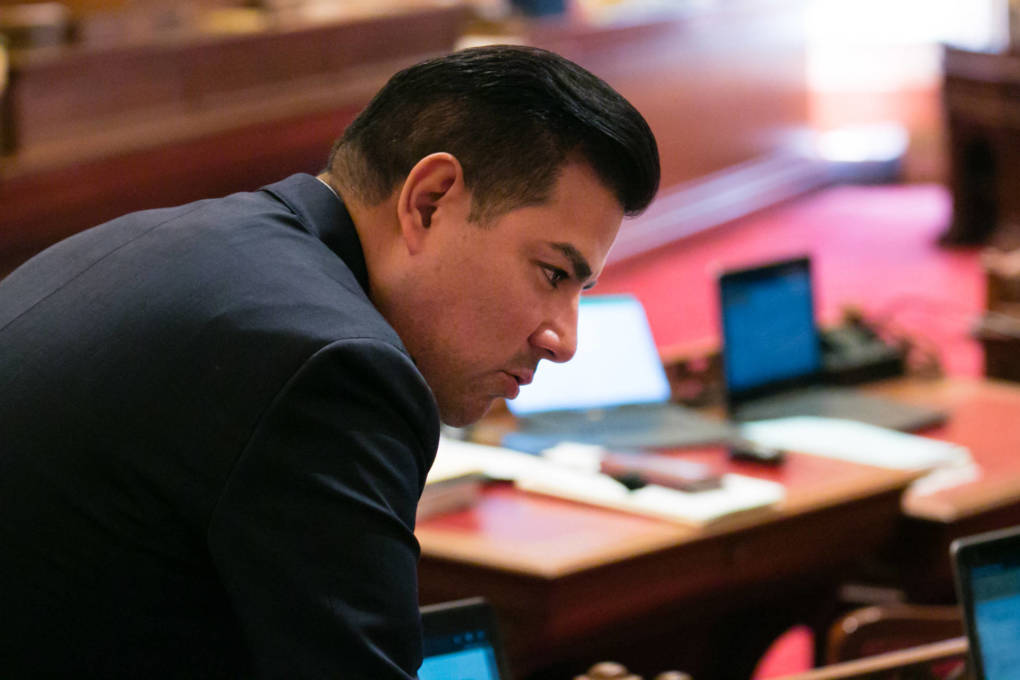
"caption": "Incoming Insurance Commissioner Ricardo Lara, shown here in 2017, has hired a former lobbyist for the drugmaker Gilead to help lead his transition. The Department of Insurance is investigating the company.",
"description": "Incoming Insurance Commissioner Ricardo Lara, shown here in 2017, has hired a former lobbyist for the drug maker Gilead to help lead his transition. The Department of Insurance is investigating the company.",
"title": null,
"credit": "Bert Johnson/KQED",
"status": "inherit",
"isLoading": false,
"fetchFailed": false
},
"news_11710963": {
"type": "attachments",
"id": "news_11710963",
"meta": {
"index": "attachments_1716263798",
"site": "news",
"id": "11710963",
"found": true
},
"parent": 11710961,
"imgSizes": {
"twentyfourteen-full-width": {
"file": "https://ww2.kqed.org/app/uploads/sites/10/2018/12/Lucy-0008-e1544224630222-1038x576.jpg",
"width": 1038,
"mimeType": "image/jpeg",
"height": 576
},
"thumbnail": {
"file": "https://ww2.kqed.org/app/uploads/sites/10/2018/12/Lucy-0008-e1544224630222-160x107.jpg",
"width": 160,
"mimeType": "image/jpeg",
"height": 107
},
"post-thumbnail": {
"file": "https://ww2.kqed.org/app/uploads/sites/10/2018/12/Lucy-0008-e1544224630222-672x372.jpg",
"width": 672,
"mimeType": "image/jpeg",
"height": 372
},
"kqedFullSize": {
"file": "https://ww2.kqed.org/app/uploads/sites/10/2018/12/Lucy-0008-e1544224630222.jpg",
"width": 1920,
"height": 1278
},
"large": {
"file": "https://ww2.kqed.org/app/uploads/sites/10/2018/12/Lucy-0008-e1544224630222-1020x679.jpg",
"width": 1020,
"mimeType": "image/jpeg",
"height": 679
},
"complete_open_graph": {
"file": "https://ww2.kqed.org/app/uploads/sites/10/2018/12/Lucy-0008-e1544224630222-1200x799.jpg",
"width": 1200,
"mimeType": "image/jpeg",
"height": 799
},
"guest-author-50": {
"file": "https://ww2.kqed.org/app/uploads/sites/10/2018/12/Lucy-0008-e1544224630222-50x50.jpg",
"width": 50,
"mimeType": "image/jpeg",
"height": 50
},
"guest-author-96": {
"file": "https://ww2.kqed.org/app/uploads/sites/10/2018/12/Lucy-0008-e1544224630222-96x96.jpg",
"width": 96,
"mimeType": "image/jpeg",
"height": 96
},
"medium": {
"file": "https://ww2.kqed.org/app/uploads/sites/10/2018/12/Lucy-0008-e1544224630222-800x533.jpg",
"width": 800,
"mimeType": "image/jpeg",
"height": 533
},
"guest-author-64": {
"file": "https://ww2.kqed.org/app/uploads/sites/10/2018/12/Lucy-0008-e1544224630222-64x64.jpg",
"width": 64,
"mimeType": "image/jpeg",
"height": 64
},
"guest-author-32": {
"file": "https://ww2.kqed.org/app/uploads/sites/10/2018/12/Lucy-0008-e1544224630222-32x32.jpg",
"width": 32,
"mimeType": "image/jpeg",
"height": 32
},
"full-width": {
"file": "https://ww2.kqed.org/app/uploads/sites/10/2018/12/Lucy-0008-e1544224630222-1920x1278.jpg",
"width": 1920,
"mimeType": "image/jpeg",
"height": 1278
},
"detail": {
"file": "https://ww2.kqed.org/app/uploads/sites/10/2018/12/Lucy-0008-e1544224630222-150x150.jpg",
"width": 150,
"mimeType": "image/jpeg",
"height": 150
},
"guest-author-128": {
"file": "https://ww2.kqed.org/app/uploads/sites/10/2018/12/Lucy-0008-e1544224630222-128x128.jpg",
"width": 128,
"mimeType": "image/jpeg",
"height": 128
}
},
"publishDate": 1544224574,
"modified": 1544230456,
"caption": "Lisa Abramson holds her daughter, Lucy. ",
"description": "Lisa Abramson holds her daughter, Lucy. ",
"title": "View More: http://clairemulkey.pass.us/davidlisalucy",
"credit": "Claire Mulkey",
"status": "inherit",
"isLoading": false,
"fetchFailed": false
},
"news_11714456": {
"type": "attachments",
"id": "news_11714456",
"meta": {
"index": "attachments_1716263798",
"site": "news",
"id": "11714456",
"found": true
},
"parent": 11714061,
"imgSizes": {
"twentyfourteen-full-width": {
"file": "https://ww2.kqed.org/app/uploads/sites/10/2018/12/rohnert1-1038x576.jpg",
"width": 1038,
"mimeType": "image/jpeg",
"height": 576
},
"thumbnail": {
"file": "https://ww2.kqed.org/app/uploads/sites/10/2018/12/rohnert1-160x120.jpg",
"width": 160,
"mimeType": "image/jpeg",
"height": 120
},
"post-thumbnail": {
"file": "https://ww2.kqed.org/app/uploads/sites/10/2018/12/rohnert1-672x372.jpg",
"width": 672,
"mimeType": "image/jpeg",
"height": 372
},
"kqedFullSize": {
"file": "https://ww2.kqed.org/app/uploads/sites/10/2018/12/rohnert1.jpg",
"width": 1920,
"height": 1440
},
"large": {
"file": "https://ww2.kqed.org/app/uploads/sites/10/2018/12/rohnert1-1020x765.jpg",
"width": 1020,
"mimeType": "image/jpeg",
"height": 765
},
"complete_open_graph": {
"file": "https://ww2.kqed.org/app/uploads/sites/10/2018/12/rohnert1-1200x900.jpg",
"width": 1200,
"mimeType": "image/jpeg",
"height": 900
},
"guest-author-50": {
"file": "https://ww2.kqed.org/app/uploads/sites/10/2018/12/rohnert1-50x50.jpg",
"width": 50,
"mimeType": "image/jpeg",
"height": 50
},
"guest-author-96": {
"file": "https://ww2.kqed.org/app/uploads/sites/10/2018/12/rohnert1-96x96.jpg",
"width": 96,
"mimeType": "image/jpeg",
"height": 96
},
"medium": {
"file": "https://ww2.kqed.org/app/uploads/sites/10/2018/12/rohnert1-800x600.jpg",
"width": 800,
"mimeType": "image/jpeg",
"height": 600
},
"guest-author-64": {
"file": "https://ww2.kqed.org/app/uploads/sites/10/2018/12/rohnert1-64x64.jpg",
"width": 64,
"mimeType": "image/jpeg",
"height": 64
},
"guest-author-32": {
"file": "https://ww2.kqed.org/app/uploads/sites/10/2018/12/rohnert1-32x32.jpg",
"width": 32,
"mimeType": "image/jpeg",
"height": 32
},
"full-width": {
"file": "https://ww2.kqed.org/app/uploads/sites/10/2018/12/rohnert1-1920x1440.jpg",
"width": 1920,
"mimeType": "image/jpeg",
"height": 1440
},
"detail": {
"file": "https://ww2.kqed.org/app/uploads/sites/10/2018/12/rohnert1-150x150.jpg",
"width": 150,
"mimeType": "image/jpeg",
"height": 150
},
"guest-author-128": {
"file": "https://ww2.kqed.org/app/uploads/sites/10/2018/12/rohnert1-128x128.jpg",
"width": 128,
"mimeType": "image/jpeg",
"height": 128
}
},
"publishDate": 1545429442,
"modified": 1545436547,
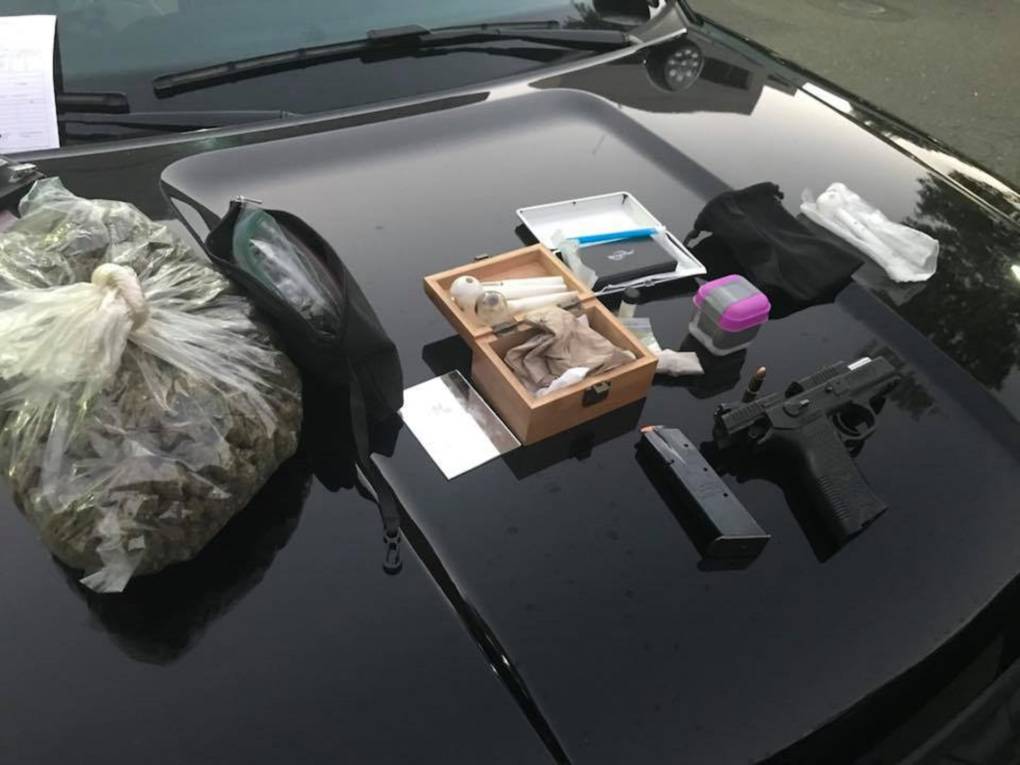
"caption": "The Rohnert Park Department of Public Safety posted this photo on its Facebook page on Sept. 20.",
"description": "The Rohnert Park Department of Public Safety posted this photo on their Facebook page on Sept. 20.",
"title": "rohnert1",
"credit": "Via the Rohnert Park Department of Public Safety",
"status": "inherit",
"isLoading": false,
"fetchFailed": false
},
"news_11714122": {
"type": "attachments",
"id": "news_11714122",
"meta": {
"index": "attachments_1716263798",
"site": "news",
"id": "11714122",
"found": true
},
"parent": 11714121,
"imgSizes": {
"small": {
"file": "https://ww2.kqed.org/app/uploads/sites/10/2018/12/food-stamp-perdue-6c144bece45d9b5539c486899b16879056b5f4e2-520x390.jpg",
"width": 520,
"mimeType": "image/jpeg",
"height": 390
},
"twentyfourteen-full-width": {
"file": "https://ww2.kqed.org/app/uploads/sites/10/2018/12/food-stamp-perdue-6c144bece45d9b5539c486899b16879056b5f4e2-1038x576.jpg",
"width": 1038,
"mimeType": "image/jpeg",
"height": 576
},
"thumbnail": {
"file": "https://ww2.kqed.org/app/uploads/sites/10/2018/12/food-stamp-perdue-6c144bece45d9b5539c486899b16879056b5f4e2-160x120.jpg",
"width": 160,
"mimeType": "image/jpeg",
"height": 120
},
"fd-sm": {
"file": "https://ww2.kqed.org/app/uploads/sites/10/2018/12/food-stamp-perdue-6c144bece45d9b5539c486899b16879056b5f4e2-960x720.jpg",
"width": 960,
"mimeType": "image/jpeg",
"height": 720
},
"post-thumbnail": {
"file": "https://ww2.kqed.org/app/uploads/sites/10/2018/12/food-stamp-perdue-6c144bece45d9b5539c486899b16879056b5f4e2-672x372.jpg",
"width": 672,
"mimeType": "image/jpeg",
"height": 372
},
"xsmall": {
"file": "https://ww2.kqed.org/app/uploads/sites/10/2018/12/food-stamp-perdue-6c144bece45d9b5539c486899b16879056b5f4e2-375x281.jpg",
"width": 375,
"mimeType": "image/jpeg",
"height": 281
},
"kqedFullSize": {
"file": "https://ww2.kqed.org/app/uploads/sites/10/2018/12/food-stamp-perdue-6c144bece45d9b5539c486899b16879056b5f4e2-e1545345981421.jpg",
"width": 1920,
"height": 1440
},
"large": {
"file": "https://ww2.kqed.org/app/uploads/sites/10/2018/12/food-stamp-perdue-6c144bece45d9b5539c486899b16879056b5f4e2-1020x765.jpg",
"width": 1020,
"mimeType": "image/jpeg",
"height": 765
},
"xlarge": {
"file": "https://ww2.kqed.org/app/uploads/sites/10/2018/12/food-stamp-perdue-6c144bece45d9b5539c486899b16879056b5f4e2-1180x885.jpg",
"width": 1180,
"mimeType": "image/jpeg",
"height": 885
},
"complete_open_graph": {
"file": "https://ww2.kqed.org/app/uploads/sites/10/2018/12/food-stamp-perdue-6c144bece45d9b5539c486899b16879056b5f4e2-1200x900.jpg",
"width": 1200,
"mimeType": "image/jpeg",
"height": 900
},
"guest-author-50": {
"file": "https://ww2.kqed.org/app/uploads/sites/10/2018/12/food-stamp-perdue-6c144bece45d9b5539c486899b16879056b5f4e2-50x50.jpg",
"width": 50,
"mimeType": "image/jpeg",
"height": 50
},
"guest-author-96": {
"file": "https://ww2.kqed.org/app/uploads/sites/10/2018/12/food-stamp-perdue-6c144bece45d9b5539c486899b16879056b5f4e2-96x96.jpg",
"width": 96,
"mimeType": "image/jpeg",
"height": 96
},
"medium": {
"file": "https://ww2.kqed.org/app/uploads/sites/10/2018/12/food-stamp-perdue-6c144bece45d9b5539c486899b16879056b5f4e2-800x600.jpg",
"width": 800,
"mimeType": "image/jpeg",
"height": 600
},
"guest-author-64": {
"file": "https://ww2.kqed.org/app/uploads/sites/10/2018/12/food-stamp-perdue-6c144bece45d9b5539c486899b16879056b5f4e2-64x64.jpg",
"width": 64,
"mimeType": "image/jpeg",
"height": 64
},
"guest-author-32": {
"file": "https://ww2.kqed.org/app/uploads/sites/10/2018/12/food-stamp-perdue-6c144bece45d9b5539c486899b16879056b5f4e2-32x32.jpg",
"width": 32,
"mimeType": "image/jpeg",
"height": 32
},
"fd-lrg": {
"file": "https://ww2.kqed.org/app/uploads/sites/10/2018/12/food-stamp-perdue-6c144bece45d9b5539c486899b16879056b5f4e2-1920x1440.jpg",
"width": 1920,
"mimeType": "image/jpeg",
"height": 1440
},
"fd-med": {
"file": "https://ww2.kqed.org/app/uploads/sites/10/2018/12/food-stamp-perdue-6c144bece45d9b5539c486899b16879056b5f4e2-1180x885.jpg",
"width": 1180,
"mimeType": "image/jpeg",
"height": 885
},
"full-width": {
"file": "https://ww2.kqed.org/app/uploads/sites/10/2018/12/food-stamp-perdue-6c144bece45d9b5539c486899b16879056b5f4e2-1920x1440.jpg",
"width": 1920,
"mimeType": "image/jpeg",
"height": 1440
},
"detail": {
"file": "https://ww2.kqed.org/app/uploads/sites/10/2018/12/food-stamp-perdue-6c144bece45d9b5539c486899b16879056b5f4e2-150x150.jpg",
"width": 150,
"mimeType": "image/jpeg",
"height": 150
},
"guest-author-128": {
"file": "https://ww2.kqed.org/app/uploads/sites/10/2018/12/food-stamp-perdue-6c144bece45d9b5539c486899b16879056b5f4e2-128x128.jpg",
"width": 128,
"mimeType": "image/jpeg",
"height": 128
},
"xxsmall": {
"file": "https://ww2.kqed.org/app/uploads/sites/10/2018/12/food-stamp-perdue-6c144bece45d9b5539c486899b16879056b5f4e2-240x180.jpg",
"width": 240,
"mimeType": "image/jpeg",
"height": 180
}
},
"publishDate": 1545345837,
"modified": 1545345996,
"caption": "President Trump is expected to sign into law the farm bill Thursday. Ahead of the signing, the USDA unveiled a rule change calling for more able-bodied adults to work in exchange for food benefits.",
"description": "President Trump is expected to sign into law the farm bill Thursday. Ahead of the signing, the USDA unveiled a rule change calling for more able-bodied adults to work in exchange for food benefits.",
"title": "President Trump is expected to sign into law the farm bill Thursday. Ahead of the signing, the USDA unveiled a rule change calling for more able-bodied adults to work in exchange for food benefits.",
"credit": "Robert F. Bukaty/AP",
"status": "inherit",
"isLoading": false,
"fetchFailed": false
},
"news_11713486": {
"type": "attachments",
"id": "news_11713486",
"meta": {
"index": "attachments_1716263798",
"site": "news",
"id": "11713486",
"found": true
},
"parent": 11713472,
"imgSizes": {
"small": {
"file": "https://ww2.kqed.org/app/uploads/sites/10/2018/12/waiver_121818_final-520x314.jpg",
"width": 520,
"mimeType": "image/jpeg",
"height": 314
},
"twentyfourteen-full-width": {
"file": "https://ww2.kqed.org/app/uploads/sites/10/2018/12/waiver_121818_final-1038x576.jpg",
"width": 1038,
"mimeType": "image/jpeg",
"height": 576
},
"thumbnail": {
"file": "https://ww2.kqed.org/app/uploads/sites/10/2018/12/waiver_121818_final-160x97.jpg",
"width": 160,
"mimeType": "image/jpeg",
"height": 97
},
"fd-sm": {
"file": "https://ww2.kqed.org/app/uploads/sites/10/2018/12/waiver_121818_final-960x579.jpg",
"width": 960,
"mimeType": "image/jpeg",
"height": 579
},
"post-thumbnail": {
"file": "https://ww2.kqed.org/app/uploads/sites/10/2018/12/waiver_121818_final-672x372.jpg",
"width": 672,
"mimeType": "image/jpeg",
"height": 372
},
"xsmall": {
"file": "https://ww2.kqed.org/app/uploads/sites/10/2018/12/waiver_121818_final-375x226.jpg",
"width": 375,
"mimeType": "image/jpeg",
"height": 226
},
"kqedFullSize": {
"file": "https://ww2.kqed.org/app/uploads/sites/10/2018/12/waiver_121818_final.jpg",
"width": 1920,
"height": 1158
},
"large": {
"file": "https://ww2.kqed.org/app/uploads/sites/10/2018/12/waiver_121818_final-1020x615.jpg",
"width": 1020,
"mimeType": "image/jpeg",
"height": 615
},
"xlarge": {
"file": "https://ww2.kqed.org/app/uploads/sites/10/2018/12/waiver_121818_final-1180x712.jpg",
"width": 1180,
"mimeType": "image/jpeg",
"height": 712
},
"complete_open_graph": {
"file": "https://ww2.kqed.org/app/uploads/sites/10/2018/12/waiver_121818_final-1200x724.jpg",
"width": 1200,
"mimeType": "image/jpeg",
"height": 724
},
"guest-author-50": {
"file": "https://ww2.kqed.org/app/uploads/sites/10/2018/12/waiver_121818_final-50x50.jpg",
"width": 50,
"mimeType": "image/jpeg",
"height": 50
},
"guest-author-96": {
"file": "https://ww2.kqed.org/app/uploads/sites/10/2018/12/waiver_121818_final-96x96.jpg",
"width": 96,
"mimeType": "image/jpeg",
"height": 96
},
"medium": {
"file": "https://ww2.kqed.org/app/uploads/sites/10/2018/12/waiver_121818_final-800x483.jpg",
"width": 800,
"mimeType": "image/jpeg",
"height": 483
},
"guest-author-64": {
"file": "https://ww2.kqed.org/app/uploads/sites/10/2018/12/waiver_121818_final-64x64.jpg",
"width": 64,
"mimeType": "image/jpeg",
"height": 64
},
"guest-author-32": {
"file": "https://ww2.kqed.org/app/uploads/sites/10/2018/12/waiver_121818_final-32x32.jpg",
"width": 32,
"mimeType": "image/jpeg",
"height": 32
},
"fd-lrg": {
"file": "https://ww2.kqed.org/app/uploads/sites/10/2018/12/waiver_121818_final-1920x1158.jpg",
"width": 1920,
"mimeType": "image/jpeg",
"height": 1158
},
"fd-med": {
"file": "https://ww2.kqed.org/app/uploads/sites/10/2018/12/waiver_121818_final-1180x712.jpg",
"width": 1180,
"mimeType": "image/jpeg",
"height": 712
},
"full-width": {
"file": "https://ww2.kqed.org/app/uploads/sites/10/2018/12/waiver_121818_final-1920x1158.jpg",
"width": 1920,
"mimeType": "image/jpeg",
"height": 1158
},
"detail": {
"file": "https://ww2.kqed.org/app/uploads/sites/10/2018/12/waiver_121818_final-150x150.jpg",
"width": 150,
"mimeType": "image/jpeg",
"height": 150
},
"guest-author-128": {
"file": "https://ww2.kqed.org/app/uploads/sites/10/2018/12/waiver_121818_final-128x128.jpg",
"width": 128,
"mimeType": "image/jpeg",
"height": 128
},
"xxsmall": {
"file": "https://ww2.kqed.org/app/uploads/sites/10/2018/12/waiver_121818_final-240x145.jpg",
"width": 240,
"mimeType": "image/jpeg",
"height": 145
}
},
"publishDate": 1545175241,
"modified": 1545175260,
"caption": null,
"description": null,
"title": "waiver_121818_final",
"credit": null,
"status": "inherit",
"isLoading": false,
"fetchFailed": false
},
"news_11712855": {
"type": "attachments",
"id": "news_11712855",
"meta": {
"index": "attachments_1716263798",
"site": "news",
"id": "11712855",
"found": true
},
"parent": 11712847,
"imgSizes": {
"twentyfourteen-full-width": {
"file": "https://ww2.kqed.org/app/uploads/sites/10/2018/12/RS10854_481763249-e1544904787552-1038x576.jpg",
"width": 1038,
"mimeType": "image/jpeg",
"height": 576
},
"thumbnail": {
"file": "https://ww2.kqed.org/app/uploads/sites/10/2018/12/RS10854_481763249-e1544904787552-160x107.jpg",
"width": 160,
"mimeType": "image/jpeg",
"height": 107
},
"post-thumbnail": {
"file": "https://ww2.kqed.org/app/uploads/sites/10/2018/12/RS10854_481763249-e1544904787552-672x372.jpg",
"width": 672,
"mimeType": "image/jpeg",
"height": 372
},
"kqedFullSize": {
"file": "https://ww2.kqed.org/app/uploads/sites/10/2018/12/RS10854_481763249-e1544904787552.jpg",
"width": 1920,
"height": 1281
},
"large": {
"file": "https://ww2.kqed.org/app/uploads/sites/10/2018/12/RS10854_481763249-e1544904787552-1020x681.jpg",
"width": 1020,
"mimeType": "image/jpeg",
"height": 681
},
"complete_open_graph": {
"file": "https://ww2.kqed.org/app/uploads/sites/10/2018/12/RS10854_481763249-e1544904787552-1200x801.jpg",
"width": 1200,
"mimeType": "image/jpeg",
"height": 801
},
"guest-author-50": {
"file": "https://ww2.kqed.org/app/uploads/sites/10/2018/12/RS10854_481763249-e1544904787552-50x50.jpg",
"width": 50,
"mimeType": "image/jpeg",
"height": 50
},
"guest-author-96": {
"file": "https://ww2.kqed.org/app/uploads/sites/10/2018/12/RS10854_481763249-e1544904787552-96x96.jpg",
"width": 96,
"mimeType": "image/jpeg",
"height": 96
},
"medium": {
"file": "https://ww2.kqed.org/app/uploads/sites/10/2018/12/RS10854_481763249-e1544904787552-800x534.jpg",
"width": 800,
"mimeType": "image/jpeg",
"height": 534
},
"guest-author-64": {
"file": "https://ww2.kqed.org/app/uploads/sites/10/2018/12/RS10854_481763249-e1544904787552-64x64.jpg",
"width": 64,
"mimeType": "image/jpeg",
"height": 64
},
"guest-author-32": {
"file": "https://ww2.kqed.org/app/uploads/sites/10/2018/12/RS10854_481763249-e1544904787552-32x32.jpg",
"width": 32,
"mimeType": "image/jpeg",
"height": 32
},
"full-width": {
"file": "https://ww2.kqed.org/app/uploads/sites/10/2018/12/RS10854_481763249-e1544904787552-1920x1281.jpg",
"width": 1920,
"mimeType": "image/jpeg",
"height": 1281
},
"detail": {
"file": "https://ww2.kqed.org/app/uploads/sites/10/2018/12/RS10854_481763249-e1544904787552-150x150.jpg",
"width": 150,
"mimeType": "image/jpeg",
"height": 150
},
"guest-author-128": {
"file": "https://ww2.kqed.org/app/uploads/sites/10/2018/12/RS10854_481763249-e1544904787552-128x128.jpg",
"width": 128,
"mimeType": "image/jpeg",
"height": 128
}
},
"publishDate": 1544904712,
"modified": 1544904780,
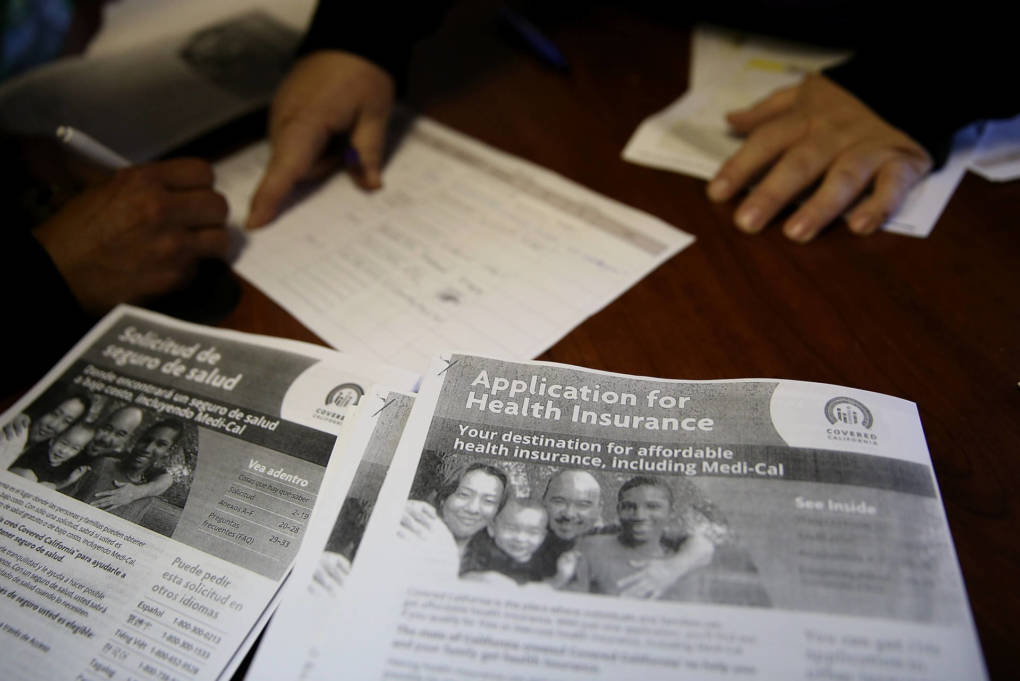
"caption": "Californians have until Jan. 15 to enroll for health coverage through Covered California, but consumers looking for coverage starting Jan. 1 need to enroll by Dec. 15.",
"description": "Californians have until Jan. 15 to enroll for health coverage through Covered California, but consumers looking for coverage starting Jan. 1 need to enroll by Dec. 15.",
"title": "Americans Register For Health Care On Final Day of ACA Enrollment Drive",
"credit": "Justin Sullivan/Getty Images",
"status": "inherit",
"isLoading": false,
"fetchFailed": false
},
"news_11712106": {
"type": "attachments",
"id": "news_11712106",
"meta": {
"index": "attachments_1716263798",
"site": "news",
"id": "11712106",
"found": true
},
"parent": 11711387,
"imgSizes": {
"twentyfourteen-full-width": {
"file": "https://ww2.kqed.org/app/uploads/sites/10/2018/12/Doctor-1038x576.jpg",
"width": 1038,
"mimeType": "image/jpeg",
"height": 576
},
"thumbnail": {
"file": "https://ww2.kqed.org/app/uploads/sites/10/2018/12/Doctor-160x104.jpg",
"width": 160,
"mimeType": "image/jpeg",
"height": 104
},
"post-thumbnail": {
"file": "https://ww2.kqed.org/app/uploads/sites/10/2018/12/Doctor-672x372.jpg",
"width": 672,
"mimeType": "image/jpeg",
"height": 372
},
"kqedFullSize": {
"file": "https://ww2.kqed.org/app/uploads/sites/10/2018/12/Doctor.jpg",
"width": 1920,
"height": 1251
},
"large": {
"file": "https://ww2.kqed.org/app/uploads/sites/10/2018/12/Doctor-1020x665.jpg",
"width": 1020,
"mimeType": "image/jpeg",
"height": 665
},
"complete_open_graph": {
"file": "https://ww2.kqed.org/app/uploads/sites/10/2018/12/Doctor-1200x782.jpg",
"width": 1200,
"mimeType": "image/jpeg",
"height": 782
},
"guest-author-50": {
"file": "https://ww2.kqed.org/app/uploads/sites/10/2018/12/Doctor-50x50.jpg",
"width": 50,
"mimeType": "image/jpeg",
"height": 50
},
"guest-author-96": {
"file": "https://ww2.kqed.org/app/uploads/sites/10/2018/12/Doctor-96x96.jpg",
"width": 96,
"mimeType": "image/jpeg",
"height": 96
},
"medium": {
"file": "https://ww2.kqed.org/app/uploads/sites/10/2018/12/Doctor-800x521.jpg",
"width": 800,
"mimeType": "image/jpeg",
"height": 521
},
"guest-author-64": {
"file": "https://ww2.kqed.org/app/uploads/sites/10/2018/12/Doctor-64x64.jpg",
"width": 64,
"mimeType": "image/jpeg",
"height": 64
},
"guest-author-32": {
"file": "https://ww2.kqed.org/app/uploads/sites/10/2018/12/Doctor-32x32.jpg",
"width": 32,
"mimeType": "image/jpeg",
"height": 32
},
"full-width": {
"file": "https://ww2.kqed.org/app/uploads/sites/10/2018/12/Doctor-1920x1251.jpg",
"width": 1920,
"mimeType": "image/jpeg",
"height": 1251
},
"detail": {
"file": "https://ww2.kqed.org/app/uploads/sites/10/2018/12/Doctor-150x150.jpg",
"width": 150,
"mimeType": "image/jpeg",
"height": 150
},
"guest-author-128": {
"file": "https://ww2.kqed.org/app/uploads/sites/10/2018/12/Doctor-128x128.jpg",
"width": 128,
"mimeType": "image/jpeg",
"height": 128
}
},
"publishDate": 1544655456,
"modified": 1544655469,
"caption": null,
"description": null,
"title": "Doctor",
"credit": "Getty Images",
"status": "inherit",
"isLoading": false,
"fetchFailed": false
},
"news_11710416": {
"type": "attachments",
"id": "news_11710416",
"meta": {
"index": "attachments_1716263798",
"site": "news",
"id": "11710416",
"found": true
},
"parent": 11710361,
"imgSizes": {
"small": {
"file": "https://ww2.kqed.org/app/uploads/sites/10/2018/12/Mission_Bay_UCSF-1-520x372.jpg",
"width": 520,
"mimeType": "image/jpeg",
"height": 372
},
"twentyfourteen-full-width": {
"file": "https://ww2.kqed.org/app/uploads/sites/10/2018/12/Mission_Bay_UCSF-1-1038x576.jpg",
"width": 1038,
"mimeType": "image/jpeg",
"height": 576
},
"thumbnail": {
"file": "https://ww2.kqed.org/app/uploads/sites/10/2018/12/Mission_Bay_UCSF-1-160x114.jpg",
"width": 160,
"mimeType": "image/jpeg",
"height": 114
},
"fd-sm": {
"file": "https://ww2.kqed.org/app/uploads/sites/10/2018/12/Mission_Bay_UCSF-1-960x686.jpg",
"width": 960,
"mimeType": "image/jpeg",
"height": 686
},
"post-thumbnail": {
"file": "https://ww2.kqed.org/app/uploads/sites/10/2018/12/Mission_Bay_UCSF-1-672x372.jpg",
"width": 672,
"mimeType": "image/jpeg",
"height": 372
},
"xsmall": {
"file": "https://ww2.kqed.org/app/uploads/sites/10/2018/12/Mission_Bay_UCSF-1-375x268.jpg",
"width": 375,
"mimeType": "image/jpeg",
"height": 268
},
"kqedFullSize": {
"file": "https://ww2.kqed.org/app/uploads/sites/10/2018/12/Mission_Bay_UCSF-1-e1544063482281.jpg",
"width": 1920,
"height": 1373
},
"large": {
"file": "https://ww2.kqed.org/app/uploads/sites/10/2018/12/Mission_Bay_UCSF-1-1020x729.jpg",
"width": 1020,
"mimeType": "image/jpeg",
"height": 729
},
"xlarge": {
"file": "https://ww2.kqed.org/app/uploads/sites/10/2018/12/Mission_Bay_UCSF-1-1180x844.jpg",
"width": 1180,
"mimeType": "image/jpeg",
"height": 844
},
"complete_open_graph": {
"file": "https://ww2.kqed.org/app/uploads/sites/10/2018/12/Mission_Bay_UCSF-1-1200x858.jpg",
"width": 1200,
"mimeType": "image/jpeg",
"height": 858
},
"guest-author-50": {
"file": "https://ww2.kqed.org/app/uploads/sites/10/2018/12/Mission_Bay_UCSF-1-50x50.jpg",
"width": 50,
"mimeType": "image/jpeg",
"height": 50
},
"guest-author-96": {
"file": "https://ww2.kqed.org/app/uploads/sites/10/2018/12/Mission_Bay_UCSF-1-96x96.jpg",
"width": 96,
"mimeType": "image/jpeg",
"height": 96
},
"medium": {
"file": "https://ww2.kqed.org/app/uploads/sites/10/2018/12/Mission_Bay_UCSF-1-800x572.jpg",
"width": 800,
"mimeType": "image/jpeg",
"height": 572
},
"guest-author-64": {
"file": "https://ww2.kqed.org/app/uploads/sites/10/2018/12/Mission_Bay_UCSF-1-64x64.jpg",
"width": 64,
"mimeType": "image/jpeg",
"height": 64
},
"guest-author-32": {
"file": "https://ww2.kqed.org/app/uploads/sites/10/2018/12/Mission_Bay_UCSF-1-32x32.jpg",
"width": 32,
"mimeType": "image/jpeg",
"height": 32
},
"fd-lrg": {
"file": "https://ww2.kqed.org/app/uploads/sites/10/2018/12/Mission_Bay_UCSF-1-1920x1373.jpg",
"width": 1920,
"mimeType": "image/jpeg",
"height": 1373
},
"fd-med": {
"file": "https://ww2.kqed.org/app/uploads/sites/10/2018/12/Mission_Bay_UCSF-1-1180x844.jpg",
"width": 1180,
"mimeType": "image/jpeg",
"height": 844
},
"full-width": {
"file": "https://ww2.kqed.org/app/uploads/sites/10/2018/12/Mission_Bay_UCSF-1-1920x1373.jpg",
"width": 1920,
"mimeType": "image/jpeg",
"height": 1373
},
"detail": {
"file": "https://ww2.kqed.org/app/uploads/sites/10/2018/12/Mission_Bay_UCSF-1-150x150.jpg",
"width": 150,
"mimeType": "image/jpeg",
"height": 150
},
"guest-author-128": {
"file": "https://ww2.kqed.org/app/uploads/sites/10/2018/12/Mission_Bay_UCSF-1-128x128.jpg",
"width": 128,
"mimeType": "image/jpeg",
"height": 128
},
"xxsmall": {
"file": "https://ww2.kqed.org/app/uploads/sites/10/2018/12/Mission_Bay_UCSF-1-240x172.jpg",
"width": 240,
"mimeType": "image/jpeg",
"height": 172
}
},
"publishDate": 1544063163,
"modified": 1544063203,
"caption": "A view of the University of California San Francisco. ",
"description": null,
"title": "Mission_Bay,_UCSF-1",
"credit": "Payton Chung/Flickr",
"status": "inherit",
"isLoading": false,
"fetchFailed": false
}
},
"audioPlayerReducer": {
"postId": "stream_live",
"isPaused": true,
"isPlaying": false,
"pfsActive": false,
"pledgeModalIsOpen": true,
"playerDrawerIsOpen": false,
"liveAudioPlayStartedAt": 0,
"liveAudioPlayContext": ""
},
"authorsReducer": {
"byline_news_11716410": {
"type": "authors",
"id": "byline_news_11716410",
"meta": {
"override": true
},
"slug": "byline_news_11716410",
"name": "\u003cstrong>\u003ca href=\"https://calmatters.org/articles/author/dan-morain/\">Dan Morain\u003c/a>\u003c/strong>\u003cbr>CALmatters",
"isLoading": false
},
"byline_news_11714121": {
"type": "authors",
"id": "byline_news_11714121",
"meta": {
"override": true
},
"slug": "byline_news_11714121",
"name": "Brakkton Booker",
"isLoading": false
},
"byline_news_11711387": {
"type": "authors",
"id": "byline_news_11711387",
"meta": {
"override": true
},
"slug": "byline_news_11711387",
"name": "\u003cstrong>\u003ca href=\"https://calmatters.org/articles/author/elizabeth-aguilera/\">Elizabeth Aguilera\u003c/a>\u003c/strong>",
"isLoading": false
},
"gmarzorati": {
"type": "authors",
"id": "227",
"meta": {
"index": "authors_1716337520",
"id": "227",
"found": true
},
"name": "Guy Marzorati",
"firstName": "Guy",
"lastName": "Marzorati",
"slug": "gmarzorati",
"email": "gmarzorati@KQED.org",
"display_author_email": true,
"staff_mastheads": [
"news"
],
"title": "Correspondent",
"bio": "Guy Marzorati is a correspondent on KQED's California Politics and Government Desk, based in San Jose. A graduate of Santa Clara University, Guy joined KQED in 2013. He reports on state and local politics and produces KQED's digital voter guide.",
"avatar": "https://secure.gravatar.com/avatar/e7038b8dbfd55b104369b76b1cd0b9de?s=600&d=blank&r=g",
"twitter": "guymarzorati",
"facebook": null,
"instagram": null,
"linkedin": null,
"sites": [
{
"site": "",
"roles": [
"editor"
]
},
{
"site": "news",
"roles": [
"editor"
]
},
{
"site": "science",
"roles": [
"editor"
]
},
{
"site": "forum",
"roles": [
"editor"
]
},
{
"site": "elections",
"roles": [
"editor"
]
},
{
"site": "liveblog",
"roles": [
"editor"
]
}
],
"headData": {
"title": "Guy Marzorati | KQED",
"description": "Correspondent",
"ogImgSrc": "https://secure.gravatar.com/avatar/e7038b8dbfd55b104369b76b1cd0b9de?s=600&d=blank&r=g",
"twImgSrc": "https://secure.gravatar.com/avatar/e7038b8dbfd55b104369b76b1cd0b9de?s=600&d=blank&r=g"
},
"isLoading": false,
"link": "/author/gmarzorati"
},
"tarasiler": {
"type": "authors",
"id": "257",
"meta": {
"index": "authors_1716337520",
"id": "257",
"found": true
},
"name": "Tara Siler",
"firstName": "Tara",
"lastName": "Siler",
"slug": "tarasiler",
"email": "tsiler@kqed.org",
"display_author_email": false,
"staff_mastheads": [
"news"
],
"title": "KQED Contributor",
"bio": "Tara reports and anchors for KQED news. She covers a range of issues from community-police relations to local politics. Tara started out in community radio in the Bay Area, where she was raised. She eventually moved to Washington DC where she covered Congress for eight years for Pacifica and Monitor Radio. Her stories have also been heard on NPR's All Things Considered, Morning Edition and The World.\r\n\r\nTara lives with her husband in Oakland-- where they raised their two sons. She enjoys spending time with her family, gardening and hiking in the Oakland hills... and keeping up with the news.",
"avatar": "https://secure.gravatar.com/avatar/99802f9746fb80b65fd8ec6c57954450?s=600&d=blank&r=g",
"twitter": null,
"facebook": null,
"instagram": null,
"linkedin": null,
"sites": [
{
"site": "news",
"roles": [
"contributor",
"edit_others_posts"
]
},
{
"site": "stateofhealth",
"roles": [
"author"
]
}
],
"headData": {
"title": "Tara Siler | KQED",
"description": "KQED Contributor",
"ogImgSrc": "https://secure.gravatar.com/avatar/99802f9746fb80b65fd8ec6c57954450?s=600&d=blank&r=g",
"twImgSrc": "https://secure.gravatar.com/avatar/99802f9746fb80b65fd8ec6c57954450?s=600&d=blank&r=g"
},
"isLoading": false,
"link": "/author/tarasiler"
},
"tgoldberg": {
"type": "authors",
"id": "258",
"meta": {
"index": "authors_1716337520",
"id": "258",
"found": true
},
"name": "Ted Goldberg",
"firstName": "Ted",
"lastName": "Goldberg",
"slug": "tgoldberg",
"email": "tgoldberg@kqed.org",
"display_author_email": true,
"staff_mastheads": [
"news"
],
"title": "KQED Managing Editor, News and Newscasts",
"bio": "Ted Goldberg is Managing Editor of News and Newscasts at KQED. His main reporting beat is the Bay Area's oil refining industry.\r\n\r\nPrior to joining KQED in 2014, Ted worked at CBS News and WCBS AM in New York and Bay City News and KCBS Radio in San Francisco. He graduated from Oberlin College in Ohio in 1998.",
"avatar": "https://secure.gravatar.com/avatar/30ce2e4fe89135e104f89be2394d16225b9d36c121b5b3cb7651ce642978b96f?s=600&d=blank&r=g",
"twitter": "TedrickG",
"bluesky": null,
"facebook": null,
"instagram": null,
"linkedin": null,
"sites": [
{
"site": "news",
"roles": [
"editor"
]
},
{
"site": "science",
"roles": [
"editor"
]
}
],
"headData": {
"title": "Ted Goldberg | KQED",
"description": "KQED Managing Editor, News and Newscasts",
"ogImgSrc": "https://secure.gravatar.com/avatar/30ce2e4fe89135e104f89be2394d16225b9d36c121b5b3cb7651ce642978b96f?s=600&d=blank&r=g",
"twImgSrc": "https://secure.gravatar.com/avatar/30ce2e4fe89135e104f89be2394d16225b9d36c121b5b3cb7651ce642978b96f?s=600&d=blank&r=g"
},
"isLoading": false,
"link": "/author/tgoldberg"
},
"adembosky": {
"type": "authors",
"id": "3205",
"meta": {
"index": "authors_1716337520",
"id": "3205",
"found": true
},
"name": "April Dembosky",
"firstName": "April",
"lastName": "Dembosky",
"slug": "adembosky",
"email": "adembosky@kqed.org",
"display_author_email": false,
"staff_mastheads": [
"news",
"science"
],
"title": "KQED Health Correspondent",
"bio": "April Dembosky is the health correspondent for KQED News and a regular contributor to NPR. She specializes in covering altered states of mind, from postpartum depression to methamphetamine-induced psychosis to the insanity defense. Her investigative series on insurance companies sidestepping mental health laws won multiple awards, including first place in beat reporting from the national Association of Health Care Journalists. She is the recipient of numerous other prizes and fellowships, including a national Edward R. Murrow award for investigative reporting, a Society of Professional Journalists award for long-form storytelling, and a Carter Center Fellowship for Mental Health Journalism.\r\n\r\nDembosky reported and produced \u003cem>Soundtrack of Silence\u003c/em>, an audio documentary about music and memory that is currently being made into a feature film by Paramount Pictures.\r\n\r\nBefore joining KQED in 2013, Dembosky covered technology and Silicon Valley for \u003cem>The Financial Times of London,\u003c/em> and contributed business and arts stories to \u003cem>Marketplace \u003c/em>and \u003cem>The New York Times.\u003c/em> She got her undergraduate degree in philosophy from Smith College and her master's in journalism from the University of California, Berkeley. She is a classically trained violinist and proud alum of the first symphony orchestra at Burning Man.",
"avatar": "https://secure.gravatar.com/avatar/ef92999be4ceb9ea60701e7dc276f813?s=600&d=blank&r=g",
"twitter": "adembosky",
"facebook": null,
"instagram": null,
"linkedin": null,
"sites": [
{
"site": "arts",
"roles": [
"author"
]
},
{
"site": "news",
"roles": [
"editor"
]
},
{
"site": "futureofyou",
"roles": [
"author"
]
},
{
"site": "stateofhealth",
"roles": [
"editor"
]
},
{
"site": "science",
"roles": [
"editor"
]
},
{
"site": "forum",
"roles": [
"editor"
]
}
],
"headData": {
"title": "April Dembosky | KQED",
"description": "KQED Health Correspondent",
"ogImgSrc": "https://secure.gravatar.com/avatar/ef92999be4ceb9ea60701e7dc276f813?s=600&d=blank&r=g",
"twImgSrc": "https://secure.gravatar.com/avatar/ef92999be4ceb9ea60701e7dc276f813?s=600&d=blank&r=g"
},
"isLoading": false,
"link": "/author/adembosky"
},
"lmorehouse": {
"type": "authors",
"id": "3229",
"meta": {
"index": "authors_1716337520",
"id": "3229",
"found": true
},
"name": "Lisa Morehouse",
"firstName": "Lisa",
"lastName": "Morehouse",
"slug": "lmorehouse",
"email": "morehouse.lisa@gmail.com",
"display_author_email": false,
"staff_mastheads": [],
"title": "KQED Contributor",
"bio": "Lisa Morehouse is an award-winning public radio and print journalist, who has filed for National Public Radio, American Public Media, KQED Public Radio, Edutopia, and McSweeney’s. Her reporting has taken her from Samoan traveling circuses to Mississippi Delta classrooms to the homes of Lao refugees in rural Iowa. In addition to reporting, she teaches radio production to at-risk youth in the Bay Area. Her series \u003ca href=\"http://afterthegoldrushradio.com/\">After the Gold Rush\u003c/a> featured the changing industries, populations and identities of rural towns throughout California. She’s now producing \u003ca href=\"http://www.californiafoodways.com/\">California Foodways\u003c/a>, a series exploring the intersections of food, culture, economics, history and labor. Follow along on the \u003ca href=\"https://www.facebook.com/californiafoodways?ref=hl\">Facebook page\u003c/a> or on Twitter @cafoodways.",
"avatar": "https://secure.gravatar.com/avatar/dae74b002a6e256f39abb19d6f5acaea?s=600&d=blank&r=g",
"twitter": null,
"facebook": null,
"instagram": null,
"linkedin": null,
"sites": [
{
"site": "",
"roles": [
"editor"
]
},
{
"site": "news",
"roles": [
"author"
]
}
],
"headData": {
"title": "Lisa Morehouse | KQED",
"description": "KQED Contributor",
"ogImgSrc": "https://secure.gravatar.com/avatar/dae74b002a6e256f39abb19d6f5acaea?s=600&d=blank&r=g",
"twImgSrc": "https://secure.gravatar.com/avatar/dae74b002a6e256f39abb19d6f5acaea?s=600&d=blank&r=g"
},
"isLoading": false,
"link": "/author/lmorehouse"
},
"markfiore": {
"type": "authors",
"id": "3236",
"meta": {
"index": "authors_1716337520",
"id": "3236",
"found": true
},
"name": "Mark Fiore",
"firstName": "Mark",
"lastName": "Fiore",
"slug": "markfiore",
"email": "mark@markfiore.com",
"display_author_email": false,
"staff_mastheads": [
"news"
],
"title": "KQED News Cartoonist",
"bio": "\u003ca href=\"http://www.MarkFiore.com\">MarkFiore.com\u003c/a> | \u003ca href=\"https://twitter.com/markfiore\">Follow on Twitter\u003c/a> | \u003ca href=\"https://www.facebook.com/pages/Mark-Fiore-Animated-Political-Cartoons/94451707396?ref=bookmarks\">Facebook\u003c/a> | \u003ca href=\"mailto:mark@markfiore.com\">email\u003c/a>\r\n\r\nPulitzer Prize-winner, Mark Fiore, who the Wall Street Journal has called “the undisputed guru of the form,” creates animated political cartoons in San Francisco, where his work has been featured regularly on the San Francisco Chronicle’s web site, SFGate.com. His work has appeared on Newsweek.com, Slate.com, CBSNews.com, MotherJones.com, DailyKos.com and NPR’s web site. Fiore’s political animation has appeared on CNN, Frontline, Bill Moyers Journal, Salon.com and cable and broadcast outlets across the globe.\r\n\r\nBeginning his professional life by drawing traditional political cartoons for newspapers, Fiore’s work appeared in publications ranging from the Washington Post to the Los Angeles Times. In the late 1990s, he began to experiment with animating political cartoons and, after a short stint at the San Jose Mercury News as their staff cartoonist, Fiore devoted all his energies to animation.\r\nGrowing up in California, Fiore also spent a good portion of his life in the backwoods of Idaho. It was this combination that shaped him politically. Mark majored in political science at Colorado College, where, in a perfect send-off for a cartoonist, he received his diploma in 1991 as commencement speaker Dick Cheney smiled approvingly.\r\nMark Fiore was awarded the Pulitzer Prize for political cartooning in 2010, a Robert F. Kennedy Journalism Award in 2004 and has twice received an Online Journalism Award for commentary from the Online News Association (2002, 2008). Fiore has received two awards for his work in new media from the National Cartoonists Society (2001, 2002), and in 2006 received The James Madison Freedom of Information Award from The Society of Professional Journalists.",
"avatar": "https://secure.gravatar.com/avatar/fc4e2a612b15b67bad0c6f0e1db4ca9b?s=600&d=blank&r=g",
"twitter": "MarkFiore",
"facebook": null,
"instagram": "https://www.instagram.com/markfiore/?hl=en",
"linkedin": null,
"sites": [
{
"site": "arts",
"roles": [
"contributor"
]
},
{
"site": "news",
"roles": [
"editor"
]
},
{
"site": "futureofyou",
"roles": [
"editor"
]
},
{
"site": "science",
"roles": [
"editor"
]
}
],
"headData": {
"title": "Mark Fiore | KQED",
"description": "KQED News Cartoonist",
"ogImgSrc": "https://secure.gravatar.com/avatar/fc4e2a612b15b67bad0c6f0e1db4ca9b?s=600&d=blank&r=g",
"twImgSrc": "https://secure.gravatar.com/avatar/fc4e2a612b15b67bad0c6f0e1db4ca9b?s=600&d=blank&r=g"
},
"isLoading": false,
"link": "/author/markfiore"
},
"mlagos": {
"type": "authors",
"id": "3239",
"meta": {
"index": "authors_1716337520",
"id": "3239",
"found": true
},
"name": "Marisa Lagos",
"firstName": "Marisa",
"lastName": "Lagos",
"slug": "mlagos",
"email": "mlagos@kqed.org",
"display_author_email": false,
"staff_mastheads": [
"news"
],
"title": "KQED Contributor",
"bio": "Marisa Lagos is a correspondent for KQED’s California Politics and Government Desk and co-hosts the award-winning show and podcast, Political Breakdown. At KQED, Lagos also conducts reporting, analysis and investigations into state, local and national politics for radio, TV, online and onstage. In 2022, she and co-host, Scott Shafer, moderated the only gubernatorial debate in California. In 2020, the \u003ci>Washington Post\u003c/i> named her one of the top political journalists in California; she was nominated for a Peabody and won several other awards for her work investigating the 2017 California wildfires. She has worked at the \u003ci>San Francisco Chronicle\u003c/i>, \u003ci>San Francisco Examiner\u003c/i> and \u003ci>Los Angeles Times\u003c/i>. A UC Santa Barbara graduate, she lives in San Francisco with her two sons and husband.",
"avatar": "https://secure.gravatar.com/avatar/a261a0d3696fc066871ef96b85b5e7d2?s=600&d=blank&r=g",
"twitter": "@mlagos",
"facebook": null,
"instagram": null,
"linkedin": null,
"sites": [
{
"site": "arts",
"roles": [
"author"
]
},
{
"site": "news",
"roles": [
"editor"
]
},
{
"site": "science",
"roles": [
"editor"
]
},
{
"site": "forum",
"roles": [
"author"
]
},
{
"site": "liveblog",
"roles": [
"author"
]
}
],
"headData": {
"title": "Marisa Lagos | KQED",
"description": "KQED Contributor",
"ogImgSrc": "https://secure.gravatar.com/avatar/a261a0d3696fc066871ef96b85b5e7d2?s=600&d=blank&r=g",
"twImgSrc": "https://secure.gravatar.com/avatar/a261a0d3696fc066871ef96b85b5e7d2?s=600&d=blank&r=g"
},
"isLoading": false,
"link": "/author/mlagos"
},
"slewis": {
"type": "authors",
"id": "8676",
"meta": {
"index": "authors_1716337520",
"id": "8676",
"found": true
},
"name": "Sukey Lewis",
"firstName": "Sukey",
"lastName": "Lewis",
"slug": "slewis",
"email": "slewis@kqed.org",
"display_author_email": true,
"staff_mastheads": [
"news"
],
"title": "KQED Contributor",
"bio": "Sukey Lewis is a criminal justice reporter and host of \u003cem>On Our Watch\u003c/em>, a new podcast from NPR and KQED about the shadow world of police discipline. In 2018, she co-founded the California Reporting Project, a coalition of newsrooms across the state focused on obtaining previously sealed internal affairs records from law enforcement. In addition to her reporting on police accountability, Sukey has investigated the bail bonds industry, California's wildfires and the high cost of prison phone calls. Sukey earned a master's degree in journalism from the University of California at Berkeley. Send news tips to slewis@kqed.org.",
"avatar": "https://secure.gravatar.com/avatar/03fd6b21024f99d8b0a1966654586de7?s=600&d=blank&r=g",
"twitter": "SukeyLewis",
"facebook": null,
"instagram": null,
"linkedin": null,
"sites": [
{
"site": "news",
"roles": [
"author",
"edit_others_posts"
]
}
],
"headData": {
"title": "Sukey Lewis | KQED",
"description": "KQED Contributor",
"ogImgSrc": "https://secure.gravatar.com/avatar/03fd6b21024f99d8b0a1966654586de7?s=600&d=blank&r=g",
"twImgSrc": "https://secure.gravatar.com/avatar/03fd6b21024f99d8b0a1966654586de7?s=600&d=blank&r=g"
},
"isLoading": false,
"link": "/author/slewis"
},
"rlevi": {
"type": "authors",
"id": "11260",
"meta": {
"index": "authors_1716337520",
"id": "11260",
"found": true
},
"name": "Ryan Levi",
"firstName": "Ryan",
"lastName": "Levi",
"slug": "rlevi",
"email": "rlevi@KQED.org",
"display_author_email": false,
"staff_mastheads": [],
"title": "KQED Contributor",
"bio": "Ryan Levi was a reporter and podcast producer at KQED News from 2016-2019. He worked on \u003ca href=\"https://www.kqed.org/news/series/baycurious\">Bay Curious\u003c/a>, \u003ca href=\"https://www.kqed.org/news/tag/the-bay/\">The Bay, \u003c/a>and \u003ca href=\"https://podcasts.apple.com/us/podcast/the-california-report-magazine/id1314750545\">The California Report Magazine\u003c/a>, as well as hosting and producing the weekly \u003ca href=\"https://www.kqed.org/news/program/qedup/\">Q'ed Up podcast. \u003c/a>He also helped inaugurate KQED's weekend news coverage in 2017 as one of two original digital producers. Ryan holds degrees in multimedia journalism and Spanish from the University of Missouri.",
"avatar": "https://secure.gravatar.com/avatar/4cb2ddd028ac8807d1adf09609c5555d?s=600&d=blank&r=g",
"twitter": "ryan_levi",
"facebook": null,
"instagram": null,
"linkedin": null,
"sites": [
{
"site": "arts",
"roles": [
"editor"
]
},
{
"site": "news",
"roles": [
"subscriber"
]
},
{
"site": "stateofhealth",
"roles": [
"editor"
]
},
{
"site": "science",
"roles": [
"editor"
]
},
{
"site": "forum",
"roles": [
"administrator"
]
},
{
"site": "perspectives",
"roles": [
"administrator"
]
}
],
"headData": {
"title": "Ryan Levi | KQED",
"description": "KQED Contributor",
"ogImgSrc": "https://secure.gravatar.com/avatar/4cb2ddd028ac8807d1adf09609c5555d?s=600&d=blank&r=g",
"twImgSrc": "https://secure.gravatar.com/avatar/4cb2ddd028ac8807d1adf09609c5555d?s=600&d=blank&r=g"
},
"isLoading": false,
"link": "/author/rlevi"
}
},
"pagesReducer": {
"news_tag_health": {
"type": "terms",
"id": "news_18543",
"meta": {
"index": "terms_1716263798",
"site": "news",
"id": "18543",
"score": 6.886679
},
"featImg": null,
"name": "Health",
"description": null,
"taxonomy": "tag",
"headData": {
"twImgId": null,
"twTitle": null,
"ogTitle": null,
"ogImgId": null,
"twDescription": null,
"description": null,
"title": "Health Archives | KQED News",
"ogDescription": null
},
"ttid": 466,
"slug": "health",
"isLoading": false,
"title": "Health",
"pageMeta": {
"site": "news",
"WpPageTemplate": "page-topic-editorial",
"currentPage": 91
},
"blocks": [
{
"blockName": "kqed/post-list",
"attrs": {
"layout": "cardArticle2",
"query": "posts/news?tag=health",
"seeMore": false,
"paginated": true,
"page": 91
}
},
{
"blockName": "kqed/ad"
}
]
}
},
"pfsSessionReducer": {},
"postsReducer": {
"stream_live": {
"type": "live",
"id": "stream_live",
"audioUrl": "https://streams.kqed.org/kqedradio",
"title": "Live Stream",
"excerpt": "Live Stream information currently unavailable.",
"link": "/radio",
"featImg": "",
"label": {
"name": "KQED Live",
"link": "/"
}
},
"stream_kqedNewscast": {
"type": "posts",
"id": "stream_kqedNewscast",
"audioUrl": "https://www.kqed.org/.stream/anon/radio/RDnews/newscast.mp3?_=1",
"title": "KQED Newscast",
"featImg": "",
"label": {
"name": "88.5 FM",
"link": "/"
}
},
"news_11718100": {
"type": "posts",
"id": "news_11718100",
"meta": {
"index": "posts_1716263798",
"site": "news",
"id": "11718100",
"score": null,
"sort": [
1547860837000
]
},
"guestAuthors": [],
"slug": "at-prather-ranch-cows-are-raised-for-fine-steaks-and-biomedical-research",
"title": "The Curious Second Life of a Prather Ranch Cow: Biomedical Research",
"publishDate": 1547860837,
"format": "audio",
"headTitle": "The Curious Second Life of a Prather Ranch Cow: Biomedical Research | KQED",
"labelTerm": {},
"content": "\u003cp>[dropcap]I[/dropcap]n a slaughterhouse in Macdoel, a speck of a town in Siskiyou County, just south of the Oregon border, seven workers step around each other and four cow carcasses on the kill floor, their movements almost a dance.\u003c/p>\n\u003cp>\u003ca href=\"http://www.pratherranch.com/\">Prather Ranch\u003c/a> co-owner Mary Rickert explains the process.\u003c/p>\n\u003cp>“Just on the other side of that panel, the animal’s knocked unconscious,” she says. “The throats are slit, they have to be bled out. Then they’re laid on this cradle,” where they’re skinned. Workers remove the animal’s organs and spinal cord, then cut the carcass in half with a saw.\u003c/p>\n\u003cp>That’s where Emily Rosecrans, sporting brightly painted nails, takes over. She trims off imperfections from the carcass.\u003c/p>\n\u003cp>“I look for hair, feces, bruises, pretty much anything I wouldn’t want to eat,” she says.\u003c/p>\n\u003caside class=\"pullquote alignright\">‘If we’re gonna take the animal’s life, I believe we have the moral obligation to utilize the animal as much as possible. First, it’s good business; but it’s good morals.’\u003ccite>Jim Rickert, Prather Ranch co-owner\u003c/cite>\u003c/aside>\n\u003cp>After an on-site USDA inspector looks the carcass up and down, Rosecrans says, “I wash it and then I spray with vinegar, which is a \u003ca href=\"https://www.ncbi.nlm.nih.gov/pubmed/9713753\">natural antiseptic\u003c/a>, so it stops the growth of any bad bacteria and helps to stop E. coli.”\u003c/p>\n\u003cp>She then moves the carcass into a cooler.\u003c/p>\n\u003cp>Mary’s husband, Jim Rickert, works away from the main action.\u003c/p>\n\u003cp>“I’m boning out the cow head,” he explains. “You kind of have to know how an animal is put together so you can take it apart.”\u003c/p>\n\u003cp>He puts all the meat he says he wouldn’t feed to his grandchildren on one tray — that’ll be sold as pet food — and the really good stuff goes on another tray.\u003c/p>\n\u003cfigure id=\"attachment_11719407\" class=\"wp-caption aligncenter\" style=\"max-width: 800px\">\u003cimg loading=\"lazy\" decoding=\"async\" class=\"size-medium wp-image-11719407\" src=\"https://ww2.kqed.org/news/wp-content/uploads/sites/10/2019/01/6ae6a537-pratherjim-800x897.jpg\" alt=\"Jim Rickert removes meat from the cow head. Some will go for pet food, some will go to market.\" width=\"800\" height=\"897\" srcset=\"https://cdn.kqed.org/wp-content/uploads/sites/10/2019/01/6ae6a537-pratherjim-800x897.jpg 800w, https://cdn.kqed.org/wp-content/uploads/sites/10/2019/01/6ae6a537-pratherjim-160x179.jpg 160w, https://cdn.kqed.org/wp-content/uploads/sites/10/2019/01/6ae6a537-pratherjim-1020x1144.jpg 1020w, https://cdn.kqed.org/wp-content/uploads/sites/10/2019/01/6ae6a537-pratherjim-1070x1200.jpg 1070w, https://cdn.kqed.org/wp-content/uploads/sites/10/2019/01/6ae6a537-pratherjim.jpg 1440w\" sizes=\"(max-width: 800px) 100vw, 800px\">\u003cfigcaption class=\"wp-caption-text\">Jim Rickert removes meat from the cow head. Some will go for pet food, some will go to market. \u003ccite>(Lisa Morehouse/KQED)\u003c/cite>\u003c/figcaption>\u003c/figure>\n\u003cp>“There’s a nice beef cheek right there,” he says. “It goes down to a restaurant in San Francisco, and as I recall they sell a dinner there, a beef cheek dinner, and for $75. I’ve never been able to afford one, but that’s what I hear.”\u003c/p>\n\u003cp>The people in this room work carefully. There are the USDA standards and Jim’s “grandchildren test.”\u003c/p>\n\u003ch3>Beef Is Much More Than ‘What’s for Dinner’\u003c/h3>\n\u003cp>Aside from food sales, Prather Ranch will also sell parts of these animals to companies in the biomedical field. The hides, for example, go to make a purified collagen solution used in cell research. And bones? Some have been made into screws for things like knee surgery.\u003c/p>\n\u003cp>“Cow bones are real popular,” says Jim Rickert. “There’s one company that takes all this stuff for dental work,” grinding bones up for fillings.\u003c/p>\n\u003cp>Another company is researching ways to replace parts of human bones. They’re using Prather Ranch cow bones, which have been 3D-printed with human cells.\u003c/p>\n\u003cp>“Pretty strange science, but really fascinating,” says Jim Rickert. “And we like doing our part of it. If we’re gonna take the animal’s life, I believe we have the moral obligation to utilize the animal as much as possible. First it’s good business; but it’s good morals.”\u003c/p>\n\u003cfigure id=\"attachment_11718929\" class=\"wp-caption aligncenter\" style=\"max-width: 1920px\">\u003cimg loading=\"lazy\" decoding=\"async\" class=\"size-full wp-image-11718929\" src=\"https://ww2.kqed.org/news/wp-content/uploads/sites/10/2019/01/RS34650_IMG_0533-qut.jpg\" alt=\"\" width=\"1920\" height=\"1440\" srcset=\"https://cdn.kqed.org/wp-content/uploads/sites/10/2019/01/RS34650_IMG_0533-qut.jpg 1920w, https://cdn.kqed.org/wp-content/uploads/sites/10/2019/01/RS34650_IMG_0533-qut-160x120.jpg 160w, https://cdn.kqed.org/wp-content/uploads/sites/10/2019/01/RS34650_IMG_0533-qut-800x600.jpg 800w, https://cdn.kqed.org/wp-content/uploads/sites/10/2019/01/RS34650_IMG_0533-qut-1020x765.jpg 1020w, https://cdn.kqed.org/wp-content/uploads/sites/10/2019/01/RS34650_IMG_0533-qut-1200x900.jpg 1200w\" sizes=\"(max-width: 1920px) 100vw, 1920px\">\u003cfigcaption class=\"wp-caption-text\">Mary Rickert outside a pasture where Prather Ranch cows eat organic grasses. \u003ccite>(Lisa Morehouse/KQED)\u003c/cite>\u003c/figcaption>\u003c/figure>\n\u003cp>Companies come to Prather Ranch for a variety of bovine parts, Mary Rickert says. “We’ve done all the way from pituitary glands to eyeballs to uteri to pericardium.”\u003c/p>\n\u003cp>In some ways, this is nothing new. Indigenous people around the world have used plants and whole animals for medicine as well as food.\u003c/p>\n\u003cp>Jim Rickert says that in Western medicine, “There’s clear evidence of people using bones from pigs clear back to the 1700s,” though not very successfully.\u003c/p>\n\u003cp>“You’ve heard of catgut?” he asks, “Well I think that was one of the things that was used at times for suturing.”\u003c/p>\n\u003ch3>A ‘Closed Herd’ and a Beauty Trend\u003c/h3>\n\u003cp>The Rickerts met and fell in love at Cal Poly-San Luis Obispo, and within a decade, they came up to Prather Ranch to manage the operation. They faced a money-losing business, and had to get creative, Jim explains.\u003c/p>\n\u003cp>“I shrunk the herd down to about 250 mother cows. We just didn’t buy replacement females,” he says.\u003c/p>\n\u003cp>That created what’s now known as a “closed herd.” All animals in the herd are born within it; no new ones are introduced. That decision changed everything. Because, at the same time, in the early 1990s, two things were happening that, on the surface, seem to have nothing to do with each other.\u003c/p>\n\u003cp>The first was an animal health scare.\u003c/p>\n\u003cp>\u003ca href=\"https://www.centerforfoodsafety.org/issues/1040/mad-cow-disease/timeline-mad-cow-disease-outbreaks\">Mad cow disease\u003c/a> — more formally known as bovine spongiform encephalopathy — “was really developing into a real serious health crisis in the United Kingdom and Europe,” Mary says.\u003c/p>\n\u003cp>The second? A beauty trend: dermal fillers.\u003c/p>\n\u003cp>[ad fullwidth]\u003c/p>\n\u003cp>Remember the pillowy lips of actresses in the 1990s? That look came from collagen injections that came from cowhides. Jim says an old friend, an early pioneer in collagen dermal fillers, knew that Prather Ranch had a closed herd, which made it much less susceptible to problems like mad cow disease. He knew he could make a cleaner, safer collagen with their cowhides. So he called them up.\u003c/p>\n\u003cp>“And I remember going, ‘Really?’ ” Jim says with a laugh.\u003c/p>\n\u003cp>“Puffy lips wasn’t exactly our primary life goal at that point,” Mary adds.\u003c/p>\n\u003cp>But the Rickerts wanted to keep the ranch going. That collagen company built them the slaughterhouse on-site. Eventually, biomedical companies came knocking for cow parts, too. He won’t talk about the financials, but Jim says there have been years when they’ve made more money selling beef byproducts for medical use than they made selling beef.\u003c/p>\n\u003cfigure id=\"attachment_11718934\" class=\"wp-caption aligncenter\" style=\"max-width: 1920px\">\u003cimg loading=\"lazy\" decoding=\"async\" class=\"size-full wp-image-11718934\" src=\"https://ww2.kqed.org/news/wp-content/uploads/sites/10/2019/01/RS34646_IMG_0537-qut.jpg\" alt=\"\" width=\"1920\" height=\"1440\" srcset=\"https://cdn.kqed.org/wp-content/uploads/sites/10/2019/01/RS34646_IMG_0537-qut.jpg 1920w, https://cdn.kqed.org/wp-content/uploads/sites/10/2019/01/RS34646_IMG_0537-qut-160x120.jpg 160w, https://cdn.kqed.org/wp-content/uploads/sites/10/2019/01/RS34646_IMG_0537-qut-800x600.jpg 800w, https://cdn.kqed.org/wp-content/uploads/sites/10/2019/01/RS34646_IMG_0537-qut-1020x765.jpg 1020w, https://cdn.kqed.org/wp-content/uploads/sites/10/2019/01/RS34646_IMG_0537-qut-1200x900.jpg 1200w\" sizes=\"(max-width: 1920px) 100vw, 1920px\">\u003cfigcaption class=\"wp-caption-text\">Employee Craig Holbrook prepares a femur for a medical client. \u003ccite>(Lisa Morehouse/KQED)\u003c/cite>\u003c/figcaption>\u003c/figure>\n\u003cp>The companies that buy from Prather Ranch sign confidentiality agreements, but one executive — whose company turns Prather Ranch cowhides into purified collagen for cell research, cancer research and 3D bio printing — says that a hide from Prather Ranch can cost him thousands of dollars more than those from other sources.\u003c/p>\n\u003cp>In the processing room, employee Craig Holbrook preps a femur bone for a medical client. He saws the bone, double-bags it in plastic, then sends it through a vacuum sealer. Packages like this are then sent via FedEx to customers across the country.\u003c/p>\n\u003cp>One result of meeting all the FDA standards to sell the parts to medical companies? The Rickerts set themselves up to produce really high-quality beef.\u003c/p>\n\u003caside class=\"alignright\">\n\u003ch3>\u003ca href=\"https://www.kqed.org/news/10791095/sierra-cattlewomen-work-off-ranch-to-help-family-stay-in-the-business\">Sierra Cattlewomen Work Off-Ranch to Help Family Stay in the Business\u003c/a>\u003c/h3>\n\u003cfigure>\u003ca href=\"https://www.kqed.org/news/10791095/sierra-cattlewomen-work-off-ranch-to-help-family-stay-in-the-business\">\u003cimg decoding=\"async\" src=\"https://ww2.kqed.org/news/wp-content/uploads/sites/10/2015/12/CattlewomenMain-1038x576.jpg\" alt=\"\">\u003c/a>\u003c/figure>\n\u003cp>\u003ca href=\"https://www.kqed.org/news/series/california-foodways\" target=\"_blank\" rel=\"noopener\">Follow reporter Lisa Morehouse’s full California Foodways series\u003c/a>\u003c/p>\n\u003c/aside>\n\u003cp>Mary says they do DNA testing on bulls specifically for genes that increase the likelihood of marbling and tenderness in the beef. It’s a sought-after quality, and pretty expensive.\u003c/p>\n\u003cp>Mary also says she and her husband share a core belief: that they should handle animals gently until the very last minute.\u003c/p>\n\u003cp>At the “knock box,” where cows get knocked out by a stun gun before being moved to the kill floor, she points out a quote by animal behaviorist Temple Grandin, who advocates for humane slaughter of livestock.\u003c/p>\n\u003cp>It reads, “I believe that the place an animal dies is a sacred one. The ritual could be something very simple, such as a moment of silence, no words, one pure moment of silence. I can picture it perfectly.”\u003c/p>\n\u003cp>Mary says, “I wanted to put that over our knock box so we always remember that this animal is giving its life not only for food but also to improve the quality of life for people for medical reasons.”\u003c/p>\n\u003cp>She says she wants everyone at the slaughterhouse to think about that.\u003c/p>\n\u003cp>\u003cem>This piece was produced in collaboration with the \u003ca href=\"http://thefern.org/\">Food & Environment Reporting Network\u003c/a>, a nonprofit investigative news organization.\u003c/em>\u003c/p>\n\u003cp>[ad floatright]\u003c/p>\n",
"blocks": [],
"excerpt": "The California ranch’s co-owner emphasizes using the whole animal. ‘This animal is giving its life not only for food, but also to improve the quality of life for people for medical reasons.'",
"status": "publish",
"parent": 0,
"modified": 1726008685,
"stats": {
"hasAudio": false,
"hasVideo": false,
"hasChartOrMap": false,
"iframeSrcs": [],
"hasGoogleForm": false,
"hasGallery": false,
"hasHearkenModule": false,
"hasPolis": false,
"paragraphCount": 43,
"wordCount": 1430
},
"headData": {
"title": "The Curious Second Life of a Prather Ranch Cow: Biomedical Research | KQED",
"description": "The California ranch’s co-owner emphasizes using the whole animal. ‘This animal is giving its life not only for food, but also to improve the quality of life for people for medical reasons.'",
"ogTitle": "",
"ogDescription": "",
"ogImgId": "",
"twTitle": "",
"twDescription": "",
"twImgId": "",
"schema": {
"@context": "https://schema.org",
"@type": "NewsArticle",
"headline": "The Curious Second Life of a Prather Ranch Cow: Biomedical Research",
"datePublished": "2019-01-18T17:20:37-08:00",
"dateModified": "2024-09-10T15:51:25-07:00",
"image": "https://cdn.kqed.org/wp-content/uploads/2020/02/KQED-OG-Image@1x.png",
"isAccessibleForFree": "True",
"publisher": {
"@type": "NewsMediaOrganization",
"@id": "https://www.kqed.org/#organization",
"name": "KQED",
"logo": "https://cdn.kqed.org/wp-content/uploads/2020/02/KQED-OG-Image@1x.png",
"url": "https://www.kqed.org",
"sameAs": [
"https://www.facebook.com/KQED",
"https://twitter.com/KQED",
"https://www.instagram.com/kqed/",
"https://www.tiktok.com/@kqedofficial",
"https://www.linkedin.com/company/kqed",
"https://www.youtube.com/channel/UCeC0IOo7i1P_61zVUWbJ4nw"
]
}
}
},
"source": "Food",
"sourceUrl": "https://www.kqed.org/food",
"audioUrl": "https://www.kqed.org/.stream/anon/radio/tcrmag/2019/01/MorehousePratherRanch.mp3",
"sticky": false,
"audioTrackLength": 434,
"path": "/news/11718100/at-prather-ranch-cows-are-raised-for-fine-steaks-and-biomedical-research",
"parsedContent": [
{
"type": "contentString",
"content": "\u003cdiv class=\"post-body\">\u003cp>\u003cp>\u003c/p>\u003cp>\u003cspan class=\"utils-parseShortcode-shortcodes-__dropcapShortcode__dropcap\">I\u003c/span>\u003c/p>\u003cp>n a slaughterhouse in Macdoel, a speck of a town in Siskiyou County, just south of the Oregon border, seven workers step around each other and four cow carcasses on the kill floor, their movements almost a dance.\u003c/p>\n\u003cp>\u003ca href=\"http://www.pratherranch.com/\">Prather Ranch\u003c/a> co-owner Mary Rickert explains the process.\u003c/p>\n\u003cp>“Just on the other side of that panel, the animal’s knocked unconscious,” she says. “The throats are slit, they have to be bled out. Then they’re laid on this cradle,” where they’re skinned. Workers remove the animal’s organs and spinal cord, then cut the carcass in half with a saw.\u003c/p>\n\u003cp>That’s where Emily Rosecrans, sporting brightly painted nails, takes over. She trims off imperfections from the carcass.\u003c/p>\n\u003cp>“I look for hair, feces, bruises, pretty much anything I wouldn’t want to eat,” she says.\u003c/p>\n\u003caside class=\"pullquote alignright\">‘If we’re gonna take the animal’s life, I believe we have the moral obligation to utilize the animal as much as possible. First, it’s good business; but it’s good morals.’\u003ccite>Jim Rickert, Prather Ranch co-owner\u003c/cite>\u003c/aside>\n\u003cp>After an on-site USDA inspector looks the carcass up and down, Rosecrans says, “I wash it and then I spray with vinegar, which is a \u003ca href=\"https://www.ncbi.nlm.nih.gov/pubmed/9713753\">natural antiseptic\u003c/a>, so it stops the growth of any bad bacteria and helps to stop E. coli.”\u003c/p>\n\u003cp>She then moves the carcass into a cooler.\u003c/p>\n\u003cp>Mary’s husband, Jim Rickert, works away from the main action.\u003c/p>\n\u003cp>“I’m boning out the cow head,” he explains. “You kind of have to know how an animal is put together so you can take it apart.”\u003c/p>\n\u003cp>He puts all the meat he says he wouldn’t feed to his grandchildren on one tray — that’ll be sold as pet food — and the really good stuff goes on another tray.\u003c/p>\n\u003cfigure id=\"attachment_11719407\" class=\"wp-caption aligncenter\" style=\"max-width: 800px\">\u003cimg loading=\"lazy\" decoding=\"async\" class=\"size-medium wp-image-11719407\" src=\"https://ww2.kqed.org/news/wp-content/uploads/sites/10/2019/01/6ae6a537-pratherjim-800x897.jpg\" alt=\"Jim Rickert removes meat from the cow head. Some will go for pet food, some will go to market.\" width=\"800\" height=\"897\" srcset=\"https://cdn.kqed.org/wp-content/uploads/sites/10/2019/01/6ae6a537-pratherjim-800x897.jpg 800w, https://cdn.kqed.org/wp-content/uploads/sites/10/2019/01/6ae6a537-pratherjim-160x179.jpg 160w, https://cdn.kqed.org/wp-content/uploads/sites/10/2019/01/6ae6a537-pratherjim-1020x1144.jpg 1020w, https://cdn.kqed.org/wp-content/uploads/sites/10/2019/01/6ae6a537-pratherjim-1070x1200.jpg 1070w, https://cdn.kqed.org/wp-content/uploads/sites/10/2019/01/6ae6a537-pratherjim.jpg 1440w\" sizes=\"(max-width: 800px) 100vw, 800px\">\u003cfigcaption class=\"wp-caption-text\">Jim Rickert removes meat from the cow head. Some will go for pet food, some will go to market. \u003ccite>(Lisa Morehouse/KQED)\u003c/cite>\u003c/figcaption>\u003c/figure>\n\u003cp>“There’s a nice beef cheek right there,” he says. “It goes down to a restaurant in San Francisco, and as I recall they sell a dinner there, a beef cheek dinner, and for $75. I’ve never been able to afford one, but that’s what I hear.”\u003c/p>\n\u003cp>The people in this room work carefully. There are the USDA standards and Jim’s “grandchildren test.”\u003c/p>\n\u003ch3>Beef Is Much More Than ‘What’s for Dinner’\u003c/h3>\n\u003cp>Aside from food sales, Prather Ranch will also sell parts of these animals to companies in the biomedical field. The hides, for example, go to make a purified collagen solution used in cell research. And bones? Some have been made into screws for things like knee surgery.\u003c/p>\n\u003cp>“Cow bones are real popular,” says Jim Rickert. “There’s one company that takes all this stuff for dental work,” grinding bones up for fillings.\u003c/p>\n\u003cp>Another company is researching ways to replace parts of human bones. They’re using Prather Ranch cow bones, which have been 3D-printed with human cells.\u003c/p>\n\u003cp>“Pretty strange science, but really fascinating,” says Jim Rickert. “And we like doing our part of it. If we’re gonna take the animal’s life, I believe we have the moral obligation to utilize the animal as much as possible. First it’s good business; but it’s good morals.”\u003c/p>\n\u003cfigure id=\"attachment_11718929\" class=\"wp-caption aligncenter\" style=\"max-width: 1920px\">\u003cimg loading=\"lazy\" decoding=\"async\" class=\"size-full wp-image-11718929\" src=\"https://ww2.kqed.org/news/wp-content/uploads/sites/10/2019/01/RS34650_IMG_0533-qut.jpg\" alt=\"\" width=\"1920\" height=\"1440\" srcset=\"https://cdn.kqed.org/wp-content/uploads/sites/10/2019/01/RS34650_IMG_0533-qut.jpg 1920w, https://cdn.kqed.org/wp-content/uploads/sites/10/2019/01/RS34650_IMG_0533-qut-160x120.jpg 160w, https://cdn.kqed.org/wp-content/uploads/sites/10/2019/01/RS34650_IMG_0533-qut-800x600.jpg 800w, https://cdn.kqed.org/wp-content/uploads/sites/10/2019/01/RS34650_IMG_0533-qut-1020x765.jpg 1020w, https://cdn.kqed.org/wp-content/uploads/sites/10/2019/01/RS34650_IMG_0533-qut-1200x900.jpg 1200w\" sizes=\"(max-width: 1920px) 100vw, 1920px\">\u003cfigcaption class=\"wp-caption-text\">Mary Rickert outside a pasture where Prather Ranch cows eat organic grasses. \u003ccite>(Lisa Morehouse/KQED)\u003c/cite>\u003c/figcaption>\u003c/figure>\n\u003cp>Companies come to Prather Ranch for a variety of bovine parts, Mary Rickert says. “We’ve done all the way from pituitary glands to eyeballs to uteri to pericardium.”\u003c/p>\n\u003cp>In some ways, this is nothing new. Indigenous people around the world have used plants and whole animals for medicine as well as food.\u003c/p>\n\u003cp>Jim Rickert says that in Western medicine, “There’s clear evidence of people using bones from pigs clear back to the 1700s,” though not very successfully.\u003c/p>\n\u003cp>“You’ve heard of catgut?” he asks, “Well I think that was one of the things that was used at times for suturing.”\u003c/p>\n\u003ch3>A ‘Closed Herd’ and a Beauty Trend\u003c/h3>\n\u003cp>The Rickerts met and fell in love at Cal Poly-San Luis Obispo, and within a decade, they came up to Prather Ranch to manage the operation. They faced a money-losing business, and had to get creative, Jim explains.\u003c/p>\n\u003cp>“I shrunk the herd down to about 250 mother cows. We just didn’t buy replacement females,” he says.\u003c/p>\n\u003cp>That created what’s now known as a “closed herd.” All animals in the herd are born within it; no new ones are introduced. That decision changed everything. Because, at the same time, in the early 1990s, two things were happening that, on the surface, seem to have nothing to do with each other.\u003c/p>\n\u003cp>The first was an animal health scare.\u003c/p>\n\u003cp>\u003ca href=\"https://www.centerforfoodsafety.org/issues/1040/mad-cow-disease/timeline-mad-cow-disease-outbreaks\">Mad cow disease\u003c/a> — more formally known as bovine spongiform encephalopathy — “was really developing into a real serious health crisis in the United Kingdom and Europe,” Mary says.\u003c/p>\n\u003cp>The second? A beauty trend: dermal fillers.\u003c/p>\n\u003cp>\u003c/p>\u003c/div>",
"attributes": {
"named": {},
"numeric": []
}
},
{
"type": "component",
"content": "",
"name": "ad",
"attributes": {
"named": {
"label": "fullwidth"
},
"numeric": [
"fullwidth"
]
}
},
{
"type": "contentString",
"content": "\u003cdiv class=\"post-body\">\u003cp>\u003c/p>\n\u003cp>Remember the pillowy lips of actresses in the 1990s? That look came from collagen injections that came from cowhides. Jim says an old friend, an early pioneer in collagen dermal fillers, knew that Prather Ranch had a closed herd, which made it much less susceptible to problems like mad cow disease. He knew he could make a cleaner, safer collagen with their cowhides. So he called them up.\u003c/p>\n\u003cp>“And I remember going, ‘Really?’ ” Jim says with a laugh.\u003c/p>\n\u003cp>“Puffy lips wasn’t exactly our primary life goal at that point,” Mary adds.\u003c/p>\n\u003cp>But the Rickerts wanted to keep the ranch going. That collagen company built them the slaughterhouse on-site. Eventually, biomedical companies came knocking for cow parts, too. He won’t talk about the financials, but Jim says there have been years when they’ve made more money selling beef byproducts for medical use than they made selling beef.\u003c/p>\n\u003cfigure id=\"attachment_11718934\" class=\"wp-caption aligncenter\" style=\"max-width: 1920px\">\u003cimg loading=\"lazy\" decoding=\"async\" class=\"size-full wp-image-11718934\" src=\"https://ww2.kqed.org/news/wp-content/uploads/sites/10/2019/01/RS34646_IMG_0537-qut.jpg\" alt=\"\" width=\"1920\" height=\"1440\" srcset=\"https://cdn.kqed.org/wp-content/uploads/sites/10/2019/01/RS34646_IMG_0537-qut.jpg 1920w, https://cdn.kqed.org/wp-content/uploads/sites/10/2019/01/RS34646_IMG_0537-qut-160x120.jpg 160w, https://cdn.kqed.org/wp-content/uploads/sites/10/2019/01/RS34646_IMG_0537-qut-800x600.jpg 800w, https://cdn.kqed.org/wp-content/uploads/sites/10/2019/01/RS34646_IMG_0537-qut-1020x765.jpg 1020w, https://cdn.kqed.org/wp-content/uploads/sites/10/2019/01/RS34646_IMG_0537-qut-1200x900.jpg 1200w\" sizes=\"(max-width: 1920px) 100vw, 1920px\">\u003cfigcaption class=\"wp-caption-text\">Employee Craig Holbrook prepares a femur for a medical client. \u003ccite>(Lisa Morehouse/KQED)\u003c/cite>\u003c/figcaption>\u003c/figure>\n\u003cp>The companies that buy from Prather Ranch sign confidentiality agreements, but one executive — whose company turns Prather Ranch cowhides into purified collagen for cell research, cancer research and 3D bio printing — says that a hide from Prather Ranch can cost him thousands of dollars more than those from other sources.\u003c/p>\n\u003cp>In the processing room, employee Craig Holbrook preps a femur bone for a medical client. He saws the bone, double-bags it in plastic, then sends it through a vacuum sealer. Packages like this are then sent via FedEx to customers across the country.\u003c/p>\n\u003cp>One result of meeting all the FDA standards to sell the parts to medical companies? The Rickerts set themselves up to produce really high-quality beef.\u003c/p>\n\u003caside class=\"alignright\">\n\u003ch3>\u003ca href=\"https://www.kqed.org/news/10791095/sierra-cattlewomen-work-off-ranch-to-help-family-stay-in-the-business\">Sierra Cattlewomen Work Off-Ranch to Help Family Stay in the Business\u003c/a>\u003c/h3>\n\u003cfigure>\u003ca href=\"https://www.kqed.org/news/10791095/sierra-cattlewomen-work-off-ranch-to-help-family-stay-in-the-business\">\u003cimg decoding=\"async\" src=\"https://ww2.kqed.org/news/wp-content/uploads/sites/10/2015/12/CattlewomenMain-1038x576.jpg\" alt=\"\">\u003c/a>\u003c/figure>\n\u003cp>\u003ca href=\"https://www.kqed.org/news/series/california-foodways\" target=\"_blank\" rel=\"noopener\">Follow reporter Lisa Morehouse’s full California Foodways series\u003c/a>\u003c/p>\n\u003c/aside>\n\u003cp>Mary says they do DNA testing on bulls specifically for genes that increase the likelihood of marbling and tenderness in the beef. It’s a sought-after quality, and pretty expensive.\u003c/p>\n\u003cp>Mary also says she and her husband share a core belief: that they should handle animals gently until the very last minute.\u003c/p>\n\u003cp>At the “knock box,” where cows get knocked out by a stun gun before being moved to the kill floor, she points out a quote by animal behaviorist Temple Grandin, who advocates for humane slaughter of livestock.\u003c/p>\n\u003cp>It reads, “I believe that the place an animal dies is a sacred one. The ritual could be something very simple, such as a moment of silence, no words, one pure moment of silence. I can picture it perfectly.”\u003c/p>\n\u003cp>Mary says, “I wanted to put that over our knock box so we always remember that this animal is giving its life not only for food but also to improve the quality of life for people for medical reasons.”\u003c/p>\n\u003cp>She says she wants everyone at the slaughterhouse to think about that.\u003c/p>\n\u003cp>\u003cem>This piece was produced in collaboration with the \u003ca href=\"http://thefern.org/\">Food & Environment Reporting Network\u003c/a>, a nonprofit investigative news organization.\u003c/em>\u003c/p>\n\u003cp>\u003c/p>\u003c/div>",
"attributes": {
"named": {},
"numeric": []
}
},
{
"type": "component",
"content": "",
"name": "ad",
"attributes": {
"named": {
"label": "floatright"
},
"numeric": [
"floatright"
]
}
},
{
"type": "contentString",
"content": "\u003cdiv class=\"post-body\">\u003cp>\u003c/p>\n\u003c/div>\u003c/p>",
"attributes": {
"named": {},
"numeric": []
}
}
],
"link": "/news/11718100/at-prather-ranch-cows-are-raised-for-fine-steaks-and-biomedical-research",
"authors": [
"3229"
],
"programs": [
"news_72"
],
"series": [
"news_17045"
],
"categories": [
"news_19906",
"news_24114",
"news_457",
"news_8",
"news_356"
],
"tags": [
"news_18334",
"news_18143",
"news_18543",
"news_4776"
],
"featImg": "news_11718927",
"label": "source_news_11718100"
},
"news_11715956": {
"type": "posts",
"id": "news_11715956",
"meta": {
"index": "posts_1716263798",
"site": "news",
"id": "11715956",
"score": null,
"sort": [
1546934508000
]
},
"guestAuthors": [],
"slug": "heres-what-california-interest-groups-want-to-see-in-gavin-newsoms-budget",
"title": "Here's What California Interest Groups Want to See in Gavin Newsom's Budget",
"publishDate": 1546934508,
"format": "standard",
"headTitle": "Here’s What California Interest Groups Want to See in Gavin Newsom’s Budget | KQED",
"labelTerm": {
"term": 72,
"site": "news"
},
"content": "\u003cp>After Gavin Newsom took the oath of office Monday — \u003ca href=\"https://www.kqed.org/news/11716306/a-family-affair-as-gavin-newsom-becomes-californias-40th-governor\" target=\"_blank\" rel=\"noopener\">becoming California’s 40th governor\u003c/a> — attention in the capital is turning to the state budget, Newsom’s first opportunity to officially lay out his administration’s policy priorities.\u003c/p>\n\u003cp>As the most progressive Democrat elected to the state’s highest office in decades, groups on the left \u003ca href=\"https://www.kqed.org/news/11703925/high-expectations-on-the-left-for-governor-elect-gavin-newsom\" target=\"_blank\" rel=\"noopener\">have high expectations\u003c/a> for funding on issues like child care, housing and health care.\u003c/p>\n\u003cp>The latter was addressed on Newsom’s first day in office, when the new governor announced he will \u003ca href=\"https://www.kqed.org/news/11716531/newsoms-first-act-as-governor-expanding-health-coverage\" target=\"_blank\" rel=\"noopener\">propose expanding Medi-Cal\u003c/a> coverage to undocumented immigrants up to age 26.\u003c/p>\n\u003cp>But with state coffers currently flush with cash, interest groups and Democratic legislators will surely press the new governor to spend more of it on their other priorities. Traditionally powerful Sacramento groups representing business and agriculture are also hoping to have their needs addressed in Newsom’s initial spending plan.\u003c/p>\n\u003cp>KQED reached out to a dozen different organizations to ask what they’d like to see from Newsom’s first budget. Here are some of their responses:\u003c/p>\n\u003cp>[ad fullwidth]\u003c/p>\n\u003cfigure id=\"attachment_11716247\" class=\"wp-caption alignright\" style=\"max-width: 188px\">\u003cimg loading=\"lazy\" decoding=\"async\" class=\"wp-image-11716247 size-full\" src=\"https://ww2.kqed.org/news/wp-content/uploads/sites/10/2019/01/Herald-Mike-Legislative-Advocate-2.jpg\" alt=\"\" width=\"188\" height=\"215\" srcset=\"https://cdn.kqed.org/wp-content/uploads/sites/10/2019/01/Herald-Mike-Legislative-Advocate-2.jpg 188w, https://cdn.kqed.org/wp-content/uploads/sites/10/2019/01/Herald-Mike-Legislative-Advocate-2-160x183.jpg 160w\" sizes=\"auto, (max-width: 188px) 100vw, 188px\">\u003cfigcaption class=\"wp-caption-text\">Mike Herald\u003c/figcaption>\u003c/figure>\n\u003cp>\u003cstrong>Mike Herald, director of policy advocacy, \u003ca href=\"https://wclp.org/\" target=\"_blank\" rel=\"noopener\">Western Center on Law and Poverty\u003c/a>\u003c/strong>\u003c/p>\n\u003cp>“Western Center on Law and Poverty would like to see Governor Newsom end deep poverty for all \u003ca href=\"https://www.cdss.ca.gov/CalWORKS\" target=\"_blank\" rel=\"noopener\">CalWORKS\u003c/a> (California’s public assistance program) families by increasing CalWORKS grants above 50 percent of the federal poverty level.”\u003c/p>\n\u003cfigure id=\"attachment_11715988\" class=\"wp-caption alignright\" style=\"max-width: 185px\">\u003cimg loading=\"lazy\" decoding=\"async\" class=\" wp-image-11715988\" src=\"https://ww2.kqed.org/news/wp-content/uploads/sites/10/2019/01/R.-Jacobsen-2014.2.jpg\" alt=\"\" width=\"185\" height=\"187\" srcset=\"https://cdn.kqed.org/wp-content/uploads/sites/10/2019/01/R.-Jacobsen-2014.2.jpg 102w, https://cdn.kqed.org/wp-content/uploads/sites/10/2019/01/R.-Jacobsen-2014.2-32x32.jpg 32w, https://cdn.kqed.org/wp-content/uploads/sites/10/2019/01/R.-Jacobsen-2014.2-50x50.jpg 50w, https://cdn.kqed.org/wp-content/uploads/sites/10/2019/01/R.-Jacobsen-2014.2-64x64.jpg 64w, https://cdn.kqed.org/wp-content/uploads/sites/10/2019/01/R.-Jacobsen-2014.2-96x96.jpg 96w\" sizes=\"auto, (max-width: 185px) 100vw, 185px\">\u003cfigcaption class=\"wp-caption-text\">Ryan Jacobsen\u003c/figcaption>\u003c/figure>\n\u003cp>\u003cstrong>Ryan Jacobsen, CEO/executive director, \u003ca href=\"http://www.fcfb.org/\" target=\"_blank\" rel=\"noopener\">Fresno County Farm Bureau\u003c/a>\u003c/strong>\u003c/p>\n\u003cp>“The Central Valley faces many challenges over the next few years but none greater than the Sustainable Groundwater Management Act (SGMA). Combined with recently adopted increases in the minimum flow requirements to the Delta and water cutbacks from over the past decade, SGMA will have devastating, community-wide impacts. We hope to see Governor Newsom propose resources towards better understanding and mitigating the impacts of SGMA as well as contributing additional finances to capital projects that actually yield water supplies. State and local investment towards SGMA compliance is needed immediately and long-term in order to soften the impending losses.”\u003c/p>\n\u003cfigure id=\"attachment_11715964\" class=\"wp-caption alignright\" style=\"max-width: 190px\">\u003cimg loading=\"lazy\" decoding=\"async\" class=\" wp-image-11715964\" src=\"https://ww2.kqed.org/news/wp-content/uploads/sites/10/2019/01/lempert.jpeg\" alt=\"\" width=\"190\" height=\"190\" srcset=\"https://cdn.kqed.org/wp-content/uploads/sites/10/2019/01/lempert.jpeg 400w, https://cdn.kqed.org/wp-content/uploads/sites/10/2019/01/lempert-160x160.jpeg 160w, https://cdn.kqed.org/wp-content/uploads/sites/10/2019/01/lempert-32x32.jpeg 32w, https://cdn.kqed.org/wp-content/uploads/sites/10/2019/01/lempert-50x50.jpeg 50w, https://cdn.kqed.org/wp-content/uploads/sites/10/2019/01/lempert-64x64.jpeg 64w, https://cdn.kqed.org/wp-content/uploads/sites/10/2019/01/lempert-96x96.jpeg 96w, https://cdn.kqed.org/wp-content/uploads/sites/10/2019/01/lempert-128x128.jpeg 128w, https://cdn.kqed.org/wp-content/uploads/sites/10/2019/01/lempert-150x150.jpeg 150w\" sizes=\"auto, (max-width: 190px) 100vw, 190px\">\u003cfigcaption class=\"wp-caption-text\">Ted Lempert\u003c/figcaption>\u003c/figure>\n\u003cp>\u003cstrong>Ted Lempert, president, \u003ca href=\"https://www.childrennow.org/\" target=\"_blank\" rel=\"noopener\">Children Now\u003c/a>\u003c/strong>\u003c/p>\n\u003cp>“We hope to see Governor Newsom proposes significant funding to support the whole child. In addition to his \u003ca href=\"https://www.latimes.com/politics/essential/la-pol-ca-essential-politics-may-2018-gov-elect-gavin-newsom-will-propose-1546395091-htmlstory.html\" target=\"_blank\" rel=\"noopener\">proposed investments\u003c/a> in early care and education, we hope to see additional funding for STEM education, especially early math and science for kids-of-color and girls, which will strengthen his focus on early childhood programs and school readiness.”\u003c/p>\n\u003cfigure id=\"attachment_11715974\" class=\"wp-caption alignright\" style=\"max-width: 188px\">\u003cimg loading=\"lazy\" decoding=\"async\" class=\" wp-image-11715974\" src=\"https://ww2.kqed.org/news/wp-content/uploads/sites/10/2019/01/Tyrone-Buckley-Housing-California-headshot-1-1024x684-800x534.jpg\" alt=\"\" width=\"188\" height=\"125\" srcset=\"https://cdn.kqed.org/wp-content/uploads/sites/10/2019/01/Tyrone-Buckley-Housing-California-headshot-1-1024x684-800x534.jpg 800w, https://cdn.kqed.org/wp-content/uploads/sites/10/2019/01/Tyrone-Buckley-Housing-California-headshot-1-1024x684-160x107.jpg 160w, https://cdn.kqed.org/wp-content/uploads/sites/10/2019/01/Tyrone-Buckley-Housing-California-headshot-1-1024x684-1020x681.jpg 1020w, https://cdn.kqed.org/wp-content/uploads/sites/10/2019/01/Tyrone-Buckley-Housing-California-headshot-1-1024x684.jpg 1024w\" sizes=\"auto, (max-width: 188px) 100vw, 188px\">\u003cfigcaption class=\"wp-caption-text\">Tyrone Buckley\u003c/figcaption>\u003c/figure>\n\u003cp>\u003cstrong>Tyrone Buckley, policy director at \u003ca href=\"https://www.housingca.org/\" target=\"_blank\" rel=\"noopener\">Housing California\u003cimg loading=\"lazy\" decoding=\"async\" class=\"alignnone size-medium wp-image-11715972\" src=\"https://ww2.kqed.org/news/wp-content/uploads/sites/10/2019/01/buckley.jpg\" alt=\"\" width=\"1\" height=\"1\">\u003c/a>\u003c/strong>\u003c/p>\n\u003cp>“We hope to see Gov. Newsom surpass previous administrations by dedicating an ongoing portion of the budget to provide stable, affordable homes for the 1.5 million low-income families over-burdened by housing costs and the 130,000 Californians experiencing homelessness on any given night, which is the foundation we need if the new administration is committed to racial, health, and economic equity.”\u003c/p>\n\u003cfigure id=\"attachment_11715977\" class=\"wp-caption alignright\" style=\"max-width: 185px\">\u003cimg loading=\"lazy\" decoding=\"async\" class=\" wp-image-11715977\" src=\"https://ww2.kqed.org/news/wp-content/uploads/sites/10/2019/01/jim-wunderman.jpg\" alt=\"\" width=\"185\" height=\"150\" srcset=\"https://cdn.kqed.org/wp-content/uploads/sites/10/2019/01/jim-wunderman.jpg 734w, https://cdn.kqed.org/wp-content/uploads/sites/10/2019/01/jim-wunderman-160x130.jpg 160w\" sizes=\"auto, (max-width: 185px) 100vw, 185px\">\u003cfigcaption class=\"wp-caption-text\">Jim Wunderman\u003c/figcaption>\u003c/figure>\n\u003cp>\u003cstrong>Jim Wunderman, president and CEO of the \u003ca href=\"http://www.bayareacouncil.org/\" target=\"_blank\" rel=\"noopener\">Bay Area Council\u003c/a>\u003c/strong>\u003c/p>\n\u003cp>“We hope Governor Newsom takes a measured approach to any new spending, focusing on California’s long-term fiscal stability and making strategic investments in critical areas like housing, transportation and education. We’re extremely excited about Gov. Newsom’s announcement to invest almost $2 billion in early education and child care, two areas that can return huge dividends for our economy and quality of life. Even more effective than spending precious public dollars to address California’s biggest challenges is focusing on legislative and policy reforms that can leverage the power of the marketplace to spur investment.”\u003c/p>\n\u003cfigure id=\"attachment_11716557\" class=\"wp-caption alignright\" style=\"max-width: 160px\">\u003cimg loading=\"lazy\" decoding=\"async\" class=\"size-thumbnail wp-image-11716557\" src=\"https://ww2.kqed.org/news/wp-content/uploads/sites/10/2019/01/RobersonS-160x185.jpg\" alt=\"Stephanie Roberson\" width=\"160\" height=\"185\" srcset=\"https://cdn.kqed.org/wp-content/uploads/sites/10/2019/01/RobersonS-160x185.jpg 160w, https://cdn.kqed.org/wp-content/uploads/sites/10/2019/01/RobersonS-800x925.jpg 800w, https://cdn.kqed.org/wp-content/uploads/sites/10/2019/01/RobersonS-1020x1179.jpg 1020w, https://cdn.kqed.org/wp-content/uploads/sites/10/2019/01/RobersonS-1038x1200.jpg 1038w, https://cdn.kqed.org/wp-content/uploads/sites/10/2019/01/RobersonS.jpg 1200w\" sizes=\"auto, (max-width: 160px) 100vw, 160px\">\u003cfigcaption class=\"wp-caption-text\">Stephanie Roberson\u003c/figcaption>\u003c/figure>\n\u003cp>\u003cstrong>Stephanie Roberson, Government Relations Director, \u003ca href=\"https://www.nationalnursesunited.org/california-nurses-association\" target=\"_blank\" rel=\"noopener\">California Nurses Association\u003c/a>\u003c/strong>\u003c/p>\n\u003cp>“CNA supports funding that would restore the infrastructure of our communities, including but not limited to public education, access to safety net healthcare, and balancing a full budget. Apart from the budget, our priority for this next governor is to fully implement a \u003cem>Medicare for All\u003c/em> system in the state of California. This system is the best system that can cover all residents where they can enjoy comprehensive, safe, therapeutic health care, not just more insurance.”\u003c/p>\n\u003cfigure id=\"attachment_11716249\" class=\"wp-caption alignright\" style=\"max-width: 160px\">\u003cimg loading=\"lazy\" decoding=\"async\" class=\"wp-image-11716249 size-thumbnail\" src=\"https://ww2.kqed.org/news/wp-content/uploads/sites/10/2019/01/Lenore-Anderson-1-160x182.jpg\" alt=\"\" width=\"160\" height=\"182\" srcset=\"https://cdn.kqed.org/wp-content/uploads/sites/10/2019/01/Lenore-Anderson-1-160x182.jpg 160w, https://cdn.kqed.org/wp-content/uploads/sites/10/2019/01/Lenore-Anderson-1.jpg 678w\" sizes=\"auto, (max-width: 160px) 100vw, 160px\">\u003cfigcaption class=\"wp-caption-text\">Lenore Anderson\u003c/figcaption>\u003c/figure>\n\u003cp>\u003cstrong>Lenore Anderson, executive director of \u003ca href=\"https://safeandjust.org/\" target=\"_blank\" rel=\"noopener\">Californians for Safety and Justice\u003c/a>\u003c/strong>\u003c/p>\n\u003cp>“Despite major progress on criminal justice reform and reducing incarceration, the prison budget has remained stubbornly high. We would like to see a reduction in state prison spending in this budget and subsequent budgets and a corollary increase in investments in mental health treatment.”\u003c/p>\n\u003cp>\u003c/p>\n",
"blocks": [],
"excerpt": "Groups representing agriculture, health care, housing, business and child care interests share their wish lists.",
"status": "publish",
"parent": 0,
"modified": 1738186937,
"stats": {
"hasAudio": false,
"hasVideo": false,
"hasChartOrMap": false,
"iframeSrcs": [],
"hasGoogleForm": false,
"hasGallery": false,
"hasHearkenModule": false,
"hasPolis": false,
"paragraphCount": 21,
"wordCount": 759
},
"headData": {
"title": "Here's What California Interest Groups Want to See in Gavin Newsom's Budget | KQED",
"description": "Groups representing agriculture, health care, housing, business and child care interests share their wish lists.",
"ogTitle": "",
"ogDescription": "",
"ogImgId": "",
"twTitle": "",
"twDescription": "",
"twImgId": "",
"schema": {
"@context": "https://schema.org",
"@type": "NewsArticle",
"headline": "Here's What California Interest Groups Want to See in Gavin Newsom's Budget",
"datePublished": "2019-01-08T00:01:48-08:00",
"dateModified": "2025-01-29T13:42:17-08:00",
"image": "https://cdn.kqed.org/wp-content/uploads/2020/02/KQED-OG-Image@1x.png",
"isAccessibleForFree": "True",
"publisher": {
"@type": "NewsMediaOrganization",
"@id": "https://www.kqed.org/#organization",
"name": "KQED",
"logo": "https://cdn.kqed.org/wp-content/uploads/2020/02/KQED-OG-Image@1x.png",
"url": "https://www.kqed.org",
"sameAs": [
"https://www.facebook.com/KQED",
"https://twitter.com/KQED",
"https://www.instagram.com/kqed/",
"https://www.tiktok.com/@kqedofficial",
"https://www.linkedin.com/company/kqed",
"https://www.youtube.com/channel/UCeC0IOo7i1P_61zVUWbJ4nw"
]
}
}
},
"sticky": false,
"path": "/news/11715956/heres-what-california-interest-groups-want-to-see-in-gavin-newsoms-budget",
"audioTrackLength": null,
"parsedContent": [
{
"type": "contentString",
"content": "\u003cdiv class=\"post-body\">\u003cp>\u003cp>After Gavin Newsom took the oath of office Monday — \u003ca href=\"https://www.kqed.org/news/11716306/a-family-affair-as-gavin-newsom-becomes-californias-40th-governor\" target=\"_blank\" rel=\"noopener\">becoming California’s 40th governor\u003c/a> — attention in the capital is turning to the state budget, Newsom’s first opportunity to officially lay out his administration’s policy priorities.\u003c/p>\n\u003cp>As the most progressive Democrat elected to the state’s highest office in decades, groups on the left \u003ca href=\"https://www.kqed.org/news/11703925/high-expectations-on-the-left-for-governor-elect-gavin-newsom\" target=\"_blank\" rel=\"noopener\">have high expectations\u003c/a> for funding on issues like child care, housing and health care.\u003c/p>\n\u003cp>The latter was addressed on Newsom’s first day in office, when the new governor announced he will \u003ca href=\"https://www.kqed.org/news/11716531/newsoms-first-act-as-governor-expanding-health-coverage\" target=\"_blank\" rel=\"noopener\">propose expanding Medi-Cal\u003c/a> coverage to undocumented immigrants up to age 26.\u003c/p>\n\u003cp>But with state coffers currently flush with cash, interest groups and Democratic legislators will surely press the new governor to spend more of it on their other priorities. Traditionally powerful Sacramento groups representing business and agriculture are also hoping to have their needs addressed in Newsom’s initial spending plan.\u003c/p>\n\u003cp>KQED reached out to a dozen different organizations to ask what they’d like to see from Newsom’s first budget. Here are some of their responses:\u003c/p>\n\u003cp>\u003c/p>\u003c/div>",
"attributes": {
"named": {},
"numeric": []
}
},
{
"type": "component",
"content": "",
"name": "ad",
"attributes": {
"named": {
"label": "fullwidth"
},
"numeric": [
"fullwidth"
]
}
},
{
"type": "contentString",
"content": "\u003cdiv class=\"post-body\">\u003cp>\u003c/p>\n\u003cfigure id=\"attachment_11716247\" class=\"wp-caption alignright\" style=\"max-width: 188px\">\u003cimg loading=\"lazy\" decoding=\"async\" class=\"wp-image-11716247 size-full\" src=\"https://ww2.kqed.org/news/wp-content/uploads/sites/10/2019/01/Herald-Mike-Legislative-Advocate-2.jpg\" alt=\"\" width=\"188\" height=\"215\" srcset=\"https://cdn.kqed.org/wp-content/uploads/sites/10/2019/01/Herald-Mike-Legislative-Advocate-2.jpg 188w, https://cdn.kqed.org/wp-content/uploads/sites/10/2019/01/Herald-Mike-Legislative-Advocate-2-160x183.jpg 160w\" sizes=\"auto, (max-width: 188px) 100vw, 188px\">\u003cfigcaption class=\"wp-caption-text\">Mike Herald\u003c/figcaption>\u003c/figure>\n\u003cp>\u003cstrong>Mike Herald, director of policy advocacy, \u003ca href=\"https://wclp.org/\" target=\"_blank\" rel=\"noopener\">Western Center on Law and Poverty\u003c/a>\u003c/strong>\u003c/p>\n\u003cp>“Western Center on Law and Poverty would like to see Governor Newsom end deep poverty for all \u003ca href=\"https://www.cdss.ca.gov/CalWORKS\" target=\"_blank\" rel=\"noopener\">CalWORKS\u003c/a> (California’s public assistance program) families by increasing CalWORKS grants above 50 percent of the federal poverty level.”\u003c/p>\n\u003cfigure id=\"attachment_11715988\" class=\"wp-caption alignright\" style=\"max-width: 185px\">\u003cimg loading=\"lazy\" decoding=\"async\" class=\" wp-image-11715988\" src=\"https://ww2.kqed.org/news/wp-content/uploads/sites/10/2019/01/R.-Jacobsen-2014.2.jpg\" alt=\"\" width=\"185\" height=\"187\" srcset=\"https://cdn.kqed.org/wp-content/uploads/sites/10/2019/01/R.-Jacobsen-2014.2.jpg 102w, https://cdn.kqed.org/wp-content/uploads/sites/10/2019/01/R.-Jacobsen-2014.2-32x32.jpg 32w, https://cdn.kqed.org/wp-content/uploads/sites/10/2019/01/R.-Jacobsen-2014.2-50x50.jpg 50w, https://cdn.kqed.org/wp-content/uploads/sites/10/2019/01/R.-Jacobsen-2014.2-64x64.jpg 64w, https://cdn.kqed.org/wp-content/uploads/sites/10/2019/01/R.-Jacobsen-2014.2-96x96.jpg 96w\" sizes=\"auto, (max-width: 185px) 100vw, 185px\">\u003cfigcaption class=\"wp-caption-text\">Ryan Jacobsen\u003c/figcaption>\u003c/figure>\n\u003cp>\u003cstrong>Ryan Jacobsen, CEO/executive director, \u003ca href=\"http://www.fcfb.org/\" target=\"_blank\" rel=\"noopener\">Fresno County Farm Bureau\u003c/a>\u003c/strong>\u003c/p>\n\u003cp>“The Central Valley faces many challenges over the next few years but none greater than the Sustainable Groundwater Management Act (SGMA). Combined with recently adopted increases in the minimum flow requirements to the Delta and water cutbacks from over the past decade, SGMA will have devastating, community-wide impacts. We hope to see Governor Newsom propose resources towards better understanding and mitigating the impacts of SGMA as well as contributing additional finances to capital projects that actually yield water supplies. State and local investment towards SGMA compliance is needed immediately and long-term in order to soften the impending losses.”\u003c/p>\n\u003cfigure id=\"attachment_11715964\" class=\"wp-caption alignright\" style=\"max-width: 190px\">\u003cimg loading=\"lazy\" decoding=\"async\" class=\" wp-image-11715964\" src=\"https://ww2.kqed.org/news/wp-content/uploads/sites/10/2019/01/lempert.jpeg\" alt=\"\" width=\"190\" height=\"190\" srcset=\"https://cdn.kqed.org/wp-content/uploads/sites/10/2019/01/lempert.jpeg 400w, https://cdn.kqed.org/wp-content/uploads/sites/10/2019/01/lempert-160x160.jpeg 160w, https://cdn.kqed.org/wp-content/uploads/sites/10/2019/01/lempert-32x32.jpeg 32w, https://cdn.kqed.org/wp-content/uploads/sites/10/2019/01/lempert-50x50.jpeg 50w, https://cdn.kqed.org/wp-content/uploads/sites/10/2019/01/lempert-64x64.jpeg 64w, https://cdn.kqed.org/wp-content/uploads/sites/10/2019/01/lempert-96x96.jpeg 96w, https://cdn.kqed.org/wp-content/uploads/sites/10/2019/01/lempert-128x128.jpeg 128w, https://cdn.kqed.org/wp-content/uploads/sites/10/2019/01/lempert-150x150.jpeg 150w\" sizes=\"auto, (max-width: 190px) 100vw, 190px\">\u003cfigcaption class=\"wp-caption-text\">Ted Lempert\u003c/figcaption>\u003c/figure>\n\u003cp>\u003cstrong>Ted Lempert, president, \u003ca href=\"https://www.childrennow.org/\" target=\"_blank\" rel=\"noopener\">Children Now\u003c/a>\u003c/strong>\u003c/p>\n\u003cp>“We hope to see Governor Newsom proposes significant funding to support the whole child. In addition to his \u003ca href=\"https://www.latimes.com/politics/essential/la-pol-ca-essential-politics-may-2018-gov-elect-gavin-newsom-will-propose-1546395091-htmlstory.html\" target=\"_blank\" rel=\"noopener\">proposed investments\u003c/a> in early care and education, we hope to see additional funding for STEM education, especially early math and science for kids-of-color and girls, which will strengthen his focus on early childhood programs and school readiness.”\u003c/p>\n\u003cfigure id=\"attachment_11715974\" class=\"wp-caption alignright\" style=\"max-width: 188px\">\u003cimg loading=\"lazy\" decoding=\"async\" class=\" wp-image-11715974\" src=\"https://ww2.kqed.org/news/wp-content/uploads/sites/10/2019/01/Tyrone-Buckley-Housing-California-headshot-1-1024x684-800x534.jpg\" alt=\"\" width=\"188\" height=\"125\" srcset=\"https://cdn.kqed.org/wp-content/uploads/sites/10/2019/01/Tyrone-Buckley-Housing-California-headshot-1-1024x684-800x534.jpg 800w, https://cdn.kqed.org/wp-content/uploads/sites/10/2019/01/Tyrone-Buckley-Housing-California-headshot-1-1024x684-160x107.jpg 160w, https://cdn.kqed.org/wp-content/uploads/sites/10/2019/01/Tyrone-Buckley-Housing-California-headshot-1-1024x684-1020x681.jpg 1020w, https://cdn.kqed.org/wp-content/uploads/sites/10/2019/01/Tyrone-Buckley-Housing-California-headshot-1-1024x684.jpg 1024w\" sizes=\"auto, (max-width: 188px) 100vw, 188px\">\u003cfigcaption class=\"wp-caption-text\">Tyrone Buckley\u003c/figcaption>\u003c/figure>\n\u003cp>\u003cstrong>Tyrone Buckley, policy director at \u003ca href=\"https://www.housingca.org/\" target=\"_blank\" rel=\"noopener\">Housing California\u003cimg loading=\"lazy\" decoding=\"async\" class=\"alignnone size-medium wp-image-11715972\" src=\"https://ww2.kqed.org/news/wp-content/uploads/sites/10/2019/01/buckley.jpg\" alt=\"\" width=\"1\" height=\"1\">\u003c/a>\u003c/strong>\u003c/p>\n\u003cp>“We hope to see Gov. Newsom surpass previous administrations by dedicating an ongoing portion of the budget to provide stable, affordable homes for the 1.5 million low-income families over-burdened by housing costs and the 130,000 Californians experiencing homelessness on any given night, which is the foundation we need if the new administration is committed to racial, health, and economic equity.”\u003c/p>\n\u003cfigure id=\"attachment_11715977\" class=\"wp-caption alignright\" style=\"max-width: 185px\">\u003cimg loading=\"lazy\" decoding=\"async\" class=\" wp-image-11715977\" src=\"https://ww2.kqed.org/news/wp-content/uploads/sites/10/2019/01/jim-wunderman.jpg\" alt=\"\" width=\"185\" height=\"150\" srcset=\"https://cdn.kqed.org/wp-content/uploads/sites/10/2019/01/jim-wunderman.jpg 734w, https://cdn.kqed.org/wp-content/uploads/sites/10/2019/01/jim-wunderman-160x130.jpg 160w\" sizes=\"auto, (max-width: 185px) 100vw, 185px\">\u003cfigcaption class=\"wp-caption-text\">Jim Wunderman\u003c/figcaption>\u003c/figure>\n\u003cp>\u003cstrong>Jim Wunderman, president and CEO of the \u003ca href=\"http://www.bayareacouncil.org/\" target=\"_blank\" rel=\"noopener\">Bay Area Council\u003c/a>\u003c/strong>\u003c/p>\n\u003cp>“We hope Governor Newsom takes a measured approach to any new spending, focusing on California’s long-term fiscal stability and making strategic investments in critical areas like housing, transportation and education. We’re extremely excited about Gov. Newsom’s announcement to invest almost $2 billion in early education and child care, two areas that can return huge dividends for our economy and quality of life. Even more effective than spending precious public dollars to address California’s biggest challenges is focusing on legislative and policy reforms that can leverage the power of the marketplace to spur investment.”\u003c/p>\n\u003cfigure id=\"attachment_11716557\" class=\"wp-caption alignright\" style=\"max-width: 160px\">\u003cimg loading=\"lazy\" decoding=\"async\" class=\"size-thumbnail wp-image-11716557\" src=\"https://ww2.kqed.org/news/wp-content/uploads/sites/10/2019/01/RobersonS-160x185.jpg\" alt=\"Stephanie Roberson\" width=\"160\" height=\"185\" srcset=\"https://cdn.kqed.org/wp-content/uploads/sites/10/2019/01/RobersonS-160x185.jpg 160w, https://cdn.kqed.org/wp-content/uploads/sites/10/2019/01/RobersonS-800x925.jpg 800w, https://cdn.kqed.org/wp-content/uploads/sites/10/2019/01/RobersonS-1020x1179.jpg 1020w, https://cdn.kqed.org/wp-content/uploads/sites/10/2019/01/RobersonS-1038x1200.jpg 1038w, https://cdn.kqed.org/wp-content/uploads/sites/10/2019/01/RobersonS.jpg 1200w\" sizes=\"auto, (max-width: 160px) 100vw, 160px\">\u003cfigcaption class=\"wp-caption-text\">Stephanie Roberson\u003c/figcaption>\u003c/figure>\n\u003cp>\u003cstrong>Stephanie Roberson, Government Relations Director, \u003ca href=\"https://www.nationalnursesunited.org/california-nurses-association\" target=\"_blank\" rel=\"noopener\">California Nurses Association\u003c/a>\u003c/strong>\u003c/p>\n\u003cp>“CNA supports funding that would restore the infrastructure of our communities, including but not limited to public education, access to safety net healthcare, and balancing a full budget. Apart from the budget, our priority for this next governor is to fully implement a \u003cem>Medicare for All\u003c/em> system in the state of California. This system is the best system that can cover all residents where they can enjoy comprehensive, safe, therapeutic health care, not just more insurance.”\u003c/p>\n\u003cfigure id=\"attachment_11716249\" class=\"wp-caption alignright\" style=\"max-width: 160px\">\u003cimg loading=\"lazy\" decoding=\"async\" class=\"wp-image-11716249 size-thumbnail\" src=\"https://ww2.kqed.org/news/wp-content/uploads/sites/10/2019/01/Lenore-Anderson-1-160x182.jpg\" alt=\"\" width=\"160\" height=\"182\" srcset=\"https://cdn.kqed.org/wp-content/uploads/sites/10/2019/01/Lenore-Anderson-1-160x182.jpg 160w, https://cdn.kqed.org/wp-content/uploads/sites/10/2019/01/Lenore-Anderson-1.jpg 678w\" sizes=\"auto, (max-width: 160px) 100vw, 160px\">\u003cfigcaption class=\"wp-caption-text\">Lenore Anderson\u003c/figcaption>\u003c/figure>\n\u003cp>\u003cstrong>Lenore Anderson, executive director of \u003ca href=\"https://safeandjust.org/\" target=\"_blank\" rel=\"noopener\">Californians for Safety and Justice\u003c/a>\u003c/strong>\u003c/p>\n\u003cp>“Despite major progress on criminal justice reform and reducing incarceration, the prison budget has remained stubbornly high. We would like to see a reduction in state prison spending in this budget and subsequent budgets and a corollary increase in investments in mental health treatment.”\u003c/p>\n\u003cp>\u003c/p>\n\u003c/div>\u003c/p>",
"attributes": {
"named": {},
"numeric": []
}
}
],
"link": "/news/11715956/heres-what-california-interest-groups-want-to-see-in-gavin-newsoms-budget",
"authors": [
"227"
],
"programs": [
"news_72"
],
"categories": [
"news_1758",
"news_18540",
"news_19906",
"news_457",
"news_6188",
"news_8",
"news_33520",
"news_13"
],
"tags": [
"news_4092",
"news_1759",
"news_20754",
"news_2043",
"news_16",
"news_24715",
"news_18543",
"news_2605",
"news_17041"
],
"featImg": "news_11716250",
"label": "news_72"
},
"news_11716531": {
"type": "posts",
"id": "news_11716531",
"meta": {
"index": "posts_1716263798",
"site": "news",
"id": "11716531",
"score": null,
"sort": [
1546912811000
]
},
"guestAuthors": [],
"slug": "newsoms-first-act-as-governor-expanding-health-coverage",
"title": "Newsom's First Act as Governor? Expanding Health Coverage",
"publishDate": 1546912811,
"format": "audio",
"headTitle": "Newsom’s First Act as Governor? Expanding Health Coverage | KQED",
"labelTerm": {
"term": 72,
"site": "news"
},
"content": "\u003cp>California’s newly sworn-in governor didn’t waste any time tackling one of his key campaign pledges: expanding health care access in the Golden State.\u003c/p>\n\u003cp>Gov. Gavin Newsom \u003ca href=\"https://www.facebook.com/GavinNewsom/videos/349455942557314/\">rolled out a package of health care proposals and policies\u003c/a> a few hours after his inauguration, including an \u003ca href=\"https://www.gov.ca.gov/wp-content/uploads/2019/01/1.7.19-EO-N-01-19-1.pdf\">executive order\u003c/a> to create a new California surgeon general, and another that would consolidate the state’s prescription drug negotiating power.\u003c/p>\n\u003cp>Right now, state health care programs like Medi-Cal for low-income Californians, CalPERS for retirees and the prison system all negotiate drug prices separately. Gov. Newsom’s order directs state agencies to bargain together, and opens the door for private employers to join them, creating what Newsom’s office calls the “biggest single-purchaser system for drugs.”\u003c/p>\n\u003cp>The new governor also wants to expand subsidies to help people buy medical coverage through Covered California — the Affordable Care Act marketplace — by both increasing the amount of financial assistance given to current eligible families and expanding access to middle-income families. Under the proposal, individuals who earn $72,000 a year, and a family of four that earns $150,000 could qualify for subsidies.\u003c/p>\n\u003cp>Newsom also wants to give undocumented young adults the ability to stay on Medi-Cal, the state’s Medicaid program, longer. \u003c/p>\n\u003cp>[ad fullwidth]\u003c/p>\n\u003cp>California already covers undocumented children through Medi-Cal until they turn 19. Newsom’s proposal would extend that to age 26, which is a compromise with health advocates who wanted coverage for all undocumented adults. Because the Affordable Care Act prohibits the use of federal funds to cover people in the country illegally, the entire cost of the Medi-Cal expansion would be shouldered by the state — one reason former Gov. Jerry Brown declined to allocate money for this during his tenure.\u003c/p>\n\u003cp>The expansion of Medi-Cal and the marketplace subsidy changes will all be part of Newsom’s first state budget, set to be unveiled Thursday.\u003c/p>\n\u003cp>In a statement, Newsom said he would pay for the expansions in part by restoring the individual mandate — the requirement that all adults carry health insurance — something Congressional Republicans eliminated with the passage of their tax bill in late 2017.\u003c/p>\n\u003cp>“Every person should have access to quality, affordable health care,” Newsom said in his inaugural address. “Far-away judges and politicians may turn back our progress. But we will never waver in our pursuit of guaranteed health care for all Californians. We will use both our market power and our moral power to demand fairer prices for prescription drugs. We will stop stigmatizing mental health and start supporting it. And we will always protect a woman’s right to choose.”\u003c/p>\n\u003cp>Health care advocates cheered Newsom’s proposals as steps in the right direction.\u003c/p>\n\u003cp>“Our health system is stronger when everyone is included. These steps outlined today would put California on an aspirational and achievable path to universal coverage,” said Anthony Wright, executive director of Health Access California. \u003c/p>\n\u003cp>\u003c/p>\n\u003cp>“Last year, voters supported Governor Newsom in a health care election, and were clamoring not just to protect their care, but for the real, tangible steps to improve access and affordability to care.”\u003c/p>\n\n",
"blocks": [],
"excerpt": "Gov. Gavin Newsom rolled out a package of health care proposals just hours after his inauguration, including orders to create a new California surgeon general and to consolidate the state's prescription drug negotiating power.",
"status": "publish",
"parent": 0,
"modified": 1738186944,
"stats": {
"hasAudio": false,
"hasVideo": false,
"hasChartOrMap": false,
"iframeSrcs": [],
"hasGoogleForm": false,
"hasGallery": false,
"hasHearkenModule": false,
"hasPolis": false,
"paragraphCount": 14,
"wordCount": 546
},
"headData": {
"title": "Newsom's First Act as Governor? Expanding Health Coverage | KQED",
"description": "Gov. Gavin Newsom rolled out a package of health care proposals just hours after his inauguration, including orders to create a new California surgeon general and to consolidate the state's prescription drug negotiating power.",
"ogTitle": "",
"ogDescription": "",
"ogImgId": "",
"twTitle": "",
"twDescription": "",
"twImgId": "",
"schema": {
"@context": "https://schema.org",
"@type": "NewsArticle",
"headline": "Newsom's First Act as Governor? Expanding Health Coverage",
"datePublished": "2019-01-07T18:00:11-08:00",
"dateModified": "2025-01-29T13:42:24-08:00",
"image": "https://cdn.kqed.org/wp-content/uploads/2020/02/KQED-OG-Image@1x.png",
"isAccessibleForFree": "True",
"publisher": {
"@type": "NewsMediaOrganization",
"@id": "https://www.kqed.org/#organization",
"name": "KQED",
"logo": "https://cdn.kqed.org/wp-content/uploads/2020/02/KQED-OG-Image@1x.png",
"url": "https://www.kqed.org",
"sameAs": [
"https://www.facebook.com/KQED",
"https://twitter.com/KQED",
"https://www.instagram.com/kqed/",
"https://www.tiktok.com/@kqedofficial",
"https://www.linkedin.com/company/kqed",
"https://www.youtube.com/channel/UCeC0IOo7i1P_61zVUWbJ4nw"
]
}
}
},
"audioUrl": "https://www.kqed.org/.stream/anon/radio/tcr/2019/01/NewsomPharmaDemboskytcram190110.mp3",
"sticky": false,
"audioTrackLength": 134,
"path": "/news/11716531/newsoms-first-act-as-governor-expanding-health-coverage",
"audioDuration": 137000,
"parsedContent": [
{
"type": "contentString",
"content": "\u003cdiv class=\"post-body\">\u003cp>\u003cp>California’s newly sworn-in governor didn’t waste any time tackling one of his key campaign pledges: expanding health care access in the Golden State.\u003c/p>\n\u003cp>Gov. Gavin Newsom \u003ca href=\"https://www.facebook.com/GavinNewsom/videos/349455942557314/\">rolled out a package of health care proposals and policies\u003c/a> a few hours after his inauguration, including an \u003ca href=\"https://www.gov.ca.gov/wp-content/uploads/2019/01/1.7.19-EO-N-01-19-1.pdf\">executive order\u003c/a> to create a new California surgeon general, and another that would consolidate the state’s prescription drug negotiating power.\u003c/p>\n\u003cp>Right now, state health care programs like Medi-Cal for low-income Californians, CalPERS for retirees and the prison system all negotiate drug prices separately. Gov. Newsom’s order directs state agencies to bargain together, and opens the door for private employers to join them, creating what Newsom’s office calls the “biggest single-purchaser system for drugs.”\u003c/p>\n\u003cp>The new governor also wants to expand subsidies to help people buy medical coverage through Covered California — the Affordable Care Act marketplace — by both increasing the amount of financial assistance given to current eligible families and expanding access to middle-income families. Under the proposal, individuals who earn $72,000 a year, and a family of four that earns $150,000 could qualify for subsidies.\u003c/p>\n\u003cp>Newsom also wants to give undocumented young adults the ability to stay on Medi-Cal, the state’s Medicaid program, longer. \u003c/p>\n\u003cp>\u003c/p>\u003c/div>",
"attributes": {
"named": {},
"numeric": []
}
},
{
"type": "component",
"content": "",
"name": "ad",
"attributes": {
"named": {
"label": "fullwidth"
},
"numeric": [
"fullwidth"
]
}
},
{
"type": "contentString",
"content": "\u003cdiv class=\"post-body\">\u003cp>\u003c/p>\n\u003cp>California already covers undocumented children through Medi-Cal until they turn 19. Newsom’s proposal would extend that to age 26, which is a compromise with health advocates who wanted coverage for all undocumented adults. Because the Affordable Care Act prohibits the use of federal funds to cover people in the country illegally, the entire cost of the Medi-Cal expansion would be shouldered by the state — one reason former Gov. Jerry Brown declined to allocate money for this during his tenure.\u003c/p>\n\u003cp>The expansion of Medi-Cal and the marketplace subsidy changes will all be part of Newsom’s first state budget, set to be unveiled Thursday.\u003c/p>\n\u003cp>In a statement, Newsom said he would pay for the expansions in part by restoring the individual mandate — the requirement that all adults carry health insurance — something Congressional Republicans eliminated with the passage of their tax bill in late 2017.\u003c/p>\n\u003cp>“Every person should have access to quality, affordable health care,” Newsom said in his inaugural address. “Far-away judges and politicians may turn back our progress. But we will never waver in our pursuit of guaranteed health care for all Californians. We will use both our market power and our moral power to demand fairer prices for prescription drugs. We will stop stigmatizing mental health and start supporting it. And we will always protect a woman’s right to choose.”\u003c/p>\n\u003cp>Health care advocates cheered Newsom’s proposals as steps in the right direction.\u003c/p>\n\u003cp>“Our health system is stronger when everyone is included. These steps outlined today would put California on an aspirational and achievable path to universal coverage,” said Anthony Wright, executive director of Health Access California. \u003c/p>\n\u003cp>\u003c/p>\n\u003cp>“Last year, voters supported Governor Newsom in a health care election, and were clamoring not just to protect their care, but for the real, tangible steps to improve access and affordability to care.”\u003c/p>\n\n\u003c/div>\u003c/p>",
"attributes": {
"named": {},
"numeric": []
}
}
],
"link": "/news/11716531/newsoms-first-act-as-governor-expanding-health-coverage",
"authors": [
"3239",
"3205"
],
"programs": [
"news_72"
],
"categories": [
"news_1758",
"news_457",
"news_8",
"news_33520",
"news_13"
],
"tags": [
"news_2409",
"news_5164",
"news_16",
"news_18543",
"news_3890"
],
"featImg": "news_11716568",
"label": "news_72"
},
"news_11716410": {
"type": "posts",
"id": "news_11716410",
"meta": {
"index": "posts_1716263798",
"site": "news",
"id": "11716410",
"score": null,
"sort": [
1546904458000
]
},
"guestAuthors": [],
"slug": "californias-new-insurance-commissioner-hires-ex-lobbyist-for-a-company-under-investigation",
"title": "California’s New Insurance Commissioner Hires Ex-Lobbyist for a Company Under Investigation",
"publishDate": 1546904458,
"format": "standard",
"headTitle": "California’s New Insurance Commissioner Hires Ex-Lobbyist for a Company Under Investigation | KQED",
"labelTerm": {},
"content": "\u003cp>One of two people leading state Sen. Ricardo Lara’s transition as California’s newly elected insurance commissioner worked until last month as the Sacramento lobbyist for a major drugmaker that is the subject of an investigation by the Department of Insurance that Lara soon will head.\u003c/p>\n\u003cp>Lara, a Democrat from Bell Gardens, will be sworn in as insurance commissioner on Monday, succeeding Dave Jones, who was termed out.\u003c/p>\n\u003cp>In December, Lara issued a press release announcing that Michael Martinez would help lead his transition to the 1,300-employee department. That release described Martinez, a former insurance department official and aide to Gov. Jerry Brown, as “currently working in California’s life sciences sector.”\u003c/p>\n\u003cp>The release neglected to elaborate on the work Martinez did in the life sciences sector and it didn’t identify his employer.\u003c/p>\n\u003cp>In a separate public filing with the secretary of state, Martinez disclosed that until December, he had been a lobbyist for the Foster City-based pharmaceutical company, Gilead Sciences.\u003c/p>\n\u003cp>[ad fullwidth]\u003c/p>\n\u003cp>Gilead, in turn, disclosed in filings with the U.S. Securities and Exchange Commission as recently as Nov. 6 — Election Day — that the California Department of Insurance and Alameda County District Attorney’s Office issued subpoenas in October 2017 requesting documents related to its marketing, and interactions with specialty pharmacies.\u003c/p>\n\u003caside class=\"alignright\">\n\u003ch3>\u003ca href=\"https://www.kqed.org/futureofyou/441435/hiv-patients-say-gilead-suppressed-safer-drug-to-preserve-profits\">HIV Patients Say Gilead Suppressed Safer Drug to Preserve Profits\u003c/a>\u003c/h3>\n\u003cfigure>\u003ca href=\"https://www.kqed.org/futureofyou/441435/hiv-patients-say-gilead-suppressed-safer-drug-to-preserve-profits\">\u003cimg decoding=\"async\" src=\"https://ww2.kqed.org/news/wp-content/uploads/sites/10/2019/01/GettyImages-1008152-e1546899795708.jpg\" alt=\"\">\u003c/a>\u003c/figure>\n\u003c/aside>\n\u003cp>Gilead also disclosed it received subpoenas for similar information from U.S. attorney’s offices in Massachusetts and the Southern District of New York, and from the U.S. Department of Health and Human Services.\u003c/p>\n\u003cp>The company said it is cooperating with the inquiries. It did not respond to CALmatters’ requests for comment. Nor did the Department of Insurance comment on the investigation, and outgoing insurance commissioner Jones could not be reached.\u003c/p>\n\u003cp>Gilead’s drugs include Truvada, otherwise known as PrEP, short for pre-exposure prophylaxis. Truvada protects users from contracting HIV, the virus that leads to acquired immune deficiency syndrome. As part of its marketing, Gilead reimburses consumers for their co-payments, regardless of their income levels.\u003c/p>\n\u003cp>In a statement to CALmatters, Lara’s office said: “Commissioner-elect Lara looks forward to Mr. Martinez rejoining the Department of Insurance, where he served under Commissioner Jones with great integrity before serving in Governor Brown’s administration. His new role will be announced in coming days.”\u003c/p>\n\u003cp>The statement did not say whether Martinez would be walled off from any investigation of Gilead.\u003c/p>\n\u003cp>Reflecting the revolving door that regularly swings in Sacramento, Martinez worked for almost a decade as a lobbyist for the firm Manatt, Phelps & Phillips in Sacramento before going to work for the Insurance Department after Jones was elected in 2010, and later for Brown. He joined Gilead at the end of 2017, and worked as its Sacramento lobbyist for a year.\u003c/p>\n\u003caside class=\"alignright\">\n\u003ch3>\u003ca href=\"https://www.kqed.org/news/10714214/in-sacramento-limits-are-few-on-revolving-door-between-government-and-private-jobs\">In Sacramento, Limits Are Few on Revolving Door Between Government and Private Jobs\u003c/a>\u003c/h3>\n\u003cfigure>\u003ca href=\"https://www.kqed.org/news/10714214/in-sacramento-limits-are-few-on-revolving-door-between-government-and-private-jobs\">\u003cimg decoding=\"async\" src=\"https://ww2.kqed.org/news/wp-content/uploads/sites/10/2015/10/Screen-Shot-2015-10-14-at-4.56.10-PM-1038x576.png\" alt=\"\">\u003c/a>\u003c/figure>\n\u003c/aside>\n\u003cp>In Sacramento, Gilead regularly lobbies on legislation related to drug pricing, including the landmark 2017 legislation requiring that pharmaceutical companies disclose if they are raising prices on their products.\u003c/p>\n\u003cp>Gilead also is a regular campaign donor, joining other pharmaceutical companies by spending $4 million to oppose a 2016 initiative that sought to cut prescription drug prices, and spending another $670,000 since 2013 on various candidates and campaigns. Lara received $4,000 from Gilead for his insurance commissioner campaign.\u003c/p>\n\u003cp>In the Democratic wave that swept California, Lara defeated former Insurance Commissioner Steve Poizner, a former Republican-turned no-party-preference candidate, by a 52.9-47.1 percent margin.\u003c/p>\n\u003cp>As insurance commissioner, Lara will oversee a department with 1,325 employees, a budget of $287 million and a significant law enforcement operation.\u003c/p>\n\u003cp>The department shares authority over aspects of health insurance — and thus prescription drugs — with the Department of Managed Health Care.\u003c/p>\n\u003cp>\u003c/p>\n\u003cp>\u003cem>\u003ca href=\"https://calmatters.org/\" target=\"_blank\" rel=\"noopener\">CALmatters\u003c/a> is a nonprofit, nonpartisan media venture explaining California policies and politics.\u003c/em>\u003c/p>\n\n",
"blocks": [],
"excerpt": "Michael Martinez, a top aide to newly elected California Insurance Commissioner Ricardo Lara, worked for Gilead Sciences until last month. Gilead, a major drugmaker, is under investigation by the department Lara now heads.",
"status": "publish",
"parent": 0,
"modified": 1726008688,
"stats": {
"hasAudio": false,
"hasVideo": false,
"hasChartOrMap": false,
"iframeSrcs": [],
"hasGoogleForm": false,
"hasGallery": false,
"hasHearkenModule": false,
"hasPolis": false,
"paragraphCount": 20,
"wordCount": 666
},
"headData": {
"title": "California’s New Insurance Commissioner Hires Ex-Lobbyist for a Company Under Investigation | KQED",
"description": "Michael Martinez, a top aide to newly elected California Insurance Commissioner Ricardo Lara, worked for Gilead Sciences until last month. Gilead, a major drugmaker, is under investigation by the department Lara now heads.",
"ogTitle": "",
"ogDescription": "",
"ogImgId": "",
"twTitle": "",
"twDescription": "",
"twImgId": "",
"schema": {
"@context": "https://schema.org",
"@type": "NewsArticle",
"headline": "California’s New Insurance Commissioner Hires Ex-Lobbyist for a Company Under Investigation",
"datePublished": "2019-01-07T15:40:58-08:00",
"dateModified": "2024-09-10T15:51:28-07:00",
"image": "https://cdn.kqed.org/wp-content/uploads/2020/02/KQED-OG-Image@1x.png",
"isAccessibleForFree": "True",
"publisher": {
"@type": "NewsMediaOrganization",
"@id": "https://www.kqed.org/#organization",
"name": "KQED",
"logo": "https://cdn.kqed.org/wp-content/uploads/2020/02/KQED-OG-Image@1x.png",
"url": "https://www.kqed.org",
"sameAs": [
"https://www.facebook.com/KQED",
"https://twitter.com/KQED",
"https://www.instagram.com/kqed/",
"https://www.tiktok.com/@kqedofficial",
"https://www.linkedin.com/company/kqed",
"https://www.youtube.com/channel/UCeC0IOo7i1P_61zVUWbJ4nw"
]
}
}
},
"source": "CALmatters",
"sourceUrl": "https://calmatters.org/",
"sticky": false,
"nprByline": "\u003cstrong>\u003ca href=\"https://calmatters.org/articles/author/dan-morain/\">Dan Morain\u003c/a>\u003c/strong>\u003cbr>CALmatters",
"path": "/news/11716410/californias-new-insurance-commissioner-hires-ex-lobbyist-for-a-company-under-investigation",
"audioTrackLength": null,
"parsedContent": [
{
"type": "contentString",
"content": "\u003cdiv class=\"post-body\">\u003cp>\u003cp>One of two people leading state Sen. Ricardo Lara’s transition as California’s newly elected insurance commissioner worked until last month as the Sacramento lobbyist for a major drugmaker that is the subject of an investigation by the Department of Insurance that Lara soon will head.\u003c/p>\n\u003cp>Lara, a Democrat from Bell Gardens, will be sworn in as insurance commissioner on Monday, succeeding Dave Jones, who was termed out.\u003c/p>\n\u003cp>In December, Lara issued a press release announcing that Michael Martinez would help lead his transition to the 1,300-employee department. That release described Martinez, a former insurance department official and aide to Gov. Jerry Brown, as “currently working in California’s life sciences sector.”\u003c/p>\n\u003cp>The release neglected to elaborate on the work Martinez did in the life sciences sector and it didn’t identify his employer.\u003c/p>\n\u003cp>In a separate public filing with the secretary of state, Martinez disclosed that until December, he had been a lobbyist for the Foster City-based pharmaceutical company, Gilead Sciences.\u003c/p>\n\u003cp>\u003c/p>\u003c/div>",
"attributes": {
"named": {},
"numeric": []
}
},
{
"type": "component",
"content": "",
"name": "ad",
"attributes": {
"named": {
"label": "fullwidth"
},
"numeric": [
"fullwidth"
]
}
},
{
"type": "contentString",
"content": "\u003cdiv class=\"post-body\">\u003cp>\u003c/p>\n\u003cp>Gilead, in turn, disclosed in filings with the U.S. Securities and Exchange Commission as recently as Nov. 6 — Election Day — that the California Department of Insurance and Alameda County District Attorney’s Office issued subpoenas in October 2017 requesting documents related to its marketing, and interactions with specialty pharmacies.\u003c/p>\n\u003caside class=\"alignright\">\n\u003ch3>\u003ca href=\"https://www.kqed.org/futureofyou/441435/hiv-patients-say-gilead-suppressed-safer-drug-to-preserve-profits\">HIV Patients Say Gilead Suppressed Safer Drug to Preserve Profits\u003c/a>\u003c/h3>\n\u003cfigure>\u003ca href=\"https://www.kqed.org/futureofyou/441435/hiv-patients-say-gilead-suppressed-safer-drug-to-preserve-profits\">\u003cimg decoding=\"async\" src=\"https://ww2.kqed.org/news/wp-content/uploads/sites/10/2019/01/GettyImages-1008152-e1546899795708.jpg\" alt=\"\">\u003c/a>\u003c/figure>\n\u003c/aside>\n\u003cp>Gilead also disclosed it received subpoenas for similar information from U.S. attorney’s offices in Massachusetts and the Southern District of New York, and from the U.S. Department of Health and Human Services.\u003c/p>\n\u003cp>The company said it is cooperating with the inquiries. It did not respond to CALmatters’ requests for comment. Nor did the Department of Insurance comment on the investigation, and outgoing insurance commissioner Jones could not be reached.\u003c/p>\n\u003cp>Gilead’s drugs include Truvada, otherwise known as PrEP, short for pre-exposure prophylaxis. Truvada protects users from contracting HIV, the virus that leads to acquired immune deficiency syndrome. As part of its marketing, Gilead reimburses consumers for their co-payments, regardless of their income levels.\u003c/p>\n\u003cp>In a statement to CALmatters, Lara’s office said: “Commissioner-elect Lara looks forward to Mr. Martinez rejoining the Department of Insurance, where he served under Commissioner Jones with great integrity before serving in Governor Brown’s administration. His new role will be announced in coming days.”\u003c/p>\n\u003cp>The statement did not say whether Martinez would be walled off from any investigation of Gilead.\u003c/p>\n\u003cp>Reflecting the revolving door that regularly swings in Sacramento, Martinez worked for almost a decade as a lobbyist for the firm Manatt, Phelps & Phillips in Sacramento before going to work for the Insurance Department after Jones was elected in 2010, and later for Brown. He joined Gilead at the end of 2017, and worked as its Sacramento lobbyist for a year.\u003c/p>\n\u003caside class=\"alignright\">\n\u003ch3>\u003ca href=\"https://www.kqed.org/news/10714214/in-sacramento-limits-are-few-on-revolving-door-between-government-and-private-jobs\">In Sacramento, Limits Are Few on Revolving Door Between Government and Private Jobs\u003c/a>\u003c/h3>\n\u003cfigure>\u003ca href=\"https://www.kqed.org/news/10714214/in-sacramento-limits-are-few-on-revolving-door-between-government-and-private-jobs\">\u003cimg decoding=\"async\" src=\"https://ww2.kqed.org/news/wp-content/uploads/sites/10/2015/10/Screen-Shot-2015-10-14-at-4.56.10-PM-1038x576.png\" alt=\"\">\u003c/a>\u003c/figure>\n\u003c/aside>\n\u003cp>In Sacramento, Gilead regularly lobbies on legislation related to drug pricing, including the landmark 2017 legislation requiring that pharmaceutical companies disclose if they are raising prices on their products.\u003c/p>\n\u003cp>Gilead also is a regular campaign donor, joining other pharmaceutical companies by spending $4 million to oppose a 2016 initiative that sought to cut prescription drug prices, and spending another $670,000 since 2013 on various candidates and campaigns. Lara received $4,000 from Gilead for his insurance commissioner campaign.\u003c/p>\n\u003cp>In the Democratic wave that swept California, Lara defeated former Insurance Commissioner Steve Poizner, a former Republican-turned no-party-preference candidate, by a 52.9-47.1 percent margin.\u003c/p>\n\u003cp>As insurance commissioner, Lara will oversee a department with 1,325 employees, a budget of $287 million and a significant law enforcement operation.\u003c/p>\n\u003cp>The department shares authority over aspects of health insurance — and thus prescription drugs — with the Department of Managed Health Care.\u003c/p>\n\u003cp>\u003c/p>\n\u003cp>\u003cem>\u003ca href=\"https://calmatters.org/\" target=\"_blank\" rel=\"noopener\">CALmatters\u003c/a> is a nonprofit, nonpartisan media venture explaining California policies and politics.\u003c/em>\u003c/p>\n\n\u003c/div>\u003c/p>",
"attributes": {
"named": {},
"numeric": []
}
}
],
"link": "/news/11716410/californias-new-insurance-commissioner-hires-ex-lobbyist-for-a-company-under-investigation",
"authors": [
"byline_news_11716410"
],
"programs": [
"news_72"
],
"categories": [
"news_457",
"news_6188",
"news_8",
"news_13",
"news_356"
],
"tags": [
"news_23394",
"news_18543",
"news_18159",
"news_24336",
"news_22316"
],
"affiliates": [
"news_18481"
],
"featImg": "news_11716448",
"label": "source_news_11716410"
},
"news_11710961": {
"type": "posts",
"id": "news_11710961",
"meta": {
"index": "posts_1716263798",
"site": "news",
"id": "11710961",
"score": null,
"sort": [
1546541100000
]
},
"guestAuthors": [],
"slug": "she-strived-to-be-the-perfect-mom-and-landed-in-the-psych-ward",
"title": "She Strived to Be the Perfect Mom and Landed in the Psych Ward",
"publishDate": 1546541100,
"format": "image",
"headTitle": "She Strived to Be the Perfect Mom and Landed in the Psych Ward | KQED",
"labelTerm": {},
"content": "\u003cp>\u003cem>Originally Published Dec 7, 2018\u003c/em>\u003c/p>\n\u003cp>\u003cem>\u003ca href=\"http://itunes.apple.com/us/podcast/the-california-report-magazine/id1314750545?mt=2\" target=\"_blank\" rel=\"noopener\">Listen to this and more in-depth storytelling by subscribing to The California Report Magazine podcast.\u003c/a>\u003c/em>\u003c/p>\n\u003cp>[dropcap]L[/dropcap]isa Abramson says that even after all she’s been through – the helicopters circling her house, the snipers on the roof, and the car ride to jail – she still wants to have a second child.\u003c/p>\n\u003cp>Because, in the beginning, when her daughter was born, Lisa was smitten, just like the mom she’d imagined she would be. She’d look into her baby’s round, alert eyes and feel the adrenaline rush through her. She had so much energy. She was so excited.\u003c/p>\n\u003cp>“I actually was thinking like, ‘I don’t get why other moms say they’re so tired or this is so hard. I got this,’” she says.\u003c/p>\n\u003cp>Lisa wanted to be the perfect mom. She was ready to be the perfect mom. She’d been a successful marketing executive for a Silicon Valley tech company and a successful entrepreneur. And that first week after her baby was born, everything was going according to plan. The world was nothing but love.\u003c/p>\n\u003cp>But even when Lisa did get tired, and she got time to sleep, she couldn’t.\u003c/p>\n\u003cp>Then, the baby started losing weight, and the pediatrician told Lisa to feed her every two hours.\u003c/p>\n\u003caside class=\"pullquote alignright\">‘It weighed on me as ‘I failed as a mom. I can’t feed my child.’ I needed to feed her, that was the most important thing, and my well-being didn’t matter.’\u003ccite>Lisa Abramson, new mother\u003c/cite>\u003c/aside>\n\u003cp>“That meant breastfeed and then pump, and then feed her the pumped milk and then clean the pumping parts, which is always something no one thinks about but takes about 20 minutes,” she says. “Basically, through that every two-hour feeding cycle, I had 10 minutes of downtime.”\u003c/p>\n\u003cp>Lisa started to feel like she couldn’t keep up. She felt overwhelmed and guilty. Really guilty.\u003c/p>\n\u003cp>“It weighed on me as ‘I failed as a mom. I can’t feed my child,’” she says. “I needed to feed her, that was the most important thing, and my well-being didn’t matter.”\u003c/p>\n\u003cp>She was barely sleeping. Even when she could get a release from breastfeeding purgatory, she couldn’t relax. As she got more and more exhausted, she started to get…confused.\u003c/p>\n\u003cp>“I was having a conversation with someone, their voices were just distorted and it was really hard for me to understand what they were saying.”\u003c/p>\n\u003cp>She tried going to a spin class, something she loved and had done up until the baby was born.\u003c/p>\n\u003cp>But 10 minutes in, she was out of there.\u003c/p>\n\u003cp>“That was not a good idea, because the noises and intense volume of the spin class was really alarming to me. It felt like the walls were talking to me,” she says. “I just said to my husband probably a hundred, 200 times that day, ‘Am I crazy? Am I crazy? Am I crazy?’”\u003c/p>\n\u003caside class=\"alignright\">\n\u003ch3>\u003c/h3>\n\u003c/aside>\n\u003cp>But then, about a month after the birth, her clarity came back.\u003c/p>\n\u003cp>It was like she woke up from a dream. It rained every day for the next week. The day the sun came out, she noticed police helicopters circling over their apartment. She heard them land on top of the building.\u003c/p>\n\u003cp>“There were snipers on the roof and there were spy cams in our bedroom and everyone was watching me and my cellphone was giving me weird messages,” she says.\u003c/p>\n\u003cp>Lisa waited for the police to come in and take her. But the next morning, she woke up in her own bed. The cops had arrested the nanny instead.\u003c/p>\n\u003cp>This was wrong, she thought, the nanny shouldn’t be punished for her crime. Lisa told her husband it wasn’t fair. She was going to put an end to all this. She was going to jump off the Golden Gate Bridge. And that’s when her husband told her he was going to drive her to the police station himself.\u003c/p>\n\u003cp>“It was like, ‘Oh, okay, he’s taking me in and I guess I’m getting arrested,’” Lisa says. “I remember my mom cooked me eggs and it was like, ‘You should eat these before you go.’ And I was like, ‘Oh, she’s giving me my final meal before I go to jail.’”\u003c/p>\n\u003cp>From her husband’s perspective, this was one of the worst days of his life.\u003c/p>\n\u003cp>“I’m bringing my wife to the hospital and then checking her into an inpatient unit. It was really, really challenging,” says David Abramson, relaying what really happened that day.\u003c/p>\n\u003ch2>Not Jail, the Psych Ward\u003c/h2>\n\u003cp>There was no crime, the nanny wasn’t arrested, and Lisa’s destination that day was not jail, but rather the general psychiatric ward of Sutter Health’s California Pacific Medical Center in San Francisco – though the hospital didn’t feel far off from where Lisa believed she was going.\u003c/p>\n\u003caside class=\"pullquote alignright\">‘You have to wait for the door to be unlocked, the buzzer, and there’s security and it felt almost like bringing Lisa to jail, even though she didn’t do anything.’\u003ccite>David Abramson, Lisa’s husband\u003c/cite>\u003c/aside>\n\u003cp>“You have to wait for the door to be unlocked, the buzzer, and there’s security and it felt almost like bringing Lisa to jail, even though she didn’t do anything,” David recalls. “That was probably the most heart-wrenching thing, was having to leave her that night with the hospital staff. You could see in her eyes and her body language that she was panicked all of a sudden that we were leaving.”\u003c/p>\n\u003cp>The other patients were there for drug overdoses or alcohol withdrawal. People were screaming. One patient thought he was a dog, crawling around on all fours, barking. It didn’t seem like the right place for a new mom.\u003c/p>\n\u003cp>“Probably for the first five days I just didn’t speak to anyone,” Lisa says. “I don’t know if I couldn’t speak or I wasn’t speaking, but I was terrified enough of the environment that I decided I wasn’t going to answer anyone’s questions. I wasn’t going to talk to anyone.”\u003c/p>\n\u003cp>Lisa still thought this was all part of some conspiracy.\u003c/p>\n\u003cp>“I just thought I was there because I did something wrong,” she says. “Because I tried to get out to leave and I was locked in so you can’t leave. I was like, ‘Maybe I am in a jail, but it looks like a hospital? They’re saying it’s a hospital, but it’s really a jail?’”\u003c/p>\n\u003cp>Lisa doesn’t remember any doctors or nurses telling her why she was there or what was going on.\u003c/p>\n\u003cp>“They’re just like, ‘Take these medications,’ and they’re pissed at me because I wasn’t cooperating and going to any of the groups or talking to anyone,” she says. “No one told me what my diagnosis was, why I was there.”\u003c/p>\n\u003caside class=\"pullquote alignright\">‘I really was just like, “No. I’ve heard of postpartum depression. No, I have never heard that there’s postpartum crazy.” ‘ \u003ccite>Lisa Abramson\u003c/cite>\u003c/aside>\n\u003cp>It wasn’t until Lisa had been in the hospital more than a week that she remembers her husband telling her why she was there. He brought her a print out from the internet on postpartum psychosis.\u003c/p>\n\u003cp>“That was the first time where I was like, ‘He’s on my side. He made up this disease just to make me feel better. That was so sweet,’” she says.\u003c/p>\n\u003cp>The papers said it was elevated hormones from childbirth plus sleep deprivation that can trigger confusion and paranoia. Lisa figured it took her husband hours to photoshop all this.\u003c/p>\n\u003cp>“I really was just like, ‘No. I’ve heard of postpartum depression. No, I have never heard that there’s postpartum crazy.”\u003c/p>\n\u003ch2>New Data on Moms Who Die By Suicide\u003c/h2>\n\u003cp>Postpartum psychosis is real. It’s rare – it affects one or two women out of every thousand that give birth. But experts believe more women are affected than previously thought. And more of them are ending up dead, by suicide.\u003c/p>\n\u003cp>There are a handful of doctors and researchers trying to figure out why. States have never kept good data on this, so each suicide is like a mystery, and it takes a team of medical detectives to piece it together.\u003c/p>\n\u003cp>They start with death certificates and coroner reports, then work backward. They track down hospital records to figure out when the woman gave birth. Then they study medical charts for clues, signs of mental illness that the original doctors didn’t catch.\u003c/p>\n\u003cp>California researchers just finished their first big study like this. The state’s public health department hasn’t published it yet, but The California Report got a preview of some of the data: 99 new moms in the state died by suicide over a ten-year period.\u003c/p>\n\u003cp>The investigators determined that of those 99 suicides, 98 were preventable.\u003c/p>\n\u003cp>Nearly every single woman might not have died if the health care system in California had done a better job taking care of them: if women had been screened better, diagnosed better, treated better.\u003c/p>\n\u003cp>“The work that we do here is less than 10 percent of what needs to be done,” says Nirmaljit Dhami, a psychiatrist at El Camino Hospital in Mountain View. She’s one of the doctor-detectives who reviewed the suicides, but she did not talk about the report or share data from it.\u003c/p>\n\u003caside class=\"alignright\">\n\u003ch3>\u003ca href=\"https://www.kqed.org/stateofhealth/185843/just-like-patients-therapists-also-battle-insurance-red-tape\">Frustrated You Can’t Find a Therapist? They’re Frustrated, Too\u003c/a>\u003c/h3>\n\u003cfigure>\u003ca href=\"https://www.kqed.org/stateofhealth/185843/just-like-patients-therapists-also-battle-insurance-red-tape\">\u003cimg decoding=\"async\" src=\"https://ww2.kqed.org/news/wp-content/uploads/sites/10/2018/12/Final.Insurance-e1464020830149-800x449.jpg\" alt=\"\" />\u003c/a>\u003c/figure>\n\u003c/aside>\n\u003cp>She is an expert in postpartum mental illness and often treats women in crisis, cleaning up what OB/GYNs miss. Based on her clinical experience and observations, she says a lot of doctors don’t know the early signs of postpartum psychosis; they don’t know that the symptoms wax and wane.\u003c/p>\n\u003cp>“A lot of times the patient will present very clearly, then at other times, will present with acute confusion and disorganization,” she says.\u003c/p>\n\u003cp>Like Lisa Abramson, of sound mind in one moment, then believing the walls are talking to her in the next.\u003c/p>\n\u003cp>“This is a symptom that clinicians who are not trained in this field can easily miss,” Dhami says, “because when they see the patient in their office with the family, they can think that the patient is normal and is probably suffering from sleep deprivation and discharge them home,” she says.\u003c/p>\n\u003cp>This is how women die. In the U.S., mental health problems are one of the leading causes of death among new moms, according to a 2018 report from the Building U.S. Capacity to Review and Prevent Maternal Deaths initiative at the CDC. Mental health problems are number seven on the list, nearly tied with high blood pressure complications. For white women, mental health problems are the fourth leading cause of death.\u003c/p>\n\u003cp>Even when women do get into care, Dhami says, it’s often inadequate or inappropriate. Doctors prescribe the wrong medications. Insurance companies push patients out of psych units before they’re ready. And the staff at psych units are generally not trained in these illnesses, Dhami says, and they may not be equipped for even the physical needs of new moms.\u003c/p>\n\u003cfigure id=\"attachment_11711000\" class=\"wp-caption aligncenter\" style=\"max-width: 800px\">\u003cimg loading=\"lazy\" decoding=\"async\" class=\"size-medium wp-image-11711000\" src=\"https://ww2.kqed.org/news/wp-content/uploads/sites/10/2018/12/Lucy-0038-800x532.jpg\" alt=\"\" width=\"800\" height=\"532\" />\u003cfigcaption class=\"wp-caption-text\">David Abramson researched postpartum psychosis on the internet when he suspected his wife Lisa was showing signs of it after having their first daughter, Lucy. \u003ccite>(Claire Mulkey)\u003c/cite>\u003c/figcaption>\u003c/figure>\n\u003cp>Take Lisa Abramson’s inpatient experience. When Lisa first arrived at the psych ward, her husband told the resident who admitted her that he thought Lisa had postpartum psychosis. The resident said to him, “Postpartum, what?” He promised David he’d study up on it.\u003c/p>\n\u003cp>Then, several days into Lisa’s stay, she complained of pain in her breasts. She’d stopped breastfeeding the instant she left home, and it didn’t seem to occur to anyone that her breast would become engorged.\u003c/p>\n\u003cp>Her husband had to negotiate to bring in Lisa’s breast pump from home. She remembers being put in a room with padded walls that looked like a solitary confinement chamber from a horror movie.\u003c/p>\n\u003caside class=\"pullquote alignright\">‘A lot of times, symptoms of postpartum depression and psychosis involve the mother feeling that she’s like a bad mom.’\u003ccite>Dr. Nirmaljit Dhami, a psychiatrist at El Camino Hospital in Mountain View\u003c/cite>\u003c/aside>\n\u003cp>“That was where they sent me to go pump, and under supervision from doctors because they were worried,” she says. “God knows what I would do with the breast pump. A breast pump is a torture device already.”\u003c/p>\n\u003cp>But the worst thing of all, was not being allowed to see her baby. The inpatient unit has a strict policy: no infants or children on the ward. The hospital says this is intended as a safety measure, for everybody. Her family argued with the staff.\u003c/p>\n\u003cp>“They said, ‘She’s a new mom and she needs to see her baby. That’s keeping this bond going, it’s really, it’s important,” Lisa recalls, tearing up. “That was the hard part, was not getting to see her.”\u003c/p>\n\u003cp>About five days into her time there, Lisa’s family was able to negotiate short one-hour visits with her daughter, supervised by a person who kept looking at his watch.\u003c/p>\n\u003cp>Lisa’s family was so unhappy with her care at the hospital that her husband practically broke her out of there. They found Dr. Dhami and asked her to take over Lisa’s treatment. She enrolled in a comprehensive outpatient program Dhami runs at El Camino Hospital, called the Maternal Outreach Mood Services (MOMS) program, where Lisa could bring her baby along.\u003c/p>\n\u003caside class=\"alignright\">\n\u003ch3>\u003ca href=\"https://www.kqed.org/stateofhealth/362850/to-screen-or-not-to-screen-doctors-debate-post-partum-depression-testing\">To Screen or Not to Screen? Doctors Debate Post Partum Depression Testing\u003c/a>\u003c/h3>\n\u003cfigure>\u003ca href=\"https://www.kqed.org/stateofhealth/362850/to-screen-or-not-to-screen-doctors-debate-post-partum-depression-testing\">\u003cimg decoding=\"async\" src=\"https://ww2.kqed.org/wp-content/uploads/sites/27/2018/03/Wendy-Root-Askew-1180x885.jpg\" alt=\"\" />\u003c/a>\u003c/figure>\n\u003c/aside>\n\u003cp>Dr. Dhami says separating a mother from her newborn actually makes it harder for the mom to recover.\u003c/p>\n\u003cp>“A lot of times, symptoms of postpartum depression and psychosis involve the mother feeling that she’s like a bad mom,” she says. “It is a difficult situation for the mother to be in when she has so many negative thoughts and ruminations about herself and her ability to be a good mom.”\u003c/p>\n\u003cp>Under Dr. Dhami’s care, Lisa started to reclaim her grip on reality, but she didn’t know how long it would be before she’d start to feel better. She wondered if she’d ever feel like herself again.\u003c/p>\n\u003cp>California Pacific Medical Center declined to comment on Lisa’s case specifically, even though Lisa authorized the hospital to discuss her medical records. The inpatient psychiatric medical director, Dr. Stephanie Wilson, says breast pumps are now available to women who need them, and providers review new moms’ wishes to see their babies on a case-by-case basis.\u003c/p>\n\u003cp>“We take into full consideration all of the circumstances and the details of that patient, of the infant, and really seeing what, if any, benefit, or even potential harm, it could have to the mother,” Wilson says. “Once the symptoms of depression and psychosis start to get better, that’s when I would start to allow more visitations.”\u003c/p>\n\u003ch2>A Different Kind of Care for Moms\u003c/h2>\n\u003cp>There’s plenty of research dating back to the 1940’s on the ideal protocols for inpatient treatment of postpartum mental illnesses. The gold standard is to admit the mother and the baby into the hospital together, on a specialized mother-baby unit.\u003c/p>\n\u003cp>They’re treated as a pair. Part of the mom’s therapy is getting guidance on how to read the baby’s cues, and how to meet the baby’s needs as well as her own. At night, the baby sleeps in a supervised nursery, so mom can get uninterrupted sleep. In the United Kingdom, there are 21 of these mother-baby units. In France, there are 15. They’re in Belgium, New Zealand. There’s one in India.\u003c/p>\n\u003cp>In the U.S., there are zero.\u003c/p>\n\u003cp>The closest thing there is to a mother-baby unit in the U.S. is 3,000 miles from where Lisa lives – the hospital at the University of North Carolina in Chapel Hill.\u003c/p>\n\u003cp>The perinatal psychiatric unit here is reserved exclusively for pregnant women and new moms. They accept all kinds of commercial insurance and Medicaid, so any woman, wealthy or low-income can get treated here.\u003c/p>\n\u003cfigure id=\"attachment_11710976\" class=\"wp-caption aligncenter\" style=\"max-width: 800px\">\u003cimg loading=\"lazy\" decoding=\"async\" class=\"size-medium wp-image-11710976\" src=\"https://ww2.kqed.org/news/wp-content/uploads/sites/10/2018/12/IMG_3438-800x600.jpg\" alt=\"\" width=\"800\" height=\"600\" />\u003cfigcaption class=\"wp-caption-text\">Nurse Anna Soloway reads from the “Dear Mom” book at the perinatal psychiatry unit at UNC-Chapel Hill. \u003ccite>(April Dembosky/KQED)\u003c/cite>\u003c/figcaption>\u003c/figure>\n\u003cp>When women first arrive, nurses show them the “Dear Mom” book, where women who are close to being discharged write notes to the women just being admitted:\u003c/p>\n\u003cp>“Dear moms or mom to be: This place has saved my life and it will save yours…\u003c/p>\n\u003cp>Dear mom: You may think you’re the only “crazy” girl in the world like this, but I promise you, you’re not alone…\u003c/p>\n\u003cp>Dear mammas, you are strong, you are beyond brave and strong for coming here, and your family deserves you…\u003c/p>\n\u003cp>Dear mom: You are a wonderful mother…”\u003c/p>\n\u003cp>“There is a need for them to see other moms going through what they’re going through,” says psychiatrist Mary Kimmel, who runs the unit. She wears a denim jacket and black suede ankle boots, and whenever a patient asks if she’s a mom, too, she says yes, she had two kids.\u003c/p>\n\u003cp>She says everything here is tailored to the specific needs of new moms. Every room has a hospital-grade breast pump, there’s a lactation consultant who helps women with breastfeeding, and there’s a designated refrigerator for moms to store pumped milk.\u003c/p>\n\u003caside class=\"alignright\">\n\u003ch3>\u003ca href=\"https://www.kqed.org/futureofyou/2703/womens-health-is-too-often-overlooked-will-digital-health-be-the-exception\">Women’s Health is Too Often Overlooked; Will Digital Health be the Exception?\u003c/a>\u003c/h3>\n\u003cfigure>\u003ca href=\"https://www.kqed.org/futureofyou/2703/womens-health-is-too-often-overlooked-will-digital-health-be-the-exception\">\u003cimg decoding=\"async\" src=\"https://ww2.kqed.org/wp-content/uploads/sites/27/2016/11/sad-child-770.jpg\" alt=\"\" />\u003c/a>\u003c/figure>\n\u003c/aside>\n\u003cp>The most distinctive feature about the program is the visitor policy. Most afternoons, the unit is bustling with husbands and kids.\u003c/p>\n\u003cp>“Babies can come to the unit and we really encourage that,” Kimmel says. “We encourage older kids to also come to the unit.”\u003c/p>\n\u003cp>Toddlers scurry around the day room during visiting hours, coloring, playing with toys, playing with each other. Women cradle their newborns, rocking them, feeding them.\u003c/p>\n\u003cp>The babies are not allowed to stay overnight though. There’s no nursery here like the units in Europe.\u003c/p>\n\u003cp>The main reason for that is the insurance companies.\u003c/p>\n\u003cp>Kimmel says no insurer in the U.S. would ever pay for a healthy baby to be admitted to the hospital.\u003c/p>\n\u003cp>“That baby doesn’t have a distinct need to be admitted and so it’s not possible to bill for that baby being at the hospital,” she says. And without that, the hospital can’t afford to run a nursery.\u003c/p>\n\u003cfigure id=\"attachment_11710977\" class=\"wp-caption aligncenter\" style=\"max-width: 800px\">\u003cimg loading=\"lazy\" decoding=\"async\" class=\"size-medium wp-image-11710977\" src=\"https://ww2.kqed.org/news/wp-content/uploads/sites/10/2018/12/IMG_3469-800x600.jpg\" alt=\"\" width=\"800\" height=\"600\" />\u003cfigcaption class=\"wp-caption-text\">Psychiatrist Mary Kimmel runs the mom’s psychiatry unit at UNC-Chapel Hill. \u003ccite>(April Dembosky/KQED)\u003c/cite>\u003c/figcaption>\u003c/figure>\n\u003cp>The unit is small — it has five beds — and women spend most of their time in the day room, a hospital lounge with a table and couch and a TV that’s usually tuned in to a home makeover show. The staff do what they can to make it feel homey here, less like a hospital, but there’s still a wall of glass around the nurses’ station, and patients have to knock on the window when they come to ask for something.\u003c/p>\n\u003cp>The days are very structured, with a range of treatments, all tailored specifically to pregnant women and new moms. There’s one-on-one therapy and lots of group classes: parenting and time management lessons, where women practice asking their partner for help. And a favorite among the moms: relaxation class.\u003c/p>\n\u003cp>“Get yourself as comfortable as you can, let your body relax,” murmurs recreational therapist Amber Koo over slow meditation music.\u003c/p>\n\u003cp>She puts on a special light machine that projects little stars onto the ceiling. That gives women a place to focus their mind, away from the negative thoughts coursing through their heads.\u003c/p>\n\u003caside class=\"alignright\">\n\u003ch3>\u003ca href=\"https://www.kqed.org/mindshift/32835/got-a-minute-try-meditating\">Got a Minute? Try Meditating!\u003c/a>\u003c/h3>\n\u003c/aside>\n\u003cp>“Allow your breath to start going in your nose slowly,” Koo says.\u003c/p>\n\u003cp>For Alice Sarti, the moms unit at UNC was the first place that gave her hope as a new mom. After she had her son, she became engulfed by mania. She had dealt with depression many times before, but never this.\u003c/p>\n\u003cp>“Every minute I had to fill with a task: researching daycares, doing and re-doing my budget,” she says. “I’m not going to line up three bottles, I’m going to line up 17 bottles.”\u003c/p>\n\u003cp>She became an exaggerated version of herself. Super mom. She’s a business analyst and loves getting things done. She loved how productive she was. But then things started to spiral.\u003c/p>\n\u003cp>“There was a definite snap,” she says. “I started yelling about things that didn’t make sense. They made sense to me.”\u003c/p>\n\u003cp>It’s like the television show Homeland, when bipolar CIA agent Carrie Mathison sets up a situation room. She covers the walls with news articles and photos of the terrorists she’s chasing. She criss-crosses yellow string in all directions to illustrate the connections she sees.\u003c/p>\n\u003cp>It was like that in Alice’s mind.\u003c/p>\n\u003cp>“There was a logical chain there in my head, but externally those links were so far apart,” she says.\u003c/p>\n\u003caside class=\"pullquote alignright\">‘I did have a social worker tell me I was going to lose my child if I didn’t ‘pull it together,’\u003ccite>Alice Sarti, new mother\u003c/cite>\u003c/aside>\n\u003cp>To her family, it was just an incoherent rage. They called the police and they took Alice to the nearest hospital that had an available bed, in this case, not the mom’s unit at UNC, but rather a general psych ward.\u003c/p>\n\u003cp>“You saw people that couldn’t speak, that could barely walk. People that were discharged in that condition,” she says.\u003c/p>\n\u003cp>Alice didn’t want to be drugged like that. She refused to take any meds, and that made her unpopular with the staff.\u003c/p>\n\u003cp>“I did have a social worker tell me I was going to lose my child if I didn’t ‘pull it together,’” she says.\u003c/p>\n\u003cp>During her three-week stay, she saw her son once, for 20 minutes.\u003c/p>\n\u003cp>“I was not able to touch him on any level. He was in his car seat and I reached for him and I was yelled at,” she says.\u003c/p>\n\u003cp>It’s hard for her to admit what it was like coming back to him, after she was discharged.\u003c/p>\n\u003cp>“It felt like a burden,” she says. “It felt like, ‘How am I ever going to do this?’ I held him, I bathed him, and I did all the things, but the connection was not there. I lost time with my son and I’m never going to get it back.”\u003c/p>\n\u003cp>Alice was not feeling better when she was sent home from that hospital. She ended up in another hospital, and discharged again, her mania still boiling. She eventually ended up at the mom’s psych unit at UNC Chapel Hill.\u003c/p>\n\u003cp>Finally, everyone seemed to understand what she was going through, the pressure she was feeling, the guilt. She saw her son regularly, and staff helped her start to re-establish her bond with him.\u003c/p>\n\u003cp>“It was this incredibly nurturing environment,” she says. “It changed the trajectory of my life and my son’s life.”\u003c/p>\n\u003cfigure id=\"attachment_11710979\" class=\"wp-caption aligncenter\" style=\"max-width: 800px\">\u003cimg loading=\"lazy\" decoding=\"async\" class=\"size-medium wp-image-11710979\" src=\"https://ww2.kqed.org/news/wp-content/uploads/sites/10/2018/12/us_0918-800x450.jpg\" alt=\"\" width=\"800\" height=\"450\" />\u003cfigcaption class=\"wp-caption-text\">Alice Sarti got help at the mom’s unit reconnecting with her son, and recovering from postpartum mental illness. \u003ccite>(Courtesy of Alice Sarti)\u003c/cite>\u003c/figcaption>\u003c/figure>\n\u003cp>But even at this seemingly perfect place, things go wrong. When Alice was discharged, her mania cleared. But then she slipped into the deepest, darkest depression she had ever known. She checked herself into UNC again, afraid she was going to kill herself.\u003c/p>\n\u003cp>With Alice, and other patients, doctors are under so much pressure to get moms home quickly, sometimes they overshoot on the medications, says Dr. Mary Kimmel, who runs the unit. Some of that pressure comes from the moms themselves, who want to be with their kids, but it also comes from the insurance companies.\u003c/p>\n\u003cp>UNC’s mom’s unit pays the bills like other hospitals – they take insurance to cover the costs of care.\u003c/p>\n\u003caside class=\"alignright\">\n\u003ch3>\u003ca href=\"https://www.kqed.org/futureofyou/442703/u-s-suicide-rates-are-rising-faster-among-women-than-men\">U.S. Suicide Rates Are Rising Faster Among Women Than Men\u003c/a>\u003c/h3>\n\u003cfigure>\u003ca href=\"https://www.kqed.org/futureofyou/442703/u-s-suicide-rates-are-rising-faster-among-women-than-men\">\u003cimg decoding=\"async\" src=\"https://ww2.kqed.org/futureofyou/wp-content/uploads/sites/13/2018/06/gender-depression-1-c396c6b070b1002bd68febe0f9805c93a75ea72a-1-1180x885.jpg\" alt=\"\" />\u003c/a>\u003c/figure>\n\u003c/aside>\n\u003cp>But the longer a patient stays, the more an insurer has to pay, and that’s not good for their bottom line. Kimmel and other doctors say as soon as a patient comes off suicide watch, insurers start calling, asking when she can go home.\u003c/p>\n\u003cp>“Our average length of stay runs from about one week to two weeks,” Kimmel says.\u003c/p>\n\u003cp>In Europe?\u003c/p>\n\u003cp>“About 40 to 50 days is the average length of stay there,” she says.\u003c/p>\n\u003cp>That means doctors in the U.S. start patients on new drugs, but don’t have time to see if they work. Or, they have to start women on the most intense medications that force her to stop breastfeeding, instead of slower therapies that could extend the mother’s time to feed her infant breast milk.\u003c/p>\n\u003cp>It also means that patients like Alice can end up hospitalized four times before they get better.\u003c/p>\n\u003cp>Insurers insist the decision to discharge is not just about cost, but about what’s best for patients.\u003c/p>\n\u003cp>“We want to make sure that they’re getting the care that they need in the most appropriate setting,” says Kate Berry, senior vice president of Clinical Innovation for America’s Health Insurance Plans, a trade group for insurers.\u003c/p>\n\u003cp>Hospitals are not necessarily the ideal environment, she says, especially for making sure medications are stabilized.\u003c/p>\n\u003caside class=\"alignright\">\n\u003ch3>\u003ca href=\"https://www.kqed.org/news/11632413/the-plan-to-get-women-vets-to-use-more-health-services\">The Plan to Get Women Vets to Use More Health Services\u003c/a>\u003c/h3>\n\u003cfigure>\u003ca href=\"https://www.kqed.org/news/11632413/the-plan-to-get-women-vets-to-use-more-health-services\">\u003cimg decoding=\"async\" src=\"https://ww2.kqed.org/wp-content/uploads/sites/10/2017/11/178431-full-1020x680.jpg\" alt=\"\" />\u003c/a>\u003c/figure>\n\u003c/aside>\n\u003cp>“There are other settings where the care can continue,” she says, “such as a partial hospital or an intensive outpatient care setting that may be more supportive of having the mom and the baby together.”\u003c/p>\n\u003cp>Alice says mental hospitals in the US are just warehousing people. Only the mom’s unit felt like a place of healing, and despite the limitations of the system, it was the only thing that worked for her.\u003c/p>\n\u003cp>“It’s a different kind of place,” she says. “It’s the type of mental health care that everyone should have access to, not just mothers. That’s what mental health care in this country should look like, and it doesn’t come close.”\u003c/p>\n\u003cp>Right now, UNC is the only hospital in the country that has a designated psych unit just for pregnant women and new moms. A hospital in New York has a women’s only unit. And El Camino Hospital in Mountain View, where Dr. Dhami practices, will soon start construction on a women’s-only psych unit with a special focus on new moms. It’s slated to open in 2019.\u003c/p>\n\u003ch2>Back in Silicon Valley\u003c/h2>\n\u003cp>Two years after giving birth, Lisa Abramson plays catch with her daughter Lucy.\u003c/p>\n\u003cp>“Ready? Set? Go!” Lucy shouts, and Lisa rolls her a mini rubber soccer ball.\u003c/p>\n\u003cfigure id=\"attachment_11710982\" class=\"wp-caption aligncenter\" style=\"max-width: 800px\">\u003cimg loading=\"lazy\" decoding=\"async\" class=\"size-medium wp-image-11710982\" src=\"https://ww2.kqed.org/news/wp-content/uploads/sites/10/2018/12/IMG_2269-800x600.jpg\" alt=\"\" width=\"800\" height=\"600\" />\u003cfigcaption class=\"wp-caption-text\">Lisa plays ball with her daughter, Lucy, age two pictured here. \u003ccite>(April Dembosky/KQED)\u003c/cite>\u003c/figcaption>\u003c/figure>\n\u003cp>Lisa feels like she’s back to her normal self. But she’s been thinking a lot about her experience with postpartum psychosis.\u003c/p>\n\u003cp>Lisa is pregnant again.\u003c/p>\n\u003cp>“That was the most courageous moment of my life,” she says. “Without knowing anything of how this is really going to work out, ‘let’s try it again.’\u003c/p>\n\u003cp>She’s terrified, though, the psychosis will come back.\u003c/p>\n\u003cp>“It might still happen again. They say there’s about a 50 percent chance,” she says. “I can try to set up a more optimal situation, but you also just don’t know and it’s out of your control, which is hard.”\u003c/p>\n\u003cp>The number one thing she wants to avoid – is going back to the hospital.\u003c/p>\n\u003cp>“The hospitalization was probably the most traumatic of the whole experience,” Lisa says.\u003c/p>\n\u003cp>Her plan this time around is to make sure she’s getting enough sleep. She’s going to have a therapist and psychiatrist lined up if she needs medication. And if she can’t stand the tyranny of the breastfeeding schedule, she’s going to let it go. More than anything else, she’s giving herself permission to put herself first.\u003c/p>\n\u003caside class=\"pullquote alignright\">‘I’m trying to put myself first, guilt-free, and know that that makes me a better mom.’\u003ccite>Lisa Abramson\u003c/cite>\u003c/aside>\n\u003cp>Part of the inspiration for this is…Oprah. Lisa’s been listening to the podcast Making Oprah, chronicling the history of the daytime talk show.\u003c/p>\n\u003cp>In it, Oprah talks about a show they were producing about where women put themselves on their “list.” She interviewed a life coach who had women draw up a list of all the people and things they needed to take care of. Then Oprah asked, where are you on that list?\u003c/p>\n\u003cp>Most of the women said, “I wasn’t on the list at all.” And if they were, they were last.\u003c/p>\n\u003cp>Lisa was shocked by what happened next.\u003c/p>\n\u003cp>“Then the coach said, ‘Okay, I want you to put you at the top of that list,’” Lisa says. “And the crowd booed. They booed her off the stage.”\u003c/p>\n\u003cp>That was 1992.\u003c/p>\n\u003cp>Lisa says, today in Silicon Valley, it doesn’t feel like much has changed. This is Ground Zero for women striving to have it all: high-stress career running a tech company, and two perfect kids. Women here think the over-achiever culture is one reason postpartum depression and anxiety rates are higher in California compared to the rest of the country.\u003c/p>\n\u003caside class=\"alignright\">\n\u003ch3>\u003ca href=\"https://www.kqed.org/news/11486296/california-senate-votes-to-expand-parental-leave-law\">California Senate Votes to Expand Parental Leave Law\u003c/a>\u003c/h3>\n\u003cfigure>\u003ca href=\"https://www.kqed.org/news/11486296/california-senate-votes-to-expand-parental-leave-law\">\u003cimg decoding=\"async\" src=\"https://ww2.kqed.org/wp-content/uploads/sites/10/2017/05/RS25455_20170515_StateCapitol_Sen_Hannah-BethJackson_credit_BertJohnson-2-qut-1180x787.jpg\" alt=\"\" />\u003c/a>\u003c/figure>\n\u003c/aside>\n\u003cp>Lisa says she still feels intense pressure to be the perfect mom.\u003c/p>\n\u003cp>“We’ve got so many messages of just self-sacrifice: Do anything for your kids, drop everything. That’s what it means to be a good mom and for me, that’s not what made me a good mom. That’s what made me fall apart,” she says. “I’m trying to put myself first, guilt-free, and know that that makes me a better mom.”\u003c/p>\n\u003cp>Lisa feels so strongly about this, she’s writing a book about it. It’s called the “Wise Mama Guide to Maternity Leave,” and it’s all about convincing Silicon Valley go-getters how to go easy on themselves when they have a baby.\u003c/p>\n\u003cp>She says throw out those ideas of fitting into your skinny jeans in a few weeks, pushing a cute stroller all put together. Shift your goals from giving a presentation to 100 people, to changing 15 diapers in a day.\u003c/p>\n\u003cp>“At Trader Joe’s, they say ‘Do you want help out to your car?’ Just say yes and practice feeling uncomfortable getting other people to really help you,” Lisa says.\u003c/p>\n\u003cp>Some Silicon Valley companies have asked Lisa to come talk to their female employees about how to not be so Type A about their maternity leave. She gives online courses, too.\u003c/p>\n\u003cp>“They’re like, ‘Oh I thought I could still get some stuff done, or I could tackle a project that I’ve been forgetting about during maternity leave.’ I’m like, ‘No, no,” she says.\u003c/p>\n\u003cp>It’s an interesting message from a woman who is herself cranking out a book while she’s pregnant. But then again, that’s the point. Finish everything well before the baby comes.\u003c/p>\n\u003cfigure id=\"attachment_11710983\" class=\"wp-caption aligncenter\" style=\"max-width: 800px\">\u003cimg loading=\"lazy\" decoding=\"async\" class=\"size-medium wp-image-11710983\" src=\"https://ww2.kqed.org/news/wp-content/uploads/sites/10/2018/12/Lisa-and-Baby-Vivian_Aug-2017-800x532.jpg\" alt=\"\" width=\"800\" height=\"532\" />\u003cfigcaption class=\"wp-caption-text\">Lisa Abramson snuggles with her youngest daughter, Vivian. \u003ccite>(Claire Mulkey)\u003c/cite>\u003c/figcaption>\u003c/figure>\n\u003cp>Lucy, is almost five now. Her second daughter, Vivian, is a year and a half.\u003c/p>\n\u003cp>The postpartum psychosis did not come again. With all the precautions Lisa took to protect her sleep, to ask for help, to put herself first, she warded off the helicopters and the snipers.\u003c/p>\n\u003cp>Lisa says she loves being a mom.\u003c/p>\n",
"blocks": [],
"excerpt": "Motherhood was going great for Lisa Abramson, until the walls started talking to her. But being in the hospital made her feel more crazy.",
"status": "publish",
"parent": 0,
"modified": 1786470940,
"stats": {
"hasAudio": false,
"hasVideo": false,
"hasChartOrMap": false,
"iframeSrcs": [],
"hasGoogleForm": false,
"hasGallery": false,
"hasHearkenModule": false,
"hasPolis": false,
"paragraphCount": 148,
"wordCount": 5278
},
"headData": {
"title": "She Strived to Be the Perfect Mom and Landed in the Psych Ward | KQED",
"description": "Motherhood was going great for Lisa Abramson, until the walls started talking to her. But being in the hospital made her feel more crazy.",
"ogTitle": "",
"ogDescription": "",
"ogImgId": "",
"twTitle": "",
"twDescription": "",
"twImgId": "",
"schema": {
"@context": "https://schema.org",
"@type": "NewsArticle",
"headline": "She Strived to Be the Perfect Mom and Landed in the Psych Ward",
"datePublished": "2019-01-03T10:45:00-08:00",
"dateModified": "2026-08-11T10:55:40-07:00",
"image": "https://cdn.kqed.org/wp-content/uploads/2020/02/KQED-OG-Image@1x.png",
"isAccessibleForFree": "True",
"publisher": {
"@type": "NewsMediaOrganization",
"@id": "https://www.kqed.org/#organization",
"name": "KQED",
"logo": "https://cdn.kqed.org/wp-content/uploads/2020/02/KQED-OG-Image@1x.png",
"url": "https://www.kqed.org",
"sameAs": [
"https://www.facebook.com/KQED",
"https://twitter.com/KQED",
"https://www.instagram.com/kqed/",
"https://www.tiktok.com/@kqedofficial",
"https://www.linkedin.com/company/kqed",
"https://www.youtube.com/channel/UCeC0IOo7i1P_61zVUWbJ4nw"
]
}
}
},
"primaryCategory": {
"termId": 457,
"slug": "health",
"name": "Health"
},
"hideAds": true,
"source": "The California Report Magazine",
"sourceUrl": "https://www.kqed.org/news/tag/tcrarchive/",
"audioUrl": "https://www.kqed.org/.stream/anon/radio/tcrmag/2018/12/TCRMAG20181207.mp3",
"sticky": false,
"nprStoryId": "kqed-11710961",
"audioTrackLength": 1729,
"templateType": "standard",
"featuredImageType": "standard",
"excludeFromSiteSearch": "Include",
"articleAge": "0",
"path": "/news/11710961/she-strived-to-be-the-perfect-mom-and-landed-in-the-psych-ward",
"parsedContent": [
{
"type": "contentString",
"content": "\u003cdiv class=\"post-body\">\u003cp>\u003cp>\u003cem>Originally Published Dec 7, 2018\u003c/em>\u003c/p>\n\u003cp>\u003cem>\u003ca href=\"http://itunes.apple.com/us/podcast/the-california-report-magazine/id1314750545?mt=2\" target=\"_blank\" rel=\"noopener\">Listen to this and more in-depth storytelling by subscribing to The California Report Magazine podcast.\u003c/a>\u003c/em>\u003c/p>\n\u003cp>\u003c/p>\u003cp>\u003cspan class=\"utils-parseShortcode-shortcodes-__dropcapShortcode__dropcap\">L\u003c/span>\u003c/p>\u003cp>isa Abramson says that even after all she’s been through – the helicopters circling her house, the snipers on the roof, and the car ride to jail – she still wants to have a second child.\u003c/p>\n\u003cp>Because, in the beginning, when her daughter was born, Lisa was smitten, just like the mom she’d imagined she would be. She’d look into her baby’s round, alert eyes and feel the adrenaline rush through her. She had so much energy. She was so excited.\u003c/p>\n\u003cp>“I actually was thinking like, ‘I don’t get why other moms say they’re so tired or this is so hard. I got this,’” she says.\u003c/p>\n\u003cp>Lisa wanted to be the perfect mom. She was ready to be the perfect mom. She’d been a successful marketing executive for a Silicon Valley tech company and a successful entrepreneur. And that first week after her baby was born, everything was going according to plan. The world was nothing but love.\u003c/p>\n\u003cp>But even when Lisa did get tired, and she got time to sleep, she couldn’t.\u003c/p>\n\u003cp>Then, the baby started losing weight, and the pediatrician told Lisa to feed her every two hours.\u003c/p>\n\u003caside class=\"pullquote alignright\">‘It weighed on me as ‘I failed as a mom. I can’t feed my child.’ I needed to feed her, that was the most important thing, and my well-being didn’t matter.’\u003ccite>Lisa Abramson, new mother\u003c/cite>\u003c/aside>\n\u003cp>“That meant breastfeed and then pump, and then feed her the pumped milk and then clean the pumping parts, which is always something no one thinks about but takes about 20 minutes,” she says. “Basically, through that every two-hour feeding cycle, I had 10 minutes of downtime.”\u003c/p>\n\u003cp>Lisa started to feel like she couldn’t keep up. She felt overwhelmed and guilty. Really guilty.\u003c/p>\n\u003cp>“It weighed on me as ‘I failed as a mom. I can’t feed my child,’” she says. “I needed to feed her, that was the most important thing, and my well-being didn’t matter.”\u003c/p>\n\u003cp>She was barely sleeping. Even when she could get a release from breastfeeding purgatory, she couldn’t relax. As she got more and more exhausted, she started to get…confused.\u003c/p>\n\u003cp>“I was having a conversation with someone, their voices were just distorted and it was really hard for me to understand what they were saying.”\u003c/p>\n\u003cp>She tried going to a spin class, something she loved and had done up until the baby was born.\u003c/p>\n\u003cp>But 10 minutes in, she was out of there.\u003c/p>\n\u003cp>“That was not a good idea, because the noises and intense volume of the spin class was really alarming to me. It felt like the walls were talking to me,” she says. “I just said to my husband probably a hundred, 200 times that day, ‘Am I crazy? Am I crazy? Am I crazy?’”\u003c/p>\n\u003caside class=\"alignright\">\n\u003ch3>\u003c/h3>\n\u003c/aside>\n\u003cp>But then, about a month after the birth, her clarity came back.\u003c/p>\n\u003cp>It was like she woke up from a dream. It rained every day for the next week. The day the sun came out, she noticed police helicopters circling over their apartment. She heard them land on top of the building.\u003c/p>\n\u003cp>“There were snipers on the roof and there were spy cams in our bedroom and everyone was watching me and my cellphone was giving me weird messages,” she says.\u003c/p>\n\u003cp>Lisa waited for the police to come in and take her. But the next morning, she woke up in her own bed. The cops had arrested the nanny instead.\u003c/p>\n\u003cp>This was wrong, she thought, the nanny shouldn’t be punished for her crime. Lisa told her husband it wasn’t fair. She was going to put an end to all this. She was going to jump off the Golden Gate Bridge. And that’s when her husband told her he was going to drive her to the police station himself.\u003c/p>\n\u003cp>“It was like, ‘Oh, okay, he’s taking me in and I guess I’m getting arrested,’” Lisa says. “I remember my mom cooked me eggs and it was like, ‘You should eat these before you go.’ And I was like, ‘Oh, she’s giving me my final meal before I go to jail.’”\u003c/p>\n\u003cp>From her husband’s perspective, this was one of the worst days of his life.\u003c/p>\n\u003cp>“I’m bringing my wife to the hospital and then checking her into an inpatient unit. It was really, really challenging,” says David Abramson, relaying what really happened that day.\u003c/p>\n\u003ch2>Not Jail, the Psych Ward\u003c/h2>\n\u003cp>There was no crime, the nanny wasn’t arrested, and Lisa’s destination that day was not jail, but rather the general psychiatric ward of Sutter Health’s California Pacific Medical Center in San Francisco – though the hospital didn’t feel far off from where Lisa believed she was going.\u003c/p>\n\u003caside class=\"pullquote alignright\">‘You have to wait for the door to be unlocked, the buzzer, and there’s security and it felt almost like bringing Lisa to jail, even though she didn’t do anything.’\u003ccite>David Abramson, Lisa’s husband\u003c/cite>\u003c/aside>\n\u003cp>“You have to wait for the door to be unlocked, the buzzer, and there’s security and it felt almost like bringing Lisa to jail, even though she didn’t do anything,” David recalls. “That was probably the most heart-wrenching thing, was having to leave her that night with the hospital staff. You could see in her eyes and her body language that she was panicked all of a sudden that we were leaving.”\u003c/p>\n\u003cp>The other patients were there for drug overdoses or alcohol withdrawal. People were screaming. One patient thought he was a dog, crawling around on all fours, barking. It didn’t seem like the right place for a new mom.\u003c/p>\n\u003cp>“Probably for the first five days I just didn’t speak to anyone,” Lisa says. “I don’t know if I couldn’t speak or I wasn’t speaking, but I was terrified enough of the environment that I decided I wasn’t going to answer anyone’s questions. I wasn’t going to talk to anyone.”\u003c/p>\n\u003cp>Lisa still thought this was all part of some conspiracy.\u003c/p>\n\u003cp>“I just thought I was there because I did something wrong,” she says. “Because I tried to get out to leave and I was locked in so you can’t leave. I was like, ‘Maybe I am in a jail, but it looks like a hospital? They’re saying it’s a hospital, but it’s really a jail?’”\u003c/p>\n\u003cp>Lisa doesn’t remember any doctors or nurses telling her why she was there or what was going on.\u003c/p>\n\u003cp>“They’re just like, ‘Take these medications,’ and they’re pissed at me because I wasn’t cooperating and going to any of the groups or talking to anyone,” she says. “No one told me what my diagnosis was, why I was there.”\u003c/p>\n\u003caside class=\"pullquote alignright\">‘I really was just like, “No. I’ve heard of postpartum depression. No, I have never heard that there’s postpartum crazy.” ‘ \u003ccite>Lisa Abramson\u003c/cite>\u003c/aside>\n\u003cp>It wasn’t until Lisa had been in the hospital more than a week that she remembers her husband telling her why she was there. He brought her a print out from the internet on postpartum psychosis.\u003c/p>\n\u003cp>“That was the first time where I was like, ‘He’s on my side. He made up this disease just to make me feel better. That was so sweet,’” she says.\u003c/p>\n\u003cp>The papers said it was elevated hormones from childbirth plus sleep deprivation that can trigger confusion and paranoia. Lisa figured it took her husband hours to photoshop all this.\u003c/p>\n\u003cp>“I really was just like, ‘No. I’ve heard of postpartum depression. No, I have never heard that there’s postpartum crazy.”\u003c/p>\n\u003ch2>New Data on Moms Who Die By Suicide\u003c/h2>\n\u003cp>Postpartum psychosis is real. It’s rare – it affects one or two women out of every thousand that give birth. But experts believe more women are affected than previously thought. And more of them are ending up dead, by suicide.\u003c/p>\n\u003cp>There are a handful of doctors and researchers trying to figure out why. States have never kept good data on this, so each suicide is like a mystery, and it takes a team of medical detectives to piece it together.\u003c/p>\n\u003cp>They start with death certificates and coroner reports, then work backward. They track down hospital records to figure out when the woman gave birth. Then they study medical charts for clues, signs of mental illness that the original doctors didn’t catch.\u003c/p>\n\u003cp>California researchers just finished their first big study like this. The state’s public health department hasn’t published it yet, but The California Report got a preview of some of the data: 99 new moms in the state died by suicide over a ten-year period.\u003c/p>\n\u003cp>The investigators determined that of those 99 suicides, 98 were preventable.\u003c/p>\n\u003cp>Nearly every single woman might not have died if the health care system in California had done a better job taking care of them: if women had been screened better, diagnosed better, treated better.\u003c/p>\n\u003cp>“The work that we do here is less than 10 percent of what needs to be done,” says Nirmaljit Dhami, a psychiatrist at El Camino Hospital in Mountain View. She’s one of the doctor-detectives who reviewed the suicides, but she did not talk about the report or share data from it.\u003c/p>\n\u003caside class=\"alignright\">\n\u003ch3>\u003ca href=\"https://www.kqed.org/stateofhealth/185843/just-like-patients-therapists-also-battle-insurance-red-tape\">Frustrated You Can’t Find a Therapist? They’re Frustrated, Too\u003c/a>\u003c/h3>\n\u003cfigure>\u003ca href=\"https://www.kqed.org/stateofhealth/185843/just-like-patients-therapists-also-battle-insurance-red-tape\">\u003cimg decoding=\"async\" src=\"https://ww2.kqed.org/news/wp-content/uploads/sites/10/2018/12/Final.Insurance-e1464020830149-800x449.jpg\" alt=\"\" />\u003c/a>\u003c/figure>\n\u003c/aside>\n\u003cp>She is an expert in postpartum mental illness and often treats women in crisis, cleaning up what OB/GYNs miss. Based on her clinical experience and observations, she says a lot of doctors don’t know the early signs of postpartum psychosis; they don’t know that the symptoms wax and wane.\u003c/p>\n\u003cp>“A lot of times the patient will present very clearly, then at other times, will present with acute confusion and disorganization,” she says.\u003c/p>\n\u003cp>Like Lisa Abramson, of sound mind in one moment, then believing the walls are talking to her in the next.\u003c/p>\n\u003cp>“This is a symptom that clinicians who are not trained in this field can easily miss,” Dhami says, “because when they see the patient in their office with the family, they can think that the patient is normal and is probably suffering from sleep deprivation and discharge them home,” she says.\u003c/p>\n\u003cp>This is how women die. In the U.S., mental health problems are one of the leading causes of death among new moms, according to a 2018 report from the Building U.S. Capacity to Review and Prevent Maternal Deaths initiative at the CDC. Mental health problems are number seven on the list, nearly tied with high blood pressure complications. For white women, mental health problems are the fourth leading cause of death.\u003c/p>\n\u003cp>Even when women do get into care, Dhami says, it’s often inadequate or inappropriate. Doctors prescribe the wrong medications. Insurance companies push patients out of psych units before they’re ready. And the staff at psych units are generally not trained in these illnesses, Dhami says, and they may not be equipped for even the physical needs of new moms.\u003c/p>\n\u003cfigure id=\"attachment_11711000\" class=\"wp-caption aligncenter\" style=\"max-width: 800px\">\u003cimg loading=\"lazy\" decoding=\"async\" class=\"size-medium wp-image-11711000\" src=\"https://ww2.kqed.org/news/wp-content/uploads/sites/10/2018/12/Lucy-0038-800x532.jpg\" alt=\"\" width=\"800\" height=\"532\" />\u003cfigcaption class=\"wp-caption-text\">David Abramson researched postpartum psychosis on the internet when he suspected his wife Lisa was showing signs of it after having their first daughter, Lucy. \u003ccite>(Claire Mulkey)\u003c/cite>\u003c/figcaption>\u003c/figure>\n\u003cp>Take Lisa Abramson’s inpatient experience. When Lisa first arrived at the psych ward, her husband told the resident who admitted her that he thought Lisa had postpartum psychosis. The resident said to him, “Postpartum, what?” He promised David he’d study up on it.\u003c/p>\n\u003cp>Then, several days into Lisa’s stay, she complained of pain in her breasts. She’d stopped breastfeeding the instant she left home, and it didn’t seem to occur to anyone that her breast would become engorged.\u003c/p>\n\u003cp>Her husband had to negotiate to bring in Lisa’s breast pump from home. She remembers being put in a room with padded walls that looked like a solitary confinement chamber from a horror movie.\u003c/p>\n\u003caside class=\"pullquote alignright\">‘A lot of times, symptoms of postpartum depression and psychosis involve the mother feeling that she’s like a bad mom.’\u003ccite>Dr. Nirmaljit Dhami, a psychiatrist at El Camino Hospital in Mountain View\u003c/cite>\u003c/aside>\n\u003cp>“That was where they sent me to go pump, and under supervision from doctors because they were worried,” she says. “God knows what I would do with the breast pump. A breast pump is a torture device already.”\u003c/p>\n\u003cp>But the worst thing of all, was not being allowed to see her baby. The inpatient unit has a strict policy: no infants or children on the ward. The hospital says this is intended as a safety measure, for everybody. Her family argued with the staff.\u003c/p>\n\u003cp>“They said, ‘She’s a new mom and she needs to see her baby. That’s keeping this bond going, it’s really, it’s important,” Lisa recalls, tearing up. “That was the hard part, was not getting to see her.”\u003c/p>\n\u003cp>About five days into her time there, Lisa’s family was able to negotiate short one-hour visits with her daughter, supervised by a person who kept looking at his watch.\u003c/p>\n\u003cp>Lisa’s family was so unhappy with her care at the hospital that her husband practically broke her out of there. They found Dr. Dhami and asked her to take over Lisa’s treatment. She enrolled in a comprehensive outpatient program Dhami runs at El Camino Hospital, called the Maternal Outreach Mood Services (MOMS) program, where Lisa could bring her baby along.\u003c/p>\n\u003caside class=\"alignright\">\n\u003ch3>\u003ca href=\"https://www.kqed.org/stateofhealth/362850/to-screen-or-not-to-screen-doctors-debate-post-partum-depression-testing\">To Screen or Not to Screen? Doctors Debate Post Partum Depression Testing\u003c/a>\u003c/h3>\n\u003cfigure>\u003ca href=\"https://www.kqed.org/stateofhealth/362850/to-screen-or-not-to-screen-doctors-debate-post-partum-depression-testing\">\u003cimg decoding=\"async\" src=\"https://ww2.kqed.org/wp-content/uploads/sites/27/2018/03/Wendy-Root-Askew-1180x885.jpg\" alt=\"\" />\u003c/a>\u003c/figure>\n\u003c/aside>\n\u003cp>Dr. Dhami says separating a mother from her newborn actually makes it harder for the mom to recover.\u003c/p>\n\u003cp>“A lot of times, symptoms of postpartum depression and psychosis involve the mother feeling that she’s like a bad mom,” she says. “It is a difficult situation for the mother to be in when she has so many negative thoughts and ruminations about herself and her ability to be a good mom.”\u003c/p>\n\u003cp>Under Dr. Dhami’s care, Lisa started to reclaim her grip on reality, but she didn’t know how long it would be before she’d start to feel better. She wondered if she’d ever feel like herself again.\u003c/p>\n\u003cp>California Pacific Medical Center declined to comment on Lisa’s case specifically, even though Lisa authorized the hospital to discuss her medical records. The inpatient psychiatric medical director, Dr. Stephanie Wilson, says breast pumps are now available to women who need them, and providers review new moms’ wishes to see their babies on a case-by-case basis.\u003c/p>\n\u003cp>“We take into full consideration all of the circumstances and the details of that patient, of the infant, and really seeing what, if any, benefit, or even potential harm, it could have to the mother,” Wilson says. “Once the symptoms of depression and psychosis start to get better, that’s when I would start to allow more visitations.”\u003c/p>\n\u003ch2>A Different Kind of Care for Moms\u003c/h2>\n\u003cp>There’s plenty of research dating back to the 1940’s on the ideal protocols for inpatient treatment of postpartum mental illnesses. The gold standard is to admit the mother and the baby into the hospital together, on a specialized mother-baby unit.\u003c/p>\n\u003cp>They’re treated as a pair. Part of the mom’s therapy is getting guidance on how to read the baby’s cues, and how to meet the baby’s needs as well as her own. At night, the baby sleeps in a supervised nursery, so mom can get uninterrupted sleep. In the United Kingdom, there are 21 of these mother-baby units. In France, there are 15. They’re in Belgium, New Zealand. There’s one in India.\u003c/p>\n\u003cp>In the U.S., there are zero.\u003c/p>\n\u003cp>The closest thing there is to a mother-baby unit in the U.S. is 3,000 miles from where Lisa lives – the hospital at the University of North Carolina in Chapel Hill.\u003c/p>\n\u003cp>The perinatal psychiatric unit here is reserved exclusively for pregnant women and new moms. They accept all kinds of commercial insurance and Medicaid, so any woman, wealthy or low-income can get treated here.\u003c/p>\n\u003cfigure id=\"attachment_11710976\" class=\"wp-caption aligncenter\" style=\"max-width: 800px\">\u003cimg loading=\"lazy\" decoding=\"async\" class=\"size-medium wp-image-11710976\" src=\"https://ww2.kqed.org/news/wp-content/uploads/sites/10/2018/12/IMG_3438-800x600.jpg\" alt=\"\" width=\"800\" height=\"600\" />\u003cfigcaption class=\"wp-caption-text\">Nurse Anna Soloway reads from the “Dear Mom” book at the perinatal psychiatry unit at UNC-Chapel Hill. \u003ccite>(April Dembosky/KQED)\u003c/cite>\u003c/figcaption>\u003c/figure>\n\u003cp>When women first arrive, nurses show them the “Dear Mom” book, where women who are close to being discharged write notes to the women just being admitted:\u003c/p>\n\u003cp>“Dear moms or mom to be: This place has saved my life and it will save yours…\u003c/p>\n\u003cp>Dear mom: You may think you’re the only “crazy” girl in the world like this, but I promise you, you’re not alone…\u003c/p>\n\u003cp>Dear mammas, you are strong, you are beyond brave and strong for coming here, and your family deserves you…\u003c/p>\n\u003cp>Dear mom: You are a wonderful mother…”\u003c/p>\n\u003cp>“There is a need for them to see other moms going through what they’re going through,” says psychiatrist Mary Kimmel, who runs the unit. She wears a denim jacket and black suede ankle boots, and whenever a patient asks if she’s a mom, too, she says yes, she had two kids.\u003c/p>\n\u003cp>She says everything here is tailored to the specific needs of new moms. Every room has a hospital-grade breast pump, there’s a lactation consultant who helps women with breastfeeding, and there’s a designated refrigerator for moms to store pumped milk.\u003c/p>\n\u003caside class=\"alignright\">\n\u003ch3>\u003ca href=\"https://www.kqed.org/futureofyou/2703/womens-health-is-too-often-overlooked-will-digital-health-be-the-exception\">Women’s Health is Too Often Overlooked; Will Digital Health be the Exception?\u003c/a>\u003c/h3>\n\u003cfigure>\u003ca href=\"https://www.kqed.org/futureofyou/2703/womens-health-is-too-often-overlooked-will-digital-health-be-the-exception\">\u003cimg decoding=\"async\" src=\"https://ww2.kqed.org/wp-content/uploads/sites/27/2016/11/sad-child-770.jpg\" alt=\"\" />\u003c/a>\u003c/figure>\n\u003c/aside>\n\u003cp>The most distinctive feature about the program is the visitor policy. Most afternoons, the unit is bustling with husbands and kids.\u003c/p>\n\u003cp>“Babies can come to the unit and we really encourage that,” Kimmel says. “We encourage older kids to also come to the unit.”\u003c/p>\n\u003cp>Toddlers scurry around the day room during visiting hours, coloring, playing with toys, playing with each other. Women cradle their newborns, rocking them, feeding them.\u003c/p>\n\u003cp>The babies are not allowed to stay overnight though. There’s no nursery here like the units in Europe.\u003c/p>\n\u003cp>The main reason for that is the insurance companies.\u003c/p>\n\u003cp>Kimmel says no insurer in the U.S. would ever pay for a healthy baby to be admitted to the hospital.\u003c/p>\n\u003cp>“That baby doesn’t have a distinct need to be admitted and so it’s not possible to bill for that baby being at the hospital,” she says. And without that, the hospital can’t afford to run a nursery.\u003c/p>\n\u003cfigure id=\"attachment_11710977\" class=\"wp-caption aligncenter\" style=\"max-width: 800px\">\u003cimg loading=\"lazy\" decoding=\"async\" class=\"size-medium wp-image-11710977\" src=\"https://ww2.kqed.org/news/wp-content/uploads/sites/10/2018/12/IMG_3469-800x600.jpg\" alt=\"\" width=\"800\" height=\"600\" />\u003cfigcaption class=\"wp-caption-text\">Psychiatrist Mary Kimmel runs the mom’s psychiatry unit at UNC-Chapel Hill. \u003ccite>(April Dembosky/KQED)\u003c/cite>\u003c/figcaption>\u003c/figure>\n\u003cp>The unit is small — it has five beds — and women spend most of their time in the day room, a hospital lounge with a table and couch and a TV that’s usually tuned in to a home makeover show. The staff do what they can to make it feel homey here, less like a hospital, but there’s still a wall of glass around the nurses’ station, and patients have to knock on the window when they come to ask for something.\u003c/p>\n\u003cp>The days are very structured, with a range of treatments, all tailored specifically to pregnant women and new moms. There’s one-on-one therapy and lots of group classes: parenting and time management lessons, where women practice asking their partner for help. And a favorite among the moms: relaxation class.\u003c/p>\n\u003cp>“Get yourself as comfortable as you can, let your body relax,” murmurs recreational therapist Amber Koo over slow meditation music.\u003c/p>\n\u003cp>She puts on a special light machine that projects little stars onto the ceiling. That gives women a place to focus their mind, away from the negative thoughts coursing through their heads.\u003c/p>\n\u003caside class=\"alignright\">\n\u003ch3>\u003ca href=\"https://www.kqed.org/mindshift/32835/got-a-minute-try-meditating\">Got a Minute? Try Meditating!\u003c/a>\u003c/h3>\n\u003c/aside>\n\u003cp>“Allow your breath to start going in your nose slowly,” Koo says.\u003c/p>\n\u003cp>For Alice Sarti, the moms unit at UNC was the first place that gave her hope as a new mom. After she had her son, she became engulfed by mania. She had dealt with depression many times before, but never this.\u003c/p>\n\u003cp>“Every minute I had to fill with a task: researching daycares, doing and re-doing my budget,” she says. “I’m not going to line up three bottles, I’m going to line up 17 bottles.”\u003c/p>\n\u003cp>She became an exaggerated version of herself. Super mom. She’s a business analyst and loves getting things done. She loved how productive she was. But then things started to spiral.\u003c/p>\n\u003cp>“There was a definite snap,” she says. “I started yelling about things that didn’t make sense. They made sense to me.”\u003c/p>\n\u003cp>It’s like the television show Homeland, when bipolar CIA agent Carrie Mathison sets up a situation room. She covers the walls with news articles and photos of the terrorists she’s chasing. She criss-crosses yellow string in all directions to illustrate the connections she sees.\u003c/p>\n\u003cp>It was like that in Alice’s mind.\u003c/p>\n\u003cp>“There was a logical chain there in my head, but externally those links were so far apart,” she says.\u003c/p>\n\u003caside class=\"pullquote alignright\">‘I did have a social worker tell me I was going to lose my child if I didn’t ‘pull it together,’\u003ccite>Alice Sarti, new mother\u003c/cite>\u003c/aside>\n\u003cp>To her family, it was just an incoherent rage. They called the police and they took Alice to the nearest hospital that had an available bed, in this case, not the mom’s unit at UNC, but rather a general psych ward.\u003c/p>\n\u003cp>“You saw people that couldn’t speak, that could barely walk. People that were discharged in that condition,” she says.\u003c/p>\n\u003cp>Alice didn’t want to be drugged like that. She refused to take any meds, and that made her unpopular with the staff.\u003c/p>\n\u003cp>“I did have a social worker tell me I was going to lose my child if I didn’t ‘pull it together,’” she says.\u003c/p>\n\u003cp>During her three-week stay, she saw her son once, for 20 minutes.\u003c/p>\n\u003cp>“I was not able to touch him on any level. He was in his car seat and I reached for him and I was yelled at,” she says.\u003c/p>\n\u003cp>It’s hard for her to admit what it was like coming back to him, after she was discharged.\u003c/p>\n\u003cp>“It felt like a burden,” she says. “It felt like, ‘How am I ever going to do this?’ I held him, I bathed him, and I did all the things, but the connection was not there. I lost time with my son and I’m never going to get it back.”\u003c/p>\n\u003cp>Alice was not feeling better when she was sent home from that hospital. She ended up in another hospital, and discharged again, her mania still boiling. She eventually ended up at the mom’s psych unit at UNC Chapel Hill.\u003c/p>\n\u003cp>Finally, everyone seemed to understand what she was going through, the pressure she was feeling, the guilt. She saw her son regularly, and staff helped her start to re-establish her bond with him.\u003c/p>\n\u003cp>“It was this incredibly nurturing environment,” she says. “It changed the trajectory of my life and my son’s life.”\u003c/p>\n\u003cfigure id=\"attachment_11710979\" class=\"wp-caption aligncenter\" style=\"max-width: 800px\">\u003cimg loading=\"lazy\" decoding=\"async\" class=\"size-medium wp-image-11710979\" src=\"https://ww2.kqed.org/news/wp-content/uploads/sites/10/2018/12/us_0918-800x450.jpg\" alt=\"\" width=\"800\" height=\"450\" />\u003cfigcaption class=\"wp-caption-text\">Alice Sarti got help at the mom’s unit reconnecting with her son, and recovering from postpartum mental illness. \u003ccite>(Courtesy of Alice Sarti)\u003c/cite>\u003c/figcaption>\u003c/figure>\n\u003cp>But even at this seemingly perfect place, things go wrong. When Alice was discharged, her mania cleared. But then she slipped into the deepest, darkest depression she had ever known. She checked herself into UNC again, afraid she was going to kill herself.\u003c/p>\n\u003cp>With Alice, and other patients, doctors are under so much pressure to get moms home quickly, sometimes they overshoot on the medications, says Dr. Mary Kimmel, who runs the unit. Some of that pressure comes from the moms themselves, who want to be with their kids, but it also comes from the insurance companies.\u003c/p>\n\u003cp>UNC’s mom’s unit pays the bills like other hospitals – they take insurance to cover the costs of care.\u003c/p>\n\u003caside class=\"alignright\">\n\u003ch3>\u003ca href=\"https://www.kqed.org/futureofyou/442703/u-s-suicide-rates-are-rising-faster-among-women-than-men\">U.S. Suicide Rates Are Rising Faster Among Women Than Men\u003c/a>\u003c/h3>\n\u003cfigure>\u003ca href=\"https://www.kqed.org/futureofyou/442703/u-s-suicide-rates-are-rising-faster-among-women-than-men\">\u003cimg decoding=\"async\" src=\"https://ww2.kqed.org/futureofyou/wp-content/uploads/sites/13/2018/06/gender-depression-1-c396c6b070b1002bd68febe0f9805c93a75ea72a-1-1180x885.jpg\" alt=\"\" />\u003c/a>\u003c/figure>\n\u003c/aside>\n\u003cp>But the longer a patient stays, the more an insurer has to pay, and that’s not good for their bottom line. Kimmel and other doctors say as soon as a patient comes off suicide watch, insurers start calling, asking when she can go home.\u003c/p>\n\u003cp>“Our average length of stay runs from about one week to two weeks,” Kimmel says.\u003c/p>\n\u003cp>In Europe?\u003c/p>\n\u003cp>“About 40 to 50 days is the average length of stay there,” she says.\u003c/p>\n\u003cp>That means doctors in the U.S. start patients on new drugs, but don’t have time to see if they work. Or, they have to start women on the most intense medications that force her to stop breastfeeding, instead of slower therapies that could extend the mother’s time to feed her infant breast milk.\u003c/p>\n\u003cp>It also means that patients like Alice can end up hospitalized four times before they get better.\u003c/p>\n\u003cp>Insurers insist the decision to discharge is not just about cost, but about what’s best for patients.\u003c/p>\n\u003cp>“We want to make sure that they’re getting the care that they need in the most appropriate setting,” says Kate Berry, senior vice president of Clinical Innovation for America’s Health Insurance Plans, a trade group for insurers.\u003c/p>\n\u003cp>Hospitals are not necessarily the ideal environment, she says, especially for making sure medications are stabilized.\u003c/p>\n\u003caside class=\"alignright\">\n\u003ch3>\u003ca href=\"https://www.kqed.org/news/11632413/the-plan-to-get-women-vets-to-use-more-health-services\">The Plan to Get Women Vets to Use More Health Services\u003c/a>\u003c/h3>\n\u003cfigure>\u003ca href=\"https://www.kqed.org/news/11632413/the-plan-to-get-women-vets-to-use-more-health-services\">\u003cimg decoding=\"async\" src=\"https://ww2.kqed.org/wp-content/uploads/sites/10/2017/11/178431-full-1020x680.jpg\" alt=\"\" />\u003c/a>\u003c/figure>\n\u003c/aside>\n\u003cp>“There are other settings where the care can continue,” she says, “such as a partial hospital or an intensive outpatient care setting that may be more supportive of having the mom and the baby together.”\u003c/p>\n\u003cp>Alice says mental hospitals in the US are just warehousing people. Only the mom’s unit felt like a place of healing, and despite the limitations of the system, it was the only thing that worked for her.\u003c/p>\n\u003cp>“It’s a different kind of place,” she says. “It’s the type of mental health care that everyone should have access to, not just mothers. That’s what mental health care in this country should look like, and it doesn’t come close.”\u003c/p>\n\u003cp>Right now, UNC is the only hospital in the country that has a designated psych unit just for pregnant women and new moms. A hospital in New York has a women’s only unit. And El Camino Hospital in Mountain View, where Dr. Dhami practices, will soon start construction on a women’s-only psych unit with a special focus on new moms. It’s slated to open in 2019.\u003c/p>\n\u003ch2>Back in Silicon Valley\u003c/h2>\n\u003cp>Two years after giving birth, Lisa Abramson plays catch with her daughter Lucy.\u003c/p>\n\u003cp>“Ready? Set? Go!” Lucy shouts, and Lisa rolls her a mini rubber soccer ball.\u003c/p>\n\u003cfigure id=\"attachment_11710982\" class=\"wp-caption aligncenter\" style=\"max-width: 800px\">\u003cimg loading=\"lazy\" decoding=\"async\" class=\"size-medium wp-image-11710982\" src=\"https://ww2.kqed.org/news/wp-content/uploads/sites/10/2018/12/IMG_2269-800x600.jpg\" alt=\"\" width=\"800\" height=\"600\" />\u003cfigcaption class=\"wp-caption-text\">Lisa plays ball with her daughter, Lucy, age two pictured here. \u003ccite>(April Dembosky/KQED)\u003c/cite>\u003c/figcaption>\u003c/figure>\n\u003cp>Lisa feels like she’s back to her normal self. But she’s been thinking a lot about her experience with postpartum psychosis.\u003c/p>\n\u003cp>Lisa is pregnant again.\u003c/p>\n\u003cp>“That was the most courageous moment of my life,” she says. “Without knowing anything of how this is really going to work out, ‘let’s try it again.’\u003c/p>\n\u003cp>She’s terrified, though, the psychosis will come back.\u003c/p>\n\u003cp>“It might still happen again. They say there’s about a 50 percent chance,” she says. “I can try to set up a more optimal situation, but you also just don’t know and it’s out of your control, which is hard.”\u003c/p>\n\u003cp>The number one thing she wants to avoid – is going back to the hospital.\u003c/p>\n\u003cp>“The hospitalization was probably the most traumatic of the whole experience,” Lisa says.\u003c/p>\n\u003cp>Her plan this time around is to make sure she’s getting enough sleep. She’s going to have a therapist and psychiatrist lined up if she needs medication. And if she can’t stand the tyranny of the breastfeeding schedule, she’s going to let it go. More than anything else, she’s giving herself permission to put herself first.\u003c/p>\n\u003caside class=\"pullquote alignright\">‘I’m trying to put myself first, guilt-free, and know that that makes me a better mom.’\u003ccite>Lisa Abramson\u003c/cite>\u003c/aside>\n\u003cp>Part of the inspiration for this is…Oprah. Lisa’s been listening to the podcast Making Oprah, chronicling the history of the daytime talk show.\u003c/p>\n\u003cp>In it, Oprah talks about a show they were producing about where women put themselves on their “list.” She interviewed a life coach who had women draw up a list of all the people and things they needed to take care of. Then Oprah asked, where are you on that list?\u003c/p>\n\u003cp>Most of the women said, “I wasn’t on the list at all.” And if they were, they were last.\u003c/p>\n\u003cp>Lisa was shocked by what happened next.\u003c/p>\n\u003cp>“Then the coach said, ‘Okay, I want you to put you at the top of that list,’” Lisa says. “And the crowd booed. They booed her off the stage.”\u003c/p>\n\u003cp>That was 1992.\u003c/p>\n\u003cp>Lisa says, today in Silicon Valley, it doesn’t feel like much has changed. This is Ground Zero for women striving to have it all: high-stress career running a tech company, and two perfect kids. Women here think the over-achiever culture is one reason postpartum depression and anxiety rates are higher in California compared to the rest of the country.\u003c/p>\n\u003caside class=\"alignright\">\n\u003ch3>\u003ca href=\"https://www.kqed.org/news/11486296/california-senate-votes-to-expand-parental-leave-law\">California Senate Votes to Expand Parental Leave Law\u003c/a>\u003c/h3>\n\u003cfigure>\u003ca href=\"https://www.kqed.org/news/11486296/california-senate-votes-to-expand-parental-leave-law\">\u003cimg decoding=\"async\" src=\"https://ww2.kqed.org/wp-content/uploads/sites/10/2017/05/RS25455_20170515_StateCapitol_Sen_Hannah-BethJackson_credit_BertJohnson-2-qut-1180x787.jpg\" alt=\"\" />\u003c/a>\u003c/figure>\n\u003c/aside>\n\u003cp>Lisa says she still feels intense pressure to be the perfect mom.\u003c/p>\n\u003cp>“We’ve got so many messages of just self-sacrifice: Do anything for your kids, drop everything. That’s what it means to be a good mom and for me, that’s not what made me a good mom. That’s what made me fall apart,” she says. “I’m trying to put myself first, guilt-free, and know that that makes me a better mom.”\u003c/p>\n\u003cp>Lisa feels so strongly about this, she’s writing a book about it. It’s called the “Wise Mama Guide to Maternity Leave,” and it’s all about convincing Silicon Valley go-getters how to go easy on themselves when they have a baby.\u003c/p>\n\u003cp>She says throw out those ideas of fitting into your skinny jeans in a few weeks, pushing a cute stroller all put together. Shift your goals from giving a presentation to 100 people, to changing 15 diapers in a day.\u003c/p>\n\u003cp>“At Trader Joe’s, they say ‘Do you want help out to your car?’ Just say yes and practice feeling uncomfortable getting other people to really help you,” Lisa says.\u003c/p>\n\u003cp>Some Silicon Valley companies have asked Lisa to come talk to their female employees about how to not be so Type A about their maternity leave. She gives online courses, too.\u003c/p>\n\u003cp>“They’re like, ‘Oh I thought I could still get some stuff done, or I could tackle a project that I’ve been forgetting about during maternity leave.’ I’m like, ‘No, no,” she says.\u003c/p>\n\u003cp>It’s an interesting message from a woman who is herself cranking out a book while she’s pregnant. But then again, that’s the point. Finish everything well before the baby comes.\u003c/p>\n\u003cfigure id=\"attachment_11710983\" class=\"wp-caption aligncenter\" style=\"max-width: 800px\">\u003cimg loading=\"lazy\" decoding=\"async\" class=\"size-medium wp-image-11710983\" src=\"https://ww2.kqed.org/news/wp-content/uploads/sites/10/2018/12/Lisa-and-Baby-Vivian_Aug-2017-800x532.jpg\" alt=\"\" width=\"800\" height=\"532\" />\u003cfigcaption class=\"wp-caption-text\">Lisa Abramson snuggles with her youngest daughter, Vivian. \u003ccite>(Claire Mulkey)\u003c/cite>\u003c/figcaption>\u003c/figure>\n\u003cp>Lucy, is almost five now. Her second daughter, Vivian, is a year and a half.\u003c/p>\n\u003cp>The postpartum psychosis did not come again. With all the precautions Lisa took to protect her sleep, to ask for help, to put herself first, she warded off the helicopters and the snipers.\u003c/p>\n\u003cp>Lisa says she loves being a mom.\u003c/p>\n\u003c/div>\u003c/p>",
"attributes": {
"named": {},
"numeric": []
}
}
],
"link": "/news/11710961/she-strived-to-be-the-perfect-mom-and-landed-in-the-psych-ward",
"authors": [
"3205"
],
"programs": [
"news_72"
],
"categories": [
"news_457",
"news_8",
"news_33520"
],
"tags": [
"news_18543",
"news_2109",
"news_19743"
],
"featImg": "news_11710963",
"label": "source_news_11710961"
},
"news_11714061": {
"type": "posts",
"id": "news_11714061",
"meta": {
"index": "posts_1716263798",
"site": "news",
"id": "11714061",
"score": null,
"sort": [
1545436595000
]
},
"guestAuthors": [],
"slug": "rohnert-park-police-department-says-its-fixing-seizure-policies-as-it-faces-yet-another-suit",
"title": "Rohnert Park Police Department Says It’s Fixing Seizure Policies as It Faces Yet Another Suit",
"publishDate": 1545436595,
"format": "standard",
"headTitle": "Rohnert Park Police Department Says It’s Fixing Seizure Policies as It Faces Yet Another Suit | KQED",
"labelTerm": {
"site": "news"
},
"content": "\u003cp>The Rohnert Park Department of Public Safety is announcing revised policies aimed at tracking money and other evidence taken by police officers. The city says the changes come at the preliminary recommendation of a police policy consultant hired to investigate the department’s drug and cash seizures.\u003c/p>\n\u003cp>And the city faces yet another lawsuit in connection with those same seizures.\u003c/p>\n\u003caside class=\"alignleft\">\n\u003ch4 style=\"text-align: center\">\u003ca href=\"https://www.kqed.org/news/11673412/highway-robbery-drivers-allege-rohnert-park-police-illegally-seized-cannabis-cash\" target=\"_blank\" rel=\"noopener\">\u003cspan style=\"color: #000000\">‘Highway Robbery’: Drivers Allege Rohnert Park Police Illegally Seized Cannabis, Cash\u003c/span>\u003c/a>\u003c/h4>\n\u003cfigure>\u003ca href=\"https://www.kqed.org/news/11673412/highway-robbery-drivers-allege-rohnert-park-police-illegally-seized-cannabis-cash\" target=\"_blank\" rel=\"noopener\">\u003cimg decoding=\"async\" src=\"https://ww2.kqed.org/news/wp-content/uploads/sites/10/2018/06/RS31344_IMG_3493-qut.jpg\" alt=\"\">\u003c/a>\u003c/figure>\n\u003c/aside>\n\u003cp>The suit filed Thursday in federal court alleges that Rohnert Park police officers violated the civil rights of a cannabis farmer. It is the second lawsuit to be filed against Rohnert Park since \u003ca href=\"https://www.kqed.org/news/11673412/highway-robbery-drivers-allege-rohnert-park-police-illegally-seized-cannabis-cash\" target=\"_blank\" rel=\"noopener\">KQED reported\u003c/a> on a series of allegations that Rohnert Park officers illegally seized marijuana and cash from them.\u003c/p>\n\u003cp>Rohnert Park Assistant City Manager Don Schwartz wrote in an email that the city cannot comment on pending litigation. He said that an internal investigation launched around April is ongoing.\u003c/p>\n\u003cp>The sergeant at the center of the allegations, Jacy Tatum, quit the department in June. In August, the director of the department, Brian Masterson, \u003ca href=\"https://www.kqed.org/news/11681642/rohnert-park-police-chief-to-retire-amid-questions-over-seized-marijuana-and-cash\" target=\"_blank\" rel=\"noopener\">retired\u003c/a>.\u003c/p>\n\u003cp>[ad fullwidth]\u003c/p>\n\u003cp>\u003cstrong>‘Putting it on Paper’\u003c/strong>\u003c/p>\n\u003cp>In response to the allegations, the city also hired former Oakland Police Chief Howard Jordan to investigate the department’s drug and cash seizure practices and policies. Jordan’s full report has not yet been presented to the City Council, and he declined to comment because he is not authorized to speak about the investigation.\u003c/p>\n\u003cp>But Rohnert Park police Cmdr. Aaron Johnson said the following recommended policy changes are already underway:\u003c/p>\n\u003cul>\n\u003cli>Seized cash will be counted on camera.\u003c/li>\n\u003cli>If cash seizure exceeds $1,000, a supervisor will do a verification count.\u003c/li>\n\u003cli>Documentation of the circumstances of the seizure\u003c/li>\n\u003cli>Documentation of the names of people who have had property seized\u003c/li>\n\u003cli>Hiring a second property technician\u003c/li>\n\u003cli>Installing cameras in the property room\u003c/li>\n\u003cli>Creating a room for evidence processing\u003c/li>\n\u003cli>A new property and evidence packaging manual\u003c/li>\n\u003c/ul>\n\u003cp>Johnson said these changes are primarily a clarification of the department’s written policy, as Jordan has recommended. Johnson said he and his fellow officers were already following the procedures laid out in the new policy for the most part.\u003c/p>\n\u003cp>“Obviously, it is not a secret that there are a couple cases in which it didn’t happen, allegedly,” Johnson said. “It’s nice to have someone from the outside come in and say, ‘Hey, why don’t you try this language or change it this way so that it is crystal-clear in the event anyone ever had a question on how to do it’.”\u003c/p>\n\u003cp>Over the past three to four months, Johnson said, the evidence clerk has also worked to inventory every piece of evidence in the department’s property room. He said nothing was missing.\u003c/p>\n\u003caside class=\"pullquote alignright\">\u003cspan style=\"font-size: x-large\">‘I commend them for getting to Kindergarten Cop level with all this stuff’\u003c/span>\u003ccite>Izaak Schwaiger\u003c/cite>\u003c/aside>\n\u003cp>“I checked a homicide case from the ’80s,” Johnson said. “And I can’t tell you what the evidence was, but the clerk went right to the freezer, opened the freezer, pulled the envelope out and, lo and behold, there was evidence from the ’80s on a homicide case.”\u003c/p>\n\u003cp>Johnson would not directly address whether former Sgt. Tatum was operating outside the policies and procedures of the department.\u003c/p>\n\u003cp>Johnson said media scrutiny of “a few incidents” have tainted the whole department.\u003c/p>\n\u003cp>“We do a great job at providing excellent service to our community,” he said. “Unfortunately, this did not help us.”\u003c/p>\n\u003cp>\u003cstrong>Mounting Litigation\u003c/strong>\u003c/p>\n\u003cp>The \u003ca href=\"https://www.documentcloud.org/documents/5662973-HuedellComplaint.html\" target=\"_blank\" rel=\"noopener\">lawsuit\u003c/a> filed Thursday stems from a Dec. 29, 2017, traffic stop. Then-Sgt. Tatum and Officer Joseph Huffaker pulled over Huedell Freeman as he was driving past Cloverdale, a small town about 40 miles north of Rohnert Park on the Mendocino-Sonoma County border.\u003c/p>\n\u003cp>The complaint alleges that the officers unlawfully pulled Freeman over and seized 47 pounds of marijuana from the 60-year-old cannabis farmer. Freeman has said he was transporting his legally grown product to a legal dispensary in Southern California. He tried through his lawyer to recover his cannabis.\u003c/p>\n\u003cfigure id=\"attachment_11673823\" class=\"wp-caption aligncenter\" style=\"max-width: 800px\">\u003cimg loading=\"lazy\" decoding=\"async\" class=\"wp-image-11673823 size-medium\" src=\"https://ww2.kqed.org/news/wp-content/uploads/sites/10/2018/06/RS31334_IMG_2735-qut-800x600.jpg\" alt=\"Huedell Freeman was pulled over by Rohnert Park Public Safety Officers on December 29, 2017.\" width=\"800\" height=\"600\" srcset=\"https://cdn.kqed.org/wp-content/uploads/sites/10/2018/06/RS31334_IMG_2735-qut-800x600.jpg 800w, https://cdn.kqed.org/wp-content/uploads/sites/10/2018/06/RS31334_IMG_2735-qut-160x120.jpg 160w, https://cdn.kqed.org/wp-content/uploads/sites/10/2018/06/RS31334_IMG_2735-qut-1020x765.jpg 1020w, https://cdn.kqed.org/wp-content/uploads/sites/10/2018/06/RS31334_IMG_2735-qut-1200x900.jpg 1200w, https://cdn.kqed.org/wp-content/uploads/sites/10/2018/06/RS31334_IMG_2735-qut.jpg 1920w, https://cdn.kqed.org/wp-content/uploads/sites/10/2018/06/RS31334_IMG_2735-qut-1180x885.jpg 1180w, https://cdn.kqed.org/wp-content/uploads/sites/10/2018/06/RS31334_IMG_2735-qut-960x720.jpg 960w, https://cdn.kqed.org/wp-content/uploads/sites/10/2018/06/RS31334_IMG_2735-qut-240x180.jpg 240w, https://cdn.kqed.org/wp-content/uploads/sites/10/2018/06/RS31334_IMG_2735-qut-375x281.jpg 375w, https://cdn.kqed.org/wp-content/uploads/sites/10/2018/06/RS31334_IMG_2735-qut-520x390.jpg 520w\" sizes=\"(max-width: 800px) 100vw, 800px\">\u003cfigcaption class=\"wp-caption-text\">Huedell Freeman was pulled over by Rohnert Park Public Safety officers on Dec. 29, 2017. \u003ccite>(Sukey Lewis/KQED)\u003c/cite>\u003c/figcaption>\u003c/figure>\n\u003cp>The city never returned it.\u003c/p>\n\u003cp>Freeman is suing for the value of the cannabis and for damages related to the allegedly unlawful stop.\u003c/p>\n\u003cp>His attorney, Stephen Gallenson, said Freeman filed the suit because he wants to be made whole financially, but also because he wants to prevent this kind of thing from happening to someone else.\u003c/p>\n\u003cp>“This is just outrageous conduct,” Gallenson said. “I think Hue feels that way, and he wanted to do something that would stop law enforcement, in this particular case Rohnert Park police department, from engaging in this behavior.”\u003c/p>\n\u003cp>City officials said they could not comment on the lawsuit. Rohnert Park denied an earlier claim for damages Freeman filed with the city.\u003c/p>\n\u003caside class=\"alignleft\">\n\u003ch4 style=\"text-align: center\">\u003ca href=\"https://www.kqed.org/news/11678122/documentation-missing-for-at-least-800-pounds-of-marijuana-seized-by-rohnert-park-police\" target=\"_blank\" rel=\"noopener\">\u003cspan style=\"color: #000000\">Records Missing for at Least 800 Pounds of Marijuana Seized by Rohnert Park Police\u003c/span>\u003c/a>\u003c/h4>\n\u003cfigure>\u003ca href=\"https://www.kqed.org/news/11678122/documentation-missing-for-at-least-800-pounds-of-marijuana-seized-by-rohnert-park-police\" target=\"_blank\" rel=\"noopener\">\u003cimg decoding=\"async\" src=\"https://ww2.kqed.org/news/wp-content/uploads/sites/10/2018/07/rohnertpot_final001-1180x631.jpg\" alt=\"\">\u003c/a>\u003c/figure>\n\u003c/aside>\n\u003cp>A Texas resident named Zeke Flatten filed a lawsuit against Rohnert Park in November. That complaint alleges Rohnert Park officers conspired to steal 3 pounds of cannabis from him during a traffic stop. On Thursday, the city filed a \u003ca href=\"https://www.documentcloud.org/documents/5657219-MotiontoDismissFlatten1.html\" target=\"_blank\" rel=\"noopener\">motion to dismiss\u003c/a> the suit, denying Flatten’s claims.\u003c/p>\n\u003cp>One of the attorneys representing Flatten, Izaak Schwaiger, said the department’s recent policy changes could signal a step in the right direction, but they’re long overdue.\u003c/p>\n\u003cp>“I mean, I commend them for getting to Kindergarten Cop level with all this stuff,” Schwaiger said. “That’s terrific. But if this is their best response to really compelling evidence that they’ve got a corrupt and criminal element within their organization, it’s never going to be enough.”\u003c/p>\n\u003cp>\u003cstrong>More Change on the Horizon?\u003c/strong>\u003c/p>\n\u003cp>Another attorney who recently \u003ca href=\"https://www.kqed.org/news/11702984/federal-jury-rohnert-park-police-violated-couples-constitutional-rights\" target=\"_blank\" rel=\"noopener\">won a case at trial\u003c/a> against Rohnert Park is also seeking to change the way the city’s police do business. A federal jury found in November that Tatum and two other officers violated a couple’s constitutional rights during a 2014 search of their home. The officers were looking for Elva and Raul Barajas’ adult son, who was on probation.\u003c/p>\n\u003cp>The jury awarded the couple $70,000 in punitive damages against Tatum, who entered their home through the back door with his gun drawn as two other officers talked with Barajas at their front door.\u003c/p>\n\u003cp>The Barajas’ attorney, Arturo González, is seeking a court order that would require the department to create a written policy for probation searches, and additional training for officers doing probation searches.\u003c/p>\n\u003caside class=\"alignright\">\n\u003cul>\n\u003cli>\u003ca href=\"https://www.kqed.org/news/11681642/rohnert-park-police-chief-to-retire-amid-questions-over-seized-marijuana-and-cash\" target=\"_blank\" rel=\"noopener\">Rohnert Park Police Chief to Retire Amid Questions Over Seized Marijuana and Cash\u003c/a>\u003c/li>\n\u003cli>\u003ca href=\"https://www.kqed.org/news/11701249/ex-cops-credibility-is-key-question-in-federal-suit-against-rohnert-park\" target=\"_blank\" rel=\"noopener\">Ex-Cop’s Credibility Is Key Question in Federal Suit Against Rohnert Park\u003c/a>\u003c/li>\n\u003cli>\u003ca href=\"https://www.kqed.org/news/11702984/federal-jury-rohnert-park-police-violated-couples-constitutional-rights\" target=\"_blank\" rel=\"noopener\">Federal Jury: Rohnert Park Police Violated Couple’s Constitutional Rights\u003c/a>\u003c/li>\n\u003c/ul>\n\u003c/aside>\n\u003cp>“They can’t be running in through the back door when the officers are knocking on the front,” González said. “They only should search the areas that the law allows them to search. And lastly, and this is important, they shouldn’t be conducting probation searches when nobody is home.”\u003c/p>\n\u003cp>“The City is currently evaluating its options regarding the Barajas matter,” Assistant City Manager Schwartz wrote in an email. “We have no further comment at this time.”\u003c/p>\n\u003cp>A judge is set to hear arguments on the request for a court order in early January. González said he will also seek to recover about $500,000 in legal fees in connection with the case.\u003c/p>\n\u003cp>\u003cstrong>Looking Ahead\u003c/strong>\u003c/p>\n\u003cp>The city has also hired a new director of its public safety department.\u003c/p>\n\u003cp>Cmdr. Johnson was on the committee that hired Tim Mattos, the former police chief of Suisun City, to lead the department.\u003c/p>\n\u003cp>Mattos “seems like a phenomenal human being,” Johnson said. “And from everything I’ve heard, he’s all about the community. He’s about accountability, which is good, and he’s also about mentorship and developing people.”\u003c/p>\n\u003cp>Johnson said he is looking forward to 2019.\u003c/p>\n\u003cp>[ad floatright]\u003c/p>\n\u003cp>“We’re going to get through our stains and our black eyes,” he said. “And we’re not just putting makeup on the black eye. Our black eyes are going to heal. We’re going to move forward.”\u003c/p>\n\n",
"blocks": [],
"excerpt": "'I commend them for getting to Kindergarten Cop level with all this stuff,' said a civil rights attorney.",
"status": "publish",
"parent": 0,
"modified": 1726008694,
"stats": {
"hasAudio": false,
"hasVideo": false,
"hasChartOrMap": false,
"iframeSrcs": [],
"hasGoogleForm": false,
"hasGallery": false,
"hasHearkenModule": false,
"hasPolis": false,
"paragraphCount": 41,
"wordCount": 1434
},
"headData": {
"title": "Rohnert Park Police Department Says It’s Fixing Seizure Policies as It Faces Yet Another Suit | KQED",
"description": "'I commend them for getting to Kindergarten Cop level with all this stuff,' said a civil rights attorney.",
"ogTitle": "",
"ogDescription": "",
"ogImgId": "",
"twTitle": "",
"twDescription": "",
"twImgId": "",
"schema": {
"@context": "https://schema.org",
"@type": "NewsArticle",
"headline": "Rohnert Park Police Department Says It’s Fixing Seizure Policies as It Faces Yet Another Suit",
"datePublished": "2018-12-21T15:56:35-08:00",
"dateModified": "2024-09-10T15:51:34-07:00",
"image": "https://cdn.kqed.org/wp-content/uploads/2020/02/KQED-OG-Image@1x.png",
"isAccessibleForFree": "True",
"publisher": {
"@type": "NewsMediaOrganization",
"@id": "https://www.kqed.org/#organization",
"name": "KQED",
"logo": "https://cdn.kqed.org/wp-content/uploads/2020/02/KQED-OG-Image@1x.png",
"url": "https://www.kqed.org",
"sameAs": [
"https://www.facebook.com/KQED",
"https://twitter.com/KQED",
"https://www.instagram.com/kqed/",
"https://www.tiktok.com/@kqedofficial",
"https://www.linkedin.com/company/kqed",
"https://www.youtube.com/channel/UCeC0IOo7i1P_61zVUWbJ4nw"
]
}
}
},
"sticky": false,
"path": "/news/11714061/rohnert-park-police-department-says-its-fixing-seizure-policies-as-it-faces-yet-another-suit",
"audioTrackLength": null,
"parsedContent": [
{
"type": "contentString",
"content": "\u003cdiv class=\"post-body\">\u003cp>\u003cp>The Rohnert Park Department of Public Safety is announcing revised policies aimed at tracking money and other evidence taken by police officers. The city says the changes come at the preliminary recommendation of a police policy consultant hired to investigate the department’s drug and cash seizures.\u003c/p>\n\u003cp>And the city faces yet another lawsuit in connection with those same seizures.\u003c/p>\n\u003caside class=\"alignleft\">\n\u003ch4 style=\"text-align: center\">\u003ca href=\"https://www.kqed.org/news/11673412/highway-robbery-drivers-allege-rohnert-park-police-illegally-seized-cannabis-cash\" target=\"_blank\" rel=\"noopener\">\u003cspan style=\"color: #000000\">‘Highway Robbery’: Drivers Allege Rohnert Park Police Illegally Seized Cannabis, Cash\u003c/span>\u003c/a>\u003c/h4>\n\u003cfigure>\u003ca href=\"https://www.kqed.org/news/11673412/highway-robbery-drivers-allege-rohnert-park-police-illegally-seized-cannabis-cash\" target=\"_blank\" rel=\"noopener\">\u003cimg decoding=\"async\" src=\"https://ww2.kqed.org/news/wp-content/uploads/sites/10/2018/06/RS31344_IMG_3493-qut.jpg\" alt=\"\">\u003c/a>\u003c/figure>\n\u003c/aside>\n\u003cp>The suit filed Thursday in federal court alleges that Rohnert Park police officers violated the civil rights of a cannabis farmer. It is the second lawsuit to be filed against Rohnert Park since \u003ca href=\"https://www.kqed.org/news/11673412/highway-robbery-drivers-allege-rohnert-park-police-illegally-seized-cannabis-cash\" target=\"_blank\" rel=\"noopener\">KQED reported\u003c/a> on a series of allegations that Rohnert Park officers illegally seized marijuana and cash from them.\u003c/p>\n\u003cp>Rohnert Park Assistant City Manager Don Schwartz wrote in an email that the city cannot comment on pending litigation. He said that an internal investigation launched around April is ongoing.\u003c/p>\n\u003cp>The sergeant at the center of the allegations, Jacy Tatum, quit the department in June. In August, the director of the department, Brian Masterson, \u003ca href=\"https://www.kqed.org/news/11681642/rohnert-park-police-chief-to-retire-amid-questions-over-seized-marijuana-and-cash\" target=\"_blank\" rel=\"noopener\">retired\u003c/a>.\u003c/p>\n\u003cp>\u003c/p>\u003c/div>",
"attributes": {
"named": {},
"numeric": []
}
},
{
"type": "component",
"content": "",
"name": "ad",
"attributes": {
"named": {
"label": "fullwidth"
},
"numeric": [
"fullwidth"
]
}
},
{
"type": "contentString",
"content": "\u003cdiv class=\"post-body\">\u003cp>\u003c/p>\n\u003cp>\u003cstrong>‘Putting it on Paper’\u003c/strong>\u003c/p>\n\u003cp>In response to the allegations, the city also hired former Oakland Police Chief Howard Jordan to investigate the department’s drug and cash seizure practices and policies. Jordan’s full report has not yet been presented to the City Council, and he declined to comment because he is not authorized to speak about the investigation.\u003c/p>\n\u003cp>But Rohnert Park police Cmdr. Aaron Johnson said the following recommended policy changes are already underway:\u003c/p>\n\u003cul>\n\u003cli>Seized cash will be counted on camera.\u003c/li>\n\u003cli>If cash seizure exceeds $1,000, a supervisor will do a verification count.\u003c/li>\n\u003cli>Documentation of the circumstances of the seizure\u003c/li>\n\u003cli>Documentation of the names of people who have had property seized\u003c/li>\n\u003cli>Hiring a second property technician\u003c/li>\n\u003cli>Installing cameras in the property room\u003c/li>\n\u003cli>Creating a room for evidence processing\u003c/li>\n\u003cli>A new property and evidence packaging manual\u003c/li>\n\u003c/ul>\n\u003cp>Johnson said these changes are primarily a clarification of the department’s written policy, as Jordan has recommended. Johnson said he and his fellow officers were already following the procedures laid out in the new policy for the most part.\u003c/p>\n\u003cp>“Obviously, it is not a secret that there are a couple cases in which it didn’t happen, allegedly,” Johnson said. “It’s nice to have someone from the outside come in and say, ‘Hey, why don’t you try this language or change it this way so that it is crystal-clear in the event anyone ever had a question on how to do it’.”\u003c/p>\n\u003cp>Over the past three to four months, Johnson said, the evidence clerk has also worked to inventory every piece of evidence in the department’s property room. He said nothing was missing.\u003c/p>\n\u003caside class=\"pullquote alignright\">\u003cspan style=\"font-size: x-large\">‘I commend them for getting to Kindergarten Cop level with all this stuff’\u003c/span>\u003ccite>Izaak Schwaiger\u003c/cite>\u003c/aside>\n\u003cp>“I checked a homicide case from the ’80s,” Johnson said. “And I can’t tell you what the evidence was, but the clerk went right to the freezer, opened the freezer, pulled the envelope out and, lo and behold, there was evidence from the ’80s on a homicide case.”\u003c/p>\n\u003cp>Johnson would not directly address whether former Sgt. Tatum was operating outside the policies and procedures of the department.\u003c/p>\n\u003cp>Johnson said media scrutiny of “a few incidents” have tainted the whole department.\u003c/p>\n\u003cp>“We do a great job at providing excellent service to our community,” he said. “Unfortunately, this did not help us.”\u003c/p>\n\u003cp>\u003cstrong>Mounting Litigation\u003c/strong>\u003c/p>\n\u003cp>The \u003ca href=\"https://www.documentcloud.org/documents/5662973-HuedellComplaint.html\" target=\"_blank\" rel=\"noopener\">lawsuit\u003c/a> filed Thursday stems from a Dec. 29, 2017, traffic stop. Then-Sgt. Tatum and Officer Joseph Huffaker pulled over Huedell Freeman as he was driving past Cloverdale, a small town about 40 miles north of Rohnert Park on the Mendocino-Sonoma County border.\u003c/p>\n\u003cp>The complaint alleges that the officers unlawfully pulled Freeman over and seized 47 pounds of marijuana from the 60-year-old cannabis farmer. Freeman has said he was transporting his legally grown product to a legal dispensary in Southern California. He tried through his lawyer to recover his cannabis.\u003c/p>\n\u003cfigure id=\"attachment_11673823\" class=\"wp-caption aligncenter\" style=\"max-width: 800px\">\u003cimg loading=\"lazy\" decoding=\"async\" class=\"wp-image-11673823 size-medium\" src=\"https://ww2.kqed.org/news/wp-content/uploads/sites/10/2018/06/RS31334_IMG_2735-qut-800x600.jpg\" alt=\"Huedell Freeman was pulled over by Rohnert Park Public Safety Officers on December 29, 2017.\" width=\"800\" height=\"600\" srcset=\"https://cdn.kqed.org/wp-content/uploads/sites/10/2018/06/RS31334_IMG_2735-qut-800x600.jpg 800w, https://cdn.kqed.org/wp-content/uploads/sites/10/2018/06/RS31334_IMG_2735-qut-160x120.jpg 160w, https://cdn.kqed.org/wp-content/uploads/sites/10/2018/06/RS31334_IMG_2735-qut-1020x765.jpg 1020w, https://cdn.kqed.org/wp-content/uploads/sites/10/2018/06/RS31334_IMG_2735-qut-1200x900.jpg 1200w, https://cdn.kqed.org/wp-content/uploads/sites/10/2018/06/RS31334_IMG_2735-qut.jpg 1920w, https://cdn.kqed.org/wp-content/uploads/sites/10/2018/06/RS31334_IMG_2735-qut-1180x885.jpg 1180w, https://cdn.kqed.org/wp-content/uploads/sites/10/2018/06/RS31334_IMG_2735-qut-960x720.jpg 960w, https://cdn.kqed.org/wp-content/uploads/sites/10/2018/06/RS31334_IMG_2735-qut-240x180.jpg 240w, https://cdn.kqed.org/wp-content/uploads/sites/10/2018/06/RS31334_IMG_2735-qut-375x281.jpg 375w, https://cdn.kqed.org/wp-content/uploads/sites/10/2018/06/RS31334_IMG_2735-qut-520x390.jpg 520w\" sizes=\"(max-width: 800px) 100vw, 800px\">\u003cfigcaption class=\"wp-caption-text\">Huedell Freeman was pulled over by Rohnert Park Public Safety officers on Dec. 29, 2017. \u003ccite>(Sukey Lewis/KQED)\u003c/cite>\u003c/figcaption>\u003c/figure>\n\u003cp>The city never returned it.\u003c/p>\n\u003cp>Freeman is suing for the value of the cannabis and for damages related to the allegedly unlawful stop.\u003c/p>\n\u003cp>His attorney, Stephen Gallenson, said Freeman filed the suit because he wants to be made whole financially, but also because he wants to prevent this kind of thing from happening to someone else.\u003c/p>\n\u003cp>“This is just outrageous conduct,” Gallenson said. “I think Hue feels that way, and he wanted to do something that would stop law enforcement, in this particular case Rohnert Park police department, from engaging in this behavior.”\u003c/p>\n\u003cp>City officials said they could not comment on the lawsuit. Rohnert Park denied an earlier claim for damages Freeman filed with the city.\u003c/p>\n\u003caside class=\"alignleft\">\n\u003ch4 style=\"text-align: center\">\u003ca href=\"https://www.kqed.org/news/11678122/documentation-missing-for-at-least-800-pounds-of-marijuana-seized-by-rohnert-park-police\" target=\"_blank\" rel=\"noopener\">\u003cspan style=\"color: #000000\">Records Missing for at Least 800 Pounds of Marijuana Seized by Rohnert Park Police\u003c/span>\u003c/a>\u003c/h4>\n\u003cfigure>\u003ca href=\"https://www.kqed.org/news/11678122/documentation-missing-for-at-least-800-pounds-of-marijuana-seized-by-rohnert-park-police\" target=\"_blank\" rel=\"noopener\">\u003cimg decoding=\"async\" src=\"https://ww2.kqed.org/news/wp-content/uploads/sites/10/2018/07/rohnertpot_final001-1180x631.jpg\" alt=\"\">\u003c/a>\u003c/figure>\n\u003c/aside>\n\u003cp>A Texas resident named Zeke Flatten filed a lawsuit against Rohnert Park in November. That complaint alleges Rohnert Park officers conspired to steal 3 pounds of cannabis from him during a traffic stop. On Thursday, the city filed a \u003ca href=\"https://www.documentcloud.org/documents/5657219-MotiontoDismissFlatten1.html\" target=\"_blank\" rel=\"noopener\">motion to dismiss\u003c/a> the suit, denying Flatten’s claims.\u003c/p>\n\u003cp>One of the attorneys representing Flatten, Izaak Schwaiger, said the department’s recent policy changes could signal a step in the right direction, but they’re long overdue.\u003c/p>\n\u003cp>“I mean, I commend them for getting to Kindergarten Cop level with all this stuff,” Schwaiger said. “That’s terrific. But if this is their best response to really compelling evidence that they’ve got a corrupt and criminal element within their organization, it’s never going to be enough.”\u003c/p>\n\u003cp>\u003cstrong>More Change on the Horizon?\u003c/strong>\u003c/p>\n\u003cp>Another attorney who recently \u003ca href=\"https://www.kqed.org/news/11702984/federal-jury-rohnert-park-police-violated-couples-constitutional-rights\" target=\"_blank\" rel=\"noopener\">won a case at trial\u003c/a> against Rohnert Park is also seeking to change the way the city’s police do business. A federal jury found in November that Tatum and two other officers violated a couple’s constitutional rights during a 2014 search of their home. The officers were looking for Elva and Raul Barajas’ adult son, who was on probation.\u003c/p>\n\u003cp>The jury awarded the couple $70,000 in punitive damages against Tatum, who entered their home through the back door with his gun drawn as two other officers talked with Barajas at their front door.\u003c/p>\n\u003cp>The Barajas’ attorney, Arturo González, is seeking a court order that would require the department to create a written policy for probation searches, and additional training for officers doing probation searches.\u003c/p>\n\u003caside class=\"alignright\">\n\u003cul>\n\u003cli>\u003ca href=\"https://www.kqed.org/news/11681642/rohnert-park-police-chief-to-retire-amid-questions-over-seized-marijuana-and-cash\" target=\"_blank\" rel=\"noopener\">Rohnert Park Police Chief to Retire Amid Questions Over Seized Marijuana and Cash\u003c/a>\u003c/li>\n\u003cli>\u003ca href=\"https://www.kqed.org/news/11701249/ex-cops-credibility-is-key-question-in-federal-suit-against-rohnert-park\" target=\"_blank\" rel=\"noopener\">Ex-Cop’s Credibility Is Key Question in Federal Suit Against Rohnert Park\u003c/a>\u003c/li>\n\u003cli>\u003ca href=\"https://www.kqed.org/news/11702984/federal-jury-rohnert-park-police-violated-couples-constitutional-rights\" target=\"_blank\" rel=\"noopener\">Federal Jury: Rohnert Park Police Violated Couple’s Constitutional Rights\u003c/a>\u003c/li>\n\u003c/ul>\n\u003c/aside>\n\u003cp>“They can’t be running in through the back door when the officers are knocking on the front,” González said. “They only should search the areas that the law allows them to search. And lastly, and this is important, they shouldn’t be conducting probation searches when nobody is home.”\u003c/p>\n\u003cp>“The City is currently evaluating its options regarding the Barajas matter,” Assistant City Manager Schwartz wrote in an email. “We have no further comment at this time.”\u003c/p>\n\u003cp>A judge is set to hear arguments on the request for a court order in early January. González said he will also seek to recover about $500,000 in legal fees in connection with the case.\u003c/p>\n\u003cp>\u003cstrong>Looking Ahead\u003c/strong>\u003c/p>\n\u003cp>The city has also hired a new director of its public safety department.\u003c/p>\n\u003cp>Cmdr. Johnson was on the committee that hired Tim Mattos, the former police chief of Suisun City, to lead the department.\u003c/p>\n\u003cp>Mattos “seems like a phenomenal human being,” Johnson said. “And from everything I’ve heard, he’s all about the community. He’s about accountability, which is good, and he’s also about mentorship and developing people.”\u003c/p>\n\u003cp>Johnson said he is looking forward to 2019.\u003c/p>\n\u003cp>\u003c/p>\u003c/div>",
"attributes": {
"named": {},
"numeric": []
}
},
{
"type": "component",
"content": "",
"name": "ad",
"attributes": {
"named": {
"label": "floatright"
},
"numeric": [
"floatright"
]
}
},
{
"type": "contentString",
"content": "\u003cdiv class=\"post-body\">\u003cp>\u003c/p>\n\u003cp>“We’re going to get through our stains and our black eyes,” he said. “And we’re not just putting makeup on the black eye. Our black eyes are going to heal. We’re going to move forward.”\u003c/p>\n\n\u003c/div>\u003c/p>",
"attributes": {
"named": {},
"numeric": []
}
}
],
"link": "/news/11714061/rohnert-park-police-department-says-its-fixing-seizure-policies-as-it-faces-yet-another-suit",
"authors": [
"8676"
],
"categories": [
"news_457",
"news_6188",
"news_8"
],
"tags": [
"news_24519",
"news_19801",
"news_18543",
"news_24356",
"news_5026"
],
"featImg": "news_11714456",
"label": "news"
},
"news_11714121": {
"type": "posts",
"id": "news_11714121",
"meta": {
"index": "posts_1716263798",
"site": "news",
"id": "11714121",
"score": null,
"sort": [
1545346594000
]
},
"guestAuthors": [],
"slug": "sidestepping-congress-trump-administration-proposes-more-work-rules-for-food-stamps",
"title": "Sidestepping Congress, Trump Administration Proposes More Work Rules for Food Stamps",
"publishDate": 1545346594,
"format": "standard",
"headTitle": "Sidestepping Congress, Trump Administration Proposes More Work Rules for Food Stamps | KQED",
"labelTerm": {},
"content": "\u003cp>House Republicans couldn’t get stricter work rules for those who receive food stamps into law. So the Trump administration is attempting to sidestep Congress and add them anyway. \u003c/p>\n\u003cp>On Thursday, the Department of Agriculture unveiled \u003ca href=\"https://fns-prod.azureedge.net/sites/default/files/snap/ABAWDtoOFR.pdf\" rel=\"noopener\" target=\"_blank\">a regulatory proposal\u003c/a> to expand work requirements for those in the Supplemental Nutrition Assistance Program, or SNAP. \u003c/p>\n\u003cp>The proposed rule change makes it harder for states to waive work requirements in areas that have high unemployment, currently defined as 20 percent above the national average. \u003c/p>\n\u003cp>The USDA is calling for those waivers to be limited to one year, down from up to two years states can currently request. It also wants to slash states’ ability to “bank” waivers for future years and is pushing to restrict waivers under certain criteria where local unemployment is around 7 percent. \u003c/p>\n\u003cp>In all, the proposed rule could reduce areas that qualify for waivers by roughly 75 percent, according to USDA officials.\u003c/p>\n\u003cp>[ad fullwidth]\u003c/p>\n\u003cp>The change to the federal SNAP program, which is overseen by the USDA, comes on the same day President Trump is expected to sign the \u003ca href=\"https://www.npr.org/2018/12/11/673453156/farm-bill-compromise-reached-with-snap-changes-out-industrial-hemp-in\" rel=\"noopener\" target=\"_blank\">$867 billion \u003c/a>farm bill into law. \u003c/p>\n\u003cp>“These actions will save hard-working taxpayers $15 billion over 10 years,” said Agriculture Secretary Sonny Perdue, adding that the proposed rule would also get Trump “to support a farm bill he might otherwise have opposed.”\u003c/p>\n\u003cp>Under current law, able-bodied adults without dependents — commonly referred to by the acronym “ABAWDs” — are required to work 20 hours a week or be in a job training program. An ABAWD is classified as someone 18 to 49 who is not elderly, a woman who is pregnant or someone living with a disability. \u003c/p>\n\u003cp>According to a USDA \u003ca href=\"https://fns-prod.azureedge.net/sites/default/files/snap/ABAWDSFactSheet.pdf\" rel=\"noopener\" target=\"_blank\">fact sheet\u003c/a>, 2.8 million individual ABAWDs on SNAP rolls in 2016 were not working. If the proposed rule change from USDA is approved, roughly 755,000 would lose food stamp benefits as a result of the new waiver restrictions. \u003c/p>\n\u003cp>This is the latest push by the Trump administration to call for stricter work requirements as a way to move more Americans off public assistance and toward self-sufficiency, often pointing to the low unemployment rate, currently at 3.7 percent, as evidence jobs are available.\u003c/p>\n\u003cp>“This restores the dignity of work to a sizable segment of our population, while it’s also respectful of the taxpayers who fund the [SNAP] program,” Perdue said. \u003c/p>\n\u003cp>Farm bill negotiations were bogged down for months over work requirement provisions included in the \u003ca href=\"https://www.npr.org/2018/06/21/622365893/house-passes-farm-bill-with-controversial-work-requirements\" rel=\"noopener\" target=\"_blank\">House-passed\u003c/a> version of the farm bill. Those provisions, supported by House Republicans and the president were eventually \u003ca href=\"https://www.npr.org/2018/12/11/673453156/farm-bill-compromise-reached-with-snap-changes-out-industrial-hemp-in\" rel=\"noopener\" target=\"_blank\">weeded out\u003c/a> of the final bill. \u003c/p>\n\u003cp>Democrats on Capitol Hill lambasted the proposal, including Sen. Debbie Stabenow, D-Mich., the ranking member on the Senate Committee on Agriculture, Nutrition and Forestry, saying the change was “driven by ideology.” \u003c/p>\n\u003cp>“This regulation blatantly ignores the bipartisan Farm Bill that the president is signing today and disregards over 20 years of history giving states flexibility to request waivers based on local job conditions,” Stabenow said in a statement. \u003c/p>\n\u003cp>“I do not support unilateral and unjustified changes that would take food away from families,” she said.\u003c/p>\n\u003cp>Rep. Mike Conaway, R-Texas, the chairman of the House Agriculture committee, cheered the administration’s push. \u003c/p>\n\u003cp>“This is an issue we took head-on in the House-passed farm bill, creating a road map for states to more effectively engage [able-bodied adults without dependents] in this booming economy,” Conaway said in a statement. \u003c/p>\n\u003cp>“I applaud the proposed rule and proudly stand with the Trump administration in demonstrating the importance of state accountability and recipient success.”\u003c/p>\n\u003cp>\u003c/p>\n\u003cp>Once the proposed rule is published in the Federal Register, it will be open for 60 days for the public to comment. \u003c/p>\n\u003cdiv class=\"fullattribution\">Copyright 2018 NPR. To see more, visit https://www.npr.org.\u003cimg decoding=\"async\" src=\"https://www.google-analytics.com/__utm.gif?utmac=UA-5828686-4&utmdt=Sidestepping+Congress%2C+Trump+Administration+Proposes+More+Work+Rules+For+Food+Stamps&utme=8(APIKey)9(MDAxOTAwOTE4MDEyMTkxMDAzNjczZDljZA004)\">\u003c/div>\n\n",
"blocks": [],
"excerpt": "The Agriculture Department wants to limit states' ability to apply for exemption waivers. It wants more able-bodied people to work in exchange for federal food benefits. ",
"status": "publish",
"parent": 0,
"modified": 1738180161,
"stats": {
"hasAudio": false,
"hasVideo": false,
"hasChartOrMap": false,
"iframeSrcs": [],
"hasGoogleForm": false,
"hasGallery": false,
"hasHearkenModule": false,
"hasPolis": false,
"paragraphCount": 21,
"wordCount": 655
},
"headData": {
"title": "Sidestepping Congress, Trump Administration Proposes More Work Rules for Food Stamps | KQED",
"description": "The Agriculture Department wants to limit states' ability to apply for exemption waivers. It wants more able-bodied people to work in exchange for federal food benefits. ",
"ogTitle": "",
"ogDescription": "",
"ogImgId": "",
"twTitle": "",
"twDescription": "",
"twImgId": "",
"schema": {
"@context": "https://schema.org",
"@type": "NewsArticle",
"headline": "Sidestepping Congress, Trump Administration Proposes More Work Rules for Food Stamps",
"datePublished": "2018-12-20T14:56:34-08:00",
"dateModified": "2025-01-29T11:49:21-08:00",
"image": "https://cdn.kqed.org/wp-content/uploads/2020/02/KQED-OG-Image@1x.png",
"isAccessibleForFree": "True",
"publisher": {
"@type": "NewsMediaOrganization",
"@id": "https://www.kqed.org/#organization",
"name": "KQED",
"logo": "https://cdn.kqed.org/wp-content/uploads/2020/02/KQED-OG-Image@1x.png",
"url": "https://www.kqed.org",
"sameAs": [
"https://www.facebook.com/KQED",
"https://twitter.com/KQED",
"https://www.instagram.com/kqed/",
"https://www.tiktok.com/@kqedofficial",
"https://www.linkedin.com/company/kqed",
"https://www.youtube.com/channel/UCeC0IOo7i1P_61zVUWbJ4nw"
]
}
}
},
"source": "NPR",
"sourceUrl": "https://www.npr.org/",
"sticky": false,
"nprImageCredit": "Robert F. Bukaty",
"nprByline": "Brakkton Booker",
"nprImageAgency": "AP",
"nprStoryId": "678593200",
"nprApiLink": "http://api.npr.org/query?id=678593200&apiKey=MDAxOTAwOTE4MDEyMTkxMDAzNjczZDljZA004",
"nprHtmlLink": "https://www.npr.org/2018/12/20/678593200/sidestepping-congress-trump-administration-proposes-more-work-rules-for-food-sta?ft=nprml&f=678593200",
"nprRetrievedStory": "1",
"nprPubDate": "Thu, 20 Dec 2018 11:41:00 -0500",
"nprStoryDate": "Thu, 20 Dec 2018 10:11:55 -0500",
"nprLastModifiedDate": "Thu, 20 Dec 2018 11:41:35 -0500",
"path": "/news/11714121/sidestepping-congress-trump-administration-proposes-more-work-rules-for-food-stamps",
"audioTrackLength": null,
"parsedContent": [
{
"type": "contentString",
"content": "\u003cdiv class=\"post-body\">\u003cp>\u003cp>House Republicans couldn’t get stricter work rules for those who receive food stamps into law. So the Trump administration is attempting to sidestep Congress and add them anyway. \u003c/p>\n\u003cp>On Thursday, the Department of Agriculture unveiled \u003ca href=\"https://fns-prod.azureedge.net/sites/default/files/snap/ABAWDtoOFR.pdf\" rel=\"noopener\" target=\"_blank\">a regulatory proposal\u003c/a> to expand work requirements for those in the Supplemental Nutrition Assistance Program, or SNAP. \u003c/p>\n\u003cp>The proposed rule change makes it harder for states to waive work requirements in areas that have high unemployment, currently defined as 20 percent above the national average. \u003c/p>\n\u003cp>The USDA is calling for those waivers to be limited to one year, down from up to two years states can currently request. It also wants to slash states’ ability to “bank” waivers for future years and is pushing to restrict waivers under certain criteria where local unemployment is around 7 percent. \u003c/p>\n\u003cp>In all, the proposed rule could reduce areas that qualify for waivers by roughly 75 percent, according to USDA officials.\u003c/p>\n\u003cp>\u003c/p>\u003c/div>",
"attributes": {
"named": {},
"numeric": []
}
},
{
"type": "component",
"content": "",
"name": "ad",
"attributes": {
"named": {
"label": "fullwidth"
},
"numeric": [
"fullwidth"
]
}
},
{
"type": "contentString",
"content": "\u003cdiv class=\"post-body\">\u003cp>\u003c/p>\n\u003cp>The change to the federal SNAP program, which is overseen by the USDA, comes on the same day President Trump is expected to sign the \u003ca href=\"https://www.npr.org/2018/12/11/673453156/farm-bill-compromise-reached-with-snap-changes-out-industrial-hemp-in\" rel=\"noopener\" target=\"_blank\">$867 billion \u003c/a>farm bill into law. \u003c/p>\n\u003cp>“These actions will save hard-working taxpayers $15 billion over 10 years,” said Agriculture Secretary Sonny Perdue, adding that the proposed rule would also get Trump “to support a farm bill he might otherwise have opposed.”\u003c/p>\n\u003cp>Under current law, able-bodied adults without dependents — commonly referred to by the acronym “ABAWDs” — are required to work 20 hours a week or be in a job training program. An ABAWD is classified as someone 18 to 49 who is not elderly, a woman who is pregnant or someone living with a disability. \u003c/p>\n\u003cp>According to a USDA \u003ca href=\"https://fns-prod.azureedge.net/sites/default/files/snap/ABAWDSFactSheet.pdf\" rel=\"noopener\" target=\"_blank\">fact sheet\u003c/a>, 2.8 million individual ABAWDs on SNAP rolls in 2016 were not working. If the proposed rule change from USDA is approved, roughly 755,000 would lose food stamp benefits as a result of the new waiver restrictions. \u003c/p>\n\u003cp>This is the latest push by the Trump administration to call for stricter work requirements as a way to move more Americans off public assistance and toward self-sufficiency, often pointing to the low unemployment rate, currently at 3.7 percent, as evidence jobs are available.\u003c/p>\n\u003cp>“This restores the dignity of work to a sizable segment of our population, while it’s also respectful of the taxpayers who fund the [SNAP] program,” Perdue said. \u003c/p>\n\u003cp>Farm bill negotiations were bogged down for months over work requirement provisions included in the \u003ca href=\"https://www.npr.org/2018/06/21/622365893/house-passes-farm-bill-with-controversial-work-requirements\" rel=\"noopener\" target=\"_blank\">House-passed\u003c/a> version of the farm bill. Those provisions, supported by House Republicans and the president were eventually \u003ca href=\"https://www.npr.org/2018/12/11/673453156/farm-bill-compromise-reached-with-snap-changes-out-industrial-hemp-in\" rel=\"noopener\" target=\"_blank\">weeded out\u003c/a> of the final bill. \u003c/p>\n\u003cp>Democrats on Capitol Hill lambasted the proposal, including Sen. Debbie Stabenow, D-Mich., the ranking member on the Senate Committee on Agriculture, Nutrition and Forestry, saying the change was “driven by ideology.” \u003c/p>\n\u003cp>“This regulation blatantly ignores the bipartisan Farm Bill that the president is signing today and disregards over 20 years of history giving states flexibility to request waivers based on local job conditions,” Stabenow said in a statement. \u003c/p>\n\u003cp>“I do not support unilateral and unjustified changes that would take food away from families,” she said.\u003c/p>\n\u003cp>Rep. Mike Conaway, R-Texas, the chairman of the House Agriculture committee, cheered the administration’s push. \u003c/p>\n\u003cp>“This is an issue we took head-on in the House-passed farm bill, creating a road map for states to more effectively engage [able-bodied adults without dependents] in this booming economy,” Conaway said in a statement. \u003c/p>\n\u003cp>“I applaud the proposed rule and proudly stand with the Trump administration in demonstrating the importance of state accountability and recipient success.”\u003c/p>\n\u003cp>\u003c/p>\n\u003cp>Once the proposed rule is published in the Federal Register, it will be open for 60 days for the public to comment. \u003c/p>\n\u003cdiv class=\"fullattribution\">Copyright 2018 NPR. To see more, visit https://www.npr.org.\u003cimg decoding=\"async\" src=\"https://www.google-analytics.com/__utm.gif?utmac=UA-5828686-4&utmdt=Sidestepping+Congress%2C+Trump+Administration+Proposes+More+Work+Rules+For+Food+Stamps&utme=8(APIKey)9(MDAxOTAwOTE4MDEyMTkxMDAzNjczZDljZA004)\">\u003c/div>\n\n\u003c/div>\u003c/p>",
"attributes": {
"named": {},
"numeric": []
}
}
],
"link": "/news/11714121/sidestepping-congress-trump-administration-proposes-more-work-rules-for-food-stamps",
"authors": [
"byline_news_11714121"
],
"programs": [
"news_72"
],
"categories": [
"news_24114",
"news_457",
"news_8",
"news_33520",
"news_13"
],
"tags": [
"news_1323",
"news_19994",
"news_18543",
"news_22992"
],
"featImg": "news_11714122",
"label": "source_news_11714121"
},
"news_11713472": {
"type": "posts",
"id": "news_11713472",
"meta": {
"index": "posts_1716263798",
"site": "news",
"id": "11713472",
"score": null,
"sort": [
1545184804000
]
},
"guestAuthors": [],
"slug": "obstacles-to-a-last-goodbye",
"title": "Obstacles to a Last Goodbye",
"publishDate": 1545184804,
"format": "standard",
"headTitle": "Obstacles to a Last Goodbye | KQED",
"labelTerm": {
"term": 18515,
"site": "news"
},
"content": "\u003cp>Shaima Swileh will be able to\u003ca href=\"http://bit.ly/fioretravelbanwaiver\" target=\"_blank\" rel=\"noopener\"> visit her 2-year-old dying son\u003c/a> in Oakland after the U.S. State Department granted her a travel ban visa waiver.\u003c/p>\n\u003cp>Swileh is expected to join her husband, Ali Hassan, Wednesday to say their last goodbyes to son Abdullah at UCSF Benioff Children’s Hospital Oakland.\u003c/p>\n\u003cp>Abdullah was born in war-torn Yemen in 2016 during a conflict that has involved \u003ca href=\"https://www.npr.org/2018/09/20/650052820/u-s-support-of-saudi-bombing-campaign-in-yemen-comes-under-scrutiny\" target=\"_blank\" rel=\"noopener\">U.S.-made bombs\u003c/a> dropped by Saudi jet fighters, \u003ca href=\"https://www.npr.org/2018/08/28/642508732/u-n-experts-some-saudi-led-airstrikes-in-yemen-could-be-war-crimes\" target=\"_blank\" rel=\"noopener\">war crimes\u003c/a> and a growing \u003ca href=\"https://www.npr.org/sections/goatsandsoda/2018/11/01/662634864/a-call-for-a-ceasefire-in-yemen-makes-news-its-catastrophe-doesnt\" target=\"_blank\" rel=\"noopener\">humanitarian crisis\u003c/a>.\u003c/p>\n\u003cp>[ad fullwidth]\u003c/p>\u003cp>\u003c/p>\n",
"blocks": [],
"excerpt": "Shaima Swileh will be able to visit her 2-year-old dying son in Oakland after the U.S. State Department granted her a travel ban visa waiver.",
"status": "publish",
"parent": 0,
"modified": 1726008700,
"stats": {
"hasAudio": false,
"hasVideo": false,
"hasChartOrMap": false,
"iframeSrcs": [],
"hasGoogleForm": false,
"hasGallery": false,
"hasHearkenModule": false,
"hasPolis": false,
"paragraphCount": 5,
"wordCount": 88
},
"headData": {
"title": "Obstacles to a Last Goodbye | KQED",
"description": "Shaima Swileh will be able to visit her 2-year-old dying son in Oakland after the U.S. State Department granted her a travel ban visa waiver.",
"ogTitle": "",
"ogDescription": "",
"ogImgId": "",
"twTitle": "",
"twDescription": "",
"twImgId": "",
"schema": {
"@context": "https://schema.org",
"@type": "NewsArticle",
"headline": "Obstacles to a Last Goodbye",
"datePublished": "2018-12-18T18:00:04-08:00",
"dateModified": "2024-09-10T15:51:40-07:00",
"image": "https://cdn.kqed.org/wp-content/uploads/2020/02/KQED-OG-Image@1x.png",
"isAccessibleForFree": "True",
"publisher": {
"@type": "NewsMediaOrganization",
"@id": "https://www.kqed.org/#organization",
"name": "KQED",
"logo": "https://cdn.kqed.org/wp-content/uploads/2020/02/KQED-OG-Image@1x.png",
"url": "https://www.kqed.org",
"sameAs": [
"https://www.facebook.com/KQED",
"https://twitter.com/KQED",
"https://www.instagram.com/kqed/",
"https://www.tiktok.com/@kqedofficial",
"https://www.linkedin.com/company/kqed",
"https://www.youtube.com/channel/UCeC0IOo7i1P_61zVUWbJ4nw"
]
}
}
},
"sticky": false,
"path": "/news/11713472/obstacles-to-a-last-goodbye",
"audioTrackLength": null,
"parsedContent": [
{
"type": "contentString",
"content": "\u003cdiv class=\"post-body\">\u003cp>\u003cp>Shaima Swileh will be able to\u003ca href=\"http://bit.ly/fioretravelbanwaiver\" target=\"_blank\" rel=\"noopener\"> visit her 2-year-old dying son\u003c/a> in Oakland after the U.S. State Department granted her a travel ban visa waiver.\u003c/p>\n\u003cp>Swileh is expected to join her husband, Ali Hassan, Wednesday to say their last goodbyes to son Abdullah at UCSF Benioff Children’s Hospital Oakland.\u003c/p>\n\u003cp>Abdullah was born in war-torn Yemen in 2016 during a conflict that has involved \u003ca href=\"https://www.npr.org/2018/09/20/650052820/u-s-support-of-saudi-bombing-campaign-in-yemen-comes-under-scrutiny\" target=\"_blank\" rel=\"noopener\">U.S.-made bombs\u003c/a> dropped by Saudi jet fighters, \u003ca href=\"https://www.npr.org/2018/08/28/642508732/u-n-experts-some-saudi-led-airstrikes-in-yemen-could-be-war-crimes\" target=\"_blank\" rel=\"noopener\">war crimes\u003c/a> and a growing \u003ca href=\"https://www.npr.org/sections/goatsandsoda/2018/11/01/662634864/a-call-for-a-ceasefire-in-yemen-makes-news-its-catastrophe-doesnt\" target=\"_blank\" rel=\"noopener\">humanitarian crisis\u003c/a>.\u003c/p>\n\u003cp>\u003c/p>\u003c/div>",
"attributes": {
"named": {},
"numeric": []
}
},
{
"type": "component",
"content": "",
"name": "ad",
"attributes": {
"named": {
"label": "fullwidth"
},
"numeric": [
"fullwidth"
]
}
},
{
"type": "contentString",
"content": "\u003cdiv class=\"post-body\">\u003cp>\u003c/p>\u003cp>\u003c/p>\n\u003c/div>\u003c/p>",
"attributes": {
"named": {},
"numeric": []
}
}
],
"link": "/news/11713472/obstacles-to-a-last-goodbye",
"authors": [
"3236"
],
"series": [
"news_18515"
],
"categories": [
"news_457",
"news_1169",
"news_6188",
"news_8",
"news_13"
],
"tags": [
"news_20013",
"news_18543",
"news_20949",
"news_20946",
"news_20467",
"news_20483"
],
"featImg": "news_11713486",
"label": "news_18515"
},
"news_11712847": {
"type": "posts",
"id": "news_11712847",
"meta": {
"index": "posts_1716263798",
"site": "news",
"id": "11712847",
"score": null,
"sort": [
1544908704000
]
},
"guestAuthors": [],
"slug": "no-changes-for-californians-looking-for-obamacare-despite-federal-court-ruling",
"title": "Covered California Extends Deadline After Anti-Obamacare Federal Court Ruling",
"publishDate": 1544908704,
"format": "standard",
"headTitle": "Covered California Extends Deadline After Anti-Obamacare Federal Court Ruling | KQED",
"labelTerm": {
"term": 72,
"site": "news"
},
"content": "\u003cp>\u003cem>Updated Saturday, 5:30 p.m.\u003c/em>\u003c/p>\n\u003cp>California’s health care marketplace has extended the deadline for people to sign up for insurance that will start on Jan. 1, 2019, in response to a federal court ruling handed down on Friday that invalidated the Affordable Care Act.\u003c/p>\n\u003caside class=\"alignright\">\n\u003ch2>\u003ca href=\"https://www.kqed.org/news/11698852/6-things-to-know-about-covered-california-open-enrollment-for-2019\" rel=\"noopener\" target=\"_blank\">6 Things To Know About Covered California Open Enrollment for 2019\u003c/a>\u003c/h2>\n\u003cp>\u003ca href=\"https://www.kqed.org/news/11698852/6-things-to-know-about-covered-california-open-enrollment-for-2019\" rel=\"noopener\" target=\"_blank\">\u003cimg decoding=\"async\" src=\"https://ww2.kqed.org/news/wp-content/uploads/sites/10/2018/10/RS11278_479421059-800x534.jpg\">\u003c/a>\u003cbr>\n\u003c/p>\u003c/aside>\n\u003cp>Saturday was supposed to be the cutoff for Californians looking to \u003ca href=\"https://www.kqed.org/news/11698852/6-things-to-know-about-covered-california-open-enrollment-for-2019\" rel=\"noopener\" target=\"_blank\">enroll in health coverage\u003c/a> through Covered California that would kick in at the beginning of the year. But that deadline has been extended nearly a week to Friday, Dec. 21 after a federal district court judge in Texas declared the Affordable Care Act (often referred to as Obamacare) \u003ca href=\"https://www.kqed.org/news/11712827/federal-judge-strikes-down-affordable-care-act-as-unconstitutional\" rel=\"noopener\" target=\"_blank\">unconstitutional\u003c/a>.\u003c/p>\n\u003cp>Covered California chose to extend the deadline after the extensive media coverage of the court decision led to fears that it could cause confusion for Californians over how it would impact their coverage. \u003c/p>\n\u003cp>“We have seen tens of thousands of people flood into Covered California over the past week, and we want to make sure everyone can start the new year off right by being covered,” said Peter Lee, executive director of \u003ca href=\"https://www.coveredca.com/\" rel=\"noopener\" target=\"_blank\">Covered California\u003c/a>, in a statement.\u003c/p>\n\u003cp>[ad fullwidth]\u003c/p>\n\u003cp>Open enrollment in Covered California runs through Jan. 15, 2019, making it one of seven marketplaces that has a longer open enrollment period than the federal one, which ends today. Anyone enrolling between Dec. 22 and Jan. 15 will see their coverage start on Feb. 1. \u003c/p>\n\u003cp>U.S. District Judge Reed O’Connor ruled that the landmark health care law was unconstitutional because Congress earlier this year repealed the tax penalty for people who did not buy health insurance, often referred to as the individual mandate. \u003c/p>\n\u003cp>U.S. Supreme Court Chief Justice John Roberts had upheld the constitutionality of the law in 2012 in part based on it falling under Congress’ power to tax. With the mandate repealed, O’Connor sided with 19 Republican attorneys general and one governor who argued that the law was no longer constitutional.\u003c/p>\n\u003cp>“For the forseeable future, this ruling has absolutely no effect,” Lee told KQED. “If people are thinking about signing up for coverage in 2019, now is the time to do it, and their coverage will go live and apply throughout next year.”\u003c/p>\n\u003caside class=\"alignright\">\n\u003ch2>\u003ca href=\"https://www.kqed.org/news/11711387/the-obamacare-mandate-is-ending-if-california-does-nothing-1-million-could-lose-health-care\" rel=\"noopener\" target=\"_blank\">The Obamacare Mandate Is Ending. If California Does Nothing, 1 Million Could Lose Health Care\u003c/a>\u003c/h2>\n\u003cp>\u003ca href=\"https://www.kqed.org/news/11711387/the-obamacare-mandate-is-ending-if-california-does-nothing-1-million-could-lose-health-care\" rel=\"noopener\" target=\"_blank\">\u003cimg decoding=\"async\" src=\"https://ww2.kqed.org/news/wp-content/uploads/sites/10/2018/12/Doctor.jpg\">\u003c/a>\u003cbr>\n\u003c/p>\u003c/aside>\n\u003cp>The insurance marketplace had already been considering extending the deadline due to a surge in last-minute sign ups. According to Lee, 58,000 people have signed up in the past week, and nearly 180,000 people have enrolled for 2019 coverage overall, in addition to another 1.2 million who have renewed their existing plans for 2019.\u003c/p>\n\u003cp>But enrollment is down about 10 percent compared to last year, which Lee attributes to some healthy Californians choosing not to buy insurance because Congress repealed the individual mandate.\u003c/p>\n\u003cp>“I want to be really clear: every one of those people is rolling the dice because some of them are going to end up in the emergency room and walking out with a $150,000 debt,” Lee said.\u003c/p>\n\u003cp>California Attorney General Xavier Becerra, who has led a group of Democratic attorneys general defending the ACA, said in a statement Friday that “our coalition will continue to fight in court” to \u003ca href=\"https://oag.ca.gov/news/press-releases/attorney-general-becerra-denounces-court-ruling-declaring-aca-unconstitutional\" rel=\"noopener\" target=\"_blank\">defend the law\u003c/a>, which the White House said will stay in effect pending appeal.\u003c/p>\n\u003cp>The case is expected to end up in front of the U.S. Supreme Court, a process that could take months. Lee said if the decision is upheld, it would have devastating consequences for Californians covered by all types of insurance: private, Medicare and Medi-Cal.\u003c/p>\n\u003cp>\u003c/p>\n\u003cp>“This is really a decision which is truly beyond the pale,” Lee said.\u003c/p>\n\n",
"blocks": [],
"excerpt": "The deadline to secure coverage starting Jan. 1 was supposed to be today, but it has been extended to Friday, Dec. 21.",
"status": "publish",
"parent": 0,
"modified": 1738186950,
"stats": {
"hasAudio": false,
"hasVideo": false,
"hasChartOrMap": false,
"iframeSrcs": [],
"hasGoogleForm": false,
"hasGallery": false,
"hasHearkenModule": false,
"hasPolis": false,
"paragraphCount": 19,
"wordCount": 637
},
"headData": {
"title": "Covered California Extends Deadline After Anti-Obamacare Federal Court Ruling | KQED",
"description": "The deadline to secure coverage starting Jan. 1 was supposed to be today, but it has been extended to Friday, Dec. 21.",
"ogTitle": "",
"ogDescription": "",
"ogImgId": "",
"twTitle": "",
"twDescription": "",
"twImgId": "",
"schema": {
"@context": "https://schema.org",
"@type": "NewsArticle",
"headline": "Covered California Extends Deadline After Anti-Obamacare Federal Court Ruling",
"datePublished": "2018-12-15T13:18:24-08:00",
"dateModified": "2025-01-29T13:42:30-08:00",
"image": "https://cdn.kqed.org/wp-content/uploads/2020/02/KQED-OG-Image@1x.png",
"isAccessibleForFree": "True",
"publisher": {
"@type": "NewsMediaOrganization",
"@id": "https://www.kqed.org/#organization",
"name": "KQED",
"logo": "https://cdn.kqed.org/wp-content/uploads/2020/02/KQED-OG-Image@1x.png",
"url": "https://www.kqed.org",
"sameAs": [
"https://www.facebook.com/KQED",
"https://twitter.com/KQED",
"https://www.instagram.com/kqed/",
"https://www.tiktok.com/@kqedofficial",
"https://www.linkedin.com/company/kqed",
"https://www.youtube.com/channel/UCeC0IOo7i1P_61zVUWbJ4nw"
]
}
}
},
"sticky": false,
"path": "/news/11712847/no-changes-for-californians-looking-for-obamacare-despite-federal-court-ruling",
"audioTrackLength": null,
"parsedContent": [
{
"type": "contentString",
"content": "\u003cdiv class=\"post-body\">\u003cp>\u003cp>\u003cem>Updated Saturday, 5:30 p.m.\u003c/em>\u003c/p>\n\u003cp>California’s health care marketplace has extended the deadline for people to sign up for insurance that will start on Jan. 1, 2019, in response to a federal court ruling handed down on Friday that invalidated the Affordable Care Act.\u003c/p>\n\u003caside class=\"alignright\">\n\u003ch2>\u003ca href=\"https://www.kqed.org/news/11698852/6-things-to-know-about-covered-california-open-enrollment-for-2019\" rel=\"noopener\" target=\"_blank\">6 Things To Know About Covered California Open Enrollment for 2019\u003c/a>\u003c/h2>\n\u003cp>\u003ca href=\"https://www.kqed.org/news/11698852/6-things-to-know-about-covered-california-open-enrollment-for-2019\" rel=\"noopener\" target=\"_blank\">\u003cimg decoding=\"async\" src=\"https://ww2.kqed.org/news/wp-content/uploads/sites/10/2018/10/RS11278_479421059-800x534.jpg\">\u003c/a>\u003cbr>\n\u003c/p>\u003c/aside>\n\u003cp>Saturday was supposed to be the cutoff for Californians looking to \u003ca href=\"https://www.kqed.org/news/11698852/6-things-to-know-about-covered-california-open-enrollment-for-2019\" rel=\"noopener\" target=\"_blank\">enroll in health coverage\u003c/a> through Covered California that would kick in at the beginning of the year. But that deadline has been extended nearly a week to Friday, Dec. 21 after a federal district court judge in Texas declared the Affordable Care Act (often referred to as Obamacare) \u003ca href=\"https://www.kqed.org/news/11712827/federal-judge-strikes-down-affordable-care-act-as-unconstitutional\" rel=\"noopener\" target=\"_blank\">unconstitutional\u003c/a>.\u003c/p>\n\u003cp>Covered California chose to extend the deadline after the extensive media coverage of the court decision led to fears that it could cause confusion for Californians over how it would impact their coverage. \u003c/p>\n\u003cp>“We have seen tens of thousands of people flood into Covered California over the past week, and we want to make sure everyone can start the new year off right by being covered,” said Peter Lee, executive director of \u003ca href=\"https://www.coveredca.com/\" rel=\"noopener\" target=\"_blank\">Covered California\u003c/a>, in a statement.\u003c/p>\n\u003cp>\u003c/p>\u003c/div>",
"attributes": {
"named": {},
"numeric": []
}
},
{
"type": "component",
"content": "",
"name": "ad",
"attributes": {
"named": {
"label": "fullwidth"
},
"numeric": [
"fullwidth"
]
}
},
{
"type": "contentString",
"content": "\u003cdiv class=\"post-body\">\u003cp>\u003c/p>\n\u003cp>Open enrollment in Covered California runs through Jan. 15, 2019, making it one of seven marketplaces that has a longer open enrollment period than the federal one, which ends today. Anyone enrolling between Dec. 22 and Jan. 15 will see their coverage start on Feb. 1. \u003c/p>\n\u003cp>U.S. District Judge Reed O’Connor ruled that the landmark health care law was unconstitutional because Congress earlier this year repealed the tax penalty for people who did not buy health insurance, often referred to as the individual mandate. \u003c/p>\n\u003cp>U.S. Supreme Court Chief Justice John Roberts had upheld the constitutionality of the law in 2012 in part based on it falling under Congress’ power to tax. With the mandate repealed, O’Connor sided with 19 Republican attorneys general and one governor who argued that the law was no longer constitutional.\u003c/p>\n\u003cp>“For the forseeable future, this ruling has absolutely no effect,” Lee told KQED. “If people are thinking about signing up for coverage in 2019, now is the time to do it, and their coverage will go live and apply throughout next year.”\u003c/p>\n\u003caside class=\"alignright\">\n\u003ch2>\u003ca href=\"https://www.kqed.org/news/11711387/the-obamacare-mandate-is-ending-if-california-does-nothing-1-million-could-lose-health-care\" rel=\"noopener\" target=\"_blank\">The Obamacare Mandate Is Ending. If California Does Nothing, 1 Million Could Lose Health Care\u003c/a>\u003c/h2>\n\u003cp>\u003ca href=\"https://www.kqed.org/news/11711387/the-obamacare-mandate-is-ending-if-california-does-nothing-1-million-could-lose-health-care\" rel=\"noopener\" target=\"_blank\">\u003cimg decoding=\"async\" src=\"https://ww2.kqed.org/news/wp-content/uploads/sites/10/2018/12/Doctor.jpg\">\u003c/a>\u003cbr>\n\u003c/p>\u003c/aside>\n\u003cp>The insurance marketplace had already been considering extending the deadline due to a surge in last-minute sign ups. According to Lee, 58,000 people have signed up in the past week, and nearly 180,000 people have enrolled for 2019 coverage overall, in addition to another 1.2 million who have renewed their existing plans for 2019.\u003c/p>\n\u003cp>But enrollment is down about 10 percent compared to last year, which Lee attributes to some healthy Californians choosing not to buy insurance because Congress repealed the individual mandate.\u003c/p>\n\u003cp>“I want to be really clear: every one of those people is rolling the dice because some of them are going to end up in the emergency room and walking out with a $150,000 debt,” Lee said.\u003c/p>\n\u003cp>California Attorney General Xavier Becerra, who has led a group of Democratic attorneys general defending the ACA, said in a statement Friday that “our coalition will continue to fight in court” to \u003ca href=\"https://oag.ca.gov/news/press-releases/attorney-general-becerra-denounces-court-ruling-declaring-aca-unconstitutional\" rel=\"noopener\" target=\"_blank\">defend the law\u003c/a>, which the White House said will stay in effect pending appeal.\u003c/p>\n\u003cp>The case is expected to end up in front of the U.S. Supreme Court, a process that could take months. Lee said if the decision is upheld, it would have devastating consequences for Californians covered by all types of insurance: private, Medicare and Medi-Cal.\u003c/p>\n\u003cp>\u003c/p>\n\u003cp>“This is really a decision which is truly beyond the pale,” Lee said.\u003c/p>\n\n\u003c/div>\u003c/p>",
"attributes": {
"named": {},
"numeric": []
}
}
],
"link": "/news/11712847/no-changes-for-californians-looking-for-obamacare-despite-federal-court-ruling",
"authors": [
"11260"
],
"programs": [
"news_72"
],
"categories": [
"news_457",
"news_8",
"news_33520"
],
"tags": [
"news_2409",
"news_5164",
"news_19542",
"news_18543",
"news_3890"
],
"featImg": "news_11712855",
"label": "news_72"
},
"news_11711387": {
"type": "posts",
"id": "news_11711387",
"meta": {
"index": "posts_1716263798",
"site": "news",
"id": "11711387",
"score": null,
"sort": [
1544656312000
]
},
"guestAuthors": [],
"slug": "the-obamacare-mandate-is-ending-if-california-does-nothing-1-million-could-lose-health-care",
"title": "The Obamacare Mandate Is Ending. If California Does Nothing, 1 Million Could Lose Health Care",
"publishDate": 1544656312,
"format": "image",
"headTitle": "The Obamacare Mandate Is Ending. If California Does Nothing, 1 Million Could Lose Health Care | KQED",
"labelTerm": {},
"content": "\u003cp>[dropcap]I[/dropcap]n a scramble to keep people enrolled in health care plans, what did New Jersey, Vermont and the District of Columbia do earlier this year that California has not done?\u003c/p>\n\u003cp>They began requiring that their residents carry health coverage or face a state penalty for going without it. Such “individual mandates” aim to replace the federal mandate—perhaps the most controversial but essential part of the Affordable Care Act, often called Obamacare—that sought to force people to sign up for health insurance or pay a tax penalty. The Republican Congress and the Trump administration have repealed that federal penalty, effective next year.\u003c/p>\n\u003cp>The clock is ticking. Obamacare has led to a record number of Californians having medical coverage. But a new study warns that if the state does nothing to counteract the Trump administration’s moves to undermine Obamacare, up to 1 million more Californians could be without health insurance within the next five years.\u003c/p>\n\u003cp>What’s kept California from enacting its own mandate? Some state Democratic leaders are wary of enacting a state mandate without also making health insurance cheaper for Californians.\u003c/p>\n\u003cp>“Providing subsidies is a better reality for members of our community than providing penalties,” said Assemblyman Joaquin Arambula, a Fresno Democrat who co-chaired the select committee on universal health care that conducted town halls across the state last summer. “It’s the carrot versus the stick.”\u003c/p>\n\u003cp>[ad fullwidth]\u003c/p>\n\u003cp>Sacramento state Sen. Richard Pan, a Democrat who chairs the Senate Health Committee, said the Legislature is focused on keeping the state’s insurance market exchange, known as Covered California, strong. Some 2 million Californians buy health coverage through the exchange, which provides federal subsidies to low-income purchasers.\u003c/p>\n\u003cp>“We are going to do what we can in California to stabilize the insurance market, to do what we can to make health insurance, particularly on Covered California, affordable,” said Pan, who has not yet endorsed any particular remedy. “We are up against a federal administration that is doing the opposite and forcing people to pay higher premiums.\u003c/p>\n\u003cp>“As we look at options, like do we want to do an individual mandate, we also need to recognize part of what is driving that is not only the removal of the federal mandate, but also actions taken to increase insurance premiums,” Pan continued.\u003c/p>\n\u003cp>Since the Affordable Care Act was implemented in 2013, the state’s uninsured rate has dropped from 20 percent to 7 percent. Currently 3.4 million Californians are uninsured, undocumented immigrant adults making up the majority of that group.\u003c/p>\n\u003caside class=\"pullquote alignright\">“We don’t want to require people to buy coverage that they can’t afford.”\u003cbr>\n— \u003cspan style=\"font-style: italic\">Anthony Wright, executive director of HealthAccess, which advocates for consumers\u003c/span>\u003c/aside>\n\u003cp>But without more aggressive state intervention to counter Washington’s retreat from the program, an estimated 500,000 to 800,000 more Californians under 65 will be uninsured by 2023, according to a new study from the UC Berkeley Center for Labor Research and Education and the UCLA Center for Health Policy Research.\u003c/p>\n\u003cp>A mandate and state subsidies are among options the Legislature will be exploring to combat the expected exodus from insurance. But both are controversial. An Economist/YouGov poll found that 66 percent of Americans oppose a mandate. And although a few other states such as Vermont and Massachusetts do offer state subsidies, in California state subsidies could cost up to an estimated $500 million, at a time when an incoming Democratic governor and Democratic supermajorities in the Legislature have promised pricey programs such as universal health care and universal preschool.\u003c/p>\n\u003cp>So far, Covered California enrollment, now underway through Jan. 15, is meeting projections—with a big caveat. As of the end of November, more than 90,000 newly insured people signed up, said Peter Lee, its executive director. But those projections already were lowered by 10 to 12 percent compared to last year because it was unknown what effect the removal of the penalty would have on sign-ups.\u003c/p>\n\u003cp>“There’s no question that a penalty imposed on individuals for whom health insurance is affordable is a good policy,” said Lee, who said he would follow whatever rules the Legislature adopts. “The penalty encourages people to participate in a system that, if they don’t, we all bear the cost. And it encourages people to do the right thing for themselves.”\u003c/p>\n\u003caside class=\"alignright\">\n\u003ch3>\u003ca href=\"https://www.kqed.org/news/11698852/6-things-to-know-about-covered-california-open-enrollment-for-2019\">6 Things To Know About Covered California Open Enrollment for 2019\u003c/a>\u003c/h3>\n\u003cfigure>\u003ca href=\"https://www.kqed.org/news/11698852/6-things-to-know-about-covered-california-open-enrollment-for-2019\">\u003cimg decoding=\"async\" src=\"https://ww2.kqed.org/news/wp-content/uploads/sites/10/2018/10/RS11278_479421059-1038x576.jpg\" alt=\"\">\u003c/a>\u003c/figure>\n\u003c/aside>\n\u003cp>Covered California is working on a report commissioned by the Legislature on how to best bolster the system. It’s due in February, and Lee said a variety of options are on the table, including a mandate, expanding subsidies and using state money to lower premiums, a process called reinsurance.\u003c/p>\n\u003cp>Some of those ideas echo the recommendations UC researchers offered in their study: incorporate a state mandate with penalty funds going toward making insurance more affordable, state-funded subsidies in addition to the existing federal subsidies, and a Medi-Cal expansion to include low-income undocumented immigrants.\u003c/p>\n\u003cp>These are not new ideas but they are politically and financially costly, said Gerald Kominski, a fellow at the UCLA Center for Health Policy Research.“We know that the mandate drives people into the market,” said Kominski. “If you’re going to pay a tax penalty and not have health insurance, why not look for insurance when almost 90 percent of those who buy in through Covered California received some sort of subsidy.”\u003c/p>\n\u003cp>“The state could consider bringing the whole threshold down for everybody,” he continued. “The point is to lower the thresholds and make people pay less out of pocket. That would increase affordability for lots of families.” Some advocates agree that a potential state mandate must also include a mechanism for making insurance more attainable.\u003c/p>\n\u003cfigure id=\"attachment_11712113\" class=\"wp-caption aligncenter\" style=\"max-width: 800px\">\u003cimg loading=\"lazy\" decoding=\"async\" class=\"size-medium wp-image-11712113\" src=\"https://ww2.kqed.org/news/wp-content/uploads/sites/10/2018/12/HealthCareSignups-800x535.jpg\" alt=\"People wait to register for helath care insurance during an enrollment fair on March 28, 2014 in Bay Point.\" width=\"800\" height=\"535\" srcset=\"https://cdn.kqed.org/wp-content/uploads/sites/10/2018/12/HealthCareSignups-800x535.jpg 800w, https://cdn.kqed.org/wp-content/uploads/sites/10/2018/12/HealthCareSignups-160x107.jpg 160w, https://cdn.kqed.org/wp-content/uploads/sites/10/2018/12/HealthCareSignups-1020x682.jpg 1020w, https://cdn.kqed.org/wp-content/uploads/sites/10/2018/12/HealthCareSignups-1200x802.jpg 1200w, https://cdn.kqed.org/wp-content/uploads/sites/10/2018/12/HealthCareSignups.jpg 1920w\" sizes=\"auto, (max-width: 800px) 100vw, 800px\">\u003cfigcaption class=\"wp-caption-text\">People wait to register for health care insurance during an enrollment fair on March 28, 2014, in Bay Point. \u003ccite>(Justin Sullivan/Getty Images)\u003c/cite>\u003c/figcaption>\u003c/figure>\n\u003cp>“We don’t want to require people to buy coverage that they can’t afford. And what they can afford may be different in a high-cost-of-living state like California,” said Anthony Wright, executive director of HealthAccess, which advocates for consumers. “That’s why it’s hard to have a conversation about a mandate without affordability assistance.”\u003c/p>\n\u003cp>Under the federal mandate, Americans were compelled to carry health insurance or pay a penalty of $695 per adult or 2.5 percent of household income, whichever is higher, unless insurance costs more than 8 percent of a household’s income.\u003c/p>\n\u003cp>With the repeal of that ultimatum, California is bracing for the biggest dropouts among its residents who have been buying insurance through the subsidized Covered California program. The program projects it could lose 10 to 30 percent of its participants.\u003c/p>\n\u003caside class=\"pullquote alignright\">“There’s no question that a penalty imposed on individuals for whom health insurance is affordable is a good policy.” \u003ccite>Peter Lee, executive director for Covered California\u003c/cite>\u003c/aside>\n\u003cp>But the state also expects wider losses, including among the 46 percent of Californians who get insurance through employers, because they also will no longer be required to have it. Even Medi-Cal, the state-paid program for low-income Californians, will lose about 350,000 people, the study estimates, because the lack of a federal mandate may deter people from seeking health coverage at all—meaning they’ll never discover if they qualify for Medi-Cal. Last year the California Legislature considered creating a state mandate as part of budget discussions that included making insurance more affordable, but neither idea made it into the final budget proposal submitted to the governor.\u003c/p>\n\u003cp>Experts and advocates are hopeful that these ideas may gain traction under Gov.-elect Gavin Newsom, who has talked a big game on health care and access, pledging during his campaign to support single payer and universal coverage. If more Californians drop their health insurance, everyone pays. People most likely to drop out are the young and the healthy, experts say. But they are critical to keeping the whole operation afloat because the system cannot be made up of only sick people.\u003c/p>\n\u003cp>California already has taken steps to shore up the Affordable Care Act: banning short-term health plans, adopting legislation barring work requirements for Medi-Cal and offering a longer open enrollment period.\u003c/p>\n\u003cp>“Legislators tell us to expect a fresh look at state initiatives to stabilize the insurance market,” said Richard Cauchi who oversees health initiatives for the National Conference of State Legislatures. “So ‘stay tuned’ to see how many states will create their own solutions.”\u003c/p>\n\u003cp>[ad floatright]\u003c/p>\n\u003cp>\u003ca href=\"https://calmatters.org/\">CALmatters.org\u003c/a> is a nonprofit, nonpartisan media venture explaining California policies and politics.\u003c/p>\n\n",
"blocks": [],
"excerpt": "Obamacare required people to sign up for health insurance or pay a penalty. Congress has repealed that federal penalty, effective next year. And the clock is ticking.",
"status": "publish",
"parent": 0,
"modified": 1738186952,
"stats": {
"hasAudio": false,
"hasVideo": false,
"hasChartOrMap": false,
"iframeSrcs": [],
"hasGoogleForm": false,
"hasGallery": false,
"hasHearkenModule": false,
"hasPolis": false,
"paragraphCount": 27,
"wordCount": 1498
},
"headData": {
"title": "The Obamacare Mandate Is Ending. If California Does Nothing, 1 Million Could Lose Health Care | KQED",
"description": "Obamacare required people to sign up for health insurance or pay a penalty. Congress has repealed that federal penalty, effective next year. And the clock is ticking.",
"ogTitle": "",
"ogDescription": "",
"ogImgId": "",
"twTitle": "",
"twDescription": "",
"twImgId": "",
"schema": {
"@context": "https://schema.org",
"@type": "NewsArticle",
"headline": "The Obamacare Mandate Is Ending. If California Does Nothing, 1 Million Could Lose Health Care",
"datePublished": "2018-12-12T15:11:52-08:00",
"dateModified": "2025-01-29T13:42:32-08:00",
"image": "https://cdn.kqed.org/wp-content/uploads/2020/02/KQED-OG-Image@1x.png",
"isAccessibleForFree": "True",
"publisher": {
"@type": "NewsMediaOrganization",
"@id": "https://www.kqed.org/#organization",
"name": "KQED",
"logo": "https://cdn.kqed.org/wp-content/uploads/2020/02/KQED-OG-Image@1x.png",
"url": "https://www.kqed.org",
"sameAs": [
"https://www.facebook.com/KQED",
"https://twitter.com/KQED",
"https://www.instagram.com/kqed/",
"https://www.tiktok.com/@kqedofficial",
"https://www.linkedin.com/company/kqed",
"https://www.youtube.com/channel/UCeC0IOo7i1P_61zVUWbJ4nw"
]
}
}
},
"source": "CALMatters",
"sourceUrl": "https://calmatters.org/",
"sticky": false,
"nprByline": "\u003cstrong>\u003ca href=\"https://calmatters.org/articles/author/elizabeth-aguilera/\">Elizabeth Aguilera\u003c/a>\u003c/strong>",
"path": "/news/11711387/the-obamacare-mandate-is-ending-if-california-does-nothing-1-million-could-lose-health-care",
"audioTrackLength": null,
"parsedContent": [
{
"type": "contentString",
"content": "\u003cdiv class=\"post-body\">\u003cp>\u003cp>\u003c/p>\u003cp>\u003cspan class=\"utils-parseShortcode-shortcodes-__dropcapShortcode__dropcap\">I\u003c/span>\u003c/p>\u003cp>n a scramble to keep people enrolled in health care plans, what did New Jersey, Vermont and the District of Columbia do earlier this year that California has not done?\u003c/p>\n\u003cp>They began requiring that their residents carry health coverage or face a state penalty for going without it. Such “individual mandates” aim to replace the federal mandate—perhaps the most controversial but essential part of the Affordable Care Act, often called Obamacare—that sought to force people to sign up for health insurance or pay a tax penalty. The Republican Congress and the Trump administration have repealed that federal penalty, effective next year.\u003c/p>\n\u003cp>The clock is ticking. Obamacare has led to a record number of Californians having medical coverage. But a new study warns that if the state does nothing to counteract the Trump administration’s moves to undermine Obamacare, up to 1 million more Californians could be without health insurance within the next five years.\u003c/p>\n\u003cp>What’s kept California from enacting its own mandate? Some state Democratic leaders are wary of enacting a state mandate without also making health insurance cheaper for Californians.\u003c/p>\n\u003cp>“Providing subsidies is a better reality for members of our community than providing penalties,” said Assemblyman Joaquin Arambula, a Fresno Democrat who co-chaired the select committee on universal health care that conducted town halls across the state last summer. “It’s the carrot versus the stick.”\u003c/p>\n\u003cp>\u003c/p>\u003c/div>",
"attributes": {
"named": {},
"numeric": []
}
},
{
"type": "component",
"content": "",
"name": "ad",
"attributes": {
"named": {
"label": "fullwidth"
},
"numeric": [
"fullwidth"
]
}
},
{
"type": "contentString",
"content": "\u003cdiv class=\"post-body\">\u003cp>\u003c/p>\n\u003cp>Sacramento state Sen. Richard Pan, a Democrat who chairs the Senate Health Committee, said the Legislature is focused on keeping the state’s insurance market exchange, known as Covered California, strong. Some 2 million Californians buy health coverage through the exchange, which provides federal subsidies to low-income purchasers.\u003c/p>\n\u003cp>“We are going to do what we can in California to stabilize the insurance market, to do what we can to make health insurance, particularly on Covered California, affordable,” said Pan, who has not yet endorsed any particular remedy. “We are up against a federal administration that is doing the opposite and forcing people to pay higher premiums.\u003c/p>\n\u003cp>“As we look at options, like do we want to do an individual mandate, we also need to recognize part of what is driving that is not only the removal of the federal mandate, but also actions taken to increase insurance premiums,” Pan continued.\u003c/p>\n\u003cp>Since the Affordable Care Act was implemented in 2013, the state’s uninsured rate has dropped from 20 percent to 7 percent. Currently 3.4 million Californians are uninsured, undocumented immigrant adults making up the majority of that group.\u003c/p>\n\u003caside class=\"pullquote alignright\">“We don’t want to require people to buy coverage that they can’t afford.”\u003cbr>\n— \u003cspan style=\"font-style: italic\">Anthony Wright, executive director of HealthAccess, which advocates for consumers\u003c/span>\u003c/aside>\n\u003cp>But without more aggressive state intervention to counter Washington’s retreat from the program, an estimated 500,000 to 800,000 more Californians under 65 will be uninsured by 2023, according to a new study from the UC Berkeley Center for Labor Research and Education and the UCLA Center for Health Policy Research.\u003c/p>\n\u003cp>A mandate and state subsidies are among options the Legislature will be exploring to combat the expected exodus from insurance. But both are controversial. An Economist/YouGov poll found that 66 percent of Americans oppose a mandate. And although a few other states such as Vermont and Massachusetts do offer state subsidies, in California state subsidies could cost up to an estimated $500 million, at a time when an incoming Democratic governor and Democratic supermajorities in the Legislature have promised pricey programs such as universal health care and universal preschool.\u003c/p>\n\u003cp>So far, Covered California enrollment, now underway through Jan. 15, is meeting projections—with a big caveat. As of the end of November, more than 90,000 newly insured people signed up, said Peter Lee, its executive director. But those projections already were lowered by 10 to 12 percent compared to last year because it was unknown what effect the removal of the penalty would have on sign-ups.\u003c/p>\n\u003cp>“There’s no question that a penalty imposed on individuals for whom health insurance is affordable is a good policy,” said Lee, who said he would follow whatever rules the Legislature adopts. “The penalty encourages people to participate in a system that, if they don’t, we all bear the cost. And it encourages people to do the right thing for themselves.”\u003c/p>\n\u003caside class=\"alignright\">\n\u003ch3>\u003ca href=\"https://www.kqed.org/news/11698852/6-things-to-know-about-covered-california-open-enrollment-for-2019\">6 Things To Know About Covered California Open Enrollment for 2019\u003c/a>\u003c/h3>\n\u003cfigure>\u003ca href=\"https://www.kqed.org/news/11698852/6-things-to-know-about-covered-california-open-enrollment-for-2019\">\u003cimg decoding=\"async\" src=\"https://ww2.kqed.org/news/wp-content/uploads/sites/10/2018/10/RS11278_479421059-1038x576.jpg\" alt=\"\">\u003c/a>\u003c/figure>\n\u003c/aside>\n\u003cp>Covered California is working on a report commissioned by the Legislature on how to best bolster the system. It’s due in February, and Lee said a variety of options are on the table, including a mandate, expanding subsidies and using state money to lower premiums, a process called reinsurance.\u003c/p>\n\u003cp>Some of those ideas echo the recommendations UC researchers offered in their study: incorporate a state mandate with penalty funds going toward making insurance more affordable, state-funded subsidies in addition to the existing federal subsidies, and a Medi-Cal expansion to include low-income undocumented immigrants.\u003c/p>\n\u003cp>These are not new ideas but they are politically and financially costly, said Gerald Kominski, a fellow at the UCLA Center for Health Policy Research.“We know that the mandate drives people into the market,” said Kominski. “If you’re going to pay a tax penalty and not have health insurance, why not look for insurance when almost 90 percent of those who buy in through Covered California received some sort of subsidy.”\u003c/p>\n\u003cp>“The state could consider bringing the whole threshold down for everybody,” he continued. “The point is to lower the thresholds and make people pay less out of pocket. That would increase affordability for lots of families.” Some advocates agree that a potential state mandate must also include a mechanism for making insurance more attainable.\u003c/p>\n\u003cfigure id=\"attachment_11712113\" class=\"wp-caption aligncenter\" style=\"max-width: 800px\">\u003cimg loading=\"lazy\" decoding=\"async\" class=\"size-medium wp-image-11712113\" src=\"https://ww2.kqed.org/news/wp-content/uploads/sites/10/2018/12/HealthCareSignups-800x535.jpg\" alt=\"People wait to register for helath care insurance during an enrollment fair on March 28, 2014 in Bay Point.\" width=\"800\" height=\"535\" srcset=\"https://cdn.kqed.org/wp-content/uploads/sites/10/2018/12/HealthCareSignups-800x535.jpg 800w, https://cdn.kqed.org/wp-content/uploads/sites/10/2018/12/HealthCareSignups-160x107.jpg 160w, https://cdn.kqed.org/wp-content/uploads/sites/10/2018/12/HealthCareSignups-1020x682.jpg 1020w, https://cdn.kqed.org/wp-content/uploads/sites/10/2018/12/HealthCareSignups-1200x802.jpg 1200w, https://cdn.kqed.org/wp-content/uploads/sites/10/2018/12/HealthCareSignups.jpg 1920w\" sizes=\"auto, (max-width: 800px) 100vw, 800px\">\u003cfigcaption class=\"wp-caption-text\">People wait to register for health care insurance during an enrollment fair on March 28, 2014, in Bay Point. \u003ccite>(Justin Sullivan/Getty Images)\u003c/cite>\u003c/figcaption>\u003c/figure>\n\u003cp>“We don’t want to require people to buy coverage that they can’t afford. And what they can afford may be different in a high-cost-of-living state like California,” said Anthony Wright, executive director of HealthAccess, which advocates for consumers. “That’s why it’s hard to have a conversation about a mandate without affordability assistance.”\u003c/p>\n\u003cp>Under the federal mandate, Americans were compelled to carry health insurance or pay a penalty of $695 per adult or 2.5 percent of household income, whichever is higher, unless insurance costs more than 8 percent of a household’s income.\u003c/p>\n\u003cp>With the repeal of that ultimatum, California is bracing for the biggest dropouts among its residents who have been buying insurance through the subsidized Covered California program. The program projects it could lose 10 to 30 percent of its participants.\u003c/p>\n\u003caside class=\"pullquote alignright\">“There’s no question that a penalty imposed on individuals for whom health insurance is affordable is a good policy.” \u003ccite>Peter Lee, executive director for Covered California\u003c/cite>\u003c/aside>\n\u003cp>But the state also expects wider losses, including among the 46 percent of Californians who get insurance through employers, because they also will no longer be required to have it. Even Medi-Cal, the state-paid program for low-income Californians, will lose about 350,000 people, the study estimates, because the lack of a federal mandate may deter people from seeking health coverage at all—meaning they’ll never discover if they qualify for Medi-Cal. Last year the California Legislature considered creating a state mandate as part of budget discussions that included making insurance more affordable, but neither idea made it into the final budget proposal submitted to the governor.\u003c/p>\n\u003cp>Experts and advocates are hopeful that these ideas may gain traction under Gov.-elect Gavin Newsom, who has talked a big game on health care and access, pledging during his campaign to support single payer and universal coverage. If more Californians drop their health insurance, everyone pays. People most likely to drop out are the young and the healthy, experts say. But they are critical to keeping the whole operation afloat because the system cannot be made up of only sick people.\u003c/p>\n\u003cp>California already has taken steps to shore up the Affordable Care Act: banning short-term health plans, adopting legislation barring work requirements for Medi-Cal and offering a longer open enrollment period.\u003c/p>\n\u003cp>“Legislators tell us to expect a fresh look at state initiatives to stabilize the insurance market,” said Richard Cauchi who oversees health initiatives for the National Conference of State Legislatures. “So ‘stay tuned’ to see how many states will create their own solutions.”\u003c/p>\n\u003cp>\u003c/p>\u003c/div>",
"attributes": {
"named": {},
"numeric": []
}
},
{
"type": "component",
"content": "",
"name": "ad",
"attributes": {
"named": {
"label": "floatright"
},
"numeric": [
"floatright"
]
}
},
{
"type": "contentString",
"content": "\u003cdiv class=\"post-body\">\u003cp>\u003c/p>\n\u003cp>\u003ca href=\"https://calmatters.org/\">CALmatters.org\u003c/a> is a nonprofit, nonpartisan media venture explaining California policies and politics.\u003c/p>\n\n\u003c/div>\u003c/p>",
"attributes": {
"named": {},
"numeric": []
}
}
],
"link": "/news/11711387/the-obamacare-mandate-is-ending-if-california-does-nothing-1-million-could-lose-health-care",
"authors": [
"byline_news_11711387"
],
"programs": [
"news_72"
],
"categories": [
"news_457",
"news_8",
"news_33520",
"news_13"
],
"tags": [
"news_2409",
"news_5164",
"news_1323",
"news_18543",
"news_1054",
"news_2605",
"news_3890"
],
"affiliates": [
"news_18481"
],
"featImg": "news_11712106",
"label": "source_news_11711387"
},
"news_11710361": {
"type": "posts",
"id": "news_11710361",
"meta": {
"index": "posts_1716263798",
"site": "news",
"id": "11710361",
"score": null,
"sort": [
1544063550000
]
},
"guestAuthors": [],
"slug": "ucsf-hiv-research-lab-under-scrutiny-by-trump-administration",
"title": "UCSF HIV Research Lab Under Scrutiny by Trump Administration",
"publishDate": 1544063550,
"format": "audio",
"headTitle": "UCSF HIV Research Lab Under Scrutiny by Trump Administration | KQED",
"labelTerm": {
"term": 72,
"site": "news"
},
"content": "\u003cp>The Trump administration is pushing back on a \u003ca href=\"https://www.washingtonpost.com/national/health-science/trump-administration-threatens-future-of-hiv-research-hub/2018/12/04/f2e8e0ec-f7dd-11e8-863c-9e2f864d47e7_story.html?utm_term=.cfbea3c76cb7\">Washington Post story\u003c/a> that the federal government is moving to eliminate funding for a major UCSF research lab that tests new HIV treatments using fetal tissue.\u003c/p>\n\u003cp>The Post, citing anonymous sources outside the federal government, reported that the administration was ending the seven-year contract and that the decision was coming from the “highest levels.” That information reportedly came from an official with the National Institutes of Health.\u003c/p>\n\u003cp>“Unfortunately, the Washington Post chose to report assertions that are completely false,” said Caitlin Oakley, spokeswoman for the Department of Health and Human Services.\u003c/p>\n\u003cp>The HHS statement says no decision has been made about whether to extend or cancel the lab’s $2 million NIH contract. It said the story is based on “anonymous sources providing inaccurate information.”\u003c/p>\n\u003caside class=\"alignright\">\n\u003ch3>\u003ca href=\"https://www.kqed.org/futureofyou/444953/big-data-gives-a-boost-to-immunology-research-and-potentially-treatments\">Big Data Gives a Boost to Immunology Research and Potentially, Treatments\u003c/a>\u003c/h3>\n\u003cfigure>\u003ca href=\"https://www.kqed.org/futureofyou/444953/big-data-gives-a-boost-to-immunology-research-and-potentially-treatments\">\u003cimg decoding=\"async\" src=\"https://ww2.kqed.org/futureofyou/wp-content/uploads/sites/13/2018/10/iStock-824219476-1180x787.jpg\" alt=\"\">\u003c/a>\u003c/figure>\n\u003c/aside>\n\u003cp>However, the statement does confirm the UCSF contract is being audited for its compliance with regulations governing fetal tissue, which is mostly obtained from abortions.\u003c/p>\n\u003cp>The contract is set to expire today, and according to the Post, the NIH now says the contract would continue for 90 days while the review is underway.\u003c/p>\n\u003cp>The bottom line is that the laboratory’s future is “very much in limbo,” according to Amy Goldstein, the Post’s national health care policy writer. She describes the lab as being central to nearly all early testing of HIV therapies approved by the Food and Drug Administration since the 1990s.\u003c/p>\n\u003cp>[ad fullwidth]\u003c/p>\n\u003cp>In September, \u003ca href=\"https://www.hhs.gov/about/news/2018/09/24/statement-from-the-department-of-health-and-human-services.html\">HHS announced a broad audit\u003c/a> of all acquisitions involving fetal tissue to ensure all laws and regulations are being followed.\u003c/p>\n\u003cp>This comes amid stepped-up efforts by social conservatives to get the administration to end government support of fetal tissue research.\u003c/p>\n\u003cp>Goldstein describes the UCSF lab as a “central testing platform for assessing in animals the effectiveness and safety of chemical compounds” that seem promising for HIV treatments.\u003c/p>\n\u003caside class=\"alignright\">\n\u003ch3>\u003ca href=\"https://www.kqed.org/science/1934940/fda-says-it-will-overhaul-long-criticized-system-for-approving-medical-devices\">FDA Says It Will Overhaul Long-Criticized System for Approving Medical Devices\u003c/a>\u003c/h3>\n\u003cfigure>\u003ca href=\"https://www.kqed.org/science/1934940/fda-says-it-will-overhaul-long-criticized-system-for-approving-medical-devices\">\u003cimg decoding=\"async\" src=\"https://ww2.kqed.org/science/wp-content/uploads/sites/35/2018/11/iStock-700219242-1180x787.jpg\" alt=\"\">\u003c/a>\u003c/figure>\n\u003c/aside>\n\u003cp>The mice are implanted with small amounts of fetal tissue from the thymus glands. The thymus is critical because it produce T-cells — which become depleted in people and mice infected with HIV.\u003c/p>\n\u003cp>Eventually, the mice grow the equivalent of a human thymus, which researchers can use to test drugs to see which are effective and safe. Goldstein reports that this is the only lab doing this work under an NIH grant — and this grant is the sole source of funding for the lab.\u003c/p>\n\u003cp>In a statement, UCSF would not comment on the Post’s story, but the UC Office of the President called fetal tissue “vital to finding treatment and cures for a wide variety of adult and childhood diseases and medical conditions.”\u003c/p>\n\u003cp>Fetal tissue research has long been controversial. Federal funding of this type of research was banned in the 1980s.\u003c/p>\n\u003cp>The tissue comes from women who have had elective abortions. Opponents of this research argue the use of fetal tissue increases the rate of abortions in the country. Researchers counter that there is no evidence to back up that claim, according to Goldstein.\u003c/p>\n\u003cp>\u003c/p>\n",
"blocks": [],
"excerpt": "The Washington Post reports that the federal government is moving to eliminate funding, but the administration says the story is inaccurate.",
"status": "publish",
"parent": 0,
"modified": 1738180173,
"stats": {
"hasAudio": false,
"hasVideo": false,
"hasChartOrMap": false,
"iframeSrcs": [],
"hasGoogleForm": false,
"hasGallery": false,
"hasHearkenModule": false,
"hasPolis": false,
"paragraphCount": 17,
"wordCount": 540
},
"headData": {
"title": "UCSF HIV Research Lab Under Scrutiny by Trump Administration | KQED",
"description": "The Washington Post reports that the federal government is moving to eliminate funding, but the administration says the story is inaccurate.",
"ogTitle": "",
"ogDescription": "",
"ogImgId": "",
"twTitle": "",
"twDescription": "",
"twImgId": "",
"schema": {
"@context": "https://schema.org",
"@type": "NewsArticle",
"headline": "UCSF HIV Research Lab Under Scrutiny by Trump Administration",
"datePublished": "2018-12-05T18:32:30-08:00",
"dateModified": "2025-01-29T11:49:33-08:00",
"image": "https://cdn.kqed.org/wp-content/uploads/2020/02/KQED-OG-Image@1x.png",
"isAccessibleForFree": "True",
"publisher": {
"@type": "NewsMediaOrganization",
"@id": "https://www.kqed.org/#organization",
"name": "KQED",
"logo": "https://cdn.kqed.org/wp-content/uploads/2020/02/KQED-OG-Image@1x.png",
"url": "https://www.kqed.org",
"sameAs": [
"https://www.facebook.com/KQED",
"https://twitter.com/KQED",
"https://www.instagram.com/kqed/",
"https://www.tiktok.com/@kqedofficial",
"https://www.linkedin.com/company/kqed",
"https://www.youtube.com/channel/UCeC0IOo7i1P_61zVUWbJ4nw"
]
}
}
},
"audioUrl": "https://www.kqed.org/.stream/anon/radio/RDnews/2018/12/Siler2wayUCSFLabHIV.mp3",
"sticky": false,
"audioTrackLength": 244,
"path": "/news/11710361/ucsf-hiv-research-lab-under-scrutiny-by-trump-administration",
"parsedContent": [
{
"type": "contentString",
"content": "\u003cdiv class=\"post-body\">\u003cp>\u003cp>The Trump administration is pushing back on a \u003ca href=\"https://www.washingtonpost.com/national/health-science/trump-administration-threatens-future-of-hiv-research-hub/2018/12/04/f2e8e0ec-f7dd-11e8-863c-9e2f864d47e7_story.html?utm_term=.cfbea3c76cb7\">Washington Post story\u003c/a> that the federal government is moving to eliminate funding for a major UCSF research lab that tests new HIV treatments using fetal tissue.\u003c/p>\n\u003cp>The Post, citing anonymous sources outside the federal government, reported that the administration was ending the seven-year contract and that the decision was coming from the “highest levels.” That information reportedly came from an official with the National Institutes of Health.\u003c/p>\n\u003cp>“Unfortunately, the Washington Post chose to report assertions that are completely false,” said Caitlin Oakley, spokeswoman for the Department of Health and Human Services.\u003c/p>\n\u003cp>The HHS statement says no decision has been made about whether to extend or cancel the lab’s $2 million NIH contract. It said the story is based on “anonymous sources providing inaccurate information.”\u003c/p>\n\u003caside class=\"alignright\">\n\u003ch3>\u003ca href=\"https://www.kqed.org/futureofyou/444953/big-data-gives-a-boost-to-immunology-research-and-potentially-treatments\">Big Data Gives a Boost to Immunology Research and Potentially, Treatments\u003c/a>\u003c/h3>\n\u003cfigure>\u003ca href=\"https://www.kqed.org/futureofyou/444953/big-data-gives-a-boost-to-immunology-research-and-potentially-treatments\">\u003cimg decoding=\"async\" src=\"https://ww2.kqed.org/futureofyou/wp-content/uploads/sites/13/2018/10/iStock-824219476-1180x787.jpg\" alt=\"\">\u003c/a>\u003c/figure>\n\u003c/aside>\n\u003cp>However, the statement does confirm the UCSF contract is being audited for its compliance with regulations governing fetal tissue, which is mostly obtained from abortions.\u003c/p>\n\u003cp>The contract is set to expire today, and according to the Post, the NIH now says the contract would continue for 90 days while the review is underway.\u003c/p>\n\u003cp>The bottom line is that the laboratory’s future is “very much in limbo,” according to Amy Goldstein, the Post’s national health care policy writer. She describes the lab as being central to nearly all early testing of HIV therapies approved by the Food and Drug Administration since the 1990s.\u003c/p>\n\u003cp>\u003c/p>\u003c/div>",
"attributes": {
"named": {},
"numeric": []
}
},
{
"type": "component",
"content": "",
"name": "ad",
"attributes": {
"named": {
"label": "fullwidth"
},
"numeric": [
"fullwidth"
]
}
},
{
"type": "contentString",
"content": "\u003cdiv class=\"post-body\">\u003cp>\u003c/p>\n\u003cp>In September, \u003ca href=\"https://www.hhs.gov/about/news/2018/09/24/statement-from-the-department-of-health-and-human-services.html\">HHS announced a broad audit\u003c/a> of all acquisitions involving fetal tissue to ensure all laws and regulations are being followed.\u003c/p>\n\u003cp>This comes amid stepped-up efforts by social conservatives to get the administration to end government support of fetal tissue research.\u003c/p>\n\u003cp>Goldstein describes the UCSF lab as a “central testing platform for assessing in animals the effectiveness and safety of chemical compounds” that seem promising for HIV treatments.\u003c/p>\n\u003caside class=\"alignright\">\n\u003ch3>\u003ca href=\"https://www.kqed.org/science/1934940/fda-says-it-will-overhaul-long-criticized-system-for-approving-medical-devices\">FDA Says It Will Overhaul Long-Criticized System for Approving Medical Devices\u003c/a>\u003c/h3>\n\u003cfigure>\u003ca href=\"https://www.kqed.org/science/1934940/fda-says-it-will-overhaul-long-criticized-system-for-approving-medical-devices\">\u003cimg decoding=\"async\" src=\"https://ww2.kqed.org/science/wp-content/uploads/sites/35/2018/11/iStock-700219242-1180x787.jpg\" alt=\"\">\u003c/a>\u003c/figure>\n\u003c/aside>\n\u003cp>The mice are implanted with small amounts of fetal tissue from the thymus glands. The thymus is critical because it produce T-cells — which become depleted in people and mice infected with HIV.\u003c/p>\n\u003cp>Eventually, the mice grow the equivalent of a human thymus, which researchers can use to test drugs to see which are effective and safe. Goldstein reports that this is the only lab doing this work under an NIH grant — and this grant is the sole source of funding for the lab.\u003c/p>\n\u003cp>In a statement, UCSF would not comment on the Post’s story, but the UC Office of the President called fetal tissue “vital to finding treatment and cures for a wide variety of adult and childhood diseases and medical conditions.”\u003c/p>\n\u003cp>Fetal tissue research has long been controversial. Federal funding of this type of research was banned in the 1980s.\u003c/p>\n\u003cp>The tissue comes from women who have had elective abortions. Opponents of this research argue the use of fetal tissue increases the rate of abortions in the country. Researchers counter that there is no evidence to back up that claim, according to Goldstein.\u003c/p>\n\u003cp>\u003c/p>\n\u003c/div>\u003c/p>",
"attributes": {
"named": {},
"numeric": []
}
}
],
"link": "/news/11710361/ucsf-hiv-research-lab-under-scrutiny-by-trump-administration",
"authors": [
"257"
],
"programs": [
"news_72"
],
"categories": [
"news_457",
"news_8",
"news_33520",
"news_356"
],
"tags": [
"news_1323",
"news_18543",
"news_922"
],
"featImg": "news_11710416",
"label": "news_72"
},
"news_11708470": {
"type": "posts",
"id": "news_11708470",
"meta": {
"index": "posts_1716263798",
"site": "news",
"id": "11708470",
"score": null,
"sort": [
1543363953000
]
},
"guestAuthors": [],
"slug": "ag-official-e-coli-outbreak-could-hurt-salinas-valley-lettuce-growers-for-years",
"title": "Ag Official: E. Coli Outbreak Could Hurt Salinas Valley Lettuce Growers for Years",
"publishDate": 1543363953,
"format": "standard",
"headTitle": "Ag Official: E. Coli Outbreak Could Hurt Salinas Valley Lettuce Growers for Years | KQED",
"labelTerm": {},
"content": "\u003cp>The E. coli outbreak linked to romaine lettuce that has sickened dozens of people in the United States and Canada could hurt the Central Coast’s farming industry for years, according to one of the region’s top agricultural officials.\u003c/p>\n\u003cp>The Food and Drug Administration announced on Monday that the romaine tied to the outbreak appears to be from the Central Coast, and that romaine produced outside that region is safe to eat as long as it’s labeled correctly.\u003c/p>\n\u003cp>Bob Roach, assistant agricultural commissioner for Monterey County, said that disclosure could keep consumers away from romaine grown in the region even after the outbreak ends.\u003c/p>\n\u003cp>“It’s bad for business and it lingers and it takes literally years for that stigma of a food-borne illness to go away from a product,” Roach said in an interview Tuesday.\u003c/p>\n\u003cp>The Centers for Disease Control and Prevention is investigating the outbreak that has sickened 65 people: 43 in 12 states that include 16 people who were hospitalized, along with 22 cases in Canada.\u003c/p>\n\u003cp>[ad fullwidth]\u003c/p>\n\u003cp>In California there have been 11 reported cases. Of those, nine are in Los Angeles County, one in Orange County and one in El Dorado County, according to the California Department of Public Health.\u003c/p>\n\u003cp>The Central Coast is one of the nation’s major production areas for romaine lettuce. Hundreds of farms in Monterey County produce it.\u003c/p>\n\u003cp>“Romaine lettuce is a huge crop here. Everyone who is growing cool season vegetable crops in Monterey County is growing romaine lettuce,” Roach said.\u003c/p>\n\u003cp>The value of bulk and fresh romaine lettuce for growers in Monterey County last year was close to $656 million, which is about 15 percent of the total production value of the county’s agricultural industry, according to Monterey’s most recent \u003ca href=\"http://www.co.monterey.ca.us/Home/ShowDocument?id=65737\" target=\"_blank\" rel=\"noopener\">crop report\u003c/a>.\u003c/p>\n\u003cp>“We’re not the only region that was producing romaine lettuce at the time people were consuming it and becoming ill,” Roach said. “But we were definitely responsible for a large percentage of the volume that was being produced.”\u003c/p>\n\u003cp>When the CDC warns people not to eat romaine lettuce, consumers are bound to stay away from all kinds of lettuce, Roach said. And, when federal health officials narrow their warning, like they did on Monday, that still might not change consumer habits, he said.\u003c/p>\n\u003cp>A drop in demand could have ripple effects.\u003c/p>\n\u003cp>“If they plant less lettuce, that translates into less jobs and less money flowing into the local economy” Roach said.\u003c/p>\n\u003cp>Last spring, some 200 people got sick, including five who died, from a separate E. coli outbreak linked to romaine lettuce that is believed to have come from a large cattle feedlot near Yuma, Arizona, one of the nation’s other big lettuce-growing areas.\u003c/p>\n\u003cp>The FDA says the current outbreak is not related to those cases. Instead, the agency says it’s closely related genetically to the E. coli strain that made people sick who ate leafy greens in the U.S. and romaine lettuce in Canada in 2017.\u003c/p>\n\u003cp>In the meantime, lettuce season in Monterey County is practically over, according to Roach. In fact, farmers are barred from growing lettuce in the county between Dec. 7 -21, he said.\u003c/p>\n\u003cp>“We are really ending our production here. It’s shifting to other areas,” like the Imperial Valley and Yuma, Arizona, Roach said.\u003c/p>\n\u003cp>\u003c/p>\n\u003cp>Some kinds of E. coli can cause diarrhea, while others cause urinary tract infections, respiratory illness and pneumonia, and other illnesses, according to the CDC.\u003c/p>\n\n",
"blocks": [],
"excerpt": "'If they plant less lettuce, that translates into less jobs and less money flowing into the local economy,' says Monterey County's assistant agricultural commissioner.",
"status": "publish",
"parent": 0,
"modified": 1726008706,
"stats": {
"hasAudio": false,
"hasVideo": false,
"hasChartOrMap": false,
"iframeSrcs": [],
"hasGoogleForm": false,
"hasGallery": false,
"hasHearkenModule": false,
"hasPolis": false,
"paragraphCount": 20,
"wordCount": 604
},
"headData": {
"title": "Ag Official: E. Coli Outbreak Could Hurt Salinas Valley Lettuce Growers for Years | KQED",
"description": "'If they plant less lettuce, that translates into less jobs and less money flowing into the local economy,' says Monterey County's assistant agricultural commissioner.",
"ogTitle": "",
"ogDescription": "",
"ogImgId": "",
"twTitle": "",
"twDescription": "",
"twImgId": "",
"schema": {
"@context": "https://schema.org",
"@type": "NewsArticle",
"headline": "Ag Official: E. Coli Outbreak Could Hurt Salinas Valley Lettuce Growers for Years",
"datePublished": "2018-11-27T16:12:33-08:00",
"dateModified": "2024-09-10T15:51:46-07:00",
"image": "https://cdn.kqed.org/wp-content/uploads/2020/02/KQED-OG-Image@1x.png",
"isAccessibleForFree": "True",
"publisher": {
"@type": "NewsMediaOrganization",
"@id": "https://www.kqed.org/#organization",
"name": "KQED",
"logo": "https://cdn.kqed.org/wp-content/uploads/2020/02/KQED-OG-Image@1x.png",
"url": "https://www.kqed.org",
"sameAs": [
"https://www.facebook.com/KQED",
"https://twitter.com/KQED",
"https://www.instagram.com/kqed/",
"https://www.tiktok.com/@kqedofficial",
"https://www.linkedin.com/company/kqed",
"https://www.youtube.com/channel/UCeC0IOo7i1P_61zVUWbJ4nw"
]
}
}
},
"source": "Food",
"sourceUrl": "https://www.kqed.org/food",
"sticky": false,
"path": "/news/11708470/ag-official-e-coli-outbreak-could-hurt-salinas-valley-lettuce-growers-for-years",
"audioTrackLength": null,
"parsedContent": [
{
"type": "contentString",
"content": "\u003cdiv class=\"post-body\">\u003cp>\u003cp>The E. coli outbreak linked to romaine lettuce that has sickened dozens of people in the United States and Canada could hurt the Central Coast’s farming industry for years, according to one of the region’s top agricultural officials.\u003c/p>\n\u003cp>The Food and Drug Administration announced on Monday that the romaine tied to the outbreak appears to be from the Central Coast, and that romaine produced outside that region is safe to eat as long as it’s labeled correctly.\u003c/p>\n\u003cp>Bob Roach, assistant agricultural commissioner for Monterey County, said that disclosure could keep consumers away from romaine grown in the region even after the outbreak ends.\u003c/p>\n\u003cp>“It’s bad for business and it lingers and it takes literally years for that stigma of a food-borne illness to go away from a product,” Roach said in an interview Tuesday.\u003c/p>\n\u003cp>The Centers for Disease Control and Prevention is investigating the outbreak that has sickened 65 people: 43 in 12 states that include 16 people who were hospitalized, along with 22 cases in Canada.\u003c/p>\n\u003cp>\u003c/p>\u003c/div>",
"attributes": {
"named": {},
"numeric": []
}
},
{
"type": "component",
"content": "",
"name": "ad",
"attributes": {
"named": {
"label": "fullwidth"
},
"numeric": [
"fullwidth"
]
}
},
{
"type": "contentString",
"content": "\u003cdiv class=\"post-body\">\u003cp>\u003c/p>\n\u003cp>In California there have been 11 reported cases. Of those, nine are in Los Angeles County, one in Orange County and one in El Dorado County, according to the California Department of Public Health.\u003c/p>\n\u003cp>The Central Coast is one of the nation’s major production areas for romaine lettuce. Hundreds of farms in Monterey County produce it.\u003c/p>\n\u003cp>“Romaine lettuce is a huge crop here. Everyone who is growing cool season vegetable crops in Monterey County is growing romaine lettuce,” Roach said.\u003c/p>\n\u003cp>The value of bulk and fresh romaine lettuce for growers in Monterey County last year was close to $656 million, which is about 15 percent of the total production value of the county’s agricultural industry, according to Monterey’s most recent \u003ca href=\"http://www.co.monterey.ca.us/Home/ShowDocument?id=65737\" target=\"_blank\" rel=\"noopener\">crop report\u003c/a>.\u003c/p>\n\u003cp>“We’re not the only region that was producing romaine lettuce at the time people were consuming it and becoming ill,” Roach said. “But we were definitely responsible for a large percentage of the volume that was being produced.”\u003c/p>\n\u003cp>When the CDC warns people not to eat romaine lettuce, consumers are bound to stay away from all kinds of lettuce, Roach said. And, when federal health officials narrow their warning, like they did on Monday, that still might not change consumer habits, he said.\u003c/p>\n\u003cp>A drop in demand could have ripple effects.\u003c/p>\n\u003cp>“If they plant less lettuce, that translates into less jobs and less money flowing into the local economy” Roach said.\u003c/p>\n\u003cp>Last spring, some 200 people got sick, including five who died, from a separate E. coli outbreak linked to romaine lettuce that is believed to have come from a large cattle feedlot near Yuma, Arizona, one of the nation’s other big lettuce-growing areas.\u003c/p>\n\u003cp>The FDA says the current outbreak is not related to those cases. Instead, the agency says it’s closely related genetically to the E. coli strain that made people sick who ate leafy greens in the U.S. and romaine lettuce in Canada in 2017.\u003c/p>\n\u003cp>In the meantime, lettuce season in Monterey County is practically over, according to Roach. In fact, farmers are barred from growing lettuce in the county between Dec. 7 -21, he said.\u003c/p>\n\u003cp>“We are really ending our production here. It’s shifting to other areas,” like the Imperial Valley and Yuma, Arizona, Roach said.\u003c/p>\n\u003cp>\u003c/p>\n\u003cp>Some kinds of E. coli can cause diarrhea, while others cause urinary tract infections, respiratory illness and pneumonia, and other illnesses, according to the CDC.\u003c/p>\n\n\u003c/div>\u003c/p>",
"attributes": {
"named": {},
"numeric": []
}
}
],
"link": "/news/11708470/ag-official-e-coli-outbreak-could-hurt-salinas-valley-lettuce-growers-for-years",
"authors": [
"258"
],
"programs": [
"news_72"
],
"categories": [
"news_24114",
"news_457",
"news_8"
],
"tags": [
"news_333",
"news_18543",
"news_4084"
],
"label": "source_news_11708470"
}
},
"podcastsReducer": {
"isFetching": false,
"fetchFailed": false,
"hasFetched": false,
"podcasts": {}
},
"radioProgramsReducer": {
"isFetching": false,
"fetchFailed": false,
"hasFetched": false,
"radioPrograms": {}
},
"radioSearchSegmentsReducer": {},
"programsReducer": {
"all-things-considered": {
"id": "all-things-considered",
"title": "All Things Considered",
"info": "Every weekday, \u003cem>All Things Considered\u003c/em> hosts Robert Siegel, Audie Cornish, Ari Shapiro, and Kelly McEvers present the program's trademark mix of news, interviews, commentaries, reviews, and offbeat features. Michel Martin hosts on the weekends.",
"airtime": "MON-FRI 1pm-2pm, 4:30pm-6:30pm\u003cbr />SAT-SUN 5pm-6pm",
"imageSrc": "https://cdn.kqed.org/wp-content/uploads/2024/04/All-Things-Considered-Podcast-Tile-360x360-1.jpg",
"officialWebsiteLink": "https://www.npr.org/programs/all-things-considered/",
"meta": {
"site": "news",
"source": "npr"
},
"link": "/radio/program/all-things-considered"
},
"american-suburb-podcast": {
"id": "american-suburb-podcast",
"title": "American Suburb: The Podcast",
"tagline": "The flip side of gentrification, told through one town",
"info": "Gentrification is changing cities across America, forcing people from neighborhoods they have long called home. Call them the displaced. Now those priced out of the Bay Area are looking for a better life in an unlikely place. American Suburb follows this migration to one California town along the Delta, 45 miles from San Francisco. But is this once sleepy suburb ready for them?",
"imageSrc": "https://cdn.kqed.org/wp-content/uploads/2024/04/American-Suburb-Podcast-Tile-703x703-1.jpg",
"officialWebsiteLink": "/news/series/american-suburb-podcast",
"meta": {
"site": "news",
"source": "kqed",
"order": 19
},
"link": "/news/series/american-suburb-podcast/",
"subscribe": {
"npr": "https://rpb3r.app.goo.gl/RBrW",
"apple": "https://itunes.apple.com/WebObjects/MZStore.woa/wa/viewPodcast?mt=2&id=1287748328",
"tuneIn": "https://tunein.com/radio/American-Suburb-p1086805/",
"rss": "https://ww2.kqed.org/news/series/american-suburb-podcast/feed/podcast",
"google": "https://podcasts.google.com/feed/aHR0cHM6Ly9mZWVkcy5tZWdhcGhvbmUuZm0vS1FJTkMzMDExODgxNjA5"
}
},
"baycurious": {
"id": "baycurious",
"title": "Bay Curious",
"tagline": "Exploring the Bay Area, one question at a time",
"info": "KQED’s new podcast, Bay Curious, gets to the bottom of the mysteries — both profound and peculiar — that give the Bay Area its unique identity. And we’ll do it with your help! You ask the questions. You decide what Bay Curious investigates. And you join us on the journey to find the answers.",
"imageSrc": "https://cdn.kqed.org/wp-content/uploads/2024/04/Bay-Curious-Podcast-Tile-703x703-1.jpg",
"imageAlt": "KQED Bay Curious",
"officialWebsiteLink": "/news/series/baycurious",
"meta": {
"site": "news",
"source": "kqed",
"order": 3
},
"link": "/podcasts/baycurious",
"subscribe": {
"apple": "https://podcasts.apple.com/us/podcast/bay-curious/id1172473406",
"npr": "https://www.npr.org/podcasts/500557090/bay-curious",
"rss": "https://ww2.kqed.org/news/category/bay-curious-podcast/feed/podcast",
"amazon": "https://music.amazon.com/podcasts/9a90d476-aa04-455d-9a4c-0871ed6216d4/bay-curious",
"stitcher": "https://www.stitcher.com/podcast/kqed/bay-curious",
"spotify": "https://open.spotify.com/show/6O76IdmhixfijmhTZLIJ8k"
}
},
"bbc-world-service": {
"id": "bbc-world-service",
"title": "BBC World Service",
"info": "The day's top stories from BBC News compiled twice daily in the week, once at weekends.",
"airtime": "MON-FRI 9pm-10pm, TUE-FRI 1am-2am",
"imageSrc": "https://cdn.kqed.org/wp-content/uploads/2024/04/BBC-World-Service-Podcast-Tile-360x360-1.jpg",
"officialWebsiteLink": "https://www.bbc.co.uk/sounds/play/live:bbc_world_service",
"meta": {
"site": "news",
"source": "BBC World Service"
},
"link": "/radio/program/bbc-world-service",
"subscribe": {
"apple": "https://itunes.apple.com/us/podcast/global-news-podcast/id135067274?mt=2",
"tuneIn": "https://tunein.com/radio/BBC-World-Service-p455581/",
"rss": "https://podcasts.files.bbci.co.uk/p02nq0gn.rss"
}
},
"californiareport": {
"id": "californiareport",
"title": "The California Report",
"tagline": "California, day by day",
"info": "KQED’s statewide radio news program providing daily coverage of issues, trends and public policy decisions.",
"imageSrc": "https://cdn.kqed.org/wp-content/uploads/2024/04/The-California-Report-Podcast-Tile-703x703-1.jpg",
"imageAlt": "KQED The California Report",
"officialWebsiteLink": "/californiareport",
"meta": {
"site": "news",
"source": "kqed",
"order": 8
},
"link": "/californiareport",
"subscribe": {
"apple": "https://podcasts.apple.com/us/podcast/kqeds-the-california-report/id79681292",
"amazon": "https://music.amazon.com/podcasts/26099305-72af-4542-9dde-ac1807fe36d5/kqed-s-the-california-report",
"npr": "https://www.npr.org/podcasts/432285393/the-california-report",
"stitcher": "https://www.stitcher.com/podcast/kqedfm-kqeds-the-california-report-podcast-8838",
"rss": "https://ww2.kqed.org/news/tag/tcram/feed/podcast"
}
},
"californiareportmagazine": {
"id": "californiareportmagazine",
"title": "The California Report Magazine",
"tagline": "Your state, your stories",
"info": "Every week, The California Report Magazine takes you on a road trip for the ears: to visit the places and meet the people who make California unique. The in-depth storytelling podcast from the California Report.",
"airtime": "FRI 4:30pm-5pm, 6:30pm-7pm, 11pm-11:30pm",
"imageSrc": "https://cdn.kqed.org/wp-content/uploads/2024/04/The-California-Report-Magazine-Podcast-Tile-703x703-1.jpg",
"imageAlt": "KQED The California Report Magazine",
"officialWebsiteLink": "/californiareportmagazine",
"meta": {
"site": "news",
"source": "kqed",
"order": 10
},
"link": "/californiareportmagazine",
"subscribe": {
"apple": "https://podcasts.apple.com/us/podcast/the-california-report-magazine/id1314750545",
"google": "https://podcasts.google.com/feed/aHR0cHM6Ly9mZWVkcy5tZWdhcGhvbmUuZm0vS1FJTkM3NjkwNjk1OTAz",
"npr": "https://www.npr.org/podcasts/564733126/the-california-report-magazine",
"stitcher": "https://www.stitcher.com/podcast/kqed/the-california-report-magazine",
"rss": "https://ww2.kqed.org/news/tag/tcrmag/feed/podcast"
}
},
"city-arts": {
"id": "city-arts",
"title": "City Arts & Lectures",
"info": "A one-hour radio program to hear celebrated writers, artists and thinkers address contemporary ideas and values, often discussing the creative process. Please note: tapes or transcripts are not available",
"imageSrc": "https://ww2.kqed.org/radio/wp-content/uploads/sites/50/2018/05/cityartsandlecture-300x300.jpg",
"officialWebsiteLink": "https://www.cityarts.net/",
"airtime": "SUN 1pm-2pm, TUE 10pm, WED 1am",
"meta": {
"site": "news",
"source": "City Arts & Lectures"
},
"link": "https://www.cityarts.net",
"subscribe": {
"tuneIn": "https://tunein.com/radio/City-Arts-and-Lectures-p692/",
"rss": "https://www.cityarts.net/feed/"
}
},
"closealltabs": {
"id": "closealltabs",
"title": "Close All Tabs",
"tagline": "Your irreverent guide to the trends redefining our world",
"info": "Close All Tabs breaks down how digital culture shapes our world through thoughtful insights and irreverent humor.",
"imageSrc": "https://cdn.kqed.org/wp-content/uploads/2025/02/CAT_2_Tile-scaled.jpg",
"imageAlt": "KQED Close All Tabs",
"officialWebsiteLink": "/podcasts/closealltabs",
"meta": {
"site": "news",
"source": "kqed",
"order": 1
},
"link": "/podcasts/closealltabs",
"subscribe": {
"apple": "https://podcasts.apple.com/us/podcast/close-all-tabs/id214663465",
"rss": "https://feeds.megaphone.fm/KQINC6993880386",
"amazon": "https://music.amazon.com/podcasts/92d9d4ac-67a3-4eed-b10a-fb45d45b1ef2/close-all-tabs",
"spotify": "https://open.spotify.com/show/6LAJFHnGK1pYXYzv6SIol6?si=deb0cae19813417c"
}
},
"code-switch-life-kit": {
"id": "code-switch-life-kit",
"title": "Code Switch / Life Kit",
"info": "\u003cem>Code Switch\u003c/em>, which listeners will hear in the first part of the hour, has fearless and much-needed conversations about race. Hosted by journalists of color, the show tackles the subject of race head-on, exploring how it impacts every part of society — from politics and pop culture to history, sports and more.\u003cbr />\u003cbr />\u003cem>Life Kit\u003c/em>, which will be in the second part of the hour, guides you through spaces and feelings no one prepares you for — from finances to mental health, from workplace microaggressions to imposter syndrome, from relationships to parenting. The show features experts with real world experience and shares their knowledge. Because everyone needs a little help being human.\u003cbr />\u003cbr />\u003ca href=\"https://www.npr.org/podcasts/510312/codeswitch\">\u003cem>Code Switch\u003c/em> offical site and podcast\u003c/a>\u003cbr />\u003ca href=\"https://www.npr.org/lifekit\">\u003cem>Life Kit\u003c/em> offical site and podcast\u003c/a>\u003cbr />",
"airtime": "SUN 9pm-10pm",
"imageSrc": "https://cdn.kqed.org/wp-content/uploads/2024/04/Code-Switch-Life-Kit-Podcast-Tile-360x360-1.jpg",
"meta": {
"site": "radio",
"source": "npr"
},
"link": "/radio/program/code-switch-life-kit",
"subscribe": {
"apple": "https://podcasts.apple.com/podcast/1112190608?mt=2&at=11l79Y&ct=nprdirectory",
"google": "https://podcasts.google.com/feed/aHR0cHM6Ly93d3cubnByLm9yZy9yc3MvcG9kY2FzdC5waHA_aWQ9NTEwMzEy",
"spotify": "https://open.spotify.com/show/3bExJ9JQpkwNhoHvaIIuyV",
"rss": "https://feeds.npr.org/510312/podcast.xml"
}
},
"commonwealth-club": {
"id": "commonwealth-club",
"title": "Commonwealth Club of California Podcast",
"info": "The Commonwealth Club of California is the nation's oldest and largest public affairs forum. As a non-partisan forum, The Club brings to the public airwaves diverse viewpoints on important topics. The Club's weekly radio broadcast - the oldest in the U.S., dating back to 1924 - is carried across the nation on public radio stations and is now podcasting. Our website archive features audio of our recent programs, as well as selected speeches from our long and distinguished history. This podcast feed is usually updated twice a week and is always un-edited.",
"airtime": "THU 10pm, FRI 1am",
"imageSrc": "https://cdn.kqed.org/wp-content/uploads/2024/04/Commonwealth-Club-Podcast-Tile-360x360-1.jpg",
"officialWebsiteLink": "https://www.commonwealthclub.org/podcasts",
"meta": {
"site": "news",
"source": "Commonwealth Club of California"
},
"link": "/radio/program/commonwealth-club",
"subscribe": {
"apple": "https://itunes.apple.com/us/podcast/commonwealth-club-of-california-podcast/id976334034?mt=2",
"google": "https://podcasts.google.com/feed/aHR0cDovL3d3dy5jb21tb253ZWFsdGhjbHViLm9yZy9hdWRpby9wb2RjYXN0L3dlZWtseS54bWw",
"tuneIn": "https://tunein.com/radio/Commonwealth-Club-of-California-p1060/"
}
},
"forum": {
"id": "forum",
"title": "Forum",
"tagline": "The conversation starts here",
"info": "KQED’s live call-in program discussing local, state, national and international issues, as well as in-depth interviews.",
"airtime": "MON-FRI 9am-11am, 10pm-11pm",
"imageSrc": "https://cdn.kqed.org/wp-content/uploads/2024/04/Forum-Podcast-Tile-703x703-1.jpg",
"imageAlt": "KQED Forum with Mina Kim and Alexis Madrigal",
"officialWebsiteLink": "/forum",
"meta": {
"site": "news",
"source": "kqed",
"order": 9
},
"link": "/forum",
"subscribe": {
"apple": "https://podcasts.apple.com/us/podcast/kqeds-forum/id73329719",
"google": "https://podcasts.google.com/feed/aHR0cHM6Ly9mZWVkcy5tZWdhcGhvbmUuZm0vS1FJTkM5NTU3MzgxNjMz",
"npr": "https://www.npr.org/podcasts/432307980/forum",
"stitcher": "https://www.stitcher.com/podcast/kqedfm-kqeds-forum-podcast",
"rss": "https://feeds.megaphone.fm/KQINC9557381633"
}
},
"freakonomics-radio": {
"id": "freakonomics-radio",
"title": "Freakonomics Radio",
"info": "Freakonomics Radio is a one-hour award-winning podcast and public-radio project hosted by Stephen Dubner, with co-author Steve Levitt as a regular guest. It is produced in partnership with WNYC.",
"imageSrc": "https://ww2.kqed.org/news/wp-content/uploads/sites/10/2018/05/freakonomicsRadio.png",
"officialWebsiteLink": "http://freakonomics.com/",
"airtime": "SUN 1am-2am, SAT 3pm-4pm",
"meta": {
"site": "radio",
"source": "WNYC"
},
"link": "/radio/program/freakonomics-radio",
"subscribe": {
"npr": "https://rpb3r.app.goo.gl/4s8b",
"apple": "https://itunes.apple.com/us/podcast/freakonomics-radio/id354668519",
"tuneIn": "https://tunein.com/podcasts/WNYC-Podcasts/Freakonomics-Radio-p272293/",
"rss": "https://feeds.feedburner.com/freakonomicsradio"
}
},
"fresh-air": {
"id": "fresh-air",
"title": "Fresh Air",
"info": "Hosted by Terry Gross, \u003cem>Fresh Air from WHYY\u003c/em> is the Peabody Award-winning weekday magazine of contemporary arts and issues. One of public radio's most popular programs, Fresh Air features intimate conversations with today's biggest luminaries.",
"airtime": "MON-FRI 7pm-8pm",
"imageSrc": "https://cdn.kqed.org/wp-content/uploads/2024/04/Fresh-Air-Podcast-Tile-360x360-1.jpg",
"officialWebsiteLink": "https://www.npr.org/programs/fresh-air/",
"meta": {
"site": "radio",
"source": "npr"
},
"link": "/radio/program/fresh-air",
"subscribe": {
"npr": "https://rpb3r.app.goo.gl/4s8b",
"apple": "https://itunes.apple.com/WebObjects/MZStore.woa/wa/viewPodcast?s=143441&mt=2&id=214089682&at=11l79Y&ct=nprdirectory",
"tuneIn": "https://tunein.com/radio/Fresh-Air-p17/",
"rss": "https://feeds.npr.org/381444908/podcast.xml"
}
},
"here-and-now": {
"id": "here-and-now",
"title": "Here & Now",
"info": "A live production of NPR and WBUR Boston, in collaboration with stations across the country, Here & Now reflects the fluid world of news as it's happening in the middle of the day, with timely, in-depth news, interviews and conversation. Hosted by Robin Young, Jeremy Hobson and Tonya Mosley.",
"airtime": "MON-THU 11am-12pm",
"imageSrc": "https://cdn.kqed.org/wp-content/uploads/2024/04/Here-And-Now-Podcast-Tile-360x360-1.jpg",
"officialWebsiteLink": "http://www.wbur.org/hereandnow",
"meta": {
"site": "news",
"source": "npr"
},
"link": "/radio/program/here-and-now",
"subsdcribe": {
"apple": "https://itunes.apple.com/WebObjects/MZStore.woa/wa/viewPodcast?mt=2&id=426698661",
"tuneIn": "https://tunein.com/radio/Here--Now-p211/",
"rss": "https://feeds.npr.org/510051/podcast.xml"
}
},
"hidden-brain": {
"id": "hidden-brain",
"title": "Hidden Brain",
"info": "Shankar Vedantam uses science and storytelling to reveal the unconscious patterns that drive human behavior, shape our choices and direct our relationships.",
"imageSrc": "https://ww2.kqed.org/radio/wp-content/uploads/sites/50/2018/05/hiddenbrain.jpg",
"officialWebsiteLink": "https://www.npr.org/series/423302056/hidden-brain",
"airtime": "SUN 7pm-8pm",
"meta": {
"site": "news",
"source": "NPR"
},
"link": "/radio/program/hidden-brain",
"subscribe": {
"apple": "https://itunes.apple.com/us/podcast/hidden-brain/id1028908750?mt=2",
"tuneIn": "https://tunein.com/podcasts/Science-Podcasts/Hidden-Brain-p787503/",
"rss": "https://feeds.npr.org/510308/podcast.xml"
}
},
"how-i-built-this": {
"id": "how-i-built-this",
"title": "How I Built This with Guy Raz",
"info": "Guy Raz dives into the stories behind some of the world's best known companies. How I Built This weaves a narrative journey about innovators, entrepreneurs and idealists—and the movements they built.",
"imageSrc": "https://ww2.kqed.org/news/wp-content/uploads/sites/10/2018/05/howIBuiltThis.png",
"officialWebsiteLink": "https://www.npr.org/podcasts/510313/how-i-built-this",
"airtime": "SUN 7:30pm-8pm",
"meta": {
"site": "news",
"source": "npr"
},
"link": "/radio/program/how-i-built-this",
"subscribe": {
"npr": "https://rpb3r.app.goo.gl/3zxy",
"apple": "https://itunes.apple.com/us/podcast/how-i-built-this-with-guy-raz/id1150510297?mt=2",
"tuneIn": "https://tunein.com/podcasts/Arts--Culture-Podcasts/How-I-Built-This-p910896/",
"rss": "https://feeds.npr.org/510313/podcast.xml"
}
},
"hyphenacion": {
"id": "hyphenacion",
"title": "Hyphenación",
"tagline": "Where conversation and cultura meet",
"info": "What kind of no sabo word is Hyphenación? For us, it’s about living within a hyphenation. Like being a third-gen Mexican-American from the Texas border now living that Bay Area Chicano life. Like Xorje! Each week we bring together a couple of hyphenated Latinos to talk all about personal life choices: family, careers, relationships, belonging … everything is on the table. ",
"imageSrc": "https://cdn.kqed.org/wp-content/uploads/2025/03/Hyphenacion_FinalAssets_PodcastTile.png",
"imageAlt": "KQED Hyphenación",
"officialWebsiteLink": "/podcasts/hyphenacion",
"meta": {
"site": "news",
"source": "kqed",
"order": 15
},
"link": "/podcasts/hyphenacion",
"subscribe": {
"apple": "https://podcasts.apple.com/us/podcast/hyphenaci%C3%B3n/id1191591838",
"spotify": "https://open.spotify.com/show/2p3Fifq96nw9BPcmFdIq0o?si=39209f7b25774f38",
"youtube": "https://www.youtube.com/c/kqedarts",
"amazon": "https://music.amazon.com/podcasts/6c3dd23c-93fb-4aab-97ba-1725fa6315f1/hyphenaci%C3%B3n",
"rss": "https://feeds.megaphone.fm/KQINC2275451163"
}
},
"jerrybrown": {
"id": "jerrybrown",
"title": "The Political Mind of Jerry Brown",
"tagline": "Lessons from a lifetime in politics",
"info": "The Political Mind of Jerry Brown brings listeners the wisdom of the former Governor, Mayor, and presidential candidate. Scott Shafer interviewed Brown for more than 40 hours, covering the former governor's life and half-century in the political game – and Brown has some lessons he'd like to share. ",
"imageSrc": "https://cdn.kqed.org/wp-content/uploads/2024/04/The-Political-Mind-of-Jerry-Brown-Podcast-Tile-703x703-1.jpg",
"imageAlt": "KQED The Political Mind of Jerry Brown",
"officialWebsiteLink": "/podcasts/jerrybrown",
"meta": {
"site": "news",
"source": "kqed",
"order": 18
},
"link": "/podcasts/jerrybrown",
"subscribe": {
"npr": "https://www.npr.org/podcasts/790253322/the-political-mind-of-jerry-brown",
"apple": "https://itunes.apple.com/us/podcast/id1492194549",
"rss": "https://ww2.kqed.org/news/series/jerrybrown/feed/podcast/",
"tuneIn": "http://tun.in/pjGcK",
"stitcher": "https://www.stitcher.com/podcast/kqed/the-political-mind-of-jerry-brown",
"spotify": "https://open.spotify.com/show/54C1dmuyFyKMFttY6X2j6r?si=K8SgRCoISNK6ZbjpXrX5-w",
"amazon": "https://music.amazon.com/podcasts/44420f75-3b0e-4301-ab3b-16da6b09e543/the-political-mind-of-jerry-brown"
}
},
"latino-usa": {
"id": "latino-usa",
"title": "Latino USA",
"airtime": "MON 1am-2am, SUN 6pm-7pm",
"info": "Latino USA, the radio journal of news and culture, is the only national, English-language radio program produced from a Latino perspective.",
"imageSrc": "https://ww2.kqed.org/radio/wp-content/uploads/sites/50/2018/04/latinoUsa.jpg",
"officialWebsiteLink": "http://latinousa.org/",
"meta": {
"site": "news",
"source": "npr"
},
"link": "/radio/program/latino-usa",
"subscribe": {
"npr": "https://rpb3r.app.goo.gl/xtTd",
"apple": "https://itunes.apple.com/WebObjects/MZStore.woa/wa/viewPodcast?s=143441&mt=2&id=79681317&at=11l79Y&ct=nprdirectory",
"tuneIn": "https://tunein.com/radio/Latino-USA-p621/",
"rss": "https://feeds.npr.org/510016/podcast.xml"
}
},
"marketplace": {
"id": "marketplace",
"title": "Marketplace",
"info": "Our flagship program, helmed by Kai Ryssdal, examines what the day in money delivered, through stories, conversations, newsworthy numbers and more. Updated Monday through Friday at about 3:30 p.m. PT.",
"airtime": "MON-FRI 4pm-4:30pm, MON-WED 6:30pm-7pm",
"imageSrc": "https://cdn.kqed.org/wp-content/uploads/2024/04/Marketplace-Podcast-Tile-360x360-1.jpg",
"officialWebsiteLink": "https://www.marketplace.org/",
"meta": {
"site": "news",
"source": "American Public Media"
},
"link": "/radio/program/marketplace",
"subscribe": {
"apple": "https://itunes.apple.com/WebObjects/MZStore.woa/wa/viewPodcast?s=143441&mt=2&id=201853034&at=11l79Y&ct=nprdirectory",
"tuneIn": "https://tunein.com/radio/APM-Marketplace-p88/",
"rss": "https://feeds.publicradio.org/public_feeds/marketplace-pm/rss/rss"
}
},
"masters-of-scale": {
"id": "masters-of-scale",
"title": "Masters of Scale",
"info": "Masters of Scale is an original podcast in which LinkedIn co-founder and Greylock Partner Reid Hoffman sets out to describe and prove theories that explain how great entrepreneurs take their companies from zero to a gazillion in ingenious fashion.",
"airtime": "Every other Wednesday June 12 through October 16 at 8pm (repeats Thursdays at 2am)",
"imageSrc": "https://cdn.kqed.org/wp-content/uploads/2024/04/Masters-of-Scale-Podcast-Tile-360x360-1.jpg",
"officialWebsiteLink": "https://mastersofscale.com/",
"meta": {
"site": "radio",
"source": "WaitWhat"
},
"link": "/radio/program/masters-of-scale",
"subscribe": {
"apple": "http://mastersofscale.app.link/",
"rss": "https://rss.art19.com/masters-of-scale"
}
},
"mindshift": {
"id": "mindshift",
"title": "MindShift",
"tagline": "A podcast about the future of learning and how we raise our kids",
"info": "The MindShift podcast explores the innovations in education that are shaping how kids learn. Hosts Ki Sung and Katrina Schwartz introduce listeners to educators, researchers, parents and students who are developing effective ways to improve how kids learn. We cover topics like how fed-up administrators are developing surprising tactics to deal with classroom disruptions; how listening to podcasts are helping kids develop reading skills; the consequences of overparenting; and why interdisciplinary learning can engage students on all ends of the traditional achievement spectrum. This podcast is part of the MindShift education site, a division of KQED News. KQED is an NPR/PBS member station based in San Francisco. You can also visit the MindShift website for episodes and supplemental blog posts or tweet us \u003ca href=\"https://twitter.com/MindShiftKQED\">@MindShiftKQED\u003c/a> or visit us at \u003ca href=\"/mindshift\">MindShift.KQED.org\u003c/a>",
"imageSrc": "https://cdn.kqed.org/wp-content/uploads/2024/04/Mindshift-Podcast-Tile-703x703-1.jpg",
"imageAlt": "KQED MindShift: How We Will Learn",
"officialWebsiteLink": "/mindshift/",
"meta": {
"site": "news",
"source": "kqed",
"order": 12
},
"link": "/podcasts/mindshift",
"subscribe": {
"apple": "https://podcasts.apple.com/us/podcast/mindshift-podcast/id1078765985",
"google": "https://podcasts.google.com/feed/aHR0cHM6Ly9mZWVkcy5tZWdhcGhvbmUuZm0vS1FJTkM1NzY0NjAwNDI5",
"npr": "https://www.npr.org/podcasts/464615685/mind-shift-podcast",
"stitcher": "https://www.stitcher.com/podcast/kqed/stories-teachers-share",
"spotify": "https://open.spotify.com/show/0MxSpNYZKNprFLCl7eEtyx"
}
},
"morning-edition": {
"id": "morning-edition",
"title": "Morning Edition",
"info": "\u003cem>Morning Edition\u003c/em> takes listeners around the country and the world with multi-faceted stories and commentaries every weekday. Hosts Steve Inskeep, David Greene and Rachel Martin bring you the latest breaking news and features to prepare you for the day.",
"airtime": "MON-FRI 3am-9am",
"imageSrc": "https://cdn.kqed.org/wp-content/uploads/2024/04/Morning-Edition-Podcast-Tile-360x360-1.jpg",
"officialWebsiteLink": "https://www.npr.org/programs/morning-edition/",
"meta": {
"site": "news",
"source": "npr"
},
"link": "/radio/program/morning-edition"
},
"onourwatch": {
"id": "onourwatch",
"title": "On Our Watch",
"tagline": "Deeply-reported investigative journalism",
"info": "For decades, the process for how police police themselves has been inconsistent – if not opaque. In some states, like California, these proceedings were completely hidden. After a new police transparency law unsealed scores of internal affairs files, our reporters set out to examine these cases and the shadow world of police discipline. On Our Watch brings listeners into the rooms where officers are questioned and witnesses are interrogated to find out who this system is really protecting. Is it the officers, or the public they've sworn to serve?",
"imageSrc": "https://cdn.kqed.org/wp-content/uploads/2024/04/On-Our-Watch-Podcast-Tile-703x703-1.jpg",
"imageAlt": "On Our Watch from NPR and KQED",
"officialWebsiteLink": "/podcasts/onourwatch",
"meta": {
"site": "news",
"source": "kqed",
"order": 11
},
"link": "/podcasts/onourwatch",
"subscribe": {
"apple": "https://podcasts.apple.com/podcast/id1567098962",
"google": "https://podcasts.google.com/feed/aHR0cHM6Ly9mZWVkcy5ucHIub3JnLzUxMDM2MC9wb2RjYXN0LnhtbD9zYz1nb29nbGVwb2RjYXN0cw",
"npr": "https://rpb3r.app.goo.gl/onourwatch",
"spotify": "https://open.spotify.com/show/0OLWoyizopu6tY1XiuX70x",
"tuneIn": "https://tunein.com/radio/On-Our-Watch-p1436229/",
"stitcher": "https://www.stitcher.com/show/on-our-watch",
"rss": "https://feeds.npr.org/510360/podcast.xml"
}
},
"on-the-media": {
"id": "on-the-media",
"title": "On The Media",
"info": "Our weekly podcast explores how the media 'sausage' is made, casts an incisive eye on fluctuations in the marketplace of ideas, and examines threats to the freedom of information and expression in America and abroad. For one hour a week, the show tries to lift the veil from the process of \"making media,\" especially news media, because it's through that lens that we see the world and the world sees us",
"airtime": "SUN 2pm-3pm, MON 12am-1am",
"imageSrc": "https://ww2.kqed.org/radio/wp-content/uploads/sites/50/2018/04/onTheMedia.png",
"officialWebsiteLink": "https://www.wnycstudios.org/shows/otm",
"meta": {
"site": "news",
"source": "wnyc"
},
"link": "/radio/program/on-the-media",
"subscribe": {
"apple": "https://itunes.apple.com/us/podcast/on-the-media/id73330715?mt=2",
"tuneIn": "https://tunein.com/radio/On-the-Media-p69/",
"rss": "http://feeds.wnyc.org/onthemedia"
}
},
"pbs-newshour": {
"id": "pbs-newshour",
"title": "PBS NewsHour",
"info": "Analysis, background reports and updates from the PBS NewsHour putting today's news in context.",
"airtime": "MON-FRI 3pm-4pm",
"imageSrc": "https://cdn.kqed.org/wp-content/uploads/2024/04/PBS-News-Hour-Podcast-Tile-360x360-1.jpg",
"officialWebsiteLink": "https://www.pbs.org/newshour/",
"meta": {
"site": "news",
"source": "pbs"
},
"link": "/radio/program/pbs-newshour",
"subscribe": {
"apple": "https://itunes.apple.com/us/podcast/pbs-newshour-full-show/id394432287?mt=2",
"tuneIn": "https://tunein.com/radio/PBS-NewsHour---Full-Show-p425698/",
"rss": "https://www.pbs.org/newshour/feeds/rss/podcasts/show"
}
},
"perspectives": {
"id": "perspectives",
"title": "Perspectives",
"tagline": "KQED's series of daily listener commentaries since 1991",
"info": "KQED's series of daily listener commentaries since 1991.",
"imageSrc": "https://cdn.kqed.org/wp-content/uploads/2025/01/Perspectives_Tile_Final.jpg",
"imageAlt": "KQED Perspectives",
"officialWebsiteLink": "/perspectives/",
"meta": {
"site": "radio",
"source": "kqed",
"order": 14
},
"link": "/perspectives",
"subscribe": {
"apple": "https://podcasts.apple.com/us/podcast/id73801135",
"npr": "https://www.npr.org/podcasts/432309616/perspectives",
"rss": "https://ww2.kqed.org/perspectives/category/perspectives/feed/",
"google": "https://podcasts.google.com/feed/aHR0cHM6Ly93dzIua3FlZC5vcmcvcGVyc3BlY3RpdmVzL2NhdGVnb3J5L3BlcnNwZWN0aXZlcy9mZWVkLw"
}
},
"planet-money": {
"id": "planet-money",
"title": "Planet Money",
"info": "The economy explained. Imagine you could call up a friend and say, Meet me at the bar and tell me what's going on with the economy. Now imagine that's actually a fun evening.",
"airtime": "SUN 3pm-4pm",
"imageSrc": "https://ww2.kqed.org/radio/wp-content/uploads/sites/50/2018/04/planetmoney.jpg",
"officialWebsiteLink": "https://www.npr.org/sections/money/",
"meta": {
"site": "news",
"source": "npr"
},
"link": "/radio/program/planet-money",
"subscribe": {
"npr": "https://rpb3r.app.goo.gl/M4f5",
"apple": "https://itunes.apple.com/us/podcast/planet-money/id290783428?mt=2",
"tuneIn": "https://tunein.com/podcasts/Business--Economics-Podcasts/Planet-Money-p164680/",
"rss": "https://feeds.npr.org/510289/podcast.xml"
}
},
"politicalbreakdown": {
"id": "politicalbreakdown",
"title": "Political Breakdown",
"tagline": "Politics from a personal perspective",
"info": "Political Breakdown is a new series that explores the political intersection of California and the nation. Each week hosts Scott Shafer and Marisa Lagos are joined with a new special guest to unpack politics -- with personality — and offer an insider’s glimpse at how politics happens.",
"airtime": "THU 6:30pm-7pm",
"imageSrc": "https://cdn.kqed.org/wp-content/uploads/2024/04/Political-Breakdown-2024-Podcast-Tile-703x703-1.jpg",
"imageAlt": "KQED Political Breakdown",
"officialWebsiteLink": "/podcasts/politicalbreakdown",
"meta": {
"site": "radio",
"source": "kqed",
"order": 5
},
"link": "/podcasts/politicalbreakdown",
"subscribe": {
"apple": "https://podcasts.apple.com/us/podcast/political-breakdown/id1327641087",
"amazon": "https://music.amazon.com/podcasts/e0c2d153-ad36-4c8d-901d-f1da6a724824/political-breakdown",
"npr": "https://www.npr.org/podcasts/572155894/political-breakdown",
"stitcher": "https://www.stitcher.com/podcast/kqed/political-breakdown",
"spotify": "https://open.spotify.com/show/07RVyIjIdk2WDuVehvBMoN",
"rss": "https://ww2.kqed.org/news/tag/political-breakdown/feed/podcast"
}
},
"possible": {
"id": "possible",
"title": "Possible",
"info": "Possible is hosted by entrepreneur Reid Hoffman and writer Aria Finger. Together in Possible, Hoffman and Finger lead enlightening discussions about building a brighter collective future. The show features interviews with visionary guests like Trevor Noah, Sam Altman and Janette Sadik-Khan. Possible paints an optimistic portrait of the world we can create through science, policy, business, art and our shared humanity. It asks: What if everything goes right for once? How can we get there? Each episode also includes a short fiction story generated by advanced AI GPT-4, serving as a thought-provoking springboard to speculate how humanity could leverage technology for good.",
"airtime": "SUN 2pm",
"imageSrc": "https://cdn.kqed.org/wp-content/uploads/2024/04/Possible-Podcast-Tile-360x360-1.jpg",
"officialWebsiteLink": "https://www.possible.fm/",
"meta": {
"site": "news",
"source": "Possible"
},
"link": "/radio/program/possible",
"subscribe": {
"apple": "https://podcasts.apple.com/us/podcast/possible/id1677184070",
"spotify": "https://open.spotify.com/show/730YpdUSNlMyPQwNnyjp4k"
}
},
"pri-the-world": {
"id": "pri-the-world",
"title": "PRI's The World: Latest Edition",
"info": "Each weekday, host Marco Werman and his team of producers bring you the world's most interesting stories in an hour of radio that reminds us just how small our planet really is.",
"airtime": "MON-FRI 2pm-3pm",
"imageSrc": "https://cdn.kqed.org/wp-content/uploads/2024/04/The-World-Podcast-Tile-360x360-1.jpg",
"officialWebsiteLink": "https://www.pri.org/programs/the-world",
"meta": {
"site": "news",
"source": "PRI"
},
"link": "/radio/program/pri-the-world",
"subscribe": {
"apple": "https://itunes.apple.com/us/podcast/pris-the-world-latest-edition/id278196007?mt=2",
"tuneIn": "https://tunein.com/podcasts/News--Politics-Podcasts/PRIs-The-World-p24/",
"rss": "http://feeds.feedburner.com/pri/theworld"
}
},
"radiolab": {
"id": "radiolab",
"title": "Radiolab",
"info": "A two-time Peabody Award-winner, Radiolab is an investigation told through sounds and stories, and centered around one big idea. In the Radiolab world, information sounds like music and science and culture collide. Hosted by Jad Abumrad and Robert Krulwich, the show is designed for listeners who demand skepticism, but appreciate wonder. WNYC Studios is the producer of other leading podcasts including Freakonomics Radio, Death, Sex & Money, On the Media and many more.",
"airtime": "SUN 12am-1am, SAT 2pm-3pm",
"imageSrc": "https://ww2.kqed.org/radio/wp-content/uploads/sites/50/2018/04/radiolab1400.png",
"officialWebsiteLink": "https://www.wnycstudios.org/shows/radiolab/",
"meta": {
"site": "science",
"source": "WNYC"
},
"link": "/radio/program/radiolab",
"subscribe": {
"apple": "https://itunes.apple.com/us/podcast/radiolab/id152249110?mt=2",
"tuneIn": "https://tunein.com/radio/RadioLab-p68032/",
"rss": "https://feeds.wnyc.org/radiolab"
}
},
"reveal": {
"id": "reveal",
"title": "Reveal",
"info": "Created by The Center for Investigative Reporting and PRX, Reveal is public radios first one-hour weekly radio show and podcast dedicated to investigative reporting. Credible, fact based and without a partisan agenda, Reveal combines the power and artistry of driveway moment storytelling with data-rich reporting on critically important issues. The result is stories that inform and inspire, arming our listeners with information to right injustices, hold the powerful accountable and improve lives.Reveal is hosted by Al Letson and showcases the award-winning work of CIR and newsrooms large and small across the nation. In a radio and podcast market crowded with choices, Reveal focuses on important and often surprising stories that illuminate the world for our listeners.",
"airtime": "SAT 4pm-5pm",
"imageSrc": "https://ww2.kqed.org/radio/wp-content/uploads/sites/50/2018/04/reveal300px.png",
"officialWebsiteLink": "https://www.revealnews.org/episodes/",
"meta": {
"site": "news",
"source": "npr"
},
"link": "/radio/program/reveal",
"subscribe": {
"apple": "https://itunes.apple.com/us/podcast/reveal/id886009669",
"tuneIn": "https://tunein.com/radio/Reveal-p679597/",
"rss": "http://feeds.revealradio.org/revealpodcast"
}
},
"rightnowish": {
"id": "rightnowish",
"title": "Rightnowish",
"tagline": "Art is where you find it",
"info": "Rightnowish digs into life in the Bay Area right now… ish. Journalist Pendarvis Harshaw takes us to galleries painted on the sides of liquor stores in West Oakland. We'll dance in warehouses in the Bayview, make smoothies with kids in South Berkeley, and listen to classical music in a 1984 Cutlass Supreme in Richmond. Every week, Pen talks to movers and shakers about how the Bay Area shapes what they create, and how they shape the place we call home.",
"imageSrc": "https://cdn.kqed.org/wp-content/uploads/2024/04/Rightnowish-Podcast-Tile-500x500-1.jpg",
"imageAlt": "KQED Rightnowish with Pendarvis Harshaw",
"officialWebsiteLink": "/podcasts/rightnowish",
"meta": {
"site": "arts",
"source": "kqed",
"order": 16
},
"link": "/podcasts/rightnowish",
"subscribe": {
"npr": "https://www.npr.org/podcasts/721590300/rightnowish",
"rss": "https://ww2.kqed.org/arts/programs/rightnowish/feed/podcast",
"apple": "https://podcasts.apple.com/us/podcast/rightnowish/id1482187648",
"stitcher": "https://www.stitcher.com/podcast/kqed/rightnowish",
"google": "https://podcasts.google.com/feed/aHR0cHM6Ly9mZWVkcy5tZWdhcGhvbmUuZm0vS1FJTkMxMjU5MTY3NDc4",
"spotify": "https://open.spotify.com/show/7kEJuafTzTVan7B78ttz1I"
}
},
"science-friday": {
"id": "science-friday",
"title": "Science Friday",
"info": "Science Friday is a weekly science talk show, broadcast live over public radio stations nationwide. Each week, the show focuses on science topics that are in the news and tries to bring an educated, balanced discussion to bear on the scientific issues at hand. Panels of expert guests join host Ira Flatow, a veteran science journalist, to discuss science and to take questions from listeners during the call-in portion of the program.",
"airtime": "FRI 11am-1pm",
"imageSrc": "https://cdn.kqed.org/wp-content/uploads/2024/04/Science-Friday-Podcast-Tile-360x360-1.jpg",
"officialWebsiteLink": "https://www.wnycstudios.org/shows/science-friday",
"meta": {
"site": "news",
"source": "npr"
},
"link": "/radio/program/science-friday",
"subscribe": {
"apple": "https://itunes.apple.com/WebObjects/MZStore.woa/wa/viewPodcast?s=143441&mt=2&id=73329284&at=11l79Y&ct=nprdirectory",
"tuneIn": "https://tunein.com/radio/Science-Friday-p394/",
"rss": "http://feeds.wnyc.org/science-friday"
}
},
"snap-judgment": {
"id": "snap-judgment",
"title": "Snap Judgment",
"tagline": "Real stories with killer beats",
"info": "The Snap Judgment radio show and podcast mixes real stories with killer beats to produce cinematic, dramatic radio. Snap's musical brand of storytelling dares listeners to see the world through the eyes of another. This is storytelling... with a BEAT!! Snap first aired on public radio stations nationwide in July 2010. Today, Snap Judgment airs on over 450 public radio stations and is brought to the airwaves by KQED & PRX.",
"airtime": "SAT 1pm-2pm, 9pm-10pm",
"imageSrc": "https://cdn.kqed.org/wp-content/uploads/2024/05/Snap-Judgment-Podcast-Tile-703x703-1.jpg",
"imageAlt": "KQED Snap Judgment",
"officialWebsiteLink": "https://snapjudgment.org",
"meta": {
"site": "arts",
"source": "kqed",
"order": 4
},
"link": "https://snapjudgment.org",
"subscribe": {
"apple": "https://podcasts.apple.com/us/podcast/snap-judgment/id283657561",
"npr": "https://www.npr.org/podcasts/449018144/snap-judgment",
"stitcher": "https://www.pandora.com/podcast/snap-judgment/PC:241?source=stitcher-sunset",
"spotify": "https://open.spotify.com/show/3Cct7ZWmxHNAtLgBTqjC5v",
"rss": "https://snap.feed.snapjudgment.org/"
}
},
"soldout": {
"id": "soldout",
"title": "SOLD OUT: Rethinking Housing in America",
"tagline": "A new future for housing",
"info": "Sold Out: Rethinking Housing in America",
"imageSrc": "https://cdn.kqed.org/wp-content/uploads/2024/04/Sold-Out-Podcast-Tile-703x703-1.jpg",
"imageAlt": "KQED Sold Out: Rethinking Housing in America",
"officialWebsiteLink": "/podcasts/soldout",
"meta": {
"site": "news",
"source": "kqed",
"order": 13
},
"link": "/podcasts/soldout",
"subscribe": {
"npr": "https://www.npr.org/podcasts/911586047/s-o-l-d-o-u-t-a-new-future-for-housing",
"apple": "https://podcasts.apple.com/us/podcast/introducing-sold-out-rethinking-housing-in-america/id1531354937",
"rss": "https://feeds.megaphone.fm/soldout",
"spotify": "https://open.spotify.com/show/38dTBSk2ISFoPiyYNoKn1X",
"stitcher": "https://www.stitcher.com/podcast/kqed/sold-out-rethinking-housing-in-america",
"tunein": "https://tunein.com/radio/SOLD-OUT-Rethinking-Housing-in-America-p1365871/"
}
},
"spooked": {
"id": "spooked",
"title": "Spooked",
"tagline": "True-life supernatural stories",
"info": "",
"imageSrc": "https://cdn.kqed.org/wp-content/uploads/2024/10/Spooked-Podcast-Tile-703x703-1.jpg",
"imageAlt": "KQED Spooked",
"officialWebsiteLink": "https://spookedpodcast.org/",
"meta": {
"site": "news",
"source": "kqed",
"order": 7
},
"link": "https://spookedpodcast.org/",
"subscribe": {
"apple": "https://podcasts.apple.com/us/podcast/spooked/id1279361017",
"npr": "https://www.npr.org/podcasts/549547848/snap-judgment-presents-spooked",
"spotify": "https://open.spotify.com/show/76571Rfl3m7PLJQZKQIGCT",
"rss": "https://feeds.simplecast.com/TBotaapn"
}
},
"tech-nation": {
"id": "tech-nation",
"title": "Tech Nation Radio Podcast",
"info": "Tech Nation is a weekly public radio program, hosted by Dr. Moira Gunn. Founded in 1993, it has grown from a simple interview show to a multi-faceted production, featuring conversations with noted technology and science leaders, and a weekly science and technology-related commentary.",
"airtime": "FRI 10pm",
"imageSrc": "https://cdn.kqed.org/wp-content/uploads/2024/04/Tech-Nation-Radio-Podcast-Tile-360x360-1.jpg",
"officialWebsiteLink": "http://technation.podomatic.com/",
"meta": {
"site": "science",
"source": "Tech Nation Media"
},
"link": "/radio/program/tech-nation",
"subscribe": {
"rss": "https://technation.podomatic.com/rss2.xml"
}
},
"ted-radio-hour": {
"id": "ted-radio-hour",
"title": "TED Radio Hour",
"info": "The TED Radio Hour is a journey through fascinating ideas, astonishing inventions, fresh approaches to old problems, and new ways to think and create.",
"airtime": "SUN 3pm-4pm, SAT 10pm-11pm",
"imageSrc": "https://ww2.kqed.org/radio/wp-content/uploads/sites/50/2018/04/tedRadioHour.jpg",
"officialWebsiteLink": "https://www.npr.org/programs/ted-radio-hour/?showDate=2018-06-22",
"meta": {
"site": "news",
"source": "npr"
},
"link": "/radio/program/ted-radio-hour",
"subscribe": {
"npr": "https://rpb3r.app.goo.gl/8vsS",
"apple": "https://itunes.apple.com/WebObjects/MZStore.woa/wa/viewPodcast?s=143441&mt=2&id=523121474&at=11l79Y&ct=nprdirectory",
"tuneIn": "https://tunein.com/radio/TED-Radio-Hour-p418021/",
"rss": "https://feeds.npr.org/510298/podcast.xml"
}
},
"thebay": {
"id": "thebay",
"title": "The Bay",
"tagline": "Local news to keep you rooted",
"info": "Host Devin Katayama walks you through the biggest story of the day with reporters and newsmakers.",
"imageSrc": "https://cdn.kqed.org/wp-content/uploads/2024/04/The-Bay-Podcast-Tile-703x703-1.jpg",
"imageAlt": "KQED The Bay",
"officialWebsiteLink": "/podcasts/thebay",
"meta": {
"site": "radio",
"source": "kqed",
"order": 2
},
"link": "/podcasts/thebay",
"subscribe": {
"apple": "https://podcasts.apple.com/us/podcast/the-bay/id1350043452",
"amazon": "https://music.amazon.com/podcasts/d800ea4c-7a2c-42f2-b861-edaf78a5db0b/the-bay",
"npr": "https://www.npr.org/podcasts/586725995/the-bay",
"stitcher": "https://www.stitcher.com/podcast/kqed/the-bay",
"spotify": "https://open.spotify.com/show/4BIKBKIujizLHlIlBNaAqQ",
"rss": "https://feeds.megaphone.fm/KQINC8259786327"
}
},
"thelatest": {
"id": "thelatest",
"title": "The Latest",
"tagline": "Trusted local news in real time",
"info": "",
"imageSrc": "https://cdn.kqed.org/wp-content/uploads/2025/05/The-Latest-2025-Podcast-Tile-703x703-1.jpg",
"imageAlt": "KQED The Latest",
"officialWebsiteLink": "/thelatest",
"meta": {
"site": "news",
"source": "kqed",
"order": 6
},
"link": "/thelatest",
"subscribe": {
"apple": "https://podcasts.apple.com/us/podcast/the-latest-from-kqed/id1197721799",
"npr": "https://www.npr.org/podcasts/1257949365/the-latest-from-k-q-e-d",
"spotify": "https://open.spotify.com/show/5KIIXMgM9GTi5AepwOYvIZ?si=bd3053fec7244dba",
"rss": "https://feeds.megaphone.fm/KQINC9137121918"
}
},
"theleap": {
"id": "theleap",
"title": "The Leap",
"tagline": "What if you closed your eyes, and jumped?",
"info": "Stories about people making dramatic, risky changes, told by award-winning public radio reporter Judy Campbell.",
"imageSrc": "https://cdn.kqed.org/wp-content/uploads/2024/04/The-Leap-Podcast-Tile-703x703-1.jpg",
"imageAlt": "KQED The Leap",
"officialWebsiteLink": "/podcasts/theleap",
"meta": {
"site": "news",
"source": "kqed",
"order": 17
},
"link": "/podcasts/theleap",
"subscribe": {
"apple": "https://podcasts.apple.com/us/podcast/the-leap/id1046668171",
"npr": "https://www.npr.org/podcasts/447248267/the-leap",
"stitcher": "https://www.stitcher.com/podcast/kqed/the-leap",
"spotify": "https://open.spotify.com/show/3sSlVHHzU0ytLwuGs1SD1U",
"rss": "https://ww2.kqed.org/news/programs/the-leap/feed/podcast"
}
},
"the-moth-radio-hour": {
"id": "the-moth-radio-hour",
"title": "The Moth Radio Hour",
"info": "Since its launch in 1997, The Moth has presented thousands of true stories, told live and without notes, to standing-room-only crowds worldwide. Moth storytellers stand alone, under a spotlight, with only a microphone and a roomful of strangers. The storyteller and the audience embark on a high-wire act of shared experience which is both terrifying and exhilarating. Since 2008, The Moth podcast has featured many of our favorite stories told live on Moth stages around the country. For information on all of our programs and live events, visit themoth.org.",
"airtime": "SAT 8pm-9pm and SUN 11am-12pm",
"imageSrc": "https://ww2.kqed.org/radio/wp-content/uploads/sites/50/2018/04/theMoth.jpg",
"officialWebsiteLink": "https://themoth.org/",
"meta": {
"site": "arts",
"source": "prx"
},
"link": "/radio/program/the-moth-radio-hour",
"subscribe": {
"apple": "https://itunes.apple.com/us/podcast/the-moth-podcast/id275699983?mt=2",
"tuneIn": "https://tunein.com/radio/The-Moth-p273888/",
"rss": "http://feeds.themoth.org/themothpodcast"
}
},
"the-new-yorker-radio-hour": {
"id": "the-new-yorker-radio-hour",
"title": "The New Yorker Radio Hour",
"info": "The New Yorker Radio Hour is a weekly program presented by the magazine's editor, David Remnick, and produced by WNYC Studios and The New Yorker. Each episode features a diverse mix of interviews, profiles, storytelling, and an occasional burst of humor inspired by the magazine, and shaped by its writers, artists, and editors. This isn't a radio version of a magazine, but something all its own, reflecting the rich possibilities of audio storytelling and conversation. Theme music for the show was composed and performed by Merrill Garbus of tUnE-YArDs.",
"airtime": "SAT 10am-11am",
"imageSrc": "https://cdn.kqed.org/wp-content/uploads/2024/04/The-New-Yorker-Podcast-Tile-360x360-1.jpg",
"officialWebsiteLink": "https://www.wnycstudios.org/shows/tnyradiohour",
"meta": {
"site": "arts",
"source": "WNYC"
},
"link": "/radio/program/the-new-yorker-radio-hour",
"subscribe": {
"apple": "https://itunes.apple.com/us/podcast/id1050430296",
"tuneIn": "https://tunein.com/podcasts/WNYC-Podcasts/New-Yorker-Radio-Hour-p803804/",
"rss": "https://feeds.feedburner.com/newyorkerradiohour"
}
},
"the-sam-sanders-show": {
"id": "the-sam-sanders-show",
"title": "The Sam Sanders Show",
"info": "One of public radio's most dynamic voices, Sam Sanders helped launch The NPR Politics Podcast and hosted NPR's hit show It's Been A Minute. Now, the award-winning host returns with something brand new, The Sam Sanders Show. Every week, Sam Sanders and friends dig into the culture that shapes our lives: what's driving the biggest trends, how artists really think, and even the memes you can't stop scrolling past. Sam is beloved for his way of unpacking the world and bringing you up close to fresh currents and engaging conversations. The Sam Sanders Show is smart, funny and always a good time.",
"airtime": "FRI 12-1pm AND SAT 11am-12pm",
"imageSrc": "https://cdn.kqed.org/wp-content/uploads/2025/11/The-Sam-Sanders-Show-Podcast-Tile-400x400-1.jpg",
"officialWebsiteLink": "https://www.kcrw.com/shows/the-sam-sanders-show/latest",
"meta": {
"site": "arts",
"source": "KCRW"
},
"link": "https://www.kcrw.com/shows/the-sam-sanders-show/latest",
"subscribe": {
"rss": "https://feed.cdnstream1.com/zjb/feed/download/ac/28/59/ac28594c-e1d0-4231-8728-61865cdc80e8.xml"
}
},
"the-splendid-table": {
"id": "the-splendid-table",
"title": "The Splendid Table",
"info": "\u003cem>The Splendid Table\u003c/em> hosts our nation's conversations about cooking, sustainability and food culture.",
"imageSrc": "https://cdn.kqed.org/wp-content/uploads/2024/04/The-Splendid-Table-Podcast-Tile-360x360-1.jpg",
"officialWebsiteLink": "https://www.splendidtable.org/",
"airtime": "SUN 10-11 pm",
"meta": {
"site": "radio",
"source": "npr"
},
"link": "/radio/program/the-splendid-table"
},
"this-american-life": {
"id": "this-american-life",
"title": "This American Life",
"info": "This American Life is a weekly public radio show, heard by 2.2 million people on more than 500 stations. Another 2.5 million people download the weekly podcast. It is hosted by Ira Glass, produced in collaboration with Chicago Public Media, delivered to stations by PRX The Public Radio Exchange, and has won all of the major broadcasting awards.",
"airtime": "SAT 12pm-1pm, 7pm-8pm",
"imageSrc": "https://ww2.kqed.org/radio/wp-content/uploads/sites/50/2018/04/thisAmericanLife.png",
"officialWebsiteLink": "https://www.thisamericanlife.org/",
"meta": {
"site": "news",
"source": "wbez"
},
"link": "/radio/program/this-american-life",
"subscribe": {
"apple": "https://itunes.apple.com/WebObjects/MZStore.woa/wa/viewPodcast?s=143441&mt=2&id=201671138&at=11l79Y&ct=nprdirectory",
"rss": "https://www.thisamericanlife.org/podcast/rss.xml"
}
},
"tinydeskradio": {
"id": "tinydeskradio",
"title": "Tiny Desk Radio",
"info": "We're bringing the best of Tiny Desk to the airwaves, only on public radio.",
"airtime": "SUN 8pm and SAT 9pm",
"imageSrc": "https://cdn.kqed.org/wp-content/uploads/2025/04/300x300-For-Member-Station-Logo-Tiny-Desk-Radio-@2x.png",
"officialWebsiteLink": "https://www.npr.org/series/g-s1-52030/tiny-desk-radio",
"meta": {
"site": "news",
"source": "npr"
},
"link": "/radio/program/tinydeskradio",
"subscribe": {
"rss": "https://feeds.npr.org/g-s1-52030/rss.xml"
}
},
"wait-wait-dont-tell-me": {
"id": "wait-wait-dont-tell-me",
"title": "Wait Wait... Don't Tell Me!",
"info": "Peter Sagal and Bill Kurtis host the weekly NPR News quiz show alongside some of the best and brightest news and entertainment personalities.",
"airtime": "SUN 10am-11am, SAT 11am-12pm, SAT 6pm-7pm",
"imageSrc": "https://cdn.kqed.org/wp-content/uploads/2024/04/Wait-Wait-Podcast-Tile-300x300-1.jpg",
"officialWebsiteLink": "https://www.npr.org/programs/wait-wait-dont-tell-me/",
"meta": {
"site": "news",
"source": "npr"
},
"link": "/radio/program/wait-wait-dont-tell-me",
"subscribe": {
"npr": "https://rpb3r.app.goo.gl/Xogv",
"apple": "https://itunes.apple.com/WebObjects/MZStore.woa/wa/viewPodcast?s=143441&mt=2&id=121493804&at=11l79Y&ct=nprdirectory",
"tuneIn": "https://tunein.com/radio/Wait-Wait-Dont-Tell-Me-p46/",
"rss": "https://feeds.npr.org/344098539/podcast.xml"
}
},
"weekend-edition-saturday": {
"id": "weekend-edition-saturday",
"title": "Weekend Edition Saturday",
"info": "Weekend Edition Saturday wraps up the week's news and offers a mix of analysis and features on a wide range of topics, including arts, sports, entertainment, and human interest stories. The two-hour program is hosted by NPR's Peabody Award-winning Scott Simon.",
"airtime": "SAT 5am-10am",
"imageSrc": "https://cdn.kqed.org/wp-content/uploads/2024/04/Weekend-Edition-Podcast-Tile-360x360-1.jpg",
"officialWebsiteLink": "https://www.npr.org/programs/weekend-edition-saturday/",
"meta": {
"site": "news",
"source": "npr"
},
"link": "/radio/program/weekend-edition-saturday"
},
"weekend-edition-sunday": {
"id": "weekend-edition-sunday",
"title": "Weekend Edition Sunday",
"info": "Weekend Edition Sunday features interviews with newsmakers, artists, scientists, politicians, musicians, writers, theologians and historians. The program has covered news events from Nelson Mandela's 1990 release from a South African prison to the capture of Saddam Hussein.",
"airtime": "SUN 5am-10am",
"imageSrc": "https://cdn.kqed.org/wp-content/uploads/2024/04/Weekend-Edition-Podcast-Tile-360x360-1.jpg",
"officialWebsiteLink": "https://www.npr.org/programs/weekend-edition-sunday/",
"meta": {
"site": "news",
"source": "npr"
},
"link": "/radio/program/weekend-edition-sunday"
}
},
"racesReducer": {},
"racesGenElectionReducer": {},
"racesGenElection2026Reducer": {},
"radioSchedulesReducer": {},
"listsReducer": {
"posts/news?tag=health": {
"isFetching": false,
"latestQuery": {
"from": 1080,
"size": 12
},
"vitalsOnly": false,
"totalRequested": 12,
"isLoading": false,
"isLoadingMore": true,
"total": {
"value": 1634,
"relation": "eq"
},
"items": [
"news_11718100",
"news_11715956",
"news_11716531",
"news_11716410",
"news_11710961",
"news_11714061",
"news_11714121",
"news_11713472",
"news_11712847",
"news_11711387",
"news_11710361",
"news_11708470"
],
"complete": true
}
},
"recallGuideReducer": {
"intros": {},
"policy": {},
"candidates": {}
},
"savedArticleReducer": {
"articles": [],
"status": {}
},
"newslettersReducer": {
"isFetching": false,
"fetchFailed": false,
"hasFetched": false,
"newsletters": {},
"isSubscribing": false,
"isUnsubscribing": false,
"subscribedNewsletters": {}
},
"termsReducer": {
"about": {
"name": "About",
"type": "terms",
"id": "about",
"slug": "about",
"link": "/about",
"taxonomy": "site"
},
"arts": {
"name": "Arts & Culture",
"grouping": [
"arts",
"pop",
"trulyca"
],
"description": "KQED Arts provides daily in-depth coverage of the Bay Area's music, art, film, performing arts, literature and arts news, as well as cultural commentary and criticism.",
"type": "terms",
"id": "arts",
"slug": "arts",
"link": "/arts",
"taxonomy": "site"
},
"artschool": {
"name": "Art School",
"parent": "arts",
"type": "terms",
"id": "artschool",
"slug": "artschool",
"link": "/artschool",
"taxonomy": "site"
},
"bayareabites": {
"name": "KQED food",
"grouping": [
"food",
"bayareabites",
"checkplease"
],
"parent": "food",
"type": "terms",
"id": "bayareabites",
"slug": "bayareabites",
"link": "/food",
"taxonomy": "site"
},
"bayareahiphop": {
"name": "Bay Area Hiphop",
"type": "terms",
"id": "bayareahiphop",
"slug": "bayareahiphop",
"link": "/bayareahiphop",
"taxonomy": "site"
},
"campaign21": {
"name": "Campaign 21",
"type": "terms",
"id": "campaign21",
"slug": "campaign21",
"link": "/campaign21",
"taxonomy": "site"
},
"careers": {
"name": "Careers",
"type": "terms",
"id": "careers",
"slug": "careers",
"link": "/careers",
"taxonomy": "site"
},
"checkplease": {
"name": "KQED food",
"grouping": [
"food",
"bayareabites",
"checkplease"
],
"parent": "food",
"type": "terms",
"id": "checkplease",
"slug": "checkplease",
"link": "/food",
"taxonomy": "site"
},
"education": {
"name": "Education",
"grouping": [
"education"
],
"type": "terms",
"id": "education",
"slug": "education",
"link": "/education",
"taxonomy": "site"
},
"elections": {
"name": "Elections",
"type": "terms",
"id": "elections",
"slug": "elections",
"link": "/elections",
"taxonomy": "site"
},
"events": {
"name": "Events",
"type": "terms",
"id": "events",
"slug": "events",
"link": "/events",
"taxonomy": "site"
},
"event": {
"name": "Event",
"alias": "events",
"type": "terms",
"id": "event",
"slug": "event",
"link": "/event",
"taxonomy": "site"
},
"filmschoolshorts": {
"name": "Film School Shorts",
"type": "terms",
"id": "filmschoolshorts",
"slug": "filmschoolshorts",
"link": "/filmschoolshorts",
"taxonomy": "site"
},
"food": {
"name": "KQED food",
"grouping": [
"food",
"bayareabites",
"checkplease"
],
"type": "terms",
"id": "food",
"slug": "food",
"link": "/food",
"taxonomy": "site"
},
"forum": {
"name": "Forum",
"relatedContentQuery": "posts/forum?",
"parent": "news",
"type": "terms",
"id": "forum",
"slug": "forum",
"link": "/forum",
"taxonomy": "site"
},
"futureofyou": {
"name": "Future of You",
"grouping": [
"science",
"futureofyou"
],
"parent": "science",
"type": "terms",
"id": "futureofyou",
"slug": "futureofyou",
"link": "/futureofyou",
"taxonomy": "site"
},
"jpepinheart": {
"name": "KQED food",
"relatedContentQuery": "posts/food,bayareabites,checkplease",
"parent": "food",
"type": "terms",
"id": "jpepinheart",
"slug": "jpepinheart",
"link": "/food",
"taxonomy": "site"
},
"liveblog": {
"name": "Live Blog",
"type": "terms",
"id": "liveblog",
"slug": "liveblog",
"link": "/liveblog",
"taxonomy": "site"
},
"livetv": {
"name": "Live TV",
"parent": "tv",
"type": "terms",
"id": "livetv",
"slug": "livetv",
"link": "/livetv",
"taxonomy": "site"
},
"lowdown": {
"name": "The Lowdown",
"relatedContentQuery": "posts/lowdown?",
"parent": "news",
"type": "terms",
"id": "lowdown",
"slug": "lowdown",
"link": "/lowdown",
"taxonomy": "site"
},
"mindshift": {
"name": "Mindshift",
"parent": "news",
"description": "MindShift explores the future of education by highlighting the innovative – and sometimes counterintuitive – ways educators and parents are helping all children succeed.",
"type": "terms",
"id": "mindshift",
"slug": "mindshift",
"link": "/mindshift",
"taxonomy": "site"
},
"news": {
"name": "News",
"grouping": [
"news",
"forum"
],
"type": "terms",
"id": "news",
"slug": "news",
"link": "/news",
"taxonomy": "site"
},
"newsletters": {
"name": "newsletters",
"type": "terms",
"id": "newsletters",
"slug": "newsletters",
"link": "/newsletters",
"taxonomy": "site"
},
"perspectives": {
"name": "Perspectives",
"parent": "radio",
"type": "terms",
"id": "perspectives",
"slug": "perspectives",
"link": "/perspectives",
"taxonomy": "site"
},
"podcasts": {
"name": "Podcasts",
"type": "terms",
"id": "podcasts",
"slug": "podcasts",
"link": "/podcasts",
"taxonomy": "site"
},
"pop": {
"name": "Pop",
"parent": "arts",
"type": "terms",
"id": "pop",
"slug": "pop",
"link": "/pop",
"taxonomy": "site"
},
"pressroom": {
"name": "Pressroom",
"type": "terms",
"id": "pressroom",
"slug": "pressroom",
"link": "/pressroom",
"taxonomy": "site"
},
"quest": {
"name": "Quest",
"parent": "science",
"type": "terms",
"id": "quest",
"slug": "quest",
"link": "/quest",
"taxonomy": "site"
},
"radio": {
"name": "Radio",
"grouping": [
"forum",
"perspectives"
],
"description": "Listen to KQED Public Radio – home of Forum and The California Report – on 88.5 FM in San Francisco, 89.3 FM in Sacramento, 88.3 FM in Santa Rosa and 88.1 FM in Martinez.",
"type": "terms",
"id": "radio",
"slug": "radio",
"link": "/radio",
"taxonomy": "site"
},
"root": {
"name": "KQED",
"image": "https://ww2.kqed.org/app/uploads/2020/02/KQED-OG-Image@1x.png",
"imageWidth": 1200,
"imageHeight": 630,
"headData": {
"title": "KQED | News, Radio, Podcasts, TV | Public Media for Northern California",
"description": "KQED provides public radio, television, and independent reporting on issues that matter to the Bay Area. We’re the NPR and PBS member station for Northern California."
},
"type": "terms",
"id": "root",
"slug": "root",
"link": "/root",
"taxonomy": "site"
},
"science": {
"name": "Science",
"grouping": [
"science",
"futureofyou"
],
"description": "KQED Science brings you award-winning science and environment coverage from the Bay Area and beyond.",
"type": "terms",
"id": "science",
"slug": "science",
"link": "/science",
"taxonomy": "site"
},
"stateofhealth": {
"name": "State of Health",
"parent": "science",
"type": "terms",
"id": "stateofhealth",
"slug": "stateofhealth",
"link": "/stateofhealth",
"taxonomy": "site"
},
"support": {
"name": "Support",
"type": "terms",
"id": "support",
"slug": "support",
"link": "/support",
"taxonomy": "site"
},
"thedolist": {
"name": "The Do List",
"parent": "arts",
"type": "terms",
"id": "thedolist",
"slug": "thedolist",
"link": "/thedolist",
"taxonomy": "site"
},
"trulyca": {
"name": "Truly CA",
"grouping": [
"arts",
"pop",
"trulyca"
],
"parent": "arts",
"type": "terms",
"id": "trulyca",
"slug": "trulyca",
"link": "/trulyca",
"taxonomy": "site"
},
"tv": {
"name": "TV",
"type": "terms",
"id": "tv",
"slug": "tv",
"link": "/tv",
"taxonomy": "site"
},
"voterguide": {
"name": "Voter Guide",
"parent": "elections",
"alias": "elections",
"type": "terms",
"id": "voterguide",
"slug": "voterguide",
"link": "/voterguide",
"taxonomy": "site"
},
"guiaelectoral": {
"name": "Guia Electoral",
"parent": "elections",
"alias": "elections",
"type": "terms",
"id": "guiaelectoral",
"slug": "guiaelectoral",
"link": "/guiaelectoral",
"taxonomy": "site"
},
"news_tag_health": {
"isLoading": true
},
"news_18543": {
"type": "terms",
"id": "news_18543",
"meta": {
"index": "terms_1716263798",
"site": "news",
"id": "18543",
"found": true
},
"relationships": {},
"featImg": null,
"name": "Health",
"description": null,
"taxonomy": "tag",
"headData": {
"twImgId": null,
"twTitle": null,
"ogTitle": null,
"ogImgId": null,
"twDescription": null,
"description": null,
"title": "Health Archives | KQED News",
"ogDescription": null
},
"ttid": 466,
"slug": "health",
"isLoading": false,
"link": "/news/tag/health"
},
"source_news_11718100": {
"type": "terms",
"id": "source_news_11718100",
"meta": {
"override": true
},
"name": "Food",
"link": "https://www.kqed.org/food",
"isLoading": false
},
"source_news_11716410": {
"type": "terms",
"id": "source_news_11716410",
"meta": {
"override": true
},
"name": "CALmatters",
"link": "https://calmatters.org/",
"isLoading": false
},
"source_news_11710961": {
"type": "terms",
"id": "source_news_11710961",
"meta": {
"override": true
},
"name": "The California Report Magazine",
"link": "https://www.kqed.org/news/tag/tcrarchive/",
"isLoading": false
},
"source_news_11714121": {
"type": "terms",
"id": "source_news_11714121",
"meta": {
"override": true
},
"name": "NPR",
"link": "https://www.npr.org/",
"isLoading": false
},
"source_news_11711387": {
"type": "terms",
"id": "source_news_11711387",
"meta": {
"override": true
},
"name": "CALMatters",
"link": "https://calmatters.org/",
"isLoading": false
},
"source_news_11708470": {
"type": "terms",
"id": "source_news_11708470",
"meta": {
"override": true
},
"name": "Food",
"link": "https://www.kqed.org/food",
"isLoading": false
},
"news_72": {
"type": "terms",
"id": "news_72",
"meta": {
"index": "terms_1716263798",
"site": "news",
"id": "72",
"found": true
},
"relationships": {},
"featImg": "https://ww2.kqed.org/app/uploads/sites/10/2014/10/TCR-2-Logo-Web-Banners-03.png",
"name": "The California Report",
"description": null,
"taxonomy": "program",
"headData": {
"twImgId": null,
"twTitle": null,
"ogTitle": null,
"ogImgId": null,
"twDescription": null,
"description": null,
"title": "The California Report Archives | KQED News",
"ogDescription": null
},
"ttid": 6969,
"slug": "the-california-report",
"isLoading": false,
"link": "/news/program/the-california-report"
},
"news_17045": {
"type": "terms",
"id": "news_17045",
"meta": {
"index": "terms_1716263798",
"site": "news",
"id": "17045",
"found": true
},
"relationships": {},
"featImg": null,
"name": "California Foodways",
"description": "\u003ca href=\"http://www.californiafoodways.com/\" target=\"_blank\">California Foodways\u003c/a> is a series by independent producer Lisa Morehouse. She's traveling county by county reporting on people and places at the intersection of food, culture, history and economy.\r\n\r\nFollow the series on \u003ca href=\"https://www.facebook.com/californiafoodways\">Facebook\u003c/a> and Twitter \u003ca href=\"https://twitter.com/cafoodways\">@cafoodways.\r\n\u003c/a>\r\n\u003cem>Funded in part by \u003ca href=\"http://www.calhum.org/\">Cal Humanities\u003c/a>.\u003c/em>",
"taxonomy": "series",
"headData": {
"twImgId": null,
"twTitle": null,
"ogTitle": null,
"ogImgId": null,
"twDescription": null,
"description": "California Foodways is a series by independent producer Lisa Morehouse. She's traveling county by county reporting on people and places at the intersection of food, culture, history and economy. Follow the series on Facebook and Twitter @cafoodways. Funded in part by Cal Humanities.",
"title": "California Foodways Archives | KQED News",
"ogDescription": null
},
"ttid": 17073,
"slug": "california-foodways",
"isLoading": false,
"link": "/news/series/california-foodways"
},
"news_19906": {
"type": "terms",
"id": "news_19906",
"meta": {
"index": "terms_1716263798",
"site": "news",
"id": "19906",
"found": true
},
"relationships": {},
"featImg": null,
"name": "Environment",
"description": null,
"taxonomy": "category",
"headData": {
"twImgId": null,
"twTitle": null,
"ogTitle": null,
"ogImgId": null,
"twDescription": null,
"description": null,
"title": "Environment Archives | KQED News",
"ogDescription": null
},
"ttid": 19923,
"slug": "environment",
"isLoading": false,
"link": "/news/category/environment"
},
"news_24114": {
"type": "terms",
"id": "news_24114",
"meta": {
"index": "terms_1716263798",
"site": "news",
"id": "24114",
"found": true
},
"relationships": {},
"featImg": null,
"name": "Food",
"description": null,
"taxonomy": "category",
"headData": {
"twImgId": null,
"twTitle": null,
"ogTitle": null,
"ogImgId": null,
"twDescription": null,
"description": null,
"title": "Food Archives | KQED News",
"ogDescription": null
},
"ttid": 24131,
"slug": "food",
"isLoading": false,
"link": "/news/category/food"
},
"news_457": {
"type": "terms",
"id": "news_457",
"meta": {
"index": "terms_1716263798",
"site": "news",
"id": "457",
"found": true
},
"relationships": {},
"featImg": null,
"name": "Health",
"description": null,
"taxonomy": "category",
"headData": {
"twImgId": null,
"twTitle": null,
"ogTitle": null,
"ogImgId": null,
"twDescription": null,
"description": null,
"title": "Health Archives | KQED News",
"ogDescription": null
},
"ttid": 16998,
"slug": "health",
"isLoading": false,
"link": "/news/category/health"
},
"news_8": {
"type": "terms",
"id": "news_8",
"meta": {
"index": "terms_1716263798",
"site": "news",
"id": "8",
"found": true
},
"relationships": {},
"featImg": null,
"name": "News",
"description": null,
"taxonomy": "category",
"headData": {
"twImgId": null,
"twTitle": null,
"ogTitle": null,
"ogImgId": null,
"twDescription": null,
"description": null,
"title": "News Archives | KQED News",
"ogDescription": null
},
"ttid": 8,
"slug": "news",
"isLoading": false,
"link": "/news/category/news"
},
"news_356": {
"type": "terms",
"id": "news_356",
"meta": {
"index": "terms_1716263798",
"site": "news",
"id": "356",
"found": true
},
"relationships": {},
"featImg": null,
"name": "Science",
"description": null,
"taxonomy": "category",
"headData": {
"twImgId": null,
"twTitle": null,
"ogTitle": null,
"ogImgId": null,
"twDescription": null,
"description": null,
"title": "Science Archives | KQED News",
"ogDescription": null
},
"ttid": 364,
"slug": "science",
"isLoading": false,
"link": "/news/category/science"
},
"news_18334": {
"type": "terms",
"id": "news_18334",
"meta": {
"index": "terms_1716263798",
"site": "news",
"id": "18334",
"found": true
},
"relationships": {},
"featImg": null,
"name": "cattle ranchers",
"description": null,
"taxonomy": "tag",
"headData": {
"twImgId": null,
"twTitle": null,
"ogTitle": null,
"ogImgId": null,
"twDescription": null,
"description": null,
"title": "cattle ranchers Archives | KQED News",
"ogDescription": null
},
"ttid": 18368,
"slug": "cattle-ranchers",
"isLoading": false,
"link": "/news/tag/cattle-ranchers"
},
"news_18143": {
"type": "terms",
"id": "news_18143",
"meta": {
"index": "terms_1716263798",
"site": "news",
"id": "18143",
"found": true
},
"relationships": {},
"featImg": null,
"name": "family",
"description": null,
"taxonomy": "tag",
"headData": {
"twImgId": null,
"twTitle": null,
"ogTitle": null,
"ogImgId": null,
"twDescription": null,
"description": null,
"title": "family Archives | KQED News",
"ogDescription": null
},
"ttid": 18177,
"slug": "family",
"isLoading": false,
"link": "/news/tag/family"
},
"news_4776": {
"type": "terms",
"id": "news_4776",
"meta": {
"index": "terms_1716263798",
"site": "news",
"id": "4776",
"found": true
},
"relationships": {},
"featImg": null,
"name": "Siskiyou County",
"description": null,
"taxonomy": "tag",
"headData": {
"twImgId": null,
"twTitle": null,
"ogTitle": null,
"ogImgId": null,
"twDescription": null,
"description": null,
"title": "Siskiyou County Archives | KQED News",
"ogDescription": null
},
"ttid": 4795,
"slug": "siskiyou-county",
"isLoading": false,
"link": "/news/tag/siskiyou-county"
},
"news_1758": {
"type": "terms",
"id": "news_1758",
"meta": {
"index": "terms_1716263798",
"site": "news",
"id": "1758",
"found": true
},
"relationships": {},
"featImg": null,
"name": "Economy",
"description": null,
"taxonomy": "category",
"headData": {
"twImgId": null,
"twTitle": null,
"ogTitle": null,
"ogImgId": null,
"twDescription": null,
"description": "Full coverage of the economy",
"title": "Economy Archives | KQED News",
"ogDescription": null
},
"ttid": 2648,
"slug": "economy",
"isLoading": false,
"link": "/news/category/economy"
},
"news_18540": {
"type": "terms",
"id": "news_18540",
"meta": {
"index": "terms_1716263798",
"site": "news",
"id": "18540",
"found": true
},
"relationships": {},
"featImg": null,
"name": "Education",
"description": null,
"taxonomy": "category",
"headData": {
"twImgId": null,
"twTitle": null,
"ogTitle": null,
"ogImgId": null,
"twDescription": null,
"description": null,
"title": "Education Archives | KQED News",
"ogDescription": null
},
"ttid": 2595,
"slug": "education",
"isLoading": false,
"link": "/news/category/education"
},
"news_6188": {
"type": "terms",
"id": "news_6188",
"meta": {
"index": "terms_1716263798",
"site": "news",
"id": "6188",
"found": true
},
"relationships": {},
"featImg": null,
"name": "Law and Justice",
"description": null,
"taxonomy": "category",
"headData": {
"twImgId": null,
"twTitle": null,
"ogTitle": null,
"ogImgId": null,
"twDescription": null,
"description": null,
"title": "Law and Justice Archives | KQED News",
"ogDescription": null
},
"ttid": 6212,
"slug": "law-and-justice",
"isLoading": false,
"link": "/news/category/law-and-justice"
},
"news_33520": {
"type": "terms",
"id": "news_33520",
"meta": {
"index": "terms_1716263798",
"site": "news",
"id": "33520",
"found": true
},
"relationships": {},
"featImg": null,
"name": "Podcast",
"description": null,
"taxonomy": "category",
"headData": {
"twImgId": null,
"twTitle": null,
"ogTitle": null,
"ogImgId": null,
"twDescription": null,
"description": null,
"title": "Podcast Archives | KQED News",
"ogDescription": null
},
"ttid": 33537,
"slug": "podcast",
"isLoading": false,
"link": "/news/category/podcast"
},
"news_13": {
"type": "terms",
"id": "news_13",
"meta": {
"index": "terms_1716263798",
"site": "news",
"id": "13",
"found": true
},
"relationships": {},
"name": "Politics",
"slug": "politics",
"taxonomy": "category",
"description": null,
"featImg": null,
"headData": {
"title": "Politics | KQED News",
"description": null,
"ogTitle": null,
"ogDescription": null,
"ogImgId": null,
"twTitle": null,
"twDescription": null,
"twImgId": null
},
"ttid": 13,
"isLoading": false,
"link": "/news/category/politics"
},
"news_4092": {
"type": "terms",
"id": "news_4092",
"meta": {
"index": "terms_1716263798",
"site": "news",
"id": "4092",
"found": true
},
"relationships": {},
"featImg": null,
"name": "agriculture",
"description": null,
"taxonomy": "tag",
"headData": {
"twImgId": null,
"twTitle": null,
"ogTitle": null,
"ogImgId": null,
"twDescription": null,
"description": null,
"title": "agriculture Archives | KQED News",
"ogDescription": null
},
"ttid": 4111,
"slug": "agriculture-2",
"isLoading": false,
"link": "/news/tag/agriculture-2"
},
"news_1759": {
"type": "terms",
"id": "news_1759",
"meta": {
"index": "terms_1716263798",
"site": "news",
"id": "1759",
"found": true
},
"relationships": {},
"featImg": null,
"name": "budget",
"description": null,
"taxonomy": "tag",
"headData": {
"twImgId": null,
"twTitle": null,
"ogTitle": null,
"ogImgId": null,
"twDescription": null,
"description": null,
"title": "budget Archives | KQED News",
"ogDescription": null
},
"ttid": 1772,
"slug": "budget",
"isLoading": false,
"link": "/news/tag/budget"
},
"news_20754": {
"type": "terms",
"id": "news_20754",
"meta": {
"index": "terms_1716263798",
"site": "news",
"id": "20754",
"found": true
},
"relationships": {},
"featImg": null,
"name": "child care",
"description": null,
"taxonomy": "tag",
"headData": {
"twImgId": null,
"twTitle": null,
"ogTitle": null,
"ogImgId": null,
"twDescription": null,
"description": null,
"title": "child care Archives | KQED News",
"ogDescription": null
},
"ttid": 20771,
"slug": "child-care",
"isLoading": false,
"link": "/news/tag/child-care"
},
"news_2043": {
"type": "terms",
"id": "news_2043",
"meta": {
"index": "terms_1716263798",
"site": "news",
"id": "2043",
"found": true
},
"relationships": {},
"featImg": null,
"name": "children",
"description": null,
"taxonomy": "tag",
"headData": {
"twImgId": null,
"twTitle": null,
"ogTitle": null,
"ogImgId": null,
"twDescription": null,
"description": null,
"title": "children Archives | KQED News",
"ogDescription": null
},
"ttid": 2058,
"slug": "children",
"isLoading": false,
"link": "/news/tag/children"
},
"news_16": {
"type": "terms",
"id": "news_16",
"meta": {
"index": "terms_1716263798",
"site": "news",
"id": "16",
"found": true
},
"relationships": {},
"featImg": null,
"name": "Gavin Newsom",
"description": null,
"taxonomy": "tag",
"headData": {
"twImgId": null,
"twTitle": null,
"ogTitle": null,
"ogImgId": null,
"twDescription": null,
"description": null,
"title": "Gavin Newsom Archives | KQED News",
"ogDescription": null
},
"ttid": 16,
"slug": "gavin-newsom",
"isLoading": false,
"link": "/news/tag/gavin-newsom"
},
"news_24715": {
"type": "terms",
"id": "news_24715",
"meta": {
"index": "terms_1716263798",
"site": "news",
"id": "24715",
"found": true
},
"relationships": {},
"featImg": null,
"name": "guvtransition",
"description": null,
"taxonomy": "tag",
"headData": {
"twImgId": null,
"twTitle": null,
"ogTitle": null,
"ogImgId": null,
"twDescription": null,
"description": null,
"title": "guvtransition Archives | KQED News",
"ogDescription": null
},
"ttid": 24732,
"slug": "guvtransition",
"isLoading": false,
"link": "/news/tag/guvtransition"
},
"news_2605": {
"type": "terms",
"id": "news_2605",
"meta": {
"index": "terms_1716263798",
"site": "news",
"id": "2605",
"found": true
},
"relationships": {},
"featImg": null,
"name": "Medi-Cal",
"description": null,
"taxonomy": "tag",
"headData": {
"twImgId": null,
"twTitle": null,
"ogTitle": null,
"ogImgId": null,
"twDescription": null,
"description": null,
"title": "Medi-Cal Archives | KQED News",
"ogDescription": null
},
"ttid": 2621,
"slug": "medi-cal",
"isLoading": false,
"link": "/news/tag/medi-cal"
},
"news_17041": {
"type": "terms",
"id": "news_17041",
"meta": {
"index": "terms_1716263798",
"site": "news",
"id": "17041",
"found": true
},
"relationships": {},
"featImg": null,
"name": "the-california-report-featured",
"description": null,
"taxonomy": "tag",
"headData": {
"twImgId": null,
"twTitle": null,
"ogTitle": null,
"ogImgId": null,
"twDescription": null,
"description": null,
"title": "the-california-report-featured Archives | KQED News",
"ogDescription": null
},
"ttid": 17067,
"slug": "the-california-report-featured",
"isLoading": false,
"link": "/news/tag/the-california-report-featured"
},
"news_2409": {
"type": "terms",
"id": "news_2409",
"meta": {
"index": "terms_1716263798",
"site": "news",
"id": "2409",
"found": true
},
"relationships": {},
"featImg": null,
"name": "Affordable Care Act",
"description": null,
"taxonomy": "tag",
"headData": {
"twImgId": null,
"twTitle": null,
"ogTitle": null,
"ogImgId": null,
"twDescription": null,
"description": null,
"title": "Affordable Care Act Archives | KQED News",
"ogDescription": null
},
"ttid": 2424,
"slug": "affordable-care-act",
"isLoading": false,
"link": "/news/tag/affordable-care-act"
},
"news_5164": {
"type": "terms",
"id": "news_5164",
"meta": {
"index": "terms_1716263798",
"site": "news",
"id": "5164",
"found": true
},
"relationships": {},
"featImg": null,
"name": "Covered California",
"description": null,
"taxonomy": "tag",
"headData": {
"twImgId": null,
"twTitle": null,
"ogTitle": null,
"ogImgId": null,
"twDescription": null,
"description": null,
"title": "Covered California Archives | KQED News",
"ogDescription": null
},
"ttid": 5185,
"slug": "covered-california",
"isLoading": false,
"link": "/news/tag/covered-california"
},
"news_3890": {
"type": "terms",
"id": "news_3890",
"meta": {
"index": "terms_1716263798",
"site": "news",
"id": "3890",
"found": true
},
"relationships": {},
"featImg": null,
"name": "Obamacare",
"description": null,
"taxonomy": "tag",
"headData": {
"twImgId": null,
"twTitle": null,
"ogTitle": null,
"ogImgId": null,
"twDescription": null,
"description": null,
"title": "Obamacare Archives | KQED News",
"ogDescription": null
},
"ttid": 3909,
"slug": "obamacare",
"isLoading": false,
"link": "/news/tag/obamacare"
},
"news_23394": {
"type": "terms",
"id": "news_23394",
"meta": {
"index": "terms_1716263798",
"site": "news",
"id": "23394",
"found": true
},
"relationships": {},
"featImg": null,
"name": "elections",
"description": null,
"taxonomy": "tag",
"headData": {
"twImgId": null,
"twTitle": null,
"ogTitle": null,
"ogImgId": null,
"twDescription": null,
"description": null,
"title": "elections Archives | KQED News",
"ogDescription": null
},
"ttid": 23411,
"slug": "elections",
"isLoading": false,
"link": "/news/tag/elections"
},
"news_18159": {
"type": "terms",
"id": "news_18159",
"meta": {
"index": "terms_1716263798",
"site": "news",
"id": "18159",
"found": true
},
"relationships": {},
"featImg": null,
"name": "insurance",
"description": null,
"taxonomy": "tag",
"headData": {
"twImgId": null,
"twTitle": null,
"ogTitle": null,
"ogImgId": null,
"twDescription": null,
"description": null,
"title": "insurance Archives | KQED News",
"ogDescription": null
},
"ttid": 18193,
"slug": "insurance",
"isLoading": false,
"link": "/news/tag/insurance"
},
"news_24336": {
"type": "terms",
"id": "news_24336",
"meta": {
"index": "terms_1716263798",
"site": "news",
"id": "24336",
"found": true
},
"relationships": {},
"featImg": null,
"name": "Insurance Commissioner",
"description": null,
"taxonomy": "tag",
"headData": {
"twImgId": null,
"twTitle": null,
"ogTitle": null,
"ogImgId": null,
"twDescription": null,
"description": null,
"title": "Insurance Commissioner Archives | KQED News",
"ogDescription": null
},
"ttid": 24353,
"slug": "insurance-commissioner",
"isLoading": false,
"link": "/news/tag/insurance-commissioner"
},
"news_22316": {
"type": "terms",
"id": "news_22316",
"meta": {
"index": "terms_1716263798",
"site": "news",
"id": "22316",
"found": true
},
"relationships": {},
"featImg": null,
"name": "Ricardo Lara",
"description": null,
"taxonomy": "tag",
"headData": {
"twImgId": null,
"twTitle": null,
"ogTitle": null,
"ogImgId": null,
"twDescription": null,
"description": null,
"title": "Ricardo Lara Archives | KQED News",
"ogDescription": null
},
"ttid": 22333,
"slug": "ricardo-lara",
"isLoading": false,
"link": "/news/tag/ricardo-lara"
},
"news_18481": {
"type": "terms",
"id": "news_18481",
"meta": {
"index": "terms_1716263798",
"site": "news",
"id": "18481",
"found": true
},
"relationships": {},
"featImg": null,
"name": "CALmatters",
"description": null,
"taxonomy": "affiliate",
"headData": {
"twImgId": null,
"twTitle": null,
"ogTitle": null,
"ogImgId": null,
"twDescription": null,
"description": null,
"title": "CALmatters Archives | KQED Arts",
"ogDescription": null
},
"ttid": 18515,
"slug": "calmatters",
"isLoading": false,
"link": "/news/affiliate/calmatters"
},
"news_2109": {
"type": "terms",
"id": "news_2109",
"meta": {
"index": "terms_1716263798",
"site": "news",
"id": "2109",
"found": true
},
"relationships": {},
"featImg": null,
"name": "mental health",
"description": null,
"taxonomy": "tag",
"headData": {
"twImgId": null,
"twTitle": null,
"ogTitle": null,
"ogImgId": null,
"twDescription": null,
"description": null,
"title": "mental health Archives | KQED News",
"ogDescription": null
},
"ttid": 2124,
"slug": "mental-health",
"isLoading": false,
"link": "/news/tag/mental-health"
},
"news_19743": {
"type": "terms",
"id": "news_19743",
"meta": {
"index": "terms_1716263798",
"site": "news",
"id": "19743",
"found": true
},
"relationships": {},
"featImg": null,
"name": "motherhood",
"description": null,
"taxonomy": "tag",
"headData": {
"twImgId": null,
"twTitle": null,
"ogTitle": null,
"ogImgId": null,
"twDescription": null,
"description": null,
"title": "motherhood Archives | KQED News",
"ogDescription": null
},
"ttid": 19760,
"slug": "motherhood",
"isLoading": false,
"link": "/news/tag/motherhood"
},
"news_24519": {
"type": "terms",
"id": "news_24519",
"meta": {
"index": "terms_1716263798",
"site": "news",
"id": "24519",
"found": true
},
"relationships": {},
"name": "'Highway Robbery' series",
"slug": "highway-robbery-series",
"taxonomy": "tag",
"description": null,
"featImg": null,
"headData": {
"title": "'Highway Robbery' series | KQED News",
"description": null,
"ogTitle": null,
"ogDescription": null,
"ogImgId": null,
"twTitle": null,
"twDescription": null,
"twImgId": null
},
"ttid": 24536,
"isLoading": false,
"link": "/news/tag/highway-robbery-series"
},
"news_19801": {
"type": "terms",
"id": "news_19801",
"meta": {
"index": "terms_1716263798",
"site": "news",
"id": "19801",
"found": true
},
"relationships": {},
"name": "asset forfeiture",
"slug": "asset-forfeiture",
"taxonomy": "tag",
"description": null,
"featImg": null,
"headData": {
"title": "asset forfeiture | KQED News",
"description": null,
"ogTitle": null,
"ogDescription": null,
"ogImgId": null,
"twTitle": null,
"twDescription": null,
"twImgId": null,
"metaRobotsNoIndex": "noindex"
},
"ttid": 19818,
"isLoading": false,
"link": "/news/tag/asset-forfeiture"
},
"news_24356": {
"type": "terms",
"id": "news_24356",
"meta": {
"index": "terms_1716263798",
"site": "news",
"id": "24356",
"found": true
},
"relationships": {},
"featImg": null,
"name": "Jacy Tatum",
"description": null,
"taxonomy": "tag",
"headData": {
"twImgId": null,
"twTitle": null,
"ogTitle": null,
"ogImgId": null,
"twDescription": null,
"description": null,
"title": "Jacy Tatum Archives | KQED News",
"ogDescription": null
},
"ttid": 24373,
"slug": "jacy-tatum",
"isLoading": false,
"link": "/news/tag/jacy-tatum"
},
"news_5026": {
"type": "terms",
"id": "news_5026",
"meta": {
"index": "terms_1716263798",
"site": "news",
"id": "5026",
"found": true
},
"relationships": {},
"featImg": null,
"name": "Rohnert Park",
"description": null,
"taxonomy": "tag",
"headData": {
"twImgId": null,
"twTitle": null,
"ogTitle": null,
"ogImgId": null,
"twDescription": null,
"description": null,
"title": "Rohnert Park Archives | KQED News",
"ogDescription": null
},
"ttid": 5045,
"slug": "rohnert-park",
"isLoading": false,
"link": "/news/tag/rohnert-park"
},
"news_1323": {
"type": "terms",
"id": "news_1323",
"meta": {
"index": "terms_1716263798",
"site": "news",
"id": "1323",
"found": true
},
"relationships": {},
"featImg": null,
"name": "Donald Trump",
"description": null,
"taxonomy": "tag",
"headData": {
"twImgId": null,
"twTitle": null,
"ogTitle": null,
"ogImgId": null,
"twDescription": null,
"description": null,
"title": "Donald Trump Archives | KQED News",
"ogDescription": null
},
"ttid": 1335,
"slug": "donald-trump",
"isLoading": false,
"link": "/news/tag/donald-trump"
},
"news_19994": {
"type": "terms",
"id": "news_19994",
"meta": {
"index": "terms_1716263798",
"site": "news",
"id": "19994",
"found": true
},
"relationships": {},
"featImg": null,
"name": "food stamps",
"description": null,
"taxonomy": "tag",
"headData": {
"twImgId": null,
"twTitle": null,
"ogTitle": null,
"ogImgId": null,
"twDescription": null,
"description": null,
"title": "food stamps Archives | KQED News",
"ogDescription": null
},
"ttid": 20011,
"slug": "food-stamps",
"isLoading": false,
"link": "/news/tag/food-stamps"
},
"news_22992": {
"type": "terms",
"id": "news_22992",
"meta": {
"index": "terms_1716263798",
"site": "news",
"id": "22992",
"found": true
},
"relationships": {},
"featImg": null,
"name": "snap",
"description": null,
"taxonomy": "tag",
"headData": {
"twImgId": null,
"twTitle": null,
"ogTitle": null,
"ogImgId": null,
"twDescription": null,
"description": null,
"title": "snap Archives | KQED News",
"ogDescription": null
},
"ttid": 23009,
"slug": "snap",
"isLoading": false,
"link": "/news/tag/snap"
},
"news_18515": {
"type": "terms",
"id": "news_18515",
"meta": {
"index": "terms_1716263798",
"site": "news",
"id": "18515",
"found": true
},
"relationships": {},
"featImg": "https://ww2.kqed.org/app/uploads/sites/10/2015/09/DrawnBayHeader.jpg",
"name": "Mark Fiore: Drawn to the Bay",
"description": "\"Mark Fiore: Drawn to the Bay\" is a look at the Bay Area through the eyes of a longtime local cartoonist. Sometimes current, sometimes quirky, always interesting and engaging, you can find Drawn to the Bay here and on KQED’s Facebook, Twitter and Instagram feeds Monday through Friday. Mark Fiore is a Pulitzer Prize-winning political animator and cartoonist who hatched in California before the Intertubes were even invented.\r\n",
"taxonomy": "series",
"headData": {
"twImgId": null,
"twTitle": null,
"ogTitle": null,
"ogImgId": null,
"twDescription": null,
"description": "\"Mark Fiore: Drawn to the Bay\" is a look at the Bay Area through the eyes of a longtime local cartoonist. Sometimes current, sometimes quirky, always interesting and engaging, you can find Drawn to the Bay here and on KQED’s Facebook, Twitter and Instagram feeds Monday through Friday. Mark Fiore is a Pulitzer Prize-winning political animator and cartoonist who hatched in California before the Intertubes were even invented.",
"title": "Mark Fiore: Drawn to the Bay Archives | KQED News",
"ogDescription": null
},
"ttid": 18549,
"slug": "mark-fiore-drawn-to-the-bay",
"isLoading": false,
"link": "/news/series/mark-fiore-drawn-to-the-bay"
},
"news_1169": {
"type": "terms",
"id": "news_1169",
"meta": {
"index": "terms_1716263798",
"site": "news",
"id": "1169",
"found": true
},
"relationships": {},
"featImg": null,
"name": "Immigration",
"description": null,
"taxonomy": "category",
"headData": {
"twImgId": null,
"twTitle": null,
"ogTitle": null,
"ogImgId": null,
"twDescription": null,
"description": null,
"title": "Immigration Archives | KQED News",
"ogDescription": null
},
"ttid": 1180,
"slug": "immigration",
"isLoading": false,
"link": "/news/category/immigration"
},
"news_20013": {
"type": "terms",
"id": "news_20013",
"meta": {
"index": "terms_1716263798",
"site": "news",
"id": "20013",
"found": true
},
"relationships": {},
"featImg": null,
"name": "education",
"description": null,
"taxonomy": "tag",
"headData": {
"twImgId": null,
"twTitle": null,
"ogTitle": null,
"ogImgId": null,
"twDescription": null,
"description": null,
"title": "education Archives | KQED News",
"ogDescription": null
},
"ttid": 20030,
"slug": "education",
"isLoading": false,
"link": "/news/tag/education"
},
"news_20949": {
"type": "terms",
"id": "news_20949",
"meta": {
"index": "terms_1716263798",
"site": "news",
"id": "20949",
"found": true
},
"relationships": {},
"featImg": null,
"name": "mark-fiore-drawn-to-the-bay-featured",
"description": null,
"taxonomy": "tag",
"headData": {
"twImgId": null,
"twTitle": null,
"ogTitle": null,
"ogImgId": null,
"twDescription": null,
"description": null,
"title": "mark-fiore-drawn-to-the-bay-featured Archives | KQED News",
"ogDescription": null
},
"ttid": 20966,
"slug": "mark-fiore-drawn-to-the-bay-featured",
"isLoading": false,
"link": "/news/tag/mark-fiore-drawn-to-the-bay-featured"
},
"news_20946": {
"type": "terms",
"id": "news_20946",
"meta": {
"index": "terms_1716263798",
"site": "news",
"id": "20946",
"found": true
},
"relationships": {},
"featImg": null,
"name": "Muslim ban",
"description": null,
"taxonomy": "tag",
"headData": {
"twImgId": null,
"twTitle": null,
"ogTitle": null,
"ogImgId": null,
"twDescription": null,
"description": null,
"title": "Muslim ban Archives | KQED News",
"ogDescription": null
},
"ttid": 20963,
"slug": "muslim-ban",
"isLoading": false,
"link": "/news/tag/muslim-ban"
},
"news_20467": {
"type": "terms",
"id": "news_20467",
"meta": {
"index": "terms_1716263798",
"site": "news",
"id": "20467",
"found": true
},
"relationships": {},
"featImg": null,
"name": "Travel Ban",
"description": null,
"taxonomy": "tag",
"headData": {
"twImgId": null,
"twTitle": null,
"ogTitle": null,
"ogImgId": null,
"twDescription": null,
"description": null,
"title": "Travel Ban Archives | KQED News",
"ogDescription": null
},
"ttid": 20484,
"slug": "travel-ban",
"isLoading": false,
"link": "/news/tag/travel-ban"
},
"news_20483": {
"type": "terms",
"id": "news_20483",
"meta": {
"index": "terms_1716263798",
"site": "news",
"id": "20483",
"found": true
},
"relationships": {},
"featImg": null,
"name": "Yemen",
"description": null,
"taxonomy": "tag",
"headData": {
"twImgId": null,
"twTitle": null,
"ogTitle": null,
"ogImgId": null,
"twDescription": null,
"description": null,
"title": "Yemen Archives | KQED News",
"ogDescription": null
},
"ttid": 20500,
"slug": "yemen",
"isLoading": false,
"link": "/news/tag/yemen"
},
"news_19542": {
"type": "terms",
"id": "news_19542",
"meta": {
"index": "terms_1716263798",
"site": "news",
"id": "19542",
"found": true
},
"relationships": {},
"featImg": null,
"name": "featured",
"description": null,
"taxonomy": "tag",
"headData": {
"twImgId": null,
"twTitle": null,
"ogTitle": null,
"ogImgId": null,
"twDescription": null,
"description": null,
"title": "featured Archives | KQED News",
"ogDescription": null
},
"ttid": 19559,
"slug": "featured",
"isLoading": false,
"link": "/news/tag/featured"
},
"news_1054": {
"type": "terms",
"id": "news_1054",
"meta": {
"index": "terms_1716263798",
"site": "news",
"id": "1054",
"found": true
},
"relationships": {},
"featImg": null,
"name": "health insurance",
"description": null,
"taxonomy": "tag",
"headData": {
"twImgId": null,
"twTitle": null,
"ogTitle": null,
"ogImgId": null,
"twDescription": null,
"description": null,
"title": "health insurance Archives | KQED News",
"ogDescription": null
},
"ttid": 1065,
"slug": "health-insurance",
"isLoading": false,
"link": "/news/tag/health-insurance"
},
"news_922": {
"type": "terms",
"id": "news_922",
"meta": {
"index": "terms_1716263798",
"site": "news",
"id": "922",
"found": true
},
"relationships": {},
"featImg": null,
"name": "ucsf",
"description": null,
"taxonomy": "tag",
"headData": {
"twImgId": null,
"twTitle": null,
"ogTitle": null,
"ogImgId": null,
"twDescription": null,
"description": null,
"title": "ucsf Archives | KQED News",
"ogDescription": null
},
"ttid": 932,
"slug": "ucsf",
"isLoading": false,
"link": "/news/tag/ucsf"
},
"news_333": {
"type": "terms",
"id": "news_333",
"meta": {
"index": "terms_1716263798",
"site": "news",
"id": "333",
"found": true
},
"relationships": {},
"featImg": null,
"name": "Food",
"description": null,
"taxonomy": "tag",
"headData": {
"twImgId": null,
"twTitle": null,
"ogTitle": null,
"ogImgId": null,
"twDescription": null,
"description": null,
"title": "Food Archives | KQED News",
"ogDescription": null
},
"ttid": 341,
"slug": "food",
"isLoading": false,
"link": "/news/tag/food"
},
"news_4084": {
"type": "terms",
"id": "news_4084",
"meta": {
"index": "terms_1716263798",
"site": "news",
"id": "4084",
"found": true
},
"relationships": {},
"featImg": null,
"name": "Monterey County",
"description": null,
"taxonomy": "tag",
"headData": {
"twImgId": null,
"twTitle": null,
"ogTitle": null,
"ogImgId": null,
"twDescription": null,
"description": null,
"title": "Monterey County Archives | KQED News",
"ogDescription": null
},
"ttid": 4103,
"slug": "monterey-county",
"isLoading": false,
"link": "/news/tag/monterey-county"
}
},
"userPermissionsReducer": {
"wpLoggedIn": false
},
"eventsReducer": {},
"fssReducer": {},
"tvDailyScheduleReducer": {},
"tvWeeklyScheduleReducer": {},
"tvPrimetimeScheduleReducer": {},
"tvMonthlyScheduleReducer": {},
"userAccountReducer": {
"user": {
"email": null,
"emailStatus": "EMAIL_UNVALIDATED",
"loggedStatus": "LOGGED_OUT",
"loggingChecked": false,
"articles": [],
"firstName": null,
"lastName": null,
"phoneNumber": null,
"fetchingMembership": false,
"membershipError": false,
"memberships": [
{
"id": null,
"startDate": null,
"firstName": null,
"lastName": null,
"familyNumber": null,
"memberNumber": null,
"memberSince": null,
"expirationDate": null,
"pfsEligible": false,
"isSustaining": false,
"membershipLevel": "Prospect",
"membershipStatus": "Non Member",
"lastGiftDate": null,
"renewalDate": null,
"lastDonationAmount": null
}
]
},
"authModal": {
"isOpen": false,
"view": "LANDING_VIEW"
},
"error": null
},
"youthMediaReducer": {},
"checkPleaseReducer": {
"filterData": {
"region": {
"key": "Restaurant Region",
"filters": [
"Any Region"
]
},
"cuisine": {
"key": "Restaurant Cuisine",
"filters": [
"Any Cuisine"
]
}
},
"restaurantDataById": {},
"restaurantIdsSorted": [],
"error": null
},
"userAgentReducer": {
"userAgent": "Mozilla/5.0 AppleWebKit/537.36 (KHTML, like Gecko; compatible; ClaudeBot/1.0; +claudebot@anthropic.com)",
"isBot": true
},
"requestOutcomesReducer": {
"notFound": []
}
}