window.__IS_SSR__=true
window.__INITIAL_STATE__={
"attachmentsReducer": {
"audio_0": {
"type": "attachments",
"id": "audio_0",
"imgSizes": {
"kqedFullSize": {
"file": "https://ww2.kqed.org/news/wp-content/themes/KQED-unified/img/audio_bgs/background0.jpg"
}
}
},
"audio_1": {
"type": "attachments",
"id": "audio_1",
"imgSizes": {
"kqedFullSize": {
"file": "https://ww2.kqed.org/news/wp-content/themes/KQED-unified/img/audio_bgs/background1.jpg"
}
}
},
"audio_2": {
"type": "attachments",
"id": "audio_2",
"imgSizes": {
"kqedFullSize": {
"file": "https://ww2.kqed.org/news/wp-content/themes/KQED-unified/img/audio_bgs/background2.jpg"
}
}
},
"audio_3": {
"type": "attachments",
"id": "audio_3",
"imgSizes": {
"kqedFullSize": {
"file": "https://ww2.kqed.org/news/wp-content/themes/KQED-unified/img/audio_bgs/background3.jpg"
}
}
},
"audio_4": {
"type": "attachments",
"id": "audio_4",
"imgSizes": {
"kqedFullSize": {
"file": "https://ww2.kqed.org/news/wp-content/themes/KQED-unified/img/audio_bgs/background4.jpg"
}
}
},
"placeholder": {
"type": "attachments",
"id": "placeholder",
"imgSizes": {
"thumbnail": {
"file": "https://cdn.kqed.org/wp-content/uploads/2024/12/KQED-Default-Image-816638274-2000x1333-1-160x107.jpg",
"width": 160,
"height": 107,
"mimeType": "image/jpeg"
},
"medium": {
"file": "https://cdn.kqed.org/wp-content/uploads/2024/12/KQED-Default-Image-816638274-2000x1333-1-800x533.jpg",
"width": 800,
"height": 533,
"mimeType": "image/jpeg"
},
"medium_large": {
"file": "https://cdn.kqed.org/wp-content/uploads/2024/12/KQED-Default-Image-816638274-2000x1333-1-768x512.jpg",
"width": 768,
"height": 512,
"mimeType": "image/jpeg"
},
"large": {
"file": "https://cdn.kqed.org/wp-content/uploads/2024/12/KQED-Default-Image-816638274-2000x1333-1-1020x680.jpg",
"width": 1020,
"height": 680,
"mimeType": "image/jpeg"
},
"1536x1536": {
"file": "https://cdn.kqed.org/wp-content/uploads/2024/12/KQED-Default-Image-816638274-2000x1333-1-1536x1024.jpg",
"width": 1536,
"height": 1024,
"mimeType": "image/jpeg"
},
"fd-lrg": {
"file": "https://cdn.kqed.org/wp-content/uploads/2024/12/KQED-Default-Image-816638274-2000x1333-1-1536x1024.jpg",
"width": 1536,
"height": 1024,
"mimeType": "image/jpeg"
},
"fd-med": {
"file": "https://cdn.kqed.org/wp-content/uploads/2024/12/KQED-Default-Image-816638274-2000x1333-1-1020x680.jpg",
"width": 1020,
"height": 680,
"mimeType": "image/jpeg"
},
"fd-sm": {
"file": "https://cdn.kqed.org/wp-content/uploads/2024/12/KQED-Default-Image-816638274-2000x1333-1-800x533.jpg",
"width": 800,
"height": 533,
"mimeType": "image/jpeg"
},
"post-thumbnail": {
"file": "https://cdn.kqed.org/wp-content/uploads/2024/12/KQED-Default-Image-816638274-2000x1333-1-672x372.jpg",
"width": 672,
"height": 372,
"mimeType": "image/jpeg"
},
"twentyfourteen-full-width": {
"file": "https://cdn.kqed.org/wp-content/uploads/2024/12/KQED-Default-Image-816638274-2000x1333-1-1038x576.jpg",
"width": 1038,
"height": 576,
"mimeType": "image/jpeg"
},
"xxsmall": {
"file": "https://cdn.kqed.org/wp-content/uploads/2024/12/KQED-Default-Image-816638274-2000x1333-1-160x107.jpg",
"width": 160,
"height": 107,
"mimeType": "image/jpeg"
},
"xsmall": {
"file": "https://cdn.kqed.org/wp-content/uploads/2024/12/KQED-Default-Image-816638274-2000x1333-1-672x372.jpg",
"width": 672,
"height": 372,
"mimeType": "image/jpeg"
},
"small": {
"file": "https://cdn.kqed.org/wp-content/uploads/2024/12/KQED-Default-Image-816638274-2000x1333-1-672x372.jpg",
"width": 672,
"height": 372,
"mimeType": "image/jpeg"
},
"xlarge": {
"file": "https://cdn.kqed.org/wp-content/uploads/2024/12/KQED-Default-Image-816638274-2000x1333-1-1020x680.jpg",
"width": 1020,
"height": 680,
"mimeType": "image/jpeg"
},
"full-width": {
"file": "https://cdn.kqed.org/wp-content/uploads/2024/12/KQED-Default-Image-816638274-2000x1333-1-1920x1280.jpg",
"width": 1920,
"height": 1280,
"mimeType": "image/jpeg"
},
"guest-author-32": {
"file": "https://cdn.kqed.org/wp-content/uploads/2025/01/KQED-Default-Image-816638274-1333x1333-1-160x160.jpg",
"width": 32,
"height": 32,
"mimeType": "image/jpeg"
},
"guest-author-50": {
"file": "https://cdn.kqed.org/wp-content/uploads/2025/01/KQED-Default-Image-816638274-1333x1333-1-160x160.jpg",
"width": 50,
"height": 50,
"mimeType": "image/jpeg"
},
"guest-author-64": {
"file": "https://cdn.kqed.org/wp-content/uploads/2025/01/KQED-Default-Image-816638274-1333x1333-1-160x160.jpg",
"width": 64,
"height": 64,
"mimeType": "image/jpeg"
},
"guest-author-96": {
"file": "https://cdn.kqed.org/wp-content/uploads/2025/01/KQED-Default-Image-816638274-1333x1333-1-160x160.jpg",
"width": 96,
"height": 96,
"mimeType": "image/jpeg"
},
"guest-author-128": {
"file": "https://cdn.kqed.org/wp-content/uploads/2025/01/KQED-Default-Image-816638274-1333x1333-1-160x160.jpg",
"width": 128,
"height": 128,
"mimeType": "image/jpeg"
},
"detail": {
"file": "https://cdn.kqed.org/wp-content/uploads/2025/01/KQED-Default-Image-816638274-1333x1333-1-160x160.jpg",
"width": 160,
"height": 160,
"mimeType": "image/jpeg"
},
"kqedFullSize": {
"file": "https://cdn.kqed.org/wp-content/uploads/2024/12/KQED-Default-Image-816638274-2000x1333-1.jpg",
"width": 2000,
"height": 1333
}
}
},
"news_11737916": {
"type": "attachments",
"id": "news_11737916",
"meta": {
"index": "attachments_1716263798",
"site": "news",
"id": "11737916",
"found": true
},
"parent": 11737907,
"imgSizes": {
"post-thumbnail": {
"file": "https://ww2.kqed.org/app/uploads/sites/10/2019/04/tampons-1-672x372.jpg",
"width": 672,
"mimeType": "image/jpeg",
"height": 372
},
"kqedFullSize": {
"file": "https://ww2.kqed.org/app/uploads/sites/10/2019/04/tampons-1.jpg",
"width": 1900,
"height": 1267
},
"guest-author-50": {
"file": "https://ww2.kqed.org/app/uploads/sites/10/2019/04/tampons-1-50x50.jpg",
"width": 50,
"mimeType": "image/jpeg",
"height": 50
},
"guest-author-96": {
"file": "https://ww2.kqed.org/app/uploads/sites/10/2019/04/tampons-1-96x96.jpg",
"width": 96,
"mimeType": "image/jpeg",
"height": 96
},
"apple_news_ca_portrait_12_9": {
"file": "https://ww2.kqed.org/app/uploads/sites/10/2019/04/tampons-1-1122x1267.jpg",
"width": 1122,
"mimeType": "image/jpeg",
"height": 1267
},
"medium": {
"file": "https://ww2.kqed.org/app/uploads/sites/10/2019/04/tampons-1-800x533.jpg",
"width": 800,
"mimeType": "image/jpeg",
"height": 533
},
"guest-author-32": {
"file": "https://ww2.kqed.org/app/uploads/sites/10/2019/04/tampons-1-32x32.jpg",
"width": 32,
"mimeType": "image/jpeg",
"height": 32
},
"apple_news_ca_portrait_9_7": {
"file": "https://ww2.kqed.org/app/uploads/sites/10/2019/04/tampons-1-840x1120.jpg",
"width": 840,
"mimeType": "image/jpeg",
"height": 1120
},
"apple_news_ca_square_9_7": {
"file": "https://ww2.kqed.org/app/uploads/sites/10/2019/04/tampons-1-1104x1104.jpg",
"width": 1104,
"mimeType": "image/jpeg",
"height": 1104
},
"apple_news_ca_portrait_4_7": {
"file": "https://ww2.kqed.org/app/uploads/sites/10/2019/04/tampons-1-414x552.jpg",
"width": 414,
"mimeType": "image/jpeg",
"height": 552
},
"apple_news_ca_square_12_9": {
"file": "https://ww2.kqed.org/app/uploads/sites/10/2019/04/tampons-1-1472x1267.jpg",
"width": 1472,
"mimeType": "image/jpeg",
"height": 1267
},
"apple_news_ca_portrait_5_5": {
"file": "https://ww2.kqed.org/app/uploads/sites/10/2019/04/tampons-1-687x916.jpg",
"width": 687,
"mimeType": "image/jpeg",
"height": 916
},
"apple_news_ca_square_4_7": {
"file": "https://ww2.kqed.org/app/uploads/sites/10/2019/04/tampons-1-550x550.jpg",
"width": 550,
"mimeType": "image/jpeg",
"height": 550
},
"apple_news_ca_square_5_5": {
"file": "https://ww2.kqed.org/app/uploads/sites/10/2019/04/tampons-1-912x912.jpg",
"width": 912,
"mimeType": "image/jpeg",
"height": 912
},
"apple_news_ca_landscape_5_5": {
"file": "https://ww2.kqed.org/app/uploads/sites/10/2019/04/tampons-1-1044x783.jpg",
"width": 1044,
"mimeType": "image/jpeg",
"height": 783
},
"apple_news_ca_square_4_0": {
"file": "https://ww2.kqed.org/app/uploads/sites/10/2019/04/tampons-1-470x470.jpg",
"width": 470,
"mimeType": "image/jpeg",
"height": 470
},
"twentyfourteen-full-width": {
"file": "https://ww2.kqed.org/app/uploads/sites/10/2019/04/tampons-1-1038x576.jpg",
"width": 1038,
"mimeType": "image/jpeg",
"height": 576
},
"thumbnail": {
"file": "https://ww2.kqed.org/app/uploads/sites/10/2019/04/tampons-1-160x107.jpg",
"width": 160,
"mimeType": "image/jpeg",
"height": 107
},
"apple_news_ca_landscape_4_7": {
"file": "https://ww2.kqed.org/app/uploads/sites/10/2019/04/tampons-1-632x474.jpg",
"width": 632,
"mimeType": "image/jpeg",
"height": 474
},
"large": {
"file": "https://ww2.kqed.org/app/uploads/sites/10/2019/04/tampons-1-1020x680.jpg",
"width": 1020,
"mimeType": "image/jpeg",
"height": 680
},
"complete_open_graph": {
"file": "https://ww2.kqed.org/app/uploads/sites/10/2019/04/tampons-1-1200x800.jpg",
"width": 1200,
"mimeType": "image/jpeg",
"height": 800
},
"apple_news_ca_landscape_4_0": {
"file": "https://ww2.kqed.org/app/uploads/sites/10/2019/04/tampons-1-536x402.jpg",
"width": 536,
"mimeType": "image/jpeg",
"height": 402
},
"guest-author-64": {
"file": "https://ww2.kqed.org/app/uploads/sites/10/2019/04/tampons-1-64x64.jpg",
"width": 64,
"mimeType": "image/jpeg",
"height": 64
},
"apple_news_ca_portrait_4_0": {
"file": "https://ww2.kqed.org/app/uploads/sites/10/2019/04/tampons-1-354x472.jpg",
"width": 354,
"mimeType": "image/jpeg",
"height": 472
},
"apple_news_ca_landscape_12_9": {
"file": "https://ww2.kqed.org/app/uploads/sites/10/2019/04/tampons-1-1832x1267.jpg",
"width": 1832,
"mimeType": "image/jpeg",
"height": 1267
},
"guest-author-128": {
"file": "https://ww2.kqed.org/app/uploads/sites/10/2019/04/tampons-1-128x128.jpg",
"width": 128,
"mimeType": "image/jpeg",
"height": 128
},
"apple_news_ca_landscape_9_7": {
"file": "https://ww2.kqed.org/app/uploads/sites/10/2019/04/tampons-1-1376x1032.jpg",
"width": 1376,
"mimeType": "image/jpeg",
"height": 1032
}
},
"publishDate": 1554409203,
"modified": 1554409329,
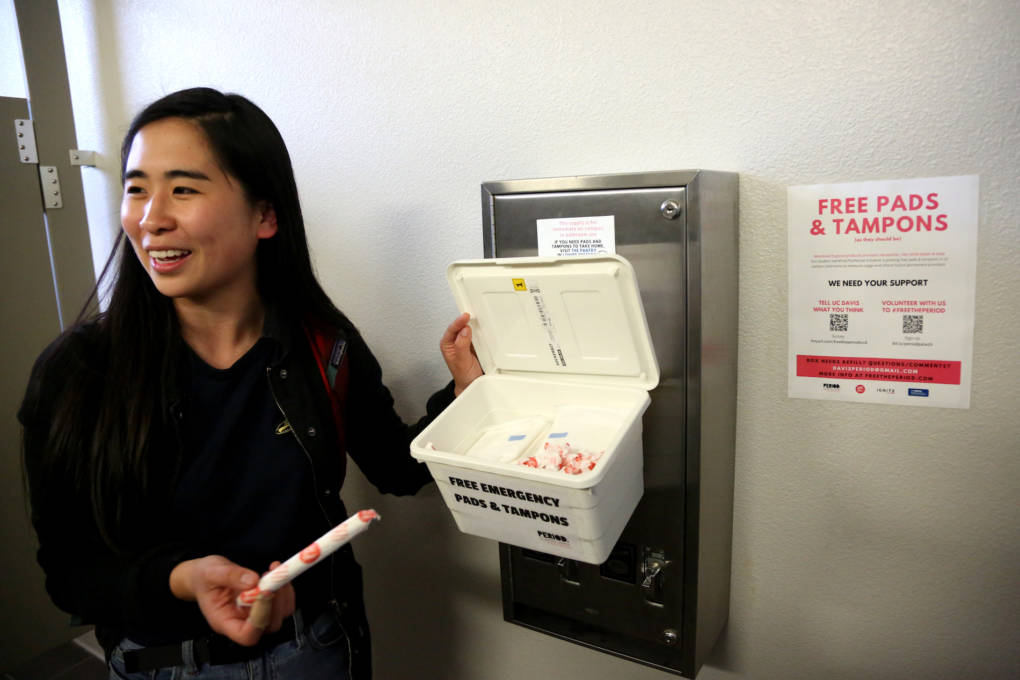
"caption": "UC Davis student Annie Wang 20, demonstrates the feminine products provided by \"Free the Period,\" which places free emergency sanitary napkins and tampons in every women's restroom on campus. ",
"description": null,
"title": "tampons",
"credit": "Maria Avila/CALmatters",
"status": "inherit",
"isLoading": false,
"fetchFailed": false
},
"news_11737673": {
"type": "attachments",
"id": "news_11737673",
"meta": {
"index": "attachments_1716263798",
"site": "news",
"id": "11737673",
"found": true
},
"parent": 11737623,
"imgSizes": {
"post-thumbnail": {
"file": "https://ww2.kqed.org/app/uploads/sites/10/2019/04/UC-Berkeley-Tang-Center-672x372.jpg",
"width": 672,
"mimeType": "image/jpeg",
"height": 372
},
"kqedFullSize": {
"file": "https://ww2.kqed.org/app/uploads/sites/10/2019/04/UC-Berkeley-Tang-Center.jpg",
"width": 2048,
"height": 1536
},
"guest-author-50": {
"file": "https://ww2.kqed.org/app/uploads/sites/10/2019/04/UC-Berkeley-Tang-Center-50x50.jpg",
"width": 50,
"mimeType": "image/jpeg",
"height": 50
},
"guest-author-96": {
"file": "https://ww2.kqed.org/app/uploads/sites/10/2019/04/UC-Berkeley-Tang-Center-96x96.jpg",
"width": 96,
"mimeType": "image/jpeg",
"height": 96
},
"apple_news_ca_portrait_12_9": {
"file": "https://ww2.kqed.org/app/uploads/sites/10/2019/04/UC-Berkeley-Tang-Center-1122x1496.jpg",
"width": 1122,
"mimeType": "image/jpeg",
"height": 1496
},
"medium": {
"file": "https://ww2.kqed.org/app/uploads/sites/10/2019/04/UC-Berkeley-Tang-Center-800x600.jpg",
"width": 800,
"mimeType": "image/jpeg",
"height": 600
},
"guest-author-32": {
"file": "https://ww2.kqed.org/app/uploads/sites/10/2019/04/UC-Berkeley-Tang-Center-32x32.jpg",
"width": 32,
"mimeType": "image/jpeg",
"height": 32
},
"apple_news_ca_portrait_9_7": {
"file": "https://ww2.kqed.org/app/uploads/sites/10/2019/04/UC-Berkeley-Tang-Center-840x1120.jpg",
"width": 840,
"mimeType": "image/jpeg",
"height": 1120
},
"apple_news_ca_square_9_7": {
"file": "https://ww2.kqed.org/app/uploads/sites/10/2019/04/UC-Berkeley-Tang-Center-1104x1104.jpg",
"width": 1104,
"mimeType": "image/jpeg",
"height": 1104
},
"apple_news_ca_portrait_4_7": {
"file": "https://ww2.kqed.org/app/uploads/sites/10/2019/04/UC-Berkeley-Tang-Center-414x552.jpg",
"width": 414,
"mimeType": "image/jpeg",
"height": 552
},
"apple_news_ca_square_12_9": {
"file": "https://ww2.kqed.org/app/uploads/sites/10/2019/04/UC-Berkeley-Tang-Center-1472x1472.jpg",
"width": 1472,
"mimeType": "image/jpeg",
"height": 1472
},
"apple_news_ca_portrait_5_5": {
"file": "https://ww2.kqed.org/app/uploads/sites/10/2019/04/UC-Berkeley-Tang-Center-687x916.jpg",
"width": 687,
"mimeType": "image/jpeg",
"height": 916
},
"apple_news_ca_square_4_7": {
"file": "https://ww2.kqed.org/app/uploads/sites/10/2019/04/UC-Berkeley-Tang-Center-550x550.jpg",
"width": 550,
"mimeType": "image/jpeg",
"height": 550
},
"apple_news_ca_square_5_5": {
"file": "https://ww2.kqed.org/app/uploads/sites/10/2019/04/UC-Berkeley-Tang-Center-912x912.jpg",
"width": 912,
"mimeType": "image/jpeg",
"height": 912
},
"apple_news_ca_landscape_5_5": {
"file": "https://ww2.kqed.org/app/uploads/sites/10/2019/04/UC-Berkeley-Tang-Center-1044x783.jpg",
"width": 1044,
"mimeType": "image/jpeg",
"height": 783
},
"apple_news_ca_square_4_0": {
"file": "https://ww2.kqed.org/app/uploads/sites/10/2019/04/UC-Berkeley-Tang-Center-470x470.jpg",
"width": 470,
"mimeType": "image/jpeg",
"height": 470
},
"twentyfourteen-full-width": {
"file": "https://ww2.kqed.org/app/uploads/sites/10/2019/04/UC-Berkeley-Tang-Center-1038x576.jpg",
"width": 1038,
"mimeType": "image/jpeg",
"height": 576
},
"thumbnail": {
"file": "https://ww2.kqed.org/app/uploads/sites/10/2019/04/UC-Berkeley-Tang-Center-160x120.jpg",
"width": 160,
"mimeType": "image/jpeg",
"height": 120
},
"apple_news_ca_landscape_4_7": {
"file": "https://ww2.kqed.org/app/uploads/sites/10/2019/04/UC-Berkeley-Tang-Center-632x474.jpg",
"width": 632,
"mimeType": "image/jpeg",
"height": 474
},
"large": {
"file": "https://ww2.kqed.org/app/uploads/sites/10/2019/04/UC-Berkeley-Tang-Center-1020x765.jpg",
"width": 1020,
"mimeType": "image/jpeg",
"height": 765
},
"complete_open_graph": {
"file": "https://ww2.kqed.org/app/uploads/sites/10/2019/04/UC-Berkeley-Tang-Center-1200x900.jpg",
"width": 1200,
"mimeType": "image/jpeg",
"height": 900
},
"apple_news_ca_landscape_4_0": {
"file": "https://ww2.kqed.org/app/uploads/sites/10/2019/04/UC-Berkeley-Tang-Center-536x402.jpg",
"width": 536,
"mimeType": "image/jpeg",
"height": 402
},
"guest-author-64": {
"file": "https://ww2.kqed.org/app/uploads/sites/10/2019/04/UC-Berkeley-Tang-Center-64x64.jpg",
"width": 64,
"mimeType": "image/jpeg",
"height": 64
},
"apple_news_ca_portrait_4_0": {
"file": "https://ww2.kqed.org/app/uploads/sites/10/2019/04/UC-Berkeley-Tang-Center-354x472.jpg",
"width": 354,
"mimeType": "image/jpeg",
"height": 472
},
"apple_news_ca_landscape_12_9": {
"file": "https://ww2.kqed.org/app/uploads/sites/10/2019/04/UC-Berkeley-Tang-Center-1832x1374.jpg",
"width": 1832,
"mimeType": "image/jpeg",
"height": 1374
},
"full-width": {
"file": "https://ww2.kqed.org/app/uploads/sites/10/2019/04/UC-Berkeley-Tang-Center-1920x1440.jpg",
"width": 1920,
"mimeType": "image/jpeg",
"height": 1440
},
"guest-author-128": {
"file": "https://ww2.kqed.org/app/uploads/sites/10/2019/04/UC-Berkeley-Tang-Center-128x128.jpg",
"width": 128,
"mimeType": "image/jpeg",
"height": 128
},
"apple_news_ca_landscape_9_7": {
"file": "https://ww2.kqed.org/app/uploads/sites/10/2019/04/UC-Berkeley-Tang-Center-1376x1032.jpg",
"width": 1376,
"mimeType": "image/jpeg",
"height": 1032
}
},
"publishDate": 1554335775,
"modified": 1554335976,
"caption": "UC Berkeley University Health Services' headquarters, the Tang Center at 2222 Bancroft Way.",
"description": "UC Berkeley University Health Services' headquarters, the Tang Center at 2222 Bancroft Way.",
"title": "UC Berkeley Tang Center",
"credit": "Chloe Veltman/KQED",
"status": "inherit",
"isLoading": false,
"fetchFailed": false
},
"news_11737226": {
"type": "attachments",
"id": "news_11737226",
"meta": {
"index": "attachments_1716263798",
"site": "news",
"id": "11737226",
"found": true
},
"parent": 11737207,
"imgSizes": {
"post-thumbnail": {
"file": "https://ww2.kqed.org/app/uploads/sites/10/2019/04/Bobbie-2-672x372.jpg",
"width": 672,
"mimeType": "image/jpeg",
"height": 372
},
"kqedFullSize": {
"file": "https://ww2.kqed.org/app/uploads/sites/10/2019/04/Bobbie-2.jpg",
"width": 1920,
"height": 1552
},
"guest-author-50": {
"file": "https://ww2.kqed.org/app/uploads/sites/10/2019/04/Bobbie-2-50x50.jpg",
"width": 50,
"mimeType": "image/jpeg",
"height": 50
},
"guest-author-96": {
"file": "https://ww2.kqed.org/app/uploads/sites/10/2019/04/Bobbie-2-96x96.jpg",
"width": 96,
"mimeType": "image/jpeg",
"height": 96
},
"apple_news_ca_portrait_12_9": {
"file": "https://ww2.kqed.org/app/uploads/sites/10/2019/04/Bobbie-2-1122x1496.jpg",
"width": 1122,
"mimeType": "image/jpeg",
"height": 1496
},
"medium": {
"file": "https://ww2.kqed.org/app/uploads/sites/10/2019/04/Bobbie-2-800x647.jpg",
"width": 800,
"mimeType": "image/jpeg",
"height": 647
},
"guest-author-32": {
"file": "https://ww2.kqed.org/app/uploads/sites/10/2019/04/Bobbie-2-32x32.jpg",
"width": 32,
"mimeType": "image/jpeg",
"height": 32
},
"apple_news_ca_portrait_9_7": {
"file": "https://ww2.kqed.org/app/uploads/sites/10/2019/04/Bobbie-2-840x1120.jpg",
"width": 840,
"mimeType": "image/jpeg",
"height": 1120
},
"apple_news_ca_square_9_7": {
"file": "https://ww2.kqed.org/app/uploads/sites/10/2019/04/Bobbie-2-1104x1104.jpg",
"width": 1104,
"mimeType": "image/jpeg",
"height": 1104
},
"apple_news_ca_portrait_4_7": {
"file": "https://ww2.kqed.org/app/uploads/sites/10/2019/04/Bobbie-2-414x552.jpg",
"width": 414,
"mimeType": "image/jpeg",
"height": 552
},
"apple_news_ca_square_12_9": {
"file": "https://ww2.kqed.org/app/uploads/sites/10/2019/04/Bobbie-2-1472x1472.jpg",
"width": 1472,
"mimeType": "image/jpeg",
"height": 1472
},
"apple_news_ca_portrait_5_5": {
"file": "https://ww2.kqed.org/app/uploads/sites/10/2019/04/Bobbie-2-687x916.jpg",
"width": 687,
"mimeType": "image/jpeg",
"height": 916
},
"apple_news_ca_square_4_7": {
"file": "https://ww2.kqed.org/app/uploads/sites/10/2019/04/Bobbie-2-550x550.jpg",
"width": 550,
"mimeType": "image/jpeg",
"height": 550
},
"apple_news_ca_square_5_5": {
"file": "https://ww2.kqed.org/app/uploads/sites/10/2019/04/Bobbie-2-912x912.jpg",
"width": 912,
"mimeType": "image/jpeg",
"height": 912
},
"apple_news_ca_landscape_5_5": {
"file": "https://ww2.kqed.org/app/uploads/sites/10/2019/04/Bobbie-2-1044x783.jpg",
"width": 1044,
"mimeType": "image/jpeg",
"height": 783
},
"apple_news_ca_square_4_0": {
"file": "https://ww2.kqed.org/app/uploads/sites/10/2019/04/Bobbie-2-470x470.jpg",
"width": 470,
"mimeType": "image/jpeg",
"height": 470
},
"twentyfourteen-full-width": {
"file": "https://ww2.kqed.org/app/uploads/sites/10/2019/04/Bobbie-2-1038x576.jpg",
"width": 1038,
"mimeType": "image/jpeg",
"height": 576
},
"thumbnail": {
"file": "https://ww2.kqed.org/app/uploads/sites/10/2019/04/Bobbie-2-160x129.jpg",
"width": 160,
"mimeType": "image/jpeg",
"height": 129
},
"apple_news_ca_landscape_4_7": {
"file": "https://ww2.kqed.org/app/uploads/sites/10/2019/04/Bobbie-2-632x474.jpg",
"width": 632,
"mimeType": "image/jpeg",
"height": 474
},
"large": {
"file": "https://ww2.kqed.org/app/uploads/sites/10/2019/04/Bobbie-2-1020x825.jpg",
"width": 1020,
"mimeType": "image/jpeg",
"height": 825
},
"complete_open_graph": {
"file": "https://ww2.kqed.org/app/uploads/sites/10/2019/04/Bobbie-2-1200x970.jpg",
"width": 1200,
"mimeType": "image/jpeg",
"height": 970
},
"apple_news_ca_landscape_4_0": {
"file": "https://ww2.kqed.org/app/uploads/sites/10/2019/04/Bobbie-2-536x402.jpg",
"width": 536,
"mimeType": "image/jpeg",
"height": 402
},
"guest-author-64": {
"file": "https://ww2.kqed.org/app/uploads/sites/10/2019/04/Bobbie-2-64x64.jpg",
"width": 64,
"mimeType": "image/jpeg",
"height": 64
},
"apple_news_ca_portrait_4_0": {
"file": "https://ww2.kqed.org/app/uploads/sites/10/2019/04/Bobbie-2-354x472.jpg",
"width": 354,
"mimeType": "image/jpeg",
"height": 472
},
"apple_news_ca_landscape_12_9": {
"file": "https://ww2.kqed.org/app/uploads/sites/10/2019/04/Bobbie-2-1832x1374.jpg",
"width": 1832,
"mimeType": "image/jpeg",
"height": 1374
},
"full-width": {
"file": "https://ww2.kqed.org/app/uploads/sites/10/2019/04/Bobbie-2-1920x1552.jpg",
"width": 1920,
"mimeType": "image/jpeg",
"height": 1552
},
"guest-author-128": {
"file": "https://ww2.kqed.org/app/uploads/sites/10/2019/04/Bobbie-2-128x128.jpg",
"width": 128,
"mimeType": "image/jpeg",
"height": 128
},
"apple_news_ca_landscape_9_7": {
"file": "https://ww2.kqed.org/app/uploads/sites/10/2019/04/Bobbie-2-1376x1032.jpg",
"width": 1376,
"mimeType": "image/jpeg",
"height": 1032
}
},
"publishDate": 1554231338,
"modified": 1554412896,
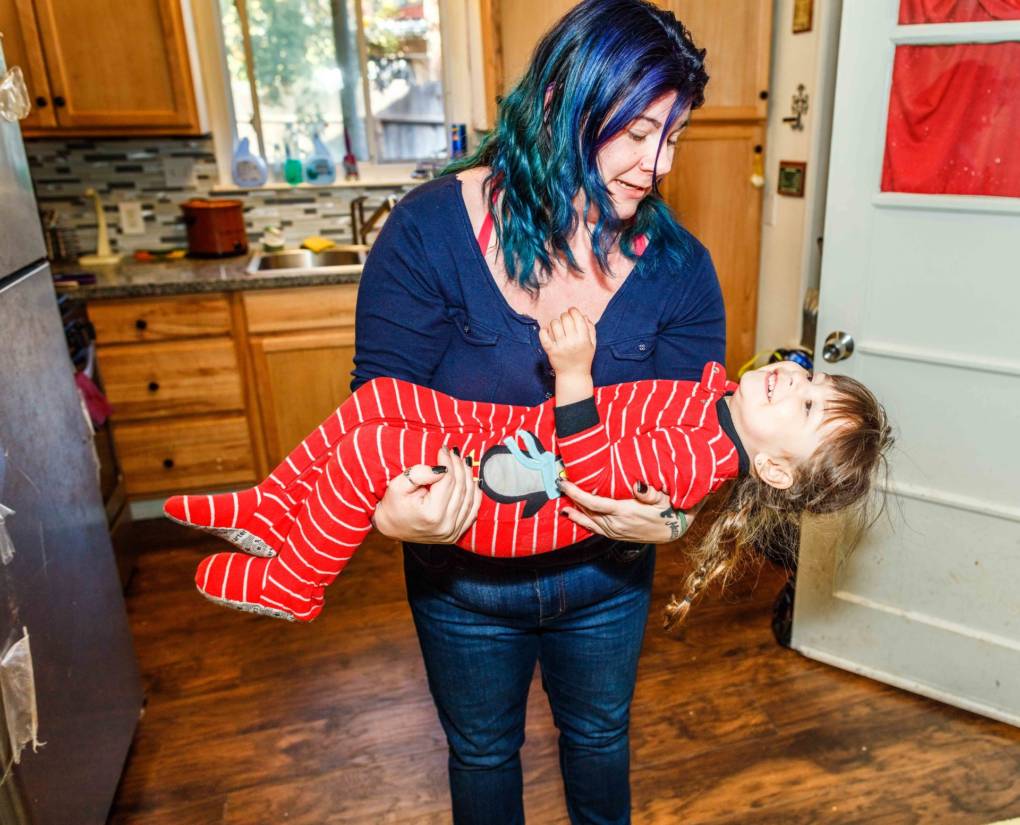
"caption": "Balancing work, child care and affordable housing is a daily reality for Bobbie Allison, shown here with her 3-year-old daughter, Alorra, at their home in Atwater. ",
"description": "Balancing work, child care and affordable housing are a daily reality for Bobbie Allison, shown here with her three-year-old daughter, Alorra. ",
"title": "Starting Blocks",
"credit": "Matt Rogers/KQED",
"status": "inherit",
"isLoading": false,
"fetchFailed": false
},
"news_11734909": {
"type": "attachments",
"id": "news_11734909",
"meta": {
"index": "attachments_1716263798",
"site": "news",
"id": "11734909",
"found": true
},
"parent": 11734640,
"imgSizes": {
"apple_news_ca_landscape_5_5": {
"file": "https://ww2.kqed.org/app/uploads/sites/10/2019/03/NR621_MARQUEE_3-1044x720.jpg",
"width": 1044,
"mimeType": "image/jpeg",
"height": 720
},
"apple_news_ca_square_4_0": {
"file": "https://ww2.kqed.org/app/uploads/sites/10/2019/03/NR621_MARQUEE_3-470x470.jpg",
"width": 470,
"mimeType": "image/jpeg",
"height": 470
},
"twentyfourteen-full-width": {
"file": "https://ww2.kqed.org/app/uploads/sites/10/2019/03/NR621_MARQUEE_3-1038x576.jpg",
"width": 1038,
"mimeType": "image/jpeg",
"height": 576
},
"thumbnail": {
"file": "https://ww2.kqed.org/app/uploads/sites/10/2019/03/NR621_MARQUEE_3-160x90.jpg",
"width": 160,
"mimeType": "image/jpeg",
"height": 90
},
"post-thumbnail": {
"file": "https://ww2.kqed.org/app/uploads/sites/10/2019/03/NR621_MARQUEE_3-672x372.jpg",
"width": 672,
"mimeType": "image/jpeg",
"height": 372
},
"kqedFullSize": {
"file": "https://ww2.kqed.org/app/uploads/sites/10/2019/03/NR621_MARQUEE_3.jpg",
"width": 1280,
"height": 720
},
"apple_news_ca_landscape_4_7": {
"file": "https://ww2.kqed.org/app/uploads/sites/10/2019/03/NR621_MARQUEE_3-632x474.jpg",
"width": 632,
"mimeType": "image/jpeg",
"height": 474
},
"large": {
"file": "https://ww2.kqed.org/app/uploads/sites/10/2019/03/NR621_MARQUEE_3-1020x574.jpg",
"width": 1020,
"mimeType": "image/jpeg",
"height": 574
},
"complete_open_graph": {
"file": "https://ww2.kqed.org/app/uploads/sites/10/2019/03/NR621_MARQUEE_3-1200x675.jpg",
"width": 1200,
"mimeType": "image/jpeg",
"height": 675
},
"guest-author-50": {
"file": "https://ww2.kqed.org/app/uploads/sites/10/2019/03/NR621_MARQUEE_3-50x50.jpg",
"width": 50,
"mimeType": "image/jpeg",
"height": 50
},
"guest-author-96": {
"file": "https://ww2.kqed.org/app/uploads/sites/10/2019/03/NR621_MARQUEE_3-96x96.jpg",
"width": 96,
"mimeType": "image/jpeg",
"height": 96
},
"apple_news_ca_landscape_4_0": {
"file": "https://ww2.kqed.org/app/uploads/sites/10/2019/03/NR621_MARQUEE_3-536x402.jpg",
"width": 536,
"mimeType": "image/jpeg",
"height": 402
},
"apple_news_ca_portrait_12_9": {
"file": "https://ww2.kqed.org/app/uploads/sites/10/2019/03/NR621_MARQUEE_3-1122x720.jpg",
"width": 1122,
"mimeType": "image/jpeg",
"height": 720
},
"medium": {
"file": "https://ww2.kqed.org/app/uploads/sites/10/2019/03/NR621_MARQUEE_3-800x450.jpg",
"width": 800,
"mimeType": "image/jpeg",
"height": 450
},
"guest-author-64": {
"file": "https://ww2.kqed.org/app/uploads/sites/10/2019/03/NR621_MARQUEE_3-64x64.jpg",
"width": 64,
"mimeType": "image/jpeg",
"height": 64
},
"guest-author-32": {
"file": "https://ww2.kqed.org/app/uploads/sites/10/2019/03/NR621_MARQUEE_3-32x32.jpg",
"width": 32,
"mimeType": "image/jpeg",
"height": 32
},
"apple_news_ca_portrait_4_0": {
"file": "https://ww2.kqed.org/app/uploads/sites/10/2019/03/NR621_MARQUEE_3-354x472.jpg",
"width": 354,
"mimeType": "image/jpeg",
"height": 472
},
"apple_news_ca_portrait_9_7": {
"file": "https://ww2.kqed.org/app/uploads/sites/10/2019/03/NR621_MARQUEE_3-840x720.jpg",
"width": 840,
"mimeType": "image/jpeg",
"height": 720
},
"apple_news_ca_square_9_7": {
"file": "https://ww2.kqed.org/app/uploads/sites/10/2019/03/NR621_MARQUEE_3-1104x720.jpg",
"width": 1104,
"mimeType": "image/jpeg",
"height": 720
},
"apple_news_ca_portrait_4_7": {
"file": "https://ww2.kqed.org/app/uploads/sites/10/2019/03/NR621_MARQUEE_3-414x552.jpg",
"width": 414,
"mimeType": "image/jpeg",
"height": 552
},
"apple_news_ca_portrait_5_5": {
"file": "https://ww2.kqed.org/app/uploads/sites/10/2019/03/NR621_MARQUEE_3-687x720.jpg",
"width": 687,
"mimeType": "image/jpeg",
"height": 720
},
"apple_news_ca_square_4_7": {
"file": "https://ww2.kqed.org/app/uploads/sites/10/2019/03/NR621_MARQUEE_3-550x550.jpg",
"width": 550,
"mimeType": "image/jpeg",
"height": 550
},
"guest-author-128": {
"file": "https://ww2.kqed.org/app/uploads/sites/10/2019/03/NR621_MARQUEE_3-128x128.jpg",
"width": 128,
"mimeType": "image/jpeg",
"height": 128
},
"apple_news_ca_square_5_5": {
"file": "https://ww2.kqed.org/app/uploads/sites/10/2019/03/NR621_MARQUEE_3-912x720.jpg",
"width": 912,
"mimeType": "image/jpeg",
"height": 720
}
},
"publishDate": 1553302865,
"modified": 1553302865,
"caption": null,
"description": null,
"title": "NR621_MARQUEE_3",
"credit": null,
"status": "inherit",
"isLoading": false,
"fetchFailed": false
},
"news_11732922": {
"type": "attachments",
"id": "news_11732922",
"meta": {
"index": "attachments_1716263798",
"site": "news",
"id": "11732922",
"found": true
},
"parent": 11732921,
"imgSizes": {
"twentyfourteen-full-width": {
"file": "https://ww2.kqed.org/app/uploads/sites/10/2019/03/ap_16302562710213-8de04c55e65f49b9fbf4e76b4a076944829be161-1038x576.jpg",
"width": 1038,
"mimeType": "image/jpeg",
"height": 576
},
"thumbnail": {
"file": "https://ww2.kqed.org/app/uploads/sites/10/2019/03/ap_16302562710213-8de04c55e65f49b9fbf4e76b4a076944829be161-160x120.jpg",
"width": 160,
"mimeType": "image/jpeg",
"height": 120
},
"post-thumbnail": {
"file": "https://ww2.kqed.org/app/uploads/sites/10/2019/03/ap_16302562710213-8de04c55e65f49b9fbf4e76b4a076944829be161-672x372.jpg",
"width": 672,
"mimeType": "image/jpeg",
"height": 372
},
"kqedFullSize": {
"file": "https://ww2.kqed.org/app/uploads/sites/10/2019/03/ap_16302562710213-8de04c55e65f49b9fbf4e76b4a076944829be161-e1552589404782.jpg",
"width": 1920,
"height": 1443
},
"large": {
"file": "https://ww2.kqed.org/app/uploads/sites/10/2019/03/ap_16302562710213-8de04c55e65f49b9fbf4e76b4a076944829be161-1020x766.jpg",
"width": 1020,
"mimeType": "image/jpeg",
"height": 766
},
"complete_open_graph": {
"file": "https://ww2.kqed.org/app/uploads/sites/10/2019/03/ap_16302562710213-8de04c55e65f49b9fbf4e76b4a076944829be161-1200x902.jpg",
"width": 1200,
"mimeType": "image/jpeg",
"height": 902
},
"guest-author-50": {
"file": "https://ww2.kqed.org/app/uploads/sites/10/2019/03/ap_16302562710213-8de04c55e65f49b9fbf4e76b4a076944829be161-50x50.jpg",
"width": 50,
"mimeType": "image/jpeg",
"height": 50
},
"guest-author-96": {
"file": "https://ww2.kqed.org/app/uploads/sites/10/2019/03/ap_16302562710213-8de04c55e65f49b9fbf4e76b4a076944829be161-96x96.jpg",
"width": 96,
"mimeType": "image/jpeg",
"height": 96
},
"medium": {
"file": "https://ww2.kqed.org/app/uploads/sites/10/2019/03/ap_16302562710213-8de04c55e65f49b9fbf4e76b4a076944829be161-800x601.jpg",
"width": 800,
"mimeType": "image/jpeg",
"height": 601
},
"guest-author-64": {
"file": "https://ww2.kqed.org/app/uploads/sites/10/2019/03/ap_16302562710213-8de04c55e65f49b9fbf4e76b4a076944829be161-64x64.jpg",
"width": 64,
"mimeType": "image/jpeg",
"height": 64
},
"guest-author-32": {
"file": "https://ww2.kqed.org/app/uploads/sites/10/2019/03/ap_16302562710213-8de04c55e65f49b9fbf4e76b4a076944829be161-32x32.jpg",
"width": 32,
"mimeType": "image/jpeg",
"height": 32
},
"full-width": {
"file": "https://ww2.kqed.org/app/uploads/sites/10/2019/03/ap_16302562710213-8de04c55e65f49b9fbf4e76b4a076944829be161-1920x1442.jpg",
"width": 1920,
"mimeType": "image/jpeg",
"height": 1442
},
"guest-author-128": {
"file": "https://ww2.kqed.org/app/uploads/sites/10/2019/03/ap_16302562710213-8de04c55e65f49b9fbf4e76b4a076944829be161-128x128.jpg",
"width": 128,
"mimeType": "image/jpeg",
"height": 128
}
},
"publishDate": 1552589358,
"modified": 1552589442,
"caption": "Johnson & Johnson's baby powder.",
"description": "In this file photo, Johnson's baby powder is squeezed from its container.",
"title": "In this file photo, Johnson's baby powder is squeezed from its container.",
"credit": "Matt Rourke/AP",
"status": "inherit",
"isLoading": false,
"fetchFailed": false
},
"news_11728888": {
"type": "attachments",
"id": "news_11728888",
"meta": {
"index": "attachments_1716263798",
"site": "news",
"id": "11728888",
"found": true
},
"parent": 11728832,
"imgSizes": {
"twentyfourteen-full-width": {
"file": "https://ww2.kqed.org/app/uploads/sites/10/2019/02/IMG_4617-1038x576.jpg",
"width": 1038,
"mimeType": "image/jpeg",
"height": 576
},
"thumbnail": {
"file": "https://ww2.kqed.org/app/uploads/sites/10/2019/02/IMG_4617-160x120.jpg",
"width": 160,
"mimeType": "image/jpeg",
"height": 120
},
"post-thumbnail": {
"file": "https://ww2.kqed.org/app/uploads/sites/10/2019/02/IMG_4617-672x372.jpg",
"width": 672,
"mimeType": "image/jpeg",
"height": 372
},
"kqedFullSize": {
"file": "https://ww2.kqed.org/app/uploads/sites/10/2019/02/IMG_4617-e1551141202157.jpg",
"width": 1920,
"height": 1440
},
"large": {
"file": "https://ww2.kqed.org/app/uploads/sites/10/2019/02/IMG_4617-1020x765.jpg",
"width": 1020,
"mimeType": "image/jpeg",
"height": 765
},
"complete_open_graph": {
"file": "https://ww2.kqed.org/app/uploads/sites/10/2019/02/IMG_4617-1200x900.jpg",
"width": 1200,
"mimeType": "image/jpeg",
"height": 900
},
"guest-author-50": {
"file": "https://ww2.kqed.org/app/uploads/sites/10/2019/02/IMG_4617-50x50.jpg",
"width": 50,
"mimeType": "image/jpeg",
"height": 50
},
"guest-author-96": {
"file": "https://ww2.kqed.org/app/uploads/sites/10/2019/02/IMG_4617-96x96.jpg",
"width": 96,
"mimeType": "image/jpeg",
"height": 96
},
"medium": {
"file": "https://ww2.kqed.org/app/uploads/sites/10/2019/02/IMG_4617-800x600.jpg",
"width": 800,
"mimeType": "image/jpeg",
"height": 600
},
"guest-author-64": {
"file": "https://ww2.kqed.org/app/uploads/sites/10/2019/02/IMG_4617-64x64.jpg",
"width": 64,
"mimeType": "image/jpeg",
"height": 64
},
"guest-author-32": {
"file": "https://ww2.kqed.org/app/uploads/sites/10/2019/02/IMG_4617-32x32.jpg",
"width": 32,
"mimeType": "image/jpeg",
"height": 32
},
"full-width": {
"file": "https://ww2.kqed.org/app/uploads/sites/10/2019/02/IMG_4617-1920x1440.jpg",
"width": 1920,
"mimeType": "image/jpeg",
"height": 1440
},
"detail": {
"file": "https://ww2.kqed.org/app/uploads/sites/10/2019/02/IMG_4617-150x150.jpg",
"width": 150,
"mimeType": "image/jpeg",
"height": 150
},
"guest-author-128": {
"file": "https://ww2.kqed.org/app/uploads/sites/10/2019/02/IMG_4617-128x128.jpg",
"width": 128,
"mimeType": "image/jpeg",
"height": 128
}
},
"publishDate": 1551141136,
"modified": 1551193922,
"caption": "State Sen. Scott Wiener and Assemblyman David Chiu (at podium) announce a bill on Feb. 25, 2019 that would prevent hospitals from the practice of \"balance billing.\"",
"description": null,
"title": "IMG_4617",
"credit": "Caroline Champlin/KQED",
"status": "inherit",
"isLoading": false,
"fetchFailed": false
},
"news_11724915": {
"type": "attachments",
"id": "news_11724915",
"meta": {
"index": "attachments_1716263798",
"site": "news",
"id": "11724915",
"found": true
},
"parent": 11724781,
"imgSizes": {
"twentyfourteen-full-width": {
"file": "https://ww2.kqed.org/app/uploads/sites/10/2019/02/NBH-1038x576.jpg",
"width": 1038,
"mimeType": "image/jpeg",
"height": 576
},
"thumbnail": {
"file": "https://ww2.kqed.org/app/uploads/sites/10/2019/02/NBH-160x104.jpg",
"width": 160,
"mimeType": "image/jpeg",
"height": 104
},
"post-thumbnail": {
"file": "https://ww2.kqed.org/app/uploads/sites/10/2019/02/NBH-672x372.jpg",
"width": 672,
"mimeType": "image/jpeg",
"height": 372
},
"kqedFullSize": {
"file": "https://ww2.kqed.org/app/uploads/sites/10/2019/02/NBH-e1549746561631.jpg",
"width": 1920,
"height": 1246
},
"large": {
"file": "https://ww2.kqed.org/app/uploads/sites/10/2019/02/NBH-1020x662.jpg",
"width": 1020,
"mimeType": "image/jpeg",
"height": 662
},
"complete_open_graph": {
"file": "https://ww2.kqed.org/app/uploads/sites/10/2019/02/NBH-1200x779.jpg",
"width": 1200,
"mimeType": "image/jpeg",
"height": 779
},
"guest-author-50": {
"file": "https://ww2.kqed.org/app/uploads/sites/10/2019/02/NBH-50x50.jpg",
"width": 50,
"mimeType": "image/jpeg",
"height": 50
},
"guest-author-96": {
"file": "https://ww2.kqed.org/app/uploads/sites/10/2019/02/NBH-96x96.jpg",
"width": 96,
"mimeType": "image/jpeg",
"height": 96
},
"medium": {
"file": "https://ww2.kqed.org/app/uploads/sites/10/2019/02/NBH-800x519.jpg",
"width": 800,
"mimeType": "image/jpeg",
"height": 519
},
"guest-author-64": {
"file": "https://ww2.kqed.org/app/uploads/sites/10/2019/02/NBH-64x64.jpg",
"width": 64,
"mimeType": "image/jpeg",
"height": 64
},
"guest-author-32": {
"file": "https://ww2.kqed.org/app/uploads/sites/10/2019/02/NBH-32x32.jpg",
"width": 32,
"mimeType": "image/jpeg",
"height": 32
},
"full-width": {
"file": "https://ww2.kqed.org/app/uploads/sites/10/2019/02/NBH-1920x1246.jpg",
"width": 1920,
"mimeType": "image/jpeg",
"height": 1246
},
"detail": {
"file": "https://ww2.kqed.org/app/uploads/sites/10/2019/02/NBH-150x150.jpg",
"width": 150,
"mimeType": "image/jpeg",
"height": 150
},
"guest-author-128": {
"file": "https://ww2.kqed.org/app/uploads/sites/10/2019/02/NBH-128x128.jpg",
"width": 128,
"mimeType": "image/jpeg",
"height": 128
}
},
"publishDate": 1549672125,
"modified": 1549934389,
"caption": "Dr. Nadine Burke Harris is California's first surgeon general. She has pioneered research into the effect that childhood traumas have on health. ",
"description": "Dr. Nadine Burke Harris is California's first ever Surgeon General. She has pioneered research into the effect childhood traumas have on health. ",
"title": "NBH",
"credit": "Courtesy of Nadine Burke Harris' Facebook",
"status": "inherit",
"isLoading": false,
"fetchFailed": false
},
"news_11723431": {
"type": "attachments",
"id": "news_11723431",
"meta": {
"index": "attachments_1716263798",
"site": "news",
"id": "11723431",
"found": true
},
"parent": 11723420,
"imgSizes": {
"twentyfourteen-full-width": {
"file": "https://ww2.kqed.org/app/uploads/sites/10/2019/02/RS35130_5-qut-1038x576.jpg",
"width": 1038,
"mimeType": "image/jpeg",
"height": 576
},
"thumbnail": {
"file": "https://ww2.kqed.org/app/uploads/sites/10/2019/02/RS35130_5-qut-160x107.jpg",
"width": 160,
"mimeType": "image/jpeg",
"height": 107
},
"post-thumbnail": {
"file": "https://ww2.kqed.org/app/uploads/sites/10/2019/02/RS35130_5-qut-672x372.jpg",
"width": 672,
"mimeType": "image/jpeg",
"height": 372
},
"kqedFullSize": {
"file": "https://ww2.kqed.org/app/uploads/sites/10/2019/02/RS35130_5-qut.jpg",
"width": 1920,
"height": 1280
},
"large": {
"file": "https://ww2.kqed.org/app/uploads/sites/10/2019/02/RS35130_5-qut-1020x680.jpg",
"width": 1020,
"mimeType": "image/jpeg",
"height": 680
},
"complete_open_graph": {
"file": "https://ww2.kqed.org/app/uploads/sites/10/2019/02/RS35130_5-qut-1200x800.jpg",
"width": 1200,
"mimeType": "image/jpeg",
"height": 800
},
"guest-author-50": {
"file": "https://ww2.kqed.org/app/uploads/sites/10/2019/02/RS35130_5-qut-50x50.jpg",
"width": 50,
"mimeType": "image/jpeg",
"height": 50
},
"guest-author-96": {
"file": "https://ww2.kqed.org/app/uploads/sites/10/2019/02/RS35130_5-qut-96x96.jpg",
"width": 96,
"mimeType": "image/jpeg",
"height": 96
},
"medium": {
"file": "https://ww2.kqed.org/app/uploads/sites/10/2019/02/RS35130_5-qut-800x533.jpg",
"width": 800,
"mimeType": "image/jpeg",
"height": 533
},
"guest-author-64": {
"file": "https://ww2.kqed.org/app/uploads/sites/10/2019/02/RS35130_5-qut-64x64.jpg",
"width": 64,
"mimeType": "image/jpeg",
"height": 64
},
"guest-author-32": {
"file": "https://ww2.kqed.org/app/uploads/sites/10/2019/02/RS35130_5-qut-32x32.jpg",
"width": 32,
"mimeType": "image/jpeg",
"height": 32
},
"full-width": {
"file": "https://ww2.kqed.org/app/uploads/sites/10/2019/02/RS35130_5-qut-1920x1280.jpg",
"width": 1920,
"mimeType": "image/jpeg",
"height": 1280
},
"detail": {
"file": "https://ww2.kqed.org/app/uploads/sites/10/2019/02/RS35130_5-qut-150x150.jpg",
"width": 150,
"mimeType": "image/jpeg",
"height": 150
},
"guest-author-128": {
"file": "https://ww2.kqed.org/app/uploads/sites/10/2019/02/RS35130_5-qut-128x128.jpg",
"width": 128,
"mimeType": "image/jpeg",
"height": 128
}
},
"publishDate": 1549329799,
"modified": 1549479472,
"caption": "State Sen. Scott Wiener, D-San Francisco, announces SB 201, which would ban medically unnecessary genital surgery on intersex babies. ",
"description": null,
"title": "RS35130_5-qut",
"credit": "Elor de Grey/Courtesy of interACT",
"status": "inherit",
"isLoading": false,
"fetchFailed": false
},
"news_11722937": {
"type": "attachments",
"id": "news_11722937",
"meta": {
"index": "attachments_1716263798",
"site": "news",
"id": "11722937",
"found": true
},
"parent": 11722933,
"imgSizes": {
"twentyfourteen-full-width": {
"file": "https://ww2.kqed.org/app/uploads/sites/10/2019/02/workforce-shortage_1350-1038x576.jpg",
"width": 1038,
"mimeType": "image/jpeg",
"height": 576
},
"thumbnail": {
"file": "https://ww2.kqed.org/app/uploads/sites/10/2019/02/workforce-shortage_1350-160x107.jpg",
"width": 160,
"mimeType": "image/jpeg",
"height": 107
},
"post-thumbnail": {
"file": "https://ww2.kqed.org/app/uploads/sites/10/2019/02/workforce-shortage_1350-672x372.jpg",
"width": 672,
"mimeType": "image/jpeg",
"height": 372
},
"kqedFullSize": {
"file": "https://ww2.kqed.org/app/uploads/sites/10/2019/02/workforce-shortage_1350.jpg",
"width": 1350,
"height": 900
},
"large": {
"file": "https://ww2.kqed.org/app/uploads/sites/10/2019/02/workforce-shortage_1350-1020x680.jpg",
"width": 1020,
"mimeType": "image/jpeg",
"height": 680
},
"complete_open_graph": {
"file": "https://ww2.kqed.org/app/uploads/sites/10/2019/02/workforce-shortage_1350-1200x800.jpg",
"width": 1200,
"mimeType": "image/jpeg",
"height": 800
},
"guest-author-50": {
"file": "https://ww2.kqed.org/app/uploads/sites/10/2019/02/workforce-shortage_1350-50x50.jpg",
"width": 50,
"mimeType": "image/jpeg",
"height": 50
},
"guest-author-96": {
"file": "https://ww2.kqed.org/app/uploads/sites/10/2019/02/workforce-shortage_1350-96x96.jpg",
"width": 96,
"mimeType": "image/jpeg",
"height": 96
},
"medium": {
"file": "https://ww2.kqed.org/app/uploads/sites/10/2019/02/workforce-shortage_1350-800x533.jpg",
"width": 800,
"mimeType": "image/jpeg",
"height": 533
},
"guest-author-64": {
"file": "https://ww2.kqed.org/app/uploads/sites/10/2019/02/workforce-shortage_1350-64x64.jpg",
"width": 64,
"mimeType": "image/jpeg",
"height": 64
},
"guest-author-32": {
"file": "https://ww2.kqed.org/app/uploads/sites/10/2019/02/workforce-shortage_1350-32x32.jpg",
"width": 32,
"mimeType": "image/jpeg",
"height": 32
},
"detail": {
"file": "https://ww2.kqed.org/app/uploads/sites/10/2019/02/workforce-shortage_1350-150x150.jpg",
"width": 150,
"mimeType": "image/jpeg",
"height": 150
},
"guest-author-128": {
"file": "https://ww2.kqed.org/app/uploads/sites/10/2019/02/workforce-shortage_1350-128x128.jpg",
"width": 128,
"mimeType": "image/jpeg",
"height": 128
}
},
"publishDate": 1549075806,
"modified": 1549075817,
"caption": null,
"description": null,
"title": "workforce-shortage_1350",
"credit": "Lydia Zuraw/KHN illustration; Getty Images",
"status": "inherit",
"isLoading": false,
"fetchFailed": false
},
"news_11721779": {
"type": "attachments",
"id": "news_11721779",
"meta": {
"index": "attachments_1716263798",
"site": "news",
"id": "11721779",
"found": true
},
"parent": 11721672,
"imgSizes": {
"twentyfourteen-full-width": {
"file": "https://ww2.kqed.org/app/uploads/sites/10/2019/01/Newsom-1038x576.jpg",
"width": 1038,
"mimeType": "image/jpeg",
"height": 576
},
"thumbnail": {
"file": "https://ww2.kqed.org/app/uploads/sites/10/2019/01/Newsom-160x100.jpg",
"width": 160,
"mimeType": "image/jpeg",
"height": 100
},
"post-thumbnail": {
"file": "https://ww2.kqed.org/app/uploads/sites/10/2019/01/Newsom-672x372.jpg",
"width": 672,
"mimeType": "image/jpeg",
"height": 372
},
"kqedFullSize": {
"file": "https://ww2.kqed.org/app/uploads/sites/10/2019/01/Newsom.jpg",
"width": 1920,
"height": 1205
},
"large": {
"file": "https://ww2.kqed.org/app/uploads/sites/10/2019/01/Newsom-1020x640.jpg",
"width": 1020,
"mimeType": "image/jpeg",
"height": 640
},
"complete_open_graph": {
"file": "https://ww2.kqed.org/app/uploads/sites/10/2019/01/Newsom-1200x753.jpg",
"width": 1200,
"mimeType": "image/jpeg",
"height": 753
},
"guest-author-50": {
"file": "https://ww2.kqed.org/app/uploads/sites/10/2019/01/Newsom-50x50.jpg",
"width": 50,
"mimeType": "image/jpeg",
"height": 50
},
"guest-author-96": {
"file": "https://ww2.kqed.org/app/uploads/sites/10/2019/01/Newsom-96x96.jpg",
"width": 96,
"mimeType": "image/jpeg",
"height": 96
},
"medium": {
"file": "https://ww2.kqed.org/app/uploads/sites/10/2019/01/Newsom-800x502.jpg",
"width": 800,
"mimeType": "image/jpeg",
"height": 502
},
"guest-author-64": {
"file": "https://ww2.kqed.org/app/uploads/sites/10/2019/01/Newsom-64x64.jpg",
"width": 64,
"mimeType": "image/jpeg",
"height": 64
},
"guest-author-32": {
"file": "https://ww2.kqed.org/app/uploads/sites/10/2019/01/Newsom-32x32.jpg",
"width": 32,
"mimeType": "image/jpeg",
"height": 32
},
"full-width": {
"file": "https://ww2.kqed.org/app/uploads/sites/10/2019/01/Newsom-1920x1205.jpg",
"width": 1920,
"mimeType": "image/jpeg",
"height": 1205
},
"detail": {
"file": "https://ww2.kqed.org/app/uploads/sites/10/2019/01/Newsom-150x150.jpg",
"width": 150,
"mimeType": "image/jpeg",
"height": 150
},
"guest-author-128": {
"file": "https://ww2.kqed.org/app/uploads/sites/10/2019/01/Newsom-128x128.jpg",
"width": 128,
"mimeType": "image/jpeg",
"height": 128
}
},
"publishDate": 1548724401,
"modified": 1548724446,
"caption": "If Gavin Newsom’s plan is approved, California would offer additional subsidies to families that earn between 250 and 400 percent of the federal poverty level and already receive some federal help. ",
"description": "If Gavin Newsom’s plan is approved, California would offer additional subsidies to families that earn between 250 and 400 percent of the federal poverty level and already receive some federal help. ",
"title": "Newsom",
"credit": "FREDERIC J. BROWN/AFP/Getty Images",
"status": "inherit",
"isLoading": false,
"fetchFailed": false
},
"news_11721642": {
"type": "attachments",
"id": "news_11721642",
"meta": {
"index": "attachments_1716263798",
"site": "news",
"id": "11721642",
"found": true
},
"parent": 11721611,
"imgSizes": {
"twentyfourteen-full-width": {
"file": "https://ww2.kqed.org/app/uploads/sites/10/2019/01/MiddleClassFeatured-1038x576.jpg",
"width": 1038,
"mimeType": "image/jpeg",
"height": 576
},
"thumbnail": {
"file": "https://ww2.kqed.org/app/uploads/sites/10/2019/01/MiddleClassFeatured-160x119.jpg",
"width": 160,
"mimeType": "image/jpeg",
"height": 119
},
"post-thumbnail": {
"file": "https://ww2.kqed.org/app/uploads/sites/10/2019/01/MiddleClassFeatured-672x372.jpg",
"width": 672,
"mimeType": "image/jpeg",
"height": 372
},
"kqedFullSize": {
"file": "https://ww2.kqed.org/app/uploads/sites/10/2019/01/MiddleClassFeatured.jpg",
"width": 1920,
"height": 1433
},
"large": {
"file": "https://ww2.kqed.org/app/uploads/sites/10/2019/01/MiddleClassFeatured-1020x761.jpg",
"width": 1020,
"mimeType": "image/jpeg",
"height": 761
},
"complete_open_graph": {
"file": "https://ww2.kqed.org/app/uploads/sites/10/2019/01/MiddleClassFeatured-1200x896.jpg",
"width": 1200,
"mimeType": "image/jpeg",
"height": 896
},
"guest-author-50": {
"file": "https://ww2.kqed.org/app/uploads/sites/10/2019/01/MiddleClassFeatured-50x50.jpg",
"width": 50,
"mimeType": "image/jpeg",
"height": 50
},
"guest-author-96": {
"file": "https://ww2.kqed.org/app/uploads/sites/10/2019/01/MiddleClassFeatured-96x96.jpg",
"width": 96,
"mimeType": "image/jpeg",
"height": 96
},
"medium": {
"file": "https://ww2.kqed.org/app/uploads/sites/10/2019/01/MiddleClassFeatured-800x597.jpg",
"width": 800,
"mimeType": "image/jpeg",
"height": 597
},
"guest-author-64": {
"file": "https://ww2.kqed.org/app/uploads/sites/10/2019/01/MiddleClassFeatured-64x64.jpg",
"width": 64,
"mimeType": "image/jpeg",
"height": 64
},
"guest-author-32": {
"file": "https://ww2.kqed.org/app/uploads/sites/10/2019/01/MiddleClassFeatured-32x32.jpg",
"width": 32,
"mimeType": "image/jpeg",
"height": 32
},
"full-width": {
"file": "https://ww2.kqed.org/app/uploads/sites/10/2019/01/MiddleClassFeatured-1920x1433.jpg",
"width": 1920,
"mimeType": "image/jpeg",
"height": 1433
},
"detail": {
"file": "https://ww2.kqed.org/app/uploads/sites/10/2019/01/MiddleClassFeatured-150x150.jpg",
"width": 150,
"mimeType": "image/jpeg",
"height": 150
},
"guest-author-128": {
"file": "https://ww2.kqed.org/app/uploads/sites/10/2019/01/MiddleClassFeatured-128x128.jpg",
"width": 128,
"mimeType": "image/jpeg",
"height": 128
}
},
"publishDate": 1548710280,
"modified": 1548710306,
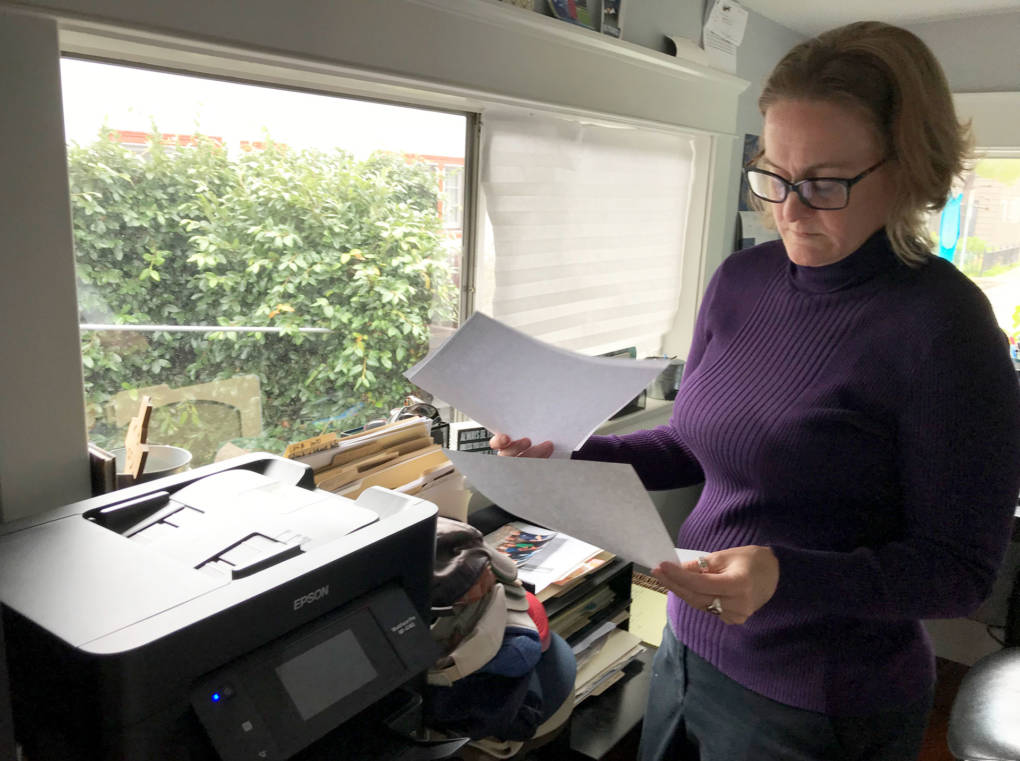
"caption": "Heather Altman looks through old health insurance bills in her Long Beach home office, Jan. 16, 2019.",
"description": "Heather Altman looks through old health insurance bills in her Long Beach home office, Jan. 16, 2019.",
"title": "MiddleClassFeatured",
"credit": "David Wagner/KPCC",
"status": "inherit",
"isLoading": false,
"fetchFailed": false
},
"news_11719521": {
"type": "attachments",
"id": "news_11719521",
"meta": {
"index": "attachments_1716263798",
"site": "news",
"id": "11719521",
"found": true
},
"parent": 11719509,
"imgSizes": {
"twentyfourteen-full-width": {
"file": "https://ww2.kqed.org/app/uploads/sites/10/2019/01/2219917d-jessy-rosales-e1547860771964-1038x576.jpg",
"width": 1038,
"mimeType": "image/jpeg",
"height": 576
},
"thumbnail": {
"file": "https://ww2.kqed.org/app/uploads/sites/10/2019/01/2219917d-jessy-rosales-e1547860771964-160x107.jpg",
"width": 160,
"mimeType": "image/jpeg",
"height": 107
},
"post-thumbnail": {
"file": "https://ww2.kqed.org/app/uploads/sites/10/2019/01/2219917d-jessy-rosales-e1547860771964-672x372.jpg",
"width": 672,
"mimeType": "image/jpeg",
"height": 372
},
"kqedFullSize": {
"file": "https://ww2.kqed.org/app/uploads/sites/10/2019/01/2219917d-jessy-rosales-e1547860771964.jpg",
"width": 1920,
"height": 1280
},
"large": {
"file": "https://ww2.kqed.org/app/uploads/sites/10/2019/01/2219917d-jessy-rosales-e1547860771964-1020x680.jpg",
"width": 1020,
"mimeType": "image/jpeg",
"height": 680
},
"complete_open_graph": {
"file": "https://ww2.kqed.org/app/uploads/sites/10/2019/01/2219917d-jessy-rosales-e1547860771964-1200x800.jpg",
"width": 1200,
"mimeType": "image/jpeg",
"height": 800
},
"guest-author-50": {
"file": "https://ww2.kqed.org/app/uploads/sites/10/2019/01/2219917d-jessy-rosales-e1547860771964-50x50.jpg",
"width": 50,
"mimeType": "image/jpeg",
"height": 50
},
"guest-author-96": {
"file": "https://ww2.kqed.org/app/uploads/sites/10/2019/01/2219917d-jessy-rosales-e1547860771964-96x96.jpg",
"width": 96,
"mimeType": "image/jpeg",
"height": 96
},
"medium": {
"file": "https://ww2.kqed.org/app/uploads/sites/10/2019/01/2219917d-jessy-rosales-e1547860771964-800x533.jpg",
"width": 800,
"mimeType": "image/jpeg",
"height": 533
},
"guest-author-64": {
"file": "https://ww2.kqed.org/app/uploads/sites/10/2019/01/2219917d-jessy-rosales-e1547860771964-64x64.jpg",
"width": 64,
"mimeType": "image/jpeg",
"height": 64
},
"guest-author-32": {
"file": "https://ww2.kqed.org/app/uploads/sites/10/2019/01/2219917d-jessy-rosales-e1547860771964-32x32.jpg",
"width": 32,
"mimeType": "image/jpeg",
"height": 32
},
"full-width": {
"file": "https://ww2.kqed.org/app/uploads/sites/10/2019/01/2219917d-jessy-rosales-e1547860771964-1920x1280.jpg",
"width": 1920,
"mimeType": "image/jpeg",
"height": 1280
},
"detail": {
"file": "https://ww2.kqed.org/app/uploads/sites/10/2019/01/2219917d-jessy-rosales-e1547860771964-150x150.jpg",
"width": 150,
"mimeType": "image/jpeg",
"height": 150
},
"guest-author-128": {
"file": "https://ww2.kqed.org/app/uploads/sites/10/2019/01/2219917d-jessy-rosales-e1547860771964-128x128.jpg",
"width": 128,
"mimeType": "image/jpeg",
"height": 128
}
},
"publishDate": 1547860722,
"modified": 1548186764,
"caption": "Jessy Rosales speaks about the obstacles she faced getting an abortion while she was a student at UC Riverside. ",
"description": "Jessy Rosales speaks about the obstacles she faced getting an abortion while she was a student at UC Riverside. ",
"title": "Jessy Rosales",
"credit": "April Dembosky/KQED",
"status": "inherit",
"isLoading": false,
"fetchFailed": false
}
},
"audioPlayerReducer": {
"postId": "stream_live",
"isPaused": true,
"isPlaying": false,
"pfsActive": false,
"pledgeModalIsOpen": true,
"playerDrawerIsOpen": false,
"liveAudioPlayStartedAt": 0,
"liveAudioPlayContext": ""
},
"authorsReducer": {
"byline_news_11737907": {
"type": "authors",
"id": "byline_news_11737907",
"meta": {
"override": true
},
"slug": "byline_news_11737907",
"name": "\u003ca href=\"https://calmatters.org/articles/author/elizabeth-aguilera/\">Elizabeth Aguilera\u003c/a>",
"isLoading": false
},
"byline_news_11737207": {
"type": "authors",
"id": "byline_news_11737207",
"meta": {
"override": true
},
"slug": "byline_news_11737207",
"name": "\u003cstrong>\u003ca href=\"https://twitter.com/deepafern\">Deepa Fernandes\u003c/a>\u003c/strong>",
"isLoading": false
},
"byline_news_11732921": {
"type": "authors",
"id": "byline_news_11732921",
"meta": {
"override": true
},
"slug": "byline_news_11732921",
"name": "\u003cstrong>Matthew S. Schwartz\u003c/strong>",
"isLoading": false
},
"byline_news_11722933": {
"type": "authors",
"id": "byline_news_11722933",
"meta": {
"override": true
},
"slug": "byline_news_11722933",
"name": "Anna Gorman \u003cbr> Kaiser Health News",
"isLoading": false
},
"byline_news_11721672": {
"type": "authors",
"id": "byline_news_11721672",
"meta": {
"override": true
},
"slug": "byline_news_11721672",
"name": "Elizabeth Aguilera",
"isLoading": false
},
"byline_news_11721611": {
"type": "authors",
"id": "byline_news_11721611",
"meta": {
"override": true
},
"slug": "byline_news_11721611",
"name": "\u003cstrong>\u003ca href=\"https://www.scpr.org/about/people/staff/david-wagner\">David Wagner\u003c/a>\u003c/strong>",
"isLoading": false
},
"kqed": {
"type": "authors",
"id": "236",
"meta": {
"index": "authors_1716337520",
"id": "236",
"found": true
},
"name": "KQED News Staff",
"firstName": "KQED News Staff",
"lastName": null,
"slug": "kqed",
"email": "faq@kqed.org",
"display_author_email": false,
"staff_mastheads": [],
"title": null,
"bio": null,
"avatar": "https://secure.gravatar.com/avatar/ef0e801a68c4c54afa9180db14084167?s=600&d=blank&r=g",
"twitter": null,
"facebook": null,
"instagram": null,
"linkedin": null,
"sites": [
{
"site": "arts",
"roles": [
"contributor"
]
},
{
"site": "news",
"roles": [
"editor"
]
},
{
"site": "futureofyou",
"roles": [
"author"
]
}
],
"headData": {
"title": "KQED News Staff | KQED",
"description": null,
"ogImgSrc": "https://secure.gravatar.com/avatar/ef0e801a68c4c54afa9180db14084167?s=600&d=blank&r=g",
"twImgSrc": "https://secure.gravatar.com/avatar/ef0e801a68c4c54afa9180db14084167?s=600&d=blank&r=g"
},
"isLoading": false,
"link": "/author/kqed"
},
"adembosky": {
"type": "authors",
"id": "3205",
"meta": {
"index": "authors_1716337520",
"id": "3205",
"found": true
},
"name": "April Dembosky",
"firstName": "April",
"lastName": "Dembosky",
"slug": "adembosky",
"email": "adembosky@kqed.org",
"display_author_email": false,
"staff_mastheads": [
"news",
"science"
],
"title": "KQED Health Correspondent",
"bio": "April Dembosky is the health correspondent for KQED News and a regular contributor to NPR. She specializes in covering altered states of mind, from postpartum depression to methamphetamine-induced psychosis to the insanity defense. Her investigative series on insurance companies sidestepping mental health laws won multiple awards, including first place in beat reporting from the national Association of Health Care Journalists. She is the recipient of numerous other prizes and fellowships, including a national Edward R. Murrow award for investigative reporting, a Society of Professional Journalists award for long-form storytelling, and a Carter Center Fellowship for Mental Health Journalism.\r\n\r\nDembosky reported and produced \u003cem>Soundtrack of Silence\u003c/em>, an audio documentary about music and memory that is currently being made into a feature film by Paramount Pictures.\r\n\r\nBefore joining KQED in 2013, Dembosky covered technology and Silicon Valley for \u003cem>The Financial Times of London,\u003c/em> and contributed business and arts stories to \u003cem>Marketplace \u003c/em>and \u003cem>The New York Times.\u003c/em> She got her undergraduate degree in philosophy from Smith College and her master's in journalism from the University of California, Berkeley. She is a classically trained violinist and proud alum of the first symphony orchestra at Burning Man.",
"avatar": "https://secure.gravatar.com/avatar/ef92999be4ceb9ea60701e7dc276f813?s=600&d=blank&r=g",
"twitter": "adembosky",
"facebook": null,
"instagram": null,
"linkedin": null,
"sites": [
{
"site": "arts",
"roles": [
"author"
]
},
{
"site": "news",
"roles": [
"editor"
]
},
{
"site": "futureofyou",
"roles": [
"author"
]
},
{
"site": "stateofhealth",
"roles": [
"editor"
]
},
{
"site": "science",
"roles": [
"editor"
]
},
{
"site": "forum",
"roles": [
"editor"
]
}
],
"headData": {
"title": "April Dembosky | KQED",
"description": "KQED Health Correspondent",
"ogImgSrc": "https://secure.gravatar.com/avatar/ef92999be4ceb9ea60701e7dc276f813?s=600&d=blank&r=g",
"twImgSrc": "https://secure.gravatar.com/avatar/ef92999be4ceb9ea60701e7dc276f813?s=600&d=blank&r=g"
},
"isLoading": false,
"link": "/author/adembosky"
},
"cveltman": {
"type": "authors",
"id": "8608",
"meta": {
"index": "authors_1716337520",
"id": "8608",
"found": true
},
"name": "Chloe Veltman",
"firstName": "Chloe",
"lastName": "Veltman",
"slug": "cveltman",
"email": "cveltman@kqed.org",
"display_author_email": true,
"staff_mastheads": [],
"title": "Arts and Culture Reporter",
"bio": "Chloe Veltman is a former arts and culture reporter for KQED. Prior to joining the organization, she launched and led the arts bureau at Colorado Public Radio, served as the Bay Area's culture columnist for the New York Times, and was the founder, host and executive producer of VoiceBox, a national award-winning weekly podcast/radio show and live events series all about the human voice. Chloe is the recipient of numerous prizes, grants and fellowships including a Webby Award for her work on interactive storytelling, both the John S Knight Journalism Fellowship and Humanities Center Fellowship at Stanford University, the Sundance Arts Writing Fellowship and a Library of Congress Research Fellowship. She is the author of the book \"On Acting\" and has appeared as a guest lecturer at Yale University and the San Francisco Conservatory of Music among other institutions. She holds a BA in english literature from King's College, Cambridge, and a Masters in Dramaturgy from the Central School of Speech and Drama/Harvard Institute for Advanced Theater Training.\r\n\u003ca href=\"https://www.chloeveltman.com\">www.chloeveltman.com\u003c/a>",
"avatar": "https://secure.gravatar.com/avatar/55403394b00a1ddab683952c2eb2cf85?s=600&d=blank&r=g",
"twitter": "chloeveltman",
"facebook": null,
"instagram": null,
"linkedin": null,
"sites": [
{
"site": "arts",
"roles": []
},
{
"site": "news",
"roles": [
"author"
]
},
{
"site": "pop",
"roles": [
"editor"
]
},
{
"site": "science",
"roles": []
}
],
"headData": {
"title": "Chloe Veltman | KQED",
"description": "Arts and Culture Reporter",
"ogImgSrc": "https://secure.gravatar.com/avatar/55403394b00a1ddab683952c2eb2cf85?s=600&d=blank&r=g",
"twImgSrc": "https://secure.gravatar.com/avatar/55403394b00a1ddab683952c2eb2cf85?s=600&d=blank&r=g"
},
"isLoading": false,
"link": "/author/cveltman"
},
"korr": {
"type": "authors",
"id": "11200",
"meta": {
"index": "authors_1716337520",
"id": "11200",
"found": true
},
"name": "Katie Orr",
"firstName": "Katie",
"lastName": "Orr",
"slug": "korr",
"email": "korr@kqed.org",
"display_author_email": false,
"staff_mastheads": [],
"title": "KQED Contributor",
"bio": "Katie Orr was a Sacramento-based reporter for KQED's Politics and Government Desk, covering the state Capitol and a variety of issues including women in politics, voting and elections and legislation. Prior to joining KQED in 2016, Katie was state government reporter for Capital Public Radio in Sacramento. She's also worked for KPBS in San Diego, where she covered City Hall.\r\n\r\nKatie received her masters degree in political science from San Diego State University and holds a Bachelors degree in broadcast journalism from Arizona State University.\r\n\r\nIn 2015 Katie won a national Clarion Award for a series of stories she did on women in California politics. She's been honored by the Society for Professional Journalists and, in 2013, was named by \u003cem>The Washington Post\u003c/em> as one of the country's top state Capitol reporters. She's also reported for the award-winning documentary series \u003cem>The View from Here \u003c/em>and was part of the team that won national PRNDI and Gabriel Awards in 2015. She lives in Sacramento with her husband. Twitter: @1KatieOrr",
"avatar": "https://secure.gravatar.com/avatar/41a40b25845adc78f50808670860449e?s=600&d=blank&r=g",
"twitter": "1katieorr",
"facebook": null,
"instagram": null,
"linkedin": null,
"sites": [
{
"site": "news",
"roles": [
"subscriber"
]
},
{
"site": "stateofhealth",
"roles": [
"author"
]
},
{
"site": "forum",
"roles": [
"author"
]
}
],
"headData": {
"title": "Katie Orr | KQED",
"description": "KQED Contributor",
"ogImgSrc": "https://secure.gravatar.com/avatar/41a40b25845adc78f50808670860449e?s=600&d=blank&r=g",
"twImgSrc": "https://secure.gravatar.com/avatar/41a40b25845adc78f50808670860449e?s=600&d=blank&r=g"
},
"isLoading": false,
"link": "/author/korr"
},
"cchamplin": {
"type": "authors",
"id": "11408",
"meta": {
"index": "authors_1716337520",
"id": "11408",
"found": true
},
"name": "Caroline Champlin",
"firstName": null,
"lastName": null,
"slug": "cchamplin",
"email": "cchamplin@kqed.org",
"display_author_email": false,
"staff_mastheads": [],
"title": null,
"bio": null,
"avatar": "https://secure.gravatar.com/avatar/78d8654d3fedda8393a51d63c1042215?s=600&d=blank&r=g",
"twitter": null,
"facebook": null,
"instagram": null,
"linkedin": null,
"sites": [
{
"site": "news",
"roles": [
"author",
"edit_others_posts"
]
}
],
"headData": {
"title": "Caroline Champlin | KQED",
"description": null,
"ogImgSrc": "https://secure.gravatar.com/avatar/78d8654d3fedda8393a51d63c1042215?s=600&d=blank&r=g",
"twImgSrc": "https://secure.gravatar.com/avatar/78d8654d3fedda8393a51d63c1042215?s=600&d=blank&r=g"
},
"isLoading": false,
"link": "/author/cchamplin"
},
"mmedina": {
"type": "authors",
"id": "11528",
"meta": {
"index": "authors_1716337520",
"id": "11528",
"found": true
},
"name": "Marisol Medina-Cadena",
"firstName": "Marisol",
"lastName": "Medina-Cadena",
"slug": "mmedina",
"email": "mmedina@KQED.org",
"display_author_email": true,
"staff_mastheads": [],
"title": "Producer, Rightnowish Podcast",
"bio": "Marisol Medina-Cadena is a radio reporter and podcast producer. Before working at KQED, she produced for PBS member station, KCET, in Los Angeles. In 2017, Marisol won an Emmy Award for her work on the televised documentary, \u003cem>City Rising\u003c/em>, examining California's affordable housing crisis and the historical roots of gentrification.",
"avatar": "https://secure.gravatar.com/avatar/6c3db46a1cabb5e1fe9a365b5f4e681e?s=600&d=blank&r=g",
"twitter": "marisolreports",
"facebook": null,
"instagram": null,
"linkedin": null,
"sites": [
{
"site": "arts",
"roles": []
},
{
"site": "news",
"roles": [
"edit_others_posts"
]
}
],
"headData": {
"title": "Marisol Medina-Cadena | KQED",
"description": "Producer, Rightnowish Podcast",
"ogImgSrc": "https://secure.gravatar.com/avatar/6c3db46a1cabb5e1fe9a365b5f4e681e?s=600&d=blank&r=g",
"twImgSrc": "https://secure.gravatar.com/avatar/6c3db46a1cabb5e1fe9a365b5f4e681e?s=600&d=blank&r=g"
},
"isLoading": false,
"link": "/author/mmedina"
}
},
"pagesReducer": {
"news_tag_health": {
"type": "terms",
"id": "news_18543",
"meta": {
"index": "terms_1716263798",
"site": "news",
"id": "18543",
"score": 6.886699
},
"featImg": null,
"name": "Health",
"description": null,
"taxonomy": "tag",
"headData": {
"twImgId": null,
"twTitle": null,
"ogTitle": null,
"ogImgId": null,
"twDescription": null,
"description": null,
"title": "Health Archives | KQED News",
"ogDescription": null
},
"ttid": 466,
"slug": "health",
"isLoading": false,
"title": "Health",
"pageMeta": {
"site": "news",
"WpPageTemplate": "page-topic-editorial",
"currentPage": 90
},
"blocks": [
{
"blockName": "kqed/post-list",
"attrs": {
"layout": "cardArticle2",
"query": "posts/news?tag=health",
"seeMore": false,
"paginated": true,
"page": 90
}
},
{
"blockName": "kqed/ad"
}
]
}
},
"pfsSessionReducer": {},
"postsReducer": {
"stream_live": {
"type": "live",
"id": "stream_live",
"audioUrl": "https://streams.kqed.org/kqedradio",
"title": "Live Stream",
"excerpt": "Live Stream information currently unavailable.",
"link": "/radio",
"featImg": "",
"label": {
"name": "KQED Live",
"link": "/"
}
},
"stream_kqedNewscast": {
"type": "posts",
"id": "stream_kqedNewscast",
"audioUrl": "https://www.kqed.org/.stream/anon/radio/RDnews/newscast.mp3?_=1",
"title": "KQED Newscast",
"featImg": "",
"label": {
"name": "88.5 FM",
"link": "/"
}
},
"news_11737907": {
"type": "posts",
"id": "news_11737907",
"meta": {
"index": "posts_1716263798",
"site": "news",
"id": "11737907",
"score": null,
"sort": [
1554422600000
]
},
"guestAuthors": [],
"slug": "beyond-the-tampon-tax-how-far-will-california-go-to-end-menstrual-inequity",
"title": "Beyond the Tampon Tax: How Far Will California Go to End 'Menstrual Inequity'?",
"publishDate": 1554422600,
"format": "standard",
"headTitle": "Beyond the Tampon Tax: How Far Will California Go to End ‘Menstrual Inequity’? | KQED",
"labelTerm": {},
"content": "\u003cp>Annie Wang vividly remembers the panic she felt when her period arrived unexpectedly as she sat in her freshman year chemistry class at UC Davis.\u003c/p>\n\u003cp>With no tampons or pads at the ready and nowhere nearby to get them, she tried to focus on the lecture instead.\u003c/p>\n\u003cp>[aside label=\"More on the 'tampon tax'\" tag=\"tampon-tax\"]\u003c/p>\n\u003cp>“I stayed in my seat and prayed it would not be too bad,” Wang said. “When I got up I had left a mark on UC Davis in a very bold way. It was a very embarrassing moment for me.”\u003c/p>\n\u003cp>Wang knew she wasn’t the only one who’d experienced this predicament. “A lot of my classmates had experienced similar situations where they were in class or going to class and suddenly got their period and were not able to go to class or had to scramble,” she said.\u003c/p>\n\u003cp>Now she’s one of many student activists, advocates, experts and officials working toward what is being called “menstrual equity.” In California, that means exempting period products from state sales tax and ensuring that tampons and pads are provided as freely as toilet paper in public schools and universities, as well as government building and prisons.\u003c/p>\n\u003cp>It’s part of a global movement — partially funded by feminine hygiene product manufacturers — to get more policymakers, particularly men, to consider the impacts of menstruation. A \u003ca href=\"https://www.iflscience.com/editors-blog/a-documentary-about-menstruation-won-at-the-2019-oscars/\" target=\"_blank\" rel=\"noopener\">documentary\u003c/a> about “period poverty” — the reality that some women around the world miss work and some girls can’t go to school because of cultural taboos or because they can’t afford period products — won an Oscar this year.\u003c/p>\n\u003cp>Already in California, public schools in low-income areas are required to provide free period products, and college students are petitioning for free products in state universities.\u003c/p>\n\u003cp>But the most closely watched effort is underway in the state Capitol, where lawmakers expect to advance a bill to makes period products tax-free statewide.\u003c/p>\n\u003cp>A few years back, there were a lot of eye rolls and snickers when Democratic Assemblywoman Cristina Garcia of Bell Gardens carried such a bill. Embracing the novelty of it all, she dubbed herself “Tampon Queen” and propped a huge pad and tampon in her office window.\u003c/p>\n\u003cp>“It allowed a conversation to happen that was more than a tax — it’s about menstrual equity and our biology,” she said.\u003c/p>\n\u003cp>Her bill cleared the Legislature in 2016, but Gov. Jerry Brown \u003ca href=\"https://www.kqed.org/news/11086948/gov-brown-vetoes-attempt-to-waive-tampon-tax\" target=\"_blank\" rel=\"noopener\">vetoed it\u003c/a>, saying it should have been addressed within the state budget and that “tax breaks are the same thing as new spending.” That prompted the following tweet retort from Garcia:\u003c/p>\n\u003cp>https://twitter.com/AsmGarcia/status/775764733798383616\u003c/p>\n\u003cp>A subsequent effort in 2018 died in committee.\u003c/p>\n\u003cp>But with a new governor in place, Garcia is trying again. This time, her bill — \u003ca href=\"http://leginfo.legislature.ca.gov/faces/billTextClient.xhtml?bill_id=201920200AB31\" target=\"_blank\" rel=\"noopener\">AB 31\u003c/a> — is expected to get the support of Gov. Gavin Newsom, and her colleagues have been so eager to back her bill that it has \u003ca href=\"https://calmatters.org/articles/blog/most-popular-bill-california-legislature-bipartisan-coauthors/\" target=\"_blank\" rel=\"noopener\">more co-authors\u003c/a> than any other this legislative session. Last time, she said, “I had to beg them to join me.”\u003c/p>\n\u003cp>Brown, though, was hardly the only critic of getting rid of the period tax. \u003ca href=\"https://www.latimes.com/opinion/editorials/la-ed-sales-tax-20160229-story.html\" target=\"_blank\" rel=\"noopener\">Editorials\u003c/a> in newspapers such as the Los Angeles Times have contended that it’s unwise to carve out exemptions from state sales tax this way — especially when the state taxes items equally as essential, like toilet paper, diapers and toothpaste. The \u003ca href=\"https://www.californiataxreform.org/\" target=\"_blank\" rel=\"noopener\">California Tax Reform Association\u003c/a> has criticized the bill for trying to draw a new line in the state tax code, what it calls “gender necessity.” And the \u003ca href=\"http://www.counties.org/\" target=\"_blank\" rel=\"noopener\">California State Association of Counties\u003c/a> also opposes doing away with the tax on the grounds that counties depend heavily on those revenues for essential services.\u003c/p>\n\u003cp>“I respect the need for California to be fiscally sound,” Garcia countered. “But the state budget should not be balanced by a tax of a person’s uterus. The same goes for local governments; our tax codes should be gender neutral.”\u003c/p>\n\u003caside class=\"pullquote alignright\">‘The state budget should not be balanced by a tax of a person’s uterus.”\u003ccite>Assemblywoman Cristina Garcia, D-Bell Gardens\u003c/cite>\u003c/aside>\n\u003cp>A legislative \u003ca href=\"http://leginfo.legislature.ca.gov/faces/billAnalysisClient.xhtml?bill_id=201920200AB31\" target=\"_blank\" rel=\"noopener\">analysis\u003c/a> said the bill, if enacted, would cost the state $9 million in lost revenue in the first year and $19 million in the second year.\u003c/p>\n\u003cp>To be clear, there is not currently an extra tax on tampons and pads. But unlike food and medicine, they are not exempt from California sales tax because the state considers them not necessities, but luxuries.\u003c/p>\n\u003cp>Thus far, 10 other states including New York, Florida, Connecticut and Nevada and Washington, D.C. have banned sales taxes on period products. Across the globe, Canada, India and Australia have long since eliminated the tax and a battle is underway to end it in the United Kingdom.\u003c/p>\n\u003cp>“Today, the most progressive state in the union is behind the curve in providing a gender neutral tax code that doesn’t profit off of a woman’s basic biological functions,” Garcia said.\u003c/p>\n\u003cp>Menstruation is about equity and engagement as much as it is about health, said Jennifer Weiss-Wolf, vice president of The Brennan Center for Justice, who co-founded Period Equity, which is behind many of the tampon tax campaigns across the county. It produced a glitzy ad featuring model and actress Amber Rose who is fondling a bezel-set diamond pendant from which a bejeweled locket contains a tampon. She asks, “Where else would you keep something 36 states tax as a luxury?” The ad’s kicker: “Tell the government where to stick this tax.”\u003c/p>\n\u003cp>https://youtu.be/VLJ5LzYFKNY\u003c/p>\n\u003cp>“The taxes and the challenges of access are unfair and discriminatory toward women,” said Weiss-Wolf. “It’s an enormous distraction and at worst a hindrance to being fully present.”\u003c/p>\n\u003cp>“The tampon tax is not the issue that will solve period poverty, but it sends a message that menstrual hygiene is necessary and it’s a right,” said Nadya Okamato, who at age 16 founded \u003ca href=\"https://www.period.org/\" target=\"_blank\" rel=\"noopener\">PERIOD. The Menstrual Movement\u003c/a>, a nonprofit that donates menstrual products and works on menstrual policy and education with 350 chapters across the world. “It’s something that happens to the majority of the global population for an average of 40 years of life and it makes human life possible. It’s not something that should be treated with shame and stigma. It should be normalized.”\u003c/p>\n\u003cp>The group, along with a handful of female celebrities and the CEO of period products company THINX, recently \u003ca href=\"https://www.politico.com/f/?id=00000168-81d9-da56-ab7e-bfff8f610001\" target=\"_blank\" rel=\"noopener\">drafted a letter\u003c/a> to U.S. Education Secretary Betsy DeVos asking for free products at all schools.\u003c/p>\n\u003cp>Some critics on social media, however, warn that once the government makes products available at no charge, costs to taxpayers could escalate because some people who can easily afford to buy their own tampons and pads will instead avail themselves of the free ones.\u003c/p>\n\u003cp>“This not about whether I can afford it,” Garcia said, noting that she’s asked for free products to be available in state Capitol bathrooms. “It’s about how my biology does not behave in an expected matter. If I’m tracking down period products I’m missing out on work.”\u003c/p>\n\u003cp>After Wang’s embarrassing moment at school, she started a campus chapter of PERIOD., which is \u003ca href=\"https://www.freetheperiod.com/\" target=\"_blank\" rel=\"noopener\">petitioning\u003c/a> the UC Davis administration to provide free products in all campus bathrooms. The school approved and funded a pilot program to provide free products, stocked by student volunteers, in up to 13 campus bathrooms.\u003c/p>\n\u003cp>The student chapter surveyed female students and reported that 52 percent of respondents said they missed class or work in the last school year because they could not access a tampon or pad.\u003c/p>\n\u003cp>\u003ca href=\"http://calmatters.org/\" target=\"_blank\" rel=\"noopener\">\u003cem>CALmatters.org\u003c/em>\u003c/a>\u003cem> is a nonprofit, nonpartisan media venture explaining California policies and politics.\u003c/em>\u003c/p>\n\u003cp>[ad fullwidth]\u003c/p>\n\u003cp>[ad floatright]\u003c/p>\n",
"blocks": [],
"excerpt": "A new bill in the California Legislature would abolish the so-called \"tampon tax.\"",
"status": "publish",
"parent": 0,
"modified": 1726008660,
"stats": {
"hasAudio": false,
"hasVideo": false,
"hasChartOrMap": false,
"iframeSrcs": [],
"hasGoogleForm": false,
"hasGallery": false,
"hasHearkenModule": false,
"hasPolis": false,
"paragraphCount": 31,
"wordCount": 1358
},
"headData": {
"title": "Beyond the Tampon Tax: How Far Will California Go to End 'Menstrual Inequity'? | KQED",
"description": "A new bill in the California Legislature would abolish the so-called "tampon tax."",
"ogTitle": "",
"ogDescription": "",
"ogImgId": "",
"twTitle": "",
"twDescription": "",
"twImgId": "",
"schema": {
"@context": "https://schema.org",
"@type": "NewsArticle",
"headline": "Beyond the Tampon Tax: How Far Will California Go to End 'Menstrual Inequity'?",
"datePublished": "2019-04-04T17:03:20-07:00",
"dateModified": "2024-09-10T15:51:00-07:00",
"image": "https://cdn.kqed.org/wp-content/uploads/2020/02/KQED-OG-Image@1x.png",
"isAccessibleForFree": "True",
"publisher": {
"@type": "NewsMediaOrganization",
"@id": "https://www.kqed.org/#organization",
"name": "KQED",
"logo": "https://cdn.kqed.org/wp-content/uploads/2020/02/KQED-OG-Image@1x.png",
"url": "https://www.kqed.org",
"sameAs": [
"https://www.facebook.com/KQED",
"https://twitter.com/KQED",
"https://www.instagram.com/kqed/",
"https://www.tiktok.com/@kqedofficial",
"https://www.linkedin.com/company/kqed",
"https://www.youtube.com/channel/UCeC0IOo7i1P_61zVUWbJ4nw"
]
}
}
},
"source": "CALmatters",
"sourceUrl": "https://calmatters.org/",
"sticky": false,
"nprByline": "\u003ca href=\"https://calmatters.org/articles/author/elizabeth-aguilera/\">Elizabeth Aguilera\u003c/a>",
"path": "/news/11737907/beyond-the-tampon-tax-how-far-will-california-go-to-end-menstrual-inequity",
"audioTrackLength": null,
"parsedContent": [
{
"type": "contentString",
"content": "\u003cdiv class=\"post-body\">\u003cp>\u003cp>Annie Wang vividly remembers the panic she felt when her period arrived unexpectedly as she sat in her freshman year chemistry class at UC Davis.\u003c/p>\n\u003cp>With no tampons or pads at the ready and nowhere nearby to get them, she tried to focus on the lecture instead.\u003c/p>\n\u003cp>\u003c/p>\u003c/div>",
"attributes": {
"named": {},
"numeric": []
}
},
{
"type": "component",
"content": "",
"name": "aside",
"attributes": {
"named": {
"label": "More on the 'tampon tax' ",
"tag": "tampon-tax"
},
"numeric": []
}
},
{
"type": "contentString",
"content": "\u003cdiv class=\"post-body\">\u003cp>\u003c/p>\n\u003cp>“I stayed in my seat and prayed it would not be too bad,” Wang said. “When I got up I had left a mark on UC Davis in a very bold way. It was a very embarrassing moment for me.”\u003c/p>\n\u003cp>Wang knew she wasn’t the only one who’d experienced this predicament. “A lot of my classmates had experienced similar situations where they were in class or going to class and suddenly got their period and were not able to go to class or had to scramble,” she said.\u003c/p>\n\u003cp>Now she’s one of many student activists, advocates, experts and officials working toward what is being called “menstrual equity.” In California, that means exempting period products from state sales tax and ensuring that tampons and pads are provided as freely as toilet paper in public schools and universities, as well as government building and prisons.\u003c/p>\n\u003cp>It’s part of a global movement — partially funded by feminine hygiene product manufacturers — to get more policymakers, particularly men, to consider the impacts of menstruation. A \u003ca href=\"https://www.iflscience.com/editors-blog/a-documentary-about-menstruation-won-at-the-2019-oscars/\" target=\"_blank\" rel=\"noopener\">documentary\u003c/a> about “period poverty” — the reality that some women around the world miss work and some girls can’t go to school because of cultural taboos or because they can’t afford period products — won an Oscar this year.\u003c/p>\n\u003cp>Already in California, public schools in low-income areas are required to provide free period products, and college students are petitioning for free products in state universities.\u003c/p>\n\u003cp>But the most closely watched effort is underway in the state Capitol, where lawmakers expect to advance a bill to makes period products tax-free statewide.\u003c/p>\n\u003cp>A few years back, there were a lot of eye rolls and snickers when Democratic Assemblywoman Cristina Garcia of Bell Gardens carried such a bill. Embracing the novelty of it all, she dubbed herself “Tampon Queen” and propped a huge pad and tampon in her office window.\u003c/p>\n\u003cp>“It allowed a conversation to happen that was more than a tax — it’s about menstrual equity and our biology,” she said.\u003c/p>\n\u003cp>Her bill cleared the Legislature in 2016, but Gov. Jerry Brown \u003ca href=\"https://www.kqed.org/news/11086948/gov-brown-vetoes-attempt-to-waive-tampon-tax\" target=\"_blank\" rel=\"noopener\">vetoed it\u003c/a>, saying it should have been addressed within the state budget and that “tax breaks are the same thing as new spending.” That prompted the following tweet retort from Garcia:\u003c/p>\u003c/p>\u003c/div>",
"attributes": {
"named": {},
"numeric": []
}
},
{
"type": "component",
"content": "",
"name": "singleTwitterStatus",
"attributes": {
"named": {
"id": "775764733798383616"
},
"numeric": []
}
},
{
"type": "contentString",
"content": "\u003cdiv class=\"post-body\">\u003cp>\n\u003cp>A subsequent effort in 2018 died in committee.\u003c/p>\n\u003cp>But with a new governor in place, Garcia is trying again. This time, her bill — \u003ca href=\"http://leginfo.legislature.ca.gov/faces/billTextClient.xhtml?bill_id=201920200AB31\" target=\"_blank\" rel=\"noopener\">AB 31\u003c/a> — is expected to get the support of Gov. Gavin Newsom, and her colleagues have been so eager to back her bill that it has \u003ca href=\"https://calmatters.org/articles/blog/most-popular-bill-california-legislature-bipartisan-coauthors/\" target=\"_blank\" rel=\"noopener\">more co-authors\u003c/a> than any other this legislative session. Last time, she said, “I had to beg them to join me.”\u003c/p>\n\u003cp>Brown, though, was hardly the only critic of getting rid of the period tax. \u003ca href=\"https://www.latimes.com/opinion/editorials/la-ed-sales-tax-20160229-story.html\" target=\"_blank\" rel=\"noopener\">Editorials\u003c/a> in newspapers such as the Los Angeles Times have contended that it’s unwise to carve out exemptions from state sales tax this way — especially when the state taxes items equally as essential, like toilet paper, diapers and toothpaste. The \u003ca href=\"https://www.californiataxreform.org/\" target=\"_blank\" rel=\"noopener\">California Tax Reform Association\u003c/a> has criticized the bill for trying to draw a new line in the state tax code, what it calls “gender necessity.” And the \u003ca href=\"http://www.counties.org/\" target=\"_blank\" rel=\"noopener\">California State Association of Counties\u003c/a> also opposes doing away with the tax on the grounds that counties depend heavily on those revenues for essential services.\u003c/p>\n\u003cp>“I respect the need for California to be fiscally sound,” Garcia countered. “But the state budget should not be balanced by a tax of a person’s uterus. The same goes for local governments; our tax codes should be gender neutral.”\u003c/p>\n\u003caside class=\"pullquote alignright\">‘The state budget should not be balanced by a tax of a person’s uterus.”\u003ccite>Assemblywoman Cristina Garcia, D-Bell Gardens\u003c/cite>\u003c/aside>\n\u003cp>A legislative \u003ca href=\"http://leginfo.legislature.ca.gov/faces/billAnalysisClient.xhtml?bill_id=201920200AB31\" target=\"_blank\" rel=\"noopener\">analysis\u003c/a> said the bill, if enacted, would cost the state $9 million in lost revenue in the first year and $19 million in the second year.\u003c/p>\n\u003cp>To be clear, there is not currently an extra tax on tampons and pads. But unlike food and medicine, they are not exempt from California sales tax because the state considers them not necessities, but luxuries.\u003c/p>\n\u003cp>Thus far, 10 other states including New York, Florida, Connecticut and Nevada and Washington, D.C. have banned sales taxes on period products. Across the globe, Canada, India and Australia have long since eliminated the tax and a battle is underway to end it in the United Kingdom.\u003c/p>\n\u003cp>“Today, the most progressive state in the union is behind the curve in providing a gender neutral tax code that doesn’t profit off of a woman’s basic biological functions,” Garcia said.\u003c/p>\n\u003cp>Menstruation is about equity and engagement as much as it is about health, said Jennifer Weiss-Wolf, vice president of The Brennan Center for Justice, who co-founded Period Equity, which is behind many of the tampon tax campaigns across the county. It produced a glitzy ad featuring model and actress Amber Rose who is fondling a bezel-set diamond pendant from which a bejeweled locket contains a tampon. She asks, “Where else would you keep something 36 states tax as a luxury?” The ad’s kicker: “Tell the government where to stick this tax.”\u003c/p>\u003c/p>\u003cp>\u003cspan class='utils-parseShortcode-shortcodes-__youtubeShortcode__embedYoutube'>\n \u003cspan class='utils-parseShortcode-shortcodes-__youtubeShortcode__embedYoutubeInside'>\n \u003ciframe\n loading='lazy'\n class='utils-parseShortcode-shortcodes-__youtubeShortcode__youtubePlayer'\n type='text/html'\n src='//www.youtube.com/embed/VLJ5LzYFKNY'\n title='//www.youtube.com/embed/VLJ5LzYFKNY'\n allowfullscreen='true'\n style='border:0;'>\u003c/iframe>\n \u003c/span>\n \u003c/span>\u003c/p>\u003cp>\u003cp>“The taxes and the challenges of access are unfair and discriminatory toward women,” said Weiss-Wolf. “It’s an enormous distraction and at worst a hindrance to being fully present.”\u003c/p>\n\u003cp>“The tampon tax is not the issue that will solve period poverty, but it sends a message that menstrual hygiene is necessary and it’s a right,” said Nadya Okamato, who at age 16 founded \u003ca href=\"https://www.period.org/\" target=\"_blank\" rel=\"noopener\">PERIOD. The Menstrual Movement\u003c/a>, a nonprofit that donates menstrual products and works on menstrual policy and education with 350 chapters across the world. “It’s something that happens to the majority of the global population for an average of 40 years of life and it makes human life possible. It’s not something that should be treated with shame and stigma. It should be normalized.”\u003c/p>\n\u003cp>The group, along with a handful of female celebrities and the CEO of period products company THINX, recently \u003ca href=\"https://www.politico.com/f/?id=00000168-81d9-da56-ab7e-bfff8f610001\" target=\"_blank\" rel=\"noopener\">drafted a letter\u003c/a> to U.S. Education Secretary Betsy DeVos asking for free products at all schools.\u003c/p>\n\u003cp>Some critics on social media, however, warn that once the government makes products available at no charge, costs to taxpayers could escalate because some people who can easily afford to buy their own tampons and pads will instead avail themselves of the free ones.\u003c/p>\n\u003cp>“This not about whether I can afford it,” Garcia said, noting that she’s asked for free products to be available in state Capitol bathrooms. “It’s about how my biology does not behave in an expected matter. If I’m tracking down period products I’m missing out on work.”\u003c/p>\n\u003cp>After Wang’s embarrassing moment at school, she started a campus chapter of PERIOD., which is \u003ca href=\"https://www.freetheperiod.com/\" target=\"_blank\" rel=\"noopener\">petitioning\u003c/a> the UC Davis administration to provide free products in all campus bathrooms. The school approved and funded a pilot program to provide free products, stocked by student volunteers, in up to 13 campus bathrooms.\u003c/p>\n\u003cp>The student chapter surveyed female students and reported that 52 percent of respondents said they missed class or work in the last school year because they could not access a tampon or pad.\u003c/p>\n\u003cp>\u003ca href=\"http://calmatters.org/\" target=\"_blank\" rel=\"noopener\">\u003cem>CALmatters.org\u003c/em>\u003c/a>\u003cem> is a nonprofit, nonpartisan media venture explaining California policies and politics.\u003c/em>\u003c/p>\n\u003cp>\u003c/p>\u003c/div>",
"attributes": {
"named": {},
"numeric": []
}
},
{
"type": "component",
"content": "",
"name": "ad",
"attributes": {
"named": {
"label": "fullwidth"
},
"numeric": [
"fullwidth"
]
}
},
{
"type": "contentString",
"content": "\u003cdiv class=\"post-body\">\u003cp>\u003c/p>\n\u003cp>\u003c/p>\u003c/div>",
"attributes": {
"named": {},
"numeric": []
}
},
{
"type": "component",
"content": "",
"name": "ad",
"attributes": {
"named": {
"label": "floatright"
},
"numeric": [
"floatright"
]
}
},
{
"type": "contentString",
"content": "\u003cdiv class=\"post-body\">\u003cp>\u003c/p>\n\u003c/div>\u003c/p>",
"attributes": {
"named": {},
"numeric": []
}
}
],
"link": "/news/11737907/beyond-the-tampon-tax-how-far-will-california-go-to-end-menstrual-inequity",
"authors": [
"byline_news_11737907"
],
"categories": [
"news_457",
"news_8",
"news_13"
],
"tags": [
"news_18543",
"news_423",
"news_1917"
],
"featImg": "news_11737916",
"label": "source_news_11737907"
},
"news_11737623": {
"type": "posts",
"id": "news_11737623",
"meta": {
"index": "posts_1716263798",
"site": "news",
"id": "11737623",
"score": null,
"sort": [
1554409238000
]
},
"guestAuthors": [],
"slug": "uc-berkeleys-insurance-plan-change-will-limit-mental-health-care-for-students-therapists-say",
"title": "UC Berkeley's Insurance Plan Change Will Limit Mental Health Care for Students, Therapists Say",
"publishDate": 1554409238,
"format": "audio",
"headTitle": "UC Berkeley’s Insurance Plan Change Will Limit Mental Health Care for Students, Therapists Say | KQED",
"labelTerm": {
"site": "news"
},
"content": "\u003cp>Psychotherapist Orit Weksler operates out of a bright office in Berkeley outfitted with a big, yellow couch, a box filled with sand and shelves stocked with small plastic figurines for patients to play with.\u003c/p>\n\u003cp>“Take whatever speaks to you, put it in the sand, and it creates a kind of picture, kind of like a dream scene,” Weksler said. “It’s just a way to start a conversation.”\u003c/p>\n\u003cp>\u003ca href=\"https://www.berkeley.edu/\" target=\"_blank\" rel=\"noopener\">UC Berkeley\u003c/a> students make up about a third of Weksler’s practice. Navigating things like the red-tape imposed by insurance companies and erratic student schedules makes the job tough. “It’s a very big commitment on our part,” Weksler said. “We do this because we love working with students.”\u003c/p>\n\u003cfigure id=\"attachment_11737674\" class=\"wp-caption aligncenter\" style=\"max-width: 800px\">\u003cimg loading=\"lazy\" decoding=\"async\" class=\"size-medium wp-image-11737674\" src=\"https://ww2.kqed.org/news/wp-content/uploads/sites/10/2019/04/Orit-Weksler-800x600.jpg\" alt=\"Psychotherapist Orit Weksler poses in her Berkeley office with her sand tray and shelves of figurines.\" width=\"800\" height=\"600\" srcset=\"https://cdn.kqed.org/wp-content/uploads/sites/10/2019/04/Orit-Weksler-800x600.jpg 800w, https://cdn.kqed.org/wp-content/uploads/sites/10/2019/04/Orit-Weksler-160x120.jpg 160w, https://cdn.kqed.org/wp-content/uploads/sites/10/2019/04/Orit-Weksler-1020x765.jpg 1020w, https://cdn.kqed.org/wp-content/uploads/sites/10/2019/04/Orit-Weksler-1200x900.jpg 1200w, https://cdn.kqed.org/wp-content/uploads/sites/10/2019/04/Orit-Weksler-1920x1440.jpg 1920w, https://cdn.kqed.org/wp-content/uploads/sites/10/2019/04/Orit-Weksler-1832x1374.jpg 1832w, https://cdn.kqed.org/wp-content/uploads/sites/10/2019/04/Orit-Weksler-1376x1032.jpg 1376w, https://cdn.kqed.org/wp-content/uploads/sites/10/2019/04/Orit-Weksler-1044x783.jpg 1044w, https://cdn.kqed.org/wp-content/uploads/sites/10/2019/04/Orit-Weksler-632x474.jpg 632w, https://cdn.kqed.org/wp-content/uploads/sites/10/2019/04/Orit-Weksler-536x402.jpg 536w, https://cdn.kqed.org/wp-content/uploads/sites/10/2019/04/Orit-Weksler.jpg 2048w\" sizes=\"auto, (max-width: 800px) 100vw, 800px\">\u003cfigcaption class=\"wp-caption-text\">Psychotherapist Orit Weksler in her Berkeley office with her sand tray and shelves of figurines. \u003ccite>(Chloe Veltman/KQED)\u003c/cite>\u003c/figcaption>\u003c/figure>\n\u003cp>Now, Berkeley’s decision to change up its health insurance provider — for the third time in six years — is putting that love to the test.\u003c/p>\n\u003cp>The main issue is the choice of insurance provider: \u003ca href=\"https://www.blueshieldca.com/\" target=\"_blank\" rel=\"noopener\">Blue Shield\u003c/a>.\u003c/p>\n\u003cp>[ad fullwidth]\u003c/p>\n\u003cp>Weksler is one of five mental health professionals interviewed for this story in person, on the phone or via email. All of them complained about the company’s low reimbursement rates and slow, bureaucratic processes.\u003c/p>\n\u003cp>“\u003ca href=\"https://www.anthem.com/\" target=\"_blank\" rel=\"noopener\">Anthem\u003c/a> and \u003ca href=\"https://www.aetna.com/\" target=\"_blank\" rel=\"noopener\">Aetna\u003c/a> before them only pay us about 50 percent of our regular full fee,” Weksler said of UC Berkeley’s current and previous two student medical insurance partners. “Blue Shield will offer even less, which will make it impossible for most of us to offer more than one or two slots per week for students, due to the cost of living.”\u003c/p>\n\u003cp>[pullquote size='small' align='right' citation='Shana Charles, an assistant professor at Cal State Fullerton in the public health department']‘The UC system is a public system, and it does have a charge to take care of its students. This calls for possible government intervention or regulation of some kind.’[/pullquote]\u003c/p>\n\u003cp>Weksler said many of her colleagues have voiced their concerns on a community listserv about what the switch to Blue Shield might mean for students’ access to services going forward, in a climate where there are more students seeking therapy than there are therapists to provide it.\u003c/p>\n\u003cp>“People are going to get on the Blue Shield list to be able to continue to provide care for students who are currently on their caseload,” Weksler says. “But they’re not going to open any slots for new students.”\u003c/p>\n\u003cp>The new plan will serve around 20,000 students and is scheduled to begin Aug. 1.\u003c/p>\n\u003cp>Blue Shield spokeswoman Amanda Wardell said her company plans to make the transition as easy as possible and provide a high level of care.\u003c/p>\n\u003cp>“As a nonprofit health plan, Blue Shield of California is dedicated to meeting the healthcare needs of UC Berkeley students with our extensive network of providers,” Wardell said in a statement. “We are committed to working with UC Berkeley Student Health Insurance Plan (SHIP) to make this transition easy and ensuring access to high-quality care that is worthy of our family and friends.”\u003c/p>\n\u003cfigure id=\"attachment_11737676\" class=\"wp-caption aligncenter\" style=\"max-width: 800px\">\u003cimg loading=\"lazy\" decoding=\"async\" class=\"size-medium wp-image-11737676\" src=\"https://ww2.kqed.org/news/wp-content/uploads/sites/10/2019/04/Bahar-Navab-800x600.jpg\" alt=\"Bahar Navab, associate director of insurance and business development for UC Berkeley's University Health Services.\" width=\"800\" height=\"600\" srcset=\"https://cdn.kqed.org/wp-content/uploads/sites/10/2019/04/Bahar-Navab-800x600.jpg 800w, https://cdn.kqed.org/wp-content/uploads/sites/10/2019/04/Bahar-Navab-160x120.jpg 160w, https://cdn.kqed.org/wp-content/uploads/sites/10/2019/04/Bahar-Navab-1020x765.jpg 1020w, https://cdn.kqed.org/wp-content/uploads/sites/10/2019/04/Bahar-Navab-1200x900.jpg 1200w, https://cdn.kqed.org/wp-content/uploads/sites/10/2019/04/Bahar-Navab-1920x1440.jpg 1920w, https://cdn.kqed.org/wp-content/uploads/sites/10/2019/04/Bahar-Navab-1832x1374.jpg 1832w, https://cdn.kqed.org/wp-content/uploads/sites/10/2019/04/Bahar-Navab-1376x1032.jpg 1376w, https://cdn.kqed.org/wp-content/uploads/sites/10/2019/04/Bahar-Navab-1044x783.jpg 1044w, https://cdn.kqed.org/wp-content/uploads/sites/10/2019/04/Bahar-Navab-632x474.jpg 632w, https://cdn.kqed.org/wp-content/uploads/sites/10/2019/04/Bahar-Navab-536x402.jpg 536w, https://cdn.kqed.org/wp-content/uploads/sites/10/2019/04/Bahar-Navab.jpg 2048w\" sizes=\"auto, (max-width: 800px) 100vw, 800px\">\u003cfigcaption class=\"wp-caption-text\">Bahar Navab, associate director of insurance and business development for UC Berkeley’s University Health Services. \u003ccite>(Chloe Veltman/KQED)\u003c/cite>\u003c/figcaption>\u003c/figure>\n\u003cp>UC Berkeley \u003ca href=\"https://uhs.berkeley.edu/home\" target=\"_blank\" rel=\"noopener\">University Health Services\u003c/a>’ (UHS) associate director of insurance and business development, Bahar Navab, defended the switch as being necessary in the face of ever-escalating healthcare costs.\u003c/p>\n\u003cp>“We have to find the right balance of let’s reimburse our providers a livable wage, while also not having the cost of the plan be unsustainable,” Navab said.\u003c/p>\n\u003cp>Navab said UHS considered bids from 10 insurance providers, and engaged students, the Berkeley administration and other campus stakeholders during the five-month-long bidding and evaluation process, before settling on Blue Shield. (The California-based provider is offering its services in collaboration with \u003ca href=\"https://wellfleetinsurance.com\" target=\"_blank\" rel=\"noopener\">Wellfleet\u003c/a>, a Massachusetts-based insurance firm that specializes in student insurance plans.)\u003c/p>\n\u003cp>[pullquote size='small' align='right' citation='Bahar Navab, University Health Services at UC Berkeley']‘We have to find the right balance of let’s reimburse our providers a livable wage, while also not having the cost of the plan be unsustainable.’[/pullquote]\u003c/p>\n\u003cp>Navab said her department has been working closely with Blue Shield to advocate for reimbursement rates on par with what the current insurer, Anthem, paid healthcare providers. She also said the new plan will not require doctors and other specialists to join the standard Blue Shield network. Instead, UHS has negotiated a special “carve out” for healthcare providers to work with UC Berkeley students.\u003c/p>\n\u003cp>“The carve out will offer providers more consistent rates,” Navab said. “Additionally, we have been working with Blue Shield to reduce administrative barriers, figure out how to streamline the transition and make it as seamless and painless as possible.”\u003c/p>\n\u003cp>Weksler is skeptical of phrases like “carve out”: “It’s just words,” she said.\u003c/p>\n\u003cp>She wants UHS leaders to engage health practitioners in more conversations about policy and best practices in order to serve students’ healthcare needs in a way that makes financial sense for the university, students and providers.\u003c/p>\n\u003cp>\u003cb>\u003c/b>“I want to see that they understand what the actual problems are and that they’re committed to helping us,” Weksler said.\u003c/p>\n\u003cfigure id=\"attachment_11737675\" class=\"wp-caption aligncenter\" style=\"max-width: 800px\">\u003cimg loading=\"lazy\" decoding=\"async\" class=\"size-medium wp-image-11737675\" src=\"https://ww2.kqed.org/news/wp-content/uploads/sites/10/2019/04/Nuha-Khalfay-800x533.jpeg\" alt=\"UC Berkeley senior, Nuha Khalfay.\" width=\"800\" height=\"533\" srcset=\"https://cdn.kqed.org/wp-content/uploads/sites/10/2019/04/Nuha-Khalfay-800x533.jpeg 800w, https://cdn.kqed.org/wp-content/uploads/sites/10/2019/04/Nuha-Khalfay-160x107.jpeg 160w, https://cdn.kqed.org/wp-content/uploads/sites/10/2019/04/Nuha-Khalfay-1020x680.jpeg 1020w, https://cdn.kqed.org/wp-content/uploads/sites/10/2019/04/Nuha-Khalfay-1200x800.jpeg 1200w, https://cdn.kqed.org/wp-content/uploads/sites/10/2019/04/Nuha-Khalfay.jpeg 1600w\" sizes=\"auto, (max-width: 800px) 100vw, 800px\">\u003cfigcaption class=\"wp-caption-text\">UC Berkeley senior, Nuha Khalfay. \u003ccite>(Chloe Veltman/KQED)\u003c/cite>\u003c/figcaption>\u003c/figure>\n\u003cp>UC Berkeley student Nuha Khalfay, who studies public health, said she’s confident the university has students’ best interests at heart and is happy about some aspects of the new plan — such as the coverage of facial feminization surgery for transgender students for the first time.\u003c/p>\n\u003cp>[aside tag='mental-health' label='Mental Health Care in California']\u003c/p>\n\u003cp>But Khalfay said some of her friends on campus have had to travel far to find in-network providers willing to see them in recent months, and worries about the situation getting worse.\u003c/p>\n\u003cp>“If providers can’t be reimbursed at the rates that they need to take students who go to UC Berkeley, then UC Berkeley students will lose out on the diversity of providers that they could have access to,” Khalfay said.\u003c/p>\n\u003cp>According to Didi Wu, president of \u003ca href=\"https://sspc.berkeley.edu/\" target=\"_blank\" rel=\"noopener\">Student-to-Student Peer Counseling\u003c/a>, a network of Berkeley students offering counseling services to their fellow students, the need for mental health care on campus has never been greater. “There has definitely been increasing demand for counseling among students,” Wu said.\u003c/p>\n\u003cp>A UC system spokeswoman said Berkeley was the only campus in the system to offer Blue Shield as a primary provider.\u003c/p>\n\u003cp>“To switch providers multiple times within a few years is kind of unusual,” said Shana Charles, an assistant professor at \u003ca href=\"http://www.fullerton.edu/\" target=\"_blank\" rel=\"noopener\">Cal State Fullerton\u003c/a> in the public health department and a faculty associate with the \u003ca href=\"https://healthpolicy.ucla.edu\" target=\"_blank\" rel=\"noopener\">UCLA Center for Health Policy Research\u003c/a>.\u003c/p>\n\u003cp>Charles said the fact that mental health specialists are speaking out against the new plan before it’s even been put into motion suggests “a broken system.”\u003c/p>\n\u003cp>[ad floatright]\u003c/p>\n\u003cp>\u003cb>\u003c/b>“The UC system is a public system, and it does have a charge to take care of its students,” Charles said. “This calls for possible government intervention or regulation of some kind.”\u003c/p>\n\n",
"blocks": [],
"excerpt": "Mental health specialists are raising concerns that UC Berkeley’s latest change of insurance provider — it's third in six years — could mean fewer students will get the care they need.",
"status": "publish",
"parent": 0,
"modified": 1738186903,
"stats": {
"hasAudio": false,
"hasVideo": false,
"hasChartOrMap": false,
"iframeSrcs": [],
"hasGoogleForm": false,
"hasGallery": false,
"hasHearkenModule": false,
"hasPolis": false,
"paragraphCount": 33,
"wordCount": 1247
},
"headData": {
"title": "UC Berkeley's Insurance Plan Change Will Limit Mental Health Care for Students, Therapists Say | KQED",
"description": "Mental health specialists are raising concerns that UC Berkeley’s latest change of insurance provider — it's third in six years — could mean fewer students will get the care they need.",
"ogTitle": "",
"ogDescription": "",
"ogImgId": "",
"twTitle": "",
"twDescription": "",
"twImgId": "",
"schema": {
"@context": "https://schema.org",
"@type": "NewsArticle",
"headline": "UC Berkeley's Insurance Plan Change Will Limit Mental Health Care for Students, Therapists Say",
"datePublished": "2019-04-04T13:20:38-07:00",
"dateModified": "2025-01-29T13:41:43-08:00",
"image": "https://cdn.kqed.org/wp-content/uploads/2020/02/KQED-OG-Image@1x.png",
"isAccessibleForFree": "True",
"publisher": {
"@type": "NewsMediaOrganization",
"@id": "https://www.kqed.org/#organization",
"name": "KQED",
"logo": "https://cdn.kqed.org/wp-content/uploads/2020/02/KQED-OG-Image@1x.png",
"url": "https://www.kqed.org",
"sameAs": [
"https://www.facebook.com/KQED",
"https://twitter.com/KQED",
"https://www.instagram.com/kqed/",
"https://www.tiktok.com/@kqedofficial",
"https://www.linkedin.com/company/kqed",
"https://www.youtube.com/channel/UCeC0IOo7i1P_61zVUWbJ4nw"
]
}
}
},
"audioUrl": "https://www.kqed.org/.stream/anon/radio/RDnews/2019/04/VeltmanUCBmentalHealth.mp3",
"sticky": false,
"audioTrackLength": 100,
"path": "/news/11737623/uc-berkeleys-insurance-plan-change-will-limit-mental-health-care-for-students-therapists-say",
"audioDuration": 100000,
"parsedContent": [
{
"type": "contentString",
"content": "\u003cdiv class=\"post-body\">\u003cp>\u003cp>Psychotherapist Orit Weksler operates out of a bright office in Berkeley outfitted with a big, yellow couch, a box filled with sand and shelves stocked with small plastic figurines for patients to play with.\u003c/p>\n\u003cp>“Take whatever speaks to you, put it in the sand, and it creates a kind of picture, kind of like a dream scene,” Weksler said. “It’s just a way to start a conversation.”\u003c/p>\n\u003cp>\u003ca href=\"https://www.berkeley.edu/\" target=\"_blank\" rel=\"noopener\">UC Berkeley\u003c/a> students make up about a third of Weksler’s practice. Navigating things like the red-tape imposed by insurance companies and erratic student schedules makes the job tough. “It’s a very big commitment on our part,” Weksler said. “We do this because we love working with students.”\u003c/p>\n\u003cfigure id=\"attachment_11737674\" class=\"wp-caption aligncenter\" style=\"max-width: 800px\">\u003cimg loading=\"lazy\" decoding=\"async\" class=\"size-medium wp-image-11737674\" src=\"https://ww2.kqed.org/news/wp-content/uploads/sites/10/2019/04/Orit-Weksler-800x600.jpg\" alt=\"Psychotherapist Orit Weksler poses in her Berkeley office with her sand tray and shelves of figurines.\" width=\"800\" height=\"600\" srcset=\"https://cdn.kqed.org/wp-content/uploads/sites/10/2019/04/Orit-Weksler-800x600.jpg 800w, https://cdn.kqed.org/wp-content/uploads/sites/10/2019/04/Orit-Weksler-160x120.jpg 160w, https://cdn.kqed.org/wp-content/uploads/sites/10/2019/04/Orit-Weksler-1020x765.jpg 1020w, https://cdn.kqed.org/wp-content/uploads/sites/10/2019/04/Orit-Weksler-1200x900.jpg 1200w, https://cdn.kqed.org/wp-content/uploads/sites/10/2019/04/Orit-Weksler-1920x1440.jpg 1920w, https://cdn.kqed.org/wp-content/uploads/sites/10/2019/04/Orit-Weksler-1832x1374.jpg 1832w, https://cdn.kqed.org/wp-content/uploads/sites/10/2019/04/Orit-Weksler-1376x1032.jpg 1376w, https://cdn.kqed.org/wp-content/uploads/sites/10/2019/04/Orit-Weksler-1044x783.jpg 1044w, https://cdn.kqed.org/wp-content/uploads/sites/10/2019/04/Orit-Weksler-632x474.jpg 632w, https://cdn.kqed.org/wp-content/uploads/sites/10/2019/04/Orit-Weksler-536x402.jpg 536w, https://cdn.kqed.org/wp-content/uploads/sites/10/2019/04/Orit-Weksler.jpg 2048w\" sizes=\"auto, (max-width: 800px) 100vw, 800px\">\u003cfigcaption class=\"wp-caption-text\">Psychotherapist Orit Weksler in her Berkeley office with her sand tray and shelves of figurines. \u003ccite>(Chloe Veltman/KQED)\u003c/cite>\u003c/figcaption>\u003c/figure>\n\u003cp>Now, Berkeley’s decision to change up its health insurance provider — for the third time in six years — is putting that love to the test.\u003c/p>\n\u003cp>The main issue is the choice of insurance provider: \u003ca href=\"https://www.blueshieldca.com/\" target=\"_blank\" rel=\"noopener\">Blue Shield\u003c/a>.\u003c/p>\n\u003cp>\u003c/p>\u003c/div>",
"attributes": {
"named": {},
"numeric": []
}
},
{
"type": "component",
"content": "",
"name": "ad",
"attributes": {
"named": {
"label": "fullwidth"
},
"numeric": [
"fullwidth"
]
}
},
{
"type": "contentString",
"content": "\u003cdiv class=\"post-body\">\u003cp>\u003c/p>\n\u003cp>Weksler is one of five mental health professionals interviewed for this story in person, on the phone or via email. All of them complained about the company’s low reimbursement rates and slow, bureaucratic processes.\u003c/p>\n\u003cp>“\u003ca href=\"https://www.anthem.com/\" target=\"_blank\" rel=\"noopener\">Anthem\u003c/a> and \u003ca href=\"https://www.aetna.com/\" target=\"_blank\" rel=\"noopener\">Aetna\u003c/a> before them only pay us about 50 percent of our regular full fee,” Weksler said of UC Berkeley’s current and previous two student medical insurance partners. “Blue Shield will offer even less, which will make it impossible for most of us to offer more than one or two slots per week for students, due to the cost of living.”\u003c/p>\n\u003cp>\u003c/p>\u003c/div>",
"attributes": {
"named": {},
"numeric": []
}
},
{
"type": "component",
"content": "‘The UC system is a public system, and it does have a charge to take care of its students. This calls for possible government intervention or regulation of some kind.’",
"name": "pullquote",
"attributes": {
"named": {
"size": "small",
"align": "right",
"citation": "Shana Charles, an assistant professor at Cal State Fullerton in the public health department",
"label": ""
},
"numeric": []
}
},
{
"type": "contentString",
"content": "\u003cdiv class=\"post-body\">\u003cp>\u003c/p>\n\u003cp>Weksler said many of her colleagues have voiced their concerns on a community listserv about what the switch to Blue Shield might mean for students’ access to services going forward, in a climate where there are more students seeking therapy than there are therapists to provide it.\u003c/p>\n\u003cp>“People are going to get on the Blue Shield list to be able to continue to provide care for students who are currently on their caseload,” Weksler says. “But they’re not going to open any slots for new students.”\u003c/p>\n\u003cp>The new plan will serve around 20,000 students and is scheduled to begin Aug. 1.\u003c/p>\n\u003cp>Blue Shield spokeswoman Amanda Wardell said her company plans to make the transition as easy as possible and provide a high level of care.\u003c/p>\n\u003cp>“As a nonprofit health plan, Blue Shield of California is dedicated to meeting the healthcare needs of UC Berkeley students with our extensive network of providers,” Wardell said in a statement. “We are committed to working with UC Berkeley Student Health Insurance Plan (SHIP) to make this transition easy and ensuring access to high-quality care that is worthy of our family and friends.”\u003c/p>\n\u003cfigure id=\"attachment_11737676\" class=\"wp-caption aligncenter\" style=\"max-width: 800px\">\u003cimg loading=\"lazy\" decoding=\"async\" class=\"size-medium wp-image-11737676\" src=\"https://ww2.kqed.org/news/wp-content/uploads/sites/10/2019/04/Bahar-Navab-800x600.jpg\" alt=\"Bahar Navab, associate director of insurance and business development for UC Berkeley's University Health Services.\" width=\"800\" height=\"600\" srcset=\"https://cdn.kqed.org/wp-content/uploads/sites/10/2019/04/Bahar-Navab-800x600.jpg 800w, https://cdn.kqed.org/wp-content/uploads/sites/10/2019/04/Bahar-Navab-160x120.jpg 160w, https://cdn.kqed.org/wp-content/uploads/sites/10/2019/04/Bahar-Navab-1020x765.jpg 1020w, https://cdn.kqed.org/wp-content/uploads/sites/10/2019/04/Bahar-Navab-1200x900.jpg 1200w, https://cdn.kqed.org/wp-content/uploads/sites/10/2019/04/Bahar-Navab-1920x1440.jpg 1920w, https://cdn.kqed.org/wp-content/uploads/sites/10/2019/04/Bahar-Navab-1832x1374.jpg 1832w, https://cdn.kqed.org/wp-content/uploads/sites/10/2019/04/Bahar-Navab-1376x1032.jpg 1376w, https://cdn.kqed.org/wp-content/uploads/sites/10/2019/04/Bahar-Navab-1044x783.jpg 1044w, https://cdn.kqed.org/wp-content/uploads/sites/10/2019/04/Bahar-Navab-632x474.jpg 632w, https://cdn.kqed.org/wp-content/uploads/sites/10/2019/04/Bahar-Navab-536x402.jpg 536w, https://cdn.kqed.org/wp-content/uploads/sites/10/2019/04/Bahar-Navab.jpg 2048w\" sizes=\"auto, (max-width: 800px) 100vw, 800px\">\u003cfigcaption class=\"wp-caption-text\">Bahar Navab, associate director of insurance and business development for UC Berkeley’s University Health Services. \u003ccite>(Chloe Veltman/KQED)\u003c/cite>\u003c/figcaption>\u003c/figure>\n\u003cp>UC Berkeley \u003ca href=\"https://uhs.berkeley.edu/home\" target=\"_blank\" rel=\"noopener\">University Health Services\u003c/a>’ (UHS) associate director of insurance and business development, Bahar Navab, defended the switch as being necessary in the face of ever-escalating healthcare costs.\u003c/p>\n\u003cp>“We have to find the right balance of let’s reimburse our providers a livable wage, while also not having the cost of the plan be unsustainable,” Navab said.\u003c/p>\n\u003cp>Navab said UHS considered bids from 10 insurance providers, and engaged students, the Berkeley administration and other campus stakeholders during the five-month-long bidding and evaluation process, before settling on Blue Shield. (The California-based provider is offering its services in collaboration with \u003ca href=\"https://wellfleetinsurance.com\" target=\"_blank\" rel=\"noopener\">Wellfleet\u003c/a>, a Massachusetts-based insurance firm that specializes in student insurance plans.)\u003c/p>\n\u003cp>\u003c/p>\u003c/div>",
"attributes": {
"named": {},
"numeric": []
}
},
{
"type": "component",
"content": "‘We have to find the right balance of let’s reimburse our providers a livable wage, while also not having the cost of the plan be unsustainable.’",
"name": "pullquote",
"attributes": {
"named": {
"size": "small",
"align": "right",
"citation": "Bahar Navab, University Health Services at UC Berkeley",
"label": ""
},
"numeric": []
}
},
{
"type": "contentString",
"content": "\u003cdiv class=\"post-body\">\u003cp>\u003c/p>\n\u003cp>Navab said her department has been working closely with Blue Shield to advocate for reimbursement rates on par with what the current insurer, Anthem, paid healthcare providers. She also said the new plan will not require doctors and other specialists to join the standard Blue Shield network. Instead, UHS has negotiated a special “carve out” for healthcare providers to work with UC Berkeley students.\u003c/p>\n\u003cp>“The carve out will offer providers more consistent rates,” Navab said. “Additionally, we have been working with Blue Shield to reduce administrative barriers, figure out how to streamline the transition and make it as seamless and painless as possible.”\u003c/p>\n\u003cp>Weksler is skeptical of phrases like “carve out”: “It’s just words,” she said.\u003c/p>\n\u003cp>She wants UHS leaders to engage health practitioners in more conversations about policy and best practices in order to serve students’ healthcare needs in a way that makes financial sense for the university, students and providers.\u003c/p>\n\u003cp>\u003cb>\u003c/b>“I want to see that they understand what the actual problems are and that they’re committed to helping us,” Weksler said.\u003c/p>\n\u003cfigure id=\"attachment_11737675\" class=\"wp-caption aligncenter\" style=\"max-width: 800px\">\u003cimg loading=\"lazy\" decoding=\"async\" class=\"size-medium wp-image-11737675\" src=\"https://ww2.kqed.org/news/wp-content/uploads/sites/10/2019/04/Nuha-Khalfay-800x533.jpeg\" alt=\"UC Berkeley senior, Nuha Khalfay.\" width=\"800\" height=\"533\" srcset=\"https://cdn.kqed.org/wp-content/uploads/sites/10/2019/04/Nuha-Khalfay-800x533.jpeg 800w, https://cdn.kqed.org/wp-content/uploads/sites/10/2019/04/Nuha-Khalfay-160x107.jpeg 160w, https://cdn.kqed.org/wp-content/uploads/sites/10/2019/04/Nuha-Khalfay-1020x680.jpeg 1020w, https://cdn.kqed.org/wp-content/uploads/sites/10/2019/04/Nuha-Khalfay-1200x800.jpeg 1200w, https://cdn.kqed.org/wp-content/uploads/sites/10/2019/04/Nuha-Khalfay.jpeg 1600w\" sizes=\"auto, (max-width: 800px) 100vw, 800px\">\u003cfigcaption class=\"wp-caption-text\">UC Berkeley senior, Nuha Khalfay. \u003ccite>(Chloe Veltman/KQED)\u003c/cite>\u003c/figcaption>\u003c/figure>\n\u003cp>UC Berkeley student Nuha Khalfay, who studies public health, said she’s confident the university has students’ best interests at heart and is happy about some aspects of the new plan — such as the coverage of facial feminization surgery for transgender students for the first time.\u003c/p>\n\u003cp>\u003c/p>\u003c/div>",
"attributes": {
"named": {},
"numeric": []
}
},
{
"type": "component",
"content": "",
"name": "aside",
"attributes": {
"named": {
"tag": "mental-health",
"label": "Mental Health Care in California "
},
"numeric": []
}
},
{
"type": "contentString",
"content": "\u003cdiv class=\"post-body\">\u003cp>\u003c/p>\n\u003cp>But Khalfay said some of her friends on campus have had to travel far to find in-network providers willing to see them in recent months, and worries about the situation getting worse.\u003c/p>\n\u003cp>“If providers can’t be reimbursed at the rates that they need to take students who go to UC Berkeley, then UC Berkeley students will lose out on the diversity of providers that they could have access to,” Khalfay said.\u003c/p>\n\u003cp>According to Didi Wu, president of \u003ca href=\"https://sspc.berkeley.edu/\" target=\"_blank\" rel=\"noopener\">Student-to-Student Peer Counseling\u003c/a>, a network of Berkeley students offering counseling services to their fellow students, the need for mental health care on campus has never been greater. “There has definitely been increasing demand for counseling among students,” Wu said.\u003c/p>\n\u003cp>A UC system spokeswoman said Berkeley was the only campus in the system to offer Blue Shield as a primary provider.\u003c/p>\n\u003cp>“To switch providers multiple times within a few years is kind of unusual,” said Shana Charles, an assistant professor at \u003ca href=\"http://www.fullerton.edu/\" target=\"_blank\" rel=\"noopener\">Cal State Fullerton\u003c/a> in the public health department and a faculty associate with the \u003ca href=\"https://healthpolicy.ucla.edu\" target=\"_blank\" rel=\"noopener\">UCLA Center for Health Policy Research\u003c/a>.\u003c/p>\n\u003cp>Charles said the fact that mental health specialists are speaking out against the new plan before it’s even been put into motion suggests “a broken system.”\u003c/p>\n\u003cp>\u003c/p>\u003c/div>",
"attributes": {
"named": {},
"numeric": []
}
},
{
"type": "component",
"content": "",
"name": "ad",
"attributes": {
"named": {
"label": "floatright"
},
"numeric": [
"floatright"
]
}
},
{
"type": "contentString",
"content": "\u003cdiv class=\"post-body\">\u003cp>\u003c/p>\n\u003cp>\u003cb>\u003c/b>“The UC system is a public system, and it does have a charge to take care of its students,” Charles said. “This calls for possible government intervention or regulation of some kind.”\u003c/p>\n\n\u003c/div>\u003c/p>",
"attributes": {
"named": {},
"numeric": []
}
}
],
"link": "/news/11737623/uc-berkeleys-insurance-plan-change-will-limit-mental-health-care-for-students-therapists-say",
"authors": [
"8608"
],
"categories": [
"news_18540",
"news_457",
"news_8"
],
"tags": [
"news_20630",
"news_18543",
"news_1054",
"news_2109",
"news_17597"
],
"featImg": "news_11737673",
"label": "news"
},
"news_11737207": {
"type": "posts",
"id": "news_11737207",
"meta": {
"index": "posts_1716263798",
"site": "news",
"id": "11737207",
"score": null,
"sort": [
1554361358000
]
},
"guestAuthors": [],
"slug": "without-affordable-child-care-escaping-poverty-is-tough",
"title": "Without Affordable Child Care, Escaping Poverty Is Tough",
"publishDate": 1554361358,
"format": "audio",
"headTitle": "Without Affordable Child Care, Escaping Poverty Is Tough | KQED",
"labelTerm": {
"term": 72,
"site": "news"
},
"content": "\u003cp>In a community center in a low-income area of Merced, Monica Adrian of the county education office and a few teachers played games and held story time for parents and children.\u003c/p>\n\u003cp>[aside tag='starting-blocks' label='The Starting Blocks Series']\u003c/p>\n\u003cp>As they sang “The Wheels on the Bus,” they showed parents how to engage children beyond singing. “What color is the bus?” asked one teacher. “Yellow,” called out the chorus of kids. “And show me your hands, what do the tires do?” “They go round and round,” the children replied.\u003c/p>\n\u003cp>Instantly, the kids made giant circles with their arms. Their faces shone with excitement as they looked around at peers and their parents.\u003c/p>\n\u003cp>The teachers were trying to model brain-building games and activities for parents since many of them are stuck at home with young children due to the drastic shortage of child care options for low-income families in the region. The playgroup is a gap filler of sorts, a once-a-week outing for children who cannot get a seat in preschool. Merced County in the Central Valley uses federal and state dollars to provide infant, toddler and preschool care, but the majority of children still miss out.\u003c/p>\n\u003cp>[ad fullwidth]\u003c/p>\n\u003cp>Lack of access to quality child care is felt hard in Merced County, where early childhood poverty is particularly acute. In the county, \u003ca href=\"https://www.kidsdata.org/blog/?p=8727\" target=\"_blank\" rel=\"noopener\">43 percent\u003c/a> of all children under the age of 3 — or nearly 4,800 youth — are impoverished, according to Kidsdata. Statewide, \u003ca href=\"https://www.kidsdata.org/blog/?p=8727\" target=\"_blank\" rel=\"noopener\">285,000 families\u003c/a> with children under 5 live in poverty, according to data from the Population Reference Bureau and Kidsdata that’s based on U.S. Census statistics for 2017.\u003c/p>\n\u003cfigure id=\"attachment_11737744\" class=\"wp-caption alignnone\" style=\"max-width: 800px\">\u003cimg loading=\"lazy\" decoding=\"async\" class=\"wp-image-11737744 size-medium\" src=\"https://ww2.kqed.org/news/wp-content/uploads/sites/10/2019/04/04042019_Without-Affordable-Child-Care-Escaping-Poverty-is-Tough_trampoline-qut-800x508.jpg\" alt=\"Ayla, 9, Alorra, 3, Aden, 6, Alilith, 5, enjoy the trampoline their mother, Bobbie Allison, recently bought and assembled for them. Allison said she had to leave Merced to find a landlord willing to accept her Section 8 housing voucher. It's far from child care and work in Merced, but in Atwater her children have a backyard where the trampoline and several rescued factory chickens provide the main entertainment.\" width=\"800\" height=\"508\" srcset=\"https://cdn.kqed.org/wp-content/uploads/sites/10/2019/04/04042019_Without-Affordable-Child-Care-Escaping-Poverty-is-Tough_trampoline-qut-800x508.jpg 800w, https://cdn.kqed.org/wp-content/uploads/sites/10/2019/04/04042019_Without-Affordable-Child-Care-Escaping-Poverty-is-Tough_trampoline-qut-160x102.jpg 160w, https://cdn.kqed.org/wp-content/uploads/sites/10/2019/04/04042019_Without-Affordable-Child-Care-Escaping-Poverty-is-Tough_trampoline-qut-1020x648.jpg 1020w, https://cdn.kqed.org/wp-content/uploads/sites/10/2019/04/04042019_Without-Affordable-Child-Care-Escaping-Poverty-is-Tough_trampoline-qut-1200x762.jpg 1200w, https://cdn.kqed.org/wp-content/uploads/sites/10/2019/04/04042019_Without-Affordable-Child-Care-Escaping-Poverty-is-Tough_trampoline-qut.jpg 1920w\" sizes=\"(max-width: 800px) 100vw, 800px\">\u003cfigcaption class=\"wp-caption-text\">Ayla, 9, Alorra, 3, Aden, 6, and Alilith, 5, enjoy the trampoline their mother, Bobbie Allison, recently bought and assembled for them. Allison said she had to leave Merced for Atwater to find a landlord willing to accept her Section 8 housing voucher. Merced is where child care is, but in Atwater her children have a backyard where the trampoline and several rescued factory chickens provide the main entertainment. \u003ccite>(Matt Rogers for KQED)\u003c/cite>\u003c/figcaption>\u003c/figure>\n\u003cp>Merced County, however, is booming: It is home to the newest UC school, it has experienced the top personal income growth of any region in the country over the last five years, and manufacturing is making a comeback, resulting in new jobs. What these economic indicators leave out is children like the ones attending the county-run playgroup. Merced is a place where prosperity sits alongside entrenched poverty.\u003c/p>\n\u003cp>So officials like Adrian, of the Merced County Office of Education, are doing their best with limited resources. Adrian wants parents to know how easy it is to stimulate and engage their little ones and give them critical brain development skills.\u003c/p>\n\u003cp>“We want to make sure that parents are getting support and education, so that they can be providing the same kinds of support and early experiences [as a preschool],” she said.\u003c/p>\n\u003cfigure id=\"attachment_11737746\" class=\"wp-caption alignnone\" style=\"max-width: 800px\">\u003cimg loading=\"lazy\" decoding=\"async\" class=\"size-medium wp-image-11737746\" src=\"https://ww2.kqed.org/news/wp-content/uploads/sites/10/2019/04/04042019_Without-Affordable-Child-Care-Escaping-Poverty-is-Tough_bobbie-qut-800x573.jpg\" alt=\"Bobbie Allison, a single mom, prepares dinner for her four children. Making her meager budget stretch to buy fresh food is a challenge. She relies on the milk and cheese the WIC program gives her for her youngest, Alorra.\" width=\"800\" height=\"573\" srcset=\"https://cdn.kqed.org/wp-content/uploads/sites/10/2019/04/04042019_Without-Affordable-Child-Care-Escaping-Poverty-is-Tough_bobbie-qut-800x573.jpg 800w, https://cdn.kqed.org/wp-content/uploads/sites/10/2019/04/04042019_Without-Affordable-Child-Care-Escaping-Poverty-is-Tough_bobbie-qut-160x115.jpg 160w, https://cdn.kqed.org/wp-content/uploads/sites/10/2019/04/04042019_Without-Affordable-Child-Care-Escaping-Poverty-is-Tough_bobbie-qut-1020x730.jpg 1020w, https://cdn.kqed.org/wp-content/uploads/sites/10/2019/04/04042019_Without-Affordable-Child-Care-Escaping-Poverty-is-Tough_bobbie-qut-1200x859.jpg 1200w, https://cdn.kqed.org/wp-content/uploads/sites/10/2019/04/04042019_Without-Affordable-Child-Care-Escaping-Poverty-is-Tough_bobbie-qut.jpg 1920w\" sizes=\"(max-width: 800px) 100vw, 800px\">\u003cfigcaption class=\"wp-caption-text\">Bobbie Allison prepares dinner for her four children. Making her meager budget stretch to buy fresh food is a challenge. She relies on the milk and cheese the WIC program gives her for her youngest, Alorra. \u003ccite>(Matt Rogers for KQED)\u003c/cite>\u003c/figcaption>\u003c/figure>\n\u003cp>\u003cstrong>Limited Spots in Government-Subsidized Child Care\u003c/strong>\u003c/p>\n\u003cp>There are limited spots in government-subsidized child care programs in the county. In 2017, government-licensed child care slots were available for only 19 percent of children with working parents in the area.\u003c/p>\n\u003cp>Alorra Allison, 3, and her sister, Alilith, 4, are on waiting lists for the highly coveted spots. “I’m hoping she’ll [Alorra] be able to get into a Head Start [program] next year,” said her mother, Bobbie Allison.\u003c/p>\n\u003cp>For Allison, a single mother raising four kids, solving the child care piece of her puzzle could dramatically alter her chances of finding better-paying work. Right now, the family lives in Atwater, a 30-minute drive from Merced in the Central Valley, because that’s where they can find an affordable rental — and a landlord who will accept their Section 8 housing voucher — amid the state’s housing crisis. But the child care is in Merced, as is Allison’s occasional work at 7-Eleven.\u003c/p>\n\u003cp>“It’s so stressful as a parent, any parent, regardless of your economic situation, to balance child care and work,” said Adrian.\u003c/p>\n\u003cfigure id=\"attachment_11737747\" class=\"wp-caption alignnone\" style=\"max-width: 800px\">\u003cimg loading=\"lazy\" decoding=\"async\" class=\"size-medium wp-image-11737747\" src=\"https://ww2.kqed.org/news/wp-content/uploads/sites/10/2019/04/04042019_Without-Affordable-Child-Care-Escaping-Poverty-is-Tough_chicken-qut-800x690.jpg\" alt=\"Aden, 6, with one of the family's several rescued factory chickens in Atwater.\" width=\"800\" height=\"690\" srcset=\"https://cdn.kqed.org/wp-content/uploads/sites/10/2019/04/04042019_Without-Affordable-Child-Care-Escaping-Poverty-is-Tough_chicken-qut-800x690.jpg 800w, https://cdn.kqed.org/wp-content/uploads/sites/10/2019/04/04042019_Without-Affordable-Child-Care-Escaping-Poverty-is-Tough_chicken-qut-160x138.jpg 160w, https://cdn.kqed.org/wp-content/uploads/sites/10/2019/04/04042019_Without-Affordable-Child-Care-Escaping-Poverty-is-Tough_chicken-qut-1020x880.jpg 1020w, https://cdn.kqed.org/wp-content/uploads/sites/10/2019/04/04042019_Without-Affordable-Child-Care-Escaping-Poverty-is-Tough_chicken-qut-1200x1035.jpg 1200w, https://cdn.kqed.org/wp-content/uploads/sites/10/2019/04/04042019_Without-Affordable-Child-Care-Escaping-Poverty-is-Tough_chicken-qut.jpg 1920w\" sizes=\"(max-width: 800px) 100vw, 800px\">\u003cfigcaption class=\"wp-caption-text\">Aden, 6, with one of the family’s several rescued factory chickens in Atwater. \u003ccite>(Matt Rogers for KQED)\u003c/cite>\u003c/figcaption>\u003c/figure>\n\u003cp>Bobbie Allison feels lucky to have found a house with a yard in Atwater. And while they don’t have much else, her children have a trampoline and some chickens in the yard to provide some entertainment.\u003c/p>\n\u003cp>But what they don’t always have is water and electricity. Those utility bills add up and no welfare program helps to cover them.\u003c/p>\n\u003cp>“I’ve had to borrow money from family and friends about three times since we moved here to pay for [utilities] or to turn it back on,” Allison said.\u003c/p>\n\u003cp>Allison can’t afford to buy any of her kids’ school photos, nor a new pair of shoes for 6-year-old Aden, who runs everywhere and wears out shoes constantly. Her children don’t do extracurricular activities since there is no money for dance classes or gymnastics. Allison doesn’t own a computer and can’t afford internet service, so when she applies for jobs she relies on the data plan that comes with her cellphone.\u003c/p>\n\u003cp>But a computer, dance classes and new shoes are just nice frills. What Allison wants most is a stable job and quality child care for her two youngest children, both of whom are “ready for it,” she said. “They count, they (say) their colors, they know their ABCs.”\u003c/p>\n\u003cfigure id=\"attachment_11737745\" class=\"wp-caption alignnone\" style=\"max-width: 800px\">\u003cimg loading=\"lazy\" decoding=\"async\" class=\"size-medium wp-image-11737745\" src=\"https://ww2.kqed.org/news/wp-content/uploads/sites/10/2019/04/04042019_Without-Affordable-Child-Care-Escaping-Poverty-is-Tough_Atwater-qut-800x546.jpg\" alt=\"A scene from Atwater in the Central Valley in early 2019.\" width=\"800\" height=\"546\" srcset=\"https://cdn.kqed.org/wp-content/uploads/sites/10/2019/04/04042019_Without-Affordable-Child-Care-Escaping-Poverty-is-Tough_Atwater-qut-800x546.jpg 800w, https://cdn.kqed.org/wp-content/uploads/sites/10/2019/04/04042019_Without-Affordable-Child-Care-Escaping-Poverty-is-Tough_Atwater-qut-160x109.jpg 160w, https://cdn.kqed.org/wp-content/uploads/sites/10/2019/04/04042019_Without-Affordable-Child-Care-Escaping-Poverty-is-Tough_Atwater-qut-1020x696.jpg 1020w, https://cdn.kqed.org/wp-content/uploads/sites/10/2019/04/04042019_Without-Affordable-Child-Care-Escaping-Poverty-is-Tough_Atwater-qut-1200x819.jpg 1200w, https://cdn.kqed.org/wp-content/uploads/sites/10/2019/04/04042019_Without-Affordable-Child-Care-Escaping-Poverty-is-Tough_Atwater-qut.jpg 1920w\" sizes=\"(max-width: 800px) 100vw, 800px\">\u003cfigcaption class=\"wp-caption-text\">A scene from Atwater in the Central Valley in early 2019. \u003ccite>(Matt Rogers for KQED)\u003c/cite>\u003c/figcaption>\u003c/figure>\n\u003cp>\u003cstrong>‘Mom Could Use a Break Every Now and Again’\u003c/strong>\u003c/p>\n\u003cp>The reality of being a single mom, holding down a job and looking after four kids with limited child care can be overwhelming.\u003c/p>\n\u003cp>“Mom could use a break every now and again,” Allison told her kids with a chuckle.\u003c/p>\n\u003cp>Parents do need a break: Stress builds up and even a baby will absorb it, said David Lockridge, an expert in childhood trauma.\u003c/p>\n\u003cp>“The nervous system is either set up to be soothed and to be calm or it is set up to be constantly on fight, flight or freeze,” said Lockridge, whose work is based on a \u003ca href=\"https://www.cdc.gov/violenceprevention/childabuseandneglect/acestudy/about.html\" target=\"_blank\" rel=\"noopener\">major study\u003c/a> done in the mid-1990s by the Centers for Disease Control and Prevention and Kaiser Permanente.\u003c/p>\n\u003cfigure id=\"attachment_11737748\" class=\"wp-caption alignnone\" style=\"max-width: 800px\">\u003cimg loading=\"lazy\" decoding=\"async\" class=\"size-medium wp-image-11737748\" src=\"https://ww2.kqed.org/news/wp-content/uploads/sites/10/2019/04/04042019_Without-Affordable-Child-Care-Escaping-Poverty-is-Tough_hug-qut-800x632.jpg\" alt=\"Allison family in a group hug on a recent afternoon in the backyard of their rental home in Atwater.\" width=\"800\" height=\"632\" srcset=\"https://cdn.kqed.org/wp-content/uploads/sites/10/2019/04/04042019_Without-Affordable-Child-Care-Escaping-Poverty-is-Tough_hug-qut-800x632.jpg 800w, https://cdn.kqed.org/wp-content/uploads/sites/10/2019/04/04042019_Without-Affordable-Child-Care-Escaping-Poverty-is-Tough_hug-qut-160x126.jpg 160w, https://cdn.kqed.org/wp-content/uploads/sites/10/2019/04/04042019_Without-Affordable-Child-Care-Escaping-Poverty-is-Tough_hug-qut-1020x806.jpg 1020w, https://cdn.kqed.org/wp-content/uploads/sites/10/2019/04/04042019_Without-Affordable-Child-Care-Escaping-Poverty-is-Tough_hug-qut-1200x948.jpg 1200w, https://cdn.kqed.org/wp-content/uploads/sites/10/2019/04/04042019_Without-Affordable-Child-Care-Escaping-Poverty-is-Tough_hug-qut.jpg 1920w\" sizes=\"(max-width: 800px) 100vw, 800px\">\u003cfigcaption class=\"wp-caption-text\">Allison family in a group hug on a recent afternoon in the backyard of their rental home in Atwater. \u003ccite>(Matt Rogers for KQED)\u003c/cite>\u003c/figcaption>\u003c/figure>\n\u003cp>The findings showed that childhood traumas lead to long-term and lingering bad health outcomes later in life. Lockridge’s organization in Merced, ACE Overcomers, works to educate people about childhood trauma.\u003c/p>\n\u003cp>“If that poverty affects the stress level of the parents, that’s going to be felt by the children,” he said. “People are actually wearing out years earlier because their homeostasis, their thermometer, was ramped up too high because of early childhood adversity.”\u003c/p>\n\u003cp>It might seem that babies and toddlers are too young and won’t remember their early impoverished years, but the impacts get stored in the body, Lockridge said. “Whether or not a child is cognitively aware of what is going on, their body keeps score.”\u003c/p>\n\u003cp>Bobbie Allison said she doesn’t feel good about the life that she is providing for her children, but she doesn’t know what more she can do. She hopes to figure out a job with Foster Farms in the area, get her children into Head Start, and begin to get ahead.\u003c/p>\n\u003cp>[ad floatright]\u003c/p>\n\u003cp>\u003cem>Deepa Fernandes is an Early Childhood reporting fellow at Pacific Oaks College. The fellowship is funded in part by First 5 LA.\u003c/em>\u003c/p>\n\n",
"blocks": [],
"excerpt": "In Merced County, 43 percent of children under age 3 — or nearly 4,800 youth — are impoverished. The county uses federal and state dollars to provide infant, toddler and preschool care, but most children still miss out.\r\n\r\nLack of access to quality child care is felt hard in Merced County, where early childhood poverty is particularly acute. In the county, \u003ca href=\"https://www.kidsdata.org/blog/?p=8727\" target=\"_blank\" rel=\"noopener\">43 percent\u003c/a> of all children under the age of three — or nearly 4,800 youth — are impoverished",
"status": "publish",
"parent": 0,
"modified": 1726008663,
"stats": {
"hasAudio": false,
"hasVideo": false,
"hasChartOrMap": false,
"iframeSrcs": [],
"hasGoogleForm": false,
"hasGallery": false,
"hasHearkenModule": false,
"hasPolis": false,
"paragraphCount": 31,
"wordCount": 1369
},
"headData": {
"title": "Without Affordable Child Care, Escaping Poverty Is Tough | KQED",
"description": "In Merced County, 43 percent of children under age 3 — or nearly 4,800 youth — are impoverished. The county uses federal and state dollars to provide infant, toddler and preschool care, but most children still miss out.\r\n\r\nLack of access to quality child care is felt hard in Merced County, where early childhood poverty is particularly acute. In the county, 43 percent of all children under the age of three — or nearly 4,800 youth — are impoverished",
"ogTitle": "",
"ogDescription": "",
"ogImgId": "",
"twTitle": "",
"twDescription": "",
"twImgId": "",
"schema": {
"@context": "https://schema.org",
"@type": "NewsArticle",
"headline": "Without Affordable Child Care, Escaping Poverty Is Tough",
"datePublished": "2019-04-04T00:02:38-07:00",
"dateModified": "2024-09-10T15:51:03-07:00",
"image": "https://cdn.kqed.org/wp-content/uploads/2020/02/KQED-OG-Image@1x.png",
"isAccessibleForFree": "True",
"publisher": {
"@type": "NewsMediaOrganization",
"@id": "https://www.kqed.org/#organization",
"name": "KQED",
"logo": "https://cdn.kqed.org/wp-content/uploads/2020/02/KQED-OG-Image@1x.png",
"url": "https://www.kqed.org",
"sameAs": [
"https://www.facebook.com/KQED",
"https://twitter.com/KQED",
"https://www.instagram.com/kqed/",
"https://www.tiktok.com/@kqedofficial",
"https://www.linkedin.com/company/kqed",
"https://www.youtube.com/channel/UCeC0IOo7i1P_61zVUWbJ4nw"
]
}
}
},
"audioUrl": "https://www.kqed.org/.stream/anon/radio/RDnews/2019/04/FernandesBabyPovertyPt2.mp3",
"sticky": false,
"nprByline": "\u003cstrong>\u003ca href=\"https://twitter.com/deepafern\">Deepa Fernandes\u003c/a>\u003c/strong>",
"audioTrackLength": 430,
"path": "/news/11737207/without-affordable-child-care-escaping-poverty-is-tough",
"parsedContent": [
{
"type": "contentString",
"content": "\u003cdiv class=\"post-body\">\u003cp>\u003cp>In a community center in a low-income area of Merced, Monica Adrian of the county education office and a few teachers played games and held story time for parents and children.\u003c/p>\n\u003cp>\u003c/p>\u003c/div>",
"attributes": {
"named": {},
"numeric": []
}
},
{
"type": "component",
"content": "",
"name": "aside",
"attributes": {
"named": {
"tag": "starting-blocks",
"label": "The Starting Blocks Series "
},
"numeric": []
}
},
{
"type": "contentString",
"content": "\u003cdiv class=\"post-body\">\u003cp>\u003c/p>\n\u003cp>As they sang “The Wheels on the Bus,” they showed parents how to engage children beyond singing. “What color is the bus?” asked one teacher. “Yellow,” called out the chorus of kids. “And show me your hands, what do the tires do?” “They go round and round,” the children replied.\u003c/p>\n\u003cp>Instantly, the kids made giant circles with their arms. Their faces shone with excitement as they looked around at peers and their parents.\u003c/p>\n\u003cp>The teachers were trying to model brain-building games and activities for parents since many of them are stuck at home with young children due to the drastic shortage of child care options for low-income families in the region. The playgroup is a gap filler of sorts, a once-a-week outing for children who cannot get a seat in preschool. Merced County in the Central Valley uses federal and state dollars to provide infant, toddler and preschool care, but the majority of children still miss out.\u003c/p>\n\u003cp>\u003c/p>\u003c/div>",
"attributes": {
"named": {},
"numeric": []
}
},
{
"type": "component",
"content": "",
"name": "ad",
"attributes": {
"named": {
"label": "fullwidth"
},
"numeric": [
"fullwidth"
]
}
},
{
"type": "contentString",
"content": "\u003cdiv class=\"post-body\">\u003cp>\u003c/p>\n\u003cp>Lack of access to quality child care is felt hard in Merced County, where early childhood poverty is particularly acute. In the county, \u003ca href=\"https://www.kidsdata.org/blog/?p=8727\" target=\"_blank\" rel=\"noopener\">43 percent\u003c/a> of all children under the age of 3 — or nearly 4,800 youth — are impoverished, according to Kidsdata. Statewide, \u003ca href=\"https://www.kidsdata.org/blog/?p=8727\" target=\"_blank\" rel=\"noopener\">285,000 families\u003c/a> with children under 5 live in poverty, according to data from the Population Reference Bureau and Kidsdata that’s based on U.S. Census statistics for 2017.\u003c/p>\n\u003cfigure id=\"attachment_11737744\" class=\"wp-caption alignnone\" style=\"max-width: 800px\">\u003cimg loading=\"lazy\" decoding=\"async\" class=\"wp-image-11737744 size-medium\" src=\"https://ww2.kqed.org/news/wp-content/uploads/sites/10/2019/04/04042019_Without-Affordable-Child-Care-Escaping-Poverty-is-Tough_trampoline-qut-800x508.jpg\" alt=\"Ayla, 9, Alorra, 3, Aden, 6, Alilith, 5, enjoy the trampoline their mother, Bobbie Allison, recently bought and assembled for them. Allison said she had to leave Merced to find a landlord willing to accept her Section 8 housing voucher. It's far from child care and work in Merced, but in Atwater her children have a backyard where the trampoline and several rescued factory chickens provide the main entertainment.\" width=\"800\" height=\"508\" srcset=\"https://cdn.kqed.org/wp-content/uploads/sites/10/2019/04/04042019_Without-Affordable-Child-Care-Escaping-Poverty-is-Tough_trampoline-qut-800x508.jpg 800w, https://cdn.kqed.org/wp-content/uploads/sites/10/2019/04/04042019_Without-Affordable-Child-Care-Escaping-Poverty-is-Tough_trampoline-qut-160x102.jpg 160w, https://cdn.kqed.org/wp-content/uploads/sites/10/2019/04/04042019_Without-Affordable-Child-Care-Escaping-Poverty-is-Tough_trampoline-qut-1020x648.jpg 1020w, https://cdn.kqed.org/wp-content/uploads/sites/10/2019/04/04042019_Without-Affordable-Child-Care-Escaping-Poverty-is-Tough_trampoline-qut-1200x762.jpg 1200w, https://cdn.kqed.org/wp-content/uploads/sites/10/2019/04/04042019_Without-Affordable-Child-Care-Escaping-Poverty-is-Tough_trampoline-qut.jpg 1920w\" sizes=\"(max-width: 800px) 100vw, 800px\">\u003cfigcaption class=\"wp-caption-text\">Ayla, 9, Alorra, 3, Aden, 6, and Alilith, 5, enjoy the trampoline their mother, Bobbie Allison, recently bought and assembled for them. Allison said she had to leave Merced for Atwater to find a landlord willing to accept her Section 8 housing voucher. Merced is where child care is, but in Atwater her children have a backyard where the trampoline and several rescued factory chickens provide the main entertainment. \u003ccite>(Matt Rogers for KQED)\u003c/cite>\u003c/figcaption>\u003c/figure>\n\u003cp>Merced County, however, is booming: It is home to the newest UC school, it has experienced the top personal income growth of any region in the country over the last five years, and manufacturing is making a comeback, resulting in new jobs. What these economic indicators leave out is children like the ones attending the county-run playgroup. Merced is a place where prosperity sits alongside entrenched poverty.\u003c/p>\n\u003cp>So officials like Adrian, of the Merced County Office of Education, are doing their best with limited resources. Adrian wants parents to know how easy it is to stimulate and engage their little ones and give them critical brain development skills.\u003c/p>\n\u003cp>“We want to make sure that parents are getting support and education, so that they can be providing the same kinds of support and early experiences [as a preschool],” she said.\u003c/p>\n\u003cfigure id=\"attachment_11737746\" class=\"wp-caption alignnone\" style=\"max-width: 800px\">\u003cimg loading=\"lazy\" decoding=\"async\" class=\"size-medium wp-image-11737746\" src=\"https://ww2.kqed.org/news/wp-content/uploads/sites/10/2019/04/04042019_Without-Affordable-Child-Care-Escaping-Poverty-is-Tough_bobbie-qut-800x573.jpg\" alt=\"Bobbie Allison, a single mom, prepares dinner for her four children. Making her meager budget stretch to buy fresh food is a challenge. She relies on the milk and cheese the WIC program gives her for her youngest, Alorra.\" width=\"800\" height=\"573\" srcset=\"https://cdn.kqed.org/wp-content/uploads/sites/10/2019/04/04042019_Without-Affordable-Child-Care-Escaping-Poverty-is-Tough_bobbie-qut-800x573.jpg 800w, https://cdn.kqed.org/wp-content/uploads/sites/10/2019/04/04042019_Without-Affordable-Child-Care-Escaping-Poverty-is-Tough_bobbie-qut-160x115.jpg 160w, https://cdn.kqed.org/wp-content/uploads/sites/10/2019/04/04042019_Without-Affordable-Child-Care-Escaping-Poverty-is-Tough_bobbie-qut-1020x730.jpg 1020w, https://cdn.kqed.org/wp-content/uploads/sites/10/2019/04/04042019_Without-Affordable-Child-Care-Escaping-Poverty-is-Tough_bobbie-qut-1200x859.jpg 1200w, https://cdn.kqed.org/wp-content/uploads/sites/10/2019/04/04042019_Without-Affordable-Child-Care-Escaping-Poverty-is-Tough_bobbie-qut.jpg 1920w\" sizes=\"(max-width: 800px) 100vw, 800px\">\u003cfigcaption class=\"wp-caption-text\">Bobbie Allison prepares dinner for her four children. Making her meager budget stretch to buy fresh food is a challenge. She relies on the milk and cheese the WIC program gives her for her youngest, Alorra. \u003ccite>(Matt Rogers for KQED)\u003c/cite>\u003c/figcaption>\u003c/figure>\n\u003cp>\u003cstrong>Limited Spots in Government-Subsidized Child Care\u003c/strong>\u003c/p>\n\u003cp>There are limited spots in government-subsidized child care programs in the county. In 2017, government-licensed child care slots were available for only 19 percent of children with working parents in the area.\u003c/p>\n\u003cp>Alorra Allison, 3, and her sister, Alilith, 4, are on waiting lists for the highly coveted spots. “I’m hoping she’ll [Alorra] be able to get into a Head Start [program] next year,” said her mother, Bobbie Allison.\u003c/p>\n\u003cp>For Allison, a single mother raising four kids, solving the child care piece of her puzzle could dramatically alter her chances of finding better-paying work. Right now, the family lives in Atwater, a 30-minute drive from Merced in the Central Valley, because that’s where they can find an affordable rental — and a landlord who will accept their Section 8 housing voucher — amid the state’s housing crisis. But the child care is in Merced, as is Allison’s occasional work at 7-Eleven.\u003c/p>\n\u003cp>“It’s so stressful as a parent, any parent, regardless of your economic situation, to balance child care and work,” said Adrian.\u003c/p>\n\u003cfigure id=\"attachment_11737747\" class=\"wp-caption alignnone\" style=\"max-width: 800px\">\u003cimg loading=\"lazy\" decoding=\"async\" class=\"size-medium wp-image-11737747\" src=\"https://ww2.kqed.org/news/wp-content/uploads/sites/10/2019/04/04042019_Without-Affordable-Child-Care-Escaping-Poverty-is-Tough_chicken-qut-800x690.jpg\" alt=\"Aden, 6, with one of the family's several rescued factory chickens in Atwater.\" width=\"800\" height=\"690\" srcset=\"https://cdn.kqed.org/wp-content/uploads/sites/10/2019/04/04042019_Without-Affordable-Child-Care-Escaping-Poverty-is-Tough_chicken-qut-800x690.jpg 800w, https://cdn.kqed.org/wp-content/uploads/sites/10/2019/04/04042019_Without-Affordable-Child-Care-Escaping-Poverty-is-Tough_chicken-qut-160x138.jpg 160w, https://cdn.kqed.org/wp-content/uploads/sites/10/2019/04/04042019_Without-Affordable-Child-Care-Escaping-Poverty-is-Tough_chicken-qut-1020x880.jpg 1020w, https://cdn.kqed.org/wp-content/uploads/sites/10/2019/04/04042019_Without-Affordable-Child-Care-Escaping-Poverty-is-Tough_chicken-qut-1200x1035.jpg 1200w, https://cdn.kqed.org/wp-content/uploads/sites/10/2019/04/04042019_Without-Affordable-Child-Care-Escaping-Poverty-is-Tough_chicken-qut.jpg 1920w\" sizes=\"(max-width: 800px) 100vw, 800px\">\u003cfigcaption class=\"wp-caption-text\">Aden, 6, with one of the family’s several rescued factory chickens in Atwater. \u003ccite>(Matt Rogers for KQED)\u003c/cite>\u003c/figcaption>\u003c/figure>\n\u003cp>Bobbie Allison feels lucky to have found a house with a yard in Atwater. And while they don’t have much else, her children have a trampoline and some chickens in the yard to provide some entertainment.\u003c/p>\n\u003cp>But what they don’t always have is water and electricity. Those utility bills add up and no welfare program helps to cover them.\u003c/p>\n\u003cp>“I’ve had to borrow money from family and friends about three times since we moved here to pay for [utilities] or to turn it back on,” Allison said.\u003c/p>\n\u003cp>Allison can’t afford to buy any of her kids’ school photos, nor a new pair of shoes for 6-year-old Aden, who runs everywhere and wears out shoes constantly. Her children don’t do extracurricular activities since there is no money for dance classes or gymnastics. Allison doesn’t own a computer and can’t afford internet service, so when she applies for jobs she relies on the data plan that comes with her cellphone.\u003c/p>\n\u003cp>But a computer, dance classes and new shoes are just nice frills. What Allison wants most is a stable job and quality child care for her two youngest children, both of whom are “ready for it,” she said. “They count, they (say) their colors, they know their ABCs.”\u003c/p>\n\u003cfigure id=\"attachment_11737745\" class=\"wp-caption alignnone\" style=\"max-width: 800px\">\u003cimg loading=\"lazy\" decoding=\"async\" class=\"size-medium wp-image-11737745\" src=\"https://ww2.kqed.org/news/wp-content/uploads/sites/10/2019/04/04042019_Without-Affordable-Child-Care-Escaping-Poverty-is-Tough_Atwater-qut-800x546.jpg\" alt=\"A scene from Atwater in the Central Valley in early 2019.\" width=\"800\" height=\"546\" srcset=\"https://cdn.kqed.org/wp-content/uploads/sites/10/2019/04/04042019_Without-Affordable-Child-Care-Escaping-Poverty-is-Tough_Atwater-qut-800x546.jpg 800w, https://cdn.kqed.org/wp-content/uploads/sites/10/2019/04/04042019_Without-Affordable-Child-Care-Escaping-Poverty-is-Tough_Atwater-qut-160x109.jpg 160w, https://cdn.kqed.org/wp-content/uploads/sites/10/2019/04/04042019_Without-Affordable-Child-Care-Escaping-Poverty-is-Tough_Atwater-qut-1020x696.jpg 1020w, https://cdn.kqed.org/wp-content/uploads/sites/10/2019/04/04042019_Without-Affordable-Child-Care-Escaping-Poverty-is-Tough_Atwater-qut-1200x819.jpg 1200w, https://cdn.kqed.org/wp-content/uploads/sites/10/2019/04/04042019_Without-Affordable-Child-Care-Escaping-Poverty-is-Tough_Atwater-qut.jpg 1920w\" sizes=\"(max-width: 800px) 100vw, 800px\">\u003cfigcaption class=\"wp-caption-text\">A scene from Atwater in the Central Valley in early 2019. \u003ccite>(Matt Rogers for KQED)\u003c/cite>\u003c/figcaption>\u003c/figure>\n\u003cp>\u003cstrong>‘Mom Could Use a Break Every Now and Again’\u003c/strong>\u003c/p>\n\u003cp>The reality of being a single mom, holding down a job and looking after four kids with limited child care can be overwhelming.\u003c/p>\n\u003cp>“Mom could use a break every now and again,” Allison told her kids with a chuckle.\u003c/p>\n\u003cp>Parents do need a break: Stress builds up and even a baby will absorb it, said David Lockridge, an expert in childhood trauma.\u003c/p>\n\u003cp>“The nervous system is either set up to be soothed and to be calm or it is set up to be constantly on fight, flight or freeze,” said Lockridge, whose work is based on a \u003ca href=\"https://www.cdc.gov/violenceprevention/childabuseandneglect/acestudy/about.html\" target=\"_blank\" rel=\"noopener\">major study\u003c/a> done in the mid-1990s by the Centers for Disease Control and Prevention and Kaiser Permanente.\u003c/p>\n\u003cfigure id=\"attachment_11737748\" class=\"wp-caption alignnone\" style=\"max-width: 800px\">\u003cimg loading=\"lazy\" decoding=\"async\" class=\"size-medium wp-image-11737748\" src=\"https://ww2.kqed.org/news/wp-content/uploads/sites/10/2019/04/04042019_Without-Affordable-Child-Care-Escaping-Poverty-is-Tough_hug-qut-800x632.jpg\" alt=\"Allison family in a group hug on a recent afternoon in the backyard of their rental home in Atwater.\" width=\"800\" height=\"632\" srcset=\"https://cdn.kqed.org/wp-content/uploads/sites/10/2019/04/04042019_Without-Affordable-Child-Care-Escaping-Poverty-is-Tough_hug-qut-800x632.jpg 800w, https://cdn.kqed.org/wp-content/uploads/sites/10/2019/04/04042019_Without-Affordable-Child-Care-Escaping-Poverty-is-Tough_hug-qut-160x126.jpg 160w, https://cdn.kqed.org/wp-content/uploads/sites/10/2019/04/04042019_Without-Affordable-Child-Care-Escaping-Poverty-is-Tough_hug-qut-1020x806.jpg 1020w, https://cdn.kqed.org/wp-content/uploads/sites/10/2019/04/04042019_Without-Affordable-Child-Care-Escaping-Poverty-is-Tough_hug-qut-1200x948.jpg 1200w, https://cdn.kqed.org/wp-content/uploads/sites/10/2019/04/04042019_Without-Affordable-Child-Care-Escaping-Poverty-is-Tough_hug-qut.jpg 1920w\" sizes=\"(max-width: 800px) 100vw, 800px\">\u003cfigcaption class=\"wp-caption-text\">Allison family in a group hug on a recent afternoon in the backyard of their rental home in Atwater. \u003ccite>(Matt Rogers for KQED)\u003c/cite>\u003c/figcaption>\u003c/figure>\n\u003cp>The findings showed that childhood traumas lead to long-term and lingering bad health outcomes later in life. Lockridge’s organization in Merced, ACE Overcomers, works to educate people about childhood trauma.\u003c/p>\n\u003cp>“If that poverty affects the stress level of the parents, that’s going to be felt by the children,” he said. “People are actually wearing out years earlier because their homeostasis, their thermometer, was ramped up too high because of early childhood adversity.”\u003c/p>\n\u003cp>It might seem that babies and toddlers are too young and won’t remember their early impoverished years, but the impacts get stored in the body, Lockridge said. “Whether or not a child is cognitively aware of what is going on, their body keeps score.”\u003c/p>\n\u003cp>Bobbie Allison said she doesn’t feel good about the life that she is providing for her children, but she doesn’t know what more she can do. She hopes to figure out a job with Foster Farms in the area, get her children into Head Start, and begin to get ahead.\u003c/p>\n\u003cp>\u003c/p>\u003c/div>",
"attributes": {
"named": {},
"numeric": []
}
},
{
"type": "component",
"content": "",
"name": "ad",
"attributes": {
"named": {
"label": "floatright"
},
"numeric": [
"floatright"
]
}
},
{
"type": "contentString",
"content": "\u003cdiv class=\"post-body\">\u003cp>\u003c/p>\n\u003cp>\u003cem>Deepa Fernandes is an Early Childhood reporting fellow at Pacific Oaks College. The fellowship is funded in part by First 5 LA.\u003c/em>\u003c/p>\n\n\u003c/div>\u003c/p>",
"attributes": {
"named": {},
"numeric": []
}
}
],
"link": "/news/11737207/without-affordable-child-care-escaping-poverty-is-tough",
"authors": [
"byline_news_11737207"
],
"programs": [
"news_72"
],
"series": [
"news_25328"
],
"categories": [
"news_18540",
"news_457",
"news_6266",
"news_8",
"news_13"
],
"tags": [
"news_20754",
"news_22569",
"news_2043",
"news_20013",
"news_19542",
"news_18543",
"news_1585",
"news_25327",
"news_17041"
],
"featImg": "news_11737226",
"label": "news_72"
},
"news_11734640": {
"type": "posts",
"id": "news_11734640",
"meta": {
"index": "posts_1716263798",
"site": "news",
"id": "11734640",
"score": null,
"sort": [
1553303525000
]
},
"guestAuthors": [],
"slug": "congressman-adam-schiff-californias-new-surgeon-general-e-cigarettes-isaac-mizrahi",
"title": "Congressman Adam Schiff, California’s New Surgeon General, E-Cigarettes, Isaac Mizrahi",
"publishDate": 1553303525,
"format": "video",
"headTitle": "Congressman Adam Schiff, California’s New Surgeon General, E-Cigarettes, Isaac Mizrahi | KQED",
"labelTerm": {
"term": 7052,
"site": "news"
},
"content": "\u003cp>\u003cb>Congressman Adam Schiff\u003cbr>\n\u003c/b>\u003cspan style=\"font-weight: 400\">U.S. Rep. Adam Schiff (D-Burbank), who chairs the House Intelligence Committee, joins us in the studio to talk about recent developments in his committee’s probe of President Trump’s financial dealings and possible collusion between the Trump election campaign and Russia. \u003c/span>\u003c/p>\n\u003cp>\u003ci>\u003cspan style=\"font-weight: 400\">Editor’s note: We spoke with Congressman Schiff this morning before the Justice Department informed Congress that it had received special counsel Robert Mueller’s long-anticipated report on Russian interference in the 2016 presidential election. \u003c/span>\u003c/i>\u003c/p>\n\u003cp>\u003cb>California’s New Surgeon General\u003cbr>\n\u003c/b>\u003cspan style=\"font-weight: 400\">In January, Gov. Gavin Newsom announced the appointment of Nadine Burke Harris as California’s first surgeon general. A pediatrician by training, Dr. Burke Harris gained national renown for raising awareness about how exposure to toxic stress and traumatic events in childhood can lead to poor health through adulthood. In 2012, she founded the Center for Youth Wellness in San Francisco to improve the health and outcomes of children and adolescents exposed to adverse childhood experiences. She shares with us her goals and priorities as California’s top public health official. \u003c/span>\u003c/p>\n\u003cp>\u003cb>Guest\u003c/b>\u003cspan style=\"font-weight: 400\">: Dr. Nadine Burke Harris, California surgeon general\u003c/span>\u003c/p>\n\u003cp>\u003cb>E-Cigarettes and Teen Health\u003cbr>\n\u003c/b>\u003cspan style=\"font-weight: 400\">This week, San Francisco City Attorney Dennis Herrera and Supervisor Shamann Walton announced legislation that would prohibit the sale of all electronic cigarettes until they’ve been reviewed by the FDA and would bar tobacco companies, including Juul — which makes a brand of e-cigarettes popular among youth — from renting city-owned property in the future. According to a recent survey by the CDC, more than 20 percent of middle and high school students reported using an e-cigarette in the past 30 days. Meanwhile, scientists at UCSF are revealing that teens who vape are being exposed to cancer-causing toxins. \u003c/span>\u003c/p>\n\u003cp>[ad fullwidth]\u003c/p>\n\u003cp>\u003cb>Guest:\u003c/b>\u003cspan style=\"font-weight: 400\"> Danielle Ramo, Ph.D., adjunct associate professor of psychiatry, UCSF\u003c/span>\u003c/p>\n\u003cp>\u003cb>Isaac Mizrahi\u003cbr>\n\u003c/b>\u003cspan style=\"font-weight: 400\">Fore more than three decades, Isaac Mizrahi has been one of the fashion world’s most iconic designers. \u003c/span>\u003cspan style=\"font-weight: 400\">Since 2012, he has appeared on the hit cable show, “Project Runway All Stars.” Mizrahi is also a skilled storyteller and entertainer, with a new memoir and a jazzy cabaret show featuring him singing, joking and reflecting on his rich, colorful life.\u003c/span>\u003cspan style=\"font-weight: 400\"> \u003c/span>\u003c/p>\n\u003cp>\u003c/p>\n\u003cp>\u003cb>Guest: \u003c/b>\u003cspan style=\"font-weight: 400\">Isaac Mizrahi, author, “I.M.: A Memoir” \u003c/span>\u003c/p>\n\n",
"blocks": [],
"excerpt": "U.S. Rep. Adam Schiff (D-Burbank) joins us to talk about recent developments in his committee’s probe of President Trump.",
"status": "publish",
"parent": 0,
"modified": 1738109368,
"stats": {
"hasAudio": false,
"hasVideo": false,
"hasChartOrMap": false,
"iframeSrcs": [],
"hasGoogleForm": false,
"hasGallery": false,
"hasHearkenModule": false,
"hasPolis": false,
"paragraphCount": 10,
"wordCount": 398
},
"headData": {
"title": "Congressman Adam Schiff, California’s New Surgeon General, E-Cigarettes, Isaac Mizrahi | KQED",
"description": "U.S. Rep. Adam Schiff (D-Burbank) joins us to talk about recent developments in his committee’s probe of President Trump.",
"ogTitle": "",
"ogDescription": "",
"ogImgId": "",
"twTitle": "",
"twDescription": "",
"twImgId": "",
"schema": {
"@context": "https://schema.org",
"@type": "NewsArticle",
"headline": "Congressman Adam Schiff, California’s New Surgeon General, E-Cigarettes, Isaac Mizrahi",
"datePublished": "2019-03-22T18:12:05-07:00",
"dateModified": "2025-01-28T16:09:28-08:00",
"image": "https://cdn.kqed.org/wp-content/uploads/2020/02/KQED-OG-Image@1x.png",
"isAccessibleForFree": "True",
"publisher": {
"@type": "NewsMediaOrganization",
"@id": "https://www.kqed.org/#organization",
"name": "KQED",
"logo": "https://cdn.kqed.org/wp-content/uploads/2020/02/KQED-OG-Image@1x.png",
"url": "https://www.kqed.org",
"sameAs": [
"https://www.facebook.com/KQED",
"https://twitter.com/KQED",
"https://www.instagram.com/kqed/",
"https://www.tiktok.com/@kqedofficial",
"https://www.linkedin.com/company/kqed",
"https://www.youtube.com/channel/UCeC0IOo7i1P_61zVUWbJ4nw"
]
}
}
},
"videoEmbed": "https://youtu.be/_3Q9lCPWiHQ",
"sticky": false,
"path": "/news/11734640/congressman-adam-schiff-californias-new-surgeon-general-e-cigarettes-isaac-mizrahi",
"audioTrackLength": null,
"parsedContent": [
{
"type": "contentString",
"content": "\u003cdiv class=\"post-body\">\u003cp>\u003cp>\u003cb>Congressman Adam Schiff\u003cbr>\n\u003c/b>\u003cspan style=\"font-weight: 400\">U.S. Rep. Adam Schiff (D-Burbank), who chairs the House Intelligence Committee, joins us in the studio to talk about recent developments in his committee’s probe of President Trump’s financial dealings and possible collusion between the Trump election campaign and Russia. \u003c/span>\u003c/p>\n\u003cp>\u003ci>\u003cspan style=\"font-weight: 400\">Editor’s note: We spoke with Congressman Schiff this morning before the Justice Department informed Congress that it had received special counsel Robert Mueller’s long-anticipated report on Russian interference in the 2016 presidential election. \u003c/span>\u003c/i>\u003c/p>\n\u003cp>\u003cb>California’s New Surgeon General\u003cbr>\n\u003c/b>\u003cspan style=\"font-weight: 400\">In January, Gov. Gavin Newsom announced the appointment of Nadine Burke Harris as California’s first surgeon general. A pediatrician by training, Dr. Burke Harris gained national renown for raising awareness about how exposure to toxic stress and traumatic events in childhood can lead to poor health through adulthood. In 2012, she founded the Center for Youth Wellness in San Francisco to improve the health and outcomes of children and adolescents exposed to adverse childhood experiences. She shares with us her goals and priorities as California’s top public health official. \u003c/span>\u003c/p>\n\u003cp>\u003cb>Guest\u003c/b>\u003cspan style=\"font-weight: 400\">: Dr. Nadine Burke Harris, California surgeon general\u003c/span>\u003c/p>\n\u003cp>\u003cb>E-Cigarettes and Teen Health\u003cbr>\n\u003c/b>\u003cspan style=\"font-weight: 400\">This week, San Francisco City Attorney Dennis Herrera and Supervisor Shamann Walton announced legislation that would prohibit the sale of all electronic cigarettes until they’ve been reviewed by the FDA and would bar tobacco companies, including Juul — which makes a brand of e-cigarettes popular among youth — from renting city-owned property in the future. According to a recent survey by the CDC, more than 20 percent of middle and high school students reported using an e-cigarette in the past 30 days. Meanwhile, scientists at UCSF are revealing that teens who vape are being exposed to cancer-causing toxins. \u003c/span>\u003c/p>\n\u003cp>\u003c/p>\u003c/div>",
"attributes": {
"named": {},
"numeric": []
}
},
{
"type": "component",
"content": "",
"name": "ad",
"attributes": {
"named": {
"label": "fullwidth"
},
"numeric": [
"fullwidth"
]
}
},
{
"type": "contentString",
"content": "\u003cdiv class=\"post-body\">\u003cp>\u003c/p>\n\u003cp>\u003cb>Guest:\u003c/b>\u003cspan style=\"font-weight: 400\"> Danielle Ramo, Ph.D., adjunct associate professor of psychiatry, UCSF\u003c/span>\u003c/p>\n\u003cp>\u003cb>Isaac Mizrahi\u003cbr>\n\u003c/b>\u003cspan style=\"font-weight: 400\">Fore more than three decades, Isaac Mizrahi has been one of the fashion world’s most iconic designers. \u003c/span>\u003cspan style=\"font-weight: 400\">Since 2012, he has appeared on the hit cable show, “Project Runway All Stars.” Mizrahi is also a skilled storyteller and entertainer, with a new memoir and a jazzy cabaret show featuring him singing, joking and reflecting on his rich, colorful life.\u003c/span>\u003cspan style=\"font-weight: 400\"> \u003c/span>\u003c/p>\n\u003cp>\u003c/p>\n\u003cp>\u003cb>Guest: \u003c/b>\u003cspan style=\"font-weight: 400\">Isaac Mizrahi, author, “I.M.: A Memoir” \u003c/span>\u003c/p>\n\n\u003c/div>\u003c/p>",
"attributes": {
"named": {},
"numeric": []
}
}
],
"link": "/news/11734640/congressman-adam-schiff-californias-new-surgeon-general-e-cigarettes-isaac-mizrahi",
"authors": [
"236"
],
"programs": [
"news_7052"
],
"categories": [
"news_457",
"news_6188",
"news_8",
"news_13"
],
"tags": [
"news_20716",
"news_1323",
"news_22856",
"news_18543",
"news_20297",
"news_19177",
"news_2166",
"news_20963",
"news_21120",
"news_38"
],
"featImg": "news_11734909",
"label": "news_7052"
},
"news_11732921": {
"type": "posts",
"id": "news_11732921",
"meta": {
"index": "posts_1716263798",
"site": "news",
"id": "11732921",
"score": null,
"sort": [
1552590199000
]
},
"guestAuthors": [],
"slug": "johnson-johnson-hit-with-29-million-verdict-in-baby-powder-cancer-case",
"title": "Johnson &Johnson Hit With $29 Million Verdict in California Baby Powder Cancer Case",
"publishDate": 1552590199,
"format": "standard",
"headTitle": "Johnson &Johnson Hit With $29 Million Verdict in California Baby Powder Cancer Case | KQED",
"labelTerm": {},
"content": "\u003cp>A California woman who says Johnson & Johnson baby powder caused her to develop mesothelioma was awarded $29 million by a jury Wednesday. J&J says it will appeal the judgment.\u003c/p>\n\u003cp>The plaintiff, Terry Leavitt, said she regularly used two J&J products in the 1960s and ’70s containing talc. In 2017, she was diagnosed with mesothelioma, a kind of cancer linked to asbestos exposure.\u003c/p>\n\u003cp>After two days of deliberation, the jury found that J&J talc-based products were defective and caused Leavitt’s mesothelioma, and that the company had failed to warn consumers about the risks. The jury, in the California Superior Court in Oakland, awarded Leavitt and her husband $29.4 million in damages.\u003c/p>\n\u003cp>J&J faces thousands of lawsuits alleging its talc-based products harmed consumers. This suit is the first to go to trial since articles by Reuters and The New York Times alleged the company feared for years that its baby powder might contain asbestos. J&J denies that its talc powder contains asbestos or is responsible for health problems.\u003c/p>\n\u003cp>J&J said it would appeal, pointing to “serious procedural and evidentiary errors,” Reuters reported. “The jury verdicts are not medical, scientific or regulatory conclusions about a product,” it said.\u003c/p>\n\u003cp>[ad fullwidth]\u003c/p>\n\u003cp>In December, documents came to light showing J&J \u003ca href=\"https://www.reuters.com/investigates/special-report/johnsonandjohnson-cancer/\">worried for decades\u003c/a> that its baby powder might be laced with small amounts of asbestos, which can occur naturally underground near talc. A company executive in the 1970s warned that J&J’s talc mines might not be free of asbestos. Some of its talc products sometimes contained materials that “might be classified as asbestos powder,” The \u003ca href=\"https://www.nytimes.com/2018/12/14/business/baby-powder-asbestos-johnson-johnson.html\">New York Times\u003c/a> reported, quoting an internal company memo.\u003c/p>\n\u003cp>Recent cases have focused on talc’s link to mesothelioma, but many additional cases allege the powder has caused ovarian cancer. All told, the pharmaceutical company faces more than 13,000 talc-related lawsuits nationwide, Reuters reports.\u003c/p>\n\u003cp>Last year, 22 women \u003ca href=\"https://www.npr.org/2018/07/13/628684038/jury-awards-4-7-billion-to-women-in-johnson-johnson-talcum-powder-suit\">were awarded\u003c/a> $4.7 billion after they sued J&J, alleging they developed ovarian cancer because of the company’s products. More than $4 billion of the jury award consisted of punitive damages, which are meant to punish a defendant for wrongdoing. J&J \u003ca href=\"https://www.nytimes.com/2018/12/19/business/johnson-johnson-baby-powder-verdict.html\">failed \u003c/a>in December to convince a judge to throw out that verdict but told The Times it would appeal that decision.\u003c/p>\n\u003cp>\u003c/p>\n\u003cp>“Research, clinical evidence and nearly 40 years of studies by independent medical experts around the world continue to support the safety of talc,” the company \u003ca href=\"https://www.jnj.com/our-products/5-important-facts-about-the-safety-of-talc\">says\u003c/a>. “Talc does not cause cancer.”\u003cimg decoding=\"async\" src=\"https://www.google-analytics.com/__utm.gif?utmac=UA-5828686-4&utmdt=Johnson+%26+Johnson+Hit+With+%2429+Million+Verdict+In+Mesothelioma+Case&utme=8(APIKey)9(MDAxOTAwOTE4MDEyMTkxMDAzNjczZDljZA004)\">\u003c/p>\n\n",
"blocks": [],
"excerpt": "J&J faces thousands of lawsuits alleging its talc-based products harmed consumers. This lawsuit is the first to go to trial since reports alleged the company feared for years that its baby powder might contain asbestos.",
"status": "publish",
"parent": 0,
"modified": 1726008672,
"stats": {
"hasAudio": false,
"hasVideo": false,
"hasChartOrMap": false,
"iframeSrcs": [],
"hasGoogleForm": false,
"hasGallery": false,
"hasHearkenModule": false,
"hasPolis": false,
"paragraphCount": 11,
"wordCount": 445
},
"headData": {
"title": "Johnson &Johnson Hit With $29 Million Verdict in California Baby Powder Cancer Case | KQED",
"description": "J&J faces thousands of lawsuits alleging its talc-based products harmed consumers. This lawsuit is the first to go to trial since reports alleged the company feared for years that its baby powder might contain asbestos.",
"ogTitle": "",
"ogDescription": "",
"ogImgId": "",
"twTitle": "",
"twDescription": "",
"twImgId": "",
"schema": {
"@context": "https://schema.org",
"@type": "NewsArticle",
"headline": "Johnson &Johnson Hit With $29 Million Verdict in California Baby Powder Cancer Case",
"datePublished": "2019-03-14T12:03:19-07:00",
"dateModified": "2024-09-10T15:51:12-07:00",
"image": "https://cdn.kqed.org/wp-content/uploads/2020/02/KQED-OG-Image@1x.png",
"isAccessibleForFree": "True",
"publisher": {
"@type": "NewsMediaOrganization",
"@id": "https://www.kqed.org/#organization",
"name": "KQED",
"logo": "https://cdn.kqed.org/wp-content/uploads/2020/02/KQED-OG-Image@1x.png",
"url": "https://www.kqed.org",
"sameAs": [
"https://www.facebook.com/KQED",
"https://twitter.com/KQED",
"https://www.instagram.com/kqed/",
"https://www.tiktok.com/@kqedofficial",
"https://www.linkedin.com/company/kqed",
"https://www.youtube.com/channel/UCeC0IOo7i1P_61zVUWbJ4nw"
]
}
}
},
"source": "NPR",
"sourceUrl": "https://www.npr.org",
"sticky": false,
"nprImageCredit": "Matt Rourke",
"nprByline": "\u003cstrong>Matthew S. Schwartz\u003c/strong>",
"nprImageAgency": "AP",
"nprStoryId": "703269728",
"nprApiLink": "http://api.npr.org/query?id=703269728&apiKey=MDAxOTAwOTE4MDEyMTkxMDAzNjczZDljZA004",
"nprHtmlLink": "https://www.npr.org/2019/03/14/703269728/johnson-johnson-hit-with-29-million-verdict-in-mesothelioma-case?ft=nprml&f=703269728",
"nprRetrievedStory": "1",
"nprPubDate": "Thu, 14 Mar 2019 13:23:00 -0400",
"nprStoryDate": "Thu, 14 Mar 2019 06:46:23 -0400",
"nprLastModifiedDate": "Thu, 14 Mar 2019 13:23:47 -0400",
"path": "/news/11732921/johnson-johnson-hit-with-29-million-verdict-in-baby-powder-cancer-case",
"audioTrackLength": null,
"parsedContent": [
{
"type": "contentString",
"content": "\u003cdiv class=\"post-body\">\u003cp>\u003cp>A California woman who says Johnson & Johnson baby powder caused her to develop mesothelioma was awarded $29 million by a jury Wednesday. J&J says it will appeal the judgment.\u003c/p>\n\u003cp>The plaintiff, Terry Leavitt, said she regularly used two J&J products in the 1960s and ’70s containing talc. In 2017, she was diagnosed with mesothelioma, a kind of cancer linked to asbestos exposure.\u003c/p>\n\u003cp>After two days of deliberation, the jury found that J&J talc-based products were defective and caused Leavitt’s mesothelioma, and that the company had failed to warn consumers about the risks. The jury, in the California Superior Court in Oakland, awarded Leavitt and her husband $29.4 million in damages.\u003c/p>\n\u003cp>J&J faces thousands of lawsuits alleging its talc-based products harmed consumers. This suit is the first to go to trial since articles by Reuters and The New York Times alleged the company feared for years that its baby powder might contain asbestos. J&J denies that its talc powder contains asbestos or is responsible for health problems.\u003c/p>\n\u003cp>J&J said it would appeal, pointing to “serious procedural and evidentiary errors,” Reuters reported. “The jury verdicts are not medical, scientific or regulatory conclusions about a product,” it said.\u003c/p>\n\u003cp>\u003c/p>\u003c/div>",
"attributes": {
"named": {},
"numeric": []
}
},
{
"type": "component",
"content": "",
"name": "ad",
"attributes": {
"named": {
"label": "fullwidth"
},
"numeric": [
"fullwidth"
]
}
},
{
"type": "contentString",
"content": "\u003cdiv class=\"post-body\">\u003cp>\u003c/p>\n\u003cp>In December, documents came to light showing J&J \u003ca href=\"https://www.reuters.com/investigates/special-report/johnsonandjohnson-cancer/\">worried for decades\u003c/a> that its baby powder might be laced with small amounts of asbestos, which can occur naturally underground near talc. A company executive in the 1970s warned that J&J’s talc mines might not be free of asbestos. Some of its talc products sometimes contained materials that “might be classified as asbestos powder,” The \u003ca href=\"https://www.nytimes.com/2018/12/14/business/baby-powder-asbestos-johnson-johnson.html\">New York Times\u003c/a> reported, quoting an internal company memo.\u003c/p>\n\u003cp>Recent cases have focused on talc’s link to mesothelioma, but many additional cases allege the powder has caused ovarian cancer. All told, the pharmaceutical company faces more than 13,000 talc-related lawsuits nationwide, Reuters reports.\u003c/p>\n\u003cp>Last year, 22 women \u003ca href=\"https://www.npr.org/2018/07/13/628684038/jury-awards-4-7-billion-to-women-in-johnson-johnson-talcum-powder-suit\">were awarded\u003c/a> $4.7 billion after they sued J&J, alleging they developed ovarian cancer because of the company’s products. More than $4 billion of the jury award consisted of punitive damages, which are meant to punish a defendant for wrongdoing. J&J \u003ca href=\"https://www.nytimes.com/2018/12/19/business/johnson-johnson-baby-powder-verdict.html\">failed \u003c/a>in December to convince a judge to throw out that verdict but told The Times it would appeal that decision.\u003c/p>\n\u003cp>\u003c/p>\n\u003cp>“Research, clinical evidence and nearly 40 years of studies by independent medical experts around the world continue to support the safety of talc,” the company \u003ca href=\"https://www.jnj.com/our-products/5-important-facts-about-the-safety-of-talc\">says\u003c/a>. “Talc does not cause cancer.”\u003cimg decoding=\"async\" src=\"https://www.google-analytics.com/__utm.gif?utmac=UA-5828686-4&utmdt=Johnson+%26+Johnson+Hit+With+%2429+Million+Verdict+In+Mesothelioma+Case&utme=8(APIKey)9(MDAxOTAwOTE4MDEyMTkxMDAzNjczZDljZA004)\">\u003c/p>\n\n\u003c/div>\u003c/p>",
"attributes": {
"named": {},
"numeric": []
}
}
],
"link": "/news/11732921/johnson-johnson-hit-with-29-million-verdict-in-baby-powder-cancer-case",
"authors": [
"byline_news_11732921"
],
"programs": [
"news_72"
],
"categories": [
"news_19906",
"news_457",
"news_6188",
"news_8"
],
"tags": [
"news_17617",
"news_17725",
"news_18543"
],
"featImg": "news_11732922",
"label": "source_news_11732921"
},
"news_11728832": {
"type": "posts",
"id": "news_11728832",
"meta": {
"index": "posts_1716263798",
"site": "news",
"id": "11728832",
"score": null,
"sort": [
1551196363000
]
},
"guestAuthors": [],
"slug": "state-lawmakers-push-to-end-surprise-emergency-room-bills",
"title": "State Lawmakers Push to End Surprise Emergency Room Bills",
"publishDate": 1551196363,
"format": "audio",
"headTitle": "State Lawmakers Push to End Surprise Emergency Room Bills | KQED",
"labelTerm": {
"term": 72,
"site": "news"
},
"content": "\u003cp>Assemblyman David Chiu and state Sen. Scott Wiener, both of San Francisco, announced a bill Monday that would prevent public hospitals from charging emergency room patients whose insurance won’t cover their medical bills. This practice is called “balance billing,” and according to Chiu, it’s costing Californians thousands of dollars.\u003c/p>\n\u003cp>Even if a patient has private insurance, an ambulance might transport them to an out-of-network hospital that doesn’t accept it — like Zuckerberg San Francisco General Hospital. Then, a month after getting treatment, they’re hit with a surprise from the hospital.\u003c/p>\n\u003caside class=\"alignright\">\n\u003ch3>\u003ca href=\"https://www.kqed.org/forum/2010101869030/report-zuckerberg-sf-general-leaves-privately-insured-patients-on-the-hook-for-thousands\">Report: Zuckerberg San Francisco General Leaves Privately Insured Patients on the Hook for Thousands\u003c/a>\u003c/h3>\n\u003cfigure>\u003ca href=\"https://www.kqed.org/forum/2010101869030/report-zuckerberg-sf-general-leaves-privately-insured-patients-on-the-hook-for-thousands\">\u003cimg decoding=\"async\" src=\"https://ww2.kqed.org/wp-content/uploads/sites/43/2018/11/zuckberghospitalcropped-1180x664.jpg\" alt=\"\">\u003c/a>\u003c/figure>\n\u003c/aside>\n\u003cp>“I got this atrocious bill for $13,000,” said Nicki Pogue, who was treated at SFGH after experiencing a severe reaction to bronchitis medication. To her shock, UnitedHealthcare would only cover $3,000 of the bill.\u003c/p>\n\u003cp>Pogue said she left the hospital within five hours, but spent the next five months trying to fight the charges.\u003c/p>\n\u003cp>“I went into the underworld of our health care system,” she said. Her weeknights and weekends were consumed by writing appeal letters, researching state legislation and talking to lawyers.\u003c/p>\n\u003cp>Ultimately, UnitedHealthcare covered her bill, but she’s not done campaigning yet. \u003c/p>\n\u003cp>“I will drive to Sacramento, I don’t care how many times, to make sure this bill gets passed,” she said.\u003c/p>\n\u003cp>[ad fullwidth]\u003c/p>\n\u003cp>Pogue has been working with Chiu, Wiener, San Francisco Supervisor Norman Yee and other patients to rally for the bill, Assembly Bill 1611. \u003c/p>\n\u003cp>She warns, “Until this bill passes, I don’t recommend anybody with insurance visit S.F. General.”\u003c/p>\n\u003caside class=\"pullquote alignright\">‘If you’re incapacitated or undergoing a life-threatening condition, you don’t have the ability or time to decide what hospital to go to.’\u003ccite>Assemblyman David Chiu\u003c/cite>\u003c/aside>\n\u003cp>However, Chiu said choosing hospitals isn’t always easy. \u003c/p>\n\u003cp>“If you’re incapacitated or undergoing a life-threatening condition, you don’t have the ability or time to decide what hospital to go to,” Chiu said.\u003c/p>\n\u003cp>He said the problem of balance billing first came to his attention after \u003ca href=\"https://www.vox.com/policy-and-politics/2019/1/7/18137967/er-bills-zuckerberg-san-francisco-general-hospital\" rel=\"noopener\" target=\"_blank\">Vox\u003c/a> and the San Francisco Chronicle reported it last month.\u003c/p>\n\u003cp>“Until these stories surfaced, many of us had thought the practice of balance billing had been addressed by a decades old Supreme Court case and a 2016 California law,” Chiu said. In reaction to these news stories, ZSFGH said \u003ca href=\"https://www.vox.com/2019/2/1/18206893/zuckerberg-hospital-er-surprise-billing-suspension\" rel=\"noopener\" target=\"_blank\">they’ve halted balance billing\u003c/a> to review the policy.\u003c/p>\n\u003cp>Now, Chiu is searching for other public hospitals in California that might be balance billing. He expects it could be impacting millions of Californians. If it passes, AB 1611 will go into effect next year.\u003c/p>\n\u003cp>\u003c/p>\n",
"blocks": [],
"excerpt": "The bill would prevent public hospitals from \"balance billing,\" which is costing Californians thousands of dollars, state lawmakers say.",
"status": "publish",
"parent": 0,
"modified": 1738186909,
"stats": {
"hasAudio": false,
"hasVideo": false,
"hasChartOrMap": false,
"iframeSrcs": [],
"hasGoogleForm": false,
"hasGallery": false,
"hasHearkenModule": false,
"hasPolis": false,
"paragraphCount": 16,
"wordCount": 470
},
"headData": {
"title": "State Lawmakers Push to End Surprise Emergency Room Bills | KQED",
"description": "The bill would prevent public hospitals from "balance billing," which is costing Californians thousands of dollars, state lawmakers say.",
"ogTitle": "",
"ogDescription": "",
"ogImgId": "",
"twTitle": "",
"twDescription": "",
"twImgId": "",
"schema": {
"@context": "https://schema.org",
"@type": "NewsArticle",
"headline": "State Lawmakers Push to End Surprise Emergency Room Bills",
"datePublished": "2019-02-26T07:52:43-08:00",
"dateModified": "2025-01-29T13:41:49-08:00",
"image": "https://cdn.kqed.org/wp-content/uploads/2020/02/KQED-OG-Image@1x.png",
"isAccessibleForFree": "True",
"publisher": {
"@type": "NewsMediaOrganization",
"@id": "https://www.kqed.org/#organization",
"name": "KQED",
"logo": "https://cdn.kqed.org/wp-content/uploads/2020/02/KQED-OG-Image@1x.png",
"url": "https://www.kqed.org",
"sameAs": [
"https://www.facebook.com/KQED",
"https://twitter.com/KQED",
"https://www.instagram.com/kqed/",
"https://www.tiktok.com/@kqedofficial",
"https://www.linkedin.com/company/kqed",
"https://www.youtube.com/channel/UCeC0IOo7i1P_61zVUWbJ4nw"
]
}
}
},
"audioUrl": "https://www.kqed.org/.stream/anon/radio/RDnews/2019/02/BalanceBilling2way.mp3",
"sticky": false,
"audioTrackLength": 245,
"path": "/news/11728832/state-lawmakers-push-to-end-surprise-emergency-room-bills",
"audioDuration": 263000,
"parsedContent": [
{
"type": "contentString",
"content": "\u003cdiv class=\"post-body\">\u003cp>\u003cp>Assemblyman David Chiu and state Sen. Scott Wiener, both of San Francisco, announced a bill Monday that would prevent public hospitals from charging emergency room patients whose insurance won’t cover their medical bills. This practice is called “balance billing,” and according to Chiu, it’s costing Californians thousands of dollars.\u003c/p>\n\u003cp>Even if a patient has private insurance, an ambulance might transport them to an out-of-network hospital that doesn’t accept it — like Zuckerberg San Francisco General Hospital. Then, a month after getting treatment, they’re hit with a surprise from the hospital.\u003c/p>\n\u003caside class=\"alignright\">\n\u003ch3>\u003ca href=\"https://www.kqed.org/forum/2010101869030/report-zuckerberg-sf-general-leaves-privately-insured-patients-on-the-hook-for-thousands\">Report: Zuckerberg San Francisco General Leaves Privately Insured Patients on the Hook for Thousands\u003c/a>\u003c/h3>\n\u003cfigure>\u003ca href=\"https://www.kqed.org/forum/2010101869030/report-zuckerberg-sf-general-leaves-privately-insured-patients-on-the-hook-for-thousands\">\u003cimg decoding=\"async\" src=\"https://ww2.kqed.org/wp-content/uploads/sites/43/2018/11/zuckberghospitalcropped-1180x664.jpg\" alt=\"\">\u003c/a>\u003c/figure>\n\u003c/aside>\n\u003cp>“I got this atrocious bill for $13,000,” said Nicki Pogue, who was treated at SFGH after experiencing a severe reaction to bronchitis medication. To her shock, UnitedHealthcare would only cover $3,000 of the bill.\u003c/p>\n\u003cp>Pogue said she left the hospital within five hours, but spent the next five months trying to fight the charges.\u003c/p>\n\u003cp>“I went into the underworld of our health care system,” she said. Her weeknights and weekends were consumed by writing appeal letters, researching state legislation and talking to lawyers.\u003c/p>\n\u003cp>Ultimately, UnitedHealthcare covered her bill, but she’s not done campaigning yet. \u003c/p>\n\u003cp>“I will drive to Sacramento, I don’t care how many times, to make sure this bill gets passed,” she said.\u003c/p>\n\u003cp>\u003c/p>\u003c/div>",
"attributes": {
"named": {},
"numeric": []
}
},
{
"type": "component",
"content": "",
"name": "ad",
"attributes": {
"named": {
"label": "fullwidth"
},
"numeric": [
"fullwidth"
]
}
},
{
"type": "contentString",
"content": "\u003cdiv class=\"post-body\">\u003cp>\u003c/p>\n\u003cp>Pogue has been working with Chiu, Wiener, San Francisco Supervisor Norman Yee and other patients to rally for the bill, Assembly Bill 1611. \u003c/p>\n\u003cp>She warns, “Until this bill passes, I don’t recommend anybody with insurance visit S.F. General.”\u003c/p>\n\u003caside class=\"pullquote alignright\">‘If you’re incapacitated or undergoing a life-threatening condition, you don’t have the ability or time to decide what hospital to go to.’\u003ccite>Assemblyman David Chiu\u003c/cite>\u003c/aside>\n\u003cp>However, Chiu said choosing hospitals isn’t always easy. \u003c/p>\n\u003cp>“If you’re incapacitated or undergoing a life-threatening condition, you don’t have the ability or time to decide what hospital to go to,” Chiu said.\u003c/p>\n\u003cp>He said the problem of balance billing first came to his attention after \u003ca href=\"https://www.vox.com/policy-and-politics/2019/1/7/18137967/er-bills-zuckerberg-san-francisco-general-hospital\" rel=\"noopener\" target=\"_blank\">Vox\u003c/a> and the San Francisco Chronicle reported it last month.\u003c/p>\n\u003cp>“Until these stories surfaced, many of us had thought the practice of balance billing had been addressed by a decades old Supreme Court case and a 2016 California law,” Chiu said. In reaction to these news stories, ZSFGH said \u003ca href=\"https://www.vox.com/2019/2/1/18206893/zuckerberg-hospital-er-surprise-billing-suspension\" rel=\"noopener\" target=\"_blank\">they’ve halted balance billing\u003c/a> to review the policy.\u003c/p>\n\u003cp>Now, Chiu is searching for other public hospitals in California that might be balance billing. He expects it could be impacting millions of Californians. If it passes, AB 1611 will go into effect next year.\u003c/p>\n\u003cp>\u003c/p>\n\u003c/div>\u003c/p>",
"attributes": {
"named": {},
"numeric": []
}
}
],
"link": "/news/11728832/state-lawmakers-push-to-end-surprise-emergency-room-bills",
"authors": [
"11408"
],
"programs": [
"news_72"
],
"categories": [
"news_457",
"news_8",
"news_33520",
"news_13"
],
"tags": [
"news_167",
"news_18543",
"news_18159",
"news_20220",
"news_1217"
],
"featImg": "news_11728888",
"label": "news_72"
},
"news_11724781": {
"type": "posts",
"id": "news_11724781",
"meta": {
"index": "posts_1716263798",
"site": "news",
"id": "11724781",
"score": null,
"sort": [
1549901609000
]
},
"guestAuthors": [],
"slug": "californias-first-surgeon-general-takes-aim-at-toxic-stress",
"title": "California's First Surgeon General Takes Aim at 'Toxic Stress'",
"publishDate": 1549901609,
"format": "standard",
"headTitle": "California’s First Surgeon General Takes Aim at ‘Toxic Stress’ | KQED",
"labelTerm": {
"term": 72,
"site": "news"
},
"content": "\u003cp>California has never had a surgeon general, but that will change today. Dr. Nadine Burke Harris, a San Francisco-based pediatrician, has pioneered research into the effect that childhood traumas have on health. As the state’s top doctor, Burke Harris will act in an advisory capacity to Gov. Gavin Newsom.\u003c/p>\n\u003cp>Burke Harris will also work to promote programs like \u003ca href=\"http://www.sjteeth.org/\">SJ TEETH\u003c/a>, which provides dental cleanings to low-income kids. It partners with organizations like \u003ca href=\"http://www.sjckids.org/\" target=\"_blank\" rel=\"noopener\">First 5 San Joaquin\u003c/a>, which supports early childhood development programs, including a preschool program in Lathrop.\u003c/p>\n\u003cfigure id=\"attachment_11724886\" class=\"wp-caption alignnone\" style=\"max-width: 800px\">\u003cimg loading=\"lazy\" decoding=\"async\" class=\"size-medium wp-image-11724886\" src=\"https://ww2.kqed.org/news/wp-content/uploads/sites/10/2019/02/Demostration-qut-800x600.jpg\" alt=\"Dental hygienist Deborah Delfino shows a group of preschoolers in Lathrop, California how to brush their teeth by demonstrating with a puppet named Bob.\" width=\"800\" height=\"600\" srcset=\"https://cdn.kqed.org/wp-content/uploads/sites/10/2019/02/Demostration-qut-800x600.jpg 800w, https://cdn.kqed.org/wp-content/uploads/sites/10/2019/02/Demostration-qut-160x120.jpg 160w, https://cdn.kqed.org/wp-content/uploads/sites/10/2019/02/Demostration-qut-1020x765.jpg 1020w, https://cdn.kqed.org/wp-content/uploads/sites/10/2019/02/Demostration-qut-1200x900.jpg 1200w, https://cdn.kqed.org/wp-content/uploads/sites/10/2019/02/Demostration-qut.jpg 1920w\" sizes=\"(max-width: 800px) 100vw, 800px\">\u003cfigcaption class=\"wp-caption-text\">Dental hygienist Deborah Delfino shows a group of preschoolers in Lathrop, California, how to brush their teeth by demonstrating with a puppet named Bob. \u003ccite>(Katie Orr/KQED)\u003c/cite>\u003c/figcaption>\u003c/figure>\n\u003cp>On this particular day, dental hygienist Deborah Delfino sits in front of the class and uses a puppet named Bob to teach the kids how to brush their teeth.\u003c/p>\n\u003cp>“OK now Bob, I want you to open real big. Can we all help Bob open big? Help him go, ‘Awwww!’ ” she tells the kids\u003c/p>\n\u003cp>The 4- and 5-year-olds respond by eagerly opening their mouths and showing off their teeth.\u003c/p>\n\u003cfigure id=\"attachment_11724889\" class=\"wp-caption alignnone\" style=\"max-width: 800px\">\u003cimg loading=\"lazy\" decoding=\"async\" class=\"size-medium wp-image-11724889\" src=\"https://ww2.kqed.org/news/wp-content/uploads/sites/10/2019/02/Cleaning-qut-800x600.jpg\" alt=\"Dental hygienist Deborah Delfino cleans the teeth of a preschooler in Lathrop, CA.\" width=\"800\" height=\"600\" srcset=\"https://cdn.kqed.org/wp-content/uploads/sites/10/2019/02/Cleaning-qut-800x600.jpg 800w, https://cdn.kqed.org/wp-content/uploads/sites/10/2019/02/Cleaning-qut-160x120.jpg 160w, https://cdn.kqed.org/wp-content/uploads/sites/10/2019/02/Cleaning-qut-1020x765.jpg 1020w, https://cdn.kqed.org/wp-content/uploads/sites/10/2019/02/Cleaning-qut-1200x900.jpg 1200w, https://cdn.kqed.org/wp-content/uploads/sites/10/2019/02/Cleaning-qut.jpg 1920w\" sizes=\"(max-width: 800px) 100vw, 800px\">\u003cfigcaption class=\"wp-caption-text\">Dental hygienist Deborah Delfino cleans the teeth of a preschooler in Lathrop, California. \u003ccite>(Katie Orr/KQED)\u003c/cite>\u003c/figcaption>\u003c/figure>\n\u003cp>After the lesson Delfino gives some of the kids a quick teeth cleaning in a corner of the room. During the exams she makes sure to clearly explain to them what she’s doing.\u003c/p>\n\u003cp>[ad fullwidth]\u003c/p>\n\u003cp>“I love brushing my teeth,” says 5-year-old Valentina, the first patient, shyly as she mimics brushing her teeth. “I love doing up and down.”\u003c/p>\n\u003cp>First 5 San Joaquin Executive Director Lani Schiff-Ross said it’s important to make sure the kids have a good experience with the dentist. Otherwise, they might not come back. The clinicians try to be especially aware of possible traumas children may have experienced, she said.\u003c/p>\n\u003cp>“If a child is not told what’s going on and a professional is touching their body and not asking for permission or explaining what they’re about to do, that can trigger some issues that they’ve had when someone has abused them,” said Schiff-Ross.\u003c/p>\n\u003cp>That’s exactly the awareness Burke Harris wants to promote as surgeon general. As a pediatrician, she studied the 10 categories of \u003ca href=\"https://www.cdc.gov/violenceprevention/childabuseandneglect/acestudy/index.html?CDC_AA_refVal=https%3A%2F%2Fwww.cdc.gov%2Fviolenceprevention%2Facestudy%2Findex.html\" target=\"_blank\" rel=\"noopener\">adverse childhood experiences\u003c/a>. They include things like physical and sexual abuse, neglect, or having a parent in jail affect long-term health. All of that can increase stress. She also envisions earlier interventions to help detect and treat toxic stress.\u003c/p>\n\u003cp>“Without the buffering care of a nurturing adult, these stress hormones can continue to stay at high levels and lead to harm,” she said.\u003c/p>\n\u003cp>Burke Harris said 61 percent of Californians have had at least one adverse childhood experience, and she said ignoring trauma hurts kids long-term.\u003c/p>\n\u003cp>“A lot of these kids, especially if they’re low-income, especially if they are from a community of color, they’re being labeled as behavior problems. They’re being suspended or expelled,” she said.\u003c/p>\n\u003cp>\u003c/p>\n\u003cp>Newsom’s budget\u003ca href=\"http://www.ebudget.ca.gov/2019-20/pdf/BudgetSummary/EarlyChildhood.pdf\" target=\"_blank\" rel=\"noopener\"> proposes $45 million\u003c/a> to screen children and adults for adverse experiences. Another $60 million would go toward developmental screenings for kids.\u003c/p>\n\n",
"blocks": [],
"excerpt": "Dr. Nadine Burke Harris wants the state to be more proactive in dealing with what she calls the effects of toxic stress on kids.",
"status": "publish",
"parent": 0,
"modified": 1726008675,
"stats": {
"hasAudio": false,
"hasVideo": false,
"hasChartOrMap": false,
"iframeSrcs": [],
"hasGoogleForm": false,
"hasGallery": false,
"hasHearkenModule": false,
"hasPolis": false,
"paragraphCount": 16,
"wordCount": 562
},
"headData": {
"title": "California's First Surgeon General Takes Aim at 'Toxic Stress' | KQED",
"description": "Dr. Nadine Burke Harris wants the state to be more proactive in dealing with what she calls the effects of toxic stress on kids.",
"ogTitle": "",
"ogDescription": "",
"ogImgId": "",
"twTitle": "",
"twDescription": "",
"twImgId": "",
"schema": {
"@context": "https://schema.org",
"@type": "NewsArticle",
"headline": "California's First Surgeon General Takes Aim at 'Toxic Stress'",
"datePublished": "2019-02-11T08:13:29-08:00",
"dateModified": "2024-09-10T15:51:15-07:00",
"image": "https://cdn.kqed.org/wp-content/uploads/2020/02/KQED-OG-Image@1x.png",
"isAccessibleForFree": "True",
"publisher": {
"@type": "NewsMediaOrganization",
"@id": "https://www.kqed.org/#organization",
"name": "KQED",
"logo": "https://cdn.kqed.org/wp-content/uploads/2020/02/KQED-OG-Image@1x.png",
"url": "https://www.kqed.org",
"sameAs": [
"https://www.facebook.com/KQED",
"https://twitter.com/KQED",
"https://www.instagram.com/kqed/",
"https://www.tiktok.com/@kqedofficial",
"https://www.linkedin.com/company/kqed",
"https://www.youtube.com/channel/UCeC0IOo7i1P_61zVUWbJ4nw"
]
}
}
},
"sticky": false,
"path": "/news/11724781/californias-first-surgeon-general-takes-aim-at-toxic-stress",
"audioTrackLength": null,
"parsedContent": [
{
"type": "contentString",
"content": "\u003cdiv class=\"post-body\">\u003cp>\u003cp>California has never had a surgeon general, but that will change today. Dr. Nadine Burke Harris, a San Francisco-based pediatrician, has pioneered research into the effect that childhood traumas have on health. As the state’s top doctor, Burke Harris will act in an advisory capacity to Gov. Gavin Newsom.\u003c/p>\n\u003cp>Burke Harris will also work to promote programs like \u003ca href=\"http://www.sjteeth.org/\">SJ TEETH\u003c/a>, which provides dental cleanings to low-income kids. It partners with organizations like \u003ca href=\"http://www.sjckids.org/\" target=\"_blank\" rel=\"noopener\">First 5 San Joaquin\u003c/a>, which supports early childhood development programs, including a preschool program in Lathrop.\u003c/p>\n\u003cfigure id=\"attachment_11724886\" class=\"wp-caption alignnone\" style=\"max-width: 800px\">\u003cimg loading=\"lazy\" decoding=\"async\" class=\"size-medium wp-image-11724886\" src=\"https://ww2.kqed.org/news/wp-content/uploads/sites/10/2019/02/Demostration-qut-800x600.jpg\" alt=\"Dental hygienist Deborah Delfino shows a group of preschoolers in Lathrop, California how to brush their teeth by demonstrating with a puppet named Bob.\" width=\"800\" height=\"600\" srcset=\"https://cdn.kqed.org/wp-content/uploads/sites/10/2019/02/Demostration-qut-800x600.jpg 800w, https://cdn.kqed.org/wp-content/uploads/sites/10/2019/02/Demostration-qut-160x120.jpg 160w, https://cdn.kqed.org/wp-content/uploads/sites/10/2019/02/Demostration-qut-1020x765.jpg 1020w, https://cdn.kqed.org/wp-content/uploads/sites/10/2019/02/Demostration-qut-1200x900.jpg 1200w, https://cdn.kqed.org/wp-content/uploads/sites/10/2019/02/Demostration-qut.jpg 1920w\" sizes=\"(max-width: 800px) 100vw, 800px\">\u003cfigcaption class=\"wp-caption-text\">Dental hygienist Deborah Delfino shows a group of preschoolers in Lathrop, California, how to brush their teeth by demonstrating with a puppet named Bob. \u003ccite>(Katie Orr/KQED)\u003c/cite>\u003c/figcaption>\u003c/figure>\n\u003cp>On this particular day, dental hygienist Deborah Delfino sits in front of the class and uses a puppet named Bob to teach the kids how to brush their teeth.\u003c/p>\n\u003cp>“OK now Bob, I want you to open real big. Can we all help Bob open big? Help him go, ‘Awwww!’ ” she tells the kids\u003c/p>\n\u003cp>The 4- and 5-year-olds respond by eagerly opening their mouths and showing off their teeth.\u003c/p>\n\u003cfigure id=\"attachment_11724889\" class=\"wp-caption alignnone\" style=\"max-width: 800px\">\u003cimg loading=\"lazy\" decoding=\"async\" class=\"size-medium wp-image-11724889\" src=\"https://ww2.kqed.org/news/wp-content/uploads/sites/10/2019/02/Cleaning-qut-800x600.jpg\" alt=\"Dental hygienist Deborah Delfino cleans the teeth of a preschooler in Lathrop, CA.\" width=\"800\" height=\"600\" srcset=\"https://cdn.kqed.org/wp-content/uploads/sites/10/2019/02/Cleaning-qut-800x600.jpg 800w, https://cdn.kqed.org/wp-content/uploads/sites/10/2019/02/Cleaning-qut-160x120.jpg 160w, https://cdn.kqed.org/wp-content/uploads/sites/10/2019/02/Cleaning-qut-1020x765.jpg 1020w, https://cdn.kqed.org/wp-content/uploads/sites/10/2019/02/Cleaning-qut-1200x900.jpg 1200w, https://cdn.kqed.org/wp-content/uploads/sites/10/2019/02/Cleaning-qut.jpg 1920w\" sizes=\"(max-width: 800px) 100vw, 800px\">\u003cfigcaption class=\"wp-caption-text\">Dental hygienist Deborah Delfino cleans the teeth of a preschooler in Lathrop, California. \u003ccite>(Katie Orr/KQED)\u003c/cite>\u003c/figcaption>\u003c/figure>\n\u003cp>After the lesson Delfino gives some of the kids a quick teeth cleaning in a corner of the room. During the exams she makes sure to clearly explain to them what she’s doing.\u003c/p>\n\u003cp>\u003c/p>\u003c/div>",
"attributes": {
"named": {},
"numeric": []
}
},
{
"type": "component",
"content": "",
"name": "ad",
"attributes": {
"named": {
"label": "fullwidth"
},
"numeric": [
"fullwidth"
]
}
},
{
"type": "contentString",
"content": "\u003cdiv class=\"post-body\">\u003cp>\u003c/p>\n\u003cp>“I love brushing my teeth,” says 5-year-old Valentina, the first patient, shyly as she mimics brushing her teeth. “I love doing up and down.”\u003c/p>\n\u003cp>First 5 San Joaquin Executive Director Lani Schiff-Ross said it’s important to make sure the kids have a good experience with the dentist. Otherwise, they might not come back. The clinicians try to be especially aware of possible traumas children may have experienced, she said.\u003c/p>\n\u003cp>“If a child is not told what’s going on and a professional is touching their body and not asking for permission or explaining what they’re about to do, that can trigger some issues that they’ve had when someone has abused them,” said Schiff-Ross.\u003c/p>\n\u003cp>That’s exactly the awareness Burke Harris wants to promote as surgeon general. As a pediatrician, she studied the 10 categories of \u003ca href=\"https://www.cdc.gov/violenceprevention/childabuseandneglect/acestudy/index.html?CDC_AA_refVal=https%3A%2F%2Fwww.cdc.gov%2Fviolenceprevention%2Facestudy%2Findex.html\" target=\"_blank\" rel=\"noopener\">adverse childhood experiences\u003c/a>. They include things like physical and sexual abuse, neglect, or having a parent in jail affect long-term health. All of that can increase stress. She also envisions earlier interventions to help detect and treat toxic stress.\u003c/p>\n\u003cp>“Without the buffering care of a nurturing adult, these stress hormones can continue to stay at high levels and lead to harm,” she said.\u003c/p>\n\u003cp>Burke Harris said 61 percent of Californians have had at least one adverse childhood experience, and she said ignoring trauma hurts kids long-term.\u003c/p>\n\u003cp>“A lot of these kids, especially if they’re low-income, especially if they are from a community of color, they’re being labeled as behavior problems. They’re being suspended or expelled,” she said.\u003c/p>\n\u003cp>\u003c/p>\n\u003cp>Newsom’s budget\u003ca href=\"http://www.ebudget.ca.gov/2019-20/pdf/BudgetSummary/EarlyChildhood.pdf\" target=\"_blank\" rel=\"noopener\"> proposes $45 million\u003c/a> to screen children and adults for adverse experiences. Another $60 million would go toward developmental screenings for kids.\u003c/p>\n\n\u003c/div>\u003c/p>",
"attributes": {
"named": {},
"numeric": []
}
}
],
"link": "/news/11724781/californias-first-surgeon-general-takes-aim-at-toxic-stress",
"authors": [
"11200"
],
"programs": [
"news_6944",
"news_72"
],
"categories": [
"news_457",
"news_8",
"news_13"
],
"tags": [
"news_16",
"news_18543"
],
"featImg": "news_11724915",
"label": "news_72"
},
"news_11723420": {
"type": "posts",
"id": "news_11723420",
"meta": {
"index": "posts_1716263798",
"site": "news",
"id": "11723420",
"score": null,
"sort": [
1549474492000
]
},
"guestAuthors": [],
"slug": "new-bill-aims-to-ban-cosmetic-surgery-for-intersex-infants",
"title": "New Bill Aims to Ban Cosmetic Surgery for Intersex Infants",
"publishDate": 1549474492,
"format": "standard",
"headTitle": "New Bill Aims to Ban Cosmetic Surgery for Intersex Infants | KQED",
"labelTerm": {
"term": 72,
"site": "news"
},
"content": "\u003cp>State lawmakers have introduced legislation to ban unnecessary genital surgery for intersex babies that would be the first of its kind in the nation if it passes.\u003c/p>\n\u003cp>Senate Bill 201 would prohibit medical providers from performing cosmetic surgeries on intersex babies — individuals born with natural variations in sex characteristics or genitalia — until they can make their own decisions. Some of the surgeries that advocates say are medically unnecessary include reducing a clitoris, creating a vagina or removing healthy gonadal tissue.\u003c/p>\n\u003cp>“There are some procedures that violate our fundamental values as Californians,” state Sen. Scott Wiener, D-San Francisco, said Monday in introducing the legislation.\u003c/p>\n\u003cp>Advocates say these procedures are based on the desire to “normalize” genitalia but can have irreversible and harmful effects on puberty, fertility and gender expression.\u003c/p>\n\u003caside class=\"alignright\">\n\u003ch3>\u003ca href=\"https://www.kqed.org/futureofyou/335790/boy-girl-both-neither-a-new-generation-overthrows-gender\">Boy? Girl? Both? Neither? A New Generation Overthrows Gender\u003c/a>\u003c/h3>\n\u003cfigure>\u003ca href=\"https://www.kqed.org/futureofyou/335790/boy-girl-both-neither-a-new-generation-overthrows-gender\">\u003cimg decoding=\"async\" src=\"https://ww2.kqed.org/wp-content/uploads/sites/13/2020/01/Max-e1493051858120-1180x1044.jpg\" alt=\"\">\u003c/a>\u003c/figure>\n\u003c/aside>\n\u003cp>If the bill passes, California would be the first state to prohibit non-consensual genital surgery for intersex infants.\u003c/p>\n\u003cp>“Instead of forcing conformity, we should celebrate our differences,” said Elizabeth Gill, an attorney with the ACLU of Northern California.\u003c/p>\n\u003cp>Wiener said non-consensual procedures on intersex infants is a human rights issue.\u003c/p>\n\u003cp>[ad fullwidth]\u003c/p>\n\u003cp>“We banned conversion therapy for children — even if a psychiatrist thinks it’s appropriate,” Wiener said. “And by the same token, if an intersex baby is born and is healthy and does not medically require surgery to be healthy, we should not be allowing physicians to perform this cosmetic genital surgery that will have impacts for the rest of that person’s life.”\u003c/p>\n\u003caside class=\"alignright\">\n\u003ch3>\u003ca href=\"https://www.kqed.org/futureofyou/445189/trump-administration-memo-on-sex-and-gender-is-wrong-on-all-counts-say-experts\">Sex and Gender Memo by Trump Administration Is Wrong on All Counts, Say Experts\u003c/a>\u003c/h3>\n\u003cfigure>\u003ca href=\"https://www.kqed.org/futureofyou/445189/trump-administration-memo-on-sex-and-gender-is-wrong-on-all-counts-say-experts\">\u003cimg decoding=\"async\" src=\"https://ww2.kqed.org/wp-content/uploads/sites/13/2018/10/GettyImages-1058061434-1180x787.jpg\" alt=\"\">\u003c/a>\u003c/figure>\n\u003c/aside>\n\u003cp>Hans Lindahl, of the intersex youth advocacy group \u003ca href=\"https://interactadvocates.org/\" rel=\"noopener\" target=\"_blank\">interACT\u003c/a>, said SB 201 would allow intersex people like herself to have autonomy over their bodies in the health care system.\u003c/p>\n\u003cp>“We’re not anti-surgery. We’re pro-consent. We just want the same rights as anyone else to make our own decisions about our own bodies,” Lindahl said.\u003c/p>\n\u003cp>If SB 201 passes, parents won’t be able to give consent for their children to undergo cosmetic genital surgery.\u003c/p>\n\u003cp>“Parents and doctors have a critically important role to play in the health and well-being of their children, but we should not deprive individuals of the right to choose whether to undergo invasive surgeries that are cosmetic, medically unnecessary and associated with long-term permanent health consequences,” Wiener said.\u003c/p>\n\u003cp>The California Medical Association, a group that represents thousands of California physicians, said they’re concerned the bill is “being overly prescriptive” and would “not give families and medical professionals the ability to take the specifics of each case into account.”\u003c/p>\n\u003cp>The legislation will be presented for committee hearing in the next few months.\u003c/p>\n\u003cp>\u003c/p>\n",
"blocks": [],
"excerpt": "If the bill passes, California would be the first state to prohibit non-consensual genital surgery for intersex infants.",
"status": "publish",
"parent": 0,
"modified": 1738186915,
"stats": {
"hasAudio": false,
"hasVideo": false,
"hasChartOrMap": false,
"iframeSrcs": [],
"hasGoogleForm": false,
"hasGallery": false,
"hasHearkenModule": false,
"hasPolis": false,
"paragraphCount": 16,
"wordCount": 482
},
"headData": {
"title": "New Bill Aims to Ban Cosmetic Surgery for Intersex Infants | KQED",
"description": "If the bill passes, California would be the first state to prohibit non-consensual genital surgery for intersex infants.",
"ogTitle": "",
"ogDescription": "",
"ogImgId": "",
"twTitle": "",
"twDescription": "",
"twImgId": "",
"schema": {
"@context": "https://schema.org",
"@type": "NewsArticle",
"headline": "New Bill Aims to Ban Cosmetic Surgery for Intersex Infants",
"datePublished": "2019-02-06T09:34:52-08:00",
"dateModified": "2025-01-29T13:41:55-08:00",
"image": "https://cdn.kqed.org/wp-content/uploads/2020/02/KQED-OG-Image@1x.png",
"isAccessibleForFree": "True",
"publisher": {
"@type": "NewsMediaOrganization",
"@id": "https://www.kqed.org/#organization",
"name": "KQED",
"logo": "https://cdn.kqed.org/wp-content/uploads/2020/02/KQED-OG-Image@1x.png",
"url": "https://www.kqed.org",
"sameAs": [
"https://www.facebook.com/KQED",
"https://twitter.com/KQED",
"https://www.instagram.com/kqed/",
"https://www.tiktok.com/@kqedofficial",
"https://www.linkedin.com/company/kqed",
"https://www.youtube.com/channel/UCeC0IOo7i1P_61zVUWbJ4nw"
]
}
}
},
"sticky": false,
"path": "/news/11723420/new-bill-aims-to-ban-cosmetic-surgery-for-intersex-infants",
"audioTrackLength": null,
"parsedContent": [
{
"type": "contentString",
"content": "\u003cdiv class=\"post-body\">\u003cp>\u003cp>State lawmakers have introduced legislation to ban unnecessary genital surgery for intersex babies that would be the first of its kind in the nation if it passes.\u003c/p>\n\u003cp>Senate Bill 201 would prohibit medical providers from performing cosmetic surgeries on intersex babies — individuals born with natural variations in sex characteristics or genitalia — until they can make their own decisions. Some of the surgeries that advocates say are medically unnecessary include reducing a clitoris, creating a vagina or removing healthy gonadal tissue.\u003c/p>\n\u003cp>“There are some procedures that violate our fundamental values as Californians,” state Sen. Scott Wiener, D-San Francisco, said Monday in introducing the legislation.\u003c/p>\n\u003cp>Advocates say these procedures are based on the desire to “normalize” genitalia but can have irreversible and harmful effects on puberty, fertility and gender expression.\u003c/p>\n\u003caside class=\"alignright\">\n\u003ch3>\u003ca href=\"https://www.kqed.org/futureofyou/335790/boy-girl-both-neither-a-new-generation-overthrows-gender\">Boy? Girl? Both? Neither? A New Generation Overthrows Gender\u003c/a>\u003c/h3>\n\u003cfigure>\u003ca href=\"https://www.kqed.org/futureofyou/335790/boy-girl-both-neither-a-new-generation-overthrows-gender\">\u003cimg decoding=\"async\" src=\"https://ww2.kqed.org/wp-content/uploads/sites/13/2020/01/Max-e1493051858120-1180x1044.jpg\" alt=\"\">\u003c/a>\u003c/figure>\n\u003c/aside>\n\u003cp>If the bill passes, California would be the first state to prohibit non-consensual genital surgery for intersex infants.\u003c/p>\n\u003cp>“Instead of forcing conformity, we should celebrate our differences,” said Elizabeth Gill, an attorney with the ACLU of Northern California.\u003c/p>\n\u003cp>Wiener said non-consensual procedures on intersex infants is a human rights issue.\u003c/p>\n\u003cp>\u003c/p>\u003c/div>",
"attributes": {
"named": {},
"numeric": []
}
},
{
"type": "component",
"content": "",
"name": "ad",
"attributes": {
"named": {
"label": "fullwidth"
},
"numeric": [
"fullwidth"
]
}
},
{
"type": "contentString",
"content": "\u003cdiv class=\"post-body\">\u003cp>\u003c/p>\n\u003cp>“We banned conversion therapy for children — even if a psychiatrist thinks it’s appropriate,” Wiener said. “And by the same token, if an intersex baby is born and is healthy and does not medically require surgery to be healthy, we should not be allowing physicians to perform this cosmetic genital surgery that will have impacts for the rest of that person’s life.”\u003c/p>\n\u003caside class=\"alignright\">\n\u003ch3>\u003ca href=\"https://www.kqed.org/futureofyou/445189/trump-administration-memo-on-sex-and-gender-is-wrong-on-all-counts-say-experts\">Sex and Gender Memo by Trump Administration Is Wrong on All Counts, Say Experts\u003c/a>\u003c/h3>\n\u003cfigure>\u003ca href=\"https://www.kqed.org/futureofyou/445189/trump-administration-memo-on-sex-and-gender-is-wrong-on-all-counts-say-experts\">\u003cimg decoding=\"async\" src=\"https://ww2.kqed.org/wp-content/uploads/sites/13/2018/10/GettyImages-1058061434-1180x787.jpg\" alt=\"\">\u003c/a>\u003c/figure>\n\u003c/aside>\n\u003cp>Hans Lindahl, of the intersex youth advocacy group \u003ca href=\"https://interactadvocates.org/\" rel=\"noopener\" target=\"_blank\">interACT\u003c/a>, said SB 201 would allow intersex people like herself to have autonomy over their bodies in the health care system.\u003c/p>\n\u003cp>“We’re not anti-surgery. We’re pro-consent. We just want the same rights as anyone else to make our own decisions about our own bodies,” Lindahl said.\u003c/p>\n\u003cp>If SB 201 passes, parents won’t be able to give consent for their children to undergo cosmetic genital surgery.\u003c/p>\n\u003cp>“Parents and doctors have a critically important role to play in the health and well-being of their children, but we should not deprive individuals of the right to choose whether to undergo invasive surgeries that are cosmetic, medically unnecessary and associated with long-term permanent health consequences,” Wiener said.\u003c/p>\n\u003cp>The California Medical Association, a group that represents thousands of California physicians, said they’re concerned the bill is “being overly prescriptive” and would “not give families and medical professionals the ability to take the specifics of each case into account.”\u003c/p>\n\u003cp>The legislation will be presented for committee hearing in the next few months.\u003c/p>\n\u003cp>\u003c/p>\n\u003c/div>\u003c/p>",
"attributes": {
"named": {},
"numeric": []
}
}
],
"link": "/news/11723420/new-bill-aims-to-ban-cosmetic-surgery-for-intersex-infants",
"authors": [
"11528"
],
"programs": [
"news_72"
],
"categories": [
"news_457",
"news_8",
"news_33520",
"news_356"
],
"tags": [
"news_18543",
"news_1217"
],
"featImg": "news_11723431",
"label": "news_72"
},
"news_11722933": {
"type": "posts",
"id": "news_11722933",
"meta": {
"index": "posts_1716263798",
"site": "news",
"id": "11722933",
"score": null,
"sort": [
1549267293000
]
},
"guestAuthors": [],
"slug": "task-force-outlines-strategy-to-address-californias-shortfall-of-health-workers",
"title": "Task Force Outlines Strategy to Address California's Shortfall of Health Workers",
"publishDate": 1549267293,
"format": "audio",
"headTitle": "Task Force Outlines Strategy to Address California’s Shortfall of Health Workers | KQED",
"labelTerm": {
"term": 72,
"site": "news"
},
"content": "\u003cp>Gov. Gavin Newsom has proposed bold steps to ensure more Californians have health coverage, but a new report underscores that his success may depend in part on large‐scale investments to expand the state’s health care workforce.\u003c/p>\n\u003cp>A coalition of health, labor and education leaders, in a \u003ca href=\"https://futurehealthworkforce.org/wp-content/uploads/2019/02/MeetingDemandForHealthFinalReportCFHWC.pdf\" rel=\"noopener\" target=\"_blank\">report\u003c/a> released Monday, cited a dearth of health care workers in many regions of the state and recommended spending up to $3 billion over 10 years to address the shortfall. It’s not clear where that money would come from, though the report cited several possible sources.\u003c/p>\n\u003cp>The proposals of the group, the \u003ca href=\"https://futurehealthworkforce.org/\" rel=\"noopener\" target=\"_blank\">California Future Health Workforce Commission\u003c/a>, include: creating more primary care and psychiatric residency slots; increasing the use of nurse practitioners; boosting scholarships for low‐income students who agree to work in underserved areas; and expanding the supply — and training — of home care workers.\u003c/p>\n\u003cp>The \u003ca href=\"https://futurehealthworkforce.org/about/commissioner-page-1/\" rel=\"noopener\" target=\"_blank\">commission\u003c/a> also recommended building a more culturally and linguistically diverse pool of health care professionals to better match California’s demographics.\u003c/p>\n\u003cp>To meet the needs of an aging population, the commission recommended training home care workers and putting them on a more defined career path. In addition, the report focuses on shortages in mental health care, with proposals to create a new training program for psychiatric nurse practitioners and expand the use of mental health peer counselors.\u003c/p>\n\u003cp>[ad fullwidth]\u003c/p>\n\u003cp>“As we strive to get everyone covered … we need to have the providers there to actually provide the care,” said California Assemblyman Jim Wood, a commission member and chairman of the state Assembly Health Committee. “We need to realize that this is a growing state and our workforce is not growing proportionally.”\u003c/p>\n\u003caside class=\"alignright\">\n\u003ch3>\u003ca href=\"https://www.kqed.org/news/11721672/newsoms-tactic-not-yet-health-care-for-all-but-health-care-for-more\" rel=\"noopener\" target=\"_blank\">Newsom’s Tactic: Not Yet Health Care for All, But Health Care for More\u003c/a>\u003c/h3>\n\u003cfigure>\u003ca href=\"https://www.kqed.org/news/11721672/newsoms-tactic-not-yet-health-care-for-all-but-health-care-for-more\" rel=\"noopener\" target=\"_blank\">\u003cimg decoding=\"async\" src=\"https://ww2.kqed.org/wp-content/uploads/sites/10/2019/01/Newsom-1020x640.jpg\" alt=\"\">\u003c/a>\u003c/figure>\n\u003c/aside>\n\u003cp>Health care providers simply aren’t working in the areas of greatest need, resulting in a two‐tier system for the haves and have‐nots, he said.\u003c/p>\n\u003cp>An estimated 7 million Californians live in shortage areas, and the problem is expected to worsen as older physicians retire, baby boomers age and more people live with chronic diseases. About 45 percent of psychiatrists and 37 percent of psychologists in the state are over 60 years old, according to research from UCSF.\u003c/p>\n\u003cp>Among the areas experiencing shortages are the San Joaquin Valley and the Inland Empire, as well as the state’s rural northern and Sierra regions, according to the commission.\u003c/p>\n\u003cp>The \u003ca href=\"https://futurehealthworkforce.org/wp-content/uploads/2019/02/ExecutiveSummaryFinalReportCFHWC.pdf\" rel=\"noopener\" target=\"_blank\">report\u003c/a> comes less than a month after Newsom unveiled his ambitious health care agenda.\u003c/p>\n\u003cp>On his first day in office, the Democratic governor proposed extending Medicaid coverage to undocumented young adult immigrants, requiring all Californians to have health insurance, and supplementing federal health insurance subsidies with state money to help them pay for it. He also asked President Donald Trump and congressional leaders to amend federal law to allow California to move toward a single‐payer health care system.\u003c/p>\n\u003cp>Wood said such policies would not be effective without enough providers in the places where they are needed. “Coverage isn’t care, and we can’t just say ‘Everybody’s got coverage’ and walk away,” he said. “If you don’t have access to physicians or dentists or mental health providers in your area, that is an empty promise.”\u003c/p>\n\u003cp>The commission was established in August 2017 by several health philanthropies hoping to forge a strategy to build the workforce needed by 2030. It consisted of two dozen representatives from hospitals, schools, businesses and labor, and was chaired by University of California President Janet Napolitano and Dignity Health president and CEO Lloyd Dean.\u003c/p>\n\u003cp>Some of the commission’s proposals would face challenges — especially financial ones. Creating more residencies for primary care physicians and psychiatrists, for example, would cost an estimated $1.56 billion over a decade. And the state’s physicians are likely to oppose giving nurse practitioners more authority.\u003c/p>\n\u003cp>C. Dean Germano, CEO of Shasta Community Health Center in Redding, Calif., said his community has significant mental health needs and that health centers are often the first place many people go for treatment of depression or anxiety.\u003c/p>\n\u003caside class=\"alignright\">\n\u003ch3>\u003ca href=\"https://www.kqed.org/news/11710961/she-strived-to-be-the-perfect-mom-and-landed-in-the-psych-ward\" rel=\"noopener\" target=\"_blank\">She Strived to Be the Perfect Mom and Landed in the Psych Ward\u003c/a>\u003c/h3>\n\u003cfigure>\u003ca href=\"https://www.kqed.org/news/11710961/she-strived-to-be-the-perfect-mom-and-landed-in-the-psych-ward\" rel=\"noopener\" target=\"_blank\">\u003cimg decoding=\"async\" src=\"https://ww2.kqed.org/news/wp-content/uploads/sites/10/2018/12/Lucy-0008-e1544224630222.jpg\" alt=\"\">\u003c/a>\u003c/figure>\n\u003c/aside>\n\u003cp>“We are sort of handicapped by not having the workforce on the primary care side or on the mental health side,” he said, adding that training students to work in underserved communities is the “golden ticket.”\u003c/p>\n\u003cp>In Los Angeles County, L.A. Care Health Plan is already working to expand the primary care workforce by offering full scholarships to certain medical school students and loan repayment for physicians recruited to practice in underserved areas.\u003c/p>\n\u003cp>Investing in more health care professionals — especially primary care providers — can help reduce the overall cost of health care, said Dr. David Carlisle, president and CEO of Charles R. Drew University of Medicine and Science in Los Angeles who served on the commission. The state is expected to need an estimated 4,100 more primary care clinicians in 2030.\u003c/p>\n\u003cp>“We shouldn’t be intimidated by the $3 billion price tag because, in many ways, we are paying for this already,” Carlisle said. “This is part of the reason why our health care system is so expensive — because patients have to delay care until they are really sick.”\u003c/p>\n\u003cp>Wood said the estimated cost of the commission’s proposals is a small fraction of the state’s $201 billion annual budget. The report cited other possible funding sources, including philanthropic grants, education dollars, health plan contributions and federal dollars.\u003c/p>\n\u003cp>Newsom has “established a vision for how to pursue a pro‐health agenda” in California, Carlisle said. “This report provides him with a road map.”\u003c/p>\n\u003cp>\u003c/p>\n\u003cp>\u003cem>(Four organizations funded the project of the California Future Health Workforce Commission: the California Endowment, California Health Care Foundation, the California Wellness Foundation and Blue Shield of California Foundation. Kaiser Health News, which produces California Healthline, has received support from each of these organizations.)\u003c/em>\u003c/p>\n\n",
"blocks": [],
"excerpt": "A new report cites a dearth of health care workers in many regions of the state and recommends spending up to $3 billion over 10 years to address the shortfall.",
"status": "publish",
"parent": 0,
"modified": 1738186921,
"stats": {
"hasAudio": false,
"hasVideo": false,
"hasChartOrMap": false,
"iframeSrcs": [],
"hasGoogleForm": false,
"hasGallery": false,
"hasHearkenModule": false,
"hasPolis": false,
"paragraphCount": 24,
"wordCount": 1029
},
"headData": {
"title": "Task Force Outlines Strategy to Address California's Shortfall of Health Workers | KQED",
"description": "A new report cites a dearth of health care workers in many regions of the state and recommends spending up to $3 billion over 10 years to address the shortfall.",
"ogTitle": "",
"ogDescription": "",
"ogImgId": "",
"twTitle": "",
"twDescription": "",
"twImgId": "",
"schema": {
"@context": "https://schema.org",
"@type": "NewsArticle",
"headline": "Task Force Outlines Strategy to Address California's Shortfall of Health Workers",
"datePublished": "2019-02-04T00:01:33-08:00",
"dateModified": "2025-01-29T13:42:01-08:00",
"image": "https://cdn.kqed.org/wp-content/uploads/2020/02/KQED-OG-Image@1x.png",
"isAccessibleForFree": "True",
"publisher": {
"@type": "NewsMediaOrganization",
"@id": "https://www.kqed.org/#organization",
"name": "KQED",
"logo": "https://cdn.kqed.org/wp-content/uploads/2020/02/KQED-OG-Image@1x.png",
"url": "https://www.kqed.org",
"sameAs": [
"https://www.facebook.com/KQED",
"https://twitter.com/KQED",
"https://www.instagram.com/kqed/",
"https://www.tiktok.com/@kqedofficial",
"https://www.linkedin.com/company/kqed",
"https://www.youtube.com/channel/UCeC0IOo7i1P_61zVUWbJ4nw"
]
}
}
},
"audioUrl": "https://www.kqed.org/.stream/anon/radio/tcr/2019/02/OrrDoctorShortage.mp3",
"sticky": false,
"nprByline": "Anna Gorman \u003cbr> Kaiser Health News",
"audioTrackLength": 133,
"path": "/news/11722933/task-force-outlines-strategy-to-address-californias-shortfall-of-health-workers",
"audioDuration": 144000,
"parsedContent": [
{
"type": "contentString",
"content": "\u003cdiv class=\"post-body\">\u003cp>\u003cp>Gov. Gavin Newsom has proposed bold steps to ensure more Californians have health coverage, but a new report underscores that his success may depend in part on large‐scale investments to expand the state’s health care workforce.\u003c/p>\n\u003cp>A coalition of health, labor and education leaders, in a \u003ca href=\"https://futurehealthworkforce.org/wp-content/uploads/2019/02/MeetingDemandForHealthFinalReportCFHWC.pdf\" rel=\"noopener\" target=\"_blank\">report\u003c/a> released Monday, cited a dearth of health care workers in many regions of the state and recommended spending up to $3 billion over 10 years to address the shortfall. It’s not clear where that money would come from, though the report cited several possible sources.\u003c/p>\n\u003cp>The proposals of the group, the \u003ca href=\"https://futurehealthworkforce.org/\" rel=\"noopener\" target=\"_blank\">California Future Health Workforce Commission\u003c/a>, include: creating more primary care and psychiatric residency slots; increasing the use of nurse practitioners; boosting scholarships for low‐income students who agree to work in underserved areas; and expanding the supply — and training — of home care workers.\u003c/p>\n\u003cp>The \u003ca href=\"https://futurehealthworkforce.org/about/commissioner-page-1/\" rel=\"noopener\" target=\"_blank\">commission\u003c/a> also recommended building a more culturally and linguistically diverse pool of health care professionals to better match California’s demographics.\u003c/p>\n\u003cp>To meet the needs of an aging population, the commission recommended training home care workers and putting them on a more defined career path. In addition, the report focuses on shortages in mental health care, with proposals to create a new training program for psychiatric nurse practitioners and expand the use of mental health peer counselors.\u003c/p>\n\u003cp>\u003c/p>\u003c/div>",
"attributes": {
"named": {},
"numeric": []
}
},
{
"type": "component",
"content": "",
"name": "ad",
"attributes": {
"named": {
"label": "fullwidth"
},
"numeric": [
"fullwidth"
]
}
},
{
"type": "contentString",
"content": "\u003cdiv class=\"post-body\">\u003cp>\u003c/p>\n\u003cp>“As we strive to get everyone covered … we need to have the providers there to actually provide the care,” said California Assemblyman Jim Wood, a commission member and chairman of the state Assembly Health Committee. “We need to realize that this is a growing state and our workforce is not growing proportionally.”\u003c/p>\n\u003caside class=\"alignright\">\n\u003ch3>\u003ca href=\"https://www.kqed.org/news/11721672/newsoms-tactic-not-yet-health-care-for-all-but-health-care-for-more\" rel=\"noopener\" target=\"_blank\">Newsom’s Tactic: Not Yet Health Care for All, But Health Care for More\u003c/a>\u003c/h3>\n\u003cfigure>\u003ca href=\"https://www.kqed.org/news/11721672/newsoms-tactic-not-yet-health-care-for-all-but-health-care-for-more\" rel=\"noopener\" target=\"_blank\">\u003cimg decoding=\"async\" src=\"https://ww2.kqed.org/wp-content/uploads/sites/10/2019/01/Newsom-1020x640.jpg\" alt=\"\">\u003c/a>\u003c/figure>\n\u003c/aside>\n\u003cp>Health care providers simply aren’t working in the areas of greatest need, resulting in a two‐tier system for the haves and have‐nots, he said.\u003c/p>\n\u003cp>An estimated 7 million Californians live in shortage areas, and the problem is expected to worsen as older physicians retire, baby boomers age and more people live with chronic diseases. About 45 percent of psychiatrists and 37 percent of psychologists in the state are over 60 years old, according to research from UCSF.\u003c/p>\n\u003cp>Among the areas experiencing shortages are the San Joaquin Valley and the Inland Empire, as well as the state’s rural northern and Sierra regions, according to the commission.\u003c/p>\n\u003cp>The \u003ca href=\"https://futurehealthworkforce.org/wp-content/uploads/2019/02/ExecutiveSummaryFinalReportCFHWC.pdf\" rel=\"noopener\" target=\"_blank\">report\u003c/a> comes less than a month after Newsom unveiled his ambitious health care agenda.\u003c/p>\n\u003cp>On his first day in office, the Democratic governor proposed extending Medicaid coverage to undocumented young adult immigrants, requiring all Californians to have health insurance, and supplementing federal health insurance subsidies with state money to help them pay for it. He also asked President Donald Trump and congressional leaders to amend federal law to allow California to move toward a single‐payer health care system.\u003c/p>\n\u003cp>Wood said such policies would not be effective without enough providers in the places where they are needed. “Coverage isn’t care, and we can’t just say ‘Everybody’s got coverage’ and walk away,” he said. “If you don’t have access to physicians or dentists or mental health providers in your area, that is an empty promise.”\u003c/p>\n\u003cp>The commission was established in August 2017 by several health philanthropies hoping to forge a strategy to build the workforce needed by 2030. It consisted of two dozen representatives from hospitals, schools, businesses and labor, and was chaired by University of California President Janet Napolitano and Dignity Health president and CEO Lloyd Dean.\u003c/p>\n\u003cp>Some of the commission’s proposals would face challenges — especially financial ones. Creating more residencies for primary care physicians and psychiatrists, for example, would cost an estimated $1.56 billion over a decade. And the state’s physicians are likely to oppose giving nurse practitioners more authority.\u003c/p>\n\u003cp>C. Dean Germano, CEO of Shasta Community Health Center in Redding, Calif., said his community has significant mental health needs and that health centers are often the first place many people go for treatment of depression or anxiety.\u003c/p>\n\u003caside class=\"alignright\">\n\u003ch3>\u003ca href=\"https://www.kqed.org/news/11710961/she-strived-to-be-the-perfect-mom-and-landed-in-the-psych-ward\" rel=\"noopener\" target=\"_blank\">She Strived to Be the Perfect Mom and Landed in the Psych Ward\u003c/a>\u003c/h3>\n\u003cfigure>\u003ca href=\"https://www.kqed.org/news/11710961/she-strived-to-be-the-perfect-mom-and-landed-in-the-psych-ward\" rel=\"noopener\" target=\"_blank\">\u003cimg decoding=\"async\" src=\"https://ww2.kqed.org/news/wp-content/uploads/sites/10/2018/12/Lucy-0008-e1544224630222.jpg\" alt=\"\">\u003c/a>\u003c/figure>\n\u003c/aside>\n\u003cp>“We are sort of handicapped by not having the workforce on the primary care side or on the mental health side,” he said, adding that training students to work in underserved communities is the “golden ticket.”\u003c/p>\n\u003cp>In Los Angeles County, L.A. Care Health Plan is already working to expand the primary care workforce by offering full scholarships to certain medical school students and loan repayment for physicians recruited to practice in underserved areas.\u003c/p>\n\u003cp>Investing in more health care professionals — especially primary care providers — can help reduce the overall cost of health care, said Dr. David Carlisle, president and CEO of Charles R. Drew University of Medicine and Science in Los Angeles who served on the commission. The state is expected to need an estimated 4,100 more primary care clinicians in 2030.\u003c/p>\n\u003cp>“We shouldn’t be intimidated by the $3 billion price tag because, in many ways, we are paying for this already,” Carlisle said. “This is part of the reason why our health care system is so expensive — because patients have to delay care until they are really sick.”\u003c/p>\n\u003cp>Wood said the estimated cost of the commission’s proposals is a small fraction of the state’s $201 billion annual budget. The report cited other possible funding sources, including philanthropic grants, education dollars, health plan contributions and federal dollars.\u003c/p>\n\u003cp>Newsom has “established a vision for how to pursue a pro‐health agenda” in California, Carlisle said. “This report provides him with a road map.”\u003c/p>\n\u003cp>\u003c/p>\n\u003cp>\u003cem>(Four organizations funded the project of the California Future Health Workforce Commission: the California Endowment, California Health Care Foundation, the California Wellness Foundation and Blue Shield of California Foundation. Kaiser Health News, which produces California Healthline, has received support from each of these organizations.)\u003c/em>\u003c/p>\n\n\u003c/div>\u003c/p>",
"attributes": {
"named": {},
"numeric": []
}
}
],
"link": "/news/11722933/task-force-outlines-strategy-to-address-californias-shortfall-of-health-workers",
"authors": [
"byline_news_11722933"
],
"programs": [
"news_72"
],
"categories": [
"news_457",
"news_8",
"news_33520"
],
"tags": [
"news_16",
"news_18543",
"news_24939",
"news_2109"
],
"featImg": "news_11722937",
"label": "news_72"
},
"news_11721672": {
"type": "posts",
"id": "news_11721672",
"meta": {
"index": "posts_1716263798",
"site": "news",
"id": "11721672",
"score": null,
"sort": [
1548724802000
]
},
"guestAuthors": [],
"slug": "newsoms-tactic-not-yet-health-care-for-all-but-health-care-for-more",
"title": "Newsom's Tactic: Not Yet Health Care for All, But Health Care for More",
"publishDate": 1548724802,
"format": "standard",
"headTitle": "Newsom’s Tactic: Not Yet Health Care for All, But Health Care for More | KQED",
"labelTerm": {},
"content": "\u003cp>It was way easier for candidate Gavin Newsom to endorse \u003ca href=\"https://calmatters.org/articles/single-payer-health-care-what-californians-need-to-know/\">single-payer health care coverage\u003c/a> for everyone than it is now for Gov. Newsom to deliver it. Yet hardcore advocates say they’re pleased with the moves he’s made thus far—even if it may take years to come to fruition.\u003c/p>\n\u003cp>“This is a governor that is operating from a compass of action,” said Stephanie Roberson, government relations director for the politically powerful California Nurses Association, which hasn’t exactly been \u003ca href=\"https://calmatters.org/articles/union-boss-roseann-demoro-doesnt-play-nice/\">known for its patience\u003c/a> on the issue.\u003c/p>\n\u003cp>Newsom has taken two tacks. He’s asking the Trump administration to let the state create its own single-payer system offering coverage to all Californians—a move almost everyone regards as a very long shot. And he’s also pushing specific ideas to expand health care coverage to hundreds of thousands of still-uninsured Californians—a move that seems much more do-able.\u003c/p>\n\u003cp>During his campaign, Newsom \u003ca href=\"https://www.latimes.com/politics/essential/la-pol-ca-essential-politics-updates-in-speech-to-single-payer-advocates-1506103477-htmlstory.html\">promised the nurses\u003c/a> that he would make it happen. But the state can’t do it alone. That’s why he sent a letter to the federal government right out of the gate, asking the administration and Congress to set up an “innovation waiver” to allow California to create its own single-payer system.\u003c/p>\n\u003cp>[documentcloud url=\"https://www.documentcloud.org/documents/5698578-Letter-to-White-House.html\" width=800 height=800]\u003c/p>\n\u003cp>Experts say there is little chance the Trump administration will give the state the go-ahead on this.\u003c/p>\n\u003cp>“He’s making a statement and sometimes making statements is important—even if there’s little chance of making progress in the immediate future,” said Gerald Kominski, senior fellow at the \u003ca href=\"https://healthpolicy.ucla.edu/Pages/home.aspx\">UCLA Center for Health Policy Research\u003c/a>. “It’s a way of drawing a line in the sand.\u003c/p>\n\u003cp>”It’s also a way to stave off criticism from advocates,” said Jesus Ramirez-Valles, director of the \u003ca href=\"https://healthequity.sfsu.edu/\">Health Equity Institute\u003c/a> at San Francisco State University. “He can say ‘I tried it’ and there is no risk on him. If he doesn’t do what he promised, then he is risking opposition.”\u003c/p>\n\u003caside class=\"alignright\">\n\u003ch3>\u003ca href=\"https://www.kqed.org/news/11712068/poll-californians-want-universal-health-coverage-free-community-college\">Poll: Californians Want Universal Health Coverage, Free Community College\u003c/a>\u003c/h3>\n\u003cfigure>\u003ca href=\"https://www.kqed.org/news/11712068/poll-californians-want-universal-health-coverage-free-community-college\">\u003cimg decoding=\"async\" src=\"https://ww2.kqed.org/news/wp-content/uploads/sites/10/2019/01/RS249_doctor-examining-senior.jpg\" alt=\"\">\u003c/a>\u003c/figure>\n\u003c/aside>\n\u003cp>Federal permission would also require Congress to support a new waiver system—one that would allow the state to redirect funds that usually go to the federal government, such as Medicare income taxes, to a state funding authority that would manage and pay for a single-payer health care system, Kominski said.\u003c/p>\n\u003cp>Current waiver systems do not allow for this type of financial management by the state. Other states have used existing waiver programs for permission to set prices or to implement additional requirements, but not to collect federal money.\u003c/p>\n\u003cp>“You have to ask for the money,” said Roberson of the nurses union. “We are not going to sit on our hands and hope something is going to happen. This strengthens the governor’s commitment to Medicare for all.”\u003c/p>\n\u003cp>Meantime, Newsom is tackling the block of 3 million uninsured California residents by chipping away at the edges—proposing spending to help struggling middle-income families buy health insurance, and providing state coverage to some undocumented young adults.\u003c/p>\n\u003cblockquote class=\"twitter-tweet\">\n\u003cp dir=\"ltr\" lang=\"en\">Powerful forces may try to stand in our way, but California won’t back down. We’re going to build a universal healthcare system that covers every Californian and will inspire the nation.\u003ca href=\"https://t.co/Oa5nAFbA2Z\">https://t.co/Oa5nAFbA2Z\u003c/a>\u003c/p>\n\u003cp>— Gavin Newsom (@GavinNewsom) \u003ca href=\"https://twitter.com/GavinNewsom/status/1088614181174169601?ref_src=twsrc%5Etfw\">January 25, 2019\u003c/a>\u003c/p>\u003c/blockquote>\n\u003cp>He’ll need approval from the Legislature, now a supermajority of Democrats, many of whom have supported similar ideas in recent years.\u003c/p>\n\u003cp>Two \u003ca href=\"http://www.ebudget.ca.gov/2019-20/pdf/BudgetSummary/HealthandHumanServices.pdf\">intertwined proposals\u003c/a> in his budget would offer hundreds of thousands of middle-income families additional state subsidies to buy health insurance, and require every Californian to obtain health coverage or pay a tax penalty.\u003c/p>\n\u003cp>This “state mandate” would replace the controversial federal mandate—a central component of the Affordable Care Act, or Obamacare— that the Trump administration recently canceled. A few other blue states were quicker to create a replacement state mandate, but California’s progressive lawmakers were wary of penalizing people who \u003ca href=\"https://calmatters.org/articles/california-ideas-counteract-obamacare-mandate-repeal/\">failed to buy health insurance\u003c/a> unless the state also cushioned the blow by offering people more subsidies to lower the costs.\u003c/p>\n\u003cp>Newsom also proposes to use $260 million in state funds to extend Medi-Cal, the government health program for people who can’t afford insurance, to low-income undocumented immigrants ages 18 to 26.\u003c/p>\n\u003cp>It’s a classic “Resistance State” action for Newsom, as California tries to counteract the Trump administration’s federal moves to undermine Obamacare. Last year a joint \u003ca href=\"http://laborcenter.berkeley.edu/pdf/2018/CA-Coverage-Gains-To-Erode-Without-Further-State-Action.pdf\">UCLA and UC Berkeley study\u003c/a> found that the uninsured rate in California would rise to nearly 13 percent by 2023 if nothing is done at the state level to prevent it.\u003c/p>\n\u003cp>Since the Affordable Care Act known as Obamacare was enacted, California’s uninsured rate has dropped from about 17 percent to roughly 7 percent. Roughly half of those 3 million remaining qualify for assistance.\u003c/p>\n\u003cp>\u003c!-- iframe plugin v.4.3 wordpress.org/plugins/iframe/ -->\u003cbr>\n\u003ciframe loading=\"lazy\" src=\"https://e.infogram.com/38f2f57c-a5b8-4386-bc7a-afd2c3af941f?src=embed\" title=\"The Uninsured\" width=\"800\" height=\"840\" scrolling=\"no\" frameborder=\"0\" style=\"border:none;\" allowfullscreen=\"allowfullscreen\" class=\"iframe-class\">\u003c/iframe>\u003c/p>\n\u003cp>The \u003ca href=\"https://www.coveredca.com/pdfs/fpl-chart.pdf\">federal poverty level\u003c/a> for 2019 is set at earnings of $12,140 for one person and $25,100 for a family of four.\u003c/p>\n\u003cp>\u003c!-- iframe plugin v.4.3 wordpress.org/plugins/iframe/ -->\u003cbr>\n\u003ciframe loading=\"lazy\" src=\"https://e.infogram.com/0eadb36d-d922-4353-aced-f5e9b46e787c?src=embed\" title=\"Income Limits for Current and Proposed Subsidies\" width=\"800\" height=\"717\" scrolling=\"no\" frameborder=\"0\" style=\"border:none;\" allowfullscreen=\"allowfullscreen\" class=\"iframe-class\">\u003c/iframe>\u003c/p>\n\u003cp>The budget does not include cost estimates for the additional subsidies but Newsom intends to pay for the expansion by having the state collect penalties from Californians who forego insurance. His budget proposal estimates that the mandate penalty could raise about $500 million a year, similar to what about \u003ca href=\"https://www.irs.gov/statistics/soi-tax-stats-historic-table-2\">600,000 Californians paid\u003c/a> to the federal government when it had a mandate and collected its own penalties.\u003c/p>\n\u003cp>Peter Lee, who directs the state health insurance exchange \u003ca href=\"https://www.coveredca.com/\">Covered California\u003c/a>, praised Newsom’s proposals during a recent\u003ca href=\"https://board.coveredca.com/meetings/\" target=\"_blank\" rel=\"noopener\"> board meeting.\u003c/a>\u003c/p>\n\u003cp>“Not only does his initiative propose an individual penalty show courage,” he said, “it shows some thoughtfulness about the challenges that middle-class Americans face.”\u003c/p>\n\u003cp>Enrollment for Covered California, which recently ended, was down 15 percent over last year. Lee said the elimination of the federal penalty is partly to blame.\u003c/p>\n\u003cp>A \u003ca href=\"https://board.coveredca.com/meetings/2019/01-17%20Meeting/Draft_Affordability_Report%20_1-16.pdf\" target=\"_blank\" rel=\"noopener\">draft affordability report\u003c/a> Covered California is preparing for the Legislature concludes that if Newsom’s two proposals—expanded subsidies and a mandate—are adopted, enrollment could rise by nearly 650,000 people.\u003c/p>\n\u003cp>Funding the subsidies with penalties is, of course, a bit of a Catch-22: The more successful California is in getting people to obtain health care, the smaller the penalty fund to pay for the subsidies that help fund that care.\u003c/p>\n\u003cp>“You’re accomplishing your goal, but you’re taking away revenue,” Kominski said. “This is the kind of problem we should be happy to have.”\u003c/p>\n\u003cp>The conundrum is reminiscent of the state’s tobacco tax, which was intended to deter people from smoking. Success has meant a drop in the amount of money the tax brings in.\u003c/p>\n\u003cp>\u003c!-- iframe plugin v.4.3 wordpress.org/plugins/iframe/ -->\u003cbr>\n\u003ciframe loading=\"lazy\" src=\"https://e.infogram.com/e221a34e-9b03-4257-9021-bb6c216bb105?src=embed\" title=\"KFF Poll - Health care\" width=\"800\" height=\"658\" scrolling=\"no\" frameborder=\"0\" style=\"border:none;\" allowfullscreen=\"allowfullscreen\" class=\"iframe-class\">\u003c/iframe>\u003c/p>\n\u003cp>Despite what many see as dismal prospects for single-payer in California so long as the Trump administration can quash the state’s waiver request, the California Nurses Association is undaunted. They’re working on a soon-to-be-introduced single-payer bill, more detailed than the version that \u003ca href=\"https://calmatters.org/articles/trump_california/single-payer-health-bill-set-aside/\" target=\"_blank\" rel=\"noopener\">died in 2017\u003c/a>. That one carried a \u003ca href=\"https://oag.ca.gov/system/files/initiatives/pdfs/fiscal-impact-estimate-report%2817-0019%29.pdf\" target=\"_blank\" rel=\"noopener\">$400 billion price tag\u003c/a>, more than three times the state’s annual budget, lacked support from then-Gov. Jerry Brown and was scant on details. The new version, nurses union rep Roberson said, will be specific about how single-payer would work and how it would be paid for.\u003c/p>\n\u003cp>[ad fullwidth]\u003c/p>\n\u003cp>“We’re not eradicating providers, we are not seeking to dismantle hospitals,” she said. “The fundamental structure of healthcare delivery will stay in place, what we are changing is how healthcare is financed.”\u003c/p>\n\u003cp>And if the Trump administration rejects the waiver request? Roberson sees other paths to a state single-payer system, including petitioning the Centers for Medicare and Medicaid, or trying to set up a system under Affordable Care Act provisions.\u003c/p>\n\u003cp>If the nurses union and other single-payer advocates end up pursuing those other avenues, the question becomes whether Newsom will as well.\u003c/p>\n\u003cp>\u003cem>\u003ca href=\"http://calmatters.org/\" target=\"_blank\" rel=\"noopener\">CALmatters.org\u003c/a> is a nonprofit, nonpartisan media venture explaining California policies and politics.\u003c/em>\u003c/p>\n\u003cp>[ad floatright]\u003c/p>\n",
"blocks": [],
"excerpt": "Two intertwined proposals in Newsom's budget would offer hundreds of thousands of middle-income families additional state subsidies to buy health insurance.",
"status": "publish",
"parent": 0,
"modified": 1738186926,
"stats": {
"hasAudio": false,
"hasVideo": false,
"hasChartOrMap": true,
"iframeSrcs": [
"https://e.infogram.com/38f2f57c-a5b8-4386-bc7a-afd2c3af941f",
"https://e.infogram.com/0eadb36d-d922-4353-aced-f5e9b46e787c",
"https://e.infogram.com/e221a34e-9b03-4257-9021-bb6c216bb105"
],
"hasGoogleForm": false,
"hasGallery": false,
"hasHearkenModule": false,
"hasPolis": false,
"paragraphCount": 38,
"wordCount": 1403
},
"headData": {
"title": "Newsom's Tactic: Not Yet Health Care for All, But Health Care for More | KQED",
"description": "Two intertwined proposals in Newsom's budget would offer hundreds of thousands of middle-income families additional state subsidies to buy health insurance.",
"ogTitle": "",
"ogDescription": "",
"ogImgId": "",
"twTitle": "",
"twDescription": "",
"twImgId": "",
"schema": {
"@context": "https://schema.org",
"@type": "NewsArticle",
"headline": "Newsom's Tactic: Not Yet Health Care for All, But Health Care for More",
"datePublished": "2019-01-28T17:20:02-08:00",
"dateModified": "2025-01-29T13:42:06-08:00",
"image": "https://cdn.kqed.org/wp-content/uploads/2020/02/KQED-OG-Image@1x.png",
"isAccessibleForFree": "True",
"publisher": {
"@type": "NewsMediaOrganization",
"@id": "https://www.kqed.org/#organization",
"name": "KQED",
"logo": "https://cdn.kqed.org/wp-content/uploads/2020/02/KQED-OG-Image@1x.png",
"url": "https://www.kqed.org",
"sameAs": [
"https://www.facebook.com/KQED",
"https://twitter.com/KQED",
"https://www.instagram.com/kqed/",
"https://www.tiktok.com/@kqedofficial",
"https://www.linkedin.com/company/kqed",
"https://www.youtube.com/channel/UCeC0IOo7i1P_61zVUWbJ4nw"
]
}
}
},
"source": "CALmatters",
"sourceUrl": "calmatters.org",
"sticky": false,
"nprByline": "Elizabeth Aguilera",
"path": "/news/11721672/newsoms-tactic-not-yet-health-care-for-all-but-health-care-for-more",
"audioTrackLength": null,
"parsedContent": [
{
"type": "contentString",
"content": "\u003cdiv class=\"post-body\">\u003cp>\u003cp>It was way easier for candidate Gavin Newsom to endorse \u003ca href=\"https://calmatters.org/articles/single-payer-health-care-what-californians-need-to-know/\">single-payer health care coverage\u003c/a> for everyone than it is now for Gov. Newsom to deliver it. Yet hardcore advocates say they’re pleased with the moves he’s made thus far—even if it may take years to come to fruition.\u003c/p>\n\u003cp>“This is a governor that is operating from a compass of action,” said Stephanie Roberson, government relations director for the politically powerful California Nurses Association, which hasn’t exactly been \u003ca href=\"https://calmatters.org/articles/union-boss-roseann-demoro-doesnt-play-nice/\">known for its patience\u003c/a> on the issue.\u003c/p>\n\u003cp>Newsom has taken two tacks. He’s asking the Trump administration to let the state create its own single-payer system offering coverage to all Californians—a move almost everyone regards as a very long shot. And he’s also pushing specific ideas to expand health care coverage to hundreds of thousands of still-uninsured Californians—a move that seems much more do-able.\u003c/p>\n\u003cp>During his campaign, Newsom \u003ca href=\"https://www.latimes.com/politics/essential/la-pol-ca-essential-politics-updates-in-speech-to-single-payer-advocates-1506103477-htmlstory.html\">promised the nurses\u003c/a> that he would make it happen. But the state can’t do it alone. That’s why he sent a letter to the federal government right out of the gate, asking the administration and Congress to set up an “innovation waiver” to allow California to create its own single-payer system.\u003c/p>\n\u003cp>\u003c/p>\u003c/div>",
"attributes": {
"named": {},
"numeric": []
}
},
{
"type": "component",
"content": "",
"name": "documentcloud",
"attributes": {
"named": {
"url": "https://www.documentcloud.org/documents/5698578-Letter-to-White-House.html",
"width": "800",
"height": "800",
"label": ""
},
"numeric": []
}
},
{
"type": "contentString",
"content": "\u003cdiv class=\"post-body\">\u003cp>\u003c/p>\n\u003cp>Experts say there is little chance the Trump administration will give the state the go-ahead on this.\u003c/p>\n\u003cp>“He’s making a statement and sometimes making statements is important—even if there’s little chance of making progress in the immediate future,” said Gerald Kominski, senior fellow at the \u003ca href=\"https://healthpolicy.ucla.edu/Pages/home.aspx\">UCLA Center for Health Policy Research\u003c/a>. “It’s a way of drawing a line in the sand.\u003c/p>\n\u003cp>”It’s also a way to stave off criticism from advocates,” said Jesus Ramirez-Valles, director of the \u003ca href=\"https://healthequity.sfsu.edu/\">Health Equity Institute\u003c/a> at San Francisco State University. “He can say ‘I tried it’ and there is no risk on him. If he doesn’t do what he promised, then he is risking opposition.”\u003c/p>\n\u003caside class=\"alignright\">\n\u003ch3>\u003ca href=\"https://www.kqed.org/news/11712068/poll-californians-want-universal-health-coverage-free-community-college\">Poll: Californians Want Universal Health Coverage, Free Community College\u003c/a>\u003c/h3>\n\u003cfigure>\u003ca href=\"https://www.kqed.org/news/11712068/poll-californians-want-universal-health-coverage-free-community-college\">\u003cimg decoding=\"async\" src=\"https://ww2.kqed.org/news/wp-content/uploads/sites/10/2019/01/RS249_doctor-examining-senior.jpg\" alt=\"\">\u003c/a>\u003c/figure>\n\u003c/aside>\n\u003cp>Federal permission would also require Congress to support a new waiver system—one that would allow the state to redirect funds that usually go to the federal government, such as Medicare income taxes, to a state funding authority that would manage and pay for a single-payer health care system, Kominski said.\u003c/p>\n\u003cp>Current waiver systems do not allow for this type of financial management by the state. Other states have used existing waiver programs for permission to set prices or to implement additional requirements, but not to collect federal money.\u003c/p>\n\u003cp>“You have to ask for the money,” said Roberson of the nurses union. “We are not going to sit on our hands and hope something is going to happen. This strengthens the governor’s commitment to Medicare for all.”\u003c/p>\n\u003cp>Meantime, Newsom is tackling the block of 3 million uninsured California residents by chipping away at the edges—proposing spending to help struggling middle-income families buy health insurance, and providing state coverage to some undocumented young adults.\u003c/p>\n\u003cblockquote class=\"twitter-tweet\">\n\u003cp dir=\"ltr\" lang=\"en\">Powerful forces may try to stand in our way, but California won’t back down. We’re going to build a universal healthcare system that covers every Californian and will inspire the nation.\u003ca href=\"https://t.co/Oa5nAFbA2Z\">https://t.co/Oa5nAFbA2Z\u003c/a>\u003c/p>\n\u003cp>— Gavin Newsom (@GavinNewsom) \u003ca href=\"https://twitter.com/GavinNewsom/status/1088614181174169601?ref_src=twsrc%5Etfw\">January 25, 2019\u003c/a>\u003c/p>\u003c/blockquote>\n\u003cp>He’ll need approval from the Legislature, now a supermajority of Democrats, many of whom have supported similar ideas in recent years.\u003c/p>\n\u003cp>Two \u003ca href=\"http://www.ebudget.ca.gov/2019-20/pdf/BudgetSummary/HealthandHumanServices.pdf\">intertwined proposals\u003c/a> in his budget would offer hundreds of thousands of middle-income families additional state subsidies to buy health insurance, and require every Californian to obtain health coverage or pay a tax penalty.\u003c/p>\n\u003cp>This “state mandate” would replace the controversial federal mandate—a central component of the Affordable Care Act, or Obamacare— that the Trump administration recently canceled. A few other blue states were quicker to create a replacement state mandate, but California’s progressive lawmakers were wary of penalizing people who \u003ca href=\"https://calmatters.org/articles/california-ideas-counteract-obamacare-mandate-repeal/\">failed to buy health insurance\u003c/a> unless the state also cushioned the blow by offering people more subsidies to lower the costs.\u003c/p>\n\u003cp>Newsom also proposes to use $260 million in state funds to extend Medi-Cal, the government health program for people who can’t afford insurance, to low-income undocumented immigrants ages 18 to 26.\u003c/p>\n\u003cp>It’s a classic “Resistance State” action for Newsom, as California tries to counteract the Trump administration’s federal moves to undermine Obamacare. Last year a joint \u003ca href=\"http://laborcenter.berkeley.edu/pdf/2018/CA-Coverage-Gains-To-Erode-Without-Further-State-Action.pdf\">UCLA and UC Berkeley study\u003c/a> found that the uninsured rate in California would rise to nearly 13 percent by 2023 if nothing is done at the state level to prevent it.\u003c/p>\n\u003cp>Since the Affordable Care Act known as Obamacare was enacted, California’s uninsured rate has dropped from about 17 percent to roughly 7 percent. Roughly half of those 3 million remaining qualify for assistance.\u003c/p>\n\u003cp>\u003c!-- iframe plugin v.4.3 wordpress.org/plugins/iframe/ -->\u003cbr>\n\u003ciframe loading=\"lazy\" src=\"https://e.infogram.com/38f2f57c-a5b8-4386-bc7a-afd2c3af941f?src=embed\" title=\"The Uninsured\" width=\"800\" height=\"840\" scrolling=\"no\" frameborder=\"0\" style=\"border:none;\" allowfullscreen=\"allowfullscreen\" class=\"iframe-class\">\u003c/iframe>\u003c/p>\n\u003cp>The \u003ca href=\"https://www.coveredca.com/pdfs/fpl-chart.pdf\">federal poverty level\u003c/a> for 2019 is set at earnings of $12,140 for one person and $25,100 for a family of four.\u003c/p>\n\u003cp>\u003c!-- iframe plugin v.4.3 wordpress.org/plugins/iframe/ -->\u003cbr>\n\u003ciframe loading=\"lazy\" src=\"https://e.infogram.com/0eadb36d-d922-4353-aced-f5e9b46e787c?src=embed\" title=\"Income Limits for Current and Proposed Subsidies\" width=\"800\" height=\"717\" scrolling=\"no\" frameborder=\"0\" style=\"border:none;\" allowfullscreen=\"allowfullscreen\" class=\"iframe-class\">\u003c/iframe>\u003c/p>\n\u003cp>The budget does not include cost estimates for the additional subsidies but Newsom intends to pay for the expansion by having the state collect penalties from Californians who forego insurance. His budget proposal estimates that the mandate penalty could raise about $500 million a year, similar to what about \u003ca href=\"https://www.irs.gov/statistics/soi-tax-stats-historic-table-2\">600,000 Californians paid\u003c/a> to the federal government when it had a mandate and collected its own penalties.\u003c/p>\n\u003cp>Peter Lee, who directs the state health insurance exchange \u003ca href=\"https://www.coveredca.com/\">Covered California\u003c/a>, praised Newsom’s proposals during a recent\u003ca href=\"https://board.coveredca.com/meetings/\" target=\"_blank\" rel=\"noopener\"> board meeting.\u003c/a>\u003c/p>\n\u003cp>“Not only does his initiative propose an individual penalty show courage,” he said, “it shows some thoughtfulness about the challenges that middle-class Americans face.”\u003c/p>\n\u003cp>Enrollment for Covered California, which recently ended, was down 15 percent over last year. Lee said the elimination of the federal penalty is partly to blame.\u003c/p>\n\u003cp>A \u003ca href=\"https://board.coveredca.com/meetings/2019/01-17%20Meeting/Draft_Affordability_Report%20_1-16.pdf\" target=\"_blank\" rel=\"noopener\">draft affordability report\u003c/a> Covered California is preparing for the Legislature concludes that if Newsom’s two proposals—expanded subsidies and a mandate—are adopted, enrollment could rise by nearly 650,000 people.\u003c/p>\n\u003cp>Funding the subsidies with penalties is, of course, a bit of a Catch-22: The more successful California is in getting people to obtain health care, the smaller the penalty fund to pay for the subsidies that help fund that care.\u003c/p>\n\u003cp>“You’re accomplishing your goal, but you’re taking away revenue,” Kominski said. “This is the kind of problem we should be happy to have.”\u003c/p>\n\u003cp>The conundrum is reminiscent of the state’s tobacco tax, which was intended to deter people from smoking. Success has meant a drop in the amount of money the tax brings in.\u003c/p>\n\u003cp>\u003c!-- iframe plugin v.4.3 wordpress.org/plugins/iframe/ -->\u003cbr>\n\u003ciframe loading=\"lazy\" src=\"https://e.infogram.com/e221a34e-9b03-4257-9021-bb6c216bb105?src=embed\" title=\"KFF Poll - Health care\" width=\"800\" height=\"658\" scrolling=\"no\" frameborder=\"0\" style=\"border:none;\" allowfullscreen=\"allowfullscreen\" class=\"iframe-class\">\u003c/iframe>\u003c/p>\n\u003cp>Despite what many see as dismal prospects for single-payer in California so long as the Trump administration can quash the state’s waiver request, the California Nurses Association is undaunted. They’re working on a soon-to-be-introduced single-payer bill, more detailed than the version that \u003ca href=\"https://calmatters.org/articles/trump_california/single-payer-health-bill-set-aside/\" target=\"_blank\" rel=\"noopener\">died in 2017\u003c/a>. That one carried a \u003ca href=\"https://oag.ca.gov/system/files/initiatives/pdfs/fiscal-impact-estimate-report%2817-0019%29.pdf\" target=\"_blank\" rel=\"noopener\">$400 billion price tag\u003c/a>, more than three times the state’s annual budget, lacked support from then-Gov. Jerry Brown and was scant on details. The new version, nurses union rep Roberson said, will be specific about how single-payer would work and how it would be paid for.\u003c/p>\n\u003cp>\u003c/p>\u003c/div>",
"attributes": {
"named": {},
"numeric": []
}
},
{
"type": "component",
"content": "",
"name": "ad",
"attributes": {
"named": {
"label": "fullwidth"
},
"numeric": [
"fullwidth"
]
}
},
{
"type": "contentString",
"content": "\u003cdiv class=\"post-body\">\u003cp>\u003c/p>\n\u003cp>“We’re not eradicating providers, we are not seeking to dismantle hospitals,” she said. “The fundamental structure of healthcare delivery will stay in place, what we are changing is how healthcare is financed.”\u003c/p>\n\u003cp>And if the Trump administration rejects the waiver request? Roberson sees other paths to a state single-payer system, including petitioning the Centers for Medicare and Medicaid, or trying to set up a system under Affordable Care Act provisions.\u003c/p>\n\u003cp>If the nurses union and other single-payer advocates end up pursuing those other avenues, the question becomes whether Newsom will as well.\u003c/p>\n\u003cp>\u003cem>\u003ca href=\"http://calmatters.org/\" target=\"_blank\" rel=\"noopener\">CALmatters.org\u003c/a> is a nonprofit, nonpartisan media venture explaining California policies and politics.\u003c/em>\u003c/p>\n\u003cp>\u003c/p>\u003c/div>",
"attributes": {
"named": {},
"numeric": []
}
},
{
"type": "component",
"content": "",
"name": "ad",
"attributes": {
"named": {
"label": "floatright"
},
"numeric": [
"floatright"
]
}
},
{
"type": "contentString",
"content": "\u003cdiv class=\"post-body\">\u003cp>\u003c/p>\n\u003c/div>\u003c/p>",
"attributes": {
"named": {},
"numeric": []
}
}
],
"link": "/news/11721672/newsoms-tactic-not-yet-health-care-for-all-but-health-care-for-more",
"authors": [
"byline_news_11721672"
],
"programs": [
"news_72"
],
"categories": [
"news_457",
"news_8",
"news_33520",
"news_13"
],
"tags": [
"news_16",
"news_18543",
"news_1054",
"news_1585"
],
"affiliates": [
"news_18481"
],
"featImg": "news_11721779",
"label": "source_news_11721672"
},
"news_11721611": {
"type": "posts",
"id": "news_11721611",
"meta": {
"index": "posts_1716263798",
"site": "news",
"id": "11721611",
"score": null,
"sort": [
1548712897000
]
},
"guestAuthors": [],
"slug": "middle-class-californians-heres-whats-in-gov-newsoms-budget-for-you",
"title": "Middle-Class Californians: Here’s What’s in Gov. Newsom’s Budget for You",
"publishDate": 1548712897,
"format": "standard",
"headTitle": "Middle-Class Californians: Here’s What’s in Gov. Newsom’s Budget for You | KQED",
"labelTerm": {},
"content": "\u003cp>California’s middle class is reaching a breaking point. Especially when it comes to the high cost of housing. So says the state’s new governor, Gavin Newsom.\u003c/p>\n\u003cp>“Housing. This is the issue,” Newsom said at a press conference earlier this month, unveiling his \u003ca href=\"http://www.ebudget.ca.gov/FullBudgetSummary.pdf\" target=\"_blank\" rel=\"noopener\">first budget proposal as governor\u003c/a>. “Unless we get serious about it, this state will continue to lose its middle class, and the dream will be limited to fewer and fewer people.”\u003c/p>\n\u003cp>Middle-class Californians could find some relief under Newsom’s $209 billion budget, which includes new spending aimed at getting cities to approve more housing. Other proposals could bring down the cost of health care and higher education for Californians who currently make too much to qualify for state help.\u003c/p>\n\u003cp>But middle-class California families won’t find much help shouldering other expenses, like the looming cost of caring for aging family members.\u003c/p>\n\u003cp>What does “middle-class” even mean in California?\u003c/p>\n\u003cp>In a state where families of four earning up to $117,400 meet the federal government’s definition of “low-income” in \u003ca href=\"https://www.nytimes.com/2018/06/30/us/bay-area-housing-market.html\" target=\"_blank\" rel=\"noopener\">certain regions\u003c/a>, there may be no definitive answer on what qualifies as “middle-class.”\u003c/p>\n\u003cp>But according to a recent \u003ca href=\"http://www.pewresearch.org/fact-tank/2018/09/06/the-american-middle-class-is-stable-in-size-but-losing-ground-financially-to-upper-income-families/\" target=\"_blank\" rel=\"noopener\">Pew Research Center analysis\u003c/a> of government wage data, families of four in California can be considered middle-class if they make anywhere between $59,702 and $179,105 per year.\u003c/p>\n\u003cp>Direct subsidies in the governor’s budget tend to go toward Californians making less. Newsom noted that no state has a higher \u003ca href=\"https://laist.com/2018/09/12/california_still_has_the_nations_highest_poverty_rate_blame_housing_costs.php\" target=\"_blank\" rel=\"noopener\">poverty rate\u003c/a> than California. He wants to try to lower it by giving higher tax refunds to full-time workers earning up to $15 an hour through an expanded version of the state’s earned income tax credit.\u003c/p>\n\u003cp>He’s also proposing a large boost in spending to subsidize the development of affordable housing for low-income residents. His budget calls for increasing the state’s low-income housing tax credit from $80 million to $500 million per year.\u003c/p>\n\u003cp>The budget also includes a $500-million bump to the California Housing Finance Agency’s mixed‑income loan program, which finances developments that include units for moderate-income residents.\u003c/p>\n\u003cp>https://www.youtube.com/embed/SrWC9XnKPKI?start=3865\u003c/p>\n\u003ch3>Housing\u003c/h3>\n\u003cp>The governor’s budget doesn’t propose similar housing subsidies for most middle-class Californians. Matthew Lewis, director of communications for the pro-housing group \u003ca href=\"https://cayimby.org/about/\" target=\"_blank\" rel=\"noopener\">California YIMBY\u003c/a>, said that approach makes sense.\u003c/p>\n\u003cp>“As a matter of policy, you don’t provide subsidies to people who are making over $80,000 a year,” said Lewis. “But in California, that’s the middle class.”\u003c/p>\n\u003cp>Lewis doesn’t think Newsom can subsidize his way toward a solution to the state’s housing crisis. Instead, he and other housing advocates like what Newsom’s budget does to push local governments to approve more housing in general.\u003c/p>\n\u003cp>“It appears that Governor Newsom is himself a YIMBY,” said Lewis.\u003c/p>\n\u003cp>Under Newsom’s budget, cities that meet housing goals set by the state would be rewarded with money from a $500 million state fund, and they could use that money for whatever they want.\u003c/p>\n\u003caside class=\"alignright\">\n\u003ch3>\u003ca href=\"https://www.kqed.org/news/11719937/controversial-bay-area-housing-plan-heads-to-state-legislature\">Controversial Bay Area Housing Plan Heads to State Legislature\u003c/a>\u003c/h3>\n\u003cfigure>\u003ca href=\"https://www.kqed.org/news/11719937/controversial-bay-area-housing-plan-heads-to-state-legislature\">\u003cimg decoding=\"async\" src=\"https://ww2.kqed.org/news/wp-content/uploads/sites/10/2019/01/GettyImages-1046169802-1020x680.jpg\" alt=\"\">\u003c/a>\u003c/figure>\n\u003c/aside>\n\u003cp>“In other words, he’s starting to build funds that would actually financially encourage cities to build more housing,” said \u003ca href=\"https://beaconecon.com/people/bio/christopher_thornberg\" target=\"_blank\" rel=\"noopener\">Chris Thornberg of Beacon Economics\u003c/a>. He said that should help address California’s housing supply problems. “That’s really helpful for California’s middle class.”\u003c/p>\n\u003cp>Newsom has also discussed punishing cities that fail to meet their housing goals by withholding transit funding. It’s an idea that has not gone over well with local governments.\u003c/p>\n\u003cp>In \u003ca href=\"http://www.cacities.org/Top/News/Press-Releases/2019/League-of-California-Cities-Issues-Statement-on-Go\">a statement\u003c/a> on the governor’s budget, League of California Cities executive director Carolyn Coleman said her organization was concerned about proposals “that would raid local transportation funds that voters have repeatedly dedicated to local communities.”\u003c/p>\n\u003ch3>Health Care\u003c/h3>\n\u003cp>The words “middle-class” only appear once in Newsom’s \u003ca href=\"http://www.ebudget.ca.gov/FullBudgetSummary.pdf\" target=\"_blank\" rel=\"noopener\">280-page budget proposal\u003c/a>. They show up under his plan to expand health care subsidies.\u003c/p>\n\u003cp>One Californian encouraged by that move is Heather Altman. She works as an environmental consultant out of her home in Long Beach. She gets to be her own boss, and she makes decent money.\u003c/p>\n\u003cp>“I guess I do consider myself middle class,” Altman said.\u003c/p>\n\u003cp>She would not have started her business back in 2014 without Obamacare. It meant she could finally afford her own health insurance. She no longer needed to get it through an employer. She has asthma, a pre-existing condition that made individual coverage unaffordable in the past.\u003c/p>\n\u003cp>Back in 2014, “My premium was $356 for a platinum plan,” Altman said. “I thought that was super affordable.”\u003c/p>\n\u003caside class=\"alignright\">\n\u003ch3>\u003ca href=\"https://www.kqed.org/news/11716531/newsoms-first-act-as-governor-expanding-health-coverage\">Newsom’s First Act as Governor? Expanding Health Coverage\u003c/a>\u003c/h3>\n\u003cfigure>\u003ca href=\"https://www.kqed.org/news/11716531/newsoms-first-act-as-governor-expanding-health-coverage\">\u003cimg decoding=\"async\" src=\"https://ww2.kqed.org/news/wp-content/uploads/sites/10/2019/01/NewsomInaugWaving-1020x691.jpg\" alt=\"\">\u003c/a>\u003c/figure>\n\u003c/aside>\n\u003cp>Premiums for the same plan have more than doubled, to $761 per month. Altman has switched to a plan with a lower premium. But add in the routine costs of treating her asthma, and she’s spending more than $800 a month.\u003c/p>\n\u003cp>“That’s very difficult to budget,” Altman said. “And it certainly isn’t sustainable.”\u003c/p>\n\u003cp>Currently, individuals who earn up to $48,560 a year are eligible for \u003ca href=\"https://www.healthforcalifornia.com/covered-california/income-limits\" target=\"_blank\" rel=\"noopener\">subsidized premiums\u003c/a> through Covered California. Altman makes too much to qualify. But Newsom’s budget calls for raising annual income limits for individuals to $72,840 and for families of four to $150,600.\u003c/p>\n\u003cp>“Had that subsidy bracket been in place when I started my business, there would have been years that I would have qualified,” Altman said. “I’m hopeful that some of these changes may make a meaningful difference in my financial bottom line.”\u003c/p>\n\u003cp>\u003cimg loading=\"lazy\" decoding=\"async\" class=\"alignnone size-medium wp-image-11721624\" src=\"https://ww2.kqed.org/news/wp-content/uploads/sites/10/2019/01/Healthcare-Subsidies-chart-800x618.jpg\" alt=\"\" width=\"800\" height=\"618\" srcset=\"https://cdn.kqed.org/wp-content/uploads/sites/10/2019/01/Healthcare-Subsidies-chart-800x618.jpg 800w, https://cdn.kqed.org/wp-content/uploads/sites/10/2019/01/Healthcare-Subsidies-chart-160x124.jpg 160w, https://cdn.kqed.org/wp-content/uploads/sites/10/2019/01/Healthcare-Subsidies-chart-1020x788.jpg 1020w, https://cdn.kqed.org/wp-content/uploads/sites/10/2019/01/Healthcare-Subsidies-chart-1200x927.jpg 1200w, https://cdn.kqed.org/wp-content/uploads/sites/10/2019/01/Healthcare-Subsidies-chart.jpg 1650w\" sizes=\"auto, (max-width: 800px) 100vw, 800px\">\u003c/p>\n\u003cp>Altman has shared her story with the advocacy organization \u003ca href=\"https://health-access.org/about-us/staff/\" target=\"_blank\" rel=\"noopener\">Health Access California\u003c/a>. Executive director Anthony Wright said Newsom’s budget is promising for Californians like her.\u003c/p>\n\u003cp>“Current law has cliffs where the assistance runs out,” Wright said. “The extra help will allow some families to get coverage that otherwise couldn’t afford it.”\u003c/p>\n\u003cp>Newsom plans to pay for the expanded subsidies by creating a state version of the Affordable Care Act’s federal mandate to either buy health insurance or pay a tax penalty (which has gone to $0 under the Trump administration).\u003c/p>\n\u003cp>In \u003ca href=\"https://lao.ca.gov/Publications/Report/3916?utm_source=laowww&utm_medium=email&utm_campaign=3916\" target=\"_blank\" rel=\"noopener\">a report\u003c/a> on the governor’s budget, the California Legislative Analyst’s Office notes that this approach could create a funding conflict. If the state tax penalty works, it should drive more people to buy insurance. But then, “less funding would be available for premium subsidies.”\u003c/p>\n\u003ch3>College\u003c/h3>\n\u003cp>Higher education is another big drain on middle-class budgets. Newsom’s budget calls for a tuition freeze at state universities, earmarking $300 million for the California State University system and $240 million for the University of California system each year.\u003c/p>\n\u003cp>University of Southern California professor of sociology \u003ca href=\"https://dornsife.usc.edu/pere/pastor/\" target=\"_blank\" rel=\"noopener\">Manuel Pastor\u003c/a> said middle-class families could also get a break under Newsom’s $40 million plan to make a second year of community college tuition-free.\u003c/p>\n\u003cp>“If you can make the first and second year free, you’re lowering the cost for a lot of middle class parents of a four-year education,” Pastor said.\u003c/p>\n\u003ch3>The Cost of Caring for Family Members, Young and Old\u003c/h3>\n\u003cp>Universal preschool and six months of paid family leave for parents are still on Newsom’s agenda. But this budget won’t pay for those goals.\u003c/p>\n\u003cp>Stanford University assistant professor of health research and policy \u003ca href=\"https://web.stanford.edu/~mrossin/\" target=\"_blank\" rel=\"noopener\">Maya Rossin-Slater\u003c/a> said California’s existing paid family leave law could be strengthened. Right now, many parents don’t use it.\u003c/p>\n\u003cp>Her research \u003ca href=\"https://web.stanford.edu/~mrossin/AKMdraft_Oct2018.pdf\" target=\"_blank\" rel=\"noopener\">shows California workers\u003c/a> at smaller, lower-paying companies are less likely to take paid family leave than higher-paid workers. That could be, in part, because workers fear that under existing law, their jobs won’t be protected while they’re out.\u003c/p>\n\u003caside class=\"alignright\">\n\u003ch3>\u003ca href=\"https://www.kqed.org/news/11708405/pricey-real-estate-prompts-scammers-to-target-senior-homeowners\">Pricey Real Estate Prompts Scammers to Target Senior Homeowners\u003c/a>\u003c/h3>\n\u003cfigure>\u003ca href=\"https://www.kqed.org/news/11708405/pricey-real-estate-prompts-scammers-to-target-senior-homeowners\">\u003cimg decoding=\"async\" src=\"https://ww2.kqed.org/news/wp-content/uploads/sites/10/2018/11/Homes-1038x576.jpg\" alt=\"\">\u003c/a>\u003c/figure>\n\u003c/aside>\n\u003cp>“Job protection, I think, is crucial,” Rossin-Slater said, “Especially for middle-class families that might worry about not having a job to return to after the leave.”\u003c/p>\n\u003cp>Longer paid family leave could help alleviate some of the high cost of child care, which often costs middle-class parents more than \u003ca href=\"https://www.scpr.org/news/2016/04/13/59477/childcare-costs-more-than-college-tuition-in-calif/\" target=\"_blank\" rel=\"noopener\">college tuition\u003c/a>.\u003c/p>\n\u003cp>California’s population is aging. With more and more baby boomers retiring, the cost of caring for elderly parents will also start to stack up for more middle class families.\u003c/p>\n\u003cp>The governor’s budget includes a 15.2 percent increase in general fund spending for in-home supportive services. But USC gerontology professor \u003ca href=\"http://gero.usc.edu/faculty/donna-benton-ph-d/\" target=\"_blank\" rel=\"noopener\">Donna Benton\u003c/a> said most Californians don’t qualify for the low-income program. So they’re stuck spending thousands of dollars a year on caregiving.\u003c/p>\n\u003cp>Out-of-pocket costs eat up 20 percent of caregivers’ income, on average. Some caregivers have to quit their jobs.\u003c/p>\n\u003cp>“Family members in general sacrifice a lot,” said Benton. “And then when they go to look for services for themselves, usually they’re not going to qualify.”\u003c/p>\n\u003cp>Benton was part of a state task force that issued a \u003ca href=\"http://tffc.usc.edu/2018/07/02/final-report-from-the-california-task-force-on-family-caregiving-2/\" target=\"_blank\" rel=\"noopener\">number of recommendations\u003c/a> to help ease the cost. Among their ideas was a tax credit for caregiving expenses, as well as more funding for resource centers throughout the state that serve caregivers regardless of income level.\u003c/p>\n\u003cp>[ad fullwidth]\u003c/p>\n\u003cp>When Benton looked through Newsom’s budget, she said, “I didn’t see anything that, I would say, touched on any of the recommendations.”\u003c/p>\n\u003cp>Long Beach environmental consultant Heather Altman lives near her parents, who are now in their 70s. She said they’re in a good financial position right now. But she wonders if they’ll end up needing her help in the future.\u003c/p>\n\u003cp>“Should it come to that time, then yeah, that responsibility falls to me,” she said.\u003c/p>\n\u003cp>The same will be true for millions of middle-class Californians.\u003c/p>\n\u003cp>\u003cem>\u003ca href=\"https://www.kqed.org/news/series/californiadream/\" target=\"_blank\" rel=\"noopener\">The California Dream series\u003c/a> is a statewide media collaboration of CALmatters, KPBS, KPCC, KQED and Capital Public Radio with support from the Corporation for Public Broadcasting, the James Irvine Foundation and the College Futures Foundation.\u003c/em>\u003c/p>\n\u003cp>\u003cimg loading=\"lazy\" decoding=\"async\" class=\"aligncenter size-full wp-image-11660142\" src=\"https://ww2.kqed.org/news/wp-content/uploads/sites/10/2018/04/CADreamBanner.jpg%20https://ww2.kqed.org/news/wp-content/uploads/sites/10/2018/04/CADreamBanner.jpg\" alt=\"\" width=\"1867\" height=\"512\" srcset=\"https://cdn.kqed.org/wp-content/uploads/sites/10/2018/04/CADreamBanner.jpg 1867w, https://cdn.kqed.org/wp-content/uploads/sites/10/2018/04/CADreamBanner-160x44.jpg 160w, https://cdn.kqed.org/wp-content/uploads/sites/10/2018/04/CADreamBanner-800x219.jpg 800w, https://cdn.kqed.org/wp-content/uploads/sites/10/2018/04/CADreamBanner-1020x280.jpg 1020w, https://cdn.kqed.org/wp-content/uploads/sites/10/2018/04/CADreamBanner-1180x324.jpg 1180w, https://cdn.kqed.org/wp-content/uploads/sites/10/2018/04/CADreamBanner-960x263.jpg 960w, https://cdn.kqed.org/wp-content/uploads/sites/10/2018/04/CADreamBanner-240x66.jpg 240w, https://cdn.kqed.org/wp-content/uploads/sites/10/2018/04/CADreamBanner-375x103.jpg 375w, https://cdn.kqed.org/wp-content/uploads/sites/10/2018/04/CADreamBanner-520x143.jpg 520w\" sizes=\"auto, (max-width: 1867px) 100vw, 1867px\">\u003c/p>\n\u003cp>[ad floatright]\u003c/p>\n",
"blocks": [],
"excerpt": "Health insurance and higher education could become more affordable — but probably not the cost of caring for aging family members.",
"status": "publish",
"parent": 0,
"modified": 1738186933,
"stats": {
"hasAudio": false,
"hasVideo": true,
"hasChartOrMap": false,
"iframeSrcs": [],
"hasGoogleForm": false,
"hasGallery": false,
"hasHearkenModule": false,
"hasPolis": false,
"paragraphCount": 53,
"wordCount": 1758
},
"headData": {
"title": "Middle-Class Californians: Here’s What’s in Gov. Newsom’s Budget for You | KQED",
"description": "Health insurance and higher education could become more affordable — but probably not the cost of caring for aging family members.",
"ogTitle": "",
"ogDescription": "",
"ogImgId": "",
"twTitle": "",
"twDescription": "",
"twImgId": "",
"schema": {
"@context": "https://schema.org",
"@type": "NewsArticle",
"headline": "Middle-Class Californians: Here’s What’s in Gov. Newsom’s Budget for You",
"datePublished": "2019-01-28T14:01:37-08:00",
"dateModified": "2025-01-29T13:42:13-08:00",
"image": "https://cdn.kqed.org/wp-content/uploads/2020/02/KQED-OG-Image@1x.png",
"isAccessibleForFree": "True",
"publisher": {
"@type": "NewsMediaOrganization",
"@id": "https://www.kqed.org/#organization",
"name": "KQED",
"logo": "https://cdn.kqed.org/wp-content/uploads/2020/02/KQED-OG-Image@1x.png",
"url": "https://www.kqed.org",
"sameAs": [
"https://www.facebook.com/KQED",
"https://twitter.com/KQED",
"https://www.instagram.com/kqed/",
"https://www.tiktok.com/@kqedofficial",
"https://www.linkedin.com/company/kqed",
"https://www.youtube.com/channel/UCeC0IOo7i1P_61zVUWbJ4nw"
]
}
}
},
"source": "KPCC",
"sourceUrl": "https://www.scpr.org/",
"sticky": false,
"nprByline": "\u003cstrong>\u003ca href=\"https://www.scpr.org/about/people/staff/david-wagner\">David Wagner\u003c/a>\u003c/strong>",
"path": "/news/11721611/middle-class-californians-heres-whats-in-gov-newsoms-budget-for-you",
"audioTrackLength": null,
"parsedContent": [
{
"type": "contentString",
"content": "\u003cdiv class=\"post-body\">\u003cp>\u003cp>California’s middle class is reaching a breaking point. Especially when it comes to the high cost of housing. So says the state’s new governor, Gavin Newsom.\u003c/p>\n\u003cp>“Housing. This is the issue,” Newsom said at a press conference earlier this month, unveiling his \u003ca href=\"http://www.ebudget.ca.gov/FullBudgetSummary.pdf\" target=\"_blank\" rel=\"noopener\">first budget proposal as governor\u003c/a>. “Unless we get serious about it, this state will continue to lose its middle class, and the dream will be limited to fewer and fewer people.”\u003c/p>\n\u003cp>Middle-class Californians could find some relief under Newsom’s $209 billion budget, which includes new spending aimed at getting cities to approve more housing. Other proposals could bring down the cost of health care and higher education for Californians who currently make too much to qualify for state help.\u003c/p>\n\u003cp>But middle-class California families won’t find much help shouldering other expenses, like the looming cost of caring for aging family members.\u003c/p>\n\u003cp>What does “middle-class” even mean in California?\u003c/p>\n\u003cp>In a state where families of four earning up to $117,400 meet the federal government’s definition of “low-income” in \u003ca href=\"https://www.nytimes.com/2018/06/30/us/bay-area-housing-market.html\" target=\"_blank\" rel=\"noopener\">certain regions\u003c/a>, there may be no definitive answer on what qualifies as “middle-class.”\u003c/p>\n\u003cp>But according to a recent \u003ca href=\"http://www.pewresearch.org/fact-tank/2018/09/06/the-american-middle-class-is-stable-in-size-but-losing-ground-financially-to-upper-income-families/\" target=\"_blank\" rel=\"noopener\">Pew Research Center analysis\u003c/a> of government wage data, families of four in California can be considered middle-class if they make anywhere between $59,702 and $179,105 per year.\u003c/p>\n\u003cp>Direct subsidies in the governor’s budget tend to go toward Californians making less. Newsom noted that no state has a higher \u003ca href=\"https://laist.com/2018/09/12/california_still_has_the_nations_highest_poverty_rate_blame_housing_costs.php\" target=\"_blank\" rel=\"noopener\">poverty rate\u003c/a> than California. He wants to try to lower it by giving higher tax refunds to full-time workers earning up to $15 an hour through an expanded version of the state’s earned income tax credit.\u003c/p>\n\u003cp>He’s also proposing a large boost in spending to subsidize the development of affordable housing for low-income residents. His budget calls for increasing the state’s low-income housing tax credit from $80 million to $500 million per year.\u003c/p>\n\u003cp>The budget also includes a $500-million bump to the California Housing Finance Agency’s mixed‑income loan program, which finances developments that include units for moderate-income residents.\u003c/p>\u003c/p>\u003cp>\u003cspan class='utils-parseShortcode-shortcodes-__youtubeShortcode__embedYoutube'>\n \u003cspan class='utils-parseShortcode-shortcodes-__youtubeShortcode__embedYoutubeInside'>\n \u003ciframe\n loading='lazy'\n class='utils-parseShortcode-shortcodes-__youtubeShortcode__youtubePlayer'\n type='text/html'\n src='//www.youtube.com/embed/SrWC9XnKPKI?start=3865'\n title='//www.youtube.com/embed/SrWC9XnKPKI?start=3865'\n allowfullscreen='true'\n style='border:0;'>\u003c/iframe>\n \u003c/span>\n \u003c/span>\u003c/p>\u003cp>\u003ch3>Housing\u003c/h3>\n\u003cp>The governor’s budget doesn’t propose similar housing subsidies for most middle-class Californians. Matthew Lewis, director of communications for the pro-housing group \u003ca href=\"https://cayimby.org/about/\" target=\"_blank\" rel=\"noopener\">California YIMBY\u003c/a>, said that approach makes sense.\u003c/p>\n\u003cp>“As a matter of policy, you don’t provide subsidies to people who are making over $80,000 a year,” said Lewis. “But in California, that’s the middle class.”\u003c/p>\n\u003cp>Lewis doesn’t think Newsom can subsidize his way toward a solution to the state’s housing crisis. Instead, he and other housing advocates like what Newsom’s budget does to push local governments to approve more housing in general.\u003c/p>\n\u003cp>“It appears that Governor Newsom is himself a YIMBY,” said Lewis.\u003c/p>\n\u003cp>Under Newsom’s budget, cities that meet housing goals set by the state would be rewarded with money from a $500 million state fund, and they could use that money for whatever they want.\u003c/p>\n\u003caside class=\"alignright\">\n\u003ch3>\u003ca href=\"https://www.kqed.org/news/11719937/controversial-bay-area-housing-plan-heads-to-state-legislature\">Controversial Bay Area Housing Plan Heads to State Legislature\u003c/a>\u003c/h3>\n\u003cfigure>\u003ca href=\"https://www.kqed.org/news/11719937/controversial-bay-area-housing-plan-heads-to-state-legislature\">\u003cimg decoding=\"async\" src=\"https://ww2.kqed.org/news/wp-content/uploads/sites/10/2019/01/GettyImages-1046169802-1020x680.jpg\" alt=\"\">\u003c/a>\u003c/figure>\n\u003c/aside>\n\u003cp>“In other words, he’s starting to build funds that would actually financially encourage cities to build more housing,” said \u003ca href=\"https://beaconecon.com/people/bio/christopher_thornberg\" target=\"_blank\" rel=\"noopener\">Chris Thornberg of Beacon Economics\u003c/a>. He said that should help address California’s housing supply problems. “That’s really helpful for California’s middle class.”\u003c/p>\n\u003cp>Newsom has also discussed punishing cities that fail to meet their housing goals by withholding transit funding. It’s an idea that has not gone over well with local governments.\u003c/p>\n\u003cp>In \u003ca href=\"http://www.cacities.org/Top/News/Press-Releases/2019/League-of-California-Cities-Issues-Statement-on-Go\">a statement\u003c/a> on the governor’s budget, League of California Cities executive director Carolyn Coleman said her organization was concerned about proposals “that would raid local transportation funds that voters have repeatedly dedicated to local communities.”\u003c/p>\n\u003ch3>Health Care\u003c/h3>\n\u003cp>The words “middle-class” only appear once in Newsom’s \u003ca href=\"http://www.ebudget.ca.gov/FullBudgetSummary.pdf\" target=\"_blank\" rel=\"noopener\">280-page budget proposal\u003c/a>. They show up under his plan to expand health care subsidies.\u003c/p>\n\u003cp>One Californian encouraged by that move is Heather Altman. She works as an environmental consultant out of her home in Long Beach. She gets to be her own boss, and she makes decent money.\u003c/p>\n\u003cp>“I guess I do consider myself middle class,” Altman said.\u003c/p>\n\u003cp>She would not have started her business back in 2014 without Obamacare. It meant she could finally afford her own health insurance. She no longer needed to get it through an employer. She has asthma, a pre-existing condition that made individual coverage unaffordable in the past.\u003c/p>\n\u003cp>Back in 2014, “My premium was $356 for a platinum plan,” Altman said. “I thought that was super affordable.”\u003c/p>\n\u003caside class=\"alignright\">\n\u003ch3>\u003ca href=\"https://www.kqed.org/news/11716531/newsoms-first-act-as-governor-expanding-health-coverage\">Newsom’s First Act as Governor? Expanding Health Coverage\u003c/a>\u003c/h3>\n\u003cfigure>\u003ca href=\"https://www.kqed.org/news/11716531/newsoms-first-act-as-governor-expanding-health-coverage\">\u003cimg decoding=\"async\" src=\"https://ww2.kqed.org/news/wp-content/uploads/sites/10/2019/01/NewsomInaugWaving-1020x691.jpg\" alt=\"\">\u003c/a>\u003c/figure>\n\u003c/aside>\n\u003cp>Premiums for the same plan have more than doubled, to $761 per month. Altman has switched to a plan with a lower premium. But add in the routine costs of treating her asthma, and she’s spending more than $800 a month.\u003c/p>\n\u003cp>“That’s very difficult to budget,” Altman said. “And it certainly isn’t sustainable.”\u003c/p>\n\u003cp>Currently, individuals who earn up to $48,560 a year are eligible for \u003ca href=\"https://www.healthforcalifornia.com/covered-california/income-limits\" target=\"_blank\" rel=\"noopener\">subsidized premiums\u003c/a> through Covered California. Altman makes too much to qualify. But Newsom’s budget calls for raising annual income limits for individuals to $72,840 and for families of four to $150,600.\u003c/p>\n\u003cp>“Had that subsidy bracket been in place when I started my business, there would have been years that I would have qualified,” Altman said. “I’m hopeful that some of these changes may make a meaningful difference in my financial bottom line.”\u003c/p>\n\u003cp>\u003cimg loading=\"lazy\" decoding=\"async\" class=\"alignnone size-medium wp-image-11721624\" src=\"https://ww2.kqed.org/news/wp-content/uploads/sites/10/2019/01/Healthcare-Subsidies-chart-800x618.jpg\" alt=\"\" width=\"800\" height=\"618\" srcset=\"https://cdn.kqed.org/wp-content/uploads/sites/10/2019/01/Healthcare-Subsidies-chart-800x618.jpg 800w, https://cdn.kqed.org/wp-content/uploads/sites/10/2019/01/Healthcare-Subsidies-chart-160x124.jpg 160w, https://cdn.kqed.org/wp-content/uploads/sites/10/2019/01/Healthcare-Subsidies-chart-1020x788.jpg 1020w, https://cdn.kqed.org/wp-content/uploads/sites/10/2019/01/Healthcare-Subsidies-chart-1200x927.jpg 1200w, https://cdn.kqed.org/wp-content/uploads/sites/10/2019/01/Healthcare-Subsidies-chart.jpg 1650w\" sizes=\"auto, (max-width: 800px) 100vw, 800px\">\u003c/p>\n\u003cp>Altman has shared her story with the advocacy organization \u003ca href=\"https://health-access.org/about-us/staff/\" target=\"_blank\" rel=\"noopener\">Health Access California\u003c/a>. Executive director Anthony Wright said Newsom’s budget is promising for Californians like her.\u003c/p>\n\u003cp>“Current law has cliffs where the assistance runs out,” Wright said. “The extra help will allow some families to get coverage that otherwise couldn’t afford it.”\u003c/p>\n\u003cp>Newsom plans to pay for the expanded subsidies by creating a state version of the Affordable Care Act’s federal mandate to either buy health insurance or pay a tax penalty (which has gone to $0 under the Trump administration).\u003c/p>\n\u003cp>In \u003ca href=\"https://lao.ca.gov/Publications/Report/3916?utm_source=laowww&utm_medium=email&utm_campaign=3916\" target=\"_blank\" rel=\"noopener\">a report\u003c/a> on the governor’s budget, the California Legislative Analyst’s Office notes that this approach could create a funding conflict. If the state tax penalty works, it should drive more people to buy insurance. But then, “less funding would be available for premium subsidies.”\u003c/p>\n\u003ch3>College\u003c/h3>\n\u003cp>Higher education is another big drain on middle-class budgets. Newsom’s budget calls for a tuition freeze at state universities, earmarking $300 million for the California State University system and $240 million for the University of California system each year.\u003c/p>\n\u003cp>University of Southern California professor of sociology \u003ca href=\"https://dornsife.usc.edu/pere/pastor/\" target=\"_blank\" rel=\"noopener\">Manuel Pastor\u003c/a> said middle-class families could also get a break under Newsom’s $40 million plan to make a second year of community college tuition-free.\u003c/p>\n\u003cp>“If you can make the first and second year free, you’re lowering the cost for a lot of middle class parents of a four-year education,” Pastor said.\u003c/p>\n\u003ch3>The Cost of Caring for Family Members, Young and Old\u003c/h3>\n\u003cp>Universal preschool and six months of paid family leave for parents are still on Newsom’s agenda. But this budget won’t pay for those goals.\u003c/p>\n\u003cp>Stanford University assistant professor of health research and policy \u003ca href=\"https://web.stanford.edu/~mrossin/\" target=\"_blank\" rel=\"noopener\">Maya Rossin-Slater\u003c/a> said California’s existing paid family leave law could be strengthened. Right now, many parents don’t use it.\u003c/p>\n\u003cp>Her research \u003ca href=\"https://web.stanford.edu/~mrossin/AKMdraft_Oct2018.pdf\" target=\"_blank\" rel=\"noopener\">shows California workers\u003c/a> at smaller, lower-paying companies are less likely to take paid family leave than higher-paid workers. That could be, in part, because workers fear that under existing law, their jobs won’t be protected while they’re out.\u003c/p>\n\u003caside class=\"alignright\">\n\u003ch3>\u003ca href=\"https://www.kqed.org/news/11708405/pricey-real-estate-prompts-scammers-to-target-senior-homeowners\">Pricey Real Estate Prompts Scammers to Target Senior Homeowners\u003c/a>\u003c/h3>\n\u003cfigure>\u003ca href=\"https://www.kqed.org/news/11708405/pricey-real-estate-prompts-scammers-to-target-senior-homeowners\">\u003cimg decoding=\"async\" src=\"https://ww2.kqed.org/news/wp-content/uploads/sites/10/2018/11/Homes-1038x576.jpg\" alt=\"\">\u003c/a>\u003c/figure>\n\u003c/aside>\n\u003cp>“Job protection, I think, is crucial,” Rossin-Slater said, “Especially for middle-class families that might worry about not having a job to return to after the leave.”\u003c/p>\n\u003cp>Longer paid family leave could help alleviate some of the high cost of child care, which often costs middle-class parents more than \u003ca href=\"https://www.scpr.org/news/2016/04/13/59477/childcare-costs-more-than-college-tuition-in-calif/\" target=\"_blank\" rel=\"noopener\">college tuition\u003c/a>.\u003c/p>\n\u003cp>California’s population is aging. With more and more baby boomers retiring, the cost of caring for elderly parents will also start to stack up for more middle class families.\u003c/p>\n\u003cp>The governor’s budget includes a 15.2 percent increase in general fund spending for in-home supportive services. But USC gerontology professor \u003ca href=\"http://gero.usc.edu/faculty/donna-benton-ph-d/\" target=\"_blank\" rel=\"noopener\">Donna Benton\u003c/a> said most Californians don’t qualify for the low-income program. So they’re stuck spending thousands of dollars a year on caregiving.\u003c/p>\n\u003cp>Out-of-pocket costs eat up 20 percent of caregivers’ income, on average. Some caregivers have to quit their jobs.\u003c/p>\n\u003cp>“Family members in general sacrifice a lot,” said Benton. “And then when they go to look for services for themselves, usually they’re not going to qualify.”\u003c/p>\n\u003cp>Benton was part of a state task force that issued a \u003ca href=\"http://tffc.usc.edu/2018/07/02/final-report-from-the-california-task-force-on-family-caregiving-2/\" target=\"_blank\" rel=\"noopener\">number of recommendations\u003c/a> to help ease the cost. Among their ideas was a tax credit for caregiving expenses, as well as more funding for resource centers throughout the state that serve caregivers regardless of income level.\u003c/p>\n\u003cp>\u003c/p>\u003c/div>",
"attributes": {
"named": {},
"numeric": []
}
},
{
"type": "component",
"content": "",
"name": "ad",
"attributes": {
"named": {
"label": "fullwidth"
},
"numeric": [
"fullwidth"
]
}
},
{
"type": "contentString",
"content": "\u003cdiv class=\"post-body\">\u003cp>\u003c/p>\n\u003cp>When Benton looked through Newsom’s budget, she said, “I didn’t see anything that, I would say, touched on any of the recommendations.”\u003c/p>\n\u003cp>Long Beach environmental consultant Heather Altman lives near her parents, who are now in their 70s. She said they’re in a good financial position right now. But she wonders if they’ll end up needing her help in the future.\u003c/p>\n\u003cp>“Should it come to that time, then yeah, that responsibility falls to me,” she said.\u003c/p>\n\u003cp>The same will be true for millions of middle-class Californians.\u003c/p>\n\u003cp>\u003cem>\u003ca href=\"https://www.kqed.org/news/series/californiadream/\" target=\"_blank\" rel=\"noopener\">The California Dream series\u003c/a> is a statewide media collaboration of CALmatters, KPBS, KPCC, KQED and Capital Public Radio with support from the Corporation for Public Broadcasting, the James Irvine Foundation and the College Futures Foundation.\u003c/em>\u003c/p>\n\u003cp>\u003cimg loading=\"lazy\" decoding=\"async\" class=\"aligncenter size-full wp-image-11660142\" src=\"https://ww2.kqed.org/news/wp-content/uploads/sites/10/2018/04/CADreamBanner.jpg%20https://ww2.kqed.org/news/wp-content/uploads/sites/10/2018/04/CADreamBanner.jpg\" alt=\"\" width=\"1867\" height=\"512\" srcset=\"https://cdn.kqed.org/wp-content/uploads/sites/10/2018/04/CADreamBanner.jpg 1867w, https://cdn.kqed.org/wp-content/uploads/sites/10/2018/04/CADreamBanner-160x44.jpg 160w, https://cdn.kqed.org/wp-content/uploads/sites/10/2018/04/CADreamBanner-800x219.jpg 800w, https://cdn.kqed.org/wp-content/uploads/sites/10/2018/04/CADreamBanner-1020x280.jpg 1020w, https://cdn.kqed.org/wp-content/uploads/sites/10/2018/04/CADreamBanner-1180x324.jpg 1180w, https://cdn.kqed.org/wp-content/uploads/sites/10/2018/04/CADreamBanner-960x263.jpg 960w, https://cdn.kqed.org/wp-content/uploads/sites/10/2018/04/CADreamBanner-240x66.jpg 240w, https://cdn.kqed.org/wp-content/uploads/sites/10/2018/04/CADreamBanner-375x103.jpg 375w, https://cdn.kqed.org/wp-content/uploads/sites/10/2018/04/CADreamBanner-520x143.jpg 520w\" sizes=\"auto, (max-width: 1867px) 100vw, 1867px\">\u003c/p>\n\u003cp>\u003c/p>\u003c/div>",
"attributes": {
"named": {},
"numeric": []
}
},
{
"type": "component",
"content": "",
"name": "ad",
"attributes": {
"named": {
"label": "floatright"
},
"numeric": [
"floatright"
]
}
},
{
"type": "contentString",
"content": "\u003cdiv class=\"post-body\">\u003cp>\u003c/p>\n\u003c/div>\u003c/p>",
"attributes": {
"named": {},
"numeric": []
}
}
],
"link": "/news/11721611/middle-class-californians-heres-whats-in-gov-newsoms-budget-for-you",
"authors": [
"byline_news_11721611"
],
"programs": [
"news_72"
],
"series": [
"news_21879"
],
"categories": [
"news_1758",
"news_457",
"news_6266",
"news_8",
"news_33520",
"news_13"
],
"tags": [
"news_3921",
"news_402",
"news_20472",
"news_5164",
"news_16",
"news_18543",
"news_21358",
"news_3890",
"news_2081"
],
"affiliates": [
"news_7055"
],
"featImg": "news_11721642",
"label": "source_news_11721611"
},
"news_11719509": {
"type": "posts",
"id": "news_11719509",
"meta": {
"index": "posts_1716263798",
"site": "news",
"id": "11719509",
"score": null,
"sort": [
1548199691000
]
},
"guestAuthors": [],
"slug": "should-uc-and-csu-campuses-be-required-to-provide-abortion-pills-lawmakers-revisit-issue",
"title": "Should UC and CSU Campuses Be Required to Provide Abortion Pills? Lawmakers Revisit Issue",
"publishDate": 1548199691,
"format": "audio",
"headTitle": "Should UC and CSU Campuses Be Required to Provide Abortion Pills? Lawmakers Revisit Issue | KQED",
"labelTerm": {
"term": 72,
"site": "news"
},
"content": "\u003cp>When Jessy Rosales was a sophomore at UC Riverside, she had a boyfriend and she was taking birth control pills. Still, she got pregnant.\u003c/p>\n\u003cp>Rosales was clear that she was not ready to have a baby. She wanted a medication abortion, where she’d take one pill at the clinic and a second one at home a day or two later to induce a miscarriage.\u003c/p>\n\u003cp>“I just wanted the intimacy of dealing with it on my own in the privacy of my own home,” she said. “And being able to cry if I wanted to cry or just being able to curl up in my bed right away.”\u003c/p>\n\u003cp>Public university health centers in California do not perform abortions, but lawmakers will soon begin debate on a bill — \u003ca href=\"https://leginfo.legislature.ca.gov/faces/billNavClient.xhtml?bill_id=201920200SB24\" target=\"_blank\" rel=\"noopener\">SB 24\u003c/a> — that would require health centers at all 34 University of California and California State University campuses to provide medication abortions.\u003c/p>\n\u003cp>It’s the second attempt at this bill, after then-Gov. Jerry Brown \u003ca href=\"https://www.sfchronicle.com/politics/article/Abortion-pills-at-uc-california-state-SB320-brown-13270520.php\" target=\"_blank\" rel=\"noopener\">vetoed\u003c/a> a previous version last fall.\u003c/p>\n\u003cp>[ad fullwidth]\u003c/p>\n\u003cp>The bill’s authors say they’re trying again because they want to remove the obstacles women face accessing medication abortion off campus. For example, Rosales was given three off-campus referrals for abortion providers by her student health center, but the first clinic she called didn’t do abortions after all, and the second didn’t take her insurance.\u003c/p>\n\u003cp>By the time she could get an appointment at a third clinic, she was already into the second trimester of pregnancy — too late for a medication abortion, which can be done only up to 10 weeks. Rosales ended up having a surgical procedure.\u003c/p>\n\u003cp>“The doctor kept telling me to relax, to relax, and I couldn’t because it just hurt so bad,” she remembered. “I was just afraid and alone.”\u003c/p>\n\u003cp>Rosales graduated last year and is now advocating for the bill, working as a reproductive justice activist with the Women’s Foundation of California.\u003c/p>\n\u003cp>That group, along with a few other private donors, have agreed to pay for all the upfront equipment and training costs, namely, ultrasound equipment to determine how many weeks pregnant a woman is, and training on how to use the equipment and determine when it’s safe and effective to prescribe the pills.\u003c/p>\n\u003cp>But it’s unclear if universities would eventually need to dip into tax dollars or student fees for ongoing costs. Critics say that’s not fair to students who oppose abortion.\u003c/p>\n\u003cp>“Just by attending school and paying student fees, they would be paying for abortion,” said Anna Bakh, Northern California coordinator for Students for Life of America, which has 90 student groups throughout California. “That goes completely against their conscience.”\u003c/p>\n\u003cp>University officials testified during legislative hearings last year that not all CSU campuses and none of the UC campuses are able to bill and get reimbursed for services through state health programs, like Medi-Cal. It could be too much of an administrative or fiscal burden to establish billing systems needed to do so, they added, meaning some clinical costs, as well as security or liability costs, could fall to them.\u003c/p>\n\u003cp>Up to 519 women at public universities seek a medication abortion every month in California, according to estimates from \u003ca href=\"https://www.jahonline.org/article/S1054-139X(18)30185-X/fulltext\" target=\"_blank\" rel=\"noopener\">a study\u003c/a> published in the Journal of Adolescent Health last summer.\u003c/p>\n\u003cp>The same research found that off-campus abortion providers were an average 6 miles away from public university campuses.\u003c/p>\n\u003cp>That’s an easy Uber ride away, said abortion opponent Anna Bakh.\u003c/p>\n\u003cp>“We’re questioning our legislators as to why their solution was to bring abortion onto campus, rather than providing transportation,” she said.\u003c/p>\n\u003cp>Last year, the earlier version of the bill — \u003ca href=\"https://leginfo.legislature.ca.gov/faces/billTextClient.xhtml?bill_id=201720180SB320\" target=\"_blank\" rel=\"noopener\">SB 320\u003c/a> — was approved by the Legislature, but Brown vetoed it, citing the study on average distances students had to travel for abortions.\u003c/p>\n\u003cp>“Because the services required by this bill are widely available off-campus, this bill is not necessary,” he wrote in his \u003ca href=\"https://leginfo.legislature.ca.gov/faces/billStatusClient.xhtml?bill_id=201720180SB320\" target=\"_blank\" rel=\"noopener\">veto message\u003c/a>.\u003c/p>\n\u003cp>\u003c/p>\n\u003cp>This was about a month before the election, and then-candidate for governor, Gavin Newsom, said he would have supported the bill. Now that Newsom is in the governor’s office, he did not comment on the current bill.\u003c/p>\n\n",
"blocks": [],
"excerpt": "Public university health centers in California do not perform abortions, but lawmakers will soon begin debate on a bill that would require them to provide medication abortions.",
"status": "publish",
"parent": 0,
"modified": 1726008680,
"stats": {
"hasAudio": false,
"hasVideo": false,
"hasChartOrMap": false,
"iframeSrcs": [],
"hasGoogleForm": false,
"hasGallery": false,
"hasHearkenModule": false,
"hasPolis": false,
"paragraphCount": 22,
"wordCount": 730
},
"headData": {
"title": "Should UC and CSU Campuses Be Required to Provide Abortion Pills? Lawmakers Revisit Issue | KQED",
"description": "Public university health centers in California do not perform abortions, but lawmakers will soon begin debate on a bill that would require them to provide medication abortions.",
"ogTitle": "",
"ogDescription": "",
"ogImgId": "",
"twTitle": "",
"twDescription": "",
"twImgId": "",
"schema": {
"@context": "https://schema.org",
"@type": "NewsArticle",
"headline": "Should UC and CSU Campuses Be Required to Provide Abortion Pills? Lawmakers Revisit Issue",
"datePublished": "2019-01-22T15:28:11-08:00",
"dateModified": "2024-09-10T15:51:20-07:00",
"image": "https://cdn.kqed.org/wp-content/uploads/2020/02/KQED-OG-Image@1x.png",
"isAccessibleForFree": "True",
"publisher": {
"@type": "NewsMediaOrganization",
"@id": "https://www.kqed.org/#organization",
"name": "KQED",
"logo": "https://cdn.kqed.org/wp-content/uploads/2020/02/KQED-OG-Image@1x.png",
"url": "https://www.kqed.org",
"sameAs": [
"https://www.facebook.com/KQED",
"https://twitter.com/KQED",
"https://www.instagram.com/kqed/",
"https://www.tiktok.com/@kqedofficial",
"https://www.linkedin.com/company/kqed",
"https://www.youtube.com/channel/UCeC0IOo7i1P_61zVUWbJ4nw"
]
}
}
},
"audioUrl": "https://www.kqed.org/.stream/anon/radio/tcr/2019/01/DemboskyCampusAbortion.mp3",
"sticky": false,
"audioTrackLength": 144,
"path": "/news/11719509/should-uc-and-csu-campuses-be-required-to-provide-abortion-pills-lawmakers-revisit-issue",
"audioDuration": 146000,
"parsedContent": [
{
"type": "contentString",
"content": "\u003cdiv class=\"post-body\">\u003cp>\u003cp>When Jessy Rosales was a sophomore at UC Riverside, she had a boyfriend and she was taking birth control pills. Still, she got pregnant.\u003c/p>\n\u003cp>Rosales was clear that she was not ready to have a baby. She wanted a medication abortion, where she’d take one pill at the clinic and a second one at home a day or two later to induce a miscarriage.\u003c/p>\n\u003cp>“I just wanted the intimacy of dealing with it on my own in the privacy of my own home,” she said. “And being able to cry if I wanted to cry or just being able to curl up in my bed right away.”\u003c/p>\n\u003cp>Public university health centers in California do not perform abortions, but lawmakers will soon begin debate on a bill — \u003ca href=\"https://leginfo.legislature.ca.gov/faces/billNavClient.xhtml?bill_id=201920200SB24\" target=\"_blank\" rel=\"noopener\">SB 24\u003c/a> — that would require health centers at all 34 University of California and California State University campuses to provide medication abortions.\u003c/p>\n\u003cp>It’s the second attempt at this bill, after then-Gov. Jerry Brown \u003ca href=\"https://www.sfchronicle.com/politics/article/Abortion-pills-at-uc-california-state-SB320-brown-13270520.php\" target=\"_blank\" rel=\"noopener\">vetoed\u003c/a> a previous version last fall.\u003c/p>\n\u003cp>\u003c/p>\u003c/div>",
"attributes": {
"named": {},
"numeric": []
}
},
{
"type": "component",
"content": "",
"name": "ad",
"attributes": {
"named": {
"label": "fullwidth"
},
"numeric": [
"fullwidth"
]
}
},
{
"type": "contentString",
"content": "\u003cdiv class=\"post-body\">\u003cp>\u003c/p>\n\u003cp>The bill’s authors say they’re trying again because they want to remove the obstacles women face accessing medication abortion off campus. For example, Rosales was given three off-campus referrals for abortion providers by her student health center, but the first clinic she called didn’t do abortions after all, and the second didn’t take her insurance.\u003c/p>\n\u003cp>By the time she could get an appointment at a third clinic, she was already into the second trimester of pregnancy — too late for a medication abortion, which can be done only up to 10 weeks. Rosales ended up having a surgical procedure.\u003c/p>\n\u003cp>“The doctor kept telling me to relax, to relax, and I couldn’t because it just hurt so bad,” she remembered. “I was just afraid and alone.”\u003c/p>\n\u003cp>Rosales graduated last year and is now advocating for the bill, working as a reproductive justice activist with the Women’s Foundation of California.\u003c/p>\n\u003cp>That group, along with a few other private donors, have agreed to pay for all the upfront equipment and training costs, namely, ultrasound equipment to determine how many weeks pregnant a woman is, and training on how to use the equipment and determine when it’s safe and effective to prescribe the pills.\u003c/p>\n\u003cp>But it’s unclear if universities would eventually need to dip into tax dollars or student fees for ongoing costs. Critics say that’s not fair to students who oppose abortion.\u003c/p>\n\u003cp>“Just by attending school and paying student fees, they would be paying for abortion,” said Anna Bakh, Northern California coordinator for Students for Life of America, which has 90 student groups throughout California. “That goes completely against their conscience.”\u003c/p>\n\u003cp>University officials testified during legislative hearings last year that not all CSU campuses and none of the UC campuses are able to bill and get reimbursed for services through state health programs, like Medi-Cal. It could be too much of an administrative or fiscal burden to establish billing systems needed to do so, they added, meaning some clinical costs, as well as security or liability costs, could fall to them.\u003c/p>\n\u003cp>Up to 519 women at public universities seek a medication abortion every month in California, according to estimates from \u003ca href=\"https://www.jahonline.org/article/S1054-139X(18)30185-X/fulltext\" target=\"_blank\" rel=\"noopener\">a study\u003c/a> published in the Journal of Adolescent Health last summer.\u003c/p>\n\u003cp>The same research found that off-campus abortion providers were an average 6 miles away from public university campuses.\u003c/p>\n\u003cp>That’s an easy Uber ride away, said abortion opponent Anna Bakh.\u003c/p>\n\u003cp>“We’re questioning our legislators as to why their solution was to bring abortion onto campus, rather than providing transportation,” she said.\u003c/p>\n\u003cp>Last year, the earlier version of the bill — \u003ca href=\"https://leginfo.legislature.ca.gov/faces/billTextClient.xhtml?bill_id=201720180SB320\" target=\"_blank\" rel=\"noopener\">SB 320\u003c/a> — was approved by the Legislature, but Brown vetoed it, citing the study on average distances students had to travel for abortions.\u003c/p>\n\u003cp>“Because the services required by this bill are widely available off-campus, this bill is not necessary,” he wrote in his \u003ca href=\"https://leginfo.legislature.ca.gov/faces/billStatusClient.xhtml?bill_id=201720180SB320\" target=\"_blank\" rel=\"noopener\">veto message\u003c/a>.\u003c/p>\n\u003cp>\u003c/p>\n\u003cp>This was about a month before the election, and then-candidate for governor, Gavin Newsom, said he would have supported the bill. Now that Newsom is in the governor’s office, he did not comment on the current bill.\u003c/p>\n\n\u003c/div>\u003c/p>",
"attributes": {
"named": {},
"numeric": []
}
}
],
"link": "/news/11719509/should-uc-and-csu-campuses-be-required-to-provide-abortion-pills-lawmakers-revisit-issue",
"authors": [
"3205"
],
"programs": [
"news_72"
],
"categories": [
"news_457",
"news_8",
"news_13"
],
"tags": [
"news_866",
"news_221",
"news_18738",
"news_16",
"news_18543",
"news_2451",
"news_18743",
"news_206"
],
"featImg": "news_11719521",
"label": "news_72"
}
},
"podcastsReducer": {
"isFetching": false,
"fetchFailed": false,
"hasFetched": false,
"podcasts": {}
},
"radioProgramsReducer": {
"isFetching": false,
"fetchFailed": false,
"hasFetched": false,
"radioPrograms": {}
},
"radioSearchSegmentsReducer": {},
"programsReducer": {
"all-things-considered": {
"id": "all-things-considered",
"title": "All Things Considered",
"info": "Every weekday, \u003cem>All Things Considered\u003c/em> hosts Robert Siegel, Audie Cornish, Ari Shapiro, and Kelly McEvers present the program's trademark mix of news, interviews, commentaries, reviews, and offbeat features. Michel Martin hosts on the weekends.",
"airtime": "MON-FRI 1pm-2pm, 4:30pm-6:30pm\u003cbr />SAT-SUN 5pm-6pm",
"imageSrc": "https://cdn.kqed.org/wp-content/uploads/2024/04/All-Things-Considered-Podcast-Tile-360x360-1.jpg",
"officialWebsiteLink": "https://www.npr.org/programs/all-things-considered/",
"meta": {
"site": "news",
"source": "npr"
},
"link": "/radio/program/all-things-considered"
},
"american-suburb-podcast": {
"id": "american-suburb-podcast",
"title": "American Suburb: The Podcast",
"tagline": "The flip side of gentrification, told through one town",
"info": "Gentrification is changing cities across America, forcing people from neighborhoods they have long called home. Call them the displaced. Now those priced out of the Bay Area are looking for a better life in an unlikely place. American Suburb follows this migration to one California town along the Delta, 45 miles from San Francisco. But is this once sleepy suburb ready for them?",
"imageSrc": "https://cdn.kqed.org/wp-content/uploads/2024/04/American-Suburb-Podcast-Tile-703x703-1.jpg",
"officialWebsiteLink": "/news/series/american-suburb-podcast",
"meta": {
"site": "news",
"source": "kqed",
"order": 19
},
"link": "/news/series/american-suburb-podcast/",
"subscribe": {
"npr": "https://rpb3r.app.goo.gl/RBrW",
"apple": "https://itunes.apple.com/WebObjects/MZStore.woa/wa/viewPodcast?mt=2&id=1287748328",
"tuneIn": "https://tunein.com/radio/American-Suburb-p1086805/",
"rss": "https://ww2.kqed.org/news/series/american-suburb-podcast/feed/podcast",
"google": "https://podcasts.google.com/feed/aHR0cHM6Ly9mZWVkcy5tZWdhcGhvbmUuZm0vS1FJTkMzMDExODgxNjA5"
}
},
"baycurious": {
"id": "baycurious",
"title": "Bay Curious",
"tagline": "Exploring the Bay Area, one question at a time",
"info": "KQED’s new podcast, Bay Curious, gets to the bottom of the mysteries — both profound and peculiar — that give the Bay Area its unique identity. And we’ll do it with your help! You ask the questions. You decide what Bay Curious investigates. And you join us on the journey to find the answers.",
"imageSrc": "https://cdn.kqed.org/wp-content/uploads/2024/04/Bay-Curious-Podcast-Tile-703x703-1.jpg",
"imageAlt": "KQED Bay Curious",
"officialWebsiteLink": "/news/series/baycurious",
"meta": {
"site": "news",
"source": "kqed",
"order": 3
},
"link": "/podcasts/baycurious",
"subscribe": {
"apple": "https://podcasts.apple.com/us/podcast/bay-curious/id1172473406",
"npr": "https://www.npr.org/podcasts/500557090/bay-curious",
"rss": "https://ww2.kqed.org/news/category/bay-curious-podcast/feed/podcast",
"amazon": "https://music.amazon.com/podcasts/9a90d476-aa04-455d-9a4c-0871ed6216d4/bay-curious",
"stitcher": "https://www.stitcher.com/podcast/kqed/bay-curious",
"spotify": "https://open.spotify.com/show/6O76IdmhixfijmhTZLIJ8k"
}
},
"bbc-world-service": {
"id": "bbc-world-service",
"title": "BBC World Service",
"info": "The day's top stories from BBC News compiled twice daily in the week, once at weekends.",
"airtime": "MON-FRI 9pm-10pm, TUE-FRI 1am-2am",
"imageSrc": "https://cdn.kqed.org/wp-content/uploads/2024/04/BBC-World-Service-Podcast-Tile-360x360-1.jpg",
"officialWebsiteLink": "https://www.bbc.co.uk/sounds/play/live:bbc_world_service",
"meta": {
"site": "news",
"source": "BBC World Service"
},
"link": "/radio/program/bbc-world-service",
"subscribe": {
"apple": "https://itunes.apple.com/us/podcast/global-news-podcast/id135067274?mt=2",
"tuneIn": "https://tunein.com/radio/BBC-World-Service-p455581/",
"rss": "https://podcasts.files.bbci.co.uk/p02nq0gn.rss"
}
},
"californiareport": {
"id": "californiareport",
"title": "The California Report",
"tagline": "California, day by day",
"info": "KQED’s statewide radio news program providing daily coverage of issues, trends and public policy decisions.",
"imageSrc": "https://cdn.kqed.org/wp-content/uploads/2024/04/The-California-Report-Podcast-Tile-703x703-1.jpg",
"imageAlt": "KQED The California Report",
"officialWebsiteLink": "/californiareport",
"meta": {
"site": "news",
"source": "kqed",
"order": 8
},
"link": "/californiareport",
"subscribe": {
"apple": "https://podcasts.apple.com/us/podcast/kqeds-the-california-report/id79681292",
"amazon": "https://music.amazon.com/podcasts/26099305-72af-4542-9dde-ac1807fe36d5/kqed-s-the-california-report",
"npr": "https://www.npr.org/podcasts/432285393/the-california-report",
"stitcher": "https://www.stitcher.com/podcast/kqedfm-kqeds-the-california-report-podcast-8838",
"rss": "https://ww2.kqed.org/news/tag/tcram/feed/podcast"
}
},
"californiareportmagazine": {
"id": "californiareportmagazine",
"title": "The California Report Magazine",
"tagline": "Your state, your stories",
"info": "Every week, The California Report Magazine takes you on a road trip for the ears: to visit the places and meet the people who make California unique. The in-depth storytelling podcast from the California Report.",
"airtime": "FRI 4:30pm-5pm, 6:30pm-7pm, 11pm-11:30pm",
"imageSrc": "https://cdn.kqed.org/wp-content/uploads/2024/04/The-California-Report-Magazine-Podcast-Tile-703x703-1.jpg",
"imageAlt": "KQED The California Report Magazine",
"officialWebsiteLink": "/californiareportmagazine",
"meta": {
"site": "news",
"source": "kqed",
"order": 10
},
"link": "/californiareportmagazine",
"subscribe": {
"apple": "https://podcasts.apple.com/us/podcast/the-california-report-magazine/id1314750545",
"google": "https://podcasts.google.com/feed/aHR0cHM6Ly9mZWVkcy5tZWdhcGhvbmUuZm0vS1FJTkM3NjkwNjk1OTAz",
"npr": "https://www.npr.org/podcasts/564733126/the-california-report-magazine",
"stitcher": "https://www.stitcher.com/podcast/kqed/the-california-report-magazine",
"rss": "https://ww2.kqed.org/news/tag/tcrmag/feed/podcast"
}
},
"city-arts": {
"id": "city-arts",
"title": "City Arts & Lectures",
"info": "A one-hour radio program to hear celebrated writers, artists and thinkers address contemporary ideas and values, often discussing the creative process. Please note: tapes or transcripts are not available",
"imageSrc": "https://ww2.kqed.org/radio/wp-content/uploads/sites/50/2018/05/cityartsandlecture-300x300.jpg",
"officialWebsiteLink": "https://www.cityarts.net/",
"airtime": "SUN 1pm-2pm, TUE 10pm, WED 1am",
"meta": {
"site": "news",
"source": "City Arts & Lectures"
},
"link": "https://www.cityarts.net",
"subscribe": {
"tuneIn": "https://tunein.com/radio/City-Arts-and-Lectures-p692/",
"rss": "https://www.cityarts.net/feed/"
}
},
"closealltabs": {
"id": "closealltabs",
"title": "Close All Tabs",
"tagline": "Your irreverent guide to the trends redefining our world",
"info": "Close All Tabs breaks down how digital culture shapes our world through thoughtful insights and irreverent humor.",
"imageSrc": "https://cdn.kqed.org/wp-content/uploads/2025/02/CAT_2_Tile-scaled.jpg",
"imageAlt": "KQED Close All Tabs",
"officialWebsiteLink": "/podcasts/closealltabs",
"meta": {
"site": "news",
"source": "kqed",
"order": 1
},
"link": "/podcasts/closealltabs",
"subscribe": {
"apple": "https://podcasts.apple.com/us/podcast/close-all-tabs/id214663465",
"rss": "https://feeds.megaphone.fm/KQINC6993880386",
"amazon": "https://music.amazon.com/podcasts/92d9d4ac-67a3-4eed-b10a-fb45d45b1ef2/close-all-tabs",
"spotify": "https://open.spotify.com/show/6LAJFHnGK1pYXYzv6SIol6?si=deb0cae19813417c"
}
},
"code-switch-life-kit": {
"id": "code-switch-life-kit",
"title": "Code Switch / Life Kit",
"info": "\u003cem>Code Switch\u003c/em>, which listeners will hear in the first part of the hour, has fearless and much-needed conversations about race. Hosted by journalists of color, the show tackles the subject of race head-on, exploring how it impacts every part of society — from politics and pop culture to history, sports and more.\u003cbr />\u003cbr />\u003cem>Life Kit\u003c/em>, which will be in the second part of the hour, guides you through spaces and feelings no one prepares you for — from finances to mental health, from workplace microaggressions to imposter syndrome, from relationships to parenting. The show features experts with real world experience and shares their knowledge. Because everyone needs a little help being human.\u003cbr />\u003cbr />\u003ca href=\"https://www.npr.org/podcasts/510312/codeswitch\">\u003cem>Code Switch\u003c/em> offical site and podcast\u003c/a>\u003cbr />\u003ca href=\"https://www.npr.org/lifekit\">\u003cem>Life Kit\u003c/em> offical site and podcast\u003c/a>\u003cbr />",
"airtime": "SUN 9pm-10pm",
"imageSrc": "https://cdn.kqed.org/wp-content/uploads/2024/04/Code-Switch-Life-Kit-Podcast-Tile-360x360-1.jpg",
"meta": {
"site": "radio",
"source": "npr"
},
"link": "/radio/program/code-switch-life-kit",
"subscribe": {
"apple": "https://podcasts.apple.com/podcast/1112190608?mt=2&at=11l79Y&ct=nprdirectory",
"google": "https://podcasts.google.com/feed/aHR0cHM6Ly93d3cubnByLm9yZy9yc3MvcG9kY2FzdC5waHA_aWQ9NTEwMzEy",
"spotify": "https://open.spotify.com/show/3bExJ9JQpkwNhoHvaIIuyV",
"rss": "https://feeds.npr.org/510312/podcast.xml"
}
},
"commonwealth-club": {
"id": "commonwealth-club",
"title": "Commonwealth Club of California Podcast",
"info": "The Commonwealth Club of California is the nation's oldest and largest public affairs forum. As a non-partisan forum, The Club brings to the public airwaves diverse viewpoints on important topics. The Club's weekly radio broadcast - the oldest in the U.S., dating back to 1924 - is carried across the nation on public radio stations and is now podcasting. Our website archive features audio of our recent programs, as well as selected speeches from our long and distinguished history. This podcast feed is usually updated twice a week and is always un-edited.",
"airtime": "THU 10pm, FRI 1am",
"imageSrc": "https://cdn.kqed.org/wp-content/uploads/2024/04/Commonwealth-Club-Podcast-Tile-360x360-1.jpg",
"officialWebsiteLink": "https://www.commonwealthclub.org/podcasts",
"meta": {
"site": "news",
"source": "Commonwealth Club of California"
},
"link": "/radio/program/commonwealth-club",
"subscribe": {
"apple": "https://itunes.apple.com/us/podcast/commonwealth-club-of-california-podcast/id976334034?mt=2",
"google": "https://podcasts.google.com/feed/aHR0cDovL3d3dy5jb21tb253ZWFsdGhjbHViLm9yZy9hdWRpby9wb2RjYXN0L3dlZWtseS54bWw",
"tuneIn": "https://tunein.com/radio/Commonwealth-Club-of-California-p1060/"
}
},
"forum": {
"id": "forum",
"title": "Forum",
"tagline": "The conversation starts here",
"info": "KQED’s live call-in program discussing local, state, national and international issues, as well as in-depth interviews.",
"airtime": "MON-FRI 9am-11am, 10pm-11pm",
"imageSrc": "https://cdn.kqed.org/wp-content/uploads/2024/04/Forum-Podcast-Tile-703x703-1.jpg",
"imageAlt": "KQED Forum with Mina Kim and Alexis Madrigal",
"officialWebsiteLink": "/forum",
"meta": {
"site": "news",
"source": "kqed",
"order": 9
},
"link": "/forum",
"subscribe": {
"apple": "https://podcasts.apple.com/us/podcast/kqeds-forum/id73329719",
"google": "https://podcasts.google.com/feed/aHR0cHM6Ly9mZWVkcy5tZWdhcGhvbmUuZm0vS1FJTkM5NTU3MzgxNjMz",
"npr": "https://www.npr.org/podcasts/432307980/forum",
"stitcher": "https://www.stitcher.com/podcast/kqedfm-kqeds-forum-podcast",
"rss": "https://feeds.megaphone.fm/KQINC9557381633"
}
},
"freakonomics-radio": {
"id": "freakonomics-radio",
"title": "Freakonomics Radio",
"info": "Freakonomics Radio is a one-hour award-winning podcast and public-radio project hosted by Stephen Dubner, with co-author Steve Levitt as a regular guest. It is produced in partnership with WNYC.",
"imageSrc": "https://ww2.kqed.org/news/wp-content/uploads/sites/10/2018/05/freakonomicsRadio.png",
"officialWebsiteLink": "http://freakonomics.com/",
"airtime": "SUN 1am-2am, SAT 3pm-4pm",
"meta": {
"site": "radio",
"source": "WNYC"
},
"link": "/radio/program/freakonomics-radio",
"subscribe": {
"npr": "https://rpb3r.app.goo.gl/4s8b",
"apple": "https://itunes.apple.com/us/podcast/freakonomics-radio/id354668519",
"tuneIn": "https://tunein.com/podcasts/WNYC-Podcasts/Freakonomics-Radio-p272293/",
"rss": "https://feeds.feedburner.com/freakonomicsradio"
}
},
"fresh-air": {
"id": "fresh-air",
"title": "Fresh Air",
"info": "Hosted by Terry Gross, \u003cem>Fresh Air from WHYY\u003c/em> is the Peabody Award-winning weekday magazine of contemporary arts and issues. One of public radio's most popular programs, Fresh Air features intimate conversations with today's biggest luminaries.",
"airtime": "MON-FRI 7pm-8pm",
"imageSrc": "https://cdn.kqed.org/wp-content/uploads/2024/04/Fresh-Air-Podcast-Tile-360x360-1.jpg",
"officialWebsiteLink": "https://www.npr.org/programs/fresh-air/",
"meta": {
"site": "radio",
"source": "npr"
},
"link": "/radio/program/fresh-air",
"subscribe": {
"npr": "https://rpb3r.app.goo.gl/4s8b",
"apple": "https://itunes.apple.com/WebObjects/MZStore.woa/wa/viewPodcast?s=143441&mt=2&id=214089682&at=11l79Y&ct=nprdirectory",
"tuneIn": "https://tunein.com/radio/Fresh-Air-p17/",
"rss": "https://feeds.npr.org/381444908/podcast.xml"
}
},
"here-and-now": {
"id": "here-and-now",
"title": "Here & Now",
"info": "A live production of NPR and WBUR Boston, in collaboration with stations across the country, Here & Now reflects the fluid world of news as it's happening in the middle of the day, with timely, in-depth news, interviews and conversation. Hosted by Robin Young, Jeremy Hobson and Tonya Mosley.",
"airtime": "MON-THU 11am-12pm",
"imageSrc": "https://cdn.kqed.org/wp-content/uploads/2024/04/Here-And-Now-Podcast-Tile-360x360-1.jpg",
"officialWebsiteLink": "http://www.wbur.org/hereandnow",
"meta": {
"site": "news",
"source": "npr"
},
"link": "/radio/program/here-and-now",
"subsdcribe": {
"apple": "https://itunes.apple.com/WebObjects/MZStore.woa/wa/viewPodcast?mt=2&id=426698661",
"tuneIn": "https://tunein.com/radio/Here--Now-p211/",
"rss": "https://feeds.npr.org/510051/podcast.xml"
}
},
"hidden-brain": {
"id": "hidden-brain",
"title": "Hidden Brain",
"info": "Shankar Vedantam uses science and storytelling to reveal the unconscious patterns that drive human behavior, shape our choices and direct our relationships.",
"imageSrc": "https://ww2.kqed.org/radio/wp-content/uploads/sites/50/2018/05/hiddenbrain.jpg",
"officialWebsiteLink": "https://www.npr.org/series/423302056/hidden-brain",
"airtime": "SUN 7pm-8pm",
"meta": {
"site": "news",
"source": "NPR"
},
"link": "/radio/program/hidden-brain",
"subscribe": {
"apple": "https://itunes.apple.com/us/podcast/hidden-brain/id1028908750?mt=2",
"tuneIn": "https://tunein.com/podcasts/Science-Podcasts/Hidden-Brain-p787503/",
"rss": "https://feeds.npr.org/510308/podcast.xml"
}
},
"how-i-built-this": {
"id": "how-i-built-this",
"title": "How I Built This with Guy Raz",
"info": "Guy Raz dives into the stories behind some of the world's best known companies. How I Built This weaves a narrative journey about innovators, entrepreneurs and idealists—and the movements they built.",
"imageSrc": "https://ww2.kqed.org/news/wp-content/uploads/sites/10/2018/05/howIBuiltThis.png",
"officialWebsiteLink": "https://www.npr.org/podcasts/510313/how-i-built-this",
"airtime": "SUN 7:30pm-8pm",
"meta": {
"site": "news",
"source": "npr"
},
"link": "/radio/program/how-i-built-this",
"subscribe": {
"npr": "https://rpb3r.app.goo.gl/3zxy",
"apple": "https://itunes.apple.com/us/podcast/how-i-built-this-with-guy-raz/id1150510297?mt=2",
"tuneIn": "https://tunein.com/podcasts/Arts--Culture-Podcasts/How-I-Built-This-p910896/",
"rss": "https://feeds.npr.org/510313/podcast.xml"
}
},
"hyphenacion": {
"id": "hyphenacion",
"title": "Hyphenación",
"tagline": "Where conversation and cultura meet",
"info": "What kind of no sabo word is Hyphenación? For us, it’s about living within a hyphenation. Like being a third-gen Mexican-American from the Texas border now living that Bay Area Chicano life. Like Xorje! Each week we bring together a couple of hyphenated Latinos to talk all about personal life choices: family, careers, relationships, belonging … everything is on the table. ",
"imageSrc": "https://cdn.kqed.org/wp-content/uploads/2025/03/Hyphenacion_FinalAssets_PodcastTile.png",
"imageAlt": "KQED Hyphenación",
"officialWebsiteLink": "/podcasts/hyphenacion",
"meta": {
"site": "news",
"source": "kqed",
"order": 15
},
"link": "/podcasts/hyphenacion",
"subscribe": {
"apple": "https://podcasts.apple.com/us/podcast/hyphenaci%C3%B3n/id1191591838",
"spotify": "https://open.spotify.com/show/2p3Fifq96nw9BPcmFdIq0o?si=39209f7b25774f38",
"youtube": "https://www.youtube.com/c/kqedarts",
"amazon": "https://music.amazon.com/podcasts/6c3dd23c-93fb-4aab-97ba-1725fa6315f1/hyphenaci%C3%B3n",
"rss": "https://feeds.megaphone.fm/KQINC2275451163"
}
},
"jerrybrown": {
"id": "jerrybrown",
"title": "The Political Mind of Jerry Brown",
"tagline": "Lessons from a lifetime in politics",
"info": "The Political Mind of Jerry Brown brings listeners the wisdom of the former Governor, Mayor, and presidential candidate. Scott Shafer interviewed Brown for more than 40 hours, covering the former governor's life and half-century in the political game – and Brown has some lessons he'd like to share. ",
"imageSrc": "https://cdn.kqed.org/wp-content/uploads/2024/04/The-Political-Mind-of-Jerry-Brown-Podcast-Tile-703x703-1.jpg",
"imageAlt": "KQED The Political Mind of Jerry Brown",
"officialWebsiteLink": "/podcasts/jerrybrown",
"meta": {
"site": "news",
"source": "kqed",
"order": 18
},
"link": "/podcasts/jerrybrown",
"subscribe": {
"npr": "https://www.npr.org/podcasts/790253322/the-political-mind-of-jerry-brown",
"apple": "https://itunes.apple.com/us/podcast/id1492194549",
"rss": "https://ww2.kqed.org/news/series/jerrybrown/feed/podcast/",
"tuneIn": "http://tun.in/pjGcK",
"stitcher": "https://www.stitcher.com/podcast/kqed/the-political-mind-of-jerry-brown",
"spotify": "https://open.spotify.com/show/54C1dmuyFyKMFttY6X2j6r?si=K8SgRCoISNK6ZbjpXrX5-w",
"amazon": "https://music.amazon.com/podcasts/44420f75-3b0e-4301-ab3b-16da6b09e543/the-political-mind-of-jerry-brown"
}
},
"latino-usa": {
"id": "latino-usa",
"title": "Latino USA",
"airtime": "MON 1am-2am, SUN 6pm-7pm",
"info": "Latino USA, the radio journal of news and culture, is the only national, English-language radio program produced from a Latino perspective.",
"imageSrc": "https://ww2.kqed.org/radio/wp-content/uploads/sites/50/2018/04/latinoUsa.jpg",
"officialWebsiteLink": "http://latinousa.org/",
"meta": {
"site": "news",
"source": "npr"
},
"link": "/radio/program/latino-usa",
"subscribe": {
"npr": "https://rpb3r.app.goo.gl/xtTd",
"apple": "https://itunes.apple.com/WebObjects/MZStore.woa/wa/viewPodcast?s=143441&mt=2&id=79681317&at=11l79Y&ct=nprdirectory",
"tuneIn": "https://tunein.com/radio/Latino-USA-p621/",
"rss": "https://feeds.npr.org/510016/podcast.xml"
}
},
"marketplace": {
"id": "marketplace",
"title": "Marketplace",
"info": "Our flagship program, helmed by Kai Ryssdal, examines what the day in money delivered, through stories, conversations, newsworthy numbers and more. Updated Monday through Friday at about 3:30 p.m. PT.",
"airtime": "MON-FRI 4pm-4:30pm, MON-WED 6:30pm-7pm",
"imageSrc": "https://cdn.kqed.org/wp-content/uploads/2024/04/Marketplace-Podcast-Tile-360x360-1.jpg",
"officialWebsiteLink": "https://www.marketplace.org/",
"meta": {
"site": "news",
"source": "American Public Media"
},
"link": "/radio/program/marketplace",
"subscribe": {
"apple": "https://itunes.apple.com/WebObjects/MZStore.woa/wa/viewPodcast?s=143441&mt=2&id=201853034&at=11l79Y&ct=nprdirectory",
"tuneIn": "https://tunein.com/radio/APM-Marketplace-p88/",
"rss": "https://feeds.publicradio.org/public_feeds/marketplace-pm/rss/rss"
}
},
"masters-of-scale": {
"id": "masters-of-scale",
"title": "Masters of Scale",
"info": "Masters of Scale is an original podcast in which LinkedIn co-founder and Greylock Partner Reid Hoffman sets out to describe and prove theories that explain how great entrepreneurs take their companies from zero to a gazillion in ingenious fashion.",
"airtime": "Every other Wednesday June 12 through October 16 at 8pm (repeats Thursdays at 2am)",
"imageSrc": "https://cdn.kqed.org/wp-content/uploads/2024/04/Masters-of-Scale-Podcast-Tile-360x360-1.jpg",
"officialWebsiteLink": "https://mastersofscale.com/",
"meta": {
"site": "radio",
"source": "WaitWhat"
},
"link": "/radio/program/masters-of-scale",
"subscribe": {
"apple": "http://mastersofscale.app.link/",
"rss": "https://rss.art19.com/masters-of-scale"
}
},
"mindshift": {
"id": "mindshift",
"title": "MindShift",
"tagline": "A podcast about the future of learning and how we raise our kids",
"info": "The MindShift podcast explores the innovations in education that are shaping how kids learn. Hosts Ki Sung and Katrina Schwartz introduce listeners to educators, researchers, parents and students who are developing effective ways to improve how kids learn. We cover topics like how fed-up administrators are developing surprising tactics to deal with classroom disruptions; how listening to podcasts are helping kids develop reading skills; the consequences of overparenting; and why interdisciplinary learning can engage students on all ends of the traditional achievement spectrum. This podcast is part of the MindShift education site, a division of KQED News. KQED is an NPR/PBS member station based in San Francisco. You can also visit the MindShift website for episodes and supplemental blog posts or tweet us \u003ca href=\"https://twitter.com/MindShiftKQED\">@MindShiftKQED\u003c/a> or visit us at \u003ca href=\"/mindshift\">MindShift.KQED.org\u003c/a>",
"imageSrc": "https://cdn.kqed.org/wp-content/uploads/2024/04/Mindshift-Podcast-Tile-703x703-1.jpg",
"imageAlt": "KQED MindShift: How We Will Learn",
"officialWebsiteLink": "/mindshift/",
"meta": {
"site": "news",
"source": "kqed",
"order": 12
},
"link": "/podcasts/mindshift",
"subscribe": {
"apple": "https://podcasts.apple.com/us/podcast/mindshift-podcast/id1078765985",
"google": "https://podcasts.google.com/feed/aHR0cHM6Ly9mZWVkcy5tZWdhcGhvbmUuZm0vS1FJTkM1NzY0NjAwNDI5",
"npr": "https://www.npr.org/podcasts/464615685/mind-shift-podcast",
"stitcher": "https://www.stitcher.com/podcast/kqed/stories-teachers-share",
"spotify": "https://open.spotify.com/show/0MxSpNYZKNprFLCl7eEtyx"
}
},
"morning-edition": {
"id": "morning-edition",
"title": "Morning Edition",
"info": "\u003cem>Morning Edition\u003c/em> takes listeners around the country and the world with multi-faceted stories and commentaries every weekday. Hosts Steve Inskeep, David Greene and Rachel Martin bring you the latest breaking news and features to prepare you for the day.",
"airtime": "MON-FRI 3am-9am",
"imageSrc": "https://cdn.kqed.org/wp-content/uploads/2024/04/Morning-Edition-Podcast-Tile-360x360-1.jpg",
"officialWebsiteLink": "https://www.npr.org/programs/morning-edition/",
"meta": {
"site": "news",
"source": "npr"
},
"link": "/radio/program/morning-edition"
},
"onourwatch": {
"id": "onourwatch",
"title": "On Our Watch",
"tagline": "Deeply-reported investigative journalism",
"info": "For decades, the process for how police police themselves has been inconsistent – if not opaque. In some states, like California, these proceedings were completely hidden. After a new police transparency law unsealed scores of internal affairs files, our reporters set out to examine these cases and the shadow world of police discipline. On Our Watch brings listeners into the rooms where officers are questioned and witnesses are interrogated to find out who this system is really protecting. Is it the officers, or the public they've sworn to serve?",
"imageSrc": "https://cdn.kqed.org/wp-content/uploads/2024/04/On-Our-Watch-Podcast-Tile-703x703-1.jpg",
"imageAlt": "On Our Watch from NPR and KQED",
"officialWebsiteLink": "/podcasts/onourwatch",
"meta": {
"site": "news",
"source": "kqed",
"order": 11
},
"link": "/podcasts/onourwatch",
"subscribe": {
"apple": "https://podcasts.apple.com/podcast/id1567098962",
"google": "https://podcasts.google.com/feed/aHR0cHM6Ly9mZWVkcy5ucHIub3JnLzUxMDM2MC9wb2RjYXN0LnhtbD9zYz1nb29nbGVwb2RjYXN0cw",
"npr": "https://rpb3r.app.goo.gl/onourwatch",
"spotify": "https://open.spotify.com/show/0OLWoyizopu6tY1XiuX70x",
"tuneIn": "https://tunein.com/radio/On-Our-Watch-p1436229/",
"stitcher": "https://www.stitcher.com/show/on-our-watch",
"rss": "https://feeds.npr.org/510360/podcast.xml"
}
},
"on-the-media": {
"id": "on-the-media",
"title": "On The Media",
"info": "Our weekly podcast explores how the media 'sausage' is made, casts an incisive eye on fluctuations in the marketplace of ideas, and examines threats to the freedom of information and expression in America and abroad. For one hour a week, the show tries to lift the veil from the process of \"making media,\" especially news media, because it's through that lens that we see the world and the world sees us",
"airtime": "SUN 2pm-3pm, MON 12am-1am",
"imageSrc": "https://ww2.kqed.org/radio/wp-content/uploads/sites/50/2018/04/onTheMedia.png",
"officialWebsiteLink": "https://www.wnycstudios.org/shows/otm",
"meta": {
"site": "news",
"source": "wnyc"
},
"link": "/radio/program/on-the-media",
"subscribe": {
"apple": "https://itunes.apple.com/us/podcast/on-the-media/id73330715?mt=2",
"tuneIn": "https://tunein.com/radio/On-the-Media-p69/",
"rss": "http://feeds.wnyc.org/onthemedia"
}
},
"pbs-newshour": {
"id": "pbs-newshour",
"title": "PBS NewsHour",
"info": "Analysis, background reports and updates from the PBS NewsHour putting today's news in context.",
"airtime": "MON-FRI 3pm-4pm",
"imageSrc": "https://cdn.kqed.org/wp-content/uploads/2024/04/PBS-News-Hour-Podcast-Tile-360x360-1.jpg",
"officialWebsiteLink": "https://www.pbs.org/newshour/",
"meta": {
"site": "news",
"source": "pbs"
},
"link": "/radio/program/pbs-newshour",
"subscribe": {
"apple": "https://itunes.apple.com/us/podcast/pbs-newshour-full-show/id394432287?mt=2",
"tuneIn": "https://tunein.com/radio/PBS-NewsHour---Full-Show-p425698/",
"rss": "https://www.pbs.org/newshour/feeds/rss/podcasts/show"
}
},
"perspectives": {
"id": "perspectives",
"title": "Perspectives",
"tagline": "KQED's series of daily listener commentaries since 1991",
"info": "KQED's series of daily listener commentaries since 1991.",
"imageSrc": "https://cdn.kqed.org/wp-content/uploads/2025/01/Perspectives_Tile_Final.jpg",
"imageAlt": "KQED Perspectives",
"officialWebsiteLink": "/perspectives/",
"meta": {
"site": "radio",
"source": "kqed",
"order": 14
},
"link": "/perspectives",
"subscribe": {
"apple": "https://podcasts.apple.com/us/podcast/id73801135",
"npr": "https://www.npr.org/podcasts/432309616/perspectives",
"rss": "https://ww2.kqed.org/perspectives/category/perspectives/feed/",
"google": "https://podcasts.google.com/feed/aHR0cHM6Ly93dzIua3FlZC5vcmcvcGVyc3BlY3RpdmVzL2NhdGVnb3J5L3BlcnNwZWN0aXZlcy9mZWVkLw"
}
},
"planet-money": {
"id": "planet-money",
"title": "Planet Money",
"info": "The economy explained. Imagine you could call up a friend and say, Meet me at the bar and tell me what's going on with the economy. Now imagine that's actually a fun evening.",
"airtime": "SUN 3pm-4pm",
"imageSrc": "https://ww2.kqed.org/radio/wp-content/uploads/sites/50/2018/04/planetmoney.jpg",
"officialWebsiteLink": "https://www.npr.org/sections/money/",
"meta": {
"site": "news",
"source": "npr"
},
"link": "/radio/program/planet-money",
"subscribe": {
"npr": "https://rpb3r.app.goo.gl/M4f5",
"apple": "https://itunes.apple.com/us/podcast/planet-money/id290783428?mt=2",
"tuneIn": "https://tunein.com/podcasts/Business--Economics-Podcasts/Planet-Money-p164680/",
"rss": "https://feeds.npr.org/510289/podcast.xml"
}
},
"politicalbreakdown": {
"id": "politicalbreakdown",
"title": "Political Breakdown",
"tagline": "Politics from a personal perspective",
"info": "Political Breakdown is a new series that explores the political intersection of California and the nation. Each week hosts Scott Shafer and Marisa Lagos are joined with a new special guest to unpack politics -- with personality — and offer an insider’s glimpse at how politics happens.",
"airtime": "THU 6:30pm-7pm",
"imageSrc": "https://cdn.kqed.org/wp-content/uploads/2024/04/Political-Breakdown-2024-Podcast-Tile-703x703-1.jpg",
"imageAlt": "KQED Political Breakdown",
"officialWebsiteLink": "/podcasts/politicalbreakdown",
"meta": {
"site": "radio",
"source": "kqed",
"order": 5
},
"link": "/podcasts/politicalbreakdown",
"subscribe": {
"apple": "https://podcasts.apple.com/us/podcast/political-breakdown/id1327641087",
"amazon": "https://music.amazon.com/podcasts/e0c2d153-ad36-4c8d-901d-f1da6a724824/political-breakdown",
"npr": "https://www.npr.org/podcasts/572155894/political-breakdown",
"stitcher": "https://www.stitcher.com/podcast/kqed/political-breakdown",
"spotify": "https://open.spotify.com/show/07RVyIjIdk2WDuVehvBMoN",
"rss": "https://ww2.kqed.org/news/tag/political-breakdown/feed/podcast"
}
},
"possible": {
"id": "possible",
"title": "Possible",
"info": "Possible is hosted by entrepreneur Reid Hoffman and writer Aria Finger. Together in Possible, Hoffman and Finger lead enlightening discussions about building a brighter collective future. The show features interviews with visionary guests like Trevor Noah, Sam Altman and Janette Sadik-Khan. Possible paints an optimistic portrait of the world we can create through science, policy, business, art and our shared humanity. It asks: What if everything goes right for once? How can we get there? Each episode also includes a short fiction story generated by advanced AI GPT-4, serving as a thought-provoking springboard to speculate how humanity could leverage technology for good.",
"airtime": "SUN 2pm",
"imageSrc": "https://cdn.kqed.org/wp-content/uploads/2024/04/Possible-Podcast-Tile-360x360-1.jpg",
"officialWebsiteLink": "https://www.possible.fm/",
"meta": {
"site": "news",
"source": "Possible"
},
"link": "/radio/program/possible",
"subscribe": {
"apple": "https://podcasts.apple.com/us/podcast/possible/id1677184070",
"spotify": "https://open.spotify.com/show/730YpdUSNlMyPQwNnyjp4k"
}
},
"pri-the-world": {
"id": "pri-the-world",
"title": "PRI's The World: Latest Edition",
"info": "Each weekday, host Marco Werman and his team of producers bring you the world's most interesting stories in an hour of radio that reminds us just how small our planet really is.",
"airtime": "MON-FRI 2pm-3pm",
"imageSrc": "https://cdn.kqed.org/wp-content/uploads/2024/04/The-World-Podcast-Tile-360x360-1.jpg",
"officialWebsiteLink": "https://www.pri.org/programs/the-world",
"meta": {
"site": "news",
"source": "PRI"
},
"link": "/radio/program/pri-the-world",
"subscribe": {
"apple": "https://itunes.apple.com/us/podcast/pris-the-world-latest-edition/id278196007?mt=2",
"tuneIn": "https://tunein.com/podcasts/News--Politics-Podcasts/PRIs-The-World-p24/",
"rss": "http://feeds.feedburner.com/pri/theworld"
}
},
"radiolab": {
"id": "radiolab",
"title": "Radiolab",
"info": "A two-time Peabody Award-winner, Radiolab is an investigation told through sounds and stories, and centered around one big idea. In the Radiolab world, information sounds like music and science and culture collide. Hosted by Jad Abumrad and Robert Krulwich, the show is designed for listeners who demand skepticism, but appreciate wonder. WNYC Studios is the producer of other leading podcasts including Freakonomics Radio, Death, Sex & Money, On the Media and many more.",
"airtime": "SUN 12am-1am, SAT 2pm-3pm",
"imageSrc": "https://ww2.kqed.org/radio/wp-content/uploads/sites/50/2018/04/radiolab1400.png",
"officialWebsiteLink": "https://www.wnycstudios.org/shows/radiolab/",
"meta": {
"site": "science",
"source": "WNYC"
},
"link": "/radio/program/radiolab",
"subscribe": {
"apple": "https://itunes.apple.com/us/podcast/radiolab/id152249110?mt=2",
"tuneIn": "https://tunein.com/radio/RadioLab-p68032/",
"rss": "https://feeds.wnyc.org/radiolab"
}
},
"reveal": {
"id": "reveal",
"title": "Reveal",
"info": "Created by The Center for Investigative Reporting and PRX, Reveal is public radios first one-hour weekly radio show and podcast dedicated to investigative reporting. Credible, fact based and without a partisan agenda, Reveal combines the power and artistry of driveway moment storytelling with data-rich reporting on critically important issues. The result is stories that inform and inspire, arming our listeners with information to right injustices, hold the powerful accountable and improve lives.Reveal is hosted by Al Letson and showcases the award-winning work of CIR and newsrooms large and small across the nation. In a radio and podcast market crowded with choices, Reveal focuses on important and often surprising stories that illuminate the world for our listeners.",
"airtime": "SAT 4pm-5pm",
"imageSrc": "https://ww2.kqed.org/radio/wp-content/uploads/sites/50/2018/04/reveal300px.png",
"officialWebsiteLink": "https://www.revealnews.org/episodes/",
"meta": {
"site": "news",
"source": "npr"
},
"link": "/radio/program/reveal",
"subscribe": {
"apple": "https://itunes.apple.com/us/podcast/reveal/id886009669",
"tuneIn": "https://tunein.com/radio/Reveal-p679597/",
"rss": "http://feeds.revealradio.org/revealpodcast"
}
},
"rightnowish": {
"id": "rightnowish",
"title": "Rightnowish",
"tagline": "Art is where you find it",
"info": "Rightnowish digs into life in the Bay Area right now… ish. Journalist Pendarvis Harshaw takes us to galleries painted on the sides of liquor stores in West Oakland. We'll dance in warehouses in the Bayview, make smoothies with kids in South Berkeley, and listen to classical music in a 1984 Cutlass Supreme in Richmond. Every week, Pen talks to movers and shakers about how the Bay Area shapes what they create, and how they shape the place we call home.",
"imageSrc": "https://cdn.kqed.org/wp-content/uploads/2024/04/Rightnowish-Podcast-Tile-500x500-1.jpg",
"imageAlt": "KQED Rightnowish with Pendarvis Harshaw",
"officialWebsiteLink": "/podcasts/rightnowish",
"meta": {
"site": "arts",
"source": "kqed",
"order": 16
},
"link": "/podcasts/rightnowish",
"subscribe": {
"npr": "https://www.npr.org/podcasts/721590300/rightnowish",
"rss": "https://ww2.kqed.org/arts/programs/rightnowish/feed/podcast",
"apple": "https://podcasts.apple.com/us/podcast/rightnowish/id1482187648",
"stitcher": "https://www.stitcher.com/podcast/kqed/rightnowish",
"google": "https://podcasts.google.com/feed/aHR0cHM6Ly9mZWVkcy5tZWdhcGhvbmUuZm0vS1FJTkMxMjU5MTY3NDc4",
"spotify": "https://open.spotify.com/show/7kEJuafTzTVan7B78ttz1I"
}
},
"science-friday": {
"id": "science-friday",
"title": "Science Friday",
"info": "Science Friday is a weekly science talk show, broadcast live over public radio stations nationwide. Each week, the show focuses on science topics that are in the news and tries to bring an educated, balanced discussion to bear on the scientific issues at hand. Panels of expert guests join host Ira Flatow, a veteran science journalist, to discuss science and to take questions from listeners during the call-in portion of the program.",
"airtime": "FRI 11am-1pm",
"imageSrc": "https://cdn.kqed.org/wp-content/uploads/2024/04/Science-Friday-Podcast-Tile-360x360-1.jpg",
"officialWebsiteLink": "https://www.wnycstudios.org/shows/science-friday",
"meta": {
"site": "news",
"source": "npr"
},
"link": "/radio/program/science-friday",
"subscribe": {
"apple": "https://itunes.apple.com/WebObjects/MZStore.woa/wa/viewPodcast?s=143441&mt=2&id=73329284&at=11l79Y&ct=nprdirectory",
"tuneIn": "https://tunein.com/radio/Science-Friday-p394/",
"rss": "http://feeds.wnyc.org/science-friday"
}
},
"snap-judgment": {
"id": "snap-judgment",
"title": "Snap Judgment",
"tagline": "Real stories with killer beats",
"info": "The Snap Judgment radio show and podcast mixes real stories with killer beats to produce cinematic, dramatic radio. Snap's musical brand of storytelling dares listeners to see the world through the eyes of another. This is storytelling... with a BEAT!! Snap first aired on public radio stations nationwide in July 2010. Today, Snap Judgment airs on over 450 public radio stations and is brought to the airwaves by KQED & PRX.",
"airtime": "SAT 1pm-2pm, 9pm-10pm",
"imageSrc": "https://cdn.kqed.org/wp-content/uploads/2024/05/Snap-Judgment-Podcast-Tile-703x703-1.jpg",
"imageAlt": "KQED Snap Judgment",
"officialWebsiteLink": "https://snapjudgment.org",
"meta": {
"site": "arts",
"source": "kqed",
"order": 4
},
"link": "https://snapjudgment.org",
"subscribe": {
"apple": "https://podcasts.apple.com/us/podcast/snap-judgment/id283657561",
"npr": "https://www.npr.org/podcasts/449018144/snap-judgment",
"stitcher": "https://www.pandora.com/podcast/snap-judgment/PC:241?source=stitcher-sunset",
"spotify": "https://open.spotify.com/show/3Cct7ZWmxHNAtLgBTqjC5v",
"rss": "https://snap.feed.snapjudgment.org/"
}
},
"soldout": {
"id": "soldout",
"title": "SOLD OUT: Rethinking Housing in America",
"tagline": "A new future for housing",
"info": "Sold Out: Rethinking Housing in America",
"imageSrc": "https://cdn.kqed.org/wp-content/uploads/2024/04/Sold-Out-Podcast-Tile-703x703-1.jpg",
"imageAlt": "KQED Sold Out: Rethinking Housing in America",
"officialWebsiteLink": "/podcasts/soldout",
"meta": {
"site": "news",
"source": "kqed",
"order": 13
},
"link": "/podcasts/soldout",
"subscribe": {
"npr": "https://www.npr.org/podcasts/911586047/s-o-l-d-o-u-t-a-new-future-for-housing",
"apple": "https://podcasts.apple.com/us/podcast/introducing-sold-out-rethinking-housing-in-america/id1531354937",
"rss": "https://feeds.megaphone.fm/soldout",
"spotify": "https://open.spotify.com/show/38dTBSk2ISFoPiyYNoKn1X",
"stitcher": "https://www.stitcher.com/podcast/kqed/sold-out-rethinking-housing-in-america",
"tunein": "https://tunein.com/radio/SOLD-OUT-Rethinking-Housing-in-America-p1365871/"
}
},
"spooked": {
"id": "spooked",
"title": "Spooked",
"tagline": "True-life supernatural stories",
"info": "",
"imageSrc": "https://cdn.kqed.org/wp-content/uploads/2024/10/Spooked-Podcast-Tile-703x703-1.jpg",
"imageAlt": "KQED Spooked",
"officialWebsiteLink": "https://spookedpodcast.org/",
"meta": {
"site": "news",
"source": "kqed",
"order": 7
},
"link": "https://spookedpodcast.org/",
"subscribe": {
"apple": "https://podcasts.apple.com/us/podcast/spooked/id1279361017",
"npr": "https://www.npr.org/podcasts/549547848/snap-judgment-presents-spooked",
"spotify": "https://open.spotify.com/show/76571Rfl3m7PLJQZKQIGCT",
"rss": "https://feeds.simplecast.com/TBotaapn"
}
},
"tech-nation": {
"id": "tech-nation",
"title": "Tech Nation Radio Podcast",
"info": "Tech Nation is a weekly public radio program, hosted by Dr. Moira Gunn. Founded in 1993, it has grown from a simple interview show to a multi-faceted production, featuring conversations with noted technology and science leaders, and a weekly science and technology-related commentary.",
"airtime": "FRI 10pm",
"imageSrc": "https://cdn.kqed.org/wp-content/uploads/2024/04/Tech-Nation-Radio-Podcast-Tile-360x360-1.jpg",
"officialWebsiteLink": "http://technation.podomatic.com/",
"meta": {
"site": "science",
"source": "Tech Nation Media"
},
"link": "/radio/program/tech-nation",
"subscribe": {
"rss": "https://technation.podomatic.com/rss2.xml"
}
},
"ted-radio-hour": {
"id": "ted-radio-hour",
"title": "TED Radio Hour",
"info": "The TED Radio Hour is a journey through fascinating ideas, astonishing inventions, fresh approaches to old problems, and new ways to think and create.",
"airtime": "SUN 3pm-4pm, SAT 10pm-11pm",
"imageSrc": "https://ww2.kqed.org/radio/wp-content/uploads/sites/50/2018/04/tedRadioHour.jpg",
"officialWebsiteLink": "https://www.npr.org/programs/ted-radio-hour/?showDate=2018-06-22",
"meta": {
"site": "news",
"source": "npr"
},
"link": "/radio/program/ted-radio-hour",
"subscribe": {
"npr": "https://rpb3r.app.goo.gl/8vsS",
"apple": "https://itunes.apple.com/WebObjects/MZStore.woa/wa/viewPodcast?s=143441&mt=2&id=523121474&at=11l79Y&ct=nprdirectory",
"tuneIn": "https://tunein.com/radio/TED-Radio-Hour-p418021/",
"rss": "https://feeds.npr.org/510298/podcast.xml"
}
},
"thebay": {
"id": "thebay",
"title": "The Bay",
"tagline": "Local news to keep you rooted",
"info": "Host Devin Katayama walks you through the biggest story of the day with reporters and newsmakers.",
"imageSrc": "https://cdn.kqed.org/wp-content/uploads/2024/04/The-Bay-Podcast-Tile-703x703-1.jpg",
"imageAlt": "KQED The Bay",
"officialWebsiteLink": "/podcasts/thebay",
"meta": {
"site": "radio",
"source": "kqed",
"order": 2
},
"link": "/podcasts/thebay",
"subscribe": {
"apple": "https://podcasts.apple.com/us/podcast/the-bay/id1350043452",
"amazon": "https://music.amazon.com/podcasts/d800ea4c-7a2c-42f2-b861-edaf78a5db0b/the-bay",
"npr": "https://www.npr.org/podcasts/586725995/the-bay",
"stitcher": "https://www.stitcher.com/podcast/kqed/the-bay",
"spotify": "https://open.spotify.com/show/4BIKBKIujizLHlIlBNaAqQ",
"rss": "https://feeds.megaphone.fm/KQINC8259786327"
}
},
"thelatest": {
"id": "thelatest",
"title": "The Latest",
"tagline": "Trusted local news in real time",
"info": "",
"imageSrc": "https://cdn.kqed.org/wp-content/uploads/2025/05/The-Latest-2025-Podcast-Tile-703x703-1.jpg",
"imageAlt": "KQED The Latest",
"officialWebsiteLink": "/thelatest",
"meta": {
"site": "news",
"source": "kqed",
"order": 6
},
"link": "/thelatest",
"subscribe": {
"apple": "https://podcasts.apple.com/us/podcast/the-latest-from-kqed/id1197721799",
"npr": "https://www.npr.org/podcasts/1257949365/the-latest-from-k-q-e-d",
"spotify": "https://open.spotify.com/show/5KIIXMgM9GTi5AepwOYvIZ?si=bd3053fec7244dba",
"rss": "https://feeds.megaphone.fm/KQINC9137121918"
}
},
"theleap": {
"id": "theleap",
"title": "The Leap",
"tagline": "What if you closed your eyes, and jumped?",
"info": "Stories about people making dramatic, risky changes, told by award-winning public radio reporter Judy Campbell.",
"imageSrc": "https://cdn.kqed.org/wp-content/uploads/2024/04/The-Leap-Podcast-Tile-703x703-1.jpg",
"imageAlt": "KQED The Leap",
"officialWebsiteLink": "/podcasts/theleap",
"meta": {
"site": "news",
"source": "kqed",
"order": 17
},
"link": "/podcasts/theleap",
"subscribe": {
"apple": "https://podcasts.apple.com/us/podcast/the-leap/id1046668171",
"npr": "https://www.npr.org/podcasts/447248267/the-leap",
"stitcher": "https://www.stitcher.com/podcast/kqed/the-leap",
"spotify": "https://open.spotify.com/show/3sSlVHHzU0ytLwuGs1SD1U",
"rss": "https://ww2.kqed.org/news/programs/the-leap/feed/podcast"
}
},
"the-moth-radio-hour": {
"id": "the-moth-radio-hour",
"title": "The Moth Radio Hour",
"info": "Since its launch in 1997, The Moth has presented thousands of true stories, told live and without notes, to standing-room-only crowds worldwide. Moth storytellers stand alone, under a spotlight, with only a microphone and a roomful of strangers. The storyteller and the audience embark on a high-wire act of shared experience which is both terrifying and exhilarating. Since 2008, The Moth podcast has featured many of our favorite stories told live on Moth stages around the country. For information on all of our programs and live events, visit themoth.org.",
"airtime": "SAT 8pm-9pm and SUN 11am-12pm",
"imageSrc": "https://ww2.kqed.org/radio/wp-content/uploads/sites/50/2018/04/theMoth.jpg",
"officialWebsiteLink": "https://themoth.org/",
"meta": {
"site": "arts",
"source": "prx"
},
"link": "/radio/program/the-moth-radio-hour",
"subscribe": {
"apple": "https://itunes.apple.com/us/podcast/the-moth-podcast/id275699983?mt=2",
"tuneIn": "https://tunein.com/radio/The-Moth-p273888/",
"rss": "http://feeds.themoth.org/themothpodcast"
}
},
"the-new-yorker-radio-hour": {
"id": "the-new-yorker-radio-hour",
"title": "The New Yorker Radio Hour",
"info": "The New Yorker Radio Hour is a weekly program presented by the magazine's editor, David Remnick, and produced by WNYC Studios and The New Yorker. Each episode features a diverse mix of interviews, profiles, storytelling, and an occasional burst of humor inspired by the magazine, and shaped by its writers, artists, and editors. This isn't a radio version of a magazine, but something all its own, reflecting the rich possibilities of audio storytelling and conversation. Theme music for the show was composed and performed by Merrill Garbus of tUnE-YArDs.",
"airtime": "SAT 10am-11am",
"imageSrc": "https://cdn.kqed.org/wp-content/uploads/2024/04/The-New-Yorker-Podcast-Tile-360x360-1.jpg",
"officialWebsiteLink": "https://www.wnycstudios.org/shows/tnyradiohour",
"meta": {
"site": "arts",
"source": "WNYC"
},
"link": "/radio/program/the-new-yorker-radio-hour",
"subscribe": {
"apple": "https://itunes.apple.com/us/podcast/id1050430296",
"tuneIn": "https://tunein.com/podcasts/WNYC-Podcasts/New-Yorker-Radio-Hour-p803804/",
"rss": "https://feeds.feedburner.com/newyorkerradiohour"
}
},
"the-sam-sanders-show": {
"id": "the-sam-sanders-show",
"title": "The Sam Sanders Show",
"info": "One of public radio's most dynamic voices, Sam Sanders helped launch The NPR Politics Podcast and hosted NPR's hit show It's Been A Minute. Now, the award-winning host returns with something brand new, The Sam Sanders Show. Every week, Sam Sanders and friends dig into the culture that shapes our lives: what's driving the biggest trends, how artists really think, and even the memes you can't stop scrolling past. Sam is beloved for his way of unpacking the world and bringing you up close to fresh currents and engaging conversations. The Sam Sanders Show is smart, funny and always a good time.",
"airtime": "FRI 12-1pm AND SAT 11am-12pm",
"imageSrc": "https://cdn.kqed.org/wp-content/uploads/2025/11/The-Sam-Sanders-Show-Podcast-Tile-400x400-1.jpg",
"officialWebsiteLink": "https://www.kcrw.com/shows/the-sam-sanders-show/latest",
"meta": {
"site": "arts",
"source": "KCRW"
},
"link": "https://www.kcrw.com/shows/the-sam-sanders-show/latest",
"subscribe": {
"rss": "https://feed.cdnstream1.com/zjb/feed/download/ac/28/59/ac28594c-e1d0-4231-8728-61865cdc80e8.xml"
}
},
"the-splendid-table": {
"id": "the-splendid-table",
"title": "The Splendid Table",
"info": "\u003cem>The Splendid Table\u003c/em> hosts our nation's conversations about cooking, sustainability and food culture.",
"imageSrc": "https://cdn.kqed.org/wp-content/uploads/2024/04/The-Splendid-Table-Podcast-Tile-360x360-1.jpg",
"officialWebsiteLink": "https://www.splendidtable.org/",
"airtime": "SUN 10-11 pm",
"meta": {
"site": "radio",
"source": "npr"
},
"link": "/radio/program/the-splendid-table"
},
"this-american-life": {
"id": "this-american-life",
"title": "This American Life",
"info": "This American Life is a weekly public radio show, heard by 2.2 million people on more than 500 stations. Another 2.5 million people download the weekly podcast. It is hosted by Ira Glass, produced in collaboration with Chicago Public Media, delivered to stations by PRX The Public Radio Exchange, and has won all of the major broadcasting awards.",
"airtime": "SAT 12pm-1pm, 7pm-8pm",
"imageSrc": "https://ww2.kqed.org/radio/wp-content/uploads/sites/50/2018/04/thisAmericanLife.png",
"officialWebsiteLink": "https://www.thisamericanlife.org/",
"meta": {
"site": "news",
"source": "wbez"
},
"link": "/radio/program/this-american-life",
"subscribe": {
"apple": "https://itunes.apple.com/WebObjects/MZStore.woa/wa/viewPodcast?s=143441&mt=2&id=201671138&at=11l79Y&ct=nprdirectory",
"rss": "https://www.thisamericanlife.org/podcast/rss.xml"
}
},
"tinydeskradio": {
"id": "tinydeskradio",
"title": "Tiny Desk Radio",
"info": "We're bringing the best of Tiny Desk to the airwaves, only on public radio.",
"airtime": "SUN 8pm and SAT 9pm",
"imageSrc": "https://cdn.kqed.org/wp-content/uploads/2025/04/300x300-For-Member-Station-Logo-Tiny-Desk-Radio-@2x.png",
"officialWebsiteLink": "https://www.npr.org/series/g-s1-52030/tiny-desk-radio",
"meta": {
"site": "news",
"source": "npr"
},
"link": "/radio/program/tinydeskradio",
"subscribe": {
"rss": "https://feeds.npr.org/g-s1-52030/rss.xml"
}
},
"wait-wait-dont-tell-me": {
"id": "wait-wait-dont-tell-me",
"title": "Wait Wait... Don't Tell Me!",
"info": "Peter Sagal and Bill Kurtis host the weekly NPR News quiz show alongside some of the best and brightest news and entertainment personalities.",
"airtime": "SUN 10am-11am, SAT 11am-12pm, SAT 6pm-7pm",
"imageSrc": "https://cdn.kqed.org/wp-content/uploads/2024/04/Wait-Wait-Podcast-Tile-300x300-1.jpg",
"officialWebsiteLink": "https://www.npr.org/programs/wait-wait-dont-tell-me/",
"meta": {
"site": "news",
"source": "npr"
},
"link": "/radio/program/wait-wait-dont-tell-me",
"subscribe": {
"npr": "https://rpb3r.app.goo.gl/Xogv",
"apple": "https://itunes.apple.com/WebObjects/MZStore.woa/wa/viewPodcast?s=143441&mt=2&id=121493804&at=11l79Y&ct=nprdirectory",
"tuneIn": "https://tunein.com/radio/Wait-Wait-Dont-Tell-Me-p46/",
"rss": "https://feeds.npr.org/344098539/podcast.xml"
}
},
"weekend-edition-saturday": {
"id": "weekend-edition-saturday",
"title": "Weekend Edition Saturday",
"info": "Weekend Edition Saturday wraps up the week's news and offers a mix of analysis and features on a wide range of topics, including arts, sports, entertainment, and human interest stories. The two-hour program is hosted by NPR's Peabody Award-winning Scott Simon.",
"airtime": "SAT 5am-10am",
"imageSrc": "https://cdn.kqed.org/wp-content/uploads/2024/04/Weekend-Edition-Podcast-Tile-360x360-1.jpg",
"officialWebsiteLink": "https://www.npr.org/programs/weekend-edition-saturday/",
"meta": {
"site": "news",
"source": "npr"
},
"link": "/radio/program/weekend-edition-saturday"
},
"weekend-edition-sunday": {
"id": "weekend-edition-sunday",
"title": "Weekend Edition Sunday",
"info": "Weekend Edition Sunday features interviews with newsmakers, artists, scientists, politicians, musicians, writers, theologians and historians. The program has covered news events from Nelson Mandela's 1990 release from a South African prison to the capture of Saddam Hussein.",
"airtime": "SUN 5am-10am",
"imageSrc": "https://cdn.kqed.org/wp-content/uploads/2024/04/Weekend-Edition-Podcast-Tile-360x360-1.jpg",
"officialWebsiteLink": "https://www.npr.org/programs/weekend-edition-sunday/",
"meta": {
"site": "news",
"source": "npr"
},
"link": "/radio/program/weekend-edition-sunday"
}
},
"racesReducer": {},
"racesGenElectionReducer": {},
"racesGenElection2026Reducer": {},
"radioSchedulesReducer": {},
"listsReducer": {
"posts/news?tag=health": {
"isFetching": false,
"latestQuery": {
"from": 1068,
"size": 12
},
"vitalsOnly": false,
"totalRequested": 12,
"isLoading": false,
"isLoadingMore": true,
"total": {
"value": 1634,
"relation": "eq"
},
"items": [
"news_11737907",
"news_11737623",
"news_11737207",
"news_11734640",
"news_11732921",
"news_11728832",
"news_11724781",
"news_11723420",
"news_11722933",
"news_11721672",
"news_11721611",
"news_11719509"
],
"complete": true
}
},
"recallGuideReducer": {
"intros": {},
"policy": {},
"candidates": {}
},
"savedArticleReducer": {
"articles": [],
"status": {}
},
"newslettersReducer": {
"isFetching": false,
"fetchFailed": false,
"hasFetched": false,
"newsletters": {},
"isSubscribing": false,
"isUnsubscribing": false,
"subscribedNewsletters": {}
},
"termsReducer": {
"about": {
"name": "About",
"type": "terms",
"id": "about",
"slug": "about",
"link": "/about",
"taxonomy": "site"
},
"arts": {
"name": "Arts & Culture",
"grouping": [
"arts",
"pop",
"trulyca"
],
"description": "KQED Arts provides daily in-depth coverage of the Bay Area's music, art, film, performing arts, literature and arts news, as well as cultural commentary and criticism.",
"type": "terms",
"id": "arts",
"slug": "arts",
"link": "/arts",
"taxonomy": "site"
},
"artschool": {
"name": "Art School",
"parent": "arts",
"type": "terms",
"id": "artschool",
"slug": "artschool",
"link": "/artschool",
"taxonomy": "site"
},
"bayareabites": {
"name": "KQED food",
"grouping": [
"food",
"bayareabites",
"checkplease"
],
"parent": "food",
"type": "terms",
"id": "bayareabites",
"slug": "bayareabites",
"link": "/food",
"taxonomy": "site"
},
"bayareahiphop": {
"name": "Bay Area Hiphop",
"type": "terms",
"id": "bayareahiphop",
"slug": "bayareahiphop",
"link": "/bayareahiphop",
"taxonomy": "site"
},
"campaign21": {
"name": "Campaign 21",
"type": "terms",
"id": "campaign21",
"slug": "campaign21",
"link": "/campaign21",
"taxonomy": "site"
},
"careers": {
"name": "Careers",
"type": "terms",
"id": "careers",
"slug": "careers",
"link": "/careers",
"taxonomy": "site"
},
"checkplease": {
"name": "KQED food",
"grouping": [
"food",
"bayareabites",
"checkplease"
],
"parent": "food",
"type": "terms",
"id": "checkplease",
"slug": "checkplease",
"link": "/food",
"taxonomy": "site"
},
"education": {
"name": "Education",
"grouping": [
"education"
],
"type": "terms",
"id": "education",
"slug": "education",
"link": "/education",
"taxonomy": "site"
},
"elections": {
"name": "Elections",
"type": "terms",
"id": "elections",
"slug": "elections",
"link": "/elections",
"taxonomy": "site"
},
"events": {
"name": "Events",
"type": "terms",
"id": "events",
"slug": "events",
"link": "/events",
"taxonomy": "site"
},
"event": {
"name": "Event",
"alias": "events",
"type": "terms",
"id": "event",
"slug": "event",
"link": "/event",
"taxonomy": "site"
},
"filmschoolshorts": {
"name": "Film School Shorts",
"type": "terms",
"id": "filmschoolshorts",
"slug": "filmschoolshorts",
"link": "/filmschoolshorts",
"taxonomy": "site"
},
"food": {
"name": "KQED food",
"grouping": [
"food",
"bayareabites",
"checkplease"
],
"type": "terms",
"id": "food",
"slug": "food",
"link": "/food",
"taxonomy": "site"
},
"forum": {
"name": "Forum",
"relatedContentQuery": "posts/forum?",
"parent": "news",
"type": "terms",
"id": "forum",
"slug": "forum",
"link": "/forum",
"taxonomy": "site"
},
"futureofyou": {
"name": "Future of You",
"grouping": [
"science",
"futureofyou"
],
"parent": "science",
"type": "terms",
"id": "futureofyou",
"slug": "futureofyou",
"link": "/futureofyou",
"taxonomy": "site"
},
"jpepinheart": {
"name": "KQED food",
"relatedContentQuery": "posts/food,bayareabites,checkplease",
"parent": "food",
"type": "terms",
"id": "jpepinheart",
"slug": "jpepinheart",
"link": "/food",
"taxonomy": "site"
},
"liveblog": {
"name": "Live Blog",
"type": "terms",
"id": "liveblog",
"slug": "liveblog",
"link": "/liveblog",
"taxonomy": "site"
},
"livetv": {
"name": "Live TV",
"parent": "tv",
"type": "terms",
"id": "livetv",
"slug": "livetv",
"link": "/livetv",
"taxonomy": "site"
},
"lowdown": {
"name": "The Lowdown",
"relatedContentQuery": "posts/lowdown?",
"parent": "news",
"type": "terms",
"id": "lowdown",
"slug": "lowdown",
"link": "/lowdown",
"taxonomy": "site"
},
"mindshift": {
"name": "Mindshift",
"parent": "news",
"description": "MindShift explores the future of education by highlighting the innovative – and sometimes counterintuitive – ways educators and parents are helping all children succeed.",
"type": "terms",
"id": "mindshift",
"slug": "mindshift",
"link": "/mindshift",
"taxonomy": "site"
},
"news": {
"name": "News",
"grouping": [
"news",
"forum"
],
"type": "terms",
"id": "news",
"slug": "news",
"link": "/news",
"taxonomy": "site"
},
"newsletters": {
"name": "newsletters",
"type": "terms",
"id": "newsletters",
"slug": "newsletters",
"link": "/newsletters",
"taxonomy": "site"
},
"perspectives": {
"name": "Perspectives",
"parent": "radio",
"type": "terms",
"id": "perspectives",
"slug": "perspectives",
"link": "/perspectives",
"taxonomy": "site"
},
"podcasts": {
"name": "Podcasts",
"type": "terms",
"id": "podcasts",
"slug": "podcasts",
"link": "/podcasts",
"taxonomy": "site"
},
"pop": {
"name": "Pop",
"parent": "arts",
"type": "terms",
"id": "pop",
"slug": "pop",
"link": "/pop",
"taxonomy": "site"
},
"pressroom": {
"name": "Pressroom",
"type": "terms",
"id": "pressroom",
"slug": "pressroom",
"link": "/pressroom",
"taxonomy": "site"
},
"quest": {
"name": "Quest",
"parent": "science",
"type": "terms",
"id": "quest",
"slug": "quest",
"link": "/quest",
"taxonomy": "site"
},
"radio": {
"name": "Radio",
"grouping": [
"forum",
"perspectives"
],
"description": "Listen to KQED Public Radio – home of Forum and The California Report – on 88.5 FM in San Francisco, 89.3 FM in Sacramento, 88.3 FM in Santa Rosa and 88.1 FM in Martinez.",
"type": "terms",
"id": "radio",
"slug": "radio",
"link": "/radio",
"taxonomy": "site"
},
"root": {
"name": "KQED",
"image": "https://ww2.kqed.org/app/uploads/2020/02/KQED-OG-Image@1x.png",
"imageWidth": 1200,
"imageHeight": 630,
"headData": {
"title": "KQED | News, Radio, Podcasts, TV | Public Media for Northern California",
"description": "KQED provides public radio, television, and independent reporting on issues that matter to the Bay Area. We’re the NPR and PBS member station for Northern California."
},
"type": "terms",
"id": "root",
"slug": "root",
"link": "/root",
"taxonomy": "site"
},
"science": {
"name": "Science",
"grouping": [
"science",
"futureofyou"
],
"description": "KQED Science brings you award-winning science and environment coverage from the Bay Area and beyond.",
"type": "terms",
"id": "science",
"slug": "science",
"link": "/science",
"taxonomy": "site"
},
"stateofhealth": {
"name": "State of Health",
"parent": "science",
"type": "terms",
"id": "stateofhealth",
"slug": "stateofhealth",
"link": "/stateofhealth",
"taxonomy": "site"
},
"support": {
"name": "Support",
"type": "terms",
"id": "support",
"slug": "support",
"link": "/support",
"taxonomy": "site"
},
"thedolist": {
"name": "The Do List",
"parent": "arts",
"type": "terms",
"id": "thedolist",
"slug": "thedolist",
"link": "/thedolist",
"taxonomy": "site"
},
"trulyca": {
"name": "Truly CA",
"grouping": [
"arts",
"pop",
"trulyca"
],
"parent": "arts",
"type": "terms",
"id": "trulyca",
"slug": "trulyca",
"link": "/trulyca",
"taxonomy": "site"
},
"tv": {
"name": "TV",
"type": "terms",
"id": "tv",
"slug": "tv",
"link": "/tv",
"taxonomy": "site"
},
"voterguide": {
"name": "Voter Guide",
"parent": "elections",
"alias": "elections",
"type": "terms",
"id": "voterguide",
"slug": "voterguide",
"link": "/voterguide",
"taxonomy": "site"
},
"guiaelectoral": {
"name": "Guia Electoral",
"parent": "elections",
"alias": "elections",
"type": "terms",
"id": "guiaelectoral",
"slug": "guiaelectoral",
"link": "/guiaelectoral",
"taxonomy": "site"
},
"news_tag_health": {
"isLoading": true
},
"news_18543": {
"type": "terms",
"id": "news_18543",
"meta": {
"index": "terms_1716263798",
"site": "news",
"id": "18543",
"found": true
},
"relationships": {},
"featImg": null,
"name": "Health",
"description": null,
"taxonomy": "tag",
"headData": {
"twImgId": null,
"twTitle": null,
"ogTitle": null,
"ogImgId": null,
"twDescription": null,
"description": null,
"title": "Health Archives | KQED News",
"ogDescription": null
},
"ttid": 466,
"slug": "health",
"isLoading": false,
"link": "/news/tag/health"
},
"source_news_11737907": {
"type": "terms",
"id": "source_news_11737907",
"meta": {
"override": true
},
"name": "CALmatters",
"link": "https://calmatters.org/",
"isLoading": false
},
"source_news_11732921": {
"type": "terms",
"id": "source_news_11732921",
"meta": {
"override": true
},
"name": "NPR",
"link": "https://www.npr.org",
"isLoading": false
},
"source_news_11721672": {
"type": "terms",
"id": "source_news_11721672",
"meta": {
"override": true
},
"name": "CALmatters",
"link": "calmatters.org",
"isLoading": false
},
"source_news_11721611": {
"type": "terms",
"id": "source_news_11721611",
"meta": {
"override": true
},
"name": "KPCC",
"link": "https://www.scpr.org/",
"isLoading": false
},
"news_457": {
"type": "terms",
"id": "news_457",
"meta": {
"index": "terms_1716263798",
"site": "news",
"id": "457",
"found": true
},
"relationships": {},
"featImg": null,
"name": "Health",
"description": null,
"taxonomy": "category",
"headData": {
"twImgId": null,
"twTitle": null,
"ogTitle": null,
"ogImgId": null,
"twDescription": null,
"description": null,
"title": "Health Archives | KQED News",
"ogDescription": null
},
"ttid": 16998,
"slug": "health",
"isLoading": false,
"link": "/news/category/health"
},
"news_8": {
"type": "terms",
"id": "news_8",
"meta": {
"index": "terms_1716263798",
"site": "news",
"id": "8",
"found": true
},
"relationships": {},
"featImg": null,
"name": "News",
"description": null,
"taxonomy": "category",
"headData": {
"twImgId": null,
"twTitle": null,
"ogTitle": null,
"ogImgId": null,
"twDescription": null,
"description": null,
"title": "News Archives | KQED News",
"ogDescription": null
},
"ttid": 8,
"slug": "news",
"isLoading": false,
"link": "/news/category/news"
},
"news_13": {
"type": "terms",
"id": "news_13",
"meta": {
"index": "terms_1716263798",
"site": "news",
"id": "13",
"found": true
},
"relationships": {},
"name": "Politics",
"slug": "politics",
"taxonomy": "category",
"description": null,
"featImg": null,
"headData": {
"title": "Politics | KQED News",
"description": null,
"ogTitle": null,
"ogDescription": null,
"ogImgId": null,
"twTitle": null,
"twDescription": null,
"twImgId": null
},
"ttid": 13,
"isLoading": false,
"link": "/news/category/politics"
},
"news_423": {
"type": "terms",
"id": "news_423",
"meta": {
"index": "terms_1716263798",
"site": "news",
"id": "423",
"found": true
},
"relationships": {},
"featImg": null,
"name": "taxes",
"description": null,
"taxonomy": "tag",
"headData": {
"twImgId": null,
"twTitle": null,
"ogTitle": null,
"ogImgId": null,
"twDescription": null,
"description": null,
"title": "taxes Archives | KQED News",
"ogDescription": null
},
"ttid": 432,
"slug": "taxes",
"isLoading": false,
"link": "/news/tag/taxes"
},
"news_1917": {
"type": "terms",
"id": "news_1917",
"meta": {
"index": "terms_1716263798",
"site": "news",
"id": "1917",
"found": true
},
"relationships": {},
"featImg": null,
"name": "women's rights",
"description": null,
"taxonomy": "tag",
"headData": {
"twImgId": null,
"twTitle": null,
"ogTitle": null,
"ogImgId": null,
"twDescription": null,
"description": null,
"title": "women's rights Archives | KQED News",
"ogDescription": null
},
"ttid": 1932,
"slug": "womens-rights",
"isLoading": false,
"link": "/news/tag/womens-rights"
},
"news_18540": {
"type": "terms",
"id": "news_18540",
"meta": {
"index": "terms_1716263798",
"site": "news",
"id": "18540",
"found": true
},
"relationships": {},
"featImg": null,
"name": "Education",
"description": null,
"taxonomy": "category",
"headData": {
"twImgId": null,
"twTitle": null,
"ogTitle": null,
"ogImgId": null,
"twDescription": null,
"description": null,
"title": "Education Archives | KQED News",
"ogDescription": null
},
"ttid": 2595,
"slug": "education",
"isLoading": false,
"link": "/news/category/education"
},
"news_20630": {
"type": "terms",
"id": "news_20630",
"meta": {
"index": "terms_1716263798",
"site": "news",
"id": "20630",
"found": true
},
"relationships": {},
"name": "blue shield of california",
"slug": "blue-shield-of-california",
"taxonomy": "tag",
"description": null,
"featImg": null,
"headData": {
"title": "blue shield of california | KQED News",
"description": null,
"ogTitle": null,
"ogDescription": null,
"ogImgId": null,
"twTitle": null,
"twDescription": null,
"twImgId": null,
"metaRobotsNoIndex": "noindex"
},
"ttid": 20647,
"isLoading": false,
"link": "/news/tag/blue-shield-of-california"
},
"news_1054": {
"type": "terms",
"id": "news_1054",
"meta": {
"index": "terms_1716263798",
"site": "news",
"id": "1054",
"found": true
},
"relationships": {},
"featImg": null,
"name": "health insurance",
"description": null,
"taxonomy": "tag",
"headData": {
"twImgId": null,
"twTitle": null,
"ogTitle": null,
"ogImgId": null,
"twDescription": null,
"description": null,
"title": "health insurance Archives | KQED News",
"ogDescription": null
},
"ttid": 1065,
"slug": "health-insurance",
"isLoading": false,
"link": "/news/tag/health-insurance"
},
"news_2109": {
"type": "terms",
"id": "news_2109",
"meta": {
"index": "terms_1716263798",
"site": "news",
"id": "2109",
"found": true
},
"relationships": {},
"featImg": null,
"name": "mental health",
"description": null,
"taxonomy": "tag",
"headData": {
"twImgId": null,
"twTitle": null,
"ogTitle": null,
"ogImgId": null,
"twDescription": null,
"description": null,
"title": "mental health Archives | KQED News",
"ogDescription": null
},
"ttid": 2124,
"slug": "mental-health",
"isLoading": false,
"link": "/news/tag/mental-health"
},
"news_17597": {
"type": "terms",
"id": "news_17597",
"meta": {
"index": "terms_1716263798",
"site": "news",
"id": "17597",
"found": true
},
"relationships": {},
"featImg": null,
"name": "UC Berkeley",
"description": null,
"taxonomy": "tag",
"headData": {
"twImgId": null,
"twTitle": null,
"ogTitle": null,
"ogImgId": null,
"twDescription": null,
"description": null,
"title": "UC Berkeley Archives | KQED News",
"ogDescription": null
},
"ttid": 17631,
"slug": "uc-berkeley",
"isLoading": false,
"link": "/news/tag/uc-berkeley"
},
"news_72": {
"type": "terms",
"id": "news_72",
"meta": {
"index": "terms_1716263798",
"site": "news",
"id": "72",
"found": true
},
"relationships": {},
"featImg": "https://ww2.kqed.org/app/uploads/sites/10/2014/10/TCR-2-Logo-Web-Banners-03.png",
"name": "The California Report",
"description": null,
"taxonomy": "program",
"headData": {
"twImgId": null,
"twTitle": null,
"ogTitle": null,
"ogImgId": null,
"twDescription": null,
"description": null,
"title": "The California Report Archives | KQED News",
"ogDescription": null
},
"ttid": 6969,
"slug": "the-california-report",
"isLoading": false,
"link": "/news/program/the-california-report"
},
"news_25328": {
"type": "terms",
"id": "news_25328",
"meta": {
"index": "terms_1716263798",
"site": "news",
"id": "25328",
"found": true
},
"relationships": {},
"featImg": null,
"name": "Starting Blocks",
"description": "<img src=\"https://ww2.kqed.org/news/wp-content/uploads/sites/10/2019/03/startingblocks_v1-800x450.jpg\" alt=\"\" width=\"800\" height=\"450\" class=\"alignnone size-medium wp-image-11736117\" />",
"taxonomy": "series",
"headData": {
"twImgId": null,
"twTitle": null,
"ogTitle": null,
"ogImgId": null,
"twDescription": null,
"description": "<img src=\"https://ww2.kqed.org/news/wp-content/uploads/sites/10/2019/03/startingblocks_v1-800x450.jpg\" alt=\"\" width=\"800\" height=\"450\" class=\"alignnone size-medium wp-image-11736117\" />",
"title": "Starting Blocks Archives | KQED News",
"ogDescription": null
},
"ttid": 25345,
"slug": "starting-blocks",
"isLoading": false,
"link": "/news/series/starting-blocks"
},
"news_6266": {
"type": "terms",
"id": "news_6266",
"meta": {
"index": "terms_1716263798",
"site": "news",
"id": "6266",
"found": true
},
"relationships": {},
"featImg": null,
"name": "Housing",
"description": null,
"taxonomy": "category",
"headData": {
"twImgId": null,
"twTitle": null,
"ogTitle": null,
"ogImgId": null,
"twDescription": null,
"description": null,
"title": "Housing Archives | KQED News",
"ogDescription": null
},
"ttid": 6290,
"slug": "housing",
"isLoading": false,
"link": "/news/category/housing"
},
"news_20754": {
"type": "terms",
"id": "news_20754",
"meta": {
"index": "terms_1716263798",
"site": "news",
"id": "20754",
"found": true
},
"relationships": {},
"featImg": null,
"name": "child care",
"description": null,
"taxonomy": "tag",
"headData": {
"twImgId": null,
"twTitle": null,
"ogTitle": null,
"ogImgId": null,
"twDescription": null,
"description": null,
"title": "child care Archives | KQED News",
"ogDescription": null
},
"ttid": 20771,
"slug": "child-care",
"isLoading": false,
"link": "/news/tag/child-care"
},
"news_22569": {
"type": "terms",
"id": "news_22569",
"meta": {
"index": "terms_1716263798",
"site": "news",
"id": "22569",
"found": true
},
"relationships": {},
"featImg": null,
"name": "childhood poverty",
"description": null,
"taxonomy": "tag",
"headData": {
"twImgId": null,
"twTitle": null,
"ogTitle": null,
"ogImgId": null,
"twDescription": null,
"description": null,
"title": "childhood poverty Archives | KQED News",
"ogDescription": null
},
"ttid": 22586,
"slug": "childhood-poverty",
"isLoading": false,
"link": "/news/tag/childhood-poverty"
},
"news_2043": {
"type": "terms",
"id": "news_2043",
"meta": {
"index": "terms_1716263798",
"site": "news",
"id": "2043",
"found": true
},
"relationships": {},
"featImg": null,
"name": "children",
"description": null,
"taxonomy": "tag",
"headData": {
"twImgId": null,
"twTitle": null,
"ogTitle": null,
"ogImgId": null,
"twDescription": null,
"description": null,
"title": "children Archives | KQED News",
"ogDescription": null
},
"ttid": 2058,
"slug": "children",
"isLoading": false,
"link": "/news/tag/children"
},
"news_20013": {
"type": "terms",
"id": "news_20013",
"meta": {
"index": "terms_1716263798",
"site": "news",
"id": "20013",
"found": true
},
"relationships": {},
"featImg": null,
"name": "education",
"description": null,
"taxonomy": "tag",
"headData": {
"twImgId": null,
"twTitle": null,
"ogTitle": null,
"ogImgId": null,
"twDescription": null,
"description": null,
"title": "education Archives | KQED News",
"ogDescription": null
},
"ttid": 20030,
"slug": "education",
"isLoading": false,
"link": "/news/tag/education"
},
"news_19542": {
"type": "terms",
"id": "news_19542",
"meta": {
"index": "terms_1716263798",
"site": "news",
"id": "19542",
"found": true
},
"relationships": {},
"featImg": null,
"name": "featured",
"description": null,
"taxonomy": "tag",
"headData": {
"twImgId": null,
"twTitle": null,
"ogTitle": null,
"ogImgId": null,
"twDescription": null,
"description": null,
"title": "featured Archives | KQED News",
"ogDescription": null
},
"ttid": 19559,
"slug": "featured",
"isLoading": false,
"link": "/news/tag/featured"
},
"news_1585": {
"type": "terms",
"id": "news_1585",
"meta": {
"index": "terms_1716263798",
"site": "news",
"id": "1585",
"found": true
},
"relationships": {},
"featImg": null,
"name": "poverty",
"description": null,
"taxonomy": "tag",
"headData": {
"twImgId": null,
"twTitle": null,
"ogTitle": null,
"ogImgId": null,
"twDescription": null,
"description": null,
"title": "poverty Archives | KQED News",
"ogDescription": null
},
"ttid": 1597,
"slug": "poverty",
"isLoading": false,
"link": "/news/tag/poverty"
},
"news_25327": {
"type": "terms",
"id": "news_25327",
"meta": {
"index": "terms_1716263798",
"site": "news",
"id": "25327",
"found": true
},
"relationships": {},
"featImg": null,
"name": "Starting Blocks",
"description": "\u003cimg class=\"alignnone size-medium wp-image-11736117\" src=\"https://ww2.kqed.org/news/wp-content/uploads/sites/10/2019/03/startingblocks_v1-800x450.jpg\" alt=\"\" width=\"800\" height=\"450\" />\r\n\r\nCalifornia likes to think of itself as “the nation’s coming attractions” or “the place where tomorrow is invented.” No question California does generate ideas, policies and technology that quickly spread across the country. But at the same time, for all California’s wealth, intellectual capital, energy and overall promise the state often fails at providing for the basic needs of its children.",
"taxonomy": "tag",
"headData": {
"twImgId": null,
"twTitle": null,
"ogTitle": null,
"ogImgId": null,
"twDescription": null,
"description": "California likes to think of itself as “the nation’s coming attractions” or “the place where tomorrow is invented.” No question California does generate ideas, policies and technology that quickly spread across the country. But at the same time, for all California’s wealth, intellectual capital, energy and overall promise the state often fails at providing for the basic needs of its children.",
"title": "Starting Blocks Archives | KQED News",
"ogDescription": null
},
"ttid": 25344,
"slug": "starting-blocks",
"isLoading": false,
"link": "/news/tag/starting-blocks"
},
"news_17041": {
"type": "terms",
"id": "news_17041",
"meta": {
"index": "terms_1716263798",
"site": "news",
"id": "17041",
"found": true
},
"relationships": {},
"featImg": null,
"name": "the-california-report-featured",
"description": null,
"taxonomy": "tag",
"headData": {
"twImgId": null,
"twTitle": null,
"ogTitle": null,
"ogImgId": null,
"twDescription": null,
"description": null,
"title": "the-california-report-featured Archives | KQED News",
"ogDescription": null
},
"ttid": 17067,
"slug": "the-california-report-featured",
"isLoading": false,
"link": "/news/tag/the-california-report-featured"
},
"news_7052": {
"type": "terms",
"id": "news_7052",
"meta": {
"index": "terms_1716263798",
"site": "news",
"id": "7052",
"found": true
},
"relationships": {
"ogImgId": {
"data": {
"type": "attachments",
"id": "news_117396"
}
}
},
"featImg": "https://ww2.kqed.org/app/uploads/sites/10/2014/10/KQED-Newsroom-Logo-Web-Banners-051.png",
"name": "KQED Newsroom",
"description": null,
"taxonomy": "program",
"headData": {
"twImgId": null,
"twTitle": null,
"ogTitle": "KQED Newsroom",
"ogImgId": "news_117396",
"twDescription": null,
"description": "KQED Newsroom airs every Friday on KQED-9",
"title": "KQED Newsroom | KQED Arts",
"ogDescription": "KQED Newsroom is our weekly show highlighting the issues that matter most to the people of Northern California."
},
"ttid": 7078,
"slug": "kqed-newsroom",
"isLoading": false,
"link": "/news/program/kqed-newsroom"
},
"news_6188": {
"type": "terms",
"id": "news_6188",
"meta": {
"index": "terms_1716263798",
"site": "news",
"id": "6188",
"found": true
},
"relationships": {},
"featImg": null,
"name": "Law and Justice",
"description": null,
"taxonomy": "category",
"headData": {
"twImgId": null,
"twTitle": null,
"ogTitle": null,
"ogImgId": null,
"twDescription": null,
"description": null,
"title": "Law and Justice Archives | KQED News",
"ogDescription": null
},
"ttid": 6212,
"slug": "law-and-justice",
"isLoading": false,
"link": "/news/category/law-and-justice"
},
"news_20716": {
"type": "terms",
"id": "news_20716",
"meta": {
"index": "terms_1716263798",
"site": "news",
"id": "20716",
"found": true
},
"relationships": {},
"featImg": null,
"name": "Adam Schiff",
"description": null,
"taxonomy": "tag",
"headData": {
"twImgId": null,
"twTitle": null,
"ogTitle": null,
"ogImgId": null,
"twDescription": null,
"description": null,
"title": "Adam Schiff Archives | KQED News",
"ogDescription": null
},
"ttid": 20733,
"slug": "adam-schiff",
"isLoading": false,
"link": "/news/tag/adam-schiff"
},
"news_1323": {
"type": "terms",
"id": "news_1323",
"meta": {
"index": "terms_1716263798",
"site": "news",
"id": "1323",
"found": true
},
"relationships": {},
"featImg": null,
"name": "Donald Trump",
"description": null,
"taxonomy": "tag",
"headData": {
"twImgId": null,
"twTitle": null,
"ogTitle": null,
"ogImgId": null,
"twDescription": null,
"description": null,
"title": "Donald Trump Archives | KQED News",
"ogDescription": null
},
"ttid": 1335,
"slug": "donald-trump",
"isLoading": false,
"link": "/news/tag/donald-trump"
},
"news_22856": {
"type": "terms",
"id": "news_22856",
"meta": {
"index": "terms_1716263798",
"site": "news",
"id": "22856",
"found": true
},
"relationships": {},
"featImg": null,
"name": "e-cigarettes",
"description": null,
"taxonomy": "tag",
"headData": {
"twImgId": null,
"twTitle": null,
"ogTitle": null,
"ogImgId": null,
"twDescription": null,
"description": null,
"title": "e-cigarettes Archives | KQED News",
"ogDescription": null
},
"ttid": 22873,
"slug": "e-cigarettes",
"isLoading": false,
"link": "/news/tag/e-cigarettes"
},
"news_20297": {
"type": "terms",
"id": "news_20297",
"meta": {
"index": "terms_1716263798",
"site": "news",
"id": "20297",
"found": true
},
"relationships": {},
"featImg": "https://ww2.kqed.org/app/uploads/sites/10/2014/10/KQED-Newsroom-Logo-Web-Banners-051.png",
"name": "KQED Newsroom Full Episodes",
"description": null,
"taxonomy": "tag",
"headData": {
"twImgId": null,
"twTitle": null,
"ogTitle": null,
"ogImgId": null,
"twDescription": null,
"description": null,
"title": "KQED Newsroom Full Episodes Archives | KQED News",
"ogDescription": null
},
"ttid": 20314,
"slug": "kqed-newsroom-episode",
"isLoading": false,
"link": "/news/tag/kqed-newsroom-episode"
},
"news_19177": {
"type": "terms",
"id": "news_19177",
"meta": {
"index": "terms_1716263798",
"site": "news",
"id": "19177",
"found": true
},
"relationships": {},
"featImg": null,
"name": "kqed-newsroom-featured",
"description": null,
"taxonomy": "tag",
"headData": {
"twImgId": null,
"twTitle": null,
"ogTitle": null,
"ogImgId": null,
"twDescription": null,
"description": null,
"title": "kqed-newsroom-featured Archives | KQED News",
"ogDescription": null
},
"ttid": 19194,
"slug": "kqed-newsroom-featured",
"isLoading": false,
"link": "/news/tag/kqed-newsroom-featured"
},
"news_2166": {
"type": "terms",
"id": "news_2166",
"meta": {
"index": "terms_1716263798",
"site": "news",
"id": "2166",
"found": true
},
"relationships": {},
"featImg": null,
"name": "North Korea",
"description": null,
"taxonomy": "tag",
"headData": {
"twImgId": null,
"twTitle": null,
"ogTitle": null,
"ogImgId": null,
"twDescription": null,
"description": null,
"title": "North Korea Archives | KQED News",
"ogDescription": null
},
"ttid": 2181,
"slug": "north-korea",
"isLoading": false,
"link": "/news/tag/north-korea"
},
"news_20963": {
"type": "terms",
"id": "news_20963",
"meta": {
"index": "terms_1716263798",
"site": "news",
"id": "20963",
"found": true
},
"relationships": {},
"featImg": null,
"name": "Robert Mueller",
"description": null,
"taxonomy": "tag",
"headData": {
"twImgId": null,
"twTitle": null,
"ogTitle": null,
"ogImgId": null,
"twDescription": null,
"description": null,
"title": "Robert Mueller Archives | KQED News",
"ogDescription": null
},
"ttid": 20980,
"slug": "robert-mueller",
"isLoading": false,
"link": "/news/tag/robert-mueller"
},
"news_21120": {
"type": "terms",
"id": "news_21120",
"meta": {
"index": "terms_1716263798",
"site": "news",
"id": "21120",
"found": true
},
"relationships": {},
"featImg": null,
"name": "Russia investigation",
"description": null,
"taxonomy": "tag",
"headData": {
"twImgId": null,
"twTitle": null,
"ogTitle": null,
"ogImgId": null,
"twDescription": null,
"description": null,
"title": "Russia investigation Archives | KQED News",
"ogDescription": null
},
"ttid": 21137,
"slug": "russia-investigation",
"isLoading": false,
"link": "/news/tag/russia-investigation"
},
"news_38": {
"type": "terms",
"id": "news_38",
"meta": {
"index": "terms_1716263798",
"site": "news",
"id": "38",
"found": true
},
"relationships": {},
"featImg": null,
"name": "San Francisco",
"description": null,
"taxonomy": "tag",
"headData": {
"twImgId": null,
"twTitle": null,
"ogTitle": null,
"ogImgId": null,
"twDescription": null,
"description": null,
"title": "San Francisco Archives | KQED News",
"ogDescription": null
},
"ttid": 58,
"slug": "san-francisco",
"isLoading": false,
"link": "/news/tag/san-francisco"
},
"news_19906": {
"type": "terms",
"id": "news_19906",
"meta": {
"index": "terms_1716263798",
"site": "news",
"id": "19906",
"found": true
},
"relationships": {},
"featImg": null,
"name": "Environment",
"description": null,
"taxonomy": "category",
"headData": {
"twImgId": null,
"twTitle": null,
"ogTitle": null,
"ogImgId": null,
"twDescription": null,
"description": null,
"title": "Environment Archives | KQED News",
"ogDescription": null
},
"ttid": 19923,
"slug": "environment",
"isLoading": false,
"link": "/news/category/environment"
},
"news_17617": {
"type": "terms",
"id": "news_17617",
"meta": {
"index": "terms_1716263798",
"site": "news",
"id": "17617",
"found": true
},
"relationships": {},
"featImg": null,
"name": "cancer",
"description": null,
"taxonomy": "tag",
"headData": {
"twImgId": null,
"twTitle": null,
"ogTitle": null,
"ogImgId": null,
"twDescription": null,
"description": null,
"title": "cancer Archives | KQED News",
"ogDescription": null
},
"ttid": 17651,
"slug": "cancer",
"isLoading": false,
"link": "/news/tag/cancer"
},
"news_17725": {
"type": "terms",
"id": "news_17725",
"meta": {
"index": "terms_1716263798",
"site": "news",
"id": "17725",
"found": true
},
"relationships": {},
"featImg": null,
"name": "criminal justice",
"description": null,
"taxonomy": "tag",
"headData": {
"twImgId": null,
"twTitle": null,
"ogTitle": null,
"ogImgId": null,
"twDescription": null,
"description": null,
"title": "criminal justice Archives | KQED News",
"ogDescription": null
},
"ttid": 17759,
"slug": "criminal-justice",
"isLoading": false,
"link": "/news/tag/criminal-justice"
},
"news_33520": {
"type": "terms",
"id": "news_33520",
"meta": {
"index": "terms_1716263798",
"site": "news",
"id": "33520",
"found": true
},
"relationships": {},
"featImg": null,
"name": "Podcast",
"description": null,
"taxonomy": "category",
"headData": {
"twImgId": null,
"twTitle": null,
"ogTitle": null,
"ogImgId": null,
"twDescription": null,
"description": null,
"title": "Podcast Archives | KQED News",
"ogDescription": null
},
"ttid": 33537,
"slug": "podcast",
"isLoading": false,
"link": "/news/category/podcast"
},
"news_167": {
"type": "terms",
"id": "news_167",
"meta": {
"index": "terms_1716263798",
"site": "news",
"id": "167",
"found": true
},
"relationships": {},
"featImg": null,
"name": "David Chiu",
"description": null,
"taxonomy": "tag",
"headData": {
"twImgId": null,
"twTitle": null,
"ogTitle": null,
"ogImgId": null,
"twDescription": null,
"description": null,
"title": "David Chiu Archives | KQED News",
"ogDescription": null
},
"ttid": 174,
"slug": "david-chiu",
"isLoading": false,
"link": "/news/tag/david-chiu"
},
"news_18159": {
"type": "terms",
"id": "news_18159",
"meta": {
"index": "terms_1716263798",
"site": "news",
"id": "18159",
"found": true
},
"relationships": {},
"featImg": null,
"name": "insurance",
"description": null,
"taxonomy": "tag",
"headData": {
"twImgId": null,
"twTitle": null,
"ogTitle": null,
"ogImgId": null,
"twDescription": null,
"description": null,
"title": "insurance Archives | KQED News",
"ogDescription": null
},
"ttid": 18193,
"slug": "insurance",
"isLoading": false,
"link": "/news/tag/insurance"
},
"news_20220": {
"type": "terms",
"id": "news_20220",
"meta": {
"index": "terms_1716263798",
"site": "news",
"id": "20220",
"found": true
},
"relationships": {},
"featImg": null,
"name": "San Francisco General Hospital",
"description": null,
"taxonomy": "tag",
"headData": {
"twImgId": null,
"twTitle": null,
"ogTitle": null,
"ogImgId": null,
"twDescription": null,
"description": null,
"title": "San Francisco General Hospital Archives | KQED News",
"ogDescription": null
},
"ttid": 20237,
"slug": "san-francisco-general-hospital",
"isLoading": false,
"link": "/news/tag/san-francisco-general-hospital"
},
"news_1217": {
"type": "terms",
"id": "news_1217",
"meta": {
"index": "terms_1716263798",
"site": "news",
"id": "1217",
"found": true
},
"relationships": {},
"featImg": null,
"name": "Scott Wiener",
"description": null,
"taxonomy": "tag",
"headData": {
"twImgId": null,
"twTitle": null,
"ogTitle": null,
"ogImgId": null,
"twDescription": null,
"description": null,
"title": "Scott Wiener Archives | KQED News",
"ogDescription": null
},
"ttid": 1229,
"slug": "scott-wiener",
"isLoading": false,
"link": "/news/tag/scott-wiener"
},
"news_6944": {
"type": "terms",
"id": "news_6944",
"meta": {
"index": "terms_1716263798",
"site": "news",
"id": "6944",
"found": true
},
"relationships": {},
"featImg": "https://ww2.kqed.org/app/uploads/sites/10/2014/10/News-Fix-Logo-Web-Banners-04.png",
"name": "News Fix",
"description": null,
"taxonomy": "program",
"headData": {
"twImgId": null,
"twTitle": null,
"ogTitle": null,
"ogImgId": null,
"twDescription": null,
"description": "The News Fix is a daily news podcast from KQED that breaks down the latest headlines and provides in-depth analysis of the stories that matter to the Bay Area.",
"title": "News Fix - Daily Dose of Bay Area News | KQED",
"ogDescription": null
},
"ttid": 6968,
"slug": "news-fix",
"isLoading": false,
"link": "/news/program/news-fix"
},
"news_16": {
"type": "terms",
"id": "news_16",
"meta": {
"index": "terms_1716263798",
"site": "news",
"id": "16",
"found": true
},
"relationships": {},
"featImg": null,
"name": "Gavin Newsom",
"description": null,
"taxonomy": "tag",
"headData": {
"twImgId": null,
"twTitle": null,
"ogTitle": null,
"ogImgId": null,
"twDescription": null,
"description": null,
"title": "Gavin Newsom Archives | KQED News",
"ogDescription": null
},
"ttid": 16,
"slug": "gavin-newsom",
"isLoading": false,
"link": "/news/tag/gavin-newsom"
},
"news_356": {
"type": "terms",
"id": "news_356",
"meta": {
"index": "terms_1716263798",
"site": "news",
"id": "356",
"found": true
},
"relationships": {},
"featImg": null,
"name": "Science",
"description": null,
"taxonomy": "category",
"headData": {
"twImgId": null,
"twTitle": null,
"ogTitle": null,
"ogImgId": null,
"twDescription": null,
"description": null,
"title": "Science Archives | KQED News",
"ogDescription": null
},
"ttid": 364,
"slug": "science",
"isLoading": false,
"link": "/news/category/science"
},
"news_24939": {
"type": "terms",
"id": "news_24939",
"meta": {
"index": "terms_1716263798",
"site": "news",
"id": "24939",
"found": true
},
"relationships": {},
"featImg": null,
"name": "health care workers",
"description": null,
"taxonomy": "tag",
"headData": {
"twImgId": null,
"twTitle": null,
"ogTitle": null,
"ogImgId": null,
"twDescription": null,
"description": null,
"title": "health care workers Archives | KQED News",
"ogDescription": null
},
"ttid": 24956,
"slug": "health-care-workers",
"isLoading": false,
"link": "/news/tag/health-care-workers"
},
"news_18481": {
"type": "terms",
"id": "news_18481",
"meta": {
"index": "terms_1716263798",
"site": "news",
"id": "18481",
"found": true
},
"relationships": {},
"featImg": null,
"name": "CALmatters",
"description": null,
"taxonomy": "affiliate",
"headData": {
"twImgId": null,
"twTitle": null,
"ogTitle": null,
"ogImgId": null,
"twDescription": null,
"description": null,
"title": "CALmatters Archives | KQED Arts",
"ogDescription": null
},
"ttid": 18515,
"slug": "calmatters",
"isLoading": false,
"link": "/news/affiliate/calmatters"
},
"news_21879": {
"type": "terms",
"id": "news_21879",
"meta": {
"index": "terms_1716263798",
"site": "news",
"id": "21879",
"found": true
},
"relationships": {},
"featImg": "https://ww2.kqed.org/app/uploads/sites/10/2017/10/interstate-1920x1080-tight-crop.jpg",
"name": "The California Dream",
"description": "\u003ch1>The California Dream\u003c/h1>\r\nYou became a Californian because someone in your family believed in a dream. A strong public education. The promise of a job. The weather. (Ahhh, the weather.) In its long history, the California Dream has meant different things to different people. Today, the state’s identity is in marked contrast to the rest of the country. The dream may still be alive, but it’s challenged at every corner.\r\n\r\nWhat does it mean today?\r\n\r\nKQED and mission-driven media organizations around the state will explore the California Dream starting this year. Reporters and producers will tell the personal stories and discuss the ideas that make up the history, future and current state of the California Dream.\r\n\r\nIs the dream still attainable for most people who live here? \u003ca href=\"https://www.kqed.org/news/11671006/what-was-your-familys-california-dream\">\u003cstrong>Tell us your California Dream story\u003c/strong>\u003c/a>.\r\n\r\n\u003ca href=\"https://www.kqed.org/news/11671006/what-was-your-familys-california-dream\">\u003cimg class=\"aligncenter size-medium wp-image-11660152\" src=\"https://ww2.kqed.org/news/wp-content/uploads/sites/10/2018/04/CADreamBanner-1-800x219.jpg\" alt=\"\" width=\"800\" height=\"219\" />\u003c/a>",
"taxonomy": "series",
"headData": {
"twImgId": null,
"twTitle": null,
"ogTitle": null,
"ogImgId": null,
"twDescription": null,
"description": "The California Dream You became a Californian because someone in your family believed in a dream. A strong public education. The promise of a job. The weather. (Ahhh, the weather.) In its long history, the California Dream has meant different things to different people. Today, the state’s identity is in marked contrast to the rest of the country. The dream may still be alive, but it’s challenged at every corner. What does it mean today? KQED and mission-driven media organizations around the state will explore the California Dream starting this year. Reporters and producers will tell the personal stories and discuss the ideas that make up the history, future and current state of the California Dream. Is the dream still attainable for most people who live here? Tell us your California Dream story.",
"title": "The California Dream Archives | KQED News",
"ogDescription": null
},
"ttid": 21896,
"slug": "californiadream",
"isLoading": false,
"link": "/news/series/californiadream"
},
"news_1758": {
"type": "terms",
"id": "news_1758",
"meta": {
"index": "terms_1716263798",
"site": "news",
"id": "1758",
"found": true
},
"relationships": {},
"featImg": null,
"name": "Economy",
"description": null,
"taxonomy": "category",
"headData": {
"twImgId": null,
"twTitle": null,
"ogTitle": null,
"ogImgId": null,
"twDescription": null,
"description": "Full coverage of the economy",
"title": "Economy Archives | KQED News",
"ogDescription": null
},
"ttid": 2648,
"slug": "economy",
"isLoading": false,
"link": "/news/category/economy"
},
"news_3921": {
"type": "terms",
"id": "news_3921",
"meta": {
"index": "terms_1716263798",
"site": "news",
"id": "3921",
"found": true
},
"relationships": {},
"featImg": null,
"name": "affordable housing",
"description": null,
"taxonomy": "tag",
"headData": {
"twImgId": null,
"twTitle": null,
"ogTitle": null,
"ogImgId": null,
"twDescription": null,
"description": null,
"title": "affordable housing Archives | KQED News",
"ogDescription": null
},
"ttid": 3940,
"slug": "affordable-housing",
"isLoading": false,
"link": "/news/tag/affordable-housing"
},
"news_402": {
"type": "terms",
"id": "news_402",
"meta": {
"index": "terms_1716263798",
"site": "news",
"id": "402",
"found": true
},
"relationships": {},
"featImg": null,
"name": "California budget",
"description": null,
"taxonomy": "tag",
"headData": {
"twImgId": null,
"twTitle": null,
"ogTitle": null,
"ogImgId": null,
"twDescription": null,
"description": null,
"title": "California budget Archives | KQED News",
"ogDescription": null
},
"ttid": 410,
"slug": "california-budget",
"isLoading": false,
"link": "/news/tag/california-budget"
},
"news_20472": {
"type": "terms",
"id": "news_20472",
"meta": {
"index": "terms_1716263798",
"site": "news",
"id": "20472",
"found": true
},
"relationships": {},
"featImg": null,
"name": "california housing",
"description": null,
"taxonomy": "tag",
"headData": {
"twImgId": null,
"twTitle": null,
"ogTitle": null,
"ogImgId": null,
"twDescription": null,
"description": null,
"title": "california housing Archives | KQED News",
"ogDescription": null
},
"ttid": 20489,
"slug": "california-housing",
"isLoading": false,
"link": "/news/tag/california-housing"
},
"news_5164": {
"type": "terms",
"id": "news_5164",
"meta": {
"index": "terms_1716263798",
"site": "news",
"id": "5164",
"found": true
},
"relationships": {},
"featImg": null,
"name": "Covered California",
"description": null,
"taxonomy": "tag",
"headData": {
"twImgId": null,
"twTitle": null,
"ogTitle": null,
"ogImgId": null,
"twDescription": null,
"description": null,
"title": "Covered California Archives | KQED News",
"ogDescription": null
},
"ttid": 5185,
"slug": "covered-california",
"isLoading": false,
"link": "/news/tag/covered-california"
},
"news_21358": {
"type": "terms",
"id": "news_21358",
"meta": {
"index": "terms_1716263798",
"site": "news",
"id": "21358",
"found": true
},
"relationships": {},
"featImg": null,
"name": "housing crisis",
"description": null,
"taxonomy": "tag",
"headData": {
"twImgId": null,
"twTitle": null,
"ogTitle": null,
"ogImgId": null,
"twDescription": null,
"description": null,
"title": "housing crisis Archives | KQED News",
"ogDescription": null
},
"ttid": 21375,
"slug": "housing-crisis",
"isLoading": false,
"link": "/news/tag/housing-crisis"
},
"news_3890": {
"type": "terms",
"id": "news_3890",
"meta": {
"index": "terms_1716263798",
"site": "news",
"id": "3890",
"found": true
},
"relationships": {},
"featImg": null,
"name": "Obamacare",
"description": null,
"taxonomy": "tag",
"headData": {
"twImgId": null,
"twTitle": null,
"ogTitle": null,
"ogImgId": null,
"twDescription": null,
"description": null,
"title": "Obamacare Archives | KQED News",
"ogDescription": null
},
"ttid": 3909,
"slug": "obamacare",
"isLoading": false,
"link": "/news/tag/obamacare"
},
"news_2081": {
"type": "terms",
"id": "news_2081",
"meta": {
"index": "terms_1716263798",
"site": "news",
"id": "2081",
"found": true
},
"relationships": {},
"featImg": null,
"name": "Seniors",
"description": null,
"taxonomy": "tag",
"headData": {
"twImgId": null,
"twTitle": null,
"ogTitle": null,
"ogImgId": null,
"twDescription": null,
"description": null,
"title": "Seniors Archives | KQED News",
"ogDescription": null
},
"ttid": 2096,
"slug": "seniors",
"isLoading": false,
"link": "/news/tag/seniors"
},
"news_7055": {
"type": "terms",
"id": "news_7055",
"meta": {
"index": "terms_1716263798",
"site": "news",
"id": "7055",
"found": true
},
"relationships": {},
"featImg": null,
"name": "KPCC",
"description": null,
"taxonomy": "affiliate",
"headData": {
"twImgId": null,
"twTitle": null,
"ogTitle": null,
"ogImgId": null,
"twDescription": null,
"description": null,
"title": "KPCC Archives | KQED Arts",
"ogDescription": null
},
"ttid": 7082,
"slug": "kpcc",
"isLoading": false,
"link": "/news/affiliate/kpcc"
},
"news_866": {
"type": "terms",
"id": "news_866",
"meta": {
"index": "terms_1716263798",
"site": "news",
"id": "866",
"found": true
},
"relationships": {},
"featImg": null,
"name": "abortion",
"description": null,
"taxonomy": "tag",
"headData": {
"twImgId": null,
"twTitle": null,
"ogTitle": null,
"ogImgId": null,
"twDescription": null,
"description": null,
"title": "abortion Archives | KQED News",
"ogDescription": null
},
"ttid": 876,
"slug": "abortion",
"isLoading": false,
"link": "/news/tag/abortion"
},
"news_221": {
"type": "terms",
"id": "news_221",
"meta": {
"index": "terms_1716263798",
"site": "news",
"id": "221",
"found": true
},
"relationships": {},
"featImg": null,
"name": "California State University",
"description": null,
"taxonomy": "tag",
"headData": {
"twImgId": null,
"twTitle": null,
"ogTitle": null,
"ogImgId": null,
"twDescription": null,
"description": null,
"title": "California State University Archives | KQED News",
"ogDescription": null
},
"ttid": 229,
"slug": "california-state-university",
"isLoading": false,
"link": "/news/tag/california-state-university"
},
"news_18738": {
"type": "terms",
"id": "news_18738",
"meta": {
"index": "terms_1716263798",
"site": "news",
"id": "18738",
"found": true
},
"relationships": {},
"featImg": null,
"name": "CSU",
"description": null,
"taxonomy": "tag",
"headData": {
"twImgId": null,
"twTitle": null,
"ogTitle": null,
"ogImgId": null,
"twDescription": null,
"description": null,
"title": "CSU Archives | KQED News",
"ogDescription": null
},
"ttid": 18755,
"slug": "csu",
"isLoading": false,
"link": "/news/tag/csu"
},
"news_2451": {
"type": "terms",
"id": "news_2451",
"meta": {
"index": "terms_1716263798",
"site": "news",
"id": "2451",
"found": true
},
"relationships": {},
"featImg": null,
"name": "Instagram",
"description": null,
"taxonomy": "tag",
"headData": {
"twImgId": null,
"twTitle": null,
"ogTitle": null,
"ogImgId": null,
"twDescription": null,
"description": null,
"title": "Instagram Archives | KQED News",
"ogDescription": null
},
"ttid": 2466,
"slug": "instagram",
"isLoading": false,
"link": "/news/tag/instagram"
},
"news_18743": {
"type": "terms",
"id": "news_18743",
"meta": {
"index": "terms_1716263798",
"site": "news",
"id": "18743",
"found": true
},
"relationships": {},
"featImg": null,
"name": "Stories Shared on Instagram",
"description": null,
"taxonomy": "tag",
"headData": {
"twImgId": null,
"twTitle": null,
"ogTitle": null,
"ogImgId": null,
"twDescription": null,
"description": null,
"title": "Stories Shared on Instagram Archives | KQED News",
"ogDescription": null
},
"ttid": 18760,
"slug": "insta",
"isLoading": false,
"link": "/news/tag/insta"
},
"news_206": {
"type": "terms",
"id": "news_206",
"meta": {
"index": "terms_1716263798",
"site": "news",
"id": "206",
"found": true
},
"relationships": {},
"featImg": null,
"name": "University of California",
"description": null,
"taxonomy": "tag",
"headData": {
"twImgId": null,
"twTitle": null,
"ogTitle": null,
"ogImgId": null,
"twDescription": null,
"description": null,
"title": "University of California Archives | KQED News",
"ogDescription": null
},
"ttid": 214,
"slug": "university-of-california",
"isLoading": false,
"link": "/news/tag/university-of-california"
}
},
"userPermissionsReducer": {
"wpLoggedIn": false
},
"eventsReducer": {},
"fssReducer": {},
"tvDailyScheduleReducer": {},
"tvWeeklyScheduleReducer": {},
"tvPrimetimeScheduleReducer": {},
"tvMonthlyScheduleReducer": {},
"userAccountReducer": {
"user": {
"email": null,
"emailStatus": "EMAIL_UNVALIDATED",
"loggedStatus": "LOGGED_OUT",
"loggingChecked": false,
"articles": [],
"firstName": null,
"lastName": null,
"phoneNumber": null,
"fetchingMembership": false,
"membershipError": false,
"memberships": [
{
"id": null,
"startDate": null,
"firstName": null,
"lastName": null,
"familyNumber": null,
"memberNumber": null,
"memberSince": null,
"expirationDate": null,
"pfsEligible": false,
"isSustaining": false,
"membershipLevel": "Prospect",
"membershipStatus": "Non Member",
"lastGiftDate": null,
"renewalDate": null,
"lastDonationAmount": null
}
]
},
"authModal": {
"isOpen": false,
"view": "LANDING_VIEW"
},
"error": null
},
"youthMediaReducer": {},
"checkPleaseReducer": {
"filterData": {
"region": {
"key": "Restaurant Region",
"filters": [
"Any Region"
]
},
"cuisine": {
"key": "Restaurant Cuisine",
"filters": [
"Any Cuisine"
]
}
},
"restaurantDataById": {},
"restaurantIdsSorted": [],
"error": null
},
"userAgentReducer": {
"userAgent": "Mozilla/5.0 AppleWebKit/537.36 (KHTML, like Gecko; compatible; ClaudeBot/1.0; +claudebot@anthropic.com)",
"isBot": true
},
"requestOutcomesReducer": {
"notFound": []
}
}