window.__IS_SSR__=true
window.__INITIAL_STATE__={
"attachmentsReducer": {
"audio_0": {
"type": "attachments",
"id": "audio_0",
"imgSizes": {
"kqedFullSize": {
"file": "https://ww2.kqed.org/news/wp-content/themes/KQED-unified/img/audio_bgs/background0.jpg"
}
}
},
"audio_1": {
"type": "attachments",
"id": "audio_1",
"imgSizes": {
"kqedFullSize": {
"file": "https://ww2.kqed.org/news/wp-content/themes/KQED-unified/img/audio_bgs/background1.jpg"
}
}
},
"audio_2": {
"type": "attachments",
"id": "audio_2",
"imgSizes": {
"kqedFullSize": {
"file": "https://ww2.kqed.org/news/wp-content/themes/KQED-unified/img/audio_bgs/background2.jpg"
}
}
},
"audio_3": {
"type": "attachments",
"id": "audio_3",
"imgSizes": {
"kqedFullSize": {
"file": "https://ww2.kqed.org/news/wp-content/themes/KQED-unified/img/audio_bgs/background3.jpg"
}
}
},
"audio_4": {
"type": "attachments",
"id": "audio_4",
"imgSizes": {
"kqedFullSize": {
"file": "https://ww2.kqed.org/news/wp-content/themes/KQED-unified/img/audio_bgs/background4.jpg"
}
}
},
"placeholder": {
"type": "attachments",
"id": "placeholder",
"imgSizes": {
"thumbnail": {
"file": "https://cdn.kqed.org/wp-content/uploads/2024/12/KQED-Default-Image-816638274-2000x1333-1-160x107.jpg",
"width": 160,
"height": 107,
"mimeType": "image/jpeg"
},
"medium": {
"file": "https://cdn.kqed.org/wp-content/uploads/2024/12/KQED-Default-Image-816638274-2000x1333-1-800x533.jpg",
"width": 800,
"height": 533,
"mimeType": "image/jpeg"
},
"medium_large": {
"file": "https://cdn.kqed.org/wp-content/uploads/2024/12/KQED-Default-Image-816638274-2000x1333-1-768x512.jpg",
"width": 768,
"height": 512,
"mimeType": "image/jpeg"
},
"large": {
"file": "https://cdn.kqed.org/wp-content/uploads/2024/12/KQED-Default-Image-816638274-2000x1333-1-1020x680.jpg",
"width": 1020,
"height": 680,
"mimeType": "image/jpeg"
},
"1536x1536": {
"file": "https://cdn.kqed.org/wp-content/uploads/2024/12/KQED-Default-Image-816638274-2000x1333-1-1536x1024.jpg",
"width": 1536,
"height": 1024,
"mimeType": "image/jpeg"
},
"fd-lrg": {
"file": "https://cdn.kqed.org/wp-content/uploads/2024/12/KQED-Default-Image-816638274-2000x1333-1-1536x1024.jpg",
"width": 1536,
"height": 1024,
"mimeType": "image/jpeg"
},
"fd-med": {
"file": "https://cdn.kqed.org/wp-content/uploads/2024/12/KQED-Default-Image-816638274-2000x1333-1-1020x680.jpg",
"width": 1020,
"height": 680,
"mimeType": "image/jpeg"
},
"fd-sm": {
"file": "https://cdn.kqed.org/wp-content/uploads/2024/12/KQED-Default-Image-816638274-2000x1333-1-800x533.jpg",
"width": 800,
"height": 533,
"mimeType": "image/jpeg"
},
"post-thumbnail": {
"file": "https://cdn.kqed.org/wp-content/uploads/2024/12/KQED-Default-Image-816638274-2000x1333-1-672x372.jpg",
"width": 672,
"height": 372,
"mimeType": "image/jpeg"
},
"twentyfourteen-full-width": {
"file": "https://cdn.kqed.org/wp-content/uploads/2024/12/KQED-Default-Image-816638274-2000x1333-1-1038x576.jpg",
"width": 1038,
"height": 576,
"mimeType": "image/jpeg"
},
"xxsmall": {
"file": "https://cdn.kqed.org/wp-content/uploads/2024/12/KQED-Default-Image-816638274-2000x1333-1-160x107.jpg",
"width": 160,
"height": 107,
"mimeType": "image/jpeg"
},
"xsmall": {
"file": "https://cdn.kqed.org/wp-content/uploads/2024/12/KQED-Default-Image-816638274-2000x1333-1-672x372.jpg",
"width": 672,
"height": 372,
"mimeType": "image/jpeg"
},
"small": {
"file": "https://cdn.kqed.org/wp-content/uploads/2024/12/KQED-Default-Image-816638274-2000x1333-1-672x372.jpg",
"width": 672,
"height": 372,
"mimeType": "image/jpeg"
},
"xlarge": {
"file": "https://cdn.kqed.org/wp-content/uploads/2024/12/KQED-Default-Image-816638274-2000x1333-1-1020x680.jpg",
"width": 1020,
"height": 680,
"mimeType": "image/jpeg"
},
"full-width": {
"file": "https://cdn.kqed.org/wp-content/uploads/2024/12/KQED-Default-Image-816638274-2000x1333-1-1920x1280.jpg",
"width": 1920,
"height": 1280,
"mimeType": "image/jpeg"
},
"guest-author-32": {
"file": "https://cdn.kqed.org/wp-content/uploads/2025/01/KQED-Default-Image-816638274-1333x1333-1-160x160.jpg",
"width": 32,
"height": 32,
"mimeType": "image/jpeg"
},
"guest-author-50": {
"file": "https://cdn.kqed.org/wp-content/uploads/2025/01/KQED-Default-Image-816638274-1333x1333-1-160x160.jpg",
"width": 50,
"height": 50,
"mimeType": "image/jpeg"
},
"guest-author-64": {
"file": "https://cdn.kqed.org/wp-content/uploads/2025/01/KQED-Default-Image-816638274-1333x1333-1-160x160.jpg",
"width": 64,
"height": 64,
"mimeType": "image/jpeg"
},
"guest-author-96": {
"file": "https://cdn.kqed.org/wp-content/uploads/2025/01/KQED-Default-Image-816638274-1333x1333-1-160x160.jpg",
"width": 96,
"height": 96,
"mimeType": "image/jpeg"
},
"guest-author-128": {
"file": "https://cdn.kqed.org/wp-content/uploads/2025/01/KQED-Default-Image-816638274-1333x1333-1-160x160.jpg",
"width": 128,
"height": 128,
"mimeType": "image/jpeg"
},
"detail": {
"file": "https://cdn.kqed.org/wp-content/uploads/2025/01/KQED-Default-Image-816638274-1333x1333-1-160x160.jpg",
"width": 160,
"height": 160,
"mimeType": "image/jpeg"
},
"kqedFullSize": {
"file": "https://cdn.kqed.org/wp-content/uploads/2024/12/KQED-Default-Image-816638274-2000x1333-1.jpg",
"width": 2000,
"height": 1333
}
}
},
"news_11706863": {
"type": "attachments",
"id": "news_11706863",
"meta": {
"index": "attachments_1716263798",
"site": "news",
"id": "11706863",
"found": true
},
"parent": 11703271,
"imgSizes": {
"twentyfourteen-full-width": {
"file": "https://ww2.kqed.org/app/uploads/sites/10/2018/11/RS33965_111318_AW_SabrinaHanes_02-qut-1038x576.jpg",
"width": 1038,
"mimeType": "image/jpeg",
"height": 576
},
"thumbnail": {
"file": "https://ww2.kqed.org/app/uploads/sites/10/2018/11/RS33965_111318_AW_SabrinaHanes_02-qut-160x107.jpg",
"width": 160,
"mimeType": "image/jpeg",
"height": 107
},
"post-thumbnail": {
"file": "https://ww2.kqed.org/app/uploads/sites/10/2018/11/RS33965_111318_AW_SabrinaHanes_02-qut-672x372.jpg",
"width": 672,
"mimeType": "image/jpeg",
"height": 372
},
"kqedFullSize": {
"file": "https://ww2.kqed.org/app/uploads/sites/10/2018/11/RS33965_111318_AW_SabrinaHanes_02-qut.jpg",
"width": 1920,
"height": 1280
},
"large": {
"file": "https://ww2.kqed.org/app/uploads/sites/10/2018/11/RS33965_111318_AW_SabrinaHanes_02-qut-1020x680.jpg",
"width": 1020,
"mimeType": "image/jpeg",
"height": 680
},
"complete_open_graph": {
"file": "https://ww2.kqed.org/app/uploads/sites/10/2018/11/RS33965_111318_AW_SabrinaHanes_02-qut-1200x800.jpg",
"width": 1200,
"mimeType": "image/jpeg",
"height": 800
},
"guest-author-50": {
"file": "https://ww2.kqed.org/app/uploads/sites/10/2018/11/RS33965_111318_AW_SabrinaHanes_02-qut-50x50.jpg",
"width": 50,
"mimeType": "image/jpeg",
"height": 50
},
"guest-author-96": {
"file": "https://ww2.kqed.org/app/uploads/sites/10/2018/11/RS33965_111318_AW_SabrinaHanes_02-qut-96x96.jpg",
"width": 96,
"mimeType": "image/jpeg",
"height": 96
},
"medium": {
"file": "https://ww2.kqed.org/app/uploads/sites/10/2018/11/RS33965_111318_AW_SabrinaHanes_02-qut-800x533.jpg",
"width": 800,
"mimeType": "image/jpeg",
"height": 533
},
"guest-author-64": {
"file": "https://ww2.kqed.org/app/uploads/sites/10/2018/11/RS33965_111318_AW_SabrinaHanes_02-qut-64x64.jpg",
"width": 64,
"mimeType": "image/jpeg",
"height": 64
},
"guest-author-32": {
"file": "https://ww2.kqed.org/app/uploads/sites/10/2018/11/RS33965_111318_AW_SabrinaHanes_02-qut-32x32.jpg",
"width": 32,
"mimeType": "image/jpeg",
"height": 32
},
"full-width": {
"file": "https://ww2.kqed.org/app/uploads/sites/10/2018/11/RS33965_111318_AW_SabrinaHanes_02-qut-1920x1280.jpg",
"width": 1920,
"mimeType": "image/jpeg",
"height": 1280
},
"detail": {
"file": "https://ww2.kqed.org/app/uploads/sites/10/2018/11/RS33965_111318_AW_SabrinaHanes_02-qut-150x150.jpg",
"width": 150,
"mimeType": "image/jpeg",
"height": 150
},
"guest-author-128": {
"file": "https://ww2.kqed.org/app/uploads/sites/10/2018/11/RS33965_111318_AW_SabrinaHanes_02-qut-128x128.jpg",
"width": 128,
"mimeType": "image/jpeg",
"height": 128
}
},
"publishDate": 1542399708,
"modified": 1542399821,
"caption": "Sabrina Hanes and her daughter, Aroara, stay with friends in Chico following their evacuation from their home in Paradise during the Camp Fire on November 13, 2018. Hanes and her daughter escaped the fire with only two small backpacks of clothes and a few belongings, including a photo album. The home they rented for years burned down.",
"description": "Sabrina Hanes and her daughter, Aroara, stay with friends in Chico following their evacuation from their home in Paradise during the Camp Fire on November 13, 2018. Hanes and her daughter escaped the fire with only two small backpacks of clothes and a few belongings, including a photo album. The home they rented for years burned down.",
"title": "RS33965_111318_AW_SabrinaHanes_02-qut",
"credit": "Anne Wernikoff/KQED",
"status": "inherit",
"isLoading": false,
"fetchFailed": false
},
"news_11706091": {
"type": "attachments",
"id": "news_11706091",
"meta": {
"index": "attachments_1716263798",
"site": "news",
"id": "11706091",
"found": true
},
"parent": 11706074,
"imgSizes": {
"twentyfourteen-full-width": {
"file": "https://ww2.kqed.org/app/uploads/sites/10/2018/11/spare_111318_final-1038x576.jpg",
"width": 1038,
"mimeType": "image/jpeg",
"height": 576
},
"thumbnail": {
"file": "https://ww2.kqed.org/app/uploads/sites/10/2018/11/spare_111318_final-160x102.jpg",
"width": 160,
"mimeType": "image/jpeg",
"height": 102
},
"post-thumbnail": {
"file": "https://ww2.kqed.org/app/uploads/sites/10/2018/11/spare_111318_final-672x372.jpg",
"width": 672,
"mimeType": "image/jpeg",
"height": 372
},
"kqedFullSize": {
"file": "https://ww2.kqed.org/app/uploads/sites/10/2018/11/spare_111318_final.jpg",
"width": 1919,
"height": 1222
},
"large": {
"file": "https://ww2.kqed.org/app/uploads/sites/10/2018/11/spare_111318_final-1020x650.jpg",
"width": 1020,
"mimeType": "image/jpeg",
"height": 650
},
"complete_open_graph": {
"file": "https://ww2.kqed.org/app/uploads/sites/10/2018/11/spare_111318_final-1200x764.jpg",
"width": 1200,
"mimeType": "image/jpeg",
"height": 764
},
"guest-author-50": {
"file": "https://ww2.kqed.org/app/uploads/sites/10/2018/11/spare_111318_final-50x50.jpg",
"width": 50,
"mimeType": "image/jpeg",
"height": 50
},
"guest-author-96": {
"file": "https://ww2.kqed.org/app/uploads/sites/10/2018/11/spare_111318_final-96x96.jpg",
"width": 96,
"mimeType": "image/jpeg",
"height": 96
},
"medium": {
"file": "https://ww2.kqed.org/app/uploads/sites/10/2018/11/spare_111318_final-800x509.jpg",
"width": 800,
"mimeType": "image/jpeg",
"height": 509
},
"guest-author-64": {
"file": "https://ww2.kqed.org/app/uploads/sites/10/2018/11/spare_111318_final-64x64.jpg",
"width": 64,
"mimeType": "image/jpeg",
"height": 64
},
"guest-author-32": {
"file": "https://ww2.kqed.org/app/uploads/sites/10/2018/11/spare_111318_final-32x32.jpg",
"width": 32,
"mimeType": "image/jpeg",
"height": 32
},
"detail": {
"file": "https://ww2.kqed.org/app/uploads/sites/10/2018/11/spare_111318_final-150x150.jpg",
"width": 150,
"mimeType": "image/jpeg",
"height": 150
},
"guest-author-128": {
"file": "https://ww2.kqed.org/app/uploads/sites/10/2018/11/spare_111318_final-128x128.jpg",
"width": 128,
"mimeType": "image/jpeg",
"height": 128
}
},
"publishDate": 1542152697,
"modified": 1542152712,
"caption": null,
"description": null,
"title": "spare_111318_final",
"credit": null,
"status": "inherit",
"isLoading": false,
"fetchFailed": false
},
"news_11702580": {
"type": "attachments",
"id": "news_11702580",
"meta": {
"index": "attachments_1716263798",
"site": "news",
"id": "11702580",
"found": true
},
"parent": 11702433,
"imgSizes": {
"small": {
"file": "https://ww2.kqed.org/app/uploads/sites/10/2018/10/Dialysis-520x347.jpg",
"width": 520,
"mimeType": "image/jpeg",
"height": 347
},
"twentyfourteen-full-width": {
"file": "https://ww2.kqed.org/app/uploads/sites/10/2018/10/Dialysis-1038x576.jpg",
"width": 1038,
"mimeType": "image/jpeg",
"height": 576
},
"thumbnail": {
"file": "https://ww2.kqed.org/app/uploads/sites/10/2018/10/Dialysis-160x107.jpg",
"width": 160,
"mimeType": "image/jpeg",
"height": 107
},
"fd-sm": {
"file": "https://ww2.kqed.org/app/uploads/sites/10/2018/10/Dialysis-960x640.jpg",
"width": 960,
"mimeType": "image/jpeg",
"height": 640
},
"post-thumbnail": {
"file": "https://ww2.kqed.org/app/uploads/sites/10/2018/10/Dialysis-672x372.jpg",
"width": 672,
"mimeType": "image/jpeg",
"height": 372
},
"xsmall": {
"file": "https://ww2.kqed.org/app/uploads/sites/10/2018/10/Dialysis-375x250.jpg",
"width": 375,
"mimeType": "image/jpeg",
"height": 250
},
"kqedFullSize": {
"file": "https://ww2.kqed.org/app/uploads/sites/10/2018/10/Dialysis-e1540950154809.jpg",
"width": 1920,
"height": 1280
},
"large": {
"file": "https://ww2.kqed.org/app/uploads/sites/10/2018/10/Dialysis-1020x680.jpg",
"width": 1020,
"mimeType": "image/jpeg",
"height": 680
},
"xlarge": {
"file": "https://ww2.kqed.org/app/uploads/sites/10/2018/10/Dialysis-1180x787.jpg",
"width": 1180,
"mimeType": "image/jpeg",
"height": 787
},
"complete_open_graph": {
"file": "https://ww2.kqed.org/app/uploads/sites/10/2018/10/Dialysis-1200x800.jpg",
"width": 1200,
"mimeType": "image/jpeg",
"height": 800
},
"guest-author-50": {
"file": "https://ww2.kqed.org/app/uploads/sites/10/2018/10/Dialysis-50x50.jpg",
"width": 50,
"mimeType": "image/jpeg",
"height": 50
},
"guest-author-96": {
"file": "https://ww2.kqed.org/app/uploads/sites/10/2018/10/Dialysis-96x96.jpg",
"width": 96,
"mimeType": "image/jpeg",
"height": 96
},
"medium": {
"file": "https://ww2.kqed.org/app/uploads/sites/10/2018/10/Dialysis-800x533.jpg",
"width": 800,
"mimeType": "image/jpeg",
"height": 533
},
"guest-author-64": {
"file": "https://ww2.kqed.org/app/uploads/sites/10/2018/10/Dialysis-64x64.jpg",
"width": 64,
"mimeType": "image/jpeg",
"height": 64
},
"guest-author-32": {
"file": "https://ww2.kqed.org/app/uploads/sites/10/2018/10/Dialysis-32x32.jpg",
"width": 32,
"mimeType": "image/jpeg",
"height": 32
},
"fd-lrg": {
"file": "https://ww2.kqed.org/app/uploads/sites/10/2018/10/Dialysis-1920x1280.jpg",
"width": 1920,
"mimeType": "image/jpeg",
"height": 1280
},
"fd-med": {
"file": "https://ww2.kqed.org/app/uploads/sites/10/2018/10/Dialysis-1180x787.jpg",
"width": 1180,
"mimeType": "image/jpeg",
"height": 787
},
"full-width": {
"file": "https://ww2.kqed.org/app/uploads/sites/10/2018/10/Dialysis-1920x1280.jpg",
"width": 1920,
"mimeType": "image/jpeg",
"height": 1280
},
"detail": {
"file": "https://ww2.kqed.org/app/uploads/sites/10/2018/10/Dialysis-150x150.jpg",
"width": 150,
"mimeType": "image/jpeg",
"height": 150
},
"guest-author-128": {
"file": "https://ww2.kqed.org/app/uploads/sites/10/2018/10/Dialysis-128x128.jpg",
"width": 128,
"mimeType": "image/jpeg",
"height": 128
},
"xxsmall": {
"file": "https://ww2.kqed.org/app/uploads/sites/10/2018/10/Dialysis-240x160.jpg",
"width": 240,
"mimeType": "image/jpeg",
"height": 160
}
},
"publishDate": 1540950107,
"modified": 1666650216,
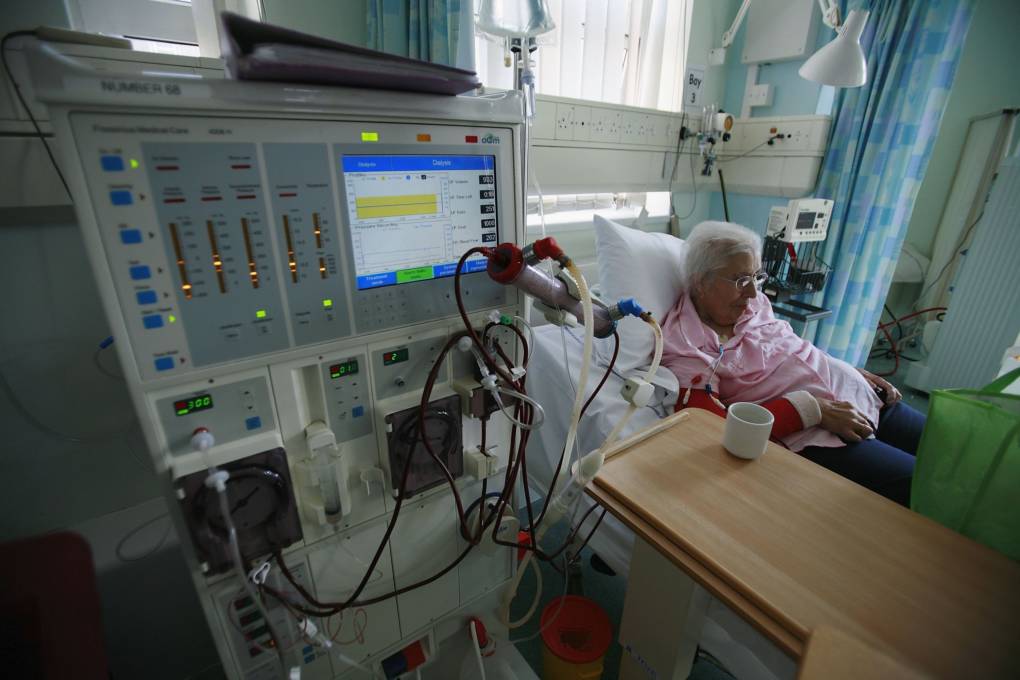
"caption": "About 80,000 Californians receive dialysis treatment every month.",
"description": "About 80,000 Californians receive dialysis treatment every month.",
"title": "NHS Healthcare Organisation Looks To The Future",
"credit": "Christopher Furlong/Getty Images",
"status": "inherit",
"altTag": "A hospital room, where in the foreground a large, square machine with a screen and lights and tubes coming out of it connect to a woman sitting beyond it, with white hair and glasses, a pink button-up shirt and blue pants.",
"isLoading": false,
"fetchFailed": false
},
"news_11703410": {
"type": "attachments",
"id": "news_11703410",
"meta": {
"index": "attachments_1716263798",
"site": "news",
"id": "11703410",
"found": true
},
"parent": 11703405,
"imgSizes": {
"small": {
"file": "https://ww2.kqed.org/app/uploads/sites/10/2018/11/NR605_MARQUEE_2-520x293.jpg",
"width": 520,
"mimeType": "image/jpeg",
"height": 293
},
"twentyfourteen-full-width": {
"file": "https://ww2.kqed.org/app/uploads/sites/10/2018/11/NR605_MARQUEE_2-1038x576.jpg",
"width": 1038,
"mimeType": "image/jpeg",
"height": 576
},
"thumbnail": {
"file": "https://ww2.kqed.org/app/uploads/sites/10/2018/11/NR605_MARQUEE_2-160x90.jpg",
"width": 160,
"mimeType": "image/jpeg",
"height": 90
},
"fd-sm": {
"file": "https://ww2.kqed.org/app/uploads/sites/10/2018/11/NR605_MARQUEE_2-960x540.jpg",
"width": 960,
"mimeType": "image/jpeg",
"height": 540
},
"post-thumbnail": {
"file": "https://ww2.kqed.org/app/uploads/sites/10/2018/11/NR605_MARQUEE_2-672x372.jpg",
"width": 672,
"mimeType": "image/jpeg",
"height": 372
},
"xsmall": {
"file": "https://ww2.kqed.org/app/uploads/sites/10/2018/11/NR605_MARQUEE_2-375x211.jpg",
"width": 375,
"mimeType": "image/jpeg",
"height": 211
},
"kqedFullSize": {
"file": "https://ww2.kqed.org/app/uploads/sites/10/2018/11/NR605_MARQUEE_2.jpg",
"width": 1280,
"height": 720
},
"large": {
"file": "https://ww2.kqed.org/app/uploads/sites/10/2018/11/NR605_MARQUEE_2-1020x574.jpg",
"width": 1020,
"mimeType": "image/jpeg",
"height": 574
},
"xlarge": {
"file": "https://ww2.kqed.org/app/uploads/sites/10/2018/11/NR605_MARQUEE_2-1180x664.jpg",
"width": 1180,
"mimeType": "image/jpeg",
"height": 664
},
"complete_open_graph": {
"file": "https://ww2.kqed.org/app/uploads/sites/10/2018/11/NR605_MARQUEE_2-1200x675.jpg",
"width": 1200,
"mimeType": "image/jpeg",
"height": 675
},
"guest-author-50": {
"file": "https://ww2.kqed.org/app/uploads/sites/10/2018/11/NR605_MARQUEE_2-50x50.jpg",
"width": 50,
"mimeType": "image/jpeg",
"height": 50
},
"guest-author-96": {
"file": "https://ww2.kqed.org/app/uploads/sites/10/2018/11/NR605_MARQUEE_2-96x96.jpg",
"width": 96,
"mimeType": "image/jpeg",
"height": 96
},
"medium": {
"file": "https://ww2.kqed.org/app/uploads/sites/10/2018/11/NR605_MARQUEE_2-800x450.jpg",
"width": 800,
"mimeType": "image/jpeg",
"height": 450
},
"guest-author-64": {
"file": "https://ww2.kqed.org/app/uploads/sites/10/2018/11/NR605_MARQUEE_2-64x64.jpg",
"width": 64,
"mimeType": "image/jpeg",
"height": 64
},
"guest-author-32": {
"file": "https://ww2.kqed.org/app/uploads/sites/10/2018/11/NR605_MARQUEE_2-32x32.jpg",
"width": 32,
"mimeType": "image/jpeg",
"height": 32
},
"fd-med": {
"file": "https://ww2.kqed.org/app/uploads/sites/10/2018/11/NR605_MARQUEE_2-1180x664.jpg",
"width": 1180,
"mimeType": "image/jpeg",
"height": 664
},
"detail": {
"file": "https://ww2.kqed.org/app/uploads/sites/10/2018/11/NR605_MARQUEE_2-150x150.jpg",
"width": 150,
"mimeType": "image/jpeg",
"height": 150
},
"guest-author-128": {
"file": "https://ww2.kqed.org/app/uploads/sites/10/2018/11/NR605_MARQUEE_2-128x128.jpg",
"width": 128,
"mimeType": "image/jpeg",
"height": 128
},
"xxsmall": {
"file": "https://ww2.kqed.org/app/uploads/sites/10/2018/11/NR605_MARQUEE_2-240x135.jpg",
"width": 240,
"mimeType": "image/jpeg",
"height": 135
}
},
"publishDate": 1541203454,
"modified": 1541203454,
"caption": null,
"description": null,
"title": "NR605_MARQUEE_2",
"credit": null,
"status": "inherit",
"isLoading": false,
"fetchFailed": false
},
"news_11701607": {
"type": "attachments",
"id": "news_11701607",
"meta": {
"index": "attachments_1716263798",
"site": "news",
"id": "11701607",
"found": true
},
"parent": 11701603,
"imgSizes": {
"small": {
"file": "https://ww2.kqed.org/app/uploads/sites/10/2018/10/RS33369_102318_AW_DianeFeinstein_04-520x347.jpg",
"width": 520,
"mimeType": "image/jpeg",
"height": 347
},
"twentyfourteen-full-width": {
"file": "https://ww2.kqed.org/app/uploads/sites/10/2018/10/RS33369_102318_AW_DianeFeinstein_04-1038x576.jpg",
"width": 1038,
"mimeType": "image/jpeg",
"height": 576
},
"thumbnail": {
"file": "https://ww2.kqed.org/app/uploads/sites/10/2018/10/RS33369_102318_AW_DianeFeinstein_04-160x107.jpg",
"width": 160,
"mimeType": "image/jpeg",
"height": 107
},
"fd-sm": {
"file": "https://ww2.kqed.org/app/uploads/sites/10/2018/10/RS33369_102318_AW_DianeFeinstein_04-960x640.jpg",
"width": 960,
"mimeType": "image/jpeg",
"height": 640
},
"post-thumbnail": {
"file": "https://ww2.kqed.org/app/uploads/sites/10/2018/10/RS33369_102318_AW_DianeFeinstein_04-672x372.jpg",
"width": 672,
"mimeType": "image/jpeg",
"height": 372
},
"xsmall": {
"file": "https://ww2.kqed.org/app/uploads/sites/10/2018/10/RS33369_102318_AW_DianeFeinstein_04-375x250.jpg",
"width": 375,
"mimeType": "image/jpeg",
"height": 250
},
"kqedFullSize": {
"file": "https://ww2.kqed.org/app/uploads/sites/10/2018/10/RS33369_102318_AW_DianeFeinstein_04.jpg",
"width": 5760,
"height": 3840
},
"large": {
"file": "https://ww2.kqed.org/app/uploads/sites/10/2018/10/RS33369_102318_AW_DianeFeinstein_04-1020x680.jpg",
"width": 1020,
"mimeType": "image/jpeg",
"height": 680
},
"xlarge": {
"file": "https://ww2.kqed.org/app/uploads/sites/10/2018/10/RS33369_102318_AW_DianeFeinstein_04-1180x787.jpg",
"width": 1180,
"mimeType": "image/jpeg",
"height": 787
},
"complete_open_graph": {
"file": "https://ww2.kqed.org/app/uploads/sites/10/2018/10/RS33369_102318_AW_DianeFeinstein_04-1200x800.jpg",
"width": 1200,
"mimeType": "image/jpeg",
"height": 800
},
"guest-author-50": {
"file": "https://ww2.kqed.org/app/uploads/sites/10/2018/10/RS33369_102318_AW_DianeFeinstein_04-50x50.jpg",
"width": 50,
"mimeType": "image/jpeg",
"height": 50
},
"guest-author-96": {
"file": "https://ww2.kqed.org/app/uploads/sites/10/2018/10/RS33369_102318_AW_DianeFeinstein_04-96x96.jpg",
"width": 96,
"mimeType": "image/jpeg",
"height": 96
},
"medium": {
"file": "https://ww2.kqed.org/app/uploads/sites/10/2018/10/RS33369_102318_AW_DianeFeinstein_04-800x533.jpg",
"width": 800,
"mimeType": "image/jpeg",
"height": 533
},
"guest-author-64": {
"file": "https://ww2.kqed.org/app/uploads/sites/10/2018/10/RS33369_102318_AW_DianeFeinstein_04-64x64.jpg",
"width": 64,
"mimeType": "image/jpeg",
"height": 64
},
"guest-author-32": {
"file": "https://ww2.kqed.org/app/uploads/sites/10/2018/10/RS33369_102318_AW_DianeFeinstein_04-32x32.jpg",
"width": 32,
"mimeType": "image/jpeg",
"height": 32
},
"fd-lrg": {
"file": "https://ww2.kqed.org/app/uploads/sites/10/2018/10/RS33369_102318_AW_DianeFeinstein_04-1920x1280.jpg",
"width": 1920,
"mimeType": "image/jpeg",
"height": 1280
},
"fd-med": {
"file": "https://ww2.kqed.org/app/uploads/sites/10/2018/10/RS33369_102318_AW_DianeFeinstein_04-1180x787.jpg",
"width": 1180,
"mimeType": "image/jpeg",
"height": 787
},
"full-width": {
"file": "https://ww2.kqed.org/app/uploads/sites/10/2018/10/RS33369_102318_AW_DianeFeinstein_04-1920x1280.jpg",
"width": 1920,
"mimeType": "image/jpeg",
"height": 1280
},
"detail": {
"file": "https://ww2.kqed.org/app/uploads/sites/10/2018/10/RS33369_102318_AW_DianeFeinstein_04-150x150.jpg",
"width": 150,
"mimeType": "image/jpeg",
"height": 150
},
"guest-author-128": {
"file": "https://ww2.kqed.org/app/uploads/sites/10/2018/10/RS33369_102318_AW_DianeFeinstein_04-128x128.jpg",
"width": 128,
"mimeType": "image/jpeg",
"height": 128
},
"xxsmall": {
"file": "https://ww2.kqed.org/app/uploads/sites/10/2018/10/RS33369_102318_AW_DianeFeinstein_04-240x160.jpg",
"width": 240,
"mimeType": "image/jpeg",
"height": 160
}
},
"publishDate": 1540593984,
"modified": 1540593984,
"caption": null,
"description": null,
"title": "RS33369_102318_AW_DianeFeinstein_04",
"credit": null,
"status": "inherit",
"isLoading": false,
"fetchFailed": false
},
"news_11700419": {
"type": "attachments",
"id": "news_11700419",
"meta": {
"index": "attachments_1716263798",
"site": "news",
"id": "11700419",
"found": true
},
"parent": 11700111,
"imgSizes": {
"small": {
"file": "https://ww2.kqed.org/app/uploads/sites/10/2018/10/RS32431_0M6A0108-qut-520x347.jpg",
"width": 520,
"mimeType": "image/jpeg",
"height": 347
},
"twentyfourteen-full-width": {
"file": "https://ww2.kqed.org/app/uploads/sites/10/2018/10/RS32431_0M6A0108-qut-1038x576.jpg",
"width": 1038,
"mimeType": "image/jpeg",
"height": 576
},
"thumbnail": {
"file": "https://ww2.kqed.org/app/uploads/sites/10/2018/10/RS32431_0M6A0108-qut-160x107.jpg",
"width": 160,
"mimeType": "image/jpeg",
"height": 107
},
"fd-sm": {
"file": "https://ww2.kqed.org/app/uploads/sites/10/2018/10/RS32431_0M6A0108-qut-960x640.jpg",
"width": 960,
"mimeType": "image/jpeg",
"height": 640
},
"post-thumbnail": {
"file": "https://ww2.kqed.org/app/uploads/sites/10/2018/10/RS32431_0M6A0108-qut-672x372.jpg",
"width": 672,
"mimeType": "image/jpeg",
"height": 372
},
"xsmall": {
"file": "https://ww2.kqed.org/app/uploads/sites/10/2018/10/RS32431_0M6A0108-qut-375x250.jpg",
"width": 375,
"mimeType": "image/jpeg",
"height": 250
},
"kqedFullSize": {
"file": "https://ww2.kqed.org/app/uploads/sites/10/2018/10/RS32431_0M6A0108-qut.jpg",
"width": 1920,
"height": 1280
},
"large": {
"file": "https://ww2.kqed.org/app/uploads/sites/10/2018/10/RS32431_0M6A0108-qut-1020x680.jpg",
"width": 1020,
"mimeType": "image/jpeg",
"height": 680
},
"xlarge": {
"file": "https://ww2.kqed.org/app/uploads/sites/10/2018/10/RS32431_0M6A0108-qut-1180x787.jpg",
"width": 1180,
"mimeType": "image/jpeg",
"height": 787
},
"complete_open_graph": {
"file": "https://ww2.kqed.org/app/uploads/sites/10/2018/10/RS32431_0M6A0108-qut-1200x800.jpg",
"width": 1200,
"mimeType": "image/jpeg",
"height": 800
},
"guest-author-50": {
"file": "https://ww2.kqed.org/app/uploads/sites/10/2018/10/RS32431_0M6A0108-qut-50x50.jpg",
"width": 50,
"mimeType": "image/jpeg",
"height": 50
},
"guest-author-96": {
"file": "https://ww2.kqed.org/app/uploads/sites/10/2018/10/RS32431_0M6A0108-qut-96x96.jpg",
"width": 96,
"mimeType": "image/jpeg",
"height": 96
},
"medium": {
"file": "https://ww2.kqed.org/app/uploads/sites/10/2018/10/RS32431_0M6A0108-qut-800x533.jpg",
"width": 800,
"mimeType": "image/jpeg",
"height": 533
},
"guest-author-64": {
"file": "https://ww2.kqed.org/app/uploads/sites/10/2018/10/RS32431_0M6A0108-qut-64x64.jpg",
"width": 64,
"mimeType": "image/jpeg",
"height": 64
},
"guest-author-32": {
"file": "https://ww2.kqed.org/app/uploads/sites/10/2018/10/RS32431_0M6A0108-qut-32x32.jpg",
"width": 32,
"mimeType": "image/jpeg",
"height": 32
},
"fd-lrg": {
"file": "https://ww2.kqed.org/app/uploads/sites/10/2018/10/RS32431_0M6A0108-qut-1920x1280.jpg",
"width": 1920,
"mimeType": "image/jpeg",
"height": 1280
},
"fd-med": {
"file": "https://ww2.kqed.org/app/uploads/sites/10/2018/10/RS32431_0M6A0108-qut-1180x787.jpg",
"width": 1180,
"mimeType": "image/jpeg",
"height": 787
},
"full-width": {
"file": "https://ww2.kqed.org/app/uploads/sites/10/2018/10/RS32431_0M6A0108-qut-1920x1280.jpg",
"width": 1920,
"mimeType": "image/jpeg",
"height": 1280
},
"detail": {
"file": "https://ww2.kqed.org/app/uploads/sites/10/2018/10/RS32431_0M6A0108-qut-150x150.jpg",
"width": 150,
"mimeType": "image/jpeg",
"height": 150
},
"guest-author-128": {
"file": "https://ww2.kqed.org/app/uploads/sites/10/2018/10/RS32431_0M6A0108-qut-128x128.jpg",
"width": 128,
"mimeType": "image/jpeg",
"height": 128
},
"xxsmall": {
"file": "https://ww2.kqed.org/app/uploads/sites/10/2018/10/RS32431_0M6A0108-qut-240x160.jpg",
"width": 240,
"mimeType": "image/jpeg",
"height": 160
}
},
"publishDate": 1540245609,
"modified": 1540245652,
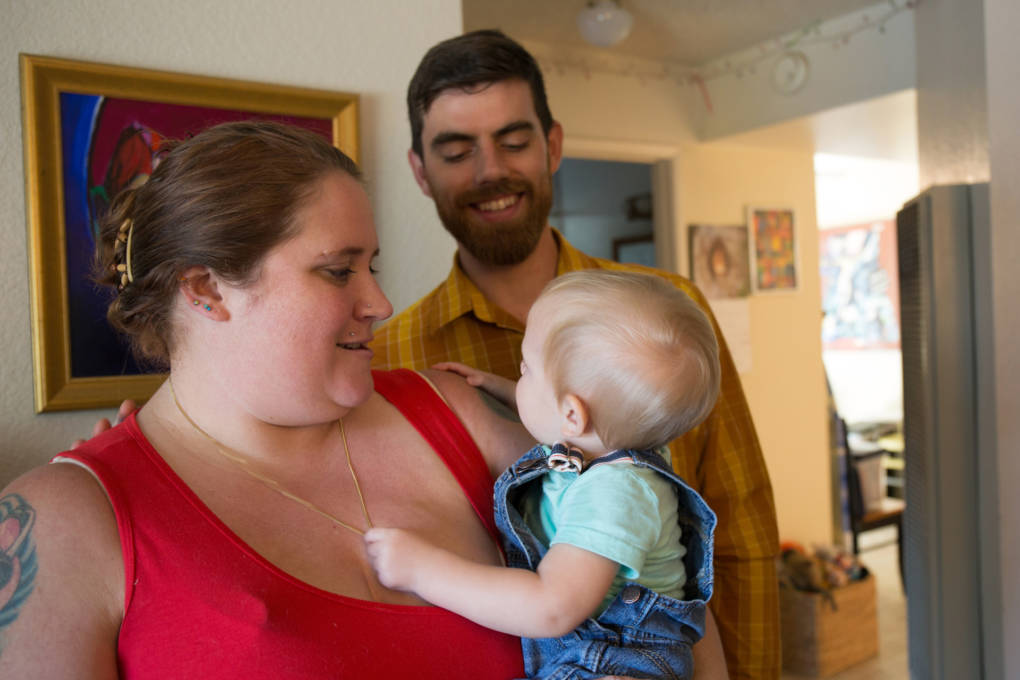
"caption": "Nicole and Ben Veum, with 10-month-old Adrian",
"description": null,
"title": "RS32431_0M6A0108-qut",
"credit": "Adam Grossberg/KQED",
"status": "inherit",
"isLoading": false,
"fetchFailed": false
},
"news_11700098": {
"type": "attachments",
"id": "news_11700098",
"meta": {
"index": "attachments_1716263798",
"site": "news",
"id": "11700098",
"found": true
},
"parent": 11700097,
"imgSizes": {
"small": {
"file": "https://ww2.kqed.org/app/uploads/sites/10/2018/10/ap_18292084274503_custom-2c69c235093d000bc3b6aa2bdbf63d37c9d3b6dc-520x366.jpg",
"width": 520,
"mimeType": "image/jpeg",
"height": 366
},
"twentyfourteen-full-width": {
"file": "https://ww2.kqed.org/app/uploads/sites/10/2018/10/ap_18292084274503_custom-2c69c235093d000bc3b6aa2bdbf63d37c9d3b6dc-1038x576.jpg",
"width": 1038,
"mimeType": "image/jpeg",
"height": 576
},
"thumbnail": {
"file": "https://ww2.kqed.org/app/uploads/sites/10/2018/10/ap_18292084274503_custom-2c69c235093d000bc3b6aa2bdbf63d37c9d3b6dc-160x113.jpg",
"width": 160,
"mimeType": "image/jpeg",
"height": 113
},
"fd-sm": {
"file": "https://ww2.kqed.org/app/uploads/sites/10/2018/10/ap_18292084274503_custom-2c69c235093d000bc3b6aa2bdbf63d37c9d3b6dc-960x676.jpg",
"width": 960,
"mimeType": "image/jpeg",
"height": 676
},
"post-thumbnail": {
"file": "https://ww2.kqed.org/app/uploads/sites/10/2018/10/ap_18292084274503_custom-2c69c235093d000bc3b6aa2bdbf63d37c9d3b6dc-672x372.jpg",
"width": 672,
"mimeType": "image/jpeg",
"height": 372
},
"xsmall": {
"file": "https://ww2.kqed.org/app/uploads/sites/10/2018/10/ap_18292084274503_custom-2c69c235093d000bc3b6aa2bdbf63d37c9d3b6dc-375x264.jpg",
"width": 375,
"mimeType": "image/jpeg",
"height": 264
},
"kqedFullSize": {
"file": "https://ww2.kqed.org/app/uploads/sites/10/2018/10/ap_18292084274503_custom-2c69c235093d000bc3b6aa2bdbf63d37c9d3b6dc-e1539996206815.jpg",
"width": 1920,
"height": 1351
},
"large": {
"file": "https://ww2.kqed.org/app/uploads/sites/10/2018/10/ap_18292084274503_custom-2c69c235093d000bc3b6aa2bdbf63d37c9d3b6dc-1020x718.jpg",
"width": 1020,
"mimeType": "image/jpeg",
"height": 718
},
"xlarge": {
"file": "https://ww2.kqed.org/app/uploads/sites/10/2018/10/ap_18292084274503_custom-2c69c235093d000bc3b6aa2bdbf63d37c9d3b6dc-1180x830.jpg",
"width": 1180,
"mimeType": "image/jpeg",
"height": 830
},
"complete_open_graph": {
"file": "https://ww2.kqed.org/app/uploads/sites/10/2018/10/ap_18292084274503_custom-2c69c235093d000bc3b6aa2bdbf63d37c9d3b6dc-1200x844.jpg",
"width": 1200,
"mimeType": "image/jpeg",
"height": 844
},
"guest-author-50": {
"file": "https://ww2.kqed.org/app/uploads/sites/10/2018/10/ap_18292084274503_custom-2c69c235093d000bc3b6aa2bdbf63d37c9d3b6dc-50x50.jpg",
"width": 50,
"mimeType": "image/jpeg",
"height": 50
},
"guest-author-96": {
"file": "https://ww2.kqed.org/app/uploads/sites/10/2018/10/ap_18292084274503_custom-2c69c235093d000bc3b6aa2bdbf63d37c9d3b6dc-96x96.jpg",
"width": 96,
"mimeType": "image/jpeg",
"height": 96
},
"medium": {
"file": "https://ww2.kqed.org/app/uploads/sites/10/2018/10/ap_18292084274503_custom-2c69c235093d000bc3b6aa2bdbf63d37c9d3b6dc-800x563.jpg",
"width": 800,
"mimeType": "image/jpeg",
"height": 563
},
"guest-author-64": {
"file": "https://ww2.kqed.org/app/uploads/sites/10/2018/10/ap_18292084274503_custom-2c69c235093d000bc3b6aa2bdbf63d37c9d3b6dc-64x64.jpg",
"width": 64,
"mimeType": "image/jpeg",
"height": 64
},
"guest-author-32": {
"file": "https://ww2.kqed.org/app/uploads/sites/10/2018/10/ap_18292084274503_custom-2c69c235093d000bc3b6aa2bdbf63d37c9d3b6dc-32x32.jpg",
"width": 32,
"mimeType": "image/jpeg",
"height": 32
},
"fd-lrg": {
"file": "https://ww2.kqed.org/app/uploads/sites/10/2018/10/ap_18292084274503_custom-2c69c235093d000bc3b6aa2bdbf63d37c9d3b6dc-1920x1351.jpg",
"width": 1920,
"mimeType": "image/jpeg",
"height": 1351
},
"fd-med": {
"file": "https://ww2.kqed.org/app/uploads/sites/10/2018/10/ap_18292084274503_custom-2c69c235093d000bc3b6aa2bdbf63d37c9d3b6dc-1180x830.jpg",
"width": 1180,
"mimeType": "image/jpeg",
"height": 830
},
"full-width": {
"file": "https://ww2.kqed.org/app/uploads/sites/10/2018/10/ap_18292084274503_custom-2c69c235093d000bc3b6aa2bdbf63d37c9d3b6dc-1920x1351.jpg",
"width": 1920,
"mimeType": "image/jpeg",
"height": 1351
},
"detail": {
"file": "https://ww2.kqed.org/app/uploads/sites/10/2018/10/ap_18292084274503_custom-2c69c235093d000bc3b6aa2bdbf63d37c9d3b6dc-150x150.jpg",
"width": 150,
"mimeType": "image/jpeg",
"height": 150
},
"guest-author-128": {
"file": "https://ww2.kqed.org/app/uploads/sites/10/2018/10/ap_18292084274503_custom-2c69c235093d000bc3b6aa2bdbf63d37c9d3b6dc-128x128.jpg",
"width": 128,
"mimeType": "image/jpeg",
"height": 128
},
"xxsmall": {
"file": "https://ww2.kqed.org/app/uploads/sites/10/2018/10/ap_18292084274503_custom-2c69c235093d000bc3b6aa2bdbf63d37c9d3b6dc-240x169.jpg",
"width": 240,
"mimeType": "image/jpeg",
"height": 169
}
},
"publishDate": 1539996179,
"modified": 1539996229,
"caption": "A former University of Southern California gynecologist has been accused of sexual harassment or abuse by hundreds of women.",
"description": "A former University of Southern California gynecologist has been accused of sexual harassment or abuse by hundreds of women.",
"title": "A former University of Southern California gynecologist has been accused of sexual harassment or abuse by hundreds of women.",
"credit": "Richard Vogel/AP",
"status": "inherit",
"isLoading": false,
"fetchFailed": false
},
"news_11695655": {
"type": "attachments",
"id": "news_11695655",
"meta": {
"index": "attachments_1716263798",
"site": "news",
"id": "11695655",
"found": true
},
"parent": 11695653,
"imgSizes": {
"small": {
"file": "https://ww2.kqed.org/app/uploads/sites/10/2018/09/RS33009_GettyImages-664342078-qut-520x347.jpg",
"width": 520,
"mimeType": "image/jpeg",
"height": 347
},
"twentyfourteen-full-width": {
"file": "https://ww2.kqed.org/app/uploads/sites/10/2018/09/RS33009_GettyImages-664342078-qut-1038x576.jpg",
"width": 1038,
"mimeType": "image/jpeg",
"height": 576
},
"thumbnail": {
"file": "https://ww2.kqed.org/app/uploads/sites/10/2018/09/RS33009_GettyImages-664342078-qut-160x107.jpg",
"width": 160,
"mimeType": "image/jpeg",
"height": 107
},
"fd-sm": {
"file": "https://ww2.kqed.org/app/uploads/sites/10/2018/09/RS33009_GettyImages-664342078-qut-960x640.jpg",
"width": 960,
"mimeType": "image/jpeg",
"height": 640
},
"post-thumbnail": {
"file": "https://ww2.kqed.org/app/uploads/sites/10/2018/09/RS33009_GettyImages-664342078-qut-672x372.jpg",
"width": 672,
"mimeType": "image/jpeg",
"height": 372
},
"xsmall": {
"file": "https://ww2.kqed.org/app/uploads/sites/10/2018/09/RS33009_GettyImages-664342078-qut-375x250.jpg",
"width": 375,
"mimeType": "image/jpeg",
"height": 250
},
"kqedFullSize": {
"file": "https://ww2.kqed.org/app/uploads/sites/10/2018/09/RS33009_GettyImages-664342078-qut.jpg",
"width": 1920,
"height": 1280
},
"large": {
"file": "https://ww2.kqed.org/app/uploads/sites/10/2018/09/RS33009_GettyImages-664342078-qut-1020x680.jpg",
"width": 1020,
"mimeType": "image/jpeg",
"height": 680
},
"xlarge": {
"file": "https://ww2.kqed.org/app/uploads/sites/10/2018/09/RS33009_GettyImages-664342078-qut-1180x787.jpg",
"width": 1180,
"mimeType": "image/jpeg",
"height": 787
},
"complete_open_graph": {
"file": "https://ww2.kqed.org/app/uploads/sites/10/2018/09/RS33009_GettyImages-664342078-qut-1200x800.jpg",
"width": 1200,
"mimeType": "image/jpeg",
"height": 800
},
"guest-author-50": {
"file": "https://ww2.kqed.org/app/uploads/sites/10/2018/09/RS33009_GettyImages-664342078-qut-50x50.jpg",
"width": 50,
"mimeType": "image/jpeg",
"height": 50
},
"guest-author-96": {
"file": "https://ww2.kqed.org/app/uploads/sites/10/2018/09/RS33009_GettyImages-664342078-qut-96x96.jpg",
"width": 96,
"mimeType": "image/jpeg",
"height": 96
},
"medium": {
"file": "https://ww2.kqed.org/app/uploads/sites/10/2018/09/RS33009_GettyImages-664342078-qut-800x533.jpg",
"width": 800,
"mimeType": "image/jpeg",
"height": 533
},
"guest-author-64": {
"file": "https://ww2.kqed.org/app/uploads/sites/10/2018/09/RS33009_GettyImages-664342078-qut-64x64.jpg",
"width": 64,
"mimeType": "image/jpeg",
"height": 64
},
"guest-author-32": {
"file": "https://ww2.kqed.org/app/uploads/sites/10/2018/09/RS33009_GettyImages-664342078-qut-32x32.jpg",
"width": 32,
"mimeType": "image/jpeg",
"height": 32
},
"fd-lrg": {
"file": "https://ww2.kqed.org/app/uploads/sites/10/2018/09/RS33009_GettyImages-664342078-qut-1920x1280.jpg",
"width": 1920,
"mimeType": "image/jpeg",
"height": 1280
},
"fd-med": {
"file": "https://ww2.kqed.org/app/uploads/sites/10/2018/09/RS33009_GettyImages-664342078-qut-1180x787.jpg",
"width": 1180,
"mimeType": "image/jpeg",
"height": 787
},
"full-width": {
"file": "https://ww2.kqed.org/app/uploads/sites/10/2018/09/RS33009_GettyImages-664342078-qut-1920x1280.jpg",
"width": 1920,
"mimeType": "image/jpeg",
"height": 1280
},
"detail": {
"file": "https://ww2.kqed.org/app/uploads/sites/10/2018/09/RS33009_GettyImages-664342078-qut-150x150.jpg",
"width": 150,
"mimeType": "image/jpeg",
"height": 150
},
"guest-author-128": {
"file": "https://ww2.kqed.org/app/uploads/sites/10/2018/09/RS33009_GettyImages-664342078-qut-128x128.jpg",
"width": 128,
"mimeType": "image/jpeg",
"height": 128
},
"xxsmall": {
"file": "https://ww2.kqed.org/app/uploads/sites/10/2018/09/RS33009_GettyImages-664342078-qut-240x160.jpg",
"width": 240,
"mimeType": "image/jpeg",
"height": 160
}
},
"publishDate": 1538370847,
"modified": 1538370923,
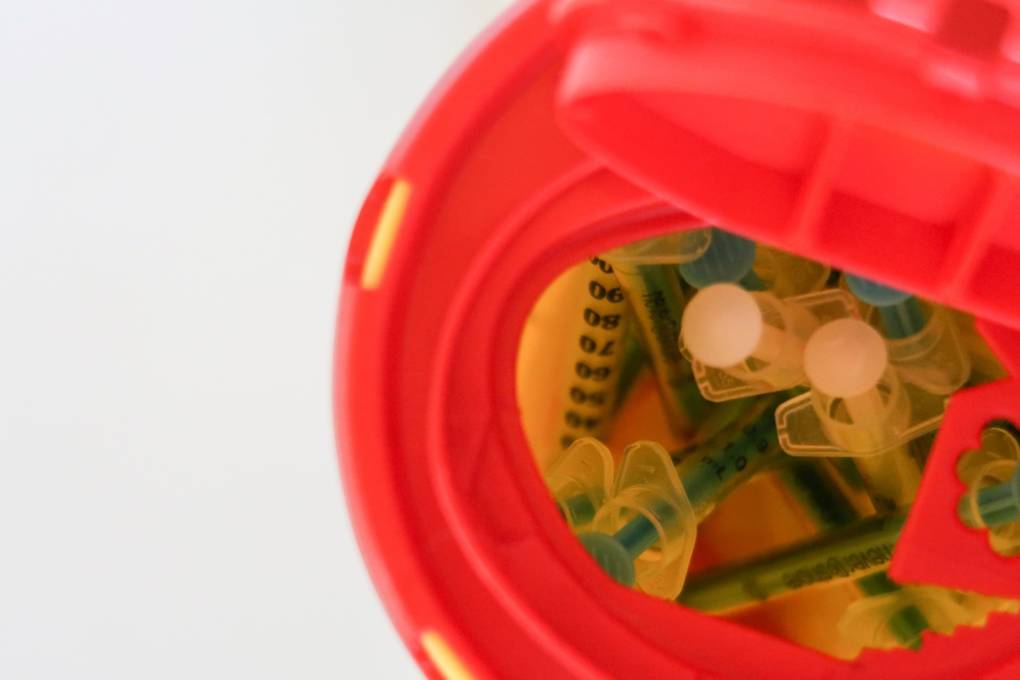
"caption": "A photo taken on March 30, 2017 shows used syringes at the ARGOS supervised injection site in Strasbourg, France. Gov. Jerry Brown vetoed a bill that would've paved the way for San Francisco to open the country's first supervised injection site.",
"description": "A photo taken on March 30, 2017 shows used syringes at the ARGOS supervised injection site in Strasbourg, France. Gov. Jerry Brown vetoed a bill that would've paved the way for San Francisco to open the country's first supervised injection site.",
"title": "FRANCE-DRUGS-HEALTH",
"credit": "SEBASTIEN BOZON/AFP/Getty Images",
"status": "inherit",
"isLoading": false,
"fetchFailed": false
},
"news_11694467": {
"type": "attachments",
"id": "news_11694467",
"meta": {
"index": "attachments_1716263798",
"site": "news",
"id": "11694467",
"found": true
},
"parent": 11692990,
"imgSizes": {
"small": {
"file": "https://ww2.kqed.org/app/uploads/sites/10/2018/09/john-george-520x290.jpg",
"width": 520,
"mimeType": "image/jpeg",
"height": 290
},
"twentyfourteen-full-width": {
"file": "https://ww2.kqed.org/app/uploads/sites/10/2018/09/john-george-1038x576.jpg",
"width": 1038,
"mimeType": "image/jpeg",
"height": 576
},
"thumbnail": {
"file": "https://ww2.kqed.org/app/uploads/sites/10/2018/09/john-george-160x89.jpg",
"width": 160,
"mimeType": "image/jpeg",
"height": 89
},
"fd-sm": {
"file": "https://ww2.kqed.org/app/uploads/sites/10/2018/09/john-george-960x535.jpg",
"width": 960,
"mimeType": "image/jpeg",
"height": 535
},
"post-thumbnail": {
"file": "https://ww2.kqed.org/app/uploads/sites/10/2018/09/john-george-672x372.jpg",
"width": 672,
"mimeType": "image/jpeg",
"height": 372
},
"xsmall": {
"file": "https://ww2.kqed.org/app/uploads/sites/10/2018/09/john-george-375x209.jpg",
"width": 375,
"mimeType": "image/jpeg",
"height": 209
},
"kqedFullSize": {
"file": "https://ww2.kqed.org/app/uploads/sites/10/2018/09/john-george.jpg",
"width": 1180,
"height": 658
},
"large": {
"file": "https://ww2.kqed.org/app/uploads/sites/10/2018/09/john-george-1020x569.jpg",
"width": 1020,
"mimeType": "image/jpeg",
"height": 569
},
"xlarge": {
"file": "https://ww2.kqed.org/app/uploads/sites/10/2018/09/john-george-1180x658.jpg",
"width": 1180,
"mimeType": "image/jpeg",
"height": 658
},
"guest-author-50": {
"file": "https://ww2.kqed.org/app/uploads/sites/10/2018/09/john-george-50x50.jpg",
"width": 50,
"mimeType": "image/jpeg",
"height": 50
},
"guest-author-96": {
"file": "https://ww2.kqed.org/app/uploads/sites/10/2018/09/john-george-96x96.jpg",
"width": 96,
"mimeType": "image/jpeg",
"height": 96
},
"medium": {
"file": "https://ww2.kqed.org/app/uploads/sites/10/2018/09/john-george-800x446.jpg",
"width": 800,
"mimeType": "image/jpeg",
"height": 446
},
"guest-author-64": {
"file": "https://ww2.kqed.org/app/uploads/sites/10/2018/09/john-george-64x64.jpg",
"width": 64,
"mimeType": "image/jpeg",
"height": 64
},
"guest-author-32": {
"file": "https://ww2.kqed.org/app/uploads/sites/10/2018/09/john-george-32x32.jpg",
"width": 32,
"mimeType": "image/jpeg",
"height": 32
},
"fd-med": {
"file": "https://ww2.kqed.org/app/uploads/sites/10/2018/09/john-george-1180x658.jpg",
"width": 1180,
"mimeType": "image/jpeg",
"height": 658
},
"detail": {
"file": "https://ww2.kqed.org/app/uploads/sites/10/2018/09/john-george-150x150.jpg",
"width": 150,
"mimeType": "image/jpeg",
"height": 150
},
"guest-author-128": {
"file": "https://ww2.kqed.org/app/uploads/sites/10/2018/09/john-george-128x128.jpg",
"width": 128,
"mimeType": "image/jpeg",
"height": 128
},
"xxsmall": {
"file": "https://ww2.kqed.org/app/uploads/sites/10/2018/09/john-george-240x134.jpg",
"width": 240,
"mimeType": "image/jpeg",
"height": 134
}
},
"publishDate": 1537889789,
"modified": 1537890235,
"caption": "The entrance to John George Psychiatric Hospital in San Leandro.",
"description": null,
"title": "john-george",
"credit": "Google",
"status": "inherit",
"isLoading": false,
"fetchFailed": false
},
"news_11693104": {
"type": "attachments",
"id": "news_11693104",
"meta": {
"index": "attachments_1716263798",
"site": "news",
"id": "11693104",
"found": true
},
"parent": 11693088,
"imgSizes": {
"small": {
"file": "https://ww2.kqed.org/app/uploads/sites/10/2018/09/DentistCalMatters-520x347.jpg",
"width": 520,
"mimeType": "image/jpeg",
"height": 347
},
"twentyfourteen-full-width": {
"file": "https://ww2.kqed.org/app/uploads/sites/10/2018/09/DentistCalMatters-1038x576.jpg",
"width": 1038,
"mimeType": "image/jpeg",
"height": 576
},
"thumbnail": {
"file": "https://ww2.kqed.org/app/uploads/sites/10/2018/09/DentistCalMatters-160x107.jpg",
"width": 160,
"mimeType": "image/jpeg",
"height": 107
},
"fd-sm": {
"file": "https://ww2.kqed.org/app/uploads/sites/10/2018/09/DentistCalMatters-960x640.jpg",
"width": 960,
"mimeType": "image/jpeg",
"height": 640
},
"post-thumbnail": {
"file": "https://ww2.kqed.org/app/uploads/sites/10/2018/09/DentistCalMatters-672x372.jpg",
"width": 672,
"mimeType": "image/jpeg",
"height": 372
},
"xsmall": {
"file": "https://ww2.kqed.org/app/uploads/sites/10/2018/09/DentistCalMatters-375x250.jpg",
"width": 375,
"mimeType": "image/jpeg",
"height": 250
},
"kqedFullSize": {
"file": "https://ww2.kqed.org/app/uploads/sites/10/2018/09/DentistCalMatters.jpg",
"width": 1920,
"height": 1280
},
"large": {
"file": "https://ww2.kqed.org/app/uploads/sites/10/2018/09/DentistCalMatters-1020x680.jpg",
"width": 1020,
"mimeType": "image/jpeg",
"height": 680
},
"xlarge": {
"file": "https://ww2.kqed.org/app/uploads/sites/10/2018/09/DentistCalMatters-1180x787.jpg",
"width": 1180,
"mimeType": "image/jpeg",
"height": 787
},
"complete_open_graph": {
"file": "https://ww2.kqed.org/app/uploads/sites/10/2018/09/DentistCalMatters-1200x800.jpg",
"width": 1200,
"mimeType": "image/jpeg",
"height": 800
},
"guest-author-50": {
"file": "https://ww2.kqed.org/app/uploads/sites/10/2018/09/DentistCalMatters-50x50.jpg",
"width": 50,
"mimeType": "image/jpeg",
"height": 50
},
"guest-author-96": {
"file": "https://ww2.kqed.org/app/uploads/sites/10/2018/09/DentistCalMatters-96x96.jpg",
"width": 96,
"mimeType": "image/jpeg",
"height": 96
},
"medium": {
"file": "https://ww2.kqed.org/app/uploads/sites/10/2018/09/DentistCalMatters-800x533.jpg",
"width": 800,
"mimeType": "image/jpeg",
"height": 533
},
"guest-author-64": {
"file": "https://ww2.kqed.org/app/uploads/sites/10/2018/09/DentistCalMatters-64x64.jpg",
"width": 64,
"mimeType": "image/jpeg",
"height": 64
},
"guest-author-32": {
"file": "https://ww2.kqed.org/app/uploads/sites/10/2018/09/DentistCalMatters-32x32.jpg",
"width": 32,
"mimeType": "image/jpeg",
"height": 32
},
"fd-lrg": {
"file": "https://ww2.kqed.org/app/uploads/sites/10/2018/09/DentistCalMatters-1920x1280.jpg",
"width": 1920,
"mimeType": "image/jpeg",
"height": 1280
},
"fd-med": {
"file": "https://ww2.kqed.org/app/uploads/sites/10/2018/09/DentistCalMatters-1180x787.jpg",
"width": 1180,
"mimeType": "image/jpeg",
"height": 787
},
"full-width": {
"file": "https://ww2.kqed.org/app/uploads/sites/10/2018/09/DentistCalMatters-1920x1280.jpg",
"width": 1920,
"mimeType": "image/jpeg",
"height": 1280
},
"detail": {
"file": "https://ww2.kqed.org/app/uploads/sites/10/2018/09/DentistCalMatters-150x150.jpg",
"width": 150,
"mimeType": "image/jpeg",
"height": 150
},
"guest-author-128": {
"file": "https://ww2.kqed.org/app/uploads/sites/10/2018/09/DentistCalMatters-128x128.jpg",
"width": 128,
"mimeType": "image/jpeg",
"height": 128
},
"xxsmall": {
"file": "https://ww2.kqed.org/app/uploads/sites/10/2018/09/DentistCalMatters-240x160.jpg",
"width": 240,
"mimeType": "image/jpeg",
"height": 160
}
},
"publishDate": 1537225413,
"modified": 1537225461,
"caption": "As California officials try to improve dental care for patients in need, Long Beach dentist John Blake works with patient Nelson Phan.",
"description": "As California officials try to improve dental care for patients in need, Long Beach dentist John Blake works with patient Nelson Phan.",
"title": "DentistCalMatters",
"credit": "Iris Schneider/CALmatters",
"status": "inherit",
"isLoading": false,
"fetchFailed": false
},
"news_11687839": {
"type": "attachments",
"id": "news_11687839",
"meta": {
"index": "attachments_1716263798",
"site": "news",
"id": "11687839",
"found": true
},
"parent": 11687798,
"imgSizes": {
"small": {
"file": "https://ww2.kqed.org/app/uploads/sites/10/2018/08/RS32356_ACEs_AW_51-qut-520x357.jpg",
"width": 520,
"mimeType": "image/jpeg",
"height": 357
},
"twentyfourteen-full-width": {
"file": "https://ww2.kqed.org/app/uploads/sites/10/2018/08/RS32356_ACEs_AW_51-qut-1038x576.jpg",
"width": 1038,
"mimeType": "image/jpeg",
"height": 576
},
"thumbnail": {
"file": "https://ww2.kqed.org/app/uploads/sites/10/2018/08/RS32356_ACEs_AW_51-qut-160x110.jpg",
"width": 160,
"mimeType": "image/jpeg",
"height": 110
},
"fd-sm": {
"file": "https://ww2.kqed.org/app/uploads/sites/10/2018/08/RS32356_ACEs_AW_51-qut-960x659.jpg",
"width": 960,
"mimeType": "image/jpeg",
"height": 659
},
"post-thumbnail": {
"file": "https://ww2.kqed.org/app/uploads/sites/10/2018/08/RS32356_ACEs_AW_51-qut-672x372.jpg",
"width": 672,
"mimeType": "image/jpeg",
"height": 372
},
"xsmall": {
"file": "https://ww2.kqed.org/app/uploads/sites/10/2018/08/RS32356_ACEs_AW_51-qut-375x257.jpg",
"width": 375,
"mimeType": "image/jpeg",
"height": 257
},
"kqedFullSize": {
"file": "https://ww2.kqed.org/app/uploads/sites/10/2018/08/RS32356_ACEs_AW_51-qut.jpg",
"width": 1920,
"height": 1318
},
"large": {
"file": "https://ww2.kqed.org/app/uploads/sites/10/2018/08/RS32356_ACEs_AW_51-qut-1020x700.jpg",
"width": 1020,
"mimeType": "image/jpeg",
"height": 700
},
"xlarge": {
"file": "https://ww2.kqed.org/app/uploads/sites/10/2018/08/RS32356_ACEs_AW_51-qut-1180x810.jpg",
"width": 1180,
"mimeType": "image/jpeg",
"height": 810
},
"complete_open_graph": {
"file": "https://ww2.kqed.org/app/uploads/sites/10/2018/08/RS32356_ACEs_AW_51-qut-1200x824.jpg",
"width": 1200,
"mimeType": "image/jpeg",
"height": 824
},
"guest-author-50": {
"file": "https://ww2.kqed.org/app/uploads/sites/10/2018/08/RS32356_ACEs_AW_51-qut-50x50.jpg",
"width": 50,
"mimeType": "image/jpeg",
"height": 50
},
"guest-author-96": {
"file": "https://ww2.kqed.org/app/uploads/sites/10/2018/08/RS32356_ACEs_AW_51-qut-96x96.jpg",
"width": 96,
"mimeType": "image/jpeg",
"height": 96
},
"medium": {
"file": "https://ww2.kqed.org/app/uploads/sites/10/2018/08/RS32356_ACEs_AW_51-qut-800x549.jpg",
"width": 800,
"mimeType": "image/jpeg",
"height": 549
},
"guest-author-64": {
"file": "https://ww2.kqed.org/app/uploads/sites/10/2018/08/RS32356_ACEs_AW_51-qut-64x64.jpg",
"width": 64,
"mimeType": "image/jpeg",
"height": 64
},
"guest-author-32": {
"file": "https://ww2.kqed.org/app/uploads/sites/10/2018/08/RS32356_ACEs_AW_51-qut-32x32.jpg",
"width": 32,
"mimeType": "image/jpeg",
"height": 32
},
"fd-lrg": {
"file": "https://ww2.kqed.org/app/uploads/sites/10/2018/08/RS32356_ACEs_AW_51-qut-1920x1318.jpg",
"width": 1920,
"mimeType": "image/jpeg",
"height": 1318
},
"fd-med": {
"file": "https://ww2.kqed.org/app/uploads/sites/10/2018/08/RS32356_ACEs_AW_51-qut-1180x810.jpg",
"width": 1180,
"mimeType": "image/jpeg",
"height": 810
},
"full-width": {
"file": "https://ww2.kqed.org/app/uploads/sites/10/2018/08/RS32356_ACEs_AW_51-qut-1920x1318.jpg",
"width": 1920,
"mimeType": "image/jpeg",
"height": 1318
},
"detail": {
"file": "https://ww2.kqed.org/app/uploads/sites/10/2018/08/RS32356_ACEs_AW_51-qut-150x150.jpg",
"width": 150,
"mimeType": "image/jpeg",
"height": 150
},
"guest-author-128": {
"file": "https://ww2.kqed.org/app/uploads/sites/10/2018/08/RS32356_ACEs_AW_51-qut-128x128.jpg",
"width": 128,
"mimeType": "image/jpeg",
"height": 128
},
"xxsmall": {
"file": "https://ww2.kqed.org/app/uploads/sites/10/2018/08/RS32356_ACEs_AW_51-qut-240x165.jpg",
"width": 240,
"mimeType": "image/jpeg",
"height": 165
}
},
"publishDate": 1534798837,
"modified": 1535156951,
"caption": "After a very difficult upbringing and early adulthood, Sabrina Hanes is doing everything she can to overcome the trauma she experienced and give her daughter, Aroara, the best possible life. ",
"description": "After a very difficult upbringing and early-adulthood, Sabrina Hanes is doing everything she can to overcome the trauma she experienced and give her daughter, Aroara, the best possible life. ",
"title": "RS32356_ACEs_AW_51-qut",
"credit": "Anne Wernikoff/KQED",
"status": "inherit",
"isLoading": false,
"fetchFailed": false
},
"news_11685199": {
"type": "attachments",
"id": "news_11685199",
"meta": {
"index": "attachments_1716263798",
"site": "news",
"id": "11685199",
"found": true
},
"parent": 11685088,
"imgSizes": {
"small": {
"file": "https://ww2.kqed.org/app/uploads/sites/10/2018/08/Dr.-Alexander-Reyzelman-treats-diabetes-patient-Michael-Rubenstein.-Photo-by-David-Gorn_CALmatters-e1533589905318-520x390.jpg",
"width": 520,
"mimeType": "image/jpeg",
"height": 390
},
"twentyfourteen-full-width": {
"file": "https://ww2.kqed.org/app/uploads/sites/10/2018/08/Dr.-Alexander-Reyzelman-treats-diabetes-patient-Michael-Rubenstein.-Photo-by-David-Gorn_CALmatters-e1533589905318-1038x576.jpg",
"width": 1038,
"mimeType": "image/jpeg",
"height": 576
},
"thumbnail": {
"file": "https://ww2.kqed.org/app/uploads/sites/10/2018/08/Dr.-Alexander-Reyzelman-treats-diabetes-patient-Michael-Rubenstein.-Photo-by-David-Gorn_CALmatters-e1533589905318-160x120.jpg",
"width": 160,
"mimeType": "image/jpeg",
"height": 120
},
"fd-sm": {
"file": "https://ww2.kqed.org/app/uploads/sites/10/2018/08/Dr.-Alexander-Reyzelman-treats-diabetes-patient-Michael-Rubenstein.-Photo-by-David-Gorn_CALmatters-e1533589905318-960x720.jpg",
"width": 960,
"mimeType": "image/jpeg",
"height": 720
},
"post-thumbnail": {
"file": "https://ww2.kqed.org/app/uploads/sites/10/2018/08/Dr.-Alexander-Reyzelman-treats-diabetes-patient-Michael-Rubenstein.-Photo-by-David-Gorn_CALmatters-e1533589905318-672x372.jpg",
"width": 672,
"mimeType": "image/jpeg",
"height": 372
},
"xsmall": {
"file": "https://ww2.kqed.org/app/uploads/sites/10/2018/08/Dr.-Alexander-Reyzelman-treats-diabetes-patient-Michael-Rubenstein.-Photo-by-David-Gorn_CALmatters-e1533589905318-375x281.jpg",
"width": 375,
"mimeType": "image/jpeg",
"height": 281
},
"kqedFullSize": {
"file": "https://ww2.kqed.org/app/uploads/sites/10/2018/08/Dr.-Alexander-Reyzelman-treats-diabetes-patient-Michael-Rubenstein.-Photo-by-David-Gorn_CALmatters-e1533589928930.jpg",
"width": 1920,
"height": 1440
},
"large": {
"file": "https://ww2.kqed.org/app/uploads/sites/10/2018/08/Dr.-Alexander-Reyzelman-treats-diabetes-patient-Michael-Rubenstein.-Photo-by-David-Gorn_CALmatters-e1533589905318-1020x765.jpg",
"width": 1020,
"mimeType": "image/jpeg",
"height": 765
},
"xlarge": {
"file": "https://ww2.kqed.org/app/uploads/sites/10/2018/08/Dr.-Alexander-Reyzelman-treats-diabetes-patient-Michael-Rubenstein.-Photo-by-David-Gorn_CALmatters-e1533589905318-1180x885.jpg",
"width": 1180,
"mimeType": "image/jpeg",
"height": 885
},
"complete_open_graph": {
"file": "https://ww2.kqed.org/app/uploads/sites/10/2018/08/Dr.-Alexander-Reyzelman-treats-diabetes-patient-Michael-Rubenstein.-Photo-by-David-Gorn_CALmatters-e1533589905318-1200x900.jpg",
"width": 1200,
"mimeType": "image/jpeg",
"height": 900
},
"guest-author-50": {
"file": "https://ww2.kqed.org/app/uploads/sites/10/2018/08/Dr.-Alexander-Reyzelman-treats-diabetes-patient-Michael-Rubenstein.-Photo-by-David-Gorn_CALmatters-e1533589905318-50x50.jpg",
"width": 50,
"mimeType": "image/jpeg",
"height": 50
},
"guest-author-96": {
"file": "https://ww2.kqed.org/app/uploads/sites/10/2018/08/Dr.-Alexander-Reyzelman-treats-diabetes-patient-Michael-Rubenstein.-Photo-by-David-Gorn_CALmatters-e1533589905318-96x96.jpg",
"width": 96,
"mimeType": "image/jpeg",
"height": 96
},
"medium": {
"file": "https://ww2.kqed.org/app/uploads/sites/10/2018/08/Dr.-Alexander-Reyzelman-treats-diabetes-patient-Michael-Rubenstein.-Photo-by-David-Gorn_CALmatters-e1533589905318-800x600.jpg",
"width": 800,
"mimeType": "image/jpeg",
"height": 600
},
"guest-author-64": {
"file": "https://ww2.kqed.org/app/uploads/sites/10/2018/08/Dr.-Alexander-Reyzelman-treats-diabetes-patient-Michael-Rubenstein.-Photo-by-David-Gorn_CALmatters-e1533589905318-64x64.jpg",
"width": 64,
"mimeType": "image/jpeg",
"height": 64
},
"guest-author-32": {
"file": "https://ww2.kqed.org/app/uploads/sites/10/2018/08/Dr.-Alexander-Reyzelman-treats-diabetes-patient-Michael-Rubenstein.-Photo-by-David-Gorn_CALmatters-e1533589905318-32x32.jpg",
"width": 32,
"mimeType": "image/jpeg",
"height": 32
},
"fd-lrg": {
"file": "https://ww2.kqed.org/app/uploads/sites/10/2018/08/Dr.-Alexander-Reyzelman-treats-diabetes-patient-Michael-Rubenstein.-Photo-by-David-Gorn_CALmatters-e1533589905318-1920x1440.jpg",
"width": 1920,
"mimeType": "image/jpeg",
"height": 1440
},
"fd-med": {
"file": "https://ww2.kqed.org/app/uploads/sites/10/2018/08/Dr.-Alexander-Reyzelman-treats-diabetes-patient-Michael-Rubenstein.-Photo-by-David-Gorn_CALmatters-e1533589905318-1180x885.jpg",
"width": 1180,
"mimeType": "image/jpeg",
"height": 885
},
"full-width": {
"file": "https://ww2.kqed.org/app/uploads/sites/10/2018/08/Dr.-Alexander-Reyzelman-treats-diabetes-patient-Michael-Rubenstein.-Photo-by-David-Gorn_CALmatters-e1533589905318-1920x1440.jpg",
"width": 1920,
"mimeType": "image/jpeg",
"height": 1440
},
"detail": {
"file": "https://ww2.kqed.org/app/uploads/sites/10/2018/08/Dr.-Alexander-Reyzelman-treats-diabetes-patient-Michael-Rubenstein.-Photo-by-David-Gorn_CALmatters-e1533589905318-150x150.jpg",
"width": 150,
"mimeType": "image/jpeg",
"height": 150
},
"guest-author-128": {
"file": "https://ww2.kqed.org/app/uploads/sites/10/2018/08/Dr.-Alexander-Reyzelman-treats-diabetes-patient-Michael-Rubenstein.-Photo-by-David-Gorn_CALmatters-e1533589905318-128x128.jpg",
"width": 128,
"mimeType": "image/jpeg",
"height": 128
},
"xxsmall": {
"file": "https://ww2.kqed.org/app/uploads/sites/10/2018/08/Dr.-Alexander-Reyzelman-treats-diabetes-patient-Michael-Rubenstein.-Photo-by-David-Gorn_CALmatters-e1533589905318-240x180.jpg",
"width": 240,
"mimeType": "image/jpeg",
"height": 180
}
},
"publishDate": 1533589886,
"modified": 1533589951,
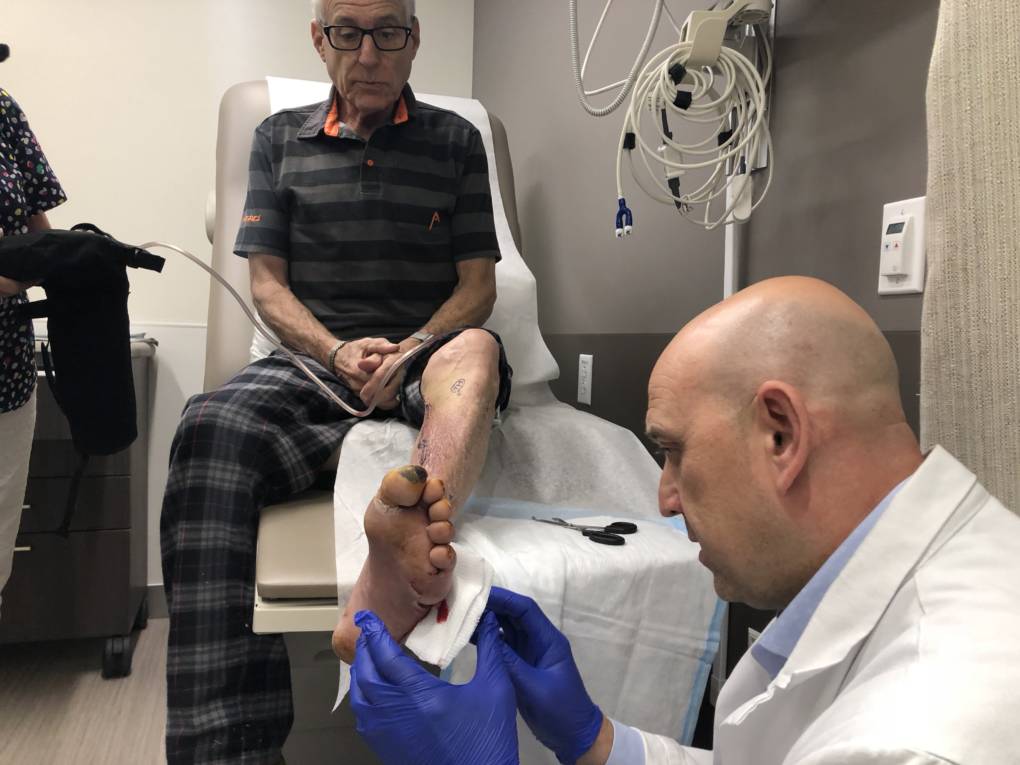
"caption": "Dr. Alexander Reyzelman treats diabetes patient Michael Rubenstein.",
"description": "Dr. Alexander Reyzelman treats diabetes patient Michael Rubenstein.",
"title": "Dr. Alexander Reyzelman treats diabetes patient Michael Rubenstein. Photo by David Gorn_CALmatters",
"credit": "David Gorn/CALmatters",
"status": "inherit",
"isLoading": false,
"fetchFailed": false
}
},
"audioPlayerReducer": {
"postId": "stream_live",
"isPaused": true,
"isPlaying": false,
"pfsActive": false,
"pledgeModalIsOpen": true,
"playerDrawerIsOpen": false,
"liveAudioPlayStartedAt": 0,
"liveAudioPlayContext": ""
},
"authorsReducer": {
"byline_news_11700097": {
"type": "authors",
"id": "byline_news_11700097",
"meta": {
"override": true
},
"slug": "byline_news_11700097",
"name": "\u003cstrong>Merrit Kennedy\u003c/strong>",
"isLoading": false
},
"byline_news_11695653": {
"type": "authors",
"id": "byline_news_11695653",
"meta": {
"override": true
},
"slug": "byline_news_11695653",
"name": "\u003cstrong>Janie Har\u003c/br>Associated Press\u003c/strong>",
"isLoading": false
},
"byline_news_11685088": {
"type": "authors",
"id": "byline_news_11685088",
"meta": {
"override": true
},
"slug": "byline_news_11685088",
"name": "David Gorn\u003cbr>\u003cstrong>\u003ca href=\"https://calmatters.org/articles/california-diabetes-amputation-health/\">CALmatters\u003c/a>\u003c/strong>",
"isLoading": false
},
"kqed": {
"type": "authors",
"id": "236",
"meta": {
"index": "authors_1716337520",
"id": "236",
"found": true
},
"name": "KQED News Staff",
"firstName": "KQED News Staff",
"lastName": null,
"slug": "kqed",
"email": "faq@kqed.org",
"display_author_email": false,
"staff_mastheads": [],
"title": null,
"bio": null,
"avatar": "https://secure.gravatar.com/avatar/ef0e801a68c4c54afa9180db14084167?s=600&d=blank&r=g",
"twitter": null,
"facebook": null,
"instagram": null,
"linkedin": null,
"sites": [
{
"site": "arts",
"roles": [
"contributor"
]
},
{
"site": "news",
"roles": [
"editor"
]
},
{
"site": "futureofyou",
"roles": [
"author"
]
}
],
"headData": {
"title": "KQED News Staff | KQED",
"description": null,
"ogImgSrc": "https://secure.gravatar.com/avatar/ef0e801a68c4c54afa9180db14084167?s=600&d=blank&r=g",
"twImgSrc": "https://secure.gravatar.com/avatar/ef0e801a68c4c54afa9180db14084167?s=600&d=blank&r=g"
},
"isLoading": false,
"link": "/author/kqed"
},
"tgoldberg": {
"type": "authors",
"id": "258",
"meta": {
"index": "authors_1716337520",
"id": "258",
"found": true
},
"name": "Ted Goldberg",
"firstName": "Ted",
"lastName": "Goldberg",
"slug": "tgoldberg",
"email": "tgoldberg@kqed.org",
"display_author_email": true,
"staff_mastheads": [
"news"
],
"title": "KQED Managing Editor, News and Newscasts",
"bio": "Ted Goldberg is Managing Editor of News and Newscasts at KQED. His main reporting beat is the Bay Area's oil refining industry.\r\n\r\nPrior to joining KQED in 2014, Ted worked at CBS News and WCBS AM in New York and Bay City News and KCBS Radio in San Francisco. He graduated from Oberlin College in Ohio in 1998.",
"avatar": "https://secure.gravatar.com/avatar/30ce2e4fe89135e104f89be2394d16225b9d36c121b5b3cb7651ce642978b96f?s=600&d=blank&r=g",
"twitter": "TedrickG",
"bluesky": null,
"facebook": null,
"instagram": null,
"linkedin": null,
"sites": [
{
"site": "news",
"roles": [
"editor"
]
},
{
"site": "science",
"roles": [
"editor"
]
}
],
"headData": {
"title": "Ted Goldberg | KQED",
"description": "KQED Managing Editor, News and Newscasts",
"ogImgSrc": "https://secure.gravatar.com/avatar/30ce2e4fe89135e104f89be2394d16225b9d36c121b5b3cb7651ce642978b96f?s=600&d=blank&r=g",
"twImgSrc": "https://secure.gravatar.com/avatar/30ce2e4fe89135e104f89be2394d16225b9d36c121b5b3cb7651ce642978b96f?s=600&d=blank&r=g"
},
"isLoading": false,
"link": "/author/tgoldberg"
},
"adembosky": {
"type": "authors",
"id": "3205",
"meta": {
"index": "authors_1716337520",
"id": "3205",
"found": true
},
"name": "April Dembosky",
"firstName": "April",
"lastName": "Dembosky",
"slug": "adembosky",
"email": "adembosky@kqed.org",
"display_author_email": false,
"staff_mastheads": [
"news",
"science"
],
"title": "KQED Health Correspondent",
"bio": "April Dembosky is the health correspondent for KQED News and a regular contributor to NPR. She specializes in covering altered states of mind, from postpartum depression to methamphetamine-induced psychosis to the insanity defense. Her investigative series on insurance companies sidestepping mental health laws won multiple awards, including first place in beat reporting from the national Association of Health Care Journalists. She is the recipient of numerous other prizes and fellowships, including a national Edward R. Murrow award for investigative reporting, a Society of Professional Journalists award for long-form storytelling, and a Carter Center Fellowship for Mental Health Journalism.\r\n\r\nDembosky reported and produced \u003cem>Soundtrack of Silence\u003c/em>, an audio documentary about music and memory that is currently being made into a feature film by Paramount Pictures.\r\n\r\nBefore joining KQED in 2013, Dembosky covered technology and Silicon Valley for \u003cem>The Financial Times of London,\u003c/em> and contributed business and arts stories to \u003cem>Marketplace \u003c/em>and \u003cem>The New York Times.\u003c/em> She got her undergraduate degree in philosophy from Smith College and her master's in journalism from the University of California, Berkeley. She is a classically trained violinist and proud alum of the first symphony orchestra at Burning Man.",
"avatar": "https://secure.gravatar.com/avatar/ef92999be4ceb9ea60701e7dc276f813?s=600&d=blank&r=g",
"twitter": "adembosky",
"facebook": null,
"instagram": null,
"linkedin": null,
"sites": [
{
"site": "arts",
"roles": [
"author"
]
},
{
"site": "news",
"roles": [
"editor"
]
},
{
"site": "futureofyou",
"roles": [
"author"
]
},
{
"site": "stateofhealth",
"roles": [
"editor"
]
},
{
"site": "science",
"roles": [
"editor"
]
},
{
"site": "forum",
"roles": [
"editor"
]
}
],
"headData": {
"title": "April Dembosky | KQED",
"description": "KQED Health Correspondent",
"ogImgSrc": "https://secure.gravatar.com/avatar/ef92999be4ceb9ea60701e7dc276f813?s=600&d=blank&r=g",
"twImgSrc": "https://secure.gravatar.com/avatar/ef92999be4ceb9ea60701e7dc276f813?s=600&d=blank&r=g"
},
"isLoading": false,
"link": "/author/adembosky"
},
"markfiore": {
"type": "authors",
"id": "3236",
"meta": {
"index": "authors_1716337520",
"id": "3236",
"found": true
},
"name": "Mark Fiore",
"firstName": "Mark",
"lastName": "Fiore",
"slug": "markfiore",
"email": "mark@markfiore.com",
"display_author_email": false,
"staff_mastheads": [
"news"
],
"title": "KQED News Cartoonist",
"bio": "\u003ca href=\"http://www.MarkFiore.com\">MarkFiore.com\u003c/a> | \u003ca href=\"https://twitter.com/markfiore\">Follow on Twitter\u003c/a> | \u003ca href=\"https://www.facebook.com/pages/Mark-Fiore-Animated-Political-Cartoons/94451707396?ref=bookmarks\">Facebook\u003c/a> | \u003ca href=\"mailto:mark@markfiore.com\">email\u003c/a>\r\n\r\nPulitzer Prize-winner, Mark Fiore, who the Wall Street Journal has called “the undisputed guru of the form,” creates animated political cartoons in San Francisco, where his work has been featured regularly on the San Francisco Chronicle’s web site, SFGate.com. His work has appeared on Newsweek.com, Slate.com, CBSNews.com, MotherJones.com, DailyKos.com and NPR’s web site. Fiore’s political animation has appeared on CNN, Frontline, Bill Moyers Journal, Salon.com and cable and broadcast outlets across the globe.\r\n\r\nBeginning his professional life by drawing traditional political cartoons for newspapers, Fiore’s work appeared in publications ranging from the Washington Post to the Los Angeles Times. In the late 1990s, he began to experiment with animating political cartoons and, after a short stint at the San Jose Mercury News as their staff cartoonist, Fiore devoted all his energies to animation.\r\nGrowing up in California, Fiore also spent a good portion of his life in the backwoods of Idaho. It was this combination that shaped him politically. Mark majored in political science at Colorado College, where, in a perfect send-off for a cartoonist, he received his diploma in 1991 as commencement speaker Dick Cheney smiled approvingly.\r\nMark Fiore was awarded the Pulitzer Prize for political cartooning in 2010, a Robert F. Kennedy Journalism Award in 2004 and has twice received an Online Journalism Award for commentary from the Online News Association (2002, 2008). Fiore has received two awards for his work in new media from the National Cartoonists Society (2001, 2002), and in 2006 received The James Madison Freedom of Information Award from The Society of Professional Journalists.",
"avatar": "https://secure.gravatar.com/avatar/fc4e2a612b15b67bad0c6f0e1db4ca9b?s=600&d=blank&r=g",
"twitter": "MarkFiore",
"facebook": null,
"instagram": "https://www.instagram.com/markfiore/?hl=en",
"linkedin": null,
"sites": [
{
"site": "arts",
"roles": [
"contributor"
]
},
{
"site": "news",
"roles": [
"editor"
]
},
{
"site": "futureofyou",
"roles": [
"editor"
]
},
{
"site": "science",
"roles": [
"editor"
]
}
],
"headData": {
"title": "Mark Fiore | KQED",
"description": "KQED News Cartoonist",
"ogImgSrc": "https://secure.gravatar.com/avatar/fc4e2a612b15b67bad0c6f0e1db4ca9b?s=600&d=blank&r=g",
"twImgSrc": "https://secure.gravatar.com/avatar/fc4e2a612b15b67bad0c6f0e1db4ca9b?s=600&d=blank&r=g"
},
"isLoading": false,
"link": "/author/markfiore"
},
"lklivans": {
"type": "authors",
"id": "8648",
"meta": {
"index": "authors_1716337520",
"id": "8648",
"found": true
},
"name": "Laura Klivans",
"firstName": "Laura",
"lastName": "Klivans",
"slug": "lklivans",
"email": "lklivans@kqed.org",
"display_author_email": true,
"staff_mastheads": [
"news",
"science"
],
"title": "Reporter",
"bio": "Laura Klivans is an award-winning science reporter for KQED News, where she covers climate change with an eye on both groundbreaking progress and gaps in action. She is the former host of KQED's blockbuster video series about tiny, amazing animals, \u003cem>Deep Look\u003c/em>. Her work reaches national audiences through NPR, \u003cem>Here & Now, \u003c/em>PRI, and other major outlets. \r\n\r\nLaura’s won five Northern California Area Emmy Awards for Deep Look and First Place in the Greater Bay Area Journalism Awards for a podcast exploring how one Oakland neighborhood teamed up to reduce planet-heating pollution.\r\n\r\nBeyond her reporting, she hosts and moderates events. In the past, she taught audio storytelling at the UC Berkeley Graduate School of Journalism, led international education programs, worked with immigrants and refugees along the Thai-Burmese border, taught high schoolers sex ed, and was an actress. \r\n\r\nShe's a former UC Berkeley Human Rights Fellow, USC Center for Health Journalism's California Fellow and Coro Fellow in Public Affairs. Laura has a master’s in journalism from UC Berkeley, a master’s in education from Harvard, and an undergraduate degree from Northwestern University.\r\n\r\nShe loves trying to riddle the meaning out of vanity license plates.",
"avatar": "https://secure.gravatar.com/avatar/2d2ecd1550a494cc10ad4a503406965585902124739e775a9b3817eebf1d88be?s=600&d=blank&r=g",
"twitter": "lauraklivans",
"bluesky": null,
"facebook": null,
"instagram": null,
"linkedin": null,
"sites": [
{
"site": "news",
"roles": [
"editor"
]
},
{
"site": "stateofhealth",
"roles": [
"contributor",
"editor"
]
},
{
"site": "science",
"roles": [
"editor"
]
},
{
"site": "forum",
"roles": [
"editor"
]
}
],
"headData": {
"title": "Laura Klivans | KQED",
"description": "Reporter",
"ogImgSrc": "https://secure.gravatar.com/avatar/2d2ecd1550a494cc10ad4a503406965585902124739e775a9b3817eebf1d88be?s=600&d=blank&r=g",
"twImgSrc": "https://secure.gravatar.com/avatar/2d2ecd1550a494cc10ad4a503406965585902124739e775a9b3817eebf1d88be?s=600&d=blank&r=g"
},
"isLoading": false,
"link": "/author/lklivans"
},
"dgorn": {
"type": "authors",
"id": "8656",
"meta": {
"index": "authors_1716337520",
"id": "8656",
"found": true
},
"name": "David Gorn",
"firstName": "David",
"lastName": "Gorn",
"slug": "dgorn",
"email": "dgorn+donotmail@sbcglobal.net",
"display_author_email": false,
"staff_mastheads": [],
"title": "KQED Contributor",
"bio": "David Gorn is the former Deputy News Director of KQED Radio. His public radio pieces have appeared on NPR, the World, Marketplace and the California Report.",
"avatar": "https://secure.gravatar.com/avatar/a6ad3e1eec1712e19b986b9395614010?s=600&d=blank&r=g",
"twitter": null,
"facebook": null,
"instagram": null,
"linkedin": null,
"sites": [
{
"site": "news",
"roles": [
"subscriber"
]
},
{
"site": "futureofyou",
"roles": [
"author"
]
},
{
"site": "science",
"roles": [
"author"
]
},
{
"site": "quest",
"roles": [
"editor"
]
}
],
"headData": {
"title": "David Gorn | KQED",
"description": "KQED Contributor",
"ogImgSrc": "https://secure.gravatar.com/avatar/a6ad3e1eec1712e19b986b9395614010?s=600&d=blank&r=g",
"twImgSrc": "https://secure.gravatar.com/avatar/a6ad3e1eec1712e19b986b9395614010?s=600&d=blank&r=g"
},
"isLoading": false,
"link": "/author/dgorn"
},
"rlevi": {
"type": "authors",
"id": "11260",
"meta": {
"index": "authors_1716337520",
"id": "11260",
"found": true
},
"name": "Ryan Levi",
"firstName": "Ryan",
"lastName": "Levi",
"slug": "rlevi",
"email": "rlevi@KQED.org",
"display_author_email": false,
"staff_mastheads": [],
"title": "KQED Contributor",
"bio": "Ryan Levi was a reporter and podcast producer at KQED News from 2016-2019. He worked on \u003ca href=\"https://www.kqed.org/news/series/baycurious\">Bay Curious\u003c/a>, \u003ca href=\"https://www.kqed.org/news/tag/the-bay/\">The Bay, \u003c/a>and \u003ca href=\"https://podcasts.apple.com/us/podcast/the-california-report-magazine/id1314750545\">The California Report Magazine\u003c/a>, as well as hosting and producing the weekly \u003ca href=\"https://www.kqed.org/news/program/qedup/\">Q'ed Up podcast. \u003c/a>He also helped inaugurate KQED's weekend news coverage in 2017 as one of two original digital producers. Ryan holds degrees in multimedia journalism and Spanish from the University of Missouri.",
"avatar": "https://secure.gravatar.com/avatar/4cb2ddd028ac8807d1adf09609c5555d?s=600&d=blank&r=g",
"twitter": "ryan_levi",
"facebook": null,
"instagram": null,
"linkedin": null,
"sites": [
{
"site": "arts",
"roles": [
"editor"
]
},
{
"site": "news",
"roles": [
"subscriber"
]
},
{
"site": "stateofhealth",
"roles": [
"editor"
]
},
{
"site": "science",
"roles": [
"editor"
]
},
{
"site": "forum",
"roles": [
"administrator"
]
},
{
"site": "perspectives",
"roles": [
"administrator"
]
}
],
"headData": {
"title": "Ryan Levi | KQED",
"description": "KQED Contributor",
"ogImgSrc": "https://secure.gravatar.com/avatar/4cb2ddd028ac8807d1adf09609c5555d?s=600&d=blank&r=g",
"twImgSrc": "https://secure.gravatar.com/avatar/4cb2ddd028ac8807d1adf09609c5555d?s=600&d=blank&r=g"
},
"isLoading": false,
"link": "/author/rlevi"
},
"awernikoff": {
"type": "authors",
"id": "11525",
"meta": {
"index": "authors_1716337520",
"id": "11525",
"found": true
},
"name": "Anne Wernikoff",
"firstName": "Anne",
"lastName": "Wernikoff",
"slug": "awernikoff",
"email": "awernikoff@KQED.org",
"display_author_email": false,
"staff_mastheads": [],
"title": null,
"bio": null,
"avatar": "https://secure.gravatar.com/avatar/efefbb87d9a8d8dd9974145d8d9f321f?s=600&d=blank&r=g",
"twitter": null,
"facebook": null,
"instagram": null,
"linkedin": null,
"sites": [
{
"site": "news",
"roles": [
"author",
"edit_others_posts"
]
}
],
"headData": {
"title": "Anne Wernikoff | KQED",
"description": null,
"ogImgSrc": "https://secure.gravatar.com/avatar/efefbb87d9a8d8dd9974145d8d9f321f?s=600&d=blank&r=g",
"twImgSrc": "https://secure.gravatar.com/avatar/efefbb87d9a8d8dd9974145d8d9f321f?s=600&d=blank&r=g"
},
"isLoading": false,
"link": "/author/awernikoff"
}
},
"pagesReducer": {
"news_tag_health": {
"type": "terms",
"id": "news_18543",
"meta": {
"index": "terms_1716263798",
"site": "news",
"id": "18543",
"score": 6.886679
},
"featImg": null,
"name": "Health",
"description": null,
"taxonomy": "tag",
"headData": {
"twImgId": null,
"twTitle": null,
"ogTitle": null,
"ogImgId": null,
"twDescription": null,
"description": null,
"title": "Health Archives | KQED News",
"ogDescription": null
},
"ttid": 466,
"slug": "health",
"isLoading": false,
"title": "Health",
"pageMeta": {
"site": "news",
"WpPageTemplate": "page-topic-editorial",
"currentPage": 92
},
"blocks": [
{
"blockName": "kqed/post-list",
"attrs": {
"layout": "cardArticle2",
"query": "posts/news?tag=health",
"seeMore": false,
"paginated": true,
"page": 92
}
},
{
"blockName": "kqed/ad"
}
]
}
},
"pfsSessionReducer": {},
"postsReducer": {
"stream_live": {
"type": "live",
"id": "stream_live",
"audioUrl": "https://streams.kqed.org/kqedradio",
"title": "Live Stream",
"excerpt": "Live Stream information currently unavailable.",
"link": "/radio",
"featImg": "",
"label": {
"name": "KQED Live",
"link": "/"
}
},
"stream_kqedNewscast": {
"type": "posts",
"id": "stream_kqedNewscast",
"audioUrl": "https://www.kqed.org/.stream/anon/radio/RDnews/newscast.mp3?_=1",
"title": "KQED Newscast",
"featImg": "",
"label": {
"name": "88.5 FM",
"link": "/"
}
},
"news_11703271": {
"type": "posts",
"id": "news_11703271",
"meta": {
"index": "posts_1716263798",
"site": "news",
"id": "11703271",
"score": null,
"sort": [
1542616233000
]
},
"guestAuthors": [],
"slug": "overcoming-a-lifetime-of-trauma-then-facing-a-new-one-wildfire",
"title": "Overcoming a Lifetime of Trauma, Then Facing a New One: Wildfire",
"publishDate": 1542616233,
"format": "audio",
"headTitle": "Overcoming a Lifetime of Trauma, Then Facing a New One: Wildfire | KQED",
"labelTerm": {
"term": 6944,
"site": "news"
},
"content": "\u003cp>\u003cem>Sabrina Hanes has faced a lot of trauma in her life, most of it in her childhood. As part of her healing, she moved to a Northern California town called Paradise. There she built strength and community, but that was upended when the Camp Fire tore through Paradise, burning her home and turning her life upside down.\u003c/em>\u003c/p>\n\u003cp>\u003cem>I followed Hanes through her daily routine in Paradise last summer, to learn how she’s developed resilience. I then caught up with Hanes after the fire to find out what happens next.\u003c/em>\u003c/p>\n\u003cp>Sabrina Hanes kicked off the ground, pulling herself up onto a spinning hoop called a lyra, suspended from the ceiling. The studio in Paradise, where Hanes practiced circus arts and aerial dance, erupted in cheers. She moved through a series of gravity-defying spins and contortions. Her blonde hair — the ends rebelliously colored blue and purple — swirled around her.\u003c/p>\n\u003cp>It was a triumphant dance, choreographed to a song called “Conqueror,” and in most aspects of Hanes’ life she seems like one: she’s a full-time student at California State University, Chico, on track to get her bachelor’s degree in child development, she volunteers teaching toddlers and their caretakers at a local nonprofit, and she’s raising a lively, happy four-year-old daughter on her own.\u003c/p>\n\u003cp>But behind the assertive exterior, behind her toned biceps, 33-year-old Hanes has the medical record of a woman twice her age. She’s had eight surgeries for various ailments. She suffers from migraines, multiple food allergies and degenerating spinal discs. Her pregnancy was high-risk. She spent five years addicted to methamphetamines.\u003c/p>\n\u003cp>[ad fullwidth]\u003c/p>\n\u003cp>Many doctors and researchers would not be surprised by Hanes’ health record, given one risk factor from her childhood: serious, ongoing trauma.\u003c/p>\n\u003cp>Hanes recalls moments of emotional neglect and abuse, finding her mother passed out in the bathtub from a drug overdose, and being raped at five-years-old.\u003c/p>\n\u003cp>“You think it’s your fault,” she said. “What did I do wrong?”\u003c/p>\n\u003cp>Doctors began quantifying this kind of trauma \u003ca href=\"https://www.sciencedirect.com/science/article/pii/S0749379798000178\" target=\"_blank\" rel=\"noopener\">in the 1990s\u003c/a>, tallying up the number of adversities a young person experienced, and looking at the correlation between childhood trauma and health later in life. They found that the more adversity someone experienced as a child, the worse their health as an adult. This was not just because people who had faced childhood trauma were more likely to have mental health problems or engage in risky behaviors that are bad for health, which they were.\u003c/p>\n\u003cp>This new research showed the damage was much more widespread than mental pain. People who had traumatic childhoods also had more physical pain and damaged bodies. A person who experienced major childhood trauma has four times the risk for chronic lung disease, two and a half times the risk for stroke, and double the risk for cancer. On average, their life expectancy is \u003ca href=\"https://www.ncbi.nlm.nih.gov/pubmed/19840693\" target=\"_blank\" rel=\"noopener\">20 years shorter\u003c/a> than for a person without childhood trauma.\u003c/p>\n\u003cp>“Childhood adversity changes the way that our stress response functions,” said \u003ca href=\"https://centerforyouthwellness.org/our-team/\" target=\"_blank\" rel=\"noopener\">Dr. Nadine Burke Harris\u003c/a>, a pediatrician and founder and Chief Executive Officer of the \u003ca href=\"https://centerforyouthwellness.org/\" target=\"_blank\" rel=\"noopener\">Center for Youth Wellness\u003c/a> in San Francisco.\u003c/p>\n\u003cp>“That leads to long term changes in the structure and function of children’s developing brains and our hormonal systems, and our immune systems. Even all the way down to the way our DNA is read and transcribed. And that has nothing to do with behavior.”\u003c/p>\n\u003cp>This initial study, often referred to as the Adverse Childhood Experiences (ACEs) study, is one lens through which to look at trauma. It included emotional, physical, or sexual abuse, emotional or physical neglect, growing up in a household with domestic violence, divorced or separated parents, a family member who was mentally ill, substance-dependent, or incarcerated. For each experienced, a person got a “point.” The total number of points was someone’s “ACE score.”\u003c/p>\n\u003cp>When Hanes looks through the list of ten potential ACEs, she tallies her score at eight.\u003c/p>\n\u003cp>\u003cstrong>“Nobody Really Wanted Me Around”\u003c/strong>\u003c/p>\n\u003cp>Trauma started early for Hanes with her parents’ acrimonious divorce when she was two-years-old, and the resulting custody battle that lasted years.\u003c/p>\n\u003cp>In each parent’s home, Hanes said she encountered challenges: a mother addicted to muscle relaxants and later, methamphetamines, and on the other side a father who, with his new wife and kids, belittled her. In both places, Hanes said she felt her parents weren’t there for her emotionally, which left her vulnerable to older kids and adults. When she spent the night at a neighbor’s house, she said she was raped by their teenage son.\u003c/p>\n\u003cp>“You think it’s your fault: what did I do wrong?” she said about the experience.\u003c/p>\n\u003cp>After years of these continued hardships, Hanes began harming herself.\u003c/p>\n\u003cp>“I just felt like nobody really wanted me around. So, why don’t I just take care of that?” Hanes remembered thinking.\u003c/p>\n\u003cp>Her first suicide attempt was at 12, and over the next several years, she thinks she tried to kill herself 20 more times, her last attempt at age 18. To move away from one kind of self-harm, Hanes started another: she became addicted to methamphetamines.\u003c/p>\n\u003cp>“Basically from 18 to 23, I was addicted to meth and it’s scary. It’s a scary life,” Hanes said.\u003c/p>\n\u003cp>Getting caught and spending time in jail forced her to sober up. She didn’t like the person she was when she was on drugs, and she wanted change.\u003c/p>\n\u003cp>She moved to Paradise.\u003c/p>\n\u003cp>\u003cstrong>“When the Bear Comes Home Every Night”\u003c/strong>\u003c/p>\n\u003cp>Dr. Nadine Burke Harris has made it her mission to raise awareness about the long-term impacts of childhood trauma. In addition to leading the Center for Youth Wellness, she is a pediatrician who works with low income kids in San Francisco’s Bayview Hunter’s Point neighborhood.\u003c/p>\n\u003cp>Her quest started with her young patients, who would come into her office with high rates of health problems like asthma, Attention Deficit Hyperactivity Disorder, and growth failure. She began to see a link between the kids’ illnesses and problems going on in their homes, like an alcoholic mother or a physically abusive father.\u003c/p>\n\u003cfigure id=\"attachment_11704094\" class=\"wp-caption aligncenter\" style=\"max-width: 800px\">\u003cimg loading=\"lazy\" decoding=\"async\" class=\"size-medium wp-image-11704094\" src=\"https://ww2.kqed.org/news/wp-content/uploads/sites/10/2018/11/RS33641_Nadine-and-Child-qut-800x519.jpg\" alt=\"Dr. Nadine Burke Harris and a patient. \" width=\"800\" height=\"519\" srcset=\"https://cdn.kqed.org/wp-content/uploads/sites/10/2018/11/RS33641_Nadine-and-Child-qut-800x519.jpg 800w, https://cdn.kqed.org/wp-content/uploads/sites/10/2018/11/RS33641_Nadine-and-Child-qut-160x104.jpg 160w, https://cdn.kqed.org/wp-content/uploads/sites/10/2018/11/RS33641_Nadine-and-Child-qut-1020x662.jpg 1020w, https://cdn.kqed.org/wp-content/uploads/sites/10/2018/11/RS33641_Nadine-and-Child-qut-1200x779.jpg 1200w, https://cdn.kqed.org/wp-content/uploads/sites/10/2018/11/RS33641_Nadine-and-Child-qut.jpg 1920w\" sizes=\"(max-width: 800px) 100vw, 800px\">\u003cfigcaption class=\"wp-caption-text\">Dr. Nadine Burke Harris and a patient. \u003ccite>(Courtesy Center for Youth Wellness)\u003c/cite>\u003c/figcaption>\u003c/figure>\n\u003cp>Dr. Burke Harris explains the science behind this idea in a \u003ca href=\"https://www.ted.com/talks/nadine_burke_harris_how_childhood_trauma_affects_health_across_a_lifetime\" target=\"_blank\" rel=\"noopener\">popular Ted Talk\u003c/a>. In it, she likens the connection between childhood trauma and bad health to seeing a bear in the forest.\u003c/p>\n\u003cp>“Immediately, your hypothalamus sends a signal to your pituitary, which sends a signal to your adrenal gland that says, ‘Release stress hormones! Adrenaline! Cortisol!” she explained to her audience. “Your heart starts to pound, your pupils dilate, your airways open up, and you are ready to either fight that bear or run from the bear. And that is wonderful if you’re in a forest and there’s a bear… But the problem is what happens when the bear comes home every night?”\u003c/p>\n\u003cp>Dr. Burke Harris said when this hormonal cascade repeats, it seriously harms the body.\u003c/p>\n\u003cp>The results of the \u003ca href=\"https://www.sciencedirect.com/science/article/pii/S0749379798000178\" target=\"_blank\" rel=\"noopener\">first ACE study\u003c/a> showed that they were incredibly common: of the people in the study, 67 percent reported at least one adverse childhood experience. What’s more, the population surveyed didn’t have a lot of the external stressors people may associate with a tumultuous home life: the majority were middle-class, 70 percent were white, and 70 percent were college-educated. Participants had access to quality healthcare through Kaiser Permanente.\u003c/p>\n\u003cp>A person with four or more ACEs (which is considered substantial) is more than five times as likely to experience depression, has four times the risk for chronic lung disease, two and a half times the risk for stroke, and double the risk for cancer.\u003c/p>\n\u003cp>In the subsequent years, doctors, educators and social workers have used this study to change their approach to children and adults with difficult behaviors. Instead of asking “what’s wrong with a person,” they’re asking, “what happened to that person.”\u003c/p>\n\u003cp>\u003cstrong>Interrupting Intergenerational Trauma\u003c/strong>\u003c/p>\n\u003cp>To help people recover from trauma, experts encourage a wide range of strategies, like therapy, building healthy relationships, and practicing stress reduction techniques, like mindfulness and exercise. They say that applying these interventions during childhood is the most effective way to improve long term health, but identifying and addressing ACEs at any age can still be helpful.\u003c/p>\n\u003cp>Sabrina Hanes’ life is an experiment in which this will play out.\u003c/p>\n\u003cp>Hanes has been sober since she moved to Paradise, California, ten years ago, and she’s gotten her criminal record expunged. She’s turned things around, working toward educational and life goals.\u003c/p>\n\u003cp>To do these things, she’s had to learn to build healthy relationships with those around her. She’s found mentors in her school programs, and through a community nonprofit called \u003ca href=\"http://www.youth4change.org/\" target=\"_blank\" rel=\"noopener\">Youth for Change\u003c/a> that’s taught her parenting skills. Her motivation has come from her own desire to change, a renewed relationship with her mother, and the help of Youth for Change social workers, who are versed in ACEs.\u003c/p>\n\u003cp>Hanes also enhances her life through other stress reducing behaviors doctors recommend: healthy eating, regular exercise through her dance group, and paying attention to her mental health.\u003c/p>\n\u003cp>Beyond taking care of herself, Hanes has had to learn to parent differently than her mother and father. ACEs are tricky this way — their impact can be passed from one generation to the next.\u003c/p>\n\u003cp>Hanes addresses this through Parent-Child Interaction Therapy (PCIT), which she attends with her daughter Aroara. PCIT is intended to improve communication between kids and their parents, and \u003ca href=\"https://pcit.ucdavis.edu/about-us/\" target=\"_blank\" rel=\"noopener\">minimize behaviors\u003c/a> like tantrums and aggression in kids.\u003c/p>\n\u003cfigure id=\"attachment_11703326\" class=\"wp-caption aligncenter\" style=\"max-width: 800px\">\u003cimg loading=\"lazy\" decoding=\"async\" class=\"wp-image-11703326 size-medium\" src=\"https://ww2.kqed.org/news/wp-content/uploads/sites/10/2018/11/RS33574_IMG_8929-qut-800x600.jpg\" alt=\"Sabrina Hanes and daughter Aroara during a Parent-Child Interaction Therapy session. Mother and daughter sit on one side of a two-way mirror. A therapist, sitting on the other side of the mirror, coaches Hanes through an earbud she wears.\" width=\"800\" height=\"600\" srcset=\"https://cdn.kqed.org/wp-content/uploads/sites/10/2018/11/RS33574_IMG_8929-qut-800x600.jpg 800w, https://cdn.kqed.org/wp-content/uploads/sites/10/2018/11/RS33574_IMG_8929-qut-160x120.jpg 160w, https://cdn.kqed.org/wp-content/uploads/sites/10/2018/11/RS33574_IMG_8929-qut-1020x765.jpg 1020w, https://cdn.kqed.org/wp-content/uploads/sites/10/2018/11/RS33574_IMG_8929-qut-1200x900.jpg 1200w, https://cdn.kqed.org/wp-content/uploads/sites/10/2018/11/RS33574_IMG_8929-qut.jpg 1920w, https://cdn.kqed.org/wp-content/uploads/sites/10/2018/11/RS33574_IMG_8929-qut-1180x885.jpg 1180w, https://cdn.kqed.org/wp-content/uploads/sites/10/2018/11/RS33574_IMG_8929-qut-960x720.jpg 960w, https://cdn.kqed.org/wp-content/uploads/sites/10/2018/11/RS33574_IMG_8929-qut-240x180.jpg 240w, https://cdn.kqed.org/wp-content/uploads/sites/10/2018/11/RS33574_IMG_8929-qut-375x281.jpg 375w, https://cdn.kqed.org/wp-content/uploads/sites/10/2018/11/RS33574_IMG_8929-qut-520x390.jpg 520w\" sizes=\"(max-width: 800px) 100vw, 800px\">\u003cfigcaption class=\"wp-caption-text\">Sabrina Hanes and daughter Aroara during a Parent-Child Interaction Therapy session. Mother and daughter sit on one side of a two-way mirror. A therapist, sitting on the other side of the mirror, coaches Hanes through an earbud she wears. \u003ccite>(Laura Klivans/KQED)\u003c/cite>\u003c/figcaption>\u003c/figure>\n\u003cp>At one of their sessions, mother and daughter sat together in one room, playing with a big stuffed bear, a toy stethoscope and Band-Aids. Therapist Laurie Taylor observed them through a fake mirror. Taylor spoke into a microphone that fed into an earbud Hanes wore. Aroara, however, could only hear her own mother.\u003c/p>\n\u003cfigure id=\"attachment_11703328\" class=\"wp-caption aligncenter\" style=\"max-width: 800px\">\u003cimg loading=\"lazy\" decoding=\"async\" class=\"size-medium wp-image-11703328\" src=\"https://ww2.kqed.org/news/wp-content/uploads/sites/10/2018/11/RS33575_IMG_8948-qut-800x600.jpg\" alt=\"Therapist Laurie Taylor observes mother and daughter from behind the two-way mirror.\" width=\"800\" height=\"600\" srcset=\"https://cdn.kqed.org/wp-content/uploads/sites/10/2018/11/RS33575_IMG_8948-qut-800x600.jpg 800w, https://cdn.kqed.org/wp-content/uploads/sites/10/2018/11/RS33575_IMG_8948-qut-160x120.jpg 160w, https://cdn.kqed.org/wp-content/uploads/sites/10/2018/11/RS33575_IMG_8948-qut-1020x765.jpg 1020w, https://cdn.kqed.org/wp-content/uploads/sites/10/2018/11/RS33575_IMG_8948-qut-1200x900.jpg 1200w, https://cdn.kqed.org/wp-content/uploads/sites/10/2018/11/RS33575_IMG_8948-qut.jpg 1920w, https://cdn.kqed.org/wp-content/uploads/sites/10/2018/11/RS33575_IMG_8948-qut-1180x885.jpg 1180w, https://cdn.kqed.org/wp-content/uploads/sites/10/2018/11/RS33575_IMG_8948-qut-960x720.jpg 960w, https://cdn.kqed.org/wp-content/uploads/sites/10/2018/11/RS33575_IMG_8948-qut-240x180.jpg 240w, https://cdn.kqed.org/wp-content/uploads/sites/10/2018/11/RS33575_IMG_8948-qut-375x281.jpg 375w, https://cdn.kqed.org/wp-content/uploads/sites/10/2018/11/RS33575_IMG_8948-qut-520x390.jpg 520w\" sizes=\"(max-width: 800px) 100vw, 800px\">\u003cfigcaption class=\"wp-caption-text\">Therapist Laurie Taylor observes mother and daughter from behind the two-way mirror. \u003ccite>(Laura Klivans/KQED)\u003c/cite>\u003c/figcaption>\u003c/figure>\n\u003cp>The two worked on addressing fears Aroara has when she goes to the doctor. Taylor coached Hanes through the experience, feeding her helpful lines.\u003c/p>\n\u003cp>“I know that next time we go to the doctor’s office you’re going to be able to keep your body calm,” Taylor whispered to Hanes, who spoke it to her daughter.\u003c/p>\n\u003cp>This kind of therapy is just one tool that helps families who’ve seen trauma.\u003c/p>\n\u003cp>\u003cstrong>“Making It Work”\u003c/strong>\u003c/p>\n\u003cp>Sabrina Hanes said knowing her high ACE score helped her cope with the trauma of her childhood.\u003c/p>\n\u003cp>“I have a score of eight and that’s huge,” she said. “But here I am still, I’m doing it. I’m making it work. I can look at those experiences and say they’re experiences I had. It’s not who I am.”\u003c/p>\n\u003cp>Now Hanes is a mom, a student, a teacher. She volunteers at a local nonprofit teaching classes for toddlers and their parents, incorporating healthy eating, education, and social and emotional growth. She’d like to run her own preschool in the future. She wants to be there for kids who may be going through what she did.\u003c/p>\n\u003cp>At the end of one of the classes she teaches, she reads the children’s book “We’re Going on a Bear Hunt” to a semicircle of mothers with young kids on their laps.\u003c/p>\n\u003cp>The message of the book repeats page after page, that when confronted with an obstacle, the characters can’t skirt around it: they must go right through.\u003c/p>\n\u003cp>\u003cstrong>“Get Out Now”\u003c/strong>\u003c/p>\n\u003cp>On the morning of Thursday, Nov. 8, Hanes smelled the fire. She saw large ash, similar to what she’d seen just months before when the Carr Fire swept through nearby counties. She and Aroara had evacuated their home a handful of times in the past, prompted by an official alert. Receiving none, Hanes slowly packed with Aroara in case they would need to leave. In the past, evacuation traffic had been awful, she said, and she didn’t want to add to it if it was unnecessary.\u003c/p>\n\u003cp>“You don’t think that you’re going to lose your home,” Hanes said, based on the handful of other evacuations she’s been through. “I guess I sat there thinking the firefighters — they got this.”\u003c/p>\n\u003cp>It took a frantic call from a friend to get the pair out. “You can’t wait,” she told Hanes, “get out now.”\u003c/p>\n\u003cp>Five harrowing hours later, Hanes and Aroara arrived at a friend’s house in Chico — that drive would normally take them 20 minutes, Hanes said. Hanes and Aroara were then evacuated a second time around midnight to a more central part of Chico.\u003c/p>\n\u003cp>For the past week, Hanes and Aroara have been staying with friends in Chico. They arrived with two small backpacks of clothing and one photo album. They did not have time to find their cat before leaving.\u003c/p>\n\u003cp>The home Hanes rented for years has completely burned down, and she did not have renters’ insurance because she could not afford it, she said.\u003c/p>\n\u003cfigure id=\"attachment_11706347\" class=\"wp-caption aligncenter\" style=\"max-width: 800px\">\u003cimg loading=\"lazy\" decoding=\"async\" class=\"size-medium wp-image-11706347\" src=\"https://ww2.kqed.org/news/wp-content/uploads/sites/10/2018/11/RS32363_ACEs_AW_58-qut-800x533.jpg\" alt=\"Sabrina Hanes home on Aug. 13, 2018.\" width=\"800\" height=\"533\" srcset=\"https://cdn.kqed.org/wp-content/uploads/sites/10/2018/11/RS32363_ACEs_AW_58-qut-800x533.jpg 800w, https://cdn.kqed.org/wp-content/uploads/sites/10/2018/11/RS32363_ACEs_AW_58-qut-160x107.jpg 160w, https://cdn.kqed.org/wp-content/uploads/sites/10/2018/11/RS32363_ACEs_AW_58-qut-1020x680.jpg 1020w, https://cdn.kqed.org/wp-content/uploads/sites/10/2018/11/RS32363_ACEs_AW_58-qut-1200x800.jpg 1200w, https://cdn.kqed.org/wp-content/uploads/sites/10/2018/11/RS32363_ACEs_AW_58-qut.jpg 1920w\" sizes=\"(max-width: 800px) 100vw, 800px\">\u003cfigcaption class=\"wp-caption-text\">Sabrina Hanes home on Aug. 13, 2018. \u003ccite>(Anne Wernikoff/KQED)\u003c/cite>\u003c/figcaption>\u003c/figure>\n\u003cfigure id=\"attachment_11706349\" class=\"wp-caption aligncenter\" style=\"max-width: 800px\">\u003cimg loading=\"lazy\" decoding=\"async\" class=\"size-medium wp-image-11706349\" src=\"https://ww2.kqed.org/news/wp-content/uploads/sites/10/2018/11/RS33895_paradise_AW_12-qut-800x533.jpg\" alt=\"The site of Sabrina Hanes' home on Nov. 13, 2018.\" width=\"800\" height=\"533\" srcset=\"https://cdn.kqed.org/wp-content/uploads/sites/10/2018/11/RS33895_paradise_AW_12-qut-800x533.jpg 800w, https://cdn.kqed.org/wp-content/uploads/sites/10/2018/11/RS33895_paradise_AW_12-qut-160x107.jpg 160w, https://cdn.kqed.org/wp-content/uploads/sites/10/2018/11/RS33895_paradise_AW_12-qut-1020x680.jpg 1020w, https://cdn.kqed.org/wp-content/uploads/sites/10/2018/11/RS33895_paradise_AW_12-qut-1200x800.jpg 1200w, https://cdn.kqed.org/wp-content/uploads/sites/10/2018/11/RS33895_paradise_AW_12-qut.jpg 1920w\" sizes=\"(max-width: 800px) 100vw, 800px\">\u003cfigcaption class=\"wp-caption-text\">The site of Sabrina Hanes’ home on Nov. 13, 2018. \u003ccite>(Anne Wernikoff/KQED)\u003c/cite>\u003c/figcaption>\u003c/figure>\n\u003cp>“I told Aroara that we’re strong and we can do this,” Hanes said over the phone just days after the fire, emotion welling up in her voice. “It’s just so hard. This definitely tops it. Honestly [Aroara] is what is keeping me going because I know I have to be here for her.”\u003c/p>\n\u003cp>“We hear that God doesn’t give you anything more than what you can handle. But I feel like I’m questioning that right now,” she said.\u003c/p>\n\u003cp>\u003ca href=\"https://childtrauma.ucsf.edu/our-team#Chandra\" target=\"_blank\" rel=\"noopener\">Chandra Ghosh Ippen\u003c/a> is a psychologist and Associate Director of the \u003ca href=\"https://childtrauma.ucsf.edu/child-trauma-research-program\" target=\"_blank\" rel=\"noopener\">Child Trauma Research Program\u003c/a> at University of California, San Francisco. In addition to studying childhood trauma, she’s authored several free books for kids and their parents that address traumas, including \u003ca href=\"https://www.nctsn.org/resources/trinka-and-sam-big-fire\" target=\"_blank\" rel=\"noopener\">one about wildfires\u003c/a>.\u003c/p>\n\u003cp>Ghosh Ippen said that while people with high ACE scores will all react differently to new trauma, the fire will likely be worse for them than for those who’ve had less trauma in the past.\u003c/p>\n\u003cp>“If you’ve had a very heavy trauma history another trauma often reawakens symptoms,” she said. “And so they may find themselves experiencing more symptoms than someone would if they had just, and I say ‘just’ in quotes, gone through the fire or a natural disaster.”\u003c/p>\n\u003cp>Ghosh Ippen said it’s important that our community and country respond seriously to those who’ve been impacted by the wildfires. Knowing that people are aware of their loss and reacting to it can help wildfire victims.\u003c/p>\n\u003cp>Ghosh Ippen listed several other ways people can help those impacted by the wildfires: meeting their basic needs through food, clothing and shelter, guiding people through disaster relief systems, holding a space for grief and opportunities to take care of their mental health.\u003c/p>\n\u003cfigure id=\"attachment_11706925\" class=\"wp-caption aligncenter\" style=\"max-width: 800px\">\u003cimg loading=\"lazy\" decoding=\"async\" class=\"size-medium wp-image-11706925\" src=\"https://ww2.kqed.org/news/wp-content/uploads/sites/10/2018/11/RS33970_111318_AW_SabrinaHanes_07-qut-800x533.jpg\" alt=\"Sabrina and Aroara in their friends' living room, where they have stayed since the wildfire reduced their home to ashes.\" width=\"800\" height=\"533\" srcset=\"https://cdn.kqed.org/wp-content/uploads/sites/10/2018/11/RS33970_111318_AW_SabrinaHanes_07-qut-800x533.jpg 800w, https://cdn.kqed.org/wp-content/uploads/sites/10/2018/11/RS33970_111318_AW_SabrinaHanes_07-qut-160x107.jpg 160w, https://cdn.kqed.org/wp-content/uploads/sites/10/2018/11/RS33970_111318_AW_SabrinaHanes_07-qut-1020x680.jpg 1020w, https://cdn.kqed.org/wp-content/uploads/sites/10/2018/11/RS33970_111318_AW_SabrinaHanes_07-qut-1200x800.jpg 1200w, https://cdn.kqed.org/wp-content/uploads/sites/10/2018/11/RS33970_111318_AW_SabrinaHanes_07-qut.jpg 1920w\" sizes=\"(max-width: 800px) 100vw, 800px\">\u003cfigcaption class=\"wp-caption-text\">Sabrina and Aroara in their friends’ living room, where they have stayed since the wildfire reduced their home to ashes. \u003ccite>(Anne Wernikoff/KQED)\u003c/cite>\u003c/figcaption>\u003c/figure>\n\u003cp>Hanes doesn’t know what will come next for her and her daughter. She feels pulled in many directions, between looking for new housing and helping Aroara process all that they’ve lost, from the big things to the small, like the presents for Aroara’s upcoming birthday.\u003c/p>\n\u003cp>Nearly all the structures that were important to Hanes burned in the fire, except one: the dance studio where she’d spend hours each day. “All the teachers and dancers just keep saying it’s because of all the love that we poured into that studio,” Hanes said. “There was nothing that was going to take it down.”\u003c/p>\n\u003cp>[ad floatright]\u003c/p>\n\u003cp>\u003cem>This story was produced as a project for the USC \u003ca href=\"https://protect-us.mimecast.com/s/38C0CERPDmID7MQCNFQa3?domain=centerforhealthjournalism.org\" target=\"_blank\" rel=\"noopener\">Center for Health Journalism’s\u003c/a> California Fellowship.\u003c/em>\u003c/p>\n\n",
"blocks": [],
"excerpt": "Adults can work through the traumas of their childhood, even severe ones, but what happens when you add a natural disaster on top of that?",
"status": "publish",
"parent": 0,
"modified": 1726008709,
"stats": {
"hasAudio": false,
"hasVideo": false,
"hasChartOrMap": false,
"iframeSrcs": [],
"hasGoogleForm": false,
"hasGallery": false,
"hasHearkenModule": false,
"hasPolis": false,
"paragraphCount": 70,
"wordCount": 2829
},
"headData": {
"title": "Overcoming a Lifetime of Trauma, Then Facing a New One: Wildfire | KQED",
"description": "Adults can work through the traumas of their childhood, even severe ones, but what happens when you add a natural disaster on top of that?",
"ogTitle": "",
"ogDescription": "",
"ogImgId": "",
"twTitle": "",
"twDescription": "",
"twImgId": "",
"schema": {
"@context": "https://schema.org",
"@type": "NewsArticle",
"headline": "Overcoming a Lifetime of Trauma, Then Facing a New One: Wildfire",
"datePublished": "2018-11-19T00:30:33-08:00",
"dateModified": "2024-09-10T15:51:49-07:00",
"image": "https://cdn.kqed.org/wp-content/uploads/2020/02/KQED-OG-Image@1x.png",
"isAccessibleForFree": "True",
"publisher": {
"@type": "NewsMediaOrganization",
"@id": "https://www.kqed.org/#organization",
"name": "KQED",
"logo": "https://cdn.kqed.org/wp-content/uploads/2020/02/KQED-OG-Image@1x.png",
"url": "https://www.kqed.org",
"sameAs": [
"https://www.facebook.com/KQED",
"https://twitter.com/KQED",
"https://www.instagram.com/kqed/",
"https://www.tiktok.com/@kqedofficial",
"https://www.linkedin.com/company/kqed",
"https://www.youtube.com/channel/UCeC0IOo7i1P_61zVUWbJ4nw"
]
}
}
},
"audioUrl": "https://www.kqed.org/.stream/anon/radio/RDnews/2018/11/20181119local821am.mp3",
"sticky": false,
"path": "/news/11703271/overcoming-a-lifetime-of-trauma-then-facing-a-new-one-wildfire",
"audioTrackLength": null,
"parsedContent": [
{
"type": "contentString",
"content": "\u003cdiv class=\"post-body\">\u003cp>\u003cp>\u003cem>Sabrina Hanes has faced a lot of trauma in her life, most of it in her childhood. As part of her healing, she moved to a Northern California town called Paradise. There she built strength and community, but that was upended when the Camp Fire tore through Paradise, burning her home and turning her life upside down.\u003c/em>\u003c/p>\n\u003cp>\u003cem>I followed Hanes through her daily routine in Paradise last summer, to learn how she’s developed resilience. I then caught up with Hanes after the fire to find out what happens next.\u003c/em>\u003c/p>\n\u003cp>Sabrina Hanes kicked off the ground, pulling herself up onto a spinning hoop called a lyra, suspended from the ceiling. The studio in Paradise, where Hanes practiced circus arts and aerial dance, erupted in cheers. She moved through a series of gravity-defying spins and contortions. Her blonde hair — the ends rebelliously colored blue and purple — swirled around her.\u003c/p>\n\u003cp>It was a triumphant dance, choreographed to a song called “Conqueror,” and in most aspects of Hanes’ life she seems like one: she’s a full-time student at California State University, Chico, on track to get her bachelor’s degree in child development, she volunteers teaching toddlers and their caretakers at a local nonprofit, and she’s raising a lively, happy four-year-old daughter on her own.\u003c/p>\n\u003cp>But behind the assertive exterior, behind her toned biceps, 33-year-old Hanes has the medical record of a woman twice her age. She’s had eight surgeries for various ailments. She suffers from migraines, multiple food allergies and degenerating spinal discs. Her pregnancy was high-risk. She spent five years addicted to methamphetamines.\u003c/p>\n\u003cp>\u003c/p>\u003c/div>",
"attributes": {
"named": {},
"numeric": []
}
},
{
"type": "component",
"content": "",
"name": "ad",
"attributes": {
"named": {
"label": "fullwidth"
},
"numeric": [
"fullwidth"
]
}
},
{
"type": "contentString",
"content": "\u003cdiv class=\"post-body\">\u003cp>\u003c/p>\n\u003cp>Many doctors and researchers would not be surprised by Hanes’ health record, given one risk factor from her childhood: serious, ongoing trauma.\u003c/p>\n\u003cp>Hanes recalls moments of emotional neglect and abuse, finding her mother passed out in the bathtub from a drug overdose, and being raped at five-years-old.\u003c/p>\n\u003cp>“You think it’s your fault,” she said. “What did I do wrong?”\u003c/p>\n\u003cp>Doctors began quantifying this kind of trauma \u003ca href=\"https://www.sciencedirect.com/science/article/pii/S0749379798000178\" target=\"_blank\" rel=\"noopener\">in the 1990s\u003c/a>, tallying up the number of adversities a young person experienced, and looking at the correlation between childhood trauma and health later in life. They found that the more adversity someone experienced as a child, the worse their health as an adult. This was not just because people who had faced childhood trauma were more likely to have mental health problems or engage in risky behaviors that are bad for health, which they were.\u003c/p>\n\u003cp>This new research showed the damage was much more widespread than mental pain. People who had traumatic childhoods also had more physical pain and damaged bodies. A person who experienced major childhood trauma has four times the risk for chronic lung disease, two and a half times the risk for stroke, and double the risk for cancer. On average, their life expectancy is \u003ca href=\"https://www.ncbi.nlm.nih.gov/pubmed/19840693\" target=\"_blank\" rel=\"noopener\">20 years shorter\u003c/a> than for a person without childhood trauma.\u003c/p>\n\u003cp>“Childhood adversity changes the way that our stress response functions,” said \u003ca href=\"https://centerforyouthwellness.org/our-team/\" target=\"_blank\" rel=\"noopener\">Dr. Nadine Burke Harris\u003c/a>, a pediatrician and founder and Chief Executive Officer of the \u003ca href=\"https://centerforyouthwellness.org/\" target=\"_blank\" rel=\"noopener\">Center for Youth Wellness\u003c/a> in San Francisco.\u003c/p>\n\u003cp>“That leads to long term changes in the structure and function of children’s developing brains and our hormonal systems, and our immune systems. Even all the way down to the way our DNA is read and transcribed. And that has nothing to do with behavior.”\u003c/p>\n\u003cp>This initial study, often referred to as the Adverse Childhood Experiences (ACEs) study, is one lens through which to look at trauma. It included emotional, physical, or sexual abuse, emotional or physical neglect, growing up in a household with domestic violence, divorced or separated parents, a family member who was mentally ill, substance-dependent, or incarcerated. For each experienced, a person got a “point.” The total number of points was someone’s “ACE score.”\u003c/p>\n\u003cp>When Hanes looks through the list of ten potential ACEs, she tallies her score at eight.\u003c/p>\n\u003cp>\u003cstrong>“Nobody Really Wanted Me Around”\u003c/strong>\u003c/p>\n\u003cp>Trauma started early for Hanes with her parents’ acrimonious divorce when she was two-years-old, and the resulting custody battle that lasted years.\u003c/p>\n\u003cp>In each parent’s home, Hanes said she encountered challenges: a mother addicted to muscle relaxants and later, methamphetamines, and on the other side a father who, with his new wife and kids, belittled her. In both places, Hanes said she felt her parents weren’t there for her emotionally, which left her vulnerable to older kids and adults. When she spent the night at a neighbor’s house, she said she was raped by their teenage son.\u003c/p>\n\u003cp>“You think it’s your fault: what did I do wrong?” she said about the experience.\u003c/p>\n\u003cp>After years of these continued hardships, Hanes began harming herself.\u003c/p>\n\u003cp>“I just felt like nobody really wanted me around. So, why don’t I just take care of that?” Hanes remembered thinking.\u003c/p>\n\u003cp>Her first suicide attempt was at 12, and over the next several years, she thinks she tried to kill herself 20 more times, her last attempt at age 18. To move away from one kind of self-harm, Hanes started another: she became addicted to methamphetamines.\u003c/p>\n\u003cp>“Basically from 18 to 23, I was addicted to meth and it’s scary. It’s a scary life,” Hanes said.\u003c/p>\n\u003cp>Getting caught and spending time in jail forced her to sober up. She didn’t like the person she was when she was on drugs, and she wanted change.\u003c/p>\n\u003cp>She moved to Paradise.\u003c/p>\n\u003cp>\u003cstrong>“When the Bear Comes Home Every Night”\u003c/strong>\u003c/p>\n\u003cp>Dr. Nadine Burke Harris has made it her mission to raise awareness about the long-term impacts of childhood trauma. In addition to leading the Center for Youth Wellness, she is a pediatrician who works with low income kids in San Francisco’s Bayview Hunter’s Point neighborhood.\u003c/p>\n\u003cp>Her quest started with her young patients, who would come into her office with high rates of health problems like asthma, Attention Deficit Hyperactivity Disorder, and growth failure. She began to see a link between the kids’ illnesses and problems going on in their homes, like an alcoholic mother or a physically abusive father.\u003c/p>\n\u003cfigure id=\"attachment_11704094\" class=\"wp-caption aligncenter\" style=\"max-width: 800px\">\u003cimg loading=\"lazy\" decoding=\"async\" class=\"size-medium wp-image-11704094\" src=\"https://ww2.kqed.org/news/wp-content/uploads/sites/10/2018/11/RS33641_Nadine-and-Child-qut-800x519.jpg\" alt=\"Dr. Nadine Burke Harris and a patient. \" width=\"800\" height=\"519\" srcset=\"https://cdn.kqed.org/wp-content/uploads/sites/10/2018/11/RS33641_Nadine-and-Child-qut-800x519.jpg 800w, https://cdn.kqed.org/wp-content/uploads/sites/10/2018/11/RS33641_Nadine-and-Child-qut-160x104.jpg 160w, https://cdn.kqed.org/wp-content/uploads/sites/10/2018/11/RS33641_Nadine-and-Child-qut-1020x662.jpg 1020w, https://cdn.kqed.org/wp-content/uploads/sites/10/2018/11/RS33641_Nadine-and-Child-qut-1200x779.jpg 1200w, https://cdn.kqed.org/wp-content/uploads/sites/10/2018/11/RS33641_Nadine-and-Child-qut.jpg 1920w\" sizes=\"(max-width: 800px) 100vw, 800px\">\u003cfigcaption class=\"wp-caption-text\">Dr. Nadine Burke Harris and a patient. \u003ccite>(Courtesy Center for Youth Wellness)\u003c/cite>\u003c/figcaption>\u003c/figure>\n\u003cp>Dr. Burke Harris explains the science behind this idea in a \u003ca href=\"https://www.ted.com/talks/nadine_burke_harris_how_childhood_trauma_affects_health_across_a_lifetime\" target=\"_blank\" rel=\"noopener\">popular Ted Talk\u003c/a>. In it, she likens the connection between childhood trauma and bad health to seeing a bear in the forest.\u003c/p>\n\u003cp>“Immediately, your hypothalamus sends a signal to your pituitary, which sends a signal to your adrenal gland that says, ‘Release stress hormones! Adrenaline! Cortisol!” she explained to her audience. “Your heart starts to pound, your pupils dilate, your airways open up, and you are ready to either fight that bear or run from the bear. And that is wonderful if you’re in a forest and there’s a bear… But the problem is what happens when the bear comes home every night?”\u003c/p>\n\u003cp>Dr. Burke Harris said when this hormonal cascade repeats, it seriously harms the body.\u003c/p>\n\u003cp>The results of the \u003ca href=\"https://www.sciencedirect.com/science/article/pii/S0749379798000178\" target=\"_blank\" rel=\"noopener\">first ACE study\u003c/a> showed that they were incredibly common: of the people in the study, 67 percent reported at least one adverse childhood experience. What’s more, the population surveyed didn’t have a lot of the external stressors people may associate with a tumultuous home life: the majority were middle-class, 70 percent were white, and 70 percent were college-educated. Participants had access to quality healthcare through Kaiser Permanente.\u003c/p>\n\u003cp>A person with four or more ACEs (which is considered substantial) is more than five times as likely to experience depression, has four times the risk for chronic lung disease, two and a half times the risk for stroke, and double the risk for cancer.\u003c/p>\n\u003cp>In the subsequent years, doctors, educators and social workers have used this study to change their approach to children and adults with difficult behaviors. Instead of asking “what’s wrong with a person,” they’re asking, “what happened to that person.”\u003c/p>\n\u003cp>\u003cstrong>Interrupting Intergenerational Trauma\u003c/strong>\u003c/p>\n\u003cp>To help people recover from trauma, experts encourage a wide range of strategies, like therapy, building healthy relationships, and practicing stress reduction techniques, like mindfulness and exercise. They say that applying these interventions during childhood is the most effective way to improve long term health, but identifying and addressing ACEs at any age can still be helpful.\u003c/p>\n\u003cp>Sabrina Hanes’ life is an experiment in which this will play out.\u003c/p>\n\u003cp>Hanes has been sober since she moved to Paradise, California, ten years ago, and she’s gotten her criminal record expunged. She’s turned things around, working toward educational and life goals.\u003c/p>\n\u003cp>To do these things, she’s had to learn to build healthy relationships with those around her. She’s found mentors in her school programs, and through a community nonprofit called \u003ca href=\"http://www.youth4change.org/\" target=\"_blank\" rel=\"noopener\">Youth for Change\u003c/a> that’s taught her parenting skills. Her motivation has come from her own desire to change, a renewed relationship with her mother, and the help of Youth for Change social workers, who are versed in ACEs.\u003c/p>\n\u003cp>Hanes also enhances her life through other stress reducing behaviors doctors recommend: healthy eating, regular exercise through her dance group, and paying attention to her mental health.\u003c/p>\n\u003cp>Beyond taking care of herself, Hanes has had to learn to parent differently than her mother and father. ACEs are tricky this way — their impact can be passed from one generation to the next.\u003c/p>\n\u003cp>Hanes addresses this through Parent-Child Interaction Therapy (PCIT), which she attends with her daughter Aroara. PCIT is intended to improve communication between kids and their parents, and \u003ca href=\"https://pcit.ucdavis.edu/about-us/\" target=\"_blank\" rel=\"noopener\">minimize behaviors\u003c/a> like tantrums and aggression in kids.\u003c/p>\n\u003cfigure id=\"attachment_11703326\" class=\"wp-caption aligncenter\" style=\"max-width: 800px\">\u003cimg loading=\"lazy\" decoding=\"async\" class=\"wp-image-11703326 size-medium\" src=\"https://ww2.kqed.org/news/wp-content/uploads/sites/10/2018/11/RS33574_IMG_8929-qut-800x600.jpg\" alt=\"Sabrina Hanes and daughter Aroara during a Parent-Child Interaction Therapy session. Mother and daughter sit on one side of a two-way mirror. A therapist, sitting on the other side of the mirror, coaches Hanes through an earbud she wears.\" width=\"800\" height=\"600\" srcset=\"https://cdn.kqed.org/wp-content/uploads/sites/10/2018/11/RS33574_IMG_8929-qut-800x600.jpg 800w, https://cdn.kqed.org/wp-content/uploads/sites/10/2018/11/RS33574_IMG_8929-qut-160x120.jpg 160w, https://cdn.kqed.org/wp-content/uploads/sites/10/2018/11/RS33574_IMG_8929-qut-1020x765.jpg 1020w, https://cdn.kqed.org/wp-content/uploads/sites/10/2018/11/RS33574_IMG_8929-qut-1200x900.jpg 1200w, https://cdn.kqed.org/wp-content/uploads/sites/10/2018/11/RS33574_IMG_8929-qut.jpg 1920w, https://cdn.kqed.org/wp-content/uploads/sites/10/2018/11/RS33574_IMG_8929-qut-1180x885.jpg 1180w, https://cdn.kqed.org/wp-content/uploads/sites/10/2018/11/RS33574_IMG_8929-qut-960x720.jpg 960w, https://cdn.kqed.org/wp-content/uploads/sites/10/2018/11/RS33574_IMG_8929-qut-240x180.jpg 240w, https://cdn.kqed.org/wp-content/uploads/sites/10/2018/11/RS33574_IMG_8929-qut-375x281.jpg 375w, https://cdn.kqed.org/wp-content/uploads/sites/10/2018/11/RS33574_IMG_8929-qut-520x390.jpg 520w\" sizes=\"(max-width: 800px) 100vw, 800px\">\u003cfigcaption class=\"wp-caption-text\">Sabrina Hanes and daughter Aroara during a Parent-Child Interaction Therapy session. Mother and daughter sit on one side of a two-way mirror. A therapist, sitting on the other side of the mirror, coaches Hanes through an earbud she wears. \u003ccite>(Laura Klivans/KQED)\u003c/cite>\u003c/figcaption>\u003c/figure>\n\u003cp>At one of their sessions, mother and daughter sat together in one room, playing with a big stuffed bear, a toy stethoscope and Band-Aids. Therapist Laurie Taylor observed them through a fake mirror. Taylor spoke into a microphone that fed into an earbud Hanes wore. Aroara, however, could only hear her own mother.\u003c/p>\n\u003cfigure id=\"attachment_11703328\" class=\"wp-caption aligncenter\" style=\"max-width: 800px\">\u003cimg loading=\"lazy\" decoding=\"async\" class=\"size-medium wp-image-11703328\" src=\"https://ww2.kqed.org/news/wp-content/uploads/sites/10/2018/11/RS33575_IMG_8948-qut-800x600.jpg\" alt=\"Therapist Laurie Taylor observes mother and daughter from behind the two-way mirror.\" width=\"800\" height=\"600\" srcset=\"https://cdn.kqed.org/wp-content/uploads/sites/10/2018/11/RS33575_IMG_8948-qut-800x600.jpg 800w, https://cdn.kqed.org/wp-content/uploads/sites/10/2018/11/RS33575_IMG_8948-qut-160x120.jpg 160w, https://cdn.kqed.org/wp-content/uploads/sites/10/2018/11/RS33575_IMG_8948-qut-1020x765.jpg 1020w, https://cdn.kqed.org/wp-content/uploads/sites/10/2018/11/RS33575_IMG_8948-qut-1200x900.jpg 1200w, https://cdn.kqed.org/wp-content/uploads/sites/10/2018/11/RS33575_IMG_8948-qut.jpg 1920w, https://cdn.kqed.org/wp-content/uploads/sites/10/2018/11/RS33575_IMG_8948-qut-1180x885.jpg 1180w, https://cdn.kqed.org/wp-content/uploads/sites/10/2018/11/RS33575_IMG_8948-qut-960x720.jpg 960w, https://cdn.kqed.org/wp-content/uploads/sites/10/2018/11/RS33575_IMG_8948-qut-240x180.jpg 240w, https://cdn.kqed.org/wp-content/uploads/sites/10/2018/11/RS33575_IMG_8948-qut-375x281.jpg 375w, https://cdn.kqed.org/wp-content/uploads/sites/10/2018/11/RS33575_IMG_8948-qut-520x390.jpg 520w\" sizes=\"(max-width: 800px) 100vw, 800px\">\u003cfigcaption class=\"wp-caption-text\">Therapist Laurie Taylor observes mother and daughter from behind the two-way mirror. \u003ccite>(Laura Klivans/KQED)\u003c/cite>\u003c/figcaption>\u003c/figure>\n\u003cp>The two worked on addressing fears Aroara has when she goes to the doctor. Taylor coached Hanes through the experience, feeding her helpful lines.\u003c/p>\n\u003cp>“I know that next time we go to the doctor’s office you’re going to be able to keep your body calm,” Taylor whispered to Hanes, who spoke it to her daughter.\u003c/p>\n\u003cp>This kind of therapy is just one tool that helps families who’ve seen trauma.\u003c/p>\n\u003cp>\u003cstrong>“Making It Work”\u003c/strong>\u003c/p>\n\u003cp>Sabrina Hanes said knowing her high ACE score helped her cope with the trauma of her childhood.\u003c/p>\n\u003cp>“I have a score of eight and that’s huge,” she said. “But here I am still, I’m doing it. I’m making it work. I can look at those experiences and say they’re experiences I had. It’s not who I am.”\u003c/p>\n\u003cp>Now Hanes is a mom, a student, a teacher. She volunteers at a local nonprofit teaching classes for toddlers and their parents, incorporating healthy eating, education, and social and emotional growth. She’d like to run her own preschool in the future. She wants to be there for kids who may be going through what she did.\u003c/p>\n\u003cp>At the end of one of the classes she teaches, she reads the children’s book “We’re Going on a Bear Hunt” to a semicircle of mothers with young kids on their laps.\u003c/p>\n\u003cp>The message of the book repeats page after page, that when confronted with an obstacle, the characters can’t skirt around it: they must go right through.\u003c/p>\n\u003cp>\u003cstrong>“Get Out Now”\u003c/strong>\u003c/p>\n\u003cp>On the morning of Thursday, Nov. 8, Hanes smelled the fire. She saw large ash, similar to what she’d seen just months before when the Carr Fire swept through nearby counties. She and Aroara had evacuated their home a handful of times in the past, prompted by an official alert. Receiving none, Hanes slowly packed with Aroara in case they would need to leave. In the past, evacuation traffic had been awful, she said, and she didn’t want to add to it if it was unnecessary.\u003c/p>\n\u003cp>“You don’t think that you’re going to lose your home,” Hanes said, based on the handful of other evacuations she’s been through. “I guess I sat there thinking the firefighters — they got this.”\u003c/p>\n\u003cp>It took a frantic call from a friend to get the pair out. “You can’t wait,” she told Hanes, “get out now.”\u003c/p>\n\u003cp>Five harrowing hours later, Hanes and Aroara arrived at a friend’s house in Chico — that drive would normally take them 20 minutes, Hanes said. Hanes and Aroara were then evacuated a second time around midnight to a more central part of Chico.\u003c/p>\n\u003cp>For the past week, Hanes and Aroara have been staying with friends in Chico. They arrived with two small backpacks of clothing and one photo album. They did not have time to find their cat before leaving.\u003c/p>\n\u003cp>The home Hanes rented for years has completely burned down, and she did not have renters’ insurance because she could not afford it, she said.\u003c/p>\n\u003cfigure id=\"attachment_11706347\" class=\"wp-caption aligncenter\" style=\"max-width: 800px\">\u003cimg loading=\"lazy\" decoding=\"async\" class=\"size-medium wp-image-11706347\" src=\"https://ww2.kqed.org/news/wp-content/uploads/sites/10/2018/11/RS32363_ACEs_AW_58-qut-800x533.jpg\" alt=\"Sabrina Hanes home on Aug. 13, 2018.\" width=\"800\" height=\"533\" srcset=\"https://cdn.kqed.org/wp-content/uploads/sites/10/2018/11/RS32363_ACEs_AW_58-qut-800x533.jpg 800w, https://cdn.kqed.org/wp-content/uploads/sites/10/2018/11/RS32363_ACEs_AW_58-qut-160x107.jpg 160w, https://cdn.kqed.org/wp-content/uploads/sites/10/2018/11/RS32363_ACEs_AW_58-qut-1020x680.jpg 1020w, https://cdn.kqed.org/wp-content/uploads/sites/10/2018/11/RS32363_ACEs_AW_58-qut-1200x800.jpg 1200w, https://cdn.kqed.org/wp-content/uploads/sites/10/2018/11/RS32363_ACEs_AW_58-qut.jpg 1920w\" sizes=\"(max-width: 800px) 100vw, 800px\">\u003cfigcaption class=\"wp-caption-text\">Sabrina Hanes home on Aug. 13, 2018. \u003ccite>(Anne Wernikoff/KQED)\u003c/cite>\u003c/figcaption>\u003c/figure>\n\u003cfigure id=\"attachment_11706349\" class=\"wp-caption aligncenter\" style=\"max-width: 800px\">\u003cimg loading=\"lazy\" decoding=\"async\" class=\"size-medium wp-image-11706349\" src=\"https://ww2.kqed.org/news/wp-content/uploads/sites/10/2018/11/RS33895_paradise_AW_12-qut-800x533.jpg\" alt=\"The site of Sabrina Hanes' home on Nov. 13, 2018.\" width=\"800\" height=\"533\" srcset=\"https://cdn.kqed.org/wp-content/uploads/sites/10/2018/11/RS33895_paradise_AW_12-qut-800x533.jpg 800w, https://cdn.kqed.org/wp-content/uploads/sites/10/2018/11/RS33895_paradise_AW_12-qut-160x107.jpg 160w, https://cdn.kqed.org/wp-content/uploads/sites/10/2018/11/RS33895_paradise_AW_12-qut-1020x680.jpg 1020w, https://cdn.kqed.org/wp-content/uploads/sites/10/2018/11/RS33895_paradise_AW_12-qut-1200x800.jpg 1200w, https://cdn.kqed.org/wp-content/uploads/sites/10/2018/11/RS33895_paradise_AW_12-qut.jpg 1920w\" sizes=\"(max-width: 800px) 100vw, 800px\">\u003cfigcaption class=\"wp-caption-text\">The site of Sabrina Hanes’ home on Nov. 13, 2018. \u003ccite>(Anne Wernikoff/KQED)\u003c/cite>\u003c/figcaption>\u003c/figure>\n\u003cp>“I told Aroara that we’re strong and we can do this,” Hanes said over the phone just days after the fire, emotion welling up in her voice. “It’s just so hard. This definitely tops it. Honestly [Aroara] is what is keeping me going because I know I have to be here for her.”\u003c/p>\n\u003cp>“We hear that God doesn’t give you anything more than what you can handle. But I feel like I’m questioning that right now,” she said.\u003c/p>\n\u003cp>\u003ca href=\"https://childtrauma.ucsf.edu/our-team#Chandra\" target=\"_blank\" rel=\"noopener\">Chandra Ghosh Ippen\u003c/a> is a psychologist and Associate Director of the \u003ca href=\"https://childtrauma.ucsf.edu/child-trauma-research-program\" target=\"_blank\" rel=\"noopener\">Child Trauma Research Program\u003c/a> at University of California, San Francisco. In addition to studying childhood trauma, she’s authored several free books for kids and their parents that address traumas, including \u003ca href=\"https://www.nctsn.org/resources/trinka-and-sam-big-fire\" target=\"_blank\" rel=\"noopener\">one about wildfires\u003c/a>.\u003c/p>\n\u003cp>Ghosh Ippen said that while people with high ACE scores will all react differently to new trauma, the fire will likely be worse for them than for those who’ve had less trauma in the past.\u003c/p>\n\u003cp>“If you’ve had a very heavy trauma history another trauma often reawakens symptoms,” she said. “And so they may find themselves experiencing more symptoms than someone would if they had just, and I say ‘just’ in quotes, gone through the fire or a natural disaster.”\u003c/p>\n\u003cp>Ghosh Ippen said it’s important that our community and country respond seriously to those who’ve been impacted by the wildfires. Knowing that people are aware of their loss and reacting to it can help wildfire victims.\u003c/p>\n\u003cp>Ghosh Ippen listed several other ways people can help those impacted by the wildfires: meeting their basic needs through food, clothing and shelter, guiding people through disaster relief systems, holding a space for grief and opportunities to take care of their mental health.\u003c/p>\n\u003cfigure id=\"attachment_11706925\" class=\"wp-caption aligncenter\" style=\"max-width: 800px\">\u003cimg loading=\"lazy\" decoding=\"async\" class=\"size-medium wp-image-11706925\" src=\"https://ww2.kqed.org/news/wp-content/uploads/sites/10/2018/11/RS33970_111318_AW_SabrinaHanes_07-qut-800x533.jpg\" alt=\"Sabrina and Aroara in their friends' living room, where they have stayed since the wildfire reduced their home to ashes.\" width=\"800\" height=\"533\" srcset=\"https://cdn.kqed.org/wp-content/uploads/sites/10/2018/11/RS33970_111318_AW_SabrinaHanes_07-qut-800x533.jpg 800w, https://cdn.kqed.org/wp-content/uploads/sites/10/2018/11/RS33970_111318_AW_SabrinaHanes_07-qut-160x107.jpg 160w, https://cdn.kqed.org/wp-content/uploads/sites/10/2018/11/RS33970_111318_AW_SabrinaHanes_07-qut-1020x680.jpg 1020w, https://cdn.kqed.org/wp-content/uploads/sites/10/2018/11/RS33970_111318_AW_SabrinaHanes_07-qut-1200x800.jpg 1200w, https://cdn.kqed.org/wp-content/uploads/sites/10/2018/11/RS33970_111318_AW_SabrinaHanes_07-qut.jpg 1920w\" sizes=\"(max-width: 800px) 100vw, 800px\">\u003cfigcaption class=\"wp-caption-text\">Sabrina and Aroara in their friends’ living room, where they have stayed since the wildfire reduced their home to ashes. \u003ccite>(Anne Wernikoff/KQED)\u003c/cite>\u003c/figcaption>\u003c/figure>\n\u003cp>Hanes doesn’t know what will come next for her and her daughter. She feels pulled in many directions, between looking for new housing and helping Aroara process all that they’ve lost, from the big things to the small, like the presents for Aroara’s upcoming birthday.\u003c/p>\n\u003cp>Nearly all the structures that were important to Hanes burned in the fire, except one: the dance studio where she’d spend hours each day. “All the teachers and dancers just keep saying it’s because of all the love that we poured into that studio,” Hanes said. “There was nothing that was going to take it down.”\u003c/p>\n\u003cp>\u003c/p>\u003c/div>",
"attributes": {
"named": {},
"numeric": []
}
},
{
"type": "component",
"content": "",
"name": "ad",
"attributes": {
"named": {
"label": "floatright"
},
"numeric": [
"floatright"
]
}
},
{
"type": "contentString",
"content": "\u003cdiv class=\"post-body\">\u003cp>\u003c/p>\n\u003cp>\u003cem>This story was produced as a project for the USC \u003ca href=\"https://protect-us.mimecast.com/s/38C0CERPDmID7MQCNFQa3?domain=centerforhealthjournalism.org\" target=\"_blank\" rel=\"noopener\">Center for Health Journalism’s\u003c/a> California Fellowship.\u003c/em>\u003c/p>\n\n\u003c/div>\u003c/p>",
"attributes": {
"named": {},
"numeric": []
}
}
],
"link": "/news/11703271/overcoming-a-lifetime-of-trauma-then-facing-a-new-one-wildfire",
"authors": [
"8648"
],
"programs": [
"news_6944"
],
"categories": [
"news_457",
"news_8",
"news_356"
],
"tags": [
"news_24483",
"news_18543",
"news_4463"
],
"affiliates": [
"news_21178"
],
"featImg": "news_11706863",
"label": "news_6944"
},
"news_11706074": {
"type": "posts",
"id": "news_11706074",
"meta": {
"index": "posts_1716263798",
"site": "news",
"id": "11706074",
"score": null,
"sort": [
1542154021000
]
},
"guestAuthors": [],
"slug": "unhealthy-air-blankets-the-bay-area",
"title": "Unhealthy Air Blankets the Bay Area",
"publishDate": 1542154021,
"format": "standard",
"headTitle": "Unhealthy Air Blankets the Bay Area | KQED",
"labelTerm": {
"term": 18515,
"site": "news"
},
"content": "\u003cp>Unhealthy air quality will \u003ca href=\"http://bit.ly/fioreairquality\" target=\"_blank\" rel=\"noopener\">persist at least through Friday\u003c/a>, leading the Bay Area Air Quality Management District to extend the current Spare the Air alert.\u003c/p>\n\u003cp>Smoke from the Camp Fire — now the \u003ca href=\"https://www.kqed.org/news/11705243/california-wildfires-what-you-need-to-know\" rel=\"noopener\" target=\"_blank\">deadliest fire in California history\u003c/a> — has continued to blanket the Bay Area and led schools in Sonoma County to close while many other school districts have kept children inside.\u003c/p>\n\u003cp>If you can’t stay inside, officials recommend wearing an N95 respirator mask to keep dangerous microscopic particles from getting into your lungs.\u003c/p>\n\u003cp>\u003cem>\u003ca href=\"https://www.kqed.org/news/tag/wildfires/\" target=\"_blank\" rel=\"noopener\">Follow KQED’s ongoing wildfire coverage.\u003c/a>\u003c/em>\u003c/p>\n\u003cp>[ad fullwidth]\u003c/p>\u003cp>\u003c/p>\n",
"blocks": [],
"excerpt": "Unhealthy air quality will persist at least through Friday, leading the Bay Area Air Quality Management District to extend the current Spare the Air alert.",
"status": "publish",
"parent": 0,
"modified": 1726008713,
"stats": {
"hasAudio": false,
"hasVideo": false,
"hasChartOrMap": false,
"iframeSrcs": [],
"hasGoogleForm": false,
"hasGallery": false,
"hasHearkenModule": false,
"hasPolis": false,
"paragraphCount": 6,
"wordCount": 96
},
"headData": {
"title": "Unhealthy Air Blankets the Bay Area | KQED",
"description": "Unhealthy air quality will persist at least through Friday, leading the Bay Area Air Quality Management District to extend the current Spare the Air alert.",
"ogTitle": "",
"ogDescription": "",
"ogImgId": "",
"twTitle": "",
"twDescription": "",
"twImgId": "",
"schema": {
"@context": "https://schema.org",
"@type": "NewsArticle",
"headline": "Unhealthy Air Blankets the Bay Area",
"datePublished": "2018-11-13T16:07:01-08:00",
"dateModified": "2024-09-10T15:51:53-07:00",
"image": "https://cdn.kqed.org/wp-content/uploads/2020/02/KQED-OG-Image@1x.png",
"isAccessibleForFree": "True",
"publisher": {
"@type": "NewsMediaOrganization",
"@id": "https://www.kqed.org/#organization",
"name": "KQED",
"logo": "https://cdn.kqed.org/wp-content/uploads/2020/02/KQED-OG-Image@1x.png",
"url": "https://www.kqed.org",
"sameAs": [
"https://www.facebook.com/KQED",
"https://twitter.com/KQED",
"https://www.instagram.com/kqed/",
"https://www.tiktok.com/@kqedofficial",
"https://www.linkedin.com/company/kqed",
"https://www.youtube.com/channel/UCeC0IOo7i1P_61zVUWbJ4nw"
]
}
}
},
"sticky": false,
"path": "/news/11706074/unhealthy-air-blankets-the-bay-area",
"audioTrackLength": null,
"parsedContent": [
{
"type": "contentString",
"content": "\u003cdiv class=\"post-body\">\u003cp>\u003cp>Unhealthy air quality will \u003ca href=\"http://bit.ly/fioreairquality\" target=\"_blank\" rel=\"noopener\">persist at least through Friday\u003c/a>, leading the Bay Area Air Quality Management District to extend the current Spare the Air alert.\u003c/p>\n\u003cp>Smoke from the Camp Fire — now the \u003ca href=\"https://www.kqed.org/news/11705243/california-wildfires-what-you-need-to-know\" rel=\"noopener\" target=\"_blank\">deadliest fire in California history\u003c/a> — has continued to blanket the Bay Area and led schools in Sonoma County to close while many other school districts have kept children inside.\u003c/p>\n\u003cp>If you can’t stay inside, officials recommend wearing an N95 respirator mask to keep dangerous microscopic particles from getting into your lungs.\u003c/p>\n\u003cp>\u003cem>\u003ca href=\"https://www.kqed.org/news/tag/wildfires/\" target=\"_blank\" rel=\"noopener\">Follow KQED’s ongoing wildfire coverage.\u003c/a>\u003c/em>\u003c/p>\n\u003cp>\u003c/p>\u003c/div>",
"attributes": {
"named": {},
"numeric": []
}
},
{
"type": "component",
"content": "",
"name": "ad",
"attributes": {
"named": {
"label": "fullwidth"
},
"numeric": [
"fullwidth"
]
}
},
{
"type": "contentString",
"content": "\u003cdiv class=\"post-body\">\u003cp>\u003c/p>\u003cp>\u003c/p>\n\u003c/div>\u003c/p>",
"attributes": {
"named": {},
"numeric": []
}
}
],
"link": "/news/11706074/unhealthy-air-blankets-the-bay-area",
"authors": [
"3236"
],
"series": [
"news_18515"
],
"categories": [
"news_19906",
"news_457",
"news_8"
],
"tags": [
"news_2036",
"news_2940",
"news_20628",
"news_24483",
"news_18543",
"news_20949",
"news_2936",
"news_4463"
],
"featImg": "news_11706091",
"label": "news_18515"
},
"news_11702433": {
"type": "posts",
"id": "news_11702433",
"meta": {
"index": "posts_1716263798",
"site": "news",
"id": "11702433",
"score": null,
"sort": [
1541568697000
]
},
"guestAuthors": [],
"slug": "proposition-to-cap-revenues-at-dialysis-clinics-trailing-early",
"title": "Proposition 8: Revenue Cap on Dialysis Clinics Fails, Supporters to Try Again in 2020",
"publishDate": 1541568697,
"format": "standard",
"headTitle": "Proposition 8: Revenue Cap on Dialysis Clinics Fails, Supporters to Try Again in 2020 | KQED",
"labelTerm": {
"term": 72,
"site": "news"
},
"content": "\u003cp>\u003cem>Updated Tuesday, 11:27 p.m.\u003c/em>\u003c/p>\n\u003cp>California voters on Tuesday rejected a first-of-its-kind ballot measure that would have placed a 15 percent revenue cap on private dialysis clinics in the state.\u003c/p>\n\u003cp>“Voters voted to protect patients,” said Kathy Fairbanks, spokeswoman for the No on 8 campaign.\u003c/p>\n\u003cp>Placed on the ballot by SEIU United Healthcare Workers West (SEIU-UHWW), the measure would have limited dialysis clinics’ revenues to 115 percent of “the sum of all direct patient care services costs and all health care quality improvement costs.”\u003c/p>\n\u003cp>According to the Legislative Analyst’s Office, \u003ca href=\"https://lao.ca.gov/BallotAnalysis/Proposition?number=8&year=2018\" target=\"_blank\" rel=\"noopener\">these costs include\u003c/a> “non-managerial” staff wages and benefits, staff training and development, drugs and medical supplies, facilities and electronic health information systems. Other costs, such as administrative overhead, would not be counted toward determining the revenue cap.\u003c/p>\n\u003cp>[ad fullwidth]\u003c/p>\n\u003cp>Any revenues above that 115 percent threshold would need to be returned to whoever paid for the treatment, either the patient or their insurance provider.\u003c/p>\n\u003cp>“This is only the beginning; we are in this for the long haul,” said Emanuel Gonzales, a dialysis patient care technician, in a statement released by the Yes on 8 campaign. “We intend to re-file this initiative for the 2020 ballot in California, and we are preparing to bring it to other states in the 2020 election cycle. We also plan to file a new version of Senate Bill 1156, which would stop a scheme used by the dialysis corporations to boost their profits, but was vetoed by Gov. Jerry Brown. We are working to file that legislation in a number of other states, too.”\u003c/p>\n\u003cp>About 80,000 Californians get dialysis treatments at private clinics each month, according to the Legislative Analyst’s Office. Dialysis mimics the role of healthy kidneys, filtering a patient’s blood via a machine in a process that lasts several hours and needs to be done three times a week.\u003c/p>\n\u003cp>Both sides of the issue said they were acting in the best interest of dialysis patients.\u003c/p>\n\u003cp>Proponents, led by SEIU-UHWW, pointed to reports of malfunctioning equipment, \u003ca href=\"https://www.dailynews.com/2018/04/07/the-dialysis-industry-needs-reform-in-california/\" target=\"_blank\" rel=\"noopener\">dirty clinics\u003c/a> and \u003ca href=\"https://www.sacbee.com/opinion/op-ed/soapbox/article207146074.html\" target=\"_blank\" rel=\"noopener\">lack of staffing\u003c/a> that they say are emblematic of an industry looking to cut corners at the expense of patient care.\u003c/p>\n\u003cp>“This is an industry that has operated under the radar for too long,” said Sean Wherley, a spokesman for Yes on 8, in an interview before Election Day.\u003c/p>\n\u003cp>Wherley pointed to the fact the DaVita and Fresenius Medical Care, the two large corporations that operate 72 percent of the dialysis clinics in the state, pulled in nearly $4 billion in profits in 2017. He said Proposition 8 would have pushed dialysis clinics to invest more in patient care by increasing hiring, purchasing new equipment and improving facilities.\u003c/p>\n\u003cp>The measure didn’t explicitly force clinics to make these changes, but increasing costs in these areas covered under the umbrella of “direct patient care services costs and all health care quality improvement costs” would help them avoid having to refund revenues.\u003c/p>\n\u003cp>Opponents countered that the cap would force them to close clinics, forcing patients to travel farther to receive life-sustaining care. They argued it would especially hit clinics that serve primarily low-income patients covered by Medicare or Medi-Cal.\u003c/p>\n\u003cp>Dr. Bryan Wong, a nephrologist who serves as the medical director at a Fresenius Medical Care dialysis clinic in Oakland and opposes Proposition 8, compared the situation to the lack of grocery stores in disadvantaged neighborhoods.\u003c/p>\n\u003cp>“The likes of Safeway and Lucky and Ralphs and Whole Foods, they also make lots of profit. Why would they want to operate in a neighborhood that is unprofitable?” he said in an interview before Election Day.\u003c/p>\n\u003cp>It’s unclear how the impacts of the cap would have played out. This would’ve been a first-of-its kind regulation by a state government over a private health care industry. There was also uncertainty over which costs would’ve counted toward the cap, such as staff members who serve both managerial and patient care roles.\u003c/p>\n\u003cp>Proposition 8 was by far the most expensive of the 11 statewide propositions this year. Opponents of the proposition spent more than $110 million, blanketing the airwaves with TV ads encouraging voters to reject the measure. The overwhelmingly majority of that spending—more than $100 million—came from DaVita and Fresenius Medical Care.\u003c/p>\n\u003cp>That dwarfed the $20 million spent by supporters of the measure, who said the dialysis companies used their deep pockets to control the narrative around the proposition.\u003c/p>\n\u003cp>“They succeeded in scaring the newspapers that the industry will collapse,” Wherley said, referring to the fact that every major newspaper in the state opposed Proposition 8.\u003c/p>\n\u003cp>\u003c/p>\n\u003cp>Editorial boards across the state pointed to the measure’s role as a bargaining chip (SEIU has unsuccessfully tried to unionize dialysis clinic workers), the unforgiving nature of the initiative process and the uncertainty surrounding the impact of the proposition as the reasons for their disapproval.\u003c/p>\n\n",
"blocks": [],
"excerpt": "Dialysis companies spent more than $100 million to defeat Proposition 8.",
"status": "publish",
"parent": 0,
"modified": 1757453460,
"stats": {
"hasAudio": false,
"hasVideo": false,
"hasChartOrMap": false,
"iframeSrcs": [],
"hasGoogleForm": false,
"hasGallery": false,
"hasHearkenModule": false,
"hasPolis": false,
"paragraphCount": 23,
"wordCount": 850
},
"headData": {
"title": "Proposition 8: Revenue Cap on Dialysis Clinics Fails, Supporters to Try Again in 2020 | KQED",
"description": "Dialysis companies spent more than $100 million to defeat Proposition 8.",
"ogTitle": "",
"ogDescription": "",
"ogImgId": "",
"twTitle": "",
"twDescription": "",
"twImgId": "",
"schema": {
"@context": "https://schema.org",
"@type": "NewsArticle",
"headline": "Proposition 8: Revenue Cap on Dialysis Clinics Fails, Supporters to Try Again in 2020",
"datePublished": "2018-11-06T21:31:37-08:00",
"dateModified": "2025-09-09T14:31:00-07:00",
"image": "https://cdn.kqed.org/wp-content/uploads/2020/02/KQED-OG-Image@1x.png",
"isAccessibleForFree": "True",
"publisher": {
"@type": "NewsMediaOrganization",
"@id": "https://www.kqed.org/#organization",
"name": "KQED",
"logo": "https://cdn.kqed.org/wp-content/uploads/2020/02/KQED-OG-Image@1x.png",
"url": "https://www.kqed.org",
"sameAs": [
"https://www.facebook.com/KQED",
"https://twitter.com/KQED",
"https://www.instagram.com/kqed/",
"https://www.tiktok.com/@kqedofficial",
"https://www.linkedin.com/company/kqed",
"https://www.youtube.com/channel/UCeC0IOo7i1P_61zVUWbJ4nw"
]
}
}
},
"primaryCategory": {
"termId": 457,
"slug": "health",
"name": "Health"
},
"sticky": false,
"templateType": "standard",
"featuredImageType": "standard",
"excludeFromSiteSearch": "Include",
"articleAge": "0",
"path": "/news/11702433/proposition-to-cap-revenues-at-dialysis-clinics-trailing-early",
"audioTrackLength": null,
"parsedContent": [
{
"type": "contentString",
"content": "\u003cdiv class=\"post-body\">\u003cp>\u003cp>\u003cem>Updated Tuesday, 11:27 p.m.\u003c/em>\u003c/p>\n\u003cp>California voters on Tuesday rejected a first-of-its-kind ballot measure that would have placed a 15 percent revenue cap on private dialysis clinics in the state.\u003c/p>\n\u003cp>“Voters voted to protect patients,” said Kathy Fairbanks, spokeswoman for the No on 8 campaign.\u003c/p>\n\u003cp>Placed on the ballot by SEIU United Healthcare Workers West (SEIU-UHWW), the measure would have limited dialysis clinics’ revenues to 115 percent of “the sum of all direct patient care services costs and all health care quality improvement costs.”\u003c/p>\n\u003cp>According to the Legislative Analyst’s Office, \u003ca href=\"https://lao.ca.gov/BallotAnalysis/Proposition?number=8&year=2018\" target=\"_blank\" rel=\"noopener\">these costs include\u003c/a> “non-managerial” staff wages and benefits, staff training and development, drugs and medical supplies, facilities and electronic health information systems. Other costs, such as administrative overhead, would not be counted toward determining the revenue cap.\u003c/p>\n\u003cp>\u003c/p>\u003c/div>",
"attributes": {
"named": {},
"numeric": []
}
},
{
"type": "component",
"content": "",
"name": "ad",
"attributes": {
"named": {
"label": "fullwidth"
},
"numeric": [
"fullwidth"
]
}
},
{
"type": "contentString",
"content": "\u003cdiv class=\"post-body\">\u003cp>\u003c/p>\n\u003cp>Any revenues above that 115 percent threshold would need to be returned to whoever paid for the treatment, either the patient or their insurance provider.\u003c/p>\n\u003cp>“This is only the beginning; we are in this for the long haul,” said Emanuel Gonzales, a dialysis patient care technician, in a statement released by the Yes on 8 campaign. “We intend to re-file this initiative for the 2020 ballot in California, and we are preparing to bring it to other states in the 2020 election cycle. We also plan to file a new version of Senate Bill 1156, which would stop a scheme used by the dialysis corporations to boost their profits, but was vetoed by Gov. Jerry Brown. We are working to file that legislation in a number of other states, too.”\u003c/p>\n\u003cp>About 80,000 Californians get dialysis treatments at private clinics each month, according to the Legislative Analyst’s Office. Dialysis mimics the role of healthy kidneys, filtering a patient’s blood via a machine in a process that lasts several hours and needs to be done three times a week.\u003c/p>\n\u003cp>Both sides of the issue said they were acting in the best interest of dialysis patients.\u003c/p>\n\u003cp>Proponents, led by SEIU-UHWW, pointed to reports of malfunctioning equipment, \u003ca href=\"https://www.dailynews.com/2018/04/07/the-dialysis-industry-needs-reform-in-california/\" target=\"_blank\" rel=\"noopener\">dirty clinics\u003c/a> and \u003ca href=\"https://www.sacbee.com/opinion/op-ed/soapbox/article207146074.html\" target=\"_blank\" rel=\"noopener\">lack of staffing\u003c/a> that they say are emblematic of an industry looking to cut corners at the expense of patient care.\u003c/p>\n\u003cp>“This is an industry that has operated under the radar for too long,” said Sean Wherley, a spokesman for Yes on 8, in an interview before Election Day.\u003c/p>\n\u003cp>Wherley pointed to the fact the DaVita and Fresenius Medical Care, the two large corporations that operate 72 percent of the dialysis clinics in the state, pulled in nearly $4 billion in profits in 2017. He said Proposition 8 would have pushed dialysis clinics to invest more in patient care by increasing hiring, purchasing new equipment and improving facilities.\u003c/p>\n\u003cp>The measure didn’t explicitly force clinics to make these changes, but increasing costs in these areas covered under the umbrella of “direct patient care services costs and all health care quality improvement costs” would help them avoid having to refund revenues.\u003c/p>\n\u003cp>Opponents countered that the cap would force them to close clinics, forcing patients to travel farther to receive life-sustaining care. They argued it would especially hit clinics that serve primarily low-income patients covered by Medicare or Medi-Cal.\u003c/p>\n\u003cp>Dr. Bryan Wong, a nephrologist who serves as the medical director at a Fresenius Medical Care dialysis clinic in Oakland and opposes Proposition 8, compared the situation to the lack of grocery stores in disadvantaged neighborhoods.\u003c/p>\n\u003cp>“The likes of Safeway and Lucky and Ralphs and Whole Foods, they also make lots of profit. Why would they want to operate in a neighborhood that is unprofitable?” he said in an interview before Election Day.\u003c/p>\n\u003cp>It’s unclear how the impacts of the cap would have played out. This would’ve been a first-of-its kind regulation by a state government over a private health care industry. There was also uncertainty over which costs would’ve counted toward the cap, such as staff members who serve both managerial and patient care roles.\u003c/p>\n\u003cp>Proposition 8 was by far the most expensive of the 11 statewide propositions this year. Opponents of the proposition spent more than $110 million, blanketing the airwaves with TV ads encouraging voters to reject the measure. The overwhelmingly majority of that spending—more than $100 million—came from DaVita and Fresenius Medical Care.\u003c/p>\n\u003cp>That dwarfed the $20 million spent by supporters of the measure, who said the dialysis companies used their deep pockets to control the narrative around the proposition.\u003c/p>\n\u003cp>“They succeeded in scaring the newspapers that the industry will collapse,” Wherley said, referring to the fact that every major newspaper in the state opposed Proposition 8.\u003c/p>\n\u003cp>\u003c/p>\n\u003cp>Editorial boards across the state pointed to the measure’s role as a bargaining chip (SEIU has unsuccessfully tried to unionize dialysis clinic workers), the unforgiving nature of the initiative process and the uncertainty surrounding the impact of the proposition as the reasons for their disapproval.\u003c/p>\n\n\u003c/div>\u003c/p>",
"attributes": {
"named": {},
"numeric": []
}
}
],
"link": "/news/11702433/proposition-to-cap-revenues-at-dialysis-clinics-trailing-early",
"authors": [
"11260"
],
"programs": [
"news_72"
],
"categories": [
"news_457",
"news_8",
"news_33520",
"news_356"
],
"tags": [
"news_23591",
"news_20191",
"news_18543",
"news_24455",
"news_24458",
"news_126"
],
"featImg": "news_11702580",
"label": "news_72"
},
"news_11703330": {
"type": "posts",
"id": "news_11703330",
"meta": {
"index": "posts_1716263798",
"site": "news",
"id": "11703330",
"score": null,
"sort": [
1541207474000
]
},
"guestAuthors": [],
"slug": "jose-antonio-vargas-hatespeech-on-social-media-week-in-politics",
"title": "Jose Antonio Vargas, #HateSpeech on Social Media, Week in Politics",
"publishDate": 1541207474,
"format": "video",
"headTitle": "Jose Antonio Vargas, #HateSpeech on Social Media, Week in Politics | KQED",
"labelTerm": {
"term": 7052,
"site": "news"
},
"content": "\u003cp>\u003ca href=\"https://www.kqed.org/news/program/kqed-newsroom/\">\u003cspan style=\"font-weight: 400\">KQED Newsroom\u003c/span>\u003c/a>\u003cbr>\n\u003cspan style=\"font-weight: 400\">Friday, Nov. 2, 2018\u003c/span>\u003cbr>\n\u003cspan style=\"font-weight: 400\">7 p.m. on Channel 9\u003c/span>\u003c/p>\n\u003cp>\u003cb>Jose Antonio Vargas, #HateSpeech on Social Media, Week in Politics \u003c/b>\u003c/p>\n\u003cp>\u003cb>Week in Politics\u003c/b>\u003cbr>\n\u003cspan style=\"font-weight: 400\">In the final week before the midterm elections on Nov. 6, we look at the latest in key California congressional races. Also, we check in on two statewide propositions currently trailing among voters — Proposition 6, the repeal of the state gas tax, and Proposition 10, which would give cities the ability to expand rent control. Plus, the status of San Francisco’s hotly debated Proposition C, a proposed business tax solution for the city’s pervasive homelessness problem.\u003c/span>\u003c/p>\n\u003cp>\u003cspan style=\"font-weight: 400\">Guests: KQED’s California Politics and Government Desk\u003c/span>\u003c/p>\n\u003cul>\n\u003cli>\u003cspan style=\"font-weight: 400\"> Scott Shafer, Senior Editor \u003c/span>\u003c/li>\n\u003cli>\u003cspan style=\"font-weight: 400\"> Marisa Lagos, Reporter\u003c/span>\u003c/li>\n\u003cli>\u003cspan style=\"font-weight: 400\"> Guy Marzorati, Reporter and Producer \u003c/span>\u003c/li>\n\u003c/ul>\n\u003cp>\u003cb>Policing #HateSpeech on Social Media\u003c/b>\u003cbr>\n\u003cspan style=\"font-weight: 400\">Following the deadly synagogue shooting in Pittsburgh last weekend and a series of pipe bombs mailed to prominent Democrats, there’s heightened scrutiny of the role social media plays in inciting violence. The accused Pittsburgh shooter posted anti-Semitic comments on Gab.com leading up to the shooting, while the man allegedly behind the pipe bombs reportedly posted threatening tweets about public officials. Despite efforts to police hate speech, many popular sites like Facebook, Twitter, Instagram and WhatsApp remain fertile ground for hateful speech. \u003c/span>\u003c/p>\n\u003cp>[ad fullwidth]\u003c/p>\n\u003cp>\u003cspan style=\"font-weight: 400\">Guests:\u003c/span>\u003c/p>\n\u003cul>\n\u003cli>\u003cspan style=\"font-weight: 400\"> Mike Isaac, New York Times Technology Reporter\u003c/span>\u003c/li>\n\u003cli>\u003cspan style=\"font-weight: 400\"> Casey Newton, The Verge’s Silicon Valley Editor\u003c/span>\u003c/li>\n\u003c/ul>\n\u003cp>\u003c/p>\n\u003cp>\u003cb>Journalist Jose Antonio Vargas\u003c/b>\u003cbr>\n\u003cspan style=\"font-weight: 400\">Pulitzer Prize-winning journalist Jose Antonio Vargas joins us to talk about his new memoir, \u003c/span>\u003ci>\u003cspan style=\"font-weight: 400\">Dear America: Notes of an Undocumented Citizen\u003c/span>\u003c/i>\u003cspan style=\"font-weight: 400\">. A prominent public voice representing the undocumented community, Vargas’ memoir steers away from the politics of immigration and speaks candidly to his experiences of hiding and lying to get by as an undocumented person. An alumnus of Mountain View High School and San Francisco State University, Vargas returns to the Bay Area for a poignant, personal conversation on what it means to not have a home.\u003c/span>\u003c/p>\n\n",
"blocks": [],
"excerpt": "Interviews with Senate candidate Kevin de León, White House photog Pete Souza, and the week in Politics",
"status": "publish",
"parent": 0,
"modified": 1721118878,
"stats": {
"hasAudio": false,
"hasVideo": false,
"hasChartOrMap": false,
"iframeSrcs": [],
"hasGoogleForm": false,
"hasGallery": false,
"hasHearkenModule": false,
"hasPolis": false,
"paragraphCount": 9,
"wordCount": 369
},
"headData": {
"title": "Jose Antonio Vargas, #HateSpeech on Social Media, Week in Politics | KQED",
"description": "Interviews with Senate candidate Kevin de León, White House photog Pete Souza, and the week in Politics",
"ogTitle": "",
"ogDescription": "",
"ogImgId": "",
"twTitle": "",
"twDescription": "",
"twImgId": "",
"schema": {
"@context": "https://schema.org",
"@type": "NewsArticle",
"headline": "Jose Antonio Vargas, #HateSpeech on Social Media, Week in Politics",
"datePublished": "2018-11-02T18:11:14-07:00",
"dateModified": "2024-07-16T01:34:38-07:00",
"image": "https://cdn.kqed.org/wp-content/uploads/2020/02/KQED-OG-Image@1x.png",
"isAccessibleForFree": "True",
"publisher": {
"@type": "NewsMediaOrganization",
"@id": "https://www.kqed.org/#organization",
"name": "KQED",
"logo": "https://cdn.kqed.org/wp-content/uploads/2020/02/KQED-OG-Image@1x.png",
"url": "https://www.kqed.org",
"sameAs": [
"https://www.facebook.com/KQED",
"https://twitter.com/KQED",
"https://www.instagram.com/kqed/",
"https://www.tiktok.com/@kqedofficial",
"https://www.linkedin.com/company/kqed",
"https://www.youtube.com/channel/UCeC0IOo7i1P_61zVUWbJ4nw"
]
}
}
},
"videoEmbed": "https://youtu.be/UCg01Y0R16w",
"sticky": false,
"path": "/news/11703330/jose-antonio-vargas-hatespeech-on-social-media-week-in-politics",
"audioTrackLength": null,
"parsedContent": [
{
"type": "contentString",
"content": "\u003cdiv class=\"post-body\">\u003cp>\u003cp>\u003ca href=\"https://www.kqed.org/news/program/kqed-newsroom/\">\u003cspan style=\"font-weight: 400\">KQED Newsroom\u003c/span>\u003c/a>\u003cbr>\n\u003cspan style=\"font-weight: 400\">Friday, Nov. 2, 2018\u003c/span>\u003cbr>\n\u003cspan style=\"font-weight: 400\">7 p.m. on Channel 9\u003c/span>\u003c/p>\n\u003cp>\u003cb>Jose Antonio Vargas, #HateSpeech on Social Media, Week in Politics \u003c/b>\u003c/p>\n\u003cp>\u003cb>Week in Politics\u003c/b>\u003cbr>\n\u003cspan style=\"font-weight: 400\">In the final week before the midterm elections on Nov. 6, we look at the latest in key California congressional races. Also, we check in on two statewide propositions currently trailing among voters — Proposition 6, the repeal of the state gas tax, and Proposition 10, which would give cities the ability to expand rent control. Plus, the status of San Francisco’s hotly debated Proposition C, a proposed business tax solution for the city’s pervasive homelessness problem.\u003c/span>\u003c/p>\n\u003cp>\u003cspan style=\"font-weight: 400\">Guests: KQED’s California Politics and Government Desk\u003c/span>\u003c/p>\n\u003cul>\n\u003cli>\u003cspan style=\"font-weight: 400\"> Scott Shafer, Senior Editor \u003c/span>\u003c/li>\n\u003cli>\u003cspan style=\"font-weight: 400\"> Marisa Lagos, Reporter\u003c/span>\u003c/li>\n\u003cli>\u003cspan style=\"font-weight: 400\"> Guy Marzorati, Reporter and Producer \u003c/span>\u003c/li>\n\u003c/ul>\n\u003cp>\u003cb>Policing #HateSpeech on Social Media\u003c/b>\u003cbr>\n\u003cspan style=\"font-weight: 400\">Following the deadly synagogue shooting in Pittsburgh last weekend and a series of pipe bombs mailed to prominent Democrats, there’s heightened scrutiny of the role social media plays in inciting violence. The accused Pittsburgh shooter posted anti-Semitic comments on Gab.com leading up to the shooting, while the man allegedly behind the pipe bombs reportedly posted threatening tweets about public officials. Despite efforts to police hate speech, many popular sites like Facebook, Twitter, Instagram and WhatsApp remain fertile ground for hateful speech. \u003c/span>\u003c/p>\n\u003cp>\u003c/p>\u003c/div>",
"attributes": {
"named": {},
"numeric": []
}
},
{
"type": "component",
"content": "",
"name": "ad",
"attributes": {
"named": {
"label": "fullwidth"
},
"numeric": [
"fullwidth"
]
}
},
{
"type": "contentString",
"content": "\u003cdiv class=\"post-body\">\u003cp>\u003c/p>\n\u003cp>\u003cspan style=\"font-weight: 400\">Guests:\u003c/span>\u003c/p>\n\u003cul>\n\u003cli>\u003cspan style=\"font-weight: 400\"> Mike Isaac, New York Times Technology Reporter\u003c/span>\u003c/li>\n\u003cli>\u003cspan style=\"font-weight: 400\"> Casey Newton, The Verge’s Silicon Valley Editor\u003c/span>\u003c/li>\n\u003c/ul>\n\u003cp>\u003c/p>\n\u003cp>\u003cb>Journalist Jose Antonio Vargas\u003c/b>\u003cbr>\n\u003cspan style=\"font-weight: 400\">Pulitzer Prize-winning journalist Jose Antonio Vargas joins us to talk about his new memoir, \u003c/span>\u003ci>\u003cspan style=\"font-weight: 400\">Dear America: Notes of an Undocumented Citizen\u003c/span>\u003c/i>\u003cspan style=\"font-weight: 400\">. A prominent public voice representing the undocumented community, Vargas’ memoir steers away from the politics of immigration and speaks candidly to his experiences of hiding and lying to get by as an undocumented person. An alumnus of Mountain View High School and San Francisco State University, Vargas returns to the Bay Area for a poignant, personal conversation on what it means to not have a home.\u003c/span>\u003c/p>\n\n\u003c/div>\u003c/p>",
"attributes": {
"named": {},
"numeric": []
}
}
],
"link": "/news/11703330/jose-antonio-vargas-hatespeech-on-social-media-week-in-politics",
"authors": [
"236"
],
"programs": [
"news_7052"
],
"categories": [
"news_1169",
"news_8",
"news_13",
"news_248"
],
"tags": [
"news_20191",
"news_23289",
"news_21319",
"news_18543",
"news_20202",
"news_1684",
"news_20297",
"news_19177",
"news_20562",
"news_17968",
"news_163",
"news_1089",
"news_1631"
],
"featImg": "news_11703410",
"label": "news_7052"
},
"news_11701603": {
"type": "posts",
"id": "news_11701603",
"meta": {
"index": "posts_1716263798",
"site": "news",
"id": "11701603",
"score": null,
"sort": [
1540601687000
]
},
"guestAuthors": [],
"slug": "dianne-feinstein-anand-giridharadas-week-in-politics",
"title": "Sen. Dianne Feinstein, Anand Giridharadas, Week in Politics",
"publishDate": 1540601687,
"format": "video",
"headTitle": "Sen. Dianne Feinstein, Anand Giridharadas, Week in Politics | KQED",
"labelTerm": {
"term": 7052,
"site": "news"
},
"content": "\u003cp>\u003cb>Sen. Dianne Feinstein\u003c/b>\u003cbr>\n\u003cspan style=\"font-weight: 400\">Sen. Dianne Feinstein visits KQED for a one-on-one interview with KQED Senior Politics and Government Editor Scott Shafer. She talks about her high-profile role in the Kavanaugh hearings, including what she would have done differently. She also discusses the Saudi crisis, and comes out in favor of San Francisco’s Proposition C that aims to address the city’s homeless issue by taxing big businesses. Currently the longest-serving woman senator, Feinstein doesn’t shy away from addressing her age and why she believes she’s still fit to serve for a fifth term.\u003c/span>\u003c/p>\n\u003cp>\u003cb>Week in Politics\u003c/b>\u003cbr>\n\u003cspan style=\"font-weight: 400\">The pipe bomb scare reached Northern California today, as two suspicious packages addressed to Sen. Kamala Harris and billionaire Democratic activist Tom Steyer were found in Burlingame and Sacramento. The still-developing story has sent ripples across Capitol Hill and the country in the runup to midterm elections. Meanwhile, President Trump considers closing the U.S. border as the caravan of Central American migrants continues trekking north. Plus, we look at the latest in a closely watched midterm election contest in the Central Valley’s 10th Congressional District between incumbent Republican Jeff Denham and Democratic challenger Josh Harder.\u003c/span>\u003c/p>\n\u003cp>\u003cspan style=\"font-weight: 400\">Guests:\u003c/span>\u003c/p>\n\u003cul>\n\u003cli style=\"font-weight: 400\">\u003cspan style=\"font-weight: 400\">Lanhee Chen, Hoover Institution fellow\u003c/span>\u003c/li>\n\u003cli style=\"font-weight: 400\">\u003cspan style=\"font-weight: 400\">Joe Garofoli, San Francisco Chronicle senior political writer\u003c/span>\u003c/li>\n\u003cli style=\"font-weight: 400\">\u003cspan style=\"font-weight: 400\">Sean Walsh, Republican political consultant\u003c/span>\u003c/li>\n\u003c/ul>\n\u003cp>\u003cb>Anand Giridharadas’ “Winners Take All”\u003c/b>\u003cbr>\n\u003cspan style=\"font-weight: 400\">We sit down with journalist and author Anand Giridharadas, who says many contemporary do-gooders fight for social change only if it doesn’t hurt their private wealth and powerful positions. In his new book, “Winners Take All: The Elite Charade of Changing the World,” Giridharadas argues that despite Silicon Valley’s idealistic language, tech companies and philanthropists are too invested in the status quo, from cozy relationships with Saudi investors to corporations that resist taxes to fund homeless services in San Francisco.\u003c/span>\u003c/p>\n\u003cp>[ad fullwidth]\u003c/p>\u003cp>\u003c/p>\n",
"blocks": [],
"excerpt": "Interviews with Senate candidate Kevin de León, White House photog Pete Souza, and the week in Politics",
"status": "publish",
"parent": 0,
"modified": 1725926325,
"stats": {
"hasAudio": false,
"hasVideo": false,
"hasChartOrMap": false,
"iframeSrcs": [],
"hasGoogleForm": false,
"hasGallery": false,
"hasHearkenModule": false,
"hasPolis": false,
"paragraphCount": 6,
"wordCount": 322
},
"headData": {
"title": "Sen. Dianne Feinstein, Anand Giridharadas, Week in Politics | KQED",
"description": "Interviews with Senate candidate Kevin de León, White House photog Pete Souza, and the week in Politics",
"ogTitle": "",
"ogDescription": "",
"ogImgId": "",
"twTitle": "",
"twDescription": "",
"twImgId": "",
"schema": {
"@context": "https://schema.org",
"@type": "NewsArticle",
"headline": "Sen. Dianne Feinstein, Anand Giridharadas, Week in Politics",
"datePublished": "2018-10-26T17:54:47-07:00",
"dateModified": "2024-09-09T16:58:45-07:00",
"image": "https://cdn.kqed.org/wp-content/uploads/2020/02/KQED-OG-Image@1x.png",
"isAccessibleForFree": "True",
"publisher": {
"@type": "NewsMediaOrganization",
"@id": "https://www.kqed.org/#organization",
"name": "KQED",
"logo": "https://cdn.kqed.org/wp-content/uploads/2020/02/KQED-OG-Image@1x.png",
"url": "https://www.kqed.org",
"sameAs": [
"https://www.facebook.com/KQED",
"https://twitter.com/KQED",
"https://www.instagram.com/kqed/",
"https://www.tiktok.com/@kqedofficial",
"https://www.linkedin.com/company/kqed",
"https://www.youtube.com/channel/UCeC0IOo7i1P_61zVUWbJ4nw"
]
}
}
},
"videoEmbed": "https://youtu.be/t0NLbjWuXxM",
"sticky": false,
"path": "/news/11701603/dianne-feinstein-anand-giridharadas-week-in-politics",
"audioTrackLength": null,
"parsedContent": [
{
"type": "contentString",
"content": "\u003cdiv class=\"post-body\">\u003cp>\u003cp>\u003cb>Sen. Dianne Feinstein\u003c/b>\u003cbr>\n\u003cspan style=\"font-weight: 400\">Sen. Dianne Feinstein visits KQED for a one-on-one interview with KQED Senior Politics and Government Editor Scott Shafer. She talks about her high-profile role in the Kavanaugh hearings, including what she would have done differently. She also discusses the Saudi crisis, and comes out in favor of San Francisco’s Proposition C that aims to address the city’s homeless issue by taxing big businesses. Currently the longest-serving woman senator, Feinstein doesn’t shy away from addressing her age and why she believes she’s still fit to serve for a fifth term.\u003c/span>\u003c/p>\n\u003cp>\u003cb>Week in Politics\u003c/b>\u003cbr>\n\u003cspan style=\"font-weight: 400\">The pipe bomb scare reached Northern California today, as two suspicious packages addressed to Sen. Kamala Harris and billionaire Democratic activist Tom Steyer were found in Burlingame and Sacramento. The still-developing story has sent ripples across Capitol Hill and the country in the runup to midterm elections. Meanwhile, President Trump considers closing the U.S. border as the caravan of Central American migrants continues trekking north. Plus, we look at the latest in a closely watched midterm election contest in the Central Valley’s 10th Congressional District between incumbent Republican Jeff Denham and Democratic challenger Josh Harder.\u003c/span>\u003c/p>\n\u003cp>\u003cspan style=\"font-weight: 400\">Guests:\u003c/span>\u003c/p>\n\u003cul>\n\u003cli style=\"font-weight: 400\">\u003cspan style=\"font-weight: 400\">Lanhee Chen, Hoover Institution fellow\u003c/span>\u003c/li>\n\u003cli style=\"font-weight: 400\">\u003cspan style=\"font-weight: 400\">Joe Garofoli, San Francisco Chronicle senior political writer\u003c/span>\u003c/li>\n\u003cli style=\"font-weight: 400\">\u003cspan style=\"font-weight: 400\">Sean Walsh, Republican political consultant\u003c/span>\u003c/li>\n\u003c/ul>\n\u003cp>\u003cb>Anand Giridharadas’ “Winners Take All”\u003c/b>\u003cbr>\n\u003cspan style=\"font-weight: 400\">We sit down with journalist and author Anand Giridharadas, who says many contemporary do-gooders fight for social change only if it doesn’t hurt their private wealth and powerful positions. In his new book, “Winners Take All: The Elite Charade of Changing the World,” Giridharadas argues that despite Silicon Valley’s idealistic language, tech companies and philanthropists are too invested in the status quo, from cozy relationships with Saudi investors to corporations that resist taxes to fund homeless services in San Francisco.\u003c/span>\u003c/p>\n\u003cp>\u003c/p>\u003c/div>",
"attributes": {
"named": {},
"numeric": []
}
},
{
"type": "component",
"content": "",
"name": "ad",
"attributes": {
"named": {
"label": "fullwidth"
},
"numeric": [
"fullwidth"
]
}
},
{
"type": "contentString",
"content": "\u003cdiv class=\"post-body\">\u003cp>\u003c/p>\u003cp>\u003c/p>\n\u003c/div>\u003c/p>",
"attributes": {
"named": {},
"numeric": []
}
}
],
"link": "/news/11701603/dianne-feinstein-anand-giridharadas-week-in-politics",
"authors": [
"236"
],
"programs": [
"news_7052"
],
"categories": [
"news_1758",
"news_6266",
"news_1169",
"news_8",
"news_13"
],
"tags": [
"news_24386",
"news_274",
"news_20191",
"news_18543",
"news_4020",
"news_20202",
"news_20297",
"news_19177",
"news_17968",
"news_23749",
"news_24023",
"news_23213"
],
"featImg": "news_11701607",
"label": "news_7052"
},
"news_11700111": {
"type": "posts",
"id": "news_11700111",
"meta": {
"index": "posts_1716263798",
"site": "news",
"id": "11700111",
"score": null,
"sort": [
1540278313000
]
},
"guestAuthors": [],
"slug": "women-recovering-from-opioid-addiction-wary-of-painkillers-during-childbirth",
"title": "Some Women Recovering From Opioid Addiction Wary of Painkillers During Childbirth",
"publishDate": 1540278313,
"format": "audio",
"headTitle": "Some Women Recovering From Opioid Addiction Wary of Painkillers During Childbirth | KQED",
"labelTerm": {
"term": 72,
"site": "news"
},
"content": "\u003cp>When she was in her early 20s, Nicole Veum says she made a lot of mistakes.\u003c/p>\n\u003cp>“I was really sad and I didn’t want to feel my feelings,” she said. “I turned to the most natural way I could find to cover that all up, and I started using drugs: prescription pills, heroin for a little bit of time.”\u003c/p>\n\u003cp>Her family got her into treatment. She’d been sober for nine years when she and her husband decided to have a baby. This was something she wanted to feel.\u003c/p>\n\u003cp>She told her doctor if she needed an epidural, she didn’t want any fentanyl in it. She didn’t want to feel high.\u003c/p>\n\u003cp>“’Cause I remembered seeing other friends, they’d used it, and they were feeling good and stuff,” she said. “I didn’t want that to be a part of my story.”\u003c/p>\n\u003cp>[ad fullwidth]\u003c/p>\n\u003cp>Epidurals are usually a mix of two types of medications: a numbing agent, usually from the lidocaine family, and a painkiller, usually fentanyl. The amount of fentanyl is limited, and little passes into the bloodstream, experts say, but if a woman doesn’t want the fentanyl, it’s easy to formulate an epidural solution without it. Doctors either use a substitute medication or up the concentration of the numbing agent.\u003c/p>\n\u003cp>“There’s no medical reason why someone should be forced to be exposed to opioids if they don’t want to,” said Kelly Pfeifer, a family doctor and addiction expert who now works as director of high-value care at the California Health Care Foundation.\u003c/p>\n\u003cp>Especially for women who are in active treatment for opioid addiction and taking methadone or Suboxone, Pfeifer said there’s another issue to be wary of: Some other narcotics commonly used for pain during labor can immediately reverse the effects of those treatments.\u003c/p>\n\u003cp>“Suddenly, you’re in the middle of labor, which is already painful, and now you’re in the middle of the worst withdrawal of your life,” she said.\u003c/p>\n\u003cp>For Nicole Veum, it was the worst wildfire in California history that \u003ca href=\"https://www.kqed.org/news/11622370/giving-birth-is-hard-enough-now-try-it-in-the-middle-of-a-wildfire\" target=\"_blank\" rel=\"noopener\">interrupted her birth plan\u003c/a>. She was in active labor when the October 2017 wildfires broke out. Those blazes swept through the North Bay and parts of Northern California, burning more than 5,000 homes and killing 44 people.\u003c/p>\n\u003cp>“There was a ton of smoke in the hospital, like, you could visibly see it outside and smell it,” she said.\u003c/p>\n\u003cp>Nurses said everybody had to evacuate. Veum was transferred to another hospital five miles away. And the special instructions for her epidural got lost in the chaos.\u003c/p>\n\u003cp>“Then when they went to change the drug, I saw the tube said fentanyl on it, and by that point I was starting to feel, feel the itchies,” she said, referring to one of the signs that she could feel the opioid in her body.\u003c/p>\n\u003cp>Most women without a history of addiction wouldn’t experience this, said Jennifer Lucero, chief of obstetric anesthesiology at the UCSF Medical Center. Anytime a woman who is not in recovery asks for an epidural without fentanyl, usually out of concern for the baby, Lucero explains why it’s there.\u003c/p>\n\u003cfigure id=\"attachment_11700436\" class=\"wp-caption aligncenter\" style=\"max-width: 800px\">\u003cimg loading=\"lazy\" decoding=\"async\" class=\"size-medium wp-image-11700436\" src=\"https://ww2.kqed.org/news/wp-content/uploads/sites/10/2018/10/RS32433_0M6A0122-qut-800x533.jpg\" alt=\"\" width=\"800\" height=\"533\" srcset=\"https://cdn.kqed.org/wp-content/uploads/sites/10/2018/10/RS32433_0M6A0122-qut-800x533.jpg 800w, https://cdn.kqed.org/wp-content/uploads/sites/10/2018/10/RS32433_0M6A0122-qut-160x107.jpg 160w, https://cdn.kqed.org/wp-content/uploads/sites/10/2018/10/RS32433_0M6A0122-qut-1020x680.jpg 1020w, https://cdn.kqed.org/wp-content/uploads/sites/10/2018/10/RS32433_0M6A0122-qut-1200x800.jpg 1200w, https://cdn.kqed.org/wp-content/uploads/sites/10/2018/10/RS32433_0M6A0122-qut.jpg 1920w, https://cdn.kqed.org/wp-content/uploads/sites/10/2018/10/RS32433_0M6A0122-qut-1180x787.jpg 1180w, https://cdn.kqed.org/wp-content/uploads/sites/10/2018/10/RS32433_0M6A0122-qut-960x640.jpg 960w, https://cdn.kqed.org/wp-content/uploads/sites/10/2018/10/RS32433_0M6A0122-qut-240x160.jpg 240w, https://cdn.kqed.org/wp-content/uploads/sites/10/2018/10/RS32433_0M6A0122-qut-375x250.jpg 375w, https://cdn.kqed.org/wp-content/uploads/sites/10/2018/10/RS32433_0M6A0122-qut-520x347.jpg 520w\" sizes=\"(max-width: 800px) 100vw, 800px\">\u003cfigcaption class=\"wp-caption-text\">Nicole and Ben Veum with 10-month-old Adrian. \u003ccite>(Adam Grossberg/KQED)\u003c/cite>\u003c/figcaption>\u003c/figure>\n\u003cp>The fentanyl allows the anesthesiologist to balance out the numbing agent in the solution, she says, so women don’t have as much pain from the contractions, but they can still feel the pressure, and move their legs a bit or shift in bed during labor. When she explains the trade off, and assures women that the opioid will have no effect on their fetus, most of them opt to keep it in the epidural solution.\u003c/p>\n\u003cp>But there are other ways doctors have been trying to cut down on opioids in labor and delivery, namely what they prescribe for after the birth. For years, women who had a normal, vaginal birth were sent home with a 30-day supply of Norco, Percocet or other opioid.\u003c/p>\n\u003cp>“And they would not use it and it’d just be sitting in the bathroom cabinet,” Lucero said. “Some people would think they’re supposed to take them all.”\u003c/p>\n\u003cp>Studies show that even after \u003ca href=\"https://www.mayoclinic.org/diseases-conditions/prescription-drug-abuse/in-depth/how-to-use-opioids-safely/art-20360373\">five days of opioid use\u003c/a>, the chance of long-term dependence rises steeply; \u003ca href=\"https://www.uptodate.com/contents/prescription-of-opioids-for-acute-pain-in-opioid-naive-patients\">every week\u003c/a> of opioid use increases the risk of misuse by 20 percent. While most people who get a bottle of pills when leaving the hospital won’t develop an addiction, some will – about 0.6 percent.\u003c/p>\n\u003cp>Now, doctors are trying to prescribe limited amounts of opioids only to women who have had a cesarean section.\u003c/p>\n\u003cp>Women like Nicole Veum. After another 12 hours of labor at the new hospital with little progress, Veum agreed to a C-section. And doctors sent her home with a bottle of Percocet. They told her, if she was worried, to have her husband or a friend hold on to the bottle and control the dosage.\u003c/p>\n\u003cp>Addiction expert Dr. Kelly Pfeifer said, in a situation like this, just a few pills, or even ibuprofen, would’ve been fine.\u003c/p>\n\u003cp>“Any parent will tell you there’s nothing more stressful than the first week of being a parent and having a baby and being in sleep deprivation,” Pfeifer said. “And here you have a little bottle of Vicodin that you used to turn to to make you feel better when you’re stressed.”\u003c/p>\n\u003cp>First the fires. Then the fentanyl in her epidural, then the Percocet. It was Veum’s first test seeing how her sobriety and motherhood would line up.\u003c/p>\n\u003cp>She called a friend who’s also in recovery and talked it all through. She said the Percocet could have sent her down a rabbit hole, but it didn’t. She was fine leaving that behind.\u003c/p>\n\u003cp>[ad floatright]\u003c/p>\n\u003cp>“I was OK. I was OK with it. It was just something that happened,” she says as her baby, now 1, played with a new toy. “A lot of people metaphorically felt it as a baby coming out of the ash, the life coming from the ashes. And I feel that. I feel like it was a big time for our community and me personally to be reborn in some way.”\u003c/p>\n\n",
"blocks": [],
"excerpt": "“There’s no medical reason why someone should be forced to be exposed to opioids if they don’t want to,” said Kelly Pfeifer, a family doctor and addiction expert.",
"status": "publish",
"parent": 0,
"modified": 1721117468,
"stats": {
"hasAudio": false,
"hasVideo": false,
"hasChartOrMap": false,
"iframeSrcs": [],
"hasGoogleForm": false,
"hasGallery": false,
"hasHearkenModule": false,
"hasPolis": false,
"paragraphCount": 27,
"wordCount": 1087
},
"headData": {
"title": "Some Women Recovering From Opioid Addiction Wary of Painkillers During Childbirth | KQED",
"description": "“There’s no medical reason why someone should be forced to be exposed to opioids if they don’t want to,” said Kelly Pfeifer, a family doctor and addiction expert.",
"ogTitle": "",
"ogDescription": "",
"ogImgId": "",
"twTitle": "",
"twDescription": "",
"twImgId": "",
"schema": {
"@context": "https://schema.org",
"@type": "NewsArticle",
"headline": "Some Women Recovering From Opioid Addiction Wary of Painkillers During Childbirth",
"datePublished": "2018-10-23T00:05:13-07:00",
"dateModified": "2024-07-16T01:11:08-07:00",
"image": "https://cdn.kqed.org/wp-content/uploads/2020/02/KQED-OG-Image@1x.png",
"isAccessibleForFree": "True",
"publisher": {
"@type": "NewsMediaOrganization",
"@id": "https://www.kqed.org/#organization",
"name": "KQED",
"logo": "https://cdn.kqed.org/wp-content/uploads/2020/02/KQED-OG-Image@1x.png",
"url": "https://www.kqed.org",
"sameAs": [
"https://www.facebook.com/KQED",
"https://twitter.com/KQED",
"https://www.instagram.com/kqed/",
"https://www.tiktok.com/@kqedofficial",
"https://www.linkedin.com/company/kqed",
"https://www.youtube.com/channel/UCeC0IOo7i1P_61zVUWbJ4nw"
]
}
}
},
"audioUrl": "https://www.kqed.org/.stream/anon/radio/tcr/2018/10/TCRAM20181024DemboskyOpioidMothers.mp3",
"sticky": false,
"audioTrackLength": 157,
"path": "/news/11700111/women-recovering-from-opioid-addiction-wary-of-painkillers-during-childbirth",
"audioDuration": 173000,
"parsedContent": [
{
"type": "contentString",
"content": "\u003cdiv class=\"post-body\">\u003cp>\u003cp>When she was in her early 20s, Nicole Veum says she made a lot of mistakes.\u003c/p>\n\u003cp>“I was really sad and I didn’t want to feel my feelings,” she said. “I turned to the most natural way I could find to cover that all up, and I started using drugs: prescription pills, heroin for a little bit of time.”\u003c/p>\n\u003cp>Her family got her into treatment. She’d been sober for nine years when she and her husband decided to have a baby. This was something she wanted to feel.\u003c/p>\n\u003cp>She told her doctor if she needed an epidural, she didn’t want any fentanyl in it. She didn’t want to feel high.\u003c/p>\n\u003cp>“’Cause I remembered seeing other friends, they’d used it, and they were feeling good and stuff,” she said. “I didn’t want that to be a part of my story.”\u003c/p>\n\u003cp>\u003c/p>\u003c/div>",
"attributes": {
"named": {},
"numeric": []
}
},
{
"type": "component",
"content": "",
"name": "ad",
"attributes": {
"named": {
"label": "fullwidth"
},
"numeric": [
"fullwidth"
]
}
},
{
"type": "contentString",
"content": "\u003cdiv class=\"post-body\">\u003cp>\u003c/p>\n\u003cp>Epidurals are usually a mix of two types of medications: a numbing agent, usually from the lidocaine family, and a painkiller, usually fentanyl. The amount of fentanyl is limited, and little passes into the bloodstream, experts say, but if a woman doesn’t want the fentanyl, it’s easy to formulate an epidural solution without it. Doctors either use a substitute medication or up the concentration of the numbing agent.\u003c/p>\n\u003cp>“There’s no medical reason why someone should be forced to be exposed to opioids if they don’t want to,” said Kelly Pfeifer, a family doctor and addiction expert who now works as director of high-value care at the California Health Care Foundation.\u003c/p>\n\u003cp>Especially for women who are in active treatment for opioid addiction and taking methadone or Suboxone, Pfeifer said there’s another issue to be wary of: Some other narcotics commonly used for pain during labor can immediately reverse the effects of those treatments.\u003c/p>\n\u003cp>“Suddenly, you’re in the middle of labor, which is already painful, and now you’re in the middle of the worst withdrawal of your life,” she said.\u003c/p>\n\u003cp>For Nicole Veum, it was the worst wildfire in California history that \u003ca href=\"https://www.kqed.org/news/11622370/giving-birth-is-hard-enough-now-try-it-in-the-middle-of-a-wildfire\" target=\"_blank\" rel=\"noopener\">interrupted her birth plan\u003c/a>. She was in active labor when the October 2017 wildfires broke out. Those blazes swept through the North Bay and parts of Northern California, burning more than 5,000 homes and killing 44 people.\u003c/p>\n\u003cp>“There was a ton of smoke in the hospital, like, you could visibly see it outside and smell it,” she said.\u003c/p>\n\u003cp>Nurses said everybody had to evacuate. Veum was transferred to another hospital five miles away. And the special instructions for her epidural got lost in the chaos.\u003c/p>\n\u003cp>“Then when they went to change the drug, I saw the tube said fentanyl on it, and by that point I was starting to feel, feel the itchies,” she said, referring to one of the signs that she could feel the opioid in her body.\u003c/p>\n\u003cp>Most women without a history of addiction wouldn’t experience this, said Jennifer Lucero, chief of obstetric anesthesiology at the UCSF Medical Center. Anytime a woman who is not in recovery asks for an epidural without fentanyl, usually out of concern for the baby, Lucero explains why it’s there.\u003c/p>\n\u003cfigure id=\"attachment_11700436\" class=\"wp-caption aligncenter\" style=\"max-width: 800px\">\u003cimg loading=\"lazy\" decoding=\"async\" class=\"size-medium wp-image-11700436\" src=\"https://ww2.kqed.org/news/wp-content/uploads/sites/10/2018/10/RS32433_0M6A0122-qut-800x533.jpg\" alt=\"\" width=\"800\" height=\"533\" srcset=\"https://cdn.kqed.org/wp-content/uploads/sites/10/2018/10/RS32433_0M6A0122-qut-800x533.jpg 800w, https://cdn.kqed.org/wp-content/uploads/sites/10/2018/10/RS32433_0M6A0122-qut-160x107.jpg 160w, https://cdn.kqed.org/wp-content/uploads/sites/10/2018/10/RS32433_0M6A0122-qut-1020x680.jpg 1020w, https://cdn.kqed.org/wp-content/uploads/sites/10/2018/10/RS32433_0M6A0122-qut-1200x800.jpg 1200w, https://cdn.kqed.org/wp-content/uploads/sites/10/2018/10/RS32433_0M6A0122-qut.jpg 1920w, https://cdn.kqed.org/wp-content/uploads/sites/10/2018/10/RS32433_0M6A0122-qut-1180x787.jpg 1180w, https://cdn.kqed.org/wp-content/uploads/sites/10/2018/10/RS32433_0M6A0122-qut-960x640.jpg 960w, https://cdn.kqed.org/wp-content/uploads/sites/10/2018/10/RS32433_0M6A0122-qut-240x160.jpg 240w, https://cdn.kqed.org/wp-content/uploads/sites/10/2018/10/RS32433_0M6A0122-qut-375x250.jpg 375w, https://cdn.kqed.org/wp-content/uploads/sites/10/2018/10/RS32433_0M6A0122-qut-520x347.jpg 520w\" sizes=\"(max-width: 800px) 100vw, 800px\">\u003cfigcaption class=\"wp-caption-text\">Nicole and Ben Veum with 10-month-old Adrian. \u003ccite>(Adam Grossberg/KQED)\u003c/cite>\u003c/figcaption>\u003c/figure>\n\u003cp>The fentanyl allows the anesthesiologist to balance out the numbing agent in the solution, she says, so women don’t have as much pain from the contractions, but they can still feel the pressure, and move their legs a bit or shift in bed during labor. When she explains the trade off, and assures women that the opioid will have no effect on their fetus, most of them opt to keep it in the epidural solution.\u003c/p>\n\u003cp>But there are other ways doctors have been trying to cut down on opioids in labor and delivery, namely what they prescribe for after the birth. For years, women who had a normal, vaginal birth were sent home with a 30-day supply of Norco, Percocet or other opioid.\u003c/p>\n\u003cp>“And they would not use it and it’d just be sitting in the bathroom cabinet,” Lucero said. “Some people would think they’re supposed to take them all.”\u003c/p>\n\u003cp>Studies show that even after \u003ca href=\"https://www.mayoclinic.org/diseases-conditions/prescription-drug-abuse/in-depth/how-to-use-opioids-safely/art-20360373\">five days of opioid use\u003c/a>, the chance of long-term dependence rises steeply; \u003ca href=\"https://www.uptodate.com/contents/prescription-of-opioids-for-acute-pain-in-opioid-naive-patients\">every week\u003c/a> of opioid use increases the risk of misuse by 20 percent. While most people who get a bottle of pills when leaving the hospital won’t develop an addiction, some will – about 0.6 percent.\u003c/p>\n\u003cp>Now, doctors are trying to prescribe limited amounts of opioids only to women who have had a cesarean section.\u003c/p>\n\u003cp>Women like Nicole Veum. After another 12 hours of labor at the new hospital with little progress, Veum agreed to a C-section. And doctors sent her home with a bottle of Percocet. They told her, if she was worried, to have her husband or a friend hold on to the bottle and control the dosage.\u003c/p>\n\u003cp>Addiction expert Dr. Kelly Pfeifer said, in a situation like this, just a few pills, or even ibuprofen, would’ve been fine.\u003c/p>\n\u003cp>“Any parent will tell you there’s nothing more stressful than the first week of being a parent and having a baby and being in sleep deprivation,” Pfeifer said. “And here you have a little bottle of Vicodin that you used to turn to to make you feel better when you’re stressed.”\u003c/p>\n\u003cp>First the fires. Then the fentanyl in her epidural, then the Percocet. It was Veum’s first test seeing how her sobriety and motherhood would line up.\u003c/p>\n\u003cp>She called a friend who’s also in recovery and talked it all through. She said the Percocet could have sent her down a rabbit hole, but it didn’t. She was fine leaving that behind.\u003c/p>\n\u003cp>\u003c/p>\u003c/div>",
"attributes": {
"named": {},
"numeric": []
}
},
{
"type": "component",
"content": "",
"name": "ad",
"attributes": {
"named": {
"label": "floatright"
},
"numeric": [
"floatright"
]
}
},
{
"type": "contentString",
"content": "\u003cdiv class=\"post-body\">\u003cp>\u003c/p>\n\u003cp>“I was OK. I was OK with it. It was just something that happened,” she says as her baby, now 1, played with a new toy. “A lot of people metaphorically felt it as a baby coming out of the ash, the life coming from the ashes. And I feel that. I feel like it was a big time for our community and me personally to be reborn in some way.”\u003c/p>\n\n\u003c/div>\u003c/p>",
"attributes": {
"named": {},
"numeric": []
}
}
],
"link": "/news/11700111/women-recovering-from-opioid-addiction-wary-of-painkillers-during-childbirth",
"authors": [
"3205"
],
"programs": [
"news_72"
],
"categories": [
"news_457",
"news_8"
],
"tags": [
"news_21434",
"news_19542",
"news_18543",
"news_22774",
"news_21771",
"news_17041"
],
"featImg": "news_11700419",
"label": "news_72"
},
"news_11700097": {
"type": "posts",
"id": "news_11700097",
"meta": {
"index": "posts_1716263798",
"site": "news",
"id": "11700097",
"score": null,
"sort": [
1539996789000
]
},
"guestAuthors": [],
"slug": "usc-reaches-215-million-settlement-over-gynecologist-abuse-allegations",
"title": "USC Reaches $215 Million Settlement Over Gynecologist Abuse Allegations",
"publishDate": 1539996789,
"format": "standard",
"headTitle": "USC Reaches $215 Million Settlement Over Gynecologist Abuse Allegations | KQED",
"labelTerm": {},
"content": "\u003cp>\u003cem>\u003cstrong>Editor’s note:\u003c/strong>\u003c/em>\u003cem> This story describes graphic allegations of sexual abuse.\u003c/em>\u003c/p>\n\u003cp>The University of Southern California says it has reached a tentative class action settlement agreement worth $215 million over \u003ca href=\"https://www.kqed.org/news/11671505/criminal-investigation-into-usc-gynecologist-expected-to-grow-2\" rel=\"noopener\" target=\"_blank\">allegations\u003c/a> of sexual harassment and abuse by a gynecologist who used to work at its student health center.\u003c/p>\n\u003cp>Approximately 500 current and former students have accused gynecologist George Tyndall of misconduct, according to The Associated Press.\u003c/p>\n\u003cp>The settlement requires court approval before it is final. USC \u003ca href=\"https://change.usc.edu/faq/\" rel=\"noopener\" target=\"_blank\">says anyone who received treatment from Tyndall\u003c/a> for women’s health issues is eligible to receive compensation of $2,500. They aren’t required to provide additional information about their interaction with Tyndall to receive those funds.\u003c/p>\n\u003cp>Other former patients can seek additional money up to $250,000 by detailing their experience with Tyndall.\u003c/p>\n\u003cp>[ad fullwidth]\u003c/p>\n\u003cp>The school’s board of trustees \u003ca href=\"https://www.npr.org/sections/thetwo-way/2018/05/26/614609644/usc-president-c-l-max-nikias-stepping-down-amid-gynecologist-scandal\" rel=\"noopener\" target=\"_blank\">said in May\u003c/a> that then-\u003ca href=\"https://www.kqed.org/news/11670933/usc-president-c-l-max-nikias-stepping-down-amid-gynecologist-scandal\" rel=\"noopener\" target=\"_blank\">USC President C.L. Max Nikias would step down\u003c/a>, as the Tyndall scandal was unfolding. The interim president, Wanda Austin, \u003ca href=\"https://change.usc.edu/statement-concerning-tyndall-class-action-settlement/\" rel=\"noopener\" target=\"_blank\">said in a statement that the settlement\u003c/a> is intended to provide relief to those impacted by Tyndall’s actions.\u003c/p>\n\u003cp>“By doing so, we hope that we can help our community move collectively toward reconciliation,” said Austin. “I regret that any student ever felt uncomfortable, unsafe, or mistreated in any way as a result of the actions of a university employee.”\u003c/p>\n\u003cp>As \u003ca href=\"https://www.npr.org/sections/thetwo-way/2018/05/22/613344526/usc-faces-lawsuits-calls-for-resignation-over-alleged-sexual-abuse-by-gynecologi\" rel=\"noopener\" target=\"_blank\">NPR’s Camila Domonoske reported\u003c/a>, Tyndall and USC reached a deal in 2017 that resulted in his departure from the school. Before that, he was “placed on leave after a 2016 investigation found he made racially discriminatory and sexually inappropriate remarks to patients.”\u003c/p>\n\u003cp>Lawsuits at the state and federal levels have been filed by women alleging abuse by Tyndall. Here’s more from Domonoske:\u003c/p>\n\u003cblockquote>\n\u003cp>“The lawsuits are blistering. They go into graphic detail about Tyndall’s alleged practices, such as fully nude exams that were not medically necessary and digital penetration that did not resemble a routine gynecological exam. In one case, a woman alleges that Tyndall placed his entire ungloved hand inside her vagina.”\u003c/p>\n\u003c/blockquote>\n\u003cp>According to Reuters, a lawyer representing 44 women accusing Tyndall of misconduct in two separate lawsuits says the settlement amount is too modest.\u003c/p>\n\u003cp>“We are continuing to vigorously litigate our state cases for numerous victims and we will insist that each of our clients be properly compensated for what they were forced to endure,” attorney Gloria Allred told the wire service.\u003c/p>\n\u003cp>Tyndall has denied wrongdoing, \u003ca href=\"http://www.latimes.com/local/lanow/la-me-usc-settlement-proposal-20181019-story.html\" rel=\"noopener\" target=\"_blank\">the Los Angeles Times reports\u003c/a>, and has said in interviews that “his exams were in keeping with the standards outlined by textbooks and the American College of Obstetricians and Gynecologists.”\u003c/p>\n\u003cp>While no criminal charges have yet been filed against Tyndall, the \u003cem>Times\u003c/em> reports that “prosecutors in the Los Angeles County district attorney’s sex crimes division are currently evaluating whether to file criminal charges in 56 potential cases.”\u003c/p>\n\u003cp>It likely would take a while for those eligible for money from this settlement to actually receive it — according to USC, the court approval process “can take six to eight months.” The university is also offering free counselling and support services to former patients of Tyndall.\u003c/p>\n\u003cp>The university said in May that an \u003ca href=\"https://pressroom.usc.edu/statement-of-facts-may-15-2018/\" rel=\"noopener\" target=\"_blank\">investigation that went through a former health center director’s files\u003c/a> found that patients had troubling complaints about Tyndall’s clinical practices and conduct as early as 2000.\u003c/p>\n\u003cblockquote>\n\u003cp>“The files contained eight complaints logged between 2000 and 2014 that were concerning. These included racially insensitive and other inappropriate comments, concerns that he was not adequately sensitive to patient privacy, a complaint of feeling ‘uncomfortable,’ another that Tyndall ‘gave me the skeevies,’ and another that he was ‘unprofessional.’ Several of the complaints were concerning enough that it is not clear today why the former health center director permitted Tyndall to remain in his position.”\u003c/p>\n\u003c/blockquote>\n\u003cp>\u003c/p>\n\u003cp>Austin stressed that the university recently has made “sweeping changes,” and “we continue to work every day to prevent all forms of misconduct on our campuses, to provide outstanding care to all students, and to ensure we have policies and procedures that prioritize respect for our students and our entire university community.” \u003c/p>\n\u003cdiv class=\"fullattribution\">Copyright 2018 NPR. To see more, visit http://www.npr.org/.\u003cimg decoding=\"async\" src=\"https://www.google-analytics.com/__utm.gif?utmac=UA-5828686-4&utmdt=USC+Reaches+%24215+Million+Settlement+Over+Gynecologist+Abuse+Allegations+&utme=8(APIKey)9(MDAxOTAwOTE4MDEyMTkxMDAzNjczZDljZA004)\">\u003c/div>\n\n",
"blocks": [],
"excerpt": "The tentative deal would compensate current and former female students who were patients of former USC gynecologist George Tyndall. He has been accused by about 500 women of sexual misconduct.",
"status": "publish",
"parent": 0,
"modified": 1721116647,
"stats": {
"hasAudio": false,
"hasVideo": false,
"hasChartOrMap": false,
"iframeSrcs": [],
"hasGoogleForm": false,
"hasGallery": false,
"hasHearkenModule": false,
"hasPolis": false,
"paragraphCount": 20,
"wordCount": 732
},
"headData": {
"title": "USC Reaches $215 Million Settlement Over Gynecologist Abuse Allegations | KQED",
"description": "The tentative deal would compensate current and former female students who were patients of former USC gynecologist George Tyndall. He has been accused by about 500 women of sexual misconduct.",
"ogTitle": "",
"ogDescription": "",
"ogImgId": "",
"twTitle": "",
"twDescription": "",
"twImgId": "",
"schema": {
"@context": "https://schema.org",
"@type": "NewsArticle",
"headline": "USC Reaches $215 Million Settlement Over Gynecologist Abuse Allegations",
"datePublished": "2018-10-19T17:53:09-07:00",
"dateModified": "2024-07-16T00:57:27-07:00",
"image": "https://cdn.kqed.org/wp-content/uploads/2020/02/KQED-OG-Image@1x.png",
"isAccessibleForFree": "True",
"publisher": {
"@type": "NewsMediaOrganization",
"@id": "https://www.kqed.org/#organization",
"name": "KQED",
"logo": "https://cdn.kqed.org/wp-content/uploads/2020/02/KQED-OG-Image@1x.png",
"url": "https://www.kqed.org",
"sameAs": [
"https://www.facebook.com/KQED",
"https://twitter.com/KQED",
"https://www.instagram.com/kqed/",
"https://www.tiktok.com/@kqedofficial",
"https://www.linkedin.com/company/kqed",
"https://www.youtube.com/channel/UCeC0IOo7i1P_61zVUWbJ4nw"
]
}
}
},
"source": "NPR",
"sourceUrl": "https://www.npr.org/",
"sticky": false,
"nprImageCredit": "Richard Vogel",
"nprByline": "\u003cstrong>Merrit Kennedy\u003c/strong>",
"nprImageAgency": "AP",
"nprStoryId": "658909013",
"nprApiLink": "http://api.npr.org/query?id=658909013&apiKey=MDAxOTAwOTE4MDEyMTkxMDAzNjczZDljZA004",
"nprHtmlLink": "https://www.npr.org/2018/10/19/658909013/usc-reaches-215-million-settlement-over-gynecologist-abuse-allegations?ft=nprml&f=658909013",
"nprRetrievedStory": "1",
"nprPubDate": "Fri, 19 Oct 2018 17:51:00 -0400",
"nprStoryDate": "Fri, 19 Oct 2018 17:50:00 -0400",
"nprLastModifiedDate": "Fri, 19 Oct 2018 17:52:07 -0400",
"path": "/news/11700097/usc-reaches-215-million-settlement-over-gynecologist-abuse-allegations",
"audioTrackLength": null,
"parsedContent": [
{
"type": "contentString",
"content": "\u003cdiv class=\"post-body\">\u003cp>\u003cp>\u003cem>\u003cstrong>Editor’s note:\u003c/strong>\u003c/em>\u003cem> This story describes graphic allegations of sexual abuse.\u003c/em>\u003c/p>\n\u003cp>The University of Southern California says it has reached a tentative class action settlement agreement worth $215 million over \u003ca href=\"https://www.kqed.org/news/11671505/criminal-investigation-into-usc-gynecologist-expected-to-grow-2\" rel=\"noopener\" target=\"_blank\">allegations\u003c/a> of sexual harassment and abuse by a gynecologist who used to work at its student health center.\u003c/p>\n\u003cp>Approximately 500 current and former students have accused gynecologist George Tyndall of misconduct, according to The Associated Press.\u003c/p>\n\u003cp>The settlement requires court approval before it is final. USC \u003ca href=\"https://change.usc.edu/faq/\" rel=\"noopener\" target=\"_blank\">says anyone who received treatment from Tyndall\u003c/a> for women’s health issues is eligible to receive compensation of $2,500. They aren’t required to provide additional information about their interaction with Tyndall to receive those funds.\u003c/p>\n\u003cp>Other former patients can seek additional money up to $250,000 by detailing their experience with Tyndall.\u003c/p>\n\u003cp>\u003c/p>\u003c/div>",
"attributes": {
"named": {},
"numeric": []
}
},
{
"type": "component",
"content": "",
"name": "ad",
"attributes": {
"named": {
"label": "fullwidth"
},
"numeric": [
"fullwidth"
]
}
},
{
"type": "contentString",
"content": "\u003cdiv class=\"post-body\">\u003cp>\u003c/p>\n\u003cp>The school’s board of trustees \u003ca href=\"https://www.npr.org/sections/thetwo-way/2018/05/26/614609644/usc-president-c-l-max-nikias-stepping-down-amid-gynecologist-scandal\" rel=\"noopener\" target=\"_blank\">said in May\u003c/a> that then-\u003ca href=\"https://www.kqed.org/news/11670933/usc-president-c-l-max-nikias-stepping-down-amid-gynecologist-scandal\" rel=\"noopener\" target=\"_blank\">USC President C.L. Max Nikias would step down\u003c/a>, as the Tyndall scandal was unfolding. The interim president, Wanda Austin, \u003ca href=\"https://change.usc.edu/statement-concerning-tyndall-class-action-settlement/\" rel=\"noopener\" target=\"_blank\">said in a statement that the settlement\u003c/a> is intended to provide relief to those impacted by Tyndall’s actions.\u003c/p>\n\u003cp>“By doing so, we hope that we can help our community move collectively toward reconciliation,” said Austin. “I regret that any student ever felt uncomfortable, unsafe, or mistreated in any way as a result of the actions of a university employee.”\u003c/p>\n\u003cp>As \u003ca href=\"https://www.npr.org/sections/thetwo-way/2018/05/22/613344526/usc-faces-lawsuits-calls-for-resignation-over-alleged-sexual-abuse-by-gynecologi\" rel=\"noopener\" target=\"_blank\">NPR’s Camila Domonoske reported\u003c/a>, Tyndall and USC reached a deal in 2017 that resulted in his departure from the school. Before that, he was “placed on leave after a 2016 investigation found he made racially discriminatory and sexually inappropriate remarks to patients.”\u003c/p>\n\u003cp>Lawsuits at the state and federal levels have been filed by women alleging abuse by Tyndall. Here’s more from Domonoske:\u003c/p>\n\u003cblockquote>\n\u003cp>“The lawsuits are blistering. They go into graphic detail about Tyndall’s alleged practices, such as fully nude exams that were not medically necessary and digital penetration that did not resemble a routine gynecological exam. In one case, a woman alleges that Tyndall placed his entire ungloved hand inside her vagina.”\u003c/p>\n\u003c/blockquote>\n\u003cp>According to Reuters, a lawyer representing 44 women accusing Tyndall of misconduct in two separate lawsuits says the settlement amount is too modest.\u003c/p>\n\u003cp>“We are continuing to vigorously litigate our state cases for numerous victims and we will insist that each of our clients be properly compensated for what they were forced to endure,” attorney Gloria Allred told the wire service.\u003c/p>\n\u003cp>Tyndall has denied wrongdoing, \u003ca href=\"http://www.latimes.com/local/lanow/la-me-usc-settlement-proposal-20181019-story.html\" rel=\"noopener\" target=\"_blank\">the Los Angeles Times reports\u003c/a>, and has said in interviews that “his exams were in keeping with the standards outlined by textbooks and the American College of Obstetricians and Gynecologists.”\u003c/p>\n\u003cp>While no criminal charges have yet been filed against Tyndall, the \u003cem>Times\u003c/em> reports that “prosecutors in the Los Angeles County district attorney’s sex crimes division are currently evaluating whether to file criminal charges in 56 potential cases.”\u003c/p>\n\u003cp>It likely would take a while for those eligible for money from this settlement to actually receive it — according to USC, the court approval process “can take six to eight months.” The university is also offering free counselling and support services to former patients of Tyndall.\u003c/p>\n\u003cp>The university said in May that an \u003ca href=\"https://pressroom.usc.edu/statement-of-facts-may-15-2018/\" rel=\"noopener\" target=\"_blank\">investigation that went through a former health center director’s files\u003c/a> found that patients had troubling complaints about Tyndall’s clinical practices and conduct as early as 2000.\u003c/p>\n\u003cblockquote>\n\u003cp>“The files contained eight complaints logged between 2000 and 2014 that were concerning. These included racially insensitive and other inappropriate comments, concerns that he was not adequately sensitive to patient privacy, a complaint of feeling ‘uncomfortable,’ another that Tyndall ‘gave me the skeevies,’ and another that he was ‘unprofessional.’ Several of the complaints were concerning enough that it is not clear today why the former health center director permitted Tyndall to remain in his position.”\u003c/p>\n\u003c/blockquote>\n\u003cp>\u003c/p>\n\u003cp>Austin stressed that the university recently has made “sweeping changes,” and “we continue to work every day to prevent all forms of misconduct on our campuses, to provide outstanding care to all students, and to ensure we have policies and procedures that prioritize respect for our students and our entire university community.” \u003c/p>\n\u003cdiv class=\"fullattribution\">Copyright 2018 NPR. To see more, visit http://www.npr.org/.\u003cimg decoding=\"async\" src=\"https://www.google-analytics.com/__utm.gif?utmac=UA-5828686-4&utmdt=USC+Reaches+%24215+Million+Settlement+Over+Gynecologist+Abuse+Allegations+&utme=8(APIKey)9(MDAxOTAwOTE4MDEyMTkxMDAzNjczZDljZA004)\">\u003c/div>\n\n\u003c/div>\u003c/p>",
"attributes": {
"named": {},
"numeric": []
}
}
],
"link": "/news/11700097/usc-reaches-215-million-settlement-over-gynecologist-abuse-allegations",
"authors": [
"byline_news_11700097"
],
"programs": [
"news_72"
],
"categories": [
"news_8"
],
"tags": [
"news_17725",
"news_18543",
"news_23346",
"news_23345"
],
"featImg": "news_11700098",
"label": "source_news_11700097"
},
"news_11695653": {
"type": "posts",
"id": "news_11695653",
"meta": {
"index": "posts_1716263798",
"site": "news",
"id": "11695653",
"score": null,
"sort": [
1538371096000
]
},
"guestAuthors": [],
"slug": "brown-rejects-supervised-injection-site-for-san-francisco",
"title": "Brown Rejects Supervised Injection Site for San Francisco",
"publishDate": 1538371096,
"format": "standard",
"headTitle": "Brown Rejects Supervised Injection Site for San Francisco | KQED",
"labelTerm": {},
"content": "\u003cp>Gov. Jerry Brown rejected legislation on Sunday that would have allowed San Francisco to open what would’ve been the nation’s first supervised drug injection site under a pilot program.\u003c/p>\n\u003cp>Advocates of “safe injection” sites say the locations would save lives by preventing drug overdoses and providing access to counseling. But the U.S. government and other critics say taxpayers should not be helping users shoot up heroin, methamphetamine or other illegal drugs.\u003c/p>\n\u003cp>“Fundamentally I do not believe that enabling illegal drug use in government sponsored injection centers — with no corresponding requirement that the use undergo treatment — will reduce drug addiction,” Brown said in his \u003ca href=\"https://www.gov.ca.gov/wp-content/uploads/2018/09/AB-186-veto-9.30.pdf\" rel=\"noopener\" target=\"_blank\">announcement of the veto\u003c/a>.\u003c/p>\n\u003cp>San Francisco Mayor London Breed has vowed to \u003ca href=\"https://www.kqed.org/news/11690409/s-f-safe-injection-site-supporters-urge-gov-brown-to-sign-bill\" rel=\"noopener\" target=\"_blank\">open a supervised injection site\u003c/a>, saying the status quo is not acceptable in a city known for rampant drug use. It’s not uncommon to see people injecting drugs in public, and used needles are a major source of trash.\u003c/p>\n\u003cp>“Safe injection sites save lives,” she said Sunday. “If we are going to prevent overdoses and connect people to services and treatment that they badly need to stop using drugs in the first place, we need safe injection sites.”\u003c/p>\n\u003cp>[ad fullwidth]\u003c/p>\n\u003cp>The country is struggling with an opioid epidemic that has led to rising overdose deaths. The increase has been attributed to the painkiller fentanyl and similar drugs that are powerful but relatively cheap and cut into street drugs without buyers’ knowledge.\u003c/p>\n\u003cp>San Francisco has reported about 200 overdose deaths annually in recent years, largely from opioids. \u003ca href=\"https://leginfo.legislature.ca.gov/faces/billTextClient.xhtml?bill_id=201720180AB186\" rel=\"noopener\" target=\"_blank\">AB 186\u003c/a> would have protected staff and participants from state prosecution related to illegal narcotics. But it gave no legal cover from federal laws, including a “crack house” statute that makes it a felony to knowingly maintain a place for using a controlled substance.\u003c/p>\n\u003cp>San Francisco has not shied away from confronting the U.S. government and has repeatedly sued the Trump administration, including one lawsuit over sanctuary protections for people in the country illegally. The issue of drug injection sites would likely wind up before a federal judge if San Francisco opens a clinic, legal experts say.\u003c/p>\n\u003cp>Robert Mikos, who teaches federalism and drug law at Vanderbilt Law School, said a quasi-medical facility where the goal is to reduce harm sounds well-intentioned but appears to violate a statute used to go after people who run drug dens.\u003c/p>\n\u003cp>“It would depend on whether federal prosecutors are willing to prosecute this violation,” he said. “Federal prosecutors always have some discretion, and they have some independence from Washington, D.C., and the attorney general, but this is a tricky situation.”\u003c/p>\n\u003cp>Leo Beletsky, an associate professor of law and health sciences at Northeastern University, said a federal judge might find in San Francisco’s favor.\u003c/p>\n\u003cp>“If you got it before a judge, it’s anyone’s guess,” he said. “You can make a very reasonable argument that a health care facility of this sort is not something that was ever intended to be covered under the crack house statute.”\u003c/p>\n\u003cp>There are supervised injection sites in Canada and Europe, but none in the United States.\u003c/p>\n\u003cp>Days after California lawmakers sent the legislation to the governor in August, U.S. Deputy Attorney General Rod Rosenstein \u003ca href=\"https://www.nytimes.com/2018/08/27/opinion/opioids-heroin-injection-sites.html\" rel=\"noopener\" target=\"_blank\">wrote in The New York Times\u003c/a> that the federal government would take aggressive action against any supervised injection sites.\u003c/p>\n\u003cp>“Americans struggling with addiction need treatment and reduced access to deadly drugs. They do not need a taxpayer-sponsored haven to shoot up,” he wrote.\u003c/p>\n\u003cp>State Sen. Scott Wiener (D-San Francisco) who co-authored the legislation, says the city has no qualms about taking on the federal government over what he calls a failed war on drugs. He noted that the city has long led the country on health and safety policy as well as on challenging the federal government.\u003c/p>\n\u003cp>\u003c/p>\n\u003cp>“We implemented needle exchange before it was legal. We implemented medical cannabis before it was legal, and we have always been on the forefront of the sanctuary city movement,” he said.\u003c/p>\n\n",
"blocks": [],
"excerpt": "The first-of-its-kind legislation would have protected staff and participants from state prosecution related to illegal narcotics.",
"status": "publish",
"parent": 0,
"modified": 1721118290,
"stats": {
"hasAudio": false,
"hasVideo": false,
"hasChartOrMap": false,
"iframeSrcs": [],
"hasGoogleForm": false,
"hasGallery": false,
"hasHearkenModule": false,
"hasPolis": false,
"paragraphCount": 19,
"wordCount": 699
},
"headData": {
"title": "Brown Rejects Supervised Injection Site for San Francisco | KQED",
"description": "The first-of-its-kind legislation would have protected staff and participants from state prosecution related to illegal narcotics.",
"ogTitle": "",
"ogDescription": "",
"ogImgId": "",
"twTitle": "",
"twDescription": "",
"twImgId": "",
"schema": {
"@context": "https://schema.org",
"@type": "NewsArticle",
"headline": "Brown Rejects Supervised Injection Site for San Francisco",
"datePublished": "2018-09-30T22:18:16-07:00",
"dateModified": "2024-07-16T01:24:50-07:00",
"image": "https://cdn.kqed.org/wp-content/uploads/2020/02/KQED-OG-Image@1x.png",
"isAccessibleForFree": "True",
"publisher": {
"@type": "NewsMediaOrganization",
"@id": "https://www.kqed.org/#organization",
"name": "KQED",
"logo": "https://cdn.kqed.org/wp-content/uploads/2020/02/KQED-OG-Image@1x.png",
"url": "https://www.kqed.org",
"sameAs": [
"https://www.facebook.com/KQED",
"https://twitter.com/KQED",
"https://www.instagram.com/kqed/",
"https://www.tiktok.com/@kqedofficial",
"https://www.linkedin.com/company/kqed",
"https://www.youtube.com/channel/UCeC0IOo7i1P_61zVUWbJ4nw"
]
}
}
},
"source": "Associated Press",
"sticky": false,
"nprByline": "\u003cstrong>Janie Har\u003c/br>Associated Press\u003c/strong>",
"path": "/news/11695653/brown-rejects-supervised-injection-site-for-san-francisco",
"audioTrackLength": null,
"parsedContent": [
{
"type": "contentString",
"content": "\u003cdiv class=\"post-body\">\u003cp>\u003cp>Gov. Jerry Brown rejected legislation on Sunday that would have allowed San Francisco to open what would’ve been the nation’s first supervised drug injection site under a pilot program.\u003c/p>\n\u003cp>Advocates of “safe injection” sites say the locations would save lives by preventing drug overdoses and providing access to counseling. But the U.S. government and other critics say taxpayers should not be helping users shoot up heroin, methamphetamine or other illegal drugs.\u003c/p>\n\u003cp>“Fundamentally I do not believe that enabling illegal drug use in government sponsored injection centers — with no corresponding requirement that the use undergo treatment — will reduce drug addiction,” Brown said in his \u003ca href=\"https://www.gov.ca.gov/wp-content/uploads/2018/09/AB-186-veto-9.30.pdf\" rel=\"noopener\" target=\"_blank\">announcement of the veto\u003c/a>.\u003c/p>\n\u003cp>San Francisco Mayor London Breed has vowed to \u003ca href=\"https://www.kqed.org/news/11690409/s-f-safe-injection-site-supporters-urge-gov-brown-to-sign-bill\" rel=\"noopener\" target=\"_blank\">open a supervised injection site\u003c/a>, saying the status quo is not acceptable in a city known for rampant drug use. It’s not uncommon to see people injecting drugs in public, and used needles are a major source of trash.\u003c/p>\n\u003cp>“Safe injection sites save lives,” she said Sunday. “If we are going to prevent overdoses and connect people to services and treatment that they badly need to stop using drugs in the first place, we need safe injection sites.”\u003c/p>\n\u003cp>\u003c/p>\u003c/div>",
"attributes": {
"named": {},
"numeric": []
}
},
{
"type": "component",
"content": "",
"name": "ad",
"attributes": {
"named": {
"label": "fullwidth"
},
"numeric": [
"fullwidth"
]
}
},
{
"type": "contentString",
"content": "\u003cdiv class=\"post-body\">\u003cp>\u003c/p>\n\u003cp>The country is struggling with an opioid epidemic that has led to rising overdose deaths. The increase has been attributed to the painkiller fentanyl and similar drugs that are powerful but relatively cheap and cut into street drugs without buyers’ knowledge.\u003c/p>\n\u003cp>San Francisco has reported about 200 overdose deaths annually in recent years, largely from opioids. \u003ca href=\"https://leginfo.legislature.ca.gov/faces/billTextClient.xhtml?bill_id=201720180AB186\" rel=\"noopener\" target=\"_blank\">AB 186\u003c/a> would have protected staff and participants from state prosecution related to illegal narcotics. But it gave no legal cover from federal laws, including a “crack house” statute that makes it a felony to knowingly maintain a place for using a controlled substance.\u003c/p>\n\u003cp>San Francisco has not shied away from confronting the U.S. government and has repeatedly sued the Trump administration, including one lawsuit over sanctuary protections for people in the country illegally. The issue of drug injection sites would likely wind up before a federal judge if San Francisco opens a clinic, legal experts say.\u003c/p>\n\u003cp>Robert Mikos, who teaches federalism and drug law at Vanderbilt Law School, said a quasi-medical facility where the goal is to reduce harm sounds well-intentioned but appears to violate a statute used to go after people who run drug dens.\u003c/p>\n\u003cp>“It would depend on whether federal prosecutors are willing to prosecute this violation,” he said. “Federal prosecutors always have some discretion, and they have some independence from Washington, D.C., and the attorney general, but this is a tricky situation.”\u003c/p>\n\u003cp>Leo Beletsky, an associate professor of law and health sciences at Northeastern University, said a federal judge might find in San Francisco’s favor.\u003c/p>\n\u003cp>“If you got it before a judge, it’s anyone’s guess,” he said. “You can make a very reasonable argument that a health care facility of this sort is not something that was ever intended to be covered under the crack house statute.”\u003c/p>\n\u003cp>There are supervised injection sites in Canada and Europe, but none in the United States.\u003c/p>\n\u003cp>Days after California lawmakers sent the legislation to the governor in August, U.S. Deputy Attorney General Rod Rosenstein \u003ca href=\"https://www.nytimes.com/2018/08/27/opinion/opioids-heroin-injection-sites.html\" rel=\"noopener\" target=\"_blank\">wrote in The New York Times\u003c/a> that the federal government would take aggressive action against any supervised injection sites.\u003c/p>\n\u003cp>“Americans struggling with addiction need treatment and reduced access to deadly drugs. They do not need a taxpayer-sponsored haven to shoot up,” he wrote.\u003c/p>\n\u003cp>State Sen. Scott Wiener (D-San Francisco) who co-authored the legislation, says the city has no qualms about taking on the federal government over what he calls a failed war on drugs. He noted that the city has long led the country on health and safety policy as well as on challenging the federal government.\u003c/p>\n\u003cp>\u003c/p>\n\u003cp>“We implemented needle exchange before it was legal. We implemented medical cannabis before it was legal, and we have always been on the forefront of the sanctuary city movement,” he said.\u003c/p>\n\n\u003c/div>\u003c/p>",
"attributes": {
"named": {},
"numeric": []
}
}
],
"link": "/news/11695653/brown-rejects-supervised-injection-site-for-san-francisco",
"authors": [
"byline_news_11695653"
],
"programs": [
"news_72"
],
"categories": [
"news_457",
"news_6188",
"news_8",
"news_13"
],
"tags": [
"news_18543",
"news_30",
"news_22774",
"news_24074"
],
"featImg": "news_11695655",
"label": "source_news_11695653"
},
"news_11692990": {
"type": "posts",
"id": "news_11692990",
"meta": {
"index": "posts_1716263798",
"site": "news",
"id": "11692990",
"score": null,
"sort": [
1537892758000
]
},
"guestAuthors": [],
"slug": "state-fines-psychiatric-hospital-in-attack-on-nurse-amid-renewed-staffing-concerns",
"title": "State Fines Psychiatric Hospital in Attack on Nurse Amid Renewed Staffing Concerns",
"publishDate": 1537892758,
"format": "standard",
"headTitle": "State Fines Psychiatric Hospital in Attack on Nurse Amid Renewed Staffing Concerns | KQED",
"labelTerm": {
"term": 72,
"site": "news"
},
"content": "\u003cp>David McElveen recently had a stroke. The 59-year-old Vallejo resident and John George Psychiatric Hospital nurse has short-term memory problems and has been out of work for more than a year. The stroke may be linked to an attack he suffered last summer.\u003c/p>\n\u003cp>He was working the morning shift on Sept. 13, 2017 at the Alameda County mental health care facility in San Leandro when a patient punched him the face.\u003c/p>\n\u003cp>“I heard somebody running and that’s the last thing I remembered,” McElveen said in an interview on Monday.\u003c/p>\n\u003cp>He fell to the floor. The patient kept hitting him, slamming his head against the ground.\u003c/p>\n\u003cp>“The injured was unconscious and had a seizure while bleeding from his face and head area,” an investigator with California’s Division of Occupational Safety and Health (Cal/OSHA) wrote in the agency’s investigation into the attack, obtained through a California Public Records Act Request.\u003c/p>\n\u003cp>McElveen’s facial bones were fractured.\u003c/p>\n\u003cp>“The left side of my skull was busted open. My right eye was closed for more than 10 days. My jaw was broken in two different places. And, I lost a tooth,” he said.\u003c/p>\n\u003cfigure id=\"attachment_11694380\" class=\"wp-caption alignright\" style=\"max-width: 480px\">\u003cimg loading=\"lazy\" decoding=\"async\" class=\"size-full wp-image-11694380\" src=\"https://ww2.kqed.org/news/wp-content/uploads/sites/10/2018/09/mcelveen-e1537822957258.jpg\" alt=\"\" width=\"480\" height=\"640\" srcset=\"https://cdn.kqed.org/wp-content/uploads/sites/10/2018/09/mcelveen-e1537822957258.jpg 480w, https://cdn.kqed.org/wp-content/uploads/sites/10/2018/09/mcelveen-e1537822957258-160x213.jpg 160w, https://cdn.kqed.org/wp-content/uploads/sites/10/2018/09/mcelveen-e1537822957258-240x320.jpg 240w, https://cdn.kqed.org/wp-content/uploads/sites/10/2018/09/mcelveen-e1537822957258-375x500.jpg 375w\" sizes=\"(max-width: 480px) 100vw, 480px\">\u003cfigcaption class=\"wp-caption-text\">David McElveen, a John George Psychiatric Hospital nurse, was attacked by a patient in September 2017. \u003ccite>(Courtesy David McElveen)\u003c/cite>\u003c/figcaption>\u003c/figure>\n\u003cp>McElveen was hospitalized and underwent surgery. Doctors wired his jaw shut. He also says the morning he was attacked, the hospital was short-staffed.\u003c/p>\n\u003cp>“We didn’t have enough mental health workers. We didn’t have enough nurses,” he said. “Everyone was just overwhelmed.”\u003c/p>\n\u003cp>Union officials who represent McElveen and other John George workers say the attack is the result of low staffing at the facility’s emergency room (known as “emergency services”) and poor security protocols at a hospital that has repeatedly come under scrutiny for dangers posed to employees and patients.\u003c/p>\n\u003cp>Now, dozens of Service Employees International Union Local 1021 members plan to hold an informational picket in Oakland on Tuesday afternoon to draw attention to staffing issues there and two other Alameda County medical facilities.\u003c/p>\n\u003cp>Two months after McElveen was attacked, \u003ca href=\"https://www.sfgate.com/crime/article/Runaway-psych-patient-hit-by-car-in-San-Leandro-12417473.php\" target=\"_blank\" rel=\"noopener\">another patient\u003c/a> fled from the hospital, tried to carjack two vehicles, assaulted a teenage boy and bit an elderly man.\u003c/p>\n\u003cp>In 2016, the \u003ca href=\"https://www.eastbayexpress.com/oakland/overwhelmed/Content?oid=4705660\" target=\"_blank\" rel=\"noopener\">East Bay Express\u003c/a> and \u003ca href=\"http://www.ktvu.com/news/2-investigates/2-investigates-patients-say-conditions-at-john-george-mental-hospital-were-hell\" target=\"_blank\" rel=\"noopener\">KTVU\u003c/a> reported on severe overcrowding at the hospital where workers described the facility’s emergency room as dangerous and inhumane, with patients sleeping and eating on the floor — some moaning and crying for help.\u003c/p>\n\u003cp>Despite that media scrutiny and probes by government agencies, not much has changed, according to the SEIU Local 1021 field supervisor Ann Schuyler.\u003c/p>\n\u003cp>“The number of injuries is not abating and the severity of these injuries, caused while at work, is heartbreaking,” Schuyler said in an interview.\u003c/p>\n\u003cp>\u003cstrong>Investigation Into the Attack\u003c/strong>\u003c/p>\n\u003cp>The Alameda County Sheriff’s Office has identified 51-year-old Michael Lindsay of Fairfield as the patient who allegedly assaulted McElveen.\u003c/p>\n\u003cp>Lindsay was on the third day of his stay at John George and “was extremely agitated” during the two-and-a-half hours before the attack, state workplace regulators said.\u003c/p>\n\u003cp>The patient “expressed that he wanted to leave the facility” and was “verbally abusive to staff,” Cal/OSHA’s report states.\u003c/p>\n\u003cp>McElveen and another hospital worker tried to redirect Lindsay’s attention and de-escalate his behavior. Hospital staff gave him medication but said it was unclear if he faked digesting the pill.\u003c/p>\n\u003cp>Minutes later Lindsay went behind McElveen and punched him in the face and continued attacking him, according to the report.\u003c/p>\n\u003cp>Other staff members subdued the patient, called 911 and administered CPR to McElveen.\u003c/p>\n\u003cp>When an Alameda County Sheriff’s deputy arrived, Lindsay was being held down by staff and was yelling. The deputy placed handcuffs on Lindsay and put his knee on his back while other law enforcement officers arrived.\u003c/p>\n\u003cp>“McElveen was bleeding from a large wound on his head and was complaining of pain to his jaw,” wrote deputy Jeriah Gurley in a report on the incident, noting that the victim had blood on his clothes and there was blood on the floor next to him. Witnesses told the deputy McElveen was gasping for air.\u003c/p>\n\u003cp>McElveen was taken to Eden Medical Center in Castro Valley where he was treated for the next three days.\u003c/p>\n\u003cp>Lindsay was taken to San Leandro Hospital and eventually arrested.\u003c/p>\n\u003cp>Prosecutors later filed felony battery charges against Lindsay.\u003c/p>\n\u003cp>He has pleaded not guilty and his case is expected to go to trial in November, according to Alameda County District Attorney spokeswoman Teresa Drenick.\u003c/p>\n\u003cp>The deputy’s report also found that there were no surveillance cameras in the area where the attack took place.\u003c/p>\n\u003cp>Cal/OSHA concluded that Lindsay arrived at the hospital using a different name and that John George did not have policies in place to handle patients who use aliases. Without those procedures, the hospital failed to identify Lindsay as a patient who had a violent history at the facility.\u003c/p>\n\u003cp>\u003cstrong>Safety and Staffing Issues at the Hospital\u003c/strong>\u003c/p>\n\u003cp>In March, Cal/OSHA cited the Alameda Health System (AHS), which runs the hospital. It issued a $11,250 fine against AHS for a “serious” violation for having an injury and illness prevention program that was ineffective.\u003c/p>\n\u003cp>AHS officials did not appeal the penalty, and in June they paid the fine.\u003c/p>\n\u003cp>But hospital leaders emphasize that the facility correctly followed protocol before, during and after the incident.\u003c/p>\n\u003cp>Luis Fonseca, AHS’s chief operating officer, told Cal/OSHA that Linsday did not show signs of violence beforehand.\u003c/p>\n\u003cp>“We initiated safe practices and processes,” Fonseca said. The hospital immediately contacted law enforcement, helped McElveen press charges and provided him with emotional support, he said.\u003c/p>\n\u003cp>Sandra Williams, director of the hospital system’s environmental health and safety department, told a Cal/OSHA inspector “our actions were reasonable and responsible” on the day of the attack.\u003c/p>\n\u003cp>Lorna Fernandes, an AHS spokeswoman, emphasized that creating and maintaining a safe environment for its workers, patients and visitors is a top priority.\u003c/p>\n\u003cp>“AHS self-reported this incident to Cal/OSHA and then took immediate action and actively engaged all appropriate protocols to address the situation. Further, AHS cooperated with Cal/OSHA over the course of a thorough investigation,” Fernandes said in an statement emailed to KQED.\u003c/p>\n\u003cp>“Alameda Health System realizes that keeping our employees safe from harm so they can provide quality patient care is of the utmost importance. We continue to proactively address and adjust protocols to ensure we are adhering to best practices for maximum protection for AHS employees, patients, visitors and the community we serve,” Fernandes said.\u003c/p>\n\u003cp>Currently, the nurses’ contract with AHS at John George calls for one nurse for for every six patients at the emergency room, according to SEIU.\u003c/p>\n\u003cp>But the union’s Schuyler says with 40 to 60 patients in the ER, the hospital often goes over that ratio.\u003c/p>\n\u003cp>She says SEIU has pushed for years for more staffing.\u003c/p>\n\u003cp>“Patients keep arriving,” Schuyler said. “There is still an enormous need. It’s a constant struggle.”\u003c/p>\n\u003cp>AHS officials have yet to respond to questions about staffing at John George.\u003c/p>\n\u003cp>[ad fullwidth]\u003c/p>\n\u003cp>[ad floatright]\u003c/p>\n",
"blocks": [],
"excerpt": "Dozens of SEIU 1021 members plan to hold an informational picket in Oakland on Tuesday afternoon to draw attention to staffing issues at John George Psychiatric Hospital and two other Alameda County medical facilities.",
"status": "publish",
"parent": 0,
"modified": 1721118162,
"stats": {
"hasAudio": false,
"hasVideo": false,
"hasChartOrMap": false,
"iframeSrcs": [],
"hasGoogleForm": false,
"hasGallery": false,
"hasHearkenModule": false,
"hasPolis": false,
"paragraphCount": 47,
"wordCount": 1254
},
"headData": {
"title": "State Fines Psychiatric Hospital in Attack on Nurse Amid Renewed Staffing Concerns | KQED",
"description": "Dozens of SEIU 1021 members plan to hold an informational picket in Oakland on Tuesday afternoon to draw attention to staffing issues at John George Psychiatric Hospital and two other Alameda County medical facilities.",
"ogTitle": "",
"ogDescription": "",
"ogImgId": "",
"twTitle": "",
"twDescription": "",
"twImgId": "",
"schema": {
"@context": "https://schema.org",
"@type": "NewsArticle",
"headline": "State Fines Psychiatric Hospital in Attack on Nurse Amid Renewed Staffing Concerns",
"datePublished": "2018-09-25T09:25:58-07:00",
"dateModified": "2024-07-16T01:22:42-07:00",
"image": "https://cdn.kqed.org/wp-content/uploads/2020/02/KQED-OG-Image@1x.png",
"isAccessibleForFree": "True",
"publisher": {
"@type": "NewsMediaOrganization",
"@id": "https://www.kqed.org/#organization",
"name": "KQED",
"logo": "https://cdn.kqed.org/wp-content/uploads/2020/02/KQED-OG-Image@1x.png",
"url": "https://www.kqed.org",
"sameAs": [
"https://www.facebook.com/KQED",
"https://twitter.com/KQED",
"https://www.instagram.com/kqed/",
"https://www.tiktok.com/@kqedofficial",
"https://www.linkedin.com/company/kqed",
"https://www.youtube.com/channel/UCeC0IOo7i1P_61zVUWbJ4nw"
]
}
}
},
"sticky": false,
"path": "/news/11692990/state-fines-psychiatric-hospital-in-attack-on-nurse-amid-renewed-staffing-concerns",
"audioTrackLength": null,
"parsedContent": [
{
"type": "contentString",
"content": "\u003cdiv class=\"post-body\">\u003cp>\u003cp>David McElveen recently had a stroke. The 59-year-old Vallejo resident and John George Psychiatric Hospital nurse has short-term memory problems and has been out of work for more than a year. The stroke may be linked to an attack he suffered last summer.\u003c/p>\n\u003cp>He was working the morning shift on Sept. 13, 2017 at the Alameda County mental health care facility in San Leandro when a patient punched him the face.\u003c/p>\n\u003cp>“I heard somebody running and that’s the last thing I remembered,” McElveen said in an interview on Monday.\u003c/p>\n\u003cp>He fell to the floor. The patient kept hitting him, slamming his head against the ground.\u003c/p>\n\u003cp>“The injured was unconscious and had a seizure while bleeding from his face and head area,” an investigator with California’s Division of Occupational Safety and Health (Cal/OSHA) wrote in the agency’s investigation into the attack, obtained through a California Public Records Act Request.\u003c/p>\n\u003cp>McElveen’s facial bones were fractured.\u003c/p>\n\u003cp>“The left side of my skull was busted open. My right eye was closed for more than 10 days. My jaw was broken in two different places. And, I lost a tooth,” he said.\u003c/p>\n\u003cfigure id=\"attachment_11694380\" class=\"wp-caption alignright\" style=\"max-width: 480px\">\u003cimg loading=\"lazy\" decoding=\"async\" class=\"size-full wp-image-11694380\" src=\"https://ww2.kqed.org/news/wp-content/uploads/sites/10/2018/09/mcelveen-e1537822957258.jpg\" alt=\"\" width=\"480\" height=\"640\" srcset=\"https://cdn.kqed.org/wp-content/uploads/sites/10/2018/09/mcelveen-e1537822957258.jpg 480w, https://cdn.kqed.org/wp-content/uploads/sites/10/2018/09/mcelveen-e1537822957258-160x213.jpg 160w, https://cdn.kqed.org/wp-content/uploads/sites/10/2018/09/mcelveen-e1537822957258-240x320.jpg 240w, https://cdn.kqed.org/wp-content/uploads/sites/10/2018/09/mcelveen-e1537822957258-375x500.jpg 375w\" sizes=\"(max-width: 480px) 100vw, 480px\">\u003cfigcaption class=\"wp-caption-text\">David McElveen, a John George Psychiatric Hospital nurse, was attacked by a patient in September 2017. \u003ccite>(Courtesy David McElveen)\u003c/cite>\u003c/figcaption>\u003c/figure>\n\u003cp>McElveen was hospitalized and underwent surgery. Doctors wired his jaw shut. He also says the morning he was attacked, the hospital was short-staffed.\u003c/p>\n\u003cp>“We didn’t have enough mental health workers. We didn’t have enough nurses,” he said. “Everyone was just overwhelmed.”\u003c/p>\n\u003cp>Union officials who represent McElveen and other John George workers say the attack is the result of low staffing at the facility’s emergency room (known as “emergency services”) and poor security protocols at a hospital that has repeatedly come under scrutiny for dangers posed to employees and patients.\u003c/p>\n\u003cp>Now, dozens of Service Employees International Union Local 1021 members plan to hold an informational picket in Oakland on Tuesday afternoon to draw attention to staffing issues there and two other Alameda County medical facilities.\u003c/p>\n\u003cp>Two months after McElveen was attacked, \u003ca href=\"https://www.sfgate.com/crime/article/Runaway-psych-patient-hit-by-car-in-San-Leandro-12417473.php\" target=\"_blank\" rel=\"noopener\">another patient\u003c/a> fled from the hospital, tried to carjack two vehicles, assaulted a teenage boy and bit an elderly man.\u003c/p>\n\u003cp>In 2016, the \u003ca href=\"https://www.eastbayexpress.com/oakland/overwhelmed/Content?oid=4705660\" target=\"_blank\" rel=\"noopener\">East Bay Express\u003c/a> and \u003ca href=\"http://www.ktvu.com/news/2-investigates/2-investigates-patients-say-conditions-at-john-george-mental-hospital-were-hell\" target=\"_blank\" rel=\"noopener\">KTVU\u003c/a> reported on severe overcrowding at the hospital where workers described the facility’s emergency room as dangerous and inhumane, with patients sleeping and eating on the floor — some moaning and crying for help.\u003c/p>\n\u003cp>Despite that media scrutiny and probes by government agencies, not much has changed, according to the SEIU Local 1021 field supervisor Ann Schuyler.\u003c/p>\n\u003cp>“The number of injuries is not abating and the severity of these injuries, caused while at work, is heartbreaking,” Schuyler said in an interview.\u003c/p>\n\u003cp>\u003cstrong>Investigation Into the Attack\u003c/strong>\u003c/p>\n\u003cp>The Alameda County Sheriff’s Office has identified 51-year-old Michael Lindsay of Fairfield as the patient who allegedly assaulted McElveen.\u003c/p>\n\u003cp>Lindsay was on the third day of his stay at John George and “was extremely agitated” during the two-and-a-half hours before the attack, state workplace regulators said.\u003c/p>\n\u003cp>The patient “expressed that he wanted to leave the facility” and was “verbally abusive to staff,” Cal/OSHA’s report states.\u003c/p>\n\u003cp>McElveen and another hospital worker tried to redirect Lindsay’s attention and de-escalate his behavior. Hospital staff gave him medication but said it was unclear if he faked digesting the pill.\u003c/p>\n\u003cp>Minutes later Lindsay went behind McElveen and punched him in the face and continued attacking him, according to the report.\u003c/p>\n\u003cp>Other staff members subdued the patient, called 911 and administered CPR to McElveen.\u003c/p>\n\u003cp>When an Alameda County Sheriff’s deputy arrived, Lindsay was being held down by staff and was yelling. The deputy placed handcuffs on Lindsay and put his knee on his back while other law enforcement officers arrived.\u003c/p>\n\u003cp>“McElveen was bleeding from a large wound on his head and was complaining of pain to his jaw,” wrote deputy Jeriah Gurley in a report on the incident, noting that the victim had blood on his clothes and there was blood on the floor next to him. Witnesses told the deputy McElveen was gasping for air.\u003c/p>\n\u003cp>McElveen was taken to Eden Medical Center in Castro Valley where he was treated for the next three days.\u003c/p>\n\u003cp>Lindsay was taken to San Leandro Hospital and eventually arrested.\u003c/p>\n\u003cp>Prosecutors later filed felony battery charges against Lindsay.\u003c/p>\n\u003cp>He has pleaded not guilty and his case is expected to go to trial in November, according to Alameda County District Attorney spokeswoman Teresa Drenick.\u003c/p>\n\u003cp>The deputy’s report also found that there were no surveillance cameras in the area where the attack took place.\u003c/p>\n\u003cp>Cal/OSHA concluded that Lindsay arrived at the hospital using a different name and that John George did not have policies in place to handle patients who use aliases. Without those procedures, the hospital failed to identify Lindsay as a patient who had a violent history at the facility.\u003c/p>\n\u003cp>\u003cstrong>Safety and Staffing Issues at the Hospital\u003c/strong>\u003c/p>\n\u003cp>In March, Cal/OSHA cited the Alameda Health System (AHS), which runs the hospital. It issued a $11,250 fine against AHS for a “serious” violation for having an injury and illness prevention program that was ineffective.\u003c/p>\n\u003cp>AHS officials did not appeal the penalty, and in June they paid the fine.\u003c/p>\n\u003cp>But hospital leaders emphasize that the facility correctly followed protocol before, during and after the incident.\u003c/p>\n\u003cp>Luis Fonseca, AHS’s chief operating officer, told Cal/OSHA that Linsday did not show signs of violence beforehand.\u003c/p>\n\u003cp>“We initiated safe practices and processes,” Fonseca said. The hospital immediately contacted law enforcement, helped McElveen press charges and provided him with emotional support, he said.\u003c/p>\n\u003cp>Sandra Williams, director of the hospital system’s environmental health and safety department, told a Cal/OSHA inspector “our actions were reasonable and responsible” on the day of the attack.\u003c/p>\n\u003cp>Lorna Fernandes, an AHS spokeswoman, emphasized that creating and maintaining a safe environment for its workers, patients and visitors is a top priority.\u003c/p>\n\u003cp>“AHS self-reported this incident to Cal/OSHA and then took immediate action and actively engaged all appropriate protocols to address the situation. Further, AHS cooperated with Cal/OSHA over the course of a thorough investigation,” Fernandes said in an statement emailed to KQED.\u003c/p>\n\u003cp>“Alameda Health System realizes that keeping our employees safe from harm so they can provide quality patient care is of the utmost importance. We continue to proactively address and adjust protocols to ensure we are adhering to best practices for maximum protection for AHS employees, patients, visitors and the community we serve,” Fernandes said.\u003c/p>\n\u003cp>Currently, the nurses’ contract with AHS at John George calls for one nurse for for every six patients at the emergency room, according to SEIU.\u003c/p>\n\u003cp>But the union’s Schuyler says with 40 to 60 patients in the ER, the hospital often goes over that ratio.\u003c/p>\n\u003cp>She says SEIU has pushed for years for more staffing.\u003c/p>\n\u003cp>“Patients keep arriving,” Schuyler said. “There is still an enormous need. It’s a constant struggle.”\u003c/p>\n\u003cp>AHS officials have yet to respond to questions about staffing at John George.\u003c/p>\n\u003cp>\u003c/p>\u003c/div>",
"attributes": {
"named": {},
"numeric": []
}
},
{
"type": "component",
"content": "",
"name": "ad",
"attributes": {
"named": {
"label": "fullwidth"
},
"numeric": [
"fullwidth"
]
}
},
{
"type": "contentString",
"content": "\u003cdiv class=\"post-body\">\u003cp>\u003c/p>\n\u003cp>\u003c/p>\u003c/div>",
"attributes": {
"named": {},
"numeric": []
}
},
{
"type": "component",
"content": "",
"name": "ad",
"attributes": {
"named": {
"label": "floatright"
},
"numeric": [
"floatright"
]
}
},
{
"type": "contentString",
"content": "\u003cdiv class=\"post-body\">\u003cp>\u003c/p>\n\u003c/div>\u003c/p>",
"attributes": {
"named": {},
"numeric": []
}
}
],
"link": "/news/11692990/state-fines-psychiatric-hospital-in-attack-on-nurse-amid-renewed-staffing-concerns",
"authors": [
"258"
],
"programs": [
"news_72"
],
"categories": [
"news_457",
"news_6188",
"news_8"
],
"tags": [
"news_18543",
"news_2109",
"news_17041"
],
"featImg": "news_11694467",
"label": "news_72"
},
"news_11693088": {
"type": "posts",
"id": "news_11693088",
"meta": {
"index": "posts_1716263798",
"site": "news",
"id": "11693088",
"score": null,
"sort": [
1537226513000
]
},
"guestAuthors": [],
"slug": "in-california-saving-teeth-and-money-one-mouth-at-a-time",
"title": "In California, Saving Teeth and Money — One Mouth at a Time",
"publishDate": 1537226513,
"format": "standard",
"headTitle": "In California, Saving Teeth and Money — One Mouth at a Time | KQED",
"labelTerm": {},
"content": "\u003cp>At the children’s dental clinic that Dr. John Blake runs in Long Beach, toddlers come in all the time with problems so severe they need root canals.\u003c/p>\n\u003cp>Children as young as 2 or 3 show up with blackened teeth and swollen faces, unable to eat because of the pain and in need of whole mouth restorations.\u003c/p>\n\u003cp>“It’s rampant,” Blake said, “and it’s really a disaster to see.”\u003c/p>\n\u003cp>In California, the state with the highest \u003ca href=\"https://www.census.gov/data/tables/2018/demo/income-poverty/p60-263.html\" target=\"_blank\" rel=\"noopener\">poverty\u003c/a> rate, tooth decay in children outpaces the national average. Hoping to save both teeth and money, the state is addressing the problem with an overhaul of Denti-Cal, part of the Medi-Cal health system for low-income Californians.\u003c/p>\n\u003cp>Pilot programs are underway to get more kids into a dentist’s chair, and the state plans to kick off an educational campaign next month. Officials have also reduced red tape, streamlined billing, raised payments to dentists and offered cash to those willing to accept more state patients.\u003c/p>\n\u003cp>[ad fullwidth]\u003c/p>\n\u003cp>The moves fit into a larger state \u003ca href=\"https://calmatters.org/articles/category/california/health/wellness/\" target=\"_blank\" rel=\"noopener\">focus\u003c/a> on prevention as a way to reduce chronic conditions, emergency care, surgeries and the high related treatment costs. Medi-Cal covers about a third of Californians and consumes more than $100 billion annually in state and federal money. Denti-Cal accounts for about 2 percent of that, or just under $2 billion.\u003c/p>\n\u003cp>Not long ago, Blake said, he was exasperated by the state program; some of its payment rates were “almost comically low.” His nonprofit clinic had mostly Denti-Cal patients, and he needed private donations to fund about half of his operating expenses. The system was a constant hassle, with unnecessary paperwork and delayed payments.\u003c/p>\n\u003cp>“I was one of the fiercest critics of Denti-Cal,” Blake said. “I can remember sitting before the Legislature and telling them, ‘This is not a functional program.'”\u003c/p>\n\u003cp>But in the past few years, the state has aside money for rate increases — $210 million in the current budget. It has also signed up hundreds more dentists, expanded the number of patients seen by individual providers and placed new emphasis on prevention, according to the California Department of Health Care Services, which oversees Medi-Cal.\u003c/p>\n\u003cp>“Now I have to give them some praise,” Blake said. Almost all of the problems and possible solutions he testified about years ago have been addressed or implemented, he said — although he’ll continue fundraising because the increases still don’t meet his costs.\u003c/p>\n\u003cp>“These changes at Denti-Cal are great … And I can tell you,” he said with a little chuckle, “I don’t think I’ve ever used ‘great’ and ‘Denti-Cal’ in the same sentence before.”\u003c/p>\n\u003cp>\u003c!-- iframe plugin v.4.3 wordpress.org/plugins/iframe/ -->\u003cbr>\n\u003ciframe loading=\"lazy\" src=\"https://e.infogram.com/2a4c428a-2547-4669-98e0-b381186e5d66?src=embed\" title=\"Cavities in California's children\" width=\"800\" height=\"850\" scrolling=\"no\" frameborder=\"0\" style=\"border:none;\" allowfullscreen=\"allowfullscreen\" class=\"iframe-class\">\u003c/iframe>\u003c/p>\n\u003cp>The Little Hoover Commission, a state oversight panel, has also pushed for change.\u003c/p>\n\u003cp>It initiated public hearings in 2015 to examine Denti-Cal’s rock-bottom utilization rates — at the time, only a third of enrolled children ages 3 and younger had seen a dentist in the previous year. The commission issued a damning \u003ca href=\"http://www.lhc.ca.gov/sites/lhc.ca.gov/files/Reports/230/Report230.pdf\" target=\"_blank\" rel=\"noopener\">report\u003c/a> in 2016 that called the system “broken” and one of the state’s “greatest deficiencies.”\u003c/p>\n\u003cp>“It’s not there still,” Blake said, adding that payments now are about 30 percent of what he’d get from private insurance — better than the 25 percent or so he used to get, but not enough. And “paperwork is still a factor,” he said.\u003c/p>\n\u003cp>Signing up dentists with a negative view of Denti-Cal has been a big challenge for the department. But the latest data shows a turn. A recent \u003ca href=\"http://www.dhcs.ca.gov/provgovpart/Documents/Medi-Cal2020DY13-Q3ProgressReport.pdf\" target=\"_blank\" rel=\"noopener\">report\u003c/a> from the Department of Health Care Services says that, from July 2017 to March 2018, 360 new providers joined Denti-Cal, bringing the participant total to nearly 10,000.\u003c/p>\n\u003cp>And from 2014 to 2016, the department \u003ca href=\"http://www.dhcs.ca.gov/provgovpart/Documents/DTIPY1FinalReport.pdf\" target=\"_blank\" rel=\"noopener\">reported\u003c/a>, the number of dentists seeing 10 or more Denti-Cal children rose by more than 6 percent, which means roughly 400 more dentists across the state have expanded their practices to include more low-income kids. Cash bonuses go to those who expand their Denti-Cal load by 2 percent, a target that will grow to 10 percent over five years.\u003c/p>\n\u003cp>In addition, the state has:\u003c/p>\n\u003cul>\n\u003cli>Expanded teledentistry efforts, allowing providers to supervise some care remotely, increasing their availability to underserved areas.\u003c/li>\n\u003cli>Switched to electronic billing and trimmed paperwork requirements.\u003c/li>\n\u003cli>Begun testing ways to reach more patients and offer better preventive services, through the pilot programs across California. In Sonoma County, for instance, the goal is to eliminate new cavities in 75 percent of children within five years.\u003c/li>\n\u003cli>Appointed a state dental director, Jayanth Kumar, charged with reducing oral-health disparities in California and developing a statewide oral-health plan in coordination with multiple government agencies.\u003c/li>\n\u003c/ul>\n\u003cp>Harvey Lee is chief dental officer for the nonprofit Healthy Smiles for Kids, which provides care to low-income children in Orange County. He said the Denti-Cal changes helped convince him to treat low-income youngsters, outside of his fee-for-service practice in Irvine.\u003c/p>\n\u003cp>He had heard “the nightmare stories of waiting for six months to get approval” as a provider, … and the red tape, … submission of X-rays and so forth just to get pennies on the dollar.”\u003c/p>\n\u003cp>But he was approved in a week. A Denti-Cal representative even came to his office to help with his application. Lee said the payments aren’t as high as what he gets in private practice, but “the increase helps.”\u003c/p>\n\u003cp>“Most dentists just know the old Denti-Cal, but they don’t know the little nuances in how it was improved,” Lee said. He’s treating a high volume of Denti-Cal patients through teledentistry.\u003c/p>\n\u003cp>With that kind of innovation, said Alani Jackson, chief of dental services at the Department of Health Care Services, “it’s like we’re riding the right wave of change.”\u003c/p>\n\u003cp>The main goal of the system overhaul is to establish a dental “home” for patients, where one dentist coordinates care for an individual or family. That can help lead to a lifetime of better oral health, Jackson said. And lower costs for the state.\u003c/p>\n\u003cp>In particular, the department is focusing on children 6 and younger. Jackson said the pilot program in Orange County includes presentations at schools. “We’re going to where the kids are,” she said.\u003c/p>\n\u003cp>There’s still work to do, Jackson and her staff acknowledge. And their successes must be maintained for the long term. Katie Andrew, oral health senior associate at Children Now, a nonprofit health advocacy group in Sacramento, agreed.\u003c/p>\n\u003cp>“For patients,” Andrew said, “this hasn’t been a dramatic change. Many still don’t know about Denti-Cal benefits, and in the rural counties especially, there just aren’t enough providers.”\u003c/p>\n\u003cp>Blake said it will take “many years to rebuild that system of care and earn back the trust of California’s dentists … Many dentists are waiting in the wings to see if this can be sustained.”\u003c/p>\n\u003cp>Meanwhile, Lee expressed surprise at how much it means to him to care for low-income, high-need patients.\u003c/p>\n\u003cp>“I never really thought I’d enjoy this part of being a dentist,” Lee said. “But it’s wonderful. I mean, you’re not doing it to make money, you do it because there’s a need.”\u003c/p>\n\u003cp>[ad floatright]\u003c/p>\n\u003cp>\u003ca href=\"http://calmatters.org/\">\u003cem>CALmatters.org\u003c/em>\u003c/a>\u003cem> is a nonprofit, nonpartisan media venture explaining California policies and politics. This is the fifth article in a series on state efforts to foster healthy living as a way to reduce chronic illness.\u003c/em>\u003c/p>\n\n",
"blocks": [],
"excerpt": "Tooth decay in California's children outpaces the national average. The state is addressing the problem with an overhaul of Denti-Cal, part of the Medi-Cal health system for low-income Californians.",
"status": "publish",
"parent": 0,
"modified": 1721109581,
"stats": {
"hasAudio": false,
"hasVideo": false,
"hasChartOrMap": true,
"iframeSrcs": [
"https://e.infogram.com/2a4c428a-2547-4669-98e0-b381186e5d66"
],
"hasGoogleForm": false,
"hasGallery": false,
"hasHearkenModule": false,
"hasPolis": false,
"paragraphCount": 33,
"wordCount": 1329
},
"headData": {
"title": "In California, Saving Teeth and Money — One Mouth at a Time | KQED",
"description": "Tooth decay in California's children outpaces the national average. The state is addressing the problem with an overhaul of Denti-Cal, part of the Medi-Cal health system for low-income Californians.",
"ogTitle": "",
"ogDescription": "",
"ogImgId": "",
"twTitle": "",
"twDescription": "",
"twImgId": "",
"schema": {
"@context": "https://schema.org",
"@type": "NewsArticle",
"headline": "In California, Saving Teeth and Money — One Mouth at a Time",
"datePublished": "2018-09-17T16:21:53-07:00",
"dateModified": "2024-07-15T22:59:41-07:00",
"image": "https://cdn.kqed.org/wp-content/uploads/2020/02/KQED-OG-Image@1x.png",
"isAccessibleForFree": "True",
"publisher": {
"@type": "NewsMediaOrganization",
"@id": "https://www.kqed.org/#organization",
"name": "KQED",
"logo": "https://cdn.kqed.org/wp-content/uploads/2020/02/KQED-OG-Image@1x.png",
"url": "https://www.kqed.org",
"sameAs": [
"https://www.facebook.com/KQED",
"https://twitter.com/KQED",
"https://www.instagram.com/kqed/",
"https://www.tiktok.com/@kqedofficial",
"https://www.linkedin.com/company/kqed",
"https://www.youtube.com/channel/UCeC0IOo7i1P_61zVUWbJ4nw"
]
}
}
},
"source": "CALmatters",
"sourceUrl": "https://calmatters.org/",
"sticky": false,
"path": "/news/11693088/in-california-saving-teeth-and-money-one-mouth-at-a-time",
"audioTrackLength": null,
"parsedContent": [
{
"type": "contentString",
"content": "\u003cdiv class=\"post-body\">\u003cp>\u003cp>At the children’s dental clinic that Dr. John Blake runs in Long Beach, toddlers come in all the time with problems so severe they need root canals.\u003c/p>\n\u003cp>Children as young as 2 or 3 show up with blackened teeth and swollen faces, unable to eat because of the pain and in need of whole mouth restorations.\u003c/p>\n\u003cp>“It’s rampant,” Blake said, “and it’s really a disaster to see.”\u003c/p>\n\u003cp>In California, the state with the highest \u003ca href=\"https://www.census.gov/data/tables/2018/demo/income-poverty/p60-263.html\" target=\"_blank\" rel=\"noopener\">poverty\u003c/a> rate, tooth decay in children outpaces the national average. Hoping to save both teeth and money, the state is addressing the problem with an overhaul of Denti-Cal, part of the Medi-Cal health system for low-income Californians.\u003c/p>\n\u003cp>Pilot programs are underway to get more kids into a dentist’s chair, and the state plans to kick off an educational campaign next month. Officials have also reduced red tape, streamlined billing, raised payments to dentists and offered cash to those willing to accept more state patients.\u003c/p>\n\u003cp>\u003c/p>\u003c/div>",
"attributes": {
"named": {},
"numeric": []
}
},
{
"type": "component",
"content": "",
"name": "ad",
"attributes": {
"named": {
"label": "fullwidth"
},
"numeric": [
"fullwidth"
]
}
},
{
"type": "contentString",
"content": "\u003cdiv class=\"post-body\">\u003cp>\u003c/p>\n\u003cp>The moves fit into a larger state \u003ca href=\"https://calmatters.org/articles/category/california/health/wellness/\" target=\"_blank\" rel=\"noopener\">focus\u003c/a> on prevention as a way to reduce chronic conditions, emergency care, surgeries and the high related treatment costs. Medi-Cal covers about a third of Californians and consumes more than $100 billion annually in state and federal money. Denti-Cal accounts for about 2 percent of that, or just under $2 billion.\u003c/p>\n\u003cp>Not long ago, Blake said, he was exasperated by the state program; some of its payment rates were “almost comically low.” His nonprofit clinic had mostly Denti-Cal patients, and he needed private donations to fund about half of his operating expenses. The system was a constant hassle, with unnecessary paperwork and delayed payments.\u003c/p>\n\u003cp>“I was one of the fiercest critics of Denti-Cal,” Blake said. “I can remember sitting before the Legislature and telling them, ‘This is not a functional program.'”\u003c/p>\n\u003cp>But in the past few years, the state has aside money for rate increases — $210 million in the current budget. It has also signed up hundreds more dentists, expanded the number of patients seen by individual providers and placed new emphasis on prevention, according to the California Department of Health Care Services, which oversees Medi-Cal.\u003c/p>\n\u003cp>“Now I have to give them some praise,” Blake said. Almost all of the problems and possible solutions he testified about years ago have been addressed or implemented, he said — although he’ll continue fundraising because the increases still don’t meet his costs.\u003c/p>\n\u003cp>“These changes at Denti-Cal are great … And I can tell you,” he said with a little chuckle, “I don’t think I’ve ever used ‘great’ and ‘Denti-Cal’ in the same sentence before.”\u003c/p>\n\u003cp>\u003c!-- iframe plugin v.4.3 wordpress.org/plugins/iframe/ -->\u003cbr>\n\u003ciframe loading=\"lazy\" src=\"https://e.infogram.com/2a4c428a-2547-4669-98e0-b381186e5d66?src=embed\" title=\"Cavities in California's children\" width=\"800\" height=\"850\" scrolling=\"no\" frameborder=\"0\" style=\"border:none;\" allowfullscreen=\"allowfullscreen\" class=\"iframe-class\">\u003c/iframe>\u003c/p>\n\u003cp>The Little Hoover Commission, a state oversight panel, has also pushed for change.\u003c/p>\n\u003cp>It initiated public hearings in 2015 to examine Denti-Cal’s rock-bottom utilization rates — at the time, only a third of enrolled children ages 3 and younger had seen a dentist in the previous year. The commission issued a damning \u003ca href=\"http://www.lhc.ca.gov/sites/lhc.ca.gov/files/Reports/230/Report230.pdf\" target=\"_blank\" rel=\"noopener\">report\u003c/a> in 2016 that called the system “broken” and one of the state’s “greatest deficiencies.”\u003c/p>\n\u003cp>“It’s not there still,” Blake said, adding that payments now are about 30 percent of what he’d get from private insurance — better than the 25 percent or so he used to get, but not enough. And “paperwork is still a factor,” he said.\u003c/p>\n\u003cp>Signing up dentists with a negative view of Denti-Cal has been a big challenge for the department. But the latest data shows a turn. A recent \u003ca href=\"http://www.dhcs.ca.gov/provgovpart/Documents/Medi-Cal2020DY13-Q3ProgressReport.pdf\" target=\"_blank\" rel=\"noopener\">report\u003c/a> from the Department of Health Care Services says that, from July 2017 to March 2018, 360 new providers joined Denti-Cal, bringing the participant total to nearly 10,000.\u003c/p>\n\u003cp>And from 2014 to 2016, the department \u003ca href=\"http://www.dhcs.ca.gov/provgovpart/Documents/DTIPY1FinalReport.pdf\" target=\"_blank\" rel=\"noopener\">reported\u003c/a>, the number of dentists seeing 10 or more Denti-Cal children rose by more than 6 percent, which means roughly 400 more dentists across the state have expanded their practices to include more low-income kids. Cash bonuses go to those who expand their Denti-Cal load by 2 percent, a target that will grow to 10 percent over five years.\u003c/p>\n\u003cp>In addition, the state has:\u003c/p>\n\u003cul>\n\u003cli>Expanded teledentistry efforts, allowing providers to supervise some care remotely, increasing their availability to underserved areas.\u003c/li>\n\u003cli>Switched to electronic billing and trimmed paperwork requirements.\u003c/li>\n\u003cli>Begun testing ways to reach more patients and offer better preventive services, through the pilot programs across California. In Sonoma County, for instance, the goal is to eliminate new cavities in 75 percent of children within five years.\u003c/li>\n\u003cli>Appointed a state dental director, Jayanth Kumar, charged with reducing oral-health disparities in California and developing a statewide oral-health plan in coordination with multiple government agencies.\u003c/li>\n\u003c/ul>\n\u003cp>Harvey Lee is chief dental officer for the nonprofit Healthy Smiles for Kids, which provides care to low-income children in Orange County. He said the Denti-Cal changes helped convince him to treat low-income youngsters, outside of his fee-for-service practice in Irvine.\u003c/p>\n\u003cp>He had heard “the nightmare stories of waiting for six months to get approval” as a provider, … and the red tape, … submission of X-rays and so forth just to get pennies on the dollar.”\u003c/p>\n\u003cp>But he was approved in a week. A Denti-Cal representative even came to his office to help with his application. Lee said the payments aren’t as high as what he gets in private practice, but “the increase helps.”\u003c/p>\n\u003cp>“Most dentists just know the old Denti-Cal, but they don’t know the little nuances in how it was improved,” Lee said. He’s treating a high volume of Denti-Cal patients through teledentistry.\u003c/p>\n\u003cp>With that kind of innovation, said Alani Jackson, chief of dental services at the Department of Health Care Services, “it’s like we’re riding the right wave of change.”\u003c/p>\n\u003cp>The main goal of the system overhaul is to establish a dental “home” for patients, where one dentist coordinates care for an individual or family. That can help lead to a lifetime of better oral health, Jackson said. And lower costs for the state.\u003c/p>\n\u003cp>In particular, the department is focusing on children 6 and younger. Jackson said the pilot program in Orange County includes presentations at schools. “We’re going to where the kids are,” she said.\u003c/p>\n\u003cp>There’s still work to do, Jackson and her staff acknowledge. And their successes must be maintained for the long term. Katie Andrew, oral health senior associate at Children Now, a nonprofit health advocacy group in Sacramento, agreed.\u003c/p>\n\u003cp>“For patients,” Andrew said, “this hasn’t been a dramatic change. Many still don’t know about Denti-Cal benefits, and in the rural counties especially, there just aren’t enough providers.”\u003c/p>\n\u003cp>Blake said it will take “many years to rebuild that system of care and earn back the trust of California’s dentists … Many dentists are waiting in the wings to see if this can be sustained.”\u003c/p>\n\u003cp>Meanwhile, Lee expressed surprise at how much it means to him to care for low-income, high-need patients.\u003c/p>\n\u003cp>“I never really thought I’d enjoy this part of being a dentist,” Lee said. “But it’s wonderful. I mean, you’re not doing it to make money, you do it because there’s a need.”\u003c/p>\n\u003cp>\u003c/p>\u003c/div>",
"attributes": {
"named": {},
"numeric": []
}
},
{
"type": "component",
"content": "",
"name": "ad",
"attributes": {
"named": {
"label": "floatright"
},
"numeric": [
"floatright"
]
}
},
{
"type": "contentString",
"content": "\u003cdiv class=\"post-body\">\u003cp>\u003c/p>\n\u003cp>\u003ca href=\"http://calmatters.org/\">\u003cem>CALmatters.org\u003c/em>\u003c/a>\u003cem> is a nonprofit, nonpartisan media venture explaining California policies and politics. This is the fifth article in a series on state efforts to foster healthy living as a way to reduce chronic illness.\u003c/em>\u003c/p>\n\n\u003c/div>\u003c/p>",
"attributes": {
"named": {},
"numeric": []
}
}
],
"link": "/news/11693088/in-california-saving-teeth-and-money-one-mouth-at-a-time",
"authors": [
"8656"
],
"programs": [
"news_72"
],
"categories": [
"news_457",
"news_8",
"news_13"
],
"tags": [
"news_2043",
"news_18543",
"news_2605",
"news_1585"
],
"affiliates": [
"news_18481"
],
"featImg": "news_11693104",
"label": "source_news_11693088"
},
"news_11687798": {
"type": "posts",
"id": "news_11687798",
"meta": {
"index": "posts_1716263798",
"site": "news",
"id": "11687798",
"score": null,
"sort": [
1535153765000
]
},
"guestAuthors": [],
"slug": "childhood-trauma-can-mean-early-death-this-california-mom-wants-to-beat-the-odds",
"title": "Childhood Trauma Can Mean Early Death. This California Mom Wants to Beat the Odds",
"publishDate": 1535153765,
"format": "image",
"headTitle": "Childhood Trauma Can Mean Early Death. This California Mom Wants to Beat the Odds | KQED",
"labelTerm": {
"term": 72,
"site": "news"
},
"content": "\u003cp>[dropcap]E[/dropcap]motional neglect, physical abuse, divorce, a household riven by addiction — science shows that traumas like these in childhood cause poorer health later in life, both mentally and physically.\u003c/p>\n\u003cp>\u003ca href=\"https://www.ncbi.nlm.nih.gov/pubmed/9635069\" target=\"_blank\" rel=\"noopener noreferrer\">The first research\u003c/a> was conducted in the late 1990s and recently popularized by San Francisco pediatrician and author \u003ca href=\"https://www.ted.com/talks/nadine_burke_harris_how_childhood_trauma_affects_health_across_a_lifetime\" target=\"_blank\" rel=\"noopener noreferrer\">Nadine Burke Harris\u003c/a>. Doctors behind the first study dubbed these childhood traumas “adverse childhood experiences,” or ACEs, and devised a measurement scale: For each negative experience a person had, his or her “ACE score” would go up by 1 point.\u003c/p>\n\u003cp>The full range of the ACEs scale goes from zero (no ACEs) to 10 (a person who has experienced all 10 categories of adversity). You can find out your own ACE score by completing the \u003ca href=\"https://www.ncjfcj.org/sites/default/files/Finding%20Your%20ACE%20Score.pdf\" target=\"_blank\" rel=\"noopener noreferrer\">ACEs questionnaire\u003c/a>.\u003c/p>\n\u003cp>A person with four or more ACEs has more than five times the risk of depression, four times the risk for chronic lung disease and double the risk for cancer. An ACE score of six or more shortens life expectancy by \u003ca href=\"https://www.ncbi.nlm.nih.gov/pubmed/19840693\" target=\"_blank\" rel=\"noopener noreferrer\">20 years\u003c/a> on average.\u003c/p>\n\u003cfigure id=\"attachment_11687836\" class=\"wp-caption aligncenter\" style=\"max-width: 800px\">\u003cimg loading=\"lazy\" decoding=\"async\" class=\"wp-image-11687836 size-medium\" src=\"https://ww2.kqed.org/news/wp-content/uploads/sites/10/2018/08/RS32343_ACEs_AW_40-qut-800x533.jpg\" alt=\"Sabrina Hanes is just 33, but has the medical record of someone twice her age. She recently learned these issues may be linked to the trauma she went through as a kid. To prevent further health issues, she's built a routine focused on education, exercise, and building community.\" width=\"800\" height=\"533\" srcset=\"https://cdn.kqed.org/wp-content/uploads/sites/10/2018/08/RS32343_ACEs_AW_40-qut-800x533.jpg 800w, https://cdn.kqed.org/wp-content/uploads/sites/10/2018/08/RS32343_ACEs_AW_40-qut-160x107.jpg 160w, https://cdn.kqed.org/wp-content/uploads/sites/10/2018/08/RS32343_ACEs_AW_40-qut-1020x680.jpg 1020w, https://cdn.kqed.org/wp-content/uploads/sites/10/2018/08/RS32343_ACEs_AW_40-qut-1200x800.jpg 1200w, https://cdn.kqed.org/wp-content/uploads/sites/10/2018/08/RS32343_ACEs_AW_40-qut.jpg 1920w, https://cdn.kqed.org/wp-content/uploads/sites/10/2018/08/RS32343_ACEs_AW_40-qut-1180x787.jpg 1180w, https://cdn.kqed.org/wp-content/uploads/sites/10/2018/08/RS32343_ACEs_AW_40-qut-960x640.jpg 960w, https://cdn.kqed.org/wp-content/uploads/sites/10/2018/08/RS32343_ACEs_AW_40-qut-240x160.jpg 240w, https://cdn.kqed.org/wp-content/uploads/sites/10/2018/08/RS32343_ACEs_AW_40-qut-375x250.jpg 375w, https://cdn.kqed.org/wp-content/uploads/sites/10/2018/08/RS32343_ACEs_AW_40-qut-520x347.jpg 520w\" sizes=\"(max-width: 800px) 100vw, 800px\">\u003cfigcaption class=\"wp-caption-text\">Sabrina Hanes is just 33, but has the medical record of someone twice her age. She recently learned these issues may be linked to the trauma she went through as a kid. To prevent further health issues, she’s built a routine focused on education, exercise and building community. \u003ccite>(Anne Wernikoff/KQED)\u003c/cite>\u003c/figcaption>\u003c/figure>\n\u003cp>So what does someone do if they learn they have a high ACE score? Doctors say there are several ways to intervene, and while it’s more effective to intervene when people are young, adults can still work to heal the wounds of their past.\u003c/p>\n\u003cp>[ad fullwidth]\u003c/p>\n\u003cp>There are specific therapies that can help, such as \u003ca href=\"https://childtrauma.ucsf.edu/child-parent-psychotherapy-resources\" target=\"_blank\" rel=\"noopener noreferrer\">Child Parent Psychotherapy\u003c/a> and \u003ca href=\"https://pcit.ucdavis.edu/\" target=\"_blank\" rel=\"noopener noreferrer\">Parent-Child Interaction Therapy\u003c/a>.\u003c/p>\n\u003cp>They’re aimed at parents who have high ACE scores and want to make sure their children have a fulfilling childhood. There are \u003ca href=\"https://www.acesconnection.com/\" target=\"_blank\" rel=\"noopener noreferrer\">online communities\u003c/a> for practitioners and people looking for resources. Doctors also recommend other stress-relieving activities: better sleep, regular exercise, meditation, good nutrition and a focus on building healthy relationships.\u003c/p>\n\u003cp>Sabrina Hanes lives with her 4-year-old daughter, Aroara, in Paradise, California, a small Butte County town set among pine and oak trees. Sabrina is 33 now, but her youth was rife with pain, and her ACE score is 8 out of 10.\u003c/p>\n\u003cp>She got involved in drugs in her early adulthood and was in and out of jail, but 10 years ago she committed to changing her life. She’s been sober since she was 23.\u003c/p>\n\u003cp>These days, she looks at life as “something amazing and beautiful.” Health reporter Laura Klivans and photographer Anne Wernikoff both spent time following Sabrina and her daughter, Aroara, through their day, to see how Sabrina maintains a hopeful and resilient attitude despite the legacy of her painful past.\u003c/p>\n\u003cfigure id=\"attachment_11687832\" class=\"wp-caption aligncenter\" style=\"max-width: 800px\">\u003cimg loading=\"lazy\" decoding=\"async\" class=\"wp-image-11687832 size-medium\" src=\"https://ww2.kqed.org/news/wp-content/uploads/sites/10/2018/08/RS32310_ACEs_AW_07-qut-800x533.jpg\" alt=\"Sabrina and Aroara in their two-bedroom home in Paradise, CA.\" width=\"800\" height=\"533\" srcset=\"https://cdn.kqed.org/wp-content/uploads/sites/10/2018/08/RS32310_ACEs_AW_07-qut-800x533.jpg 800w, https://cdn.kqed.org/wp-content/uploads/sites/10/2018/08/RS32310_ACEs_AW_07-qut-160x107.jpg 160w, https://cdn.kqed.org/wp-content/uploads/sites/10/2018/08/RS32310_ACEs_AW_07-qut-1020x680.jpg 1020w, https://cdn.kqed.org/wp-content/uploads/sites/10/2018/08/RS32310_ACEs_AW_07-qut-1200x800.jpg 1200w, https://cdn.kqed.org/wp-content/uploads/sites/10/2018/08/RS32310_ACEs_AW_07-qut.jpg 1920w, https://cdn.kqed.org/wp-content/uploads/sites/10/2018/08/RS32310_ACEs_AW_07-qut-1180x787.jpg 1180w, https://cdn.kqed.org/wp-content/uploads/sites/10/2018/08/RS32310_ACEs_AW_07-qut-960x640.jpg 960w, https://cdn.kqed.org/wp-content/uploads/sites/10/2018/08/RS32310_ACEs_AW_07-qut-240x160.jpg 240w, https://cdn.kqed.org/wp-content/uploads/sites/10/2018/08/RS32310_ACEs_AW_07-qut-375x250.jpg 375w, https://cdn.kqed.org/wp-content/uploads/sites/10/2018/08/RS32310_ACEs_AW_07-qut-520x347.jpg 520w\" sizes=\"(max-width: 800px) 100vw, 800px\">\u003cfigcaption class=\"wp-caption-text\">Sabrina and Aroara in their two-bedroom home in Paradise, California. \u003ccite>(Anne Wernikoff/KQED)\u003c/cite>\u003c/figcaption>\u003c/figure>\n\u003cp>Sabrina plays with her 4-year-old daughter, Aroara, in their home. Sabrina is working toward a bachelor’s degree in child development at Chico State. She carefully chooses toys and games she feels will challenge her daughter.\u003c/p>\n\u003cfigure id=\"attachment_11687837\" class=\"wp-caption aligncenter\" style=\"max-width: 800px\">\u003cimg loading=\"lazy\" decoding=\"async\" class=\"wp-image-11687837 size-medium\" src=\"https://ww2.kqed.org/news/wp-content/uploads/sites/10/2018/08/RS32347_ACEs_AW_44-qut-800x533.jpg\" alt=\"Sabrina had always wanted to be a mom, but she was scared to repeat the behavior of her own parents. Her experience with her daughter Aroara, however, has allayed those fears. \" width=\"800\" height=\"533\" srcset=\"https://cdn.kqed.org/wp-content/uploads/sites/10/2018/08/RS32347_ACEs_AW_44-qut-800x533.jpg 800w, https://cdn.kqed.org/wp-content/uploads/sites/10/2018/08/RS32347_ACEs_AW_44-qut-160x107.jpg 160w, https://cdn.kqed.org/wp-content/uploads/sites/10/2018/08/RS32347_ACEs_AW_44-qut-1020x680.jpg 1020w, https://cdn.kqed.org/wp-content/uploads/sites/10/2018/08/RS32347_ACEs_AW_44-qut-1200x800.jpg 1200w, https://cdn.kqed.org/wp-content/uploads/sites/10/2018/08/RS32347_ACEs_AW_44-qut.jpg 1920w, https://cdn.kqed.org/wp-content/uploads/sites/10/2018/08/RS32347_ACEs_AW_44-qut-1180x787.jpg 1180w, https://cdn.kqed.org/wp-content/uploads/sites/10/2018/08/RS32347_ACEs_AW_44-qut-960x640.jpg 960w, https://cdn.kqed.org/wp-content/uploads/sites/10/2018/08/RS32347_ACEs_AW_44-qut-240x160.jpg 240w, https://cdn.kqed.org/wp-content/uploads/sites/10/2018/08/RS32347_ACEs_AW_44-qut-375x250.jpg 375w, https://cdn.kqed.org/wp-content/uploads/sites/10/2018/08/RS32347_ACEs_AW_44-qut-520x347.jpg 520w\" sizes=\"(max-width: 800px) 100vw, 800px\">\u003cfigcaption class=\"wp-caption-text\">Sabrina had always wanted to be a mom, but she was scared to repeat the behavior of her own parents. Her experience with her daughter, Aroara, however, has allayed those fears. \u003ccite>(Anne Wernikoff/KQED)\u003c/cite>\u003c/figcaption>\u003c/figure>\n\u003cp>Sabrina’s refrigerator is decorated with photos of Aroara at various ages.\u003c/p>\n\u003cp>Emotionally neglected as a child, Sabrina reminds Aroara regularly how much she cares for and loves her. Her daughter’s name means “dawn,” but is spelled atypically to include “roar,” which Sabrina says is very fitting for her outgoing daughter.\u003c/p>\n\u003cfigure id=\"attachment_11687897\" class=\"wp-caption aligncenter\" style=\"max-width: 800px\">\u003cimg loading=\"lazy\" decoding=\"async\" class=\"wp-image-11687897 size-medium\" src=\"https://ww2.kqed.org/news/wp-content/uploads/sites/10/2018/08/RS32496_ACEs_AW_85-qut-800x529.jpg\" alt=\"Mother and daughter head out for the day.\" width=\"800\" height=\"529\" srcset=\"https://cdn.kqed.org/wp-content/uploads/sites/10/2018/08/RS32496_ACEs_AW_85-qut-800x529.jpg 800w, https://cdn.kqed.org/wp-content/uploads/sites/10/2018/08/RS32496_ACEs_AW_85-qut-160x106.jpg 160w, https://cdn.kqed.org/wp-content/uploads/sites/10/2018/08/RS32496_ACEs_AW_85-qut-1020x674.jpg 1020w, https://cdn.kqed.org/wp-content/uploads/sites/10/2018/08/RS32496_ACEs_AW_85-qut-1200x793.jpg 1200w, https://cdn.kqed.org/wp-content/uploads/sites/10/2018/08/RS32496_ACEs_AW_85-qut.jpg 1920w, https://cdn.kqed.org/wp-content/uploads/sites/10/2018/08/RS32496_ACEs_AW_85-qut-1180x780.jpg 1180w, https://cdn.kqed.org/wp-content/uploads/sites/10/2018/08/RS32496_ACEs_AW_85-qut-960x635.jpg 960w, https://cdn.kqed.org/wp-content/uploads/sites/10/2018/08/RS32496_ACEs_AW_85-qut-240x159.jpg 240w, https://cdn.kqed.org/wp-content/uploads/sites/10/2018/08/RS32496_ACEs_AW_85-qut-375x248.jpg 375w, https://cdn.kqed.org/wp-content/uploads/sites/10/2018/08/RS32496_ACEs_AW_85-qut-520x344.jpg 520w\" sizes=\"(max-width: 800px) 100vw, 800px\">\u003cfigcaption class=\"wp-caption-text\">Mother and daughter head out for the day. \u003ccite>(Anne Wernikoff/KQED)\u003c/cite>\u003c/figcaption>\u003c/figure>\n\u003cp>Sabrina and Aroara buckle up before driving to the nonprofit \u003ca href=\"http://www.youth4change.org/\" target=\"_blank\" rel=\"noopener noreferrer\">Youth for Change\u003c/a>, where Sabrina works as a volunteer teacher.\u003c/p>\n\u003cp>Sabrina first connected with the nonprofit when she was pregnant with Aroara. She was reluctant at first, but now says the staff members are “like family.” The consistent relationships she has developed with them have helped turn her life around.\u003c/p>\n\u003cfigure id=\"attachment_11687899\" class=\"wp-caption aligncenter\" style=\"max-width: 800px\">\u003cimg loading=\"lazy\" decoding=\"async\" class=\"wp-image-11687899 size-medium\" src=\"https://ww2.kqed.org/news/wp-content/uploads/sites/10/2018/08/RS32337_ACEs_AW_34-qut-800x533.jpg\" alt=\"Sabrina runs a science project with toddlers. \" width=\"800\" height=\"533\" srcset=\"https://cdn.kqed.org/wp-content/uploads/sites/10/2018/08/RS32337_ACEs_AW_34-qut-800x533.jpg 800w, https://cdn.kqed.org/wp-content/uploads/sites/10/2018/08/RS32337_ACEs_AW_34-qut-160x107.jpg 160w, https://cdn.kqed.org/wp-content/uploads/sites/10/2018/08/RS32337_ACEs_AW_34-qut-1020x680.jpg 1020w, https://cdn.kqed.org/wp-content/uploads/sites/10/2018/08/RS32337_ACEs_AW_34-qut-1200x800.jpg 1200w, https://cdn.kqed.org/wp-content/uploads/sites/10/2018/08/RS32337_ACEs_AW_34-qut.jpg 1920w, https://cdn.kqed.org/wp-content/uploads/sites/10/2018/08/RS32337_ACEs_AW_34-qut-1180x787.jpg 1180w, https://cdn.kqed.org/wp-content/uploads/sites/10/2018/08/RS32337_ACEs_AW_34-qut-960x640.jpg 960w, https://cdn.kqed.org/wp-content/uploads/sites/10/2018/08/RS32337_ACEs_AW_34-qut-240x160.jpg 240w, https://cdn.kqed.org/wp-content/uploads/sites/10/2018/08/RS32337_ACEs_AW_34-qut-375x250.jpg 375w, https://cdn.kqed.org/wp-content/uploads/sites/10/2018/08/RS32337_ACEs_AW_34-qut-520x347.jpg 520w\" sizes=\"(max-width: 800px) 100vw, 800px\">\u003cfigcaption class=\"wp-caption-text\">Sabrina runs a science project with toddlers. \u003ccite>(Anne Wernikoff/KQED)\u003c/cite>\u003c/figcaption>\u003c/figure>\n\u003cp>At Youth for Change, Sabrina leads the same class she used to take.\u003c/p>\n\u003cp>Toddlers and their caregivers gather each Monday for activities that build social and emotional skills. Sabrina has added school-readiness activities to the curriculum that is otherwise focused on social and emotional growth.\u003c/p>\n\u003cfigure id=\"attachment_11687840\" class=\"wp-caption aligncenter\" style=\"max-width: 800px\">\u003cimg loading=\"lazy\" decoding=\"async\" class=\"wp-image-11687840 size-medium\" src=\"https://ww2.kqed.org/news/wp-content/uploads/sites/10/2018/08/RS32363_ACEs_AW_58-qut-800x533.jpg\" alt=\"Sabrina and Aroara outside their home.\" width=\"800\" height=\"533\" srcset=\"https://cdn.kqed.org/wp-content/uploads/sites/10/2018/08/RS32363_ACEs_AW_58-qut-800x533.jpg 800w, https://cdn.kqed.org/wp-content/uploads/sites/10/2018/08/RS32363_ACEs_AW_58-qut-160x107.jpg 160w, https://cdn.kqed.org/wp-content/uploads/sites/10/2018/08/RS32363_ACEs_AW_58-qut-1020x680.jpg 1020w, https://cdn.kqed.org/wp-content/uploads/sites/10/2018/08/RS32363_ACEs_AW_58-qut-1200x800.jpg 1200w, https://cdn.kqed.org/wp-content/uploads/sites/10/2018/08/RS32363_ACEs_AW_58-qut.jpg 1920w, https://cdn.kqed.org/wp-content/uploads/sites/10/2018/08/RS32363_ACEs_AW_58-qut-1180x787.jpg 1180w, https://cdn.kqed.org/wp-content/uploads/sites/10/2018/08/RS32363_ACEs_AW_58-qut-960x640.jpg 960w, https://cdn.kqed.org/wp-content/uploads/sites/10/2018/08/RS32363_ACEs_AW_58-qut-240x160.jpg 240w, https://cdn.kqed.org/wp-content/uploads/sites/10/2018/08/RS32363_ACEs_AW_58-qut-375x250.jpg 375w, https://cdn.kqed.org/wp-content/uploads/sites/10/2018/08/RS32363_ACEs_AW_58-qut-520x347.jpg 520w\" sizes=\"(max-width: 800px) 100vw, 800px\">\u003cfigcaption class=\"wp-caption-text\">Sabrina and Aroara outside their home. \u003ccite>(Anne Wernikoff/KQED)\u003c/cite>\u003c/figcaption>\u003c/figure>\n\u003cp>After class and a walk to a nearby pond, Sabrina and Aroara head home.\u003c/p>\n\u003cp>They moved into this house just before Aroara’s first birthday. Although the home needs some repairs, Sabrina loves having a consistent refuge so close to nature. In her own childhood, Sabrina moved several times, bouncing between her mother and father, who’d gone through an acrimonious divorce.\u003c/p>\n\u003cfigure id=\"attachment_11687838\" class=\"wp-caption aligncenter\" style=\"max-width: 800px\">\u003cimg loading=\"lazy\" decoding=\"async\" class=\"wp-image-11687838 size-medium\" src=\"https://ww2.kqed.org/news/wp-content/uploads/sites/10/2018/08/RS32354_ACEs_AW_49-qut-800x533.jpg\" alt=\"Midday down-time for Sabrina and Aroara.\" width=\"800\" height=\"533\" srcset=\"https://cdn.kqed.org/wp-content/uploads/sites/10/2018/08/RS32354_ACEs_AW_49-qut-800x533.jpg 800w, https://cdn.kqed.org/wp-content/uploads/sites/10/2018/08/RS32354_ACEs_AW_49-qut-160x107.jpg 160w, https://cdn.kqed.org/wp-content/uploads/sites/10/2018/08/RS32354_ACEs_AW_49-qut-1020x680.jpg 1020w, https://cdn.kqed.org/wp-content/uploads/sites/10/2018/08/RS32354_ACEs_AW_49-qut-1200x800.jpg 1200w, https://cdn.kqed.org/wp-content/uploads/sites/10/2018/08/RS32354_ACEs_AW_49-qut.jpg 1920w, https://cdn.kqed.org/wp-content/uploads/sites/10/2018/08/RS32354_ACEs_AW_49-qut-1180x787.jpg 1180w, https://cdn.kqed.org/wp-content/uploads/sites/10/2018/08/RS32354_ACEs_AW_49-qut-960x640.jpg 960w, https://cdn.kqed.org/wp-content/uploads/sites/10/2018/08/RS32354_ACEs_AW_49-qut-240x160.jpg 240w, https://cdn.kqed.org/wp-content/uploads/sites/10/2018/08/RS32354_ACEs_AW_49-qut-375x250.jpg 375w, https://cdn.kqed.org/wp-content/uploads/sites/10/2018/08/RS32354_ACEs_AW_49-qut-520x347.jpg 520w\" sizes=\"(max-width: 800px) 100vw, 800px\">\u003cfigcaption class=\"wp-caption-text\">Midday downtime for Sabrina and Aroara. \u003ccite>(Anne Wernikoff/KQED)\u003c/cite>\u003c/figcaption>\u003c/figure>\n\u003cp>Sabrina eats a lunch of leftover rice, quinoa and tortilla chips while she and Aroara take a break at midday to watch “The Emoji Movie,” Aroara’s current favorite. Because of her multiple health issues, Sabrina has many dietary restrictions, and she has trouble affording food she can eat on a fixed income.\u003c/p>\n\u003cp>“I usually go without, to make sure Aroara is taken care of,” she said.\u003c/p>\n\u003cfigure id=\"attachment_11687841\" class=\"wp-caption aligncenter\" style=\"max-width: 800px\">\u003cimg loading=\"lazy\" decoding=\"async\" class=\"wp-image-11687841 size-medium\" src=\"https://ww2.kqed.org/news/wp-content/uploads/sites/10/2018/08/RS32368_ACEs_AW_63-qut-800x530.jpg\" alt=\"Sabrina and Aroara love spending time outside on hikes and in Paradise's parks.\" width=\"800\" height=\"530\" srcset=\"https://cdn.kqed.org/wp-content/uploads/sites/10/2018/08/RS32368_ACEs_AW_63-qut-800x530.jpg 800w, https://cdn.kqed.org/wp-content/uploads/sites/10/2018/08/RS32368_ACEs_AW_63-qut-160x106.jpg 160w, https://cdn.kqed.org/wp-content/uploads/sites/10/2018/08/RS32368_ACEs_AW_63-qut-1020x676.jpg 1020w, https://cdn.kqed.org/wp-content/uploads/sites/10/2018/08/RS32368_ACEs_AW_63-qut-1200x796.jpg 1200w, https://cdn.kqed.org/wp-content/uploads/sites/10/2018/08/RS32368_ACEs_AW_63-qut.jpg 1920w, https://cdn.kqed.org/wp-content/uploads/sites/10/2018/08/RS32368_ACEs_AW_63-qut-1180x782.jpg 1180w, https://cdn.kqed.org/wp-content/uploads/sites/10/2018/08/RS32368_ACEs_AW_63-qut-960x637.jpg 960w, https://cdn.kqed.org/wp-content/uploads/sites/10/2018/08/RS32368_ACEs_AW_63-qut-240x159.jpg 240w, https://cdn.kqed.org/wp-content/uploads/sites/10/2018/08/RS32368_ACEs_AW_63-qut-375x249.jpg 375w, https://cdn.kqed.org/wp-content/uploads/sites/10/2018/08/RS32368_ACEs_AW_63-qut-520x345.jpg 520w\" sizes=\"(max-width: 800px) 100vw, 800px\">\u003cfigcaption class=\"wp-caption-text\">Sabrina and Aroara love spending time outside on hikes and in Paradise’s parks. \u003ccite>(Anne Wernikoff/KQED)\u003c/cite>\u003c/figcaption>\u003c/figure>\n\u003cp>Sabrina and Aroara hit their favorite playground after lunch. Sabrina spends all her time with her daughter, except when she’s taking classes at Chico State.\u003c/p>\n\u003cp>When she was that age, Sabrina often had to fend for herself, which left her vulnerable to abuse. She is committed to giving Aroara a different experience.\u003c/p>\n\u003cfigure id=\"attachment_11687842\" class=\"wp-caption aligncenter\" style=\"max-width: 800px\">\u003cimg loading=\"lazy\" decoding=\"async\" class=\"wp-image-11687842 size-medium\" src=\"https://ww2.kqed.org/news/wp-content/uploads/sites/10/2018/08/RS32381_ACEs_AW_76-qut-800x553.jpg\" alt=\"Regular exercise helps Sabrina maintain a calm mind despite the mental health problem she had in the past. She was diagnosed with bipolar disorder as a teenager and once took medications. Now, however, she manages her mood through diet and exercise. \" width=\"800\" height=\"553\" srcset=\"https://cdn.kqed.org/wp-content/uploads/sites/10/2018/08/RS32381_ACEs_AW_76-qut-800x553.jpg 800w, https://cdn.kqed.org/wp-content/uploads/sites/10/2018/08/RS32381_ACEs_AW_76-qut-160x111.jpg 160w, https://cdn.kqed.org/wp-content/uploads/sites/10/2018/08/RS32381_ACEs_AW_76-qut-1020x704.jpg 1020w, https://cdn.kqed.org/wp-content/uploads/sites/10/2018/08/RS32381_ACEs_AW_76-qut-1200x829.jpg 1200w, https://cdn.kqed.org/wp-content/uploads/sites/10/2018/08/RS32381_ACEs_AW_76-qut.jpg 1920w, https://cdn.kqed.org/wp-content/uploads/sites/10/2018/08/RS32381_ACEs_AW_76-qut-1180x815.jpg 1180w, https://cdn.kqed.org/wp-content/uploads/sites/10/2018/08/RS32381_ACEs_AW_76-qut-960x663.jpg 960w, https://cdn.kqed.org/wp-content/uploads/sites/10/2018/08/RS32381_ACEs_AW_76-qut-240x166.jpg 240w, https://cdn.kqed.org/wp-content/uploads/sites/10/2018/08/RS32381_ACEs_AW_76-qut-375x259.jpg 375w, https://cdn.kqed.org/wp-content/uploads/sites/10/2018/08/RS32381_ACEs_AW_76-qut-520x359.jpg 520w\" sizes=\"(max-width: 800px) 100vw, 800px\">\u003cfigcaption class=\"wp-caption-text\">Regular exercise helps Sabrina maintain a calm mind despite the mental health problem she had in the past. She was diagnosed with bipolar disorder as a teenager and once took medications. Now, however, she manages her mood through diet and exercise.\u003c/figcaption>\u003c/figure>\n\u003cp>Sabrina and Aroara spend the afternoon and early evening at Positive-I, a dance and circus arts studio. Sabrina practices on the aerial hoop with her dance partner, Storrie Morrow.\u003c/p>\n\u003cp>“I’ve made a lot of really strong connections with women that are very empowering and uplifting,” Sabrina said. Aroara attends classes for kids, and afterward plays near her mom and other dancers.\u003c/p>\n\u003cfigure id=\"attachment_11687905\" class=\"wp-caption aligncenter\" style=\"max-width: 800px\">\u003cimg loading=\"lazy\" decoding=\"async\" class=\"wp-image-11687905 size-medium\" src=\"https://ww2.kqed.org/news/wp-content/uploads/sites/10/2018/08/ACEs_AW_86-800x510.jpg\" alt='Sabrina in an upside-down \"Lady in the Moon\" pose on her aerial hoop. ' width=\"800\" height=\"510\" srcset=\"https://cdn.kqed.org/wp-content/uploads/sites/10/2018/08/ACEs_AW_86-800x510.jpg 800w, https://cdn.kqed.org/wp-content/uploads/sites/10/2018/08/ACEs_AW_86-160x102.jpg 160w, https://cdn.kqed.org/wp-content/uploads/sites/10/2018/08/ACEs_AW_86-1020x650.jpg 1020w, https://cdn.kqed.org/wp-content/uploads/sites/10/2018/08/ACEs_AW_86-1200x765.jpg 1200w, https://cdn.kqed.org/wp-content/uploads/sites/10/2018/08/ACEs_AW_86.jpg 1920w, https://cdn.kqed.org/wp-content/uploads/sites/10/2018/08/ACEs_AW_86-1180x752.jpg 1180w, https://cdn.kqed.org/wp-content/uploads/sites/10/2018/08/ACEs_AW_86-960x612.jpg 960w, https://cdn.kqed.org/wp-content/uploads/sites/10/2018/08/ACEs_AW_86-240x153.jpg 240w, https://cdn.kqed.org/wp-content/uploads/sites/10/2018/08/ACEs_AW_86-375x239.jpg 375w, https://cdn.kqed.org/wp-content/uploads/sites/10/2018/08/ACEs_AW_86-520x332.jpg 520w\" sizes=\"(max-width: 800px) 100vw, 800px\">\u003cfigcaption class=\"wp-caption-text\">Sabrina in an upside-down “Lady in the Moon” pose on her aerial hoop. \u003ccite>(Anne Wernikoff/KQED)\u003c/cite>\u003c/figcaption>\u003c/figure>\n\u003cp>Since she began studying aerial hoop last year, Sabrina has become a dedicated practitioner, and she works out at the studio several times a week.\u003c/p>\n\u003cp>She had her first solo performance a few months ago, and chose a song called “Conqueror” to accompany her routine. She felt the lyrics resonated with her own life experiences: “I’d rather stand tall than live on my knees.”\u003c/p>\n\u003cfigure id=\"attachment_11687907\" class=\"wp-caption aligncenter\" style=\"max-width: 800px\">\u003cimg loading=\"lazy\" decoding=\"async\" class=\"wp-image-11687907 size-medium\" src=\"https://ww2.kqed.org/news/wp-content/uploads/sites/10/2018/08/RS32386_ACEs_AW_81-qut-800x533.jpg\" alt=\"Sabrina and friends at Positive-I.\" width=\"800\" height=\"533\" srcset=\"https://cdn.kqed.org/wp-content/uploads/sites/10/2018/08/RS32386_ACEs_AW_81-qut-800x533.jpg 800w, https://cdn.kqed.org/wp-content/uploads/sites/10/2018/08/RS32386_ACEs_AW_81-qut-160x107.jpg 160w, https://cdn.kqed.org/wp-content/uploads/sites/10/2018/08/RS32386_ACEs_AW_81-qut-1020x680.jpg 1020w, https://cdn.kqed.org/wp-content/uploads/sites/10/2018/08/RS32386_ACEs_AW_81-qut-1200x800.jpg 1200w, https://cdn.kqed.org/wp-content/uploads/sites/10/2018/08/RS32386_ACEs_AW_81-qut.jpg 1920w, https://cdn.kqed.org/wp-content/uploads/sites/10/2018/08/RS32386_ACEs_AW_81-qut-1180x787.jpg 1180w, https://cdn.kqed.org/wp-content/uploads/sites/10/2018/08/RS32386_ACEs_AW_81-qut-960x640.jpg 960w, https://cdn.kqed.org/wp-content/uploads/sites/10/2018/08/RS32386_ACEs_AW_81-qut-240x160.jpg 240w, https://cdn.kqed.org/wp-content/uploads/sites/10/2018/08/RS32386_ACEs_AW_81-qut-375x250.jpg 375w, https://cdn.kqed.org/wp-content/uploads/sites/10/2018/08/RS32386_ACEs_AW_81-qut-520x347.jpg 520w\" sizes=\"(max-width: 800px) 100vw, 800px\">\u003cfigcaption class=\"wp-caption-text\">Sabrina and friends at Positive-I. \u003ccite>(Anne Wernikoff/KQED)\u003c/cite>\u003c/figcaption>\u003c/figure>\n\u003cp>Sabrina practices fire dancing with Marlo Moor, left, and Tiffany Ridenour, center, outside of \u003ca href=\"http://www.positiveiparadise.com/\" target=\"_blank\" rel=\"noopener noreferrer\">Positive-I\u003c/a>.\u003c/p>\n\u003cp>They keep in step with ease, and joke: “Can you tell we dance together?” Sabrina never imagined she’d do anything like fire dancing, and loves how this community of mostly women pushes her to try new things.\u003c/p>\n\u003cfigure id=\"attachment_11687844\" class=\"wp-caption aligncenter\" style=\"max-width: 800px\">\u003cimg loading=\"lazy\" decoding=\"async\" class=\"wp-image-11687844 size-medium\" src=\"https://ww2.kqed.org/news/wp-content/uploads/sites/10/2018/08/RS32490_ACEs_AW_54b-qut-800x533.jpg\" alt=\"Sabrina and Aroara share a moment at the park. \" width=\"800\" height=\"533\" srcset=\"https://cdn.kqed.org/wp-content/uploads/sites/10/2018/08/RS32490_ACEs_AW_54b-qut-800x533.jpg 800w, https://cdn.kqed.org/wp-content/uploads/sites/10/2018/08/RS32490_ACEs_AW_54b-qut-160x107.jpg 160w, https://cdn.kqed.org/wp-content/uploads/sites/10/2018/08/RS32490_ACEs_AW_54b-qut-1020x680.jpg 1020w, https://cdn.kqed.org/wp-content/uploads/sites/10/2018/08/RS32490_ACEs_AW_54b-qut-1200x800.jpg 1200w, https://cdn.kqed.org/wp-content/uploads/sites/10/2018/08/RS32490_ACEs_AW_54b-qut.jpg 1920w, https://cdn.kqed.org/wp-content/uploads/sites/10/2018/08/RS32490_ACEs_AW_54b-qut-1180x787.jpg 1180w, https://cdn.kqed.org/wp-content/uploads/sites/10/2018/08/RS32490_ACEs_AW_54b-qut-960x640.jpg 960w, https://cdn.kqed.org/wp-content/uploads/sites/10/2018/08/RS32490_ACEs_AW_54b-qut-240x160.jpg 240w, https://cdn.kqed.org/wp-content/uploads/sites/10/2018/08/RS32490_ACEs_AW_54b-qut-375x250.jpg 375w, https://cdn.kqed.org/wp-content/uploads/sites/10/2018/08/RS32490_ACEs_AW_54b-qut-520x347.jpg 520w\" sizes=\"(max-width: 800px) 100vw, 800px\">\u003cfigcaption class=\"wp-caption-text\">Sabrina and Aroara share a moment at the park. \u003ccite>(Anne Wernikoff/KQED)\u003c/cite>\u003c/figcaption>\u003c/figure>\n\u003cp>While Sabrina was already on a path to change her life for the better, getting pregnant with Aroara in 2013 pushed her to achieve her goals faster.\u003c/p>\n\u003cp>“I wanted to just be there for her and show her what I didn’t get as a child,” she said.\u003c/p>\n\u003cp>\u003cem>This story was produced as a project for the \u003ca href=\"https://www.centerforhealthjournalism.org/\" target=\"_blank\" rel=\"noopener noreferrer\">USC Center for Health Journalism\u003c/a>’s California Fellowship.\u003c/em>\u003c/p>\n\u003cp>[ad floatright]\u003c/p>\n\u003cp>\u003cem>\u003ca href=\"http://itunes.apple.com/us/podcast/the-california-report-magazine/id1314750545?mt=2\" target=\"_blank\" rel=\"noopener noreferrer\">Listen to this and more in-depth storytelling by subscribing to The California Report Magazine podcast.\u003c/a>\u003c/em>\u003c/p>\n\n",
"blocks": [],
"excerpt": "Science shows childhood trauma leads to poorer health later in life, mentally and physically. But there are ways to intervene that can heal the wounds of the past for a parent, and safeguard a daughter’s future.",
"status": "publish",
"parent": 0,
"modified": 1721153964,
"stats": {
"hasAudio": false,
"hasVideo": false,
"hasChartOrMap": false,
"iframeSrcs": [],
"hasGoogleForm": false,
"hasGallery": false,
"hasHearkenModule": false,
"hasPolis": false,
"paragraphCount": 35,
"wordCount": 1338
},
"headData": {
"title": "Childhood Trauma Can Mean Early Death. This California Mom Wants to Beat the Odds | KQED",
"description": "Science shows childhood trauma leads to poorer health later in life, mentally and physically. But there are ways to intervene that can heal the wounds of the past for a parent, and safeguard a daughter’s future.",
"ogTitle": "",
"ogDescription": "",
"ogImgId": "",
"twTitle": "",
"twDescription": "",
"twImgId": "",
"schema": {
"@context": "https://schema.org",
"@type": "NewsArticle",
"headline": "Childhood Trauma Can Mean Early Death. This California Mom Wants to Beat the Odds",
"datePublished": "2018-08-24T16:36:05-07:00",
"dateModified": "2024-07-16T11:19:24-07:00",
"image": "https://cdn.kqed.org/wp-content/uploads/2020/02/KQED-OG-Image@1x.png",
"isAccessibleForFree": "True",
"publisher": {
"@type": "NewsMediaOrganization",
"@id": "https://www.kqed.org/#organization",
"name": "KQED",
"logo": "https://cdn.kqed.org/wp-content/uploads/2020/02/KQED-OG-Image@1x.png",
"url": "https://www.kqed.org",
"sameAs": [
"https://www.facebook.com/KQED",
"https://twitter.com/KQED",
"https://www.instagram.com/kqed/",
"https://www.tiktok.com/@kqedofficial",
"https://www.linkedin.com/company/kqed",
"https://www.youtube.com/channel/UCeC0IOo7i1P_61zVUWbJ4nw"
]
}
}
},
"audioUrl": "https://www.kqed.org/.stream/anon/radio/tcrmag/2018/08/TCRMAG20180824.mp3",
"sticky": false,
"audioTrackLength": 1711,
"path": "/news/11687798/childhood-trauma-can-mean-early-death-this-california-mom-wants-to-beat-the-odds",
"parsedContent": [
{
"type": "contentString",
"content": "\u003cdiv class=\"post-body\">\u003cp>\u003cp>\u003c/p>\u003cp>\u003cspan class=\"utils-parseShortcode-shortcodes-__dropcapShortcode__dropcap\">E\u003c/span>\u003c/p>\u003cp>motional neglect, physical abuse, divorce, a household riven by addiction — science shows that traumas like these in childhood cause poorer health later in life, both mentally and physically.\u003c/p>\n\u003cp>\u003ca href=\"https://www.ncbi.nlm.nih.gov/pubmed/9635069\" target=\"_blank\" rel=\"noopener noreferrer\">The first research\u003c/a> was conducted in the late 1990s and recently popularized by San Francisco pediatrician and author \u003ca href=\"https://www.ted.com/talks/nadine_burke_harris_how_childhood_trauma_affects_health_across_a_lifetime\" target=\"_blank\" rel=\"noopener noreferrer\">Nadine Burke Harris\u003c/a>. Doctors behind the first study dubbed these childhood traumas “adverse childhood experiences,” or ACEs, and devised a measurement scale: For each negative experience a person had, his or her “ACE score” would go up by 1 point.\u003c/p>\n\u003cp>The full range of the ACEs scale goes from zero (no ACEs) to 10 (a person who has experienced all 10 categories of adversity). You can find out your own ACE score by completing the \u003ca href=\"https://www.ncjfcj.org/sites/default/files/Finding%20Your%20ACE%20Score.pdf\" target=\"_blank\" rel=\"noopener noreferrer\">ACEs questionnaire\u003c/a>.\u003c/p>\n\u003cp>A person with four or more ACEs has more than five times the risk of depression, four times the risk for chronic lung disease and double the risk for cancer. An ACE score of six or more shortens life expectancy by \u003ca href=\"https://www.ncbi.nlm.nih.gov/pubmed/19840693\" target=\"_blank\" rel=\"noopener noreferrer\">20 years\u003c/a> on average.\u003c/p>\n\u003cfigure id=\"attachment_11687836\" class=\"wp-caption aligncenter\" style=\"max-width: 800px\">\u003cimg loading=\"lazy\" decoding=\"async\" class=\"wp-image-11687836 size-medium\" src=\"https://ww2.kqed.org/news/wp-content/uploads/sites/10/2018/08/RS32343_ACEs_AW_40-qut-800x533.jpg\" alt=\"Sabrina Hanes is just 33, but has the medical record of someone twice her age. She recently learned these issues may be linked to the trauma she went through as a kid. To prevent further health issues, she's built a routine focused on education, exercise, and building community.\" width=\"800\" height=\"533\" srcset=\"https://cdn.kqed.org/wp-content/uploads/sites/10/2018/08/RS32343_ACEs_AW_40-qut-800x533.jpg 800w, https://cdn.kqed.org/wp-content/uploads/sites/10/2018/08/RS32343_ACEs_AW_40-qut-160x107.jpg 160w, https://cdn.kqed.org/wp-content/uploads/sites/10/2018/08/RS32343_ACEs_AW_40-qut-1020x680.jpg 1020w, https://cdn.kqed.org/wp-content/uploads/sites/10/2018/08/RS32343_ACEs_AW_40-qut-1200x800.jpg 1200w, https://cdn.kqed.org/wp-content/uploads/sites/10/2018/08/RS32343_ACEs_AW_40-qut.jpg 1920w, https://cdn.kqed.org/wp-content/uploads/sites/10/2018/08/RS32343_ACEs_AW_40-qut-1180x787.jpg 1180w, https://cdn.kqed.org/wp-content/uploads/sites/10/2018/08/RS32343_ACEs_AW_40-qut-960x640.jpg 960w, https://cdn.kqed.org/wp-content/uploads/sites/10/2018/08/RS32343_ACEs_AW_40-qut-240x160.jpg 240w, https://cdn.kqed.org/wp-content/uploads/sites/10/2018/08/RS32343_ACEs_AW_40-qut-375x250.jpg 375w, https://cdn.kqed.org/wp-content/uploads/sites/10/2018/08/RS32343_ACEs_AW_40-qut-520x347.jpg 520w\" sizes=\"(max-width: 800px) 100vw, 800px\">\u003cfigcaption class=\"wp-caption-text\">Sabrina Hanes is just 33, but has the medical record of someone twice her age. She recently learned these issues may be linked to the trauma she went through as a kid. To prevent further health issues, she’s built a routine focused on education, exercise and building community. \u003ccite>(Anne Wernikoff/KQED)\u003c/cite>\u003c/figcaption>\u003c/figure>\n\u003cp>So what does someone do if they learn they have a high ACE score? Doctors say there are several ways to intervene, and while it’s more effective to intervene when people are young, adults can still work to heal the wounds of their past.\u003c/p>\n\u003cp>\u003c/p>\u003c/div>",
"attributes": {
"named": {},
"numeric": []
}
},
{
"type": "component",
"content": "",
"name": "ad",
"attributes": {
"named": {
"label": "fullwidth"
},
"numeric": [
"fullwidth"
]
}
},
{
"type": "contentString",
"content": "\u003cdiv class=\"post-body\">\u003cp>\u003c/p>\n\u003cp>There are specific therapies that can help, such as \u003ca href=\"https://childtrauma.ucsf.edu/child-parent-psychotherapy-resources\" target=\"_blank\" rel=\"noopener noreferrer\">Child Parent Psychotherapy\u003c/a> and \u003ca href=\"https://pcit.ucdavis.edu/\" target=\"_blank\" rel=\"noopener noreferrer\">Parent-Child Interaction Therapy\u003c/a>.\u003c/p>\n\u003cp>They’re aimed at parents who have high ACE scores and want to make sure their children have a fulfilling childhood. There are \u003ca href=\"https://www.acesconnection.com/\" target=\"_blank\" rel=\"noopener noreferrer\">online communities\u003c/a> for practitioners and people looking for resources. Doctors also recommend other stress-relieving activities: better sleep, regular exercise, meditation, good nutrition and a focus on building healthy relationships.\u003c/p>\n\u003cp>Sabrina Hanes lives with her 4-year-old daughter, Aroara, in Paradise, California, a small Butte County town set among pine and oak trees. Sabrina is 33 now, but her youth was rife with pain, and her ACE score is 8 out of 10.\u003c/p>\n\u003cp>She got involved in drugs in her early adulthood and was in and out of jail, but 10 years ago she committed to changing her life. She’s been sober since she was 23.\u003c/p>\n\u003cp>These days, she looks at life as “something amazing and beautiful.” Health reporter Laura Klivans and photographer Anne Wernikoff both spent time following Sabrina and her daughter, Aroara, through their day, to see how Sabrina maintains a hopeful and resilient attitude despite the legacy of her painful past.\u003c/p>\n\u003cfigure id=\"attachment_11687832\" class=\"wp-caption aligncenter\" style=\"max-width: 800px\">\u003cimg loading=\"lazy\" decoding=\"async\" class=\"wp-image-11687832 size-medium\" src=\"https://ww2.kqed.org/news/wp-content/uploads/sites/10/2018/08/RS32310_ACEs_AW_07-qut-800x533.jpg\" alt=\"Sabrina and Aroara in their two-bedroom home in Paradise, CA.\" width=\"800\" height=\"533\" srcset=\"https://cdn.kqed.org/wp-content/uploads/sites/10/2018/08/RS32310_ACEs_AW_07-qut-800x533.jpg 800w, https://cdn.kqed.org/wp-content/uploads/sites/10/2018/08/RS32310_ACEs_AW_07-qut-160x107.jpg 160w, https://cdn.kqed.org/wp-content/uploads/sites/10/2018/08/RS32310_ACEs_AW_07-qut-1020x680.jpg 1020w, https://cdn.kqed.org/wp-content/uploads/sites/10/2018/08/RS32310_ACEs_AW_07-qut-1200x800.jpg 1200w, https://cdn.kqed.org/wp-content/uploads/sites/10/2018/08/RS32310_ACEs_AW_07-qut.jpg 1920w, https://cdn.kqed.org/wp-content/uploads/sites/10/2018/08/RS32310_ACEs_AW_07-qut-1180x787.jpg 1180w, https://cdn.kqed.org/wp-content/uploads/sites/10/2018/08/RS32310_ACEs_AW_07-qut-960x640.jpg 960w, https://cdn.kqed.org/wp-content/uploads/sites/10/2018/08/RS32310_ACEs_AW_07-qut-240x160.jpg 240w, https://cdn.kqed.org/wp-content/uploads/sites/10/2018/08/RS32310_ACEs_AW_07-qut-375x250.jpg 375w, https://cdn.kqed.org/wp-content/uploads/sites/10/2018/08/RS32310_ACEs_AW_07-qut-520x347.jpg 520w\" sizes=\"(max-width: 800px) 100vw, 800px\">\u003cfigcaption class=\"wp-caption-text\">Sabrina and Aroara in their two-bedroom home in Paradise, California. \u003ccite>(Anne Wernikoff/KQED)\u003c/cite>\u003c/figcaption>\u003c/figure>\n\u003cp>Sabrina plays with her 4-year-old daughter, Aroara, in their home. Sabrina is working toward a bachelor’s degree in child development at Chico State. She carefully chooses toys and games she feels will challenge her daughter.\u003c/p>\n\u003cfigure id=\"attachment_11687837\" class=\"wp-caption aligncenter\" style=\"max-width: 800px\">\u003cimg loading=\"lazy\" decoding=\"async\" class=\"wp-image-11687837 size-medium\" src=\"https://ww2.kqed.org/news/wp-content/uploads/sites/10/2018/08/RS32347_ACEs_AW_44-qut-800x533.jpg\" alt=\"Sabrina had always wanted to be a mom, but she was scared to repeat the behavior of her own parents. Her experience with her daughter Aroara, however, has allayed those fears. \" width=\"800\" height=\"533\" srcset=\"https://cdn.kqed.org/wp-content/uploads/sites/10/2018/08/RS32347_ACEs_AW_44-qut-800x533.jpg 800w, https://cdn.kqed.org/wp-content/uploads/sites/10/2018/08/RS32347_ACEs_AW_44-qut-160x107.jpg 160w, https://cdn.kqed.org/wp-content/uploads/sites/10/2018/08/RS32347_ACEs_AW_44-qut-1020x680.jpg 1020w, https://cdn.kqed.org/wp-content/uploads/sites/10/2018/08/RS32347_ACEs_AW_44-qut-1200x800.jpg 1200w, https://cdn.kqed.org/wp-content/uploads/sites/10/2018/08/RS32347_ACEs_AW_44-qut.jpg 1920w, https://cdn.kqed.org/wp-content/uploads/sites/10/2018/08/RS32347_ACEs_AW_44-qut-1180x787.jpg 1180w, https://cdn.kqed.org/wp-content/uploads/sites/10/2018/08/RS32347_ACEs_AW_44-qut-960x640.jpg 960w, https://cdn.kqed.org/wp-content/uploads/sites/10/2018/08/RS32347_ACEs_AW_44-qut-240x160.jpg 240w, https://cdn.kqed.org/wp-content/uploads/sites/10/2018/08/RS32347_ACEs_AW_44-qut-375x250.jpg 375w, https://cdn.kqed.org/wp-content/uploads/sites/10/2018/08/RS32347_ACEs_AW_44-qut-520x347.jpg 520w\" sizes=\"(max-width: 800px) 100vw, 800px\">\u003cfigcaption class=\"wp-caption-text\">Sabrina had always wanted to be a mom, but she was scared to repeat the behavior of her own parents. Her experience with her daughter, Aroara, however, has allayed those fears. \u003ccite>(Anne Wernikoff/KQED)\u003c/cite>\u003c/figcaption>\u003c/figure>\n\u003cp>Sabrina’s refrigerator is decorated with photos of Aroara at various ages.\u003c/p>\n\u003cp>Emotionally neglected as a child, Sabrina reminds Aroara regularly how much she cares for and loves her. Her daughter’s name means “dawn,” but is spelled atypically to include “roar,” which Sabrina says is very fitting for her outgoing daughter.\u003c/p>\n\u003cfigure id=\"attachment_11687897\" class=\"wp-caption aligncenter\" style=\"max-width: 800px\">\u003cimg loading=\"lazy\" decoding=\"async\" class=\"wp-image-11687897 size-medium\" src=\"https://ww2.kqed.org/news/wp-content/uploads/sites/10/2018/08/RS32496_ACEs_AW_85-qut-800x529.jpg\" alt=\"Mother and daughter head out for the day.\" width=\"800\" height=\"529\" srcset=\"https://cdn.kqed.org/wp-content/uploads/sites/10/2018/08/RS32496_ACEs_AW_85-qut-800x529.jpg 800w, https://cdn.kqed.org/wp-content/uploads/sites/10/2018/08/RS32496_ACEs_AW_85-qut-160x106.jpg 160w, https://cdn.kqed.org/wp-content/uploads/sites/10/2018/08/RS32496_ACEs_AW_85-qut-1020x674.jpg 1020w, https://cdn.kqed.org/wp-content/uploads/sites/10/2018/08/RS32496_ACEs_AW_85-qut-1200x793.jpg 1200w, https://cdn.kqed.org/wp-content/uploads/sites/10/2018/08/RS32496_ACEs_AW_85-qut.jpg 1920w, https://cdn.kqed.org/wp-content/uploads/sites/10/2018/08/RS32496_ACEs_AW_85-qut-1180x780.jpg 1180w, https://cdn.kqed.org/wp-content/uploads/sites/10/2018/08/RS32496_ACEs_AW_85-qut-960x635.jpg 960w, https://cdn.kqed.org/wp-content/uploads/sites/10/2018/08/RS32496_ACEs_AW_85-qut-240x159.jpg 240w, https://cdn.kqed.org/wp-content/uploads/sites/10/2018/08/RS32496_ACEs_AW_85-qut-375x248.jpg 375w, https://cdn.kqed.org/wp-content/uploads/sites/10/2018/08/RS32496_ACEs_AW_85-qut-520x344.jpg 520w\" sizes=\"(max-width: 800px) 100vw, 800px\">\u003cfigcaption class=\"wp-caption-text\">Mother and daughter head out for the day. \u003ccite>(Anne Wernikoff/KQED)\u003c/cite>\u003c/figcaption>\u003c/figure>\n\u003cp>Sabrina and Aroara buckle up before driving to the nonprofit \u003ca href=\"http://www.youth4change.org/\" target=\"_blank\" rel=\"noopener noreferrer\">Youth for Change\u003c/a>, where Sabrina works as a volunteer teacher.\u003c/p>\n\u003cp>Sabrina first connected with the nonprofit when she was pregnant with Aroara. She was reluctant at first, but now says the staff members are “like family.” The consistent relationships she has developed with them have helped turn her life around.\u003c/p>\n\u003cfigure id=\"attachment_11687899\" class=\"wp-caption aligncenter\" style=\"max-width: 800px\">\u003cimg loading=\"lazy\" decoding=\"async\" class=\"wp-image-11687899 size-medium\" src=\"https://ww2.kqed.org/news/wp-content/uploads/sites/10/2018/08/RS32337_ACEs_AW_34-qut-800x533.jpg\" alt=\"Sabrina runs a science project with toddlers. \" width=\"800\" height=\"533\" srcset=\"https://cdn.kqed.org/wp-content/uploads/sites/10/2018/08/RS32337_ACEs_AW_34-qut-800x533.jpg 800w, https://cdn.kqed.org/wp-content/uploads/sites/10/2018/08/RS32337_ACEs_AW_34-qut-160x107.jpg 160w, https://cdn.kqed.org/wp-content/uploads/sites/10/2018/08/RS32337_ACEs_AW_34-qut-1020x680.jpg 1020w, https://cdn.kqed.org/wp-content/uploads/sites/10/2018/08/RS32337_ACEs_AW_34-qut-1200x800.jpg 1200w, https://cdn.kqed.org/wp-content/uploads/sites/10/2018/08/RS32337_ACEs_AW_34-qut.jpg 1920w, https://cdn.kqed.org/wp-content/uploads/sites/10/2018/08/RS32337_ACEs_AW_34-qut-1180x787.jpg 1180w, https://cdn.kqed.org/wp-content/uploads/sites/10/2018/08/RS32337_ACEs_AW_34-qut-960x640.jpg 960w, https://cdn.kqed.org/wp-content/uploads/sites/10/2018/08/RS32337_ACEs_AW_34-qut-240x160.jpg 240w, https://cdn.kqed.org/wp-content/uploads/sites/10/2018/08/RS32337_ACEs_AW_34-qut-375x250.jpg 375w, https://cdn.kqed.org/wp-content/uploads/sites/10/2018/08/RS32337_ACEs_AW_34-qut-520x347.jpg 520w\" sizes=\"(max-width: 800px) 100vw, 800px\">\u003cfigcaption class=\"wp-caption-text\">Sabrina runs a science project with toddlers. \u003ccite>(Anne Wernikoff/KQED)\u003c/cite>\u003c/figcaption>\u003c/figure>\n\u003cp>At Youth for Change, Sabrina leads the same class she used to take.\u003c/p>\n\u003cp>Toddlers and their caregivers gather each Monday for activities that build social and emotional skills. Sabrina has added school-readiness activities to the curriculum that is otherwise focused on social and emotional growth.\u003c/p>\n\u003cfigure id=\"attachment_11687840\" class=\"wp-caption aligncenter\" style=\"max-width: 800px\">\u003cimg loading=\"lazy\" decoding=\"async\" class=\"wp-image-11687840 size-medium\" src=\"https://ww2.kqed.org/news/wp-content/uploads/sites/10/2018/08/RS32363_ACEs_AW_58-qut-800x533.jpg\" alt=\"Sabrina and Aroara outside their home.\" width=\"800\" height=\"533\" srcset=\"https://cdn.kqed.org/wp-content/uploads/sites/10/2018/08/RS32363_ACEs_AW_58-qut-800x533.jpg 800w, https://cdn.kqed.org/wp-content/uploads/sites/10/2018/08/RS32363_ACEs_AW_58-qut-160x107.jpg 160w, https://cdn.kqed.org/wp-content/uploads/sites/10/2018/08/RS32363_ACEs_AW_58-qut-1020x680.jpg 1020w, https://cdn.kqed.org/wp-content/uploads/sites/10/2018/08/RS32363_ACEs_AW_58-qut-1200x800.jpg 1200w, https://cdn.kqed.org/wp-content/uploads/sites/10/2018/08/RS32363_ACEs_AW_58-qut.jpg 1920w, https://cdn.kqed.org/wp-content/uploads/sites/10/2018/08/RS32363_ACEs_AW_58-qut-1180x787.jpg 1180w, https://cdn.kqed.org/wp-content/uploads/sites/10/2018/08/RS32363_ACEs_AW_58-qut-960x640.jpg 960w, https://cdn.kqed.org/wp-content/uploads/sites/10/2018/08/RS32363_ACEs_AW_58-qut-240x160.jpg 240w, https://cdn.kqed.org/wp-content/uploads/sites/10/2018/08/RS32363_ACEs_AW_58-qut-375x250.jpg 375w, https://cdn.kqed.org/wp-content/uploads/sites/10/2018/08/RS32363_ACEs_AW_58-qut-520x347.jpg 520w\" sizes=\"(max-width: 800px) 100vw, 800px\">\u003cfigcaption class=\"wp-caption-text\">Sabrina and Aroara outside their home. \u003ccite>(Anne Wernikoff/KQED)\u003c/cite>\u003c/figcaption>\u003c/figure>\n\u003cp>After class and a walk to a nearby pond, Sabrina and Aroara head home.\u003c/p>\n\u003cp>They moved into this house just before Aroara’s first birthday. Although the home needs some repairs, Sabrina loves having a consistent refuge so close to nature. In her own childhood, Sabrina moved several times, bouncing between her mother and father, who’d gone through an acrimonious divorce.\u003c/p>\n\u003cfigure id=\"attachment_11687838\" class=\"wp-caption aligncenter\" style=\"max-width: 800px\">\u003cimg loading=\"lazy\" decoding=\"async\" class=\"wp-image-11687838 size-medium\" src=\"https://ww2.kqed.org/news/wp-content/uploads/sites/10/2018/08/RS32354_ACEs_AW_49-qut-800x533.jpg\" alt=\"Midday down-time for Sabrina and Aroara.\" width=\"800\" height=\"533\" srcset=\"https://cdn.kqed.org/wp-content/uploads/sites/10/2018/08/RS32354_ACEs_AW_49-qut-800x533.jpg 800w, https://cdn.kqed.org/wp-content/uploads/sites/10/2018/08/RS32354_ACEs_AW_49-qut-160x107.jpg 160w, https://cdn.kqed.org/wp-content/uploads/sites/10/2018/08/RS32354_ACEs_AW_49-qut-1020x680.jpg 1020w, https://cdn.kqed.org/wp-content/uploads/sites/10/2018/08/RS32354_ACEs_AW_49-qut-1200x800.jpg 1200w, https://cdn.kqed.org/wp-content/uploads/sites/10/2018/08/RS32354_ACEs_AW_49-qut.jpg 1920w, https://cdn.kqed.org/wp-content/uploads/sites/10/2018/08/RS32354_ACEs_AW_49-qut-1180x787.jpg 1180w, https://cdn.kqed.org/wp-content/uploads/sites/10/2018/08/RS32354_ACEs_AW_49-qut-960x640.jpg 960w, https://cdn.kqed.org/wp-content/uploads/sites/10/2018/08/RS32354_ACEs_AW_49-qut-240x160.jpg 240w, https://cdn.kqed.org/wp-content/uploads/sites/10/2018/08/RS32354_ACEs_AW_49-qut-375x250.jpg 375w, https://cdn.kqed.org/wp-content/uploads/sites/10/2018/08/RS32354_ACEs_AW_49-qut-520x347.jpg 520w\" sizes=\"(max-width: 800px) 100vw, 800px\">\u003cfigcaption class=\"wp-caption-text\">Midday downtime for Sabrina and Aroara. \u003ccite>(Anne Wernikoff/KQED)\u003c/cite>\u003c/figcaption>\u003c/figure>\n\u003cp>Sabrina eats a lunch of leftover rice, quinoa and tortilla chips while she and Aroara take a break at midday to watch “The Emoji Movie,” Aroara’s current favorite. Because of her multiple health issues, Sabrina has many dietary restrictions, and she has trouble affording food she can eat on a fixed income.\u003c/p>\n\u003cp>“I usually go without, to make sure Aroara is taken care of,” she said.\u003c/p>\n\u003cfigure id=\"attachment_11687841\" class=\"wp-caption aligncenter\" style=\"max-width: 800px\">\u003cimg loading=\"lazy\" decoding=\"async\" class=\"wp-image-11687841 size-medium\" src=\"https://ww2.kqed.org/news/wp-content/uploads/sites/10/2018/08/RS32368_ACEs_AW_63-qut-800x530.jpg\" alt=\"Sabrina and Aroara love spending time outside on hikes and in Paradise's parks.\" width=\"800\" height=\"530\" srcset=\"https://cdn.kqed.org/wp-content/uploads/sites/10/2018/08/RS32368_ACEs_AW_63-qut-800x530.jpg 800w, https://cdn.kqed.org/wp-content/uploads/sites/10/2018/08/RS32368_ACEs_AW_63-qut-160x106.jpg 160w, https://cdn.kqed.org/wp-content/uploads/sites/10/2018/08/RS32368_ACEs_AW_63-qut-1020x676.jpg 1020w, https://cdn.kqed.org/wp-content/uploads/sites/10/2018/08/RS32368_ACEs_AW_63-qut-1200x796.jpg 1200w, https://cdn.kqed.org/wp-content/uploads/sites/10/2018/08/RS32368_ACEs_AW_63-qut.jpg 1920w, https://cdn.kqed.org/wp-content/uploads/sites/10/2018/08/RS32368_ACEs_AW_63-qut-1180x782.jpg 1180w, https://cdn.kqed.org/wp-content/uploads/sites/10/2018/08/RS32368_ACEs_AW_63-qut-960x637.jpg 960w, https://cdn.kqed.org/wp-content/uploads/sites/10/2018/08/RS32368_ACEs_AW_63-qut-240x159.jpg 240w, https://cdn.kqed.org/wp-content/uploads/sites/10/2018/08/RS32368_ACEs_AW_63-qut-375x249.jpg 375w, https://cdn.kqed.org/wp-content/uploads/sites/10/2018/08/RS32368_ACEs_AW_63-qut-520x345.jpg 520w\" sizes=\"(max-width: 800px) 100vw, 800px\">\u003cfigcaption class=\"wp-caption-text\">Sabrina and Aroara love spending time outside on hikes and in Paradise’s parks. \u003ccite>(Anne Wernikoff/KQED)\u003c/cite>\u003c/figcaption>\u003c/figure>\n\u003cp>Sabrina and Aroara hit their favorite playground after lunch. Sabrina spends all her time with her daughter, except when she’s taking classes at Chico State.\u003c/p>\n\u003cp>When she was that age, Sabrina often had to fend for herself, which left her vulnerable to abuse. She is committed to giving Aroara a different experience.\u003c/p>\n\u003cfigure id=\"attachment_11687842\" class=\"wp-caption aligncenter\" style=\"max-width: 800px\">\u003cimg loading=\"lazy\" decoding=\"async\" class=\"wp-image-11687842 size-medium\" src=\"https://ww2.kqed.org/news/wp-content/uploads/sites/10/2018/08/RS32381_ACEs_AW_76-qut-800x553.jpg\" alt=\"Regular exercise helps Sabrina maintain a calm mind despite the mental health problem she had in the past. She was diagnosed with bipolar disorder as a teenager and once took medications. Now, however, she manages her mood through diet and exercise. \" width=\"800\" height=\"553\" srcset=\"https://cdn.kqed.org/wp-content/uploads/sites/10/2018/08/RS32381_ACEs_AW_76-qut-800x553.jpg 800w, https://cdn.kqed.org/wp-content/uploads/sites/10/2018/08/RS32381_ACEs_AW_76-qut-160x111.jpg 160w, https://cdn.kqed.org/wp-content/uploads/sites/10/2018/08/RS32381_ACEs_AW_76-qut-1020x704.jpg 1020w, https://cdn.kqed.org/wp-content/uploads/sites/10/2018/08/RS32381_ACEs_AW_76-qut-1200x829.jpg 1200w, https://cdn.kqed.org/wp-content/uploads/sites/10/2018/08/RS32381_ACEs_AW_76-qut.jpg 1920w, https://cdn.kqed.org/wp-content/uploads/sites/10/2018/08/RS32381_ACEs_AW_76-qut-1180x815.jpg 1180w, https://cdn.kqed.org/wp-content/uploads/sites/10/2018/08/RS32381_ACEs_AW_76-qut-960x663.jpg 960w, https://cdn.kqed.org/wp-content/uploads/sites/10/2018/08/RS32381_ACEs_AW_76-qut-240x166.jpg 240w, https://cdn.kqed.org/wp-content/uploads/sites/10/2018/08/RS32381_ACEs_AW_76-qut-375x259.jpg 375w, https://cdn.kqed.org/wp-content/uploads/sites/10/2018/08/RS32381_ACEs_AW_76-qut-520x359.jpg 520w\" sizes=\"(max-width: 800px) 100vw, 800px\">\u003cfigcaption class=\"wp-caption-text\">Regular exercise helps Sabrina maintain a calm mind despite the mental health problem she had in the past. She was diagnosed with bipolar disorder as a teenager and once took medications. Now, however, she manages her mood through diet and exercise.\u003c/figcaption>\u003c/figure>\n\u003cp>Sabrina and Aroara spend the afternoon and early evening at Positive-I, a dance and circus arts studio. Sabrina practices on the aerial hoop with her dance partner, Storrie Morrow.\u003c/p>\n\u003cp>“I’ve made a lot of really strong connections with women that are very empowering and uplifting,” Sabrina said. Aroara attends classes for kids, and afterward plays near her mom and other dancers.\u003c/p>\n\u003cfigure id=\"attachment_11687905\" class=\"wp-caption aligncenter\" style=\"max-width: 800px\">\u003cimg loading=\"lazy\" decoding=\"async\" class=\"wp-image-11687905 size-medium\" src=\"https://ww2.kqed.org/news/wp-content/uploads/sites/10/2018/08/ACEs_AW_86-800x510.jpg\" alt='Sabrina in an upside-down \"Lady in the Moon\" pose on her aerial hoop. ' width=\"800\" height=\"510\" srcset=\"https://cdn.kqed.org/wp-content/uploads/sites/10/2018/08/ACEs_AW_86-800x510.jpg 800w, https://cdn.kqed.org/wp-content/uploads/sites/10/2018/08/ACEs_AW_86-160x102.jpg 160w, https://cdn.kqed.org/wp-content/uploads/sites/10/2018/08/ACEs_AW_86-1020x650.jpg 1020w, https://cdn.kqed.org/wp-content/uploads/sites/10/2018/08/ACEs_AW_86-1200x765.jpg 1200w, https://cdn.kqed.org/wp-content/uploads/sites/10/2018/08/ACEs_AW_86.jpg 1920w, https://cdn.kqed.org/wp-content/uploads/sites/10/2018/08/ACEs_AW_86-1180x752.jpg 1180w, https://cdn.kqed.org/wp-content/uploads/sites/10/2018/08/ACEs_AW_86-960x612.jpg 960w, https://cdn.kqed.org/wp-content/uploads/sites/10/2018/08/ACEs_AW_86-240x153.jpg 240w, https://cdn.kqed.org/wp-content/uploads/sites/10/2018/08/ACEs_AW_86-375x239.jpg 375w, https://cdn.kqed.org/wp-content/uploads/sites/10/2018/08/ACEs_AW_86-520x332.jpg 520w\" sizes=\"(max-width: 800px) 100vw, 800px\">\u003cfigcaption class=\"wp-caption-text\">Sabrina in an upside-down “Lady in the Moon” pose on her aerial hoop. \u003ccite>(Anne Wernikoff/KQED)\u003c/cite>\u003c/figcaption>\u003c/figure>\n\u003cp>Since she began studying aerial hoop last year, Sabrina has become a dedicated practitioner, and she works out at the studio several times a week.\u003c/p>\n\u003cp>She had her first solo performance a few months ago, and chose a song called “Conqueror” to accompany her routine. She felt the lyrics resonated with her own life experiences: “I’d rather stand tall than live on my knees.”\u003c/p>\n\u003cfigure id=\"attachment_11687907\" class=\"wp-caption aligncenter\" style=\"max-width: 800px\">\u003cimg loading=\"lazy\" decoding=\"async\" class=\"wp-image-11687907 size-medium\" src=\"https://ww2.kqed.org/news/wp-content/uploads/sites/10/2018/08/RS32386_ACEs_AW_81-qut-800x533.jpg\" alt=\"Sabrina and friends at Positive-I.\" width=\"800\" height=\"533\" srcset=\"https://cdn.kqed.org/wp-content/uploads/sites/10/2018/08/RS32386_ACEs_AW_81-qut-800x533.jpg 800w, https://cdn.kqed.org/wp-content/uploads/sites/10/2018/08/RS32386_ACEs_AW_81-qut-160x107.jpg 160w, https://cdn.kqed.org/wp-content/uploads/sites/10/2018/08/RS32386_ACEs_AW_81-qut-1020x680.jpg 1020w, https://cdn.kqed.org/wp-content/uploads/sites/10/2018/08/RS32386_ACEs_AW_81-qut-1200x800.jpg 1200w, https://cdn.kqed.org/wp-content/uploads/sites/10/2018/08/RS32386_ACEs_AW_81-qut.jpg 1920w, https://cdn.kqed.org/wp-content/uploads/sites/10/2018/08/RS32386_ACEs_AW_81-qut-1180x787.jpg 1180w, https://cdn.kqed.org/wp-content/uploads/sites/10/2018/08/RS32386_ACEs_AW_81-qut-960x640.jpg 960w, https://cdn.kqed.org/wp-content/uploads/sites/10/2018/08/RS32386_ACEs_AW_81-qut-240x160.jpg 240w, https://cdn.kqed.org/wp-content/uploads/sites/10/2018/08/RS32386_ACEs_AW_81-qut-375x250.jpg 375w, https://cdn.kqed.org/wp-content/uploads/sites/10/2018/08/RS32386_ACEs_AW_81-qut-520x347.jpg 520w\" sizes=\"(max-width: 800px) 100vw, 800px\">\u003cfigcaption class=\"wp-caption-text\">Sabrina and friends at Positive-I. \u003ccite>(Anne Wernikoff/KQED)\u003c/cite>\u003c/figcaption>\u003c/figure>\n\u003cp>Sabrina practices fire dancing with Marlo Moor, left, and Tiffany Ridenour, center, outside of \u003ca href=\"http://www.positiveiparadise.com/\" target=\"_blank\" rel=\"noopener noreferrer\">Positive-I\u003c/a>.\u003c/p>\n\u003cp>They keep in step with ease, and joke: “Can you tell we dance together?” Sabrina never imagined she’d do anything like fire dancing, and loves how this community of mostly women pushes her to try new things.\u003c/p>\n\u003cfigure id=\"attachment_11687844\" class=\"wp-caption aligncenter\" style=\"max-width: 800px\">\u003cimg loading=\"lazy\" decoding=\"async\" class=\"wp-image-11687844 size-medium\" src=\"https://ww2.kqed.org/news/wp-content/uploads/sites/10/2018/08/RS32490_ACEs_AW_54b-qut-800x533.jpg\" alt=\"Sabrina and Aroara share a moment at the park. \" width=\"800\" height=\"533\" srcset=\"https://cdn.kqed.org/wp-content/uploads/sites/10/2018/08/RS32490_ACEs_AW_54b-qut-800x533.jpg 800w, https://cdn.kqed.org/wp-content/uploads/sites/10/2018/08/RS32490_ACEs_AW_54b-qut-160x107.jpg 160w, https://cdn.kqed.org/wp-content/uploads/sites/10/2018/08/RS32490_ACEs_AW_54b-qut-1020x680.jpg 1020w, https://cdn.kqed.org/wp-content/uploads/sites/10/2018/08/RS32490_ACEs_AW_54b-qut-1200x800.jpg 1200w, https://cdn.kqed.org/wp-content/uploads/sites/10/2018/08/RS32490_ACEs_AW_54b-qut.jpg 1920w, https://cdn.kqed.org/wp-content/uploads/sites/10/2018/08/RS32490_ACEs_AW_54b-qut-1180x787.jpg 1180w, https://cdn.kqed.org/wp-content/uploads/sites/10/2018/08/RS32490_ACEs_AW_54b-qut-960x640.jpg 960w, https://cdn.kqed.org/wp-content/uploads/sites/10/2018/08/RS32490_ACEs_AW_54b-qut-240x160.jpg 240w, https://cdn.kqed.org/wp-content/uploads/sites/10/2018/08/RS32490_ACEs_AW_54b-qut-375x250.jpg 375w, https://cdn.kqed.org/wp-content/uploads/sites/10/2018/08/RS32490_ACEs_AW_54b-qut-520x347.jpg 520w\" sizes=\"(max-width: 800px) 100vw, 800px\">\u003cfigcaption class=\"wp-caption-text\">Sabrina and Aroara share a moment at the park. \u003ccite>(Anne Wernikoff/KQED)\u003c/cite>\u003c/figcaption>\u003c/figure>\n\u003cp>While Sabrina was already on a path to change her life for the better, getting pregnant with Aroara in 2013 pushed her to achieve her goals faster.\u003c/p>\n\u003cp>“I wanted to just be there for her and show her what I didn’t get as a child,” she said.\u003c/p>\n\u003cp>\u003cem>This story was produced as a project for the \u003ca href=\"https://www.centerforhealthjournalism.org/\" target=\"_blank\" rel=\"noopener noreferrer\">USC Center for Health Journalism\u003c/a>’s California Fellowship.\u003c/em>\u003c/p>\n\u003cp>\u003c/p>\u003c/div>",
"attributes": {
"named": {},
"numeric": []
}
},
{
"type": "component",
"content": "",
"name": "ad",
"attributes": {
"named": {
"label": "floatright"
},
"numeric": [
"floatright"
]
}
},
{
"type": "contentString",
"content": "\u003cdiv class=\"post-body\">\u003cp>\u003c/p>\n\u003cp>\u003cem>\u003ca href=\"http://itunes.apple.com/us/podcast/the-california-report-magazine/id1314750545?mt=2\" target=\"_blank\" rel=\"noopener noreferrer\">Listen to this and more in-depth storytelling by subscribing to The California Report Magazine podcast.\u003c/a>\u003c/em>\u003c/p>\n\n\u003c/div>\u003c/p>",
"attributes": {
"named": {},
"numeric": []
}
}
],
"link": "/news/11687798/childhood-trauma-can-mean-early-death-this-california-mom-wants-to-beat-the-odds",
"authors": [
"8648",
"11525"
],
"programs": [
"news_6944",
"news_72"
],
"categories": [
"news_18540",
"news_457",
"news_8",
"news_356"
],
"tags": [
"news_18543",
"news_21268",
"news_22018",
"news_28235",
"news_17041"
],
"featImg": "news_11687839",
"label": "news_72"
},
"news_11685088": {
"type": "posts",
"id": "news_11685088",
"meta": {
"index": "posts_1716263798",
"site": "news",
"id": "11685088",
"score": null,
"sort": [
1533590141000
]
},
"guestAuthors": [],
"slug": "hoping-to-save-limbs-and-toes-california-moves-to-curtail-diabetes",
"title": "Hoping to Save Limbs and Toes, California Moves to Curtail Diabetes",
"publishDate": 1533590141,
"format": "standard",
"headTitle": "Hoping to Save Limbs and Toes, California Moves to Curtail Diabetes | KQED",
"labelTerm": {
"term": 72,
"site": "news"
},
"content": "\u003cp>The word “amputation” threw a chill down Michael Rubenstein’s spine.\u003c/p>\n\u003cp>The 67-year-old diabetic from San Mateo still winces at the thought. “They told me I’d need to cut it off right about here,” he said, sawing his hand across his left shin.\u003c/p>\n\u003cp>Two months after that diagnosis, he’s on an exam table at the Center for Limb Preservation at UCSF, his leg still whole, the threat of gangrene and amputation gone and his mood a lot less bleak and fearful. “Yeah, it turns out I didn’t need that,” he said.\u003c/p>\n\u003cp>Many others are not so lucky. More than 12,000 Californians lost limbs or toes to diabetes in 2016, state \u003ca href=\"https://data.inewsource.org/interactives/diabetes-related-amputations-2010-2016/\">data\u003c/a> show. More than \u003ca href=\"http://newsroom.ucla.edu/releases/majority-of-california-adults-have-prediabetes-or-diabetes\">2.5 million\u003c/a> people in the state have been diagnosed with adult diabetes, or Type 2, and risk a similar fate if it goes unchecked. That’s especially true for low-income patients, who may lack regular preventive medical services. They’re 10 times as likely as their wealthier counterparts to lose a toe, foot or leg, according to one \u003ca href=\"https://www.healthaffairs.org/doi/10.1377/hlthaff.2014.0148\">study\u003c/a>.\u003c/p>\n\u003cp>That disparity is part of the impetus for a new diabetes prevention program for patients in Medi-Cal, the state’s version of the federal Medicaid health program for low-income residents. The rate of diabetes in California grew from 8.7% of the population in 2010 to 10.2% in 2016, while amputations increased by almost a third.\u003c/p>\n\u003cp>[ad fullwidth]\u003c/p>\n\u003cp>“Most of those amputations are unnecessary,” said Alexander Reyzelman, co-director of the UCSF clinic that saved Rubenstein’s left leg with procedures to increase blood flow.\u003c/p>\n\u003cp>The state has \u003ca href=\"https://leginfo.legislature.ca.gov/faces/billNavClient.xhtml?bill_id=201720180SB97\">set aside\u003c/a> $5 million annually for five years to help Medi-Cal patients at risk for \u003ca href=\"https://calmatters.org/articles/diabetes-hits-hard-california-spends-billions-treatment-little-prevention/\">diabetes,\u003c/a> a chronic condition that can lead to blindness, heart disease and stroke, among other ills. The money will fund a program, beginning in January, intended to improve their diets, lower their blood sugar and make them aware of such potentially dire consequences as amputation.\u003c/p>\n\u003cp>Preventing or curtailing the progress of the disease could save taxpayers an estimated \u003ca href=\"https://phadvocates.org/wp-content/uploads/2017/07/Medi-Cal-Coverage-of-DPP-2017.pdf\">$45 million\u003c/a> a year in treatment costs, according to the Davis-based nonprofit Public Health Advocates, which urged lawmakers to create the program.\u003c/p>\n\u003cp>Participants will have a year’s access to trained peer coaches, who’ll teach them to eat less sugar and fewer other carbohydrates and increase fiber with more fruit and vegetables. The coaches will also help foster other lifestyle changes, such as giving up smoking and exercising more. The regimen is based on a federal \u003ca href=\"https://www.cdc.gov/diabetes/prevention/prediabetes-type2/preventing.html\">program\u003c/a> that the Center for Disease Prevention and Control says can cut the risk of diabetes by more than half.\u003c/p>\n\u003cp>The effort is part of an overall state \u003ca href=\"https://calmatters.org/articles/californias-push-to-make-people-healthy-and-save-taxpayers-money/\">approach\u003c/a> that goes \u003ca href=\"https://calmatters.org/articles/food-for-the-heart-in-a-new-california-health-program/\">beyond medication\u003c/a>, aimed at producing a healthier population that requires less expensive public care. About a third of Californians receive their care through Medi-Cal.\u003c/p>\n\u003cp>About 25,000 people a year are expected to join the program.\u003c/p>\n\u003cp>\u003c!-- iframe plugin v.4.3 wordpress.org/plugins/iframe/ -->\u003cbr>\n\u003ciframe loading=\"lazy\" src=\"https://e.infogram.com/3da13a7e-46d7-4fbd-8239-6ce16bac1762?src=embed\" title=\"Diabetes-Related Amputation\" width=\"550\" height=\"700\" scrolling=\"yes\" align=\"alignright\" frameborder=\"0\" style=\"border:none;\" allowfullscreen=\"allowfullscreen\" class=\"iframe-class\">\u003c/iframe>\u003c/p>\n\u003cp>“This gives us the opportunity to intervene before they become really sick,” said Flojaune Cofer, director of state policy and research at Public Health Advocates.\u003c/p>\n\u003cp>“Once they have the disease, that’s when it gets expensive,” with added medications and significantly more tests, she said. “We think this model can be duplicated in many ways. It could be useful for asthma, it could be useful for hypertension.”\u003c/p>\n\u003cp>People with diabetes can develop poor blood flow to their extremities and suffer nerve damage and lack of feeling, most often in their legs and feet. In some cases, the result is gangrene. In some of those instances, amputation may be the only way to save a life.\u003c/p>\n\u003cp>The increase in diabetes and the threat of amputation are “a silent, sinister crisis,” said David Armstrong, a podiatric surgeon teaching at the University of Southern California’s Keck School of Medicine. “The problem is getting bigger and bigger, and you can’t fight it by just chopping off a leg.”\u003c/p>\n\u003cp>Amputation can cause as many health problems as it solves, according to Reyzelman: “When you lose a leg to amputation, 50 to 70% of patients will die within five years. You don’t want to lose a leg.”\u003c/p>\n\u003cp>Experts say a multidisciplinary approach can bring patients back from the brink of amputation. Vascular surgeons, podiatrists and reconstructive microsurgeons have joined forces to treat diabetes at medical centers across the state, including those at UCSF, UCLA, UC San Diego, UC Davis and USC.\u003c/p>\n\u003cp>The hope is that more patients can walk away like Rubenstein: intact.\u003c/p>\n\u003cp>“If I needed to get an amputation, I was willing to do that,” Rubenstein said. “But I certainly didn’t want that. Who would want that? Absolutely no one, that’s who.”\u003c/p>\n\u003cp>\u003c/p>\n\u003cp>\u003cem>CALmatters.org\u003c/em>\u003cem> is a nonprofit, nonpartisan media venture explaining California policies and politics.\u003c/em> \u003cem>This is the third article in a series on state efforts to foster healthy living as a way to reduce chronic illness.\u003c/em>\u003c/p>\n\n",
"blocks": [],
"excerpt": "Preventing or curtailing the progress of the disease could save taxpayers an estimated $45 million a year in treatment costs.",
"status": "publish",
"parent": 0,
"modified": 1721108641,
"stats": {
"hasAudio": false,
"hasVideo": false,
"hasChartOrMap": true,
"iframeSrcs": [
"https://e.infogram.com/3da13a7e-46d7-4fbd-8239-6ce16bac1762"
],
"hasGoogleForm": false,
"hasGallery": false,
"hasHearkenModule": false,
"hasPolis": false,
"paragraphCount": 23,
"wordCount": 863
},
"headData": {
"title": "Hoping to Save Limbs and Toes, California Moves to Curtail Diabetes | KQED",
"description": "Preventing or curtailing the progress of the disease could save taxpayers an estimated $45 million a year in treatment costs.",
"ogTitle": "",
"ogDescription": "",
"ogImgId": "",
"twTitle": "",
"twDescription": "",
"twImgId": "",
"schema": {
"@context": "https://schema.org",
"@type": "NewsArticle",
"headline": "Hoping to Save Limbs and Toes, California Moves to Curtail Diabetes",
"datePublished": "2018-08-06T14:15:41-07:00",
"dateModified": "2024-07-15T22:44:01-07:00",
"image": "https://cdn.kqed.org/wp-content/uploads/2020/02/KQED-OG-Image@1x.png",
"isAccessibleForFree": "True",
"publisher": {
"@type": "NewsMediaOrganization",
"@id": "https://www.kqed.org/#organization",
"name": "KQED",
"logo": "https://cdn.kqed.org/wp-content/uploads/2020/02/KQED-OG-Image@1x.png",
"url": "https://www.kqed.org",
"sameAs": [
"https://www.facebook.com/KQED",
"https://twitter.com/KQED",
"https://www.instagram.com/kqed/",
"https://www.tiktok.com/@kqedofficial",
"https://www.linkedin.com/company/kqed",
"https://www.youtube.com/channel/UCeC0IOo7i1P_61zVUWbJ4nw"
]
}
}
},
"sticky": false,
"nprByline": "David Gorn\u003cbr>\u003cstrong>\u003ca href=\"https://calmatters.org/articles/california-diabetes-amputation-health/\">CALmatters\u003c/a>\u003c/strong>",
"path": "/news/11685088/hoping-to-save-limbs-and-toes-california-moves-to-curtail-diabetes",
"audioTrackLength": null,
"parsedContent": [
{
"type": "contentString",
"content": "\u003cdiv class=\"post-body\">\u003cp>\u003cp>The word “amputation” threw a chill down Michael Rubenstein’s spine.\u003c/p>\n\u003cp>The 67-year-old diabetic from San Mateo still winces at the thought. “They told me I’d need to cut it off right about here,” he said, sawing his hand across his left shin.\u003c/p>\n\u003cp>Two months after that diagnosis, he’s on an exam table at the Center for Limb Preservation at UCSF, his leg still whole, the threat of gangrene and amputation gone and his mood a lot less bleak and fearful. “Yeah, it turns out I didn’t need that,” he said.\u003c/p>\n\u003cp>Many others are not so lucky. More than 12,000 Californians lost limbs or toes to diabetes in 2016, state \u003ca href=\"https://data.inewsource.org/interactives/diabetes-related-amputations-2010-2016/\">data\u003c/a> show. More than \u003ca href=\"http://newsroom.ucla.edu/releases/majority-of-california-adults-have-prediabetes-or-diabetes\">2.5 million\u003c/a> people in the state have been diagnosed with adult diabetes, or Type 2, and risk a similar fate if it goes unchecked. That’s especially true for low-income patients, who may lack regular preventive medical services. They’re 10 times as likely as their wealthier counterparts to lose a toe, foot or leg, according to one \u003ca href=\"https://www.healthaffairs.org/doi/10.1377/hlthaff.2014.0148\">study\u003c/a>.\u003c/p>\n\u003cp>That disparity is part of the impetus for a new diabetes prevention program for patients in Medi-Cal, the state’s version of the federal Medicaid health program for low-income residents. The rate of diabetes in California grew from 8.7% of the population in 2010 to 10.2% in 2016, while amputations increased by almost a third.\u003c/p>\n\u003cp>\u003c/p>\u003c/div>",
"attributes": {
"named": {},
"numeric": []
}
},
{
"type": "component",
"content": "",
"name": "ad",
"attributes": {
"named": {
"label": "fullwidth"
},
"numeric": [
"fullwidth"
]
}
},
{
"type": "contentString",
"content": "\u003cdiv class=\"post-body\">\u003cp>\u003c/p>\n\u003cp>“Most of those amputations are unnecessary,” said Alexander Reyzelman, co-director of the UCSF clinic that saved Rubenstein’s left leg with procedures to increase blood flow.\u003c/p>\n\u003cp>The state has \u003ca href=\"https://leginfo.legislature.ca.gov/faces/billNavClient.xhtml?bill_id=201720180SB97\">set aside\u003c/a> $5 million annually for five years to help Medi-Cal patients at risk for \u003ca href=\"https://calmatters.org/articles/diabetes-hits-hard-california-spends-billions-treatment-little-prevention/\">diabetes,\u003c/a> a chronic condition that can lead to blindness, heart disease and stroke, among other ills. The money will fund a program, beginning in January, intended to improve their diets, lower their blood sugar and make them aware of such potentially dire consequences as amputation.\u003c/p>\n\u003cp>Preventing or curtailing the progress of the disease could save taxpayers an estimated \u003ca href=\"https://phadvocates.org/wp-content/uploads/2017/07/Medi-Cal-Coverage-of-DPP-2017.pdf\">$45 million\u003c/a> a year in treatment costs, according to the Davis-based nonprofit Public Health Advocates, which urged lawmakers to create the program.\u003c/p>\n\u003cp>Participants will have a year’s access to trained peer coaches, who’ll teach them to eat less sugar and fewer other carbohydrates and increase fiber with more fruit and vegetables. The coaches will also help foster other lifestyle changes, such as giving up smoking and exercising more. The regimen is based on a federal \u003ca href=\"https://www.cdc.gov/diabetes/prevention/prediabetes-type2/preventing.html\">program\u003c/a> that the Center for Disease Prevention and Control says can cut the risk of diabetes by more than half.\u003c/p>\n\u003cp>The effort is part of an overall state \u003ca href=\"https://calmatters.org/articles/californias-push-to-make-people-healthy-and-save-taxpayers-money/\">approach\u003c/a> that goes \u003ca href=\"https://calmatters.org/articles/food-for-the-heart-in-a-new-california-health-program/\">beyond medication\u003c/a>, aimed at producing a healthier population that requires less expensive public care. About a third of Californians receive their care through Medi-Cal.\u003c/p>\n\u003cp>About 25,000 people a year are expected to join the program.\u003c/p>\n\u003cp>\u003c!-- iframe plugin v.4.3 wordpress.org/plugins/iframe/ -->\u003cbr>\n\u003ciframe loading=\"lazy\" src=\"https://e.infogram.com/3da13a7e-46d7-4fbd-8239-6ce16bac1762?src=embed\" title=\"Diabetes-Related Amputation\" width=\"550\" height=\"700\" scrolling=\"yes\" align=\"alignright\" frameborder=\"0\" style=\"border:none;\" allowfullscreen=\"allowfullscreen\" class=\"iframe-class\">\u003c/iframe>\u003c/p>\n\u003cp>“This gives us the opportunity to intervene before they become really sick,” said Flojaune Cofer, director of state policy and research at Public Health Advocates.\u003c/p>\n\u003cp>“Once they have the disease, that’s when it gets expensive,” with added medications and significantly more tests, she said. “We think this model can be duplicated in many ways. It could be useful for asthma, it could be useful for hypertension.”\u003c/p>\n\u003cp>People with diabetes can develop poor blood flow to their extremities and suffer nerve damage and lack of feeling, most often in their legs and feet. In some cases, the result is gangrene. In some of those instances, amputation may be the only way to save a life.\u003c/p>\n\u003cp>The increase in diabetes and the threat of amputation are “a silent, sinister crisis,” said David Armstrong, a podiatric surgeon teaching at the University of Southern California’s Keck School of Medicine. “The problem is getting bigger and bigger, and you can’t fight it by just chopping off a leg.”\u003c/p>\n\u003cp>Amputation can cause as many health problems as it solves, according to Reyzelman: “When you lose a leg to amputation, 50 to 70% of patients will die within five years. You don’t want to lose a leg.”\u003c/p>\n\u003cp>Experts say a multidisciplinary approach can bring patients back from the brink of amputation. Vascular surgeons, podiatrists and reconstructive microsurgeons have joined forces to treat diabetes at medical centers across the state, including those at UCSF, UCLA, UC San Diego, UC Davis and USC.\u003c/p>\n\u003cp>The hope is that more patients can walk away like Rubenstein: intact.\u003c/p>\n\u003cp>“If I needed to get an amputation, I was willing to do that,” Rubenstein said. “But I certainly didn’t want that. Who would want that? Absolutely no one, that’s who.”\u003c/p>\n\u003cp>\u003c/p>\n\u003cp>\u003cem>CALmatters.org\u003c/em>\u003cem> is a nonprofit, nonpartisan media venture explaining California policies and politics.\u003c/em> \u003cem>This is the third article in a series on state efforts to foster healthy living as a way to reduce chronic illness.\u003c/em>\u003c/p>\n\n\u003c/div>\u003c/p>",
"attributes": {
"named": {},
"numeric": []
}
}
],
"link": "/news/11685088/hoping-to-save-limbs-and-toes-california-moves-to-curtail-diabetes",
"authors": [
"byline_news_11685088"
],
"programs": [
"news_72"
],
"categories": [
"news_457",
"news_8"
],
"tags": [
"news_18543",
"news_2605"
],
"affiliates": [
"news_18481"
],
"featImg": "news_11685199",
"label": "news_72"
}
},
"podcastsReducer": {
"isFetching": false,
"fetchFailed": false,
"hasFetched": false,
"podcasts": {}
},
"radioProgramsReducer": {
"isFetching": false,
"fetchFailed": false,
"hasFetched": false,
"radioPrograms": {}
},
"radioSearchSegmentsReducer": {},
"programsReducer": {
"all-things-considered": {
"id": "all-things-considered",
"title": "All Things Considered",
"info": "Every weekday, \u003cem>All Things Considered\u003c/em> hosts Robert Siegel, Audie Cornish, Ari Shapiro, and Kelly McEvers present the program's trademark mix of news, interviews, commentaries, reviews, and offbeat features. Michel Martin hosts on the weekends.",
"airtime": "MON-FRI 1pm-2pm, 4:30pm-6:30pm\u003cbr />SAT-SUN 5pm-6pm",
"imageSrc": "https://cdn.kqed.org/wp-content/uploads/2024/04/All-Things-Considered-Podcast-Tile-360x360-1.jpg",
"officialWebsiteLink": "https://www.npr.org/programs/all-things-considered/",
"meta": {
"site": "news",
"source": "npr"
},
"link": "/radio/program/all-things-considered"
},
"american-suburb-podcast": {
"id": "american-suburb-podcast",
"title": "American Suburb: The Podcast",
"tagline": "The flip side of gentrification, told through one town",
"info": "Gentrification is changing cities across America, forcing people from neighborhoods they have long called home. Call them the displaced. Now those priced out of the Bay Area are looking for a better life in an unlikely place. American Suburb follows this migration to one California town along the Delta, 45 miles from San Francisco. But is this once sleepy suburb ready for them?",
"imageSrc": "https://cdn.kqed.org/wp-content/uploads/2024/04/American-Suburb-Podcast-Tile-703x703-1.jpg",
"officialWebsiteLink": "/news/series/american-suburb-podcast",
"meta": {
"site": "news",
"source": "kqed",
"order": 19
},
"link": "/news/series/american-suburb-podcast/",
"subscribe": {
"npr": "https://rpb3r.app.goo.gl/RBrW",
"apple": "https://itunes.apple.com/WebObjects/MZStore.woa/wa/viewPodcast?mt=2&id=1287748328",
"tuneIn": "https://tunein.com/radio/American-Suburb-p1086805/",
"rss": "https://ww2.kqed.org/news/series/american-suburb-podcast/feed/podcast",
"google": "https://podcasts.google.com/feed/aHR0cHM6Ly9mZWVkcy5tZWdhcGhvbmUuZm0vS1FJTkMzMDExODgxNjA5"
}
},
"baycurious": {
"id": "baycurious",
"title": "Bay Curious",
"tagline": "Exploring the Bay Area, one question at a time",
"info": "KQED’s new podcast, Bay Curious, gets to the bottom of the mysteries — both profound and peculiar — that give the Bay Area its unique identity. And we’ll do it with your help! You ask the questions. You decide what Bay Curious investigates. And you join us on the journey to find the answers.",
"imageSrc": "https://cdn.kqed.org/wp-content/uploads/2024/04/Bay-Curious-Podcast-Tile-703x703-1.jpg",
"imageAlt": "KQED Bay Curious",
"officialWebsiteLink": "/news/series/baycurious",
"meta": {
"site": "news",
"source": "kqed",
"order": 3
},
"link": "/podcasts/baycurious",
"subscribe": {
"apple": "https://podcasts.apple.com/us/podcast/bay-curious/id1172473406",
"npr": "https://www.npr.org/podcasts/500557090/bay-curious",
"rss": "https://ww2.kqed.org/news/category/bay-curious-podcast/feed/podcast",
"amazon": "https://music.amazon.com/podcasts/9a90d476-aa04-455d-9a4c-0871ed6216d4/bay-curious",
"stitcher": "https://www.stitcher.com/podcast/kqed/bay-curious",
"spotify": "https://open.spotify.com/show/6O76IdmhixfijmhTZLIJ8k"
}
},
"bbc-world-service": {
"id": "bbc-world-service",
"title": "BBC World Service",
"info": "The day's top stories from BBC News compiled twice daily in the week, once at weekends.",
"airtime": "MON-FRI 9pm-10pm, TUE-FRI 1am-2am",
"imageSrc": "https://cdn.kqed.org/wp-content/uploads/2024/04/BBC-World-Service-Podcast-Tile-360x360-1.jpg",
"officialWebsiteLink": "https://www.bbc.co.uk/sounds/play/live:bbc_world_service",
"meta": {
"site": "news",
"source": "BBC World Service"
},
"link": "/radio/program/bbc-world-service",
"subscribe": {
"apple": "https://itunes.apple.com/us/podcast/global-news-podcast/id135067274?mt=2",
"tuneIn": "https://tunein.com/radio/BBC-World-Service-p455581/",
"rss": "https://podcasts.files.bbci.co.uk/p02nq0gn.rss"
}
},
"californiareport": {
"id": "californiareport",
"title": "The California Report",
"tagline": "California, day by day",
"info": "KQED’s statewide radio news program providing daily coverage of issues, trends and public policy decisions.",
"imageSrc": "https://cdn.kqed.org/wp-content/uploads/2024/04/The-California-Report-Podcast-Tile-703x703-1.jpg",
"imageAlt": "KQED The California Report",
"officialWebsiteLink": "/californiareport",
"meta": {
"site": "news",
"source": "kqed",
"order": 8
},
"link": "/californiareport",
"subscribe": {
"apple": "https://podcasts.apple.com/us/podcast/kqeds-the-california-report/id79681292",
"amazon": "https://music.amazon.com/podcasts/26099305-72af-4542-9dde-ac1807fe36d5/kqed-s-the-california-report",
"npr": "https://www.npr.org/podcasts/432285393/the-california-report",
"stitcher": "https://www.stitcher.com/podcast/kqedfm-kqeds-the-california-report-podcast-8838",
"rss": "https://ww2.kqed.org/news/tag/tcram/feed/podcast"
}
},
"californiareportmagazine": {
"id": "californiareportmagazine",
"title": "The California Report Magazine",
"tagline": "Your state, your stories",
"info": "Every week, The California Report Magazine takes you on a road trip for the ears: to visit the places and meet the people who make California unique. The in-depth storytelling podcast from the California Report.",
"airtime": "FRI 4:30pm-5pm, 6:30pm-7pm, 11pm-11:30pm",
"imageSrc": "https://cdn.kqed.org/wp-content/uploads/2024/04/The-California-Report-Magazine-Podcast-Tile-703x703-1.jpg",
"imageAlt": "KQED The California Report Magazine",
"officialWebsiteLink": "/californiareportmagazine",
"meta": {
"site": "news",
"source": "kqed",
"order": 10
},
"link": "/californiareportmagazine",
"subscribe": {
"apple": "https://podcasts.apple.com/us/podcast/the-california-report-magazine/id1314750545",
"google": "https://podcasts.google.com/feed/aHR0cHM6Ly9mZWVkcy5tZWdhcGhvbmUuZm0vS1FJTkM3NjkwNjk1OTAz",
"npr": "https://www.npr.org/podcasts/564733126/the-california-report-magazine",
"stitcher": "https://www.stitcher.com/podcast/kqed/the-california-report-magazine",
"rss": "https://ww2.kqed.org/news/tag/tcrmag/feed/podcast"
}
},
"city-arts": {
"id": "city-arts",
"title": "City Arts & Lectures",
"info": "A one-hour radio program to hear celebrated writers, artists and thinkers address contemporary ideas and values, often discussing the creative process. Please note: tapes or transcripts are not available",
"imageSrc": "https://ww2.kqed.org/radio/wp-content/uploads/sites/50/2018/05/cityartsandlecture-300x300.jpg",
"officialWebsiteLink": "https://www.cityarts.net/",
"airtime": "SUN 1pm-2pm, TUE 10pm, WED 1am",
"meta": {
"site": "news",
"source": "City Arts & Lectures"
},
"link": "https://www.cityarts.net",
"subscribe": {
"tuneIn": "https://tunein.com/radio/City-Arts-and-Lectures-p692/",
"rss": "https://www.cityarts.net/feed/"
}
},
"closealltabs": {
"id": "closealltabs",
"title": "Close All Tabs",
"tagline": "Your irreverent guide to the trends redefining our world",
"info": "Close All Tabs breaks down how digital culture shapes our world through thoughtful insights and irreverent humor.",
"imageSrc": "https://cdn.kqed.org/wp-content/uploads/2025/02/CAT_2_Tile-scaled.jpg",
"imageAlt": "KQED Close All Tabs",
"officialWebsiteLink": "/podcasts/closealltabs",
"meta": {
"site": "news",
"source": "kqed",
"order": 1
},
"link": "/podcasts/closealltabs",
"subscribe": {
"apple": "https://podcasts.apple.com/us/podcast/close-all-tabs/id214663465",
"rss": "https://feeds.megaphone.fm/KQINC6993880386",
"amazon": "https://music.amazon.com/podcasts/92d9d4ac-67a3-4eed-b10a-fb45d45b1ef2/close-all-tabs",
"spotify": "https://open.spotify.com/show/6LAJFHnGK1pYXYzv6SIol6?si=deb0cae19813417c"
}
},
"code-switch-life-kit": {
"id": "code-switch-life-kit",
"title": "Code Switch / Life Kit",
"info": "\u003cem>Code Switch\u003c/em>, which listeners will hear in the first part of the hour, has fearless and much-needed conversations about race. Hosted by journalists of color, the show tackles the subject of race head-on, exploring how it impacts every part of society — from politics and pop culture to history, sports and more.\u003cbr />\u003cbr />\u003cem>Life Kit\u003c/em>, which will be in the second part of the hour, guides you through spaces and feelings no one prepares you for — from finances to mental health, from workplace microaggressions to imposter syndrome, from relationships to parenting. The show features experts with real world experience and shares their knowledge. Because everyone needs a little help being human.\u003cbr />\u003cbr />\u003ca href=\"https://www.npr.org/podcasts/510312/codeswitch\">\u003cem>Code Switch\u003c/em> offical site and podcast\u003c/a>\u003cbr />\u003ca href=\"https://www.npr.org/lifekit\">\u003cem>Life Kit\u003c/em> offical site and podcast\u003c/a>\u003cbr />",
"airtime": "SUN 9pm-10pm",
"imageSrc": "https://cdn.kqed.org/wp-content/uploads/2024/04/Code-Switch-Life-Kit-Podcast-Tile-360x360-1.jpg",
"meta": {
"site": "radio",
"source": "npr"
},
"link": "/radio/program/code-switch-life-kit",
"subscribe": {
"apple": "https://podcasts.apple.com/podcast/1112190608?mt=2&at=11l79Y&ct=nprdirectory",
"google": "https://podcasts.google.com/feed/aHR0cHM6Ly93d3cubnByLm9yZy9yc3MvcG9kY2FzdC5waHA_aWQ9NTEwMzEy",
"spotify": "https://open.spotify.com/show/3bExJ9JQpkwNhoHvaIIuyV",
"rss": "https://feeds.npr.org/510312/podcast.xml"
}
},
"commonwealth-club": {
"id": "commonwealth-club",
"title": "Commonwealth Club of California Podcast",
"info": "The Commonwealth Club of California is the nation's oldest and largest public affairs forum. As a non-partisan forum, The Club brings to the public airwaves diverse viewpoints on important topics. The Club's weekly radio broadcast - the oldest in the U.S., dating back to 1924 - is carried across the nation on public radio stations and is now podcasting. Our website archive features audio of our recent programs, as well as selected speeches from our long and distinguished history. This podcast feed is usually updated twice a week and is always un-edited.",
"airtime": "THU 10pm, FRI 1am",
"imageSrc": "https://cdn.kqed.org/wp-content/uploads/2024/04/Commonwealth-Club-Podcast-Tile-360x360-1.jpg",
"officialWebsiteLink": "https://www.commonwealthclub.org/podcasts",
"meta": {
"site": "news",
"source": "Commonwealth Club of California"
},
"link": "/radio/program/commonwealth-club",
"subscribe": {
"apple": "https://itunes.apple.com/us/podcast/commonwealth-club-of-california-podcast/id976334034?mt=2",
"google": "https://podcasts.google.com/feed/aHR0cDovL3d3dy5jb21tb253ZWFsdGhjbHViLm9yZy9hdWRpby9wb2RjYXN0L3dlZWtseS54bWw",
"tuneIn": "https://tunein.com/radio/Commonwealth-Club-of-California-p1060/"
}
},
"forum": {
"id": "forum",
"title": "Forum",
"tagline": "The conversation starts here",
"info": "KQED’s live call-in program discussing local, state, national and international issues, as well as in-depth interviews.",
"airtime": "MON-FRI 9am-11am, 10pm-11pm",
"imageSrc": "https://cdn.kqed.org/wp-content/uploads/2024/04/Forum-Podcast-Tile-703x703-1.jpg",
"imageAlt": "KQED Forum with Mina Kim and Alexis Madrigal",
"officialWebsiteLink": "/forum",
"meta": {
"site": "news",
"source": "kqed",
"order": 9
},
"link": "/forum",
"subscribe": {
"apple": "https://podcasts.apple.com/us/podcast/kqeds-forum/id73329719",
"google": "https://podcasts.google.com/feed/aHR0cHM6Ly9mZWVkcy5tZWdhcGhvbmUuZm0vS1FJTkM5NTU3MzgxNjMz",
"npr": "https://www.npr.org/podcasts/432307980/forum",
"stitcher": "https://www.stitcher.com/podcast/kqedfm-kqeds-forum-podcast",
"rss": "https://feeds.megaphone.fm/KQINC9557381633"
}
},
"freakonomics-radio": {
"id": "freakonomics-radio",
"title": "Freakonomics Radio",
"info": "Freakonomics Radio is a one-hour award-winning podcast and public-radio project hosted by Stephen Dubner, with co-author Steve Levitt as a regular guest. It is produced in partnership with WNYC.",
"imageSrc": "https://ww2.kqed.org/news/wp-content/uploads/sites/10/2018/05/freakonomicsRadio.png",
"officialWebsiteLink": "http://freakonomics.com/",
"airtime": "SUN 1am-2am, SAT 3pm-4pm",
"meta": {
"site": "radio",
"source": "WNYC"
},
"link": "/radio/program/freakonomics-radio",
"subscribe": {
"npr": "https://rpb3r.app.goo.gl/4s8b",
"apple": "https://itunes.apple.com/us/podcast/freakonomics-radio/id354668519",
"tuneIn": "https://tunein.com/podcasts/WNYC-Podcasts/Freakonomics-Radio-p272293/",
"rss": "https://feeds.feedburner.com/freakonomicsradio"
}
},
"fresh-air": {
"id": "fresh-air",
"title": "Fresh Air",
"info": "Hosted by Terry Gross, \u003cem>Fresh Air from WHYY\u003c/em> is the Peabody Award-winning weekday magazine of contemporary arts and issues. One of public radio's most popular programs, Fresh Air features intimate conversations with today's biggest luminaries.",
"airtime": "MON-FRI 7pm-8pm",
"imageSrc": "https://cdn.kqed.org/wp-content/uploads/2024/04/Fresh-Air-Podcast-Tile-360x360-1.jpg",
"officialWebsiteLink": "https://www.npr.org/programs/fresh-air/",
"meta": {
"site": "radio",
"source": "npr"
},
"link": "/radio/program/fresh-air",
"subscribe": {
"npr": "https://rpb3r.app.goo.gl/4s8b",
"apple": "https://itunes.apple.com/WebObjects/MZStore.woa/wa/viewPodcast?s=143441&mt=2&id=214089682&at=11l79Y&ct=nprdirectory",
"tuneIn": "https://tunein.com/radio/Fresh-Air-p17/",
"rss": "https://feeds.npr.org/381444908/podcast.xml"
}
},
"here-and-now": {
"id": "here-and-now",
"title": "Here & Now",
"info": "A live production of NPR and WBUR Boston, in collaboration with stations across the country, Here & Now reflects the fluid world of news as it's happening in the middle of the day, with timely, in-depth news, interviews and conversation. Hosted by Robin Young, Jeremy Hobson and Tonya Mosley.",
"airtime": "MON-THU 11am-12pm",
"imageSrc": "https://cdn.kqed.org/wp-content/uploads/2024/04/Here-And-Now-Podcast-Tile-360x360-1.jpg",
"officialWebsiteLink": "http://www.wbur.org/hereandnow",
"meta": {
"site": "news",
"source": "npr"
},
"link": "/radio/program/here-and-now",
"subsdcribe": {
"apple": "https://itunes.apple.com/WebObjects/MZStore.woa/wa/viewPodcast?mt=2&id=426698661",
"tuneIn": "https://tunein.com/radio/Here--Now-p211/",
"rss": "https://feeds.npr.org/510051/podcast.xml"
}
},
"hidden-brain": {
"id": "hidden-brain",
"title": "Hidden Brain",
"info": "Shankar Vedantam uses science and storytelling to reveal the unconscious patterns that drive human behavior, shape our choices and direct our relationships.",
"imageSrc": "https://ww2.kqed.org/radio/wp-content/uploads/sites/50/2018/05/hiddenbrain.jpg",
"officialWebsiteLink": "https://www.npr.org/series/423302056/hidden-brain",
"airtime": "SUN 7pm-8pm",
"meta": {
"site": "news",
"source": "NPR"
},
"link": "/radio/program/hidden-brain",
"subscribe": {
"apple": "https://itunes.apple.com/us/podcast/hidden-brain/id1028908750?mt=2",
"tuneIn": "https://tunein.com/podcasts/Science-Podcasts/Hidden-Brain-p787503/",
"rss": "https://feeds.npr.org/510308/podcast.xml"
}
},
"how-i-built-this": {
"id": "how-i-built-this",
"title": "How I Built This with Guy Raz",
"info": "Guy Raz dives into the stories behind some of the world's best known companies. How I Built This weaves a narrative journey about innovators, entrepreneurs and idealists—and the movements they built.",
"imageSrc": "https://ww2.kqed.org/news/wp-content/uploads/sites/10/2018/05/howIBuiltThis.png",
"officialWebsiteLink": "https://www.npr.org/podcasts/510313/how-i-built-this",
"airtime": "SUN 7:30pm-8pm",
"meta": {
"site": "news",
"source": "npr"
},
"link": "/radio/program/how-i-built-this",
"subscribe": {
"npr": "https://rpb3r.app.goo.gl/3zxy",
"apple": "https://itunes.apple.com/us/podcast/how-i-built-this-with-guy-raz/id1150510297?mt=2",
"tuneIn": "https://tunein.com/podcasts/Arts--Culture-Podcasts/How-I-Built-This-p910896/",
"rss": "https://feeds.npr.org/510313/podcast.xml"
}
},
"hyphenacion": {
"id": "hyphenacion",
"title": "Hyphenación",
"tagline": "Where conversation and cultura meet",
"info": "What kind of no sabo word is Hyphenación? For us, it’s about living within a hyphenation. Like being a third-gen Mexican-American from the Texas border now living that Bay Area Chicano life. Like Xorje! Each week we bring together a couple of hyphenated Latinos to talk all about personal life choices: family, careers, relationships, belonging … everything is on the table. ",
"imageSrc": "https://cdn.kqed.org/wp-content/uploads/2025/03/Hyphenacion_FinalAssets_PodcastTile.png",
"imageAlt": "KQED Hyphenación",
"officialWebsiteLink": "/podcasts/hyphenacion",
"meta": {
"site": "news",
"source": "kqed",
"order": 15
},
"link": "/podcasts/hyphenacion",
"subscribe": {
"apple": "https://podcasts.apple.com/us/podcast/hyphenaci%C3%B3n/id1191591838",
"spotify": "https://open.spotify.com/show/2p3Fifq96nw9BPcmFdIq0o?si=39209f7b25774f38",
"youtube": "https://www.youtube.com/c/kqedarts",
"amazon": "https://music.amazon.com/podcasts/6c3dd23c-93fb-4aab-97ba-1725fa6315f1/hyphenaci%C3%B3n",
"rss": "https://feeds.megaphone.fm/KQINC2275451163"
}
},
"jerrybrown": {
"id": "jerrybrown",
"title": "The Political Mind of Jerry Brown",
"tagline": "Lessons from a lifetime in politics",
"info": "The Political Mind of Jerry Brown brings listeners the wisdom of the former Governor, Mayor, and presidential candidate. Scott Shafer interviewed Brown for more than 40 hours, covering the former governor's life and half-century in the political game – and Brown has some lessons he'd like to share. ",
"imageSrc": "https://cdn.kqed.org/wp-content/uploads/2024/04/The-Political-Mind-of-Jerry-Brown-Podcast-Tile-703x703-1.jpg",
"imageAlt": "KQED The Political Mind of Jerry Brown",
"officialWebsiteLink": "/podcasts/jerrybrown",
"meta": {
"site": "news",
"source": "kqed",
"order": 18
},
"link": "/podcasts/jerrybrown",
"subscribe": {
"npr": "https://www.npr.org/podcasts/790253322/the-political-mind-of-jerry-brown",
"apple": "https://itunes.apple.com/us/podcast/id1492194549",
"rss": "https://ww2.kqed.org/news/series/jerrybrown/feed/podcast/",
"tuneIn": "http://tun.in/pjGcK",
"stitcher": "https://www.stitcher.com/podcast/kqed/the-political-mind-of-jerry-brown",
"spotify": "https://open.spotify.com/show/54C1dmuyFyKMFttY6X2j6r?si=K8SgRCoISNK6ZbjpXrX5-w",
"amazon": "https://music.amazon.com/podcasts/44420f75-3b0e-4301-ab3b-16da6b09e543/the-political-mind-of-jerry-brown"
}
},
"latino-usa": {
"id": "latino-usa",
"title": "Latino USA",
"airtime": "MON 1am-2am, SUN 6pm-7pm",
"info": "Latino USA, the radio journal of news and culture, is the only national, English-language radio program produced from a Latino perspective.",
"imageSrc": "https://ww2.kqed.org/radio/wp-content/uploads/sites/50/2018/04/latinoUsa.jpg",
"officialWebsiteLink": "http://latinousa.org/",
"meta": {
"site": "news",
"source": "npr"
},
"link": "/radio/program/latino-usa",
"subscribe": {
"npr": "https://rpb3r.app.goo.gl/xtTd",
"apple": "https://itunes.apple.com/WebObjects/MZStore.woa/wa/viewPodcast?s=143441&mt=2&id=79681317&at=11l79Y&ct=nprdirectory",
"tuneIn": "https://tunein.com/radio/Latino-USA-p621/",
"rss": "https://feeds.npr.org/510016/podcast.xml"
}
},
"marketplace": {
"id": "marketplace",
"title": "Marketplace",
"info": "Our flagship program, helmed by Kai Ryssdal, examines what the day in money delivered, through stories, conversations, newsworthy numbers and more. Updated Monday through Friday at about 3:30 p.m. PT.",
"airtime": "MON-FRI 4pm-4:30pm, MON-WED 6:30pm-7pm",
"imageSrc": "https://cdn.kqed.org/wp-content/uploads/2024/04/Marketplace-Podcast-Tile-360x360-1.jpg",
"officialWebsiteLink": "https://www.marketplace.org/",
"meta": {
"site": "news",
"source": "American Public Media"
},
"link": "/radio/program/marketplace",
"subscribe": {
"apple": "https://itunes.apple.com/WebObjects/MZStore.woa/wa/viewPodcast?s=143441&mt=2&id=201853034&at=11l79Y&ct=nprdirectory",
"tuneIn": "https://tunein.com/radio/APM-Marketplace-p88/",
"rss": "https://feeds.publicradio.org/public_feeds/marketplace-pm/rss/rss"
}
},
"masters-of-scale": {
"id": "masters-of-scale",
"title": "Masters of Scale",
"info": "Masters of Scale is an original podcast in which LinkedIn co-founder and Greylock Partner Reid Hoffman sets out to describe and prove theories that explain how great entrepreneurs take their companies from zero to a gazillion in ingenious fashion.",
"airtime": "Every other Wednesday June 12 through October 16 at 8pm (repeats Thursdays at 2am)",
"imageSrc": "https://cdn.kqed.org/wp-content/uploads/2024/04/Masters-of-Scale-Podcast-Tile-360x360-1.jpg",
"officialWebsiteLink": "https://mastersofscale.com/",
"meta": {
"site": "radio",
"source": "WaitWhat"
},
"link": "/radio/program/masters-of-scale",
"subscribe": {
"apple": "http://mastersofscale.app.link/",
"rss": "https://rss.art19.com/masters-of-scale"
}
},
"mindshift": {
"id": "mindshift",
"title": "MindShift",
"tagline": "A podcast about the future of learning and how we raise our kids",
"info": "The MindShift podcast explores the innovations in education that are shaping how kids learn. Hosts Ki Sung and Katrina Schwartz introduce listeners to educators, researchers, parents and students who are developing effective ways to improve how kids learn. We cover topics like how fed-up administrators are developing surprising tactics to deal with classroom disruptions; how listening to podcasts are helping kids develop reading skills; the consequences of overparenting; and why interdisciplinary learning can engage students on all ends of the traditional achievement spectrum. This podcast is part of the MindShift education site, a division of KQED News. KQED is an NPR/PBS member station based in San Francisco. You can also visit the MindShift website for episodes and supplemental blog posts or tweet us \u003ca href=\"https://twitter.com/MindShiftKQED\">@MindShiftKQED\u003c/a> or visit us at \u003ca href=\"/mindshift\">MindShift.KQED.org\u003c/a>",
"imageSrc": "https://cdn.kqed.org/wp-content/uploads/2024/04/Mindshift-Podcast-Tile-703x703-1.jpg",
"imageAlt": "KQED MindShift: How We Will Learn",
"officialWebsiteLink": "/mindshift/",
"meta": {
"site": "news",
"source": "kqed",
"order": 12
},
"link": "/podcasts/mindshift",
"subscribe": {
"apple": "https://podcasts.apple.com/us/podcast/mindshift-podcast/id1078765985",
"google": "https://podcasts.google.com/feed/aHR0cHM6Ly9mZWVkcy5tZWdhcGhvbmUuZm0vS1FJTkM1NzY0NjAwNDI5",
"npr": "https://www.npr.org/podcasts/464615685/mind-shift-podcast",
"stitcher": "https://www.stitcher.com/podcast/kqed/stories-teachers-share",
"spotify": "https://open.spotify.com/show/0MxSpNYZKNprFLCl7eEtyx"
}
},
"morning-edition": {
"id": "morning-edition",
"title": "Morning Edition",
"info": "\u003cem>Morning Edition\u003c/em> takes listeners around the country and the world with multi-faceted stories and commentaries every weekday. Hosts Steve Inskeep, David Greene and Rachel Martin bring you the latest breaking news and features to prepare you for the day.",
"airtime": "MON-FRI 3am-9am",
"imageSrc": "https://cdn.kqed.org/wp-content/uploads/2024/04/Morning-Edition-Podcast-Tile-360x360-1.jpg",
"officialWebsiteLink": "https://www.npr.org/programs/morning-edition/",
"meta": {
"site": "news",
"source": "npr"
},
"link": "/radio/program/morning-edition"
},
"onourwatch": {
"id": "onourwatch",
"title": "On Our Watch",
"tagline": "Deeply-reported investigative journalism",
"info": "For decades, the process for how police police themselves has been inconsistent – if not opaque. In some states, like California, these proceedings were completely hidden. After a new police transparency law unsealed scores of internal affairs files, our reporters set out to examine these cases and the shadow world of police discipline. On Our Watch brings listeners into the rooms where officers are questioned and witnesses are interrogated to find out who this system is really protecting. Is it the officers, or the public they've sworn to serve?",
"imageSrc": "https://cdn.kqed.org/wp-content/uploads/2024/04/On-Our-Watch-Podcast-Tile-703x703-1.jpg",
"imageAlt": "On Our Watch from NPR and KQED",
"officialWebsiteLink": "/podcasts/onourwatch",
"meta": {
"site": "news",
"source": "kqed",
"order": 11
},
"link": "/podcasts/onourwatch",
"subscribe": {
"apple": "https://podcasts.apple.com/podcast/id1567098962",
"google": "https://podcasts.google.com/feed/aHR0cHM6Ly9mZWVkcy5ucHIub3JnLzUxMDM2MC9wb2RjYXN0LnhtbD9zYz1nb29nbGVwb2RjYXN0cw",
"npr": "https://rpb3r.app.goo.gl/onourwatch",
"spotify": "https://open.spotify.com/show/0OLWoyizopu6tY1XiuX70x",
"tuneIn": "https://tunein.com/radio/On-Our-Watch-p1436229/",
"stitcher": "https://www.stitcher.com/show/on-our-watch",
"rss": "https://feeds.npr.org/510360/podcast.xml"
}
},
"on-the-media": {
"id": "on-the-media",
"title": "On The Media",
"info": "Our weekly podcast explores how the media 'sausage' is made, casts an incisive eye on fluctuations in the marketplace of ideas, and examines threats to the freedom of information and expression in America and abroad. For one hour a week, the show tries to lift the veil from the process of \"making media,\" especially news media, because it's through that lens that we see the world and the world sees us",
"airtime": "SUN 2pm-3pm, MON 12am-1am",
"imageSrc": "https://ww2.kqed.org/radio/wp-content/uploads/sites/50/2018/04/onTheMedia.png",
"officialWebsiteLink": "https://www.wnycstudios.org/shows/otm",
"meta": {
"site": "news",
"source": "wnyc"
},
"link": "/radio/program/on-the-media",
"subscribe": {
"apple": "https://itunes.apple.com/us/podcast/on-the-media/id73330715?mt=2",
"tuneIn": "https://tunein.com/radio/On-the-Media-p69/",
"rss": "http://feeds.wnyc.org/onthemedia"
}
},
"pbs-newshour": {
"id": "pbs-newshour",
"title": "PBS NewsHour",
"info": "Analysis, background reports and updates from the PBS NewsHour putting today's news in context.",
"airtime": "MON-FRI 3pm-4pm",
"imageSrc": "https://cdn.kqed.org/wp-content/uploads/2024/04/PBS-News-Hour-Podcast-Tile-360x360-1.jpg",
"officialWebsiteLink": "https://www.pbs.org/newshour/",
"meta": {
"site": "news",
"source": "pbs"
},
"link": "/radio/program/pbs-newshour",
"subscribe": {
"apple": "https://itunes.apple.com/us/podcast/pbs-newshour-full-show/id394432287?mt=2",
"tuneIn": "https://tunein.com/radio/PBS-NewsHour---Full-Show-p425698/",
"rss": "https://www.pbs.org/newshour/feeds/rss/podcasts/show"
}
},
"perspectives": {
"id": "perspectives",
"title": "Perspectives",
"tagline": "KQED's series of daily listener commentaries since 1991",
"info": "KQED's series of daily listener commentaries since 1991.",
"imageSrc": "https://cdn.kqed.org/wp-content/uploads/2025/01/Perspectives_Tile_Final.jpg",
"imageAlt": "KQED Perspectives",
"officialWebsiteLink": "/perspectives/",
"meta": {
"site": "radio",
"source": "kqed",
"order": 14
},
"link": "/perspectives",
"subscribe": {
"apple": "https://podcasts.apple.com/us/podcast/id73801135",
"npr": "https://www.npr.org/podcasts/432309616/perspectives",
"rss": "https://ww2.kqed.org/perspectives/category/perspectives/feed/",
"google": "https://podcasts.google.com/feed/aHR0cHM6Ly93dzIua3FlZC5vcmcvcGVyc3BlY3RpdmVzL2NhdGVnb3J5L3BlcnNwZWN0aXZlcy9mZWVkLw"
}
},
"planet-money": {
"id": "planet-money",
"title": "Planet Money",
"info": "The economy explained. Imagine you could call up a friend and say, Meet me at the bar and tell me what's going on with the economy. Now imagine that's actually a fun evening.",
"airtime": "SUN 3pm-4pm",
"imageSrc": "https://ww2.kqed.org/radio/wp-content/uploads/sites/50/2018/04/planetmoney.jpg",
"officialWebsiteLink": "https://www.npr.org/sections/money/",
"meta": {
"site": "news",
"source": "npr"
},
"link": "/radio/program/planet-money",
"subscribe": {
"npr": "https://rpb3r.app.goo.gl/M4f5",
"apple": "https://itunes.apple.com/us/podcast/planet-money/id290783428?mt=2",
"tuneIn": "https://tunein.com/podcasts/Business--Economics-Podcasts/Planet-Money-p164680/",
"rss": "https://feeds.npr.org/510289/podcast.xml"
}
},
"politicalbreakdown": {
"id": "politicalbreakdown",
"title": "Political Breakdown",
"tagline": "Politics from a personal perspective",
"info": "Political Breakdown is a new series that explores the political intersection of California and the nation. Each week hosts Scott Shafer and Marisa Lagos are joined with a new special guest to unpack politics -- with personality — and offer an insider’s glimpse at how politics happens.",
"airtime": "THU 6:30pm-7pm",
"imageSrc": "https://cdn.kqed.org/wp-content/uploads/2024/04/Political-Breakdown-2024-Podcast-Tile-703x703-1.jpg",
"imageAlt": "KQED Political Breakdown",
"officialWebsiteLink": "/podcasts/politicalbreakdown",
"meta": {
"site": "radio",
"source": "kqed",
"order": 5
},
"link": "/podcasts/politicalbreakdown",
"subscribe": {
"apple": "https://podcasts.apple.com/us/podcast/political-breakdown/id1327641087",
"amazon": "https://music.amazon.com/podcasts/e0c2d153-ad36-4c8d-901d-f1da6a724824/political-breakdown",
"npr": "https://www.npr.org/podcasts/572155894/political-breakdown",
"stitcher": "https://www.stitcher.com/podcast/kqed/political-breakdown",
"spotify": "https://open.spotify.com/show/07RVyIjIdk2WDuVehvBMoN",
"rss": "https://ww2.kqed.org/news/tag/political-breakdown/feed/podcast"
}
},
"possible": {
"id": "possible",
"title": "Possible",
"info": "Possible is hosted by entrepreneur Reid Hoffman and writer Aria Finger. Together in Possible, Hoffman and Finger lead enlightening discussions about building a brighter collective future. The show features interviews with visionary guests like Trevor Noah, Sam Altman and Janette Sadik-Khan. Possible paints an optimistic portrait of the world we can create through science, policy, business, art and our shared humanity. It asks: What if everything goes right for once? How can we get there? Each episode also includes a short fiction story generated by advanced AI GPT-4, serving as a thought-provoking springboard to speculate how humanity could leverage technology for good.",
"airtime": "SUN 2pm",
"imageSrc": "https://cdn.kqed.org/wp-content/uploads/2024/04/Possible-Podcast-Tile-360x360-1.jpg",
"officialWebsiteLink": "https://www.possible.fm/",
"meta": {
"site": "news",
"source": "Possible"
},
"link": "/radio/program/possible",
"subscribe": {
"apple": "https://podcasts.apple.com/us/podcast/possible/id1677184070",
"spotify": "https://open.spotify.com/show/730YpdUSNlMyPQwNnyjp4k"
}
},
"pri-the-world": {
"id": "pri-the-world",
"title": "PRI's The World: Latest Edition",
"info": "Each weekday, host Marco Werman and his team of producers bring you the world's most interesting stories in an hour of radio that reminds us just how small our planet really is.",
"airtime": "MON-FRI 2pm-3pm",
"imageSrc": "https://cdn.kqed.org/wp-content/uploads/2024/04/The-World-Podcast-Tile-360x360-1.jpg",
"officialWebsiteLink": "https://www.pri.org/programs/the-world",
"meta": {
"site": "news",
"source": "PRI"
},
"link": "/radio/program/pri-the-world",
"subscribe": {
"apple": "https://itunes.apple.com/us/podcast/pris-the-world-latest-edition/id278196007?mt=2",
"tuneIn": "https://tunein.com/podcasts/News--Politics-Podcasts/PRIs-The-World-p24/",
"rss": "http://feeds.feedburner.com/pri/theworld"
}
},
"radiolab": {
"id": "radiolab",
"title": "Radiolab",
"info": "A two-time Peabody Award-winner, Radiolab is an investigation told through sounds and stories, and centered around one big idea. In the Radiolab world, information sounds like music and science and culture collide. Hosted by Jad Abumrad and Robert Krulwich, the show is designed for listeners who demand skepticism, but appreciate wonder. WNYC Studios is the producer of other leading podcasts including Freakonomics Radio, Death, Sex & Money, On the Media and many more.",
"airtime": "SUN 12am-1am, SAT 2pm-3pm",
"imageSrc": "https://ww2.kqed.org/radio/wp-content/uploads/sites/50/2018/04/radiolab1400.png",
"officialWebsiteLink": "https://www.wnycstudios.org/shows/radiolab/",
"meta": {
"site": "science",
"source": "WNYC"
},
"link": "/radio/program/radiolab",
"subscribe": {
"apple": "https://itunes.apple.com/us/podcast/radiolab/id152249110?mt=2",
"tuneIn": "https://tunein.com/radio/RadioLab-p68032/",
"rss": "https://feeds.wnyc.org/radiolab"
}
},
"reveal": {
"id": "reveal",
"title": "Reveal",
"info": "Created by The Center for Investigative Reporting and PRX, Reveal is public radios first one-hour weekly radio show and podcast dedicated to investigative reporting. Credible, fact based and without a partisan agenda, Reveal combines the power and artistry of driveway moment storytelling with data-rich reporting on critically important issues. The result is stories that inform and inspire, arming our listeners with information to right injustices, hold the powerful accountable and improve lives.Reveal is hosted by Al Letson and showcases the award-winning work of CIR and newsrooms large and small across the nation. In a radio and podcast market crowded with choices, Reveal focuses on important and often surprising stories that illuminate the world for our listeners.",
"airtime": "SAT 4pm-5pm",
"imageSrc": "https://ww2.kqed.org/radio/wp-content/uploads/sites/50/2018/04/reveal300px.png",
"officialWebsiteLink": "https://www.revealnews.org/episodes/",
"meta": {
"site": "news",
"source": "npr"
},
"link": "/radio/program/reveal",
"subscribe": {
"apple": "https://itunes.apple.com/us/podcast/reveal/id886009669",
"tuneIn": "https://tunein.com/radio/Reveal-p679597/",
"rss": "http://feeds.revealradio.org/revealpodcast"
}
},
"rightnowish": {
"id": "rightnowish",
"title": "Rightnowish",
"tagline": "Art is where you find it",
"info": "Rightnowish digs into life in the Bay Area right now… ish. Journalist Pendarvis Harshaw takes us to galleries painted on the sides of liquor stores in West Oakland. We'll dance in warehouses in the Bayview, make smoothies with kids in South Berkeley, and listen to classical music in a 1984 Cutlass Supreme in Richmond. Every week, Pen talks to movers and shakers about how the Bay Area shapes what they create, and how they shape the place we call home.",
"imageSrc": "https://cdn.kqed.org/wp-content/uploads/2024/04/Rightnowish-Podcast-Tile-500x500-1.jpg",
"imageAlt": "KQED Rightnowish with Pendarvis Harshaw",
"officialWebsiteLink": "/podcasts/rightnowish",
"meta": {
"site": "arts",
"source": "kqed",
"order": 16
},
"link": "/podcasts/rightnowish",
"subscribe": {
"npr": "https://www.npr.org/podcasts/721590300/rightnowish",
"rss": "https://ww2.kqed.org/arts/programs/rightnowish/feed/podcast",
"apple": "https://podcasts.apple.com/us/podcast/rightnowish/id1482187648",
"stitcher": "https://www.stitcher.com/podcast/kqed/rightnowish",
"google": "https://podcasts.google.com/feed/aHR0cHM6Ly9mZWVkcy5tZWdhcGhvbmUuZm0vS1FJTkMxMjU5MTY3NDc4",
"spotify": "https://open.spotify.com/show/7kEJuafTzTVan7B78ttz1I"
}
},
"science-friday": {
"id": "science-friday",
"title": "Science Friday",
"info": "Science Friday is a weekly science talk show, broadcast live over public radio stations nationwide. Each week, the show focuses on science topics that are in the news and tries to bring an educated, balanced discussion to bear on the scientific issues at hand. Panels of expert guests join host Ira Flatow, a veteran science journalist, to discuss science and to take questions from listeners during the call-in portion of the program.",
"airtime": "FRI 11am-1pm",
"imageSrc": "https://cdn.kqed.org/wp-content/uploads/2024/04/Science-Friday-Podcast-Tile-360x360-1.jpg",
"officialWebsiteLink": "https://www.wnycstudios.org/shows/science-friday",
"meta": {
"site": "news",
"source": "npr"
},
"link": "/radio/program/science-friday",
"subscribe": {
"apple": "https://itunes.apple.com/WebObjects/MZStore.woa/wa/viewPodcast?s=143441&mt=2&id=73329284&at=11l79Y&ct=nprdirectory",
"tuneIn": "https://tunein.com/radio/Science-Friday-p394/",
"rss": "http://feeds.wnyc.org/science-friday"
}
},
"snap-judgment": {
"id": "snap-judgment",
"title": "Snap Judgment",
"tagline": "Real stories with killer beats",
"info": "The Snap Judgment radio show and podcast mixes real stories with killer beats to produce cinematic, dramatic radio. Snap's musical brand of storytelling dares listeners to see the world through the eyes of another. This is storytelling... with a BEAT!! Snap first aired on public radio stations nationwide in July 2010. Today, Snap Judgment airs on over 450 public radio stations and is brought to the airwaves by KQED & PRX.",
"airtime": "SAT 1pm-2pm, 9pm-10pm",
"imageSrc": "https://cdn.kqed.org/wp-content/uploads/2024/05/Snap-Judgment-Podcast-Tile-703x703-1.jpg",
"imageAlt": "KQED Snap Judgment",
"officialWebsiteLink": "https://snapjudgment.org",
"meta": {
"site": "arts",
"source": "kqed",
"order": 4
},
"link": "https://snapjudgment.org",
"subscribe": {
"apple": "https://podcasts.apple.com/us/podcast/snap-judgment/id283657561",
"npr": "https://www.npr.org/podcasts/449018144/snap-judgment",
"stitcher": "https://www.pandora.com/podcast/snap-judgment/PC:241?source=stitcher-sunset",
"spotify": "https://open.spotify.com/show/3Cct7ZWmxHNAtLgBTqjC5v",
"rss": "https://snap.feed.snapjudgment.org/"
}
},
"soldout": {
"id": "soldout",
"title": "SOLD OUT: Rethinking Housing in America",
"tagline": "A new future for housing",
"info": "Sold Out: Rethinking Housing in America",
"imageSrc": "https://cdn.kqed.org/wp-content/uploads/2024/04/Sold-Out-Podcast-Tile-703x703-1.jpg",
"imageAlt": "KQED Sold Out: Rethinking Housing in America",
"officialWebsiteLink": "/podcasts/soldout",
"meta": {
"site": "news",
"source": "kqed",
"order": 13
},
"link": "/podcasts/soldout",
"subscribe": {
"npr": "https://www.npr.org/podcasts/911586047/s-o-l-d-o-u-t-a-new-future-for-housing",
"apple": "https://podcasts.apple.com/us/podcast/introducing-sold-out-rethinking-housing-in-america/id1531354937",
"rss": "https://feeds.megaphone.fm/soldout",
"spotify": "https://open.spotify.com/show/38dTBSk2ISFoPiyYNoKn1X",
"stitcher": "https://www.stitcher.com/podcast/kqed/sold-out-rethinking-housing-in-america",
"tunein": "https://tunein.com/radio/SOLD-OUT-Rethinking-Housing-in-America-p1365871/"
}
},
"spooked": {
"id": "spooked",
"title": "Spooked",
"tagline": "True-life supernatural stories",
"info": "",
"imageSrc": "https://cdn.kqed.org/wp-content/uploads/2024/10/Spooked-Podcast-Tile-703x703-1.jpg",
"imageAlt": "KQED Spooked",
"officialWebsiteLink": "https://spookedpodcast.org/",
"meta": {
"site": "news",
"source": "kqed",
"order": 7
},
"link": "https://spookedpodcast.org/",
"subscribe": {
"apple": "https://podcasts.apple.com/us/podcast/spooked/id1279361017",
"npr": "https://www.npr.org/podcasts/549547848/snap-judgment-presents-spooked",
"spotify": "https://open.spotify.com/show/76571Rfl3m7PLJQZKQIGCT",
"rss": "https://feeds.simplecast.com/TBotaapn"
}
},
"tech-nation": {
"id": "tech-nation",
"title": "Tech Nation Radio Podcast",
"info": "Tech Nation is a weekly public radio program, hosted by Dr. Moira Gunn. Founded in 1993, it has grown from a simple interview show to a multi-faceted production, featuring conversations with noted technology and science leaders, and a weekly science and technology-related commentary.",
"airtime": "FRI 10pm",
"imageSrc": "https://cdn.kqed.org/wp-content/uploads/2024/04/Tech-Nation-Radio-Podcast-Tile-360x360-1.jpg",
"officialWebsiteLink": "http://technation.podomatic.com/",
"meta": {
"site": "science",
"source": "Tech Nation Media"
},
"link": "/radio/program/tech-nation",
"subscribe": {
"rss": "https://technation.podomatic.com/rss2.xml"
}
},
"ted-radio-hour": {
"id": "ted-radio-hour",
"title": "TED Radio Hour",
"info": "The TED Radio Hour is a journey through fascinating ideas, astonishing inventions, fresh approaches to old problems, and new ways to think and create.",
"airtime": "SUN 3pm-4pm, SAT 10pm-11pm",
"imageSrc": "https://ww2.kqed.org/radio/wp-content/uploads/sites/50/2018/04/tedRadioHour.jpg",
"officialWebsiteLink": "https://www.npr.org/programs/ted-radio-hour/?showDate=2018-06-22",
"meta": {
"site": "news",
"source": "npr"
},
"link": "/radio/program/ted-radio-hour",
"subscribe": {
"npr": "https://rpb3r.app.goo.gl/8vsS",
"apple": "https://itunes.apple.com/WebObjects/MZStore.woa/wa/viewPodcast?s=143441&mt=2&id=523121474&at=11l79Y&ct=nprdirectory",
"tuneIn": "https://tunein.com/radio/TED-Radio-Hour-p418021/",
"rss": "https://feeds.npr.org/510298/podcast.xml"
}
},
"thebay": {
"id": "thebay",
"title": "The Bay",
"tagline": "Local news to keep you rooted",
"info": "Host Devin Katayama walks you through the biggest story of the day with reporters and newsmakers.",
"imageSrc": "https://cdn.kqed.org/wp-content/uploads/2024/04/The-Bay-Podcast-Tile-703x703-1.jpg",
"imageAlt": "KQED The Bay",
"officialWebsiteLink": "/podcasts/thebay",
"meta": {
"site": "radio",
"source": "kqed",
"order": 2
},
"link": "/podcasts/thebay",
"subscribe": {
"apple": "https://podcasts.apple.com/us/podcast/the-bay/id1350043452",
"amazon": "https://music.amazon.com/podcasts/d800ea4c-7a2c-42f2-b861-edaf78a5db0b/the-bay",
"npr": "https://www.npr.org/podcasts/586725995/the-bay",
"stitcher": "https://www.stitcher.com/podcast/kqed/the-bay",
"spotify": "https://open.spotify.com/show/4BIKBKIujizLHlIlBNaAqQ",
"rss": "https://feeds.megaphone.fm/KQINC8259786327"
}
},
"thelatest": {
"id": "thelatest",
"title": "The Latest",
"tagline": "Trusted local news in real time",
"info": "",
"imageSrc": "https://cdn.kqed.org/wp-content/uploads/2025/05/The-Latest-2025-Podcast-Tile-703x703-1.jpg",
"imageAlt": "KQED The Latest",
"officialWebsiteLink": "/thelatest",
"meta": {
"site": "news",
"source": "kqed",
"order": 6
},
"link": "/thelatest",
"subscribe": {
"apple": "https://podcasts.apple.com/us/podcast/the-latest-from-kqed/id1197721799",
"npr": "https://www.npr.org/podcasts/1257949365/the-latest-from-k-q-e-d",
"spotify": "https://open.spotify.com/show/5KIIXMgM9GTi5AepwOYvIZ?si=bd3053fec7244dba",
"rss": "https://feeds.megaphone.fm/KQINC9137121918"
}
},
"theleap": {
"id": "theleap",
"title": "The Leap",
"tagline": "What if you closed your eyes, and jumped?",
"info": "Stories about people making dramatic, risky changes, told by award-winning public radio reporter Judy Campbell.",
"imageSrc": "https://cdn.kqed.org/wp-content/uploads/2024/04/The-Leap-Podcast-Tile-703x703-1.jpg",
"imageAlt": "KQED The Leap",
"officialWebsiteLink": "/podcasts/theleap",
"meta": {
"site": "news",
"source": "kqed",
"order": 17
},
"link": "/podcasts/theleap",
"subscribe": {
"apple": "https://podcasts.apple.com/us/podcast/the-leap/id1046668171",
"npr": "https://www.npr.org/podcasts/447248267/the-leap",
"stitcher": "https://www.stitcher.com/podcast/kqed/the-leap",
"spotify": "https://open.spotify.com/show/3sSlVHHzU0ytLwuGs1SD1U",
"rss": "https://ww2.kqed.org/news/programs/the-leap/feed/podcast"
}
},
"the-moth-radio-hour": {
"id": "the-moth-radio-hour",
"title": "The Moth Radio Hour",
"info": "Since its launch in 1997, The Moth has presented thousands of true stories, told live and without notes, to standing-room-only crowds worldwide. Moth storytellers stand alone, under a spotlight, with only a microphone and a roomful of strangers. The storyteller and the audience embark on a high-wire act of shared experience which is both terrifying and exhilarating. Since 2008, The Moth podcast has featured many of our favorite stories told live on Moth stages around the country. For information on all of our programs and live events, visit themoth.org.",
"airtime": "SAT 8pm-9pm and SUN 11am-12pm",
"imageSrc": "https://ww2.kqed.org/radio/wp-content/uploads/sites/50/2018/04/theMoth.jpg",
"officialWebsiteLink": "https://themoth.org/",
"meta": {
"site": "arts",
"source": "prx"
},
"link": "/radio/program/the-moth-radio-hour",
"subscribe": {
"apple": "https://itunes.apple.com/us/podcast/the-moth-podcast/id275699983?mt=2",
"tuneIn": "https://tunein.com/radio/The-Moth-p273888/",
"rss": "http://feeds.themoth.org/themothpodcast"
}
},
"the-new-yorker-radio-hour": {
"id": "the-new-yorker-radio-hour",
"title": "The New Yorker Radio Hour",
"info": "The New Yorker Radio Hour is a weekly program presented by the magazine's editor, David Remnick, and produced by WNYC Studios and The New Yorker. Each episode features a diverse mix of interviews, profiles, storytelling, and an occasional burst of humor inspired by the magazine, and shaped by its writers, artists, and editors. This isn't a radio version of a magazine, but something all its own, reflecting the rich possibilities of audio storytelling and conversation. Theme music for the show was composed and performed by Merrill Garbus of tUnE-YArDs.",
"airtime": "SAT 10am-11am",
"imageSrc": "https://cdn.kqed.org/wp-content/uploads/2024/04/The-New-Yorker-Podcast-Tile-360x360-1.jpg",
"officialWebsiteLink": "https://www.wnycstudios.org/shows/tnyradiohour",
"meta": {
"site": "arts",
"source": "WNYC"
},
"link": "/radio/program/the-new-yorker-radio-hour",
"subscribe": {
"apple": "https://itunes.apple.com/us/podcast/id1050430296",
"tuneIn": "https://tunein.com/podcasts/WNYC-Podcasts/New-Yorker-Radio-Hour-p803804/",
"rss": "https://feeds.feedburner.com/newyorkerradiohour"
}
},
"the-sam-sanders-show": {
"id": "the-sam-sanders-show",
"title": "The Sam Sanders Show",
"info": "One of public radio's most dynamic voices, Sam Sanders helped launch The NPR Politics Podcast and hosted NPR's hit show It's Been A Minute. Now, the award-winning host returns with something brand new, The Sam Sanders Show. Every week, Sam Sanders and friends dig into the culture that shapes our lives: what's driving the biggest trends, how artists really think, and even the memes you can't stop scrolling past. Sam is beloved for his way of unpacking the world and bringing you up close to fresh currents and engaging conversations. The Sam Sanders Show is smart, funny and always a good time.",
"airtime": "FRI 12-1pm AND SAT 11am-12pm",
"imageSrc": "https://cdn.kqed.org/wp-content/uploads/2025/11/The-Sam-Sanders-Show-Podcast-Tile-400x400-1.jpg",
"officialWebsiteLink": "https://www.kcrw.com/shows/the-sam-sanders-show/latest",
"meta": {
"site": "arts",
"source": "KCRW"
},
"link": "https://www.kcrw.com/shows/the-sam-sanders-show/latest",
"subscribe": {
"rss": "https://feed.cdnstream1.com/zjb/feed/download/ac/28/59/ac28594c-e1d0-4231-8728-61865cdc80e8.xml"
}
},
"the-splendid-table": {
"id": "the-splendid-table",
"title": "The Splendid Table",
"info": "\u003cem>The Splendid Table\u003c/em> hosts our nation's conversations about cooking, sustainability and food culture.",
"imageSrc": "https://cdn.kqed.org/wp-content/uploads/2024/04/The-Splendid-Table-Podcast-Tile-360x360-1.jpg",
"officialWebsiteLink": "https://www.splendidtable.org/",
"airtime": "SUN 10-11 pm",
"meta": {
"site": "radio",
"source": "npr"
},
"link": "/radio/program/the-splendid-table"
},
"this-american-life": {
"id": "this-american-life",
"title": "This American Life",
"info": "This American Life is a weekly public radio show, heard by 2.2 million people on more than 500 stations. Another 2.5 million people download the weekly podcast. It is hosted by Ira Glass, produced in collaboration with Chicago Public Media, delivered to stations by PRX The Public Radio Exchange, and has won all of the major broadcasting awards.",
"airtime": "SAT 12pm-1pm, 7pm-8pm",
"imageSrc": "https://ww2.kqed.org/radio/wp-content/uploads/sites/50/2018/04/thisAmericanLife.png",
"officialWebsiteLink": "https://www.thisamericanlife.org/",
"meta": {
"site": "news",
"source": "wbez"
},
"link": "/radio/program/this-american-life",
"subscribe": {
"apple": "https://itunes.apple.com/WebObjects/MZStore.woa/wa/viewPodcast?s=143441&mt=2&id=201671138&at=11l79Y&ct=nprdirectory",
"rss": "https://www.thisamericanlife.org/podcast/rss.xml"
}
},
"tinydeskradio": {
"id": "tinydeskradio",
"title": "Tiny Desk Radio",
"info": "We're bringing the best of Tiny Desk to the airwaves, only on public radio.",
"airtime": "SUN 8pm and SAT 9pm",
"imageSrc": "https://cdn.kqed.org/wp-content/uploads/2025/04/300x300-For-Member-Station-Logo-Tiny-Desk-Radio-@2x.png",
"officialWebsiteLink": "https://www.npr.org/series/g-s1-52030/tiny-desk-radio",
"meta": {
"site": "news",
"source": "npr"
},
"link": "/radio/program/tinydeskradio",
"subscribe": {
"rss": "https://feeds.npr.org/g-s1-52030/rss.xml"
}
},
"wait-wait-dont-tell-me": {
"id": "wait-wait-dont-tell-me",
"title": "Wait Wait... Don't Tell Me!",
"info": "Peter Sagal and Bill Kurtis host the weekly NPR News quiz show alongside some of the best and brightest news and entertainment personalities.",
"airtime": "SUN 10am-11am, SAT 11am-12pm, SAT 6pm-7pm",
"imageSrc": "https://cdn.kqed.org/wp-content/uploads/2024/04/Wait-Wait-Podcast-Tile-300x300-1.jpg",
"officialWebsiteLink": "https://www.npr.org/programs/wait-wait-dont-tell-me/",
"meta": {
"site": "news",
"source": "npr"
},
"link": "/radio/program/wait-wait-dont-tell-me",
"subscribe": {
"npr": "https://rpb3r.app.goo.gl/Xogv",
"apple": "https://itunes.apple.com/WebObjects/MZStore.woa/wa/viewPodcast?s=143441&mt=2&id=121493804&at=11l79Y&ct=nprdirectory",
"tuneIn": "https://tunein.com/radio/Wait-Wait-Dont-Tell-Me-p46/",
"rss": "https://feeds.npr.org/344098539/podcast.xml"
}
},
"weekend-edition-saturday": {
"id": "weekend-edition-saturday",
"title": "Weekend Edition Saturday",
"info": "Weekend Edition Saturday wraps up the week's news and offers a mix of analysis and features on a wide range of topics, including arts, sports, entertainment, and human interest stories. The two-hour program is hosted by NPR's Peabody Award-winning Scott Simon.",
"airtime": "SAT 5am-10am",
"imageSrc": "https://cdn.kqed.org/wp-content/uploads/2024/04/Weekend-Edition-Podcast-Tile-360x360-1.jpg",
"officialWebsiteLink": "https://www.npr.org/programs/weekend-edition-saturday/",
"meta": {
"site": "news",
"source": "npr"
},
"link": "/radio/program/weekend-edition-saturday"
},
"weekend-edition-sunday": {
"id": "weekend-edition-sunday",
"title": "Weekend Edition Sunday",
"info": "Weekend Edition Sunday features interviews with newsmakers, artists, scientists, politicians, musicians, writers, theologians and historians. The program has covered news events from Nelson Mandela's 1990 release from a South African prison to the capture of Saddam Hussein.",
"airtime": "SUN 5am-10am",
"imageSrc": "https://cdn.kqed.org/wp-content/uploads/2024/04/Weekend-Edition-Podcast-Tile-360x360-1.jpg",
"officialWebsiteLink": "https://www.npr.org/programs/weekend-edition-sunday/",
"meta": {
"site": "news",
"source": "npr"
},
"link": "/radio/program/weekend-edition-sunday"
}
},
"racesReducer": {},
"racesGenElectionReducer": {},
"racesGenElection2026Reducer": {},
"radioSchedulesReducer": {},
"listsReducer": {
"posts/news?tag=health": {
"isFetching": false,
"latestQuery": {
"from": 1092,
"size": 12
},
"vitalsOnly": false,
"totalRequested": 12,
"isLoading": false,
"isLoadingMore": true,
"total": {
"value": 1634,
"relation": "eq"
},
"items": [
"news_11703271",
"news_11706074",
"news_11702433",
"news_11703330",
"news_11701603",
"news_11700111",
"news_11700097",
"news_11695653",
"news_11692990",
"news_11693088",
"news_11687798",
"news_11685088"
],
"complete": true
}
},
"recallGuideReducer": {
"intros": {},
"policy": {},
"candidates": {}
},
"savedArticleReducer": {
"articles": [],
"status": {}
},
"newslettersReducer": {
"isFetching": false,
"fetchFailed": false,
"hasFetched": false,
"newsletters": {},
"isSubscribing": false,
"isUnsubscribing": false,
"subscribedNewsletters": {}
},
"termsReducer": {
"about": {
"name": "About",
"type": "terms",
"id": "about",
"slug": "about",
"link": "/about",
"taxonomy": "site"
},
"arts": {
"name": "Arts & Culture",
"grouping": [
"arts",
"pop",
"trulyca"
],
"description": "KQED Arts provides daily in-depth coverage of the Bay Area's music, art, film, performing arts, literature and arts news, as well as cultural commentary and criticism.",
"type": "terms",
"id": "arts",
"slug": "arts",
"link": "/arts",
"taxonomy": "site"
},
"artschool": {
"name": "Art School",
"parent": "arts",
"type": "terms",
"id": "artschool",
"slug": "artschool",
"link": "/artschool",
"taxonomy": "site"
},
"bayareabites": {
"name": "KQED food",
"grouping": [
"food",
"bayareabites",
"checkplease"
],
"parent": "food",
"type": "terms",
"id": "bayareabites",
"slug": "bayareabites",
"link": "/food",
"taxonomy": "site"
},
"bayareahiphop": {
"name": "Bay Area Hiphop",
"type": "terms",
"id": "bayareahiphop",
"slug": "bayareahiphop",
"link": "/bayareahiphop",
"taxonomy": "site"
},
"campaign21": {
"name": "Campaign 21",
"type": "terms",
"id": "campaign21",
"slug": "campaign21",
"link": "/campaign21",
"taxonomy": "site"
},
"careers": {
"name": "Careers",
"type": "terms",
"id": "careers",
"slug": "careers",
"link": "/careers",
"taxonomy": "site"
},
"checkplease": {
"name": "KQED food",
"grouping": [
"food",
"bayareabites",
"checkplease"
],
"parent": "food",
"type": "terms",
"id": "checkplease",
"slug": "checkplease",
"link": "/food",
"taxonomy": "site"
},
"education": {
"name": "Education",
"grouping": [
"education"
],
"type": "terms",
"id": "education",
"slug": "education",
"link": "/education",
"taxonomy": "site"
},
"elections": {
"name": "Elections",
"type": "terms",
"id": "elections",
"slug": "elections",
"link": "/elections",
"taxonomy": "site"
},
"events": {
"name": "Events",
"type": "terms",
"id": "events",
"slug": "events",
"link": "/events",
"taxonomy": "site"
},
"event": {
"name": "Event",
"alias": "events",
"type": "terms",
"id": "event",
"slug": "event",
"link": "/event",
"taxonomy": "site"
},
"filmschoolshorts": {
"name": "Film School Shorts",
"type": "terms",
"id": "filmschoolshorts",
"slug": "filmschoolshorts",
"link": "/filmschoolshorts",
"taxonomy": "site"
},
"food": {
"name": "KQED food",
"grouping": [
"food",
"bayareabites",
"checkplease"
],
"type": "terms",
"id": "food",
"slug": "food",
"link": "/food",
"taxonomy": "site"
},
"forum": {
"name": "Forum",
"relatedContentQuery": "posts/forum?",
"parent": "news",
"type": "terms",
"id": "forum",
"slug": "forum",
"link": "/forum",
"taxonomy": "site"
},
"futureofyou": {
"name": "Future of You",
"grouping": [
"science",
"futureofyou"
],
"parent": "science",
"type": "terms",
"id": "futureofyou",
"slug": "futureofyou",
"link": "/futureofyou",
"taxonomy": "site"
},
"jpepinheart": {
"name": "KQED food",
"relatedContentQuery": "posts/food,bayareabites,checkplease",
"parent": "food",
"type": "terms",
"id": "jpepinheart",
"slug": "jpepinheart",
"link": "/food",
"taxonomy": "site"
},
"liveblog": {
"name": "Live Blog",
"type": "terms",
"id": "liveblog",
"slug": "liveblog",
"link": "/liveblog",
"taxonomy": "site"
},
"livetv": {
"name": "Live TV",
"parent": "tv",
"type": "terms",
"id": "livetv",
"slug": "livetv",
"link": "/livetv",
"taxonomy": "site"
},
"lowdown": {
"name": "The Lowdown",
"relatedContentQuery": "posts/lowdown?",
"parent": "news",
"type": "terms",
"id": "lowdown",
"slug": "lowdown",
"link": "/lowdown",
"taxonomy": "site"
},
"mindshift": {
"name": "Mindshift",
"parent": "news",
"description": "MindShift explores the future of education by highlighting the innovative – and sometimes counterintuitive – ways educators and parents are helping all children succeed.",
"type": "terms",
"id": "mindshift",
"slug": "mindshift",
"link": "/mindshift",
"taxonomy": "site"
},
"news": {
"name": "News",
"grouping": [
"news",
"forum"
],
"type": "terms",
"id": "news",
"slug": "news",
"link": "/news",
"taxonomy": "site"
},
"newsletters": {
"name": "newsletters",
"type": "terms",
"id": "newsletters",
"slug": "newsletters",
"link": "/newsletters",
"taxonomy": "site"
},
"perspectives": {
"name": "Perspectives",
"parent": "radio",
"type": "terms",
"id": "perspectives",
"slug": "perspectives",
"link": "/perspectives",
"taxonomy": "site"
},
"podcasts": {
"name": "Podcasts",
"type": "terms",
"id": "podcasts",
"slug": "podcasts",
"link": "/podcasts",
"taxonomy": "site"
},
"pop": {
"name": "Pop",
"parent": "arts",
"type": "terms",
"id": "pop",
"slug": "pop",
"link": "/pop",
"taxonomy": "site"
},
"pressroom": {
"name": "Pressroom",
"type": "terms",
"id": "pressroom",
"slug": "pressroom",
"link": "/pressroom",
"taxonomy": "site"
},
"quest": {
"name": "Quest",
"parent": "science",
"type": "terms",
"id": "quest",
"slug": "quest",
"link": "/quest",
"taxonomy": "site"
},
"radio": {
"name": "Radio",
"grouping": [
"forum",
"perspectives"
],
"description": "Listen to KQED Public Radio – home of Forum and The California Report – on 88.5 FM in San Francisco, 89.3 FM in Sacramento, 88.3 FM in Santa Rosa and 88.1 FM in Martinez.",
"type": "terms",
"id": "radio",
"slug": "radio",
"link": "/radio",
"taxonomy": "site"
},
"root": {
"name": "KQED",
"image": "https://ww2.kqed.org/app/uploads/2020/02/KQED-OG-Image@1x.png",
"imageWidth": 1200,
"imageHeight": 630,
"headData": {
"title": "KQED | News, Radio, Podcasts, TV | Public Media for Northern California",
"description": "KQED provides public radio, television, and independent reporting on issues that matter to the Bay Area. We’re the NPR and PBS member station for Northern California."
},
"type": "terms",
"id": "root",
"slug": "root",
"link": "/root",
"taxonomy": "site"
},
"science": {
"name": "Science",
"grouping": [
"science",
"futureofyou"
],
"description": "KQED Science brings you award-winning science and environment coverage from the Bay Area and beyond.",
"type": "terms",
"id": "science",
"slug": "science",
"link": "/science",
"taxonomy": "site"
},
"stateofhealth": {
"name": "State of Health",
"parent": "science",
"type": "terms",
"id": "stateofhealth",
"slug": "stateofhealth",
"link": "/stateofhealth",
"taxonomy": "site"
},
"support": {
"name": "Support",
"type": "terms",
"id": "support",
"slug": "support",
"link": "/support",
"taxonomy": "site"
},
"thedolist": {
"name": "The Do List",
"parent": "arts",
"type": "terms",
"id": "thedolist",
"slug": "thedolist",
"link": "/thedolist",
"taxonomy": "site"
},
"trulyca": {
"name": "Truly CA",
"grouping": [
"arts",
"pop",
"trulyca"
],
"parent": "arts",
"type": "terms",
"id": "trulyca",
"slug": "trulyca",
"link": "/trulyca",
"taxonomy": "site"
},
"tv": {
"name": "TV",
"type": "terms",
"id": "tv",
"slug": "tv",
"link": "/tv",
"taxonomy": "site"
},
"voterguide": {
"name": "Voter Guide",
"parent": "elections",
"alias": "elections",
"type": "terms",
"id": "voterguide",
"slug": "voterguide",
"link": "/voterguide",
"taxonomy": "site"
},
"guiaelectoral": {
"name": "Guia Electoral",
"parent": "elections",
"alias": "elections",
"type": "terms",
"id": "guiaelectoral",
"slug": "guiaelectoral",
"link": "/guiaelectoral",
"taxonomy": "site"
},
"news_tag_health": {
"isLoading": true
},
"news_18543": {
"type": "terms",
"id": "news_18543",
"meta": {
"index": "terms_1716263798",
"site": "news",
"id": "18543",
"found": true
},
"relationships": {},
"featImg": null,
"name": "Health",
"description": null,
"taxonomy": "tag",
"headData": {
"twImgId": null,
"twTitle": null,
"ogTitle": null,
"ogImgId": null,
"twDescription": null,
"description": null,
"title": "Health Archives | KQED News",
"ogDescription": null
},
"ttid": 466,
"slug": "health",
"isLoading": false,
"link": "/news/tag/health"
},
"source_news_11700097": {
"type": "terms",
"id": "source_news_11700097",
"meta": {
"override": true
},
"name": "NPR",
"link": "https://www.npr.org/",
"isLoading": false
},
"source_news_11695653": {
"type": "terms",
"id": "source_news_11695653",
"meta": {
"override": true
},
"name": "Associated Press",
"isLoading": false
},
"source_news_11693088": {
"type": "terms",
"id": "source_news_11693088",
"meta": {
"override": true
},
"name": "CALmatters",
"link": "https://calmatters.org/",
"isLoading": false
},
"news_6944": {
"type": "terms",
"id": "news_6944",
"meta": {
"index": "terms_1716263798",
"site": "news",
"id": "6944",
"found": true
},
"relationships": {},
"featImg": "https://ww2.kqed.org/app/uploads/sites/10/2014/10/News-Fix-Logo-Web-Banners-04.png",
"name": "News Fix",
"description": null,
"taxonomy": "program",
"headData": {
"twImgId": null,
"twTitle": null,
"ogTitle": null,
"ogImgId": null,
"twDescription": null,
"description": "The News Fix is a daily news podcast from KQED that breaks down the latest headlines and provides in-depth analysis of the stories that matter to the Bay Area.",
"title": "News Fix - Daily Dose of Bay Area News | KQED",
"ogDescription": null
},
"ttid": 6968,
"slug": "news-fix",
"isLoading": false,
"link": "/news/program/news-fix"
},
"news_457": {
"type": "terms",
"id": "news_457",
"meta": {
"index": "terms_1716263798",
"site": "news",
"id": "457",
"found": true
},
"relationships": {},
"featImg": null,
"name": "Health",
"description": null,
"taxonomy": "category",
"headData": {
"twImgId": null,
"twTitle": null,
"ogTitle": null,
"ogImgId": null,
"twDescription": null,
"description": null,
"title": "Health Archives | KQED News",
"ogDescription": null
},
"ttid": 16998,
"slug": "health",
"isLoading": false,
"link": "/news/category/health"
},
"news_8": {
"type": "terms",
"id": "news_8",
"meta": {
"index": "terms_1716263798",
"site": "news",
"id": "8",
"found": true
},
"relationships": {},
"featImg": null,
"name": "News",
"description": null,
"taxonomy": "category",
"headData": {
"twImgId": null,
"twTitle": null,
"ogTitle": null,
"ogImgId": null,
"twDescription": null,
"description": null,
"title": "News Archives | KQED News",
"ogDescription": null
},
"ttid": 8,
"slug": "news",
"isLoading": false,
"link": "/news/category/news"
},
"news_356": {
"type": "terms",
"id": "news_356",
"meta": {
"index": "terms_1716263798",
"site": "news",
"id": "356",
"found": true
},
"relationships": {},
"featImg": null,
"name": "Science",
"description": null,
"taxonomy": "category",
"headData": {
"twImgId": null,
"twTitle": null,
"ogTitle": null,
"ogImgId": null,
"twDescription": null,
"description": null,
"title": "Science Archives | KQED News",
"ogDescription": null
},
"ttid": 364,
"slug": "science",
"isLoading": false,
"link": "/news/category/science"
},
"news_24483": {
"type": "terms",
"id": "news_24483",
"meta": {
"index": "terms_1716263798",
"site": "news",
"id": "24483",
"found": true
},
"relationships": {},
"featImg": null,
"name": "Camp Fire",
"description": null,
"taxonomy": "tag",
"headData": {
"twImgId": null,
"twTitle": null,
"ogTitle": null,
"ogImgId": null,
"twDescription": null,
"description": null,
"title": "Camp Fire Archives | KQED News",
"ogDescription": null
},
"ttid": 24500,
"slug": "camp-fire",
"isLoading": false,
"link": "/news/tag/camp-fire"
},
"news_4463": {
"type": "terms",
"id": "news_4463",
"meta": {
"index": "terms_1716263798",
"site": "news",
"id": "4463",
"found": true
},
"relationships": {},
"featImg": null,
"name": "wildfires",
"description": null,
"taxonomy": "tag",
"headData": {
"twImgId": null,
"twTitle": null,
"ogTitle": null,
"ogImgId": null,
"twDescription": null,
"description": null,
"title": "wildfires Archives | KQED News",
"ogDescription": null
},
"ttid": 4482,
"slug": "wildfires",
"isLoading": false,
"link": "/news/tag/wildfires"
},
"news_21178": {
"type": "terms",
"id": "news_21178",
"meta": {
"index": "terms_1716263798",
"site": "news",
"id": "21178",
"found": true
},
"relationships": {},
"featImg": null,
"name": "USC",
"description": null,
"taxonomy": "affiliate",
"headData": {
"twImgId": null,
"twTitle": null,
"ogTitle": null,
"ogImgId": null,
"twDescription": null,
"description": null,
"title": "USC Archives | KQED Arts",
"ogDescription": null
},
"ttid": 21195,
"slug": "usc",
"isLoading": false,
"link": "/news/affiliate/usc"
},
"news_18515": {
"type": "terms",
"id": "news_18515",
"meta": {
"index": "terms_1716263798",
"site": "news",
"id": "18515",
"found": true
},
"relationships": {},
"featImg": "https://ww2.kqed.org/app/uploads/sites/10/2015/09/DrawnBayHeader.jpg",
"name": "Mark Fiore: Drawn to the Bay",
"description": "\"Mark Fiore: Drawn to the Bay\" is a look at the Bay Area through the eyes of a longtime local cartoonist. Sometimes current, sometimes quirky, always interesting and engaging, you can find Drawn to the Bay here and on KQED’s Facebook, Twitter and Instagram feeds Monday through Friday. Mark Fiore is a Pulitzer Prize-winning political animator and cartoonist who hatched in California before the Intertubes were even invented.\r\n",
"taxonomy": "series",
"headData": {
"twImgId": null,
"twTitle": null,
"ogTitle": null,
"ogImgId": null,
"twDescription": null,
"description": "\"Mark Fiore: Drawn to the Bay\" is a look at the Bay Area through the eyes of a longtime local cartoonist. Sometimes current, sometimes quirky, always interesting and engaging, you can find Drawn to the Bay here and on KQED’s Facebook, Twitter and Instagram feeds Monday through Friday. Mark Fiore is a Pulitzer Prize-winning political animator and cartoonist who hatched in California before the Intertubes were even invented.",
"title": "Mark Fiore: Drawn to the Bay Archives | KQED News",
"ogDescription": null
},
"ttid": 18549,
"slug": "mark-fiore-drawn-to-the-bay",
"isLoading": false,
"link": "/news/series/mark-fiore-drawn-to-the-bay"
},
"news_19906": {
"type": "terms",
"id": "news_19906",
"meta": {
"index": "terms_1716263798",
"site": "news",
"id": "19906",
"found": true
},
"relationships": {},
"featImg": null,
"name": "Environment",
"description": null,
"taxonomy": "category",
"headData": {
"twImgId": null,
"twTitle": null,
"ogTitle": null,
"ogImgId": null,
"twDescription": null,
"description": null,
"title": "Environment Archives | KQED News",
"ogDescription": null
},
"ttid": 19923,
"slug": "environment",
"isLoading": false,
"link": "/news/category/environment"
},
"news_2036": {
"type": "terms",
"id": "news_2036",
"meta": {
"index": "terms_1716263798",
"site": "news",
"id": "2036",
"found": true
},
"relationships": {},
"featImg": null,
"name": "air pollution",
"description": null,
"taxonomy": "tag",
"headData": {
"twImgId": null,
"twTitle": null,
"ogTitle": null,
"ogImgId": null,
"twDescription": null,
"description": null,
"title": "air pollution Archives | KQED News",
"ogDescription": null
},
"ttid": 2051,
"slug": "air-pollution",
"isLoading": false,
"link": "/news/tag/air-pollution"
},
"news_2940": {
"type": "terms",
"id": "news_2940",
"meta": {
"index": "terms_1716263798",
"site": "news",
"id": "2940",
"found": true
},
"relationships": {},
"featImg": null,
"name": "BAAQMD",
"description": null,
"taxonomy": "tag",
"headData": {
"twImgId": null,
"twTitle": null,
"ogTitle": null,
"ogImgId": null,
"twDescription": null,
"description": null,
"title": "BAAQMD Archives | KQED News",
"ogDescription": null
},
"ttid": 2958,
"slug": "baaqmd",
"isLoading": false,
"link": "/news/tag/baaqmd"
},
"news_20628": {
"type": "terms",
"id": "news_20628",
"meta": {
"index": "terms_1716263798",
"site": "news",
"id": "20628",
"found": true
},
"relationships": {},
"featImg": null,
"name": "Bay Area Air Quality Management District",
"description": null,
"taxonomy": "tag",
"headData": {
"twImgId": null,
"twTitle": null,
"ogTitle": null,
"ogImgId": null,
"twDescription": null,
"description": null,
"title": "Bay Area Air Quality Management District Archives | KQED News",
"ogDescription": null
},
"ttid": 20645,
"slug": "bay-area-air-quality-management-district",
"isLoading": false,
"link": "/news/tag/bay-area-air-quality-management-district"
},
"news_20949": {
"type": "terms",
"id": "news_20949",
"meta": {
"index": "terms_1716263798",
"site": "news",
"id": "20949",
"found": true
},
"relationships": {},
"featImg": null,
"name": "mark-fiore-drawn-to-the-bay-featured",
"description": null,
"taxonomy": "tag",
"headData": {
"twImgId": null,
"twTitle": null,
"ogTitle": null,
"ogImgId": null,
"twDescription": null,
"description": null,
"title": "mark-fiore-drawn-to-the-bay-featured Archives | KQED News",
"ogDescription": null
},
"ttid": 20966,
"slug": "mark-fiore-drawn-to-the-bay-featured",
"isLoading": false,
"link": "/news/tag/mark-fiore-drawn-to-the-bay-featured"
},
"news_2936": {
"type": "terms",
"id": "news_2936",
"meta": {
"index": "terms_1716263798",
"site": "news",
"id": "2936",
"found": true
},
"relationships": {},
"featImg": null,
"name": "smoke",
"description": null,
"taxonomy": "tag",
"headData": {
"twImgId": null,
"twTitle": null,
"ogTitle": null,
"ogImgId": null,
"twDescription": null,
"description": null,
"title": "smoke Archives | KQED News",
"ogDescription": null
},
"ttid": 2954,
"slug": "smoke",
"isLoading": false,
"link": "/news/tag/smoke"
},
"news_72": {
"type": "terms",
"id": "news_72",
"meta": {
"index": "terms_1716263798",
"site": "news",
"id": "72",
"found": true
},
"relationships": {},
"featImg": "https://ww2.kqed.org/app/uploads/sites/10/2014/10/TCR-2-Logo-Web-Banners-03.png",
"name": "The California Report",
"description": null,
"taxonomy": "program",
"headData": {
"twImgId": null,
"twTitle": null,
"ogTitle": null,
"ogImgId": null,
"twDescription": null,
"description": null,
"title": "The California Report Archives | KQED News",
"ogDescription": null
},
"ttid": 6969,
"slug": "the-california-report",
"isLoading": false,
"link": "/news/program/the-california-report"
},
"news_33520": {
"type": "terms",
"id": "news_33520",
"meta": {
"index": "terms_1716263798",
"site": "news",
"id": "33520",
"found": true
},
"relationships": {},
"featImg": null,
"name": "Podcast",
"description": null,
"taxonomy": "category",
"headData": {
"twImgId": null,
"twTitle": null,
"ogTitle": null,
"ogImgId": null,
"twDescription": null,
"description": null,
"title": "Podcast Archives | KQED News",
"ogDescription": null
},
"ttid": 33537,
"slug": "podcast",
"isLoading": false,
"link": "/news/category/podcast"
},
"news_23591": {
"type": "terms",
"id": "news_23591",
"meta": {
"index": "terms_1716263798",
"site": "news",
"id": "23591",
"found": true
},
"relationships": {},
"featImg": null,
"name": "dialysis",
"description": null,
"taxonomy": "tag",
"headData": {
"twImgId": null,
"twTitle": null,
"ogTitle": null,
"ogImgId": null,
"twDescription": null,
"description": null,
"title": "dialysis Archives | KQED News",
"ogDescription": null
},
"ttid": 23608,
"slug": "dialysis",
"isLoading": false,
"link": "/news/tag/dialysis"
},
"news_20191": {
"type": "terms",
"id": "news_20191",
"meta": {
"index": "terms_1716263798",
"site": "news",
"id": "20191",
"found": true
},
"relationships": {},
"featImg": null,
"name": "election 2018",
"description": null,
"taxonomy": "tag",
"headData": {
"twImgId": null,
"twTitle": null,
"ogTitle": null,
"ogImgId": null,
"twDescription": null,
"description": null,
"title": "election 2018 Archives | KQED News",
"ogDescription": null
},
"ttid": 20208,
"slug": "election-2018",
"isLoading": false,
"link": "/news/tag/election-2018"
},
"news_24455": {
"type": "terms",
"id": "news_24455",
"meta": {
"index": "terms_1716263798",
"site": "news",
"id": "24455",
"found": true
},
"relationships": {},
"featImg": null,
"name": "prop 2018",
"description": null,
"taxonomy": "tag",
"headData": {
"twImgId": null,
"twTitle": null,
"ogTitle": null,
"ogImgId": null,
"twDescription": null,
"description": null,
"title": "prop 2018 Archives | KQED News",
"ogDescription": null
},
"ttid": 24472,
"slug": "prop-2018",
"isLoading": false,
"link": "/news/tag/prop-2018"
},
"news_24458": {
"type": "terms",
"id": "news_24458",
"meta": {
"index": "terms_1716263798",
"site": "news",
"id": "24458",
"found": true
},
"relationships": {},
"featImg": null,
"name": "prop results",
"description": null,
"taxonomy": "tag",
"headData": {
"twImgId": null,
"twTitle": null,
"ogTitle": null,
"ogImgId": null,
"twDescription": null,
"description": null,
"title": "prop results Archives | KQED News",
"ogDescription": null
},
"ttid": 24475,
"slug": "prop-results",
"isLoading": false,
"link": "/news/tag/prop-results"
},
"news_126": {
"type": "terms",
"id": "news_126",
"meta": {
"index": "terms_1716263798",
"site": "news",
"id": "126",
"found": true
},
"relationships": {},
"featImg": null,
"name": "Proposition 8",
"description": null,
"taxonomy": "tag",
"headData": {
"twImgId": null,
"twTitle": null,
"ogTitle": null,
"ogImgId": null,
"twDescription": null,
"description": null,
"title": "Proposition 8 Archives | KQED News",
"ogDescription": null
},
"ttid": 130,
"slug": "proposition-8",
"isLoading": false,
"link": "/news/tag/proposition-8"
},
"news_7052": {
"type": "terms",
"id": "news_7052",
"meta": {
"index": "terms_1716263798",
"site": "news",
"id": "7052",
"found": true
},
"relationships": {
"ogImgId": {
"data": {
"type": "attachments",
"id": "news_117396"
}
}
},
"featImg": "https://ww2.kqed.org/app/uploads/sites/10/2014/10/KQED-Newsroom-Logo-Web-Banners-051.png",
"name": "KQED Newsroom",
"description": null,
"taxonomy": "program",
"headData": {
"twImgId": null,
"twTitle": null,
"ogTitle": "KQED Newsroom",
"ogImgId": "news_117396",
"twDescription": null,
"description": "KQED Newsroom airs every Friday on KQED-9",
"title": "KQED Newsroom | KQED Arts",
"ogDescription": "KQED Newsroom is our weekly show highlighting the issues that matter most to the people of Northern California."
},
"ttid": 7078,
"slug": "kqed-newsroom",
"isLoading": false,
"link": "/news/program/kqed-newsroom"
},
"news_1169": {
"type": "terms",
"id": "news_1169",
"meta": {
"index": "terms_1716263798",
"site": "news",
"id": "1169",
"found": true
},
"relationships": {},
"featImg": null,
"name": "Immigration",
"description": null,
"taxonomy": "category",
"headData": {
"twImgId": null,
"twTitle": null,
"ogTitle": null,
"ogImgId": null,
"twDescription": null,
"description": null,
"title": "Immigration Archives | KQED News",
"ogDescription": null
},
"ttid": 1180,
"slug": "immigration",
"isLoading": false,
"link": "/news/category/immigration"
},
"news_13": {
"type": "terms",
"id": "news_13",
"meta": {
"index": "terms_1716263798",
"site": "news",
"id": "13",
"found": true
},
"relationships": {},
"name": "Politics",
"slug": "politics",
"taxonomy": "category",
"description": null,
"featImg": null,
"headData": {
"title": "Politics | KQED News",
"description": null,
"ogTitle": null,
"ogDescription": null,
"ogImgId": null,
"twTitle": null,
"twDescription": null,
"twImgId": null
},
"ttid": 13,
"isLoading": false,
"link": "/news/category/politics"
},
"news_248": {
"type": "terms",
"id": "news_248",
"meta": {
"index": "terms_1716263798",
"site": "news",
"id": "248",
"found": true
},
"relationships": {},
"featImg": null,
"name": "Technology",
"description": null,
"taxonomy": "category",
"headData": {
"twImgId": null,
"twTitle": null,
"ogTitle": null,
"ogImgId": null,
"twDescription": null,
"description": null,
"title": "Technology Archives | KQED News",
"ogDescription": null
},
"ttid": 256,
"slug": "technology",
"isLoading": false,
"link": "/news/category/technology"
},
"news_23289": {
"type": "terms",
"id": "news_23289",
"meta": {
"index": "terms_1716263798",
"site": "news",
"id": "23289",
"found": true
},
"relationships": {},
"featImg": null,
"name": "Guy Marzorati",
"description": null,
"taxonomy": "tag",
"headData": {
"twImgId": null,
"twTitle": null,
"ogTitle": null,
"ogImgId": null,
"twDescription": null,
"description": null,
"title": "Guy Marzorati Archives | KQED News",
"ogDescription": null
},
"ttid": 23306,
"slug": "guy-marzorati",
"isLoading": false,
"link": "/news/tag/guy-marzorati"
},
"news_21319": {
"type": "terms",
"id": "news_21319",
"meta": {
"index": "terms_1716263798",
"site": "news",
"id": "21319",
"found": true
},
"relationships": {},
"featImg": null,
"name": "hate speech",
"description": null,
"taxonomy": "tag",
"headData": {
"twImgId": null,
"twTitle": null,
"ogTitle": null,
"ogImgId": null,
"twDescription": null,
"description": null,
"title": "hate speech Archives | KQED News",
"ogDescription": null
},
"ttid": 21336,
"slug": "hate-speech",
"isLoading": false,
"link": "/news/tag/hate-speech"
},
"news_20202": {
"type": "terms",
"id": "news_20202",
"meta": {
"index": "terms_1716263798",
"site": "news",
"id": "20202",
"found": true
},
"relationships": {},
"featImg": null,
"name": "immigration",
"description": null,
"taxonomy": "tag",
"headData": {
"twImgId": null,
"twTitle": null,
"ogTitle": null,
"ogImgId": null,
"twDescription": null,
"description": null,
"title": "immigration Archives | KQED News",
"ogDescription": null
},
"ttid": 20219,
"slug": "immigration",
"isLoading": false,
"link": "/news/tag/immigration"
},
"news_1684": {
"type": "terms",
"id": "news_1684",
"meta": {
"index": "terms_1716263798",
"site": "news",
"id": "1684",
"found": true
},
"relationships": {},
"featImg": null,
"name": "Jose Antonio Vargas",
"description": null,
"taxonomy": "tag",
"headData": {
"twImgId": null,
"twTitle": null,
"ogTitle": null,
"ogImgId": null,
"twDescription": null,
"description": null,
"title": "Jose Antonio Vargas Archives | KQED News",
"ogDescription": null
},
"ttid": 1696,
"slug": "jose-antonio-vargas",
"isLoading": false,
"link": "/news/tag/jose-antonio-vargas"
},
"news_20297": {
"type": "terms",
"id": "news_20297",
"meta": {
"index": "terms_1716263798",
"site": "news",
"id": "20297",
"found": true
},
"relationships": {},
"featImg": "https://ww2.kqed.org/app/uploads/sites/10/2014/10/KQED-Newsroom-Logo-Web-Banners-051.png",
"name": "KQED Newsroom Full Episodes",
"description": null,
"taxonomy": "tag",
"headData": {
"twImgId": null,
"twTitle": null,
"ogTitle": null,
"ogImgId": null,
"twDescription": null,
"description": null,
"title": "KQED Newsroom Full Episodes Archives | KQED News",
"ogDescription": null
},
"ttid": 20314,
"slug": "kqed-newsroom-episode",
"isLoading": false,
"link": "/news/tag/kqed-newsroom-episode"
},
"news_19177": {
"type": "terms",
"id": "news_19177",
"meta": {
"index": "terms_1716263798",
"site": "news",
"id": "19177",
"found": true
},
"relationships": {},
"featImg": null,
"name": "kqed-newsroom-featured",
"description": null,
"taxonomy": "tag",
"headData": {
"twImgId": null,
"twTitle": null,
"ogTitle": null,
"ogImgId": null,
"twDescription": null,
"description": null,
"title": "kqed-newsroom-featured Archives | KQED News",
"ogDescription": null
},
"ttid": 19194,
"slug": "kqed-newsroom-featured",
"isLoading": false,
"link": "/news/tag/kqed-newsroom-featured"
},
"news_20562": {
"type": "terms",
"id": "news_20562",
"meta": {
"index": "terms_1716263798",
"site": "news",
"id": "20562",
"found": true
},
"relationships": {},
"featImg": null,
"name": "Marisa Lagos",
"description": null,
"taxonomy": "tag",
"headData": {
"twImgId": null,
"twTitle": null,
"ogTitle": null,
"ogImgId": null,
"twDescription": null,
"description": null,
"title": "Marisa Lagos Archives | KQED News",
"ogDescription": null
},
"ttid": 20579,
"slug": "marisa-lagos",
"isLoading": false,
"link": "/news/tag/marisa-lagos"
},
"news_17968": {
"type": "terms",
"id": "news_17968",
"meta": {
"index": "terms_1716263798",
"site": "news",
"id": "17968",
"found": true
},
"relationships": {},
"name": "Politics",
"slug": "politics",
"taxonomy": "tag",
"description": null,
"featImg": null,
"headData": {
"title": "Politics | KQED News",
"description": null,
"ogTitle": null,
"ogDescription": null,
"ogImgId": null,
"twTitle": null,
"twDescription": null,
"twImgId": null
},
"ttid": 18002,
"isLoading": false,
"link": "/news/tag/politics"
},
"news_163": {
"type": "terms",
"id": "news_163",
"meta": {
"index": "terms_1716263798",
"site": "news",
"id": "163",
"found": true
},
"relationships": {},
"featImg": null,
"name": "Scott Shafer",
"description": null,
"taxonomy": "tag",
"headData": {
"twImgId": null,
"twTitle": null,
"ogTitle": null,
"ogImgId": null,
"twDescription": null,
"description": null,
"title": "Scott Shafer Archives | KQED News",
"ogDescription": null
},
"ttid": 170,
"slug": "scott-shafer",
"isLoading": false,
"link": "/news/tag/scott-shafer"
},
"news_1089": {
"type": "terms",
"id": "news_1089",
"meta": {
"index": "terms_1716263798",
"site": "news",
"id": "1089",
"found": true
},
"relationships": {},
"featImg": null,
"name": "social media",
"description": null,
"taxonomy": "tag",
"headData": {
"twImgId": null,
"twTitle": null,
"ogTitle": null,
"ogImgId": null,
"twDescription": null,
"description": null,
"title": "social media Archives | KQED News",
"ogDescription": null
},
"ttid": 1100,
"slug": "social-media",
"isLoading": false,
"link": "/news/tag/social-media"
},
"news_1631": {
"type": "terms",
"id": "news_1631",
"meta": {
"index": "terms_1716263798",
"site": "news",
"id": "1631",
"found": true
},
"relationships": {},
"name": "Technology",
"slug": "technology",
"taxonomy": "tag",
"description": null,
"featImg": null,
"headData": {
"title": "Technology | KQED News",
"description": null,
"ogTitle": null,
"ogDescription": null,
"ogImgId": null,
"twTitle": null,
"twDescription": null,
"twImgId": null
},
"ttid": 1643,
"isLoading": false,
"link": "/news/tag/technology"
},
"news_1758": {
"type": "terms",
"id": "news_1758",
"meta": {
"index": "terms_1716263798",
"site": "news",
"id": "1758",
"found": true
},
"relationships": {},
"featImg": null,
"name": "Economy",
"description": null,
"taxonomy": "category",
"headData": {
"twImgId": null,
"twTitle": null,
"ogTitle": null,
"ogImgId": null,
"twDescription": null,
"description": "Full coverage of the economy",
"title": "Economy Archives | KQED News",
"ogDescription": null
},
"ttid": 2648,
"slug": "economy",
"isLoading": false,
"link": "/news/category/economy"
},
"news_6266": {
"type": "terms",
"id": "news_6266",
"meta": {
"index": "terms_1716263798",
"site": "news",
"id": "6266",
"found": true
},
"relationships": {},
"featImg": null,
"name": "Housing",
"description": null,
"taxonomy": "category",
"headData": {
"twImgId": null,
"twTitle": null,
"ogTitle": null,
"ogImgId": null,
"twDescription": null,
"description": null,
"title": "Housing Archives | KQED News",
"ogDescription": null
},
"ttid": 6290,
"slug": "housing",
"isLoading": false,
"link": "/news/category/housing"
},
"news_24386": {
"type": "terms",
"id": "news_24386",
"meta": {
"index": "terms_1716263798",
"site": "news",
"id": "24386",
"found": true
},
"relationships": {},
"name": "Anand Giridharadas",
"slug": "anand-giridharadas",
"taxonomy": "tag",
"description": null,
"featImg": null,
"headData": {
"title": "Anand Giridharadas | KQED News",
"description": null,
"ogTitle": null,
"ogDescription": null,
"ogImgId": null,
"twTitle": null,
"twDescription": null,
"twImgId": null,
"metaRobotsNoIndex": "noindex"
},
"ttid": 24403,
"isLoading": false,
"link": "/news/tag/anand-giridharadas"
},
"news_274": {
"type": "terms",
"id": "news_274",
"meta": {
"index": "terms_1716263798",
"site": "news",
"id": "274",
"found": true
},
"relationships": {},
"featImg": null,
"name": "Dianne Feinstein",
"description": null,
"taxonomy": "tag",
"headData": {
"twImgId": null,
"twTitle": null,
"ogTitle": null,
"ogImgId": null,
"twDescription": null,
"description": null,
"title": "Dianne Feinstein Archives | KQED News",
"ogDescription": null
},
"ttid": 282,
"slug": "dianne-feinstein",
"isLoading": false,
"link": "/news/tag/dianne-feinstein"
},
"news_4020": {
"type": "terms",
"id": "news_4020",
"meta": {
"index": "terms_1716263798",
"site": "news",
"id": "4020",
"found": true
},
"relationships": {},
"name": "Homelessness",
"slug": "homelessness",
"taxonomy": "tag",
"description": null,
"featImg": null,
"headData": {
"title": "Homelessness | KQED News",
"description": null,
"ogTitle": null,
"ogDescription": null,
"ogImgId": null,
"twTitle": null,
"twDescription": null,
"twImgId": null,
"metaRobotsNoIndex": "index"
},
"ttid": 4039,
"isLoading": false,
"link": "/news/tag/homelessness"
},
"news_23749": {
"type": "terms",
"id": "news_23749",
"meta": {
"index": "terms_1716263798",
"site": "news",
"id": "23749",
"found": true
},
"relationships": {},
"featImg": null,
"name": "Saudi Arabia",
"description": null,
"taxonomy": "tag",
"headData": {
"twImgId": null,
"twTitle": null,
"ogTitle": null,
"ogImgId": null,
"twDescription": null,
"description": null,
"title": "Saudi Arabia Archives | KQED News",
"ogDescription": null
},
"ttid": 23766,
"slug": "saudi-arabia",
"isLoading": false,
"link": "/news/tag/saudi-arabia"
},
"news_24023": {
"type": "terms",
"id": "news_24023",
"meta": {
"index": "terms_1716263798",
"site": "news",
"id": "24023",
"found": true
},
"relationships": {},
"featImg": null,
"name": "Senate",
"description": null,
"taxonomy": "tag",
"headData": {
"twImgId": null,
"twTitle": null,
"ogTitle": null,
"ogImgId": null,
"twDescription": null,
"description": null,
"title": "Senate Archives | KQED News",
"ogDescription": null
},
"ttid": 24040,
"slug": "senate",
"isLoading": false,
"link": "/news/tag/senate"
},
"news_23213": {
"type": "terms",
"id": "news_23213",
"meta": {
"index": "terms_1716263798",
"site": "news",
"id": "23213",
"found": true
},
"relationships": {},
"featImg": null,
"name": "Senate 2018",
"description": null,
"taxonomy": "tag",
"headData": {
"twImgId": null,
"twTitle": null,
"ogTitle": null,
"ogImgId": null,
"twDescription": null,
"description": null,
"title": "Senate 2018 Archives | KQED News",
"ogDescription": null
},
"ttid": 23230,
"slug": "senate-2018",
"isLoading": false,
"link": "/news/tag/senate-2018"
},
"news_21434": {
"type": "terms",
"id": "news_21434",
"meta": {
"index": "terms_1716263798",
"site": "news",
"id": "21434",
"found": true
},
"relationships": {},
"featImg": null,
"name": "addiction",
"description": null,
"taxonomy": "tag",
"headData": {
"twImgId": null,
"twTitle": null,
"ogTitle": null,
"ogImgId": null,
"twDescription": null,
"description": null,
"title": "addiction Archives | KQED News",
"ogDescription": null
},
"ttid": 21451,
"slug": "addiction",
"isLoading": false,
"link": "/news/tag/addiction"
},
"news_19542": {
"type": "terms",
"id": "news_19542",
"meta": {
"index": "terms_1716263798",
"site": "news",
"id": "19542",
"found": true
},
"relationships": {},
"featImg": null,
"name": "featured",
"description": null,
"taxonomy": "tag",
"headData": {
"twImgId": null,
"twTitle": null,
"ogTitle": null,
"ogImgId": null,
"twDescription": null,
"description": null,
"title": "featured Archives | KQED News",
"ogDescription": null
},
"ttid": 19559,
"slug": "featured",
"isLoading": false,
"link": "/news/tag/featured"
},
"news_22774": {
"type": "terms",
"id": "news_22774",
"meta": {
"index": "terms_1716263798",
"site": "news",
"id": "22774",
"found": true
},
"relationships": {},
"featImg": null,
"name": "opioids",
"description": null,
"taxonomy": "tag",
"headData": {
"twImgId": null,
"twTitle": null,
"ogTitle": null,
"ogImgId": null,
"twDescription": null,
"description": null,
"title": "opioids Archives | KQED News",
"ogDescription": null
},
"ttid": 22791,
"slug": "opioids",
"isLoading": false,
"link": "/news/tag/opioids"
},
"news_21771": {
"type": "terms",
"id": "news_21771",
"meta": {
"index": "terms_1716263798",
"site": "news",
"id": "21771",
"found": true
},
"relationships": {},
"featImg": null,
"name": "pregnancy",
"description": null,
"taxonomy": "tag",
"headData": {
"twImgId": null,
"twTitle": null,
"ogTitle": null,
"ogImgId": null,
"twDescription": null,
"description": null,
"title": "pregnancy Archives | KQED News",
"ogDescription": null
},
"ttid": 21788,
"slug": "pregnancy",
"isLoading": false,
"link": "/news/tag/pregnancy"
},
"news_17041": {
"type": "terms",
"id": "news_17041",
"meta": {
"index": "terms_1716263798",
"site": "news",
"id": "17041",
"found": true
},
"relationships": {},
"featImg": null,
"name": "the-california-report-featured",
"description": null,
"taxonomy": "tag",
"headData": {
"twImgId": null,
"twTitle": null,
"ogTitle": null,
"ogImgId": null,
"twDescription": null,
"description": null,
"title": "the-california-report-featured Archives | KQED News",
"ogDescription": null
},
"ttid": 17067,
"slug": "the-california-report-featured",
"isLoading": false,
"link": "/news/tag/the-california-report-featured"
},
"news_17725": {
"type": "terms",
"id": "news_17725",
"meta": {
"index": "terms_1716263798",
"site": "news",
"id": "17725",
"found": true
},
"relationships": {},
"featImg": null,
"name": "criminal justice",
"description": null,
"taxonomy": "tag",
"headData": {
"twImgId": null,
"twTitle": null,
"ogTitle": null,
"ogImgId": null,
"twDescription": null,
"description": null,
"title": "criminal justice Archives | KQED News",
"ogDescription": null
},
"ttid": 17759,
"slug": "criminal-justice",
"isLoading": false,
"link": "/news/tag/criminal-justice"
},
"news_23346": {
"type": "terms",
"id": "news_23346",
"meta": {
"index": "terms_1716263798",
"site": "news",
"id": "23346",
"found": true
},
"relationships": {},
"featImg": null,
"name": "University of Southern California",
"description": null,
"taxonomy": "tag",
"headData": {
"twImgId": null,
"twTitle": null,
"ogTitle": null,
"ogImgId": null,
"twDescription": null,
"description": null,
"title": "University of Southern California Archives | KQED News",
"ogDescription": null
},
"ttid": 23363,
"slug": "university-of-southern-california",
"isLoading": false,
"link": "/news/tag/university-of-southern-california"
},
"news_23345": {
"type": "terms",
"id": "news_23345",
"meta": {
"index": "terms_1716263798",
"site": "news",
"id": "23345",
"found": true
},
"relationships": {},
"featImg": null,
"name": "USC",
"description": null,
"taxonomy": "tag",
"headData": {
"twImgId": null,
"twTitle": null,
"ogTitle": null,
"ogImgId": null,
"twDescription": null,
"description": null,
"title": "USC Archives | KQED News",
"ogDescription": null
},
"ttid": 23362,
"slug": "usc",
"isLoading": false,
"link": "/news/tag/usc"
},
"news_6188": {
"type": "terms",
"id": "news_6188",
"meta": {
"index": "terms_1716263798",
"site": "news",
"id": "6188",
"found": true
},
"relationships": {},
"featImg": null,
"name": "Law and Justice",
"description": null,
"taxonomy": "category",
"headData": {
"twImgId": null,
"twTitle": null,
"ogTitle": null,
"ogImgId": null,
"twDescription": null,
"description": null,
"title": "Law and Justice Archives | KQED News",
"ogDescription": null
},
"ttid": 6212,
"slug": "law-and-justice",
"isLoading": false,
"link": "/news/category/law-and-justice"
},
"news_30": {
"type": "terms",
"id": "news_30",
"meta": {
"index": "terms_1716263798",
"site": "news",
"id": "30",
"found": true
},
"relationships": {},
"featImg": null,
"name": "Jerry Brown",
"description": null,
"taxonomy": "tag",
"headData": {
"twImgId": null,
"twTitle": null,
"ogTitle": null,
"ogImgId": null,
"twDescription": null,
"description": null,
"title": "Jerry Brown Archives | KQED News",
"ogDescription": null
},
"ttid": 30,
"slug": "jerry-brown",
"isLoading": false,
"link": "/news/tag/jerry-brown"
},
"news_24074": {
"type": "terms",
"id": "news_24074",
"meta": {
"index": "terms_1716263798",
"site": "news",
"id": "24074",
"found": true
},
"relationships": {},
"featImg": null,
"name": "safe injection sites",
"description": null,
"taxonomy": "tag",
"headData": {
"twImgId": null,
"twTitle": null,
"ogTitle": null,
"ogImgId": null,
"twDescription": null,
"description": null,
"title": "safe injection sites Archives | KQED News",
"ogDescription": null
},
"ttid": 24091,
"slug": "safe-injection-sites",
"isLoading": false,
"link": "/news/tag/safe-injection-sites"
},
"news_2109": {
"type": "terms",
"id": "news_2109",
"meta": {
"index": "terms_1716263798",
"site": "news",
"id": "2109",
"found": true
},
"relationships": {},
"featImg": null,
"name": "mental health",
"description": null,
"taxonomy": "tag",
"headData": {
"twImgId": null,
"twTitle": null,
"ogTitle": null,
"ogImgId": null,
"twDescription": null,
"description": null,
"title": "mental health Archives | KQED News",
"ogDescription": null
},
"ttid": 2124,
"slug": "mental-health",
"isLoading": false,
"link": "/news/tag/mental-health"
},
"news_2043": {
"type": "terms",
"id": "news_2043",
"meta": {
"index": "terms_1716263798",
"site": "news",
"id": "2043",
"found": true
},
"relationships": {},
"featImg": null,
"name": "children",
"description": null,
"taxonomy": "tag",
"headData": {
"twImgId": null,
"twTitle": null,
"ogTitle": null,
"ogImgId": null,
"twDescription": null,
"description": null,
"title": "children Archives | KQED News",
"ogDescription": null
},
"ttid": 2058,
"slug": "children",
"isLoading": false,
"link": "/news/tag/children"
},
"news_2605": {
"type": "terms",
"id": "news_2605",
"meta": {
"index": "terms_1716263798",
"site": "news",
"id": "2605",
"found": true
},
"relationships": {},
"featImg": null,
"name": "Medi-Cal",
"description": null,
"taxonomy": "tag",
"headData": {
"twImgId": null,
"twTitle": null,
"ogTitle": null,
"ogImgId": null,
"twDescription": null,
"description": null,
"title": "Medi-Cal Archives | KQED News",
"ogDescription": null
},
"ttid": 2621,
"slug": "medi-cal",
"isLoading": false,
"link": "/news/tag/medi-cal"
},
"news_1585": {
"type": "terms",
"id": "news_1585",
"meta": {
"index": "terms_1716263798",
"site": "news",
"id": "1585",
"found": true
},
"relationships": {},
"featImg": null,
"name": "poverty",
"description": null,
"taxonomy": "tag",
"headData": {
"twImgId": null,
"twTitle": null,
"ogTitle": null,
"ogImgId": null,
"twDescription": null,
"description": null,
"title": "poverty Archives | KQED News",
"ogDescription": null
},
"ttid": 1597,
"slug": "poverty",
"isLoading": false,
"link": "/news/tag/poverty"
},
"news_18481": {
"type": "terms",
"id": "news_18481",
"meta": {
"index": "terms_1716263798",
"site": "news",
"id": "18481",
"found": true
},
"relationships": {},
"featImg": null,
"name": "CALmatters",
"description": null,
"taxonomy": "affiliate",
"headData": {
"twImgId": null,
"twTitle": null,
"ogTitle": null,
"ogImgId": null,
"twDescription": null,
"description": null,
"title": "CALmatters Archives | KQED Arts",
"ogDescription": null
},
"ttid": 18515,
"slug": "calmatters",
"isLoading": false,
"link": "/news/affiliate/calmatters"
},
"news_18540": {
"type": "terms",
"id": "news_18540",
"meta": {
"index": "terms_1716263798",
"site": "news",
"id": "18540",
"found": true
},
"relationships": {},
"featImg": null,
"name": "Education",
"description": null,
"taxonomy": "category",
"headData": {
"twImgId": null,
"twTitle": null,
"ogTitle": null,
"ogImgId": null,
"twDescription": null,
"description": null,
"title": "Education Archives | KQED News",
"ogDescription": null
},
"ttid": 2595,
"slug": "education",
"isLoading": false,
"link": "/news/category/education"
},
"news_21268": {
"type": "terms",
"id": "news_21268",
"meta": {
"index": "terms_1716263798",
"site": "news",
"id": "21268",
"found": true
},
"relationships": {},
"featImg": null,
"name": "tcrarchive",
"description": null,
"taxonomy": "tag",
"headData": {
"twImgId": null,
"twTitle": null,
"ogTitle": null,
"ogImgId": null,
"twDescription": null,
"description": null,
"title": "tcrarchive Archives | KQED News",
"ogDescription": null
},
"ttid": 21285,
"slug": "tcrarchive",
"isLoading": false,
"link": "/news/tag/tcrarchive"
},
"news_22018": {
"type": "terms",
"id": "news_22018",
"meta": {
"index": "terms_1716263798",
"site": "news",
"id": "22018",
"found": true
},
"relationships": {},
"featImg": null,
"name": "TCRMag",
"description": null,
"taxonomy": "tag",
"headData": {
"twImgId": null,
"twTitle": null,
"ogTitle": null,
"ogImgId": null,
"twDescription": null,
"description": null,
"title": "TCRMag Archives | KQED News",
"ogDescription": null
},
"ttid": 22035,
"slug": "tcrmag",
"isLoading": false,
"link": "/news/tag/tcrmag"
},
"news_28235": {
"type": "terms",
"id": "news_28235",
"meta": {
"index": "terms_1716263798",
"site": "news",
"id": "28235",
"found": true
},
"relationships": {},
"featImg": null,
"name": "tcrmag4",
"description": null,
"taxonomy": "tag",
"headData": {
"twImgId": null,
"twTitle": null,
"ogTitle": null,
"ogImgId": null,
"twDescription": null,
"description": null,
"title": "tcrmag4 Archives | KQED News",
"ogDescription": null
},
"ttid": 28252,
"slug": "tcrmag4",
"isLoading": false,
"link": "/news/tag/tcrmag4"
}
},
"userPermissionsReducer": {
"wpLoggedIn": false
},
"eventsReducer": {},
"fssReducer": {},
"tvDailyScheduleReducer": {},
"tvWeeklyScheduleReducer": {},
"tvPrimetimeScheduleReducer": {},
"tvMonthlyScheduleReducer": {},
"userAccountReducer": {
"user": {
"email": null,
"emailStatus": "EMAIL_UNVALIDATED",
"loggedStatus": "LOGGED_OUT",
"loggingChecked": false,
"articles": [],
"firstName": null,
"lastName": null,
"phoneNumber": null,
"fetchingMembership": false,
"membershipError": false,
"memberships": [
{
"id": null,
"startDate": null,
"firstName": null,
"lastName": null,
"familyNumber": null,
"memberNumber": null,
"memberSince": null,
"expirationDate": null,
"pfsEligible": false,
"isSustaining": false,
"membershipLevel": "Prospect",
"membershipStatus": "Non Member",
"lastGiftDate": null,
"renewalDate": null,
"lastDonationAmount": null
}
]
},
"authModal": {
"isOpen": false,
"view": "LANDING_VIEW"
},
"error": null
},
"youthMediaReducer": {},
"checkPleaseReducer": {
"filterData": {
"region": {
"key": "Restaurant Region",
"filters": [
"Any Region"
]
},
"cuisine": {
"key": "Restaurant Cuisine",
"filters": [
"Any Cuisine"
]
}
},
"restaurantDataById": {},
"restaurantIdsSorted": [],
"error": null
},
"userAgentReducer": {
"userAgent": "Mozilla/5.0 AppleWebKit/537.36 (KHTML, like Gecko; compatible; ClaudeBot/1.0; +claudebot@anthropic.com)",
"isBot": true
},
"requestOutcomesReducer": {
"notFound": []
}
}