window.__IS_SSR__=true
window.__INITIAL_STATE__={
"attachmentsReducer": {
"audio_0": {
"type": "attachments",
"id": "audio_0",
"imgSizes": {
"kqedFullSize": {
"file": "https://ww2.kqed.org/news/wp-content/themes/KQED-unified/img/audio_bgs/background0.jpg"
}
}
},
"audio_1": {
"type": "attachments",
"id": "audio_1",
"imgSizes": {
"kqedFullSize": {
"file": "https://ww2.kqed.org/news/wp-content/themes/KQED-unified/img/audio_bgs/background1.jpg"
}
}
},
"audio_2": {
"type": "attachments",
"id": "audio_2",
"imgSizes": {
"kqedFullSize": {
"file": "https://ww2.kqed.org/news/wp-content/themes/KQED-unified/img/audio_bgs/background2.jpg"
}
}
},
"audio_3": {
"type": "attachments",
"id": "audio_3",
"imgSizes": {
"kqedFullSize": {
"file": "https://ww2.kqed.org/news/wp-content/themes/KQED-unified/img/audio_bgs/background3.jpg"
}
}
},
"audio_4": {
"type": "attachments",
"id": "audio_4",
"imgSizes": {
"kqedFullSize": {
"file": "https://ww2.kqed.org/news/wp-content/themes/KQED-unified/img/audio_bgs/background4.jpg"
}
}
},
"placeholder": {
"type": "attachments",
"id": "placeholder",
"imgSizes": {
"thumbnail": {
"file": "https://cdn.kqed.org/wp-content/uploads/2024/12/KQED-Default-Image-816638274-2000x1333-1-160x107.jpg",
"width": 160,
"height": 107,
"mimeType": "image/jpeg"
},
"medium": {
"file": "https://cdn.kqed.org/wp-content/uploads/2024/12/KQED-Default-Image-816638274-2000x1333-1-800x533.jpg",
"width": 800,
"height": 533,
"mimeType": "image/jpeg"
},
"medium_large": {
"file": "https://cdn.kqed.org/wp-content/uploads/2024/12/KQED-Default-Image-816638274-2000x1333-1-768x512.jpg",
"width": 768,
"height": 512,
"mimeType": "image/jpeg"
},
"large": {
"file": "https://cdn.kqed.org/wp-content/uploads/2024/12/KQED-Default-Image-816638274-2000x1333-1-1020x680.jpg",
"width": 1020,
"height": 680,
"mimeType": "image/jpeg"
},
"1536x1536": {
"file": "https://cdn.kqed.org/wp-content/uploads/2024/12/KQED-Default-Image-816638274-2000x1333-1-1536x1024.jpg",
"width": 1536,
"height": 1024,
"mimeType": "image/jpeg"
},
"fd-lrg": {
"file": "https://cdn.kqed.org/wp-content/uploads/2024/12/KQED-Default-Image-816638274-2000x1333-1-1536x1024.jpg",
"width": 1536,
"height": 1024,
"mimeType": "image/jpeg"
},
"fd-med": {
"file": "https://cdn.kqed.org/wp-content/uploads/2024/12/KQED-Default-Image-816638274-2000x1333-1-1020x680.jpg",
"width": 1020,
"height": 680,
"mimeType": "image/jpeg"
},
"fd-sm": {
"file": "https://cdn.kqed.org/wp-content/uploads/2024/12/KQED-Default-Image-816638274-2000x1333-1-800x533.jpg",
"width": 800,
"height": 533,
"mimeType": "image/jpeg"
},
"post-thumbnail": {
"file": "https://cdn.kqed.org/wp-content/uploads/2024/12/KQED-Default-Image-816638274-2000x1333-1-672x372.jpg",
"width": 672,
"height": 372,
"mimeType": "image/jpeg"
},
"twentyfourteen-full-width": {
"file": "https://cdn.kqed.org/wp-content/uploads/2024/12/KQED-Default-Image-816638274-2000x1333-1-1038x576.jpg",
"width": 1038,
"height": 576,
"mimeType": "image/jpeg"
},
"xxsmall": {
"file": "https://cdn.kqed.org/wp-content/uploads/2024/12/KQED-Default-Image-816638274-2000x1333-1-160x107.jpg",
"width": 160,
"height": 107,
"mimeType": "image/jpeg"
},
"xsmall": {
"file": "https://cdn.kqed.org/wp-content/uploads/2024/12/KQED-Default-Image-816638274-2000x1333-1-672x372.jpg",
"width": 672,
"height": 372,
"mimeType": "image/jpeg"
},
"small": {
"file": "https://cdn.kqed.org/wp-content/uploads/2024/12/KQED-Default-Image-816638274-2000x1333-1-672x372.jpg",
"width": 672,
"height": 372,
"mimeType": "image/jpeg"
},
"xlarge": {
"file": "https://cdn.kqed.org/wp-content/uploads/2024/12/KQED-Default-Image-816638274-2000x1333-1-1020x680.jpg",
"width": 1020,
"height": 680,
"mimeType": "image/jpeg"
},
"full-width": {
"file": "https://cdn.kqed.org/wp-content/uploads/2024/12/KQED-Default-Image-816638274-2000x1333-1-1920x1280.jpg",
"width": 1920,
"height": 1280,
"mimeType": "image/jpeg"
},
"guest-author-32": {
"file": "https://cdn.kqed.org/wp-content/uploads/2025/01/KQED-Default-Image-816638274-1333x1333-1-160x160.jpg",
"width": 32,
"height": 32,
"mimeType": "image/jpeg"
},
"guest-author-50": {
"file": "https://cdn.kqed.org/wp-content/uploads/2025/01/KQED-Default-Image-816638274-1333x1333-1-160x160.jpg",
"width": 50,
"height": 50,
"mimeType": "image/jpeg"
},
"guest-author-64": {
"file": "https://cdn.kqed.org/wp-content/uploads/2025/01/KQED-Default-Image-816638274-1333x1333-1-160x160.jpg",
"width": 64,
"height": 64,
"mimeType": "image/jpeg"
},
"guest-author-96": {
"file": "https://cdn.kqed.org/wp-content/uploads/2025/01/KQED-Default-Image-816638274-1333x1333-1-160x160.jpg",
"width": 96,
"height": 96,
"mimeType": "image/jpeg"
},
"guest-author-128": {
"file": "https://cdn.kqed.org/wp-content/uploads/2025/01/KQED-Default-Image-816638274-1333x1333-1-160x160.jpg",
"width": 128,
"height": 128,
"mimeType": "image/jpeg"
},
"detail": {
"file": "https://cdn.kqed.org/wp-content/uploads/2025/01/KQED-Default-Image-816638274-1333x1333-1-160x160.jpg",
"width": 160,
"height": 160,
"mimeType": "image/jpeg"
},
"kqedFullSize": {
"file": "https://cdn.kqed.org/wp-content/uploads/2024/12/KQED-Default-Image-816638274-2000x1333-1.jpg",
"width": 2000,
"height": 1333
}
}
},
"news_11683566": {
"type": "attachments",
"id": "news_11683566",
"meta": {
"index": "attachments_1716263798",
"site": "news",
"id": "11683566",
"found": true
},
"parent": 11683564,
"imgSizes": {
"small": {
"file": "https://ww2.kqed.org/app/uploads/sites/10/2018/07/maternity_npr_brm019_custom-b72c68eca8f2a1d717def67cdbe1280e3344d676-1-520x346.jpg",
"width": 520,
"mimeType": "image/jpeg",
"height": 346
},
"twentyfourteen-full-width": {
"file": "https://ww2.kqed.org/app/uploads/sites/10/2018/07/maternity_npr_brm019_custom-b72c68eca8f2a1d717def67cdbe1280e3344d676-1-1038x576.jpg",
"width": 1038,
"mimeType": "image/jpeg",
"height": 576
},
"thumbnail": {
"file": "https://ww2.kqed.org/app/uploads/sites/10/2018/07/maternity_npr_brm019_custom-b72c68eca8f2a1d717def67cdbe1280e3344d676-1-160x107.jpg",
"width": 160,
"mimeType": "image/jpeg",
"height": 107
},
"fd-sm": {
"file": "https://ww2.kqed.org/app/uploads/sites/10/2018/07/maternity_npr_brm019_custom-b72c68eca8f2a1d717def67cdbe1280e3344d676-1-960x639.jpg",
"width": 960,
"mimeType": "image/jpeg",
"height": 639
},
"post-thumbnail": {
"file": "https://ww2.kqed.org/app/uploads/sites/10/2018/07/maternity_npr_brm019_custom-b72c68eca8f2a1d717def67cdbe1280e3344d676-1-672x372.jpg",
"width": 672,
"mimeType": "image/jpeg",
"height": 372
},
"xsmall": {
"file": "https://ww2.kqed.org/app/uploads/sites/10/2018/07/maternity_npr_brm019_custom-b72c68eca8f2a1d717def67cdbe1280e3344d676-1-375x250.jpg",
"width": 375,
"mimeType": "image/jpeg",
"height": 250
},
"kqedFullSize": {
"file": "https://ww2.kqed.org/app/uploads/sites/10/2018/07/maternity_npr_brm019_custom-b72c68eca8f2a1d717def67cdbe1280e3344d676-1.jpg",
"width": 3960,
"height": 2637
},
"large": {
"file": "https://ww2.kqed.org/app/uploads/sites/10/2018/07/maternity_npr_brm019_custom-b72c68eca8f2a1d717def67cdbe1280e3344d676-1-1020x679.jpg",
"width": 1020,
"mimeType": "image/jpeg",
"height": 679
},
"xlarge": {
"file": "https://ww2.kqed.org/app/uploads/sites/10/2018/07/maternity_npr_brm019_custom-b72c68eca8f2a1d717def67cdbe1280e3344d676-1-1180x786.jpg",
"width": 1180,
"mimeType": "image/jpeg",
"height": 786
},
"complete_open_graph": {
"file": "https://ww2.kqed.org/app/uploads/sites/10/2018/07/maternity_npr_brm019_custom-b72c68eca8f2a1d717def67cdbe1280e3344d676-1-1200x799.jpg",
"width": 1200,
"mimeType": "image/jpeg",
"height": 799
},
"guest-author-50": {
"file": "https://ww2.kqed.org/app/uploads/sites/10/2018/07/maternity_npr_brm019_custom-b72c68eca8f2a1d717def67cdbe1280e3344d676-1-50x50.jpg",
"width": 50,
"mimeType": "image/jpeg",
"height": 50
},
"guest-author-96": {
"file": "https://ww2.kqed.org/app/uploads/sites/10/2018/07/maternity_npr_brm019_custom-b72c68eca8f2a1d717def67cdbe1280e3344d676-1-96x96.jpg",
"width": 96,
"mimeType": "image/jpeg",
"height": 96
},
"medium": {
"file": "https://ww2.kqed.org/app/uploads/sites/10/2018/07/maternity_npr_brm019_custom-b72c68eca8f2a1d717def67cdbe1280e3344d676-1-800x533.jpg",
"width": 800,
"mimeType": "image/jpeg",
"height": 533
},
"guest-author-64": {
"file": "https://ww2.kqed.org/app/uploads/sites/10/2018/07/maternity_npr_brm019_custom-b72c68eca8f2a1d717def67cdbe1280e3344d676-1-64x64.jpg",
"width": 64,
"mimeType": "image/jpeg",
"height": 64
},
"guest-author-32": {
"file": "https://ww2.kqed.org/app/uploads/sites/10/2018/07/maternity_npr_brm019_custom-b72c68eca8f2a1d717def67cdbe1280e3344d676-1-32x32.jpg",
"width": 32,
"mimeType": "image/jpeg",
"height": 32
},
"fd-lrg": {
"file": "https://ww2.kqed.org/app/uploads/sites/10/2018/07/maternity_npr_brm019_custom-b72c68eca8f2a1d717def67cdbe1280e3344d676-1-1920x1279.jpg",
"width": 1920,
"mimeType": "image/jpeg",
"height": 1279
},
"fd-med": {
"file": "https://ww2.kqed.org/app/uploads/sites/10/2018/07/maternity_npr_brm019_custom-b72c68eca8f2a1d717def67cdbe1280e3344d676-1-1180x786.jpg",
"width": 1180,
"mimeType": "image/jpeg",
"height": 786
},
"full-width": {
"file": "https://ww2.kqed.org/app/uploads/sites/10/2018/07/maternity_npr_brm019_custom-b72c68eca8f2a1d717def67cdbe1280e3344d676-1-1920x1279.jpg",
"width": 1920,
"mimeType": "image/jpeg",
"height": 1279
},
"detail": {
"file": "https://ww2.kqed.org/app/uploads/sites/10/2018/07/maternity_npr_brm019_custom-b72c68eca8f2a1d717def67cdbe1280e3344d676-1-150x150.jpg",
"width": 150,
"mimeType": "image/jpeg",
"height": 150
},
"guest-author-128": {
"file": "https://ww2.kqed.org/app/uploads/sites/10/2018/07/maternity_npr_brm019_custom-b72c68eca8f2a1d717def67cdbe1280e3344d676-1-128x128.jpg",
"width": 128,
"mimeType": "image/jpeg",
"height": 128
},
"xxsmall": {
"file": "https://ww2.kqed.org/app/uploads/sites/10/2018/07/maternity_npr_brm019_custom-b72c68eca8f2a1d717def67cdbe1280e3344d676-1-240x160.jpg",
"width": 240,
"mimeType": "image/jpeg",
"height": 160
}
},
"publishDate": 1532896300,
"modified": 1532896300,
"caption": null,
"description": "Using a mannequin to simulate dangerous scenarios, a team at Pomona Valley Hospital Medical Center learns standard treatments for obstetric emergencies like hemorrhage.",
"title": "Using a mannequin to simulate dangerous scenarios, a team at Pomona Valley Hospital Medical Center learns standard treatments for obstetric emergencies like hemorrhage.",
"credit": null,
"status": "inherit",
"isLoading": false,
"fetchFailed": false
},
"news_11680684": {
"type": "attachments",
"id": "news_11680684",
"meta": {
"index": "attachments_1716263798",
"site": "news",
"id": "11680684",
"found": true
},
"parent": 11680681,
"imgSizes": {
"small": {
"file": "https://ww2.kqed.org/app/uploads/sites/10/2018/07/RS31799_San-Leandro-Pond-1-qut-520x390.jpg",
"width": 520,
"mimeType": "image/jpeg",
"height": 390
},
"twentyfourteen-full-width": {
"file": "https://ww2.kqed.org/app/uploads/sites/10/2018/07/RS31799_San-Leandro-Pond-1-qut-1038x576.jpg",
"width": 1038,
"mimeType": "image/jpeg",
"height": 576
},
"thumbnail": {
"file": "https://ww2.kqed.org/app/uploads/sites/10/2018/07/RS31799_San-Leandro-Pond-1-qut-160x120.jpg",
"width": 160,
"mimeType": "image/jpeg",
"height": 120
},
"fd-sm": {
"file": "https://ww2.kqed.org/app/uploads/sites/10/2018/07/RS31799_San-Leandro-Pond-1-qut-960x720.jpg",
"width": 960,
"mimeType": "image/jpeg",
"height": 720
},
"post-thumbnail": {
"file": "https://ww2.kqed.org/app/uploads/sites/10/2018/07/RS31799_San-Leandro-Pond-1-qut-672x372.jpg",
"width": 672,
"mimeType": "image/jpeg",
"height": 372
},
"xsmall": {
"file": "https://ww2.kqed.org/app/uploads/sites/10/2018/07/RS31799_San-Leandro-Pond-1-qut-375x281.jpg",
"width": 375,
"mimeType": "image/jpeg",
"height": 281
},
"kqedFullSize": {
"file": "https://ww2.kqed.org/app/uploads/sites/10/2018/07/RS31799_San-Leandro-Pond-1-qut.jpg",
"width": 1200,
"height": 900
},
"large": {
"file": "https://ww2.kqed.org/app/uploads/sites/10/2018/07/RS31799_San-Leandro-Pond-1-qut-1020x765.jpg",
"width": 1020,
"mimeType": "image/jpeg",
"height": 765
},
"xlarge": {
"file": "https://ww2.kqed.org/app/uploads/sites/10/2018/07/RS31799_San-Leandro-Pond-1-qut-1180x885.jpg",
"width": 1180,
"mimeType": "image/jpeg",
"height": 885
},
"complete_open_graph": {
"file": "https://ww2.kqed.org/app/uploads/sites/10/2018/07/RS31799_San-Leandro-Pond-1-qut-1200x900.jpg",
"width": 1200,
"mimeType": "image/jpeg",
"height": 900
},
"guest-author-50": {
"file": "https://ww2.kqed.org/app/uploads/sites/10/2018/07/RS31799_San-Leandro-Pond-1-qut-50x50.jpg",
"width": 50,
"mimeType": "image/jpeg",
"height": 50
},
"guest-author-96": {
"file": "https://ww2.kqed.org/app/uploads/sites/10/2018/07/RS31799_San-Leandro-Pond-1-qut-96x96.jpg",
"width": 96,
"mimeType": "image/jpeg",
"height": 96
},
"medium": {
"file": "https://ww2.kqed.org/app/uploads/sites/10/2018/07/RS31799_San-Leandro-Pond-1-qut-800x600.jpg",
"width": 800,
"mimeType": "image/jpeg",
"height": 600
},
"guest-author-64": {
"file": "https://ww2.kqed.org/app/uploads/sites/10/2018/07/RS31799_San-Leandro-Pond-1-qut-64x64.jpg",
"width": 64,
"mimeType": "image/jpeg",
"height": 64
},
"guest-author-32": {
"file": "https://ww2.kqed.org/app/uploads/sites/10/2018/07/RS31799_San-Leandro-Pond-1-qut-32x32.jpg",
"width": 32,
"mimeType": "image/jpeg",
"height": 32
},
"fd-med": {
"file": "https://ww2.kqed.org/app/uploads/sites/10/2018/07/RS31799_San-Leandro-Pond-1-qut-1180x885.jpg",
"width": 1180,
"mimeType": "image/jpeg",
"height": 885
},
"detail": {
"file": "https://ww2.kqed.org/app/uploads/sites/10/2018/07/RS31799_San-Leandro-Pond-1-qut-150x150.jpg",
"width": 150,
"mimeType": "image/jpeg",
"height": 150
},
"guest-author-128": {
"file": "https://ww2.kqed.org/app/uploads/sites/10/2018/07/RS31799_San-Leandro-Pond-1-qut-128x128.jpg",
"width": 128,
"mimeType": "image/jpeg",
"height": 128
},
"xxsmall": {
"file": "https://ww2.kqed.org/app/uploads/sites/10/2018/07/RS31799_San-Leandro-Pond-1-qut-240x180.jpg",
"width": 240,
"mimeType": "image/jpeg",
"height": 180
}
},
"publishDate": 1531669722,
"modified": 1531669871,
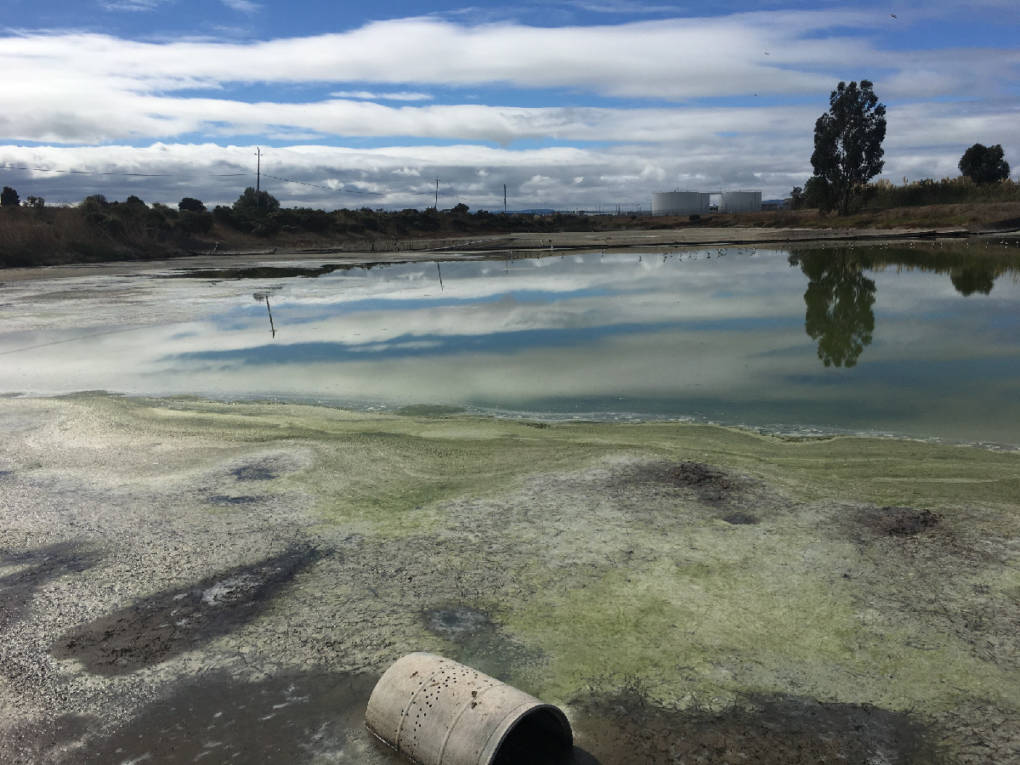
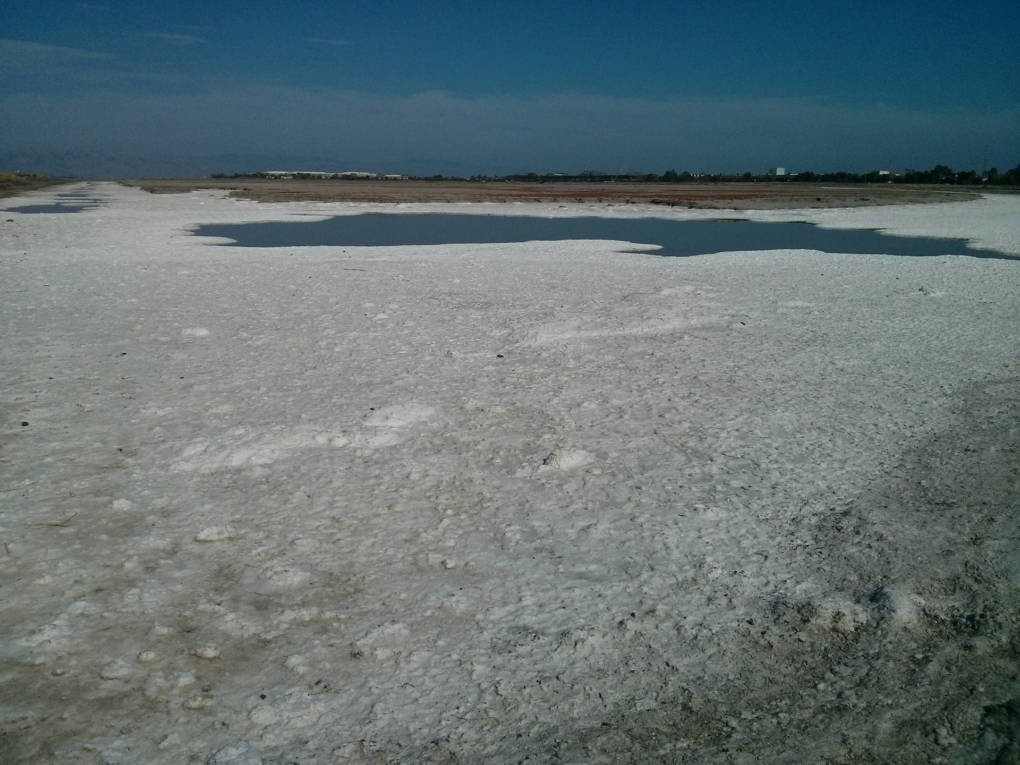
"caption": "This former \"polishing pond\" is tucked in between the San Francisco Bay, a wastewater treatment facility, a dump and a golf course in San Leandro.",
"description": null,
"title": "RS31799_San Leandro Pond 1-qut",
"credit": "San Leandro Water Pollution Control Plant",
"status": "inherit",
"isLoading": false,
"fetchFailed": false
},
"news_11679809": {
"type": "attachments",
"id": "news_11679809",
"meta": {
"index": "attachments_1716263798",
"site": "news",
"id": "11679809",
"found": true
},
"parent": 11679167,
"imgSizes": {
"small": {
"file": "https://ww2.kqed.org/app/uploads/sites/10/2018/07/1_Dr.-Carson4-520x293.jpg",
"width": 520,
"mimeType": "image/jpeg",
"height": 293
},
"twentyfourteen-full-width": {
"file": "https://ww2.kqed.org/app/uploads/sites/10/2018/07/1_Dr.-Carson4-1038x576.jpg",
"width": 1038,
"mimeType": "image/jpeg",
"height": 576
},
"thumbnail": {
"file": "https://ww2.kqed.org/app/uploads/sites/10/2018/07/1_Dr.-Carson4-160x90.jpg",
"width": 160,
"mimeType": "image/jpeg",
"height": 90
},
"fd-sm": {
"file": "https://ww2.kqed.org/app/uploads/sites/10/2018/07/1_Dr.-Carson4-960x540.jpg",
"width": 960,
"mimeType": "image/jpeg",
"height": 540
},
"post-thumbnail": {
"file": "https://ww2.kqed.org/app/uploads/sites/10/2018/07/1_Dr.-Carson4-672x372.jpg",
"width": 672,
"mimeType": "image/jpeg",
"height": 372
},
"xsmall": {
"file": "https://ww2.kqed.org/app/uploads/sites/10/2018/07/1_Dr.-Carson4-375x211.jpg",
"width": 375,
"mimeType": "image/jpeg",
"height": 211
},
"kqedFullSize": {
"file": "https://ww2.kqed.org/app/uploads/sites/10/2018/07/1_Dr.-Carson4.jpg",
"width": 1920,
"height": 1080
},
"large": {
"file": "https://ww2.kqed.org/app/uploads/sites/10/2018/07/1_Dr.-Carson4-1020x574.jpg",
"width": 1020,
"mimeType": "image/jpeg",
"height": 574
},
"xlarge": {
"file": "https://ww2.kqed.org/app/uploads/sites/10/2018/07/1_Dr.-Carson4-1180x664.jpg",
"width": 1180,
"mimeType": "image/jpeg",
"height": 664
},
"complete_open_graph": {
"file": "https://ww2.kqed.org/app/uploads/sites/10/2018/07/1_Dr.-Carson4-1200x675.jpg",
"width": 1200,
"mimeType": "image/jpeg",
"height": 675
},
"guest-author-50": {
"file": "https://ww2.kqed.org/app/uploads/sites/10/2018/07/1_Dr.-Carson4-50x50.jpg",
"width": 50,
"mimeType": "image/jpeg",
"height": 50
},
"guest-author-96": {
"file": "https://ww2.kqed.org/app/uploads/sites/10/2018/07/1_Dr.-Carson4-96x96.jpg",
"width": 96,
"mimeType": "image/jpeg",
"height": 96
},
"medium": {
"file": "https://ww2.kqed.org/app/uploads/sites/10/2018/07/1_Dr.-Carson4-800x450.jpg",
"width": 800,
"mimeType": "image/jpeg",
"height": 450
},
"guest-author-64": {
"file": "https://ww2.kqed.org/app/uploads/sites/10/2018/07/1_Dr.-Carson4-64x64.jpg",
"width": 64,
"mimeType": "image/jpeg",
"height": 64
},
"guest-author-32": {
"file": "https://ww2.kqed.org/app/uploads/sites/10/2018/07/1_Dr.-Carson4-32x32.jpg",
"width": 32,
"mimeType": "image/jpeg",
"height": 32
},
"fd-lrg": {
"file": "https://ww2.kqed.org/app/uploads/sites/10/2018/07/1_Dr.-Carson4-1920x1080.jpg",
"width": 1920,
"mimeType": "image/jpeg",
"height": 1080
},
"fd-med": {
"file": "https://ww2.kqed.org/app/uploads/sites/10/2018/07/1_Dr.-Carson4-1180x664.jpg",
"width": 1180,
"mimeType": "image/jpeg",
"height": 664
},
"full-width": {
"file": "https://ww2.kqed.org/app/uploads/sites/10/2018/07/1_Dr.-Carson4-1920x1080.jpg",
"width": 1920,
"mimeType": "image/jpeg",
"height": 1080
},
"detail": {
"file": "https://ww2.kqed.org/app/uploads/sites/10/2018/07/1_Dr.-Carson4-150x150.jpg",
"width": 150,
"mimeType": "image/jpeg",
"height": 150
},
"guest-author-128": {
"file": "https://ww2.kqed.org/app/uploads/sites/10/2018/07/1_Dr.-Carson4-128x128.jpg",
"width": 128,
"mimeType": "image/jpeg",
"height": 128
},
"xxsmall": {
"file": "https://ww2.kqed.org/app/uploads/sites/10/2018/07/1_Dr.-Carson4-240x135.jpg",
"width": 240,
"mimeType": "image/jpeg",
"height": 135
}
},
"publishDate": 1531246800,
"modified": 1531435511,
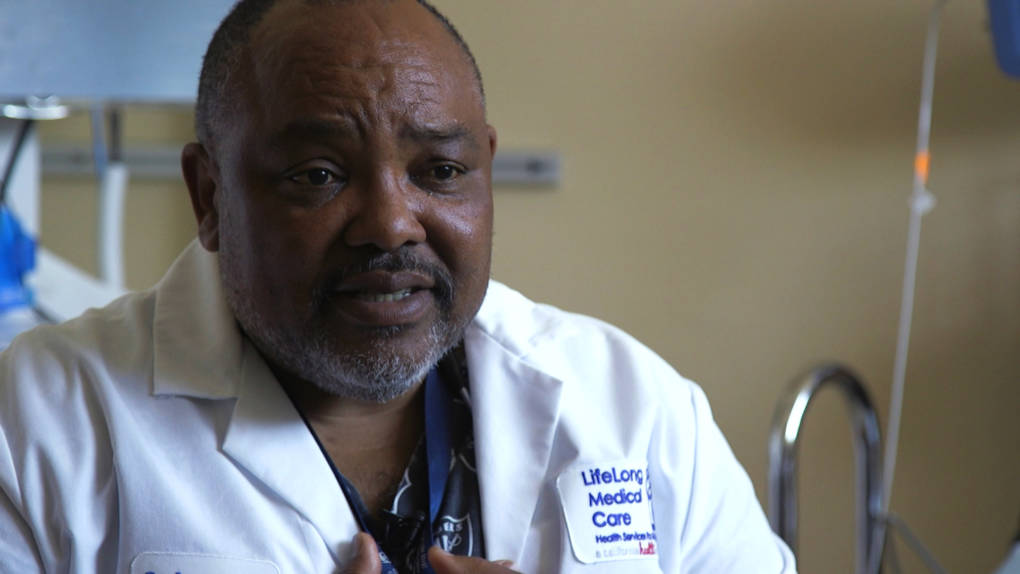
"caption": "Dr. Desmond Carson is a physician at Lifelong Medical Care in San Pablo. ",
"description": null,
"title": "1_Dr.-Carson4",
"credit": "Bo Kovitz",
"status": "inherit",
"isLoading": false,
"fetchFailed": false
},
"news_11680262": {
"type": "attachments",
"id": "news_11680262",
"meta": {
"index": "attachments_1716263798",
"site": "news",
"id": "11680262",
"found": true
},
"parent": 11680221,
"imgSizes": {
"small": {
"file": "https://ww2.kqed.org/app/uploads/sites/10/2018/07/RS31788_lioness1-qut-520x375.jpg",
"width": 520,
"mimeType": "image/jpeg",
"height": 375
},
"twentyfourteen-full-width": {
"file": "https://ww2.kqed.org/app/uploads/sites/10/2018/07/RS31788_lioness1-qut-1038x576.jpg",
"width": 1038,
"mimeType": "image/jpeg",
"height": 576
},
"thumbnail": {
"file": "https://ww2.kqed.org/app/uploads/sites/10/2018/07/RS31788_lioness1-qut-160x115.jpg",
"width": 160,
"mimeType": "image/jpeg",
"height": 115
},
"fd-sm": {
"file": "https://ww2.kqed.org/app/uploads/sites/10/2018/07/RS31788_lioness1-qut-960x693.jpg",
"width": 960,
"mimeType": "image/jpeg",
"height": 693
},
"post-thumbnail": {
"file": "https://ww2.kqed.org/app/uploads/sites/10/2018/07/RS31788_lioness1-qut-672x372.jpg",
"width": 672,
"mimeType": "image/jpeg",
"height": 372
},
"xsmall": {
"file": "https://ww2.kqed.org/app/uploads/sites/10/2018/07/RS31788_lioness1-qut-375x271.jpg",
"width": 375,
"mimeType": "image/jpeg",
"height": 271
},
"kqedFullSize": {
"file": "https://ww2.kqed.org/app/uploads/sites/10/2018/07/RS31788_lioness1-qut.jpg",
"width": 1920,
"height": 1385
},
"large": {
"file": "https://ww2.kqed.org/app/uploads/sites/10/2018/07/RS31788_lioness1-qut-1020x736.jpg",
"width": 1020,
"mimeType": "image/jpeg",
"height": 736
},
"xlarge": {
"file": "https://ww2.kqed.org/app/uploads/sites/10/2018/07/RS31788_lioness1-qut-1180x851.jpg",
"width": 1180,
"mimeType": "image/jpeg",
"height": 851
},
"complete_open_graph": {
"file": "https://ww2.kqed.org/app/uploads/sites/10/2018/07/RS31788_lioness1-qut-1200x866.jpg",
"width": 1200,
"mimeType": "image/jpeg",
"height": 866
},
"guest-author-50": {
"file": "https://ww2.kqed.org/app/uploads/sites/10/2018/07/RS31788_lioness1-qut-50x50.jpg",
"width": 50,
"mimeType": "image/jpeg",
"height": 50
},
"guest-author-96": {
"file": "https://ww2.kqed.org/app/uploads/sites/10/2018/07/RS31788_lioness1-qut-96x96.jpg",
"width": 96,
"mimeType": "image/jpeg",
"height": 96
},
"medium": {
"file": "https://ww2.kqed.org/app/uploads/sites/10/2018/07/RS31788_lioness1-qut-800x577.jpg",
"width": 800,
"mimeType": "image/jpeg",
"height": 577
},
"guest-author-64": {
"file": "https://ww2.kqed.org/app/uploads/sites/10/2018/07/RS31788_lioness1-qut-64x64.jpg",
"width": 64,
"mimeType": "image/jpeg",
"height": 64
},
"guest-author-32": {
"file": "https://ww2.kqed.org/app/uploads/sites/10/2018/07/RS31788_lioness1-qut-32x32.jpg",
"width": 32,
"mimeType": "image/jpeg",
"height": 32
},
"fd-lrg": {
"file": "https://ww2.kqed.org/app/uploads/sites/10/2018/07/RS31788_lioness1-qut-1920x1385.jpg",
"width": 1920,
"mimeType": "image/jpeg",
"height": 1385
},
"fd-med": {
"file": "https://ww2.kqed.org/app/uploads/sites/10/2018/07/RS31788_lioness1-qut-1180x851.jpg",
"width": 1180,
"mimeType": "image/jpeg",
"height": 851
},
"full-width": {
"file": "https://ww2.kqed.org/app/uploads/sites/10/2018/07/RS31788_lioness1-qut-1920x1385.jpg",
"width": 1920,
"mimeType": "image/jpeg",
"height": 1385
},
"detail": {
"file": "https://ww2.kqed.org/app/uploads/sites/10/2018/07/RS31788_lioness1-qut-150x150.jpg",
"width": 150,
"mimeType": "image/jpeg",
"height": 150
},
"guest-author-128": {
"file": "https://ww2.kqed.org/app/uploads/sites/10/2018/07/RS31788_lioness1-qut-128x128.jpg",
"width": 128,
"mimeType": "image/jpeg",
"height": 128
},
"xxsmall": {
"file": "https://ww2.kqed.org/app/uploads/sites/10/2018/07/RS31788_lioness1-qut-240x173.jpg",
"width": 240,
"mimeType": "image/jpeg",
"height": 173
}
},
"publishDate": 1531418942,
"modified": 1531632194,
"caption": "An ad for a \"smart\" vibrator could not compete for attention with workers washing a building at Van Ness Avenue and Jackson Street in San Francisco.",
"description": "An ad for a \"smart\" vibrator could not compete for attention with workers washing a building at Van Ness Avenue and Jackson Street in San Francisco.",
"title": "RS31788_lioness1-qut",
"credit": "Patricia Yollin/KQED",
"status": "inherit",
"isLoading": false,
"fetchFailed": false
},
"news_11678544": {
"type": "attachments",
"id": "news_11678544",
"meta": {
"index": "attachments_1716263798",
"site": "news",
"id": "11678544",
"found": true
},
"parent": 11678541,
"imgSizes": {
"small": {
"file": "https://ww2.kqed.org/app/uploads/sites/10/2018/07/RS31669_P1010153-qut-520x390.jpg",
"width": 520,
"mimeType": "image/jpeg",
"height": 390
},
"twentyfourteen-full-width": {
"file": "https://ww2.kqed.org/app/uploads/sites/10/2018/07/RS31669_P1010153-qut-1038x576.jpg",
"width": 1038,
"mimeType": "image/jpeg",
"height": 576
},
"thumbnail": {
"file": "https://ww2.kqed.org/app/uploads/sites/10/2018/07/RS31669_P1010153-qut-160x120.jpg",
"width": 160,
"mimeType": "image/jpeg",
"height": 120
},
"fd-sm": {
"file": "https://ww2.kqed.org/app/uploads/sites/10/2018/07/RS31669_P1010153-qut-960x720.jpg",
"width": 960,
"mimeType": "image/jpeg",
"height": 720
},
"post-thumbnail": {
"file": "https://ww2.kqed.org/app/uploads/sites/10/2018/07/RS31669_P1010153-qut-672x372.jpg",
"width": 672,
"mimeType": "image/jpeg",
"height": 372
},
"xsmall": {
"file": "https://ww2.kqed.org/app/uploads/sites/10/2018/07/RS31669_P1010153-qut-375x281.jpg",
"width": 375,
"mimeType": "image/jpeg",
"height": 281
},
"kqedFullSize": {
"file": "https://ww2.kqed.org/app/uploads/sites/10/2018/07/RS31669_P1010153-qut.jpg",
"width": 1920,
"height": 1440
},
"large": {
"file": "https://ww2.kqed.org/app/uploads/sites/10/2018/07/RS31669_P1010153-qut-1020x765.jpg",
"width": 1020,
"mimeType": "image/jpeg",
"height": 765
},
"xlarge": {
"file": "https://ww2.kqed.org/app/uploads/sites/10/2018/07/RS31669_P1010153-qut-1180x885.jpg",
"width": 1180,
"mimeType": "image/jpeg",
"height": 885
},
"complete_open_graph": {
"file": "https://ww2.kqed.org/app/uploads/sites/10/2018/07/RS31669_P1010153-qut-1200x900.jpg",
"width": 1200,
"mimeType": "image/jpeg",
"height": 900
},
"guest-author-50": {
"file": "https://ww2.kqed.org/app/uploads/sites/10/2018/07/RS31669_P1010153-qut-50x50.jpg",
"width": 50,
"mimeType": "image/jpeg",
"height": 50
},
"guest-author-96": {
"file": "https://ww2.kqed.org/app/uploads/sites/10/2018/07/RS31669_P1010153-qut-96x96.jpg",
"width": 96,
"mimeType": "image/jpeg",
"height": 96
},
"medium": {
"file": "https://ww2.kqed.org/app/uploads/sites/10/2018/07/RS31669_P1010153-qut-800x600.jpg",
"width": 800,
"mimeType": "image/jpeg",
"height": 600
},
"guest-author-64": {
"file": "https://ww2.kqed.org/app/uploads/sites/10/2018/07/RS31669_P1010153-qut-64x64.jpg",
"width": 64,
"mimeType": "image/jpeg",
"height": 64
},
"guest-author-32": {
"file": "https://ww2.kqed.org/app/uploads/sites/10/2018/07/RS31669_P1010153-qut-32x32.jpg",
"width": 32,
"mimeType": "image/jpeg",
"height": 32
},
"fd-lrg": {
"file": "https://ww2.kqed.org/app/uploads/sites/10/2018/07/RS31669_P1010153-qut-1920x1440.jpg",
"width": 1920,
"mimeType": "image/jpeg",
"height": 1440
},
"fd-med": {
"file": "https://ww2.kqed.org/app/uploads/sites/10/2018/07/RS31669_P1010153-qut-1180x885.jpg",
"width": 1180,
"mimeType": "image/jpeg",
"height": 885
},
"full-width": {
"file": "https://ww2.kqed.org/app/uploads/sites/10/2018/07/RS31669_P1010153-qut-1920x1440.jpg",
"width": 1920,
"mimeType": "image/jpeg",
"height": 1440
},
"detail": {
"file": "https://ww2.kqed.org/app/uploads/sites/10/2018/07/RS31669_P1010153-qut-150x150.jpg",
"width": 150,
"mimeType": "image/jpeg",
"height": 150
},
"guest-author-128": {
"file": "https://ww2.kqed.org/app/uploads/sites/10/2018/07/RS31669_P1010153-qut-128x128.jpg",
"width": 128,
"mimeType": "image/jpeg",
"height": 128
},
"xxsmall": {
"file": "https://ww2.kqed.org/app/uploads/sites/10/2018/07/RS31669_P1010153-qut-240x180.jpg",
"width": 240,
"mimeType": "image/jpeg",
"height": 180
}
},
"publishDate": 1530477493,
"modified": 1530920267,
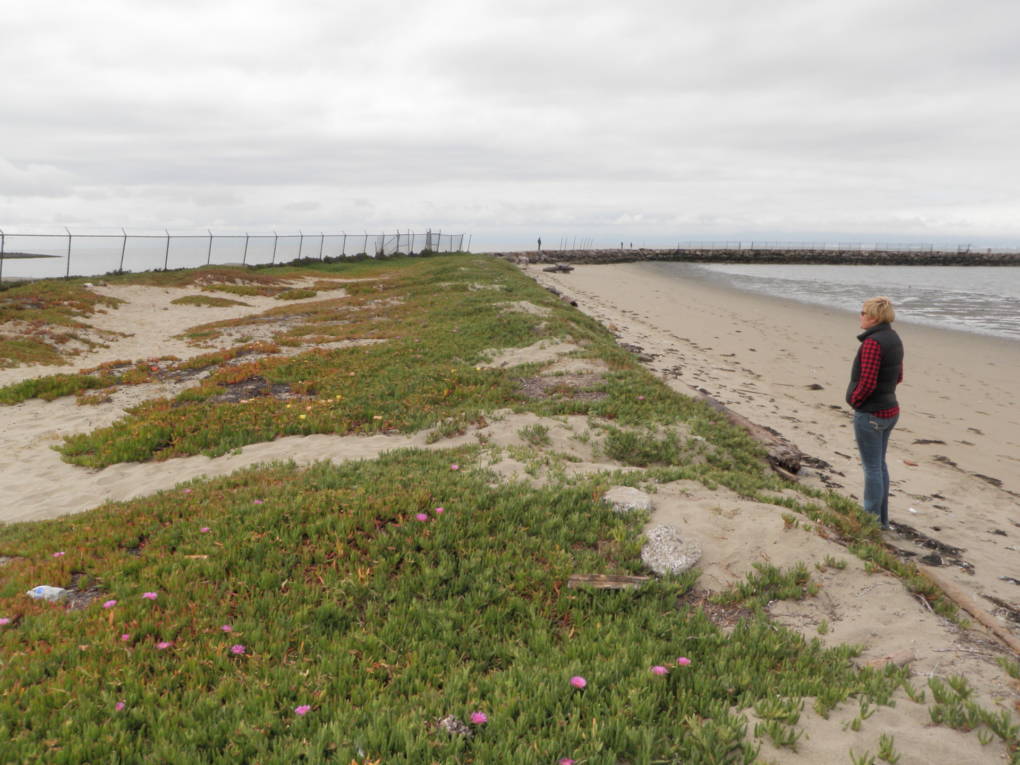
"caption": "A little more than a quarter-acre of dunes stretches across the shoreline at Encinal Beach.",
"description": null,
"title": "RS31669_P1010153-qut",
"credit": "Joe Sullivan/East Bay Regional Park District",
"status": "inherit",
"isLoading": false,
"fetchFailed": false
},
"news_11678419": {
"type": "attachments",
"id": "news_11678419",
"meta": {
"index": "attachments_1716263798",
"site": "news",
"id": "11678419",
"found": true
},
"parent": 11678417,
"imgSizes": {
"small": {
"file": "https://ww2.kqed.org/app/uploads/sites/10/2018/06/RS31665_41141902320_9544917cdb_k-qut-520x390.jpg",
"width": 520,
"mimeType": "image/jpeg",
"height": 390
},
"twentyfourteen-full-width": {
"file": "https://ww2.kqed.org/app/uploads/sites/10/2018/06/RS31665_41141902320_9544917cdb_k-qut-1038x576.jpg",
"width": 1038,
"mimeType": "image/jpeg",
"height": 576
},
"thumbnail": {
"file": "https://ww2.kqed.org/app/uploads/sites/10/2018/06/RS31665_41141902320_9544917cdb_k-qut-160x120.jpg",
"width": 160,
"mimeType": "image/jpeg",
"height": 120
},
"fd-sm": {
"file": "https://ww2.kqed.org/app/uploads/sites/10/2018/06/RS31665_41141902320_9544917cdb_k-qut-960x720.jpg",
"width": 960,
"mimeType": "image/jpeg",
"height": 720
},
"post-thumbnail": {
"file": "https://ww2.kqed.org/app/uploads/sites/10/2018/06/RS31665_41141902320_9544917cdb_k-qut-672x372.jpg",
"width": 672,
"mimeType": "image/jpeg",
"height": 372
},
"xsmall": {
"file": "https://ww2.kqed.org/app/uploads/sites/10/2018/06/RS31665_41141902320_9544917cdb_k-qut-375x281.jpg",
"width": 375,
"mimeType": "image/jpeg",
"height": 281
},
"kqedFullSize": {
"file": "https://ww2.kqed.org/app/uploads/sites/10/2018/06/RS31665_41141902320_9544917cdb_k-qut.jpg",
"width": 1920,
"height": 1440
},
"large": {
"file": "https://ww2.kqed.org/app/uploads/sites/10/2018/06/RS31665_41141902320_9544917cdb_k-qut-1020x765.jpg",
"width": 1020,
"mimeType": "image/jpeg",
"height": 765
},
"xlarge": {
"file": "https://ww2.kqed.org/app/uploads/sites/10/2018/06/RS31665_41141902320_9544917cdb_k-qut-1180x885.jpg",
"width": 1180,
"mimeType": "image/jpeg",
"height": 885
},
"complete_open_graph": {
"file": "https://ww2.kqed.org/app/uploads/sites/10/2018/06/RS31665_41141902320_9544917cdb_k-qut-1200x900.jpg",
"width": 1200,
"mimeType": "image/jpeg",
"height": 900
},
"guest-author-50": {
"file": "https://ww2.kqed.org/app/uploads/sites/10/2018/06/RS31665_41141902320_9544917cdb_k-qut-50x50.jpg",
"width": 50,
"mimeType": "image/jpeg",
"height": 50
},
"guest-author-96": {
"file": "https://ww2.kqed.org/app/uploads/sites/10/2018/06/RS31665_41141902320_9544917cdb_k-qut-96x96.jpg",
"width": 96,
"mimeType": "image/jpeg",
"height": 96
},
"medium": {
"file": "https://ww2.kqed.org/app/uploads/sites/10/2018/06/RS31665_41141902320_9544917cdb_k-qut-800x600.jpg",
"width": 800,
"mimeType": "image/jpeg",
"height": 600
},
"guest-author-64": {
"file": "https://ww2.kqed.org/app/uploads/sites/10/2018/06/RS31665_41141902320_9544917cdb_k-qut-64x64.jpg",
"width": 64,
"mimeType": "image/jpeg",
"height": 64
},
"guest-author-32": {
"file": "https://ww2.kqed.org/app/uploads/sites/10/2018/06/RS31665_41141902320_9544917cdb_k-qut-32x32.jpg",
"width": 32,
"mimeType": "image/jpeg",
"height": 32
},
"fd-lrg": {
"file": "https://ww2.kqed.org/app/uploads/sites/10/2018/06/RS31665_41141902320_9544917cdb_k-qut-1920x1440.jpg",
"width": 1920,
"mimeType": "image/jpeg",
"height": 1440
},
"fd-med": {
"file": "https://ww2.kqed.org/app/uploads/sites/10/2018/06/RS31665_41141902320_9544917cdb_k-qut-1180x885.jpg",
"width": 1180,
"mimeType": "image/jpeg",
"height": 885
},
"full-width": {
"file": "https://ww2.kqed.org/app/uploads/sites/10/2018/06/RS31665_41141902320_9544917cdb_k-qut-1920x1440.jpg",
"width": 1920,
"mimeType": "image/jpeg",
"height": 1440
},
"detail": {
"file": "https://ww2.kqed.org/app/uploads/sites/10/2018/06/RS31665_41141902320_9544917cdb_k-qut-150x150.jpg",
"width": 150,
"mimeType": "image/jpeg",
"height": 150
},
"guest-author-128": {
"file": "https://ww2.kqed.org/app/uploads/sites/10/2018/06/RS31665_41141902320_9544917cdb_k-qut-128x128.jpg",
"width": 128,
"mimeType": "image/jpeg",
"height": 128
},
"xxsmall": {
"file": "https://ww2.kqed.org/app/uploads/sites/10/2018/06/RS31665_41141902320_9544917cdb_k-qut-240x180.jpg",
"width": 240,
"mimeType": "image/jpeg",
"height": 180
}
},
"publishDate": 1530379036,
"modified": 1530459594,
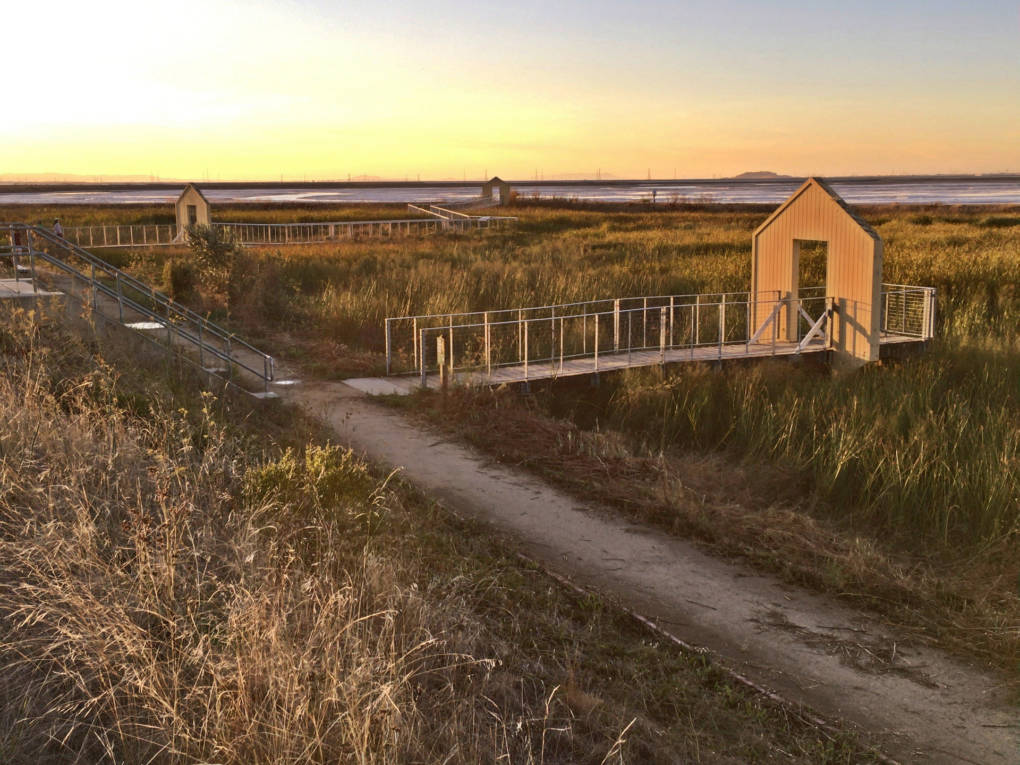
"caption": "Alviso Marina County Park offers a stunning, below sea level view of the San Francisco Bay.",
"description": "Alviso Marina County Park offers a stunning, below sea level view of the San Francisco Bay.",
"title": "RS31665_41141902320_9544917cdb_k-qut",
"credit": "\u003ca href=\"https://www.flickr.com/photos/geoffdude/\">Geoff Dude\u003c/a>/flickr",
"status": "inherit",
"isLoading": false,
"fetchFailed": false
},
"news_11678398": {
"type": "attachments",
"id": "news_11678398",
"meta": {
"index": "attachments_1716263798",
"site": "news",
"id": "11678398",
"found": true
},
"parent": 11678397,
"imgSizes": {
"small": {
"file": "https://ww2.kqed.org/app/uploads/sites/10/2018/06/ap_18180028301901-4662d73fdc222478fb31f66db288d961c93b5e85-520x390.jpg",
"width": 520,
"mimeType": "image/jpeg",
"height": 390
},
"twentyfourteen-full-width": {
"file": "https://ww2.kqed.org/app/uploads/sites/10/2018/06/ap_18180028301901-4662d73fdc222478fb31f66db288d961c93b5e85-1038x576.jpg",
"width": 1038,
"mimeType": "image/jpeg",
"height": 576
},
"thumbnail": {
"file": "https://ww2.kqed.org/app/uploads/sites/10/2018/06/ap_18180028301901-4662d73fdc222478fb31f66db288d961c93b5e85-160x120.jpg",
"width": 160,
"mimeType": "image/jpeg",
"height": 120
},
"fd-sm": {
"file": "https://ww2.kqed.org/app/uploads/sites/10/2018/06/ap_18180028301901-4662d73fdc222478fb31f66db288d961c93b5e85-960x720.jpg",
"width": 960,
"mimeType": "image/jpeg",
"height": 720
},
"post-thumbnail": {
"file": "https://ww2.kqed.org/app/uploads/sites/10/2018/06/ap_18180028301901-4662d73fdc222478fb31f66db288d961c93b5e85-672x372.jpg",
"width": 672,
"mimeType": "image/jpeg",
"height": 372
},
"xsmall": {
"file": "https://ww2.kqed.org/app/uploads/sites/10/2018/06/ap_18180028301901-4662d73fdc222478fb31f66db288d961c93b5e85-375x281.jpg",
"width": 375,
"mimeType": "image/jpeg",
"height": 281
},
"kqedFullSize": {
"file": "https://ww2.kqed.org/app/uploads/sites/10/2018/06/ap_18180028301901-4662d73fdc222478fb31f66db288d961c93b5e85-e1530369181866.jpg",
"width": 1920,
"height": 1440
},
"large": {
"file": "https://ww2.kqed.org/app/uploads/sites/10/2018/06/ap_18180028301901-4662d73fdc222478fb31f66db288d961c93b5e85-1020x765.jpg",
"width": 1020,
"mimeType": "image/jpeg",
"height": 765
},
"xlarge": {
"file": "https://ww2.kqed.org/app/uploads/sites/10/2018/06/ap_18180028301901-4662d73fdc222478fb31f66db288d961c93b5e85-1180x885.jpg",
"width": 1180,
"mimeType": "image/jpeg",
"height": 885
},
"complete_open_graph": {
"file": "https://ww2.kqed.org/app/uploads/sites/10/2018/06/ap_18180028301901-4662d73fdc222478fb31f66db288d961c93b5e85-1200x900.jpg",
"width": 1200,
"mimeType": "image/jpeg",
"height": 900
},
"guest-author-50": {
"file": "https://ww2.kqed.org/app/uploads/sites/10/2018/06/ap_18180028301901-4662d73fdc222478fb31f66db288d961c93b5e85-50x50.jpg",
"width": 50,
"mimeType": "image/jpeg",
"height": 50
},
"guest-author-96": {
"file": "https://ww2.kqed.org/app/uploads/sites/10/2018/06/ap_18180028301901-4662d73fdc222478fb31f66db288d961c93b5e85-96x96.jpg",
"width": 96,
"mimeType": "image/jpeg",
"height": 96
},
"medium": {
"file": "https://ww2.kqed.org/app/uploads/sites/10/2018/06/ap_18180028301901-4662d73fdc222478fb31f66db288d961c93b5e85-800x600.jpg",
"width": 800,
"mimeType": "image/jpeg",
"height": 600
},
"guest-author-64": {
"file": "https://ww2.kqed.org/app/uploads/sites/10/2018/06/ap_18180028301901-4662d73fdc222478fb31f66db288d961c93b5e85-64x64.jpg",
"width": 64,
"mimeType": "image/jpeg",
"height": 64
},
"guest-author-32": {
"file": "https://ww2.kqed.org/app/uploads/sites/10/2018/06/ap_18180028301901-4662d73fdc222478fb31f66db288d961c93b5e85-32x32.jpg",
"width": 32,
"mimeType": "image/jpeg",
"height": 32
},
"fd-lrg": {
"file": "https://ww2.kqed.org/app/uploads/sites/10/2018/06/ap_18180028301901-4662d73fdc222478fb31f66db288d961c93b5e85-1920x1440.jpg",
"width": 1920,
"mimeType": "image/jpeg",
"height": 1440
},
"fd-med": {
"file": "https://ww2.kqed.org/app/uploads/sites/10/2018/06/ap_18180028301901-4662d73fdc222478fb31f66db288d961c93b5e85-1180x885.jpg",
"width": 1180,
"mimeType": "image/jpeg",
"height": 885
},
"full-width": {
"file": "https://ww2.kqed.org/app/uploads/sites/10/2018/06/ap_18180028301901-4662d73fdc222478fb31f66db288d961c93b5e85-1920x1440.jpg",
"width": 1920,
"mimeType": "image/jpeg",
"height": 1440
},
"detail": {
"file": "https://ww2.kqed.org/app/uploads/sites/10/2018/06/ap_18180028301901-4662d73fdc222478fb31f66db288d961c93b5e85-150x150.jpg",
"width": 150,
"mimeType": "image/jpeg",
"height": 150
},
"guest-author-128": {
"file": "https://ww2.kqed.org/app/uploads/sites/10/2018/06/ap_18180028301901-4662d73fdc222478fb31f66db288d961c93b5e85-128x128.jpg",
"width": 128,
"mimeType": "image/jpeg",
"height": 128
},
"xxsmall": {
"file": "https://ww2.kqed.org/app/uploads/sites/10/2018/06/ap_18180028301901-4662d73fdc222478fb31f66db288d961c93b5e85-240x180.jpg",
"width": 240,
"mimeType": "image/jpeg",
"height": 180
}
},
"publishDate": 1530368918,
"modified": 1530369205,
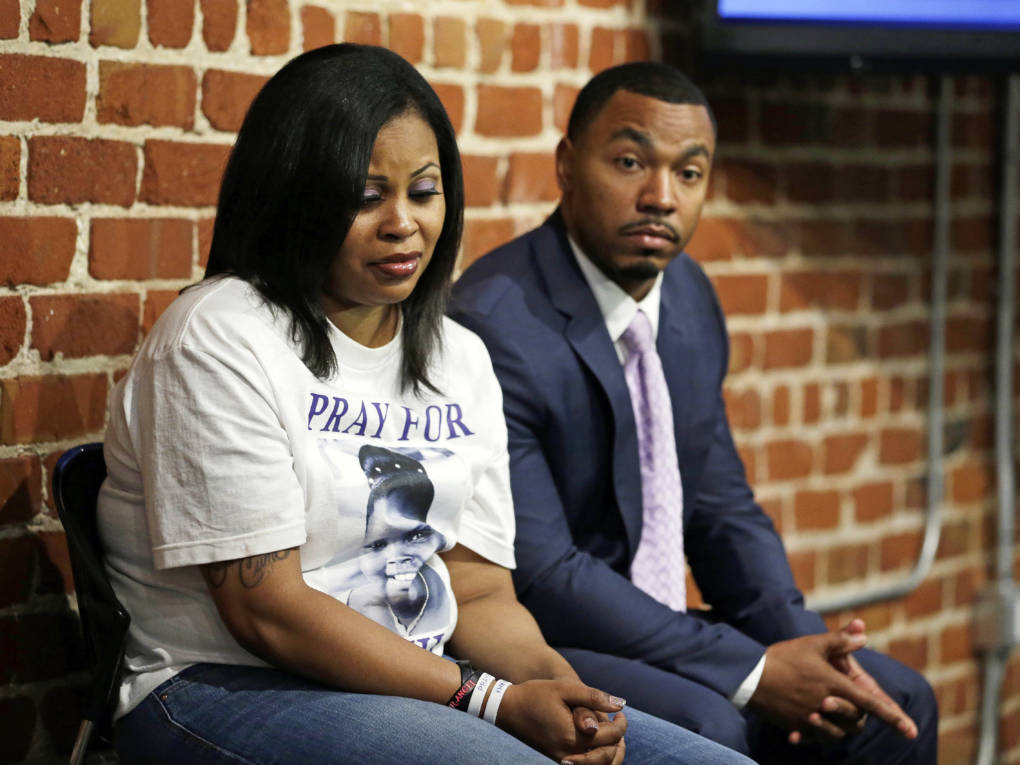
"caption": "Nailah Winkfield (left) and Omari Sealey, the mother and uncle of Jahi McMath, listen to doctors speak during a news conference in San Francisco in 2014.",
"description": "Nailah Winkfield (left) and Omari Sealey, the mother and uncle of Jahi McMath, listen to doctors speak during a news conference in San Francisco in 2014.",
"title": "Nailah Winkfield (left) and Omari Sealey, the mother and uncle of Jahi McMath, listen to doctors speak during a news conference in San Francisco in 2014.",
"credit": "Eric Risberg/AP",
"status": "inherit",
"isLoading": false,
"fetchFailed": false
},
"news_11678313": {
"type": "attachments",
"id": "news_11678313",
"meta": {
"index": "attachments_1716263798",
"site": "news",
"id": "11678313",
"found": true
},
"parent": 11678299,
"imgSizes": {
"small": {
"file": "https://ww2.kqed.org/app/uploads/sites/10/2018/06/needles_social02-520x354.jpg",
"width": 520,
"mimeType": "image/jpeg",
"height": 354
},
"twentyfourteen-full-width": {
"file": "https://ww2.kqed.org/app/uploads/sites/10/2018/06/needles_social02-1038x576.jpg",
"width": 1038,
"mimeType": "image/jpeg",
"height": 576
},
"thumbnail": {
"file": "https://ww2.kqed.org/app/uploads/sites/10/2018/06/needles_social02-160x109.jpg",
"width": 160,
"mimeType": "image/jpeg",
"height": 109
},
"fd-sm": {
"file": "https://ww2.kqed.org/app/uploads/sites/10/2018/06/needles_social02-960x653.jpg",
"width": 960,
"mimeType": "image/jpeg",
"height": 653
},
"post-thumbnail": {
"file": "https://ww2.kqed.org/app/uploads/sites/10/2018/06/needles_social02-672x372.jpg",
"width": 672,
"mimeType": "image/jpeg",
"height": 372
},
"xsmall": {
"file": "https://ww2.kqed.org/app/uploads/sites/10/2018/06/needles_social02-375x255.jpg",
"width": 375,
"mimeType": "image/jpeg",
"height": 255
},
"kqedFullSize": {
"file": "https://ww2.kqed.org/app/uploads/sites/10/2018/06/needles_social02.jpg",
"width": 1920,
"height": 1306
},
"large": {
"file": "https://ww2.kqed.org/app/uploads/sites/10/2018/06/needles_social02-1020x694.jpg",
"width": 1020,
"mimeType": "image/jpeg",
"height": 694
},
"xlarge": {
"file": "https://ww2.kqed.org/app/uploads/sites/10/2018/06/needles_social02-1180x803.jpg",
"width": 1180,
"mimeType": "image/jpeg",
"height": 803
},
"complete_open_graph": {
"file": "https://ww2.kqed.org/app/uploads/sites/10/2018/06/needles_social02-1200x816.jpg",
"width": 1200,
"mimeType": "image/jpeg",
"height": 816
},
"guest-author-50": {
"file": "https://ww2.kqed.org/app/uploads/sites/10/2018/06/needles_social02-50x50.jpg",
"width": 50,
"mimeType": "image/jpeg",
"height": 50
},
"guest-author-96": {
"file": "https://ww2.kqed.org/app/uploads/sites/10/2018/06/needles_social02-96x96.jpg",
"width": 96,
"mimeType": "image/jpeg",
"height": 96
},
"medium": {
"file": "https://ww2.kqed.org/app/uploads/sites/10/2018/06/needles_social02-800x544.jpg",
"width": 800,
"mimeType": "image/jpeg",
"height": 544
},
"guest-author-64": {
"file": "https://ww2.kqed.org/app/uploads/sites/10/2018/06/needles_social02-64x64.jpg",
"width": 64,
"mimeType": "image/jpeg",
"height": 64
},
"guest-author-32": {
"file": "https://ww2.kqed.org/app/uploads/sites/10/2018/06/needles_social02-32x32.jpg",
"width": 32,
"mimeType": "image/jpeg",
"height": 32
},
"fd-lrg": {
"file": "https://ww2.kqed.org/app/uploads/sites/10/2018/06/needles_social02-1920x1306.jpg",
"width": 1920,
"mimeType": "image/jpeg",
"height": 1306
},
"fd-med": {
"file": "https://ww2.kqed.org/app/uploads/sites/10/2018/06/needles_social02-1180x803.jpg",
"width": 1180,
"mimeType": "image/jpeg",
"height": 803
},
"full-width": {
"file": "https://ww2.kqed.org/app/uploads/sites/10/2018/06/needles_social02-1920x1306.jpg",
"width": 1920,
"mimeType": "image/jpeg",
"height": 1306
},
"detail": {
"file": "https://ww2.kqed.org/app/uploads/sites/10/2018/06/needles_social02-150x150.jpg",
"width": 150,
"mimeType": "image/jpeg",
"height": 150
},
"guest-author-128": {
"file": "https://ww2.kqed.org/app/uploads/sites/10/2018/06/needles_social02-128x128.jpg",
"width": 128,
"mimeType": "image/jpeg",
"height": 128
},
"xxsmall": {
"file": "https://ww2.kqed.org/app/uploads/sites/10/2018/06/needles_social02-240x163.jpg",
"width": 240,
"mimeType": "image/jpeg",
"height": 163
}
},
"publishDate": 1530312974,
"modified": 1530312991,
"caption": null,
"description": null,
"title": "needles_social02",
"credit": null,
"status": "inherit",
"isLoading": false,
"fetchFailed": false
},
"news_11675418": {
"type": "attachments",
"id": "news_11675418",
"meta": {
"index": "attachments_1716263798",
"site": "news",
"id": "11675418",
"found": true
},
"parent": 11675409,
"imgSizes": {
"small": {
"file": "https://ww2.kqed.org/app/uploads/sites/10/2018/06/RS31498_16033486436_9b204a5476_k-qut-1-520x390.jpg",
"width": 520,
"mimeType": "image/jpeg",
"height": 390
},
"twentyfourteen-full-width": {
"file": "https://ww2.kqed.org/app/uploads/sites/10/2018/06/RS31498_16033486436_9b204a5476_k-qut-1-1038x576.jpg",
"width": 1038,
"mimeType": "image/jpeg",
"height": 576
},
"thumbnail": {
"file": "https://ww2.kqed.org/app/uploads/sites/10/2018/06/RS31498_16033486436_9b204a5476_k-qut-1-160x120.jpg",
"width": 160,
"mimeType": "image/jpeg",
"height": 120
},
"fd-sm": {
"file": "https://ww2.kqed.org/app/uploads/sites/10/2018/06/RS31498_16033486436_9b204a5476_k-qut-1-960x720.jpg",
"width": 960,
"mimeType": "image/jpeg",
"height": 720
},
"post-thumbnail": {
"file": "https://ww2.kqed.org/app/uploads/sites/10/2018/06/RS31498_16033486436_9b204a5476_k-qut-1-672x372.jpg",
"width": 672,
"mimeType": "image/jpeg",
"height": 372
},
"xsmall": {
"file": "https://ww2.kqed.org/app/uploads/sites/10/2018/06/RS31498_16033486436_9b204a5476_k-qut-1-375x281.jpg",
"width": 375,
"mimeType": "image/jpeg",
"height": 281
},
"kqedFullSize": {
"file": "https://ww2.kqed.org/app/uploads/sites/10/2018/06/RS31498_16033486436_9b204a5476_k-qut-1.jpg",
"width": 1920,
"height": 1440
},
"large": {
"file": "https://ww2.kqed.org/app/uploads/sites/10/2018/06/RS31498_16033486436_9b204a5476_k-qut-1-1020x765.jpg",
"width": 1020,
"mimeType": "image/jpeg",
"height": 765
},
"xlarge": {
"file": "https://ww2.kqed.org/app/uploads/sites/10/2018/06/RS31498_16033486436_9b204a5476_k-qut-1-1180x885.jpg",
"width": 1180,
"mimeType": "image/jpeg",
"height": 885
},
"complete_open_graph": {
"file": "https://ww2.kqed.org/app/uploads/sites/10/2018/06/RS31498_16033486436_9b204a5476_k-qut-1-1200x900.jpg",
"width": 1200,
"mimeType": "image/jpeg",
"height": 900
},
"guest-author-50": {
"file": "https://ww2.kqed.org/app/uploads/sites/10/2018/06/RS31498_16033486436_9b204a5476_k-qut-1-50x50.jpg",
"width": 50,
"mimeType": "image/jpeg",
"height": 50
},
"guest-author-96": {
"file": "https://ww2.kqed.org/app/uploads/sites/10/2018/06/RS31498_16033486436_9b204a5476_k-qut-1-96x96.jpg",
"width": 96,
"mimeType": "image/jpeg",
"height": 96
},
"medium": {
"file": "https://ww2.kqed.org/app/uploads/sites/10/2018/06/RS31498_16033486436_9b204a5476_k-qut-1-800x600.jpg",
"width": 800,
"mimeType": "image/jpeg",
"height": 600
},
"guest-author-64": {
"file": "https://ww2.kqed.org/app/uploads/sites/10/2018/06/RS31498_16033486436_9b204a5476_k-qut-1-64x64.jpg",
"width": 64,
"mimeType": "image/jpeg",
"height": 64
},
"guest-author-32": {
"file": "https://ww2.kqed.org/app/uploads/sites/10/2018/06/RS31498_16033486436_9b204a5476_k-qut-1-32x32.jpg",
"width": 32,
"mimeType": "image/jpeg",
"height": 32
},
"fd-lrg": {
"file": "https://ww2.kqed.org/app/uploads/sites/10/2018/06/RS31498_16033486436_9b204a5476_k-qut-1-1920x1440.jpg",
"width": 1920,
"mimeType": "image/jpeg",
"height": 1440
},
"fd-med": {
"file": "https://ww2.kqed.org/app/uploads/sites/10/2018/06/RS31498_16033486436_9b204a5476_k-qut-1-1180x885.jpg",
"width": 1180,
"mimeType": "image/jpeg",
"height": 885
},
"full-width": {
"file": "https://ww2.kqed.org/app/uploads/sites/10/2018/06/RS31498_16033486436_9b204a5476_k-qut-1-1920x1440.jpg",
"width": 1920,
"mimeType": "image/jpeg",
"height": 1440
},
"detail": {
"file": "https://ww2.kqed.org/app/uploads/sites/10/2018/06/RS31498_16033486436_9b204a5476_k-qut-1-150x150.jpg",
"width": 150,
"mimeType": "image/jpeg",
"height": 150
},
"guest-author-128": {
"file": "https://ww2.kqed.org/app/uploads/sites/10/2018/06/RS31498_16033486436_9b204a5476_k-qut-1-128x128.jpg",
"width": 128,
"mimeType": "image/jpeg",
"height": 128
},
"xxsmall": {
"file": "https://ww2.kqed.org/app/uploads/sites/10/2018/06/RS31498_16033486436_9b204a5476_k-qut-1-240x180.jpg",
"width": 240,
"mimeType": "image/jpeg",
"height": 180
}
},
"publishDate": 1529256148,
"modified": 1529256286,
"caption": "There are thousands of acres of evaporated salt ponds in the South Bay, like this one near Bedwell Bayfront Park, slated for restoration.",
"description": null,
"title": "RS31498_16033486436_9b204a5476_k-qut (1)",
"credit": "\u003ca href=\"https://www.flickr.com/photos/avernet/\">Alessandro Vernet\u003c/a>/flickr",
"status": "inherit",
"isLoading": false,
"fetchFailed": false
},
"news_10348083": {
"type": "attachments",
"id": "news_10348083",
"meta": {
"index": "attachments_1716263798",
"site": "news",
"id": "10348083",
"found": true
},
"parent": 10348067,
"imgSizes": {
"twentyfourteen-full-width": {
"file": "https://ww2.kqed.org/app/uploads/sites/10/2014/11/pregnancy-1038x576.jpg",
"width": 1038,
"mimeType": "image/jpeg",
"height": 576
},
"thumbnail": {
"file": "https://ww2.kqed.org/app/uploads/sites/10/2014/11/pregnancy-400x287.jpg",
"width": 400,
"mimeType": "image/jpeg",
"height": 287
},
"post-thumbnail": {
"file": "https://ww2.kqed.org/app/uploads/sites/10/2014/11/pregnancy-672x372.jpg",
"width": 672,
"mimeType": "image/jpeg",
"height": 372
},
"kqedFullSize": {
"file": "https://ww2.kqed.org/app/uploads/sites/10/2014/11/pregnancy.jpg",
"width": 1440,
"height": 1036
},
"guest-author-96": {
"file": "https://ww2.kqed.org/app/uploads/sites/10/2014/11/pregnancy-96x96.jpg",
"width": 96,
"mimeType": "image/jpeg",
"height": 96
},
"medium": {
"file": "https://ww2.kqed.org/app/uploads/sites/10/2014/11/pregnancy-800x575.jpg",
"width": 800,
"mimeType": "image/jpeg",
"height": 575
},
"guest-author-64": {
"file": "https://ww2.kqed.org/app/uploads/sites/10/2014/11/pregnancy-64x64.jpg",
"width": 64,
"mimeType": "image/jpeg",
"height": 64
},
"detail": {
"file": "https://ww2.kqed.org/app/uploads/sites/10/2014/11/pregnancy-75x75.jpg",
"width": 75,
"mimeType": "image/jpeg",
"height": 75
},
"guest-author-32": {
"file": "https://ww2.kqed.org/app/uploads/sites/10/2014/11/pregnancy-32x32.jpg",
"width": 32,
"mimeType": "image/jpeg",
"height": 32
},
"guest-author-128": {
"file": "https://ww2.kqed.org/app/uploads/sites/10/2014/11/pregnancy-128x128.jpg",
"width": 128,
"mimeType": "image/jpeg",
"height": 128
}
},
"publishDate": 1415747241,
"modified": 1528929246,
"caption": "Cancer patients who hope to later become pregnant face difficult decisions.",
"description": null,
"title": "pregnancy",
"credit": "iStock",
"status": "inherit",
"isLoading": false,
"fetchFailed": false
},
"news_11674219": {
"type": "attachments",
"id": "news_11674219",
"meta": {
"index": "attachments_1716263798",
"site": "news",
"id": "11674219",
"found": true
},
"parent": 11674218,
"imgSizes": {
"small": {
"file": "https://ww2.kqed.org/app/uploads/sites/10/2018/06/img-1800_wide-46509d53c648409054445f94e06ccdbe23f38c2c-520x293.jpg",
"width": 520,
"mimeType": "image/jpeg",
"height": 293
},
"twentyfourteen-full-width": {
"file": "https://ww2.kqed.org/app/uploads/sites/10/2018/06/img-1800_wide-46509d53c648409054445f94e06ccdbe23f38c2c-1038x576.jpg",
"width": 1038,
"mimeType": "image/jpeg",
"height": 576
},
"thumbnail": {
"file": "https://ww2.kqed.org/app/uploads/sites/10/2018/06/img-1800_wide-46509d53c648409054445f94e06ccdbe23f38c2c-160x90.jpg",
"width": 160,
"mimeType": "image/jpeg",
"height": 90
},
"fd-sm": {
"file": "https://ww2.kqed.org/app/uploads/sites/10/2018/06/img-1800_wide-46509d53c648409054445f94e06ccdbe23f38c2c-960x540.jpg",
"width": 960,
"mimeType": "image/jpeg",
"height": 540
},
"post-thumbnail": {
"file": "https://ww2.kqed.org/app/uploads/sites/10/2018/06/img-1800_wide-46509d53c648409054445f94e06ccdbe23f38c2c-672x372.jpg",
"width": 672,
"mimeType": "image/jpeg",
"height": 372
},
"xsmall": {
"file": "https://ww2.kqed.org/app/uploads/sites/10/2018/06/img-1800_wide-46509d53c648409054445f94e06ccdbe23f38c2c-375x211.jpg",
"width": 375,
"mimeType": "image/jpeg",
"height": 211
},
"kqedFullSize": {
"file": "https://ww2.kqed.org/app/uploads/sites/10/2018/06/img-1800_wide-46509d53c648409054445f94e06ccdbe23f38c2c-e1528755552180.jpg",
"width": 1920,
"height": 1080
},
"large": {
"file": "https://ww2.kqed.org/app/uploads/sites/10/2018/06/img-1800_wide-46509d53c648409054445f94e06ccdbe23f38c2c-1020x574.jpg",
"width": 1020,
"mimeType": "image/jpeg",
"height": 574
},
"xlarge": {
"file": "https://ww2.kqed.org/app/uploads/sites/10/2018/06/img-1800_wide-46509d53c648409054445f94e06ccdbe23f38c2c-1180x664.jpg",
"width": 1180,
"mimeType": "image/jpeg",
"height": 664
},
"complete_open_graph": {
"file": "https://ww2.kqed.org/app/uploads/sites/10/2018/06/img-1800_wide-46509d53c648409054445f94e06ccdbe23f38c2c-1200x675.jpg",
"width": 1200,
"mimeType": "image/jpeg",
"height": 675
},
"guest-author-50": {
"file": "https://ww2.kqed.org/app/uploads/sites/10/2018/06/img-1800_wide-46509d53c648409054445f94e06ccdbe23f38c2c-50x50.jpg",
"width": 50,
"mimeType": "image/jpeg",
"height": 50
},
"guest-author-96": {
"file": "https://ww2.kqed.org/app/uploads/sites/10/2018/06/img-1800_wide-46509d53c648409054445f94e06ccdbe23f38c2c-96x96.jpg",
"width": 96,
"mimeType": "image/jpeg",
"height": 96
},
"medium": {
"file": "https://ww2.kqed.org/app/uploads/sites/10/2018/06/img-1800_wide-46509d53c648409054445f94e06ccdbe23f38c2c-800x450.jpg",
"width": 800,
"mimeType": "image/jpeg",
"height": 450
},
"guest-author-64": {
"file": "https://ww2.kqed.org/app/uploads/sites/10/2018/06/img-1800_wide-46509d53c648409054445f94e06ccdbe23f38c2c-64x64.jpg",
"width": 64,
"mimeType": "image/jpeg",
"height": 64
},
"guest-author-32": {
"file": "https://ww2.kqed.org/app/uploads/sites/10/2018/06/img-1800_wide-46509d53c648409054445f94e06ccdbe23f38c2c-32x32.jpg",
"width": 32,
"mimeType": "image/jpeg",
"height": 32
},
"fd-lrg": {
"file": "https://ww2.kqed.org/app/uploads/sites/10/2018/06/img-1800_wide-46509d53c648409054445f94e06ccdbe23f38c2c-1920x1080.jpg",
"width": 1920,
"mimeType": "image/jpeg",
"height": 1080
},
"fd-med": {
"file": "https://ww2.kqed.org/app/uploads/sites/10/2018/06/img-1800_wide-46509d53c648409054445f94e06ccdbe23f38c2c-1180x664.jpg",
"width": 1180,
"mimeType": "image/jpeg",
"height": 664
},
"full-width": {
"file": "https://ww2.kqed.org/app/uploads/sites/10/2018/06/img-1800_wide-46509d53c648409054445f94e06ccdbe23f38c2c-1920x1080.jpg",
"width": 1920,
"mimeType": "image/jpeg",
"height": 1080
},
"detail": {
"file": "https://ww2.kqed.org/app/uploads/sites/10/2018/06/img-1800_wide-46509d53c648409054445f94e06ccdbe23f38c2c-150x150.jpg",
"width": 150,
"mimeType": "image/jpeg",
"height": 150
},
"guest-author-128": {
"file": "https://ww2.kqed.org/app/uploads/sites/10/2018/06/img-1800_wide-46509d53c648409054445f94e06ccdbe23f38c2c-128x128.jpg",
"width": 128,
"mimeType": "image/jpeg",
"height": 128
},
"xxsmall": {
"file": "https://ww2.kqed.org/app/uploads/sites/10/2018/06/img-1800_wide-46509d53c648409054445f94e06ccdbe23f38c2c-240x135.jpg",
"width": 240,
"mimeType": "image/jpeg",
"height": 135
}
},
"publishDate": 1528754353,
"modified": 1528755577,
"caption": "Attorney Gloria Allred, center, marched with students and alumni at USC on Saturday.",
"description": "Attorney Gloria Allred, center, marched with students and alumni at USC on Saturday.",
"title": "Attorney Gloria Allred, center, marched with students and alumni at USC on Saturday.",
"credit": "Saul Gonzalez/KCRW",
"status": "inherit",
"isLoading": false,
"fetchFailed": false
}
},
"audioPlayerReducer": {
"postId": "stream_live",
"isPaused": true,
"isPlaying": false,
"pfsActive": false,
"pledgeModalIsOpen": true,
"playerDrawerIsOpen": false,
"liveAudioPlayStartedAt": 0,
"liveAudioPlayContext": ""
},
"authorsReducer": {
"byline_news_11683564": {
"type": "authors",
"id": "byline_news_11683564",
"meta": {
"override": true
},
"slug": "byline_news_11683564",
"name": "Renee Montagne",
"isLoading": false
},
"byline_news_11679167": {
"type": "authors",
"id": "byline_news_11679167",
"meta": {
"override": true
},
"slug": "byline_news_11679167",
"name": "\u003ca href=\"https://www.bokovitz.com/\" rel=\"noopener\" target=\"_blank\">Bo Kovitz\u003c/a> and \u003ca href=\"https://journalism.berkeley.edu/person/hao_guo/\" rel=\"noopener\" target=\"_blank\">Hao Guo\u003c/a>",
"isLoading": false
},
"byline_news_11678397": {
"type": "authors",
"id": "byline_news_11678397",
"meta": {
"override": true
},
"slug": "byline_news_11678397",
"name": "\u003cstrong>Kat Chow\u003c/strong>",
"isLoading": false
},
"byline_news_11674218": {
"type": "authors",
"id": "byline_news_11674218",
"meta": {
"override": true
},
"slug": "byline_news_11674218",
"name": "\u003cstrong/>Saul Gonzalez\u003c/strong>",
"isLoading": false
},
"patyollin": {
"type": "authors",
"id": "247",
"meta": {
"index": "authors_1716337520",
"id": "247",
"found": true
},
"name": "Patricia Yollin",
"firstName": "Patricia",
"lastName": "Yollin",
"slug": "patyollin",
"email": "pyollin@kqed.org",
"display_author_email": false,
"staff_mastheads": [],
"title": "KQED Contributor",
"bio": "Pat Yollin has written about lots of stuff, including organ transplants, wayward penguins at the San Francisco Zoo, the comeback of the cream puff, New York on the fifth anniversary of 9/11, a Slow Food gathering in Italy, and the microcredit movement in Northern California. Among her favorite stories: an interview with George Lucas at Skywalker Ranch that broke the story about his plan to build a cultural museum, and a pirate Trader Joe's operation in Vancouver that prompted the grocery chain to sue -- and lose. She joined KQED in 2013 and was previously a reporter and editor at the San Francisco Chronicle, the Hearst-owned San Francisco Examiner and the Hayward Daily Review.",
"avatar": "https://secure.gravatar.com/avatar/0a18ac41a263665c04b25b2c7d6b817c?s=600&d=blank&r=g",
"twitter": null,
"facebook": null,
"instagram": null,
"linkedin": null,
"sites": [
{
"site": "arts",
"roles": [
"subscriber"
]
},
{
"site": "news",
"roles": [
"subscriber"
]
},
{
"site": "futureofyou",
"roles": [
"editor"
]
},
{
"site": "lowdown",
"roles": [
"editor"
]
},
{
"site": "stateofhealth",
"roles": [
"editor"
]
}
],
"headData": {
"title": "Patricia Yollin | KQED",
"description": "KQED Contributor",
"ogImgSrc": "https://secure.gravatar.com/avatar/0a18ac41a263665c04b25b2c7d6b817c?s=600&d=blank&r=g",
"twImgSrc": "https://secure.gravatar.com/avatar/0a18ac41a263665c04b25b2c7d6b817c?s=600&d=blank&r=g"
},
"isLoading": false,
"link": "/author/patyollin"
},
"tgoldberg": {
"type": "authors",
"id": "258",
"meta": {
"index": "authors_1716337520",
"id": "258",
"found": true
},
"name": "Ted Goldberg",
"firstName": "Ted",
"lastName": "Goldberg",
"slug": "tgoldberg",
"email": "tgoldberg@kqed.org",
"display_author_email": true,
"staff_mastheads": [
"news"
],
"title": "KQED Managing Editor, News and Newscasts",
"bio": "Ted Goldberg is Managing Editor of News and Newscasts at KQED. His main reporting beat is the Bay Area's oil refining industry.\r\n\r\nPrior to joining KQED in 2014, Ted worked at CBS News and WCBS AM in New York and Bay City News and KCBS Radio in San Francisco. He graduated from Oberlin College in Ohio in 1998.",
"avatar": "https://secure.gravatar.com/avatar/30ce2e4fe89135e104f89be2394d16225b9d36c121b5b3cb7651ce642978b96f?s=600&d=blank&r=g",
"twitter": "TedrickG",
"bluesky": null,
"facebook": null,
"instagram": null,
"linkedin": null,
"sites": [
{
"site": "news",
"roles": [
"editor"
]
},
{
"site": "science",
"roles": [
"editor"
]
}
],
"headData": {
"title": "Ted Goldberg | KQED",
"description": "KQED Managing Editor, News and Newscasts",
"ogImgSrc": "https://secure.gravatar.com/avatar/30ce2e4fe89135e104f89be2394d16225b9d36c121b5b3cb7651ce642978b96f?s=600&d=blank&r=g",
"twImgSrc": "https://secure.gravatar.com/avatar/30ce2e4fe89135e104f89be2394d16225b9d36c121b5b3cb7651ce642978b96f?s=600&d=blank&r=g"
},
"isLoading": false,
"link": "/author/tgoldberg"
},
"markfiore": {
"type": "authors",
"id": "3236",
"meta": {
"index": "authors_1716337520",
"id": "3236",
"found": true
},
"name": "Mark Fiore",
"firstName": "Mark",
"lastName": "Fiore",
"slug": "markfiore",
"email": "mark@markfiore.com",
"display_author_email": false,
"staff_mastheads": [
"news"
],
"title": "KQED News Cartoonist",
"bio": "\u003ca href=\"http://www.MarkFiore.com\">MarkFiore.com\u003c/a> | \u003ca href=\"https://twitter.com/markfiore\">Follow on Twitter\u003c/a> | \u003ca href=\"https://www.facebook.com/pages/Mark-Fiore-Animated-Political-Cartoons/94451707396?ref=bookmarks\">Facebook\u003c/a> | \u003ca href=\"mailto:mark@markfiore.com\">email\u003c/a>\r\n\r\nPulitzer Prize-winner, Mark Fiore, who the Wall Street Journal has called “the undisputed guru of the form,” creates animated political cartoons in San Francisco, where his work has been featured regularly on the San Francisco Chronicle’s web site, SFGate.com. His work has appeared on Newsweek.com, Slate.com, CBSNews.com, MotherJones.com, DailyKos.com and NPR’s web site. Fiore’s political animation has appeared on CNN, Frontline, Bill Moyers Journal, Salon.com and cable and broadcast outlets across the globe.\r\n\r\nBeginning his professional life by drawing traditional political cartoons for newspapers, Fiore’s work appeared in publications ranging from the Washington Post to the Los Angeles Times. In the late 1990s, he began to experiment with animating political cartoons and, after a short stint at the San Jose Mercury News as their staff cartoonist, Fiore devoted all his energies to animation.\r\nGrowing up in California, Fiore also spent a good portion of his life in the backwoods of Idaho. It was this combination that shaped him politically. Mark majored in political science at Colorado College, where, in a perfect send-off for a cartoonist, he received his diploma in 1991 as commencement speaker Dick Cheney smiled approvingly.\r\nMark Fiore was awarded the Pulitzer Prize for political cartooning in 2010, a Robert F. Kennedy Journalism Award in 2004 and has twice received an Online Journalism Award for commentary from the Online News Association (2002, 2008). Fiore has received two awards for his work in new media from the National Cartoonists Society (2001, 2002), and in 2006 received The James Madison Freedom of Information Award from The Society of Professional Journalists.",
"avatar": "https://secure.gravatar.com/avatar/fc4e2a612b15b67bad0c6f0e1db4ca9b?s=600&d=blank&r=g",
"twitter": "MarkFiore",
"facebook": null,
"instagram": "https://www.instagram.com/markfiore/?hl=en",
"linkedin": null,
"sites": [
{
"site": "arts",
"roles": [
"contributor"
]
},
{
"site": "news",
"roles": [
"editor"
]
},
{
"site": "futureofyou",
"roles": [
"editor"
]
},
{
"site": "science",
"roles": [
"editor"
]
}
],
"headData": {
"title": "Mark Fiore | KQED",
"description": "KQED News Cartoonist",
"ogImgSrc": "https://secure.gravatar.com/avatar/fc4e2a612b15b67bad0c6f0e1db4ca9b?s=600&d=blank&r=g",
"twImgSrc": "https://secure.gravatar.com/avatar/fc4e2a612b15b67bad0c6f0e1db4ca9b?s=600&d=blank&r=g"
},
"isLoading": false,
"link": "/author/markfiore"
},
"tcamhi": {
"type": "authors",
"id": "3251",
"meta": {
"index": "authors_1716337520",
"id": "3251",
"found": true
},
"name": "Tiffany Camhi",
"firstName": "Tiffany",
"lastName": "Camhi",
"slug": "tcamhi",
"email": "tiffanycamhi@gmail.com",
"display_author_email": false,
"staff_mastheads": [],
"title": "KQED Contributor",
"bio": null,
"avatar": "https://secure.gravatar.com/avatar/f8204ce351139205d3b3dc1581016a5e30d7d8b38cb2c139348c151ec14b792e?s=600&d=blank&r=g",
"twitter": null,
"bluesky": null,
"facebook": null,
"instagram": null,
"linkedin": null,
"sites": [
{
"site": "arts",
"roles": [
"subscriber"
]
},
{
"site": "news",
"roles": [
"subscriber"
]
}
],
"headData": {
"title": "Tiffany Camhi | KQED",
"description": "KQED Contributor",
"ogImgSrc": "https://secure.gravatar.com/avatar/f8204ce351139205d3b3dc1581016a5e30d7d8b38cb2c139348c151ec14b792e?s=600&d=blank&r=g",
"twImgSrc": "https://secure.gravatar.com/avatar/f8204ce351139205d3b3dc1581016a5e30d7d8b38cb2c139348c151ec14b792e?s=600&d=blank&r=g"
},
"isLoading": false,
"link": "/author/tcamhi"
},
"rdillon": {
"type": "authors",
"id": "11495",
"meta": {
"index": "authors_1716337520",
"id": "11495",
"found": true
},
"name": "Raquel Maria Dillon",
"firstName": "Raquel Maria",
"lastName": "Dillon",
"slug": "rdillon",
"email": "rdillon@kqed.org",
"display_author_email": false,
"staff_mastheads": [],
"title": null,
"bio": "Raquel Maria Dillon was a reporter and host for KQED News. Previously, she produced the daily statewide California Report, edited newscasts, and covered health and education stories. Before returning to the Bay Area in 2016, she worked in Los Angeles as a wire reporter and one-woman-band video journalist for the Associated Press, where she shot, edited and reported breaking news and features across the West. Her work has appeared online and in print around the globe, and also on NPR’s Morning Edition, All Things Considered, Here and Now, Marketplace, On The Media, and Studio 360. She previously edited and mentored up-and-coming reporters at KALW, produced social videos for Timeline.com, and was a local TV news videographer for KTVU and digital producer for KNTV. She got her start as a Radio News Trainee at KQED, produced a weekly public affairs roundtable show for OPB, and covered health and politics at New Hampshire Public Radio. She has a BA in political science from Barnard College and a MA in video journalism from UC Berkeley, where she was awarded the Faith Fancher Scholarship and a Student Emmy. She has received numerous local awards from the Associated Press and the Society of Professional Journalists.",
"avatar": "https://secure.gravatar.com/avatar/b8e02ae982913d0950df605910267c1b?s=600&d=blank&r=g",
"twitter": "RaquelMDillon",
"facebook": null,
"instagram": null,
"linkedin": null,
"sites": [
{
"site": "news",
"roles": [
"subscriber"
]
},
{
"site": "stateofhealth",
"roles": [
"editor"
]
},
{
"site": "science",
"roles": [
"editor"
]
},
{
"site": "forum",
"roles": [
"editor"
]
}
],
"headData": {
"title": "Raquel Maria Dillon | KQED",
"description": null,
"ogImgSrc": "https://secure.gravatar.com/avatar/b8e02ae982913d0950df605910267c1b?s=600&d=blank&r=g",
"twImgSrc": "https://secure.gravatar.com/avatar/b8e02ae982913d0950df605910267c1b?s=600&d=blank&r=g"
},
"isLoading": false,
"link": "/author/rdillon"
}
},
"pagesReducer": {
"news_tag_health": {
"type": "terms",
"id": "news_18543",
"meta": {
"index": "terms_1716263798",
"site": "news",
"id": "18543",
"score": 6.886699
},
"featImg": null,
"name": "Health",
"description": null,
"taxonomy": "tag",
"headData": {
"twImgId": null,
"twTitle": null,
"ogTitle": null,
"ogImgId": null,
"twDescription": null,
"description": null,
"title": "Health Archives | KQED News",
"ogDescription": null
},
"ttid": 466,
"slug": "health",
"isLoading": false,
"title": "Health",
"pageMeta": {
"site": "news",
"WpPageTemplate": "page-topic-editorial",
"currentPage": 93
},
"blocks": [
{
"blockName": "kqed/post-list",
"attrs": {
"layout": "cardArticle2",
"query": "posts/news?tag=health",
"seeMore": false,
"paginated": true,
"page": 93
}
},
{
"blockName": "kqed/ad"
}
]
}
},
"pfsSessionReducer": {},
"postsReducer": {
"stream_live": {
"type": "live",
"id": "stream_live",
"audioUrl": "https://streams.kqed.org/kqedradio",
"title": "Live Stream",
"excerpt": "Live Stream information currently unavailable.",
"link": "/radio",
"featImg": "",
"label": {
"name": "KQED Live",
"link": "/"
}
},
"stream_kqedNewscast": {
"type": "posts",
"id": "stream_kqedNewscast",
"audioUrl": "https://www.kqed.org/.stream/anon/radio/RDnews/newscast.mp3?_=1",
"title": "KQED Newscast",
"featImg": "",
"label": {
"name": "88.5 FM",
"link": "/"
}
},
"news_11683564": {
"type": "posts",
"id": "news_11683564",
"meta": {
"index": "posts_1716263798",
"site": "news",
"id": "11683564",
"score": null,
"sort": [
1532978377000
]
},
"guestAuthors": [],
"slug": "to-keep-women-from-dying-in-childbirth-look-to-california",
"title": "To Keep Women From Dying In Childbirth, Look To California",
"publishDate": 1532978377,
"format": "standard",
"headTitle": "To Keep Women From Dying In Childbirth, Look To California | KQED",
"labelTerm": {},
"content": "\u003cp>When Cayti Kane delivered a baby boy via cesarean section last year, her team of doctors was prepared.\u003c/p>\n\u003cp>Kane had been diagnosed with placenta accreta, a condition that increased the likelihood of a dangerous hemorrhage during delivery. When that happened, she had an emergency hysterectomy. Kane and her son went home healthy.\u003c/p>\n\u003cp>Complicated, high-risk deliveries in the United States often end tragically. An American woman is three times as likely to die from childbirth as a woman in Canada, and six times as likely as a woman in Scandinavia. It’s a story \u003ca href=\"https://www.npr.org/series/543928389/lost-mothers\" target=\"_blank\" rel=\"noopener\">NPR and ProPublica\u003c/a> have heard repeatedly over the last year while investigating the startling rate of maternal death in America.\u003c/p>\n\u003cp>But despite her risk factors, Kane had something going for her that made her delivery less likely to go wrong: She lived – and gave birth – in California.\u003c/p>\n\u003cp>The state is leading the charge to reverse the nationwide trend: Since 2006, California has cut its rate of women dying in childbirth by \u003ca href=\"https://www.cmqcc.org/research/ca-pamr-maternal-mortality-review\" target=\"_blank\" rel=\"noopener\">more than half\u003c/a>. And it’s a state whose impact could make a big difference: \u003ca href=\"https://www.kff.org/other/state-indicator/number-of-births/?currentTimeframe=0&sortModel=%7B%22colId%22:%22Location%22,%22sort%22:%22asc%22%7D\" target=\"_blank\" rel=\"noopener\">One in eight\u003c/a> infants born in the United States is born there.\u003c/p>\n\u003cp>[ad fullwidth]\u003c/p>\n\u003cp>It wasn’t always that way.\u003c/p>\n\u003cp>Debra Bingham, a nurse then working toward a doctorate in public health, was in a meeting with state public health officials in 2006, when a startling statistic was unveiled: The rate of California women dying from childbirth had recently doubled.\u003c/p>\n\u003cp>“It was unexpected and disturbing, very disturbing,” recalls Bingham, now the executive director of the Institute for Perinatal Quality Improvement. “We needed to understand and really dig into why.”\u003c/p>\n\u003cp>Soon Bingham was tasked with bringing together key players to dig in: nurses, doctors, midwives, hospital administrators and other officials. Together, they launched a massive, statewide effort to keep as many mothers as possible alive – and to understand why so many were dying in the first place. To understand that, you’ve got to go back more than sixty years.\u003c/p>\n\u003cfigure id=\"attachment_11683726\" class=\"wp-caption aligncenter\" style=\"max-width: 800px\">\u003cimg loading=\"lazy\" decoding=\"async\" class=\"size-large wp-image-11683726\" src=\"https://ww2.kqed.org/news/wp-content/uploads/sites/10/2018/07/health1-1020x679.jpg\" alt=\"Pomona Valley Hospital Medical Center, a member of the California Maternal Quality Care Collaborative, is one of the state's largest birthing centers, delivering over 7,000 babies a year.\" width=\"800\" height=\"533\" srcset=\"https://cdn.kqed.org/wp-content/uploads/sites/10/2018/07/health1-1020x679.jpg 1020w, https://cdn.kqed.org/wp-content/uploads/sites/10/2018/07/health1-160x106.jpg 160w, https://cdn.kqed.org/wp-content/uploads/sites/10/2018/07/health1-800x532.jpg 800w, https://cdn.kqed.org/wp-content/uploads/sites/10/2018/07/health1-1200x798.jpg 1200w, https://cdn.kqed.org/wp-content/uploads/sites/10/2018/07/health1-1180x785.jpg 1180w, https://cdn.kqed.org/wp-content/uploads/sites/10/2018/07/health1-960x639.jpg 960w, https://cdn.kqed.org/wp-content/uploads/sites/10/2018/07/health1-240x160.jpg 240w, https://cdn.kqed.org/wp-content/uploads/sites/10/2018/07/health1-375x250.jpg 375w, https://cdn.kqed.org/wp-content/uploads/sites/10/2018/07/health1-520x346.jpg 520w, https://cdn.kqed.org/wp-content/uploads/sites/10/2018/07/health1.jpg 1300w\" sizes=\"(max-width: 800px) 100vw, 800px\">\u003cfigcaption class=\"wp-caption-text\">Pomona Valley Hospital Medical Center, a member of the California Maternal Quality Care Collaborative, is one of the state’s largest birthing centers, delivering over 7,000 babies a year. \u003ccite>(Bethany Mollenkof/NPR)\u003c/cite>\u003c/figcaption>\u003c/figure>\n\u003ch3>An ‘Apparently Irreducible’ Death Rate\u003c/h3>\n\u003cp>In 1950, the Journal of the American Medical Association, a beacon of medical research, made a dramatic claim: The battle to stop women from dying in childbirth had finally been won.\u003c/p>\n\u003cp>“The Journal takes pride in announcing that for the first time in history the maternal mortality rate for a large nation – the United States of America – has been pushed slightly below the apparently irreducible minimum of one maternal death per 1,000 live births,” an \u003ca href=\"https://jamanetwork.com/journals/jama/article-abstract/298109\" target=\"_blank\" rel=\"noopener\">editorial proclaimed\u003c/a> in an issue that year.\u003c/p>\n\u003cp>Only a few other nations, it continued, could reach such stellar numbers: Sweden, Norway, Denmark, the Netherlands and New Zealand. In subsequent years, the rate of maternal death in the U.S., thought to be irreducible, \u003ca href=\"https://www.cdc.gov/nchs/data/series/sr_03/sr03_033.pdf\" target=\"_blank\" rel=\"noopener\">fell even further\u003c/a>.\u003c/p>\n\u003cp>But then it stopped.\u003c/p>\n\u003cp>“There was this premature declaration of victory,” says obstetrician William Callaghan, chief of the Maternal and Infant Health Branch in the Division of Reproductive Health at the Centers for Disease Control and Prevention.\u003c/p>\n\u003cp>Callaghan says that after the medical community declared that victory, there was a shift in focus.\u003c/p>\n\u003cp>“Into the late ’60s and really through the ’70s, the technology of being able to care for the fetus became huge,” Callaghan says. “People became really enchanted with the ability to do ultrasound, and then high-resolution ultrasound, to do invasive procedures, to stick needles in the amniotic cavity, and everything did revolve around the baby.”\u003c/p>\n\u003cp>As the focus turned from mothers to babies, the trend lines for both diverged. Infant mortality is now at a \u003ca href=\"https://www.cdc.gov/nchs/data/databriefs/db229.htm\" target=\"_blank\" rel=\"noopener\">“historic low,”\u003c/a> while the maternal mortality rate has \u003ca href=\"https://www.ncbi.nlm.nih.gov/pmc/articles/PMC5001799/\" target=\"_blank\" rel=\"noopener\">continued to rise\u003c/a> in recent years.\u003c/p>\n\u003cp>Of the 700 to 900 maternal deaths each year in America, the \u003ca href=\"https://www.cdcfoundation.org/building-us-capacity-review-and-prevent-maternal-deaths\" target=\"_blank\" rel=\"noopener\">CDC Foundation\u003c/a> estimates that 60 percent are preventable.\u003c/p>\n\u003cp>That’s because, as \u003ca href=\"https://www.npr.org/series/543928389/lost-mothers\" target=\"_blank\" rel=\"noopener\">NPR and ProPublica\u003c/a> have reported, the American medical system still prioritizes infant survival over maternal care. It approaches childbirth with the assumption that most women who give birth will be fine.\u003c/p>\n\u003ch3>‘Practice It And Practice It’\u003c/h3>\n\u003cp>For the minority of women who won’t be fine, there needs to be a plan in place, says Debra Bingham. She, along with obstetrician Elliott Main and others, sought to create one.\u003c/p>\n\u003cp>They helped found the \u003ca href=\"https://www.cmqcc.org/who-we-are\" target=\"_blank\" rel=\"noopener\">California Maternal Quality Care Collaborative\u003c/a> in 2006, where Main says a newly formed maternal mortality review committee was able to access details – for the first time – on how every mother had died over the previous five years.\u003c/p>\n\u003cfigure id=\"attachment_11683725\" class=\"wp-caption aligncenter\" style=\"max-width: 800px\">\u003cimg loading=\"lazy\" decoding=\"async\" class=\"size-full wp-image-11683725\" src=\"https://ww2.kqed.org/news/wp-content/uploads/sites/10/2018/07/health2.gif\" alt=\"Pomona Valley Hospital Medical Center staff run through a hemorrhage drill with a mannequin.\" width=\"800\" height=\"533\">\u003cfigcaption class=\"wp-caption-text\">Pomona Valley Hospital Medical Center staff run through a hemorrhage drill with a mannequin. \u003ccite>(Bethany Mollenkof for NPR)\u003c/cite>\u003c/figcaption>\u003c/figure>\n\u003cp>“It became very clear that there were cases in which, if care had been performed differently, there would have been a high likelihood of better outcomes,” says Main, who is the medical director of the collaborative and a clinical professor of Obstetrics and Gynecology at Stanford University.\u003c/p>\n\u003cp>In particular, the committee found two well-known complications offered the best chance for survival if treated properly: hemorrhage and the pregnancy-induced high blood pressure called preeclampsia.\u003c/p>\n\u003cp>Main estimated that the vast majority of the deaths from those two complications could have been prevented through early recognition, teamwork and a list of well-rehearsed treatments.\u003c/p>\n\u003cp>“The analogy would be if you had a cardiac arrest and everyone had their own way of doing CPR,” Main says. “We’ve made big advances in emergency care by having some basic standardized approaches to emergencies. That’s what we’re bringing to maternity care now.”\u003c/p>\n\u003cp>At Pomona Valley Hospital Medical Center, a member of the collaborative, doctors and nurses are doing just that.\u003c/p>\n\u003cfigure id=\"attachment_11683724\" class=\"wp-caption aligncenter\" style=\"max-width: 800px\">\u003cimg loading=\"lazy\" decoding=\"async\" class=\"size-large wp-image-11683724\" src=\"https://ww2.kqed.org/news/wp-content/uploads/sites/10/2018/07/health3-1020x679.jpg\" alt='Maria Hellen Rodriguez runs drills at Pomona Valley Hospital Medical Center to simulate real obstetric emergencies, so standard approaches become \"muscle memory\" to hospital staff, she says.' width=\"800\" height=\"533\" srcset=\"https://cdn.kqed.org/wp-content/uploads/sites/10/2018/07/health3-1020x679.jpg 1020w, https://cdn.kqed.org/wp-content/uploads/sites/10/2018/07/health3-160x106.jpg 160w, https://cdn.kqed.org/wp-content/uploads/sites/10/2018/07/health3-800x532.jpg 800w, https://cdn.kqed.org/wp-content/uploads/sites/10/2018/07/health3-1200x798.jpg 1200w, https://cdn.kqed.org/wp-content/uploads/sites/10/2018/07/health3-1180x785.jpg 1180w, https://cdn.kqed.org/wp-content/uploads/sites/10/2018/07/health3-960x639.jpg 960w, https://cdn.kqed.org/wp-content/uploads/sites/10/2018/07/health3-240x160.jpg 240w, https://cdn.kqed.org/wp-content/uploads/sites/10/2018/07/health3-375x250.jpg 375w, https://cdn.kqed.org/wp-content/uploads/sites/10/2018/07/health3-520x346.jpg 520w, https://cdn.kqed.org/wp-content/uploads/sites/10/2018/07/health3.jpg 1300w\" sizes=\"(max-width: 800px) 100vw, 800px\">\u003cfigcaption class=\"wp-caption-text\">Maria Hellen Rodriguez runs drills at Pomona Valley Hospital Medical Center to simulate real obstetric emergencies, so standard approaches become “muscle memory” to hospital staff, she says. \u003ccite>(Bethany Mollenkof/NPR)\u003c/cite>\u003c/figcaption>\u003c/figure>\n\u003cp>An hour east of Los Angeles, the hospital is one of the state’s largest birthing centers, delivering more than 7,000 babies a year.\u003c/p>\n\u003cp>Maria Hellen Rodriguez, the medical director of maternal-fetal medicine at the hospital, recently led a training drill for nurses and doctors on how to improve outcomes for women who hemorrhage during or after giving birth. Using a medical mannequin, a team practices a simulated hemorrhage.\u003c/p>\n\u003cp>“Every single woman is at risk for hemorrhage if they are going to deliver,” Rodriguez explains.\u003c/p>\n\u003cp>That idea – that every woman is at risk – is a new thought in the world of obstetrics. Preparing for the worst case scenario, Rodriguez says, is key to saving mothers.\u003c/p>\n\u003cp>“You need to make sure that you can work [it] into your muscle memory. So it happens every time you take care of a patient,” Rodriguez says.\u003c/p>\n\u003cfigure id=\"attachment_11683723\" class=\"wp-caption aligncenter\" style=\"max-width: 800px\">\u003cimg loading=\"lazy\" decoding=\"async\" class=\"size-large wp-image-11683723\" src=\"https://ww2.kqed.org/news/wp-content/uploads/sites/10/2018/07/health4-1020x765.jpg\" alt=\"Hospital staff at Pomona Valley Hospital Medical Center review video footage of an emergency drill performed on a medical mannequin.\" width=\"800\" height=\"533\">\u003cfigcaption class=\"wp-caption-text\">Hospital staff at Pomona Valley Hospital Medical Center review video footage of an emergency drill performed on a medical mannequin. \u003ccite>(Bethany Mollenkof/NPR)\u003c/cite>\u003c/figcaption>\u003c/figure>\n\u003cp>That starts with one early innovation of the California collaborative: toolkits that contain everything needed to tackle an emergency complication, from checklists to equipment to medications.\u003c/p>\n\u003cp>For an obstetrical hemorrhage, that toolkit is a cart – not unlike a crash cart used for cardiac arrest. Red, with five drawers on wheels, the hemorrhage cart is filled with every kind of equipment a team of doctors and nurses may need in an emergency: things like a checklist, an IV line, oxygen masks, a special speculum, and a Bakri balloon, which, when inserted into the uterus, puts pressure on blood vessels.\u003c/p>\n\u003cp>And, for measuring blood that is lost: sponges and pads. Traditionally – and in many hospitals still – nurses and doctors estimate the amount of blood lost by sight.\u003c/p>\n\u003cp>The team working in Rodriguez’ drill gathers the sponges and pads collecting blood and weighs them on a scale. They know how much these items weigh when dry. Once they subtract the dry weight, they can more accurately gauge how much blood has been lost.\u003c/p>\n\u003cp>The lesson, delivered over and over again, is that each team member – doctor or nurse – has the power to change the outcome.\u003c/p>\n\u003cfigure id=\"attachment_11683722\" class=\"wp-caption aligncenter\" style=\"max-width: 800px\">\u003cimg loading=\"lazy\" decoding=\"async\" class=\"size-large wp-image-11683722\" src=\"https://ww2.kqed.org/news/wp-content/uploads/sites/10/2018/07/health5-1020x679.jpg\" alt=\"Hospital staff at Pomona Valley Hospital Medical Center practice strategies that can improve outcomes for women who hemorrhage during or after giving birth.\" width=\"800\" height=\"533\" srcset=\"https://cdn.kqed.org/wp-content/uploads/sites/10/2018/07/health5-1020x679.jpg 1020w, https://cdn.kqed.org/wp-content/uploads/sites/10/2018/07/health5-160x106.jpg 160w, https://cdn.kqed.org/wp-content/uploads/sites/10/2018/07/health5-800x532.jpg 800w, https://cdn.kqed.org/wp-content/uploads/sites/10/2018/07/health5-1200x798.jpg 1200w, https://cdn.kqed.org/wp-content/uploads/sites/10/2018/07/health5-1180x785.jpg 1180w, https://cdn.kqed.org/wp-content/uploads/sites/10/2018/07/health5-960x639.jpg 960w, https://cdn.kqed.org/wp-content/uploads/sites/10/2018/07/health5-240x160.jpg 240w, https://cdn.kqed.org/wp-content/uploads/sites/10/2018/07/health5-375x250.jpg 375w, https://cdn.kqed.org/wp-content/uploads/sites/10/2018/07/health5-520x346.jpg 520w, https://cdn.kqed.org/wp-content/uploads/sites/10/2018/07/health5.jpg 1300w\" sizes=\"(max-width: 800px) 100vw, 800px\">\u003cfigcaption class=\"wp-caption-text\">Hospital staff at Pomona Valley Hospital Medical Center practice strategies that can improve outcomes for women who hemorrhage during or after giving birth. \u003ccite>(Bethany Mollenkof for NPR)\u003c/cite>\u003c/figcaption>\u003c/figure>\n\u003ch3>An ‘Extremely Good Decision’\u003c/h3>\n\u003cp>Even though she’d had five previous C-sections, Cayti Kane had never heard of placenta accreta before she was diagnosed.\u003c/p>\n\u003cp>She also didn’t know that each repeat C-section increased the chance that she’d develop the condition. In placenta accreta, scar tissue on the uterus from previous surgeries can allow a placenta from a new pregnancy to grow through the uterine wall, which can lead to hemorrhage.\u003c/p>\n\u003cp>The disorder used to be exceedingly rare in the U.S. In the 1950s, it appeared in \u003ca href=\"https://elischolar.library.yale.edu/cgi/viewcontent.cgi?article=1702&context=ymtdl\" target=\"_blank\" rel=\"noopener\">one in every 30,000 births\u003c/a>. Today, placenta accreta appears in \u003ca href=\"https://www.ncbi.nlm.nih.gov/pmc/articles/PMC4916820/\" target=\"_blank\" rel=\"noopener\">one in every 500 births\u003c/a>. Its rise has coincided with the rise in C-sections, the rate of which is \u003ca href=\"https://www.nlm.nih.gov/exhibition/cesarean/part3.html\" target=\"_blank\" rel=\"noopener\">six times\u003c/a> what it was fifty years ago. Today, \u003ca href=\"https://www.cdc.gov/nchs/fastats/delivery.htm\" target=\"_blank\" rel=\"noopener\">one in three babies\u003c/a> is born via C-section.\u003c/p>\n\u003cp>A woman having her sixth C-section – like Kane – has a \u003ca href=\"https://www.ncbi.nlm.nih.gov/pubmed/16738145\" target=\"_blank\" rel=\"noopener\">much higher chance\u003c/a> of developing placenta accreta.\u003c/p>\n\u003cp>“If I had known that this was a possibility, there’s no way I would have ever done this,” Kane says. “There’s no way I would have put my life at risk and risk my children losing their mom.”\u003c/p>\n\u003cp>It was by chance that Kane ended up at Pomona Valley Hospital Medical Center. She lives in Apple Valley, Calif., in the high desert and more than an hour’s drive away.\u003c/p>\n\u003cfigure id=\"attachment_11683720\" class=\"wp-caption alignright\" style=\"max-width: 500px\">\u003cimg loading=\"lazy\" decoding=\"async\" class=\"size-full wp-image-11683720\" src=\"https://ww2.kqed.org/news/wp-content/uploads/sites/10/2018/07/health6.jpeg\" alt=\"\" width=\"500\" height=\"374\" srcset=\"https://cdn.kqed.org/wp-content/uploads/sites/10/2018/07/health6.jpeg 500w, https://cdn.kqed.org/wp-content/uploads/sites/10/2018/07/health6-160x120.jpeg 160w, https://cdn.kqed.org/wp-content/uploads/sites/10/2018/07/health6-240x180.jpeg 240w, https://cdn.kqed.org/wp-content/uploads/sites/10/2018/07/health6-375x281.jpeg 375w\" sizes=\"(max-width: 500px) 100vw, 500px\">\u003cfigcaption class=\"wp-caption-text\">Cayti Kane was diagnosed with placenta accreta, a dangerous complication. But Pomona Valley Hospital Medical Center was prepared and two weeks later, Kane delivered a healthy boy via C-section. \u003ccite>(Courtesy of Pomona Valley Hospital Medical Center)\u003c/cite>\u003c/figcaption>\u003c/figure>\n\u003cp>At 30 weeks pregnant, she went into pre-term labor and when she arrived at her local hospital, her regular doctor was out of town. In what Kane calls an “extremely good decision,” the on-call doctor transferred her to Pomona Valley, because of the risks associated with her five previous C-sections.\u003c/p>\n\u003cp>Pomona Valley was prepared for her delivery. But just as important, the small, rural hospital where Kane delivered previously – also a member of the statewide collaborative – was quick to identify a problem it was not prepared for and send her to one that was.\u003c/p>\n\u003cp>At Pomona Valley, Dr. Rodriguez immediately diagnosed Kane with placenta accreta. Two weeks later, Kane delivered a healthy boy via C-section. When, as expected, she hemorrhaged, she was surrounded by a team able to handle it.\u003c/p>\n\u003cp>From 2006 to 2013, the maternal death rate in California \u003ca href=\"https://www.cmqcc.org/research/ca-pamr-maternal-mortality-review\" target=\"_blank\" rel=\"noopener\">fell 55 percent\u003c/a>. These protocols – the checklists, carts, drills and teamwork – have not only saved women from dying, they have also dramatically reduced the rate of women who nearly died.\u003c/p>\n\u003cp>A \u003ca href=\"https://www.cmqcc.org/sites/default/files/Main%20etal%20SMM%20HEM%20at%20SMFM%20copy.pdf\" target=\"_blank\" rel=\"noopener\">study\u003c/a> in The American Journal of Obstetrics and Gynecology found hospitals that signed up to implement the toolkits lowered the rate of severe maternal morbidity due to hemorrhage by nearly 21 percent. In hospitals not participating, that rate dropped by just over one percent.\u003c/p>\n\u003cp>As of June 2018, \u003ca href=\"https://www.cmqcc.org/news/cmqcc-releases-online-version-first-annual-report\" target=\"_blank\" rel=\"noopener\">88 percent\u003c/a> of California’s birthing hospitals have joined, accounting for 95 percent of all the births in the state.\u003c/p>\n\u003cp>\u003cem>NPR’s Meg Anderson and Barbara Van Woerkom and ProPublica’s Nina Martin contributed to this report.\u003c/em>\u003c/p>\n\u003cp>[ad floatright]\u003c/p>\n\u003cp>Copyright 2018 NPR. To see more, visit http://www.npr.org/.\u003c/p>\n\n",
"blocks": [],
"excerpt": "The U.S. has the highest maternal mortality rate in the developed world, but California is leading the charge to reverse that trend. Since 2006, the state has cut its rate by more than half.",
"status": "publish",
"parent": 0,
"modified": 1721117497,
"stats": {
"hasAudio": false,
"hasVideo": false,
"hasChartOrMap": false,
"iframeSrcs": [],
"hasGoogleForm": false,
"hasGallery": false,
"hasHearkenModule": false,
"hasPolis": false,
"paragraphCount": 52,
"wordCount": 1989
},
"headData": {
"title": "To Keep Women From Dying In Childbirth, Look To California | KQED",
"description": "The U.S. has the highest maternal mortality rate in the developed world, but California is leading the charge to reverse that trend. Since 2006, the state has cut its rate by more than half.",
"ogTitle": "",
"ogDescription": "",
"ogImgId": "",
"twTitle": "",
"twDescription": "",
"twImgId": "",
"schema": {
"@context": "https://schema.org",
"@type": "NewsArticle",
"headline": "To Keep Women From Dying In Childbirth, Look To California",
"datePublished": "2018-07-30T12:19:37-07:00",
"dateModified": "2024-07-16T01:11:37-07:00",
"image": "https://cdn.kqed.org/wp-content/uploads/2020/02/KQED-OG-Image@1x.png",
"isAccessibleForFree": "True",
"publisher": {
"@type": "NewsMediaOrganization",
"@id": "https://www.kqed.org/#organization",
"name": "KQED",
"logo": "https://cdn.kqed.org/wp-content/uploads/2020/02/KQED-OG-Image@1x.png",
"url": "https://www.kqed.org",
"sameAs": [
"https://www.facebook.com/KQED",
"https://twitter.com/KQED",
"https://www.instagram.com/kqed/",
"https://www.tiktok.com/@kqedofficial",
"https://www.linkedin.com/company/kqed",
"https://www.youtube.com/channel/UCeC0IOo7i1P_61zVUWbJ4nw"
]
}
}
},
"source": "NPR",
"sourceUrl": "www.npr.org",
"sticky": false,
"nprByline": "Renee Montagne",
"nprImageAgency": "Bethany Mollenkof for NPR",
"nprStoryId": "632702896",
"nprApiLink": "http://api.npr.org/query?id=632702896&apiKey=MDAxOTAwOTE4MDEyMTkxMDAzNjczZDljZA004",
"nprHtmlLink": "https://www.npr.org/2018/07/29/632702896/to-keep-women-from-dying-in-childbirth-look-to-california?ft=nprml&f=632702896",
"nprRetrievedStory": "1",
"nprPubDate": "Sun, 29 Jul 2018 10:58:00 -0400",
"nprStoryDate": "Sun, 29 Jul 2018 08:02:05 -0400",
"nprLastModifiedDate": "Sun, 29 Jul 2018 15:08:21 -0400",
"nprAudio": "https://ondemand.npr.org/anon.npr-mp3/npr/wesun/2018/07/20180729_wesun_to_keep_women_from_dying_in_childbirth_look_to_california.mp3?orgId=1&topicId=1150&aggIds=543928389&d=847&p=10&story=632702896&ft=nprml&f=632702896",
"nprAudioM3u": "http://api.npr.org/m3u/1633544371-6c199a.m3u?orgId=1&topicId=1150&aggIds=543928389&d=847&p=10&story=632702896&ft=nprml&f=632702896",
"audioTrackLength": 848,
"path": "/news/11683564/to-keep-women-from-dying-in-childbirth-look-to-california",
"audioUrl": "https://ondemand.npr.org/anon.npr-mp3/npr/wesun/2018/07/20180729_wesun_to_keep_women_from_dying_in_childbirth_look_to_california.mp3?orgId=1&topicId=1150&aggIds=543928389&d=847&p=10&story=632702896&ft=nprml&f=632702896",
"parsedContent": [
{
"type": "contentString",
"content": "\u003cdiv class=\"post-body\">\u003cp>\u003cp>When Cayti Kane delivered a baby boy via cesarean section last year, her team of doctors was prepared.\u003c/p>\n\u003cp>Kane had been diagnosed with placenta accreta, a condition that increased the likelihood of a dangerous hemorrhage during delivery. When that happened, she had an emergency hysterectomy. Kane and her son went home healthy.\u003c/p>\n\u003cp>Complicated, high-risk deliveries in the United States often end tragically. An American woman is three times as likely to die from childbirth as a woman in Canada, and six times as likely as a woman in Scandinavia. It’s a story \u003ca href=\"https://www.npr.org/series/543928389/lost-mothers\" target=\"_blank\" rel=\"noopener\">NPR and ProPublica\u003c/a> have heard repeatedly over the last year while investigating the startling rate of maternal death in America.\u003c/p>\n\u003cp>But despite her risk factors, Kane had something going for her that made her delivery less likely to go wrong: She lived – and gave birth – in California.\u003c/p>\n\u003cp>The state is leading the charge to reverse the nationwide trend: Since 2006, California has cut its rate of women dying in childbirth by \u003ca href=\"https://www.cmqcc.org/research/ca-pamr-maternal-mortality-review\" target=\"_blank\" rel=\"noopener\">more than half\u003c/a>. And it’s a state whose impact could make a big difference: \u003ca href=\"https://www.kff.org/other/state-indicator/number-of-births/?currentTimeframe=0&sortModel=%7B%22colId%22:%22Location%22,%22sort%22:%22asc%22%7D\" target=\"_blank\" rel=\"noopener\">One in eight\u003c/a> infants born in the United States is born there.\u003c/p>\n\u003cp>\u003c/p>\u003c/div>",
"attributes": {
"named": {},
"numeric": []
}
},
{
"type": "component",
"content": "",
"name": "ad",
"attributes": {
"named": {
"label": "fullwidth"
},
"numeric": [
"fullwidth"
]
}
},
{
"type": "contentString",
"content": "\u003cdiv class=\"post-body\">\u003cp>\u003c/p>\n\u003cp>It wasn’t always that way.\u003c/p>\n\u003cp>Debra Bingham, a nurse then working toward a doctorate in public health, was in a meeting with state public health officials in 2006, when a startling statistic was unveiled: The rate of California women dying from childbirth had recently doubled.\u003c/p>\n\u003cp>“It was unexpected and disturbing, very disturbing,” recalls Bingham, now the executive director of the Institute for Perinatal Quality Improvement. “We needed to understand and really dig into why.”\u003c/p>\n\u003cp>Soon Bingham was tasked with bringing together key players to dig in: nurses, doctors, midwives, hospital administrators and other officials. Together, they launched a massive, statewide effort to keep as many mothers as possible alive – and to understand why so many were dying in the first place. To understand that, you’ve got to go back more than sixty years.\u003c/p>\n\u003cfigure id=\"attachment_11683726\" class=\"wp-caption aligncenter\" style=\"max-width: 800px\">\u003cimg loading=\"lazy\" decoding=\"async\" class=\"size-large wp-image-11683726\" src=\"https://ww2.kqed.org/news/wp-content/uploads/sites/10/2018/07/health1-1020x679.jpg\" alt=\"Pomona Valley Hospital Medical Center, a member of the California Maternal Quality Care Collaborative, is one of the state's largest birthing centers, delivering over 7,000 babies a year.\" width=\"800\" height=\"533\" srcset=\"https://cdn.kqed.org/wp-content/uploads/sites/10/2018/07/health1-1020x679.jpg 1020w, https://cdn.kqed.org/wp-content/uploads/sites/10/2018/07/health1-160x106.jpg 160w, https://cdn.kqed.org/wp-content/uploads/sites/10/2018/07/health1-800x532.jpg 800w, https://cdn.kqed.org/wp-content/uploads/sites/10/2018/07/health1-1200x798.jpg 1200w, https://cdn.kqed.org/wp-content/uploads/sites/10/2018/07/health1-1180x785.jpg 1180w, https://cdn.kqed.org/wp-content/uploads/sites/10/2018/07/health1-960x639.jpg 960w, https://cdn.kqed.org/wp-content/uploads/sites/10/2018/07/health1-240x160.jpg 240w, https://cdn.kqed.org/wp-content/uploads/sites/10/2018/07/health1-375x250.jpg 375w, https://cdn.kqed.org/wp-content/uploads/sites/10/2018/07/health1-520x346.jpg 520w, https://cdn.kqed.org/wp-content/uploads/sites/10/2018/07/health1.jpg 1300w\" sizes=\"(max-width: 800px) 100vw, 800px\">\u003cfigcaption class=\"wp-caption-text\">Pomona Valley Hospital Medical Center, a member of the California Maternal Quality Care Collaborative, is one of the state’s largest birthing centers, delivering over 7,000 babies a year. \u003ccite>(Bethany Mollenkof/NPR)\u003c/cite>\u003c/figcaption>\u003c/figure>\n\u003ch3>An ‘Apparently Irreducible’ Death Rate\u003c/h3>\n\u003cp>In 1950, the Journal of the American Medical Association, a beacon of medical research, made a dramatic claim: The battle to stop women from dying in childbirth had finally been won.\u003c/p>\n\u003cp>“The Journal takes pride in announcing that for the first time in history the maternal mortality rate for a large nation – the United States of America – has been pushed slightly below the apparently irreducible minimum of one maternal death per 1,000 live births,” an \u003ca href=\"https://jamanetwork.com/journals/jama/article-abstract/298109\" target=\"_blank\" rel=\"noopener\">editorial proclaimed\u003c/a> in an issue that year.\u003c/p>\n\u003cp>Only a few other nations, it continued, could reach such stellar numbers: Sweden, Norway, Denmark, the Netherlands and New Zealand. In subsequent years, the rate of maternal death in the U.S., thought to be irreducible, \u003ca href=\"https://www.cdc.gov/nchs/data/series/sr_03/sr03_033.pdf\" target=\"_blank\" rel=\"noopener\">fell even further\u003c/a>.\u003c/p>\n\u003cp>But then it stopped.\u003c/p>\n\u003cp>“There was this premature declaration of victory,” says obstetrician William Callaghan, chief of the Maternal and Infant Health Branch in the Division of Reproductive Health at the Centers for Disease Control and Prevention.\u003c/p>\n\u003cp>Callaghan says that after the medical community declared that victory, there was a shift in focus.\u003c/p>\n\u003cp>“Into the late ’60s and really through the ’70s, the technology of being able to care for the fetus became huge,” Callaghan says. “People became really enchanted with the ability to do ultrasound, and then high-resolution ultrasound, to do invasive procedures, to stick needles in the amniotic cavity, and everything did revolve around the baby.”\u003c/p>\n\u003cp>As the focus turned from mothers to babies, the trend lines for both diverged. Infant mortality is now at a \u003ca href=\"https://www.cdc.gov/nchs/data/databriefs/db229.htm\" target=\"_blank\" rel=\"noopener\">“historic low,”\u003c/a> while the maternal mortality rate has \u003ca href=\"https://www.ncbi.nlm.nih.gov/pmc/articles/PMC5001799/\" target=\"_blank\" rel=\"noopener\">continued to rise\u003c/a> in recent years.\u003c/p>\n\u003cp>Of the 700 to 900 maternal deaths each year in America, the \u003ca href=\"https://www.cdcfoundation.org/building-us-capacity-review-and-prevent-maternal-deaths\" target=\"_blank\" rel=\"noopener\">CDC Foundation\u003c/a> estimates that 60 percent are preventable.\u003c/p>\n\u003cp>That’s because, as \u003ca href=\"https://www.npr.org/series/543928389/lost-mothers\" target=\"_blank\" rel=\"noopener\">NPR and ProPublica\u003c/a> have reported, the American medical system still prioritizes infant survival over maternal care. It approaches childbirth with the assumption that most women who give birth will be fine.\u003c/p>\n\u003ch3>‘Practice It And Practice It’\u003c/h3>\n\u003cp>For the minority of women who won’t be fine, there needs to be a plan in place, says Debra Bingham. She, along with obstetrician Elliott Main and others, sought to create one.\u003c/p>\n\u003cp>They helped found the \u003ca href=\"https://www.cmqcc.org/who-we-are\" target=\"_blank\" rel=\"noopener\">California Maternal Quality Care Collaborative\u003c/a> in 2006, where Main says a newly formed maternal mortality review committee was able to access details – for the first time – on how every mother had died over the previous five years.\u003c/p>\n\u003cfigure id=\"attachment_11683725\" class=\"wp-caption aligncenter\" style=\"max-width: 800px\">\u003cimg loading=\"lazy\" decoding=\"async\" class=\"size-full wp-image-11683725\" src=\"https://ww2.kqed.org/news/wp-content/uploads/sites/10/2018/07/health2.gif\" alt=\"Pomona Valley Hospital Medical Center staff run through a hemorrhage drill with a mannequin.\" width=\"800\" height=\"533\">\u003cfigcaption class=\"wp-caption-text\">Pomona Valley Hospital Medical Center staff run through a hemorrhage drill with a mannequin. \u003ccite>(Bethany Mollenkof for NPR)\u003c/cite>\u003c/figcaption>\u003c/figure>\n\u003cp>“It became very clear that there were cases in which, if care had been performed differently, there would have been a high likelihood of better outcomes,” says Main, who is the medical director of the collaborative and a clinical professor of Obstetrics and Gynecology at Stanford University.\u003c/p>\n\u003cp>In particular, the committee found two well-known complications offered the best chance for survival if treated properly: hemorrhage and the pregnancy-induced high blood pressure called preeclampsia.\u003c/p>\n\u003cp>Main estimated that the vast majority of the deaths from those two complications could have been prevented through early recognition, teamwork and a list of well-rehearsed treatments.\u003c/p>\n\u003cp>“The analogy would be if you had a cardiac arrest and everyone had their own way of doing CPR,” Main says. “We’ve made big advances in emergency care by having some basic standardized approaches to emergencies. That’s what we’re bringing to maternity care now.”\u003c/p>\n\u003cp>At Pomona Valley Hospital Medical Center, a member of the collaborative, doctors and nurses are doing just that.\u003c/p>\n\u003cfigure id=\"attachment_11683724\" class=\"wp-caption aligncenter\" style=\"max-width: 800px\">\u003cimg loading=\"lazy\" decoding=\"async\" class=\"size-large wp-image-11683724\" src=\"https://ww2.kqed.org/news/wp-content/uploads/sites/10/2018/07/health3-1020x679.jpg\" alt='Maria Hellen Rodriguez runs drills at Pomona Valley Hospital Medical Center to simulate real obstetric emergencies, so standard approaches become \"muscle memory\" to hospital staff, she says.' width=\"800\" height=\"533\" srcset=\"https://cdn.kqed.org/wp-content/uploads/sites/10/2018/07/health3-1020x679.jpg 1020w, https://cdn.kqed.org/wp-content/uploads/sites/10/2018/07/health3-160x106.jpg 160w, https://cdn.kqed.org/wp-content/uploads/sites/10/2018/07/health3-800x532.jpg 800w, https://cdn.kqed.org/wp-content/uploads/sites/10/2018/07/health3-1200x798.jpg 1200w, https://cdn.kqed.org/wp-content/uploads/sites/10/2018/07/health3-1180x785.jpg 1180w, https://cdn.kqed.org/wp-content/uploads/sites/10/2018/07/health3-960x639.jpg 960w, https://cdn.kqed.org/wp-content/uploads/sites/10/2018/07/health3-240x160.jpg 240w, https://cdn.kqed.org/wp-content/uploads/sites/10/2018/07/health3-375x250.jpg 375w, https://cdn.kqed.org/wp-content/uploads/sites/10/2018/07/health3-520x346.jpg 520w, https://cdn.kqed.org/wp-content/uploads/sites/10/2018/07/health3.jpg 1300w\" sizes=\"(max-width: 800px) 100vw, 800px\">\u003cfigcaption class=\"wp-caption-text\">Maria Hellen Rodriguez runs drills at Pomona Valley Hospital Medical Center to simulate real obstetric emergencies, so standard approaches become “muscle memory” to hospital staff, she says. \u003ccite>(Bethany Mollenkof/NPR)\u003c/cite>\u003c/figcaption>\u003c/figure>\n\u003cp>An hour east of Los Angeles, the hospital is one of the state’s largest birthing centers, delivering more than 7,000 babies a year.\u003c/p>\n\u003cp>Maria Hellen Rodriguez, the medical director of maternal-fetal medicine at the hospital, recently led a training drill for nurses and doctors on how to improve outcomes for women who hemorrhage during or after giving birth. Using a medical mannequin, a team practices a simulated hemorrhage.\u003c/p>\n\u003cp>“Every single woman is at risk for hemorrhage if they are going to deliver,” Rodriguez explains.\u003c/p>\n\u003cp>That idea – that every woman is at risk – is a new thought in the world of obstetrics. Preparing for the worst case scenario, Rodriguez says, is key to saving mothers.\u003c/p>\n\u003cp>“You need to make sure that you can work [it] into your muscle memory. So it happens every time you take care of a patient,” Rodriguez says.\u003c/p>\n\u003cfigure id=\"attachment_11683723\" class=\"wp-caption aligncenter\" style=\"max-width: 800px\">\u003cimg loading=\"lazy\" decoding=\"async\" class=\"size-large wp-image-11683723\" src=\"https://ww2.kqed.org/news/wp-content/uploads/sites/10/2018/07/health4-1020x765.jpg\" alt=\"Hospital staff at Pomona Valley Hospital Medical Center review video footage of an emergency drill performed on a medical mannequin.\" width=\"800\" height=\"533\">\u003cfigcaption class=\"wp-caption-text\">Hospital staff at Pomona Valley Hospital Medical Center review video footage of an emergency drill performed on a medical mannequin. \u003ccite>(Bethany Mollenkof/NPR)\u003c/cite>\u003c/figcaption>\u003c/figure>\n\u003cp>That starts with one early innovation of the California collaborative: toolkits that contain everything needed to tackle an emergency complication, from checklists to equipment to medications.\u003c/p>\n\u003cp>For an obstetrical hemorrhage, that toolkit is a cart – not unlike a crash cart used for cardiac arrest. Red, with five drawers on wheels, the hemorrhage cart is filled with every kind of equipment a team of doctors and nurses may need in an emergency: things like a checklist, an IV line, oxygen masks, a special speculum, and a Bakri balloon, which, when inserted into the uterus, puts pressure on blood vessels.\u003c/p>\n\u003cp>And, for measuring blood that is lost: sponges and pads. Traditionally – and in many hospitals still – nurses and doctors estimate the amount of blood lost by sight.\u003c/p>\n\u003cp>The team working in Rodriguez’ drill gathers the sponges and pads collecting blood and weighs them on a scale. They know how much these items weigh when dry. Once they subtract the dry weight, they can more accurately gauge how much blood has been lost.\u003c/p>\n\u003cp>The lesson, delivered over and over again, is that each team member – doctor or nurse – has the power to change the outcome.\u003c/p>\n\u003cfigure id=\"attachment_11683722\" class=\"wp-caption aligncenter\" style=\"max-width: 800px\">\u003cimg loading=\"lazy\" decoding=\"async\" class=\"size-large wp-image-11683722\" src=\"https://ww2.kqed.org/news/wp-content/uploads/sites/10/2018/07/health5-1020x679.jpg\" alt=\"Hospital staff at Pomona Valley Hospital Medical Center practice strategies that can improve outcomes for women who hemorrhage during or after giving birth.\" width=\"800\" height=\"533\" srcset=\"https://cdn.kqed.org/wp-content/uploads/sites/10/2018/07/health5-1020x679.jpg 1020w, https://cdn.kqed.org/wp-content/uploads/sites/10/2018/07/health5-160x106.jpg 160w, https://cdn.kqed.org/wp-content/uploads/sites/10/2018/07/health5-800x532.jpg 800w, https://cdn.kqed.org/wp-content/uploads/sites/10/2018/07/health5-1200x798.jpg 1200w, https://cdn.kqed.org/wp-content/uploads/sites/10/2018/07/health5-1180x785.jpg 1180w, https://cdn.kqed.org/wp-content/uploads/sites/10/2018/07/health5-960x639.jpg 960w, https://cdn.kqed.org/wp-content/uploads/sites/10/2018/07/health5-240x160.jpg 240w, https://cdn.kqed.org/wp-content/uploads/sites/10/2018/07/health5-375x250.jpg 375w, https://cdn.kqed.org/wp-content/uploads/sites/10/2018/07/health5-520x346.jpg 520w, https://cdn.kqed.org/wp-content/uploads/sites/10/2018/07/health5.jpg 1300w\" sizes=\"(max-width: 800px) 100vw, 800px\">\u003cfigcaption class=\"wp-caption-text\">Hospital staff at Pomona Valley Hospital Medical Center practice strategies that can improve outcomes for women who hemorrhage during or after giving birth. \u003ccite>(Bethany Mollenkof for NPR)\u003c/cite>\u003c/figcaption>\u003c/figure>\n\u003ch3>An ‘Extremely Good Decision’\u003c/h3>\n\u003cp>Even though she’d had five previous C-sections, Cayti Kane had never heard of placenta accreta before she was diagnosed.\u003c/p>\n\u003cp>She also didn’t know that each repeat C-section increased the chance that she’d develop the condition. In placenta accreta, scar tissue on the uterus from previous surgeries can allow a placenta from a new pregnancy to grow through the uterine wall, which can lead to hemorrhage.\u003c/p>\n\u003cp>The disorder used to be exceedingly rare in the U.S. In the 1950s, it appeared in \u003ca href=\"https://elischolar.library.yale.edu/cgi/viewcontent.cgi?article=1702&context=ymtdl\" target=\"_blank\" rel=\"noopener\">one in every 30,000 births\u003c/a>. Today, placenta accreta appears in \u003ca href=\"https://www.ncbi.nlm.nih.gov/pmc/articles/PMC4916820/\" target=\"_blank\" rel=\"noopener\">one in every 500 births\u003c/a>. Its rise has coincided with the rise in C-sections, the rate of which is \u003ca href=\"https://www.nlm.nih.gov/exhibition/cesarean/part3.html\" target=\"_blank\" rel=\"noopener\">six times\u003c/a> what it was fifty years ago. Today, \u003ca href=\"https://www.cdc.gov/nchs/fastats/delivery.htm\" target=\"_blank\" rel=\"noopener\">one in three babies\u003c/a> is born via C-section.\u003c/p>\n\u003cp>A woman having her sixth C-section – like Kane – has a \u003ca href=\"https://www.ncbi.nlm.nih.gov/pubmed/16738145\" target=\"_blank\" rel=\"noopener\">much higher chance\u003c/a> of developing placenta accreta.\u003c/p>\n\u003cp>“If I had known that this was a possibility, there’s no way I would have ever done this,” Kane says. “There’s no way I would have put my life at risk and risk my children losing their mom.”\u003c/p>\n\u003cp>It was by chance that Kane ended up at Pomona Valley Hospital Medical Center. She lives in Apple Valley, Calif., in the high desert and more than an hour’s drive away.\u003c/p>\n\u003cfigure id=\"attachment_11683720\" class=\"wp-caption alignright\" style=\"max-width: 500px\">\u003cimg loading=\"lazy\" decoding=\"async\" class=\"size-full wp-image-11683720\" src=\"https://ww2.kqed.org/news/wp-content/uploads/sites/10/2018/07/health6.jpeg\" alt=\"\" width=\"500\" height=\"374\" srcset=\"https://cdn.kqed.org/wp-content/uploads/sites/10/2018/07/health6.jpeg 500w, https://cdn.kqed.org/wp-content/uploads/sites/10/2018/07/health6-160x120.jpeg 160w, https://cdn.kqed.org/wp-content/uploads/sites/10/2018/07/health6-240x180.jpeg 240w, https://cdn.kqed.org/wp-content/uploads/sites/10/2018/07/health6-375x281.jpeg 375w\" sizes=\"(max-width: 500px) 100vw, 500px\">\u003cfigcaption class=\"wp-caption-text\">Cayti Kane was diagnosed with placenta accreta, a dangerous complication. But Pomona Valley Hospital Medical Center was prepared and two weeks later, Kane delivered a healthy boy via C-section. \u003ccite>(Courtesy of Pomona Valley Hospital Medical Center)\u003c/cite>\u003c/figcaption>\u003c/figure>\n\u003cp>At 30 weeks pregnant, she went into pre-term labor and when she arrived at her local hospital, her regular doctor was out of town. In what Kane calls an “extremely good decision,” the on-call doctor transferred her to Pomona Valley, because of the risks associated with her five previous C-sections.\u003c/p>\n\u003cp>Pomona Valley was prepared for her delivery. But just as important, the small, rural hospital where Kane delivered previously – also a member of the statewide collaborative – was quick to identify a problem it was not prepared for and send her to one that was.\u003c/p>\n\u003cp>At Pomona Valley, Dr. Rodriguez immediately diagnosed Kane with placenta accreta. Two weeks later, Kane delivered a healthy boy via C-section. When, as expected, she hemorrhaged, she was surrounded by a team able to handle it.\u003c/p>\n\u003cp>From 2006 to 2013, the maternal death rate in California \u003ca href=\"https://www.cmqcc.org/research/ca-pamr-maternal-mortality-review\" target=\"_blank\" rel=\"noopener\">fell 55 percent\u003c/a>. These protocols – the checklists, carts, drills and teamwork – have not only saved women from dying, they have also dramatically reduced the rate of women who nearly died.\u003c/p>\n\u003cp>A \u003ca href=\"https://www.cmqcc.org/sites/default/files/Main%20etal%20SMM%20HEM%20at%20SMFM%20copy.pdf\" target=\"_blank\" rel=\"noopener\">study\u003c/a> in The American Journal of Obstetrics and Gynecology found hospitals that signed up to implement the toolkits lowered the rate of severe maternal morbidity due to hemorrhage by nearly 21 percent. In hospitals not participating, that rate dropped by just over one percent.\u003c/p>\n\u003cp>As of June 2018, \u003ca href=\"https://www.cmqcc.org/news/cmqcc-releases-online-version-first-annual-report\" target=\"_blank\" rel=\"noopener\">88 percent\u003c/a> of California’s birthing hospitals have joined, accounting for 95 percent of all the births in the state.\u003c/p>\n\u003cp>\u003cem>NPR’s Meg Anderson and Barbara Van Woerkom and ProPublica’s Nina Martin contributed to this report.\u003c/em>\u003c/p>\n\u003cp>\u003c/p>\u003c/div>",
"attributes": {
"named": {},
"numeric": []
}
},
{
"type": "component",
"content": "",
"name": "ad",
"attributes": {
"named": {
"label": "floatright"
},
"numeric": [
"floatright"
]
}
},
{
"type": "contentString",
"content": "\u003cdiv class=\"post-body\">\u003cp>\u003c/p>\n\u003cp>Copyright 2018 NPR. To see more, visit http://www.npr.org/.\u003c/p>\n\n\u003c/div>\u003c/p>",
"attributes": {
"named": {},
"numeric": []
}
}
],
"link": "/news/11683564/to-keep-women-from-dying-in-childbirth-look-to-california",
"authors": [
"byline_news_11683564"
],
"programs": [
"news_72"
],
"categories": [
"news_457",
"news_8"
],
"tags": [
"news_18543"
],
"featImg": "news_11683566",
"label": "source_news_11683564"
},
"news_11680681": {
"type": "posts",
"id": "news_11680681",
"meta": {
"index": "posts_1716263798",
"site": "news",
"id": "11680681",
"score": null,
"sort": [
1531674690000
]
},
"guestAuthors": [],
"slug": "overlooked-pond-could-become-san-leandros-secret-weapon-in-water-pollution-control",
"title": "Overlooked Pond Could Become San Leandro’s Secret Weapon in Water Pollution Control",
"publishDate": 1531674690,
"format": "audio",
"headTitle": "Overlooked Pond Could Become San Leandro’s Secret Weapon in Water Pollution Control | KQED",
"labelTerm": {
"term": 72,
"site": "news"
},
"content": "\u003cp>\u003cem>This is part of our ongoing series about where taxpayer funds from 2016’s Measure AA to restore the San Francisco Bay are going. Find all the stories \u003ca href=\"https://www.kqed.org/news/tag/measure-aa\" target=\"_blank\" rel=\"noopener\">here\u003c/a>.\u003c/em>\u003c/p>\n\u003cp>The parking lot outside of \u003ca href=\"https://www.sanleandro.org/depts/pw/wpcp/about.asp\" target=\"_blank\" rel=\"noopener\">San Leandro’s Water Pollution Control Plant\u003c/a> has a lingering stench. Its odor partly comes from the average 5 million gallons of wastewater it processes a day and from its neighbor, a trash dump.\u003c/p>\n\u003cp>A short walk away from the lot the smell subsides a little at a small patch of wetland. That’s where I met up with plant manager Justin Jenson. He’s showing me another project getting tax money from Measure AA, the “Clean and Healthy Bay” measure passed two years ago. To me, the area just looks like a neglected pond.\u003c/p>\n\u003cp>“This used to be a polishing pond,” says Jenson. “That means we used to actually send our treatment plant effluent out here and process it further.”\u003c/p>\n\u003cp>Effluent is the treated water that comes out of wastewater facilities. Jenson says, now, this 4.3 acre pond is basically just used as temporary water storage. But it has the potential to be so much more.\u003c/p>\n\u003cp>[ad fullwidth]\u003c/p>\n\u003cp>The more than $500,000 granted to this project will go toward the design and permitting for the restoration of the pond and to create a treatment wetland.\u003c/p>\n\u003cp>“It changes this from what you see right here which is an ugly, old, unused pond into something that’s actually used to produce very, very clean water,” says Jenson.\u003c/p>\n\u003cfigure id=\"attachment_11680685\" class=\"wp-caption alignnone\" style=\"max-width: 770px\">\u003cimg loading=\"lazy\" decoding=\"async\" class=\"size-full wp-image-11680685\" src=\"https://ww2.kqed.org/news/wp-content/uploads/sites/10/2018/07/RS31801_San-Leandro-Pond-2-qut.jpg\" alt=\"\" width=\"770\" height=\"725\" srcset=\"https://cdn.kqed.org/wp-content/uploads/sites/10/2018/07/RS31801_San-Leandro-Pond-2-qut.jpg 770w, https://cdn.kqed.org/wp-content/uploads/sites/10/2018/07/RS31801_San-Leandro-Pond-2-qut-160x151.jpg 160w, https://cdn.kqed.org/wp-content/uploads/sites/10/2018/07/RS31801_San-Leandro-Pond-2-qut-240x226.jpg 240w, https://cdn.kqed.org/wp-content/uploads/sites/10/2018/07/RS31801_San-Leandro-Pond-2-qut-375x353.jpg 375w, https://cdn.kqed.org/wp-content/uploads/sites/10/2018/07/RS31801_San-Leandro-Pond-2-qut-520x490.jpg 520w\" sizes=\"(max-width: 770px) 100vw, 770px\">\u003cfigcaption class=\"wp-caption-text\">The pond is overgrown with algae and has been neglected for years. A broken foot bridge crosses over it. \u003ccite>(San Leandro Water Pollution Control Plant)\u003c/cite>\u003c/figcaption>\u003c/figure>\n\u003cp>The flora in a treatment wetland make the water very, very clean by filtering out additional nutrients, like nitrogen and phosphorous, coming out of the wastewater plant. According to the U.S. Geological Survey, too much of these nutrients in a body of water can actually begin to pollute it and cause harmful algae blooms.\u003c/p>\n\u003cp>Jenson says, the state water board has strict regulations regarding cleaned wastewater discharge into the San Francisco Bay and he expects water quality rules to become even tighter in the years to come. He says water treatment alternatives like this project will help the San Leandro plant stay ahead of the curve while also keeping the Bay’s water cleaner and healthier.\u003c/p>\n\u003cp>“With more people moving to the Bay Area, there’s more potential for pollution and nutrient build-up in bay,” says Jenson. “We want to make sure that we’re able to meet the water regulations. This pond could be something that helps us weather them.”\u003c/p>\n\u003cp>\u003c/p>\n\u003cp>Jenson hopes this project will become part of a growing network of water treatment wetlands across the Bay Area. Both the Discovery Bay and Oro Loma wastewater treatment plants have already piloted their own treatment wetland program.\u003c/p>\n\u003cfigure id=\"attachment_11680687\" class=\"wp-caption alignnone\" style=\"max-width: 800px\">\u003cimg loading=\"lazy\" decoding=\"async\" class=\"size-medium wp-image-11680687\" src=\"https://ww2.kqed.org/news/wp-content/uploads/sites/10/2018/07/RS31800_fig_3_site_detail-qut-800x618.jpg\" alt=\"\" width=\"800\" height=\"618\" srcset=\"https://cdn.kqed.org/wp-content/uploads/sites/10/2018/07/RS31800_fig_3_site_detail-qut-800x618.jpg 800w, https://cdn.kqed.org/wp-content/uploads/sites/10/2018/07/RS31800_fig_3_site_detail-qut-160x124.jpg 160w, https://cdn.kqed.org/wp-content/uploads/sites/10/2018/07/RS31800_fig_3_site_detail-qut-1020x788.jpg 1020w, https://cdn.kqed.org/wp-content/uploads/sites/10/2018/07/RS31800_fig_3_site_detail-qut-1200x927.jpg 1200w, https://cdn.kqed.org/wp-content/uploads/sites/10/2018/07/RS31800_fig_3_site_detail-qut-1180x912.jpg 1180w, https://cdn.kqed.org/wp-content/uploads/sites/10/2018/07/RS31800_fig_3_site_detail-qut-960x742.jpg 960w, https://cdn.kqed.org/wp-content/uploads/sites/10/2018/07/RS31800_fig_3_site_detail-qut-240x185.jpg 240w, https://cdn.kqed.org/wp-content/uploads/sites/10/2018/07/RS31800_fig_3_site_detail-qut-375x290.jpg 375w, https://cdn.kqed.org/wp-content/uploads/sites/10/2018/07/RS31800_fig_3_site_detail-qut-520x402.jpg 520w, https://cdn.kqed.org/wp-content/uploads/sites/10/2018/07/RS31800_fig_3_site_detail-qut.jpg 1650w\" sizes=\"(max-width: 800px) 100vw, 800px\">\u003cfigcaption class=\"wp-caption-text\">When finished, the treatment wetland will provide more wildlife habitat and a nicer view for San Francisco Bay Trail hikers. \u003ccite>(San Leandro Water Pollution Control Plant)\u003c/cite>\u003c/figcaption>\u003c/figure>\n\n",
"blocks": [],
"excerpt": "How Measure AA funds will go toward the restoring a pond to create a treatment wetland.",
"status": "publish",
"parent": 0,
"modified": 1721116914,
"stats": {
"hasAudio": false,
"hasVideo": false,
"hasChartOrMap": false,
"iframeSrcs": [],
"hasGoogleForm": false,
"hasGallery": false,
"hasHearkenModule": false,
"hasPolis": false,
"paragraphCount": 13,
"wordCount": 524
},
"headData": {
"title": "Overlooked Pond Could Become San Leandro’s Secret Weapon in Water Pollution Control | KQED",
"description": "How Measure AA funds will go toward the restoring a pond to create a treatment wetland.",
"ogTitle": "",
"ogDescription": "",
"ogImgId": "",
"twTitle": "",
"twDescription": "",
"twImgId": "",
"schema": {
"@context": "https://schema.org",
"@type": "NewsArticle",
"headline": "Overlooked Pond Could Become San Leandro’s Secret Weapon in Water Pollution Control",
"datePublished": "2018-07-15T10:11:30-07:00",
"dateModified": "2024-07-16T01:01:54-07:00",
"image": "https://cdn.kqed.org/wp-content/uploads/2020/02/KQED-OG-Image@1x.png",
"isAccessibleForFree": "True",
"publisher": {
"@type": "NewsMediaOrganization",
"@id": "https://www.kqed.org/#organization",
"name": "KQED",
"logo": "https://cdn.kqed.org/wp-content/uploads/2020/02/KQED-OG-Image@1x.png",
"url": "https://www.kqed.org",
"sameAs": [
"https://www.facebook.com/KQED",
"https://twitter.com/KQED",
"https://www.instagram.com/kqed/",
"https://www.tiktok.com/@kqedofficial",
"https://www.linkedin.com/company/kqed",
"https://www.youtube.com/channel/UCeC0IOo7i1P_61zVUWbJ4nw"
]
}
}
},
"audioUrl": "https://www.kqed.org/.stream/anon/radio/RDnews/2018/07/TiffanyMeasureAAPond.mp3",
"sticky": false,
"path": "/news/11680681/overlooked-pond-could-become-san-leandros-secret-weapon-in-water-pollution-control",
"audioTrackLength": null,
"parsedContent": [
{
"type": "contentString",
"content": "\u003cdiv class=\"post-body\">\u003cp>\u003cp>\u003cem>This is part of our ongoing series about where taxpayer funds from 2016’s Measure AA to restore the San Francisco Bay are going. Find all the stories \u003ca href=\"https://www.kqed.org/news/tag/measure-aa\" target=\"_blank\" rel=\"noopener\">here\u003c/a>.\u003c/em>\u003c/p>\n\u003cp>The parking lot outside of \u003ca href=\"https://www.sanleandro.org/depts/pw/wpcp/about.asp\" target=\"_blank\" rel=\"noopener\">San Leandro’s Water Pollution Control Plant\u003c/a> has a lingering stench. Its odor partly comes from the average 5 million gallons of wastewater it processes a day and from its neighbor, a trash dump.\u003c/p>\n\u003cp>A short walk away from the lot the smell subsides a little at a small patch of wetland. That’s where I met up with plant manager Justin Jenson. He’s showing me another project getting tax money from Measure AA, the “Clean and Healthy Bay” measure passed two years ago. To me, the area just looks like a neglected pond.\u003c/p>\n\u003cp>“This used to be a polishing pond,” says Jenson. “That means we used to actually send our treatment plant effluent out here and process it further.”\u003c/p>\n\u003cp>Effluent is the treated water that comes out of wastewater facilities. Jenson says, now, this 4.3 acre pond is basically just used as temporary water storage. But it has the potential to be so much more.\u003c/p>\n\u003cp>\u003c/p>\u003c/div>",
"attributes": {
"named": {},
"numeric": []
}
},
{
"type": "component",
"content": "",
"name": "ad",
"attributes": {
"named": {
"label": "fullwidth"
},
"numeric": [
"fullwidth"
]
}
},
{
"type": "contentString",
"content": "\u003cdiv class=\"post-body\">\u003cp>\u003c/p>\n\u003cp>The more than $500,000 granted to this project will go toward the design and permitting for the restoration of the pond and to create a treatment wetland.\u003c/p>\n\u003cp>“It changes this from what you see right here which is an ugly, old, unused pond into something that’s actually used to produce very, very clean water,” says Jenson.\u003c/p>\n\u003cfigure id=\"attachment_11680685\" class=\"wp-caption alignnone\" style=\"max-width: 770px\">\u003cimg loading=\"lazy\" decoding=\"async\" class=\"size-full wp-image-11680685\" src=\"https://ww2.kqed.org/news/wp-content/uploads/sites/10/2018/07/RS31801_San-Leandro-Pond-2-qut.jpg\" alt=\"\" width=\"770\" height=\"725\" srcset=\"https://cdn.kqed.org/wp-content/uploads/sites/10/2018/07/RS31801_San-Leandro-Pond-2-qut.jpg 770w, https://cdn.kqed.org/wp-content/uploads/sites/10/2018/07/RS31801_San-Leandro-Pond-2-qut-160x151.jpg 160w, https://cdn.kqed.org/wp-content/uploads/sites/10/2018/07/RS31801_San-Leandro-Pond-2-qut-240x226.jpg 240w, https://cdn.kqed.org/wp-content/uploads/sites/10/2018/07/RS31801_San-Leandro-Pond-2-qut-375x353.jpg 375w, https://cdn.kqed.org/wp-content/uploads/sites/10/2018/07/RS31801_San-Leandro-Pond-2-qut-520x490.jpg 520w\" sizes=\"(max-width: 770px) 100vw, 770px\">\u003cfigcaption class=\"wp-caption-text\">The pond is overgrown with algae and has been neglected for years. A broken foot bridge crosses over it. \u003ccite>(San Leandro Water Pollution Control Plant)\u003c/cite>\u003c/figcaption>\u003c/figure>\n\u003cp>The flora in a treatment wetland make the water very, very clean by filtering out additional nutrients, like nitrogen and phosphorous, coming out of the wastewater plant. According to the U.S. Geological Survey, too much of these nutrients in a body of water can actually begin to pollute it and cause harmful algae blooms.\u003c/p>\n\u003cp>Jenson says, the state water board has strict regulations regarding cleaned wastewater discharge into the San Francisco Bay and he expects water quality rules to become even tighter in the years to come. He says water treatment alternatives like this project will help the San Leandro plant stay ahead of the curve while also keeping the Bay’s water cleaner and healthier.\u003c/p>\n\u003cp>“With more people moving to the Bay Area, there’s more potential for pollution and nutrient build-up in bay,” says Jenson. “We want to make sure that we’re able to meet the water regulations. This pond could be something that helps us weather them.”\u003c/p>\n\u003cp>\u003c/p>\n\u003cp>Jenson hopes this project will become part of a growing network of water treatment wetlands across the Bay Area. Both the Discovery Bay and Oro Loma wastewater treatment plants have already piloted their own treatment wetland program.\u003c/p>\n\u003cfigure id=\"attachment_11680687\" class=\"wp-caption alignnone\" style=\"max-width: 800px\">\u003cimg loading=\"lazy\" decoding=\"async\" class=\"size-medium wp-image-11680687\" src=\"https://ww2.kqed.org/news/wp-content/uploads/sites/10/2018/07/RS31800_fig_3_site_detail-qut-800x618.jpg\" alt=\"\" width=\"800\" height=\"618\" srcset=\"https://cdn.kqed.org/wp-content/uploads/sites/10/2018/07/RS31800_fig_3_site_detail-qut-800x618.jpg 800w, https://cdn.kqed.org/wp-content/uploads/sites/10/2018/07/RS31800_fig_3_site_detail-qut-160x124.jpg 160w, https://cdn.kqed.org/wp-content/uploads/sites/10/2018/07/RS31800_fig_3_site_detail-qut-1020x788.jpg 1020w, https://cdn.kqed.org/wp-content/uploads/sites/10/2018/07/RS31800_fig_3_site_detail-qut-1200x927.jpg 1200w, https://cdn.kqed.org/wp-content/uploads/sites/10/2018/07/RS31800_fig_3_site_detail-qut-1180x912.jpg 1180w, https://cdn.kqed.org/wp-content/uploads/sites/10/2018/07/RS31800_fig_3_site_detail-qut-960x742.jpg 960w, https://cdn.kqed.org/wp-content/uploads/sites/10/2018/07/RS31800_fig_3_site_detail-qut-240x185.jpg 240w, https://cdn.kqed.org/wp-content/uploads/sites/10/2018/07/RS31800_fig_3_site_detail-qut-375x290.jpg 375w, https://cdn.kqed.org/wp-content/uploads/sites/10/2018/07/RS31800_fig_3_site_detail-qut-520x402.jpg 520w, https://cdn.kqed.org/wp-content/uploads/sites/10/2018/07/RS31800_fig_3_site_detail-qut.jpg 1650w\" sizes=\"(max-width: 800px) 100vw, 800px\">\u003cfigcaption class=\"wp-caption-text\">When finished, the treatment wetland will provide more wildlife habitat and a nicer view for San Francisco Bay Trail hikers. \u003ccite>(San Leandro Water Pollution Control Plant)\u003c/cite>\u003c/figcaption>\u003c/figure>\n\n\u003c/div>\u003c/p>",
"attributes": {
"named": {},
"numeric": []
}
}
],
"link": "/news/11680681/overlooked-pond-could-become-san-leandros-secret-weapon-in-water-pollution-control",
"authors": [
"3251"
],
"programs": [
"news_72"
],
"categories": [
"news_19906",
"news_8",
"news_356"
],
"tags": [
"news_18543",
"news_23532",
"news_23618",
"news_23276"
],
"featImg": "news_11680684",
"label": "news_72"
},
"news_11679167": {
"type": "posts",
"id": "news_11679167",
"meta": {
"index": "posts_1716263798",
"site": "news",
"id": "11679167",
"score": null,
"sort": [
1531494037000
]
},
"guestAuthors": [],
"slug": "video-emergency-care-options-dwindle-in-the-east-bay",
"title": "Video: Emergency Care Options Dwindle in the East Bay",
"publishDate": 1531494037,
"format": "video",
"headTitle": "Video: Emergency Care Options Dwindle in the East Bay | KQED",
"labelTerm": {
"term": 72,
"site": "news"
},
"content": "\u003cp>In a cramped office in San Pablo, a group of health care providers work as fast as they can to treat a growing line of people seeking treatment. Already, at the break of dawn on this April morning, the line is spilling down the hall and out the front door.\u003c/p>\n\u003cp>Since LifeLong Medical Care opened in April 2015, the staff has grown used to long lines. The facility opened the same week that neighboring Doctors Medical Center (DMC), one of West Contra Costa County’s most relied-upon hospitals, closed its doors after years of financial strife.\u003c/p>\n\u003caside class=\"pullquote alignright\">‘If there’s a Nordstrom, there’ll be health care. Health care follows the dollar, simple as that.’\u003cbr>\n\u003ccite>Dr. Desmond Carson, LifeLong Medical Care\u003c/cite>\u003c/aside>\n\u003cp>Located directly across the street from the now-shuttered DMC, LifeLong is one of the few urgent care facilities left to serve more than 400,000 residents in Richmond and surrounding cities.\u003c/p>\n\u003cp>Unlike DMC, LifeLong provides only urgent care, is not a full-service hospital and does not have an emergency department. When patients come in with life-threatening emergencies, LifeLong’s staff does their best to connect them to services elsewhere. But there aren’t many options nearby.\u003c/p>\n\u003cp>Alta Bates in Berkeley is 11 miles south and the Contra Costa Regional Medical Center in Martinez is 16 miles to the east. The only other high-volume emergency option is John Muir Medical Center in Walnut Creek, more than 20 miles away. Add in rush-hour traffic, and travel times from West Contra Costa County increase dramatically.\u003c/p>\n\u003cfigure id=\"attachment_11679813\" class=\"wp-caption aligncenter\" style=\"max-width: 640px\">\u003cimg loading=\"lazy\" decoding=\"async\" class=\"wp-image-11679813 size-large\" src=\"https://ww2.kqed.org/news/wp-content/uploads/sites/10/2018/07/2_map-of-ERs-1020x574.jpg\" alt=\"\" width=\"640\" height=\"360\" srcset=\"https://cdn.kqed.org/wp-content/uploads/sites/10/2018/07/2_map-of-ERs-1020x574.jpg 1020w, https://cdn.kqed.org/wp-content/uploads/sites/10/2018/07/2_map-of-ERs-160x90.jpg 160w, https://cdn.kqed.org/wp-content/uploads/sites/10/2018/07/2_map-of-ERs-800x450.jpg 800w, https://cdn.kqed.org/wp-content/uploads/sites/10/2018/07/2_map-of-ERs-1200x675.jpg 1200w, https://cdn.kqed.org/wp-content/uploads/sites/10/2018/07/2_map-of-ERs.jpg 1920w, https://cdn.kqed.org/wp-content/uploads/sites/10/2018/07/2_map-of-ERs-1180x664.jpg 1180w, https://cdn.kqed.org/wp-content/uploads/sites/10/2018/07/2_map-of-ERs-960x540.jpg 960w, https://cdn.kqed.org/wp-content/uploads/sites/10/2018/07/2_map-of-ERs-240x135.jpg 240w, https://cdn.kqed.org/wp-content/uploads/sites/10/2018/07/2_map-of-ERs-375x211.jpg 375w, https://cdn.kqed.org/wp-content/uploads/sites/10/2018/07/2_map-of-ERs-520x293.jpg 520w\" sizes=\"auto, (max-width: 640px) 100vw, 640px\">\u003cfigcaption class=\"wp-caption-text\">(Graphic by Hao Guo)\u003c/figcaption>\u003c/figure>\n\u003cp>Now that DMC is closed, the only emergency room left in the Richmond/San Pablo area is Kaiser’s Richmond Medical Center, a 50-bed hospital. In a statement, Kaiser reported a 50 percent increase in ER visits since DMC closed in 2015.\u003c/p>\n\u003cp>[ad fullwidth]\u003c/p>\n\u003cp>“Time is muscle,” said Dr. Desmond Carson, an urgent care physician at LifeLong. The farther that residents have to travel, Carson said, the worse their chances are of surviving.\u003c/p>\n\u003cp>For East Bay residents, access to emergency care might soon be getting even harder to come by. In 2016, Sutter Health, which owns Alta Bates Medical Center in Berkeley, announced it will close the emergency room and consolidate those services into its Oakland location at an unspecified time in the future. The Oakland facility is located 2.6 miles south of the Berkeley facility.\u003c/p>\n\u003cp>In a statement, Sutter Health explained that California’s seismic regulations require the Alta Bates campus to cease operating as a hospital by 2030. Aware of the community’s concerns, Sutter also assured that this transition won’t be abrupt either.\u003c/p>\n\u003cfigure id=\"attachment_11679810\" class=\"wp-caption aligncenter\" style=\"max-width: 640px\">\u003cimg loading=\"lazy\" decoding=\"async\" class=\"size-large wp-image-11679810\" src=\"https://ww2.kqed.org/news/wp-content/uploads/sites/10/2018/07/3_DMC-closed2-1020x574.jpg\" alt=\"\" width=\"640\" height=\"360\" srcset=\"https://cdn.kqed.org/wp-content/uploads/sites/10/2018/07/3_DMC-closed2-1020x574.jpg 1020w, https://cdn.kqed.org/wp-content/uploads/sites/10/2018/07/3_DMC-closed2-160x90.jpg 160w, https://cdn.kqed.org/wp-content/uploads/sites/10/2018/07/3_DMC-closed2-800x450.jpg 800w, https://cdn.kqed.org/wp-content/uploads/sites/10/2018/07/3_DMC-closed2-1200x675.jpg 1200w, https://cdn.kqed.org/wp-content/uploads/sites/10/2018/07/3_DMC-closed2.jpg 1920w, https://cdn.kqed.org/wp-content/uploads/sites/10/2018/07/3_DMC-closed2-1180x664.jpg 1180w, https://cdn.kqed.org/wp-content/uploads/sites/10/2018/07/3_DMC-closed2-960x540.jpg 960w, https://cdn.kqed.org/wp-content/uploads/sites/10/2018/07/3_DMC-closed2-240x135.jpg 240w, https://cdn.kqed.org/wp-content/uploads/sites/10/2018/07/3_DMC-closed2-375x211.jpg 375w, https://cdn.kqed.org/wp-content/uploads/sites/10/2018/07/3_DMC-closed2-520x293.jpg 520w\" sizes=\"auto, (max-width: 640px) 100vw, 640px\">\u003cfigcaption class=\"wp-caption-text\">Doctors Medical Center in San Pablo closed in 2015. (Bo Kovitz)\u003c/figcaption>\u003c/figure>\n\u003cp>According to Dr. Brian Potts, who runs the emergency department at Alta Bates, a planned transition that could take as long as 10 years will allow enough time to build the infrastructure necessary for what he projects to be the biggest emergency room in the East Bay.\u003c/p>\n\u003cp>And the transition will be worth it, said Potts, explaining that consolidating services under one roof, rather than having two separate emergency rooms miles apart, will improve quality of care.\u003c/p>\n\u003cp>Many in the community fear the closure of Alta Bates’ emergency department is part of a similar story: hospital leaders more concerned with cost efficiency than providing care, no matter the cost. As a result, East Bay residents are facing life in a hospital desert. Gunshot wounds, delivering babies and heart attacks could become even more life-threatening when the move does happen.\u003c/p>\n\u003cp>“The harder you make it to get to that care, the more difficult it’s going to be and the more of a need it’s going to be,” said Marty Lynch, LifeLong’s CEO. “There’s no question that folks in Richmond and folks in San Pablo need a good system of emergency care.”\u003c/p>\n\u003cfigure id=\"attachment_11679816\" class=\"wp-caption aligncenter\" style=\"max-width: 640px\">\u003cimg loading=\"lazy\" decoding=\"async\" class=\"wp-image-11679816 size-large\" src=\"https://ww2.kqed.org/news/wp-content/uploads/sites/10/2018/07/5_Lifelong-1020x574.jpg\" alt=\"\" width=\"640\" height=\"360\" srcset=\"https://cdn.kqed.org/wp-content/uploads/sites/10/2018/07/5_Lifelong-1020x574.jpg 1020w, https://cdn.kqed.org/wp-content/uploads/sites/10/2018/07/5_Lifelong-160x90.jpg 160w, https://cdn.kqed.org/wp-content/uploads/sites/10/2018/07/5_Lifelong-800x450.jpg 800w, https://cdn.kqed.org/wp-content/uploads/sites/10/2018/07/5_Lifelong-1200x675.jpg 1200w, https://cdn.kqed.org/wp-content/uploads/sites/10/2018/07/5_Lifelong.jpg 1920w, https://cdn.kqed.org/wp-content/uploads/sites/10/2018/07/5_Lifelong-1180x664.jpg 1180w, https://cdn.kqed.org/wp-content/uploads/sites/10/2018/07/5_Lifelong-960x540.jpg 960w, https://cdn.kqed.org/wp-content/uploads/sites/10/2018/07/5_Lifelong-240x135.jpg 240w, https://cdn.kqed.org/wp-content/uploads/sites/10/2018/07/5_Lifelong-375x211.jpg 375w, https://cdn.kqed.org/wp-content/uploads/sites/10/2018/07/5_Lifelong-520x293.jpg 520w\" sizes=\"auto, (max-width: 640px) 100vw, 640px\">\u003cfigcaption class=\"wp-caption-text\">LifeLong Medical Care in San Pablo is one of the few urgent care facilities remaining in West Contra Costa County. (Bo Kovitz)\u003c/figcaption>\u003c/figure>\n\u003cp>Kathleen Sullivan, a community leader in Richmond who fought to keep DMC open, found herself rushing her husband to the emergency room when he was shot in the streets last year. Doctors at Kaiser’s Richmond facility, she said, couldn’t operate on him and spent about 30 minutes determining which hospital to send him to. They finally came to the decision to send him to John Muir Medical Center, over 20 miles away in Walnut Creek.\u003c/p>\n\u003cp>By that time, it was 5 p.m. It was bumper-to-bumper traffic, all the way there.\u003c/p>\n\u003cp>But Sullivan’s husband was lucky. If the bullet had pierced just a quarter of an inch in either direction, it would have hit a major artery, and he would have died long before they left town. Sullivan calls it a death sentence to be shot or hurt in Richmond. She said residents often don’t even bother to call the ambulance. “What’s the point?”\u003c/p>\n\u003cp>“Look at other cities that have a hospital that’s sitting in their town. They’ve found the resources to go in and renovate the hospital and keep it there,” said Sullivan. “Hospitals lose the incentive to work through alternatives because it’s not financially lucrative to try to meet halfway for communities who are primarily Medi-Cal.”\u003c/p>\n\u003cp>DMC, whose medical base was about 80 percent Medi-Cal recipients, closed after years of financial crisis brought on, in part, by this reimbursement model.\u003c/p>\n\u003cfigure id=\"attachment_11679809\" class=\"wp-caption alignleft\" style=\"max-width: 800px\">\u003cimg loading=\"lazy\" decoding=\"async\" class=\"wp-image-11679809 size-medium\" src=\"https://ww2.kqed.org/news/wp-content/uploads/sites/10/2018/07/1_Dr.-Carson4-800x450.jpg\" alt=\"\" width=\"800\" height=\"450\" srcset=\"https://cdn.kqed.org/wp-content/uploads/sites/10/2018/07/1_Dr.-Carson4-800x450.jpg 800w, https://cdn.kqed.org/wp-content/uploads/sites/10/2018/07/1_Dr.-Carson4-160x90.jpg 160w, https://cdn.kqed.org/wp-content/uploads/sites/10/2018/07/1_Dr.-Carson4-1020x574.jpg 1020w, https://cdn.kqed.org/wp-content/uploads/sites/10/2018/07/1_Dr.-Carson4-1200x675.jpg 1200w, https://cdn.kqed.org/wp-content/uploads/sites/10/2018/07/1_Dr.-Carson4.jpg 1920w, https://cdn.kqed.org/wp-content/uploads/sites/10/2018/07/1_Dr.-Carson4-1180x664.jpg 1180w, https://cdn.kqed.org/wp-content/uploads/sites/10/2018/07/1_Dr.-Carson4-960x540.jpg 960w, https://cdn.kqed.org/wp-content/uploads/sites/10/2018/07/1_Dr.-Carson4-240x135.jpg 240w, https://cdn.kqed.org/wp-content/uploads/sites/10/2018/07/1_Dr.-Carson4-375x211.jpg 375w, https://cdn.kqed.org/wp-content/uploads/sites/10/2018/07/1_Dr.-Carson4-520x293.jpg 520w\" sizes=\"auto, (max-width: 800px) 100vw, 800px\">\u003cfigcaption class=\"wp-caption-text\">Dr. Desmond Carson is a physician at LifeLong Medical Care in San Pablo. (Bo Kovitz) \u003ccite>(Bo Kovitz)\u003c/cite>\u003c/figcaption>\u003c/figure>\n\u003cp>Dr. Desmond Carson, who worked at DMC for 15 years, said the hospital closed for a reason.\u003c/p>\n\u003cp>“If there’s a Nordstrom, there’ll be health care. Health care follows the dollar, simple as that,” he said. It’s not profitable, he added, to serve struggling black and brown communities.\u003c/p>\n\u003cp>Mariana Moore, a director at the nonprofit Richmond Community Foundation, agreed.\u003c/p>\n\u003cp>“If you look at the reimbursement model from the federal level down to local hospitals that serve primarily Medi-Cal patients, it’s not a sustainable financial model,” said Moore. “These closures happen in communities that are people of color, that are low income, that have less political power, and it’s just the story of our country, as well as the story [Contra Costa County] in this time.”\u003c/p>\n\u003cp>To LifeLong CEO Lynch and his staff, the memory of the DMC closure lingers every day at the urgent care.\u003c/p>\n\u003cp>“There’s a long history of feeling that the community did not necessarily get served as it needed to be served,” Lynch said. “There’s a long history of feeling like, ‘Well, why was the county medical center built in Martinez (in 1998), far away from West Contra Costa.’ The community felt that was both a mistake and a conscious disregard for the needs of poor communities.’”\u003c/p>\n\u003cp>Lynch remembers what DMC meant to this high-need community. Every day, he sees reminders of what the community lost: not just in the number of people crowded into his waiting room, but in the feeling that the community is not being heard.\u003c/p>\n\u003cp>\u003cem>Additional reporting by Nuria Marquez Martinez.\u003c/em>\u003c/p>\n\u003cp>[ad floatright]\u003c/p>\n\u003cp>\u003cem>This story was updated to include the distance between the Alta Bates Berkeley facility and the Oakland facility. \u003c/em>\u003c/p>\n\n",
"blocks": [],
"excerpt": "Doctors Medical Center closed in 2015 and Alta Bates is closing its Berkeley ER. For East Bay residents, access to emergency care might soon be getting even harder to come by.",
"status": "publish",
"parent": 0,
"modified": 1738186957,
"stats": {
"hasAudio": false,
"hasVideo": false,
"hasChartOrMap": false,
"iframeSrcs": [],
"hasGoogleForm": false,
"hasGallery": false,
"hasHearkenModule": false,
"hasPolis": false,
"paragraphCount": 29,
"wordCount": 1273
},
"headData": {
"title": "Video: Emergency Care Options Dwindle in the East Bay | KQED",
"description": "Doctors Medical Center closed in 2015 and Alta Bates is closing its Berkeley ER. For East Bay residents, access to emergency care might soon be getting even harder to come by.",
"ogTitle": "",
"ogDescription": "",
"ogImgId": "",
"twTitle": "",
"twDescription": "",
"twImgId": "",
"schema": {
"@context": "https://schema.org",
"@type": "NewsArticle",
"headline": "Video: Emergency Care Options Dwindle in the East Bay",
"datePublished": "2018-07-13T08:00:37-07:00",
"dateModified": "2025-01-29T13:42:37-08:00",
"image": "https://cdn.kqed.org/wp-content/uploads/2020/02/KQED-OG-Image@1x.png",
"isAccessibleForFree": "True",
"publisher": {
"@type": "NewsMediaOrganization",
"@id": "https://www.kqed.org/#organization",
"name": "KQED",
"logo": "https://cdn.kqed.org/wp-content/uploads/2020/02/KQED-OG-Image@1x.png",
"url": "https://www.kqed.org",
"sameAs": [
"https://www.facebook.com/KQED",
"https://twitter.com/KQED",
"https://www.instagram.com/kqed/",
"https://www.tiktok.com/@kqedofficial",
"https://www.linkedin.com/company/kqed",
"https://www.youtube.com/channel/UCeC0IOo7i1P_61zVUWbJ4nw"
]
}
}
},
"videoEmbed": "https://youtu.be/yo-KnQPahas",
"sticky": false,
"nprByline": "\u003ca href=\"https://www.bokovitz.com/\" rel=\"noopener\" target=\"_blank\">Bo Kovitz\u003c/a> and \u003ca href=\"https://journalism.berkeley.edu/person/hao_guo/\" rel=\"noopener\" target=\"_blank\">Hao Guo\u003c/a>",
"path": "/news/11679167/video-emergency-care-options-dwindle-in-the-east-bay",
"audioTrackLength": null,
"parsedContent": [
{
"type": "contentString",
"content": "\u003cdiv class=\"post-body\">\u003cp>\u003cp>In a cramped office in San Pablo, a group of health care providers work as fast as they can to treat a growing line of people seeking treatment. Already, at the break of dawn on this April morning, the line is spilling down the hall and out the front door.\u003c/p>\n\u003cp>Since LifeLong Medical Care opened in April 2015, the staff has grown used to long lines. The facility opened the same week that neighboring Doctors Medical Center (DMC), one of West Contra Costa County’s most relied-upon hospitals, closed its doors after years of financial strife.\u003c/p>\n\u003caside class=\"pullquote alignright\">‘If there’s a Nordstrom, there’ll be health care. Health care follows the dollar, simple as that.’\u003cbr>\n\u003ccite>Dr. Desmond Carson, LifeLong Medical Care\u003c/cite>\u003c/aside>\n\u003cp>Located directly across the street from the now-shuttered DMC, LifeLong is one of the few urgent care facilities left to serve more than 400,000 residents in Richmond and surrounding cities.\u003c/p>\n\u003cp>Unlike DMC, LifeLong provides only urgent care, is not a full-service hospital and does not have an emergency department. When patients come in with life-threatening emergencies, LifeLong’s staff does their best to connect them to services elsewhere. But there aren’t many options nearby.\u003c/p>\n\u003cp>Alta Bates in Berkeley is 11 miles south and the Contra Costa Regional Medical Center in Martinez is 16 miles to the east. The only other high-volume emergency option is John Muir Medical Center in Walnut Creek, more than 20 miles away. Add in rush-hour traffic, and travel times from West Contra Costa County increase dramatically.\u003c/p>\n\u003cfigure id=\"attachment_11679813\" class=\"wp-caption aligncenter\" style=\"max-width: 640px\">\u003cimg loading=\"lazy\" decoding=\"async\" class=\"wp-image-11679813 size-large\" src=\"https://ww2.kqed.org/news/wp-content/uploads/sites/10/2018/07/2_map-of-ERs-1020x574.jpg\" alt=\"\" width=\"640\" height=\"360\" srcset=\"https://cdn.kqed.org/wp-content/uploads/sites/10/2018/07/2_map-of-ERs-1020x574.jpg 1020w, https://cdn.kqed.org/wp-content/uploads/sites/10/2018/07/2_map-of-ERs-160x90.jpg 160w, https://cdn.kqed.org/wp-content/uploads/sites/10/2018/07/2_map-of-ERs-800x450.jpg 800w, https://cdn.kqed.org/wp-content/uploads/sites/10/2018/07/2_map-of-ERs-1200x675.jpg 1200w, https://cdn.kqed.org/wp-content/uploads/sites/10/2018/07/2_map-of-ERs.jpg 1920w, https://cdn.kqed.org/wp-content/uploads/sites/10/2018/07/2_map-of-ERs-1180x664.jpg 1180w, https://cdn.kqed.org/wp-content/uploads/sites/10/2018/07/2_map-of-ERs-960x540.jpg 960w, https://cdn.kqed.org/wp-content/uploads/sites/10/2018/07/2_map-of-ERs-240x135.jpg 240w, https://cdn.kqed.org/wp-content/uploads/sites/10/2018/07/2_map-of-ERs-375x211.jpg 375w, https://cdn.kqed.org/wp-content/uploads/sites/10/2018/07/2_map-of-ERs-520x293.jpg 520w\" sizes=\"auto, (max-width: 640px) 100vw, 640px\">\u003cfigcaption class=\"wp-caption-text\">(Graphic by Hao Guo)\u003c/figcaption>\u003c/figure>\n\u003cp>Now that DMC is closed, the only emergency room left in the Richmond/San Pablo area is Kaiser’s Richmond Medical Center, a 50-bed hospital. In a statement, Kaiser reported a 50 percent increase in ER visits since DMC closed in 2015.\u003c/p>\n\u003cp>\u003c/p>\u003c/div>",
"attributes": {
"named": {},
"numeric": []
}
},
{
"type": "component",
"content": "",
"name": "ad",
"attributes": {
"named": {
"label": "fullwidth"
},
"numeric": [
"fullwidth"
]
}
},
{
"type": "contentString",
"content": "\u003cdiv class=\"post-body\">\u003cp>\u003c/p>\n\u003cp>“Time is muscle,” said Dr. Desmond Carson, an urgent care physician at LifeLong. The farther that residents have to travel, Carson said, the worse their chances are of surviving.\u003c/p>\n\u003cp>For East Bay residents, access to emergency care might soon be getting even harder to come by. In 2016, Sutter Health, which owns Alta Bates Medical Center in Berkeley, announced it will close the emergency room and consolidate those services into its Oakland location at an unspecified time in the future. The Oakland facility is located 2.6 miles south of the Berkeley facility.\u003c/p>\n\u003cp>In a statement, Sutter Health explained that California’s seismic regulations require the Alta Bates campus to cease operating as a hospital by 2030. Aware of the community’s concerns, Sutter also assured that this transition won’t be abrupt either.\u003c/p>\n\u003cfigure id=\"attachment_11679810\" class=\"wp-caption aligncenter\" style=\"max-width: 640px\">\u003cimg loading=\"lazy\" decoding=\"async\" class=\"size-large wp-image-11679810\" src=\"https://ww2.kqed.org/news/wp-content/uploads/sites/10/2018/07/3_DMC-closed2-1020x574.jpg\" alt=\"\" width=\"640\" height=\"360\" srcset=\"https://cdn.kqed.org/wp-content/uploads/sites/10/2018/07/3_DMC-closed2-1020x574.jpg 1020w, https://cdn.kqed.org/wp-content/uploads/sites/10/2018/07/3_DMC-closed2-160x90.jpg 160w, https://cdn.kqed.org/wp-content/uploads/sites/10/2018/07/3_DMC-closed2-800x450.jpg 800w, https://cdn.kqed.org/wp-content/uploads/sites/10/2018/07/3_DMC-closed2-1200x675.jpg 1200w, https://cdn.kqed.org/wp-content/uploads/sites/10/2018/07/3_DMC-closed2.jpg 1920w, https://cdn.kqed.org/wp-content/uploads/sites/10/2018/07/3_DMC-closed2-1180x664.jpg 1180w, https://cdn.kqed.org/wp-content/uploads/sites/10/2018/07/3_DMC-closed2-960x540.jpg 960w, https://cdn.kqed.org/wp-content/uploads/sites/10/2018/07/3_DMC-closed2-240x135.jpg 240w, https://cdn.kqed.org/wp-content/uploads/sites/10/2018/07/3_DMC-closed2-375x211.jpg 375w, https://cdn.kqed.org/wp-content/uploads/sites/10/2018/07/3_DMC-closed2-520x293.jpg 520w\" sizes=\"auto, (max-width: 640px) 100vw, 640px\">\u003cfigcaption class=\"wp-caption-text\">Doctors Medical Center in San Pablo closed in 2015. (Bo Kovitz)\u003c/figcaption>\u003c/figure>\n\u003cp>According to Dr. Brian Potts, who runs the emergency department at Alta Bates, a planned transition that could take as long as 10 years will allow enough time to build the infrastructure necessary for what he projects to be the biggest emergency room in the East Bay.\u003c/p>\n\u003cp>And the transition will be worth it, said Potts, explaining that consolidating services under one roof, rather than having two separate emergency rooms miles apart, will improve quality of care.\u003c/p>\n\u003cp>Many in the community fear the closure of Alta Bates’ emergency department is part of a similar story: hospital leaders more concerned with cost efficiency than providing care, no matter the cost. As a result, East Bay residents are facing life in a hospital desert. Gunshot wounds, delivering babies and heart attacks could become even more life-threatening when the move does happen.\u003c/p>\n\u003cp>“The harder you make it to get to that care, the more difficult it’s going to be and the more of a need it’s going to be,” said Marty Lynch, LifeLong’s CEO. “There’s no question that folks in Richmond and folks in San Pablo need a good system of emergency care.”\u003c/p>\n\u003cfigure id=\"attachment_11679816\" class=\"wp-caption aligncenter\" style=\"max-width: 640px\">\u003cimg loading=\"lazy\" decoding=\"async\" class=\"wp-image-11679816 size-large\" src=\"https://ww2.kqed.org/news/wp-content/uploads/sites/10/2018/07/5_Lifelong-1020x574.jpg\" alt=\"\" width=\"640\" height=\"360\" srcset=\"https://cdn.kqed.org/wp-content/uploads/sites/10/2018/07/5_Lifelong-1020x574.jpg 1020w, https://cdn.kqed.org/wp-content/uploads/sites/10/2018/07/5_Lifelong-160x90.jpg 160w, https://cdn.kqed.org/wp-content/uploads/sites/10/2018/07/5_Lifelong-800x450.jpg 800w, https://cdn.kqed.org/wp-content/uploads/sites/10/2018/07/5_Lifelong-1200x675.jpg 1200w, https://cdn.kqed.org/wp-content/uploads/sites/10/2018/07/5_Lifelong.jpg 1920w, https://cdn.kqed.org/wp-content/uploads/sites/10/2018/07/5_Lifelong-1180x664.jpg 1180w, https://cdn.kqed.org/wp-content/uploads/sites/10/2018/07/5_Lifelong-960x540.jpg 960w, https://cdn.kqed.org/wp-content/uploads/sites/10/2018/07/5_Lifelong-240x135.jpg 240w, https://cdn.kqed.org/wp-content/uploads/sites/10/2018/07/5_Lifelong-375x211.jpg 375w, https://cdn.kqed.org/wp-content/uploads/sites/10/2018/07/5_Lifelong-520x293.jpg 520w\" sizes=\"auto, (max-width: 640px) 100vw, 640px\">\u003cfigcaption class=\"wp-caption-text\">LifeLong Medical Care in San Pablo is one of the few urgent care facilities remaining in West Contra Costa County. (Bo Kovitz)\u003c/figcaption>\u003c/figure>\n\u003cp>Kathleen Sullivan, a community leader in Richmond who fought to keep DMC open, found herself rushing her husband to the emergency room when he was shot in the streets last year. Doctors at Kaiser’s Richmond facility, she said, couldn’t operate on him and spent about 30 minutes determining which hospital to send him to. They finally came to the decision to send him to John Muir Medical Center, over 20 miles away in Walnut Creek.\u003c/p>\n\u003cp>By that time, it was 5 p.m. It was bumper-to-bumper traffic, all the way there.\u003c/p>\n\u003cp>But Sullivan’s husband was lucky. If the bullet had pierced just a quarter of an inch in either direction, it would have hit a major artery, and he would have died long before they left town. Sullivan calls it a death sentence to be shot or hurt in Richmond. She said residents often don’t even bother to call the ambulance. “What’s the point?”\u003c/p>\n\u003cp>“Look at other cities that have a hospital that’s sitting in their town. They’ve found the resources to go in and renovate the hospital and keep it there,” said Sullivan. “Hospitals lose the incentive to work through alternatives because it’s not financially lucrative to try to meet halfway for communities who are primarily Medi-Cal.”\u003c/p>\n\u003cp>DMC, whose medical base was about 80 percent Medi-Cal recipients, closed after years of financial crisis brought on, in part, by this reimbursement model.\u003c/p>\n\u003cfigure id=\"attachment_11679809\" class=\"wp-caption alignleft\" style=\"max-width: 800px\">\u003cimg loading=\"lazy\" decoding=\"async\" class=\"wp-image-11679809 size-medium\" src=\"https://ww2.kqed.org/news/wp-content/uploads/sites/10/2018/07/1_Dr.-Carson4-800x450.jpg\" alt=\"\" width=\"800\" height=\"450\" srcset=\"https://cdn.kqed.org/wp-content/uploads/sites/10/2018/07/1_Dr.-Carson4-800x450.jpg 800w, https://cdn.kqed.org/wp-content/uploads/sites/10/2018/07/1_Dr.-Carson4-160x90.jpg 160w, https://cdn.kqed.org/wp-content/uploads/sites/10/2018/07/1_Dr.-Carson4-1020x574.jpg 1020w, https://cdn.kqed.org/wp-content/uploads/sites/10/2018/07/1_Dr.-Carson4-1200x675.jpg 1200w, https://cdn.kqed.org/wp-content/uploads/sites/10/2018/07/1_Dr.-Carson4.jpg 1920w, https://cdn.kqed.org/wp-content/uploads/sites/10/2018/07/1_Dr.-Carson4-1180x664.jpg 1180w, https://cdn.kqed.org/wp-content/uploads/sites/10/2018/07/1_Dr.-Carson4-960x540.jpg 960w, https://cdn.kqed.org/wp-content/uploads/sites/10/2018/07/1_Dr.-Carson4-240x135.jpg 240w, https://cdn.kqed.org/wp-content/uploads/sites/10/2018/07/1_Dr.-Carson4-375x211.jpg 375w, https://cdn.kqed.org/wp-content/uploads/sites/10/2018/07/1_Dr.-Carson4-520x293.jpg 520w\" sizes=\"auto, (max-width: 800px) 100vw, 800px\">\u003cfigcaption class=\"wp-caption-text\">Dr. Desmond Carson is a physician at LifeLong Medical Care in San Pablo. (Bo Kovitz) \u003ccite>(Bo Kovitz)\u003c/cite>\u003c/figcaption>\u003c/figure>\n\u003cp>Dr. Desmond Carson, who worked at DMC for 15 years, said the hospital closed for a reason.\u003c/p>\n\u003cp>“If there’s a Nordstrom, there’ll be health care. Health care follows the dollar, simple as that,” he said. It’s not profitable, he added, to serve struggling black and brown communities.\u003c/p>\n\u003cp>Mariana Moore, a director at the nonprofit Richmond Community Foundation, agreed.\u003c/p>\n\u003cp>“If you look at the reimbursement model from the federal level down to local hospitals that serve primarily Medi-Cal patients, it’s not a sustainable financial model,” said Moore. “These closures happen in communities that are people of color, that are low income, that have less political power, and it’s just the story of our country, as well as the story [Contra Costa County] in this time.”\u003c/p>\n\u003cp>To LifeLong CEO Lynch and his staff, the memory of the DMC closure lingers every day at the urgent care.\u003c/p>\n\u003cp>“There’s a long history of feeling that the community did not necessarily get served as it needed to be served,” Lynch said. “There’s a long history of feeling like, ‘Well, why was the county medical center built in Martinez (in 1998), far away from West Contra Costa.’ The community felt that was both a mistake and a conscious disregard for the needs of poor communities.’”\u003c/p>\n\u003cp>Lynch remembers what DMC meant to this high-need community. Every day, he sees reminders of what the community lost: not just in the number of people crowded into his waiting room, but in the feeling that the community is not being heard.\u003c/p>\n\u003cp>\u003cem>Additional reporting by Nuria Marquez Martinez.\u003c/em>\u003c/p>\n\u003cp>\u003c/p>\u003c/div>",
"attributes": {
"named": {},
"numeric": []
}
},
{
"type": "component",
"content": "",
"name": "ad",
"attributes": {
"named": {
"label": "floatright"
},
"numeric": [
"floatright"
]
}
},
{
"type": "contentString",
"content": "\u003cdiv class=\"post-body\">\u003cp>\u003c/p>\n\u003cp>\u003cem>This story was updated to include the distance between the Alta Bates Berkeley facility and the Oakland facility. \u003c/em>\u003c/p>\n\n\u003c/div>\u003c/p>",
"attributes": {
"named": {},
"numeric": []
}
}
],
"link": "/news/11679167/video-emergency-care-options-dwindle-in-the-east-bay",
"authors": [
"byline_news_11679167"
],
"programs": [
"news_72"
],
"categories": [
"news_457",
"news_8",
"news_33520"
],
"tags": [
"news_19542",
"news_18543",
"news_21770",
"news_17041",
"news_150"
],
"featImg": "news_11679809",
"label": "news_72"
},
"news_11680221": {
"type": "posts",
"id": "news_11680221",
"meta": {
"index": "posts_1716263798",
"site": "news",
"id": "11680221",
"score": null,
"sort": [
1531422737000
]
},
"guestAuthors": [],
"slug": "the-female-orgasm-comes-quietly-to-the-streets-of-san-francisco",
"title": "The Female Orgasm Comes (Quietly) to the Streets of San Francisco",
"publishDate": 1531422737,
"format": "standard",
"headTitle": "The Female Orgasm Comes (Quietly) to the Streets of San Francisco | KQED",
"labelTerm": {
"site": "news"
},
"content": "\u003cp>[dropcap]Y[/dropcap]ou can see it almost a block away: the word “orgasm” in gigantic letters on a San Francisco bus shelter. Although a seeming milestone in the world of outdoor advertising, it’s not at all clear what’s being sold.\u003c/p>\n\u003cp>The product in question is a “smart” vibrator called the Lioness — a cross between a sex toy and a fitness tracker that produces data synced to a smartphone app.\u003c/p>\n\u003cp>“People can use this to figure out what works for them and what doesn’t,” said Liz Klinger, CEO and co-founder of \u003ca href=\"https://lioness.io/\">Lioness,\u003c/a> a women’s sexual health company. “You can tweak it to your heart’s content.”\u003c/p>\n\u003cp>My first encounter with Klinger and Lioness co-founder James Wang was in the basement of Sutardja Dai Hall on the UC Berkeley campus in February 2015. An editor at California Magazine had asked me to do \u003ca href=\"https://alumni.berkeley.edu/california-magazine/just-in/2015-03-18/orgasm-app-uc-berkeley-nurtured-tech-team-launches-its-smart\">a story about the venture,\u003c/a> then known as SmartBod, which was developing the vibrator with the help of a Cal technology incubator.\u003c/p>\n\u003cp>More than three years later, the startup is located in an airy office near Jack London Square in Oakland, occupied by seven full-time employees and three interns. The firm started shipping the vibrator in August 2017. Klinger said that they’ve sold more than 1,000 of the $229 devices and Lioness is on target to be profitable this year or next.\u003c/p>\n\u003cfigure id=\"attachment_11680239\" class=\"wp-caption aligncenter\" style=\"max-width: 640px\">\u003cimg loading=\"lazy\" decoding=\"async\" class=\"wp-image-11680239 size-large\" src=\"https://ww2.kqed.org/news/wp-content/uploads/sites/10/2018/07/RS31784_vibrator-vibes-qut-1-1020x765.jpg\" alt=\"\" width=\"640\" height=\"480\" srcset=\"https://cdn.kqed.org/wp-content/uploads/sites/10/2018/07/RS31784_vibrator-vibes-qut-1-1020x765.jpg 1020w, https://cdn.kqed.org/wp-content/uploads/sites/10/2018/07/RS31784_vibrator-vibes-qut-1-160x120.jpg 160w, https://cdn.kqed.org/wp-content/uploads/sites/10/2018/07/RS31784_vibrator-vibes-qut-1-800x600.jpg 800w, https://cdn.kqed.org/wp-content/uploads/sites/10/2018/07/RS31784_vibrator-vibes-qut-1-1200x900.jpg 1200w, https://cdn.kqed.org/wp-content/uploads/sites/10/2018/07/RS31784_vibrator-vibes-qut-1.jpg 1920w, https://cdn.kqed.org/wp-content/uploads/sites/10/2018/07/RS31784_vibrator-vibes-qut-1-1180x885.jpg 1180w, https://cdn.kqed.org/wp-content/uploads/sites/10/2018/07/RS31784_vibrator-vibes-qut-1-960x720.jpg 960w, https://cdn.kqed.org/wp-content/uploads/sites/10/2018/07/RS31784_vibrator-vibes-qut-1-240x180.jpg 240w, https://cdn.kqed.org/wp-content/uploads/sites/10/2018/07/RS31784_vibrator-vibes-qut-1-375x281.jpg 375w, https://cdn.kqed.org/wp-content/uploads/sites/10/2018/07/RS31784_vibrator-vibes-qut-1-520x390.jpg 520w\" sizes=\"(max-width: 640px) 100vw, 640px\">\u003cfigcaption class=\"wp-caption-text\">An ad for a Lioness “smart” vibrator was installed on June 18 on Pacific Avenue at Hyde Street in San Francisco. \u003ccite>(Patricia Yollin/KQED)\u003c/cite>\u003c/figcaption>\u003c/figure>\n\u003cp>The Lioness, which belongs to the “rabbit” genre of vibrator made famous in \u003ca href=\"https://www.youtube.com/watch?time_continue=12&v=o-RozcHd08k&has_verified=1\">a 1998 “Sex and the City” episode,\u003c/a> provides biofeedback on one’s sessions and measures many aspects of sexual pleasure, including how long it takes to have an orgasm, its duration and its intensity. Much like with a Fitbit, Klinger said, users can track their experiences and experiment in a structured way — and there are lots of software updates.\u003c/p>\n\u003cp>[ad fullwidth]\u003c/p>\n\u003cp>Users have ranged from women in their mid-20s to an 86-year-old. Some are Silicon Valley types — the “quantified selfers,” Klinger said — but many Lioness buyers are from Texas, Utah, the Midwest and the Deep South.\u003c/p>\n\u003cp>“There are a lot of people who have questions about sex,” she said. “This is a way to observe things about yourself.”\u003c/p>\n\u003cp>Klinger has noticed how, in her case, the data change based on such variables as alcohol, porn, stress, menstrual cycle, using the vibrator with a partner and, on 4/20, edible cannabis, which produced more forceful vibrations than she’d ever experienced.\u003c/p>\n\u003cp>“There were these peaks that would not stop,” Klinger said, as she held up her smartphone to illustrate the point.\u003c/p>\n\u003cfigure id=\"attachment_11680243\" class=\"wp-caption alignleft\" style=\"max-width: 800px\">\u003cimg loading=\"lazy\" decoding=\"async\" class=\"wp-image-11680243 size-medium\" src=\"https://ww2.kqed.org/news/wp-content/uploads/sites/10/2018/07/RS31787_alt_766-800x1067.jpg\" alt=\"\" width=\"800\" height=\"1067\" srcset=\"https://cdn.kqed.org/wp-content/uploads/sites/10/2018/07/RS31787_alt_766-800x1067.jpg 800w, https://cdn.kqed.org/wp-content/uploads/sites/10/2018/07/RS31787_alt_766-160x213.jpg 160w, https://cdn.kqed.org/wp-content/uploads/sites/10/2018/07/RS31787_alt_766-1020x1360.jpg 1020w, https://cdn.kqed.org/wp-content/uploads/sites/10/2018/07/RS31787_alt_766-900x1200.jpg 900w, https://cdn.kqed.org/wp-content/uploads/sites/10/2018/07/RS31787_alt_766-1920x2560.jpg 1920w, https://cdn.kqed.org/wp-content/uploads/sites/10/2018/07/RS31787_alt_766-1180x1573.jpg 1180w, https://cdn.kqed.org/wp-content/uploads/sites/10/2018/07/RS31787_alt_766-960x1280.jpg 960w, https://cdn.kqed.org/wp-content/uploads/sites/10/2018/07/RS31787_alt_766-240x320.jpg 240w, https://cdn.kqed.org/wp-content/uploads/sites/10/2018/07/RS31787_alt_766-375x500.jpg 375w, https://cdn.kqed.org/wp-content/uploads/sites/10/2018/07/RS31787_alt_766-520x693.jpg 520w\" sizes=\"(max-width: 800px) 100vw, 800px\">\u003cfigcaption class=\"wp-caption-text\">Liz Klinger, co-founder and CEO of Lioness, shows the app that is used with the company’s “smart” vibrator, lying on the table, at the company’s office near Jack London Square in Oakland \u003ccite>(Patricia Yollin/KQED)\u003c/cite>\u003c/figcaption>\u003c/figure>\n\u003cp>The company has won numerous awards, including second place at the South by Southwest 2014 Business Idea Challenge, and appeared at a pop-up at this year’s Consumer Electronics Show in Las Vegas. Still, there are easier things in life than marketing an object like the Lioness.\u003c/p>\n\u003cp>\u003cstrong>‘So Many Restrictions’ on Getting Word Out\u003c/strong>\u003c/p>\n\u003cp>“We were thinking of ways to get the word out,” Klinger said. “There are so many restrictions on this. So we started thinking of outdoor ads. A billboard on (U.S.) 101 would be great, but bus shelter ads are good for our budget.”\u003c/p>\n\u003cp>After prolonged negotiations between Lioness and Clear Channel Outdoor advertising company, the ads went up June 18 at 10 San Francisco bus shelters, mostly on or near Nob Hill, where they’ll be on display for about a month.\u003c/p>\n\u003cp>There were many hurdles: Ad copy was scrupulously edited, the words “vibrator” and “vagina” were forbidden — although “orgasm” somehow made the cut — and a full picture of the device was not allowed. All three versions of the ad have the same background: a chart of pelvic-floor vibrations during an orgasm, captured with the Lioness app.\u003c/p>\n\u003cp>“You’ll only recognize it if you’re in the know,” said Klinger.\u003c/p>\n\u003cp>But isn’t that a problem? When is an advertisement so subtle that the message becomes impenetrable?\u003c/p>\n\u003cp>Since the ads went up, Klinger said, San Francisco traffic on the Lioness website has quadrupled. But on a Friday morning visit to five of the ads, I didn’t find a single person who could figure out what was being sold.\u003c/p>\n\u003cfigure id=\"attachment_11680246\" class=\"wp-caption alignright\" style=\"max-width: 1920px\">\u003cimg loading=\"lazy\" decoding=\"async\" class=\"wp-image-11680246 size-full\" src=\"https://ww2.kqed.org/news/wp-content/uploads/sites/10/2018/07/RS31785_vibrator-data-qut.jpg\" alt=\"\" width=\"1920\" height=\"1836\" srcset=\"https://cdn.kqed.org/wp-content/uploads/sites/10/2018/07/RS31785_vibrator-data-qut.jpg 1920w, https://cdn.kqed.org/wp-content/uploads/sites/10/2018/07/RS31785_vibrator-data-qut-160x153.jpg 160w, https://cdn.kqed.org/wp-content/uploads/sites/10/2018/07/RS31785_vibrator-data-qut-800x765.jpg 800w, https://cdn.kqed.org/wp-content/uploads/sites/10/2018/07/RS31785_vibrator-data-qut-1020x975.jpg 1020w, https://cdn.kqed.org/wp-content/uploads/sites/10/2018/07/RS31785_vibrator-data-qut-1200x1148.jpg 1200w, https://cdn.kqed.org/wp-content/uploads/sites/10/2018/07/RS31785_vibrator-data-qut-1180x1128.jpg 1180w, https://cdn.kqed.org/wp-content/uploads/sites/10/2018/07/RS31785_vibrator-data-qut-960x918.jpg 960w, https://cdn.kqed.org/wp-content/uploads/sites/10/2018/07/RS31785_vibrator-data-qut-240x230.jpg 240w, https://cdn.kqed.org/wp-content/uploads/sites/10/2018/07/RS31785_vibrator-data-qut-375x359.jpg 375w, https://cdn.kqed.org/wp-content/uploads/sites/10/2018/07/RS31785_vibrator-data-qut-520x497.jpg 520w, https://cdn.kqed.org/wp-content/uploads/sites/10/2018/07/RS31785_vibrator-data-qut-32x32.jpg 32w\" sizes=\"(max-width: 1920px) 100vw, 1920px\">\u003cfigcaption class=\"wp-caption-text\">This ad for a Lioness “smart” vibrator occupies a bus shelter on Pacific Avenue at Polk Street in San Francisco. \u003ccite>(Patricia Yollin/KQED)\u003c/cite>\u003c/figcaption>\u003c/figure>\n\u003cp>On Jackson at Van Ness, professional driver Dawayne Baker contemplated an ad that said “Come For Fun, Stay For Data” and showed part of the gray silicone vibrator.\u003c/p>\n\u003cp>“Probably it’s a bunch of females running a startup,” he speculated. When he found out that the product was a smart vibrator, he laughed. “I would never have known that. This is way in left field.”\u003c/p>\n\u003cp>On Pacific at Polk, Katarina Kauftheil was equally mystified by the same Lioness ad.\u003c/p>\n\u003cp>“I’m not really sure. Maybe it’s an awareness ad. Or something for a feminist website. But it’s too discreet,” said Kauftheil, a student at the Academy of Art who sits next to the ad most days while she’s waiting for the inbound 12-Folsom. She admitted she’d been “intrigued” by the words at the bottom: “Revolutionizing the way we approach female sexuality.”\u003c/p>\n\u003cp>So, had she checked out the Lioness website, since its address was right under that slogan?\u003c/p>\n\u003cp>“No. I guess I wasn’t intrigued enough,” said Kauftheil. After learning what the ad was about, she added, “I don’t think you equate vibrators with data.”\u003c/p>\n\u003cp>Two blocks east, “Good Vibes, Better Data” didn’t get a glance. Even the most blatant of the ads, “Redefining Orgasm,” failed to attract much attention — not unlike bus shelter ads for 24 Hour Fitness, the SPCA, Super Lotto and Alaska Airlines, featuring Kevin Durant. Instead, passers-by were fixated on \u003cem>other\u003c/em> devices and oblivious to their surroundings.\u003c/p>\n\u003cp>At the southeast corner of Clay and Leavenworth, a restaurant worker who gave his name only as Tran couldn’t make sense of the orgasm ad. “I think it’s how to get high with sex,” he finally decided. “But people don’t have time to think about this.”\u003c/p>\n\u003cp>Ads for vibrators are nothing new. The object debuted as a home medical appliance in 1899 and showed up in magazine advertisements by 1904. Fourteen years later, an ad in a Sears Roebuck catalog — for “aids that every woman appreciates” — described a $5.95 device as “very useful and satisfactory for home service.”\u003c/p>\n\u003cp>\u003cstrong>‘Part of the Neighborhood’ \u003c/strong>\u003c/p>\n\u003cp>Still, Klinger believes the presence of Lioness ads on the streets of San Francisco has broken new ground. A few days after the ads were installed, she went into the city to check them out.\u003c/p>\n\u003cp>“One was right by CVS and Trader Joe’s and in a normal-looking area,” she recalled. “I went, ‘Oh my God, I never thought this would happen.’ It’s a great feeling. You’re part of the neighborhood, where people are getting prescriptions or groceries. Even if it’s subtle, you’re being treated in the same way as everyone else.”\u003c/p>\n\u003cp>Ads for formerly taboo subjects like marijuana have popped up on buses and billboards. Commercials for erectile dysfunction remedies are all over TV. But even though women’s bodies have been used to advertise all kinds of things for decades, Klinger said, it’s still challenging to find ways to publicize products designed for female pleasure. Unbound, a company that sells sex toys for women, discovered that earlier this year when the MTA in New York City initially \u003ca href=\"https://www.nytimes.com/2018/05/17/nyregion/subway-sex-toy-ads-mta.html\">rejected its subway ad campaign,\u003c/a> claiming it violated rules against obscenity.\u003c/p>\n\u003cp>Clear Channel makes the final decisions on bus shelter advertisements, based on the approved ad policy of the San Francisco Municipal Transportation Agency, said SFMTA spokesman Paul Rose.\u003c/p>\n\u003cp>“We have not received complaints or feedback” about the Lioness ads, he said.\u003c/p>\n\u003cp>In an email, Lioness marketing manager Corinne Santoro wrote, “Clear Channel was very willing to work with us to find a way to make this successful, which was very refreshing. It did seem clear, however, that they didn’t have a lot of experience working with subject matter like ours.”\u003c/p>\n\u003cp>There didn’t appear to be any actual guidelines, Santoro said, and Clear Channel had to approve everything internally to make sure the ads complied with “community standards.”\u003c/p>\n\u003cp>[ad floatright]\u003c/p>\n\u003cp>“Interestingly, they had absolutely no problem with including the orgasm data,” said Santoro. “They figured, correctly, that very few would actually be able to identify it for what it is.”\u003c/p>\n\u003cfigure id=\"attachment_11680249\" class=\"wp-caption aligncenter\" style=\"max-width: 640px\">\u003cimg loading=\"lazy\" decoding=\"async\" class=\"wp-image-11680249 size-large\" src=\"https://ww2.kqed.org/news/wp-content/uploads/sites/10/2018/07/vibrator-dolores-park-1020x816.jpg\" alt=\"\" width=\"640\" height=\"512\" srcset=\"https://cdn.kqed.org/wp-content/uploads/sites/10/2018/07/vibrator-dolores-park-1020x816.jpg 1020w, https://cdn.kqed.org/wp-content/uploads/sites/10/2018/07/vibrator-dolores-park-160x128.jpg 160w, https://cdn.kqed.org/wp-content/uploads/sites/10/2018/07/vibrator-dolores-park-800x640.jpg 800w, https://cdn.kqed.org/wp-content/uploads/sites/10/2018/07/vibrator-dolores-park-1200x960.jpg 1200w, https://cdn.kqed.org/wp-content/uploads/sites/10/2018/07/vibrator-dolores-park-1180x944.jpg 1180w, https://cdn.kqed.org/wp-content/uploads/sites/10/2018/07/vibrator-dolores-park-960x768.jpg 960w, https://cdn.kqed.org/wp-content/uploads/sites/10/2018/07/vibrator-dolores-park-240x192.jpg 240w, https://cdn.kqed.org/wp-content/uploads/sites/10/2018/07/vibrator-dolores-park-375x300.jpg 375w, https://cdn.kqed.org/wp-content/uploads/sites/10/2018/07/vibrator-dolores-park-520x416.jpg 520w, https://cdn.kqed.org/wp-content/uploads/sites/10/2018/07/vibrator-dolores-park.jpg 1500w\" sizes=\"(max-width: 640px) 100vw, 640px\">\u003cfigcaption class=\"wp-caption-text\">The team from Lioness, a women’s sexual health company in Oakland, visits Dolores Park in San Francisco on Gay Pride weekend on June 23, 2018. James Wang, far left, and Liz Klinger, far right, are the firm’s co-founders, with a human version of the Lioness vibrator in the middle. It was 88 degrees. \u003ccite>(Courtesy of Lioness)\u003c/cite>\u003c/figcaption>\u003c/figure>\n\n",
"blocks": [],
"excerpt": "Ads for a 'smart' vibrator called the Lioness are now displayed on city bus shelters. But it wasn't easy to get there.",
"status": "publish",
"parent": 0,
"modified": 1721116073,
"stats": {
"hasAudio": false,
"hasVideo": false,
"hasChartOrMap": false,
"iframeSrcs": [],
"hasGoogleForm": false,
"hasGallery": false,
"hasHearkenModule": false,
"hasPolis": false,
"paragraphCount": 38,
"wordCount": 1664
},
"headData": {
"title": "The Female Orgasm Comes (Quietly) to the Streets of San Francisco | KQED",
"description": "Ads for a 'smart' vibrator called the Lioness are now displayed on city bus shelters. But it wasn't easy to get there.",
"ogTitle": "",
"ogDescription": "",
"ogImgId": "",
"twTitle": "",
"twDescription": "",
"twImgId": "",
"schema": {
"@context": "https://schema.org",
"@type": "NewsArticle",
"headline": "The Female Orgasm Comes (Quietly) to the Streets of San Francisco",
"datePublished": "2018-07-12T12:12:17-07:00",
"dateModified": "2024-07-16T00:47:53-07:00",
"image": "https://cdn.kqed.org/wp-content/uploads/2020/02/KQED-OG-Image@1x.png",
"isAccessibleForFree": "True",
"publisher": {
"@type": "NewsMediaOrganization",
"@id": "https://www.kqed.org/#organization",
"name": "KQED",
"logo": "https://cdn.kqed.org/wp-content/uploads/2020/02/KQED-OG-Image@1x.png",
"url": "https://www.kqed.org",
"sameAs": [
"https://www.facebook.com/KQED",
"https://twitter.com/KQED",
"https://www.instagram.com/kqed/",
"https://www.tiktok.com/@kqedofficial",
"https://www.linkedin.com/company/kqed",
"https://www.youtube.com/channel/UCeC0IOo7i1P_61zVUWbJ4nw"
]
}
}
},
"sticky": false,
"path": "/news/11680221/the-female-orgasm-comes-quietly-to-the-streets-of-san-francisco",
"audioTrackLength": null,
"parsedContent": [
{
"type": "contentString",
"content": "\u003cdiv class=\"post-body\">\u003cp>\u003cp>\u003c/p>\u003cp>\u003cspan class=\"utils-parseShortcode-shortcodes-__dropcapShortcode__dropcap\">Y\u003c/span>\u003c/p>\u003cp>ou can see it almost a block away: the word “orgasm” in gigantic letters on a San Francisco bus shelter. Although a seeming milestone in the world of outdoor advertising, it’s not at all clear what’s being sold.\u003c/p>\n\u003cp>The product in question is a “smart” vibrator called the Lioness — a cross between a sex toy and a fitness tracker that produces data synced to a smartphone app.\u003c/p>\n\u003cp>“People can use this to figure out what works for them and what doesn’t,” said Liz Klinger, CEO and co-founder of \u003ca href=\"https://lioness.io/\">Lioness,\u003c/a> a women’s sexual health company. “You can tweak it to your heart’s content.”\u003c/p>\n\u003cp>My first encounter with Klinger and Lioness co-founder James Wang was in the basement of Sutardja Dai Hall on the UC Berkeley campus in February 2015. An editor at California Magazine had asked me to do \u003ca href=\"https://alumni.berkeley.edu/california-magazine/just-in/2015-03-18/orgasm-app-uc-berkeley-nurtured-tech-team-launches-its-smart\">a story about the venture,\u003c/a> then known as SmartBod, which was developing the vibrator with the help of a Cal technology incubator.\u003c/p>\n\u003cp>More than three years later, the startup is located in an airy office near Jack London Square in Oakland, occupied by seven full-time employees and three interns. The firm started shipping the vibrator in August 2017. Klinger said that they’ve sold more than 1,000 of the $229 devices and Lioness is on target to be profitable this year or next.\u003c/p>\n\u003cfigure id=\"attachment_11680239\" class=\"wp-caption aligncenter\" style=\"max-width: 640px\">\u003cimg loading=\"lazy\" decoding=\"async\" class=\"wp-image-11680239 size-large\" src=\"https://ww2.kqed.org/news/wp-content/uploads/sites/10/2018/07/RS31784_vibrator-vibes-qut-1-1020x765.jpg\" alt=\"\" width=\"640\" height=\"480\" srcset=\"https://cdn.kqed.org/wp-content/uploads/sites/10/2018/07/RS31784_vibrator-vibes-qut-1-1020x765.jpg 1020w, https://cdn.kqed.org/wp-content/uploads/sites/10/2018/07/RS31784_vibrator-vibes-qut-1-160x120.jpg 160w, https://cdn.kqed.org/wp-content/uploads/sites/10/2018/07/RS31784_vibrator-vibes-qut-1-800x600.jpg 800w, https://cdn.kqed.org/wp-content/uploads/sites/10/2018/07/RS31784_vibrator-vibes-qut-1-1200x900.jpg 1200w, https://cdn.kqed.org/wp-content/uploads/sites/10/2018/07/RS31784_vibrator-vibes-qut-1.jpg 1920w, https://cdn.kqed.org/wp-content/uploads/sites/10/2018/07/RS31784_vibrator-vibes-qut-1-1180x885.jpg 1180w, https://cdn.kqed.org/wp-content/uploads/sites/10/2018/07/RS31784_vibrator-vibes-qut-1-960x720.jpg 960w, https://cdn.kqed.org/wp-content/uploads/sites/10/2018/07/RS31784_vibrator-vibes-qut-1-240x180.jpg 240w, https://cdn.kqed.org/wp-content/uploads/sites/10/2018/07/RS31784_vibrator-vibes-qut-1-375x281.jpg 375w, https://cdn.kqed.org/wp-content/uploads/sites/10/2018/07/RS31784_vibrator-vibes-qut-1-520x390.jpg 520w\" sizes=\"(max-width: 640px) 100vw, 640px\">\u003cfigcaption class=\"wp-caption-text\">An ad for a Lioness “smart” vibrator was installed on June 18 on Pacific Avenue at Hyde Street in San Francisco. \u003ccite>(Patricia Yollin/KQED)\u003c/cite>\u003c/figcaption>\u003c/figure>\n\u003cp>The Lioness, which belongs to the “rabbit” genre of vibrator made famous in \u003ca href=\"https://www.youtube.com/watch?time_continue=12&v=o-RozcHd08k&has_verified=1\">a 1998 “Sex and the City” episode,\u003c/a> provides biofeedback on one’s sessions and measures many aspects of sexual pleasure, including how long it takes to have an orgasm, its duration and its intensity. Much like with a Fitbit, Klinger said, users can track their experiences and experiment in a structured way — and there are lots of software updates.\u003c/p>\n\u003cp>\u003c/p>\u003c/div>",
"attributes": {
"named": {},
"numeric": []
}
},
{
"type": "component",
"content": "",
"name": "ad",
"attributes": {
"named": {
"label": "fullwidth"
},
"numeric": [
"fullwidth"
]
}
},
{
"type": "contentString",
"content": "\u003cdiv class=\"post-body\">\u003cp>\u003c/p>\n\u003cp>Users have ranged from women in their mid-20s to an 86-year-old. Some are Silicon Valley types — the “quantified selfers,” Klinger said — but many Lioness buyers are from Texas, Utah, the Midwest and the Deep South.\u003c/p>\n\u003cp>“There are a lot of people who have questions about sex,” she said. “This is a way to observe things about yourself.”\u003c/p>\n\u003cp>Klinger has noticed how, in her case, the data change based on such variables as alcohol, porn, stress, menstrual cycle, using the vibrator with a partner and, on 4/20, edible cannabis, which produced more forceful vibrations than she’d ever experienced.\u003c/p>\n\u003cp>“There were these peaks that would not stop,” Klinger said, as she held up her smartphone to illustrate the point.\u003c/p>\n\u003cfigure id=\"attachment_11680243\" class=\"wp-caption alignleft\" style=\"max-width: 800px\">\u003cimg loading=\"lazy\" decoding=\"async\" class=\"wp-image-11680243 size-medium\" src=\"https://ww2.kqed.org/news/wp-content/uploads/sites/10/2018/07/RS31787_alt_766-800x1067.jpg\" alt=\"\" width=\"800\" height=\"1067\" srcset=\"https://cdn.kqed.org/wp-content/uploads/sites/10/2018/07/RS31787_alt_766-800x1067.jpg 800w, https://cdn.kqed.org/wp-content/uploads/sites/10/2018/07/RS31787_alt_766-160x213.jpg 160w, https://cdn.kqed.org/wp-content/uploads/sites/10/2018/07/RS31787_alt_766-1020x1360.jpg 1020w, https://cdn.kqed.org/wp-content/uploads/sites/10/2018/07/RS31787_alt_766-900x1200.jpg 900w, https://cdn.kqed.org/wp-content/uploads/sites/10/2018/07/RS31787_alt_766-1920x2560.jpg 1920w, https://cdn.kqed.org/wp-content/uploads/sites/10/2018/07/RS31787_alt_766-1180x1573.jpg 1180w, https://cdn.kqed.org/wp-content/uploads/sites/10/2018/07/RS31787_alt_766-960x1280.jpg 960w, https://cdn.kqed.org/wp-content/uploads/sites/10/2018/07/RS31787_alt_766-240x320.jpg 240w, https://cdn.kqed.org/wp-content/uploads/sites/10/2018/07/RS31787_alt_766-375x500.jpg 375w, https://cdn.kqed.org/wp-content/uploads/sites/10/2018/07/RS31787_alt_766-520x693.jpg 520w\" sizes=\"(max-width: 800px) 100vw, 800px\">\u003cfigcaption class=\"wp-caption-text\">Liz Klinger, co-founder and CEO of Lioness, shows the app that is used with the company’s “smart” vibrator, lying on the table, at the company’s office near Jack London Square in Oakland \u003ccite>(Patricia Yollin/KQED)\u003c/cite>\u003c/figcaption>\u003c/figure>\n\u003cp>The company has won numerous awards, including second place at the South by Southwest 2014 Business Idea Challenge, and appeared at a pop-up at this year’s Consumer Electronics Show in Las Vegas. Still, there are easier things in life than marketing an object like the Lioness.\u003c/p>\n\u003cp>\u003cstrong>‘So Many Restrictions’ on Getting Word Out\u003c/strong>\u003c/p>\n\u003cp>“We were thinking of ways to get the word out,” Klinger said. “There are so many restrictions on this. So we started thinking of outdoor ads. A billboard on (U.S.) 101 would be great, but bus shelter ads are good for our budget.”\u003c/p>\n\u003cp>After prolonged negotiations between Lioness and Clear Channel Outdoor advertising company, the ads went up June 18 at 10 San Francisco bus shelters, mostly on or near Nob Hill, where they’ll be on display for about a month.\u003c/p>\n\u003cp>There were many hurdles: Ad copy was scrupulously edited, the words “vibrator” and “vagina” were forbidden — although “orgasm” somehow made the cut — and a full picture of the device was not allowed. All three versions of the ad have the same background: a chart of pelvic-floor vibrations during an orgasm, captured with the Lioness app.\u003c/p>\n\u003cp>“You’ll only recognize it if you’re in the know,” said Klinger.\u003c/p>\n\u003cp>But isn’t that a problem? When is an advertisement so subtle that the message becomes impenetrable?\u003c/p>\n\u003cp>Since the ads went up, Klinger said, San Francisco traffic on the Lioness website has quadrupled. But on a Friday morning visit to five of the ads, I didn’t find a single person who could figure out what was being sold.\u003c/p>\n\u003cfigure id=\"attachment_11680246\" class=\"wp-caption alignright\" style=\"max-width: 1920px\">\u003cimg loading=\"lazy\" decoding=\"async\" class=\"wp-image-11680246 size-full\" src=\"https://ww2.kqed.org/news/wp-content/uploads/sites/10/2018/07/RS31785_vibrator-data-qut.jpg\" alt=\"\" width=\"1920\" height=\"1836\" srcset=\"https://cdn.kqed.org/wp-content/uploads/sites/10/2018/07/RS31785_vibrator-data-qut.jpg 1920w, https://cdn.kqed.org/wp-content/uploads/sites/10/2018/07/RS31785_vibrator-data-qut-160x153.jpg 160w, https://cdn.kqed.org/wp-content/uploads/sites/10/2018/07/RS31785_vibrator-data-qut-800x765.jpg 800w, https://cdn.kqed.org/wp-content/uploads/sites/10/2018/07/RS31785_vibrator-data-qut-1020x975.jpg 1020w, https://cdn.kqed.org/wp-content/uploads/sites/10/2018/07/RS31785_vibrator-data-qut-1200x1148.jpg 1200w, https://cdn.kqed.org/wp-content/uploads/sites/10/2018/07/RS31785_vibrator-data-qut-1180x1128.jpg 1180w, https://cdn.kqed.org/wp-content/uploads/sites/10/2018/07/RS31785_vibrator-data-qut-960x918.jpg 960w, https://cdn.kqed.org/wp-content/uploads/sites/10/2018/07/RS31785_vibrator-data-qut-240x230.jpg 240w, https://cdn.kqed.org/wp-content/uploads/sites/10/2018/07/RS31785_vibrator-data-qut-375x359.jpg 375w, https://cdn.kqed.org/wp-content/uploads/sites/10/2018/07/RS31785_vibrator-data-qut-520x497.jpg 520w, https://cdn.kqed.org/wp-content/uploads/sites/10/2018/07/RS31785_vibrator-data-qut-32x32.jpg 32w\" sizes=\"(max-width: 1920px) 100vw, 1920px\">\u003cfigcaption class=\"wp-caption-text\">This ad for a Lioness “smart” vibrator occupies a bus shelter on Pacific Avenue at Polk Street in San Francisco. \u003ccite>(Patricia Yollin/KQED)\u003c/cite>\u003c/figcaption>\u003c/figure>\n\u003cp>On Jackson at Van Ness, professional driver Dawayne Baker contemplated an ad that said “Come For Fun, Stay For Data” and showed part of the gray silicone vibrator.\u003c/p>\n\u003cp>“Probably it’s a bunch of females running a startup,” he speculated. When he found out that the product was a smart vibrator, he laughed. “I would never have known that. This is way in left field.”\u003c/p>\n\u003cp>On Pacific at Polk, Katarina Kauftheil was equally mystified by the same Lioness ad.\u003c/p>\n\u003cp>“I’m not really sure. Maybe it’s an awareness ad. Or something for a feminist website. But it’s too discreet,” said Kauftheil, a student at the Academy of Art who sits next to the ad most days while she’s waiting for the inbound 12-Folsom. She admitted she’d been “intrigued” by the words at the bottom: “Revolutionizing the way we approach female sexuality.”\u003c/p>\n\u003cp>So, had she checked out the Lioness website, since its address was right under that slogan?\u003c/p>\n\u003cp>“No. I guess I wasn’t intrigued enough,” said Kauftheil. After learning what the ad was about, she added, “I don’t think you equate vibrators with data.”\u003c/p>\n\u003cp>Two blocks east, “Good Vibes, Better Data” didn’t get a glance. Even the most blatant of the ads, “Redefining Orgasm,” failed to attract much attention — not unlike bus shelter ads for 24 Hour Fitness, the SPCA, Super Lotto and Alaska Airlines, featuring Kevin Durant. Instead, passers-by were fixated on \u003cem>other\u003c/em> devices and oblivious to their surroundings.\u003c/p>\n\u003cp>At the southeast corner of Clay and Leavenworth, a restaurant worker who gave his name only as Tran couldn’t make sense of the orgasm ad. “I think it’s how to get high with sex,” he finally decided. “But people don’t have time to think about this.”\u003c/p>\n\u003cp>Ads for vibrators are nothing new. The object debuted as a home medical appliance in 1899 and showed up in magazine advertisements by 1904. Fourteen years later, an ad in a Sears Roebuck catalog — for “aids that every woman appreciates” — described a $5.95 device as “very useful and satisfactory for home service.”\u003c/p>\n\u003cp>\u003cstrong>‘Part of the Neighborhood’ \u003c/strong>\u003c/p>\n\u003cp>Still, Klinger believes the presence of Lioness ads on the streets of San Francisco has broken new ground. A few days after the ads were installed, she went into the city to check them out.\u003c/p>\n\u003cp>“One was right by CVS and Trader Joe’s and in a normal-looking area,” she recalled. “I went, ‘Oh my God, I never thought this would happen.’ It’s a great feeling. You’re part of the neighborhood, where people are getting prescriptions or groceries. Even if it’s subtle, you’re being treated in the same way as everyone else.”\u003c/p>\n\u003cp>Ads for formerly taboo subjects like marijuana have popped up on buses and billboards. Commercials for erectile dysfunction remedies are all over TV. But even though women’s bodies have been used to advertise all kinds of things for decades, Klinger said, it’s still challenging to find ways to publicize products designed for female pleasure. Unbound, a company that sells sex toys for women, discovered that earlier this year when the MTA in New York City initially \u003ca href=\"https://www.nytimes.com/2018/05/17/nyregion/subway-sex-toy-ads-mta.html\">rejected its subway ad campaign,\u003c/a> claiming it violated rules against obscenity.\u003c/p>\n\u003cp>Clear Channel makes the final decisions on bus shelter advertisements, based on the approved ad policy of the San Francisco Municipal Transportation Agency, said SFMTA spokesman Paul Rose.\u003c/p>\n\u003cp>“We have not received complaints or feedback” about the Lioness ads, he said.\u003c/p>\n\u003cp>In an email, Lioness marketing manager Corinne Santoro wrote, “Clear Channel was very willing to work with us to find a way to make this successful, which was very refreshing. It did seem clear, however, that they didn’t have a lot of experience working with subject matter like ours.”\u003c/p>\n\u003cp>There didn’t appear to be any actual guidelines, Santoro said, and Clear Channel had to approve everything internally to make sure the ads complied with “community standards.”\u003c/p>\n\u003cp>\u003c/p>\u003c/div>",
"attributes": {
"named": {},
"numeric": []
}
},
{
"type": "component",
"content": "",
"name": "ad",
"attributes": {
"named": {
"label": "floatright"
},
"numeric": [
"floatright"
]
}
},
{
"type": "contentString",
"content": "\u003cdiv class=\"post-body\">\u003cp>\u003c/p>\n\u003cp>“Interestingly, they had absolutely no problem with including the orgasm data,” said Santoro. “They figured, correctly, that very few would actually be able to identify it for what it is.”\u003c/p>\n\u003cfigure id=\"attachment_11680249\" class=\"wp-caption aligncenter\" style=\"max-width: 640px\">\u003cimg loading=\"lazy\" decoding=\"async\" class=\"wp-image-11680249 size-large\" src=\"https://ww2.kqed.org/news/wp-content/uploads/sites/10/2018/07/vibrator-dolores-park-1020x816.jpg\" alt=\"\" width=\"640\" height=\"512\" srcset=\"https://cdn.kqed.org/wp-content/uploads/sites/10/2018/07/vibrator-dolores-park-1020x816.jpg 1020w, https://cdn.kqed.org/wp-content/uploads/sites/10/2018/07/vibrator-dolores-park-160x128.jpg 160w, https://cdn.kqed.org/wp-content/uploads/sites/10/2018/07/vibrator-dolores-park-800x640.jpg 800w, https://cdn.kqed.org/wp-content/uploads/sites/10/2018/07/vibrator-dolores-park-1200x960.jpg 1200w, https://cdn.kqed.org/wp-content/uploads/sites/10/2018/07/vibrator-dolores-park-1180x944.jpg 1180w, https://cdn.kqed.org/wp-content/uploads/sites/10/2018/07/vibrator-dolores-park-960x768.jpg 960w, https://cdn.kqed.org/wp-content/uploads/sites/10/2018/07/vibrator-dolores-park-240x192.jpg 240w, https://cdn.kqed.org/wp-content/uploads/sites/10/2018/07/vibrator-dolores-park-375x300.jpg 375w, https://cdn.kqed.org/wp-content/uploads/sites/10/2018/07/vibrator-dolores-park-520x416.jpg 520w, https://cdn.kqed.org/wp-content/uploads/sites/10/2018/07/vibrator-dolores-park.jpg 1500w\" sizes=\"(max-width: 640px) 100vw, 640px\">\u003cfigcaption class=\"wp-caption-text\">The team from Lioness, a women’s sexual health company in Oakland, visits Dolores Park in San Francisco on Gay Pride weekend on June 23, 2018. James Wang, far left, and Liz Klinger, far right, are the firm’s co-founders, with a human version of the Lioness vibrator in the middle. It was 88 degrees. \u003ccite>(Courtesy of Lioness)\u003c/cite>\u003c/figcaption>\u003c/figure>\n\n\u003c/div>\u003c/p>",
"attributes": {
"named": {},
"numeric": []
}
}
],
"link": "/news/11680221/the-female-orgasm-comes-quietly-to-the-streets-of-san-francisco",
"authors": [
"247"
],
"categories": [
"news_457",
"news_8",
"news_356",
"news_248"
],
"tags": [
"news_18543"
],
"featImg": "news_11680262",
"label": "news"
},
"news_11678541": {
"type": "posts",
"id": "news_11678541",
"meta": {
"index": "posts_1716263798",
"site": "news",
"id": "11678541",
"score": null,
"sort": [
1530948651000
]
},
"guestAuthors": [],
"slug": "alamedas-hidden-gem-beach-is-home-to-rare-bay-area-sand-dunes",
"title": "Tiny Alameda Beach to Get Funds to Restore Rare Bay Area Sand Dunes",
"publishDate": 1530948651,
"format": "audio",
"headTitle": "Tiny Alameda Beach to Get Funds to Restore Rare Bay Area Sand Dunes | KQED",
"labelTerm": {
"term": 72,
"site": "news"
},
"content": "\u003cp>\u003cem>This is part of our ongoing series about where taxpayer funds from 2016’s Measure AA to restore the San Francisco Bay are going. Find all the stories \u003ca href=\"https://www.kqed.org/news/tag/measure-aa\" target=\"_blank\" rel=\"noopener\">here\u003c/a>.\u003c/em>\u003c/p>\n\u003cp>In the city of Alameda, there’s a beach so small you might miss it. In fact, I did when I first tried to find it. All 2 acres of it.\u003c/p>\n\u003cp>“It’s a hidden gem but the locals know it very well,” says Joe Sullivan, program manager for the \u003ca href=\"http://www.ebparks.org/about/planning/#encinal\" target=\"_blank\" rel=\"noopener\">Encinal Dune Restoration and Shoreline Stabilization Project\u003c/a>. “It’s a popular fishing spot. And it’s also a really popular beach for non-motorized boats.”\u003c/p>\n\u003cp>\u003ca href=\"http://sfbaywatertrail.org/trailhead/encinal-beach/\" target=\"_blank\" rel=\"noopener\">Encinal Beach\u003c/a> is on the former naval weapons station at Alameda Point. Sullivan says that, back in the day, the Navy built a structure called a breakwater to protect its base from the bay, and in a happy accident, the breakwater created a small beach.\u003c/p>\n\u003cp>Over the years, this beach formed sand dunes. Sullivan says dunes like these have largely disappeared from the Bay Area because of urbanization.\u003c/p>\n\u003cp>[ad fullwidth]\u003c/p>\n\u003cp>“There aren’t many little dune areas in the Bay and this is one that happened to be created here,” Sullivan says. “It is obviously a result of human activity, but it’s unique.”\u003c/p>\n\u003cfigure id=\"attachment_11678545\" class=\"wp-caption alignnone\" style=\"max-width: 800px\">\u003cimg loading=\"lazy\" decoding=\"async\" class=\"size-medium wp-image-11678545\" src=\"https://ww2.kqed.org/news/wp-content/uploads/sites/10/2018/07/RS31670_Encinal-Debris-qut-800x600.jpg\" alt=\"\" width=\"800\" height=\"600\" srcset=\"https://cdn.kqed.org/wp-content/uploads/sites/10/2018/07/RS31670_Encinal-Debris-qut-800x600.jpg 800w, https://cdn.kqed.org/wp-content/uploads/sites/10/2018/07/RS31670_Encinal-Debris-qut-160x120.jpg 160w, https://cdn.kqed.org/wp-content/uploads/sites/10/2018/07/RS31670_Encinal-Debris-qut-1020x765.jpg 1020w, https://cdn.kqed.org/wp-content/uploads/sites/10/2018/07/RS31670_Encinal-Debris-qut-1200x900.jpg 1200w, https://cdn.kqed.org/wp-content/uploads/sites/10/2018/07/RS31670_Encinal-Debris-qut.jpg 1920w, https://cdn.kqed.org/wp-content/uploads/sites/10/2018/07/RS31670_Encinal-Debris-qut-1180x885.jpg 1180w, https://cdn.kqed.org/wp-content/uploads/sites/10/2018/07/RS31670_Encinal-Debris-qut-960x720.jpg 960w, https://cdn.kqed.org/wp-content/uploads/sites/10/2018/07/RS31670_Encinal-Debris-qut-240x180.jpg 240w, https://cdn.kqed.org/wp-content/uploads/sites/10/2018/07/RS31670_Encinal-Debris-qut-375x281.jpg 375w, https://cdn.kqed.org/wp-content/uploads/sites/10/2018/07/RS31670_Encinal-Debris-qut-520x390.jpg 520w\" sizes=\"(max-width: 800px) 100vw, 800px\">\u003cfigcaption class=\"wp-caption-text\">This beach is popular with fishermen and kayakers, despite the bay debris that litters the shore. \u003ccite>(Joe Sullivan/East Bay Regional Park District)\u003c/cite>\u003c/figcaption>\u003c/figure>\n\u003cp>Thanks to Measure AA, $450,000 will go toward restoring these rare dunes, which are now overrun with invasive ice plants. Sullivan says these plants may look nice, but it doesn’t allow any other vegetation to grow in the area.\u003c/p>\n\u003cp>“It’s good at what it does, which means you get this monoculture of one invasive species,” Sullivan says. “It doesn’t provide any beneficial habitat to any wildlife at all.”\u003c/p>\n\u003cp>Once the dunes are re-established with native plants, the area will be prime habitat for several threatened bird species like the snowy plover, the California least tern and the red knot.\u003c/p>\n\u003cp>This “diamond in the rough,” as Sullivan calls it, will also get a much needed face-lift. Some aged chain-link fencing, an old rusty barge and general debris — like washed-up creosote logs — will be removed.\u003c/p>\n\u003cp>\u003c/p>\n\u003cp>And overall access to the beach park will be improved, too, with a new parking lot, an upgraded boat launch platform, signage (no more getting lost trying to find it!) and restrooms.\u003c/p>\n\n",
"blocks": [],
"excerpt": "In one of the smaller projects funded by Measure AA tax money, Alameda’s tiny Encinal Beach will get a sand dune restoration and a face-lift.",
"status": "publish",
"parent": 0,
"modified": 1721116919,
"stats": {
"hasAudio": false,
"hasVideo": false,
"hasChartOrMap": false,
"iframeSrcs": [],
"hasGoogleForm": false,
"hasGallery": false,
"hasHearkenModule": false,
"hasPolis": false,
"paragraphCount": 13,
"wordCount": 430
},
"headData": {
"title": "Tiny Alameda Beach to Get Funds to Restore Rare Bay Area Sand Dunes | KQED",
"description": "In one of the smaller projects funded by Measure AA tax money, Alameda’s tiny Encinal Beach will get a sand dune restoration and a face-lift.",
"ogTitle": "",
"ogDescription": "",
"ogImgId": "",
"twTitle": "",
"twDescription": "",
"twImgId": "",
"schema": {
"@context": "https://schema.org",
"@type": "NewsArticle",
"headline": "Tiny Alameda Beach to Get Funds to Restore Rare Bay Area Sand Dunes",
"datePublished": "2018-07-07T00:30:51-07:00",
"dateModified": "2024-07-16T01:01:59-07:00",
"image": "https://cdn.kqed.org/wp-content/uploads/2020/02/KQED-OG-Image@1x.png",
"isAccessibleForFree": "True",
"publisher": {
"@type": "NewsMediaOrganization",
"@id": "https://www.kqed.org/#organization",
"name": "KQED",
"logo": "https://cdn.kqed.org/wp-content/uploads/2020/02/KQED-OG-Image@1x.png",
"url": "https://www.kqed.org",
"sameAs": [
"https://www.facebook.com/KQED",
"https://twitter.com/KQED",
"https://www.instagram.com/kqed/",
"https://www.tiktok.com/@kqedofficial",
"https://www.linkedin.com/company/kqed",
"https://www.youtube.com/channel/UCeC0IOo7i1P_61zVUWbJ4nw"
]
}
}
},
"audioUrl": "https://www.kqed.org/.stream/anon/radio/RDnews/2018/07/TiffanyAABeach.mp3",
"sticky": false,
"path": "/news/11678541/alamedas-hidden-gem-beach-is-home-to-rare-bay-area-sand-dunes",
"audioTrackLength": null,
"parsedContent": [
{
"type": "contentString",
"content": "\u003cdiv class=\"post-body\">\u003cp>\u003cp>\u003cem>This is part of our ongoing series about where taxpayer funds from 2016’s Measure AA to restore the San Francisco Bay are going. Find all the stories \u003ca href=\"https://www.kqed.org/news/tag/measure-aa\" target=\"_blank\" rel=\"noopener\">here\u003c/a>.\u003c/em>\u003c/p>\n\u003cp>In the city of Alameda, there’s a beach so small you might miss it. In fact, I did when I first tried to find it. All 2 acres of it.\u003c/p>\n\u003cp>“It’s a hidden gem but the locals know it very well,” says Joe Sullivan, program manager for the \u003ca href=\"http://www.ebparks.org/about/planning/#encinal\" target=\"_blank\" rel=\"noopener\">Encinal Dune Restoration and Shoreline Stabilization Project\u003c/a>. “It’s a popular fishing spot. And it’s also a really popular beach for non-motorized boats.”\u003c/p>\n\u003cp>\u003ca href=\"http://sfbaywatertrail.org/trailhead/encinal-beach/\" target=\"_blank\" rel=\"noopener\">Encinal Beach\u003c/a> is on the former naval weapons station at Alameda Point. Sullivan says that, back in the day, the Navy built a structure called a breakwater to protect its base from the bay, and in a happy accident, the breakwater created a small beach.\u003c/p>\n\u003cp>Over the years, this beach formed sand dunes. Sullivan says dunes like these have largely disappeared from the Bay Area because of urbanization.\u003c/p>\n\u003cp>\u003c/p>\u003c/div>",
"attributes": {
"named": {},
"numeric": []
}
},
{
"type": "component",
"content": "",
"name": "ad",
"attributes": {
"named": {
"label": "fullwidth"
},
"numeric": [
"fullwidth"
]
}
},
{
"type": "contentString",
"content": "\u003cdiv class=\"post-body\">\u003cp>\u003c/p>\n\u003cp>“There aren’t many little dune areas in the Bay and this is one that happened to be created here,” Sullivan says. “It is obviously a result of human activity, but it’s unique.”\u003c/p>\n\u003cfigure id=\"attachment_11678545\" class=\"wp-caption alignnone\" style=\"max-width: 800px\">\u003cimg loading=\"lazy\" decoding=\"async\" class=\"size-medium wp-image-11678545\" src=\"https://ww2.kqed.org/news/wp-content/uploads/sites/10/2018/07/RS31670_Encinal-Debris-qut-800x600.jpg\" alt=\"\" width=\"800\" height=\"600\" srcset=\"https://cdn.kqed.org/wp-content/uploads/sites/10/2018/07/RS31670_Encinal-Debris-qut-800x600.jpg 800w, https://cdn.kqed.org/wp-content/uploads/sites/10/2018/07/RS31670_Encinal-Debris-qut-160x120.jpg 160w, https://cdn.kqed.org/wp-content/uploads/sites/10/2018/07/RS31670_Encinal-Debris-qut-1020x765.jpg 1020w, https://cdn.kqed.org/wp-content/uploads/sites/10/2018/07/RS31670_Encinal-Debris-qut-1200x900.jpg 1200w, https://cdn.kqed.org/wp-content/uploads/sites/10/2018/07/RS31670_Encinal-Debris-qut.jpg 1920w, https://cdn.kqed.org/wp-content/uploads/sites/10/2018/07/RS31670_Encinal-Debris-qut-1180x885.jpg 1180w, https://cdn.kqed.org/wp-content/uploads/sites/10/2018/07/RS31670_Encinal-Debris-qut-960x720.jpg 960w, https://cdn.kqed.org/wp-content/uploads/sites/10/2018/07/RS31670_Encinal-Debris-qut-240x180.jpg 240w, https://cdn.kqed.org/wp-content/uploads/sites/10/2018/07/RS31670_Encinal-Debris-qut-375x281.jpg 375w, https://cdn.kqed.org/wp-content/uploads/sites/10/2018/07/RS31670_Encinal-Debris-qut-520x390.jpg 520w\" sizes=\"(max-width: 800px) 100vw, 800px\">\u003cfigcaption class=\"wp-caption-text\">This beach is popular with fishermen and kayakers, despite the bay debris that litters the shore. \u003ccite>(Joe Sullivan/East Bay Regional Park District)\u003c/cite>\u003c/figcaption>\u003c/figure>\n\u003cp>Thanks to Measure AA, $450,000 will go toward restoring these rare dunes, which are now overrun with invasive ice plants. Sullivan says these plants may look nice, but it doesn’t allow any other vegetation to grow in the area.\u003c/p>\n\u003cp>“It’s good at what it does, which means you get this monoculture of one invasive species,” Sullivan says. “It doesn’t provide any beneficial habitat to any wildlife at all.”\u003c/p>\n\u003cp>Once the dunes are re-established with native plants, the area will be prime habitat for several threatened bird species like the snowy plover, the California least tern and the red knot.\u003c/p>\n\u003cp>This “diamond in the rough,” as Sullivan calls it, will also get a much needed face-lift. Some aged chain-link fencing, an old rusty barge and general debris — like washed-up creosote logs — will be removed.\u003c/p>\n\u003cp>\u003c/p>\n\u003cp>And overall access to the beach park will be improved, too, with a new parking lot, an upgraded boat launch platform, signage (no more getting lost trying to find it!) and restrooms.\u003c/p>\n\n\u003c/div>\u003c/p>",
"attributes": {
"named": {},
"numeric": []
}
}
],
"link": "/news/11678541/alamedas-hidden-gem-beach-is-home-to-rare-bay-area-sand-dunes",
"authors": [
"3251"
],
"programs": [
"news_72"
],
"categories": [
"news_19906",
"news_8",
"news_356"
],
"tags": [
"news_20023",
"news_19542",
"news_18543",
"news_23532",
"news_23618",
"news_17041"
],
"featImg": "news_11678544",
"label": "news_72"
},
"news_11678417": {
"type": "posts",
"id": "news_11678417",
"meta": {
"index": "posts_1716263798",
"site": "news",
"id": "11678417",
"score": null,
"sort": [
1530460517000
]
},
"guestAuthors": [],
"slug": "the-bay-areas-sinking-neighborhood-gets-a-boost",
"title": "The Bay Area’s Sinking Neighborhood Gets a Boost",
"publishDate": 1530460517,
"format": "audio",
"headTitle": "The Bay Area’s Sinking Neighborhood Gets a Boost | KQED",
"labelTerm": {
"term": 72,
"site": "news"
},
"content": "\u003cp>Welcome to Alviso, where at any given time it can be 10 to 15 feet below sea level. \u003c/p>\n\u003cp>This neighborhood, which used to be its own bona fide town, sits on the southernmost tip of the bay in San Jose, and it’s the next stop in our series about \u003ca href=\"https://www.kqed.org/news/tag/measure-aa\" rel=\"noopener\" target=\"_blank\">where our money from Measure AA is going\u003c/a>. That’s the “Clean and Healthy Bay” tax measure that passed two years ago.\u003c/p>\n\u003cp>Alviso has a population of about 5,000. It is surrounded by three bodies of water: the San Francisco Bay, Guadalupe River and Coyote Creek. So as you can probably imagine, flooding has always been an issue here. That’s what the \u003ca href=\"http://www.southbayshoreline.org/index.html\">South Bay Shoreline Project\u003c/a> is trying to change.\u003c/p>\n\u003cp>“There are people that show up to our public meetings whose homes have flooded three times in their lifetime,” says project manager John Bourgeois.\u003c/p>\n\u003cfigure id=\"attachment_11678421\" class=\"wp-caption alignnone\" style=\"max-width: 800px\">\u003cimg loading=\"lazy\" decoding=\"async\" class=\"size-medium wp-image-11678421\" src=\"https://ww2.kqed.org/news/wp-content/uploads/sites/10/2018/06/RS31667_Alviso1983floodfromssppt_-qut-800x525.jpg\" alt=\"\" width=\"800\" height=\"525\" srcset=\"https://cdn.kqed.org/wp-content/uploads/sites/10/2018/06/RS31667_Alviso1983floodfromssppt_-qut-800x525.jpg 800w, https://cdn.kqed.org/wp-content/uploads/sites/10/2018/06/RS31667_Alviso1983floodfromssppt_-qut-160x105.jpg 160w, https://cdn.kqed.org/wp-content/uploads/sites/10/2018/06/RS31667_Alviso1983floodfromssppt_-qut-240x157.jpg 240w, https://cdn.kqed.org/wp-content/uploads/sites/10/2018/06/RS31667_Alviso1983floodfromssppt_-qut-375x246.jpg 375w, https://cdn.kqed.org/wp-content/uploads/sites/10/2018/06/RS31667_Alviso1983floodfromssppt_-qut-520x341.jpg 520w, https://cdn.kqed.org/wp-content/uploads/sites/10/2018/06/RS31667_Alviso1983floodfromssppt_-qut.jpg 826w\" sizes=\"(max-width: 800px) 100vw, 800px\">\u003cfigcaption class=\"wp-caption-text\">In 1983, heavy storms caused the Guadalupe River and Coyote Creek to overflow its banks and flood Alviso’s streets. The town now has flood protections from these bodies of water but is still unprotected from the San Francisco Bay. \u003ccite>(U.S. Fish and Wildlife Service)\u003c/cite>\u003c/figcaption>\u003c/figure>\n\u003cp>Alviso currently has flood control measures for its surrounding creeks and streams, but there’s nothing to protect it from the bay.\u003c/p>\n\u003cp>[ad fullwidth]\u003c/p>\n\u003cp>That’s why part of the $4.4 million allocated to the shoreline project from Measure AA will go toward the construction of a new levee and flood gates. When finished it’ll protect the area from a one percent flood, also known as a 100 year flood. This project will also restore close to 3,000 acres of former salt ponds to tidal wetlands which will add even more flood protection to Alviso.\u003c/p>\n\u003cp>Officials estimate any flood event in the neighborhood would cause more than $100 million in property damages. That estimate doubles in amount, to nearly $200 million in property damages, if a 100 year flood were to occur.\u003c/p>\n\u003cfigure id=\"attachment_11678420\" class=\"wp-caption alignnone\" style=\"max-width: 800px\">\u003cimg loading=\"lazy\" decoding=\"async\" class=\"size-medium wp-image-11678420\" src=\"https://ww2.kqed.org/news/wp-content/uploads/sites/10/2018/06/RS31666_12375643685_f6c92ffd8a_o-qut-800x1200.jpg\" alt=\"\" width=\"800\" height=\"1200\" srcset=\"https://cdn.kqed.org/wp-content/uploads/sites/10/2018/06/RS31666_12375643685_f6c92ffd8a_o-qut.jpg 800w, https://cdn.kqed.org/wp-content/uploads/sites/10/2018/06/RS31666_12375643685_f6c92ffd8a_o-qut-160x240.jpg 160w, https://cdn.kqed.org/wp-content/uploads/sites/10/2018/06/RS31666_12375643685_f6c92ffd8a_o-qut-240x360.jpg 240w, https://cdn.kqed.org/wp-content/uploads/sites/10/2018/06/RS31666_12375643685_f6c92ffd8a_o-qut-375x563.jpg 375w, https://cdn.kqed.org/wp-content/uploads/sites/10/2018/06/RS31666_12375643685_f6c92ffd8a_o-qut-520x780.jpg 520w\" sizes=\"(max-width: 800px) 100vw, 800px\">\u003cfigcaption class=\"wp-caption-text\">A view of some of Alviso’s surrounding salt ponds slated to be restored by the restoration project. \u003ccite>(Cris Benton)\u003c/cite>\u003c/figcaption>\u003c/figure>\n\u003cp>So you may be wondering, why all this money to protect this one neighborhood?\u003c/p>\n\u003cp>Well, Brenda Buxton with the California Coastal Conservancy says the restoration here affects the entire Bay Area.\u003c/p>\n\u003cp>“Without the flood protection measures, you don’t get the tidal restoration and without the tidal restoration you don’t get a clean, healthy bay full of wildlife,” said Buxton. “Wildlife moves all over. It’s all interconnected.”\u003c/p>\n\u003cp>And there is one more bonus for the community of Alviso that hits them right in their pocketbooks. After the new levee structures are built and tidal restoration is restored, FEMA will remove the neighborhood from its flood zone list making Alviso property owner’s flood insurance premiums go down.\u003c/p>\n\u003cp>\u003c/p>\n\u003cp>Levee construction is set to begin later this year.\u003c/p>\n\n",
"blocks": [],
"excerpt": "A neighborhood that sits along the bay is getting flood protection upgrades from Measure AA money.",
"status": "publish",
"parent": 0,
"modified": 1721153831,
"stats": {
"hasAudio": false,
"hasVideo": false,
"hasChartOrMap": false,
"iframeSrcs": [],
"hasGoogleForm": false,
"hasGallery": false,
"hasHearkenModule": false,
"hasPolis": false,
"paragraphCount": 14,
"wordCount": 495
},
"headData": {
"title": "The Bay Area’s Sinking Neighborhood Gets a Boost | KQED",
"description": "A neighborhood that sits along the bay is getting flood protection upgrades from Measure AA money.",
"ogTitle": "",
"ogDescription": "",
"ogImgId": "",
"twTitle": "",
"twDescription": "",
"twImgId": "",
"schema": {
"@context": "https://schema.org",
"@type": "NewsArticle",
"headline": "The Bay Area’s Sinking Neighborhood Gets a Boost",
"datePublished": "2018-07-01T08:55:17-07:00",
"dateModified": "2024-07-16T11:17:11-07:00",
"image": "https://cdn.kqed.org/wp-content/uploads/2020/02/KQED-OG-Image@1x.png",
"isAccessibleForFree": "True",
"publisher": {
"@type": "NewsMediaOrganization",
"@id": "https://www.kqed.org/#organization",
"name": "KQED",
"logo": "https://cdn.kqed.org/wp-content/uploads/2020/02/KQED-OG-Image@1x.png",
"url": "https://www.kqed.org",
"sameAs": [
"https://www.facebook.com/KQED",
"https://twitter.com/KQED",
"https://www.instagram.com/kqed/",
"https://www.tiktok.com/@kqedofficial",
"https://www.linkedin.com/company/kqed",
"https://www.youtube.com/channel/UCeC0IOo7i1P_61zVUWbJ4nw"
]
}
}
},
"audioUrl": "https://www.kqed.org/.stream/anon/radio/RDnews/2018/07/tiffanysinkingneighborhood.mp3",
"sticky": false,
"path": "/news/11678417/the-bay-areas-sinking-neighborhood-gets-a-boost",
"audioTrackLength": null,
"parsedContent": [
{
"type": "contentString",
"content": "\u003cdiv class=\"post-body\">\u003cp>\u003cp>Welcome to Alviso, where at any given time it can be 10 to 15 feet below sea level. \u003c/p>\n\u003cp>This neighborhood, which used to be its own bona fide town, sits on the southernmost tip of the bay in San Jose, and it’s the next stop in our series about \u003ca href=\"https://www.kqed.org/news/tag/measure-aa\" rel=\"noopener\" target=\"_blank\">where our money from Measure AA is going\u003c/a>. That’s the “Clean and Healthy Bay” tax measure that passed two years ago.\u003c/p>\n\u003cp>Alviso has a population of about 5,000. It is surrounded by three bodies of water: the San Francisco Bay, Guadalupe River and Coyote Creek. So as you can probably imagine, flooding has always been an issue here. That’s what the \u003ca href=\"http://www.southbayshoreline.org/index.html\">South Bay Shoreline Project\u003c/a> is trying to change.\u003c/p>\n\u003cp>“There are people that show up to our public meetings whose homes have flooded three times in their lifetime,” says project manager John Bourgeois.\u003c/p>\n\u003cfigure id=\"attachment_11678421\" class=\"wp-caption alignnone\" style=\"max-width: 800px\">\u003cimg loading=\"lazy\" decoding=\"async\" class=\"size-medium wp-image-11678421\" src=\"https://ww2.kqed.org/news/wp-content/uploads/sites/10/2018/06/RS31667_Alviso1983floodfromssppt_-qut-800x525.jpg\" alt=\"\" width=\"800\" height=\"525\" srcset=\"https://cdn.kqed.org/wp-content/uploads/sites/10/2018/06/RS31667_Alviso1983floodfromssppt_-qut-800x525.jpg 800w, https://cdn.kqed.org/wp-content/uploads/sites/10/2018/06/RS31667_Alviso1983floodfromssppt_-qut-160x105.jpg 160w, https://cdn.kqed.org/wp-content/uploads/sites/10/2018/06/RS31667_Alviso1983floodfromssppt_-qut-240x157.jpg 240w, https://cdn.kqed.org/wp-content/uploads/sites/10/2018/06/RS31667_Alviso1983floodfromssppt_-qut-375x246.jpg 375w, https://cdn.kqed.org/wp-content/uploads/sites/10/2018/06/RS31667_Alviso1983floodfromssppt_-qut-520x341.jpg 520w, https://cdn.kqed.org/wp-content/uploads/sites/10/2018/06/RS31667_Alviso1983floodfromssppt_-qut.jpg 826w\" sizes=\"(max-width: 800px) 100vw, 800px\">\u003cfigcaption class=\"wp-caption-text\">In 1983, heavy storms caused the Guadalupe River and Coyote Creek to overflow its banks and flood Alviso’s streets. The town now has flood protections from these bodies of water but is still unprotected from the San Francisco Bay. \u003ccite>(U.S. Fish and Wildlife Service)\u003c/cite>\u003c/figcaption>\u003c/figure>\n\u003cp>Alviso currently has flood control measures for its surrounding creeks and streams, but there’s nothing to protect it from the bay.\u003c/p>\n\u003cp>\u003c/p>\u003c/div>",
"attributes": {
"named": {},
"numeric": []
}
},
{
"type": "component",
"content": "",
"name": "ad",
"attributes": {
"named": {
"label": "fullwidth"
},
"numeric": [
"fullwidth"
]
}
},
{
"type": "contentString",
"content": "\u003cdiv class=\"post-body\">\u003cp>\u003c/p>\n\u003cp>That’s why part of the $4.4 million allocated to the shoreline project from Measure AA will go toward the construction of a new levee and flood gates. When finished it’ll protect the area from a one percent flood, also known as a 100 year flood. This project will also restore close to 3,000 acres of former salt ponds to tidal wetlands which will add even more flood protection to Alviso.\u003c/p>\n\u003cp>Officials estimate any flood event in the neighborhood would cause more than $100 million in property damages. That estimate doubles in amount, to nearly $200 million in property damages, if a 100 year flood were to occur.\u003c/p>\n\u003cfigure id=\"attachment_11678420\" class=\"wp-caption alignnone\" style=\"max-width: 800px\">\u003cimg loading=\"lazy\" decoding=\"async\" class=\"size-medium wp-image-11678420\" src=\"https://ww2.kqed.org/news/wp-content/uploads/sites/10/2018/06/RS31666_12375643685_f6c92ffd8a_o-qut-800x1200.jpg\" alt=\"\" width=\"800\" height=\"1200\" srcset=\"https://cdn.kqed.org/wp-content/uploads/sites/10/2018/06/RS31666_12375643685_f6c92ffd8a_o-qut.jpg 800w, https://cdn.kqed.org/wp-content/uploads/sites/10/2018/06/RS31666_12375643685_f6c92ffd8a_o-qut-160x240.jpg 160w, https://cdn.kqed.org/wp-content/uploads/sites/10/2018/06/RS31666_12375643685_f6c92ffd8a_o-qut-240x360.jpg 240w, https://cdn.kqed.org/wp-content/uploads/sites/10/2018/06/RS31666_12375643685_f6c92ffd8a_o-qut-375x563.jpg 375w, https://cdn.kqed.org/wp-content/uploads/sites/10/2018/06/RS31666_12375643685_f6c92ffd8a_o-qut-520x780.jpg 520w\" sizes=\"(max-width: 800px) 100vw, 800px\">\u003cfigcaption class=\"wp-caption-text\">A view of some of Alviso’s surrounding salt ponds slated to be restored by the restoration project. \u003ccite>(Cris Benton)\u003c/cite>\u003c/figcaption>\u003c/figure>\n\u003cp>So you may be wondering, why all this money to protect this one neighborhood?\u003c/p>\n\u003cp>Well, Brenda Buxton with the California Coastal Conservancy says the restoration here affects the entire Bay Area.\u003c/p>\n\u003cp>“Without the flood protection measures, you don’t get the tidal restoration and without the tidal restoration you don’t get a clean, healthy bay full of wildlife,” said Buxton. “Wildlife moves all over. It’s all interconnected.”\u003c/p>\n\u003cp>And there is one more bonus for the community of Alviso that hits them right in their pocketbooks. After the new levee structures are built and tidal restoration is restored, FEMA will remove the neighborhood from its flood zone list making Alviso property owner’s flood insurance premiums go down.\u003c/p>\n\u003cp>\u003c/p>\n\u003cp>Levee construction is set to begin later this year.\u003c/p>\n\n\u003c/div>\u003c/p>",
"attributes": {
"named": {},
"numeric": []
}
}
],
"link": "/news/11678417/the-bay-areas-sinking-neighborhood-gets-a-boost",
"authors": [
"3251"
],
"programs": [
"news_72"
],
"categories": [
"news_19906",
"news_8",
"news_356"
],
"tags": [
"news_23394",
"news_18543",
"news_23532",
"news_23618",
"news_3553"
],
"featImg": "news_11678419",
"label": "news_72"
},
"news_11678397": {
"type": "posts",
"id": "news_11678397",
"meta": {
"index": "posts_1716263798",
"site": "news",
"id": "11678397",
"score": null,
"sort": [
1530369212000
]
},
"guestAuthors": [],
"slug": "jahi-mcmath-teen-at-center-of-medical-and-religious-debate-on-brain-death-has-died",
"title": "Jahi McMath, Teen at Center of Medical and Religious Debate on Brain Death, Has Died",
"publishDate": 1530369212,
"format": "standard",
"headTitle": "Jahi McMath, Teen at Center of Medical and Religious Debate on Brain Death, Has Died | KQED",
"labelTerm": {
"term": 72,
"site": "news"
},
"content": "\u003cp>Jahi McMath, the teenager who was at the center of a medical and religious debate over brain death, has died, according to her family’s lawyer. She was 17.\u003c/p>\n\u003cp>McMath died June 22 at a hospital in New Jersey, the family’s lawyer, Christopher Dolan, \u003ca href=\"https://dolanlawfirm.com/2018/06/jahi-mcmath-has-died-in-new-jersey/\" rel=\"noopener\" target=\"_blank\">said in a statement\u003c/a>. He said a hospital doctor listed the preliminary cause of death as bleeding due to liver failure.\u003c/p>\n\u003cp>Nailah Winkfield, McMath’s mother, said in the statement that she is “devastated by the loss of her daughter” but that Jahi ultimately “has forced the world to rethink the issue of brain death.”\u003c/p>\n\u003cp>McMath had been on a ventilator since 2013. In December of that year, she had a tonsillectomy at UCSF Benioff Children’s Hospital Oakland in California, which resulted in complications. Doctors there said McMath had irreversible brain damage, and a coroner issued a death certificate.\u003c/p>\n\u003cp>But Winkfield refused to agree with that assessment and \u003ca href=\"https://www.npr.org/sections/thetwo-way/2013/12/30/258447566/judge-orders-brain-dead-girl-can-stay-on-life-support\" rel=\"noopener\" target=\"_blank\">took the battle to court\u003c/a> to keep McMath on life support. She cited her Christian beliefs and that her daughter still sometimes moved her toes and fingers. Winkfield believed that her daughter was not dead.\u003c/p>\n\u003cp>[ad fullwidth]\u003c/p>\n\u003cp>A judge extended life support for McMath, who was 13 at the time.\u003c/p>\n\u003cp>Eventually, Winkfield transferred her daughter to a hospital in New Jersey. According to \u003ca href=\"http://www.braindeath.org/law/newjersey.htm\" rel=\"noopener\" target=\"_blank\">a New Jersey statute\u003c/a>, death can’t be declared “in violation of individual’s religious beliefs.”\u003c/p>\n\u003cp>This legal battle spurred a nationwide debate over brain death — and what constitutes death.\u003c/p>\n\u003cp>The \u003ca href=\"https://www.ncbi.nlm.nih.gov/pmc/articles/PMC3372912/\" rel=\"noopener\" target=\"_blank\">Uniform Declaration of Death Act\u003c/a>, which has been in place since 1981, defines death as the “irreversible cessation of all functions of the entire brain, including the brain stem.”\u003c/p>\n\u003cp>In the world of medical ethics, as \u003ca href=\"https://www.npr.org/sections/health-shots/2014/01/10/261391130/why-hospitals-and-families-still-struggle-to-define-death\" rel=\"noopener\" target=\"_blank\">NPR’s Maanvi Singh reported in 2014\u003c/a>, there are varying views on death.\u003c/p>\n\u003cp>“There’s the commonly accepted view that a person is dead when all brain functions cease,” Singh wrote. “But there’s also the view that a person is only dead after their heart stops beating.”\u003c/p>\n\u003cp>And another view, according to Singh, holds that “a person can be brain-dead even if certain minor functions of the brain remain. For example, if a patient shows a gag reflex, but no other signs of life, they should be considered brain-dead.”\u003c/p>\n\u003cp>Winkfield continues to assert that her daughter died June 22, 2018 — not in 2013.\u003c/p>\n\u003cp>“Jahi McMath was not brain-dead or any other kind of dead,” Winkfield said in a statement. “She was a little girl who deserved to be cared for and protected not called a dead body. When she finally was treated like a human being, she got better.”\u003c/p>\n\u003cp>Winkfield said the way she communicated with her daughter might not have been like how other parents communicate with their children. But she said that her daughter’s heart rate would increase when Winkfield walked into the room, and that her daughter could respond to Winkfield’s voice with slight body movements.\u003c/p>\n\u003cp>\u003c/p>\n\u003cp>Dolan, the family’s lawyer, said, “The fight to hold the negligent doctors who allowed Jahi to suffer a severe brain injury will continue.” He has filed a wrongful death suit in California Superior Court in Alameda County, as well as a federal lawsuit seeking to have her 2013 death certificate reversed and her date of death marked as June 22, 2018. \u003c/p>\n\u003cdiv class=\"fullattribution\">Copyright 2018 NPR. To see more, visit http://www.npr.org/.\u003cimg decoding=\"async\" src=\"https://www.google-analytics.com/__utm.gif?utmac=UA-5828686-4&utmdt=Jahi+McMath%2C+Teen+At+Center+Of+Medical+And+Religious+Debate+On+Brain+Death%2C+Has+Died&utme=8(APIKey)9(MDAxOTAwOTE4MDEyMTkxMDAzNjczZDljZA004)\">\u003c/div>\n\n",
"blocks": [],
"excerpt": "McMath was put on life support in 2013 after a tonsillectomy. Doctors said she had irreversible brain damage, and a coroner issued a death certificate. Her mother never agreed with that assessment.",
"status": "publish",
"parent": 0,
"modified": 1721117212,
"stats": {
"hasAudio": false,
"hasVideo": false,
"hasChartOrMap": false,
"iframeSrcs": [],
"hasGoogleForm": false,
"hasGallery": false,
"hasHearkenModule": false,
"hasPolis": false,
"paragraphCount": 18,
"wordCount": 596
},
"headData": {
"title": "Jahi McMath, Teen at Center of Medical and Religious Debate on Brain Death, Has Died | KQED",
"description": "McMath was put on life support in 2013 after a tonsillectomy. Doctors said she had irreversible brain damage, and a coroner issued a death certificate. Her mother never agreed with that assessment.",
"ogTitle": "",
"ogDescription": "",
"ogImgId": "",
"twTitle": "",
"twDescription": "",
"twImgId": "",
"schema": {
"@context": "https://schema.org",
"@type": "NewsArticle",
"headline": "Jahi McMath, Teen at Center of Medical and Religious Debate on Brain Death, Has Died",
"datePublished": "2018-06-30T07:33:32-07:00",
"dateModified": "2024-07-16T01:06:52-07:00",
"image": "https://cdn.kqed.org/wp-content/uploads/2020/02/KQED-OG-Image@1x.png",
"isAccessibleForFree": "True",
"publisher": {
"@type": "NewsMediaOrganization",
"@id": "https://www.kqed.org/#organization",
"name": "KQED",
"logo": "https://cdn.kqed.org/wp-content/uploads/2020/02/KQED-OG-Image@1x.png",
"url": "https://www.kqed.org",
"sameAs": [
"https://www.facebook.com/KQED",
"https://twitter.com/KQED",
"https://www.instagram.com/kqed/",
"https://www.tiktok.com/@kqedofficial",
"https://www.linkedin.com/company/kqed",
"https://www.youtube.com/channel/UCeC0IOo7i1P_61zVUWbJ4nw"
]
}
}
},
"sticky": false,
"nprImageCredit": "Eric Risberg",
"nprByline": "\u003cstrong>Kat Chow\u003c/strong>",
"nprImageAgency": "AP",
"nprStoryId": "624641317",
"nprApiLink": "http://api.npr.org/query?id=624641317&apiKey=MDAxOTAwOTE4MDEyMTkxMDAzNjczZDljZA004",
"nprHtmlLink": "https://www.npr.org/2018/06/29/624641317/jahi-mcmath-teen-at-center-of-medical-and-religious-debate-on-brain-death-has-di?ft=nprml&f=624641317",
"nprRetrievedStory": "1",
"nprPubDate": "Fri, 29 Jun 2018 15:16:00 -0400",
"nprStoryDate": "Fri, 29 Jun 2018 13:54:00 -0400",
"nprLastModifiedDate": "Fri, 29 Jun 2018 15:16:30 -0400",
"path": "/news/11678397/jahi-mcmath-teen-at-center-of-medical-and-religious-debate-on-brain-death-has-died",
"audioTrackLength": null,
"parsedContent": [
{
"type": "contentString",
"content": "\u003cdiv class=\"post-body\">\u003cp>\u003cp>Jahi McMath, the teenager who was at the center of a medical and religious debate over brain death, has died, according to her family’s lawyer. She was 17.\u003c/p>\n\u003cp>McMath died June 22 at a hospital in New Jersey, the family’s lawyer, Christopher Dolan, \u003ca href=\"https://dolanlawfirm.com/2018/06/jahi-mcmath-has-died-in-new-jersey/\" rel=\"noopener\" target=\"_blank\">said in a statement\u003c/a>. He said a hospital doctor listed the preliminary cause of death as bleeding due to liver failure.\u003c/p>\n\u003cp>Nailah Winkfield, McMath’s mother, said in the statement that she is “devastated by the loss of her daughter” but that Jahi ultimately “has forced the world to rethink the issue of brain death.”\u003c/p>\n\u003cp>McMath had been on a ventilator since 2013. In December of that year, she had a tonsillectomy at UCSF Benioff Children’s Hospital Oakland in California, which resulted in complications. Doctors there said McMath had irreversible brain damage, and a coroner issued a death certificate.\u003c/p>\n\u003cp>But Winkfield refused to agree with that assessment and \u003ca href=\"https://www.npr.org/sections/thetwo-way/2013/12/30/258447566/judge-orders-brain-dead-girl-can-stay-on-life-support\" rel=\"noopener\" target=\"_blank\">took the battle to court\u003c/a> to keep McMath on life support. She cited her Christian beliefs and that her daughter still sometimes moved her toes and fingers. Winkfield believed that her daughter was not dead.\u003c/p>\n\u003cp>\u003c/p>\u003c/div>",
"attributes": {
"named": {},
"numeric": []
}
},
{
"type": "component",
"content": "",
"name": "ad",
"attributes": {
"named": {
"label": "fullwidth"
},
"numeric": [
"fullwidth"
]
}
},
{
"type": "contentString",
"content": "\u003cdiv class=\"post-body\">\u003cp>\u003c/p>\n\u003cp>A judge extended life support for McMath, who was 13 at the time.\u003c/p>\n\u003cp>Eventually, Winkfield transferred her daughter to a hospital in New Jersey. According to \u003ca href=\"http://www.braindeath.org/law/newjersey.htm\" rel=\"noopener\" target=\"_blank\">a New Jersey statute\u003c/a>, death can’t be declared “in violation of individual’s religious beliefs.”\u003c/p>\n\u003cp>This legal battle spurred a nationwide debate over brain death — and what constitutes death.\u003c/p>\n\u003cp>The \u003ca href=\"https://www.ncbi.nlm.nih.gov/pmc/articles/PMC3372912/\" rel=\"noopener\" target=\"_blank\">Uniform Declaration of Death Act\u003c/a>, which has been in place since 1981, defines death as the “irreversible cessation of all functions of the entire brain, including the brain stem.”\u003c/p>\n\u003cp>In the world of medical ethics, as \u003ca href=\"https://www.npr.org/sections/health-shots/2014/01/10/261391130/why-hospitals-and-families-still-struggle-to-define-death\" rel=\"noopener\" target=\"_blank\">NPR’s Maanvi Singh reported in 2014\u003c/a>, there are varying views on death.\u003c/p>\n\u003cp>“There’s the commonly accepted view that a person is dead when all brain functions cease,” Singh wrote. “But there’s also the view that a person is only dead after their heart stops beating.”\u003c/p>\n\u003cp>And another view, according to Singh, holds that “a person can be brain-dead even if certain minor functions of the brain remain. For example, if a patient shows a gag reflex, but no other signs of life, they should be considered brain-dead.”\u003c/p>\n\u003cp>Winkfield continues to assert that her daughter died June 22, 2018 — not in 2013.\u003c/p>\n\u003cp>“Jahi McMath was not brain-dead or any other kind of dead,” Winkfield said in a statement. “She was a little girl who deserved to be cared for and protected not called a dead body. When she finally was treated like a human being, she got better.”\u003c/p>\n\u003cp>Winkfield said the way she communicated with her daughter might not have been like how other parents communicate with their children. But she said that her daughter’s heart rate would increase when Winkfield walked into the room, and that her daughter could respond to Winkfield’s voice with slight body movements.\u003c/p>\n\u003cp>\u003c/p>\n\u003cp>Dolan, the family’s lawyer, said, “The fight to hold the negligent doctors who allowed Jahi to suffer a severe brain injury will continue.” He has filed a wrongful death suit in California Superior Court in Alameda County, as well as a federal lawsuit seeking to have her 2013 death certificate reversed and her date of death marked as June 22, 2018. \u003c/p>\n\u003cdiv class=\"fullattribution\">Copyright 2018 NPR. To see more, visit http://www.npr.org/.\u003cimg decoding=\"async\" src=\"https://www.google-analytics.com/__utm.gif?utmac=UA-5828686-4&utmdt=Jahi+McMath%2C+Teen+At+Center+Of+Medical+And+Religious+Debate+On+Brain+Death%2C+Has+Died&utme=8(APIKey)9(MDAxOTAwOTE4MDEyMTkxMDAzNjczZDljZA004)\">\u003c/div>\n\n\u003c/div>\u003c/p>",
"attributes": {
"named": {},
"numeric": []
}
}
],
"link": "/news/11678397/jahi-mcmath-teen-at-center-of-medical-and-religious-debate-on-brain-death-has-died",
"authors": [
"byline_news_11678397"
],
"programs": [
"news_72"
],
"categories": [
"news_457",
"news_8"
],
"tags": [
"news_5403",
"news_17725",
"news_18543",
"news_5401"
],
"featImg": "news_11678398",
"label": "news_72"
},
"news_11678299": {
"type": "posts",
"id": "news_11678299",
"meta": {
"index": "posts_1716263798",
"site": "news",
"id": "11678299",
"score": null,
"sort": [
1530314694000
]
},
"guestAuthors": [],
"slug": "cartooning-the-needle-sweepers",
"title": "Cartooning the 'Needle Sweepers'",
"publishDate": 1530314694,
"format": "aside",
"headTitle": "Cartooning the ‘Needle Sweepers’ | KQED",
"labelTerm": {
"term": 19491,
"site": "news"
},
"content": "\u003cp>\u003cimg loading=\"lazy\" decoding=\"async\" class=\"alignnone size-medium wp-image-11678302\" src=\"https://ww2.kqed.org/news/wp-content/uploads/sites/10/2018/06/needles001_FINAL-800x1717.jpg\" alt=\"Needle Sweepers by Mark Fiore\" width=\"800\" height=\"1717\" srcset=\"https://cdn.kqed.org/wp-content/uploads/sites/10/2018/06/needles001_FINAL-800x1717.jpg 800w, https://cdn.kqed.org/wp-content/uploads/sites/10/2018/06/needles001_FINAL-160x343.jpg 160w, https://cdn.kqed.org/wp-content/uploads/sites/10/2018/06/needles001_FINAL-1020x2189.jpg 1020w, https://cdn.kqed.org/wp-content/uploads/sites/10/2018/06/needles001_FINAL-559x1200.jpg 559w, https://cdn.kqed.org/wp-content/uploads/sites/10/2018/06/needles001_FINAL.jpg 1920w, https://cdn.kqed.org/wp-content/uploads/sites/10/2018/06/needles001_FINAL-1180x2533.jpg 1180w, https://cdn.kqed.org/wp-content/uploads/sites/10/2018/06/needles001_FINAL-960x2061.jpg 960w, https://cdn.kqed.org/wp-content/uploads/sites/10/2018/06/needles001_FINAL-240x515.jpg 240w, https://cdn.kqed.org/wp-content/uploads/sites/10/2018/06/needles001_FINAL-375x805.jpg 375w, https://cdn.kqed.org/wp-content/uploads/sites/10/2018/06/needles001_FINAL-520x1116.jpg 520w\" sizes=\"auto, (max-width: 800px) 100vw, 800px\">\u003c/p>\n\u003cp>\u003cimg loading=\"lazy\" decoding=\"async\" class=\"alignnone size-medium wp-image-11678303\" src=\"https://ww2.kqed.org/news/wp-content/uploads/sites/10/2018/06/needles002_FINAL-800x1760.jpg\" alt=\"Needle Sweepers by Mark Fiore\" width=\"800\" height=\"1760\" srcset=\"https://cdn.kqed.org/wp-content/uploads/sites/10/2018/06/needles002_FINAL-800x1760.jpg 800w, https://cdn.kqed.org/wp-content/uploads/sites/10/2018/06/needles002_FINAL-160x352.jpg 160w, https://cdn.kqed.org/wp-content/uploads/sites/10/2018/06/needles002_FINAL-1020x2244.jpg 1020w, https://cdn.kqed.org/wp-content/uploads/sites/10/2018/06/needles002_FINAL-545x1200.jpg 545w, https://cdn.kqed.org/wp-content/uploads/sites/10/2018/06/needles002_FINAL.jpg 1920w, https://cdn.kqed.org/wp-content/uploads/sites/10/2018/06/needles002_FINAL-1180x2596.jpg 1180w, https://cdn.kqed.org/wp-content/uploads/sites/10/2018/06/needles002_FINAL-960x2112.jpg 960w, https://cdn.kqed.org/wp-content/uploads/sites/10/2018/06/needles002_FINAL-240x528.jpg 240w, https://cdn.kqed.org/wp-content/uploads/sites/10/2018/06/needles002_FINAL-375x825.jpg 375w, https://cdn.kqed.org/wp-content/uploads/sites/10/2018/06/needles002_FINAL-520x1144.jpg 520w\" sizes=\"auto, (max-width: 800px) 100vw, 800px\">\u003c/p>\n\u003cp>\u003cimg loading=\"lazy\" decoding=\"async\" class=\"alignnone size-medium wp-image-11678304\" src=\"https://ww2.kqed.org/news/wp-content/uploads/sites/10/2018/06/needles003_FINAL-800x2290.jpg\" alt=\"Needle Sweepers by Mark Fiore\" width=\"800\" height=\"2290\" srcset=\"https://cdn.kqed.org/wp-content/uploads/sites/10/2018/06/needles003_FINAL-800x2290.jpg 800w, https://cdn.kqed.org/wp-content/uploads/sites/10/2018/06/needles003_FINAL-160x458.jpg 160w, https://cdn.kqed.org/wp-content/uploads/sites/10/2018/06/needles003_FINAL-1020x2920.jpg 1020w, https://cdn.kqed.org/wp-content/uploads/sites/10/2018/06/needles003_FINAL-419x1200.jpg 419w, https://cdn.kqed.org/wp-content/uploads/sites/10/2018/06/needles003_FINAL.jpg 1920w, https://cdn.kqed.org/wp-content/uploads/sites/10/2018/06/needles003_FINAL-1180x3378.jpg 1180w, https://cdn.kqed.org/wp-content/uploads/sites/10/2018/06/needles003_FINAL-960x2748.jpg 960w, https://cdn.kqed.org/wp-content/uploads/sites/10/2018/06/needles003_FINAL-240x687.jpg 240w, https://cdn.kqed.org/wp-content/uploads/sites/10/2018/06/needles003_FINAL-375x1073.jpg 375w, https://cdn.kqed.org/wp-content/uploads/sites/10/2018/06/needles003_FINAL-520x1489.jpg 520w\" sizes=\"auto, (max-width: 800px) 100vw, 800px\">\u003c/p>\n\u003cp>The \u003ca href=\"http://sfaf.org/\" target=\"_blank\" rel=\"noopener\">San Francisco AIDS Foundation\u003c/a> has information about how you can volunteer to help pick up needles and details about safe injection services.\u003c/p>\n\u003cp>[ad fullwidth]\u003c/p>\u003cp>\u003c/p>\n",
"blocks": [],
"excerpt": "As San Francisco wrestles with the problem of used syringes littering the streets, KQED's cartoonist, Mark Fiore, went along with a needle clean up crew. ",
"status": "publish",
"parent": 0,
"modified": 1740520295,
"stats": {
"hasAudio": false,
"hasVideo": false,
"hasChartOrMap": false,
"iframeSrcs": [],
"hasGoogleForm": false,
"hasGallery": false,
"hasHearkenModule": false,
"hasPolis": false,
"paragraphCount": 6,
"wordCount": 25
},
"headData": {
"title": "Cartooning the 'Needle Sweepers' | KQED",
"description": "As San Francisco wrestles with the problem of used syringes littering the streets, KQED's cartoonist, Mark Fiore, went along with a needle clean up crew. ",
"ogTitle": "",
"ogDescription": "",
"ogImgId": "",
"twTitle": "",
"twDescription": "",
"twImgId": "",
"schema": {
"@context": "https://schema.org",
"@type": "NewsArticle",
"headline": "Cartooning the 'Needle Sweepers'",
"datePublished": "2018-06-29T16:24:54-07:00",
"dateModified": "2025-02-25T13:51:35-08:00",
"image": "https://cdn.kqed.org/wp-content/uploads/2020/02/KQED-OG-Image@1x.png",
"isAccessibleForFree": "True",
"publisher": {
"@type": "NewsMediaOrganization",
"@id": "https://www.kqed.org/#organization",
"name": "KQED",
"logo": "https://cdn.kqed.org/wp-content/uploads/2020/02/KQED-OG-Image@1x.png",
"url": "https://www.kqed.org",
"sameAs": [
"https://www.facebook.com/KQED",
"https://twitter.com/KQED",
"https://www.instagram.com/kqed/",
"https://www.tiktok.com/@kqedofficial",
"https://www.linkedin.com/company/kqed",
"https://www.youtube.com/channel/UCeC0IOo7i1P_61zVUWbJ4nw"
]
}
}
},
"sticky": false,
"path": "/news/11678299/cartooning-the-needle-sweepers",
"audioTrackLength": null,
"parsedContent": [
{
"type": "contentString",
"content": "\u003cdiv class=\"post-body\">\u003cp>\u003cp>\u003cimg loading=\"lazy\" decoding=\"async\" class=\"alignnone size-medium wp-image-11678302\" src=\"https://ww2.kqed.org/news/wp-content/uploads/sites/10/2018/06/needles001_FINAL-800x1717.jpg\" alt=\"Needle Sweepers by Mark Fiore\" width=\"800\" height=\"1717\" srcset=\"https://cdn.kqed.org/wp-content/uploads/sites/10/2018/06/needles001_FINAL-800x1717.jpg 800w, https://cdn.kqed.org/wp-content/uploads/sites/10/2018/06/needles001_FINAL-160x343.jpg 160w, https://cdn.kqed.org/wp-content/uploads/sites/10/2018/06/needles001_FINAL-1020x2189.jpg 1020w, https://cdn.kqed.org/wp-content/uploads/sites/10/2018/06/needles001_FINAL-559x1200.jpg 559w, https://cdn.kqed.org/wp-content/uploads/sites/10/2018/06/needles001_FINAL.jpg 1920w, https://cdn.kqed.org/wp-content/uploads/sites/10/2018/06/needles001_FINAL-1180x2533.jpg 1180w, https://cdn.kqed.org/wp-content/uploads/sites/10/2018/06/needles001_FINAL-960x2061.jpg 960w, https://cdn.kqed.org/wp-content/uploads/sites/10/2018/06/needles001_FINAL-240x515.jpg 240w, https://cdn.kqed.org/wp-content/uploads/sites/10/2018/06/needles001_FINAL-375x805.jpg 375w, https://cdn.kqed.org/wp-content/uploads/sites/10/2018/06/needles001_FINAL-520x1116.jpg 520w\" sizes=\"auto, (max-width: 800px) 100vw, 800px\">\u003c/p>\n\u003cp>\u003cimg loading=\"lazy\" decoding=\"async\" class=\"alignnone size-medium wp-image-11678303\" src=\"https://ww2.kqed.org/news/wp-content/uploads/sites/10/2018/06/needles002_FINAL-800x1760.jpg\" alt=\"Needle Sweepers by Mark Fiore\" width=\"800\" height=\"1760\" srcset=\"https://cdn.kqed.org/wp-content/uploads/sites/10/2018/06/needles002_FINAL-800x1760.jpg 800w, https://cdn.kqed.org/wp-content/uploads/sites/10/2018/06/needles002_FINAL-160x352.jpg 160w, https://cdn.kqed.org/wp-content/uploads/sites/10/2018/06/needles002_FINAL-1020x2244.jpg 1020w, https://cdn.kqed.org/wp-content/uploads/sites/10/2018/06/needles002_FINAL-545x1200.jpg 545w, https://cdn.kqed.org/wp-content/uploads/sites/10/2018/06/needles002_FINAL.jpg 1920w, https://cdn.kqed.org/wp-content/uploads/sites/10/2018/06/needles002_FINAL-1180x2596.jpg 1180w, https://cdn.kqed.org/wp-content/uploads/sites/10/2018/06/needles002_FINAL-960x2112.jpg 960w, https://cdn.kqed.org/wp-content/uploads/sites/10/2018/06/needles002_FINAL-240x528.jpg 240w, https://cdn.kqed.org/wp-content/uploads/sites/10/2018/06/needles002_FINAL-375x825.jpg 375w, https://cdn.kqed.org/wp-content/uploads/sites/10/2018/06/needles002_FINAL-520x1144.jpg 520w\" sizes=\"auto, (max-width: 800px) 100vw, 800px\">\u003c/p>\n\u003cp>\u003cimg loading=\"lazy\" decoding=\"async\" class=\"alignnone size-medium wp-image-11678304\" src=\"https://ww2.kqed.org/news/wp-content/uploads/sites/10/2018/06/needles003_FINAL-800x2290.jpg\" alt=\"Needle Sweepers by Mark Fiore\" width=\"800\" height=\"2290\" srcset=\"https://cdn.kqed.org/wp-content/uploads/sites/10/2018/06/needles003_FINAL-800x2290.jpg 800w, https://cdn.kqed.org/wp-content/uploads/sites/10/2018/06/needles003_FINAL-160x458.jpg 160w, https://cdn.kqed.org/wp-content/uploads/sites/10/2018/06/needles003_FINAL-1020x2920.jpg 1020w, https://cdn.kqed.org/wp-content/uploads/sites/10/2018/06/needles003_FINAL-419x1200.jpg 419w, https://cdn.kqed.org/wp-content/uploads/sites/10/2018/06/needles003_FINAL.jpg 1920w, https://cdn.kqed.org/wp-content/uploads/sites/10/2018/06/needles003_FINAL-1180x3378.jpg 1180w, https://cdn.kqed.org/wp-content/uploads/sites/10/2018/06/needles003_FINAL-960x2748.jpg 960w, https://cdn.kqed.org/wp-content/uploads/sites/10/2018/06/needles003_FINAL-240x687.jpg 240w, https://cdn.kqed.org/wp-content/uploads/sites/10/2018/06/needles003_FINAL-375x1073.jpg 375w, https://cdn.kqed.org/wp-content/uploads/sites/10/2018/06/needles003_FINAL-520x1489.jpg 520w\" sizes=\"auto, (max-width: 800px) 100vw, 800px\">\u003c/p>\n\u003cp>The \u003ca href=\"http://sfaf.org/\" target=\"_blank\" rel=\"noopener\">San Francisco AIDS Foundation\u003c/a> has information about how you can volunteer to help pick up needles and details about safe injection services.\u003c/p>\n\u003cp>\u003c/p>\u003c/div>",
"attributes": {
"named": {},
"numeric": []
}
},
{
"type": "component",
"content": "",
"name": "ad",
"attributes": {
"named": {
"label": "fullwidth"
},
"numeric": [
"fullwidth"
]
}
},
{
"type": "contentString",
"content": "\u003cdiv class=\"post-body\">\u003cp>\u003c/p>\u003cp>\u003c/p>\n\u003c/div>\u003c/p>",
"attributes": {
"named": {},
"numeric": []
}
}
],
"link": "/news/11678299/cartooning-the-needle-sweepers",
"authors": [
"3236"
],
"series": [
"news_18515",
"news_19491"
],
"categories": [
"news_457",
"news_6266",
"news_8",
"news_13"
],
"tags": [
"news_21434",
"news_2587",
"news_18543",
"news_23278",
"news_4020",
"news_20949"
],
"featImg": "news_11678313",
"label": "news_19491"
},
"news_11675409": {
"type": "posts",
"id": "news_11675409",
"meta": {
"index": "posts_1716263798",
"site": "news",
"id": "11675409",
"score": null,
"sort": [
1529264920000
]
},
"guestAuthors": [],
"slug": "south-bay-salt-ponds-its-not-pretty-yet",
"title": "South Bay Salt Ponds: It’s Not Pretty, Yet",
"publishDate": 1529264920,
"format": "audio",
"headTitle": "South Bay Salt Ponds: It’s Not Pretty, Yet | KQED",
"labelTerm": {
"term": 72,
"site": "news"
},
"content": "\u003cp>About two years ago, \u003ca href=\"https://www.kqed.org/science/677501/measure-aa-asks-bay-area-residents-to-help-protect-against-sea-level-rise\" target=\"_blank\" rel=\"noopener\">Bay Area voters passed Measure AA\u003c/a>, a regional $12 per year parcel tax, by nearly 70 percent. You might remember it as the “Clean and Healthy Bay” ballot measure. It’s goal is to restore thousands of acres of the the San Francisco Bay’s wetlands and to protect our shoreline against sea level rise.\u003c/p>\n\u003cp>Over the next 20 years, this tax is expected to raise $500 million for wetland restoration. Now part of that money is getting put to use. In April, the \u003ca href=\"http://sfbayrestore.org/\" target=\"_blank\" rel=\"noopener\">San Francisco Bay Restoration Authority\u003c/a>, \u003ca href=\"https://www.kqed.org/news/11500303/a-year-after-measure-aa-passed-funding-remains-a-challenge-for-restoring-sf-bay-wetlands\" target=\"_blank\" rel=\"noopener\">the governing board set up by the state legislature to allocate Measure AA funds\u003c/a>, awarded close to $18 million in grants to eight projects.\u003c/p>\n\u003cfigure id=\"attachment_11675441\" class=\"wp-caption alignright\" style=\"max-width: 364px\">\u003cimg loading=\"lazy\" decoding=\"async\" class=\"wp-image-11675441 size-full\" src=\"https://ww2.kqed.org/news/wp-content/uploads/sites/10/2018/06/map.png\" alt=\"Through Measure AA, eight restoration sites around the bay were awarded funds.\" width=\"364\" height=\"567\" srcset=\"https://cdn.kqed.org/wp-content/uploads/sites/10/2018/06/map.png 364w, https://cdn.kqed.org/wp-content/uploads/sites/10/2018/06/map-160x249.png 160w, https://cdn.kqed.org/wp-content/uploads/sites/10/2018/06/map-240x374.png 240w\" sizes=\"(max-width: 364px) 100vw, 364px\">\u003cfigcaption class=\"wp-caption-text\">Through Measure AA, eight restoration sites around the bay were awarded funds. \u003ccite>(Courtesy of the San Francisco Bay Restoration Authority)\u003c/cite>\u003c/figcaption>\u003c/figure>\n\u003cp>So where exactly is all that cash going to? To find that out we’ll \u003ca href=\"https://www.kqed.org/news/tag/measure-aa\" target=\"_blank\" rel=\"noopener\">visit all eight of the restoration sites\u003c/a> around the bay, plus an additional site slated to receive grant money later this year.\u003c/p>\n\u003cp>We start with the \u003ca href=\"http://www.southbayrestoration.org/\" target=\"_blank\" rel=\"noopener\">South Bay Salt Ponds Restoration Project\u003c/a>, which takes away more than $7 million from this first round of funding. This project is huge, spanning three counties: Alameda, Santa Clara and San Mateo. It aims to revitalize over 15,000 acres of former salt evaporation ponds over a 50-year period. That makes it the largest environmental restoration project West of the Mississippi.\u003c/p>\n\u003cp>Most of the money awarded to this project from the restoration authority will go towards habitat rehabilitation, flood protection measures and recreational improvements at five locations, focusing in on ponds in the Ravenswood and Alviso areas of the South Bay.\u003c/p>\n\u003cp>[ad fullwidth]\u003c/p>\n\u003cp>The best vantage point to view the entire salt pond project is from a plane above, but the peak of a windy hill in Bedwell Bayfront Park in Menlo Park can also give you a partial view of the ponds.\u003c/p>\n\u003cp>“If you look to the left you’ll see Greco Island which is a native salt marsh,” says John Bourgeois, executive manager for the project. “It’s a beautiful, lush green marsh at the margin of the bay.”\u003c/p>\n\u003cfigure id=\"attachment_11675417\" class=\"wp-caption alignnone\" style=\"max-width: 800px\">\u003cimg loading=\"lazy\" decoding=\"async\" class=\"wp-image-11675417 size-medium\" src=\"https://ww2.kqed.org/news/wp-content/uploads/sites/10/2018/06/RS31499_22504288767_321e598888_k-qut-800x534.jpg\" alt=\"\" width=\"800\" height=\"534\" srcset=\"https://cdn.kqed.org/wp-content/uploads/sites/10/2018/06/RS31499_22504288767_321e598888_k-qut-800x534.jpg 800w, https://cdn.kqed.org/wp-content/uploads/sites/10/2018/06/RS31499_22504288767_321e598888_k-qut-160x107.jpg 160w, https://cdn.kqed.org/wp-content/uploads/sites/10/2018/06/RS31499_22504288767_321e598888_k-qut-1020x681.jpg 1020w, https://cdn.kqed.org/wp-content/uploads/sites/10/2018/06/RS31499_22504288767_321e598888_k-qut-1200x801.jpg 1200w, https://cdn.kqed.org/wp-content/uploads/sites/10/2018/06/RS31499_22504288767_321e598888_k-qut.jpg 1920w, https://cdn.kqed.org/wp-content/uploads/sites/10/2018/06/RS31499_22504288767_321e598888_k-qut-1180x788.jpg 1180w, https://cdn.kqed.org/wp-content/uploads/sites/10/2018/06/RS31499_22504288767_321e598888_k-qut-960x641.jpg 960w, https://cdn.kqed.org/wp-content/uploads/sites/10/2018/06/RS31499_22504288767_321e598888_k-qut-240x160.jpg 240w, https://cdn.kqed.org/wp-content/uploads/sites/10/2018/06/RS31499_22504288767_321e598888_k-qut-375x250.jpg 375w, https://cdn.kqed.org/wp-content/uploads/sites/10/2018/06/RS31499_22504288767_321e598888_k-qut-520x347.jpg 520w\" sizes=\"(max-width: 800px) 100vw, 800px\">\u003cfigcaption class=\"wp-caption-text\">A view of two of the Ravenswood salt ponds that will be restored back to tidal wetlands. Facebook’s headquarters and the foot of the Dumbarton Bridge can be seen on the left. \u003ccite>(\u003ca href=\"https://www.flickr.com/photos/skrb/\">Yuichi Sakuraba\u003c/a>/flickr)\u003c/cite>\u003c/figcaption>\u003c/figure>\n\u003cp>Bourgeois says, Greco Island is untouched but the salt marshes around it were drained for its minerals. The difference between the two is stark.\u003c/p>\n\u003cp>“Pan over to the right and you see this bright white salt flat; you can see it’s kind of a moonscape,” says Bourgeois. “The goal of this project is to take what we’re seeing on the right here and convert it to what we see on the left here, this native lush tidal marsh.”\u003c/p>\n\u003cp>Other things you can see from this point: the foot of the Dumbarton Bridge, Highway 101, a PG&E substation and Facebook’s headquarters. All this infrastructure would benefit from the restoration because tidal marshes offer protection from sea level rise, says Bourgeois.\u003c/p>\n\u003cp>Although this project is huge in scale, it probably won’t be the next poster child for wetland restoration work. Frankly, it’s just not particularly beautiful. We’re not saving a redwood forest or cleaning up the banks of a beloved river here. But, Bourgeois says, beauty is in the eye of the beholder.\u003c/p>\n\u003cfigure id=\"attachment_11675416\" class=\"wp-caption alignnone\" style=\"max-width: 800px\">\u003cimg loading=\"lazy\" decoding=\"async\" class=\"wp-image-11675416 size-medium\" src=\"https://ww2.kqed.org/news/wp-content/uploads/sites/10/2018/06/RS31496_9471037335_b104107027_k-qut-800x600.jpg\" alt=\"\" width=\"800\" height=\"600\" srcset=\"https://cdn.kqed.org/wp-content/uploads/sites/10/2018/06/RS31496_9471037335_b104107027_k-qut-800x600.jpg 800w, https://cdn.kqed.org/wp-content/uploads/sites/10/2018/06/RS31496_9471037335_b104107027_k-qut-160x120.jpg 160w, https://cdn.kqed.org/wp-content/uploads/sites/10/2018/06/RS31496_9471037335_b104107027_k-qut-1020x765.jpg 1020w, https://cdn.kqed.org/wp-content/uploads/sites/10/2018/06/RS31496_9471037335_b104107027_k-qut-1200x900.jpg 1200w, https://cdn.kqed.org/wp-content/uploads/sites/10/2018/06/RS31496_9471037335_b104107027_k-qut.jpg 1920w, https://cdn.kqed.org/wp-content/uploads/sites/10/2018/06/RS31496_9471037335_b104107027_k-qut-1180x885.jpg 1180w, https://cdn.kqed.org/wp-content/uploads/sites/10/2018/06/RS31496_9471037335_b104107027_k-qut-960x720.jpg 960w, https://cdn.kqed.org/wp-content/uploads/sites/10/2018/06/RS31496_9471037335_b104107027_k-qut-240x180.jpg 240w, https://cdn.kqed.org/wp-content/uploads/sites/10/2018/06/RS31496_9471037335_b104107027_k-qut-375x281.jpg 375w, https://cdn.kqed.org/wp-content/uploads/sites/10/2018/06/RS31496_9471037335_b104107027_k-qut-520x390.jpg 520w\" sizes=\"(max-width: 800px) 100vw, 800px\">\u003cfigcaption class=\"wp-caption-text\">The goal of the project is to get nearly all of the South Bay Salt Ponds looking like Greco Island (above), an untouched salt marsh near the Ravenswood salt ponds. \u003ccite>(\u003ca href=\"https://secure.flickr.com/photos/97276503@N02/\">Lindsay Kingston\u003c/a>/flickr)\u003c/cite>\u003c/figcaption>\u003c/figure>\n\u003cp>“They’re muddy and mucky and they smell but they are one of the most productive ecosystems on the planet, says Bourgeois. “They provide direct flood protection, they help clean the water and they have a tremendous amount of benefit beyond any sort of aesthetic or habitat value.”\u003c/p>\n\u003cp>\u003c/p>\n\u003cp>Project officials hope to start the restoration phase of a portion of the ponds, with the help of Measure AA money, this fall.\u003c/p>\n\n",
"blocks": [],
"excerpt": "Funds from Measure AA are helping restore the muddy, stinky south bay salt ponds back into lush, green tidal marshes.",
"status": "publish",
"parent": 0,
"modified": 1721116946,
"stats": {
"hasAudio": false,
"hasVideo": false,
"hasChartOrMap": false,
"iframeSrcs": [],
"hasGoogleForm": false,
"hasGallery": false,
"hasHearkenModule": false,
"hasPolis": false,
"paragraphCount": 15,
"wordCount": 705
},
"headData": {
"title": "South Bay Salt Ponds: It’s Not Pretty, Yet | KQED",
"description": "Funds from Measure AA are helping restore the muddy, stinky south bay salt ponds back into lush, green tidal marshes.",
"ogTitle": "",
"ogDescription": "",
"ogImgId": "",
"twTitle": "",
"twDescription": "",
"twImgId": "",
"schema": {
"@context": "https://schema.org",
"@type": "NewsArticle",
"headline": "South Bay Salt Ponds: It’s Not Pretty, Yet",
"datePublished": "2018-06-17T12:48:40-07:00",
"dateModified": "2024-07-16T01:02:26-07:00",
"image": "https://cdn.kqed.org/wp-content/uploads/2020/02/KQED-OG-Image@1x.png",
"isAccessibleForFree": "True",
"publisher": {
"@type": "NewsMediaOrganization",
"@id": "https://www.kqed.org/#organization",
"name": "KQED",
"logo": "https://cdn.kqed.org/wp-content/uploads/2020/02/KQED-OG-Image@1x.png",
"url": "https://www.kqed.org",
"sameAs": [
"https://www.facebook.com/KQED",
"https://twitter.com/KQED",
"https://www.instagram.com/kqed/",
"https://www.tiktok.com/@kqedofficial",
"https://www.linkedin.com/company/kqed",
"https://www.youtube.com/channel/UCeC0IOo7i1P_61zVUWbJ4nw"
]
}
}
},
"audioUrl": "https://www.kqed.org/.stream/anon/radio/RDnews/2018/06/SBaySaltPondsBoostCamhisuperspot180617.mp3",
"sticky": false,
"path": "/news/11675409/south-bay-salt-ponds-its-not-pretty-yet",
"audioDuration": 154000,
"audioTrackLength": null,
"parsedContent": [
{
"type": "contentString",
"content": "\u003cdiv class=\"post-body\">\u003cp>\u003cp>About two years ago, \u003ca href=\"https://www.kqed.org/science/677501/measure-aa-asks-bay-area-residents-to-help-protect-against-sea-level-rise\" target=\"_blank\" rel=\"noopener\">Bay Area voters passed Measure AA\u003c/a>, a regional $12 per year parcel tax, by nearly 70 percent. You might remember it as the “Clean and Healthy Bay” ballot measure. It’s goal is to restore thousands of acres of the the San Francisco Bay’s wetlands and to protect our shoreline against sea level rise.\u003c/p>\n\u003cp>Over the next 20 years, this tax is expected to raise $500 million for wetland restoration. Now part of that money is getting put to use. In April, the \u003ca href=\"http://sfbayrestore.org/\" target=\"_blank\" rel=\"noopener\">San Francisco Bay Restoration Authority\u003c/a>, \u003ca href=\"https://www.kqed.org/news/11500303/a-year-after-measure-aa-passed-funding-remains-a-challenge-for-restoring-sf-bay-wetlands\" target=\"_blank\" rel=\"noopener\">the governing board set up by the state legislature to allocate Measure AA funds\u003c/a>, awarded close to $18 million in grants to eight projects.\u003c/p>\n\u003cfigure id=\"attachment_11675441\" class=\"wp-caption alignright\" style=\"max-width: 364px\">\u003cimg loading=\"lazy\" decoding=\"async\" class=\"wp-image-11675441 size-full\" src=\"https://ww2.kqed.org/news/wp-content/uploads/sites/10/2018/06/map.png\" alt=\"Through Measure AA, eight restoration sites around the bay were awarded funds.\" width=\"364\" height=\"567\" srcset=\"https://cdn.kqed.org/wp-content/uploads/sites/10/2018/06/map.png 364w, https://cdn.kqed.org/wp-content/uploads/sites/10/2018/06/map-160x249.png 160w, https://cdn.kqed.org/wp-content/uploads/sites/10/2018/06/map-240x374.png 240w\" sizes=\"(max-width: 364px) 100vw, 364px\">\u003cfigcaption class=\"wp-caption-text\">Through Measure AA, eight restoration sites around the bay were awarded funds. \u003ccite>(Courtesy of the San Francisco Bay Restoration Authority)\u003c/cite>\u003c/figcaption>\u003c/figure>\n\u003cp>So where exactly is all that cash going to? To find that out we’ll \u003ca href=\"https://www.kqed.org/news/tag/measure-aa\" target=\"_blank\" rel=\"noopener\">visit all eight of the restoration sites\u003c/a> around the bay, plus an additional site slated to receive grant money later this year.\u003c/p>\n\u003cp>We start with the \u003ca href=\"http://www.southbayrestoration.org/\" target=\"_blank\" rel=\"noopener\">South Bay Salt Ponds Restoration Project\u003c/a>, which takes away more than $7 million from this first round of funding. This project is huge, spanning three counties: Alameda, Santa Clara and San Mateo. It aims to revitalize over 15,000 acres of former salt evaporation ponds over a 50-year period. That makes it the largest environmental restoration project West of the Mississippi.\u003c/p>\n\u003cp>Most of the money awarded to this project from the restoration authority will go towards habitat rehabilitation, flood protection measures and recreational improvements at five locations, focusing in on ponds in the Ravenswood and Alviso areas of the South Bay.\u003c/p>\n\u003cp>\u003c/p>\u003c/div>",
"attributes": {
"named": {},
"numeric": []
}
},
{
"type": "component",
"content": "",
"name": "ad",
"attributes": {
"named": {
"label": "fullwidth"
},
"numeric": [
"fullwidth"
]
}
},
{
"type": "contentString",
"content": "\u003cdiv class=\"post-body\">\u003cp>\u003c/p>\n\u003cp>The best vantage point to view the entire salt pond project is from a plane above, but the peak of a windy hill in Bedwell Bayfront Park in Menlo Park can also give you a partial view of the ponds.\u003c/p>\n\u003cp>“If you look to the left you’ll see Greco Island which is a native salt marsh,” says John Bourgeois, executive manager for the project. “It’s a beautiful, lush green marsh at the margin of the bay.”\u003c/p>\n\u003cfigure id=\"attachment_11675417\" class=\"wp-caption alignnone\" style=\"max-width: 800px\">\u003cimg loading=\"lazy\" decoding=\"async\" class=\"wp-image-11675417 size-medium\" src=\"https://ww2.kqed.org/news/wp-content/uploads/sites/10/2018/06/RS31499_22504288767_321e598888_k-qut-800x534.jpg\" alt=\"\" width=\"800\" height=\"534\" srcset=\"https://cdn.kqed.org/wp-content/uploads/sites/10/2018/06/RS31499_22504288767_321e598888_k-qut-800x534.jpg 800w, https://cdn.kqed.org/wp-content/uploads/sites/10/2018/06/RS31499_22504288767_321e598888_k-qut-160x107.jpg 160w, https://cdn.kqed.org/wp-content/uploads/sites/10/2018/06/RS31499_22504288767_321e598888_k-qut-1020x681.jpg 1020w, https://cdn.kqed.org/wp-content/uploads/sites/10/2018/06/RS31499_22504288767_321e598888_k-qut-1200x801.jpg 1200w, https://cdn.kqed.org/wp-content/uploads/sites/10/2018/06/RS31499_22504288767_321e598888_k-qut.jpg 1920w, https://cdn.kqed.org/wp-content/uploads/sites/10/2018/06/RS31499_22504288767_321e598888_k-qut-1180x788.jpg 1180w, https://cdn.kqed.org/wp-content/uploads/sites/10/2018/06/RS31499_22504288767_321e598888_k-qut-960x641.jpg 960w, https://cdn.kqed.org/wp-content/uploads/sites/10/2018/06/RS31499_22504288767_321e598888_k-qut-240x160.jpg 240w, https://cdn.kqed.org/wp-content/uploads/sites/10/2018/06/RS31499_22504288767_321e598888_k-qut-375x250.jpg 375w, https://cdn.kqed.org/wp-content/uploads/sites/10/2018/06/RS31499_22504288767_321e598888_k-qut-520x347.jpg 520w\" sizes=\"(max-width: 800px) 100vw, 800px\">\u003cfigcaption class=\"wp-caption-text\">A view of two of the Ravenswood salt ponds that will be restored back to tidal wetlands. Facebook’s headquarters and the foot of the Dumbarton Bridge can be seen on the left. \u003ccite>(\u003ca href=\"https://www.flickr.com/photos/skrb/\">Yuichi Sakuraba\u003c/a>/flickr)\u003c/cite>\u003c/figcaption>\u003c/figure>\n\u003cp>Bourgeois says, Greco Island is untouched but the salt marshes around it were drained for its minerals. The difference between the two is stark.\u003c/p>\n\u003cp>“Pan over to the right and you see this bright white salt flat; you can see it’s kind of a moonscape,” says Bourgeois. “The goal of this project is to take what we’re seeing on the right here and convert it to what we see on the left here, this native lush tidal marsh.”\u003c/p>\n\u003cp>Other things you can see from this point: the foot of the Dumbarton Bridge, Highway 101, a PG&E substation and Facebook’s headquarters. All this infrastructure would benefit from the restoration because tidal marshes offer protection from sea level rise, says Bourgeois.\u003c/p>\n\u003cp>Although this project is huge in scale, it probably won’t be the next poster child for wetland restoration work. Frankly, it’s just not particularly beautiful. We’re not saving a redwood forest or cleaning up the banks of a beloved river here. But, Bourgeois says, beauty is in the eye of the beholder.\u003c/p>\n\u003cfigure id=\"attachment_11675416\" class=\"wp-caption alignnone\" style=\"max-width: 800px\">\u003cimg loading=\"lazy\" decoding=\"async\" class=\"wp-image-11675416 size-medium\" src=\"https://ww2.kqed.org/news/wp-content/uploads/sites/10/2018/06/RS31496_9471037335_b104107027_k-qut-800x600.jpg\" alt=\"\" width=\"800\" height=\"600\" srcset=\"https://cdn.kqed.org/wp-content/uploads/sites/10/2018/06/RS31496_9471037335_b104107027_k-qut-800x600.jpg 800w, https://cdn.kqed.org/wp-content/uploads/sites/10/2018/06/RS31496_9471037335_b104107027_k-qut-160x120.jpg 160w, https://cdn.kqed.org/wp-content/uploads/sites/10/2018/06/RS31496_9471037335_b104107027_k-qut-1020x765.jpg 1020w, https://cdn.kqed.org/wp-content/uploads/sites/10/2018/06/RS31496_9471037335_b104107027_k-qut-1200x900.jpg 1200w, https://cdn.kqed.org/wp-content/uploads/sites/10/2018/06/RS31496_9471037335_b104107027_k-qut.jpg 1920w, https://cdn.kqed.org/wp-content/uploads/sites/10/2018/06/RS31496_9471037335_b104107027_k-qut-1180x885.jpg 1180w, https://cdn.kqed.org/wp-content/uploads/sites/10/2018/06/RS31496_9471037335_b104107027_k-qut-960x720.jpg 960w, https://cdn.kqed.org/wp-content/uploads/sites/10/2018/06/RS31496_9471037335_b104107027_k-qut-240x180.jpg 240w, https://cdn.kqed.org/wp-content/uploads/sites/10/2018/06/RS31496_9471037335_b104107027_k-qut-375x281.jpg 375w, https://cdn.kqed.org/wp-content/uploads/sites/10/2018/06/RS31496_9471037335_b104107027_k-qut-520x390.jpg 520w\" sizes=\"(max-width: 800px) 100vw, 800px\">\u003cfigcaption class=\"wp-caption-text\">The goal of the project is to get nearly all of the South Bay Salt Ponds looking like Greco Island (above), an untouched salt marsh near the Ravenswood salt ponds. \u003ccite>(\u003ca href=\"https://secure.flickr.com/photos/97276503@N02/\">Lindsay Kingston\u003c/a>/flickr)\u003c/cite>\u003c/figcaption>\u003c/figure>\n\u003cp>“They’re muddy and mucky and they smell but they are one of the most productive ecosystems on the planet, says Bourgeois. “They provide direct flood protection, they help clean the water and they have a tremendous amount of benefit beyond any sort of aesthetic or habitat value.”\u003c/p>\n\u003cp>\u003c/p>\n\u003cp>Project officials hope to start the restoration phase of a portion of the ponds, with the help of Measure AA money, this fall.\u003c/p>\n\n\u003c/div>\u003c/p>",
"attributes": {
"named": {},
"numeric": []
}
}
],
"link": "/news/11675409/south-bay-salt-ponds-its-not-pretty-yet",
"authors": [
"3251"
],
"programs": [
"news_72"
],
"categories": [
"news_19906",
"news_8",
"news_356"
],
"tags": [
"news_17725",
"news_23394",
"news_18543",
"news_23532",
"news_383",
"news_17041",
"news_3553"
],
"featImg": "news_11675418",
"label": "news_72"
},
"news_11674356": {
"type": "posts",
"id": "news_11674356",
"meta": {
"index": "posts_1716263798",
"site": "news",
"id": "11674356",
"score": null,
"sort": [
1528930676000
]
},
"guestAuthors": [],
"slug": "should-insurance-companies-have-to-cover-fertility-treatments-for-cancer-patients",
"title": "Should Insurance Companies Have to Cover Fertility Treatments for Cancer Patients?",
"publishDate": 1528930676,
"format": "audio",
"headTitle": "Should Insurance Companies Have to Cover Fertility Treatments for Cancer Patients? | KQED",
"labelTerm": {
"term": 72,
"site": "news"
},
"content": "\u003cp>When Alice Crisci was only 31 years old and working as a management consultant in Los Angeles, she was diagnosed with breast cancer.\u003c/p>\n\u003cp>Then, just as that was sinking in, her doctor gave her more bad news: It was highly likely that chemotherapy would leave her infertile.\u003c/p>\n\u003cp>Crisci had always wanted to have children. But the \u003ca href=\"https://www.cancer.org/treatment/treatments-and-side-effects/physical-side-effects/fertility-and-sexual-side-effects/fertility-and-women-with-cancer/how-cancer-treatments-affect-fertility.html\" target=\"_blank\" rel=\"noopener\">chemotherapy, radiation and surgery\u003c/a> could destroy her eggs and compromise her reproductive system.\u003c/p>\n\u003cp>Plus, she was about to spend years on powerful anti-tumor medications — taking away from her prime years for getting pregnant. Her doctors were eager to schedule surgery and start chemotherapy, and she needed to plan quickly.\u003c/p>\n\u003cp>Her 2008 diagnosis kicked off a flurry of research and high-stakes decisions.\u003c/p>\n\u003caside class=\"pullquote alignright\">\u003cspan style=\"font-size: x-large\">‘\u003cstrong>I had to decide on surgery, \u003c/strong>decide on the type of reconstruction, decide on the type of treatment in terms of chemo and the follow-up, and decide on fertility preservation, decide on a sperm donor.’\u003c/span>\u003ccite>Alice Crisci\u003c/cite>\u003c/aside>\n\u003cp>“I had to decide on surgery, decide on the type of reconstruction, decide on the type of treatment in terms of chemo and the follow-up, and decide on fertility preservation, decide on a sperm donor,” said Crisci, who is 41.\u003c/p>\n\u003cp>[ad fullwidth]\u003c/p>\n\u003cp>“It’s not just so simple as to do a lumpectomy or a mastectomy. Do I do a single or a double? Do I do fertility preservation or not? Do I do eggs alone or eggs and embryos? Do I split my cycle?”\u003c/p>\n\u003ch2>A lifetime of big decisions\u003c/h2>\n\u003cp>It’s like this for a lot of cancer patients in their childbearing years — a lifetime of big decisions crammed into a couple of weeks, while oncologists urge them to hurry up, schedule surgery and begin chemo.\u003c/p>\n\u003cp>It used to be that cancer patients gave up on having children of their own, but with technological advances in reproductive medicine, there are options now. Many younger patients go through treatments to preserve their fertility; they extract eggs, bank sperm and freeze embryos.\u003c/p>\n\u003cp>But when cancer patients want a chance at parenthood, who pays for the expensive treatments?\u003c/p>\n\u003ch2>Who pays?\u003c/h2>\n\u003cp>Many states are \u003ca href=\"http://www.allianceforfertilitypreservation.org/advocacy/state-legislation\" target=\"_blank\" rel=\"noopener\">considering legislation\u003c/a> to require insurance companies to cover fertility preservation for cancer patients. California has so far left these decisions up to health insurance companies and state regulators. Patient advocates and doctors say that’s not fair to vulnerable cancer patients who want a chance at parenthood.\u003c/p>\n\u003cp>Crisci was determined to get through her cancer treatment and become a mom someday, but there was more bad news — the cost. Her insurance would pay for the surgery and chemo, but not for the hormone injections, egg extraction and the yearly fees for storing materials until she was healthy enough to try for a baby.\u003c/p>\n\u003caside class=\"alignright\">\n\u003cul>\n\u003cli>\u003ca href=\"https://www.kqed.org/futureofyou/442280/new-cancer-care-dilemma-patients-want-immunotherapy-even-when-evidence-is-lacking\" target=\"_blank\" rel=\"noopener\">New Cancer Care Dilemma: Patients Want Immunotherapy Even When Evidence Is Lacking\u003c/a>\u003c/li>\n\u003c/ul>\n\u003c/aside>\n\u003cp>For men who get cancer, preserving sperm is just a couple of thousand dollars. But when it comes to reproduction, human anatomy isn’t fair.\u003c/p>\n\u003cp>“It was a $20,000 expense I put on a credit card,” Crisci said, adding that it was never even a question to her whether or not to take the financial risk.\u003c/p>\n\u003cp>When Crisci told her live-in boyfriend they had to work fast to freeze embryos, he balked, and they broke up. Now, she also had to choose a sperm donor too.\u003c/p>\n\u003cp>Crisci was lucky. She had health insurance and a good salary to pay back the debt she took on for fertility treatment. But she and other cancer patient advocates worry about how other young women just starting out in life without savings or credit will come up with the money needed for these treatments.\u003c/p>\n\u003ch2>Expensive treatments\u003c/h2>\n\u003cp>“Those costs are high for anyone — IVF, fertility treatments. It’s a challenging time, even more challenging financially,” said Joyce Reinecke, executive director of the Alliance for Fertility Preservation, a national organization based in the East Bay. “For a young person who maybe hasn’t been working that long or is in college, it’s not feasible. They don’t have that choice to make if they don’t have that money.”\u003c/p>\n\u003cp>Reinecke was just married when she found out she had cancer. Now she has twin teenage daughters who are graduating from high school, but she remembers how daunting it felt to be fighting a deadly disease and trying to plan for a future she might not have.\u003c/p>\n\u003cp>For a long time, insurance companies didn’t cover infertility, or even consider it a disease. Now, the same treatments that preserve a cancer patient’s fertility are often still lumped together with elective treatments paid for out of pocket.\u003c/p>\n\u003ch2>Luxury vs. quality of life\u003c/h2>\n\u003cp>“People saw this, I think, in part as more of a luxury thing whereas we see it as kind of part of one of the core values in medicine. We’re trying to help people’s quality of life — their ability to have a family,” said Dr. Joseph Letourneau, a reproductive medicine specialist at UCSF’s Center for Reproductive Medicine.\u003c/p>\n\u003cp>Patient advocates and doctors say insurance coverage and regulations need to catch up with medical technology and cover fertility preservation for cancer patients.\u003c/p>\n\u003cp>“This is medically necessary, and these services now, such as sperm banking and egg freezing, are really standard medical procedures and they are part of the standard of cancer care,” Reinecke said.\u003c/p>\n\u003caside class=\"alignright\">\n\u003cul>\n\u003cli>\u003ca href=\"https://www.kqed.org/stateofhealth/323065/hype-offers-hope-and-risks-to-cancer-patients\" target=\"_blank\" rel=\"noopener\">Hype Offers Hope — and Risks — to Cancer Patients\u003c/a>\u003c/li>\n\u003c/ul>\n\u003c/aside>\n\u003cp>She has worked to pass laws that require insurance companies to cover fertility preservation. She has \u003ca href=\"http://www.allianceforfertilitypreservation.org/advocacy/state-legislation\" target=\"_blank\" rel=\"noopener\">succeeded in three states\u003c/a> (Maryland, Connecticut and Rhode Island), but not California.\u003c/p>\n\u003cp>Reinecke said signing fertility preservation coverage into law would give all cancer patients, not just the rich ones, an equal chance at fertility treatments.\u003c/p>\n\u003cp>In Sacramento, three fertility preservation bills were introduced in the state Legislature. One made it as far as Gov. Jerry Brown’s desk \u003ca href=\"http://leginfo.legislature.ca.gov/faces/billTextClient.xhtml?bill_id=201320140AB912\" target=\"_blank\" rel=\"noopener\">in 2013\u003c/a>, but he \u003ca href=\"https://www.gov.ca.gov/wp-content/uploads/2017/09/2013_AB_912_Veto_Message.pdf\" target=\"_blank\" rel=\"noopener\">vetoed it\u003c/a>, saying he was reluctant to mandate any new insurance benefits just as Obamacare was coming into effect.\u003c/p>\n\u003ch2>Appeal and hope\u003c/h2>\n\u003cp>After the most recent attempt \u003ca href=\"https://californiahealthline.org/news/preserving-fertility-when-it-is-threatened-by-life-saving-medicine/\" target=\"_blank\" rel=\"noopener\">last year\u003c/a>, patient advocates decided to give up on new legislation and instead try to use existing regulations to get fertility preservation covered.\u003c/p>\n\u003cp>“This is a basic health care service that is medically necessary and therefore is covered. Then, whether an individual patient or not is entitled to that coverage, based on the medical facts of their case, is what’s at hand,” Reinecke said.\u003c/p>\n\u003cp>State regulators say when insurance companies deny coverage, patients can file an appeal with the California Department of Managed Health Care in Sacramento, which regulates HMOs to make sure medically necessary basic health care services are covered. This appeals process, called an \u003ca href=\"https://www.dmhc.ca.gov/fileacomplaint/independentmedicalreviewandcomplaintreports.aspx\" target=\"_blank\" rel=\"noopener\">Independent Medical Review,\u003c/a> requires patients to just fill out an \u003ca href=\"https://www.dmhc.ca.gov/fileacomplaint/submitanindependentmedicalreviewcomplaintform.aspx\" target=\"_blank\" rel=\"noopener\">online form\u003c/a>.\u003c/p>\n\u003cp>Filing an appeal is free, but it still requires patients to pay thousands of dollars out of pocket for fertility preservation treatments, and hope they get reimbursed later by their insurance companies.\u003c/p>\n\u003cp>Time-sensitive appeals are supposed to be expedited and completed within a week, but doctors like Letourneau say it usually takes a couple of months to get a decision. Letourneau said when he walks patients through this process, he spends a lot of time on the phone with them trying to ease their worries about cancer treatment, fertility choices and financial risks.\u003c/p>\n\u003cp>So far, the handful of Californians who have filed these appeals have won. But they still have to wait even longer for their insurance company to reimburse them.\u003c/p>\n\u003cp>Letourneau said the appeals process if flawed because it serves only patients who have the time, money and savvy to try to overturn their insurance company’s decision. He worries about the many cancer patients who can’t afford to try or may not even know that an appeal is an option.\u003c/p>\n\u003caside class=\"pullquote alignright\">\u003cspan style=\"font-size: x-large\">‘\u003cstrong>For people who don’t have those resources, you might not be able to count on hope\u003c/strong>, and you might then just not be able to have children, and that’s just wrong.’\u003c/span>\u003ccite>Dr. Adams Dudley\u003c/cite>\u003c/aside>\n\u003cp>“Their cancer provider might look at them and say, ‘Gosh, I don’t want to provide them the false hope that they could go freeze their eggs when it’s going to be an out-of-pocket expense of $8,000 and I know they don’t have that.’ So why bring it up?” he said.\u003c/p>\n\u003cp>Oncologists and reproductive specialists are working together to serve patients, Letourneau said, and he’s hopeful that better coverage would mean \u003ca href=\"https://academic.oup.com/jnci/article/107/10/djv202/986599\" target=\"_blank\" rel=\"noopener\">more patients choose to treat their cancer more aggressively \u003c/a>— that they’ll feel better about taking anti-tumor medication longer, knowing there’s hope they can still get pregnant later on.\u003c/p>\n\u003cp>The Department of Managed Health Care stands by the appeals process, declining to answer questions about the many cancer patients who don’t have the time or money to file an appeal.\u003c/p>\n\u003ch2>‘Cancer Patients Often Don’t Have Time’\u003c/h2>\n\u003cp>A couple of months is an eternity when you’re treating cancer, according to Dr. Adams Dudley, a health policy expert with UCSF.\u003c/p>\n\u003cp>“For people who don’t have those resources, you might not be able to count on hope, and you might then just not be able to have children, and that’s just wrong,” Dudley said.\u003c/p>\n\u003cp>Patients shouldn’t be forced to choose between fighting cancer aggressively, the chance to have children and going into debt to preserve their fertility, he said.\u003c/p>\n\u003caside class=\"alignright\">\n\u003cul>\n\u003cli>\u003ca href=\"https://www.kqed.org/futureofyou/442273/therapy-made-from-patients-immune-system-shows-promise-for-advanced-breast-cancer\" target=\"_blank\" rel=\"noopener\">Therapy Made From Patient’s Immune System Shows Promise For Advanced Breast Cancer\u003c/a>\u003c/li>\n\u003c/ul>\n\u003c/aside>\n\u003cp>Dudley argues that leaving these decisions up to state regulators and a slow-moving bureaucracy isn’t fair to the vast majority of patients who don’t have thousands of dollars to risk on the chance of bearing their own children someday. And it means that everyone who’d benefit from extracting eggs isn’t getting the chance to do so, he said.\u003c/p>\n\u003cp>“The problem with this appeals process is that it takes time, and cancer patients often don’t have time. Particularly the kinds of cancers that people of childbearing age get can be really aggressive, really terrible things that you need to get into and treat right away,” Dudley said.\u003c/p>\n\u003cp>The delay in covering an effective but expensive treatment is common in the field of reproductive health, Dudley added.\u003c/p>\n\u003cp>“If there were a new treatment that allowed you to have some really good outcome in almost any other disease, there wouldn’t be an issue of whether or not it would be covered. We’d just cover it. We wouldn’t say, ‘Oh, there are new chemotherapies that really improve your survival from cancer, but you can’t have them because they’re too expensive.’ We don’t do that generally. But we tend to treat reproductive health and mental health differently,” he said.\u003c/p>\n\u003cp>Dudley said state regulators and politicians should realize that the way insurers — governed by state regulators — treat reproductive health and fertility preservation has a huge impact on the lives of cancer patients.\u003c/p>\n\u003ch2>A happy ending for Alice\u003c/h2>\n\u003cp>For Alice Crisci, going into debt to pay for fertility treatment helped her get through the dark, lonely moments soon after her diagnosis. With each expensive injection of hormones, she was banking on the fact that her body still worked and that she would beat cancer, resume a normal life and eventually have a baby.\u003c/p>\n\u003cp>“The injections were a little bit painful, but I was in control. I was the one who got to do it. Nobody was doing it to me. And I felt like I was stimulating life force,” she said.\u003c/p>\n\u003cp>Crisci’s story has a happy ending. She’s an \u003ca href=\"http://www.fertileaction.org/about/alices-story/\" target=\"_blank\" rel=\"noopener\">entrepreneur\u003c/a> living in San Carlos, and single mom to a curly-headed 4-year-old named Dante.\u003c/p>\n\u003cp>“I named him Dante because it means enduring. We certainly endured a lot to get to be together,” she said.\u003c/p>\n\u003cp>Crisci and other advocates want other cancer patients to have a chance at parenthood, too.\u003c/p>\n\u003cp>[ad floatright]\u003c/p>\n\u003cp>Since January, they’ve been pressing state regulators to issue a formal letter telling insurers that California considers fertility preservation to be medically necessary and therefore should be covered.\u003c/p>\n\n",
"blocks": [],
"excerpt": "It used to be that cancer patients gave up on having children of their own. Now there are options — but who pays?",
"status": "publish",
"parent": 0,
"modified": 1721116891,
"stats": {
"hasAudio": false,
"hasVideo": false,
"hasChartOrMap": false,
"iframeSrcs": [],
"hasGoogleForm": false,
"hasGallery": false,
"hasHearkenModule": false,
"hasPolis": false,
"paragraphCount": 51,
"wordCount": 2111
},
"headData": {
"title": "Should Insurance Companies Have to Cover Fertility Treatments for Cancer Patients? | KQED",
"description": "It used to be that cancer patients gave up on having children of their own. Now there are options — but who pays?",
"ogTitle": "",
"ogDescription": "",
"ogImgId": "",
"twTitle": "",
"twDescription": "",
"twImgId": "",
"schema": {
"@context": "https://schema.org",
"@type": "NewsArticle",
"headline": "Should Insurance Companies Have to Cover Fertility Treatments for Cancer Patients?",
"datePublished": "2018-06-13T15:57:56-07:00",
"dateModified": "2024-07-16T01:01:31-07:00",
"image": "https://cdn.kqed.org/wp-content/uploads/2020/02/KQED-OG-Image@1x.png",
"isAccessibleForFree": "True",
"publisher": {
"@type": "NewsMediaOrganization",
"@id": "https://www.kqed.org/#organization",
"name": "KQED",
"logo": "https://cdn.kqed.org/wp-content/uploads/2020/02/KQED-OG-Image@1x.png",
"url": "https://www.kqed.org",
"sameAs": [
"https://www.facebook.com/KQED",
"https://twitter.com/KQED",
"https://www.instagram.com/kqed/",
"https://www.tiktok.com/@kqedofficial",
"https://www.linkedin.com/company/kqed",
"https://www.youtube.com/channel/UCeC0IOo7i1P_61zVUWbJ4nw"
]
}
}
},
"audioUrl": "https://www.kqed.org/.stream/anon/radio/tcr/2018/06/DillonFertilityPreservationTCRAM180612.mp3",
"sticky": false,
"path": "/news/11674356/should-insurance-companies-have-to-cover-fertility-treatments-for-cancer-patients",
"audioTrackLength": null,
"parsedContent": [
{
"type": "contentString",
"content": "\u003cdiv class=\"post-body\">\u003cp>\u003cp>When Alice Crisci was only 31 years old and working as a management consultant in Los Angeles, she was diagnosed with breast cancer.\u003c/p>\n\u003cp>Then, just as that was sinking in, her doctor gave her more bad news: It was highly likely that chemotherapy would leave her infertile.\u003c/p>\n\u003cp>Crisci had always wanted to have children. But the \u003ca href=\"https://www.cancer.org/treatment/treatments-and-side-effects/physical-side-effects/fertility-and-sexual-side-effects/fertility-and-women-with-cancer/how-cancer-treatments-affect-fertility.html\" target=\"_blank\" rel=\"noopener\">chemotherapy, radiation and surgery\u003c/a> could destroy her eggs and compromise her reproductive system.\u003c/p>\n\u003cp>Plus, she was about to spend years on powerful anti-tumor medications — taking away from her prime years for getting pregnant. Her doctors were eager to schedule surgery and start chemotherapy, and she needed to plan quickly.\u003c/p>\n\u003cp>Her 2008 diagnosis kicked off a flurry of research and high-stakes decisions.\u003c/p>\n\u003caside class=\"pullquote alignright\">\u003cspan style=\"font-size: x-large\">‘\u003cstrong>I had to decide on surgery, \u003c/strong>decide on the type of reconstruction, decide on the type of treatment in terms of chemo and the follow-up, and decide on fertility preservation, decide on a sperm donor.’\u003c/span>\u003ccite>Alice Crisci\u003c/cite>\u003c/aside>\n\u003cp>“I had to decide on surgery, decide on the type of reconstruction, decide on the type of treatment in terms of chemo and the follow-up, and decide on fertility preservation, decide on a sperm donor,” said Crisci, who is 41.\u003c/p>\n\u003cp>\u003c/p>\u003c/div>",
"attributes": {
"named": {},
"numeric": []
}
},
{
"type": "component",
"content": "",
"name": "ad",
"attributes": {
"named": {
"label": "fullwidth"
},
"numeric": [
"fullwidth"
]
}
},
{
"type": "contentString",
"content": "\u003cdiv class=\"post-body\">\u003cp>\u003c/p>\n\u003cp>“It’s not just so simple as to do a lumpectomy or a mastectomy. Do I do a single or a double? Do I do fertility preservation or not? Do I do eggs alone or eggs and embryos? Do I split my cycle?”\u003c/p>\n\u003ch2>A lifetime of big decisions\u003c/h2>\n\u003cp>It’s like this for a lot of cancer patients in their childbearing years — a lifetime of big decisions crammed into a couple of weeks, while oncologists urge them to hurry up, schedule surgery and begin chemo.\u003c/p>\n\u003cp>It used to be that cancer patients gave up on having children of their own, but with technological advances in reproductive medicine, there are options now. Many younger patients go through treatments to preserve their fertility; they extract eggs, bank sperm and freeze embryos.\u003c/p>\n\u003cp>But when cancer patients want a chance at parenthood, who pays for the expensive treatments?\u003c/p>\n\u003ch2>Who pays?\u003c/h2>\n\u003cp>Many states are \u003ca href=\"http://www.allianceforfertilitypreservation.org/advocacy/state-legislation\" target=\"_blank\" rel=\"noopener\">considering legislation\u003c/a> to require insurance companies to cover fertility preservation for cancer patients. California has so far left these decisions up to health insurance companies and state regulators. Patient advocates and doctors say that’s not fair to vulnerable cancer patients who want a chance at parenthood.\u003c/p>\n\u003cp>Crisci was determined to get through her cancer treatment and become a mom someday, but there was more bad news — the cost. Her insurance would pay for the surgery and chemo, but not for the hormone injections, egg extraction and the yearly fees for storing materials until she was healthy enough to try for a baby.\u003c/p>\n\u003caside class=\"alignright\">\n\u003cul>\n\u003cli>\u003ca href=\"https://www.kqed.org/futureofyou/442280/new-cancer-care-dilemma-patients-want-immunotherapy-even-when-evidence-is-lacking\" target=\"_blank\" rel=\"noopener\">New Cancer Care Dilemma: Patients Want Immunotherapy Even When Evidence Is Lacking\u003c/a>\u003c/li>\n\u003c/ul>\n\u003c/aside>\n\u003cp>For men who get cancer, preserving sperm is just a couple of thousand dollars. But when it comes to reproduction, human anatomy isn’t fair.\u003c/p>\n\u003cp>“It was a $20,000 expense I put on a credit card,” Crisci said, adding that it was never even a question to her whether or not to take the financial risk.\u003c/p>\n\u003cp>When Crisci told her live-in boyfriend they had to work fast to freeze embryos, he balked, and they broke up. Now, she also had to choose a sperm donor too.\u003c/p>\n\u003cp>Crisci was lucky. She had health insurance and a good salary to pay back the debt she took on for fertility treatment. But she and other cancer patient advocates worry about how other young women just starting out in life without savings or credit will come up with the money needed for these treatments.\u003c/p>\n\u003ch2>Expensive treatments\u003c/h2>\n\u003cp>“Those costs are high for anyone — IVF, fertility treatments. It’s a challenging time, even more challenging financially,” said Joyce Reinecke, executive director of the Alliance for Fertility Preservation, a national organization based in the East Bay. “For a young person who maybe hasn’t been working that long or is in college, it’s not feasible. They don’t have that choice to make if they don’t have that money.”\u003c/p>\n\u003cp>Reinecke was just married when she found out she had cancer. Now she has twin teenage daughters who are graduating from high school, but she remembers how daunting it felt to be fighting a deadly disease and trying to plan for a future she might not have.\u003c/p>\n\u003cp>For a long time, insurance companies didn’t cover infertility, or even consider it a disease. Now, the same treatments that preserve a cancer patient’s fertility are often still lumped together with elective treatments paid for out of pocket.\u003c/p>\n\u003ch2>Luxury vs. quality of life\u003c/h2>\n\u003cp>“People saw this, I think, in part as more of a luxury thing whereas we see it as kind of part of one of the core values in medicine. We’re trying to help people’s quality of life — their ability to have a family,” said Dr. Joseph Letourneau, a reproductive medicine specialist at UCSF’s Center for Reproductive Medicine.\u003c/p>\n\u003cp>Patient advocates and doctors say insurance coverage and regulations need to catch up with medical technology and cover fertility preservation for cancer patients.\u003c/p>\n\u003cp>“This is medically necessary, and these services now, such as sperm banking and egg freezing, are really standard medical procedures and they are part of the standard of cancer care,” Reinecke said.\u003c/p>\n\u003caside class=\"alignright\">\n\u003cul>\n\u003cli>\u003ca href=\"https://www.kqed.org/stateofhealth/323065/hype-offers-hope-and-risks-to-cancer-patients\" target=\"_blank\" rel=\"noopener\">Hype Offers Hope — and Risks — to Cancer Patients\u003c/a>\u003c/li>\n\u003c/ul>\n\u003c/aside>\n\u003cp>She has worked to pass laws that require insurance companies to cover fertility preservation. She has \u003ca href=\"http://www.allianceforfertilitypreservation.org/advocacy/state-legislation\" target=\"_blank\" rel=\"noopener\">succeeded in three states\u003c/a> (Maryland, Connecticut and Rhode Island), but not California.\u003c/p>\n\u003cp>Reinecke said signing fertility preservation coverage into law would give all cancer patients, not just the rich ones, an equal chance at fertility treatments.\u003c/p>\n\u003cp>In Sacramento, three fertility preservation bills were introduced in the state Legislature. One made it as far as Gov. Jerry Brown’s desk \u003ca href=\"http://leginfo.legislature.ca.gov/faces/billTextClient.xhtml?bill_id=201320140AB912\" target=\"_blank\" rel=\"noopener\">in 2013\u003c/a>, but he \u003ca href=\"https://www.gov.ca.gov/wp-content/uploads/2017/09/2013_AB_912_Veto_Message.pdf\" target=\"_blank\" rel=\"noopener\">vetoed it\u003c/a>, saying he was reluctant to mandate any new insurance benefits just as Obamacare was coming into effect.\u003c/p>\n\u003ch2>Appeal and hope\u003c/h2>\n\u003cp>After the most recent attempt \u003ca href=\"https://californiahealthline.org/news/preserving-fertility-when-it-is-threatened-by-life-saving-medicine/\" target=\"_blank\" rel=\"noopener\">last year\u003c/a>, patient advocates decided to give up on new legislation and instead try to use existing regulations to get fertility preservation covered.\u003c/p>\n\u003cp>“This is a basic health care service that is medically necessary and therefore is covered. Then, whether an individual patient or not is entitled to that coverage, based on the medical facts of their case, is what’s at hand,” Reinecke said.\u003c/p>\n\u003cp>State regulators say when insurance companies deny coverage, patients can file an appeal with the California Department of Managed Health Care in Sacramento, which regulates HMOs to make sure medically necessary basic health care services are covered. This appeals process, called an \u003ca href=\"https://www.dmhc.ca.gov/fileacomplaint/independentmedicalreviewandcomplaintreports.aspx\" target=\"_blank\" rel=\"noopener\">Independent Medical Review,\u003c/a> requires patients to just fill out an \u003ca href=\"https://www.dmhc.ca.gov/fileacomplaint/submitanindependentmedicalreviewcomplaintform.aspx\" target=\"_blank\" rel=\"noopener\">online form\u003c/a>.\u003c/p>\n\u003cp>Filing an appeal is free, but it still requires patients to pay thousands of dollars out of pocket for fertility preservation treatments, and hope they get reimbursed later by their insurance companies.\u003c/p>\n\u003cp>Time-sensitive appeals are supposed to be expedited and completed within a week, but doctors like Letourneau say it usually takes a couple of months to get a decision. Letourneau said when he walks patients through this process, he spends a lot of time on the phone with them trying to ease their worries about cancer treatment, fertility choices and financial risks.\u003c/p>\n\u003cp>So far, the handful of Californians who have filed these appeals have won. But they still have to wait even longer for their insurance company to reimburse them.\u003c/p>\n\u003cp>Letourneau said the appeals process if flawed because it serves only patients who have the time, money and savvy to try to overturn their insurance company’s decision. He worries about the many cancer patients who can’t afford to try or may not even know that an appeal is an option.\u003c/p>\n\u003caside class=\"pullquote alignright\">\u003cspan style=\"font-size: x-large\">‘\u003cstrong>For people who don’t have those resources, you might not be able to count on hope\u003c/strong>, and you might then just not be able to have children, and that’s just wrong.’\u003c/span>\u003ccite>Dr. Adams Dudley\u003c/cite>\u003c/aside>\n\u003cp>“Their cancer provider might look at them and say, ‘Gosh, I don’t want to provide them the false hope that they could go freeze their eggs when it’s going to be an out-of-pocket expense of $8,000 and I know they don’t have that.’ So why bring it up?” he said.\u003c/p>\n\u003cp>Oncologists and reproductive specialists are working together to serve patients, Letourneau said, and he’s hopeful that better coverage would mean \u003ca href=\"https://academic.oup.com/jnci/article/107/10/djv202/986599\" target=\"_blank\" rel=\"noopener\">more patients choose to treat their cancer more aggressively \u003c/a>— that they’ll feel better about taking anti-tumor medication longer, knowing there’s hope they can still get pregnant later on.\u003c/p>\n\u003cp>The Department of Managed Health Care stands by the appeals process, declining to answer questions about the many cancer patients who don’t have the time or money to file an appeal.\u003c/p>\n\u003ch2>‘Cancer Patients Often Don’t Have Time’\u003c/h2>\n\u003cp>A couple of months is an eternity when you’re treating cancer, according to Dr. Adams Dudley, a health policy expert with UCSF.\u003c/p>\n\u003cp>“For people who don’t have those resources, you might not be able to count on hope, and you might then just not be able to have children, and that’s just wrong,” Dudley said.\u003c/p>\n\u003cp>Patients shouldn’t be forced to choose between fighting cancer aggressively, the chance to have children and going into debt to preserve their fertility, he said.\u003c/p>\n\u003caside class=\"alignright\">\n\u003cul>\n\u003cli>\u003ca href=\"https://www.kqed.org/futureofyou/442273/therapy-made-from-patients-immune-system-shows-promise-for-advanced-breast-cancer\" target=\"_blank\" rel=\"noopener\">Therapy Made From Patient’s Immune System Shows Promise For Advanced Breast Cancer\u003c/a>\u003c/li>\n\u003c/ul>\n\u003c/aside>\n\u003cp>Dudley argues that leaving these decisions up to state regulators and a slow-moving bureaucracy isn’t fair to the vast majority of patients who don’t have thousands of dollars to risk on the chance of bearing their own children someday. And it means that everyone who’d benefit from extracting eggs isn’t getting the chance to do so, he said.\u003c/p>\n\u003cp>“The problem with this appeals process is that it takes time, and cancer patients often don’t have time. Particularly the kinds of cancers that people of childbearing age get can be really aggressive, really terrible things that you need to get into and treat right away,” Dudley said.\u003c/p>\n\u003cp>The delay in covering an effective but expensive treatment is common in the field of reproductive health, Dudley added.\u003c/p>\n\u003cp>“If there were a new treatment that allowed you to have some really good outcome in almost any other disease, there wouldn’t be an issue of whether or not it would be covered. We’d just cover it. We wouldn’t say, ‘Oh, there are new chemotherapies that really improve your survival from cancer, but you can’t have them because they’re too expensive.’ We don’t do that generally. But we tend to treat reproductive health and mental health differently,” he said.\u003c/p>\n\u003cp>Dudley said state regulators and politicians should realize that the way insurers — governed by state regulators — treat reproductive health and fertility preservation has a huge impact on the lives of cancer patients.\u003c/p>\n\u003ch2>A happy ending for Alice\u003c/h2>\n\u003cp>For Alice Crisci, going into debt to pay for fertility treatment helped her get through the dark, lonely moments soon after her diagnosis. With each expensive injection of hormones, she was banking on the fact that her body still worked and that she would beat cancer, resume a normal life and eventually have a baby.\u003c/p>\n\u003cp>“The injections were a little bit painful, but I was in control. I was the one who got to do it. Nobody was doing it to me. And I felt like I was stimulating life force,” she said.\u003c/p>\n\u003cp>Crisci’s story has a happy ending. She’s an \u003ca href=\"http://www.fertileaction.org/about/alices-story/\" target=\"_blank\" rel=\"noopener\">entrepreneur\u003c/a> living in San Carlos, and single mom to a curly-headed 4-year-old named Dante.\u003c/p>\n\u003cp>“I named him Dante because it means enduring. We certainly endured a lot to get to be together,” she said.\u003c/p>\n\u003cp>Crisci and other advocates want other cancer patients to have a chance at parenthood, too.\u003c/p>\n\u003cp>\u003c/p>\u003c/div>",
"attributes": {
"named": {},
"numeric": []
}
},
{
"type": "component",
"content": "",
"name": "ad",
"attributes": {
"named": {
"label": "floatright"
},
"numeric": [
"floatright"
]
}
},
{
"type": "contentString",
"content": "\u003cdiv class=\"post-body\">\u003cp>\u003c/p>\n\u003cp>Since January, they’ve been pressing state regulators to issue a formal letter telling insurers that California considers fertility preservation to be medically necessary and therefore should be covered.\u003c/p>\n\n\u003c/div>\u003c/p>",
"attributes": {
"named": {},
"numeric": []
}
}
],
"link": "/news/11674356/should-insurance-companies-have-to-cover-fertility-treatments-for-cancer-patients",
"authors": [
"11495"
],
"programs": [
"news_72"
],
"categories": [
"news_457",
"news_8",
"news_13",
"news_356"
],
"tags": [
"news_2275",
"news_17617",
"news_18543",
"news_1054",
"news_23490",
"news_17041"
],
"featImg": "news_10348083",
"label": "news_72"
},
"news_11674218": {
"type": "posts",
"id": "news_11674218",
"meta": {
"index": "posts_1716263798",
"site": "news",
"id": "11674218",
"score": null,
"sort": [
1528757173000
]
},
"guestAuthors": [],
"slug": "we-are-at-a-breaking-point-pressure-builds-at-usc-over-gynecologist-scandal",
"title": "'We Are at a Breaking Point': Pressure Builds at USC Over Gynecologist Scandal",
"publishDate": 1528757173,
"format": "standard",
"headTitle": "‘We Are at a Breaking Point’: Pressure Builds at USC Over Gynecologist Scandal | KQED",
"labelTerm": {},
"content": "\u003cp>Faculty, staff, students and even the Chinese consulate are increasingly demanding accountability from the University of Southern California in how it handled the case of Dr. George Tyndall.\u003c/p>\n\u003cp>Tyndall is the former university gynecologist accused of sexually inappropriate behavior with students during their medical exams. The Los Angeles Police Department is now investigating 52 complaints about Tyndall, which range from unnecessary touching in the course of pelvic exams to inappropriate sexual comments.\u003c/p>\n\u003cp>On Saturday, about two dozen University of Southern California students and alumni marched from the school’s student health center to the university’s main quad chanting “USC transparency.” They called for help for Tyndall’s alleged victims and a full accounting of USC’s possible role in covering up his actions.\u003c/p>\n\u003cp>“We are at a breaking point,” alumna Viva Symanski, who alleges Tyndall sexually abused her, said at a podium. “Things have to change. USC must change.”\u003c/p>\n\u003cp>Last summer, in a confidential deal, Tyndall was allowed to resign from the university with a financial payout. USC didn’t report the allegations against Tyndall to state medical authorities, nor did it inform his patients. His alleged sexual misconduct is thought to have gone on for years — he worked at the school for nearly three decades before his suspension in 2016.\u003c/p>\n\u003cp>[ad fullwidth]\u003c/p>\n\u003cp>“I think the university, as much as I love it, was extremely complicit in this,” said Ariel Sobel, a USC graduate who helped organize the march. She’s the co-founder of \u003ca href=\"https://www.facebook.com/events/268630200345888\" target=\"_blank\" rel=\"noopener\">Justice for Trojans\u003c/a>, a group trying to help women who say they were abused by Tyndall.\u003c/p>\n\u003cp>“Some are asking for legal support,” said Sobel. “Some are looking for other survivors to talk to. Some are looking for therapy. Some just want to have someone talk on the phone with them and listen to them.”\u003c/p>\n\u003caside class=\"alignright\">\n\u003ch3>Read More of KQED’s Coverage of the USC Scandal\u003c/h3>\n\u003cp>\u003c/p>\n\u003cul>\n\u003cli>\n\u003ca href=\"https://www.kqed.org/news/11670933/usc-president-c-l-max-nikias-stepping-down-amid-gynecologist-scandal\" target=\"_blank\" rel=\"noopener\">USC President C.L. Max Nikias Stepping Down Amid Gynecologist Scandal\u003c/a>\n\u003c/li>\n\u003cli>\n\u003ca href=\"https://www.kqed.org/news/11671505/criminal-investigation-into-usc-gynecologist-expected-to-grow-2\" target=\"_blank\" rel=\"noopener\">Criminal Investigation Into USC Gynecologist Expected to Grow\u003c/a>\n\u003c/li>\n\u003c/ul>\n\u003c/aside>\n\u003cp>Chinese students at USC are particularly concerned about the allegations against Tyndall.\u003c/p>\n\u003cp>In recent years, the university has aggressively recruited students from China. About 5,500 are currently enrolled at the school.\u003c/p>\n\u003cp>“We Chinese students, we come from a relatively conservative culture,” said Andy Zhang, a sophomore and member of the Chinese Student Association.\u003c/p>\n\u003cp>Zhang explained students from China who were Tyndall’s patients might be reluctant to report sexual misconduct because of language issues and cultural differences.\u003c/p>\n\u003cp>“It could be more difficult for our students, when they run into uncomfortable situations, it can be difficult for them to speak out,” said Zhang, who went on to say Chinese student groups are reaching out to possible victims to offer assistance.\u003c/p>\n\u003cp>Meanwhile, the Chinese consulate in Los Angeles has demanded a full investigation by USC into Tyndall and possible abuse of Chinese nationals by him.\u003c/p>\n\u003cp>Pressure on the university is also coming from USC’s faculty and staff. After 200 of them signed a letter demanding the resignation of school president Max Nikias, he stepped down last month.\u003c/p>\n\u003cp>“So it’s happened once and I think the issue now is to make sure that it doesn’t happen again,” said LaVonna Blair Lewis with USC’s Sol Price School of Public Policy.\u003c/p>\n\u003cp>Echoing others on campus, Blair Lewis says she believes in recent years the university has been too focused on fundraising and boosting its place in academic rankings instead of protecting students. She hopes priorities now change.\u003c/p>\n\u003cp>“And, again, what are we going to do to make sure that we’re not having this same story being told with different names?” said Blair Lewis.\u003c/p>\n\u003cp>USC didn’t respond to a request for an interview. Instead it sent a statement about measures it is taking to protect students. These measures include educating students seeking gynecological services about their rights and how to report complaints.\u003c/p>\n\u003cp>The school has also established a hotline and started an investigation into Tyndall.\u003c/p>\n\u003cp>The LAPD has launched its own investigation into dozens of cases involving Tyndall. The university also faces a growing number of lawsuits, including from celebrity attorney Gloria Allred. This week, she said, she’ll add more than 20 additional plaintiffs to a suit she’s filed against USC.\u003c/p>\n\u003cp>“It should not have taken decades for these women to finally be protected,” said Allred.\u003c/p>\n\u003cp>\u003c/p>\n\u003cp>Copyright 2018 KCRW. To see more, visit \u003ca href=\"http://www.kcrw.com\" target=\"_blank\" rel=\"noopener\">KCRW\u003c/a>.\u003c/p>\n\n",
"blocks": [],
"excerpt": "The Los Angeles Police Department is now investigating 52 complaints about former USC gynecologist George Tyndall.",
"status": "publish",
"parent": 0,
"modified": 1721116652,
"stats": {
"hasAudio": false,
"hasVideo": false,
"hasChartOrMap": false,
"iframeSrcs": [],
"hasGoogleForm": false,
"hasGallery": false,
"hasHearkenModule": false,
"hasPolis": false,
"paragraphCount": 25,
"wordCount": 765
},
"headData": {
"title": "'We Are at a Breaking Point': Pressure Builds at USC Over Gynecologist Scandal | KQED",
"description": "The Los Angeles Police Department is now investigating 52 complaints about former USC gynecologist George Tyndall.",
"ogTitle": "",
"ogDescription": "",
"ogImgId": "",
"twTitle": "",
"twDescription": "",
"twImgId": "",
"schema": {
"@context": "https://schema.org",
"@type": "NewsArticle",
"headline": "'We Are at a Breaking Point': Pressure Builds at USC Over Gynecologist Scandal",
"datePublished": "2018-06-11T15:46:13-07:00",
"dateModified": "2024-07-16T00:57:32-07:00",
"image": "https://cdn.kqed.org/wp-content/uploads/2020/02/KQED-OG-Image@1x.png",
"isAccessibleForFree": "True",
"publisher": {
"@type": "NewsMediaOrganization",
"@id": "https://www.kqed.org/#organization",
"name": "KQED",
"logo": "https://cdn.kqed.org/wp-content/uploads/2020/02/KQED-OG-Image@1x.png",
"url": "https://www.kqed.org",
"sameAs": [
"https://www.facebook.com/KQED",
"https://twitter.com/KQED",
"https://www.instagram.com/kqed/",
"https://www.tiktok.com/@kqedofficial",
"https://www.linkedin.com/company/kqed",
"https://www.youtube.com/channel/UCeC0IOo7i1P_61zVUWbJ4nw"
]
}
}
},
"source": "NPR",
"sourceUrl": "www.npr.org",
"sticky": false,
"nprImageCredit": "Saul Gonzalez",
"nprByline": "\u003cstrong/>Saul Gonzalez\u003c/strong>",
"nprImageAgency": "KCRW",
"nprStoryId": "618950892",
"nprApiLink": "http://api.npr.org/query?id=618950892&apiKey=MDAxOTAwOTE4MDEyMTkxMDAzNjczZDljZA004",
"nprHtmlLink": "https://www.npr.org/2018/06/11/618950892/we-are-at-a-breaking-point-pressure-builds-at-usc-over-gynecologist-scandal?ft=nprml&f=618950892",
"nprRetrievedStory": "1",
"nprPubDate": "Mon, 11 Jun 2018 17:19:00 -0400",
"nprStoryDate": "Mon, 11 Jun 2018 16:38:00 -0400",
"nprLastModifiedDate": "Mon, 11 Jun 2018 17:33:59 -0400",
"nprAudio": "https://ondemand.npr.org/anon.npr-mp3/npr/atc/2018/06/20180611_atc_we_are_at_a_breaking_point_pressure_builds_at_usc_over_gynecologist_scandal.mp3?orgId=55&topicId=1003&d=225&p=2&story=618950892&ft=nprml&f=618950892",
"nprAudioM3u": "http://api.npr.org/m3u/1618975713-2e9ba8.m3u?orgId=55&topicId=1003&d=225&p=2&story=618950892&ft=nprml&f=618950892",
"path": "/news/11674218/we-are-at-a-breaking-point-pressure-builds-at-usc-over-gynecologist-scandal",
"audioUrl": "https://ondemand.npr.org/anon.npr-mp3/npr/atc/2018/06/20180611_atc_we_are_at_a_breaking_point_pressure_builds_at_usc_over_gynecologist_scandal.mp3?orgId=55&topicId=1003&d=225&p=2&story=618950892&ft=nprml&f=618950892",
"audioTrackLength": null,
"parsedContent": [
{
"type": "contentString",
"content": "\u003cdiv class=\"post-body\">\u003cp>\u003cp>Faculty, staff, students and even the Chinese consulate are increasingly demanding accountability from the University of Southern California in how it handled the case of Dr. George Tyndall.\u003c/p>\n\u003cp>Tyndall is the former university gynecologist accused of sexually inappropriate behavior with students during their medical exams. The Los Angeles Police Department is now investigating 52 complaints about Tyndall, which range from unnecessary touching in the course of pelvic exams to inappropriate sexual comments.\u003c/p>\n\u003cp>On Saturday, about two dozen University of Southern California students and alumni marched from the school’s student health center to the university’s main quad chanting “USC transparency.” They called for help for Tyndall’s alleged victims and a full accounting of USC’s possible role in covering up his actions.\u003c/p>\n\u003cp>“We are at a breaking point,” alumna Viva Symanski, who alleges Tyndall sexually abused her, said at a podium. “Things have to change. USC must change.”\u003c/p>\n\u003cp>Last summer, in a confidential deal, Tyndall was allowed to resign from the university with a financial payout. USC didn’t report the allegations against Tyndall to state medical authorities, nor did it inform his patients. His alleged sexual misconduct is thought to have gone on for years — he worked at the school for nearly three decades before his suspension in 2016.\u003c/p>\n\u003cp>\u003c/p>\u003c/div>",
"attributes": {
"named": {},
"numeric": []
}
},
{
"type": "component",
"content": "",
"name": "ad",
"attributes": {
"named": {
"label": "fullwidth"
},
"numeric": [
"fullwidth"
]
}
},
{
"type": "contentString",
"content": "\u003cdiv class=\"post-body\">\u003cp>\u003c/p>\n\u003cp>“I think the university, as much as I love it, was extremely complicit in this,” said Ariel Sobel, a USC graduate who helped organize the march. She’s the co-founder of \u003ca href=\"https://www.facebook.com/events/268630200345888\" target=\"_blank\" rel=\"noopener\">Justice for Trojans\u003c/a>, a group trying to help women who say they were abused by Tyndall.\u003c/p>\n\u003cp>“Some are asking for legal support,” said Sobel. “Some are looking for other survivors to talk to. Some are looking for therapy. Some just want to have someone talk on the phone with them and listen to them.”\u003c/p>\n\u003caside class=\"alignright\">\n\u003ch3>Read More of KQED’s Coverage of the USC Scandal\u003c/h3>\n\u003cp>\u003c/p>\n\u003cul>\n\u003cli>\n\u003ca href=\"https://www.kqed.org/news/11670933/usc-president-c-l-max-nikias-stepping-down-amid-gynecologist-scandal\" target=\"_blank\" rel=\"noopener\">USC President C.L. Max Nikias Stepping Down Amid Gynecologist Scandal\u003c/a>\n\u003c/li>\n\u003cli>\n\u003ca href=\"https://www.kqed.org/news/11671505/criminal-investigation-into-usc-gynecologist-expected-to-grow-2\" target=\"_blank\" rel=\"noopener\">Criminal Investigation Into USC Gynecologist Expected to Grow\u003c/a>\n\u003c/li>\n\u003c/ul>\n\u003c/aside>\n\u003cp>Chinese students at USC are particularly concerned about the allegations against Tyndall.\u003c/p>\n\u003cp>In recent years, the university has aggressively recruited students from China. About 5,500 are currently enrolled at the school.\u003c/p>\n\u003cp>“We Chinese students, we come from a relatively conservative culture,” said Andy Zhang, a sophomore and member of the Chinese Student Association.\u003c/p>\n\u003cp>Zhang explained students from China who were Tyndall’s patients might be reluctant to report sexual misconduct because of language issues and cultural differences.\u003c/p>\n\u003cp>“It could be more difficult for our students, when they run into uncomfortable situations, it can be difficult for them to speak out,” said Zhang, who went on to say Chinese student groups are reaching out to possible victims to offer assistance.\u003c/p>\n\u003cp>Meanwhile, the Chinese consulate in Los Angeles has demanded a full investigation by USC into Tyndall and possible abuse of Chinese nationals by him.\u003c/p>\n\u003cp>Pressure on the university is also coming from USC’s faculty and staff. After 200 of them signed a letter demanding the resignation of school president Max Nikias, he stepped down last month.\u003c/p>\n\u003cp>“So it’s happened once and I think the issue now is to make sure that it doesn’t happen again,” said LaVonna Blair Lewis with USC’s Sol Price School of Public Policy.\u003c/p>\n\u003cp>Echoing others on campus, Blair Lewis says she believes in recent years the university has been too focused on fundraising and boosting its place in academic rankings instead of protecting students. She hopes priorities now change.\u003c/p>\n\u003cp>“And, again, what are we going to do to make sure that we’re not having this same story being told with different names?” said Blair Lewis.\u003c/p>\n\u003cp>USC didn’t respond to a request for an interview. Instead it sent a statement about measures it is taking to protect students. These measures include educating students seeking gynecological services about their rights and how to report complaints.\u003c/p>\n\u003cp>The school has also established a hotline and started an investigation into Tyndall.\u003c/p>\n\u003cp>The LAPD has launched its own investigation into dozens of cases involving Tyndall. The university also faces a growing number of lawsuits, including from celebrity attorney Gloria Allred. This week, she said, she’ll add more than 20 additional plaintiffs to a suit she’s filed against USC.\u003c/p>\n\u003cp>“It should not have taken decades for these women to finally be protected,” said Allred.\u003c/p>\n\u003cp>\u003c/p>\n\u003cp>Copyright 2018 KCRW. To see more, visit \u003ca href=\"http://www.kcrw.com\" target=\"_blank\" rel=\"noopener\">KCRW\u003c/a>.\u003c/p>\n\n\u003c/div>\u003c/p>",
"attributes": {
"named": {},
"numeric": []
}
}
],
"link": "/news/11674218/we-are-at-a-breaking-point-pressure-builds-at-usc-over-gynecologist-scandal",
"authors": [
"byline_news_11674218"
],
"programs": [
"news_72"
],
"categories": [
"news_18540",
"news_8"
],
"tags": [
"news_17725",
"news_18543",
"news_2838",
"news_23345"
],
"featImg": "news_11674219",
"label": "source_news_11674218"
},
"news_11672372": {
"type": "posts",
"id": "news_11672372",
"meta": {
"index": "posts_1716263798",
"site": "news",
"id": "11672372",
"score": null,
"sort": [
1528148736000
]
},
"guestAuthors": [],
"slug": "close-to-a-quarter-of-lettuce-related-e-coli-cases-were-in-california",
"title": "Close to a Quarter of Lettuce-Related E. Coli Cases Were in California",
"publishDate": 1528148736,
"format": "standard",
"headTitle": "Close to a Quarter of Lettuce-Related E. Coli Cases Were in California | KQED",
"labelTerm": {
"term": 72,
"site": "news"
},
"content": "\u003cp>The nationwide outbreak of E. Coli tied to romaine lettuce grown in Yuma, Arizona, has now sickened 45 people in California, according to state health officials.\u003c/p>\n\u003cp>The Centers for Disease Control and Prevention (CDC) on Friday announced an \u003ca href=\"https://www.cdc.gov/ecoli/2018/o157h7-04-18/index.html\" target=\"_blank\" rel=\"noopener\">update\u003c/a> on the number of cases around the country: At least 197 people in 35 states have now become sick from the outbreak.\u003c/p>\n\u003cp>That was an increase of 25 cases since May 16.\u003c/p>\n\u003cp>The CDC says five people have died from the outbreak and 89 people have been hospitalized. Of those hospitalized, 26 have developed hemolytic uremic syndrome, a type of kidney failure.\u003c/p>\n\u003cp>The \u003ca href=\"https://www.kqed.org/news/11669868/under-pressure-state-reveals-where-e-coli-lettuce-death-took-place\" target=\"_blank\" rel=\"noopener\">first person\u003c/a> reported to die in connection with the 0157:H7 E. coli strain was an 87-year-old man from Raymond, a community in Madera County, according to the California Department of Public Health (CDPH).\u003c/p>\n\u003cp>[ad fullwidth]\u003c/p>\n\u003cp>State and county health officials have declined to identify the man.\u003c/p>\n\u003cp>The other fatalities were in New York, Minnesota and Arkansas.\u003c/p>\n\u003cp>Federal health officials say most of the recent cases involve people who ate lettuce from the Yuma growing region that was still on store shelves and others who had close contact with someone who was sick with the outbreak strain.\u003c/p>\n\u003cp>Initially, the CDC said there were 39 cases in California.\u003c/p>\n\u003cp>As of last Friday, the number jumped to 45, according to CDPH spokesman Corey Egel.\u003c/p>\n\u003cp>The state agency has also declined to provide a breakdown by county of E. Coli lettuce cases.\u003c/p>\n\u003cp>“To protect patient confidentiality, the California Department of Public Health is not releasing the county of residence of reported cases because many California counties have small populations,” Egel said in an email.\u003c/p>\n\u003cp>Federal health officials say the illnesses took place between March 13 and May 12.\u003c/p>\n\u003cp>Most E. coli bacteria are not harmful. But health officials warn that some produce toxins can cause severe illness.\u003c/p>\n\u003cp>People who get sick from the bacteria can come down with symptoms several days after swallowing the germ. Many suffer bloody diarrhea, severe stomach cramps and vomiting.\u003c/p>\n\u003cp>\u003c/p>\n\u003cp>In mid-May, the CDC \u003ca href=\"https://www.npr.org/sections/thesalt/2018/05/22/613254356/cdc-gives-the-all-clear-to-start-eating-romaine-lettuce-again\" target=\"_blank\" rel=\"noopener\">announced\u003c/a> that consumers can start buying romaine lettuce again because the product that’s for sale now in restaurants and grocery stores is coming from the Salinas Valley.\u003c/p>\n\n",
"blocks": [],
"excerpt": "State health officials say 45 people in California have been sickened by the outbreak. ",
"status": "publish",
"parent": 0,
"modified": 1721116759,
"stats": {
"hasAudio": false,
"hasVideo": false,
"hasChartOrMap": false,
"iframeSrcs": [],
"hasGoogleForm": false,
"hasGallery": false,
"hasHearkenModule": false,
"hasPolis": false,
"paragraphCount": 18,
"wordCount": 371
},
"headData": {
"title": "Close to a Quarter of Lettuce-Related E. Coli Cases Were in California | KQED",
"description": "State health officials say 45 people in California have been sickened by the outbreak. ",
"ogTitle": "",
"ogDescription": "",
"ogImgId": "",
"twTitle": "",
"twDescription": "",
"twImgId": "",
"schema": {
"@context": "https://schema.org",
"@type": "NewsArticle",
"headline": "Close to a Quarter of Lettuce-Related E. Coli Cases Were in California",
"datePublished": "2018-06-04T14:45:36-07:00",
"dateModified": "2024-07-16T00:59:19-07:00",
"image": "https://cdn.kqed.org/wp-content/uploads/2020/02/KQED-OG-Image@1x.png",
"isAccessibleForFree": "True",
"publisher": {
"@type": "NewsMediaOrganization",
"@id": "https://www.kqed.org/#organization",
"name": "KQED",
"logo": "https://cdn.kqed.org/wp-content/uploads/2020/02/KQED-OG-Image@1x.png",
"url": "https://www.kqed.org",
"sameAs": [
"https://www.facebook.com/KQED",
"https://twitter.com/KQED",
"https://www.instagram.com/kqed/",
"https://www.tiktok.com/@kqedofficial",
"https://www.linkedin.com/company/kqed",
"https://www.youtube.com/channel/UCeC0IOo7i1P_61zVUWbJ4nw"
]
}
}
},
"sticky": false,
"path": "/news/11672372/close-to-a-quarter-of-lettuce-related-e-coli-cases-were-in-california",
"audioTrackLength": null,
"parsedContent": [
{
"type": "contentString",
"content": "\u003cdiv class=\"post-body\">\u003cp>\u003cp>The nationwide outbreak of E. Coli tied to romaine lettuce grown in Yuma, Arizona, has now sickened 45 people in California, according to state health officials.\u003c/p>\n\u003cp>The Centers for Disease Control and Prevention (CDC) on Friday announced an \u003ca href=\"https://www.cdc.gov/ecoli/2018/o157h7-04-18/index.html\" target=\"_blank\" rel=\"noopener\">update\u003c/a> on the number of cases around the country: At least 197 people in 35 states have now become sick from the outbreak.\u003c/p>\n\u003cp>That was an increase of 25 cases since May 16.\u003c/p>\n\u003cp>The CDC says five people have died from the outbreak and 89 people have been hospitalized. Of those hospitalized, 26 have developed hemolytic uremic syndrome, a type of kidney failure.\u003c/p>\n\u003cp>The \u003ca href=\"https://www.kqed.org/news/11669868/under-pressure-state-reveals-where-e-coli-lettuce-death-took-place\" target=\"_blank\" rel=\"noopener\">first person\u003c/a> reported to die in connection with the 0157:H7 E. coli strain was an 87-year-old man from Raymond, a community in Madera County, according to the California Department of Public Health (CDPH).\u003c/p>\n\u003cp>\u003c/p>\u003c/div>",
"attributes": {
"named": {},
"numeric": []
}
},
{
"type": "component",
"content": "",
"name": "ad",
"attributes": {
"named": {
"label": "fullwidth"
},
"numeric": [
"fullwidth"
]
}
},
{
"type": "contentString",
"content": "\u003cdiv class=\"post-body\">\u003cp>\u003c/p>\n\u003cp>State and county health officials have declined to identify the man.\u003c/p>\n\u003cp>The other fatalities were in New York, Minnesota and Arkansas.\u003c/p>\n\u003cp>Federal health officials say most of the recent cases involve people who ate lettuce from the Yuma growing region that was still on store shelves and others who had close contact with someone who was sick with the outbreak strain.\u003c/p>\n\u003cp>Initially, the CDC said there were 39 cases in California.\u003c/p>\n\u003cp>As of last Friday, the number jumped to 45, according to CDPH spokesman Corey Egel.\u003c/p>\n\u003cp>The state agency has also declined to provide a breakdown by county of E. Coli lettuce cases.\u003c/p>\n\u003cp>“To protect patient confidentiality, the California Department of Public Health is not releasing the county of residence of reported cases because many California counties have small populations,” Egel said in an email.\u003c/p>\n\u003cp>Federal health officials say the illnesses took place between March 13 and May 12.\u003c/p>\n\u003cp>Most E. coli bacteria are not harmful. But health officials warn that some produce toxins can cause severe illness.\u003c/p>\n\u003cp>People who get sick from the bacteria can come down with symptoms several days after swallowing the germ. Many suffer bloody diarrhea, severe stomach cramps and vomiting.\u003c/p>\n\u003cp>\u003c/p>\n\u003cp>In mid-May, the CDC \u003ca href=\"https://www.npr.org/sections/thesalt/2018/05/22/613254356/cdc-gives-the-all-clear-to-start-eating-romaine-lettuce-again\" target=\"_blank\" rel=\"noopener\">announced\u003c/a> that consumers can start buying romaine lettuce again because the product that’s for sale now in restaurants and grocery stores is coming from the Salinas Valley.\u003c/p>\n\n\u003c/div>\u003c/p>",
"attributes": {
"named": {},
"numeric": []
}
}
],
"link": "/news/11672372/close-to-a-quarter-of-lettuce-related-e-coli-cases-were-in-california",
"authors": [
"258"
],
"programs": [
"news_72"
],
"categories": [
"news_457",
"news_8"
],
"tags": [
"news_333",
"news_18543"
],
"label": "news_72"
}
},
"podcastsReducer": {
"isFetching": false,
"fetchFailed": false,
"hasFetched": false,
"podcasts": {}
},
"radioProgramsReducer": {
"isFetching": false,
"fetchFailed": false,
"hasFetched": false,
"radioPrograms": {}
},
"radioSearchSegmentsReducer": {},
"programsReducer": {
"all-things-considered": {
"id": "all-things-considered",
"title": "All Things Considered",
"info": "Every weekday, \u003cem>All Things Considered\u003c/em> hosts Robert Siegel, Audie Cornish, Ari Shapiro, and Kelly McEvers present the program's trademark mix of news, interviews, commentaries, reviews, and offbeat features. Michel Martin hosts on the weekends.",
"airtime": "MON-FRI 1pm-2pm, 4:30pm-6:30pm\u003cbr />SAT-SUN 5pm-6pm",
"imageSrc": "https://cdn.kqed.org/wp-content/uploads/2024/04/All-Things-Considered-Podcast-Tile-360x360-1.jpg",
"officialWebsiteLink": "https://www.npr.org/programs/all-things-considered/",
"meta": {
"site": "news",
"source": "npr"
},
"link": "/radio/program/all-things-considered"
},
"american-suburb-podcast": {
"id": "american-suburb-podcast",
"title": "American Suburb: The Podcast",
"tagline": "The flip side of gentrification, told through one town",
"info": "Gentrification is changing cities across America, forcing people from neighborhoods they have long called home. Call them the displaced. Now those priced out of the Bay Area are looking for a better life in an unlikely place. American Suburb follows this migration to one California town along the Delta, 45 miles from San Francisco. But is this once sleepy suburb ready for them?",
"imageSrc": "https://cdn.kqed.org/wp-content/uploads/2024/04/American-Suburb-Podcast-Tile-703x703-1.jpg",
"officialWebsiteLink": "/news/series/american-suburb-podcast",
"meta": {
"site": "news",
"source": "kqed",
"order": 19
},
"link": "/news/series/american-suburb-podcast/",
"subscribe": {
"npr": "https://rpb3r.app.goo.gl/RBrW",
"apple": "https://itunes.apple.com/WebObjects/MZStore.woa/wa/viewPodcast?mt=2&id=1287748328",
"tuneIn": "https://tunein.com/radio/American-Suburb-p1086805/",
"rss": "https://ww2.kqed.org/news/series/american-suburb-podcast/feed/podcast",
"google": "https://podcasts.google.com/feed/aHR0cHM6Ly9mZWVkcy5tZWdhcGhvbmUuZm0vS1FJTkMzMDExODgxNjA5"
}
},
"baycurious": {
"id": "baycurious",
"title": "Bay Curious",
"tagline": "Exploring the Bay Area, one question at a time",
"info": "KQED’s new podcast, Bay Curious, gets to the bottom of the mysteries — both profound and peculiar — that give the Bay Area its unique identity. And we’ll do it with your help! You ask the questions. You decide what Bay Curious investigates. And you join us on the journey to find the answers.",
"imageSrc": "https://cdn.kqed.org/wp-content/uploads/2024/04/Bay-Curious-Podcast-Tile-703x703-1.jpg",
"imageAlt": "KQED Bay Curious",
"officialWebsiteLink": "/news/series/baycurious",
"meta": {
"site": "news",
"source": "kqed",
"order": 3
},
"link": "/podcasts/baycurious",
"subscribe": {
"apple": "https://podcasts.apple.com/us/podcast/bay-curious/id1172473406",
"npr": "https://www.npr.org/podcasts/500557090/bay-curious",
"rss": "https://ww2.kqed.org/news/category/bay-curious-podcast/feed/podcast",
"amazon": "https://music.amazon.com/podcasts/9a90d476-aa04-455d-9a4c-0871ed6216d4/bay-curious",
"stitcher": "https://www.stitcher.com/podcast/kqed/bay-curious",
"spotify": "https://open.spotify.com/show/6O76IdmhixfijmhTZLIJ8k"
}
},
"bbc-world-service": {
"id": "bbc-world-service",
"title": "BBC World Service",
"info": "The day's top stories from BBC News compiled twice daily in the week, once at weekends.",
"airtime": "MON-FRI 9pm-10pm, TUE-FRI 1am-2am",
"imageSrc": "https://cdn.kqed.org/wp-content/uploads/2024/04/BBC-World-Service-Podcast-Tile-360x360-1.jpg",
"officialWebsiteLink": "https://www.bbc.co.uk/sounds/play/live:bbc_world_service",
"meta": {
"site": "news",
"source": "BBC World Service"
},
"link": "/radio/program/bbc-world-service",
"subscribe": {
"apple": "https://itunes.apple.com/us/podcast/global-news-podcast/id135067274?mt=2",
"tuneIn": "https://tunein.com/radio/BBC-World-Service-p455581/",
"rss": "https://podcasts.files.bbci.co.uk/p02nq0gn.rss"
}
},
"californiareport": {
"id": "californiareport",
"title": "The California Report",
"tagline": "California, day by day",
"info": "KQED’s statewide radio news program providing daily coverage of issues, trends and public policy decisions.",
"imageSrc": "https://cdn.kqed.org/wp-content/uploads/2024/04/The-California-Report-Podcast-Tile-703x703-1.jpg",
"imageAlt": "KQED The California Report",
"officialWebsiteLink": "/californiareport",
"meta": {
"site": "news",
"source": "kqed",
"order": 8
},
"link": "/californiareport",
"subscribe": {
"apple": "https://podcasts.apple.com/us/podcast/kqeds-the-california-report/id79681292",
"amazon": "https://music.amazon.com/podcasts/26099305-72af-4542-9dde-ac1807fe36d5/kqed-s-the-california-report",
"npr": "https://www.npr.org/podcasts/432285393/the-california-report",
"stitcher": "https://www.stitcher.com/podcast/kqedfm-kqeds-the-california-report-podcast-8838",
"rss": "https://ww2.kqed.org/news/tag/tcram/feed/podcast"
}
},
"californiareportmagazine": {
"id": "californiareportmagazine",
"title": "The California Report Magazine",
"tagline": "Your state, your stories",
"info": "Every week, The California Report Magazine takes you on a road trip for the ears: to visit the places and meet the people who make California unique. The in-depth storytelling podcast from the California Report.",
"airtime": "FRI 4:30pm-5pm, 6:30pm-7pm, 11pm-11:30pm",
"imageSrc": "https://cdn.kqed.org/wp-content/uploads/2024/04/The-California-Report-Magazine-Podcast-Tile-703x703-1.jpg",
"imageAlt": "KQED The California Report Magazine",
"officialWebsiteLink": "/californiareportmagazine",
"meta": {
"site": "news",
"source": "kqed",
"order": 10
},
"link": "/californiareportmagazine",
"subscribe": {
"apple": "https://podcasts.apple.com/us/podcast/the-california-report-magazine/id1314750545",
"google": "https://podcasts.google.com/feed/aHR0cHM6Ly9mZWVkcy5tZWdhcGhvbmUuZm0vS1FJTkM3NjkwNjk1OTAz",
"npr": "https://www.npr.org/podcasts/564733126/the-california-report-magazine",
"stitcher": "https://www.stitcher.com/podcast/kqed/the-california-report-magazine",
"rss": "https://ww2.kqed.org/news/tag/tcrmag/feed/podcast"
}
},
"city-arts": {
"id": "city-arts",
"title": "City Arts & Lectures",
"info": "A one-hour radio program to hear celebrated writers, artists and thinkers address contemporary ideas and values, often discussing the creative process. Please note: tapes or transcripts are not available",
"imageSrc": "https://ww2.kqed.org/radio/wp-content/uploads/sites/50/2018/05/cityartsandlecture-300x300.jpg",
"officialWebsiteLink": "https://www.cityarts.net/",
"airtime": "SUN 1pm-2pm, TUE 10pm, WED 1am",
"meta": {
"site": "news",
"source": "City Arts & Lectures"
},
"link": "https://www.cityarts.net",
"subscribe": {
"tuneIn": "https://tunein.com/radio/City-Arts-and-Lectures-p692/",
"rss": "https://www.cityarts.net/feed/"
}
},
"closealltabs": {
"id": "closealltabs",
"title": "Close All Tabs",
"tagline": "Your irreverent guide to the trends redefining our world",
"info": "Close All Tabs breaks down how digital culture shapes our world through thoughtful insights and irreverent humor.",
"imageSrc": "https://cdn.kqed.org/wp-content/uploads/2025/02/CAT_2_Tile-scaled.jpg",
"imageAlt": "KQED Close All Tabs",
"officialWebsiteLink": "/podcasts/closealltabs",
"meta": {
"site": "news",
"source": "kqed",
"order": 1
},
"link": "/podcasts/closealltabs",
"subscribe": {
"apple": "https://podcasts.apple.com/us/podcast/close-all-tabs/id214663465",
"rss": "https://feeds.megaphone.fm/KQINC6993880386",
"amazon": "https://music.amazon.com/podcasts/92d9d4ac-67a3-4eed-b10a-fb45d45b1ef2/close-all-tabs",
"spotify": "https://open.spotify.com/show/6LAJFHnGK1pYXYzv6SIol6?si=deb0cae19813417c"
}
},
"code-switch-life-kit": {
"id": "code-switch-life-kit",
"title": "Code Switch / Life Kit",
"info": "\u003cem>Code Switch\u003c/em>, which listeners will hear in the first part of the hour, has fearless and much-needed conversations about race. Hosted by journalists of color, the show tackles the subject of race head-on, exploring how it impacts every part of society — from politics and pop culture to history, sports and more.\u003cbr />\u003cbr />\u003cem>Life Kit\u003c/em>, which will be in the second part of the hour, guides you through spaces and feelings no one prepares you for — from finances to mental health, from workplace microaggressions to imposter syndrome, from relationships to parenting. The show features experts with real world experience and shares their knowledge. Because everyone needs a little help being human.\u003cbr />\u003cbr />\u003ca href=\"https://www.npr.org/podcasts/510312/codeswitch\">\u003cem>Code Switch\u003c/em> offical site and podcast\u003c/a>\u003cbr />\u003ca href=\"https://www.npr.org/lifekit\">\u003cem>Life Kit\u003c/em> offical site and podcast\u003c/a>\u003cbr />",
"airtime": "SUN 9pm-10pm",
"imageSrc": "https://cdn.kqed.org/wp-content/uploads/2024/04/Code-Switch-Life-Kit-Podcast-Tile-360x360-1.jpg",
"meta": {
"site": "radio",
"source": "npr"
},
"link": "/radio/program/code-switch-life-kit",
"subscribe": {
"apple": "https://podcasts.apple.com/podcast/1112190608?mt=2&at=11l79Y&ct=nprdirectory",
"google": "https://podcasts.google.com/feed/aHR0cHM6Ly93d3cubnByLm9yZy9yc3MvcG9kY2FzdC5waHA_aWQ9NTEwMzEy",
"spotify": "https://open.spotify.com/show/3bExJ9JQpkwNhoHvaIIuyV",
"rss": "https://feeds.npr.org/510312/podcast.xml"
}
},
"commonwealth-club": {
"id": "commonwealth-club",
"title": "Commonwealth Club of California Podcast",
"info": "The Commonwealth Club of California is the nation's oldest and largest public affairs forum. As a non-partisan forum, The Club brings to the public airwaves diverse viewpoints on important topics. The Club's weekly radio broadcast - the oldest in the U.S., dating back to 1924 - is carried across the nation on public radio stations and is now podcasting. Our website archive features audio of our recent programs, as well as selected speeches from our long and distinguished history. This podcast feed is usually updated twice a week and is always un-edited.",
"airtime": "THU 10pm, FRI 1am",
"imageSrc": "https://cdn.kqed.org/wp-content/uploads/2024/04/Commonwealth-Club-Podcast-Tile-360x360-1.jpg",
"officialWebsiteLink": "https://www.commonwealthclub.org/podcasts",
"meta": {
"site": "news",
"source": "Commonwealth Club of California"
},
"link": "/radio/program/commonwealth-club",
"subscribe": {
"apple": "https://itunes.apple.com/us/podcast/commonwealth-club-of-california-podcast/id976334034?mt=2",
"google": "https://podcasts.google.com/feed/aHR0cDovL3d3dy5jb21tb253ZWFsdGhjbHViLm9yZy9hdWRpby9wb2RjYXN0L3dlZWtseS54bWw",
"tuneIn": "https://tunein.com/radio/Commonwealth-Club-of-California-p1060/"
}
},
"forum": {
"id": "forum",
"title": "Forum",
"tagline": "The conversation starts here",
"info": "KQED’s live call-in program discussing local, state, national and international issues, as well as in-depth interviews.",
"airtime": "MON-FRI 9am-11am, 10pm-11pm",
"imageSrc": "https://cdn.kqed.org/wp-content/uploads/2024/04/Forum-Podcast-Tile-703x703-1.jpg",
"imageAlt": "KQED Forum with Mina Kim and Alexis Madrigal",
"officialWebsiteLink": "/forum",
"meta": {
"site": "news",
"source": "kqed",
"order": 9
},
"link": "/forum",
"subscribe": {
"apple": "https://podcasts.apple.com/us/podcast/kqeds-forum/id73329719",
"google": "https://podcasts.google.com/feed/aHR0cHM6Ly9mZWVkcy5tZWdhcGhvbmUuZm0vS1FJTkM5NTU3MzgxNjMz",
"npr": "https://www.npr.org/podcasts/432307980/forum",
"stitcher": "https://www.stitcher.com/podcast/kqedfm-kqeds-forum-podcast",
"rss": "https://feeds.megaphone.fm/KQINC9557381633"
}
},
"freakonomics-radio": {
"id": "freakonomics-radio",
"title": "Freakonomics Radio",
"info": "Freakonomics Radio is a one-hour award-winning podcast and public-radio project hosted by Stephen Dubner, with co-author Steve Levitt as a regular guest. It is produced in partnership with WNYC.",
"imageSrc": "https://ww2.kqed.org/news/wp-content/uploads/sites/10/2018/05/freakonomicsRadio.png",
"officialWebsiteLink": "http://freakonomics.com/",
"airtime": "SUN 1am-2am, SAT 3pm-4pm",
"meta": {
"site": "radio",
"source": "WNYC"
},
"link": "/radio/program/freakonomics-radio",
"subscribe": {
"npr": "https://rpb3r.app.goo.gl/4s8b",
"apple": "https://itunes.apple.com/us/podcast/freakonomics-radio/id354668519",
"tuneIn": "https://tunein.com/podcasts/WNYC-Podcasts/Freakonomics-Radio-p272293/",
"rss": "https://feeds.feedburner.com/freakonomicsradio"
}
},
"fresh-air": {
"id": "fresh-air",
"title": "Fresh Air",
"info": "Hosted by Terry Gross, \u003cem>Fresh Air from WHYY\u003c/em> is the Peabody Award-winning weekday magazine of contemporary arts and issues. One of public radio's most popular programs, Fresh Air features intimate conversations with today's biggest luminaries.",
"airtime": "MON-FRI 7pm-8pm",
"imageSrc": "https://cdn.kqed.org/wp-content/uploads/2024/04/Fresh-Air-Podcast-Tile-360x360-1.jpg",
"officialWebsiteLink": "https://www.npr.org/programs/fresh-air/",
"meta": {
"site": "radio",
"source": "npr"
},
"link": "/radio/program/fresh-air",
"subscribe": {
"npr": "https://rpb3r.app.goo.gl/4s8b",
"apple": "https://itunes.apple.com/WebObjects/MZStore.woa/wa/viewPodcast?s=143441&mt=2&id=214089682&at=11l79Y&ct=nprdirectory",
"tuneIn": "https://tunein.com/radio/Fresh-Air-p17/",
"rss": "https://feeds.npr.org/381444908/podcast.xml"
}
},
"here-and-now": {
"id": "here-and-now",
"title": "Here & Now",
"info": "A live production of NPR and WBUR Boston, in collaboration with stations across the country, Here & Now reflects the fluid world of news as it's happening in the middle of the day, with timely, in-depth news, interviews and conversation. Hosted by Robin Young, Jeremy Hobson and Tonya Mosley.",
"airtime": "MON-THU 11am-12pm",
"imageSrc": "https://cdn.kqed.org/wp-content/uploads/2024/04/Here-And-Now-Podcast-Tile-360x360-1.jpg",
"officialWebsiteLink": "http://www.wbur.org/hereandnow",
"meta": {
"site": "news",
"source": "npr"
},
"link": "/radio/program/here-and-now",
"subsdcribe": {
"apple": "https://itunes.apple.com/WebObjects/MZStore.woa/wa/viewPodcast?mt=2&id=426698661",
"tuneIn": "https://tunein.com/radio/Here--Now-p211/",
"rss": "https://feeds.npr.org/510051/podcast.xml"
}
},
"hidden-brain": {
"id": "hidden-brain",
"title": "Hidden Brain",
"info": "Shankar Vedantam uses science and storytelling to reveal the unconscious patterns that drive human behavior, shape our choices and direct our relationships.",
"imageSrc": "https://ww2.kqed.org/radio/wp-content/uploads/sites/50/2018/05/hiddenbrain.jpg",
"officialWebsiteLink": "https://www.npr.org/series/423302056/hidden-brain",
"airtime": "SUN 7pm-8pm",
"meta": {
"site": "news",
"source": "NPR"
},
"link": "/radio/program/hidden-brain",
"subscribe": {
"apple": "https://itunes.apple.com/us/podcast/hidden-brain/id1028908750?mt=2",
"tuneIn": "https://tunein.com/podcasts/Science-Podcasts/Hidden-Brain-p787503/",
"rss": "https://feeds.npr.org/510308/podcast.xml"
}
},
"how-i-built-this": {
"id": "how-i-built-this",
"title": "How I Built This with Guy Raz",
"info": "Guy Raz dives into the stories behind some of the world's best known companies. How I Built This weaves a narrative journey about innovators, entrepreneurs and idealists—and the movements they built.",
"imageSrc": "https://ww2.kqed.org/news/wp-content/uploads/sites/10/2018/05/howIBuiltThis.png",
"officialWebsiteLink": "https://www.npr.org/podcasts/510313/how-i-built-this",
"airtime": "SUN 7:30pm-8pm",
"meta": {
"site": "news",
"source": "npr"
},
"link": "/radio/program/how-i-built-this",
"subscribe": {
"npr": "https://rpb3r.app.goo.gl/3zxy",
"apple": "https://itunes.apple.com/us/podcast/how-i-built-this-with-guy-raz/id1150510297?mt=2",
"tuneIn": "https://tunein.com/podcasts/Arts--Culture-Podcasts/How-I-Built-This-p910896/",
"rss": "https://feeds.npr.org/510313/podcast.xml"
}
},
"hyphenacion": {
"id": "hyphenacion",
"title": "Hyphenación",
"tagline": "Where conversation and cultura meet",
"info": "What kind of no sabo word is Hyphenación? For us, it’s about living within a hyphenation. Like being a third-gen Mexican-American from the Texas border now living that Bay Area Chicano life. Like Xorje! Each week we bring together a couple of hyphenated Latinos to talk all about personal life choices: family, careers, relationships, belonging … everything is on the table. ",
"imageSrc": "https://cdn.kqed.org/wp-content/uploads/2025/03/Hyphenacion_FinalAssets_PodcastTile.png",
"imageAlt": "KQED Hyphenación",
"officialWebsiteLink": "/podcasts/hyphenacion",
"meta": {
"site": "news",
"source": "kqed",
"order": 15
},
"link": "/podcasts/hyphenacion",
"subscribe": {
"apple": "https://podcasts.apple.com/us/podcast/hyphenaci%C3%B3n/id1191591838",
"spotify": "https://open.spotify.com/show/2p3Fifq96nw9BPcmFdIq0o?si=39209f7b25774f38",
"youtube": "https://www.youtube.com/c/kqedarts",
"amazon": "https://music.amazon.com/podcasts/6c3dd23c-93fb-4aab-97ba-1725fa6315f1/hyphenaci%C3%B3n",
"rss": "https://feeds.megaphone.fm/KQINC2275451163"
}
},
"jerrybrown": {
"id": "jerrybrown",
"title": "The Political Mind of Jerry Brown",
"tagline": "Lessons from a lifetime in politics",
"info": "The Political Mind of Jerry Brown brings listeners the wisdom of the former Governor, Mayor, and presidential candidate. Scott Shafer interviewed Brown for more than 40 hours, covering the former governor's life and half-century in the political game – and Brown has some lessons he'd like to share. ",
"imageSrc": "https://cdn.kqed.org/wp-content/uploads/2024/04/The-Political-Mind-of-Jerry-Brown-Podcast-Tile-703x703-1.jpg",
"imageAlt": "KQED The Political Mind of Jerry Brown",
"officialWebsiteLink": "/podcasts/jerrybrown",
"meta": {
"site": "news",
"source": "kqed",
"order": 18
},
"link": "/podcasts/jerrybrown",
"subscribe": {
"npr": "https://www.npr.org/podcasts/790253322/the-political-mind-of-jerry-brown",
"apple": "https://itunes.apple.com/us/podcast/id1492194549",
"rss": "https://ww2.kqed.org/news/series/jerrybrown/feed/podcast/",
"tuneIn": "http://tun.in/pjGcK",
"stitcher": "https://www.stitcher.com/podcast/kqed/the-political-mind-of-jerry-brown",
"spotify": "https://open.spotify.com/show/54C1dmuyFyKMFttY6X2j6r?si=K8SgRCoISNK6ZbjpXrX5-w",
"amazon": "https://music.amazon.com/podcasts/44420f75-3b0e-4301-ab3b-16da6b09e543/the-political-mind-of-jerry-brown"
}
},
"latino-usa": {
"id": "latino-usa",
"title": "Latino USA",
"airtime": "MON 1am-2am, SUN 6pm-7pm",
"info": "Latino USA, the radio journal of news and culture, is the only national, English-language radio program produced from a Latino perspective.",
"imageSrc": "https://ww2.kqed.org/radio/wp-content/uploads/sites/50/2018/04/latinoUsa.jpg",
"officialWebsiteLink": "http://latinousa.org/",
"meta": {
"site": "news",
"source": "npr"
},
"link": "/radio/program/latino-usa",
"subscribe": {
"npr": "https://rpb3r.app.goo.gl/xtTd",
"apple": "https://itunes.apple.com/WebObjects/MZStore.woa/wa/viewPodcast?s=143441&mt=2&id=79681317&at=11l79Y&ct=nprdirectory",
"tuneIn": "https://tunein.com/radio/Latino-USA-p621/",
"rss": "https://feeds.npr.org/510016/podcast.xml"
}
},
"marketplace": {
"id": "marketplace",
"title": "Marketplace",
"info": "Our flagship program, helmed by Kai Ryssdal, examines what the day in money delivered, through stories, conversations, newsworthy numbers and more. Updated Monday through Friday at about 3:30 p.m. PT.",
"airtime": "MON-FRI 4pm-4:30pm, MON-WED 6:30pm-7pm",
"imageSrc": "https://cdn.kqed.org/wp-content/uploads/2024/04/Marketplace-Podcast-Tile-360x360-1.jpg",
"officialWebsiteLink": "https://www.marketplace.org/",
"meta": {
"site": "news",
"source": "American Public Media"
},
"link": "/radio/program/marketplace",
"subscribe": {
"apple": "https://itunes.apple.com/WebObjects/MZStore.woa/wa/viewPodcast?s=143441&mt=2&id=201853034&at=11l79Y&ct=nprdirectory",
"tuneIn": "https://tunein.com/radio/APM-Marketplace-p88/",
"rss": "https://feeds.publicradio.org/public_feeds/marketplace-pm/rss/rss"
}
},
"masters-of-scale": {
"id": "masters-of-scale",
"title": "Masters of Scale",
"info": "Masters of Scale is an original podcast in which LinkedIn co-founder and Greylock Partner Reid Hoffman sets out to describe and prove theories that explain how great entrepreneurs take their companies from zero to a gazillion in ingenious fashion.",
"airtime": "Every other Wednesday June 12 through October 16 at 8pm (repeats Thursdays at 2am)",
"imageSrc": "https://cdn.kqed.org/wp-content/uploads/2024/04/Masters-of-Scale-Podcast-Tile-360x360-1.jpg",
"officialWebsiteLink": "https://mastersofscale.com/",
"meta": {
"site": "radio",
"source": "WaitWhat"
},
"link": "/radio/program/masters-of-scale",
"subscribe": {
"apple": "http://mastersofscale.app.link/",
"rss": "https://rss.art19.com/masters-of-scale"
}
},
"mindshift": {
"id": "mindshift",
"title": "MindShift",
"tagline": "A podcast about the future of learning and how we raise our kids",
"info": "The MindShift podcast explores the innovations in education that are shaping how kids learn. Hosts Ki Sung and Katrina Schwartz introduce listeners to educators, researchers, parents and students who are developing effective ways to improve how kids learn. We cover topics like how fed-up administrators are developing surprising tactics to deal with classroom disruptions; how listening to podcasts are helping kids develop reading skills; the consequences of overparenting; and why interdisciplinary learning can engage students on all ends of the traditional achievement spectrum. This podcast is part of the MindShift education site, a division of KQED News. KQED is an NPR/PBS member station based in San Francisco. You can also visit the MindShift website for episodes and supplemental blog posts or tweet us \u003ca href=\"https://twitter.com/MindShiftKQED\">@MindShiftKQED\u003c/a> or visit us at \u003ca href=\"/mindshift\">MindShift.KQED.org\u003c/a>",
"imageSrc": "https://cdn.kqed.org/wp-content/uploads/2024/04/Mindshift-Podcast-Tile-703x703-1.jpg",
"imageAlt": "KQED MindShift: How We Will Learn",
"officialWebsiteLink": "/mindshift/",
"meta": {
"site": "news",
"source": "kqed",
"order": 12
},
"link": "/podcasts/mindshift",
"subscribe": {
"apple": "https://podcasts.apple.com/us/podcast/mindshift-podcast/id1078765985",
"google": "https://podcasts.google.com/feed/aHR0cHM6Ly9mZWVkcy5tZWdhcGhvbmUuZm0vS1FJTkM1NzY0NjAwNDI5",
"npr": "https://www.npr.org/podcasts/464615685/mind-shift-podcast",
"stitcher": "https://www.stitcher.com/podcast/kqed/stories-teachers-share",
"spotify": "https://open.spotify.com/show/0MxSpNYZKNprFLCl7eEtyx"
}
},
"morning-edition": {
"id": "morning-edition",
"title": "Morning Edition",
"info": "\u003cem>Morning Edition\u003c/em> takes listeners around the country and the world with multi-faceted stories and commentaries every weekday. Hosts Steve Inskeep, David Greene and Rachel Martin bring you the latest breaking news and features to prepare you for the day.",
"airtime": "MON-FRI 3am-9am",
"imageSrc": "https://cdn.kqed.org/wp-content/uploads/2024/04/Morning-Edition-Podcast-Tile-360x360-1.jpg",
"officialWebsiteLink": "https://www.npr.org/programs/morning-edition/",
"meta": {
"site": "news",
"source": "npr"
},
"link": "/radio/program/morning-edition"
},
"onourwatch": {
"id": "onourwatch",
"title": "On Our Watch",
"tagline": "Deeply-reported investigative journalism",
"info": "For decades, the process for how police police themselves has been inconsistent – if not opaque. In some states, like California, these proceedings were completely hidden. After a new police transparency law unsealed scores of internal affairs files, our reporters set out to examine these cases and the shadow world of police discipline. On Our Watch brings listeners into the rooms where officers are questioned and witnesses are interrogated to find out who this system is really protecting. Is it the officers, or the public they've sworn to serve?",
"imageSrc": "https://cdn.kqed.org/wp-content/uploads/2024/04/On-Our-Watch-Podcast-Tile-703x703-1.jpg",
"imageAlt": "On Our Watch from NPR and KQED",
"officialWebsiteLink": "/podcasts/onourwatch",
"meta": {
"site": "news",
"source": "kqed",
"order": 11
},
"link": "/podcasts/onourwatch",
"subscribe": {
"apple": "https://podcasts.apple.com/podcast/id1567098962",
"google": "https://podcasts.google.com/feed/aHR0cHM6Ly9mZWVkcy5ucHIub3JnLzUxMDM2MC9wb2RjYXN0LnhtbD9zYz1nb29nbGVwb2RjYXN0cw",
"npr": "https://rpb3r.app.goo.gl/onourwatch",
"spotify": "https://open.spotify.com/show/0OLWoyizopu6tY1XiuX70x",
"tuneIn": "https://tunein.com/radio/On-Our-Watch-p1436229/",
"stitcher": "https://www.stitcher.com/show/on-our-watch",
"rss": "https://feeds.npr.org/510360/podcast.xml"
}
},
"on-the-media": {
"id": "on-the-media",
"title": "On The Media",
"info": "Our weekly podcast explores how the media 'sausage' is made, casts an incisive eye on fluctuations in the marketplace of ideas, and examines threats to the freedom of information and expression in America and abroad. For one hour a week, the show tries to lift the veil from the process of \"making media,\" especially news media, because it's through that lens that we see the world and the world sees us",
"airtime": "SUN 2pm-3pm, MON 12am-1am",
"imageSrc": "https://ww2.kqed.org/radio/wp-content/uploads/sites/50/2018/04/onTheMedia.png",
"officialWebsiteLink": "https://www.wnycstudios.org/shows/otm",
"meta": {
"site": "news",
"source": "wnyc"
},
"link": "/radio/program/on-the-media",
"subscribe": {
"apple": "https://itunes.apple.com/us/podcast/on-the-media/id73330715?mt=2",
"tuneIn": "https://tunein.com/radio/On-the-Media-p69/",
"rss": "http://feeds.wnyc.org/onthemedia"
}
},
"pbs-newshour": {
"id": "pbs-newshour",
"title": "PBS NewsHour",
"info": "Analysis, background reports and updates from the PBS NewsHour putting today's news in context.",
"airtime": "MON-FRI 3pm-4pm",
"imageSrc": "https://cdn.kqed.org/wp-content/uploads/2024/04/PBS-News-Hour-Podcast-Tile-360x360-1.jpg",
"officialWebsiteLink": "https://www.pbs.org/newshour/",
"meta": {
"site": "news",
"source": "pbs"
},
"link": "/radio/program/pbs-newshour",
"subscribe": {
"apple": "https://itunes.apple.com/us/podcast/pbs-newshour-full-show/id394432287?mt=2",
"tuneIn": "https://tunein.com/radio/PBS-NewsHour---Full-Show-p425698/",
"rss": "https://www.pbs.org/newshour/feeds/rss/podcasts/show"
}
},
"perspectives": {
"id": "perspectives",
"title": "Perspectives",
"tagline": "KQED's series of daily listener commentaries since 1991",
"info": "KQED's series of daily listener commentaries since 1991.",
"imageSrc": "https://cdn.kqed.org/wp-content/uploads/2025/01/Perspectives_Tile_Final.jpg",
"imageAlt": "KQED Perspectives",
"officialWebsiteLink": "/perspectives/",
"meta": {
"site": "radio",
"source": "kqed",
"order": 14
},
"link": "/perspectives",
"subscribe": {
"apple": "https://podcasts.apple.com/us/podcast/id73801135",
"npr": "https://www.npr.org/podcasts/432309616/perspectives",
"rss": "https://ww2.kqed.org/perspectives/category/perspectives/feed/",
"google": "https://podcasts.google.com/feed/aHR0cHM6Ly93dzIua3FlZC5vcmcvcGVyc3BlY3RpdmVzL2NhdGVnb3J5L3BlcnNwZWN0aXZlcy9mZWVkLw"
}
},
"planet-money": {
"id": "planet-money",
"title": "Planet Money",
"info": "The economy explained. Imagine you could call up a friend and say, Meet me at the bar and tell me what's going on with the economy. Now imagine that's actually a fun evening.",
"airtime": "SUN 3pm-4pm",
"imageSrc": "https://ww2.kqed.org/radio/wp-content/uploads/sites/50/2018/04/planetmoney.jpg",
"officialWebsiteLink": "https://www.npr.org/sections/money/",
"meta": {
"site": "news",
"source": "npr"
},
"link": "/radio/program/planet-money",
"subscribe": {
"npr": "https://rpb3r.app.goo.gl/M4f5",
"apple": "https://itunes.apple.com/us/podcast/planet-money/id290783428?mt=2",
"tuneIn": "https://tunein.com/podcasts/Business--Economics-Podcasts/Planet-Money-p164680/",
"rss": "https://feeds.npr.org/510289/podcast.xml"
}
},
"politicalbreakdown": {
"id": "politicalbreakdown",
"title": "Political Breakdown",
"tagline": "Politics from a personal perspective",
"info": "Political Breakdown is a new series that explores the political intersection of California and the nation. Each week hosts Scott Shafer and Marisa Lagos are joined with a new special guest to unpack politics -- with personality — and offer an insider’s glimpse at how politics happens.",
"airtime": "THU 6:30pm-7pm",
"imageSrc": "https://cdn.kqed.org/wp-content/uploads/2024/04/Political-Breakdown-2024-Podcast-Tile-703x703-1.jpg",
"imageAlt": "KQED Political Breakdown",
"officialWebsiteLink": "/podcasts/politicalbreakdown",
"meta": {
"site": "radio",
"source": "kqed",
"order": 5
},
"link": "/podcasts/politicalbreakdown",
"subscribe": {
"apple": "https://podcasts.apple.com/us/podcast/political-breakdown/id1327641087",
"amazon": "https://music.amazon.com/podcasts/e0c2d153-ad36-4c8d-901d-f1da6a724824/political-breakdown",
"npr": "https://www.npr.org/podcasts/572155894/political-breakdown",
"stitcher": "https://www.stitcher.com/podcast/kqed/political-breakdown",
"spotify": "https://open.spotify.com/show/07RVyIjIdk2WDuVehvBMoN",
"rss": "https://ww2.kqed.org/news/tag/political-breakdown/feed/podcast"
}
},
"possible": {
"id": "possible",
"title": "Possible",
"info": "Possible is hosted by entrepreneur Reid Hoffman and writer Aria Finger. Together in Possible, Hoffman and Finger lead enlightening discussions about building a brighter collective future. The show features interviews with visionary guests like Trevor Noah, Sam Altman and Janette Sadik-Khan. Possible paints an optimistic portrait of the world we can create through science, policy, business, art and our shared humanity. It asks: What if everything goes right for once? How can we get there? Each episode also includes a short fiction story generated by advanced AI GPT-4, serving as a thought-provoking springboard to speculate how humanity could leverage technology for good.",
"airtime": "SUN 2pm",
"imageSrc": "https://cdn.kqed.org/wp-content/uploads/2024/04/Possible-Podcast-Tile-360x360-1.jpg",
"officialWebsiteLink": "https://www.possible.fm/",
"meta": {
"site": "news",
"source": "Possible"
},
"link": "/radio/program/possible",
"subscribe": {
"apple": "https://podcasts.apple.com/us/podcast/possible/id1677184070",
"spotify": "https://open.spotify.com/show/730YpdUSNlMyPQwNnyjp4k"
}
},
"pri-the-world": {
"id": "pri-the-world",
"title": "PRI's The World: Latest Edition",
"info": "Each weekday, host Marco Werman and his team of producers bring you the world's most interesting stories in an hour of radio that reminds us just how small our planet really is.",
"airtime": "MON-FRI 2pm-3pm",
"imageSrc": "https://cdn.kqed.org/wp-content/uploads/2024/04/The-World-Podcast-Tile-360x360-1.jpg",
"officialWebsiteLink": "https://www.pri.org/programs/the-world",
"meta": {
"site": "news",
"source": "PRI"
},
"link": "/radio/program/pri-the-world",
"subscribe": {
"apple": "https://itunes.apple.com/us/podcast/pris-the-world-latest-edition/id278196007?mt=2",
"tuneIn": "https://tunein.com/podcasts/News--Politics-Podcasts/PRIs-The-World-p24/",
"rss": "http://feeds.feedburner.com/pri/theworld"
}
},
"radiolab": {
"id": "radiolab",
"title": "Radiolab",
"info": "A two-time Peabody Award-winner, Radiolab is an investigation told through sounds and stories, and centered around one big idea. In the Radiolab world, information sounds like music and science and culture collide. Hosted by Jad Abumrad and Robert Krulwich, the show is designed for listeners who demand skepticism, but appreciate wonder. WNYC Studios is the producer of other leading podcasts including Freakonomics Radio, Death, Sex & Money, On the Media and many more.",
"airtime": "SUN 12am-1am, SAT 2pm-3pm",
"imageSrc": "https://ww2.kqed.org/radio/wp-content/uploads/sites/50/2018/04/radiolab1400.png",
"officialWebsiteLink": "https://www.wnycstudios.org/shows/radiolab/",
"meta": {
"site": "science",
"source": "WNYC"
},
"link": "/radio/program/radiolab",
"subscribe": {
"apple": "https://itunes.apple.com/us/podcast/radiolab/id152249110?mt=2",
"tuneIn": "https://tunein.com/radio/RadioLab-p68032/",
"rss": "https://feeds.wnyc.org/radiolab"
}
},
"reveal": {
"id": "reveal",
"title": "Reveal",
"info": "Created by The Center for Investigative Reporting and PRX, Reveal is public radios first one-hour weekly radio show and podcast dedicated to investigative reporting. Credible, fact based and without a partisan agenda, Reveal combines the power and artistry of driveway moment storytelling with data-rich reporting on critically important issues. The result is stories that inform and inspire, arming our listeners with information to right injustices, hold the powerful accountable and improve lives.Reveal is hosted by Al Letson and showcases the award-winning work of CIR and newsrooms large and small across the nation. In a radio and podcast market crowded with choices, Reveal focuses on important and often surprising stories that illuminate the world for our listeners.",
"airtime": "SAT 4pm-5pm",
"imageSrc": "https://ww2.kqed.org/radio/wp-content/uploads/sites/50/2018/04/reveal300px.png",
"officialWebsiteLink": "https://www.revealnews.org/episodes/",
"meta": {
"site": "news",
"source": "npr"
},
"link": "/radio/program/reveal",
"subscribe": {
"apple": "https://itunes.apple.com/us/podcast/reveal/id886009669",
"tuneIn": "https://tunein.com/radio/Reveal-p679597/",
"rss": "http://feeds.revealradio.org/revealpodcast"
}
},
"rightnowish": {
"id": "rightnowish",
"title": "Rightnowish",
"tagline": "Art is where you find it",
"info": "Rightnowish digs into life in the Bay Area right now… ish. Journalist Pendarvis Harshaw takes us to galleries painted on the sides of liquor stores in West Oakland. We'll dance in warehouses in the Bayview, make smoothies with kids in South Berkeley, and listen to classical music in a 1984 Cutlass Supreme in Richmond. Every week, Pen talks to movers and shakers about how the Bay Area shapes what they create, and how they shape the place we call home.",
"imageSrc": "https://cdn.kqed.org/wp-content/uploads/2024/04/Rightnowish-Podcast-Tile-500x500-1.jpg",
"imageAlt": "KQED Rightnowish with Pendarvis Harshaw",
"officialWebsiteLink": "/podcasts/rightnowish",
"meta": {
"site": "arts",
"source": "kqed",
"order": 16
},
"link": "/podcasts/rightnowish",
"subscribe": {
"npr": "https://www.npr.org/podcasts/721590300/rightnowish",
"rss": "https://ww2.kqed.org/arts/programs/rightnowish/feed/podcast",
"apple": "https://podcasts.apple.com/us/podcast/rightnowish/id1482187648",
"stitcher": "https://www.stitcher.com/podcast/kqed/rightnowish",
"google": "https://podcasts.google.com/feed/aHR0cHM6Ly9mZWVkcy5tZWdhcGhvbmUuZm0vS1FJTkMxMjU5MTY3NDc4",
"spotify": "https://open.spotify.com/show/7kEJuafTzTVan7B78ttz1I"
}
},
"science-friday": {
"id": "science-friday",
"title": "Science Friday",
"info": "Science Friday is a weekly science talk show, broadcast live over public radio stations nationwide. Each week, the show focuses on science topics that are in the news and tries to bring an educated, balanced discussion to bear on the scientific issues at hand. Panels of expert guests join host Ira Flatow, a veteran science journalist, to discuss science and to take questions from listeners during the call-in portion of the program.",
"airtime": "FRI 11am-1pm",
"imageSrc": "https://cdn.kqed.org/wp-content/uploads/2024/04/Science-Friday-Podcast-Tile-360x360-1.jpg",
"officialWebsiteLink": "https://www.wnycstudios.org/shows/science-friday",
"meta": {
"site": "news",
"source": "npr"
},
"link": "/radio/program/science-friday",
"subscribe": {
"apple": "https://itunes.apple.com/WebObjects/MZStore.woa/wa/viewPodcast?s=143441&mt=2&id=73329284&at=11l79Y&ct=nprdirectory",
"tuneIn": "https://tunein.com/radio/Science-Friday-p394/",
"rss": "http://feeds.wnyc.org/science-friday"
}
},
"snap-judgment": {
"id": "snap-judgment",
"title": "Snap Judgment",
"tagline": "Real stories with killer beats",
"info": "The Snap Judgment radio show and podcast mixes real stories with killer beats to produce cinematic, dramatic radio. Snap's musical brand of storytelling dares listeners to see the world through the eyes of another. This is storytelling... with a BEAT!! Snap first aired on public radio stations nationwide in July 2010. Today, Snap Judgment airs on over 450 public radio stations and is brought to the airwaves by KQED & PRX.",
"airtime": "SAT 1pm-2pm, 9pm-10pm",
"imageSrc": "https://cdn.kqed.org/wp-content/uploads/2024/05/Snap-Judgment-Podcast-Tile-703x703-1.jpg",
"imageAlt": "KQED Snap Judgment",
"officialWebsiteLink": "https://snapjudgment.org",
"meta": {
"site": "arts",
"source": "kqed",
"order": 4
},
"link": "https://snapjudgment.org",
"subscribe": {
"apple": "https://podcasts.apple.com/us/podcast/snap-judgment/id283657561",
"npr": "https://www.npr.org/podcasts/449018144/snap-judgment",
"stitcher": "https://www.pandora.com/podcast/snap-judgment/PC:241?source=stitcher-sunset",
"spotify": "https://open.spotify.com/show/3Cct7ZWmxHNAtLgBTqjC5v",
"rss": "https://snap.feed.snapjudgment.org/"
}
},
"soldout": {
"id": "soldout",
"title": "SOLD OUT: Rethinking Housing in America",
"tagline": "A new future for housing",
"info": "Sold Out: Rethinking Housing in America",
"imageSrc": "https://cdn.kqed.org/wp-content/uploads/2024/04/Sold-Out-Podcast-Tile-703x703-1.jpg",
"imageAlt": "KQED Sold Out: Rethinking Housing in America",
"officialWebsiteLink": "/podcasts/soldout",
"meta": {
"site": "news",
"source": "kqed",
"order": 13
},
"link": "/podcasts/soldout",
"subscribe": {
"npr": "https://www.npr.org/podcasts/911586047/s-o-l-d-o-u-t-a-new-future-for-housing",
"apple": "https://podcasts.apple.com/us/podcast/introducing-sold-out-rethinking-housing-in-america/id1531354937",
"rss": "https://feeds.megaphone.fm/soldout",
"spotify": "https://open.spotify.com/show/38dTBSk2ISFoPiyYNoKn1X",
"stitcher": "https://www.stitcher.com/podcast/kqed/sold-out-rethinking-housing-in-america",
"tunein": "https://tunein.com/radio/SOLD-OUT-Rethinking-Housing-in-America-p1365871/"
}
},
"spooked": {
"id": "spooked",
"title": "Spooked",
"tagline": "True-life supernatural stories",
"info": "",
"imageSrc": "https://cdn.kqed.org/wp-content/uploads/2024/10/Spooked-Podcast-Tile-703x703-1.jpg",
"imageAlt": "KQED Spooked",
"officialWebsiteLink": "https://spookedpodcast.org/",
"meta": {
"site": "news",
"source": "kqed",
"order": 7
},
"link": "https://spookedpodcast.org/",
"subscribe": {
"apple": "https://podcasts.apple.com/us/podcast/spooked/id1279361017",
"npr": "https://www.npr.org/podcasts/549547848/snap-judgment-presents-spooked",
"spotify": "https://open.spotify.com/show/76571Rfl3m7PLJQZKQIGCT",
"rss": "https://feeds.simplecast.com/TBotaapn"
}
},
"tech-nation": {
"id": "tech-nation",
"title": "Tech Nation Radio Podcast",
"info": "Tech Nation is a weekly public radio program, hosted by Dr. Moira Gunn. Founded in 1993, it has grown from a simple interview show to a multi-faceted production, featuring conversations with noted technology and science leaders, and a weekly science and technology-related commentary.",
"airtime": "FRI 10pm",
"imageSrc": "https://cdn.kqed.org/wp-content/uploads/2024/04/Tech-Nation-Radio-Podcast-Tile-360x360-1.jpg",
"officialWebsiteLink": "http://technation.podomatic.com/",
"meta": {
"site": "science",
"source": "Tech Nation Media"
},
"link": "/radio/program/tech-nation",
"subscribe": {
"rss": "https://technation.podomatic.com/rss2.xml"
}
},
"ted-radio-hour": {
"id": "ted-radio-hour",
"title": "TED Radio Hour",
"info": "The TED Radio Hour is a journey through fascinating ideas, astonishing inventions, fresh approaches to old problems, and new ways to think and create.",
"airtime": "SUN 3pm-4pm, SAT 10pm-11pm",
"imageSrc": "https://ww2.kqed.org/radio/wp-content/uploads/sites/50/2018/04/tedRadioHour.jpg",
"officialWebsiteLink": "https://www.npr.org/programs/ted-radio-hour/?showDate=2018-06-22",
"meta": {
"site": "news",
"source": "npr"
},
"link": "/radio/program/ted-radio-hour",
"subscribe": {
"npr": "https://rpb3r.app.goo.gl/8vsS",
"apple": "https://itunes.apple.com/WebObjects/MZStore.woa/wa/viewPodcast?s=143441&mt=2&id=523121474&at=11l79Y&ct=nprdirectory",
"tuneIn": "https://tunein.com/radio/TED-Radio-Hour-p418021/",
"rss": "https://feeds.npr.org/510298/podcast.xml"
}
},
"thebay": {
"id": "thebay",
"title": "The Bay",
"tagline": "Local news to keep you rooted",
"info": "Host Devin Katayama walks you through the biggest story of the day with reporters and newsmakers.",
"imageSrc": "https://cdn.kqed.org/wp-content/uploads/2024/04/The-Bay-Podcast-Tile-703x703-1.jpg",
"imageAlt": "KQED The Bay",
"officialWebsiteLink": "/podcasts/thebay",
"meta": {
"site": "radio",
"source": "kqed",
"order": 2
},
"link": "/podcasts/thebay",
"subscribe": {
"apple": "https://podcasts.apple.com/us/podcast/the-bay/id1350043452",
"amazon": "https://music.amazon.com/podcasts/d800ea4c-7a2c-42f2-b861-edaf78a5db0b/the-bay",
"npr": "https://www.npr.org/podcasts/586725995/the-bay",
"stitcher": "https://www.stitcher.com/podcast/kqed/the-bay",
"spotify": "https://open.spotify.com/show/4BIKBKIujizLHlIlBNaAqQ",
"rss": "https://feeds.megaphone.fm/KQINC8259786327"
}
},
"thelatest": {
"id": "thelatest",
"title": "The Latest",
"tagline": "Trusted local news in real time",
"info": "",
"imageSrc": "https://cdn.kqed.org/wp-content/uploads/2025/05/The-Latest-2025-Podcast-Tile-703x703-1.jpg",
"imageAlt": "KQED The Latest",
"officialWebsiteLink": "/thelatest",
"meta": {
"site": "news",
"source": "kqed",
"order": 6
},
"link": "/thelatest",
"subscribe": {
"apple": "https://podcasts.apple.com/us/podcast/the-latest-from-kqed/id1197721799",
"npr": "https://www.npr.org/podcasts/1257949365/the-latest-from-k-q-e-d",
"spotify": "https://open.spotify.com/show/5KIIXMgM9GTi5AepwOYvIZ?si=bd3053fec7244dba",
"rss": "https://feeds.megaphone.fm/KQINC9137121918"
}
},
"theleap": {
"id": "theleap",
"title": "The Leap",
"tagline": "What if you closed your eyes, and jumped?",
"info": "Stories about people making dramatic, risky changes, told by award-winning public radio reporter Judy Campbell.",
"imageSrc": "https://cdn.kqed.org/wp-content/uploads/2024/04/The-Leap-Podcast-Tile-703x703-1.jpg",
"imageAlt": "KQED The Leap",
"officialWebsiteLink": "/podcasts/theleap",
"meta": {
"site": "news",
"source": "kqed",
"order": 17
},
"link": "/podcasts/theleap",
"subscribe": {
"apple": "https://podcasts.apple.com/us/podcast/the-leap/id1046668171",
"npr": "https://www.npr.org/podcasts/447248267/the-leap",
"stitcher": "https://www.stitcher.com/podcast/kqed/the-leap",
"spotify": "https://open.spotify.com/show/3sSlVHHzU0ytLwuGs1SD1U",
"rss": "https://ww2.kqed.org/news/programs/the-leap/feed/podcast"
}
},
"the-moth-radio-hour": {
"id": "the-moth-radio-hour",
"title": "The Moth Radio Hour",
"info": "Since its launch in 1997, The Moth has presented thousands of true stories, told live and without notes, to standing-room-only crowds worldwide. Moth storytellers stand alone, under a spotlight, with only a microphone and a roomful of strangers. The storyteller and the audience embark on a high-wire act of shared experience which is both terrifying and exhilarating. Since 2008, The Moth podcast has featured many of our favorite stories told live on Moth stages around the country. For information on all of our programs and live events, visit themoth.org.",
"airtime": "SAT 8pm-9pm and SUN 11am-12pm",
"imageSrc": "https://ww2.kqed.org/radio/wp-content/uploads/sites/50/2018/04/theMoth.jpg",
"officialWebsiteLink": "https://themoth.org/",
"meta": {
"site": "arts",
"source": "prx"
},
"link": "/radio/program/the-moth-radio-hour",
"subscribe": {
"apple": "https://itunes.apple.com/us/podcast/the-moth-podcast/id275699983?mt=2",
"tuneIn": "https://tunein.com/radio/The-Moth-p273888/",
"rss": "http://feeds.themoth.org/themothpodcast"
}
},
"the-new-yorker-radio-hour": {
"id": "the-new-yorker-radio-hour",
"title": "The New Yorker Radio Hour",
"info": "The New Yorker Radio Hour is a weekly program presented by the magazine's editor, David Remnick, and produced by WNYC Studios and The New Yorker. Each episode features a diverse mix of interviews, profiles, storytelling, and an occasional burst of humor inspired by the magazine, and shaped by its writers, artists, and editors. This isn't a radio version of a magazine, but something all its own, reflecting the rich possibilities of audio storytelling and conversation. Theme music for the show was composed and performed by Merrill Garbus of tUnE-YArDs.",
"airtime": "SAT 10am-11am",
"imageSrc": "https://cdn.kqed.org/wp-content/uploads/2024/04/The-New-Yorker-Podcast-Tile-360x360-1.jpg",
"officialWebsiteLink": "https://www.wnycstudios.org/shows/tnyradiohour",
"meta": {
"site": "arts",
"source": "WNYC"
},
"link": "/radio/program/the-new-yorker-radio-hour",
"subscribe": {
"apple": "https://itunes.apple.com/us/podcast/id1050430296",
"tuneIn": "https://tunein.com/podcasts/WNYC-Podcasts/New-Yorker-Radio-Hour-p803804/",
"rss": "https://feeds.feedburner.com/newyorkerradiohour"
}
},
"the-sam-sanders-show": {
"id": "the-sam-sanders-show",
"title": "The Sam Sanders Show",
"info": "One of public radio's most dynamic voices, Sam Sanders helped launch The NPR Politics Podcast and hosted NPR's hit show It's Been A Minute. Now, the award-winning host returns with something brand new, The Sam Sanders Show. Every week, Sam Sanders and friends dig into the culture that shapes our lives: what's driving the biggest trends, how artists really think, and even the memes you can't stop scrolling past. Sam is beloved for his way of unpacking the world and bringing you up close to fresh currents and engaging conversations. The Sam Sanders Show is smart, funny and always a good time.",
"airtime": "FRI 12-1pm AND SAT 11am-12pm",
"imageSrc": "https://cdn.kqed.org/wp-content/uploads/2025/11/The-Sam-Sanders-Show-Podcast-Tile-400x400-1.jpg",
"officialWebsiteLink": "https://www.kcrw.com/shows/the-sam-sanders-show/latest",
"meta": {
"site": "arts",
"source": "KCRW"
},
"link": "https://www.kcrw.com/shows/the-sam-sanders-show/latest",
"subscribe": {
"rss": "https://feed.cdnstream1.com/zjb/feed/download/ac/28/59/ac28594c-e1d0-4231-8728-61865cdc80e8.xml"
}
},
"the-splendid-table": {
"id": "the-splendid-table",
"title": "The Splendid Table",
"info": "\u003cem>The Splendid Table\u003c/em> hosts our nation's conversations about cooking, sustainability and food culture.",
"imageSrc": "https://cdn.kqed.org/wp-content/uploads/2024/04/The-Splendid-Table-Podcast-Tile-360x360-1.jpg",
"officialWebsiteLink": "https://www.splendidtable.org/",
"airtime": "SUN 10-11 pm",
"meta": {
"site": "radio",
"source": "npr"
},
"link": "/radio/program/the-splendid-table"
},
"this-american-life": {
"id": "this-american-life",
"title": "This American Life",
"info": "This American Life is a weekly public radio show, heard by 2.2 million people on more than 500 stations. Another 2.5 million people download the weekly podcast. It is hosted by Ira Glass, produced in collaboration with Chicago Public Media, delivered to stations by PRX The Public Radio Exchange, and has won all of the major broadcasting awards.",
"airtime": "SAT 12pm-1pm, 7pm-8pm",
"imageSrc": "https://ww2.kqed.org/radio/wp-content/uploads/sites/50/2018/04/thisAmericanLife.png",
"officialWebsiteLink": "https://www.thisamericanlife.org/",
"meta": {
"site": "news",
"source": "wbez"
},
"link": "/radio/program/this-american-life",
"subscribe": {
"apple": "https://itunes.apple.com/WebObjects/MZStore.woa/wa/viewPodcast?s=143441&mt=2&id=201671138&at=11l79Y&ct=nprdirectory",
"rss": "https://www.thisamericanlife.org/podcast/rss.xml"
}
},
"tinydeskradio": {
"id": "tinydeskradio",
"title": "Tiny Desk Radio",
"info": "We're bringing the best of Tiny Desk to the airwaves, only on public radio.",
"airtime": "SUN 8pm and SAT 9pm",
"imageSrc": "https://cdn.kqed.org/wp-content/uploads/2025/04/300x300-For-Member-Station-Logo-Tiny-Desk-Radio-@2x.png",
"officialWebsiteLink": "https://www.npr.org/series/g-s1-52030/tiny-desk-radio",
"meta": {
"site": "news",
"source": "npr"
},
"link": "/radio/program/tinydeskradio",
"subscribe": {
"rss": "https://feeds.npr.org/g-s1-52030/rss.xml"
}
},
"wait-wait-dont-tell-me": {
"id": "wait-wait-dont-tell-me",
"title": "Wait Wait... Don't Tell Me!",
"info": "Peter Sagal and Bill Kurtis host the weekly NPR News quiz show alongside some of the best and brightest news and entertainment personalities.",
"airtime": "SUN 10am-11am, SAT 11am-12pm, SAT 6pm-7pm",
"imageSrc": "https://cdn.kqed.org/wp-content/uploads/2024/04/Wait-Wait-Podcast-Tile-300x300-1.jpg",
"officialWebsiteLink": "https://www.npr.org/programs/wait-wait-dont-tell-me/",
"meta": {
"site": "news",
"source": "npr"
},
"link": "/radio/program/wait-wait-dont-tell-me",
"subscribe": {
"npr": "https://rpb3r.app.goo.gl/Xogv",
"apple": "https://itunes.apple.com/WebObjects/MZStore.woa/wa/viewPodcast?s=143441&mt=2&id=121493804&at=11l79Y&ct=nprdirectory",
"tuneIn": "https://tunein.com/radio/Wait-Wait-Dont-Tell-Me-p46/",
"rss": "https://feeds.npr.org/344098539/podcast.xml"
}
},
"weekend-edition-saturday": {
"id": "weekend-edition-saturday",
"title": "Weekend Edition Saturday",
"info": "Weekend Edition Saturday wraps up the week's news and offers a mix of analysis and features on a wide range of topics, including arts, sports, entertainment, and human interest stories. The two-hour program is hosted by NPR's Peabody Award-winning Scott Simon.",
"airtime": "SAT 5am-10am",
"imageSrc": "https://cdn.kqed.org/wp-content/uploads/2024/04/Weekend-Edition-Podcast-Tile-360x360-1.jpg",
"officialWebsiteLink": "https://www.npr.org/programs/weekend-edition-saturday/",
"meta": {
"site": "news",
"source": "npr"
},
"link": "/radio/program/weekend-edition-saturday"
},
"weekend-edition-sunday": {
"id": "weekend-edition-sunday",
"title": "Weekend Edition Sunday",
"info": "Weekend Edition Sunday features interviews with newsmakers, artists, scientists, politicians, musicians, writers, theologians and historians. The program has covered news events from Nelson Mandela's 1990 release from a South African prison to the capture of Saddam Hussein.",
"airtime": "SUN 5am-10am",
"imageSrc": "https://cdn.kqed.org/wp-content/uploads/2024/04/Weekend-Edition-Podcast-Tile-360x360-1.jpg",
"officialWebsiteLink": "https://www.npr.org/programs/weekend-edition-sunday/",
"meta": {
"site": "news",
"source": "npr"
},
"link": "/radio/program/weekend-edition-sunday"
}
},
"racesReducer": {},
"racesGenElectionReducer": {},
"racesGenElection2026Reducer": {},
"radioSchedulesReducer": {},
"listsReducer": {
"posts/news?tag=health": {
"isFetching": false,
"latestQuery": {
"from": 1104,
"size": 12
},
"vitalsOnly": false,
"totalRequested": 12,
"isLoading": false,
"isLoadingMore": true,
"total": {
"value": 1634,
"relation": "eq"
},
"items": [
"news_11683564",
"news_11680681",
"news_11679167",
"news_11680221",
"news_11678541",
"news_11678417",
"news_11678397",
"news_11678299",
"news_11675409",
"news_11674356",
"news_11674218",
"news_11672372"
],
"complete": true
}
},
"recallGuideReducer": {
"intros": {},
"policy": {},
"candidates": {}
},
"savedArticleReducer": {
"articles": [],
"status": {}
},
"newslettersReducer": {
"isFetching": false,
"fetchFailed": false,
"hasFetched": false,
"newsletters": {},
"isSubscribing": false,
"isUnsubscribing": false,
"subscribedNewsletters": {}
},
"termsReducer": {
"about": {
"name": "About",
"type": "terms",
"id": "about",
"slug": "about",
"link": "/about",
"taxonomy": "site"
},
"arts": {
"name": "Arts & Culture",
"grouping": [
"arts",
"pop",
"trulyca"
],
"description": "KQED Arts provides daily in-depth coverage of the Bay Area's music, art, film, performing arts, literature and arts news, as well as cultural commentary and criticism.",
"type": "terms",
"id": "arts",
"slug": "arts",
"link": "/arts",
"taxonomy": "site"
},
"artschool": {
"name": "Art School",
"parent": "arts",
"type": "terms",
"id": "artschool",
"slug": "artschool",
"link": "/artschool",
"taxonomy": "site"
},
"bayareabites": {
"name": "KQED food",
"grouping": [
"food",
"bayareabites",
"checkplease"
],
"parent": "food",
"type": "terms",
"id": "bayareabites",
"slug": "bayareabites",
"link": "/food",
"taxonomy": "site"
},
"bayareahiphop": {
"name": "Bay Area Hiphop",
"type": "terms",
"id": "bayareahiphop",
"slug": "bayareahiphop",
"link": "/bayareahiphop",
"taxonomy": "site"
},
"campaign21": {
"name": "Campaign 21",
"type": "terms",
"id": "campaign21",
"slug": "campaign21",
"link": "/campaign21",
"taxonomy": "site"
},
"careers": {
"name": "Careers",
"type": "terms",
"id": "careers",
"slug": "careers",
"link": "/careers",
"taxonomy": "site"
},
"checkplease": {
"name": "KQED food",
"grouping": [
"food",
"bayareabites",
"checkplease"
],
"parent": "food",
"type": "terms",
"id": "checkplease",
"slug": "checkplease",
"link": "/food",
"taxonomy": "site"
},
"education": {
"name": "Education",
"grouping": [
"education"
],
"type": "terms",
"id": "education",
"slug": "education",
"link": "/education",
"taxonomy": "site"
},
"elections": {
"name": "Elections",
"type": "terms",
"id": "elections",
"slug": "elections",
"link": "/elections",
"taxonomy": "site"
},
"events": {
"name": "Events",
"type": "terms",
"id": "events",
"slug": "events",
"link": "/events",
"taxonomy": "site"
},
"event": {
"name": "Event",
"alias": "events",
"type": "terms",
"id": "event",
"slug": "event",
"link": "/event",
"taxonomy": "site"
},
"filmschoolshorts": {
"name": "Film School Shorts",
"type": "terms",
"id": "filmschoolshorts",
"slug": "filmschoolshorts",
"link": "/filmschoolshorts",
"taxonomy": "site"
},
"food": {
"name": "KQED food",
"grouping": [
"food",
"bayareabites",
"checkplease"
],
"type": "terms",
"id": "food",
"slug": "food",
"link": "/food",
"taxonomy": "site"
},
"forum": {
"name": "Forum",
"relatedContentQuery": "posts/forum?",
"parent": "news",
"type": "terms",
"id": "forum",
"slug": "forum",
"link": "/forum",
"taxonomy": "site"
},
"futureofyou": {
"name": "Future of You",
"grouping": [
"science",
"futureofyou"
],
"parent": "science",
"type": "terms",
"id": "futureofyou",
"slug": "futureofyou",
"link": "/futureofyou",
"taxonomy": "site"
},
"jpepinheart": {
"name": "KQED food",
"relatedContentQuery": "posts/food,bayareabites,checkplease",
"parent": "food",
"type": "terms",
"id": "jpepinheart",
"slug": "jpepinheart",
"link": "/food",
"taxonomy": "site"
},
"liveblog": {
"name": "Live Blog",
"type": "terms",
"id": "liveblog",
"slug": "liveblog",
"link": "/liveblog",
"taxonomy": "site"
},
"livetv": {
"name": "Live TV",
"parent": "tv",
"type": "terms",
"id": "livetv",
"slug": "livetv",
"link": "/livetv",
"taxonomy": "site"
},
"lowdown": {
"name": "The Lowdown",
"relatedContentQuery": "posts/lowdown?",
"parent": "news",
"type": "terms",
"id": "lowdown",
"slug": "lowdown",
"link": "/lowdown",
"taxonomy": "site"
},
"mindshift": {
"name": "Mindshift",
"parent": "news",
"description": "MindShift explores the future of education by highlighting the innovative – and sometimes counterintuitive – ways educators and parents are helping all children succeed.",
"type": "terms",
"id": "mindshift",
"slug": "mindshift",
"link": "/mindshift",
"taxonomy": "site"
},
"news": {
"name": "News",
"grouping": [
"news",
"forum"
],
"type": "terms",
"id": "news",
"slug": "news",
"link": "/news",
"taxonomy": "site"
},
"newsletters": {
"name": "newsletters",
"type": "terms",
"id": "newsletters",
"slug": "newsletters",
"link": "/newsletters",
"taxonomy": "site"
},
"perspectives": {
"name": "Perspectives",
"parent": "radio",
"type": "terms",
"id": "perspectives",
"slug": "perspectives",
"link": "/perspectives",
"taxonomy": "site"
},
"podcasts": {
"name": "Podcasts",
"type": "terms",
"id": "podcasts",
"slug": "podcasts",
"link": "/podcasts",
"taxonomy": "site"
},
"pop": {
"name": "Pop",
"parent": "arts",
"type": "terms",
"id": "pop",
"slug": "pop",
"link": "/pop",
"taxonomy": "site"
},
"pressroom": {
"name": "Pressroom",
"type": "terms",
"id": "pressroom",
"slug": "pressroom",
"link": "/pressroom",
"taxonomy": "site"
},
"quest": {
"name": "Quest",
"parent": "science",
"type": "terms",
"id": "quest",
"slug": "quest",
"link": "/quest",
"taxonomy": "site"
},
"radio": {
"name": "Radio",
"grouping": [
"forum",
"perspectives"
],
"description": "Listen to KQED Public Radio – home of Forum and The California Report – on 88.5 FM in San Francisco, 89.3 FM in Sacramento, 88.3 FM in Santa Rosa and 88.1 FM in Martinez.",
"type": "terms",
"id": "radio",
"slug": "radio",
"link": "/radio",
"taxonomy": "site"
},
"root": {
"name": "KQED",
"image": "https://ww2.kqed.org/app/uploads/2020/02/KQED-OG-Image@1x.png",
"imageWidth": 1200,
"imageHeight": 630,
"headData": {
"title": "KQED | News, Radio, Podcasts, TV | Public Media for Northern California",
"description": "KQED provides public radio, television, and independent reporting on issues that matter to the Bay Area. We’re the NPR and PBS member station for Northern California."
},
"type": "terms",
"id": "root",
"slug": "root",
"link": "/root",
"taxonomy": "site"
},
"science": {
"name": "Science",
"grouping": [
"science",
"futureofyou"
],
"description": "KQED Science brings you award-winning science and environment coverage from the Bay Area and beyond.",
"type": "terms",
"id": "science",
"slug": "science",
"link": "/science",
"taxonomy": "site"
},
"stateofhealth": {
"name": "State of Health",
"parent": "science",
"type": "terms",
"id": "stateofhealth",
"slug": "stateofhealth",
"link": "/stateofhealth",
"taxonomy": "site"
},
"support": {
"name": "Support",
"type": "terms",
"id": "support",
"slug": "support",
"link": "/support",
"taxonomy": "site"
},
"thedolist": {
"name": "The Do List",
"parent": "arts",
"type": "terms",
"id": "thedolist",
"slug": "thedolist",
"link": "/thedolist",
"taxonomy": "site"
},
"trulyca": {
"name": "Truly CA",
"grouping": [
"arts",
"pop",
"trulyca"
],
"parent": "arts",
"type": "terms",
"id": "trulyca",
"slug": "trulyca",
"link": "/trulyca",
"taxonomy": "site"
},
"tv": {
"name": "TV",
"type": "terms",
"id": "tv",
"slug": "tv",
"link": "/tv",
"taxonomy": "site"
},
"voterguide": {
"name": "Voter Guide",
"parent": "elections",
"alias": "elections",
"type": "terms",
"id": "voterguide",
"slug": "voterguide",
"link": "/voterguide",
"taxonomy": "site"
},
"guiaelectoral": {
"name": "Guia Electoral",
"parent": "elections",
"alias": "elections",
"type": "terms",
"id": "guiaelectoral",
"slug": "guiaelectoral",
"link": "/guiaelectoral",
"taxonomy": "site"
},
"news_tag_health": {
"isLoading": true
},
"news_18543": {
"type": "terms",
"id": "news_18543",
"meta": {
"index": "terms_1716263798",
"site": "news",
"id": "18543",
"found": true
},
"relationships": {},
"featImg": null,
"name": "Health",
"description": null,
"taxonomy": "tag",
"headData": {
"twImgId": null,
"twTitle": null,
"ogTitle": null,
"ogImgId": null,
"twDescription": null,
"description": null,
"title": "Health Archives | KQED News",
"ogDescription": null
},
"ttid": 466,
"slug": "health",
"isLoading": false,
"link": "/news/tag/health"
},
"source_news_11683564": {
"type": "terms",
"id": "source_news_11683564",
"meta": {
"override": true
},
"name": "NPR",
"link": "www.npr.org",
"isLoading": false
},
"source_news_11674218": {
"type": "terms",
"id": "source_news_11674218",
"meta": {
"override": true
},
"name": "NPR",
"link": "www.npr.org",
"isLoading": false
},
"news_72": {
"type": "terms",
"id": "news_72",
"meta": {
"index": "terms_1716263798",
"site": "news",
"id": "72",
"found": true
},
"relationships": {},
"featImg": "https://ww2.kqed.org/app/uploads/sites/10/2014/10/TCR-2-Logo-Web-Banners-03.png",
"name": "The California Report",
"description": null,
"taxonomy": "program",
"headData": {
"twImgId": null,
"twTitle": null,
"ogTitle": null,
"ogImgId": null,
"twDescription": null,
"description": null,
"title": "The California Report Archives | KQED News",
"ogDescription": null
},
"ttid": 6969,
"slug": "the-california-report",
"isLoading": false,
"link": "/news/program/the-california-report"
},
"news_457": {
"type": "terms",
"id": "news_457",
"meta": {
"index": "terms_1716263798",
"site": "news",
"id": "457",
"found": true
},
"relationships": {},
"featImg": null,
"name": "Health",
"description": null,
"taxonomy": "category",
"headData": {
"twImgId": null,
"twTitle": null,
"ogTitle": null,
"ogImgId": null,
"twDescription": null,
"description": null,
"title": "Health Archives | KQED News",
"ogDescription": null
},
"ttid": 16998,
"slug": "health",
"isLoading": false,
"link": "/news/category/health"
},
"news_8": {
"type": "terms",
"id": "news_8",
"meta": {
"index": "terms_1716263798",
"site": "news",
"id": "8",
"found": true
},
"relationships": {},
"featImg": null,
"name": "News",
"description": null,
"taxonomy": "category",
"headData": {
"twImgId": null,
"twTitle": null,
"ogTitle": null,
"ogImgId": null,
"twDescription": null,
"description": null,
"title": "News Archives | KQED News",
"ogDescription": null
},
"ttid": 8,
"slug": "news",
"isLoading": false,
"link": "/news/category/news"
},
"news_19906": {
"type": "terms",
"id": "news_19906",
"meta": {
"index": "terms_1716263798",
"site": "news",
"id": "19906",
"found": true
},
"relationships": {},
"featImg": null,
"name": "Environment",
"description": null,
"taxonomy": "category",
"headData": {
"twImgId": null,
"twTitle": null,
"ogTitle": null,
"ogImgId": null,
"twDescription": null,
"description": null,
"title": "Environment Archives | KQED News",
"ogDescription": null
},
"ttid": 19923,
"slug": "environment",
"isLoading": false,
"link": "/news/category/environment"
},
"news_356": {
"type": "terms",
"id": "news_356",
"meta": {
"index": "terms_1716263798",
"site": "news",
"id": "356",
"found": true
},
"relationships": {},
"featImg": null,
"name": "Science",
"description": null,
"taxonomy": "category",
"headData": {
"twImgId": null,
"twTitle": null,
"ogTitle": null,
"ogImgId": null,
"twDescription": null,
"description": null,
"title": "Science Archives | KQED News",
"ogDescription": null
},
"ttid": 364,
"slug": "science",
"isLoading": false,
"link": "/news/category/science"
},
"news_23532": {
"type": "terms",
"id": "news_23532",
"meta": {
"index": "terms_1716263798",
"site": "news",
"id": "23532",
"found": true
},
"relationships": {},
"featImg": null,
"name": "Measure AA",
"description": null,
"taxonomy": "tag",
"headData": {
"twImgId": null,
"twTitle": null,
"ogTitle": null,
"ogImgId": null,
"twDescription": null,
"description": null,
"title": "Measure AA Archives | KQED News",
"ogDescription": null
},
"ttid": 23549,
"slug": "measure-aa",
"isLoading": false,
"link": "/news/tag/measure-aa"
},
"news_23618": {
"type": "terms",
"id": "news_23618",
"meta": {
"index": "terms_1716263798",
"site": "news",
"id": "23618",
"found": true
},
"relationships": {},
"featImg": null,
"name": "San Francisco Bay Restoration Authority",
"description": null,
"taxonomy": "tag",
"headData": {
"twImgId": null,
"twTitle": null,
"ogTitle": null,
"ogImgId": null,
"twDescription": null,
"description": null,
"title": "San Francisco Bay Restoration Authority Archives | KQED News",
"ogDescription": null
},
"ttid": 23635,
"slug": "san-francisco-bay-restoration-authority",
"isLoading": false,
"link": "/news/tag/san-francisco-bay-restoration-authority"
},
"news_23276": {
"type": "terms",
"id": "news_23276",
"meta": {
"index": "terms_1716263798",
"site": "news",
"id": "23276",
"found": true
},
"relationships": {},
"featImg": null,
"name": "San Leandro",
"description": null,
"taxonomy": "tag",
"headData": {
"twImgId": null,
"twTitle": null,
"ogTitle": null,
"ogImgId": null,
"twDescription": null,
"description": null,
"title": "San Leandro Archives | KQED News",
"ogDescription": null
},
"ttid": 23293,
"slug": "san-leandro",
"isLoading": false,
"link": "/news/tag/san-leandro"
},
"news_33520": {
"type": "terms",
"id": "news_33520",
"meta": {
"index": "terms_1716263798",
"site": "news",
"id": "33520",
"found": true
},
"relationships": {},
"featImg": null,
"name": "Podcast",
"description": null,
"taxonomy": "category",
"headData": {
"twImgId": null,
"twTitle": null,
"ogTitle": null,
"ogImgId": null,
"twDescription": null,
"description": null,
"title": "Podcast Archives | KQED News",
"ogDescription": null
},
"ttid": 33537,
"slug": "podcast",
"isLoading": false,
"link": "/news/category/podcast"
},
"news_19542": {
"type": "terms",
"id": "news_19542",
"meta": {
"index": "terms_1716263798",
"site": "news",
"id": "19542",
"found": true
},
"relationships": {},
"featImg": null,
"name": "featured",
"description": null,
"taxonomy": "tag",
"headData": {
"twImgId": null,
"twTitle": null,
"ogTitle": null,
"ogImgId": null,
"twDescription": null,
"description": null,
"title": "featured Archives | KQED News",
"ogDescription": null
},
"ttid": 19559,
"slug": "featured",
"isLoading": false,
"link": "/news/tag/featured"
},
"news_21770": {
"type": "terms",
"id": "news_21770",
"meta": {
"index": "terms_1716263798",
"site": "news",
"id": "21770",
"found": true
},
"relationships": {},
"featImg": null,
"name": "hospital",
"description": null,
"taxonomy": "tag",
"headData": {
"twImgId": null,
"twTitle": null,
"ogTitle": null,
"ogImgId": null,
"twDescription": null,
"description": null,
"title": "hospital Archives | KQED News",
"ogDescription": null
},
"ttid": 21787,
"slug": "hospital",
"isLoading": false,
"link": "/news/tag/hospital"
},
"news_17041": {
"type": "terms",
"id": "news_17041",
"meta": {
"index": "terms_1716263798",
"site": "news",
"id": "17041",
"found": true
},
"relationships": {},
"featImg": null,
"name": "the-california-report-featured",
"description": null,
"taxonomy": "tag",
"headData": {
"twImgId": null,
"twTitle": null,
"ogTitle": null,
"ogImgId": null,
"twDescription": null,
"description": null,
"title": "the-california-report-featured Archives | KQED News",
"ogDescription": null
},
"ttid": 17067,
"slug": "the-california-report-featured",
"isLoading": false,
"link": "/news/tag/the-california-report-featured"
},
"news_150": {
"type": "terms",
"id": "news_150",
"meta": {
"index": "terms_1716263798",
"site": "news",
"id": "150",
"found": true
},
"relationships": {},
"featImg": null,
"name": "video",
"description": null,
"taxonomy": "tag",
"headData": {
"twImgId": null,
"twTitle": null,
"ogTitle": null,
"ogImgId": null,
"twDescription": null,
"description": null,
"title": "video Archives | KQED News",
"ogDescription": null
},
"ttid": 157,
"slug": "video",
"isLoading": false,
"link": "/news/tag/video"
},
"news_248": {
"type": "terms",
"id": "news_248",
"meta": {
"index": "terms_1716263798",
"site": "news",
"id": "248",
"found": true
},
"relationships": {},
"featImg": null,
"name": "Technology",
"description": null,
"taxonomy": "category",
"headData": {
"twImgId": null,
"twTitle": null,
"ogTitle": null,
"ogImgId": null,
"twDescription": null,
"description": null,
"title": "Technology Archives | KQED News",
"ogDescription": null
},
"ttid": 256,
"slug": "technology",
"isLoading": false,
"link": "/news/category/technology"
},
"news_20023": {
"type": "terms",
"id": "news_20023",
"meta": {
"index": "terms_1716263798",
"site": "news",
"id": "20023",
"found": true
},
"relationships": {},
"featImg": null,
"name": "environment",
"description": null,
"taxonomy": "tag",
"headData": {
"twImgId": null,
"twTitle": null,
"ogTitle": null,
"ogImgId": null,
"twDescription": null,
"description": null,
"title": "environment Archives | KQED News",
"ogDescription": null
},
"ttid": 20040,
"slug": "environment",
"isLoading": false,
"link": "/news/tag/environment"
},
"news_23394": {
"type": "terms",
"id": "news_23394",
"meta": {
"index": "terms_1716263798",
"site": "news",
"id": "23394",
"found": true
},
"relationships": {},
"featImg": null,
"name": "elections",
"description": null,
"taxonomy": "tag",
"headData": {
"twImgId": null,
"twTitle": null,
"ogTitle": null,
"ogImgId": null,
"twDescription": null,
"description": null,
"title": "elections Archives | KQED News",
"ogDescription": null
},
"ttid": 23411,
"slug": "elections",
"isLoading": false,
"link": "/news/tag/elections"
},
"news_3553": {
"type": "terms",
"id": "news_3553",
"meta": {
"index": "terms_1716263798",
"site": "news",
"id": "3553",
"found": true
},
"relationships": {},
"featImg": null,
"name": "wetlands",
"description": null,
"taxonomy": "tag",
"headData": {
"twImgId": null,
"twTitle": null,
"ogTitle": null,
"ogImgId": null,
"twDescription": null,
"description": null,
"title": "wetlands Archives | KQED News",
"ogDescription": null
},
"ttid": 3571,
"slug": "wetlands",
"isLoading": false,
"link": "/news/tag/wetlands"
},
"news_5403": {
"type": "terms",
"id": "news_5403",
"meta": {
"index": "terms_1716263798",
"site": "news",
"id": "5403",
"found": true
},
"relationships": {},
"featImg": null,
"name": "Children's Hospital Oakland",
"description": null,
"taxonomy": "tag",
"headData": {
"twImgId": null,
"twTitle": null,
"ogTitle": null,
"ogImgId": null,
"twDescription": null,
"description": null,
"title": "Children's Hospital Oakland Archives | KQED News",
"ogDescription": null
},
"ttid": 5426,
"slug": "childrens-hospital-oakland",
"isLoading": false,
"link": "/news/tag/childrens-hospital-oakland"
},
"news_17725": {
"type": "terms",
"id": "news_17725",
"meta": {
"index": "terms_1716263798",
"site": "news",
"id": "17725",
"found": true
},
"relationships": {},
"featImg": null,
"name": "criminal justice",
"description": null,
"taxonomy": "tag",
"headData": {
"twImgId": null,
"twTitle": null,
"ogTitle": null,
"ogImgId": null,
"twDescription": null,
"description": null,
"title": "criminal justice Archives | KQED News",
"ogDescription": null
},
"ttid": 17759,
"slug": "criminal-justice",
"isLoading": false,
"link": "/news/tag/criminal-justice"
},
"news_5401": {
"type": "terms",
"id": "news_5401",
"meta": {
"index": "terms_1716263798",
"site": "news",
"id": "5401",
"found": true
},
"relationships": {},
"featImg": null,
"name": "Jahi McMath",
"description": null,
"taxonomy": "tag",
"headData": {
"twImgId": null,
"twTitle": null,
"ogTitle": null,
"ogImgId": null,
"twDescription": null,
"description": null,
"title": "Jahi McMath Archives | KQED News",
"ogDescription": null
},
"ttid": 5424,
"slug": "jahi-mcmath",
"isLoading": false,
"link": "/news/tag/jahi-mcmath"
},
"news_18515": {
"type": "terms",
"id": "news_18515",
"meta": {
"index": "terms_1716263798",
"site": "news",
"id": "18515",
"found": true
},
"relationships": {},
"featImg": "https://ww2.kqed.org/app/uploads/sites/10/2015/09/DrawnBayHeader.jpg",
"name": "Mark Fiore: Drawn to the Bay",
"description": "\"Mark Fiore: Drawn to the Bay\" is a look at the Bay Area through the eyes of a longtime local cartoonist. Sometimes current, sometimes quirky, always interesting and engaging, you can find Drawn to the Bay here and on KQED’s Facebook, Twitter and Instagram feeds Monday through Friday. Mark Fiore is a Pulitzer Prize-winning political animator and cartoonist who hatched in California before the Intertubes were even invented.\r\n",
"taxonomy": "series",
"headData": {
"twImgId": null,
"twTitle": null,
"ogTitle": null,
"ogImgId": null,
"twDescription": null,
"description": "\"Mark Fiore: Drawn to the Bay\" is a look at the Bay Area through the eyes of a longtime local cartoonist. Sometimes current, sometimes quirky, always interesting and engaging, you can find Drawn to the Bay here and on KQED’s Facebook, Twitter and Instagram feeds Monday through Friday. Mark Fiore is a Pulitzer Prize-winning political animator and cartoonist who hatched in California before the Intertubes were even invented.",
"title": "Mark Fiore: Drawn to the Bay Archives | KQED News",
"ogDescription": null
},
"ttid": 18549,
"slug": "mark-fiore-drawn-to-the-bay",
"isLoading": false,
"link": "/news/series/mark-fiore-drawn-to-the-bay"
},
"news_19491": {
"type": "terms",
"id": "news_19491",
"meta": {
"index": "terms_1716263798",
"site": "news",
"id": "19491",
"found": true
},
"relationships": {},
"featImg": "https://ww2.kqed.org/app/uploads/sites/10/2016/06/SFHomeless_long_Horizontal-02-e1467163328567.png",
"name": "SF Homeless Project",
"description": "Thousands of people are homeless in San Francisco, and even more throughout the Bay Area. Despite years of concern and millions of dollars of investment, the problem persists.\r\n\r\nWho are the people who live on the streets and on the edge of homelessness? Why have we failed to create lasting change? And are there solutions that offer hope for the future? \u003cstrong>As part of a collaboration with dozens of Bay Area news organizations, KQED is exploring these questions, and more.\u003c/strong>",
"taxonomy": "series",
"headData": {
"twImgId": null,
"twTitle": null,
"ogTitle": null,
"ogImgId": null,
"twDescription": null,
"description": "KQED's SF Homeless Project is an in-depth look at homelessness in SF. We explore the causes, the challenges, and the efforts being made to address this crisis.",
"title": "SF Homeless Project: Diving into Homelessness in SF | KQED",
"ogDescription": null
},
"ttid": 19508,
"slug": "sf-homeless-project",
"isLoading": false,
"link": "/news/series/sf-homeless-project"
},
"news_6266": {
"type": "terms",
"id": "news_6266",
"meta": {
"index": "terms_1716263798",
"site": "news",
"id": "6266",
"found": true
},
"relationships": {},
"featImg": null,
"name": "Housing",
"description": null,
"taxonomy": "category",
"headData": {
"twImgId": null,
"twTitle": null,
"ogTitle": null,
"ogImgId": null,
"twDescription": null,
"description": null,
"title": "Housing Archives | KQED News",
"ogDescription": null
},
"ttid": 6290,
"slug": "housing",
"isLoading": false,
"link": "/news/category/housing"
},
"news_13": {
"type": "terms",
"id": "news_13",
"meta": {
"index": "terms_1716263798",
"site": "news",
"id": "13",
"found": true
},
"relationships": {},
"name": "Politics",
"slug": "politics",
"taxonomy": "category",
"description": null,
"featImg": null,
"headData": {
"title": "Politics | KQED News",
"description": null,
"ogTitle": null,
"ogDescription": null,
"ogImgId": null,
"twTitle": null,
"twDescription": null,
"twImgId": null
},
"ttid": 13,
"isLoading": false,
"link": "/news/category/politics"
},
"news_21434": {
"type": "terms",
"id": "news_21434",
"meta": {
"index": "terms_1716263798",
"site": "news",
"id": "21434",
"found": true
},
"relationships": {},
"featImg": null,
"name": "addiction",
"description": null,
"taxonomy": "tag",
"headData": {
"twImgId": null,
"twTitle": null,
"ogTitle": null,
"ogImgId": null,
"twDescription": null,
"description": null,
"title": "addiction Archives | KQED News",
"ogDescription": null
},
"ttid": 21451,
"slug": "addiction",
"isLoading": false,
"link": "/news/tag/addiction"
},
"news_2587": {
"type": "terms",
"id": "news_2587",
"meta": {
"index": "terms_1716263798",
"site": "news",
"id": "2587",
"found": true
},
"relationships": {},
"featImg": null,
"name": "drugs",
"description": null,
"taxonomy": "tag",
"headData": {
"twImgId": null,
"twTitle": null,
"ogTitle": null,
"ogImgId": null,
"twDescription": null,
"description": null,
"title": "drugs Archives | KQED News",
"ogDescription": null
},
"ttid": 2603,
"slug": "drugs",
"isLoading": false,
"link": "/news/tag/drugs"
},
"news_23278": {
"type": "terms",
"id": "news_23278",
"meta": {
"index": "terms_1716263798",
"site": "news",
"id": "23278",
"found": true
},
"relationships": {},
"name": "heroin",
"slug": "heroin",
"taxonomy": "tag",
"description": null,
"featImg": null,
"headData": {
"title": "heroin | KQED News",
"description": null,
"ogTitle": null,
"ogDescription": null,
"ogImgId": null,
"twTitle": null,
"twDescription": null,
"twImgId": null,
"metaRobotsNoIndex": "noindex"
},
"ttid": 23295,
"isLoading": false,
"link": "/news/tag/heroin"
},
"news_4020": {
"type": "terms",
"id": "news_4020",
"meta": {
"index": "terms_1716263798",
"site": "news",
"id": "4020",
"found": true
},
"relationships": {},
"name": "Homelessness",
"slug": "homelessness",
"taxonomy": "tag",
"description": null,
"featImg": null,
"headData": {
"title": "Homelessness | KQED News",
"description": null,
"ogTitle": null,
"ogDescription": null,
"ogImgId": null,
"twTitle": null,
"twDescription": null,
"twImgId": null,
"metaRobotsNoIndex": "index"
},
"ttid": 4039,
"isLoading": false,
"link": "/news/tag/homelessness"
},
"news_20949": {
"type": "terms",
"id": "news_20949",
"meta": {
"index": "terms_1716263798",
"site": "news",
"id": "20949",
"found": true
},
"relationships": {},
"featImg": null,
"name": "mark-fiore-drawn-to-the-bay-featured",
"description": null,
"taxonomy": "tag",
"headData": {
"twImgId": null,
"twTitle": null,
"ogTitle": null,
"ogImgId": null,
"twDescription": null,
"description": null,
"title": "mark-fiore-drawn-to-the-bay-featured Archives | KQED News",
"ogDescription": null
},
"ttid": 20966,
"slug": "mark-fiore-drawn-to-the-bay-featured",
"isLoading": false,
"link": "/news/tag/mark-fiore-drawn-to-the-bay-featured"
},
"news_383": {
"type": "terms",
"id": "news_383",
"meta": {
"index": "terms_1716263798",
"site": "news",
"id": "383",
"found": true
},
"relationships": {},
"featImg": null,
"name": "Recreation",
"description": null,
"taxonomy": "tag",
"headData": {
"twImgId": null,
"twTitle": null,
"ogTitle": null,
"ogImgId": null,
"twDescription": null,
"description": null,
"title": "Recreation Archives | KQED News",
"ogDescription": null
},
"ttid": 391,
"slug": "recreation",
"isLoading": false,
"link": "/news/tag/recreation"
},
"news_2275": {
"type": "terms",
"id": "news_2275",
"meta": {
"index": "terms_1716263798",
"site": "news",
"id": "2275",
"found": true
},
"relationships": {},
"featImg": null,
"name": "breast cancer",
"description": null,
"taxonomy": "tag",
"headData": {
"twImgId": null,
"twTitle": null,
"ogTitle": null,
"ogImgId": null,
"twDescription": null,
"description": null,
"title": "breast cancer Archives | KQED News",
"ogDescription": null
},
"ttid": 2290,
"slug": "breast-cancer",
"isLoading": false,
"link": "/news/tag/breast-cancer"
},
"news_17617": {
"type": "terms",
"id": "news_17617",
"meta": {
"index": "terms_1716263798",
"site": "news",
"id": "17617",
"found": true
},
"relationships": {},
"featImg": null,
"name": "cancer",
"description": null,
"taxonomy": "tag",
"headData": {
"twImgId": null,
"twTitle": null,
"ogTitle": null,
"ogImgId": null,
"twDescription": null,
"description": null,
"title": "cancer Archives | KQED News",
"ogDescription": null
},
"ttid": 17651,
"slug": "cancer",
"isLoading": false,
"link": "/news/tag/cancer"
},
"news_1054": {
"type": "terms",
"id": "news_1054",
"meta": {
"index": "terms_1716263798",
"site": "news",
"id": "1054",
"found": true
},
"relationships": {},
"featImg": null,
"name": "health insurance",
"description": null,
"taxonomy": "tag",
"headData": {
"twImgId": null,
"twTitle": null,
"ogTitle": null,
"ogImgId": null,
"twDescription": null,
"description": null,
"title": "health insurance Archives | KQED News",
"ogDescription": null
},
"ttid": 1065,
"slug": "health-insurance",
"isLoading": false,
"link": "/news/tag/health-insurance"
},
"news_23490": {
"type": "terms",
"id": "news_23490",
"meta": {
"index": "terms_1716263798",
"site": "news",
"id": "23490",
"found": true
},
"relationships": {},
"featImg": null,
"name": "reproductive health",
"description": null,
"taxonomy": "tag",
"headData": {
"twImgId": null,
"twTitle": null,
"ogTitle": null,
"ogImgId": null,
"twDescription": null,
"description": null,
"title": "reproductive health Archives | KQED News",
"ogDescription": null
},
"ttid": 23507,
"slug": "reproductive-health",
"isLoading": false,
"link": "/news/tag/reproductive-health"
},
"news_18540": {
"type": "terms",
"id": "news_18540",
"meta": {
"index": "terms_1716263798",
"site": "news",
"id": "18540",
"found": true
},
"relationships": {},
"featImg": null,
"name": "Education",
"description": null,
"taxonomy": "category",
"headData": {
"twImgId": null,
"twTitle": null,
"ogTitle": null,
"ogImgId": null,
"twDescription": null,
"description": null,
"title": "Education Archives | KQED News",
"ogDescription": null
},
"ttid": 2595,
"slug": "education",
"isLoading": false,
"link": "/news/category/education"
},
"news_2838": {
"type": "terms",
"id": "news_2838",
"meta": {
"index": "terms_1716263798",
"site": "news",
"id": "2838",
"found": true
},
"relationships": {},
"featImg": null,
"name": "sexual harassment",
"description": null,
"taxonomy": "tag",
"headData": {
"twImgId": null,
"twTitle": null,
"ogTitle": null,
"ogImgId": null,
"twDescription": null,
"description": null,
"title": "sexual harassment Archives | KQED News",
"ogDescription": null
},
"ttid": 2856,
"slug": "sexual-harassment",
"isLoading": false,
"link": "/news/tag/sexual-harassment"
},
"news_23345": {
"type": "terms",
"id": "news_23345",
"meta": {
"index": "terms_1716263798",
"site": "news",
"id": "23345",
"found": true
},
"relationships": {},
"featImg": null,
"name": "USC",
"description": null,
"taxonomy": "tag",
"headData": {
"twImgId": null,
"twTitle": null,
"ogTitle": null,
"ogImgId": null,
"twDescription": null,
"description": null,
"title": "USC Archives | KQED News",
"ogDescription": null
},
"ttid": 23362,
"slug": "usc",
"isLoading": false,
"link": "/news/tag/usc"
},
"news_333": {
"type": "terms",
"id": "news_333",
"meta": {
"index": "terms_1716263798",
"site": "news",
"id": "333",
"found": true
},
"relationships": {},
"featImg": null,
"name": "Food",
"description": null,
"taxonomy": "tag",
"headData": {
"twImgId": null,
"twTitle": null,
"ogTitle": null,
"ogImgId": null,
"twDescription": null,
"description": null,
"title": "Food Archives | KQED News",
"ogDescription": null
},
"ttid": 341,
"slug": "food",
"isLoading": false,
"link": "/news/tag/food"
}
},
"userPermissionsReducer": {
"wpLoggedIn": false
},
"eventsReducer": {},
"fssReducer": {},
"tvDailyScheduleReducer": {},
"tvWeeklyScheduleReducer": {},
"tvPrimetimeScheduleReducer": {},
"tvMonthlyScheduleReducer": {},
"userAccountReducer": {
"user": {
"email": null,
"emailStatus": "EMAIL_UNVALIDATED",
"loggedStatus": "LOGGED_OUT",
"loggingChecked": false,
"articles": [],
"firstName": null,
"lastName": null,
"phoneNumber": null,
"fetchingMembership": false,
"membershipError": false,
"memberships": [
{
"id": null,
"startDate": null,
"firstName": null,
"lastName": null,
"familyNumber": null,
"memberNumber": null,
"memberSince": null,
"expirationDate": null,
"pfsEligible": false,
"isSustaining": false,
"membershipLevel": "Prospect",
"membershipStatus": "Non Member",
"lastGiftDate": null,
"renewalDate": null,
"lastDonationAmount": null
}
]
},
"authModal": {
"isOpen": false,
"view": "LANDING_VIEW"
},
"error": null
},
"youthMediaReducer": {},
"checkPleaseReducer": {
"filterData": {
"region": {
"key": "Restaurant Region",
"filters": [
"Any Region"
]
},
"cuisine": {
"key": "Restaurant Cuisine",
"filters": [
"Any Cuisine"
]
}
},
"restaurantDataById": {},
"restaurantIdsSorted": [],
"error": null
},
"userAgentReducer": {
"userAgent": "Mozilla/5.0 AppleWebKit/537.36 (KHTML, like Gecko; compatible; ClaudeBot/1.0; +claudebot@anthropic.com)",
"isBot": true
},
"requestOutcomesReducer": {
"notFound": []
}
}